window.__IS_SSR__=true
window.__INITIAL_STATE__={
"attachmentsReducer": {
"audio_0": {
"type": "attachments",
"id": "audio_0",
"imgSizes": {
"kqedFullSize": {
"file": "https://ww2.kqed.org/news/wp-content/themes/KQED-unified/img/audio_bgs/background0.jpg"
}
}
},
"audio_1": {
"type": "attachments",
"id": "audio_1",
"imgSizes": {
"kqedFullSize": {
"file": "https://ww2.kqed.org/news/wp-content/themes/KQED-unified/img/audio_bgs/background1.jpg"
}
}
},
"audio_2": {
"type": "attachments",
"id": "audio_2",
"imgSizes": {
"kqedFullSize": {
"file": "https://ww2.kqed.org/news/wp-content/themes/KQED-unified/img/audio_bgs/background2.jpg"
}
}
},
"audio_3": {
"type": "attachments",
"id": "audio_3",
"imgSizes": {
"kqedFullSize": {
"file": "https://ww2.kqed.org/news/wp-content/themes/KQED-unified/img/audio_bgs/background3.jpg"
}
}
},
"audio_4": {
"type": "attachments",
"id": "audio_4",
"imgSizes": {
"kqedFullSize": {
"file": "https://ww2.kqed.org/news/wp-content/themes/KQED-unified/img/audio_bgs/background4.jpg"
}
}
},
"placeholder": {
"type": "attachments",
"id": "placeholder",
"imgSizes": {
"thumbnail": {
"file": "https://cdn.kqed.org/wp-content/uploads/2024/12/KQED-Default-Image-816638274-2000x1333-1-160x107.jpg",
"width": 160,
"height": 107,
"mimeType": "image/jpeg"
},
"medium": {
"file": "https://cdn.kqed.org/wp-content/uploads/2024/12/KQED-Default-Image-816638274-2000x1333-1-800x533.jpg",
"width": 800,
"height": 533,
"mimeType": "image/jpeg"
},
"medium_large": {
"file": "https://cdn.kqed.org/wp-content/uploads/2024/12/KQED-Default-Image-816638274-2000x1333-1-768x512.jpg",
"width": 768,
"height": 512,
"mimeType": "image/jpeg"
},
"large": {
"file": "https://cdn.kqed.org/wp-content/uploads/2024/12/KQED-Default-Image-816638274-2000x1333-1-1020x680.jpg",
"width": 1020,
"height": 680,
"mimeType": "image/jpeg"
},
"1536x1536": {
"file": "https://cdn.kqed.org/wp-content/uploads/2024/12/KQED-Default-Image-816638274-2000x1333-1-1536x1024.jpg",
"width": 1536,
"height": 1024,
"mimeType": "image/jpeg"
},
"fd-lrg": {
"file": "https://cdn.kqed.org/wp-content/uploads/2024/12/KQED-Default-Image-816638274-2000x1333-1-1536x1024.jpg",
"width": 1536,
"height": 1024,
"mimeType": "image/jpeg"
},
"fd-med": {
"file": "https://cdn.kqed.org/wp-content/uploads/2024/12/KQED-Default-Image-816638274-2000x1333-1-1020x680.jpg",
"width": 1020,
"height": 680,
"mimeType": "image/jpeg"
},
"fd-sm": {
"file": "https://cdn.kqed.org/wp-content/uploads/2024/12/KQED-Default-Image-816638274-2000x1333-1-800x533.jpg",
"width": 800,
"height": 533,
"mimeType": "image/jpeg"
},
"post-thumbnail": {
"file": "https://cdn.kqed.org/wp-content/uploads/2024/12/KQED-Default-Image-816638274-2000x1333-1-672x372.jpg",
"width": 672,
"height": 372,
"mimeType": "image/jpeg"
},
"twentyfourteen-full-width": {
"file": "https://cdn.kqed.org/wp-content/uploads/2024/12/KQED-Default-Image-816638274-2000x1333-1-1038x576.jpg",
"width": 1038,
"height": 576,
"mimeType": "image/jpeg"
},
"xxsmall": {
"file": "https://cdn.kqed.org/wp-content/uploads/2024/12/KQED-Default-Image-816638274-2000x1333-1-160x107.jpg",
"width": 160,
"height": 107,
"mimeType": "image/jpeg"
},
"xsmall": {
"file": "https://cdn.kqed.org/wp-content/uploads/2024/12/KQED-Default-Image-816638274-2000x1333-1-672x372.jpg",
"width": 672,
"height": 372,
"mimeType": "image/jpeg"
},
"small": {
"file": "https://cdn.kqed.org/wp-content/uploads/2024/12/KQED-Default-Image-816638274-2000x1333-1-672x372.jpg",
"width": 672,
"height": 372,
"mimeType": "image/jpeg"
},
"xlarge": {
"file": "https://cdn.kqed.org/wp-content/uploads/2024/12/KQED-Default-Image-816638274-2000x1333-1-1020x680.jpg",
"width": 1020,
"height": 680,
"mimeType": "image/jpeg"
},
"full-width": {
"file": "https://cdn.kqed.org/wp-content/uploads/2024/12/KQED-Default-Image-816638274-2000x1333-1-1920x1280.jpg",
"width": 1920,
"height": 1280,
"mimeType": "image/jpeg"
},
"guest-author-32": {
"file": "https://cdn.kqed.org/wp-content/uploads/2025/01/KQED-Default-Image-816638274-1333x1333-1-160x160.jpg",
"width": 32,
"height": 32,
"mimeType": "image/jpeg"
},
"guest-author-50": {
"file": "https://cdn.kqed.org/wp-content/uploads/2025/01/KQED-Default-Image-816638274-1333x1333-1-160x160.jpg",
"width": 50,
"height": 50,
"mimeType": "image/jpeg"
},
"guest-author-64": {
"file": "https://cdn.kqed.org/wp-content/uploads/2025/01/KQED-Default-Image-816638274-1333x1333-1-160x160.jpg",
"width": 64,
"height": 64,
"mimeType": "image/jpeg"
},
"guest-author-96": {
"file": "https://cdn.kqed.org/wp-content/uploads/2025/01/KQED-Default-Image-816638274-1333x1333-1-160x160.jpg",
"width": 96,
"height": 96,
"mimeType": "image/jpeg"
},
"guest-author-128": {
"file": "https://cdn.kqed.org/wp-content/uploads/2025/01/KQED-Default-Image-816638274-1333x1333-1-160x160.jpg",
"width": 128,
"height": 128,
"mimeType": "image/jpeg"
},
"detail": {
"file": "https://cdn.kqed.org/wp-content/uploads/2025/01/KQED-Default-Image-816638274-1333x1333-1-160x160.jpg",
"width": 160,
"height": 160,
"mimeType": "image/jpeg"
},
"kqedFullSize": {
"file": "https://cdn.kqed.org/wp-content/uploads/2024/12/KQED-Default-Image-816638274-2000x1333-1.jpg",
"width": 2000,
"height": 1333
}
}
},
"news_11915368": {
"type": "attachments",
"id": "news_11915368",
"meta": {
"index": "attachments_1716263798",
"site": "news",
"id": "11915368",
"found": true
},
"title": "RS47523_009_SanFrancisco_SkyStarWheel_03042021-qut",
"publishDate": 1653689774,
"status": "inherit",
"parent": 11915329,
"modified": 1767990095,
"caption": "The de Young Museum in Golden Gate Park on March 4, 2021.",
"credit": "Beth LaBerge/KQED",
"altTag": "An image of the De Young museum from above during the afternoon.",
"description": "View from the SkyStar Observation Wheel of the de Young Museum in Golden Gate Park on March 4, 2021, the first day of reopening as San Francisco enters the Red Tier.",
"imgSizes": {
"medium": {
"file": "https://cdn.kqed.org/wp-content/uploads/sites/10/2022/05/RS47523_009_SanFrancisco_SkyStarWheel_03042021-qut-800x533.jpg",
"width": 800,
"height": 533,
"mimeType": "image/jpeg"
},
"large": {
"file": "https://cdn.kqed.org/wp-content/uploads/sites/10/2022/05/RS47523_009_SanFrancisco_SkyStarWheel_03042021-qut-1020x680.jpg",
"width": 1020,
"height": 680,
"mimeType": "image/jpeg"
},
"thumbnail": {
"file": "https://cdn.kqed.org/wp-content/uploads/sites/10/2022/05/RS47523_009_SanFrancisco_SkyStarWheel_03042021-qut-160x107.jpg",
"width": 160,
"height": 107,
"mimeType": "image/jpeg"
},
"1536x1536": {
"file": "https://cdn.kqed.org/wp-content/uploads/sites/10/2022/05/RS47523_009_SanFrancisco_SkyStarWheel_03042021-qut-1536x1024.jpg",
"width": 1536,
"height": 1024,
"mimeType": "image/jpeg"
},
"post-thumbnail": {
"file": "https://cdn.kqed.org/wp-content/uploads/sites/10/2022/05/RS47523_009_SanFrancisco_SkyStarWheel_03042021-qut-672x372.jpg",
"width": 672,
"height": 372,
"mimeType": "image/jpeg"
},
"twentyfourteen-full-width": {
"file": "https://cdn.kqed.org/wp-content/uploads/sites/10/2022/05/RS47523_009_SanFrancisco_SkyStarWheel_03042021-qut-1038x576.jpg",
"width": 1038,
"height": 576,
"mimeType": "image/jpeg"
},
"kqedFullSize": {
"file": "https://cdn.kqed.org/wp-content/uploads/sites/10/2022/05/RS47523_009_SanFrancisco_SkyStarWheel_03042021-qut.jpg",
"width": 1920,
"height": 1280
}
},
"isLoading": false,
"fetchFailed": false
},
"news_11895842": {
"type": "attachments",
"id": "news_11895842",
"meta": {
"index": "attachments_1716263798",
"site": "news",
"id": "11895842",
"found": true
},
"parent": 11895836,
"imgSizes": {
"twentyfourteen-full-width": {
"file": "https://ww2.kqed.org/app/uploads/sites/10/2021/11/GettyImages-1211904893-1024x576.jpg",
"width": 1024,
"mimeType": "image/jpeg",
"height": 576
},
"thumbnail": {
"file": "https://ww2.kqed.org/app/uploads/sites/10/2021/11/GettyImages-1211904893-160x96.jpg",
"width": 160,
"mimeType": "image/jpeg",
"height": 96
},
"post-thumbnail": {
"file": "https://ww2.kqed.org/app/uploads/sites/10/2021/11/GettyImages-1211904893-672x372.jpg",
"width": 672,
"mimeType": "image/jpeg",
"height": 372
},
"kqedFullSize": {
"file": "https://ww2.kqed.org/app/uploads/sites/10/2021/11/GettyImages-1211904893.jpg",
"width": 1024,
"height": 614
},
"large": {
"file": "https://ww2.kqed.org/app/uploads/sites/10/2021/11/GettyImages-1211904893-1020x612.jpg",
"width": 1020,
"mimeType": "image/jpeg",
"height": 612
},
"medium": {
"file": "https://ww2.kqed.org/app/uploads/sites/10/2021/11/GettyImages-1211904893-800x480.jpg",
"width": 800,
"mimeType": "image/jpeg",
"height": 480
}
},
"publishDate": 1636580101,
"modified": 1638500411,
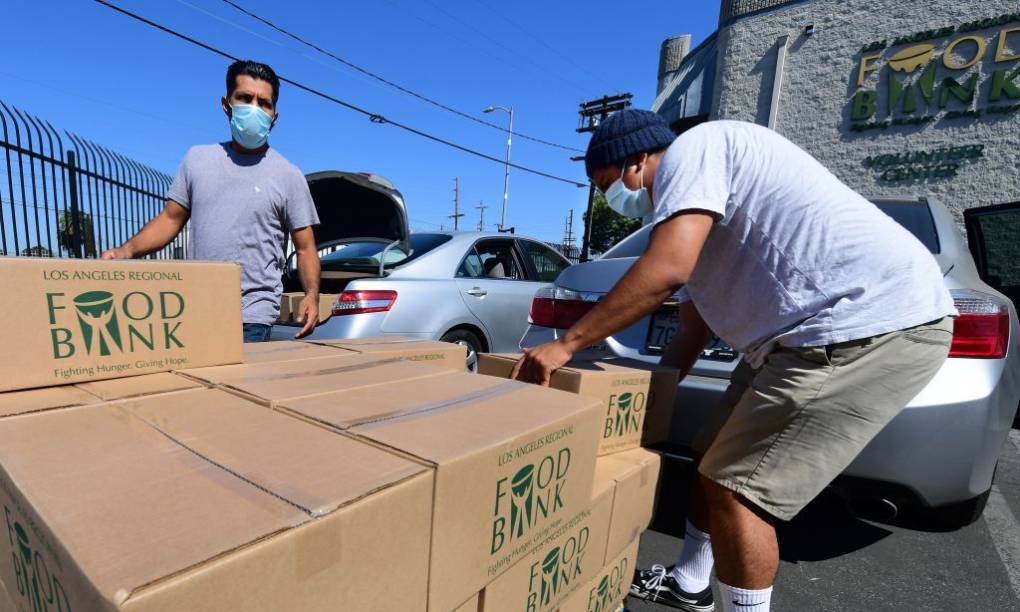
"caption": "People load their vehicles with boxes of food at Los Angeles Regional Food Bank on May 5, 2020, in Los Angeles.",
"description": null,
"title": "US-HEALTH-VIRUS-FOOD",
"credit": "Frederic J. Brown/AFP via Getty Images",
"status": "inherit",
"altTag": "Two men wearing masks move boxes that say \"Food Bank\" on the side.",
"isLoading": false,
"fetchFailed": false
},
"news_11890790": {
"type": "attachments",
"id": "news_11890790",
"meta": {
"index": "attachments_1716263798",
"site": "news",
"id": "11890790",
"found": true
},
"parent": 11890716,
"imgSizes": {
"twentyfourteen-full-width": {
"file": "https://ww2.kqed.org/app/uploads/sites/10/2021/10/lucky-getty-1038x576.jpg",
"width": 1038,
"mimeType": "image/jpeg",
"height": 576
},
"thumbnail": {
"file": "https://ww2.kqed.org/app/uploads/sites/10/2021/10/lucky-getty-160x115.jpg",
"width": 160,
"mimeType": "image/jpeg",
"height": 115
},
"post-thumbnail": {
"file": "https://ww2.kqed.org/app/uploads/sites/10/2021/10/lucky-getty-672x372.jpg",
"width": 672,
"mimeType": "image/jpeg",
"height": 372
},
"kqedFullSize": {
"file": "https://ww2.kqed.org/app/uploads/sites/10/2021/10/lucky-getty-scaled.jpg",
"width": 2560,
"height": 1842
},
"2048x2048": {
"file": "https://ww2.kqed.org/app/uploads/sites/10/2021/10/lucky-getty-2048x1473.jpg",
"width": 2048,
"mimeType": "image/jpeg",
"height": 1473
},
"large": {
"file": "https://ww2.kqed.org/app/uploads/sites/10/2021/10/lucky-getty-1020x734.jpg",
"width": 1020,
"mimeType": "image/jpeg",
"height": 734
},
"1536x1536": {
"file": "https://ww2.kqed.org/app/uploads/sites/10/2021/10/lucky-getty-1536x1105.jpg",
"width": 1536,
"mimeType": "image/jpeg",
"height": 1105
},
"full-width": {
"file": "https://ww2.kqed.org/app/uploads/sites/10/2021/10/lucky-getty-1920x1381.jpg",
"width": 1920,
"mimeType": "image/jpeg",
"height": 1381
},
"medium": {
"file": "https://ww2.kqed.org/app/uploads/sites/10/2021/10/lucky-getty-800x576.jpg",
"width": 800,
"mimeType": "image/jpeg",
"height": 576
}
},
"publishDate": 1633124447,
"modified": 1633135111,
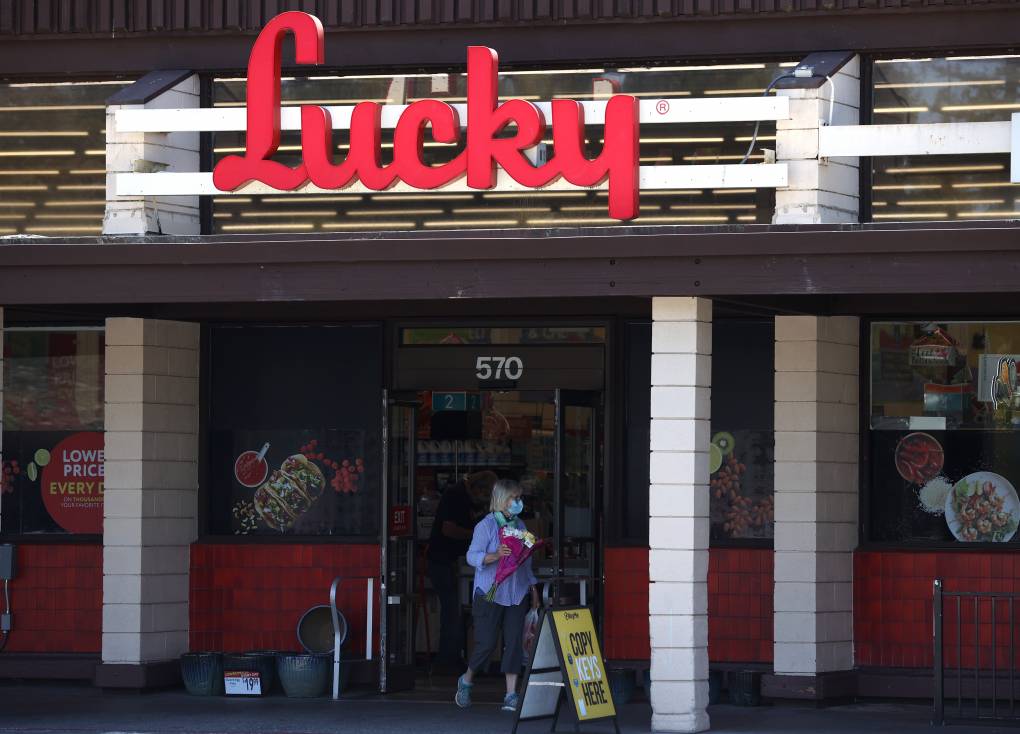
"caption": "A customer leaves a Lucky store on July 27, 2020 in Larkspur, California.",
"description": "A customer leaves a Lucky store on July 27, 2020 in Larkspur, California.",
"title": "Supermarket Chain Albertsons, Owner Of Safeway And Other Grocery Stores, Sees Increases In Sales",
"credit": "Justin Sullivan/Getty Images",
"status": "inherit",
"altTag": "The front of a Lucky store, with its read \"Lucky\" sign above the awning.",
"isLoading": false,
"fetchFailed": false
},
"news_11885479": {
"type": "attachments",
"id": "news_11885479",
"meta": {
"index": "attachments_1716263798",
"site": "news",
"id": "11885479",
"found": true
},
"title": "pexels-matheus-cenali-2733918",
"publishDate": 1629241224,
"status": "inherit",
"parent": 11885417,
"modified": 1742942690,
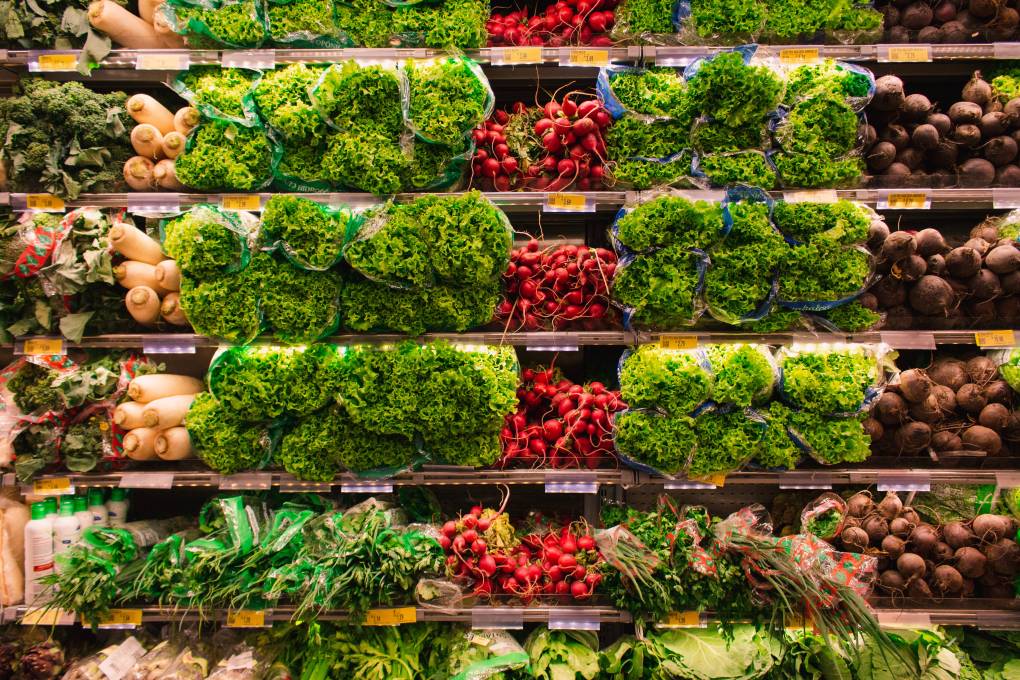
"caption": "The U.S. Department of Agriculture on Monday released a reevaluation of the Thrifty Food Plan, which is used to calculate SNAP benefits.",
"credit": "Matheus Cenali/Pexels",
"altTag": "Photo of vegetables in a grocery store.",
"description": null,
"imgSizes": {
"medium": {
"file": "https://cdn.kqed.org/wp-content/uploads/sites/10/2021/08/pexels-matheus-cenali-2733918-800x533.jpeg",
"width": 800,
"height": 533,
"mimeType": "image/jpeg"
},
"large": {
"file": "https://cdn.kqed.org/wp-content/uploads/sites/10/2021/08/pexels-matheus-cenali-2733918-1020x680.jpeg",
"width": 1020,
"height": 680,
"mimeType": "image/jpeg"
},
"thumbnail": {
"file": "https://cdn.kqed.org/wp-content/uploads/sites/10/2021/08/pexels-matheus-cenali-2733918-160x107.jpeg",
"width": 160,
"height": 107,
"mimeType": "image/jpeg"
},
"1536x1536": {
"file": "https://cdn.kqed.org/wp-content/uploads/sites/10/2021/08/pexels-matheus-cenali-2733918-1536x1024.jpeg",
"width": 1536,
"height": 1024,
"mimeType": "image/jpeg"
},
"2048x2048": {
"file": "https://cdn.kqed.org/wp-content/uploads/sites/10/2021/08/pexels-matheus-cenali-2733918-2048x1365.jpeg",
"width": 2048,
"height": 1365,
"mimeType": "image/jpeg"
},
"post-thumbnail": {
"file": "https://cdn.kqed.org/wp-content/uploads/sites/10/2021/08/pexels-matheus-cenali-2733918-672x372.jpeg",
"width": 672,
"height": 372,
"mimeType": "image/jpeg"
},
"twentyfourteen-full-width": {
"file": "https://cdn.kqed.org/wp-content/uploads/sites/10/2021/08/pexels-matheus-cenali-2733918-1038x576.jpeg",
"width": 1038,
"height": 576,
"mimeType": "image/jpeg"
},
"full-width": {
"file": "https://cdn.kqed.org/wp-content/uploads/sites/10/2021/08/pexels-matheus-cenali-2733918-1920x1280.jpeg",
"width": 1920,
"height": 1280,
"mimeType": "image/jpeg"
},
"kqedFullSize": {
"file": "https://cdn.kqed.org/wp-content/uploads/sites/10/2021/08/pexels-matheus-cenali-2733918-scaled-e1742921578510.jpeg",
"width": 2000,
"height": 1334
}
},
"isLoading": false,
"fetchFailed": false
},
"news_11792620": {
"type": "attachments",
"id": "news_11792620",
"meta": {
"index": "attachments_1716263798",
"site": "news",
"id": "11792620",
"found": true
},
"title": "The new Trump administration rule makes it harder for states to waive the requirement that adults work at least 20 hours a week in order to receive their Supplemental Nutrition Assistance Program — or SNAP — benefits. Some low-income college students could be affected.",
"publishDate": 1576950119,
"status": "inherit",
"parent": 11792619,
"modified": 1761673418,
"caption": "The new Trump administration rule makes it harder for states to waive the requirement that adults work at least 20 hours a week in order to receive their Supplemental Nutrition Assistance Program — or SNAP — benefits. Some low-income college students could be affected.",
"credit": "Danny Moloshok/AP Photo",
"altTag": null,
"description": "The new Trump administration rule makes it harder for states to waive the requirement that adults work at least 20 hours a week in order to receive their Supplemental Nutrition Assistance Program — or SNAP — benefits. Some low-income college students could be affected.",
"imgSizes": {
"thumbnail": {
"file": "https://cdn.kqed.org/wp-content/uploads/sites/10/2019/12/ap_17271692702067-ea1b97e98e157d598fa245d9c752f917e6c25c57-160x120.jpg",
"width": 160,
"height": 120,
"mimeType": "image/jpeg"
},
"medium": {
"file": "https://cdn.kqed.org/wp-content/uploads/sites/10/2019/12/ap_17271692702067-ea1b97e98e157d598fa245d9c752f917e6c25c57-800x600.jpg",
"width": 800,
"height": 600,
"mimeType": "image/jpeg"
},
"large": {
"file": "https://cdn.kqed.org/wp-content/uploads/sites/10/2019/12/ap_17271692702067-ea1b97e98e157d598fa245d9c752f917e6c25c57-1020x765.jpg",
"width": 1020,
"height": 765,
"mimeType": "image/jpeg"
},
"complete_open_graph": {
"file": "https://cdn.kqed.org/wp-content/uploads/sites/10/2019/12/ap_17271692702067-ea1b97e98e157d598fa245d9c752f917e6c25c57-1200x900.jpg",
"width": 1200,
"height": 900,
"mimeType": "image/jpeg"
},
"post-thumbnail": {
"file": "https://cdn.kqed.org/wp-content/uploads/sites/10/2019/12/ap_17271692702067-ea1b97e98e157d598fa245d9c752f917e6c25c57-672x372.jpg",
"width": 672,
"height": 372,
"mimeType": "image/jpeg"
},
"twentyfourteen-full-width": {
"file": "https://cdn.kqed.org/wp-content/uploads/sites/10/2019/12/ap_17271692702067-ea1b97e98e157d598fa245d9c752f917e6c25c57-1038x576.jpg",
"width": 1038,
"height": 576,
"mimeType": "image/jpeg"
},
"full-width": {
"file": "https://cdn.kqed.org/wp-content/uploads/sites/10/2019/12/ap_17271692702067-ea1b97e98e157d598fa245d9c752f917e6c25c57-1920x1440.jpg",
"width": 1920,
"height": 1440,
"mimeType": "image/jpeg"
},
"apple_news_ca_landscape_12_9": {
"file": "https://cdn.kqed.org/wp-content/uploads/sites/10/2019/12/ap_17271692702067-ea1b97e98e157d598fa245d9c752f917e6c25c57-1832x1374.jpg",
"width": 1832,
"height": 1374,
"mimeType": "image/jpeg"
},
"apple_news_ca_landscape_9_7": {
"file": "https://cdn.kqed.org/wp-content/uploads/sites/10/2019/12/ap_17271692702067-ea1b97e98e157d598fa245d9c752f917e6c25c57-1376x1032.jpg",
"width": 1376,
"height": 1032,
"mimeType": "image/jpeg"
},
"apple_news_ca_landscape_5_5": {
"file": "https://cdn.kqed.org/wp-content/uploads/sites/10/2019/12/ap_17271692702067-ea1b97e98e157d598fa245d9c752f917e6c25c57-1044x783.jpg",
"width": 1044,
"height": 783,
"mimeType": "image/jpeg"
},
"apple_news_ca_landscape_4_7": {
"file": "https://cdn.kqed.org/wp-content/uploads/sites/10/2019/12/ap_17271692702067-ea1b97e98e157d598fa245d9c752f917e6c25c57-632x474.jpg",
"width": 632,
"height": 474,
"mimeType": "image/jpeg"
},
"apple_news_ca_landscape_4_0": {
"file": "https://cdn.kqed.org/wp-content/uploads/sites/10/2019/12/ap_17271692702067-ea1b97e98e157d598fa245d9c752f917e6c25c57-536x402.jpg",
"width": 536,
"height": 402,
"mimeType": "image/jpeg"
},
"apple_news_ca_portrait_12_9": {
"file": "https://cdn.kqed.org/wp-content/uploads/sites/10/2019/12/ap_17271692702067-ea1b97e98e157d598fa245d9c752f917e6c25c57-1122x1496.jpg",
"width": 1122,
"height": 1496,
"mimeType": "image/jpeg"
},
"apple_news_ca_portrait_9_7": {
"file": "https://cdn.kqed.org/wp-content/uploads/sites/10/2019/12/ap_17271692702067-ea1b97e98e157d598fa245d9c752f917e6c25c57-840x1120.jpg",
"width": 840,
"height": 1120,
"mimeType": "image/jpeg"
},
"apple_news_ca_portrait_5_5": {
"file": "https://cdn.kqed.org/wp-content/uploads/sites/10/2019/12/ap_17271692702067-ea1b97e98e157d598fa245d9c752f917e6c25c57-687x916.jpg",
"width": 687,
"height": 916,
"mimeType": "image/jpeg"
},
"apple_news_ca_portrait_4_7": {
"file": "https://cdn.kqed.org/wp-content/uploads/sites/10/2019/12/ap_17271692702067-ea1b97e98e157d598fa245d9c752f917e6c25c57-414x552.jpg",
"width": 414,
"height": 552,
"mimeType": "image/jpeg"
},
"apple_news_ca_portrait_4_0": {
"file": "https://cdn.kqed.org/wp-content/uploads/sites/10/2019/12/ap_17271692702067-ea1b97e98e157d598fa245d9c752f917e6c25c57-354x472.jpg",
"width": 354,
"height": 472,
"mimeType": "image/jpeg"
},
"apple_news_ca_square_12_9": {
"file": "https://cdn.kqed.org/wp-content/uploads/sites/10/2019/12/ap_17271692702067-ea1b97e98e157d598fa245d9c752f917e6c25c57-1472x1472.jpg",
"width": 1472,
"height": 1472,
"mimeType": "image/jpeg"
},
"apple_news_ca_square_9_7": {
"file": "https://cdn.kqed.org/wp-content/uploads/sites/10/2019/12/ap_17271692702067-ea1b97e98e157d598fa245d9c752f917e6c25c57-1104x1104.jpg",
"width": 1104,
"height": 1104,
"mimeType": "image/jpeg"
},
"apple_news_ca_square_5_5": {
"file": "https://cdn.kqed.org/wp-content/uploads/sites/10/2019/12/ap_17271692702067-ea1b97e98e157d598fa245d9c752f917e6c25c57-912x912.jpg",
"width": 912,
"height": 912,
"mimeType": "image/jpeg"
},
"apple_news_ca_square_4_7": {
"file": "https://cdn.kqed.org/wp-content/uploads/sites/10/2019/12/ap_17271692702067-ea1b97e98e157d598fa245d9c752f917e6c25c57-550x550.jpg",
"width": 550,
"height": 550,
"mimeType": "image/jpeg"
},
"apple_news_ca_square_4_0": {
"file": "https://cdn.kqed.org/wp-content/uploads/sites/10/2019/12/ap_17271692702067-ea1b97e98e157d598fa245d9c752f917e6c25c57-470x470.jpg",
"width": 470,
"height": 470,
"mimeType": "image/jpeg"
},
"kqedFullSize": {
"file": "https://cdn.kqed.org/wp-content/uploads/sites/10/2019/12/ap_17271692702067-ea1b97e98e157d598fa245d9c752f917e6c25c57-e1576950264238.jpg",
"width": 1920,
"height": 1440
}
},
"isLoading": false,
"fetchFailed": false
},
"news_11786071": {
"type": "attachments",
"id": "news_11786071",
"meta": {
"index": "attachments_1716263798",
"site": "news",
"id": "11786071",
"found": true
},
"parent": 11785978,
"imgSizes": {
"apple_news_ca_landscape_5_5": {
"file": "https://ww2.kqed.org/app/uploads/sites/10/2019/11/CalFreshprofilesphoto7-1044x783.jpg",
"width": 1044,
"mimeType": "image/jpeg",
"height": 783
},
"apple_news_ca_square_4_0": {
"file": "https://ww2.kqed.org/app/uploads/sites/10/2019/11/CalFreshprofilesphoto7-470x470.jpg",
"width": 470,
"mimeType": "image/jpeg",
"height": 470
},
"twentyfourteen-full-width": {
"file": "https://ww2.kqed.org/app/uploads/sites/10/2019/11/CalFreshprofilesphoto7-1038x576.jpg",
"width": 1038,
"mimeType": "image/jpeg",
"height": 576
},
"thumbnail": {
"file": "https://ww2.kqed.org/app/uploads/sites/10/2019/11/CalFreshprofilesphoto7-160x122.jpg",
"width": 160,
"mimeType": "image/jpeg",
"height": 122
},
"post-thumbnail": {
"file": "https://ww2.kqed.org/app/uploads/sites/10/2019/11/CalFreshprofilesphoto7-672x372.jpg",
"width": 672,
"mimeType": "image/jpeg",
"height": 372
},
"kqedFullSize": {
"file": "https://ww2.kqed.org/app/uploads/sites/10/2019/11/CalFreshprofilesphoto7.jpg",
"width": 1920,
"height": 1458
},
"apple_news_ca_landscape_4_7": {
"file": "https://ww2.kqed.org/app/uploads/sites/10/2019/11/CalFreshprofilesphoto7-632x474.jpg",
"width": 632,
"mimeType": "image/jpeg",
"height": 474
},
"large": {
"file": "https://ww2.kqed.org/app/uploads/sites/10/2019/11/CalFreshprofilesphoto7-1020x775.jpg",
"width": 1020,
"mimeType": "image/jpeg",
"height": 775
},
"complete_open_graph": {
"file": "https://ww2.kqed.org/app/uploads/sites/10/2019/11/CalFreshprofilesphoto7-1200x911.jpg",
"width": 1200,
"mimeType": "image/jpeg",
"height": 911
},
"apple_news_ca_landscape_4_0": {
"file": "https://ww2.kqed.org/app/uploads/sites/10/2019/11/CalFreshprofilesphoto7-536x402.jpg",
"width": 536,
"mimeType": "image/jpeg",
"height": 402
},
"apple_news_ca_portrait_12_9": {
"file": "https://ww2.kqed.org/app/uploads/sites/10/2019/11/CalFreshprofilesphoto7-1122x1458.jpg",
"width": 1122,
"mimeType": "image/jpeg",
"height": 1458
},
"medium": {
"file": "https://ww2.kqed.org/app/uploads/sites/10/2019/11/CalFreshprofilesphoto7-800x608.jpg",
"width": 800,
"mimeType": "image/jpeg",
"height": 608
},
"apple_news_ca_portrait_4_0": {
"file": "https://ww2.kqed.org/app/uploads/sites/10/2019/11/CalFreshprofilesphoto7-354x472.jpg",
"width": 354,
"mimeType": "image/jpeg",
"height": 472
},
"apple_news_ca_portrait_9_7": {
"file": "https://ww2.kqed.org/app/uploads/sites/10/2019/11/CalFreshprofilesphoto7-840x1120.jpg",
"width": 840,
"mimeType": "image/jpeg",
"height": 1120
},
"apple_news_ca_landscape_12_9": {
"file": "https://ww2.kqed.org/app/uploads/sites/10/2019/11/CalFreshprofilesphoto7-1832x1374.jpg",
"width": 1832,
"mimeType": "image/jpeg",
"height": 1374
},
"apple_news_ca_square_9_7": {
"file": "https://ww2.kqed.org/app/uploads/sites/10/2019/11/CalFreshprofilesphoto7-1104x1104.jpg",
"width": 1104,
"mimeType": "image/jpeg",
"height": 1104
},
"apple_news_ca_portrait_4_7": {
"file": "https://ww2.kqed.org/app/uploads/sites/10/2019/11/CalFreshprofilesphoto7-414x552.jpg",
"width": 414,
"mimeType": "image/jpeg",
"height": 552
},
"apple_news_ca_square_12_9": {
"file": "https://ww2.kqed.org/app/uploads/sites/10/2019/11/CalFreshprofilesphoto7-1472x1458.jpg",
"width": 1472,
"mimeType": "image/jpeg",
"height": 1458
},
"apple_news_ca_portrait_5_5": {
"file": "https://ww2.kqed.org/app/uploads/sites/10/2019/11/CalFreshprofilesphoto7-687x916.jpg",
"width": 687,
"mimeType": "image/jpeg",
"height": 916
},
"full-width": {
"file": "https://ww2.kqed.org/app/uploads/sites/10/2019/11/CalFreshprofilesphoto7-1920x1458.jpg",
"width": 1920,
"mimeType": "image/jpeg",
"height": 1458
},
"apple_news_ca_square_4_7": {
"file": "https://ww2.kqed.org/app/uploads/sites/10/2019/11/CalFreshprofilesphoto7-550x550.jpg",
"width": 550,
"mimeType": "image/jpeg",
"height": 550
},
"apple_news_ca_landscape_9_7": {
"file": "https://ww2.kqed.org/app/uploads/sites/10/2019/11/CalFreshprofilesphoto7-1376x1032.jpg",
"width": 1376,
"mimeType": "image/jpeg",
"height": 1032
},
"apple_news_ca_square_5_5": {
"file": "https://ww2.kqed.org/app/uploads/sites/10/2019/11/CalFreshprofilesphoto7-912x912.jpg",
"width": 912,
"mimeType": "image/jpeg",
"height": 912
}
},
"publishDate": 1573493596,
"modified": 1669210011,
"caption": null,
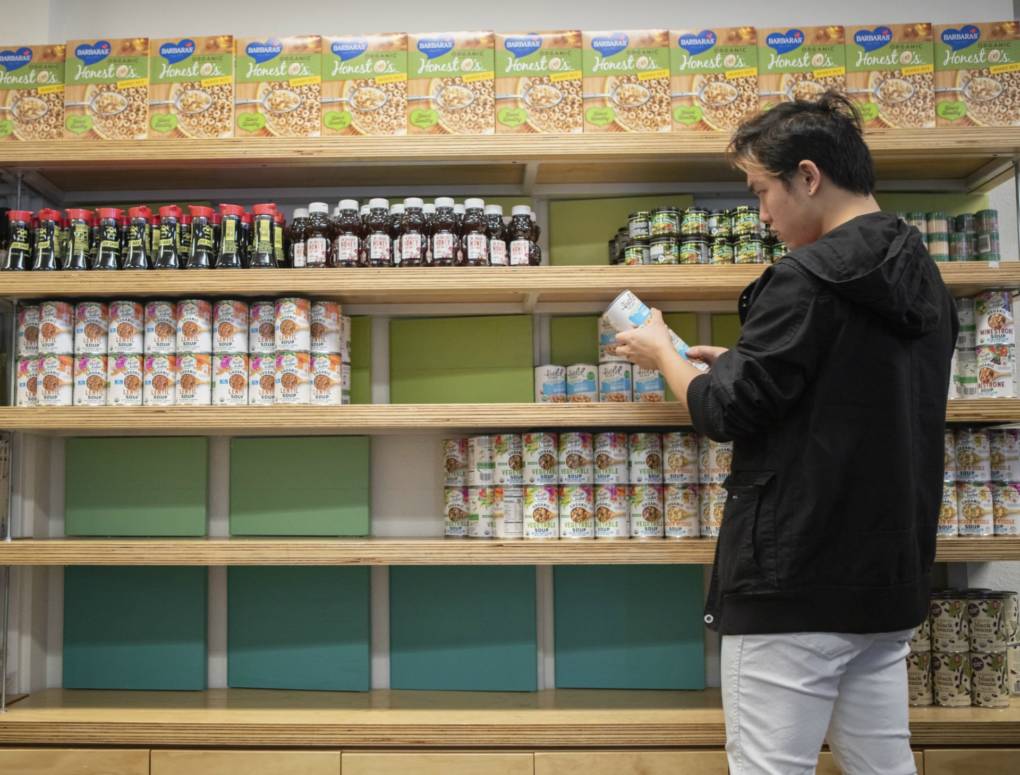
"description": "Student volunteer Yongjie He restocks shelves with canned goods at the UC Berkeley campus food pantry. (Anne Wernikoff for CalMatters)",
"title": "CalFreshprofilesphoto7",
"credit": "Anne Wernikoff for CalMatters",
"status": "inherit",
"altTag": "Man restocks shelves with canned food",
"isLoading": false,
"fetchFailed": false
},
"news_11776050": {
"type": "attachments",
"id": "news_11776050",
"meta": {
"index": "attachments_1716263798",
"site": "news",
"id": "11776050",
"found": true
},
"title": "public charge photo 1",
"publishDate": 1569275086,
"status": "inherit",
"parent": 11776046,
"modified": 1762473306,
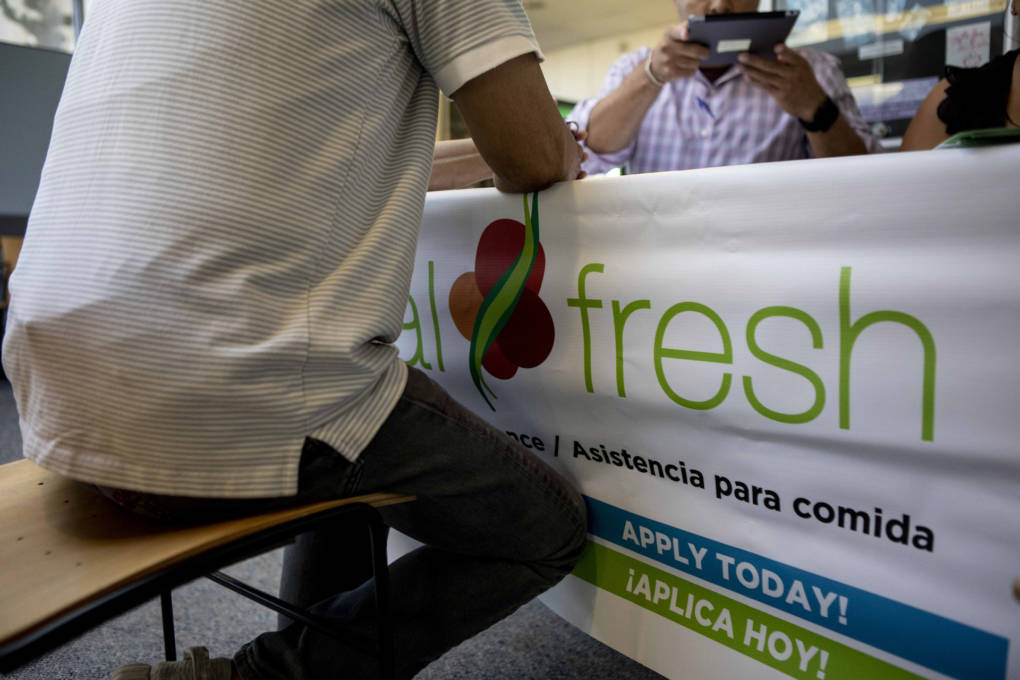
"caption": "An applicant signs up for food stamps, known as CalFresh in California, at a low-income health clinic in Contra Costa County. ",
"credit": "Anne Wernikoff/CalMatters",
"altTag": null,
"description": null,
"imgSizes": {
"thumbnail": {
"file": "https://cdn.kqed.org/wp-content/uploads/sites/10/2019/09/public-charge-photo-1-1-160x107.jpg",
"width": 160,
"height": 107,
"mimeType": "image/jpeg"
},
"medium": {
"file": "https://cdn.kqed.org/wp-content/uploads/sites/10/2019/09/public-charge-photo-1-1-800x533.jpg",
"width": 800,
"height": 533,
"mimeType": "image/jpeg"
},
"large": {
"file": "https://cdn.kqed.org/wp-content/uploads/sites/10/2019/09/public-charge-photo-1-1-1020x680.jpg",
"width": 1020,
"height": 680,
"mimeType": "image/jpeg"
},
"complete_open_graph": {
"file": "https://cdn.kqed.org/wp-content/uploads/sites/10/2019/09/public-charge-photo-1-1-1200x800.jpg",
"width": 1200,
"height": 800,
"mimeType": "image/jpeg"
},
"post-thumbnail": {
"file": "https://cdn.kqed.org/wp-content/uploads/sites/10/2019/09/public-charge-photo-1-1-672x372.jpg",
"width": 672,
"height": 372,
"mimeType": "image/jpeg"
},
"twentyfourteen-full-width": {
"file": "https://cdn.kqed.org/wp-content/uploads/sites/10/2019/09/public-charge-photo-1-1-1038x576.jpg",
"width": 1038,
"height": 576,
"mimeType": "image/jpeg"
},
"full-width": {
"file": "https://cdn.kqed.org/wp-content/uploads/sites/10/2019/09/public-charge-photo-1-1-1920x1280.jpg",
"width": 1920,
"height": 1280,
"mimeType": "image/jpeg"
},
"apple_news_ca_landscape_12_9": {
"file": "https://cdn.kqed.org/wp-content/uploads/sites/10/2019/09/public-charge-photo-1-1-1832x1280.jpg",
"width": 1832,
"height": 1280,
"mimeType": "image/jpeg"
},
"apple_news_ca_landscape_9_7": {
"file": "https://cdn.kqed.org/wp-content/uploads/sites/10/2019/09/public-charge-photo-1-1-1376x1032.jpg",
"width": 1376,
"height": 1032,
"mimeType": "image/jpeg"
},
"apple_news_ca_landscape_5_5": {
"file": "https://cdn.kqed.org/wp-content/uploads/sites/10/2019/09/public-charge-photo-1-1-1044x783.jpg",
"width": 1044,
"height": 783,
"mimeType": "image/jpeg"
},
"apple_news_ca_landscape_4_7": {
"file": "https://cdn.kqed.org/wp-content/uploads/sites/10/2019/09/public-charge-photo-1-1-632x474.jpg",
"width": 632,
"height": 474,
"mimeType": "image/jpeg"
},
"apple_news_ca_landscape_4_0": {
"file": "https://cdn.kqed.org/wp-content/uploads/sites/10/2019/09/public-charge-photo-1-1-536x402.jpg",
"width": 536,
"height": 402,
"mimeType": "image/jpeg"
},
"apple_news_ca_portrait_12_9": {
"file": "https://cdn.kqed.org/wp-content/uploads/sites/10/2019/09/public-charge-photo-1-1-1122x1280.jpg",
"width": 1122,
"height": 1280,
"mimeType": "image/jpeg"
},
"apple_news_ca_portrait_9_7": {
"file": "https://cdn.kqed.org/wp-content/uploads/sites/10/2019/09/public-charge-photo-1-1-840x1120.jpg",
"width": 840,
"height": 1120,
"mimeType": "image/jpeg"
},
"apple_news_ca_portrait_5_5": {
"file": "https://cdn.kqed.org/wp-content/uploads/sites/10/2019/09/public-charge-photo-1-1-687x916.jpg",
"width": 687,
"height": 916,
"mimeType": "image/jpeg"
},
"apple_news_ca_portrait_4_7": {
"file": "https://cdn.kqed.org/wp-content/uploads/sites/10/2019/09/public-charge-photo-1-1-414x552.jpg",
"width": 414,
"height": 552,
"mimeType": "image/jpeg"
},
"apple_news_ca_portrait_4_0": {
"file": "https://cdn.kqed.org/wp-content/uploads/sites/10/2019/09/public-charge-photo-1-1-354x472.jpg",
"width": 354,
"height": 472,
"mimeType": "image/jpeg"
},
"apple_news_ca_square_12_9": {
"file": "https://cdn.kqed.org/wp-content/uploads/sites/10/2019/09/public-charge-photo-1-1-1472x1280.jpg",
"width": 1472,
"height": 1280,
"mimeType": "image/jpeg"
},
"apple_news_ca_square_9_7": {
"file": "https://cdn.kqed.org/wp-content/uploads/sites/10/2019/09/public-charge-photo-1-1-1104x1104.jpg",
"width": 1104,
"height": 1104,
"mimeType": "image/jpeg"
},
"apple_news_ca_square_5_5": {
"file": "https://cdn.kqed.org/wp-content/uploads/sites/10/2019/09/public-charge-photo-1-1-912x912.jpg",
"width": 912,
"height": 912,
"mimeType": "image/jpeg"
},
"apple_news_ca_square_4_7": {
"file": "https://cdn.kqed.org/wp-content/uploads/sites/10/2019/09/public-charge-photo-1-1-550x550.jpg",
"width": 550,
"height": 550,
"mimeType": "image/jpeg"
},
"apple_news_ca_square_4_0": {
"file": "https://cdn.kqed.org/wp-content/uploads/sites/10/2019/09/public-charge-photo-1-1-470x470.jpg",
"width": 470,
"height": 470,
"mimeType": "image/jpeg"
},
"kqedFullSize": {
"file": "https://cdn.kqed.org/wp-content/uploads/sites/10/2019/09/public-charge-photo-1-1.jpg",
"width": 1920,
"height": 1280
}
},
"isLoading": false,
"fetchFailed": false
},
"news_11751855": {
"type": "attachments",
"id": "news_11751855",
"meta": {
"index": "attachments_1716263798",
"site": "news",
"id": "11751855",
"found": true
},
"parent": 11751841,
"imgSizes": {
"apple_news_ca_landscape_5_5": {
"file": "https://ww2.kqed.org/app/uploads/sites/10/2019/06/RS37478_GettyImages-1016849550-qut-1044x783.jpg",
"width": 1044,
"mimeType": "image/jpeg",
"height": 783
},
"apple_news_ca_square_4_0": {
"file": "https://ww2.kqed.org/app/uploads/sites/10/2019/06/RS37478_GettyImages-1016849550-qut-470x470.jpg",
"width": 470,
"mimeType": "image/jpeg",
"height": 470
},
"twentyfourteen-full-width": {
"file": "https://ww2.kqed.org/app/uploads/sites/10/2019/06/RS37478_GettyImages-1016849550-qut-1038x576.jpg",
"width": 1038,
"mimeType": "image/jpeg",
"height": 576
},
"thumbnail": {
"file": "https://ww2.kqed.org/app/uploads/sites/10/2019/06/RS37478_GettyImages-1016849550-qut-160x105.jpg",
"width": 160,
"mimeType": "image/jpeg",
"height": 105
},
"post-thumbnail": {
"file": "https://ww2.kqed.org/app/uploads/sites/10/2019/06/RS37478_GettyImages-1016849550-qut-672x372.jpg",
"width": 672,
"mimeType": "image/jpeg",
"height": 372
},
"kqedFullSize": {
"file": "https://ww2.kqed.org/app/uploads/sites/10/2019/06/RS37478_GettyImages-1016849550-qut.jpg",
"width": 1920,
"height": 1261
},
"apple_news_ca_landscape_4_7": {
"file": "https://ww2.kqed.org/app/uploads/sites/10/2019/06/RS37478_GettyImages-1016849550-qut-632x474.jpg",
"width": 632,
"mimeType": "image/jpeg",
"height": 474
},
"large": {
"file": "https://ww2.kqed.org/app/uploads/sites/10/2019/06/RS37478_GettyImages-1016849550-qut-1020x670.jpg",
"width": 1020,
"mimeType": "image/jpeg",
"height": 670
},
"complete_open_graph": {
"file": "https://ww2.kqed.org/app/uploads/sites/10/2019/06/RS37478_GettyImages-1016849550-qut-1200x788.jpg",
"width": 1200,
"mimeType": "image/jpeg",
"height": 788
},
"apple_news_ca_landscape_4_0": {
"file": "https://ww2.kqed.org/app/uploads/sites/10/2019/06/RS37478_GettyImages-1016849550-qut-536x402.jpg",
"width": 536,
"mimeType": "image/jpeg",
"height": 402
},
"apple_news_ca_portrait_12_9": {
"file": "https://ww2.kqed.org/app/uploads/sites/10/2019/06/RS37478_GettyImages-1016849550-qut-1122x1261.jpg",
"width": 1122,
"mimeType": "image/jpeg",
"height": 1261
},
"medium": {
"file": "https://ww2.kqed.org/app/uploads/sites/10/2019/06/RS37478_GettyImages-1016849550-qut-800x525.jpg",
"width": 800,
"mimeType": "image/jpeg",
"height": 525
},
"apple_news_ca_portrait_4_0": {
"file": "https://ww2.kqed.org/app/uploads/sites/10/2019/06/RS37478_GettyImages-1016849550-qut-354x472.jpg",
"width": 354,
"mimeType": "image/jpeg",
"height": 472
},
"apple_news_ca_portrait_9_7": {
"file": "https://ww2.kqed.org/app/uploads/sites/10/2019/06/RS37478_GettyImages-1016849550-qut-840x1120.jpg",
"width": 840,
"mimeType": "image/jpeg",
"height": 1120
},
"apple_news_ca_landscape_12_9": {
"file": "https://ww2.kqed.org/app/uploads/sites/10/2019/06/RS37478_GettyImages-1016849550-qut-1832x1261.jpg",
"width": 1832,
"mimeType": "image/jpeg",
"height": 1261
},
"apple_news_ca_square_9_7": {
"file": "https://ww2.kqed.org/app/uploads/sites/10/2019/06/RS37478_GettyImages-1016849550-qut-1104x1104.jpg",
"width": 1104,
"mimeType": "image/jpeg",
"height": 1104
},
"apple_news_ca_portrait_4_7": {
"file": "https://ww2.kqed.org/app/uploads/sites/10/2019/06/RS37478_GettyImages-1016849550-qut-414x552.jpg",
"width": 414,
"mimeType": "image/jpeg",
"height": 552
},
"apple_news_ca_square_12_9": {
"file": "https://ww2.kqed.org/app/uploads/sites/10/2019/06/RS37478_GettyImages-1016849550-qut-1472x1261.jpg",
"width": 1472,
"mimeType": "image/jpeg",
"height": 1261
},
"apple_news_ca_portrait_5_5": {
"file": "https://ww2.kqed.org/app/uploads/sites/10/2019/06/RS37478_GettyImages-1016849550-qut-687x916.jpg",
"width": 687,
"mimeType": "image/jpeg",
"height": 916
},
"full-width": {
"file": "https://ww2.kqed.org/app/uploads/sites/10/2019/06/RS37478_GettyImages-1016849550-qut-1920x1261.jpg",
"width": 1920,
"mimeType": "image/jpeg",
"height": 1261
},
"apple_news_ca_square_4_7": {
"file": "https://ww2.kqed.org/app/uploads/sites/10/2019/06/RS37478_GettyImages-1016849550-qut-550x550.jpg",
"width": 550,
"mimeType": "image/jpeg",
"height": 550
},
"apple_news_ca_landscape_9_7": {
"file": "https://ww2.kqed.org/app/uploads/sites/10/2019/06/RS37478_GettyImages-1016849550-qut-1376x1032.jpg",
"width": 1376,
"mimeType": "image/jpeg",
"height": 1032
},
"apple_news_ca_square_5_5": {
"file": "https://ww2.kqed.org/app/uploads/sites/10/2019/06/RS37478_GettyImages-1016849550-qut-912x912.jpg",
"width": 912,
"mimeType": "image/jpeg",
"height": 912
}
},
"publishDate": 1559441138,
"modified": 1559441224,
"caption": "An Oakland-based Catholic order has released a list of priests credibly accused of sexual misconduct with minors for the first time.",
"description": "An Oakland-based Catholic order has released a list of priests credibly accused of sexual misconduct with minors for the first time.",
"title": "MEXICO-MIGRANTS-PROJECT-24HOURS",
"credit": "RONALDO SCHEMIDT/AFP/Getty Images",
"status": "inherit",
"isLoading": false,
"fetchFailed": false
},
"news_11714122": {
"type": "attachments",
"id": "news_11714122",
"meta": {
"index": "attachments_1716263798",
"site": "news",
"id": "11714122",
"found": true
},
"parent": 11714121,
"imgSizes": {
"small": {
"file": "https://ww2.kqed.org/app/uploads/sites/10/2018/12/food-stamp-perdue-6c144bece45d9b5539c486899b16879056b5f4e2-520x390.jpg",
"width": 520,
"mimeType": "image/jpeg",
"height": 390
},
"twentyfourteen-full-width": {
"file": "https://ww2.kqed.org/app/uploads/sites/10/2018/12/food-stamp-perdue-6c144bece45d9b5539c486899b16879056b5f4e2-1038x576.jpg",
"width": 1038,
"mimeType": "image/jpeg",
"height": 576
},
"thumbnail": {
"file": "https://ww2.kqed.org/app/uploads/sites/10/2018/12/food-stamp-perdue-6c144bece45d9b5539c486899b16879056b5f4e2-160x120.jpg",
"width": 160,
"mimeType": "image/jpeg",
"height": 120
},
"fd-sm": {
"file": "https://ww2.kqed.org/app/uploads/sites/10/2018/12/food-stamp-perdue-6c144bece45d9b5539c486899b16879056b5f4e2-960x720.jpg",
"width": 960,
"mimeType": "image/jpeg",
"height": 720
},
"post-thumbnail": {
"file": "https://ww2.kqed.org/app/uploads/sites/10/2018/12/food-stamp-perdue-6c144bece45d9b5539c486899b16879056b5f4e2-672x372.jpg",
"width": 672,
"mimeType": "image/jpeg",
"height": 372
},
"xsmall": {
"file": "https://ww2.kqed.org/app/uploads/sites/10/2018/12/food-stamp-perdue-6c144bece45d9b5539c486899b16879056b5f4e2-375x281.jpg",
"width": 375,
"mimeType": "image/jpeg",
"height": 281
},
"kqedFullSize": {
"file": "https://ww2.kqed.org/app/uploads/sites/10/2018/12/food-stamp-perdue-6c144bece45d9b5539c486899b16879056b5f4e2-e1545345981421.jpg",
"width": 1920,
"height": 1440
},
"large": {
"file": "https://ww2.kqed.org/app/uploads/sites/10/2018/12/food-stamp-perdue-6c144bece45d9b5539c486899b16879056b5f4e2-1020x765.jpg",
"width": 1020,
"mimeType": "image/jpeg",
"height": 765
},
"xlarge": {
"file": "https://ww2.kqed.org/app/uploads/sites/10/2018/12/food-stamp-perdue-6c144bece45d9b5539c486899b16879056b5f4e2-1180x885.jpg",
"width": 1180,
"mimeType": "image/jpeg",
"height": 885
},
"complete_open_graph": {
"file": "https://ww2.kqed.org/app/uploads/sites/10/2018/12/food-stamp-perdue-6c144bece45d9b5539c486899b16879056b5f4e2-1200x900.jpg",
"width": 1200,
"mimeType": "image/jpeg",
"height": 900
},
"guest-author-50": {
"file": "https://ww2.kqed.org/app/uploads/sites/10/2018/12/food-stamp-perdue-6c144bece45d9b5539c486899b16879056b5f4e2-50x50.jpg",
"width": 50,
"mimeType": "image/jpeg",
"height": 50
},
"guest-author-96": {
"file": "https://ww2.kqed.org/app/uploads/sites/10/2018/12/food-stamp-perdue-6c144bece45d9b5539c486899b16879056b5f4e2-96x96.jpg",
"width": 96,
"mimeType": "image/jpeg",
"height": 96
},
"medium": {
"file": "https://ww2.kqed.org/app/uploads/sites/10/2018/12/food-stamp-perdue-6c144bece45d9b5539c486899b16879056b5f4e2-800x600.jpg",
"width": 800,
"mimeType": "image/jpeg",
"height": 600
},
"guest-author-64": {
"file": "https://ww2.kqed.org/app/uploads/sites/10/2018/12/food-stamp-perdue-6c144bece45d9b5539c486899b16879056b5f4e2-64x64.jpg",
"width": 64,
"mimeType": "image/jpeg",
"height": 64
},
"guest-author-32": {
"file": "https://ww2.kqed.org/app/uploads/sites/10/2018/12/food-stamp-perdue-6c144bece45d9b5539c486899b16879056b5f4e2-32x32.jpg",
"width": 32,
"mimeType": "image/jpeg",
"height": 32
},
"fd-lrg": {
"file": "https://ww2.kqed.org/app/uploads/sites/10/2018/12/food-stamp-perdue-6c144bece45d9b5539c486899b16879056b5f4e2-1920x1440.jpg",
"width": 1920,
"mimeType": "image/jpeg",
"height": 1440
},
"fd-med": {
"file": "https://ww2.kqed.org/app/uploads/sites/10/2018/12/food-stamp-perdue-6c144bece45d9b5539c486899b16879056b5f4e2-1180x885.jpg",
"width": 1180,
"mimeType": "image/jpeg",
"height": 885
},
"full-width": {
"file": "https://ww2.kqed.org/app/uploads/sites/10/2018/12/food-stamp-perdue-6c144bece45d9b5539c486899b16879056b5f4e2-1920x1440.jpg",
"width": 1920,
"mimeType": "image/jpeg",
"height": 1440
},
"detail": {
"file": "https://ww2.kqed.org/app/uploads/sites/10/2018/12/food-stamp-perdue-6c144bece45d9b5539c486899b16879056b5f4e2-150x150.jpg",
"width": 150,
"mimeType": "image/jpeg",
"height": 150
},
"guest-author-128": {
"file": "https://ww2.kqed.org/app/uploads/sites/10/2018/12/food-stamp-perdue-6c144bece45d9b5539c486899b16879056b5f4e2-128x128.jpg",
"width": 128,
"mimeType": "image/jpeg",
"height": 128
},
"xxsmall": {
"file": "https://ww2.kqed.org/app/uploads/sites/10/2018/12/food-stamp-perdue-6c144bece45d9b5539c486899b16879056b5f4e2-240x180.jpg",
"width": 240,
"mimeType": "image/jpeg",
"height": 180
}
},
"publishDate": 1545345837,
"modified": 1545345996,
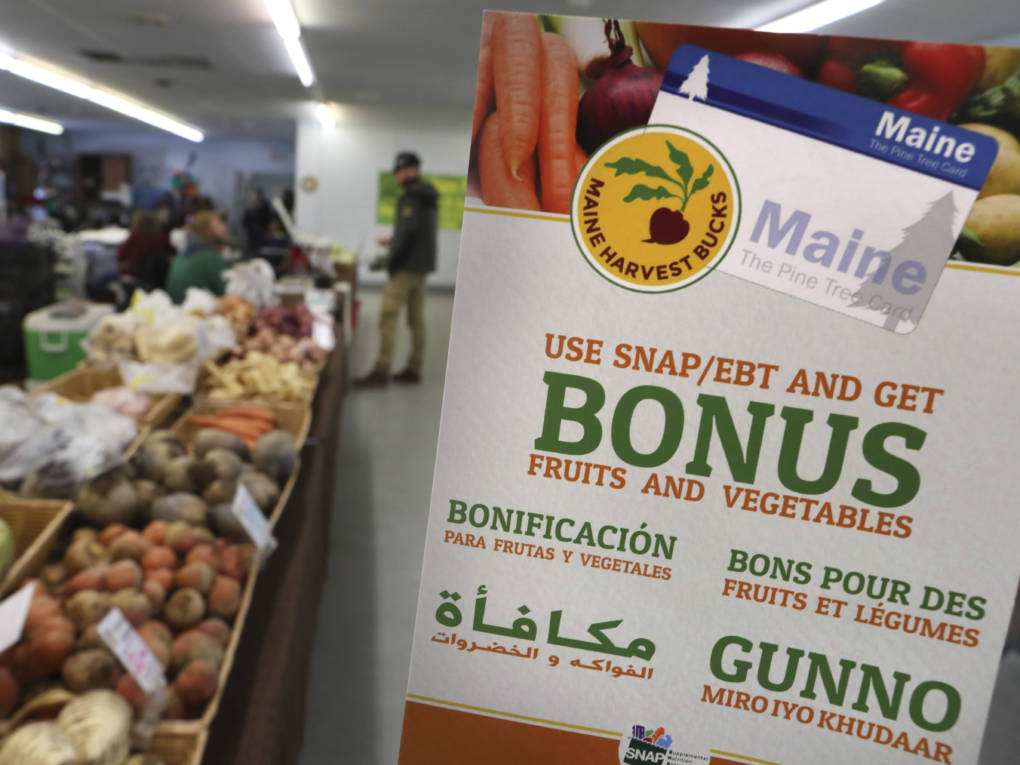
"caption": "President Trump is expected to sign into law the farm bill Thursday. Ahead of the signing, the USDA unveiled a rule change calling for more able-bodied adults to work in exchange for food benefits.",
"description": "President Trump is expected to sign into law the farm bill Thursday. Ahead of the signing, the USDA unveiled a rule change calling for more able-bodied adults to work in exchange for food benefits.",
"title": "President Trump is expected to sign into law the farm bill Thursday. Ahead of the signing, the USDA unveiled a rule change calling for more able-bodied adults to work in exchange for food benefits.",
"credit": "Robert F. Bukaty/AP",
"status": "inherit",
"isLoading": false,
"fetchFailed": false
},
"news_11690798": {
"type": "attachments",
"id": "news_11690798",
"meta": {
"index": "attachments_1716263798",
"site": "news",
"id": "11690798",
"found": true
},
"parent": 11690749,
"imgSizes": {
"small": {
"file": "https://ww2.kqed.org/app/uploads/sites/10/2018/09/RS32725_GettyImages-73464053-qut-520x359.jpg",
"width": 520,
"mimeType": "image/jpeg",
"height": 359
},
"twentyfourteen-full-width": {
"file": "https://ww2.kqed.org/app/uploads/sites/10/2018/09/RS32725_GettyImages-73464053-qut-1038x576.jpg",
"width": 1038,
"mimeType": "image/jpeg",
"height": 576
},
"thumbnail": {
"file": "https://ww2.kqed.org/app/uploads/sites/10/2018/09/RS32725_GettyImages-73464053-qut-160x111.jpg",
"width": 160,
"mimeType": "image/jpeg",
"height": 111
},
"fd-sm": {
"file": "https://ww2.kqed.org/app/uploads/sites/10/2018/09/RS32725_GettyImages-73464053-qut-960x664.jpg",
"width": 960,
"mimeType": "image/jpeg",
"height": 664
},
"post-thumbnail": {
"file": "https://ww2.kqed.org/app/uploads/sites/10/2018/09/RS32725_GettyImages-73464053-qut-672x372.jpg",
"width": 672,
"mimeType": "image/jpeg",
"height": 372
},
"xsmall": {
"file": "https://ww2.kqed.org/app/uploads/sites/10/2018/09/RS32725_GettyImages-73464053-qut-375x259.jpg",
"width": 375,
"mimeType": "image/jpeg",
"height": 259
},
"kqedFullSize": {
"file": "https://ww2.kqed.org/app/uploads/sites/10/2018/09/RS32725_GettyImages-73464053-qut.jpg",
"width": 1920,
"height": 1327
},
"large": {
"file": "https://ww2.kqed.org/app/uploads/sites/10/2018/09/RS32725_GettyImages-73464053-qut-1020x705.jpg",
"width": 1020,
"mimeType": "image/jpeg",
"height": 705
},
"xlarge": {
"file": "https://ww2.kqed.org/app/uploads/sites/10/2018/09/RS32725_GettyImages-73464053-qut-1180x816.jpg",
"width": 1180,
"mimeType": "image/jpeg",
"height": 816
},
"complete_open_graph": {
"file": "https://ww2.kqed.org/app/uploads/sites/10/2018/09/RS32725_GettyImages-73464053-qut-1200x829.jpg",
"width": 1200,
"mimeType": "image/jpeg",
"height": 829
},
"guest-author-50": {
"file": "https://ww2.kqed.org/app/uploads/sites/10/2018/09/RS32725_GettyImages-73464053-qut-50x50.jpg",
"width": 50,
"mimeType": "image/jpeg",
"height": 50
},
"guest-author-96": {
"file": "https://ww2.kqed.org/app/uploads/sites/10/2018/09/RS32725_GettyImages-73464053-qut-96x96.jpg",
"width": 96,
"mimeType": "image/jpeg",
"height": 96
},
"medium": {
"file": "https://ww2.kqed.org/app/uploads/sites/10/2018/09/RS32725_GettyImages-73464053-qut-800x553.jpg",
"width": 800,
"mimeType": "image/jpeg",
"height": 553
},
"guest-author-64": {
"file": "https://ww2.kqed.org/app/uploads/sites/10/2018/09/RS32725_GettyImages-73464053-qut-64x64.jpg",
"width": 64,
"mimeType": "image/jpeg",
"height": 64
},
"guest-author-32": {
"file": "https://ww2.kqed.org/app/uploads/sites/10/2018/09/RS32725_GettyImages-73464053-qut-32x32.jpg",
"width": 32,
"mimeType": "image/jpeg",
"height": 32
},
"fd-lrg": {
"file": "https://ww2.kqed.org/app/uploads/sites/10/2018/09/RS32725_GettyImages-73464053-qut-1920x1327.jpg",
"width": 1920,
"mimeType": "image/jpeg",
"height": 1327
},
"fd-med": {
"file": "https://ww2.kqed.org/app/uploads/sites/10/2018/09/RS32725_GettyImages-73464053-qut-1180x816.jpg",
"width": 1180,
"mimeType": "image/jpeg",
"height": 816
},
"full-width": {
"file": "https://ww2.kqed.org/app/uploads/sites/10/2018/09/RS32725_GettyImages-73464053-qut-1920x1327.jpg",
"width": 1920,
"mimeType": "image/jpeg",
"height": 1327
},
"detail": {
"file": "https://ww2.kqed.org/app/uploads/sites/10/2018/09/RS32725_GettyImages-73464053-qut-150x150.jpg",
"width": 150,
"mimeType": "image/jpeg",
"height": 150
},
"guest-author-128": {
"file": "https://ww2.kqed.org/app/uploads/sites/10/2018/09/RS32725_GettyImages-73464053-qut-128x128.jpg",
"width": 128,
"mimeType": "image/jpeg",
"height": 128
},
"xxsmall": {
"file": "https://ww2.kqed.org/app/uploads/sites/10/2018/09/RS32725_GettyImages-73464053-qut-240x166.jpg",
"width": 240,
"mimeType": "image/jpeg",
"height": 166
}
},
"publishDate": 1536251101,
"modified": 1536251295,
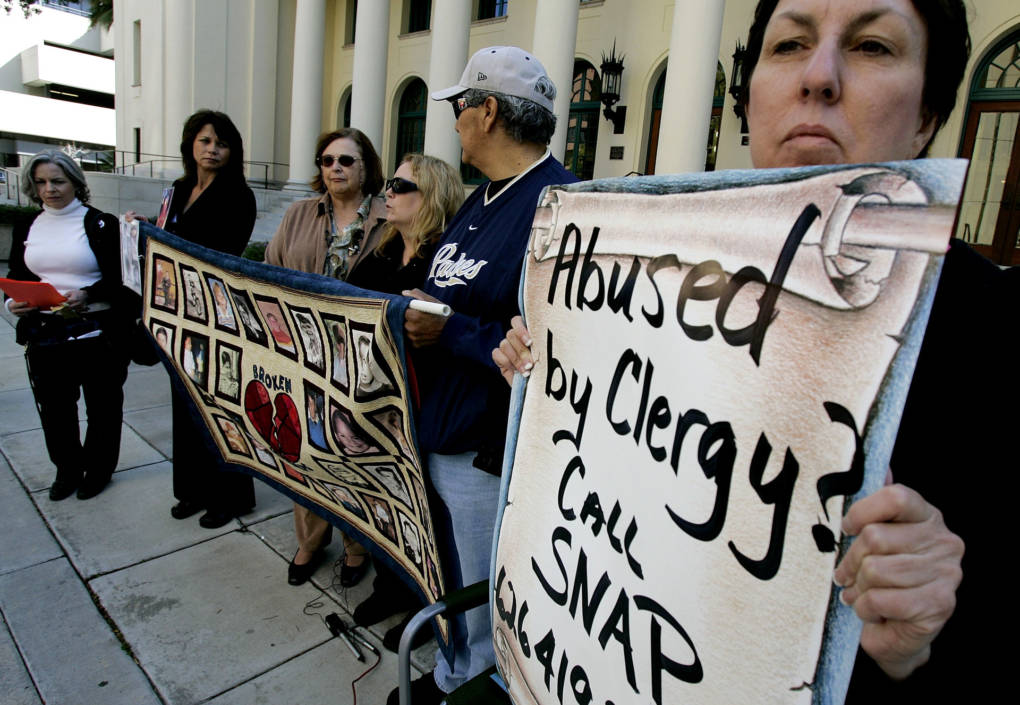
"caption": "Protesters and alleged sexual abuse victims stand outside of The Jacob Weinburg Couthouse during a vigil to bring attention to victims of sexual abuse by religious leaders within the Catholic Church on March 1, 2007 in San Diego, California. Following an explosive report detailing clergy abuse in Pennsylvania, the Roman Catholic Diocese of San Diego has confirmed that it is conducting an internal file review going back more than 50 years and plans to publish previously unreleased names of priests accused of misconduct.",
"description": "Protesters and alleged sexual abuse victims stand outside of The Jacob Weinburg Couthouse during a vigil to bring attention to victims of sexual abuse by religious leaders within the Catholic Church on March 1, 2007 in San Diego, California. Following an explosive report detailing clergy abuse in Pennsylvania, the Roman Catholic Diocese of San Diego has confirmed that it is conducting an internal file review going back more than 50 years and plans to publish previously unreleased names of priests accused of misconduct.",
"title": "Abuse Victims Protest San Diego Diocese Bankruptcy",
"credit": "Sandy Huffaker/Getty Images",
"status": "inherit",
"isLoading": false,
"fetchFailed": false
},
"news_11676447": {
"type": "attachments",
"id": "news_11676447",
"meta": {
"index": "attachments_1716263798",
"site": "news",
"id": "11676447",
"found": true
},
"parent": 11676445,
"imgSizes": {
"small": {
"file": "https://ww2.kqed.org/app/uploads/sites/10/2018/06/farm1-f25cab4d1cf2ef6dde344a453dbc0ff7eecfc10c-520x390.jpg",
"width": 520,
"mimeType": "image/jpeg",
"height": 390
},
"twentyfourteen-full-width": {
"file": "https://ww2.kqed.org/app/uploads/sites/10/2018/06/farm1-f25cab4d1cf2ef6dde344a453dbc0ff7eecfc10c-1038x576.jpg",
"width": 1038,
"mimeType": "image/jpeg",
"height": 576
},
"thumbnail": {
"file": "https://ww2.kqed.org/app/uploads/sites/10/2018/06/farm1-f25cab4d1cf2ef6dde344a453dbc0ff7eecfc10c-160x120.jpg",
"width": 160,
"mimeType": "image/jpeg",
"height": 120
},
"fd-sm": {
"file": "https://ww2.kqed.org/app/uploads/sites/10/2018/06/farm1-f25cab4d1cf2ef6dde344a453dbc0ff7eecfc10c-960x720.jpg",
"width": 960,
"mimeType": "image/jpeg",
"height": 720
},
"post-thumbnail": {
"file": "https://ww2.kqed.org/app/uploads/sites/10/2018/06/farm1-f25cab4d1cf2ef6dde344a453dbc0ff7eecfc10c-672x372.jpg",
"width": 672,
"mimeType": "image/jpeg",
"height": 372
},
"xsmall": {
"file": "https://ww2.kqed.org/app/uploads/sites/10/2018/06/farm1-f25cab4d1cf2ef6dde344a453dbc0ff7eecfc10c-375x281.jpg",
"width": 375,
"mimeType": "image/jpeg",
"height": 281
},
"kqedFullSize": {
"file": "https://ww2.kqed.org/app/uploads/sites/10/2018/06/farm1-f25cab4d1cf2ef6dde344a453dbc0ff7eecfc10c-e1529682558391.jpg",
"width": 1920,
"height": 1440
},
"large": {
"file": "https://ww2.kqed.org/app/uploads/sites/10/2018/06/farm1-f25cab4d1cf2ef6dde344a453dbc0ff7eecfc10c-1020x765.jpg",
"width": 1020,
"mimeType": "image/jpeg",
"height": 765
},
"xlarge": {
"file": "https://ww2.kqed.org/app/uploads/sites/10/2018/06/farm1-f25cab4d1cf2ef6dde344a453dbc0ff7eecfc10c-1180x885.jpg",
"width": 1180,
"mimeType": "image/jpeg",
"height": 885
},
"complete_open_graph": {
"file": "https://ww2.kqed.org/app/uploads/sites/10/2018/06/farm1-f25cab4d1cf2ef6dde344a453dbc0ff7eecfc10c-1200x900.jpg",
"width": 1200,
"mimeType": "image/jpeg",
"height": 900
},
"guest-author-50": {
"file": "https://ww2.kqed.org/app/uploads/sites/10/2018/06/farm1-f25cab4d1cf2ef6dde344a453dbc0ff7eecfc10c-50x50.jpg",
"width": 50,
"mimeType": "image/jpeg",
"height": 50
},
"guest-author-96": {
"file": "https://ww2.kqed.org/app/uploads/sites/10/2018/06/farm1-f25cab4d1cf2ef6dde344a453dbc0ff7eecfc10c-96x96.jpg",
"width": 96,
"mimeType": "image/jpeg",
"height": 96
},
"medium": {
"file": "https://ww2.kqed.org/app/uploads/sites/10/2018/06/farm1-f25cab4d1cf2ef6dde344a453dbc0ff7eecfc10c-800x600.jpg",
"width": 800,
"mimeType": "image/jpeg",
"height": 600
},
"guest-author-64": {
"file": "https://ww2.kqed.org/app/uploads/sites/10/2018/06/farm1-f25cab4d1cf2ef6dde344a453dbc0ff7eecfc10c-64x64.jpg",
"width": 64,
"mimeType": "image/jpeg",
"height": 64
},
"guest-author-32": {
"file": "https://ww2.kqed.org/app/uploads/sites/10/2018/06/farm1-f25cab4d1cf2ef6dde344a453dbc0ff7eecfc10c-32x32.jpg",
"width": 32,
"mimeType": "image/jpeg",
"height": 32
},
"fd-lrg": {
"file": "https://ww2.kqed.org/app/uploads/sites/10/2018/06/farm1-f25cab4d1cf2ef6dde344a453dbc0ff7eecfc10c-1920x1440.jpg",
"width": 1920,
"mimeType": "image/jpeg",
"height": 1440
},
"fd-med": {
"file": "https://ww2.kqed.org/app/uploads/sites/10/2018/06/farm1-f25cab4d1cf2ef6dde344a453dbc0ff7eecfc10c-1180x885.jpg",
"width": 1180,
"mimeType": "image/jpeg",
"height": 885
},
"full-width": {
"file": "https://ww2.kqed.org/app/uploads/sites/10/2018/06/farm1-f25cab4d1cf2ef6dde344a453dbc0ff7eecfc10c-1920x1440.jpg",
"width": 1920,
"mimeType": "image/jpeg",
"height": 1440
},
"detail": {
"file": "https://ww2.kqed.org/app/uploads/sites/10/2018/06/farm1-f25cab4d1cf2ef6dde344a453dbc0ff7eecfc10c-150x150.jpg",
"width": 150,
"mimeType": "image/jpeg",
"height": 150
},
"guest-author-128": {
"file": "https://ww2.kqed.org/app/uploads/sites/10/2018/06/farm1-f25cab4d1cf2ef6dde344a453dbc0ff7eecfc10c-128x128.jpg",
"width": 128,
"mimeType": "image/jpeg",
"height": 128
},
"xxsmall": {
"file": "https://ww2.kqed.org/app/uploads/sites/10/2018/06/farm1-f25cab4d1cf2ef6dde344a453dbc0ff7eecfc10c-240x180.jpg",
"width": 240,
"mimeType": "image/jpeg",
"height": 180
}
},
"publishDate": 1529681794,
"modified": 1529682520,
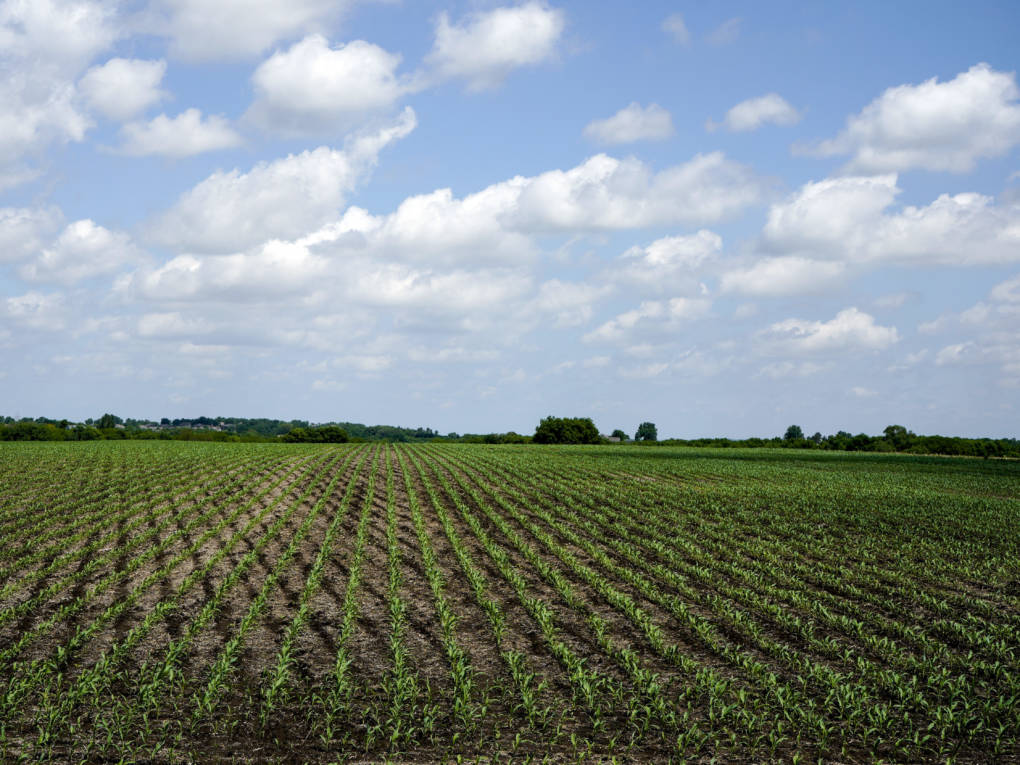
"caption": "Here, young corn plants grow in a field in rural Ashland, Neb. Thursday afternoon the House passed its version of the farm bill, including controversial work requirements for many SNAP recipients.",
"description": "Here, young corn plants grow in a field in rural Ashland, Neb. Thursday afternoon the House passed its version of the farm bill, including controversial work requirements for many SNAP recipients.",
"title": "Here, young corn plants grow in a field in rural Ashland, Neb. Thursday afternoon the House passed its version of the farm bill, including controversial work requirements for many SNAP recipients.",
"credit": "Nati Harnik/AP",
"status": "inherit",
"isLoading": false,
"fetchFailed": false
}
},
"audioPlayerReducer": {
"postId": "stream_live",
"isPaused": true,
"isPlaying": false,
"pfsActive": false,
"pledgeModalIsOpen": true,
"playerDrawerIsOpen": false,
"liveAudioPlayStartedAt": 0,
"liveAudioPlayContext": ""
},
"authorsReducer": {
"byline_news_11895836": {
"type": "authors",
"id": "byline_news_11895836",
"meta": {
"override": true
},
"slug": "byline_news_11895836",
"name": "Janie Har",
"isLoading": false
},
"byline_news_11885417": {
"type": "authors",
"id": "byline_news_11885417",
"meta": {
"override": true
},
"slug": "byline_news_11885417",
"name": "Rachel Treisman",
"isLoading": false
},
"byline_news_11792619": {
"type": "authors",
"id": "byline_news_11792619",
"meta": {
"override": true
},
"slug": "byline_news_11792619",
"name": "\u003ca href=\"https://www.npr.org/people/776048102/rachel-treisman\">Rachel Treisman\u003c/a>",
"isLoading": false
},
"byline_news_11785978": {
"type": "authors",
"id": "byline_news_11785978",
"meta": {
"override": true
},
"slug": "byline_news_11785978",
"name": "\u003ca href= https://calmatters.org/author/jackie-botts/\"> Jackie Botts \u003ca/> \u003cbr>\u003ca href= https://calmatters.org/author/feliciacalmatters-org/\"> Felicia Mello \u003ca/>",
"isLoading": false
},
"byline_news_11776046": {
"type": "authors",
"id": "byline_news_11776046",
"meta": {
"override": true
},
"slug": "byline_news_11776046",
"name": "\u003ca href=\"https://calmatters.org/author/ericahellerstein/\">Erica Hellerstein\u003c/a>\u003cbr>The Mercury News",
"isLoading": false
},
"byline_news_11714121": {
"type": "authors",
"id": "byline_news_11714121",
"meta": {
"override": true
},
"slug": "byline_news_11714121",
"name": "Brakkton Booker",
"isLoading": false
},
"byline_news_11676445": {
"type": "authors",
"id": "byline_news_11676445",
"meta": {
"override": true
},
"slug": "byline_news_11676445",
"name": "\u003cstrong>Brakkton Booker\u003c/strong>",
"isLoading": false
},
"dclyde": {
"type": "authors",
"id": "104",
"meta": {
"index": "authors_1716337520",
"id": "104",
"found": true
},
"name": "Don Clyde",
"firstName": "Don",
"lastName": "Clyde",
"slug": "dclyde",
"email": "dclyde@kqed.org",
"display_author_email": false,
"staff_mastheads": [],
"title": "KQED Contributor",
"bio": "Don Clyde is an online producer, reporter and copy editor for KQED News. Before venturing into journalism, he worked as a medical device engineer and scientist for nearly a decade after earning a degree in physics from UC Berkeley. He loves travel, reading, living in Oakland, and most importantly, a good walk. Email him at dclyde@kqed.org or follow him @clydedon.",
"avatar": "https://secure.gravatar.com/avatar/decd3e640c3eedbd0a574275aebb2d19?s=600&d=blank&r=g",
"twitter": "clydedon",
"facebook": null,
"instagram": null,
"linkedin": null,
"sites": [
{
"site": "artschool",
"roles": [
"editor"
]
},
{
"site": "news",
"roles": [
"administrator"
]
},
{
"site": "futureofyou",
"roles": [
"editor"
]
},
{
"site": "about",
"roles": [
"editor"
]
},
{
"site": "mindshift",
"roles": [
"contributor"
]
},
{
"site": "bayareabites",
"roles": [
"contributor"
]
},
{
"site": "lowdown",
"roles": [
"editor"
]
},
{
"site": "stateofhealth",
"roles": [
"administrator"
]
},
{
"site": "spark",
"roles": [
"administrator"
]
},
{
"site": "trulyca",
"roles": [
"administrator"
]
},
{
"site": "imagemakers",
"roles": [
"administrator"
]
},
{
"site": "science",
"roles": []
},
{
"site": "education",
"roles": [
"editor"
]
},
{
"site": "quest",
"roles": [
"subscriber"
]
},
{
"site": "checkplease",
"roles": [
"subscriber"
]
},
{
"site": "forum",
"roles": [
"editor"
]
},
{
"site": "perspectives",
"roles": [
"editor"
]
}
],
"headData": {
"title": "Don Clyde | KQED",
"description": "KQED Contributor",
"ogImgSrc": "https://secure.gravatar.com/avatar/decd3e640c3eedbd0a574275aebb2d19?s=600&d=blank&r=g",
"twImgSrc": "https://secure.gravatar.com/avatar/decd3e640c3eedbd0a574275aebb2d19?s=600&d=blank&r=g"
},
"isLoading": false,
"link": "/author/dclyde"
},
"pollystryker": {
"type": "authors",
"id": "250",
"meta": {
"index": "authors_1716337520",
"id": "250",
"found": true
},
"name": "Polly Stryker",
"firstName": "Polly",
"lastName": "Stryker",
"slug": "pollystryker",
"email": "pstryker@kqed.org",
"display_author_email": false,
"staff_mastheads": [
"science"
],
"title": "Editor",
"bio": "Polly Stryker is a former editor for KQED's Science desk. She and reporter/host Rachael Myrow produced the KQED podcast, \u003ca href=\"http://www.npr.org/podcasts/448072249/love-in-the-digital-age\">Love in the Digital Age\u003c/a>.\r\n\r\nPolly has worked for a variety of news and public affairs programs, including most recently as editor of \u003cem>The California Report\u003c/em>. She also edited \u003ca href=\"https://ww2.kqed.org/news/programs/the-california-report\" target=\"_blank\" rel=\"noopener noreferrer\">\u003cem>The California Report'\u003c/em>s\u003c/a> \u003ca href=\"http://www.californiareport.org/healthdialogues/\" target=\"_blank\" rel=\"noopener noreferrer\">“Health Dialogues.”\u003c/a> Before that, she was a producer on \u003cem>\u003ca href=\"http://www.scpr.org/programs/airtalk/\" target=\"_blank\" rel=\"noopener noreferrer\">AirTalk\u003c/a>\u003c/em> with Larry Mantle on \u003ca href=\"http://www.scpr.org/\" target=\"_blank\" rel=\"noopener noreferrer\">KPCC\u003c/a> radio, and \u003cem>\u003ca href=\"http://www.kpbs.org/news/midday-edition/\">These Days\u003c/a>\u003c/em> on KPBS. Polly’s work has won awards from the Radio and Television News Directors Association of Northern California, the Society of Professional Journalists (Southern California and Northern California chapters), the Radio and Television News Association. She's also won a Taste Award.\r\n\r\nShe considers herself to be a citizen of the world, having grown up in Cairo before coming to the United States. Polly speaks Arabic and can say, \"I’d like a martini, please\" in Swahili.",
"avatar": "https://secure.gravatar.com/avatar/5012854a99868cb15a517a876d88f736?s=600&d=blank&r=g",
"twitter": null,
"facebook": null,
"instagram": null,
"linkedin": null,
"sites": [
{
"site": "",
"roles": [
"editor"
]
},
{
"site": "arts",
"roles": [
"administrator"
]
},
{
"site": "news",
"roles": [
"subscriber"
]
},
{
"site": "stateofhealth",
"roles": [
"author"
]
},
{
"site": "science",
"roles": [
"editor"
]
},
{
"site": "forum",
"roles": [
"editor"
]
}
],
"headData": {
"title": "Polly Stryker | KQED",
"description": "Editor",
"ogImgSrc": "https://secure.gravatar.com/avatar/5012854a99868cb15a517a876d88f736?s=600&d=blank&r=g",
"twImgSrc": "https://secure.gravatar.com/avatar/5012854a99868cb15a517a876d88f736?s=600&d=blank&r=g"
},
"isLoading": false,
"link": "/author/pollystryker"
},
"lblanco": {
"type": "authors",
"id": "11357",
"meta": {
"index": "authors_1716337520",
"id": "11357",
"found": true
},
"name": "Lina Blanco",
"firstName": "Lina",
"lastName": "Blanco",
"slug": "lblanco",
"email": "lblanco@kqed.org",
"display_author_email": false,
"staff_mastheads": [],
"title": null,
"bio": "Lina was a Senior Engagement Platforms Manager for KQED News, producing engagement strategies on social media at \u003ca href=\"https://twitter.com/KQEDnews\">@KQEDNews, \u003c/a>via \u003ca href=\"https://www.kqed.org/about/newsletters/\">KQED's daily newsletter\u003c/a> as well as texting campaigns with KQED readers and listeners. She also co-produces for KQED's bilingual news hub \u003ca href=\"https://www.instagram.com/kqedenespanol/\">KQED en Español\u003c/a>.\r\n\r\nLina previously worked for \u003ca href=\"https://kqed.org/arts\">KQED Arts\u003c/a> — supporting audience engagement efforts on the weekly \u003ca href=\"https://www.kqed.org/podcasts/rightnowish\">\u003cem>Rightnowish\u003c/em> \u003c/a>podcast, Webby-winning video series \u003ca href=\"https://www.kqed.org/if-cities-could-dance\">\u003cem>If Cities Could Dance\u003c/em>\u003c/a>, and daily Arts & Culture reporting. She won a \u003ca href=\"https://www.kqed.org/pressroom/10884/murrow\">National 2019 Edward R. Murrow Award for Excellence in Social Media\u003c/a> for KQED's series \u003cem>The Hustle\u003c/em>.\r\n\r\nBefore KQED, Lina worked as a graphic designer and digital storytelling facilitator at the \u003ca href=\"https://www.nativehealth.org/\">Native American Health Center\u003c/a>.\r\n\r\nShe's mom to a senior Chihuahua (plus one black cat) and lives in West Sonoma County on a small farmstead.",
"avatar": "https://secure.gravatar.com/avatar/77ec326d67223c38a436b87bcfd2a2e8?s=600&d=mm&r=g",
"twitter": "LinaBlanco",
"facebook": null,
"instagram": null,
"linkedin": null,
"sites": [
{
"site": "arts",
"roles": [
"subscriber"
]
},
{
"site": "news",
"roles": [
"subscriber"
]
},
{
"site": "pop",
"roles": [
"administrator"
]
},
{
"site": "about",
"roles": [
"administrator"
]
},
{
"site": "bayareabites",
"roles": [
"editor"
]
},
{
"site": "science",
"roles": [
"editor"
]
},
{
"site": "checkplease",
"roles": [
"editor"
]
},
{
"site": "food",
"roles": []
},
{
"site": "perspectives",
"roles": [
"editor"
]
}
],
"headData": {
"title": "Lina Blanco | KQED",
"description": null,
"ogImgSrc": "https://secure.gravatar.com/avatar/77ec326d67223c38a436b87bcfd2a2e8?s=600&d=mm&r=g",
"twImgSrc": "https://secure.gravatar.com/avatar/77ec326d67223c38a436b87bcfd2a2e8?s=600&d=mm&r=g"
},
"isLoading": false,
"link": "/author/lblanco"
},
"jasminegarnett": {
"type": "authors",
"id": "11530",
"meta": {
"index": "authors_1716337520",
"id": "11530",
"found": true
},
"name": "Jasmine Garnett",
"firstName": "Jasmine",
"lastName": "Garnett",
"slug": "jasminegarnett",
"email": "JGarnett@KQED.org",
"display_author_email": false,
"staff_mastheads": [
"news"
],
"title": "Senior Engagement Platforms Producer",
"bio": "Jasmine is a Senior Engagement Platforms Producer on the KQED News team. She is also a freelance writer, with work appearing in KQED, Bitch Media, and Kotaku among others. Jasmine graduated from UC Berkeley with a degree in Media Studies, where she was also an Arts and Entertainment reporter at the Daily Californian.",
"avatar": "https://secure.gravatar.com/avatar/a6ea8b0641874311533b7401bee15c8e?s=600&d=blank&r=g",
"twitter": "JFLGarnett",
"facebook": null,
"instagram": null,
"linkedin": null,
"sites": [
{
"site": "arts",
"roles": [
"author"
]
},
{
"site": "news",
"roles": [
"editor"
]
},
{
"site": "about",
"roles": [
"editor"
]
},
{
"site": "science",
"roles": [
"editor"
]
},
{
"site": "forum",
"roles": [
"editor"
]
},
{
"site": "pressroom",
"roles": [
"editor"
]
}
],
"headData": {
"title": "Jasmine Garnett | KQED",
"description": "Senior Engagement Platforms Producer",
"ogImgSrc": "https://secure.gravatar.com/avatar/a6ea8b0641874311533b7401bee15c8e?s=600&d=blank&r=g",
"twImgSrc": "https://secure.gravatar.com/avatar/a6ea8b0641874311533b7401bee15c8e?s=600&d=blank&r=g"
},
"isLoading": false,
"link": "/author/jasminegarnett"
},
"smohamad": {
"type": "authors",
"id": "11631",
"meta": {
"index": "authors_1716337520",
"id": "11631",
"found": true
},
"name": "Sarah Mohamad",
"firstName": "Sarah",
"lastName": "Mohamad",
"slug": "smohamad",
"email": "smohamad@KQED.org",
"display_author_email": true,
"staff_mastheads": [],
"title": "Engagement Producer and Reporter, KQED Science",
"bio": "Sarah Mohamad is an audience engagement reporter and producer for KQED Science. She reports on audience-focused science and environment stories and manages the team's social media, newsletter, and engagement efforts. Prior to this role, she played a key role as project manager for NSF's \u003ca href=\"https://www.kqed.org/crackingthecode\">\u003cem>Cracking the Code: Influencing Millennial Science Engagement\u003c/em> \u003c/a>audience research.",
"avatar": "https://secure.gravatar.com/avatar/e6224957cd82d015183756ddde1f928013a563d7ca2e4565f8c4de1ec64886c5?s=600&d=blank&r=g",
"twitter": "sarahkmohamad",
"bluesky": null,
"facebook": null,
"instagram": null,
"linkedin": null,
"sites": [
{
"site": "",
"roles": [
"editor"
]
},
{
"site": "arts",
"roles": [
"editor"
]
},
{
"site": "news",
"roles": [
"editor"
]
},
{
"site": "about",
"roles": [
"editor"
]
},
{
"site": "science",
"roles": [
"editor"
]
}
],
"headData": {
"title": "Sarah Mohamad | KQED",
"description": "Engagement Producer and Reporter, KQED Science",
"ogImgSrc": "https://secure.gravatar.com/avatar/e6224957cd82d015183756ddde1f928013a563d7ca2e4565f8c4de1ec64886c5?s=600&d=blank&r=g",
"twImgSrc": "https://secure.gravatar.com/avatar/e6224957cd82d015183756ddde1f928013a563d7ca2e4565f8c4de1ec64886c5?s=600&d=blank&r=g"
},
"isLoading": false,
"link": "/author/smohamad"
}
},
"pagesReducer": {
"news_tag_snap": {
"type": "terms",
"id": "news_22992",
"meta": {
"index": "terms_1716263798",
"site": "news",
"id": "22992",
"score": 9.556114
},
"featImg": null,
"name": "snap",
"description": null,
"taxonomy": "tag",
"headData": {
"twImgId": null,
"twTitle": null,
"ogTitle": null,
"ogImgId": null,
"twDescription": null,
"description": null,
"title": "snap Archives | KQED News",
"ogDescription": null
},
"ttid": 23009,
"slug": "snap",
"isLoading": false,
"title": "snap",
"pageMeta": {
"site": "news",
"WpPageTemplate": "page-topic-editorial",
"currentPage": 4
},
"blocks": [
{
"blockName": "kqed/post-list",
"attrs": {
"layout": "cardArticle2",
"query": "posts/news?tag=snap",
"seeMore": false,
"paginated": true,
"page": 4
}
},
{
"blockName": "kqed/ad"
}
]
}
},
"pfsSessionReducer": {},
"postsReducer": {
"stream_live": {
"type": "live",
"id": "stream_live",
"audioUrl": "https://streams.kqed.org/kqedradio",
"title": "Live Stream",
"excerpt": "Live Stream information currently unavailable.",
"link": "/radio",
"featImg": "",
"label": {
"name": "KQED Live",
"link": "/"
}
},
"stream_kqedNewscast": {
"type": "posts",
"id": "stream_kqedNewscast",
"audioUrl": "https://www.kqed.org/.stream/anon/radio/RDnews/newscast.mp3?_=1",
"title": "KQED Newscast",
"featImg": "",
"label": {
"name": "88.5 FM",
"link": "/"
}
},
"news_11915329": {
"type": "posts",
"id": "news_11915329",
"meta": {
"index": "posts_1716263798",
"site": "news",
"id": "11915329",
"score": null,
"sort": [
1654290423000
]
},
"guestAuthors": [],
"slug": "how-to-get-free-or-low-cost-museum-entry-this-summer-with-your-ebt-card",
"title": "How to Get Free or Low-Cost Museum Entry With Your EBT Card",
"publishDate": 1654290423,
"format": "image",
"headTitle": "How to Get Free or Low-Cost Museum Entry With Your EBT Card | KQED",
"labelTerm": {
"site": "news"
},
"content": "\u003cp>Let’s be honest — going to museums can be expensive.\u003c/p>\n\u003cp>A weekend adult ticket to the Academy of Sciences can run you about $40. And if you’re planning on taking your whole family, you could easily spend over $100 just to get in the door.\u003c/p>\n\u003cp>If you’re looking for things to do with kids, here’s a tip that might make your next trip a little more budget-friendly. If you receive food assistance — also known as \u003ca href=\"https://www.benefits.gov/benefit/361\">SNAP (Supplemental Nutrition Assistance Program) benefits\u003c/a> or food stamps, called \u003ca href=\"https://www.cdss.ca.gov/calfresh\">CalFresh\u003c/a> in California — you can access free or reduced admission to more than 850 museums for you and your family throughout the United States as part of the \u003ca href=\"https://museums4all.org/\">Museums for All program\u003c/a>.\u003c/p>\n\u003cp>The list of participating museums includes a bunch of places in the Bay Area. Generally, all you have to do is show your \u003ca class=\"c-link\" href=\"https://www.cdss.ca.gov/ebt-card\" target=\"_blank\" rel=\"noopener noreferrer\" data-stringify-link=\"https://www.cdss.ca.gov/ebt-card\" data-sk=\"tooltip_parent\" data-remove-tab-index=\"true\">EBT (electronic benefit transfer) card\u003c/a> — the card you receive your benefits funds on — and a valid ID.\u003c/p>\n\u003cp>See a \u003ca href=\"https://museums4all.org/#!\">full list of all the Bay Area museums participating in the Museums for All program\u003c/a>, or keep reading for a list of local museums that we’ve directly verified will offer free or discounted entry with your EBT card as part of the Museums for All program\u003c/p>\n\u003cp>A note: We’ve reproduced the advice from these museums below. That said, remember that sometimes a staff member might be newer, or hasn’t received their training on the Museums for All program yet and could be less familiar with the discount. If this happens when you arrive, we recommend staying patient and bringing up this article on your phone, or showing the \u003ca href=\"https://museums4all.org/#!\">museum’s listing on the Museums for All site\u003c/a>.\u003c/p>\n\u003cp>(Don’t receive SNAP benefits, but think you could be eligible? \u003ca href=\"https://www.getcalfresh.org/?source=dssfood\">Find out how to apply for CalFresh.\u003c/a>)\u003c/p>\n\u003cp>\u003cstrong>Jump straight to:\u003c/strong>\u003c/p>\n\u003cul>\n\u003cli>\u003cstrong>\u003ca href=\"#sanfrancisco\">San Francisco\u003c/a>\u003c/strong>\u003c/li>\n\u003cli>\u003cstrong>\u003ca href=\"#eastbay\">East Bay\u003c/a>\u003c/strong>\u003c/li>\n\u003cli>\u003cstrong>\u003ca href=\"#southbay\">South Bay\u003c/a>\u003c/strong>\u003c/li>\n\u003c/ul>\n\u003ch2>\u003ca id=\"sanfrancisco\">\u003c/a>San Francisco\u003c/h2>\n\u003ch2>\u003ca href=\"https://www.calacademy.org/\">\u003cstrong>California Academy of Sciences\u003c/strong>\u003c/a>\u003c/h2>\n\u003cp>\u003cstrong>Regular price:\u003c/strong> Daytime admission varies and can cost anything from $36 to $40 per adult. Admission to NightLife (Thursday-night events for adults over 21) can cost $17 to $25, depending on the date.\u003c/p>\n\u003cp>\u003cstrong>Museums for All price:\u003c/strong> Discounted tickets are $3 for daytime admission or NightLife. You can receive up to four tickets per qualifying adult during daytime hours, and up to two tickets for NightLife.\u003c/p>\n\u003cp>\u003cstrong>How to redeem:\u003c/strong> Guests can show an EBT, WIC, Lifeline Pass or Medi-Cal card and ID at the ticket window. For a more discreet option, CalAcademy staff advise that you could ask for “Museums for All” tickets, or present your proof of qualification to the staff at the window without mentioning the program by name — their staff are all trained and informed about it. \u003ca href=\"https://www.calacademy.org/\">More information about California Academy of Sciences.\u003c/a>\u003c/p>\n\u003cfigure id=\"attachment_11915937\" class=\"wp-caption alignnone\" style=\"max-width: 2560px\">\u003cimg loading=\"lazy\" decoding=\"async\" class=\"size-full wp-image-11915937\" src=\"https://ww2.kqed.org/app/uploads/sites/10/2022/06/pexels-rodnae-productions-5637813-scaled.jpg\" alt=\"Two girls in a white floral dress are holding hands and jumping. In the background a woman looks on and is smiling at them.\" width=\"2560\" height=\"1707\" srcset=\"https://cdn.kqed.org/wp-content/uploads/sites/10/2022/06/pexels-rodnae-productions-5637813-scaled.jpg 2560w, https://cdn.kqed.org/wp-content/uploads/sites/10/2022/06/pexels-rodnae-productions-5637813-800x533.jpg 800w, https://cdn.kqed.org/wp-content/uploads/sites/10/2022/06/pexels-rodnae-productions-5637813-1020x680.jpg 1020w, https://cdn.kqed.org/wp-content/uploads/sites/10/2022/06/pexels-rodnae-productions-5637813-160x107.jpg 160w, https://cdn.kqed.org/wp-content/uploads/sites/10/2022/06/pexels-rodnae-productions-5637813-1536x1024.jpg 1536w, https://cdn.kqed.org/wp-content/uploads/sites/10/2022/06/pexels-rodnae-productions-5637813-2048x1365.jpg 2048w, https://cdn.kqed.org/wp-content/uploads/sites/10/2022/06/pexels-rodnae-productions-5637813-1920x1280.jpg 1920w\" sizes=\"(max-width: 2560px) 100vw, 2560px\">\u003cfigcaption class=\"wp-caption-text\">Your EBT card could get your family free or low-cost entry into many museums. \u003ccite>(RODNAE Productions via Pexels)\u003c/cite>\u003c/figcaption>\u003c/figure>\n\u003ch2>\u003ca href=\"https://conservatoryofflowers.org/\">\u003cstrong>Conservatory of Flowers\u003c/strong>\u003c/a>\u003c/h2>\n\u003cp>\u003cstrong>Regular price:\u003c/strong> Adult tickets are $10. Youth tickets (age 12-17) are $7. Senior tickets (age 65 and over) are $7. Children’s tickets (age 5-11) are $3. Children 4 and under are free.\u003c/p>\n\u003cp>\u003cstrong>Museums for All price:\u003c/strong> The Conservatory of Flowers provides free admission for guests with SNAP benefits.\u003c/p>\n\u003cp>\u003cstrong>How to redeem:\u003c/strong> Present your EBT card and ID at the front desk, and staff will check you in. \u003ca href=\"https://conservatoryofflowers.org/\">More information about the Conservatory of Flowers.\u003c/a>\u003c/p>\n\u003ch2>\u003ca href=\"https://www.glbthistory.org/museum-about-visitor-info\">\u003cstrong>GLBT Historical Society Museum\u003c/strong>\u003c/a>\u003c/h2>\n\u003cp>\u003cstrong>Regular price:\u003c/strong> General admission tickets are $10. Discounted tickets ($6) are available to youth (age 13-17), seniors (age 65 and over), students and teachers (with ID), active-duty military service members (with ID) and people with disabilities. Admission for children (age 12 and under) is free.\u003c/p>\n\u003cp>\u003cstrong>Museums for All price:\u003c/strong> The GLBT Historical Society Museum offers four free tickets per EBT cardholder with a valid ID. It’s possible to buy tickets in person with a valid card and ID, but the tickets are likely to sell out in advance so it’s safer to make a reservation ahead of time.\u003c/p>\n\u003cp>\u003cstrong>How to redeem:\u003c/strong> Email leigh@glbthistory.org to purchase the tickets. \u003ca href=\"https://www.glbthistory.org/museum-about-visitor-info\">More information about the GLBT Historical Society Museum.\u003c/a>\u003c/p>\n\u003ch2>\u003ca href=\"https://www.exploratorium.edu/\">\u003cstrong>Exploratorium\u003c/strong>\u003c/a>\u003c/h2>\n\u003cp>\u003cstrong>Regular price:\u003c/strong> Daytime tickets at the Exploratorium can cost anything between $19.95 and $29.95. After Dark (which is every Thursday) tickets are priced at $19.95 each.\u003c/p>\n\u003cp>\u003cstrong>Museums for All price:\u003c/strong> Entry is free with a valid EBT card.\u003c/p>\n\u003cp>\u003cstrong>How to redeem:\u003c/strong> Present your EBT card and ID at the ticket counter. \u003ca href=\"https://www.exploratorium.edu/\">More information about the Exploratorium.\u003c/a>\u003c/p>\n\u003ch2>\u003cstrong>\u003ca href=\"https://deyoung.famsf.org/\">de Young Museum\u003c/a> or \u003ca href=\"https://legionofhonor.famsf.org/\">Legion of Honor\u003c/a>\u003c/strong>\u003c/h2>\n\u003cp>\u003cstrong>Regular price:\u003c/strong> Adult tickets are $15. Senior tickets (age 65 and over) are $12. Tickets for students (with a valid ID) are $6. Youth tickets (17 and under) are free.\u003c/p>\n\u003cp>\u003cstrong>Museums for All price:\u003c/strong> Tickets with an EBT card and a photo ID are free, but the discount doesn’t apply to special exhibitions.\u003c/p>\n\u003cp>\u003cstrong>How to redeem:\u003c/strong> Present your EBT card and ID at the kiosk; discounted tickets aren’t available to purchase online. \u003ca href=\"https://deyoung.famsf.org/\">More information about the de Young Museum.\u003c/a> \u003ca href=\"https://legionofhonor.famsf.org/\">More information about the Legion of Honor.\u003c/a>\u003c/p>\n\u003ch2>\u003ca href=\"https://sfmcd.org/\">\u003cstrong>Museum of Craft and Design\u003c/strong>\u003c/a>\u003c/h2>\n\u003cp>\u003cstrong>Regular price:\u003c/strong> General admission is $10. Student tickets (with an ID) are $8. Senior tickets (age 65 and over) are $8. Children’s tickets (through age 12) are free.\u003c/p>\n\u003cp>\u003cstrong>Museums for All price:\u003c/strong> Entry to the museum is free for a valid EBT/Medi-Cal cardholder and three extra guests.\u003c/p>\n\u003cp>\u003cstrong>How to redeem:\u003c/strong> To redeem your ticket, show your EBT/Medi-Cal card and ID at the front desk. \u003ca href=\"https://sfmcd.org/\">More information about the Museum of Craft and Design.\u003c/a>\u003c/p>\n\u003ch2>\u003ca href=\"https://www.sfzoo.org/\">\u003cstrong>San Francisco Zoo & Gardens\u003c/strong>\u003c/a>\u003c/h2>\n\u003cp>\u003cstrong>Regular price:\u003c/strong> Adult tickets (age 12 to 64) are $25. Senior tickets (age 65 and over) are $20. Children’s tickets (age 2 to 11) are $18. Children under 2 enter for free.\u003c/p>\n\u003cp>\u003cstrong>Museums for All price:\u003c/strong> Discounted tickets are $3 per person with a limit of four tickets per card.\u003c/p>\n\u003cp>\u003cstrong>How to redeem:\u003c/strong> Present your EBT/WIC card and ID at the ticket counter. \u003ca href=\"https://www.sfzoo.org/\">More information about the San Francisco Zoo & Gardens.\u003c/a>\u003c/p>\n\u003cp>[ad fullwidth]\u003c/p>\n\u003ch2>\u003cstrong>\u003ca href=\"https://www.moadsf.org/\">Museum of the African Diaspora (MoAD)\u003c/a>\u003c/strong>\u003c/h2>\n\u003cp>\u003cstrong>Regular price:\u003c/strong> General admission tickets are $12. Tickets for seniors, students and educators are $6. Youth (under 12 years old) enter for free.\u003c/p>\n\u003cp>\u003cstrong>Museums for All price:\u003c/strong> Entry is free for up to four individuals per EBT card.\u003c/p>\n\u003cp>\u003cstrong>How to redeem:\u003c/strong> Present your EBT card and ID at the counter. \u003ca href=\"https://www.moadsf.org/\">More information about the Museum of the African Diaspora.\u003c/a>\u003c/p>\n\u003ch2>\u003ca href=\"https://www.thecjm.org/\">\u003cstrong>The Contemporary Jewish Museum\u003c/strong>\u003c/a>\u003c/h2>\n\u003cp>\u003cstrong>Regular price:\u003c/strong> Tickets for adults are $16. Senior (age 65 and older) and student tickets are $14. Entry is free for people age 18 and under.\u003c/p>\n\u003cp>\u003cstrong>Museums for All price:\u003c/strong> EBT and Medi-Cal cardholders and their families get free admission.\u003c/p>\n\u003cp>\u003cstrong>How to redeem:\u003c/strong> Email info@thecjm.org to redeem your discounted ticket. \u003ca href=\"https://www.thecjm.org/\">More information about The Contemporary Jewish Museum.\u003c/a>\u003c/p>\n\u003ch2>\u003ca href=\"https://www.sfbg.org/\">\u003cstrong>SF Botanical Garden\u003c/strong>\u003c/a>\u003c/h2>\n\u003cp>\u003cstrong>Regular price:\u003c/strong> Adult tickets are $13 between February and October. Adult tickets between November and January are $10. Youth tickets (age 12-17) and senior tickets (age 65 and over) are $7. Children’s tickets (age 5 to 11) are $3. Toddler tickets (age 4 and under) are free. Family tickets are $21.\u003c/p>\n\u003cp>\u003cstrong>Museums for All price:\u003c/strong> Visitors who receive SNAP benefits are offered free general admission, which doesn’t apply to special exhibitions, events and programs.\u003c/p>\n\u003cp>\u003cstrong>How to redeem:\u003c/strong> Present a valid EBT card and ID at admission. \u003ca href=\"https://www.sfbg.org/\">More information about the SF Botanical Garden.\u003c/a>\u003c/p>\n\u003cfigure id=\"attachment_11915942\" class=\"wp-caption alignnone\" style=\"max-width: 2560px\">\u003cimg loading=\"lazy\" decoding=\"async\" class=\"size-full wp-image-11915942\" src=\"https://ww2.kqed.org/app/uploads/sites/10/2022/06/pexels-ketut-subiyanto-4473871-scaled.jpg\" alt=\"A woman wearing a white turtleneck is lying on a bed with two children on either side of her. One of them is a boy wearing a red shirt, and to her right is a girl wearing a light pink shirt and brown overalls.\" width=\"2560\" height=\"1707\" srcset=\"https://cdn.kqed.org/wp-content/uploads/sites/10/2022/06/pexels-ketut-subiyanto-4473871-scaled.jpg 2560w, https://cdn.kqed.org/wp-content/uploads/sites/10/2022/06/pexels-ketut-subiyanto-4473871-800x533.jpg 800w, https://cdn.kqed.org/wp-content/uploads/sites/10/2022/06/pexels-ketut-subiyanto-4473871-1020x680.jpg 1020w, https://cdn.kqed.org/wp-content/uploads/sites/10/2022/06/pexels-ketut-subiyanto-4473871-160x107.jpg 160w, https://cdn.kqed.org/wp-content/uploads/sites/10/2022/06/pexels-ketut-subiyanto-4473871-1536x1024.jpg 1536w, https://cdn.kqed.org/wp-content/uploads/sites/10/2022/06/pexels-ketut-subiyanto-4473871-2048x1365.jpg 2048w, https://cdn.kqed.org/wp-content/uploads/sites/10/2022/06/pexels-ketut-subiyanto-4473871-1920x1280.jpg 1920w\" sizes=\"(max-width: 2560px) 100vw, 2560px\">\u003cfigcaption class=\"wp-caption-text\">Your EBT card could get your family free or low-cost entry into many museums. \u003ccite>(Ketut Subiyanto)\u003c/cite>\u003c/figcaption>\u003c/figure>\n\u003ch2>\u003ca id=\"eastbay\">\u003c/a>East Bay\u003c/h2>\n\u003ch2>\u003ca href=\"https://chabotspace.org/\">\u003cstrong>Chabot Space & Science Center\u003c/strong>\u003c/a>\u003c/h2>\n\u003cp>\u003cstrong>Regular price:\u003c/strong> Admission can cost $24 per adult.\u003c/p>\n\u003cp>\u003cstrong>Museums for All price:\u003c/strong> Discounted tickets are $1, and cardholders can bring up to nine friends or family for $1 each (for a total of 10 per card). The discount applies to general admission only.\u003c/p>\n\u003cp>\u003cstrong>How to redeem:\u003c/strong> Present your EBT card and valid ID at the counter. If you forget your ID, the center will work with you to get you admission. \u003ca href=\"https://chabotspace.org/\">More information about the Chabot Space & Science Center.\u003c/a>\u003c/p>\n\u003ch2>\u003ca href=\"https://museumca.org/\">\u003cstrong>Oakland Museum of California\u003c/strong>\u003c/a>\u003c/h2>\n\u003cp>\u003cstrong>Museums for All price:\u003c/strong> Discounted tickets are $1 each for up to four individuals, including special admissions.\u003c/p>\n\u003cp>\u003cstrong>How to redeem:\u003c/strong> No need to show your EBT card; just ask for the Museums for All rate. \u003ca href=\"https://museumca.org/\">More information about the Oakland Museum of California.\u003c/a>\u003c/p>\n\u003ch2>\u003ca href=\"https://www.lawrencehallofscience.org/\">\u003cstrong>Lawrence Hall of Science\u003c/strong>\u003c/a>\u003c/h2>\n\u003cp>\u003cstrong>Regular price:\u003c/strong> Regular admission costs $20.\u003c/p>\n\u003cp>\u003cstrong>Museums for All price:\u003c/strong> Tickets are free for the ticket holder and five additional guests.\u003c/p>\n\u003cp>\u003cstrong>How to redeem:\u003c/strong> You can ask about EBT discounts or the Museums for All program at the front desk. \u003ca href=\"https://www.lawrencehallofscience.org/\">More information about the Lawrence Hall of Science.\u003c/a>\u003c/p>\n\u003ch2>\u003ca href=\"https://www.mocha.org/\">\u003cstrong>Museum of Children’s Art\u003c/strong>\u003c/a>\u003c/h2>\n\u003cp>\u003cb data-stringify-type=\"bold\">Regular price:\u003c/b> Varies depending on the activity.\u003c/p>\n\u003cp>\u003cstrong>Museums for All price: \u003c/strong>The discounted price for open studio is $1 per family member.\u003c/p>\n\u003cp>\u003cstrong>How to redeem:\u003c/strong> Present an EBT/WIC/Medi-Cal card when you arrive. \u003ca href=\"https://www.mocha.org/\">More information about the Museum of Children’s Art.\u003c/a>\u003c/p>\n\u003ch2>\u003ca href=\"https://botanicalgarden.berkeley.edu/\">\u003cstrong>University of California Botanical Garden at Berkeley\u003c/strong>\u003c/a>\u003c/h2>\n\u003cp>\u003cstrong>Regular price:\u003c/strong> Adult ticket prices are $15. Senior (age 65 and over) tickets are $12. Non-UCB student tickets are $12. Junior (age 7 to 17) tickets are $7. Children (age 6 and under) enter for free.\u003c/p>\n\u003cp>\u003cstrong>Museums for All price:\u003c/strong> Tickets with a valid EBT card are $3 each, with a maximum order of four tickets per card.\u003c/p>\n\u003cp>\u003cstrong>How to redeem:\u003c/strong> You can purchase the ticket online by making a reservation on the website and selecting the Museums for All option, then show your card and ID at the kiosk upon arrival; or simply buy the ticket in person and show your ID/EBT card. \u003ca href=\"https://botanicalgarden.berkeley.edu/\">More information about the University of California Botanical Garden at Berkeley. \u003c/a>\u003c/p>\n\u003ch2>\u003ca id=\"southbay\">\u003c/a>South Bay\u003c/h2>\n\u003ch2>\u003ca href=\"https://filoli.org/\">\u003cstrong>Filoli Historic House & Garden\u003c/strong>\u003c/a>\u003c/h2>\n\u003cp>\u003cstrong>Regular price:\u003c/strong> General admission is $25 per adult.\u003c/p>\n\u003cp>\u003cstrong>Museums for All price:\u003c/strong> Filoli offers four free tickets to any holder of an EBT card.\u003c/p>\n\u003cp>\u003cstrong>How to redeem:\u003c/strong> Email tickets@filoli.org to reserve your admission with Museums for All. The staff recommends doing this a few days before your visit, since Filoli requires tickets to be booked ahead of time due to on-site capacity. \u003ca href=\"https://filoli.org/\">More information about the Fioli Historic House & Garden.\u003c/a>\u003c/p>\n\u003ch2>\u003ca href=\"https://curiodyssey.org/\">\u003cstrong>CuriOdyssey\u003c/strong>\u003c/a>\u003c/h2>\n\u003cp>\u003cstrong>Regular price:\u003c/strong> Adult tickets are $19.95. Senior (age 62 and over), student and children’s tickets are $15.95. Infants (between 0 and 17 months) enter for free.\u003c/p>\n\u003cp>\u003cstrong>Museums for All price:\u003c/strong> Discounted tickets are $1 per person, with a limit of four people per EBT card. The discount does not include the $6 entrance fee to Coyote Point.\u003c/p>\n\u003cp>\u003cstrong>How to redeem:\u003c/strong> Tickets should be purchased in person, with an EBT card and matching ID. A representative recommended visiting later in the afternoon if on a weekend, as mornings are busier and may sell out. \u003ca href=\"https://curiodyssey.org/\">More information about CuriOdyssey.\u003c/a>\u003c/p>\n\u003ch2>\u003cstrong>\u003ca href=\"https://sjmusart.org/\">San Jose Museum of Art\u003c/a>\u003c/strong>\u003c/h2>\n\u003cp>\u003cstrong>Regular price:\u003c/strong> Adult tickets are $10. Senior (65 and over) tickets are $8. Teachers with IDs, students with IDs, and children (17 and under) enter for free.\u003c/p>\n\u003cp>\u003cstrong>Museums for All price:\u003c/strong> Entrance is free for up to four people per EBT card.\u003c/p>\n\u003cp>\u003cstrong>How to redeem: \u003c/strong>Present your EBT card upon arrival. \u003ca href=\"https://sjmusart.org/\">More information about the San Jose Museum of Art.\u003c/a>\u003c/p>\n\u003ch2>\u003cstrong>\u003ca href=\"https://www.sjquiltmuseum.org/\">San Jose Museum of Quilts & Textiles\u003c/a>\u003c/strong>\u003c/h2>\n\u003cp>\u003cstrong>Regular price:\u003c/strong> General admission tickets are $8. Senior, teacher, student (with ID) and military tickets are $6.50. Children 17 and under enter free.\u003c/p>\n\u003cp>\u003cstrong>Museums for All price:\u003c/strong> Entry is free for up to four people per EBT card.\u003c/p>\n\u003cp>\u003cstrong>How to redeem:\u003c/strong> Present your EBT and valid photo ID on arrival. \u003ca href=\"https://www.sjquiltmuseum.org/\">More information about the San Jose Museum of Quilts & Textiles.\u003c/a>\u003c/p>\n\u003ch2>\u003ca href=\"https://www.thetech.org/\">\u003cstrong>The Tech Interactive\u003c/strong>\u003c/a>\u003c/h2>\n\u003cp>\u003cstrong>Regular price:\u003c/strong> Adult tickets are $25. Senior (age 65 and over), student and child tickets are $20.\u003c/p>\n\u003cp>\u003cstrong>Museums for All price:\u003c/strong> Reduced tickets are $1 per person for up to six people, but IMAX and special events are not included.\u003c/p>\n\u003cp>\u003cstrong> How to redeem:\u003c/strong> Go to the admissions desk and ask about the Museums for All discount. \u003ca href=\"https://www.thetech.org/\">More information about The Tech Interactive.\u003c/a>\u003c/p>\n\u003cp>[ad floatright]\u003c/p>\n",
"blocks": [],
"excerpt": "Looking for things to do with kids? If you receive SNAP or CalFresh benefits, you can get free or discounted museum access for you and your family through the Museums for All program.",
"status": "publish",
"parent": 0,
"modified": 1721157666,
"stats": {
"hasAudio": false,
"hasVideo": false,
"hasChartOrMap": false,
"iframeSrcs": [],
"hasGoogleForm": false,
"hasGallery": false,
"hasHearkenModule": false,
"hasPolis": false,
"paragraphCount": 69,
"wordCount": 2015
},
"headData": {
"title": "How to Get Free or Low-Cost Museum Entry With Your EBT Card | KQED",
"description": "Looking for things to do with kids? If you receive SNAP or CalFresh benefits, you can get free or discounted museum access for you and your family through the Museums for All program.",
"ogTitle": "",
"ogDescription": "",
"ogImgId": "",
"twTitle": "",
"twDescription": "",
"twImgId": "",
"schema": {
"@context": "https://schema.org",
"@type": "NewsArticle",
"headline": "How to Get Free or Low-Cost Museum Entry With Your EBT Card",
"datePublished": "2022-06-03T14:07:03-07:00",
"dateModified": "2024-07-16T12:21:06-07:00",
"image": "https://cdn.kqed.org/wp-content/uploads/2020/02/KQED-OG-Image@1x.png",
"isAccessibleForFree": "True",
"publisher": {
"@type": "NewsMediaOrganization",
"@id": "https://www.kqed.org/#organization",
"name": "KQED",
"logo": "https://cdn.kqed.org/wp-content/uploads/2020/02/KQED-OG-Image@1x.png",
"url": "https://www.kqed.org",
"sameAs": [
"https://www.facebook.com/KQED",
"https://twitter.com/KQED",
"https://www.instagram.com/kqed/",
"https://www.tiktok.com/@kqedofficial",
"https://www.linkedin.com/company/kqed",
"https://www.youtube.com/channel/UCeC0IOo7i1P_61zVUWbJ4nw"
]
}
}
},
"sticky": false,
"excludeFromSiteSearch": "Include",
"path": "/news/11915329/how-to-get-free-or-low-cost-museum-entry-this-summer-with-your-ebt-card",
"audioTrackLength": null,
"parsedContent": [
{
"type": "contentString",
"content": "\u003cdiv class=\"post-body\">\u003cp>\u003cp>Let’s be honest — going to museums can be expensive.\u003c/p>\n\u003cp>A weekend adult ticket to the Academy of Sciences can run you about $40. And if you’re planning on taking your whole family, you could easily spend over $100 just to get in the door.\u003c/p>\n\u003cp>If you’re looking for things to do with kids, here’s a tip that might make your next trip a little more budget-friendly. If you receive food assistance — also known as \u003ca href=\"https://www.benefits.gov/benefit/361\">SNAP (Supplemental Nutrition Assistance Program) benefits\u003c/a> or food stamps, called \u003ca href=\"https://www.cdss.ca.gov/calfresh\">CalFresh\u003c/a> in California — you can access free or reduced admission to more than 850 museums for you and your family throughout the United States as part of the \u003ca href=\"https://museums4all.org/\">Museums for All program\u003c/a>.\u003c/p>\n\u003cp>The list of participating museums includes a bunch of places in the Bay Area. Generally, all you have to do is show your \u003ca class=\"c-link\" href=\"https://www.cdss.ca.gov/ebt-card\" target=\"_blank\" rel=\"noopener noreferrer\" data-stringify-link=\"https://www.cdss.ca.gov/ebt-card\" data-sk=\"tooltip_parent\" data-remove-tab-index=\"true\">EBT (electronic benefit transfer) card\u003c/a> — the card you receive your benefits funds on — and a valid ID.\u003c/p>\n\u003cp>See a \u003ca href=\"https://museums4all.org/#!\">full list of all the Bay Area museums participating in the Museums for All program\u003c/a>, or keep reading for a list of local museums that we’ve directly verified will offer free or discounted entry with your EBT card as part of the Museums for All program\u003c/p>\n\u003cp>A note: We’ve reproduced the advice from these museums below. That said, remember that sometimes a staff member might be newer, or hasn’t received their training on the Museums for All program yet and could be less familiar with the discount. If this happens when you arrive, we recommend staying patient and bringing up this article on your phone, or showing the \u003ca href=\"https://museums4all.org/#!\">museum’s listing on the Museums for All site\u003c/a>.\u003c/p>\n\u003cp>(Don’t receive SNAP benefits, but think you could be eligible? \u003ca href=\"https://www.getcalfresh.org/?source=dssfood\">Find out how to apply for CalFresh.\u003c/a>)\u003c/p>\n\u003cp>\u003cstrong>Jump straight to:\u003c/strong>\u003c/p>\n\u003cul>\n\u003cli>\u003cstrong>\u003ca href=\"#sanfrancisco\">San Francisco\u003c/a>\u003c/strong>\u003c/li>\n\u003cli>\u003cstrong>\u003ca href=\"#eastbay\">East Bay\u003c/a>\u003c/strong>\u003c/li>\n\u003cli>\u003cstrong>\u003ca href=\"#southbay\">South Bay\u003c/a>\u003c/strong>\u003c/li>\n\u003c/ul>\n\u003ch2>\u003ca id=\"sanfrancisco\">\u003c/a>San Francisco\u003c/h2>\n\u003ch2>\u003ca href=\"https://www.calacademy.org/\">\u003cstrong>California Academy of Sciences\u003c/strong>\u003c/a>\u003c/h2>\n\u003cp>\u003cstrong>Regular price:\u003c/strong> Daytime admission varies and can cost anything from $36 to $40 per adult. Admission to NightLife (Thursday-night events for adults over 21) can cost $17 to $25, depending on the date.\u003c/p>\n\u003cp>\u003cstrong>Museums for All price:\u003c/strong> Discounted tickets are $3 for daytime admission or NightLife. You can receive up to four tickets per qualifying adult during daytime hours, and up to two tickets for NightLife.\u003c/p>\n\u003cp>\u003cstrong>How to redeem:\u003c/strong> Guests can show an EBT, WIC, Lifeline Pass or Medi-Cal card and ID at the ticket window. For a more discreet option, CalAcademy staff advise that you could ask for “Museums for All” tickets, or present your proof of qualification to the staff at the window without mentioning the program by name — their staff are all trained and informed about it. \u003ca href=\"https://www.calacademy.org/\">More information about California Academy of Sciences.\u003c/a>\u003c/p>\n\u003cfigure id=\"attachment_11915937\" class=\"wp-caption alignnone\" style=\"max-width: 2560px\">\u003cimg loading=\"lazy\" decoding=\"async\" class=\"size-full wp-image-11915937\" src=\"https://ww2.kqed.org/app/uploads/sites/10/2022/06/pexels-rodnae-productions-5637813-scaled.jpg\" alt=\"Two girls in a white floral dress are holding hands and jumping. In the background a woman looks on and is smiling at them.\" width=\"2560\" height=\"1707\" srcset=\"https://cdn.kqed.org/wp-content/uploads/sites/10/2022/06/pexels-rodnae-productions-5637813-scaled.jpg 2560w, https://cdn.kqed.org/wp-content/uploads/sites/10/2022/06/pexels-rodnae-productions-5637813-800x533.jpg 800w, https://cdn.kqed.org/wp-content/uploads/sites/10/2022/06/pexels-rodnae-productions-5637813-1020x680.jpg 1020w, https://cdn.kqed.org/wp-content/uploads/sites/10/2022/06/pexels-rodnae-productions-5637813-160x107.jpg 160w, https://cdn.kqed.org/wp-content/uploads/sites/10/2022/06/pexels-rodnae-productions-5637813-1536x1024.jpg 1536w, https://cdn.kqed.org/wp-content/uploads/sites/10/2022/06/pexels-rodnae-productions-5637813-2048x1365.jpg 2048w, https://cdn.kqed.org/wp-content/uploads/sites/10/2022/06/pexels-rodnae-productions-5637813-1920x1280.jpg 1920w\" sizes=\"(max-width: 2560px) 100vw, 2560px\">\u003cfigcaption class=\"wp-caption-text\">Your EBT card could get your family free or low-cost entry into many museums. \u003ccite>(RODNAE Productions via Pexels)\u003c/cite>\u003c/figcaption>\u003c/figure>\n\u003ch2>\u003ca href=\"https://conservatoryofflowers.org/\">\u003cstrong>Conservatory of Flowers\u003c/strong>\u003c/a>\u003c/h2>\n\u003cp>\u003cstrong>Regular price:\u003c/strong> Adult tickets are $10. Youth tickets (age 12-17) are $7. Senior tickets (age 65 and over) are $7. Children’s tickets (age 5-11) are $3. Children 4 and under are free.\u003c/p>\n\u003cp>\u003cstrong>Museums for All price:\u003c/strong> The Conservatory of Flowers provides free admission for guests with SNAP benefits.\u003c/p>\n\u003cp>\u003cstrong>How to redeem:\u003c/strong> Present your EBT card and ID at the front desk, and staff will check you in. \u003ca href=\"https://conservatoryofflowers.org/\">More information about the Conservatory of Flowers.\u003c/a>\u003c/p>\n\u003ch2>\u003ca href=\"https://www.glbthistory.org/museum-about-visitor-info\">\u003cstrong>GLBT Historical Society Museum\u003c/strong>\u003c/a>\u003c/h2>\n\u003cp>\u003cstrong>Regular price:\u003c/strong> General admission tickets are $10. Discounted tickets ($6) are available to youth (age 13-17), seniors (age 65 and over), students and teachers (with ID), active-duty military service members (with ID) and people with disabilities. Admission for children (age 12 and under) is free.\u003c/p>\n\u003cp>\u003cstrong>Museums for All price:\u003c/strong> The GLBT Historical Society Museum offers four free tickets per EBT cardholder with a valid ID. It’s possible to buy tickets in person with a valid card and ID, but the tickets are likely to sell out in advance so it’s safer to make a reservation ahead of time.\u003c/p>\n\u003cp>\u003cstrong>How to redeem:\u003c/strong> Email leigh@glbthistory.org to purchase the tickets. \u003ca href=\"https://www.glbthistory.org/museum-about-visitor-info\">More information about the GLBT Historical Society Museum.\u003c/a>\u003c/p>\n\u003ch2>\u003ca href=\"https://www.exploratorium.edu/\">\u003cstrong>Exploratorium\u003c/strong>\u003c/a>\u003c/h2>\n\u003cp>\u003cstrong>Regular price:\u003c/strong> Daytime tickets at the Exploratorium can cost anything between $19.95 and $29.95. After Dark (which is every Thursday) tickets are priced at $19.95 each.\u003c/p>\n\u003cp>\u003cstrong>Museums for All price:\u003c/strong> Entry is free with a valid EBT card.\u003c/p>\n\u003cp>\u003cstrong>How to redeem:\u003c/strong> Present your EBT card and ID at the ticket counter. \u003ca href=\"https://www.exploratorium.edu/\">More information about the Exploratorium.\u003c/a>\u003c/p>\n\u003ch2>\u003cstrong>\u003ca href=\"https://deyoung.famsf.org/\">de Young Museum\u003c/a> or \u003ca href=\"https://legionofhonor.famsf.org/\">Legion of Honor\u003c/a>\u003c/strong>\u003c/h2>\n\u003cp>\u003cstrong>Regular price:\u003c/strong> Adult tickets are $15. Senior tickets (age 65 and over) are $12. Tickets for students (with a valid ID) are $6. Youth tickets (17 and under) are free.\u003c/p>\n\u003cp>\u003cstrong>Museums for All price:\u003c/strong> Tickets with an EBT card and a photo ID are free, but the discount doesn’t apply to special exhibitions.\u003c/p>\n\u003cp>\u003cstrong>How to redeem:\u003c/strong> Present your EBT card and ID at the kiosk; discounted tickets aren’t available to purchase online. \u003ca href=\"https://deyoung.famsf.org/\">More information about the de Young Museum.\u003c/a> \u003ca href=\"https://legionofhonor.famsf.org/\">More information about the Legion of Honor.\u003c/a>\u003c/p>\n\u003ch2>\u003ca href=\"https://sfmcd.org/\">\u003cstrong>Museum of Craft and Design\u003c/strong>\u003c/a>\u003c/h2>\n\u003cp>\u003cstrong>Regular price:\u003c/strong> General admission is $10. Student tickets (with an ID) are $8. Senior tickets (age 65 and over) are $8. Children’s tickets (through age 12) are free.\u003c/p>\n\u003cp>\u003cstrong>Museums for All price:\u003c/strong> Entry to the museum is free for a valid EBT/Medi-Cal cardholder and three extra guests.\u003c/p>\n\u003cp>\u003cstrong>How to redeem:\u003c/strong> To redeem your ticket, show your EBT/Medi-Cal card and ID at the front desk. \u003ca href=\"https://sfmcd.org/\">More information about the Museum of Craft and Design.\u003c/a>\u003c/p>\n\u003ch2>\u003ca href=\"https://www.sfzoo.org/\">\u003cstrong>San Francisco Zoo & Gardens\u003c/strong>\u003c/a>\u003c/h2>\n\u003cp>\u003cstrong>Regular price:\u003c/strong> Adult tickets (age 12 to 64) are $25. Senior tickets (age 65 and over) are $20. Children’s tickets (age 2 to 11) are $18. Children under 2 enter for free.\u003c/p>\n\u003cp>\u003cstrong>Museums for All price:\u003c/strong> Discounted tickets are $3 per person with a limit of four tickets per card.\u003c/p>\n\u003cp>\u003cstrong>How to redeem:\u003c/strong> Present your EBT/WIC card and ID at the ticket counter. \u003ca href=\"https://www.sfzoo.org/\">More information about the San Francisco Zoo & Gardens.\u003c/a>\u003c/p>\n\u003cp>\u003c/p>\u003c/div>",
"attributes": {
"named": {},
"numeric": []
}
},
{
"type": "component",
"content": "",
"name": "ad",
"attributes": {
"named": {
"label": "fullwidth"
},
"numeric": [
"fullwidth"
]
}
},
{
"type": "contentString",
"content": "\u003cdiv class=\"post-body\">\u003cp>\u003c/p>\n\u003ch2>\u003cstrong>\u003ca href=\"https://www.moadsf.org/\">Museum of the African Diaspora (MoAD)\u003c/a>\u003c/strong>\u003c/h2>\n\u003cp>\u003cstrong>Regular price:\u003c/strong> General admission tickets are $12. Tickets for seniors, students and educators are $6. Youth (under 12 years old) enter for free.\u003c/p>\n\u003cp>\u003cstrong>Museums for All price:\u003c/strong> Entry is free for up to four individuals per EBT card.\u003c/p>\n\u003cp>\u003cstrong>How to redeem:\u003c/strong> Present your EBT card and ID at the counter. \u003ca href=\"https://www.moadsf.org/\">More information about the Museum of the African Diaspora.\u003c/a>\u003c/p>\n\u003ch2>\u003ca href=\"https://www.thecjm.org/\">\u003cstrong>The Contemporary Jewish Museum\u003c/strong>\u003c/a>\u003c/h2>\n\u003cp>\u003cstrong>Regular price:\u003c/strong> Tickets for adults are $16. Senior (age 65 and older) and student tickets are $14. Entry is free for people age 18 and under.\u003c/p>\n\u003cp>\u003cstrong>Museums for All price:\u003c/strong> EBT and Medi-Cal cardholders and their families get free admission.\u003c/p>\n\u003cp>\u003cstrong>How to redeem:\u003c/strong> Email info@thecjm.org to redeem your discounted ticket. \u003ca href=\"https://www.thecjm.org/\">More information about The Contemporary Jewish Museum.\u003c/a>\u003c/p>\n\u003ch2>\u003ca href=\"https://www.sfbg.org/\">\u003cstrong>SF Botanical Garden\u003c/strong>\u003c/a>\u003c/h2>\n\u003cp>\u003cstrong>Regular price:\u003c/strong> Adult tickets are $13 between February and October. Adult tickets between November and January are $10. Youth tickets (age 12-17) and senior tickets (age 65 and over) are $7. Children’s tickets (age 5 to 11) are $3. Toddler tickets (age 4 and under) are free. Family tickets are $21.\u003c/p>\n\u003cp>\u003cstrong>Museums for All price:\u003c/strong> Visitors who receive SNAP benefits are offered free general admission, which doesn’t apply to special exhibitions, events and programs.\u003c/p>\n\u003cp>\u003cstrong>How to redeem:\u003c/strong> Present a valid EBT card and ID at admission. \u003ca href=\"https://www.sfbg.org/\">More information about the SF Botanical Garden.\u003c/a>\u003c/p>\n\u003cfigure id=\"attachment_11915942\" class=\"wp-caption alignnone\" style=\"max-width: 2560px\">\u003cimg loading=\"lazy\" decoding=\"async\" class=\"size-full wp-image-11915942\" src=\"https://ww2.kqed.org/app/uploads/sites/10/2022/06/pexels-ketut-subiyanto-4473871-scaled.jpg\" alt=\"A woman wearing a white turtleneck is lying on a bed with two children on either side of her. One of them is a boy wearing a red shirt, and to her right is a girl wearing a light pink shirt and brown overalls.\" width=\"2560\" height=\"1707\" srcset=\"https://cdn.kqed.org/wp-content/uploads/sites/10/2022/06/pexels-ketut-subiyanto-4473871-scaled.jpg 2560w, https://cdn.kqed.org/wp-content/uploads/sites/10/2022/06/pexels-ketut-subiyanto-4473871-800x533.jpg 800w, https://cdn.kqed.org/wp-content/uploads/sites/10/2022/06/pexels-ketut-subiyanto-4473871-1020x680.jpg 1020w, https://cdn.kqed.org/wp-content/uploads/sites/10/2022/06/pexels-ketut-subiyanto-4473871-160x107.jpg 160w, https://cdn.kqed.org/wp-content/uploads/sites/10/2022/06/pexels-ketut-subiyanto-4473871-1536x1024.jpg 1536w, https://cdn.kqed.org/wp-content/uploads/sites/10/2022/06/pexels-ketut-subiyanto-4473871-2048x1365.jpg 2048w, https://cdn.kqed.org/wp-content/uploads/sites/10/2022/06/pexels-ketut-subiyanto-4473871-1920x1280.jpg 1920w\" sizes=\"(max-width: 2560px) 100vw, 2560px\">\u003cfigcaption class=\"wp-caption-text\">Your EBT card could get your family free or low-cost entry into many museums. \u003ccite>(Ketut Subiyanto)\u003c/cite>\u003c/figcaption>\u003c/figure>\n\u003ch2>\u003ca id=\"eastbay\">\u003c/a>East Bay\u003c/h2>\n\u003ch2>\u003ca href=\"https://chabotspace.org/\">\u003cstrong>Chabot Space & Science Center\u003c/strong>\u003c/a>\u003c/h2>\n\u003cp>\u003cstrong>Regular price:\u003c/strong> Admission can cost $24 per adult.\u003c/p>\n\u003cp>\u003cstrong>Museums for All price:\u003c/strong> Discounted tickets are $1, and cardholders can bring up to nine friends or family for $1 each (for a total of 10 per card). The discount applies to general admission only.\u003c/p>\n\u003cp>\u003cstrong>How to redeem:\u003c/strong> Present your EBT card and valid ID at the counter. If you forget your ID, the center will work with you to get you admission. \u003ca href=\"https://chabotspace.org/\">More information about the Chabot Space & Science Center.\u003c/a>\u003c/p>\n\u003ch2>\u003ca href=\"https://museumca.org/\">\u003cstrong>Oakland Museum of California\u003c/strong>\u003c/a>\u003c/h2>\n\u003cp>\u003cstrong>Museums for All price:\u003c/strong> Discounted tickets are $1 each for up to four individuals, including special admissions.\u003c/p>\n\u003cp>\u003cstrong>How to redeem:\u003c/strong> No need to show your EBT card; just ask for the Museums for All rate. \u003ca href=\"https://museumca.org/\">More information about the Oakland Museum of California.\u003c/a>\u003c/p>\n\u003ch2>\u003ca href=\"https://www.lawrencehallofscience.org/\">\u003cstrong>Lawrence Hall of Science\u003c/strong>\u003c/a>\u003c/h2>\n\u003cp>\u003cstrong>Regular price:\u003c/strong> Regular admission costs $20.\u003c/p>\n\u003cp>\u003cstrong>Museums for All price:\u003c/strong> Tickets are free for the ticket holder and five additional guests.\u003c/p>\n\u003cp>\u003cstrong>How to redeem:\u003c/strong> You can ask about EBT discounts or the Museums for All program at the front desk. \u003ca href=\"https://www.lawrencehallofscience.org/\">More information about the Lawrence Hall of Science.\u003c/a>\u003c/p>\n\u003ch2>\u003ca href=\"https://www.mocha.org/\">\u003cstrong>Museum of Children’s Art\u003c/strong>\u003c/a>\u003c/h2>\n\u003cp>\u003cb data-stringify-type=\"bold\">Regular price:\u003c/b> Varies depending on the activity.\u003c/p>\n\u003cp>\u003cstrong>Museums for All price: \u003c/strong>The discounted price for open studio is $1 per family member.\u003c/p>\n\u003cp>\u003cstrong>How to redeem:\u003c/strong> Present an EBT/WIC/Medi-Cal card when you arrive. \u003ca href=\"https://www.mocha.org/\">More information about the Museum of Children’s Art.\u003c/a>\u003c/p>\n\u003ch2>\u003ca href=\"https://botanicalgarden.berkeley.edu/\">\u003cstrong>University of California Botanical Garden at Berkeley\u003c/strong>\u003c/a>\u003c/h2>\n\u003cp>\u003cstrong>Regular price:\u003c/strong> Adult ticket prices are $15. Senior (age 65 and over) tickets are $12. Non-UCB student tickets are $12. Junior (age 7 to 17) tickets are $7. Children (age 6 and under) enter for free.\u003c/p>\n\u003cp>\u003cstrong>Museums for All price:\u003c/strong> Tickets with a valid EBT card are $3 each, with a maximum order of four tickets per card.\u003c/p>\n\u003cp>\u003cstrong>How to redeem:\u003c/strong> You can purchase the ticket online by making a reservation on the website and selecting the Museums for All option, then show your card and ID at the kiosk upon arrival; or simply buy the ticket in person and show your ID/EBT card. \u003ca href=\"https://botanicalgarden.berkeley.edu/\">More information about the University of California Botanical Garden at Berkeley. \u003c/a>\u003c/p>\n\u003ch2>\u003ca id=\"southbay\">\u003c/a>South Bay\u003c/h2>\n\u003ch2>\u003ca href=\"https://filoli.org/\">\u003cstrong>Filoli Historic House & Garden\u003c/strong>\u003c/a>\u003c/h2>\n\u003cp>\u003cstrong>Regular price:\u003c/strong> General admission is $25 per adult.\u003c/p>\n\u003cp>\u003cstrong>Museums for All price:\u003c/strong> Filoli offers four free tickets to any holder of an EBT card.\u003c/p>\n\u003cp>\u003cstrong>How to redeem:\u003c/strong> Email tickets@filoli.org to reserve your admission with Museums for All. The staff recommends doing this a few days before your visit, since Filoli requires tickets to be booked ahead of time due to on-site capacity. \u003ca href=\"https://filoli.org/\">More information about the Fioli Historic House & Garden.\u003c/a>\u003c/p>\n\u003ch2>\u003ca href=\"https://curiodyssey.org/\">\u003cstrong>CuriOdyssey\u003c/strong>\u003c/a>\u003c/h2>\n\u003cp>\u003cstrong>Regular price:\u003c/strong> Adult tickets are $19.95. Senior (age 62 and over), student and children’s tickets are $15.95. Infants (between 0 and 17 months) enter for free.\u003c/p>\n\u003cp>\u003cstrong>Museums for All price:\u003c/strong> Discounted tickets are $1 per person, with a limit of four people per EBT card. The discount does not include the $6 entrance fee to Coyote Point.\u003c/p>\n\u003cp>\u003cstrong>How to redeem:\u003c/strong> Tickets should be purchased in person, with an EBT card and matching ID. A representative recommended visiting later in the afternoon if on a weekend, as mornings are busier and may sell out. \u003ca href=\"https://curiodyssey.org/\">More information about CuriOdyssey.\u003c/a>\u003c/p>\n\u003ch2>\u003cstrong>\u003ca href=\"https://sjmusart.org/\">San Jose Museum of Art\u003c/a>\u003c/strong>\u003c/h2>\n\u003cp>\u003cstrong>Regular price:\u003c/strong> Adult tickets are $10. Senior (65 and over) tickets are $8. Teachers with IDs, students with IDs, and children (17 and under) enter for free.\u003c/p>\n\u003cp>\u003cstrong>Museums for All price:\u003c/strong> Entrance is free for up to four people per EBT card.\u003c/p>\n\u003cp>\u003cstrong>How to redeem: \u003c/strong>Present your EBT card upon arrival. \u003ca href=\"https://sjmusart.org/\">More information about the San Jose Museum of Art.\u003c/a>\u003c/p>\n\u003ch2>\u003cstrong>\u003ca href=\"https://www.sjquiltmuseum.org/\">San Jose Museum of Quilts & Textiles\u003c/a>\u003c/strong>\u003c/h2>\n\u003cp>\u003cstrong>Regular price:\u003c/strong> General admission tickets are $8. Senior, teacher, student (with ID) and military tickets are $6.50. Children 17 and under enter free.\u003c/p>\n\u003cp>\u003cstrong>Museums for All price:\u003c/strong> Entry is free for up to four people per EBT card.\u003c/p>\n\u003cp>\u003cstrong>How to redeem:\u003c/strong> Present your EBT and valid photo ID on arrival. \u003ca href=\"https://www.sjquiltmuseum.org/\">More information about the San Jose Museum of Quilts & Textiles.\u003c/a>\u003c/p>\n\u003ch2>\u003ca href=\"https://www.thetech.org/\">\u003cstrong>The Tech Interactive\u003c/strong>\u003c/a>\u003c/h2>\n\u003cp>\u003cstrong>Regular price:\u003c/strong> Adult tickets are $25. Senior (age 65 and over), student and child tickets are $20.\u003c/p>\n\u003cp>\u003cstrong>Museums for All price:\u003c/strong> Reduced tickets are $1 per person for up to six people, but IMAX and special events are not included.\u003c/p>\n\u003cp>\u003cstrong> How to redeem:\u003c/strong> Go to the admissions desk and ask about the Museums for All discount. \u003ca href=\"https://www.thetech.org/\">More information about The Tech Interactive.\u003c/a>\u003c/p>\n\u003cp>\u003c/p>\u003c/div>",
"attributes": {
"named": {},
"numeric": []
}
},
{
"type": "component",
"content": "",
"name": "ad",
"attributes": {
"named": {
"label": "floatright"
},
"numeric": [
"floatright"
]
}
},
{
"type": "contentString",
"content": "\u003cdiv class=\"post-body\">\u003cp>\u003c/p>\n\u003c/div>\u003c/p>",
"attributes": {
"named": {},
"numeric": []
}
}
],
"link": "/news/11915329/how-to-get-free-or-low-cost-museum-entry-this-summer-with-your-ebt-card",
"authors": [
"11530",
"11631"
],
"categories": [
"news_8"
],
"tags": [
"news_31080",
"news_22578",
"news_23333",
"news_19994",
"news_639",
"news_22992"
],
"featImg": "news_11915368",
"label": "news"
},
"news_11895836": {
"type": "posts",
"id": "news_11895836",
"meta": {
"index": "posts_1716263798",
"site": "news",
"id": "11895836",
"score": null,
"sort": [
1636581522000
]
},
"guestAuthors": [],
"slug": "bay-area-food-banks-struggle-to-feed-hungry-amid-surging-prices",
"title": "Bay Area Food Banks Struggle to Feed Hungry Amid Surging Prices",
"publishDate": 1636581522,
"format": "standard",
"headTitle": "Bay Area Food Banks Struggle to Feed Hungry Amid Surging Prices | KQED",
"labelTerm": {},
"content": "\u003cp>U.S. food banks already dealing with increased demand from families sidelined by the pandemic now face a new challenge: surging food prices and supply chain issues walloping the nation.\u003c/p>\n\u003cp>The higher costs and limited availability mean some families may get smaller servings or substitutions for staples such as peanut butter, which some food banks are buying for nearly double what it cost two years ago. As holidays approach, some food banks worry they won’t have enough stuffing and cranberry sauce for Thanksgiving and Christmas.\u003c/p>\n\u003cp>“What happens when food prices go up is, food insecurity for those who are experiencing it just gets worse,” said Katie Fitzgerald, chief operating officer of Feeding America, a nonprofit organization that coordinates the efforts of more than 200 food banks across the country.\u003c/p>\n\u003cp>Food banks that expanded to meet unprecedented demand brought on by the pandemic won’t be able to absorb forever food costs that are two to three times what they used to be, she said.\u003c/p>\n\u003cp>Supply chain disruptions, lower inventory and labor shortages all have contributed to increased costs for charities on which tens of millions of people in the U.S. rely for nutrition. Donated food is more expensive to move because transportation costs are up, and bottlenecks at factories and ports make it difficult to get goods of all kinds.\u003c/p>\n\u003cp>If a food bank has to swap out for smaller sizes of canned tuna or make substitutions to stretch their dollars, Fitzgerald said, it’s like adding “insult to injury” to a family reeling from uncertainty.\u003c/p>\n\u003cp>In the prohibitively expensive San Francisco Bay Area, the Alameda County Community Food Bank in Oakland is spending an extra $60,000 a month on food. Combined with increased demand, it is now shelling out $1 million a month to distribute 4.5 million pounds of food, said Michael Altfest, the Oakland food bank’s director of community engagement. Prepandemic, it was spending a quarter of the money for 2.5 million pounds of food.[pullquote size=\"medium\" align=\"right\" citation=\"Katie Fitzgerald, chief operating officer of Feeding America\"]‘What happens when food prices go up is, food insecurity for those who are experiencing it just gets worse.’[/pullquote]\u003c/p>\n\u003cp>The cost of canned green beans and peaches is up nearly 9% for them, Altfest said; canned tuna and frozen tilapia are up more than 6%; and a case of five-pound frozen chickens for holiday tables is up 13%. The price for dry oatmeal has climbed 17%.\u003c/p>\n\u003cp>On Wednesdays, hundreds of people line up outside a church in east Oakland for its weekly food giveaway. Shiloh Mercy House feeds about 300 families on those days, far less than the 1,100 families it was nourishing at the height of the pandemic, said Jason Bautista, the charity’s event manager. But he’s still seeing new people every week.\u003c/p>\n\u003cp>“And a lot of people are just saying they can’t afford food,” he said. “I mean they have the money to buy certain things, but it’s just not stretching.”\u003c/p>\n\u003cp>Families can also use a community market Shiloh opened in May. Refrigerators contain cartons of milk and eggs while sacks of hamburger buns and crusty baguettes sit on shelves. Oakland resident Sonia Lujan-Perez, 45, picked up chicken, celery, onions, bread and potatoes — enough to supplement a Thanksgiving meal for herself, her 3-year-old daughter and her 18-year-old son. The state of California pays her to care for daughter Melanie, who has special needs, but it’s not enough with monthly rent at $2,200 and the cost of milk, citrus, spinach and chicken so high.\u003c/p>\n\u003cp>“That is wonderful for me because I will save a lot of money,” she said, adding that the holiday season is rough with Christmas toys for the children.\u003c/p>\n\u003cp>Many people also rely on other government aid, including the federal Supplemental Nutrition Assistance Program, or SNAP.\u003c/p>\n\u003cp>Kate Waters, a spokesperson for the USDA, which administers the SNAP program, said there were no immediate plans for an emergency boost in SNAP benefits to compensate for the rising food costs. But she said that previous moves by the Biden administration such as the permanent increase in SNAP benefits earlier this year and a fresh wave of funding for food banks should help ease the burden. In addition, Waters said the fact that schools are open and offering free lunches and, in some cases, free breakfast, should also help.\u003c/p>\n\u003cp>Bryan Nichols, vice president of sales for Transnational Foods, which delivers to more than 100 food banks associated with Feeding America, said canned foods from Asia — such as fruit cocktail, pears and mandarin oranges— have been stuck overseas because of a lack of shipping container space.\u003c/p>\n\u003cfigure id=\"attachment_11895843\" class=\"wp-caption aligncenter\" style=\"max-width: 1024px\">\u003ca href=\"https://ww2.kqed.org/app/uploads/sites/10/2021/11/GettyImages-1227684444.jpg\">\u003cimg loading=\"lazy\" decoding=\"async\" class=\"size-full wp-image-11895843\" src=\"https://ww2.kqed.org/app/uploads/sites/10/2021/11/GettyImages-1227684444.jpg\" alt=\"A man and a woman wearing masks, gloves and blue shirts load boxes into the trunk of a blue car.\" width=\"1024\" height=\"683\" srcset=\"https://cdn.kqed.org/wp-content/uploads/sites/10/2021/11/GettyImages-1227684444.jpg 1024w, https://cdn.kqed.org/wp-content/uploads/sites/10/2021/11/GettyImages-1227684444-800x534.jpg 800w, https://cdn.kqed.org/wp-content/uploads/sites/10/2021/11/GettyImages-1227684444-1020x680.jpg 1020w, https://cdn.kqed.org/wp-content/uploads/sites/10/2021/11/GettyImages-1227684444-160x107.jpg 160w\" sizes=\"(max-width: 1024px) 100vw, 1024px\">\u003c/a>\u003cfigcaption class=\"wp-caption-text\">Volunteers load free groceries into cars at a community food distribution bank in the Crenshaw neighborhood of Los Angeles, July 18, 2020, during the coronavirus pandemic. \u003ccite>(Robyn Beck/AFP via Getty Images)\u003c/cite>\u003c/figcaption>\u003c/figure>\n\u003cp>Issues in supply seem to be improving and prices stabilizing, but he expects costs to stay high after so many people got out of the shipping business during the pandemic. “An average container coming from Asia prior to COVID would cost about $4,000. Today, that same container is about $18,000,” he said.\u003c/p>\n\u003cp>At the Care and Share Food Bank for Southern Colorado in Colorado Springs, CEO Lynne Telford says the cost for a truckload of peanut butter — 40,000 pounds — has soared 80% from June 2019 to $51,000 in August. Mac and cheese is up 19% from a year ago and the wholesale cost of ground beef has increased 5% in three months. They’re spending more money to buy food to make up for waning donations and there’s less to choose from.\u003c/p>\n\u003cp>The upcoming holidays worry her. For one thing, the donation cost to buy a frozen turkey has increased from $10 to $15 per bird.\u003c/p>\n\u003cp>“The other thing is that we’re not getting enough holiday food, like stuffing and cranberry sauce. So we’re having to supplement with other kinds of food, which, you know, makes us sad,” said Telford, whose food bank fed more than 200,000 people last year, distributing 25 million pounds of food.\u003c/p>\n\u003cp>Alameda County Community Food Bank says it is set for Thanksgiving, with cases of canned cranberry and boxes of mashed potatoes among items stacked in its expanded warehouse. Food resourcing director Wilken Louie ordered eight truckloads of frozen five-pound chickens — which translates into more than 60,000 birds— to give away free, as well as half-turkeys available at cost.\u003c/p>\n\u003cp>For that, Martha Hasal is grateful.\u003c/p>\n\u003cp>“It’s going to be an expensive Thanksgiving. Turkey is not going to cost like the way it was,” said Hasal as she loaded up on cauliflower and onions on behalf of the Bay Area American Indian Council. “And they’re not giving out turkey. So thank God they’re giving out the chicken.”\u003c/p>\n\u003cp>\u003cem>AP reporters Terence Chea in Oakland and Ashraf Khalil in Washington contributed to this story.\u003c/em>\u003c/p>\n\u003cp>[ad fullwidth]\u003c/p>\n\u003cp>[ad floatright]\u003c/p>\n",
"blocks": [],
"excerpt": "U.S. food banks dealing with increased demand from families sidelined by the pandemic now face a new challenge: surging food prices and supply chain issues.",
"status": "publish",
"parent": 0,
"modified": 1721131422,
"stats": {
"hasAudio": false,
"hasVideo": false,
"hasChartOrMap": false,
"iframeSrcs": [],
"hasGoogleForm": false,
"hasGallery": false,
"hasHearkenModule": false,
"hasPolis": false,
"paragraphCount": 25,
"wordCount": 1216
},
"headData": {
"title": "Bay Area Food Banks Struggle to Feed Hungry Amid Surging Prices | KQED",
"description": "U.S. food banks dealing with increased demand from families sidelined by the pandemic now face a new challenge: surging food prices and supply chain issues.",
"ogTitle": "",
"ogDescription": "",
"ogImgId": "",
"twTitle": "",
"twDescription": "",
"twImgId": "",
"schema": {
"@context": "https://schema.org",
"@type": "NewsArticle",
"headline": "Bay Area Food Banks Struggle to Feed Hungry Amid Surging Prices",
"datePublished": "2021-11-10T13:58:42-08:00",
"dateModified": "2024-07-16T05:03:42-07:00",
"image": "https://cdn.kqed.org/wp-content/uploads/2020/02/KQED-OG-Image@1x.png",
"isAccessibleForFree": "True",
"publisher": {
"@type": "NewsMediaOrganization",
"@id": "https://www.kqed.org/#organization",
"name": "KQED",
"logo": "https://cdn.kqed.org/wp-content/uploads/2020/02/KQED-OG-Image@1x.png",
"url": "https://www.kqed.org",
"sameAs": [
"https://www.facebook.com/KQED",
"https://twitter.com/KQED",
"https://www.instagram.com/kqed/",
"https://www.tiktok.com/@kqedofficial",
"https://www.linkedin.com/company/kqed",
"https://www.youtube.com/channel/UCeC0IOo7i1P_61zVUWbJ4nw"
]
}
}
},
"source": "Associated Press",
"sticky": false,
"nprByline": "Janie Har",
"excludeFromSiteSearch": "Include",
"path": "/news/11895836/bay-area-food-banks-struggle-to-feed-hungry-amid-surging-prices",
"audioTrackLength": null,
"parsedContent": [
{
"type": "contentString",
"content": "\u003cdiv class=\"post-body\">\u003cp>\u003cp>U.S. food banks already dealing with increased demand from families sidelined by the pandemic now face a new challenge: surging food prices and supply chain issues walloping the nation.\u003c/p>\n\u003cp>The higher costs and limited availability mean some families may get smaller servings or substitutions for staples such as peanut butter, which some food banks are buying for nearly double what it cost two years ago. As holidays approach, some food banks worry they won’t have enough stuffing and cranberry sauce for Thanksgiving and Christmas.\u003c/p>\n\u003cp>“What happens when food prices go up is, food insecurity for those who are experiencing it just gets worse,” said Katie Fitzgerald, chief operating officer of Feeding America, a nonprofit organization that coordinates the efforts of more than 200 food banks across the country.\u003c/p>\n\u003cp>Food banks that expanded to meet unprecedented demand brought on by the pandemic won’t be able to absorb forever food costs that are two to three times what they used to be, she said.\u003c/p>\n\u003cp>Supply chain disruptions, lower inventory and labor shortages all have contributed to increased costs for charities on which tens of millions of people in the U.S. rely for nutrition. Donated food is more expensive to move because transportation costs are up, and bottlenecks at factories and ports make it difficult to get goods of all kinds.\u003c/p>\n\u003cp>If a food bank has to swap out for smaller sizes of canned tuna or make substitutions to stretch their dollars, Fitzgerald said, it’s like adding “insult to injury” to a family reeling from uncertainty.\u003c/p>\n\u003cp>In the prohibitively expensive San Francisco Bay Area, the Alameda County Community Food Bank in Oakland is spending an extra $60,000 a month on food. Combined with increased demand, it is now shelling out $1 million a month to distribute 4.5 million pounds of food, said Michael Altfest, the Oakland food bank’s director of community engagement. Prepandemic, it was spending a quarter of the money for 2.5 million pounds of food.\u003c/p>\u003c/div>",
"attributes": {
"named": {},
"numeric": []
}
},
{
"type": "component",
"content": "‘What happens when food prices go up is, food insecurity for those who are experiencing it just gets worse.’",
"name": "pullquote",
"attributes": {
"named": {
"size": "medium",
"align": "right",
"citation": "Katie Fitzgerald, chief operating officer of Feeding America",
"label": ""
},
"numeric": []
}
},
{
"type": "contentString",
"content": "\u003cdiv class=\"post-body\">\u003cp>\u003c/p>\n\u003cp>The cost of canned green beans and peaches is up nearly 9% for them, Altfest said; canned tuna and frozen tilapia are up more than 6%; and a case of five-pound frozen chickens for holiday tables is up 13%. The price for dry oatmeal has climbed 17%.\u003c/p>\n\u003cp>On Wednesdays, hundreds of people line up outside a church in east Oakland for its weekly food giveaway. Shiloh Mercy House feeds about 300 families on those days, far less than the 1,100 families it was nourishing at the height of the pandemic, said Jason Bautista, the charity’s event manager. But he’s still seeing new people every week.\u003c/p>\n\u003cp>“And a lot of people are just saying they can’t afford food,” he said. “I mean they have the money to buy certain things, but it’s just not stretching.”\u003c/p>\n\u003cp>Families can also use a community market Shiloh opened in May. Refrigerators contain cartons of milk and eggs while sacks of hamburger buns and crusty baguettes sit on shelves. Oakland resident Sonia Lujan-Perez, 45, picked up chicken, celery, onions, bread and potatoes — enough to supplement a Thanksgiving meal for herself, her 3-year-old daughter and her 18-year-old son. The state of California pays her to care for daughter Melanie, who has special needs, but it’s not enough with monthly rent at $2,200 and the cost of milk, citrus, spinach and chicken so high.\u003c/p>\n\u003cp>“That is wonderful for me because I will save a lot of money,” she said, adding that the holiday season is rough with Christmas toys for the children.\u003c/p>\n\u003cp>Many people also rely on other government aid, including the federal Supplemental Nutrition Assistance Program, or SNAP.\u003c/p>\n\u003cp>Kate Waters, a spokesperson for the USDA, which administers the SNAP program, said there were no immediate plans for an emergency boost in SNAP benefits to compensate for the rising food costs. But she said that previous moves by the Biden administration such as the permanent increase in SNAP benefits earlier this year and a fresh wave of funding for food banks should help ease the burden. In addition, Waters said the fact that schools are open and offering free lunches and, in some cases, free breakfast, should also help.\u003c/p>\n\u003cp>Bryan Nichols, vice president of sales for Transnational Foods, which delivers to more than 100 food banks associated with Feeding America, said canned foods from Asia — such as fruit cocktail, pears and mandarin oranges— have been stuck overseas because of a lack of shipping container space.\u003c/p>\n\u003cfigure id=\"attachment_11895843\" class=\"wp-caption aligncenter\" style=\"max-width: 1024px\">\u003ca href=\"https://ww2.kqed.org/app/uploads/sites/10/2021/11/GettyImages-1227684444.jpg\">\u003cimg loading=\"lazy\" decoding=\"async\" class=\"size-full wp-image-11895843\" src=\"https://ww2.kqed.org/app/uploads/sites/10/2021/11/GettyImages-1227684444.jpg\" alt=\"A man and a woman wearing masks, gloves and blue shirts load boxes into the trunk of a blue car.\" width=\"1024\" height=\"683\" srcset=\"https://cdn.kqed.org/wp-content/uploads/sites/10/2021/11/GettyImages-1227684444.jpg 1024w, https://cdn.kqed.org/wp-content/uploads/sites/10/2021/11/GettyImages-1227684444-800x534.jpg 800w, https://cdn.kqed.org/wp-content/uploads/sites/10/2021/11/GettyImages-1227684444-1020x680.jpg 1020w, https://cdn.kqed.org/wp-content/uploads/sites/10/2021/11/GettyImages-1227684444-160x107.jpg 160w\" sizes=\"(max-width: 1024px) 100vw, 1024px\">\u003c/a>\u003cfigcaption class=\"wp-caption-text\">Volunteers load free groceries into cars at a community food distribution bank in the Crenshaw neighborhood of Los Angeles, July 18, 2020, during the coronavirus pandemic. \u003ccite>(Robyn Beck/AFP via Getty Images)\u003c/cite>\u003c/figcaption>\u003c/figure>\n\u003cp>Issues in supply seem to be improving and prices stabilizing, but he expects costs to stay high after so many people got out of the shipping business during the pandemic. “An average container coming from Asia prior to COVID would cost about $4,000. Today, that same container is about $18,000,” he said.\u003c/p>\n\u003cp>At the Care and Share Food Bank for Southern Colorado in Colorado Springs, CEO Lynne Telford says the cost for a truckload of peanut butter — 40,000 pounds — has soared 80% from June 2019 to $51,000 in August. Mac and cheese is up 19% from a year ago and the wholesale cost of ground beef has increased 5% in three months. They’re spending more money to buy food to make up for waning donations and there’s less to choose from.\u003c/p>\n\u003cp>The upcoming holidays worry her. For one thing, the donation cost to buy a frozen turkey has increased from $10 to $15 per bird.\u003c/p>\n\u003cp>“The other thing is that we’re not getting enough holiday food, like stuffing and cranberry sauce. So we’re having to supplement with other kinds of food, which, you know, makes us sad,” said Telford, whose food bank fed more than 200,000 people last year, distributing 25 million pounds of food.\u003c/p>\n\u003cp>Alameda County Community Food Bank says it is set for Thanksgiving, with cases of canned cranberry and boxes of mashed potatoes among items stacked in its expanded warehouse. Food resourcing director Wilken Louie ordered eight truckloads of frozen five-pound chickens — which translates into more than 60,000 birds— to give away free, as well as half-turkeys available at cost.\u003c/p>\n\u003cp>For that, Martha Hasal is grateful.\u003c/p>\n\u003cp>“It’s going to be an expensive Thanksgiving. Turkey is not going to cost like the way it was,” said Hasal as she loaded up on cauliflower and onions on behalf of the Bay Area American Indian Council. “And they’re not giving out turkey. So thank God they’re giving out the chicken.”\u003c/p>\n\u003cp>\u003cem>AP reporters Terence Chea in Oakland and Ashraf Khalil in Washington contributed to this story.\u003c/em>\u003c/p>\n\u003cp>\u003c/p>\u003c/div>",
"attributes": {
"named": {},
"numeric": []
}
},
{
"type": "component",
"content": "",
"name": "ad",
"attributes": {
"named": {
"label": "fullwidth"
},
"numeric": [
"fullwidth"
]
}
},
{
"type": "contentString",
"content": "\u003cdiv class=\"post-body\">\u003cp>\u003c/p>\n\u003cp>\u003c/p>\u003c/div>",
"attributes": {
"named": {},
"numeric": []
}
},
{
"type": "component",
"content": "",
"name": "ad",
"attributes": {
"named": {
"label": "floatright"
},
"numeric": [
"floatright"
]
}
},
{
"type": "contentString",
"content": "\u003cdiv class=\"post-body\">\u003cp>\u003c/p>\n\u003c/div>\u003c/p>",
"attributes": {
"named": {},
"numeric": []
}
}
],
"link": "/news/11895836/bay-area-food-banks-struggle-to-feed-hungry-amid-surging-prices",
"authors": [
"byline_news_11895836"
],
"categories": [
"news_8"
],
"tags": [
"news_18545",
"news_20337",
"news_22992"
],
"featImg": "news_11895842",
"label": "source_news_11895836"
},
"news_11890716": {
"type": "posts",
"id": "news_11890716",
"meta": {
"index": "posts_1716263798",
"site": "news",
"id": "11890716",
"score": null,
"sort": [
1633131941000
]
},
"guestAuthors": [],
"slug": "calfresh-benefits-increase-significantly-just-as-other-safety-net-programs-expire",
"title": "CalFresh Benefits Just Increased Significantly. Here’s How To Access Them.",
"publishDate": 1633131941,
"format": "standard",
"headTitle": "CalFresh Benefits Just Increased Significantly. Here’s How To Access Them. | KQED",
"labelTerm": {
"site": "news"
},
"content": "\u003cp>Recipients of the \u003ca href=\"https://www.cdss.ca.gov/inforesources/calfresh\">CalFresh\u003c/a> food program will see a significant jump in payments starting Friday — just as some of California’s major coronavirus-related benefit programs end.\u003c/p>\n\u003cul>\n\u003cli>\u003cstrong>Jump to: \u003c/strong>\u003ca href=\"#apply\">\u003cstrong>How to apply for CalFresh benefits\u003c/strong>\u003c/a>\u003c/li>\n\u003c/ul>\n\u003cp>CalFresh benefits will go up permanently by about 22% over pre-pandemic levels, the first major increase in nearly 50 years.\u003c/p>\n\u003cp>That amounts to \u003ca href=\"https://news.sccgov.org/news-release/calfresh-benefits-increase-first-time-nearly-50-years\">roughly $155 more per month for a family of four with the maximum benefit\u003c/a> — or about $53 more than the benefits offered through temporary pandemic relief, according to a statement from Santa Clara County.\u003c/p>\n\u003cp>CalFresh is the state’s version of the federal Supplemental Nutrition Assistance Program, or SNAP, which provides food benefits — also known as food stamps — to lower-income families.\u003c/p>\n\u003cp>In July 2021, more than \u003ca href=\"https://public.tableau.com/app/profile/california.department.of.social.services/viz/CFdashboard-PUBLIC/Home\">2.4 million households, or 4.3 million people, used CalFresh\u003c/a>, the largest food assistance program in the state.\u003c/p>\n\u003cp>In Santa Clara County alone, more than 62,000 households received CalFresh benefits in July, an increase of more than 20% over pre-pandemic levels, the county reported.[aside postID='news_11888843,news_11889738,science_1976551' label='Find Out About Other Support Programs']“These are members of our community who, before the pandemic, already faced more obstacles than everyone else,” Angela Shing, director of employment and benefits services for the Santa Clara County Social Services Agency, said in a press release.\u003c/p>\n\u003cp>Children and people 65 and older make up more than half of those receiving assistance in the county, the statement said, noting that groups hardest hit by the pandemic, including Latino, Black, and Vietnamese community members, were also overrepresented in enrollment, according to the statement.\u003c/p>\n\u003cp>“The more resources we have to make life more equitable for all residents, the more resilient we are as a community,” Shing said.\u003c/p>\n\u003cp>CalFresh benefits are distributed on electronic benefit transfer cards, which can be used at grocery stores and farmers markets. Beneficiaries can also purchase groceries online for home delivery through major retailers like Amazon, Walmart, and participating grocery chains.\u003c/p>\n\u003cp>The increase in CalFresh benefits comes just months after the state announced it would \u003ca href=\"https://www.kqed.org/news/11881642/california-launches-the-largest-free-school-lunch-program-in-the-country\">offer all 6.2 million public school students the option to eat school breakfasts and lunches for free this year\u003c/a>, regardless of household income.\u003c/p>\n\u003cp>The Public Policy Institute of California reported Friday that \u003ca href=\"https://www.ppic.org/blog/expansions-to-food-assistance-could-reduce-child-poverty/\">the two expanded benefits together “could lower poverty among school-aged children [in California]\u003c/a> by 1.3 percentage points relative to a pre-pandemic baseline, lifting 90,000 children out of poverty.”\u003c/p>\n\u003cp>According to the U.S. Department of Agriculture, more than 42 million people rely on SNAP to feed their families. The \u003ca href=\"https://www.fns.usda.gov/cnpp/usda-food-plans-cost-food-reports\">USDA recently reevaluated how it sets SNAP benefits\u003c/a>, increasing allotted payments by over 20% for the first time since the program started in in 1975 — resulting in the Oct. 1 increase.\u003c/p>\n\u003cp>That increase starts as other food benefits end, including a temporary 15% boost in SNAP payments that started in January 2021, and expired Thursday. It also comes a month after federal pandemic unemployment assistance dried up, and just a day after \u003ca href=\"https://www.kqed.org/news/11889738/covid-rent-relief-what-renters-and-landlords-need-to-know-as-californias-eviction-moratorium-ends\">California’s eviction moratorium\u003c/a> and extended sick leave rules expired.\u003c/p>\n\u003ch3>\u003ca id=\"apply\">\u003c/a>How to get the CalFresh benefits increase\u003c/h3>\n\u003cp>If you’re already a \u003ca href=\"http://calfresh.dss.ca.gov/food/\" target=\"_blank\" rel=\"noopener noreferrer\">CalFresh\u003c/a> recipient, you should already see an increase in your monthly benefits starting Oct. 1. If you’re experiencing problems or have questions about your current CalFresh benefits, the state recommends that you \u003ca href=\"https://www.cdss.ca.gov/Benefits-Services/Cash-Assistance/CalWORKS/County-Offices\" target=\"_blank\" rel=\"noopener noreferrer\">contact your county’s social services agency\u003c/a>.\u003c/p>\n\u003cp>New CalFresh applicants can \u003ca href=\"https://www.getcalfresh.org/\" target=\"_blank\" rel=\"noopener noreferrer\">start their application online in English, Spanish or Chinese\u003c/a> using the state’s official site, or by calling (877) 847-3663. You can also apply in person at your county’s designated CalFresh Office.\u003c/p>\n\u003cp>\u003cimg loading=\"lazy\" decoding=\"async\" class=\"aligncenter size-large wp-image-11891175\" src=\"https://ww2.kqed.org/app/uploads/sites/10/2021/10/CalFreshApplicationWebsite-1020x679.png\" alt=\"Screenshot of the states' application website for CalFresh benefits.\" width=\"640\" height=\"426\" srcset=\"https://cdn.kqed.org/wp-content/uploads/sites/10/2021/10/CalFreshApplicationWebsite-1020x679.png 1020w, https://cdn.kqed.org/wp-content/uploads/sites/10/2021/10/CalFreshApplicationWebsite-800x533.png 800w, https://cdn.kqed.org/wp-content/uploads/sites/10/2021/10/CalFreshApplicationWebsite-160x107.png 160w, https://cdn.kqed.org/wp-content/uploads/sites/10/2021/10/CalFreshApplicationWebsite.png 1281w\" sizes=\"(max-width: 640px) 100vw, 640px\">\u003c/p>\n\u003cp>\u003cstrong>New CalFresh applicants must:\u003c/strong>\u003c/p>\n\u003cul>\n\u003cli>Be 18 years or older to apply for themselves or for their household\u003c/li>\n\u003cli>Meet \u003ca href=\"https://www.cdss.ca.gov/inforesources/cdss-programs/calfresh/eligibility-and-issuance-requirements#income\">federal low-income eligibility rules\u003c/a>\u003c/li>\n\u003c/ul>\n\u003cp>Remember, public charge rules\u003ca href=\"https://www.cdss.ca.gov/calfreshoutreach/res/4.%20ImmigrationandPublicCharge.pdf\" target=\"_blank\" rel=\"noopener noreferrer\"> do not apply to programs like CalFresh, WIC (California Special Supplemental Nutrition Program for Women, Infants, and Children) and free or reduced-cost lunch programs\u003c/a>, and any immigration information will remain private. The California Department of Social Services ensures that applying for CalFresh will not affect your green card or application for U.S. citizenship.\u003c/p>\n\u003cp>All children born in the U.S. can get CalFresh benefits if they qualify. It does not matter where their parents were born. For details on eligibility requirements for people who immigrated to the U.S., \u003ca href=\"https://www.cdss.ca.gov/inforesources/cdss-programs/calfresh/eligibility-and-issuance-requirements#income\" target=\"_blank\" rel=\"noopener noreferrer\">see the state’s website for complete information\u003c/a>.\u003c/p>\n\u003cp>CalFresh says it should take 10 minutes to apply online. New applicants should receive a call from a county representative for a short interview within a week.\u003c/p>\n\u003cp>As of Sept. 1, the CalFresh application site states that counties are receiving more applications than usual and application processing may be delayed.\u003c/p>\n\u003cp>\u003cstrong>\u003cem>Check out more data, including enrollment at the county level, on the \u003ca href=\"https://public.tableau.com/app/profile/california.department.of.social.services/viz/CFdashboard-PUBLIC/Home\">California Department of Social Services’ CalFresh Data Dashboard\u003c/a>.\u003c/em>\u003c/strong>\u003cbr>\n[ad fullwidth]\u003c/p>\n\u003cp>\u003c/p>\n",
"blocks": [],
"excerpt": "Learn about the increase in CalFresh benefits: the largest food assistance program in the state, used by 4.3 million people as of July 2021.",
"status": "publish",
"parent": 0,
"modified": 1726006198,
"stats": {
"hasAudio": false,
"hasVideo": false,
"hasChartOrMap": false,
"iframeSrcs": [],
"hasGoogleForm": false,
"hasGallery": false,
"hasHearkenModule": false,
"hasPolis": false,
"paragraphCount": 23,
"wordCount": 820
},
"headData": {
"title": "CalFresh Benefits Just Increased Significantly. Here’s How To Access Them. | KQED",
"description": "Learn about the increase in CalFresh benefits: the largest food assistance program in the state, used by 4.3 million people as of July 2021.",
"ogTitle": "",
"ogDescription": "",
"ogImgId": "",
"twTitle": "",
"twDescription": "",
"twImgId": "",
"schema": {
"@context": "https://schema.org",
"@type": "NewsArticle",
"headline": "CalFresh Benefits Just Increased Significantly. Here’s How To Access Them.",
"datePublished": "2021-10-01T16:45:41-07:00",
"dateModified": "2024-09-10T15:09:58-07:00",
"image": "https://cdn.kqed.org/wp-content/uploads/2020/02/KQED-OG-Image@1x.png",
"isAccessibleForFree": "True",
"publisher": {
"@type": "NewsMediaOrganization",
"@id": "https://www.kqed.org/#organization",
"name": "KQED",
"logo": "https://cdn.kqed.org/wp-content/uploads/2020/02/KQED-OG-Image@1x.png",
"url": "https://www.kqed.org",
"sameAs": [
"https://www.facebook.com/KQED",
"https://twitter.com/KQED",
"https://www.instagram.com/kqed/",
"https://www.tiktok.com/@kqedofficial",
"https://www.linkedin.com/company/kqed",
"https://www.youtube.com/channel/UCeC0IOo7i1P_61zVUWbJ4nw"
]
}
}
},
"sticky": false,
"path": "/news/11890716/calfresh-benefits-increase-significantly-just-as-other-safety-net-programs-expire",
"audioTrackLength": null,
"parsedContent": [
{
"type": "contentString",
"content": "\u003cdiv class=\"post-body\">\u003cp>\u003cp>Recipients of the \u003ca href=\"https://www.cdss.ca.gov/inforesources/calfresh\">CalFresh\u003c/a> food program will see a significant jump in payments starting Friday — just as some of California’s major coronavirus-related benefit programs end.\u003c/p>\n\u003cul>\n\u003cli>\u003cstrong>Jump to: \u003c/strong>\u003ca href=\"#apply\">\u003cstrong>How to apply for CalFresh benefits\u003c/strong>\u003c/a>\u003c/li>\n\u003c/ul>\n\u003cp>CalFresh benefits will go up permanently by about 22% over pre-pandemic levels, the first major increase in nearly 50 years.\u003c/p>\n\u003cp>That amounts to \u003ca href=\"https://news.sccgov.org/news-release/calfresh-benefits-increase-first-time-nearly-50-years\">roughly $155 more per month for a family of four with the maximum benefit\u003c/a> — or about $53 more than the benefits offered through temporary pandemic relief, according to a statement from Santa Clara County.\u003c/p>\n\u003cp>CalFresh is the state’s version of the federal Supplemental Nutrition Assistance Program, or SNAP, which provides food benefits — also known as food stamps — to lower-income families.\u003c/p>\n\u003cp>In July 2021, more than \u003ca href=\"https://public.tableau.com/app/profile/california.department.of.social.services/viz/CFdashboard-PUBLIC/Home\">2.4 million households, or 4.3 million people, used CalFresh\u003c/a>, the largest food assistance program in the state.\u003c/p>\n\u003cp>In Santa Clara County alone, more than 62,000 households received CalFresh benefits in July, an increase of more than 20% over pre-pandemic levels, the county reported.\u003c/p>\u003c/div>",
"attributes": {
"named": {},
"numeric": []
}
},
{
"type": "component",
"content": "",
"name": "aside",
"attributes": {
"named": {
"postid": "news_11888843,news_11889738,science_1976551",
"label": "Find Out About Other Support Programs "
},
"numeric": []
}
},
{
"type": "contentString",
"content": "\u003cdiv class=\"post-body\">\u003cp>“These are members of our community who, before the pandemic, already faced more obstacles than everyone else,” Angela Shing, director of employment and benefits services for the Santa Clara County Social Services Agency, said in a press release.\u003c/p>\n\u003cp>Children and people 65 and older make up more than half of those receiving assistance in the county, the statement said, noting that groups hardest hit by the pandemic, including Latino, Black, and Vietnamese community members, were also overrepresented in enrollment, according to the statement.\u003c/p>\n\u003cp>“The more resources we have to make life more equitable for all residents, the more resilient we are as a community,” Shing said.\u003c/p>\n\u003cp>CalFresh benefits are distributed on electronic benefit transfer cards, which can be used at grocery stores and farmers markets. Beneficiaries can also purchase groceries online for home delivery through major retailers like Amazon, Walmart, and participating grocery chains.\u003c/p>\n\u003cp>The increase in CalFresh benefits comes just months after the state announced it would \u003ca href=\"https://www.kqed.org/news/11881642/california-launches-the-largest-free-school-lunch-program-in-the-country\">offer all 6.2 million public school students the option to eat school breakfasts and lunches for free this year\u003c/a>, regardless of household income.\u003c/p>\n\u003cp>The Public Policy Institute of California reported Friday that \u003ca href=\"https://www.ppic.org/blog/expansions-to-food-assistance-could-reduce-child-poverty/\">the two expanded benefits together “could lower poverty among school-aged children [in California]\u003c/a> by 1.3 percentage points relative to a pre-pandemic baseline, lifting 90,000 children out of poverty.”\u003c/p>\n\u003cp>According to the U.S. Department of Agriculture, more than 42 million people rely on SNAP to feed their families. The \u003ca href=\"https://www.fns.usda.gov/cnpp/usda-food-plans-cost-food-reports\">USDA recently reevaluated how it sets SNAP benefits\u003c/a>, increasing allotted payments by over 20% for the first time since the program started in in 1975 — resulting in the Oct. 1 increase.\u003c/p>\n\u003cp>That increase starts as other food benefits end, including a temporary 15% boost in SNAP payments that started in January 2021, and expired Thursday. It also comes a month after federal pandemic unemployment assistance dried up, and just a day after \u003ca href=\"https://www.kqed.org/news/11889738/covid-rent-relief-what-renters-and-landlords-need-to-know-as-californias-eviction-moratorium-ends\">California’s eviction moratorium\u003c/a> and extended sick leave rules expired.\u003c/p>\n\u003ch3>\u003ca id=\"apply\">\u003c/a>How to get the CalFresh benefits increase\u003c/h3>\n\u003cp>If you’re already a \u003ca href=\"http://calfresh.dss.ca.gov/food/\" target=\"_blank\" rel=\"noopener noreferrer\">CalFresh\u003c/a> recipient, you should already see an increase in your monthly benefits starting Oct. 1. If you’re experiencing problems or have questions about your current CalFresh benefits, the state recommends that you \u003ca href=\"https://www.cdss.ca.gov/Benefits-Services/Cash-Assistance/CalWORKS/County-Offices\" target=\"_blank\" rel=\"noopener noreferrer\">contact your county’s social services agency\u003c/a>.\u003c/p>\n\u003cp>New CalFresh applicants can \u003ca href=\"https://www.getcalfresh.org/\" target=\"_blank\" rel=\"noopener noreferrer\">start their application online in English, Spanish or Chinese\u003c/a> using the state’s official site, or by calling (877) 847-3663. You can also apply in person at your county’s designated CalFresh Office.\u003c/p>\n\u003cp>\u003cimg loading=\"lazy\" decoding=\"async\" class=\"aligncenter size-large wp-image-11891175\" src=\"https://ww2.kqed.org/app/uploads/sites/10/2021/10/CalFreshApplicationWebsite-1020x679.png\" alt=\"Screenshot of the states' application website for CalFresh benefits.\" width=\"640\" height=\"426\" srcset=\"https://cdn.kqed.org/wp-content/uploads/sites/10/2021/10/CalFreshApplicationWebsite-1020x679.png 1020w, https://cdn.kqed.org/wp-content/uploads/sites/10/2021/10/CalFreshApplicationWebsite-800x533.png 800w, https://cdn.kqed.org/wp-content/uploads/sites/10/2021/10/CalFreshApplicationWebsite-160x107.png 160w, https://cdn.kqed.org/wp-content/uploads/sites/10/2021/10/CalFreshApplicationWebsite.png 1281w\" sizes=\"(max-width: 640px) 100vw, 640px\">\u003c/p>\n\u003cp>\u003cstrong>New CalFresh applicants must:\u003c/strong>\u003c/p>\n\u003cul>\n\u003cli>Be 18 years or older to apply for themselves or for their household\u003c/li>\n\u003cli>Meet \u003ca href=\"https://www.cdss.ca.gov/inforesources/cdss-programs/calfresh/eligibility-and-issuance-requirements#income\">federal low-income eligibility rules\u003c/a>\u003c/li>\n\u003c/ul>\n\u003cp>Remember, public charge rules\u003ca href=\"https://www.cdss.ca.gov/calfreshoutreach/res/4.%20ImmigrationandPublicCharge.pdf\" target=\"_blank\" rel=\"noopener noreferrer\"> do not apply to programs like CalFresh, WIC (California Special Supplemental Nutrition Program for Women, Infants, and Children) and free or reduced-cost lunch programs\u003c/a>, and any immigration information will remain private. The California Department of Social Services ensures that applying for CalFresh will not affect your green card or application for U.S. citizenship.\u003c/p>\n\u003cp>All children born in the U.S. can get CalFresh benefits if they qualify. It does not matter where their parents were born. For details on eligibility requirements for people who immigrated to the U.S., \u003ca href=\"https://www.cdss.ca.gov/inforesources/cdss-programs/calfresh/eligibility-and-issuance-requirements#income\" target=\"_blank\" rel=\"noopener noreferrer\">see the state’s website for complete information\u003c/a>.\u003c/p>\n\u003cp>CalFresh says it should take 10 minutes to apply online. New applicants should receive a call from a county representative for a short interview within a week.\u003c/p>\n\u003cp>As of Sept. 1, the CalFresh application site states that counties are receiving more applications than usual and application processing may be delayed.\u003c/p>\n\u003cp>\u003cstrong>\u003cem>Check out more data, including enrollment at the county level, on the \u003ca href=\"https://public.tableau.com/app/profile/california.department.of.social.services/viz/CFdashboard-PUBLIC/Home\">California Department of Social Services’ CalFresh Data Dashboard\u003c/a>.\u003c/em>\u003c/strong>\u003cbr>\n\u003c/p>\u003c/div>",
"attributes": {
"named": {},
"numeric": []
}
},
{
"type": "component",
"content": "",
"name": "ad",
"attributes": {
"named": {
"label": "fullwidth"
},
"numeric": [
"fullwidth"
]
}
},
{
"type": "contentString",
"content": "\u003cdiv class=\"post-body\">\u003cp>\u003c/p>\n\u003cp>\u003c/p>\n\u003c/div>\u003c/p>",
"attributes": {
"named": {},
"numeric": []
}
}
],
"link": "/news/11890716/calfresh-benefits-increase-significantly-just-as-other-safety-net-programs-expire",
"authors": [
"104",
"11357"
],
"categories": [
"news_457",
"news_8"
],
"tags": [
"news_22578",
"news_19994",
"news_18543",
"news_22992"
],
"featImg": "news_11890790",
"label": "news"
},
"news_11885417": {
"type": "posts",
"id": "news_11885417",
"meta": {
"index": "posts_1716263798",
"site": "news",
"id": "11885417",
"score": null,
"sort": [
1629288046000
]
},
"guestAuthors": [],
"slug": "heres-what-the-historic-increase-in-food-assistance-could-mean-for-californians",
"title": "Here’s What the Historic Increase in Food Assistance Could Mean for Californians",
"publishDate": 1629288046,
"format": "standard",
"headTitle": "Here’s What the Historic Increase in Food Assistance Could Mean for Californians | KQED",
"labelTerm": {},
"content": "\u003cp>The Biden administration has approved updates to the Supplemental Nutrition Assistance Program (SNAP), giving families who currently receive governmental assistance additional funds to help feed themselves and their families. The recently approved funding is \u003ca href=\"https://www.npr.org/2021/08/16/1028080631/food-stamps-snap-program-largest-single-increase-in-history\" target=\"_blank\" rel=\"noopener noreferrer\">the largest single increase in benefits to date\u003c/a>.\u003c/p>\n\u003cp>The U.S. Department of Agriculture on Monday released a reevaluation of the Thrifty Food Plan, which is used to calculate SNAP benefits, administered by \u003ca href=\"https://www.cdss.ca.gov/food-nutrition/calfresh\" target=\"_blank\" rel=\"noopener noreferrer\">CalFresh\u003c/a> in California.\u003c/p>\n\u003cp>Its new calculations mean that the average CalFresh benefit could increase by roughly $70 per household, per month, beginning Oct. 1.\u003c/p>\n\u003cp>The impact will be felt by millions of people across California and the nation. The USDA says SNAP helps feed more than 42 million Americans (or 1 in 8) each month. More than 2.4 million California households receive support from CalFresh as of June 2021.\u003c/p>\n\u003cp>Information on how to apply for food assistance in California can be found \u003ca href=\"https://www.cdss.ca.gov/food-nutrition/calfresh\" target=\"_blank\" rel=\"noopener noreferrer\">here\u003c/a> and you can apply \u003ca href=\"https://www.getcalfresh.org/?source=cdss\" target=\"_blank\" rel=\"noopener noreferrer\">here\u003c/a>. [aside postID=news_11847203]\u003c/p>\n\u003cp>“A modernized Thrifty Food Plan is more than a commitment to good nutrition — it’s an investment in our nation’s health, economy, and security,” Agriculture Secretary Tom Vilsack said in a \u003ca href=\"https://www.fns.usda.gov/news-item/usda-0179.21\" target=\"_blank\" rel=\"noopener noreferrer\">press release\u003c/a>. “Ensuring low-income families have access to a healthy diet helps prevent disease, supports children in the classroom, reduces health care costs, and more. And the additional money families will spend on groceries helps grow the food economy, creating thousands of new jobs along the way.”\u003c/p>\n\u003cp>The Biden administration is working to strengthen the country’s social safety net, and has long \u003ca href=\"https://www.npr.org/sections/president-biden-takes-office/2021/01/22/959474276/biden-to-bump-up-food-assistance-for-people-hanging-by-a-thread\" target=\"_blank\" rel=\"noopener noreferrer\">aimed to increase food stamp benefits\u003c/a>.\u003c/p>\n\u003cp>\u003ca href=\"https://www.fns.usda.gov/snap/thriftyfoodplan\" target=\"_blank\" rel=\"noopener noreferrer\">Click here to learn more\u003c/a> about the Thrifty Food Plan and how it affects food assistance.\u003c/p>\n\u003chr>\n\u003cp>\u003cem>KQED’s Lakshmi Sarah contributed to this story.\u003c/em>\u003c/p>\n\u003cp>[ad fullwidth]\u003c/p>\n\u003cdiv class=\"fullattribution\">Copyright 2021 NPR. To see more, visit \u003ca href=\"https://www.npr.org\">npr.org\u003c/a>.\u003cimg decoding=\"async\" src=\"https://www.google-analytics.com/__utm.gif?utmac=UA-5828686-4&utmdt=Here%27s+What+The+Historic+Increase+In+Food+Stamp+Benefits+Could+Mean+For+You&utme=8(APIKey)9(MDAxOTAwOTE4MDEyMTkxMDAzNjczZDljZA004)\">\u003c/div>\n\u003cp>\u003c/p>\n",
"blocks": [],
"excerpt": "The average CalFresh benefit could increase by roughly $70 per household, per month, beginning Oct. 1.",
"status": "publish",
"parent": 0,
"modified": 1721157672,
"stats": {
"hasAudio": false,
"hasVideo": false,
"hasChartOrMap": false,
"iframeSrcs": [],
"hasGoogleForm": false,
"hasGallery": false,
"hasHearkenModule": false,
"hasPolis": false,
"paragraphCount": 11,
"wordCount": 305
},
"headData": {
"title": "Here’s What the Historic Increase in Food Assistance Could Mean for Californians | KQED",
"description": "The average CalFresh benefit could increase by roughly $70 per household, per month, beginning Oct. 1.",
"ogTitle": "",
"ogDescription": "",
"ogImgId": "",
"twTitle": "",
"twDescription": "",
"twImgId": "",
"schema": {
"@context": "https://schema.org",
"@type": "NewsArticle",
"headline": "Here’s What the Historic Increase in Food Assistance Could Mean for Californians",
"datePublished": "2021-08-18T05:00:46-07:00",
"dateModified": "2024-07-16T12:21:12-07:00",
"image": "https://cdn.kqed.org/wp-content/uploads/2020/02/KQED-OG-Image@1x.png",
"isAccessibleForFree": "True",
"publisher": {
"@type": "NewsMediaOrganization",
"@id": "https://www.kqed.org/#organization",
"name": "KQED",
"logo": "https://cdn.kqed.org/wp-content/uploads/2020/02/KQED-OG-Image@1x.png",
"url": "https://www.kqed.org",
"sameAs": [
"https://www.facebook.com/KQED",
"https://twitter.com/KQED",
"https://www.instagram.com/kqed/",
"https://www.tiktok.com/@kqedofficial",
"https://www.linkedin.com/company/kqed",
"https://www.youtube.com/channel/UCeC0IOo7i1P_61zVUWbJ4nw"
]
}
}
},
"source": "NPR",
"sourceUrl": "https://www.npr.org/",
"sticky": false,
"nprImageCredit": "Scott Heins",
"nprByline": "Rachel Treisman",
"nprImageAgency": "Getty Images",
"nprStoryId": "1028453717",
"nprApiLink": "http://api.npr.org/query?id=1028453717&apiKey=MDAxOTAwOTE4MDEyMTkxMDAzNjczZDljZA004",
"nprHtmlLink": "https://www.npr.org/2021/08/17/1028453717/historic-snap-increase-food-assistance-benefits-biden-administration?ft=nprml&f=1028453717",
"nprRetrievedStory": "1",
"nprPubDate": "Tue, 17 Aug 2021 12:02:00 -0400",
"nprStoryDate": "Tue, 17 Aug 2021 12:02:08 -0400",
"nprLastModifiedDate": "Tue, 17 Aug 2021 12:02:37 -0400",
"path": "/news/11885417/heres-what-the-historic-increase-in-food-assistance-could-mean-for-californians",
"audioTrackLength": null,
"parsedContent": [
{
"type": "contentString",
"content": "\u003cdiv class=\"post-body\">\u003cp>\u003cp>The Biden administration has approved updates to the Supplemental Nutrition Assistance Program (SNAP), giving families who currently receive governmental assistance additional funds to help feed themselves and their families. The recently approved funding is \u003ca href=\"https://www.npr.org/2021/08/16/1028080631/food-stamps-snap-program-largest-single-increase-in-history\" target=\"_blank\" rel=\"noopener noreferrer\">the largest single increase in benefits to date\u003c/a>.\u003c/p>\n\u003cp>The U.S. Department of Agriculture on Monday released a reevaluation of the Thrifty Food Plan, which is used to calculate SNAP benefits, administered by \u003ca href=\"https://www.cdss.ca.gov/food-nutrition/calfresh\" target=\"_blank\" rel=\"noopener noreferrer\">CalFresh\u003c/a> in California.\u003c/p>\n\u003cp>Its new calculations mean that the average CalFresh benefit could increase by roughly $70 per household, per month, beginning Oct. 1.\u003c/p>\n\u003cp>The impact will be felt by millions of people across California and the nation. The USDA says SNAP helps feed more than 42 million Americans (or 1 in 8) each month. More than 2.4 million California households receive support from CalFresh as of June 2021.\u003c/p>\n\u003cp>Information on how to apply for food assistance in California can be found \u003ca href=\"https://www.cdss.ca.gov/food-nutrition/calfresh\" target=\"_blank\" rel=\"noopener noreferrer\">here\u003c/a> and you can apply \u003ca href=\"https://www.getcalfresh.org/?source=cdss\" target=\"_blank\" rel=\"noopener noreferrer\">here\u003c/a>. \u003c/p>\u003c/div>",
"attributes": {
"named": {},
"numeric": []
}
},
{
"type": "component",
"content": "",
"name": "aside",
"attributes": {
"named": {
"postid": "news_11847203",
"label": ""
},
"numeric": []
}
},
{
"type": "contentString",
"content": "\u003cdiv class=\"post-body\">\u003cp>\u003c/p>\n\u003cp>“A modernized Thrifty Food Plan is more than a commitment to good nutrition — it’s an investment in our nation’s health, economy, and security,” Agriculture Secretary Tom Vilsack said in a \u003ca href=\"https://www.fns.usda.gov/news-item/usda-0179.21\" target=\"_blank\" rel=\"noopener noreferrer\">press release\u003c/a>. “Ensuring low-income families have access to a healthy diet helps prevent disease, supports children in the classroom, reduces health care costs, and more. And the additional money families will spend on groceries helps grow the food economy, creating thousands of new jobs along the way.”\u003c/p>\n\u003cp>The Biden administration is working to strengthen the country’s social safety net, and has long \u003ca href=\"https://www.npr.org/sections/president-biden-takes-office/2021/01/22/959474276/biden-to-bump-up-food-assistance-for-people-hanging-by-a-thread\" target=\"_blank\" rel=\"noopener noreferrer\">aimed to increase food stamp benefits\u003c/a>.\u003c/p>\n\u003cp>\u003ca href=\"https://www.fns.usda.gov/snap/thriftyfoodplan\" target=\"_blank\" rel=\"noopener noreferrer\">Click here to learn more\u003c/a> about the Thrifty Food Plan and how it affects food assistance.\u003c/p>\n\u003chr>\n\u003cp>\u003cem>KQED’s Lakshmi Sarah contributed to this story.\u003c/em>\u003c/p>\n\u003cp>\u003c/p>\u003c/div>",
"attributes": {
"named": {},
"numeric": []
}
},
{
"type": "component",
"content": "",
"name": "ad",
"attributes": {
"named": {
"label": "fullwidth"
},
"numeric": [
"fullwidth"
]
}
},
{
"type": "contentString",
"content": "\u003cdiv class=\"post-body\">\u003cp>\u003c/p>\n\u003cdiv class=\"fullattribution\">Copyright 2021 NPR. To see more, visit \u003ca href=\"https://www.npr.org\">npr.org\u003c/a>.\u003cimg decoding=\"async\" src=\"https://www.google-analytics.com/__utm.gif?utmac=UA-5828686-4&utmdt=Here%27s+What+The+Historic+Increase+In+Food+Stamp+Benefits+Could+Mean+For+You&utme=8(APIKey)9(MDAxOTAwOTE4MDEyMTkxMDAzNjczZDljZA004)\">\u003c/div>\n\u003cp>\u003c/p>\n\u003c/div>\u003c/p>",
"attributes": {
"named": {},
"numeric": []
}
}
],
"link": "/news/11885417/heres-what-the-historic-increase-in-food-assistance-could-mean-for-californians",
"authors": [
"byline_news_11885417"
],
"categories": [
"news_24114",
"news_457",
"news_8"
],
"tags": [
"news_333",
"news_23122",
"news_19994",
"news_22992"
],
"featImg": "news_11885479",
"label": "source_news_11885417"
},
"news_11792619": {
"type": "posts",
"id": "news_11792619",
"meta": {
"index": "posts_1716263798",
"site": "news",
"id": "11792619",
"score": null,
"sort": [
1576951326000
]
},
"guestAuthors": [],
"slug": "new-snap-rule-impacts-college-students-by-limiting-benefits-and-adding-confusion",
"title": "New SNAP Rule Impacts College Students by Limiting Benefits and Adding Confusion",
"publishDate": 1576951326,
"format": "standard",
"headTitle": "New SNAP Rule Impacts College Students by Limiting Benefits and Adding Confusion | KQED",
"labelTerm": {},
"content": "\u003cp>Some low-income college students are among the 688,000 food stamp recipients projected to lose benefits as a result of a Trump administration\u003ca href=\"https://www.npr.org/2019/12/04/784732180/nearly-700-000-snap-recipients-could-lose-benefits-under-new-trump-rule\" target=\"_blank\" rel=\"noopener noreferrer\"> rule announced Dec. 4\u003c/a>. While the rule explicitly targets “able-bodied adults without dependents,” it also limits food assistance for a share of college students at a time when campuses across the country are already grappling with how to respond to \u003ca href=\"https://hungerandhealth.feedingamerica.org/understand-food-insecurity/\" target=\"_blank\" rel=\"noopener noreferrer\">food insecurity.\u003c/a>\u003c/p>\n\u003cp>The new rule makes it harder for states to waive the requirement that adults work at least 20 hours a week in order to receive their Supplemental Nutrition Assistance Program — or SNAP — benefits. Policy experts say it will limit benefits for college students enrolled less than half-time while further complicating the already confusing process of determining students’ eligibility and connecting them to resources.\u003c/p>\n\u003cp>“As long as a student is at least half-time, they are not considered an [able-bodied adult without dependents] subject to SNAP work requirements, so that new rule would not impact them,” says Kathryn Larin, director of the Education Workforce and Income Security team at the Government Accountability Office. “The group that it would impact would be students enrolled less than half-time.”\u003c/p>\n\u003cp>Most college students are \u003ca href=\"https://www.clasp.org/sites/default/files/publications/2017/10/SNAP%20for%20College%20Students-An%20Overview.pdf\" target=\"_blank\" rel=\"noopener noreferrer\">excluded from receiving SNAP\u003c/a> by design, Larin says.\u003c/p>\n\u003cp>This is because Congress created the program with the image of a “traditional” student in mind: someone entering college directly from high school, financially reliant on their parents, with no income or dependents.\u003c/p>\n\u003cp>[ad fullwidth]\u003c/p>\n\u003cp>But this archetype is far from universal, says Parker Gilkesson, an analyst at the Center for Law and Social Policy who specializes in income and work supports. Only about \u003ca href=\"https://www.clasp.org/sites/default/files/publications/2019/12/2019_snapandstudentsfoodassistance.pdf\" target=\"_blank\" rel=\"noopener noreferrer\">one in four students\u003c/a> attend a four-year institution immediately after high school.\u003c/p>\n\u003cp>Many college students are older or parents themselves. And few have a financial safety net: countless families are spending all they have just to send their children to college, let alone pay for their food and other necessities, she says.\u003c/p>\n\u003cp>“[Congress] did recognize there are circumstances where students could and should be eligible for SNAP, and so they set up a number of exceptions from this prohibition against college students getting SNAP,” Larin said. “What are those exemptions, who is eligible for them, how do you meet those exemptions? That’s where the confusion comes in.”\u003c/p>\n\u003cp>In order for college students to be eligible for SNAP, they must first meet income and asset limits, household qualifications, and immigration status requirements. Those who are enrolled less than half-time — as defined by their school — can then qualify under standard SNAP rules.\u003c/p>\n\u003cp>[aside postID='bayareabites_135943,news_11781066,news_11776046' \u003ci>label=\u003c/i>'More Coverage']\u003c/p>\n\u003cp>Students enrolled more than half-time may qualify for SNAP by \u003ca href=\"https://www.fns.usda.gov/snap/students\">meeting one of a number of criteria\u003c/a>, including being responsible for a dependent child younger than 6, working at least 20 hours a week in paid employment, receiving Temporary Assistance for Needy Families benefits, participating in an on-the-job training program, being outside the 18-49 age range, and being unable to work for health reasons.\u003c/p>\n\u003cp>“No matter if they’re full-time, part-time, half-time, even taking one class, [students] are taking the initiative to really better themselves and grow and further their academic career,” Gilkesson says. “They shouldn’t be punished for not being able to find steady employment in the economy that we are in today.”\u003c/p>\n\u003cp>Gilkesson says it is unclear exactly how many students will lose benefits as a result of the new rule, particularly because able-bodied adults without dependents are not necessarily also classified as students if they are enrolled part-time. But she adds it is clear that the rule will \u003ca href=\"https://www.clasp.org/blog/finalized-snap-rule-rooted-racial-discrimination?fbclid=IwAR1BescyIaxBdFUzwjfMPnoT-OF_sbiSMy82-aHXSjvMqZ10A7d6s-B0PnE\">disproportionately impact \u003c/a>young people, people of color, and those who struggle to find employment, leaving them without much-needed food assistance.\u003c/p>\n\u003cp>“Most people who receive SNAP who can work, do work,” she says. “But there are a lot of jobs and specifically low wage jobs out here that have volatile schedules … people can be let go at any time, so we shouldn’t allow people to go hungry just based on their ability to maintain work.”\u003c/p>\n\u003cp>According to \u003ca href=\"https://ccrc.tc.columbia.edu/Community-College-FAQs.html\">NCES data \u003c/a>on unduplicated year-round enrollment, 5.8 million students were enrolled in public two-year colleges in fall 2017. About 2.1 million were full-time, and 3.7 million were part time. Gilkesson says that while there are more students enrolled part time in community colleges than in four-year institutions, food insecurity exists on all types of campuses.\u003c/p>\n\u003cp>Yet there is no national estimate for how many college students do not have enough to eat. This was among the findings of a 2018\u003ca href=\"https://www.gao.gov/products/GAO-19-95?mobile_opt_out=1\"> Government Accountability Office report\u003c/a> that also said almost 2 million at-risk students who were potentially eligible for SNAP did not report receiving benefits in 2016.\u003c/p>\n\u003cp>Only four in 10 students who are potentially eligible for SNAP are actually enrolled in the program, according to Gilkesson. This is due to perceived stigma as well as confusion about who can apply for SNAP and how to do so.\u003c/p>\n\u003cp>“The information that’s available from the USDA … is difficult to find on their website and also hard to understand, it’s very legal language,” says Larin, adding that people whose jobs it is to connect college students with these resources may struggle to understand the criteria. Advocates worry that the new rule will exacerbate this confusion.\u003c/p>\n\u003cp>[pullquote size='medium' align='right' citation=' Parker Gilkesson, analyst at the Center for Law and Social Policy']‘You need food to live, you need food to work, you need food to thrive’[/pullquote]\u003c/p>\n\u003cp>The GAO report released last December made two recommendations: that the Food and Nutrition Service (which is part of USDA) improve the information on its website to make it easier to find and understand, and that it take a more active role in sharing states’ best practices for connecting students to SNAP. The agency agreed with the report’s recommendations but has not yet implemented them as of mid-December 2019.\u003c/p>\n\u003cp>Gilkesson received SNAP in college, and was a SNAP worker at a county agency in North Carolina prior to her current job. She says it was not until she saw the other side of the “intricate” process that she realized how much information she never received as a student, both because she didn’t know what to tell workers and they didn’t always know what to ask.\u003c/p>\n\u003cp>As a SNAP worker, she saw the impact that fresh food and hot meals had on clients’ lives.\u003c/p>\n\u003cp>“You need food to live, you need food to work, you need food to thrive,” Gilkesson says. “And hunger does not make people more employable either.”\u003c/p>\n\u003cp>In fact, she adds, hunger makes it harder for people to find well-paying jobs that align with their skills, and often leads to cycles of being laid off, having to find a new job quickly, and missing out on the opportunity to gain the education, training and skills necessary for more meaningful and sustainable employment.\u003c/p>\n\u003cp>She says research shows SNAP encourages work, and that the idea that people experiencing poverty don’t want to get jobs is “implicit bias.”\u003c/p>\n\u003cp>The Trump administration says the new rule is intended to promote SNAP \u003ca href=\"https://www.cnbc.com/2019/12/04/agriculture-secretary-sonny-perdue-food-stamp-changes-not-about-kicking-people-out.html\" target=\"_blank\" rel=\"noopener noreferrer\">recipients entering the workforce\u003c/a>. Critics have slammed the change for eliminating food assistance for nearly 700,000 people, many of whom already struggle to find work.\u003c/p>\n\u003cp>Gilkesson says it is concerning that college students will lose benefits, but the prevalence of food insecurity should be an issue regardless of who is experiencing it.\u003c/p>\n\u003cp>“No one should be hungry,” she says. “That’s a basic necessity. And when we start to think about it in that way, we really will start to see the policy change that we need to see.”\u003c/p>\n\u003cp>[ad floatright]\u003c/p>\n\u003cp>\u003cem>Rachel Treisman is an intern for NPR’s National Desk. \u003c/em>\u003c/p>\n\u003cdiv class=\"fullattribution\">Copyright 2019 NPR. To see more, visit https://www.npr.org.\u003cimg decoding=\"async\" src=\"https://www.google-analytics.com/__utm.gif?utmac=UA-5828686-4&utmdt=New+SNAP+Rule+Impacts+College+Students+By+Limiting+Benefits+And+Adding+Confusion&utme=8(APIKey)9(MDAxOTAwOTE4MDEyMTkxMDAzNjczZDljZA004)\">\u003c/div>\n\n",
"blocks": [],
"excerpt": "College students often struggle to make ends meet, and food insecurity is more common on campus than you might think. A new rule makes it even more challenging for some to get food stamps. ",
"status": "publish",
"parent": 0,
"modified": 1740612910,
"stats": {
"hasAudio": false,
"hasVideo": false,
"hasChartOrMap": false,
"iframeSrcs": [],
"hasGoogleForm": false,
"hasGallery": false,
"hasHearkenModule": false,
"hasPolis": false,
"paragraphCount": 31,
"wordCount": 1370
},
"headData": {
"title": "New SNAP Rule Impacts College Students by Limiting Benefits and Adding Confusion | KQED",
"description": "College students often struggle to make ends meet, and food insecurity is more common on campus than you might think. A new rule makes it even more challenging for some to get food stamps. ",
"ogTitle": "",
"ogDescription": "",
"ogImgId": "",
"twTitle": "",
"twDescription": "",
"twImgId": "",
"schema": {
"@context": "https://schema.org",
"@type": "NewsArticle",
"headline": "New SNAP Rule Impacts College Students by Limiting Benefits and Adding Confusion",
"datePublished": "2019-12-21T10:02:06-08:00",
"dateModified": "2025-02-26T15:35:10-08:00",
"image": "https://cdn.kqed.org/wp-content/uploads/2020/02/KQED-OG-Image@1x.png",
"isAccessibleForFree": "True",
"publisher": {
"@type": "NewsMediaOrganization",
"@id": "https://www.kqed.org/#organization",
"name": "KQED",
"logo": "https://cdn.kqed.org/wp-content/uploads/2020/02/KQED-OG-Image@1x.png",
"url": "https://www.kqed.org",
"sameAs": [
"https://www.facebook.com/KQED",
"https://twitter.com/KQED",
"https://www.instagram.com/kqed/",
"https://www.tiktok.com/@kqedofficial",
"https://www.linkedin.com/company/kqed",
"https://www.youtube.com/channel/UCeC0IOo7i1P_61zVUWbJ4nw"
]
}
}
},
"source": "NPR",
"sourceUrl": "https://www.npr.org",
"sticky": false,
"nprImageCredit": "Danny Moloshok",
"nprByline": "\u003ca href=\"https://www.npr.org/people/776048102/rachel-treisman\">Rachel Treisman\u003c/a>",
"nprImageAgency": "AP",
"nprStoryId": "789295697",
"nprApiLink": "http://api.npr.org/query?id=789295697&apiKey=MDAxOTAwOTE4MDEyMTkxMDAzNjczZDljZA004",
"nprHtmlLink": "https://www.npr.org/2019/12/21/789295697/new-snap-rule-impacts-college-students-by-limiting-benefits-and-adding-confusion?ft=nprml&f=789295697",
"nprRetrievedStory": "1",
"nprPubDate": "Sat, 21 Dec 2019 07:00:00 -0500",
"nprStoryDate": "Sat, 21 Dec 2019 07:00:20 -0500",
"nprLastModifiedDate": "Sat, 21 Dec 2019 07:00:20 -0500",
"path": "/news/11792619/new-snap-rule-impacts-college-students-by-limiting-benefits-and-adding-confusion",
"audioTrackLength": null,
"parsedContent": [
{
"type": "contentString",
"content": "\u003cdiv class=\"post-body\">\u003cp>\u003cp>Some low-income college students are among the 688,000 food stamp recipients projected to lose benefits as a result of a Trump administration\u003ca href=\"https://www.npr.org/2019/12/04/784732180/nearly-700-000-snap-recipients-could-lose-benefits-under-new-trump-rule\" target=\"_blank\" rel=\"noopener noreferrer\"> rule announced Dec. 4\u003c/a>. While the rule explicitly targets “able-bodied adults without dependents,” it also limits food assistance for a share of college students at a time when campuses across the country are already grappling with how to respond to \u003ca href=\"https://hungerandhealth.feedingamerica.org/understand-food-insecurity/\" target=\"_blank\" rel=\"noopener noreferrer\">food insecurity.\u003c/a>\u003c/p>\n\u003cp>The new rule makes it harder for states to waive the requirement that adults work at least 20 hours a week in order to receive their Supplemental Nutrition Assistance Program — or SNAP — benefits. Policy experts say it will limit benefits for college students enrolled less than half-time while further complicating the already confusing process of determining students’ eligibility and connecting them to resources.\u003c/p>\n\u003cp>“As long as a student is at least half-time, they are not considered an [able-bodied adult without dependents] subject to SNAP work requirements, so that new rule would not impact them,” says Kathryn Larin, director of the Education Workforce and Income Security team at the Government Accountability Office. “The group that it would impact would be students enrolled less than half-time.”\u003c/p>\n\u003cp>Most college students are \u003ca href=\"https://www.clasp.org/sites/default/files/publications/2017/10/SNAP%20for%20College%20Students-An%20Overview.pdf\" target=\"_blank\" rel=\"noopener noreferrer\">excluded from receiving SNAP\u003c/a> by design, Larin says.\u003c/p>\n\u003cp>This is because Congress created the program with the image of a “traditional” student in mind: someone entering college directly from high school, financially reliant on their parents, with no income or dependents.\u003c/p>\n\u003cp>\u003c/p>\u003c/div>",
"attributes": {
"named": {},
"numeric": []
}
},
{
"type": "component",
"content": "",
"name": "ad",
"attributes": {
"named": {
"label": "fullwidth"
},
"numeric": [
"fullwidth"
]
}
},
{
"type": "contentString",
"content": "\u003cdiv class=\"post-body\">\u003cp>\u003c/p>\n\u003cp>But this archetype is far from universal, says Parker Gilkesson, an analyst at the Center for Law and Social Policy who specializes in income and work supports. Only about \u003ca href=\"https://www.clasp.org/sites/default/files/publications/2019/12/2019_snapandstudentsfoodassistance.pdf\" target=\"_blank\" rel=\"noopener noreferrer\">one in four students\u003c/a> attend a four-year institution immediately after high school.\u003c/p>\n\u003cp>Many college students are older or parents themselves. And few have a financial safety net: countless families are spending all they have just to send their children to college, let alone pay for their food and other necessities, she says.\u003c/p>\n\u003cp>“[Congress] did recognize there are circumstances where students could and should be eligible for SNAP, and so they set up a number of exceptions from this prohibition against college students getting SNAP,” Larin said. “What are those exemptions, who is eligible for them, how do you meet those exemptions? That’s where the confusion comes in.”\u003c/p>\n\u003cp>In order for college students to be eligible for SNAP, they must first meet income and asset limits, household qualifications, and immigration status requirements. Those who are enrolled less than half-time — as defined by their school — can then qualify under standard SNAP rules.\u003c/p>\n\u003cp>\u003c/p>\u003c/div>",
"attributes": {
"named": {},
"numeric": []
}
},
{
"type": "component",
"content": "",
"name": "aside",
"attributes": {
"named": {
"postid": "bayareabites_135943,news_11781066,news_11776046",
"label": "\u003ci>label=\u003c/i>'More Coverage'"
},
"numeric": [
"\u003ci>label=\u003c/i>'More",
"Coverage'"
]
}
},
{
"type": "contentString",
"content": "\u003cdiv class=\"post-body\">\u003cp>\u003c/p>\n\u003cp>Students enrolled more than half-time may qualify for SNAP by \u003ca href=\"https://www.fns.usda.gov/snap/students\">meeting one of a number of criteria\u003c/a>, including being responsible for a dependent child younger than 6, working at least 20 hours a week in paid employment, receiving Temporary Assistance for Needy Families benefits, participating in an on-the-job training program, being outside the 18-49 age range, and being unable to work for health reasons.\u003c/p>\n\u003cp>“No matter if they’re full-time, part-time, half-time, even taking one class, [students] are taking the initiative to really better themselves and grow and further their academic career,” Gilkesson says. “They shouldn’t be punished for not being able to find steady employment in the economy that we are in today.”\u003c/p>\n\u003cp>Gilkesson says it is unclear exactly how many students will lose benefits as a result of the new rule, particularly because able-bodied adults without dependents are not necessarily also classified as students if they are enrolled part-time. But she adds it is clear that the rule will \u003ca href=\"https://www.clasp.org/blog/finalized-snap-rule-rooted-racial-discrimination?fbclid=IwAR1BescyIaxBdFUzwjfMPnoT-OF_sbiSMy82-aHXSjvMqZ10A7d6s-B0PnE\">disproportionately impact \u003c/a>young people, people of color, and those who struggle to find employment, leaving them without much-needed food assistance.\u003c/p>\n\u003cp>“Most people who receive SNAP who can work, do work,” she says. “But there are a lot of jobs and specifically low wage jobs out here that have volatile schedules … people can be let go at any time, so we shouldn’t allow people to go hungry just based on their ability to maintain work.”\u003c/p>\n\u003cp>According to \u003ca href=\"https://ccrc.tc.columbia.edu/Community-College-FAQs.html\">NCES data \u003c/a>on unduplicated year-round enrollment, 5.8 million students were enrolled in public two-year colleges in fall 2017. About 2.1 million were full-time, and 3.7 million were part time. Gilkesson says that while there are more students enrolled part time in community colleges than in four-year institutions, food insecurity exists on all types of campuses.\u003c/p>\n\u003cp>Yet there is no national estimate for how many college students do not have enough to eat. This was among the findings of a 2018\u003ca href=\"https://www.gao.gov/products/GAO-19-95?mobile_opt_out=1\"> Government Accountability Office report\u003c/a> that also said almost 2 million at-risk students who were potentially eligible for SNAP did not report receiving benefits in 2016.\u003c/p>\n\u003cp>Only four in 10 students who are potentially eligible for SNAP are actually enrolled in the program, according to Gilkesson. This is due to perceived stigma as well as confusion about who can apply for SNAP and how to do so.\u003c/p>\n\u003cp>“The information that’s available from the USDA … is difficult to find on their website and also hard to understand, it’s very legal language,” says Larin, adding that people whose jobs it is to connect college students with these resources may struggle to understand the criteria. Advocates worry that the new rule will exacerbate this confusion.\u003c/p>\n\u003cp>\u003c/p>\u003c/div>",
"attributes": {
"named": {},
"numeric": []
}
},
{
"type": "component",
"content": "‘You need food to live, you need food to work, you need food to thrive’",
"name": "pullquote",
"attributes": {
"named": {
"size": "medium",
"align": "right",
"citation": " Parker Gilkesson, analyst at the Center for Law and Social Policy",
"label": ""
},
"numeric": []
}
},
{
"type": "contentString",
"content": "\u003cdiv class=\"post-body\">\u003cp>\u003c/p>\n\u003cp>The GAO report released last December made two recommendations: that the Food and Nutrition Service (which is part of USDA) improve the information on its website to make it easier to find and understand, and that it take a more active role in sharing states’ best practices for connecting students to SNAP. The agency agreed with the report’s recommendations but has not yet implemented them as of mid-December 2019.\u003c/p>\n\u003cp>Gilkesson received SNAP in college, and was a SNAP worker at a county agency in North Carolina prior to her current job. She says it was not until she saw the other side of the “intricate” process that she realized how much information she never received as a student, both because she didn’t know what to tell workers and they didn’t always know what to ask.\u003c/p>\n\u003cp>As a SNAP worker, she saw the impact that fresh food and hot meals had on clients’ lives.\u003c/p>\n\u003cp>“You need food to live, you need food to work, you need food to thrive,” Gilkesson says. “And hunger does not make people more employable either.”\u003c/p>\n\u003cp>In fact, she adds, hunger makes it harder for people to find well-paying jobs that align with their skills, and often leads to cycles of being laid off, having to find a new job quickly, and missing out on the opportunity to gain the education, training and skills necessary for more meaningful and sustainable employment.\u003c/p>\n\u003cp>She says research shows SNAP encourages work, and that the idea that people experiencing poverty don’t want to get jobs is “implicit bias.”\u003c/p>\n\u003cp>The Trump administration says the new rule is intended to promote SNAP \u003ca href=\"https://www.cnbc.com/2019/12/04/agriculture-secretary-sonny-perdue-food-stamp-changes-not-about-kicking-people-out.html\" target=\"_blank\" rel=\"noopener noreferrer\">recipients entering the workforce\u003c/a>. Critics have slammed the change for eliminating food assistance for nearly 700,000 people, many of whom already struggle to find work.\u003c/p>\n\u003cp>Gilkesson says it is concerning that college students will lose benefits, but the prevalence of food insecurity should be an issue regardless of who is experiencing it.\u003c/p>\n\u003cp>“No one should be hungry,” she says. “That’s a basic necessity. And when we start to think about it in that way, we really will start to see the policy change that we need to see.”\u003c/p>\n\u003cp>\u003c/p>\u003c/div>",
"attributes": {
"named": {},
"numeric": []
}
},
{
"type": "component",
"content": "",
"name": "ad",
"attributes": {
"named": {
"label": "floatright"
},
"numeric": [
"floatright"
]
}
},
{
"type": "contentString",
"content": "\u003cdiv class=\"post-body\">\u003cp>\u003c/p>\n\u003cp>\u003cem>Rachel Treisman is an intern for NPR’s National Desk. \u003c/em>\u003c/p>\n\u003cdiv class=\"fullattribution\">Copyright 2019 NPR. To see more, visit https://www.npr.org.\u003cimg decoding=\"async\" src=\"https://www.google-analytics.com/__utm.gif?utmac=UA-5828686-4&utmdt=New+SNAP+Rule+Impacts+College+Students+By+Limiting+Benefits+And+Adding+Confusion&utme=8(APIKey)9(MDAxOTAwOTE4MDEyMTkxMDAzNjczZDljZA004)\">\u003c/div>\n\n\u003c/div>\u003c/p>",
"attributes": {
"named": {},
"numeric": []
}
}
],
"link": "/news/11792619/new-snap-rule-impacts-college-students-by-limiting-benefits-and-adding-confusion",
"authors": [
"byline_news_11792619"
],
"programs": [
"news_72"
],
"categories": [
"news_1758",
"news_24114",
"news_457",
"news_8",
"news_33520"
],
"tags": [
"news_23122",
"news_21602",
"news_21308",
"news_22992",
"news_3457"
],
"featImg": "news_11792620",
"label": "source_news_11792619"
},
"news_11785978": {
"type": "posts",
"id": "news_11785978",
"meta": {
"index": "posts_1716263798",
"site": "news",
"id": "11785978",
"score": null,
"sort": [
1573490241000
]
},
"guestAuthors": [],
"slug": "college-students-seniors-and-immigrants-miss-out-on-food-stamps-heres-why",
"title": "College Students, Seniors and Immigrants Miss Out on Food Stamps. Here’s Why.",
"publishDate": 1573490241,
"format": "image",
"headTitle": "College Students, Seniors and Immigrants Miss Out on Food Stamps. Here’s Why. | KQED",
"labelTerm": {},
"content": "\u003cp>A college student in Fresno who struggles with hunger has applied for food stamps three times. Another student, who is homeless in Sacramento, has applied twice. Each time, they were denied.\u003c/p>\n\u003cp>A 61-year-old in-home caretaker in Oakland was cut off from food stamps last year when her paperwork got lost. Out of work, she can’t afford groceries.\u003c/p>\n\u003cp>While picking up a monthly box of free food, a 62-year-old senior in San Diego told outreach workers that she won’t apply for food stamps because she worries that it might prevent her from qualifying for U.S. citizenship.\u003c/p>\n\u003cfigure id=\"attachment_11785986\" class=\"wp-caption aligncenter\" style=\"max-width: 800px\">\u003cimg loading=\"lazy\" decoding=\"async\" class=\"size-medium wp-image-11785986\" src=\"https://ww2.kqed.org/news/wp-content/uploads/sites/10/2019/11/CalFreshprofilesphoto1-800x533.jpg\" alt=\"Photo of Beverly Callupe preparing lunch.\" width=\"800\" height=\"533\" srcset=\"https://cdn.kqed.org/wp-content/uploads/sites/10/2019/11/CalFreshprofilesphoto1-800x533.jpg 800w, https://cdn.kqed.org/wp-content/uploads/sites/10/2019/11/CalFreshprofilesphoto1-160x107.jpg 160w, https://cdn.kqed.org/wp-content/uploads/sites/10/2019/11/CalFreshprofilesphoto1-1020x680.jpg 1020w, https://cdn.kqed.org/wp-content/uploads/sites/10/2019/11/CalFreshprofilesphoto1-1200x800.jpg 1200w, https://cdn.kqed.org/wp-content/uploads/sites/10/2019/11/CalFreshprofilesphoto1.jpg 1920w\" sizes=\"auto, (max-width: 800px) 100vw, 800px\">\u003cfigcaption class=\"wp-caption-text\">Beverly Callupe, 20, prepares lunch in a homeless shelter after an English class at Sacramento City College. Some days, she skipped lunch to save money. She recently dropped all her classes so she could focus on finding work. \u003ccite>(Anne Wernikoff for CalMatters)\u003c/cite>\u003c/figcaption>\u003c/figure>\n\u003cp>All told, roughly 1.6 million Californians are not getting help from the federal Supplemental Nutrition Assistance Program, known as CalFresh here, even though they are eligible. That means \u003ca href=\"https://calmatters.org/poverty/2019/07/california-food-stamp-enrollment-rate-calfresh/\" target=\"_blank\" rel=\"noopener\">28% of people\u003c/a> with poverty-level budgets didn’t receive the food assistance they needed, according to 2017 \u003ca href=\"https://public.tableau.com/profile/california.department.of.social.services#!/vizhome/CFdashboard-PUBLIC/Home?publish=yes\" target=\"_blank\" rel=\"noopener\">state data\u003c/a>.\u003c/p>\n\u003cp>At the bookends of adulthood, college students and seniors increasingly struggle to pay their bills yet they are among the groups most likely to miss out on the food stamps they qualify for, according to interviews with more than a dozen outreach workers and state and county officials. Obstacles also face immigrants, working families and homeless people, experts said. When these categories overlap, the hurdles to obtaining food stamps are often higher.\u003c/p>\n\u003cp>At California State University\u003ca href=\"https://www2.calstate.edu/impact-of-the-csu/student-success/basic-needs-initiative/Documents/BasicNeedsStudy_phaseII_withAccessibilityComments.pdf\" target=\"_blank\" rel=\"noopener\"> campuses\u003c/a> in 2016, just 5% of students were getting food stamps even though one in every four is eligible. For \u003ca href=\"https://frac.org/research/resource-library/snap-map-snap-matters-to-seniors\" target=\"_blank\" rel=\"noopener\">seniors in California\u003c/a>, just 19% get the assistance, compared with 42% of seniors nationally, according to 2015 data. And citizens who are immigrants are less likely to sign up than those who were born in the United States.\u003cbr>\n\u003c!-- iframe plugin v.4.3 wordpress.org/plugins/iframe/ -->\u003cbr>\n\u003ciframe loading=\"lazy\" src=\"https://e.infogram.com/959f427a-1571-4e5a-9290-65ae23e5533d?src=embed\" title=\"CalFresh participation gaps among college students, seniors, working poor\" width=\"400\" height=\"550\" align=\"left\" scrolling=\"no\" frameborder=\"0\" style=\"border:none;\" allowfullscreen=\"allowfullscreen\" class=\"iframe-class\">\u003c/iframe>\u003c/p>\n\u003cp>For those living on the edge, food stamps can make a big difference: The \u003ca href=\"https://fns-prod.azureedge.net/sites/default/files/resource-files/Characteristics2017.pdf\" target=\"_blank\" rel=\"noopener\">average CalFresh\u003c/a> household each month earns $735 and gets $272 in food stamps, which amounts to $3 per meal. A family of two qualifies with $16,920 per year after paying expenses such as housing and childcare.\u003c/p>\n\u003cp>“On a human level, what that means is that we continue to allow Californians to go without food,” said Jessica Bartholow, a policy advocate at the Western Center on Law and Poverty.\u003c/p>\n\u003cp>California’s low enrollment is not inevitable. Nine states, including neighbors Oregon and Washington, enrolled nearly every eligible person in 2016, according to federal data, while California had the \u003ca href=\"https://fns-prod.azureedge.net/sites/default/files/ops/Reaching2016.pdf\" target=\"_blank\" rel=\"noopener\">fifth lowest rate\u003c/a> in the nation.\u003c/p>\n\u003cp>Nearly \u003ca href=\"https://map.feedingamerica.org/county/2017/overall/california\" target=\"_blank\" rel=\"noopener\">4.4 million Californians\u003c/a> lack reliable access to sufficient food, including 644,300 \u003ca href=\"https://www.feedingamerica.org/sites/default/files/2019-06/The%20State%20of%20Senior%20Hunger%20in%202017_F2.pdf\" target=\"_blank\" rel=\"noopener\">seniors\u003c/a> and 1,638,430 \u003ca href=\"https://map.feedingamerica.org/county/2017/child/california\" target=\"_blank\" rel=\"noopener\">children\u003c/a>. In a statewide survey of college students, 35% were\u003ca href=\"https://www.csac.ca.gov/sites/main/files/file-attachments/2018-19_student_expenses_and_resources_survey_web.pdf\" target=\"_blank\" rel=\"noopener\"> food insecure\u003c/a>.\u003c/p>\n\u003cp>Each story of someone who loses out on food stamps provides a lesson for how county officials and state lawmakers could clear the roadblocks that prevent people from getting help.\u003c/p>\n\u003cp>Here are some of their stories.\u003c/p>\n\u003ch3>“It’s like a job itself to apply”\u003c/h3>\n\u003cp>On an empty stomach, Beverly Callupe’s brain felt hazy and slow while her English instructor reviewed possible exam questions on the memoir \u003cem>The Glass Castle\u003c/em>.\u003c/p>\n\u003cp>“I just try to write down everything and try to make sense of it after, when I’ve gotten some food,” said Callupe, 20, a Sacramento City College student. “Doing something as simple as reading just becomes so exhausting. Paying attention is really difficult. It is not the best state to go to class.”\u003c/p>\n\u003cp>Hunger has been a constant for Callupe since June, when she left what she describes as the abusive household of a parent and became homeless overnight. Now living in a shelter, she supplements free dinners there with the cheapest foods she can find: canned soup, pancake mix, granola bars, canned peaches. She often skips lunch, and said she goes to bed hungry “almost every single night.”\u003c/p>\n\u003cfigure id=\"attachment_11785988\" class=\"wp-caption aligncenter\" style=\"max-width: 800px\">\u003cimg loading=\"lazy\" decoding=\"async\" class=\"size-medium wp-image-11785988\" src=\"https://ww2.kqed.org/news/wp-content/uploads/sites/10/2019/11/CalFreshprofilesphoto6-800x548.jpg\" alt=\"Photo of Beverly Callupe eating soup.\" width=\"800\" height=\"548\" srcset=\"https://cdn.kqed.org/wp-content/uploads/sites/10/2019/11/CalFreshprofilesphoto6-800x548.jpg 800w, https://cdn.kqed.org/wp-content/uploads/sites/10/2019/11/CalFreshprofilesphoto6-160x110.jpg 160w, https://cdn.kqed.org/wp-content/uploads/sites/10/2019/11/CalFreshprofilesphoto6-1020x699.jpg 1020w, https://cdn.kqed.org/wp-content/uploads/sites/10/2019/11/CalFreshprofilesphoto6-1200x822.jpg 1200w, https://cdn.kqed.org/wp-content/uploads/sites/10/2019/11/CalFreshprofilesphoto6.jpg 1920w\" sizes=\"auto, (max-width: 800px) 100vw, 800px\">\u003cfigcaption class=\"wp-caption-text\">Beverly Callupe, 20, eats a bowl of soup after class. Callupe knows that she should eat more but would rather save money in case she loses her housing. She was turned down for food stamps twice. \u003ccite>(Anne Wernikoff for CalMatters)\u003c/cite>\u003c/figcaption>\u003c/figure>\n\u003cp>The first time Sacramento County denied Callupe’s CalFresh application, several months ago, she wasn’t sure why. The second time, a county worker told her that she needed to work more hours to qualify.\u003c/p>\n\u003cp>That’s because federal law bars full-time students from receiving CalFresh benefits unless they meet one of several exceptions or work at least 20 hours per week — an amount that can hurt their grades and delay graduation.\u003c/p>\n\u003cp>“I was really sad and frustrated because I was really depending on that,” said Callupe.\u003c/p>\n\u003cp>In late October, she dropped all of her courses to focus on finding a job. She is hesitant to apply for CalFresh again because she plans to enroll as a full-time student again next semester.\u003c/p>\n\u003cp>Many students also struggle to navigate the complex rules. Ruby Sultan first learned about CalFresh in a class for her major in Food Science and Nutrition at Fresno State University. The instructor assigned the students to live for one week on just $21 worth of food — a typical food stamp budget. To Sultan, the assignment felt like an abstract exercise.\u003c/p>\n\u003cp>“Now it’s like my real life,” said Sultan, 26, who has since moved out of her mother’s house, become financially independent and unsuccessfully applied for CalFresh three times.\u003c/p>\n\u003cp>Between odd jobs and teaching classes at three fitness studios, Sultan said she hardly has enough money to cover food and rent. But the aspiring dietitian refuses to let her budget diminish the quality of her diet, so she meticulously plans meals with fresh veggies, seeds and grains. Meanwhile, she holds off on other expenses, like textbooks.\u003c/p>\n\u003cp>Apart from the $25-$30 she spends on groceries each week, she relies on free rice, beans and oranges from a food pantry, and weekly hot meals at a local church.\u003c/p>\n\u003cp>Sultan frequently works over 20 hours a week but has struggled to prove it to Fresno County. The first time she was denied CalFresh, she couldn’t get pay stubs for one job in time. The second time, she hadn’t worked enough hours to qualify. The last time, in September, she was working enough hours but failed to get a boss to sign a form before time ran out.\u003c/p>\n\u003cfigure id=\"attachment_11785989\" class=\"wp-caption aligncenter\" style=\"max-width: 800px\">\u003cimg loading=\"lazy\" decoding=\"async\" class=\"size-medium wp-image-11785989\" src=\"https://ww2.kqed.org/news/wp-content/uploads/sites/10/2019/11/CalFreshprofilesphoto8-800x563.jpg\" alt=\"Photo of Ruby Sultan lifting weights. \" width=\"800\" height=\"563\" srcset=\"https://cdn.kqed.org/wp-content/uploads/sites/10/2019/11/CalFreshprofilesphoto8-800x563.jpg 800w, https://cdn.kqed.org/wp-content/uploads/sites/10/2019/11/CalFreshprofilesphoto8-160x113.jpg 160w, https://cdn.kqed.org/wp-content/uploads/sites/10/2019/11/CalFreshprofilesphoto8-1020x718.jpg 1020w, https://cdn.kqed.org/wp-content/uploads/sites/10/2019/11/CalFreshprofilesphoto8-1200x845.jpg 1200w, https://cdn.kqed.org/wp-content/uploads/sites/10/2019/11/CalFreshprofilesphoto8.jpg 1920w\" sizes=\"auto, (max-width: 800px) 100vw, 800px\">\u003cfigcaption class=\"wp-caption-text\">Ruby Sultan, 26, teaches a fitness class at Fresno State’s Student Recreation Center in Fresno. \u003ccite>(Eric Zamora/The Fresno Bee)\u003c/cite>\u003c/figcaption>\u003c/figure>\n\u003cp>Student \u003ca href=\"https://www.google.com/search?q=california+campuses+confront+a+growing+challenge+homeless+kqed&oq=california+campuses+confront+a+growing+challenge+homeless+kqed&aqs=chrome..69i57.8118j0j4&sourceid=chrome&ie=UTF-8\" target=\"_blank\" rel=\"noopener\">hunger and homelessness\u003c/a> in California is widespread. In a 2018 \u003ca href=\"https://www2.calstate.edu/impact-of-the-csu/student-success/basic-needs-initiative/Documents/BasicNeedsStudy_phaseII_withAccessibilityComments.pdf\" target=\"_blank\" rel=\"noopener\">survey\u003c/a> at 23 California State University campuses, more than 40% of students reported food insecurity while one in ten said they experienced homelessness in the past year.\u003c/p>\n\u003cp>“It really has to do with this kind of mythology about students that comes from the history of education being reserved for elite and middle class people,” said Bartholow of the Western Center on Law and Poverty. While previous generations might have been able to rely on their parents for help with food costs, she said, many of today’s students come from families already grappling with hunger.\u003c/p>\n\u003cp>Students who have children or receive certain other forms of aid — such as Cal Grants and federal work-study jobs — are still eligible for food stamps.\u003c/p>\n\u003cp>In recent years, California campuses have stepped up their efforts to help students like Callupe and Sultan negotiate the CalFresh bureaucracy. Some hold \u003ca href=\"http://triton.news/2018/02/hundreds-students-seek-calfresh-information-benefits/\" target=\"_blank\" rel=\"noopener\">fairs\u003c/a> in which hundreds sign up en masse.\u003c/p>\n\u003cp>Sacramento County sends county workers to fairs at two area colleges — though not to Callupe’s — several times a year to help students apply on the spot, said Media Officer Janna Haynes. Fresno County has trained staff at campuses to help students apply and has clarified letters to students, said Social Service Program Manager Angela Stillwell.\u003c/p>\n\u003cp>“The support is there if [students] have the time to seek it,” said Stillwell. But she said there’s only so much Fresno County can do to simplify the process given federal regulations.\u003c/p>\n\u003cp>[ad fullwidth]\u003c/p>\n\u003cp>Campus outreach workers say their biggest challenge is meeting the growing demand from students who want to apply but need support.\u003c/p>\n\u003cp>When Fresno State added a CalFresh application link to its class registration system, interest among students skyrocketed, said Jessica Medina, who runs the school’s food security project. Nearly 400 students have applied this quarter alone, she said, compared with a total of about 200 over the previous two years. Medina estimates she’d need two to three assistants to handle the volume of questions her office receives. Right now, she has one part-time helper.\u003c/p>\n\u003cp>One new California \u003ca href=\"https://leginfo.legislature.ca.gov/faces/billTextClient.xhtml?bill_id=201920200SB173\" target=\"_blank\" rel=\"noopener\">law\u003c/a> might make a dent by streamlining the student application for CalFresh. \u003ca href=\"https://www.congress.gov/bill/116th-congress/senate-bill/2143/related-bills?r=2\" target=\"_blank\" rel=\"noopener\">Two bills\u003c/a> pending in Congress would expand student eligibility for food stamps.\u003c/p>\n\u003cp>A few days after her third denial, Sultan said she was too discouraged to apply again.\u003c/p>\n\u003cp>“It’s too much time. It’s like a job itself to apply.”\u003c/p>\n\u003cfigure id=\"attachment_11785990\" class=\"wp-caption aligncenter\" style=\"max-width: 800px\">\u003cimg loading=\"lazy\" decoding=\"async\" class=\"size-medium wp-image-11785990\" src=\"https://ww2.kqed.org/news/wp-content/uploads/sites/10/2019/11/CalFreshprofilesphoto9-800x533.jpg\" alt=\"Photo of students sitting outside the food pantry room at UC Berkeley.\" width=\"800\" height=\"533\" srcset=\"https://cdn.kqed.org/wp-content/uploads/sites/10/2019/11/CalFreshprofilesphoto9-800x533.jpg 800w, https://cdn.kqed.org/wp-content/uploads/sites/10/2019/11/CalFreshprofilesphoto9-160x107.jpg 160w, https://cdn.kqed.org/wp-content/uploads/sites/10/2019/11/CalFreshprofilesphoto9-1020x680.jpg 1020w, https://cdn.kqed.org/wp-content/uploads/sites/10/2019/11/CalFreshprofilesphoto9-1200x800.jpg 1200w, https://cdn.kqed.org/wp-content/uploads/sites/10/2019/11/CalFreshprofilesphoto9.jpg 1920w\" sizes=\"auto, (max-width: 800px) 100vw, 800px\">\u003cfigcaption class=\"wp-caption-text\">Students sit against the wall while they wait for the campus food pantry to open at UC Berkeley. \u003ccite>( Anne Wernikoff for CalMatters)\u003c/cite>\u003c/figcaption>\u003c/figure>\n\u003ch3>“I don’t know why they cut me off.”\u003c/h3>\n\u003cp>It’s not only students who struggle to navigate CalFresh. A year ago, Ruth Aquino, 61, received a letter from Alameda County saying that her CalFresh benefits had ended because she failed to turn in a report verifying that she was still eligible. But Aquino says she did submit the report, and left a voicemail to confirm it.\u003c/p>\n\u003cp>“I don’t know why they cut me off when I submitted the papers. I have the receipt,” said Aquino.\u003c/p>\n\u003cp>She had come to count on the $91 per month. Now, between jobs as an in-home caretaker after a client died, she has no income. To save money, she stopped filling prescriptions to treat her high cholesterol.\u003c/p>\n\u003cp>In September, she learned that she could sign up for CalFresh in the lobby of her low-income senior apartment building in West Oakland. She decided it was time to apply again, no matter how frustrating her last experience had been.\u003c/p>\n\u003cp>“Sometimes I’m looking at food that I want to buy that I cannot afford,” Aquino said. With the extra grocery money, she’d be able to buy meat with less saturated fat. She daydreamed about making a big spaghetti dish with lots of vegetables.\u003c/p>\n\u003cp>With the help of an outreach worker from the Alameda County Community Food Bank, it took half an hour to upload Aquino’s documents — ID, rent receipt, utility bills — and answer the application’s many \u003ca href=\"https://www.cdss.ca.gov/cdssweb/entres/forms/English/CF285.pdf\" target=\"_blank\" rel=\"noopener\">questions\u003c/a>. Days later, a county worker called Aquino for a required interview. When her application was approved about a week later, she received $194, the maximum amount per month for a single person.\u003c/p>\n\u003cp>To veteran CalFresh outreach workers, the phenomenon of people reapplying after they accidentally fall off is called “churn.”\u003c/p>\n\u003cp>In the first quarter of 2019, 23% of all new CalFresh applications statewide came from people who had received the food aid within the last 90 days.\u003c/p>\n\u003cp>Sometimes people churn because their income temporarily rises above the limit, but more often it’s due to paperwork problems. Often people miss the deadline for their six-month \u003ca href=\"https://www.cdss.ca.gov/cdssweb/entres/forms/English/SAR7.pdf\" target=\"_blank\" rel=\"noopener\">status report\u003c/a> or annual \u003ca href=\"https://www.cdss.ca.gov/cdssweb/entres/forms/English/CF37.pdf\" target=\"_blank\" rel=\"noopener\">recertification\u003c/a>, or their paperwork is deemed incomplete. It’s not uncommon that documents get lost at the county, according to outreach workers.\u003c/p>\n\u003cfigure id=\"attachment_11785992\" class=\"wp-caption aligncenter\" style=\"max-width: 800px\">\u003cimg loading=\"lazy\" decoding=\"async\" class=\"size-medium wp-image-11785992\" src=\"https://ww2.kqed.org/news/wp-content/uploads/sites/10/2019/11/CalFreshprofilesphoto2-800x600.jpg\" alt=\"Photo of Sharon Johnston-Corson stands in the middle of the street with a plastic bag on her hand and a rolling bag on the other. \" width=\"800\" height=\"600\" srcset=\"https://cdn.kqed.org/wp-content/uploads/sites/10/2019/11/CalFreshprofilesphoto2-800x600.jpg 800w, https://cdn.kqed.org/wp-content/uploads/sites/10/2019/11/CalFreshprofilesphoto2-160x120.jpg 160w, https://cdn.kqed.org/wp-content/uploads/sites/10/2019/11/CalFreshprofilesphoto2-1020x765.jpg 1020w, https://cdn.kqed.org/wp-content/uploads/sites/10/2019/11/CalFreshprofilesphoto2-1200x900.jpg 1200w, https://cdn.kqed.org/wp-content/uploads/sites/10/2019/11/CalFreshprofilesphoto2.jpg 1920w, https://cdn.kqed.org/wp-content/uploads/sites/10/2019/11/CalFreshprofilesphoto2-1832x1374.jpg 1832w, https://cdn.kqed.org/wp-content/uploads/sites/10/2019/11/CalFreshprofilesphoto2-1376x1032.jpg 1376w, https://cdn.kqed.org/wp-content/uploads/sites/10/2019/11/CalFreshprofilesphoto2-1044x783.jpg 1044w, https://cdn.kqed.org/wp-content/uploads/sites/10/2019/11/CalFreshprofilesphoto2-632x474.jpg 632w, https://cdn.kqed.org/wp-content/uploads/sites/10/2019/11/CalFreshprofilesphoto2-536x402.jpg 536w\" sizes=\"auto, (max-width: 800px) 100vw, 800px\">\u003cfigcaption class=\"wp-caption-text\">Sharon Johnston-Corson, 50, leaves the River City Food Bank in Sacramento, where she reapplied for CalFresh and picked up food for herself, her husband and her teenage twins. \u003ccite>(Jackie Botts for CalMatters)\u003c/cite>\u003c/figcaption>\u003c/figure>\n\u003cp>For Sharon Johnston-Corson, 50, of Sacramento, it took losing a job to have time to deal with CalFresh. Without a computer at home, she said she and her husband had struggled to find time outside of their full-time jobs to go to a library where they could upload required documents. A month ago their CalFresh was cut off.\u003c/p>\n\u003cp>But now that Johnston-Corson’s temporary job has ended, their family — including teenage twins — is living on the $11 per hour her husband makes.\u003c/p>\n\u003cp>“One thing being out of work is that I do have time to get to the food bank and get all of that (CalFresh) stuff done,” she said.\u003c/p>\n\u003cp>In California, about 61% of eligible working poor people participated in CalFresh in 2016, compared to 75% across the country, \u003ca href=\"https://fns-prod.azureedge.net/sites/default/files/resource-files/Reaching2016.pdf\" target=\"_blank\" rel=\"noopener\">according to federal data\u003c/a>.\u003c/p>\n\u003cp>Incomplete applications and churn are especially common among homeless people, who often lack an address and cellphone, said Amy Dierlam, CalFresh outreach director at the River City Food Bank, a lifeline for Sacramento’s growing homeless population. Some have trouble keeping track of papers and appointments due to disability, mental illness or addiction.\u003c/p>\n\u003cp>While waiting for Dierlam’s help on a recent afternoon, Antonio Chaquies, a middle-aged homeless man, railed off a list of things that have gone wrong: His CalFresh card was stolen, his benefits were cut because he didn’t turn in one of his interim reports, his backpack containing personal documents was stolen. He’d missed multiple county meetings.\u003c/p>\n\u003cp>“They just don’t get through the hoops,” Dierlam said. Her job often feels like detective work, piecing together clients’ stories with letters from the county to figure out why their CalFresh was cut.\u003c/p>\n\u003cp>“For some, it’s life or death.”\u003c/p>\n\u003cfigure id=\"attachment_11785993\" class=\"wp-caption aligncenter\" style=\"max-width: 800px\">\u003cimg loading=\"lazy\" decoding=\"async\" class=\"size-medium wp-image-11785993\" src=\"https://ww2.kqed.org/news/wp-content/uploads/sites/10/2019/11/CalFreshprofilesphoto3-800x600.jpg\" alt=\"Photo of Richard Valentin standing in line to pick up food from the River City Food Bank. He places the bags of food on his walker.\" width=\"800\" height=\"600\" srcset=\"https://cdn.kqed.org/wp-content/uploads/sites/10/2019/11/CalFreshprofilesphoto3-800x600.jpg 800w, https://cdn.kqed.org/wp-content/uploads/sites/10/2019/11/CalFreshprofilesphoto3-160x120.jpg 160w, https://cdn.kqed.org/wp-content/uploads/sites/10/2019/11/CalFreshprofilesphoto3-1020x765.jpg 1020w, https://cdn.kqed.org/wp-content/uploads/sites/10/2019/11/CalFreshprofilesphoto3-1200x900.jpg 1200w, https://cdn.kqed.org/wp-content/uploads/sites/10/2019/11/CalFreshprofilesphoto3.jpg 1920w, https://cdn.kqed.org/wp-content/uploads/sites/10/2019/11/CalFreshprofilesphoto3-1832x1374.jpg 1832w, https://cdn.kqed.org/wp-content/uploads/sites/10/2019/11/CalFreshprofilesphoto3-1376x1032.jpg 1376w, https://cdn.kqed.org/wp-content/uploads/sites/10/2019/11/CalFreshprofilesphoto3-1044x783.jpg 1044w, https://cdn.kqed.org/wp-content/uploads/sites/10/2019/11/CalFreshprofilesphoto3-632x474.jpg 632w, https://cdn.kqed.org/wp-content/uploads/sites/10/2019/11/CalFreshprofilesphoto3-536x402.jpg 536w\" sizes=\"auto, (max-width: 800px) 100vw, 800px\">\u003cfigcaption class=\"wp-caption-text\">Richard Valentine, 70, picks up food from the River City Food Bank in Sacramento for himself and his brother Antonio Chaquies, who struggles to hold onto CalFresh. The two brothers are homeless. \u003ccite>(Jackie Botts for CalMatters)\u003c/cite>\u003c/figcaption>\u003c/figure>\n\u003ch3>“This program is not for me anymore”\u003c/h3>\n\u003cp>Nearly two decades ago, when Evangelina Castaneda’s husband passed away, food stamps helped her family make ends meet. But now the 62-year-old San Diego resident doesn’t want to depend on governmental assistance.\u003c/p>\n\u003cp>“I have fear that I will lose my papers,” said Castaneda who is originally from Mexico, but as a lawful permanent resident for decades, is eligible for food stamps. “Now it’s a little scary because of the president…. I hear about what he says sometimes in the news.”\u003c/p>\n\u003cp>Castaneda said she usually has enough to eat, and when she doesn’t, she picks up boxes from the food bank or attends meals at a local church. Of her four adult children, she said, “They don’t know I go to these places to eat food…. I’m not going to tell them, because they have their own families.”\u003c/p>\n\u003cp>Castaneda’s concern has become increasingly common among immigrant communities since early 2017, said food bank outreach workers. That’s when a version was first leaked of \u003ca href=\"https://www.kqed.org/news/11776046/immigrants-afraid-of-trumps-public-charge-rule-are-dropping-food-stamps-medical\" target=\"_blank\" rel=\"noopener\">a Trump administration rule\u003c/a> that would make it harder for immigrants to get a green card if they were likely to use safety net benefits like food stamps or Medicaid.\u003c/p>\n\u003cp>California and other states sued the Trump administration and federal courts blocked the rule on Oct. 11, days before it would it take effect.\u003c/p>\n\u003cp>The court battle hasn’t made a difference on the ground. Maria Lewis, a San Diego Food Bank CalFresh outreach coordinator, estimates that she talks to about 10 people each week who worry applying for CalFresh would harm their or a family member’s green card application.\u003c/p>\n\u003cp>Across the state, social services providers have reported that even those, like Castaneda, who would be unaffected by the federal rule increasingly are avoiding safety net programs because of uncertainty and confusion.\u003c/p>\n\u003cdiv class=\"mceTemp\">\u003c/div>\n\u003cfigure id=\"attachment_11785994\" class=\"wp-caption aligncenter\" style=\"max-width: 1920px\">\u003ca href=\"https://ww2.kqed.org/news/2019/11/11/college-students-seniors-and-immigrants-miss-out-on-food-stamps-heres-why/calfreshprofilesphoto5/\" rel=\"attachment wp-att-11785994\">\u003cimg loading=\"lazy\" decoding=\"async\" class=\"size-full wp-image-11785994\" src=\"https://ww2.kqed.org/news/wp-content/uploads/sites/10/2019/11/CalFreshprofilesphoto5.jpg\" alt=\"Photo of a man signing a document at a table with an ad that says CalFresh.\" width=\"1920\" height=\"1280\" srcset=\"https://cdn.kqed.org/wp-content/uploads/sites/10/2019/11/CalFreshprofilesphoto5.jpg 1920w, https://cdn.kqed.org/wp-content/uploads/sites/10/2019/11/CalFreshprofilesphoto5-160x107.jpg 160w, https://cdn.kqed.org/wp-content/uploads/sites/10/2019/11/CalFreshprofilesphoto5-800x533.jpg 800w, https://cdn.kqed.org/wp-content/uploads/sites/10/2019/11/CalFreshprofilesphoto5-1020x680.jpg 1020w, https://cdn.kqed.org/wp-content/uploads/sites/10/2019/11/CalFreshprofilesphoto5-1200x800.jpg 1200w\" sizes=\"auto, (max-width: 1920px) 100vw, 1920px\">\u003c/a>\u003cfigcaption class=\"wp-caption-text\">A man signs up for food stamps, known as CalFresh in California, at a low-income health clinic in Contra Costa County. \u003ccite>(Anne Wernikoff for CalMatters)\u003c/cite>\u003c/figcaption>\u003c/figure>\n\u003cp>The fear has made it harder to get CalFresh to immigrants. But the puzzle of \u003ca href=\"https://www.fns.usda.gov/snap/eligibility/citizen/non-citizen-policy\" target=\"_blank\" rel=\"noopener\">federal eligibility requirements for non-citizens\u003c/a> has long been difficult for county workers to explain in English, let alone in other languages.\u003c/p>\n\u003cp>Among U.S. citizens who fall below the income limit for the program, the rate of immigrants who reported participating in CalFresh is 70% that of people born in the U.S., \u003ca href=\"http://healthpolicy.ucla.edu/chis/Pages/default.aspx\" target=\"_blank\" rel=\"noopener\">according to 2018 California Health Interview Survey data\u003c/a>.\u003c/p>\n\u003cp>Counties can fight the chilling effect by ensuring that all paperwork is well-translated into locally-spoken languages, said Almas Sayeed, deputy director of California Immigrant Policy Center. She said county offices dedicated to providing immigrants with a welcoming space in Los Angeles, San Francisco, San Mateo and Santa Clara provide a model.\u003c/p>\n\u003cp>Castaneda also didn’t want to accept food stamps because she thought it should go to needier people, a belief common among seniors. “These programs are good but I feel that this program is not for me anymore because I’m healthy,” said Castaneda. “I don’t want to take advantage.”\u003c/p>\n\u003cp>Limited knowledge of the program and the intimidating amount of paperwork also are significant barriers for seniors, said Lorena Carranza, CalFresh outreach manager at the Sacramento Food Bank.\u003c/p>\n\u003cp>One recent policy change may help educate seniors and dispel myths. Until June of this year, low-income seniors and disabled people receiving Supplemental Security Income (SSI) were barred from getting CalFresh. But California lawmakers voted last year to expand the program to SSI recipients, so counties and food bank mobilized \u003ca href=\"https://www.sacbee.com/news/local/article234714092.html\" target=\"_blank\" rel=\"noopener\">a statewide enrollment campaign\u003c/a>. As of Oct. 1, nearly \u003ca href=\"https://public.tableau.com/profile/california.department.of.social.services#!/vizhome/CFdashboard-PUBLIC/Home?publish=yes\" target=\"_blank\" rel=\"noopener\">243,000\u003c/a> SSI recipients had enrolled.\u003c/p>\n\u003cp>\u003c!-- iframe plugin v.4.3 wordpress.org/plugins/iframe/ -->\u003cbr>\n\u003ciframe loading=\"lazy\" src=\"https://e.infogram.com/22910855-23f0-4f3f-a1e4-14d9a80b7939?src=embed\" title=\"California Food Insecurity\" width=\"800\" height=\"715\" scrolling=\"no\" frameborder=\"0\" style=\"border:none;\" allowfullscreen=\"allowfullscreen\" class=\"iframe-class\">\u003c/iframe>\u003c/p>\n\u003ch3>Lessons learned\u003c/h3>\n\u003cp>There are common themes among these tales of Californians — college students, immigrants, seniors, people working long hours and those without homes — who are not getting the food they need.\u003c/p>\n\u003cp>Misconceptions about who’s entitled to food stamps abound. Getting on and staying on the program requires a lot of time, diligent record-keeping and comfort navigating bureaucracy. Many need the support of food banks and non-profits to guide them through the program.\u003c/p>\n\u003cp>Alexis Fernandez, acting chief of the California Department of Social Services CalFresh branch, said increasing participation among students, working people and seniors is a priority for the state. Some progress already has been made: The state has dropped requirements for fingerprints, a test of financial assets and a lifetime ban on people with drug-related felonies.\u003c/p>\n\u003cp>Allowing people to apply and be approved for the program all in the same day, as Washington state has done, would greatly reduce barriers, said policy advocate Bartholow. Some California counties have moved towards this model by checking state databases rather than requiring people to track down documents, offering applications entirely over the phone and letting people do the interview on-demand.\u003c/p>\n\u003cp>But the roll-out hasn’t been uniform across the state’s 58 counties, which each run the program separately. State leaders have \u003ca href=\"https://calmatters.org/california-divide/2019/09/california-food-stamp-participation-counties-challenges/?_thumbnail_id=86399\" target=\"_blank\" rel=\"noopener\">clashed\u003c/a> over how much improvement can be gained by pressuring counties to be more efficient and how much depends on the state providing more funding for workers and outreach.\u003c/p>\n\u003cp>The stakes are high as populations who are vulnerable to hunger swell. Seniors, who are increasingly poor and immigrant, are the \u003ca href=\"https://grayingcalifornia.org/stories/data/\" target=\"_blank\" rel=\"noopener\">fastest growing age group in the state\u003c/a>. More low-income students are attending California colleges than in the past. And homelessness is rising rapidly amid a housing affordability crisis.\u003c/p>\n\u003cp>But closing the gap between those who need food stamps and those who aren’t getting them is doable, Bartholow said.\u003c/p>\n\u003cp>“It’s not as complicated as being hungry and trying to go to school, or being hungry and trying to find housing, or being hungry and trying to care for your kids, or being hungry and needing to take medication with your meals,” Bartholow said.\u003c/p>\n\u003cp>“There’s a meal with their name on it.”\u003c/p>\n\u003cfigure id=\"attachment_11785995\" class=\"wp-caption aligncenter\" style=\"max-width: 800px\">\u003cimg loading=\"lazy\" decoding=\"async\" class=\"size-medium wp-image-11785995\" src=\"https://ww2.kqed.org/news/wp-content/uploads/sites/10/2019/11/CalFreshprofilesphoto4-800x415.jpg\" alt='Photo of people going through an assembly line to pick up groceries. There is a sign above the line that reads \"nutrition.\"' width=\"800\" height=\"415\" srcset=\"https://cdn.kqed.org/wp-content/uploads/sites/10/2019/11/CalFreshprofilesphoto4-800x415.jpg 800w, https://cdn.kqed.org/wp-content/uploads/sites/10/2019/11/CalFreshprofilesphoto4-160x83.jpg 160w, https://cdn.kqed.org/wp-content/uploads/sites/10/2019/11/CalFreshprofilesphoto4-1020x529.jpg 1020w, https://cdn.kqed.org/wp-content/uploads/sites/10/2019/11/CalFreshprofilesphoto4-1200x622.jpg 1200w, https://cdn.kqed.org/wp-content/uploads/sites/10/2019/11/CalFreshprofilesphoto4.jpg 1920w\" sizes=\"auto, (max-width: 800px) 100vw, 800px\">\u003cfigcaption class=\"wp-caption-text\">People pick up produce, canned goods, meat, dairy and bread at the River City Food Bank in Sacramento. \u003ccite>(Jackie Botts for CalMatters)\u003c/cite>\u003c/figcaption>\u003c/figure>\n\u003cp>\u003cem>Jackie Botts and Felicia Mellow are CalMatters journalists. Botts is part of \u003ca href=\"https://calmatters.org/divide/\" target=\"_blank\" rel=\"noopener\">The California Divide\u003c/a>, a collaboration among newsrooms examining income inequity and economic survival in California.\u003c/em>\u003c/p>\n\u003cp>[ad floatright]\u003c/p>\n",
"blocks": [],
"excerpt": "Each story of someone who loses out on food stamps provides a lesson for how county officials and state lawmakers could clear the roadblocks that prevent people from getting help. Here are some of their stories.",
"status": "publish",
"parent": 0,
"modified": 1740612916,
"stats": {
"hasAudio": false,
"hasVideo": false,
"hasChartOrMap": true,
"iframeSrcs": [
"https://e.infogram.com/959f427a-1571-4e5a-9290-65ae23e5533d",
"https://e.infogram.com/22910855-23f0-4f3f-a1e4-14d9a80b7939"
],
"hasGoogleForm": false,
"hasGallery": false,
"hasHearkenModule": false,
"hasPolis": false,
"paragraphCount": 78,
"wordCount": 3424
},
"headData": {
"title": "College Students, Seniors and Immigrants Miss Out on Food Stamps. Here’s Why. | KQED",
"description": "Each story of someone who loses out on food stamps provides a lesson for how county officials and state lawmakers could clear the roadblocks that prevent people from getting help. Here are some of their stories.",
"ogTitle": "",
"ogDescription": "",
"ogImgId": "",
"twTitle": "",
"twDescription": "",
"twImgId": "",
"schema": {
"@context": "https://schema.org",
"@type": "NewsArticle",
"headline": "College Students, Seniors and Immigrants Miss Out on Food Stamps. Here’s Why.",
"datePublished": "2019-11-11T08:37:21-08:00",
"dateModified": "2025-02-26T15:35:16-08:00",
"image": "https://cdn.kqed.org/wp-content/uploads/2020/02/KQED-OG-Image@1x.png",
"isAccessibleForFree": "True",
"publisher": {
"@type": "NewsMediaOrganization",
"@id": "https://www.kqed.org/#organization",
"name": "KQED",
"logo": "https://cdn.kqed.org/wp-content/uploads/2020/02/KQED-OG-Image@1x.png",
"url": "https://www.kqed.org",
"sameAs": [
"https://www.facebook.com/KQED",
"https://twitter.com/KQED",
"https://www.instagram.com/kqed/",
"https://www.tiktok.com/@kqedofficial",
"https://www.linkedin.com/company/kqed",
"https://www.youtube.com/channel/UCeC0IOo7i1P_61zVUWbJ4nw"
]
}
}
},
"source": "CALmatters",
"sourceUrl": "https://calmatters.org/projects/california-food-stamp-gap-seniors-students-immigrants-calfresh/",
"sticky": false,
"nprByline": "\u003ca href= https://calmatters.org/author/jackie-botts/\"> Jackie Botts \u003ca/> \u003cbr>\u003ca href= https://calmatters.org/author/feliciacalmatters-org/\"> Felicia Mello \u003ca/>",
"path": "/news/11785978/college-students-seniors-and-immigrants-miss-out-on-food-stamps-heres-why",
"audioTrackLength": null,
"parsedContent": [
{
"type": "contentString",
"content": "\u003cdiv class=\"post-body\">\u003cp>\u003cp>A college student in Fresno who struggles with hunger has applied for food stamps three times. Another student, who is homeless in Sacramento, has applied twice. Each time, they were denied.\u003c/p>\n\u003cp>A 61-year-old in-home caretaker in Oakland was cut off from food stamps last year when her paperwork got lost. Out of work, she can’t afford groceries.\u003c/p>\n\u003cp>While picking up a monthly box of free food, a 62-year-old senior in San Diego told outreach workers that she won’t apply for food stamps because she worries that it might prevent her from qualifying for U.S. citizenship.\u003c/p>\n\u003cfigure id=\"attachment_11785986\" class=\"wp-caption aligncenter\" style=\"max-width: 800px\">\u003cimg loading=\"lazy\" decoding=\"async\" class=\"size-medium wp-image-11785986\" src=\"https://ww2.kqed.org/news/wp-content/uploads/sites/10/2019/11/CalFreshprofilesphoto1-800x533.jpg\" alt=\"Photo of Beverly Callupe preparing lunch.\" width=\"800\" height=\"533\" srcset=\"https://cdn.kqed.org/wp-content/uploads/sites/10/2019/11/CalFreshprofilesphoto1-800x533.jpg 800w, https://cdn.kqed.org/wp-content/uploads/sites/10/2019/11/CalFreshprofilesphoto1-160x107.jpg 160w, https://cdn.kqed.org/wp-content/uploads/sites/10/2019/11/CalFreshprofilesphoto1-1020x680.jpg 1020w, https://cdn.kqed.org/wp-content/uploads/sites/10/2019/11/CalFreshprofilesphoto1-1200x800.jpg 1200w, https://cdn.kqed.org/wp-content/uploads/sites/10/2019/11/CalFreshprofilesphoto1.jpg 1920w\" sizes=\"auto, (max-width: 800px) 100vw, 800px\">\u003cfigcaption class=\"wp-caption-text\">Beverly Callupe, 20, prepares lunch in a homeless shelter after an English class at Sacramento City College. Some days, she skipped lunch to save money. She recently dropped all her classes so she could focus on finding work. \u003ccite>(Anne Wernikoff for CalMatters)\u003c/cite>\u003c/figcaption>\u003c/figure>\n\u003cp>All told, roughly 1.6 million Californians are not getting help from the federal Supplemental Nutrition Assistance Program, known as CalFresh here, even though they are eligible. That means \u003ca href=\"https://calmatters.org/poverty/2019/07/california-food-stamp-enrollment-rate-calfresh/\" target=\"_blank\" rel=\"noopener\">28% of people\u003c/a> with poverty-level budgets didn’t receive the food assistance they needed, according to 2017 \u003ca href=\"https://public.tableau.com/profile/california.department.of.social.services#!/vizhome/CFdashboard-PUBLIC/Home?publish=yes\" target=\"_blank\" rel=\"noopener\">state data\u003c/a>.\u003c/p>\n\u003cp>At the bookends of adulthood, college students and seniors increasingly struggle to pay their bills yet they are among the groups most likely to miss out on the food stamps they qualify for, according to interviews with more than a dozen outreach workers and state and county officials. Obstacles also face immigrants, working families and homeless people, experts said. When these categories overlap, the hurdles to obtaining food stamps are often higher.\u003c/p>\n\u003cp>At California State University\u003ca href=\"https://www2.calstate.edu/impact-of-the-csu/student-success/basic-needs-initiative/Documents/BasicNeedsStudy_phaseII_withAccessibilityComments.pdf\" target=\"_blank\" rel=\"noopener\"> campuses\u003c/a> in 2016, just 5% of students were getting food stamps even though one in every four is eligible. For \u003ca href=\"https://frac.org/research/resource-library/snap-map-snap-matters-to-seniors\" target=\"_blank\" rel=\"noopener\">seniors in California\u003c/a>, just 19% get the assistance, compared with 42% of seniors nationally, according to 2015 data. And citizens who are immigrants are less likely to sign up than those who were born in the United States.\u003cbr>\n\u003c!-- iframe plugin v.4.3 wordpress.org/plugins/iframe/ -->\u003cbr>\n\u003ciframe loading=\"lazy\" src=\"https://e.infogram.com/959f427a-1571-4e5a-9290-65ae23e5533d?src=embed\" title=\"CalFresh participation gaps among college students, seniors, working poor\" width=\"400\" height=\"550\" align=\"left\" scrolling=\"no\" frameborder=\"0\" style=\"border:none;\" allowfullscreen=\"allowfullscreen\" class=\"iframe-class\">\u003c/iframe>\u003c/p>\n\u003cp>For those living on the edge, food stamps can make a big difference: The \u003ca href=\"https://fns-prod.azureedge.net/sites/default/files/resource-files/Characteristics2017.pdf\" target=\"_blank\" rel=\"noopener\">average CalFresh\u003c/a> household each month earns $735 and gets $272 in food stamps, which amounts to $3 per meal. A family of two qualifies with $16,920 per year after paying expenses such as housing and childcare.\u003c/p>\n\u003cp>“On a human level, what that means is that we continue to allow Californians to go without food,” said Jessica Bartholow, a policy advocate at the Western Center on Law and Poverty.\u003c/p>\n\u003cp>California’s low enrollment is not inevitable. Nine states, including neighbors Oregon and Washington, enrolled nearly every eligible person in 2016, according to federal data, while California had the \u003ca href=\"https://fns-prod.azureedge.net/sites/default/files/ops/Reaching2016.pdf\" target=\"_blank\" rel=\"noopener\">fifth lowest rate\u003c/a> in the nation.\u003c/p>\n\u003cp>Nearly \u003ca href=\"https://map.feedingamerica.org/county/2017/overall/california\" target=\"_blank\" rel=\"noopener\">4.4 million Californians\u003c/a> lack reliable access to sufficient food, including 644,300 \u003ca href=\"https://www.feedingamerica.org/sites/default/files/2019-06/The%20State%20of%20Senior%20Hunger%20in%202017_F2.pdf\" target=\"_blank\" rel=\"noopener\">seniors\u003c/a> and 1,638,430 \u003ca href=\"https://map.feedingamerica.org/county/2017/child/california\" target=\"_blank\" rel=\"noopener\">children\u003c/a>. In a statewide survey of college students, 35% were\u003ca href=\"https://www.csac.ca.gov/sites/main/files/file-attachments/2018-19_student_expenses_and_resources_survey_web.pdf\" target=\"_blank\" rel=\"noopener\"> food insecure\u003c/a>.\u003c/p>\n\u003cp>Each story of someone who loses out on food stamps provides a lesson for how county officials and state lawmakers could clear the roadblocks that prevent people from getting help.\u003c/p>\n\u003cp>Here are some of their stories.\u003c/p>\n\u003ch3>“It’s like a job itself to apply”\u003c/h3>\n\u003cp>On an empty stomach, Beverly Callupe’s brain felt hazy and slow while her English instructor reviewed possible exam questions on the memoir \u003cem>The Glass Castle\u003c/em>.\u003c/p>\n\u003cp>“I just try to write down everything and try to make sense of it after, when I’ve gotten some food,” said Callupe, 20, a Sacramento City College student. “Doing something as simple as reading just becomes so exhausting. Paying attention is really difficult. It is not the best state to go to class.”\u003c/p>\n\u003cp>Hunger has been a constant for Callupe since June, when she left what she describes as the abusive household of a parent and became homeless overnight. Now living in a shelter, she supplements free dinners there with the cheapest foods she can find: canned soup, pancake mix, granola bars, canned peaches. She often skips lunch, and said she goes to bed hungry “almost every single night.”\u003c/p>\n\u003cfigure id=\"attachment_11785988\" class=\"wp-caption aligncenter\" style=\"max-width: 800px\">\u003cimg loading=\"lazy\" decoding=\"async\" class=\"size-medium wp-image-11785988\" src=\"https://ww2.kqed.org/news/wp-content/uploads/sites/10/2019/11/CalFreshprofilesphoto6-800x548.jpg\" alt=\"Photo of Beverly Callupe eating soup.\" width=\"800\" height=\"548\" srcset=\"https://cdn.kqed.org/wp-content/uploads/sites/10/2019/11/CalFreshprofilesphoto6-800x548.jpg 800w, https://cdn.kqed.org/wp-content/uploads/sites/10/2019/11/CalFreshprofilesphoto6-160x110.jpg 160w, https://cdn.kqed.org/wp-content/uploads/sites/10/2019/11/CalFreshprofilesphoto6-1020x699.jpg 1020w, https://cdn.kqed.org/wp-content/uploads/sites/10/2019/11/CalFreshprofilesphoto6-1200x822.jpg 1200w, https://cdn.kqed.org/wp-content/uploads/sites/10/2019/11/CalFreshprofilesphoto6.jpg 1920w\" sizes=\"auto, (max-width: 800px) 100vw, 800px\">\u003cfigcaption class=\"wp-caption-text\">Beverly Callupe, 20, eats a bowl of soup after class. Callupe knows that she should eat more but would rather save money in case she loses her housing. She was turned down for food stamps twice. \u003ccite>(Anne Wernikoff for CalMatters)\u003c/cite>\u003c/figcaption>\u003c/figure>\n\u003cp>The first time Sacramento County denied Callupe’s CalFresh application, several months ago, she wasn’t sure why. The second time, a county worker told her that she needed to work more hours to qualify.\u003c/p>\n\u003cp>That’s because federal law bars full-time students from receiving CalFresh benefits unless they meet one of several exceptions or work at least 20 hours per week — an amount that can hurt their grades and delay graduation.\u003c/p>\n\u003cp>“I was really sad and frustrated because I was really depending on that,” said Callupe.\u003c/p>\n\u003cp>In late October, she dropped all of her courses to focus on finding a job. She is hesitant to apply for CalFresh again because she plans to enroll as a full-time student again next semester.\u003c/p>\n\u003cp>Many students also struggle to navigate the complex rules. Ruby Sultan first learned about CalFresh in a class for her major in Food Science and Nutrition at Fresno State University. The instructor assigned the students to live for one week on just $21 worth of food — a typical food stamp budget. To Sultan, the assignment felt like an abstract exercise.\u003c/p>\n\u003cp>“Now it’s like my real life,” said Sultan, 26, who has since moved out of her mother’s house, become financially independent and unsuccessfully applied for CalFresh three times.\u003c/p>\n\u003cp>Between odd jobs and teaching classes at three fitness studios, Sultan said she hardly has enough money to cover food and rent. But the aspiring dietitian refuses to let her budget diminish the quality of her diet, so she meticulously plans meals with fresh veggies, seeds and grains. Meanwhile, she holds off on other expenses, like textbooks.\u003c/p>\n\u003cp>Apart from the $25-$30 she spends on groceries each week, she relies on free rice, beans and oranges from a food pantry, and weekly hot meals at a local church.\u003c/p>\n\u003cp>Sultan frequently works over 20 hours a week but has struggled to prove it to Fresno County. The first time she was denied CalFresh, she couldn’t get pay stubs for one job in time. The second time, she hadn’t worked enough hours to qualify. The last time, in September, she was working enough hours but failed to get a boss to sign a form before time ran out.\u003c/p>\n\u003cfigure id=\"attachment_11785989\" class=\"wp-caption aligncenter\" style=\"max-width: 800px\">\u003cimg loading=\"lazy\" decoding=\"async\" class=\"size-medium wp-image-11785989\" src=\"https://ww2.kqed.org/news/wp-content/uploads/sites/10/2019/11/CalFreshprofilesphoto8-800x563.jpg\" alt=\"Photo of Ruby Sultan lifting weights. \" width=\"800\" height=\"563\" srcset=\"https://cdn.kqed.org/wp-content/uploads/sites/10/2019/11/CalFreshprofilesphoto8-800x563.jpg 800w, https://cdn.kqed.org/wp-content/uploads/sites/10/2019/11/CalFreshprofilesphoto8-160x113.jpg 160w, https://cdn.kqed.org/wp-content/uploads/sites/10/2019/11/CalFreshprofilesphoto8-1020x718.jpg 1020w, https://cdn.kqed.org/wp-content/uploads/sites/10/2019/11/CalFreshprofilesphoto8-1200x845.jpg 1200w, https://cdn.kqed.org/wp-content/uploads/sites/10/2019/11/CalFreshprofilesphoto8.jpg 1920w\" sizes=\"auto, (max-width: 800px) 100vw, 800px\">\u003cfigcaption class=\"wp-caption-text\">Ruby Sultan, 26, teaches a fitness class at Fresno State’s Student Recreation Center in Fresno. \u003ccite>(Eric Zamora/The Fresno Bee)\u003c/cite>\u003c/figcaption>\u003c/figure>\n\u003cp>Student \u003ca href=\"https://www.google.com/search?q=california+campuses+confront+a+growing+challenge+homeless+kqed&oq=california+campuses+confront+a+growing+challenge+homeless+kqed&aqs=chrome..69i57.8118j0j4&sourceid=chrome&ie=UTF-8\" target=\"_blank\" rel=\"noopener\">hunger and homelessness\u003c/a> in California is widespread. In a 2018 \u003ca href=\"https://www2.calstate.edu/impact-of-the-csu/student-success/basic-needs-initiative/Documents/BasicNeedsStudy_phaseII_withAccessibilityComments.pdf\" target=\"_blank\" rel=\"noopener\">survey\u003c/a> at 23 California State University campuses, more than 40% of students reported food insecurity while one in ten said they experienced homelessness in the past year.\u003c/p>\n\u003cp>“It really has to do with this kind of mythology about students that comes from the history of education being reserved for elite and middle class people,” said Bartholow of the Western Center on Law and Poverty. While previous generations might have been able to rely on their parents for help with food costs, she said, many of today’s students come from families already grappling with hunger.\u003c/p>\n\u003cp>Students who have children or receive certain other forms of aid — such as Cal Grants and federal work-study jobs — are still eligible for food stamps.\u003c/p>\n\u003cp>In recent years, California campuses have stepped up their efforts to help students like Callupe and Sultan negotiate the CalFresh bureaucracy. Some hold \u003ca href=\"http://triton.news/2018/02/hundreds-students-seek-calfresh-information-benefits/\" target=\"_blank\" rel=\"noopener\">fairs\u003c/a> in which hundreds sign up en masse.\u003c/p>\n\u003cp>Sacramento County sends county workers to fairs at two area colleges — though not to Callupe’s — several times a year to help students apply on the spot, said Media Officer Janna Haynes. Fresno County has trained staff at campuses to help students apply and has clarified letters to students, said Social Service Program Manager Angela Stillwell.\u003c/p>\n\u003cp>“The support is there if [students] have the time to seek it,” said Stillwell. But she said there’s only so much Fresno County can do to simplify the process given federal regulations.\u003c/p>\n\u003cp>\u003c/p>\u003c/div>",
"attributes": {
"named": {},
"numeric": []
}
},
{
"type": "component",
"content": "",
"name": "ad",
"attributes": {
"named": {
"label": "fullwidth"
},
"numeric": [
"fullwidth"
]
}
},
{
"type": "contentString",
"content": "\u003cdiv class=\"post-body\">\u003cp>\u003c/p>\n\u003cp>Campus outreach workers say their biggest challenge is meeting the growing demand from students who want to apply but need support.\u003c/p>\n\u003cp>When Fresno State added a CalFresh application link to its class registration system, interest among students skyrocketed, said Jessica Medina, who runs the school’s food security project. Nearly 400 students have applied this quarter alone, she said, compared with a total of about 200 over the previous two years. Medina estimates she’d need two to three assistants to handle the volume of questions her office receives. Right now, she has one part-time helper.\u003c/p>\n\u003cp>One new California \u003ca href=\"https://leginfo.legislature.ca.gov/faces/billTextClient.xhtml?bill_id=201920200SB173\" target=\"_blank\" rel=\"noopener\">law\u003c/a> might make a dent by streamlining the student application for CalFresh. \u003ca href=\"https://www.congress.gov/bill/116th-congress/senate-bill/2143/related-bills?r=2\" target=\"_blank\" rel=\"noopener\">Two bills\u003c/a> pending in Congress would expand student eligibility for food stamps.\u003c/p>\n\u003cp>A few days after her third denial, Sultan said she was too discouraged to apply again.\u003c/p>\n\u003cp>“It’s too much time. It’s like a job itself to apply.”\u003c/p>\n\u003cfigure id=\"attachment_11785990\" class=\"wp-caption aligncenter\" style=\"max-width: 800px\">\u003cimg loading=\"lazy\" decoding=\"async\" class=\"size-medium wp-image-11785990\" src=\"https://ww2.kqed.org/news/wp-content/uploads/sites/10/2019/11/CalFreshprofilesphoto9-800x533.jpg\" alt=\"Photo of students sitting outside the food pantry room at UC Berkeley.\" width=\"800\" height=\"533\" srcset=\"https://cdn.kqed.org/wp-content/uploads/sites/10/2019/11/CalFreshprofilesphoto9-800x533.jpg 800w, https://cdn.kqed.org/wp-content/uploads/sites/10/2019/11/CalFreshprofilesphoto9-160x107.jpg 160w, https://cdn.kqed.org/wp-content/uploads/sites/10/2019/11/CalFreshprofilesphoto9-1020x680.jpg 1020w, https://cdn.kqed.org/wp-content/uploads/sites/10/2019/11/CalFreshprofilesphoto9-1200x800.jpg 1200w, https://cdn.kqed.org/wp-content/uploads/sites/10/2019/11/CalFreshprofilesphoto9.jpg 1920w\" sizes=\"auto, (max-width: 800px) 100vw, 800px\">\u003cfigcaption class=\"wp-caption-text\">Students sit against the wall while they wait for the campus food pantry to open at UC Berkeley. \u003ccite>( Anne Wernikoff for CalMatters)\u003c/cite>\u003c/figcaption>\u003c/figure>\n\u003ch3>“I don’t know why they cut me off.”\u003c/h3>\n\u003cp>It’s not only students who struggle to navigate CalFresh. A year ago, Ruth Aquino, 61, received a letter from Alameda County saying that her CalFresh benefits had ended because she failed to turn in a report verifying that she was still eligible. But Aquino says she did submit the report, and left a voicemail to confirm it.\u003c/p>\n\u003cp>“I don’t know why they cut me off when I submitted the papers. I have the receipt,” said Aquino.\u003c/p>\n\u003cp>She had come to count on the $91 per month. Now, between jobs as an in-home caretaker after a client died, she has no income. To save money, she stopped filling prescriptions to treat her high cholesterol.\u003c/p>\n\u003cp>In September, she learned that she could sign up for CalFresh in the lobby of her low-income senior apartment building in West Oakland. She decided it was time to apply again, no matter how frustrating her last experience had been.\u003c/p>\n\u003cp>“Sometimes I’m looking at food that I want to buy that I cannot afford,” Aquino said. With the extra grocery money, she’d be able to buy meat with less saturated fat. She daydreamed about making a big spaghetti dish with lots of vegetables.\u003c/p>\n\u003cp>With the help of an outreach worker from the Alameda County Community Food Bank, it took half an hour to upload Aquino’s documents — ID, rent receipt, utility bills — and answer the application’s many \u003ca href=\"https://www.cdss.ca.gov/cdssweb/entres/forms/English/CF285.pdf\" target=\"_blank\" rel=\"noopener\">questions\u003c/a>. Days later, a county worker called Aquino for a required interview. When her application was approved about a week later, she received $194, the maximum amount per month for a single person.\u003c/p>\n\u003cp>To veteran CalFresh outreach workers, the phenomenon of people reapplying after they accidentally fall off is called “churn.”\u003c/p>\n\u003cp>In the first quarter of 2019, 23% of all new CalFresh applications statewide came from people who had received the food aid within the last 90 days.\u003c/p>\n\u003cp>Sometimes people churn because their income temporarily rises above the limit, but more often it’s due to paperwork problems. Often people miss the deadline for their six-month \u003ca href=\"https://www.cdss.ca.gov/cdssweb/entres/forms/English/SAR7.pdf\" target=\"_blank\" rel=\"noopener\">status report\u003c/a> or annual \u003ca href=\"https://www.cdss.ca.gov/cdssweb/entres/forms/English/CF37.pdf\" target=\"_blank\" rel=\"noopener\">recertification\u003c/a>, or their paperwork is deemed incomplete. It’s not uncommon that documents get lost at the county, according to outreach workers.\u003c/p>\n\u003cfigure id=\"attachment_11785992\" class=\"wp-caption aligncenter\" style=\"max-width: 800px\">\u003cimg loading=\"lazy\" decoding=\"async\" class=\"size-medium wp-image-11785992\" src=\"https://ww2.kqed.org/news/wp-content/uploads/sites/10/2019/11/CalFreshprofilesphoto2-800x600.jpg\" alt=\"Photo of Sharon Johnston-Corson stands in the middle of the street with a plastic bag on her hand and a rolling bag on the other. \" width=\"800\" height=\"600\" srcset=\"https://cdn.kqed.org/wp-content/uploads/sites/10/2019/11/CalFreshprofilesphoto2-800x600.jpg 800w, https://cdn.kqed.org/wp-content/uploads/sites/10/2019/11/CalFreshprofilesphoto2-160x120.jpg 160w, https://cdn.kqed.org/wp-content/uploads/sites/10/2019/11/CalFreshprofilesphoto2-1020x765.jpg 1020w, https://cdn.kqed.org/wp-content/uploads/sites/10/2019/11/CalFreshprofilesphoto2-1200x900.jpg 1200w, https://cdn.kqed.org/wp-content/uploads/sites/10/2019/11/CalFreshprofilesphoto2.jpg 1920w, https://cdn.kqed.org/wp-content/uploads/sites/10/2019/11/CalFreshprofilesphoto2-1832x1374.jpg 1832w, https://cdn.kqed.org/wp-content/uploads/sites/10/2019/11/CalFreshprofilesphoto2-1376x1032.jpg 1376w, https://cdn.kqed.org/wp-content/uploads/sites/10/2019/11/CalFreshprofilesphoto2-1044x783.jpg 1044w, https://cdn.kqed.org/wp-content/uploads/sites/10/2019/11/CalFreshprofilesphoto2-632x474.jpg 632w, https://cdn.kqed.org/wp-content/uploads/sites/10/2019/11/CalFreshprofilesphoto2-536x402.jpg 536w\" sizes=\"auto, (max-width: 800px) 100vw, 800px\">\u003cfigcaption class=\"wp-caption-text\">Sharon Johnston-Corson, 50, leaves the River City Food Bank in Sacramento, where she reapplied for CalFresh and picked up food for herself, her husband and her teenage twins. \u003ccite>(Jackie Botts for CalMatters)\u003c/cite>\u003c/figcaption>\u003c/figure>\n\u003cp>For Sharon Johnston-Corson, 50, of Sacramento, it took losing a job to have time to deal with CalFresh. Without a computer at home, she said she and her husband had struggled to find time outside of their full-time jobs to go to a library where they could upload required documents. A month ago their CalFresh was cut off.\u003c/p>\n\u003cp>But now that Johnston-Corson’s temporary job has ended, their family — including teenage twins — is living on the $11 per hour her husband makes.\u003c/p>\n\u003cp>“One thing being out of work is that I do have time to get to the food bank and get all of that (CalFresh) stuff done,” she said.\u003c/p>\n\u003cp>In California, about 61% of eligible working poor people participated in CalFresh in 2016, compared to 75% across the country, \u003ca href=\"https://fns-prod.azureedge.net/sites/default/files/resource-files/Reaching2016.pdf\" target=\"_blank\" rel=\"noopener\">according to federal data\u003c/a>.\u003c/p>\n\u003cp>Incomplete applications and churn are especially common among homeless people, who often lack an address and cellphone, said Amy Dierlam, CalFresh outreach director at the River City Food Bank, a lifeline for Sacramento’s growing homeless population. Some have trouble keeping track of papers and appointments due to disability, mental illness or addiction.\u003c/p>\n\u003cp>While waiting for Dierlam’s help on a recent afternoon, Antonio Chaquies, a middle-aged homeless man, railed off a list of things that have gone wrong: His CalFresh card was stolen, his benefits were cut because he didn’t turn in one of his interim reports, his backpack containing personal documents was stolen. He’d missed multiple county meetings.\u003c/p>\n\u003cp>“They just don’t get through the hoops,” Dierlam said. Her job often feels like detective work, piecing together clients’ stories with letters from the county to figure out why their CalFresh was cut.\u003c/p>\n\u003cp>“For some, it’s life or death.”\u003c/p>\n\u003cfigure id=\"attachment_11785993\" class=\"wp-caption aligncenter\" style=\"max-width: 800px\">\u003cimg loading=\"lazy\" decoding=\"async\" class=\"size-medium wp-image-11785993\" src=\"https://ww2.kqed.org/news/wp-content/uploads/sites/10/2019/11/CalFreshprofilesphoto3-800x600.jpg\" alt=\"Photo of Richard Valentin standing in line to pick up food from the River City Food Bank. He places the bags of food on his walker.\" width=\"800\" height=\"600\" srcset=\"https://cdn.kqed.org/wp-content/uploads/sites/10/2019/11/CalFreshprofilesphoto3-800x600.jpg 800w, https://cdn.kqed.org/wp-content/uploads/sites/10/2019/11/CalFreshprofilesphoto3-160x120.jpg 160w, https://cdn.kqed.org/wp-content/uploads/sites/10/2019/11/CalFreshprofilesphoto3-1020x765.jpg 1020w, https://cdn.kqed.org/wp-content/uploads/sites/10/2019/11/CalFreshprofilesphoto3-1200x900.jpg 1200w, https://cdn.kqed.org/wp-content/uploads/sites/10/2019/11/CalFreshprofilesphoto3.jpg 1920w, https://cdn.kqed.org/wp-content/uploads/sites/10/2019/11/CalFreshprofilesphoto3-1832x1374.jpg 1832w, https://cdn.kqed.org/wp-content/uploads/sites/10/2019/11/CalFreshprofilesphoto3-1376x1032.jpg 1376w, https://cdn.kqed.org/wp-content/uploads/sites/10/2019/11/CalFreshprofilesphoto3-1044x783.jpg 1044w, https://cdn.kqed.org/wp-content/uploads/sites/10/2019/11/CalFreshprofilesphoto3-632x474.jpg 632w, https://cdn.kqed.org/wp-content/uploads/sites/10/2019/11/CalFreshprofilesphoto3-536x402.jpg 536w\" sizes=\"auto, (max-width: 800px) 100vw, 800px\">\u003cfigcaption class=\"wp-caption-text\">Richard Valentine, 70, picks up food from the River City Food Bank in Sacramento for himself and his brother Antonio Chaquies, who struggles to hold onto CalFresh. The two brothers are homeless. \u003ccite>(Jackie Botts for CalMatters)\u003c/cite>\u003c/figcaption>\u003c/figure>\n\u003ch3>“This program is not for me anymore”\u003c/h3>\n\u003cp>Nearly two decades ago, when Evangelina Castaneda’s husband passed away, food stamps helped her family make ends meet. But now the 62-year-old San Diego resident doesn’t want to depend on governmental assistance.\u003c/p>\n\u003cp>“I have fear that I will lose my papers,” said Castaneda who is originally from Mexico, but as a lawful permanent resident for decades, is eligible for food stamps. “Now it’s a little scary because of the president…. I hear about what he says sometimes in the news.”\u003c/p>\n\u003cp>Castaneda said she usually has enough to eat, and when she doesn’t, she picks up boxes from the food bank or attends meals at a local church. Of her four adult children, she said, “They don’t know I go to these places to eat food…. I’m not going to tell them, because they have their own families.”\u003c/p>\n\u003cp>Castaneda’s concern has become increasingly common among immigrant communities since early 2017, said food bank outreach workers. That’s when a version was first leaked of \u003ca href=\"https://www.kqed.org/news/11776046/immigrants-afraid-of-trumps-public-charge-rule-are-dropping-food-stamps-medical\" target=\"_blank\" rel=\"noopener\">a Trump administration rule\u003c/a> that would make it harder for immigrants to get a green card if they were likely to use safety net benefits like food stamps or Medicaid.\u003c/p>\n\u003cp>California and other states sued the Trump administration and federal courts blocked the rule on Oct. 11, days before it would it take effect.\u003c/p>\n\u003cp>The court battle hasn’t made a difference on the ground. Maria Lewis, a San Diego Food Bank CalFresh outreach coordinator, estimates that she talks to about 10 people each week who worry applying for CalFresh would harm their or a family member’s green card application.\u003c/p>\n\u003cp>Across the state, social services providers have reported that even those, like Castaneda, who would be unaffected by the federal rule increasingly are avoiding safety net programs because of uncertainty and confusion.\u003c/p>\n\u003cdiv class=\"mceTemp\">\u003c/div>\n\u003cfigure id=\"attachment_11785994\" class=\"wp-caption aligncenter\" style=\"max-width: 1920px\">\u003ca href=\"https://ww2.kqed.org/news/2019/11/11/college-students-seniors-and-immigrants-miss-out-on-food-stamps-heres-why/calfreshprofilesphoto5/\" rel=\"attachment wp-att-11785994\">\u003cimg loading=\"lazy\" decoding=\"async\" class=\"size-full wp-image-11785994\" src=\"https://ww2.kqed.org/news/wp-content/uploads/sites/10/2019/11/CalFreshprofilesphoto5.jpg\" alt=\"Photo of a man signing a document at a table with an ad that says CalFresh.\" width=\"1920\" height=\"1280\" srcset=\"https://cdn.kqed.org/wp-content/uploads/sites/10/2019/11/CalFreshprofilesphoto5.jpg 1920w, https://cdn.kqed.org/wp-content/uploads/sites/10/2019/11/CalFreshprofilesphoto5-160x107.jpg 160w, https://cdn.kqed.org/wp-content/uploads/sites/10/2019/11/CalFreshprofilesphoto5-800x533.jpg 800w, https://cdn.kqed.org/wp-content/uploads/sites/10/2019/11/CalFreshprofilesphoto5-1020x680.jpg 1020w, https://cdn.kqed.org/wp-content/uploads/sites/10/2019/11/CalFreshprofilesphoto5-1200x800.jpg 1200w\" sizes=\"auto, (max-width: 1920px) 100vw, 1920px\">\u003c/a>\u003cfigcaption class=\"wp-caption-text\">A man signs up for food stamps, known as CalFresh in California, at a low-income health clinic in Contra Costa County. \u003ccite>(Anne Wernikoff for CalMatters)\u003c/cite>\u003c/figcaption>\u003c/figure>\n\u003cp>The fear has made it harder to get CalFresh to immigrants. But the puzzle of \u003ca href=\"https://www.fns.usda.gov/snap/eligibility/citizen/non-citizen-policy\" target=\"_blank\" rel=\"noopener\">federal eligibility requirements for non-citizens\u003c/a> has long been difficult for county workers to explain in English, let alone in other languages.\u003c/p>\n\u003cp>Among U.S. citizens who fall below the income limit for the program, the rate of immigrants who reported participating in CalFresh is 70% that of people born in the U.S., \u003ca href=\"http://healthpolicy.ucla.edu/chis/Pages/default.aspx\" target=\"_blank\" rel=\"noopener\">according to 2018 California Health Interview Survey data\u003c/a>.\u003c/p>\n\u003cp>Counties can fight the chilling effect by ensuring that all paperwork is well-translated into locally-spoken languages, said Almas Sayeed, deputy director of California Immigrant Policy Center. She said county offices dedicated to providing immigrants with a welcoming space in Los Angeles, San Francisco, San Mateo and Santa Clara provide a model.\u003c/p>\n\u003cp>Castaneda also didn’t want to accept food stamps because she thought it should go to needier people, a belief common among seniors. “These programs are good but I feel that this program is not for me anymore because I’m healthy,” said Castaneda. “I don’t want to take advantage.”\u003c/p>\n\u003cp>Limited knowledge of the program and the intimidating amount of paperwork also are significant barriers for seniors, said Lorena Carranza, CalFresh outreach manager at the Sacramento Food Bank.\u003c/p>\n\u003cp>One recent policy change may help educate seniors and dispel myths. Until June of this year, low-income seniors and disabled people receiving Supplemental Security Income (SSI) were barred from getting CalFresh. But California lawmakers voted last year to expand the program to SSI recipients, so counties and food bank mobilized \u003ca href=\"https://www.sacbee.com/news/local/article234714092.html\" target=\"_blank\" rel=\"noopener\">a statewide enrollment campaign\u003c/a>. As of Oct. 1, nearly \u003ca href=\"https://public.tableau.com/profile/california.department.of.social.services#!/vizhome/CFdashboard-PUBLIC/Home?publish=yes\" target=\"_blank\" rel=\"noopener\">243,000\u003c/a> SSI recipients had enrolled.\u003c/p>\n\u003cp>\u003c!-- iframe plugin v.4.3 wordpress.org/plugins/iframe/ -->\u003cbr>\n\u003ciframe loading=\"lazy\" src=\"https://e.infogram.com/22910855-23f0-4f3f-a1e4-14d9a80b7939?src=embed\" title=\"California Food Insecurity\" width=\"800\" height=\"715\" scrolling=\"no\" frameborder=\"0\" style=\"border:none;\" allowfullscreen=\"allowfullscreen\" class=\"iframe-class\">\u003c/iframe>\u003c/p>\n\u003ch3>Lessons learned\u003c/h3>\n\u003cp>There are common themes among these tales of Californians — college students, immigrants, seniors, people working long hours and those without homes — who are not getting the food they need.\u003c/p>\n\u003cp>Misconceptions about who’s entitled to food stamps abound. Getting on and staying on the program requires a lot of time, diligent record-keeping and comfort navigating bureaucracy. Many need the support of food banks and non-profits to guide them through the program.\u003c/p>\n\u003cp>Alexis Fernandez, acting chief of the California Department of Social Services CalFresh branch, said increasing participation among students, working people and seniors is a priority for the state. Some progress already has been made: The state has dropped requirements for fingerprints, a test of financial assets and a lifetime ban on people with drug-related felonies.\u003c/p>\n\u003cp>Allowing people to apply and be approved for the program all in the same day, as Washington state has done, would greatly reduce barriers, said policy advocate Bartholow. Some California counties have moved towards this model by checking state databases rather than requiring people to track down documents, offering applications entirely over the phone and letting people do the interview on-demand.\u003c/p>\n\u003cp>But the roll-out hasn’t been uniform across the state’s 58 counties, which each run the program separately. State leaders have \u003ca href=\"https://calmatters.org/california-divide/2019/09/california-food-stamp-participation-counties-challenges/?_thumbnail_id=86399\" target=\"_blank\" rel=\"noopener\">clashed\u003c/a> over how much improvement can be gained by pressuring counties to be more efficient and how much depends on the state providing more funding for workers and outreach.\u003c/p>\n\u003cp>The stakes are high as populations who are vulnerable to hunger swell. Seniors, who are increasingly poor and immigrant, are the \u003ca href=\"https://grayingcalifornia.org/stories/data/\" target=\"_blank\" rel=\"noopener\">fastest growing age group in the state\u003c/a>. More low-income students are attending California colleges than in the past. And homelessness is rising rapidly amid a housing affordability crisis.\u003c/p>\n\u003cp>But closing the gap between those who need food stamps and those who aren’t getting them is doable, Bartholow said.\u003c/p>\n\u003cp>“It’s not as complicated as being hungry and trying to go to school, or being hungry and trying to find housing, or being hungry and trying to care for your kids, or being hungry and needing to take medication with your meals,” Bartholow said.\u003c/p>\n\u003cp>“There’s a meal with their name on it.”\u003c/p>\n\u003cfigure id=\"attachment_11785995\" class=\"wp-caption aligncenter\" style=\"max-width: 800px\">\u003cimg loading=\"lazy\" decoding=\"async\" class=\"size-medium wp-image-11785995\" src=\"https://ww2.kqed.org/news/wp-content/uploads/sites/10/2019/11/CalFreshprofilesphoto4-800x415.jpg\" alt='Photo of people going through an assembly line to pick up groceries. There is a sign above the line that reads \"nutrition.\"' width=\"800\" height=\"415\" srcset=\"https://cdn.kqed.org/wp-content/uploads/sites/10/2019/11/CalFreshprofilesphoto4-800x415.jpg 800w, https://cdn.kqed.org/wp-content/uploads/sites/10/2019/11/CalFreshprofilesphoto4-160x83.jpg 160w, https://cdn.kqed.org/wp-content/uploads/sites/10/2019/11/CalFreshprofilesphoto4-1020x529.jpg 1020w, https://cdn.kqed.org/wp-content/uploads/sites/10/2019/11/CalFreshprofilesphoto4-1200x622.jpg 1200w, https://cdn.kqed.org/wp-content/uploads/sites/10/2019/11/CalFreshprofilesphoto4.jpg 1920w\" sizes=\"auto, (max-width: 800px) 100vw, 800px\">\u003cfigcaption class=\"wp-caption-text\">People pick up produce, canned goods, meat, dairy and bread at the River City Food Bank in Sacramento. \u003ccite>(Jackie Botts for CalMatters)\u003c/cite>\u003c/figcaption>\u003c/figure>\n\u003cp>\u003cem>Jackie Botts and Felicia Mellow are CalMatters journalists. Botts is part of \u003ca href=\"https://calmatters.org/divide/\" target=\"_blank\" rel=\"noopener\">The California Divide\u003c/a>, a collaboration among newsrooms examining income inequity and economic survival in California.\u003c/em>\u003c/p>\n\u003cp>\u003c/p>\u003c/div>",
"attributes": {
"named": {},
"numeric": []
}
},
{
"type": "component",
"content": "",
"name": "ad",
"attributes": {
"named": {
"label": "floatright"
},
"numeric": [
"floatright"
]
}
},
{
"type": "contentString",
"content": "\u003cdiv class=\"post-body\">\u003cp>\u003c/p>\n\u003c/div>\u003c/p>",
"attributes": {
"named": {},
"numeric": []
}
}
],
"link": "/news/11785978/college-students-seniors-and-immigrants-miss-out-on-food-stamps-heres-why",
"authors": [
"byline_news_11785978"
],
"programs": [
"news_72"
],
"categories": [
"news_1758",
"news_24114",
"news_8",
"news_33520"
],
"tags": [
"news_22578",
"news_19994",
"news_25798",
"news_22992",
"news_3457"
],
"affiliates": [
"news_18481"
],
"featImg": "news_11786071",
"label": "source_news_11785978"
},
"news_11776046": {
"type": "posts",
"id": "news_11776046",
"meta": {
"index": "posts_1716263798",
"site": "news",
"id": "11776046",
"score": null,
"sort": [
1569281458000
]
},
"guestAuthors": [],
"slug": "immigrants-afraid-of-trumps-public-charge-rule-are-dropping-food-stamps-medical",
"title": "Immigrants Afraid of Trump’s 'Public Charge' Rule Are Dropping Food Stamps, MediCal",
"publishDate": 1569281458,
"format": "standard",
"headTitle": "Immigrants Afraid of Trump’s ‘Public Charge’ Rule Are Dropping Food Stamps, MediCal | KQED",
"labelTerm": {},
"content": "\u003cp>Last month, Yuri sat in her dining room in San Jose, turned on the TV, and heard something that made her sit up straight and sent her mind racing.\u003c/p>\n\u003cp>The Trump administration, the newscaster announced, had just published a new rule that could make it harder for immigrants to get a green card if they used, or were likely to use, public government benefits like food stamps or Medicaid.\u003c/p>\n\u003cp>Yuri, who came to the United States from Michoacán, Mexico, was enrolled in CalFresh, California’s food stamp program, for her seven children, who range in age from just over a month to 15 and who all were born in this country. But with the new rule, Yuri, wondered, would staying on food stamps imperil her asylum application or get her deported? Would she and her family have to move back to Michoacán, which has some of the worst cartel violence in Mexico?\u003c/p>\n\u003cp>[aside label=\"related coverage\" tag=\"public-charge\"]\u003c/p>\n\u003cp>She decided to terminate food stamps for her kids and to withdraw herself from MediCal, despite some health complications she said accompanied her latest pregnancy. She worries, she said, about how she will keep her children’s bellies full without food stamps. But she doesn’t want the use of social service programs to put her at risk of being deported.\u003c/p>\n\u003cp>Across California, the looming change, known as the “public charge” rule, is sowing confusion and fear within the immigrant community, causing many people to abandon programs for fear of retaliation from immigration authorities, according to nearly two dozen interviews with health care providers, lawyers, nonprofit organizations and social service agencies.\u003c/p>\n\u003cp>The new rule could affect more than 2 million Californians, most of whom are not subject to the regulation, and could result in 765,000 people withdrawing from MediCal and CalFresh, according to UCLA’s Center for Health Policy Research.\u003c/p>\n\u003cp>Yuri, who did not want her last name used for fear of drawing attention to her family, would not be affected by the rule change: Refugees and asylees are\u003ca href=\"https://www.uscis.gov/legal-resources/final-rule-public-charge-ground-inadmissibility\"> exempted\u003c/a> from the policy, as are the food stamps she gets for her children, who are citizens. But many immigrants like her, who are not subject to the rule, are feeling the chilling effect, with some withdrawing from social services unnecessarily.\u003c/p>\n\u003cp>Social service experts describe patients staying away from crucial medical appointments, domestic violence survivors avoiding food stamps, a crime victim with a humanitarian visa dropping health coverage during treatment for cancer and parents considering removing their children from benefits ranging from free and reduced school lunches to health coverage.\u003c/p>\n\u003cp>Currently, green card applicants must prove they will not be a financial burden — or a “public charge” — on the United States through use of cash welfare programs or publicly funded institutional care. The new regulation, which will take effect in mid-October, would expand the public charge definition to include Medicaid, food stamps and housing vouchers. Immigration officials will also consider income, education, English-language abilities and health when making a determination.\u003c/p>\n\u003cp>Claribel Chavez, an outreach worker for the Second Harvest Food Bank of Silicon Valley, said the primary reason the people she talks to resist signing up for food stamps is out of fear of being considered a public charge.\u003c/p>\n\u003cp>“They’re just not doing it because they are scared,” she said. “They say, ‘We would rather struggle than put our name into the system.’ It’s getting bad.”\u003c/p>\n\u003cp>In August, Santa Clara and San Francisco counties\u003ca href=\"https://www.sccgov.org/sites/cco/public-charge/pages/home.aspx\"> sued\u003c/a> the Trump administration over the regulation and filed a motion to block the rule before it takes effect. The\u003ca href=\"https://www.sccgov.org/sites/cco/public-charge/Documents/Counties_Prelimimary_Injunction_Motion.pdf\"> motion\u003c/a> argues that the rule, if implemented, would cause “irreparable harm” to the counties and “will cause individuals to dis-enroll from or forgo critical public benefits out of fear of potential immigration consequences.”\u003c/p>\n\u003cp>California is one of a\u003ca href=\"https://thehill.com/homenews/news/457485-washington-state-ag-files-lawsuit-over-trump-public-charge-rule\"> number\u003c/a> of states suing to block the policy.\u003c/p>\n\u003cp>In its\u003ca href=\"https://s3.amazonaws.com/public-inspection.federalregister.gov/2019-17142.pdf\"> publication\u003c/a> of the rule change, the Department of Homeland Security estimated that 324,000 people in households with non-citizens will withdraw or stay away from public benefits because of the change.\u003c/p>\n\u003cp>[pullquote size='medium' align='right' citation=\"Yuri, an asylum-seeker\"]‘We don’t want to have the risk. You never know what’s going to happen.’[/pullquote]But immigrants’ rights advocates said they expect the affected pool to be much larger, because the effects are trickling down to legal immigrants and mixed-status families who, fearing negative consequences, may now withdraw or stay away from housing assistance, health care or other social services. A recent\u003ca href=\"https://www.kff.org/report-section/estimated-impacts-of-final-public-charge-inadmissibility-rule-on-immigrants-and-medicaid-coverage-key-findings/\"> report\u003c/a> by the Kaiser Family Foundation, for example, estimated that the rule could result in up to 4.7 million people withdrawing from Medicaid and the Children’s Health Insurance Program (CHIP).\u003c/p>\n\u003cp>Although it is difficult to measure the full impacts of the policy before it takes effect, there are some indications that it may already be having an influence.\u003c/p>\n\u003cp>In San Francisco County, according to court records, food stamp enrollment in households with at least one noncitizen dropped sharply when the proposed rule was announced in the fall of 2018, while citizen household enrollment remained relatively steady.\u003c/p>\n\u003cp>In Santa Clara County, data provided in\u003ca href=\"https://www.sccgov.org/sites/cco/public-charge/Documents/Declaration_of_Director_of_DEBS_Angela_Shing.pdf\"> court records\u003c/a> indicates that the number of households receiving food stamps with at least one member who is not a citizen decreased 20% — or from about 15,000 to about 12,000 — from October 2018 to May 2019. During the same time period, food stamp enrollment in citizen households stayed at roughly 26,000. The records also show that MediCal participation in households with at least one noncitizen decreased more than 13% from the fall of 2018 to July 2019, while participation in citizen households increased 6%.\u003c/p>\n\u003cp>For health care providers in the Bay Area, the prospect of patients declining medical care is worrisome. Santa Clara County has the fourth-highest rate of tuberculosis in California, according to Dr. Sara Cody, the county’s director of public health, with almost 10% of that population infected with latent TB. Patients forgoing evaluation and treatment could heighten the risk of spreading infection to county residents, she said.\u003c/p>\n\u003cp>Jane Garcia, the chief executive officer of La Clinica, a health clinic that operates in Alameda, Solano and Contra Costa counties, said health care providers have reported patients skipping appointments and withdrawing from county health programs, as well as from MediCal. She said she gets three to four emails a day from doctors reporting appointment cancellations and no-shows.\u003c/p>\n\u003cp>Greg C. Garrett, the chief policy and external affairs officer of the Alameda Health Consortium, shared the story of a 13-year-old U.S. citizen with severe depression and schizophrenia whose mother withdrew her from health services because she was afraid of the public charge rule.\u003c/p>\n\u003cp>“Her provider told me she is having nightmares, wondering what is happening with this young girl because of her issues,” Garrett said.\u003c/p>\n\u003cp>[ad fullwidth]\u003c/p>\n\u003cp>Asylum-seekers and refugees would be exempt from the current rule, as would victims of domestic violence and trafficking. But advocates and lawyers who work with those populations say that many of them, too, are confused about the 800-plus-page rule and have asked if they should reconsider using benefits.\u003c/p>\n\u003cp>In addition, neither the Special Supplemental Nutrition Program for Women, Infants, and Children (WIC) nor free and reduced price school lunch programs would be affected by the change. But social service providers in the Bay Area say recipients of both benefits have expressed concern about continuing their enrollment.\u003c/p>\n\u003cp>As for Yuri, the path forward is one without CalFresh for her children, and although she is seeking the advice of an immigration lawyer, legal consultation seems unlikely to change her mind about withdrawing. For now, she said, it all just seems too uncertain.\u003c/p>\n\u003cp>“We don’t want to have the risk,” she said, rocking her newborn’s pink crib. “You never know what’s going to happen.”\u003c/p>\n\u003cp>\u003cem>Erica Hellerstein is a journalist at The Mercury News in San Jose working for The California Divide, a collaboration among newsrooms examining income inequity and economic survival in California.\u003c/em>\u003c/p>\n\u003cp>[ad floatright]\u003c/p>\n",
"blocks": [],
"excerpt": "A looming change in the \"public charge\" rule is sowing confusion and fear among immigrants, causing many to abandon public programs for fear of retaliation from authorities.\r\n",
"status": "publish",
"parent": 0,
"modified": 1721123337,
"stats": {
"hasAudio": false,
"hasVideo": false,
"hasChartOrMap": false,
"iframeSrcs": [],
"hasGoogleForm": false,
"hasGallery": false,
"hasHearkenModule": false,
"hasPolis": false,
"paragraphCount": 30,
"wordCount": 1400
},
"headData": {
"title": "Immigrants Afraid of Trump’s 'Public Charge' Rule Are Dropping Food Stamps, MediCal | KQED",
"description": "A looming change in the "public charge" rule is sowing confusion and fear among immigrants, causing many to abandon public programs for fear of retaliation from authorities.\r\n",
"ogTitle": "",
"ogDescription": "",
"ogImgId": "",
"twTitle": "",
"twDescription": "",
"twImgId": "",
"schema": {
"@context": "https://schema.org",
"@type": "NewsArticle",
"headline": "Immigrants Afraid of Trump’s 'Public Charge' Rule Are Dropping Food Stamps, MediCal",
"datePublished": "2019-09-23T16:30:58-07:00",
"dateModified": "2024-07-16T02:48:57-07:00",
"image": "https://cdn.kqed.org/wp-content/uploads/2020/02/KQED-OG-Image@1x.png",
"isAccessibleForFree": "True",
"publisher": {
"@type": "NewsMediaOrganization",
"@id": "https://www.kqed.org/#organization",
"name": "KQED",
"logo": "https://cdn.kqed.org/wp-content/uploads/2020/02/KQED-OG-Image@1x.png",
"url": "https://www.kqed.org",
"sameAs": [
"https://www.facebook.com/KQED",
"https://twitter.com/KQED",
"https://www.instagram.com/kqed/",
"https://www.tiktok.com/@kqedofficial",
"https://www.linkedin.com/company/kqed",
"https://www.youtube.com/channel/UCeC0IOo7i1P_61zVUWbJ4nw"
]
}
}
},
"source": "CalMatters",
"sourceUrl": "https://calmatters.org/",
"sticky": false,
"nprByline": "\u003ca href=\"https://calmatters.org/author/ericahellerstein/\">Erica Hellerstein\u003c/a>\u003cbr>The Mercury News",
"path": "/news/11776046/immigrants-afraid-of-trumps-public-charge-rule-are-dropping-food-stamps-medical",
"audioTrackLength": null,
"parsedContent": [
{
"type": "contentString",
"content": "\u003cdiv class=\"post-body\">\u003cp>\u003cp>Last month, Yuri sat in her dining room in San Jose, turned on the TV, and heard something that made her sit up straight and sent her mind racing.\u003c/p>\n\u003cp>The Trump administration, the newscaster announced, had just published a new rule that could make it harder for immigrants to get a green card if they used, or were likely to use, public government benefits like food stamps or Medicaid.\u003c/p>\n\u003cp>Yuri, who came to the United States from Michoacán, Mexico, was enrolled in CalFresh, California’s food stamp program, for her seven children, who range in age from just over a month to 15 and who all were born in this country. But with the new rule, Yuri, wondered, would staying on food stamps imperil her asylum application or get her deported? Would she and her family have to move back to Michoacán, which has some of the worst cartel violence in Mexico?\u003c/p>\n\u003cp>\u003c/p>\u003c/div>",
"attributes": {
"named": {},
"numeric": []
}
},
{
"type": "component",
"content": "",
"name": "aside",
"attributes": {
"named": {
"label": "related coverage ",
"tag": "public-charge"
},
"numeric": []
}
},
{
"type": "contentString",
"content": "\u003cdiv class=\"post-body\">\u003cp>\u003c/p>\n\u003cp>She decided to terminate food stamps for her kids and to withdraw herself from MediCal, despite some health complications she said accompanied her latest pregnancy. She worries, she said, about how she will keep her children’s bellies full without food stamps. But she doesn’t want the use of social service programs to put her at risk of being deported.\u003c/p>\n\u003cp>Across California, the looming change, known as the “public charge” rule, is sowing confusion and fear within the immigrant community, causing many people to abandon programs for fear of retaliation from immigration authorities, according to nearly two dozen interviews with health care providers, lawyers, nonprofit organizations and social service agencies.\u003c/p>\n\u003cp>The new rule could affect more than 2 million Californians, most of whom are not subject to the regulation, and could result in 765,000 people withdrawing from MediCal and CalFresh, according to UCLA’s Center for Health Policy Research.\u003c/p>\n\u003cp>Yuri, who did not want her last name used for fear of drawing attention to her family, would not be affected by the rule change: Refugees and asylees are\u003ca href=\"https://www.uscis.gov/legal-resources/final-rule-public-charge-ground-inadmissibility\"> exempted\u003c/a> from the policy, as are the food stamps she gets for her children, who are citizens. But many immigrants like her, who are not subject to the rule, are feeling the chilling effect, with some withdrawing from social services unnecessarily.\u003c/p>\n\u003cp>Social service experts describe patients staying away from crucial medical appointments, domestic violence survivors avoiding food stamps, a crime victim with a humanitarian visa dropping health coverage during treatment for cancer and parents considering removing their children from benefits ranging from free and reduced school lunches to health coverage.\u003c/p>\n\u003cp>Currently, green card applicants must prove they will not be a financial burden — or a “public charge” — on the United States through use of cash welfare programs or publicly funded institutional care. The new regulation, which will take effect in mid-October, would expand the public charge definition to include Medicaid, food stamps and housing vouchers. Immigration officials will also consider income, education, English-language abilities and health when making a determination.\u003c/p>\n\u003cp>Claribel Chavez, an outreach worker for the Second Harvest Food Bank of Silicon Valley, said the primary reason the people she talks to resist signing up for food stamps is out of fear of being considered a public charge.\u003c/p>\n\u003cp>“They’re just not doing it because they are scared,” she said. “They say, ‘We would rather struggle than put our name into the system.’ It’s getting bad.”\u003c/p>\n\u003cp>In August, Santa Clara and San Francisco counties\u003ca href=\"https://www.sccgov.org/sites/cco/public-charge/pages/home.aspx\"> sued\u003c/a> the Trump administration over the regulation and filed a motion to block the rule before it takes effect. The\u003ca href=\"https://www.sccgov.org/sites/cco/public-charge/Documents/Counties_Prelimimary_Injunction_Motion.pdf\"> motion\u003c/a> argues that the rule, if implemented, would cause “irreparable harm” to the counties and “will cause individuals to dis-enroll from or forgo critical public benefits out of fear of potential immigration consequences.”\u003c/p>\n\u003cp>California is one of a\u003ca href=\"https://thehill.com/homenews/news/457485-washington-state-ag-files-lawsuit-over-trump-public-charge-rule\"> number\u003c/a> of states suing to block the policy.\u003c/p>\n\u003cp>In its\u003ca href=\"https://s3.amazonaws.com/public-inspection.federalregister.gov/2019-17142.pdf\"> publication\u003c/a> of the rule change, the Department of Homeland Security estimated that 324,000 people in households with non-citizens will withdraw or stay away from public benefits because of the change.\u003c/p>\n\u003cp>\u003c/p>\u003c/div>",
"attributes": {
"named": {},
"numeric": []
}
},
{
"type": "component",
"content": "‘We don’t want to have the risk. You never know what’s going to happen.’",
"name": "pullquote",
"attributes": {
"named": {
"size": "medium",
"align": "right",
"citation": "Yuri, an asylum-seeker",
"label": ""
},
"numeric": []
}
},
{
"type": "contentString",
"content": "\u003cdiv class=\"post-body\">\u003cp>But immigrants’ rights advocates said they expect the affected pool to be much larger, because the effects are trickling down to legal immigrants and mixed-status families who, fearing negative consequences, may now withdraw or stay away from housing assistance, health care or other social services. A recent\u003ca href=\"https://www.kff.org/report-section/estimated-impacts-of-final-public-charge-inadmissibility-rule-on-immigrants-and-medicaid-coverage-key-findings/\"> report\u003c/a> by the Kaiser Family Foundation, for example, estimated that the rule could result in up to 4.7 million people withdrawing from Medicaid and the Children’s Health Insurance Program (CHIP).\u003c/p>\n\u003cp>Although it is difficult to measure the full impacts of the policy before it takes effect, there are some indications that it may already be having an influence.\u003c/p>\n\u003cp>In San Francisco County, according to court records, food stamp enrollment in households with at least one noncitizen dropped sharply when the proposed rule was announced in the fall of 2018, while citizen household enrollment remained relatively steady.\u003c/p>\n\u003cp>In Santa Clara County, data provided in\u003ca href=\"https://www.sccgov.org/sites/cco/public-charge/Documents/Declaration_of_Director_of_DEBS_Angela_Shing.pdf\"> court records\u003c/a> indicates that the number of households receiving food stamps with at least one member who is not a citizen decreased 20% — or from about 15,000 to about 12,000 — from October 2018 to May 2019. During the same time period, food stamp enrollment in citizen households stayed at roughly 26,000. The records also show that MediCal participation in households with at least one noncitizen decreased more than 13% from the fall of 2018 to July 2019, while participation in citizen households increased 6%.\u003c/p>\n\u003cp>For health care providers in the Bay Area, the prospect of patients declining medical care is worrisome. Santa Clara County has the fourth-highest rate of tuberculosis in California, according to Dr. Sara Cody, the county’s director of public health, with almost 10% of that population infected with latent TB. Patients forgoing evaluation and treatment could heighten the risk of spreading infection to county residents, she said.\u003c/p>\n\u003cp>Jane Garcia, the chief executive officer of La Clinica, a health clinic that operates in Alameda, Solano and Contra Costa counties, said health care providers have reported patients skipping appointments and withdrawing from county health programs, as well as from MediCal. She said she gets three to four emails a day from doctors reporting appointment cancellations and no-shows.\u003c/p>\n\u003cp>Greg C. Garrett, the chief policy and external affairs officer of the Alameda Health Consortium, shared the story of a 13-year-old U.S. citizen with severe depression and schizophrenia whose mother withdrew her from health services because she was afraid of the public charge rule.\u003c/p>\n\u003cp>“Her provider told me she is having nightmares, wondering what is happening with this young girl because of her issues,” Garrett said.\u003c/p>\n\u003cp>\u003c/p>\u003c/div>",
"attributes": {
"named": {},
"numeric": []
}
},
{
"type": "component",
"content": "",
"name": "ad",
"attributes": {
"named": {
"label": "fullwidth"
},
"numeric": [
"fullwidth"
]
}
},
{
"type": "contentString",
"content": "\u003cdiv class=\"post-body\">\u003cp>\u003c/p>\n\u003cp>Asylum-seekers and refugees would be exempt from the current rule, as would victims of domestic violence and trafficking. But advocates and lawyers who work with those populations say that many of them, too, are confused about the 800-plus-page rule and have asked if they should reconsider using benefits.\u003c/p>\n\u003cp>In addition, neither the Special Supplemental Nutrition Program for Women, Infants, and Children (WIC) nor free and reduced price school lunch programs would be affected by the change. But social service providers in the Bay Area say recipients of both benefits have expressed concern about continuing their enrollment.\u003c/p>\n\u003cp>As for Yuri, the path forward is one without CalFresh for her children, and although she is seeking the advice of an immigration lawyer, legal consultation seems unlikely to change her mind about withdrawing. For now, she said, it all just seems too uncertain.\u003c/p>\n\u003cp>“We don’t want to have the risk,” she said, rocking her newborn’s pink crib. “You never know what’s going to happen.”\u003c/p>\n\u003cp>\u003cem>Erica Hellerstein is a journalist at The Mercury News in San Jose working for The California Divide, a collaboration among newsrooms examining income inequity and economic survival in California.\u003c/em>\u003c/p>\n\u003cp>\u003c/p>\u003c/div>",
"attributes": {
"named": {},
"numeric": []
}
},
{
"type": "component",
"content": "",
"name": "ad",
"attributes": {
"named": {
"label": "floatright"
},
"numeric": [
"floatright"
]
}
},
{
"type": "contentString",
"content": "\u003cdiv class=\"post-body\">\u003cp>\u003c/p>\n\u003c/div>\u003c/p>",
"attributes": {
"named": {},
"numeric": []
}
}
],
"link": "/news/11776046/immigrants-afraid-of-trumps-public-charge-rule-are-dropping-food-stamps-medical",
"authors": [
"byline_news_11776046"
],
"programs": [
"news_72"
],
"categories": [
"news_1169",
"news_6188",
"news_8"
],
"tags": [
"news_23653",
"news_22578",
"news_19994",
"news_2605",
"news_24494",
"news_22992"
],
"featImg": "news_11776050",
"label": "source_news_11776046"
},
"news_11751841": {
"type": "posts",
"id": "news_11751841",
"meta": {
"index": "posts_1716263798",
"site": "news",
"id": "11751841",
"score": null,
"sort": [
1559441298000
]
},
"parent": 0,
"labelTerm": {
"site": "news",
"term": 72
},
"blocks": [],
"publishDate": 1559441298,
"format": "standard",
"disqusTitle": "3 California Priests Credibly Accused of Sexual Misconduct With Minors on First List Released by Franciscans",
"title": "3 California Priests Credibly Accused of Sexual Misconduct With Minors on First List Released by Franciscans",
"headTitle": "The California Report | KQED News",
"content": "\u003cp>An Oakland-based \u003ca href=\"https://sbfranciscans.org/\" target=\"_blank\" rel=\"noopener\">Catholic order\u003c/a> for the first time on Friday released its own \u003ca href=\"https://sbfranciscans.org/list-of-credibly-accused/\" target=\"_blank\" rel=\"noopener\">list of clergy\u003c/a> with credible accusations of child sex abuse. \u003c/p>\n\u003cp>The Franciscans of the Province of St. Barbara's list contains 50 names involving 122 victims. Some of the accused have been previously reported by advocates or are included in court documents, but at least one has never been reported.\u003c/p>\n\u003cp>The majority of the abuse occurred between the 1960s and 1980s. Father David Gaa, the order's leader, said of the 50 names on the list, 27 men have died and 19 have left the Franciscans. Some of those may have died, but Gaa says he does not track brothers who leave the order.\u003c/p>\n\u003cp>Of the four living credibly accused priests, three are living in California, including Dennis Duffy, whose abuse Gaa says has never been reported until now. Gaa says Duffy, Stephen Kain and Josef Prochnow are living in an elder care facility in California. Gerald Chumik is in a similar facility in Missouri.\u003c/p>\n\u003cp>Gaa says the accused priests are subject to a \"safety plan\" or restrictions administered by the Franciscans. Gaa says the safety plans are developed by the Province Review Board in collaboration with his office and may include restrictions on technology and travel, access by visitors and more. Each accused priest is assigned a designated supervisor within the Franciscan Order.\u003c/p>\n\u003cp>[ad fullwidth]\u003c/p>\n\u003cp>Gaa says as heinous as the crime of sexual abuse of a minor is, the four accused brothers “are still human beings” and that the Franciscan Order is committed to caring for them. Regarding the victims, he says he is “aware that lost innocence can never be regained.” \u003c/p>\n\u003cp>“A lot of this abuse happened before I was a friar,\" Gaa says. \"It’s very sad and very depressing.”\u003c/p>\n\u003cp>The Franciscan Friars of the Province of Saint Barbara operate in California, Arizona, New Mexico, Oregon and Washington state. There are 136 brothers total in this province.\u003c/p>\n\u003cp>\u003c/p>\n\u003cp>The order's website encourages anyone wishing to report allegations of sexual misconduct by a friar should contact the \u003ca href=\"https://sbfranciscans.org/victims-assistance/\" target=\"_blank\" rel=\"noopener\">Victims Assistance Coordinator\u003c/a> and local police or sheriff’s departments.\u003c/p>\n\n",
"disqusIdentifier": "11751841 https://ww2.kqed.org/news/?p=11751841",
"disqusUrl": "https://ww2.kqed.org/news/2019/06/01/three-california-priests-credibly-accused-of-sexual-misconduct-with-minors-on-first-list-released-by-franciscans/",
"stats": {
"hasVideo": false,
"hasChartOrMap": false,
"hasAudio": false,
"hasPolis": false,
"wordCount": 362,
"hasGoogleForm": false,
"hasGallery": false,
"hasHearkenModule": false,
"iframeSrcs": [],
"paragraphCount": 11
},
"modified": 1559441889,
"excerpt": "The list released by the Oakland-based Franciscans of the Province of St. Barbara contains 50 names involving 122 victims.",
"headData": {
"twImgId": "",
"twTitle": "",
"ogTitle": "",
"ogImgId": "",
"twDescription": "",
"description": "The list released by the Oakland-based Franciscans of the Province of St. Barbara contains 50 names involving 122 victims.",
"title": "3 California Priests Credibly Accused of Sexual Misconduct With Minors on First List Released by Franciscans | KQED",
"ogDescription": "",
"schema": {
"@context": "https://schema.org",
"@type": "NewsArticle",
"headline": "3 California Priests Credibly Accused of Sexual Misconduct With Minors on First List Released by Franciscans",
"datePublished": "2019-06-01T19:08:18-07:00",
"dateModified": "2019-06-01T19:18:09-07:00",
"image": "https://cdn.kqed.org/wp-content/uploads/2020/02/KQED-OG-Image@1x.png",
"isAccessibleForFree": "True",
"publisher": {
"@type": "NewsMediaOrganization",
"@id": "https://www.kqed.org/#organization",
"name": "KQED",
"logo": "https://cdn.kqed.org/wp-content/uploads/2020/02/KQED-OG-Image@1x.png",
"url": "https://www.kqed.org",
"sameAs": [
"https://www.facebook.com/KQED",
"https://twitter.com/KQED",
"https://www.instagram.com/kqed/",
"https://www.tiktok.com/@kqedofficial",
"https://www.linkedin.com/company/kqed",
"https://www.youtube.com/channel/UCeC0IOo7i1P_61zVUWbJ4nw"
]
}
}
},
"guestAuthors": [],
"slug": "three-california-priests-credibly-accused-of-sexual-misconduct-with-minors-on-first-list-released-by-franciscans",
"status": "publish",
"path": "/news/11751841/three-california-priests-credibly-accused-of-sexual-misconduct-with-minors-on-first-list-released-by-franciscans",
"audioTrackLength": null,
"parsedContent": [
{
"type": "contentString",
"content": "\u003cdiv class=\"post-body\">\u003cp>\u003cp>An Oakland-based \u003ca href=\"https://sbfranciscans.org/\" target=\"_blank\" rel=\"noopener\">Catholic order\u003c/a> for the first time on Friday released its own \u003ca href=\"https://sbfranciscans.org/list-of-credibly-accused/\" target=\"_blank\" rel=\"noopener\">list of clergy\u003c/a> with credible accusations of child sex abuse. \u003c/p>\n\u003cp>The Franciscans of the Province of St. Barbara's list contains 50 names involving 122 victims. Some of the accused have been previously reported by advocates or are included in court documents, but at least one has never been reported.\u003c/p>\n\u003cp>The majority of the abuse occurred between the 1960s and 1980s. Father David Gaa, the order's leader, said of the 50 names on the list, 27 men have died and 19 have left the Franciscans. Some of those may have died, but Gaa says he does not track brothers who leave the order.\u003c/p>\n\u003cp>Of the four living credibly accused priests, three are living in California, including Dennis Duffy, whose abuse Gaa says has never been reported until now. Gaa says Duffy, Stephen Kain and Josef Prochnow are living in an elder care facility in California. Gerald Chumik is in a similar facility in Missouri.\u003c/p>\n\u003cp>Gaa says the accused priests are subject to a \"safety plan\" or restrictions administered by the Franciscans. Gaa says the safety plans are developed by the Province Review Board in collaboration with his office and may include restrictions on technology and travel, access by visitors and more. Each accused priest is assigned a designated supervisor within the Franciscan Order.\u003c/p>\n\u003cp>\u003c/p>\u003c/div>",
"attributes": {
"named": {},
"numeric": []
}
},
{
"type": "component",
"content": "",
"name": "ad",
"attributes": {
"named": {
"label": "fullwidth"
},
"numeric": [
"fullwidth"
]
}
},
{
"type": "contentString",
"content": "\u003cdiv class=\"post-body\">\u003cp>\u003c/p>\n\u003cp>Gaa says as heinous as the crime of sexual abuse of a minor is, the four accused brothers “are still human beings” and that the Franciscan Order is committed to caring for them. Regarding the victims, he says he is “aware that lost innocence can never be regained.” \u003c/p>\n\u003cp>“A lot of this abuse happened before I was a friar,\" Gaa says. \"It’s very sad and very depressing.”\u003c/p>\n\u003cp>The Franciscan Friars of the Province of Saint Barbara operate in California, Arizona, New Mexico, Oregon and Washington state. There are 136 brothers total in this province.\u003c/p>\n\u003cp>\u003c/p>\n\u003cp>The order's website encourages anyone wishing to report allegations of sexual misconduct by a friar should contact the \u003ca href=\"https://sbfranciscans.org/victims-assistance/\" target=\"_blank\" rel=\"noopener\">Victims Assistance Coordinator\u003c/a> and local police or sheriff’s departments.\u003c/p>\n\n\u003c/div>\u003c/p>",
"attributes": {
"named": {},
"numeric": []
}
}
],
"link": "/news/11751841/three-california-priests-credibly-accused-of-sexual-misconduct-with-minors-on-first-list-released-by-franciscans",
"authors": [
"250"
],
"programs": [
"news_72"
],
"categories": [
"news_6188",
"news_8"
],
"tags": [
"news_22992"
],
"featImg": "news_11751855",
"label": "news_72"
},
"news_11714121": {
"type": "posts",
"id": "news_11714121",
"meta": {
"index": "posts_1716263798",
"site": "news",
"id": "11714121",
"score": null,
"sort": [
1545346594000
]
},
"guestAuthors": [],
"slug": "sidestepping-congress-trump-administration-proposes-more-work-rules-for-food-stamps",
"title": "Sidestepping Congress, Trump Administration Proposes More Work Rules for Food Stamps",
"publishDate": 1545346594,
"format": "standard",
"headTitle": "Sidestepping Congress, Trump Administration Proposes More Work Rules for Food Stamps | KQED",
"labelTerm": {},
"content": "\u003cp>House Republicans couldn’t get stricter work rules for those who receive food stamps into law. So the Trump administration is attempting to sidestep Congress and add them anyway. \u003c/p>\n\u003cp>On Thursday, the Department of Agriculture unveiled \u003ca href=\"https://fns-prod.azureedge.net/sites/default/files/snap/ABAWDtoOFR.pdf\" rel=\"noopener\" target=\"_blank\">a regulatory proposal\u003c/a> to expand work requirements for those in the Supplemental Nutrition Assistance Program, or SNAP. \u003c/p>\n\u003cp>The proposed rule change makes it harder for states to waive work requirements in areas that have high unemployment, currently defined as 20 percent above the national average. \u003c/p>\n\u003cp>The USDA is calling for those waivers to be limited to one year, down from up to two years states can currently request. It also wants to slash states’ ability to “bank” waivers for future years and is pushing to restrict waivers under certain criteria where local unemployment is around 7 percent. \u003c/p>\n\u003cp>In all, the proposed rule could reduce areas that qualify for waivers by roughly 75 percent, according to USDA officials.\u003c/p>\n\u003cp>[ad fullwidth]\u003c/p>\n\u003cp>The change to the federal SNAP program, which is overseen by the USDA, comes on the same day President Trump is expected to sign the \u003ca href=\"https://www.npr.org/2018/12/11/673453156/farm-bill-compromise-reached-with-snap-changes-out-industrial-hemp-in\" rel=\"noopener\" target=\"_blank\">$867 billion \u003c/a>farm bill into law. \u003c/p>\n\u003cp>“These actions will save hard-working taxpayers $15 billion over 10 years,” said Agriculture Secretary Sonny Perdue, adding that the proposed rule would also get Trump “to support a farm bill he might otherwise have opposed.”\u003c/p>\n\u003cp>Under current law, able-bodied adults without dependents — commonly referred to by the acronym “ABAWDs” — are required to work 20 hours a week or be in a job training program. An ABAWD is classified as someone 18 to 49 who is not elderly, a woman who is pregnant or someone living with a disability. \u003c/p>\n\u003cp>According to a USDA \u003ca href=\"https://fns-prod.azureedge.net/sites/default/files/snap/ABAWDSFactSheet.pdf\" rel=\"noopener\" target=\"_blank\">fact sheet\u003c/a>, 2.8 million individual ABAWDs on SNAP rolls in 2016 were not working. If the proposed rule change from USDA is approved, roughly 755,000 would lose food stamp benefits as a result of the new waiver restrictions. \u003c/p>\n\u003cp>This is the latest push by the Trump administration to call for stricter work requirements as a way to move more Americans off public assistance and toward self-sufficiency, often pointing to the low unemployment rate, currently at 3.7 percent, as evidence jobs are available.\u003c/p>\n\u003cp>“This restores the dignity of work to a sizable segment of our population, while it’s also respectful of the taxpayers who fund the [SNAP] program,” Perdue said. \u003c/p>\n\u003cp>Farm bill negotiations were bogged down for months over work requirement provisions included in the \u003ca href=\"https://www.npr.org/2018/06/21/622365893/house-passes-farm-bill-with-controversial-work-requirements\" rel=\"noopener\" target=\"_blank\">House-passed\u003c/a> version of the farm bill. Those provisions, supported by House Republicans and the president were eventually \u003ca href=\"https://www.npr.org/2018/12/11/673453156/farm-bill-compromise-reached-with-snap-changes-out-industrial-hemp-in\" rel=\"noopener\" target=\"_blank\">weeded out\u003c/a> of the final bill. \u003c/p>\n\u003cp>Democrats on Capitol Hill lambasted the proposal, including Sen. Debbie Stabenow, D-Mich., the ranking member on the Senate Committee on Agriculture, Nutrition and Forestry, saying the change was “driven by ideology.” \u003c/p>\n\u003cp>“This regulation blatantly ignores the bipartisan Farm Bill that the president is signing today and disregards over 20 years of history giving states flexibility to request waivers based on local job conditions,” Stabenow said in a statement. \u003c/p>\n\u003cp>“I do not support unilateral and unjustified changes that would take food away from families,” she said.\u003c/p>\n\u003cp>Rep. Mike Conaway, R-Texas, the chairman of the House Agriculture committee, cheered the administration’s push. \u003c/p>\n\u003cp>“This is an issue we took head-on in the House-passed farm bill, creating a road map for states to more effectively engage [able-bodied adults without dependents] in this booming economy,” Conaway said in a statement. \u003c/p>\n\u003cp>“I applaud the proposed rule and proudly stand with the Trump administration in demonstrating the importance of state accountability and recipient success.”\u003c/p>\n\u003cp>\u003c/p>\n\u003cp>Once the proposed rule is published in the Federal Register, it will be open for 60 days for the public to comment. \u003c/p>\n\u003cdiv class=\"fullattribution\">Copyright 2018 NPR. To see more, visit https://www.npr.org.\u003cimg decoding=\"async\" src=\"https://www.google-analytics.com/__utm.gif?utmac=UA-5828686-4&utmdt=Sidestepping+Congress%2C+Trump+Administration+Proposes+More+Work+Rules+For+Food+Stamps&utme=8(APIKey)9(MDAxOTAwOTE4MDEyMTkxMDAzNjczZDljZA004)\">\u003c/div>\n\n",
"blocks": [],
"excerpt": "The Agriculture Department wants to limit states' ability to apply for exemption waivers. It wants more able-bodied people to work in exchange for federal food benefits. ",
"status": "publish",
"parent": 0,
"modified": 1738180161,
"stats": {
"hasAudio": false,
"hasVideo": false,
"hasChartOrMap": false,
"iframeSrcs": [],
"hasGoogleForm": false,
"hasGallery": false,
"hasHearkenModule": false,
"hasPolis": false,
"paragraphCount": 21,
"wordCount": 655
},
"headData": {
"title": "Sidestepping Congress, Trump Administration Proposes More Work Rules for Food Stamps | KQED",
"description": "The Agriculture Department wants to limit states' ability to apply for exemption waivers. It wants more able-bodied people to work in exchange for federal food benefits. ",
"ogTitle": "",
"ogDescription": "",
"ogImgId": "",
"twTitle": "",
"twDescription": "",
"twImgId": "",
"schema": {
"@context": "https://schema.org",
"@type": "NewsArticle",
"headline": "Sidestepping Congress, Trump Administration Proposes More Work Rules for Food Stamps",
"datePublished": "2018-12-20T14:56:34-08:00",
"dateModified": "2025-01-29T11:49:21-08:00",
"image": "https://cdn.kqed.org/wp-content/uploads/2020/02/KQED-OG-Image@1x.png",
"isAccessibleForFree": "True",
"publisher": {
"@type": "NewsMediaOrganization",
"@id": "https://www.kqed.org/#organization",
"name": "KQED",
"logo": "https://cdn.kqed.org/wp-content/uploads/2020/02/KQED-OG-Image@1x.png",
"url": "https://www.kqed.org",
"sameAs": [
"https://www.facebook.com/KQED",
"https://twitter.com/KQED",
"https://www.instagram.com/kqed/",
"https://www.tiktok.com/@kqedofficial",
"https://www.linkedin.com/company/kqed",
"https://www.youtube.com/channel/UCeC0IOo7i1P_61zVUWbJ4nw"
]
}
}
},
"source": "NPR",
"sourceUrl": "https://www.npr.org/",
"sticky": false,
"nprImageCredit": "Robert F. Bukaty",
"nprByline": "Brakkton Booker",
"nprImageAgency": "AP",
"nprStoryId": "678593200",
"nprApiLink": "http://api.npr.org/query?id=678593200&apiKey=MDAxOTAwOTE4MDEyMTkxMDAzNjczZDljZA004",
"nprHtmlLink": "https://www.npr.org/2018/12/20/678593200/sidestepping-congress-trump-administration-proposes-more-work-rules-for-food-sta?ft=nprml&f=678593200",
"nprRetrievedStory": "1",
"nprPubDate": "Thu, 20 Dec 2018 11:41:00 -0500",
"nprStoryDate": "Thu, 20 Dec 2018 10:11:55 -0500",
"nprLastModifiedDate": "Thu, 20 Dec 2018 11:41:35 -0500",
"path": "/news/11714121/sidestepping-congress-trump-administration-proposes-more-work-rules-for-food-stamps",
"audioTrackLength": null,
"parsedContent": [
{
"type": "contentString",
"content": "\u003cdiv class=\"post-body\">\u003cp>\u003cp>House Republicans couldn’t get stricter work rules for those who receive food stamps into law. So the Trump administration is attempting to sidestep Congress and add them anyway. \u003c/p>\n\u003cp>On Thursday, the Department of Agriculture unveiled \u003ca href=\"https://fns-prod.azureedge.net/sites/default/files/snap/ABAWDtoOFR.pdf\" rel=\"noopener\" target=\"_blank\">a regulatory proposal\u003c/a> to expand work requirements for those in the Supplemental Nutrition Assistance Program, or SNAP. \u003c/p>\n\u003cp>The proposed rule change makes it harder for states to waive work requirements in areas that have high unemployment, currently defined as 20 percent above the national average. \u003c/p>\n\u003cp>The USDA is calling for those waivers to be limited to one year, down from up to two years states can currently request. It also wants to slash states’ ability to “bank” waivers for future years and is pushing to restrict waivers under certain criteria where local unemployment is around 7 percent. \u003c/p>\n\u003cp>In all, the proposed rule could reduce areas that qualify for waivers by roughly 75 percent, according to USDA officials.\u003c/p>\n\u003cp>\u003c/p>\u003c/div>",
"attributes": {
"named": {},
"numeric": []
}
},
{
"type": "component",
"content": "",
"name": "ad",
"attributes": {
"named": {
"label": "fullwidth"
},
"numeric": [
"fullwidth"
]
}
},
{
"type": "contentString",
"content": "\u003cdiv class=\"post-body\">\u003cp>\u003c/p>\n\u003cp>The change to the federal SNAP program, which is overseen by the USDA, comes on the same day President Trump is expected to sign the \u003ca href=\"https://www.npr.org/2018/12/11/673453156/farm-bill-compromise-reached-with-snap-changes-out-industrial-hemp-in\" rel=\"noopener\" target=\"_blank\">$867 billion \u003c/a>farm bill into law. \u003c/p>\n\u003cp>“These actions will save hard-working taxpayers $15 billion over 10 years,” said Agriculture Secretary Sonny Perdue, adding that the proposed rule would also get Trump “to support a farm bill he might otherwise have opposed.”\u003c/p>\n\u003cp>Under current law, able-bodied adults without dependents — commonly referred to by the acronym “ABAWDs” — are required to work 20 hours a week or be in a job training program. An ABAWD is classified as someone 18 to 49 who is not elderly, a woman who is pregnant or someone living with a disability. \u003c/p>\n\u003cp>According to a USDA \u003ca href=\"https://fns-prod.azureedge.net/sites/default/files/snap/ABAWDSFactSheet.pdf\" rel=\"noopener\" target=\"_blank\">fact sheet\u003c/a>, 2.8 million individual ABAWDs on SNAP rolls in 2016 were not working. If the proposed rule change from USDA is approved, roughly 755,000 would lose food stamp benefits as a result of the new waiver restrictions. \u003c/p>\n\u003cp>This is the latest push by the Trump administration to call for stricter work requirements as a way to move more Americans off public assistance and toward self-sufficiency, often pointing to the low unemployment rate, currently at 3.7 percent, as evidence jobs are available.\u003c/p>\n\u003cp>“This restores the dignity of work to a sizable segment of our population, while it’s also respectful of the taxpayers who fund the [SNAP] program,” Perdue said. \u003c/p>\n\u003cp>Farm bill negotiations were bogged down for months over work requirement provisions included in the \u003ca href=\"https://www.npr.org/2018/06/21/622365893/house-passes-farm-bill-with-controversial-work-requirements\" rel=\"noopener\" target=\"_blank\">House-passed\u003c/a> version of the farm bill. Those provisions, supported by House Republicans and the president were eventually \u003ca href=\"https://www.npr.org/2018/12/11/673453156/farm-bill-compromise-reached-with-snap-changes-out-industrial-hemp-in\" rel=\"noopener\" target=\"_blank\">weeded out\u003c/a> of the final bill. \u003c/p>\n\u003cp>Democrats on Capitol Hill lambasted the proposal, including Sen. Debbie Stabenow, D-Mich., the ranking member on the Senate Committee on Agriculture, Nutrition and Forestry, saying the change was “driven by ideology.” \u003c/p>\n\u003cp>“This regulation blatantly ignores the bipartisan Farm Bill that the president is signing today and disregards over 20 years of history giving states flexibility to request waivers based on local job conditions,” Stabenow said in a statement. \u003c/p>\n\u003cp>“I do not support unilateral and unjustified changes that would take food away from families,” she said.\u003c/p>\n\u003cp>Rep. Mike Conaway, R-Texas, the chairman of the House Agriculture committee, cheered the administration’s push. \u003c/p>\n\u003cp>“This is an issue we took head-on in the House-passed farm bill, creating a road map for states to more effectively engage [able-bodied adults without dependents] in this booming economy,” Conaway said in a statement. \u003c/p>\n\u003cp>“I applaud the proposed rule and proudly stand with the Trump administration in demonstrating the importance of state accountability and recipient success.”\u003c/p>\n\u003cp>\u003c/p>\n\u003cp>Once the proposed rule is published in the Federal Register, it will be open for 60 days for the public to comment. \u003c/p>\n\u003cdiv class=\"fullattribution\">Copyright 2018 NPR. To see more, visit https://www.npr.org.\u003cimg decoding=\"async\" src=\"https://www.google-analytics.com/__utm.gif?utmac=UA-5828686-4&utmdt=Sidestepping+Congress%2C+Trump+Administration+Proposes+More+Work+Rules+For+Food+Stamps&utme=8(APIKey)9(MDAxOTAwOTE4MDEyMTkxMDAzNjczZDljZA004)\">\u003c/div>\n\n\u003c/div>\u003c/p>",
"attributes": {
"named": {},
"numeric": []
}
}
],
"link": "/news/11714121/sidestepping-congress-trump-administration-proposes-more-work-rules-for-food-stamps",
"authors": [
"byline_news_11714121"
],
"programs": [
"news_72"
],
"categories": [
"news_24114",
"news_457",
"news_8",
"news_33520",
"news_13"
],
"tags": [
"news_1323",
"news_19994",
"news_18543",
"news_22992"
],
"featImg": "news_11714122",
"label": "source_news_11714121"
},
"news_11690749": {
"type": "posts",
"id": "news_11690749",
"meta": {
"index": "posts_1716263798",
"site": "news",
"id": "11690749",
"score": null,
"sort": [
1536251427000
]
},
"parent": 0,
"labelTerm": {
"site": "news",
"term": 72
},
"blocks": [],
"publishDate": 1536251427,
"format": "audio",
"disqusTitle": "San Diego Diocese Plans to Publish Names of Accused Priests Following Pennsylvania Priest Report",
"title": "San Diego Diocese Plans to Publish Names of Accused Priests Following Pennsylvania Priest Report",
"headTitle": "The California Report | KQED News",
"content": "\u003cp>\u003cem>This story includes a clarification and new interview. \u003c/em>\u003c/p>\n\u003cp>\u003cem>Updated 12:13 Saturday \u003c/em>\u003c/p>\n\u003cp>The shocking investigation into \u003ca href=\"https://www.nytimes.com/2018/08/14/us/catholic-priests-pennsylvania-church-jury.html\" target=\"_blank\" rel=\"noopener\">clergy abuse in Pennsylvania\u003c/a> has led states and dioceses around the country to once again confront the extent of sex abuse in their own ranks. In California, the Roman Catholic Diocese of San Diego has confirmed that it is conducting an internal file review going back more than 50 years.\u003c/p>\n\u003cp>After the Pennsylvania \u003ca href=\"http://media-downloads.pacourts.us/InterimRedactedReportandResponses.pdf?cb=42148\" target=\"_blank\" rel=\"noopener\">grand jury report\u003c/a> revealed instances of sexual abuse by more than 300 priests over a period of 70 years, Kevin Eckery, spokesman for the San Diego diocese, says it plans to publish a handful of names of priests that have not before been made public on the \u003ca href=\"https://www.sdcatholic.org/\">dioceses' web site\u003c/a>. Eckery says most of the data on this has been public for years, listed on the watchdog site \u003ca href=\"http://bishop-accountability.org/priestdb/PriestDBbydiocese.html#CA\">Bishop-Accountability.org\u003c/a>\u003c/p>\n\u003cp>The review is looking for names of priests — not yet made public — who have faced accusations of sexual misconduct with a minor, deemed credible by the San Diego diocese.\u003c/p>\n\u003cp>[ad fullwidth]\u003c/p>\n\u003cp>The list will include the names, status (e.g., retired) and the parishes where the priests served. These names will be in addition to the 46 names already made public from the San Diego diocese on the online internet archive and watchdog group \u003ca href=\"http://bishop-accountability.org/priestdb/PriestDBbydiocese.html#CA\">Bishop-Accountability.org \u003c/a>\u003c/p>\n\u003cp>According to Terence McKiernan, the founder of Bishop-Accountability.org, his site also includes a \u003ca href=\"http://www.bishop-accountability.org/usccb/natureandscope/dioceses/sandiegoca.htm\">page\u003c/a> with a larger number of priests -- 60 -- based on the San Diego diocese' own \u003ca href=\"http://www.bishop-accountability.org/usccb/natureandscope/dioceses/reports/sandiegoca-rpt.pdf\">2004 count\u003c/a> of 42 priests with substantiated claims, 4 that were found to be falsely accused in 2004, and 14 with unsubstantiated claims. McKiernan says he includes the larger number of 60 on his site, because 14 years is a long time ago. He says new information may have come to light, and new victims may have stepped forward since 2004.\u003c/p>\n\u003cp>In 2002, California changed the statute of limitations for reporting sexual abuse by priests. In the one year the change was in effect, hundreds of plaintiffs filed suit, eventually costing the Catholic Church in California more than $1 billion in settlements.\u003c/p>\n\u003cp>Some of the larger payments included from the \u003ca href=\"https://www.theguardian.com/world/2007/jul/16/religion.usa\" target=\"_blank\" rel=\"noopener\">Archdiocese of Los Angeles\u003c/a>, which agreed to pay $660 million to settle claims of sexual abuse in 2007. That same year, the \u003ca href=\"http://www.latimes.com/local/lanow/la-me-ln-sd-diocese-settlement-20170910-story.html\" target=\"_blank\" rel=\"noopener\">Roman Catholic Diocese of San Diego\u003c/a> agreed to pay nearly $200 million to settle similar lawsuits.\u003c/p>\n\u003cp>Eckery said the San Diego diocese is conducting the review because of media pressure. Eckery says most of the names to be published soon will likely be of priests who are now deceased. He adds that there are no priests currently in the San Diego ministry with active complaints against them.\u003c/p>\n\u003cp>\u003c/p>\n\u003cp>He wouldn't comment on whether he knows if any other California diocese will also be conducting file reviews.\u003c/p>\n\n",
"disqusIdentifier": "11690749 https://ww2.kqed.org/news/?p=11690749",
"disqusUrl": "https://ww2.kqed.org/news/2018/09/06/san-diego-diocese-plans-to-publish-names-of-accused-priests-following-pennsylvania-priest-report/",
"stats": {
"hasVideo": false,
"hasChartOrMap": false,
"hasAudio": false,
"hasPolis": false,
"wordCount": 476,
"hasGoogleForm": false,
"hasGallery": false,
"hasHearkenModule": false,
"iframeSrcs": [],
"paragraphCount": 13
},
"modified": 1556913218,
"excerpt": "Kevin Eckery, spokesman for the San Diego diocese, says it plans to publish a handful of names of priests that have not before been made public.",
"headData": {
"twImgId": "",
"twTitle": "",
"ogTitle": "",
"ogImgId": "",
"twDescription": "",
"description": "Kevin Eckery, spokesman for the San Diego diocese, says it plans to publish a handful of names of priests that have not before been made public.",
"title": "San Diego Diocese Plans to Publish Names of Accused Priests Following Pennsylvania Priest Report | KQED",
"ogDescription": "",
"schema": {
"@context": "https://schema.org",
"@type": "NewsArticle",
"headline": "San Diego Diocese Plans to Publish Names of Accused Priests Following Pennsylvania Priest Report",
"datePublished": "2018-09-06T09:30:27-07:00",
"dateModified": "2019-05-03T12:53:38-07:00",
"image": "https://cdn.kqed.org/wp-content/uploads/2020/02/KQED-OG-Image@1x.png",
"isAccessibleForFree": "True",
"publisher": {
"@type": "NewsMediaOrganization",
"@id": "https://www.kqed.org/#organization",
"name": "KQED",
"logo": "https://cdn.kqed.org/wp-content/uploads/2020/02/KQED-OG-Image@1x.png",
"url": "https://www.kqed.org",
"sameAs": [
"https://www.facebook.com/KQED",
"https://twitter.com/KQED",
"https://www.instagram.com/kqed/",
"https://www.tiktok.com/@kqedofficial",
"https://www.linkedin.com/company/kqed",
"https://www.youtube.com/channel/UCeC0IOo7i1P_61zVUWbJ4nw"
]
}
}
},
"guestAuthors": [],
"slug": "san-diego-diocese-plans-to-publish-names-of-accused-priests-following-pennsylvania-priest-report",
"status": "publish",
"audioUrl": "https://www.kqed.org/.stream/anon/radio/tcr/2018/09/StrykerSanDiegoDioceseTCRAM180907.mp3",
"audioTrackLength": 102,
"path": "/news/11690749/san-diego-diocese-plans-to-publish-names-of-accused-priests-following-pennsylvania-priest-report",
"audioDuration": 116000,
"parsedContent": [
{
"type": "contentString",
"content": "\u003cdiv class=\"post-body\">\u003cp>\u003cp>\u003cem>This story includes a clarification and new interview. \u003c/em>\u003c/p>\n\u003cp>\u003cem>Updated 12:13 Saturday \u003c/em>\u003c/p>\n\u003cp>The shocking investigation into \u003ca href=\"https://www.nytimes.com/2018/08/14/us/catholic-priests-pennsylvania-church-jury.html\" target=\"_blank\" rel=\"noopener\">clergy abuse in Pennsylvania\u003c/a> has led states and dioceses around the country to once again confront the extent of sex abuse in their own ranks. In California, the Roman Catholic Diocese of San Diego has confirmed that it is conducting an internal file review going back more than 50 years.\u003c/p>\n\u003cp>After the Pennsylvania \u003ca href=\"http://media-downloads.pacourts.us/InterimRedactedReportandResponses.pdf?cb=42148\" target=\"_blank\" rel=\"noopener\">grand jury report\u003c/a> revealed instances of sexual abuse by more than 300 priests over a period of 70 years, Kevin Eckery, spokesman for the San Diego diocese, says it plans to publish a handful of names of priests that have not before been made public on the \u003ca href=\"https://www.sdcatholic.org/\">dioceses' web site\u003c/a>. Eckery says most of the data on this has been public for years, listed on the watchdog site \u003ca href=\"http://bishop-accountability.org/priestdb/PriestDBbydiocese.html#CA\">Bishop-Accountability.org\u003c/a>\u003c/p>\n\u003cp>The review is looking for names of priests — not yet made public — who have faced accusations of sexual misconduct with a minor, deemed credible by the San Diego diocese.\u003c/p>\n\u003cp>\u003c/p>\u003c/div>",
"attributes": {
"named": {},
"numeric": []
}
},
{
"type": "component",
"content": "",
"name": "ad",
"attributes": {
"named": {
"label": "fullwidth"
},
"numeric": [
"fullwidth"
]
}
},
{
"type": "contentString",
"content": "\u003cdiv class=\"post-body\">\u003cp>\u003c/p>\n\u003cp>The list will include the names, status (e.g., retired) and the parishes where the priests served. These names will be in addition to the 46 names already made public from the San Diego diocese on the online internet archive and watchdog group \u003ca href=\"http://bishop-accountability.org/priestdb/PriestDBbydiocese.html#CA\">Bishop-Accountability.org \u003c/a>\u003c/p>\n\u003cp>According to Terence McKiernan, the founder of Bishop-Accountability.org, his site also includes a \u003ca href=\"http://www.bishop-accountability.org/usccb/natureandscope/dioceses/sandiegoca.htm\">page\u003c/a> with a larger number of priests -- 60 -- based on the San Diego diocese' own \u003ca href=\"http://www.bishop-accountability.org/usccb/natureandscope/dioceses/reports/sandiegoca-rpt.pdf\">2004 count\u003c/a> of 42 priests with substantiated claims, 4 that were found to be falsely accused in 2004, and 14 with unsubstantiated claims. McKiernan says he includes the larger number of 60 on his site, because 14 years is a long time ago. He says new information may have come to light, and new victims may have stepped forward since 2004.\u003c/p>\n\u003cp>In 2002, California changed the statute of limitations for reporting sexual abuse by priests. In the one year the change was in effect, hundreds of plaintiffs filed suit, eventually costing the Catholic Church in California more than $1 billion in settlements.\u003c/p>\n\u003cp>Some of the larger payments included from the \u003ca href=\"https://www.theguardian.com/world/2007/jul/16/religion.usa\" target=\"_blank\" rel=\"noopener\">Archdiocese of Los Angeles\u003c/a>, which agreed to pay $660 million to settle claims of sexual abuse in 2007. That same year, the \u003ca href=\"http://www.latimes.com/local/lanow/la-me-ln-sd-diocese-settlement-20170910-story.html\" target=\"_blank\" rel=\"noopener\">Roman Catholic Diocese of San Diego\u003c/a> agreed to pay nearly $200 million to settle similar lawsuits.\u003c/p>\n\u003cp>Eckery said the San Diego diocese is conducting the review because of media pressure. Eckery says most of the names to be published soon will likely be of priests who are now deceased. He adds that there are no priests currently in the San Diego ministry with active complaints against them.\u003c/p>\n\u003cp>\u003c/p>\n\u003cp>He wouldn't comment on whether he knows if any other California diocese will also be conducting file reviews.\u003c/p>\n\n\u003c/div>\u003c/p>",
"attributes": {
"named": {},
"numeric": []
}
}
],
"link": "/news/11690749/san-diego-diocese-plans-to-publish-names-of-accused-priests-following-pennsylvania-priest-report",
"authors": [
"250"
],
"programs": [
"news_72"
],
"categories": [
"news_6188",
"news_8"
],
"tags": [
"news_1177",
"news_25609",
"news_24079",
"news_22992",
"news_17041"
],
"featImg": "news_11690798",
"label": "news_72"
},
"news_11676445": {
"type": "posts",
"id": "news_11676445",
"meta": {
"index": "posts_1716263798",
"site": "news",
"id": "11676445",
"score": null,
"sort": [
1529682666000
]
},
"guestAuthors": [],
"slug": "house-passes-farm-bill-with-controversial-work-requirements",
"title": "House Passes Farm Bill With Controversial Work Requirements",
"publishDate": 1529682666,
"format": "standard",
"headTitle": "House Passes Farm Bill With Controversial Work Requirements | KQED",
"labelTerm": {},
"content": "\u003cp>By a razor-thin margin, the House of Representatives passed its version of the farm bill Thursday as Republican leadership was able to round up just enough support from members of its conservative wing to clear passage.\u003c/p>\n\u003cp>The GOP-backed measure, which covers farm and food policy legislation, passed 213-211.\u003c/p>\n\u003cp>The $867 billion package renews the safety net for farmers across the country, but also includes tougher work requirements for recipients of the Supplemental Nutrition Program or SNAP, formerly known as food stamps.\u003c/p>\n\u003cp>Shortly after its passage, President Trump \u003ca href=\"https://twitter.com/realDonaldTrump/status/1009900306694656002\" rel=\"noopener\" target=\"_blank\">tweeted\u003c/a> his support for the measure.\u003c/p>\n\u003cp>“Farm Bill just passed in the House. So happy to see work requirements included. Big win for the farmers!”\u003c/p>\n\u003cp>[ad fullwidth]\u003c/p>\n\u003cp>\u003ca href=\"https://www.kqed.org/news/11668876/house-votes-down-farm-bill-over-food-stamp-immigration-disputes\" rel=\"noopener\" target=\"_blank\">The House bill failed last month\u003c/a> as 30 Republicans — many of the members of the House Freedom Caucus — bucked leadership and sided with Democrats to defeat the bill after failing to get concessions on spending and a vote on a conservative immigration bill.\u003c/p>\n\u003cp>Democrats, then and now, were unanimous in their opposition of the farm bill because of the \u003ca href=\"https://www.kqed.org/bayareabites/126761/republican-farm-bill-calls-on-many-snap-recipients-to-work-or-go-to-school\" rel=\"noopener\" target=\"_blank\">controversial SNAP work requirements for most adults\u003c/a>.\u003c/p>\n\u003cp>The measure restricts who is eligible to receive aid and also requires millions of Americans who receive food through government assistance to work 20 hours per week, enroll in job training programs or be cut off from those benefits.\u003c/p>\n\u003cp>Democrats have been relentless in their opposition to the changes to SNAP, arguing the new provisions are cruel and will cause food insecurity for millions of Americans.\u003c/p>\n\u003cp>Republicans say the program has grown far too large and is unsustainable. Imposing job requirements, they argue, will promote self-sufficiency, push people into the workforce and help lower the number of people on government assistance.\u003c/p>\n\u003cp>House Speaker Paul Ryan, R-Wis., called it “a big deal” in a statement, adding:\u003c/p>\n\u003cp>“This bill includes critical reforms to nutrition benefits that close the skills gap, better equip our workforce, and encourage people to move from welfare to work, so more Americans have the opportunity to tap into the economic prosperity we’re seeing right now.”\u003c/p>\n\u003cp>More than \u003ca href=\"https://fns-prod.azureedge.net/sites/default/files/pd/SNAPsummary.pdf\" rel=\"noopener\" target=\"_blank\">42 million\u003c/a> Americans participated in the SNAP program last year according to data from the Department of Agriculture.\u003c/p>\n\u003cp>The progressive-leaning Center on Budget and Policy Priorities estimates that these cuts and changes would eliminate or reduce food assistance to more than \u003ca href=\"https://www.cbpp.org/press/statements/greenstein-partisan-house-farm-bill-would-turn-clock-back-on-efforts-to-reduce\" rel=\"noopener\" target=\"_blank\">one million\u003c/a> low-income households.\u003c/p>\n\u003cp>The current farm bill, which expires in September, already has \u003ca href=\"https://www.fns.usda.gov/snap/able-bodied-adults-without-dependents-abawds\" rel=\"noopener\" target=\"_blank\">work or equivalent job training requirements\u003c/a> for SNAP recipients 18 to 49, who don’t have dependents or a disability.\u003c/p>\n\u003cp>Rep. Collin Peterson, D-Minn., the top Democrat on the House Agriculture Committee, said in a statement that the bill “worsens hunger and it fails rural communities.” He also signaled he was eager to work with the Senate when it passes its competing version of the farm bill in the coming weeks.\u003c/p>\n\u003cp>“The Senate’s version isn’t perfect, but it avoids the hardline partisan approach that House Republicans have taken here today, and if it passes, I look forward to working with conferees to produce a conference report both parties can support, which is the only way to get a farm bill enacted into law.”\u003c/p>\n\u003cp>The Senate is expected to vote on its version, which does not include stricter work requirements, as soon as next week.\u003c/p>\n\u003cp>\u003c/p>\n\u003cp>The current farm bill, which is renewed every five years, expires Sept. 30. \u003c/p>\n\u003cdiv class=\"fullattribution\">Copyright 2018 NPR. To see more, visit http://www.npr.org/.\u003cimg decoding=\"async\" src=\"https://www.google-analytics.com/__utm.gif?utmac=UA-5828686-4&utmdt=House+Passes+Farm+Bill+With+Controversial+Work+Requirements&utme=8(APIKey)9(MDAxOTAwOTE4MDEyMTkxMDAzNjczZDljZA004)\">\u003c/div>\n\n",
"blocks": [],
"excerpt": "The House of Representatives passed its version of the farm bill Thursday afternoon with strict work requirements for the Supplemental Nutrition Assistance Program, known as SNAP.",
"status": "publish",
"parent": 0,
"modified": 1721153017,
"stats": {
"hasAudio": false,
"hasVideo": false,
"hasChartOrMap": false,
"iframeSrcs": [],
"hasGoogleForm": false,
"hasGallery": false,
"hasHearkenModule": false,
"hasPolis": false,
"paragraphCount": 21,
"wordCount": 589
},
"headData": {
"title": "House Passes Farm Bill With Controversial Work Requirements | KQED",
"description": "The House of Representatives passed its version of the farm bill Thursday afternoon with strict work requirements for the Supplemental Nutrition Assistance Program, known as SNAP.",
"ogTitle": "",
"ogDescription": "",
"ogImgId": "",
"twTitle": "",
"twDescription": "",
"twImgId": "",
"schema": {
"@context": "https://schema.org",
"@type": "NewsArticle",
"headline": "House Passes Farm Bill With Controversial Work Requirements",
"datePublished": "2018-06-22T08:51:06-07:00",
"dateModified": "2024-07-16T11:03:37-07:00",
"image": "https://cdn.kqed.org/wp-content/uploads/2020/02/KQED-OG-Image@1x.png",
"isAccessibleForFree": "True",
"publisher": {
"@type": "NewsMediaOrganization",
"@id": "https://www.kqed.org/#organization",
"name": "KQED",
"logo": "https://cdn.kqed.org/wp-content/uploads/2020/02/KQED-OG-Image@1x.png",
"url": "https://www.kqed.org",
"sameAs": [
"https://www.facebook.com/KQED",
"https://twitter.com/KQED",
"https://www.instagram.com/kqed/",
"https://www.tiktok.com/@kqedofficial",
"https://www.linkedin.com/company/kqed",
"https://www.youtube.com/channel/UCeC0IOo7i1P_61zVUWbJ4nw"
]
}
}
},
"source": "NPR",
"sourceUrl": "http://www.npr.org/",
"sticky": false,
"nprImageCredit": "Nati Harnik",
"nprByline": "\u003cstrong>Brakkton Booker\u003c/strong>",
"nprImageAgency": "AP",
"nprStoryId": "622365893",
"nprApiLink": "http://api.npr.org/query?id=622365893&apiKey=MDAxOTAwOTE4MDEyMTkxMDAzNjczZDljZA004",
"nprHtmlLink": "https://www.npr.org/2018/06/21/622365893/house-passes-farm-bill-with-controversial-work-requirements?ft=nprml&f=622365893",
"nprRetrievedStory": "1",
"nprPubDate": "Thu, 21 Jun 2018 18:52:00 -0400",
"nprStoryDate": "Thu, 21 Jun 2018 18:39:00 -0400",
"nprLastModifiedDate": "Thu, 21 Jun 2018 18:52:54 -0400",
"path": "/news/11676445/house-passes-farm-bill-with-controversial-work-requirements",
"audioTrackLength": null,
"parsedContent": [
{
"type": "contentString",
"content": "\u003cdiv class=\"post-body\">\u003cp>\u003cp>By a razor-thin margin, the House of Representatives passed its version of the farm bill Thursday as Republican leadership was able to round up just enough support from members of its conservative wing to clear passage.\u003c/p>\n\u003cp>The GOP-backed measure, which covers farm and food policy legislation, passed 213-211.\u003c/p>\n\u003cp>The $867 billion package renews the safety net for farmers across the country, but also includes tougher work requirements for recipients of the Supplemental Nutrition Program or SNAP, formerly known as food stamps.\u003c/p>\n\u003cp>Shortly after its passage, President Trump \u003ca href=\"https://twitter.com/realDonaldTrump/status/1009900306694656002\" rel=\"noopener\" target=\"_blank\">tweeted\u003c/a> his support for the measure.\u003c/p>\n\u003cp>“Farm Bill just passed in the House. So happy to see work requirements included. Big win for the farmers!”\u003c/p>\n\u003cp>\u003c/p>\u003c/div>",
"attributes": {
"named": {},
"numeric": []
}
},
{
"type": "component",
"content": "",
"name": "ad",
"attributes": {
"named": {
"label": "fullwidth"
},
"numeric": [
"fullwidth"
]
}
},
{
"type": "contentString",
"content": "\u003cdiv class=\"post-body\">\u003cp>\u003c/p>\n\u003cp>\u003ca href=\"https://www.kqed.org/news/11668876/house-votes-down-farm-bill-over-food-stamp-immigration-disputes\" rel=\"noopener\" target=\"_blank\">The House bill failed last month\u003c/a> as 30 Republicans — many of the members of the House Freedom Caucus — bucked leadership and sided with Democrats to defeat the bill after failing to get concessions on spending and a vote on a conservative immigration bill.\u003c/p>\n\u003cp>Democrats, then and now, were unanimous in their opposition of the farm bill because of the \u003ca href=\"https://www.kqed.org/bayareabites/126761/republican-farm-bill-calls-on-many-snap-recipients-to-work-or-go-to-school\" rel=\"noopener\" target=\"_blank\">controversial SNAP work requirements for most adults\u003c/a>.\u003c/p>\n\u003cp>The measure restricts who is eligible to receive aid and also requires millions of Americans who receive food through government assistance to work 20 hours per week, enroll in job training programs or be cut off from those benefits.\u003c/p>\n\u003cp>Democrats have been relentless in their opposition to the changes to SNAP, arguing the new provisions are cruel and will cause food insecurity for millions of Americans.\u003c/p>\n\u003cp>Republicans say the program has grown far too large and is unsustainable. Imposing job requirements, they argue, will promote self-sufficiency, push people into the workforce and help lower the number of people on government assistance.\u003c/p>\n\u003cp>House Speaker Paul Ryan, R-Wis., called it “a big deal” in a statement, adding:\u003c/p>\n\u003cp>“This bill includes critical reforms to nutrition benefits that close the skills gap, better equip our workforce, and encourage people to move from welfare to work, so more Americans have the opportunity to tap into the economic prosperity we’re seeing right now.”\u003c/p>\n\u003cp>More than \u003ca href=\"https://fns-prod.azureedge.net/sites/default/files/pd/SNAPsummary.pdf\" rel=\"noopener\" target=\"_blank\">42 million\u003c/a> Americans participated in the SNAP program last year according to data from the Department of Agriculture.\u003c/p>\n\u003cp>The progressive-leaning Center on Budget and Policy Priorities estimates that these cuts and changes would eliminate or reduce food assistance to more than \u003ca href=\"https://www.cbpp.org/press/statements/greenstein-partisan-house-farm-bill-would-turn-clock-back-on-efforts-to-reduce\" rel=\"noopener\" target=\"_blank\">one million\u003c/a> low-income households.\u003c/p>\n\u003cp>The current farm bill, which expires in September, already has \u003ca href=\"https://www.fns.usda.gov/snap/able-bodied-adults-without-dependents-abawds\" rel=\"noopener\" target=\"_blank\">work or equivalent job training requirements\u003c/a> for SNAP recipients 18 to 49, who don’t have dependents or a disability.\u003c/p>\n\u003cp>Rep. Collin Peterson, D-Minn., the top Democrat on the House Agriculture Committee, said in a statement that the bill “worsens hunger and it fails rural communities.” He also signaled he was eager to work with the Senate when it passes its competing version of the farm bill in the coming weeks.\u003c/p>\n\u003cp>“The Senate’s version isn’t perfect, but it avoids the hardline partisan approach that House Republicans have taken here today, and if it passes, I look forward to working with conferees to produce a conference report both parties can support, which is the only way to get a farm bill enacted into law.”\u003c/p>\n\u003cp>The Senate is expected to vote on its version, which does not include stricter work requirements, as soon as next week.\u003c/p>\n\u003cp>\u003c/p>\n\u003cp>The current farm bill, which is renewed every five years, expires Sept. 30. \u003c/p>\n\u003cdiv class=\"fullattribution\">Copyright 2018 NPR. To see more, visit http://www.npr.org/.\u003cimg decoding=\"async\" src=\"https://www.google-analytics.com/__utm.gif?utmac=UA-5828686-4&utmdt=House+Passes+Farm+Bill+With+Controversial+Work+Requirements&utme=8(APIKey)9(MDAxOTAwOTE4MDEyMTkxMDAzNjczZDljZA004)\">\u003c/div>\n\n\u003c/div>\u003c/p>",
"attributes": {
"named": {},
"numeric": []
}
}
],
"link": "/news/11676445/house-passes-farm-bill-with-controversial-work-requirements",
"authors": [
"byline_news_11676445"
],
"categories": [
"news_8"
],
"tags": [
"news_19994",
"news_22992"
],
"featImg": "news_11676447",
"label": "source_news_11676445"
}
},
"podcastsReducer": {
"isFetching": false,
"fetchFailed": false,
"hasFetched": false,
"podcasts": {}
},
"radioProgramsReducer": {
"isFetching": false,
"fetchFailed": false,
"hasFetched": false,
"radioPrograms": {}
},
"radioSearchSegmentsReducer": {},
"programsReducer": {
"all-things-considered": {
"id": "all-things-considered",
"title": "All Things Considered",
"info": "Every weekday, \u003cem>All Things Considered\u003c/em> hosts Robert Siegel, Audie Cornish, Ari Shapiro, and Kelly McEvers present the program's trademark mix of news, interviews, commentaries, reviews, and offbeat features. Michel Martin hosts on the weekends.",
"airtime": "MON-FRI 1pm-2pm, 4:30pm-6:30pm\u003cbr />SAT-SUN 5pm-6pm",
"imageSrc": "https://cdn.kqed.org/wp-content/uploads/2024/04/All-Things-Considered-Podcast-Tile-360x360-1.jpg",
"officialWebsiteLink": "https://www.npr.org/programs/all-things-considered/",
"meta": {
"site": "news",
"source": "npr"
},
"link": "/radio/program/all-things-considered"
},
"american-suburb-podcast": {
"id": "american-suburb-podcast",
"title": "American Suburb: The Podcast",
"tagline": "The flip side of gentrification, told through one town",
"info": "Gentrification is changing cities across America, forcing people from neighborhoods they have long called home. Call them the displaced. Now those priced out of the Bay Area are looking for a better life in an unlikely place. American Suburb follows this migration to one California town along the Delta, 45 miles from San Francisco. But is this once sleepy suburb ready for them?",
"imageSrc": "https://cdn.kqed.org/wp-content/uploads/2024/04/American-Suburb-Podcast-Tile-703x703-1.jpg",
"officialWebsiteLink": "/news/series/american-suburb-podcast",
"meta": {
"site": "news",
"source": "kqed",
"order": 19
},
"link": "/news/series/american-suburb-podcast/",
"subscribe": {
"npr": "https://rpb3r.app.goo.gl/RBrW",
"apple": "https://itunes.apple.com/WebObjects/MZStore.woa/wa/viewPodcast?mt=2&id=1287748328",
"tuneIn": "https://tunein.com/radio/American-Suburb-p1086805/",
"rss": "https://ww2.kqed.org/news/series/american-suburb-podcast/feed/podcast",
"google": "https://podcasts.google.com/feed/aHR0cHM6Ly9mZWVkcy5tZWdhcGhvbmUuZm0vS1FJTkMzMDExODgxNjA5"
}
},
"baycurious": {
"id": "baycurious",
"title": "Bay Curious",
"tagline": "Exploring the Bay Area, one question at a time",
"info": "KQED’s new podcast, Bay Curious, gets to the bottom of the mysteries — both profound and peculiar — that give the Bay Area its unique identity. And we’ll do it with your help! You ask the questions. You decide what Bay Curious investigates. And you join us on the journey to find the answers.",
"imageSrc": "https://cdn.kqed.org/wp-content/uploads/2024/04/Bay-Curious-Podcast-Tile-703x703-1.jpg",
"imageAlt": "KQED Bay Curious",
"officialWebsiteLink": "/news/series/baycurious",
"meta": {
"site": "news",
"source": "kqed",
"order": 3
},
"link": "/podcasts/baycurious",
"subscribe": {
"apple": "https://podcasts.apple.com/us/podcast/bay-curious/id1172473406",
"npr": "https://www.npr.org/podcasts/500557090/bay-curious",
"rss": "https://ww2.kqed.org/news/category/bay-curious-podcast/feed/podcast",
"amazon": "https://music.amazon.com/podcasts/9a90d476-aa04-455d-9a4c-0871ed6216d4/bay-curious",
"stitcher": "https://www.stitcher.com/podcast/kqed/bay-curious",
"spotify": "https://open.spotify.com/show/6O76IdmhixfijmhTZLIJ8k"
}
},
"bbc-world-service": {
"id": "bbc-world-service",
"title": "BBC World Service",
"info": "The day's top stories from BBC News compiled twice daily in the week, once at weekends.",
"airtime": "MON-FRI 9pm-10pm, TUE-FRI 1am-2am",
"imageSrc": "https://cdn.kqed.org/wp-content/uploads/2024/04/BBC-World-Service-Podcast-Tile-360x360-1.jpg",
"officialWebsiteLink": "https://www.bbc.co.uk/sounds/play/live:bbc_world_service",
"meta": {
"site": "news",
"source": "BBC World Service"
},
"link": "/radio/program/bbc-world-service",
"subscribe": {
"apple": "https://itunes.apple.com/us/podcast/global-news-podcast/id135067274?mt=2",
"tuneIn": "https://tunein.com/radio/BBC-World-Service-p455581/",
"rss": "https://podcasts.files.bbci.co.uk/p02nq0gn.rss"
}
},
"californiareport": {
"id": "californiareport",
"title": "The California Report",
"tagline": "California, day by day",
"info": "KQED’s statewide radio news program providing daily coverage of issues, trends and public policy decisions.",
"imageSrc": "https://cdn.kqed.org/wp-content/uploads/2024/04/The-California-Report-Podcast-Tile-703x703-1.jpg",
"imageAlt": "KQED The California Report",
"officialWebsiteLink": "/californiareport",
"meta": {
"site": "news",
"source": "kqed",
"order": 8
},
"link": "/californiareport",
"subscribe": {
"apple": "https://podcasts.apple.com/us/podcast/kqeds-the-california-report/id79681292",
"amazon": "https://music.amazon.com/podcasts/26099305-72af-4542-9dde-ac1807fe36d5/kqed-s-the-california-report",
"npr": "https://www.npr.org/podcasts/432285393/the-california-report",
"stitcher": "https://www.stitcher.com/podcast/kqedfm-kqeds-the-california-report-podcast-8838",
"rss": "https://ww2.kqed.org/news/tag/tcram/feed/podcast"
}
},
"californiareportmagazine": {
"id": "californiareportmagazine",
"title": "The California Report Magazine",
"tagline": "Your state, your stories",
"info": "Every week, The California Report Magazine takes you on a road trip for the ears: to visit the places and meet the people who make California unique. The in-depth storytelling podcast from the California Report.",
"airtime": "FRI 4:30pm-5pm, 6:30pm-7pm, 11pm-11:30pm",
"imageSrc": "https://cdn.kqed.org/wp-content/uploads/2024/04/The-California-Report-Magazine-Podcast-Tile-703x703-1.jpg",
"imageAlt": "KQED The California Report Magazine",
"officialWebsiteLink": "/californiareportmagazine",
"meta": {
"site": "news",
"source": "kqed",
"order": 10
},
"link": "/californiareportmagazine",
"subscribe": {
"apple": "https://podcasts.apple.com/us/podcast/the-california-report-magazine/id1314750545",
"google": "https://podcasts.google.com/feed/aHR0cHM6Ly9mZWVkcy5tZWdhcGhvbmUuZm0vS1FJTkM3NjkwNjk1OTAz",
"npr": "https://www.npr.org/podcasts/564733126/the-california-report-magazine",
"stitcher": "https://www.stitcher.com/podcast/kqed/the-california-report-magazine",
"rss": "https://ww2.kqed.org/news/tag/tcrmag/feed/podcast"
}
},
"city-arts": {
"id": "city-arts",
"title": "City Arts & Lectures",
"info": "A one-hour radio program to hear celebrated writers, artists and thinkers address contemporary ideas and values, often discussing the creative process. Please note: tapes or transcripts are not available",
"imageSrc": "https://ww2.kqed.org/radio/wp-content/uploads/sites/50/2018/05/cityartsandlecture-300x300.jpg",
"officialWebsiteLink": "https://www.cityarts.net/",
"airtime": "SUN 1pm-2pm, TUE 10pm, WED 1am",
"meta": {
"site": "news",
"source": "City Arts & Lectures"
},
"link": "https://www.cityarts.net",
"subscribe": {
"tuneIn": "https://tunein.com/radio/City-Arts-and-Lectures-p692/",
"rss": "https://www.cityarts.net/feed/"
}
},
"closealltabs": {
"id": "closealltabs",
"title": "Close All Tabs",
"tagline": "Your irreverent guide to the trends redefining our world",
"info": "Close All Tabs breaks down how digital culture shapes our world through thoughtful insights and irreverent humor.",
"imageSrc": "https://cdn.kqed.org/wp-content/uploads/2025/02/CAT_2_Tile-scaled.jpg",
"imageAlt": "KQED Close All Tabs",
"officialWebsiteLink": "/podcasts/closealltabs",
"meta": {
"site": "news",
"source": "kqed",
"order": 1
},
"link": "/podcasts/closealltabs",
"subscribe": {
"apple": "https://podcasts.apple.com/us/podcast/close-all-tabs/id214663465",
"rss": "https://feeds.megaphone.fm/KQINC6993880386",
"amazon": "https://music.amazon.com/podcasts/92d9d4ac-67a3-4eed-b10a-fb45d45b1ef2/close-all-tabs",
"spotify": "https://open.spotify.com/show/6LAJFHnGK1pYXYzv6SIol6?si=deb0cae19813417c"
}
},
"code-switch-life-kit": {
"id": "code-switch-life-kit",
"title": "Code Switch / Life Kit",
"info": "\u003cem>Code Switch\u003c/em>, which listeners will hear in the first part of the hour, has fearless and much-needed conversations about race. Hosted by journalists of color, the show tackles the subject of race head-on, exploring how it impacts every part of society — from politics and pop culture to history, sports and more.\u003cbr />\u003cbr />\u003cem>Life Kit\u003c/em>, which will be in the second part of the hour, guides you through spaces and feelings no one prepares you for — from finances to mental health, from workplace microaggressions to imposter syndrome, from relationships to parenting. The show features experts with real world experience and shares their knowledge. Because everyone needs a little help being human.\u003cbr />\u003cbr />\u003ca href=\"https://www.npr.org/podcasts/510312/codeswitch\">\u003cem>Code Switch\u003c/em> offical site and podcast\u003c/a>\u003cbr />\u003ca href=\"https://www.npr.org/lifekit\">\u003cem>Life Kit\u003c/em> offical site and podcast\u003c/a>\u003cbr />",
"airtime": "SUN 9pm-10pm",
"imageSrc": "https://cdn.kqed.org/wp-content/uploads/2024/04/Code-Switch-Life-Kit-Podcast-Tile-360x360-1.jpg",
"meta": {
"site": "radio",
"source": "npr"
},
"link": "/radio/program/code-switch-life-kit",
"subscribe": {
"apple": "https://podcasts.apple.com/podcast/1112190608?mt=2&at=11l79Y&ct=nprdirectory",
"google": "https://podcasts.google.com/feed/aHR0cHM6Ly93d3cubnByLm9yZy9yc3MvcG9kY2FzdC5waHA_aWQ9NTEwMzEy",
"spotify": "https://open.spotify.com/show/3bExJ9JQpkwNhoHvaIIuyV",
"rss": "https://feeds.npr.org/510312/podcast.xml"
}
},
"commonwealth-club": {
"id": "commonwealth-club",
"title": "Commonwealth Club of California Podcast",
"info": "The Commonwealth Club of California is the nation's oldest and largest public affairs forum. As a non-partisan forum, The Club brings to the public airwaves diverse viewpoints on important topics. The Club's weekly radio broadcast - the oldest in the U.S., dating back to 1924 - is carried across the nation on public radio stations and is now podcasting. Our website archive features audio of our recent programs, as well as selected speeches from our long and distinguished history. This podcast feed is usually updated twice a week and is always un-edited.",
"airtime": "THU 10pm, FRI 1am",
"imageSrc": "https://cdn.kqed.org/wp-content/uploads/2024/04/Commonwealth-Club-Podcast-Tile-360x360-1.jpg",
"officialWebsiteLink": "https://www.commonwealthclub.org/podcasts",
"meta": {
"site": "news",
"source": "Commonwealth Club of California"
},
"link": "/radio/program/commonwealth-club",
"subscribe": {
"apple": "https://itunes.apple.com/us/podcast/commonwealth-club-of-california-podcast/id976334034?mt=2",
"google": "https://podcasts.google.com/feed/aHR0cDovL3d3dy5jb21tb253ZWFsdGhjbHViLm9yZy9hdWRpby9wb2RjYXN0L3dlZWtseS54bWw",
"tuneIn": "https://tunein.com/radio/Commonwealth-Club-of-California-p1060/"
}
},
"forum": {
"id": "forum",
"title": "Forum",
"tagline": "The conversation starts here",
"info": "KQED’s live call-in program discussing local, state, national and international issues, as well as in-depth interviews.",
"airtime": "MON-FRI 9am-11am, 10pm-11pm",
"imageSrc": "https://cdn.kqed.org/wp-content/uploads/2024/04/Forum-Podcast-Tile-703x703-1.jpg",
"imageAlt": "KQED Forum with Mina Kim and Alexis Madrigal",
"officialWebsiteLink": "/forum",
"meta": {
"site": "news",
"source": "kqed",
"order": 9
},
"link": "/forum",
"subscribe": {
"apple": "https://podcasts.apple.com/us/podcast/kqeds-forum/id73329719",
"google": "https://podcasts.google.com/feed/aHR0cHM6Ly9mZWVkcy5tZWdhcGhvbmUuZm0vS1FJTkM5NTU3MzgxNjMz",
"npr": "https://www.npr.org/podcasts/432307980/forum",
"stitcher": "https://www.stitcher.com/podcast/kqedfm-kqeds-forum-podcast",
"rss": "https://feeds.megaphone.fm/KQINC9557381633"
}
},
"freakonomics-radio": {
"id": "freakonomics-radio",
"title": "Freakonomics Radio",
"info": "Freakonomics Radio is a one-hour award-winning podcast and public-radio project hosted by Stephen Dubner, with co-author Steve Levitt as a regular guest. It is produced in partnership with WNYC.",
"imageSrc": "https://ww2.kqed.org/news/wp-content/uploads/sites/10/2018/05/freakonomicsRadio.png",
"officialWebsiteLink": "http://freakonomics.com/",
"airtime": "SUN 1am-2am, SAT 3pm-4pm",
"meta": {
"site": "radio",
"source": "WNYC"
},
"link": "/radio/program/freakonomics-radio",
"subscribe": {
"npr": "https://rpb3r.app.goo.gl/4s8b",
"apple": "https://itunes.apple.com/us/podcast/freakonomics-radio/id354668519",
"tuneIn": "https://tunein.com/podcasts/WNYC-Podcasts/Freakonomics-Radio-p272293/",
"rss": "https://feeds.feedburner.com/freakonomicsradio"
}
},
"fresh-air": {
"id": "fresh-air",
"title": "Fresh Air",
"info": "Hosted by Terry Gross, \u003cem>Fresh Air from WHYY\u003c/em> is the Peabody Award-winning weekday magazine of contemporary arts and issues. One of public radio's most popular programs, Fresh Air features intimate conversations with today's biggest luminaries.",
"airtime": "MON-FRI 7pm-8pm",
"imageSrc": "https://cdn.kqed.org/wp-content/uploads/2024/04/Fresh-Air-Podcast-Tile-360x360-1.jpg",
"officialWebsiteLink": "https://www.npr.org/programs/fresh-air/",
"meta": {
"site": "radio",
"source": "npr"
},
"link": "/radio/program/fresh-air",
"subscribe": {
"npr": "https://rpb3r.app.goo.gl/4s8b",
"apple": "https://itunes.apple.com/WebObjects/MZStore.woa/wa/viewPodcast?s=143441&mt=2&id=214089682&at=11l79Y&ct=nprdirectory",
"tuneIn": "https://tunein.com/radio/Fresh-Air-p17/",
"rss": "https://feeds.npr.org/381444908/podcast.xml"
}
},
"here-and-now": {
"id": "here-and-now",
"title": "Here & Now",
"info": "A live production of NPR and WBUR Boston, in collaboration with stations across the country, Here & Now reflects the fluid world of news as it's happening in the middle of the day, with timely, in-depth news, interviews and conversation. Hosted by Robin Young, Jeremy Hobson and Tonya Mosley.",
"airtime": "MON-THU 11am-12pm",
"imageSrc": "https://cdn.kqed.org/wp-content/uploads/2024/04/Here-And-Now-Podcast-Tile-360x360-1.jpg",
"officialWebsiteLink": "http://www.wbur.org/hereandnow",
"meta": {
"site": "news",
"source": "npr"
},
"link": "/radio/program/here-and-now",
"subsdcribe": {
"apple": "https://itunes.apple.com/WebObjects/MZStore.woa/wa/viewPodcast?mt=2&id=426698661",
"tuneIn": "https://tunein.com/radio/Here--Now-p211/",
"rss": "https://feeds.npr.org/510051/podcast.xml"
}
},
"hidden-brain": {
"id": "hidden-brain",
"title": "Hidden Brain",
"info": "Shankar Vedantam uses science and storytelling to reveal the unconscious patterns that drive human behavior, shape our choices and direct our relationships.",
"imageSrc": "https://ww2.kqed.org/radio/wp-content/uploads/sites/50/2018/05/hiddenbrain.jpg",
"officialWebsiteLink": "https://www.npr.org/series/423302056/hidden-brain",
"airtime": "SUN 7pm-8pm",
"meta": {
"site": "news",
"source": "NPR"
},
"link": "/radio/program/hidden-brain",
"subscribe": {
"apple": "https://itunes.apple.com/us/podcast/hidden-brain/id1028908750?mt=2",
"tuneIn": "https://tunein.com/podcasts/Science-Podcasts/Hidden-Brain-p787503/",
"rss": "https://feeds.npr.org/510308/podcast.xml"
}
},
"how-i-built-this": {
"id": "how-i-built-this",
"title": "How I Built This with Guy Raz",
"info": "Guy Raz dives into the stories behind some of the world's best known companies. How I Built This weaves a narrative journey about innovators, entrepreneurs and idealists—and the movements they built.",
"imageSrc": "https://ww2.kqed.org/news/wp-content/uploads/sites/10/2018/05/howIBuiltThis.png",
"officialWebsiteLink": "https://www.npr.org/podcasts/510313/how-i-built-this",
"airtime": "SUN 7:30pm-8pm",
"meta": {
"site": "news",
"source": "npr"
},
"link": "/radio/program/how-i-built-this",
"subscribe": {
"npr": "https://rpb3r.app.goo.gl/3zxy",
"apple": "https://itunes.apple.com/us/podcast/how-i-built-this-with-guy-raz/id1150510297?mt=2",
"tuneIn": "https://tunein.com/podcasts/Arts--Culture-Podcasts/How-I-Built-This-p910896/",
"rss": "https://feeds.npr.org/510313/podcast.xml"
}
},
"hyphenacion": {
"id": "hyphenacion",
"title": "Hyphenación",
"tagline": "Where conversation and cultura meet",
"info": "What kind of no sabo word is Hyphenación? For us, it’s about living within a hyphenation. Like being a third-gen Mexican-American from the Texas border now living that Bay Area Chicano life. Like Xorje! Each week we bring together a couple of hyphenated Latinos to talk all about personal life choices: family, careers, relationships, belonging … everything is on the table. ",
"imageSrc": "https://cdn.kqed.org/wp-content/uploads/2025/03/Hyphenacion_FinalAssets_PodcastTile.png",
"imageAlt": "KQED Hyphenación",
"officialWebsiteLink": "/podcasts/hyphenacion",
"meta": {
"site": "news",
"source": "kqed",
"order": 15
},
"link": "/podcasts/hyphenacion",
"subscribe": {
"apple": "https://podcasts.apple.com/us/podcast/hyphenaci%C3%B3n/id1191591838",
"spotify": "https://open.spotify.com/show/2p3Fifq96nw9BPcmFdIq0o?si=39209f7b25774f38",
"youtube": "https://www.youtube.com/c/kqedarts",
"amazon": "https://music.amazon.com/podcasts/6c3dd23c-93fb-4aab-97ba-1725fa6315f1/hyphenaci%C3%B3n",
"rss": "https://feeds.megaphone.fm/KQINC2275451163"
}
},
"jerrybrown": {
"id": "jerrybrown",
"title": "The Political Mind of Jerry Brown",
"tagline": "Lessons from a lifetime in politics",
"info": "The Political Mind of Jerry Brown brings listeners the wisdom of the former Governor, Mayor, and presidential candidate. Scott Shafer interviewed Brown for more than 40 hours, covering the former governor's life and half-century in the political game – and Brown has some lessons he'd like to share. ",
"imageSrc": "https://cdn.kqed.org/wp-content/uploads/2024/04/The-Political-Mind-of-Jerry-Brown-Podcast-Tile-703x703-1.jpg",
"imageAlt": "KQED The Political Mind of Jerry Brown",
"officialWebsiteLink": "/podcasts/jerrybrown",
"meta": {
"site": "news",
"source": "kqed",
"order": 18
},
"link": "/podcasts/jerrybrown",
"subscribe": {
"npr": "https://www.npr.org/podcasts/790253322/the-political-mind-of-jerry-brown",
"apple": "https://itunes.apple.com/us/podcast/id1492194549",
"rss": "https://ww2.kqed.org/news/series/jerrybrown/feed/podcast/",
"tuneIn": "http://tun.in/pjGcK",
"stitcher": "https://www.stitcher.com/podcast/kqed/the-political-mind-of-jerry-brown",
"spotify": "https://open.spotify.com/show/54C1dmuyFyKMFttY6X2j6r?si=K8SgRCoISNK6ZbjpXrX5-w",
"amazon": "https://music.amazon.com/podcasts/44420f75-3b0e-4301-ab3b-16da6b09e543/the-political-mind-of-jerry-brown"
}
},
"latino-usa": {
"id": "latino-usa",
"title": "Latino USA",
"airtime": "MON 1am-2am, SUN 6pm-7pm",
"info": "Latino USA, the radio journal of news and culture, is the only national, English-language radio program produced from a Latino perspective.",
"imageSrc": "https://ww2.kqed.org/radio/wp-content/uploads/sites/50/2018/04/latinoUsa.jpg",
"officialWebsiteLink": "http://latinousa.org/",
"meta": {
"site": "news",
"source": "npr"
},
"link": "/radio/program/latino-usa",
"subscribe": {
"npr": "https://rpb3r.app.goo.gl/xtTd",
"apple": "https://itunes.apple.com/WebObjects/MZStore.woa/wa/viewPodcast?s=143441&mt=2&id=79681317&at=11l79Y&ct=nprdirectory",
"tuneIn": "https://tunein.com/radio/Latino-USA-p621/",
"rss": "https://feeds.npr.org/510016/podcast.xml"
}
},
"marketplace": {
"id": "marketplace",
"title": "Marketplace",
"info": "Our flagship program, helmed by Kai Ryssdal, examines what the day in money delivered, through stories, conversations, newsworthy numbers and more. Updated Monday through Friday at about 3:30 p.m. PT.",
"airtime": "MON-FRI 4pm-4:30pm, MON-WED 6:30pm-7pm",
"imageSrc": "https://cdn.kqed.org/wp-content/uploads/2024/04/Marketplace-Podcast-Tile-360x360-1.jpg",
"officialWebsiteLink": "https://www.marketplace.org/",
"meta": {
"site": "news",
"source": "American Public Media"
},
"link": "/radio/program/marketplace",
"subscribe": {
"apple": "https://itunes.apple.com/WebObjects/MZStore.woa/wa/viewPodcast?s=143441&mt=2&id=201853034&at=11l79Y&ct=nprdirectory",
"tuneIn": "https://tunein.com/radio/APM-Marketplace-p88/",
"rss": "https://feeds.publicradio.org/public_feeds/marketplace-pm/rss/rss"
}
},
"masters-of-scale": {
"id": "masters-of-scale",
"title": "Masters of Scale",
"info": "Masters of Scale is an original podcast in which LinkedIn co-founder and Greylock Partner Reid Hoffman sets out to describe and prove theories that explain how great entrepreneurs take their companies from zero to a gazillion in ingenious fashion.",
"airtime": "Every other Wednesday June 12 through October 16 at 8pm (repeats Thursdays at 2am)",
"imageSrc": "https://cdn.kqed.org/wp-content/uploads/2024/04/Masters-of-Scale-Podcast-Tile-360x360-1.jpg",
"officialWebsiteLink": "https://mastersofscale.com/",
"meta": {
"site": "radio",
"source": "WaitWhat"
},
"link": "/radio/program/masters-of-scale",
"subscribe": {
"apple": "http://mastersofscale.app.link/",
"rss": "https://rss.art19.com/masters-of-scale"
}
},
"mindshift": {
"id": "mindshift",
"title": "MindShift",
"tagline": "A podcast about the future of learning and how we raise our kids",
"info": "The MindShift podcast explores the innovations in education that are shaping how kids learn. Hosts Ki Sung and Katrina Schwartz introduce listeners to educators, researchers, parents and students who are developing effective ways to improve how kids learn. We cover topics like how fed-up administrators are developing surprising tactics to deal with classroom disruptions; how listening to podcasts are helping kids develop reading skills; the consequences of overparenting; and why interdisciplinary learning can engage students on all ends of the traditional achievement spectrum. This podcast is part of the MindShift education site, a division of KQED News. KQED is an NPR/PBS member station based in San Francisco. You can also visit the MindShift website for episodes and supplemental blog posts or tweet us \u003ca href=\"https://twitter.com/MindShiftKQED\">@MindShiftKQED\u003c/a> or visit us at \u003ca href=\"/mindshift\">MindShift.KQED.org\u003c/a>",
"imageSrc": "https://cdn.kqed.org/wp-content/uploads/2024/04/Mindshift-Podcast-Tile-703x703-1.jpg",
"imageAlt": "KQED MindShift: How We Will Learn",
"officialWebsiteLink": "/mindshift/",
"meta": {
"site": "news",
"source": "kqed",
"order": 12
},
"link": "/podcasts/mindshift",
"subscribe": {
"apple": "https://podcasts.apple.com/us/podcast/mindshift-podcast/id1078765985",
"google": "https://podcasts.google.com/feed/aHR0cHM6Ly9mZWVkcy5tZWdhcGhvbmUuZm0vS1FJTkM1NzY0NjAwNDI5",
"npr": "https://www.npr.org/podcasts/464615685/mind-shift-podcast",
"stitcher": "https://www.stitcher.com/podcast/kqed/stories-teachers-share",
"spotify": "https://open.spotify.com/show/0MxSpNYZKNprFLCl7eEtyx"
}
},
"morning-edition": {
"id": "morning-edition",
"title": "Morning Edition",
"info": "\u003cem>Morning Edition\u003c/em> takes listeners around the country and the world with multi-faceted stories and commentaries every weekday. Hosts Steve Inskeep, David Greene and Rachel Martin bring you the latest breaking news and features to prepare you for the day.",
"airtime": "MON-FRI 3am-9am",
"imageSrc": "https://cdn.kqed.org/wp-content/uploads/2024/04/Morning-Edition-Podcast-Tile-360x360-1.jpg",
"officialWebsiteLink": "https://www.npr.org/programs/morning-edition/",
"meta": {
"site": "news",
"source": "npr"
},
"link": "/radio/program/morning-edition"
},
"onourwatch": {
"id": "onourwatch",
"title": "On Our Watch",
"tagline": "Deeply-reported investigative journalism",
"info": "For decades, the process for how police police themselves has been inconsistent – if not opaque. In some states, like California, these proceedings were completely hidden. After a new police transparency law unsealed scores of internal affairs files, our reporters set out to examine these cases and the shadow world of police discipline. On Our Watch brings listeners into the rooms where officers are questioned and witnesses are interrogated to find out who this system is really protecting. Is it the officers, or the public they've sworn to serve?",
"imageSrc": "https://cdn.kqed.org/wp-content/uploads/2024/04/On-Our-Watch-Podcast-Tile-703x703-1.jpg",
"imageAlt": "On Our Watch from NPR and KQED",
"officialWebsiteLink": "/podcasts/onourwatch",
"meta": {
"site": "news",
"source": "kqed",
"order": 11
},
"link": "/podcasts/onourwatch",
"subscribe": {
"apple": "https://podcasts.apple.com/podcast/id1567098962",
"google": "https://podcasts.google.com/feed/aHR0cHM6Ly9mZWVkcy5ucHIub3JnLzUxMDM2MC9wb2RjYXN0LnhtbD9zYz1nb29nbGVwb2RjYXN0cw",
"npr": "https://rpb3r.app.goo.gl/onourwatch",
"spotify": "https://open.spotify.com/show/0OLWoyizopu6tY1XiuX70x",
"tuneIn": "https://tunein.com/radio/On-Our-Watch-p1436229/",
"stitcher": "https://www.stitcher.com/show/on-our-watch",
"rss": "https://feeds.npr.org/510360/podcast.xml"
}
},
"on-the-media": {
"id": "on-the-media",
"title": "On The Media",
"info": "Our weekly podcast explores how the media 'sausage' is made, casts an incisive eye on fluctuations in the marketplace of ideas, and examines threats to the freedom of information and expression in America and abroad. For one hour a week, the show tries to lift the veil from the process of \"making media,\" especially news media, because it's through that lens that we see the world and the world sees us",
"airtime": "SUN 2pm-3pm, MON 12am-1am",
"imageSrc": "https://ww2.kqed.org/radio/wp-content/uploads/sites/50/2018/04/onTheMedia.png",
"officialWebsiteLink": "https://www.wnycstudios.org/shows/otm",
"meta": {
"site": "news",
"source": "wnyc"
},
"link": "/radio/program/on-the-media",
"subscribe": {
"apple": "https://itunes.apple.com/us/podcast/on-the-media/id73330715?mt=2",
"tuneIn": "https://tunein.com/radio/On-the-Media-p69/",
"rss": "http://feeds.wnyc.org/onthemedia"
}
},
"pbs-newshour": {
"id": "pbs-newshour",
"title": "PBS NewsHour",
"info": "Analysis, background reports and updates from the PBS NewsHour putting today's news in context.",
"airtime": "MON-FRI 3pm-4pm",
"imageSrc": "https://cdn.kqed.org/wp-content/uploads/2024/04/PBS-News-Hour-Podcast-Tile-360x360-1.jpg",
"officialWebsiteLink": "https://www.pbs.org/newshour/",
"meta": {
"site": "news",
"source": "pbs"
},
"link": "/radio/program/pbs-newshour",
"subscribe": {
"apple": "https://itunes.apple.com/us/podcast/pbs-newshour-full-show/id394432287?mt=2",
"tuneIn": "https://tunein.com/radio/PBS-NewsHour---Full-Show-p425698/",
"rss": "https://www.pbs.org/newshour/feeds/rss/podcasts/show"
}
},
"perspectives": {
"id": "perspectives",
"title": "Perspectives",
"tagline": "KQED's series of daily listener commentaries since 1991",
"info": "KQED's series of daily listener commentaries since 1991.",
"imageSrc": "https://cdn.kqed.org/wp-content/uploads/2025/01/Perspectives_Tile_Final.jpg",
"imageAlt": "KQED Perspectives",
"officialWebsiteLink": "/perspectives/",
"meta": {
"site": "radio",
"source": "kqed",
"order": 14
},
"link": "/perspectives",
"subscribe": {
"apple": "https://podcasts.apple.com/us/podcast/id73801135",
"npr": "https://www.npr.org/podcasts/432309616/perspectives",
"rss": "https://ww2.kqed.org/perspectives/category/perspectives/feed/",
"google": "https://podcasts.google.com/feed/aHR0cHM6Ly93dzIua3FlZC5vcmcvcGVyc3BlY3RpdmVzL2NhdGVnb3J5L3BlcnNwZWN0aXZlcy9mZWVkLw"
}
},
"planet-money": {
"id": "planet-money",
"title": "Planet Money",
"info": "The economy explained. Imagine you could call up a friend and say, Meet me at the bar and tell me what's going on with the economy. Now imagine that's actually a fun evening.",
"airtime": "SUN 3pm-4pm",
"imageSrc": "https://ww2.kqed.org/radio/wp-content/uploads/sites/50/2018/04/planetmoney.jpg",
"officialWebsiteLink": "https://www.npr.org/sections/money/",
"meta": {
"site": "news",
"source": "npr"
},
"link": "/radio/program/planet-money",
"subscribe": {
"npr": "https://rpb3r.app.goo.gl/M4f5",
"apple": "https://itunes.apple.com/us/podcast/planet-money/id290783428?mt=2",
"tuneIn": "https://tunein.com/podcasts/Business--Economics-Podcasts/Planet-Money-p164680/",
"rss": "https://feeds.npr.org/510289/podcast.xml"
}
},
"politicalbreakdown": {
"id": "politicalbreakdown",
"title": "Political Breakdown",
"tagline": "Politics from a personal perspective",
"info": "Political Breakdown is a new series that explores the political intersection of California and the nation. Each week hosts Scott Shafer and Marisa Lagos are joined with a new special guest to unpack politics -- with personality — and offer an insider’s glimpse at how politics happens.",
"airtime": "THU 6:30pm-7pm",
"imageSrc": "https://cdn.kqed.org/wp-content/uploads/2024/04/Political-Breakdown-2024-Podcast-Tile-703x703-1.jpg",
"imageAlt": "KQED Political Breakdown",
"officialWebsiteLink": "/podcasts/politicalbreakdown",
"meta": {
"site": "radio",
"source": "kqed",
"order": 5
},
"link": "/podcasts/politicalbreakdown",
"subscribe": {
"apple": "https://podcasts.apple.com/us/podcast/political-breakdown/id1327641087",
"amazon": "https://music.amazon.com/podcasts/e0c2d153-ad36-4c8d-901d-f1da6a724824/political-breakdown",
"npr": "https://www.npr.org/podcasts/572155894/political-breakdown",
"stitcher": "https://www.stitcher.com/podcast/kqed/political-breakdown",
"spotify": "https://open.spotify.com/show/07RVyIjIdk2WDuVehvBMoN",
"rss": "https://ww2.kqed.org/news/tag/political-breakdown/feed/podcast"
}
},
"possible": {
"id": "possible",
"title": "Possible",
"info": "Possible is hosted by entrepreneur Reid Hoffman and writer Aria Finger. Together in Possible, Hoffman and Finger lead enlightening discussions about building a brighter collective future. The show features interviews with visionary guests like Trevor Noah, Sam Altman and Janette Sadik-Khan. Possible paints an optimistic portrait of the world we can create through science, policy, business, art and our shared humanity. It asks: What if everything goes right for once? How can we get there? Each episode also includes a short fiction story generated by advanced AI GPT-4, serving as a thought-provoking springboard to speculate how humanity could leverage technology for good.",
"airtime": "SUN 2pm",
"imageSrc": "https://cdn.kqed.org/wp-content/uploads/2024/04/Possible-Podcast-Tile-360x360-1.jpg",
"officialWebsiteLink": "https://www.possible.fm/",
"meta": {
"site": "news",
"source": "Possible"
},
"link": "/radio/program/possible",
"subscribe": {
"apple": "https://podcasts.apple.com/us/podcast/possible/id1677184070",
"spotify": "https://open.spotify.com/show/730YpdUSNlMyPQwNnyjp4k"
}
},
"pri-the-world": {
"id": "pri-the-world",
"title": "PRI's The World: Latest Edition",
"info": "Each weekday, host Marco Werman and his team of producers bring you the world's most interesting stories in an hour of radio that reminds us just how small our planet really is.",
"airtime": "MON-FRI 2pm-3pm",
"imageSrc": "https://cdn.kqed.org/wp-content/uploads/2024/04/The-World-Podcast-Tile-360x360-1.jpg",
"officialWebsiteLink": "https://www.pri.org/programs/the-world",
"meta": {
"site": "news",
"source": "PRI"
},
"link": "/radio/program/pri-the-world",
"subscribe": {
"apple": "https://itunes.apple.com/us/podcast/pris-the-world-latest-edition/id278196007?mt=2",
"tuneIn": "https://tunein.com/podcasts/News--Politics-Podcasts/PRIs-The-World-p24/",
"rss": "http://feeds.feedburner.com/pri/theworld"
}
},
"radiolab": {
"id": "radiolab",
"title": "Radiolab",
"info": "A two-time Peabody Award-winner, Radiolab is an investigation told through sounds and stories, and centered around one big idea. In the Radiolab world, information sounds like music and science and culture collide. Hosted by Jad Abumrad and Robert Krulwich, the show is designed for listeners who demand skepticism, but appreciate wonder. WNYC Studios is the producer of other leading podcasts including Freakonomics Radio, Death, Sex & Money, On the Media and many more.",
"airtime": "SUN 12am-1am, SAT 2pm-3pm",
"imageSrc": "https://ww2.kqed.org/radio/wp-content/uploads/sites/50/2018/04/radiolab1400.png",
"officialWebsiteLink": "https://www.wnycstudios.org/shows/radiolab/",
"meta": {
"site": "science",
"source": "WNYC"
},
"link": "/radio/program/radiolab",
"subscribe": {
"apple": "https://itunes.apple.com/us/podcast/radiolab/id152249110?mt=2",
"tuneIn": "https://tunein.com/radio/RadioLab-p68032/",
"rss": "https://feeds.wnyc.org/radiolab"
}
},
"reveal": {
"id": "reveal",
"title": "Reveal",
"info": "Created by The Center for Investigative Reporting and PRX, Reveal is public radios first one-hour weekly radio show and podcast dedicated to investigative reporting. Credible, fact based and without a partisan agenda, Reveal combines the power and artistry of driveway moment storytelling with data-rich reporting on critically important issues. The result is stories that inform and inspire, arming our listeners with information to right injustices, hold the powerful accountable and improve lives.Reveal is hosted by Al Letson and showcases the award-winning work of CIR and newsrooms large and small across the nation. In a radio and podcast market crowded with choices, Reveal focuses on important and often surprising stories that illuminate the world for our listeners.",
"airtime": "SAT 4pm-5pm",
"imageSrc": "https://ww2.kqed.org/radio/wp-content/uploads/sites/50/2018/04/reveal300px.png",
"officialWebsiteLink": "https://www.revealnews.org/episodes/",
"meta": {
"site": "news",
"source": "npr"
},
"link": "/radio/program/reveal",
"subscribe": {
"apple": "https://itunes.apple.com/us/podcast/reveal/id886009669",
"tuneIn": "https://tunein.com/radio/Reveal-p679597/",
"rss": "http://feeds.revealradio.org/revealpodcast"
}
},
"rightnowish": {
"id": "rightnowish",
"title": "Rightnowish",
"tagline": "Art is where you find it",
"info": "Rightnowish digs into life in the Bay Area right now… ish. Journalist Pendarvis Harshaw takes us to galleries painted on the sides of liquor stores in West Oakland. We'll dance in warehouses in the Bayview, make smoothies with kids in South Berkeley, and listen to classical music in a 1984 Cutlass Supreme in Richmond. Every week, Pen talks to movers and shakers about how the Bay Area shapes what they create, and how they shape the place we call home.",
"imageSrc": "https://cdn.kqed.org/wp-content/uploads/2024/04/Rightnowish-Podcast-Tile-500x500-1.jpg",
"imageAlt": "KQED Rightnowish with Pendarvis Harshaw",
"officialWebsiteLink": "/podcasts/rightnowish",
"meta": {
"site": "arts",
"source": "kqed",
"order": 16
},
"link": "/podcasts/rightnowish",
"subscribe": {
"npr": "https://www.npr.org/podcasts/721590300/rightnowish",
"rss": "https://ww2.kqed.org/arts/programs/rightnowish/feed/podcast",
"apple": "https://podcasts.apple.com/us/podcast/rightnowish/id1482187648",
"stitcher": "https://www.stitcher.com/podcast/kqed/rightnowish",
"google": "https://podcasts.google.com/feed/aHR0cHM6Ly9mZWVkcy5tZWdhcGhvbmUuZm0vS1FJTkMxMjU5MTY3NDc4",
"spotify": "https://open.spotify.com/show/7kEJuafTzTVan7B78ttz1I"
}
},
"science-friday": {
"id": "science-friday",
"title": "Science Friday",
"info": "Science Friday is a weekly science talk show, broadcast live over public radio stations nationwide. Each week, the show focuses on science topics that are in the news and tries to bring an educated, balanced discussion to bear on the scientific issues at hand. Panels of expert guests join host Ira Flatow, a veteran science journalist, to discuss science and to take questions from listeners during the call-in portion of the program.",
"airtime": "FRI 11am-1pm",
"imageSrc": "https://cdn.kqed.org/wp-content/uploads/2024/04/Science-Friday-Podcast-Tile-360x360-1.jpg",
"officialWebsiteLink": "https://www.wnycstudios.org/shows/science-friday",
"meta": {
"site": "news",
"source": "npr"
},
"link": "/radio/program/science-friday",
"subscribe": {
"apple": "https://itunes.apple.com/WebObjects/MZStore.woa/wa/viewPodcast?s=143441&mt=2&id=73329284&at=11l79Y&ct=nprdirectory",
"tuneIn": "https://tunein.com/radio/Science-Friday-p394/",
"rss": "http://feeds.wnyc.org/science-friday"
}
},
"snap-judgment": {
"id": "snap-judgment",
"title": "Snap Judgment",
"tagline": "Real stories with killer beats",
"info": "The Snap Judgment radio show and podcast mixes real stories with killer beats to produce cinematic, dramatic radio. Snap's musical brand of storytelling dares listeners to see the world through the eyes of another. This is storytelling... with a BEAT!! Snap first aired on public radio stations nationwide in July 2010. Today, Snap Judgment airs on over 450 public radio stations and is brought to the airwaves by KQED & PRX.",
"airtime": "SAT 1pm-2pm, 9pm-10pm",
"imageSrc": "https://cdn.kqed.org/wp-content/uploads/2024/05/Snap-Judgment-Podcast-Tile-703x703-1.jpg",
"imageAlt": "KQED Snap Judgment",
"officialWebsiteLink": "https://snapjudgment.org",
"meta": {
"site": "arts",
"source": "kqed",
"order": 4
},
"link": "https://snapjudgment.org",
"subscribe": {
"apple": "https://podcasts.apple.com/us/podcast/snap-judgment/id283657561",
"npr": "https://www.npr.org/podcasts/449018144/snap-judgment",
"stitcher": "https://www.pandora.com/podcast/snap-judgment/PC:241?source=stitcher-sunset",
"spotify": "https://open.spotify.com/show/3Cct7ZWmxHNAtLgBTqjC5v",
"rss": "https://snap.feed.snapjudgment.org/"
}
},
"soldout": {
"id": "soldout",
"title": "SOLD OUT: Rethinking Housing in America",
"tagline": "A new future for housing",
"info": "Sold Out: Rethinking Housing in America",
"imageSrc": "https://cdn.kqed.org/wp-content/uploads/2024/04/Sold-Out-Podcast-Tile-703x703-1.jpg",
"imageAlt": "KQED Sold Out: Rethinking Housing in America",
"officialWebsiteLink": "/podcasts/soldout",
"meta": {
"site": "news",
"source": "kqed",
"order": 13
},
"link": "/podcasts/soldout",
"subscribe": {
"npr": "https://www.npr.org/podcasts/911586047/s-o-l-d-o-u-t-a-new-future-for-housing",
"apple": "https://podcasts.apple.com/us/podcast/introducing-sold-out-rethinking-housing-in-america/id1531354937",
"rss": "https://feeds.megaphone.fm/soldout",
"spotify": "https://open.spotify.com/show/38dTBSk2ISFoPiyYNoKn1X",
"stitcher": "https://www.stitcher.com/podcast/kqed/sold-out-rethinking-housing-in-america",
"tunein": "https://tunein.com/radio/SOLD-OUT-Rethinking-Housing-in-America-p1365871/"
}
},
"spooked": {
"id": "spooked",
"title": "Spooked",
"tagline": "True-life supernatural stories",
"info": "",
"imageSrc": "https://cdn.kqed.org/wp-content/uploads/2024/10/Spooked-Podcast-Tile-703x703-1.jpg",
"imageAlt": "KQED Spooked",
"officialWebsiteLink": "https://spookedpodcast.org/",
"meta": {
"site": "news",
"source": "kqed",
"order": 7
},
"link": "https://spookedpodcast.org/",
"subscribe": {
"apple": "https://podcasts.apple.com/us/podcast/spooked/id1279361017",
"npr": "https://www.npr.org/podcasts/549547848/snap-judgment-presents-spooked",
"spotify": "https://open.spotify.com/show/76571Rfl3m7PLJQZKQIGCT",
"rss": "https://feeds.simplecast.com/TBotaapn"
}
},
"tech-nation": {
"id": "tech-nation",
"title": "Tech Nation Radio Podcast",
"info": "Tech Nation is a weekly public radio program, hosted by Dr. Moira Gunn. Founded in 1993, it has grown from a simple interview show to a multi-faceted production, featuring conversations with noted technology and science leaders, and a weekly science and technology-related commentary.",
"airtime": "FRI 10pm",
"imageSrc": "https://cdn.kqed.org/wp-content/uploads/2024/04/Tech-Nation-Radio-Podcast-Tile-360x360-1.jpg",
"officialWebsiteLink": "http://technation.podomatic.com/",
"meta": {
"site": "science",
"source": "Tech Nation Media"
},
"link": "/radio/program/tech-nation",
"subscribe": {
"rss": "https://technation.podomatic.com/rss2.xml"
}
},
"ted-radio-hour": {
"id": "ted-radio-hour",
"title": "TED Radio Hour",
"info": "The TED Radio Hour is a journey through fascinating ideas, astonishing inventions, fresh approaches to old problems, and new ways to think and create.",
"airtime": "SUN 3pm-4pm, SAT 10pm-11pm",
"imageSrc": "https://ww2.kqed.org/radio/wp-content/uploads/sites/50/2018/04/tedRadioHour.jpg",
"officialWebsiteLink": "https://www.npr.org/programs/ted-radio-hour/?showDate=2018-06-22",
"meta": {
"site": "news",
"source": "npr"
},
"link": "/radio/program/ted-radio-hour",
"subscribe": {
"npr": "https://rpb3r.app.goo.gl/8vsS",
"apple": "https://itunes.apple.com/WebObjects/MZStore.woa/wa/viewPodcast?s=143441&mt=2&id=523121474&at=11l79Y&ct=nprdirectory",
"tuneIn": "https://tunein.com/radio/TED-Radio-Hour-p418021/",
"rss": "https://feeds.npr.org/510298/podcast.xml"
}
},
"thebay": {
"id": "thebay",
"title": "The Bay",
"tagline": "Local news to keep you rooted",
"info": "Host Devin Katayama walks you through the biggest story of the day with reporters and newsmakers.",
"imageSrc": "https://cdn.kqed.org/wp-content/uploads/2024/04/The-Bay-Podcast-Tile-703x703-1.jpg",
"imageAlt": "KQED The Bay",
"officialWebsiteLink": "/podcasts/thebay",
"meta": {
"site": "radio",
"source": "kqed",
"order": 2
},
"link": "/podcasts/thebay",
"subscribe": {
"apple": "https://podcasts.apple.com/us/podcast/the-bay/id1350043452",
"amazon": "https://music.amazon.com/podcasts/d800ea4c-7a2c-42f2-b861-edaf78a5db0b/the-bay",
"npr": "https://www.npr.org/podcasts/586725995/the-bay",
"stitcher": "https://www.stitcher.com/podcast/kqed/the-bay",
"spotify": "https://open.spotify.com/show/4BIKBKIujizLHlIlBNaAqQ",
"rss": "https://feeds.megaphone.fm/KQINC8259786327"
}
},
"thelatest": {
"id": "thelatest",
"title": "The Latest",
"tagline": "Trusted local news in real time",
"info": "",
"imageSrc": "https://cdn.kqed.org/wp-content/uploads/2025/05/The-Latest-2025-Podcast-Tile-703x703-1.jpg",
"imageAlt": "KQED The Latest",
"officialWebsiteLink": "/thelatest",
"meta": {
"site": "news",
"source": "kqed",
"order": 6
},
"link": "/thelatest",
"subscribe": {
"apple": "https://podcasts.apple.com/us/podcast/the-latest-from-kqed/id1197721799",
"npr": "https://www.npr.org/podcasts/1257949365/the-latest-from-k-q-e-d",
"spotify": "https://open.spotify.com/show/5KIIXMgM9GTi5AepwOYvIZ?si=bd3053fec7244dba",
"rss": "https://feeds.megaphone.fm/KQINC9137121918"
}
},
"theleap": {
"id": "theleap",
"title": "The Leap",
"tagline": "What if you closed your eyes, and jumped?",
"info": "Stories about people making dramatic, risky changes, told by award-winning public radio reporter Judy Campbell.",
"imageSrc": "https://cdn.kqed.org/wp-content/uploads/2024/04/The-Leap-Podcast-Tile-703x703-1.jpg",
"imageAlt": "KQED The Leap",
"officialWebsiteLink": "/podcasts/theleap",
"meta": {
"site": "news",
"source": "kqed",
"order": 17
},
"link": "/podcasts/theleap",
"subscribe": {
"apple": "https://podcasts.apple.com/us/podcast/the-leap/id1046668171",
"npr": "https://www.npr.org/podcasts/447248267/the-leap",
"stitcher": "https://www.stitcher.com/podcast/kqed/the-leap",
"spotify": "https://open.spotify.com/show/3sSlVHHzU0ytLwuGs1SD1U",
"rss": "https://ww2.kqed.org/news/programs/the-leap/feed/podcast"
}
},
"the-moth-radio-hour": {
"id": "the-moth-radio-hour",
"title": "The Moth Radio Hour",
"info": "Since its launch in 1997, The Moth has presented thousands of true stories, told live and without notes, to standing-room-only crowds worldwide. Moth storytellers stand alone, under a spotlight, with only a microphone and a roomful of strangers. The storyteller and the audience embark on a high-wire act of shared experience which is both terrifying and exhilarating. Since 2008, The Moth podcast has featured many of our favorite stories told live on Moth stages around the country. For information on all of our programs and live events, visit themoth.org.",
"airtime": "SAT 8pm-9pm and SUN 11am-12pm",
"imageSrc": "https://ww2.kqed.org/radio/wp-content/uploads/sites/50/2018/04/theMoth.jpg",
"officialWebsiteLink": "https://themoth.org/",
"meta": {
"site": "arts",
"source": "prx"
},
"link": "/radio/program/the-moth-radio-hour",
"subscribe": {
"apple": "https://itunes.apple.com/us/podcast/the-moth-podcast/id275699983?mt=2",
"tuneIn": "https://tunein.com/radio/The-Moth-p273888/",
"rss": "http://feeds.themoth.org/themothpodcast"
}
},
"the-new-yorker-radio-hour": {
"id": "the-new-yorker-radio-hour",
"title": "The New Yorker Radio Hour",
"info": "The New Yorker Radio Hour is a weekly program presented by the magazine's editor, David Remnick, and produced by WNYC Studios and The New Yorker. Each episode features a diverse mix of interviews, profiles, storytelling, and an occasional burst of humor inspired by the magazine, and shaped by its writers, artists, and editors. This isn't a radio version of a magazine, but something all its own, reflecting the rich possibilities of audio storytelling and conversation. Theme music for the show was composed and performed by Merrill Garbus of tUnE-YArDs.",
"airtime": "SAT 10am-11am",
"imageSrc": "https://cdn.kqed.org/wp-content/uploads/2024/04/The-New-Yorker-Podcast-Tile-360x360-1.jpg",
"officialWebsiteLink": "https://www.wnycstudios.org/shows/tnyradiohour",
"meta": {
"site": "arts",
"source": "WNYC"
},
"link": "/radio/program/the-new-yorker-radio-hour",
"subscribe": {
"apple": "https://itunes.apple.com/us/podcast/id1050430296",
"tuneIn": "https://tunein.com/podcasts/WNYC-Podcasts/New-Yorker-Radio-Hour-p803804/",
"rss": "https://feeds.feedburner.com/newyorkerradiohour"
}
},
"the-sam-sanders-show": {
"id": "the-sam-sanders-show",
"title": "The Sam Sanders Show",
"info": "One of public radio's most dynamic voices, Sam Sanders helped launch The NPR Politics Podcast and hosted NPR's hit show It's Been A Minute. Now, the award-winning host returns with something brand new, The Sam Sanders Show. Every week, Sam Sanders and friends dig into the culture that shapes our lives: what's driving the biggest trends, how artists really think, and even the memes you can't stop scrolling past. Sam is beloved for his way of unpacking the world and bringing you up close to fresh currents and engaging conversations. The Sam Sanders Show is smart, funny and always a good time.",
"airtime": "FRI 12-1pm AND SAT 11am-12pm",
"imageSrc": "https://cdn.kqed.org/wp-content/uploads/2025/11/The-Sam-Sanders-Show-Podcast-Tile-400x400-1.jpg",
"officialWebsiteLink": "https://www.kcrw.com/shows/the-sam-sanders-show/latest",
"meta": {
"site": "arts",
"source": "KCRW"
},
"link": "https://www.kcrw.com/shows/the-sam-sanders-show/latest",
"subscribe": {
"rss": "https://feed.cdnstream1.com/zjb/feed/download/ac/28/59/ac28594c-e1d0-4231-8728-61865cdc80e8.xml"
}
},
"the-splendid-table": {
"id": "the-splendid-table",
"title": "The Splendid Table",
"info": "\u003cem>The Splendid Table\u003c/em> hosts our nation's conversations about cooking, sustainability and food culture.",
"imageSrc": "https://cdn.kqed.org/wp-content/uploads/2024/04/The-Splendid-Table-Podcast-Tile-360x360-1.jpg",
"officialWebsiteLink": "https://www.splendidtable.org/",
"airtime": "SUN 10-11 pm",
"meta": {
"site": "radio",
"source": "npr"
},
"link": "/radio/program/the-splendid-table"
},
"this-american-life": {
"id": "this-american-life",
"title": "This American Life",
"info": "This American Life is a weekly public radio show, heard by 2.2 million people on more than 500 stations. Another 2.5 million people download the weekly podcast. It is hosted by Ira Glass, produced in collaboration with Chicago Public Media, delivered to stations by PRX The Public Radio Exchange, and has won all of the major broadcasting awards.",
"airtime": "SAT 12pm-1pm, 7pm-8pm",
"imageSrc": "https://ww2.kqed.org/radio/wp-content/uploads/sites/50/2018/04/thisAmericanLife.png",
"officialWebsiteLink": "https://www.thisamericanlife.org/",
"meta": {
"site": "news",
"source": "wbez"
},
"link": "/radio/program/this-american-life",
"subscribe": {
"apple": "https://itunes.apple.com/WebObjects/MZStore.woa/wa/viewPodcast?s=143441&mt=2&id=201671138&at=11l79Y&ct=nprdirectory",
"rss": "https://www.thisamericanlife.org/podcast/rss.xml"
}
},
"tinydeskradio": {
"id": "tinydeskradio",
"title": "Tiny Desk Radio",
"info": "We're bringing the best of Tiny Desk to the airwaves, only on public radio.",
"airtime": "SUN 8pm and SAT 9pm",
"imageSrc": "https://cdn.kqed.org/wp-content/uploads/2025/04/300x300-For-Member-Station-Logo-Tiny-Desk-Radio-@2x.png",
"officialWebsiteLink": "https://www.npr.org/series/g-s1-52030/tiny-desk-radio",
"meta": {
"site": "news",
"source": "npr"
},
"link": "/radio/program/tinydeskradio",
"subscribe": {
"rss": "https://feeds.npr.org/g-s1-52030/rss.xml"
}
},
"wait-wait-dont-tell-me": {
"id": "wait-wait-dont-tell-me",
"title": "Wait Wait... Don't Tell Me!",
"info": "Peter Sagal and Bill Kurtis host the weekly NPR News quiz show alongside some of the best and brightest news and entertainment personalities.",
"airtime": "SUN 10am-11am, SAT 11am-12pm, SAT 6pm-7pm",
"imageSrc": "https://cdn.kqed.org/wp-content/uploads/2024/04/Wait-Wait-Podcast-Tile-300x300-1.jpg",
"officialWebsiteLink": "https://www.npr.org/programs/wait-wait-dont-tell-me/",
"meta": {
"site": "news",
"source": "npr"
},
"link": "/radio/program/wait-wait-dont-tell-me",
"subscribe": {
"npr": "https://rpb3r.app.goo.gl/Xogv",
"apple": "https://itunes.apple.com/WebObjects/MZStore.woa/wa/viewPodcast?s=143441&mt=2&id=121493804&at=11l79Y&ct=nprdirectory",
"tuneIn": "https://tunein.com/radio/Wait-Wait-Dont-Tell-Me-p46/",
"rss": "https://feeds.npr.org/344098539/podcast.xml"
}
},
"weekend-edition-saturday": {
"id": "weekend-edition-saturday",
"title": "Weekend Edition Saturday",
"info": "Weekend Edition Saturday wraps up the week's news and offers a mix of analysis and features on a wide range of topics, including arts, sports, entertainment, and human interest stories. The two-hour program is hosted by NPR's Peabody Award-winning Scott Simon.",
"airtime": "SAT 5am-10am",
"imageSrc": "https://cdn.kqed.org/wp-content/uploads/2024/04/Weekend-Edition-Podcast-Tile-360x360-1.jpg",
"officialWebsiteLink": "https://www.npr.org/programs/weekend-edition-saturday/",
"meta": {
"site": "news",
"source": "npr"
},
"link": "/radio/program/weekend-edition-saturday"
},
"weekend-edition-sunday": {
"id": "weekend-edition-sunday",
"title": "Weekend Edition Sunday",
"info": "Weekend Edition Sunday features interviews with newsmakers, artists, scientists, politicians, musicians, writers, theologians and historians. The program has covered news events from Nelson Mandela's 1990 release from a South African prison to the capture of Saddam Hussein.",
"airtime": "SUN 5am-10am",
"imageSrc": "https://cdn.kqed.org/wp-content/uploads/2024/04/Weekend-Edition-Podcast-Tile-360x360-1.jpg",
"officialWebsiteLink": "https://www.npr.org/programs/weekend-edition-sunday/",
"meta": {
"site": "news",
"source": "npr"
},
"link": "/radio/program/weekend-edition-sunday"
}
},
"racesReducer": {},
"racesGenElectionReducer": {},
"racesGenElection2026Reducer": {},
"radioSchedulesReducer": {},
"listsReducer": {
"posts/news?tag=snap": {
"isFetching": false,
"latestQuery": {
"from": 36,
"size": 12
},
"vitalsOnly": false,
"totalRequested": 11,
"isLoading": false,
"isLoadingMore": true,
"total": {
"value": 47,
"relation": "eq"
},
"items": [
"news_11915329",
"news_11895836",
"news_11890716",
"news_11885417",
"news_11792619",
"news_11785978",
"news_11776046",
"news_11751841",
"news_11714121",
"news_11690749",
"news_11676445"
],
"complete": true
}
},
"recallGuideReducer": {
"intros": {},
"policy": {},
"candidates": {}
},
"savedArticleReducer": {
"articles": [],
"status": {}
},
"newslettersReducer": {
"isFetching": false,
"fetchFailed": false,
"hasFetched": false,
"newsletters": {},
"isSubscribing": false,
"isUnsubscribing": false,
"subscribedNewsletters": {}
},
"termsReducer": {
"about": {
"name": "About",
"type": "terms",
"id": "about",
"slug": "about",
"link": "/about",
"taxonomy": "site"
},
"arts": {
"name": "Arts & Culture",
"grouping": [
"arts",
"pop",
"trulyca"
],
"description": "KQED Arts provides daily in-depth coverage of the Bay Area's music, art, film, performing arts, literature and arts news, as well as cultural commentary and criticism.",
"type": "terms",
"id": "arts",
"slug": "arts",
"link": "/arts",
"taxonomy": "site"
},
"artschool": {
"name": "Art School",
"parent": "arts",
"type": "terms",
"id": "artschool",
"slug": "artschool",
"link": "/artschool",
"taxonomy": "site"
},
"bayareabites": {
"name": "KQED food",
"grouping": [
"food",
"bayareabites",
"checkplease"
],
"parent": "food",
"type": "terms",
"id": "bayareabites",
"slug": "bayareabites",
"link": "/food",
"taxonomy": "site"
},
"bayareahiphop": {
"name": "Bay Area Hiphop",
"type": "terms",
"id": "bayareahiphop",
"slug": "bayareahiphop",
"link": "/bayareahiphop",
"taxonomy": "site"
},
"campaign21": {
"name": "Campaign 21",
"type": "terms",
"id": "campaign21",
"slug": "campaign21",
"link": "/campaign21",
"taxonomy": "site"
},
"careers": {
"name": "Careers",
"type": "terms",
"id": "careers",
"slug": "careers",
"link": "/careers",
"taxonomy": "site"
},
"checkplease": {
"name": "KQED food",
"grouping": [
"food",
"bayareabites",
"checkplease"
],
"parent": "food",
"type": "terms",
"id": "checkplease",
"slug": "checkplease",
"link": "/food",
"taxonomy": "site"
},
"education": {
"name": "Education",
"grouping": [
"education"
],
"type": "terms",
"id": "education",
"slug": "education",
"link": "/education",
"taxonomy": "site"
},
"elections": {
"name": "Elections",
"type": "terms",
"id": "elections",
"slug": "elections",
"link": "/elections",
"taxonomy": "site"
},
"events": {
"name": "Events",
"type": "terms",
"id": "events",
"slug": "events",
"link": "/events",
"taxonomy": "site"
},
"event": {
"name": "Event",
"alias": "events",
"type": "terms",
"id": "event",
"slug": "event",
"link": "/event",
"taxonomy": "site"
},
"filmschoolshorts": {
"name": "Film School Shorts",
"type": "terms",
"id": "filmschoolshorts",
"slug": "filmschoolshorts",
"link": "/filmschoolshorts",
"taxonomy": "site"
},
"food": {
"name": "KQED food",
"grouping": [
"food",
"bayareabites",
"checkplease"
],
"type": "terms",
"id": "food",
"slug": "food",
"link": "/food",
"taxonomy": "site"
},
"forum": {
"name": "Forum",
"relatedContentQuery": "posts/forum?",
"parent": "news",
"type": "terms",
"id": "forum",
"slug": "forum",
"link": "/forum",
"taxonomy": "site"
},
"futureofyou": {
"name": "Future of You",
"grouping": [
"science",
"futureofyou"
],
"parent": "science",
"type": "terms",
"id": "futureofyou",
"slug": "futureofyou",
"link": "/futureofyou",
"taxonomy": "site"
},
"jpepinheart": {
"name": "KQED food",
"relatedContentQuery": "posts/food,bayareabites,checkplease",
"parent": "food",
"type": "terms",
"id": "jpepinheart",
"slug": "jpepinheart",
"link": "/food",
"taxonomy": "site"
},
"liveblog": {
"name": "Live Blog",
"type": "terms",
"id": "liveblog",
"slug": "liveblog",
"link": "/liveblog",
"taxonomy": "site"
},
"livetv": {
"name": "Live TV",
"parent": "tv",
"type": "terms",
"id": "livetv",
"slug": "livetv",
"link": "/livetv",
"taxonomy": "site"
},
"lowdown": {
"name": "The Lowdown",
"relatedContentQuery": "posts/lowdown?",
"parent": "news",
"type": "terms",
"id": "lowdown",
"slug": "lowdown",
"link": "/lowdown",
"taxonomy": "site"
},
"mindshift": {
"name": "Mindshift",
"parent": "news",
"description": "MindShift explores the future of education by highlighting the innovative – and sometimes counterintuitive – ways educators and parents are helping all children succeed.",
"type": "terms",
"id": "mindshift",
"slug": "mindshift",
"link": "/mindshift",
"taxonomy": "site"
},
"news": {
"name": "News",
"grouping": [
"news",
"forum"
],
"type": "terms",
"id": "news",
"slug": "news",
"link": "/news",
"taxonomy": "site"
},
"newsletters": {
"name": "newsletters",
"type": "terms",
"id": "newsletters",
"slug": "newsletters",
"link": "/newsletters",
"taxonomy": "site"
},
"perspectives": {
"name": "Perspectives",
"parent": "radio",
"type": "terms",
"id": "perspectives",
"slug": "perspectives",
"link": "/perspectives",
"taxonomy": "site"
},
"podcasts": {
"name": "Podcasts",
"type": "terms",
"id": "podcasts",
"slug": "podcasts",
"link": "/podcasts",
"taxonomy": "site"
},
"pop": {
"name": "Pop",
"parent": "arts",
"type": "terms",
"id": "pop",
"slug": "pop",
"link": "/pop",
"taxonomy": "site"
},
"pressroom": {
"name": "Pressroom",
"type": "terms",
"id": "pressroom",
"slug": "pressroom",
"link": "/pressroom",
"taxonomy": "site"
},
"quest": {
"name": "Quest",
"parent": "science",
"type": "terms",
"id": "quest",
"slug": "quest",
"link": "/quest",
"taxonomy": "site"
},
"radio": {
"name": "Radio",
"grouping": [
"forum",
"perspectives"
],
"description": "Listen to KQED Public Radio – home of Forum and The California Report – on 88.5 FM in San Francisco, 89.3 FM in Sacramento, 88.3 FM in Santa Rosa and 88.1 FM in Martinez.",
"type": "terms",
"id": "radio",
"slug": "radio",
"link": "/radio",
"taxonomy": "site"
},
"root": {
"name": "KQED",
"image": "https://ww2.kqed.org/app/uploads/2020/02/KQED-OG-Image@1x.png",
"imageWidth": 1200,
"imageHeight": 630,
"headData": {
"title": "KQED | News, Radio, Podcasts, TV | Public Media for Northern California",
"description": "KQED provides public radio, television, and independent reporting on issues that matter to the Bay Area. We’re the NPR and PBS member station for Northern California."
},
"type": "terms",
"id": "root",
"slug": "root",
"link": "/root",
"taxonomy": "site"
},
"science": {
"name": "Science",
"grouping": [
"science",
"futureofyou"
],
"description": "KQED Science brings you award-winning science and environment coverage from the Bay Area and beyond.",
"type": "terms",
"id": "science",
"slug": "science",
"link": "/science",
"taxonomy": "site"
},
"stateofhealth": {
"name": "State of Health",
"parent": "science",
"type": "terms",
"id": "stateofhealth",
"slug": "stateofhealth",
"link": "/stateofhealth",
"taxonomy": "site"
},
"support": {
"name": "Support",
"type": "terms",
"id": "support",
"slug": "support",
"link": "/support",
"taxonomy": "site"
},
"thedolist": {
"name": "The Do List",
"parent": "arts",
"type": "terms",
"id": "thedolist",
"slug": "thedolist",
"link": "/thedolist",
"taxonomy": "site"
},
"trulyca": {
"name": "Truly CA",
"grouping": [
"arts",
"pop",
"trulyca"
],
"parent": "arts",
"type": "terms",
"id": "trulyca",
"slug": "trulyca",
"link": "/trulyca",
"taxonomy": "site"
},
"tv": {
"name": "TV",
"type": "terms",
"id": "tv",
"slug": "tv",
"link": "/tv",
"taxonomy": "site"
},
"voterguide": {
"name": "Voter Guide",
"parent": "elections",
"alias": "elections",
"type": "terms",
"id": "voterguide",
"slug": "voterguide",
"link": "/voterguide",
"taxonomy": "site"
},
"guiaelectoral": {
"name": "Guia Electoral",
"parent": "elections",
"alias": "elections",
"type": "terms",
"id": "guiaelectoral",
"slug": "guiaelectoral",
"link": "/guiaelectoral",
"taxonomy": "site"
},
"news_tag_snap": {
"isLoading": true
},
"news_22992": {
"type": "terms",
"id": "news_22992",
"meta": {
"index": "terms_1716263798",
"site": "news",
"id": "22992",
"found": true
},
"relationships": {},
"featImg": null,
"name": "snap",
"description": null,
"taxonomy": "tag",
"headData": {
"twImgId": null,
"twTitle": null,
"ogTitle": null,
"ogImgId": null,
"twDescription": null,
"description": null,
"title": "snap Archives | KQED News",
"ogDescription": null
},
"ttid": 23009,
"slug": "snap",
"isLoading": false,
"link": "/news/tag/snap"
},
"source_news_11895836": {
"type": "terms",
"id": "source_news_11895836",
"meta": {
"override": true
},
"name": "Associated Press",
"isLoading": false
},
"source_news_11885417": {
"type": "terms",
"id": "source_news_11885417",
"meta": {
"override": true
},
"name": "NPR",
"link": "https://www.npr.org/",
"isLoading": false
},
"source_news_11792619": {
"type": "terms",
"id": "source_news_11792619",
"meta": {
"override": true
},
"name": "NPR",
"link": "https://www.npr.org",
"isLoading": false
},
"source_news_11785978": {
"type": "terms",
"id": "source_news_11785978",
"meta": {
"override": true
},
"name": "CALmatters",
"link": "https://calmatters.org/projects/california-food-stamp-gap-seniors-students-immigrants-calfresh/",
"isLoading": false
},
"source_news_11776046": {
"type": "terms",
"id": "source_news_11776046",
"meta": {
"override": true
},
"name": "CalMatters",
"link": "https://calmatters.org/",
"isLoading": false
},
"source_news_11714121": {
"type": "terms",
"id": "source_news_11714121",
"meta": {
"override": true
},
"name": "NPR",
"link": "https://www.npr.org/",
"isLoading": false
},
"source_news_11676445": {
"type": "terms",
"id": "source_news_11676445",
"meta": {
"override": true
},
"name": "NPR",
"link": "http://www.npr.org/",
"isLoading": false
},
"news_8": {
"type": "terms",
"id": "news_8",
"meta": {
"index": "terms_1716263798",
"site": "news",
"id": "8",
"found": true
},
"relationships": {},
"featImg": null,
"name": "News",
"description": null,
"taxonomy": "category",
"headData": {
"twImgId": null,
"twTitle": null,
"ogTitle": null,
"ogImgId": null,
"twDescription": null,
"description": null,
"title": "News Archives | KQED News",
"ogDescription": null
},
"ttid": 8,
"slug": "news",
"isLoading": false,
"link": "/news/category/news"
},
"news_31080": {
"type": "terms",
"id": "news_31080",
"meta": {
"index": "terms_1716263798",
"site": "news",
"id": "31080",
"found": true
},
"relationships": {},
"featImg": null,
"name": "benefits",
"description": null,
"taxonomy": "tag",
"headData": {
"twImgId": null,
"twTitle": null,
"ogTitle": null,
"ogImgId": null,
"twDescription": null,
"description": null,
"title": "benefits Archives | KQED News",
"ogDescription": null
},
"ttid": 31097,
"slug": "benefits",
"isLoading": false,
"link": "/news/tag/benefits"
},
"news_22578": {
"type": "terms",
"id": "news_22578",
"meta": {
"index": "terms_1716263798",
"site": "news",
"id": "22578",
"found": true
},
"relationships": {},
"featImg": null,
"name": "CalFresh",
"description": null,
"taxonomy": "tag",
"headData": {
"twImgId": null,
"twTitle": null,
"ogTitle": null,
"ogImgId": null,
"twDescription": null,
"description": null,
"title": "CalFresh Archives | KQED News",
"ogDescription": null
},
"ttid": 22595,
"slug": "calfresh",
"isLoading": false,
"link": "/news/tag/calfresh"
},
"news_23333": {
"type": "terms",
"id": "news_23333",
"meta": {
"index": "terms_1716263798",
"site": "news",
"id": "23333",
"found": true
},
"relationships": {},
"featImg": null,
"name": "families",
"description": null,
"taxonomy": "tag",
"headData": {
"twImgId": null,
"twTitle": null,
"ogTitle": null,
"ogImgId": null,
"twDescription": null,
"description": null,
"title": "families Archives | KQED News",
"ogDescription": null
},
"ttid": 23350,
"slug": "families",
"isLoading": false,
"link": "/news/tag/families"
},
"news_19994": {
"type": "terms",
"id": "news_19994",
"meta": {
"index": "terms_1716263798",
"site": "news",
"id": "19994",
"found": true
},
"relationships": {},
"featImg": null,
"name": "food stamps",
"description": null,
"taxonomy": "tag",
"headData": {
"twImgId": null,
"twTitle": null,
"ogTitle": null,
"ogImgId": null,
"twDescription": null,
"description": null,
"title": "food stamps Archives | KQED News",
"ogDescription": null
},
"ttid": 20011,
"slug": "food-stamps",
"isLoading": false,
"link": "/news/tag/food-stamps"
},
"news_639": {
"type": "terms",
"id": "news_639",
"meta": {
"index": "terms_1716263798",
"site": "news",
"id": "639",
"found": true
},
"relationships": {},
"featImg": null,
"name": "museums",
"description": null,
"taxonomy": "tag",
"headData": {
"twImgId": null,
"twTitle": null,
"ogTitle": null,
"ogImgId": null,
"twDescription": null,
"description": null,
"title": "museums Archives | KQED News",
"ogDescription": null
},
"ttid": 648,
"slug": "museums",
"isLoading": false,
"link": "/news/tag/museums"
},
"news_18545": {
"type": "terms",
"id": "news_18545",
"meta": {
"index": "terms_1716263798",
"site": "news",
"id": "18545",
"found": true
},
"relationships": {},
"featImg": null,
"name": "Economy",
"description": null,
"taxonomy": "tag",
"headData": {
"twImgId": null,
"twTitle": null,
"ogTitle": null,
"ogImgId": null,
"twDescription": null,
"description": null,
"title": "Economy Archives | KQED News",
"ogDescription": null
},
"ttid": 1771,
"slug": "economy",
"isLoading": false,
"link": "/news/tag/economy"
},
"news_20337": {
"type": "terms",
"id": "news_20337",
"meta": {
"index": "terms_1716263798",
"site": "news",
"id": "20337",
"found": true
},
"relationships": {},
"featImg": null,
"name": "food banks",
"description": null,
"taxonomy": "tag",
"headData": {
"twImgId": null,
"twTitle": null,
"ogTitle": null,
"ogImgId": null,
"twDescription": null,
"description": null,
"title": "food banks Archives | KQED News",
"ogDescription": null
},
"ttid": 20354,
"slug": "food-banks",
"isLoading": false,
"link": "/news/tag/food-banks"
},
"news_457": {
"type": "terms",
"id": "news_457",
"meta": {
"index": "terms_1716263798",
"site": "news",
"id": "457",
"found": true
},
"relationships": {},
"featImg": null,
"name": "Health",
"description": null,
"taxonomy": "category",
"headData": {
"twImgId": null,
"twTitle": null,
"ogTitle": null,
"ogImgId": null,
"twDescription": null,
"description": null,
"title": "Health Archives | KQED News",
"ogDescription": null
},
"ttid": 16998,
"slug": "health",
"isLoading": false,
"link": "/news/category/health"
},
"news_18543": {
"type": "terms",
"id": "news_18543",
"meta": {
"index": "terms_1716263798",
"site": "news",
"id": "18543",
"found": true
},
"relationships": {},
"featImg": null,
"name": "Health",
"description": null,
"taxonomy": "tag",
"headData": {
"twImgId": null,
"twTitle": null,
"ogTitle": null,
"ogImgId": null,
"twDescription": null,
"description": null,
"title": "Health Archives | KQED News",
"ogDescription": null
},
"ttid": 466,
"slug": "health",
"isLoading": false,
"link": "/news/tag/health"
},
"news_24114": {
"type": "terms",
"id": "news_24114",
"meta": {
"index": "terms_1716263798",
"site": "news",
"id": "24114",
"found": true
},
"relationships": {},
"featImg": null,
"name": "Food",
"description": null,
"taxonomy": "category",
"headData": {
"twImgId": null,
"twTitle": null,
"ogTitle": null,
"ogImgId": null,
"twDescription": null,
"description": null,
"title": "Food Archives | KQED News",
"ogDescription": null
},
"ttid": 24131,
"slug": "food",
"isLoading": false,
"link": "/news/category/food"
},
"news_333": {
"type": "terms",
"id": "news_333",
"meta": {
"index": "terms_1716263798",
"site": "news",
"id": "333",
"found": true
},
"relationships": {},
"featImg": null,
"name": "Food",
"description": null,
"taxonomy": "tag",
"headData": {
"twImgId": null,
"twTitle": null,
"ogTitle": null,
"ogImgId": null,
"twDescription": null,
"description": null,
"title": "Food Archives | KQED News",
"ogDescription": null
},
"ttid": 341,
"slug": "food",
"isLoading": false,
"link": "/news/tag/food"
},
"news_23122": {
"type": "terms",
"id": "news_23122",
"meta": {
"index": "terms_1716263798",
"site": "news",
"id": "23122",
"found": true
},
"relationships": {},
"featImg": null,
"name": "food assistance",
"description": null,
"taxonomy": "tag",
"headData": {
"twImgId": null,
"twTitle": null,
"ogTitle": null,
"ogImgId": null,
"twDescription": null,
"description": null,
"title": "food assistance Archives | KQED News",
"ogDescription": null
},
"ttid": 23139,
"slug": "food-assistance",
"isLoading": false,
"link": "/news/tag/food-assistance"
},
"news_72": {
"type": "terms",
"id": "news_72",
"meta": {
"index": "terms_1716263798",
"site": "news",
"id": "72",
"found": true
},
"relationships": {},
"featImg": "https://ww2.kqed.org/app/uploads/sites/10/2014/10/TCR-2-Logo-Web-Banners-03.png",
"name": "The California Report",
"description": null,
"taxonomy": "program",
"headData": {
"twImgId": null,
"twTitle": null,
"ogTitle": null,
"ogImgId": null,
"twDescription": null,
"description": null,
"title": "The California Report Archives | KQED News",
"ogDescription": null
},
"ttid": 6969,
"slug": "the-california-report",
"isLoading": false,
"link": "/news/program/the-california-report"
},
"news_1758": {
"type": "terms",
"id": "news_1758",
"meta": {
"index": "terms_1716263798",
"site": "news",
"id": "1758",
"found": true
},
"relationships": {},
"featImg": null,
"name": "Economy",
"description": null,
"taxonomy": "category",
"headData": {
"twImgId": null,
"twTitle": null,
"ogTitle": null,
"ogImgId": null,
"twDescription": null,
"description": "Full coverage of the economy",
"title": "Economy Archives | KQED News",
"ogDescription": null
},
"ttid": 2648,
"slug": "economy",
"isLoading": false,
"link": "/news/category/economy"
},
"news_33520": {
"type": "terms",
"id": "news_33520",
"meta": {
"index": "terms_1716263798",
"site": "news",
"id": "33520",
"found": true
},
"relationships": {},
"featImg": null,
"name": "Podcast",
"description": null,
"taxonomy": "category",
"headData": {
"twImgId": null,
"twTitle": null,
"ogTitle": null,
"ogImgId": null,
"twDescription": null,
"description": null,
"title": "Podcast Archives | KQED News",
"ogDescription": null
},
"ttid": 33537,
"slug": "podcast",
"isLoading": false,
"link": "/news/category/podcast"
},
"news_21602": {
"type": "terms",
"id": "news_21602",
"meta": {
"index": "terms_1716263798",
"site": "news",
"id": "21602",
"found": true
},
"relationships": {},
"featImg": null,
"name": "food insecurity",
"description": null,
"taxonomy": "tag",
"headData": {
"twImgId": null,
"twTitle": null,
"ogTitle": null,
"ogImgId": null,
"twDescription": null,
"description": null,
"title": "food insecurity Archives | KQED News",
"ogDescription": null
},
"ttid": 21619,
"slug": "food-insecurity",
"isLoading": false,
"link": "/news/tag/food-insecurity"
},
"news_21308": {
"type": "terms",
"id": "news_21308",
"meta": {
"index": "terms_1716263798",
"site": "news",
"id": "21308",
"found": true
},
"relationships": {},
"featImg": null,
"name": "low-income",
"description": null,
"taxonomy": "tag",
"headData": {
"twImgId": null,
"twTitle": null,
"ogTitle": null,
"ogImgId": null,
"twDescription": null,
"description": null,
"title": "low-income Archives | KQED News",
"ogDescription": null
},
"ttid": 21325,
"slug": "low-income",
"isLoading": false,
"link": "/news/tag/low-income"
},
"news_3457": {
"type": "terms",
"id": "news_3457",
"meta": {
"index": "terms_1716263798",
"site": "news",
"id": "3457",
"found": true
},
"relationships": {},
"name": "Students",
"slug": "students",
"taxonomy": "tag",
"description": null,
"featImg": null,
"headData": {
"title": "Students | KQED News",
"description": null,
"ogTitle": null,
"ogDescription": null,
"ogImgId": null,
"twTitle": null,
"twDescription": null,
"twImgId": null
},
"ttid": 3475,
"isLoading": false,
"link": "/news/tag/students"
},
"news_25798": {
"type": "terms",
"id": "news_25798",
"meta": {
"index": "terms_1716263798",
"site": "news",
"id": "25798",
"found": true
},
"relationships": {},
"featImg": null,
"name": "senior citizens",
"description": null,
"taxonomy": "tag",
"headData": {
"twImgId": null,
"twTitle": null,
"ogTitle": null,
"ogImgId": null,
"twDescription": null,
"description": null,
"title": "senior citizens Archives | KQED News",
"ogDescription": null
},
"ttid": 25815,
"slug": "senior-citizens",
"isLoading": false,
"link": "/news/tag/senior-citizens"
},
"news_18481": {
"type": "terms",
"id": "news_18481",
"meta": {
"index": "terms_1716263798",
"site": "news",
"id": "18481",
"found": true
},
"relationships": {},
"featImg": null,
"name": "CALmatters",
"description": null,
"taxonomy": "affiliate",
"headData": {
"twImgId": null,
"twTitle": null,
"ogTitle": null,
"ogImgId": null,
"twDescription": null,
"description": null,
"title": "CALmatters Archives | KQED Arts",
"ogDescription": null
},
"ttid": 18515,
"slug": "calmatters",
"isLoading": false,
"link": "/news/affiliate/calmatters"
},
"news_1169": {
"type": "terms",
"id": "news_1169",
"meta": {
"index": "terms_1716263798",
"site": "news",
"id": "1169",
"found": true
},
"relationships": {},
"featImg": null,
"name": "Immigration",
"description": null,
"taxonomy": "category",
"headData": {
"twImgId": null,
"twTitle": null,
"ogTitle": null,
"ogImgId": null,
"twDescription": null,
"description": null,
"title": "Immigration Archives | KQED News",
"ogDescription": null
},
"ttid": 1180,
"slug": "immigration",
"isLoading": false,
"link": "/news/category/immigration"
},
"news_6188": {
"type": "terms",
"id": "news_6188",
"meta": {
"index": "terms_1716263798",
"site": "news",
"id": "6188",
"found": true
},
"relationships": {},
"featImg": null,
"name": "Law and Justice",
"description": null,
"taxonomy": "category",
"headData": {
"twImgId": null,
"twTitle": null,
"ogTitle": null,
"ogImgId": null,
"twDescription": null,
"description": null,
"title": "Law and Justice Archives | KQED News",
"ogDescription": null
},
"ttid": 6212,
"slug": "law-and-justice",
"isLoading": false,
"link": "/news/category/law-and-justice"
},
"news_23653": {
"type": "terms",
"id": "news_23653",
"meta": {
"index": "terms_1716263798",
"site": "news",
"id": "23653",
"found": true
},
"relationships": {},
"featImg": null,
"name": "Asylum-seekers",
"description": null,
"taxonomy": "tag",
"headData": {
"twImgId": null,
"twTitle": null,
"ogTitle": null,
"ogImgId": null,
"twDescription": null,
"description": null,
"title": "Asylum-seekers Archives | KQED News",
"ogDescription": null
},
"ttid": 23670,
"slug": "asylum-seekers",
"isLoading": false,
"link": "/news/tag/asylum-seekers"
},
"news_2605": {
"type": "terms",
"id": "news_2605",
"meta": {
"index": "terms_1716263798",
"site": "news",
"id": "2605",
"found": true
},
"relationships": {},
"featImg": null,
"name": "Medi-Cal",
"description": null,
"taxonomy": "tag",
"headData": {
"twImgId": null,
"twTitle": null,
"ogTitle": null,
"ogImgId": null,
"twDescription": null,
"description": null,
"title": "Medi-Cal Archives | KQED News",
"ogDescription": null
},
"ttid": 2621,
"slug": "medi-cal",
"isLoading": false,
"link": "/news/tag/medi-cal"
},
"news_24494": {
"type": "terms",
"id": "news_24494",
"meta": {
"index": "terms_1716263798",
"site": "news",
"id": "24494",
"found": true
},
"relationships": {},
"featImg": null,
"name": "public charge",
"description": null,
"taxonomy": "tag",
"headData": {
"twImgId": null,
"twTitle": null,
"ogTitle": null,
"ogImgId": null,
"twDescription": null,
"description": null,
"title": "public charge Archives | KQED News",
"ogDescription": null
},
"ttid": 24511,
"slug": "public-charge",
"isLoading": false,
"link": "/news/tag/public-charge"
},
"news_13": {
"type": "terms",
"id": "news_13",
"meta": {
"index": "terms_1716263798",
"site": "news",
"id": "13",
"found": true
},
"relationships": {},
"name": "Politics",
"slug": "politics",
"taxonomy": "category",
"description": null,
"featImg": null,
"headData": {
"title": "Politics | KQED News",
"description": null,
"ogTitle": null,
"ogDescription": null,
"ogImgId": null,
"twTitle": null,
"twDescription": null,
"twImgId": null
},
"ttid": 13,
"isLoading": false,
"link": "/news/category/politics"
},
"news_1323": {
"type": "terms",
"id": "news_1323",
"meta": {
"index": "terms_1716263798",
"site": "news",
"id": "1323",
"found": true
},
"relationships": {},
"featImg": null,
"name": "Donald Trump",
"description": null,
"taxonomy": "tag",
"headData": {
"twImgId": null,
"twTitle": null,
"ogTitle": null,
"ogImgId": null,
"twDescription": null,
"description": null,
"title": "Donald Trump Archives | KQED News",
"ogDescription": null
},
"ttid": 1335,
"slug": "donald-trump",
"isLoading": false,
"link": "/news/tag/donald-trump"
},
"news_1177": {
"type": "terms",
"id": "news_1177",
"meta": {
"index": "terms_1716263798",
"site": "news",
"id": "1177",
"found": true
},
"relationships": {},
"featImg": null,
"name": "Catholic Church",
"description": null,
"taxonomy": "tag",
"headData": {
"twImgId": null,
"twTitle": null,
"ogTitle": null,
"ogImgId": null,
"twDescription": null,
"description": null,
"title": "Catholic Church Archives | KQED News",
"ogDescription": null
},
"ttid": 1188,
"slug": "catholic-church",
"isLoading": false,
"link": "/news/tag/catholic-church"
},
"news_25609": {
"type": "terms",
"id": "news_25609",
"meta": {
"index": "terms_1716263798",
"site": "news",
"id": "25609",
"found": true
},
"relationships": {},
"featImg": null,
"name": "Catholic Church sexual abuse",
"description": null,
"taxonomy": "tag",
"headData": {
"twImgId": null,
"twTitle": null,
"ogTitle": null,
"ogImgId": null,
"twDescription": null,
"description": null,
"title": "Catholic Church sexual abuse Archives | KQED News",
"ogDescription": null
},
"ttid": 25626,
"slug": "catholic-church-sexual-abuse",
"isLoading": false,
"link": "/news/tag/catholic-church-sexual-abuse"
},
"news_24079": {
"type": "terms",
"id": "news_24079",
"meta": {
"index": "terms_1716263798",
"site": "news",
"id": "24079",
"found": true
},
"relationships": {},
"featImg": null,
"name": "sexual abuse by priests",
"description": null,
"taxonomy": "tag",
"headData": {
"twImgId": null,
"twTitle": null,
"ogTitle": null,
"ogImgId": null,
"twDescription": null,
"description": null,
"title": "sexual abuse by priests Archives | KQED News",
"ogDescription": null
},
"ttid": 24096,
"slug": "sexual-abuse-by-priests",
"isLoading": false,
"link": "/news/tag/sexual-abuse-by-priests"
},
"news_17041": {
"type": "terms",
"id": "news_17041",
"meta": {
"index": "terms_1716263798",
"site": "news",
"id": "17041",
"found": true
},
"relationships": {},
"featImg": null,
"name": "the-california-report-featured",
"description": null,
"taxonomy": "tag",
"headData": {
"twImgId": null,
"twTitle": null,
"ogTitle": null,
"ogImgId": null,
"twDescription": null,
"description": null,
"title": "the-california-report-featured Archives | KQED News",
"ogDescription": null
},
"ttid": 17067,
"slug": "the-california-report-featured",
"isLoading": false,
"link": "/news/tag/the-california-report-featured"
}
},
"userPermissionsReducer": {
"wpLoggedIn": false
},
"eventsReducer": {},
"fssReducer": {},
"tvDailyScheduleReducer": {},
"tvWeeklyScheduleReducer": {},
"tvPrimetimeScheduleReducer": {},
"tvMonthlyScheduleReducer": {},
"userAccountReducer": {
"user": {
"email": null,
"emailStatus": "EMAIL_UNVALIDATED",
"loggedStatus": "LOGGED_OUT",
"loggingChecked": false,
"articles": [],
"firstName": null,
"lastName": null,
"phoneNumber": null,
"fetchingMembership": false,
"membershipError": false,
"memberships": [
{
"id": null,
"startDate": null,
"firstName": null,
"lastName": null,
"familyNumber": null,
"memberNumber": null,
"memberSince": null,
"expirationDate": null,
"pfsEligible": false,
"isSustaining": false,
"membershipLevel": "Prospect",
"membershipStatus": "Non Member",
"lastGiftDate": null,
"renewalDate": null,
"lastDonationAmount": null
}
]
},
"authModal": {
"isOpen": false,
"view": "LANDING_VIEW"
},
"error": null
},
"youthMediaReducer": {},
"checkPleaseReducer": {
"filterData": {
"region": {
"key": "Restaurant Region",
"filters": [
"Any Region"
]
},
"cuisine": {
"key": "Restaurant Cuisine",
"filters": [
"Any Cuisine"
]
}
},
"restaurantDataById": {},
"restaurantIdsSorted": [],
"error": null
},
"userAgentReducer": {
"userAgent": "Mozilla/5.0 AppleWebKit/537.36 (KHTML, like Gecko; compatible; ClaudeBot/1.0; +claudebot@anthropic.com)",
"isBot": true
},
"requestOutcomesReducer": {
"notFound": []
}
}