window.__IS_SSR__=true
window.__INITIAL_STATE__={
"attachmentsReducer": {
"audio_0": {
"type": "attachments",
"id": "audio_0",
"imgSizes": {
"kqedFullSize": {
"file": "https://ww2.kqed.org/news/wp-content/themes/KQED-unified/img/audio_bgs/background0.jpg"
}
}
},
"audio_1": {
"type": "attachments",
"id": "audio_1",
"imgSizes": {
"kqedFullSize": {
"file": "https://ww2.kqed.org/news/wp-content/themes/KQED-unified/img/audio_bgs/background1.jpg"
}
}
},
"audio_2": {
"type": "attachments",
"id": "audio_2",
"imgSizes": {
"kqedFullSize": {
"file": "https://ww2.kqed.org/news/wp-content/themes/KQED-unified/img/audio_bgs/background2.jpg"
}
}
},
"audio_3": {
"type": "attachments",
"id": "audio_3",
"imgSizes": {
"kqedFullSize": {
"file": "https://ww2.kqed.org/news/wp-content/themes/KQED-unified/img/audio_bgs/background3.jpg"
}
}
},
"audio_4": {
"type": "attachments",
"id": "audio_4",
"imgSizes": {
"kqedFullSize": {
"file": "https://ww2.kqed.org/news/wp-content/themes/KQED-unified/img/audio_bgs/background4.jpg"
}
}
},
"placeholder": {
"type": "attachments",
"id": "placeholder",
"imgSizes": {
"thumbnail": {
"file": "https://cdn.kqed.org/wp-content/uploads/2024/12/KQED-Default-Image-816638274-2000x1333-1-160x107.jpg",
"width": 160,
"height": 107,
"mimeType": "image/jpeg"
},
"medium": {
"file": "https://cdn.kqed.org/wp-content/uploads/2024/12/KQED-Default-Image-816638274-2000x1333-1-800x533.jpg",
"width": 800,
"height": 533,
"mimeType": "image/jpeg"
},
"medium_large": {
"file": "https://cdn.kqed.org/wp-content/uploads/2024/12/KQED-Default-Image-816638274-2000x1333-1-768x512.jpg",
"width": 768,
"height": 512,
"mimeType": "image/jpeg"
},
"large": {
"file": "https://cdn.kqed.org/wp-content/uploads/2024/12/KQED-Default-Image-816638274-2000x1333-1-1020x680.jpg",
"width": 1020,
"height": 680,
"mimeType": "image/jpeg"
},
"1536x1536": {
"file": "https://cdn.kqed.org/wp-content/uploads/2024/12/KQED-Default-Image-816638274-2000x1333-1-1536x1024.jpg",
"width": 1536,
"height": 1024,
"mimeType": "image/jpeg"
},
"fd-lrg": {
"file": "https://cdn.kqed.org/wp-content/uploads/2024/12/KQED-Default-Image-816638274-2000x1333-1-1536x1024.jpg",
"width": 1536,
"height": 1024,
"mimeType": "image/jpeg"
},
"fd-med": {
"file": "https://cdn.kqed.org/wp-content/uploads/2024/12/KQED-Default-Image-816638274-2000x1333-1-1020x680.jpg",
"width": 1020,
"height": 680,
"mimeType": "image/jpeg"
},
"fd-sm": {
"file": "https://cdn.kqed.org/wp-content/uploads/2024/12/KQED-Default-Image-816638274-2000x1333-1-800x533.jpg",
"width": 800,
"height": 533,
"mimeType": "image/jpeg"
},
"post-thumbnail": {
"file": "https://cdn.kqed.org/wp-content/uploads/2024/12/KQED-Default-Image-816638274-2000x1333-1-672x372.jpg",
"width": 672,
"height": 372,
"mimeType": "image/jpeg"
},
"twentyfourteen-full-width": {
"file": "https://cdn.kqed.org/wp-content/uploads/2024/12/KQED-Default-Image-816638274-2000x1333-1-1038x576.jpg",
"width": 1038,
"height": 576,
"mimeType": "image/jpeg"
},
"xxsmall": {
"file": "https://cdn.kqed.org/wp-content/uploads/2024/12/KQED-Default-Image-816638274-2000x1333-1-160x107.jpg",
"width": 160,
"height": 107,
"mimeType": "image/jpeg"
},
"xsmall": {
"file": "https://cdn.kqed.org/wp-content/uploads/2024/12/KQED-Default-Image-816638274-2000x1333-1-672x372.jpg",
"width": 672,
"height": 372,
"mimeType": "image/jpeg"
},
"small": {
"file": "https://cdn.kqed.org/wp-content/uploads/2024/12/KQED-Default-Image-816638274-2000x1333-1-672x372.jpg",
"width": 672,
"height": 372,
"mimeType": "image/jpeg"
},
"xlarge": {
"file": "https://cdn.kqed.org/wp-content/uploads/2024/12/KQED-Default-Image-816638274-2000x1333-1-1020x680.jpg",
"width": 1020,
"height": 680,
"mimeType": "image/jpeg"
},
"full-width": {
"file": "https://cdn.kqed.org/wp-content/uploads/2024/12/KQED-Default-Image-816638274-2000x1333-1-1920x1280.jpg",
"width": 1920,
"height": 1280,
"mimeType": "image/jpeg"
},
"guest-author-32": {
"file": "https://cdn.kqed.org/wp-content/uploads/2025/01/KQED-Default-Image-816638274-1333x1333-1-160x160.jpg",
"width": 32,
"height": 32,
"mimeType": "image/jpeg"
},
"guest-author-50": {
"file": "https://cdn.kqed.org/wp-content/uploads/2025/01/KQED-Default-Image-816638274-1333x1333-1-160x160.jpg",
"width": 50,
"height": 50,
"mimeType": "image/jpeg"
},
"guest-author-64": {
"file": "https://cdn.kqed.org/wp-content/uploads/2025/01/KQED-Default-Image-816638274-1333x1333-1-160x160.jpg",
"width": 64,
"height": 64,
"mimeType": "image/jpeg"
},
"guest-author-96": {
"file": "https://cdn.kqed.org/wp-content/uploads/2025/01/KQED-Default-Image-816638274-1333x1333-1-160x160.jpg",
"width": 96,
"height": 96,
"mimeType": "image/jpeg"
},
"guest-author-128": {
"file": "https://cdn.kqed.org/wp-content/uploads/2025/01/KQED-Default-Image-816638274-1333x1333-1-160x160.jpg",
"width": 128,
"height": 128,
"mimeType": "image/jpeg"
},
"detail": {
"file": "https://cdn.kqed.org/wp-content/uploads/2025/01/KQED-Default-Image-816638274-1333x1333-1-160x160.jpg",
"width": 160,
"height": 160,
"mimeType": "image/jpeg"
},
"kqedFullSize": {
"file": "https://cdn.kqed.org/wp-content/uploads/2024/12/KQED-Default-Image-816638274-2000x1333-1.jpg",
"width": 2000,
"height": 1333
}
}
},
"news_12062022": {
"type": "attachments",
"id": "news_12062022",
"meta": {
"index": "attachments_1716263798",
"site": "news",
"id": "12062022",
"found": true
},
"title": "Male and female friends arranging food in cardboard boxes",
"publishDate": 1761758018,
"status": "inherit",
"parent": 12062018,
"modified": 1761758123,
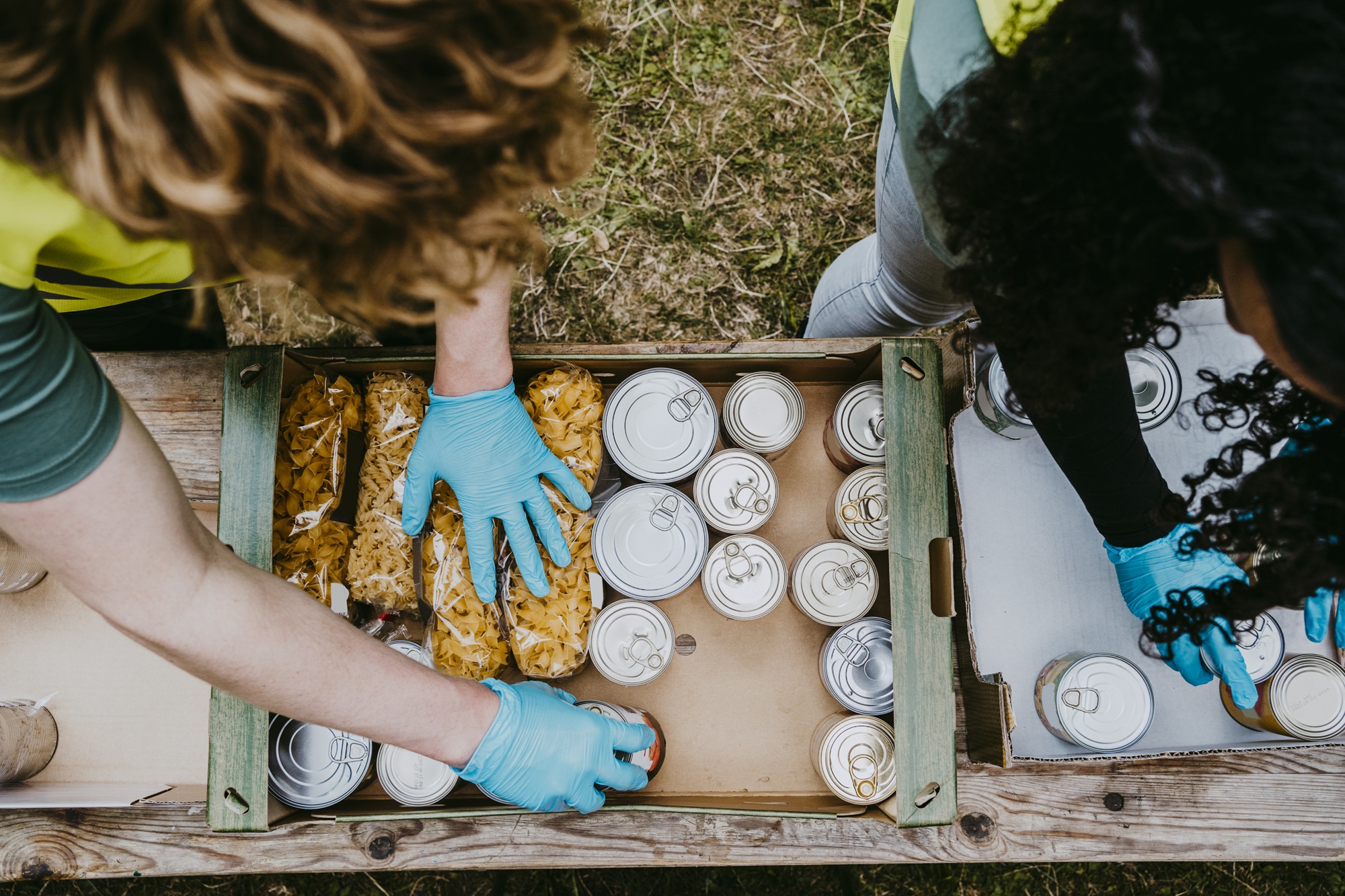
"caption": "As millions of Californians prepare to go without food benefits in November due to the government shutdown, here’s how you can support local food banks.",
"credit": "Maskot/Getty Images",
"altTag": null,
"description": null,
"imgSizes": {
"thumbnail": {
"file": "https://cdn.kqed.org/wp-content/uploads/sites/10/2025/10/FoodPantryGetty1-160x107.jpg",
"width": 160,
"height": 107,
"mimeType": "image/jpeg"
},
"1536x1536": {
"file": "https://cdn.kqed.org/wp-content/uploads/sites/10/2025/10/FoodPantryGetty1-1536x1024.jpg",
"width": 1536,
"height": 1024,
"mimeType": "image/jpeg"
},
"post-thumbnail": {
"file": "https://cdn.kqed.org/wp-content/uploads/sites/10/2025/10/FoodPantryGetty1-672x372.jpg",
"width": 672,
"height": 372,
"mimeType": "image/jpeg"
},
"twentyfourteen-full-width": {
"file": "https://cdn.kqed.org/wp-content/uploads/sites/10/2025/10/FoodPantryGetty1-1038x576.jpg",
"width": 1038,
"height": 576,
"mimeType": "image/jpeg"
},
"npr-cds-wide": {
"file": "https://cdn.kqed.org/wp-content/uploads/sites/10/2025/10/FoodPantryGetty1-1600x900.jpg",
"width": 1600,
"height": 900,
"mimeType": "image/jpeg"
},
"kqedFullSize": {
"file": "https://cdn.kqed.org/wp-content/uploads/sites/10/2025/10/FoodPantryGetty1.jpg",
"width": 2000,
"height": 1333
}
},
"isLoading": false,
"fetchFailed": false
},
"news_12062009": {
"type": "attachments",
"id": "news_12062009",
"meta": {
"index": "attachments_1716263798",
"site": "news",
"id": "12062009",
"found": true
},
"title": "TOPSHOT-US-POLITICS-VOTE",
"publishDate": 1761746078,
"status": "inherit",
"parent": 12062008,
"modified": 1761746126,
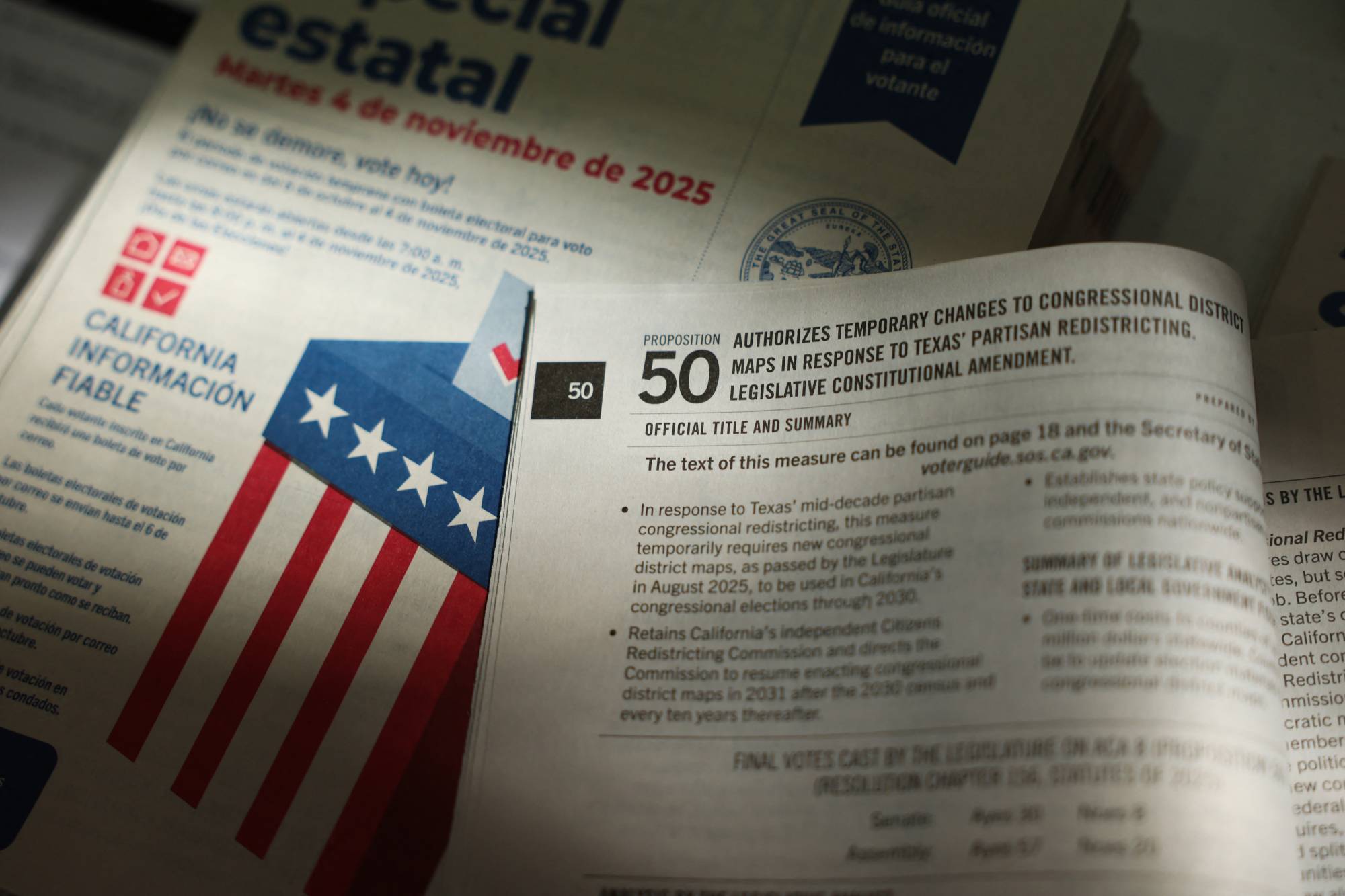
"caption": "TOPSHOT - Voter information guides are displayed for a photograph at a vote center during early in-person voting for the California Proposition 50 special election in Los Angeles, California, on October 27, 2025. ",
"credit": "Photo by Patrick T. Fallon / AFP",
"altTag": null,
"description": null,
"imgSizes": {
"medium": {
"file": "https://cdn.kqed.org/wp-content/uploads/sites/10/2025/10/GettyImages-2243307469-2000x1333.jpg",
"width": 2000,
"height": 1333,
"mimeType": "image/jpeg"
},
"large": {
"file": "https://cdn.kqed.org/wp-content/uploads/sites/10/2025/10/GettyImages-2243307469-2000x1333.jpg",
"width": 2000,
"height": 1333,
"mimeType": "image/jpeg"
},
"thumbnail": {
"file": "https://cdn.kqed.org/wp-content/uploads/sites/10/2025/10/GettyImages-2243307469-160x107.jpg",
"width": 160,
"height": 107,
"mimeType": "image/jpeg"
},
"1536x1536": {
"file": "https://cdn.kqed.org/wp-content/uploads/sites/10/2025/10/GettyImages-2243307469-1536x1024.jpg",
"width": 1536,
"height": 1024,
"mimeType": "image/jpeg"
},
"2048x2048": {
"file": "https://cdn.kqed.org/wp-content/uploads/sites/10/2025/10/GettyImages-2243307469-2048x1365.jpg",
"width": 2048,
"height": 1365,
"mimeType": "image/jpeg"
},
"post-thumbnail": {
"file": "https://cdn.kqed.org/wp-content/uploads/sites/10/2025/10/GettyImages-2243307469-672x372.jpg",
"width": 672,
"height": 372,
"mimeType": "image/jpeg"
},
"twentyfourteen-full-width": {
"file": "https://cdn.kqed.org/wp-content/uploads/sites/10/2025/10/GettyImages-2243307469-1038x576.jpg",
"width": 1038,
"height": 576,
"mimeType": "image/jpeg"
},
"full-width": {
"file": "https://cdn.kqed.org/wp-content/uploads/sites/10/2025/10/GettyImages-2243307469-2000x1333.jpg",
"width": 2000,
"height": 1333,
"mimeType": "image/jpeg"
},
"npr-cds-wide": {
"file": "https://cdn.kqed.org/wp-content/uploads/sites/10/2025/10/GettyImages-2243307469-1600x900.jpg",
"width": 1600,
"height": 900,
"mimeType": "image/jpeg"
},
"kqedFullSize": {
"file": "https://cdn.kqed.org/wp-content/uploads/sites/10/2025/10/GettyImages-2243307469-scaled.jpg",
"width": 2560,
"height": 1707
}
},
"isLoading": false,
"fetchFailed": false
},
"news_11792620": {
"type": "attachments",
"id": "news_11792620",
"meta": {
"index": "attachments_1716263798",
"site": "news",
"id": "11792620",
"found": true
},
"title": "The new Trump administration rule makes it harder for states to waive the requirement that adults work at least 20 hours a week in order to receive their Supplemental Nutrition Assistance Program — or SNAP — benefits. Some low-income college students could be affected.",
"publishDate": 1576950119,
"status": "inherit",
"parent": 11792619,
"modified": 1761673418,
"caption": "The new Trump administration rule makes it harder for states to waive the requirement that adults work at least 20 hours a week in order to receive their Supplemental Nutrition Assistance Program — or SNAP — benefits. Some low-income college students could be affected.",
"credit": "Danny Moloshok/AP Photo",
"altTag": null,
"description": "The new Trump administration rule makes it harder for states to waive the requirement that adults work at least 20 hours a week in order to receive their Supplemental Nutrition Assistance Program — or SNAP — benefits. Some low-income college students could be affected.",
"imgSizes": {
"thumbnail": {
"file": "https://cdn.kqed.org/wp-content/uploads/sites/10/2019/12/ap_17271692702067-ea1b97e98e157d598fa245d9c752f917e6c25c57-160x120.jpg",
"width": 160,
"height": 120,
"mimeType": "image/jpeg"
},
"medium": {
"file": "https://cdn.kqed.org/wp-content/uploads/sites/10/2019/12/ap_17271692702067-ea1b97e98e157d598fa245d9c752f917e6c25c57-800x600.jpg",
"width": 800,
"height": 600,
"mimeType": "image/jpeg"
},
"large": {
"file": "https://cdn.kqed.org/wp-content/uploads/sites/10/2019/12/ap_17271692702067-ea1b97e98e157d598fa245d9c752f917e6c25c57-1020x765.jpg",
"width": 1020,
"height": 765,
"mimeType": "image/jpeg"
},
"complete_open_graph": {
"file": "https://cdn.kqed.org/wp-content/uploads/sites/10/2019/12/ap_17271692702067-ea1b97e98e157d598fa245d9c752f917e6c25c57-1200x900.jpg",
"width": 1200,
"height": 900,
"mimeType": "image/jpeg"
},
"post-thumbnail": {
"file": "https://cdn.kqed.org/wp-content/uploads/sites/10/2019/12/ap_17271692702067-ea1b97e98e157d598fa245d9c752f917e6c25c57-672x372.jpg",
"width": 672,
"height": 372,
"mimeType": "image/jpeg"
},
"twentyfourteen-full-width": {
"file": "https://cdn.kqed.org/wp-content/uploads/sites/10/2019/12/ap_17271692702067-ea1b97e98e157d598fa245d9c752f917e6c25c57-1038x576.jpg",
"width": 1038,
"height": 576,
"mimeType": "image/jpeg"
},
"full-width": {
"file": "https://cdn.kqed.org/wp-content/uploads/sites/10/2019/12/ap_17271692702067-ea1b97e98e157d598fa245d9c752f917e6c25c57-1920x1440.jpg",
"width": 1920,
"height": 1440,
"mimeType": "image/jpeg"
},
"apple_news_ca_landscape_12_9": {
"file": "https://cdn.kqed.org/wp-content/uploads/sites/10/2019/12/ap_17271692702067-ea1b97e98e157d598fa245d9c752f917e6c25c57-1832x1374.jpg",
"width": 1832,
"height": 1374,
"mimeType": "image/jpeg"
},
"apple_news_ca_landscape_9_7": {
"file": "https://cdn.kqed.org/wp-content/uploads/sites/10/2019/12/ap_17271692702067-ea1b97e98e157d598fa245d9c752f917e6c25c57-1376x1032.jpg",
"width": 1376,
"height": 1032,
"mimeType": "image/jpeg"
},
"apple_news_ca_landscape_5_5": {
"file": "https://cdn.kqed.org/wp-content/uploads/sites/10/2019/12/ap_17271692702067-ea1b97e98e157d598fa245d9c752f917e6c25c57-1044x783.jpg",
"width": 1044,
"height": 783,
"mimeType": "image/jpeg"
},
"apple_news_ca_landscape_4_7": {
"file": "https://cdn.kqed.org/wp-content/uploads/sites/10/2019/12/ap_17271692702067-ea1b97e98e157d598fa245d9c752f917e6c25c57-632x474.jpg",
"width": 632,
"height": 474,
"mimeType": "image/jpeg"
},
"apple_news_ca_landscape_4_0": {
"file": "https://cdn.kqed.org/wp-content/uploads/sites/10/2019/12/ap_17271692702067-ea1b97e98e157d598fa245d9c752f917e6c25c57-536x402.jpg",
"width": 536,
"height": 402,
"mimeType": "image/jpeg"
},
"apple_news_ca_portrait_12_9": {
"file": "https://cdn.kqed.org/wp-content/uploads/sites/10/2019/12/ap_17271692702067-ea1b97e98e157d598fa245d9c752f917e6c25c57-1122x1496.jpg",
"width": 1122,
"height": 1496,
"mimeType": "image/jpeg"
},
"apple_news_ca_portrait_9_7": {
"file": "https://cdn.kqed.org/wp-content/uploads/sites/10/2019/12/ap_17271692702067-ea1b97e98e157d598fa245d9c752f917e6c25c57-840x1120.jpg",
"width": 840,
"height": 1120,
"mimeType": "image/jpeg"
},
"apple_news_ca_portrait_5_5": {
"file": "https://cdn.kqed.org/wp-content/uploads/sites/10/2019/12/ap_17271692702067-ea1b97e98e157d598fa245d9c752f917e6c25c57-687x916.jpg",
"width": 687,
"height": 916,
"mimeType": "image/jpeg"
},
"apple_news_ca_portrait_4_7": {
"file": "https://cdn.kqed.org/wp-content/uploads/sites/10/2019/12/ap_17271692702067-ea1b97e98e157d598fa245d9c752f917e6c25c57-414x552.jpg",
"width": 414,
"height": 552,
"mimeType": "image/jpeg"
},
"apple_news_ca_portrait_4_0": {
"file": "https://cdn.kqed.org/wp-content/uploads/sites/10/2019/12/ap_17271692702067-ea1b97e98e157d598fa245d9c752f917e6c25c57-354x472.jpg",
"width": 354,
"height": 472,
"mimeType": "image/jpeg"
},
"apple_news_ca_square_12_9": {
"file": "https://cdn.kqed.org/wp-content/uploads/sites/10/2019/12/ap_17271692702067-ea1b97e98e157d598fa245d9c752f917e6c25c57-1472x1472.jpg",
"width": 1472,
"height": 1472,
"mimeType": "image/jpeg"
},
"apple_news_ca_square_9_7": {
"file": "https://cdn.kqed.org/wp-content/uploads/sites/10/2019/12/ap_17271692702067-ea1b97e98e157d598fa245d9c752f917e6c25c57-1104x1104.jpg",
"width": 1104,
"height": 1104,
"mimeType": "image/jpeg"
},
"apple_news_ca_square_5_5": {
"file": "https://cdn.kqed.org/wp-content/uploads/sites/10/2019/12/ap_17271692702067-ea1b97e98e157d598fa245d9c752f917e6c25c57-912x912.jpg",
"width": 912,
"height": 912,
"mimeType": "image/jpeg"
},
"apple_news_ca_square_4_7": {
"file": "https://cdn.kqed.org/wp-content/uploads/sites/10/2019/12/ap_17271692702067-ea1b97e98e157d598fa245d9c752f917e6c25c57-550x550.jpg",
"width": 550,
"height": 550,
"mimeType": "image/jpeg"
},
"apple_news_ca_square_4_0": {
"file": "https://cdn.kqed.org/wp-content/uploads/sites/10/2019/12/ap_17271692702067-ea1b97e98e157d598fa245d9c752f917e6c25c57-470x470.jpg",
"width": 470,
"height": 470,
"mimeType": "image/jpeg"
},
"kqedFullSize": {
"file": "https://cdn.kqed.org/wp-content/uploads/sites/10/2019/12/ap_17271692702067-ea1b97e98e157d598fa245d9c752f917e6c25c57-e1576950264238.jpg",
"width": 1920,
"height": 1440
}
},
"isLoading": false,
"fetchFailed": false
},
"news_12043126": {
"type": "attachments",
"id": "news_12043126",
"meta": {
"index": "attachments_1716263798",
"site": "news",
"id": "12043126",
"found": true
},
"title": "013_KQED_SanFranciscoMarinFoodBank_03182020_9229_qed",
"publishDate": 1749235559,
"status": "inherit",
"parent": 12043122,
"modified": 1749235572,
"caption": "Volunteers work to sort donated food at the San Francisco-Marin Food Bank in San Francisco's Dogpatch neighborhood on Wednesday, Mar. 18, 2020.",
"credit": "Beth LaBerge/KQED",
"altTag": null,
"description": null,
"imgSizes": {
"thumbnail": {
"file": "https://cdn.kqed.org/wp-content/uploads/sites/10/2025/06/013_KQED_SanFranciscoMarinFoodBank_03182020_9229_qed-160x107.jpg",
"width": 160,
"height": 107,
"mimeType": "image/jpeg"
},
"1536x1536": {
"file": "https://cdn.kqed.org/wp-content/uploads/sites/10/2025/06/013_KQED_SanFranciscoMarinFoodBank_03182020_9229_qed-1536x1024.jpg",
"width": 1536,
"height": 1024,
"mimeType": "image/jpeg"
},
"post-thumbnail": {
"file": "https://cdn.kqed.org/wp-content/uploads/sites/10/2025/06/013_KQED_SanFranciscoMarinFoodBank_03182020_9229_qed-672x372.jpg",
"width": 672,
"height": 372,
"mimeType": "image/jpeg"
},
"twentyfourteen-full-width": {
"file": "https://cdn.kqed.org/wp-content/uploads/sites/10/2025/06/013_KQED_SanFranciscoMarinFoodBank_03182020_9229_qed-1038x576.jpg",
"width": 1038,
"height": 576,
"mimeType": "image/jpeg"
},
"kqedFullSize": {
"file": "https://cdn.kqed.org/wp-content/uploads/sites/10/2025/06/013_KQED_SanFranciscoMarinFoodBank_03182020_9229_qed.jpg",
"width": 2000,
"height": 1333
}
},
"isLoading": false,
"fetchFailed": false
},
"news_12060772": {
"type": "attachments",
"id": "news_12060772",
"meta": {
"index": "attachments_1716263798",
"site": "news",
"id": "12060772",
"found": true
},
"title": "SNAP and EBT Accepted here sign. SNAP and Food Stamps provide nutrition benefits to supplement the budgets of disadvantaged families.",
"publishDate": 1761001618,
"status": "inherit",
"parent": 12060770,
"modified": 1761001667,
"caption": "SNAP and EBT Accepted here sign. SNAP and Food Stamps provide nutrition benefits to supplement the budgets of disadvantaged families.",
"credit": "Jet City Image/iStock Editorial via Getty Images Plus",
"altTag": null,
"description": null,
"imgSizes": {
"thumbnail": {
"file": "https://cdn.kqed.org/wp-content/uploads/sites/10/2025/10/SNAPGetty-160x107.jpg",
"width": 160,
"height": 107,
"mimeType": "image/jpeg"
},
"1536x1536": {
"file": "https://cdn.kqed.org/wp-content/uploads/sites/10/2025/10/SNAPGetty-1536x1024.jpg",
"width": 1536,
"height": 1024,
"mimeType": "image/jpeg"
},
"post-thumbnail": {
"file": "https://cdn.kqed.org/wp-content/uploads/sites/10/2025/10/SNAPGetty-672x372.jpg",
"width": 672,
"height": 372,
"mimeType": "image/jpeg"
},
"twentyfourteen-full-width": {
"file": "https://cdn.kqed.org/wp-content/uploads/sites/10/2025/10/SNAPGetty-1038x576.jpg",
"width": 1038,
"height": 576,
"mimeType": "image/jpeg"
},
"kqedFullSize": {
"file": "https://cdn.kqed.org/wp-content/uploads/sites/10/2025/10/SNAPGetty.jpg",
"width": 2000,
"height": 1333
}
},
"isLoading": false,
"fetchFailed": false
},
"news_12050034": {
"type": "attachments",
"id": "news_12050034",
"meta": {
"index": "attachments_1716263798",
"site": "news",
"id": "12050034",
"found": true
},
"title": "CalFreshCM1",
"publishDate": 1753736489,
"status": "inherit",
"parent": 12050032,
"modified": 1783017028,
"caption": "The Ecology Center farmers' market in downtown Berkeley on July 13, 2019. CalFresh participants can purchase tokens at the market using their benefits card and can receive up to $10 in additional tokens specifically for fruits and vegetables.",
"credit": "Anne Wernikoff/CalMatters",
"altTag": null,
"description": null,
"imgSizes": {
"thumbnail": {
"file": "https://cdn.kqed.org/wp-content/uploads/sites/10/2025/07/CalFreshCM1-160x107.jpg",
"width": 160,
"height": 107,
"mimeType": "image/jpeg"
},
"1536x1536": {
"file": "https://cdn.kqed.org/wp-content/uploads/sites/10/2025/07/CalFreshCM1-1536x1024.jpg",
"width": 1536,
"height": 1024,
"mimeType": "image/jpeg"
},
"post-thumbnail": {
"file": "https://cdn.kqed.org/wp-content/uploads/sites/10/2025/07/CalFreshCM1-672x372.jpg",
"width": 672,
"height": 372,
"mimeType": "image/jpeg"
},
"twentyfourteen-full-width": {
"file": "https://cdn.kqed.org/wp-content/uploads/sites/10/2025/07/CalFreshCM1-1038x576.jpg",
"width": 1038,
"height": 576,
"mimeType": "image/jpeg"
},
"kqedFullSize": {
"file": "https://cdn.kqed.org/wp-content/uploads/sites/10/2025/07/CalFreshCM1.jpg",
"width": 2000,
"height": 1333
}
},
"isLoading": false,
"fetchFailed": false
},
"news_12047046": {
"type": "attachments",
"id": "news_12047046",
"meta": {
"index": "attachments_1716263798",
"site": "news",
"id": "12047046",
"found": true
},
"title": "Rally To Oppose House Republicans' Tax Proposal Ahead Of Final House Vote",
"publishDate": 1751576109,
"status": "inherit",
"parent": 12047037,
"modified": 1751579101,
"caption": "Rep. Nancy Pelosi, D-Calif., speaks during a rally opposing House Republicans' tax proposal prior to the final House Vote on Capitol Hill on May 21, 2025, in Washington, D.C. ",
"credit": "Jemal Countess/Getty Images for Families Over Billionaires",
"altTag": null,
"description": null,
"imgSizes": {
"thumbnail": {
"file": "https://cdn.kqed.org/wp-content/uploads/sites/10/2025/07/NancyPelosiGetty2-160x107.jpg",
"width": 160,
"height": 107,
"mimeType": "image/jpeg"
},
"1536x1536": {
"file": "https://cdn.kqed.org/wp-content/uploads/sites/10/2025/07/NancyPelosiGetty2-1536x1024.jpg",
"width": 1536,
"height": 1024,
"mimeType": "image/jpeg"
},
"post-thumbnail": {
"file": "https://cdn.kqed.org/wp-content/uploads/sites/10/2025/07/NancyPelosiGetty2-672x372.jpg",
"width": 672,
"height": 372,
"mimeType": "image/jpeg"
},
"twentyfourteen-full-width": {
"file": "https://cdn.kqed.org/wp-content/uploads/sites/10/2025/07/NancyPelosiGetty2-1038x576.jpg",
"width": 1038,
"height": 576,
"mimeType": "image/jpeg"
},
"kqedFullSize": {
"file": "https://cdn.kqed.org/wp-content/uploads/sites/10/2025/07/NancyPelosiGetty2.jpg",
"width": 2000,
"height": 1333
}
},
"isLoading": false,
"fetchFailed": false
},
"news_12044809": {
"type": "attachments",
"id": "news_12044809",
"meta": {
"index": "attachments_1716263798",
"site": "news",
"id": "12044809",
"found": true
},
"title": "250617-FOODBANKS-JG-06_qed",
"publishDate": 1750200928,
"status": "inherit",
"parent": 12044713,
"modified": 1750200944,
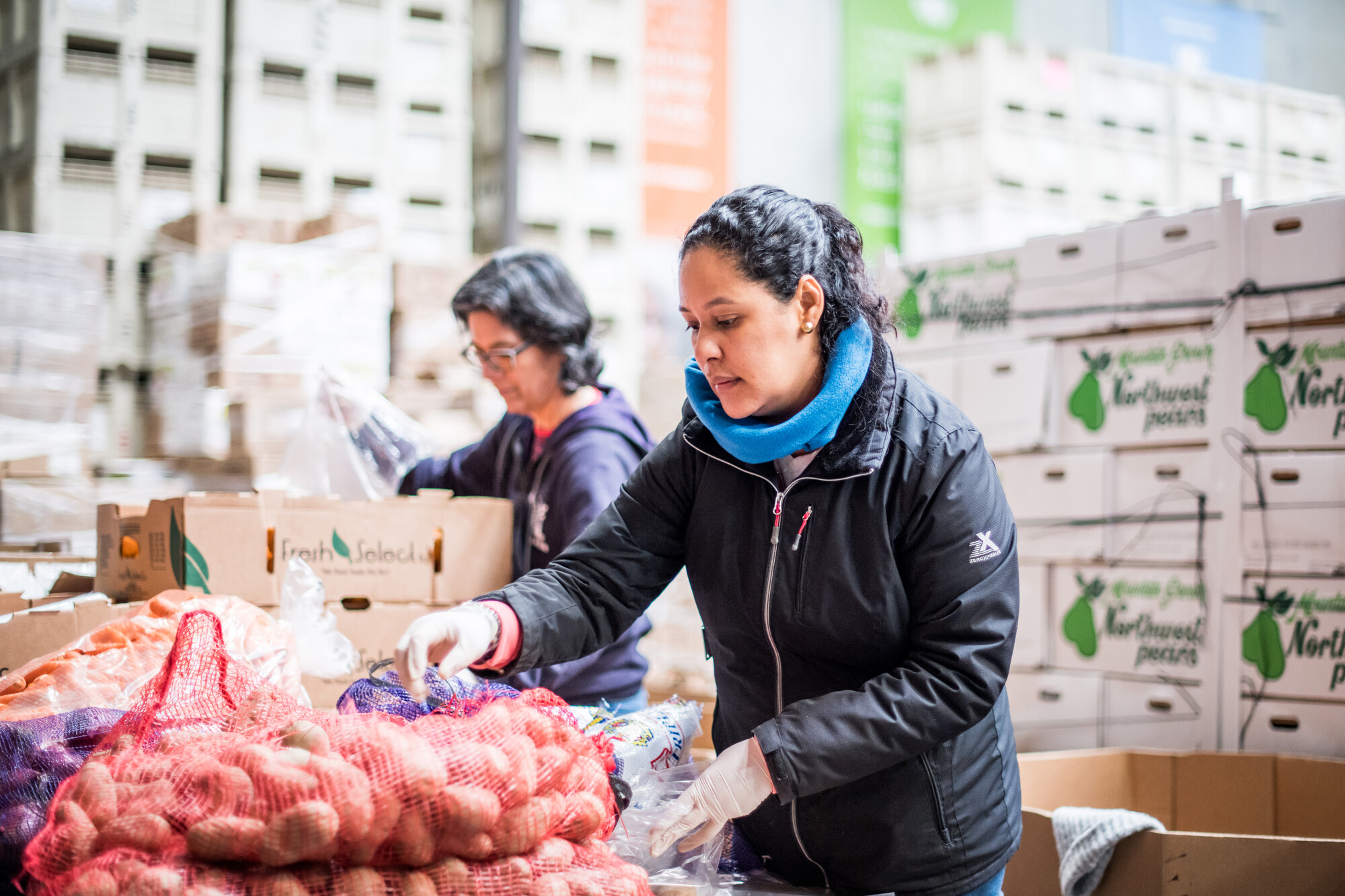
"caption": "Volunteers pack potatoes and carrots into food boxes inside the Second Harvest of Silicon Valley warehouse in San José on June 17, 2025.",
"credit": "Joseph Geha/KQED",
"altTag": null,
"description": null,
"imgSizes": {
"thumbnail": {
"file": "https://cdn.kqed.org/wp-content/uploads/sites/10/2025/06/250617-FOODBANKS-JG-06_qed-160x107.jpg",
"width": 160,
"height": 107,
"mimeType": "image/jpeg"
},
"1536x1536": {
"file": "https://cdn.kqed.org/wp-content/uploads/sites/10/2025/06/250617-FOODBANKS-JG-06_qed-1536x1024.jpg",
"width": 1536,
"height": 1024,
"mimeType": "image/jpeg"
},
"post-thumbnail": {
"file": "https://cdn.kqed.org/wp-content/uploads/sites/10/2025/06/250617-FOODBANKS-JG-06_qed-672x372.jpg",
"width": 672,
"height": 372,
"mimeType": "image/jpeg"
},
"twentyfourteen-full-width": {
"file": "https://cdn.kqed.org/wp-content/uploads/sites/10/2025/06/250617-FOODBANKS-JG-06_qed-1038x576.jpg",
"width": 1038,
"height": 576,
"mimeType": "image/jpeg"
},
"kqedFullSize": {
"file": "https://cdn.kqed.org/wp-content/uploads/sites/10/2025/06/250617-FOODBANKS-JG-06_qed.jpg",
"width": 1999,
"height": 1333
}
},
"isLoading": false,
"fetchFailed": false
},
"news_12032696": {
"type": "attachments",
"id": "news_12032696",
"meta": {
"index": "attachments_1716263798",
"site": "news",
"id": "12032696",
"found": true
},
"title": "250323-DEM TOWN HALLS-MD-14-KQED-1",
"publishDate": 1742819407,
"status": "inherit",
"parent": 12032718,
"modified": 1742833083,
"caption": "(From center right) Connie Wright, Sally MacGuire and Ali Ramirez applaud and cheer at a town hall meeting with Rep. Ro Khanna at the MLK Community Center in Bakersfield on March 23, 2025.",
"credit": "Martin do Nascimento/KQED",
"altTag": null,
"description": null,
"imgSizes": {
"medium": {
"file": "https://cdn.kqed.org/wp-content/uploads/sites/10/2025/03/250323-DEM-TOWN-HALLS-MD-14-KQED-1-800x533.jpg",
"width": 800,
"height": 533,
"mimeType": "image/jpeg"
},
"large": {
"file": "https://cdn.kqed.org/wp-content/uploads/sites/10/2025/03/250323-DEM-TOWN-HALLS-MD-14-KQED-1-1020x680.jpg",
"width": 1020,
"height": 680,
"mimeType": "image/jpeg"
},
"thumbnail": {
"file": "https://cdn.kqed.org/wp-content/uploads/sites/10/2025/03/250323-DEM-TOWN-HALLS-MD-14-KQED-1-160x107.jpg",
"width": 160,
"height": 107,
"mimeType": "image/jpeg"
},
"1536x1536": {
"file": "https://cdn.kqed.org/wp-content/uploads/sites/10/2025/03/250323-DEM-TOWN-HALLS-MD-14-KQED-1-1536x1024.jpg",
"width": 1536,
"height": 1024,
"mimeType": "image/jpeg"
},
"post-thumbnail": {
"file": "https://cdn.kqed.org/wp-content/uploads/sites/10/2025/03/250323-DEM-TOWN-HALLS-MD-14-KQED-1-672x372.jpg",
"width": 672,
"height": 372,
"mimeType": "image/jpeg"
},
"twentyfourteen-full-width": {
"file": "https://cdn.kqed.org/wp-content/uploads/sites/10/2025/03/250323-DEM-TOWN-HALLS-MD-14-KQED-1-1038x576.jpg",
"width": 1038,
"height": 576,
"mimeType": "image/jpeg"
},
"full-width": {
"file": "https://cdn.kqed.org/wp-content/uploads/sites/10/2025/03/250323-DEM-TOWN-HALLS-MD-14-KQED-1-1920x1280.jpg",
"width": 1920,
"height": 1280,
"mimeType": "image/jpeg"
},
"kqedFullSize": {
"file": "https://cdn.kqed.org/wp-content/uploads/sites/10/2025/03/250323-DEM-TOWN-HALLS-MD-14-KQED-1.jpg",
"width": 2000,
"height": 1333
}
},
"isLoading": false,
"fetchFailed": false
},
"news_11885479": {
"type": "attachments",
"id": "news_11885479",
"meta": {
"index": "attachments_1716263798",
"site": "news",
"id": "11885479",
"found": true
},
"title": "pexels-matheus-cenali-2733918",
"publishDate": 1629241224,
"status": "inherit",
"parent": 11885417,
"modified": 1742942690,
"caption": "The U.S. Department of Agriculture on Monday released a reevaluation of the Thrifty Food Plan, which is used to calculate SNAP benefits.",
"credit": "Matheus Cenali/Pexels",
"altTag": "Photo of vegetables in a grocery store.",
"description": null,
"imgSizes": {
"medium": {
"file": "https://cdn.kqed.org/wp-content/uploads/sites/10/2021/08/pexels-matheus-cenali-2733918-800x533.jpeg",
"width": 800,
"height": 533,
"mimeType": "image/jpeg"
},
"large": {
"file": "https://cdn.kqed.org/wp-content/uploads/sites/10/2021/08/pexels-matheus-cenali-2733918-1020x680.jpeg",
"width": 1020,
"height": 680,
"mimeType": "image/jpeg"
},
"thumbnail": {
"file": "https://cdn.kqed.org/wp-content/uploads/sites/10/2021/08/pexels-matheus-cenali-2733918-160x107.jpeg",
"width": 160,
"height": 107,
"mimeType": "image/jpeg"
},
"1536x1536": {
"file": "https://cdn.kqed.org/wp-content/uploads/sites/10/2021/08/pexels-matheus-cenali-2733918-1536x1024.jpeg",
"width": 1536,
"height": 1024,
"mimeType": "image/jpeg"
},
"2048x2048": {
"file": "https://cdn.kqed.org/wp-content/uploads/sites/10/2021/08/pexels-matheus-cenali-2733918-2048x1365.jpeg",
"width": 2048,
"height": 1365,
"mimeType": "image/jpeg"
},
"post-thumbnail": {
"file": "https://cdn.kqed.org/wp-content/uploads/sites/10/2021/08/pexels-matheus-cenali-2733918-672x372.jpeg",
"width": 672,
"height": 372,
"mimeType": "image/jpeg"
},
"twentyfourteen-full-width": {
"file": "https://cdn.kqed.org/wp-content/uploads/sites/10/2021/08/pexels-matheus-cenali-2733918-1038x576.jpeg",
"width": 1038,
"height": 576,
"mimeType": "image/jpeg"
},
"full-width": {
"file": "https://cdn.kqed.org/wp-content/uploads/sites/10/2021/08/pexels-matheus-cenali-2733918-1920x1280.jpeg",
"width": 1920,
"height": 1280,
"mimeType": "image/jpeg"
},
"kqedFullSize": {
"file": "https://cdn.kqed.org/wp-content/uploads/sites/10/2021/08/pexels-matheus-cenali-2733918-scaled-e1742921578510.jpeg",
"width": 2000,
"height": 1334
}
},
"isLoading": false,
"fetchFailed": false
},
"news_11764607": {
"type": "attachments",
"id": "news_11764607",
"meta": {
"index": "attachments_1716263798",
"site": "news",
"id": "11764607",
"found": true
},
"parent": 11764572,
"imgSizes": {
"apple_news_ca_landscape_5_5": {
"file": "https://ww2.kqed.org/app/uploads/sites/10/2019/07/RS38286_food-stamp-cuts-photo-3-qut-1044x783.jpg",
"width": 1044,
"mimeType": "image/jpeg",
"height": 783
},
"apple_news_ca_square_4_0": {
"file": "https://ww2.kqed.org/app/uploads/sites/10/2019/07/RS38286_food-stamp-cuts-photo-3-qut-470x470.jpg",
"width": 470,
"mimeType": "image/jpeg",
"height": 470
},
"twentyfourteen-full-width": {
"file": "https://ww2.kqed.org/app/uploads/sites/10/2019/07/RS38286_food-stamp-cuts-photo-3-qut-1038x576.jpg",
"width": 1038,
"mimeType": "image/jpeg",
"height": 576
},
"thumbnail": {
"file": "https://ww2.kqed.org/app/uploads/sites/10/2019/07/RS38286_food-stamp-cuts-photo-3-qut-160x107.jpg",
"width": 160,
"mimeType": "image/jpeg",
"height": 107
},
"post-thumbnail": {
"file": "https://ww2.kqed.org/app/uploads/sites/10/2019/07/RS38286_food-stamp-cuts-photo-3-qut-672x372.jpg",
"width": 672,
"mimeType": "image/jpeg",
"height": 372
},
"kqedFullSize": {
"file": "https://ww2.kqed.org/app/uploads/sites/10/2019/07/RS38286_food-stamp-cuts-photo-3-qut.jpg",
"width": 1920,
"height": 1280
},
"apple_news_ca_landscape_4_7": {
"file": "https://ww2.kqed.org/app/uploads/sites/10/2019/07/RS38286_food-stamp-cuts-photo-3-qut-632x474.jpg",
"width": 632,
"mimeType": "image/jpeg",
"height": 474
},
"large": {
"file": "https://ww2.kqed.org/app/uploads/sites/10/2019/07/RS38286_food-stamp-cuts-photo-3-qut-1020x680.jpg",
"width": 1020,
"mimeType": "image/jpeg",
"height": 680
},
"complete_open_graph": {
"file": "https://ww2.kqed.org/app/uploads/sites/10/2019/07/RS38286_food-stamp-cuts-photo-3-qut-1200x800.jpg",
"width": 1200,
"mimeType": "image/jpeg",
"height": 800
},
"apple_news_ca_landscape_4_0": {
"file": "https://ww2.kqed.org/app/uploads/sites/10/2019/07/RS38286_food-stamp-cuts-photo-3-qut-536x402.jpg",
"width": 536,
"mimeType": "image/jpeg",
"height": 402
},
"apple_news_ca_portrait_12_9": {
"file": "https://ww2.kqed.org/app/uploads/sites/10/2019/07/RS38286_food-stamp-cuts-photo-3-qut-1122x1280.jpg",
"width": 1122,
"mimeType": "image/jpeg",
"height": 1280
},
"medium": {
"file": "https://ww2.kqed.org/app/uploads/sites/10/2019/07/RS38286_food-stamp-cuts-photo-3-qut-800x533.jpg",
"width": 800,
"mimeType": "image/jpeg",
"height": 533
},
"apple_news_ca_portrait_4_0": {
"file": "https://ww2.kqed.org/app/uploads/sites/10/2019/07/RS38286_food-stamp-cuts-photo-3-qut-354x472.jpg",
"width": 354,
"mimeType": "image/jpeg",
"height": 472
},
"apple_news_ca_portrait_9_7": {
"file": "https://ww2.kqed.org/app/uploads/sites/10/2019/07/RS38286_food-stamp-cuts-photo-3-qut-840x1120.jpg",
"width": 840,
"mimeType": "image/jpeg",
"height": 1120
},
"apple_news_ca_landscape_12_9": {
"file": "https://ww2.kqed.org/app/uploads/sites/10/2019/07/RS38286_food-stamp-cuts-photo-3-qut-1832x1280.jpg",
"width": 1832,
"mimeType": "image/jpeg",
"height": 1280
},
"apple_news_ca_square_9_7": {
"file": "https://ww2.kqed.org/app/uploads/sites/10/2019/07/RS38286_food-stamp-cuts-photo-3-qut-1104x1104.jpg",
"width": 1104,
"mimeType": "image/jpeg",
"height": 1104
},
"apple_news_ca_portrait_4_7": {
"file": "https://ww2.kqed.org/app/uploads/sites/10/2019/07/RS38286_food-stamp-cuts-photo-3-qut-414x552.jpg",
"width": 414,
"mimeType": "image/jpeg",
"height": 552
},
"apple_news_ca_square_12_9": {
"file": "https://ww2.kqed.org/app/uploads/sites/10/2019/07/RS38286_food-stamp-cuts-photo-3-qut-1472x1280.jpg",
"width": 1472,
"mimeType": "image/jpeg",
"height": 1280
},
"apple_news_ca_portrait_5_5": {
"file": "https://ww2.kqed.org/app/uploads/sites/10/2019/07/RS38286_food-stamp-cuts-photo-3-qut-687x916.jpg",
"width": 687,
"mimeType": "image/jpeg",
"height": 916
},
"full-width": {
"file": "https://ww2.kqed.org/app/uploads/sites/10/2019/07/RS38286_food-stamp-cuts-photo-3-qut-1920x1280.jpg",
"width": 1920,
"mimeType": "image/jpeg",
"height": 1280
},
"apple_news_ca_square_4_7": {
"file": "https://ww2.kqed.org/app/uploads/sites/10/2019/07/RS38286_food-stamp-cuts-photo-3-qut-550x550.jpg",
"width": 550,
"mimeType": "image/jpeg",
"height": 550
},
"apple_news_ca_landscape_9_7": {
"file": "https://ww2.kqed.org/app/uploads/sites/10/2019/07/RS38286_food-stamp-cuts-photo-3-qut-1376x1032.jpg",
"width": 1376,
"mimeType": "image/jpeg",
"height": 1032
},
"apple_news_ca_square_5_5": {
"file": "https://ww2.kqed.org/app/uploads/sites/10/2019/07/RS38286_food-stamp-cuts-photo-3-qut-912x912.jpg",
"width": 912,
"mimeType": "image/jpeg",
"height": 912
}
},
"publishDate": 1564603270,
"modified": 1685579216,
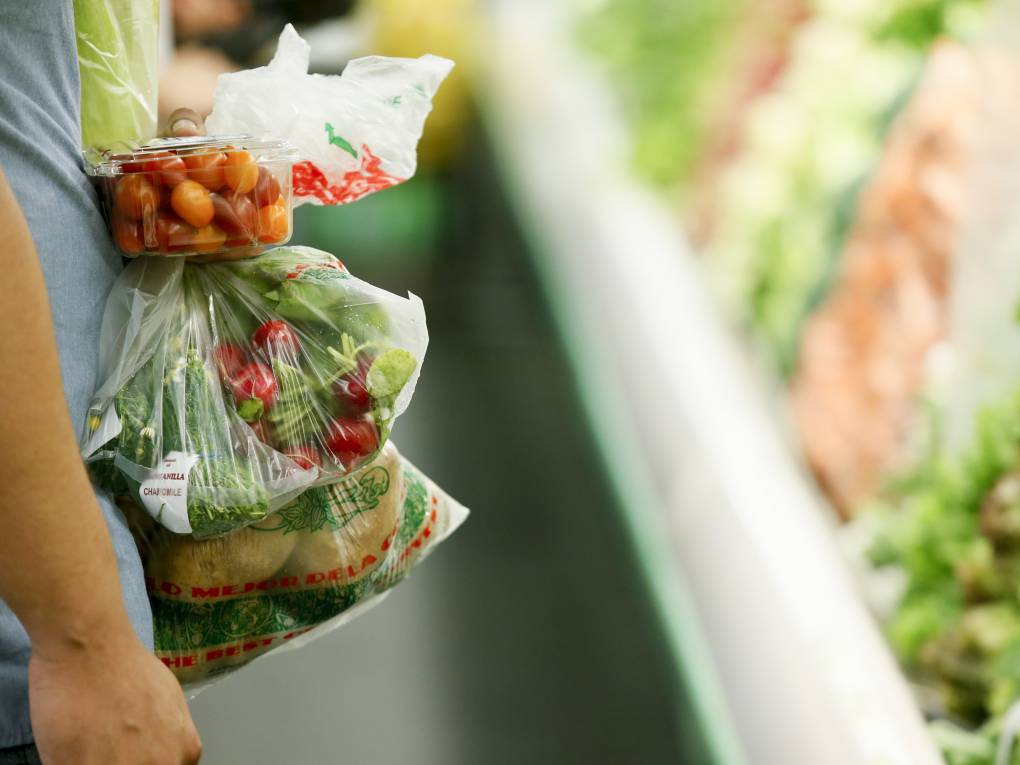
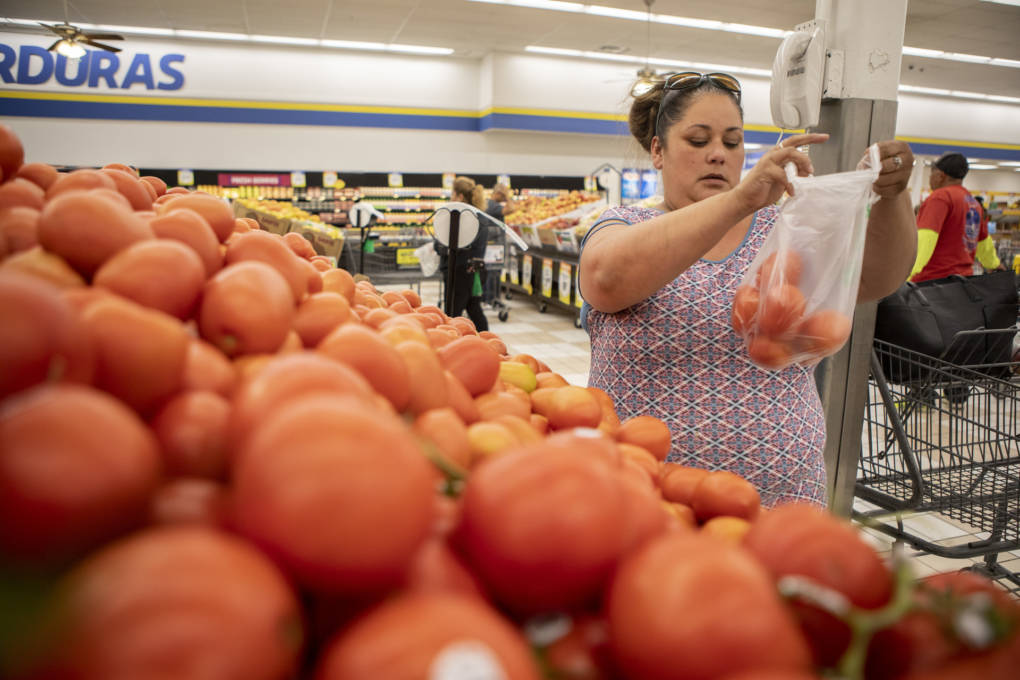
"caption": "Antoinette Martinez does her weekly grocery shopping at FoodMaxx in Watsonville on July 26, 2019. When choosing her fruits and vegetables, Martinez, who receives CalFresh, will not buy an item if it costs more than a dollar per unit.",
"description": null,
"title": "RS38286_food stamp cuts photo 3-qut",
"credit": "Anne Wernikoff/CalMatters",
"status": "inherit",
"altTag": "A woman holds up a plastic bag with tomatoes in a grocery store.",
"isLoading": false,
"fetchFailed": false
},
"news_11943822": {
"type": "attachments",
"id": "news_11943822",
"meta": {
"index": "attachments_1716263798",
"site": "news",
"id": "11943822",
"found": true
},
"title": "Young Asian father with cute little daughter grocery shopping for fresh organic vegetables in supermarket",
"publishDate": 1679006512,
"status": "inherit",
"parent": 11943420,
"modified": 1679089855,
"caption": "In April, millions of households across California will see their CalFresh food stamp benefits drop due to a change in federal funding. Here's what to do if you're affected.",
"credit": "d3sign/Getty Images",
"altTag": "A young Asian man with short dark hair and round glasses carries a 1-year-old girl, with tiny black pigtails, in a harness on his chest, with the girl facing out. They stand in the light of a vegetable display in a supermarket. The man holds a plastic container full of green vegetables, maybe cucumbers, smiling as his daughter reaches out to touch the box.",
"description": "In April, millions of households across California will see their CalFresh food stamps benefits drop due to a change in federal funding. Here's what to do if you're affected.",
"imgSizes": {
"medium": {
"file": "https://cdn.kqed.org/wp-content/uploads/sites/10/2023/03/GettyImages-1144627849-800x533.jpg",
"width": 800,
"height": 533,
"mimeType": "image/jpeg"
},
"large": {
"file": "https://cdn.kqed.org/wp-content/uploads/sites/10/2023/03/GettyImages-1144627849-1020x680.jpg",
"width": 1020,
"height": 680,
"mimeType": "image/jpeg"
},
"thumbnail": {
"file": "https://cdn.kqed.org/wp-content/uploads/sites/10/2023/03/GettyImages-1144627849-160x107.jpg",
"width": 160,
"height": 107,
"mimeType": "image/jpeg"
},
"1536x1536": {
"file": "https://cdn.kqed.org/wp-content/uploads/sites/10/2023/03/GettyImages-1144627849-1536x1024.jpg",
"width": 1536,
"height": 1024,
"mimeType": "image/jpeg"
},
"2048x2048": {
"file": "https://cdn.kqed.org/wp-content/uploads/sites/10/2023/03/GettyImages-1144627849-2048x1365.jpg",
"width": 2048,
"height": 1365,
"mimeType": "image/jpeg"
},
"post-thumbnail": {
"file": "https://cdn.kqed.org/wp-content/uploads/sites/10/2023/03/GettyImages-1144627849-672x372.jpg",
"width": 672,
"height": 372,
"mimeType": "image/jpeg"
},
"twentyfourteen-full-width": {
"file": "https://cdn.kqed.org/wp-content/uploads/sites/10/2023/03/GettyImages-1144627849-1038x576.jpg",
"width": 1038,
"height": 576,
"mimeType": "image/jpeg"
},
"full-width": {
"file": "https://cdn.kqed.org/wp-content/uploads/sites/10/2023/03/GettyImages-1144627849-1920x1280.jpg",
"width": 1920,
"height": 1280,
"mimeType": "image/jpeg"
},
"kqedFullSize": {
"file": "https://cdn.kqed.org/wp-content/uploads/sites/10/2023/03/GettyImages-1144627849-scaled-e1764880413771.jpg",
"width": 2000,
"height": 1334
}
},
"isLoading": false,
"fetchFailed": false
}
},
"audioPlayerReducer": {
"postId": "stream_live",
"isPaused": true,
"isPlaying": false,
"pfsActive": false,
"pledgeModalIsOpen": true,
"playerDrawerIsOpen": false,
"liveAudioPlayStartedAt": 0,
"liveAudioPlayContext": ""
},
"authorsReducer": {
"byline_news_12050032": {
"type": "authors",
"id": "byline_news_12050032",
"meta": {
"override": true
},
"slug": "byline_news_12050032",
"name": "Wendy Fry and Mikhail Zinshteyn, CalMatters",
"isLoading": false
},
"gmarzorati": {
"type": "authors",
"id": "227",
"meta": {
"index": "authors_1716337520",
"id": "227",
"found": true
},
"name": "Guy Marzorati",
"firstName": "Guy",
"lastName": "Marzorati",
"slug": "gmarzorati",
"email": "gmarzorati@KQED.org",
"display_author_email": true,
"staff_mastheads": [
"news"
],
"title": "Correspondent",
"bio": "Guy Marzorati is a correspondent on KQED's California Politics and Government Desk, based in San Jose. A graduate of Santa Clara University, Guy joined KQED in 2013. He reports on state and local politics and produces KQED's digital voter guide.",
"avatar": "https://secure.gravatar.com/avatar/e7038b8dbfd55b104369b76b1cd0b9de?s=600&d=blank&r=g",
"twitter": "guymarzorati",
"facebook": null,
"instagram": null,
"linkedin": null,
"sites": [
{
"site": "",
"roles": [
"editor"
]
},
{
"site": "news",
"roles": [
"editor"
]
},
{
"site": "science",
"roles": [
"editor"
]
},
{
"site": "forum",
"roles": [
"editor"
]
},
{
"site": "elections",
"roles": [
"editor"
]
},
{
"site": "liveblog",
"roles": [
"editor"
]
}
],
"headData": {
"title": "Guy Marzorati | KQED",
"description": "Correspondent",
"ogImgSrc": "https://secure.gravatar.com/avatar/e7038b8dbfd55b104369b76b1cd0b9de?s=600&d=blank&r=g",
"twImgSrc": "https://secure.gravatar.com/avatar/e7038b8dbfd55b104369b76b1cd0b9de?s=600&d=blank&r=g"
},
"isLoading": false,
"link": "/author/gmarzorati"
},
"matthewgreen": {
"type": "authors",
"id": "1263",
"meta": {
"index": "authors_1716337520",
"id": "1263",
"found": true
},
"name": "Matthew Green",
"firstName": "Matthew",
"lastName": "Green",
"slug": "matthewgreen",
"email": "mgreen@kqed.org",
"display_author_email": false,
"staff_mastheads": [],
"title": "KQED Editor/Reporter",
"bio": "Matthew Green is a digital media producer for KQED News. He previously produced \u003ca href=\"http://www.kqed.org/lowdown\">The Lowdown\u003c/a>, KQED’s multimedia news education blog. Matthew's written for numerous Bay Area publications, including the Oakland Tribune and San Francisco Chronicle. He also taught journalism classes at Fremont High School in East Oakland.\r\n\r\nEmail: mgreen@kqed.org; Twitter: @MGreenKQED",
"avatar": "https://secure.gravatar.com/avatar/3bf498d1267ca02c8494f33d8cfc575e?s=600&d=blank&r=g",
"twitter": "MGreenKQED",
"facebook": null,
"instagram": null,
"linkedin": null,
"sites": [
{
"site": "news",
"roles": []
},
{
"site": "lowdown",
"roles": []
},
{
"site": "science",
"roles": []
},
{
"site": "education",
"roles": []
},
{
"site": "quest",
"roles": []
},
{
"site": "liveblog",
"roles": []
}
],
"headData": {
"title": "Matthew Green | KQED",
"description": "KQED Editor/Reporter",
"ogImgSrc": "https://secure.gravatar.com/avatar/3bf498d1267ca02c8494f33d8cfc575e?s=600&d=blank&r=g",
"twImgSrc": "https://secure.gravatar.com/avatar/3bf498d1267ca02c8494f33d8cfc575e?s=600&d=blank&r=g"
},
"isLoading": false,
"link": "/author/matthewgreen"
},
"mlagos": {
"type": "authors",
"id": "3239",
"meta": {
"index": "authors_1716337520",
"id": "3239",
"found": true
},
"name": "Marisa Lagos",
"firstName": "Marisa",
"lastName": "Lagos",
"slug": "mlagos",
"email": "mlagos@kqed.org",
"display_author_email": false,
"staff_mastheads": [
"news"
],
"title": "KQED Contributor",
"bio": "Marisa Lagos is a correspondent for KQED’s California Politics and Government Desk and co-hosts the award-winning show and podcast, Political Breakdown. At KQED, Lagos also conducts reporting, analysis and investigations into state, local and national politics for radio, TV, online and onstage. In 2022, she and co-host, Scott Shafer, moderated the only gubernatorial debate in California. In 2020, the \u003ci>Washington Post\u003c/i> named her one of the top political journalists in California; she was nominated for a Peabody and won several other awards for her work investigating the 2017 California wildfires. She has worked at the \u003ci>San Francisco Chronicle\u003c/i>, \u003ci>San Francisco Examiner\u003c/i> and \u003ci>Los Angeles Times\u003c/i>. A UC Santa Barbara graduate, she lives in San Francisco with her two sons and husband.",
"avatar": "https://secure.gravatar.com/avatar/a261a0d3696fc066871ef96b85b5e7d2?s=600&d=blank&r=g",
"twitter": "@mlagos",
"facebook": null,
"instagram": null,
"linkedin": null,
"sites": [
{
"site": "arts",
"roles": [
"author"
]
},
{
"site": "news",
"roles": [
"editor"
]
},
{
"site": "science",
"roles": [
"editor"
]
},
{
"site": "forum",
"roles": [
"author"
]
},
{
"site": "liveblog",
"roles": [
"author"
]
}
],
"headData": {
"title": "Marisa Lagos | KQED",
"description": "KQED Contributor",
"ogImgSrc": "https://secure.gravatar.com/avatar/a261a0d3696fc066871ef96b85b5e7d2?s=600&d=blank&r=g",
"twImgSrc": "https://secure.gravatar.com/avatar/a261a0d3696fc066871ef96b85b5e7d2?s=600&d=blank&r=g"
},
"isLoading": false,
"link": "/author/mlagos"
},
"carlysevern": {
"type": "authors",
"id": "3243",
"meta": {
"index": "authors_1716337520",
"id": "3243",
"found": true
},
"name": "Carly Severn",
"firstName": "Carly",
"lastName": "Severn",
"slug": "carlysevern",
"email": "csevern@kqed.org",
"display_author_email": false,
"staff_mastheads": [
"news"
],
"title": "Senior Editor, Audience News ",
"bio": "Carly is KQED's Senior Editor of Audience News on the Digital News team, and has reported for the California Report Magazine, Bay Curious and KQED Arts. She's formerly the host of \u003ca href=\"http://ww2.kqed.org/pop/category/the-cooler/\" rel=\"noopener noreferrer\">The Cooler\u003c/a> podcast.",
"avatar": "https://secure.gravatar.com/avatar/54037bf5c128fe678f0ef26cec97a93f2e7f220a22d7285703328f12c42c1b1d?s=600&d=blank&r=g",
"twitter": "teacupinthebay",
"bluesky": null,
"facebook": null,
"instagram": null,
"linkedin": null,
"sites": [
{
"site": "",
"roles": [
"editor"
]
},
{
"site": "arts",
"roles": [
"editor"
]
},
{
"site": "news",
"roles": [
"administrator"
]
},
{
"site": "pop",
"roles": [
"editor"
]
},
{
"site": "futureofyou",
"roles": [
"editor"
]
},
{
"site": "about",
"roles": [
"administrator"
]
},
{
"site": "mindshift",
"roles": [
"editor"
]
},
{
"site": "bayareabites",
"roles": [
"editor"
]
},
{
"site": "stateofhealth",
"roles": [
"editor"
]
},
{
"site": "science",
"roles": [
"editor"
]
},
{
"site": "food",
"roles": [
"contributor"
]
},
{
"site": "forum",
"roles": [
"editor"
]
},
{
"site": "perspectives",
"roles": [
"administrator"
]
},
{
"site": "liveblog",
"roles": [
"editor"
]
}
],
"headData": {
"title": "Carly Severn | KQED",
"description": "Senior Editor, Audience News ",
"ogImgSrc": "https://secure.gravatar.com/avatar/54037bf5c128fe678f0ef26cec97a93f2e7f220a22d7285703328f12c42c1b1d?s=600&d=blank&r=g",
"twImgSrc": "https://secure.gravatar.com/avatar/54037bf5c128fe678f0ef26cec97a93f2e7f220a22d7285703328f12c42c1b1d?s=600&d=blank&r=g"
},
"isLoading": false,
"link": "/author/carlysevern"
},
"vrancano": {
"type": "authors",
"id": "11276",
"meta": {
"index": "authors_1716337520",
"id": "11276",
"found": true
},
"name": "Vanessa Rancaño",
"firstName": "Vanessa",
"lastName": "Rancaño",
"slug": "vrancano",
"email": "vrancano@kqed.org",
"display_author_email": false,
"staff_mastheads": [
"news"
],
"title": "Reporter",
"bio": "Vanessa Rancaño is a features reporter for KQED. She’s also covered homelessness and education for the station and reported from the Central Valley. Her work has aired across public radio, from flagship national news shows to longform narrative podcasts. Before taking up a mic, she worked as a freelance print journalist. She’s been recognized with a number of national and regional awards. Vanessa grew up in California's Central Valley. She's a former NPR Kroc Fellow, and a graduate of the UC Berkeley Graduate School of Journalism.",
"avatar": "https://secure.gravatar.com/avatar/b3a383dfb0e7ee1c17568f2cf067904ab654d6e3de9743fc661f3c788ade1bed?s=600&d=blank&r=g",
"twitter": "vanessarancano",
"bluesky": null,
"facebook": null,
"instagram": null,
"linkedin": null,
"sites": [
{
"site": "arts",
"roles": [
"editor"
]
},
{
"site": "news",
"roles": [
"editor"
]
},
{
"site": "liveblog",
"roles": [
"contributor"
]
}
],
"headData": {
"title": "Vanessa Rancaño | KQED",
"description": "Reporter",
"ogImgSrc": "https://secure.gravatar.com/avatar/b3a383dfb0e7ee1c17568f2cf067904ab654d6e3de9743fc661f3c788ade1bed?s=600&d=blank&r=g",
"twImgSrc": "https://secure.gravatar.com/avatar/b3a383dfb0e7ee1c17568f2cf067904ab654d6e3de9743fc661f3c788ade1bed?s=600&d=blank&r=g"
},
"isLoading": false,
"link": "/author/vrancano"
},
"kmizuguchi": {
"type": "authors",
"id": "11739",
"meta": {
"index": "authors_1716337520",
"id": "11739",
"found": true
},
"name": "Keith Mizuguchi",
"firstName": "Keith",
"lastName": "Mizuguchi",
"slug": "kmizuguchi",
"email": "kmizuguchi@kqed.org",
"display_author_email": false,
"staff_mastheads": [],
"title": "KQED Contributor",
"bio": null,
"avatar": "https://secure.gravatar.com/avatar/64d8a7de0723d4099b9fe4e915136103febcc20809abce228ee4415bcb237023?s=600&d=blank&r=g",
"twitter": null,
"bluesky": null,
"facebook": null,
"instagram": null,
"linkedin": null,
"sites": [
{
"site": "news",
"roles": [
"editor"
]
},
{
"site": "science",
"roles": [
"editor"
]
}
],
"headData": {
"title": "Keith Mizuguchi | KQED",
"description": "KQED Contributor",
"ogImgSrc": "https://secure.gravatar.com/avatar/64d8a7de0723d4099b9fe4e915136103febcc20809abce228ee4415bcb237023?s=600&d=blank&r=g",
"twImgSrc": "https://secure.gravatar.com/avatar/64d8a7de0723d4099b9fe4e915136103febcc20809abce228ee4415bcb237023?s=600&d=blank&r=g"
},
"isLoading": false,
"link": "/author/kmizuguchi"
},
"sjohnson": {
"type": "authors",
"id": "11840",
"meta": {
"index": "authors_1716337520",
"id": "11840",
"found": true
},
"name": "Sydney Johnson",
"firstName": "Sydney",
"lastName": "Johnson",
"slug": "sjohnson",
"email": "sjohnson@kqed.org",
"display_author_email": false,
"staff_mastheads": [
"news"
],
"title": "KQED Reporter",
"bio": "Sydney Johnson is a general assignment reporter at KQED. She previously reported on public health and city government at the San Francisco Examiner, and before that, she covered statewide education policy for EdSource. Her reporting has won multiple local, state and national awards. Sydney is a graduate of the University of California, Berkeley and lives in San Francisco.",
"avatar": "https://secure.gravatar.com/avatar/97855f2719b72ad6190b7c535fe642c8?s=600&d=blank&r=g",
"twitter": "sydneyfjohnson",
"facebook": null,
"instagram": null,
"linkedin": null,
"sites": [
{
"site": "news",
"roles": [
"editor"
]
}
],
"headData": {
"title": "Sydney Johnson | KQED",
"description": "KQED Reporter",
"ogImgSrc": "https://secure.gravatar.com/avatar/97855f2719b72ad6190b7c535fe642c8?s=600&d=blank&r=g",
"twImgSrc": "https://secure.gravatar.com/avatar/97855f2719b72ad6190b7c535fe642c8?s=600&d=blank&r=g"
},
"isLoading": false,
"link": "/author/sjohnson"
},
"nkhan": {
"type": "authors",
"id": "11867",
"meta": {
"index": "authors_1716337520",
"id": "11867",
"found": true
},
"name": "Nisa Khan",
"firstName": "Nisa",
"lastName": "Khan",
"slug": "nkhan",
"email": "nkhan@kqed.org",
"display_author_email": false,
"staff_mastheads": [],
"title": "KQED Contributor",
"bio": "Nisa Khan is a reporter for KQED's Audience News Desk. She was formerly a data reporter at Michigan Radio. She earned a Bachelor of Science in Information from the University of Michigan and a Master of Arts in Communication from Stanford University.",
"avatar": "https://secure.gravatar.com/avatar/8720459eef081ff64582b3506b124d58523e80e120704a0cbd9892533c914991?s=600&d=blank&r=g",
"twitter": "mnisakhan",
"bluesky": null,
"facebook": null,
"instagram": null,
"linkedin": null,
"sites": [
{
"site": "arts",
"roles": [
"editor"
]
},
{
"site": "news",
"roles": [
"editor"
]
},
{
"site": "science",
"roles": [
"editor",
"author"
]
},
{
"site": "forum",
"roles": [
"editor"
]
},
{
"site": "liveblog",
"roles": [
"contributor"
]
}
],
"headData": {
"title": "Nisa Khan | KQED",
"description": "KQED Contributor",
"ogImgSrc": "https://secure.gravatar.com/avatar/8720459eef081ff64582b3506b124d58523e80e120704a0cbd9892533c914991?s=600&d=blank&r=g",
"twImgSrc": "https://secure.gravatar.com/avatar/8720459eef081ff64582b3506b124d58523e80e120704a0cbd9892533c914991?s=600&d=blank&r=g"
},
"isLoading": false,
"link": "/author/nkhan"
},
"jgeha": {
"type": "authors",
"id": "11906",
"meta": {
"index": "authors_1716337520",
"id": "11906",
"found": true
},
"name": "Joseph Geha",
"firstName": "Joseph",
"lastName": "Geha",
"slug": "jgeha",
"email": "jgeha@kqed.org",
"display_author_email": false,
"staff_mastheads": [
"news",
"science"
],
"title": "KQED Contributor",
"bio": null,
"avatar": "https://secure.gravatar.com/avatar/ea84d2b6dd93d6369d453edf19dd583f117cd1759d2d9c9c92f9de77017354fe?s=600&d=blank&r=g",
"twitter": null,
"bluesky": null,
"facebook": null,
"instagram": null,
"linkedin": null,
"sites": [
{
"site": "news",
"roles": [
"editor"
]
},
{
"site": "liveblog",
"roles": [
"author"
]
}
],
"headData": {
"title": "Joseph Geha | KQED",
"description": "KQED Contributor",
"ogImgSrc": "https://secure.gravatar.com/avatar/ea84d2b6dd93d6369d453edf19dd583f117cd1759d2d9c9c92f9de77017354fe?s=600&d=blank&r=g",
"twImgSrc": "https://secure.gravatar.com/avatar/ea84d2b6dd93d6369d453edf19dd583f117cd1759d2d9c9c92f9de77017354fe?s=600&d=blank&r=g"
},
"isLoading": false,
"link": "/author/jgeha"
},
"kdebenedetti": {
"type": "authors",
"id": "11913",
"meta": {
"index": "authors_1716337520",
"id": "11913",
"found": true
},
"name": "Katie DeBenedetti",
"firstName": "Katie",
"lastName": "DeBenedetti",
"slug": "kdebenedetti",
"email": "kdebenedetti@kqed.org",
"display_author_email": false,
"staff_mastheads": [
"news",
"science"
],
"title": "KQED Contributor",
"bio": "Katie DeBenedetti is a digital reporter covering daily news for the Express Desk. Prior to joining KQED as a culture reporting intern in January 2024, she covered education and city government for the Napa Valley Register.",
"avatar": "https://secure.gravatar.com/avatar/6e31073cb8f7e4214ab03f42771d0f45?s=600&d=blank&r=g",
"twitter": null,
"facebook": null,
"instagram": null,
"linkedin": null,
"sites": [
{
"site": "news",
"roles": [
"author"
]
},
{
"site": "science",
"roles": [
"author"
]
},
{
"site": "liveblog",
"roles": [
"author"
]
}
],
"headData": {
"title": "Katie DeBenedetti | KQED",
"description": "KQED Contributor",
"ogImgSrc": "https://secure.gravatar.com/avatar/6e31073cb8f7e4214ab03f42771d0f45?s=600&d=blank&r=g",
"twImgSrc": "https://secure.gravatar.com/avatar/6e31073cb8f7e4214ab03f42771d0f45?s=600&d=blank&r=g"
},
"isLoading": false,
"link": "/author/kdebenedetti"
}
},
"pagesReducer": {
"news_tag_snap": {
"type": "terms",
"id": "news_22992",
"meta": {
"index": "terms_1716263798",
"site": "news",
"id": "22992",
"score": 9.556114
},
"featImg": null,
"name": "snap",
"description": null,
"taxonomy": "tag",
"headData": {
"twImgId": null,
"twTitle": null,
"ogTitle": null,
"ogImgId": null,
"twDescription": null,
"description": null,
"title": "snap Archives | KQED News",
"ogDescription": null
},
"ttid": 23009,
"slug": "snap",
"isLoading": false,
"title": "snap",
"pageMeta": {
"site": "news",
"WpPageTemplate": "page-topic-editorial",
"currentPage": 3
},
"blocks": [
{
"blockName": "kqed/post-list",
"attrs": {
"layout": "cardArticle2",
"query": "posts/news?tag=snap",
"seeMore": false,
"paginated": true,
"page": 3
}
},
{
"blockName": "kqed/ad"
}
]
}
},
"pfsSessionReducer": {},
"postsReducer": {
"stream_live": {
"type": "live",
"id": "stream_live",
"audioUrl": "https://streams.kqed.org/kqedradio",
"title": "Live Stream",
"excerpt": "Live Stream information currently unavailable.",
"link": "/radio",
"featImg": "",
"label": {
"name": "KQED Live",
"link": "/"
}
},
"stream_kqedNewscast": {
"type": "posts",
"id": "stream_kqedNewscast",
"audioUrl": "https://www.kqed.org/.stream/anon/radio/RDnews/newscast.mp3?_=1",
"title": "KQED Newscast",
"featImg": "",
"label": {
"name": "88.5 FM",
"link": "/"
}
},
"news_12062018": {
"type": "posts",
"id": "news_12062018",
"meta": {
"index": "posts_1716263798",
"site": "news",
"id": "12062018",
"score": null,
"sort": [
1761764433000
]
},
"guestAuthors": [],
"slug": "how-to-volunteer-donate-food-bank-near-me-thanksgiving-free-meals-san-francisco-bay-area-snap-calfresh-delays-ebt-november-shutdown",
"title": "How to Best Support Your Local Food Bank During Shutdown SNAP Delays",
"publishDate": 1761764433,
"format": "standard",
"headTitle": "How to Best Support Your Local Food Bank During Shutdown SNAP Delays | KQED",
"labelTerm": {
"site": "news"
},
"content": "\u003cp>The \u003ca href=\"https://www.kqed.org/news/tag/government-shutdown\">government shutdown\u003c/a> has reached its second month. And the 5.5 million Californians who use CalFresh — the state’s version of the Supplemental Nutrition Assistance Program, formerly known as food stamps — have seen \u003ca href=\"https://www.kqed.org/news/12060770/snap-calfresh-food-stamps-government-shutdown-november-payments-ebt\">their November SNAP payments delayed\u003c/a>.\u003c/p>\n\u003cp>And it’s still unclear how SNAP payments will be distributed this month. On Nov. 3, President Donald Trump’s administration said it would \u003ca href=\"https://www.npr.org/2025/11/03/nx-s1-5596121/snap-food-benefits-trump-government-shutdown\">use the U.S. Department of Agriculture’s contingency fund to provide SNAP payments\u003c/a> in November after all, having previously claimed that it could not tap this fund.\u003c/p>\n\u003cp>[ad fullwidth]\u003c/p>\n\u003cp>But the White House warned that payments would still only be half of people’s regular benefits, and that there could be lengthy delays before EBT cards are reloaded. And on Nov. 4, \u003ca href=\"https://www.nytimes.com/live/2025/11/04/us/trump-shutdown-news#cities-nonprofits-food-stamp-snap-payments\">Trump again threatened to withhold SNAP payments\u003c/a> entirely — before a judge \u003ca href=\"https://apnews.com/live/donald-trump-news-updates-11-6-2025#0000019a-5af9-d003-addb-deffec620000\">ruled a second time that the White House must pay these benefits in full by Nov. 7\u003c/a>.\u003c/p>\n\u003cp>On Nov. 6, Gov. Gavin Newsom’s office confirmed that \u003ca href=\"https://www.gov.ca.gov/2025/11/06/californians-are-beginning-to-see-cash-on-their-snap-cards-following-major-win-against-the-trump-administration/\">some CalFresh recipients have begun to see benefits payments\u003c/a> arrive in full onto their EBT cards, but it’s not yet clear how these funds will continue to roll out, especially since \u003ca href=\"https://apnews.com/article/snap-food-government-shutdown-trump-a807e9f0c0a7213e203c074553dc1f9b\">the Trump administration asked a federal appeals court Friday to block the judge’s order\u003c/a>.\u003c/p>\n\u003cp>Around the Bay Area,\u003ca href=\"https://www.kqed.org/news/12061440/calfresh-snap-ebt-shutdown-find-food-banks-near-me-san-francisco-bay-area-alameda-oakland-contra-costa-newsom-national-guard\"> food banks\u003c/a> are working to meet the needs of thousands of people who have seen their access to food greatly reduced aleady, with the Thanksgiving holidays fast approaching.\u003c/p>\n\u003cp>And if you don’t need the services of a food bank right now, you might be wondering how to best support your local nonprofit providing food assistance to your neighbor, either by volunteering your time or donating to them financially.\u003c/p>\n\u003cp>Keep reading for how Bay Area food banks say you can most effectively support them during the shutdown. And remember: The quickest way to offer your support is by visiting an organization’s website and signing up there to volunteer or make a donation.\u003c/p>\n\u003cp>[ad fullwidth]\u003c/p>\n\u003ch2>Don’t feel you need to wait until the holidays to volunteer or donate\u003c/h2>\n\u003cp>“The holidays are definitely busier times when we tend to get more volunteers coming in,” said Elizabeth Gomez, vice president of impact at the \u003ca href=\"https://www.accfb.org/\">Alameda County Community Food Bank\u003c/a>. “But the truth is that we need volunteers every day of the year.”\u003c/p>\n\u003cp>And while the Thanksgiving holiday is a particularly popular time to volunteer at food banks around the country, SNAP payments are typically paid onto recipients’ EBT cards in the first ten days of the month — meaning that with the shutdown delays, many people’s urgency around accessing food will start early in November.\u003c/p>\n\u003cfigure id=\"attachment_12062023\" class=\"wp-caption aligncenter\" style=\"max-width: 2000px\">\u003cimg loading=\"lazy\" decoding=\"async\" class=\"wp-image-12062023 size-full\" src=\"https://cdn.kqed.org/wp-content/uploads/sites/10/2025/10/FoodPantryGetty2.jpg\" alt=\"\" width=\"2000\" height=\"1333\" srcset=\"https://cdn.kqed.org/wp-content/uploads/sites/10/2025/10/FoodPantryGetty2.jpg 2000w, https://cdn.kqed.org/wp-content/uploads/sites/10/2025/10/FoodPantryGetty2-160x107.jpg 160w, https://cdn.kqed.org/wp-content/uploads/sites/10/2025/10/FoodPantryGetty2-1536x1024.jpg 1536w\" sizes=\"auto, (max-width: 2000px) 100vw, 2000px\">\u003cfigcaption class=\"wp-caption-text\">Would-be volunteers should also seek out opportunities at smaller locations in their communities, such as schools, community centers, senior centers and soup kitchens. \u003ccite>(Maskot/Getty Images)\u003c/cite>\u003c/figcaption>\u003c/figure>\n\u003cp>ACCFB has already seen a 12% increase since July in people using its food distribution sites, Gomez said. And now, the CalFresh delays “couldn’t come at a worse time,” she said. “This is November: It’s a time for family, for food, for togetherness.”\u003c/p>\n\u003cp>Many people on CalFresh are particularly relying on these funds to feed their families at the holidays, noted Gomez, “especially during the winter months when not only our food prices go up, but electricity bills go up.”\u003c/p>\n\u003ch2>Be open to different volunteer roles …\u003c/h2>\n\u003cp>Food banks — and the programs they distribute to — have a wide variety of volunteer roles to be filled, from warehouse roles like stocking shelves, packing boxes and cleaning facilities to “front of house” opportunities where volunteers work directly with members of the public.\u003c/p>\n\u003cfigure id=\"attachment_11928374\" class=\"wp-caption aligncenter\" style=\"max-width: 1920px\">\u003cimg loading=\"lazy\" decoding=\"async\" class=\"size-full wp-image-11928374\" src=\"https://cdn.kqed.org/wp-content/uploads/sites/10/2022/10/RS42171_005_KQED_SanFranciscoMarinFoodBank_03182020_9168-qut.jpg\" alt=\"a volunteer sorts donated food for the SF Marin food bank\" width=\"1920\" height=\"1280\" srcset=\"https://cdn.kqed.org/wp-content/uploads/sites/10/2022/10/RS42171_005_KQED_SanFranciscoMarinFoodBank_03182020_9168-qut.jpg 1920w, https://cdn.kqed.org/wp-content/uploads/sites/10/2022/10/RS42171_005_KQED_SanFranciscoMarinFoodBank_03182020_9168-qut-800x533.jpg 800w, https://cdn.kqed.org/wp-content/uploads/sites/10/2022/10/RS42171_005_KQED_SanFranciscoMarinFoodBank_03182020_9168-qut-1020x680.jpg 1020w, https://cdn.kqed.org/wp-content/uploads/sites/10/2022/10/RS42171_005_KQED_SanFranciscoMarinFoodBank_03182020_9168-qut-160x107.jpg 160w, https://cdn.kqed.org/wp-content/uploads/sites/10/2022/10/RS42171_005_KQED_SanFranciscoMarinFoodBank_03182020_9168-qut-1536x1024.jpg 1536w\" sizes=\"auto, (max-width: 1920px) 100vw, 1920px\">\u003cfigcaption class=\"wp-caption-text\">Volunteers sort donated apples at the San Francisco-Marin Food Bank. The organization’s workers voted to unionize in 2020 following a growing sense among employees that management was ignoring institutional problems. \u003ccite>(Beth LaBerge/KQED)\u003c/cite>\u003c/figcaption>\u003c/figure>\n\u003cp>Different organizations may have different needs. Cody Jang, senior associate director of community engagement at the \u003ca href=\"https://www.sfmfoodbank.org/\">San Francisco-Marin Food Bank\u003c/a>, \u003ca href=\"https://www.kqed.org/news/12036573/volunteer-bay-area-non-profits-what-helps-opportunities\">told KQED earlier this year\u003c/a> that one of the organization’s biggest needs is for volunteers with a valid driver’s license and their own vehicle to deliver food door-to-door through\u003ca href=\"https://www.sfmfoodbank.org/programs/home-delivered-groceries-seniors/\"> the home-delivered grocery program\u003c/a>.\u003c/p>\n\u003cp>At \u003ca href=\"https://www.berkeleyfoodnetwork.org/\">Berkeley Food Network\u003c/a>, the most crucial volunteer role is that of greeter, executive director Andrew Crispin said: people who welcome clients, “letting them know what’s on the menu, letting them know that this is a safe space.”\u003c/p>\n\u003ch2>… and volunteering at different places\u003c/h2>\n\u003cp>Since\u003ca href=\"https://www.feedingamerica.org/hunger-blog/what-difference-between-food-bank-and-food-pantry\"> the SF-Marin Food Bank itself is “much more of a warehouse” \u003c/a>where “we get the food, we build a menu each week, and then we push it out to partners,” Jang also suggested would-be volunteers seek out opportunities at these smaller locations in their communities: “schools, community centers, senior centers, soup kitchens, all kinds of different places.”\u003c/p>\n\u003cp>Not only does donating volunteer hours to one of these smaller pantries help “with the chain of getting food to those in need,” your work there is more likely to impact your actual neighbors, Jang said.\u003c/p>\n\u003ch2>Know that donating money has greater impact than donating food\u003c/h2>\n\u003cp>‘We definitely need volunteers both at our distribution sites and at our warehouses, but also quite honestly, we need people’s financial support,” said Leslie Bacho, CEO of \u003ca href=\"https://www.shfb.org/\">Second Harvest of Silicon Valley\u003c/a>.[aside postID=news_12061440 hero='https://cdn.kqed.org/wp-content/uploads/sites/10/2025/06/013_KQED_SanFranciscoMarinFoodBank_03182020_9229_qed.jpg']Donating money rather than food gives food banks far more flexibility, as these nonprofits are able to negotiate special deals for the food they buy in bulk — at much better prices than you can access as a private customer at a store.\u003c/p>\n\u003cp>“We can really stretch people’s dollars far,” Bacho said. “And believe me, they are really needed in this moment.”\u003c/p>\n\u003cp>“For every dollar, we’re able to turn that into $2 of purchasing power,” ACCFB’s Gomez said.\u003c/p>\n\u003cp>“And especially at a time when CalFresh benefits are decreasing, we need to do everything that we can to secure additional funds to purchase nutritious food for our community.”\u003c/p>\n\u003ch2>See if your employer will match your donation\u003c/h2>\n\u003cp>Some companies will match whatever you donate to a food bank, so it’s worth inquiring with your employer. \u003ca href=\"https://donate.accfb.org/search/Donate\">ACCFB’s donation page \u003c/a>even allows you to type in your company’s name to see if they’ll match the amount you give.\u003c/p>\n\u003ch2>Be aware of any guidelines for donating food\u003c/h2>\n\u003cp>Food banks will typically welcome nonperishable, unopened food. And you’ll want to make sure your product can be accepted at the particular food bank you want to donate to.\u003c/p>\n\u003cp>For example, \u003ca href=\"https://www.accfb.org/wp-content/uploads/2025/05/Needed-Food-items-2025.pdf\">ACCFB has a list of foods “our community loves” \u003c/a>to guide food donations, which include:\u003c/p>\n\u003cp>[aside postID=news_12060770 hero='https://cdn.kqed.org/wp-content/uploads/sites/10/2025/10/SNAPGetty.jpg']\u003c/p>\n\u003cul>\n\u003cli>Ready-to-eat meals, especially in easy-open cans or pouches\u003c/li>\n\u003cli>Chilis, stews, ravioli and soups\u003c/li>\n\u003cli>Chicken, tuna and salmon\u003c/li>\n\u003cli>Snacks for children (like healthy lunch snacks, bars, and fruit or veggie pouches)\u003c/li>\n\u003cli>Nonperishable fruit (in cups, bowls or cans)\u003c/li>\n\u003cli>Peanut butter\u003c/li>\n\u003cli>Cereal (boxes or single-serve bowls)\u003c/li>\n\u003cli>Nutrition and protein bars\u003c/li>\n\u003c/ul>\n\u003cp>\u003ca href=\"https://www.accfb.org/wp-content/uploads/2021/10/ACCFB-General-Donation-Guidelines-new-logo-Oct21.pdf\">Items the food bank asks people \u003cem>not \u003c/em>to donate:\u003c/a>\u003c/p>\n\u003cul>\n\u003cli>Soda, carbonated drinks, energy drinks or alcohol\u003c/li>\n\u003cli>Items with major dents or damage\u003c/li>\n\u003cli>Produce that’s overripe, moldy, wilted or extremely bruised\u003c/li>\n\u003cli>Items that have been previously thawed\u003c/li>\n\u003cli>Ice cream\u003c/li>\n\u003c/ul>\n\u003cp>Some food banks may also accept products needed by the community, like detergent, period supplies, diapers or other personal care items, and \u003ca href=\"https://www.feedingamerica.org/hunger-blog/three-non-food-items-food\">Feeding America suggests \u003c/a>you contact your local organization directly to check.\u003c/p>\n\u003ch2>Host a food drive to collect physical donations …\u003c/h2>\n\u003cp>While food banks across the country paused their traditional food drives at the height of the COVID-19 pandemic, they’re once again an option for people wanting to support their local food bank with food donations.\u003c/p>\n\u003cfigure id=\"attachment_11953002\" class=\"wp-caption aligncenter\" style=\"max-width: 2000px\">\u003cimg loading=\"lazy\" decoding=\"async\" class=\"size-full wp-image-11953002\" src=\"https://cdn.kqed.org/wp-content/uploads/sites/10/2023/06/RS66300_230613-SFMarinFoodPantry-11-BL-KQED.jpg\" alt=\"A woman with white hair and a warm coat picks through a huge box of ears of corn in a paved outdoor area where lots of other people are also circulating.\" width=\"2000\" height=\"1333\" srcset=\"https://cdn.kqed.org/wp-content/uploads/sites/10/2023/06/RS66300_230613-SFMarinFoodPantry-11-BL-KQED.jpg 2000w, https://cdn.kqed.org/wp-content/uploads/sites/10/2023/06/RS66300_230613-SFMarinFoodPantry-11-BL-KQED-800x533.jpg 800w, https://cdn.kqed.org/wp-content/uploads/sites/10/2023/06/RS66300_230613-SFMarinFoodPantry-11-BL-KQED-1020x680.jpg 1020w, https://cdn.kqed.org/wp-content/uploads/sites/10/2023/06/RS66300_230613-SFMarinFoodPantry-11-BL-KQED-160x107.jpg 160w, https://cdn.kqed.org/wp-content/uploads/sites/10/2023/06/RS66300_230613-SFMarinFoodPantry-11-BL-KQED-1536x1024.jpg 1536w, https://cdn.kqed.org/wp-content/uploads/sites/10/2023/06/RS66300_230613-SFMarinFoodPantry-11-BL-KQED-1920x1280.jpg 1920w\" sizes=\"auto, (max-width: 2000px) 100vw, 2000px\">\u003cfigcaption class=\"wp-caption-text\">Volunteers distribute food items at a San Francisco-Marin Food Bank pop-up pantry in the Richmond District of San Francisco on June 13, 2023. \u003ccite>(Beth LaBerge/KQED)\u003c/cite>\u003c/figcaption>\u003c/figure>\n\u003cp>ACCFB also welcomes\u003ca href=\"https://www.accfb.org/get-involved/fundraise/food-drive/#large\"> “large-scale food drives”\u003c/a> in which groups like schools and larger businesses commit to collecting over 400 lbs. of food, i.e., at least three completely full food drive barrels.\u003c/p>\n\u003ch2>… or start a virtual food drive\u003c/h2>\n\u003cp>ACCFB has a tool that allows supporters to \u003ca href=\"https://donate.accfb.org/vfd\">host virtual food drives online\u003c/a>, inviting donors to “shop” for the food bank’s most needed fresh items, like milk, eggs and produce, which can’t be collected in a typical food drive’s barrels.\u003c/p>\n\u003cp>“Thanks to our bulk purchasing power, the money you’d spend in a grocery store to fill just one food drive barrel is enough to fill 3–4 virtual barrels,” ACCFB’s website said.\u003c/p>\n\u003cp>\u003cem>This story contains reporting from KQED’s \u003ca href=\"https://www.kqed.org/author/ffenzi\">Francesca Fenzi\u003c/a>.\u003c/em>\u003c/p>\n\u003cp>[ad floatright]\u003c/p>\n",
"blocks": [],
"excerpt": "As millions of Californians prepare to go without food benefits in November due to the government shutdown, here’s how you can support local food banks.",
"status": "publish",
"parent": 0,
"modified": 1762542465,
"stats": {
"hasAudio": false,
"hasVideo": false,
"hasChartOrMap": false,
"iframeSrcs": [],
"hasGoogleForm": false,
"hasGallery": false,
"hasHearkenModule": false,
"hasPolis": false,
"paragraphCount": 34,
"wordCount": 1535
},
"headData": {
"title": "How to Best Support Your Local Food Bank During Shutdown SNAP Delays | KQED",
"description": "As millions of Californians prepare to go without food benefits in November due to the government shutdown, here’s how you can support local food banks.",
"ogTitle": "",
"ogDescription": "",
"ogImgId": "",
"twTitle": "",
"twDescription": "",
"twImgId": "",
"schema": {
"@context": "https://schema.org",
"@type": "NewsArticle",
"headline": "How to Best Support Your Local Food Bank During Shutdown SNAP Delays",
"datePublished": "2025-10-29T12:00:33-07:00",
"dateModified": "2025-11-07T11:07:45-08:00",
"image": "https://cdn.kqed.org/wp-content/uploads/2020/02/KQED-OG-Image@1x.png",
"isAccessibleForFree": "True",
"publisher": {
"@type": "NewsMediaOrganization",
"@id": "https://www.kqed.org/#organization",
"name": "KQED",
"logo": "https://cdn.kqed.org/wp-content/uploads/2020/02/KQED-OG-Image@1x.png",
"url": "https://www.kqed.org",
"sameAs": [
"https://www.facebook.com/KQED",
"https://twitter.com/KQED",
"https://www.instagram.com/kqed/",
"https://www.tiktok.com/@kqedofficial",
"https://www.linkedin.com/company/kqed",
"https://www.youtube.com/channel/UCeC0IOo7i1P_61zVUWbJ4nw"
]
}
}
},
"primaryCategory": {
"termId": 34168,
"slug": "guides-and-explainers",
"name": "Guides and Explainers"
},
"sticky": false,
"nprStoryId": "kqed-12062018",
"templateType": "standard",
"featuredImageType": "standard",
"excludeFromSiteSearch": "Include",
"articleAge": "0",
"path": "/news/12062018/how-to-volunteer-donate-food-bank-near-me-thanksgiving-free-meals-san-francisco-bay-area-snap-calfresh-delays-ebt-november-shutdown",
"audioTrackLength": null,
"parsedContent": [
{
"type": "contentString",
"content": "\u003cdiv class=\"post-body\">\u003cp>\u003cp>The \u003ca href=\"https://www.kqed.org/news/tag/government-shutdown\">government shutdown\u003c/a> has reached its second month. And the 5.5 million Californians who use CalFresh — the state’s version of the Supplemental Nutrition Assistance Program, formerly known as food stamps — have seen \u003ca href=\"https://www.kqed.org/news/12060770/snap-calfresh-food-stamps-government-shutdown-november-payments-ebt\">their November SNAP payments delayed\u003c/a>.\u003c/p>\n\u003cp>And it’s still unclear how SNAP payments will be distributed this month. On Nov. 3, President Donald Trump’s administration said it would \u003ca href=\"https://www.npr.org/2025/11/03/nx-s1-5596121/snap-food-benefits-trump-government-shutdown\">use the U.S. Department of Agriculture’s contingency fund to provide SNAP payments\u003c/a> in November after all, having previously claimed that it could not tap this fund.\u003c/p>\n\u003cp>\u003c/p>\u003c/div>",
"attributes": {
"named": {},
"numeric": []
}
},
{
"type": "component",
"content": "",
"name": "ad",
"attributes": {
"named": {
"label": "fullwidth"
},
"numeric": [
"fullwidth"
]
}
},
{
"type": "contentString",
"content": "\u003cdiv class=\"post-body\">\u003cp>\u003c/p>\n\u003cp>But the White House warned that payments would still only be half of people’s regular benefits, and that there could be lengthy delays before EBT cards are reloaded. And on Nov. 4, \u003ca href=\"https://www.nytimes.com/live/2025/11/04/us/trump-shutdown-news#cities-nonprofits-food-stamp-snap-payments\">Trump again threatened to withhold SNAP payments\u003c/a> entirely — before a judge \u003ca href=\"https://apnews.com/live/donald-trump-news-updates-11-6-2025#0000019a-5af9-d003-addb-deffec620000\">ruled a second time that the White House must pay these benefits in full by Nov. 7\u003c/a>.\u003c/p>\n\u003cp>On Nov. 6, Gov. Gavin Newsom’s office confirmed that \u003ca href=\"https://www.gov.ca.gov/2025/11/06/californians-are-beginning-to-see-cash-on-their-snap-cards-following-major-win-against-the-trump-administration/\">some CalFresh recipients have begun to see benefits payments\u003c/a> arrive in full onto their EBT cards, but it’s not yet clear how these funds will continue to roll out, especially since \u003ca href=\"https://apnews.com/article/snap-food-government-shutdown-trump-a807e9f0c0a7213e203c074553dc1f9b\">the Trump administration asked a federal appeals court Friday to block the judge’s order\u003c/a>.\u003c/p>\n\u003cp>Around the Bay Area,\u003ca href=\"https://www.kqed.org/news/12061440/calfresh-snap-ebt-shutdown-find-food-banks-near-me-san-francisco-bay-area-alameda-oakland-contra-costa-newsom-national-guard\"> food banks\u003c/a> are working to meet the needs of thousands of people who have seen their access to food greatly reduced aleady, with the Thanksgiving holidays fast approaching.\u003c/p>\n\u003cp>And if you don’t need the services of a food bank right now, you might be wondering how to best support your local nonprofit providing food assistance to your neighbor, either by volunteering your time or donating to them financially.\u003c/p>\n\u003cp>Keep reading for how Bay Area food banks say you can most effectively support them during the shutdown. And remember: The quickest way to offer your support is by visiting an organization’s website and signing up there to volunteer or make a donation.\u003c/p>\n\u003cp>\u003c/p>\u003c/div>",
"attributes": {
"named": {},
"numeric": []
}
},
{
"type": "component",
"content": "",
"name": "ad",
"attributes": {
"named": {
"label": "fullwidth"
},
"numeric": [
"fullwidth"
]
}
},
{
"type": "contentString",
"content": "\u003cdiv class=\"post-body\">\u003cp>\u003c/p>\n\u003ch2>Don’t feel you need to wait until the holidays to volunteer or donate\u003c/h2>\n\u003cp>“The holidays are definitely busier times when we tend to get more volunteers coming in,” said Elizabeth Gomez, vice president of impact at the \u003ca href=\"https://www.accfb.org/\">Alameda County Community Food Bank\u003c/a>. “But the truth is that we need volunteers every day of the year.”\u003c/p>\n\u003cp>And while the Thanksgiving holiday is a particularly popular time to volunteer at food banks around the country, SNAP payments are typically paid onto recipients’ EBT cards in the first ten days of the month — meaning that with the shutdown delays, many people’s urgency around accessing food will start early in November.\u003c/p>\n\u003cfigure id=\"attachment_12062023\" class=\"wp-caption aligncenter\" style=\"max-width: 2000px\">\u003cimg loading=\"lazy\" decoding=\"async\" class=\"wp-image-12062023 size-full\" src=\"https://cdn.kqed.org/wp-content/uploads/sites/10/2025/10/FoodPantryGetty2.jpg\" alt=\"\" width=\"2000\" height=\"1333\" srcset=\"https://cdn.kqed.org/wp-content/uploads/sites/10/2025/10/FoodPantryGetty2.jpg 2000w, https://cdn.kqed.org/wp-content/uploads/sites/10/2025/10/FoodPantryGetty2-160x107.jpg 160w, https://cdn.kqed.org/wp-content/uploads/sites/10/2025/10/FoodPantryGetty2-1536x1024.jpg 1536w\" sizes=\"auto, (max-width: 2000px) 100vw, 2000px\">\u003cfigcaption class=\"wp-caption-text\">Would-be volunteers should also seek out opportunities at smaller locations in their communities, such as schools, community centers, senior centers and soup kitchens. \u003ccite>(Maskot/Getty Images)\u003c/cite>\u003c/figcaption>\u003c/figure>\n\u003cp>ACCFB has already seen a 12% increase since July in people using its food distribution sites, Gomez said. And now, the CalFresh delays “couldn’t come at a worse time,” she said. “This is November: It’s a time for family, for food, for togetherness.”\u003c/p>\n\u003cp>Many people on CalFresh are particularly relying on these funds to feed their families at the holidays, noted Gomez, “especially during the winter months when not only our food prices go up, but electricity bills go up.”\u003c/p>\n\u003ch2>Be open to different volunteer roles …\u003c/h2>\n\u003cp>Food banks — and the programs they distribute to — have a wide variety of volunteer roles to be filled, from warehouse roles like stocking shelves, packing boxes and cleaning facilities to “front of house” opportunities where volunteers work directly with members of the public.\u003c/p>\n\u003cfigure id=\"attachment_11928374\" class=\"wp-caption aligncenter\" style=\"max-width: 1920px\">\u003cimg loading=\"lazy\" decoding=\"async\" class=\"size-full wp-image-11928374\" src=\"https://cdn.kqed.org/wp-content/uploads/sites/10/2022/10/RS42171_005_KQED_SanFranciscoMarinFoodBank_03182020_9168-qut.jpg\" alt=\"a volunteer sorts donated food for the SF Marin food bank\" width=\"1920\" height=\"1280\" srcset=\"https://cdn.kqed.org/wp-content/uploads/sites/10/2022/10/RS42171_005_KQED_SanFranciscoMarinFoodBank_03182020_9168-qut.jpg 1920w, https://cdn.kqed.org/wp-content/uploads/sites/10/2022/10/RS42171_005_KQED_SanFranciscoMarinFoodBank_03182020_9168-qut-800x533.jpg 800w, https://cdn.kqed.org/wp-content/uploads/sites/10/2022/10/RS42171_005_KQED_SanFranciscoMarinFoodBank_03182020_9168-qut-1020x680.jpg 1020w, https://cdn.kqed.org/wp-content/uploads/sites/10/2022/10/RS42171_005_KQED_SanFranciscoMarinFoodBank_03182020_9168-qut-160x107.jpg 160w, https://cdn.kqed.org/wp-content/uploads/sites/10/2022/10/RS42171_005_KQED_SanFranciscoMarinFoodBank_03182020_9168-qut-1536x1024.jpg 1536w\" sizes=\"auto, (max-width: 1920px) 100vw, 1920px\">\u003cfigcaption class=\"wp-caption-text\">Volunteers sort donated apples at the San Francisco-Marin Food Bank. The organization’s workers voted to unionize in 2020 following a growing sense among employees that management was ignoring institutional problems. \u003ccite>(Beth LaBerge/KQED)\u003c/cite>\u003c/figcaption>\u003c/figure>\n\u003cp>Different organizations may have different needs. Cody Jang, senior associate director of community engagement at the \u003ca href=\"https://www.sfmfoodbank.org/\">San Francisco-Marin Food Bank\u003c/a>, \u003ca href=\"https://www.kqed.org/news/12036573/volunteer-bay-area-non-profits-what-helps-opportunities\">told KQED earlier this year\u003c/a> that one of the organization’s biggest needs is for volunteers with a valid driver’s license and their own vehicle to deliver food door-to-door through\u003ca href=\"https://www.sfmfoodbank.org/programs/home-delivered-groceries-seniors/\"> the home-delivered grocery program\u003c/a>.\u003c/p>\n\u003cp>At \u003ca href=\"https://www.berkeleyfoodnetwork.org/\">Berkeley Food Network\u003c/a>, the most crucial volunteer role is that of greeter, executive director Andrew Crispin said: people who welcome clients, “letting them know what’s on the menu, letting them know that this is a safe space.”\u003c/p>\n\u003ch2>… and volunteering at different places\u003c/h2>\n\u003cp>Since\u003ca href=\"https://www.feedingamerica.org/hunger-blog/what-difference-between-food-bank-and-food-pantry\"> the SF-Marin Food Bank itself is “much more of a warehouse” \u003c/a>where “we get the food, we build a menu each week, and then we push it out to partners,” Jang also suggested would-be volunteers seek out opportunities at these smaller locations in their communities: “schools, community centers, senior centers, soup kitchens, all kinds of different places.”\u003c/p>\n\u003cp>Not only does donating volunteer hours to one of these smaller pantries help “with the chain of getting food to those in need,” your work there is more likely to impact your actual neighbors, Jang said.\u003c/p>\n\u003ch2>Know that donating money has greater impact than donating food\u003c/h2>\n\u003cp>‘We definitely need volunteers both at our distribution sites and at our warehouses, but also quite honestly, we need people’s financial support,” said Leslie Bacho, CEO of \u003ca href=\"https://www.shfb.org/\">Second Harvest of Silicon Valley\u003c/a>.\u003c/p>\u003c/div>",
"attributes": {
"named": {},
"numeric": []
}
},
{
"type": "component",
"content": "",
"name": "aside",
"attributes": {
"named": {
"postid": "news_12061440",
"hero": "https://cdn.kqed.org/wp-content/uploads/sites/10/2025/06/013_KQED_SanFranciscoMarinFoodBank_03182020_9229_qed.jpg",
"label": ""
},
"numeric": []
}
},
{
"type": "contentString",
"content": "\u003cdiv class=\"post-body\">\u003cp>Donating money rather than food gives food banks far more flexibility, as these nonprofits are able to negotiate special deals for the food they buy in bulk — at much better prices than you can access as a private customer at a store.\u003c/p>\n\u003cp>“We can really stretch people’s dollars far,” Bacho said. “And believe me, they are really needed in this moment.”\u003c/p>\n\u003cp>“For every dollar, we’re able to turn that into $2 of purchasing power,” ACCFB’s Gomez said.\u003c/p>\n\u003cp>“And especially at a time when CalFresh benefits are decreasing, we need to do everything that we can to secure additional funds to purchase nutritious food for our community.”\u003c/p>\n\u003ch2>See if your employer will match your donation\u003c/h2>\n\u003cp>Some companies will match whatever you donate to a food bank, so it’s worth inquiring with your employer. \u003ca href=\"https://donate.accfb.org/search/Donate\">ACCFB’s donation page \u003c/a>even allows you to type in your company’s name to see if they’ll match the amount you give.\u003c/p>\n\u003ch2>Be aware of any guidelines for donating food\u003c/h2>\n\u003cp>Food banks will typically welcome nonperishable, unopened food. And you’ll want to make sure your product can be accepted at the particular food bank you want to donate to.\u003c/p>\n\u003cp>For example, \u003ca href=\"https://www.accfb.org/wp-content/uploads/2025/05/Needed-Food-items-2025.pdf\">ACCFB has a list of foods “our community loves” \u003c/a>to guide food donations, which include:\u003c/p>\n\u003cp>\u003c/p>\u003c/div>",
"attributes": {
"named": {},
"numeric": []
}
},
{
"type": "component",
"content": "",
"name": "aside",
"attributes": {
"named": {
"postid": "news_12060770",
"hero": "https://cdn.kqed.org/wp-content/uploads/sites/10/2025/10/SNAPGetty.jpg",
"label": ""
},
"numeric": []
}
},
{
"type": "contentString",
"content": "\u003cdiv class=\"post-body\">\u003cp>\u003c/p>\n\u003cul>\n\u003cli>Ready-to-eat meals, especially in easy-open cans or pouches\u003c/li>\n\u003cli>Chilis, stews, ravioli and soups\u003c/li>\n\u003cli>Chicken, tuna and salmon\u003c/li>\n\u003cli>Snacks for children (like healthy lunch snacks, bars, and fruit or veggie pouches)\u003c/li>\n\u003cli>Nonperishable fruit (in cups, bowls or cans)\u003c/li>\n\u003cli>Peanut butter\u003c/li>\n\u003cli>Cereal (boxes or single-serve bowls)\u003c/li>\n\u003cli>Nutrition and protein bars\u003c/li>\n\u003c/ul>\n\u003cp>\u003ca href=\"https://www.accfb.org/wp-content/uploads/2021/10/ACCFB-General-Donation-Guidelines-new-logo-Oct21.pdf\">Items the food bank asks people \u003cem>not \u003c/em>to donate:\u003c/a>\u003c/p>\n\u003cul>\n\u003cli>Soda, carbonated drinks, energy drinks or alcohol\u003c/li>\n\u003cli>Items with major dents or damage\u003c/li>\n\u003cli>Produce that’s overripe, moldy, wilted or extremely bruised\u003c/li>\n\u003cli>Items that have been previously thawed\u003c/li>\n\u003cli>Ice cream\u003c/li>\n\u003c/ul>\n\u003cp>Some food banks may also accept products needed by the community, like detergent, period supplies, diapers or other personal care items, and \u003ca href=\"https://www.feedingamerica.org/hunger-blog/three-non-food-items-food\">Feeding America suggests \u003c/a>you contact your local organization directly to check.\u003c/p>\n\u003ch2>Host a food drive to collect physical donations …\u003c/h2>\n\u003cp>While food banks across the country paused their traditional food drives at the height of the COVID-19 pandemic, they’re once again an option for people wanting to support their local food bank with food donations.\u003c/p>\n\u003cfigure id=\"attachment_11953002\" class=\"wp-caption aligncenter\" style=\"max-width: 2000px\">\u003cimg loading=\"lazy\" decoding=\"async\" class=\"size-full wp-image-11953002\" src=\"https://cdn.kqed.org/wp-content/uploads/sites/10/2023/06/RS66300_230613-SFMarinFoodPantry-11-BL-KQED.jpg\" alt=\"A woman with white hair and a warm coat picks through a huge box of ears of corn in a paved outdoor area where lots of other people are also circulating.\" width=\"2000\" height=\"1333\" srcset=\"https://cdn.kqed.org/wp-content/uploads/sites/10/2023/06/RS66300_230613-SFMarinFoodPantry-11-BL-KQED.jpg 2000w, https://cdn.kqed.org/wp-content/uploads/sites/10/2023/06/RS66300_230613-SFMarinFoodPantry-11-BL-KQED-800x533.jpg 800w, https://cdn.kqed.org/wp-content/uploads/sites/10/2023/06/RS66300_230613-SFMarinFoodPantry-11-BL-KQED-1020x680.jpg 1020w, https://cdn.kqed.org/wp-content/uploads/sites/10/2023/06/RS66300_230613-SFMarinFoodPantry-11-BL-KQED-160x107.jpg 160w, https://cdn.kqed.org/wp-content/uploads/sites/10/2023/06/RS66300_230613-SFMarinFoodPantry-11-BL-KQED-1536x1024.jpg 1536w, https://cdn.kqed.org/wp-content/uploads/sites/10/2023/06/RS66300_230613-SFMarinFoodPantry-11-BL-KQED-1920x1280.jpg 1920w\" sizes=\"auto, (max-width: 2000px) 100vw, 2000px\">\u003cfigcaption class=\"wp-caption-text\">Volunteers distribute food items at a San Francisco-Marin Food Bank pop-up pantry in the Richmond District of San Francisco on June 13, 2023. \u003ccite>(Beth LaBerge/KQED)\u003c/cite>\u003c/figcaption>\u003c/figure>\n\u003cp>ACCFB also welcomes\u003ca href=\"https://www.accfb.org/get-involved/fundraise/food-drive/#large\"> “large-scale food drives”\u003c/a> in which groups like schools and larger businesses commit to collecting over 400 lbs. of food, i.e., at least three completely full food drive barrels.\u003c/p>\n\u003ch2>… or start a virtual food drive\u003c/h2>\n\u003cp>ACCFB has a tool that allows supporters to \u003ca href=\"https://donate.accfb.org/vfd\">host virtual food drives online\u003c/a>, inviting donors to “shop” for the food bank’s most needed fresh items, like milk, eggs and produce, which can’t be collected in a typical food drive’s barrels.\u003c/p>\n\u003cp>“Thanks to our bulk purchasing power, the money you’d spend in a grocery store to fill just one food drive barrel is enough to fill 3–4 virtual barrels,” ACCFB’s website said.\u003c/p>\n\u003cp>\u003cem>This story contains reporting from KQED’s \u003ca href=\"https://www.kqed.org/author/ffenzi\">Francesca Fenzi\u003c/a>.\u003c/em>\u003c/p>\n\u003cp>\u003c/p>\u003c/div>",
"attributes": {
"named": {},
"numeric": []
}
},
{
"type": "component",
"content": "",
"name": "ad",
"attributes": {
"named": {
"label": "floatright"
},
"numeric": [
"floatright"
]
}
},
{
"type": "contentString",
"content": "\u003cdiv class=\"post-body\">\u003cp>\u003c/p>\n\u003c/div>\u003c/p>",
"attributes": {
"named": {},
"numeric": []
}
}
],
"link": "/news/12062018/how-to-volunteer-donate-food-bank-near-me-thanksgiving-free-meals-san-francisco-bay-area-snap-calfresh-delays-ebt-november-shutdown",
"authors": [
"3243"
],
"categories": [
"news_31795",
"news_24114",
"news_34168",
"news_457",
"news_28250",
"news_8",
"news_13"
],
"tags": [
"news_32707",
"news_36020",
"news_22578",
"news_18538",
"news_29806",
"news_35888",
"news_23122",
"news_20337",
"news_21602",
"news_1204",
"news_17968",
"news_22992"
],
"featImg": "news_12062022",
"label": "news"
},
"news_12062008": {
"type": "posts",
"id": "news_12062008",
"meta": {
"index": "posts_1716263798",
"site": "news",
"id": "12062008",
"score": null,
"sort": [
1761762592000
]
},
"guestAuthors": [],
"slug": "in-northeast-san-diego-county-democrats-see-redistricting-battle-as-chance-for-change",
"title": "In Northeast San Diego County, Democrats See Redistricting Battle As Chance For Change",
"publishDate": 1761762592,
"format": "audio",
"headTitle": "In Northeast San Diego County, Democrats See Redistricting Battle As Chance For Change | KQED",
"labelTerm": {},
"content": "\u003cp>\u003cb>Here are the morning’s top stories on Wednesday, October 29, 2025…\u003c/b>\u003c/p>\n\u003cul>\n\u003cli style=\"font-weight: 400\">\u003cspan style=\"font-weight: 400\">\u003ca href=\"https://www.kqed.org/news/12061715/california-divided-heres-whats-at-stake-for-californians-whose-districts-could-get-rewritten-by-prop-50\">Northeast San Diego County is becoming a battleground\u003c/a> in the nationwide fight over congressional districts and control of the House of Representatives. Ballots are out now for a special election that could change several districts in California to give Democrats the advantage. Democrats are working on the ground in an effort to flip the congressional seat. \u003c/span>\u003c/li>\n\u003cli style=\"font-weight: 400\">\u003cspan style=\"font-weight: 400\">California Attorney General Rob Bonta is leading a coalition of 25 states in \u003ca href=\"https://www.kqed.org/news/12061823/california-sues-trump-administration-over-suspension-of-snap-benefits-during-shutdown\">a lawsuit against the USDA.\u003c/a> That’s after the federal agency announced that it will not issue SNAP benefits during the government shutdown.\u003c/span>\u003c/li>\n\u003cli style=\"font-weight: 400\">\u003cspan style=\"font-weight: 400\">The \u003ca href=\"https://www.ijpr.org/education/2025-10-28/mckinleyville-school-district-sues-feds-over-the-loss-of-a-mental-health-grant\">McKinleyville Union School District\u003c/a> in far Northern California has sued the U.S. Department of Education over a mental health grant.\u003c/span>\u003c/li>\n\u003c/ul>\n\u003ch2>\u003ca href=\"https://www.kqed.org/news/12061715/california-divided-heres-whats-at-stake-for-californians-whose-districts-could-get-rewritten-by-prop-50\">\u003cstrong>Democrats In Northeast San Diego County See Proposition 50 As way to reach New Voters\u003c/strong>\u003c/a>\u003c/h2>\n\u003cp>In San Diego County, four out of five congressional seats are held by Democrats. But in the more rural northeast part of the county, Republicans have been on a winning streak that has lasted more than two decades.\u003c/p>\n\u003cp>Republican Darrell Issa, who holds California’s 48th District seat, has represented the area through multiple redistricting cycles. If Proposition 50 passes in November, Issa’s district would become almost unrecognizable, shifting from a double-digit advantage for Republicans to a 10-point lead for Democrats.\u003c/p>\n\u003cp>But Democratic Party activists say the district already has more liberal-leaning voters than even residents in the area might think. “When people find out that they actually have Democrats or like-minded people as their neighbors, they’re surprised,” said Andi McNew, who was canvassing in the small city of Poway in favor of Proposition 50. “While the MAGA people are loud with their flags and stuff, it kind of keeps Democrats afraid and scared. And they shouldn’t be scared.”\u003c/p>\n\u003cp>San Diego County Democratic Party Chair Will Rodriguez-Kennedy said his group is going “all in” on Proposition 50 messaging to reach “everyone, everywhere, all at once.” The party is expanding efforts to reach voters who speak different languages. He said activists on the ground have asked for Spanish-language material, which they’ve been delivering to locals.\u003c/p>\n\u003ch2 class=\"routes-Site-routes-Post-Title-__Title__title\">\u003ca href=\"https://www.kqed.org/news/12061823/california-sues-trump-administration-over-suspension-of-snap-benefits-during-shutdown\">\u003cstrong>California Sues Trump Administration Over Suspension Of SNAP Benefits\u003c/strong>\u003c/a>\u003c/h2>\n\u003cp>California and 21 other states are suing the Trump administration over its move to \u003ca href=\"https://www.kqed.org/arts/13982957/snap-calfresh-ebt-november-shutdown-meals-food-assistance-san-francisco-bay-area\">suspend food stamp benefits\u003c/a> during the ongoing government shutdown.\u003c/p>\n\u003cp>[ad fullwidth]\u003c/p>\n\u003cp>The lawsuit, announced Tuesday morning by Gov. Gavin Newsom and Attorney General Rob Bonta, marks the 45th time this year that California has taken the Trump administration to court over its policies, often joined by other Democratic governors and attorneys general. Many of those lawsuits, like this one, challenge moves by the White House to withhold funding to California and other states.\u003c/p>\n\u003cp>This \u003ca href=\"https://oag.ca.gov/system/files/attachments/press-docs/2025.10.28%20Complaint.pdf\">lawsuit\u003c/a>, filed in federal court in Massachusetts, alleges that the U.S. Department of Agriculture still has sufficient funds to continue administering Supplemental Nutrition Assistance Program, or SNAP, benefits despite the government shutdown. It asks the court for a temporary restraining order to halt the suspension, set to take effect Nov. 1.\u003c/p>\n\u003cp>“For the first time ever, SNAP benefits will not be available to the millions of low-income individuals who depend on them to put food on the table,” Bonta said. “With the holidays around the corner, we are seeing costs for groceries continue to increase and \u003ca href=\"https://www.kqed.org/news/12061440/calfresh-snap-ebt-shutdown-find-food-banks-near-me-san-francisco-bay-area-alameda-oakland-contra-costa-newsom-national-guard\">food banks facing unprecedented demand\u003c/a>. We are taking a stand because families will experience hunger and malnutrition if the Trump administration gets its way.”\u003c/p>\n\u003cp>About 5.5 million Californians \u003ca href=\"https://www.kqed.org/news/12060770/snap-calfresh-food-stamps-government-shutdown-november-payments-ebt\">rely on SNAP benefits\u003c/a>, which are distributed as debit cards to people making less than the federal poverty line — about $31,000 for a family of four. Last year, Bonta said, 41 million Americans benefited from SNAP, most of them families with children and many of them disabled or elderly. In California, the SNAP program is known as CalFresh.\u003c/p>\n\u003ch2 class=\"ArtP-headline\">\u003ca href=\"https://www.ijpr.org/education/2025-10-28/mckinleyville-school-district-sues-feds-over-the-loss-of-a-mental-health-grant\">\u003cstrong>McKinleyville School District Sues Feds Over The Loss Of A Mental Health Grant\u003c/strong>\u003c/a>\u003c/h2>\n\u003cp class=\"ArtP-subheadline\">A Humboldt County school district says the U.S. Department of Education unlawfully cut short a five-year grant, leaving rural students without critical mental health support.\u003c/p>\n\u003cp>A federal lawsuit names U.S. Secretary of Education Linda McMahon. It alleges the Department of Education unlawfully withdrew four years of promised grant funding from the district. The \u003ca class=\"Link\" href=\"https://www.scribd.com/document/937347154/N-D-Cal-25-cv-09105-dckt-000001-000-filed-2025-10-22#content=query:suicide,pageNum:3,indexOnPage:0,bestMatch:false\" target=\"_blank\" rel=\"noopener\">complaint\u003c/a> says the grant supported \u003ca class=\"Link\" href=\"https://www.ed.gov/grants-and-programs/grants-birth-grade-12/safe-and-supportive-schools/school-based-mental-health-services-grant-program\" target=\"_blank\" rel=\"noopener\">school-based mental health services\u003c/a> for students in rural Humboldt County.\u003c/p>\n\u003cp>Although the grant was supposed to last for five years, the department announced in April that funding would end this December, after only one year.\u003c/p>\n\u003cp>\u003c/p>\n\u003cp>Amanda Mangaser Savage, strategic litigation counsel at the nonprofit law firm \u003ca class=\"Link\" href=\"https://publiccounsel.org/\" target=\"_blank\" rel=\"noopener\">Public Counsel\u003c/a>, which represents the McKinleyville Union School District, said ending the grant will harm students. “We believe that having adequate care for trauma is necessary to access education,” she said. “[This decision] treats these kids who have very real needs as just totally disposable and sacrifices their livelihoods, their lives, their well-being, their care on the altar, basically, of ideological grandstanding.”\u003c/p>\n\n",
"blocks": [],
"excerpt": "Republicans have been on a winning streak in the region that has lasted more than two decades.",
"status": "publish",
"parent": 0,
"modified": 1761762592,
"stats": {
"hasAudio": false,
"hasVideo": false,
"hasChartOrMap": false,
"iframeSrcs": [],
"hasGoogleForm": false,
"hasGallery": false,
"hasHearkenModule": false,
"hasPolis": false,
"paragraphCount": 15,
"wordCount": 870
},
"headData": {
"title": "In Northeast San Diego County, Democrats See Redistricting Battle As Chance For Change | KQED",
"description": "Republicans have been on a winning streak in the region that has lasted more than two decades.",
"ogTitle": "",
"ogDescription": "",
"ogImgId": "",
"twTitle": "",
"twDescription": "",
"twImgId": "",
"schema": {
"@context": "https://schema.org",
"@type": "NewsArticle",
"headline": "In Northeast San Diego County, Democrats See Redistricting Battle As Chance For Change",
"datePublished": "2025-10-29T11:29:52-07:00",
"dateModified": "2025-10-29T11:29:52-07:00",
"image": "https://cdn.kqed.org/wp-content/uploads/2020/02/KQED-OG-Image@1x.png",
"isAccessibleForFree": "True",
"publisher": {
"@type": "NewsMediaOrganization",
"@id": "https://www.kqed.org/#organization",
"name": "KQED",
"logo": "https://cdn.kqed.org/wp-content/uploads/2020/02/KQED-OG-Image@1x.png",
"url": "https://www.kqed.org",
"sameAs": [
"https://www.facebook.com/KQED",
"https://twitter.com/KQED",
"https://www.instagram.com/kqed/",
"https://www.tiktok.com/@kqedofficial",
"https://www.linkedin.com/company/kqed",
"https://www.youtube.com/channel/UCeC0IOo7i1P_61zVUWbJ4nw"
]
}
}
},
"primaryCategory": {
"termId": 33520,
"slug": "podcast",
"name": "Podcast"
},
"source": "The California Report",
"sourceUrl": "https://www.kqed.org/news/tag/tcrarchive/",
"audioUrl": "https://www.podtrac.com/pts/redirect.mp3/chrt.fm/track/G6C7C3/traffic.megaphone.fm/KQINC9907858698.mp3?updated=1761746943",
"sticky": false,
"nprStoryId": "kqed-12062008",
"templateType": "standard",
"featuredImageType": "standard",
"excludeFromSiteSearch": "Include",
"articleAge": "0",
"path": "/news/12062008/in-northeast-san-diego-county-democrats-see-redistricting-battle-as-chance-for-change",
"audioTrackLength": null,
"parsedContent": [
{
"type": "contentString",
"content": "\u003cdiv class=\"post-body\">\u003cp>\u003cp>\u003cb>Here are the morning’s top stories on Wednesday, October 29, 2025…\u003c/b>\u003c/p>\n\u003cul>\n\u003cli style=\"font-weight: 400\">\u003cspan style=\"font-weight: 400\">\u003ca href=\"https://www.kqed.org/news/12061715/california-divided-heres-whats-at-stake-for-californians-whose-districts-could-get-rewritten-by-prop-50\">Northeast San Diego County is becoming a battleground\u003c/a> in the nationwide fight over congressional districts and control of the House of Representatives. Ballots are out now for a special election that could change several districts in California to give Democrats the advantage. Democrats are working on the ground in an effort to flip the congressional seat. \u003c/span>\u003c/li>\n\u003cli style=\"font-weight: 400\">\u003cspan style=\"font-weight: 400\">California Attorney General Rob Bonta is leading a coalition of 25 states in \u003ca href=\"https://www.kqed.org/news/12061823/california-sues-trump-administration-over-suspension-of-snap-benefits-during-shutdown\">a lawsuit against the USDA.\u003c/a> That’s after the federal agency announced that it will not issue SNAP benefits during the government shutdown.\u003c/span>\u003c/li>\n\u003cli style=\"font-weight: 400\">\u003cspan style=\"font-weight: 400\">The \u003ca href=\"https://www.ijpr.org/education/2025-10-28/mckinleyville-school-district-sues-feds-over-the-loss-of-a-mental-health-grant\">McKinleyville Union School District\u003c/a> in far Northern California has sued the U.S. Department of Education over a mental health grant.\u003c/span>\u003c/li>\n\u003c/ul>\n\u003ch2>\u003ca href=\"https://www.kqed.org/news/12061715/california-divided-heres-whats-at-stake-for-californians-whose-districts-could-get-rewritten-by-prop-50\">\u003cstrong>Democrats In Northeast San Diego County See Proposition 50 As way to reach New Voters\u003c/strong>\u003c/a>\u003c/h2>\n\u003cp>In San Diego County, four out of five congressional seats are held by Democrats. But in the more rural northeast part of the county, Republicans have been on a winning streak that has lasted more than two decades.\u003c/p>\n\u003cp>Republican Darrell Issa, who holds California’s 48th District seat, has represented the area through multiple redistricting cycles. If Proposition 50 passes in November, Issa’s district would become almost unrecognizable, shifting from a double-digit advantage for Republicans to a 10-point lead for Democrats.\u003c/p>\n\u003cp>But Democratic Party activists say the district already has more liberal-leaning voters than even residents in the area might think. “When people find out that they actually have Democrats or like-minded people as their neighbors, they’re surprised,” said Andi McNew, who was canvassing in the small city of Poway in favor of Proposition 50. “While the MAGA people are loud with their flags and stuff, it kind of keeps Democrats afraid and scared. And they shouldn’t be scared.”\u003c/p>\n\u003cp>San Diego County Democratic Party Chair Will Rodriguez-Kennedy said his group is going “all in” on Proposition 50 messaging to reach “everyone, everywhere, all at once.” The party is expanding efforts to reach voters who speak different languages. He said activists on the ground have asked for Spanish-language material, which they’ve been delivering to locals.\u003c/p>\n\u003ch2 class=\"routes-Site-routes-Post-Title-__Title__title\">\u003ca href=\"https://www.kqed.org/news/12061823/california-sues-trump-administration-over-suspension-of-snap-benefits-during-shutdown\">\u003cstrong>California Sues Trump Administration Over Suspension Of SNAP Benefits\u003c/strong>\u003c/a>\u003c/h2>\n\u003cp>California and 21 other states are suing the Trump administration over its move to \u003ca href=\"https://www.kqed.org/arts/13982957/snap-calfresh-ebt-november-shutdown-meals-food-assistance-san-francisco-bay-area\">suspend food stamp benefits\u003c/a> during the ongoing government shutdown.\u003c/p>\n\u003cp>\u003c/p>\u003c/div>",
"attributes": {
"named": {},
"numeric": []
}
},
{
"type": "component",
"content": "",
"name": "ad",
"attributes": {
"named": {
"label": "fullwidth"
},
"numeric": [
"fullwidth"
]
}
},
{
"type": "contentString",
"content": "\u003cdiv class=\"post-body\">\u003cp>\u003c/p>\n\u003cp>The lawsuit, announced Tuesday morning by Gov. Gavin Newsom and Attorney General Rob Bonta, marks the 45th time this year that California has taken the Trump administration to court over its policies, often joined by other Democratic governors and attorneys general. Many of those lawsuits, like this one, challenge moves by the White House to withhold funding to California and other states.\u003c/p>\n\u003cp>This \u003ca href=\"https://oag.ca.gov/system/files/attachments/press-docs/2025.10.28%20Complaint.pdf\">lawsuit\u003c/a>, filed in federal court in Massachusetts, alleges that the U.S. Department of Agriculture still has sufficient funds to continue administering Supplemental Nutrition Assistance Program, or SNAP, benefits despite the government shutdown. It asks the court for a temporary restraining order to halt the suspension, set to take effect Nov. 1.\u003c/p>\n\u003cp>“For the first time ever, SNAP benefits will not be available to the millions of low-income individuals who depend on them to put food on the table,” Bonta said. “With the holidays around the corner, we are seeing costs for groceries continue to increase and \u003ca href=\"https://www.kqed.org/news/12061440/calfresh-snap-ebt-shutdown-find-food-banks-near-me-san-francisco-bay-area-alameda-oakland-contra-costa-newsom-national-guard\">food banks facing unprecedented demand\u003c/a>. We are taking a stand because families will experience hunger and malnutrition if the Trump administration gets its way.”\u003c/p>\n\u003cp>About 5.5 million Californians \u003ca href=\"https://www.kqed.org/news/12060770/snap-calfresh-food-stamps-government-shutdown-november-payments-ebt\">rely on SNAP benefits\u003c/a>, which are distributed as debit cards to people making less than the federal poverty line — about $31,000 for a family of four. Last year, Bonta said, 41 million Americans benefited from SNAP, most of them families with children and many of them disabled or elderly. In California, the SNAP program is known as CalFresh.\u003c/p>\n\u003ch2 class=\"ArtP-headline\">\u003ca href=\"https://www.ijpr.org/education/2025-10-28/mckinleyville-school-district-sues-feds-over-the-loss-of-a-mental-health-grant\">\u003cstrong>McKinleyville School District Sues Feds Over The Loss Of A Mental Health Grant\u003c/strong>\u003c/a>\u003c/h2>\n\u003cp class=\"ArtP-subheadline\">A Humboldt County school district says the U.S. Department of Education unlawfully cut short a five-year grant, leaving rural students without critical mental health support.\u003c/p>\n\u003cp>A federal lawsuit names U.S. Secretary of Education Linda McMahon. It alleges the Department of Education unlawfully withdrew four years of promised grant funding from the district. The \u003ca class=\"Link\" href=\"https://www.scribd.com/document/937347154/N-D-Cal-25-cv-09105-dckt-000001-000-filed-2025-10-22#content=query:suicide,pageNum:3,indexOnPage:0,bestMatch:false\" target=\"_blank\" rel=\"noopener\">complaint\u003c/a> says the grant supported \u003ca class=\"Link\" href=\"https://www.ed.gov/grants-and-programs/grants-birth-grade-12/safe-and-supportive-schools/school-based-mental-health-services-grant-program\" target=\"_blank\" rel=\"noopener\">school-based mental health services\u003c/a> for students in rural Humboldt County.\u003c/p>\n\u003cp>Although the grant was supposed to last for five years, the department announced in April that funding would end this December, after only one year.\u003c/p>\n\u003cp>\u003c/p>\n\u003cp>Amanda Mangaser Savage, strategic litigation counsel at the nonprofit law firm \u003ca class=\"Link\" href=\"https://publiccounsel.org/\" target=\"_blank\" rel=\"noopener\">Public Counsel\u003c/a>, which represents the McKinleyville Union School District, said ending the grant will harm students. “We believe that having adequate care for trauma is necessary to access education,” she said. “[This decision] treats these kids who have very real needs as just totally disposable and sacrifices their livelihoods, their lives, their well-being, their care on the altar, basically, of ideological grandstanding.”\u003c/p>\n\n\u003c/div>\u003c/p>",
"attributes": {
"named": {},
"numeric": []
}
}
],
"link": "/news/12062008/in-northeast-san-diego-county-democrats-see-redistricting-battle-as-chance-for-change",
"authors": [
"11739"
],
"programs": [
"news_72"
],
"categories": [
"news_33520",
"news_34018"
],
"tags": [
"news_1204",
"news_36021",
"news_2109",
"news_35928",
"news_4427",
"news_22992",
"news_21998",
"news_21268"
],
"featImg": "news_12062009",
"label": "source_news_12062008"
},
"news_12061823": {
"type": "posts",
"id": "news_12061823",
"meta": {
"index": "posts_1716263798",
"site": "news",
"id": "12061823",
"score": null,
"sort": [
1761677221000
]
},
"guestAuthors": [],
"slug": "california-sues-trump-administration-over-suspension-of-snap-benefits-during-shutdown",
"title": "California Sues Trump Administration Over Suspension of SNAP Benefits During Shutdown",
"publishDate": 1761677221,
"format": "standard",
"headTitle": "California Sues Trump Administration Over Suspension of SNAP Benefits During Shutdown | KQED",
"labelTerm": {
"site": "news"
},
"content": "\u003cp>California and 21 other states are suing the Trump administration over its move to \u003ca href=\"https://www.kqed.org/arts/13982957/snap-calfresh-ebt-november-shutdown-meals-food-assistance-san-francisco-bay-area\">suspend food stamp benefits\u003c/a> during the ongoing government shutdown.\u003c/p>\n\u003cp>The lawsuit, announced Tuesday morning by Gov. Gavin Newsom and Attorney General Rob Bonta, marks the 45th time this year that California has taken the Trump administration to court over its policies, often joined by other Democratic governors and attorneys general. Many of those lawsuits, like this one, challenge moves by the White House to withhold funding to California and other states.\u003c/p>\n\u003cp>This \u003ca href=\"https://oag.ca.gov/system/files/attachments/press-docs/2025.10.28%20Complaint.pdf\">lawsuit\u003c/a>, filed in federal court in Massachusetts, alleges that the U.S. Department of Agriculture still has sufficient funds to continue administering Supplemental Nutrition Assistance Program, or SNAP, benefits despite the government shutdown. It asks the court for a temporary restraining order to halt the suspension, set to take effect Nov. 1.\u003c/p>\n\u003cp>[ad fullwidth]\u003c/p>\n\u003cp>“For the first time ever, SNAP benefits will not be available to the millions of low-income individuals who depend on them to put food on the table,” Bonta said. “With the holidays around the corner, we are seeing costs for groceries continue to increase and \u003ca href=\"https://www.kqed.org/news/12061440/calfresh-snap-ebt-shutdown-find-food-banks-near-me-san-francisco-bay-area-alameda-oakland-contra-costa-newsom-national-guard\">food banks facing unprecedented demand\u003c/a>. We are taking a stand because families will experience hunger and malnutrition if the Trump administration gets its way.”\u003c/p>\n\u003cp>About 5.5 million Californians \u003ca href=\"https://www.kqed.org/news/12060770/snap-calfresh-food-stamps-government-shutdown-november-payments-ebt\">rely on SNAP benefits\u003c/a>, which are distributed as debit cards to people making less than the federal poverty line — about $31,000 for a family of four. Last year, Bonta said, 41 million Americans benefited from SNAP, most of them families with children and many of them disabled or elderly. In California, the SNAP program is known as CalFresh.[aside postID=news_12061440 hero='https://cdn.kqed.org/wp-content/uploads/sites/10/2025/06/013_KQED_SanFranciscoMarinFoodBank_03182020_9229_qed.jpg']The Trump administration has sought to blame Democrats for the shutdown and the suspension of SNAP benefits. Last week, White House spokesperson Abigail Jackson \u003ca href=\"https://www.kqed.org/news/12061030/california-national-guard-to-support-food-banks-as-federal-shutdown-drags-on\">told KQED\u003c/a> in a statement that Democrats could choose to end the shutdown at any time by supporting a continuing resolution to extend federal appropriations, and a banner now at the top of the USDA’s website accuses Democrats of keeping the government closed as they “hold out for health care for illegal aliens and gender mutilation procedures.”\u003c/p>\n\u003cp>The lawsuit alleges that the USDA’s Oct. 24 decision to suspend SNAP benefits, despite having $6 billion in contingency funds available, contradicts the agency’s earlier statements that it could use those funds during the government shutdown. And it notes that USDA has never before chosen to cut off benefits during a government shutdown.\u003c/p>\n\u003cp>“While Donald Trump parades around the world trying to repair the economic damage he’s done with his incompetence, he’s denying food to millions of Americans who will go hungry next month,” Newsom said in a statement. “It’s cruel and speaks to his basic lack of humanity. He doesn’t care about the people of this country, only himself.”\u003c/p>\n\u003cp>\u003c/p>\n",
"blocks": [],
"excerpt": "The lawsuit filed by 22 states alleges that the U.S. Department of Agriculture still has sufficient funds to continue administering the food stamp program despite the government shutdown.",
"status": "publish",
"parent": 0,
"modified": 1761679619,
"stats": {
"hasAudio": false,
"hasVideo": false,
"hasChartOrMap": false,
"iframeSrcs": [],
"hasGoogleForm": false,
"hasGallery": false,
"hasHearkenModule": false,
"hasPolis": false,
"paragraphCount": 9,
"wordCount": 507
},
"headData": {
"title": "California Sues Trump Administration Over Suspension of SNAP Benefits During Shutdown | KQED",
"description": "The lawsuit filed by 22 states alleges that the U.S. Department of Agriculture still has sufficient funds to continue administering the food stamp program despite the government shutdown.",
"ogTitle": "",
"ogDescription": "",
"ogImgId": "",
"twTitle": "",
"twDescription": "",
"twImgId": "",
"schema": {
"@context": "https://schema.org",
"@type": "NewsArticle",
"headline": "California Sues Trump Administration Over Suspension of SNAP Benefits During Shutdown",
"datePublished": "2025-10-28T11:47:01-07:00",
"dateModified": "2025-10-28T12:26:59-07:00",
"image": "https://cdn.kqed.org/wp-content/uploads/2020/02/KQED-OG-Image@1x.png",
"isAccessibleForFree": "True",
"publisher": {
"@type": "NewsMediaOrganization",
"@id": "https://www.kqed.org/#organization",
"name": "KQED",
"logo": "https://cdn.kqed.org/wp-content/uploads/2020/02/KQED-OG-Image@1x.png",
"url": "https://www.kqed.org",
"sameAs": [
"https://www.facebook.com/KQED",
"https://twitter.com/KQED",
"https://www.instagram.com/kqed/",
"https://www.tiktok.com/@kqedofficial",
"https://www.linkedin.com/company/kqed",
"https://www.youtube.com/channel/UCeC0IOo7i1P_61zVUWbJ4nw"
]
}
}
},
"primaryCategory": {
"termId": 457,
"slug": "health",
"name": "Health"
},
"sticky": false,
"nprStoryId": "kqed-12061823",
"templateType": "standard",
"featuredImageType": "standard",
"excludeFromSiteSearch": "Include",
"articleAge": "0",
"path": "/news/12061823/california-sues-trump-administration-over-suspension-of-snap-benefits-during-shutdown",
"audioTrackLength": null,
"parsedContent": [
{
"type": "contentString",
"content": "\u003cdiv class=\"post-body\">\u003cp>\u003cp>California and 21 other states are suing the Trump administration over its move to \u003ca href=\"https://www.kqed.org/arts/13982957/snap-calfresh-ebt-november-shutdown-meals-food-assistance-san-francisco-bay-area\">suspend food stamp benefits\u003c/a> during the ongoing government shutdown.\u003c/p>\n\u003cp>The lawsuit, announced Tuesday morning by Gov. Gavin Newsom and Attorney General Rob Bonta, marks the 45th time this year that California has taken the Trump administration to court over its policies, often joined by other Democratic governors and attorneys general. Many of those lawsuits, like this one, challenge moves by the White House to withhold funding to California and other states.\u003c/p>\n\u003cp>This \u003ca href=\"https://oag.ca.gov/system/files/attachments/press-docs/2025.10.28%20Complaint.pdf\">lawsuit\u003c/a>, filed in federal court in Massachusetts, alleges that the U.S. Department of Agriculture still has sufficient funds to continue administering Supplemental Nutrition Assistance Program, or SNAP, benefits despite the government shutdown. It asks the court for a temporary restraining order to halt the suspension, set to take effect Nov. 1.\u003c/p>\n\u003cp>\u003c/p>\u003c/div>",
"attributes": {
"named": {},
"numeric": []
}
},
{
"type": "component",
"content": "",
"name": "ad",
"attributes": {
"named": {
"label": "fullwidth"
},
"numeric": [
"fullwidth"
]
}
},
{
"type": "contentString",
"content": "\u003cdiv class=\"post-body\">\u003cp>\u003c/p>\n\u003cp>“For the first time ever, SNAP benefits will not be available to the millions of low-income individuals who depend on them to put food on the table,” Bonta said. “With the holidays around the corner, we are seeing costs for groceries continue to increase and \u003ca href=\"https://www.kqed.org/news/12061440/calfresh-snap-ebt-shutdown-find-food-banks-near-me-san-francisco-bay-area-alameda-oakland-contra-costa-newsom-national-guard\">food banks facing unprecedented demand\u003c/a>. We are taking a stand because families will experience hunger and malnutrition if the Trump administration gets its way.”\u003c/p>\n\u003cp>About 5.5 million Californians \u003ca href=\"https://www.kqed.org/news/12060770/snap-calfresh-food-stamps-government-shutdown-november-payments-ebt\">rely on SNAP benefits\u003c/a>, which are distributed as debit cards to people making less than the federal poverty line — about $31,000 for a family of four. Last year, Bonta said, 41 million Americans benefited from SNAP, most of them families with children and many of them disabled or elderly. In California, the SNAP program is known as CalFresh.\u003c/p>\u003c/div>",
"attributes": {
"named": {},
"numeric": []
}
},
{
"type": "component",
"content": "",
"name": "aside",
"attributes": {
"named": {
"postid": "news_12061440",
"hero": "https://cdn.kqed.org/wp-content/uploads/sites/10/2025/06/013_KQED_SanFranciscoMarinFoodBank_03182020_9229_qed.jpg",
"label": ""
},
"numeric": []
}
},
{
"type": "contentString",
"content": "\u003cdiv class=\"post-body\">\u003cp>The Trump administration has sought to blame Democrats for the shutdown and the suspension of SNAP benefits. Last week, White House spokesperson Abigail Jackson \u003ca href=\"https://www.kqed.org/news/12061030/california-national-guard-to-support-food-banks-as-federal-shutdown-drags-on\">told KQED\u003c/a> in a statement that Democrats could choose to end the shutdown at any time by supporting a continuing resolution to extend federal appropriations, and a banner now at the top of the USDA’s website accuses Democrats of keeping the government closed as they “hold out for health care for illegal aliens and gender mutilation procedures.”\u003c/p>\n\u003cp>The lawsuit alleges that the USDA’s Oct. 24 decision to suspend SNAP benefits, despite having $6 billion in contingency funds available, contradicts the agency’s earlier statements that it could use those funds during the government shutdown. And it notes that USDA has never before chosen to cut off benefits during a government shutdown.\u003c/p>\n\u003cp>“While Donald Trump parades around the world trying to repair the economic damage he’s done with his incompetence, he’s denying food to millions of Americans who will go hungry next month,” Newsom said in a statement. “It’s cruel and speaks to his basic lack of humanity. He doesn’t care about the people of this country, only himself.”\u003c/p>\n\u003cp>\u003c/p>\n\u003c/div>\u003c/p>",
"attributes": {
"named": {},
"numeric": []
}
}
],
"link": "/news/12061823/california-sues-trump-administration-over-suspension-of-snap-benefits-during-shutdown",
"authors": [
"3239"
],
"categories": [
"news_31795",
"news_457",
"news_8",
"news_13"
],
"tags": [
"news_22578",
"news_18538",
"news_1323",
"news_29806",
"news_35063",
"news_34927",
"news_23122",
"news_20337",
"news_21602",
"news_1204",
"news_21891",
"news_22992"
],
"featImg": "news_11792620",
"label": "news"
},
"news_12061440": {
"type": "posts",
"id": "news_12061440",
"meta": {
"index": "posts_1716263798",
"site": "news",
"id": "12061440",
"score": null,
"sort": [
1761329719000
]
},
"guestAuthors": [],
"slug": "calfresh-snap-ebt-shutdown-find-food-banks-near-me-san-francisco-bay-area-alameda-oakland-contra-costa-newsom-national-guard",
"title": "How to Find a Food Bank or Pantry Near You in the San Francisco Bay Area",
"publishDate": 1761329719,
"format": "standard",
"headTitle": "How to Find a Food Bank or Pantry Near You in the San Francisco Bay Area | KQED",
"labelTerm": {
"site": "news"
},
"content": "\u003cp>\u003cem>\u003ca href=\"https://www.kqed.org/news/12062427/como-encontrar-un-banco-de-alimentos-o-despensa-cerca-de-usted-en-el-area-de-la-bahia\">Leer en español\u003c/a>\u003c/em>\u003c/p>\n\u003cp>If you’re one of the 5.5 million Californians who use CalFresh — the state’s version of the Supplemental Nutrition Assistance Program, sometimes referred to as food stamps — you’ll have seen \u003ca href=\"https://www.kqed.org/news/12060770/snap-calfresh-food-stamps-government-shutdown-november-payments-ebt\">your November SNAP payments on your EBT card delayed \u003c/a>due to the \u003ca href=\"https://www.kqed.org/news/tag/government-shutdown\">ongoing federal government shutdown\u003c/a>, according to the state.\u003c/p>\n\u003cp>On Nov. 3, President Donald Trump’s administration said it would \u003ca href=\"https://www.npr.org/2025/11/03/nx-s1-5596121/snap-food-benefits-trump-government-shutdown\">use the U.S. Department of Agriculture’s contingency fund to provide SNAP payments\u003c/a> in November after all, having previously claimed that it could not tap this fund.\u003c/p>\n\u003cp>[ad fullwidth]\u003c/p>\n\u003cp>But the White House warned that payments would still only be half of people’s regular benefits, and that there could be lengthy delays before EBT cards are reloaded. And on Nov. 4, \u003ca href=\"https://www.nytimes.com/live/2025/11/04/us/trump-shutdown-news#cities-nonprofits-food-stamp-snap-payments\">Trump again threatened to withhold SNAP payments\u003c/a> entirely — before a judge \u003ca href=\"https://apnews.com/live/donald-trump-news-updates-11-6-2025#0000019a-5af9-d003-addb-deffec620000\">ruled a second time that the White House must pay these benefits in full by Nov. 7\u003c/a>.\u003c/p>\n\u003cp>On Nov. 6, Gov. Gavin Newsom’s office confirmed that \u003ca href=\"https://www.gov.ca.gov/2025/11/06/californians-are-beginning-to-see-cash-on-their-snap-cards-following-major-win-against-the-trump-administration/\">some CalFresh recipients have begun to see benefits payments\u003c/a> arrive in full onto their EBT cards, but it’s not yet clear how these funds will continue to roll out, especially since \u003ca href=\"https://apnews.com/article/snap-food-government-shutdown-trump-a807e9f0c0a7213e203c074553dc1f9b\">the Trump administration asked a federal appeals court on Nov. 7 to block the judge’s order\u003c/a>.\u003c/p>\n\u003cp>Around the state, food banks are working to meet the needs of people who have already seen their access to food greatly reduced with the Thanksgiving holidays fast approaching.\u003c/p>\n\u003cp>[ad fullwidth]\u003c/p>\n\u003cp>\u003cstrong>Jump straight to:\u003c/strong>\u003c/p>\n\u003cul>\n\u003cli>\u003cstrong>\u003ca href=\"#find-food-bank-near-me\">Where to find a food bank near you\u003c/a>\u003c/strong>\u003c/li>\n\u003cli>\u003cstrong>\u003ca href=\"#Whattoknow\">What to know about your first food bank visit\u003c/a>\u003c/strong>\u003c/li>\n\u003cli>\u003cstrong>\u003ca href=\"#find-free-food-shutdown\">Where to find other sources of free food during the shutdown\u003c/a>\u003c/strong>\u003c/li>\n\u003c/ul>\n\u003cp>\u003ca href=\"https://public.tableau.com/app/profile/california.department.of.social.services/viz/CFdashboard-PUBLIC/Home\">Hundreds of thousands of people on CalFresh\u003c/a> live in the Bay Area, with the largest number of participants in Alameda County — and \u003ca href=\"https://www.accfb.org/\">the Alameda County Community Food Bank\u003c/a> has especially braced for a surge in usage.\u003c/p>\n\u003cp>ACCFB has already seen a 12% increase since July in people using their food distribution sites, said Elizabeth Gomez, the food bank’s vice president of impact. And the CalFresh delays “couldn’t come at a worse time,” she said. “This is November: It’s a time for family, for food, for togetherness.”\u003c/p>\n\u003cp>Many people on CalFresh are particularly relying on these funds to feed their families at the holidays, noted Gomez, “especially during the winter months when not only our food prices go up, but electricity bills go up.”\u003c/p>\n\u003cul>\n\u003cli>\u003cstrong>Tell us: \u003ca href=\"#snap-calfresh-ebt-share\">Will your family be affected by the CalFresh delays?\u003c/a>\u003c/strong>\u003c/li>\n\u003c/ul>\n\u003cp>“There’s no other word that I can describe this as, but catastrophic,” said Gomez. “This is terrible for our communities and for people that rely on CalFresh benefits as a critical source.”\u003c/p>\n\u003cp>“Unfortunately, food insecurity is already at an all-time high in Silicon Valley and in the Bay Area in general,” said Leslie Bacho, CEO of \u003ca href=\"https://www.shfb.org/\">Second Harvest of Silicon Valley\u003c/a>. “It’s in fact higher than the national average, and that’s due to the incredibly high cost of living here.”\u003c/p>\n\u003cp>Bacho said the current situation mirrors the jump in demand she and her colleagues saw in 2023, when \u003ca href=\"https://www.kqed.org/news/11943420/your-calfresh-benefits-will-drop-in-april-heres-what-you-can-do\">COVID-19 era emergency allotments were removed from SNAP benefits\u003c/a>. “That’s really concerning, because we already are serving 1 in 6 of our neighbors,” she said.\u003c/p>\n\u003cp>“We’re back up to serving the same number of people we served at the height of the pandemic, about a half million people a month,” said Bacho.\u003c/p>\n\u003cfigure id=\"attachment_11969784\" class=\"wp-caption aligncenter\" style=\"max-width: 2000px\">\u003ca href=\"https://cdn.kqed.org/wp-content/uploads/sites/10/2023/12/060723-Food-Bank-SKN-CM_12.jpg\">\u003cimg loading=\"lazy\" decoding=\"async\" class=\"size-full wp-image-11969784\" src=\"https://cdn.kqed.org/wp-content/uploads/sites/10/2023/12/060723-Food-Bank-SKN-CM_12.jpg\" alt=\"Two arms place a bag of food in to the back of a vehicle.\" width=\"2000\" height=\"1333\" srcset=\"https://cdn.kqed.org/wp-content/uploads/sites/10/2023/12/060723-Food-Bank-SKN-CM_12.jpg 2000w, https://cdn.kqed.org/wp-content/uploads/sites/10/2023/12/060723-Food-Bank-SKN-CM_12-800x533.jpg 800w, https://cdn.kqed.org/wp-content/uploads/sites/10/2023/12/060723-Food-Bank-SKN-CM_12-1020x680.jpg 1020w, https://cdn.kqed.org/wp-content/uploads/sites/10/2023/12/060723-Food-Bank-SKN-CM_12-160x107.jpg 160w, https://cdn.kqed.org/wp-content/uploads/sites/10/2023/12/060723-Food-Bank-SKN-CM_12-1536x1024.jpg 1536w, https://cdn.kqed.org/wp-content/uploads/sites/10/2023/12/060723-Food-Bank-SKN-CM_12-1920x1280.jpg 1920w\" sizes=\"auto, (max-width: 2000px) 100vw, 2000px\">\u003c/a>\u003cfigcaption class=\"wp-caption-text\">Food Bank of Contra Costa and Solano volunteers and staff load groceries into cars in Vallejo on June 7, 2023. \u003ccite>(Shelby Knowles/CalMatters)\u003c/cite>\u003c/figcaption>\u003c/figure>\n\u003cp>Keep reading for where to find a food bank or food pantry near you at this time, as well as what staff want you to know about using a food bank if it’s your first time. You can also see \u003ca href=\"https://www.kqed.org/arts/13982957/snap-calfresh-ebt-november-shutdown-meals-food-assistance-san-francisco-bay-area\">our list of Bay Area restaurants offering free or discounted meals\u003c/a> to families using CalFresh during the shutdown.\u003c/p>\n\u003cp>(And if you’d like to support your local food bank at this time,\u003ca href=\"https://www.kqed.org/news/12062018/how-to-volunteer-donate-food-bank-near-me-thanksgiving-free-meals-san-francisco-bay-area-snap-calfresh-delays-ebt-november-shutdown\"> read our guide to how to effectively donate your time or your money right now\u003c/a>.)\u003c/p>\n\u003ch2>\u003ca id=\"Whattoknow\">\u003c/a>What to know about your first food bank visit\u003c/h2>\n\u003cp>\u003cstrong>You’ll typically pick up food itself from a food \u003cem>pantry\u003c/em> rather than a food bank\u003c/strong>\u003c/p>\n\u003cp>Although the two terms are often used interchangeably, \u003ca href=\"https://www.feedingamerica.org/hunger-blog/what-difference-between-food-bank-and-food-pantry\">a food bank is usually where food is stored in a warehouse\u003c/a>, to be delivered to local food programs, which include food pantries.\u003c/p>\n\u003cp>But don’t worry too much about the difference, as food banks specialize in helping connect you to where to actually physically pick up the food itself, and will be clear with you about the best locations near you to do so.\u003c/p>\n\u003cp>\u003cstrong>Make the most of helplines and online “find food” tools\u003c/strong>\u003c/p>\n\u003cp>Many food banks have phone hotlines that can assist callers in finding food nearby. ACCFB’s helpline — 1-510-635-3663, open Mon-Fri 9 a.m.–4 p.m. — is available in multiple languages and promises to connect callers “to a source for groceries or a hot meal the same day you call us.” You can also search online using ACCFB’s \u003ca href=\"http://foodnow.net\">FoodNow.net\u003c/a> tool for food sources near you.\u003c/p>\n\u003cp>Second Harvest similarly has \u003ca href=\"https://www.shfb.org/get-food/?filter_mode=distribution/\">a Find Food online search tool\u003c/a>, and you can call their Food Connection helpline at 1-800-984-3663 (or email foodconnection@shfb.org.)\u003c/p>\n\u003cp>Helplines like ACCFB and Second Harvest’s can help you find other sources of food nearby beyond the bigger food banks. “Definitely utilize the resources in the community, like our food pantries, if you can go,” said Maria Gutierrez, outreach associate at ACCFB.\u003c/p>\n\u003cp>\u003cstrong>Be aware of any guidelines or limits on how many times you can visit\u003c/strong>\u003c/p>\n\u003cp>Different food banks and pantries may have different rules on how often a person can pick up food, although some have no limits.\u003c/p>\n\u003cp>“I know for most of the pantries that we refer clients to, they can go once or twice a month,” said Gutierrez.\u003c/p>\n\u003cp>\u003cstrong>Know about home delivery options\u003c/strong>\u003c/p>\n\u003cp>\u003ca href=\"https://www.foodnow.net/do-you-need-food-delivered-to-your-home/\">Some food banks, including ACCFB, will make home deliveries\u003c/a> if you’re physically unable to get to the food bank location. ACCFB says it’s seeing a significant increase in home delivery requests right now, which \u003ca href=\"https://www.sfchronicle.com/politics/article/bay-area-snap-benefits-21122988.php\">Alameda County Supervisor Nikki Fortunato Bas has attributed to fears many immigrants have\u003c/a> about leaving their homes amid\u003ca href=\"https://www.kqed.org/news/12061545/bay-area-spared-from-federal-immigration-enforcement-surge-officials-say\"> recent threats of an immigration crackdown\u003c/a>.\u003c/p>\n\u003cp>Food delivery app \u003ca href=\"https://about.doordash.com/en-us/news/snap-shutdown-announcement\">DoorDash is also waiving delivery and service fees for SNAP recipients\u003c/a> on one order from certain grocery stores. CalFresh users will need to link their EBT card to their DoorDash account to see the fees waived.\u003c/p>\n\u003cp>\u003cstrong>Don’t be deterred or feel you shouldn’t use a food bank \u003c/strong>\u003c/p>\n\u003cp>“I would say to not be afraid to ask for resources,” said Gutierrez. “I know that there’s a lot of stigma around utilizing these resources.”[aside postID=news_12060770 hero='https://cdn.kqed.org/wp-content/uploads/sites/10/2025/10/SNAPGetty.jpg']“Just go, take advantage of the resources that are available to you,” she advised. “Stay positive and in community.”\u003c/p>\n\u003cp>Gomez wants first-time visitors to food banks to know that staff and volunteers that work at food banks “are providing the assistance with love and empathy,” she said.\u003c/p>\n\u003cp>“There are a lot of people that have big hearts and are doing everything that we can to ensure that people don’t miss meals,” said Gomez.\u003c/p>\n\u003cp>Gomez also confirms that you won’t be asked about your documentation status in the U.S. when using ACCFB, and that you can request information via their hotline and the \u003ca href=\"http://foodnow.net\">FoodNow.net\u003c/a> tool anonymously.\u003c/p>\n\u003cp>\u003cstrong>You may see the California National Guard behind the scenes\u003c/strong>\u003c/p>\n\u003cp>Gov. Gavin Newsom has activated the California National Guard \u003ca href=\"https://www.kqed.org/news/12061030/california-national-guard-to-support-food-banks-as-federal-shutdown-drags-on\">to support some food banks around the state\u003c/a> during \u003ca href=\"https://www.kqed.org/news/12060770/snap-calfresh-food-stamps-government-shutdown-november-payments-ebt\">the federal government shutdown\u003c/a>. This is similar to how the National Guard were used to assist California food banks in March 2020 at the start of the COVID-19 pandemic, said Major General Matthew P. Beevers, adjutant general for the California National Guard. “The California Military Department, under the direction of the Governor’s Office, is proud to support food bank operations across the state,” said Beevers.\u003c/p>\n\u003cp>But food banks will have to request or agree to the state guard’s presence. And Assemblymember Alex Lee (D-San José), who chairs the state Legislature’s Human Services Committee with oversight of CalFresh policy, said that per Newsom’s office, the state guard “won’t be armed” when serving at food banks and will be more in behind-the-scenes logistical roles rather than being “civilian-facing.”\u003c/p>\n\u003cp>Lee said he also anticipated that the state guard would be “very few in numbers” at each food bank, because of the sheer number of organizations around the state needing help. And people there to use the food bank’s services “should not confuse [them] with federal troop deployment, federal agents, or ICE,” he said.\u003c/p>\n\u003cp>The California National Guard won’t be at every food bank, either. For example, Gomez confirms that right now, “ACCFB is not planning to utilize that resource.”\u003c/p>\n\u003ch2>\u003ca id=\"find-food-bank-near-me\">\u003c/a>Where can I find a food bank or food pantry near me?\u003c/h2>\n\u003cp>Remember, most food banks are not the actual site to get your meals, but rather a distributor to participating food pantries, organizations, nonprofits and churches.\u003c/p>\n\u003cp>Major food banks, like the \u003ca href=\"https://www.sfmfoodbank.org/workplace-giving/?ea.tracking.id=DigAd2526-PMG&utm_source=google&utm_medium=pmax&utm_campaign=evergreen&utm_content=workplacegiving&ea.tracking.id=DigAd2526-PMG&utm_source=google&utm_medium=pmax&utm_campaign=evergreen&gad_source=1&gad_campaignid=22903428179&gbraid=0AAAAACKCveNd07Igg9N0gD73ISiw1-uWD&gclid=CjwKCAjwpOfHBhAxEiwAm1SwErwV4xaFN_FEK7A9GBHjFfCEezDoE97Ft7G8ZkERCFXMNDrJVQO7YhoCKBsQAvD_BwE\">SF-Marin Food Bank\u003c/a> or the \u003ca href=\"https://www.cafoodbanks.org/our-members/\">California Association of Food Banks\u003c/a>, will likely have \u003ca href=\"https://foodlocator.sfmfoodbank.org/?_gl=1*1lbew87*_gcl_au*MTkzNzUwMDUyLjE3NjEyNDUwMzE.&_ga=2.54192875.2143041145.1761245031-1508876033.1761245031\">a tool online that can help you locate food resources\u003c/a> near you. These maps or search engines can list locations ranging from large operations to small community fridges.\u003c/p>\n\u003cfigure id=\"attachment_11953002\" class=\"wp-caption aligncenter\" style=\"max-width: 2000px\">\u003ca href=\"https://cdn.kqed.org/wp-content/uploads/sites/10/2023/06/RS66300_230613-SFMarinFoodPantry-11-BL-KQED.jpg\">\u003cimg loading=\"lazy\" decoding=\"async\" class=\"size-full wp-image-11953002\" src=\"https://cdn.kqed.org/wp-content/uploads/sites/10/2023/06/RS66300_230613-SFMarinFoodPantry-11-BL-KQED.jpg\" alt=\"A woman with white hair and a warm coat picks through a huge box of ears of corn in a paved outdoor area where lots of other people are also circulating.\" width=\"2000\" height=\"1333\" srcset=\"https://cdn.kqed.org/wp-content/uploads/sites/10/2023/06/RS66300_230613-SFMarinFoodPantry-11-BL-KQED.jpg 2000w, https://cdn.kqed.org/wp-content/uploads/sites/10/2023/06/RS66300_230613-SFMarinFoodPantry-11-BL-KQED-800x533.jpg 800w, https://cdn.kqed.org/wp-content/uploads/sites/10/2023/06/RS66300_230613-SFMarinFoodPantry-11-BL-KQED-1020x680.jpg 1020w, https://cdn.kqed.org/wp-content/uploads/sites/10/2023/06/RS66300_230613-SFMarinFoodPantry-11-BL-KQED-160x107.jpg 160w, https://cdn.kqed.org/wp-content/uploads/sites/10/2023/06/RS66300_230613-SFMarinFoodPantry-11-BL-KQED-1536x1024.jpg 1536w, https://cdn.kqed.org/wp-content/uploads/sites/10/2023/06/RS66300_230613-SFMarinFoodPantry-11-BL-KQED-1920x1280.jpg 1920w\" sizes=\"auto, (max-width: 2000px) 100vw, 2000px\">\u003c/a>\u003cfigcaption class=\"wp-caption-text\">Volunteers distribute food items at a San Francisco-Marin Food Bank pop-up pantry in the Richmond District of San Francisco on June 13, 2023. \u003ccite>(Beth LaBerge/KQED)\u003c/cite>\u003c/figcaption>\u003c/figure>\n\u003cp>You can also:\u003c/p>\n\u003cul>\n\u003cli>Use \u003ca href=\"https://www.cafoodbanks.org/our-members/\">the California Association of Food Banks’ online tool\u003c/a>, which lists all the major food banks in the state\u003c/li>\n\u003cli>\u003ca href=\"https://211ca.org/\">Call the state’s 211 hotline\u003c/a>.\u003c/li>\n\u003c/ul>\n\u003cp>Once you find a spot, be sure to check out the food bank or pantry online before heading out. Note what hours they are open, and for how long. Some locations are open to anyone and to walk-ins, but some may require people to register for a spot beforehand or live in a specific zip code.\u003c/p>\n\u003cp>Here are just some of the food banks and pantries around the Bay Area:\u003c/p>\n\u003cp>\u003cstrong>San Francisco\u003c/strong>\u003c/p>\n\u003cul>\n\u003cli>\u003ca href=\"https://www.sfmfoodbank.org/\">\u003cstrong>SF-Marin Food Bank\u003c/strong>\u003c/a> \u003ca href=\"https://www.sfmfoodbank.org/faq/\">does \u003cem>not\u003c/em> directly\u003c/a> provide food from its warehouse. Instead, it distributes food to participating pantries organizations and has \u003ca href=\"https://foodlocator.sfmfoodbank.org/?_gl=1*1lbew87*_gcl_au*MTkzNzUwMDUyLjE3NjEyNDUwMzE.&_ga=2.54192875.2143041145.1761245031-1508876033.1761245031\">a tool to locate food\u003c/a> resources near you.\u003c/li>\n\u003cli>\u003cstrong>\u003ca href=\"https://www.cityteam.org/get-help/san-francisco\">CityTeam San Francisco\u003c/a> \u003c/strong>also has \u003ca href=\"https://www.cityteam.org/get-help/san-francisco\">a searchable database \u003c/a>of places to find food and other types of support.\u003c/li>\n\u003cli>\u003ca href=\"https://www.stanthonysf.org/services/dining-room/\">\u003cstrong>St. Anthony’s Foundation\u003c/strong>\u003c/a> at 121 Golden Gate Ave.\u003c/li>\n\u003cli>\u003ca href=\"https://www.glide.org/programs/daily-free-meals/\">\u003cstrong>Glide Memorial Church\u003c/strong>\u003c/a> at 330 Ellis St.\u003c/li>\n\u003cli>\u003cstrong>\u003ca href=\"https://www.missionfoodhub.org/our-programs\">Mission Food Hub\u003c/a>\u003c/strong>, located at 701 Alabama St., provides groceries on Fridays to registered residents living in zip code 94110.\u003c/li>\n\u003cli>\u003ca href=\"https://richmondsf.org/food-security/\">\u003cstrong>The Richmond Neighborhood Center\u003c/strong>\u003c/a>, located in various spaces throughout the week, including George Peabody Elementary, Lafayette Elementary and The Richmond Neighborhood Center.\u003c/li>\n\u003c/ul>\n\u003cp>\u003cstrong>East Bay\u003c/strong>\u003c/p>\n\u003cul>\n\u003cli>\u003cstrong>\u003ca href=\"https://www.foodnow.net/find-a-food-pantry/\">Alameda County Community Food Bank\u003c/a> \u003c/strong>has \u003ca href=\"https://www.foodnow.net/find-a-food-pantry/\">a tool to find food resources\u003c/a> in the area. You can also call 510-635-3663 for any emergencies.\u003c/li>\n\u003cli>\u003cstrong>\u003ca href=\"https://www.foodbankccs.org/find-food/foodbycity/?_gl=1*3ajdlo*_up*MQ..*_ga*MjA5ODkyMDQ5NS4xNzYxMjQ2NjU0*_ga_8BLR9BK6YN*czE3NjEyNDY2NTMkbzEkZzAkdDE3NjEyNDY2NTMkajYwJGwwJGgw\">Food Bank of Contra Costa and Solano\u003c/a> \u003c/strong>has \u003ca href=\"https://www.foodbankccs.org/find-food/foodbycity/?_gl=1*3ajdlo*_up*MQ..*_ga*MjA5ODkyMDQ5NS4xNzYxMjQ2NjU0*_ga_8BLR9BK6YN*czE3NjEyNDY2NTMkbzEkZzAkdDE3NjEyNDY2NTMkajYwJGwwJGgw\">a searchable database\u003c/a>. You can also call for help at 855-309-3663.\u003c/li>\n\u003cli>\u003ca href=\"https://www.alamedafoodbank.org/get-food/\">\u003cstrong>Alameda Food Bank\u003c/strong>\u003c/a> at 677 W. Ranger Ave. in Alameda.\u003c/li>\n\u003cli>\u003cstrong>\u003ca href=\"https://loavesfishescc.org/need-a-meal/dining-room-locations/\">Loaves and Fishes of Contra Costa\u003c/a>\u003c/strong> at 835 Ferry St. in Martinez.\u003c/li>\n\u003cli>\u003ca href=\"https://loavesfishescc.org/need-a-meal/dining-room-locations/\">\u003cstrong>The American Legion Hall\u003c/strong>\u003c/a> at 403 West Sixth St. in Antioch.\u003c/li>\n\u003cli>\u003ca href=\"https://loavesfishescc.org/need-a-meal/dining-room-locations/\">\u003cstrong>The Redman-Pocahontas Hall\u003c/strong>\u003c/a> at 1403 Main St. in Oakley.\u003c/li>\n\u003cli>\u003ca href=\"https://loavesfishescc.org/need-a-meal/dining-room-locations/\">\u003cstrong>Saint Vincent de Paul\u003c/strong>\u003c/a> at 1415 Simpson Court in Pittsburg.\u003c/li>\n\u003cli>\u003ca href=\"https://loavesfishescc.org/need-a-meal/dining-room-locations/\">\u003cstrong>Trinity Center\u003c/strong>\u003c/a> at 1888 Trinity Ave. in Walnut Creek.\u003c/li>\n\u003c/ul>\n\u003cp>\u003cstrong>North Bay\u003c/strong>\u003c/p>\n\u003cul>\n\u003cli>\u003ca href=\"https://www.vinnies.org/need-help/hungry/\">\u003cstrong>St. Vincent de Paul Society of Marin County\u003c/strong>\u003c/a> at 820 B St. in San Rafael.\u003c/li>\n\u003cli>\u003ca href=\"https://www.canv.org/food-pantry/\">\u003cstrong>Community Action of Napa County Food Bank\u003c/strong>\u003c/a> delivers to partnering food pantries listed on \u003ca href=\"https://www.canv.org/food-pantry/\">its website.\u003c/a>\u003c/li>\n\u003cli>\u003ca href=\"https://getfood.refb.org/getfood.html\">\u003cstrong>Redwood Empire\u003c/strong>\u003c/a> has a searchable map on its website. People can also text “FOOD” to 707-353-3882 to get a list of options in Sonoma County.\u003c/li>\n\u003cli>\u003ca href=\"https://www.canv.org/food-pantry/\">\u003cstrong>Napa Food Pantry\u003c/strong>\u003c/a> at 938 Kaiser Road in Napa.\u003c/li>\n\u003cli>\u003ca href=\"https://www.canv.org/food-pantry/\">\u003cstrong>American Canyon Food Pantry\u003c/strong>\u003c/a> at 240 Rio Del Mar in American Canyon. There is another branch located at 300 Napa Junction Road.\u003c/li>\n\u003cli>\u003ca href=\"https://www.canv.org/food-pantry/\">\u003cstrong>Angwin Pantry\u003c/strong>\u003c/a> at 1 Angwin Ave. in Angwin.\u003c/li>\n\u003cli>\u003ca href=\"https://www.canv.org/food-pantry/\">\u003cstrong>North of Yountville Pantry\u003c/strong>\u003c/a> at 1777 Main St. in St. Helena.\u003c/li>\n\u003cli>\u003ca href=\"https://www.canv.org/food-pantry/\">\u003cstrong>Pope Valley Pantry\u003c/strong>\u003c/a> at 5800 Pope Valley / Chiles Road in Pope Valley.\u003c/li>\n\u003cli>\u003ca href=\"https://www.canv.org/food-pantry/\">\u003cstrong>Berryessa Pantry\u003c/strong>\u003c/a> at 6004 Monticello Road in Lake Berryessa.\u003c/li>\n\u003cli>\u003ca href=\"https://www.canv.org/food-pantry/\">\u003cstrong>Calistoga Pantry\u003c/strong>\u003c/a> at 1435 North Oak St. in Calistoga.\u003c/li>\n\u003c/ul>\n\u003cp>\u003cstrong>South Bay\u003c/strong>\u003c/p>\n\u003cul>\n\u003cli>\u003ca href=\"https://www.shfb.org/get-food/?filter_mode=distribution/\">\u003cstrong>Second Harvest of Silicon Valley\u003c/strong>\u003c/a> maintains \u003ca href=\"https://www.shfb.org/get-food/?filter_mode=distribution/\">a searchable map tool\u003c/a> to find food assistance in the area.\u003c/li>\n\u003cli>\u003cstrong>\u003ca href=\"https://www.marthas-kitchen.org/ourservices\">Martha’s Kitchen\u003c/a> \u003c/strong>at 749 Story Road in San José.\u003c/li>\n\u003cli>\u003cstrong>\u003ca href=\"https://www.marthas-kitchen.org/san-benito-county\">San Benito County Food Programs\u003c/a> \u003c/strong>has a list of locations specifically for seniors.\u003c/li>\n\u003cli>\u003ca href=\"https://siliconvalley.salvationarmy.org/silicon_valley/emmanuel-house/\">\u003cstrong>The Emmanuel House Program\u003c/strong>\u003c/a> at 405 N 4th St in San José.\u003c/li>\n\u003cli>\u003ca href=\"https://www.mtolive.org/projects-7\">\u003cstrong>Mt. Olive \u003c/strong>\u003c/a>at 605 Hamilton Ave. in Menlo Park.\u003c/li>\n\u003c/ul>\n\u003ch2>\u003ca id=\"find-free-food-shutdown\">\u003c/a>Where else to find food assistance during the shutdown\u003c/h2>\n\u003cp>\u003cstrong>Check if you’re eligible for food assistance through WIC \u003c/strong>\u003c/p>\n\u003cp>The Women, Infants and Children Supplemental Nutrition Program (WIC) provides food assistance to lower-income families who have young children or are expecting a new child, including grandparents. Like CalFresh, it’s federally funded and income-based, and you can receive WIC benefits on top of your CalFresh benefits — but unlike CalFresh, \u003ca href=\"https://www.kqed.org/news/12061005/wic-snap-shutdown-california-november-payments\">the state has confirmed that November WIC payments \u003cem>won’t \u003c/em>be affected during the shutdown\u003c/a>.\u003c/p>\n\u003cp>\u003ca href=\"https://myfamily.wic.ca.gov/Home/HowCanIGetWIC\">See if you qualify for WIC.\u003c/a>\u003c/p>\n\u003cp>\u003cstrong>Look for restaurants near you offering meals to CalFresh families\u003c/strong>\u003c/p>\n\u003cp>A growing number of\u003ca href=\"https://www.kqed.org/arts/13982957/snap-calfresh-ebt-november-shutdown-meals-food-assistance-san-francisco-bay-area\"> Bay Area restaurants are offering free or discounted meals\u003c/a> during the government shutdown to families using SNAP.\u003c/p>\n\u003cp>\u003cstrong>Get your existing EBT balance doubled at a farmer’s market\u003c/strong>\u003c/p>\n\u003cp>\u003ca href=\"https://marketmatch.org/about/how-it-works/\">The Market Match program\u003c/a> allows CalFresh users to show their EBT card at certain farmer’s markets and receive tokens for double their chosen dollar amount from the card to spend at the market. Use \u003ca href=\"https://ecologycenter.org/fmfinder/\">the Farmers’ Market Finder online tool\u003c/a> to find Bay Area locations which accept Market Match.\u003c/p>\n\u003cp>Be aware you’ll need to have existing funds left on your EBT card ahead of the November CalFresh delay, and have a plan for how you’ll best store fresh produce to preserve it — like freezing it.\u003c/p>\n\u003cp>\u003cstrong>Look at your county’s own food access programs\u003c/strong>\u003c/p>\n\u003cp>Bay Area counties have some food assistance options that are separate from nonprofit food banks, although sometimes they work together. Your county may provide locations where you can pick up free food, or offer other ways of getting free or low-cost meals that include delivery:\u003c/p>\n\u003cp>\u003cem>Food assistance from the City and County of San Francisco:\u003c/em>\u003c/p>\n\u003cul>\n\u003cli>\u003ca href=\"https://www.sfhsa.org/services/food/free-food-locations\">Free food locations offering both groceries and meals\u003c/a>\u003c/li>\n\u003cli>\u003ca href=\"https://www.sfhsa.org/services/disability-aging-services/groceries-meals\">Options for having meals delivered to your home\u003c/a>\u003c/li>\n\u003cli>\u003ca href=\"https://www.sfhsa.org/services/disability-aging/groceries-meals/community-meals\">Locations where you can find a community meal \u003c/a>\u003c/li>\n\u003cli>\u003ca href=\"https://www.sfchampss.org/our-program/\">Choosing Healthy Appetizing Meal Plan Solution for Seniors (CHAMPSS)\u003c/a>, a restaurant partnership that offers adults age 60 and older ways to eat subsidized meals at designated restaurants in San Francisco, with a suggested (optional) contribution of $5\u003c/li>\n\u003c/ul>\n\u003cp>\u003cem>Food assistance from Contra Costa County:\u003c/em>\u003c/p>\n\u003cul>\n\u003cli>\u003ca href=\"https://www.cchealth.org/health-and-safety-information/nutrition-and-healthy-living/get-food/food-assistance-for-everyone\">A food assistance program\u003c/a> that provides one member of lower-income households in the county a box of food every month\u003c/li>\n\u003cli>\u003ca href=\"https://www.cchealth.org/health-and-safety-information/nutrition-and-healthy-living/get-food/food-assistance-for-everyone\">The Community Produce Program\u003c/a> that offers one member of each household one or two bags of fresh fruits and vegetables, twice a month (own bag is required)\u003c/li>\n\u003c/ul>\n\u003cp>Contra Costa County residents can call (855) 309-FOOD (3663) for more information.\u003c/p>\n\u003cp>\u003cem>Food assistance from Alameda County:\u003c/em>\u003c/p>\n\u003cul>\n\u003cli>\u003ca href=\"https://foodnow.net/\">FoodNow.net\u003c/a>: A site managed with the Alameda County Community Food Bank that connects county residents to different food sources, including emergency groceries\u003c/li>\n\u003cli>\u003ca href=\"http://www.acgov.org/maps/food-services.htm\">Map of food services and distribution locations in Alameda County\u003c/a>\u003c/li>\n\u003cli>\u003ca href=\"https://www.alamedacountysocialservices.org/ex/our-services/Work-and-Money/General-Assistance/index\">General Assistance\u003c/a>: Cash aid for certain residents of Alameda County\u003c/li>\n\u003c/ul>\n\u003cp>\u003cem>Food assistance from Marin County:\u003c/em>\u003c/p>\n\u003cul>\n\u003cli>\u003ca href=\"https://www.marinhhs.org/resources/Food/Congregate-Meals\">Congregate meal options in Marin County\u003c/a>\u003c/li>\n\u003cli>\u003ca href=\"https://www.marinhhs.org/resources/Food/Food-Pantries\">Food pantry and distribution options in Marin County\u003c/a>\u003c/li>\n\u003cli>\u003ca href=\"https://www.marinhhs.org/resources/Food/Home-Delivered-Meals%2C-Food\">Home-delivered meals in Marin County\u003c/a>\u003c/li>\n\u003c/ul>\n\u003cp>\u003cem>Food assistance from San Mateo County:\u003c/em>\u003c/p>\n\u003cul>\n\u003cli>\u003ca href=\"https://www.smcgov.org/hsa/food-resources\">Food assistance resources\u003c/a> on offer within San Mateo\u003c/li>\n\u003c/ul>\n\u003cp>\u003cem>Food assistance from Napa County:\u003c/em>\u003c/p>\n\u003cul>\n\u003cli>\u003ca href=\"https://www.napacounty.gov/DocumentCenter/View/35354/Food-Resource-List_English_10-2024?bidId=\">A list of food services and distribution locations, including groceries, in Napa County (PDF)\u003c/a>\u003c/li>\n\u003cli>\u003ca href=\"https://www.canv.org/food-pantry/\">A list of Napa food pantries\u003c/a>\u003c/li>\n\u003c/ul>\n\u003cp>\u003cem>Food assistance options in Solano County:\u003c/em>\u003c/p>\n\u003cul>\n\u003cli>\u003ca href=\"https://www.solanocounty.gov/government/health-social-services-hss/employment-eligibility/cash-aid/general-assistance\">Assistance available during the government shutdown\u003c/a>, including food resources\u003c/li>\n\u003cli>\u003ca href=\"https://www.solanocounty.gov/government/health-social-services-hss/employment-eligibility/cash-aid/general-assistance\">General Assistance\u003c/a>: Cash aid for certain residents of Solano County\u003c/li>\n\u003c/ul>\n\u003cp>\u003cem>Food assistance options in Sonoma County:\u003c/em>\u003c/p>\n\u003cul>\n\u003cli>\u003ca href=\"https://sonomacounty.ca.gov/health-and-human-services/human-services/divisions-and-services/economic-assistance/food-and-nutrition-benefits/other-food-programs\">Meals and food service resources in Sonoma County\u003c/a>\u003c/li>\n\u003c/ul>\n\u003cp>\u003cem>Food assistance options in Santa Clara County:\u003c/em>\u003c/p>\n\u003cul>\n\u003cli>\u003ca href=\"https://socialservices.sccgov.org/food-assistance\">Food resources, including delivery, for older adults in Santa Clara County\u003c/a>\u003c/li>\n\u003c/ul>\n\u003ch2>\u003ca id=\"snap-calfresh-ebt-share\">\u003c/a>Want to share your story?\u003c/h2>\n\u003cp>https://docs.google.com/forms/d/e/1FAIpQLSep1AINaCxvNFFW4Pay4HnOcCYWtNZUaietXl2725dD7l6m9g/viewform?embedded=true\u003c/p>\n\u003cp>\u003cem>KQED’s \u003ca href=\"https://www.kqed.org/author/nvoynovskaya\">Nastia Voynovskaya\u003c/a> and Amanda Hernandez contributed reporting to this story.\u003c/em>\u003c/p>\n\u003cp>[ad floatright]\u003c/p>\n",
"blocks": [],
"excerpt": "With November CalFresh payments “delayed” due to the government shutdown, here’s where to find free food assistance in the Bay Area.\r\n",
"status": "publish",
"parent": 0,
"modified": 1762542737,
"stats": {
"hasAudio": false,
"hasVideo": false,
"hasChartOrMap": false,
"iframeSrcs": [],
"hasGoogleForm": true,
"hasGallery": false,
"hasHearkenModule": false,
"hasPolis": false,
"paragraphCount": 72,
"wordCount": 2879
},
"headData": {
"title": "How to Find a Food Bank or Pantry Near You in the San Francisco Bay Area | KQED",
"description": "With November CalFresh payments “delayed” due to the government shutdown, here’s where to find free food assistance in the Bay Area.\r\n",
"ogTitle": "",
"ogDescription": "",
"ogImgId": "",
"twTitle": "",
"twDescription": "",
"twImgId": "",
"schema": {
"@context": "https://schema.org",
"@type": "NewsArticle",
"headline": "How to Find a Food Bank or Pantry Near You in the San Francisco Bay Area",
"datePublished": "2025-10-24T11:15:19-07:00",
"dateModified": "2025-11-07T11:12:17-08:00",
"image": "https://cdn.kqed.org/wp-content/uploads/2020/02/KQED-OG-Image@1x.png",
"isAccessibleForFree": "True",
"publisher": {
"@type": "NewsMediaOrganization",
"@id": "https://www.kqed.org/#organization",
"name": "KQED",
"logo": "https://cdn.kqed.org/wp-content/uploads/2020/02/KQED-OG-Image@1x.png",
"url": "https://www.kqed.org",
"sameAs": [
"https://www.facebook.com/KQED",
"https://twitter.com/KQED",
"https://www.instagram.com/kqed/",
"https://www.tiktok.com/@kqedofficial",
"https://www.linkedin.com/company/kqed",
"https://www.youtube.com/channel/UCeC0IOo7i1P_61zVUWbJ4nw"
]
}
}
},
"primaryCategory": {
"termId": 457,
"slug": "health",
"name": "Health"
},
"sticky": false,
"nprStoryId": "kqed-12061440",
"templateType": "standard",
"featuredImageType": "standard",
"excludeFromSiteSearch": "Include",
"articleAge": "0",
"path": "/news/12061440/calfresh-snap-ebt-shutdown-find-food-banks-near-me-san-francisco-bay-area-alameda-oakland-contra-costa-newsom-national-guard",
"audioTrackLength": null,
"parsedContent": [
{
"type": "contentString",
"content": "\u003cdiv class=\"post-body\">\u003cp>\u003cp>\u003cem>\u003ca href=\"https://www.kqed.org/news/12062427/como-encontrar-un-banco-de-alimentos-o-despensa-cerca-de-usted-en-el-area-de-la-bahia\">Leer en español\u003c/a>\u003c/em>\u003c/p>\n\u003cp>If you’re one of the 5.5 million Californians who use CalFresh — the state’s version of the Supplemental Nutrition Assistance Program, sometimes referred to as food stamps — you’ll have seen \u003ca href=\"https://www.kqed.org/news/12060770/snap-calfresh-food-stamps-government-shutdown-november-payments-ebt\">your November SNAP payments on your EBT card delayed \u003c/a>due to the \u003ca href=\"https://www.kqed.org/news/tag/government-shutdown\">ongoing federal government shutdown\u003c/a>, according to the state.\u003c/p>\n\u003cp>On Nov. 3, President Donald Trump’s administration said it would \u003ca href=\"https://www.npr.org/2025/11/03/nx-s1-5596121/snap-food-benefits-trump-government-shutdown\">use the U.S. Department of Agriculture’s contingency fund to provide SNAP payments\u003c/a> in November after all, having previously claimed that it could not tap this fund.\u003c/p>\n\u003cp>\u003c/p>\u003c/div>",
"attributes": {
"named": {},
"numeric": []
}
},
{
"type": "component",
"content": "",
"name": "ad",
"attributes": {
"named": {
"label": "fullwidth"
},
"numeric": [
"fullwidth"
]
}
},
{
"type": "contentString",
"content": "\u003cdiv class=\"post-body\">\u003cp>\u003c/p>\n\u003cp>But the White House warned that payments would still only be half of people’s regular benefits, and that there could be lengthy delays before EBT cards are reloaded. And on Nov. 4, \u003ca href=\"https://www.nytimes.com/live/2025/11/04/us/trump-shutdown-news#cities-nonprofits-food-stamp-snap-payments\">Trump again threatened to withhold SNAP payments\u003c/a> entirely — before a judge \u003ca href=\"https://apnews.com/live/donald-trump-news-updates-11-6-2025#0000019a-5af9-d003-addb-deffec620000\">ruled a second time that the White House must pay these benefits in full by Nov. 7\u003c/a>.\u003c/p>\n\u003cp>On Nov. 6, Gov. Gavin Newsom’s office confirmed that \u003ca href=\"https://www.gov.ca.gov/2025/11/06/californians-are-beginning-to-see-cash-on-their-snap-cards-following-major-win-against-the-trump-administration/\">some CalFresh recipients have begun to see benefits payments\u003c/a> arrive in full onto their EBT cards, but it’s not yet clear how these funds will continue to roll out, especially since \u003ca href=\"https://apnews.com/article/snap-food-government-shutdown-trump-a807e9f0c0a7213e203c074553dc1f9b\">the Trump administration asked a federal appeals court on Nov. 7 to block the judge’s order\u003c/a>.\u003c/p>\n\u003cp>Around the state, food banks are working to meet the needs of people who have already seen their access to food greatly reduced with the Thanksgiving holidays fast approaching.\u003c/p>\n\u003cp>\u003c/p>\u003c/div>",
"attributes": {
"named": {},
"numeric": []
}
},
{
"type": "component",
"content": "",
"name": "ad",
"attributes": {
"named": {
"label": "fullwidth"
},
"numeric": [
"fullwidth"
]
}
},
{
"type": "contentString",
"content": "\u003cdiv class=\"post-body\">\u003cp>\u003c/p>\n\u003cp>\u003cstrong>Jump straight to:\u003c/strong>\u003c/p>\n\u003cul>\n\u003cli>\u003cstrong>\u003ca href=\"#find-food-bank-near-me\">Where to find a food bank near you\u003c/a>\u003c/strong>\u003c/li>\n\u003cli>\u003cstrong>\u003ca href=\"#Whattoknow\">What to know about your first food bank visit\u003c/a>\u003c/strong>\u003c/li>\n\u003cli>\u003cstrong>\u003ca href=\"#find-free-food-shutdown\">Where to find other sources of free food during the shutdown\u003c/a>\u003c/strong>\u003c/li>\n\u003c/ul>\n\u003cp>\u003ca href=\"https://public.tableau.com/app/profile/california.department.of.social.services/viz/CFdashboard-PUBLIC/Home\">Hundreds of thousands of people on CalFresh\u003c/a> live in the Bay Area, with the largest number of participants in Alameda County — and \u003ca href=\"https://www.accfb.org/\">the Alameda County Community Food Bank\u003c/a> has especially braced for a surge in usage.\u003c/p>\n\u003cp>ACCFB has already seen a 12% increase since July in people using their food distribution sites, said Elizabeth Gomez, the food bank’s vice president of impact. And the CalFresh delays “couldn’t come at a worse time,” she said. “This is November: It’s a time for family, for food, for togetherness.”\u003c/p>\n\u003cp>Many people on CalFresh are particularly relying on these funds to feed their families at the holidays, noted Gomez, “especially during the winter months when not only our food prices go up, but electricity bills go up.”\u003c/p>\n\u003cul>\n\u003cli>\u003cstrong>Tell us: \u003ca href=\"#snap-calfresh-ebt-share\">Will your family be affected by the CalFresh delays?\u003c/a>\u003c/strong>\u003c/li>\n\u003c/ul>\n\u003cp>“There’s no other word that I can describe this as, but catastrophic,” said Gomez. “This is terrible for our communities and for people that rely on CalFresh benefits as a critical source.”\u003c/p>\n\u003cp>“Unfortunately, food insecurity is already at an all-time high in Silicon Valley and in the Bay Area in general,” said Leslie Bacho, CEO of \u003ca href=\"https://www.shfb.org/\">Second Harvest of Silicon Valley\u003c/a>. “It’s in fact higher than the national average, and that’s due to the incredibly high cost of living here.”\u003c/p>\n\u003cp>Bacho said the current situation mirrors the jump in demand she and her colleagues saw in 2023, when \u003ca href=\"https://www.kqed.org/news/11943420/your-calfresh-benefits-will-drop-in-april-heres-what-you-can-do\">COVID-19 era emergency allotments were removed from SNAP benefits\u003c/a>. “That’s really concerning, because we already are serving 1 in 6 of our neighbors,” she said.\u003c/p>\n\u003cp>“We’re back up to serving the same number of people we served at the height of the pandemic, about a half million people a month,” said Bacho.\u003c/p>\n\u003cfigure id=\"attachment_11969784\" class=\"wp-caption aligncenter\" style=\"max-width: 2000px\">\u003ca href=\"https://cdn.kqed.org/wp-content/uploads/sites/10/2023/12/060723-Food-Bank-SKN-CM_12.jpg\">\u003cimg loading=\"lazy\" decoding=\"async\" class=\"size-full wp-image-11969784\" src=\"https://cdn.kqed.org/wp-content/uploads/sites/10/2023/12/060723-Food-Bank-SKN-CM_12.jpg\" alt=\"Two arms place a bag of food in to the back of a vehicle.\" width=\"2000\" height=\"1333\" srcset=\"https://cdn.kqed.org/wp-content/uploads/sites/10/2023/12/060723-Food-Bank-SKN-CM_12.jpg 2000w, https://cdn.kqed.org/wp-content/uploads/sites/10/2023/12/060723-Food-Bank-SKN-CM_12-800x533.jpg 800w, https://cdn.kqed.org/wp-content/uploads/sites/10/2023/12/060723-Food-Bank-SKN-CM_12-1020x680.jpg 1020w, https://cdn.kqed.org/wp-content/uploads/sites/10/2023/12/060723-Food-Bank-SKN-CM_12-160x107.jpg 160w, https://cdn.kqed.org/wp-content/uploads/sites/10/2023/12/060723-Food-Bank-SKN-CM_12-1536x1024.jpg 1536w, https://cdn.kqed.org/wp-content/uploads/sites/10/2023/12/060723-Food-Bank-SKN-CM_12-1920x1280.jpg 1920w\" sizes=\"auto, (max-width: 2000px) 100vw, 2000px\">\u003c/a>\u003cfigcaption class=\"wp-caption-text\">Food Bank of Contra Costa and Solano volunteers and staff load groceries into cars in Vallejo on June 7, 2023. \u003ccite>(Shelby Knowles/CalMatters)\u003c/cite>\u003c/figcaption>\u003c/figure>\n\u003cp>Keep reading for where to find a food bank or food pantry near you at this time, as well as what staff want you to know about using a food bank if it’s your first time. You can also see \u003ca href=\"https://www.kqed.org/arts/13982957/snap-calfresh-ebt-november-shutdown-meals-food-assistance-san-francisco-bay-area\">our list of Bay Area restaurants offering free or discounted meals\u003c/a> to families using CalFresh during the shutdown.\u003c/p>\n\u003cp>(And if you’d like to support your local food bank at this time,\u003ca href=\"https://www.kqed.org/news/12062018/how-to-volunteer-donate-food-bank-near-me-thanksgiving-free-meals-san-francisco-bay-area-snap-calfresh-delays-ebt-november-shutdown\"> read our guide to how to effectively donate your time or your money right now\u003c/a>.)\u003c/p>\n\u003ch2>\u003ca id=\"Whattoknow\">\u003c/a>What to know about your first food bank visit\u003c/h2>\n\u003cp>\u003cstrong>You’ll typically pick up food itself from a food \u003cem>pantry\u003c/em> rather than a food bank\u003c/strong>\u003c/p>\n\u003cp>Although the two terms are often used interchangeably, \u003ca href=\"https://www.feedingamerica.org/hunger-blog/what-difference-between-food-bank-and-food-pantry\">a food bank is usually where food is stored in a warehouse\u003c/a>, to be delivered to local food programs, which include food pantries.\u003c/p>\n\u003cp>But don’t worry too much about the difference, as food banks specialize in helping connect you to where to actually physically pick up the food itself, and will be clear with you about the best locations near you to do so.\u003c/p>\n\u003cp>\u003cstrong>Make the most of helplines and online “find food” tools\u003c/strong>\u003c/p>\n\u003cp>Many food banks have phone hotlines that can assist callers in finding food nearby. ACCFB’s helpline — 1-510-635-3663, open Mon-Fri 9 a.m.–4 p.m. — is available in multiple languages and promises to connect callers “to a source for groceries or a hot meal the same day you call us.” You can also search online using ACCFB’s \u003ca href=\"http://foodnow.net\">FoodNow.net\u003c/a> tool for food sources near you.\u003c/p>\n\u003cp>Second Harvest similarly has \u003ca href=\"https://www.shfb.org/get-food/?filter_mode=distribution/\">a Find Food online search tool\u003c/a>, and you can call their Food Connection helpline at 1-800-984-3663 (or email foodconnection@shfb.org.)\u003c/p>\n\u003cp>Helplines like ACCFB and Second Harvest’s can help you find other sources of food nearby beyond the bigger food banks. “Definitely utilize the resources in the community, like our food pantries, if you can go,” said Maria Gutierrez, outreach associate at ACCFB.\u003c/p>\n\u003cp>\u003cstrong>Be aware of any guidelines or limits on how many times you can visit\u003c/strong>\u003c/p>\n\u003cp>Different food banks and pantries may have different rules on how often a person can pick up food, although some have no limits.\u003c/p>\n\u003cp>“I know for most of the pantries that we refer clients to, they can go once or twice a month,” said Gutierrez.\u003c/p>\n\u003cp>\u003cstrong>Know about home delivery options\u003c/strong>\u003c/p>\n\u003cp>\u003ca href=\"https://www.foodnow.net/do-you-need-food-delivered-to-your-home/\">Some food banks, including ACCFB, will make home deliveries\u003c/a> if you’re physically unable to get to the food bank location. ACCFB says it’s seeing a significant increase in home delivery requests right now, which \u003ca href=\"https://www.sfchronicle.com/politics/article/bay-area-snap-benefits-21122988.php\">Alameda County Supervisor Nikki Fortunato Bas has attributed to fears many immigrants have\u003c/a> about leaving their homes amid\u003ca href=\"https://www.kqed.org/news/12061545/bay-area-spared-from-federal-immigration-enforcement-surge-officials-say\"> recent threats of an immigration crackdown\u003c/a>.\u003c/p>\n\u003cp>Food delivery app \u003ca href=\"https://about.doordash.com/en-us/news/snap-shutdown-announcement\">DoorDash is also waiving delivery and service fees for SNAP recipients\u003c/a> on one order from certain grocery stores. CalFresh users will need to link their EBT card to their DoorDash account to see the fees waived.\u003c/p>\n\u003cp>\u003cstrong>Don’t be deterred or feel you shouldn’t use a food bank \u003c/strong>\u003c/p>\n\u003cp>“I would say to not be afraid to ask for resources,” said Gutierrez. “I know that there’s a lot of stigma around utilizing these resources.”\u003c/p>\u003c/div>",
"attributes": {
"named": {},
"numeric": []
}
},
{
"type": "component",
"content": "",
"name": "aside",
"attributes": {
"named": {
"postid": "news_12060770",
"hero": "https://cdn.kqed.org/wp-content/uploads/sites/10/2025/10/SNAPGetty.jpg",
"label": ""
},
"numeric": []
}
},
{
"type": "contentString",
"content": "\u003cdiv class=\"post-body\">\u003cp>“Just go, take advantage of the resources that are available to you,” she advised. “Stay positive and in community.”\u003c/p>\n\u003cp>Gomez wants first-time visitors to food banks to know that staff and volunteers that work at food banks “are providing the assistance with love and empathy,” she said.\u003c/p>\n\u003cp>“There are a lot of people that have big hearts and are doing everything that we can to ensure that people don’t miss meals,” said Gomez.\u003c/p>\n\u003cp>Gomez also confirms that you won’t be asked about your documentation status in the U.S. when using ACCFB, and that you can request information via their hotline and the \u003ca href=\"http://foodnow.net\">FoodNow.net\u003c/a> tool anonymously.\u003c/p>\n\u003cp>\u003cstrong>You may see the California National Guard behind the scenes\u003c/strong>\u003c/p>\n\u003cp>Gov. Gavin Newsom has activated the California National Guard \u003ca href=\"https://www.kqed.org/news/12061030/california-national-guard-to-support-food-banks-as-federal-shutdown-drags-on\">to support some food banks around the state\u003c/a> during \u003ca href=\"https://www.kqed.org/news/12060770/snap-calfresh-food-stamps-government-shutdown-november-payments-ebt\">the federal government shutdown\u003c/a>. This is similar to how the National Guard were used to assist California food banks in March 2020 at the start of the COVID-19 pandemic, said Major General Matthew P. Beevers, adjutant general for the California National Guard. “The California Military Department, under the direction of the Governor’s Office, is proud to support food bank operations across the state,” said Beevers.\u003c/p>\n\u003cp>But food banks will have to request or agree to the state guard’s presence. And Assemblymember Alex Lee (D-San José), who chairs the state Legislature’s Human Services Committee with oversight of CalFresh policy, said that per Newsom’s office, the state guard “won’t be armed” when serving at food banks and will be more in behind-the-scenes logistical roles rather than being “civilian-facing.”\u003c/p>\n\u003cp>Lee said he also anticipated that the state guard would be “very few in numbers” at each food bank, because of the sheer number of organizations around the state needing help. And people there to use the food bank’s services “should not confuse [them] with federal troop deployment, federal agents, or ICE,” he said.\u003c/p>\n\u003cp>The California National Guard won’t be at every food bank, either. For example, Gomez confirms that right now, “ACCFB is not planning to utilize that resource.”\u003c/p>\n\u003ch2>\u003ca id=\"find-food-bank-near-me\">\u003c/a>Where can I find a food bank or food pantry near me?\u003c/h2>\n\u003cp>Remember, most food banks are not the actual site to get your meals, but rather a distributor to participating food pantries, organizations, nonprofits and churches.\u003c/p>\n\u003cp>Major food banks, like the \u003ca href=\"https://www.sfmfoodbank.org/workplace-giving/?ea.tracking.id=DigAd2526-PMG&utm_source=google&utm_medium=pmax&utm_campaign=evergreen&utm_content=workplacegiving&ea.tracking.id=DigAd2526-PMG&utm_source=google&utm_medium=pmax&utm_campaign=evergreen&gad_source=1&gad_campaignid=22903428179&gbraid=0AAAAACKCveNd07Igg9N0gD73ISiw1-uWD&gclid=CjwKCAjwpOfHBhAxEiwAm1SwErwV4xaFN_FEK7A9GBHjFfCEezDoE97Ft7G8ZkERCFXMNDrJVQO7YhoCKBsQAvD_BwE\">SF-Marin Food Bank\u003c/a> or the \u003ca href=\"https://www.cafoodbanks.org/our-members/\">California Association of Food Banks\u003c/a>, will likely have \u003ca href=\"https://foodlocator.sfmfoodbank.org/?_gl=1*1lbew87*_gcl_au*MTkzNzUwMDUyLjE3NjEyNDUwMzE.&_ga=2.54192875.2143041145.1761245031-1508876033.1761245031\">a tool online that can help you locate food resources\u003c/a> near you. These maps or search engines can list locations ranging from large operations to small community fridges.\u003c/p>\n\u003cfigure id=\"attachment_11953002\" class=\"wp-caption aligncenter\" style=\"max-width: 2000px\">\u003ca href=\"https://cdn.kqed.org/wp-content/uploads/sites/10/2023/06/RS66300_230613-SFMarinFoodPantry-11-BL-KQED.jpg\">\u003cimg loading=\"lazy\" decoding=\"async\" class=\"size-full wp-image-11953002\" src=\"https://cdn.kqed.org/wp-content/uploads/sites/10/2023/06/RS66300_230613-SFMarinFoodPantry-11-BL-KQED.jpg\" alt=\"A woman with white hair and a warm coat picks through a huge box of ears of corn in a paved outdoor area where lots of other people are also circulating.\" width=\"2000\" height=\"1333\" srcset=\"https://cdn.kqed.org/wp-content/uploads/sites/10/2023/06/RS66300_230613-SFMarinFoodPantry-11-BL-KQED.jpg 2000w, https://cdn.kqed.org/wp-content/uploads/sites/10/2023/06/RS66300_230613-SFMarinFoodPantry-11-BL-KQED-800x533.jpg 800w, https://cdn.kqed.org/wp-content/uploads/sites/10/2023/06/RS66300_230613-SFMarinFoodPantry-11-BL-KQED-1020x680.jpg 1020w, https://cdn.kqed.org/wp-content/uploads/sites/10/2023/06/RS66300_230613-SFMarinFoodPantry-11-BL-KQED-160x107.jpg 160w, https://cdn.kqed.org/wp-content/uploads/sites/10/2023/06/RS66300_230613-SFMarinFoodPantry-11-BL-KQED-1536x1024.jpg 1536w, https://cdn.kqed.org/wp-content/uploads/sites/10/2023/06/RS66300_230613-SFMarinFoodPantry-11-BL-KQED-1920x1280.jpg 1920w\" sizes=\"auto, (max-width: 2000px) 100vw, 2000px\">\u003c/a>\u003cfigcaption class=\"wp-caption-text\">Volunteers distribute food items at a San Francisco-Marin Food Bank pop-up pantry in the Richmond District of San Francisco on June 13, 2023. \u003ccite>(Beth LaBerge/KQED)\u003c/cite>\u003c/figcaption>\u003c/figure>\n\u003cp>You can also:\u003c/p>\n\u003cul>\n\u003cli>Use \u003ca href=\"https://www.cafoodbanks.org/our-members/\">the California Association of Food Banks’ online tool\u003c/a>, which lists all the major food banks in the state\u003c/li>\n\u003cli>\u003ca href=\"https://211ca.org/\">Call the state’s 211 hotline\u003c/a>.\u003c/li>\n\u003c/ul>\n\u003cp>Once you find a spot, be sure to check out the food bank or pantry online before heading out. Note what hours they are open, and for how long. Some locations are open to anyone and to walk-ins, but some may require people to register for a spot beforehand or live in a specific zip code.\u003c/p>\n\u003cp>Here are just some of the food banks and pantries around the Bay Area:\u003c/p>\n\u003cp>\u003cstrong>San Francisco\u003c/strong>\u003c/p>\n\u003cul>\n\u003cli>\u003ca href=\"https://www.sfmfoodbank.org/\">\u003cstrong>SF-Marin Food Bank\u003c/strong>\u003c/a> \u003ca href=\"https://www.sfmfoodbank.org/faq/\">does \u003cem>not\u003c/em> directly\u003c/a> provide food from its warehouse. Instead, it distributes food to participating pantries organizations and has \u003ca href=\"https://foodlocator.sfmfoodbank.org/?_gl=1*1lbew87*_gcl_au*MTkzNzUwMDUyLjE3NjEyNDUwMzE.&_ga=2.54192875.2143041145.1761245031-1508876033.1761245031\">a tool to locate food\u003c/a> resources near you.\u003c/li>\n\u003cli>\u003cstrong>\u003ca href=\"https://www.cityteam.org/get-help/san-francisco\">CityTeam San Francisco\u003c/a> \u003c/strong>also has \u003ca href=\"https://www.cityteam.org/get-help/san-francisco\">a searchable database \u003c/a>of places to find food and other types of support.\u003c/li>\n\u003cli>\u003ca href=\"https://www.stanthonysf.org/services/dining-room/\">\u003cstrong>St. Anthony’s Foundation\u003c/strong>\u003c/a> at 121 Golden Gate Ave.\u003c/li>\n\u003cli>\u003ca href=\"https://www.glide.org/programs/daily-free-meals/\">\u003cstrong>Glide Memorial Church\u003c/strong>\u003c/a> at 330 Ellis St.\u003c/li>\n\u003cli>\u003cstrong>\u003ca href=\"https://www.missionfoodhub.org/our-programs\">Mission Food Hub\u003c/a>\u003c/strong>, located at 701 Alabama St., provides groceries on Fridays to registered residents living in zip code 94110.\u003c/li>\n\u003cli>\u003ca href=\"https://richmondsf.org/food-security/\">\u003cstrong>The Richmond Neighborhood Center\u003c/strong>\u003c/a>, located in various spaces throughout the week, including George Peabody Elementary, Lafayette Elementary and The Richmond Neighborhood Center.\u003c/li>\n\u003c/ul>\n\u003cp>\u003cstrong>East Bay\u003c/strong>\u003c/p>\n\u003cul>\n\u003cli>\u003cstrong>\u003ca href=\"https://www.foodnow.net/find-a-food-pantry/\">Alameda County Community Food Bank\u003c/a> \u003c/strong>has \u003ca href=\"https://www.foodnow.net/find-a-food-pantry/\">a tool to find food resources\u003c/a> in the area. You can also call 510-635-3663 for any emergencies.\u003c/li>\n\u003cli>\u003cstrong>\u003ca href=\"https://www.foodbankccs.org/find-food/foodbycity/?_gl=1*3ajdlo*_up*MQ..*_ga*MjA5ODkyMDQ5NS4xNzYxMjQ2NjU0*_ga_8BLR9BK6YN*czE3NjEyNDY2NTMkbzEkZzAkdDE3NjEyNDY2NTMkajYwJGwwJGgw\">Food Bank of Contra Costa and Solano\u003c/a> \u003c/strong>has \u003ca href=\"https://www.foodbankccs.org/find-food/foodbycity/?_gl=1*3ajdlo*_up*MQ..*_ga*MjA5ODkyMDQ5NS4xNzYxMjQ2NjU0*_ga_8BLR9BK6YN*czE3NjEyNDY2NTMkbzEkZzAkdDE3NjEyNDY2NTMkajYwJGwwJGgw\">a searchable database\u003c/a>. You can also call for help at 855-309-3663.\u003c/li>\n\u003cli>\u003ca href=\"https://www.alamedafoodbank.org/get-food/\">\u003cstrong>Alameda Food Bank\u003c/strong>\u003c/a> at 677 W. Ranger Ave. in Alameda.\u003c/li>\n\u003cli>\u003cstrong>\u003ca href=\"https://loavesfishescc.org/need-a-meal/dining-room-locations/\">Loaves and Fishes of Contra Costa\u003c/a>\u003c/strong> at 835 Ferry St. in Martinez.\u003c/li>\n\u003cli>\u003ca href=\"https://loavesfishescc.org/need-a-meal/dining-room-locations/\">\u003cstrong>The American Legion Hall\u003c/strong>\u003c/a> at 403 West Sixth St. in Antioch.\u003c/li>\n\u003cli>\u003ca href=\"https://loavesfishescc.org/need-a-meal/dining-room-locations/\">\u003cstrong>The Redman-Pocahontas Hall\u003c/strong>\u003c/a> at 1403 Main St. in Oakley.\u003c/li>\n\u003cli>\u003ca href=\"https://loavesfishescc.org/need-a-meal/dining-room-locations/\">\u003cstrong>Saint Vincent de Paul\u003c/strong>\u003c/a> at 1415 Simpson Court in Pittsburg.\u003c/li>\n\u003cli>\u003ca href=\"https://loavesfishescc.org/need-a-meal/dining-room-locations/\">\u003cstrong>Trinity Center\u003c/strong>\u003c/a> at 1888 Trinity Ave. in Walnut Creek.\u003c/li>\n\u003c/ul>\n\u003cp>\u003cstrong>North Bay\u003c/strong>\u003c/p>\n\u003cul>\n\u003cli>\u003ca href=\"https://www.vinnies.org/need-help/hungry/\">\u003cstrong>St. Vincent de Paul Society of Marin County\u003c/strong>\u003c/a> at 820 B St. in San Rafael.\u003c/li>\n\u003cli>\u003ca href=\"https://www.canv.org/food-pantry/\">\u003cstrong>Community Action of Napa County Food Bank\u003c/strong>\u003c/a> delivers to partnering food pantries listed on \u003ca href=\"https://www.canv.org/food-pantry/\">its website.\u003c/a>\u003c/li>\n\u003cli>\u003ca href=\"https://getfood.refb.org/getfood.html\">\u003cstrong>Redwood Empire\u003c/strong>\u003c/a> has a searchable map on its website. People can also text “FOOD” to 707-353-3882 to get a list of options in Sonoma County.\u003c/li>\n\u003cli>\u003ca href=\"https://www.canv.org/food-pantry/\">\u003cstrong>Napa Food Pantry\u003c/strong>\u003c/a> at 938 Kaiser Road in Napa.\u003c/li>\n\u003cli>\u003ca href=\"https://www.canv.org/food-pantry/\">\u003cstrong>American Canyon Food Pantry\u003c/strong>\u003c/a> at 240 Rio Del Mar in American Canyon. There is another branch located at 300 Napa Junction Road.\u003c/li>\n\u003cli>\u003ca href=\"https://www.canv.org/food-pantry/\">\u003cstrong>Angwin Pantry\u003c/strong>\u003c/a> at 1 Angwin Ave. in Angwin.\u003c/li>\n\u003cli>\u003ca href=\"https://www.canv.org/food-pantry/\">\u003cstrong>North of Yountville Pantry\u003c/strong>\u003c/a> at 1777 Main St. in St. Helena.\u003c/li>\n\u003cli>\u003ca href=\"https://www.canv.org/food-pantry/\">\u003cstrong>Pope Valley Pantry\u003c/strong>\u003c/a> at 5800 Pope Valley / Chiles Road in Pope Valley.\u003c/li>\n\u003cli>\u003ca href=\"https://www.canv.org/food-pantry/\">\u003cstrong>Berryessa Pantry\u003c/strong>\u003c/a> at 6004 Monticello Road in Lake Berryessa.\u003c/li>\n\u003cli>\u003ca href=\"https://www.canv.org/food-pantry/\">\u003cstrong>Calistoga Pantry\u003c/strong>\u003c/a> at 1435 North Oak St. in Calistoga.\u003c/li>\n\u003c/ul>\n\u003cp>\u003cstrong>South Bay\u003c/strong>\u003c/p>\n\u003cul>\n\u003cli>\u003ca href=\"https://www.shfb.org/get-food/?filter_mode=distribution/\">\u003cstrong>Second Harvest of Silicon Valley\u003c/strong>\u003c/a> maintains \u003ca href=\"https://www.shfb.org/get-food/?filter_mode=distribution/\">a searchable map tool\u003c/a> to find food assistance in the area.\u003c/li>\n\u003cli>\u003cstrong>\u003ca href=\"https://www.marthas-kitchen.org/ourservices\">Martha’s Kitchen\u003c/a> \u003c/strong>at 749 Story Road in San José.\u003c/li>\n\u003cli>\u003cstrong>\u003ca href=\"https://www.marthas-kitchen.org/san-benito-county\">San Benito County Food Programs\u003c/a> \u003c/strong>has a list of locations specifically for seniors.\u003c/li>\n\u003cli>\u003ca href=\"https://siliconvalley.salvationarmy.org/silicon_valley/emmanuel-house/\">\u003cstrong>The Emmanuel House Program\u003c/strong>\u003c/a> at 405 N 4th St in San José.\u003c/li>\n\u003cli>\u003ca href=\"https://www.mtolive.org/projects-7\">\u003cstrong>Mt. Olive \u003c/strong>\u003c/a>at 605 Hamilton Ave. in Menlo Park.\u003c/li>\n\u003c/ul>\n\u003ch2>\u003ca id=\"find-free-food-shutdown\">\u003c/a>Where else to find food assistance during the shutdown\u003c/h2>\n\u003cp>\u003cstrong>Check if you’re eligible for food assistance through WIC \u003c/strong>\u003c/p>\n\u003cp>The Women, Infants and Children Supplemental Nutrition Program (WIC) provides food assistance to lower-income families who have young children or are expecting a new child, including grandparents. Like CalFresh, it’s federally funded and income-based, and you can receive WIC benefits on top of your CalFresh benefits — but unlike CalFresh, \u003ca href=\"https://www.kqed.org/news/12061005/wic-snap-shutdown-california-november-payments\">the state has confirmed that November WIC payments \u003cem>won’t \u003c/em>be affected during the shutdown\u003c/a>.\u003c/p>\n\u003cp>\u003ca href=\"https://myfamily.wic.ca.gov/Home/HowCanIGetWIC\">See if you qualify for WIC.\u003c/a>\u003c/p>\n\u003cp>\u003cstrong>Look for restaurants near you offering meals to CalFresh families\u003c/strong>\u003c/p>\n\u003cp>A growing number of\u003ca href=\"https://www.kqed.org/arts/13982957/snap-calfresh-ebt-november-shutdown-meals-food-assistance-san-francisco-bay-area\"> Bay Area restaurants are offering free or discounted meals\u003c/a> during the government shutdown to families using SNAP.\u003c/p>\n\u003cp>\u003cstrong>Get your existing EBT balance doubled at a farmer’s market\u003c/strong>\u003c/p>\n\u003cp>\u003ca href=\"https://marketmatch.org/about/how-it-works/\">The Market Match program\u003c/a> allows CalFresh users to show their EBT card at certain farmer’s markets and receive tokens for double their chosen dollar amount from the card to spend at the market. Use \u003ca href=\"https://ecologycenter.org/fmfinder/\">the Farmers’ Market Finder online tool\u003c/a> to find Bay Area locations which accept Market Match.\u003c/p>\n\u003cp>Be aware you’ll need to have existing funds left on your EBT card ahead of the November CalFresh delay, and have a plan for how you’ll best store fresh produce to preserve it — like freezing it.\u003c/p>\n\u003cp>\u003cstrong>Look at your county’s own food access programs\u003c/strong>\u003c/p>\n\u003cp>Bay Area counties have some food assistance options that are separate from nonprofit food banks, although sometimes they work together. Your county may provide locations where you can pick up free food, or offer other ways of getting free or low-cost meals that include delivery:\u003c/p>\n\u003cp>\u003cem>Food assistance from the City and County of San Francisco:\u003c/em>\u003c/p>\n\u003cul>\n\u003cli>\u003ca href=\"https://www.sfhsa.org/services/food/free-food-locations\">Free food locations offering both groceries and meals\u003c/a>\u003c/li>\n\u003cli>\u003ca href=\"https://www.sfhsa.org/services/disability-aging-services/groceries-meals\">Options for having meals delivered to your home\u003c/a>\u003c/li>\n\u003cli>\u003ca href=\"https://www.sfhsa.org/services/disability-aging/groceries-meals/community-meals\">Locations where you can find a community meal \u003c/a>\u003c/li>\n\u003cli>\u003ca href=\"https://www.sfchampss.org/our-program/\">Choosing Healthy Appetizing Meal Plan Solution for Seniors (CHAMPSS)\u003c/a>, a restaurant partnership that offers adults age 60 and older ways to eat subsidized meals at designated restaurants in San Francisco, with a suggested (optional) contribution of $5\u003c/li>\n\u003c/ul>\n\u003cp>\u003cem>Food assistance from Contra Costa County:\u003c/em>\u003c/p>\n\u003cul>\n\u003cli>\u003ca href=\"https://www.cchealth.org/health-and-safety-information/nutrition-and-healthy-living/get-food/food-assistance-for-everyone\">A food assistance program\u003c/a> that provides one member of lower-income households in the county a box of food every month\u003c/li>\n\u003cli>\u003ca href=\"https://www.cchealth.org/health-and-safety-information/nutrition-and-healthy-living/get-food/food-assistance-for-everyone\">The Community Produce Program\u003c/a> that offers one member of each household one or two bags of fresh fruits and vegetables, twice a month (own bag is required)\u003c/li>\n\u003c/ul>\n\u003cp>Contra Costa County residents can call (855) 309-FOOD (3663) for more information.\u003c/p>\n\u003cp>\u003cem>Food assistance from Alameda County:\u003c/em>\u003c/p>\n\u003cul>\n\u003cli>\u003ca href=\"https://foodnow.net/\">FoodNow.net\u003c/a>: A site managed with the Alameda County Community Food Bank that connects county residents to different food sources, including emergency groceries\u003c/li>\n\u003cli>\u003ca href=\"http://www.acgov.org/maps/food-services.htm\">Map of food services and distribution locations in Alameda County\u003c/a>\u003c/li>\n\u003cli>\u003ca href=\"https://www.alamedacountysocialservices.org/ex/our-services/Work-and-Money/General-Assistance/index\">General Assistance\u003c/a>: Cash aid for certain residents of Alameda County\u003c/li>\n\u003c/ul>\n\u003cp>\u003cem>Food assistance from Marin County:\u003c/em>\u003c/p>\n\u003cul>\n\u003cli>\u003ca href=\"https://www.marinhhs.org/resources/Food/Congregate-Meals\">Congregate meal options in Marin County\u003c/a>\u003c/li>\n\u003cli>\u003ca href=\"https://www.marinhhs.org/resources/Food/Food-Pantries\">Food pantry and distribution options in Marin County\u003c/a>\u003c/li>\n\u003cli>\u003ca href=\"https://www.marinhhs.org/resources/Food/Home-Delivered-Meals%2C-Food\">Home-delivered meals in Marin County\u003c/a>\u003c/li>\n\u003c/ul>\n\u003cp>\u003cem>Food assistance from San Mateo County:\u003c/em>\u003c/p>\n\u003cul>\n\u003cli>\u003ca href=\"https://www.smcgov.org/hsa/food-resources\">Food assistance resources\u003c/a> on offer within San Mateo\u003c/li>\n\u003c/ul>\n\u003cp>\u003cem>Food assistance from Napa County:\u003c/em>\u003c/p>\n\u003cul>\n\u003cli>\u003ca href=\"https://www.napacounty.gov/DocumentCenter/View/35354/Food-Resource-List_English_10-2024?bidId=\">A list of food services and distribution locations, including groceries, in Napa County (PDF)\u003c/a>\u003c/li>\n\u003cli>\u003ca href=\"https://www.canv.org/food-pantry/\">A list of Napa food pantries\u003c/a>\u003c/li>\n\u003c/ul>\n\u003cp>\u003cem>Food assistance options in Solano County:\u003c/em>\u003c/p>\n\u003cul>\n\u003cli>\u003ca href=\"https://www.solanocounty.gov/government/health-social-services-hss/employment-eligibility/cash-aid/general-assistance\">Assistance available during the government shutdown\u003c/a>, including food resources\u003c/li>\n\u003cli>\u003ca href=\"https://www.solanocounty.gov/government/health-social-services-hss/employment-eligibility/cash-aid/general-assistance\">General Assistance\u003c/a>: Cash aid for certain residents of Solano County\u003c/li>\n\u003c/ul>\n\u003cp>\u003cem>Food assistance options in Sonoma County:\u003c/em>\u003c/p>\n\u003cul>\n\u003cli>\u003ca href=\"https://sonomacounty.ca.gov/health-and-human-services/human-services/divisions-and-services/economic-assistance/food-and-nutrition-benefits/other-food-programs\">Meals and food service resources in Sonoma County\u003c/a>\u003c/li>\n\u003c/ul>\n\u003cp>\u003cem>Food assistance options in Santa Clara County:\u003c/em>\u003c/p>\n\u003cul>\n\u003cli>\u003ca href=\"https://socialservices.sccgov.org/food-assistance\">Food resources, including delivery, for older adults in Santa Clara County\u003c/a>\u003c/li>\n\u003c/ul>\n\u003ch2>\u003ca id=\"snap-calfresh-ebt-share\">\u003c/a>Want to share your story?\u003c/h2>\u003c/p>\u003cp>\u003cdiv class='utils-parseShortcode-shortcodes-__shortcodes__shortcodeWrapper'>\n \u003ciframe\n src='https://docs.google.com/forms/d/e/1FAIpQLSep1AINaCxvNFFW4Pay4HnOcCYWtNZUaietXl2725dD7l6m9g/viewform?embedded=true?embedded=true'\n title='https://docs.google.com/forms/d/e/1FAIpQLSep1AINaCxvNFFW4Pay4HnOcCYWtNZUaietXl2725dD7l6m9g/viewform?embedded=true'\n width='760' height='500'\n frameborder='0'\n marginheight='0' marginwidth='0'>\u003c/iframe>\u003c/div>\u003c/p>\u003cp>\u003cp>\u003cem>KQED’s \u003ca href=\"https://www.kqed.org/author/nvoynovskaya\">Nastia Voynovskaya\u003c/a> and Amanda Hernandez contributed reporting to this story.\u003c/em>\u003c/p>\n\u003cp>\u003c/p>\u003c/div>",
"attributes": {
"named": {},
"numeric": []
}
},
{
"type": "component",
"content": "",
"name": "ad",
"attributes": {
"named": {
"label": "floatright"
},
"numeric": [
"floatright"
]
}
},
{
"type": "contentString",
"content": "\u003cdiv class=\"post-body\">\u003cp>\u003c/p>\n\u003c/div>\u003c/p>",
"attributes": {
"named": {},
"numeric": []
}
}
],
"link": "/news/12061440/calfresh-snap-ebt-shutdown-find-food-banks-near-me-san-francisco-bay-area-alameda-oakland-contra-costa-newsom-national-guard",
"authors": [
"3243",
"11867"
],
"categories": [
"news_31795",
"news_34168",
"news_457",
"news_28250",
"news_8",
"news_13"
],
"tags": [
"news_32707",
"news_36020",
"news_22578",
"news_18538",
"news_29806",
"news_18545",
"news_35888",
"news_23122",
"news_21602",
"news_1204",
"news_18543",
"news_35118",
"news_2605",
"news_22992"
],
"featImg": "news_12043126",
"label": "news"
},
"news_12060770": {
"type": "posts",
"id": "news_12060770",
"meta": {
"index": "posts_1716263798",
"site": "news",
"id": "12060770",
"score": null,
"sort": [
1761264943000
]
},
"guestAuthors": [],
"slug": "snap-calfresh-food-stamps-government-shutdown-november-payments-ebt",
"title": "CalFresh Benefits Will Be 'Delayed' in November by Shutdown. Here's What to Know",
"publishDate": 1761264943,
"format": "standard",
"headTitle": "CalFresh Benefits Will Be ‘Delayed’ in November by Shutdown. Here’s What to Know | KQED",
"labelTerm": {
"site": "news"
},
"content": "\u003cp>As \u003ca href=\"https://www.kqed.org/news/tag/government-shutdown\">the federal government shutdown\u003c/a> enters its second month, with no sign of ending any time soon, \u003ca href=\"https://www.ers.usda.gov/data-products/chart-gallery/chart-detail?chartId=55416\">around 42 million people in the United States\u003c/a> have already \u003ca href=\"https://www.politico.com/news/2025/11/01/millions-lose-food-aid-snap-trump-shutdown-00632404\">gone without their food benefits \u003c/a>from the Supplemental Nutrition Assistance Program, or SNAP.\u003c/p>\n\u003cp>On Nov. 6, Gov. Gavin Newsom’s office confirmed that \u003ca href=\"https://www.gov.ca.gov/2025/11/06/californians-are-beginning-to-see-cash-on-their-snap-cards-following-major-win-against-the-trump-administration/\">some CalFresh recipients \u003cem>have\u003c/em> begun to see benefits payments\u003c/a> arrive in full onto their EBT cards, after a judge \u003ca href=\"https://apnews.com/live/donald-trump-news-updates-11-6-2025#0000019a-5af9-d003-addb-deffec620000\">ruled a second time that the White House must pay these benefits\u003c/a> in full by Nov. 7. \u003ca href=\"https://www.fns.usda.gov/snap/updated-supplemental-nutrition-assistance-program-snap-november-benefit-issuance\">The U.S. Department of Agriculture announced\u003c/a> it will comply with the court order and start sending out full November SNAP benefits.\u003c/p>\n\u003cp>But it’s not yet clear how these funds will continue to roll out, especially since \u003ca href=\"https://apnews.com/article/snap-food-government-shutdown-trump-a807e9f0c0a7213e203c074553dc1f9b\">the Trump administration asked a federal appeals court on Nov. 7 to block the judge’s order\u003c/a>, and has \u003ca href=\"https://www.nytimes.com/live/2025/11/07/us/trump-news-shutdown?smid=nytcore-ios-share&referringSource=articleShare\">now appealed to the Supreme Court\u003c/a> after that request was denied.\u003c/p>\n\u003cp>[ad fullwidth]\u003c/p>\n\u003cp>How we got here: On Oct. 25, \u003ca href=\"https://www.fns.usda.gov/snap/supplemental-nutrition-assistance-program\">the USDA posted a notice to its site \u003c/a>stating that “the well has run dry” and “At this time, there will be no benefits issued November 01.”\u003c/p>\n\u003cp>On Nov. 3, President Donald Trump’s administration said it would \u003ca href=\"https://www.npr.org/2025/11/03/nx-s1-5596121/snap-food-benefits-trump-government-shutdown\">use the USDA’s contingency fund to provide SNAP payments\u003c/a> in November after all, having previously claimed that it could not tap this fund.\u003c/p>\n\u003cp>But the White House warned that payments would still only be half of people’s regular benefits, and that there could be lengthy delays before EBT cards are reloaded. And on Nov. 4, \u003ca href=\"https://www.nytimes.com/live/2025/11/04/us/trump-shutdown-news#cities-nonprofits-food-stamp-snap-payments\">Trump again threatened to withhold SNAP payments\u003c/a> entirely — before the judge \u003ca href=\"https://apnews.com/live/donald-trump-news-updates-11-6-2025#0000019a-5af9-d003-addb-deffec620000\">ruled that the White House must pay these benefits in full\u003c/a>.\u003c/p>\n\u003cp>\u003ca href=\"https://www.kqed.org/news/12062034/san-francisco-will-cover-full-snap-benefits-for-november-amid-federal-shutdown\">San Francisco mayor Daniel Lurie announced Oct. 29\u003c/a> that the city’s roughly 112,000 residents on SNAP will have their benefits covered in November through an $18 million public-private partnership.\u003c/p>\n\u003cp>In the week of Nov. 3, the city’s Human Services Agency will mail instructions to CalFresh users on how they can access pre-paid gift cards that will cover that month’s benefits.\u003c/p>\n\u003cp>\u003ca href=\"https://www.ktvu.com/news/grocery-debit-cards-going-107000-contra-costa-county-calfresh-recipients\">Contra Costa County has also announced plans\u003c/a> to provide alternative funding for its CalFresh users through grocery debit cards.\u003c/p>\n\u003cp>[ad fullwidth]\u003c/p>\n\u003cp>According to June state data, there are \u003ca href=\"https://public.tableau.com/app/profile/california.department.of.social.services/viz/CFdashboard-PUBLIC/Home\">5.5 million Californians on CalFresh\u003c/a>, the food nutrition program that supports lower-income residents and families. These include hundreds of thousands of people living in the Bay Area, where Alameda County has the highest share — 176,133 — of people using CalFresh.\u003c/p>\n\u003cul>\n\u003cli>\u003cstrong>Jump straight to: \u003ca href=\"#calfresh-ebt-snap-shutdown-delay\">What people on CalFresh should know right now\u003c/a>\u003c/strong>\u003c/li>\n\u003c/ul>\n\u003cp>USDA manages \u003ca href=\"https://calfresh.guide/how-the-calfresh-program-is-structured/\">SNAP on the national level\u003c/a> and handles the costs of all benefits distributed to participants through Electronic Benefit Transfer (EBT) cards using federal dollars. [aside postID=news_12061440 hero='https://cdn.kqed.org/wp-content/uploads/sites/10/2025/06/013_KQED_SanFranciscoMarinFoodBank_03182020_9229_qed.jpg']\u003c/p>\n\u003cp>All CalFresh enrollees will see their payments affected in November, but people newly enrolling in the program have already been affected and gone without October payments.\u003c/p>\n\u003cp>“If you signed up in the month of October, you’re more than likely not going to receive any CalFresh benefits for the month of October, nor likely November,” said Assemblymember Alex Lee, who chairs the state Legislature’s Human Services Committee with oversight of CalFresh policy.\u003c/p>\n\u003ch2>\u003ca id=\"calfresh-ebt-snap-shutdown-delay\">\u003c/a>What should people on CalFresh know right now?\u003c/h2>\n\u003cp>With so much uncertainty at the federal level, it’s not yet known what this SNAP “delay” could look like, and whether payments could still come through sometime in November on a later schedule.\u003c/p>\n\u003cp>As for CalFresh payments being back-issued when the government eventually reopens, “we’re not sure about retroactivity on certain things,” cautioned Lee.\u003c/p>\n\u003cul>\n\u003cli>\u003cstrong>Tell us: \u003ca href=\"#snap-calfresh-ebt-share\">Will your family be affected by the CalFresh delays?\u003c/a>\u003c/strong>\u003c/li>\n\u003c/ul>\n\u003cp>During the last government shutdown — the longest in U.S. history, lasting \u003ca href=\"https://www.theguardian.com/us-news/2025/oct/20/government-shutdown-republicans-longest-history\">35 days\u003c/a> from December 2018 to January 2019 during Trump’s first term — \u003ca href=\"https://www.cnn.com/2025/10/18/politics/snap-food-stamps-november-government-shutdown\">USDA initially said SNAP benefits would run out \u003c/a>by the end of January 2019. But February 2019 SNAP benefits were ultimately \u003ca href=\"https://www.crfb.org/papers/government-shutdowns-qa-everything-you-should-know\">distributed early\u003c/a> at the end of January, although food stamp beneficiaries then had to wait until March for the next round of payments.[aside postID=news_12061005 hero='https://cdn.kqed.org/wp-content/uploads/sites/10/2025/10/GettyImages-1457114961-2000x1333.jpg']\u003c/p>\n\u003cp>\u003ca href=\"https://www.bloomberg.com/news/articles/2025-10-23/firestorm-over-food-stamps-erupts-with-funds-set-to-expire\">According to reporting by Bloomberg\u003c/a>, this time around CalFresh recipients will still be able to use any benefits on their Electronic Benefit Transfer (EBT) cards in November, if they have leftover funds in their account. And the state says that “as of now, \u003ca href=\"https://www.cdss.ca.gov/benefits-services/food-nutrition-services/calfresh/calfresh-frequently-asked-questions\">you will be able to use your EBT card\u003c/a> with your existing benefits as usual through the federal government shutdown.”\u003c/p>\n\u003cp>But Lee warned that CalFresh users should ultimately decide what’s right for them and their families, when it comes to spending down their funds now to stock up ahead of November or to save that money.\u003c/p>\n\u003cp>He also warned of the risk that layoffs and furloughs among the federal workers who manage SNAP’s IT systems could potentially impact the EBT system over the coming weeks. While CalFresh users “may still be able to use their EBT cards for the time being, they will probably come to a point … probably relatively soon where that system won’t function,” said Lee.\u003c/p>\n\u003cp>Newsom’s Monday statement also warned of “further stress on local food banks” as the Thanksgiving holiday draws closer. On Wednesday, Newsom announced that he would be \u003ca href=\"https://www.gov.ca.gov/2025/10/22/california-to-deploy-national-guard-to-support-food-banks-fast-track-funding-as-trumps-shutdown-strips-families-of-food-benefits/\">“fast-tracking upwards of $80 million in state support”\u003c/a> for food banks during the shutdown.\u003c/p>\n\u003cp>You can \u003ca href=\"https://www.cafoodbanks.org/find-food/\">use the state’s tool to find a food bank near you\u003c/a> and \u003ca href=\"https://cdss.ca.gov/benefits-services/food-nutrition-services/calfresh/calfresh-frequently-asked-questions\">monitor the latest updates on CalFresh delays on the Department of Social Services site.\u003c/a>\u003c/p>\n\u003cp>You can also learn about \u003ca href=\"https://www.kqed.org/arts/13982957/snap-calfresh-ebt-november-shutdown-meals-food-assistance-san-francisco-bay-area\">restaurants near you offering free and discounted meals to CalFresh recipients\u003c/a> during the shutdown.\u003c/p>\n\u003ch2>Fears about hunger amid SNAP delays\u003c/h2>\n\u003cp>In California, seniors and children make up 63.2% of SNAP users, according to state data from last year. “More than likely, you know someone or you are someone that has needed CalFresh,” said Lee.\u003c/p>\n\u003cp>Advocates have expressed deep concern at the idea of CalFresh benefits being stopped or delayed in November because of the shutdown.\u003c/p>\n\u003cp>“CalFresh is a lifeline for more than 5 million Californians, including 2 million children,” said Shimica Gaskins, the president and CEO of End Child Poverty California. “It is unconscionable that families are just days away from major consequences to their November food benefits.”\u003c/p>\n\u003cp>Gaskins said that “even brief periods of hunger for children cause physical and psychological damage that brings lifelong harms to their growth and development,” and urged the USDA to “follow the law that SNAP is a federal entitlement, drawing on the contingency fund and any other resources, and direct states to issue full November benefits as soon as possible.”\u003c/p>\n\u003cfigure id=\"attachment_11792620\" class=\"wp-caption aligncenter\" style=\"max-width: 1920px\">\u003cimg loading=\"lazy\" decoding=\"async\" class=\"wp-image-11792620 size-full\" src=\"https://cdn.kqed.org/wp-content/uploads/sites/10/2019/12/ap_17271692702067-ea1b97e98e157d598fa245d9c752f917e6c25c57-e1576950264238.jpg\" alt=\"\" width=\"1920\" height=\"1440\">\u003cfigcaption class=\"wp-caption-text\">According to June state data, there are 5.5 million Californians on CalFresh, the food nutrition program that supports lower-income residents and families. \u003ccite>(Danny Moloshok/AP Photo)\u003c/cite>\u003c/figcaption>\u003c/figure>\n\u003ch2>How did we get here?\u003c/h2>\n\u003cp>According to \u003ca href=\"https://static.politico.com/f5/80/bc6534ea40138384f2dd885c83c5/snap-november-2025-issuance-file-guidance.pdf\">a letter obtained by Politico\u003c/a> dated Oct. 10, the United States Department of Agriculture \u003ca href=\"https://subscriber.politicopro.com/article/2025/10/snap-could-run-out-of-federal-support-within-weeks-trump-administration-warns-00604276\">warned state nutrition agencies\u003c/a> that it will run out of money if the shutdown continues to November.\u003c/p>\n\u003cp>USDA Acting Associate Administrator Ronald Ward wrote that “SNAP has funding available for benefits and operations through the month of October.”[aside postID=news_12058260 hero='https://cdn.kqed.org/wp-content/uploads/sites/10/2025/10/GettyImages-903911876-2000x1333.jpg']However, “if the current lapse in appropriations continues, there will be insufficient funds to pay full November SNAP benefits for approximately 42 million individuals across the Nation,” wrote Ward.\u003c/p>\n\u003cp>The letter instructed state agencies to delay sending November benefit issuance files to vendors, who then disperse funds to people on SNAP — which includes people on CalFresh in California.\u003c/p>\n\u003cp>Agriculture Secretary Brooke Rollins told reporters at the White House on Oct. 16 that \u003ca href=\"https://www.cnn.com/2025/10/18/politics/snap-food-stamps-november-government-shutdown\">SNAP would run out of money in two weeks\u003c/a> if the shutdown continued.\u003c/p>\n\u003cp>On Oct. 24, Axios reported that a memo from USDA stated \u003ca href=\"https://www.axios.com/2025/10/24/gov-shutdown-snap-payments-emergency-funds\">the agency wouldn’t use emergency money from its contingency funds\u003c/a> to pay for SNAP during the shutdown.\u003c/p>\n\u003cp>A banner message on the state’s \u003ca href=\"https://www.cdss.ca.gov/\">Department of Social Services website\u003c/a> attributes the shutdown to \u003ca href=\"https://www.cdss.ca.gov/\">“the failures of the President and Congress to continue government funding”\u003c/a> and warns Californians visiting government websites like \u003ca href=\"http://www.hhs.gov\">hhs.gov\u003c/a> for more information to “be wary of potential highly partisan political messaging while visiting federal government websites” — a response to\u003ca href=\"https://www.npr.org/2025/09/30/nx-s1-5558393/government-shutdown-trump-ethics-hatch-act\"> language posted to the official websites of various federal agencies\u003c/a> that refers to \u003ca href=\"https://apnews.com/live/donald-trump-news-updates-10-1-2025#00000199-a08e-de91-adfb-b8cf52820000\">“the Radical Left Democrat shutdown.”\u003c/a>\u003c/p>\n\u003cfigure id=\"attachment_11665754\" class=\"wp-caption aligncenter\" style=\"max-width: 1920px\">\u003cimg loading=\"lazy\" decoding=\"async\" class=\"size-full wp-image-11665754\" src=\"https://cdn.kqed.org/wp-content/uploads/sites/10/2018/05/ap_280051064851_custom-4b2f9763a560df0f3638e47794a33a8e40090371-e1525207334845.jpg\" alt=\"A box of food prepared at a food bank distribution in Petaluma. California ranks near the bottom in enrolling people for food assistance. To change that, it's taking lessons from its robust Medi-Cal health insurance program, which targets much the same population.\" width=\"1920\" height=\"1275\">\u003cfigcaption class=\"wp-caption-text\">A box of food prepared at a food bank distribution in Petaluma. \u003ccite>(Eric Risberg/AP)\u003c/cite>\u003c/figcaption>\u003c/figure>\n\u003ch2>How are other programs affected by the shutdown?\u003c/h2>\n\u003cp>On Oct. 10, \u003ca href=\"https://www.kqed.org/news/12061005/wic-snap-shutdown-california-november-payments\">the Women, Infants & Children Supplemental Nutrition Program (WIC)\u003c/a> received \u003ca href=\"https://apnews.com/article/government-shutdown-wic-food-a6d66fa0ce3d02257b5b43a79355b1bf\">a $300 million infusion\u003c/a> from President Donald Trump’s administration — which the White House said came from \u003ca href=\"https://apnews.com/article/government-shutdown-wic-food-a6d66fa0ce3d02257b5b43a79355b1bf\">unspent tariff revenue from the last fiscal year\u003c/a>. The California Department of Public Health has confirmed that \u003ca href=\"https://www.kqed.org/news/12061005/wic-snap-shutdown-california-november-payments\">these additional funds are allowing WIC to continue through the shutdown\u003c/a>, through at least Nov. 30.\u003c/p>\n\u003cp>WIC provides food assistance to lower-income families who have young children or are expecting a new child, including grandparents. Like CalFresh, it’s federally funded and income-based, but you can receive WIC benefits on top of your CalFresh benefits. \u003ca href=\"https://myfamily.wic.ca.gov/Home/HowCanIGetWIC\">See if you qualify for WIC.\u003c/a>\u003c/p>\n\u003cp>The state says \u003ca href=\"https://benefitscal.com/Dashboard/DBANN\">it expects “to fund CalWORKs [Temporary Assistance for Needy Families] benefits for November 2025,”\u003c/a> but that “a continued federal government shutdown will put December 2025 CalWORKs benefits at risk.”\u003c/p>\n\u003cp>The BenefitsCal website also warns that while “no immediate disruptions to Medi-Cal are expected, an extended federal shutdown lasting past December 2025 could impact the program.”\u003c/p>\n\u003cp>\u003ca href=\"https://www.kqed.org/news/12058260/will-my-social-security-be-affected-by-the-government-shutdown\">Social Security payments remain unaffected\u003c/a> during the shutdown.\u003c/p>\n\u003ch2>\u003ca id=\"snap-calfresh-ebt-share\">\u003c/a>Want to share your story?\u003c/h2>\n\u003cp>https://docs.google.com/forms/d/e/1FAIpQLSep1AINaCxvNFFW4Pay4HnOcCYWtNZUaietXl2725dD7l6m9g/viewform?embedded=true\u003c/p>\n\u003cp>[ad floatright]\u003c/p>\n",
"blocks": [],
"excerpt": "The 5.5 million people statewide using SNAP benefits — called CalFresh in California — will see their November payments delayed, according to the Department of Social Services. Here's what to know. ",
"status": "publish",
"parent": 0,
"modified": 1762561066,
"stats": {
"hasAudio": false,
"hasVideo": false,
"hasChartOrMap": false,
"iframeSrcs": [],
"hasGoogleForm": true,
"hasGallery": false,
"hasHearkenModule": false,
"hasPolis": false,
"paragraphCount": 40,
"wordCount": 1716
},
"headData": {
"title": "CalFresh Benefits Will Be 'Delayed' in November by Shutdown. Here's What to Know | KQED",
"description": "The 5.5 million people statewide using SNAP benefits — called CalFresh in California — will see their November payments delayed, according to the Department of Social Services. Here's what to know. ",
"ogTitle": "",
"ogDescription": "",
"ogImgId": "",
"twTitle": "",
"twDescription": "",
"twImgId": "",
"schema": {
"@context": "https://schema.org",
"@type": "NewsArticle",
"headline": "CalFresh Benefits Will Be 'Delayed' in November by Shutdown. Here's What to Know",
"datePublished": "2025-10-23T17:15:43-07:00",
"dateModified": "2025-11-07T16:17:46-08:00",
"image": "https://cdn.kqed.org/wp-content/uploads/2020/02/KQED-OG-Image@1x.png",
"isAccessibleForFree": "True",
"publisher": {
"@type": "NewsMediaOrganization",
"@id": "https://www.kqed.org/#organization",
"name": "KQED",
"logo": "https://cdn.kqed.org/wp-content/uploads/2020/02/KQED-OG-Image@1x.png",
"url": "https://www.kqed.org",
"sameAs": [
"https://www.facebook.com/KQED",
"https://twitter.com/KQED",
"https://www.instagram.com/kqed/",
"https://www.tiktok.com/@kqedofficial",
"https://www.linkedin.com/company/kqed",
"https://www.youtube.com/channel/UCeC0IOo7i1P_61zVUWbJ4nw"
]
}
}
},
"primaryCategory": {
"termId": 34168,
"slug": "guides-and-explainers",
"name": "Guides and Explainers"
},
"sticky": false,
"nprStoryId": "kqed-12060770",
"templateType": "standard",
"featuredImageType": "standard",
"excludeFromSiteSearch": "Include",
"articleAge": "0",
"path": "/news/12060770/snap-calfresh-food-stamps-government-shutdown-november-payments-ebt",
"audioTrackLength": null,
"parsedContent": [
{
"type": "contentString",
"content": "\u003cdiv class=\"post-body\">\u003cp>\u003cp>As \u003ca href=\"https://www.kqed.org/news/tag/government-shutdown\">the federal government shutdown\u003c/a> enters its second month, with no sign of ending any time soon, \u003ca href=\"https://www.ers.usda.gov/data-products/chart-gallery/chart-detail?chartId=55416\">around 42 million people in the United States\u003c/a> have already \u003ca href=\"https://www.politico.com/news/2025/11/01/millions-lose-food-aid-snap-trump-shutdown-00632404\">gone without their food benefits \u003c/a>from the Supplemental Nutrition Assistance Program, or SNAP.\u003c/p>\n\u003cp>On Nov. 6, Gov. Gavin Newsom’s office confirmed that \u003ca href=\"https://www.gov.ca.gov/2025/11/06/californians-are-beginning-to-see-cash-on-their-snap-cards-following-major-win-against-the-trump-administration/\">some CalFresh recipients \u003cem>have\u003c/em> begun to see benefits payments\u003c/a> arrive in full onto their EBT cards, after a judge \u003ca href=\"https://apnews.com/live/donald-trump-news-updates-11-6-2025#0000019a-5af9-d003-addb-deffec620000\">ruled a second time that the White House must pay these benefits\u003c/a> in full by Nov. 7. \u003ca href=\"https://www.fns.usda.gov/snap/updated-supplemental-nutrition-assistance-program-snap-november-benefit-issuance\">The U.S. Department of Agriculture announced\u003c/a> it will comply with the court order and start sending out full November SNAP benefits.\u003c/p>\n\u003cp>But it’s not yet clear how these funds will continue to roll out, especially since \u003ca href=\"https://apnews.com/article/snap-food-government-shutdown-trump-a807e9f0c0a7213e203c074553dc1f9b\">the Trump administration asked a federal appeals court on Nov. 7 to block the judge’s order\u003c/a>, and has \u003ca href=\"https://www.nytimes.com/live/2025/11/07/us/trump-news-shutdown?smid=nytcore-ios-share&referringSource=articleShare\">now appealed to the Supreme Court\u003c/a> after that request was denied.\u003c/p>\n\u003cp>\u003c/p>\u003c/div>",
"attributes": {
"named": {},
"numeric": []
}
},
{
"type": "component",
"content": "",
"name": "ad",
"attributes": {
"named": {
"label": "fullwidth"
},
"numeric": [
"fullwidth"
]
}
},
{
"type": "contentString",
"content": "\u003cdiv class=\"post-body\">\u003cp>\u003c/p>\n\u003cp>How we got here: On Oct. 25, \u003ca href=\"https://www.fns.usda.gov/snap/supplemental-nutrition-assistance-program\">the USDA posted a notice to its site \u003c/a>stating that “the well has run dry” and “At this time, there will be no benefits issued November 01.”\u003c/p>\n\u003cp>On Nov. 3, President Donald Trump’s administration said it would \u003ca href=\"https://www.npr.org/2025/11/03/nx-s1-5596121/snap-food-benefits-trump-government-shutdown\">use the USDA’s contingency fund to provide SNAP payments\u003c/a> in November after all, having previously claimed that it could not tap this fund.\u003c/p>\n\u003cp>But the White House warned that payments would still only be half of people’s regular benefits, and that there could be lengthy delays before EBT cards are reloaded. And on Nov. 4, \u003ca href=\"https://www.nytimes.com/live/2025/11/04/us/trump-shutdown-news#cities-nonprofits-food-stamp-snap-payments\">Trump again threatened to withhold SNAP payments\u003c/a> entirely — before the judge \u003ca href=\"https://apnews.com/live/donald-trump-news-updates-11-6-2025#0000019a-5af9-d003-addb-deffec620000\">ruled that the White House must pay these benefits in full\u003c/a>.\u003c/p>\n\u003cp>\u003ca href=\"https://www.kqed.org/news/12062034/san-francisco-will-cover-full-snap-benefits-for-november-amid-federal-shutdown\">San Francisco mayor Daniel Lurie announced Oct. 29\u003c/a> that the city’s roughly 112,000 residents on SNAP will have their benefits covered in November through an $18 million public-private partnership.\u003c/p>\n\u003cp>In the week of Nov. 3, the city’s Human Services Agency will mail instructions to CalFresh users on how they can access pre-paid gift cards that will cover that month’s benefits.\u003c/p>\n\u003cp>\u003ca href=\"https://www.ktvu.com/news/grocery-debit-cards-going-107000-contra-costa-county-calfresh-recipients\">Contra Costa County has also announced plans\u003c/a> to provide alternative funding for its CalFresh users through grocery debit cards.\u003c/p>\n\u003cp>\u003c/p>\u003c/div>",
"attributes": {
"named": {},
"numeric": []
}
},
{
"type": "component",
"content": "",
"name": "ad",
"attributes": {
"named": {
"label": "fullwidth"
},
"numeric": [
"fullwidth"
]
}
},
{
"type": "contentString",
"content": "\u003cdiv class=\"post-body\">\u003cp>\u003c/p>\n\u003cp>According to June state data, there are \u003ca href=\"https://public.tableau.com/app/profile/california.department.of.social.services/viz/CFdashboard-PUBLIC/Home\">5.5 million Californians on CalFresh\u003c/a>, the food nutrition program that supports lower-income residents and families. These include hundreds of thousands of people living in the Bay Area, where Alameda County has the highest share — 176,133 — of people using CalFresh.\u003c/p>\n\u003cul>\n\u003cli>\u003cstrong>Jump straight to: \u003ca href=\"#calfresh-ebt-snap-shutdown-delay\">What people on CalFresh should know right now\u003c/a>\u003c/strong>\u003c/li>\n\u003c/ul>\n\u003cp>USDA manages \u003ca href=\"https://calfresh.guide/how-the-calfresh-program-is-structured/\">SNAP on the national level\u003c/a> and handles the costs of all benefits distributed to participants through Electronic Benefit Transfer (EBT) cards using federal dollars. \u003c/p>\u003c/div>",
"attributes": {
"named": {},
"numeric": []
}
},
{
"type": "component",
"content": "",
"name": "aside",
"attributes": {
"named": {
"postid": "news_12061440",
"hero": "https://cdn.kqed.org/wp-content/uploads/sites/10/2025/06/013_KQED_SanFranciscoMarinFoodBank_03182020_9229_qed.jpg",
"label": ""
},
"numeric": []
}
},
{
"type": "contentString",
"content": "\u003cdiv class=\"post-body\">\u003cp>\u003c/p>\n\u003cp>All CalFresh enrollees will see their payments affected in November, but people newly enrolling in the program have already been affected and gone without October payments.\u003c/p>\n\u003cp>“If you signed up in the month of October, you’re more than likely not going to receive any CalFresh benefits for the month of October, nor likely November,” said Assemblymember Alex Lee, who chairs the state Legislature’s Human Services Committee with oversight of CalFresh policy.\u003c/p>\n\u003ch2>\u003ca id=\"calfresh-ebt-snap-shutdown-delay\">\u003c/a>What should people on CalFresh know right now?\u003c/h2>\n\u003cp>With so much uncertainty at the federal level, it’s not yet known what this SNAP “delay” could look like, and whether payments could still come through sometime in November on a later schedule.\u003c/p>\n\u003cp>As for CalFresh payments being back-issued when the government eventually reopens, “we’re not sure about retroactivity on certain things,” cautioned Lee.\u003c/p>\n\u003cul>\n\u003cli>\u003cstrong>Tell us: \u003ca href=\"#snap-calfresh-ebt-share\">Will your family be affected by the CalFresh delays?\u003c/a>\u003c/strong>\u003c/li>\n\u003c/ul>\n\u003cp>During the last government shutdown — the longest in U.S. history, lasting \u003ca href=\"https://www.theguardian.com/us-news/2025/oct/20/government-shutdown-republicans-longest-history\">35 days\u003c/a> from December 2018 to January 2019 during Trump’s first term — \u003ca href=\"https://www.cnn.com/2025/10/18/politics/snap-food-stamps-november-government-shutdown\">USDA initially said SNAP benefits would run out \u003c/a>by the end of January 2019. But February 2019 SNAP benefits were ultimately \u003ca href=\"https://www.crfb.org/papers/government-shutdowns-qa-everything-you-should-know\">distributed early\u003c/a> at the end of January, although food stamp beneficiaries then had to wait until March for the next round of payments.\u003c/p>\u003c/div>",
"attributes": {
"named": {},
"numeric": []
}
},
{
"type": "component",
"content": "",
"name": "aside",
"attributes": {
"named": {
"postid": "news_12061005",
"hero": "https://cdn.kqed.org/wp-content/uploads/sites/10/2025/10/GettyImages-1457114961-2000x1333.jpg",
"label": ""
},
"numeric": []
}
},
{
"type": "contentString",
"content": "\u003cdiv class=\"post-body\">\u003cp>\u003c/p>\n\u003cp>\u003ca href=\"https://www.bloomberg.com/news/articles/2025-10-23/firestorm-over-food-stamps-erupts-with-funds-set-to-expire\">According to reporting by Bloomberg\u003c/a>, this time around CalFresh recipients will still be able to use any benefits on their Electronic Benefit Transfer (EBT) cards in November, if they have leftover funds in their account. And the state says that “as of now, \u003ca href=\"https://www.cdss.ca.gov/benefits-services/food-nutrition-services/calfresh/calfresh-frequently-asked-questions\">you will be able to use your EBT card\u003c/a> with your existing benefits as usual through the federal government shutdown.”\u003c/p>\n\u003cp>But Lee warned that CalFresh users should ultimately decide what’s right for them and their families, when it comes to spending down their funds now to stock up ahead of November or to save that money.\u003c/p>\n\u003cp>He also warned of the risk that layoffs and furloughs among the federal workers who manage SNAP’s IT systems could potentially impact the EBT system over the coming weeks. While CalFresh users “may still be able to use their EBT cards for the time being, they will probably come to a point … probably relatively soon where that system won’t function,” said Lee.\u003c/p>\n\u003cp>Newsom’s Monday statement also warned of “further stress on local food banks” as the Thanksgiving holiday draws closer. On Wednesday, Newsom announced that he would be \u003ca href=\"https://www.gov.ca.gov/2025/10/22/california-to-deploy-national-guard-to-support-food-banks-fast-track-funding-as-trumps-shutdown-strips-families-of-food-benefits/\">“fast-tracking upwards of $80 million in state support”\u003c/a> for food banks during the shutdown.\u003c/p>\n\u003cp>You can \u003ca href=\"https://www.cafoodbanks.org/find-food/\">use the state’s tool to find a food bank near you\u003c/a> and \u003ca href=\"https://cdss.ca.gov/benefits-services/food-nutrition-services/calfresh/calfresh-frequently-asked-questions\">monitor the latest updates on CalFresh delays on the Department of Social Services site.\u003c/a>\u003c/p>\n\u003cp>You can also learn about \u003ca href=\"https://www.kqed.org/arts/13982957/snap-calfresh-ebt-november-shutdown-meals-food-assistance-san-francisco-bay-area\">restaurants near you offering free and discounted meals to CalFresh recipients\u003c/a> during the shutdown.\u003c/p>\n\u003ch2>Fears about hunger amid SNAP delays\u003c/h2>\n\u003cp>In California, seniors and children make up 63.2% of SNAP users, according to state data from last year. “More than likely, you know someone or you are someone that has needed CalFresh,” said Lee.\u003c/p>\n\u003cp>Advocates have expressed deep concern at the idea of CalFresh benefits being stopped or delayed in November because of the shutdown.\u003c/p>\n\u003cp>“CalFresh is a lifeline for more than 5 million Californians, including 2 million children,” said Shimica Gaskins, the president and CEO of End Child Poverty California. “It is unconscionable that families are just days away from major consequences to their November food benefits.”\u003c/p>\n\u003cp>Gaskins said that “even brief periods of hunger for children cause physical and psychological damage that brings lifelong harms to their growth and development,” and urged the USDA to “follow the law that SNAP is a federal entitlement, drawing on the contingency fund and any other resources, and direct states to issue full November benefits as soon as possible.”\u003c/p>\n\u003cfigure id=\"attachment_11792620\" class=\"wp-caption aligncenter\" style=\"max-width: 1920px\">\u003cimg loading=\"lazy\" decoding=\"async\" class=\"wp-image-11792620 size-full\" src=\"https://cdn.kqed.org/wp-content/uploads/sites/10/2019/12/ap_17271692702067-ea1b97e98e157d598fa245d9c752f917e6c25c57-e1576950264238.jpg\" alt=\"\" width=\"1920\" height=\"1440\">\u003cfigcaption class=\"wp-caption-text\">According to June state data, there are 5.5 million Californians on CalFresh, the food nutrition program that supports lower-income residents and families. \u003ccite>(Danny Moloshok/AP Photo)\u003c/cite>\u003c/figcaption>\u003c/figure>\n\u003ch2>How did we get here?\u003c/h2>\n\u003cp>According to \u003ca href=\"https://static.politico.com/f5/80/bc6534ea40138384f2dd885c83c5/snap-november-2025-issuance-file-guidance.pdf\">a letter obtained by Politico\u003c/a> dated Oct. 10, the United States Department of Agriculture \u003ca href=\"https://subscriber.politicopro.com/article/2025/10/snap-could-run-out-of-federal-support-within-weeks-trump-administration-warns-00604276\">warned state nutrition agencies\u003c/a> that it will run out of money if the shutdown continues to November.\u003c/p>\n\u003cp>USDA Acting Associate Administrator Ronald Ward wrote that “SNAP has funding available for benefits and operations through the month of October.”\u003c/p>\u003c/div>",
"attributes": {
"named": {},
"numeric": []
}
},
{
"type": "component",
"content": "",
"name": "aside",
"attributes": {
"named": {
"postid": "news_12058260",
"hero": "https://cdn.kqed.org/wp-content/uploads/sites/10/2025/10/GettyImages-903911876-2000x1333.jpg",
"label": ""
},
"numeric": []
}
},
{
"type": "contentString",
"content": "\u003cdiv class=\"post-body\">\u003cp>However, “if the current lapse in appropriations continues, there will be insufficient funds to pay full November SNAP benefits for approximately 42 million individuals across the Nation,” wrote Ward.\u003c/p>\n\u003cp>The letter instructed state agencies to delay sending November benefit issuance files to vendors, who then disperse funds to people on SNAP — which includes people on CalFresh in California.\u003c/p>\n\u003cp>Agriculture Secretary Brooke Rollins told reporters at the White House on Oct. 16 that \u003ca href=\"https://www.cnn.com/2025/10/18/politics/snap-food-stamps-november-government-shutdown\">SNAP would run out of money in two weeks\u003c/a> if the shutdown continued.\u003c/p>\n\u003cp>On Oct. 24, Axios reported that a memo from USDA stated \u003ca href=\"https://www.axios.com/2025/10/24/gov-shutdown-snap-payments-emergency-funds\">the agency wouldn’t use emergency money from its contingency funds\u003c/a> to pay for SNAP during the shutdown.\u003c/p>\n\u003cp>A banner message on the state’s \u003ca href=\"https://www.cdss.ca.gov/\">Department of Social Services website\u003c/a> attributes the shutdown to \u003ca href=\"https://www.cdss.ca.gov/\">“the failures of the President and Congress to continue government funding”\u003c/a> and warns Californians visiting government websites like \u003ca href=\"http://www.hhs.gov\">hhs.gov\u003c/a> for more information to “be wary of potential highly partisan political messaging while visiting federal government websites” — a response to\u003ca href=\"https://www.npr.org/2025/09/30/nx-s1-5558393/government-shutdown-trump-ethics-hatch-act\"> language posted to the official websites of various federal agencies\u003c/a> that refers to \u003ca href=\"https://apnews.com/live/donald-trump-news-updates-10-1-2025#00000199-a08e-de91-adfb-b8cf52820000\">“the Radical Left Democrat shutdown.”\u003c/a>\u003c/p>\n\u003cfigure id=\"attachment_11665754\" class=\"wp-caption aligncenter\" style=\"max-width: 1920px\">\u003cimg loading=\"lazy\" decoding=\"async\" class=\"size-full wp-image-11665754\" src=\"https://cdn.kqed.org/wp-content/uploads/sites/10/2018/05/ap_280051064851_custom-4b2f9763a560df0f3638e47794a33a8e40090371-e1525207334845.jpg\" alt=\"A box of food prepared at a food bank distribution in Petaluma. California ranks near the bottom in enrolling people for food assistance. To change that, it's taking lessons from its robust Medi-Cal health insurance program, which targets much the same population.\" width=\"1920\" height=\"1275\">\u003cfigcaption class=\"wp-caption-text\">A box of food prepared at a food bank distribution in Petaluma. \u003ccite>(Eric Risberg/AP)\u003c/cite>\u003c/figcaption>\u003c/figure>\n\u003ch2>How are other programs affected by the shutdown?\u003c/h2>\n\u003cp>On Oct. 10, \u003ca href=\"https://www.kqed.org/news/12061005/wic-snap-shutdown-california-november-payments\">the Women, Infants & Children Supplemental Nutrition Program (WIC)\u003c/a> received \u003ca href=\"https://apnews.com/article/government-shutdown-wic-food-a6d66fa0ce3d02257b5b43a79355b1bf\">a $300 million infusion\u003c/a> from President Donald Trump’s administration — which the White House said came from \u003ca href=\"https://apnews.com/article/government-shutdown-wic-food-a6d66fa0ce3d02257b5b43a79355b1bf\">unspent tariff revenue from the last fiscal year\u003c/a>. The California Department of Public Health has confirmed that \u003ca href=\"https://www.kqed.org/news/12061005/wic-snap-shutdown-california-november-payments\">these additional funds are allowing WIC to continue through the shutdown\u003c/a>, through at least Nov. 30.\u003c/p>\n\u003cp>WIC provides food assistance to lower-income families who have young children or are expecting a new child, including grandparents. Like CalFresh, it’s federally funded and income-based, but you can receive WIC benefits on top of your CalFresh benefits. \u003ca href=\"https://myfamily.wic.ca.gov/Home/HowCanIGetWIC\">See if you qualify for WIC.\u003c/a>\u003c/p>\n\u003cp>The state says \u003ca href=\"https://benefitscal.com/Dashboard/DBANN\">it expects “to fund CalWORKs [Temporary Assistance for Needy Families] benefits for November 2025,”\u003c/a> but that “a continued federal government shutdown will put December 2025 CalWORKs benefits at risk.”\u003c/p>\n\u003cp>The BenefitsCal website also warns that while “no immediate disruptions to Medi-Cal are expected, an extended federal shutdown lasting past December 2025 could impact the program.”\u003c/p>\n\u003cp>\u003ca href=\"https://www.kqed.org/news/12058260/will-my-social-security-be-affected-by-the-government-shutdown\">Social Security payments remain unaffected\u003c/a> during the shutdown.\u003c/p>\n\u003ch2>\u003ca id=\"snap-calfresh-ebt-share\">\u003c/a>Want to share your story?\u003c/h2>\u003c/p>\u003cp>\u003cdiv class='utils-parseShortcode-shortcodes-__shortcodes__shortcodeWrapper'>\n \u003ciframe\n src='https://docs.google.com/forms/d/e/1FAIpQLSep1AINaCxvNFFW4Pay4HnOcCYWtNZUaietXl2725dD7l6m9g/viewform?embedded=true?embedded=true'\n title='https://docs.google.com/forms/d/e/1FAIpQLSep1AINaCxvNFFW4Pay4HnOcCYWtNZUaietXl2725dD7l6m9g/viewform?embedded=true'\n width='760' height='500'\n frameborder='0'\n marginheight='0' marginwidth='0'>\u003c/iframe>\u003c/div>\u003c/p>\u003cp>\u003cp>\u003c/p>\u003c/div>",
"attributes": {
"named": {},
"numeric": []
}
},
{
"type": "component",
"content": "",
"name": "ad",
"attributes": {
"named": {
"label": "floatright"
},
"numeric": [
"floatright"
]
}
},
{
"type": "contentString",
"content": "\u003cdiv class=\"post-body\">\u003cp>\u003c/p>\n\u003c/div>\u003c/p>",
"attributes": {
"named": {},
"numeric": []
}
}
],
"link": "/news/12060770/snap-calfresh-food-stamps-government-shutdown-november-payments-ebt",
"authors": [
"11867",
"3243"
],
"categories": [
"news_31795",
"news_34168",
"news_457",
"news_28250",
"news_8",
"news_13"
],
"tags": [
"news_32707",
"news_36020",
"news_22578",
"news_18538",
"news_29806",
"news_18545",
"news_35888",
"news_23122",
"news_21602",
"news_1204",
"news_18543",
"news_35118",
"news_2605",
"news_22992"
],
"featImg": "news_12060772",
"label": "news"
},
"news_12050032": {
"type": "posts",
"id": "news_12050032",
"meta": {
"index": "posts_1716263798",
"site": "news",
"id": "12050032",
"score": null,
"sort": [
1753737860000
]
},
"guestAuthors": [],
"slug": "california-sues-after-trump-demands-access-to-sensitive-data-about-food-stamp-recipients",
"title": "California Sues After Trump Demands Access to Sensitive Data About Food Stamp Recipients",
"publishDate": 1753737860,
"format": "standard",
"headTitle": "California Sues After Trump Demands Access to Sensitive Data About Food Stamp Recipients | KQED",
"labelTerm": {},
"content": "\u003cp>\u003c!-- Creative Commons Attribution-NonCommercial-NoDerivatives https://creativecommons.org/licenses/by-nc-nd/4.0/ -->\u003c/p>\n\u003cp>\u003cem>This story was originally published by \u003ca href=\"https://calmatters.org/\">CalMatters\u003c/a>. \u003ca href=\"https://calmatters.org/subscribe-to-calmatters/\">Sign up\u003c/a> for their newsletters.\u003c/em>\u003c/p>\n\u003cp>California, 18 other Democrat-led states and Washington, D.C., are \u003ca href=\"https://www.kqed.org/news/12048504/bonta-announces-33rd-trump-lawsuit-on-kqed-this-one-targets-health-care-cuts\">suing the Trump administration\u003c/a> to halt the U.S. Department of Agriculture from collecting sensitive information about people who receive federal food vouchers, known as SNAP.\u003c/p>\n\u003cp>The Trump administration told states to provide the data by July 30 or risk losing federal funding to administer the program. California receives $1.3 billion annually to distribute about $12 billion a year to 5 million residents who rely on the food vouchers, called CalFresh in California. About \u003ca href=\"https://www.ers.usda.gov/data-products/chart-gallery/chart-detail?chartId=55416\">13% of the state’s population receives the aid\u003c/a>.\u003c/p>\n\u003cp>“The purpose of what the Trump administration is doing here is to target immigrant communities,” said Michigan’s Attorney General Dana Nessel, during a press conference today. She said Trump’s actions “send a chilling effect to American citizens, and to tell them that if they apply for programs that they are perfectly entitled to under law, their most personal and sensitive data is going to be shared with all kinds of people, and it’s going to have the impact, and I think it already is, of scaring people away from seeking these increased incredibly important programs.”\u003c/p>\n\u003cp>[ad fullwidth]\u003c/p>\n\u003cp>Residents without lawful legal status in the U.S. are not eligible for \u003ca href=\"https://www.kqed.org/news/11951830/california-braces-for-food-stamp-restrictions-under-debt-ceiling-deal\">SNAP benefits\u003c/a>. However, during Trump’s first term, he proposed eliminating benefits even for “mixed-status” families where at least one person in a household lacks legal status.\u003c/p>\n\u003cp>In another example of policies that put California at odds with the Trump administration’s effort to crack down on immigrants living in the U.S., the state has tried to expand \u003ca href=\"https://www.kqed.org/news/12044713/food-stamps-at-risk-in-trump-budget-bill-bay-area-food-banks-warn\">food benefits\u003c/a> to some immigrants without legal status.\u003c/p>\n\u003cfigure id=\"attachment_11792620\" class=\"wp-caption aligncenter\" style=\"max-width: 1920px\">\u003cimg loading=\"lazy\" decoding=\"async\" class=\"size-full wp-image-11792620\" src=\"https://cdn.kqed.org/wp-content/uploads/sites/10/2019/12/ap_17271692702067-ea1b97e98e157d598fa245d9c752f917e6c25c57-e1576950264238.jpg\" alt=\"\" width=\"1920\" height=\"1440\">\u003cfigcaption class=\"wp-caption-text\">The new Trump administration rule makes it harder for states to waive the requirement that adults work at least 20 hours a week in order to receive their Supplemental Nutrition Assistance Program — or SNAP — benefits. Some low-income college students could be affected. \u003ccite>(Danny Moloshok/AP)\u003c/cite>\u003c/figcaption>\u003c/figure>\n\u003cp>In 2022, California became the first state in the nation to offer about $165 a month in \u003ca href=\"https://nourishca.org/wp-content/uploads/2025/03/3.3-2025-Budget-Sign-on-Food4All.pdf\">food benefits to about 35,000 immigrants, mostly to recent green card holders\u003c/a>. That expansion was part of the California Food Assistance Program, or CFAP, a state-funded version of food stamps.\u003c/p>\n\u003cp>Advocates for that effort argued that many farmworkers toil in fields for decades at low wages, providing food to the rest of the nation, and then are unable to buy enough to eat, especially when they become senior citizens.\u003c/p>\n\u003ch2>Why states are suing\u003c/h2>\n\u003cp>Attorneys general who are filing the suit argue that the Trump administration’s policy is “arbitrary and capricious,” violates the 10th Amendment that protects states’ rights as well as various privacy laws.\u003c/p>\n\u003cp>“We’re seeing a number of different cases recently where there’s this Spending Clause violation, where new conditions that Congress never put on the funding are being added by the executive branch after the fact,” said California Attorney General Rob Bonta. “They can’t do that.”\u003c/p>\n\u003cfigure id=\"attachment_11959336\" class=\"wp-caption aligncenter\" style=\"max-width: 2000px\">\u003cimg loading=\"lazy\" decoding=\"async\" class=\"size-full wp-image-11959336\" src=\"https://cdn.kqed.org/wp-content/uploads/sites/10/2023/08/230828-ROB-BONTA-AP-MJS-KQED.jpg\" alt=\"A man wearing a navy blue suit, white shirt and blue foulard tie speaks into a microphone.\" width=\"2000\" height=\"1333\" srcset=\"https://cdn.kqed.org/wp-content/uploads/sites/10/2023/08/230828-ROB-BONTA-AP-MJS-KQED.jpg 2000w, https://cdn.kqed.org/wp-content/uploads/sites/10/2023/08/230828-ROB-BONTA-AP-MJS-KQED-800x533.jpg 800w, https://cdn.kqed.org/wp-content/uploads/sites/10/2023/08/230828-ROB-BONTA-AP-MJS-KQED-1020x680.jpg 1020w, https://cdn.kqed.org/wp-content/uploads/sites/10/2023/08/230828-ROB-BONTA-AP-MJS-KQED-160x107.jpg 160w, https://cdn.kqed.org/wp-content/uploads/sites/10/2023/08/230828-ROB-BONTA-AP-MJS-KQED-1536x1024.jpg 1536w, https://cdn.kqed.org/wp-content/uploads/sites/10/2023/08/230828-ROB-BONTA-AP-MJS-KQED-1920x1280.jpg 1920w\" sizes=\"auto, (max-width: 2000px) 100vw, 2000px\">\u003cfigcaption class=\"wp-caption-text\">California Attorney General Rob Bonta fields questions during a press conference on Monday, Aug. 28, 2023, in Los Angeles. \u003ccite>(Marcio Jose Sanchez/AP Photo)\u003c/cite>\u003c/figcaption>\u003c/figure>\n\u003cp>The suit will be filed today in the federal Northern District of California. It is the 35th time in 27 weeks that California has sued the Trump administration.\u003c/p>\n\u003cp>“SNAP applicants provide their private information on the understanding, backed by long-standing state and federal laws, that their information will not be used for unrelated purposes,” Bonta said.\u003c/p>\n\u003cp>The Trump administration has tried to tap several state databases to \u003ca href=\"https://www.migrationpolicy.org/article/trump-ice-data-surveillance\">quickly amass troves of sensitive personal information\u003c/a> about hundreds of millions of people. Using that information is part of Trump’s effort to fulfill his campaign promise of carrying out the largest mass deportation effort in U.S. history.\u003c/p>\n\u003cp>His administration says collecting the data is aimed at preventing waste and fraud. Trump issued an executive order \u003ca href=\"https://www.fns.usda.gov/snap/data-sharing-guidance\">in March\u003c/a> that ordered his administration to have “unfettered access to comprehensive data from all state programs that receive federal funding.” In May, \u003ca href=\"https://www.npr.org/2025/05/09/nx-s1-5389952/usda-snap-doge-data-immigration\">NPR reported\u003c/a> that the administration sought Social Security numbers, addresses and, for one state, citizenship data, for SNAP recipients. The orders came from the U.S. Department of Agriculture and DOGE, the previously Elon Musk-led White House office that sought to slash government spending and was met with numerous lawsuits.[aside postID=news_12049973 hero='https://cdn.kqed.org/wp-content/uploads/sites/10/2025/07/GavinNewsomAPJuly2025.jpg']Bonta said the Department of Agriculture “has never once asked states to turn over private and sensitive data on such a massive scale.” Now, it seeks five years of data about recipients, according to the attorneys general.\u003c/p>\n\u003cp>California \u003ca href=\"https://oag.ca.gov/news/press-releases/attorney-general-bonta-sues-trump-administration-illegally-sharing-californians%E2%80%99\">has already sued\u003c/a> Trump for his administration’s efforts to collect personal data from people who rely on government services. The Department of Homeland Security, which oversees immigration enforcement, obtained access to people’s data held by the Internal Revenue Service and the U.S. Health and Human Services Agency, including private medical information and other personal details about Medicaid recipients.\u003c/p>\n\u003cp>Nessel added that California and New York, the states leading the suit, contribute more in taxes to the federal government than they receive in federal services.\u003c/p>\n\u003cp>“That’s our money,” Nessel said. “We paid tax dollars to the federal government, then the federal government, you know, routes that money back to us in the form of these essential programs.”\u003c/p>\n\u003cp>She added: “And so when you cut off programming like SNAP, it just goes into the pockets of Trump’s friends and billionaires, but we already paid for this stuff.”\u003c/p>\n\u003cp>\u003cem>This article was \u003ca href=\"https://calmatters.org/economy/2025/07/food-program-california/\">originally published on CalMatters\u003c/a> and was republished under the \u003ca href=\"https://creativecommons.org/licenses/by-nc-nd/4.0/\">Creative Commons Attribution-NonCommercial-NoDerivatives\u003c/a> license.\u003c/em>\u003c/p>\n\u003cp>\u003c/p>\n",
"blocks": [],
"excerpt": "The Trump administration told states to provide the data by July 30 or risk losing federal funding to administer the program. This is California’s 35th suit against the Trump administration.",
"status": "publish",
"parent": 0,
"modified": 1753828263,
"stats": {
"hasAudio": false,
"hasVideo": false,
"hasChartOrMap": false,
"iframeSrcs": [],
"hasGoogleForm": false,
"hasGallery": false,
"hasHearkenModule": false,
"hasPolis": false,
"paragraphCount": 22,
"wordCount": 993
},
"headData": {
"title": "California Sues After Trump Demands Access to Sensitive Data About Food Stamp Recipients | KQED",
"description": "The Trump administration told states to provide the data by July 30 or risk losing federal funding to administer the program. This is California’s 35th suit against the Trump administration.",
"ogTitle": "",
"ogDescription": "",
"ogImgId": "",
"twTitle": "",
"twDescription": "",
"twImgId": "",
"schema": {
"@context": "https://schema.org",
"@type": "NewsArticle",
"headline": "California Sues After Trump Demands Access to Sensitive Data About Food Stamp Recipients",
"datePublished": "2025-07-28T14:24:20-07:00",
"dateModified": "2025-07-29T15:31:03-07:00",
"image": "https://cdn.kqed.org/wp-content/uploads/2020/02/KQED-OG-Image@1x.png",
"isAccessibleForFree": "True",
"publisher": {
"@type": "NewsMediaOrganization",
"@id": "https://www.kqed.org/#organization",
"name": "KQED",
"logo": "https://cdn.kqed.org/wp-content/uploads/2020/02/KQED-OG-Image@1x.png",
"url": "https://www.kqed.org",
"sameAs": [
"https://www.facebook.com/KQED",
"https://twitter.com/KQED",
"https://www.instagram.com/kqed/",
"https://www.tiktok.com/@kqedofficial",
"https://www.linkedin.com/company/kqed",
"https://www.youtube.com/channel/UCeC0IOo7i1P_61zVUWbJ4nw"
]
}
}
},
"primaryCategory": {
"termId": 8,
"slug": "news",
"name": "News"
},
"source": "CalMatters",
"sourceUrl": "https://calmatters.org/",
"sticky": false,
"nprByline": "Wendy Fry and Mikhail Zinshteyn, CalMatters",
"nprStoryId": "kqed-12050032",
"templateType": "standard",
"featuredImageType": "standard",
"excludeFromSiteSearch": "Include",
"showOnAuthorArchivePages": "No",
"articleAge": "0",
"path": "/news/12050032/california-sues-after-trump-demands-access-to-sensitive-data-about-food-stamp-recipients",
"audioTrackLength": null,
"parsedContent": [
{
"type": "contentString",
"content": "\u003cdiv class=\"post-body\">\u003cp>\u003cp>\u003c!-- Creative Commons Attribution-NonCommercial-NoDerivatives https://creativecommons.org/licenses/by-nc-nd/4.0/ -->\u003c/p>\n\u003cp>\u003cem>This story was originally published by \u003ca href=\"https://calmatters.org/\">CalMatters\u003c/a>. \u003ca href=\"https://calmatters.org/subscribe-to-calmatters/\">Sign up\u003c/a> for their newsletters.\u003c/em>\u003c/p>\n\u003cp>California, 18 other Democrat-led states and Washington, D.C., are \u003ca href=\"https://www.kqed.org/news/12048504/bonta-announces-33rd-trump-lawsuit-on-kqed-this-one-targets-health-care-cuts\">suing the Trump administration\u003c/a> to halt the U.S. Department of Agriculture from collecting sensitive information about people who receive federal food vouchers, known as SNAP.\u003c/p>\n\u003cp>The Trump administration told states to provide the data by July 30 or risk losing federal funding to administer the program. California receives $1.3 billion annually to distribute about $12 billion a year to 5 million residents who rely on the food vouchers, called CalFresh in California. About \u003ca href=\"https://www.ers.usda.gov/data-products/chart-gallery/chart-detail?chartId=55416\">13% of the state’s population receives the aid\u003c/a>.\u003c/p>\n\u003cp>“The purpose of what the Trump administration is doing here is to target immigrant communities,” said Michigan’s Attorney General Dana Nessel, during a press conference today. She said Trump’s actions “send a chilling effect to American citizens, and to tell them that if they apply for programs that they are perfectly entitled to under law, their most personal and sensitive data is going to be shared with all kinds of people, and it’s going to have the impact, and I think it already is, of scaring people away from seeking these increased incredibly important programs.”\u003c/p>\n\u003cp>\u003c/p>\u003c/div>",
"attributes": {
"named": {},
"numeric": []
}
},
{
"type": "component",
"content": "",
"name": "ad",
"attributes": {
"named": {
"label": "fullwidth"
},
"numeric": [
"fullwidth"
]
}
},
{
"type": "contentString",
"content": "\u003cdiv class=\"post-body\">\u003cp>\u003c/p>\n\u003cp>Residents without lawful legal status in the U.S. are not eligible for \u003ca href=\"https://www.kqed.org/news/11951830/california-braces-for-food-stamp-restrictions-under-debt-ceiling-deal\">SNAP benefits\u003c/a>. However, during Trump’s first term, he proposed eliminating benefits even for “mixed-status” families where at least one person in a household lacks legal status.\u003c/p>\n\u003cp>In another example of policies that put California at odds with the Trump administration’s effort to crack down on immigrants living in the U.S., the state has tried to expand \u003ca href=\"https://www.kqed.org/news/12044713/food-stamps-at-risk-in-trump-budget-bill-bay-area-food-banks-warn\">food benefits\u003c/a> to some immigrants without legal status.\u003c/p>\n\u003cfigure id=\"attachment_11792620\" class=\"wp-caption aligncenter\" style=\"max-width: 1920px\">\u003cimg loading=\"lazy\" decoding=\"async\" class=\"size-full wp-image-11792620\" src=\"https://cdn.kqed.org/wp-content/uploads/sites/10/2019/12/ap_17271692702067-ea1b97e98e157d598fa245d9c752f917e6c25c57-e1576950264238.jpg\" alt=\"\" width=\"1920\" height=\"1440\">\u003cfigcaption class=\"wp-caption-text\">The new Trump administration rule makes it harder for states to waive the requirement that adults work at least 20 hours a week in order to receive their Supplemental Nutrition Assistance Program — or SNAP — benefits. Some low-income college students could be affected. \u003ccite>(Danny Moloshok/AP)\u003c/cite>\u003c/figcaption>\u003c/figure>\n\u003cp>In 2022, California became the first state in the nation to offer about $165 a month in \u003ca href=\"https://nourishca.org/wp-content/uploads/2025/03/3.3-2025-Budget-Sign-on-Food4All.pdf\">food benefits to about 35,000 immigrants, mostly to recent green card holders\u003c/a>. That expansion was part of the California Food Assistance Program, or CFAP, a state-funded version of food stamps.\u003c/p>\n\u003cp>Advocates for that effort argued that many farmworkers toil in fields for decades at low wages, providing food to the rest of the nation, and then are unable to buy enough to eat, especially when they become senior citizens.\u003c/p>\n\u003ch2>Why states are suing\u003c/h2>\n\u003cp>Attorneys general who are filing the suit argue that the Trump administration’s policy is “arbitrary and capricious,” violates the 10th Amendment that protects states’ rights as well as various privacy laws.\u003c/p>\n\u003cp>“We’re seeing a number of different cases recently where there’s this Spending Clause violation, where new conditions that Congress never put on the funding are being added by the executive branch after the fact,” said California Attorney General Rob Bonta. “They can’t do that.”\u003c/p>\n\u003cfigure id=\"attachment_11959336\" class=\"wp-caption aligncenter\" style=\"max-width: 2000px\">\u003cimg loading=\"lazy\" decoding=\"async\" class=\"size-full wp-image-11959336\" src=\"https://cdn.kqed.org/wp-content/uploads/sites/10/2023/08/230828-ROB-BONTA-AP-MJS-KQED.jpg\" alt=\"A man wearing a navy blue suit, white shirt and blue foulard tie speaks into a microphone.\" width=\"2000\" height=\"1333\" srcset=\"https://cdn.kqed.org/wp-content/uploads/sites/10/2023/08/230828-ROB-BONTA-AP-MJS-KQED.jpg 2000w, https://cdn.kqed.org/wp-content/uploads/sites/10/2023/08/230828-ROB-BONTA-AP-MJS-KQED-800x533.jpg 800w, https://cdn.kqed.org/wp-content/uploads/sites/10/2023/08/230828-ROB-BONTA-AP-MJS-KQED-1020x680.jpg 1020w, https://cdn.kqed.org/wp-content/uploads/sites/10/2023/08/230828-ROB-BONTA-AP-MJS-KQED-160x107.jpg 160w, https://cdn.kqed.org/wp-content/uploads/sites/10/2023/08/230828-ROB-BONTA-AP-MJS-KQED-1536x1024.jpg 1536w, https://cdn.kqed.org/wp-content/uploads/sites/10/2023/08/230828-ROB-BONTA-AP-MJS-KQED-1920x1280.jpg 1920w\" sizes=\"auto, (max-width: 2000px) 100vw, 2000px\">\u003cfigcaption class=\"wp-caption-text\">California Attorney General Rob Bonta fields questions during a press conference on Monday, Aug. 28, 2023, in Los Angeles. \u003ccite>(Marcio Jose Sanchez/AP Photo)\u003c/cite>\u003c/figcaption>\u003c/figure>\n\u003cp>The suit will be filed today in the federal Northern District of California. It is the 35th time in 27 weeks that California has sued the Trump administration.\u003c/p>\n\u003cp>“SNAP applicants provide their private information on the understanding, backed by long-standing state and federal laws, that their information will not be used for unrelated purposes,” Bonta said.\u003c/p>\n\u003cp>The Trump administration has tried to tap several state databases to \u003ca href=\"https://www.migrationpolicy.org/article/trump-ice-data-surveillance\">quickly amass troves of sensitive personal information\u003c/a> about hundreds of millions of people. Using that information is part of Trump’s effort to fulfill his campaign promise of carrying out the largest mass deportation effort in U.S. history.\u003c/p>\n\u003cp>His administration says collecting the data is aimed at preventing waste and fraud. Trump issued an executive order \u003ca href=\"https://www.fns.usda.gov/snap/data-sharing-guidance\">in March\u003c/a> that ordered his administration to have “unfettered access to comprehensive data from all state programs that receive federal funding.” In May, \u003ca href=\"https://www.npr.org/2025/05/09/nx-s1-5389952/usda-snap-doge-data-immigration\">NPR reported\u003c/a> that the administration sought Social Security numbers, addresses and, for one state, citizenship data, for SNAP recipients. The orders came from the U.S. Department of Agriculture and DOGE, the previously Elon Musk-led White House office that sought to slash government spending and was met with numerous lawsuits.\u003c/p>\u003c/div>",
"attributes": {
"named": {},
"numeric": []
}
},
{
"type": "component",
"content": "",
"name": "aside",
"attributes": {
"named": {
"postid": "news_12049973",
"hero": "https://cdn.kqed.org/wp-content/uploads/sites/10/2025/07/GavinNewsomAPJuly2025.jpg",
"label": ""
},
"numeric": []
}
},
{
"type": "contentString",
"content": "\u003cdiv class=\"post-body\">\u003cp>Bonta said the Department of Agriculture “has never once asked states to turn over private and sensitive data on such a massive scale.” Now, it seeks five years of data about recipients, according to the attorneys general.\u003c/p>\n\u003cp>California \u003ca href=\"https://oag.ca.gov/news/press-releases/attorney-general-bonta-sues-trump-administration-illegally-sharing-californians%E2%80%99\">has already sued\u003c/a> Trump for his administration’s efforts to collect personal data from people who rely on government services. The Department of Homeland Security, which oversees immigration enforcement, obtained access to people’s data held by the Internal Revenue Service and the U.S. Health and Human Services Agency, including private medical information and other personal details about Medicaid recipients.\u003c/p>\n\u003cp>Nessel added that California and New York, the states leading the suit, contribute more in taxes to the federal government than they receive in federal services.\u003c/p>\n\u003cp>“That’s our money,” Nessel said. “We paid tax dollars to the federal government, then the federal government, you know, routes that money back to us in the form of these essential programs.”\u003c/p>\n\u003cp>She added: “And so when you cut off programming like SNAP, it just goes into the pockets of Trump’s friends and billionaires, but we already paid for this stuff.”\u003c/p>\n\u003cp>\u003cem>This article was \u003ca href=\"https://calmatters.org/economy/2025/07/food-program-california/\">originally published on CalMatters\u003c/a> and was republished under the \u003ca href=\"https://creativecommons.org/licenses/by-nc-nd/4.0/\">Creative Commons Attribution-NonCommercial-NoDerivatives\u003c/a> license.\u003c/em>\u003c/p>\n\u003cp>\u003c/p>\n\u003c/div>\u003c/p>",
"attributes": {
"named": {},
"numeric": []
}
}
],
"link": "/news/12050032/california-sues-after-trump-demands-access-to-sensitive-data-about-food-stamp-recipients",
"authors": [
"byline_news_12050032"
],
"categories": [
"news_31795",
"news_457",
"news_8",
"news_13"
],
"tags": [
"news_31080",
"news_22578",
"news_18538",
"news_23122",
"news_20337",
"news_19994",
"news_16",
"news_18543",
"news_3674",
"news_22992",
"news_18176"
],
"affiliates": [
"news_18481"
],
"featImg": "news_12050034",
"label": "source_news_12050032"
},
"news_12047037": {
"type": "posts",
"id": "news_12047037",
"meta": {
"index": "posts_1716263798",
"site": "news",
"id": "12047037",
"score": null,
"sort": [
1751650253000
]
},
"guestAuthors": [],
"slug": "a-betrayal-bay-area-leaders-react-to-us-house-passing-trumps-tax-and-welfare-cuts",
"title": "‘A Betrayal’: Bay Area Leaders React to US House Passing Trump’s Tax and Welfare Cuts",
"publishDate": 1751650253,
"format": "standard",
"headTitle": "‘A Betrayal’: Bay Area Leaders React to US House Passing Trump’s Tax and Welfare Cuts | KQED",
"labelTerm": {
"site": "news"
},
"content": "\u003cp>\u003cem>Updated 3:05 p.m. Thursday\u003c/em>\u003c/p>\n\u003cp>The House of Representatives narrowly passed President Trump’s \u003ca href=\"https://www.kqed.org/news/12046831/cruel-ugly-nasty-immoral-democrats-slam-mega-bill-ahead-of-house-vote\">federal budget proposal on Thursday\u003c/a>, slashing \u003ca href=\"https://www.kqed.org/news/12046134/a-big-bad-betrayal-san-jose-groups-protest-trumps-tax-bill\">social safety net programs\u003c/a> and extending tax cuts that Bay Area lawmakers say are a betrayal of the American people.\u003c/p>\n\u003cp>Votes largely fell along party lines, with the exception of Republican Reps. Thomas Massie of Kentucky and Brian Fitzpatrick of Pennsylvania, who joined Democrats to vote against the so-called “Big Beautiful Bill.”\u003c/p>\n\u003cp>The legislation heads to Trump’s desk next, and he is expected to sign it on July Fourth.\u003c/p>\n\u003cp>[ad fullwidth]\u003c/p>\n\u003cp>“This bill is a betrayal that abandons the needs of hardworking Americans and balloons the national debt by over $4 trillion — not to invest in the future, but to reward the wealthiest in our country at the expense of everyone else,” Speaker Emerita Nancy Pelosi, D-San Francisco, said in a statement on Thursday, referring to the legislation as the “Big, Ugly Bill.”\u003c/p>\n\u003cp>She said the legislation makes the \u003ca href=\"https://www.kqed.org/news/12028454/potential-medicaid-cuts-who-would-be-affected-and-what-are-republicans-proposing\">largest cuts to Medicaid\u003c/a>, Medicare and federal food stamps programs in history.\u003c/p>\n\u003cp>An estimated 2 million California residents could also lose healthcare coverage as a result of more than $28.4 billion slashed from Medicaid funding to the state. Gov. Gavin Newsom said in a statement that rural hospitals could see services reduced or close their doors entirely.\u003c/p>\n\u003cfigure id=\"attachment_12047045\" class=\"wp-caption aligncenter\" style=\"max-width: 2000px\">\u003cimg loading=\"lazy\" decoding=\"async\" class=\"size-full wp-image-12047045\" src=\"https://cdn.kqed.org/wp-content/uploads/sites/10/2025/07/BigBeautifulBillAP1.jpg\" alt=\"\" width=\"2000\" height=\"1333\" srcset=\"https://cdn.kqed.org/wp-content/uploads/sites/10/2025/07/BigBeautifulBillAP1.jpg 2000w, https://cdn.kqed.org/wp-content/uploads/sites/10/2025/07/BigBeautifulBillAP1-160x107.jpg 160w, https://cdn.kqed.org/wp-content/uploads/sites/10/2025/07/BigBeautifulBillAP1-1536x1024.jpg 1536w\" sizes=\"auto, (max-width: 2000px) 100vw, 2000px\">\u003cfigcaption class=\"wp-caption-text\">House Minority Leader Hakeem Jeffries, D-N.Y., left, speaks in the House chamber as House Democrats stand to applaud him, prior to the final vote for President Donald Trump’s signature bill of tax breaks and spending cuts, at the Capitol, on Thursday, July 3, 2025, in Washington. \u003ccite>(Rod Lamkey, Jr./AP Photo)\u003c/cite>\u003c/figcaption>\u003c/figure>\n\u003cp>Marnie Regan, director of government relations at Larkin Street Youth Services, said that the nonprofit’s clients, many of whom are homeless or formerly homeless young people, are especially at risk of losing access to these services.\u003c/p>\n\u003cp>Many of the 18- to 25-year-olds Larkin supports work gig jobs, or hold multiple part-time roles that don’t include health benefits, or allow them to cobble together the income necessary to afford enough food — making them dependent on public assistance for healthcare and nutrition.\u003c/p>\n\u003cp>“It’s that sort of invisible part of the workforce that we are very, very concerned about losing their benefits,” she said, adding that many of these young people are especially likely to forgo routine and preventative health care when they don’t have access to Medicaid.[aside postID=news_12046831 hero='https://cdn.kqed.org/wp-content/uploads/sites/10/2025/03/LateefahSimonGetty2-1020x680.jpg']“They’re worried about the cost … they don’t do dental care, there’s a lot of things that they just don’t access,” she told KQED.\u003c/p>\n\u003cp>The bill also blocks abortion care providers, like Planned Parenthood, from receiving federal funding.\u003c/p>\n\u003cp>While a federal law already prevents Medicaid from paying for abortions unless the pregnancy is a result of rape or incest or there is a threat to the pregnant person’s life, the bill would block Medicaid reimbursements for other care offered at these sites, like pregnancy testing, cancer screenings and contraceptives.\u003c/p>\n\u003cp>In a post on its website this week, Planned Parenthood said the bill could put as many as 200 of its health centers at risk of shutting down.\u003c/p>\n\u003cp>“The health and lives of 1.1 million patients across the country are at risk,” the organization said.\u003c/p>\n\u003cp>Newsom called the move to defund Planned Parenthood a “backdoor abortion ban.”\u003c/p>\n\u003cp>More than \u003ca href=\"https://calbudgetcenter.org/resources/republican-proposed-calfresh-cuts-put-millions-of-californians-at-risk-of-hunger/\">5.5 million\u003c/a> Californians rely on food assistance benefits in California, which are nearly entirely funded by the federal government, according to the \u003ca href=\"https://calbudgetcenter.org/resources/republican-proposed-calfresh-cuts-put-millions-of-californians-at-risk-of-hunger/\">California Budget & Policy Center\u003c/a>.\u003c/p>\n\u003cp>Gina Fromer, the executive director of the service organization GLIDE, told KQED that its meal lines have already grown in anticipation of cuts to CalFresh, California’s Supplemental Nutrition Assistance Program.\u003c/p>\n\u003cfigure id=\"attachment_12009979\" class=\"wp-caption aligncenter\" style=\"max-width: 2000px\">\u003cimg loading=\"lazy\" decoding=\"async\" class=\"size-full wp-image-12009979\" src=\"https://cdn.kqed.org/wp-content/uploads/sites/10/2024/10/241017-GLIDE-COMMUNITY-AMBASSADORS-MD-02-KQED.jpg\" alt=\"\" width=\"2000\" height=\"1333\" srcset=\"https://cdn.kqed.org/wp-content/uploads/sites/10/2024/10/241017-GLIDE-COMMUNITY-AMBASSADORS-MD-02-KQED.jpg 2000w, https://cdn.kqed.org/wp-content/uploads/sites/10/2024/10/241017-GLIDE-COMMUNITY-AMBASSADORS-MD-02-KQED-800x533.jpg 800w, https://cdn.kqed.org/wp-content/uploads/sites/10/2024/10/241017-GLIDE-COMMUNITY-AMBASSADORS-MD-02-KQED-1020x680.jpg 1020w, https://cdn.kqed.org/wp-content/uploads/sites/10/2024/10/241017-GLIDE-COMMUNITY-AMBASSADORS-MD-02-KQED-160x107.jpg 160w, https://cdn.kqed.org/wp-content/uploads/sites/10/2024/10/241017-GLIDE-COMMUNITY-AMBASSADORS-MD-02-KQED-1536x1024.jpg 1536w, https://cdn.kqed.org/wp-content/uploads/sites/10/2024/10/241017-GLIDE-COMMUNITY-AMBASSADORS-MD-02-KQED-1920x1280.jpg 1920w\" sizes=\"auto, (max-width: 2000px) 100vw, 2000px\">\u003cfigcaption class=\"wp-caption-text\">Dr. Gina Fromer, CEO of GLIDE, speaks at an event highlighting the work of the GLIDE Community Ambassadors program in the lobby of the GLIDE building in the Tenderloin neighborhood in San Francisco on Oct. 17, 2024. \u003ccite>(Martin do Nascimento/KQED)\u003c/cite>\u003c/figcaption>\u003c/figure>\n\u003cp>The organization serves three hot meals on weekdays, and previously offered bagged food instead of a full lunch and dinner service on weekends. This week, she said, GLIDE returned to a more full meal schedule on the weekend because of growing demand — especially as other city food providers, like Saint Anthony’s — \u003ca href=\"https://missionlocal.org/2025/07/sf-tenderloin-st-anthony-layoffs/\">face cuts.\u003c/a>\u003c/p>\n\u003cp>“We already have families in our food line who can’t afford the third meal [of the day], now they’re not going be able to afford the second meal,” she told KQED. “The impact is going to be devastating to GLIDE because it’s a strain on our resources already that are [stretched thin].”\u003c/p>\n\u003cp>All Republican members of Congress from California, including those in purple districts such as Rep. David Valadao, R-Bakersfield, voted in support of the bill.\u003c/p>\n\u003cp>“It was not an easy decision for me,” Valadao said in a statement on Thursday. “I’ve been a vocal advocate for protecting and preserving Medicaid for the most vulnerable in my district. I know how important the program is for my constituents.”\u003c/p>\n\u003cp>Trump earlier blasted the three Senate Republicans who voted against the bill — Rand Paul of Kentucky, Susan Collins of Maine and Thom Tillis of North Carolina — threatening to support their challengers in upcoming primaries.\u003c/p>\n\u003cp>Tillis announced his decision not to seek reelection on Sunday, the day after Trump \u003ca href=\"https://www.politico.com/live-updates/2025/06/28/congress/donald-trump-threatens-thom-tillis-00431472\">threatened \u003c/a>the senator online for opposing cuts to Medicaid that Tillis warned would devastate his state.\u003c/p>\n\u003cfigure id=\"attachment_11804662\" class=\"wp-caption aligncenter\" style=\"max-width: 1920px\">\u003cimg loading=\"lazy\" decoding=\"async\" class=\"size-full wp-image-11804662\" src=\"https://cdn.kqed.org/wp-content/uploads/sites/10/2020/03/John-Garamendi.jpg\" alt=\"North Bay Rep. John Garamendi (right), pictured in 2011. Garamendi and two other California congressmen want clarity from federal health officials in the wake of a whistleblower complaint.\" width=\"1920\" height=\"1128\" srcset=\"https://cdn.kqed.org/wp-content/uploads/sites/10/2020/03/John-Garamendi.jpg 1920w, https://cdn.kqed.org/wp-content/uploads/sites/10/2020/03/John-Garamendi-160x94.jpg 160w, https://cdn.kqed.org/wp-content/uploads/sites/10/2020/03/John-Garamendi-800x470.jpg 800w, https://cdn.kqed.org/wp-content/uploads/sites/10/2020/03/John-Garamendi-1020x599.jpg 1020w\" sizes=\"auto, (max-width: 1920px) 100vw, 1920px\">\u003cfigcaption class=\"wp-caption-text\">North Bay Rep. John Garamendi (right), pictured in 2011. \u003ccite>(Chip Somodevilla/Getty Images)\u003c/cite>\u003c/figcaption>\u003c/figure>\n\u003cp>“It has been very, very clear that if a Republican does not vote for this bill, then Trump is going to come after them,” Rep. John Garamendi, D-Fairfield, told KQED this week after the bill passed the Senate. “They fear Trump.”\u003c/p>\n\u003cp>In addition to preserving tax cuts, the federal budget bill significantly ramps up funding for Trump’s immigration agenda. The bill includes nearly $45 billion for new detention centers and $14 billion for increased deportation operations and hiring more Immigration and Customs Enforcement agents.\u003c/p>\n\u003cp>“Republicans have a choice between governance for the people or cruelty,” Rep. Lateefah Simon, D-Oakland, said Thursday in a statement. “It is undeniable that the policies in the bill will hurt communities in my district.”\u003c/p>\n\u003cp>Civil rights groups fighting against the bill said the impacts on vulnerable communities could be devastating.\u003c/p>\n\u003cp>“The bill will inflict generational harm on Black communities, people with disabilities, low-income families, veterans, immigrants, and countless others who already struggle to access basic necessities,” Janai Nelson, director of the NAACP Legal Defense Fund, said in a statement.\u003c/p>\n\u003cfigure id=\"attachment_11969248\" class=\"wp-caption aligncenter\" style=\"max-width: 2000px\">\u003cimg loading=\"lazy\" decoding=\"async\" class=\"size-full wp-image-11969248\" src=\"https://cdn.kqed.org/wp-content/uploads/sites/10/2023/12/231206-LateefahSimon-19-BL-KQED.jpg\" alt=\"\" width=\"2000\" height=\"1333\" srcset=\"https://cdn.kqed.org/wp-content/uploads/sites/10/2023/12/231206-LateefahSimon-19-BL-KQED.jpg 2000w, https://cdn.kqed.org/wp-content/uploads/sites/10/2023/12/231206-LateefahSimon-19-BL-KQED-800x533.jpg 800w, https://cdn.kqed.org/wp-content/uploads/sites/10/2023/12/231206-LateefahSimon-19-BL-KQED-1020x680.jpg 1020w, https://cdn.kqed.org/wp-content/uploads/sites/10/2023/12/231206-LateefahSimon-19-BL-KQED-160x107.jpg 160w, https://cdn.kqed.org/wp-content/uploads/sites/10/2023/12/231206-LateefahSimon-19-BL-KQED-1536x1024.jpg 1536w, https://cdn.kqed.org/wp-content/uploads/sites/10/2023/12/231206-LateefahSimon-19-BL-KQED-1920x1280.jpg 1920w\" sizes=\"auto, (max-width: 2000px) 100vw, 2000px\">\u003cfigcaption class=\"wp-caption-text\">Lateefah Simon poses for a portrait on Dec. 6, 2023, after signing paperwork for her congressional campaign candidacy at the Alameda County Registrar of Voters Office in Oakland. \u003ccite>(Beth LaBerge/KQED)\u003c/cite>\u003c/figcaption>\u003c/figure>\n\u003cp>The California Immigrant Policy Center, in a statement, called on Gov. Gavin Newsom and California lawmakers to “identify short and long-term opportunities to generate revenue to help mitigate the enormous harm this bill will cause.”\u003c/p>\n\u003cp>The bill also eliminates much of the \u003ca href=\"https://www.kqed.org/news/11922351/3-ways-the-inflation-reduction-act-would-pay-you-to-help-fight-climate-change\">Inflation Reduction Act’s clean energy tax credits\u003c/a> for renewable energy projects, efficient appliances and more, putting 686,000 California jobs at risk.\u003c/p>\n\u003cp>Democrats, including Simon, threw amendments at the bill this week in hopes of delaying the vote and maintaining funding for Medicaid and the Supplemental Nutrition Assistance Program.\u003c/p>\n\u003cp>Now, they’re scrambling to determine next steps for healthcare and other basic needs programs slashed in Trump’s budget.\u003c/p>\n\u003cp>“We will wake up tomorrow and fight another day, and many more days after that — until we create a society and government that we can actually be proud of,” said Simon, addressing her constituents in the statement. “That is what you sent me to Congress to do, and that is the clear-eyed goal I have for the coming months.”\u003c/p>\n\u003cp>[ad floatright]\u003c/p>\n",
"blocks": [],
"excerpt": "Votes largely fell along party lines, with the exception of two Republicans who joined Democrats to vote against the so-called “Big Beautiful Bill.” ",
"status": "publish",
"parent": 0,
"modified": 1751652239,
"stats": {
"hasAudio": false,
"hasVideo": false,
"hasChartOrMap": false,
"iframeSrcs": [],
"hasGoogleForm": false,
"hasGallery": false,
"hasHearkenModule": false,
"hasPolis": false,
"paragraphCount": 35,
"wordCount": 1384
},
"headData": {
"title": "‘A Betrayal’: Bay Area Leaders React to US House Passing Trump’s Tax and Welfare Cuts | KQED",
"description": "Votes largely fell along party lines, with the exception of two Republicans who joined Democrats to vote against the so-called “Big Beautiful Bill.” ",
"ogTitle": "",
"ogDescription": "",
"ogImgId": "",
"twTitle": "",
"twDescription": "",
"twImgId": "",
"schema": {
"@context": "https://schema.org",
"@type": "NewsArticle",
"headline": "‘A Betrayal’: Bay Area Leaders React to US House Passing Trump’s Tax and Welfare Cuts",
"datePublished": "2025-07-04T10:30:53-07:00",
"dateModified": "2025-07-04T11:03:59-07:00",
"image": "https://cdn.kqed.org/wp-content/uploads/2020/02/KQED-OG-Image@1x.png",
"isAccessibleForFree": "True",
"publisher": {
"@type": "NewsMediaOrganization",
"@id": "https://www.kqed.org/#organization",
"name": "KQED",
"logo": "https://cdn.kqed.org/wp-content/uploads/2020/02/KQED-OG-Image@1x.png",
"url": "https://www.kqed.org",
"sameAs": [
"https://www.facebook.com/KQED",
"https://twitter.com/KQED",
"https://www.instagram.com/kqed/",
"https://www.tiktok.com/@kqedofficial",
"https://www.linkedin.com/company/kqed",
"https://www.youtube.com/channel/UCeC0IOo7i1P_61zVUWbJ4nw"
]
}
}
},
"primaryCategory": {
"termId": 8,
"slug": "news",
"name": "News"
},
"sticky": false,
"nprStoryId": "kqed-12047037",
"templateType": "standard",
"featuredImageType": "standard",
"excludeFromSiteSearch": "Include",
"articleAge": "0",
"path": "/news/12047037/a-betrayal-bay-area-leaders-react-to-us-house-passing-trumps-tax-and-welfare-cuts",
"audioTrackLength": null,
"parsedContent": [
{
"type": "contentString",
"content": "\u003cdiv class=\"post-body\">\u003cp>\u003cp>\u003cem>Updated 3:05 p.m. Thursday\u003c/em>\u003c/p>\n\u003cp>The House of Representatives narrowly passed President Trump’s \u003ca href=\"https://www.kqed.org/news/12046831/cruel-ugly-nasty-immoral-democrats-slam-mega-bill-ahead-of-house-vote\">federal budget proposal on Thursday\u003c/a>, slashing \u003ca href=\"https://www.kqed.org/news/12046134/a-big-bad-betrayal-san-jose-groups-protest-trumps-tax-bill\">social safety net programs\u003c/a> and extending tax cuts that Bay Area lawmakers say are a betrayal of the American people.\u003c/p>\n\u003cp>Votes largely fell along party lines, with the exception of Republican Reps. Thomas Massie of Kentucky and Brian Fitzpatrick of Pennsylvania, who joined Democrats to vote against the so-called “Big Beautiful Bill.”\u003c/p>\n\u003cp>The legislation heads to Trump’s desk next, and he is expected to sign it on July Fourth.\u003c/p>\n\u003cp>\u003c/p>\u003c/div>",
"attributes": {
"named": {},
"numeric": []
}
},
{
"type": "component",
"content": "",
"name": "ad",
"attributes": {
"named": {
"label": "fullwidth"
},
"numeric": [
"fullwidth"
]
}
},
{
"type": "contentString",
"content": "\u003cdiv class=\"post-body\">\u003cp>\u003c/p>\n\u003cp>“This bill is a betrayal that abandons the needs of hardworking Americans and balloons the national debt by over $4 trillion — not to invest in the future, but to reward the wealthiest in our country at the expense of everyone else,” Speaker Emerita Nancy Pelosi, D-San Francisco, said in a statement on Thursday, referring to the legislation as the “Big, Ugly Bill.”\u003c/p>\n\u003cp>She said the legislation makes the \u003ca href=\"https://www.kqed.org/news/12028454/potential-medicaid-cuts-who-would-be-affected-and-what-are-republicans-proposing\">largest cuts to Medicaid\u003c/a>, Medicare and federal food stamps programs in history.\u003c/p>\n\u003cp>An estimated 2 million California residents could also lose healthcare coverage as a result of more than $28.4 billion slashed from Medicaid funding to the state. Gov. Gavin Newsom said in a statement that rural hospitals could see services reduced or close their doors entirely.\u003c/p>\n\u003cfigure id=\"attachment_12047045\" class=\"wp-caption aligncenter\" style=\"max-width: 2000px\">\u003cimg loading=\"lazy\" decoding=\"async\" class=\"size-full wp-image-12047045\" src=\"https://cdn.kqed.org/wp-content/uploads/sites/10/2025/07/BigBeautifulBillAP1.jpg\" alt=\"\" width=\"2000\" height=\"1333\" srcset=\"https://cdn.kqed.org/wp-content/uploads/sites/10/2025/07/BigBeautifulBillAP1.jpg 2000w, https://cdn.kqed.org/wp-content/uploads/sites/10/2025/07/BigBeautifulBillAP1-160x107.jpg 160w, https://cdn.kqed.org/wp-content/uploads/sites/10/2025/07/BigBeautifulBillAP1-1536x1024.jpg 1536w\" sizes=\"auto, (max-width: 2000px) 100vw, 2000px\">\u003cfigcaption class=\"wp-caption-text\">House Minority Leader Hakeem Jeffries, D-N.Y., left, speaks in the House chamber as House Democrats stand to applaud him, prior to the final vote for President Donald Trump’s signature bill of tax breaks and spending cuts, at the Capitol, on Thursday, July 3, 2025, in Washington. \u003ccite>(Rod Lamkey, Jr./AP Photo)\u003c/cite>\u003c/figcaption>\u003c/figure>\n\u003cp>Marnie Regan, director of government relations at Larkin Street Youth Services, said that the nonprofit’s clients, many of whom are homeless or formerly homeless young people, are especially at risk of losing access to these services.\u003c/p>\n\u003cp>Many of the 18- to 25-year-olds Larkin supports work gig jobs, or hold multiple part-time roles that don’t include health benefits, or allow them to cobble together the income necessary to afford enough food — making them dependent on public assistance for healthcare and nutrition.\u003c/p>\n\u003cp>“It’s that sort of invisible part of the workforce that we are very, very concerned about losing their benefits,” she said, adding that many of these young people are especially likely to forgo routine and preventative health care when they don’t have access to Medicaid.\u003c/p>\u003c/div>",
"attributes": {
"named": {},
"numeric": []
}
},
{
"type": "component",
"content": "",
"name": "aside",
"attributes": {
"named": {
"postid": "news_12046831",
"hero": "https://cdn.kqed.org/wp-content/uploads/sites/10/2025/03/LateefahSimonGetty2-1020x680.jpg",
"label": ""
},
"numeric": []
}
},
{
"type": "contentString",
"content": "\u003cdiv class=\"post-body\">\u003cp>“They’re worried about the cost … they don’t do dental care, there’s a lot of things that they just don’t access,” she told KQED.\u003c/p>\n\u003cp>The bill also blocks abortion care providers, like Planned Parenthood, from receiving federal funding.\u003c/p>\n\u003cp>While a federal law already prevents Medicaid from paying for abortions unless the pregnancy is a result of rape or incest or there is a threat to the pregnant person’s life, the bill would block Medicaid reimbursements for other care offered at these sites, like pregnancy testing, cancer screenings and contraceptives.\u003c/p>\n\u003cp>In a post on its website this week, Planned Parenthood said the bill could put as many as 200 of its health centers at risk of shutting down.\u003c/p>\n\u003cp>“The health and lives of 1.1 million patients across the country are at risk,” the organization said.\u003c/p>\n\u003cp>Newsom called the move to defund Planned Parenthood a “backdoor abortion ban.”\u003c/p>\n\u003cp>More than \u003ca href=\"https://calbudgetcenter.org/resources/republican-proposed-calfresh-cuts-put-millions-of-californians-at-risk-of-hunger/\">5.5 million\u003c/a> Californians rely on food assistance benefits in California, which are nearly entirely funded by the federal government, according to the \u003ca href=\"https://calbudgetcenter.org/resources/republican-proposed-calfresh-cuts-put-millions-of-californians-at-risk-of-hunger/\">California Budget & Policy Center\u003c/a>.\u003c/p>\n\u003cp>Gina Fromer, the executive director of the service organization GLIDE, told KQED that its meal lines have already grown in anticipation of cuts to CalFresh, California’s Supplemental Nutrition Assistance Program.\u003c/p>\n\u003cfigure id=\"attachment_12009979\" class=\"wp-caption aligncenter\" style=\"max-width: 2000px\">\u003cimg loading=\"lazy\" decoding=\"async\" class=\"size-full wp-image-12009979\" src=\"https://cdn.kqed.org/wp-content/uploads/sites/10/2024/10/241017-GLIDE-COMMUNITY-AMBASSADORS-MD-02-KQED.jpg\" alt=\"\" width=\"2000\" height=\"1333\" srcset=\"https://cdn.kqed.org/wp-content/uploads/sites/10/2024/10/241017-GLIDE-COMMUNITY-AMBASSADORS-MD-02-KQED.jpg 2000w, https://cdn.kqed.org/wp-content/uploads/sites/10/2024/10/241017-GLIDE-COMMUNITY-AMBASSADORS-MD-02-KQED-800x533.jpg 800w, https://cdn.kqed.org/wp-content/uploads/sites/10/2024/10/241017-GLIDE-COMMUNITY-AMBASSADORS-MD-02-KQED-1020x680.jpg 1020w, https://cdn.kqed.org/wp-content/uploads/sites/10/2024/10/241017-GLIDE-COMMUNITY-AMBASSADORS-MD-02-KQED-160x107.jpg 160w, https://cdn.kqed.org/wp-content/uploads/sites/10/2024/10/241017-GLIDE-COMMUNITY-AMBASSADORS-MD-02-KQED-1536x1024.jpg 1536w, https://cdn.kqed.org/wp-content/uploads/sites/10/2024/10/241017-GLIDE-COMMUNITY-AMBASSADORS-MD-02-KQED-1920x1280.jpg 1920w\" sizes=\"auto, (max-width: 2000px) 100vw, 2000px\">\u003cfigcaption class=\"wp-caption-text\">Dr. Gina Fromer, CEO of GLIDE, speaks at an event highlighting the work of the GLIDE Community Ambassadors program in the lobby of the GLIDE building in the Tenderloin neighborhood in San Francisco on Oct. 17, 2024. \u003ccite>(Martin do Nascimento/KQED)\u003c/cite>\u003c/figcaption>\u003c/figure>\n\u003cp>The organization serves three hot meals on weekdays, and previously offered bagged food instead of a full lunch and dinner service on weekends. This week, she said, GLIDE returned to a more full meal schedule on the weekend because of growing demand — especially as other city food providers, like Saint Anthony’s — \u003ca href=\"https://missionlocal.org/2025/07/sf-tenderloin-st-anthony-layoffs/\">face cuts.\u003c/a>\u003c/p>\n\u003cp>“We already have families in our food line who can’t afford the third meal [of the day], now they’re not going be able to afford the second meal,” she told KQED. “The impact is going to be devastating to GLIDE because it’s a strain on our resources already that are [stretched thin].”\u003c/p>\n\u003cp>All Republican members of Congress from California, including those in purple districts such as Rep. David Valadao, R-Bakersfield, voted in support of the bill.\u003c/p>\n\u003cp>“It was not an easy decision for me,” Valadao said in a statement on Thursday. “I’ve been a vocal advocate for protecting and preserving Medicaid for the most vulnerable in my district. I know how important the program is for my constituents.”\u003c/p>\n\u003cp>Trump earlier blasted the three Senate Republicans who voted against the bill — Rand Paul of Kentucky, Susan Collins of Maine and Thom Tillis of North Carolina — threatening to support their challengers in upcoming primaries.\u003c/p>\n\u003cp>Tillis announced his decision not to seek reelection on Sunday, the day after Trump \u003ca href=\"https://www.politico.com/live-updates/2025/06/28/congress/donald-trump-threatens-thom-tillis-00431472\">threatened \u003c/a>the senator online for opposing cuts to Medicaid that Tillis warned would devastate his state.\u003c/p>\n\u003cfigure id=\"attachment_11804662\" class=\"wp-caption aligncenter\" style=\"max-width: 1920px\">\u003cimg loading=\"lazy\" decoding=\"async\" class=\"size-full wp-image-11804662\" src=\"https://cdn.kqed.org/wp-content/uploads/sites/10/2020/03/John-Garamendi.jpg\" alt=\"North Bay Rep. John Garamendi (right), pictured in 2011. Garamendi and two other California congressmen want clarity from federal health officials in the wake of a whistleblower complaint.\" width=\"1920\" height=\"1128\" srcset=\"https://cdn.kqed.org/wp-content/uploads/sites/10/2020/03/John-Garamendi.jpg 1920w, https://cdn.kqed.org/wp-content/uploads/sites/10/2020/03/John-Garamendi-160x94.jpg 160w, https://cdn.kqed.org/wp-content/uploads/sites/10/2020/03/John-Garamendi-800x470.jpg 800w, https://cdn.kqed.org/wp-content/uploads/sites/10/2020/03/John-Garamendi-1020x599.jpg 1020w\" sizes=\"auto, (max-width: 1920px) 100vw, 1920px\">\u003cfigcaption class=\"wp-caption-text\">North Bay Rep. John Garamendi (right), pictured in 2011. \u003ccite>(Chip Somodevilla/Getty Images)\u003c/cite>\u003c/figcaption>\u003c/figure>\n\u003cp>“It has been very, very clear that if a Republican does not vote for this bill, then Trump is going to come after them,” Rep. John Garamendi, D-Fairfield, told KQED this week after the bill passed the Senate. “They fear Trump.”\u003c/p>\n\u003cp>In addition to preserving tax cuts, the federal budget bill significantly ramps up funding for Trump’s immigration agenda. The bill includes nearly $45 billion for new detention centers and $14 billion for increased deportation operations and hiring more Immigration and Customs Enforcement agents.\u003c/p>\n\u003cp>“Republicans have a choice between governance for the people or cruelty,” Rep. Lateefah Simon, D-Oakland, said Thursday in a statement. “It is undeniable that the policies in the bill will hurt communities in my district.”\u003c/p>\n\u003cp>Civil rights groups fighting against the bill said the impacts on vulnerable communities could be devastating.\u003c/p>\n\u003cp>“The bill will inflict generational harm on Black communities, people with disabilities, low-income families, veterans, immigrants, and countless others who already struggle to access basic necessities,” Janai Nelson, director of the NAACP Legal Defense Fund, said in a statement.\u003c/p>\n\u003cfigure id=\"attachment_11969248\" class=\"wp-caption aligncenter\" style=\"max-width: 2000px\">\u003cimg loading=\"lazy\" decoding=\"async\" class=\"size-full wp-image-11969248\" src=\"https://cdn.kqed.org/wp-content/uploads/sites/10/2023/12/231206-LateefahSimon-19-BL-KQED.jpg\" alt=\"\" width=\"2000\" height=\"1333\" srcset=\"https://cdn.kqed.org/wp-content/uploads/sites/10/2023/12/231206-LateefahSimon-19-BL-KQED.jpg 2000w, https://cdn.kqed.org/wp-content/uploads/sites/10/2023/12/231206-LateefahSimon-19-BL-KQED-800x533.jpg 800w, https://cdn.kqed.org/wp-content/uploads/sites/10/2023/12/231206-LateefahSimon-19-BL-KQED-1020x680.jpg 1020w, https://cdn.kqed.org/wp-content/uploads/sites/10/2023/12/231206-LateefahSimon-19-BL-KQED-160x107.jpg 160w, https://cdn.kqed.org/wp-content/uploads/sites/10/2023/12/231206-LateefahSimon-19-BL-KQED-1536x1024.jpg 1536w, https://cdn.kqed.org/wp-content/uploads/sites/10/2023/12/231206-LateefahSimon-19-BL-KQED-1920x1280.jpg 1920w\" sizes=\"auto, (max-width: 2000px) 100vw, 2000px\">\u003cfigcaption class=\"wp-caption-text\">Lateefah Simon poses for a portrait on Dec. 6, 2023, after signing paperwork for her congressional campaign candidacy at the Alameda County Registrar of Voters Office in Oakland. \u003ccite>(Beth LaBerge/KQED)\u003c/cite>\u003c/figcaption>\u003c/figure>\n\u003cp>The California Immigrant Policy Center, in a statement, called on Gov. Gavin Newsom and California lawmakers to “identify short and long-term opportunities to generate revenue to help mitigate the enormous harm this bill will cause.”\u003c/p>\n\u003cp>The bill also eliminates much of the \u003ca href=\"https://www.kqed.org/news/11922351/3-ways-the-inflation-reduction-act-would-pay-you-to-help-fight-climate-change\">Inflation Reduction Act’s clean energy tax credits\u003c/a> for renewable energy projects, efficient appliances and more, putting 686,000 California jobs at risk.\u003c/p>\n\u003cp>Democrats, including Simon, threw amendments at the bill this week in hopes of delaying the vote and maintaining funding for Medicaid and the Supplemental Nutrition Assistance Program.\u003c/p>\n\u003cp>Now, they’re scrambling to determine next steps for healthcare and other basic needs programs slashed in Trump’s budget.\u003c/p>\n\u003cp>“We will wake up tomorrow and fight another day, and many more days after that — until we create a society and government that we can actually be proud of,” said Simon, addressing her constituents in the statement. “That is what you sent me to Congress to do, and that is the clear-eyed goal I have for the coming months.”\u003c/p>\n\u003cp>\u003c/p>\u003c/div>",
"attributes": {
"named": {},
"numeric": []
}
},
{
"type": "component",
"content": "",
"name": "ad",
"attributes": {
"named": {
"label": "floatright"
},
"numeric": [
"floatright"
]
}
},
{
"type": "contentString",
"content": "\u003cdiv class=\"post-body\">\u003cp>\u003c/p>\n\u003c/div>\u003c/p>",
"attributes": {
"named": {},
"numeric": []
}
}
],
"link": "/news/12047037/a-betrayal-bay-area-leaders-react-to-us-house-passing-trumps-tax-and-welfare-cuts",
"authors": [
"11913",
"11840"
],
"categories": [
"news_31795",
"news_8",
"news_13"
],
"tags": [
"news_3854",
"news_20156",
"news_20251",
"news_1323",
"news_27626",
"news_34377",
"news_35063",
"news_34927",
"news_23122",
"news_16",
"news_18543",
"news_2605",
"news_20666",
"news_17968",
"news_22992"
],
"featImg": "news_12047046",
"label": "news"
},
"news_12044713": {
"type": "posts",
"id": "news_12044713",
"meta": {
"index": "posts_1716263798",
"site": "news",
"id": "12044713",
"score": null,
"sort": [
1750201471000
]
},
"guestAuthors": [],
"slug": "food-stamps-at-risk-in-trump-budget-bill-bay-area-food-banks-warn",
"title": "Food Stamps at Risk in Trump Budget Bill, Bay Area Food Banks Warn",
"publishDate": 1750201471,
"format": "standard",
"headTitle": "Food Stamps at Risk in Trump Budget Bill, Bay Area Food Banks Warn | KQED",
"labelTerm": {
"site": "news"
},
"content": "\u003cp>Leaders of five major \u003ca href=\"https://www.kqed.org/news/11847203/food-banks-in-the-bay-area-how-to-find-and-support-your-local-facility\">Bay Area food banks\u003c/a> are sounding the alarm about massive and unprecedented cuts to a critical federal food assistance program.\u003c/p>\n\u003cp>As members of Congress wrestle over how to defray the costs of\u003ca href=\"https://www.kqed.org/news/12033802/how-cuts-medicaid-republican-gains-california\"> President Donald Trump’s tax cut plan,\u003c/a> the federal\u003ca href=\"https://www.kqed.org/news/12032878/gop-cuts-to-medicaid-snap-would-shrink-californias-economy-by-17-billion-and-kill-nearly-140000-jobs-new-study-finds\"> Supplemental Nutrition Assistance Program\u003c/a>, known as SNAP — or CalFresh in California — is at risk of a nearly $300 billion cut.\u003c/p>\n\u003cp>Leslie Bacho, CEO of Second Harvest of Silicon Valley, called it “the greatest rollback of food assistance that we have seen in our modern U.S. history.”\u003c/p>\n\u003cp>[ad fullwidth]\u003c/p>\n\u003cp>Such a large slashing could severely hamper the program, reducing or ending benefits for nearly 700,000 people in the Bay Area alone, and roughly 40 million across the U.S., forcing even greater reliance on food banks that are already stretched thin.\u003c/p>\n\u003cp>“We are committed to serving anyone who needs food. We are committed to showing up every day, but we cannot replace a gutted federal safety net,” Bacho said during a news conference Tuesday.\u003c/p>\n\u003cfigure id=\"attachment_12044810\" class=\"wp-caption aligncenter\" style=\"max-width: 1999px\">\u003cimg loading=\"lazy\" decoding=\"async\" class=\"size-full wp-image-12044810\" src=\"https://cdn.kqed.org/wp-content/uploads/sites/10/2025/06/250617-FOODBANKS-JG-14_qed.jpg\" alt=\"\" width=\"1999\" height=\"1333\" srcset=\"https://cdn.kqed.org/wp-content/uploads/sites/10/2025/06/250617-FOODBANKS-JG-14_qed.jpg 1999w, https://cdn.kqed.org/wp-content/uploads/sites/10/2025/06/250617-FOODBANKS-JG-14_qed-160x107.jpg 160w, https://cdn.kqed.org/wp-content/uploads/sites/10/2025/06/250617-FOODBANKS-JG-14_qed-1536x1024.jpg 1536w\" sizes=\"auto, (max-width: 1999px) 100vw, 1999px\">\u003cfigcaption class=\"wp-caption-text\">Leslie Bacho, the CEO of Second Harvest of Silicon Valley, speaks during a press conference in San José on June 17, 2025, about potential cuts to the federal SNAP program. \u003ccite>(Joseph Geha/KQED)\u003c/cite>\u003c/figcaption>\u003c/figure>\n\u003cp>Across the Bay Area, food bank leaders said demand for the supplemental nutrition they provide is already at or near all-time highs.\u003c/p>\n\u003cp>Tanis Crosby, executive director of the San Francisco-Marin Food Bank, said a December 2023 \u003ca href=\"https://www.sfmfoodbank.org/hunger-report-2023/\">survey \u003c/a>showed its clients were already struggling with historic levels of food insecurity, even before pandemic benefits ended and inflation more harshly pushed up prices on so many basic foods.\u003c/p>\n\u003cp>“And now we’re facing this, the most consequential cut to SNAP in our lifetimes. And it’s a choice. It’s a policy choice that this government has,” Crosby told KQED. “We need to reject this bill. We need to reject these cuts. They are not necessary, and it’s going to leave tens of thousands of people without the benefits that they rely on to survive.”[aside postID=news_12032878 hero='https://cdn.kqed.org/wp-content/uploads/sites/10/2021/08/pexels-matheus-cenali-2733918-1020x680.jpeg']Historically, when SNAP benefits are reduced, such as when increased pandemic-era assistance ended, more people struggling to make ends meet and put food on the table lean on the network of pantries and organizations that distribute healthy staples from regional food banks into communities.\u003c/p>\n\u003cp>Second Harvest, for example, serves both Santa Clara and San Mateo counties, and officials say the nonprofit is currently providing meals to about 500,000 people every month, or roughly one out of every six people in the region.\u003c/p>\n\u003cp>Regi Young, the executive director of Alameda County Community Food Bank, said one in every four people is struggling with food insecurity in the East Bay.\u003c/p>\n\u003cp>“The truth is that most of the families that receive food from us are already working families, but they don’t make enough money to be able to thrive in, quite frankly, one of the most expensive places in the country,” Young said in an interview.\u003c/p>\n\u003cp>“And so we have a lot of families who are leveraging the monetary value of the food that they receive in order to supplement other costs — their rents, their utilities, their child care,” he said.\u003c/p>\n\u003cfigure id=\"attachment_12044813\" class=\"wp-caption aligncenter\" style=\"max-width: 2000px\">\u003cimg loading=\"lazy\" decoding=\"async\" class=\"wp-image-12044813 size-full\" src=\"https://cdn.kqed.org/wp-content/uploads/sites/10/2025/06/250617-FOODBANKS-JG-10_qed.jpg\" alt=\"\" width=\"2000\" height=\"1333\" srcset=\"https://cdn.kqed.org/wp-content/uploads/sites/10/2025/06/250617-FOODBANKS-JG-10_qed.jpg 2000w, https://cdn.kqed.org/wp-content/uploads/sites/10/2025/06/250617-FOODBANKS-JG-10_qed-160x107.jpg 160w, https://cdn.kqed.org/wp-content/uploads/sites/10/2025/06/250617-FOODBANKS-JG-10_qed-1536x1024.jpg 1536w\" sizes=\"auto, (max-width: 2000px) 100vw, 2000px\">\u003cfigcaption class=\"wp-caption-text\">Regi Young, the executive director of the Alameda County Community Food Bank, speaks during a press conference in San José on June 17, 2025, about potential cuts to the federal SNAP program. \u003ccite>(Joseph Geha/KQED)\u003c/cite>\u003c/figcaption>\u003c/figure>\n\u003cp>The federal benefits go by several names, including SNAP, CalFresh, EBT, or food stamps, and often come in the form of a reloadable debit card that people can use to purchase groceries and snacks at grocery stores, retailers and farmers markets. In California, anyone earning up to 200% of the\u003ca href=\"https://aspe.hhs.gov/sites/default/files/documents/dd73d4f00d8a819d10b2fdb70d254f7b/detailed-guidelines-2025.pdf\" target=\"_blank\" rel=\"noopener\"> federal poverty (PDF)\u003c/a> level is eligible, which for a family of four would be up to $64,300 each year.\u003c/p>\n\u003cp>“It boggles my mind that in the wealthiest country in the world, that we would actively dismantle our most successful hunger relief program and take away vital resources from communities that need it the most in order to support tax cuts for the wealthiest members of our communities,” Young said during the news conference.\u003c/p>\n\u003cp>Food bank leaders say the benefits not only help those most in need, such as working-class families, students, people with disabilities and seniors, but also support local economies.\u003c/p>\n\u003cp>“A dollar of SNAP is generating $1.80 of economic benefit to that local community,” said Allison Goodwin, the president and CEO of Redwood Empire Food Bank in Santa Rosa. “So not only are those families with young children given money into their pocket to purchase groceries, those dollars are going back out to those local retailers, grocers, food producers, the drivers that get it there.”\u003c/p>\n\u003cfigure id=\"attachment_12044816\" class=\"wp-caption aligncenter\" style=\"max-width: 1999px\">\u003cimg loading=\"lazy\" decoding=\"async\" class=\"size-full wp-image-12044816\" src=\"https://cdn.kqed.org/wp-content/uploads/sites/10/2025/06/250617-FOODBANKS-JG-05_qed.jpg\" alt=\"\" width=\"1999\" height=\"1333\" srcset=\"https://cdn.kqed.org/wp-content/uploads/sites/10/2025/06/250617-FOODBANKS-JG-05_qed.jpg 1999w, https://cdn.kqed.org/wp-content/uploads/sites/10/2025/06/250617-FOODBANKS-JG-05_qed-160x107.jpg 160w, https://cdn.kqed.org/wp-content/uploads/sites/10/2025/06/250617-FOODBANKS-JG-05_qed-1536x1024.jpg 1536w\" sizes=\"auto, (max-width: 1999px) 100vw, 1999px\">\u003cfigcaption class=\"wp-caption-text\">A staff member carts away a pallet of boxes filled with mixed fruit and vegetables at the Second Harvest of Silicon Valley warehouse in San José on June 17, 2025. \u003ccite>(Joseph Geha/KQED)\u003c/cite>\u003c/figcaption>\u003c/figure>\n\u003cp>The proposed cuts to SNAP are the equivalent of roughly 9.5 billion meals annually, local officials said, which is far more than the entire charitable food system across the U.S. provides each year, at about 6.5 billion meals.\u003c/p>\n\u003cp>Caitlin Sly, the president and CEO of the Food Bank of Contra Costa and Solano, said food banks have faced many crises before, such as the 2008 recession and the pandemic in recent years.\u003c/p>\n\u003cp>“And every single time, our federal government has come through to help us weather those storms,” Sly said. “Unfortunately, right now, our federal government is creating a crisis.”\u003c/p>\n\u003cp>Preserving SNAP benefits isn’t just about preventing more people from going hungry, Bacho added.\u003c/p>\n\u003cp>“It is also about dignity, and it’s about stability,” she said. “It is about the basic human right to survive in a country that has the means to do better.”\u003c/p>\n\u003cp>\u003c/p>\n",
"blocks": [],
"excerpt": "Big changes proposed in the federal food aid program could add to the strain on Bay Area food banks, as part of President Donald Trump’s tax cut legislation.",
"status": "publish",
"parent": 0,
"modified": 1750203469,
"stats": {
"hasAudio": false,
"hasVideo": false,
"hasChartOrMap": false,
"iframeSrcs": [],
"hasGoogleForm": false,
"hasGallery": false,
"hasHearkenModule": false,
"hasPolis": false,
"paragraphCount": 23,
"wordCount": 1027
},
"headData": {
"title": "Food Stamps at Risk in Trump Budget Bill, Bay Area Food Banks Warn | KQED",
"description": "Big changes proposed in the federal food aid program could add to the strain on Bay Area food banks, as part of President Donald Trump’s tax cut legislation.",
"ogTitle": "",
"ogDescription": "",
"ogImgId": "",
"twTitle": "",
"twDescription": "",
"twImgId": "",
"schema": {
"@context": "https://schema.org",
"@type": "NewsArticle",
"headline": "Food Stamps at Risk in Trump Budget Bill, Bay Area Food Banks Warn",
"datePublished": "2025-06-17T16:04:31-07:00",
"dateModified": "2025-06-17T16:37:49-07:00",
"image": "https://cdn.kqed.org/wp-content/uploads/2020/02/KQED-OG-Image@1x.png",
"isAccessibleForFree": "True",
"publisher": {
"@type": "NewsMediaOrganization",
"@id": "https://www.kqed.org/#organization",
"name": "KQED",
"logo": "https://cdn.kqed.org/wp-content/uploads/2020/02/KQED-OG-Image@1x.png",
"url": "https://www.kqed.org",
"sameAs": [
"https://www.facebook.com/KQED",
"https://twitter.com/KQED",
"https://www.instagram.com/kqed/",
"https://www.tiktok.com/@kqedofficial",
"https://www.linkedin.com/company/kqed",
"https://www.youtube.com/channel/UCeC0IOo7i1P_61zVUWbJ4nw"
]
}
}
},
"sticky": false,
"nprStoryId": "kqed-12044713",
"templateType": "standard",
"featuredImageType": "standard",
"excludeFromSiteSearch": "Include",
"articleAge": "0",
"path": "/news/12044713/food-stamps-at-risk-in-trump-budget-bill-bay-area-food-banks-warn",
"audioTrackLength": null,
"parsedContent": [
{
"type": "contentString",
"content": "\u003cdiv class=\"post-body\">\u003cp>\u003cp>Leaders of five major \u003ca href=\"https://www.kqed.org/news/11847203/food-banks-in-the-bay-area-how-to-find-and-support-your-local-facility\">Bay Area food banks\u003c/a> are sounding the alarm about massive and unprecedented cuts to a critical federal food assistance program.\u003c/p>\n\u003cp>As members of Congress wrestle over how to defray the costs of\u003ca href=\"https://www.kqed.org/news/12033802/how-cuts-medicaid-republican-gains-california\"> President Donald Trump’s tax cut plan,\u003c/a> the federal\u003ca href=\"https://www.kqed.org/news/12032878/gop-cuts-to-medicaid-snap-would-shrink-californias-economy-by-17-billion-and-kill-nearly-140000-jobs-new-study-finds\"> Supplemental Nutrition Assistance Program\u003c/a>, known as SNAP — or CalFresh in California — is at risk of a nearly $300 billion cut.\u003c/p>\n\u003cp>Leslie Bacho, CEO of Second Harvest of Silicon Valley, called it “the greatest rollback of food assistance that we have seen in our modern U.S. history.”\u003c/p>\n\u003cp>\u003c/p>\u003c/div>",
"attributes": {
"named": {},
"numeric": []
}
},
{
"type": "component",
"content": "",
"name": "ad",
"attributes": {
"named": {
"label": "fullwidth"
},
"numeric": [
"fullwidth"
]
}
},
{
"type": "contentString",
"content": "\u003cdiv class=\"post-body\">\u003cp>\u003c/p>\n\u003cp>Such a large slashing could severely hamper the program, reducing or ending benefits for nearly 700,000 people in the Bay Area alone, and roughly 40 million across the U.S., forcing even greater reliance on food banks that are already stretched thin.\u003c/p>\n\u003cp>“We are committed to serving anyone who needs food. We are committed to showing up every day, but we cannot replace a gutted federal safety net,” Bacho said during a news conference Tuesday.\u003c/p>\n\u003cfigure id=\"attachment_12044810\" class=\"wp-caption aligncenter\" style=\"max-width: 1999px\">\u003cimg loading=\"lazy\" decoding=\"async\" class=\"size-full wp-image-12044810\" src=\"https://cdn.kqed.org/wp-content/uploads/sites/10/2025/06/250617-FOODBANKS-JG-14_qed.jpg\" alt=\"\" width=\"1999\" height=\"1333\" srcset=\"https://cdn.kqed.org/wp-content/uploads/sites/10/2025/06/250617-FOODBANKS-JG-14_qed.jpg 1999w, https://cdn.kqed.org/wp-content/uploads/sites/10/2025/06/250617-FOODBANKS-JG-14_qed-160x107.jpg 160w, https://cdn.kqed.org/wp-content/uploads/sites/10/2025/06/250617-FOODBANKS-JG-14_qed-1536x1024.jpg 1536w\" sizes=\"auto, (max-width: 1999px) 100vw, 1999px\">\u003cfigcaption class=\"wp-caption-text\">Leslie Bacho, the CEO of Second Harvest of Silicon Valley, speaks during a press conference in San José on June 17, 2025, about potential cuts to the federal SNAP program. \u003ccite>(Joseph Geha/KQED)\u003c/cite>\u003c/figcaption>\u003c/figure>\n\u003cp>Across the Bay Area, food bank leaders said demand for the supplemental nutrition they provide is already at or near all-time highs.\u003c/p>\n\u003cp>Tanis Crosby, executive director of the San Francisco-Marin Food Bank, said a December 2023 \u003ca href=\"https://www.sfmfoodbank.org/hunger-report-2023/\">survey \u003c/a>showed its clients were already struggling with historic levels of food insecurity, even before pandemic benefits ended and inflation more harshly pushed up prices on so many basic foods.\u003c/p>\n\u003cp>“And now we’re facing this, the most consequential cut to SNAP in our lifetimes. And it’s a choice. It’s a policy choice that this government has,” Crosby told KQED. “We need to reject this bill. We need to reject these cuts. They are not necessary, and it’s going to leave tens of thousands of people without the benefits that they rely on to survive.”\u003c/p>\u003c/div>",
"attributes": {
"named": {},
"numeric": []
}
},
{
"type": "component",
"content": "",
"name": "aside",
"attributes": {
"named": {
"postid": "news_12032878",
"hero": "https://cdn.kqed.org/wp-content/uploads/sites/10/2021/08/pexels-matheus-cenali-2733918-1020x680.jpeg",
"label": ""
},
"numeric": []
}
},
{
"type": "contentString",
"content": "\u003cdiv class=\"post-body\">\u003cp>Historically, when SNAP benefits are reduced, such as when increased pandemic-era assistance ended, more people struggling to make ends meet and put food on the table lean on the network of pantries and organizations that distribute healthy staples from regional food banks into communities.\u003c/p>\n\u003cp>Second Harvest, for example, serves both Santa Clara and San Mateo counties, and officials say the nonprofit is currently providing meals to about 500,000 people every month, or roughly one out of every six people in the region.\u003c/p>\n\u003cp>Regi Young, the executive director of Alameda County Community Food Bank, said one in every four people is struggling with food insecurity in the East Bay.\u003c/p>\n\u003cp>“The truth is that most of the families that receive food from us are already working families, but they don’t make enough money to be able to thrive in, quite frankly, one of the most expensive places in the country,” Young said in an interview.\u003c/p>\n\u003cp>“And so we have a lot of families who are leveraging the monetary value of the food that they receive in order to supplement other costs — their rents, their utilities, their child care,” he said.\u003c/p>\n\u003cfigure id=\"attachment_12044813\" class=\"wp-caption aligncenter\" style=\"max-width: 2000px\">\u003cimg loading=\"lazy\" decoding=\"async\" class=\"wp-image-12044813 size-full\" src=\"https://cdn.kqed.org/wp-content/uploads/sites/10/2025/06/250617-FOODBANKS-JG-10_qed.jpg\" alt=\"\" width=\"2000\" height=\"1333\" srcset=\"https://cdn.kqed.org/wp-content/uploads/sites/10/2025/06/250617-FOODBANKS-JG-10_qed.jpg 2000w, https://cdn.kqed.org/wp-content/uploads/sites/10/2025/06/250617-FOODBANKS-JG-10_qed-160x107.jpg 160w, https://cdn.kqed.org/wp-content/uploads/sites/10/2025/06/250617-FOODBANKS-JG-10_qed-1536x1024.jpg 1536w\" sizes=\"auto, (max-width: 2000px) 100vw, 2000px\">\u003cfigcaption class=\"wp-caption-text\">Regi Young, the executive director of the Alameda County Community Food Bank, speaks during a press conference in San José on June 17, 2025, about potential cuts to the federal SNAP program. \u003ccite>(Joseph Geha/KQED)\u003c/cite>\u003c/figcaption>\u003c/figure>\n\u003cp>The federal benefits go by several names, including SNAP, CalFresh, EBT, or food stamps, and often come in the form of a reloadable debit card that people can use to purchase groceries and snacks at grocery stores, retailers and farmers markets. In California, anyone earning up to 200% of the\u003ca href=\"https://aspe.hhs.gov/sites/default/files/documents/dd73d4f00d8a819d10b2fdb70d254f7b/detailed-guidelines-2025.pdf\" target=\"_blank\" rel=\"noopener\"> federal poverty (PDF)\u003c/a> level is eligible, which for a family of four would be up to $64,300 each year.\u003c/p>\n\u003cp>“It boggles my mind that in the wealthiest country in the world, that we would actively dismantle our most successful hunger relief program and take away vital resources from communities that need it the most in order to support tax cuts for the wealthiest members of our communities,” Young said during the news conference.\u003c/p>\n\u003cp>Food bank leaders say the benefits not only help those most in need, such as working-class families, students, people with disabilities and seniors, but also support local economies.\u003c/p>\n\u003cp>“A dollar of SNAP is generating $1.80 of economic benefit to that local community,” said Allison Goodwin, the president and CEO of Redwood Empire Food Bank in Santa Rosa. “So not only are those families with young children given money into their pocket to purchase groceries, those dollars are going back out to those local retailers, grocers, food producers, the drivers that get it there.”\u003c/p>\n\u003cfigure id=\"attachment_12044816\" class=\"wp-caption aligncenter\" style=\"max-width: 1999px\">\u003cimg loading=\"lazy\" decoding=\"async\" class=\"size-full wp-image-12044816\" src=\"https://cdn.kqed.org/wp-content/uploads/sites/10/2025/06/250617-FOODBANKS-JG-05_qed.jpg\" alt=\"\" width=\"1999\" height=\"1333\" srcset=\"https://cdn.kqed.org/wp-content/uploads/sites/10/2025/06/250617-FOODBANKS-JG-05_qed.jpg 1999w, https://cdn.kqed.org/wp-content/uploads/sites/10/2025/06/250617-FOODBANKS-JG-05_qed-160x107.jpg 160w, https://cdn.kqed.org/wp-content/uploads/sites/10/2025/06/250617-FOODBANKS-JG-05_qed-1536x1024.jpg 1536w\" sizes=\"auto, (max-width: 1999px) 100vw, 1999px\">\u003cfigcaption class=\"wp-caption-text\">A staff member carts away a pallet of boxes filled with mixed fruit and vegetables at the Second Harvest of Silicon Valley warehouse in San José on June 17, 2025. \u003ccite>(Joseph Geha/KQED)\u003c/cite>\u003c/figcaption>\u003c/figure>\n\u003cp>The proposed cuts to SNAP are the equivalent of roughly 9.5 billion meals annually, local officials said, which is far more than the entire charitable food system across the U.S. provides each year, at about 6.5 billion meals.\u003c/p>\n\u003cp>Caitlin Sly, the president and CEO of the Food Bank of Contra Costa and Solano, said food banks have faced many crises before, such as the 2008 recession and the pandemic in recent years.\u003c/p>\n\u003cp>“And every single time, our federal government has come through to help us weather those storms,” Sly said. “Unfortunately, right now, our federal government is creating a crisis.”\u003c/p>\n\u003cp>Preserving SNAP benefits isn’t just about preventing more people from going hungry, Bacho added.\u003c/p>\n\u003cp>“It is also about dignity, and it’s about stability,” she said. “It is about the basic human right to survive in a country that has the means to do better.”\u003c/p>\n\u003cp>\u003c/p>\n\u003c/div>\u003c/p>",
"attributes": {
"named": {},
"numeric": []
}
}
],
"link": "/news/12044713/food-stamps-at-risk-in-trump-budget-bill-bay-area-food-banks-warn",
"authors": [
"11906"
],
"categories": [
"news_31795",
"news_457",
"news_28250",
"news_8"
],
"tags": [
"news_1386",
"news_18538",
"news_1323",
"news_35063",
"news_23122",
"news_20337",
"news_19994",
"news_19960",
"news_22992",
"news_21285"
],
"featImg": "news_12044809",
"label": "news"
},
"news_12033802": {
"type": "posts",
"id": "news_12033802",
"meta": {
"index": "posts_1716263798",
"site": "news",
"id": "12033802",
"score": null,
"sort": [
1743516008000
]
},
"guestAuthors": [],
"slug": "how-cuts-medicaid-republican-gains-california",
"title": "Here’s How Cuts to Medicaid Could Blunt Republican Gains in California",
"publishDate": 1743516008,
"format": "standard",
"headTitle": "Here’s How Cuts to Medicaid Could Blunt Republican Gains in California | KQED",
"labelTerm": {
"site": "news"
},
"content": "\u003cp>BAKERSFIELD — In 2021, \u003ca href=\"https://www.kqed.org/news/tag/bakersfield\">Bakersfield\u003c/a> resident Elizabeth Ramirez’s mother broke three bones in a fall, leaving Ramirez with a new set of responsibilities: cooking and cleaning for her mom, bathing her and driving her to appointments.\u003c/p>\n\u003cp>“So I was caregiving for her on top of my kids,” Ramirez said. “It was just a lot.”\u003c/p>\n\u003cp>After a few years of juggling, Ramirez became a registered care provider for her mother through the state’s In-Home Supportive Services, a program provided \u003ca href=\"https://www.kqed.org/news/12032878/gop-cuts-to-medicaid-snap-would-shrink-californias-economy-by-17-billion-and-kill-nearly-140000-jobs-new-study-finds\" target=\"_blank\" rel=\"noopener\">through Medi-Cal\u003c/a>.\u003c/p>\n\u003cp>[ad fullwidth]\u003c/p>\n\u003cp>“So the work I put into making sure she’s safe and healthy, I get paid for it now,” Ramirez said. “It’s such a good support system that keeps people from drowning.”\u003c/p>\n\u003cp>No congressional seat in California relies more on Medi-Cal than the 22nd District, which follows Interstate 5 and Highway 99 as they stretch southeast from Avenal and Delano, through almond and pistachio orchards, to Bakersfield.\u003c/p>\n\u003cp>Two-thirds of residents are enrolled in Medi-Cal, the state’s Medicaid program, which provides health care to low-income residents, people with disabilities and those living in nursing homes or need of a personal caregiver.\u003c/p>\n\u003cfigure id=\"attachment_11933948\" class=\"wp-caption aligncenter\" style=\"max-width: 1024px\">\u003cimg loading=\"lazy\" decoding=\"async\" class=\"wp-image-11933948 size-full\" src=\"https://cdn.kqed.org/wp-content/uploads/sites/10/2022/12/GettyImages-1245162773.jpg\" alt=\"oil pumps in a field\" width=\"1024\" height=\"683\" srcset=\"https://cdn.kqed.org/wp-content/uploads/sites/10/2022/12/GettyImages-1245162773.jpg 1024w, https://cdn.kqed.org/wp-content/uploads/sites/10/2022/12/GettyImages-1245162773-800x534.jpg 800w, https://cdn.kqed.org/wp-content/uploads/sites/10/2022/12/GettyImages-1245162773-1020x680.jpg 1020w, https://cdn.kqed.org/wp-content/uploads/sites/10/2022/12/GettyImages-1245162773-160x107.jpg 160w\" sizes=\"auto, (max-width: 1024px) 100vw, 1024px\">\u003cfigcaption class=\"wp-caption-text\">Oil wells are seen at an oil facility by Interstate 5 near Bakersfield. \u003ccite>(Tayfun Coskun/Anadolu Agency via Getty Images)\u003c/cite>\u003c/figcaption>\u003c/figure>\n\u003cp>The 22nd District is also experiencing an intense political shift.\u003c/p>\n\u003cp>Back in 2020, voters here supported Joe Biden over Donald Trump in the presidential election by a 55%-42% margin. In November, Trump won the 22nd District, 52%-46% over Kamala Harris. The 19-point shift between 2020 and 2024 was the largest in California, securing incumbent Rep. David Valadao a comfortable victory that helped the GOP maintain control of the House of Representatives.\u003c/p>\n\u003cp>Connie Conway, the chair of the Republican Party of Tulare County, said Trump drew support from new voters — enough to start a young Republicans chapter in the county — and disaffected Democrats.\u003c/p>\n\u003cp>“I say this to people all the time, and I know because I’m a lifelong Central Valley girl, ‘We’re pretty conservative no matter what your party registration is,” Conway said.\u003c/p>\n\u003cp>Across California, Trump made his largest gains in districts like the 22nd — inland, working class, majority-Latino and, according to a KQED analysis, heavily reliant on Medi-Cal.\u003c/p>\n\u003cp>“We’re not known for our excess wealth, at least in our part of the Central Valley. We’re just hard-working people that share a lot of the same values: family, faith,” Conway said. “I think in this past election, that really resonated with a lot of folks.”\u003c/p>\n\u003cp>\u003c!-- iframe plugin v.4.3 wordpress.org/plugins/iframe/ -->\u003cbr>\n\u003ciframe loading=\"lazy\" title=\"GOP Gains and Medi-Cal Enrollment\" aria-label=\"Scatter Plot\" id=\"datawrapper-chart-svLzI\" src=\"https://datawrapper.dwcdn.net/svLzI/6/\" scrolling=\"no\" frameborder=\"0\" style=\"width: 0; min-width: 100% !important; border: none;\" height=\"576\" data-external=\"1\" width=\"100%\" class=\"iframe-class\">\u003c/iframe>\u003c/p>\n\u003cp>Now, Republicans in Congress are moving ahead with plans to slash the health care program.\u003c/p>\n\u003cp>House Republicans passed a budget resolution in February that set a goal of $2 trillion in spending cuts. It was the first step toward passing a budget that party leaders hope will include over $4.5 trillion in new spending and tax cuts.\u003c/p>\n\u003cp>Top Republicans ruled out reductions to Social Security, Medicare and defense, leaving Medicaid as the most expensive program on the chopping block.\u003c/p>\n\u003cp>The path to achieving the centerpiece of Trump’s legislative agenda could go straight through the pocketbooks of the voters who powered GOP progress in 2024. Cuts to Medicaid, which has enjoyed bipartisan support, could imperil representatives like Valadao and give \u003ca href=\"https://www.kqed.org/news/12032994/democrats-focus-their-message-on-gop-cuts-to-medicaid\">new life to Democrats\u003c/a> looking for ways to reverse their decline in California’s working class communities.\u003c/p>\n\u003cp>[aside postID=news_12033446 hero='https://cdn.kqed.org/wp-content/uploads/sites/10/2025/03/DonaldTrump100DaysGetty-1020x680.jpg']\u003c/p>\n\u003cp>“I don’t want to say that there is an opportunity, since nothing good will come out of this budget, but the opportunity to clarify and define what we as a party are doing in this term of Trump is going to be critical,” said Orrin Evans, a Democratic strategist who has worked on multiple House campaigns in the state. “We have to be united in standing against this.”\u003c/p>\n\u003cp>KQED cross-referenced district-by-district Medicaid enrollment numbers from the UC Berkeley Labor Center with presidential vote totals from the 2020 and 2024 elections in each of the state’s 52 congressional districts, compiled by the California Target Book.\u003c/p>\n\u003cp>Of the 13 seats with the largest shift toward Trump in 2024 — the top quartile of districts — eight were among the top quartile in Medi-Cal reliance. Twelve of the 13 had Medi-Cal populations above the state average.\u003c/p>\n\u003cp>While Valadao voted for the budget resolution, he has expressed concerns for his constituents who benefit from Medi-Cal and said he would not vote for a final budget bill “that risks leaving them behind.” It’s unclear how the party would offset the costs of tax cuts without targeting Medicaid.\u003c/p>\n\u003cp>Doing so could bring political risk for California Republicans beyond just vulnerable incumbents like Valadao. The GOP made \u003ca href=\"https://www.kqed.org/news/12025617/confronting-trump-gotten-harder-california-legislature\">significant inroads\u003c/a> in communities still represented by Democrats in Congress — in the Central Valley, Inland Empire and along the state’s southern border — which fueled Republican gains further down the ballot in 2024.\u003c/p>\n\u003cp>The shifts reflect the acceleration of a yearslong \u003ca href=\"https://www.kqed.org/news/12011642/how-the-diploma-divide-is-reshaping-politics-in-a-key-california-house-race\">political realignment\u003c/a> along \u003ca href=\"https://www.kqed.org/forum/2010101908312/how-the-diploma-divide-polarizes-the-u-s-electorate\">educational lines\u003c/a>. During the Trump era, Democrats have gained ground in highly-educated suburban areas, such as coastal Orange and San Diego counties, and lost support in more working-class counties further inland.\u003c/p>\n\u003cfigure id=\"attachment_12010091\" class=\"wp-caption aligncenter\" style=\"max-width: 2000px\">\u003cimg loading=\"lazy\" decoding=\"async\" class=\"wp-image-12010091 size-full\" src=\"https://cdn.kqed.org/wp-content/uploads/sites/10/2024/10/GettyImages-1255046550-1-scaled-e1743452454384.jpg\" alt=\"\" width=\"2000\" height=\"1334\">\u003cfigcaption class=\"wp-caption-text\">Republican Rep. David Valadao of California’s 22nd Congressional District, pictured in 2022. \u003ccite>(Irfan Khan/Los Angeles Times via Getty Images)\u003c/cite>\u003c/figcaption>\u003c/figure>\n\u003cp>In November, Republicans scored \u003ca href=\"https://www.kqed.org/news/12016328/special-session-to-trump-proof-california-opens-in-sacramento\">two shocking victories\u003c/a> in state Assembly districts long held by Democrats in Imperial and Riverside counties.\u003c/p>\n\u003cp>Valadao’s Bakersfield seat fits the profile of these areas in political transition. According to estimates from the U.S. Census’ American Community Survey, nearly 60% of the citizen voting-age population is Latino, the most of any district in California. Meanwhile, fewer than one in 10 residents over age 24 hold a college degree, the lowest share of any district in the state.\u003c/p>\n\u003cp>“That particular district, President Trump did far better than other Republican candidates had done at the top of the ticket,” said Tal Eslick, Valadao’s former chief of staff, on KQED’s \u003ca href=\"https://www.kqed.org/news/12030830/could-gop-spending-cuts-cost-republicans-the-house\">\u003cem>Political Breakdown\u003c/em>\u003c/a>. “So I think this is an example of a district that’s changing, especially among, I would say, Hispanic males.”\u003c/p>\n\u003cp>Eslick and Conway attributed the GOP’s 2024 turnaround in the area to a mix of economic concerns, such as the cost of living, and social issues, including the debate over transgender rights.\u003c/p>\n\u003cp>“If you can imagine a 70-year-old Hispanic female from Corcoran, I don’t think the trans issues or other issues like that resonated with her,” Eslick said. “I think [Democrats] lost many of those folks, and those folks went towards President Trump.”\u003c/p>\n\u003cp>But it’s exactly in these areas of the state that the health care coverage provided by Medi-Cal is a lifeline for residents, said Scott Graves, budget director at the California Budget & Policy Center.\u003c/p>\n\u003cp>“In the more rural areas of the state, in farming communities, they’re doing some pretty backbreaking jobs,” Graves said. “They’re not getting very well compensated for it, and they’re very unlikely to be offered a health coverage plan.”\u003c/p>\n\u003cp>The federal government covers roughly half of most Medicaid costs in California, splitting the expense with the state government. Under the Affordable Care Act, Medicaid expanded to cover Californians making up to 138% of the federal poverty level ($21,597 for a single adult in 2025), with the federal government covering 90% of the new costs.\u003c/p>\n\u003cfigure id=\"attachment_12032710\" class=\"wp-caption aligncenter\" style=\"max-width: 2000px\">\u003cimg loading=\"lazy\" decoding=\"async\" class=\"wp-image-12032710 size-full\" src=\"https://cdn.kqed.org/wp-content/uploads/sites/10/2025/03/250323-DEM-TOWN-HALLS-MD-16-KQED-3.jpg\" alt=\"\" width=\"2000\" height=\"1333\" srcset=\"https://cdn.kqed.org/wp-content/uploads/sites/10/2025/03/250323-DEM-TOWN-HALLS-MD-16-KQED-3.jpg 2000w, https://cdn.kqed.org/wp-content/uploads/sites/10/2025/03/250323-DEM-TOWN-HALLS-MD-16-KQED-3-800x533.jpg 800w, https://cdn.kqed.org/wp-content/uploads/sites/10/2025/03/250323-DEM-TOWN-HALLS-MD-16-KQED-3-1020x680.jpg 1020w, https://cdn.kqed.org/wp-content/uploads/sites/10/2025/03/250323-DEM-TOWN-HALLS-MD-16-KQED-3-160x107.jpg 160w, https://cdn.kqed.org/wp-content/uploads/sites/10/2025/03/250323-DEM-TOWN-HALLS-MD-16-KQED-3-1536x1024.jpg 1536w, https://cdn.kqed.org/wp-content/uploads/sites/10/2025/03/250323-DEM-TOWN-HALLS-MD-16-KQED-3-1920x1280.jpg 1920w\" sizes=\"auto, (max-width: 2000px) 100vw, 2000px\">\u003cfigcaption class=\"wp-caption-text\">Elizabeth Ramirez outside the MLK Community Center in Bakersfield, where Rep. Ro Khanna held a town hall meeting on March 23, 2025, the first of three town hall events Khanna was set to hold in Republican-held congressional districts across the state. \u003ccite>(Martin do Nascimento/KQED)\u003c/cite>\u003c/figcaption>\u003c/figure>\n\u003cp>Medi-Cal dollars are inextricably woven into the local economy in this part of the state. Kaweah Health Medical Center in Visalia is the largest hospital in Tulare County. It’s also the county’s largest employer.\u003c/p>\n\u003cp>The hospital receives more than 30% of its revenue through Medi-Cal, according to Gary Herbst, Kaweah’s CEO, compared to less than 20% from private insurance. When Herbst first arrived at Kaweah in 1992, that ratio was reversed.\u003c/p>\n\u003cp>Herbst has begun planning for various scenarios of cuts to Medicaid. If the federal government were to lower its cost-sharing to 45% for both traditional and expansion Medi-Cal enrollees, the loss for Kaweah would be around $60 million a year.\u003c/p>\n\u003cp>“If we were to lose 50, 60 million dollars a year in Medi-Cal funding, then where would I cut? How many hundreds of people would I have to lay off? How many services would I have to close?” he said. “We’ve never faced losses of this magnitude.”[aside postID=news_12022068 hero='https://cdn.kqed.org/wp-content/uploads/sites/10/2024/11/GettyImages-536950177-1020x680.jpg']Doctors and nurses at Kaweah would still be required to provide emergency services to anyone who shows up at the hospital, regardless of their ability to pay. So the cuts could potentially come to services such as colonoscopy screenings, surgeries for hip and knee replacements or primary care visits.\u003c/p>\n\u003cp>“It’s not possible to cover a $50- to $60-million reduction in funding and say, ‘Oh, we’re just going to stop providing services to Medi-Cal patients,’” Herbst said. “We would literally be forced to close an entire service, probably multiple services, so it would affect all patients that are receiving those services.”\u003c/p>\n\u003cp>The consequences appeared to be on Valadao’s mind when he spoke on the House floor before voting to advance the GOP budget framework.\u003c/p>\n\u003cp>“I’ve heard from countless constituents who tell me the only way they can afford health care is through programs like Medicaid, and I will not support a final reconciliation bill that risks leaving them behind,” he said.\u003c/p>\n\u003cp>Valadao said Congress is faced with “a historic opportunity to advance the key priorities of this administration.” By cutting spending, Congress would be able to extend crucial provisions of the 2017 Tax Cuts and Jobs Act, such as the doubling of the standard deduction and the child tax credit.\u003c/p>\n\u003cp>After Valadao spoke, Rep. Steve Scalise, the House Majority Leader, said California’s 22nd District “is going to have a very loud voice as this process moves forward.” He said Medicaid could be strengthened by weeding out “waste, fraud and abuse,” without providing details on where that exists in the program.\u003c/p>\n\u003cfigure id=\"attachment_11930872\" class=\"wp-caption aligncenter\" style=\"max-width: 1024px\">\u003cimg loading=\"lazy\" decoding=\"async\" class=\"wp-image-11930872 size-full\" src=\"https://cdn.kqed.org/wp-content/uploads/sites/10/2022/11/GettyImages-1231769719.jpg\" alt=\"A white man in a blue suit.\" width=\"1024\" height=\"683\" srcset=\"https://cdn.kqed.org/wp-content/uploads/sites/10/2022/11/GettyImages-1231769719.jpg 1024w, https://cdn.kqed.org/wp-content/uploads/sites/10/2022/11/GettyImages-1231769719-800x534.jpg 800w, https://cdn.kqed.org/wp-content/uploads/sites/10/2022/11/GettyImages-1231769719-1020x680.jpg 1020w, https://cdn.kqed.org/wp-content/uploads/sites/10/2022/11/GettyImages-1231769719-160x107.jpg 160w\" sizes=\"auto, (max-width: 1024px) 100vw, 1024px\">\u003cfigcaption class=\"wp-caption-text\">Rep. David Valadao (R-Calif.) speaks during a news conference with other House Republican members on immigration in Washington in 2021. \u003ccite>(Caroline Brehman/CQ-Roll Call, Inc via Getty Images)\u003c/cite>\u003c/figcaption>\u003c/figure>\n\u003cp>Valadao declined an interview for this story. Longtime allies such as Eslick and Conway were skeptical that Republicans in Congress would actually carry out large cuts to Medicaid.\u003c/p>\n\u003cp>“I don’t see a scenario in which Republicans, or for that matter any politician, go after an entitlement program that is pretty popular and obviously a key issue for a large swath of people,” Eslick said.\u003c/p>\n\u003cp>It seems impossible for Republicans to achieve their ambitious goals for cutting spending without touching Medicaid. The budget plan passed by the House called for $880 billion in cuts over the next 10 years from programs overseen by the Committee on Energy and Commerce. Just $581 billion of spending \u003ca href=\"https://www.cbo.gov/system/files/2025-03/61235-Boyle-Pallone.pdf\">under the committee’s\u003c/a> jurisdiction is for programs other than Medicaid, according to the Congressional Budget Office.[aside postID=news_12032718 hero='https://cdn.kqed.org/wp-content/uploads/sites/10/2025/03/250323-DEM-TOWN-HALLS-MD-21-KQED-5-1020x680.jpg']Valadao is a political survivor, one of just two Republicans left in the House who voted to impeach Trump in 2021, but he’s not immune to the high-stakes politics of health care. In 2017, he voted to repeal the Affordable Care Act. A year later, he lost his campaign for re-election.\u003c/p>\n\u003cp>“David Valadao has a very clear choice: he can vote on behalf of his district or he can take another step towards a successful lobbying career which he will assume as soon as he is defeated,” said Evans, the Democratic strategist. “Voting for this draconian budget, there is no argument in how it would advance or help constituents in his district.”\u003c/p>\n\u003cp>Another clue about Medicaid’s political potency lies in a little-noticed ballot measure passed in November by California voters. Proposition 35 extended a state tax on providers of health care plans and restricted the revenue to fund Medi-Cal.\u003c/p>\n\u003cp>The initiative passed overwhelmingly with 68% of the vote — outpacing other ballot measures with similar levels of bipartisan support — and it tallied 70% approval in those 13 seats that saw the largest shift toward Trump.\u003c/p>\n\u003cp>Dustin Corcoran, CEO of the California Medical Association, which represents physicians in the state, said Medicaid is often a blind spot for policymakers and elected officials, who typically receive health coverage on the private market.\u003c/p>\n\u003cp>Corcoran saw a different reality as he traveled the state as co-chair of the Proposition 35 campaign. One stop took him to the campus of the UC Merced, in the heart of the 13th Congressional District, which has the third-highest Medi-Cal population and fourth-largest shift toward Trump.\u003c/p>\n\u003cp>He asked this icebreaker: Who knows what Medicaid is?\u003c/p>\n\u003cp>“Every hand went up,” Corcoran said. “Every single hand in the room.”\u003c/p>\n\u003cp>[ad floatright]\u003c/p>\n",
"blocks": [],
"excerpt": "A KQED analysis found the Congressional Districts that shifted most toward President Donald Trump also rely disproportionately on Medi-Cal.",
"status": "publish",
"parent": 0,
"modified": 1743459714,
"stats": {
"hasAudio": false,
"hasVideo": false,
"hasChartOrMap": true,
"iframeSrcs": [
"https://datawrapper.dwcdn.net/svLzI/6/"
],
"hasGoogleForm": false,
"hasGallery": false,
"hasHearkenModule": false,
"hasPolis": false,
"paragraphCount": 53,
"wordCount": 2338
},
"headData": {
"title": "Here’s How Cuts to Medicaid Could Blunt Republican Gains in California | KQED",
"description": "A KQED analysis found the Congressional Districts that shifted most toward President Donald Trump also rely disproportionately on Medi-Cal.",
"ogTitle": "",
"ogDescription": "",
"ogImgId": "",
"twTitle": "",
"twDescription": "",
"twImgId": "",
"schema": {
"@context": "https://schema.org",
"@type": "NewsArticle",
"headline": "Here’s How Cuts to Medicaid Could Blunt Republican Gains in California",
"datePublished": "2025-04-01T07:00:08-07:00",
"dateModified": "2025-03-31T15:21:54-07:00",
"image": "https://cdn.kqed.org/wp-content/uploads/2020/02/KQED-OG-Image@1x.png",
"isAccessibleForFree": "True",
"publisher": {
"@type": "NewsMediaOrganization",
"@id": "https://www.kqed.org/#organization",
"name": "KQED",
"logo": "https://cdn.kqed.org/wp-content/uploads/2020/02/KQED-OG-Image@1x.png",
"url": "https://www.kqed.org",
"sameAs": [
"https://www.facebook.com/KQED",
"https://twitter.com/KQED",
"https://www.instagram.com/kqed/",
"https://www.tiktok.com/@kqedofficial",
"https://www.linkedin.com/company/kqed",
"https://www.youtube.com/channel/UCeC0IOo7i1P_61zVUWbJ4nw"
]
}
}
},
"sticky": false,
"templateType": "standard",
"featuredImageType": "standard",
"excludeFromSiteSearch": "Include",
"articleAge": "0",
"path": "/news/12033802/how-cuts-medicaid-republican-gains-california",
"audioTrackLength": null,
"parsedContent": [
{
"type": "contentString",
"content": "\u003cdiv class=\"post-body\">\u003cp>\u003cp>BAKERSFIELD — In 2021, \u003ca href=\"https://www.kqed.org/news/tag/bakersfield\">Bakersfield\u003c/a> resident Elizabeth Ramirez’s mother broke three bones in a fall, leaving Ramirez with a new set of responsibilities: cooking and cleaning for her mom, bathing her and driving her to appointments.\u003c/p>\n\u003cp>“So I was caregiving for her on top of my kids,” Ramirez said. “It was just a lot.”\u003c/p>\n\u003cp>After a few years of juggling, Ramirez became a registered care provider for her mother through the state’s In-Home Supportive Services, a program provided \u003ca href=\"https://www.kqed.org/news/12032878/gop-cuts-to-medicaid-snap-would-shrink-californias-economy-by-17-billion-and-kill-nearly-140000-jobs-new-study-finds\" target=\"_blank\" rel=\"noopener\">through Medi-Cal\u003c/a>.\u003c/p>\n\u003cp>\u003c/p>\u003c/div>",
"attributes": {
"named": {},
"numeric": []
}
},
{
"type": "component",
"content": "",
"name": "ad",
"attributes": {
"named": {
"label": "fullwidth"
},
"numeric": [
"fullwidth"
]
}
},
{
"type": "contentString",
"content": "\u003cdiv class=\"post-body\">\u003cp>\u003c/p>\n\u003cp>“So the work I put into making sure she’s safe and healthy, I get paid for it now,” Ramirez said. “It’s such a good support system that keeps people from drowning.”\u003c/p>\n\u003cp>No congressional seat in California relies more on Medi-Cal than the 22nd District, which follows Interstate 5 and Highway 99 as they stretch southeast from Avenal and Delano, through almond and pistachio orchards, to Bakersfield.\u003c/p>\n\u003cp>Two-thirds of residents are enrolled in Medi-Cal, the state’s Medicaid program, which provides health care to low-income residents, people with disabilities and those living in nursing homes or need of a personal caregiver.\u003c/p>\n\u003cfigure id=\"attachment_11933948\" class=\"wp-caption aligncenter\" style=\"max-width: 1024px\">\u003cimg loading=\"lazy\" decoding=\"async\" class=\"wp-image-11933948 size-full\" src=\"https://cdn.kqed.org/wp-content/uploads/sites/10/2022/12/GettyImages-1245162773.jpg\" alt=\"oil pumps in a field\" width=\"1024\" height=\"683\" srcset=\"https://cdn.kqed.org/wp-content/uploads/sites/10/2022/12/GettyImages-1245162773.jpg 1024w, https://cdn.kqed.org/wp-content/uploads/sites/10/2022/12/GettyImages-1245162773-800x534.jpg 800w, https://cdn.kqed.org/wp-content/uploads/sites/10/2022/12/GettyImages-1245162773-1020x680.jpg 1020w, https://cdn.kqed.org/wp-content/uploads/sites/10/2022/12/GettyImages-1245162773-160x107.jpg 160w\" sizes=\"auto, (max-width: 1024px) 100vw, 1024px\">\u003cfigcaption class=\"wp-caption-text\">Oil wells are seen at an oil facility by Interstate 5 near Bakersfield. \u003ccite>(Tayfun Coskun/Anadolu Agency via Getty Images)\u003c/cite>\u003c/figcaption>\u003c/figure>\n\u003cp>The 22nd District is also experiencing an intense political shift.\u003c/p>\n\u003cp>Back in 2020, voters here supported Joe Biden over Donald Trump in the presidential election by a 55%-42% margin. In November, Trump won the 22nd District, 52%-46% over Kamala Harris. The 19-point shift between 2020 and 2024 was the largest in California, securing incumbent Rep. David Valadao a comfortable victory that helped the GOP maintain control of the House of Representatives.\u003c/p>\n\u003cp>Connie Conway, the chair of the Republican Party of Tulare County, said Trump drew support from new voters — enough to start a young Republicans chapter in the county — and disaffected Democrats.\u003c/p>\n\u003cp>“I say this to people all the time, and I know because I’m a lifelong Central Valley girl, ‘We’re pretty conservative no matter what your party registration is,” Conway said.\u003c/p>\n\u003cp>Across California, Trump made his largest gains in districts like the 22nd — inland, working class, majority-Latino and, according to a KQED analysis, heavily reliant on Medi-Cal.\u003c/p>\n\u003cp>“We’re not known for our excess wealth, at least in our part of the Central Valley. We’re just hard-working people that share a lot of the same values: family, faith,” Conway said. “I think in this past election, that really resonated with a lot of folks.”\u003c/p>\n\u003cp>\u003c!-- iframe plugin v.4.3 wordpress.org/plugins/iframe/ -->\u003cbr>\n\u003ciframe loading=\"lazy\" title=\"GOP Gains and Medi-Cal Enrollment\" aria-label=\"Scatter Plot\" id=\"datawrapper-chart-svLzI\" src=\"https://datawrapper.dwcdn.net/svLzI/6/\" scrolling=\"no\" frameborder=\"0\" style=\"width: 0; min-width: 100% !important; border: none;\" height=\"576\" data-external=\"1\" width=\"100%\" class=\"iframe-class\">\u003c/iframe>\u003c/p>\n\u003cp>Now, Republicans in Congress are moving ahead with plans to slash the health care program.\u003c/p>\n\u003cp>House Republicans passed a budget resolution in February that set a goal of $2 trillion in spending cuts. It was the first step toward passing a budget that party leaders hope will include over $4.5 trillion in new spending and tax cuts.\u003c/p>\n\u003cp>Top Republicans ruled out reductions to Social Security, Medicare and defense, leaving Medicaid as the most expensive program on the chopping block.\u003c/p>\n\u003cp>The path to achieving the centerpiece of Trump’s legislative agenda could go straight through the pocketbooks of the voters who powered GOP progress in 2024. Cuts to Medicaid, which has enjoyed bipartisan support, could imperil representatives like Valadao and give \u003ca href=\"https://www.kqed.org/news/12032994/democrats-focus-their-message-on-gop-cuts-to-medicaid\">new life to Democrats\u003c/a> looking for ways to reverse their decline in California’s working class communities.\u003c/p>\n\u003cp>\u003c/p>\u003c/div>",
"attributes": {
"named": {},
"numeric": []
}
},
{
"type": "component",
"content": "",
"name": "aside",
"attributes": {
"named": {
"postid": "news_12033446",
"hero": "https://cdn.kqed.org/wp-content/uploads/sites/10/2025/03/DonaldTrump100DaysGetty-1020x680.jpg",
"label": ""
},
"numeric": []
}
},
{
"type": "contentString",
"content": "\u003cdiv class=\"post-body\">\u003cp>\u003c/p>\n\u003cp>“I don’t want to say that there is an opportunity, since nothing good will come out of this budget, but the opportunity to clarify and define what we as a party are doing in this term of Trump is going to be critical,” said Orrin Evans, a Democratic strategist who has worked on multiple House campaigns in the state. “We have to be united in standing against this.”\u003c/p>\n\u003cp>KQED cross-referenced district-by-district Medicaid enrollment numbers from the UC Berkeley Labor Center with presidential vote totals from the 2020 and 2024 elections in each of the state’s 52 congressional districts, compiled by the California Target Book.\u003c/p>\n\u003cp>Of the 13 seats with the largest shift toward Trump in 2024 — the top quartile of districts — eight were among the top quartile in Medi-Cal reliance. Twelve of the 13 had Medi-Cal populations above the state average.\u003c/p>\n\u003cp>While Valadao voted for the budget resolution, he has expressed concerns for his constituents who benefit from Medi-Cal and said he would not vote for a final budget bill “that risks leaving them behind.” It’s unclear how the party would offset the costs of tax cuts without targeting Medicaid.\u003c/p>\n\u003cp>Doing so could bring political risk for California Republicans beyond just vulnerable incumbents like Valadao. The GOP made \u003ca href=\"https://www.kqed.org/news/12025617/confronting-trump-gotten-harder-california-legislature\">significant inroads\u003c/a> in communities still represented by Democrats in Congress — in the Central Valley, Inland Empire and along the state’s southern border — which fueled Republican gains further down the ballot in 2024.\u003c/p>\n\u003cp>The shifts reflect the acceleration of a yearslong \u003ca href=\"https://www.kqed.org/news/12011642/how-the-diploma-divide-is-reshaping-politics-in-a-key-california-house-race\">political realignment\u003c/a> along \u003ca href=\"https://www.kqed.org/forum/2010101908312/how-the-diploma-divide-polarizes-the-u-s-electorate\">educational lines\u003c/a>. During the Trump era, Democrats have gained ground in highly-educated suburban areas, such as coastal Orange and San Diego counties, and lost support in more working-class counties further inland.\u003c/p>\n\u003cfigure id=\"attachment_12010091\" class=\"wp-caption aligncenter\" style=\"max-width: 2000px\">\u003cimg loading=\"lazy\" decoding=\"async\" class=\"wp-image-12010091 size-full\" src=\"https://cdn.kqed.org/wp-content/uploads/sites/10/2024/10/GettyImages-1255046550-1-scaled-e1743452454384.jpg\" alt=\"\" width=\"2000\" height=\"1334\">\u003cfigcaption class=\"wp-caption-text\">Republican Rep. David Valadao of California’s 22nd Congressional District, pictured in 2022. \u003ccite>(Irfan Khan/Los Angeles Times via Getty Images)\u003c/cite>\u003c/figcaption>\u003c/figure>\n\u003cp>In November, Republicans scored \u003ca href=\"https://www.kqed.org/news/12016328/special-session-to-trump-proof-california-opens-in-sacramento\">two shocking victories\u003c/a> in state Assembly districts long held by Democrats in Imperial and Riverside counties.\u003c/p>\n\u003cp>Valadao’s Bakersfield seat fits the profile of these areas in political transition. According to estimates from the U.S. Census’ American Community Survey, nearly 60% of the citizen voting-age population is Latino, the most of any district in California. Meanwhile, fewer than one in 10 residents over age 24 hold a college degree, the lowest share of any district in the state.\u003c/p>\n\u003cp>“That particular district, President Trump did far better than other Republican candidates had done at the top of the ticket,” said Tal Eslick, Valadao’s former chief of staff, on KQED’s \u003ca href=\"https://www.kqed.org/news/12030830/could-gop-spending-cuts-cost-republicans-the-house\">\u003cem>Political Breakdown\u003c/em>\u003c/a>. “So I think this is an example of a district that’s changing, especially among, I would say, Hispanic males.”\u003c/p>\n\u003cp>Eslick and Conway attributed the GOP’s 2024 turnaround in the area to a mix of economic concerns, such as the cost of living, and social issues, including the debate over transgender rights.\u003c/p>\n\u003cp>“If you can imagine a 70-year-old Hispanic female from Corcoran, I don’t think the trans issues or other issues like that resonated with her,” Eslick said. “I think [Democrats] lost many of those folks, and those folks went towards President Trump.”\u003c/p>\n\u003cp>But it’s exactly in these areas of the state that the health care coverage provided by Medi-Cal is a lifeline for residents, said Scott Graves, budget director at the California Budget & Policy Center.\u003c/p>\n\u003cp>“In the more rural areas of the state, in farming communities, they’re doing some pretty backbreaking jobs,” Graves said. “They’re not getting very well compensated for it, and they’re very unlikely to be offered a health coverage plan.”\u003c/p>\n\u003cp>The federal government covers roughly half of most Medicaid costs in California, splitting the expense with the state government. Under the Affordable Care Act, Medicaid expanded to cover Californians making up to 138% of the federal poverty level ($21,597 for a single adult in 2025), with the federal government covering 90% of the new costs.\u003c/p>\n\u003cfigure id=\"attachment_12032710\" class=\"wp-caption aligncenter\" style=\"max-width: 2000px\">\u003cimg loading=\"lazy\" decoding=\"async\" class=\"wp-image-12032710 size-full\" src=\"https://cdn.kqed.org/wp-content/uploads/sites/10/2025/03/250323-DEM-TOWN-HALLS-MD-16-KQED-3.jpg\" alt=\"\" width=\"2000\" height=\"1333\" srcset=\"https://cdn.kqed.org/wp-content/uploads/sites/10/2025/03/250323-DEM-TOWN-HALLS-MD-16-KQED-3.jpg 2000w, https://cdn.kqed.org/wp-content/uploads/sites/10/2025/03/250323-DEM-TOWN-HALLS-MD-16-KQED-3-800x533.jpg 800w, https://cdn.kqed.org/wp-content/uploads/sites/10/2025/03/250323-DEM-TOWN-HALLS-MD-16-KQED-3-1020x680.jpg 1020w, https://cdn.kqed.org/wp-content/uploads/sites/10/2025/03/250323-DEM-TOWN-HALLS-MD-16-KQED-3-160x107.jpg 160w, https://cdn.kqed.org/wp-content/uploads/sites/10/2025/03/250323-DEM-TOWN-HALLS-MD-16-KQED-3-1536x1024.jpg 1536w, https://cdn.kqed.org/wp-content/uploads/sites/10/2025/03/250323-DEM-TOWN-HALLS-MD-16-KQED-3-1920x1280.jpg 1920w\" sizes=\"auto, (max-width: 2000px) 100vw, 2000px\">\u003cfigcaption class=\"wp-caption-text\">Elizabeth Ramirez outside the MLK Community Center in Bakersfield, where Rep. Ro Khanna held a town hall meeting on March 23, 2025, the first of three town hall events Khanna was set to hold in Republican-held congressional districts across the state. \u003ccite>(Martin do Nascimento/KQED)\u003c/cite>\u003c/figcaption>\u003c/figure>\n\u003cp>Medi-Cal dollars are inextricably woven into the local economy in this part of the state. Kaweah Health Medical Center in Visalia is the largest hospital in Tulare County. It’s also the county’s largest employer.\u003c/p>\n\u003cp>The hospital receives more than 30% of its revenue through Medi-Cal, according to Gary Herbst, Kaweah’s CEO, compared to less than 20% from private insurance. When Herbst first arrived at Kaweah in 1992, that ratio was reversed.\u003c/p>\n\u003cp>Herbst has begun planning for various scenarios of cuts to Medicaid. If the federal government were to lower its cost-sharing to 45% for both traditional and expansion Medi-Cal enrollees, the loss for Kaweah would be around $60 million a year.\u003c/p>\n\u003cp>“If we were to lose 50, 60 million dollars a year in Medi-Cal funding, then where would I cut? How many hundreds of people would I have to lay off? How many services would I have to close?” he said. “We’ve never faced losses of this magnitude.”\u003c/p>\u003c/div>",
"attributes": {
"named": {},
"numeric": []
}
},
{
"type": "component",
"content": "",
"name": "aside",
"attributes": {
"named": {
"postid": "news_12022068",
"hero": "https://cdn.kqed.org/wp-content/uploads/sites/10/2024/11/GettyImages-536950177-1020x680.jpg",
"label": ""
},
"numeric": []
}
},
{
"type": "contentString",
"content": "\u003cdiv class=\"post-body\">\u003cp>Doctors and nurses at Kaweah would still be required to provide emergency services to anyone who shows up at the hospital, regardless of their ability to pay. So the cuts could potentially come to services such as colonoscopy screenings, surgeries for hip and knee replacements or primary care visits.\u003c/p>\n\u003cp>“It’s not possible to cover a $50- to $60-million reduction in funding and say, ‘Oh, we’re just going to stop providing services to Medi-Cal patients,’” Herbst said. “We would literally be forced to close an entire service, probably multiple services, so it would affect all patients that are receiving those services.”\u003c/p>\n\u003cp>The consequences appeared to be on Valadao’s mind when he spoke on the House floor before voting to advance the GOP budget framework.\u003c/p>\n\u003cp>“I’ve heard from countless constituents who tell me the only way they can afford health care is through programs like Medicaid, and I will not support a final reconciliation bill that risks leaving them behind,” he said.\u003c/p>\n\u003cp>Valadao said Congress is faced with “a historic opportunity to advance the key priorities of this administration.” By cutting spending, Congress would be able to extend crucial provisions of the 2017 Tax Cuts and Jobs Act, such as the doubling of the standard deduction and the child tax credit.\u003c/p>\n\u003cp>After Valadao spoke, Rep. Steve Scalise, the House Majority Leader, said California’s 22nd District “is going to have a very loud voice as this process moves forward.” He said Medicaid could be strengthened by weeding out “waste, fraud and abuse,” without providing details on where that exists in the program.\u003c/p>\n\u003cfigure id=\"attachment_11930872\" class=\"wp-caption aligncenter\" style=\"max-width: 1024px\">\u003cimg loading=\"lazy\" decoding=\"async\" class=\"wp-image-11930872 size-full\" src=\"https://cdn.kqed.org/wp-content/uploads/sites/10/2022/11/GettyImages-1231769719.jpg\" alt=\"A white man in a blue suit.\" width=\"1024\" height=\"683\" srcset=\"https://cdn.kqed.org/wp-content/uploads/sites/10/2022/11/GettyImages-1231769719.jpg 1024w, https://cdn.kqed.org/wp-content/uploads/sites/10/2022/11/GettyImages-1231769719-800x534.jpg 800w, https://cdn.kqed.org/wp-content/uploads/sites/10/2022/11/GettyImages-1231769719-1020x680.jpg 1020w, https://cdn.kqed.org/wp-content/uploads/sites/10/2022/11/GettyImages-1231769719-160x107.jpg 160w\" sizes=\"auto, (max-width: 1024px) 100vw, 1024px\">\u003cfigcaption class=\"wp-caption-text\">Rep. David Valadao (R-Calif.) speaks during a news conference with other House Republican members on immigration in Washington in 2021. \u003ccite>(Caroline Brehman/CQ-Roll Call, Inc via Getty Images)\u003c/cite>\u003c/figcaption>\u003c/figure>\n\u003cp>Valadao declined an interview for this story. Longtime allies such as Eslick and Conway were skeptical that Republicans in Congress would actually carry out large cuts to Medicaid.\u003c/p>\n\u003cp>“I don’t see a scenario in which Republicans, or for that matter any politician, go after an entitlement program that is pretty popular and obviously a key issue for a large swath of people,” Eslick said.\u003c/p>\n\u003cp>It seems impossible for Republicans to achieve their ambitious goals for cutting spending without touching Medicaid. The budget plan passed by the House called for $880 billion in cuts over the next 10 years from programs overseen by the Committee on Energy and Commerce. Just $581 billion of spending \u003ca href=\"https://www.cbo.gov/system/files/2025-03/61235-Boyle-Pallone.pdf\">under the committee’s\u003c/a> jurisdiction is for programs other than Medicaid, according to the Congressional Budget Office.\u003c/p>\u003c/div>",
"attributes": {
"named": {},
"numeric": []
}
},
{
"type": "component",
"content": "",
"name": "aside",
"attributes": {
"named": {
"postid": "news_12032718",
"hero": "https://cdn.kqed.org/wp-content/uploads/sites/10/2025/03/250323-DEM-TOWN-HALLS-MD-21-KQED-5-1020x680.jpg",
"label": ""
},
"numeric": []
}
},
{
"type": "contentString",
"content": "\u003cdiv class=\"post-body\">\u003cp>Valadao is a political survivor, one of just two Republicans left in the House who voted to impeach Trump in 2021, but he’s not immune to the high-stakes politics of health care. In 2017, he voted to repeal the Affordable Care Act. A year later, he lost his campaign for re-election.\u003c/p>\n\u003cp>“David Valadao has a very clear choice: he can vote on behalf of his district or he can take another step towards a successful lobbying career which he will assume as soon as he is defeated,” said Evans, the Democratic strategist. “Voting for this draconian budget, there is no argument in how it would advance or help constituents in his district.”\u003c/p>\n\u003cp>Another clue about Medicaid’s political potency lies in a little-noticed ballot measure passed in November by California voters. Proposition 35 extended a state tax on providers of health care plans and restricted the revenue to fund Medi-Cal.\u003c/p>\n\u003cp>The initiative passed overwhelmingly with 68% of the vote — outpacing other ballot measures with similar levels of bipartisan support — and it tallied 70% approval in those 13 seats that saw the largest shift toward Trump.\u003c/p>\n\u003cp>Dustin Corcoran, CEO of the California Medical Association, which represents physicians in the state, said Medicaid is often a blind spot for policymakers and elected officials, who typically receive health coverage on the private market.\u003c/p>\n\u003cp>Corcoran saw a different reality as he traveled the state as co-chair of the Proposition 35 campaign. One stop took him to the campus of the UC Merced, in the heart of the 13th Congressional District, which has the third-highest Medi-Cal population and fourth-largest shift toward Trump.\u003c/p>\n\u003cp>He asked this icebreaker: Who knows what Medicaid is?\u003c/p>\n\u003cp>“Every hand went up,” Corcoran said. “Every single hand in the room.”\u003c/p>\n\u003cp>\u003c/p>\u003c/div>",
"attributes": {
"named": {},
"numeric": []
}
},
{
"type": "component",
"content": "",
"name": "ad",
"attributes": {
"named": {
"label": "floatright"
},
"numeric": [
"floatright"
]
}
},
{
"type": "contentString",
"content": "\u003cdiv class=\"post-body\">\u003cp>\u003c/p>\n\u003c/div>\u003c/p>",
"attributes": {
"named": {},
"numeric": []
}
}
],
"link": "/news/12033802/how-cuts-medicaid-republican-gains-california",
"authors": [
"227"
],
"categories": [
"news_457",
"news_8",
"news_13"
],
"tags": [
"news_5563",
"news_22578",
"news_18538",
"news_311",
"news_20717",
"news_1323",
"news_20466",
"news_27626",
"news_34377",
"news_23122",
"news_20337",
"news_21602",
"news_19994",
"news_35118",
"news_2605",
"news_30761",
"news_20666",
"news_17968",
"news_19960",
"news_22992"
],
"featImg": "news_12032696",
"label": "news"
},
"news_12032878": {
"type": "posts",
"id": "news_12032878",
"meta": {
"index": "posts_1716263798",
"site": "news",
"id": "12032878",
"score": null,
"sort": [
1742941816000
]
},
"guestAuthors": [],
"slug": "gop-cuts-to-medicaid-snap-would-shrink-californias-economy-by-17-billion-and-kill-nearly-140000-jobs-new-study-finds",
"title": "California Faces $17 Billion Economic Hit, 140,000 Job Losses Under GOP Budget Cuts",
"publishDate": 1742941816,
"format": "standard",
"headTitle": "California Faces $17 Billion Economic Hit, 140,000 Job Losses Under GOP Budget Cuts | KQED",
"labelTerm": {
"site": "news"
},
"content": "\u003cp>\u003ca href=\"https://www.kqed.org/news/tag/california\">California\u003c/a> could lose nearly 140,000 jobs and see its economy shrink by close to $17 billion next year, far more than any other state, if congressional Republicans push through massive cuts to Medicaid and SNAP programs.\u003c/p>\n\u003cp>That’s according to \u003ca href=\"https://www.commonwealthfund.org/publications/issue-briefs/2025/mar/how-cuts-medicaid-snap-could-trigger-job-loss-state-revenue\">a new study\u003c/a> by the Commonwealth Fund, a left-leaning health policy group, and George Washington University, that estimates the potential economic hit to each state under the current Republican proposal to slash more than $1 trillion from Medicaid and SNAP — the Supplemental Nutrition Assistance Program — over the next decade.\u003c/p>\n\u003cp>While recent analyses have largely focused on the tremendous consequences such sweeping cuts would have on program recipients, far less attention has been given to how such cuts would “necessarily weaken states’ economies and result in substantial job losses through a ‘multiplier effect,’” the study’s authors note.\u003c/p>\n\u003cp>[ad fullwidth]\u003c/p>\n\u003cp>“Part of the point we’re trying to make is these are not harmless cuts,” said Leighton Ku, the study’s lead author, who is a professor of health policy and management at George Washington University. “We were trying to say there are broader effects for state economies. There are the sorts of things that also lead to unemployment rates going up, to state tax revenues going down as opposed to just the effect for the low-income people.”\u003c/p>\n\u003cp>Although huge numbers of lower-income Americans benefit from the programs, Ku said, the direct recipients of Medicaid payments and SNAP benefits are actually health care providers and grocery stores.\u003c/p>\n\u003cp>“What happens is if they lose money because of the SNAP or Medicaid cutbacks, then these businesses need to reduce how much spending they have,” said Ku, whose analysis is based on each state’s most recent federal medical assistance expenditures, as well as U.S. Department of Agriculture SNAP benefit spending.\u003c/p>\n\u003cp>[aside postID=news_12028454 hero='https://cdn.kqed.org/wp-content/uploads/sites/10/2025/02/GettyImages-2177324845-1020x680.jpg']\u003c/p>\n\u003cp>“So they need to lay off staff. They need to buy fewer stuff from other places,” he said. “Ultimately speaking, this leads to broader reductions in the economy.”\u003c/p>\n\u003cp>The cutbacks will also lower the amount of taxes that state and local governments can collect, with state and local tax revenues falling by about $1.4 billion in California alone, Ku added.\u003c/p>\n\u003cp>“This would be in addition to the budget problems the state is already facing,” he said.\u003c/p>\n\u003cp>Medicaid provides health insurance to more than 72 million Americans with limited incomes and funds long-term care for some seniors. In California, \u003ca href=\"https://www.dhcs.ca.gov/dataandstats/dashboards/Pages/Medi-Cal-Enrollment-and-Renewals-Dashboard-January2025.aspx\">nearly 15 million people\u003c/a> — more than a third of residents — are enrolled in Medi-Cal, the state’s version of the program. About two-thirds of funding for state Medicaid programs is federal.\u003c/p>\n\u003cp>Meanwhile, nearly 42 million Americans — including \u003ca href=\"https://www.cbpp.org/sites/default/files/atoms/files/snap_factsheet_california.pdf\">more than 5 million in California\u003c/a> — are enrolled in SNAP, which offers food benefits to lower-income families and is funded entirely by the federal government.\u003c/p>\n\u003cp>Taken together, the Republican proposal to cut upward of $880 billion in funding for Medicaid and $230 billion for SNAP over the next 10 years would collectively reduce state GDPs by $113 billion in 2026, resulting in the loss of more than 1 million jobs, Ku estimates.\u003c/p>\n\u003cp>“I would say the point that we’re trying to make is [Republicans] should be aware that the deep cuts they’re talking about are going to increase unemployment. They’re not going to help strengthen the economy of states,” Ku said. “They’re going to make it harder for states to balance their budgets.”\u003c/p>\n\u003cp>The U.S. House of Representatives’ current budget resolution \u003ca href=\"https://www.nytimes.com/2025/03/10/briefing/republicans-medicaid.html\">offers a blueprint\u003c/a> for the so-called reconciliation bill that Republicans hope to pass in the coming months. The legislation would extend the 2017 tax cuts that lawmakers passed during President Donald Trump’s first term, offsetting the cost by slashing funding to safety net programs, which Republicans have long attacked as being rife with fraud and waste.\u003c/p>\n\u003cp>And while the House resolution doesn’t explicitly call for cutting Medicaid or food assistance, it directs two House committees with jurisdiction over the programs to identify the $1 trillion in cuts, something that would be virtually impossible without slashing Medicaid and SNAP.\u003c/p>\n\u003cp>“There’s a fairness problem here,” Ku said. “These will be cuts that will harm people, will harm state economies, will increase unemployment.”\u003c/p>\n\u003cp>\u003cem>KQED’s \u003c/em>\u003ca href=\"https://www.kqed.org/author/lesleymcclurg\">\u003cem>Lesley McClurg\u003c/em>\u003c/a>\u003cem> contributed to this story\u003c/em>.\u003c/p>\n\u003cp>\u003c/p>\n",
"blocks": [],
"excerpt": "Taken together, the Republican proposal to cut upward of $880 billion in funding for Medicaid and $230 billion for SNAP over the next 10 years would collectively reduce state GDPs by $113 billion in 2026, resulting in the loss of more than 1 million jobs, the report estimates.",
"status": "publish",
"parent": 0,
"modified": 1742946805,
"stats": {
"hasAudio": false,
"hasVideo": false,
"hasChartOrMap": false,
"iframeSrcs": [],
"hasGoogleForm": false,
"hasGallery": false,
"hasHearkenModule": false,
"hasPolis": false,
"paragraphCount": 20,
"wordCount": 775
},
"headData": {
"title": "California Faces $17 Billion Economic Hit, 140,000 Job Losses Under GOP Budget Cuts | KQED",
"description": "Taken together, the Republican proposal to cut upward of $880 billion in funding for Medicaid and $230 billion for SNAP over the next 10 years would collectively reduce state GDPs by $113 billion in 2026, resulting in the loss of more than 1 million jobs, the report estimates.",
"ogTitle": "",
"ogDescription": "",
"ogImgId": "",
"twTitle": "",
"twDescription": "",
"twImgId": "",
"schema": {
"@context": "https://schema.org",
"@type": "NewsArticle",
"headline": "California Faces $17 Billion Economic Hit, 140,000 Job Losses Under GOP Budget Cuts",
"datePublished": "2025-03-25T15:30:16-07:00",
"dateModified": "2025-03-25T16:53:25-07:00",
"image": "https://cdn.kqed.org/wp-content/uploads/2020/02/KQED-OG-Image@1x.png",
"isAccessibleForFree": "True",
"publisher": {
"@type": "NewsMediaOrganization",
"@id": "https://www.kqed.org/#organization",
"name": "KQED",
"logo": "https://cdn.kqed.org/wp-content/uploads/2020/02/KQED-OG-Image@1x.png",
"url": "https://www.kqed.org",
"sameAs": [
"https://www.facebook.com/KQED",
"https://twitter.com/KQED",
"https://www.instagram.com/kqed/",
"https://www.tiktok.com/@kqedofficial",
"https://www.linkedin.com/company/kqed",
"https://www.youtube.com/channel/UCeC0IOo7i1P_61zVUWbJ4nw"
]
}
}
},
"sticky": false,
"nprStoryId": "kqed-12032878",
"templateType": "standard",
"featuredImageType": "standard",
"excludeFromSiteSearch": "Include",
"articleAge": "0",
"path": "/news/12032878/gop-cuts-to-medicaid-snap-would-shrink-californias-economy-by-17-billion-and-kill-nearly-140000-jobs-new-study-finds",
"audioTrackLength": null,
"parsedContent": [
{
"type": "contentString",
"content": "\u003cdiv class=\"post-body\">\u003cp>\u003cp>\u003ca href=\"https://www.kqed.org/news/tag/california\">California\u003c/a> could lose nearly 140,000 jobs and see its economy shrink by close to $17 billion next year, far more than any other state, if congressional Republicans push through massive cuts to Medicaid and SNAP programs.\u003c/p>\n\u003cp>That’s according to \u003ca href=\"https://www.commonwealthfund.org/publications/issue-briefs/2025/mar/how-cuts-medicaid-snap-could-trigger-job-loss-state-revenue\">a new study\u003c/a> by the Commonwealth Fund, a left-leaning health policy group, and George Washington University, that estimates the potential economic hit to each state under the current Republican proposal to slash more than $1 trillion from Medicaid and SNAP — the Supplemental Nutrition Assistance Program — over the next decade.\u003c/p>\n\u003cp>While recent analyses have largely focused on the tremendous consequences such sweeping cuts would have on program recipients, far less attention has been given to how such cuts would “necessarily weaken states’ economies and result in substantial job losses through a ‘multiplier effect,’” the study’s authors note.\u003c/p>\n\u003cp>\u003c/p>\u003c/div>",
"attributes": {
"named": {},
"numeric": []
}
},
{
"type": "component",
"content": "",
"name": "ad",
"attributes": {
"named": {
"label": "fullwidth"
},
"numeric": [
"fullwidth"
]
}
},
{
"type": "contentString",
"content": "\u003cdiv class=\"post-body\">\u003cp>\u003c/p>\n\u003cp>“Part of the point we’re trying to make is these are not harmless cuts,” said Leighton Ku, the study’s lead author, who is a professor of health policy and management at George Washington University. “We were trying to say there are broader effects for state economies. There are the sorts of things that also lead to unemployment rates going up, to state tax revenues going down as opposed to just the effect for the low-income people.”\u003c/p>\n\u003cp>Although huge numbers of lower-income Americans benefit from the programs, Ku said, the direct recipients of Medicaid payments and SNAP benefits are actually health care providers and grocery stores.\u003c/p>\n\u003cp>“What happens is if they lose money because of the SNAP or Medicaid cutbacks, then these businesses need to reduce how much spending they have,” said Ku, whose analysis is based on each state’s most recent federal medical assistance expenditures, as well as U.S. Department of Agriculture SNAP benefit spending.\u003c/p>\n\u003cp>\u003c/p>\u003c/div>",
"attributes": {
"named": {},
"numeric": []
}
},
{
"type": "component",
"content": "",
"name": "aside",
"attributes": {
"named": {
"postid": "news_12028454",
"hero": "https://cdn.kqed.org/wp-content/uploads/sites/10/2025/02/GettyImages-2177324845-1020x680.jpg",
"label": ""
},
"numeric": []
}
},
{
"type": "contentString",
"content": "\u003cdiv class=\"post-body\">\u003cp>\u003c/p>\n\u003cp>“So they need to lay off staff. They need to buy fewer stuff from other places,” he said. “Ultimately speaking, this leads to broader reductions in the economy.”\u003c/p>\n\u003cp>The cutbacks will also lower the amount of taxes that state and local governments can collect, with state and local tax revenues falling by about $1.4 billion in California alone, Ku added.\u003c/p>\n\u003cp>“This would be in addition to the budget problems the state is already facing,” he said.\u003c/p>\n\u003cp>Medicaid provides health insurance to more than 72 million Americans with limited incomes and funds long-term care for some seniors. In California, \u003ca href=\"https://www.dhcs.ca.gov/dataandstats/dashboards/Pages/Medi-Cal-Enrollment-and-Renewals-Dashboard-January2025.aspx\">nearly 15 million people\u003c/a> — more than a third of residents — are enrolled in Medi-Cal, the state’s version of the program. About two-thirds of funding for state Medicaid programs is federal.\u003c/p>\n\u003cp>Meanwhile, nearly 42 million Americans — including \u003ca href=\"https://www.cbpp.org/sites/default/files/atoms/files/snap_factsheet_california.pdf\">more than 5 million in California\u003c/a> — are enrolled in SNAP, which offers food benefits to lower-income families and is funded entirely by the federal government.\u003c/p>\n\u003cp>Taken together, the Republican proposal to cut upward of $880 billion in funding for Medicaid and $230 billion for SNAP over the next 10 years would collectively reduce state GDPs by $113 billion in 2026, resulting in the loss of more than 1 million jobs, Ku estimates.\u003c/p>\n\u003cp>“I would say the point that we’re trying to make is [Republicans] should be aware that the deep cuts they’re talking about are going to increase unemployment. They’re not going to help strengthen the economy of states,” Ku said. “They’re going to make it harder for states to balance their budgets.”\u003c/p>\n\u003cp>The U.S. House of Representatives’ current budget resolution \u003ca href=\"https://www.nytimes.com/2025/03/10/briefing/republicans-medicaid.html\">offers a blueprint\u003c/a> for the so-called reconciliation bill that Republicans hope to pass in the coming months. The legislation would extend the 2017 tax cuts that lawmakers passed during President Donald Trump’s first term, offsetting the cost by slashing funding to safety net programs, which Republicans have long attacked as being rife with fraud and waste.\u003c/p>\n\u003cp>And while the House resolution doesn’t explicitly call for cutting Medicaid or food assistance, it directs two House committees with jurisdiction over the programs to identify the $1 trillion in cuts, something that would be virtually impossible without slashing Medicaid and SNAP.\u003c/p>\n\u003cp>“There’s a fairness problem here,” Ku said. “These will be cuts that will harm people, will harm state economies, will increase unemployment.”\u003c/p>\n\u003cp>\u003cem>KQED’s \u003c/em>\u003ca href=\"https://www.kqed.org/author/lesleymcclurg\">\u003cem>Lesley McClurg\u003c/em>\u003c/a>\u003cem> contributed to this story\u003c/em>.\u003c/p>\n\u003cp>\u003c/p>\n\u003c/div>\u003c/p>",
"attributes": {
"named": {},
"numeric": []
}
}
],
"link": "/news/12032878/gop-cuts-to-medicaid-snap-would-shrink-californias-economy-by-17-billion-and-kill-nearly-140000-jobs-new-study-finds",
"authors": [
"1263"
],
"categories": [
"news_457",
"news_8",
"news_13"
],
"tags": [
"news_18538",
"news_1323",
"news_20466",
"news_34377",
"news_23122",
"news_20337",
"news_21602",
"news_19994",
"news_18543",
"news_35118",
"news_20666",
"news_17968",
"news_22992"
],
"featImg": "news_11885479",
"label": "news"
},
"news_11951830": {
"type": "posts",
"id": "news_11951830",
"meta": {
"index": "posts_1716263798",
"site": "news",
"id": "11951830",
"score": null,
"sort": [
1685579525000
]
},
"guestAuthors": [],
"slug": "california-braces-for-food-stamp-restrictions-under-debt-ceiling-deal",
"title": "California Braces for Food Stamp Restrictions Under Debt Ceiling Deal",
"publishDate": 1685579525,
"format": "standard",
"headTitle": "California Braces for Food Stamp Restrictions Under Debt Ceiling Deal | KQED",
"labelTerm": {
"site": "news"
},
"content": "\u003cul>\n\u003cli>\u003cstrong>Jump straight to: \u003c/strong>\u003ca href=\"#debtceiling\">\u003cstrong>How will the debt ceiling deal affect me if I’m on CalFresh?\u003c/strong>\u003c/a>\u003c/li>\n\u003c/ul>\n\u003cp>California lawmakers and social safety net advocates are scrambling to prepare for the effects of new restrictions on federal assistance programs, such as food stamps and cash aid, which are expected as part of a federal debt ceiling deal headed for a vote in the U.S. House of Representatives Wednesday. Anti-poverty advocates say the new restrictions come at the worst possible moment.\u003c/p>\n\u003cp>Between 2019 and 2021, \u003ca href=\"https://www.ppic.org/publication/poverty-in-california/\">poverty in California fell\u003c/a>, largely thanks to expanded social safety net programs put in place during the pandemic, according to data from the California Poverty Measure (CPM). About 3.9 million more Californians (10.3%) would have been in poverty without those programs, according to the CPM. CalFresh alone kept 1 million Californians out of poverty.\u003c/p>\n\u003cp>Overall, in fall 2021, 28.7% of residents were “poor” or “near poor,” down from 34.0% in 2019. Almost two-thirds of poor Californians lived in families with at least one working adult (excluding families with only older adults).\u003c/p>\n\u003cp>[pullquote size=\"medium\" align=\"right\" citation=\"Andrew Cheyne, managing director of public policy, GRACE End Child Poverty California\"]‘The data shows that taking food assistance away is not helping someone find a job. It is simply taking away their ability to buy groceries and to prevent hunger.’[/pullquote]But advocates said those numbers may rebound due to the proposed cuts. The deal announced Sunday would subject more older adults to time limits on food stamp assistance and more families to work requirements in order for them to get cash support. That could put a wrench in plans to expand some social services in California.\u003c/p>\n\u003ch2>New federal rules could complicate state’s plans\u003c/h2>\n\u003cp>State Sen. Caroline Menjivar (D-Los Angeles) is among the lawmakers who \u003ca href=\"https://sd20.senate.ca.gov/news/senator-menjivar-pursues-increase-nutrition-assistance-calfresh-minimum-benefit-adequacy-act\">introduced bills earlier this year to expand food stamp benefits in California\u003c/a>. She said new federal rules could complicate the state’s plans by adding to the daunting administrative burdens that come with changing programs that serve so many people.\u003c/p>\n\u003cp>[ad fullwidth]\u003c/p>\n\u003cp>“All the work that I’ve been doing so far just feels like now has hit a big wall,” she said, “because depending on what happens in Washington, D.C., [that] will really determine if this will be able to move forward or not.”\u003c/p>\n\u003cp>State Senator Nancy Skinner (D-Berkeley) is more concerned about the proposed changes to a cash aid program. She says 140,000 families in the state could lose a \u003ca href=\"https://www.cdss.ca.gov/cdssweb/entres/forms/English/WINS1.pdf\">small stipend for food (PDF)\u003c/a>.\u003cbr>\n[aside postID=\"news_11945814,news_11943420,news_11940602\" label=\"Related Posts\"]“Either we face those families losing that benefit or us having to compensate for it in the budget,” she said. “And we’re in a situation with the [state budget] shortfall this year.”\u003c/p>\n\u003cp>State lawmakers only have until June 15 to adopt a budget for the coming year. But Skinner said talks are underway to explore solutions. She’s more confident the state can mitigate new restrictions proposed for the food stamp program, noting the \u003ca href=\"https://sbud.senate.ca.gov/sites/sbud.senate.ca.gov/files/Protect%20Our%20Progress%20-%20Senate%20Democrats%27%20Plan%20-%20Step%202_Final.pdf\">Senate budget plan (PDF)\u003c/a> included calls to expand benefits.\u003c/p>\n\u003cp>“While it’s not a done deal, I have more confidence that California will be able to address that part,” she said.\u003c/p>\n\u003cp>The deal brokered between President Joe Biden and House Speaker Kevin McCarthy would expand work requirements for the Supplemental Nutrition Assistance Program, formerly known as food stamps and dubbed CalFresh in California.\u003c/p>\n\u003ch2>\u003ca id=\"debtceiling\">\u003c/a>How eligibility would change under debt ceiling deal\u003c/h2>\n\u003cp>Work requirements are already in place for most nondisabled adults up to 49, limiting their access to food stamps to three months out of every three years unless they can show they’re working 20 hours a week or meet other criteria. The compromise plan would gradually raise the maximum age to 54 by 2025 and make it more difficult for states to waive work requirements for some people.\u003c/p>\n\u003cp>In a win for Democrats, the bill would also expand some benefits for veterans, unhoused people and former foster youth through age 24. The upshot, according to initial projections, is that numbers will stay roughly stable.\u003c/p>\n\u003cp>“There will be about as many people newly protected as newly subject to time limits because of the age change,” National Economic Council Deputy Director Aviva Aron-Dine said at a press briefing on the agreement.\u003c/p>\n\u003cp>All changes to the SNAP program would expire in 2030.\u003c/p>\n\u003cp>The deal would also tighten work requirements for the Temporary Assistance for Needy Families program — CalWORKs in California — which provides cash aid to families with children, by making it harder for states to exempt families from the requirements. .\u003c/p>\n\u003cp>As of this month, \u003ca href=\"https://public.tableau.com/app/profile/california.department.of.social.services/viz/CFdashboard-PUBLIC/Home?publish=yes\">about 3 million California households\u003c/a> receive CalFresh benefits. According to the \u003ca href=\"https://lao.ca.gov/Publications/Report/4530\">Legislative Analyst’s Office\u003c/a>, the projected number of cases with CalWORKs for 2023 increased by 44,435, bringing the total to 398,409.\u003c/p>\n\u003cp>Food stamp benefits expanded during the pandemic. When that ended this March, \u003ca href=\"https://www.cbpp.org/research/food-assistance/temporary-pandemic-snap-benefits-will-end-in-remaining-35-states-in-march\">Californians saw their allotments drop by about $84 a month per person\u003c/a>, according to the Center on Budget and Policy Priorities.\u003c/p>\n\u003cp>“We have just gone over the largest hunger cliff in history,” said Andrew Cheyne, managing director of public policy for the nonprofit GRACE End Child Poverty California.\u003c/p>\n\u003cp>He said now is not the time to further limit access to help.\u003c/p>\n\u003cp>“The data show that taking food assistance away is not helping someone find a job. It is simply taking away their ability to buy groceries and to prevent hunger,” he said. “How does putting hunger on someone’s résumé support them?”\u003c/p>\n\u003cp>Meanwhile, food banks are reporting surging demand. The Alameda County Community Food Bank (ACCFB) has seen calls to its emergency food helpline double since the emergency allotment expired, said Michael Altfest, the food bank’s director of community engagement\u003c/p>\n\u003cp>“We’ve had a lot of households reaching out over the last couple of months, very confused and often angry about what’s been happening,” he said.\u003c/p>\n\u003cp>In Alameda County, the recent reduction in food stamp benefits means that families are forgoing about 3.1 million meals per month, according to an analysis by ACCFB staff. The food bank, by comparison, distributes between 4 million and 5 million meals per month, Altfest said: “That’s a number that our foodbank simply cannot make up for.”\u003c/p>\n\u003cp>Even if the proposed SNAP limits and expansions result in a wash, Altfest said changes can sow chaos.\u003c/p>\n\u003cp>[ad floatright]\u003c/p>\n\u003cp>“Any time that Congress puts limits on the SNAP program, it adds confusion and just causes more people to go hungry,” he said. “And for us, that means it’s going to drive demand to food banks, which are already strapped for resources.”\u003c/p>\n\n",
"blocks": [],
"excerpt": "Anti-poverty advocates are preparing for new restrictions on federal assistance programs like food stamps, as part of a federal debt ceiling deal.",
"status": "publish",
"parent": 0,
"modified": 1721146618,
"stats": {
"hasAudio": false,
"hasVideo": false,
"hasChartOrMap": false,
"iframeSrcs": [],
"hasGoogleForm": false,
"hasGallery": false,
"hasHearkenModule": false,
"hasPolis": false,
"paragraphCount": 27,
"wordCount": 1157
},
"headData": {
"title": "California Braces for Food Stamp Restrictions Under Debt Ceiling Deal | KQED",
"description": "Anti-poverty advocates are preparing for new restrictions on federal assistance programs like food stamps, as part of a federal debt ceiling deal.",
"ogTitle": "",
"ogDescription": "",
"ogImgId": "",
"twTitle": "",
"twDescription": "",
"twImgId": "",
"schema": {
"@context": "https://schema.org",
"@type": "NewsArticle",
"headline": "California Braces for Food Stamp Restrictions Under Debt Ceiling Deal",
"datePublished": "2023-05-31T17:32:05-07:00",
"dateModified": "2024-07-16T09:16:58-07:00",
"image": "https://cdn.kqed.org/wp-content/uploads/2020/02/KQED-OG-Image@1x.png",
"isAccessibleForFree": "True",
"publisher": {
"@type": "NewsMediaOrganization",
"@id": "https://www.kqed.org/#organization",
"name": "KQED",
"logo": "https://cdn.kqed.org/wp-content/uploads/2020/02/KQED-OG-Image@1x.png",
"url": "https://www.kqed.org",
"sameAs": [
"https://www.facebook.com/KQED",
"https://twitter.com/KQED",
"https://www.instagram.com/kqed/",
"https://www.tiktok.com/@kqedofficial",
"https://www.linkedin.com/company/kqed",
"https://www.youtube.com/channel/UCeC0IOo7i1P_61zVUWbJ4nw"
]
}
}
},
"sticky": false,
"excludeFromSiteSearch": "Include",
"articleAge": "0",
"path": "/news/11951830/california-braces-for-food-stamp-restrictions-under-debt-ceiling-deal",
"audioTrackLength": null,
"parsedContent": [
{
"type": "contentString",
"content": "\u003cdiv class=\"post-body\">\u003cp>\u003cul>\n\u003cli>\u003cstrong>Jump straight to: \u003c/strong>\u003ca href=\"#debtceiling\">\u003cstrong>How will the debt ceiling deal affect me if I’m on CalFresh?\u003c/strong>\u003c/a>\u003c/li>\n\u003c/ul>\n\u003cp>California lawmakers and social safety net advocates are scrambling to prepare for the effects of new restrictions on federal assistance programs, such as food stamps and cash aid, which are expected as part of a federal debt ceiling deal headed for a vote in the U.S. House of Representatives Wednesday. Anti-poverty advocates say the new restrictions come at the worst possible moment.\u003c/p>\n\u003cp>Between 2019 and 2021, \u003ca href=\"https://www.ppic.org/publication/poverty-in-california/\">poverty in California fell\u003c/a>, largely thanks to expanded social safety net programs put in place during the pandemic, according to data from the California Poverty Measure (CPM). About 3.9 million more Californians (10.3%) would have been in poverty without those programs, according to the CPM. CalFresh alone kept 1 million Californians out of poverty.\u003c/p>\n\u003cp>Overall, in fall 2021, 28.7% of residents were “poor” or “near poor,” down from 34.0% in 2019. Almost two-thirds of poor Californians lived in families with at least one working adult (excluding families with only older adults).\u003c/p>\n\u003cp>\u003c/p>\u003c/div>",
"attributes": {
"named": {},
"numeric": []
}
},
{
"type": "component",
"content": "‘The data shows that taking food assistance away is not helping someone find a job. It is simply taking away their ability to buy groceries and to prevent hunger.’",
"name": "pullquote",
"attributes": {
"named": {
"size": "medium",
"align": "right",
"citation": "Andrew Cheyne, managing director of public policy, GRACE End Child Poverty California",
"label": ""
},
"numeric": []
}
},
{
"type": "contentString",
"content": "\u003cdiv class=\"post-body\">\u003cp>But advocates said those numbers may rebound due to the proposed cuts. The deal announced Sunday would subject more older adults to time limits on food stamp assistance and more families to work requirements in order for them to get cash support. That could put a wrench in plans to expand some social services in California.\u003c/p>\n\u003ch2>New federal rules could complicate state’s plans\u003c/h2>\n\u003cp>State Sen. Caroline Menjivar (D-Los Angeles) is among the lawmakers who \u003ca href=\"https://sd20.senate.ca.gov/news/senator-menjivar-pursues-increase-nutrition-assistance-calfresh-minimum-benefit-adequacy-act\">introduced bills earlier this year to expand food stamp benefits in California\u003c/a>. She said new federal rules could complicate the state’s plans by adding to the daunting administrative burdens that come with changing programs that serve so many people.\u003c/p>\n\u003cp>\u003c/p>\u003c/div>",
"attributes": {
"named": {},
"numeric": []
}
},
{
"type": "component",
"content": "",
"name": "ad",
"attributes": {
"named": {
"label": "fullwidth"
},
"numeric": [
"fullwidth"
]
}
},
{
"type": "contentString",
"content": "\u003cdiv class=\"post-body\">\u003cp>\u003c/p>\n\u003cp>“All the work that I’ve been doing so far just feels like now has hit a big wall,” she said, “because depending on what happens in Washington, D.C., [that] will really determine if this will be able to move forward or not.”\u003c/p>\n\u003cp>State Senator Nancy Skinner (D-Berkeley) is more concerned about the proposed changes to a cash aid program. She says 140,000 families in the state could lose a \u003ca href=\"https://www.cdss.ca.gov/cdssweb/entres/forms/English/WINS1.pdf\">small stipend for food (PDF)\u003c/a>.\u003cbr>\n\u003c/p>\u003c/div>",
"attributes": {
"named": {},
"numeric": []
}
},
{
"type": "component",
"content": "",
"name": "aside",
"attributes": {
"named": {
"postid": "news_11945814,news_11943420,news_11940602",
"label": "Related Posts "
},
"numeric": []
}
},
{
"type": "contentString",
"content": "\u003cdiv class=\"post-body\">\u003cp>“Either we face those families losing that benefit or us having to compensate for it in the budget,” she said. “And we’re in a situation with the [state budget] shortfall this year.”\u003c/p>\n\u003cp>State lawmakers only have until June 15 to adopt a budget for the coming year. But Skinner said talks are underway to explore solutions. She’s more confident the state can mitigate new restrictions proposed for the food stamp program, noting the \u003ca href=\"https://sbud.senate.ca.gov/sites/sbud.senate.ca.gov/files/Protect%20Our%20Progress%20-%20Senate%20Democrats%27%20Plan%20-%20Step%202_Final.pdf\">Senate budget plan (PDF)\u003c/a> included calls to expand benefits.\u003c/p>\n\u003cp>“While it’s not a done deal, I have more confidence that California will be able to address that part,” she said.\u003c/p>\n\u003cp>The deal brokered between President Joe Biden and House Speaker Kevin McCarthy would expand work requirements for the Supplemental Nutrition Assistance Program, formerly known as food stamps and dubbed CalFresh in California.\u003c/p>\n\u003ch2>\u003ca id=\"debtceiling\">\u003c/a>How eligibility would change under debt ceiling deal\u003c/h2>\n\u003cp>Work requirements are already in place for most nondisabled adults up to 49, limiting their access to food stamps to three months out of every three years unless they can show they’re working 20 hours a week or meet other criteria. The compromise plan would gradually raise the maximum age to 54 by 2025 and make it more difficult for states to waive work requirements for some people.\u003c/p>\n\u003cp>In a win for Democrats, the bill would also expand some benefits for veterans, unhoused people and former foster youth through age 24. The upshot, according to initial projections, is that numbers will stay roughly stable.\u003c/p>\n\u003cp>“There will be about as many people newly protected as newly subject to time limits because of the age change,” National Economic Council Deputy Director Aviva Aron-Dine said at a press briefing on the agreement.\u003c/p>\n\u003cp>All changes to the SNAP program would expire in 2030.\u003c/p>\n\u003cp>The deal would also tighten work requirements for the Temporary Assistance for Needy Families program — CalWORKs in California — which provides cash aid to families with children, by making it harder for states to exempt families from the requirements. .\u003c/p>\n\u003cp>As of this month, \u003ca href=\"https://public.tableau.com/app/profile/california.department.of.social.services/viz/CFdashboard-PUBLIC/Home?publish=yes\">about 3 million California households\u003c/a> receive CalFresh benefits. According to the \u003ca href=\"https://lao.ca.gov/Publications/Report/4530\">Legislative Analyst’s Office\u003c/a>, the projected number of cases with CalWORKs for 2023 increased by 44,435, bringing the total to 398,409.\u003c/p>\n\u003cp>Food stamp benefits expanded during the pandemic. When that ended this March, \u003ca href=\"https://www.cbpp.org/research/food-assistance/temporary-pandemic-snap-benefits-will-end-in-remaining-35-states-in-march\">Californians saw their allotments drop by about $84 a month per person\u003c/a>, according to the Center on Budget and Policy Priorities.\u003c/p>\n\u003cp>“We have just gone over the largest hunger cliff in history,” said Andrew Cheyne, managing director of public policy for the nonprofit GRACE End Child Poverty California.\u003c/p>\n\u003cp>He said now is not the time to further limit access to help.\u003c/p>\n\u003cp>“The data show that taking food assistance away is not helping someone find a job. It is simply taking away their ability to buy groceries and to prevent hunger,” he said. “How does putting hunger on someone’s résumé support them?”\u003c/p>\n\u003cp>Meanwhile, food banks are reporting surging demand. The Alameda County Community Food Bank (ACCFB) has seen calls to its emergency food helpline double since the emergency allotment expired, said Michael Altfest, the food bank’s director of community engagement\u003c/p>\n\u003cp>“We’ve had a lot of households reaching out over the last couple of months, very confused and often angry about what’s been happening,” he said.\u003c/p>\n\u003cp>In Alameda County, the recent reduction in food stamp benefits means that families are forgoing about 3.1 million meals per month, according to an analysis by ACCFB staff. The food bank, by comparison, distributes between 4 million and 5 million meals per month, Altfest said: “That’s a number that our foodbank simply cannot make up for.”\u003c/p>\n\u003cp>Even if the proposed SNAP limits and expansions result in a wash, Altfest said changes can sow chaos.\u003c/p>\n\u003cp>\u003c/p>\u003c/div>",
"attributes": {
"named": {},
"numeric": []
}
},
{
"type": "component",
"content": "",
"name": "ad",
"attributes": {
"named": {
"label": "floatright"
},
"numeric": [
"floatright"
]
}
},
{
"type": "contentString",
"content": "\u003cdiv class=\"post-body\">\u003cp>\u003c/p>\n\u003cp>“Any time that Congress puts limits on the SNAP program, it adds confusion and just causes more people to go hungry,” he said. “And for us, that means it’s going to drive demand to food banks, which are already strapped for resources.”\u003c/p>\n\n\u003c/div>\u003c/p>",
"attributes": {
"named": {},
"numeric": []
}
}
],
"link": "/news/11951830/california-braces-for-food-stamp-restrictions-under-debt-ceiling-deal",
"authors": [
"11276"
],
"categories": [
"news_8"
],
"tags": [
"news_22578",
"news_21405",
"news_27626",
"news_19994",
"news_22992"
],
"featImg": "news_11764607",
"label": "news"
},
"news_11943420": {
"type": "posts",
"id": "news_11943420",
"meta": {
"index": "posts_1716263798",
"site": "news",
"id": "11943420",
"score": null,
"sort": [
1679014937000
]
},
"guestAuthors": [],
"slug": "your-calfresh-benefits-will-drop-in-april-heres-what-you-can-do",
"title": "Your CalFresh Benefits Will Drop in April. Here's What You Can Do",
"publishDate": 1679014937,
"format": "standard",
"headTitle": "Your CalFresh Benefits Will Drop in April. Here’s What You Can Do | KQED",
"labelTerm": {
"site": "news"
},
"content": "\u003cp>\u003cem>This story was updated at 1:40 p.m., Thursday, April 6.\u003c/em>\u003c/p>\n\u003cul>\n\u003cli>\u003cstrong>Jump straight to: \u003c/strong>\u003ca href=\"#foodsupport\">\u003cstrong>Where to find additional money and food support if your CalFresh benefits are dropping\u003c/strong>\u003c/a>\u003c/li>\n\u003c/ul>\n\u003cp>\u003ca href=\"https://www.cdss.ca.gov/inforesources/data-portal/research-and-data/calfresh-data-dashboard\">Over 3 million households around California use CalFresh\u003c/a>, the state’s version of the federal Supplemental Nutrition Assistance Program (SNAP), the food benefits program also known as “food stamps.” According to \u003ca href=\"https://www.cdss.ca.gov/inforesources/data-portal/research-and-data/calfresh-data-dashboard\">the state’s most recent data from January 2023\u003c/a>, that’s more than 5 million people using these funds to ensure they have access to food.\u003c/p>\n\u003cp>During the pandemic, folks using CalFresh have been receiving extra funds, called “emergency allotments,” in recognition of the extreme challenges the COVID pandemic has been causing to people’s lives and jobs. This increase was at least $95 in CalFresh benefits per month.\u003c/p>\n\u003cp>But starting in April, CalFresh users will notice a big drop in their food benefits. That’s because \u003ca href=\"https://cdss.ca.gov/calfreshcovid19\">those extra CalFresh pandemic funds were discontinued on Feb. 28\u003c/a>, making March the last month the emergency allotments will appear in your CalFresh benefits.\u003c/p>\n\u003cp>Keep reading to find out why this is happening, or jump straight to \u003ca href=\"#foodsupport\">where you can find additional food support and benefits\u003c/a> if you’re going to be affected by this drop in CalFresh.\u003c/p>\n\u003cp>Are you a student on CalFresh? \u003ca href=\"https://www.kqed.org/news/11945814/college-students-your-calfresh-eligibility-is-about-to-change-heres-what-to-do\">Read more about how your eligibility for food benefits is also changing starting June 10.\u003c/a>\u003c/p>\n\u003cul>\n\u003cli>\u003cstrong>\u003ca href=\"#tellus\">Tell us: What else do you need information about right now?\u003c/a>\u003c/strong>\u003c/li>\n\u003c/ul>\n\u003ch2>Why is this drop in my CalFresh benefits happening?\u003c/h2>\n\u003cp>The sharp reduction in CalFresh funds is due to federal funding changes for SNAP programs across the whole United States — not because of a change in California law.\u003c/p>\n\u003cp>In March 2020, the U.S. Department of Agriculture (USDA) — the federal agency that oversees SNAP programs nationwide — gave states extra funding so they could increase food benefits for people using SNAP. The increase allowed California to up the amount CalFresh users received every month, either to the maximum amount allowed or by adding a $95 increase for the people already getting the maximum.\u003c/p>\n\u003cp>But now, a 2023 Congressional spending bill — the Consolidated Appropriations Act of 2023 — has ended the pandemic-era release of these extra funds to households across the U.S.\u003c/p>\n\u003ch2>So how much money in CalFresh benefits will I now lose?\u003c/h2>\n\u003cp>Starting in April, your CalFresh benefits will go back down to their pre-pandemic levels, according to what you’re currently eligible for.\u003c/p>\n\u003cp>These emergency allotments were $95 \u003cem>minimum\u003c/em>. So the end of these extra funds means that a person using CalFresh \u003cem>at the very least\u003c/em> is losing $95 each month in their food benefits.\u003c/p>\n\u003cp>\u003ca href=\"https://www.cdss.ca.gov/Portals/9/CalFreshOutreach/Brochures/Income_Inserts_FFY2023-English.pdf?ver=2022-09-27-105231-437\">Both your regular CalFresh benefits and how much emergency allotment you’ve been receiving are calculated based on your personal circumstances (PDF)\u003c/a>, which includes how many people are in your household, what your income is and what tax deductions you claim. The bigger your household and the lower your income, the larger your CalFresh benefits will be.\u003c/p>\n\u003cul>\n\u003cli>\u003cstrong>Jump straight to: \u003c/strong>\u003ca href=\"#foodsupport\">\u003cstrong>Where to find additional money and food support if your CalFresh benefits are dropping\u003c/strong>\u003c/a>\u003c/li>\n\u003c/ul>\n\u003cp>\u003ca href=\"https://www.cdss.ca.gov/Portals/9/CalFreshOutreach/Brochures/Income_Inserts_FFY2023-English.pdf?ver=2022-09-27-105231-437\">You can go here to see the income thresholds and maximum CalFresh monthly allotments (PDF)\u003c/a> that are currently in effect through Sept. 30, 2023. But remember that the dollar amounts for regular CalFresh allotments shown in the table below represent the \u003cem>absolute maximum amount\u003c/em> available to a household based on their circumstances, not the average. \u003ca href=\"https://www.fns.usda.gov/snap/fy-2023-cola\">The minimum CalFresh allotment available is $23.\u003c/a>\u003c/p>\n\u003cfigure id=\"attachment_11943797\" class=\"wp-caption alignnone\" style=\"max-width: 1242px\">\u003cimg loading=\"lazy\" decoding=\"async\" class=\"size-full wp-image-11943797\" src=\"https://ww2.kqed.org/app/uploads/sites/10/2023/03/calfresh-elig2.png\" alt=\"A table that shows Maximum Monthly allotments for CalFresh users\" width=\"1242\" height=\"817\" srcset=\"https://cdn.kqed.org/wp-content/uploads/sites/10/2023/03/calfresh-elig2.png 1242w, https://cdn.kqed.org/wp-content/uploads/sites/10/2023/03/calfresh-elig2-800x526.png 800w, https://cdn.kqed.org/wp-content/uploads/sites/10/2023/03/calfresh-elig2-1020x671.png 1020w, https://cdn.kqed.org/wp-content/uploads/sites/10/2023/03/calfresh-elig2-160x105.png 160w\" sizes=\"(max-width: 1242px) 100vw, 1242px\">\u003cfigcaption class=\"wp-caption-text\">A table that shows maximum monthly allotments for CalFresh users. \u003ccite>(California Department of Social Services)\u003c/cite>\u003c/figcaption>\u003c/figure>\n\u003ch2>How will this affect Californians using CalFresh?\u003c/h2>\n\u003cp>CalMatters has reported that since November, \u003ca href=\"https://calmatters.org/california-divide/2023/02/calfresh-emergency-allotments-ending/\">the extra emergency allotment boosts have amounted to more than $500 million a month\u003c/a> in additional food stamps for lower-income Californians, according to USDA data. Becky Silva, government relations director at the California Association of Food Banks, told CalMatters that a single-person household could see their food aid drop from $281 a month to as low as $23 in April.\u003c/p>\n\u003cp>In San Francisco alone, officials at the city’s Human Services Agency (SFHSA) estimated in a March 1 press conference that around 70,000 households receiving CalFresh — more than 96,000 individuals — will lose an average of $160 per month, totaling a loss of $11.5 million citywide. The SFHSA estimates that older people, people with disabilities and families with multiple children will be most affected by these CalFresh changes.\u003c/p>\n\u003cp>The California Department of Social Services (CDSS), the agency that administers CalFresh, says that it’s been using “many methods of communication” to alert CalFresh users about the imminent drop in funds, including texts, social media, automated phone calls and a January mailer sent to all people using CalFresh. This messaging, the agency says, has been translated into Spanish, Vietnamese, Armenian and Cantonese.\u003c/p>\n\u003cp>In its \u003ca href=\"https://cdss.ca.gov/Portals/13/CFF-COVID/emergency-allotment-flyer-english.pdf\">official flyer warning of the CalFresh funding changes (PDF)\u003c/a>, CDSS advises people being hit by this sudden drop in food benefits in April that they can “get free food from your local food bank” as an “additional food resource.” The agency notes that both the state and the USDA also have made more funding available to food banks recently.\u003c/p>\n\u003cp>However, many advocates are deeply concerned about the impact on hunger in California. Particularly concerned are food bank representatives, whose organizations have already seen huge demand during the pandemic, and are themselves being squeezed by the food inflation that’s affecting the people that food banks serve.\u003c/p>\n\u003cp>\u003ca href=\"https://calmatters.org/california-divide/2023/02/calfresh-emergency-allotments-ending/\">“There’s no way to overstate how devastating this is going to be,”\u003c/a> Silva from the California Association of Food Banks told CalMatters. “Families are going to see a dramatic and sudden drop in their food benefits at a time when food price inflation and the cost of living in California especially is through the roof.”\u003c/p>\n\u003cp>Mike Altfest, Alameda County Community Food Bank’s director of community engagement, says that the loss in Alameda County alone will amount to more than 3 million meals in the county per month. “Our food bank can’t make up 3.1 million meals,” Altfest said. “It’s physically impossible.”\u003c/p>\n\u003cp>“We’re going to see a huge jump in demand,” he said. “And I think food banks across the country are going to struggle to make this up.”\u003c/p>\n\u003cp>Altfest says that many food banks across the state are joining forces with lawmakers and “working on a number of bills and proposals that we’ve been lobbying for.” These measures not only \u003ca href=\"https://www.latimes.com/california/story/2023-03-02/millions-of-californians-see-catastrophic-end-of-covid-19-food-benefits-as-inflation-climbs\">advocate for increased state funding for food banks, but also for the state to augment federal SNAP benefits\u003c/a>.\u003c/p>\n\u003ch2>\u003ca id=\"foodsupport\">\u003c/a>Where can I find additional money and support if my CalFresh benefits are dropping?\u003c/h2>\n\u003cp>\u003cstrong>First, make sure you’re getting all the CalFresh benefits you’re entitled to\u003c/strong>\u003c/p>\n\u003cp>If your income has gone down, or stopped because you’ve lost your job or your expenses have risen, you may be eligible for more CalFresh benefits. (\u003ca href=\"https://www.cdss.ca.gov/Portals/9/CalFreshOutreach/Brochures/Income_Inserts_FFY2023-English.pdf?ver=2022-09-27-105231-437\">See the income thresholds and maximum CalFresh monthly allotments [PDF]\u003c/a> that are currently in effect through Sept. 30, 2023.)\u003c/p>\n\u003cp>If that’s your situation, you should contact your local social services office. \u003ca href=\"https://www.cdss.ca.gov/county-offices\">Find your local social services office.\u003c/a>\u003c/p>\n\u003cp>[ad fullwidth]\u003c/p>\n\u003cp>\u003cstrong>Call 211\u003c/strong>\u003c/p>\n\u003cp>CalFresh officials say that if you are in “immediate need of food assistance,” you can dial 211 and speak with someone about food services that are available in your area.\u003c/p>\n\u003cp>This hotline is open 24 hours a day, but they warn that “not all areas provide 211 phone support.”\u003c/p>\n\u003cp>Alternatively, the CalFresh Info Line can be reached at (877) 847-3663. The California Department of Social Services Helpline is (888) 445-1955, which CalFresh says can also offer information and assistance.\u003c/p>\n\u003cp>\u003cstrong>Use your county’s food access programs\u003c/strong>\u003c/p>\n\u003cp>These are food assistance options that are separate from food banks, although sometimes they work together. Your county may provide locations where you can pick up free food, or offer other ways of getting free or low-cost meals that include delivery.\u003c/p>\n\u003cp>\u003cem>Food assistance options in the city and county of San Francisco:\u003c/em>\u003c/p>\n\u003cul>\n\u003cli>\u003ca href=\"https://www.sfhsa.org/services/food/free-food-locations\">Free food locations offering both groceries and meals\u003c/a>\u003c/li>\n\u003cli>\u003ca href=\"https://www.sfhsa.org/services/disability-aging-services/groceries-meals\">Options for having meals delivered to your home\u003c/a>\u003c/li>\n\u003cli>\u003ca href=\"https://www.sfhsa.org/sites/default/files/Directory_Community%20meals%202022-23.pdf\">Locations where you can find a community meal (PDF)\u003c/a>\u003c/li>\n\u003cli>\u003ca href=\"https://www.sfchampss.org/our-program/\">Choosing Healthy Appetizing Meal Plan Solution for Seniors (CHAMPSS)\u003c/a>, a restaurant partnership that offers adults age 60 and older ways to eat subsidized meals at designated restaurants in San Francisco, with a suggested (optional) contribution of $4\u003c/li>\n\u003c/ul>\n\u003cp>\u003cem>Food assistance options in Contra Costa County:\u003c/em>\u003c/p>\n\u003cul>\n\u003cli>\u003ca href=\"https://cchealth.org/foodsecurity/everyone.php\">A food assistance program\u003c/a> that provides one member of lower-income households in the county a box of food every month\u003c/li>\n\u003cli>\u003ca href=\"https://cchealth.org/foodsecurity/everyone.php\">The Community Produce Program\u003c/a> that offers one member of each household one or two bags of fresh fruits and vegetables, twice a month (own bag is required)\u003c/li>\n\u003c/ul>\n\u003cp>Contra Costa County residents can call (855) 309-FOOD (3663) for more information.\u003c/p>\n\u003cp>\u003cem>Food assistance options in Alameda County:\u003c/em>\u003c/p>\n\u003cul>\n\u003cli>\u003ca href=\"https://foodnow.net/\">FoodNow\u003c/a>: A site managed with the Alameda County Community Food Bank that connects county residents to different food sources, including emergency groceries\u003c/li>\n\u003cli>\u003ca href=\"http://www.acgov.org/maps/food-services.htm\">Map of food services and distribution locations in Alameda County\u003c/a>\u003c/li>\n\u003cli>\u003ca href=\"https://covid-19.acgov.org/covid19-assets/docs/food-housing-finance/food-access-resource-list-2021.06.21.pdf\">List of food services and distribution locations in Alameda County (PDF)\u003c/a>\u003c/li>\n\u003cli>\u003ca href=\"https://www.alamedacountysocialservices.org/ex/our-services/Work-and-Money/General-Assistance/index\">General Assistance\u003c/a>: Cash aid for certain residents of Alameda County\u003c/li>\n\u003c/ul>\n\u003cp>\u003cem>Food assistance options in Marin County:\u003c/em>\u003c/p>\n\u003cul>\n\u003cli>\u003ca href=\"https://www.marinhhs.org/resources/Food/Congregate-Meals\">Congregate meal options in Marin County\u003c/a>\u003c/li>\n\u003cli>\u003ca href=\"https://www.marinhhs.org/resources/Food/Food-Pantries\">Food pantry and distribution options in Marin County\u003c/a>\u003c/li>\n\u003cli>\u003ca href=\"https://www.marinhhs.org/resources/Food/Home-Delivered-Meals%2C-Food\">Home-delivered meals in Marin County\u003c/a>\u003c/li>\n\u003c/ul>\n\u003cp>\u003cem>Food assistance options in San Mateo County:\u003c/em>\u003c/p>\n\u003cul>\n\u003cli>\u003ca href=\"https://www.smcgov.org/food\">Food assistance resources\u003c/a>, including details of meals for K–12 students and college students\u003c/li>\n\u003c/ul>\n\u003cp>\u003cem>Food assistance options in Napa County:\u003c/em>\u003c/p>\n\u003cul>\n\u003cli>\u003ca href=\"https://fifnv.org/wp-content/uploads/FoodResources.pdf\">A list of food services and distribution locations, including groceries, in Napa County (PDF)\u003c/a>\u003c/li>\n\u003cli>\u003ca href=\"https://fifnv.org/events\">A list of food services and distribution locations, including groceries, in Napa County (calendar view)\u003c/a>\u003c/li>\n\u003c/ul>\n\u003cp>\u003cem>Food assistance options in Solano County:\u003c/em>\u003c/p>\n\u003cul>\n\u003cli>\u003ca href=\"https://www.solanocounty.com/emergencies/emfood.asp\">Resources for emergency food assistance in Solano County\u003c/a>\u003c/li>\n\u003c/ul>\n\u003cp>\u003cem>Food assistance options in Sonoma County:\u003c/em>\u003c/p>\n\u003cul>\n\u003cli>\u003ca href=\"https://sonomacounty.ca.gov/health-and-human-services/human-services/divisions-and-services/economic-assistance/food-and-nutrition-benefits/other-food-programs\">Meals and food service resources in Sonoma County\u003c/a>\u003c/li>\n\u003c/ul>\n\u003cp>\u003cem>Food assistance options in Santa Clara County:\u003c/em>\u003c/p>\n\u003cul>\n\u003cli>\u003ca href=\"https://socialservices.sccgov.org/food-assistance\">Food resources, including delivery, for older adults in Santa Clara County\u003c/a>\u003c/li>\n\u003c/ul>\n\u003cp>\u003cstrong>Get free produce at a farmers market that’s participating in California’s Fruit and Vegetable EBT pilot \u003c/strong>\u003c/p>\n\u003cp>The state’s Fruit and Vegetable EBT pilot provides CalFresh participants with up to $60 per month in rebates when they use their EBT card to pay for California-grown produce at a limited number of farmers markets and grocery stores statewide.\u003c/p>\n\u003cp>How it works: If you have funds on your EBT card and use them to pay for eligible produce at a participating location, you’ll instantly get a rebate for the cost of that produce — effectively making it free at the point of sale.\u003c/p>\n\u003cp>More stores will be participating in this pilot program in 2023. But right now, you can get up to $60 worth of California-grown produce with your EBT card at the following farmers markets and stores in the wider Bay Area:\u003c/p>\n\u003cp>\u003ca href=\"https://napafarmersmarket.org/\">\u003cem>Napa Farmers Market\u003c/em>\u003c/a>\u003c/p>\n\u003cul>\n\u003cli>110 West Street, Napa, CA 94559 (already in effect at the Saturday market; starts April 4 at the Tuesday market)\u003c/li>\n\u003c/ul>\n\u003cp>\u003ca href=\"https://splashpad.org/farmers-market/\">\u003cem>Grand Lake Farmers Market\u003c/em>\u003c/a>\u003c/p>\n\u003cul>\n\u003cli>746 Grand Avenue, Oakland, CA 94610 (starting April 8)\u003c/li>\n\u003c/ul>\n\u003cp>\u003cem>\u003ca href=\"https://marketlocations.com/\">Country Club Plaza Farmers Market\u003c/a>\u003c/em>\u003c/p>\n\u003cul>\n\u003cli>2405 Butano Drive, Sacramento, CA 95828\u003c/li>\n\u003c/ul>\n\u003cp>See the \u003ca href=\"https://www.cdss.ca.gov/inforesources/ebt/california-fruit-vegetable-ebt-pilot-project\">full list of stores and farmers markets that are already participating in the Fruit and Vegetables EBT pilot\u003c/a>, as well as the Bay Area locations that will start participating in April 2023 (dates TBD).\u003c/p>\n\u003cp>\u003cstrong>Apply for WIC\u003c/strong>\u003c/p>\n\u003cp>The Women, Infants and Children Supplemental Nutrition Program (WIC) provides food assistance to lower-income families who have young children or are expecting a new child. Like CalFresh, it’s federally funded, and you can receive WIC benefits on top of your CalFresh benefits.\u003c/p>\n\u003cp>The program is income-based, and is available to pregnant people, plus new parents and grandparents of young children. \u003ca href=\"https://myfamily.wic.ca.gov/Home/HowCanIGetWIC#howToGetWIC\">See whether you’re eligible for WIC and apply online.\u003c/a>\u003c/p>\n\u003cp>\u003cstrong>Use Market Match to double your CalFresh or WIC dollars at a farmers market\u003c/strong>\u003c/p>\n\u003cp>\u003ca href=\"https://marketmatch.org/\">Market Match\u003c/a> is a statewide program that enables you to double your CalFresh or Women, Infants and Children Supplemental Nutrition Program (WIC) funds at certain farmers markets and farm-direct locations near you.\u003c/p>\n\u003cp>How it works: Use the Market Match map to \u003ca href=\"http://ecologycenter.org/fmfinder/\">find a participating farmers market or other farm-direct location near you\u003c/a>, and when you arrive during operating hours, go to that market’s information booth with your EBT card and ask for Market Match. \u003ca href=\"https://marketmatch.org/about/how-it-works/\">Your EBT card will be swiped for a dollar amount of your choice\u003c/a>, and in return you’ll receive tokens for double that dollar amount to spend at the market. (Another way of looking at it: Market Match effectively gives you 50% off produce you buy at participating farmers markets.)\u003c/p>\n\u003cp>Some markets will have a limit on the amount of CalFresh or WIC dollars you can have matched (often $10); others have no limit. Consider watching \u003ca href=\"https://marketmatch.org/about/how-it-works/\">Market Match’s short “how it works” video\u003c/a> before using Market Match for the first time at a farmers market.\u003c/p>\n\u003cp>\u003cstrong>Find a food bank or community pantry near you\u003c/strong>\u003c/p>\n\u003cp>You can \u003ca href=\"https://www.cafoodbanks.org/our-members/\">find a local foodbank through the California Association of Food Banks\u003c/a>, or keep scrolling for a list of food banks and community kitchens, pantries and more near you:\u003c/p>\n\u003cp>\u003cem>San Francisco:\u003c/em>\u003c/p>\n\u003cul>\n\u003cli>\u003ca href=\"https://www.sfmfoodbank.org/\">SF-Marin Food Bank\u003c/a>\u003c/li>\n\u003cli>\u003ca href=\"https://www.stanthonysf.org/\">St. Anthony Foundation\u003c/a>\u003c/li>\n\u003cli>\u003ca href=\"http://www.glide.org/\">Glide Memorial Church\u003c/a>\u003c/li>\n\u003cli>\u003ca href=\"https://www.sfcityimpact.com/programs/#hunger\">San Francisco City Impact\u003c/a>\u003c/li>\n\u003cli>\u003ca href=\"https://www.foodrunners.org/\">Food Runners\u003c/a>\u003c/li>\n\u003cli>\u003ca href=\"https://www.oldfirst.org/volunteer.html\">Old First Presbyterian Church Inter-Faith Food Pantry\u003c/a>\u003c/li>\n\u003c/ul>\n\u003cp>\u003cem>East Bay:\u003c/em>\u003c/p>\n\u003cul>\n\u003cli>\u003ca href=\"http://www.accfb.org/\">Alameda County Community Food Bank\u003c/a> (and \u003ca href=\"https://www.accfb.org/get-involved/volunteer-community/\">ACCFB’s partner organizations\u003c/a>)\u003c/li>\n\u003cli>\u003ca href=\"http://www.loavesfishescc.org/\">Loaves and Fishes of Contra Costa\u003c/a>\u003c/li>\n\u003cli>\u003ca href=\"https://www.berkeleyfoodpantry.org/\">Berkeley Food Pantry\u003c/a>\u003c/li>\n\u003cli>\u003ca href=\"https://www.edfufoundation.org/bay-area-street-pantry.html\">Bay Area Street Pantry\u003c/a>\u003c/li>\n\u003cli>\u003ca href=\"https://unitycouncil.org/program/food-distribution/\">Unity Council’s Food Security Project\u003c/a>\u003c/li>\n\u003cli>\u003ca href=\"https://trivalleyhaven.org/homeless-and-family-support/food-pantry/\">Tri-Valley Haven Food Pantry\u003c/a>\u003c/li>\n\u003cli>\u003ca href=\"http://www.refp.org/\">Richmond Emergency Food Pantry\u003c/a>\u003c/li>\n\u003cli>\u003ca href=\"https://tmcoakland.org/\">Telegraph Community Ministry Center\u003c/a>\u003c/li>\n\u003c/ul>\n\u003cp>\u003cem>North Bay:\u003c/em>\u003c/p>\n\u003cul>\n\u003cli>\u003ca href=\"http://www.vinnies.org/\">St. Vincent de Paul Society of Marin County\u003c/a>\u003c/li>\n\u003cli>\u003ca href=\"https://www.sfmfoodbank.org/\">SF-Marin Food Bank\u003c/a>\u003c/li>\n\u003cli>\u003ca href=\"http://canv.org/\">Community Action of Napa Valley Food Bank\u003c/a>\u003c/li>\n\u003cli>\u003ca href=\"http://www.refb.org/\">Redwood Empire Food Bank\u003c/a>\u003c/li>\n\u003c/ul>\n\u003cp>\u003cem>South Bay:\u003c/em>\u003c/p>\n\u003cul>\n\u003cli>\u003ca href=\"https://www.shfb.org/\">Second Harvest of Silicon Valley\u003c/a>\u003c/li>\n\u003cli>\u003ca href=\"http://www.marthas-kitchen.org/\">Martha’s Kitchen\u003c/a>\u003c/li>\n\u003cli>\u003ca href=\"https://www.sacredheartcs.org/\">Sacred Heart Community Service\u003c/a>\u003c/li>\n\u003cli>\u003ca href=\"https://rolfusa.org/food-pantry-more\">River of Life Foundation Food Pantry\u003c/a>\u003c/li>\n\u003c/ul>\n\u003cp>Other, smaller food banks and community fridges may be operating in your area.\u003c/p>\n\u003ch2>\u003ca id=\"tellus\">\u003c/a>Tell us: What else do you need information about?\u003c/h2>\n\u003cp>At KQED News, we know that it can sometimes be hard to track down the answers to navigate life in the Bay Area in 2023. We’ve published \u003ca href=\"https://www.kqed.org/news/tag/coronavirus-resources-and-explainers\">clear, helpful explainers and guides about issues like COVID\u003c/a>, \u003ca href=\"https://www.kqed.org/news/11936674/how-to-prepare-for-this-weeks-atmospheric-river-storm-sandbags-emergency-kits-and-more\">how to cope with intense winter weather\u003c/a> and \u003ca href=\"https://www.kqed.org/news/11821950/how-to-safely-attend-a-protest-in-the-bay-area\">how to exercise your right to protest safely\u003c/a>.\u003c/p>\n\u003cp>So tell us: What do you need to know more about? Tell us, and you could see your question answered online or on social media. What you submit will make our reporting stronger, and help us decide what to cover here on our site, and on KQED Public Radio, too.\u003c/p>\n\u003cp>[hearken id=\"10483\" src=\"https://modules.wearehearken.com/kqed/embed/10483.js\"]\u003c/p>\n\u003cp>\u003cem>This story contains additional reporting by KQED’s Sara Hossaini, and has been updated to include the latest numbers from the California Department of Social Services on how many people statewide use CalFresh.\u003c/em>\u003c/p>\n\u003cp>[ad floatright]\u003c/p>\n",
"blocks": [],
"excerpt": "In April, millions of households across California will see their CalFresh food stamps benefits drop due to a change in federal funding. Here's what to do if you're affected.",
"status": "publish",
"parent": 0,
"modified": 1721134192,
"stats": {
"hasAudio": false,
"hasVideo": false,
"hasChartOrMap": false,
"iframeSrcs": [],
"hasGoogleForm": false,
"hasGallery": false,
"hasHearkenModule": true,
"hasPolis": false,
"paragraphCount": 69,
"wordCount": 2537
},
"headData": {
"title": "Your CalFresh Benefits Will Drop in April. Here's What You Can Do | KQED",
"description": "In April, millions of households across California will see their CalFresh food stamps benefits drop due to a change in federal funding. Here's what to do if you're affected.",
"ogTitle": "",
"ogDescription": "",
"ogImgId": "",
"twTitle": "",
"twDescription": "",
"twImgId": "",
"schema": {
"@context": "https://schema.org",
"@type": "NewsArticle",
"headline": "Your CalFresh Benefits Will Drop in April. Here's What You Can Do",
"datePublished": "2023-03-16T18:02:17-07:00",
"dateModified": "2024-07-16T05:49:52-07:00",
"image": "https://cdn.kqed.org/wp-content/uploads/2020/02/KQED-OG-Image@1x.png",
"isAccessibleForFree": "True",
"publisher": {
"@type": "NewsMediaOrganization",
"@id": "https://www.kqed.org/#organization",
"name": "KQED",
"logo": "https://cdn.kqed.org/wp-content/uploads/2020/02/KQED-OG-Image@1x.png",
"url": "https://www.kqed.org",
"sameAs": [
"https://www.facebook.com/KQED",
"https://twitter.com/KQED",
"https://www.instagram.com/kqed/",
"https://www.tiktok.com/@kqedofficial",
"https://www.linkedin.com/company/kqed",
"https://www.youtube.com/channel/UCeC0IOo7i1P_61zVUWbJ4nw"
]
}
}
},
"sticky": false,
"excludeFromSiteSearch": "Include",
"articleAge": "0",
"path": "/news/11943420/your-calfresh-benefits-will-drop-in-april-heres-what-you-can-do",
"audioTrackLength": null,
"parsedContent": [
{
"type": "contentString",
"content": "\u003cdiv class=\"post-body\">\u003cp>\u003cp>\u003cem>This story was updated at 1:40 p.m., Thursday, April 6.\u003c/em>\u003c/p>\n\u003cul>\n\u003cli>\u003cstrong>Jump straight to: \u003c/strong>\u003ca href=\"#foodsupport\">\u003cstrong>Where to find additional money and food support if your CalFresh benefits are dropping\u003c/strong>\u003c/a>\u003c/li>\n\u003c/ul>\n\u003cp>\u003ca href=\"https://www.cdss.ca.gov/inforesources/data-portal/research-and-data/calfresh-data-dashboard\">Over 3 million households around California use CalFresh\u003c/a>, the state’s version of the federal Supplemental Nutrition Assistance Program (SNAP), the food benefits program also known as “food stamps.” According to \u003ca href=\"https://www.cdss.ca.gov/inforesources/data-portal/research-and-data/calfresh-data-dashboard\">the state’s most recent data from January 2023\u003c/a>, that’s more than 5 million people using these funds to ensure they have access to food.\u003c/p>\n\u003cp>During the pandemic, folks using CalFresh have been receiving extra funds, called “emergency allotments,” in recognition of the extreme challenges the COVID pandemic has been causing to people’s lives and jobs. This increase was at least $95 in CalFresh benefits per month.\u003c/p>\n\u003cp>But starting in April, CalFresh users will notice a big drop in their food benefits. That’s because \u003ca href=\"https://cdss.ca.gov/calfreshcovid19\">those extra CalFresh pandemic funds were discontinued on Feb. 28\u003c/a>, making March the last month the emergency allotments will appear in your CalFresh benefits.\u003c/p>\n\u003cp>Keep reading to find out why this is happening, or jump straight to \u003ca href=\"#foodsupport\">where you can find additional food support and benefits\u003c/a> if you’re going to be affected by this drop in CalFresh.\u003c/p>\n\u003cp>Are you a student on CalFresh? \u003ca href=\"https://www.kqed.org/news/11945814/college-students-your-calfresh-eligibility-is-about-to-change-heres-what-to-do\">Read more about how your eligibility for food benefits is also changing starting June 10.\u003c/a>\u003c/p>\n\u003cul>\n\u003cli>\u003cstrong>\u003ca href=\"#tellus\">Tell us: What else do you need information about right now?\u003c/a>\u003c/strong>\u003c/li>\n\u003c/ul>\n\u003ch2>Why is this drop in my CalFresh benefits happening?\u003c/h2>\n\u003cp>The sharp reduction in CalFresh funds is due to federal funding changes for SNAP programs across the whole United States — not because of a change in California law.\u003c/p>\n\u003cp>In March 2020, the U.S. Department of Agriculture (USDA) — the federal agency that oversees SNAP programs nationwide — gave states extra funding so they could increase food benefits for people using SNAP. The increase allowed California to up the amount CalFresh users received every month, either to the maximum amount allowed or by adding a $95 increase for the people already getting the maximum.\u003c/p>\n\u003cp>But now, a 2023 Congressional spending bill — the Consolidated Appropriations Act of 2023 — has ended the pandemic-era release of these extra funds to households across the U.S.\u003c/p>\n\u003ch2>So how much money in CalFresh benefits will I now lose?\u003c/h2>\n\u003cp>Starting in April, your CalFresh benefits will go back down to their pre-pandemic levels, according to what you’re currently eligible for.\u003c/p>\n\u003cp>These emergency allotments were $95 \u003cem>minimum\u003c/em>. So the end of these extra funds means that a person using CalFresh \u003cem>at the very least\u003c/em> is losing $95 each month in their food benefits.\u003c/p>\n\u003cp>\u003ca href=\"https://www.cdss.ca.gov/Portals/9/CalFreshOutreach/Brochures/Income_Inserts_FFY2023-English.pdf?ver=2022-09-27-105231-437\">Both your regular CalFresh benefits and how much emergency allotment you’ve been receiving are calculated based on your personal circumstances (PDF)\u003c/a>, which includes how many people are in your household, what your income is and what tax deductions you claim. The bigger your household and the lower your income, the larger your CalFresh benefits will be.\u003c/p>\n\u003cul>\n\u003cli>\u003cstrong>Jump straight to: \u003c/strong>\u003ca href=\"#foodsupport\">\u003cstrong>Where to find additional money and food support if your CalFresh benefits are dropping\u003c/strong>\u003c/a>\u003c/li>\n\u003c/ul>\n\u003cp>\u003ca href=\"https://www.cdss.ca.gov/Portals/9/CalFreshOutreach/Brochures/Income_Inserts_FFY2023-English.pdf?ver=2022-09-27-105231-437\">You can go here to see the income thresholds and maximum CalFresh monthly allotments (PDF)\u003c/a> that are currently in effect through Sept. 30, 2023. But remember that the dollar amounts for regular CalFresh allotments shown in the table below represent the \u003cem>absolute maximum amount\u003c/em> available to a household based on their circumstances, not the average. \u003ca href=\"https://www.fns.usda.gov/snap/fy-2023-cola\">The minimum CalFresh allotment available is $23.\u003c/a>\u003c/p>\n\u003cfigure id=\"attachment_11943797\" class=\"wp-caption alignnone\" style=\"max-width: 1242px\">\u003cimg loading=\"lazy\" decoding=\"async\" class=\"size-full wp-image-11943797\" src=\"https://ww2.kqed.org/app/uploads/sites/10/2023/03/calfresh-elig2.png\" alt=\"A table that shows Maximum Monthly allotments for CalFresh users\" width=\"1242\" height=\"817\" srcset=\"https://cdn.kqed.org/wp-content/uploads/sites/10/2023/03/calfresh-elig2.png 1242w, https://cdn.kqed.org/wp-content/uploads/sites/10/2023/03/calfresh-elig2-800x526.png 800w, https://cdn.kqed.org/wp-content/uploads/sites/10/2023/03/calfresh-elig2-1020x671.png 1020w, https://cdn.kqed.org/wp-content/uploads/sites/10/2023/03/calfresh-elig2-160x105.png 160w\" sizes=\"(max-width: 1242px) 100vw, 1242px\">\u003cfigcaption class=\"wp-caption-text\">A table that shows maximum monthly allotments for CalFresh users. \u003ccite>(California Department of Social Services)\u003c/cite>\u003c/figcaption>\u003c/figure>\n\u003ch2>How will this affect Californians using CalFresh?\u003c/h2>\n\u003cp>CalMatters has reported that since November, \u003ca href=\"https://calmatters.org/california-divide/2023/02/calfresh-emergency-allotments-ending/\">the extra emergency allotment boosts have amounted to more than $500 million a month\u003c/a> in additional food stamps for lower-income Californians, according to USDA data. Becky Silva, government relations director at the California Association of Food Banks, told CalMatters that a single-person household could see their food aid drop from $281 a month to as low as $23 in April.\u003c/p>\n\u003cp>In San Francisco alone, officials at the city’s Human Services Agency (SFHSA) estimated in a March 1 press conference that around 70,000 households receiving CalFresh — more than 96,000 individuals — will lose an average of $160 per month, totaling a loss of $11.5 million citywide. The SFHSA estimates that older people, people with disabilities and families with multiple children will be most affected by these CalFresh changes.\u003c/p>\n\u003cp>The California Department of Social Services (CDSS), the agency that administers CalFresh, says that it’s been using “many methods of communication” to alert CalFresh users about the imminent drop in funds, including texts, social media, automated phone calls and a January mailer sent to all people using CalFresh. This messaging, the agency says, has been translated into Spanish, Vietnamese, Armenian and Cantonese.\u003c/p>\n\u003cp>In its \u003ca href=\"https://cdss.ca.gov/Portals/13/CFF-COVID/emergency-allotment-flyer-english.pdf\">official flyer warning of the CalFresh funding changes (PDF)\u003c/a>, CDSS advises people being hit by this sudden drop in food benefits in April that they can “get free food from your local food bank” as an “additional food resource.” The agency notes that both the state and the USDA also have made more funding available to food banks recently.\u003c/p>\n\u003cp>However, many advocates are deeply concerned about the impact on hunger in California. Particularly concerned are food bank representatives, whose organizations have already seen huge demand during the pandemic, and are themselves being squeezed by the food inflation that’s affecting the people that food banks serve.\u003c/p>\n\u003cp>\u003ca href=\"https://calmatters.org/california-divide/2023/02/calfresh-emergency-allotments-ending/\">“There’s no way to overstate how devastating this is going to be,”\u003c/a> Silva from the California Association of Food Banks told CalMatters. “Families are going to see a dramatic and sudden drop in their food benefits at a time when food price inflation and the cost of living in California especially is through the roof.”\u003c/p>\n\u003cp>Mike Altfest, Alameda County Community Food Bank’s director of community engagement, says that the loss in Alameda County alone will amount to more than 3 million meals in the county per month. “Our food bank can’t make up 3.1 million meals,” Altfest said. “It’s physically impossible.”\u003c/p>\n\u003cp>“We’re going to see a huge jump in demand,” he said. “And I think food banks across the country are going to struggle to make this up.”\u003c/p>\n\u003cp>Altfest says that many food banks across the state are joining forces with lawmakers and “working on a number of bills and proposals that we’ve been lobbying for.” These measures not only \u003ca href=\"https://www.latimes.com/california/story/2023-03-02/millions-of-californians-see-catastrophic-end-of-covid-19-food-benefits-as-inflation-climbs\">advocate for increased state funding for food banks, but also for the state to augment federal SNAP benefits\u003c/a>.\u003c/p>\n\u003ch2>\u003ca id=\"foodsupport\">\u003c/a>Where can I find additional money and support if my CalFresh benefits are dropping?\u003c/h2>\n\u003cp>\u003cstrong>First, make sure you’re getting all the CalFresh benefits you’re entitled to\u003c/strong>\u003c/p>\n\u003cp>If your income has gone down, or stopped because you’ve lost your job or your expenses have risen, you may be eligible for more CalFresh benefits. (\u003ca href=\"https://www.cdss.ca.gov/Portals/9/CalFreshOutreach/Brochures/Income_Inserts_FFY2023-English.pdf?ver=2022-09-27-105231-437\">See the income thresholds and maximum CalFresh monthly allotments [PDF]\u003c/a> that are currently in effect through Sept. 30, 2023.)\u003c/p>\n\u003cp>If that’s your situation, you should contact your local social services office. \u003ca href=\"https://www.cdss.ca.gov/county-offices\">Find your local social services office.\u003c/a>\u003c/p>\n\u003cp>\u003c/p>\u003c/div>",
"attributes": {
"named": {},
"numeric": []
}
},
{
"type": "component",
"content": "",
"name": "ad",
"attributes": {
"named": {
"label": "fullwidth"
},
"numeric": [
"fullwidth"
]
}
},
{
"type": "contentString",
"content": "\u003cdiv class=\"post-body\">\u003cp>\u003c/p>\n\u003cp>\u003cstrong>Call 211\u003c/strong>\u003c/p>\n\u003cp>CalFresh officials say that if you are in “immediate need of food assistance,” you can dial 211 and speak with someone about food services that are available in your area.\u003c/p>\n\u003cp>This hotline is open 24 hours a day, but they warn that “not all areas provide 211 phone support.”\u003c/p>\n\u003cp>Alternatively, the CalFresh Info Line can be reached at (877) 847-3663. The California Department of Social Services Helpline is (888) 445-1955, which CalFresh says can also offer information and assistance.\u003c/p>\n\u003cp>\u003cstrong>Use your county’s food access programs\u003c/strong>\u003c/p>\n\u003cp>These are food assistance options that are separate from food banks, although sometimes they work together. Your county may provide locations where you can pick up free food, or offer other ways of getting free or low-cost meals that include delivery.\u003c/p>\n\u003cp>\u003cem>Food assistance options in the city and county of San Francisco:\u003c/em>\u003c/p>\n\u003cul>\n\u003cli>\u003ca href=\"https://www.sfhsa.org/services/food/free-food-locations\">Free food locations offering both groceries and meals\u003c/a>\u003c/li>\n\u003cli>\u003ca href=\"https://www.sfhsa.org/services/disability-aging-services/groceries-meals\">Options for having meals delivered to your home\u003c/a>\u003c/li>\n\u003cli>\u003ca href=\"https://www.sfhsa.org/sites/default/files/Directory_Community%20meals%202022-23.pdf\">Locations where you can find a community meal (PDF)\u003c/a>\u003c/li>\n\u003cli>\u003ca href=\"https://www.sfchampss.org/our-program/\">Choosing Healthy Appetizing Meal Plan Solution for Seniors (CHAMPSS)\u003c/a>, a restaurant partnership that offers adults age 60 and older ways to eat subsidized meals at designated restaurants in San Francisco, with a suggested (optional) contribution of $4\u003c/li>\n\u003c/ul>\n\u003cp>\u003cem>Food assistance options in Contra Costa County:\u003c/em>\u003c/p>\n\u003cul>\n\u003cli>\u003ca href=\"https://cchealth.org/foodsecurity/everyone.php\">A food assistance program\u003c/a> that provides one member of lower-income households in the county a box of food every month\u003c/li>\n\u003cli>\u003ca href=\"https://cchealth.org/foodsecurity/everyone.php\">The Community Produce Program\u003c/a> that offers one member of each household one or two bags of fresh fruits and vegetables, twice a month (own bag is required)\u003c/li>\n\u003c/ul>\n\u003cp>Contra Costa County residents can call (855) 309-FOOD (3663) for more information.\u003c/p>\n\u003cp>\u003cem>Food assistance options in Alameda County:\u003c/em>\u003c/p>\n\u003cul>\n\u003cli>\u003ca href=\"https://foodnow.net/\">FoodNow\u003c/a>: A site managed with the Alameda County Community Food Bank that connects county residents to different food sources, including emergency groceries\u003c/li>\n\u003cli>\u003ca href=\"http://www.acgov.org/maps/food-services.htm\">Map of food services and distribution locations in Alameda County\u003c/a>\u003c/li>\n\u003cli>\u003ca href=\"https://covid-19.acgov.org/covid19-assets/docs/food-housing-finance/food-access-resource-list-2021.06.21.pdf\">List of food services and distribution locations in Alameda County (PDF)\u003c/a>\u003c/li>\n\u003cli>\u003ca href=\"https://www.alamedacountysocialservices.org/ex/our-services/Work-and-Money/General-Assistance/index\">General Assistance\u003c/a>: Cash aid for certain residents of Alameda County\u003c/li>\n\u003c/ul>\n\u003cp>\u003cem>Food assistance options in Marin County:\u003c/em>\u003c/p>\n\u003cul>\n\u003cli>\u003ca href=\"https://www.marinhhs.org/resources/Food/Congregate-Meals\">Congregate meal options in Marin County\u003c/a>\u003c/li>\n\u003cli>\u003ca href=\"https://www.marinhhs.org/resources/Food/Food-Pantries\">Food pantry and distribution options in Marin County\u003c/a>\u003c/li>\n\u003cli>\u003ca href=\"https://www.marinhhs.org/resources/Food/Home-Delivered-Meals%2C-Food\">Home-delivered meals in Marin County\u003c/a>\u003c/li>\n\u003c/ul>\n\u003cp>\u003cem>Food assistance options in San Mateo County:\u003c/em>\u003c/p>\n\u003cul>\n\u003cli>\u003ca href=\"https://www.smcgov.org/food\">Food assistance resources\u003c/a>, including details of meals for K–12 students and college students\u003c/li>\n\u003c/ul>\n\u003cp>\u003cem>Food assistance options in Napa County:\u003c/em>\u003c/p>\n\u003cul>\n\u003cli>\u003ca href=\"https://fifnv.org/wp-content/uploads/FoodResources.pdf\">A list of food services and distribution locations, including groceries, in Napa County (PDF)\u003c/a>\u003c/li>\n\u003cli>\u003ca href=\"https://fifnv.org/events\">A list of food services and distribution locations, including groceries, in Napa County (calendar view)\u003c/a>\u003c/li>\n\u003c/ul>\n\u003cp>\u003cem>Food assistance options in Solano County:\u003c/em>\u003c/p>\n\u003cul>\n\u003cli>\u003ca href=\"https://www.solanocounty.com/emergencies/emfood.asp\">Resources for emergency food assistance in Solano County\u003c/a>\u003c/li>\n\u003c/ul>\n\u003cp>\u003cem>Food assistance options in Sonoma County:\u003c/em>\u003c/p>\n\u003cul>\n\u003cli>\u003ca href=\"https://sonomacounty.ca.gov/health-and-human-services/human-services/divisions-and-services/economic-assistance/food-and-nutrition-benefits/other-food-programs\">Meals and food service resources in Sonoma County\u003c/a>\u003c/li>\n\u003c/ul>\n\u003cp>\u003cem>Food assistance options in Santa Clara County:\u003c/em>\u003c/p>\n\u003cul>\n\u003cli>\u003ca href=\"https://socialservices.sccgov.org/food-assistance\">Food resources, including delivery, for older adults in Santa Clara County\u003c/a>\u003c/li>\n\u003c/ul>\n\u003cp>\u003cstrong>Get free produce at a farmers market that’s participating in California’s Fruit and Vegetable EBT pilot \u003c/strong>\u003c/p>\n\u003cp>The state’s Fruit and Vegetable EBT pilot provides CalFresh participants with up to $60 per month in rebates when they use their EBT card to pay for California-grown produce at a limited number of farmers markets and grocery stores statewide.\u003c/p>\n\u003cp>How it works: If you have funds on your EBT card and use them to pay for eligible produce at a participating location, you’ll instantly get a rebate for the cost of that produce — effectively making it free at the point of sale.\u003c/p>\n\u003cp>More stores will be participating in this pilot program in 2023. But right now, you can get up to $60 worth of California-grown produce with your EBT card at the following farmers markets and stores in the wider Bay Area:\u003c/p>\n\u003cp>\u003ca href=\"https://napafarmersmarket.org/\">\u003cem>Napa Farmers Market\u003c/em>\u003c/a>\u003c/p>\n\u003cul>\n\u003cli>110 West Street, Napa, CA 94559 (already in effect at the Saturday market; starts April 4 at the Tuesday market)\u003c/li>\n\u003c/ul>\n\u003cp>\u003ca href=\"https://splashpad.org/farmers-market/\">\u003cem>Grand Lake Farmers Market\u003c/em>\u003c/a>\u003c/p>\n\u003cul>\n\u003cli>746 Grand Avenue, Oakland, CA 94610 (starting April 8)\u003c/li>\n\u003c/ul>\n\u003cp>\u003cem>\u003ca href=\"https://marketlocations.com/\">Country Club Plaza Farmers Market\u003c/a>\u003c/em>\u003c/p>\n\u003cul>\n\u003cli>2405 Butano Drive, Sacramento, CA 95828\u003c/li>\n\u003c/ul>\n\u003cp>See the \u003ca href=\"https://www.cdss.ca.gov/inforesources/ebt/california-fruit-vegetable-ebt-pilot-project\">full list of stores and farmers markets that are already participating in the Fruit and Vegetables EBT pilot\u003c/a>, as well as the Bay Area locations that will start participating in April 2023 (dates TBD).\u003c/p>\n\u003cp>\u003cstrong>Apply for WIC\u003c/strong>\u003c/p>\n\u003cp>The Women, Infants and Children Supplemental Nutrition Program (WIC) provides food assistance to lower-income families who have young children or are expecting a new child. Like CalFresh, it’s federally funded, and you can receive WIC benefits on top of your CalFresh benefits.\u003c/p>\n\u003cp>The program is income-based, and is available to pregnant people, plus new parents and grandparents of young children. \u003ca href=\"https://myfamily.wic.ca.gov/Home/HowCanIGetWIC#howToGetWIC\">See whether you’re eligible for WIC and apply online.\u003c/a>\u003c/p>\n\u003cp>\u003cstrong>Use Market Match to double your CalFresh or WIC dollars at a farmers market\u003c/strong>\u003c/p>\n\u003cp>\u003ca href=\"https://marketmatch.org/\">Market Match\u003c/a> is a statewide program that enables you to double your CalFresh or Women, Infants and Children Supplemental Nutrition Program (WIC) funds at certain farmers markets and farm-direct locations near you.\u003c/p>\n\u003cp>How it works: Use the Market Match map to \u003ca href=\"http://ecologycenter.org/fmfinder/\">find a participating farmers market or other farm-direct location near you\u003c/a>, and when you arrive during operating hours, go to that market’s information booth with your EBT card and ask for Market Match. \u003ca href=\"https://marketmatch.org/about/how-it-works/\">Your EBT card will be swiped for a dollar amount of your choice\u003c/a>, and in return you’ll receive tokens for double that dollar amount to spend at the market. (Another way of looking at it: Market Match effectively gives you 50% off produce you buy at participating farmers markets.)\u003c/p>\n\u003cp>Some markets will have a limit on the amount of CalFresh or WIC dollars you can have matched (often $10); others have no limit. Consider watching \u003ca href=\"https://marketmatch.org/about/how-it-works/\">Market Match’s short “how it works” video\u003c/a> before using Market Match for the first time at a farmers market.\u003c/p>\n\u003cp>\u003cstrong>Find a food bank or community pantry near you\u003c/strong>\u003c/p>\n\u003cp>You can \u003ca href=\"https://www.cafoodbanks.org/our-members/\">find a local foodbank through the California Association of Food Banks\u003c/a>, or keep scrolling for a list of food banks and community kitchens, pantries and more near you:\u003c/p>\n\u003cp>\u003cem>San Francisco:\u003c/em>\u003c/p>\n\u003cul>\n\u003cli>\u003ca href=\"https://www.sfmfoodbank.org/\">SF-Marin Food Bank\u003c/a>\u003c/li>\n\u003cli>\u003ca href=\"https://www.stanthonysf.org/\">St. Anthony Foundation\u003c/a>\u003c/li>\n\u003cli>\u003ca href=\"http://www.glide.org/\">Glide Memorial Church\u003c/a>\u003c/li>\n\u003cli>\u003ca href=\"https://www.sfcityimpact.com/programs/#hunger\">San Francisco City Impact\u003c/a>\u003c/li>\n\u003cli>\u003ca href=\"https://www.foodrunners.org/\">Food Runners\u003c/a>\u003c/li>\n\u003cli>\u003ca href=\"https://www.oldfirst.org/volunteer.html\">Old First Presbyterian Church Inter-Faith Food Pantry\u003c/a>\u003c/li>\n\u003c/ul>\n\u003cp>\u003cem>East Bay:\u003c/em>\u003c/p>\n\u003cul>\n\u003cli>\u003ca href=\"http://www.accfb.org/\">Alameda County Community Food Bank\u003c/a> (and \u003ca href=\"https://www.accfb.org/get-involved/volunteer-community/\">ACCFB’s partner organizations\u003c/a>)\u003c/li>\n\u003cli>\u003ca href=\"http://www.loavesfishescc.org/\">Loaves and Fishes of Contra Costa\u003c/a>\u003c/li>\n\u003cli>\u003ca href=\"https://www.berkeleyfoodpantry.org/\">Berkeley Food Pantry\u003c/a>\u003c/li>\n\u003cli>\u003ca href=\"https://www.edfufoundation.org/bay-area-street-pantry.html\">Bay Area Street Pantry\u003c/a>\u003c/li>\n\u003cli>\u003ca href=\"https://unitycouncil.org/program/food-distribution/\">Unity Council’s Food Security Project\u003c/a>\u003c/li>\n\u003cli>\u003ca href=\"https://trivalleyhaven.org/homeless-and-family-support/food-pantry/\">Tri-Valley Haven Food Pantry\u003c/a>\u003c/li>\n\u003cli>\u003ca href=\"http://www.refp.org/\">Richmond Emergency Food Pantry\u003c/a>\u003c/li>\n\u003cli>\u003ca href=\"https://tmcoakland.org/\">Telegraph Community Ministry Center\u003c/a>\u003c/li>\n\u003c/ul>\n\u003cp>\u003cem>North Bay:\u003c/em>\u003c/p>\n\u003cul>\n\u003cli>\u003ca href=\"http://www.vinnies.org/\">St. Vincent de Paul Society of Marin County\u003c/a>\u003c/li>\n\u003cli>\u003ca href=\"https://www.sfmfoodbank.org/\">SF-Marin Food Bank\u003c/a>\u003c/li>\n\u003cli>\u003ca href=\"http://canv.org/\">Community Action of Napa Valley Food Bank\u003c/a>\u003c/li>\n\u003cli>\u003ca href=\"http://www.refb.org/\">Redwood Empire Food Bank\u003c/a>\u003c/li>\n\u003c/ul>\n\u003cp>\u003cem>South Bay:\u003c/em>\u003c/p>\n\u003cul>\n\u003cli>\u003ca href=\"https://www.shfb.org/\">Second Harvest of Silicon Valley\u003c/a>\u003c/li>\n\u003cli>\u003ca href=\"http://www.marthas-kitchen.org/\">Martha’s Kitchen\u003c/a>\u003c/li>\n\u003cli>\u003ca href=\"https://www.sacredheartcs.org/\">Sacred Heart Community Service\u003c/a>\u003c/li>\n\u003cli>\u003ca href=\"https://rolfusa.org/food-pantry-more\">River of Life Foundation Food Pantry\u003c/a>\u003c/li>\n\u003c/ul>\n\u003cp>Other, smaller food banks and community fridges may be operating in your area.\u003c/p>\n\u003ch2>\u003ca id=\"tellus\">\u003c/a>Tell us: What else do you need information about?\u003c/h2>\n\u003cp>At KQED News, we know that it can sometimes be hard to track down the answers to navigate life in the Bay Area in 2023. We’ve published \u003ca href=\"https://www.kqed.org/news/tag/coronavirus-resources-and-explainers\">clear, helpful explainers and guides about issues like COVID\u003c/a>, \u003ca href=\"https://www.kqed.org/news/11936674/how-to-prepare-for-this-weeks-atmospheric-river-storm-sandbags-emergency-kits-and-more\">how to cope with intense winter weather\u003c/a> and \u003ca href=\"https://www.kqed.org/news/11821950/how-to-safely-attend-a-protest-in-the-bay-area\">how to exercise your right to protest safely\u003c/a>.\u003c/p>\n\u003cp>So tell us: What do you need to know more about? Tell us, and you could see your question answered online or on social media. What you submit will make our reporting stronger, and help us decide what to cover here on our site, and on KQED Public Radio, too.\u003c/p>\n\u003cp>\u003c/p>\u003c/div>",
"attributes": {
"named": {},
"numeric": []
}
},
{
"type": "component",
"content": "",
"name": "hearken",
"attributes": {
"named": {
"id": "10483",
"src": "https://modules.wearehearken.com/kqed/embed/10483.js",
"label": ""
},
"numeric": []
}
},
{
"type": "contentString",
"content": "\u003cdiv class=\"post-body\">\u003cp>\u003c/p>\n\u003cp>\u003cem>This story contains additional reporting by KQED’s Sara Hossaini, and has been updated to include the latest numbers from the California Department of Social Services on how many people statewide use CalFresh.\u003c/em>\u003c/p>\n\u003cp>\u003c/p>\u003c/div>",
"attributes": {
"named": {},
"numeric": []
}
},
{
"type": "component",
"content": "",
"name": "ad",
"attributes": {
"named": {
"label": "floatright"
},
"numeric": [
"floatright"
]
}
},
{
"type": "contentString",
"content": "\u003cdiv class=\"post-body\">\u003cp>\u003c/p>\n\u003c/div>\u003c/p>",
"attributes": {
"named": {},
"numeric": []
}
}
],
"link": "/news/11943420/your-calfresh-benefits-will-drop-in-april-heres-what-you-can-do",
"authors": [
"3243"
],
"categories": [
"news_28250",
"news_8"
],
"tags": [
"news_22578",
"news_29029",
"news_20013",
"news_23333",
"news_333",
"news_23122",
"news_20337",
"news_19994",
"news_26702",
"news_22992"
],
"featImg": "news_11943822",
"label": "news"
}
},
"podcastsReducer": {
"isFetching": false,
"fetchFailed": false,
"hasFetched": false,
"podcasts": {}
},
"radioProgramsReducer": {
"isFetching": false,
"fetchFailed": false,
"hasFetched": false,
"radioPrograms": {}
},
"radioSearchSegmentsReducer": {},
"programsReducer": {
"all-things-considered": {
"id": "all-things-considered",
"title": "All Things Considered",
"info": "Every weekday, \u003cem>All Things Considered\u003c/em> hosts Robert Siegel, Audie Cornish, Ari Shapiro, and Kelly McEvers present the program's trademark mix of news, interviews, commentaries, reviews, and offbeat features. Michel Martin hosts on the weekends.",
"airtime": "MON-FRI 1pm-2pm, 4:30pm-6:30pm\u003cbr />SAT-SUN 5pm-6pm",
"imageSrc": "https://cdn.kqed.org/wp-content/uploads/2024/04/All-Things-Considered-Podcast-Tile-360x360-1.jpg",
"officialWebsiteLink": "https://www.npr.org/programs/all-things-considered/",
"meta": {
"site": "news",
"source": "npr"
},
"link": "/radio/program/all-things-considered"
},
"american-suburb-podcast": {
"id": "american-suburb-podcast",
"title": "American Suburb: The Podcast",
"tagline": "The flip side of gentrification, told through one town",
"info": "Gentrification is changing cities across America, forcing people from neighborhoods they have long called home. Call them the displaced. Now those priced out of the Bay Area are looking for a better life in an unlikely place. American Suburb follows this migration to one California town along the Delta, 45 miles from San Francisco. But is this once sleepy suburb ready for them?",
"imageSrc": "https://cdn.kqed.org/wp-content/uploads/2024/04/American-Suburb-Podcast-Tile-703x703-1.jpg",
"officialWebsiteLink": "/news/series/american-suburb-podcast",
"meta": {
"site": "news",
"source": "kqed",
"order": 19
},
"link": "/news/series/american-suburb-podcast/",
"subscribe": {
"npr": "https://rpb3r.app.goo.gl/RBrW",
"apple": "https://itunes.apple.com/WebObjects/MZStore.woa/wa/viewPodcast?mt=2&id=1287748328",
"tuneIn": "https://tunein.com/radio/American-Suburb-p1086805/",
"rss": "https://ww2.kqed.org/news/series/american-suburb-podcast/feed/podcast",
"google": "https://podcasts.google.com/feed/aHR0cHM6Ly9mZWVkcy5tZWdhcGhvbmUuZm0vS1FJTkMzMDExODgxNjA5"
}
},
"baycurious": {
"id": "baycurious",
"title": "Bay Curious",
"tagline": "Exploring the Bay Area, one question at a time",
"info": "KQED’s new podcast, Bay Curious, gets to the bottom of the mysteries — both profound and peculiar — that give the Bay Area its unique identity. And we’ll do it with your help! You ask the questions. You decide what Bay Curious investigates. And you join us on the journey to find the answers.",
"imageSrc": "https://cdn.kqed.org/wp-content/uploads/2024/04/Bay-Curious-Podcast-Tile-703x703-1.jpg",
"imageAlt": "KQED Bay Curious",
"officialWebsiteLink": "/news/series/baycurious",
"meta": {
"site": "news",
"source": "kqed",
"order": 3
},
"link": "/podcasts/baycurious",
"subscribe": {
"apple": "https://podcasts.apple.com/us/podcast/bay-curious/id1172473406",
"npr": "https://www.npr.org/podcasts/500557090/bay-curious",
"rss": "https://ww2.kqed.org/news/category/bay-curious-podcast/feed/podcast",
"amazon": "https://music.amazon.com/podcasts/9a90d476-aa04-455d-9a4c-0871ed6216d4/bay-curious",
"stitcher": "https://www.stitcher.com/podcast/kqed/bay-curious",
"spotify": "https://open.spotify.com/show/6O76IdmhixfijmhTZLIJ8k"
}
},
"bbc-world-service": {
"id": "bbc-world-service",
"title": "BBC World Service",
"info": "The day's top stories from BBC News compiled twice daily in the week, once at weekends.",
"airtime": "MON-FRI 9pm-10pm, TUE-FRI 1am-2am",
"imageSrc": "https://cdn.kqed.org/wp-content/uploads/2024/04/BBC-World-Service-Podcast-Tile-360x360-1.jpg",
"officialWebsiteLink": "https://www.bbc.co.uk/sounds/play/live:bbc_world_service",
"meta": {
"site": "news",
"source": "BBC World Service"
},
"link": "/radio/program/bbc-world-service",
"subscribe": {
"apple": "https://itunes.apple.com/us/podcast/global-news-podcast/id135067274?mt=2",
"tuneIn": "https://tunein.com/radio/BBC-World-Service-p455581/",
"rss": "https://podcasts.files.bbci.co.uk/p02nq0gn.rss"
}
},
"californiareport": {
"id": "californiareport",
"title": "The California Report",
"tagline": "California, day by day",
"info": "KQED’s statewide radio news program providing daily coverage of issues, trends and public policy decisions.",
"imageSrc": "https://cdn.kqed.org/wp-content/uploads/2024/04/The-California-Report-Podcast-Tile-703x703-1.jpg",
"imageAlt": "KQED The California Report",
"officialWebsiteLink": "/californiareport",
"meta": {
"site": "news",
"source": "kqed",
"order": 8
},
"link": "/californiareport",
"subscribe": {
"apple": "https://podcasts.apple.com/us/podcast/kqeds-the-california-report/id79681292",
"amazon": "https://music.amazon.com/podcasts/26099305-72af-4542-9dde-ac1807fe36d5/kqed-s-the-california-report",
"npr": "https://www.npr.org/podcasts/432285393/the-california-report",
"stitcher": "https://www.stitcher.com/podcast/kqedfm-kqeds-the-california-report-podcast-8838",
"rss": "https://ww2.kqed.org/news/tag/tcram/feed/podcast"
}
},
"californiareportmagazine": {
"id": "californiareportmagazine",
"title": "The California Report Magazine",
"tagline": "Your state, your stories",
"info": "Every week, The California Report Magazine takes you on a road trip for the ears: to visit the places and meet the people who make California unique. The in-depth storytelling podcast from the California Report.",
"airtime": "FRI 4:30pm-5pm, 6:30pm-7pm, 11pm-11:30pm",
"imageSrc": "https://cdn.kqed.org/wp-content/uploads/2024/04/The-California-Report-Magazine-Podcast-Tile-703x703-1.jpg",
"imageAlt": "KQED The California Report Magazine",
"officialWebsiteLink": "/californiareportmagazine",
"meta": {
"site": "news",
"source": "kqed",
"order": 10
},
"link": "/californiareportmagazine",
"subscribe": {
"apple": "https://podcasts.apple.com/us/podcast/the-california-report-magazine/id1314750545",
"google": "https://podcasts.google.com/feed/aHR0cHM6Ly9mZWVkcy5tZWdhcGhvbmUuZm0vS1FJTkM3NjkwNjk1OTAz",
"npr": "https://www.npr.org/podcasts/564733126/the-california-report-magazine",
"stitcher": "https://www.stitcher.com/podcast/kqed/the-california-report-magazine",
"rss": "https://ww2.kqed.org/news/tag/tcrmag/feed/podcast"
}
},
"city-arts": {
"id": "city-arts",
"title": "City Arts & Lectures",
"info": "A one-hour radio program to hear celebrated writers, artists and thinkers address contemporary ideas and values, often discussing the creative process. Please note: tapes or transcripts are not available",
"imageSrc": "https://ww2.kqed.org/radio/wp-content/uploads/sites/50/2018/05/cityartsandlecture-300x300.jpg",
"officialWebsiteLink": "https://www.cityarts.net/",
"airtime": "SUN 1pm-2pm, TUE 10pm, WED 1am",
"meta": {
"site": "news",
"source": "City Arts & Lectures"
},
"link": "https://www.cityarts.net",
"subscribe": {
"tuneIn": "https://tunein.com/radio/City-Arts-and-Lectures-p692/",
"rss": "https://www.cityarts.net/feed/"
}
},
"closealltabs": {
"id": "closealltabs",
"title": "Close All Tabs",
"tagline": "Your irreverent guide to the trends redefining our world",
"info": "Close All Tabs breaks down how digital culture shapes our world through thoughtful insights and irreverent humor.",
"imageSrc": "https://cdn.kqed.org/wp-content/uploads/2025/02/CAT_2_Tile-scaled.jpg",
"imageAlt": "KQED Close All Tabs",
"officialWebsiteLink": "/podcasts/closealltabs",
"meta": {
"site": "news",
"source": "kqed",
"order": 1
},
"link": "/podcasts/closealltabs",
"subscribe": {
"apple": "https://podcasts.apple.com/us/podcast/close-all-tabs/id214663465",
"rss": "https://feeds.megaphone.fm/KQINC6993880386",
"amazon": "https://music.amazon.com/podcasts/92d9d4ac-67a3-4eed-b10a-fb45d45b1ef2/close-all-tabs",
"spotify": "https://open.spotify.com/show/6LAJFHnGK1pYXYzv6SIol6?si=deb0cae19813417c"
}
},
"code-switch-life-kit": {
"id": "code-switch-life-kit",
"title": "Code Switch / Life Kit",
"info": "\u003cem>Code Switch\u003c/em>, which listeners will hear in the first part of the hour, has fearless and much-needed conversations about race. Hosted by journalists of color, the show tackles the subject of race head-on, exploring how it impacts every part of society — from politics and pop culture to history, sports and more.\u003cbr />\u003cbr />\u003cem>Life Kit\u003c/em>, which will be in the second part of the hour, guides you through spaces and feelings no one prepares you for — from finances to mental health, from workplace microaggressions to imposter syndrome, from relationships to parenting. The show features experts with real world experience and shares their knowledge. Because everyone needs a little help being human.\u003cbr />\u003cbr />\u003ca href=\"https://www.npr.org/podcasts/510312/codeswitch\">\u003cem>Code Switch\u003c/em> offical site and podcast\u003c/a>\u003cbr />\u003ca href=\"https://www.npr.org/lifekit\">\u003cem>Life Kit\u003c/em> offical site and podcast\u003c/a>\u003cbr />",
"airtime": "SUN 9pm-10pm",
"imageSrc": "https://cdn.kqed.org/wp-content/uploads/2024/04/Code-Switch-Life-Kit-Podcast-Tile-360x360-1.jpg",
"meta": {
"site": "radio",
"source": "npr"
},
"link": "/radio/program/code-switch-life-kit",
"subscribe": {
"apple": "https://podcasts.apple.com/podcast/1112190608?mt=2&at=11l79Y&ct=nprdirectory",
"google": "https://podcasts.google.com/feed/aHR0cHM6Ly93d3cubnByLm9yZy9yc3MvcG9kY2FzdC5waHA_aWQ9NTEwMzEy",
"spotify": "https://open.spotify.com/show/3bExJ9JQpkwNhoHvaIIuyV",
"rss": "https://feeds.npr.org/510312/podcast.xml"
}
},
"commonwealth-club": {
"id": "commonwealth-club",
"title": "Commonwealth Club of California Podcast",
"info": "The Commonwealth Club of California is the nation's oldest and largest public affairs forum. As a non-partisan forum, The Club brings to the public airwaves diverse viewpoints on important topics. The Club's weekly radio broadcast - the oldest in the U.S., dating back to 1924 - is carried across the nation on public radio stations and is now podcasting. Our website archive features audio of our recent programs, as well as selected speeches from our long and distinguished history. This podcast feed is usually updated twice a week and is always un-edited.",
"airtime": "THU 10pm, FRI 1am",
"imageSrc": "https://cdn.kqed.org/wp-content/uploads/2024/04/Commonwealth-Club-Podcast-Tile-360x360-1.jpg",
"officialWebsiteLink": "https://www.commonwealthclub.org/podcasts",
"meta": {
"site": "news",
"source": "Commonwealth Club of California"
},
"link": "/radio/program/commonwealth-club",
"subscribe": {
"apple": "https://itunes.apple.com/us/podcast/commonwealth-club-of-california-podcast/id976334034?mt=2",
"google": "https://podcasts.google.com/feed/aHR0cDovL3d3dy5jb21tb253ZWFsdGhjbHViLm9yZy9hdWRpby9wb2RjYXN0L3dlZWtseS54bWw",
"tuneIn": "https://tunein.com/radio/Commonwealth-Club-of-California-p1060/"
}
},
"forum": {
"id": "forum",
"title": "Forum",
"tagline": "The conversation starts here",
"info": "KQED’s live call-in program discussing local, state, national and international issues, as well as in-depth interviews.",
"airtime": "MON-FRI 9am-11am, 10pm-11pm",
"imageSrc": "https://cdn.kqed.org/wp-content/uploads/2024/04/Forum-Podcast-Tile-703x703-1.jpg",
"imageAlt": "KQED Forum with Mina Kim and Alexis Madrigal",
"officialWebsiteLink": "/forum",
"meta": {
"site": "news",
"source": "kqed",
"order": 9
},
"link": "/forum",
"subscribe": {
"apple": "https://podcasts.apple.com/us/podcast/kqeds-forum/id73329719",
"google": "https://podcasts.google.com/feed/aHR0cHM6Ly9mZWVkcy5tZWdhcGhvbmUuZm0vS1FJTkM5NTU3MzgxNjMz",
"npr": "https://www.npr.org/podcasts/432307980/forum",
"stitcher": "https://www.stitcher.com/podcast/kqedfm-kqeds-forum-podcast",
"rss": "https://feeds.megaphone.fm/KQINC9557381633"
}
},
"freakonomics-radio": {
"id": "freakonomics-radio",
"title": "Freakonomics Radio",
"info": "Freakonomics Radio is a one-hour award-winning podcast and public-radio project hosted by Stephen Dubner, with co-author Steve Levitt as a regular guest. It is produced in partnership with WNYC.",
"imageSrc": "https://ww2.kqed.org/news/wp-content/uploads/sites/10/2018/05/freakonomicsRadio.png",
"officialWebsiteLink": "http://freakonomics.com/",
"airtime": "SUN 1am-2am, SAT 3pm-4pm",
"meta": {
"site": "radio",
"source": "WNYC"
},
"link": "/radio/program/freakonomics-radio",
"subscribe": {
"npr": "https://rpb3r.app.goo.gl/4s8b",
"apple": "https://itunes.apple.com/us/podcast/freakonomics-radio/id354668519",
"tuneIn": "https://tunein.com/podcasts/WNYC-Podcasts/Freakonomics-Radio-p272293/",
"rss": "https://feeds.feedburner.com/freakonomicsradio"
}
},
"fresh-air": {
"id": "fresh-air",
"title": "Fresh Air",
"info": "Hosted by Terry Gross, \u003cem>Fresh Air from WHYY\u003c/em> is the Peabody Award-winning weekday magazine of contemporary arts and issues. One of public radio's most popular programs, Fresh Air features intimate conversations with today's biggest luminaries.",
"airtime": "MON-FRI 7pm-8pm",
"imageSrc": "https://cdn.kqed.org/wp-content/uploads/2024/04/Fresh-Air-Podcast-Tile-360x360-1.jpg",
"officialWebsiteLink": "https://www.npr.org/programs/fresh-air/",
"meta": {
"site": "radio",
"source": "npr"
},
"link": "/radio/program/fresh-air",
"subscribe": {
"npr": "https://rpb3r.app.goo.gl/4s8b",
"apple": "https://itunes.apple.com/WebObjects/MZStore.woa/wa/viewPodcast?s=143441&mt=2&id=214089682&at=11l79Y&ct=nprdirectory",
"tuneIn": "https://tunein.com/radio/Fresh-Air-p17/",
"rss": "https://feeds.npr.org/381444908/podcast.xml"
}
},
"here-and-now": {
"id": "here-and-now",
"title": "Here & Now",
"info": "A live production of NPR and WBUR Boston, in collaboration with stations across the country, Here & Now reflects the fluid world of news as it's happening in the middle of the day, with timely, in-depth news, interviews and conversation. Hosted by Robin Young, Jeremy Hobson and Tonya Mosley.",
"airtime": "MON-THU 11am-12pm",
"imageSrc": "https://cdn.kqed.org/wp-content/uploads/2024/04/Here-And-Now-Podcast-Tile-360x360-1.jpg",
"officialWebsiteLink": "http://www.wbur.org/hereandnow",
"meta": {
"site": "news",
"source": "npr"
},
"link": "/radio/program/here-and-now",
"subsdcribe": {
"apple": "https://itunes.apple.com/WebObjects/MZStore.woa/wa/viewPodcast?mt=2&id=426698661",
"tuneIn": "https://tunein.com/radio/Here--Now-p211/",
"rss": "https://feeds.npr.org/510051/podcast.xml"
}
},
"hidden-brain": {
"id": "hidden-brain",
"title": "Hidden Brain",
"info": "Shankar Vedantam uses science and storytelling to reveal the unconscious patterns that drive human behavior, shape our choices and direct our relationships.",
"imageSrc": "https://ww2.kqed.org/radio/wp-content/uploads/sites/50/2018/05/hiddenbrain.jpg",
"officialWebsiteLink": "https://www.npr.org/series/423302056/hidden-brain",
"airtime": "SUN 7pm-8pm",
"meta": {
"site": "news",
"source": "NPR"
},
"link": "/radio/program/hidden-brain",
"subscribe": {
"apple": "https://itunes.apple.com/us/podcast/hidden-brain/id1028908750?mt=2",
"tuneIn": "https://tunein.com/podcasts/Science-Podcasts/Hidden-Brain-p787503/",
"rss": "https://feeds.npr.org/510308/podcast.xml"
}
},
"how-i-built-this": {
"id": "how-i-built-this",
"title": "How I Built This with Guy Raz",
"info": "Guy Raz dives into the stories behind some of the world's best known companies. How I Built This weaves a narrative journey about innovators, entrepreneurs and idealists—and the movements they built.",
"imageSrc": "https://ww2.kqed.org/news/wp-content/uploads/sites/10/2018/05/howIBuiltThis.png",
"officialWebsiteLink": "https://www.npr.org/podcasts/510313/how-i-built-this",
"airtime": "SUN 7:30pm-8pm",
"meta": {
"site": "news",
"source": "npr"
},
"link": "/radio/program/how-i-built-this",
"subscribe": {
"npr": "https://rpb3r.app.goo.gl/3zxy",
"apple": "https://itunes.apple.com/us/podcast/how-i-built-this-with-guy-raz/id1150510297?mt=2",
"tuneIn": "https://tunein.com/podcasts/Arts--Culture-Podcasts/How-I-Built-This-p910896/",
"rss": "https://feeds.npr.org/510313/podcast.xml"
}
},
"hyphenacion": {
"id": "hyphenacion",
"title": "Hyphenación",
"tagline": "Where conversation and cultura meet",
"info": "What kind of no sabo word is Hyphenación? For us, it’s about living within a hyphenation. Like being a third-gen Mexican-American from the Texas border now living that Bay Area Chicano life. Like Xorje! Each week we bring together a couple of hyphenated Latinos to talk all about personal life choices: family, careers, relationships, belonging … everything is on the table. ",
"imageSrc": "https://cdn.kqed.org/wp-content/uploads/2025/03/Hyphenacion_FinalAssets_PodcastTile.png",
"imageAlt": "KQED Hyphenación",
"officialWebsiteLink": "/podcasts/hyphenacion",
"meta": {
"site": "news",
"source": "kqed",
"order": 15
},
"link": "/podcasts/hyphenacion",
"subscribe": {
"apple": "https://podcasts.apple.com/us/podcast/hyphenaci%C3%B3n/id1191591838",
"spotify": "https://open.spotify.com/show/2p3Fifq96nw9BPcmFdIq0o?si=39209f7b25774f38",
"youtube": "https://www.youtube.com/c/kqedarts",
"amazon": "https://music.amazon.com/podcasts/6c3dd23c-93fb-4aab-97ba-1725fa6315f1/hyphenaci%C3%B3n",
"rss": "https://feeds.megaphone.fm/KQINC2275451163"
}
},
"jerrybrown": {
"id": "jerrybrown",
"title": "The Political Mind of Jerry Brown",
"tagline": "Lessons from a lifetime in politics",
"info": "The Political Mind of Jerry Brown brings listeners the wisdom of the former Governor, Mayor, and presidential candidate. Scott Shafer interviewed Brown for more than 40 hours, covering the former governor's life and half-century in the political game – and Brown has some lessons he'd like to share. ",
"imageSrc": "https://cdn.kqed.org/wp-content/uploads/2024/04/The-Political-Mind-of-Jerry-Brown-Podcast-Tile-703x703-1.jpg",
"imageAlt": "KQED The Political Mind of Jerry Brown",
"officialWebsiteLink": "/podcasts/jerrybrown",
"meta": {
"site": "news",
"source": "kqed",
"order": 18
},
"link": "/podcasts/jerrybrown",
"subscribe": {
"npr": "https://www.npr.org/podcasts/790253322/the-political-mind-of-jerry-brown",
"apple": "https://itunes.apple.com/us/podcast/id1492194549",
"rss": "https://ww2.kqed.org/news/series/jerrybrown/feed/podcast/",
"tuneIn": "http://tun.in/pjGcK",
"stitcher": "https://www.stitcher.com/podcast/kqed/the-political-mind-of-jerry-brown",
"spotify": "https://open.spotify.com/show/54C1dmuyFyKMFttY6X2j6r?si=K8SgRCoISNK6ZbjpXrX5-w",
"amazon": "https://music.amazon.com/podcasts/44420f75-3b0e-4301-ab3b-16da6b09e543/the-political-mind-of-jerry-brown"
}
},
"latino-usa": {
"id": "latino-usa",
"title": "Latino USA",
"airtime": "MON 1am-2am, SUN 6pm-7pm",
"info": "Latino USA, the radio journal of news and culture, is the only national, English-language radio program produced from a Latino perspective.",
"imageSrc": "https://ww2.kqed.org/radio/wp-content/uploads/sites/50/2018/04/latinoUsa.jpg",
"officialWebsiteLink": "http://latinousa.org/",
"meta": {
"site": "news",
"source": "npr"
},
"link": "/radio/program/latino-usa",
"subscribe": {
"npr": "https://rpb3r.app.goo.gl/xtTd",
"apple": "https://itunes.apple.com/WebObjects/MZStore.woa/wa/viewPodcast?s=143441&mt=2&id=79681317&at=11l79Y&ct=nprdirectory",
"tuneIn": "https://tunein.com/radio/Latino-USA-p621/",
"rss": "https://feeds.npr.org/510016/podcast.xml"
}
},
"marketplace": {
"id": "marketplace",
"title": "Marketplace",
"info": "Our flagship program, helmed by Kai Ryssdal, examines what the day in money delivered, through stories, conversations, newsworthy numbers and more. Updated Monday through Friday at about 3:30 p.m. PT.",
"airtime": "MON-FRI 4pm-4:30pm, MON-WED 6:30pm-7pm",
"imageSrc": "https://cdn.kqed.org/wp-content/uploads/2024/04/Marketplace-Podcast-Tile-360x360-1.jpg",
"officialWebsiteLink": "https://www.marketplace.org/",
"meta": {
"site": "news",
"source": "American Public Media"
},
"link": "/radio/program/marketplace",
"subscribe": {
"apple": "https://itunes.apple.com/WebObjects/MZStore.woa/wa/viewPodcast?s=143441&mt=2&id=201853034&at=11l79Y&ct=nprdirectory",
"tuneIn": "https://tunein.com/radio/APM-Marketplace-p88/",
"rss": "https://feeds.publicradio.org/public_feeds/marketplace-pm/rss/rss"
}
},
"masters-of-scale": {
"id": "masters-of-scale",
"title": "Masters of Scale",
"info": "Masters of Scale is an original podcast in which LinkedIn co-founder and Greylock Partner Reid Hoffman sets out to describe and prove theories that explain how great entrepreneurs take their companies from zero to a gazillion in ingenious fashion.",
"airtime": "Every other Wednesday June 12 through October 16 at 8pm (repeats Thursdays at 2am)",
"imageSrc": "https://cdn.kqed.org/wp-content/uploads/2024/04/Masters-of-Scale-Podcast-Tile-360x360-1.jpg",
"officialWebsiteLink": "https://mastersofscale.com/",
"meta": {
"site": "radio",
"source": "WaitWhat"
},
"link": "/radio/program/masters-of-scale",
"subscribe": {
"apple": "http://mastersofscale.app.link/",
"rss": "https://rss.art19.com/masters-of-scale"
}
},
"mindshift": {
"id": "mindshift",
"title": "MindShift",
"tagline": "A podcast about the future of learning and how we raise our kids",
"info": "The MindShift podcast explores the innovations in education that are shaping how kids learn. Hosts Ki Sung and Katrina Schwartz introduce listeners to educators, researchers, parents and students who are developing effective ways to improve how kids learn. We cover topics like how fed-up administrators are developing surprising tactics to deal with classroom disruptions; how listening to podcasts are helping kids develop reading skills; the consequences of overparenting; and why interdisciplinary learning can engage students on all ends of the traditional achievement spectrum. This podcast is part of the MindShift education site, a division of KQED News. KQED is an NPR/PBS member station based in San Francisco. You can also visit the MindShift website for episodes and supplemental blog posts or tweet us \u003ca href=\"https://twitter.com/MindShiftKQED\">@MindShiftKQED\u003c/a> or visit us at \u003ca href=\"/mindshift\">MindShift.KQED.org\u003c/a>",
"imageSrc": "https://cdn.kqed.org/wp-content/uploads/2024/04/Mindshift-Podcast-Tile-703x703-1.jpg",
"imageAlt": "KQED MindShift: How We Will Learn",
"officialWebsiteLink": "/mindshift/",
"meta": {
"site": "news",
"source": "kqed",
"order": 12
},
"link": "/podcasts/mindshift",
"subscribe": {
"apple": "https://podcasts.apple.com/us/podcast/mindshift-podcast/id1078765985",
"google": "https://podcasts.google.com/feed/aHR0cHM6Ly9mZWVkcy5tZWdhcGhvbmUuZm0vS1FJTkM1NzY0NjAwNDI5",
"npr": "https://www.npr.org/podcasts/464615685/mind-shift-podcast",
"stitcher": "https://www.stitcher.com/podcast/kqed/stories-teachers-share",
"spotify": "https://open.spotify.com/show/0MxSpNYZKNprFLCl7eEtyx"
}
},
"morning-edition": {
"id": "morning-edition",
"title": "Morning Edition",
"info": "\u003cem>Morning Edition\u003c/em> takes listeners around the country and the world with multi-faceted stories and commentaries every weekday. Hosts Steve Inskeep, David Greene and Rachel Martin bring you the latest breaking news and features to prepare you for the day.",
"airtime": "MON-FRI 3am-9am",
"imageSrc": "https://cdn.kqed.org/wp-content/uploads/2024/04/Morning-Edition-Podcast-Tile-360x360-1.jpg",
"officialWebsiteLink": "https://www.npr.org/programs/morning-edition/",
"meta": {
"site": "news",
"source": "npr"
},
"link": "/radio/program/morning-edition"
},
"onourwatch": {
"id": "onourwatch",
"title": "On Our Watch",
"tagline": "Deeply-reported investigative journalism",
"info": "For decades, the process for how police police themselves has been inconsistent – if not opaque. In some states, like California, these proceedings were completely hidden. After a new police transparency law unsealed scores of internal affairs files, our reporters set out to examine these cases and the shadow world of police discipline. On Our Watch brings listeners into the rooms where officers are questioned and witnesses are interrogated to find out who this system is really protecting. Is it the officers, or the public they've sworn to serve?",
"imageSrc": "https://cdn.kqed.org/wp-content/uploads/2024/04/On-Our-Watch-Podcast-Tile-703x703-1.jpg",
"imageAlt": "On Our Watch from NPR and KQED",
"officialWebsiteLink": "/podcasts/onourwatch",
"meta": {
"site": "news",
"source": "kqed",
"order": 11
},
"link": "/podcasts/onourwatch",
"subscribe": {
"apple": "https://podcasts.apple.com/podcast/id1567098962",
"google": "https://podcasts.google.com/feed/aHR0cHM6Ly9mZWVkcy5ucHIub3JnLzUxMDM2MC9wb2RjYXN0LnhtbD9zYz1nb29nbGVwb2RjYXN0cw",
"npr": "https://rpb3r.app.goo.gl/onourwatch",
"spotify": "https://open.spotify.com/show/0OLWoyizopu6tY1XiuX70x",
"tuneIn": "https://tunein.com/radio/On-Our-Watch-p1436229/",
"stitcher": "https://www.stitcher.com/show/on-our-watch",
"rss": "https://feeds.npr.org/510360/podcast.xml"
}
},
"on-the-media": {
"id": "on-the-media",
"title": "On The Media",
"info": "Our weekly podcast explores how the media 'sausage' is made, casts an incisive eye on fluctuations in the marketplace of ideas, and examines threats to the freedom of information and expression in America and abroad. For one hour a week, the show tries to lift the veil from the process of \"making media,\" especially news media, because it's through that lens that we see the world and the world sees us",
"airtime": "SUN 2pm-3pm, MON 12am-1am",
"imageSrc": "https://ww2.kqed.org/radio/wp-content/uploads/sites/50/2018/04/onTheMedia.png",
"officialWebsiteLink": "https://www.wnycstudios.org/shows/otm",
"meta": {
"site": "news",
"source": "wnyc"
},
"link": "/radio/program/on-the-media",
"subscribe": {
"apple": "https://itunes.apple.com/us/podcast/on-the-media/id73330715?mt=2",
"tuneIn": "https://tunein.com/radio/On-the-Media-p69/",
"rss": "http://feeds.wnyc.org/onthemedia"
}
},
"pbs-newshour": {
"id": "pbs-newshour",
"title": "PBS NewsHour",
"info": "Analysis, background reports and updates from the PBS NewsHour putting today's news in context.",
"airtime": "MON-FRI 3pm-4pm",
"imageSrc": "https://cdn.kqed.org/wp-content/uploads/2024/04/PBS-News-Hour-Podcast-Tile-360x360-1.jpg",
"officialWebsiteLink": "https://www.pbs.org/newshour/",
"meta": {
"site": "news",
"source": "pbs"
},
"link": "/radio/program/pbs-newshour",
"subscribe": {
"apple": "https://itunes.apple.com/us/podcast/pbs-newshour-full-show/id394432287?mt=2",
"tuneIn": "https://tunein.com/radio/PBS-NewsHour---Full-Show-p425698/",
"rss": "https://www.pbs.org/newshour/feeds/rss/podcasts/show"
}
},
"perspectives": {
"id": "perspectives",
"title": "Perspectives",
"tagline": "KQED's series of daily listener commentaries since 1991",
"info": "KQED's series of daily listener commentaries since 1991.",
"imageSrc": "https://cdn.kqed.org/wp-content/uploads/2025/01/Perspectives_Tile_Final.jpg",
"imageAlt": "KQED Perspectives",
"officialWebsiteLink": "/perspectives/",
"meta": {
"site": "radio",
"source": "kqed",
"order": 14
},
"link": "/perspectives",
"subscribe": {
"apple": "https://podcasts.apple.com/us/podcast/id73801135",
"npr": "https://www.npr.org/podcasts/432309616/perspectives",
"rss": "https://ww2.kqed.org/perspectives/category/perspectives/feed/",
"google": "https://podcasts.google.com/feed/aHR0cHM6Ly93dzIua3FlZC5vcmcvcGVyc3BlY3RpdmVzL2NhdGVnb3J5L3BlcnNwZWN0aXZlcy9mZWVkLw"
}
},
"planet-money": {
"id": "planet-money",
"title": "Planet Money",
"info": "The economy explained. Imagine you could call up a friend and say, Meet me at the bar and tell me what's going on with the economy. Now imagine that's actually a fun evening.",
"airtime": "SUN 3pm-4pm",
"imageSrc": "https://ww2.kqed.org/radio/wp-content/uploads/sites/50/2018/04/planetmoney.jpg",
"officialWebsiteLink": "https://www.npr.org/sections/money/",
"meta": {
"site": "news",
"source": "npr"
},
"link": "/radio/program/planet-money",
"subscribe": {
"npr": "https://rpb3r.app.goo.gl/M4f5",
"apple": "https://itunes.apple.com/us/podcast/planet-money/id290783428?mt=2",
"tuneIn": "https://tunein.com/podcasts/Business--Economics-Podcasts/Planet-Money-p164680/",
"rss": "https://feeds.npr.org/510289/podcast.xml"
}
},
"politicalbreakdown": {
"id": "politicalbreakdown",
"title": "Political Breakdown",
"tagline": "Politics from a personal perspective",
"info": "Political Breakdown is a new series that explores the political intersection of California and the nation. Each week hosts Scott Shafer and Marisa Lagos are joined with a new special guest to unpack politics -- with personality — and offer an insider’s glimpse at how politics happens.",
"airtime": "THU 6:30pm-7pm",
"imageSrc": "https://cdn.kqed.org/wp-content/uploads/2024/04/Political-Breakdown-2024-Podcast-Tile-703x703-1.jpg",
"imageAlt": "KQED Political Breakdown",
"officialWebsiteLink": "/podcasts/politicalbreakdown",
"meta": {
"site": "radio",
"source": "kqed",
"order": 5
},
"link": "/podcasts/politicalbreakdown",
"subscribe": {
"apple": "https://podcasts.apple.com/us/podcast/political-breakdown/id1327641087",
"amazon": "https://music.amazon.com/podcasts/e0c2d153-ad36-4c8d-901d-f1da6a724824/political-breakdown",
"npr": "https://www.npr.org/podcasts/572155894/political-breakdown",
"stitcher": "https://www.stitcher.com/podcast/kqed/political-breakdown",
"spotify": "https://open.spotify.com/show/07RVyIjIdk2WDuVehvBMoN",
"rss": "https://ww2.kqed.org/news/tag/political-breakdown/feed/podcast"
}
},
"possible": {
"id": "possible",
"title": "Possible",
"info": "Possible is hosted by entrepreneur Reid Hoffman and writer Aria Finger. Together in Possible, Hoffman and Finger lead enlightening discussions about building a brighter collective future. The show features interviews with visionary guests like Trevor Noah, Sam Altman and Janette Sadik-Khan. Possible paints an optimistic portrait of the world we can create through science, policy, business, art and our shared humanity. It asks: What if everything goes right for once? How can we get there? Each episode also includes a short fiction story generated by advanced AI GPT-4, serving as a thought-provoking springboard to speculate how humanity could leverage technology for good.",
"airtime": "SUN 2pm",
"imageSrc": "https://cdn.kqed.org/wp-content/uploads/2024/04/Possible-Podcast-Tile-360x360-1.jpg",
"officialWebsiteLink": "https://www.possible.fm/",
"meta": {
"site": "news",
"source": "Possible"
},
"link": "/radio/program/possible",
"subscribe": {
"apple": "https://podcasts.apple.com/us/podcast/possible/id1677184070",
"spotify": "https://open.spotify.com/show/730YpdUSNlMyPQwNnyjp4k"
}
},
"pri-the-world": {
"id": "pri-the-world",
"title": "PRI's The World: Latest Edition",
"info": "Each weekday, host Marco Werman and his team of producers bring you the world's most interesting stories in an hour of radio that reminds us just how small our planet really is.",
"airtime": "MON-FRI 2pm-3pm",
"imageSrc": "https://cdn.kqed.org/wp-content/uploads/2024/04/The-World-Podcast-Tile-360x360-1.jpg",
"officialWebsiteLink": "https://www.pri.org/programs/the-world",
"meta": {
"site": "news",
"source": "PRI"
},
"link": "/radio/program/pri-the-world",
"subscribe": {
"apple": "https://itunes.apple.com/us/podcast/pris-the-world-latest-edition/id278196007?mt=2",
"tuneIn": "https://tunein.com/podcasts/News--Politics-Podcasts/PRIs-The-World-p24/",
"rss": "http://feeds.feedburner.com/pri/theworld"
}
},
"radiolab": {
"id": "radiolab",
"title": "Radiolab",
"info": "A two-time Peabody Award-winner, Radiolab is an investigation told through sounds and stories, and centered around one big idea. In the Radiolab world, information sounds like music and science and culture collide. Hosted by Jad Abumrad and Robert Krulwich, the show is designed for listeners who demand skepticism, but appreciate wonder. WNYC Studios is the producer of other leading podcasts including Freakonomics Radio, Death, Sex & Money, On the Media and many more.",
"airtime": "SUN 12am-1am, SAT 2pm-3pm",
"imageSrc": "https://ww2.kqed.org/radio/wp-content/uploads/sites/50/2018/04/radiolab1400.png",
"officialWebsiteLink": "https://www.wnycstudios.org/shows/radiolab/",
"meta": {
"site": "science",
"source": "WNYC"
},
"link": "/radio/program/radiolab",
"subscribe": {
"apple": "https://itunes.apple.com/us/podcast/radiolab/id152249110?mt=2",
"tuneIn": "https://tunein.com/radio/RadioLab-p68032/",
"rss": "https://feeds.wnyc.org/radiolab"
}
},
"reveal": {
"id": "reveal",
"title": "Reveal",
"info": "Created by The Center for Investigative Reporting and PRX, Reveal is public radios first one-hour weekly radio show and podcast dedicated to investigative reporting. Credible, fact based and without a partisan agenda, Reveal combines the power and artistry of driveway moment storytelling with data-rich reporting on critically important issues. The result is stories that inform and inspire, arming our listeners with information to right injustices, hold the powerful accountable and improve lives.Reveal is hosted by Al Letson and showcases the award-winning work of CIR and newsrooms large and small across the nation. In a radio and podcast market crowded with choices, Reveal focuses on important and often surprising stories that illuminate the world for our listeners.",
"airtime": "SAT 4pm-5pm",
"imageSrc": "https://ww2.kqed.org/radio/wp-content/uploads/sites/50/2018/04/reveal300px.png",
"officialWebsiteLink": "https://www.revealnews.org/episodes/",
"meta": {
"site": "news",
"source": "npr"
},
"link": "/radio/program/reveal",
"subscribe": {
"apple": "https://itunes.apple.com/us/podcast/reveal/id886009669",
"tuneIn": "https://tunein.com/radio/Reveal-p679597/",
"rss": "http://feeds.revealradio.org/revealpodcast"
}
},
"rightnowish": {
"id": "rightnowish",
"title": "Rightnowish",
"tagline": "Art is where you find it",
"info": "Rightnowish digs into life in the Bay Area right now… ish. Journalist Pendarvis Harshaw takes us to galleries painted on the sides of liquor stores in West Oakland. We'll dance in warehouses in the Bayview, make smoothies with kids in South Berkeley, and listen to classical music in a 1984 Cutlass Supreme in Richmond. Every week, Pen talks to movers and shakers about how the Bay Area shapes what they create, and how they shape the place we call home.",
"imageSrc": "https://cdn.kqed.org/wp-content/uploads/2024/04/Rightnowish-Podcast-Tile-500x500-1.jpg",
"imageAlt": "KQED Rightnowish with Pendarvis Harshaw",
"officialWebsiteLink": "/podcasts/rightnowish",
"meta": {
"site": "arts",
"source": "kqed",
"order": 16
},
"link": "/podcasts/rightnowish",
"subscribe": {
"npr": "https://www.npr.org/podcasts/721590300/rightnowish",
"rss": "https://ww2.kqed.org/arts/programs/rightnowish/feed/podcast",
"apple": "https://podcasts.apple.com/us/podcast/rightnowish/id1482187648",
"stitcher": "https://www.stitcher.com/podcast/kqed/rightnowish",
"google": "https://podcasts.google.com/feed/aHR0cHM6Ly9mZWVkcy5tZWdhcGhvbmUuZm0vS1FJTkMxMjU5MTY3NDc4",
"spotify": "https://open.spotify.com/show/7kEJuafTzTVan7B78ttz1I"
}
},
"science-friday": {
"id": "science-friday",
"title": "Science Friday",
"info": "Science Friday is a weekly science talk show, broadcast live over public radio stations nationwide. Each week, the show focuses on science topics that are in the news and tries to bring an educated, balanced discussion to bear on the scientific issues at hand. Panels of expert guests join host Ira Flatow, a veteran science journalist, to discuss science and to take questions from listeners during the call-in portion of the program.",
"airtime": "FRI 11am-1pm",
"imageSrc": "https://cdn.kqed.org/wp-content/uploads/2024/04/Science-Friday-Podcast-Tile-360x360-1.jpg",
"officialWebsiteLink": "https://www.wnycstudios.org/shows/science-friday",
"meta": {
"site": "news",
"source": "npr"
},
"link": "/radio/program/science-friday",
"subscribe": {
"apple": "https://itunes.apple.com/WebObjects/MZStore.woa/wa/viewPodcast?s=143441&mt=2&id=73329284&at=11l79Y&ct=nprdirectory",
"tuneIn": "https://tunein.com/radio/Science-Friday-p394/",
"rss": "http://feeds.wnyc.org/science-friday"
}
},
"snap-judgment": {
"id": "snap-judgment",
"title": "Snap Judgment",
"tagline": "Real stories with killer beats",
"info": "The Snap Judgment radio show and podcast mixes real stories with killer beats to produce cinematic, dramatic radio. Snap's musical brand of storytelling dares listeners to see the world through the eyes of another. This is storytelling... with a BEAT!! Snap first aired on public radio stations nationwide in July 2010. Today, Snap Judgment airs on over 450 public radio stations and is brought to the airwaves by KQED & PRX.",
"airtime": "SAT 1pm-2pm, 9pm-10pm",
"imageSrc": "https://cdn.kqed.org/wp-content/uploads/2024/05/Snap-Judgment-Podcast-Tile-703x703-1.jpg",
"imageAlt": "KQED Snap Judgment",
"officialWebsiteLink": "https://snapjudgment.org",
"meta": {
"site": "arts",
"source": "kqed",
"order": 4
},
"link": "https://snapjudgment.org",
"subscribe": {
"apple": "https://podcasts.apple.com/us/podcast/snap-judgment/id283657561",
"npr": "https://www.npr.org/podcasts/449018144/snap-judgment",
"stitcher": "https://www.pandora.com/podcast/snap-judgment/PC:241?source=stitcher-sunset",
"spotify": "https://open.spotify.com/show/3Cct7ZWmxHNAtLgBTqjC5v",
"rss": "https://snap.feed.snapjudgment.org/"
}
},
"soldout": {
"id": "soldout",
"title": "SOLD OUT: Rethinking Housing in America",
"tagline": "A new future for housing",
"info": "Sold Out: Rethinking Housing in America",
"imageSrc": "https://cdn.kqed.org/wp-content/uploads/2024/04/Sold-Out-Podcast-Tile-703x703-1.jpg",
"imageAlt": "KQED Sold Out: Rethinking Housing in America",
"officialWebsiteLink": "/podcasts/soldout",
"meta": {
"site": "news",
"source": "kqed",
"order": 13
},
"link": "/podcasts/soldout",
"subscribe": {
"npr": "https://www.npr.org/podcasts/911586047/s-o-l-d-o-u-t-a-new-future-for-housing",
"apple": "https://podcasts.apple.com/us/podcast/introducing-sold-out-rethinking-housing-in-america/id1531354937",
"rss": "https://feeds.megaphone.fm/soldout",
"spotify": "https://open.spotify.com/show/38dTBSk2ISFoPiyYNoKn1X",
"stitcher": "https://www.stitcher.com/podcast/kqed/sold-out-rethinking-housing-in-america",
"tunein": "https://tunein.com/radio/SOLD-OUT-Rethinking-Housing-in-America-p1365871/"
}
},
"spooked": {
"id": "spooked",
"title": "Spooked",
"tagline": "True-life supernatural stories",
"info": "",
"imageSrc": "https://cdn.kqed.org/wp-content/uploads/2024/10/Spooked-Podcast-Tile-703x703-1.jpg",
"imageAlt": "KQED Spooked",
"officialWebsiteLink": "https://spookedpodcast.org/",
"meta": {
"site": "news",
"source": "kqed",
"order": 7
},
"link": "https://spookedpodcast.org/",
"subscribe": {
"apple": "https://podcasts.apple.com/us/podcast/spooked/id1279361017",
"npr": "https://www.npr.org/podcasts/549547848/snap-judgment-presents-spooked",
"spotify": "https://open.spotify.com/show/76571Rfl3m7PLJQZKQIGCT",
"rss": "https://feeds.simplecast.com/TBotaapn"
}
},
"tech-nation": {
"id": "tech-nation",
"title": "Tech Nation Radio Podcast",
"info": "Tech Nation is a weekly public radio program, hosted by Dr. Moira Gunn. Founded in 1993, it has grown from a simple interview show to a multi-faceted production, featuring conversations with noted technology and science leaders, and a weekly science and technology-related commentary.",
"airtime": "FRI 10pm",
"imageSrc": "https://cdn.kqed.org/wp-content/uploads/2024/04/Tech-Nation-Radio-Podcast-Tile-360x360-1.jpg",
"officialWebsiteLink": "http://technation.podomatic.com/",
"meta": {
"site": "science",
"source": "Tech Nation Media"
},
"link": "/radio/program/tech-nation",
"subscribe": {
"rss": "https://technation.podomatic.com/rss2.xml"
}
},
"ted-radio-hour": {
"id": "ted-radio-hour",
"title": "TED Radio Hour",
"info": "The TED Radio Hour is a journey through fascinating ideas, astonishing inventions, fresh approaches to old problems, and new ways to think and create.",
"airtime": "SUN 3pm-4pm, SAT 10pm-11pm",
"imageSrc": "https://ww2.kqed.org/radio/wp-content/uploads/sites/50/2018/04/tedRadioHour.jpg",
"officialWebsiteLink": "https://www.npr.org/programs/ted-radio-hour/?showDate=2018-06-22",
"meta": {
"site": "news",
"source": "npr"
},
"link": "/radio/program/ted-radio-hour",
"subscribe": {
"npr": "https://rpb3r.app.goo.gl/8vsS",
"apple": "https://itunes.apple.com/WebObjects/MZStore.woa/wa/viewPodcast?s=143441&mt=2&id=523121474&at=11l79Y&ct=nprdirectory",
"tuneIn": "https://tunein.com/radio/TED-Radio-Hour-p418021/",
"rss": "https://feeds.npr.org/510298/podcast.xml"
}
},
"thebay": {
"id": "thebay",
"title": "The Bay",
"tagline": "Local news to keep you rooted",
"info": "Host Devin Katayama walks you through the biggest story of the day with reporters and newsmakers.",
"imageSrc": "https://cdn.kqed.org/wp-content/uploads/2024/04/The-Bay-Podcast-Tile-703x703-1.jpg",
"imageAlt": "KQED The Bay",
"officialWebsiteLink": "/podcasts/thebay",
"meta": {
"site": "radio",
"source": "kqed",
"order": 2
},
"link": "/podcasts/thebay",
"subscribe": {
"apple": "https://podcasts.apple.com/us/podcast/the-bay/id1350043452",
"amazon": "https://music.amazon.com/podcasts/d800ea4c-7a2c-42f2-b861-edaf78a5db0b/the-bay",
"npr": "https://www.npr.org/podcasts/586725995/the-bay",
"stitcher": "https://www.stitcher.com/podcast/kqed/the-bay",
"spotify": "https://open.spotify.com/show/4BIKBKIujizLHlIlBNaAqQ",
"rss": "https://feeds.megaphone.fm/KQINC8259786327"
}
},
"thelatest": {
"id": "thelatest",
"title": "The Latest",
"tagline": "Trusted local news in real time",
"info": "",
"imageSrc": "https://cdn.kqed.org/wp-content/uploads/2025/05/The-Latest-2025-Podcast-Tile-703x703-1.jpg",
"imageAlt": "KQED The Latest",
"officialWebsiteLink": "/thelatest",
"meta": {
"site": "news",
"source": "kqed",
"order": 6
},
"link": "/thelatest",
"subscribe": {
"apple": "https://podcasts.apple.com/us/podcast/the-latest-from-kqed/id1197721799",
"npr": "https://www.npr.org/podcasts/1257949365/the-latest-from-k-q-e-d",
"spotify": "https://open.spotify.com/show/5KIIXMgM9GTi5AepwOYvIZ?si=bd3053fec7244dba",
"rss": "https://feeds.megaphone.fm/KQINC9137121918"
}
},
"theleap": {
"id": "theleap",
"title": "The Leap",
"tagline": "What if you closed your eyes, and jumped?",
"info": "Stories about people making dramatic, risky changes, told by award-winning public radio reporter Judy Campbell.",
"imageSrc": "https://cdn.kqed.org/wp-content/uploads/2024/04/The-Leap-Podcast-Tile-703x703-1.jpg",
"imageAlt": "KQED The Leap",
"officialWebsiteLink": "/podcasts/theleap",
"meta": {
"site": "news",
"source": "kqed",
"order": 17
},
"link": "/podcasts/theleap",
"subscribe": {
"apple": "https://podcasts.apple.com/us/podcast/the-leap/id1046668171",
"npr": "https://www.npr.org/podcasts/447248267/the-leap",
"stitcher": "https://www.stitcher.com/podcast/kqed/the-leap",
"spotify": "https://open.spotify.com/show/3sSlVHHzU0ytLwuGs1SD1U",
"rss": "https://ww2.kqed.org/news/programs/the-leap/feed/podcast"
}
},
"the-moth-radio-hour": {
"id": "the-moth-radio-hour",
"title": "The Moth Radio Hour",
"info": "Since its launch in 1997, The Moth has presented thousands of true stories, told live and without notes, to standing-room-only crowds worldwide. Moth storytellers stand alone, under a spotlight, with only a microphone and a roomful of strangers. The storyteller and the audience embark on a high-wire act of shared experience which is both terrifying and exhilarating. Since 2008, The Moth podcast has featured many of our favorite stories told live on Moth stages around the country. For information on all of our programs and live events, visit themoth.org.",
"airtime": "SAT 8pm-9pm and SUN 11am-12pm",
"imageSrc": "https://ww2.kqed.org/radio/wp-content/uploads/sites/50/2018/04/theMoth.jpg",
"officialWebsiteLink": "https://themoth.org/",
"meta": {
"site": "arts",
"source": "prx"
},
"link": "/radio/program/the-moth-radio-hour",
"subscribe": {
"apple": "https://itunes.apple.com/us/podcast/the-moth-podcast/id275699983?mt=2",
"tuneIn": "https://tunein.com/radio/The-Moth-p273888/",
"rss": "http://feeds.themoth.org/themothpodcast"
}
},
"the-new-yorker-radio-hour": {
"id": "the-new-yorker-radio-hour",
"title": "The New Yorker Radio Hour",
"info": "The New Yorker Radio Hour is a weekly program presented by the magazine's editor, David Remnick, and produced by WNYC Studios and The New Yorker. Each episode features a diverse mix of interviews, profiles, storytelling, and an occasional burst of humor inspired by the magazine, and shaped by its writers, artists, and editors. This isn't a radio version of a magazine, but something all its own, reflecting the rich possibilities of audio storytelling and conversation. Theme music for the show was composed and performed by Merrill Garbus of tUnE-YArDs.",
"airtime": "SAT 10am-11am",
"imageSrc": "https://cdn.kqed.org/wp-content/uploads/2024/04/The-New-Yorker-Podcast-Tile-360x360-1.jpg",
"officialWebsiteLink": "https://www.wnycstudios.org/shows/tnyradiohour",
"meta": {
"site": "arts",
"source": "WNYC"
},
"link": "/radio/program/the-new-yorker-radio-hour",
"subscribe": {
"apple": "https://itunes.apple.com/us/podcast/id1050430296",
"tuneIn": "https://tunein.com/podcasts/WNYC-Podcasts/New-Yorker-Radio-Hour-p803804/",
"rss": "https://feeds.feedburner.com/newyorkerradiohour"
}
},
"the-sam-sanders-show": {
"id": "the-sam-sanders-show",
"title": "The Sam Sanders Show",
"info": "One of public radio's most dynamic voices, Sam Sanders helped launch The NPR Politics Podcast and hosted NPR's hit show It's Been A Minute. Now, the award-winning host returns with something brand new, The Sam Sanders Show. Every week, Sam Sanders and friends dig into the culture that shapes our lives: what's driving the biggest trends, how artists really think, and even the memes you can't stop scrolling past. Sam is beloved for his way of unpacking the world and bringing you up close to fresh currents and engaging conversations. The Sam Sanders Show is smart, funny and always a good time.",
"airtime": "FRI 12-1pm AND SAT 11am-12pm",
"imageSrc": "https://cdn.kqed.org/wp-content/uploads/2025/11/The-Sam-Sanders-Show-Podcast-Tile-400x400-1.jpg",
"officialWebsiteLink": "https://www.kcrw.com/shows/the-sam-sanders-show/latest",
"meta": {
"site": "arts",
"source": "KCRW"
},
"link": "https://www.kcrw.com/shows/the-sam-sanders-show/latest",
"subscribe": {
"rss": "https://feed.cdnstream1.com/zjb/feed/download/ac/28/59/ac28594c-e1d0-4231-8728-61865cdc80e8.xml"
}
},
"the-splendid-table": {
"id": "the-splendid-table",
"title": "The Splendid Table",
"info": "\u003cem>The Splendid Table\u003c/em> hosts our nation's conversations about cooking, sustainability and food culture.",
"imageSrc": "https://cdn.kqed.org/wp-content/uploads/2024/04/The-Splendid-Table-Podcast-Tile-360x360-1.jpg",
"officialWebsiteLink": "https://www.splendidtable.org/",
"airtime": "SUN 10-11 pm",
"meta": {
"site": "radio",
"source": "npr"
},
"link": "/radio/program/the-splendid-table"
},
"this-american-life": {
"id": "this-american-life",
"title": "This American Life",
"info": "This American Life is a weekly public radio show, heard by 2.2 million people on more than 500 stations. Another 2.5 million people download the weekly podcast. It is hosted by Ira Glass, produced in collaboration with Chicago Public Media, delivered to stations by PRX The Public Radio Exchange, and has won all of the major broadcasting awards.",
"airtime": "SAT 12pm-1pm, 7pm-8pm",
"imageSrc": "https://ww2.kqed.org/radio/wp-content/uploads/sites/50/2018/04/thisAmericanLife.png",
"officialWebsiteLink": "https://www.thisamericanlife.org/",
"meta": {
"site": "news",
"source": "wbez"
},
"link": "/radio/program/this-american-life",
"subscribe": {
"apple": "https://itunes.apple.com/WebObjects/MZStore.woa/wa/viewPodcast?s=143441&mt=2&id=201671138&at=11l79Y&ct=nprdirectory",
"rss": "https://www.thisamericanlife.org/podcast/rss.xml"
}
},
"tinydeskradio": {
"id": "tinydeskradio",
"title": "Tiny Desk Radio",
"info": "We're bringing the best of Tiny Desk to the airwaves, only on public radio.",
"airtime": "SUN 8pm and SAT 9pm",
"imageSrc": "https://cdn.kqed.org/wp-content/uploads/2025/04/300x300-For-Member-Station-Logo-Tiny-Desk-Radio-@2x.png",
"officialWebsiteLink": "https://www.npr.org/series/g-s1-52030/tiny-desk-radio",
"meta": {
"site": "news",
"source": "npr"
},
"link": "/radio/program/tinydeskradio",
"subscribe": {
"rss": "https://feeds.npr.org/g-s1-52030/rss.xml"
}
},
"wait-wait-dont-tell-me": {
"id": "wait-wait-dont-tell-me",
"title": "Wait Wait... Don't Tell Me!",
"info": "Peter Sagal and Bill Kurtis host the weekly NPR News quiz show alongside some of the best and brightest news and entertainment personalities.",
"airtime": "SUN 10am-11am, SAT 11am-12pm, SAT 6pm-7pm",
"imageSrc": "https://cdn.kqed.org/wp-content/uploads/2024/04/Wait-Wait-Podcast-Tile-300x300-1.jpg",
"officialWebsiteLink": "https://www.npr.org/programs/wait-wait-dont-tell-me/",
"meta": {
"site": "news",
"source": "npr"
},
"link": "/radio/program/wait-wait-dont-tell-me",
"subscribe": {
"npr": "https://rpb3r.app.goo.gl/Xogv",
"apple": "https://itunes.apple.com/WebObjects/MZStore.woa/wa/viewPodcast?s=143441&mt=2&id=121493804&at=11l79Y&ct=nprdirectory",
"tuneIn": "https://tunein.com/radio/Wait-Wait-Dont-Tell-Me-p46/",
"rss": "https://feeds.npr.org/344098539/podcast.xml"
}
},
"weekend-edition-saturday": {
"id": "weekend-edition-saturday",
"title": "Weekend Edition Saturday",
"info": "Weekend Edition Saturday wraps up the week's news and offers a mix of analysis and features on a wide range of topics, including arts, sports, entertainment, and human interest stories. The two-hour program is hosted by NPR's Peabody Award-winning Scott Simon.",
"airtime": "SAT 5am-10am",
"imageSrc": "https://cdn.kqed.org/wp-content/uploads/2024/04/Weekend-Edition-Podcast-Tile-360x360-1.jpg",
"officialWebsiteLink": "https://www.npr.org/programs/weekend-edition-saturday/",
"meta": {
"site": "news",
"source": "npr"
},
"link": "/radio/program/weekend-edition-saturday"
},
"weekend-edition-sunday": {
"id": "weekend-edition-sunday",
"title": "Weekend Edition Sunday",
"info": "Weekend Edition Sunday features interviews with newsmakers, artists, scientists, politicians, musicians, writers, theologians and historians. The program has covered news events from Nelson Mandela's 1990 release from a South African prison to the capture of Saddam Hussein.",
"airtime": "SUN 5am-10am",
"imageSrc": "https://cdn.kqed.org/wp-content/uploads/2024/04/Weekend-Edition-Podcast-Tile-360x360-1.jpg",
"officialWebsiteLink": "https://www.npr.org/programs/weekend-edition-sunday/",
"meta": {
"site": "news",
"source": "npr"
},
"link": "/radio/program/weekend-edition-sunday"
}
},
"racesReducer": {},
"racesGenElectionReducer": {},
"racesGenElection2026Reducer": {},
"radioSchedulesReducer": {},
"listsReducer": {
"posts/news?tag=snap": {
"isFetching": false,
"latestQuery": {
"from": 24,
"size": 12
},
"vitalsOnly": false,
"totalRequested": 12,
"isLoading": false,
"isLoadingMore": true,
"total": {
"value": 47,
"relation": "eq"
},
"items": [
"news_12062018",
"news_12062008",
"news_12061823",
"news_12061440",
"news_12060770",
"news_12050032",
"news_12047037",
"news_12044713",
"news_12033802",
"news_12032878",
"news_11951830",
"news_11943420"
],
"complete": true
}
},
"recallGuideReducer": {
"intros": {},
"policy": {},
"candidates": {}
},
"savedArticleReducer": {
"articles": [],
"status": {}
},
"newslettersReducer": {
"isFetching": false,
"fetchFailed": false,
"hasFetched": false,
"newsletters": {},
"isSubscribing": false,
"isUnsubscribing": false,
"subscribedNewsletters": {}
},
"termsReducer": {
"about": {
"name": "About",
"type": "terms",
"id": "about",
"slug": "about",
"link": "/about",
"taxonomy": "site"
},
"arts": {
"name": "Arts & Culture",
"grouping": [
"arts",
"pop",
"trulyca"
],
"description": "KQED Arts provides daily in-depth coverage of the Bay Area's music, art, film, performing arts, literature and arts news, as well as cultural commentary and criticism.",
"type": "terms",
"id": "arts",
"slug": "arts",
"link": "/arts",
"taxonomy": "site"
},
"artschool": {
"name": "Art School",
"parent": "arts",
"type": "terms",
"id": "artschool",
"slug": "artschool",
"link": "/artschool",
"taxonomy": "site"
},
"bayareabites": {
"name": "KQED food",
"grouping": [
"food",
"bayareabites",
"checkplease"
],
"parent": "food",
"type": "terms",
"id": "bayareabites",
"slug": "bayareabites",
"link": "/food",
"taxonomy": "site"
},
"bayareahiphop": {
"name": "Bay Area Hiphop",
"type": "terms",
"id": "bayareahiphop",
"slug": "bayareahiphop",
"link": "/bayareahiphop",
"taxonomy": "site"
},
"campaign21": {
"name": "Campaign 21",
"type": "terms",
"id": "campaign21",
"slug": "campaign21",
"link": "/campaign21",
"taxonomy": "site"
},
"careers": {
"name": "Careers",
"type": "terms",
"id": "careers",
"slug": "careers",
"link": "/careers",
"taxonomy": "site"
},
"checkplease": {
"name": "KQED food",
"grouping": [
"food",
"bayareabites",
"checkplease"
],
"parent": "food",
"type": "terms",
"id": "checkplease",
"slug": "checkplease",
"link": "/food",
"taxonomy": "site"
},
"education": {
"name": "Education",
"grouping": [
"education"
],
"type": "terms",
"id": "education",
"slug": "education",
"link": "/education",
"taxonomy": "site"
},
"elections": {
"name": "Elections",
"type": "terms",
"id": "elections",
"slug": "elections",
"link": "/elections",
"taxonomy": "site"
},
"events": {
"name": "Events",
"type": "terms",
"id": "events",
"slug": "events",
"link": "/events",
"taxonomy": "site"
},
"event": {
"name": "Event",
"alias": "events",
"type": "terms",
"id": "event",
"slug": "event",
"link": "/event",
"taxonomy": "site"
},
"filmschoolshorts": {
"name": "Film School Shorts",
"type": "terms",
"id": "filmschoolshorts",
"slug": "filmschoolshorts",
"link": "/filmschoolshorts",
"taxonomy": "site"
},
"food": {
"name": "KQED food",
"grouping": [
"food",
"bayareabites",
"checkplease"
],
"type": "terms",
"id": "food",
"slug": "food",
"link": "/food",
"taxonomy": "site"
},
"forum": {
"name": "Forum",
"relatedContentQuery": "posts/forum?",
"parent": "news",
"type": "terms",
"id": "forum",
"slug": "forum",
"link": "/forum",
"taxonomy": "site"
},
"futureofyou": {
"name": "Future of You",
"grouping": [
"science",
"futureofyou"
],
"parent": "science",
"type": "terms",
"id": "futureofyou",
"slug": "futureofyou",
"link": "/futureofyou",
"taxonomy": "site"
},
"jpepinheart": {
"name": "KQED food",
"relatedContentQuery": "posts/food,bayareabites,checkplease",
"parent": "food",
"type": "terms",
"id": "jpepinheart",
"slug": "jpepinheart",
"link": "/food",
"taxonomy": "site"
},
"liveblog": {
"name": "Live Blog",
"type": "terms",
"id": "liveblog",
"slug": "liveblog",
"link": "/liveblog",
"taxonomy": "site"
},
"livetv": {
"name": "Live TV",
"parent": "tv",
"type": "terms",
"id": "livetv",
"slug": "livetv",
"link": "/livetv",
"taxonomy": "site"
},
"lowdown": {
"name": "The Lowdown",
"relatedContentQuery": "posts/lowdown?",
"parent": "news",
"type": "terms",
"id": "lowdown",
"slug": "lowdown",
"link": "/lowdown",
"taxonomy": "site"
},
"mindshift": {
"name": "Mindshift",
"parent": "news",
"description": "MindShift explores the future of education by highlighting the innovative – and sometimes counterintuitive – ways educators and parents are helping all children succeed.",
"type": "terms",
"id": "mindshift",
"slug": "mindshift",
"link": "/mindshift",
"taxonomy": "site"
},
"news": {
"name": "News",
"grouping": [
"news",
"forum"
],
"type": "terms",
"id": "news",
"slug": "news",
"link": "/news",
"taxonomy": "site"
},
"newsletters": {
"name": "newsletters",
"type": "terms",
"id": "newsletters",
"slug": "newsletters",
"link": "/newsletters",
"taxonomy": "site"
},
"perspectives": {
"name": "Perspectives",
"parent": "radio",
"type": "terms",
"id": "perspectives",
"slug": "perspectives",
"link": "/perspectives",
"taxonomy": "site"
},
"podcasts": {
"name": "Podcasts",
"type": "terms",
"id": "podcasts",
"slug": "podcasts",
"link": "/podcasts",
"taxonomy": "site"
},
"pop": {
"name": "Pop",
"parent": "arts",
"type": "terms",
"id": "pop",
"slug": "pop",
"link": "/pop",
"taxonomy": "site"
},
"pressroom": {
"name": "Pressroom",
"type": "terms",
"id": "pressroom",
"slug": "pressroom",
"link": "/pressroom",
"taxonomy": "site"
},
"quest": {
"name": "Quest",
"parent": "science",
"type": "terms",
"id": "quest",
"slug": "quest",
"link": "/quest",
"taxonomy": "site"
},
"radio": {
"name": "Radio",
"grouping": [
"forum",
"perspectives"
],
"description": "Listen to KQED Public Radio – home of Forum and The California Report – on 88.5 FM in San Francisco, 89.3 FM in Sacramento, 88.3 FM in Santa Rosa and 88.1 FM in Martinez.",
"type": "terms",
"id": "radio",
"slug": "radio",
"link": "/radio",
"taxonomy": "site"
},
"root": {
"name": "KQED",
"image": "https://ww2.kqed.org/app/uploads/2020/02/KQED-OG-Image@1x.png",
"imageWidth": 1200,
"imageHeight": 630,
"headData": {
"title": "KQED | News, Radio, Podcasts, TV | Public Media for Northern California",
"description": "KQED provides public radio, television, and independent reporting on issues that matter to the Bay Area. We’re the NPR and PBS member station for Northern California."
},
"type": "terms",
"id": "root",
"slug": "root",
"link": "/root",
"taxonomy": "site"
},
"science": {
"name": "Science",
"grouping": [
"science",
"futureofyou"
],
"description": "KQED Science brings you award-winning science and environment coverage from the Bay Area and beyond.",
"type": "terms",
"id": "science",
"slug": "science",
"link": "/science",
"taxonomy": "site"
},
"stateofhealth": {
"name": "State of Health",
"parent": "science",
"type": "terms",
"id": "stateofhealth",
"slug": "stateofhealth",
"link": "/stateofhealth",
"taxonomy": "site"
},
"support": {
"name": "Support",
"type": "terms",
"id": "support",
"slug": "support",
"link": "/support",
"taxonomy": "site"
},
"thedolist": {
"name": "The Do List",
"parent": "arts",
"type": "terms",
"id": "thedolist",
"slug": "thedolist",
"link": "/thedolist",
"taxonomy": "site"
},
"trulyca": {
"name": "Truly CA",
"grouping": [
"arts",
"pop",
"trulyca"
],
"parent": "arts",
"type": "terms",
"id": "trulyca",
"slug": "trulyca",
"link": "/trulyca",
"taxonomy": "site"
},
"tv": {
"name": "TV",
"type": "terms",
"id": "tv",
"slug": "tv",
"link": "/tv",
"taxonomy": "site"
},
"voterguide": {
"name": "Voter Guide",
"parent": "elections",
"alias": "elections",
"type": "terms",
"id": "voterguide",
"slug": "voterguide",
"link": "/voterguide",
"taxonomy": "site"
},
"guiaelectoral": {
"name": "Guia Electoral",
"parent": "elections",
"alias": "elections",
"type": "terms",
"id": "guiaelectoral",
"slug": "guiaelectoral",
"link": "/guiaelectoral",
"taxonomy": "site"
},
"news_tag_snap": {
"isLoading": true
},
"news_22992": {
"type": "terms",
"id": "news_22992",
"meta": {
"index": "terms_1716263798",
"site": "news",
"id": "22992",
"found": true
},
"relationships": {},
"featImg": null,
"name": "snap",
"description": null,
"taxonomy": "tag",
"headData": {
"twImgId": null,
"twTitle": null,
"ogTitle": null,
"ogImgId": null,
"twDescription": null,
"description": null,
"title": "snap Archives | KQED News",
"ogDescription": null
},
"ttid": 23009,
"slug": "snap",
"isLoading": false,
"link": "/news/tag/snap"
},
"source_news_12062008": {
"type": "terms",
"id": "source_news_12062008",
"meta": {
"override": true
},
"name": "The California Report",
"link": "https://www.kqed.org/news/tag/tcrarchive/",
"isLoading": false
},
"source_news_12050032": {
"type": "terms",
"id": "source_news_12050032",
"meta": {
"override": true
},
"name": "CalMatters",
"link": "https://calmatters.org/",
"isLoading": false
},
"news_31795": {
"type": "terms",
"id": "news_31795",
"meta": {
"index": "terms_1716263798",
"site": "news",
"id": "31795",
"found": true
},
"relationships": {},
"featImg": null,
"name": "California",
"description": null,
"taxonomy": "category",
"headData": {
"twImgId": null,
"twTitle": null,
"ogTitle": null,
"ogImgId": null,
"twDescription": null,
"description": null,
"title": "California Archives | KQED News",
"ogDescription": null
},
"ttid": 31812,
"slug": "california",
"isLoading": false,
"link": "/news/category/california"
},
"news_24114": {
"type": "terms",
"id": "news_24114",
"meta": {
"index": "terms_1716263798",
"site": "news",
"id": "24114",
"found": true
},
"relationships": {},
"featImg": null,
"name": "Food",
"description": null,
"taxonomy": "category",
"headData": {
"twImgId": null,
"twTitle": null,
"ogTitle": null,
"ogImgId": null,
"twDescription": null,
"description": null,
"title": "Food Archives | KQED News",
"ogDescription": null
},
"ttid": 24131,
"slug": "food",
"isLoading": false,
"link": "/news/category/food"
},
"news_34168": {
"type": "terms",
"id": "news_34168",
"meta": {
"index": "terms_1716263798",
"site": "news",
"id": "34168",
"found": true
},
"relationships": {},
"name": "Guides and Explainers",
"slug": "guides-and-explainers",
"taxonomy": "category",
"description": null,
"featImg": null,
"headData": {
"title": "Guides and Explainers Archives | KQED News",
"description": null,
"ogTitle": null,
"ogDescription": null,
"ogImgId": null,
"twTitle": null,
"twDescription": null,
"twImgId": null
},
"ttid": 34185,
"isLoading": false,
"link": "/news/category/guides-and-explainers"
},
"news_457": {
"type": "terms",
"id": "news_457",
"meta": {
"index": "terms_1716263798",
"site": "news",
"id": "457",
"found": true
},
"relationships": {},
"featImg": null,
"name": "Health",
"description": null,
"taxonomy": "category",
"headData": {
"twImgId": null,
"twTitle": null,
"ogTitle": null,
"ogImgId": null,
"twDescription": null,
"description": null,
"title": "Health Archives | KQED News",
"ogDescription": null
},
"ttid": 16998,
"slug": "health",
"isLoading": false,
"link": "/news/category/health"
},
"news_28250": {
"type": "terms",
"id": "news_28250",
"meta": {
"index": "terms_1716263798",
"site": "news",
"id": "28250",
"found": true
},
"relationships": {},
"featImg": null,
"name": "Local",
"description": null,
"taxonomy": "category",
"headData": {
"twImgId": null,
"twTitle": null,
"ogTitle": null,
"ogImgId": null,
"twDescription": null,
"description": null,
"title": "Local Archives | KQED News",
"ogDescription": null
},
"ttid": 28267,
"slug": "local",
"isLoading": false,
"link": "/news/category/local"
},
"news_8": {
"type": "terms",
"id": "news_8",
"meta": {
"index": "terms_1716263798",
"site": "news",
"id": "8",
"found": true
},
"relationships": {},
"featImg": null,
"name": "News",
"description": null,
"taxonomy": "category",
"headData": {
"twImgId": null,
"twTitle": null,
"ogTitle": null,
"ogImgId": null,
"twDescription": null,
"description": null,
"title": "News Archives | KQED News",
"ogDescription": null
},
"ttid": 8,
"slug": "news",
"isLoading": false,
"link": "/news/category/news"
},
"news_13": {
"type": "terms",
"id": "news_13",
"meta": {
"index": "terms_1716263798",
"site": "news",
"id": "13",
"found": true
},
"relationships": {},
"name": "Politics",
"slug": "politics",
"taxonomy": "category",
"description": null,
"featImg": null,
"headData": {
"title": "Politics | KQED News",
"description": null,
"ogTitle": null,
"ogDescription": null,
"ogImgId": null,
"twTitle": null,
"twDescription": null,
"twImgId": null
},
"ttid": 13,
"isLoading": false,
"link": "/news/category/politics"
},
"news_32707": {
"type": "terms",
"id": "news_32707",
"meta": {
"index": "terms_1716263798",
"site": "news",
"id": "32707",
"found": true
},
"relationships": {},
"featImg": null,
"name": "audience-news",
"description": null,
"taxonomy": "tag",
"headData": {
"twImgId": null,
"twTitle": null,
"ogTitle": null,
"ogImgId": null,
"twDescription": null,
"description": null,
"title": "audience-news Archives | KQED News",
"ogDescription": null
},
"ttid": 32724,
"slug": "audience-news",
"isLoading": false,
"link": "/news/tag/audience-news"
},
"news_36020": {
"type": "terms",
"id": "news_36020",
"meta": {
"index": "terms_1716263798",
"site": "news",
"id": "36020",
"found": true
},
"relationships": {},
"name": "audience-shutdown",
"slug": "audience-shutdown",
"taxonomy": "tag",
"description": null,
"featImg": null,
"headData": {
"title": "audience-shutdown | KQED News",
"description": null,
"ogTitle": null,
"ogDescription": null,
"ogImgId": null,
"twTitle": null,
"twDescription": null,
"twImgId": null
},
"ttid": 36037,
"isLoading": false,
"link": "/news/tag/audience-shutdown"
},
"news_22578": {
"type": "terms",
"id": "news_22578",
"meta": {
"index": "terms_1716263798",
"site": "news",
"id": "22578",
"found": true
},
"relationships": {},
"featImg": null,
"name": "CalFresh",
"description": null,
"taxonomy": "tag",
"headData": {
"twImgId": null,
"twTitle": null,
"ogTitle": null,
"ogImgId": null,
"twDescription": null,
"description": null,
"title": "CalFresh Archives | KQED News",
"ogDescription": null
},
"ttid": 22595,
"slug": "calfresh",
"isLoading": false,
"link": "/news/tag/calfresh"
},
"news_18538": {
"type": "terms",
"id": "news_18538",
"meta": {
"index": "terms_1716263798",
"site": "news",
"id": "18538",
"found": true
},
"relationships": {},
"featImg": null,
"name": "California",
"description": null,
"taxonomy": "tag",
"headData": {
"twImgId": null,
"twTitle": null,
"ogTitle": null,
"ogImgId": null,
"twDescription": null,
"description": null,
"title": "California Archives | KQED News",
"ogDescription": null
},
"ttid": 31,
"slug": "california",
"isLoading": false,
"link": "/news/tag/california"
},
"news_29806": {
"type": "terms",
"id": "news_29806",
"meta": {
"index": "terms_1716263798",
"site": "news",
"id": "29806",
"found": true
},
"relationships": {},
"name": "EBT",
"slug": "ebt",
"taxonomy": "tag",
"description": null,
"featImg": null,
"headData": {
"title": "EBT | KQED News",
"description": null,
"ogTitle": null,
"ogDescription": null,
"ogImgId": null,
"twTitle": null,
"twDescription": null,
"twImgId": null,
"metaRobotsNoIndex": "noindex"
},
"ttid": 29823,
"isLoading": false,
"link": "/news/tag/ebt"
},
"news_35888": {
"type": "terms",
"id": "news_35888",
"meta": {
"index": "terms_1716263798",
"site": "news",
"id": "35888",
"found": true
},
"relationships": {},
"name": "featured-audience-news",
"slug": "featured-audience-news",
"taxonomy": "tag",
"description": null,
"featImg": null,
"headData": {
"title": "featured-audience-news | KQED News",
"description": null,
"ogTitle": null,
"ogDescription": null,
"ogImgId": null,
"twTitle": null,
"twDescription": null,
"twImgId": null
},
"ttid": 35905,
"isLoading": false,
"link": "/news/tag/featured-audience-news"
},
"news_23122": {
"type": "terms",
"id": "news_23122",
"meta": {
"index": "terms_1716263798",
"site": "news",
"id": "23122",
"found": true
},
"relationships": {},
"featImg": null,
"name": "food assistance",
"description": null,
"taxonomy": "tag",
"headData": {
"twImgId": null,
"twTitle": null,
"ogTitle": null,
"ogImgId": null,
"twDescription": null,
"description": null,
"title": "food assistance Archives | KQED News",
"ogDescription": null
},
"ttid": 23139,
"slug": "food-assistance",
"isLoading": false,
"link": "/news/tag/food-assistance"
},
"news_20337": {
"type": "terms",
"id": "news_20337",
"meta": {
"index": "terms_1716263798",
"site": "news",
"id": "20337",
"found": true
},
"relationships": {},
"featImg": null,
"name": "food banks",
"description": null,
"taxonomy": "tag",
"headData": {
"twImgId": null,
"twTitle": null,
"ogTitle": null,
"ogImgId": null,
"twDescription": null,
"description": null,
"title": "food banks Archives | KQED News",
"ogDescription": null
},
"ttid": 20354,
"slug": "food-banks",
"isLoading": false,
"link": "/news/tag/food-banks"
},
"news_21602": {
"type": "terms",
"id": "news_21602",
"meta": {
"index": "terms_1716263798",
"site": "news",
"id": "21602",
"found": true
},
"relationships": {},
"featImg": null,
"name": "food insecurity",
"description": null,
"taxonomy": "tag",
"headData": {
"twImgId": null,
"twTitle": null,
"ogTitle": null,
"ogImgId": null,
"twDescription": null,
"description": null,
"title": "food insecurity Archives | KQED News",
"ogDescription": null
},
"ttid": 21619,
"slug": "food-insecurity",
"isLoading": false,
"link": "/news/tag/food-insecurity"
},
"news_1204": {
"type": "terms",
"id": "news_1204",
"meta": {
"index": "terms_1716263798",
"site": "news",
"id": "1204",
"found": true
},
"relationships": {},
"featImg": null,
"name": "government shutdown",
"description": null,
"taxonomy": "tag",
"headData": {
"twImgId": null,
"twTitle": null,
"ogTitle": null,
"ogImgId": null,
"twDescription": null,
"description": null,
"title": "government shutdown Archives | KQED News",
"ogDescription": null
},
"ttid": 1216,
"slug": "government-shutdown",
"isLoading": false,
"link": "/news/tag/government-shutdown"
},
"news_17968": {
"type": "terms",
"id": "news_17968",
"meta": {
"index": "terms_1716263798",
"site": "news",
"id": "17968",
"found": true
},
"relationships": {},
"name": "Politics",
"slug": "politics",
"taxonomy": "tag",
"description": null,
"featImg": null,
"headData": {
"title": "Politics | KQED News",
"description": null,
"ogTitle": null,
"ogDescription": null,
"ogImgId": null,
"twTitle": null,
"twDescription": null,
"twImgId": null
},
"ttid": 18002,
"isLoading": false,
"link": "/news/tag/politics"
},
"news_33735": {
"type": "terms",
"id": "news_33735",
"meta": {
"index": "terms_1716263798",
"site": "news",
"id": "33735",
"found": true
},
"relationships": {},
"featImg": null,
"name": "Food and Drink",
"description": null,
"taxonomy": "interest",
"headData": {
"twImgId": null,
"twTitle": null,
"ogTitle": null,
"ogImgId": null,
"twDescription": null,
"description": null,
"title": "Food and Drink Archives | KQED News",
"ogDescription": null
},
"ttid": 33752,
"slug": "food-and-drink",
"isLoading": false,
"link": "/news/interest/food-and-drink"
},
"news_33747": {
"type": "terms",
"id": "news_33747",
"meta": {
"index": "terms_1716263798",
"site": "news",
"id": "33747",
"found": true
},
"relationships": {},
"featImg": null,
"name": "Health",
"description": null,
"taxonomy": "interest",
"headData": {
"twImgId": null,
"twTitle": null,
"ogTitle": null,
"ogImgId": null,
"twDescription": null,
"description": null,
"title": "Health Archives | KQED News",
"ogDescription": null
},
"ttid": 33764,
"slug": "health",
"isLoading": false,
"link": "/news/interest/health"
},
"news_33733": {
"type": "terms",
"id": "news_33733",
"meta": {
"index": "terms_1716263798",
"site": "news",
"id": "33733",
"found": true
},
"relationships": {},
"featImg": null,
"name": "News",
"description": null,
"taxonomy": "interest",
"headData": {
"twImgId": null,
"twTitle": null,
"ogTitle": null,
"ogImgId": null,
"twDescription": null,
"description": null,
"title": "News Archives | KQED News",
"ogDescription": null
},
"ttid": 33750,
"slug": "news",
"isLoading": false,
"link": "/news/interest/news"
},
"news_72": {
"type": "terms",
"id": "news_72",
"meta": {
"index": "terms_1716263798",
"site": "news",
"id": "72",
"found": true
},
"relationships": {},
"featImg": "https://ww2.kqed.org/app/uploads/sites/10/2014/10/TCR-2-Logo-Web-Banners-03.png",
"name": "The California Report",
"description": null,
"taxonomy": "program",
"headData": {
"twImgId": null,
"twTitle": null,
"ogTitle": null,
"ogImgId": null,
"twDescription": null,
"description": null,
"title": "The California Report Archives | KQED News",
"ogDescription": null
},
"ttid": 6969,
"slug": "the-california-report",
"isLoading": false,
"link": "/news/program/the-california-report"
},
"news_33520": {
"type": "terms",
"id": "news_33520",
"meta": {
"index": "terms_1716263798",
"site": "news",
"id": "33520",
"found": true
},
"relationships": {},
"featImg": null,
"name": "Podcast",
"description": null,
"taxonomy": "category",
"headData": {
"twImgId": null,
"twTitle": null,
"ogTitle": null,
"ogImgId": null,
"twDescription": null,
"description": null,
"title": "Podcast Archives | KQED News",
"ogDescription": null
},
"ttid": 33537,
"slug": "podcast",
"isLoading": false,
"link": "/news/category/podcast"
},
"news_34018": {
"type": "terms",
"id": "news_34018",
"meta": {
"index": "terms_1716263798",
"site": "news",
"id": "34018",
"found": true
},
"relationships": {},
"featImg": null,
"name": "tcr",
"description": null,
"taxonomy": "category",
"headData": {
"twImgId": null,
"twTitle": null,
"ogTitle": null,
"ogImgId": null,
"twDescription": null,
"description": null,
"title": "tcr Archives | KQED News",
"ogDescription": null
},
"ttid": 34035,
"slug": "tcr",
"isLoading": false,
"link": "/news/category/tcr"
},
"news_36021": {
"type": "terms",
"id": "news_36021",
"meta": {
"index": "terms_1716263798",
"site": "news",
"id": "36021",
"found": true
},
"relationships": {},
"name": "McKinleyville Union School District",
"slug": "mckinleyville-union-school-district",
"taxonomy": "tag",
"description": null,
"featImg": null,
"headData": {
"title": "McKinleyville Union School District | KQED News",
"description": null,
"ogTitle": null,
"ogDescription": null,
"ogImgId": null,
"twTitle": null,
"twDescription": null,
"twImgId": null
},
"ttid": 36038,
"isLoading": false,
"link": "/news/tag/mckinleyville-union-school-district"
},
"news_2109": {
"type": "terms",
"id": "news_2109",
"meta": {
"index": "terms_1716263798",
"site": "news",
"id": "2109",
"found": true
},
"relationships": {},
"featImg": null,
"name": "mental health",
"description": null,
"taxonomy": "tag",
"headData": {
"twImgId": null,
"twTitle": null,
"ogTitle": null,
"ogImgId": null,
"twDescription": null,
"description": null,
"title": "mental health Archives | KQED News",
"ogDescription": null
},
"ttid": 2124,
"slug": "mental-health",
"isLoading": false,
"link": "/news/tag/mental-health"
},
"news_35928": {
"type": "terms",
"id": "news_35928",
"meta": {
"index": "terms_1716263798",
"site": "news",
"id": "35928",
"found": true
},
"relationships": {},
"name": "Proposition 50",
"slug": "proposition-50",
"taxonomy": "tag",
"description": null,
"featImg": null,
"headData": {
"title": "Proposition 50 | KQED News",
"description": null,
"ogTitle": null,
"ogDescription": null,
"ogImgId": null,
"twTitle": null,
"twDescription": null,
"twImgId": null
},
"ttid": 35945,
"isLoading": false,
"link": "/news/tag/proposition-50"
},
"news_4427": {
"type": "terms",
"id": "news_4427",
"meta": {
"index": "terms_1716263798",
"site": "news",
"id": "4427",
"found": true
},
"relationships": {},
"featImg": null,
"name": "San Diego County",
"description": null,
"taxonomy": "tag",
"headData": {
"twImgId": null,
"twTitle": null,
"ogTitle": null,
"ogImgId": null,
"twDescription": null,
"description": null,
"title": "San Diego County Archives | KQED News",
"ogDescription": null
},
"ttid": 4446,
"slug": "san-diego-county",
"isLoading": false,
"link": "/news/tag/san-diego-county"
},
"news_21998": {
"type": "terms",
"id": "news_21998",
"meta": {
"index": "terms_1716263798",
"site": "news",
"id": "21998",
"found": true
},
"relationships": {},
"featImg": null,
"name": "TCRAM",
"description": null,
"taxonomy": "tag",
"headData": {
"twImgId": null,
"twTitle": null,
"ogTitle": null,
"ogImgId": null,
"twDescription": null,
"description": null,
"title": "TCRAM Archives | KQED News",
"ogDescription": null
},
"ttid": 22015,
"slug": "tcram",
"isLoading": false,
"link": "/news/tag/tcram"
},
"news_21268": {
"type": "terms",
"id": "news_21268",
"meta": {
"index": "terms_1716263798",
"site": "news",
"id": "21268",
"found": true
},
"relationships": {},
"featImg": null,
"name": "tcrarchive",
"description": null,
"taxonomy": "tag",
"headData": {
"twImgId": null,
"twTitle": null,
"ogTitle": null,
"ogImgId": null,
"twDescription": null,
"description": null,
"title": "tcrarchive Archives | KQED News",
"ogDescription": null
},
"ttid": 21285,
"slug": "tcrarchive",
"isLoading": false,
"link": "/news/tag/tcrarchive"
},
"news_1323": {
"type": "terms",
"id": "news_1323",
"meta": {
"index": "terms_1716263798",
"site": "news",
"id": "1323",
"found": true
},
"relationships": {},
"featImg": null,
"name": "Donald Trump",
"description": null,
"taxonomy": "tag",
"headData": {
"twImgId": null,
"twTitle": null,
"ogTitle": null,
"ogImgId": null,
"twDescription": null,
"description": null,
"title": "Donald Trump Archives | KQED News",
"ogDescription": null
},
"ttid": 1335,
"slug": "donald-trump",
"isLoading": false,
"link": "/news/tag/donald-trump"
},
"news_35063": {
"type": "terms",
"id": "news_35063",
"meta": {
"index": "terms_1716263798",
"site": "news",
"id": "35063",
"found": true
},
"relationships": {},
"name": "federal funding",
"slug": "federal-funding",
"taxonomy": "tag",
"description": null,
"featImg": null,
"headData": {
"title": "federal funding | KQED News",
"description": null,
"ogTitle": null,
"ogDescription": null,
"ogImgId": null,
"twTitle": null,
"twDescription": null,
"twImgId": null
},
"ttid": 35080,
"isLoading": false,
"link": "/news/tag/federal-funding"
},
"news_34927": {
"type": "terms",
"id": "news_34927",
"meta": {
"index": "terms_1716263798",
"site": "news",
"id": "34927",
"found": true
},
"relationships": {},
"name": "federal funds",
"slug": "federal-funds",
"taxonomy": "tag",
"description": null,
"featImg": null,
"headData": {
"title": "federal funds | KQED News",
"description": null,
"ogTitle": null,
"ogDescription": null,
"ogImgId": null,
"twTitle": null,
"twDescription": null,
"twImgId": null
},
"ttid": 34944,
"isLoading": false,
"link": "/news/tag/federal-funds"
},
"news_21891": {
"type": "terms",
"id": "news_21891",
"meta": {
"index": "terms_1716263798",
"site": "news",
"id": "21891",
"found": true
},
"relationships": {},
"featImg": null,
"name": "lawsuits",
"description": null,
"taxonomy": "tag",
"headData": {
"twImgId": null,
"twTitle": null,
"ogTitle": null,
"ogImgId": null,
"twDescription": null,
"description": null,
"title": "lawsuits Archives | KQED News",
"ogDescription": null
},
"ttid": 21908,
"slug": "lawsuits",
"isLoading": false,
"link": "/news/tag/lawsuits"
},
"news_33738": {
"type": "terms",
"id": "news_33738",
"meta": {
"index": "terms_1716263798",
"site": "news",
"id": "33738",
"found": true
},
"relationships": {},
"featImg": null,
"name": "California",
"description": null,
"taxonomy": "interest",
"headData": {
"twImgId": null,
"twTitle": null,
"ogTitle": null,
"ogImgId": null,
"twDescription": null,
"description": null,
"title": "California Archives | KQED News",
"ogDescription": null
},
"ttid": 33755,
"slug": "california",
"isLoading": false,
"link": "/news/interest/california"
},
"news_18545": {
"type": "terms",
"id": "news_18545",
"meta": {
"index": "terms_1716263798",
"site": "news",
"id": "18545",
"found": true
},
"relationships": {},
"featImg": null,
"name": "Economy",
"description": null,
"taxonomy": "tag",
"headData": {
"twImgId": null,
"twTitle": null,
"ogTitle": null,
"ogImgId": null,
"twDescription": null,
"description": null,
"title": "Economy Archives | KQED News",
"ogDescription": null
},
"ttid": 1771,
"slug": "economy",
"isLoading": false,
"link": "/news/tag/economy"
},
"news_18543": {
"type": "terms",
"id": "news_18543",
"meta": {
"index": "terms_1716263798",
"site": "news",
"id": "18543",
"found": true
},
"relationships": {},
"featImg": null,
"name": "Health",
"description": null,
"taxonomy": "tag",
"headData": {
"twImgId": null,
"twTitle": null,
"ogTitle": null,
"ogImgId": null,
"twDescription": null,
"description": null,
"title": "Health Archives | KQED News",
"ogDescription": null
},
"ttid": 466,
"slug": "health",
"isLoading": false,
"link": "/news/tag/health"
},
"news_35118": {
"type": "terms",
"id": "news_35118",
"meta": {
"index": "terms_1716263798",
"site": "news",
"id": "35118",
"found": true
},
"relationships": {},
"name": "health care",
"slug": "health-care",
"taxonomy": "tag",
"description": null,
"featImg": null,
"headData": {
"title": "health care | KQED News",
"description": null,
"ogTitle": null,
"ogDescription": null,
"ogImgId": null,
"twTitle": null,
"twDescription": null,
"twImgId": null
},
"ttid": 35135,
"isLoading": false,
"link": "/news/tag/health-care"
},
"news_2605": {
"type": "terms",
"id": "news_2605",
"meta": {
"index": "terms_1716263798",
"site": "news",
"id": "2605",
"found": true
},
"relationships": {},
"featImg": null,
"name": "Medi-Cal",
"description": null,
"taxonomy": "tag",
"headData": {
"twImgId": null,
"twTitle": null,
"ogTitle": null,
"ogImgId": null,
"twDescription": null,
"description": null,
"title": "Medi-Cal Archives | KQED News",
"ogDescription": null
},
"ttid": 2621,
"slug": "medi-cal",
"isLoading": false,
"link": "/news/tag/medi-cal"
},
"news_33734": {
"type": "terms",
"id": "news_33734",
"meta": {
"index": "terms_1716263798",
"site": "news",
"id": "33734",
"found": true
},
"relationships": {},
"featImg": null,
"name": "Local Politics",
"description": null,
"taxonomy": "interest",
"headData": {
"twImgId": null,
"twTitle": null,
"ogTitle": null,
"ogImgId": null,
"twDescription": null,
"description": null,
"title": "Local Politics Archives | KQED News",
"ogDescription": null
},
"ttid": 33751,
"slug": "local-politics",
"isLoading": false,
"link": "/news/interest/local-politics"
},
"news_31080": {
"type": "terms",
"id": "news_31080",
"meta": {
"index": "terms_1716263798",
"site": "news",
"id": "31080",
"found": true
},
"relationships": {},
"featImg": null,
"name": "benefits",
"description": null,
"taxonomy": "tag",
"headData": {
"twImgId": null,
"twTitle": null,
"ogTitle": null,
"ogImgId": null,
"twDescription": null,
"description": null,
"title": "benefits Archives | KQED News",
"ogDescription": null
},
"ttid": 31097,
"slug": "benefits",
"isLoading": false,
"link": "/news/tag/benefits"
},
"news_19994": {
"type": "terms",
"id": "news_19994",
"meta": {
"index": "terms_1716263798",
"site": "news",
"id": "19994",
"found": true
},
"relationships": {},
"featImg": null,
"name": "food stamps",
"description": null,
"taxonomy": "tag",
"headData": {
"twImgId": null,
"twTitle": null,
"ogTitle": null,
"ogImgId": null,
"twDescription": null,
"description": null,
"title": "food stamps Archives | KQED News",
"ogDescription": null
},
"ttid": 20011,
"slug": "food-stamps",
"isLoading": false,
"link": "/news/tag/food-stamps"
},
"news_16": {
"type": "terms",
"id": "news_16",
"meta": {
"index": "terms_1716263798",
"site": "news",
"id": "16",
"found": true
},
"relationships": {},
"featImg": null,
"name": "Gavin Newsom",
"description": null,
"taxonomy": "tag",
"headData": {
"twImgId": null,
"twTitle": null,
"ogTitle": null,
"ogImgId": null,
"twDescription": null,
"description": null,
"title": "Gavin Newsom Archives | KQED News",
"ogDescription": null
},
"ttid": 16,
"slug": "gavin-newsom",
"isLoading": false,
"link": "/news/tag/gavin-newsom"
},
"news_3674": {
"type": "terms",
"id": "news_3674",
"meta": {
"index": "terms_1716263798",
"site": "news",
"id": "3674",
"found": true
},
"relationships": {},
"featImg": null,
"name": "Rob Bonta",
"description": null,
"taxonomy": "tag",
"headData": {
"twImgId": null,
"twTitle": null,
"ogTitle": null,
"ogImgId": null,
"twDescription": null,
"description": null,
"title": "Rob Bonta Archives | KQED News",
"ogDescription": null
},
"ttid": 3692,
"slug": "rob-bonta",
"isLoading": false,
"link": "/news/tag/rob-bonta"
},
"news_18176": {
"type": "terms",
"id": "news_18176",
"meta": {
"index": "terms_1716263798",
"site": "news",
"id": "18176",
"found": true
},
"relationships": {},
"featImg": null,
"name": "welfare",
"description": null,
"taxonomy": "tag",
"headData": {
"twImgId": null,
"twTitle": null,
"ogTitle": null,
"ogImgId": null,
"twDescription": null,
"description": null,
"title": "welfare Archives | KQED News",
"ogDescription": null
},
"ttid": 18210,
"slug": "welfare",
"isLoading": false,
"link": "/news/tag/welfare"
},
"news_18481": {
"type": "terms",
"id": "news_18481",
"meta": {
"index": "terms_1716263798",
"site": "news",
"id": "18481",
"found": true
},
"relationships": {},
"featImg": null,
"name": "CALmatters",
"description": null,
"taxonomy": "affiliate",
"headData": {
"twImgId": null,
"twTitle": null,
"ogTitle": null,
"ogImgId": null,
"twDescription": null,
"description": null,
"title": "CALmatters Archives | KQED Arts",
"ogDescription": null
},
"ttid": 18515,
"slug": "calmatters",
"isLoading": false,
"link": "/news/affiliate/calmatters"
},
"news_3854": {
"type": "terms",
"id": "news_3854",
"meta": {
"index": "terms_1716263798",
"site": "news",
"id": "3854",
"found": true
},
"relationships": {},
"featImg": null,
"name": "budget cuts",
"description": null,
"taxonomy": "tag",
"headData": {
"twImgId": null,
"twTitle": null,
"ogTitle": null,
"ogImgId": null,
"twDescription": null,
"description": null,
"title": "budget cuts Archives | KQED News",
"ogDescription": null
},
"ttid": 3873,
"slug": "budget-cuts",
"isLoading": false,
"link": "/news/tag/budget-cuts"
},
"news_20156": {
"type": "terms",
"id": "news_20156",
"meta": {
"index": "terms_1716263798",
"site": "news",
"id": "20156",
"found": true
},
"relationships": {},
"featImg": null,
"name": "California Democratic Party",
"description": null,
"taxonomy": "tag",
"headData": {
"twImgId": null,
"twTitle": null,
"ogTitle": null,
"ogImgId": null,
"twDescription": null,
"description": null,
"title": "California Democratic Party Archives | KQED News",
"ogDescription": null
},
"ttid": 20173,
"slug": "california-democratic-party",
"isLoading": false,
"link": "/news/tag/california-democratic-party"
},
"news_20251": {
"type": "terms",
"id": "news_20251",
"meta": {
"index": "terms_1716263798",
"site": "news",
"id": "20251",
"found": true
},
"relationships": {},
"featImg": null,
"name": "California Democrats",
"description": null,
"taxonomy": "tag",
"headData": {
"twImgId": null,
"twTitle": null,
"ogTitle": null,
"ogImgId": null,
"twDescription": null,
"description": null,
"title": "California Democrats Archives | KQED News",
"ogDescription": null
},
"ttid": 20268,
"slug": "california-democrats",
"isLoading": false,
"link": "/news/tag/california-democrats"
},
"news_27626": {
"type": "terms",
"id": "news_27626",
"meta": {
"index": "terms_1716263798",
"site": "news",
"id": "27626",
"found": true
},
"relationships": {},
"featImg": null,
"name": "featured-news",
"description": null,
"taxonomy": "tag",
"headData": {
"twImgId": null,
"twTitle": null,
"ogTitle": null,
"ogImgId": null,
"twDescription": null,
"description": null,
"title": "featured-news Archives | KQED News",
"ogDescription": null
},
"ttid": 27643,
"slug": "featured-news",
"isLoading": false,
"link": "/news/tag/featured-news"
},
"news_34377": {
"type": "terms",
"id": "news_34377",
"meta": {
"index": "terms_1716263798",
"site": "news",
"id": "34377",
"found": true
},
"relationships": {},
"name": "featured-politics",
"slug": "featured-politics",
"taxonomy": "tag",
"description": null,
"featImg": null,
"headData": {
"title": "featured-politics Archives | KQED News",
"description": null,
"ogTitle": null,
"ogDescription": null,
"ogImgId": null,
"twTitle": null,
"twDescription": null,
"twImgId": null
},
"ttid": 34394,
"isLoading": false,
"link": "/news/tag/featured-politics"
},
"news_20666": {
"type": "terms",
"id": "news_20666",
"meta": {
"index": "terms_1716263798",
"site": "news",
"id": "20666",
"found": true
},
"relationships": {},
"featImg": null,
"name": "Medicaid",
"description": null,
"taxonomy": "tag",
"headData": {
"twImgId": null,
"twTitle": null,
"ogTitle": null,
"ogImgId": null,
"twDescription": null,
"description": null,
"title": "Medicaid Archives | KQED News",
"ogDescription": null
},
"ttid": 20683,
"slug": "medicaid",
"isLoading": false,
"link": "/news/tag/medicaid"
},
"news_1386": {
"type": "terms",
"id": "news_1386",
"meta": {
"index": "terms_1716263798",
"site": "news",
"id": "1386",
"found": true
},
"relationships": {},
"featImg": null,
"name": "Bay Area",
"description": null,
"taxonomy": "tag",
"headData": {
"twImgId": null,
"twTitle": null,
"ogTitle": null,
"ogImgId": null,
"twDescription": null,
"description": null,
"title": "Bay Area Archives | KQED News",
"ogDescription": null
},
"ttid": 1398,
"slug": "bay-area",
"isLoading": false,
"link": "/news/tag/bay-area"
},
"news_19960": {
"type": "terms",
"id": "news_19960",
"meta": {
"index": "terms_1716263798",
"site": "news",
"id": "19960",
"found": true
},
"relationships": {},
"featImg": null,
"name": "public health",
"description": null,
"taxonomy": "tag",
"headData": {
"twImgId": null,
"twTitle": null,
"ogTitle": null,
"ogImgId": null,
"twDescription": null,
"description": null,
"title": "public health Archives | KQED News",
"ogDescription": null
},
"ttid": 19977,
"slug": "public-health",
"isLoading": false,
"link": "/news/tag/public-health"
},
"news_21285": {
"type": "terms",
"id": "news_21285",
"meta": {
"index": "terms_1716263798",
"site": "news",
"id": "21285",
"found": true
},
"relationships": {},
"featImg": null,
"name": "South Bay",
"description": null,
"taxonomy": "tag",
"headData": {
"twImgId": null,
"twTitle": null,
"ogTitle": null,
"ogImgId": null,
"twDescription": null,
"description": null,
"title": "South Bay Archives | KQED News",
"ogDescription": null
},
"ttid": 21302,
"slug": "south-bay",
"isLoading": false,
"link": "/news/tag/south-bay"
},
"news_5563": {
"type": "terms",
"id": "news_5563",
"meta": {
"index": "terms_1716263798",
"site": "news",
"id": "5563",
"found": true
},
"relationships": {},
"featImg": null,
"name": "Bakersfield",
"description": null,
"taxonomy": "tag",
"headData": {
"twImgId": null,
"twTitle": null,
"ogTitle": null,
"ogImgId": null,
"twDescription": null,
"description": null,
"title": "Bakersfield Archives | KQED News",
"ogDescription": null
},
"ttid": 5587,
"slug": "bakersfield",
"isLoading": false,
"link": "/news/tag/bakersfield"
},
"news_311": {
"type": "terms",
"id": "news_311",
"meta": {
"index": "terms_1716263798",
"site": "news",
"id": "311",
"found": true
},
"relationships": {},
"featImg": null,
"name": "Central Valley",
"description": null,
"taxonomy": "tag",
"headData": {
"twImgId": null,
"twTitle": null,
"ogTitle": null,
"ogImgId": null,
"twDescription": null,
"description": null,
"title": "Central Valley Archives | KQED News",
"ogDescription": null
},
"ttid": 319,
"slug": "central-valley",
"isLoading": false,
"link": "/news/tag/central-valley"
},
"news_20717": {
"type": "terms",
"id": "news_20717",
"meta": {
"index": "terms_1716263798",
"site": "news",
"id": "20717",
"found": true
},
"relationships": {},
"featImg": null,
"name": "David Valadao",
"description": null,
"taxonomy": "tag",
"headData": {
"twImgId": null,
"twTitle": null,
"ogTitle": null,
"ogImgId": null,
"twDescription": null,
"description": null,
"title": "David Valadao Archives | KQED News",
"ogDescription": null
},
"ttid": 20734,
"slug": "david-valadao",
"isLoading": false,
"link": "/news/tag/david-valadao"
},
"news_20466": {
"type": "terms",
"id": "news_20466",
"meta": {
"index": "terms_1716263798",
"site": "news",
"id": "20466",
"found": true
},
"relationships": {},
"featImg": null,
"name": "Executive Order",
"description": null,
"taxonomy": "tag",
"headData": {
"twImgId": null,
"twTitle": null,
"ogTitle": null,
"ogImgId": null,
"twDescription": null,
"description": null,
"title": "Executive Order Archives | KQED News",
"ogDescription": null
},
"ttid": 20483,
"slug": "executive-order",
"isLoading": false,
"link": "/news/tag/executive-order"
},
"news_30761": {
"type": "terms",
"id": "news_30761",
"meta": {
"index": "terms_1716263798",
"site": "news",
"id": "30761",
"found": true
},
"relationships": {},
"featImg": null,
"name": "Medi-Cal coverage",
"description": null,
"taxonomy": "tag",
"headData": {
"twImgId": null,
"twTitle": null,
"ogTitle": null,
"ogImgId": null,
"twDescription": null,
"description": null,
"title": "Medi-Cal coverage Archives | KQED News",
"ogDescription": null
},
"ttid": 30778,
"slug": "medi-cal-coverage",
"isLoading": false,
"link": "/news/tag/medi-cal-coverage"
},
"news_21405": {
"type": "terms",
"id": "news_21405",
"meta": {
"index": "terms_1716263798",
"site": "news",
"id": "21405",
"found": true
},
"relationships": {},
"featImg": null,
"name": "equity",
"description": null,
"taxonomy": "tag",
"headData": {
"twImgId": null,
"twTitle": null,
"ogTitle": null,
"ogImgId": null,
"twDescription": null,
"description": null,
"title": "equity Archives | KQED News",
"ogDescription": null
},
"ttid": 21422,
"slug": "equity",
"isLoading": false,
"link": "/news/tag/equity"
},
"news_29029": {
"type": "terms",
"id": "news_29029",
"meta": {
"index": "terms_1716263798",
"site": "news",
"id": "29029",
"found": true
},
"relationships": {},
"featImg": null,
"name": "Coronavirus Resources and Explainers",
"description": null,
"taxonomy": "tag",
"headData": {
"twImgId": null,
"twTitle": null,
"ogTitle": null,
"ogImgId": null,
"twDescription": null,
"description": null,
"title": "Coronavirus Resources and Explainers Archives | KQED News",
"ogDescription": null
},
"ttid": 29046,
"slug": "coronavirus-resources-and-explainers",
"isLoading": false,
"link": "/news/tag/coronavirus-resources-and-explainers"
},
"news_20013": {
"type": "terms",
"id": "news_20013",
"meta": {
"index": "terms_1716263798",
"site": "news",
"id": "20013",
"found": true
},
"relationships": {},
"featImg": null,
"name": "education",
"description": null,
"taxonomy": "tag",
"headData": {
"twImgId": null,
"twTitle": null,
"ogTitle": null,
"ogImgId": null,
"twDescription": null,
"description": null,
"title": "education Archives | KQED News",
"ogDescription": null
},
"ttid": 20030,
"slug": "education",
"isLoading": false,
"link": "/news/tag/education"
},
"news_23333": {
"type": "terms",
"id": "news_23333",
"meta": {
"index": "terms_1716263798",
"site": "news",
"id": "23333",
"found": true
},
"relationships": {},
"featImg": null,
"name": "families",
"description": null,
"taxonomy": "tag",
"headData": {
"twImgId": null,
"twTitle": null,
"ogTitle": null,
"ogImgId": null,
"twDescription": null,
"description": null,
"title": "families Archives | KQED News",
"ogDescription": null
},
"ttid": 23350,
"slug": "families",
"isLoading": false,
"link": "/news/tag/families"
},
"news_333": {
"type": "terms",
"id": "news_333",
"meta": {
"index": "terms_1716263798",
"site": "news",
"id": "333",
"found": true
},
"relationships": {},
"featImg": null,
"name": "Food",
"description": null,
"taxonomy": "tag",
"headData": {
"twImgId": null,
"twTitle": null,
"ogTitle": null,
"ogImgId": null,
"twDescription": null,
"description": null,
"title": "Food Archives | KQED News",
"ogDescription": null
},
"ttid": 341,
"slug": "food",
"isLoading": false,
"link": "/news/tag/food"
},
"news_26702": {
"type": "terms",
"id": "news_26702",
"meta": {
"index": "terms_1716263798",
"site": "news",
"id": "26702",
"found": true
},
"relationships": {},
"featImg": null,
"name": "KQED guides",
"description": null,
"taxonomy": "tag",
"headData": {
"twImgId": null,
"twTitle": null,
"ogTitle": null,
"ogImgId": null,
"twDescription": null,
"description": null,
"title": "KQED guides Archives | KQED News",
"ogDescription": null
},
"ttid": 26719,
"slug": "kqed-guides",
"isLoading": false,
"link": "/news/tag/kqed-guides"
}
},
"userPermissionsReducer": {
"wpLoggedIn": false
},
"eventsReducer": {},
"fssReducer": {},
"tvDailyScheduleReducer": {},
"tvWeeklyScheduleReducer": {},
"tvPrimetimeScheduleReducer": {},
"tvMonthlyScheduleReducer": {},
"userAccountReducer": {
"user": {
"email": null,
"emailStatus": "EMAIL_UNVALIDATED",
"loggedStatus": "LOGGED_OUT",
"loggingChecked": false,
"articles": [],
"firstName": null,
"lastName": null,
"phoneNumber": null,
"fetchingMembership": false,
"membershipError": false,
"memberships": [
{
"id": null,
"startDate": null,
"firstName": null,
"lastName": null,
"familyNumber": null,
"memberNumber": null,
"memberSince": null,
"expirationDate": null,
"pfsEligible": false,
"isSustaining": false,
"membershipLevel": "Prospect",
"membershipStatus": "Non Member",
"lastGiftDate": null,
"renewalDate": null,
"lastDonationAmount": null
}
]
},
"authModal": {
"isOpen": false,
"view": "LANDING_VIEW"
},
"error": null
},
"youthMediaReducer": {},
"checkPleaseReducer": {
"filterData": {
"region": {
"key": "Restaurant Region",
"filters": [
"Any Region"
]
},
"cuisine": {
"key": "Restaurant Cuisine",
"filters": [
"Any Cuisine"
]
}
},
"restaurantDataById": {},
"restaurantIdsSorted": [],
"error": null
},
"userAgentReducer": {
"userAgent": "Mozilla/5.0 AppleWebKit/537.36 (KHTML, like Gecko; compatible; ClaudeBot/1.0; +claudebot@anthropic.com)",
"isBot": true
},
"requestOutcomesReducer": {
"notFound": []
}
}