window.__IS_SSR__=true
window.__INITIAL_STATE__={
"attachmentsReducer": {
"audio_0": {
"type": "attachments",
"id": "audio_0",
"imgSizes": {
"kqedFullSize": {
"file": "https://ww2.kqed.org/news/wp-content/themes/KQED-unified/img/audio_bgs/background0.jpg"
}
}
},
"audio_1": {
"type": "attachments",
"id": "audio_1",
"imgSizes": {
"kqedFullSize": {
"file": "https://ww2.kqed.org/news/wp-content/themes/KQED-unified/img/audio_bgs/background1.jpg"
}
}
},
"audio_2": {
"type": "attachments",
"id": "audio_2",
"imgSizes": {
"kqedFullSize": {
"file": "https://ww2.kqed.org/news/wp-content/themes/KQED-unified/img/audio_bgs/background2.jpg"
}
}
},
"audio_3": {
"type": "attachments",
"id": "audio_3",
"imgSizes": {
"kqedFullSize": {
"file": "https://ww2.kqed.org/news/wp-content/themes/KQED-unified/img/audio_bgs/background3.jpg"
}
}
},
"audio_4": {
"type": "attachments",
"id": "audio_4",
"imgSizes": {
"kqedFullSize": {
"file": "https://ww2.kqed.org/news/wp-content/themes/KQED-unified/img/audio_bgs/background4.jpg"
}
}
},
"placeholder": {
"type": "attachments",
"id": "placeholder",
"imgSizes": {
"thumbnail": {
"file": "https://cdn.kqed.org/wp-content/uploads/2024/12/KQED-Default-Image-816638274-2000x1333-1-160x107.jpg",
"width": 160,
"height": 107,
"mimeType": "image/jpeg"
},
"medium": {
"file": "https://cdn.kqed.org/wp-content/uploads/2024/12/KQED-Default-Image-816638274-2000x1333-1-800x533.jpg",
"width": 800,
"height": 533,
"mimeType": "image/jpeg"
},
"medium_large": {
"file": "https://cdn.kqed.org/wp-content/uploads/2024/12/KQED-Default-Image-816638274-2000x1333-1-768x512.jpg",
"width": 768,
"height": 512,
"mimeType": "image/jpeg"
},
"large": {
"file": "https://cdn.kqed.org/wp-content/uploads/2024/12/KQED-Default-Image-816638274-2000x1333-1-1020x680.jpg",
"width": 1020,
"height": 680,
"mimeType": "image/jpeg"
},
"1536x1536": {
"file": "https://cdn.kqed.org/wp-content/uploads/2024/12/KQED-Default-Image-816638274-2000x1333-1-1536x1024.jpg",
"width": 1536,
"height": 1024,
"mimeType": "image/jpeg"
},
"fd-lrg": {
"file": "https://cdn.kqed.org/wp-content/uploads/2024/12/KQED-Default-Image-816638274-2000x1333-1-1536x1024.jpg",
"width": 1536,
"height": 1024,
"mimeType": "image/jpeg"
},
"fd-med": {
"file": "https://cdn.kqed.org/wp-content/uploads/2024/12/KQED-Default-Image-816638274-2000x1333-1-1020x680.jpg",
"width": 1020,
"height": 680,
"mimeType": "image/jpeg"
},
"fd-sm": {
"file": "https://cdn.kqed.org/wp-content/uploads/2024/12/KQED-Default-Image-816638274-2000x1333-1-800x533.jpg",
"width": 800,
"height": 533,
"mimeType": "image/jpeg"
},
"post-thumbnail": {
"file": "https://cdn.kqed.org/wp-content/uploads/2024/12/KQED-Default-Image-816638274-2000x1333-1-672x372.jpg",
"width": 672,
"height": 372,
"mimeType": "image/jpeg"
},
"twentyfourteen-full-width": {
"file": "https://cdn.kqed.org/wp-content/uploads/2024/12/KQED-Default-Image-816638274-2000x1333-1-1038x576.jpg",
"width": 1038,
"height": 576,
"mimeType": "image/jpeg"
},
"xxsmall": {
"file": "https://cdn.kqed.org/wp-content/uploads/2024/12/KQED-Default-Image-816638274-2000x1333-1-160x107.jpg",
"width": 160,
"height": 107,
"mimeType": "image/jpeg"
},
"xsmall": {
"file": "https://cdn.kqed.org/wp-content/uploads/2024/12/KQED-Default-Image-816638274-2000x1333-1-672x372.jpg",
"width": 672,
"height": 372,
"mimeType": "image/jpeg"
},
"small": {
"file": "https://cdn.kqed.org/wp-content/uploads/2024/12/KQED-Default-Image-816638274-2000x1333-1-672x372.jpg",
"width": 672,
"height": 372,
"mimeType": "image/jpeg"
},
"xlarge": {
"file": "https://cdn.kqed.org/wp-content/uploads/2024/12/KQED-Default-Image-816638274-2000x1333-1-1020x680.jpg",
"width": 1020,
"height": 680,
"mimeType": "image/jpeg"
},
"full-width": {
"file": "https://cdn.kqed.org/wp-content/uploads/2024/12/KQED-Default-Image-816638274-2000x1333-1-1920x1280.jpg",
"width": 1920,
"height": 1280,
"mimeType": "image/jpeg"
},
"guest-author-32": {
"file": "https://cdn.kqed.org/wp-content/uploads/2025/01/KQED-Default-Image-816638274-1333x1333-1-160x160.jpg",
"width": 32,
"height": 32,
"mimeType": "image/jpeg"
},
"guest-author-50": {
"file": "https://cdn.kqed.org/wp-content/uploads/2025/01/KQED-Default-Image-816638274-1333x1333-1-160x160.jpg",
"width": 50,
"height": 50,
"mimeType": "image/jpeg"
},
"guest-author-64": {
"file": "https://cdn.kqed.org/wp-content/uploads/2025/01/KQED-Default-Image-816638274-1333x1333-1-160x160.jpg",
"width": 64,
"height": 64,
"mimeType": "image/jpeg"
},
"guest-author-96": {
"file": "https://cdn.kqed.org/wp-content/uploads/2025/01/KQED-Default-Image-816638274-1333x1333-1-160x160.jpg",
"width": 96,
"height": 96,
"mimeType": "image/jpeg"
},
"guest-author-128": {
"file": "https://cdn.kqed.org/wp-content/uploads/2025/01/KQED-Default-Image-816638274-1333x1333-1-160x160.jpg",
"width": 128,
"height": 128,
"mimeType": "image/jpeg"
},
"detail": {
"file": "https://cdn.kqed.org/wp-content/uploads/2025/01/KQED-Default-Image-816638274-1333x1333-1-160x160.jpg",
"width": 160,
"height": 160,
"mimeType": "image/jpeg"
},
"kqedFullSize": {
"file": "https://cdn.kqed.org/wp-content/uploads/2024/12/KQED-Default-Image-816638274-2000x1333-1.jpg",
"width": 2000,
"height": 1333
}
}
},
"news_11953825": {
"type": "attachments",
"id": "news_11953825",
"meta": {
"index": "attachments_1716263798",
"site": "news",
"id": "11953825",
"found": true
},
"parent": 11953792,
"imgSizes": {
"twentyfourteen-full-width": {
"file": "https://ww2.kqed.org/app/uploads/sites/10/2023/06/RS66532_GettyImages-1307726709-qut-1038x576.jpg",
"width": 1038,
"mimeType": "image/jpeg",
"height": 576
},
"thumbnail": {
"file": "https://ww2.kqed.org/app/uploads/sites/10/2023/06/RS66532_GettyImages-1307726709-qut-160x107.jpg",
"width": 160,
"mimeType": "image/jpeg",
"height": 107
},
"post-thumbnail": {
"file": "https://ww2.kqed.org/app/uploads/sites/10/2023/06/RS66532_GettyImages-1307726709-qut-672x372.jpg",
"width": 672,
"mimeType": "image/jpeg",
"height": 372
},
"kqedFullSize": {
"file": "https://ww2.kqed.org/app/uploads/sites/10/2023/06/RS66532_GettyImages-1307726709-qut.jpg",
"width": 1920,
"height": 1280
},
"large": {
"file": "https://ww2.kqed.org/app/uploads/sites/10/2023/06/RS66532_GettyImages-1307726709-qut-1020x680.jpg",
"width": 1020,
"mimeType": "image/jpeg",
"height": 680
},
"1536x1536": {
"file": "https://ww2.kqed.org/app/uploads/sites/10/2023/06/RS66532_GettyImages-1307726709-qut-1536x1024.jpg",
"width": 1536,
"mimeType": "image/jpeg",
"height": 1024
},
"medium": {
"file": "https://ww2.kqed.org/app/uploads/sites/10/2023/06/RS66532_GettyImages-1307726709-qut-800x533.jpg",
"width": 800,
"mimeType": "image/jpeg",
"height": 533
}
},
"publishDate": 1687478150,
"modified": 1687481582,
"caption": "The Yuba River is a popular weekend excursion for many in the Bay Area. But this summer, at least right now, it's not advised.",
"description": null,
"title": "yuba-river-swimming-holes",
"credit": "Cavan Images",
"status": "inherit",
"altTag": "A dark-toned image of water in a river rushing over a small rapid",
"isLoading": false,
"fetchFailed": false
},
"news_11947467": {
"type": "attachments",
"id": "news_11947467",
"meta": {
"index": "attachments_1716263798",
"site": "news",
"id": "11947467",
"found": true
},
"parent": 0,
"imgSizes": {
"twentyfourteen-full-width": {
"file": "https://ww2.kqed.org/app/uploads/sites/10/2023/04/GettyImages-1482628208-1-1038x576.jpg",
"width": 1038,
"mimeType": "image/jpeg",
"height": 576
},
"thumbnail": {
"file": "https://ww2.kqed.org/app/uploads/sites/10/2023/04/GettyImages-1482628208-1-160x107.jpg",
"width": 160,
"mimeType": "image/jpeg",
"height": 107
},
"post-thumbnail": {
"file": "https://ww2.kqed.org/app/uploads/sites/10/2023/04/GettyImages-1482628208-1-672x372.jpg",
"width": 672,
"mimeType": "image/jpeg",
"height": 372
},
"kqedFullSize": {
"file": "https://ww2.kqed.org/app/uploads/sites/10/2023/04/GettyImages-1482628208-1.jpg",
"width": 1920,
"height": 1280
},
"large": {
"file": "https://ww2.kqed.org/app/uploads/sites/10/2023/04/GettyImages-1482628208-1-1020x680.jpg",
"width": 1020,
"mimeType": "image/jpeg",
"height": 680
},
"1536x1536": {
"file": "https://ww2.kqed.org/app/uploads/sites/10/2023/04/GettyImages-1482628208-1-1536x1024.jpg",
"width": 1536,
"mimeType": "image/jpeg",
"height": 1024
},
"medium": {
"file": "https://ww2.kqed.org/app/uploads/sites/10/2023/04/GettyImages-1482628208-1-800x533.jpg",
"width": 800,
"mimeType": "image/jpeg",
"height": 533
}
},
"publishDate": 1682365289,
"modified": 1682367530,
"caption": "The Kings River, now flowing into Tulare Lake, a once great body of water in the southern Central Valley that is filling again due to the recent series of major rain and heavy snowmelt in the Sierra Nevada, on April 13, 2023, in Statford.",
"description": null,
"title": "Central Valley's Tulare Lake Begins to Fill",
"credit": "George Rose/Getty Images",
"status": "inherit",
"altTag": "A rushing river flows through and fills a nearby lake on a sunny day.",
"isLoading": false,
"fetchFailed": false
},
"news_11943246": {
"type": "attachments",
"id": "news_11943246",
"meta": {
"index": "attachments_1716263798",
"site": "news",
"id": "11943246",
"found": true
},
"parent": 11943212,
"imgSizes": {
"twentyfourteen-full-width": {
"file": "https://ww2.kqed.org/app/uploads/sites/10/2023/03/GettyImages-1455380425-1038x576.jpg",
"width": 1038,
"mimeType": "image/jpeg",
"height": 576
},
"thumbnail": {
"file": "https://ww2.kqed.org/app/uploads/sites/10/2023/03/GettyImages-1455380425-160x108.jpg",
"width": 160,
"mimeType": "image/jpeg",
"height": 108
},
"post-thumbnail": {
"file": "https://ww2.kqed.org/app/uploads/sites/10/2023/03/GettyImages-1455380425-672x372.jpg",
"width": 672,
"mimeType": "image/jpeg",
"height": 372
},
"kqedFullSize": {
"file": "https://ww2.kqed.org/app/uploads/sites/10/2023/03/GettyImages-1455380425-scaled.jpg",
"width": 2560,
"height": 1724
},
"2048x2048": {
"file": "https://ww2.kqed.org/app/uploads/sites/10/2023/03/GettyImages-1455380425-2048x1379.jpg",
"width": 2048,
"mimeType": "image/jpeg",
"height": 1379
},
"large": {
"file": "https://ww2.kqed.org/app/uploads/sites/10/2023/03/GettyImages-1455380425-1020x687.jpg",
"width": 1020,
"mimeType": "image/jpeg",
"height": 687
},
"1536x1536": {
"file": "https://ww2.kqed.org/app/uploads/sites/10/2023/03/GettyImages-1455380425-1536x1035.jpg",
"width": 1536,
"mimeType": "image/jpeg",
"height": 1035
},
"full-width": {
"file": "https://ww2.kqed.org/app/uploads/sites/10/2023/03/GettyImages-1455380425-1920x1293.jpg",
"width": 1920,
"mimeType": "image/jpeg",
"height": 1293
},
"medium": {
"file": "https://ww2.kqed.org/app/uploads/sites/10/2023/03/GettyImages-1455380425-800x539.jpg",
"width": 800,
"mimeType": "image/jpeg",
"height": 539
}
},
"publishDate": 1678482749,
"modified": 1678491576,
"caption": "Water flows down the spillway at the Nicasio Reservoir in Marin County after days of rain brought the reservoir to near capacity on Jan. 9. The Bay Area, and much of Northern California, continues to endure powerful atmospheric river events that have brought high winds, flooding rains and rising reservoirs.",
"description": null,
"title": "Multiple Storms Batter California With Flooding Rains",
"credit": "Justin Sullivan/Getty Images",
"status": "inherit",
"altTag": "Rushing white waters rapidly flow down the spillway at the Nicasio Reservoir in California as a person in a black hoodie and jeans walks along the levee to the right.",
"isLoading": false,
"fetchFailed": false
},
"news_11934825": {
"type": "attachments",
"id": "news_11934825",
"meta": {
"index": "attachments_1716263798",
"site": "news",
"id": "11934825",
"found": true
},
"parent": 11934819,
"imgSizes": {
"twentyfourteen-full-width": {
"file": "https://ww2.kqed.org/app/uploads/sites/10/2022/12/The-Bishop-Ministerial-Association-welcomes-visitors-to-town1-1038x576.jpg",
"width": 1038,
"mimeType": "image/jpeg",
"height": 576
},
"thumbnail": {
"file": "https://ww2.kqed.org/app/uploads/sites/10/2022/12/The-Bishop-Ministerial-Association-welcomes-visitors-to-town1-160x120.jpg",
"width": 160,
"mimeType": "image/jpeg",
"height": 120
},
"post-thumbnail": {
"file": "https://ww2.kqed.org/app/uploads/sites/10/2022/12/The-Bishop-Ministerial-Association-welcomes-visitors-to-town1-672x372.jpg",
"width": 672,
"mimeType": "image/jpeg",
"height": 372
},
"kqedFullSize": {
"file": "https://ww2.kqed.org/app/uploads/sites/10/2022/12/The-Bishop-Ministerial-Association-welcomes-visitors-to-town1.jpg",
"width": 2000,
"height": 1500
},
"large": {
"file": "https://ww2.kqed.org/app/uploads/sites/10/2022/12/The-Bishop-Ministerial-Association-welcomes-visitors-to-town1-1020x765.jpg",
"width": 1020,
"mimeType": "image/jpeg",
"height": 765
},
"1536x1536": {
"file": "https://ww2.kqed.org/app/uploads/sites/10/2022/12/The-Bishop-Ministerial-Association-welcomes-visitors-to-town1-1536x1152.jpg",
"width": 1536,
"mimeType": "image/jpeg",
"height": 1152
},
"full-width": {
"file": "https://ww2.kqed.org/app/uploads/sites/10/2022/12/The-Bishop-Ministerial-Association-welcomes-visitors-to-town1-1920x1440.jpg",
"width": 1920,
"mimeType": "image/jpeg",
"height": 1440
},
"medium": {
"file": "https://ww2.kqed.org/app/uploads/sites/10/2022/12/The-Bishop-Ministerial-Association-welcomes-visitors-to-town1-800x600.jpg",
"width": 800,
"mimeType": "image/jpeg",
"height": 600
}
},
"publishDate": 1670622602,
"modified": 1670629712,
"caption": "In Bishop, a sign from the Ministerial Association welcomes visitors to town. Local health care workers say a strain of conservatism has contributed to the lack of abortion access, because some health care workers refuse to perform the procedure.",
"description": null,
"title": "The Bishop Ministerial Association welcomes visitors to town1",
"credit": "Lauren DeLaunay Miller",
"status": "inherit",
"altTag": "a wooden sign that says 'we welcome you, worship with us' is seen in a rural area, in front of dry grass, a tree and a blue sky",
"isLoading": false,
"fetchFailed": false
},
"news_11903742": {
"type": "attachments",
"id": "news_11903742",
"meta": {
"index": "attachments_1716263798",
"site": "news",
"id": "11903742",
"found": true
},
"parent": 11903733,
"imgSizes": {
"twentyfourteen-full-width": {
"file": "https://ww2.kqed.org/app/uploads/sites/10/2022/02/pray_020222_final-1038x576.png",
"width": 1038,
"mimeType": "image/png",
"height": 576
},
"thumbnail": {
"file": "https://ww2.kqed.org/app/uploads/sites/10/2022/02/pray_020222_final-160x117.png",
"width": 160,
"mimeType": "image/png",
"height": 117
},
"post-thumbnail": {
"file": "https://ww2.kqed.org/app/uploads/sites/10/2022/02/pray_020222_final-672x372.png",
"width": 672,
"mimeType": "image/png",
"height": 372
},
"kqedFullSize": {
"file": "https://ww2.kqed.org/app/uploads/sites/10/2022/02/pray_020222_final.png",
"width": 1920,
"height": 1399
},
"large": {
"file": "https://ww2.kqed.org/app/uploads/sites/10/2022/02/pray_020222_final-1020x743.png",
"width": 1020,
"mimeType": "image/png",
"height": 743
},
"1536x1536": {
"file": "https://ww2.kqed.org/app/uploads/sites/10/2022/02/pray_020222_final-1536x1119.png",
"width": 1536,
"mimeType": "image/png",
"height": 1119
},
"medium": {
"file": "https://ww2.kqed.org/app/uploads/sites/10/2022/02/pray_020222_final-800x583.png",
"width": 800,
"mimeType": "image/png",
"height": 583
}
},
"publishDate": 1643833220,
"modified": 1643833334,
"caption": null,
"description": null,
"title": "pray_020222_final",
"credit": null,
"status": "inherit",
"altTag": "Cartoon: a melting snowperson slumps on a patch of snow while holding a sign that says, \"pray for snow.\" A coal eye and carrot nose are on the ground next to the snowperson.",
"isLoading": false,
"fetchFailed": false
},
"news_11890476": {
"type": "attachments",
"id": "news_11890476",
"meta": {
"index": "attachments_1716263798",
"site": "news",
"id": "11890476",
"found": true
},
"parent": 11890427,
"imgSizes": {
"twentyfourteen-full-width": {
"file": "https://ww2.kqed.org/app/uploads/sites/10/2021/09/MammothPoolCreekFire1_AlexT-828x576.jpg",
"width": 828,
"mimeType": "image/jpeg",
"height": 576
},
"thumbnail": {
"file": "https://ww2.kqed.org/app/uploads/sites/10/2021/09/MammothPoolCreekFire1_AlexT-160x119.jpg",
"width": 160,
"mimeType": "image/jpeg",
"height": 119
},
"post-thumbnail": {
"file": "https://ww2.kqed.org/app/uploads/sites/10/2021/09/MammothPoolCreekFire1_AlexT-672x372.jpg",
"width": 672,
"mimeType": "image/jpeg",
"height": 372
},
"kqedFullSize": {
"file": "https://ww2.kqed.org/app/uploads/sites/10/2021/09/MammothPoolCreekFire1_AlexT.jpg",
"width": 828,
"height": 617
},
"medium": {
"file": "https://ww2.kqed.org/app/uploads/sites/10/2021/09/MammothPoolCreekFire1_AlexT-800x596.jpg",
"width": 800,
"mimeType": "image/jpeg",
"height": 596
}
},
"publishDate": 1632953663,
"modified": 1633132496,
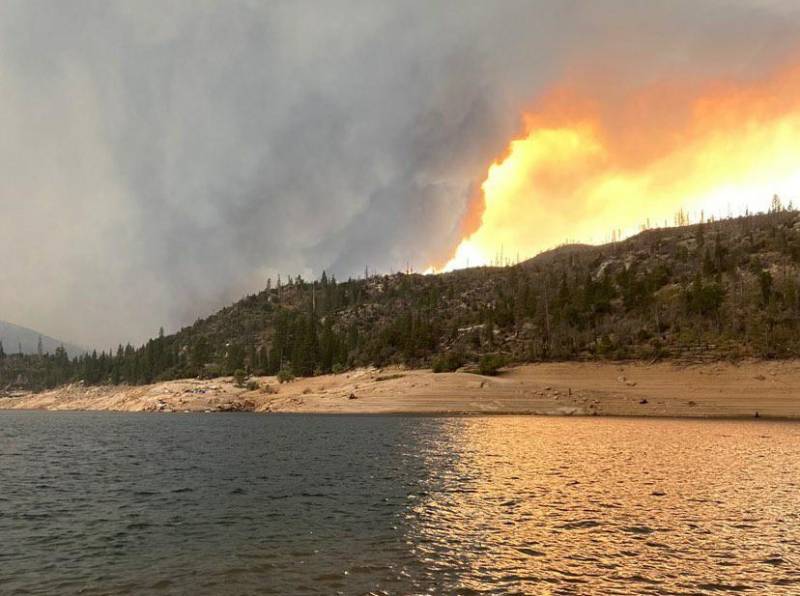
"caption": "The fire burning at Mammoth Pool in September 2020.",
"description": "The fire burning at Mammoth Pool in September 2020.",
"title": "MammothPoolCreekFire1_AlexT",
"credit": "Courtesy of Alex Tettamanti",
"status": "inherit",
"altTag": "A body of water in the foreground alongside a sandy beach and a forested hillside, beyond which the sky is all flames and smoke.",
"isLoading": false,
"fetchFailed": false
},
"news_11844079": {
"type": "attachments",
"id": "news_11844079",
"meta": {
"index": "attachments_1716263798",
"site": "news",
"id": "11844079",
"found": true
},
"parent": 11844011,
"imgSizes": {
"apple_news_ca_landscape_5_5": {
"file": "https://ww2.kqed.org/app/uploads/sites/10/2020/10/1-Monument-1044x783.png",
"width": 1044,
"mimeType": "image/png",
"height": 783
},
"apple_news_ca_square_4_0": {
"file": "https://ww2.kqed.org/app/uploads/sites/10/2020/10/1-Monument-470x470.png",
"width": 470,
"mimeType": "image/png",
"height": 470
},
"twentyfourteen-full-width": {
"file": "https://ww2.kqed.org/app/uploads/sites/10/2020/10/1-Monument-1038x576.png",
"width": 1038,
"mimeType": "image/png",
"height": 576
},
"thumbnail": {
"file": "https://ww2.kqed.org/app/uploads/sites/10/2020/10/1-Monument-160x107.png",
"width": 160,
"mimeType": "image/png",
"height": 107
},
"post-thumbnail": {
"file": "https://ww2.kqed.org/app/uploads/sites/10/2020/10/1-Monument-672x372.png",
"width": 672,
"mimeType": "image/png",
"height": 372
},
"kqedFullSize": {
"file": "https://ww2.kqed.org/app/uploads/sites/10/2020/10/1-Monument.png",
"width": 1920,
"height": 1280
},
"apple_news_ca_landscape_4_7": {
"file": "https://ww2.kqed.org/app/uploads/sites/10/2020/10/1-Monument-632x474.png",
"width": 632,
"mimeType": "image/png",
"height": 474
},
"large": {
"file": "https://ww2.kqed.org/app/uploads/sites/10/2020/10/1-Monument-1020x680.png",
"width": 1020,
"mimeType": "image/png",
"height": 680
},
"apple_news_ca_landscape_4_0": {
"file": "https://ww2.kqed.org/app/uploads/sites/10/2020/10/1-Monument-536x402.png",
"width": 536,
"mimeType": "image/png",
"height": 402
},
"apple_news_ca_portrait_12_9": {
"file": "https://ww2.kqed.org/app/uploads/sites/10/2020/10/1-Monument-1122x1280.png",
"width": 1122,
"mimeType": "image/png",
"height": 1280
},
"medium": {
"file": "https://ww2.kqed.org/app/uploads/sites/10/2020/10/1-Monument-800x533.png",
"width": 800,
"mimeType": "image/png",
"height": 533
},
"apple_news_ca_portrait_4_0": {
"file": "https://ww2.kqed.org/app/uploads/sites/10/2020/10/1-Monument-354x472.png",
"width": 354,
"mimeType": "image/png",
"height": 472
},
"apple_news_ca_portrait_9_7": {
"file": "https://ww2.kqed.org/app/uploads/sites/10/2020/10/1-Monument-840x1120.png",
"width": 840,
"mimeType": "image/png",
"height": 1120
},
"apple_news_ca_landscape_12_9": {
"file": "https://ww2.kqed.org/app/uploads/sites/10/2020/10/1-Monument-1832x1280.png",
"width": 1832,
"mimeType": "image/png",
"height": 1280
},
"apple_news_ca_square_9_7": {
"file": "https://ww2.kqed.org/app/uploads/sites/10/2020/10/1-Monument-1104x1104.png",
"width": 1104,
"mimeType": "image/png",
"height": 1104
},
"1536x1536": {
"file": "https://ww2.kqed.org/app/uploads/sites/10/2020/10/1-Monument-1536x1024.png",
"width": 1536,
"mimeType": "image/png",
"height": 1024
},
"apple_news_ca_portrait_4_7": {
"file": "https://ww2.kqed.org/app/uploads/sites/10/2020/10/1-Monument-414x552.png",
"width": 414,
"mimeType": "image/png",
"height": 552
},
"apple_news_ca_square_12_9": {
"file": "https://ww2.kqed.org/app/uploads/sites/10/2020/10/1-Monument-1472x1280.png",
"width": 1472,
"mimeType": "image/png",
"height": 1280
},
"apple_news_ca_portrait_5_5": {
"file": "https://ww2.kqed.org/app/uploads/sites/10/2020/10/1-Monument-687x916.png",
"width": 687,
"mimeType": "image/png",
"height": 916
},
"apple_news_ca_square_4_7": {
"file": "https://ww2.kqed.org/app/uploads/sites/10/2020/10/1-Monument-550x550.png",
"width": 550,
"mimeType": "image/png",
"height": 550
},
"apple_news_ca_landscape_9_7": {
"file": "https://ww2.kqed.org/app/uploads/sites/10/2020/10/1-Monument-1376x1032.png",
"width": 1376,
"mimeType": "image/png",
"height": 1032
},
"apple_news_ca_square_5_5": {
"file": "https://ww2.kqed.org/app/uploads/sites/10/2020/10/1-Monument-912x912.png",
"width": 912,
"mimeType": "image/png",
"height": 912
}
},
"publishDate": 1603863837,
"modified": 1603863869,
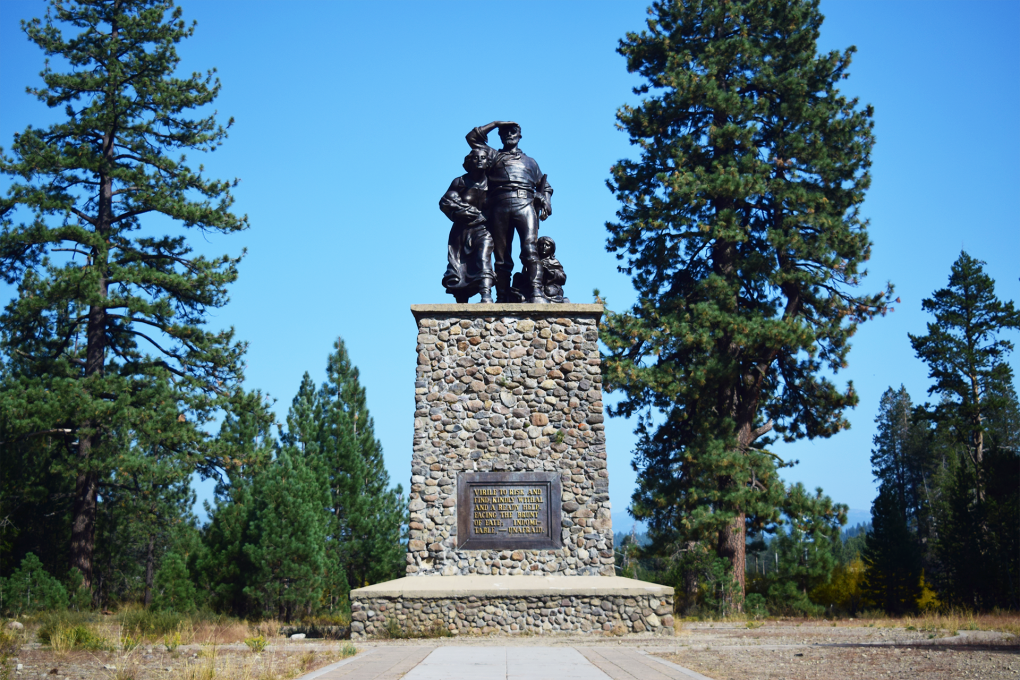
"caption": "The Pioneer Monument in Donner Memorial State Park ",
"description": null,
"title": "1-Monument",
"credit": "Carly Severn/KQED",
"status": "inherit",
"isLoading": false,
"fetchFailed": false
},
"news_11844061": {
"type": "attachments",
"id": "news_11844061",
"meta": {
"index": "attachments_1716263798",
"site": "news",
"id": "11844061",
"found": true
},
"parent": 11844019,
"imgSizes": {
"apple_news_ca_landscape_5_5": {
"file": "https://ww2.kqed.org/app/uploads/sites/10/2020/10/2-Lakefull-1044x783.png",
"width": 1044,
"mimeType": "image/png",
"height": 783
},
"apple_news_ca_square_4_0": {
"file": "https://ww2.kqed.org/app/uploads/sites/10/2020/10/2-Lakefull-470x470.png",
"width": 470,
"mimeType": "image/png",
"height": 470
},
"twentyfourteen-full-width": {
"file": "https://ww2.kqed.org/app/uploads/sites/10/2020/10/2-Lakefull-1038x576.png",
"width": 1038,
"mimeType": "image/png",
"height": 576
},
"thumbnail": {
"file": "https://ww2.kqed.org/app/uploads/sites/10/2020/10/2-Lakefull-160x107.png",
"width": 160,
"mimeType": "image/png",
"height": 107
},
"post-thumbnail": {
"file": "https://ww2.kqed.org/app/uploads/sites/10/2020/10/2-Lakefull-672x372.png",
"width": 672,
"mimeType": "image/png",
"height": 372
},
"kqedFullSize": {
"file": "https://ww2.kqed.org/app/uploads/sites/10/2020/10/2-Lakefull.png",
"width": 1920,
"height": 1280
},
"apple_news_ca_landscape_4_7": {
"file": "https://ww2.kqed.org/app/uploads/sites/10/2020/10/2-Lakefull-632x474.png",
"width": 632,
"mimeType": "image/png",
"height": 474
},
"large": {
"file": "https://ww2.kqed.org/app/uploads/sites/10/2020/10/2-Lakefull-1020x680.png",
"width": 1020,
"mimeType": "image/png",
"height": 680
},
"apple_news_ca_landscape_4_0": {
"file": "https://ww2.kqed.org/app/uploads/sites/10/2020/10/2-Lakefull-536x402.png",
"width": 536,
"mimeType": "image/png",
"height": 402
},
"apple_news_ca_portrait_12_9": {
"file": "https://ww2.kqed.org/app/uploads/sites/10/2020/10/2-Lakefull-1122x1280.png",
"width": 1122,
"mimeType": "image/png",
"height": 1280
},
"medium": {
"file": "https://ww2.kqed.org/app/uploads/sites/10/2020/10/2-Lakefull-800x533.png",
"width": 800,
"mimeType": "image/png",
"height": 533
},
"apple_news_ca_portrait_4_0": {
"file": "https://ww2.kqed.org/app/uploads/sites/10/2020/10/2-Lakefull-354x472.png",
"width": 354,
"mimeType": "image/png",
"height": 472
},
"apple_news_ca_portrait_9_7": {
"file": "https://ww2.kqed.org/app/uploads/sites/10/2020/10/2-Lakefull-840x1120.png",
"width": 840,
"mimeType": "image/png",
"height": 1120
},
"apple_news_ca_landscape_12_9": {
"file": "https://ww2.kqed.org/app/uploads/sites/10/2020/10/2-Lakefull-1832x1280.png",
"width": 1832,
"mimeType": "image/png",
"height": 1280
},
"apple_news_ca_square_9_7": {
"file": "https://ww2.kqed.org/app/uploads/sites/10/2020/10/2-Lakefull-1104x1104.png",
"width": 1104,
"mimeType": "image/png",
"height": 1104
},
"1536x1536": {
"file": "https://ww2.kqed.org/app/uploads/sites/10/2020/10/2-Lakefull-1536x1024.png",
"width": 1536,
"mimeType": "image/png",
"height": 1024
},
"apple_news_ca_portrait_4_7": {
"file": "https://ww2.kqed.org/app/uploads/sites/10/2020/10/2-Lakefull-414x552.png",
"width": 414,
"mimeType": "image/png",
"height": 552
},
"apple_news_ca_square_12_9": {
"file": "https://ww2.kqed.org/app/uploads/sites/10/2020/10/2-Lakefull-1472x1280.png",
"width": 1472,
"mimeType": "image/png",
"height": 1280
},
"apple_news_ca_portrait_5_5": {
"file": "https://ww2.kqed.org/app/uploads/sites/10/2020/10/2-Lakefull-687x916.png",
"width": 687,
"mimeType": "image/png",
"height": 916
},
"apple_news_ca_square_4_7": {
"file": "https://ww2.kqed.org/app/uploads/sites/10/2020/10/2-Lakefull-550x550.png",
"width": 550,
"mimeType": "image/png",
"height": 550
},
"apple_news_ca_landscape_9_7": {
"file": "https://ww2.kqed.org/app/uploads/sites/10/2020/10/2-Lakefull-1376x1032.png",
"width": 1376,
"mimeType": "image/png",
"height": 1032
},
"apple_news_ca_square_5_5": {
"file": "https://ww2.kqed.org/app/uploads/sites/10/2020/10/2-Lakefull-912x912.png",
"width": 912,
"mimeType": "image/png",
"height": 912
}
},
"publishDate": 1603861833,
"modified": 1603861908,
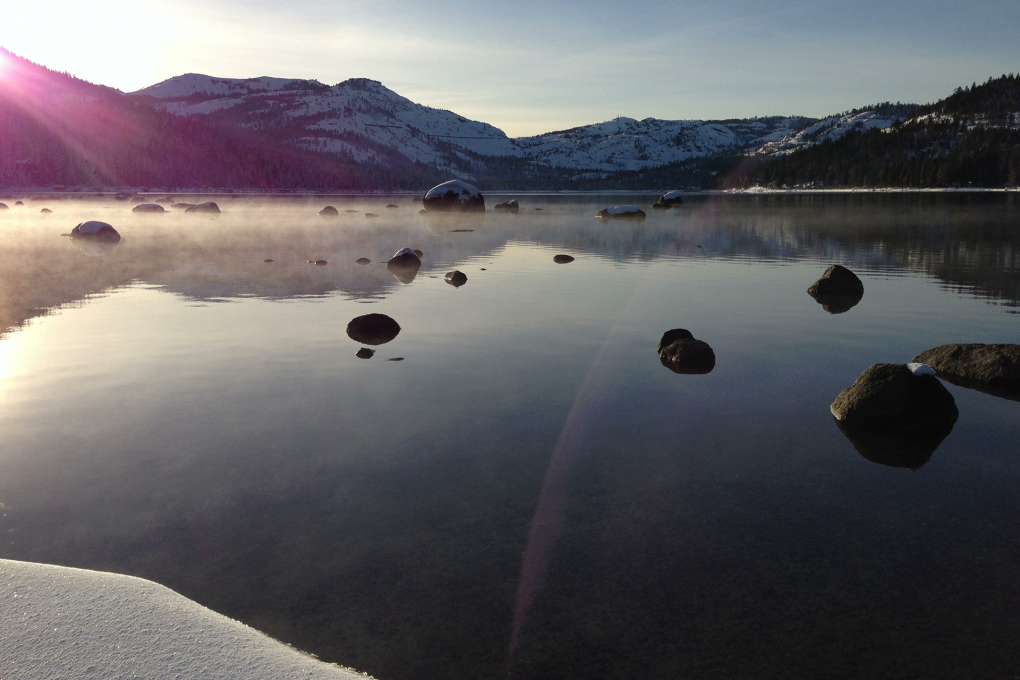
"caption": "Donner Lake in the winter. The lake was frozen solid for much of the Donner Party's ordeal here.",
"description": null,
"title": "2-Lakefull",
"credit": "Cyril Fluck/Flickr",
"status": "inherit",
"isLoading": false,
"fetchFailed": false
},
"news_11844081": {
"type": "attachments",
"id": "news_11844081",
"meta": {
"index": "attachments_1716263798",
"site": "news",
"id": "11844081",
"found": true
},
"parent": 11844011,
"imgSizes": {
"apple_news_ca_landscape_5_5": {
"file": "https://ww2.kqed.org/app/uploads/sites/10/2020/10/1-4-1044x783.png",
"width": 1044,
"mimeType": "image/png",
"height": 783
},
"apple_news_ca_square_4_0": {
"file": "https://ww2.kqed.org/app/uploads/sites/10/2020/10/1-4-470x470.png",
"width": 470,
"mimeType": "image/png",
"height": 470
},
"twentyfourteen-full-width": {
"file": "https://ww2.kqed.org/app/uploads/sites/10/2020/10/1-4-1038x576.png",
"width": 1038,
"mimeType": "image/png",
"height": 576
},
"thumbnail": {
"file": "https://ww2.kqed.org/app/uploads/sites/10/2020/10/1-4-160x107.png",
"width": 160,
"mimeType": "image/png",
"height": 107
},
"post-thumbnail": {
"file": "https://ww2.kqed.org/app/uploads/sites/10/2020/10/1-4-672x372.png",
"width": 672,
"mimeType": "image/png",
"height": 372
},
"kqedFullSize": {
"file": "https://ww2.kqed.org/app/uploads/sites/10/2020/10/1-4.png",
"width": 1920,
"height": 1280
},
"apple_news_ca_landscape_4_7": {
"file": "https://ww2.kqed.org/app/uploads/sites/10/2020/10/1-4-632x474.png",
"width": 632,
"mimeType": "image/png",
"height": 474
},
"large": {
"file": "https://ww2.kqed.org/app/uploads/sites/10/2020/10/1-4-1020x680.png",
"width": 1020,
"mimeType": "image/png",
"height": 680
},
"apple_news_ca_landscape_4_0": {
"file": "https://ww2.kqed.org/app/uploads/sites/10/2020/10/1-4-536x402.png",
"width": 536,
"mimeType": "image/png",
"height": 402
},
"apple_news_ca_portrait_12_9": {
"file": "https://ww2.kqed.org/app/uploads/sites/10/2020/10/1-4-1122x1280.png",
"width": 1122,
"mimeType": "image/png",
"height": 1280
},
"medium": {
"file": "https://ww2.kqed.org/app/uploads/sites/10/2020/10/1-4-800x533.png",
"width": 800,
"mimeType": "image/png",
"height": 533
},
"apple_news_ca_portrait_4_0": {
"file": "https://ww2.kqed.org/app/uploads/sites/10/2020/10/1-4-354x472.png",
"width": 354,
"mimeType": "image/png",
"height": 472
},
"apple_news_ca_portrait_9_7": {
"file": "https://ww2.kqed.org/app/uploads/sites/10/2020/10/1-4-840x1120.png",
"width": 840,
"mimeType": "image/png",
"height": 1120
},
"apple_news_ca_landscape_12_9": {
"file": "https://ww2.kqed.org/app/uploads/sites/10/2020/10/1-4-1832x1280.png",
"width": 1832,
"mimeType": "image/png",
"height": 1280
},
"apple_news_ca_square_9_7": {
"file": "https://ww2.kqed.org/app/uploads/sites/10/2020/10/1-4-1104x1104.png",
"width": 1104,
"mimeType": "image/png",
"height": 1104
},
"1536x1536": {
"file": "https://ww2.kqed.org/app/uploads/sites/10/2020/10/1-4-1536x1024.png",
"width": 1536,
"mimeType": "image/png",
"height": 1024
},
"apple_news_ca_portrait_4_7": {
"file": "https://ww2.kqed.org/app/uploads/sites/10/2020/10/1-4-414x552.png",
"width": 414,
"mimeType": "image/png",
"height": 552
},
"apple_news_ca_square_12_9": {
"file": "https://ww2.kqed.org/app/uploads/sites/10/2020/10/1-4-1472x1280.png",
"width": 1472,
"mimeType": "image/png",
"height": 1280
},
"apple_news_ca_portrait_5_5": {
"file": "https://ww2.kqed.org/app/uploads/sites/10/2020/10/1-4-687x916.png",
"width": 687,
"mimeType": "image/png",
"height": 916
},
"apple_news_ca_square_4_7": {
"file": "https://ww2.kqed.org/app/uploads/sites/10/2020/10/1-4-550x550.png",
"width": 550,
"mimeType": "image/png",
"height": 550
},
"apple_news_ca_landscape_9_7": {
"file": "https://ww2.kqed.org/app/uploads/sites/10/2020/10/1-4-1376x1032.png",
"width": 1376,
"mimeType": "image/png",
"height": 1032
},
"apple_news_ca_square_5_5": {
"file": "https://ww2.kqed.org/app/uploads/sites/10/2020/10/1-4-912x912.png",
"width": 912,
"mimeType": "image/png",
"height": 912
}
},
"publishDate": 1603863976,
"modified": 1603864020,
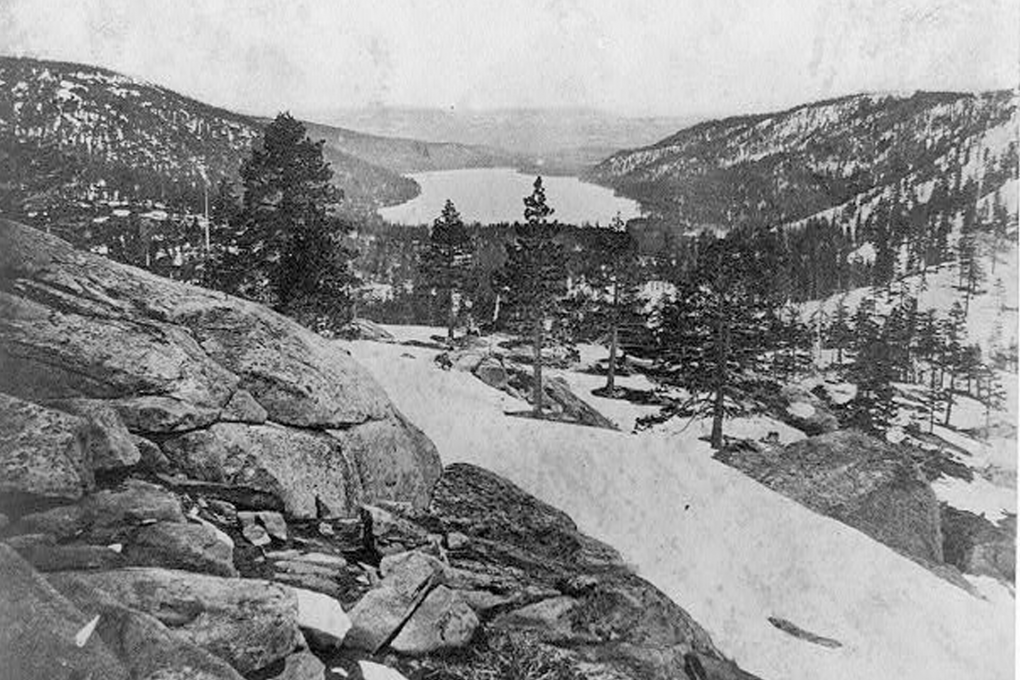
"caption": "Donner Lake from the summit, photographed in 1866 Lawrence & Houseworth",
"description": null,
"title": "1-4",
"credit": "Library of Congress",
"status": "inherit",
"isLoading": false,
"fetchFailed": false
},
"news_11839769": {
"type": "attachments",
"id": "news_11839769",
"meta": {
"index": "attachments_1716263798",
"site": "news",
"id": "11839769",
"found": true
},
"parent": 11839719,
"imgSizes": {
"apple_news_ca_landscape_5_5": {
"file": "https://ww2.kqed.org/app/uploads/sites/10/2020/09/yosemite-1044x783.png",
"width": 1044,
"mimeType": "image/png",
"height": 783
},
"apple_news_ca_square_4_0": {
"file": "https://ww2.kqed.org/app/uploads/sites/10/2020/09/yosemite-470x470.png",
"width": 470,
"mimeType": "image/png",
"height": 470
},
"twentyfourteen-full-width": {
"file": "https://ww2.kqed.org/app/uploads/sites/10/2020/09/yosemite-1038x576.png",
"width": 1038,
"mimeType": "image/png",
"height": 576
},
"thumbnail": {
"file": "https://ww2.kqed.org/app/uploads/sites/10/2020/09/yosemite-160x107.png",
"width": 160,
"mimeType": "image/png",
"height": 107
},
"post-thumbnail": {
"file": "https://ww2.kqed.org/app/uploads/sites/10/2020/09/yosemite-672x372.png",
"width": 672,
"mimeType": "image/png",
"height": 372
},
"kqedFullSize": {
"file": "https://ww2.kqed.org/app/uploads/sites/10/2020/09/yosemite.png",
"width": 1900,
"height": 1267
},
"apple_news_ca_landscape_4_7": {
"file": "https://ww2.kqed.org/app/uploads/sites/10/2020/09/yosemite-632x474.png",
"width": 632,
"mimeType": "image/png",
"height": 474
},
"large": {
"file": "https://ww2.kqed.org/app/uploads/sites/10/2020/09/yosemite-1020x680.png",
"width": 1020,
"mimeType": "image/png",
"height": 680
},
"apple_news_ca_landscape_4_0": {
"file": "https://ww2.kqed.org/app/uploads/sites/10/2020/09/yosemite-536x402.png",
"width": 536,
"mimeType": "image/png",
"height": 402
},
"apple_news_ca_portrait_12_9": {
"file": "https://ww2.kqed.org/app/uploads/sites/10/2020/09/yosemite-1122x1267.png",
"width": 1122,
"mimeType": "image/png",
"height": 1267
},
"medium": {
"file": "https://ww2.kqed.org/app/uploads/sites/10/2020/09/yosemite-800x533.png",
"width": 800,
"mimeType": "image/png",
"height": 533
},
"apple_news_ca_portrait_4_0": {
"file": "https://ww2.kqed.org/app/uploads/sites/10/2020/09/yosemite-354x472.png",
"width": 354,
"mimeType": "image/png",
"height": 472
},
"apple_news_ca_portrait_9_7": {
"file": "https://ww2.kqed.org/app/uploads/sites/10/2020/09/yosemite-840x1120.png",
"width": 840,
"mimeType": "image/png",
"height": 1120
},
"apple_news_ca_landscape_12_9": {
"file": "https://ww2.kqed.org/app/uploads/sites/10/2020/09/yosemite-1832x1267.png",
"width": 1832,
"mimeType": "image/png",
"height": 1267
},
"apple_news_ca_square_9_7": {
"file": "https://ww2.kqed.org/app/uploads/sites/10/2020/09/yosemite-1104x1104.png",
"width": 1104,
"mimeType": "image/png",
"height": 1104
},
"1536x1536": {
"file": "https://ww2.kqed.org/app/uploads/sites/10/2020/09/yosemite-1536x1024.png",
"width": 1536,
"mimeType": "image/png",
"height": 1024
},
"apple_news_ca_portrait_4_7": {
"file": "https://ww2.kqed.org/app/uploads/sites/10/2020/09/yosemite-414x552.png",
"width": 414,
"mimeType": "image/png",
"height": 552
},
"apple_news_ca_square_12_9": {
"file": "https://ww2.kqed.org/app/uploads/sites/10/2020/09/yosemite-1472x1267.png",
"width": 1472,
"mimeType": "image/png",
"height": 1267
},
"apple_news_ca_portrait_5_5": {
"file": "https://ww2.kqed.org/app/uploads/sites/10/2020/09/yosemite-687x916.png",
"width": 687,
"mimeType": "image/png",
"height": 916
},
"apple_news_ca_square_4_7": {
"file": "https://ww2.kqed.org/app/uploads/sites/10/2020/09/yosemite-550x550.png",
"width": 550,
"mimeType": "image/png",
"height": 550
},
"apple_news_ca_landscape_9_7": {
"file": "https://ww2.kqed.org/app/uploads/sites/10/2020/09/yosemite-1376x1032.png",
"width": 1376,
"mimeType": "image/png",
"height": 1032
},
"apple_news_ca_square_5_5": {
"file": "https://ww2.kqed.org/app/uploads/sites/10/2020/09/yosemite-912x912.png",
"width": 912,
"mimeType": "image/png",
"height": 912
}
},
"publishDate": 1601073384,
"modified": 1601073457,
"caption": "Yosemite National Park (pictured here before the recent wildfires) has reopened. What do you need to know?",
"description": null,
"title": "yosemitereopen",
"credit": "Pixabay/Pexels",
"status": "inherit",
"isLoading": false,
"fetchFailed": false
},
"news_11837458": {
"type": "attachments",
"id": "news_11837458",
"meta": {
"index": "attachments_1716263798",
"site": "news",
"id": "11837458",
"found": true
},
"parent": 11837317,
"imgSizes": {
"apple_news_ca_landscape_5_5": {
"file": "https://ww2.kqed.org/app/uploads/sites/10/2020/09/RS44789_003_KQED_SanFrancisco_OrangeSky_09092020-qut-1044x783.jpg",
"width": 1044,
"mimeType": "image/jpeg",
"height": 783
},
"apple_news_ca_square_4_0": {
"file": "https://ww2.kqed.org/app/uploads/sites/10/2020/09/RS44789_003_KQED_SanFrancisco_OrangeSky_09092020-qut-470x470.jpg",
"width": 470,
"mimeType": "image/jpeg",
"height": 470
},
"twentyfourteen-full-width": {
"file": "https://ww2.kqed.org/app/uploads/sites/10/2020/09/RS44789_003_KQED_SanFrancisco_OrangeSky_09092020-qut-1038x576.jpg",
"width": 1038,
"mimeType": "image/jpeg",
"height": 576
},
"thumbnail": {
"file": "https://ww2.kqed.org/app/uploads/sites/10/2020/09/RS44789_003_KQED_SanFrancisco_OrangeSky_09092020-qut-160x107.jpg",
"width": 160,
"mimeType": "image/jpeg",
"height": 107
},
"post-thumbnail": {
"file": "https://ww2.kqed.org/app/uploads/sites/10/2020/09/RS44789_003_KQED_SanFrancisco_OrangeSky_09092020-qut-672x372.jpg",
"width": 672,
"mimeType": "image/jpeg",
"height": 372
},
"kqedFullSize": {
"file": "https://ww2.kqed.org/app/uploads/sites/10/2020/09/RS44789_003_KQED_SanFrancisco_OrangeSky_09092020-qut.jpg",
"width": 1920,
"height": 1280
},
"apple_news_ca_landscape_4_7": {
"file": "https://ww2.kqed.org/app/uploads/sites/10/2020/09/RS44789_003_KQED_SanFrancisco_OrangeSky_09092020-qut-632x474.jpg",
"width": 632,
"mimeType": "image/jpeg",
"height": 474
},
"large": {
"file": "https://ww2.kqed.org/app/uploads/sites/10/2020/09/RS44789_003_KQED_SanFrancisco_OrangeSky_09092020-qut-1020x680.jpg",
"width": 1020,
"mimeType": "image/jpeg",
"height": 680
},
"apple_news_ca_landscape_4_0": {
"file": "https://ww2.kqed.org/app/uploads/sites/10/2020/09/RS44789_003_KQED_SanFrancisco_OrangeSky_09092020-qut-536x402.jpg",
"width": 536,
"mimeType": "image/jpeg",
"height": 402
},
"apple_news_ca_portrait_12_9": {
"file": "https://ww2.kqed.org/app/uploads/sites/10/2020/09/RS44789_003_KQED_SanFrancisco_OrangeSky_09092020-qut-1122x1280.jpg",
"width": 1122,
"mimeType": "image/jpeg",
"height": 1280
},
"medium": {
"file": "https://ww2.kqed.org/app/uploads/sites/10/2020/09/RS44789_003_KQED_SanFrancisco_OrangeSky_09092020-qut-800x533.jpg",
"width": 800,
"mimeType": "image/jpeg",
"height": 533
},
"apple_news_ca_portrait_4_0": {
"file": "https://ww2.kqed.org/app/uploads/sites/10/2020/09/RS44789_003_KQED_SanFrancisco_OrangeSky_09092020-qut-354x472.jpg",
"width": 354,
"mimeType": "image/jpeg",
"height": 472
},
"apple_news_ca_portrait_9_7": {
"file": "https://ww2.kqed.org/app/uploads/sites/10/2020/09/RS44789_003_KQED_SanFrancisco_OrangeSky_09092020-qut-840x1120.jpg",
"width": 840,
"mimeType": "image/jpeg",
"height": 1120
},
"apple_news_ca_landscape_12_9": {
"file": "https://ww2.kqed.org/app/uploads/sites/10/2020/09/RS44789_003_KQED_SanFrancisco_OrangeSky_09092020-qut-1832x1280.jpg",
"width": 1832,
"mimeType": "image/jpeg",
"height": 1280
},
"apple_news_ca_square_9_7": {
"file": "https://ww2.kqed.org/app/uploads/sites/10/2020/09/RS44789_003_KQED_SanFrancisco_OrangeSky_09092020-qut-1104x1104.jpg",
"width": 1104,
"mimeType": "image/jpeg",
"height": 1104
},
"1536x1536": {
"file": "https://ww2.kqed.org/app/uploads/sites/10/2020/09/RS44789_003_KQED_SanFrancisco_OrangeSky_09092020-qut-1536x1024.jpg",
"width": 1536,
"mimeType": "image/jpeg",
"height": 1024
},
"apple_news_ca_portrait_4_7": {
"file": "https://ww2.kqed.org/app/uploads/sites/10/2020/09/RS44789_003_KQED_SanFrancisco_OrangeSky_09092020-qut-414x552.jpg",
"width": 414,
"mimeType": "image/jpeg",
"height": 552
},
"apple_news_ca_square_12_9": {
"file": "https://ww2.kqed.org/app/uploads/sites/10/2020/09/RS44789_003_KQED_SanFrancisco_OrangeSky_09092020-qut-1472x1280.jpg",
"width": 1472,
"mimeType": "image/jpeg",
"height": 1280
},
"apple_news_ca_portrait_5_5": {
"file": "https://ww2.kqed.org/app/uploads/sites/10/2020/09/RS44789_003_KQED_SanFrancisco_OrangeSky_09092020-qut-687x916.jpg",
"width": 687,
"mimeType": "image/jpeg",
"height": 916
},
"apple_news_ca_square_4_7": {
"file": "https://ww2.kqed.org/app/uploads/sites/10/2020/09/RS44789_003_KQED_SanFrancisco_OrangeSky_09092020-qut-550x550.jpg",
"width": 550,
"mimeType": "image/jpeg",
"height": 550
},
"apple_news_ca_landscape_9_7": {
"file": "https://ww2.kqed.org/app/uploads/sites/10/2020/09/RS44789_003_KQED_SanFrancisco_OrangeSky_09092020-qut-1376x1032.jpg",
"width": 1376,
"mimeType": "image/jpeg",
"height": 1032
},
"apple_news_ca_square_5_5": {
"file": "https://ww2.kqed.org/app/uploads/sites/10/2020/09/RS44789_003_KQED_SanFrancisco_OrangeSky_09092020-qut-912x912.jpg",
"width": 912,
"mimeType": "image/jpeg",
"height": 912
}
},
"publishDate": 1599785523,
"modified": 1599849656,
"caption": "A view of the San Francisco skyline from Dolores Park in San Francisco on Sept. 9, 2020.",
"description": "A view of the San Francisco skyline from Dolores Park in San Francisco on Sep. 9, 2020.",
"title": "RS44789_003_KQED_SanFrancisco_OrangeSky_09092020-qut",
"credit": "Beth LaBerge/KQED",
"status": "inherit",
"isLoading": false,
"fetchFailed": false
},
"news_11828942": {
"type": "attachments",
"id": "news_11828942",
"meta": {
"index": "attachments_1716263798",
"site": "news",
"id": "11828942",
"found": true
},
"parent": 11828926,
"imgSizes": {
"apple_news_ca_landscape_5_5": {
"file": "https://ww2.kqed.org/app/uploads/sites/10/2020/07/Squaw-Valley-Sign-1044x783.jpg",
"width": 1044,
"mimeType": "image/jpeg",
"height": 783
},
"apple_news_ca_square_4_0": {
"file": "https://ww2.kqed.org/app/uploads/sites/10/2020/07/Squaw-Valley-Sign-470x470.jpg",
"width": 470,
"mimeType": "image/jpeg",
"height": 470
},
"twentyfourteen-full-width": {
"file": "https://ww2.kqed.org/app/uploads/sites/10/2020/07/Squaw-Valley-Sign-1038x576.jpg",
"width": 1038,
"mimeType": "image/jpeg",
"height": 576
},
"thumbnail": {
"file": "https://ww2.kqed.org/app/uploads/sites/10/2020/07/Squaw-Valley-Sign-160x90.jpg",
"width": 160,
"mimeType": "image/jpeg",
"height": 90
},
"post-thumbnail": {
"file": "https://ww2.kqed.org/app/uploads/sites/10/2020/07/Squaw-Valley-Sign-672x372.jpg",
"width": 672,
"mimeType": "image/jpeg",
"height": 372
},
"kqedFullSize": {
"file": "https://ww2.kqed.org/app/uploads/sites/10/2020/07/Squaw-Valley-Sign.jpg",
"width": 1920,
"height": 1080
},
"apple_news_ca_landscape_4_7": {
"file": "https://ww2.kqed.org/app/uploads/sites/10/2020/07/Squaw-Valley-Sign-632x474.jpg",
"width": 632,
"mimeType": "image/jpeg",
"height": 474
},
"large": {
"file": "https://ww2.kqed.org/app/uploads/sites/10/2020/07/Squaw-Valley-Sign-1020x574.jpg",
"width": 1020,
"mimeType": "image/jpeg",
"height": 574
},
"apple_news_ca_landscape_4_0": {
"file": "https://ww2.kqed.org/app/uploads/sites/10/2020/07/Squaw-Valley-Sign-536x402.jpg",
"width": 536,
"mimeType": "image/jpeg",
"height": 402
},
"apple_news_ca_portrait_12_9": {
"file": "https://ww2.kqed.org/app/uploads/sites/10/2020/07/Squaw-Valley-Sign-1122x1080.jpg",
"width": 1122,
"mimeType": "image/jpeg",
"height": 1080
},
"medium": {
"file": "https://ww2.kqed.org/app/uploads/sites/10/2020/07/Squaw-Valley-Sign-800x450.jpg",
"width": 800,
"mimeType": "image/jpeg",
"height": 450
},
"apple_news_ca_portrait_4_0": {
"file": "https://ww2.kqed.org/app/uploads/sites/10/2020/07/Squaw-Valley-Sign-354x472.jpg",
"width": 354,
"mimeType": "image/jpeg",
"height": 472
},
"apple_news_ca_portrait_9_7": {
"file": "https://ww2.kqed.org/app/uploads/sites/10/2020/07/Squaw-Valley-Sign-840x1080.jpg",
"width": 840,
"mimeType": "image/jpeg",
"height": 1080
},
"apple_news_ca_landscape_12_9": {
"file": "https://ww2.kqed.org/app/uploads/sites/10/2020/07/Squaw-Valley-Sign-1832x1080.jpg",
"width": 1832,
"mimeType": "image/jpeg",
"height": 1080
},
"apple_news_ca_square_9_7": {
"file": "https://ww2.kqed.org/app/uploads/sites/10/2020/07/Squaw-Valley-Sign-1104x1080.jpg",
"width": 1104,
"mimeType": "image/jpeg",
"height": 1080
},
"1536x1536": {
"file": "https://ww2.kqed.org/app/uploads/sites/10/2020/07/Squaw-Valley-Sign-1536x864.jpg",
"width": 1536,
"mimeType": "image/jpeg",
"height": 864
},
"apple_news_ca_portrait_4_7": {
"file": "https://ww2.kqed.org/app/uploads/sites/10/2020/07/Squaw-Valley-Sign-414x552.jpg",
"width": 414,
"mimeType": "image/jpeg",
"height": 552
},
"apple_news_ca_square_12_9": {
"file": "https://ww2.kqed.org/app/uploads/sites/10/2020/07/Squaw-Valley-Sign-1472x1080.jpg",
"width": 1472,
"mimeType": "image/jpeg",
"height": 1080
},
"apple_news_ca_portrait_5_5": {
"file": "https://ww2.kqed.org/app/uploads/sites/10/2020/07/Squaw-Valley-Sign-687x916.jpg",
"width": 687,
"mimeType": "image/jpeg",
"height": 916
},
"apple_news_ca_square_4_7": {
"file": "https://ww2.kqed.org/app/uploads/sites/10/2020/07/Squaw-Valley-Sign-550x550.jpg",
"width": 550,
"mimeType": "image/jpeg",
"height": 550
},
"apple_news_ca_landscape_9_7": {
"file": "https://ww2.kqed.org/app/uploads/sites/10/2020/07/Squaw-Valley-Sign-1376x1032.jpg",
"width": 1376,
"mimeType": "image/jpeg",
"height": 1032
},
"apple_news_ca_square_5_5": {
"file": "https://ww2.kqed.org/app/uploads/sites/10/2020/07/Squaw-Valley-Sign-912x912.jpg",
"width": 912,
"mimeType": "image/jpeg",
"height": 912
}
},
"publishDate": 1594759639,
"modified": 1594759711,
"caption": "A sign outside Lake Tahoe's Squaw Valley Alpine Meadows resort.",
"description": "A sign outside Lake Tahoe's Squaw Valley Alpine Meadows resort.",
"title": "Squaw-Valley-Sign",
"credit": "Rick McCharles/Flickr",
"status": "inherit",
"isLoading": false,
"fetchFailed": false
}
},
"audioPlayerReducer": {
"postId": "stream_live",
"isPaused": true,
"isPlaying": false,
"pfsActive": false,
"pledgeModalIsOpen": true,
"playerDrawerIsOpen": false,
"liveAudioPlayStartedAt": 0,
"liveAudioPlayContext": ""
},
"authorsReducer": {
"byline_news_11943212": {
"type": "authors",
"id": "byline_news_11943212",
"meta": {
"override": true
},
"slug": "byline_news_11943212",
"name": "\u003ca href=\"https://calmatters.org/author/alastair-bland/\">Alastair Bland\u003c/a>",
"isLoading": false
},
"byline_news_11934819": {
"type": "authors",
"id": "byline_news_11934819",
"meta": {
"override": true
},
"slug": "byline_news_11934819",
"name": "Lauren DeLaunay Miller",
"isLoading": false
},
"byline_news_11851611": {
"type": "authors",
"id": "byline_news_11851611",
"meta": {
"override": true
},
"slug": "byline_news_11851611",
"name": "KQED News Staff",
"isLoading": false
},
"danbrekke": {
"type": "authors",
"id": "222",
"meta": {
"index": "authors_1716337520",
"id": "222",
"found": true
},
"name": "Dan Brekke",
"firstName": "Dan",
"lastName": "Brekke",
"slug": "danbrekke",
"email": "dbrekke@kqed.org",
"display_author_email": true,
"staff_mastheads": [
"news",
"science"
],
"title": "KQED Editor and Reporter",
"bio": "Dan Brekke is a reporter and editor for KQED News, responsible for coverage of topics ranging from California water issues to the Bay Area's transportation challenges. In a newsroom career that began in Chicago in 1972, Dan has worked for \u003cem>The San Francisco Examiner,\u003c/em> Wired and TechTV and has been published in The New York Times, The New York Times Magazine, Business 2.0, Salon and elsewhere.\r\n\r\nSince joining KQED in 2007, Dan has reported, edited and produced both radio and online features and breaking news pieces. He has shared as both editor and reporter in four Society of Professional Journalists Norcal Excellence in Journalism awards and one Edward R. Murrow regional award. He was chosen for a spring 2017 residency at the Mesa Refuge to advance his research on California salmon.\r\n\r\nEmail Dan at: \u003ca href=\"mailto:dbrekke@kqed.org\">dbrekke@kqed.org\u003c/a>\r\n\r\n\u003cstrong>Twitter:\u003c/strong> \u003ca href=\"https://twitter.com/danbrekke\" rel=\"noopener noreferrer\">twitter.com/danbrekke\u003c/a>\r\n\u003cstrong>Facebook:\u003c/strong> \u003ca href=\"https://www.facebook.com/danbrekke\" rel=\"noopener noreferrer\">www.facebook.com/danbrekke\u003c/a>\r\n\u003cstrong>LinkedIn:\u003c/strong> \u003ca href=\"https://www.linkedin.com/in/danbrekke\" rel=\"noopener noreferrer\">www.linkedin.com/in/danbrekke\u003c/a>",
"avatar": "https://secure.gravatar.com/avatar/c8126230345efca3f7aa89b1a402be45?s=600&d=mm&r=g",
"twitter": "danbrekke",
"facebook": null,
"instagram": "https://www.instagram.com/dan.brekke/",
"linkedin": "https://www.linkedin.com/in/danbrekke/",
"sites": [
{
"site": "news",
"roles": [
"administrator",
"create_posts"
]
},
{
"site": "stateofhealth",
"roles": [
"editor"
]
},
{
"site": "science",
"roles": [
"editor"
]
},
{
"site": "quest",
"roles": [
"contributor"
]
},
{
"site": "food",
"roles": [
"contributor"
]
},
{
"site": "forum",
"roles": [
"contributor"
]
},
{
"site": "liveblog",
"roles": [
"editor"
]
}
],
"headData": {
"title": "Dan Brekke | KQED",
"description": "KQED Editor and Reporter",
"ogImgSrc": "https://secure.gravatar.com/avatar/c8126230345efca3f7aa89b1a402be45?s=600&d=mm&r=g",
"twImgSrc": "https://secure.gravatar.com/avatar/c8126230345efca3f7aa89b1a402be45?s=600&d=mm&r=g"
},
"isLoading": false,
"link": "/author/danbrekke"
},
"kqed": {
"type": "authors",
"id": "236",
"meta": {
"index": "authors_1716337520",
"id": "236",
"found": true
},
"name": "KQED News Staff",
"firstName": "KQED News Staff",
"lastName": null,
"slug": "kqed",
"email": "faq@kqed.org",
"display_author_email": false,
"staff_mastheads": [],
"title": null,
"bio": null,
"avatar": "https://secure.gravatar.com/avatar/ef0e801a68c4c54afa9180db14084167?s=600&d=blank&r=g",
"twitter": null,
"facebook": null,
"instagram": null,
"linkedin": null,
"sites": [
{
"site": "arts",
"roles": [
"contributor"
]
},
{
"site": "news",
"roles": [
"editor"
]
},
{
"site": "futureofyou",
"roles": [
"author"
]
}
],
"headData": {
"title": "KQED News Staff | KQED",
"description": null,
"ogImgSrc": "https://secure.gravatar.com/avatar/ef0e801a68c4c54afa9180db14084167?s=600&d=blank&r=g",
"twImgSrc": "https://secure.gravatar.com/avatar/ef0e801a68c4c54afa9180db14084167?s=600&d=blank&r=g"
},
"isLoading": false,
"link": "/author/kqed"
},
"kqednewsstaffandwires": {
"type": "authors",
"id": "237",
"meta": {
"index": "authors_1716337520",
"id": "237",
"found": true
},
"name": "KQED News Staff and Wires",
"firstName": "KQED News Staff and Wires",
"lastName": null,
"slug": "kqednewsstaffandwires",
"email": "onlinenewsstaff@kqed.org",
"display_author_email": false,
"staff_mastheads": [],
"title": null,
"bio": null,
"avatar": "https://secure.gravatar.com/avatar/72295af8ebbfbd19a4948f5271285664?s=600&d=blank&r=g",
"twitter": null,
"facebook": null,
"instagram": null,
"linkedin": null,
"sites": [
{
"site": "arts",
"roles": [
"contributor"
]
},
{
"site": "news",
"roles": [
"contributor"
]
},
{
"site": "lowdown",
"roles": [
"author"
]
},
{
"site": "stateofhealth",
"roles": [
"contributor"
]
},
{
"site": "food",
"roles": [
"author"
]
}
],
"headData": {
"title": "KQED News Staff and Wires | KQED",
"description": null,
"ogImgSrc": "https://secure.gravatar.com/avatar/72295af8ebbfbd19a4948f5271285664?s=600&d=blank&r=g",
"twImgSrc": "https://secure.gravatar.com/avatar/72295af8ebbfbd19a4948f5271285664?s=600&d=blank&r=g"
},
"isLoading": false,
"link": "/author/kqednewsstaffandwires"
},
"markfiore": {
"type": "authors",
"id": "3236",
"meta": {
"index": "authors_1716337520",
"id": "3236",
"found": true
},
"name": "Mark Fiore",
"firstName": "Mark",
"lastName": "Fiore",
"slug": "markfiore",
"email": "mark@markfiore.com",
"display_author_email": false,
"staff_mastheads": [
"news"
],
"title": "KQED News Cartoonist",
"bio": "\u003ca href=\"http://www.MarkFiore.com\">MarkFiore.com\u003c/a> | \u003ca href=\"https://twitter.com/markfiore\">Follow on Twitter\u003c/a> | \u003ca href=\"https://www.facebook.com/pages/Mark-Fiore-Animated-Political-Cartoons/94451707396?ref=bookmarks\">Facebook\u003c/a> | \u003ca href=\"mailto:mark@markfiore.com\">email\u003c/a>\r\n\r\nPulitzer Prize-winner, Mark Fiore, who the Wall Street Journal has called “the undisputed guru of the form,” creates animated political cartoons in San Francisco, where his work has been featured regularly on the San Francisco Chronicle’s web site, SFGate.com. His work has appeared on Newsweek.com, Slate.com, CBSNews.com, MotherJones.com, DailyKos.com and NPR’s web site. Fiore’s political animation has appeared on CNN, Frontline, Bill Moyers Journal, Salon.com and cable and broadcast outlets across the globe.\r\n\r\nBeginning his professional life by drawing traditional political cartoons for newspapers, Fiore’s work appeared in publications ranging from the Washington Post to the Los Angeles Times. In the late 1990s, he began to experiment with animating political cartoons and, after a short stint at the San Jose Mercury News as their staff cartoonist, Fiore devoted all his energies to animation.\r\nGrowing up in California, Fiore also spent a good portion of his life in the backwoods of Idaho. It was this combination that shaped him politically. Mark majored in political science at Colorado College, where, in a perfect send-off for a cartoonist, he received his diploma in 1991 as commencement speaker Dick Cheney smiled approvingly.\r\nMark Fiore was awarded the Pulitzer Prize for political cartooning in 2010, a Robert F. Kennedy Journalism Award in 2004 and has twice received an Online Journalism Award for commentary from the Online News Association (2002, 2008). Fiore has received two awards for his work in new media from the National Cartoonists Society (2001, 2002), and in 2006 received The James Madison Freedom of Information Award from The Society of Professional Journalists.",
"avatar": "https://secure.gravatar.com/avatar/fc4e2a612b15b67bad0c6f0e1db4ca9b?s=600&d=blank&r=g",
"twitter": "MarkFiore",
"facebook": null,
"instagram": "https://www.instagram.com/markfiore/?hl=en",
"linkedin": null,
"sites": [
{
"site": "arts",
"roles": [
"contributor"
]
},
{
"site": "news",
"roles": [
"editor"
]
},
{
"site": "futureofyou",
"roles": [
"editor"
]
},
{
"site": "science",
"roles": [
"editor"
]
}
],
"headData": {
"title": "Mark Fiore | KQED",
"description": "KQED News Cartoonist",
"ogImgSrc": "https://secure.gravatar.com/avatar/fc4e2a612b15b67bad0c6f0e1db4ca9b?s=600&d=blank&r=g",
"twImgSrc": "https://secure.gravatar.com/avatar/fc4e2a612b15b67bad0c6f0e1db4ca9b?s=600&d=blank&r=g"
},
"isLoading": false,
"link": "/author/markfiore"
},
"carlysevern": {
"type": "authors",
"id": "3243",
"meta": {
"index": "authors_1716337520",
"id": "3243",
"found": true
},
"name": "Carly Severn",
"firstName": "Carly",
"lastName": "Severn",
"slug": "carlysevern",
"email": "csevern@kqed.org",
"display_author_email": false,
"staff_mastheads": [
"news"
],
"title": "Senior Editor, Audience News ",
"bio": "Carly is KQED's Senior Editor of Audience News on the Digital News team, and has reported for the California Report Magazine, Bay Curious and KQED Arts. She's formerly the host of \u003ca href=\"http://ww2.kqed.org/pop/category/the-cooler/\" rel=\"noopener noreferrer\">The Cooler\u003c/a> podcast.",
"avatar": "https://secure.gravatar.com/avatar/2d8d6765f186e64c798cf7f0c8088a41?s=600&d=blank&r=g",
"twitter": "teacupinthebay",
"facebook": null,
"instagram": null,
"linkedin": null,
"sites": [
{
"site": "",
"roles": [
"editor"
]
},
{
"site": "arts",
"roles": [
"editor"
]
},
{
"site": "news",
"roles": [
"administrator"
]
},
{
"site": "pop",
"roles": [
"editor"
]
},
{
"site": "futureofyou",
"roles": [
"editor"
]
},
{
"site": "about",
"roles": [
"administrator"
]
},
{
"site": "mindshift",
"roles": [
"editor"
]
},
{
"site": "bayareabites",
"roles": [
"editor"
]
},
{
"site": "stateofhealth",
"roles": [
"editor"
]
},
{
"site": "science",
"roles": [
"editor"
]
},
{
"site": "food",
"roles": [
"contributor"
]
},
{
"site": "forum",
"roles": [
"editor"
]
},
{
"site": "perspectives",
"roles": [
"administrator"
]
},
{
"site": "liveblog",
"roles": [
"editor"
]
}
],
"headData": {
"title": "Carly Severn | KQED",
"description": "Senior Editor, Audience News ",
"ogImgSrc": "https://secure.gravatar.com/avatar/2d8d6765f186e64c798cf7f0c8088a41?s=600&d=blank&r=g",
"twImgSrc": "https://secure.gravatar.com/avatar/2d8d6765f186e64c798cf7f0c8088a41?s=600&d=blank&r=g"
},
"isLoading": false,
"link": "/author/carlysevern"
},
"agarces": {
"type": "authors",
"id": "11367",
"meta": {
"index": "authors_1716337520",
"id": "11367",
"found": true
},
"name": "Audrey Garces",
"firstName": "Audrey",
"lastName": "Garces",
"slug": "agarces",
"email": "agarces@kqed.org",
"display_author_email": false,
"staff_mastheads": [
"news"
],
"title": "Digital Producer",
"bio": "Audrey is a former digital producer at KQED News. Previously, she was a KQED Raul Ramirez Diversity Fund intern where she developed stories that focused on highlighting diverse voices in journalism. Prior to her work at KQED, she worked as a news intern at the San Francisco Examiner. Audrey graduated from San Francisco State University with a B.A. in journalism and a minor in political science.",
"avatar": "https://secure.gravatar.com/avatar/5211bc2e6a809b9956da169e35ce63d5?s=600&d=blank&r=g",
"twitter": "audgar",
"facebook": null,
"instagram": null,
"linkedin": null,
"sites": [
{
"site": "arts",
"roles": []
},
{
"site": "news",
"roles": [
"subscriber"
]
},
{
"site": "science",
"roles": [
"editor"
]
},
{
"site": "forum",
"roles": [
"editor"
]
},
{
"site": "perspectives",
"roles": [
"administrator"
]
}
],
"headData": {
"title": "Audrey Garces | KQED",
"description": "Digital Producer",
"ogImgSrc": "https://secure.gravatar.com/avatar/5211bc2e6a809b9956da169e35ce63d5?s=600&d=blank&r=g",
"twImgSrc": "https://secure.gravatar.com/avatar/5211bc2e6a809b9956da169e35ce63d5?s=600&d=blank&r=g"
},
"isLoading": false,
"link": "/author/agarces"
},
"eromero": {
"type": "authors",
"id": "11746",
"meta": {
"index": "authors_1716337520",
"id": "11746",
"found": true
},
"name": "Ezra David Romero",
"firstName": "Ezra David",
"lastName": "Romero",
"slug": "eromero",
"email": "eromero@kqed.org",
"display_author_email": true,
"staff_mastheads": [
"news",
"science"
],
"title": "Climate Reporter",
"bio": "Ezra David Romero is a climate reporter for KQED News. He covers the absence and excess of water in the Bay Area — think sea level rise, flooding and drought. For nearly a decade he’s covered how warming temperatures are altering the lives of Californians. He’s reported on farmers worried their pistachio trees aren’t getting enough sleep, families desperate for water, scientists studying dying giant sequoias, and alongside firefighters containing wildfires. His work has appeared on local stations across California and nationally on public radio shows like Morning Edition, Here and Now, All Things Considered and Science Friday. ",
"avatar": "https://secure.gravatar.com/avatar/9c15bb8bab267e058708a9eeaeef16bf?s=600&d=blank&r=g",
"twitter": "ezraromero",
"bluesky": null,
"facebook": null,
"instagram": null,
"linkedin": null,
"sites": [
{
"site": "arts",
"roles": [
"editor"
]
},
{
"site": "news",
"roles": [
"editor"
]
},
{
"site": "science",
"roles": [
"editor"
]
},
{
"site": "liveblog",
"roles": [
"author"
]
}
],
"headData": {
"title": "Ezra David Romero | KQED",
"description": "Climate Reporter",
"ogImgSrc": "https://secure.gravatar.com/avatar/9c15bb8bab267e058708a9eeaeef16bf?s=600&d=blank&r=g",
"twImgSrc": "https://secure.gravatar.com/avatar/9c15bb8bab267e058708a9eeaeef16bf?s=600&d=blank&r=g"
},
"isLoading": false,
"link": "/author/eromero"
},
"nkhan": {
"type": "authors",
"id": "11867",
"meta": {
"index": "authors_1716337520",
"id": "11867",
"found": true
},
"name": "Nisa Khan",
"firstName": "Nisa",
"lastName": "Khan",
"slug": "nkhan",
"email": "nkhan@kqed.org",
"display_author_email": false,
"staff_mastheads": [],
"title": "KQED Contributor",
"bio": "Nisa Khan is a reporter for KQED's Audience News Desk. She was formerly a data reporter at Michigan Radio. She earned a Bachelor of Science in Information from the University of Michigan and a Master of Arts in Communication from Stanford University.",
"avatar": "https://secure.gravatar.com/avatar/a3bf1efcfbe7658d13a434cc54d0b2e3?s=600&d=blank&r=g",
"twitter": "mnisakhan",
"bluesky": null,
"facebook": null,
"instagram": null,
"linkedin": null,
"sites": [
{
"site": "arts",
"roles": [
"editor"
]
},
{
"site": "news",
"roles": [
"editor"
]
},
{
"site": "science",
"roles": [
"editor",
"author"
]
},
{
"site": "forum",
"roles": [
"editor"
]
},
{
"site": "liveblog",
"roles": [
"contributor"
]
}
],
"headData": {
"title": "Nisa Khan | KQED",
"description": "KQED Contributor",
"ogImgSrc": "https://secure.gravatar.com/avatar/a3bf1efcfbe7658d13a434cc54d0b2e3?s=600&d=blank&r=g",
"twImgSrc": "https://secure.gravatar.com/avatar/a3bf1efcfbe7658d13a434cc54d0b2e3?s=600&d=blank&r=g"
},
"isLoading": false,
"link": "/author/nkhan"
}
},
"pagesReducer": {
"news_tag_sierra-nevada": {
"type": "terms",
"id": "news_4747",
"meta": {
"index": "terms_1716263798",
"site": "news",
"id": "4747",
"score": 8.934682
},
"featImg": null,
"name": "Sierra Nevada",
"description": null,
"taxonomy": "tag",
"headData": {
"twImgId": null,
"twTitle": null,
"ogTitle": null,
"ogImgId": null,
"twDescription": null,
"description": null,
"title": "Sierra Nevada Archives | KQED News",
"ogDescription": null
},
"ttid": 4766,
"slug": "sierra-nevada",
"isLoading": false,
"title": "Sierra Nevada",
"pageMeta": {
"site": "news",
"WpPageTemplate": "page-topic-editorial",
"currentPage": 3
},
"blocks": [
{
"blockName": "kqed/post-list",
"attrs": {
"layout": "cardArticle2",
"query": "posts/news?tag=sierra-nevada",
"seeMore": false,
"paginated": true,
"page": 3
}
},
{
"blockName": "kqed/ad"
}
]
}
},
"pfsSessionReducer": {},
"postsReducer": {
"stream_live": {
"type": "live",
"id": "stream_live",
"audioUrl": "https://streams.kqed.org/kqedradio",
"title": "Live Stream",
"excerpt": "Live Stream information currently unavailable.",
"link": "/radio",
"featImg": "",
"label": {
"name": "KQED Live",
"link": "/"
}
},
"stream_kqedNewscast": {
"type": "posts",
"id": "stream_kqedNewscast",
"audioUrl": "https://www.kqed.org/.stream/anon/radio/RDnews/newscast.mp3?_=1",
"title": "KQED Newscast",
"featImg": "",
"label": {
"name": "88.5 FM",
"link": "/"
}
},
"news_11953792": {
"type": "posts",
"id": "news_11953792",
"meta": {
"index": "posts_1716263798",
"site": "news",
"id": "11953792",
"score": null,
"sort": [
1687542096000
]
},
"guestAuthors": [],
"slug": "visiting-rivers-is-extra-dangerous-this-summer-if-you-were-planning-a-trip-heres-what-to-know",
"title": "Visiting Rivers Is Extra Dangerous This Summer: Here's What to Know",
"publishDate": 1687542096,
"format": "image",
"headTitle": "Visiting Rivers Is Extra Dangerous This Summer: Here’s What to Know | KQED",
"labelTerm": {
"site": "news"
},
"content": "\u003cp>\u003cem>Updated 2 p.m. Thursday\u003c/em>\u003c/p>\n\u003cp>As summer approaches, thousands will be visiting California’s beautiful rivers, whether to swim, kayak, tube or just relax on the shore.\u003c/p>\n\u003cp>But the waters may be especially fast-flowing, cold and dangerous at your favorite spot this year, and unfortunately might not have the conditions for the safe, fun visit you’re hoping for.\u003c/p>\n\u003cp>There have been \u003ca href=\"https://www.californiasun.co/newsletter/rising-death-toll-on-california-rivers-egg-wars-of-early-san-francisco/\">several tragic incidents on California rivers\u003c/a> in the past few months. Just last week, \u003ca href=\"https://www.americanwhitewater.org/content/Accident/summarize/state/CA\">Will Hoxie died in the Kern River\u003c/a> while kayaking. A 60-year-old man died boating on the South Fork American River. \u003ca href=\"https://www.cbsnews.com/sacramento/news/17-year-old-kayaker-from-washington-state-drowns-in-south-yuba-river/\">A 17-year-old drowned in the South Yuba River\u003c/a> in April, and \u003ca href=\"https://goldcountrymedia.com/news/293341/search-continues-for-man-who-fell-into-american-river-in-auburn/\">a man went missing in the American River\u003c/a> later that month.\u003c/p>\n\u003cp>As the Fourth of July holiday approaches — a time when \u003ca href=\"https://www.kqed.org/pop/16877/5-affordable-road-trips-to-take-this-4th-of-july-weekend\">many in the Bay Area plan to escape the cities and head to the river\u003c/a> — the National Weather Service’s Sacramento office has issued a stark warning about the freezing temperatures of the region’s rivers this year:\u003c/p>\n\u003cp>https://twitter.com/NWSSacramento/status/1673813460428136450\u003c/p>\n\u003cp>So why are our local rivers so much tougher this year? How can you check water flow online yourself, to determine whether a trip is too dangerous? KQED reached out to officials and experts for some answers on how to keep yourself and your family safe.\u003c/p>\n\u003ch2>Why are our rivers so dangerous this year?\u003c/h2>\n\u003cp>During summer recreation season each year — from roughly Memorial Day to Labor Day — California releases a huge amount of water from many of its dams into the rivers that flow below them. And this year, \u003ca href=\"https://www.kqed.org/news/11947435/what-will-the-big-melt-look-like-in-california-and-how-much-could-it-affect-fire-season\">the melting snows from our recent epic winter\u003c/a> mean there’s even more of that water.\u003c/p>\n\u003cp>“The rivers are very high, fast and cold because of the snowmelt. We’re getting hotter weather,” said Sarah Kennedy, the California State Parks boating safety education and outreach coordinator. “So the snowmelt is melting off quicker and creating more water than we’ve seen probably since 2017.”\u003c/p>\n\u003cul>\n\u003cli>\u003cstrong>\u003ca href=\"#tellus\">Tell us: What else do you need information about right now?\u003c/a>\u003c/strong>\u003c/li>\n\u003c/ul>\n\u003cp>“We are still at like 70% snowpack, which means we have a lot of snow still to melt,” said Kennedy. “Usually at this time it’s kind of petering off.”[aside postID=science_1978061 hero='https://ww2.kqed.org/app/uploads/sites/35/2021/12/RS52907_PillarPointMavericksBeaches-18-1020x680.jpg']\u003c/p>\n\u003cp>The flow of water in rivers is measured in cubic feet per second, and volume varies significantly from year to year depending on water levels — as does the length of time during which water is released.\u003c/p>\n\u003cp>Kennedy said the Kern River is flowing at an incredible rate — last week at about 5,049 cubic feet per second — which can hit the human body with incredible force. She likened it to someone “throwing 5,049 basketballs at you.”\u003c/p>\n\u003cp>“You can imagine if you’re standing there, you’re probably going to get hurt,” she said.\u003c/p>\n\u003cp>\u003cem>The data below shows yearly average outflow volume from the Folsom Dam on the American River from 2010 to 2023.\u003c/em>\u003c/p>\n\u003cp>\u003c!-- iframe plugin v.4.3 wordpress.org/plugins/iframe/ -->\u003cbr>\n\u003ciframe loading=\"lazy\" title=\"How Fast Is Water Released Folsom Dam Each Year Into the American River, from 2010 to 2023?\" aria-label=\"Column Chart\" id=\"datawrapper-chart-FJS3T\" src=\"https://datawrapper.dwcdn.net/FJS3T/3/\" scrolling=\"no\" frameborder=\"0\" style=\"border: none;\" width=\"800\" height=\"508\" data-external=\"1\" class=\"iframe-class\">\u003c/iframe>\u003c/p>\n\u003cp>David Spencer is the ranger commander for the Sacramento County Department of Regional Parks, which manages the American River; Spencer says the American is flowing out of Lake Folsom at an incredible 6,500 cubic feet per second, more than three times the typical rate.\u003c/p>\n\u003cp>“That’s very fast for this time of the year,” Spencer said.\u003c/p>\n\u003cp>Kennedy predicts this high flow will last until the end of July or August.\u003c/p>\n\u003ch2>Which rivers are most dangerous right now?\u003c/h2>\n\u003cp>“Any rivers that are connected to the [Sierra Nevada] are really impacted at this time,” Kennedy said, citing rivers like the Yuba, American, Kern, Kings and Feather. (Keep reading for why going to the Yuba River is particularly discouraged this year.)\u003c/p>\n\u003cp>“It’s dangerous right now. And it’s not a good place to bring your family in,” she said. “It’s not a place to let your guard down right now.”\u003c/p>\n\u003cp>Kennedy says being on the rivers right now is for experienced kayakers and rafters only — but if visitors are looking for an exciting experience on the river itself, they should check out commercial guiding companies as a safer option.\u003c/p>\n\u003cp>But there is a difference between going into the river and just being near it — although the latter still demands caution, especially right now.\u003c/p>\n\u003cp>“I don’t think you should not visit the river,” said Kennedy. “But I think you need to take extreme caution. I don’t think people should be wading in the river. I don’t think people should be walking on slippery rocks.”\u003c/p>\n\u003cp>To see the status of a particular river, Kennedy recommends checking out \u003ca href=\"https://www.dreamflows.com/flows.php?page=real&zone=canv&form=maps\">Dreamflows\u003c/a> and \u003ca href=\"https://www.americanwhitewater.org/content/River/view/river-index\">American Whitewater\u003c/a>. On the maps you’ll find there, the color green denotes the rivers where the flow is safer — but even these rivers can have high flows that demand caution.\u003c/p>\n\u003cfigure id=\"attachment_11953812\" class=\"wp-caption alignnone\" style=\"max-width: 1095px\">\u003cimg loading=\"lazy\" decoding=\"async\" class=\"size-full wp-image-11953812\" src=\"https://ww2.kqed.org/app/uploads/sites/10/2023/06/Whitewater.png\" alt=\"A screenshot from AmericanWhitewater.org displaying the flow of California rivers on the map.\" width=\"1095\" height=\"723\" srcset=\"https://cdn.kqed.org/wp-content/uploads/sites/10/2023/06/Whitewater.png 1095w, https://cdn.kqed.org/wp-content/uploads/sites/10/2023/06/Whitewater-800x528.png 800w, https://cdn.kqed.org/wp-content/uploads/sites/10/2023/06/Whitewater-1020x673.png 1020w, https://cdn.kqed.org/wp-content/uploads/sites/10/2023/06/Whitewater-160x106.png 160w\" sizes=\"auto, (max-width: 1095px) 100vw, 1095px\">\u003cfigcaption class=\"wp-caption-text\">A screenshot from a map at AmericanWhitewater.org displaying the flow of California rivers. \u003ccite>(Screenshot courtesy AmericanWhitewater.org)\u003c/cite>\u003c/figcaption>\u003c/figure>\n\u003cp>Spencer says officials are not going to keep anyone out of the American River through enforcement. He does, however, still recommend caution, especially with children.\u003c/p>\n\u003cp>Ken Casparis, spokesperson for Sacramento County, adds a note of optimism for the summer ahead. “Up until maybe last weekend, we were advising people to stay off [the American River] just because the flows were so high,” he said. “But they’ve really come down a bit in the last couple of weeks. So we’re seeing more manageable flows that are a little bit safer for people to recreate.”\u003c/p>\n\u003ch2>Don’t go to the Yuba River in June\u003c/h2>\n\u003cp>The Yuba River is a popular destination for folks from the Bay Area — the South Yuba draws almost a million visitors a year — often on account of its beautiful swimming holes. But Nevada County official Heidi Hall says she is encouraging “people really not to go at all” to the Yuba.\u003c/p>\n\u003cp>“We have had several deaths already,” said Hall, a supervisor for District 1, which includes the South Yuba. “Some of them are people slipping off a rock. So they’re not even intending to get in the water.”\u003c/p>\n\u003cp>\u003ca href=\"https://www.nevadacountyca.gov/CivicAlerts.aspx?AID=6647\">A safety advisory issued by Nevada County officials\u003c/a> back in April specifically warned would-be swimmers that “sudden immersion” in the South Yuba’s “icy” waters could result in cold-water shock, which “may look like involuntary gasping, panic, and hyperventilation.” Sharply inhaling air (or water) as a result of this shock, warned the county, “can immediately lead to the drowning process,” and “can trigger sudden changes in blood pressure, temporary paralysis, and cardiac arrest.”\u003c/p>\n\u003cp>It’s this “combination of swiftness and unusual coldness [that] means that we’re asking people to literally stay out of the river for the month of June,” said Hall.\u003c/p>\n\u003cp>Visitors may be safer in July.\u003c/p>\n\u003cp>https://www.youtube.com/watch?v=PE2Rg7l8klc \u003c/p>\n\u003cp> \u003c/p>\n\u003ch2>What should people do to prepare when going to the river?\u003c/h2>\n\u003cp>If you’re determined to visit the river this summer — again, Hall doesn’t advise visiting the Yuba River — here is a checklist of things to keep in mind:\u003c/p>\n\u003cul>\n\u003cli>Have you checked online how swift the river is, using a resource like \u003ca href=\"https://www.dreamflows.com/flows.php?page=real&zone=canv&form=maps\">Dreamflows\u003c/a> or \u003ca href=\"https://www.americanwhitewater.org/content/River/view/river-index\">American Whitewater\u003c/a>?\u003c/li>\n\u003cli>Do you have the right shoes to get down there, if a hike is required?\u003c/li>\n\u003cli>Do you have enough drinkable water?\u003c/li>\n\u003cli>Do you have enough food?\u003c/li>\n\u003cli>Do you have a trash bag to pack out your litter?\u003c/li>\n\u003c/ul>\n\u003cp>You should also be ready to be in a remote area, potentially with no cell service or amenities. “You really need to be prepared to be out … in the wild for the day,” Hall said of any trip to a more remote river area.\u003c/p>\n\u003cp>Kennedy, the statewide education coordinator, says visitors should know where they are on the river, and whether there is a big rapid nearby. She suggests people not wade or swim right now, even if it looks calm.\u003c/p>\n\u003cp>The reason is \u003ca href=\"https://fyfluiddynamics.com/2012/08/one-of-the-perils-of-whitewater-sports-is-getting/\">hydraulic holes in the river\u003c/a>, which can suck people in — even those with life jackets, she says.\u003c/p>\n\u003cp>Spencer, the ranger commander from Sacramento, asks people to have a plan when getting into the water and to have someone onshore who can track them, since the cold water can be quickly disorienting. \u003ca href=\"https://regionalparks.saccounty.gov/Rangers/Pages/RulesRegulationsWaterSafety.aspx\">See more water safety tips about the American River.\u003c/a>\u003c/p>\n\u003cp>[ad fullwidth]\u003c/p>\n\u003ch2>What if somebody gets into trouble in the water?\u003c/h2>\n\u003cp>If you see someone in trouble in the water, or spot somebody falling in, don’t jump in after them. Kennedy says you should call 911, know your exact location and be able to describe what that person was wearing.\u003c/p>\n\u003cp>“It’s hard not to go after someone that you love, but … you’ll probably become a victim yourself,” she said. “And the best thing you can do is keep an eye on them, keep calm, know exactly where you are and be able to give good information to [911].”\u003c/p>\n\u003cp>On the American River, “we usually will have an airship in the air or they’ll get one in the air pretty quick to help locate these people. And knowing what they’re wearing really helps us,” Spencer said.\u003c/p>\n\u003cp>\u003ca href=\"https://regionalparks.saccounty.gov/Rangers/Pages/RulesRegulationsWaterSafety.aspx\">Sacramento County’s water safety guidance\u003c/a> suggests yelling, “Help!” to draw attention if you spot someone in trouble in the water, and — if you’re able, without getting in the water yourself — reaching toward the person with a pole, branch or paddle, to help them stay afloat until they can get to shore or help arrives. If you have a life jacket or ice chest on hand, you could also throw that out.\u003c/p>\n\u003cp>To raise the chances of a person staying afloat, Nevada County official Hall says people can put their feet up, facing down the river, and try to go through the rapids to swim out.\u003c/p>\n\u003cfigure id=\"attachment_11953826\" class=\"wp-caption alignnone\" style=\"max-width: 1920px\">\u003cimg loading=\"lazy\" decoding=\"async\" class=\"size-full wp-image-11953826\" src=\"https://ww2.kqed.org/app/uploads/sites/10/2023/06/RS66534_GettyImages-1307726369-qut.jpg\" alt=\"A photo of the Yuba River taken from the water, showing a rocky outcrop of boulders at the water's edge.\" width=\"1920\" height=\"1280\" srcset=\"https://cdn.kqed.org/wp-content/uploads/sites/10/2023/06/RS66534_GettyImages-1307726369-qut.jpg 1920w, https://cdn.kqed.org/wp-content/uploads/sites/10/2023/06/RS66534_GettyImages-1307726369-qut-800x533.jpg 800w, https://cdn.kqed.org/wp-content/uploads/sites/10/2023/06/RS66534_GettyImages-1307726369-qut-1020x680.jpg 1020w, https://cdn.kqed.org/wp-content/uploads/sites/10/2023/06/RS66534_GettyImages-1307726369-qut-160x107.jpg 160w, https://cdn.kqed.org/wp-content/uploads/sites/10/2023/06/RS66534_GettyImages-1307726369-qut-1536x1024.jpg 1536w\" sizes=\"auto, (max-width: 1920px) 100vw, 1920px\">\u003cfigcaption class=\"wp-caption-text\">Knowing the dangers of water is important every year, but especially in 2023. \u003ccite>(Cavan Images)\u003c/cite>\u003c/figcaption>\u003c/figure>\n\u003ch2>Get a life jacket\u003c/h2>\n\u003cp>All of the experts emphasized the importance of having a fitted life vest, especially those good for whitewater, even if you’re just fishing.\u003c/p>\n\u003cp>\u003ca href=\"http://dbw.parks.ca.gov/?page_id=29179\">Find your county on this list to borrow a life jacket through the Life Jacket Loaner program.\u003c/a> Children under 13 on the American River are required to wear a life vest.\u003c/p>\n\u003ch2>Can you drink alcohol at the river?\u003c/h2>\n\u003cp>Hall advises against bringing alcohol to the river, as it impairs judgment.\u003c/p>\n\u003cp>Spencer also said “a few of our parks have zero tolerance on alcohol. We enforce that pretty strictly.\u003c/p>\n\u003cp>“But if you’re going to choose to be in one of those parks that allows alcohol and you choose to be in the water, please be safe. You know, make sure that you don’t overestimate your abilities,” he said.\u003c/p>\n\u003cp>“Make sure people keep track of each other, and don’t hesitate to call 911, because seconds really count in the river,” urged Spencer.\u003c/p>\n\u003ch2>If you’re pausing on river plans, check out the alternatives\u003c/h2>\n\u003cp>Nevada County’s Hall says it’s safer to head to lakes or campgrounds near the Yuba River this summer.\u003c/p>\n\u003cp>“We have beautiful lakes up in the north, and we have hiking trails and biking trails, and obviously a lot to do downtown,” she said.\u003c/p>\n\u003cp>She suggests these alternatives near the Yuba that make for a safer visit, at least right now (be sure to check whether snow removal might still be affecting access):\u003c/p>\n\u003cul>\n\u003cli>\u003ca href=\"https://www.sardinelakeresort.com/\">Sardine Lake\u003c/a>\u003c/li>\n\u003cli>\u003ca href=\"https://www.fs.usda.gov/recarea/plumas/recarea/?recid=11197\">Gold Lake\u003c/a> (campgrounds are scheduled to open June 23)\u003c/li>\n\u003cli>\u003ca href=\"https://www.fs.usda.gov/recarea/tahoe/recarea/?recid=55588\">Grouse Ridge\u003c/a>\u003c/li>\n\u003cli>\u003ca href=\"https://orchardspringscampground.com/scotts-flat-lake-2/\">Scotts Flat Lake\u003c/a>\u003c/li>\n\u003cli>Recreation facilities in Grass Valley, Nevada City and Truckee\u003c/li>\n\u003cli>\u003ca href=\"https://nevadacountyfair.com/locations/lions-lake/\">Lions Lake\u003c/a> at the Nevada County Fairgrounds in Grass Valley, which offers family-friendly fishing\u003c/li>\n\u003c/ul>\n\u003cp>“(The Yuba River) is spectacular. It is really worth visiting when it is safer,” Hall said. “The boulders are so beautiful and huge … And the water is clear. And there’s life in the river.”\u003c/p>\n\u003cp>“It’s a gorgeous river,” said Hall. “We just want you to wait until it’s safe to go visit it.”\u003c/p>\n\u003ch2>\u003ca id=\"tellus\">\u003c/a>Tell us: What else do you need information about?\u003c/h2>\n\u003cp>At KQED News, we know that it can sometimes be hard to track down the answers to navigate life in the Bay Area in 2023. We’ve published \u003ca href=\"https://www.kqed.org/news/tag/coronavirus-resources-and-explainers\">clear, practical explainers and guides about COVID\u003c/a>, \u003ca href=\"https://www.kqed.org/news/11936674/how-to-prepare-for-this-weeks-atmospheric-river-storm-sandbags-emergency-kits-and-more\">how to cope with intense winter weather\u003c/a> and \u003ca href=\"https://www.kqed.org/news/11821950/how-to-safely-attend-a-protest-in-the-bay-area\">how to exercise your right to protest safely\u003c/a>.\u003c/p>\n\u003cp>So tell us: What do you need to know more about? Tell us, and you could see your question answered online or on social media. What you submit will make our reporting stronger, and help us decide what to cover here on our site, and on KQED Public Radio, too.\u003c/p>\n\u003cp>[hearken id=\"10483\" src=\"https://modules.wearehearken.com/kqed/embed/10483.js\"]\u003c/p>\n\u003cp>[ad floatright]\u003c/p>\n",
"blocks": [],
"excerpt": "California's extra-fast-flowing, super-cold rivers have already caused tragedy in 2023, and officials urge postponing that Yuba River trip in particular.",
"status": "publish",
"parent": 0,
"modified": 1746554385,
"stats": {
"hasAudio": false,
"hasVideo": true,
"hasChartOrMap": true,
"iframeSrcs": [
"https://datawrapper.dwcdn.net/FJS3T/3/"
],
"hasGoogleForm": false,
"hasGallery": false,
"hasHearkenModule": true,
"hasPolis": false,
"paragraphCount": 56,
"wordCount": 2238
},
"headData": {
"title": "River Safety Alert: Know the Risks Before Visiting | KQED",
"description": "Planning a river trip? Understand the increased dangers this summer. Get crucial safety information before you visit to ensure a safe experience.",
"ogTitle": "",
"ogDescription": "",
"ogImgId": "",
"twTitle": "",
"twDescription": "",
"twImgId": "",
"socialTitle": "River Safety Alert: Know the Risks Before Visiting | KQED",
"socialDescription": "Planning a river trip? Understand the increased dangers this summer. Get crucial safety information before you visit to ensure a safe experience.",
"schema": {
"@context": "https://schema.org",
"@type": "NewsArticle",
"headline": "Visiting Rivers Is Extra Dangerous This Summer: Here's What to Know",
"datePublished": "2023-06-23T10:41:36-07:00",
"dateModified": "2025-05-06T10:59:45-07:00",
"image": "https://cdn.kqed.org/wp-content/uploads/2020/02/KQED-OG-Image@1x.png",
"isAccessibleForFree": "True",
"publisher": {
"@type": "NewsMediaOrganization",
"@id": "https://www.kqed.org/#organization",
"name": "KQED",
"logo": "https://cdn.kqed.org/wp-content/uploads/2020/02/KQED-OG-Image@1x.png",
"url": "https://www.kqed.org",
"sameAs": [
"https://www.facebook.com/KQED",
"https://twitter.com/KQED",
"https://www.instagram.com/kqed/",
"https://www.tiktok.com/@kqedofficial",
"https://www.linkedin.com/company/kqed",
"https://www.youtube.com/channel/UCeC0IOo7i1P_61zVUWbJ4nw"
]
}
}
},
"sticky": false,
"templateType": "standard",
"featuredImageType": "standard",
"excludeFromSiteSearch": "Include",
"articleAge": "0",
"path": "/news/11953792/visiting-rivers-is-extra-dangerous-this-summer-if-you-were-planning-a-trip-heres-what-to-know",
"audioTrackLength": null,
"parsedContent": [
{
"type": "contentString",
"content": "\u003cdiv class=\"post-body\">\u003cp>\u003cp>\u003cem>Updated 2 p.m. Thursday\u003c/em>\u003c/p>\n\u003cp>As summer approaches, thousands will be visiting California’s beautiful rivers, whether to swim, kayak, tube or just relax on the shore.\u003c/p>\n\u003cp>But the waters may be especially fast-flowing, cold and dangerous at your favorite spot this year, and unfortunately might not have the conditions for the safe, fun visit you’re hoping for.\u003c/p>\n\u003cp>There have been \u003ca href=\"https://www.californiasun.co/newsletter/rising-death-toll-on-california-rivers-egg-wars-of-early-san-francisco/\">several tragic incidents on California rivers\u003c/a> in the past few months. Just last week, \u003ca href=\"https://www.americanwhitewater.org/content/Accident/summarize/state/CA\">Will Hoxie died in the Kern River\u003c/a> while kayaking. A 60-year-old man died boating on the South Fork American River. \u003ca href=\"https://www.cbsnews.com/sacramento/news/17-year-old-kayaker-from-washington-state-drowns-in-south-yuba-river/\">A 17-year-old drowned in the South Yuba River\u003c/a> in April, and \u003ca href=\"https://goldcountrymedia.com/news/293341/search-continues-for-man-who-fell-into-american-river-in-auburn/\">a man went missing in the American River\u003c/a> later that month.\u003c/p>\n\u003cp>As the Fourth of July holiday approaches — a time when \u003ca href=\"https://www.kqed.org/pop/16877/5-affordable-road-trips-to-take-this-4th-of-july-weekend\">many in the Bay Area plan to escape the cities and head to the river\u003c/a> — the National Weather Service’s Sacramento office has issued a stark warning about the freezing temperatures of the region’s rivers this year:\u003c/p>\u003c/p>\u003c/div>",
"attributes": {
"named": {},
"numeric": []
}
},
{
"type": "component",
"content": "",
"name": "singleTwitterStatus",
"attributes": {
"named": {
"id": "1673813460428136450"
},
"numeric": []
}
},
{
"type": "contentString",
"content": "\u003cdiv class=\"post-body\">\u003cp>\n\u003cp>So why are our local rivers so much tougher this year? How can you check water flow online yourself, to determine whether a trip is too dangerous? KQED reached out to officials and experts for some answers on how to keep yourself and your family safe.\u003c/p>\n\u003ch2>Why are our rivers so dangerous this year?\u003c/h2>\n\u003cp>During summer recreation season each year — from roughly Memorial Day to Labor Day — California releases a huge amount of water from many of its dams into the rivers that flow below them. And this year, \u003ca href=\"https://www.kqed.org/news/11947435/what-will-the-big-melt-look-like-in-california-and-how-much-could-it-affect-fire-season\">the melting snows from our recent epic winter\u003c/a> mean there’s even more of that water.\u003c/p>\n\u003cp>“The rivers are very high, fast and cold because of the snowmelt. We’re getting hotter weather,” said Sarah Kennedy, the California State Parks boating safety education and outreach coordinator. “So the snowmelt is melting off quicker and creating more water than we’ve seen probably since 2017.”\u003c/p>\n\u003cul>\n\u003cli>\u003cstrong>\u003ca href=\"#tellus\">Tell us: What else do you need information about right now?\u003c/a>\u003c/strong>\u003c/li>\n\u003c/ul>\n\u003cp>“We are still at like 70% snowpack, which means we have a lot of snow still to melt,” said Kennedy. “Usually at this time it’s kind of petering off.”\u003c/p>\u003c/div>",
"attributes": {
"named": {},
"numeric": []
}
},
{
"type": "component",
"content": "",
"name": "aside",
"attributes": {
"named": {
"postid": "science_1978061",
"hero": "https://ww2.kqed.org/app/uploads/sites/35/2021/12/RS52907_PillarPointMavericksBeaches-18-1020x680.jpg",
"label": ""
},
"numeric": []
}
},
{
"type": "contentString",
"content": "\u003cdiv class=\"post-body\">\u003cp>\u003c/p>\n\u003cp>The flow of water in rivers is measured in cubic feet per second, and volume varies significantly from year to year depending on water levels — as does the length of time during which water is released.\u003c/p>\n\u003cp>Kennedy said the Kern River is flowing at an incredible rate — last week at about 5,049 cubic feet per second — which can hit the human body with incredible force. She likened it to someone “throwing 5,049 basketballs at you.”\u003c/p>\n\u003cp>“You can imagine if you’re standing there, you’re probably going to get hurt,” she said.\u003c/p>\n\u003cp>\u003cem>The data below shows yearly average outflow volume from the Folsom Dam on the American River from 2010 to 2023.\u003c/em>\u003c/p>\n\u003cp>\u003c!-- iframe plugin v.4.3 wordpress.org/plugins/iframe/ -->\u003cbr>\n\u003ciframe loading=\"lazy\" title=\"How Fast Is Water Released Folsom Dam Each Year Into the American River, from 2010 to 2023?\" aria-label=\"Column Chart\" id=\"datawrapper-chart-FJS3T\" src=\"https://datawrapper.dwcdn.net/FJS3T/3/\" scrolling=\"no\" frameborder=\"0\" style=\"border: none;\" width=\"800\" height=\"508\" data-external=\"1\" class=\"iframe-class\">\u003c/iframe>\u003c/p>\n\u003cp>David Spencer is the ranger commander for the Sacramento County Department of Regional Parks, which manages the American River; Spencer says the American is flowing out of Lake Folsom at an incredible 6,500 cubic feet per second, more than three times the typical rate.\u003c/p>\n\u003cp>“That’s very fast for this time of the year,” Spencer said.\u003c/p>\n\u003cp>Kennedy predicts this high flow will last until the end of July or August.\u003c/p>\n\u003ch2>Which rivers are most dangerous right now?\u003c/h2>\n\u003cp>“Any rivers that are connected to the [Sierra Nevada] are really impacted at this time,” Kennedy said, citing rivers like the Yuba, American, Kern, Kings and Feather. (Keep reading for why going to the Yuba River is particularly discouraged this year.)\u003c/p>\n\u003cp>“It’s dangerous right now. And it’s not a good place to bring your family in,” she said. “It’s not a place to let your guard down right now.”\u003c/p>\n\u003cp>Kennedy says being on the rivers right now is for experienced kayakers and rafters only — but if visitors are looking for an exciting experience on the river itself, they should check out commercial guiding companies as a safer option.\u003c/p>\n\u003cp>But there is a difference between going into the river and just being near it — although the latter still demands caution, especially right now.\u003c/p>\n\u003cp>“I don’t think you should not visit the river,” said Kennedy. “But I think you need to take extreme caution. I don’t think people should be wading in the river. I don’t think people should be walking on slippery rocks.”\u003c/p>\n\u003cp>To see the status of a particular river, Kennedy recommends checking out \u003ca href=\"https://www.dreamflows.com/flows.php?page=real&zone=canv&form=maps\">Dreamflows\u003c/a> and \u003ca href=\"https://www.americanwhitewater.org/content/River/view/river-index\">American Whitewater\u003c/a>. On the maps you’ll find there, the color green denotes the rivers where the flow is safer — but even these rivers can have high flows that demand caution.\u003c/p>\n\u003cfigure id=\"attachment_11953812\" class=\"wp-caption alignnone\" style=\"max-width: 1095px\">\u003cimg loading=\"lazy\" decoding=\"async\" class=\"size-full wp-image-11953812\" src=\"https://ww2.kqed.org/app/uploads/sites/10/2023/06/Whitewater.png\" alt=\"A screenshot from AmericanWhitewater.org displaying the flow of California rivers on the map.\" width=\"1095\" height=\"723\" srcset=\"https://cdn.kqed.org/wp-content/uploads/sites/10/2023/06/Whitewater.png 1095w, https://cdn.kqed.org/wp-content/uploads/sites/10/2023/06/Whitewater-800x528.png 800w, https://cdn.kqed.org/wp-content/uploads/sites/10/2023/06/Whitewater-1020x673.png 1020w, https://cdn.kqed.org/wp-content/uploads/sites/10/2023/06/Whitewater-160x106.png 160w\" sizes=\"auto, (max-width: 1095px) 100vw, 1095px\">\u003cfigcaption class=\"wp-caption-text\">A screenshot from a map at AmericanWhitewater.org displaying the flow of California rivers. \u003ccite>(Screenshot courtesy AmericanWhitewater.org)\u003c/cite>\u003c/figcaption>\u003c/figure>\n\u003cp>Spencer says officials are not going to keep anyone out of the American River through enforcement. He does, however, still recommend caution, especially with children.\u003c/p>\n\u003cp>Ken Casparis, spokesperson for Sacramento County, adds a note of optimism for the summer ahead. “Up until maybe last weekend, we were advising people to stay off [the American River] just because the flows were so high,” he said. “But they’ve really come down a bit in the last couple of weeks. So we’re seeing more manageable flows that are a little bit safer for people to recreate.”\u003c/p>\n\u003ch2>Don’t go to the Yuba River in June\u003c/h2>\n\u003cp>The Yuba River is a popular destination for folks from the Bay Area — the South Yuba draws almost a million visitors a year — often on account of its beautiful swimming holes. But Nevada County official Heidi Hall says she is encouraging “people really not to go at all” to the Yuba.\u003c/p>\n\u003cp>“We have had several deaths already,” said Hall, a supervisor for District 1, which includes the South Yuba. “Some of them are people slipping off a rock. So they’re not even intending to get in the water.”\u003c/p>\n\u003cp>\u003ca href=\"https://www.nevadacountyca.gov/CivicAlerts.aspx?AID=6647\">A safety advisory issued by Nevada County officials\u003c/a> back in April specifically warned would-be swimmers that “sudden immersion” in the South Yuba’s “icy” waters could result in cold-water shock, which “may look like involuntary gasping, panic, and hyperventilation.” Sharply inhaling air (or water) as a result of this shock, warned the county, “can immediately lead to the drowning process,” and “can trigger sudden changes in blood pressure, temporary paralysis, and cardiac arrest.”\u003c/p>\n\u003cp>It’s this “combination of swiftness and unusual coldness [that] means that we’re asking people to literally stay out of the river for the month of June,” said Hall.\u003c/p>\n\u003cp>Visitors may be safer in July.\u003c/p>\u003c/p>\u003cp>\u003cspan class='utils-parseShortcode-shortcodes-__youtubeShortcode__embedYoutube'>\n \u003cspan class='utils-parseShortcode-shortcodes-__youtubeShortcode__embedYoutubeInside'>\n \u003ciframe\n loading='lazy'\n class='utils-parseShortcode-shortcodes-__youtubeShortcode__youtubePlayer'\n type='text/html'\n src='//www.youtube.com/embed/PE2Rg7l8klc'\n title='//www.youtube.com/embed/PE2Rg7l8klc'\n allowfullscreen='true'\n style='border:0;'>\u003c/iframe>\n \u003c/span>\n \u003c/span>\u003c/p>\u003cp>\u003cp> \u003c/p>\n\u003ch2>What should people do to prepare when going to the river?\u003c/h2>\n\u003cp>If you’re determined to visit the river this summer — again, Hall doesn’t advise visiting the Yuba River — here is a checklist of things to keep in mind:\u003c/p>\n\u003cul>\n\u003cli>Have you checked online how swift the river is, using a resource like \u003ca href=\"https://www.dreamflows.com/flows.php?page=real&zone=canv&form=maps\">Dreamflows\u003c/a> or \u003ca href=\"https://www.americanwhitewater.org/content/River/view/river-index\">American Whitewater\u003c/a>?\u003c/li>\n\u003cli>Do you have the right shoes to get down there, if a hike is required?\u003c/li>\n\u003cli>Do you have enough drinkable water?\u003c/li>\n\u003cli>Do you have enough food?\u003c/li>\n\u003cli>Do you have a trash bag to pack out your litter?\u003c/li>\n\u003c/ul>\n\u003cp>You should also be ready to be in a remote area, potentially with no cell service or amenities. “You really need to be prepared to be out … in the wild for the day,” Hall said of any trip to a more remote river area.\u003c/p>\n\u003cp>Kennedy, the statewide education coordinator, says visitors should know where they are on the river, and whether there is a big rapid nearby. She suggests people not wade or swim right now, even if it looks calm.\u003c/p>\n\u003cp>The reason is \u003ca href=\"https://fyfluiddynamics.com/2012/08/one-of-the-perils-of-whitewater-sports-is-getting/\">hydraulic holes in the river\u003c/a>, which can suck people in — even those with life jackets, she says.\u003c/p>\n\u003cp>Spencer, the ranger commander from Sacramento, asks people to have a plan when getting into the water and to have someone onshore who can track them, since the cold water can be quickly disorienting. \u003ca href=\"https://regionalparks.saccounty.gov/Rangers/Pages/RulesRegulationsWaterSafety.aspx\">See more water safety tips about the American River.\u003c/a>\u003c/p>\n\u003cp>\u003c/p>\u003c/div>",
"attributes": {
"named": {},
"numeric": []
}
},
{
"type": "component",
"content": "",
"name": "ad",
"attributes": {
"named": {
"label": "fullwidth"
},
"numeric": [
"fullwidth"
]
}
},
{
"type": "contentString",
"content": "\u003cdiv class=\"post-body\">\u003cp>\u003c/p>\n\u003ch2>What if somebody gets into trouble in the water?\u003c/h2>\n\u003cp>If you see someone in trouble in the water, or spot somebody falling in, don’t jump in after them. Kennedy says you should call 911, know your exact location and be able to describe what that person was wearing.\u003c/p>\n\u003cp>“It’s hard not to go after someone that you love, but … you’ll probably become a victim yourself,” she said. “And the best thing you can do is keep an eye on them, keep calm, know exactly where you are and be able to give good information to [911].”\u003c/p>\n\u003cp>On the American River, “we usually will have an airship in the air or they’ll get one in the air pretty quick to help locate these people. And knowing what they’re wearing really helps us,” Spencer said.\u003c/p>\n\u003cp>\u003ca href=\"https://regionalparks.saccounty.gov/Rangers/Pages/RulesRegulationsWaterSafety.aspx\">Sacramento County’s water safety guidance\u003c/a> suggests yelling, “Help!” to draw attention if you spot someone in trouble in the water, and — if you’re able, without getting in the water yourself — reaching toward the person with a pole, branch or paddle, to help them stay afloat until they can get to shore or help arrives. If you have a life jacket or ice chest on hand, you could also throw that out.\u003c/p>\n\u003cp>To raise the chances of a person staying afloat, Nevada County official Hall says people can put their feet up, facing down the river, and try to go through the rapids to swim out.\u003c/p>\n\u003cfigure id=\"attachment_11953826\" class=\"wp-caption alignnone\" style=\"max-width: 1920px\">\u003cimg loading=\"lazy\" decoding=\"async\" class=\"size-full wp-image-11953826\" src=\"https://ww2.kqed.org/app/uploads/sites/10/2023/06/RS66534_GettyImages-1307726369-qut.jpg\" alt=\"A photo of the Yuba River taken from the water, showing a rocky outcrop of boulders at the water's edge.\" width=\"1920\" height=\"1280\" srcset=\"https://cdn.kqed.org/wp-content/uploads/sites/10/2023/06/RS66534_GettyImages-1307726369-qut.jpg 1920w, https://cdn.kqed.org/wp-content/uploads/sites/10/2023/06/RS66534_GettyImages-1307726369-qut-800x533.jpg 800w, https://cdn.kqed.org/wp-content/uploads/sites/10/2023/06/RS66534_GettyImages-1307726369-qut-1020x680.jpg 1020w, https://cdn.kqed.org/wp-content/uploads/sites/10/2023/06/RS66534_GettyImages-1307726369-qut-160x107.jpg 160w, https://cdn.kqed.org/wp-content/uploads/sites/10/2023/06/RS66534_GettyImages-1307726369-qut-1536x1024.jpg 1536w\" sizes=\"auto, (max-width: 1920px) 100vw, 1920px\">\u003cfigcaption class=\"wp-caption-text\">Knowing the dangers of water is important every year, but especially in 2023. \u003ccite>(Cavan Images)\u003c/cite>\u003c/figcaption>\u003c/figure>\n\u003ch2>Get a life jacket\u003c/h2>\n\u003cp>All of the experts emphasized the importance of having a fitted life vest, especially those good for whitewater, even if you’re just fishing.\u003c/p>\n\u003cp>\u003ca href=\"http://dbw.parks.ca.gov/?page_id=29179\">Find your county on this list to borrow a life jacket through the Life Jacket Loaner program.\u003c/a> Children under 13 on the American River are required to wear a life vest.\u003c/p>\n\u003ch2>Can you drink alcohol at the river?\u003c/h2>\n\u003cp>Hall advises against bringing alcohol to the river, as it impairs judgment.\u003c/p>\n\u003cp>Spencer also said “a few of our parks have zero tolerance on alcohol. We enforce that pretty strictly.\u003c/p>\n\u003cp>“But if you’re going to choose to be in one of those parks that allows alcohol and you choose to be in the water, please be safe. You know, make sure that you don’t overestimate your abilities,” he said.\u003c/p>\n\u003cp>“Make sure people keep track of each other, and don’t hesitate to call 911, because seconds really count in the river,” urged Spencer.\u003c/p>\n\u003ch2>If you’re pausing on river plans, check out the alternatives\u003c/h2>\n\u003cp>Nevada County’s Hall says it’s safer to head to lakes or campgrounds near the Yuba River this summer.\u003c/p>\n\u003cp>“We have beautiful lakes up in the north, and we have hiking trails and biking trails, and obviously a lot to do downtown,” she said.\u003c/p>\n\u003cp>She suggests these alternatives near the Yuba that make for a safer visit, at least right now (be sure to check whether snow removal might still be affecting access):\u003c/p>\n\u003cul>\n\u003cli>\u003ca href=\"https://www.sardinelakeresort.com/\">Sardine Lake\u003c/a>\u003c/li>\n\u003cli>\u003ca href=\"https://www.fs.usda.gov/recarea/plumas/recarea/?recid=11197\">Gold Lake\u003c/a> (campgrounds are scheduled to open June 23)\u003c/li>\n\u003cli>\u003ca href=\"https://www.fs.usda.gov/recarea/tahoe/recarea/?recid=55588\">Grouse Ridge\u003c/a>\u003c/li>\n\u003cli>\u003ca href=\"https://orchardspringscampground.com/scotts-flat-lake-2/\">Scotts Flat Lake\u003c/a>\u003c/li>\n\u003cli>Recreation facilities in Grass Valley, Nevada City and Truckee\u003c/li>\n\u003cli>\u003ca href=\"https://nevadacountyfair.com/locations/lions-lake/\">Lions Lake\u003c/a> at the Nevada County Fairgrounds in Grass Valley, which offers family-friendly fishing\u003c/li>\n\u003c/ul>\n\u003cp>“(The Yuba River) is spectacular. It is really worth visiting when it is safer,” Hall said. “The boulders are so beautiful and huge … And the water is clear. And there’s life in the river.”\u003c/p>\n\u003cp>“It’s a gorgeous river,” said Hall. “We just want you to wait until it’s safe to go visit it.”\u003c/p>\n\u003ch2>\u003ca id=\"tellus\">\u003c/a>Tell us: What else do you need information about?\u003c/h2>\n\u003cp>At KQED News, we know that it can sometimes be hard to track down the answers to navigate life in the Bay Area in 2023. We’ve published \u003ca href=\"https://www.kqed.org/news/tag/coronavirus-resources-and-explainers\">clear, practical explainers and guides about COVID\u003c/a>, \u003ca href=\"https://www.kqed.org/news/11936674/how-to-prepare-for-this-weeks-atmospheric-river-storm-sandbags-emergency-kits-and-more\">how to cope with intense winter weather\u003c/a> and \u003ca href=\"https://www.kqed.org/news/11821950/how-to-safely-attend-a-protest-in-the-bay-area\">how to exercise your right to protest safely\u003c/a>.\u003c/p>\n\u003cp>So tell us: What do you need to know more about? Tell us, and you could see your question answered online or on social media. What you submit will make our reporting stronger, and help us decide what to cover here on our site, and on KQED Public Radio, too.\u003c/p>\n\u003cp>\u003c/p>\u003c/div>",
"attributes": {
"named": {},
"numeric": []
}
},
{
"type": "component",
"content": "",
"name": "hearken",
"attributes": {
"named": {
"id": "10483",
"src": "https://modules.wearehearken.com/kqed/embed/10483.js",
"label": ""
},
"numeric": []
}
},
{
"type": "contentString",
"content": "\u003cdiv class=\"post-body\">\u003cp>\u003c/p>\n\u003cp>\u003c/p>\u003c/div>",
"attributes": {
"named": {},
"numeric": []
}
},
{
"type": "component",
"content": "",
"name": "ad",
"attributes": {
"named": {
"label": "floatright"
},
"numeric": [
"floatright"
]
}
},
{
"type": "contentString",
"content": "\u003cdiv class=\"post-body\">\u003cp>\u003c/p>\n\u003c/div>\u003c/p>",
"attributes": {
"named": {},
"numeric": []
}
}
],
"link": "/news/11953792/visiting-rivers-is-extra-dangerous-this-summer-if-you-were-planning-a-trip-heres-what-to-know",
"authors": [
"11867"
],
"categories": [
"news_8"
],
"tags": [
"news_5725",
"news_32707",
"news_4747",
"news_467"
],
"featImg": "news_11953825",
"label": "news"
},
"news_11947435": {
"type": "posts",
"id": "news_11947435",
"meta": {
"index": "posts_1716263798",
"site": "news",
"id": "11947435",
"score": null,
"sort": [
1682367675000
]
},
"guestAuthors": [],
"slug": "what-will-the-big-melt-look-like-in-california-and-how-much-could-it-affect-fire-season",
"title": "What Will 'The Big Melt' Look Like in California — and How Much Could It Affect Fire Season?",
"publishDate": 1682367675,
"format": "standard",
"headTitle": "What Will ‘The Big Melt’ Look Like in California — and How Much Could It Affect Fire Season? | KQED",
"labelTerm": {
"site": "news"
},
"content": "\u003cp>The big melt is upon us.\u003c/p>\n\u003cp>Weather forecasters and climate scientists expect an early season heat wave by midweek across California that will likely cause \u003ca href=\"https://www.kqed.org/science/1982079/this-winters-floods-may-be-only-a-taste-of-the-megafloods-to-come-climate-scientists-warn\">flooding as snow melts\u003c/a>, especially along rivers in the southern Sierra Nevada, where there is still a record amount of snow layered on the mountain range, said UCLA climate scientist Daniel Swain.\u003c/p>\n\u003cp>“It is looking like this week is going to be an exclamation point on this melting process,” he said.\u003c/p>\n\u003cp>Swain said the heat could bring further disruptive flooding in the Tulare Lake basin, where an inland lake has appeared, drowning farmland and threatening cities.\u003c/p>\n\u003cp>[ad fullwidth]\u003c/p>\n\u003cp>“This week is just going to get progressively worse and then maybe relent a bit the following week,” he said. “The problem is there’s nowhere else for this water to go and the Tulare Lake basin is just going to fill up like a bathtub.”\u003c/p>\n\u003cp>The snowmelt is expected to speed up into the weekend and into next week. Swain said there is no indication of any atmospheric rivers in the forecast that could add to or further melt the snowpack.\u003c/p>\n\u003cp>“Of course, it isn’t all going to melt this week,” he said. “The snowpack in some parts of the southern Sierra will remain through mid-summer and will be melting for months.”\u003c/p>\n\u003cp>Flooding is also expected on the Merced River up into Yosemite Valley, but will likely be less in other watersheds in the middle or northern Sierra.\u003c/p>\n\u003cp>“There is still a record amount of snow water that is yet to come down the mountain, and it all has to come down at some point,” he said.\u003c/p>\n\u003cp>https://twitter.com/NWSHanford/status/1650318665643085824\u003c/p>\n\u003cp>Swain said the flood risk across the Central Valley, but particularly in the southern part of the range, will not go away anytime soon and there’s a growing likelihood that next winter will also be a wet season. He said that just how wet the upcoming winter will be will depend, in part, on how strong El Niño is during that time; he notes predictions will become more evident this summer.\u003c/p>\n\u003cp>[pullquote size=\"medium\" align=\"right\" citation=\"Daniel Swain, climate scientist, UCLA\"]‘A strong or extreme El Niño event next winter would raise the odds of another unusually wet winter in some parts of California. That is a real possibility we should be thinking about right now.’[/pullquote]\u003c/p>\n\u003cp>“A strong or extreme El Niño event next winter would raise the odds of another unusually wet winter in some parts of California,” he said. “That is a real possibility we should be thinking about right now.”\u003c/p>\n\u003cp>But the aftereffects of a wetter-than-normal winter aren’t all negative. Swain said there’s a likelihood that the soils at higher elevations remain saturated into next winter, decreasing the possibility of wildfires seen in previous years that burned hundreds of thousands of acres near alpine towns like South Lake Tahoe.\u003c/p>\n\u003cp>The record levels of snow, he said, mean the forest floor will likely be painted white for the first portion of the wildfire season.\u003c/p>\n\u003cp>“This is one reason why I think that the high-elevation fire season will be significantly attenuated this year,” he said. “It’s a different story at lower elevations because we had a lot of extra vegetation growth that is still going to dry out this summer.”\u003c/p>\n\u003cp>\u003c/p>\n",
"blocks": [],
"excerpt": "California's Sierra Nevada mountains as well as other ranges still have a bounty of snow, but an upcoming heat wave is set to trigger what climate scientists have coined 'The Big Melt.'",
"status": "publish",
"parent": 0,
"modified": 1727905255,
"stats": {
"hasAudio": false,
"hasVideo": false,
"hasChartOrMap": false,
"iframeSrcs": [],
"hasGoogleForm": false,
"hasGallery": false,
"hasHearkenModule": false,
"hasPolis": false,
"paragraphCount": 17,
"wordCount": 593
},
"headData": {
"title": "What Will 'The Big Melt' Look Like in California — and How Much Could It Affect Fire Season? | KQED",
"description": "California's Sierra Nevada mountains as well as other ranges still have a bounty of snow, but an upcoming heat wave is set to trigger what climate scientists have coined 'The Big Melt.'",
"ogTitle": "",
"ogDescription": "",
"ogImgId": "",
"twTitle": "",
"twDescription": "",
"twImgId": "",
"schema": {
"@context": "https://schema.org",
"@type": "NewsArticle",
"headline": "What Will 'The Big Melt' Look Like in California — and How Much Could It Affect Fire Season?",
"datePublished": "2023-04-24T13:21:15-07:00",
"dateModified": "2024-10-02T14:40:55-07:00",
"image": "https://cdn.kqed.org/wp-content/uploads/2020/02/KQED-OG-Image@1x.png",
"isAccessibleForFree": "True",
"publisher": {
"@type": "NewsMediaOrganization",
"@id": "https://www.kqed.org/#organization",
"name": "KQED",
"logo": "https://cdn.kqed.org/wp-content/uploads/2020/02/KQED-OG-Image@1x.png",
"url": "https://www.kqed.org",
"sameAs": [
"https://www.facebook.com/KQED",
"https://twitter.com/KQED",
"https://www.instagram.com/kqed/",
"https://www.tiktok.com/@kqedofficial",
"https://www.linkedin.com/company/kqed",
"https://www.youtube.com/channel/UCeC0IOo7i1P_61zVUWbJ4nw"
]
}
}
},
"sticky": false,
"excludeFromSiteSearch": "Include",
"articleAge": "0",
"path": "/news/11947435/what-will-the-big-melt-look-like-in-california-and-how-much-could-it-affect-fire-season",
"audioTrackLength": null,
"parsedContent": [
{
"type": "contentString",
"content": "\u003cdiv class=\"post-body\">\u003cp>\u003cp>The big melt is upon us.\u003c/p>\n\u003cp>Weather forecasters and climate scientists expect an early season heat wave by midweek across California that will likely cause \u003ca href=\"https://www.kqed.org/science/1982079/this-winters-floods-may-be-only-a-taste-of-the-megafloods-to-come-climate-scientists-warn\">flooding as snow melts\u003c/a>, especially along rivers in the southern Sierra Nevada, where there is still a record amount of snow layered on the mountain range, said UCLA climate scientist Daniel Swain.\u003c/p>\n\u003cp>“It is looking like this week is going to be an exclamation point on this melting process,” he said.\u003c/p>\n\u003cp>Swain said the heat could bring further disruptive flooding in the Tulare Lake basin, where an inland lake has appeared, drowning farmland and threatening cities.\u003c/p>\n\u003cp>\u003c/p>\u003c/div>",
"attributes": {
"named": {},
"numeric": []
}
},
{
"type": "component",
"content": "",
"name": "ad",
"attributes": {
"named": {
"label": "fullwidth"
},
"numeric": [
"fullwidth"
]
}
},
{
"type": "contentString",
"content": "\u003cdiv class=\"post-body\">\u003cp>\u003c/p>\n\u003cp>“This week is just going to get progressively worse and then maybe relent a bit the following week,” he said. “The problem is there’s nowhere else for this water to go and the Tulare Lake basin is just going to fill up like a bathtub.”\u003c/p>\n\u003cp>The snowmelt is expected to speed up into the weekend and into next week. Swain said there is no indication of any atmospheric rivers in the forecast that could add to or further melt the snowpack.\u003c/p>\n\u003cp>“Of course, it isn’t all going to melt this week,” he said. “The snowpack in some parts of the southern Sierra will remain through mid-summer and will be melting for months.”\u003c/p>\n\u003cp>Flooding is also expected on the Merced River up into Yosemite Valley, but will likely be less in other watersheds in the middle or northern Sierra.\u003c/p>\n\u003cp>“There is still a record amount of snow water that is yet to come down the mountain, and it all has to come down at some point,” he said.\u003c/p>\u003c/p>\u003c/div>",
"attributes": {
"named": {},
"numeric": []
}
},
{
"type": "component",
"content": "",
"name": "singleTwitterStatus",
"attributes": {
"named": {
"id": "1650318665643085824"
},
"numeric": []
}
},
{
"type": "contentString",
"content": "\u003cdiv class=\"post-body\">\u003cp>\n\u003cp>Swain said the flood risk across the Central Valley, but particularly in the southern part of the range, will not go away anytime soon and there’s a growing likelihood that next winter will also be a wet season. He said that just how wet the upcoming winter will be will depend, in part, on how strong El Niño is during that time; he notes predictions will become more evident this summer.\u003c/p>\n\u003cp>\u003c/p>\u003c/div>",
"attributes": {
"named": {},
"numeric": []
}
},
{
"type": "component",
"content": "‘A strong or extreme El Niño event next winter would raise the odds of another unusually wet winter in some parts of California. That is a real possibility we should be thinking about right now.’",
"name": "pullquote",
"attributes": {
"named": {
"size": "medium",
"align": "right",
"citation": "Daniel Swain, climate scientist, UCLA",
"label": ""
},
"numeric": []
}
},
{
"type": "contentString",
"content": "\u003cdiv class=\"post-body\">\u003cp>\u003c/p>\n\u003cp>“A strong or extreme El Niño event next winter would raise the odds of another unusually wet winter in some parts of California,” he said. “That is a real possibility we should be thinking about right now.”\u003c/p>\n\u003cp>But the aftereffects of a wetter-than-normal winter aren’t all negative. Swain said there’s a likelihood that the soils at higher elevations remain saturated into next winter, decreasing the possibility of wildfires seen in previous years that burned hundreds of thousands of acres near alpine towns like South Lake Tahoe.\u003c/p>\n\u003cp>The record levels of snow, he said, mean the forest floor will likely be painted white for the first portion of the wildfire season.\u003c/p>\n\u003cp>“This is one reason why I think that the high-elevation fire season will be significantly attenuated this year,” he said. “It’s a different story at lower elevations because we had a lot of extra vegetation growth that is still going to dry out this summer.”\u003c/p>\n\u003cp>\u003c/p>\n\u003c/div>\u003c/p>",
"attributes": {
"named": {},
"numeric": []
}
}
],
"link": "/news/11947435/what-will-the-big-melt-look-like-in-california-and-how-much-could-it-affect-fire-season",
"authors": [
"11746"
],
"categories": [
"news_34165",
"news_19906",
"news_8",
"news_356"
],
"tags": [
"news_18538",
"news_23064",
"news_19204",
"news_6217",
"news_1430",
"news_4747",
"news_466",
"news_467",
"news_25259",
"news_18699",
"news_29941",
"news_3",
"news_3868"
],
"featImg": "news_11947467",
"label": "news"
},
"news_11943212": {
"type": "posts",
"id": "news_11943212",
"meta": {
"index": "posts_1716263798",
"site": "news",
"id": "11943212",
"score": null,
"sort": [
1678492075000
]
},
"guestAuthors": [],
"slug": "californias-historic-storms-are-refilling-reservoirs-faster-than-they-can-handle",
"title": "California's Historic Storms Are Refilling Reservoirs Faster Than They Can Handle",
"publishDate": 1678492075,
"format": "standard",
"headTitle": "California’s Historic Storms Are Refilling Reservoirs Faster Than They Can Handle | KQED",
"labelTerm": {},
"content": "\u003cp>Two winters’ worth of snow has already fallen in the Sierra Nevada since Christmas, pulling California from the depths of \u003ca href=\"https://calmatters.org/environment/2023/01/california-drought-snow-rain/\">extreme drought\u003c/a> into one of its wettest winters in memory.\u003c/p>\n\u003cp>But as a series of tropical storms slams the state, that bounty has become a flood risk as warm rains fall on the state’s record snowpack, causing rapid melting and jeopardizing Central Valley towns still soggy from \u003ca href=\"https://calmatters.org/environment/2023/01/california-floods-sacramento-valley/\">January’s deluges\u003c/a>.\u003c/p>\n\u003cp>The expected surge of mountain runoff forced state officials on Wednesday to open the “floodgates” of Lake Oroville and other large reservoirs that store water for millions of Southern Californians and Central Valley farms. Releasing the water will make room for the storm’s water and melted snow, prevent the reservoirs from flooding local communities — and send more water downstream, into San Francisco Bay. The increased flows in the Sacramento-San Joaquin Delta could help \u003ca href=\"https://calmatters.org/environment/2023/02/water-board-waives-environmental-rules-delta-water/\">endangered salmon\u003c/a> migrate to the ocean.\u003c/p>\n\u003cp>So what’s the downside? These same storms are prematurely melting a deep and valuable snowpack that ideally would last later into the spring and summer, when farmers and cities need water the most.\u003c/p>\n\u003cp>[ad fullwidth]\u003c/p>\n\u003cp>The storms have created a tricky situation for officials who manage state and federal reservoirs in California, since they have to juggle the risk of flooding Central Valley communities with the risk of letting too much water go from reservoirs. They must strike a balance between holding enough water in storage, as long as they can, while maintaining room in reservoirs for more water later in the season.\u003c/p>\n\u003cp>“Water management in California is complicated, and it’s made even more complex during these challenging climate conditions where we see swings between very, very dry, very, very wet, back to dry. We’re now back into wet,” said Karla Nemeth, director of the Department of Water Resources.\u003c/p>\n\u003cp>[aside postID=news_11938251 hero='https://ww2.kqed.org/app/uploads/sites/10/2023/01/RS62026_GettyImages-1455813510-qut-800x533.jpg']\u003c/p>\n\u003cp>\u003ca href=\"https://water.weather.gov/ahps2/index.php?wfo=sto&fcst_timeframe=0¤t_color=all¤t_type=all&fcst_type=obs&conus_map=d_map¢er_point_lat=37.344684825174724¢er_point_lon=-121.66994459472116&default_zoom=8&marker=false\">Rivers in the San Joaquin Valley are forecast to flood today or Saturday.\u003c/a> Eleven locations are expected to reach flood stage, although no “danger stage” flooding is anticipated, according to Jeremy Arrich, deputy director of the Division of Flood Management with the Department of Water Resources.\u003c/p>\n\u003cp>To make room for more water, state and federal officials who manage California’s major dams and reservoirs are releasing water. Some will flow into the ocean — which aggravates many water managers, Central Valley legislators and growers, who often say freshwater that reaches the bay or ocean is wasted. However, efforts are underway to divert much of the released water into \u003ca href=\"https://calmatters.org/environment/water/2023/02/california-depleted-groundwater-storms/\">depleted groundwater storage basins\u003c/a>.\u003c/p>\n\u003cp>On Wednesday, the Department of Water Resources \u003ca href=\"https://water.ca.gov/News/Blog/2023/Mar-23/Update-on-Lake-Oroville-Operations\">increased outflow of water from Oroville\u003c/a> from about 1,000 cubic feet per second to 3,500 cubic feet per second. By Friday, total releases could be as high as 15,000 cubic feet per second, according to Ted Craddock, deputy director of the State Water Project.\u003c/p>\n\u003cp>Oroville is now more than 75% full, containing 2.7 million acre-feet of water — up from less than 1 million in the beginning of December. In spite of releases, the reservoir’s level will keep rising. Craddock said inflow in the next five days could hit 70,000 cubic feet per second. That’s about half a million gallons of water per second.\u003c/p>\n\u003cfigure id=\"attachment_11943221\" class=\"wp-caption aligncenter\" style=\"max-width: 1200px\">\u003cimg loading=\"lazy\" decoding=\"async\" class=\"wp-image-11943221 size-full\" src=\"https://ww2.kqed.org/app/uploads/sites/10/2023/03/CalMattersStormIngest01.jpg\" alt=\"Side-by-side satellite images of a green landscape, with green water in the middle. The lake is not round but rather L-shaped, with the largest area pooling at the fulcrum. Whereas the picture on the left shows an outline of brown shoreline, the picture on the right shows much more green water and a significantly smaller brown shoreline.\" width=\"1200\" height=\"800\" srcset=\"https://cdn.kqed.org/wp-content/uploads/sites/10/2023/03/CalMattersStormIngest01.jpg 1200w, https://cdn.kqed.org/wp-content/uploads/sites/10/2023/03/CalMattersStormIngest01-800x533.jpg 800w, https://cdn.kqed.org/wp-content/uploads/sites/10/2023/03/CalMattersStormIngest01-1020x680.jpg 1020w, https://cdn.kqed.org/wp-content/uploads/sites/10/2023/03/CalMattersStormIngest01-160x107.jpg 160w\" sizes=\"auto, (max-width: 1200px) 100vw, 1200px\">\u003cfigcaption class=\"wp-caption-text\">Satellite images show how January storms boosted water levels in parched Lake Oroville, one of the state’s largest reservoirs. State officials released water from the reservoir this week in anticipation of another major storm. \u003ccite>(NASA Earth Observatory)\u003c/cite>\u003c/figcaption>\u003c/figure>\n\u003cp>In 2017 Oroville’s levels reached so high that the \u003ca href=\"https://damfailures.org/case-study/oroville-dam-california-2017/\">overflow water damaged its spillway\u003c/a>. An emergency spillway had to be used, eroding a hillside and triggering evacuation of about 200,000 people in nearby communities.\u003c/p>\n\u003cp>The U.S. Bureau of Reclamation announced a similar operational move for Millerton Lake, the reservoir behind Friant Dam on the San Joaquin River, which supplies water to growers throughout the Central Valley.\u003c/p>\n\u003cp>The two-day rainfall totals will be “quite astounding” and “will lead to some really significant runoff,” said State Climatologist Michael Anderson. More storms are expected next week and later in March.\u003c/p>\n\u003cblockquote class=\"twitter-tweet\">\n\u003cp lang=\"en\" dir=\"ltr\">Ted Craddock, DWR Deputy Director for the State Water Project, being interviewed by \u003ca href=\"https://twitter.com/RobMarciano?ref_src=twsrc%5Etfw\">@RobMarciano\u003c/a> of \u003ca href=\"https://twitter.com/ABC?ref_src=twsrc%5Etfw\">@ABC\u003c/a> on releasing water from the main spillway at \u003ca href=\"https://twitter.com/hashtag/OrovilleDam?src=hash&ref_src=twsrc%5Etfw\">#OrovilleDam\u003c/a>. This is the second time the new spillway has been used – the first time was in April 2019. \u003ca href=\"https://t.co/iWNfYWPNkD\">pic.twitter.com/iWNfYWPNkD\u003c/a>\u003c/p>\n\u003cp>— CA – DWR (@CA_DWR) \u003ca href=\"https://twitter.com/CA_DWR/status/1634336843134291969?ref_src=twsrc%5Etfw\">March 10, 2023\u003c/a>\u003c/p>\u003c/blockquote>\n\u003ch2 id=\"h-rain-on-snow\">Rain on snow\u003c/h2>\n\u003cp>Today’s storm is creating what watershed scientists and weather watchers call a “rain on snow” event. Earlier this winter, freezing elevations hovered as low as 3,000 feet, meaning precipitation above that fell as snow.\u003c/p>\n\u003cp>That has changed, Anderson said. Freezing levels have risen to as high as 7,000 feet in the southern and central Sierra Nevada, where the bulk of the snowpack has accumulated. A \u003ca href=\"https://forecast.weather.gov/product.php?site=HNX&issuedby=HNX&product=AFD&format=CI&version=1&glossary=1\">National Weather Service forecast\u003c/a> shows freezing elevations even higher, at 9,000 feet, and warned that “snow will melt easily below 5,000 feet,” since it is already approaching the melting point of 32 degrees Fahrenheit.\u003c/p>\n\u003cp>State officials say the premature snowmelt from this storm likely won’t have much effect on supplies this spring and summer.\u003c/p>\n\u003cp>“This winter, there has been an accumulation of snow at lower to mid-level elevations, which will experience melt during this storm and will generate runoff into foothill and valley communities,” said David Rizzardo, manager of the state water agency’s hydrology section.\u003c/p>\n\u003cp>[pullquote size=\"medium\" align=\"right\" citation=\"John Abatzoglou, climatology professor, UC Merced\"]‘As you add liquid to the snowpack, it gets denser, it gets warm, and it gets more apt to melt when the next storm comes.’[/pullquote]\u003c/p>\n\u003cp>“However, at higher elevations, where the vast majority of the snowpack is, we will not experience significant melt. Even with higher snow levels above 8,000 feet in these storms, we still anticipate seeing additional snow accumulation at the higher elevations that will add to our snowpack totals, especially in the southern Sierra.”\u003c/p>\n\u003cp>\u003ca href=\"https://snri.ucmerced.edu/content/john-abatzoglou\">John Abatzoglou\u003c/a>, a UC Merced professor of climatology, said deep, soft snow has the physical capacity to absorb a great deal of rain. The snow may even freeze the rain, rather than vice versa, effectively increasing the snowpack volume, at least for a while.\u003c/p>\n\u003cp>“As you add liquid to the snowpack, it gets denser, it gets warm, and it gets more apt to melt when the next storm comes,” he said, noting that more atmospheric river events are coming next week.\u003c/p>\n\u003cp>\u003c!-- iframe plugin v.4.3 wordpress.org/plugins/iframe/ -->\u003cbr>\n\u003ciframe loading=\"lazy\" src=\"https://calmatters-water-dashboard.netlify.app/graphics/reservoir?initialWidth=780&childId=pym_water-dashboard__reservoirs&parentTitle=California%20storms%20create%20paradox%3A%20Too%20much%20water%20in%20reservoirs%2C%20too%20soon%20%E2%80%93%20CalMatters%20Network&parentUrl=https%3A%2F%2Fcalmatters.network%2F2023%2F03%2F10%2Fcalifornia-storms-create-paradox-too-much-water-in-reservoirs-too-soon%2F\" width=\"100%\" scrolling=\"no\" marginheight=\"0\" frameborder=\"0\" height=\"1815px\" class=\"iframe-class\">\u003c/iframe>\u003c/p>\n\u003ch2 id=\"h-diverting-underground\">Diverting underground\u003c/h2>\n\u003cp>While the latest storms flood river valleys, state regulators have taken action to capture as much stormwater as possible before it flows into the ocean and use it to recharge groundwater basins.\u003c/p>\n\u003cp>On Wednesday, the State Water Resources Control Board approved a petition from the Bureau of Reclamation to divert 600,000 acre-feet of San Joaquin Valley floodwater into wildlife refuges and groundwater recharge basins. Diversions can begin on March 15 and continue until July.\u003c/p>\n\u003cp>“Given the time it takes for water to reach the downstream point of diversion at Mendota Dam, the approval period will allow for floodwater capture following storms expected this weekend,” the water board explained in a news release.\u003c/p>\n\u003cp>The action is intended in part to help meet Gov. Gavin Newsom’s goal of increasing groundwater storage by over 500,000 acre-feet per year, spelled out in his \u003ca href=\"https://u7061146.ct.sendgrid.net/ls/click?upn=4tNED-2FM8iDZJQyQ53jATUeFsJD-2BoNEazZLyS0q-2BLWbLNOkUwYXgySahIh8SvNkxRwYMcuvIF8rKx36Gm8usE4cgDcBiShsumKP8Y7U3Re3FoWLcUkMt3qrZiwsUJ6E-2F3LU3cJs0m-2BKP-2FN0RkB5lXWw2gapBT1xcesTG0IPzxrUw-3DSvM9_vzgePtGfZsjUSCqY3X2eA3AGhj2Z3O8hftAJhWEG-2ByM0ahjx1CjKR23n2kejrgw6RrcdCWIviKIMxeUXC3Lp7sO-2BAURivYMUFU2R3JEGckshHNKgZ1PFbbLFMnLV0YUyU-2FTUzFUTIj-2B-2FlxNp6bKp-2BLFP1LXjVNCub7mPWvccLOGJB5G5LBSdew9YNmFZIzFfkKWWiM5hKPxml4ulyByj2TPq3hiMPYh8YGRsQaPv1L720RQlv9GsUk3fC6-2BVO5aVKmoO7wM6NXiu8-2FP9RUcNd5heyRonv8BUvwdWovWNE8Pk0Q-2FKqECvMRRKzSGlDOAZwqogl55U9Ry4AFkjb0Je7ZgfeBuf9bjP-2FTiA-2BCLfqTE-3D\">Water Supply Strategy (PDF)\u003c/a>\u003cstrong> \u003c/strong>released last summer.\u003c/p>\n\u003cp>But environmental groups protested the water board’s action.\u003c/p>\n\u003cp>Greg Reis, hydrologist with The Bay Institute, said it will allow the bureau to divert all of the San Joaquin River except for 300 cubic feet per second — what he calls “a very, very small” amount of water. Floodwaters, he said, are important for ecosystem function and survival of fish, including threatened spring-run Chinook salmon.\u003c/p>\n\u003cp>He compared floodwaters in a river to a person’s increased pulse when they exercise.\u003c/p>\n\u003cp>“If you don’t get your heart rate up when you exercise, you don’t get the health benefits,” he said. “Same thing for a river. You’ve got to get the flows up, and the 300 cubic feet per second is certainly not adequate for a river like the San Joaquin.”\u003c/p>\n\u003cp>[ad floatright]\u003c/p>\n",
"blocks": [],
"excerpt": "As storms melt snowpack, water managers have released supply to prevent reservoirs from overflowing and flooding Central Valley towns, which sends excess water into the ocean. The warm rains melt snow that ideally would last into spring and help with water deliveries.",
"status": "publish",
"parent": 0,
"modified": 1738793698,
"stats": {
"hasAudio": false,
"hasVideo": false,
"hasChartOrMap": true,
"iframeSrcs": [
"https://calmatters-water-dashboard.netlify.app/graphics/reservoir"
],
"hasGoogleForm": false,
"hasGallery": false,
"hasHearkenModule": false,
"hasPolis": false,
"paragraphCount": 34,
"wordCount": 1447
},
"headData": {
"title": "California's Historic Storms Are Refilling Reservoirs Faster Than They Can Handle | KQED",
"description": "As storms melt snowpack, water managers have released supply to prevent reservoirs from overflowing and flooding Central Valley towns, which sends excess water into the ocean. The warm rains melt snow that ideally would last into spring and help with water deliveries.",
"ogTitle": "",
"ogDescription": "",
"ogImgId": "",
"twTitle": "",
"twDescription": "",
"twImgId": "",
"schema": {
"@context": "https://schema.org",
"@type": "NewsArticle",
"headline": "California's Historic Storms Are Refilling Reservoirs Faster Than They Can Handle",
"datePublished": "2023-03-10T15:47:55-08:00",
"dateModified": "2025-02-05T14:14:58-08:00",
"image": "https://cdn.kqed.org/wp-content/uploads/2020/02/KQED-OG-Image@1x.png",
"isAccessibleForFree": "True",
"publisher": {
"@type": "NewsMediaOrganization",
"@id": "https://www.kqed.org/#organization",
"name": "KQED",
"logo": "https://cdn.kqed.org/wp-content/uploads/2020/02/KQED-OG-Image@1x.png",
"url": "https://www.kqed.org",
"sameAs": [
"https://www.facebook.com/KQED",
"https://twitter.com/KQED",
"https://www.instagram.com/kqed/",
"https://www.tiktok.com/@kqedofficial",
"https://www.linkedin.com/company/kqed",
"https://www.youtube.com/channel/UCeC0IOo7i1P_61zVUWbJ4nw"
]
}
}
},
"source": "CalMatters",
"sourceUrl": "https://calmatters.org/",
"sticky": false,
"nprByline": "\u003ca href=\"https://calmatters.org/author/alastair-bland/\">Alastair Bland\u003c/a>",
"excludeFromSiteSearch": "Include",
"showOnAuthorArchivePages": "No",
"articleAge": "0",
"path": "/news/11943212/californias-historic-storms-are-refilling-reservoirs-faster-than-they-can-handle",
"audioTrackLength": null,
"parsedContent": [
{
"type": "contentString",
"content": "\u003cdiv class=\"post-body\">\u003cp>\u003cp>Two winters’ worth of snow has already fallen in the Sierra Nevada since Christmas, pulling California from the depths of \u003ca href=\"https://calmatters.org/environment/2023/01/california-drought-snow-rain/\">extreme drought\u003c/a> into one of its wettest winters in memory.\u003c/p>\n\u003cp>But as a series of tropical storms slams the state, that bounty has become a flood risk as warm rains fall on the state’s record snowpack, causing rapid melting and jeopardizing Central Valley towns still soggy from \u003ca href=\"https://calmatters.org/environment/2023/01/california-floods-sacramento-valley/\">January’s deluges\u003c/a>.\u003c/p>\n\u003cp>The expected surge of mountain runoff forced state officials on Wednesday to open the “floodgates” of Lake Oroville and other large reservoirs that store water for millions of Southern Californians and Central Valley farms. Releasing the water will make room for the storm’s water and melted snow, prevent the reservoirs from flooding local communities — and send more water downstream, into San Francisco Bay. The increased flows in the Sacramento-San Joaquin Delta could help \u003ca href=\"https://calmatters.org/environment/2023/02/water-board-waives-environmental-rules-delta-water/\">endangered salmon\u003c/a> migrate to the ocean.\u003c/p>\n\u003cp>So what’s the downside? These same storms are prematurely melting a deep and valuable snowpack that ideally would last later into the spring and summer, when farmers and cities need water the most.\u003c/p>\n\u003cp>\u003c/p>\u003c/div>",
"attributes": {
"named": {},
"numeric": []
}
},
{
"type": "component",
"content": "",
"name": "ad",
"attributes": {
"named": {
"label": "fullwidth"
},
"numeric": [
"fullwidth"
]
}
},
{
"type": "contentString",
"content": "\u003cdiv class=\"post-body\">\u003cp>\u003c/p>\n\u003cp>The storms have created a tricky situation for officials who manage state and federal reservoirs in California, since they have to juggle the risk of flooding Central Valley communities with the risk of letting too much water go from reservoirs. They must strike a balance between holding enough water in storage, as long as they can, while maintaining room in reservoirs for more water later in the season.\u003c/p>\n\u003cp>“Water management in California is complicated, and it’s made even more complex during these challenging climate conditions where we see swings between very, very dry, very, very wet, back to dry. We’re now back into wet,” said Karla Nemeth, director of the Department of Water Resources.\u003c/p>\n\u003cp>\u003c/p>\u003c/div>",
"attributes": {
"named": {},
"numeric": []
}
},
{
"type": "component",
"content": "",
"name": "aside",
"attributes": {
"named": {
"postid": "news_11938251",
"hero": "https://ww2.kqed.org/app/uploads/sites/10/2023/01/RS62026_GettyImages-1455813510-qut-800x533.jpg",
"label": ""
},
"numeric": []
}
},
{
"type": "contentString",
"content": "\u003cdiv class=\"post-body\">\u003cp>\u003c/p>\n\u003cp>\u003ca href=\"https://water.weather.gov/ahps2/index.php?wfo=sto&fcst_timeframe=0¤t_color=all¤t_type=all&fcst_type=obs&conus_map=d_map¢er_point_lat=37.344684825174724¢er_point_lon=-121.66994459472116&default_zoom=8&marker=false\">Rivers in the San Joaquin Valley are forecast to flood today or Saturday.\u003c/a> Eleven locations are expected to reach flood stage, although no “danger stage” flooding is anticipated, according to Jeremy Arrich, deputy director of the Division of Flood Management with the Department of Water Resources.\u003c/p>\n\u003cp>To make room for more water, state and federal officials who manage California’s major dams and reservoirs are releasing water. Some will flow into the ocean — which aggravates many water managers, Central Valley legislators and growers, who often say freshwater that reaches the bay or ocean is wasted. However, efforts are underway to divert much of the released water into \u003ca href=\"https://calmatters.org/environment/water/2023/02/california-depleted-groundwater-storms/\">depleted groundwater storage basins\u003c/a>.\u003c/p>\n\u003cp>On Wednesday, the Department of Water Resources \u003ca href=\"https://water.ca.gov/News/Blog/2023/Mar-23/Update-on-Lake-Oroville-Operations\">increased outflow of water from Oroville\u003c/a> from about 1,000 cubic feet per second to 3,500 cubic feet per second. By Friday, total releases could be as high as 15,000 cubic feet per second, according to Ted Craddock, deputy director of the State Water Project.\u003c/p>\n\u003cp>Oroville is now more than 75% full, containing 2.7 million acre-feet of water — up from less than 1 million in the beginning of December. In spite of releases, the reservoir’s level will keep rising. Craddock said inflow in the next five days could hit 70,000 cubic feet per second. That’s about half a million gallons of water per second.\u003c/p>\n\u003cfigure id=\"attachment_11943221\" class=\"wp-caption aligncenter\" style=\"max-width: 1200px\">\u003cimg loading=\"lazy\" decoding=\"async\" class=\"wp-image-11943221 size-full\" src=\"https://ww2.kqed.org/app/uploads/sites/10/2023/03/CalMattersStormIngest01.jpg\" alt=\"Side-by-side satellite images of a green landscape, with green water in the middle. The lake is not round but rather L-shaped, with the largest area pooling at the fulcrum. Whereas the picture on the left shows an outline of brown shoreline, the picture on the right shows much more green water and a significantly smaller brown shoreline.\" width=\"1200\" height=\"800\" srcset=\"https://cdn.kqed.org/wp-content/uploads/sites/10/2023/03/CalMattersStormIngest01.jpg 1200w, https://cdn.kqed.org/wp-content/uploads/sites/10/2023/03/CalMattersStormIngest01-800x533.jpg 800w, https://cdn.kqed.org/wp-content/uploads/sites/10/2023/03/CalMattersStormIngest01-1020x680.jpg 1020w, https://cdn.kqed.org/wp-content/uploads/sites/10/2023/03/CalMattersStormIngest01-160x107.jpg 160w\" sizes=\"auto, (max-width: 1200px) 100vw, 1200px\">\u003cfigcaption class=\"wp-caption-text\">Satellite images show how January storms boosted water levels in parched Lake Oroville, one of the state’s largest reservoirs. State officials released water from the reservoir this week in anticipation of another major storm. \u003ccite>(NASA Earth Observatory)\u003c/cite>\u003c/figcaption>\u003c/figure>\n\u003cp>In 2017 Oroville’s levels reached so high that the \u003ca href=\"https://damfailures.org/case-study/oroville-dam-california-2017/\">overflow water damaged its spillway\u003c/a>. An emergency spillway had to be used, eroding a hillside and triggering evacuation of about 200,000 people in nearby communities.\u003c/p>\n\u003cp>The U.S. Bureau of Reclamation announced a similar operational move for Millerton Lake, the reservoir behind Friant Dam on the San Joaquin River, which supplies water to growers throughout the Central Valley.\u003c/p>\n\u003cp>The two-day rainfall totals will be “quite astounding” and “will lead to some really significant runoff,” said State Climatologist Michael Anderson. More storms are expected next week and later in March.\u003c/p>\n\u003cblockquote class=\"twitter-tweet\">\n\u003cp lang=\"en\" dir=\"ltr\">Ted Craddock, DWR Deputy Director for the State Water Project, being interviewed by \u003ca href=\"https://twitter.com/RobMarciano?ref_src=twsrc%5Etfw\">@RobMarciano\u003c/a> of \u003ca href=\"https://twitter.com/ABC?ref_src=twsrc%5Etfw\">@ABC\u003c/a> on releasing water from the main spillway at \u003ca href=\"https://twitter.com/hashtag/OrovilleDam?src=hash&ref_src=twsrc%5Etfw\">#OrovilleDam\u003c/a>. This is the second time the new spillway has been used – the first time was in April 2019. \u003ca href=\"https://t.co/iWNfYWPNkD\">pic.twitter.com/iWNfYWPNkD\u003c/a>\u003c/p>\n\u003cp>— CA – DWR (@CA_DWR) \u003ca href=\"https://twitter.com/CA_DWR/status/1634336843134291969?ref_src=twsrc%5Etfw\">March 10, 2023\u003c/a>\u003c/p>\u003c/blockquote>\n\u003ch2 id=\"h-rain-on-snow\">Rain on snow\u003c/h2>\n\u003cp>Today’s storm is creating what watershed scientists and weather watchers call a “rain on snow” event. Earlier this winter, freezing elevations hovered as low as 3,000 feet, meaning precipitation above that fell as snow.\u003c/p>\n\u003cp>That has changed, Anderson said. Freezing levels have risen to as high as 7,000 feet in the southern and central Sierra Nevada, where the bulk of the snowpack has accumulated. A \u003ca href=\"https://forecast.weather.gov/product.php?site=HNX&issuedby=HNX&product=AFD&format=CI&version=1&glossary=1\">National Weather Service forecast\u003c/a> shows freezing elevations even higher, at 9,000 feet, and warned that “snow will melt easily below 5,000 feet,” since it is already approaching the melting point of 32 degrees Fahrenheit.\u003c/p>\n\u003cp>State officials say the premature snowmelt from this storm likely won’t have much effect on supplies this spring and summer.\u003c/p>\n\u003cp>“This winter, there has been an accumulation of snow at lower to mid-level elevations, which will experience melt during this storm and will generate runoff into foothill and valley communities,” said David Rizzardo, manager of the state water agency’s hydrology section.\u003c/p>\n\u003cp>\u003c/p>\u003c/div>",
"attributes": {
"named": {},
"numeric": []
}
},
{
"type": "component",
"content": "‘As you add liquid to the snowpack, it gets denser, it gets warm, and it gets more apt to melt when the next storm comes.’",
"name": "pullquote",
"attributes": {
"named": {
"size": "medium",
"align": "right",
"citation": "John Abatzoglou, climatology professor, UC Merced",
"label": ""
},
"numeric": []
}
},
{
"type": "contentString",
"content": "\u003cdiv class=\"post-body\">\u003cp>\u003c/p>\n\u003cp>“However, at higher elevations, where the vast majority of the snowpack is, we will not experience significant melt. Even with higher snow levels above 8,000 feet in these storms, we still anticipate seeing additional snow accumulation at the higher elevations that will add to our snowpack totals, especially in the southern Sierra.”\u003c/p>\n\u003cp>\u003ca href=\"https://snri.ucmerced.edu/content/john-abatzoglou\">John Abatzoglou\u003c/a>, a UC Merced professor of climatology, said deep, soft snow has the physical capacity to absorb a great deal of rain. The snow may even freeze the rain, rather than vice versa, effectively increasing the snowpack volume, at least for a while.\u003c/p>\n\u003cp>“As you add liquid to the snowpack, it gets denser, it gets warm, and it gets more apt to melt when the next storm comes,” he said, noting that more atmospheric river events are coming next week.\u003c/p>\n\u003cp>\u003c!-- iframe plugin v.4.3 wordpress.org/plugins/iframe/ -->\u003cbr>\n\u003ciframe loading=\"lazy\" src=\"https://calmatters-water-dashboard.netlify.app/graphics/reservoir?initialWidth=780&childId=pym_water-dashboard__reservoirs&parentTitle=California%20storms%20create%20paradox%3A%20Too%20much%20water%20in%20reservoirs%2C%20too%20soon%20%E2%80%93%20CalMatters%20Network&parentUrl=https%3A%2F%2Fcalmatters.network%2F2023%2F03%2F10%2Fcalifornia-storms-create-paradox-too-much-water-in-reservoirs-too-soon%2F\" width=\"100%\" scrolling=\"no\" marginheight=\"0\" frameborder=\"0\" height=\"1815px\" class=\"iframe-class\">\u003c/iframe>\u003c/p>\n\u003ch2 id=\"h-diverting-underground\">Diverting underground\u003c/h2>\n\u003cp>While the latest storms flood river valleys, state regulators have taken action to capture as much stormwater as possible before it flows into the ocean and use it to recharge groundwater basins.\u003c/p>\n\u003cp>On Wednesday, the State Water Resources Control Board approved a petition from the Bureau of Reclamation to divert 600,000 acre-feet of San Joaquin Valley floodwater into wildlife refuges and groundwater recharge basins. Diversions can begin on March 15 and continue until July.\u003c/p>\n\u003cp>“Given the time it takes for water to reach the downstream point of diversion at Mendota Dam, the approval period will allow for floodwater capture following storms expected this weekend,” the water board explained in a news release.\u003c/p>\n\u003cp>The action is intended in part to help meet Gov. Gavin Newsom’s goal of increasing groundwater storage by over 500,000 acre-feet per year, spelled out in his \u003ca href=\"https://u7061146.ct.sendgrid.net/ls/click?upn=4tNED-2FM8iDZJQyQ53jATUeFsJD-2BoNEazZLyS0q-2BLWbLNOkUwYXgySahIh8SvNkxRwYMcuvIF8rKx36Gm8usE4cgDcBiShsumKP8Y7U3Re3FoWLcUkMt3qrZiwsUJ6E-2F3LU3cJs0m-2BKP-2FN0RkB5lXWw2gapBT1xcesTG0IPzxrUw-3DSvM9_vzgePtGfZsjUSCqY3X2eA3AGhj2Z3O8hftAJhWEG-2ByM0ahjx1CjKR23n2kejrgw6RrcdCWIviKIMxeUXC3Lp7sO-2BAURivYMUFU2R3JEGckshHNKgZ1PFbbLFMnLV0YUyU-2FTUzFUTIj-2B-2FlxNp6bKp-2BLFP1LXjVNCub7mPWvccLOGJB5G5LBSdew9YNmFZIzFfkKWWiM5hKPxml4ulyByj2TPq3hiMPYh8YGRsQaPv1L720RQlv9GsUk3fC6-2BVO5aVKmoO7wM6NXiu8-2FP9RUcNd5heyRonv8BUvwdWovWNE8Pk0Q-2FKqECvMRRKzSGlDOAZwqogl55U9Ry4AFkjb0Je7ZgfeBuf9bjP-2FTiA-2BCLfqTE-3D\">Water Supply Strategy (PDF)\u003c/a>\u003cstrong> \u003c/strong>released last summer.\u003c/p>\n\u003cp>But environmental groups protested the water board’s action.\u003c/p>\n\u003cp>Greg Reis, hydrologist with The Bay Institute, said it will allow the bureau to divert all of the San Joaquin River except for 300 cubic feet per second — what he calls “a very, very small” amount of water. Floodwaters, he said, are important for ecosystem function and survival of fish, including threatened spring-run Chinook salmon.\u003c/p>\n\u003cp>He compared floodwaters in a river to a person’s increased pulse when they exercise.\u003c/p>\n\u003cp>“If you don’t get your heart rate up when you exercise, you don’t get the health benefits,” he said. “Same thing for a river. You’ve got to get the flows up, and the 300 cubic feet per second is certainly not adequate for a river like the San Joaquin.”\u003c/p>\n\u003cp>\u003c/p>\u003c/div>",
"attributes": {
"named": {},
"numeric": []
}
},
{
"type": "component",
"content": "",
"name": "ad",
"attributes": {
"named": {
"label": "floatright"
},
"numeric": [
"floatright"
]
}
},
{
"type": "contentString",
"content": "\u003cdiv class=\"post-body\">\u003cp>\u003c/p>\n\u003c/div>\u003c/p>",
"attributes": {
"named": {},
"numeric": []
}
}
],
"link": "/news/11943212/californias-historic-storms-are-refilling-reservoirs-faster-than-they-can-handle",
"authors": [
"byline_news_11943212"
],
"categories": [
"news_31795",
"news_8",
"news_356"
],
"tags": [
"news_5725",
"news_18538",
"news_31961",
"news_311",
"news_3431",
"news_4175",
"news_20509",
"news_20559",
"news_30125",
"news_464",
"news_3187",
"news_4747",
"news_467",
"news_3"
],
"affiliates": [
"news_18481"
],
"featImg": "news_11943246",
"label": "source_news_11943212"
},
"news_11934819": {
"type": "posts",
"id": "news_11934819",
"meta": {
"index": "posts_1716263798",
"site": "news",
"id": "11934819",
"score": null,
"sort": [
1670688057000
]
},
"guestAuthors": [],
"slug": "for-rural-californians-abortion-is-legal-but-its-not-always-accessible",
"title": "For Rural Californians, Abortion Is Legal. But It's Not Always Accessible",
"publishDate": 1670688057,
"format": "standard",
"headTitle": "For Rural Californians, Abortion Is Legal. But It’s Not Always Accessible | KQED",
"labelTerm": {
"term": 26731,
"site": "news"
},
"content": "\u003cp>The town of Bishop lies at the intersection of two highways, Route 395 and Route 6, that in their own ways serve as a reminder of how isolated this community is. Route 395 runs north to south, mirroring the mountainous skyline that separates the town from the rest of the state. Route 6 begins here in Bishop; a sign on the outskirts of town reads “Provincetown, Massachusetts: 3,198 miles.”\u003c/p>\n\u003cp>This is where Megan (whose real name KQED is withholding to protect her medical privacy) has made her home for the last decade, after moving from the Bay Area.\u003c/p>\n\u003cp>“It’s such an exhilarating experience to drive over the mountains and discover what’s on the other side,” she said. In addition to the town’s rugged beauty, she also fell in love with the “effortlessness of community.”[aside label=\"Related Stories\" postID=\"news_11926949,news_11927686,news_11896908\"]\u003c/p>\n\u003cp>The town of Bishop has a population of under 4,000, but with a number of outlying neighborhoods (officially “census-designated places”), the community is home to around 10,000 people, more than half the population of Inyo County.\u003c/p>\n\u003cp>In April, Megan learned she was unexpectedly pregnant. She knew that if she had to continue her pregnancy, she could. But, she thought, she didn’t have to: She was in California. So, completely confident in her decision to focus on her small business now and revisit having children in a few years, she called her local women’s clinic to schedule an abortion.\u003c/p>\n\u003cp>To her surprise, the staff told her they didn’t do abortions. She called several other clinics but they all had the same answer. “And that’s how I found out that you can’t even get an abortion in Bishop or in the entire Eastern Sierra,” she said.\u003c/p>\n\u003ch2>Rights vs. access\u003c/h2>\n\u003cp>Before she needed an abortion herself, Megan had assumed that the procedure was available all across the state. Reproductive rights are openly supported by Gov. Gavin Newsom, who has promised to \u003ca href=\"https://www.kqed.org/forum/2010101889792/california-aims-to-be-an-abortion-sanctuary-post-roe-is-it-prepared\">make the state a sanctuary\u003c/a> for abortion seekers from all over the country.\u003c/p>\n\u003cp>Ever since the Supreme Court overturned Roe v. Wade, California legislators have been \u003ca href=\"https://www.kqed.org/news/11926949/newsom-signs-slate-of-abortion-protection-bills\">passing bills aimed at providing abortion access\u003c/a> for out-of-state patients. And last month, Californians overwhelmingly voted to enshrine \u003ca href=\"https://ballotpedia.org/California_Proposition_1,_Right_to_Reproductive_Freedom_Amendment_(2022)\">the right to an abortion\u003c/a> in the state’s constitution. But Megan’s experience exemplifies how, in many rural communities, having the right to an abortion doesn’t necessarily mean having access to it.\u003c/p>\n\u003cfigure id=\"attachment_11934858\" class=\"wp-caption aligncenter\" style=\"max-width: 800px\">\u003ca href=\"https://ww2.kqed.org/app/uploads/sites/10/2022/12/More-than-half-of-Inyo-County-residents-live-in-the-Bishop-area.jpg\">\u003cimg loading=\"lazy\" decoding=\"async\" class=\"size-medium wp-image-11934858\" src=\"https://ww2.kqed.org/app/uploads/sites/10/2022/12/More-than-half-of-Inyo-County-residents-live-in-the-Bishop-area-800x600.jpg\" alt=\"a wide landscape with dry grass and plants a mountain range in the background, and highway signs pointing to Reno and Bishop, California\" width=\"800\" height=\"600\" srcset=\"https://cdn.kqed.org/wp-content/uploads/sites/10/2022/12/More-than-half-of-Inyo-County-residents-live-in-the-Bishop-area-800x600.jpg 800w, https://cdn.kqed.org/wp-content/uploads/sites/10/2022/12/More-than-half-of-Inyo-County-residents-live-in-the-Bishop-area-1020x765.jpg 1020w, https://cdn.kqed.org/wp-content/uploads/sites/10/2022/12/More-than-half-of-Inyo-County-residents-live-in-the-Bishop-area-160x120.jpg 160w, https://cdn.kqed.org/wp-content/uploads/sites/10/2022/12/More-than-half-of-Inyo-County-residents-live-in-the-Bishop-area.jpg 1500w\" sizes=\"(max-width: 800px) 100vw, 800px\">\u003c/a>\u003cfigcaption class=\"wp-caption-text\">More than half of Inyo County residents live in the Bishop area. \u003ccite>(Lauren DeLaunay Miller)\u003c/cite>\u003c/figcaption>\u003c/figure>\n\u003cp>Dr. Marty Kim, a local OB/GYN, says Bishop health clinics don’t offer elective abortion services — as opposed to, for example, abortion procedures when a patient’s life is in danger, or during a complicated miscarriage — because of what she calls “rural American politics.”\u003c/p>\n\u003cp>Inyo County is fairly conservative; in the November election, nearly 55% of voters here voted for Republican Brian Dahle for the governor’s seat. Recently, city council and school board members have faced criticism from residents and \u003ca href=\"https://www.inyoregister.com/news/bishop-city-council-member-takes-issue-with-pride-month-critics/article_275e74e8-e283-11ec-b8b2-c317bb0e80bd.html\">church leaders around discussions of LGBTQ+ pride events\u003c/a> and guidelines surrounding COVID-19.\u003c/p>\n\u003cp>Kim believes that those reactions are part of a larger trend, one that indicates the town would respond harshly toward abortion providers. She isn’t ready to put the target on her own back by offering elective abortion procedures, despite her ardent personal support of abortion rights.\u003c/p>\n\u003cp>“What I think is very different and so important about being a doctor in a small town is that you get to be a town leader, whether you want to be one or not,” she said.\u003c/p>\n\u003cp>Kim said this conservatism is felt in the clinic where she works, too, and has contributed to her clinic’s decision not to offer abortion services.\u003c/p>\n\u003cp>The Rural Health Women’s Clinic is part of the Northern Inyo Healthcare District, home to the largest hospital in both Inyo County and neighboring Mono County. If the clinic started offering elective abortions, Kim said, “You’ll have nurses who will refuse to participate in it or won’t do it.” And, she added, “we don’t have extra nurses.”\u003c/p>\n\u003cfigure id=\"attachment_11934857\" class=\"wp-caption aligncenter\" style=\"max-width: 800px\">\u003ca href=\"https://ww2.kqed.org/app/uploads/sites/10/2022/12/Despite-its-modest-appearance-the-Rural-Health-Womens-Clinic-is-critically-important-to-Bishop-residents-.jpg\">\u003cimg loading=\"lazy\" decoding=\"async\" class=\"size-medium wp-image-11934857\" src=\"https://ww2.kqed.org/app/uploads/sites/10/2022/12/Despite-its-modest-appearance-the-Rural-Health-Womens-Clinic-is-critically-important-to-Bishop-residents--800x600.jpg\" alt=\"the exterior of a white building with a sign that reads 'rural health women's clinic'\" width=\"800\" height=\"600\" srcset=\"https://cdn.kqed.org/wp-content/uploads/sites/10/2022/12/Despite-its-modest-appearance-the-Rural-Health-Womens-Clinic-is-critically-important-to-Bishop-residents--800x600.jpg 800w, https://cdn.kqed.org/wp-content/uploads/sites/10/2022/12/Despite-its-modest-appearance-the-Rural-Health-Womens-Clinic-is-critically-important-to-Bishop-residents--1020x765.jpg 1020w, https://cdn.kqed.org/wp-content/uploads/sites/10/2022/12/Despite-its-modest-appearance-the-Rural-Health-Womens-Clinic-is-critically-important-to-Bishop-residents--160x120.jpg 160w, https://cdn.kqed.org/wp-content/uploads/sites/10/2022/12/Despite-its-modest-appearance-the-Rural-Health-Womens-Clinic-is-critically-important-to-Bishop-residents--1536x1152.jpg 1536w, https://cdn.kqed.org/wp-content/uploads/sites/10/2022/12/Despite-its-modest-appearance-the-Rural-Health-Womens-Clinic-is-critically-important-to-Bishop-residents--1920x1440.jpg 1920w, https://cdn.kqed.org/wp-content/uploads/sites/10/2022/12/Despite-its-modest-appearance-the-Rural-Health-Womens-Clinic-is-critically-important-to-Bishop-residents-.jpg 2000w\" sizes=\"(max-width: 800px) 100vw, 800px\">\u003c/a>\u003cfigcaption class=\"wp-caption-text\">Despite its modest appearance, the Rural Health Women’s Clinic is critically important to Bishop residents. \u003ccite>(Lauren DeLaunay Miller)\u003c/cite>\u003c/figcaption>\u003c/figure>\n\u003cp>Kim isn’t the only provider in town who is frustrated by the lack of abortion services. Dayna Stimson is a nurse practitioner at Bishop Community Health Center, a \u003ca href=\"https://www.cms.gov/Outreach-and-Education/Medicare-Learning-Network-MLN/MLNProducts/Downloads/fqhcfactsheet.pdf\">federally qualified health center (PDF)\u003c/a> that receives funding to help underserved populations. This federal funding is what’s keeping Stimson from being able to perform abortions, not the potential for community objections.\u003c/p>\n\u003cp>“If funding were not an issue, I’d be willing to at least try and see what the backlash would be like,” Stimson said. “It’s health care and we’re not going to know what the community response is going to be until somebody decides to step up.”\u003c/p>\n\u003cp>\u003ca href=\"https://files.medi-cal.ca.gov/pubsdoco/publications/masters-mtp/part2/abort.pdf\">The Hyde Amendment (PDF)\u003c/a> prohibits federal funding from supporting elective abortion services, which means that for clinics like Stimson’s to provide abortions, they need to create a separate billing structure. They’re in the process of assessing the feasibility of doing so, but it’s a big lift for such a small clinic.\u003c/p>\n\u003ch2>Logistics, planning and expenses\u003c/h2>\n\u003cp>No matter the reason, the fact that the closest abortion clinic to Bishop is over 200 miles away makes access difficult for people like Megan. First, she tried a clinic in Reno but, faced with a four-week wait, she drove further, to Pomona.\u003c/p>\n\u003cp>“It was just a matter of having a long drive, getting a really miserable motel experience, and waking up at 5:30 a.m. to get it done, and then driving back that day,” said Megan. “So it can be done. It’s just a lot more logistics, planning and expenses.”\u003c/p>\n\u003cp>Megan said she’s grateful that she had the resources to finally access her abortion, but she knows that not everyone does. One obstacle for Inyo County residents like Megan is the lack of available information. The state of California has recently created a \u003ca href=\"http://abortion.ca.gov\">website for abortion information\u003c/a>, but its abortion-finder tool uses as-the-crow-flies directions, which aren’t necessarily helpful for residents of a valley surrounded by mountains.\u003c/p>\n\u003cfigure id=\"attachment_11934860\" class=\"wp-caption aligncenter\" style=\"max-width: 800px\">\u003ca href=\"https://ww2.kqed.org/app/uploads/sites/10/2022/12/In-the-winter-Bishop-becomes-even-more-isolated-when-the-mountain-passes-that-connect-it-to-the-rest-of-the-state-close..jpg\">\u003cimg loading=\"lazy\" decoding=\"async\" class=\"size-medium wp-image-11934860\" src=\"https://ww2.kqed.org/app/uploads/sites/10/2022/12/In-the-winter-Bishop-becomes-even-more-isolated-when-the-mountain-passes-that-connect-it-to-the-rest-of-the-state-close.-800x600.jpg\" alt=\"a landscape photo of snow on mountains in front of dry terrain\" width=\"800\" height=\"600\" srcset=\"https://cdn.kqed.org/wp-content/uploads/sites/10/2022/12/In-the-winter-Bishop-becomes-even-more-isolated-when-the-mountain-passes-that-connect-it-to-the-rest-of-the-state-close.-800x600.jpg 800w, https://cdn.kqed.org/wp-content/uploads/sites/10/2022/12/In-the-winter-Bishop-becomes-even-more-isolated-when-the-mountain-passes-that-connect-it-to-the-rest-of-the-state-close.-1020x765.jpg 1020w, https://cdn.kqed.org/wp-content/uploads/sites/10/2022/12/In-the-winter-Bishop-becomes-even-more-isolated-when-the-mountain-passes-that-connect-it-to-the-rest-of-the-state-close.-160x120.jpg 160w, https://cdn.kqed.org/wp-content/uploads/sites/10/2022/12/In-the-winter-Bishop-becomes-even-more-isolated-when-the-mountain-passes-that-connect-it-to-the-rest-of-the-state-close..jpg 1500w\" sizes=\"(max-width: 800px) 100vw, 800px\">\u003c/a>\u003cfigcaption class=\"wp-caption-text\">In the winter, Bishop becomes even more isolated, when the mountain passes that connect it to the rest of the state close. \u003ccite>(Lauren DeLaunay Miller)\u003c/cite>\u003c/figcaption>\u003c/figure>\n\u003cp>For example, for Bishop’s ZIP code, the tool shows that the closest clinic is in Fresno, which it says is 89 miles away. But Fresno is on the other side of the Sierra Nevada, and to access it by car (there is no public transportation there), it’s a 250-mile drive in the summer or a 350-mile drive in the winter, when the pass through Yosemite National Park closes for snow. In fact, the closest clinics are in Reno, Bakersfield and Lancaster, but appointment availability sometimes means patients like Megan must travel even further.\u003c/p>\n\u003cp>For Megan, the financial burden was manageable, despite spending a few hundred dollars on a motel room near the clinic and gas for the 500-mile round-trip journey. And while she didn’t look for financial assistance to cover those costs, resources are available for Californians in need: \u003ca href=\"https://accessrj.org/\">Access Reproductive Justice\u003c/a>, for example, is an Oakland-based organization that provides information and funding to people who need help accessing abortion care.\u003c/p>\n\u003cp>Thankfully, one cost Megan didn’t need to incur was for the procedure itself. She has Medi-Cal, the state’s Medicaid program, which covers all abortion services performed by a physician regardless of medical necessity.\u003c/p>\n\u003cp>Despite the anxiety she experienced walking through a wall of protestors to access the Pomona clinic, and the pain of the procedure itself, once her abortion was over, Megan said she felt immediate relief. “I felt back to myself,” she said. This is why Megan wants to make sure progress is made in continuing to remove barriers to abortion access. “Your work is not done, California,” she said.\u003c/p>\n\u003cp>[ad fullwidth]\u003c/p>\n\u003cp>[ad floatright]\u003c/p>\n",
"blocks": [],
"excerpt": "In communities like Bishop, in the Eastern Sierras, a person might have to travel 500 miles — and spend a significant amount of time and money — to visit a clinic that provides abortion care.",
"status": "publish",
"parent": 0,
"modified": 1726005096,
"stats": {
"hasAudio": false,
"hasVideo": false,
"hasChartOrMap": false,
"iframeSrcs": [],
"hasGoogleForm": false,
"hasGallery": false,
"hasHearkenModule": false,
"hasPolis": false,
"paragraphCount": 26,
"wordCount": 1419
},
"headData": {
"title": "For Rural Californians, Abortion Is Legal. But It's Not Always Accessible | KQED",
"description": "In communities like Bishop, in the Eastern Sierras, a person might have to travel 500 miles — and spend a significant amount of time and money — to visit a clinic that provides abortion care.",
"ogTitle": "",
"ogDescription": "",
"ogImgId": "",
"twTitle": "",
"twDescription": "",
"twImgId": "",
"schema": {
"@context": "https://schema.org",
"@type": "NewsArticle",
"headline": "For Rural Californians, Abortion Is Legal. But It's Not Always Accessible",
"datePublished": "2022-12-10T08:00:57-08:00",
"dateModified": "2024-09-10T14:51:36-07:00",
"image": "https://cdn.kqed.org/wp-content/uploads/2020/02/KQED-OG-Image@1x.png",
"isAccessibleForFree": "True",
"publisher": {
"@type": "NewsMediaOrganization",
"@id": "https://www.kqed.org/#organization",
"name": "KQED",
"logo": "https://cdn.kqed.org/wp-content/uploads/2020/02/KQED-OG-Image@1x.png",
"url": "https://www.kqed.org",
"sameAs": [
"https://www.facebook.com/KQED",
"https://twitter.com/KQED",
"https://www.instagram.com/kqed/",
"https://www.tiktok.com/@kqedofficial",
"https://www.linkedin.com/company/kqed",
"https://www.youtube.com/channel/UCeC0IOo7i1P_61zVUWbJ4nw"
]
}
}
},
"audioUrl": "https://traffic.omny.fm/d/clips/0af137ef-751e-4b19-a055-aaef00d2d578/ffca7e9f-6831-4[…]f-aaef00f5a073/a35829ad-b8ac-4601-b3f5-af66011733cc/audio.mp3",
"sticky": false,
"nprByline": "Lauren DeLaunay Miller",
"excludeFromSiteSearch": "Include",
"showOnAuthorArchivePages": "No",
"path": "/news/11934819/for-rural-californians-abortion-is-legal-but-its-not-always-accessible",
"audioTrackLength": null,
"parsedContent": [
{
"type": "contentString",
"content": "\u003cdiv class=\"post-body\">\u003cp>\u003cp>The town of Bishop lies at the intersection of two highways, Route 395 and Route 6, that in their own ways serve as a reminder of how isolated this community is. Route 395 runs north to south, mirroring the mountainous skyline that separates the town from the rest of the state. Route 6 begins here in Bishop; a sign on the outskirts of town reads “Provincetown, Massachusetts: 3,198 miles.”\u003c/p>\n\u003cp>This is where Megan (whose real name KQED is withholding to protect her medical privacy) has made her home for the last decade, after moving from the Bay Area.\u003c/p>\n\u003cp>“It’s such an exhilarating experience to drive over the mountains and discover what’s on the other side,” she said. In addition to the town’s rugged beauty, she also fell in love with the “effortlessness of community.”\u003c/p>\u003c/div>",
"attributes": {
"named": {},
"numeric": []
}
},
{
"type": "component",
"content": "",
"name": "aside",
"attributes": {
"named": {
"label": "Related Stories ",
"postid": "news_11926949,news_11927686,news_11896908"
},
"numeric": []
}
},
{
"type": "contentString",
"content": "\u003cdiv class=\"post-body\">\u003cp>\u003c/p>\n\u003cp>The town of Bishop has a population of under 4,000, but with a number of outlying neighborhoods (officially “census-designated places”), the community is home to around 10,000 people, more than half the population of Inyo County.\u003c/p>\n\u003cp>In April, Megan learned she was unexpectedly pregnant. She knew that if she had to continue her pregnancy, she could. But, she thought, she didn’t have to: She was in California. So, completely confident in her decision to focus on her small business now and revisit having children in a few years, she called her local women’s clinic to schedule an abortion.\u003c/p>\n\u003cp>To her surprise, the staff told her they didn’t do abortions. She called several other clinics but they all had the same answer. “And that’s how I found out that you can’t even get an abortion in Bishop or in the entire Eastern Sierra,” she said.\u003c/p>\n\u003ch2>Rights vs. access\u003c/h2>\n\u003cp>Before she needed an abortion herself, Megan had assumed that the procedure was available all across the state. Reproductive rights are openly supported by Gov. Gavin Newsom, who has promised to \u003ca href=\"https://www.kqed.org/forum/2010101889792/california-aims-to-be-an-abortion-sanctuary-post-roe-is-it-prepared\">make the state a sanctuary\u003c/a> for abortion seekers from all over the country.\u003c/p>\n\u003cp>Ever since the Supreme Court overturned Roe v. Wade, California legislators have been \u003ca href=\"https://www.kqed.org/news/11926949/newsom-signs-slate-of-abortion-protection-bills\">passing bills aimed at providing abortion access\u003c/a> for out-of-state patients. And last month, Californians overwhelmingly voted to enshrine \u003ca href=\"https://ballotpedia.org/California_Proposition_1,_Right_to_Reproductive_Freedom_Amendment_(2022)\">the right to an abortion\u003c/a> in the state’s constitution. But Megan’s experience exemplifies how, in many rural communities, having the right to an abortion doesn’t necessarily mean having access to it.\u003c/p>\n\u003cfigure id=\"attachment_11934858\" class=\"wp-caption aligncenter\" style=\"max-width: 800px\">\u003ca href=\"https://ww2.kqed.org/app/uploads/sites/10/2022/12/More-than-half-of-Inyo-County-residents-live-in-the-Bishop-area.jpg\">\u003cimg loading=\"lazy\" decoding=\"async\" class=\"size-medium wp-image-11934858\" src=\"https://ww2.kqed.org/app/uploads/sites/10/2022/12/More-than-half-of-Inyo-County-residents-live-in-the-Bishop-area-800x600.jpg\" alt=\"a wide landscape with dry grass and plants a mountain range in the background, and highway signs pointing to Reno and Bishop, California\" width=\"800\" height=\"600\" srcset=\"https://cdn.kqed.org/wp-content/uploads/sites/10/2022/12/More-than-half-of-Inyo-County-residents-live-in-the-Bishop-area-800x600.jpg 800w, https://cdn.kqed.org/wp-content/uploads/sites/10/2022/12/More-than-half-of-Inyo-County-residents-live-in-the-Bishop-area-1020x765.jpg 1020w, https://cdn.kqed.org/wp-content/uploads/sites/10/2022/12/More-than-half-of-Inyo-County-residents-live-in-the-Bishop-area-160x120.jpg 160w, https://cdn.kqed.org/wp-content/uploads/sites/10/2022/12/More-than-half-of-Inyo-County-residents-live-in-the-Bishop-area.jpg 1500w\" sizes=\"(max-width: 800px) 100vw, 800px\">\u003c/a>\u003cfigcaption class=\"wp-caption-text\">More than half of Inyo County residents live in the Bishop area. \u003ccite>(Lauren DeLaunay Miller)\u003c/cite>\u003c/figcaption>\u003c/figure>\n\u003cp>Dr. Marty Kim, a local OB/GYN, says Bishop health clinics don’t offer elective abortion services — as opposed to, for example, abortion procedures when a patient’s life is in danger, or during a complicated miscarriage — because of what she calls “rural American politics.”\u003c/p>\n\u003cp>Inyo County is fairly conservative; in the November election, nearly 55% of voters here voted for Republican Brian Dahle for the governor’s seat. Recently, city council and school board members have faced criticism from residents and \u003ca href=\"https://www.inyoregister.com/news/bishop-city-council-member-takes-issue-with-pride-month-critics/article_275e74e8-e283-11ec-b8b2-c317bb0e80bd.html\">church leaders around discussions of LGBTQ+ pride events\u003c/a> and guidelines surrounding COVID-19.\u003c/p>\n\u003cp>Kim believes that those reactions are part of a larger trend, one that indicates the town would respond harshly toward abortion providers. She isn’t ready to put the target on her own back by offering elective abortion procedures, despite her ardent personal support of abortion rights.\u003c/p>\n\u003cp>“What I think is very different and so important about being a doctor in a small town is that you get to be a town leader, whether you want to be one or not,” she said.\u003c/p>\n\u003cp>Kim said this conservatism is felt in the clinic where she works, too, and has contributed to her clinic’s decision not to offer abortion services.\u003c/p>\n\u003cp>The Rural Health Women’s Clinic is part of the Northern Inyo Healthcare District, home to the largest hospital in both Inyo County and neighboring Mono County. If the clinic started offering elective abortions, Kim said, “You’ll have nurses who will refuse to participate in it or won’t do it.” And, she added, “we don’t have extra nurses.”\u003c/p>\n\u003cfigure id=\"attachment_11934857\" class=\"wp-caption aligncenter\" style=\"max-width: 800px\">\u003ca href=\"https://ww2.kqed.org/app/uploads/sites/10/2022/12/Despite-its-modest-appearance-the-Rural-Health-Womens-Clinic-is-critically-important-to-Bishop-residents-.jpg\">\u003cimg loading=\"lazy\" decoding=\"async\" class=\"size-medium wp-image-11934857\" src=\"https://ww2.kqed.org/app/uploads/sites/10/2022/12/Despite-its-modest-appearance-the-Rural-Health-Womens-Clinic-is-critically-important-to-Bishop-residents--800x600.jpg\" alt=\"the exterior of a white building with a sign that reads 'rural health women's clinic'\" width=\"800\" height=\"600\" srcset=\"https://cdn.kqed.org/wp-content/uploads/sites/10/2022/12/Despite-its-modest-appearance-the-Rural-Health-Womens-Clinic-is-critically-important-to-Bishop-residents--800x600.jpg 800w, https://cdn.kqed.org/wp-content/uploads/sites/10/2022/12/Despite-its-modest-appearance-the-Rural-Health-Womens-Clinic-is-critically-important-to-Bishop-residents--1020x765.jpg 1020w, https://cdn.kqed.org/wp-content/uploads/sites/10/2022/12/Despite-its-modest-appearance-the-Rural-Health-Womens-Clinic-is-critically-important-to-Bishop-residents--160x120.jpg 160w, https://cdn.kqed.org/wp-content/uploads/sites/10/2022/12/Despite-its-modest-appearance-the-Rural-Health-Womens-Clinic-is-critically-important-to-Bishop-residents--1536x1152.jpg 1536w, https://cdn.kqed.org/wp-content/uploads/sites/10/2022/12/Despite-its-modest-appearance-the-Rural-Health-Womens-Clinic-is-critically-important-to-Bishop-residents--1920x1440.jpg 1920w, https://cdn.kqed.org/wp-content/uploads/sites/10/2022/12/Despite-its-modest-appearance-the-Rural-Health-Womens-Clinic-is-critically-important-to-Bishop-residents-.jpg 2000w\" sizes=\"(max-width: 800px) 100vw, 800px\">\u003c/a>\u003cfigcaption class=\"wp-caption-text\">Despite its modest appearance, the Rural Health Women’s Clinic is critically important to Bishop residents. \u003ccite>(Lauren DeLaunay Miller)\u003c/cite>\u003c/figcaption>\u003c/figure>\n\u003cp>Kim isn’t the only provider in town who is frustrated by the lack of abortion services. Dayna Stimson is a nurse practitioner at Bishop Community Health Center, a \u003ca href=\"https://www.cms.gov/Outreach-and-Education/Medicare-Learning-Network-MLN/MLNProducts/Downloads/fqhcfactsheet.pdf\">federally qualified health center (PDF)\u003c/a> that receives funding to help underserved populations. This federal funding is what’s keeping Stimson from being able to perform abortions, not the potential for community objections.\u003c/p>\n\u003cp>“If funding were not an issue, I’d be willing to at least try and see what the backlash would be like,” Stimson said. “It’s health care and we’re not going to know what the community response is going to be until somebody decides to step up.”\u003c/p>\n\u003cp>\u003ca href=\"https://files.medi-cal.ca.gov/pubsdoco/publications/masters-mtp/part2/abort.pdf\">The Hyde Amendment (PDF)\u003c/a> prohibits federal funding from supporting elective abortion services, which means that for clinics like Stimson’s to provide abortions, they need to create a separate billing structure. They’re in the process of assessing the feasibility of doing so, but it’s a big lift for such a small clinic.\u003c/p>\n\u003ch2>Logistics, planning and expenses\u003c/h2>\n\u003cp>No matter the reason, the fact that the closest abortion clinic to Bishop is over 200 miles away makes access difficult for people like Megan. First, she tried a clinic in Reno but, faced with a four-week wait, she drove further, to Pomona.\u003c/p>\n\u003cp>“It was just a matter of having a long drive, getting a really miserable motel experience, and waking up at 5:30 a.m. to get it done, and then driving back that day,” said Megan. “So it can be done. It’s just a lot more logistics, planning and expenses.”\u003c/p>\n\u003cp>Megan said she’s grateful that she had the resources to finally access her abortion, but she knows that not everyone does. One obstacle for Inyo County residents like Megan is the lack of available information. The state of California has recently created a \u003ca href=\"http://abortion.ca.gov\">website for abortion information\u003c/a>, but its abortion-finder tool uses as-the-crow-flies directions, which aren’t necessarily helpful for residents of a valley surrounded by mountains.\u003c/p>\n\u003cfigure id=\"attachment_11934860\" class=\"wp-caption aligncenter\" style=\"max-width: 800px\">\u003ca href=\"https://ww2.kqed.org/app/uploads/sites/10/2022/12/In-the-winter-Bishop-becomes-even-more-isolated-when-the-mountain-passes-that-connect-it-to-the-rest-of-the-state-close..jpg\">\u003cimg loading=\"lazy\" decoding=\"async\" class=\"size-medium wp-image-11934860\" src=\"https://ww2.kqed.org/app/uploads/sites/10/2022/12/In-the-winter-Bishop-becomes-even-more-isolated-when-the-mountain-passes-that-connect-it-to-the-rest-of-the-state-close.-800x600.jpg\" alt=\"a landscape photo of snow on mountains in front of dry terrain\" width=\"800\" height=\"600\" srcset=\"https://cdn.kqed.org/wp-content/uploads/sites/10/2022/12/In-the-winter-Bishop-becomes-even-more-isolated-when-the-mountain-passes-that-connect-it-to-the-rest-of-the-state-close.-800x600.jpg 800w, https://cdn.kqed.org/wp-content/uploads/sites/10/2022/12/In-the-winter-Bishop-becomes-even-more-isolated-when-the-mountain-passes-that-connect-it-to-the-rest-of-the-state-close.-1020x765.jpg 1020w, https://cdn.kqed.org/wp-content/uploads/sites/10/2022/12/In-the-winter-Bishop-becomes-even-more-isolated-when-the-mountain-passes-that-connect-it-to-the-rest-of-the-state-close.-160x120.jpg 160w, https://cdn.kqed.org/wp-content/uploads/sites/10/2022/12/In-the-winter-Bishop-becomes-even-more-isolated-when-the-mountain-passes-that-connect-it-to-the-rest-of-the-state-close..jpg 1500w\" sizes=\"(max-width: 800px) 100vw, 800px\">\u003c/a>\u003cfigcaption class=\"wp-caption-text\">In the winter, Bishop becomes even more isolated, when the mountain passes that connect it to the rest of the state close. \u003ccite>(Lauren DeLaunay Miller)\u003c/cite>\u003c/figcaption>\u003c/figure>\n\u003cp>For example, for Bishop’s ZIP code, the tool shows that the closest clinic is in Fresno, which it says is 89 miles away. But Fresno is on the other side of the Sierra Nevada, and to access it by car (there is no public transportation there), it’s a 250-mile drive in the summer or a 350-mile drive in the winter, when the pass through Yosemite National Park closes for snow. In fact, the closest clinics are in Reno, Bakersfield and Lancaster, but appointment availability sometimes means patients like Megan must travel even further.\u003c/p>\n\u003cp>For Megan, the financial burden was manageable, despite spending a few hundred dollars on a motel room near the clinic and gas for the 500-mile round-trip journey. And while she didn’t look for financial assistance to cover those costs, resources are available for Californians in need: \u003ca href=\"https://accessrj.org/\">Access Reproductive Justice\u003c/a>, for example, is an Oakland-based organization that provides information and funding to people who need help accessing abortion care.\u003c/p>\n\u003cp>Thankfully, one cost Megan didn’t need to incur was for the procedure itself. She has Medi-Cal, the state’s Medicaid program, which covers all abortion services performed by a physician regardless of medical necessity.\u003c/p>\n\u003cp>Despite the anxiety she experienced walking through a wall of protestors to access the Pomona clinic, and the pain of the procedure itself, once her abortion was over, Megan said she felt immediate relief. “I felt back to myself,” she said. This is why Megan wants to make sure progress is made in continuing to remove barriers to abortion access. “Your work is not done, California,” she said.\u003c/p>\n\u003cp>\u003c/p>\u003c/div>",
"attributes": {
"named": {},
"numeric": []
}
},
{
"type": "component",
"content": "",
"name": "ad",
"attributes": {
"named": {
"label": "fullwidth"
},
"numeric": [
"fullwidth"
]
}
},
{
"type": "contentString",
"content": "\u003cdiv class=\"post-body\">\u003cp>\u003c/p>\n\u003cp>\u003c/p>\u003c/div>",
"attributes": {
"named": {},
"numeric": []
}
},
{
"type": "component",
"content": "",
"name": "ad",
"attributes": {
"named": {
"label": "floatright"
},
"numeric": [
"floatright"
]
}
},
{
"type": "contentString",
"content": "\u003cdiv class=\"post-body\">\u003cp>\u003c/p>\n\u003c/div>\u003c/p>",
"attributes": {
"named": {},
"numeric": []
}
}
],
"link": "/news/11934819/for-rural-californians-abortion-is-legal-but-its-not-always-accessible",
"authors": [
"byline_news_11934819"
],
"programs": [
"news_26731"
],
"categories": [
"news_31795",
"news_457",
"news_8"
],
"tags": [
"news_866",
"news_30251",
"news_22880",
"news_18543",
"news_21603",
"news_4747"
],
"featImg": "news_11934825",
"label": "news_26731"
},
"news_11903733": {
"type": "posts",
"id": "news_11903733",
"meta": {
"index": "posts_1716263798",
"site": "news",
"id": "11903733",
"score": null,
"sort": [
1643834697000
]
},
"guestAuthors": [],
"slug": "weather-whiplash-may-bring-drought-do-over",
"title": "Weather Whiplash May Bring Drought Do-Over",
"publishDate": 1643834697,
"format": "aside",
"headTitle": "Weather Whiplash May Bring Drought Do-Over | KQED",
"labelTerm": {
"term": 18515,
"site": "news"
},
"content": "\u003cp>\u003ca href=\"https://ww2.kqed.org/app/uploads/sites/10/2022/02/pray_020222_final.png\">\u003cimg loading=\"lazy\" decoding=\"async\" class=\"alignnone size-full wp-image-11903742\" src=\"https://ww2.kqed.org/app/uploads/sites/10/2022/02/pray_020222_final.png\" alt='Cartoon: a melting snowperson slumps on a patch of snow while holding a sign that says, \"pray for snow.\" A coal eye and carrot nose are on the ground next to the snowperson.' width=\"1920\" height=\"1399\" srcset=\"https://cdn.kqed.org/wp-content/uploads/sites/10/2022/02/pray_020222_final.png 1920w, https://cdn.kqed.org/wp-content/uploads/sites/10/2022/02/pray_020222_final-800x583.png 800w, https://cdn.kqed.org/wp-content/uploads/sites/10/2022/02/pray_020222_final-1020x743.png 1020w, https://cdn.kqed.org/wp-content/uploads/sites/10/2022/02/pray_020222_final-160x117.png 160w, https://cdn.kqed.org/wp-content/uploads/sites/10/2022/02/pray_020222_final-1536x1119.png 1536w\" sizes=\"(max-width: 1920px) 100vw, 1920px\">\u003c/a>\u003c/p>\n\u003cp>After a record-dry January, \u003ca href=\"https://bit.ly/fioresnowpackdrought\">it’s not looking good for the Sierra snowpack\u003c/a> that millions of Californians rely on for water.\u003ca id=\"LPlnk789718\" class=\"OWAAutoLink\" href=\"https://bit.ly/fioresnowpackdrought\">\u003c/a>\u003c/p>\n\u003cp>In a state known for extremes, weather whiplash has sent us from a \u003ca href=\"https://www.kqed.org/news/11900284/major-storm-dumps-snow-closes-northern-california-mountain-routes\">record-breaking December of heavy precipitation\u003c/a> to a bone-dry January.\u003c/p>\n\u003cp>It was just last month that we left extreme drought behind … and now we’re headed back to where we started all over again.\u003c/p>\n\u003cp>Happy Groundhog Day.\u003c/p>\n\u003cp>[ad fullwidth]\u003c/p>\n\u003cp>\u003c/p>\n",
"blocks": [],
"excerpt": "After a record-dry January, it's not looking good for the Sierra snowpack that millions of Californians rely on for water.",
"status": "publish",
"parent": 0,
"modified": 1721131144,
"stats": {
"hasAudio": false,
"hasVideo": false,
"hasChartOrMap": false,
"iframeSrcs": [],
"hasGoogleForm": false,
"hasGallery": false,
"hasHearkenModule": false,
"hasPolis": false,
"paragraphCount": 7,
"wordCount": 79
},
"headData": {
"title": "Weather Whiplash May Bring Drought Do-Over | KQED",
"description": "After a record-dry January, it's not looking good for the Sierra snowpack that millions of Californians rely on for water.",
"ogTitle": "",
"ogDescription": "",
"ogImgId": "",
"twTitle": "",
"twDescription": "",
"twImgId": "",
"schema": {
"@context": "https://schema.org",
"@type": "NewsArticle",
"headline": "Weather Whiplash May Bring Drought Do-Over",
"datePublished": "2022-02-02T12:44:57-08:00",
"dateModified": "2024-07-16T04:59:04-07:00",
"image": "https://cdn.kqed.org/wp-content/uploads/2020/02/KQED-OG-Image@1x.png",
"isAccessibleForFree": "True",
"publisher": {
"@type": "NewsMediaOrganization",
"@id": "https://www.kqed.org/#organization",
"name": "KQED",
"logo": "https://cdn.kqed.org/wp-content/uploads/2020/02/KQED-OG-Image@1x.png",
"url": "https://www.kqed.org",
"sameAs": [
"https://www.facebook.com/KQED",
"https://twitter.com/KQED",
"https://www.instagram.com/kqed/",
"https://www.tiktok.com/@kqedofficial",
"https://www.linkedin.com/company/kqed",
"https://www.youtube.com/channel/UCeC0IOo7i1P_61zVUWbJ4nw"
]
}
}
},
"sticky": false,
"excludeFromSiteSearch": "Include",
"path": "/news/11903733/weather-whiplash-may-bring-drought-do-over",
"audioTrackLength": null,
"parsedContent": [
{
"type": "contentString",
"content": "\u003cdiv class=\"post-body\">\u003cp>\u003cp>\u003ca href=\"https://ww2.kqed.org/app/uploads/sites/10/2022/02/pray_020222_final.png\">\u003cimg loading=\"lazy\" decoding=\"async\" class=\"alignnone size-full wp-image-11903742\" src=\"https://ww2.kqed.org/app/uploads/sites/10/2022/02/pray_020222_final.png\" alt='Cartoon: a melting snowperson slumps on a patch of snow while holding a sign that says, \"pray for snow.\" A coal eye and carrot nose are on the ground next to the snowperson.' width=\"1920\" height=\"1399\" srcset=\"https://cdn.kqed.org/wp-content/uploads/sites/10/2022/02/pray_020222_final.png 1920w, https://cdn.kqed.org/wp-content/uploads/sites/10/2022/02/pray_020222_final-800x583.png 800w, https://cdn.kqed.org/wp-content/uploads/sites/10/2022/02/pray_020222_final-1020x743.png 1020w, https://cdn.kqed.org/wp-content/uploads/sites/10/2022/02/pray_020222_final-160x117.png 160w, https://cdn.kqed.org/wp-content/uploads/sites/10/2022/02/pray_020222_final-1536x1119.png 1536w\" sizes=\"(max-width: 1920px) 100vw, 1920px\">\u003c/a>\u003c/p>\n\u003cp>After a record-dry January, \u003ca href=\"https://bit.ly/fioresnowpackdrought\">it’s not looking good for the Sierra snowpack\u003c/a> that millions of Californians rely on for water.\u003ca id=\"LPlnk789718\" class=\"OWAAutoLink\" href=\"https://bit.ly/fioresnowpackdrought\">\u003c/a>\u003c/p>\n\u003cp>In a state known for extremes, weather whiplash has sent us from a \u003ca href=\"https://www.kqed.org/news/11900284/major-storm-dumps-snow-closes-northern-california-mountain-routes\">record-breaking December of heavy precipitation\u003c/a> to a bone-dry January.\u003c/p>\n\u003cp>It was just last month that we left extreme drought behind … and now we’re headed back to where we started all over again.\u003c/p>\n\u003cp>Happy Groundhog Day.\u003c/p>\n\u003cp>\u003c/p>\u003c/div>",
"attributes": {
"named": {},
"numeric": []
}
},
{
"type": "component",
"content": "",
"name": "ad",
"attributes": {
"named": {
"label": "fullwidth"
},
"numeric": [
"fullwidth"
]
}
},
{
"type": "contentString",
"content": "\u003cdiv class=\"post-body\">\u003cp>\u003c/p>\n\u003cp>\u003c/p>\n\u003c/div>\u003c/p>",
"attributes": {
"named": {},
"numeric": []
}
}
],
"link": "/news/11903733/weather-whiplash-may-bring-drought-do-over",
"authors": [
"3236"
],
"series": [
"news_18515"
],
"categories": [
"news_19906",
"news_13"
],
"tags": [
"news_31711",
"news_18022",
"news_23064",
"news_17601",
"news_20023",
"news_20949",
"news_4747",
"news_2344",
"news_467",
"news_483",
"news_3"
],
"featImg": "news_11903742",
"label": "news_18515"
},
"news_11890427": {
"type": "posts",
"id": "news_11890427",
"meta": {
"index": "posts_1716263798",
"site": "news",
"id": "11890427",
"score": null,
"sort": [
1633128576000
]
},
"guestAuthors": [],
"slug": "escape-from-mammoth-pool-a-wildfire-rescue-that-saved-242-people-and-16-dogs",
"title": "Escape From Mammoth Pool: A Wildfire Rescue That Saved 242 People (and 16 Dogs)",
"publishDate": 1633128576,
"format": "audio",
"headTitle": "Escape From Mammoth Pool: A Wildfire Rescue That Saved 242 People (and 16 Dogs) | KQED",
"labelTerm": {
"term": 26731,
"site": "news"
},
"content": "\u003cp>\u003cem>\u003ca href=\"http://itunes.apple.com/us/podcast/the-california-report-magazine/id1314750545?mt=2\" target=\"_blank\" rel=\"noopener noreferrer\">Listen to this and more in-depth storytelling by subscribing to The California Report Magazine podcast.\u003c/a>\u003c/em>\u003c/p>\n\u003cp>In September 2020, the fast-moving Creek Fire tore through remote stretches of the Sierra Nevada, northeast of Fresno, trapping hundreds of campers who were in the area for Labor Day weekend. Their only chance to escape the rapidly spreading flames was to gather together in a nearby lake. Miraculously, this story has a happy ending — all 242 people and 16 dogs were airlifted to safety as the forest burned around them.\u003c/p>\n\u003cfigure id=\"attachment_11890478\" class=\"wp-caption aligncenter\" style=\"max-width: 800px\">\u003cimg loading=\"lazy\" decoding=\"async\" class=\"wp-image-11890478 size-medium\" src=\"https://ww2.kqed.org/app/uploads/sites/10/2021/09/MammothPoolCreekFire3_AlexT-800x600.jpg\" alt=\"An orange-and-black-hued photo of an RV and a few cars alongside a lake completely darkened by smoky skies.\" width=\"800\" height=\"600\">\u003cfigcaption class=\"wp-caption-text\">The smoke-ridden sky above Mammoth Pool in September 2020. \u003ccite>(Courtesy Alex Tettamanti)\u003c/cite>\u003c/figcaption>\u003c/figure>\n\u003cp>A new podcast, \u003ca href=\"https://www.kvpr.org/programs/escape-mammoth-pool\">Escape From Mammoth Pool\u003c/a>, chronicles that dramatic event through the experiences of families who lived through it. Reporter Kerry Klein of Valley Public Radio spent more than a year talking to people trapped by the fire, and the rescuers who helped save them. She also dug into government documents and data to piece together what happened. Klein joins California Report Magazine host Sasha Khokha to share excerpts of the podcast, and talks about what it takes in the era of climate change to launch a successful large-scale rescue from a massive forest fire in the Sierra Nevada.\u003c/p>\n\u003cfigure id=\"attachment_11890428\" class=\"wp-caption aligncenter\" style=\"max-width: 800px\">\u003cimg loading=\"lazy\" decoding=\"async\" class=\"wp-image-11890428 size-medium\" src=\"https://ww2.kqed.org/app/uploads/sites/10/2021/09/CreekFireHuntington_USFS-800x600.jpeg\" alt=\"Massive plumes of white smoke above an otherwise clear day, with turquoise water of a lake and green trees in the foreground.\" width=\"800\" height=\"600\">\u003cfigcaption class=\"wp-caption-text\">Smoke billows from the Creek Fire in September 2020. \u003ccite>(Courtesy U.S. Forest Service)\u003c/cite>\u003c/figcaption>\u003c/figure>\n\u003cfigure id=\"attachment_11890481\" class=\"wp-caption aligncenter\" style=\"max-width: 800px\">\u003cimg loading=\"lazy\" decoding=\"async\" class=\"wp-image-11890481 size-medium\" src=\"https://ww2.kqed.org/app/uploads/sites/10/2021/09/MammothPoolRescue2_Rosamond-800x800.jpg\" alt=\"A helicopter hovers over the lake with two trucks on the shore and a hillside burning beyond. Dark sky is completely orange and smoke-filled.\" width=\"800\" height=\"800\" srcset=\"https://cdn.kqed.org/wp-content/uploads/sites/10/2021/09/MammothPoolRescue2_Rosamond-800x800.jpg 800w, https://cdn.kqed.org/wp-content/uploads/sites/10/2021/09/MammothPoolRescue2_Rosamond-160x160.jpg 160w, https://cdn.kqed.org/wp-content/uploads/sites/10/2021/09/MammothPoolRescue2_Rosamond.jpg 960w\" sizes=\"(max-width: 800px) 100vw, 800px\">\u003cfigcaption class=\"wp-caption-text\">The rescue operation underway at Mammoth Pool in September 2020. \u003ccite>(Courtesy Joseph Rosamond)\u003c/cite>\u003c/figcaption>\u003c/figure>\n\u003cp>\u003cem>Escape From Mammoth Pool is a production of Valley Public Radio. It was reported and produced by Kerry Klein, and edited by Alice Daniel. Music in the podcast is written by Kevin MacLeod with additional music help from Benjamin Boone.\u003c/em>\u003c/p>\n\u003cp>[ad fullwidth]\u003c/p>\n\u003cp>\u003c/p>\n",
"blocks": [],
"excerpt": "The new podcast Escape From Mammoth Pool explores the dramatic rescue of campers from a high Sierra Nevada lake during the 2020 Creek Fire. ",
"status": "publish",
"parent": 0,
"modified": 1722638184,
"stats": {
"hasAudio": false,
"hasVideo": false,
"hasChartOrMap": false,
"iframeSrcs": [],
"hasGoogleForm": false,
"hasGallery": false,
"hasHearkenModule": false,
"hasPolis": false,
"paragraphCount": 6,
"wordCount": 272
},
"headData": {
"title": "Escape From Mammoth Pool: A Wildfire Rescue That Saved 242 People (and 16 Dogs) | KQED",
"description": "The new podcast Escape From Mammoth Pool explores the dramatic rescue of campers from a high Sierra Nevada lake during the 2020 Creek Fire. ",
"ogTitle": "",
"ogDescription": "",
"ogImgId": "",
"twTitle": "",
"twDescription": "",
"twImgId": "",
"schema": {
"@context": "https://schema.org",
"@type": "NewsArticle",
"headline": "Escape From Mammoth Pool: A Wildfire Rescue That Saved 242 People (and 16 Dogs)",
"datePublished": "2021-10-01T15:49:36-07:00",
"dateModified": "2024-08-02T15:36:24-07:00",
"image": "https://cdn.kqed.org/wp-content/uploads/2020/02/KQED-OG-Image@1x.png",
"isAccessibleForFree": "True",
"publisher": {
"@type": "NewsMediaOrganization",
"@id": "https://www.kqed.org/#organization",
"name": "KQED",
"logo": "https://cdn.kqed.org/wp-content/uploads/2020/02/KQED-OG-Image@1x.png",
"url": "https://www.kqed.org",
"sameAs": [
"https://www.facebook.com/KQED",
"https://twitter.com/KQED",
"https://www.instagram.com/kqed/",
"https://www.tiktok.com/@kqedofficial",
"https://www.linkedin.com/company/kqed",
"https://www.youtube.com/channel/UCeC0IOo7i1P_61zVUWbJ4nw"
]
}
}
},
"audioUrl": "https://www.podtrac.com/pts/redirect.mp3/traffic.megaphone.fm/KQINC9739803540.mp3?updated=1633126733",
"sticky": false,
"path": "/news/11890427/escape-from-mammoth-pool-a-wildfire-rescue-that-saved-242-people-and-16-dogs",
"audioTrackLength": null,
"parsedContent": [
{
"type": "contentString",
"content": "\u003cdiv class=\"post-body\">\u003cp>\u003cp>\u003cem>\u003ca href=\"http://itunes.apple.com/us/podcast/the-california-report-magazine/id1314750545?mt=2\" target=\"_blank\" rel=\"noopener noreferrer\">Listen to this and more in-depth storytelling by subscribing to The California Report Magazine podcast.\u003c/a>\u003c/em>\u003c/p>\n\u003cp>In September 2020, the fast-moving Creek Fire tore through remote stretches of the Sierra Nevada, northeast of Fresno, trapping hundreds of campers who were in the area for Labor Day weekend. Their only chance to escape the rapidly spreading flames was to gather together in a nearby lake. Miraculously, this story has a happy ending — all 242 people and 16 dogs were airlifted to safety as the forest burned around them.\u003c/p>\n\u003cfigure id=\"attachment_11890478\" class=\"wp-caption aligncenter\" style=\"max-width: 800px\">\u003cimg loading=\"lazy\" decoding=\"async\" class=\"wp-image-11890478 size-medium\" src=\"https://ww2.kqed.org/app/uploads/sites/10/2021/09/MammothPoolCreekFire3_AlexT-800x600.jpg\" alt=\"An orange-and-black-hued photo of an RV and a few cars alongside a lake completely darkened by smoky skies.\" width=\"800\" height=\"600\">\u003cfigcaption class=\"wp-caption-text\">The smoke-ridden sky above Mammoth Pool in September 2020. \u003ccite>(Courtesy Alex Tettamanti)\u003c/cite>\u003c/figcaption>\u003c/figure>\n\u003cp>A new podcast, \u003ca href=\"https://www.kvpr.org/programs/escape-mammoth-pool\">Escape From Mammoth Pool\u003c/a>, chronicles that dramatic event through the experiences of families who lived through it. Reporter Kerry Klein of Valley Public Radio spent more than a year talking to people trapped by the fire, and the rescuers who helped save them. She also dug into government documents and data to piece together what happened. Klein joins California Report Magazine host Sasha Khokha to share excerpts of the podcast, and talks about what it takes in the era of climate change to launch a successful large-scale rescue from a massive forest fire in the Sierra Nevada.\u003c/p>\n\u003cfigure id=\"attachment_11890428\" class=\"wp-caption aligncenter\" style=\"max-width: 800px\">\u003cimg loading=\"lazy\" decoding=\"async\" class=\"wp-image-11890428 size-medium\" src=\"https://ww2.kqed.org/app/uploads/sites/10/2021/09/CreekFireHuntington_USFS-800x600.jpeg\" alt=\"Massive plumes of white smoke above an otherwise clear day, with turquoise water of a lake and green trees in the foreground.\" width=\"800\" height=\"600\">\u003cfigcaption class=\"wp-caption-text\">Smoke billows from the Creek Fire in September 2020. \u003ccite>(Courtesy U.S. Forest Service)\u003c/cite>\u003c/figcaption>\u003c/figure>\n\u003cfigure id=\"attachment_11890481\" class=\"wp-caption aligncenter\" style=\"max-width: 800px\">\u003cimg loading=\"lazy\" decoding=\"async\" class=\"wp-image-11890481 size-medium\" src=\"https://ww2.kqed.org/app/uploads/sites/10/2021/09/MammothPoolRescue2_Rosamond-800x800.jpg\" alt=\"A helicopter hovers over the lake with two trucks on the shore and a hillside burning beyond. Dark sky is completely orange and smoke-filled.\" width=\"800\" height=\"800\" srcset=\"https://cdn.kqed.org/wp-content/uploads/sites/10/2021/09/MammothPoolRescue2_Rosamond-800x800.jpg 800w, https://cdn.kqed.org/wp-content/uploads/sites/10/2021/09/MammothPoolRescue2_Rosamond-160x160.jpg 160w, https://cdn.kqed.org/wp-content/uploads/sites/10/2021/09/MammothPoolRescue2_Rosamond.jpg 960w\" sizes=\"(max-width: 800px) 100vw, 800px\">\u003cfigcaption class=\"wp-caption-text\">The rescue operation underway at Mammoth Pool in September 2020. \u003ccite>(Courtesy Joseph Rosamond)\u003c/cite>\u003c/figcaption>\u003c/figure>\n\u003cp>\u003cem>Escape From Mammoth Pool is a production of Valley Public Radio. It was reported and produced by Kerry Klein, and edited by Alice Daniel. Music in the podcast is written by Kevin MacLeod with additional music help from Benjamin Boone.\u003c/em>\u003c/p>\n\u003cp>\u003c/p>\u003c/div>",
"attributes": {
"named": {},
"numeric": []
}
},
{
"type": "component",
"content": "",
"name": "ad",
"attributes": {
"named": {
"label": "fullwidth"
},
"numeric": [
"fullwidth"
]
}
},
{
"type": "contentString",
"content": "\u003cdiv class=\"post-body\">\u003cp>\u003c/p>\n\u003cp>\u003c/p>\n\u003c/div>\u003c/p>",
"attributes": {
"named": {},
"numeric": []
}
}
],
"link": "/news/11890427/escape-from-mammoth-pool-a-wildfire-rescue-that-saved-242-people-and-16-dogs",
"authors": [
"236"
],
"programs": [
"news_72",
"news_26731"
],
"categories": [
"news_8"
],
"tags": [
"news_22133",
"news_37",
"news_2410",
"news_79",
"news_4747",
"news_4463"
],
"affiliates": [
"news_29969"
],
"featImg": "news_11890476",
"label": "news_26731"
},
"news_11851611": {
"type": "posts",
"id": "news_11851611",
"meta": {
"index": "posts_1716263798",
"site": "news",
"id": "11851611",
"score": null,
"sort": [
1608323405000
]
},
"parent": 0,
"labelTerm": {
"site": "news",
"term": 26731
},
"blocks": [],
"publishDate": 1608323405,
"format": "audio",
"disqusTitle": "A Fresh Look at the Donner Party",
"title": "A Fresh Look at the Donner Party",
"headTitle": "The California Report Magazine | KQED News",
"content": "\u003cp>\u003ca href=\"https://podcasts.apple.com/us/podcast/the-california-report-magazine/id1314750545?mt=2\">\u003cspan style=\"color: #ff0000\">\u003cem>Listen to this and more in-depth storytelling by subscribing to The California Report Magazine podcast.\u003c/em>\u003c/span>\u003c/a>\u003c/p>\n\u003cp>As we officially head into winter – and hopefully snowy weather in the Sierra Nevada – we bring you the tale of the Donner Party; the version you may not have heard before. You might be familiar with the ghoulish CliffsNotes version of this story: about a band of people traveling over the Sierra in covered wagons, trapped in the snow and forced to turn to cannibalism to survive. But behind the Donner Party legend, there’s another story: one about prejudice, injustice and murder. KQED reporter Carly Severn tells us what happened when those 81 people were stuck in the mountains back in 1846 and how this disaster came to represent everything California wanted to forget.\u003c/p>\n\u003cp>\u003cstrong>This story was first featured on KQED’s podcast \u003ca href=\"https://www.kqed.org/podcasts/baycurious\">Bay Curious\u003c/a> as a two-part series.\u003c/strong>\u003c/p>\n\u003cp>\u003cspan style=\"color: #ff0000\">\u003cem>\u003ca style=\"color: #ff0000\" href=\"https://www.kqed.org/news/11844011/donner-party-pt-1\">Read Part One of the story here.\u003c/a>\u003c/em>\u003c/span>\u003c/p>\n\u003cp>\u003cspan style=\"color: #ff0000\">\u003cem>\u003ca style=\"color: #ff0000\" href=\"https://www.kqed.org/news/11844019/donner-party-pt2\">Read Part Two here.\u003c/a>\u003c/em>\u003c/span>\u003c/p>\n\u003cp>[ad fullwidth]\u003c/p>\n\u003cp>\u003c/p>\n",
"disqusIdentifier": "11851611 https://ww2.kqed.org/news/?p=11851611",
"disqusUrl": "https://ww2.kqed.org/news/2020/12/18/a-fresh-look-at-the-donner-party/",
"stats": {
"hasVideo": false,
"hasChartOrMap": false,
"hasAudio": false,
"hasPolis": false,
"wordCount": 164,
"hasGoogleForm": false,
"hasGallery": false,
"hasHearkenModule": false,
"iframeSrcs": [],
"paragraphCount": 7
},
"modified": 1608325757,
"excerpt": "Behind the legend of the doomed travelers trapped in a blizzard, turning to cannibalism, there’s another story: about prejudice, injustice and murder.",
"headData": {
"twImgId": "",
"twTitle": "",
"ogTitle": "",
"ogImgId": "",
"twDescription": "",
"description": "Behind the legend of the doomed travelers trapped in a blizzard, turning to cannibalism, there’s another story: about prejudice, injustice and murder.",
"title": "A Fresh Look at the Donner Party | KQED",
"ogDescription": "",
"schema": {
"@context": "https://schema.org",
"@type": "NewsArticle",
"headline": "A Fresh Look at the Donner Party",
"datePublished": "2020-12-18T12:30:05-08:00",
"dateModified": "2020-12-18T13:09:17-08:00",
"image": "https://cdn.kqed.org/wp-content/uploads/2020/02/KQED-OG-Image@1x.png",
"isAccessibleForFree": "True",
"publisher": {
"@type": "NewsMediaOrganization",
"@id": "https://www.kqed.org/#organization",
"name": "KQED",
"logo": "https://cdn.kqed.org/wp-content/uploads/2020/02/KQED-OG-Image@1x.png",
"url": "https://www.kqed.org",
"sameAs": [
"https://www.facebook.com/KQED",
"https://twitter.com/KQED",
"https://www.instagram.com/kqed/",
"https://www.tiktok.com/@kqedofficial",
"https://www.linkedin.com/company/kqed",
"https://www.youtube.com/channel/UCeC0IOo7i1P_61zVUWbJ4nw"
]
}
}
},
"guestAuthors": [],
"slug": "a-fresh-look-at-the-donner-party",
"status": "publish",
"sourceUrl": "https://www.kqed.org/news/program/the-california-report-magazine",
"audioUrl": "https://www.podtrac.com/pts/redirect.mp3/traffic.megaphone.fm/KQINC4493460267.mp3",
"nprByline": "KQED News Staff",
"path": "/news/11851611/a-fresh-look-at-the-donner-party",
"audioTrackLength": null,
"parsedContent": [
{
"type": "contentString",
"content": "\u003cdiv class=\"post-body\">\u003cp>\u003cp>\u003ca href=\"https://podcasts.apple.com/us/podcast/the-california-report-magazine/id1314750545?mt=2\">\u003cspan style=\"color: #ff0000\">\u003cem>Listen to this and more in-depth storytelling by subscribing to The California Report Magazine podcast.\u003c/em>\u003c/span>\u003c/a>\u003c/p>\n\u003cp>As we officially head into winter – and hopefully snowy weather in the Sierra Nevada – we bring you the tale of the Donner Party; the version you may not have heard before. You might be familiar with the ghoulish CliffsNotes version of this story: about a band of people traveling over the Sierra in covered wagons, trapped in the snow and forced to turn to cannibalism to survive. But behind the Donner Party legend, there’s another story: one about prejudice, injustice and murder. KQED reporter Carly Severn tells us what happened when those 81 people were stuck in the mountains back in 1846 and how this disaster came to represent everything California wanted to forget.\u003c/p>\n\u003cp>\u003cstrong>This story was first featured on KQED’s podcast \u003ca href=\"https://www.kqed.org/podcasts/baycurious\">Bay Curious\u003c/a> as a two-part series.\u003c/strong>\u003c/p>\n\u003cp>\u003cspan style=\"color: #ff0000\">\u003cem>\u003ca style=\"color: #ff0000\" href=\"https://www.kqed.org/news/11844011/donner-party-pt-1\">Read Part One of the story here.\u003c/a>\u003c/em>\u003c/span>\u003c/p>\n\u003cp>\u003cspan style=\"color: #ff0000\">\u003cem>\u003ca style=\"color: #ff0000\" href=\"https://www.kqed.org/news/11844019/donner-party-pt2\">Read Part Two here.\u003c/a>\u003c/em>\u003c/span>\u003c/p>\n\u003cp>\u003c/p>\u003c/div>",
"attributes": {
"named": {},
"numeric": []
}
},
{
"type": "component",
"content": "",
"name": "ad",
"attributes": {
"named": {
"label": "fullwidth"
},
"numeric": [
"fullwidth"
]
}
},
{
"type": "contentString",
"content": "\u003cdiv class=\"post-body\">\u003cp>\u003c/p>\n\u003cp>\u003c/p>\n\u003c/div>\u003c/p>",
"attributes": {
"named": {},
"numeric": []
}
}
],
"link": "/news/11851611/a-fresh-look-at-the-donner-party",
"authors": [
"byline_news_11851611"
],
"programs": [
"news_72",
"news_26731"
],
"categories": [
"news_21291"
],
"tags": [
"news_20397",
"news_27966",
"news_21512",
"news_4747",
"news_28940",
"news_3868"
],
"featImg": "news_11844079",
"label": "news_26731"
},
"news_11844019": {
"type": "posts",
"id": "news_11844019",
"meta": {
"index": "posts_1716263798",
"site": "news",
"id": "11844019",
"score": null,
"sort": [
1603965689000
]
},
"parent": 0,
"labelTerm": {
"site": "news",
"term": 33523
},
"blocks": [],
"publishDate": 1603965689,
"format": "image",
"title": "Surviving the Donner Party: California, Gold and Lifelong Secrets",
"headTitle": "Surviving the Donner Party: California, Gold and Lifelong Secrets | KQED",
"content": "\u003cp>\u003cem>\u003cstrong>This is Part Two of the Bay Curious series on the Donner Party. \u003ca href=\"https://www.kqed.org/news/11844011/donner-party-pt-1\">Read Part One of this story here.\u003c/a>\u003c/strong>\u003c/em>\u003c/p>\n\u003cp>[dropcap]W[/dropcap]hen the snow finally melted in spring of 1847, the grisly evidence of the Donner Party’s ordeal — the things that had been buried under feet of snow at Donner Lake — were revealed in full.\u003c/p>\n\u003cp>Word of the Donner Party disaster had spread across the country and was already creating “lousy PR” for California, says Donner Party historian Greg Palmer. The story spooked would-be emigrants to the state, making officials wish “they could just wipe the slate clean.”\u003c/p>\n\u003cp>The solution was a California military detachment, led by Gen. Stephen Kearny. On their way over the mountains to Kansas in summer 1847, these men were given new orders to go to Donner Lake and clean up the mess.\u003c/p>\n\u003cp>Writer Edwin Bryant was with them — himself a recent emigrant who’d been on the Oregon Trail just ahead of the Donner Party. What he later wrote about that day was stomach-churning.\u003c/p>\n\u003cp>“Near the principal lake cabin I saw two bodies entire, except the abdomens had been cut open and entrails extracted,” Bryant wrote. “Their flesh had been either wasted by famine or evaporated by exposure to dry atmosphere, and presented the appearance of mummies.”\u003c/p>\n\u003cfigure id=\"attachment_11844056\" class=\"wp-caption alignnone\" style=\"max-width: 1920px\">\u003cimg decoding=\"async\" loading=\"lazy\" class=\"size-full wp-image-11844056\" src=\"https://ww2.kqed.org/app/uploads/sites/10/2020/10/2-Creek.png\" alt=\"\" width=\"1920\" height=\"1280\" srcset=\"https://ww2.kqed.org/app/uploads/sites/10/2020/10/2-Creek.png 1920w, https://ww2.kqed.org/app/uploads/sites/10/2020/10/2-Creek-800x533.png 800w, https://ww2.kqed.org/app/uploads/sites/10/2020/10/2-Creek-1020x680.png 1020w, https://ww2.kqed.org/app/uploads/sites/10/2020/10/2-Creek-160x107.png 160w, https://ww2.kqed.org/app/uploads/sites/10/2020/10/2-Creek-1536x1024.png 1536w\" sizes=\"(max-width: 1920px) 100vw, 1920px\">\u003cfigcaption class=\"wp-caption-text\">Donner Memorial State Park in summer \u003ccite>(Carly Severn/KQED)\u003c/cite>\u003c/figcaption>\u003c/figure>\n\u003cp>Bryant and the other soldiers were looking at what remained of the Donner Party: evidence of sheer desperation, and what it looks like when human bodies are stripped for food. “Human skeletons, in short, in every variety of mutilation,” Bryant wrote. “A more appalling spectacle I never witnessed.”\u003c/p>\n\u003cp>Bryant reported how that military party scraped all the remains they could find up from the forest floor, dug a hole in the floor of one of the cabins, and set fire to the whole thing: “With everything surrounding them connected with the horrible and melancholy tragedy, consumed.”\u003c/p>\n\u003cp>These soldiers weren’t just performing a physical clean-up job. They were taking a truly shameful part of the state’s history and erasing it from human sight. This new California demanded it.\u003c/p>\n\u003ch3>Survivors in the Spotlight\u003c/h3>\n\u003cp>As soldiers were burning the Donner Party’s dead up at Donner Lake, their family members who’d made it out alive were safe and warm miles away in the west.\u003c/p>\n\u003cp>A lot of the survivors spent the immediate aftermath recovering in present-day Sacramento at Sutter’s Fort. Presided over by colonizer John Sutter, this was the same place that had acted as a kind of Donner Party rescue command center during those long winter months.\u003c/p>\n\u003cp>Once the first survivors had escaped and brought the terrible news to California, public interest in the Donner Party saga soared. “The fact that it wasn’t just a bunch of mountain men … but these were women and children,” made it even more compelling, Palmer says. And of course, there was the cannibalism.\u003c/p>\n\u003cp>Like many people who find themselves at the center of disaster, the Donner Party survivors quickly found that other people were already writing their story for them. The same month that the last survivor, Lewis Keseberg, was rescued from Donner Lake, the California Star newspaper published an account it claimed was based on eyewitness accounts from the rescuers.\u003c/p>\n\u003cp>“A more shocking scene cannot be imagined than was witnessed by the party of men who went to the relief of the unfortunate emigrants in the California Mountains … A woman sat by the side of the body of her dead husband cutting out his tongue ; the heart she had already taken out, broiled, and eaten.”\u003c/p>\n\u003cp>The California Star cast the Donner Party as terrifying ghouls, so hooked on the taste of humans that they’d been somehow transformed by it into cannibalistic monsters:\u003c/p>\n\u003cp>“So changed had the emigrants become that when the rescuing party arrived with food, some of them cast it aside, and seemed to prefer the putrid human flesh that still remained.”\u003c/p>\n\u003cfigure id=\"attachment_11844051\" class=\"wp-caption alignnone\" style=\"max-width: 1920px\">\u003cimg decoding=\"async\" loading=\"lazy\" class=\"size-full wp-image-11844051\" src=\"https://ww2.kqed.org/app/uploads/sites/10/2020/10/2-6.png\" alt=\"\" width=\"1920\" height=\"1280\" srcset=\"https://ww2.kqed.org/app/uploads/sites/10/2020/10/2-6.png 1920w, https://ww2.kqed.org/app/uploads/sites/10/2020/10/2-6-800x533.png 800w, https://ww2.kqed.org/app/uploads/sites/10/2020/10/2-6-1020x680.png 1020w, https://ww2.kqed.org/app/uploads/sites/10/2020/10/2-6-160x107.png 160w, https://ww2.kqed.org/app/uploads/sites/10/2020/10/2-6-1536x1024.png 1536w\" sizes=\"(max-width: 1920px) 100vw, 1920px\">\u003cfigcaption class=\"wp-caption-text\">A man poses by stumps of trees cut above the snow line by the Donner Party in Summit Valley, Placer County, photographed in1866 by Lawrence & Houseworth, \u003ccite>(Library of Congress)\u003c/cite>\u003c/figcaption>\u003c/figure>\n\u003cp>This account drips with revulsion at what cannibalism might have done to the Donner Party’s very humanity:\u003c/p>\n\u003cp>“Calculations were coldly made, as they sat around their gloomy camp fires, for the next succeeding meals… Language can not describe the awful change that a few weeks of dire suffering had wrought in the minds of the wretched and pitiable beings.”\u003c/p>\n\u003cp>A lot of what was published in the California Star is undoubtedly sensationalized, or just flat-out wrong. But this story, published hot on the heels of the disaster, set the tone for how California looked at the Donner Party, and it haunted the survivors for years.\u003c/p>\n\u003cp>Eliza Donner was just three years old when the Sierras orphaned her. It wasn’t until 1911 that she felt able to write her memoir, and to talk publicly about what she remembered of the disaster, but also about her life as a Donner Party survivor. In her book “The Expedition of the Donner Party and its Tragic Fate” she detailed how for years afterward, people came up to her and quoted that newspaper story.\u003c/p>\n\u003cp>“Evidently, it was written without malice, but in ignorance, and by some warmly clad, well nourished person, who did not know the humanizing effect of suffering and sorrow,” she wrote.\u003c/p>\n\u003ch3>Two Survivors, Two Stories\u003c/h3>\n\u003cp>A lot of the public outcry was directed at the final man to leave Donner Lake: Lewis Keseberg. Much of this was owing to another bit of lurid reportage, this time courtesy of one of the men who’d rescued Keseberg, Capt. William Fallon. He wrote how he “discovered Keseberg lying down amid the human bones, and beside him a large pan full of fresh liver and lights [lungs]”, and heavily insinuated that Keseberg had murdered Eliza Donner’s mother, Tamsen Donner, to consume her flesh and keep himself alive.\u003c/p>\n\u003cp>From almost the moment he came down from the mountain, Keseberg was a marked man. “Some declared him crazy, others called him a monster,” wrote Eliza Donner, who knew all too well how fast — and how effectively — the written word could be used against someone. She described “blood-curdling editorials” that were written about Keseberg, “stamping him with the mark of Cain, and closing the door of every home against him.”\u003c/p>\n\u003cfigure id=\"attachment_11844052\" class=\"wp-caption alignnone\" style=\"max-width: 1920px\">\u003cimg decoding=\"async\" loading=\"lazy\" class=\"size-full wp-image-11844052\" src=\"https://ww2.kqed.org/app/uploads/sites/10/2020/10/2-Lakeside.png\" alt=\"\" width=\"1920\" height=\"1280\" srcset=\"https://ww2.kqed.org/app/uploads/sites/10/2020/10/2-Lakeside.png 1920w, https://ww2.kqed.org/app/uploads/sites/10/2020/10/2-Lakeside-800x533.png 800w, https://ww2.kqed.org/app/uploads/sites/10/2020/10/2-Lakeside-1020x680.png 1020w, https://ww2.kqed.org/app/uploads/sites/10/2020/10/2-Lakeside-160x107.png 160w, https://ww2.kqed.org/app/uploads/sites/10/2020/10/2-Lakeside-1536x1024.png 1536w\" sizes=\"(max-width: 1920px) 100vw, 1920px\">\u003cfigcaption class=\"wp-caption-text\">Donner Lake, pictured in summer \u003ccite>(Carly Severn/KQED)\u003c/cite>\u003c/figcaption>\u003c/figure>\n\u003cp>Yet all the while, another man — the only actual, confirmed murderer of the Donner Party — received quite different treatment. It was no secret that William Foster had murdered the two Miwok men Luis and Salvador so that the first “Folorn Hope” group to escape Donner Lake could eat their flesh. But because of who he’d killed — two Native Americans, rather than a white woman like Tamsen Donner — Foster never faced a reckoning for his crime.\u003c/p>\n\u003cp>As Greg Palmer says, it wasn’t even seen as a crime. “‘They’re only Indian’: That was the mentality of the day,” he says.\u003c/p>\n\u003cp>What’s more, Foster had chosen to join the third rescue party, to voluntarily return to Donner Lake to bring more people to safety. To the white world in California, Foster was a hero, not a murderer —and condemning him would have meant condemning a mindset and a way of life that had greatly benefited many people who came to California to claim it for their own.\u003c/p>\n\u003cp>And the many more were about to make the journey.\u003c/p>\n\u003ch3>The Gold Rush Takes Over\u003c/h3>\n\u003cp>As brutal as the Donner Party’s life and death story is, the immediate aftermath actually marks a calm before the storm in California’s history.\u003c/p>\n\u003cp>In the short-term, the Donner Party horror scared people in California, but also would-be emigrants contemplating the same trip. The overland traffic of settlers in 1847 and 1848 dropped sharply, says Greg Palmer “because of what happened.”\u003c/p>\n\u003cp>In January, 1848, just nine months after final survivor Lewis Keseberg was dragged off the mountain, gold was discovered in California. As if to demonstrate the interconnectedness of the players in this period of time, that gold was found on land claimed by none other than John Sutter, on a site he was developing as an expansion of his Sutter’s Fort empire.\u003c/p>\n\u003cfigure id=\"attachment_11844049\" class=\"wp-caption alignnone\" style=\"max-width: 1920px\">\u003cimg decoding=\"async\" loading=\"lazy\" class=\"size-full wp-image-11844049\" src=\"https://ww2.kqed.org/app/uploads/sites/10/2020/10/2-9.png\" alt=\"\" width=\"1920\" height=\"1280\" srcset=\"https://ww2.kqed.org/app/uploads/sites/10/2020/10/2-9.png 1920w, https://ww2.kqed.org/app/uploads/sites/10/2020/10/2-9-800x533.png 800w, https://ww2.kqed.org/app/uploads/sites/10/2020/10/2-9-1020x680.png 1020w, https://ww2.kqed.org/app/uploads/sites/10/2020/10/2-9-160x107.png 160w, https://ww2.kqed.org/app/uploads/sites/10/2020/10/2-9-1536x1024.png 1536w\" sizes=\"(max-width: 1920px) 100vw, 1920px\">\u003cfigcaption class=\"wp-caption-text\">Gold miners in El Dorado, California, between ca. 1848 and ca. 1853 \u003ccite>(Library of Congress)\u003c/cite>\u003c/figcaption>\u003c/figure>\n\u003cp>Those small flakes of gold in a river on Sutter’s land changed California forever — and most of all, for those Indigenous communities that had lived here for centuries.\u003c/p>\n\u003cp>Dahlton Brown is Executive Director for the \u003ca href=\"http://wiltonrancheria-nsn.gov/\">Wilton Rancheria\u003c/a> tribe in Elk Grove, outside Sacramento. And says he still finds it “just incredible” how the Miwok and Nisenan people of this region “could go from being the ancestral stewards of a place since time immemorial to just being a resource to be used, for the kind of capitalistic growth and entrenchment of an American society that hadn’t even been on this continent, established as a nation for 100 years.”\u003c/p>\n\u003cp>Earlier colonizers had already hugely disrupted the lives of California’s Indigenous residents. Settlers like the Donner Party had then wanted their land — and now with gold, everybody else did, too. White migration into California had been a trickle, but now it became a flood.\u003c/p>\n\u003cp>It’s estimated that in the first 20 years after gold was discovered, 80% of California’s Indigenous population was wiped out — not just by disease, but by destruction and murder. Those that survived found themselves displaced, and their customs, cultures and lives irrevocably altered — by design.\u003c/p>\n\u003cp>There were “insane restrictions put on our tribal communities that were meant to suffocate our life ways,” Brown says. These limitations were meant to “rob our communities and land, to make way for these miners and for these folks looking to make their riches.”\u003c/p>\n\u003cfigure id=\"attachment_11844048\" class=\"wp-caption alignnone\" style=\"max-width: 1920px\">\u003cimg decoding=\"async\" loading=\"lazy\" class=\"size-full wp-image-11844048\" src=\"https://ww2.kqed.org/app/uploads/sites/10/2020/10/2-8.png\" alt=\"\" width=\"1920\" height=\"1280\" srcset=\"https://ww2.kqed.org/app/uploads/sites/10/2020/10/2-8.png 1920w, https://ww2.kqed.org/app/uploads/sites/10/2020/10/2-8-800x533.png 800w, https://ww2.kqed.org/app/uploads/sites/10/2020/10/2-8-1020x680.png 1020w, https://ww2.kqed.org/app/uploads/sites/10/2020/10/2-8-160x107.png 160w, https://ww2.kqed.org/app/uploads/sites/10/2020/10/2-8-1536x1024.png 1536w\" sizes=\"(max-width: 1920px) 100vw, 1920px\">\u003cfigcaption class=\"wp-caption-text\">Gold prospectors amid log cabins in El Dorado, California, between ca. 1848 and ca. 1853 \u003ccite>(Library of Congress)\u003c/cite>\u003c/figcaption>\u003c/figure>\n\u003cp>California had a new image, a new way of being. And everything that came before that didn’t fit was treated like dirt in the gold pan: discarded in the name of “progress.”\u003c/p>\n\u003ch3>Hidden From Sight\u003c/h3>\n\u003cp>As California bloomed under the Gold Rush, virtually all of the survivors of the Donner Party quietly, deliberately retreated from view, and scattered throughout the Bay Area and Northern California. For almost all of them, what happened up by Donner Lake was something they never wanted to talk about publicly.\u003c/p>\n\u003cp>If you’re imagining the remaining members of the Donner Party might have wanted to stick together, think again, says Greg Palmer. After what happened, there seems to have been very little desire to even speak to any of the others ever again. “There were animosities that weren’t forgotten,” Palmer says. “Which is totally natural.”\u003c/p>\n\u003cp>Of the families that entered the mountains, only two survived intact: The Reed and Breen families. Of all of the survivors, the Reed clan probably made the best of it — something you could attribute to the fact that patriarch James Reed hadn’t actually been trapped in the Sierras with his family. His earlier banishment from the trail ensured his safe arrival into California, where he’d been able to find time to do some land deals in San Jose while he was raising money to go rescue his wife and children. These included the purchase of the land where San Jose State University now lies.\u003c/p>\n\u003cp>When the Reed family escaped the mountains, they relocated down to the new home waiting for them in South Bay, where they settled into civic life with relative ease. After striking it rich in the Gold Rush, James Reed even became the Chief of Police in the San Jose Police Department. The family also welcomed two of the Donner family orphans into their home.\u003c/p>\n\u003cp>After recuperating at Sutter’s Fort, the Breens quietly moved south to San Juan Bautista, outside Gilroy. The other survivors, who had all watched at least one family member die in the Sierras, scattered more quietly around Northern California — from Petaluma and Sonoma to Sebastopol and Tomales Bay. Marysville, just outside Yuba City, is named after one of the Donner Party survivors, Mary Murphy.\u003c/p>\n\u003cp>And what about Lewis Keseberg, the man who had ‘cannibal’ yelled at him in the street? He sued a bunch of people for calling him a murderer — but the judge sneeringly awarded him damages of just one dollar in each case. He lived for almost fifty more miserable years after being dragged off the mountain, beset by misfortune and bereavement.\u003c/p>\n\u003cfigure id=\"attachment_11844053\" class=\"wp-caption alignnone\" style=\"max-width: 1920px\">\u003cimg decoding=\"async\" loading=\"lazy\" class=\"size-full wp-image-11844053\" src=\"https://ww2.kqed.org/app/uploads/sites/10/2020/10/2-Rock.png\" alt=\"\" width=\"1920\" height=\"1280\" srcset=\"https://ww2.kqed.org/app/uploads/sites/10/2020/10/2-Rock.png 1920w, https://ww2.kqed.org/app/uploads/sites/10/2020/10/2-Rock-800x533.png 800w, https://ww2.kqed.org/app/uploads/sites/10/2020/10/2-Rock-1020x680.png 1020w, https://ww2.kqed.org/app/uploads/sites/10/2020/10/2-Rock-160x107.png 160w, https://ww2.kqed.org/app/uploads/sites/10/2020/10/2-Rock-1536x1024.png 1536w\" sizes=\"(max-width: 1920px) 100vw, 1920px\">\u003cfigcaption class=\"wp-caption-text\">The large rock in Donner Memorial State Park that formed the back wall of the Murphy cabin, which now holds a plaque bearing the Donner Party’s names \u003ccite>(Carly Severn/KQED)\u003c/cite>\u003c/figcaption>\u003c/figure>\n\u003cp>Lansford Hastings, the entrepreneur whose wrong-headed guidebook was the blueprint for the Donner Party’s demise, became a lawyer in San Francisco, and then abandoned it to go into the Gold Rush business with none other than John Sutter. Even Sutter — the enslaving colonizer — described Hastings as “a bad man.”\u003c/p>\n\u003cp>Hastings then became a Civil War major, on the Confederate side. Having been at least the semi-architect of one disastrous journey, his last voyage was to Brazil, where he was attempting to start a colony for Confederates. He died on the ship on the way.\u003c/p>\n\u003cfigure id=\"attachment_11844059\" class=\"wp-caption alignnone\" style=\"max-width: 1920px\">\u003cimg decoding=\"async\" loading=\"lazy\" class=\"size-full wp-image-11844059\" src=\"https://ww2.kqed.org/app/uploads/sites/10/2020/10/2-Plaque2.png\" alt=\"\" width=\"1920\" height=\"1280\" srcset=\"https://ww2.kqed.org/app/uploads/sites/10/2020/10/2-Plaque2.png 1920w, https://ww2.kqed.org/app/uploads/sites/10/2020/10/2-Plaque2-800x533.png 800w, https://ww2.kqed.org/app/uploads/sites/10/2020/10/2-Plaque2-1020x680.png 1020w, https://ww2.kqed.org/app/uploads/sites/10/2020/10/2-Plaque2-160x107.png 160w, https://ww2.kqed.org/app/uploads/sites/10/2020/10/2-Plaque2-1536x1024.png 1536w\" sizes=\"(max-width: 1920px) 100vw, 1920px\">\u003cfigcaption class=\"wp-caption-text\">A plaque at Donner Memorial State Park bears the names of the Donner Party. The large boulder that holds the plaque was used as the back wall of the Murphy family cabin \u003ccite>(Carly Severn/KQED)\u003c/cite>\u003c/figcaption>\u003c/figure>\n\u003cp>Many of the survivors never even spoke about that winter with their own families, says Greg Palmer. “I guess you could call it the code of silence, remembering that this is the Victorian era … speaking of anything that’s very personal, particularly something as taboo as eating the flesh of people was just not done. And so the shameful stigma of it pervaded most of the members.”\u003c/p>\n\u003cp>When you remember that first newspaper story in the California Star, who could blame them? The public seized on what they’d read and if anything, remembered it as even worse. Eliza Donner recalled being taunted by a stranger years after the disaster, who “insisted that the Donner Party was responsible for its own misfortune” and who proclaimed “that he himself felt that the miserable wretches brought from starvation were not worth the price it had cost to save them.”\u003c/p>\n\u003cp>Perhaps this new California — swollen with people, gold and self-regard — didn’t want any reminder of early failures. Desperation and degradation, after all, hardly makes for a satisfying origin myth.\u003c/p>\n\u003ch3>A Legend Resurrected\u003c/h3>\n\u003cp>For three decades after the disaster, little more was heard from or about the Donner Party survivors. But in 1878, a historian and newspaper editor in Truckee named Charles McGlashan had a chance encounter with a Donner Party survivor. This was James Breen — who, like Eliza Donner, had only been a tiny child when his family lived through the disaster. But the meeting was enough to get Charles McGlashan instantly obsessed with this local, infamous history.\u003c/p>\n\u003cp>[ad fullwidth]\u003c/p>\n\u003cp>McGlashan’s exhaustive research resulted in him writing the first comprehensive book on the Donner disaster: “The History of the Donner Party.” It reignited interest in this horrible part of California history, and those who had survived it. McGlashan even took a role in those survivors’ lives, urging Eliza Donner — then in her thirties —to meet with Lewis Keseberg and give him the chance to confess if he really had killed her mother up at Donner Lake. She agreed, and later wrote how Keseberg sank to the ground and cried out “On my knees before you, and in the sight of God, I want to assert my innocence.”\u003c/p>\n\u003cp>She chose to believe him — and if Keseberg was lying, then he held on to his secrets for another 16 years until his death, age 81, penniless in Sacramento.\u003c/p>\n\u003cp>Eliza Donner lived many years more. She was born before the railroads, but lived to see the First World War, and died in 1922 just before her 80th birthday.\u003c/p>\n\u003cp>And thirteen years after that, a woman named Isabel Breen died in the South Bay, in 1935. She’d been just one year old when her family fought for their lives up at Donner Lake. With her death, the very last of the Donner Party survivors quietly left the earth.\u003c/p>\n\u003ch3>The Secret Tomb\u003c/h3>\n\u003cp>At Donner Memorial State Park, you can wander the site of the camps where the Breens, the Reeds and all those other families lived, and died. You can explore the museum, and pose for photos by the huge Pioneer Monument that stretches over 20 feet into the blue Truckee sky.\u003c/p>\n\u003cfigure id=\"attachment_11844044\" class=\"wp-caption alignnone\" style=\"max-width: 1920px\">\u003cimg decoding=\"async\" loading=\"lazy\" class=\"size-full wp-image-11844044\" src=\"https://ww2.kqed.org/app/uploads/sites/10/2020/10/2-Monument.png\" alt=\"\" width=\"1920\" height=\"1280\" srcset=\"https://ww2.kqed.org/app/uploads/sites/10/2020/10/2-Monument.png 1920w, https://ww2.kqed.org/app/uploads/sites/10/2020/10/2-Monument-800x533.png 800w, https://ww2.kqed.org/app/uploads/sites/10/2020/10/2-Monument-1020x680.png 1020w, https://ww2.kqed.org/app/uploads/sites/10/2020/10/2-Monument-160x107.png 160w, https://ww2.kqed.org/app/uploads/sites/10/2020/10/2-Monument-1536x1024.png 1536w\" sizes=\"(max-width: 1920px) 100vw, 1920px\">\u003cfigcaption class=\"wp-caption-text\">The Pioneer Monument in Donner Memorial State Park \u003ccite>(Carly Severn/KQED)\u003c/cite>\u003c/figcaption>\u003c/figure>\n\u003cp>This massive statue was erected in the warm sun of summer in 1918. The crowd that watched included 80-year-old Patty Reed, who’d been just eight when her family survived the Sierras, and who’d returned to this place that had brought her family such unimaginable pain.\u003c/p>\n\u003cp>In summer, Donner Lake hums with the sound of campers and holidaymakers. In winter, when the snow shrouds everything, it’s much more silent. And that’s when your mind might turn to wondering: Where did all those bodies find their resting place?\u003c/p>\n\u003cp>That military party that first swept this place when the snows thawed in 1847 had buried all the corpses they could find in a pit they’d dug in one the cabins, and then burned it all. But for a long time, nobody was able to work out which cabin that was.\u003c/p>\n\u003cp>Greg Palmer says they’ve excavated various parts of the park looking for the burial site: “They found rifle balls, jewelry, coins, buttons, various fragments of broken china and whatnot,” he says. “But they did not find evidence of a mass grave.”\u003c/p>\n\u003cp>When they built Interstate 80 in the 1960s, they excavated another cabin site too. Nothing. That left one more place, hiding in plain sight.\u003c/p>\n\u003cp>“The only conclusion that we can reach is that the cabin that had the mass grave was the Breen family cabin, located where the monument is standing right now,” says Palmer.\u003c/p>\n\u003cfigure id=\"attachment_11844045\" class=\"wp-caption alignnone\" style=\"max-width: 474px\">\u003cimg decoding=\"async\" loading=\"lazy\" class=\"size-full wp-image-11844045\" src=\"https://ww2.kqed.org/app/uploads/sites/10/2020/10/2-1918.jpg\" alt=\"\" width=\"474\" height=\"400\" srcset=\"https://ww2.kqed.org/app/uploads/sites/10/2020/10/2-1918.jpg 474w, https://ww2.kqed.org/app/uploads/sites/10/2020/10/2-1918-160x135.jpg 160w\" sizes=\"(max-width: 474px) 100vw, 474px\">\u003cfigcaption class=\"wp-caption-text\">A group of people including then-California Gov. William D. Stephens at the 1918 unveiling of the Pioneer Monument \u003ccite>(Shades of San Francisco, San Francisco Public Library )\u003c/cite>\u003c/figcaption>\u003c/figure>\n\u003cp>Meaning that buried under this landmark — the one that every visitor to this place poses for photographs in front of — is very probably a mass grave. Palmer says that cadaver dogs trained to detect the presence of human bodies have reacted to it in a way that leaves almost no doubt.\u003c/p>\n\u003cp>That makes the monument “more than just a testament,” Palmer says. “It’s a tomb, and should be respected as such.”\u003c/p>\n\u003ch3>A Lasting Legacy\u003c/h3>\n\u003cp>We humans like to make meaning from things. We’re compelled toward the idea that there are lessons to be found within history, even the bad parts, like quartz concealed in Sierra granite.\u003c/p>\n\u003cp>Looking back at the Donner Party in 2020 — yes, it’s sometimes still treated like a pop culture punchline: the cannibalism, the grand plans gone spectacularly awry. Yet it’s also seen by many as kind of an American tragedy. A group of questing “pioneers” in search of the California dream, cruelly denied — but fate couldn’t stop some of them from prevailing.\u003c/p>\n\u003cp>For Dahlton Brown, of the Wilton Rancheria tribe, the Donner Party saga tells a very different story about California, and the United States as a whole. In this story, he sees “kind of this glorification of the American spirit, and having to do what needed to be done in order to survive — that has become pretty synonymous with the way that America treats itself. There’s this idea that ‘if I gotta step on a few necks to survive, then I’ll do it.’”\u003c/p>\n\u003cp>The Donner Party wanted what many people have wanted throughout history: something better for them and their families. All the while, they knew that came at a cost for others — for the people whose land they were claiming for their own — and they did it anyway. For Brown, their drive to acquire and extract — that zeal to stretch out to grab more — doesn’t just prefigure the Gold Rush: it’s America in a nutshell. He says many Americans still often act like manifest destiny is their creed: “that there is this God-given and inherently given right that American citizens have to colonize a place because, in their view, it is making it better,” he says.\u003c/p>\n\u003cfigure id=\"attachment_11844064\" class=\"wp-caption alignnone\" style=\"max-width: 1920px\">\u003cimg decoding=\"async\" loading=\"lazy\" class=\"size-full wp-image-11844064\" src=\"https://ww2.kqed.org/app/uploads/sites/10/2020/10/2-Flickr-1.png\" alt=\"\" width=\"1920\" height=\"1280\" srcset=\"https://ww2.kqed.org/app/uploads/sites/10/2020/10/2-Flickr-1.png 1920w, https://ww2.kqed.org/app/uploads/sites/10/2020/10/2-Flickr-1-800x533.png 800w, https://ww2.kqed.org/app/uploads/sites/10/2020/10/2-Flickr-1-1020x680.png 1020w, https://ww2.kqed.org/app/uploads/sites/10/2020/10/2-Flickr-1-160x107.png 160w, https://ww2.kqed.org/app/uploads/sites/10/2020/10/2-Flickr-1-1536x1024.png 1536w\" sizes=\"(max-width: 1920px) 100vw, 1920px\">\u003cfigcaption class=\"wp-caption-text\">A snowy peak on the route from Reno to Donner \u003ccite>(Alisha Vargas/Flickr)\u003c/cite>\u003c/figcaption>\u003c/figure>\n\u003cp>The Donner disaster might even show us what happens when such an impulse isn’t accompanied by knowledge of the land you’re coming to claim. Knowledge that the Indigenous people who already lived here absolutely prized.\u003c/p>\n\u003cp>As 81 people learned in the winter of 1846, if you misjudge this landscape it can consume you whole.\u003c/p>\n\u003cp>[ad floatright]\u003c/p>\n",
"stats": {
"hasVideo": false,
"hasChartOrMap": false,
"hasAudio": false,
"hasPolis": false,
"wordCount": 3698,
"hasGoogleForm": false,
"hasGallery": false,
"hasHearkenModule": false,
"iframeSrcs": [],
"paragraphCount": 69
},
"modified": 1700589181,
"excerpt": "Where did those who survived the Sierras and cannibalism end up? And how did this notorious disaster come to represent everything California wanted to forget?",
"headData": {
"twImgId": "",
"twTitle": "",
"ogTitle": "",
"ogImgId": "",
"twDescription": "",
"description": "Where did those who survived the Sierras and cannibalism end up? And how did this notorious disaster come to represent everything California wanted to forget?",
"title": "Surviving the Donner Party: California, Gold and Lifelong Secrets | KQED",
"ogDescription": "",
"schema": {
"@context": "https://schema.org",
"@type": "NewsArticle",
"headline": "Surviving the Donner Party: California, Gold and Lifelong Secrets",
"datePublished": "2020-10-29T03:01:29-07:00",
"dateModified": "2023-11-21T09:53:01-08:00",
"image": "https://cdn.kqed.org/wp-content/uploads/2020/02/KQED-OG-Image@1x.png",
"isAccessibleForFree": "True",
"publisher": {
"@type": "NewsMediaOrganization",
"@id": "https://www.kqed.org/#organization",
"name": "KQED",
"logo": "https://cdn.kqed.org/wp-content/uploads/2020/02/KQED-OG-Image@1x.png",
"url": "https://www.kqed.org",
"sameAs": [
"https://www.facebook.com/KQED",
"https://twitter.com/KQED",
"https://www.instagram.com/kqed/",
"https://www.tiktok.com/@kqedofficial",
"https://www.linkedin.com/company/kqed",
"https://www.youtube.com/channel/UCeC0IOo7i1P_61zVUWbJ4nw"
]
}
}
},
"guestAuthors": [],
"slug": "donner-party-pt2",
"status": "publish",
"audioUrl": "https://www.podtrac.com/pts/redirect.mp3/traffic.megaphone.fm/KQINC3095203718.mp3?updated=1603849639",
"path": "/news/11844019/donner-party-pt2",
"audioTrackLength": null,
"parsedContent": [
{
"type": "contentString",
"content": "\u003cdiv class=\"post-body\">\u003cp>\u003cp>\u003cem>\u003cstrong>This is Part Two of the Bay Curious series on the Donner Party. \u003ca href=\"https://www.kqed.org/news/11844011/donner-party-pt-1\">Read Part One of this story here.\u003c/a>\u003c/strong>\u003c/em>\u003c/p>\n\u003cp>\u003c/p>\u003cp>\u003cspan class=\"utils-parseShortcode-shortcodes-__dropcapShortcode__dropcap\">W\u003c/span>\u003c/p>\u003cp>hen the snow finally melted in spring of 1847, the grisly evidence of the Donner Party’s ordeal — the things that had been buried under feet of snow at Donner Lake — were revealed in full.\u003c/p>\n\u003cp>Word of the Donner Party disaster had spread across the country and was already creating “lousy PR” for California, says Donner Party historian Greg Palmer. The story spooked would-be emigrants to the state, making officials wish “they could just wipe the slate clean.”\u003c/p>\n\u003cp>The solution was a California military detachment, led by Gen. Stephen Kearny. On their way over the mountains to Kansas in summer 1847, these men were given new orders to go to Donner Lake and clean up the mess.\u003c/p>\n\u003cp>Writer Edwin Bryant was with them — himself a recent emigrant who’d been on the Oregon Trail just ahead of the Donner Party. What he later wrote about that day was stomach-churning.\u003c/p>\n\u003cp>“Near the principal lake cabin I saw two bodies entire, except the abdomens had been cut open and entrails extracted,” Bryant wrote. “Their flesh had been either wasted by famine or evaporated by exposure to dry atmosphere, and presented the appearance of mummies.”\u003c/p>\n\u003cfigure id=\"attachment_11844056\" class=\"wp-caption alignnone\" style=\"max-width: 1920px\">\u003cimg decoding=\"async\" loading=\"lazy\" class=\"size-full wp-image-11844056\" src=\"https://ww2.kqed.org/app/uploads/sites/10/2020/10/2-Creek.png\" alt=\"\" width=\"1920\" height=\"1280\" srcset=\"https://ww2.kqed.org/app/uploads/sites/10/2020/10/2-Creek.png 1920w, https://ww2.kqed.org/app/uploads/sites/10/2020/10/2-Creek-800x533.png 800w, https://ww2.kqed.org/app/uploads/sites/10/2020/10/2-Creek-1020x680.png 1020w, https://ww2.kqed.org/app/uploads/sites/10/2020/10/2-Creek-160x107.png 160w, https://ww2.kqed.org/app/uploads/sites/10/2020/10/2-Creek-1536x1024.png 1536w\" sizes=\"(max-width: 1920px) 100vw, 1920px\">\u003cfigcaption class=\"wp-caption-text\">Donner Memorial State Park in summer \u003ccite>(Carly Severn/KQED)\u003c/cite>\u003c/figcaption>\u003c/figure>\n\u003cp>Bryant and the other soldiers were looking at what remained of the Donner Party: evidence of sheer desperation, and what it looks like when human bodies are stripped for food. “Human skeletons, in short, in every variety of mutilation,” Bryant wrote. “A more appalling spectacle I never witnessed.”\u003c/p>\n\u003cp>Bryant reported how that military party scraped all the remains they could find up from the forest floor, dug a hole in the floor of one of the cabins, and set fire to the whole thing: “With everything surrounding them connected with the horrible and melancholy tragedy, consumed.”\u003c/p>\n\u003cp>These soldiers weren’t just performing a physical clean-up job. They were taking a truly shameful part of the state’s history and erasing it from human sight. This new California demanded it.\u003c/p>\n\u003ch3>Survivors in the Spotlight\u003c/h3>\n\u003cp>As soldiers were burning the Donner Party’s dead up at Donner Lake, their family members who’d made it out alive were safe and warm miles away in the west.\u003c/p>\n\u003cp>A lot of the survivors spent the immediate aftermath recovering in present-day Sacramento at Sutter’s Fort. Presided over by colonizer John Sutter, this was the same place that had acted as a kind of Donner Party rescue command center during those long winter months.\u003c/p>\n\u003cp>Once the first survivors had escaped and brought the terrible news to California, public interest in the Donner Party saga soared. “The fact that it wasn’t just a bunch of mountain men … but these were women and children,” made it even more compelling, Palmer says. And of course, there was the cannibalism.\u003c/p>\n\u003cp>Like many people who find themselves at the center of disaster, the Donner Party survivors quickly found that other people were already writing their story for them. The same month that the last survivor, Lewis Keseberg, was rescued from Donner Lake, the California Star newspaper published an account it claimed was based on eyewitness accounts from the rescuers.\u003c/p>\n\u003cp>“A more shocking scene cannot be imagined than was witnessed by the party of men who went to the relief of the unfortunate emigrants in the California Mountains … A woman sat by the side of the body of her dead husband cutting out his tongue ; the heart she had already taken out, broiled, and eaten.”\u003c/p>\n\u003cp>The California Star cast the Donner Party as terrifying ghouls, so hooked on the taste of humans that they’d been somehow transformed by it into cannibalistic monsters:\u003c/p>\n\u003cp>“So changed had the emigrants become that when the rescuing party arrived with food, some of them cast it aside, and seemed to prefer the putrid human flesh that still remained.”\u003c/p>\n\u003cfigure id=\"attachment_11844051\" class=\"wp-caption alignnone\" style=\"max-width: 1920px\">\u003cimg decoding=\"async\" loading=\"lazy\" class=\"size-full wp-image-11844051\" src=\"https://ww2.kqed.org/app/uploads/sites/10/2020/10/2-6.png\" alt=\"\" width=\"1920\" height=\"1280\" srcset=\"https://ww2.kqed.org/app/uploads/sites/10/2020/10/2-6.png 1920w, https://ww2.kqed.org/app/uploads/sites/10/2020/10/2-6-800x533.png 800w, https://ww2.kqed.org/app/uploads/sites/10/2020/10/2-6-1020x680.png 1020w, https://ww2.kqed.org/app/uploads/sites/10/2020/10/2-6-160x107.png 160w, https://ww2.kqed.org/app/uploads/sites/10/2020/10/2-6-1536x1024.png 1536w\" sizes=\"(max-width: 1920px) 100vw, 1920px\">\u003cfigcaption class=\"wp-caption-text\">A man poses by stumps of trees cut above the snow line by the Donner Party in Summit Valley, Placer County, photographed in1866 by Lawrence & Houseworth, \u003ccite>(Library of Congress)\u003c/cite>\u003c/figcaption>\u003c/figure>\n\u003cp>This account drips with revulsion at what cannibalism might have done to the Donner Party’s very humanity:\u003c/p>\n\u003cp>“Calculations were coldly made, as they sat around their gloomy camp fires, for the next succeeding meals… Language can not describe the awful change that a few weeks of dire suffering had wrought in the minds of the wretched and pitiable beings.”\u003c/p>\n\u003cp>A lot of what was published in the California Star is undoubtedly sensationalized, or just flat-out wrong. But this story, published hot on the heels of the disaster, set the tone for how California looked at the Donner Party, and it haunted the survivors for years.\u003c/p>\n\u003cp>Eliza Donner was just three years old when the Sierras orphaned her. It wasn’t until 1911 that she felt able to write her memoir, and to talk publicly about what she remembered of the disaster, but also about her life as a Donner Party survivor. In her book “The Expedition of the Donner Party and its Tragic Fate” she detailed how for years afterward, people came up to her and quoted that newspaper story.\u003c/p>\n\u003cp>“Evidently, it was written without malice, but in ignorance, and by some warmly clad, well nourished person, who did not know the humanizing effect of suffering and sorrow,” she wrote.\u003c/p>\n\u003ch3>Two Survivors, Two Stories\u003c/h3>\n\u003cp>A lot of the public outcry was directed at the final man to leave Donner Lake: Lewis Keseberg. Much of this was owing to another bit of lurid reportage, this time courtesy of one of the men who’d rescued Keseberg, Capt. William Fallon. He wrote how he “discovered Keseberg lying down amid the human bones, and beside him a large pan full of fresh liver and lights [lungs]”, and heavily insinuated that Keseberg had murdered Eliza Donner’s mother, Tamsen Donner, to consume her flesh and keep himself alive.\u003c/p>\n\u003cp>From almost the moment he came down from the mountain, Keseberg was a marked man. “Some declared him crazy, others called him a monster,” wrote Eliza Donner, who knew all too well how fast — and how effectively — the written word could be used against someone. She described “blood-curdling editorials” that were written about Keseberg, “stamping him with the mark of Cain, and closing the door of every home against him.”\u003c/p>\n\u003cfigure id=\"attachment_11844052\" class=\"wp-caption alignnone\" style=\"max-width: 1920px\">\u003cimg decoding=\"async\" loading=\"lazy\" class=\"size-full wp-image-11844052\" src=\"https://ww2.kqed.org/app/uploads/sites/10/2020/10/2-Lakeside.png\" alt=\"\" width=\"1920\" height=\"1280\" srcset=\"https://ww2.kqed.org/app/uploads/sites/10/2020/10/2-Lakeside.png 1920w, https://ww2.kqed.org/app/uploads/sites/10/2020/10/2-Lakeside-800x533.png 800w, https://ww2.kqed.org/app/uploads/sites/10/2020/10/2-Lakeside-1020x680.png 1020w, https://ww2.kqed.org/app/uploads/sites/10/2020/10/2-Lakeside-160x107.png 160w, https://ww2.kqed.org/app/uploads/sites/10/2020/10/2-Lakeside-1536x1024.png 1536w\" sizes=\"(max-width: 1920px) 100vw, 1920px\">\u003cfigcaption class=\"wp-caption-text\">Donner Lake, pictured in summer \u003ccite>(Carly Severn/KQED)\u003c/cite>\u003c/figcaption>\u003c/figure>\n\u003cp>Yet all the while, another man — the only actual, confirmed murderer of the Donner Party — received quite different treatment. It was no secret that William Foster had murdered the two Miwok men Luis and Salvador so that the first “Folorn Hope” group to escape Donner Lake could eat their flesh. But because of who he’d killed — two Native Americans, rather than a white woman like Tamsen Donner — Foster never faced a reckoning for his crime.\u003c/p>\n\u003cp>As Greg Palmer says, it wasn’t even seen as a crime. “‘They’re only Indian’: That was the mentality of the day,” he says.\u003c/p>\n\u003cp>What’s more, Foster had chosen to join the third rescue party, to voluntarily return to Donner Lake to bring more people to safety. To the white world in California, Foster was a hero, not a murderer —and condemning him would have meant condemning a mindset and a way of life that had greatly benefited many people who came to California to claim it for their own.\u003c/p>\n\u003cp>And the many more were about to make the journey.\u003c/p>\n\u003ch3>The Gold Rush Takes Over\u003c/h3>\n\u003cp>As brutal as the Donner Party’s life and death story is, the immediate aftermath actually marks a calm before the storm in California’s history.\u003c/p>\n\u003cp>In the short-term, the Donner Party horror scared people in California, but also would-be emigrants contemplating the same trip. The overland traffic of settlers in 1847 and 1848 dropped sharply, says Greg Palmer “because of what happened.”\u003c/p>\n\u003cp>In January, 1848, just nine months after final survivor Lewis Keseberg was dragged off the mountain, gold was discovered in California. As if to demonstrate the interconnectedness of the players in this period of time, that gold was found on land claimed by none other than John Sutter, on a site he was developing as an expansion of his Sutter’s Fort empire.\u003c/p>\n\u003cfigure id=\"attachment_11844049\" class=\"wp-caption alignnone\" style=\"max-width: 1920px\">\u003cimg decoding=\"async\" loading=\"lazy\" class=\"size-full wp-image-11844049\" src=\"https://ww2.kqed.org/app/uploads/sites/10/2020/10/2-9.png\" alt=\"\" width=\"1920\" height=\"1280\" srcset=\"https://ww2.kqed.org/app/uploads/sites/10/2020/10/2-9.png 1920w, https://ww2.kqed.org/app/uploads/sites/10/2020/10/2-9-800x533.png 800w, https://ww2.kqed.org/app/uploads/sites/10/2020/10/2-9-1020x680.png 1020w, https://ww2.kqed.org/app/uploads/sites/10/2020/10/2-9-160x107.png 160w, https://ww2.kqed.org/app/uploads/sites/10/2020/10/2-9-1536x1024.png 1536w\" sizes=\"(max-width: 1920px) 100vw, 1920px\">\u003cfigcaption class=\"wp-caption-text\">Gold miners in El Dorado, California, between ca. 1848 and ca. 1853 \u003ccite>(Library of Congress)\u003c/cite>\u003c/figcaption>\u003c/figure>\n\u003cp>Those small flakes of gold in a river on Sutter’s land changed California forever — and most of all, for those Indigenous communities that had lived here for centuries.\u003c/p>\n\u003cp>Dahlton Brown is Executive Director for the \u003ca href=\"http://wiltonrancheria-nsn.gov/\">Wilton Rancheria\u003c/a> tribe in Elk Grove, outside Sacramento. And says he still finds it “just incredible” how the Miwok and Nisenan people of this region “could go from being the ancestral stewards of a place since time immemorial to just being a resource to be used, for the kind of capitalistic growth and entrenchment of an American society that hadn’t even been on this continent, established as a nation for 100 years.”\u003c/p>\n\u003cp>Earlier colonizers had already hugely disrupted the lives of California’s Indigenous residents. Settlers like the Donner Party had then wanted their land — and now with gold, everybody else did, too. White migration into California had been a trickle, but now it became a flood.\u003c/p>\n\u003cp>It’s estimated that in the first 20 years after gold was discovered, 80% of California’s Indigenous population was wiped out — not just by disease, but by destruction and murder. Those that survived found themselves displaced, and their customs, cultures and lives irrevocably altered — by design.\u003c/p>\n\u003cp>There were “insane restrictions put on our tribal communities that were meant to suffocate our life ways,” Brown says. These limitations were meant to “rob our communities and land, to make way for these miners and for these folks looking to make their riches.”\u003c/p>\n\u003cfigure id=\"attachment_11844048\" class=\"wp-caption alignnone\" style=\"max-width: 1920px\">\u003cimg decoding=\"async\" loading=\"lazy\" class=\"size-full wp-image-11844048\" src=\"https://ww2.kqed.org/app/uploads/sites/10/2020/10/2-8.png\" alt=\"\" width=\"1920\" height=\"1280\" srcset=\"https://ww2.kqed.org/app/uploads/sites/10/2020/10/2-8.png 1920w, https://ww2.kqed.org/app/uploads/sites/10/2020/10/2-8-800x533.png 800w, https://ww2.kqed.org/app/uploads/sites/10/2020/10/2-8-1020x680.png 1020w, https://ww2.kqed.org/app/uploads/sites/10/2020/10/2-8-160x107.png 160w, https://ww2.kqed.org/app/uploads/sites/10/2020/10/2-8-1536x1024.png 1536w\" sizes=\"(max-width: 1920px) 100vw, 1920px\">\u003cfigcaption class=\"wp-caption-text\">Gold prospectors amid log cabins in El Dorado, California, between ca. 1848 and ca. 1853 \u003ccite>(Library of Congress)\u003c/cite>\u003c/figcaption>\u003c/figure>\n\u003cp>California had a new image, a new way of being. And everything that came before that didn’t fit was treated like dirt in the gold pan: discarded in the name of “progress.”\u003c/p>\n\u003ch3>Hidden From Sight\u003c/h3>\n\u003cp>As California bloomed under the Gold Rush, virtually all of the survivors of the Donner Party quietly, deliberately retreated from view, and scattered throughout the Bay Area and Northern California. For almost all of them, what happened up by Donner Lake was something they never wanted to talk about publicly.\u003c/p>\n\u003cp>If you’re imagining the remaining members of the Donner Party might have wanted to stick together, think again, says Greg Palmer. After what happened, there seems to have been very little desire to even speak to any of the others ever again. “There were animosities that weren’t forgotten,” Palmer says. “Which is totally natural.”\u003c/p>\n\u003cp>Of the families that entered the mountains, only two survived intact: The Reed and Breen families. Of all of the survivors, the Reed clan probably made the best of it — something you could attribute to the fact that patriarch James Reed hadn’t actually been trapped in the Sierras with his family. His earlier banishment from the trail ensured his safe arrival into California, where he’d been able to find time to do some land deals in San Jose while he was raising money to go rescue his wife and children. These included the purchase of the land where San Jose State University now lies.\u003c/p>\n\u003cp>When the Reed family escaped the mountains, they relocated down to the new home waiting for them in South Bay, where they settled into civic life with relative ease. After striking it rich in the Gold Rush, James Reed even became the Chief of Police in the San Jose Police Department. The family also welcomed two of the Donner family orphans into their home.\u003c/p>\n\u003cp>After recuperating at Sutter’s Fort, the Breens quietly moved south to San Juan Bautista, outside Gilroy. The other survivors, who had all watched at least one family member die in the Sierras, scattered more quietly around Northern California — from Petaluma and Sonoma to Sebastopol and Tomales Bay. Marysville, just outside Yuba City, is named after one of the Donner Party survivors, Mary Murphy.\u003c/p>\n\u003cp>And what about Lewis Keseberg, the man who had ‘cannibal’ yelled at him in the street? He sued a bunch of people for calling him a murderer — but the judge sneeringly awarded him damages of just one dollar in each case. He lived for almost fifty more miserable years after being dragged off the mountain, beset by misfortune and bereavement.\u003c/p>\n\u003cfigure id=\"attachment_11844053\" class=\"wp-caption alignnone\" style=\"max-width: 1920px\">\u003cimg decoding=\"async\" loading=\"lazy\" class=\"size-full wp-image-11844053\" src=\"https://ww2.kqed.org/app/uploads/sites/10/2020/10/2-Rock.png\" alt=\"\" width=\"1920\" height=\"1280\" srcset=\"https://ww2.kqed.org/app/uploads/sites/10/2020/10/2-Rock.png 1920w, https://ww2.kqed.org/app/uploads/sites/10/2020/10/2-Rock-800x533.png 800w, https://ww2.kqed.org/app/uploads/sites/10/2020/10/2-Rock-1020x680.png 1020w, https://ww2.kqed.org/app/uploads/sites/10/2020/10/2-Rock-160x107.png 160w, https://ww2.kqed.org/app/uploads/sites/10/2020/10/2-Rock-1536x1024.png 1536w\" sizes=\"(max-width: 1920px) 100vw, 1920px\">\u003cfigcaption class=\"wp-caption-text\">The large rock in Donner Memorial State Park that formed the back wall of the Murphy cabin, which now holds a plaque bearing the Donner Party’s names \u003ccite>(Carly Severn/KQED)\u003c/cite>\u003c/figcaption>\u003c/figure>\n\u003cp>Lansford Hastings, the entrepreneur whose wrong-headed guidebook was the blueprint for the Donner Party’s demise, became a lawyer in San Francisco, and then abandoned it to go into the Gold Rush business with none other than John Sutter. Even Sutter — the enslaving colonizer — described Hastings as “a bad man.”\u003c/p>\n\u003cp>Hastings then became a Civil War major, on the Confederate side. Having been at least the semi-architect of one disastrous journey, his last voyage was to Brazil, where he was attempting to start a colony for Confederates. He died on the ship on the way.\u003c/p>\n\u003cfigure id=\"attachment_11844059\" class=\"wp-caption alignnone\" style=\"max-width: 1920px\">\u003cimg decoding=\"async\" loading=\"lazy\" class=\"size-full wp-image-11844059\" src=\"https://ww2.kqed.org/app/uploads/sites/10/2020/10/2-Plaque2.png\" alt=\"\" width=\"1920\" height=\"1280\" srcset=\"https://ww2.kqed.org/app/uploads/sites/10/2020/10/2-Plaque2.png 1920w, https://ww2.kqed.org/app/uploads/sites/10/2020/10/2-Plaque2-800x533.png 800w, https://ww2.kqed.org/app/uploads/sites/10/2020/10/2-Plaque2-1020x680.png 1020w, https://ww2.kqed.org/app/uploads/sites/10/2020/10/2-Plaque2-160x107.png 160w, https://ww2.kqed.org/app/uploads/sites/10/2020/10/2-Plaque2-1536x1024.png 1536w\" sizes=\"(max-width: 1920px) 100vw, 1920px\">\u003cfigcaption class=\"wp-caption-text\">A plaque at Donner Memorial State Park bears the names of the Donner Party. The large boulder that holds the plaque was used as the back wall of the Murphy family cabin \u003ccite>(Carly Severn/KQED)\u003c/cite>\u003c/figcaption>\u003c/figure>\n\u003cp>Many of the survivors never even spoke about that winter with their own families, says Greg Palmer. “I guess you could call it the code of silence, remembering that this is the Victorian era … speaking of anything that’s very personal, particularly something as taboo as eating the flesh of people was just not done. And so the shameful stigma of it pervaded most of the members.”\u003c/p>\n\u003cp>When you remember that first newspaper story in the California Star, who could blame them? The public seized on what they’d read and if anything, remembered it as even worse. Eliza Donner recalled being taunted by a stranger years after the disaster, who “insisted that the Donner Party was responsible for its own misfortune” and who proclaimed “that he himself felt that the miserable wretches brought from starvation were not worth the price it had cost to save them.”\u003c/p>\n\u003cp>Perhaps this new California — swollen with people, gold and self-regard — didn’t want any reminder of early failures. Desperation and degradation, after all, hardly makes for a satisfying origin myth.\u003c/p>\n\u003ch3>A Legend Resurrected\u003c/h3>\n\u003cp>For three decades after the disaster, little more was heard from or about the Donner Party survivors. But in 1878, a historian and newspaper editor in Truckee named Charles McGlashan had a chance encounter with a Donner Party survivor. This was James Breen — who, like Eliza Donner, had only been a tiny child when his family lived through the disaster. But the meeting was enough to get Charles McGlashan instantly obsessed with this local, infamous history.\u003c/p>\n\u003cp>\u003c/p>\u003c/div>",
"attributes": {
"named": {},
"numeric": []
}
},
{
"type": "component",
"content": "",
"name": "ad",
"attributes": {
"named": {
"label": "fullwidth"
},
"numeric": [
"fullwidth"
]
}
},
{
"type": "contentString",
"content": "\u003cdiv class=\"post-body\">\u003cp>\u003c/p>\n\u003cp>McGlashan’s exhaustive research resulted in him writing the first comprehensive book on the Donner disaster: “The History of the Donner Party.” It reignited interest in this horrible part of California history, and those who had survived it. McGlashan even took a role in those survivors’ lives, urging Eliza Donner — then in her thirties —to meet with Lewis Keseberg and give him the chance to confess if he really had killed her mother up at Donner Lake. She agreed, and later wrote how Keseberg sank to the ground and cried out “On my knees before you, and in the sight of God, I want to assert my innocence.”\u003c/p>\n\u003cp>She chose to believe him — and if Keseberg was lying, then he held on to his secrets for another 16 years until his death, age 81, penniless in Sacramento.\u003c/p>\n\u003cp>Eliza Donner lived many years more. She was born before the railroads, but lived to see the First World War, and died in 1922 just before her 80th birthday.\u003c/p>\n\u003cp>And thirteen years after that, a woman named Isabel Breen died in the South Bay, in 1935. She’d been just one year old when her family fought for their lives up at Donner Lake. With her death, the very last of the Donner Party survivors quietly left the earth.\u003c/p>\n\u003ch3>The Secret Tomb\u003c/h3>\n\u003cp>At Donner Memorial State Park, you can wander the site of the camps where the Breens, the Reeds and all those other families lived, and died. You can explore the museum, and pose for photos by the huge Pioneer Monument that stretches over 20 feet into the blue Truckee sky.\u003c/p>\n\u003cfigure id=\"attachment_11844044\" class=\"wp-caption alignnone\" style=\"max-width: 1920px\">\u003cimg decoding=\"async\" loading=\"lazy\" class=\"size-full wp-image-11844044\" src=\"https://ww2.kqed.org/app/uploads/sites/10/2020/10/2-Monument.png\" alt=\"\" width=\"1920\" height=\"1280\" srcset=\"https://ww2.kqed.org/app/uploads/sites/10/2020/10/2-Monument.png 1920w, https://ww2.kqed.org/app/uploads/sites/10/2020/10/2-Monument-800x533.png 800w, https://ww2.kqed.org/app/uploads/sites/10/2020/10/2-Monument-1020x680.png 1020w, https://ww2.kqed.org/app/uploads/sites/10/2020/10/2-Monument-160x107.png 160w, https://ww2.kqed.org/app/uploads/sites/10/2020/10/2-Monument-1536x1024.png 1536w\" sizes=\"(max-width: 1920px) 100vw, 1920px\">\u003cfigcaption class=\"wp-caption-text\">The Pioneer Monument in Donner Memorial State Park \u003ccite>(Carly Severn/KQED)\u003c/cite>\u003c/figcaption>\u003c/figure>\n\u003cp>This massive statue was erected in the warm sun of summer in 1918. The crowd that watched included 80-year-old Patty Reed, who’d been just eight when her family survived the Sierras, and who’d returned to this place that had brought her family such unimaginable pain.\u003c/p>\n\u003cp>In summer, Donner Lake hums with the sound of campers and holidaymakers. In winter, when the snow shrouds everything, it’s much more silent. And that’s when your mind might turn to wondering: Where did all those bodies find their resting place?\u003c/p>\n\u003cp>That military party that first swept this place when the snows thawed in 1847 had buried all the corpses they could find in a pit they’d dug in one the cabins, and then burned it all. But for a long time, nobody was able to work out which cabin that was.\u003c/p>\n\u003cp>Greg Palmer says they’ve excavated various parts of the park looking for the burial site: “They found rifle balls, jewelry, coins, buttons, various fragments of broken china and whatnot,” he says. “But they did not find evidence of a mass grave.”\u003c/p>\n\u003cp>When they built Interstate 80 in the 1960s, they excavated another cabin site too. Nothing. That left one more place, hiding in plain sight.\u003c/p>\n\u003cp>“The only conclusion that we can reach is that the cabin that had the mass grave was the Breen family cabin, located where the monument is standing right now,” says Palmer.\u003c/p>\n\u003cfigure id=\"attachment_11844045\" class=\"wp-caption alignnone\" style=\"max-width: 474px\">\u003cimg decoding=\"async\" loading=\"lazy\" class=\"size-full wp-image-11844045\" src=\"https://ww2.kqed.org/app/uploads/sites/10/2020/10/2-1918.jpg\" alt=\"\" width=\"474\" height=\"400\" srcset=\"https://ww2.kqed.org/app/uploads/sites/10/2020/10/2-1918.jpg 474w, https://ww2.kqed.org/app/uploads/sites/10/2020/10/2-1918-160x135.jpg 160w\" sizes=\"(max-width: 474px) 100vw, 474px\">\u003cfigcaption class=\"wp-caption-text\">A group of people including then-California Gov. William D. Stephens at the 1918 unveiling of the Pioneer Monument \u003ccite>(Shades of San Francisco, San Francisco Public Library )\u003c/cite>\u003c/figcaption>\u003c/figure>\n\u003cp>Meaning that buried under this landmark — the one that every visitor to this place poses for photographs in front of — is very probably a mass grave. Palmer says that cadaver dogs trained to detect the presence of human bodies have reacted to it in a way that leaves almost no doubt.\u003c/p>\n\u003cp>That makes the monument “more than just a testament,” Palmer says. “It’s a tomb, and should be respected as such.”\u003c/p>\n\u003ch3>A Lasting Legacy\u003c/h3>\n\u003cp>We humans like to make meaning from things. We’re compelled toward the idea that there are lessons to be found within history, even the bad parts, like quartz concealed in Sierra granite.\u003c/p>\n\u003cp>Looking back at the Donner Party in 2020 — yes, it’s sometimes still treated like a pop culture punchline: the cannibalism, the grand plans gone spectacularly awry. Yet it’s also seen by many as kind of an American tragedy. A group of questing “pioneers” in search of the California dream, cruelly denied — but fate couldn’t stop some of them from prevailing.\u003c/p>\n\u003cp>For Dahlton Brown, of the Wilton Rancheria tribe, the Donner Party saga tells a very different story about California, and the United States as a whole. In this story, he sees “kind of this glorification of the American spirit, and having to do what needed to be done in order to survive — that has become pretty synonymous with the way that America treats itself. There’s this idea that ‘if I gotta step on a few necks to survive, then I’ll do it.’”\u003c/p>\n\u003cp>The Donner Party wanted what many people have wanted throughout history: something better for them and their families. All the while, they knew that came at a cost for others — for the people whose land they were claiming for their own — and they did it anyway. For Brown, their drive to acquire and extract — that zeal to stretch out to grab more — doesn’t just prefigure the Gold Rush: it’s America in a nutshell. He says many Americans still often act like manifest destiny is their creed: “that there is this God-given and inherently given right that American citizens have to colonize a place because, in their view, it is making it better,” he says.\u003c/p>\n\u003cfigure id=\"attachment_11844064\" class=\"wp-caption alignnone\" style=\"max-width: 1920px\">\u003cimg decoding=\"async\" loading=\"lazy\" class=\"size-full wp-image-11844064\" src=\"https://ww2.kqed.org/app/uploads/sites/10/2020/10/2-Flickr-1.png\" alt=\"\" width=\"1920\" height=\"1280\" srcset=\"https://ww2.kqed.org/app/uploads/sites/10/2020/10/2-Flickr-1.png 1920w, https://ww2.kqed.org/app/uploads/sites/10/2020/10/2-Flickr-1-800x533.png 800w, https://ww2.kqed.org/app/uploads/sites/10/2020/10/2-Flickr-1-1020x680.png 1020w, https://ww2.kqed.org/app/uploads/sites/10/2020/10/2-Flickr-1-160x107.png 160w, https://ww2.kqed.org/app/uploads/sites/10/2020/10/2-Flickr-1-1536x1024.png 1536w\" sizes=\"(max-width: 1920px) 100vw, 1920px\">\u003cfigcaption class=\"wp-caption-text\">A snowy peak on the route from Reno to Donner \u003ccite>(Alisha Vargas/Flickr)\u003c/cite>\u003c/figcaption>\u003c/figure>\n\u003cp>The Donner disaster might even show us what happens when such an impulse isn’t accompanied by knowledge of the land you’re coming to claim. Knowledge that the Indigenous people who already lived here absolutely prized.\u003c/p>\n\u003cp>As 81 people learned in the winter of 1846, if you misjudge this landscape it can consume you whole.\u003c/p>\n\u003cp>\u003c/p>\u003c/div>",
"attributes": {
"named": {},
"numeric": []
}
},
{
"type": "component",
"content": "",
"name": "ad",
"attributes": {
"named": {
"label": "floatright"
},
"numeric": [
"floatright"
]
}
},
{
"type": "contentString",
"content": "\u003cdiv class=\"post-body\">\u003cp>\u003c/p>\n\u003c/div>\u003c/p>",
"attributes": {
"named": {},
"numeric": []
}
}
],
"link": "/news/11844019/donner-party-pt2",
"authors": [
"3243"
],
"programs": [
"news_33523"
],
"series": [
"news_17986"
],
"categories": [
"news_28250",
"news_8",
"news_33520"
],
"tags": [
"news_18538",
"news_20397",
"news_18607",
"news_4747"
],
"featImg": "news_11844061",
"label": "news_33523"
},
"news_11844011": {
"type": "posts",
"id": "news_11844011",
"meta": {
"index": "posts_1716263798",
"site": "news",
"id": "11844011",
"score": null,
"sort": [
1603965644000
]
},
"parent": 0,
"labelTerm": {
"site": "news",
"term": 33523
},
"blocks": [],
"publishDate": 1603965644,
"format": "image",
"title": "Endless Winter: A Fresh Look at the Donner Party Saga",
"headTitle": "Endless Winter: A Fresh Look at the Donner Party Saga | KQED",
"content": "\u003cp>\u003cstrong>This is Part One of a two-part Bay Curious series. \u003ca href=\"https://www.kqed.org/news/11844019/donner-party-pt2\">Read Part Two here.\u003c/a>\u003c/strong>\u003c/p>\n\u003cp>[dropcap]D[/dropcap]onner Memorial State Park is a serene place. You might even call it low key, considering its outsized place in history.\u003c/p>\n\u003cp>If you’ve driven I-80 east towards Reno, and climbed the road high into the mountains around Truckee, you’ve passed it. Safe in your car, up on the ridge on the freeway above Donner Lake, you’ve sped by the site of one of the grisliest, most infamous events in California history.\u003c/p>\n\u003cp>Here in Donner Memorial State Park, visitors are greeted by the towering Pioneer Monument: a giant column with a statue of a family at its top. It pays tribute to those people, like the Donner Party, who came from the midwest and walked over these mountains in the 1800s, on their way to make new lives in California.\u003c/p>\n\u003cfigure id=\"attachment_11844079\" class=\"wp-caption alignnone\" style=\"max-width: 1920px\">\u003cimg decoding=\"async\" loading=\"lazy\" class=\"size-full wp-image-11844079\" src=\"https://ww2.kqed.org/app/uploads/sites/10/2020/10/1-Monument.png\" alt=\"\" width=\"1920\" height=\"1280\" srcset=\"https://ww2.kqed.org/app/uploads/sites/10/2020/10/1-Monument.png 1920w, https://ww2.kqed.org/app/uploads/sites/10/2020/10/1-Monument-800x533.png 800w, https://ww2.kqed.org/app/uploads/sites/10/2020/10/1-Monument-1020x680.png 1020w, https://ww2.kqed.org/app/uploads/sites/10/2020/10/1-Monument-160x107.png 160w, https://ww2.kqed.org/app/uploads/sites/10/2020/10/1-Monument-1536x1024.png 1536w\" sizes=\"(max-width: 1920px) 100vw, 1920px\">\u003cfigcaption class=\"wp-caption-text\">The Pioneer Monument in Donner Memorial State Park \u003ccite>(Carly Severn/KQED)\u003c/cite>\u003c/figcaption>\u003c/figure>\n\u003cp>Long before the railroad, these emigrants made the journey with animals and wagons full of everything they owned. Gold hadn’t yet been found in California, that would come later in 1848. At this time, it was land and total freedom, not nuggets, they wanted to claim.\u003c/p>\n\u003ch3>The Age of ‘Manifest Destiny’\u003c/h3>\n\u003cp>In 1846, the “California” to which the Donner Party was journeying wasn’t actually part of the United States. This was still Mexican territory — called Alta California — and it wouldn’t become officially part of the U.S. for another four years.\u003c/p>\n\u003cp>Of course, this wasn’t empty land either. Before European colonization, California was home to an estimated 300,000 Indigenous people. From the Washoe tribe of the Lake Tahoe area to \u003ca href=\"https://www.kqed.org/news/11704679/there-were-once-more-than-425-shellmounds-in-the-bay-area-where-did-they-go\">the Ohlone\u003c/a> in what is now San Francisco, the wider Bay Area alone was — and still is — home to many longstanding tribes with incredibly diverse cultures and languages.\u003c/p>\n\u003cp>Pre-colonization, California was “a bountiful, bountiful place where communities were free to trade, free and interact,” says Dahlton Brown, Executive Director for the \u003ca href=\"http://wiltonrancheria-nsn.gov/\">Wilton Rancheria\u003c/a> tribe in Elk Grove, outside Sacramento.\u003c/p>\n\u003cp>It was, he says, a life with “no restrictions on existence” for the Miwok and Nisenan people of this region.\u003c/p>\n\u003cp>Brown’s ancestors are a part of the Donner Party’s story that often gets left out. It was their land that settlers like the Donner Party were trying to reach. What made these white migrants think they could pack up, relocate their entire families and everything they owned to claim this land for their own?\u003c/p>\n\u003cfigure id=\"attachment_11844075\" class=\"wp-caption alignnone\" style=\"max-width: 1920px\">\u003cimg decoding=\"async\" loading=\"lazy\" class=\"size-full wp-image-11844075\" src=\"https://ww2.kqed.org/app/uploads/sites/10/2020/10/1-2.png\" alt=\"\" width=\"1920\" height=\"1280\" srcset=\"https://ww2.kqed.org/app/uploads/sites/10/2020/10/1-2.png 1920w, https://ww2.kqed.org/app/uploads/sites/10/2020/10/1-2-800x533.png 800w, https://ww2.kqed.org/app/uploads/sites/10/2020/10/1-2-1020x680.png 1020w, https://ww2.kqed.org/app/uploads/sites/10/2020/10/1-2-160x107.png 160w, https://ww2.kqed.org/app/uploads/sites/10/2020/10/1-2-1536x1024.png 1536w\" sizes=\"(max-width: 1920px) 100vw, 1920px\">\u003cfigcaption class=\"wp-caption-text\">A covered wagon camp of emigrants on the Humboldt River in western Nevada pictured in 1859 by Daniel A. Jenks \u003ccite>(Library of Congress)\u003c/cite>\u003c/figcaption>\u003c/figure>\n\u003cp>It’s simple, says Greg Palmer, a Donner Party historian who’s worked with the Donner Memorial State Park museum for several decades: “This is the era of Manifest Destiny. President James Polk has propagated the idea that it’s our divine right and duty to build a country coast to coast after the Louisiana Purchase.”\u003c/p>\n\u003cp>The fact that this land was home for the Indigenous people who’d lived here for centuries, or that it was legally Mexican territory, didn’t stop self-styled pioneers from coming to California. In addition to almost limitless real estate opportunities, settlers like the Donner Party saw an escape from unfavorable situations in their own midwest homelands: places where diseases like cholera and malaria abounded.\u003c/p>\n\u003cp>“Many people prior to gold were moving west for a more healthful environment,” Palmer says. “Free land, ‘the land of milk and honey,’ opportunity.”\u003c/p>\n\u003cp>The Donner Party wasn’t just one family called Donner. It was a blended bunch of multiple families, plus some lone travelers and hired hands brought on board to assist: all bound together on a journey of over one thousand miles west.\u003c/p>\n\u003cp>They were joining many other migrants and traveling in one long snaking party of wheels and livestock along what was called the Oregon Trail; through the grasslands of Illinois, across the desert and, finally, over the mountains into California. And to fully understand just how shocking and unique what happened to the Donner Party was, it’s important to understand that their party was just one of many like them that season. “Hundreds of wagons and thousands of people,” as Palmer says, made it to the West safely.\u003c/p>\n\u003cp>The Donner Party took a very different path — literally.\u003c/p>\n\u003ch3>Who Were the Donner Party?\u003c/h3>\n\u003cp>Emigrants making the journey west in the 1840s traveled in parties, and the Donner Party was led by 60-year-old George Donner from Illinois, accompanied by not just his own large family, but that of his brother, Jacob Donner. They set out with another local family, the Reeds. That’s the reason this group is sometimes also referred to as the Donner-Reed Party.\u003c/p>\n\u003cp>Setting off from Independence, Missouri, the group was gradually joined by other would-be settlers: the Breen family from Ireland, the Graves clan, the Keseberg family and many more. At its largest, the Donner Party numbered almost 100 people, including children of all ages — from babies and toddlers to teens.\u003c/p>\n\u003cp>The majority of the Donner Party weren’t the hardscrabble travelers you might be conjuring in your mind. As Palmer reminds us, “in the 1840s, to go overland to California or Oregon, poor people couldn’t do it. They couldn’t afford it.”\u003c/p>\n\u003cp>Aside from the hired hands in the party — single men being paid to do the hard work on the journey — most of these families on the trail with the Donners had money and land already. They just wanted a little more of it.\u003c/p>\n\u003cfigure id=\"attachment_11844076\" class=\"wp-caption alignnone\" style=\"max-width: 1920px\">\u003cimg decoding=\"async\" loading=\"lazy\" class=\"size-full wp-image-11844076\" src=\"https://ww2.kqed.org/app/uploads/sites/10/2020/10/1-Museum.png\" alt=\"\" width=\"1920\" height=\"1280\" srcset=\"https://ww2.kqed.org/app/uploads/sites/10/2020/10/1-Museum.png 1920w, https://ww2.kqed.org/app/uploads/sites/10/2020/10/1-Museum-800x533.png 800w, https://ww2.kqed.org/app/uploads/sites/10/2020/10/1-Museum-1020x680.png 1020w, https://ww2.kqed.org/app/uploads/sites/10/2020/10/1-Museum-160x107.png 160w, https://ww2.kqed.org/app/uploads/sites/10/2020/10/1-Museum-1536x1024.png 1536w\" sizes=\"(max-width: 1920px) 100vw, 1920px\">\u003cfigcaption class=\"wp-caption-text\">A recreation of one of the Donner Party’s covered wagons in the Donner Memorial State Park museum \u003ccite>(Carly Severn/KQED)\u003c/cite>\u003c/figcaption>\u003c/figure>\n\u003cp>So if there were a lot of folks making this journey West that year, what made the Donner Party different? Put simply, they were the only travelers on the trail who collectively decided to follow not the trusted path into California with all those others, but to take a chance on a new route.\u003c/p>\n\u003cp>By 1846, migration West had become an industry — and any industry attracts its grifters. One of those was a guy called Lansford Hastings. He’d written a guide to making the journey into California that told travelers of a “cutoff” — a shortcut he promised would save them weeks, and cut out up to 400 miles.\u003c/p>\n\u003cp>Unfortunately, this route was little short of a scam, based on guesswork. Hastings himself had never taken it, and his travel “guide” primarily recommended it because he wanted to divert travelers into places where he himself had money-making schemes set up to profit off them.\u003c/p>\n\u003cp>Far from saving them time, Hasting’s cutoff actually added 30 days to the Donner Party’s journey — through heinously difficult terrain that was utterly unsuitable for wagons.\u003c/p>\n\u003cp>In addition, they were already too late setting off. Hastings’s terrible guide had gotten one thing right: in order not to cross the Sierra Nevada in the snow, travelers needed to leave the midwest at the right time. It warned would-be settlers “unless you pass over the mountains early in the fall, you are very liable to be detained, be impassable mountains of snow, until the next spring, or, perhaps, forever.”\u003c/p>\n\u003cp>By the time members of the Donner Party left the midwest, they were already three weeks behind schedule. As the last wagons on the trail, their fate was sealed.\u003c/p>\n\u003ch3>Struggles in the Desert\u003c/h3>\n\u003cp>Understandably, a lot of the focus on the Donner Party story tends to fall on the unbelievable horror that befell them in the mountains. One aspect of their saga that this focus tends to obscure: this band of travelers was in dangerous disarray far before they reached any snow.\u003c/p>\n\u003cp>The extra weeks and miles on their journey from Hasting’s cutoff meant they were already running out of food. Their livestock, which pulled their wagons, were frequently taken by the Indigenous people through whose tribal land they were trekking. They often had to hitch themselves to their wagons when crossing rivers, exhausting themselves as they continued to trudge over inhospitable, jagged terrain they should never have been in.\u003c/p>\n\u003cfigure id=\"attachment_11844070\" class=\"wp-caption alignnone\" style=\"max-width: 1920px\">\u003cimg decoding=\"async\" loading=\"lazy\" class=\"size-full wp-image-11844070\" src=\"https://ww2.kqed.org/app/uploads/sites/10/2020/10/1-7.png\" alt=\"\" width=\"1920\" height=\"1280\" srcset=\"https://ww2.kqed.org/app/uploads/sites/10/2020/10/1-7.png 1920w, https://ww2.kqed.org/app/uploads/sites/10/2020/10/1-7-800x533.png 800w, https://ww2.kqed.org/app/uploads/sites/10/2020/10/1-7-1020x680.png 1020w, https://ww2.kqed.org/app/uploads/sites/10/2020/10/1-7-160x107.png 160w, https://ww2.kqed.org/app/uploads/sites/10/2020/10/1-7-1536x1024.png 1536w\" sizes=\"(max-width: 1920px) 100vw, 1920px\">\u003cfigcaption class=\"wp-caption-text\">Weber Cañon in the Wasatch Mountains, photographed by Andrew J. Russell between 1868 and 1869 \u003ccite>(Library of Congress)\u003c/cite>\u003c/figcaption>\u003c/figure>\n\u003cp>After having to literally hack a path through the Wasatch Mountains, the 80-mile ordeal of crossing the Great Salt Lake Desert alone took them a week. Hastings had told them it was 40 miles — it was double that.\u003c/p>\n\u003cp>The death began far before the Sierras. As they desperately pulled their wagons over steep rock, 19th century road rage kicked in — resulting in patriarch James Reed shooting another man dead. For this, Reed was banished and released into the wilderness to make his own way to California without his family. They stayed behind with the Donner Party.\u003c/p>\n\u003cp>Reed wasn’t the only one to leave the wagon trail. When it became clear that things were already going very wrong for this crew, two other men were sent ahead to California to bring back supplies. Their destination was a sprawling settlement located where Sacramento is now, a place called Sutter’s Fort, presided over by the Swiss colonizer John Sutter.\u003c/p>\n\u003cp>Sutter’s Fort was Sutter’s miniature empire, and it represented the kind of opportunity that the Donner Party — miserably struggling on the other side of the Sierras — hoped to find in the California sun.\u003c/p>\n\u003cp>But to the Indigenous people whose land Sutter had claimed, this place held only loss and pain. Sutter first sought to entice the local Miwok and Nisesan people to work for pay at his fort, but when he met those who wouldn’t, he forced them into what a visiting settler called “a complete state of slavery.”\u003c/p>\n\u003cfigure id=\"attachment_11844069\" class=\"wp-caption alignnone\" style=\"max-width: 1920px\">\u003cimg decoding=\"async\" loading=\"lazy\" class=\"size-full wp-image-11844069\" src=\"https://ww2.kqed.org/app/uploads/sites/10/2020/10/1-3.png\" alt=\"\" width=\"1920\" height=\"1280\" srcset=\"https://ww2.kqed.org/app/uploads/sites/10/2020/10/1-3.png 1920w, https://ww2.kqed.org/app/uploads/sites/10/2020/10/1-3-800x533.png 800w, https://ww2.kqed.org/app/uploads/sites/10/2020/10/1-3-1020x680.png 1020w, https://ww2.kqed.org/app/uploads/sites/10/2020/10/1-3-160x107.png 160w, https://ww2.kqed.org/app/uploads/sites/10/2020/10/1-3-1536x1024.png 1536w\" sizes=\"(max-width: 1920px) 100vw, 1920px\">\u003cfigcaption class=\"wp-caption-text\">Sutter’s Fort in present-day Sacramento, pictured in 1847 \u003ccite>(Library of Congress)\u003c/cite>\u003c/figcaption>\u003c/figure>\n\u003cp>For Dahlton Brown of Wilton Rancheria, tales of Sutter’s cruelty to his ancestors echo to this day. “The man burned down Miwok and Nisenan roundhouses as a way of motivating people to work harder,” Brown says. “And that’s the equivalent of burning down somebody’s church.”\u003c/p>\n\u003cp>When the men from the Donner Party finally arrived at Sutter’s Fort, Sutter agreed to provide the supplies they requested. But he also “gave” them two young Miwok men to accompany them back into the desert with those lifesaving supplies, and to then help them complete their journey into California. A great deal still remains unknown about these two men, including whether they labored by choice at Sutter’s Fort or were enslaved.\u003c/p>\n\u003cp>These two men were called Luis and Salvador — names given to them when they were converted to Catholicism by the Spanish missionaries. Their story often gets lost or overlooked in the Donner Party saga.\u003c/p>\n\u003cp>What was later done to Luis and Salvador by the very people they were sent to help makes that fact all the more painful.\u003c/p>\n\u003ch3>Reaching the Sierras\u003c/h3>\n\u003cp>After multiple weeks in the desert, the Donner Party — already dangerously exhausted, and with barely any provisions — reached the granite cliff-faces of the Sierra Nevada. Just as it was starting to snow.\u003c/p>\n\u003cp>They approached from where Reno is now, rested, then edged slowly toward where Truckee now lies. Their slowness was another pivotal delay: it could be said, Greg Palmer says, that had they left the Reno area even one day earlier, they might have made it through the mountains safely, and the name “Donner Party” would just be a historical footnote.\u003c/p>\n\u003cp>On October 20, 1846, this group of 81 adults and children was attacked by a shockingly early snowstorm that kept piling snow multiple feet deep on the ground around them. It didn’t stop for days. The snowstorms most of us have seen in our lives are nothing compared to what the Donner Party saw that year. It was snow that literally buried them.\u003c/p>\n\u003cfigure id=\"attachment_11844086\" class=\"wp-caption alignnone\" style=\"max-width: 1920px\">\u003cimg decoding=\"async\" loading=\"lazy\" class=\"size-full wp-image-11844086\" src=\"https://ww2.kqed.org/app/uploads/sites/10/2020/10/1-5.png\" alt=\"\" width=\"1920\" height=\"1280\" srcset=\"https://ww2.kqed.org/app/uploads/sites/10/2020/10/1-5.png 1920w, https://ww2.kqed.org/app/uploads/sites/10/2020/10/1-5-800x533.png 800w, https://ww2.kqed.org/app/uploads/sites/10/2020/10/1-5-1020x680.png 1020w, https://ww2.kqed.org/app/uploads/sites/10/2020/10/1-5-160x107.png 160w, https://ww2.kqed.org/app/uploads/sites/10/2020/10/1-5-1536x1024.png 1536w\" sizes=\"(max-width: 1920px) 100vw, 1920px\">\u003cfigcaption class=\"wp-caption-text\">Deep snow photographed in the Donner area (Dutch Flat and Donner Lake Wagon Road) in 1866, twenty years after the Donner Party’s ordeal (Lawrence & Houseworth) \u003ccite>(Library of Congress)\u003c/cite>\u003c/figcaption>\u003c/figure>\n\u003cp>When the travelers realized they could not go any further, they made camp by what’s now called Donner Lake, at the place where Donner Memorial State Park now lies. But several of them, including the Donner family themselves, were stuck miles behind at a place called Alder Creek.\u003c/p>\n\u003cp>The Donner Party started desperately constructing shelter from the elements. Some had the strength to fashion rough cabins — but in the unbelievable conditions and nonstop snow, others managed nothing more than lean-to tents made from sticks and canvas.\u003c/p>\n\u003cp>The families of the Donner Party built their cabins and shelters startlingly far apart. After six months of chaos and violence on the trail these people were sick of the sight of each other. There truly was, Palmer says, “no love lost between the families. It’s every family out for themselves.”\u003c/p>\n\u003cp>Already running dangerously low on provisions, the travelers trapped in the snow killed the last of their oxen for food — eating first the meat, then the hides. A few attempted to travel through the snow to the other side of the mountain, but were repeatedly forced to turn back by impassable snowdrifts.\u003c/p>\n\u003cp>As the weeks turned into months, Patrick Breen, the father of the Breen family, began to keep a diary. It’s the only first-person account of the Donner Party horror written at the time that’s seen the light of day.\u003c/p>\n\u003cblockquote>\u003cp>Wednesday 13th Jan 1847 Snowing fast, snow higher than the shanty, must be 13 feet deep. Don’t know how to get wood this morning. It is dreadful to look at.\u003c/p>\n\u003cp>Thursday Jan 26 1847 Provisions getting very scant. People getting weak, liveing [sic] on short allowance of hides.\u003c/p>\u003c/blockquote>\n\u003cp>A true battle for survival had begun. And all around them, as the days turned into weeks, the freezing snow just kept coming.\u003c/p>\n\u003cfigure id=\"attachment_11844068\" class=\"wp-caption alignnone\" style=\"max-width: 1920px\">\u003cimg decoding=\"async\" loading=\"lazy\" class=\"size-full wp-image-11844068\" src=\"https://ww2.kqed.org/app/uploads/sites/10/2020/10/1-Diary.png\" alt=\"\" width=\"1920\" height=\"1280\" srcset=\"https://ww2.kqed.org/app/uploads/sites/10/2020/10/1-Diary.png 1920w, https://ww2.kqed.org/app/uploads/sites/10/2020/10/1-Diary-800x533.png 800w, https://ww2.kqed.org/app/uploads/sites/10/2020/10/1-Diary-1020x680.png 1020w, https://ww2.kqed.org/app/uploads/sites/10/2020/10/1-Diary-160x107.png 160w, https://ww2.kqed.org/app/uploads/sites/10/2020/10/1-Diary-1536x1024.png 1536w\" sizes=\"(max-width: 1920px) 100vw, 1920px\">\u003cfigcaption class=\"wp-caption-text\">2017 reproduction of the Patrick Breen diary \u003ccite>(Carly Severn/KQED)\u003c/cite>\u003c/figcaption>\u003c/figure>\n\u003ch3>Snowbound Suffering\u003c/h3>\n\u003cp>Both the Donner Party camps were filled with children of all ages, enduring one of the most traumatic events imaginable.\u003c/p>\n\u003cp>Eliza Donner was the youngest child in the Donner family, and was only three years old at the time. One of the few to survive in the family, she eventually wrote a memoir in much later life. In it, she emphasized the relentless isolation experienced by those trapped up in the Sierras: “Oh, it was painfully quiet some days in those great mountains, and lonesome upon the snow. The pines had a whispering homesick murmur, and we children had lost all inclination to play.”\u003c/p>\n\u003cp>Inside their makeshift cabins, where weak and hungry families huddled to escape the elements, it was dark, and increasingly fetid — especially when the deaths began.\u003c/p>\n\u003cp>“Days at a time sequestered in the cabins: you can use your imagination and imagine just how gross that was,” Palmer says.\u003c/p>\n\u003cp>After several weeks, it became clear that if anyone was going to survive, someone needed to go for help.\u003c/p>\n\u003cp>Fifteen of the strongest people in the Donner Party strapped on makeshift snowshoes, said goodbye to their families and hiked away high onto the peaks above Donner Lake to cross the mountains. With them were Luis and Salvador, the two Miwok men that John Sutter had delivered into this grueling ordeal.\u003c/p>\n\u003cp>And if things at the camps were bad, things out on the pass, fully exposed to the elements, got much worse quickly. This was where the members of the Donner Party first gave in to their desperate hunger and took the irreversible step towards cannibalism.\u003c/p>\n\u003cfigure id=\"attachment_11844039\" class=\"wp-caption alignnone\" style=\"max-width: 1920px\">\u003cimg decoding=\"async\" loading=\"lazy\" class=\"size-full wp-image-11844039\" src=\"https://ww2.kqed.org/app/uploads/sites/10/2020/10/2-Flickr.png\" alt=\"\" width=\"1920\" height=\"1280\" srcset=\"https://ww2.kqed.org/app/uploads/sites/10/2020/10/2-Flickr.png 1920w, https://ww2.kqed.org/app/uploads/sites/10/2020/10/2-Flickr-800x533.png 800w, https://ww2.kqed.org/app/uploads/sites/10/2020/10/2-Flickr-1020x680.png 1020w, https://ww2.kqed.org/app/uploads/sites/10/2020/10/2-Flickr-160x107.png 160w, https://ww2.kqed.org/app/uploads/sites/10/2020/10/2-Flickr-1536x1024.png 1536w\" sizes=\"(max-width: 1920px) 100vw, 1920px\">\u003cfigcaption class=\"wp-caption-text\">Snow on the route from Reno to Donner \u003ccite>(Alisha Vargas/Flickr)\u003c/cite>\u003c/figcaption>\u003c/figure>\n\u003ch3>Cannibalism and Murder\u003c/h3>\n\u003cp>The snowshoe party — known in Donner Party lore as “the Forlorn Hope” — desperately pressed on with bleeding feet, virtually blinded by the glare of the snow. First one died, then another.\u003c/p>\n\u003cp>They were too far to return to the camps, so for the first time, the famished, freezing people of the Forlorn Hope band started to talk about the possibility of sustaining themselves on human flesh. When a third man died, the remaining survivors finally took that step, stripped his bones for flesh, and began to eat it.\u003c/p>\n\u003cp>The notion persists to this day that the Donner Party’s cannibalism never extended to outright murder for food, and that they only ate the flesh of the already-deceased. But unfortunately, that’s not accurate.\u003c/p>\n\u003cp>When the snowshoe party started to eat their dead, Luis and Salvador were the only ones to refuse, even though they themselves were dying of hunger. For the two Miwok men, to have eaten human flesh would have been “culturally taboo, and an absolute no” says Dahlton Brown.\u003c/p>\n\u003cp>Seeing their strength waning, that’s when one of the Donner Party, William Foster, murdered Luis and Salvador with his gun — so that the rest of the snowshoe party could eat their bodies, and keep themselves alive.\u003c/p>\n\u003cp>The fact that Luis and Salvador had brought the Donner Party lifesaving supplies from John Sutter many weeks earlier — effectively saving their lives — made no difference. For Dahlton Brown, Sutter was “sending them up there as a sacrifice whether or not he knew it.” Ultimately, in being killed and used as meat, Luis and Salvador “were treated as no different than any animal the party may have come across.”\u003c/p>\n\u003cfigure id=\"attachment_11844072\" class=\"wp-caption alignnone\" style=\"max-width: 1920px\">\u003cimg decoding=\"async\" loading=\"lazy\" class=\"size-full wp-image-11844072\" src=\"https://ww2.kqed.org/app/uploads/sites/10/2020/10/1-Plaque.png\" alt=\"\" width=\"1920\" height=\"1280\" srcset=\"https://ww2.kqed.org/app/uploads/sites/10/2020/10/1-Plaque.png 1920w, https://ww2.kqed.org/app/uploads/sites/10/2020/10/1-Plaque-800x533.png 800w, https://ww2.kqed.org/app/uploads/sites/10/2020/10/1-Plaque-1020x680.png 1020w, https://ww2.kqed.org/app/uploads/sites/10/2020/10/1-Plaque-160x107.png 160w, https://ww2.kqed.org/app/uploads/sites/10/2020/10/1-Plaque-1536x1024.png 1536w\" sizes=\"(max-width: 1920px) 100vw, 1920px\">\u003cfigcaption class=\"wp-caption-text\">A plaque at Donner Memorial State Park bearing the name of the members of the Donner Party. Luis is here spelled ‘Lewis’ \u003ccite>(Carly Severn/KQED)\u003c/cite>\u003c/figcaption>\u003c/figure>\n\u003cp>In 1995, historian Joseph King used records at Mission San Jose, where he believed Luis and Salvador had been converted, to try to divine more information about the two murdered men. From this, King believed that Salvador might have been a Miwok of the Cosumne tribelet, whose birth name was Queyuen — and that he’d have been around 28 when he was murdered. King believed Luis might have been an Ochehamne Miwok, with the birth name Eema, who was just 19 when he was killed for food.\u003c/p>\n\u003cp>For Dahlton Brown, it all comes down to who “gets” to write history. “The way the story has been shaped and evolved over time. It really shows you where emphasis was placed when it came to human life,” he says.\u003c/p>\n\u003cp>“These men’s story deserves to be told,” Brown says. “They’ve really almost been erased from history.”\u003c/p>\n\u003cp>After 33 days crossing the mountains, sustained by murdering and eating two men, the survivors of the Forlorn Hope party had the strength to stagger into the valley below. And the first people they saw — the ones who helped these half-dead survivors, giving them food and shelter — were people from the Miwok village they stumbled into. These villagers had no idea the party they were helping had murdered and eaten two of their own people just days before.\u003c/p>\n\u003ch3>The First Rescue\u003c/h3>\n\u003cp>Once the survivors made it to Sutter’s Fort, news of the disaster spread like wildfire. As Eliza Donner later characterized the news they brought in her memoir: “Men, women, and little children are snow bound in the Sierras, and starving to death!”\u003c/p>\n\u003cp>A rescue had to be mounted, but ensuring the safe return of that many people would cost money. An open letter asking for assistance was written from Sutter’s Fort to the people of San Francisco, and was read aloud in the dining room of one of the city’s hotels.\u003c/p>\n\u003cfigure id=\"attachment_11844073\" class=\"wp-caption alignnone\" style=\"max-width: 1920px\">\u003cimg decoding=\"async\" loading=\"lazy\" class=\"size-full wp-image-11844073\" src=\"https://ww2.kqed.org/app/uploads/sites/10/2020/10/1-10.png\" alt=\"\" width=\"1920\" height=\"1280\" srcset=\"https://ww2.kqed.org/app/uploads/sites/10/2020/10/1-10.png 1920w, https://ww2.kqed.org/app/uploads/sites/10/2020/10/1-10-800x533.png 800w, https://ww2.kqed.org/app/uploads/sites/10/2020/10/1-10-1020x680.png 1020w, https://ww2.kqed.org/app/uploads/sites/10/2020/10/1-10-160x107.png 160w, https://ww2.kqed.org/app/uploads/sites/10/2020/10/1-10-1536x1024.png 1536w\" sizes=\"(max-width: 1920px) 100vw, 1920px\">\u003cfigcaption class=\"wp-caption-text\">A view of San Francisco looking towards the bay by Frank Marryat, ca. 1850 \u003ccite>(Library of Congress)\u003c/cite>\u003c/figcaption>\u003c/figure>\n\u003cp>Pre-gold, San Francisco was not a large town — and some of those people listening to that letter had actually been on the emigrant trail with the Donner Party before they took that fateful cutoff. To these travelers safe and warm in that hotel dining room, this glimpse into what might have been their fate was horrifying, and as Eliza Donner later wrote, “the misfortunes which had since befallen the party seemed incredible.”\u003c/p>\n\u003cp>While San Francisco was digging into its pockets, James Reed — the Reed family patriarch who’d been banished from the Donner Party months before they reached the Sierras — had found that exile had saved his life. He made his way safely to California, and he too was now fundraising for a rescue party, knowing that his wife and children were running out of food fast.\u003c/p>\n\u003cp>Meanwhile, a rag-tag rescue party of seven men was dispatched from Sutter’s Fort into the mountains. This first rescue party is known as the First Relief.\u003c/p>\n\u003cp>By the time the First Relief reached the Donner Party camps, 13 people there had already died. And the people they found still living were essentially living under the snow, their cabins blanketed by drifts as high as 15 feet.\u003c/p>\n\u003cp>What those rescuers first saw when they arrived at the site, says Greg Palmer, were rudimentary chimneys: just “plumes of smoke coming out of a hole in the snow,” and “a woman crawling up out of a hole in the snow, kind of like coming out of a gopher hole.”\u003c/p>\n\u003cp>One of those rescuers recollected how a woman, gaunt and delirious from hunger, asked him “Are you men from California or do you come from heaven?” But that first rescue party was only seven men, and all they could do was distribute a little food among the survivors, then lead the ones who were strong enough to walk out of the camps.\u003c/p>\n\u003cp>This was no modern Medevac to safety, but instead the start of a days-long march over the mountains, through snow drifts as high as buildings. In these desperate conditions, and still lacking enough food, several of them died on the rescue route.\u003c/p>\n\u003ch3>Cannibalism Comes to the Camps\u003c/h3>\n\u003cp>Back at the camps, the members of the Donner Party who’d had to watch others being led away to hopeful safety while they themselves were left behind, returned to trying to survive in those rotting, dark cabins.\u003c/p>\n\u003cp>Eliza Donner was one of them. She recalled the desperation for food — any food. “The little field mice that had crept into camp were caught then and used to ease the pangs of hunger,” she wrote, years later. “Even the bark and twigs of pine were chewed in the vain effort to soothe the gnawings which made one cry for bread and meat.”\u003c/p>\n\u003cfigure id=\"attachment_11844084\" class=\"wp-caption alignnone\" style=\"max-width: 1920px\">\u003cimg decoding=\"async\" loading=\"lazy\" class=\"size-full wp-image-11844084\" src=\"https://ww2.kqed.org/app/uploads/sites/10/2020/10/1-Dol.png\" alt=\"\" width=\"1920\" height=\"1280\" srcset=\"https://ww2.kqed.org/app/uploads/sites/10/2020/10/1-Dol.png 1920w, https://ww2.kqed.org/app/uploads/sites/10/2020/10/1-Dol-800x533.png 800w, https://ww2.kqed.org/app/uploads/sites/10/2020/10/1-Dol-1020x680.png 1020w, https://ww2.kqed.org/app/uploads/sites/10/2020/10/1-Dol-160x107.png 160w, https://ww2.kqed.org/app/uploads/sites/10/2020/10/1-Dol-1536x1024.png 1536w\" sizes=\"(max-width: 1920px) 100vw, 1920px\">\u003cfigcaption class=\"wp-caption-text\">A display in Donner Memorial State Park museum contains a replica of a doll owned by Patty Reed, a daughter of the Reed family in the Donner Party \u003ccite>(Carly Severn/KQED)\u003c/cite>\u003c/figcaption>\u003c/figure>\n\u003cp>It was then that Patrick Breen’s diary made the first mention of cannibalism at the camp, after the death of a young man named Milt:\u003c/p>\n\u003cblockquote>\u003cp>Friday Feb 26th 1847 Mrs Murphy said here yesterday that she thought she would commence on Milt and eat him.\u003c/p>\u003c/blockquote>\n\u003cp>Eliza Donner’s memoir confirms the fact that the starving survivors at the camp used the dead to “sustain the living.” But not, she said, until mothers had watched their children eat the very last of the food the first relief party had left them days ago — and until wolves had found the snowed-over graves they’d dug for the dead.\u003c/p>\n\u003cp>“Perhaps God sent the wolves to show Mrs. Murphy and also Mrs. Graves where to get sustenance for their dependent little ones… Was it culpable, or cannibalistic to seek and use the only life-saving means left them?” she wrote.\u003c/p>\n\u003cp>It was several weeks until a second rescue party arrived, led by none other than James Reed, who’d finally raised enough money and men to go rescue his family.\u003c/p>\n\u003cp>This time, 17 people were evacuated — leaving only a few members of the Donner Party behind. This included most of the Donner family themselves at their creek camp, which had become a horrific site of death and bodies.\u003c/p>\n\u003cp>Two weeks later, a third rescue party arrived and evacuated the remaining Donner children.\u003c/p>\n\u003cp>After surviving being stuck in an incredible blizzard near where Sugar Bowl ski resort now stands, Eliza Donner recalled reaching the safety of the Sacramento Valley, five months after they’d first been stranded in the Sierras:\u003c/p>\n\u003cp>“There, we caught the first breath of springtide, touched the warm dry earth, and saw green fields far beyond the foot of that cold, cruel mountain range.”\u003c/p>\n\u003ch3>The Final Rescue\u003c/h3>\n\u003cp>Only a handful of the Donner Party were now left behind at the camps, walking skeletons kept barely alive by human flesh. They were either too weak to travel or refused to leave. Eliza Donner’s own mother wouldn’t leave her sick husband and watched her children leave without her.\u003c/p>\n\u003cp>The very last “rescuers” who made it to Donner Lake in April 1847 were really only making the journey for the salvage. And after so many months of survival, the landscape that greeted these people was one of total horror. Body parts — including heads — were reportedly strewn around the snow.\u003c/p>\n\u003cp>[ad fullwidth]\u003c/p>\n\u003cp>They found one last survivor: an injured man called Lewis Keseberg, whose family had been rescued by the first party. Suspiciously, Keseberg was now in possession of a great deal of the Donner family’s possessions, and coins.\u003c/p>\n\u003cp>The disgusted rescuers dragged Keseberg out of the camp along the same frozen path to freedom his own family had taken weeks before. Having been left for weeks back at the lake camp, watching others die around him until he entered complete isolation, Keseberg was utterly unaware that his young daughter had died on this path, and had been buried under the snow where she fell.\u003c/p>\n\u003cfigure id=\"attachment_11844083\" class=\"wp-caption alignnone\" style=\"max-width: 1920px\">\u003cimg decoding=\"async\" loading=\"lazy\" class=\"size-full wp-image-11844083\" src=\"https://ww2.kqed.org/app/uploads/sites/10/2020/10/2-Night.png\" alt=\"\" width=\"1920\" height=\"1280\" srcset=\"https://ww2.kqed.org/app/uploads/sites/10/2020/10/2-Night.png 1920w, https://ww2.kqed.org/app/uploads/sites/10/2020/10/2-Night-800x533.png 800w, https://ww2.kqed.org/app/uploads/sites/10/2020/10/2-Night-1020x680.png 1020w, https://ww2.kqed.org/app/uploads/sites/10/2020/10/2-Night-160x107.png 160w, https://ww2.kqed.org/app/uploads/sites/10/2020/10/2-Night-1536x1024.png 1536w\" sizes=\"(max-width: 1920px) 100vw, 1920px\">\u003cfigcaption class=\"wp-caption-text\">Donner Lake at night \u003ccite>(Carly Severn/KQED)\u003c/cite>\u003c/figcaption>\u003c/figure>\n\u003cp> \u003c/p>\n\u003cp>Stopping to rest, the exhausted Keseburg saw a piece of cloth sticking up from the snow and pulled it to find out what it was. He exhumed his own daughter’s body.\u003c/p>\n\u003cp>It’s a ghastly ending to a horrific saga. But as the last of the Donner Party was brought down from the mountains, and a silence settled over Donner Lake once more, California’s true reckoning with this disaster — and its own mythology — was only just beginning.\u003c/p>\n\u003cp>\u003cstrong>This was Part One of a two-part Bay Curious series. \u003ca href=\"https://www.kqed.org/news/11844019/donner-party-pt2\">Read Part Two here.\u003c/a>\u003c/strong>\u003c/p>\n\u003cp>[ad floatright]\u003c/p>\n",
"stats": {
"hasVideo": false,
"hasChartOrMap": false,
"hasAudio": false,
"hasPolis": false,
"wordCount": 4555,
"hasGoogleForm": false,
"hasGallery": false,
"hasHearkenModule": false,
"iframeSrcs": [],
"paragraphCount": 94
},
"modified": 1700589195,
"excerpt": "Cannibalism, death, suffering: Most know the broad strokes of the infamous Donner Party. But there are crucial elements to this story that get left out.",
"headData": {
"twImgId": "",
"twTitle": "",
"ogTitle": "",
"ogImgId": "",
"twDescription": "",
"description": "Cannibalism, death, suffering: Most know the broad strokes of the infamous Donner Party. But there are crucial elements to this story that get left out.",
"title": "Endless Winter: A Fresh Look at the Donner Party Saga | KQED",
"ogDescription": "",
"schema": {
"@context": "https://schema.org",
"@type": "NewsArticle",
"headline": "Endless Winter: A Fresh Look at the Donner Party Saga",
"datePublished": "2020-10-29T03:00:44-07:00",
"dateModified": "2023-11-21T09:53:15-08:00",
"image": "https://cdn.kqed.org/wp-content/uploads/2020/02/KQED-OG-Image@1x.png",
"isAccessibleForFree": "True",
"publisher": {
"@type": "NewsMediaOrganization",
"@id": "https://www.kqed.org/#organization",
"name": "KQED",
"logo": "https://cdn.kqed.org/wp-content/uploads/2020/02/KQED-OG-Image@1x.png",
"url": "https://www.kqed.org",
"sameAs": [
"https://www.facebook.com/KQED",
"https://twitter.com/KQED",
"https://www.instagram.com/kqed/",
"https://www.tiktok.com/@kqedofficial",
"https://www.linkedin.com/company/kqed",
"https://www.youtube.com/channel/UCeC0IOo7i1P_61zVUWbJ4nw"
]
}
}
},
"guestAuthors": [],
"slug": "donner-party-pt-1",
"status": "publish",
"audioUrl": "https://www.podtrac.com/pts/redirect.mp3/traffic.megaphone.fm/KQINC7041325219.mp3",
"path": "/news/11844011/donner-party-pt-1",
"audioTrackLength": null,
"parsedContent": [
{
"type": "contentString",
"content": "\u003cdiv class=\"post-body\">\u003cp>\u003cp>\u003cstrong>This is Part One of a two-part Bay Curious series. \u003ca href=\"https://www.kqed.org/news/11844019/donner-party-pt2\">Read Part Two here.\u003c/a>\u003c/strong>\u003c/p>\n\u003cp>\u003c/p>\u003cp>\u003cspan class=\"utils-parseShortcode-shortcodes-__dropcapShortcode__dropcap\">D\u003c/span>\u003c/p>\u003cp>onner Memorial State Park is a serene place. You might even call it low key, considering its outsized place in history.\u003c/p>\n\u003cp>If you’ve driven I-80 east towards Reno, and climbed the road high into the mountains around Truckee, you’ve passed it. Safe in your car, up on the ridge on the freeway above Donner Lake, you’ve sped by the site of one of the grisliest, most infamous events in California history.\u003c/p>\n\u003cp>Here in Donner Memorial State Park, visitors are greeted by the towering Pioneer Monument: a giant column with a statue of a family at its top. It pays tribute to those people, like the Donner Party, who came from the midwest and walked over these mountains in the 1800s, on their way to make new lives in California.\u003c/p>\n\u003cfigure id=\"attachment_11844079\" class=\"wp-caption alignnone\" style=\"max-width: 1920px\">\u003cimg decoding=\"async\" loading=\"lazy\" class=\"size-full wp-image-11844079\" src=\"https://ww2.kqed.org/app/uploads/sites/10/2020/10/1-Monument.png\" alt=\"\" width=\"1920\" height=\"1280\" srcset=\"https://ww2.kqed.org/app/uploads/sites/10/2020/10/1-Monument.png 1920w, https://ww2.kqed.org/app/uploads/sites/10/2020/10/1-Monument-800x533.png 800w, https://ww2.kqed.org/app/uploads/sites/10/2020/10/1-Monument-1020x680.png 1020w, https://ww2.kqed.org/app/uploads/sites/10/2020/10/1-Monument-160x107.png 160w, https://ww2.kqed.org/app/uploads/sites/10/2020/10/1-Monument-1536x1024.png 1536w\" sizes=\"(max-width: 1920px) 100vw, 1920px\">\u003cfigcaption class=\"wp-caption-text\">The Pioneer Monument in Donner Memorial State Park \u003ccite>(Carly Severn/KQED)\u003c/cite>\u003c/figcaption>\u003c/figure>\n\u003cp>Long before the railroad, these emigrants made the journey with animals and wagons full of everything they owned. Gold hadn’t yet been found in California, that would come later in 1848. At this time, it was land and total freedom, not nuggets, they wanted to claim.\u003c/p>\n\u003ch3>The Age of ‘Manifest Destiny’\u003c/h3>\n\u003cp>In 1846, the “California” to which the Donner Party was journeying wasn’t actually part of the United States. This was still Mexican territory — called Alta California — and it wouldn’t become officially part of the U.S. for another four years.\u003c/p>\n\u003cp>Of course, this wasn’t empty land either. Before European colonization, California was home to an estimated 300,000 Indigenous people. From the Washoe tribe of the Lake Tahoe area to \u003ca href=\"https://www.kqed.org/news/11704679/there-were-once-more-than-425-shellmounds-in-the-bay-area-where-did-they-go\">the Ohlone\u003c/a> in what is now San Francisco, the wider Bay Area alone was — and still is — home to many longstanding tribes with incredibly diverse cultures and languages.\u003c/p>\n\u003cp>Pre-colonization, California was “a bountiful, bountiful place where communities were free to trade, free and interact,” says Dahlton Brown, Executive Director for the \u003ca href=\"http://wiltonrancheria-nsn.gov/\">Wilton Rancheria\u003c/a> tribe in Elk Grove, outside Sacramento.\u003c/p>\n\u003cp>It was, he says, a life with “no restrictions on existence” for the Miwok and Nisenan people of this region.\u003c/p>\n\u003cp>Brown’s ancestors are a part of the Donner Party’s story that often gets left out. It was their land that settlers like the Donner Party were trying to reach. What made these white migrants think they could pack up, relocate their entire families and everything they owned to claim this land for their own?\u003c/p>\n\u003cfigure id=\"attachment_11844075\" class=\"wp-caption alignnone\" style=\"max-width: 1920px\">\u003cimg decoding=\"async\" loading=\"lazy\" class=\"size-full wp-image-11844075\" src=\"https://ww2.kqed.org/app/uploads/sites/10/2020/10/1-2.png\" alt=\"\" width=\"1920\" height=\"1280\" srcset=\"https://ww2.kqed.org/app/uploads/sites/10/2020/10/1-2.png 1920w, https://ww2.kqed.org/app/uploads/sites/10/2020/10/1-2-800x533.png 800w, https://ww2.kqed.org/app/uploads/sites/10/2020/10/1-2-1020x680.png 1020w, https://ww2.kqed.org/app/uploads/sites/10/2020/10/1-2-160x107.png 160w, https://ww2.kqed.org/app/uploads/sites/10/2020/10/1-2-1536x1024.png 1536w\" sizes=\"(max-width: 1920px) 100vw, 1920px\">\u003cfigcaption class=\"wp-caption-text\">A covered wagon camp of emigrants on the Humboldt River in western Nevada pictured in 1859 by Daniel A. Jenks \u003ccite>(Library of Congress)\u003c/cite>\u003c/figcaption>\u003c/figure>\n\u003cp>It’s simple, says Greg Palmer, a Donner Party historian who’s worked with the Donner Memorial State Park museum for several decades: “This is the era of Manifest Destiny. President James Polk has propagated the idea that it’s our divine right and duty to build a country coast to coast after the Louisiana Purchase.”\u003c/p>\n\u003cp>The fact that this land was home for the Indigenous people who’d lived here for centuries, or that it was legally Mexican territory, didn’t stop self-styled pioneers from coming to California. In addition to almost limitless real estate opportunities, settlers like the Donner Party saw an escape from unfavorable situations in their own midwest homelands: places where diseases like cholera and malaria abounded.\u003c/p>\n\u003cp>“Many people prior to gold were moving west for a more healthful environment,” Palmer says. “Free land, ‘the land of milk and honey,’ opportunity.”\u003c/p>\n\u003cp>The Donner Party wasn’t just one family called Donner. It was a blended bunch of multiple families, plus some lone travelers and hired hands brought on board to assist: all bound together on a journey of over one thousand miles west.\u003c/p>\n\u003cp>They were joining many other migrants and traveling in one long snaking party of wheels and livestock along what was called the Oregon Trail; through the grasslands of Illinois, across the desert and, finally, over the mountains into California. And to fully understand just how shocking and unique what happened to the Donner Party was, it’s important to understand that their party was just one of many like them that season. “Hundreds of wagons and thousands of people,” as Palmer says, made it to the West safely.\u003c/p>\n\u003cp>The Donner Party took a very different path — literally.\u003c/p>\n\u003ch3>Who Were the Donner Party?\u003c/h3>\n\u003cp>Emigrants making the journey west in the 1840s traveled in parties, and the Donner Party was led by 60-year-old George Donner from Illinois, accompanied by not just his own large family, but that of his brother, Jacob Donner. They set out with another local family, the Reeds. That’s the reason this group is sometimes also referred to as the Donner-Reed Party.\u003c/p>\n\u003cp>Setting off from Independence, Missouri, the group was gradually joined by other would-be settlers: the Breen family from Ireland, the Graves clan, the Keseberg family and many more. At its largest, the Donner Party numbered almost 100 people, including children of all ages — from babies and toddlers to teens.\u003c/p>\n\u003cp>The majority of the Donner Party weren’t the hardscrabble travelers you might be conjuring in your mind. As Palmer reminds us, “in the 1840s, to go overland to California or Oregon, poor people couldn’t do it. They couldn’t afford it.”\u003c/p>\n\u003cp>Aside from the hired hands in the party — single men being paid to do the hard work on the journey — most of these families on the trail with the Donners had money and land already. They just wanted a little more of it.\u003c/p>\n\u003cfigure id=\"attachment_11844076\" class=\"wp-caption alignnone\" style=\"max-width: 1920px\">\u003cimg decoding=\"async\" loading=\"lazy\" class=\"size-full wp-image-11844076\" src=\"https://ww2.kqed.org/app/uploads/sites/10/2020/10/1-Museum.png\" alt=\"\" width=\"1920\" height=\"1280\" srcset=\"https://ww2.kqed.org/app/uploads/sites/10/2020/10/1-Museum.png 1920w, https://ww2.kqed.org/app/uploads/sites/10/2020/10/1-Museum-800x533.png 800w, https://ww2.kqed.org/app/uploads/sites/10/2020/10/1-Museum-1020x680.png 1020w, https://ww2.kqed.org/app/uploads/sites/10/2020/10/1-Museum-160x107.png 160w, https://ww2.kqed.org/app/uploads/sites/10/2020/10/1-Museum-1536x1024.png 1536w\" sizes=\"(max-width: 1920px) 100vw, 1920px\">\u003cfigcaption class=\"wp-caption-text\">A recreation of one of the Donner Party’s covered wagons in the Donner Memorial State Park museum \u003ccite>(Carly Severn/KQED)\u003c/cite>\u003c/figcaption>\u003c/figure>\n\u003cp>So if there were a lot of folks making this journey West that year, what made the Donner Party different? Put simply, they were the only travelers on the trail who collectively decided to follow not the trusted path into California with all those others, but to take a chance on a new route.\u003c/p>\n\u003cp>By 1846, migration West had become an industry — and any industry attracts its grifters. One of those was a guy called Lansford Hastings. He’d written a guide to making the journey into California that told travelers of a “cutoff” — a shortcut he promised would save them weeks, and cut out up to 400 miles.\u003c/p>\n\u003cp>Unfortunately, this route was little short of a scam, based on guesswork. Hastings himself had never taken it, and his travel “guide” primarily recommended it because he wanted to divert travelers into places where he himself had money-making schemes set up to profit off them.\u003c/p>\n\u003cp>Far from saving them time, Hasting’s cutoff actually added 30 days to the Donner Party’s journey — through heinously difficult terrain that was utterly unsuitable for wagons.\u003c/p>\n\u003cp>In addition, they were already too late setting off. Hastings’s terrible guide had gotten one thing right: in order not to cross the Sierra Nevada in the snow, travelers needed to leave the midwest at the right time. It warned would-be settlers “unless you pass over the mountains early in the fall, you are very liable to be detained, be impassable mountains of snow, until the next spring, or, perhaps, forever.”\u003c/p>\n\u003cp>By the time members of the Donner Party left the midwest, they were already three weeks behind schedule. As the last wagons on the trail, their fate was sealed.\u003c/p>\n\u003ch3>Struggles in the Desert\u003c/h3>\n\u003cp>Understandably, a lot of the focus on the Donner Party story tends to fall on the unbelievable horror that befell them in the mountains. One aspect of their saga that this focus tends to obscure: this band of travelers was in dangerous disarray far before they reached any snow.\u003c/p>\n\u003cp>The extra weeks and miles on their journey from Hasting’s cutoff meant they were already running out of food. Their livestock, which pulled their wagons, were frequently taken by the Indigenous people through whose tribal land they were trekking. They often had to hitch themselves to their wagons when crossing rivers, exhausting themselves as they continued to trudge over inhospitable, jagged terrain they should never have been in.\u003c/p>\n\u003cfigure id=\"attachment_11844070\" class=\"wp-caption alignnone\" style=\"max-width: 1920px\">\u003cimg decoding=\"async\" loading=\"lazy\" class=\"size-full wp-image-11844070\" src=\"https://ww2.kqed.org/app/uploads/sites/10/2020/10/1-7.png\" alt=\"\" width=\"1920\" height=\"1280\" srcset=\"https://ww2.kqed.org/app/uploads/sites/10/2020/10/1-7.png 1920w, https://ww2.kqed.org/app/uploads/sites/10/2020/10/1-7-800x533.png 800w, https://ww2.kqed.org/app/uploads/sites/10/2020/10/1-7-1020x680.png 1020w, https://ww2.kqed.org/app/uploads/sites/10/2020/10/1-7-160x107.png 160w, https://ww2.kqed.org/app/uploads/sites/10/2020/10/1-7-1536x1024.png 1536w\" sizes=\"(max-width: 1920px) 100vw, 1920px\">\u003cfigcaption class=\"wp-caption-text\">Weber Cañon in the Wasatch Mountains, photographed by Andrew J. Russell between 1868 and 1869 \u003ccite>(Library of Congress)\u003c/cite>\u003c/figcaption>\u003c/figure>\n\u003cp>After having to literally hack a path through the Wasatch Mountains, the 80-mile ordeal of crossing the Great Salt Lake Desert alone took them a week. Hastings had told them it was 40 miles — it was double that.\u003c/p>\n\u003cp>The death began far before the Sierras. As they desperately pulled their wagons over steep rock, 19th century road rage kicked in — resulting in patriarch James Reed shooting another man dead. For this, Reed was banished and released into the wilderness to make his own way to California without his family. They stayed behind with the Donner Party.\u003c/p>\n\u003cp>Reed wasn’t the only one to leave the wagon trail. When it became clear that things were already going very wrong for this crew, two other men were sent ahead to California to bring back supplies. Their destination was a sprawling settlement located where Sacramento is now, a place called Sutter’s Fort, presided over by the Swiss colonizer John Sutter.\u003c/p>\n\u003cp>Sutter’s Fort was Sutter’s miniature empire, and it represented the kind of opportunity that the Donner Party — miserably struggling on the other side of the Sierras — hoped to find in the California sun.\u003c/p>\n\u003cp>But to the Indigenous people whose land Sutter had claimed, this place held only loss and pain. Sutter first sought to entice the local Miwok and Nisesan people to work for pay at his fort, but when he met those who wouldn’t, he forced them into what a visiting settler called “a complete state of slavery.”\u003c/p>\n\u003cfigure id=\"attachment_11844069\" class=\"wp-caption alignnone\" style=\"max-width: 1920px\">\u003cimg decoding=\"async\" loading=\"lazy\" class=\"size-full wp-image-11844069\" src=\"https://ww2.kqed.org/app/uploads/sites/10/2020/10/1-3.png\" alt=\"\" width=\"1920\" height=\"1280\" srcset=\"https://ww2.kqed.org/app/uploads/sites/10/2020/10/1-3.png 1920w, https://ww2.kqed.org/app/uploads/sites/10/2020/10/1-3-800x533.png 800w, https://ww2.kqed.org/app/uploads/sites/10/2020/10/1-3-1020x680.png 1020w, https://ww2.kqed.org/app/uploads/sites/10/2020/10/1-3-160x107.png 160w, https://ww2.kqed.org/app/uploads/sites/10/2020/10/1-3-1536x1024.png 1536w\" sizes=\"(max-width: 1920px) 100vw, 1920px\">\u003cfigcaption class=\"wp-caption-text\">Sutter’s Fort in present-day Sacramento, pictured in 1847 \u003ccite>(Library of Congress)\u003c/cite>\u003c/figcaption>\u003c/figure>\n\u003cp>For Dahlton Brown of Wilton Rancheria, tales of Sutter’s cruelty to his ancestors echo to this day. “The man burned down Miwok and Nisenan roundhouses as a way of motivating people to work harder,” Brown says. “And that’s the equivalent of burning down somebody’s church.”\u003c/p>\n\u003cp>When the men from the Donner Party finally arrived at Sutter’s Fort, Sutter agreed to provide the supplies they requested. But he also “gave” them two young Miwok men to accompany them back into the desert with those lifesaving supplies, and to then help them complete their journey into California. A great deal still remains unknown about these two men, including whether they labored by choice at Sutter’s Fort or were enslaved.\u003c/p>\n\u003cp>These two men were called Luis and Salvador — names given to them when they were converted to Catholicism by the Spanish missionaries. Their story often gets lost or overlooked in the Donner Party saga.\u003c/p>\n\u003cp>What was later done to Luis and Salvador by the very people they were sent to help makes that fact all the more painful.\u003c/p>\n\u003ch3>Reaching the Sierras\u003c/h3>\n\u003cp>After multiple weeks in the desert, the Donner Party — already dangerously exhausted, and with barely any provisions — reached the granite cliff-faces of the Sierra Nevada. Just as it was starting to snow.\u003c/p>\n\u003cp>They approached from where Reno is now, rested, then edged slowly toward where Truckee now lies. Their slowness was another pivotal delay: it could be said, Greg Palmer says, that had they left the Reno area even one day earlier, they might have made it through the mountains safely, and the name “Donner Party” would just be a historical footnote.\u003c/p>\n\u003cp>On October 20, 1846, this group of 81 adults and children was attacked by a shockingly early snowstorm that kept piling snow multiple feet deep on the ground around them. It didn’t stop for days. The snowstorms most of us have seen in our lives are nothing compared to what the Donner Party saw that year. It was snow that literally buried them.\u003c/p>\n\u003cfigure id=\"attachment_11844086\" class=\"wp-caption alignnone\" style=\"max-width: 1920px\">\u003cimg decoding=\"async\" loading=\"lazy\" class=\"size-full wp-image-11844086\" src=\"https://ww2.kqed.org/app/uploads/sites/10/2020/10/1-5.png\" alt=\"\" width=\"1920\" height=\"1280\" srcset=\"https://ww2.kqed.org/app/uploads/sites/10/2020/10/1-5.png 1920w, https://ww2.kqed.org/app/uploads/sites/10/2020/10/1-5-800x533.png 800w, https://ww2.kqed.org/app/uploads/sites/10/2020/10/1-5-1020x680.png 1020w, https://ww2.kqed.org/app/uploads/sites/10/2020/10/1-5-160x107.png 160w, https://ww2.kqed.org/app/uploads/sites/10/2020/10/1-5-1536x1024.png 1536w\" sizes=\"(max-width: 1920px) 100vw, 1920px\">\u003cfigcaption class=\"wp-caption-text\">Deep snow photographed in the Donner area (Dutch Flat and Donner Lake Wagon Road) in 1866, twenty years after the Donner Party’s ordeal (Lawrence & Houseworth) \u003ccite>(Library of Congress)\u003c/cite>\u003c/figcaption>\u003c/figure>\n\u003cp>When the travelers realized they could not go any further, they made camp by what’s now called Donner Lake, at the place where Donner Memorial State Park now lies. But several of them, including the Donner family themselves, were stuck miles behind at a place called Alder Creek.\u003c/p>\n\u003cp>The Donner Party started desperately constructing shelter from the elements. Some had the strength to fashion rough cabins — but in the unbelievable conditions and nonstop snow, others managed nothing more than lean-to tents made from sticks and canvas.\u003c/p>\n\u003cp>The families of the Donner Party built their cabins and shelters startlingly far apart. After six months of chaos and violence on the trail these people were sick of the sight of each other. There truly was, Palmer says, “no love lost between the families. It’s every family out for themselves.”\u003c/p>\n\u003cp>Already running dangerously low on provisions, the travelers trapped in the snow killed the last of their oxen for food — eating first the meat, then the hides. A few attempted to travel through the snow to the other side of the mountain, but were repeatedly forced to turn back by impassable snowdrifts.\u003c/p>\n\u003cp>As the weeks turned into months, Patrick Breen, the father of the Breen family, began to keep a diary. It’s the only first-person account of the Donner Party horror written at the time that’s seen the light of day.\u003c/p>\n\u003cblockquote>\u003cp>Wednesday 13th Jan 1847 Snowing fast, snow higher than the shanty, must be 13 feet deep. Don’t know how to get wood this morning. It is dreadful to look at.\u003c/p>\n\u003cp>Thursday Jan 26 1847 Provisions getting very scant. People getting weak, liveing [sic] on short allowance of hides.\u003c/p>\u003c/blockquote>\n\u003cp>A true battle for survival had begun. And all around them, as the days turned into weeks, the freezing snow just kept coming.\u003c/p>\n\u003cfigure id=\"attachment_11844068\" class=\"wp-caption alignnone\" style=\"max-width: 1920px\">\u003cimg decoding=\"async\" loading=\"lazy\" class=\"size-full wp-image-11844068\" src=\"https://ww2.kqed.org/app/uploads/sites/10/2020/10/1-Diary.png\" alt=\"\" width=\"1920\" height=\"1280\" srcset=\"https://ww2.kqed.org/app/uploads/sites/10/2020/10/1-Diary.png 1920w, https://ww2.kqed.org/app/uploads/sites/10/2020/10/1-Diary-800x533.png 800w, https://ww2.kqed.org/app/uploads/sites/10/2020/10/1-Diary-1020x680.png 1020w, https://ww2.kqed.org/app/uploads/sites/10/2020/10/1-Diary-160x107.png 160w, https://ww2.kqed.org/app/uploads/sites/10/2020/10/1-Diary-1536x1024.png 1536w\" sizes=\"(max-width: 1920px) 100vw, 1920px\">\u003cfigcaption class=\"wp-caption-text\">2017 reproduction of the Patrick Breen diary \u003ccite>(Carly Severn/KQED)\u003c/cite>\u003c/figcaption>\u003c/figure>\n\u003ch3>Snowbound Suffering\u003c/h3>\n\u003cp>Both the Donner Party camps were filled with children of all ages, enduring one of the most traumatic events imaginable.\u003c/p>\n\u003cp>Eliza Donner was the youngest child in the Donner family, and was only three years old at the time. One of the few to survive in the family, she eventually wrote a memoir in much later life. In it, she emphasized the relentless isolation experienced by those trapped up in the Sierras: “Oh, it was painfully quiet some days in those great mountains, and lonesome upon the snow. The pines had a whispering homesick murmur, and we children had lost all inclination to play.”\u003c/p>\n\u003cp>Inside their makeshift cabins, where weak and hungry families huddled to escape the elements, it was dark, and increasingly fetid — especially when the deaths began.\u003c/p>\n\u003cp>“Days at a time sequestered in the cabins: you can use your imagination and imagine just how gross that was,” Palmer says.\u003c/p>\n\u003cp>After several weeks, it became clear that if anyone was going to survive, someone needed to go for help.\u003c/p>\n\u003cp>Fifteen of the strongest people in the Donner Party strapped on makeshift snowshoes, said goodbye to their families and hiked away high onto the peaks above Donner Lake to cross the mountains. With them were Luis and Salvador, the two Miwok men that John Sutter had delivered into this grueling ordeal.\u003c/p>\n\u003cp>And if things at the camps were bad, things out on the pass, fully exposed to the elements, got much worse quickly. This was where the members of the Donner Party first gave in to their desperate hunger and took the irreversible step towards cannibalism.\u003c/p>\n\u003cfigure id=\"attachment_11844039\" class=\"wp-caption alignnone\" style=\"max-width: 1920px\">\u003cimg decoding=\"async\" loading=\"lazy\" class=\"size-full wp-image-11844039\" src=\"https://ww2.kqed.org/app/uploads/sites/10/2020/10/2-Flickr.png\" alt=\"\" width=\"1920\" height=\"1280\" srcset=\"https://ww2.kqed.org/app/uploads/sites/10/2020/10/2-Flickr.png 1920w, https://ww2.kqed.org/app/uploads/sites/10/2020/10/2-Flickr-800x533.png 800w, https://ww2.kqed.org/app/uploads/sites/10/2020/10/2-Flickr-1020x680.png 1020w, https://ww2.kqed.org/app/uploads/sites/10/2020/10/2-Flickr-160x107.png 160w, https://ww2.kqed.org/app/uploads/sites/10/2020/10/2-Flickr-1536x1024.png 1536w\" sizes=\"(max-width: 1920px) 100vw, 1920px\">\u003cfigcaption class=\"wp-caption-text\">Snow on the route from Reno to Donner \u003ccite>(Alisha Vargas/Flickr)\u003c/cite>\u003c/figcaption>\u003c/figure>\n\u003ch3>Cannibalism and Murder\u003c/h3>\n\u003cp>The snowshoe party — known in Donner Party lore as “the Forlorn Hope” — desperately pressed on with bleeding feet, virtually blinded by the glare of the snow. First one died, then another.\u003c/p>\n\u003cp>They were too far to return to the camps, so for the first time, the famished, freezing people of the Forlorn Hope band started to talk about the possibility of sustaining themselves on human flesh. When a third man died, the remaining survivors finally took that step, stripped his bones for flesh, and began to eat it.\u003c/p>\n\u003cp>The notion persists to this day that the Donner Party’s cannibalism never extended to outright murder for food, and that they only ate the flesh of the already-deceased. But unfortunately, that’s not accurate.\u003c/p>\n\u003cp>When the snowshoe party started to eat their dead, Luis and Salvador were the only ones to refuse, even though they themselves were dying of hunger. For the two Miwok men, to have eaten human flesh would have been “culturally taboo, and an absolute no” says Dahlton Brown.\u003c/p>\n\u003cp>Seeing their strength waning, that’s when one of the Donner Party, William Foster, murdered Luis and Salvador with his gun — so that the rest of the snowshoe party could eat their bodies, and keep themselves alive.\u003c/p>\n\u003cp>The fact that Luis and Salvador had brought the Donner Party lifesaving supplies from John Sutter many weeks earlier — effectively saving their lives — made no difference. For Dahlton Brown, Sutter was “sending them up there as a sacrifice whether or not he knew it.” Ultimately, in being killed and used as meat, Luis and Salvador “were treated as no different than any animal the party may have come across.”\u003c/p>\n\u003cfigure id=\"attachment_11844072\" class=\"wp-caption alignnone\" style=\"max-width: 1920px\">\u003cimg decoding=\"async\" loading=\"lazy\" class=\"size-full wp-image-11844072\" src=\"https://ww2.kqed.org/app/uploads/sites/10/2020/10/1-Plaque.png\" alt=\"\" width=\"1920\" height=\"1280\" srcset=\"https://ww2.kqed.org/app/uploads/sites/10/2020/10/1-Plaque.png 1920w, https://ww2.kqed.org/app/uploads/sites/10/2020/10/1-Plaque-800x533.png 800w, https://ww2.kqed.org/app/uploads/sites/10/2020/10/1-Plaque-1020x680.png 1020w, https://ww2.kqed.org/app/uploads/sites/10/2020/10/1-Plaque-160x107.png 160w, https://ww2.kqed.org/app/uploads/sites/10/2020/10/1-Plaque-1536x1024.png 1536w\" sizes=\"(max-width: 1920px) 100vw, 1920px\">\u003cfigcaption class=\"wp-caption-text\">A plaque at Donner Memorial State Park bearing the name of the members of the Donner Party. Luis is here spelled ‘Lewis’ \u003ccite>(Carly Severn/KQED)\u003c/cite>\u003c/figcaption>\u003c/figure>\n\u003cp>In 1995, historian Joseph King used records at Mission San Jose, where he believed Luis and Salvador had been converted, to try to divine more information about the two murdered men. From this, King believed that Salvador might have been a Miwok of the Cosumne tribelet, whose birth name was Queyuen — and that he’d have been around 28 when he was murdered. King believed Luis might have been an Ochehamne Miwok, with the birth name Eema, who was just 19 when he was killed for food.\u003c/p>\n\u003cp>For Dahlton Brown, it all comes down to who “gets” to write history. “The way the story has been shaped and evolved over time. It really shows you where emphasis was placed when it came to human life,” he says.\u003c/p>\n\u003cp>“These men’s story deserves to be told,” Brown says. “They’ve really almost been erased from history.”\u003c/p>\n\u003cp>After 33 days crossing the mountains, sustained by murdering and eating two men, the survivors of the Forlorn Hope party had the strength to stagger into the valley below. And the first people they saw — the ones who helped these half-dead survivors, giving them food and shelter — were people from the Miwok village they stumbled into. These villagers had no idea the party they were helping had murdered and eaten two of their own people just days before.\u003c/p>\n\u003ch3>The First Rescue\u003c/h3>\n\u003cp>Once the survivors made it to Sutter’s Fort, news of the disaster spread like wildfire. As Eliza Donner later characterized the news they brought in her memoir: “Men, women, and little children are snow bound in the Sierras, and starving to death!”\u003c/p>\n\u003cp>A rescue had to be mounted, but ensuring the safe return of that many people would cost money. An open letter asking for assistance was written from Sutter’s Fort to the people of San Francisco, and was read aloud in the dining room of one of the city’s hotels.\u003c/p>\n\u003cfigure id=\"attachment_11844073\" class=\"wp-caption alignnone\" style=\"max-width: 1920px\">\u003cimg decoding=\"async\" loading=\"lazy\" class=\"size-full wp-image-11844073\" src=\"https://ww2.kqed.org/app/uploads/sites/10/2020/10/1-10.png\" alt=\"\" width=\"1920\" height=\"1280\" srcset=\"https://ww2.kqed.org/app/uploads/sites/10/2020/10/1-10.png 1920w, https://ww2.kqed.org/app/uploads/sites/10/2020/10/1-10-800x533.png 800w, https://ww2.kqed.org/app/uploads/sites/10/2020/10/1-10-1020x680.png 1020w, https://ww2.kqed.org/app/uploads/sites/10/2020/10/1-10-160x107.png 160w, https://ww2.kqed.org/app/uploads/sites/10/2020/10/1-10-1536x1024.png 1536w\" sizes=\"(max-width: 1920px) 100vw, 1920px\">\u003cfigcaption class=\"wp-caption-text\">A view of San Francisco looking towards the bay by Frank Marryat, ca. 1850 \u003ccite>(Library of Congress)\u003c/cite>\u003c/figcaption>\u003c/figure>\n\u003cp>Pre-gold, San Francisco was not a large town — and some of those people listening to that letter had actually been on the emigrant trail with the Donner Party before they took that fateful cutoff. To these travelers safe and warm in that hotel dining room, this glimpse into what might have been their fate was horrifying, and as Eliza Donner later wrote, “the misfortunes which had since befallen the party seemed incredible.”\u003c/p>\n\u003cp>While San Francisco was digging into its pockets, James Reed — the Reed family patriarch who’d been banished from the Donner Party months before they reached the Sierras — had found that exile had saved his life. He made his way safely to California, and he too was now fundraising for a rescue party, knowing that his wife and children were running out of food fast.\u003c/p>\n\u003cp>Meanwhile, a rag-tag rescue party of seven men was dispatched from Sutter’s Fort into the mountains. This first rescue party is known as the First Relief.\u003c/p>\n\u003cp>By the time the First Relief reached the Donner Party camps, 13 people there had already died. And the people they found still living were essentially living under the snow, their cabins blanketed by drifts as high as 15 feet.\u003c/p>\n\u003cp>What those rescuers first saw when they arrived at the site, says Greg Palmer, were rudimentary chimneys: just “plumes of smoke coming out of a hole in the snow,” and “a woman crawling up out of a hole in the snow, kind of like coming out of a gopher hole.”\u003c/p>\n\u003cp>One of those rescuers recollected how a woman, gaunt and delirious from hunger, asked him “Are you men from California or do you come from heaven?” But that first rescue party was only seven men, and all they could do was distribute a little food among the survivors, then lead the ones who were strong enough to walk out of the camps.\u003c/p>\n\u003cp>This was no modern Medevac to safety, but instead the start of a days-long march over the mountains, through snow drifts as high as buildings. In these desperate conditions, and still lacking enough food, several of them died on the rescue route.\u003c/p>\n\u003ch3>Cannibalism Comes to the Camps\u003c/h3>\n\u003cp>Back at the camps, the members of the Donner Party who’d had to watch others being led away to hopeful safety while they themselves were left behind, returned to trying to survive in those rotting, dark cabins.\u003c/p>\n\u003cp>Eliza Donner was one of them. She recalled the desperation for food — any food. “The little field mice that had crept into camp were caught then and used to ease the pangs of hunger,” she wrote, years later. “Even the bark and twigs of pine were chewed in the vain effort to soothe the gnawings which made one cry for bread and meat.”\u003c/p>\n\u003cfigure id=\"attachment_11844084\" class=\"wp-caption alignnone\" style=\"max-width: 1920px\">\u003cimg decoding=\"async\" loading=\"lazy\" class=\"size-full wp-image-11844084\" src=\"https://ww2.kqed.org/app/uploads/sites/10/2020/10/1-Dol.png\" alt=\"\" width=\"1920\" height=\"1280\" srcset=\"https://ww2.kqed.org/app/uploads/sites/10/2020/10/1-Dol.png 1920w, https://ww2.kqed.org/app/uploads/sites/10/2020/10/1-Dol-800x533.png 800w, https://ww2.kqed.org/app/uploads/sites/10/2020/10/1-Dol-1020x680.png 1020w, https://ww2.kqed.org/app/uploads/sites/10/2020/10/1-Dol-160x107.png 160w, https://ww2.kqed.org/app/uploads/sites/10/2020/10/1-Dol-1536x1024.png 1536w\" sizes=\"(max-width: 1920px) 100vw, 1920px\">\u003cfigcaption class=\"wp-caption-text\">A display in Donner Memorial State Park museum contains a replica of a doll owned by Patty Reed, a daughter of the Reed family in the Donner Party \u003ccite>(Carly Severn/KQED)\u003c/cite>\u003c/figcaption>\u003c/figure>\n\u003cp>It was then that Patrick Breen’s diary made the first mention of cannibalism at the camp, after the death of a young man named Milt:\u003c/p>\n\u003cblockquote>\u003cp>Friday Feb 26th 1847 Mrs Murphy said here yesterday that she thought she would commence on Milt and eat him.\u003c/p>\u003c/blockquote>\n\u003cp>Eliza Donner’s memoir confirms the fact that the starving survivors at the camp used the dead to “sustain the living.” But not, she said, until mothers had watched their children eat the very last of the food the first relief party had left them days ago — and until wolves had found the snowed-over graves they’d dug for the dead.\u003c/p>\n\u003cp>“Perhaps God sent the wolves to show Mrs. Murphy and also Mrs. Graves where to get sustenance for their dependent little ones… Was it culpable, or cannibalistic to seek and use the only life-saving means left them?” she wrote.\u003c/p>\n\u003cp>It was several weeks until a second rescue party arrived, led by none other than James Reed, who’d finally raised enough money and men to go rescue his family.\u003c/p>\n\u003cp>This time, 17 people were evacuated — leaving only a few members of the Donner Party behind. This included most of the Donner family themselves at their creek camp, which had become a horrific site of death and bodies.\u003c/p>\n\u003cp>Two weeks later, a third rescue party arrived and evacuated the remaining Donner children.\u003c/p>\n\u003cp>After surviving being stuck in an incredible blizzard near where Sugar Bowl ski resort now stands, Eliza Donner recalled reaching the safety of the Sacramento Valley, five months after they’d first been stranded in the Sierras:\u003c/p>\n\u003cp>“There, we caught the first breath of springtide, touched the warm dry earth, and saw green fields far beyond the foot of that cold, cruel mountain range.”\u003c/p>\n\u003ch3>The Final Rescue\u003c/h3>\n\u003cp>Only a handful of the Donner Party were now left behind at the camps, walking skeletons kept barely alive by human flesh. They were either too weak to travel or refused to leave. Eliza Donner’s own mother wouldn’t leave her sick husband and watched her children leave without her.\u003c/p>\n\u003cp>The very last “rescuers” who made it to Donner Lake in April 1847 were really only making the journey for the salvage. And after so many months of survival, the landscape that greeted these people was one of total horror. Body parts — including heads — were reportedly strewn around the snow.\u003c/p>\n\u003cp>\u003c/p>\u003c/div>",
"attributes": {
"named": {},
"numeric": []
}
},
{
"type": "component",
"content": "",
"name": "ad",
"attributes": {
"named": {
"label": "fullwidth"
},
"numeric": [
"fullwidth"
]
}
},
{
"type": "contentString",
"content": "\u003cdiv class=\"post-body\">\u003cp>\u003c/p>\n\u003cp>They found one last survivor: an injured man called Lewis Keseberg, whose family had been rescued by the first party. Suspiciously, Keseberg was now in possession of a great deal of the Donner family’s possessions, and coins.\u003c/p>\n\u003cp>The disgusted rescuers dragged Keseberg out of the camp along the same frozen path to freedom his own family had taken weeks before. Having been left for weeks back at the lake camp, watching others die around him until he entered complete isolation, Keseberg was utterly unaware that his young daughter had died on this path, and had been buried under the snow where she fell.\u003c/p>\n\u003cfigure id=\"attachment_11844083\" class=\"wp-caption alignnone\" style=\"max-width: 1920px\">\u003cimg decoding=\"async\" loading=\"lazy\" class=\"size-full wp-image-11844083\" src=\"https://ww2.kqed.org/app/uploads/sites/10/2020/10/2-Night.png\" alt=\"\" width=\"1920\" height=\"1280\" srcset=\"https://ww2.kqed.org/app/uploads/sites/10/2020/10/2-Night.png 1920w, https://ww2.kqed.org/app/uploads/sites/10/2020/10/2-Night-800x533.png 800w, https://ww2.kqed.org/app/uploads/sites/10/2020/10/2-Night-1020x680.png 1020w, https://ww2.kqed.org/app/uploads/sites/10/2020/10/2-Night-160x107.png 160w, https://ww2.kqed.org/app/uploads/sites/10/2020/10/2-Night-1536x1024.png 1536w\" sizes=\"(max-width: 1920px) 100vw, 1920px\">\u003cfigcaption class=\"wp-caption-text\">Donner Lake at night \u003ccite>(Carly Severn/KQED)\u003c/cite>\u003c/figcaption>\u003c/figure>\n\u003cp> \u003c/p>\n\u003cp>Stopping to rest, the exhausted Keseburg saw a piece of cloth sticking up from the snow and pulled it to find out what it was. He exhumed his own daughter’s body.\u003c/p>\n\u003cp>It’s a ghastly ending to a horrific saga. But as the last of the Donner Party was brought down from the mountains, and a silence settled over Donner Lake once more, California’s true reckoning with this disaster — and its own mythology — was only just beginning.\u003c/p>\n\u003cp>\u003cstrong>This was Part One of a two-part Bay Curious series. \u003ca href=\"https://www.kqed.org/news/11844019/donner-party-pt2\">Read Part Two here.\u003c/a>\u003c/strong>\u003c/p>\n\u003cp>\u003c/p>\u003c/div>",
"attributes": {
"named": {},
"numeric": []
}
},
{
"type": "component",
"content": "",
"name": "ad",
"attributes": {
"named": {
"label": "floatright"
},
"numeric": [
"floatright"
]
}
},
{
"type": "contentString",
"content": "\u003cdiv class=\"post-body\">\u003cp>\u003c/p>\n\u003c/div>\u003c/p>",
"attributes": {
"named": {},
"numeric": []
}
}
],
"link": "/news/11844011/donner-party-pt-1",
"authors": [
"3243"
],
"programs": [
"news_33523"
],
"series": [
"news_17986"
],
"categories": [
"news_28250",
"news_8",
"news_33520"
],
"tags": [
"news_18538",
"news_20397",
"news_27626",
"news_1430",
"news_4747"
],
"featImg": "news_11844081",
"label": "news_33523"
},
"news_11839719": {
"type": "posts",
"id": "news_11839719",
"meta": {
"index": "posts_1716263798",
"site": "news",
"id": "11839719",
"score": null,
"sort": [
1601074063000
]
},
"parent": 0,
"labelTerm": {
"site": "news"
},
"blocks": [],
"publishDate": 1601074063,
"format": "image",
"disqusTitle": "Yosemite Has Reopened: What to Know About Visiting",
"title": "Yosemite Has Reopened: What to Know About Visiting",
"headTitle": "KQED News",
"content": "\u003cp>\u003cem>This post has been updated to reflect that Yosemite's day use reservation system will no longer be in place as of Nov. 1.\u003c/em>\u003c/p>\n\u003cp>Yosemite is open again.\u003c/p>\n\u003cp>California's most iconic national park on Friday, Sept. 25 ended a weeklong shutdown —put in place after a thick blanket of wildfire smoke settled over the central Sierra Nevada and pushed air quality readings into the \"very unhealthy\" and \"hazardous\" categories.\u003c/p>\n\u003cp>The smoke, mostly from \u003ca href=\"https://inciweb.nwcg.gov/incident/7147/\">the Creek Fire\u003c/a> burning in the mountains south of the park, was so dense this week that at times the walls of epic granite monoliths like El Capitan and Half Dome were invisible even from nearby in Yosemite Valley.\u003c/p>\n\u003cp>Yosemite spokesperson Jamie Richards said that by Thursday, Sept. 24, the air had cleared dramatically.\u003c/p>\n\u003cp>\"We’ve got blue skies and conditions have significantly improved over the past week,\" she said.\u003c/p>\n\u003ch3>Visiting Yosemite National Park: Reservations and Passes\u003c/h3>\n\u003cp>The park also announced it's offering an expanded number of campsites, about 300 in all, in Yosemite Valley. Visitors can make reservations for the \u003ca href=\"https://www.recreation.gov/camping/campgrounds/232450\" target=\"_blank\" rel=\"noopener noreferrer\">Lower Pines\u003c/a>, \u003ca href=\"https://www.recreation.gov/camping/campgrounds/232447\" target=\"_blank\" rel=\"noopener noreferrer\">Upper Pines\u003c/a> and \u003ca href=\"https://www.recreation.gov/camping/campgrounds/232449\" target=\"_blank\" rel=\"noopener noreferrer\">North Pines\u003c/a> campgrounds at \u003ca href=\"https://www.recreation.gov/search?q=yosemite\" target=\"_blank\" rel=\"noopener noreferrer\">recreation.gov\u003c/a>. A spot check Friday showed a handful of sites still available in the coming weeks.\u003c/p>\n\u003cp>Speaking of reservations: As part of Yosemite's\u003ca href=\"https://www.nps.gov/yose/planyourvisit/covid19.htm\"> pandemic protocols\u003c/a>, all visitors currently require some type of reservation to enter. This means you'll need either a campground reservation or a hotel reservation — or, if you simply want to drive through the park, a special day use pass.\u003c/p>\n\u003cp>On Sept. 29, park officials announced that Yosemite's day use pass system will now only be required through Oct. 31. That means that starting Nov. 1, day use passes will no longer be required.\u003c/p>\n\u003cfigure id=\"attachment_11839759\" class=\"wp-caption alignnone\" style=\"max-width: 2386px\">\u003cimg class=\"size-full wp-image-11839759\" src=\"https://ww2.kqed.org/app/uploads/sites/10/2020/09/Screen-Shot-2020-09-25-at-1.13.39-PM.png\" alt=\"\" width=\"2386\" height=\"1638\" srcset=\"https://ww2.kqed.org/app/uploads/sites/10/2020/09/Screen-Shot-2020-09-25-at-1.13.39-PM.png 2386w, https://ww2.kqed.org/app/uploads/sites/10/2020/09/Screen-Shot-2020-09-25-at-1.13.39-PM-800x549.png 800w, https://ww2.kqed.org/app/uploads/sites/10/2020/09/Screen-Shot-2020-09-25-at-1.13.39-PM-1020x700.png 1020w, https://ww2.kqed.org/app/uploads/sites/10/2020/09/Screen-Shot-2020-09-25-at-1.13.39-PM-160x110.png 160w, https://ww2.kqed.org/app/uploads/sites/10/2020/09/Screen-Shot-2020-09-25-at-1.13.39-PM-1536x1054.png 1536w, https://ww2.kqed.org/app/uploads/sites/10/2020/09/Screen-Shot-2020-09-25-at-1.13.39-PM-2048x1406.png 2048w, https://ww2.kqed.org/app/uploads/sites/10/2020/09/Screen-Shot-2020-09-25-at-1.13.39-PM-1920x1318.png 1920w\" sizes=\"(max-width: 2386px) 100vw, 2386px\">\u003cfigcaption class=\"wp-caption-text\">Yosemite Falls, as seen Friday on a Yosemite Conservancy live webcam. This view was obscured for much of the last week by heavy smoke from wildfires burning elsewhere in the Sierra Nevada. \u003ccite>(Yosemite Conservancy)\u003c/cite>\u003c/figcaption>\u003c/figure>\n\u003ch3>Want to Visit Yosemite for the Day?\u003c/h3>\n\u003cp>Day use reservations for any visit up to and including Oct. 31 must be made on \u003ca href=\"https://www.recreation.gov/ticket/300015/ticket/3000\">recreation.gov\u003c/a>. Park spokesperson Richards said 1,700 day use passes are available each day and advised that weekends see consistently higher demand.\u003c/p>\n\u003cp>Passes, which go for $33 per car or $28 per motorcycle (or free if you have a senior or other annual federal public lands pass) are already sold out for Saturday. Reservations for Sunday are still available.\u003c/p>\n\u003cp>A few more things to know about the day use reservations:\u003c/p>\n\u003cul>\n\u003cli style=\"list-style-type: none;\">\n\u003cul>\n\u003cli>Visitors are required to show up on the date they've reserved.\u003c/li>\n\u003cli>Passes are good for seven days.\u003c/li>\n\u003cli>Reservations go on sale at 7 a.m. PDT daily 48 hours in advance (in other words, passes for a Monday go on sale the previous Saturday morning; passes for a Tuesday go on sale the previous Sunday and so on).\u003c/li>\n\u003c/ul>\n\u003c/li>\n\u003c/ul>\n\u003cp>[ad fullwidth]\u003c/p>\n\u003ch3>Yosemite and Air Quality\u003c/h3>\n\u003cp>One other note for visitors to Yosemite and other areas of the Sierra: Check air quality before you go.\u003c/p>\n\u003cp>Fires are still burning around the state, and there's no guarantee that a spot that's relatively free of smoke one day will be clear the next.\u003c/p>\n\u003cp>And air quality in some parts of the mountain region is still abominable, to use a non-scientific adjective. Although Kings Canyon National Park reopened Wednesday after a bad-air closure, the adjoining Sequoia National Park is still closed because of air-quality concerns.\u003c/p>\n\u003cp>Park officials recommend checking the \u003ca href=\"https://fire.airnow.gov/?lat=37.672508866650354&lng=-119.80573&zoom=10\" target=\"_blank\" rel=\"noopener noreferrer\">EPA's AirNow map\u003c/a> before traveling to the mountains.\u003c/p>\n\u003cp>\u003c/p>\n",
"disqusIdentifier": "11839719 https://ww2.kqed.org/news/?p=11839719",
"disqusUrl": "https://ww2.kqed.org/news/2020/09/25/yosemite-has-reopened-what-to-know-about-visiting/",
"stats": {
"hasVideo": false,
"hasChartOrMap": false,
"hasAudio": false,
"hasPolis": false,
"wordCount": 586,
"hasGoogleForm": false,
"hasGallery": false,
"hasHearkenModule": false,
"iframeSrcs": [],
"paragraphCount": 18
},
"modified": 1601421399,
"excerpt": "California's most iconic national park welcomes visitors again after a weeklong closure prompted by poor air quality. ",
"headData": {
"twImgId": "",
"twTitle": "",
"ogTitle": "",
"ogImgId": "",
"twDescription": "",
"description": "California's most iconic national park welcomes visitors again after a weeklong closure prompted by poor air quality. ",
"title": "Yosemite Has Reopened: What to Know About Visiting | KQED",
"ogDescription": "",
"schema": {
"@context": "https://schema.org",
"@type": "NewsArticle",
"headline": "Yosemite Has Reopened: What to Know About Visiting",
"datePublished": "2020-09-25T15:47:43-07:00",
"dateModified": "2020-09-29T16:16:39-07:00",
"image": "https://cdn.kqed.org/wp-content/uploads/2020/02/KQED-OG-Image@1x.png",
"isAccessibleForFree": "True",
"publisher": {
"@type": "NewsMediaOrganization",
"@id": "https://www.kqed.org/#organization",
"name": "KQED",
"logo": "https://cdn.kqed.org/wp-content/uploads/2020/02/KQED-OG-Image@1x.png",
"url": "https://www.kqed.org",
"sameAs": [
"https://www.facebook.com/KQED",
"https://twitter.com/KQED",
"https://www.instagram.com/kqed/",
"https://www.tiktok.com/@kqedofficial",
"https://www.linkedin.com/company/kqed",
"https://www.youtube.com/channel/UCeC0IOo7i1P_61zVUWbJ4nw"
]
}
}
},
"guestAuthors": [],
"slug": "yosemite-has-reopened-what-to-know-about-visiting",
"status": "publish",
"path": "/news/11839719/yosemite-has-reopened-what-to-know-about-visiting",
"audioTrackLength": null,
"parsedContent": [
{
"type": "contentString",
"content": "\u003cdiv class=\"post-body\">\u003cp>\u003cp>\u003cem>This post has been updated to reflect that Yosemite's day use reservation system will no longer be in place as of Nov. 1.\u003c/em>\u003c/p>\n\u003cp>Yosemite is open again.\u003c/p>\n\u003cp>California's most iconic national park on Friday, Sept. 25 ended a weeklong shutdown —put in place after a thick blanket of wildfire smoke settled over the central Sierra Nevada and pushed air quality readings into the \"very unhealthy\" and \"hazardous\" categories.\u003c/p>\n\u003cp>The smoke, mostly from \u003ca href=\"https://inciweb.nwcg.gov/incident/7147/\">the Creek Fire\u003c/a> burning in the mountains south of the park, was so dense this week that at times the walls of epic granite monoliths like El Capitan and Half Dome were invisible even from nearby in Yosemite Valley.\u003c/p>\n\u003cp>Yosemite spokesperson Jamie Richards said that by Thursday, Sept. 24, the air had cleared dramatically.\u003c/p>\n\u003cp>\"We’ve got blue skies and conditions have significantly improved over the past week,\" she said.\u003c/p>\n\u003ch3>Visiting Yosemite National Park: Reservations and Passes\u003c/h3>\n\u003cp>The park also announced it's offering an expanded number of campsites, about 300 in all, in Yosemite Valley. Visitors can make reservations for the \u003ca href=\"https://www.recreation.gov/camping/campgrounds/232450\" target=\"_blank\" rel=\"noopener noreferrer\">Lower Pines\u003c/a>, \u003ca href=\"https://www.recreation.gov/camping/campgrounds/232447\" target=\"_blank\" rel=\"noopener noreferrer\">Upper Pines\u003c/a> and \u003ca href=\"https://www.recreation.gov/camping/campgrounds/232449\" target=\"_blank\" rel=\"noopener noreferrer\">North Pines\u003c/a> campgrounds at \u003ca href=\"https://www.recreation.gov/search?q=yosemite\" target=\"_blank\" rel=\"noopener noreferrer\">recreation.gov\u003c/a>. A spot check Friday showed a handful of sites still available in the coming weeks.\u003c/p>\n\u003cp>Speaking of reservations: As part of Yosemite's\u003ca href=\"https://www.nps.gov/yose/planyourvisit/covid19.htm\"> pandemic protocols\u003c/a>, all visitors currently require some type of reservation to enter. This means you'll need either a campground reservation or a hotel reservation — or, if you simply want to drive through the park, a special day use pass.\u003c/p>\n\u003cp>On Sept. 29, park officials announced that Yosemite's day use pass system will now only be required through Oct. 31. That means that starting Nov. 1, day use passes will no longer be required.\u003c/p>\n\u003cfigure id=\"attachment_11839759\" class=\"wp-caption alignnone\" style=\"max-width: 2386px\">\u003cimg class=\"size-full wp-image-11839759\" src=\"https://ww2.kqed.org/app/uploads/sites/10/2020/09/Screen-Shot-2020-09-25-at-1.13.39-PM.png\" alt=\"\" width=\"2386\" height=\"1638\" srcset=\"https://ww2.kqed.org/app/uploads/sites/10/2020/09/Screen-Shot-2020-09-25-at-1.13.39-PM.png 2386w, https://ww2.kqed.org/app/uploads/sites/10/2020/09/Screen-Shot-2020-09-25-at-1.13.39-PM-800x549.png 800w, https://ww2.kqed.org/app/uploads/sites/10/2020/09/Screen-Shot-2020-09-25-at-1.13.39-PM-1020x700.png 1020w, https://ww2.kqed.org/app/uploads/sites/10/2020/09/Screen-Shot-2020-09-25-at-1.13.39-PM-160x110.png 160w, https://ww2.kqed.org/app/uploads/sites/10/2020/09/Screen-Shot-2020-09-25-at-1.13.39-PM-1536x1054.png 1536w, https://ww2.kqed.org/app/uploads/sites/10/2020/09/Screen-Shot-2020-09-25-at-1.13.39-PM-2048x1406.png 2048w, https://ww2.kqed.org/app/uploads/sites/10/2020/09/Screen-Shot-2020-09-25-at-1.13.39-PM-1920x1318.png 1920w\" sizes=\"(max-width: 2386px) 100vw, 2386px\">\u003cfigcaption class=\"wp-caption-text\">Yosemite Falls, as seen Friday on a Yosemite Conservancy live webcam. This view was obscured for much of the last week by heavy smoke from wildfires burning elsewhere in the Sierra Nevada. \u003ccite>(Yosemite Conservancy)\u003c/cite>\u003c/figcaption>\u003c/figure>\n\u003ch3>Want to Visit Yosemite for the Day?\u003c/h3>\n\u003cp>Day use reservations for any visit up to and including Oct. 31 must be made on \u003ca href=\"https://www.recreation.gov/ticket/300015/ticket/3000\">recreation.gov\u003c/a>. Park spokesperson Richards said 1,700 day use passes are available each day and advised that weekends see consistently higher demand.\u003c/p>\n\u003cp>Passes, which go for $33 per car or $28 per motorcycle (or free if you have a senior or other annual federal public lands pass) are already sold out for Saturday. Reservations for Sunday are still available.\u003c/p>\n\u003cp>A few more things to know about the day use reservations:\u003c/p>\n\u003cul>\n\u003cli style=\"list-style-type: none;\">\n\u003cul>\n\u003cli>Visitors are required to show up on the date they've reserved.\u003c/li>\n\u003cli>Passes are good for seven days.\u003c/li>\n\u003cli>Reservations go on sale at 7 a.m. PDT daily 48 hours in advance (in other words, passes for a Monday go on sale the previous Saturday morning; passes for a Tuesday go on sale the previous Sunday and so on).\u003c/li>\n\u003c/ul>\n\u003c/li>\n\u003c/ul>\n\u003cp>\u003c/p>\u003c/div>",
"attributes": {
"named": {},
"numeric": []
}
},
{
"type": "component",
"content": "",
"name": "ad",
"attributes": {
"named": {
"label": "fullwidth"
},
"numeric": [
"fullwidth"
]
}
},
{
"type": "contentString",
"content": "\u003cdiv class=\"post-body\">\u003cp>\u003c/p>\n\u003ch3>Yosemite and Air Quality\u003c/h3>\n\u003cp>One other note for visitors to Yosemite and other areas of the Sierra: Check air quality before you go.\u003c/p>\n\u003cp>Fires are still burning around the state, and there's no guarantee that a spot that's relatively free of smoke one day will be clear the next.\u003c/p>\n\u003cp>And air quality in some parts of the mountain region is still abominable, to use a non-scientific adjective. Although Kings Canyon National Park reopened Wednesday after a bad-air closure, the adjoining Sequoia National Park is still closed because of air-quality concerns.\u003c/p>\n\u003cp>Park officials recommend checking the \u003ca href=\"https://fire.airnow.gov/?lat=37.672508866650354&lng=-119.80573&zoom=10\" target=\"_blank\" rel=\"noopener noreferrer\">EPA's AirNow map\u003c/a> before traveling to the mountains.\u003c/p>\n\u003cp>\u003c/p>\n\u003c/div>\u003c/p>",
"attributes": {
"named": {},
"numeric": []
}
}
],
"link": "/news/11839719/yosemite-has-reopened-what-to-know-about-visiting",
"authors": [
"222"
],
"categories": [
"news_8"
],
"tags": [
"news_2928",
"news_28591",
"news_4747",
"news_4463",
"news_17603"
],
"featImg": "news_11839769",
"label": "news"
},
"news_11837317": {
"type": "posts",
"id": "news_11837317",
"meta": {
"index": "posts_1716263798",
"site": "news",
"id": "11837317",
"score": null,
"sort": [
1599790893000
]
},
"guestAuthors": [],
"slug": "not-everyone-can-escape-the-smoke-inside-heres-how-to-support-them",
"title": "Not Everyone Can Escape the Smoke Outside. Here's Where to Get Help — and How to Help",
"publishDate": 1599790893,
"format": "standard",
"headTitle": "Not Everyone Can Escape the Smoke Outside. Here’s Where to Get Help — and How to Help | KQED",
"labelTerm": {
"site": "news"
},
"content": "\u003cp>\u003cem>Updated Aug. 30, 2021.\u003c/em>\u003c/p>\n\u003cp>\u003ca href=\"https://www.kqed.org/news/11837992/no-todos-pueden-escapar-del-humo-afuera-aqui-tiene-algunas-ideas-de-como-puede-ayudar\">\u003cem>Leer en español\u003c/em>\u003c/a>\u003c/p>\n\u003cp>Many Bay Area residents have taken refuge inside their homes as the state faces wildfires, heat and poor air quality. But these overlapping crises are not as easy to shelter from for communities that have already been disproportionately affected by the coronavirus pandemic for over a year.\u003c/p>\n\u003cp>Some indoor spaces that typically provide clean, cool air for those who need it during fire season or heat waves, such as libraries, malls or community centers, may still be limited due to the pandemic. And for those who are unhoused or whose jobs require them to continue working outside, the hazardous air quality and heat are inescapable.\u003cspan style=\"font-weight: 400\">[aside postID=\"news_11834305\"]\u003c/span>\u003c/p>\n\u003cp>If this is you, help is available — and if you want to help these communities, opportunities are plentiful. Take it from Quinn Jasmine Redwoods, a transgender disabled \u003ca href=\"https://www.pluralpride.com/playbook\" target=\"_blank\" rel=\"noopener noreferrer\">plural\u003c/a> activist, who says they were unsure how to help until they founded \u003ca href=\"https://maskoakland.org/\">Mask Oakland\u003c/a>, a volunteer network that distributes masks to those who need it.\u003c/p>\n\u003cp>[ad fullwidth]\u003c/p>\n\u003cp>In 2017, Redwoods saw Bay Area people living outside without masks, unprotected from the smoky air caused by wildfires. On their way to buy a mask for their friend, they thought, “Why doesn’t everyone have masks?” From there, they bought $300 worth of masks at a hardware store to distribute.\u003c/p>\n\u003cp>Now, in 2021, it’s Mask Oakland’s fifth fire season. Over the years, the group has helped distribute more than 240,000 masks, and provides face coverings geared toward stopping the spread of COVID in addition to masks to prevent \u003ca href=\"https://www.kqed.org/news/11616299/is-all-that-wildfire-smoke-damaging-my-lungs\">respiratory damage from wildfire smoke\u003c/a>.\u003c/p>\n\u003cp>“Once you start peeling back the veil, the amount of need will shock a lot of folks,” Redwoods said. This year, they are asking: “Can we get people’s imaginations to stretch past their own town or their particular AQI [air quality index] environment?”\u003c/p>\n\u003cp>\u003ca href=\"https://www.kqed.org/news/11886590/despite-containment-gains-caldor-fire-continues-march-toward-tahoe-basin\">The devastating Caldor fire\u003c/a> is now presenting Mask Oakland with a new challenge: to extend the organization’s reach beyond the Bay Area and get masks to people who need them in the Sierra.\u003c/p>\n\u003cp>“We’re trying something new,” Redwoods said, of Mask Oakland’s current initiatives working with groups on the ground close to evacuation areas, such as \u003ca href=\"https://twitter.com/blmedc/status/1432101285981945863\" target=\"_blank\" rel=\"noopener noreferrer\">Black Lives Matter El Dorado County\u003c/a>. In partnership with several Sierra mutual aid groups like Rural Resistance Placerville, they’ve now formed \u003ca href=\"https://twitter.com/HelpSierraLungs\">the coalition Help Sierra Breathe \u003c/a>to donate masks in the community surrounding Lake Tahoe.\u003cspan style=\"font-weight: 400\">[aside postID=\"news_11884731\"]\u003c/span>\u003c/p>\n\u003cp>\u003ca href=\"https://twitter.com/CALFIREAEU/status/1431642917760757768\">The air quality in areas around the Caldor fire\u003c/a> has shifted back and forth from unhealthy to hazardous over the course of the last few weeks. “People are disoriented, exhausted and scared,” Redwoods said. “We have the ability to buy more masks. But we don’t have the funds right now. \u003ca href=\"https://maskoakland.org/give/\">We need donations\u003c/a>.”\u003c/p>\n\u003cp>Thus far, they’ve distributed 2,400 masks to Reno and 1,200 to Placerville in just the past weeks since the \u003ca href=\"https://www.kqed.org/news/11886590/despite-containment-gains-caldor-fire-continues-march-toward-tahoe-basin\" target=\"_blank\" rel=\"noopener noreferrer\">Caldor fire\u003c/a> began.\u003c/p>\n\u003cp>“Someone came up to the table in Placerville yesterday and said, ‘This is like finding a gold nugget,’” Redwoods said. “The need is extreme.”\u003c/p>\n\u003cp>https://www.instagram.com/p/CTLmz5RHldb/\u003c/p>\n\u003cp>While 2020’s wildfires posed an especially urgent need to get masks into the community, Redwoods said the work is just as crucial this year.\u003c/p>\n\u003cp>“We encourage our volunteers to step forward, experience the energy and healing that can come from being actively engaged, but also recognize that we have to be in a rhythm of taking time and care and recovery,” Redwoods said. “Abundance comes from collective power, and that’s the solution to so many of these issues.”\u003c/p>\n\u003cp>If you are unhoused or work outdoors, here are some ways to attempt to stay safe:\u003c/p>\n\u003ch3>How to protect yourself from wildfire smoke if you can’t stay inside\u003c/h3>\n\u003cp>The Centers for Disease Control and Prevention say the best way to reduce your risk of being affected by wildfire smoke is to seek shelter if possible. But if you must be outside, try to limit your physical activity and wear a mask if it’s possible and safe to do so.\u003c/p>\n\u003cp>Remember: Although cloth masks can help prevent the spread of COVID-19, they won’t protect against the harmful particles in smoke that can be dangerous for your health. An N95 mask is the best way to protect yourself against wildfire smoke. In the Bay Area, connect with \u003ca href=\"https://maskoakland.org/\">Mask Oakland\u003c/a>; in the Sierra, connect with \u003ca href=\"https://twitter.com/blmedc/status/1432101285981945863\">Black Lives Matter El Dorado County\u003c/a> or \u003ca href=\"https://twitter.com/HelpSierraLungs\">Help Sierra Breathe\u003c/a>.\u003c/p>\n\u003cp>\u003ca href=\"https://www.kqed.org/science/1926793/protecting-your-health-from-toxic-wildfire-smoke\">More information on protecting yourself from toxic wildfire smoke.\u003c/a>\u003c/p>\n\u003ch3>For help — or to help — contact an organization or mutual aid network\u003c/h3>\n\u003cp>Here’s a list of Bay Area organizations doing on-the-ground work where you can get help or donate your time, money or supplies:\u003c/p>\n\u003cul>\n\u003cli>\u003ca href=\"https://californiafarmworkers.org/\" target=\"_blank\" rel=\"noopener noreferrer\">California Farmworker Foundation\u003c/a> created a rent relief fund for farmworkers and collects data from communities to determine which services they need.\u003c/li>\n\u003cli>\u003ca href=\"https://www.commonhumanitycollective.org/\" target=\"_blank\" rel=\"noopener noreferrer\">Common Humanity Collective\u003c/a> is a mutual aid group of UC Berkeley scientists, activists, community leaders and “conscious neighbors.”\u003c/li>\n\u003cli>\u003ca href=\"http://www.crc4sd.org/\" target=\"_blank\" rel=\"noopener noreferrer\">Community Ready Corps \u003c/a>provides a variety of community supports from food drives to neighborhood safety services in Oakland.\u003c/li>\n\u003cli>\u003ca href=\"https://www.corazonhealdsburg.org\" target=\"_blank\" rel=\"noopener noreferrer\">Corazón Healdsburg\u003c/a> provides disaster relief to vulnerable families in northern Sonoma County.\u003c/li>\n\u003cli>\u003ca href=\"https://www.instagram.com/directactionforfarmworkers/\" target=\"_blank\" rel=\"noopener noreferrer\">Direct Action for Farmworkers\u003c/a> is a volunteer-run collective that provides aid for undocumented and mixed-status farmworkers.\u003c/li>\n\u003cli>The \u003ca href=\"https://www.facebook.com/disabilityjusticecultureclub/\" target=\"_blank\" rel=\"noopener noreferrer\">Disability Justice Culture Club\u003c/a> manages a mutual aid network serving the Bay Area’s East Bay.\u003c/li>\n\u003cli>The \u003ca href=\"https://www.eastoaklandcollective.com/\" target=\"_blank\" rel=\"noopener noreferrer\">East Oakland Collective\u003c/a> provides food and supplies for unhoused communities and other populations who need them.\u003c/li>\n\u003cli>The \u003ca href=\"https://www.homelessyouthalliance.org/mission/#\" target=\"_blank\" rel=\"noopener noreferrer\">Homeless Youth Alliance \u003c/a>does outreach for young unhoused people in San Francisco.\u003c/li>\n\u003cli>\u003ca href=\"https://maskoakland.org/\" target=\"_blank\" rel=\"noopener noreferrer\">Mask Oakland\u003c/a> began as a grassroots initiative in 2017 to give masks to disabled and unhoused people and others who need them.\u003c/li>\n\u003cli>\u003ca href=\"https://linktr.ee/PBO\" target=\"_blank\" rel=\"noopener noreferrer\">People’s Breakfast Oakland\u003c/a> is providing hygiene packs and other resources for Black people experiencing homelessness in Oakland.\u003c/li>\n\u003cli>\u003ca href=\"https://www.podersf.org\" target=\"_blank\" rel=\"noopener noreferrer\">PODER\u003c/a> organizes with Latino immigrant families and youth to provide mutual aid for those who need it.\u003c/li>\n\u003cli>\u003ca href=\"https://twitter.com/traceyecorder/status/1303098538952253440\" target=\"_blank\" rel=\"noopener noreferrer\">PureAirOak\u003c/a> is collecting funds to buy air purifiers for Oakland residents.\u003c/li>\n\u003cli>The \u003ca href=\"https://thevillageinoakland.org/\" target=\"_blank\" rel=\"noopener noreferrer\">Village in Oakland\u003c/a> provides supplies and support for local encampments.\u003c/li>\n\u003c/ul>\n\u003cp>Here are some additional ways you can support Bay Area communities:\u003c/p>\n\u003ch3>Serve the community where you live\u003c/h3>\n\u003cp>If you want to help people right now, your own community is a good place to start.\u003c/p>\n\u003cp>Check in on your neighbors and ask if they’re in need of any assistance or supplies. You might consider doing this virtually — for example, on social media or a platform like Nextdoor. You could also call them or visit in person.\u003cspan style=\"font-weight: 400\">[aside postID=\"news_11884658\"]\u003c/span>\u003c/p>\n\u003cp>For those in your community who are unhoused, Jennifer Friedenbach, executive director of the \u003ca href=\"https://www.cohsf.org/\">Coalition on Homelessness\u003c/a>, recommends giving people donations directly by asking what they need, or passing out premade packs with essential items like masks, hand sanitizer, food and water.\u003c/p>\n\u003cp>“It’s just the basic things that people need to survive, they don’t have access to during a pandemic, and it’s exasperated by the fires and the heat,” Friedenbach said. “And so it’s a bad situation for folks out there.”\u003c/p>\n\u003ch3>Call your lawmakers\u003c/h3>\n\u003cp>If you want your elected officials to do more for the needs of those in your community, you can contact your mayor, county supervisors or city department heads directly to make your voice heard, said Friedenbach.\u003c/p>\n\u003cp>One top concern for many advocates is the need for more shelter and permanent housing in the Bay Area.\u003c/p>\n\u003cp>[aside postID=science_1926793,science_1968863,science_1968093 label=\"additional resources\"]\u003c/p>\n\u003cp>“We have, in the middle of this pandemic, thousands of people who are outdoors without access to water, bathrooms, showers,” Friedenbach said. “These are really bad conditions that wouldn’t be acceptable in any war-torn refugee situation, let alone here in a rich city like San Francisco.”\u003c/p>\n\u003cp>The state’s housing crisis also affects those who are housed but have been financially hit by the pandemic, including those who have to stay home to care for family members or who aren’t working because of health concerns or unsafe working conditions.\u003c/p>\n\u003cp>\u003ca href=\"https://www.usa.gov/elected-officials\">Find contact information for your local elected officials.\u003c/a>\u003c/p>\n\u003cp>\u003cem>See a \u003ca href=\"https://projects.sfchronicle.com/sf-homeless/how-to-help/\" target=\"_blank\" rel=\"noopener noreferrer\">list of organizations serving unhoused people around the Bay Area\u003c/a> compiled by The San Francisco Chronicle.\u003c/em>\u003c/p>\n\u003cp>[ad floatright]\u003c/p>\n\u003cp>\u003cem>KQED’s Lakshmi Sarah contributed to this report.\u003c/em>\u003c/p>\n\n",
"blocks": [],
"excerpt": "You can volunteer in your own neighborhood, donate to organizations doing on-the-ground work, or call local lawmakers.",
"status": "publish",
"parent": 0,
"modified": 1721112151,
"stats": {
"hasAudio": false,
"hasVideo": false,
"hasChartOrMap": false,
"iframeSrcs": [],
"hasGoogleForm": false,
"hasGallery": false,
"hasHearkenModule": false,
"hasPolis": false,
"paragraphCount": 35,
"wordCount": 1431
},
"headData": {
"title": "Not Everyone Can Escape the Smoke Outside. Here's Where to Get Help — and How to Help | KQED",
"description": "You can volunteer in your own neighborhood, donate to organizations doing on-the-ground work, or call local lawmakers.",
"ogTitle": "",
"ogDescription": "",
"ogImgId": "",
"twTitle": "",
"twDescription": "",
"twImgId": "",
"schema": {
"@context": "https://schema.org",
"@type": "NewsArticle",
"headline": "Not Everyone Can Escape the Smoke Outside. Here's Where to Get Help — and How to Help",
"datePublished": "2020-09-10T19:21:33-07:00",
"dateModified": "2024-07-15T23:42:31-07:00",
"image": "https://cdn.kqed.org/wp-content/uploads/2020/02/KQED-OG-Image@1x.png",
"isAccessibleForFree": "True",
"publisher": {
"@type": "NewsMediaOrganization",
"@id": "https://www.kqed.org/#organization",
"name": "KQED",
"logo": "https://cdn.kqed.org/wp-content/uploads/2020/02/KQED-OG-Image@1x.png",
"url": "https://www.kqed.org",
"sameAs": [
"https://www.facebook.com/KQED",
"https://twitter.com/KQED",
"https://www.instagram.com/kqed/",
"https://www.tiktok.com/@kqedofficial",
"https://www.linkedin.com/company/kqed",
"https://www.youtube.com/channel/UCeC0IOo7i1P_61zVUWbJ4nw"
]
}
}
},
"sticky": false,
"excludeFromSiteSearch": "Include",
"path": "/news/11837317/not-everyone-can-escape-the-smoke-inside-heres-how-to-support-them",
"audioTrackLength": null,
"parsedContent": [
{
"type": "contentString",
"content": "\u003cdiv class=\"post-body\">\u003cp>\u003cp>\u003cem>Updated Aug. 30, 2021.\u003c/em>\u003c/p>\n\u003cp>\u003ca href=\"https://www.kqed.org/news/11837992/no-todos-pueden-escapar-del-humo-afuera-aqui-tiene-algunas-ideas-de-como-puede-ayudar\">\u003cem>Leer en español\u003c/em>\u003c/a>\u003c/p>\n\u003cp>Many Bay Area residents have taken refuge inside their homes as the state faces wildfires, heat and poor air quality. But these overlapping crises are not as easy to shelter from for communities that have already been disproportionately affected by the coronavirus pandemic for over a year.\u003c/p>\n\u003cp>Some indoor spaces that typically provide clean, cool air for those who need it during fire season or heat waves, such as libraries, malls or community centers, may still be limited due to the pandemic. And for those who are unhoused or whose jobs require them to continue working outside, the hazardous air quality and heat are inescapable.\u003cspan style=\"font-weight: 400\">\u003c/p>\u003c/div>",
"attributes": {
"named": {},
"numeric": []
}
},
{
"type": "component",
"content": "",
"name": "aside",
"attributes": {
"named": {
"postid": "news_11834305",
"label": ""
},
"numeric": []
}
},
{
"type": "contentString",
"content": "\u003cdiv class=\"post-body\">\u003cp>\u003c/span>\u003c/p>\n\u003cp>If this is you, help is available — and if you want to help these communities, opportunities are plentiful. Take it from Quinn Jasmine Redwoods, a transgender disabled \u003ca href=\"https://www.pluralpride.com/playbook\" target=\"_blank\" rel=\"noopener noreferrer\">plural\u003c/a> activist, who says they were unsure how to help until they founded \u003ca href=\"https://maskoakland.org/\">Mask Oakland\u003c/a>, a volunteer network that distributes masks to those who need it.\u003c/p>\n\u003cp>\u003c/p>\u003c/div>",
"attributes": {
"named": {},
"numeric": []
}
},
{
"type": "component",
"content": "",
"name": "ad",
"attributes": {
"named": {
"label": "fullwidth"
},
"numeric": [
"fullwidth"
]
}
},
{
"type": "contentString",
"content": "\u003cdiv class=\"post-body\">\u003cp>\u003c/p>\n\u003cp>In 2017, Redwoods saw Bay Area people living outside without masks, unprotected from the smoky air caused by wildfires. On their way to buy a mask for their friend, they thought, “Why doesn’t everyone have masks?” From there, they bought $300 worth of masks at a hardware store to distribute.\u003c/p>\n\u003cp>Now, in 2021, it’s Mask Oakland’s fifth fire season. Over the years, the group has helped distribute more than 240,000 masks, and provides face coverings geared toward stopping the spread of COVID in addition to masks to prevent \u003ca href=\"https://www.kqed.org/news/11616299/is-all-that-wildfire-smoke-damaging-my-lungs\">respiratory damage from wildfire smoke\u003c/a>.\u003c/p>\n\u003cp>“Once you start peeling back the veil, the amount of need will shock a lot of folks,” Redwoods said. This year, they are asking: “Can we get people’s imaginations to stretch past their own town or their particular AQI [air quality index] environment?”\u003c/p>\n\u003cp>\u003ca href=\"https://www.kqed.org/news/11886590/despite-containment-gains-caldor-fire-continues-march-toward-tahoe-basin\">The devastating Caldor fire\u003c/a> is now presenting Mask Oakland with a new challenge: to extend the organization’s reach beyond the Bay Area and get masks to people who need them in the Sierra.\u003c/p>\n\u003cp>“We’re trying something new,” Redwoods said, of Mask Oakland’s current initiatives working with groups on the ground close to evacuation areas, such as \u003ca href=\"https://twitter.com/blmedc/status/1432101285981945863\" target=\"_blank\" rel=\"noopener noreferrer\">Black Lives Matter El Dorado County\u003c/a>. In partnership with several Sierra mutual aid groups like Rural Resistance Placerville, they’ve now formed \u003ca href=\"https://twitter.com/HelpSierraLungs\">the coalition Help Sierra Breathe \u003c/a>to donate masks in the community surrounding Lake Tahoe.\u003cspan style=\"font-weight: 400\">\u003c/p>\u003c/div>",
"attributes": {
"named": {},
"numeric": []
}
},
{
"type": "component",
"content": "",
"name": "aside",
"attributes": {
"named": {
"postid": "news_11884731",
"label": ""
},
"numeric": []
}
},
{
"type": "contentString",
"content": "\u003cdiv class=\"post-body\">\u003cp>\u003c/span>\u003c/p>\n\u003cp>\u003ca href=\"https://twitter.com/CALFIREAEU/status/1431642917760757768\">The air quality in areas around the Caldor fire\u003c/a> has shifted back and forth from unhealthy to hazardous over the course of the last few weeks. “People are disoriented, exhausted and scared,” Redwoods said. “We have the ability to buy more masks. But we don’t have the funds right now. \u003ca href=\"https://maskoakland.org/give/\">We need donations\u003c/a>.”\u003c/p>\n\u003cp>Thus far, they’ve distributed 2,400 masks to Reno and 1,200 to Placerville in just the past weeks since the \u003ca href=\"https://www.kqed.org/news/11886590/despite-containment-gains-caldor-fire-continues-march-toward-tahoe-basin\" target=\"_blank\" rel=\"noopener noreferrer\">Caldor fire\u003c/a> began.\u003c/p>\n\u003cp>“Someone came up to the table in Placerville yesterday and said, ‘This is like finding a gold nugget,’” Redwoods said. “The need is extreme.”\u003c/p>\u003c/p>\u003c/div>",
"attributes": {
"named": {},
"numeric": []
}
},
{
"type": "component",
"content": "",
"name": "instagramLink",
"attributes": {
"named": {
"instagramUrl": "https://www.instagram.com/p/CTLmz5RHldb/"
},
"numeric": []
}
},
{
"type": "contentString",
"content": "\u003cdiv class=\"post-body\">\u003cp>\u003cp>While 2020’s wildfires posed an especially urgent need to get masks into the community, Redwoods said the work is just as crucial this year.\u003c/p>\n\u003cp>“We encourage our volunteers to step forward, experience the energy and healing that can come from being actively engaged, but also recognize that we have to be in a rhythm of taking time and care and recovery,” Redwoods said. “Abundance comes from collective power, and that’s the solution to so many of these issues.”\u003c/p>\n\u003cp>If you are unhoused or work outdoors, here are some ways to attempt to stay safe:\u003c/p>\n\u003ch3>How to protect yourself from wildfire smoke if you can’t stay inside\u003c/h3>\n\u003cp>The Centers for Disease Control and Prevention say the best way to reduce your risk of being affected by wildfire smoke is to seek shelter if possible. But if you must be outside, try to limit your physical activity and wear a mask if it’s possible and safe to do so.\u003c/p>\n\u003cp>Remember: Although cloth masks can help prevent the spread of COVID-19, they won’t protect against the harmful particles in smoke that can be dangerous for your health. An N95 mask is the best way to protect yourself against wildfire smoke. In the Bay Area, connect with \u003ca href=\"https://maskoakland.org/\">Mask Oakland\u003c/a>; in the Sierra, connect with \u003ca href=\"https://twitter.com/blmedc/status/1432101285981945863\">Black Lives Matter El Dorado County\u003c/a> or \u003ca href=\"https://twitter.com/HelpSierraLungs\">Help Sierra Breathe\u003c/a>.\u003c/p>\n\u003cp>\u003ca href=\"https://www.kqed.org/science/1926793/protecting-your-health-from-toxic-wildfire-smoke\">More information on protecting yourself from toxic wildfire smoke.\u003c/a>\u003c/p>\n\u003ch3>For help — or to help — contact an organization or mutual aid network\u003c/h3>\n\u003cp>Here’s a list of Bay Area organizations doing on-the-ground work where you can get help or donate your time, money or supplies:\u003c/p>\n\u003cul>\n\u003cli>\u003ca href=\"https://californiafarmworkers.org/\" target=\"_blank\" rel=\"noopener noreferrer\">California Farmworker Foundation\u003c/a> created a rent relief fund for farmworkers and collects data from communities to determine which services they need.\u003c/li>\n\u003cli>\u003ca href=\"https://www.commonhumanitycollective.org/\" target=\"_blank\" rel=\"noopener noreferrer\">Common Humanity Collective\u003c/a> is a mutual aid group of UC Berkeley scientists, activists, community leaders and “conscious neighbors.”\u003c/li>\n\u003cli>\u003ca href=\"http://www.crc4sd.org/\" target=\"_blank\" rel=\"noopener noreferrer\">Community Ready Corps \u003c/a>provides a variety of community supports from food drives to neighborhood safety services in Oakland.\u003c/li>\n\u003cli>\u003ca href=\"https://www.corazonhealdsburg.org\" target=\"_blank\" rel=\"noopener noreferrer\">Corazón Healdsburg\u003c/a> provides disaster relief to vulnerable families in northern Sonoma County.\u003c/li>\n\u003cli>\u003ca href=\"https://www.instagram.com/directactionforfarmworkers/\" target=\"_blank\" rel=\"noopener noreferrer\">Direct Action for Farmworkers\u003c/a> is a volunteer-run collective that provides aid for undocumented and mixed-status farmworkers.\u003c/li>\n\u003cli>The \u003ca href=\"https://www.facebook.com/disabilityjusticecultureclub/\" target=\"_blank\" rel=\"noopener noreferrer\">Disability Justice Culture Club\u003c/a> manages a mutual aid network serving the Bay Area’s East Bay.\u003c/li>\n\u003cli>The \u003ca href=\"https://www.eastoaklandcollective.com/\" target=\"_blank\" rel=\"noopener noreferrer\">East Oakland Collective\u003c/a> provides food and supplies for unhoused communities and other populations who need them.\u003c/li>\n\u003cli>The \u003ca href=\"https://www.homelessyouthalliance.org/mission/#\" target=\"_blank\" rel=\"noopener noreferrer\">Homeless Youth Alliance \u003c/a>does outreach for young unhoused people in San Francisco.\u003c/li>\n\u003cli>\u003ca href=\"https://maskoakland.org/\" target=\"_blank\" rel=\"noopener noreferrer\">Mask Oakland\u003c/a> began as a grassroots initiative in 2017 to give masks to disabled and unhoused people and others who need them.\u003c/li>\n\u003cli>\u003ca href=\"https://linktr.ee/PBO\" target=\"_blank\" rel=\"noopener noreferrer\">People’s Breakfast Oakland\u003c/a> is providing hygiene packs and other resources for Black people experiencing homelessness in Oakland.\u003c/li>\n\u003cli>\u003ca href=\"https://www.podersf.org\" target=\"_blank\" rel=\"noopener noreferrer\">PODER\u003c/a> organizes with Latino immigrant families and youth to provide mutual aid for those who need it.\u003c/li>\n\u003cli>\u003ca href=\"https://twitter.com/traceyecorder/status/1303098538952253440\" target=\"_blank\" rel=\"noopener noreferrer\">PureAirOak\u003c/a> is collecting funds to buy air purifiers for Oakland residents.\u003c/li>\n\u003cli>The \u003ca href=\"https://thevillageinoakland.org/\" target=\"_blank\" rel=\"noopener noreferrer\">Village in Oakland\u003c/a> provides supplies and support for local encampments.\u003c/li>\n\u003c/ul>\n\u003cp>Here are some additional ways you can support Bay Area communities:\u003c/p>\n\u003ch3>Serve the community where you live\u003c/h3>\n\u003cp>If you want to help people right now, your own community is a good place to start.\u003c/p>\n\u003cp>Check in on your neighbors and ask if they’re in need of any assistance or supplies. You might consider doing this virtually — for example, on social media or a platform like Nextdoor. You could also call them or visit in person.\u003cspan style=\"font-weight: 400\">\u003c/p>\u003c/div>",
"attributes": {
"named": {},
"numeric": []
}
},
{
"type": "component",
"content": "",
"name": "aside",
"attributes": {
"named": {
"postid": "news_11884658",
"label": ""
},
"numeric": []
}
},
{
"type": "contentString",
"content": "\u003cdiv class=\"post-body\">\u003cp>\u003c/span>\u003c/p>\n\u003cp>For those in your community who are unhoused, Jennifer Friedenbach, executive director of the \u003ca href=\"https://www.cohsf.org/\">Coalition on Homelessness\u003c/a>, recommends giving people donations directly by asking what they need, or passing out premade packs with essential items like masks, hand sanitizer, food and water.\u003c/p>\n\u003cp>“It’s just the basic things that people need to survive, they don’t have access to during a pandemic, and it’s exasperated by the fires and the heat,” Friedenbach said. “And so it’s a bad situation for folks out there.”\u003c/p>\n\u003ch3>Call your lawmakers\u003c/h3>\n\u003cp>If you want your elected officials to do more for the needs of those in your community, you can contact your mayor, county supervisors or city department heads directly to make your voice heard, said Friedenbach.\u003c/p>\n\u003cp>One top concern for many advocates is the need for more shelter and permanent housing in the Bay Area.\u003c/p>\n\u003cp>\u003c/p>\u003c/div>",
"attributes": {
"named": {},
"numeric": []
}
},
{
"type": "component",
"content": "",
"name": "aside",
"attributes": {
"named": {
"postid": "science_1926793,science_1968863,science_1968093",
"label": "additional resources "
},
"numeric": []
}
},
{
"type": "contentString",
"content": "\u003cdiv class=\"post-body\">\u003cp>\u003c/p>\n\u003cp>“We have, in the middle of this pandemic, thousands of people who are outdoors without access to water, bathrooms, showers,” Friedenbach said. “These are really bad conditions that wouldn’t be acceptable in any war-torn refugee situation, let alone here in a rich city like San Francisco.”\u003c/p>\n\u003cp>The state’s housing crisis also affects those who are housed but have been financially hit by the pandemic, including those who have to stay home to care for family members or who aren’t working because of health concerns or unsafe working conditions.\u003c/p>\n\u003cp>\u003ca href=\"https://www.usa.gov/elected-officials\">Find contact information for your local elected officials.\u003c/a>\u003c/p>\n\u003cp>\u003cem>See a \u003ca href=\"https://projects.sfchronicle.com/sf-homeless/how-to-help/\" target=\"_blank\" rel=\"noopener noreferrer\">list of organizations serving unhoused people around the Bay Area\u003c/a> compiled by The San Francisco Chronicle.\u003c/em>\u003c/p>\n\u003cp>\u003c/p>\u003c/div>",
"attributes": {
"named": {},
"numeric": []
}
},
{
"type": "component",
"content": "",
"name": "ad",
"attributes": {
"named": {
"label": "floatright"
},
"numeric": [
"floatright"
]
}
},
{
"type": "contentString",
"content": "\u003cdiv class=\"post-body\">\u003cp>\u003c/p>\n\u003cp>\u003cem>KQED’s Lakshmi Sarah contributed to this report.\u003c/em>\u003c/p>\n\n\u003c/div>\u003c/p>",
"attributes": {
"named": {},
"numeric": []
}
}
],
"link": "/news/11837317/not-everyone-can-escape-the-smoke-inside-heres-how-to-support-them",
"authors": [
"11367"
],
"categories": [
"news_19906",
"news_457",
"news_8"
],
"tags": [
"news_29842",
"news_27350",
"news_27504",
"news_21777",
"news_20023",
"news_28508",
"news_27808",
"news_4747",
"news_4463"
],
"featImg": "news_11837458",
"label": "news"
},
"news_11828926": {
"type": "posts",
"id": "news_11828926",
"meta": {
"index": "posts_1716263798",
"site": "news",
"id": "11828926",
"score": null,
"sort": [
1594760816000
]
},
"parent": 0,
"labelTerm": {
"site": "news"
},
"blocks": [],
"publishDate": 1594760816,
"format": "standard",
"disqusTitle": "'An Epithet and a Slur': Momentum Grows to Rename Tahoe Ski Resort",
"title": "'An Epithet and a Slur': Momentum Grows to Rename Tahoe Ski Resort",
"headTitle": "KQED News",
"content": "\u003cp>Lake Tahoe's Squaw Valley Ski Resort is considering changing its name to remove the word \"squaw\" — a derogatory term for Native American women — amid a national reckoning over racial injustice and inequality.\u003c/p>\n\u003cp>The word \"squaw,\" derived from the Algonquin language, may have once simply meant \"woman.\" But over generations, the word morphed into a misogynist and racist term to disparage Indigenous women, said Vanessa Esquivido, a professor of American Indian Studies at California State University, Chico.\u003c/p>\n\u003cp>\"That word is an epithet and a slur. It's been a slur for a very long time,\" she said.\u003c/p>\n\u003cp>[ad fullwidth]\u003c/p>\n\u003cp>When settlers arrived in the 1850s in the area of the Sierra Nevada where the resort is now located, they first saw only Native American women working in a meadow. The land was believed to have been given the name Squaw Valley by those early, predominantly white settlers.\u003c/p>\n\u003cp>But now the term is considered derogatory and even the Merriam-Webster dictionary defines the word as an offensive term for a Native American woman.\u003c/p>\n\u003cp>Squaw Valley Ski Resort — technically \u003ca href=\"https://squawalpine.com/\">Squaw Valley Alpine Meadows\u003c/a> since a merger in 2011 — received international name recognition when it hosted the 1960 Winter Olympics. The geographic name of the valley itself was changed from Squaw Valley to Olympic Valley in the run-up to the '60 winter games not out of respect for Indigenous peoples, but in anticipation of the games. The 'Squaw' name is now only attached to the resort.\u003c/p>\n\u003cfigure id=\"attachment_11828954\" class=\"wp-caption aligncenter\" style=\"max-width: 1920px\">\u003cimg class=\"size-full wp-image-11828954\" src=\"https://ww2.kqed.org/app/uploads/sites/10/2020/07/1960-opening-ceremony.jpg\" alt=\"The Olympic flame is lit during the opening ceremony of the 1960 Winter Olympic Games in Squaw Valley.\" width=\"1920\" height=\"1454\" srcset=\"https://ww2.kqed.org/app/uploads/sites/10/2020/07/1960-opening-ceremony.jpg 1920w, https://ww2.kqed.org/app/uploads/sites/10/2020/07/1960-opening-ceremony-800x606.jpg 800w, https://ww2.kqed.org/app/uploads/sites/10/2020/07/1960-opening-ceremony-1020x772.jpg 1020w, https://ww2.kqed.org/app/uploads/sites/10/2020/07/1960-opening-ceremony-160x121.jpg 160w, https://ww2.kqed.org/app/uploads/sites/10/2020/07/1960-opening-ceremony-1536x1163.jpg 1536w\" sizes=\"(max-width: 1920px) 100vw, 1920px\">\u003cfigcaption class=\"wp-caption-text\">The Olympic flame is lit during the opening ceremony of the 1960 Winter Olympic Games. \u003ccite>(STAFF/AFP via Getty Images)\u003c/cite>\u003c/figcaption>\u003c/figure>\n\u003cp>Regional California tribes have asked for the name change numerous times over the years, with little success. But the idea is gaining momentum.\u003c/p>\n\u003cp>Squaw Valley President and Chief Operating Officer Ron Cohen said the resort is currently taking inventory of all the places where the name appears on and off the property, how much it would cost to change and what to prioritize if the change moves ahead.\u003c/p>\n\u003cp>Removing \"squaw\" from the resort name would be a lengthy and expensive process, Cohen said, as the name appears on hundreds of signs and is imprinted on everything from uniforms to vehicles.\u003c/p>\n\u003cp>[aside postID=news_11826151 hero='https://ww2.kqed.org/app/uploads/sites/10/2020/10/serra-ventura-1038x576.jpg']Cohen, who took over as head of the resort two years ago, said the operators are also meeting with shareholders, including business and homeowners within the resort, as well as the local Washoe tribal leadership to get their input.\u003c/p>\n\u003cp>Cohen said he could not give a timeline on when a decision could be made.\u003c/p>\n\u003cp>Washoe Tribe Chairman Serrell Smokey said the name Squaw Valley is a constant reminder of efforts to disparage native people.\u003c/p>\n\u003cp>He's in favor of the name change and suggested \"Olympic Valley\" as a replacement.\u003c/p>\n\u003cp>The possible renaming is one of many efforts across California and the nation to address colonialism and indigenous oppression, including the removal of statues of Junípero Serra and Christopher Columbus, symbols to many of European colonization and the destruction of native peoples.\u003c/p>\n\u003cp>On Monday, the National Football League's Washington Redskins \u003ca href=\"https://www.npr.org/sections/live-updates-protests-for-racial-justice/2020/07/13/890359987/after-mounting-pressure-washingtons-nfl-franchise-drops-its-team-name\">announced\u003c/a> the team is dropping the \"Redskins\" name and Indian head logo.\u003c/p>\n\u003cp>Squaw Valley Alpine Meadows is owned and operated by the Denver, Colorado-based Alterra Mountain Company.\u003c/p>\n\u003cp>\u003cem>This story includes reporting from The Associated Press and KQED's David Marks.\u003c/em>\u003c/p>\n\u003cp>\u003c/p>\n",
"disqusIdentifier": "11828926 https://ww2.kqed.org/news/?p=11828926",
"disqusUrl": "https://ww2.kqed.org/news/2020/07/14/an-epithet-and-a-slur-momentum-grows-to-rename-tahoe-ski-resort/",
"stats": {
"hasVideo": false,
"hasChartOrMap": false,
"hasAudio": false,
"hasPolis": false,
"wordCount": 569,
"hasGoogleForm": false,
"hasGallery": false,
"hasHearkenModule": false,
"iframeSrcs": [],
"paragraphCount": 19
},
"modified": 1594764672,
"excerpt": "Lake Tahoe's Squaw Valley resort is considering changing its name to remove the word 'squaw' — a derogatory term for Native American women.",
"headData": {
"twImgId": "",
"twTitle": "",
"ogTitle": "",
"ogImgId": "",
"twDescription": "",
"description": "Lake Tahoe's Squaw Valley resort is considering changing its name to remove the word 'squaw' – a derogatory term for Native American women.",
"title": "'An Epithet and a Slur': Momentum Grows to Rename Tahoe Ski Resort | KQED",
"ogDescription": "",
"schema": {
"@context": "https://schema.org",
"@type": "NewsArticle",
"headline": "'An Epithet and a Slur': Momentum Grows to Rename Tahoe Ski Resort",
"datePublished": "2020-07-14T14:06:56-07:00",
"dateModified": "2020-07-14T15:11:12-07:00",
"image": "https://cdn.kqed.org/wp-content/uploads/2020/02/KQED-OG-Image@1x.png",
"isAccessibleForFree": "True",
"publisher": {
"@type": "NewsMediaOrganization",
"@id": "https://www.kqed.org/#organization",
"name": "KQED",
"logo": "https://cdn.kqed.org/wp-content/uploads/2020/02/KQED-OG-Image@1x.png",
"url": "https://www.kqed.org",
"sameAs": [
"https://www.facebook.com/KQED",
"https://twitter.com/KQED",
"https://www.instagram.com/kqed/",
"https://www.tiktok.com/@kqedofficial",
"https://www.linkedin.com/company/kqed",
"https://www.youtube.com/channel/UCeC0IOo7i1P_61zVUWbJ4nw"
]
}
}
},
"guestAuthors": [],
"slug": "an-epithet-and-a-slur-momentum-grows-to-rename-tahoe-ski-resort",
"status": "publish",
"path": "/news/11828926/an-epithet-and-a-slur-momentum-grows-to-rename-tahoe-ski-resort",
"audioTrackLength": null,
"parsedContent": [
{
"type": "contentString",
"content": "\u003cdiv class=\"post-body\">\u003cp>\u003cp>Lake Tahoe's Squaw Valley Ski Resort is considering changing its name to remove the word \"squaw\" — a derogatory term for Native American women — amid a national reckoning over racial injustice and inequality.\u003c/p>\n\u003cp>The word \"squaw,\" derived from the Algonquin language, may have once simply meant \"woman.\" But over generations, the word morphed into a misogynist and racist term to disparage Indigenous women, said Vanessa Esquivido, a professor of American Indian Studies at California State University, Chico.\u003c/p>\n\u003cp>\"That word is an epithet and a slur. It's been a slur for a very long time,\" she said.\u003c/p>\n\u003cp>\u003c/p>\u003c/div>",
"attributes": {
"named": {},
"numeric": []
}
},
{
"type": "component",
"content": "",
"name": "ad",
"attributes": {
"named": {
"label": "fullwidth"
},
"numeric": [
"fullwidth"
]
}
},
{
"type": "contentString",
"content": "\u003cdiv class=\"post-body\">\u003cp>\u003c/p>\n\u003cp>When settlers arrived in the 1850s in the area of the Sierra Nevada where the resort is now located, they first saw only Native American women working in a meadow. The land was believed to have been given the name Squaw Valley by those early, predominantly white settlers.\u003c/p>\n\u003cp>But now the term is considered derogatory and even the Merriam-Webster dictionary defines the word as an offensive term for a Native American woman.\u003c/p>\n\u003cp>Squaw Valley Ski Resort — technically \u003ca href=\"https://squawalpine.com/\">Squaw Valley Alpine Meadows\u003c/a> since a merger in 2011 — received international name recognition when it hosted the 1960 Winter Olympics. The geographic name of the valley itself was changed from Squaw Valley to Olympic Valley in the run-up to the '60 winter games not out of respect for Indigenous peoples, but in anticipation of the games. The 'Squaw' name is now only attached to the resort.\u003c/p>\n\u003cfigure id=\"attachment_11828954\" class=\"wp-caption aligncenter\" style=\"max-width: 1920px\">\u003cimg class=\"size-full wp-image-11828954\" src=\"https://ww2.kqed.org/app/uploads/sites/10/2020/07/1960-opening-ceremony.jpg\" alt=\"The Olympic flame is lit during the opening ceremony of the 1960 Winter Olympic Games in Squaw Valley.\" width=\"1920\" height=\"1454\" srcset=\"https://ww2.kqed.org/app/uploads/sites/10/2020/07/1960-opening-ceremony.jpg 1920w, https://ww2.kqed.org/app/uploads/sites/10/2020/07/1960-opening-ceremony-800x606.jpg 800w, https://ww2.kqed.org/app/uploads/sites/10/2020/07/1960-opening-ceremony-1020x772.jpg 1020w, https://ww2.kqed.org/app/uploads/sites/10/2020/07/1960-opening-ceremony-160x121.jpg 160w, https://ww2.kqed.org/app/uploads/sites/10/2020/07/1960-opening-ceremony-1536x1163.jpg 1536w\" sizes=\"(max-width: 1920px) 100vw, 1920px\">\u003cfigcaption class=\"wp-caption-text\">The Olympic flame is lit during the opening ceremony of the 1960 Winter Olympic Games. \u003ccite>(STAFF/AFP via Getty Images)\u003c/cite>\u003c/figcaption>\u003c/figure>\n\u003cp>Regional California tribes have asked for the name change numerous times over the years, with little success. But the idea is gaining momentum.\u003c/p>\n\u003cp>Squaw Valley President and Chief Operating Officer Ron Cohen said the resort is currently taking inventory of all the places where the name appears on and off the property, how much it would cost to change and what to prioritize if the change moves ahead.\u003c/p>\n\u003cp>Removing \"squaw\" from the resort name would be a lengthy and expensive process, Cohen said, as the name appears on hundreds of signs and is imprinted on everything from uniforms to vehicles.\u003c/p>\n\u003cp>\u003c/p>\u003c/div>",
"attributes": {
"named": {},
"numeric": []
}
},
{
"type": "component",
"content": "",
"name": "aside",
"attributes": {
"named": {
"postid": "news_11826151",
"hero": "https://ww2.kqed.org/app/uploads/sites/10/2020/10/serra-ventura-1038x576.jpg",
"label": ""
},
"numeric": []
}
},
{
"type": "contentString",
"content": "\u003cdiv class=\"post-body\">\u003cp>Cohen, who took over as head of the resort two years ago, said the operators are also meeting with shareholders, including business and homeowners within the resort, as well as the local Washoe tribal leadership to get their input.\u003c/p>\n\u003cp>Cohen said he could not give a timeline on when a decision could be made.\u003c/p>\n\u003cp>Washoe Tribe Chairman Serrell Smokey said the name Squaw Valley is a constant reminder of efforts to disparage native people.\u003c/p>\n\u003cp>He's in favor of the name change and suggested \"Olympic Valley\" as a replacement.\u003c/p>\n\u003cp>The possible renaming is one of many efforts across California and the nation to address colonialism and indigenous oppression, including the removal of statues of Junípero Serra and Christopher Columbus, symbols to many of European colonization and the destruction of native peoples.\u003c/p>\n\u003cp>On Monday, the National Football League's Washington Redskins \u003ca href=\"https://www.npr.org/sections/live-updates-protests-for-racial-justice/2020/07/13/890359987/after-mounting-pressure-washingtons-nfl-franchise-drops-its-team-name\">announced\u003c/a> the team is dropping the \"Redskins\" name and Indian head logo.\u003c/p>\n\u003cp>Squaw Valley Alpine Meadows is owned and operated by the Denver, Colorado-based Alterra Mountain Company.\u003c/p>\n\u003cp>\u003cem>This story includes reporting from The Associated Press and KQED's David Marks.\u003c/em>\u003c/p>\n\u003cp>\u003c/p>\n\u003c/div>\u003c/p>",
"attributes": {
"named": {},
"numeric": []
}
}
],
"link": "/news/11828926/an-epithet-and-a-slur-momentum-grows-to-rename-tahoe-ski-resort",
"authors": [
"237"
],
"categories": [
"news_8",
"news_10"
],
"tags": [
"news_18538",
"news_1262",
"news_28211",
"news_19216",
"news_4747",
"news_26140"
],
"featImg": "news_11828942",
"label": "news"
}
},
"podcastsReducer": {
"isFetching": false,
"fetchFailed": false,
"hasFetched": false,
"podcasts": {}
},
"radioProgramsReducer": {
"isFetching": false,
"fetchFailed": false,
"hasFetched": false,
"radioPrograms": {}
},
"programsReducer": {
"all-things-considered": {
"id": "all-things-considered",
"title": "All Things Considered",
"info": "Every weekday, \u003cem>All Things Considered\u003c/em> hosts Robert Siegel, Audie Cornish, Ari Shapiro, and Kelly McEvers present the program's trademark mix of news, interviews, commentaries, reviews, and offbeat features. Michel Martin hosts on the weekends.",
"airtime": "MON-FRI 1pm-2pm, 4:30pm-6:30pm\u003cbr />SAT-SUN 5pm-6pm",
"imageSrc": "https://cdn.kqed.org/wp-content/uploads/2024/04/All-Things-Considered-Podcast-Tile-360x360-1.jpg",
"officialWebsiteLink": "https://www.npr.org/programs/all-things-considered/",
"meta": {
"site": "news",
"source": "npr"
},
"link": "/radio/program/all-things-considered"
},
"american-suburb-podcast": {
"id": "american-suburb-podcast",
"title": "American Suburb: The Podcast",
"tagline": "The flip side of gentrification, told through one town",
"info": "Gentrification is changing cities across America, forcing people from neighborhoods they have long called home. Call them the displaced. Now those priced out of the Bay Area are looking for a better life in an unlikely place. American Suburb follows this migration to one California town along the Delta, 45 miles from San Francisco. But is this once sleepy suburb ready for them?",
"imageSrc": "https://cdn.kqed.org/wp-content/uploads/2024/04/American-Suburb-Podcast-Tile-703x703-1.jpg",
"officialWebsiteLink": "/news/series/american-suburb-podcast",
"meta": {
"site": "news",
"source": "kqed",
"order": 19
},
"link": "/news/series/american-suburb-podcast/",
"subscribe": {
"npr": "https://rpb3r.app.goo.gl/RBrW",
"apple": "https://itunes.apple.com/WebObjects/MZStore.woa/wa/viewPodcast?mt=2&id=1287748328",
"tuneIn": "https://tunein.com/radio/American-Suburb-p1086805/",
"rss": "https://ww2.kqed.org/news/series/american-suburb-podcast/feed/podcast",
"google": "https://podcasts.google.com/feed/aHR0cHM6Ly9mZWVkcy5tZWdhcGhvbmUuZm0vS1FJTkMzMDExODgxNjA5"
}
},
"baycurious": {
"id": "baycurious",
"title": "Bay Curious",
"tagline": "Exploring the Bay Area, one question at a time",
"info": "KQED’s new podcast, Bay Curious, gets to the bottom of the mysteries — both profound and peculiar — that give the Bay Area its unique identity. And we’ll do it with your help! You ask the questions. You decide what Bay Curious investigates. And you join us on the journey to find the answers.",
"imageSrc": "https://cdn.kqed.org/wp-content/uploads/2024/04/Bay-Curious-Podcast-Tile-703x703-1.jpg",
"imageAlt": "KQED Bay Curious",
"officialWebsiteLink": "/news/series/baycurious",
"meta": {
"site": "news",
"source": "kqed",
"order": 3
},
"link": "/podcasts/baycurious",
"subscribe": {
"apple": "https://podcasts.apple.com/us/podcast/bay-curious/id1172473406",
"npr": "https://www.npr.org/podcasts/500557090/bay-curious",
"rss": "https://ww2.kqed.org/news/category/bay-curious-podcast/feed/podcast",
"amazon": "https://music.amazon.com/podcasts/9a90d476-aa04-455d-9a4c-0871ed6216d4/bay-curious",
"stitcher": "https://www.stitcher.com/podcast/kqed/bay-curious",
"spotify": "https://open.spotify.com/show/6O76IdmhixfijmhTZLIJ8k"
}
},
"bbc-world-service": {
"id": "bbc-world-service",
"title": "BBC World Service",
"info": "The day's top stories from BBC News compiled twice daily in the week, once at weekends.",
"airtime": "MON-FRI 9pm-10pm, TUE-FRI 1am-2am",
"imageSrc": "https://cdn.kqed.org/wp-content/uploads/2024/04/BBC-World-Service-Podcast-Tile-360x360-1.jpg",
"officialWebsiteLink": "https://www.bbc.co.uk/sounds/play/live:bbc_world_service",
"meta": {
"site": "news",
"source": "BBC World Service"
},
"link": "/radio/program/bbc-world-service",
"subscribe": {
"apple": "https://itunes.apple.com/us/podcast/global-news-podcast/id135067274?mt=2",
"tuneIn": "https://tunein.com/radio/BBC-World-Service-p455581/",
"rss": "https://podcasts.files.bbci.co.uk/p02nq0gn.rss"
}
},
"californiareport": {
"id": "californiareport",
"title": "The California Report",
"tagline": "California, day by day",
"info": "KQED’s statewide radio news program providing daily coverage of issues, trends and public policy decisions.",
"imageSrc": "https://cdn.kqed.org/wp-content/uploads/2024/04/The-California-Report-Podcast-Tile-703x703-1.jpg",
"imageAlt": "KQED The California Report",
"officialWebsiteLink": "/californiareport",
"meta": {
"site": "news",
"source": "kqed",
"order": 8
},
"link": "/californiareport",
"subscribe": {
"apple": "https://podcasts.apple.com/us/podcast/kqeds-the-california-report/id79681292",
"amazon": "https://music.amazon.com/podcasts/26099305-72af-4542-9dde-ac1807fe36d5/kqed-s-the-california-report",
"npr": "https://www.npr.org/podcasts/432285393/the-california-report",
"stitcher": "https://www.stitcher.com/podcast/kqedfm-kqeds-the-california-report-podcast-8838",
"rss": "https://ww2.kqed.org/news/tag/tcram/feed/podcast"
}
},
"californiareportmagazine": {
"id": "californiareportmagazine",
"title": "The California Report Magazine",
"tagline": "Your state, your stories",
"info": "Every week, The California Report Magazine takes you on a road trip for the ears: to visit the places and meet the people who make California unique. The in-depth storytelling podcast from the California Report.",
"airtime": "FRI 4:30pm-5pm, 6:30pm-7pm, 11pm-11:30pm",
"imageSrc": "https://cdn.kqed.org/wp-content/uploads/2024/04/The-California-Report-Magazine-Podcast-Tile-703x703-1.jpg",
"imageAlt": "KQED The California Report Magazine",
"officialWebsiteLink": "/californiareportmagazine",
"meta": {
"site": "news",
"source": "kqed",
"order": 10
},
"link": "/californiareportmagazine",
"subscribe": {
"apple": "https://podcasts.apple.com/us/podcast/the-california-report-magazine/id1314750545",
"google": "https://podcasts.google.com/feed/aHR0cHM6Ly9mZWVkcy5tZWdhcGhvbmUuZm0vS1FJTkM3NjkwNjk1OTAz",
"npr": "https://www.npr.org/podcasts/564733126/the-california-report-magazine",
"stitcher": "https://www.stitcher.com/podcast/kqed/the-california-report-magazine",
"rss": "https://ww2.kqed.org/news/tag/tcrmag/feed/podcast"
}
},
"city-arts": {
"id": "city-arts",
"title": "City Arts & Lectures",
"info": "A one-hour radio program to hear celebrated writers, artists and thinkers address contemporary ideas and values, often discussing the creative process. Please note: tapes or transcripts are not available",
"imageSrc": "https://ww2.kqed.org/radio/wp-content/uploads/sites/50/2018/05/cityartsandlecture-300x300.jpg",
"officialWebsiteLink": "https://www.cityarts.net/",
"airtime": "SUN 1pm-2pm, TUE 10pm, WED 1am",
"meta": {
"site": "news",
"source": "City Arts & Lectures"
},
"link": "https://www.cityarts.net",
"subscribe": {
"tuneIn": "https://tunein.com/radio/City-Arts-and-Lectures-p692/",
"rss": "https://www.cityarts.net/feed/"
}
},
"closealltabs": {
"id": "closealltabs",
"title": "Close All Tabs",
"tagline": "Your irreverent guide to the trends redefining our world",
"info": "Close All Tabs breaks down how digital culture shapes our world through thoughtful insights and irreverent humor.",
"imageSrc": "https://cdn.kqed.org/wp-content/uploads/2025/02/CAT_2_Tile-scaled.jpg",
"imageAlt": "KQED Close All Tabs",
"officialWebsiteLink": "/podcasts/closealltabs",
"meta": {
"site": "news",
"source": "kqed",
"order": 1
},
"link": "/podcasts/closealltabs",
"subscribe": {
"apple": "https://podcasts.apple.com/us/podcast/close-all-tabs/id214663465",
"rss": "https://feeds.megaphone.fm/KQINC6993880386",
"amazon": "https://music.amazon.com/podcasts/92d9d4ac-67a3-4eed-b10a-fb45d45b1ef2/close-all-tabs",
"spotify": "https://open.spotify.com/show/6LAJFHnGK1pYXYzv6SIol6?si=deb0cae19813417c"
}
},
"code-switch-life-kit": {
"id": "code-switch-life-kit",
"title": "Code Switch / Life Kit",
"info": "\u003cem>Code Switch\u003c/em>, which listeners will hear in the first part of the hour, has fearless and much-needed conversations about race. Hosted by journalists of color, the show tackles the subject of race head-on, exploring how it impacts every part of society — from politics and pop culture to history, sports and more.\u003cbr />\u003cbr />\u003cem>Life Kit\u003c/em>, which will be in the second part of the hour, guides you through spaces and feelings no one prepares you for — from finances to mental health, from workplace microaggressions to imposter syndrome, from relationships to parenting. The show features experts with real world experience and shares their knowledge. Because everyone needs a little help being human.\u003cbr />\u003cbr />\u003ca href=\"https://www.npr.org/podcasts/510312/codeswitch\">\u003cem>Code Switch\u003c/em> offical site and podcast\u003c/a>\u003cbr />\u003ca href=\"https://www.npr.org/lifekit\">\u003cem>Life Kit\u003c/em> offical site and podcast\u003c/a>\u003cbr />",
"airtime": "SUN 9pm-10pm",
"imageSrc": "https://cdn.kqed.org/wp-content/uploads/2024/04/Code-Switch-Life-Kit-Podcast-Tile-360x360-1.jpg",
"meta": {
"site": "radio",
"source": "npr"
},
"link": "/radio/program/code-switch-life-kit",
"subscribe": {
"apple": "https://podcasts.apple.com/podcast/1112190608?mt=2&at=11l79Y&ct=nprdirectory",
"google": "https://podcasts.google.com/feed/aHR0cHM6Ly93d3cubnByLm9yZy9yc3MvcG9kY2FzdC5waHA_aWQ9NTEwMzEy",
"spotify": "https://open.spotify.com/show/3bExJ9JQpkwNhoHvaIIuyV",
"rss": "https://feeds.npr.org/510312/podcast.xml"
}
},
"commonwealth-club": {
"id": "commonwealth-club",
"title": "Commonwealth Club of California Podcast",
"info": "The Commonwealth Club of California is the nation's oldest and largest public affairs forum. As a non-partisan forum, The Club brings to the public airwaves diverse viewpoints on important topics. The Club's weekly radio broadcast - the oldest in the U.S., dating back to 1924 - is carried across the nation on public radio stations and is now podcasting. Our website archive features audio of our recent programs, as well as selected speeches from our long and distinguished history. This podcast feed is usually updated twice a week and is always un-edited.",
"airtime": "THU 10pm, FRI 1am",
"imageSrc": "https://cdn.kqed.org/wp-content/uploads/2024/04/Commonwealth-Club-Podcast-Tile-360x360-1.jpg",
"officialWebsiteLink": "https://www.commonwealthclub.org/podcasts",
"meta": {
"site": "news",
"source": "Commonwealth Club of California"
},
"link": "/radio/program/commonwealth-club",
"subscribe": {
"apple": "https://itunes.apple.com/us/podcast/commonwealth-club-of-california-podcast/id976334034?mt=2",
"google": "https://podcasts.google.com/feed/aHR0cDovL3d3dy5jb21tb253ZWFsdGhjbHViLm9yZy9hdWRpby9wb2RjYXN0L3dlZWtseS54bWw",
"tuneIn": "https://tunein.com/radio/Commonwealth-Club-of-California-p1060/"
}
},
"forum": {
"id": "forum",
"title": "Forum",
"tagline": "The conversation starts here",
"info": "KQED’s live call-in program discussing local, state, national and international issues, as well as in-depth interviews.",
"airtime": "MON-FRI 9am-11am, 10pm-11pm",
"imageSrc": "https://cdn.kqed.org/wp-content/uploads/2024/04/Forum-Podcast-Tile-703x703-1.jpg",
"imageAlt": "KQED Forum with Mina Kim and Alexis Madrigal",
"officialWebsiteLink": "/forum",
"meta": {
"site": "news",
"source": "kqed",
"order": 9
},
"link": "/forum",
"subscribe": {
"apple": "https://podcasts.apple.com/us/podcast/kqeds-forum/id73329719",
"google": "https://podcasts.google.com/feed/aHR0cHM6Ly9mZWVkcy5tZWdhcGhvbmUuZm0vS1FJTkM5NTU3MzgxNjMz",
"npr": "https://www.npr.org/podcasts/432307980/forum",
"stitcher": "https://www.stitcher.com/podcast/kqedfm-kqeds-forum-podcast",
"rss": "https://feeds.megaphone.fm/KQINC9557381633"
}
},
"freakonomics-radio": {
"id": "freakonomics-radio",
"title": "Freakonomics Radio",
"info": "Freakonomics Radio is a one-hour award-winning podcast and public-radio project hosted by Stephen Dubner, with co-author Steve Levitt as a regular guest. It is produced in partnership with WNYC.",
"imageSrc": "https://ww2.kqed.org/news/wp-content/uploads/sites/10/2018/05/freakonomicsRadio.png",
"officialWebsiteLink": "http://freakonomics.com/",
"airtime": "SUN 1am-2am, SAT 3pm-4pm",
"meta": {
"site": "radio",
"source": "WNYC"
},
"link": "/radio/program/freakonomics-radio",
"subscribe": {
"npr": "https://rpb3r.app.goo.gl/4s8b",
"apple": "https://itunes.apple.com/us/podcast/freakonomics-radio/id354668519",
"tuneIn": "https://tunein.com/podcasts/WNYC-Podcasts/Freakonomics-Radio-p272293/",
"rss": "https://feeds.feedburner.com/freakonomicsradio"
}
},
"fresh-air": {
"id": "fresh-air",
"title": "Fresh Air",
"info": "Hosted by Terry Gross, \u003cem>Fresh Air from WHYY\u003c/em> is the Peabody Award-winning weekday magazine of contemporary arts and issues. One of public radio's most popular programs, Fresh Air features intimate conversations with today's biggest luminaries.",
"airtime": "MON-FRI 7pm-8pm",
"imageSrc": "https://cdn.kqed.org/wp-content/uploads/2024/04/Fresh-Air-Podcast-Tile-360x360-1.jpg",
"officialWebsiteLink": "https://www.npr.org/programs/fresh-air/",
"meta": {
"site": "radio",
"source": "npr"
},
"link": "/radio/program/fresh-air",
"subscribe": {
"npr": "https://rpb3r.app.goo.gl/4s8b",
"apple": "https://itunes.apple.com/WebObjects/MZStore.woa/wa/viewPodcast?s=143441&mt=2&id=214089682&at=11l79Y&ct=nprdirectory",
"tuneIn": "https://tunein.com/radio/Fresh-Air-p17/",
"rss": "https://feeds.npr.org/381444908/podcast.xml"
}
},
"here-and-now": {
"id": "here-and-now",
"title": "Here & Now",
"info": "A live production of NPR and WBUR Boston, in collaboration with stations across the country, Here & Now reflects the fluid world of news as it's happening in the middle of the day, with timely, in-depth news, interviews and conversation. Hosted by Robin Young, Jeremy Hobson and Tonya Mosley.",
"airtime": "MON-THU 11am-12pm",
"imageSrc": "https://cdn.kqed.org/wp-content/uploads/2024/04/Here-And-Now-Podcast-Tile-360x360-1.jpg",
"officialWebsiteLink": "http://www.wbur.org/hereandnow",
"meta": {
"site": "news",
"source": "npr"
},
"link": "/radio/program/here-and-now",
"subsdcribe": {
"apple": "https://itunes.apple.com/WebObjects/MZStore.woa/wa/viewPodcast?mt=2&id=426698661",
"tuneIn": "https://tunein.com/radio/Here--Now-p211/",
"rss": "https://feeds.npr.org/510051/podcast.xml"
}
},
"hidden-brain": {
"id": "hidden-brain",
"title": "Hidden Brain",
"info": "Shankar Vedantam uses science and storytelling to reveal the unconscious patterns that drive human behavior, shape our choices and direct our relationships.",
"imageSrc": "https://ww2.kqed.org/radio/wp-content/uploads/sites/50/2018/05/hiddenbrain.jpg",
"officialWebsiteLink": "https://www.npr.org/series/423302056/hidden-brain",
"airtime": "SUN 7pm-8pm",
"meta": {
"site": "news",
"source": "NPR"
},
"link": "/radio/program/hidden-brain",
"subscribe": {
"apple": "https://itunes.apple.com/us/podcast/hidden-brain/id1028908750?mt=2",
"tuneIn": "https://tunein.com/podcasts/Science-Podcasts/Hidden-Brain-p787503/",
"rss": "https://feeds.npr.org/510308/podcast.xml"
}
},
"how-i-built-this": {
"id": "how-i-built-this",
"title": "How I Built This with Guy Raz",
"info": "Guy Raz dives into the stories behind some of the world's best known companies. How I Built This weaves a narrative journey about innovators, entrepreneurs and idealists—and the movements they built.",
"imageSrc": "https://ww2.kqed.org/news/wp-content/uploads/sites/10/2018/05/howIBuiltThis.png",
"officialWebsiteLink": "https://www.npr.org/podcasts/510313/how-i-built-this",
"airtime": "SUN 7:30pm-8pm",
"meta": {
"site": "news",
"source": "npr"
},
"link": "/radio/program/how-i-built-this",
"subscribe": {
"npr": "https://rpb3r.app.goo.gl/3zxy",
"apple": "https://itunes.apple.com/us/podcast/how-i-built-this-with-guy-raz/id1150510297?mt=2",
"tuneIn": "https://tunein.com/podcasts/Arts--Culture-Podcasts/How-I-Built-This-p910896/",
"rss": "https://feeds.npr.org/510313/podcast.xml"
}
},
"hyphenacion": {
"id": "hyphenacion",
"title": "Hyphenación",
"tagline": "Where conversation and cultura meet",
"info": "What kind of no sabo word is Hyphenación? For us, it’s about living within a hyphenation. Like being a third-gen Mexican-American from the Texas border now living that Bay Area Chicano life. Like Xorje! Each week we bring together a couple of hyphenated Latinos to talk all about personal life choices: family, careers, relationships, belonging … everything is on the table. ",
"imageSrc": "https://cdn.kqed.org/wp-content/uploads/2025/03/Hyphenacion_FinalAssets_PodcastTile.png",
"imageAlt": "KQED Hyphenación",
"officialWebsiteLink": "/podcasts/hyphenacion",
"meta": {
"site": "news",
"source": "kqed",
"order": 15
},
"link": "/podcasts/hyphenacion",
"subscribe": {
"apple": "https://podcasts.apple.com/us/podcast/hyphenaci%C3%B3n/id1191591838",
"spotify": "https://open.spotify.com/show/2p3Fifq96nw9BPcmFdIq0o?si=39209f7b25774f38",
"youtube": "https://www.youtube.com/c/kqedarts",
"amazon": "https://music.amazon.com/podcasts/6c3dd23c-93fb-4aab-97ba-1725fa6315f1/hyphenaci%C3%B3n",
"rss": "https://feeds.megaphone.fm/KQINC2275451163"
}
},
"jerrybrown": {
"id": "jerrybrown",
"title": "The Political Mind of Jerry Brown",
"tagline": "Lessons from a lifetime in politics",
"info": "The Political Mind of Jerry Brown brings listeners the wisdom of the former Governor, Mayor, and presidential candidate. Scott Shafer interviewed Brown for more than 40 hours, covering the former governor's life and half-century in the political game – and Brown has some lessons he'd like to share. ",
"imageSrc": "https://cdn.kqed.org/wp-content/uploads/2024/04/The-Political-Mind-of-Jerry-Brown-Podcast-Tile-703x703-1.jpg",
"imageAlt": "KQED The Political Mind of Jerry Brown",
"officialWebsiteLink": "/podcasts/jerrybrown",
"meta": {
"site": "news",
"source": "kqed",
"order": 18
},
"link": "/podcasts/jerrybrown",
"subscribe": {
"npr": "https://www.npr.org/podcasts/790253322/the-political-mind-of-jerry-brown",
"apple": "https://itunes.apple.com/us/podcast/id1492194549",
"rss": "https://ww2.kqed.org/news/series/jerrybrown/feed/podcast/",
"tuneIn": "http://tun.in/pjGcK",
"stitcher": "https://www.stitcher.com/podcast/kqed/the-political-mind-of-jerry-brown",
"spotify": "https://open.spotify.com/show/54C1dmuyFyKMFttY6X2j6r?si=K8SgRCoISNK6ZbjpXrX5-w",
"amazon": "https://music.amazon.com/podcasts/44420f75-3b0e-4301-ab3b-16da6b09e543/the-political-mind-of-jerry-brown"
}
},
"latino-usa": {
"id": "latino-usa",
"title": "Latino USA",
"airtime": "MON 1am-2am, SUN 6pm-7pm",
"info": "Latino USA, the radio journal of news and culture, is the only national, English-language radio program produced from a Latino perspective.",
"imageSrc": "https://ww2.kqed.org/radio/wp-content/uploads/sites/50/2018/04/latinoUsa.jpg",
"officialWebsiteLink": "http://latinousa.org/",
"meta": {
"site": "news",
"source": "npr"
},
"link": "/radio/program/latino-usa",
"subscribe": {
"npr": "https://rpb3r.app.goo.gl/xtTd",
"apple": "https://itunes.apple.com/WebObjects/MZStore.woa/wa/viewPodcast?s=143441&mt=2&id=79681317&at=11l79Y&ct=nprdirectory",
"tuneIn": "https://tunein.com/radio/Latino-USA-p621/",
"rss": "https://feeds.npr.org/510016/podcast.xml"
}
},
"marketplace": {
"id": "marketplace",
"title": "Marketplace",
"info": "Our flagship program, helmed by Kai Ryssdal, examines what the day in money delivered, through stories, conversations, newsworthy numbers and more. Updated Monday through Friday at about 3:30 p.m. PT.",
"airtime": "MON-FRI 4pm-4:30pm, MON-WED 6:30pm-7pm",
"imageSrc": "https://cdn.kqed.org/wp-content/uploads/2024/04/Marketplace-Podcast-Tile-360x360-1.jpg",
"officialWebsiteLink": "https://www.marketplace.org/",
"meta": {
"site": "news",
"source": "American Public Media"
},
"link": "/radio/program/marketplace",
"subscribe": {
"apple": "https://itunes.apple.com/WebObjects/MZStore.woa/wa/viewPodcast?s=143441&mt=2&id=201853034&at=11l79Y&ct=nprdirectory",
"tuneIn": "https://tunein.com/radio/APM-Marketplace-p88/",
"rss": "https://feeds.publicradio.org/public_feeds/marketplace-pm/rss/rss"
}
},
"masters-of-scale": {
"id": "masters-of-scale",
"title": "Masters of Scale",
"info": "Masters of Scale is an original podcast in which LinkedIn co-founder and Greylock Partner Reid Hoffman sets out to describe and prove theories that explain how great entrepreneurs take their companies from zero to a gazillion in ingenious fashion.",
"airtime": "Every other Wednesday June 12 through October 16 at 8pm (repeats Thursdays at 2am)",
"imageSrc": "https://cdn.kqed.org/wp-content/uploads/2024/04/Masters-of-Scale-Podcast-Tile-360x360-1.jpg",
"officialWebsiteLink": "https://mastersofscale.com/",
"meta": {
"site": "radio",
"source": "WaitWhat"
},
"link": "/radio/program/masters-of-scale",
"subscribe": {
"apple": "http://mastersofscale.app.link/",
"rss": "https://rss.art19.com/masters-of-scale"
}
},
"mindshift": {
"id": "mindshift",
"title": "MindShift",
"tagline": "A podcast about the future of learning and how we raise our kids",
"info": "The MindShift podcast explores the innovations in education that are shaping how kids learn. Hosts Ki Sung and Katrina Schwartz introduce listeners to educators, researchers, parents and students who are developing effective ways to improve how kids learn. We cover topics like how fed-up administrators are developing surprising tactics to deal with classroom disruptions; how listening to podcasts are helping kids develop reading skills; the consequences of overparenting; and why interdisciplinary learning can engage students on all ends of the traditional achievement spectrum. This podcast is part of the MindShift education site, a division of KQED News. KQED is an NPR/PBS member station based in San Francisco. You can also visit the MindShift website for episodes and supplemental blog posts or tweet us \u003ca href=\"https://twitter.com/MindShiftKQED\">@MindShiftKQED\u003c/a> or visit us at \u003ca href=\"/mindshift\">MindShift.KQED.org\u003c/a>",
"imageSrc": "https://cdn.kqed.org/wp-content/uploads/2024/04/Mindshift-Podcast-Tile-703x703-1.jpg",
"imageAlt": "KQED MindShift: How We Will Learn",
"officialWebsiteLink": "/mindshift/",
"meta": {
"site": "news",
"source": "kqed",
"order": 12
},
"link": "/podcasts/mindshift",
"subscribe": {
"apple": "https://podcasts.apple.com/us/podcast/mindshift-podcast/id1078765985",
"google": "https://podcasts.google.com/feed/aHR0cHM6Ly9mZWVkcy5tZWdhcGhvbmUuZm0vS1FJTkM1NzY0NjAwNDI5",
"npr": "https://www.npr.org/podcasts/464615685/mind-shift-podcast",
"stitcher": "https://www.stitcher.com/podcast/kqed/stories-teachers-share",
"spotify": "https://open.spotify.com/show/0MxSpNYZKNprFLCl7eEtyx"
}
},
"morning-edition": {
"id": "morning-edition",
"title": "Morning Edition",
"info": "\u003cem>Morning Edition\u003c/em> takes listeners around the country and the world with multi-faceted stories and commentaries every weekday. Hosts Steve Inskeep, David Greene and Rachel Martin bring you the latest breaking news and features to prepare you for the day.",
"airtime": "MON-FRI 3am-9am",
"imageSrc": "https://cdn.kqed.org/wp-content/uploads/2024/04/Morning-Edition-Podcast-Tile-360x360-1.jpg",
"officialWebsiteLink": "https://www.npr.org/programs/morning-edition/",
"meta": {
"site": "news",
"source": "npr"
},
"link": "/radio/program/morning-edition"
},
"onourwatch": {
"id": "onourwatch",
"title": "On Our Watch",
"tagline": "Deeply-reported investigative journalism",
"info": "For decades, the process for how police police themselves has been inconsistent – if not opaque. In some states, like California, these proceedings were completely hidden. After a new police transparency law unsealed scores of internal affairs files, our reporters set out to examine these cases and the shadow world of police discipline. On Our Watch brings listeners into the rooms where officers are questioned and witnesses are interrogated to find out who this system is really protecting. Is it the officers, or the public they've sworn to serve?",
"imageSrc": "https://cdn.kqed.org/wp-content/uploads/2024/04/On-Our-Watch-Podcast-Tile-703x703-1.jpg",
"imageAlt": "On Our Watch from NPR and KQED",
"officialWebsiteLink": "/podcasts/onourwatch",
"meta": {
"site": "news",
"source": "kqed",
"order": 11
},
"link": "/podcasts/onourwatch",
"subscribe": {
"apple": "https://podcasts.apple.com/podcast/id1567098962",
"google": "https://podcasts.google.com/feed/aHR0cHM6Ly9mZWVkcy5ucHIub3JnLzUxMDM2MC9wb2RjYXN0LnhtbD9zYz1nb29nbGVwb2RjYXN0cw",
"npr": "https://rpb3r.app.goo.gl/onourwatch",
"spotify": "https://open.spotify.com/show/0OLWoyizopu6tY1XiuX70x",
"tuneIn": "https://tunein.com/radio/On-Our-Watch-p1436229/",
"stitcher": "https://www.stitcher.com/show/on-our-watch",
"rss": "https://feeds.npr.org/510360/podcast.xml"
}
},
"on-the-media": {
"id": "on-the-media",
"title": "On The Media",
"info": "Our weekly podcast explores how the media 'sausage' is made, casts an incisive eye on fluctuations in the marketplace of ideas, and examines threats to the freedom of information and expression in America and abroad. For one hour a week, the show tries to lift the veil from the process of \"making media,\" especially news media, because it's through that lens that we see the world and the world sees us",
"airtime": "SUN 2pm-3pm, MON 12am-1am",
"imageSrc": "https://ww2.kqed.org/radio/wp-content/uploads/sites/50/2018/04/onTheMedia.png",
"officialWebsiteLink": "https://www.wnycstudios.org/shows/otm",
"meta": {
"site": "news",
"source": "wnyc"
},
"link": "/radio/program/on-the-media",
"subscribe": {
"apple": "https://itunes.apple.com/us/podcast/on-the-media/id73330715?mt=2",
"tuneIn": "https://tunein.com/radio/On-the-Media-p69/",
"rss": "http://feeds.wnyc.org/onthemedia"
}
},
"pbs-newshour": {
"id": "pbs-newshour",
"title": "PBS NewsHour",
"info": "Analysis, background reports and updates from the PBS NewsHour putting today's news in context.",
"airtime": "MON-FRI 3pm-4pm",
"imageSrc": "https://cdn.kqed.org/wp-content/uploads/2024/04/PBS-News-Hour-Podcast-Tile-360x360-1.jpg",
"officialWebsiteLink": "https://www.pbs.org/newshour/",
"meta": {
"site": "news",
"source": "pbs"
},
"link": "/radio/program/pbs-newshour",
"subscribe": {
"apple": "https://itunes.apple.com/us/podcast/pbs-newshour-full-show/id394432287?mt=2",
"tuneIn": "https://tunein.com/radio/PBS-NewsHour---Full-Show-p425698/",
"rss": "https://www.pbs.org/newshour/feeds/rss/podcasts/show"
}
},
"perspectives": {
"id": "perspectives",
"title": "Perspectives",
"tagline": "KQED's series of daily listener commentaries since 1991",
"info": "KQED's series of daily listener commentaries since 1991.",
"imageSrc": "https://cdn.kqed.org/wp-content/uploads/2025/01/Perspectives_Tile_Final.jpg",
"imageAlt": "KQED Perspectives",
"officialWebsiteLink": "/perspectives/",
"meta": {
"site": "radio",
"source": "kqed",
"order": 14
},
"link": "/perspectives",
"subscribe": {
"apple": "https://podcasts.apple.com/us/podcast/id73801135",
"npr": "https://www.npr.org/podcasts/432309616/perspectives",
"rss": "https://ww2.kqed.org/perspectives/category/perspectives/feed/",
"google": "https://podcasts.google.com/feed/aHR0cHM6Ly93dzIua3FlZC5vcmcvcGVyc3BlY3RpdmVzL2NhdGVnb3J5L3BlcnNwZWN0aXZlcy9mZWVkLw"
}
},
"planet-money": {
"id": "planet-money",
"title": "Planet Money",
"info": "The economy explained. Imagine you could call up a friend and say, Meet me at the bar and tell me what's going on with the economy. Now imagine that's actually a fun evening.",
"airtime": "SUN 3pm-4pm",
"imageSrc": "https://ww2.kqed.org/radio/wp-content/uploads/sites/50/2018/04/planetmoney.jpg",
"officialWebsiteLink": "https://www.npr.org/sections/money/",
"meta": {
"site": "news",
"source": "npr"
},
"link": "/radio/program/planet-money",
"subscribe": {
"npr": "https://rpb3r.app.goo.gl/M4f5",
"apple": "https://itunes.apple.com/us/podcast/planet-money/id290783428?mt=2",
"tuneIn": "https://tunein.com/podcasts/Business--Economics-Podcasts/Planet-Money-p164680/",
"rss": "https://feeds.npr.org/510289/podcast.xml"
}
},
"politicalbreakdown": {
"id": "politicalbreakdown",
"title": "Political Breakdown",
"tagline": "Politics from a personal perspective",
"info": "Political Breakdown is a new series that explores the political intersection of California and the nation. Each week hosts Scott Shafer and Marisa Lagos are joined with a new special guest to unpack politics -- with personality — and offer an insider’s glimpse at how politics happens.",
"airtime": "THU 6:30pm-7pm",
"imageSrc": "https://cdn.kqed.org/wp-content/uploads/2024/04/Political-Breakdown-2024-Podcast-Tile-703x703-1.jpg",
"imageAlt": "KQED Political Breakdown",
"officialWebsiteLink": "/podcasts/politicalbreakdown",
"meta": {
"site": "radio",
"source": "kqed",
"order": 5
},
"link": "/podcasts/politicalbreakdown",
"subscribe": {
"apple": "https://podcasts.apple.com/us/podcast/political-breakdown/id1327641087",
"amazon": "https://music.amazon.com/podcasts/e0c2d153-ad36-4c8d-901d-f1da6a724824/political-breakdown",
"npr": "https://www.npr.org/podcasts/572155894/political-breakdown",
"stitcher": "https://www.stitcher.com/podcast/kqed/political-breakdown",
"spotify": "https://open.spotify.com/show/07RVyIjIdk2WDuVehvBMoN",
"rss": "https://ww2.kqed.org/news/tag/political-breakdown/feed/podcast"
}
},
"possible": {
"id": "possible",
"title": "Possible",
"info": "Possible is hosted by entrepreneur Reid Hoffman and writer Aria Finger. Together in Possible, Hoffman and Finger lead enlightening discussions about building a brighter collective future. The show features interviews with visionary guests like Trevor Noah, Sam Altman and Janette Sadik-Khan. Possible paints an optimistic portrait of the world we can create through science, policy, business, art and our shared humanity. It asks: What if everything goes right for once? How can we get there? Each episode also includes a short fiction story generated by advanced AI GPT-4, serving as a thought-provoking springboard to speculate how humanity could leverage technology for good.",
"airtime": "SUN 2pm",
"imageSrc": "https://cdn.kqed.org/wp-content/uploads/2024/04/Possible-Podcast-Tile-360x360-1.jpg",
"officialWebsiteLink": "https://www.possible.fm/",
"meta": {
"site": "news",
"source": "Possible"
},
"link": "/radio/program/possible",
"subscribe": {
"apple": "https://podcasts.apple.com/us/podcast/possible/id1677184070",
"spotify": "https://open.spotify.com/show/730YpdUSNlMyPQwNnyjp4k"
}
},
"pri-the-world": {
"id": "pri-the-world",
"title": "PRI's The World: Latest Edition",
"info": "Each weekday, host Marco Werman and his team of producers bring you the world's most interesting stories in an hour of radio that reminds us just how small our planet really is.",
"airtime": "MON-FRI 2pm-3pm",
"imageSrc": "https://cdn.kqed.org/wp-content/uploads/2024/04/The-World-Podcast-Tile-360x360-1.jpg",
"officialWebsiteLink": "https://www.pri.org/programs/the-world",
"meta": {
"site": "news",
"source": "PRI"
},
"link": "/radio/program/pri-the-world",
"subscribe": {
"apple": "https://itunes.apple.com/us/podcast/pris-the-world-latest-edition/id278196007?mt=2",
"tuneIn": "https://tunein.com/podcasts/News--Politics-Podcasts/PRIs-The-World-p24/",
"rss": "http://feeds.feedburner.com/pri/theworld"
}
},
"radiolab": {
"id": "radiolab",
"title": "Radiolab",
"info": "A two-time Peabody Award-winner, Radiolab is an investigation told through sounds and stories, and centered around one big idea. In the Radiolab world, information sounds like music and science and culture collide. Hosted by Jad Abumrad and Robert Krulwich, the show is designed for listeners who demand skepticism, but appreciate wonder. WNYC Studios is the producer of other leading podcasts including Freakonomics Radio, Death, Sex & Money, On the Media and many more.",
"airtime": "SUN 12am-1am, SAT 2pm-3pm",
"imageSrc": "https://ww2.kqed.org/radio/wp-content/uploads/sites/50/2018/04/radiolab1400.png",
"officialWebsiteLink": "https://www.wnycstudios.org/shows/radiolab/",
"meta": {
"site": "science",
"source": "WNYC"
},
"link": "/radio/program/radiolab",
"subscribe": {
"apple": "https://itunes.apple.com/us/podcast/radiolab/id152249110?mt=2",
"tuneIn": "https://tunein.com/radio/RadioLab-p68032/",
"rss": "https://feeds.wnyc.org/radiolab"
}
},
"reveal": {
"id": "reveal",
"title": "Reveal",
"info": "Created by The Center for Investigative Reporting and PRX, Reveal is public radios first one-hour weekly radio show and podcast dedicated to investigative reporting. Credible, fact based and without a partisan agenda, Reveal combines the power and artistry of driveway moment storytelling with data-rich reporting on critically important issues. The result is stories that inform and inspire, arming our listeners with information to right injustices, hold the powerful accountable and improve lives.Reveal is hosted by Al Letson and showcases the award-winning work of CIR and newsrooms large and small across the nation. In a radio and podcast market crowded with choices, Reveal focuses on important and often surprising stories that illuminate the world for our listeners.",
"airtime": "SAT 4pm-5pm",
"imageSrc": "https://ww2.kqed.org/radio/wp-content/uploads/sites/50/2018/04/reveal300px.png",
"officialWebsiteLink": "https://www.revealnews.org/episodes/",
"meta": {
"site": "news",
"source": "npr"
},
"link": "/radio/program/reveal",
"subscribe": {
"apple": "https://itunes.apple.com/us/podcast/reveal/id886009669",
"tuneIn": "https://tunein.com/radio/Reveal-p679597/",
"rss": "http://feeds.revealradio.org/revealpodcast"
}
},
"rightnowish": {
"id": "rightnowish",
"title": "Rightnowish",
"tagline": "Art is where you find it",
"info": "Rightnowish digs into life in the Bay Area right now… ish. Journalist Pendarvis Harshaw takes us to galleries painted on the sides of liquor stores in West Oakland. We'll dance in warehouses in the Bayview, make smoothies with kids in South Berkeley, and listen to classical music in a 1984 Cutlass Supreme in Richmond. Every week, Pen talks to movers and shakers about how the Bay Area shapes what they create, and how they shape the place we call home.",
"imageSrc": "https://cdn.kqed.org/wp-content/uploads/2024/04/Rightnowish-Podcast-Tile-500x500-1.jpg",
"imageAlt": "KQED Rightnowish with Pendarvis Harshaw",
"officialWebsiteLink": "/podcasts/rightnowish",
"meta": {
"site": "arts",
"source": "kqed",
"order": 16
},
"link": "/podcasts/rightnowish",
"subscribe": {
"npr": "https://www.npr.org/podcasts/721590300/rightnowish",
"rss": "https://ww2.kqed.org/arts/programs/rightnowish/feed/podcast",
"apple": "https://podcasts.apple.com/us/podcast/rightnowish/id1482187648",
"stitcher": "https://www.stitcher.com/podcast/kqed/rightnowish",
"google": "https://podcasts.google.com/feed/aHR0cHM6Ly9mZWVkcy5tZWdhcGhvbmUuZm0vS1FJTkMxMjU5MTY3NDc4",
"spotify": "https://open.spotify.com/show/7kEJuafTzTVan7B78ttz1I"
}
},
"science-friday": {
"id": "science-friday",
"title": "Science Friday",
"info": "Science Friday is a weekly science talk show, broadcast live over public radio stations nationwide. Each week, the show focuses on science topics that are in the news and tries to bring an educated, balanced discussion to bear on the scientific issues at hand. Panels of expert guests join host Ira Flatow, a veteran science journalist, to discuss science and to take questions from listeners during the call-in portion of the program.",
"airtime": "FRI 11am-1pm",
"imageSrc": "https://cdn.kqed.org/wp-content/uploads/2024/04/Science-Friday-Podcast-Tile-360x360-1.jpg",
"officialWebsiteLink": "https://www.wnycstudios.org/shows/science-friday",
"meta": {
"site": "news",
"source": "npr"
},
"link": "/radio/program/science-friday",
"subscribe": {
"apple": "https://itunes.apple.com/WebObjects/MZStore.woa/wa/viewPodcast?s=143441&mt=2&id=73329284&at=11l79Y&ct=nprdirectory",
"tuneIn": "https://tunein.com/radio/Science-Friday-p394/",
"rss": "http://feeds.wnyc.org/science-friday"
}
},
"snap-judgment": {
"id": "snap-judgment",
"title": "Snap Judgment",
"tagline": "Real stories with killer beats",
"info": "The Snap Judgment radio show and podcast mixes real stories with killer beats to produce cinematic, dramatic radio. Snap's musical brand of storytelling dares listeners to see the world through the eyes of another. This is storytelling... with a BEAT!! Snap first aired on public radio stations nationwide in July 2010. Today, Snap Judgment airs on over 450 public radio stations and is brought to the airwaves by KQED & PRX.",
"airtime": "SAT 1pm-2pm, 9pm-10pm",
"imageSrc": "https://cdn.kqed.org/wp-content/uploads/2024/05/Snap-Judgment-Podcast-Tile-703x703-1.jpg",
"imageAlt": "KQED Snap Judgment",
"officialWebsiteLink": "https://snapjudgment.org",
"meta": {
"site": "arts",
"source": "kqed",
"order": 4
},
"link": "https://snapjudgment.org",
"subscribe": {
"apple": "https://podcasts.apple.com/us/podcast/snap-judgment/id283657561",
"npr": "https://www.npr.org/podcasts/449018144/snap-judgment",
"stitcher": "https://www.pandora.com/podcast/snap-judgment/PC:241?source=stitcher-sunset",
"spotify": "https://open.spotify.com/show/3Cct7ZWmxHNAtLgBTqjC5v",
"rss": "https://snap.feed.snapjudgment.org/"
}
},
"soldout": {
"id": "soldout",
"title": "SOLD OUT: Rethinking Housing in America",
"tagline": "A new future for housing",
"info": "Sold Out: Rethinking Housing in America",
"imageSrc": "https://cdn.kqed.org/wp-content/uploads/2024/04/Sold-Out-Podcast-Tile-703x703-1.jpg",
"imageAlt": "KQED Sold Out: Rethinking Housing in America",
"officialWebsiteLink": "/podcasts/soldout",
"meta": {
"site": "news",
"source": "kqed",
"order": 13
},
"link": "/podcasts/soldout",
"subscribe": {
"npr": "https://www.npr.org/podcasts/911586047/s-o-l-d-o-u-t-a-new-future-for-housing",
"apple": "https://podcasts.apple.com/us/podcast/introducing-sold-out-rethinking-housing-in-america/id1531354937",
"rss": "https://feeds.megaphone.fm/soldout",
"spotify": "https://open.spotify.com/show/38dTBSk2ISFoPiyYNoKn1X",
"stitcher": "https://www.stitcher.com/podcast/kqed/sold-out-rethinking-housing-in-america",
"tunein": "https://tunein.com/radio/SOLD-OUT-Rethinking-Housing-in-America-p1365871/"
}
},
"spooked": {
"id": "spooked",
"title": "Spooked",
"tagline": "True-life supernatural stories",
"info": "",
"imageSrc": "https://cdn.kqed.org/wp-content/uploads/2024/10/Spooked-Podcast-Tile-703x703-1.jpg",
"imageAlt": "KQED Spooked",
"officialWebsiteLink": "https://spookedpodcast.org/",
"meta": {
"site": "news",
"source": "kqed",
"order": 7
},
"link": "https://spookedpodcast.org/",
"subscribe": {
"apple": "https://podcasts.apple.com/us/podcast/spooked/id1279361017",
"npr": "https://www.npr.org/podcasts/549547848/snap-judgment-presents-spooked",
"spotify": "https://open.spotify.com/show/76571Rfl3m7PLJQZKQIGCT",
"rss": "https://feeds.simplecast.com/TBotaapn"
}
},
"tech-nation": {
"id": "tech-nation",
"title": "Tech Nation Radio Podcast",
"info": "Tech Nation is a weekly public radio program, hosted by Dr. Moira Gunn. Founded in 1993, it has grown from a simple interview show to a multi-faceted production, featuring conversations with noted technology and science leaders, and a weekly science and technology-related commentary.",
"airtime": "FRI 10pm",
"imageSrc": "https://cdn.kqed.org/wp-content/uploads/2024/04/Tech-Nation-Radio-Podcast-Tile-360x360-1.jpg",
"officialWebsiteLink": "http://technation.podomatic.com/",
"meta": {
"site": "science",
"source": "Tech Nation Media"
},
"link": "/radio/program/tech-nation",
"subscribe": {
"rss": "https://technation.podomatic.com/rss2.xml"
}
},
"ted-radio-hour": {
"id": "ted-radio-hour",
"title": "TED Radio Hour",
"info": "The TED Radio Hour is a journey through fascinating ideas, astonishing inventions, fresh approaches to old problems, and new ways to think and create.",
"airtime": "SUN 3pm-4pm, SAT 10pm-11pm",
"imageSrc": "https://ww2.kqed.org/radio/wp-content/uploads/sites/50/2018/04/tedRadioHour.jpg",
"officialWebsiteLink": "https://www.npr.org/programs/ted-radio-hour/?showDate=2018-06-22",
"meta": {
"site": "news",
"source": "npr"
},
"link": "/radio/program/ted-radio-hour",
"subscribe": {
"npr": "https://rpb3r.app.goo.gl/8vsS",
"apple": "https://itunes.apple.com/WebObjects/MZStore.woa/wa/viewPodcast?s=143441&mt=2&id=523121474&at=11l79Y&ct=nprdirectory",
"tuneIn": "https://tunein.com/radio/TED-Radio-Hour-p418021/",
"rss": "https://feeds.npr.org/510298/podcast.xml"
}
},
"thebay": {
"id": "thebay",
"title": "The Bay",
"tagline": "Local news to keep you rooted",
"info": "Host Devin Katayama walks you through the biggest story of the day with reporters and newsmakers.",
"imageSrc": "https://cdn.kqed.org/wp-content/uploads/2024/04/The-Bay-Podcast-Tile-703x703-1.jpg",
"imageAlt": "KQED The Bay",
"officialWebsiteLink": "/podcasts/thebay",
"meta": {
"site": "radio",
"source": "kqed",
"order": 2
},
"link": "/podcasts/thebay",
"subscribe": {
"apple": "https://podcasts.apple.com/us/podcast/the-bay/id1350043452",
"amazon": "https://music.amazon.com/podcasts/d800ea4c-7a2c-42f2-b861-edaf78a5db0b/the-bay",
"npr": "https://www.npr.org/podcasts/586725995/the-bay",
"stitcher": "https://www.stitcher.com/podcast/kqed/the-bay",
"spotify": "https://open.spotify.com/show/4BIKBKIujizLHlIlBNaAqQ",
"rss": "https://feeds.megaphone.fm/KQINC8259786327"
}
},
"thelatest": {
"id": "thelatest",
"title": "The Latest",
"tagline": "Trusted local news in real time",
"info": "",
"imageSrc": "https://cdn.kqed.org/wp-content/uploads/2025/05/The-Latest-2025-Podcast-Tile-703x703-1.jpg",
"imageAlt": "KQED The Latest",
"officialWebsiteLink": "/thelatest",
"meta": {
"site": "news",
"source": "kqed",
"order": 6
},
"link": "/thelatest",
"subscribe": {
"apple": "https://podcasts.apple.com/us/podcast/the-latest-from-kqed/id1197721799",
"npr": "https://www.npr.org/podcasts/1257949365/the-latest-from-k-q-e-d",
"spotify": "https://open.spotify.com/show/5KIIXMgM9GTi5AepwOYvIZ?si=bd3053fec7244dba",
"rss": "https://feeds.megaphone.fm/KQINC9137121918"
}
},
"theleap": {
"id": "theleap",
"title": "The Leap",
"tagline": "What if you closed your eyes, and jumped?",
"info": "Stories about people making dramatic, risky changes, told by award-winning public radio reporter Judy Campbell.",
"imageSrc": "https://cdn.kqed.org/wp-content/uploads/2024/04/The-Leap-Podcast-Tile-703x703-1.jpg",
"imageAlt": "KQED The Leap",
"officialWebsiteLink": "/podcasts/theleap",
"meta": {
"site": "news",
"source": "kqed",
"order": 17
},
"link": "/podcasts/theleap",
"subscribe": {
"apple": "https://podcasts.apple.com/us/podcast/the-leap/id1046668171",
"npr": "https://www.npr.org/podcasts/447248267/the-leap",
"stitcher": "https://www.stitcher.com/podcast/kqed/the-leap",
"spotify": "https://open.spotify.com/show/3sSlVHHzU0ytLwuGs1SD1U",
"rss": "https://ww2.kqed.org/news/programs/the-leap/feed/podcast"
}
},
"the-moth-radio-hour": {
"id": "the-moth-radio-hour",
"title": "The Moth Radio Hour",
"info": "Since its launch in 1997, The Moth has presented thousands of true stories, told live and without notes, to standing-room-only crowds worldwide. Moth storytellers stand alone, under a spotlight, with only a microphone and a roomful of strangers. The storyteller and the audience embark on a high-wire act of shared experience which is both terrifying and exhilarating. Since 2008, The Moth podcast has featured many of our favorite stories told live on Moth stages around the country. For information on all of our programs and live events, visit themoth.org.",
"airtime": "SAT 8pm-9pm and SUN 11am-12pm",
"imageSrc": "https://ww2.kqed.org/radio/wp-content/uploads/sites/50/2018/04/theMoth.jpg",
"officialWebsiteLink": "https://themoth.org/",
"meta": {
"site": "arts",
"source": "prx"
},
"link": "/radio/program/the-moth-radio-hour",
"subscribe": {
"apple": "https://itunes.apple.com/us/podcast/the-moth-podcast/id275699983?mt=2",
"tuneIn": "https://tunein.com/radio/The-Moth-p273888/",
"rss": "http://feeds.themoth.org/themothpodcast"
}
},
"the-new-yorker-radio-hour": {
"id": "the-new-yorker-radio-hour",
"title": "The New Yorker Radio Hour",
"info": "The New Yorker Radio Hour is a weekly program presented by the magazine's editor, David Remnick, and produced by WNYC Studios and The New Yorker. Each episode features a diverse mix of interviews, profiles, storytelling, and an occasional burst of humor inspired by the magazine, and shaped by its writers, artists, and editors. This isn't a radio version of a magazine, but something all its own, reflecting the rich possibilities of audio storytelling and conversation. Theme music for the show was composed and performed by Merrill Garbus of tUnE-YArDs.",
"airtime": "SAT 10am-11am",
"imageSrc": "https://cdn.kqed.org/wp-content/uploads/2024/04/The-New-Yorker-Podcast-Tile-360x360-1.jpg",
"officialWebsiteLink": "https://www.wnycstudios.org/shows/tnyradiohour",
"meta": {
"site": "arts",
"source": "WNYC"
},
"link": "/radio/program/the-new-yorker-radio-hour",
"subscribe": {
"apple": "https://itunes.apple.com/us/podcast/id1050430296",
"tuneIn": "https://tunein.com/podcasts/WNYC-Podcasts/New-Yorker-Radio-Hour-p803804/",
"rss": "https://feeds.feedburner.com/newyorkerradiohour"
}
},
"the-sam-sanders-show": {
"id": "the-sam-sanders-show",
"title": "The Sam Sanders Show",
"info": "One of public radio's most dynamic voices, Sam Sanders helped launch The NPR Politics Podcast and hosted NPR's hit show It's Been A Minute. Now, the award-winning host returns with something brand new, The Sam Sanders Show. Every week, Sam Sanders and friends dig into the culture that shapes our lives: what's driving the biggest trends, how artists really think, and even the memes you can't stop scrolling past. Sam is beloved for his way of unpacking the world and bringing you up close to fresh currents and engaging conversations. The Sam Sanders Show is smart, funny and always a good time.",
"airtime": "FRI 12-1pm AND SAT 11am-12pm",
"imageSrc": "https://cdn.kqed.org/wp-content/uploads/2025/11/The-Sam-Sanders-Show-Podcast-Tile-400x400-1.jpg",
"officialWebsiteLink": "https://www.kcrw.com/shows/the-sam-sanders-show/latest",
"meta": {
"site": "arts",
"source": "KCRW"
},
"link": "https://www.kcrw.com/shows/the-sam-sanders-show/latest",
"subscribe": {
"rss": "https://feed.cdnstream1.com/zjb/feed/download/ac/28/59/ac28594c-e1d0-4231-8728-61865cdc80e8.xml"
}
},
"the-splendid-table": {
"id": "the-splendid-table",
"title": "The Splendid Table",
"info": "\u003cem>The Splendid Table\u003c/em> hosts our nation's conversations about cooking, sustainability and food culture.",
"imageSrc": "https://cdn.kqed.org/wp-content/uploads/2024/04/The-Splendid-Table-Podcast-Tile-360x360-1.jpg",
"officialWebsiteLink": "https://www.splendidtable.org/",
"airtime": "SUN 10-11 pm",
"meta": {
"site": "radio",
"source": "npr"
},
"link": "/radio/program/the-splendid-table"
},
"this-american-life": {
"id": "this-american-life",
"title": "This American Life",
"info": "This American Life is a weekly public radio show, heard by 2.2 million people on more than 500 stations. Another 2.5 million people download the weekly podcast. It is hosted by Ira Glass, produced in collaboration with Chicago Public Media, delivered to stations by PRX The Public Radio Exchange, and has won all of the major broadcasting awards.",
"airtime": "SAT 12pm-1pm, 7pm-8pm",
"imageSrc": "https://ww2.kqed.org/radio/wp-content/uploads/sites/50/2018/04/thisAmericanLife.png",
"officialWebsiteLink": "https://www.thisamericanlife.org/",
"meta": {
"site": "news",
"source": "wbez"
},
"link": "/radio/program/this-american-life",
"subscribe": {
"apple": "https://itunes.apple.com/WebObjects/MZStore.woa/wa/viewPodcast?s=143441&mt=2&id=201671138&at=11l79Y&ct=nprdirectory",
"rss": "https://www.thisamericanlife.org/podcast/rss.xml"
}
},
"tinydeskradio": {
"id": "tinydeskradio",
"title": "Tiny Desk Radio",
"info": "We're bringing the best of Tiny Desk to the airwaves, only on public radio.",
"airtime": "SUN 8pm and SAT 9pm",
"imageSrc": "https://cdn.kqed.org/wp-content/uploads/2025/04/300x300-For-Member-Station-Logo-Tiny-Desk-Radio-@2x.png",
"officialWebsiteLink": "https://www.npr.org/series/g-s1-52030/tiny-desk-radio",
"meta": {
"site": "news",
"source": "npr"
},
"link": "/radio/program/tinydeskradio",
"subscribe": {
"rss": "https://feeds.npr.org/g-s1-52030/rss.xml"
}
},
"wait-wait-dont-tell-me": {
"id": "wait-wait-dont-tell-me",
"title": "Wait Wait... Don't Tell Me!",
"info": "Peter Sagal and Bill Kurtis host the weekly NPR News quiz show alongside some of the best and brightest news and entertainment personalities.",
"airtime": "SUN 10am-11am, SAT 11am-12pm, SAT 6pm-7pm",
"imageSrc": "https://cdn.kqed.org/wp-content/uploads/2024/04/Wait-Wait-Podcast-Tile-300x300-1.jpg",
"officialWebsiteLink": "https://www.npr.org/programs/wait-wait-dont-tell-me/",
"meta": {
"site": "news",
"source": "npr"
},
"link": "/radio/program/wait-wait-dont-tell-me",
"subscribe": {
"npr": "https://rpb3r.app.goo.gl/Xogv",
"apple": "https://itunes.apple.com/WebObjects/MZStore.woa/wa/viewPodcast?s=143441&mt=2&id=121493804&at=11l79Y&ct=nprdirectory",
"tuneIn": "https://tunein.com/radio/Wait-Wait-Dont-Tell-Me-p46/",
"rss": "https://feeds.npr.org/344098539/podcast.xml"
}
},
"weekend-edition-saturday": {
"id": "weekend-edition-saturday",
"title": "Weekend Edition Saturday",
"info": "Weekend Edition Saturday wraps up the week's news and offers a mix of analysis and features on a wide range of topics, including arts, sports, entertainment, and human interest stories. The two-hour program is hosted by NPR's Peabody Award-winning Scott Simon.",
"airtime": "SAT 5am-10am",
"imageSrc": "https://cdn.kqed.org/wp-content/uploads/2024/04/Weekend-Edition-Podcast-Tile-360x360-1.jpg",
"officialWebsiteLink": "https://www.npr.org/programs/weekend-edition-saturday/",
"meta": {
"site": "news",
"source": "npr"
},
"link": "/radio/program/weekend-edition-saturday"
},
"weekend-edition-sunday": {
"id": "weekend-edition-sunday",
"title": "Weekend Edition Sunday",
"info": "Weekend Edition Sunday features interviews with newsmakers, artists, scientists, politicians, musicians, writers, theologians and historians. The program has covered news events from Nelson Mandela's 1990 release from a South African prison to the capture of Saddam Hussein.",
"airtime": "SUN 5am-10am",
"imageSrc": "https://cdn.kqed.org/wp-content/uploads/2024/04/Weekend-Edition-Podcast-Tile-360x360-1.jpg",
"officialWebsiteLink": "https://www.npr.org/programs/weekend-edition-sunday/",
"meta": {
"site": "news",
"source": "npr"
},
"link": "/radio/program/weekend-edition-sunday"
}
},
"racesReducer": {},
"racesGenElectionReducer": {},
"racesGenElection2026Reducer": {},
"radioSchedulesReducer": {},
"listsReducer": {
"posts/news?tag=sierra-nevada": {
"isFetching": false,
"latestQuery": {
"from": 24,
"size": 12
},
"vitalsOnly": false,
"totalRequested": 12,
"isLoading": false,
"isLoadingMore": true,
"total": {
"value": 80,
"relation": "eq"
},
"items": [
"news_11953792",
"news_11947435",
"news_11943212",
"news_11934819",
"news_11903733",
"news_11890427",
"news_11851611",
"news_11844019",
"news_11844011",
"news_11839719",
"news_11837317",
"news_11828926"
],
"complete": true
}
},
"recallGuideReducer": {
"intros": {},
"policy": {},
"candidates": {}
},
"savedArticleReducer": {
"articles": [],
"status": {}
},
"newslettersReducer": {
"isFetching": false,
"fetchFailed": false,
"hasFetched": false,
"newsletters": {},
"isSubscribing": false,
"isUnsubscribing": false,
"subscribedNewsletters": {}
},
"termsReducer": {
"about": {
"name": "About",
"type": "terms",
"id": "about",
"slug": "about",
"link": "/about",
"taxonomy": "site"
},
"arts": {
"name": "Arts & Culture",
"grouping": [
"arts",
"pop",
"trulyca"
],
"description": "KQED Arts provides daily in-depth coverage of the Bay Area's music, art, film, performing arts, literature and arts news, as well as cultural commentary and criticism.",
"type": "terms",
"id": "arts",
"slug": "arts",
"link": "/arts",
"taxonomy": "site"
},
"artschool": {
"name": "Art School",
"parent": "arts",
"type": "terms",
"id": "artschool",
"slug": "artschool",
"link": "/artschool",
"taxonomy": "site"
},
"bayareabites": {
"name": "KQED food",
"grouping": [
"food",
"bayareabites",
"checkplease"
],
"parent": "food",
"type": "terms",
"id": "bayareabites",
"slug": "bayareabites",
"link": "/food",
"taxonomy": "site"
},
"bayareahiphop": {
"name": "Bay Area Hiphop",
"type": "terms",
"id": "bayareahiphop",
"slug": "bayareahiphop",
"link": "/bayareahiphop",
"taxonomy": "site"
},
"campaign21": {
"name": "Campaign 21",
"type": "terms",
"id": "campaign21",
"slug": "campaign21",
"link": "/campaign21",
"taxonomy": "site"
},
"careers": {
"name": "Careers",
"type": "terms",
"id": "careers",
"slug": "careers",
"link": "/careers",
"taxonomy": "site"
},
"checkplease": {
"name": "KQED food",
"grouping": [
"food",
"bayareabites",
"checkplease"
],
"parent": "food",
"type": "terms",
"id": "checkplease",
"slug": "checkplease",
"link": "/food",
"taxonomy": "site"
},
"education": {
"name": "Education",
"grouping": [
"education"
],
"type": "terms",
"id": "education",
"slug": "education",
"link": "/education",
"taxonomy": "site"
},
"elections": {
"name": "Elections",
"type": "terms",
"id": "elections",
"slug": "elections",
"link": "/elections",
"taxonomy": "site"
},
"events": {
"name": "Events",
"type": "terms",
"id": "events",
"slug": "events",
"link": "/events",
"taxonomy": "site"
},
"event": {
"name": "Event",
"alias": "events",
"type": "terms",
"id": "event",
"slug": "event",
"link": "/event",
"taxonomy": "site"
},
"filmschoolshorts": {
"name": "Film School Shorts",
"type": "terms",
"id": "filmschoolshorts",
"slug": "filmschoolshorts",
"link": "/filmschoolshorts",
"taxonomy": "site"
},
"food": {
"name": "KQED food",
"grouping": [
"food",
"bayareabites",
"checkplease"
],
"type": "terms",
"id": "food",
"slug": "food",
"link": "/food",
"taxonomy": "site"
},
"forum": {
"name": "Forum",
"relatedContentQuery": "posts/forum?",
"parent": "news",
"type": "terms",
"id": "forum",
"slug": "forum",
"link": "/forum",
"taxonomy": "site"
},
"futureofyou": {
"name": "Future of You",
"grouping": [
"science",
"futureofyou"
],
"parent": "science",
"type": "terms",
"id": "futureofyou",
"slug": "futureofyou",
"link": "/futureofyou",
"taxonomy": "site"
},
"jpepinheart": {
"name": "KQED food",
"relatedContentQuery": "posts/food,bayareabites,checkplease",
"parent": "food",
"type": "terms",
"id": "jpepinheart",
"slug": "jpepinheart",
"link": "/food",
"taxonomy": "site"
},
"liveblog": {
"name": "Live Blog",
"type": "terms",
"id": "liveblog",
"slug": "liveblog",
"link": "/liveblog",
"taxonomy": "site"
},
"livetv": {
"name": "Live TV",
"parent": "tv",
"type": "terms",
"id": "livetv",
"slug": "livetv",
"link": "/livetv",
"taxonomy": "site"
},
"lowdown": {
"name": "The Lowdown",
"relatedContentQuery": "posts/lowdown?",
"parent": "news",
"type": "terms",
"id": "lowdown",
"slug": "lowdown",
"link": "/lowdown",
"taxonomy": "site"
},
"mindshift": {
"name": "Mindshift",
"parent": "news",
"description": "MindShift explores the future of education by highlighting the innovative – and sometimes counterintuitive – ways educators and parents are helping all children succeed.",
"type": "terms",
"id": "mindshift",
"slug": "mindshift",
"link": "/mindshift",
"taxonomy": "site"
},
"news": {
"name": "News",
"grouping": [
"news",
"forum"
],
"type": "terms",
"id": "news",
"slug": "news",
"link": "/news",
"taxonomy": "site"
},
"newsletters": {
"name": "newsletters",
"type": "terms",
"id": "newsletters",
"slug": "newsletters",
"link": "/newsletters",
"taxonomy": "site"
},
"perspectives": {
"name": "Perspectives",
"parent": "radio",
"type": "terms",
"id": "perspectives",
"slug": "perspectives",
"link": "/perspectives",
"taxonomy": "site"
},
"podcasts": {
"name": "Podcasts",
"type": "terms",
"id": "podcasts",
"slug": "podcasts",
"link": "/podcasts",
"taxonomy": "site"
},
"pop": {
"name": "Pop",
"parent": "arts",
"type": "terms",
"id": "pop",
"slug": "pop",
"link": "/pop",
"taxonomy": "site"
},
"pressroom": {
"name": "Pressroom",
"type": "terms",
"id": "pressroom",
"slug": "pressroom",
"link": "/pressroom",
"taxonomy": "site"
},
"quest": {
"name": "Quest",
"parent": "science",
"type": "terms",
"id": "quest",
"slug": "quest",
"link": "/quest",
"taxonomy": "site"
},
"radio": {
"name": "Radio",
"grouping": [
"forum",
"perspectives"
],
"description": "Listen to KQED Public Radio – home of Forum and The California Report – on 88.5 FM in San Francisco, 89.3 FM in Sacramento, 88.3 FM in Santa Rosa and 88.1 FM in Martinez.",
"type": "terms",
"id": "radio",
"slug": "radio",
"link": "/radio",
"taxonomy": "site"
},
"root": {
"name": "KQED",
"image": "https://ww2.kqed.org/app/uploads/2020/02/KQED-OG-Image@1x.png",
"imageWidth": 1200,
"imageHeight": 630,
"headData": {
"title": "KQED | News, Radio, Podcasts, TV | Public Media for Northern California",
"description": "KQED provides public radio, television, and independent reporting on issues that matter to the Bay Area. We’re the NPR and PBS member station for Northern California."
},
"type": "terms",
"id": "root",
"slug": "root",
"link": "/root",
"taxonomy": "site"
},
"science": {
"name": "Science",
"grouping": [
"science",
"futureofyou"
],
"description": "KQED Science brings you award-winning science and environment coverage from the Bay Area and beyond.",
"type": "terms",
"id": "science",
"slug": "science",
"link": "/science",
"taxonomy": "site"
},
"stateofhealth": {
"name": "State of Health",
"parent": "science",
"type": "terms",
"id": "stateofhealth",
"slug": "stateofhealth",
"link": "/stateofhealth",
"taxonomy": "site"
},
"support": {
"name": "Support",
"type": "terms",
"id": "support",
"slug": "support",
"link": "/support",
"taxonomy": "site"
},
"thedolist": {
"name": "The Do List",
"parent": "arts",
"type": "terms",
"id": "thedolist",
"slug": "thedolist",
"link": "/thedolist",
"taxonomy": "site"
},
"trulyca": {
"name": "Truly CA",
"grouping": [
"arts",
"pop",
"trulyca"
],
"parent": "arts",
"type": "terms",
"id": "trulyca",
"slug": "trulyca",
"link": "/trulyca",
"taxonomy": "site"
},
"tv": {
"name": "TV",
"type": "terms",
"id": "tv",
"slug": "tv",
"link": "/tv",
"taxonomy": "site"
},
"voterguide": {
"name": "Voter Guide",
"parent": "elections",
"alias": "elections",
"type": "terms",
"id": "voterguide",
"slug": "voterguide",
"link": "/voterguide",
"taxonomy": "site"
},
"guiaelectoral": {
"name": "Guia Electoral",
"parent": "elections",
"alias": "elections",
"type": "terms",
"id": "guiaelectoral",
"slug": "guiaelectoral",
"link": "/guiaelectoral",
"taxonomy": "site"
},
"news_tag_sierra-nevada": {
"isLoading": true
},
"news_4747": {
"type": "terms",
"id": "news_4747",
"meta": {
"index": "terms_1716263798",
"site": "news",
"id": "4747",
"found": true
},
"relationships": {},
"featImg": null,
"name": "Sierra Nevada",
"description": null,
"taxonomy": "tag",
"headData": {
"twImgId": null,
"twTitle": null,
"ogTitle": null,
"ogImgId": null,
"twDescription": null,
"description": null,
"title": "Sierra Nevada Archives | KQED News",
"ogDescription": null
},
"ttid": 4766,
"slug": "sierra-nevada",
"isLoading": false,
"link": "/news/tag/sierra-nevada"
},
"source_news_11943212": {
"type": "terms",
"id": "source_news_11943212",
"meta": {
"override": true
},
"name": "CalMatters",
"link": "https://calmatters.org/",
"isLoading": false
},
"news_8": {
"type": "terms",
"id": "news_8",
"meta": {
"index": "terms_1716263798",
"site": "news",
"id": "8",
"found": true
},
"relationships": {},
"featImg": null,
"name": "News",
"description": null,
"taxonomy": "category",
"headData": {
"twImgId": null,
"twTitle": null,
"ogTitle": null,
"ogImgId": null,
"twDescription": null,
"description": null,
"title": "News Archives | KQED News",
"ogDescription": null
},
"ttid": 8,
"slug": "news",
"isLoading": false,
"link": "/news/category/news"
},
"news_5725": {
"type": "terms",
"id": "news_5725",
"meta": {
"index": "terms_1716263798",
"site": "news",
"id": "5725",
"found": true
},
"relationships": {},
"featImg": null,
"name": "American River",
"description": null,
"taxonomy": "tag",
"headData": {
"twImgId": null,
"twTitle": null,
"ogTitle": null,
"ogImgId": null,
"twDescription": null,
"description": null,
"title": "American River Archives | KQED News",
"ogDescription": null
},
"ttid": 5749,
"slug": "american-river",
"isLoading": false,
"link": "/news/tag/american-river"
},
"news_32707": {
"type": "terms",
"id": "news_32707",
"meta": {
"index": "terms_1716263798",
"site": "news",
"id": "32707",
"found": true
},
"relationships": {},
"featImg": null,
"name": "audience-news",
"description": null,
"taxonomy": "tag",
"headData": {
"twImgId": null,
"twTitle": null,
"ogTitle": null,
"ogImgId": null,
"twDescription": null,
"description": null,
"title": "audience-news Archives | KQED News",
"ogDescription": null
},
"ttid": 32724,
"slug": "audience-news",
"isLoading": false,
"link": "/news/tag/audience-news"
},
"news_467": {
"type": "terms",
"id": "news_467",
"meta": {
"index": "terms_1716263798",
"site": "news",
"id": "467",
"found": true
},
"relationships": {},
"featImg": null,
"name": "snowpack",
"description": null,
"taxonomy": "tag",
"headData": {
"twImgId": null,
"twTitle": null,
"ogTitle": null,
"ogImgId": null,
"twDescription": null,
"description": null,
"title": "snowpack Archives | KQED News",
"ogDescription": null
},
"ttid": 476,
"slug": "snowpack",
"isLoading": false,
"link": "/news/tag/snowpack"
},
"news_34165": {
"type": "terms",
"id": "news_34165",
"meta": {
"index": "terms_1716263798",
"site": "news",
"id": "34165",
"found": true
},
"relationships": {},
"name": "Climate",
"slug": "climate",
"taxonomy": "category",
"description": null,
"featImg": null,
"headData": {
"title": "Climate Archives | KQED News",
"description": null,
"ogTitle": null,
"ogDescription": null,
"ogImgId": null,
"twTitle": null,
"twDescription": null,
"twImgId": null
},
"ttid": 34182,
"isLoading": false,
"link": "/news/category/climate"
},
"news_19906": {
"type": "terms",
"id": "news_19906",
"meta": {
"index": "terms_1716263798",
"site": "news",
"id": "19906",
"found": true
},
"relationships": {},
"featImg": null,
"name": "Environment",
"description": null,
"taxonomy": "category",
"headData": {
"twImgId": null,
"twTitle": null,
"ogTitle": null,
"ogImgId": null,
"twDescription": null,
"description": null,
"title": "Environment Archives | KQED News",
"ogDescription": null
},
"ttid": 19923,
"slug": "environment",
"isLoading": false,
"link": "/news/category/environment"
},
"news_356": {
"type": "terms",
"id": "news_356",
"meta": {
"index": "terms_1716263798",
"site": "news",
"id": "356",
"found": true
},
"relationships": {},
"featImg": null,
"name": "Science",
"description": null,
"taxonomy": "category",
"headData": {
"twImgId": null,
"twTitle": null,
"ogTitle": null,
"ogImgId": null,
"twDescription": null,
"description": null,
"title": "Science Archives | KQED News",
"ogDescription": null
},
"ttid": 364,
"slug": "science",
"isLoading": false,
"link": "/news/category/science"
},
"news_18538": {
"type": "terms",
"id": "news_18538",
"meta": {
"index": "terms_1716263798",
"site": "news",
"id": "18538",
"found": true
},
"relationships": {},
"featImg": null,
"name": "California",
"description": null,
"taxonomy": "tag",
"headData": {
"twImgId": null,
"twTitle": null,
"ogTitle": null,
"ogImgId": null,
"twDescription": null,
"description": null,
"title": "California Archives | KQED News",
"ogDescription": null
},
"ttid": 31,
"slug": "california",
"isLoading": false,
"link": "/news/tag/california"
},
"news_23064": {
"type": "terms",
"id": "news_23064",
"meta": {
"index": "terms_1716263798",
"site": "news",
"id": "23064",
"found": true
},
"relationships": {},
"featImg": null,
"name": "California weather",
"description": null,
"taxonomy": "tag",
"headData": {
"twImgId": null,
"twTitle": null,
"ogTitle": null,
"ogImgId": null,
"twDescription": null,
"description": null,
"title": "California weather Archives | KQED News",
"ogDescription": null
},
"ttid": 23081,
"slug": "california-weather",
"isLoading": false,
"link": "/news/tag/california-weather"
},
"news_19204": {
"type": "terms",
"id": "news_19204",
"meta": {
"index": "terms_1716263798",
"site": "news",
"id": "19204",
"found": true
},
"relationships": {},
"featImg": null,
"name": "climate",
"description": null,
"taxonomy": "tag",
"headData": {
"twImgId": null,
"twTitle": null,
"ogTitle": null,
"ogImgId": null,
"twDescription": null,
"description": null,
"title": "climate Archives | KQED News",
"ogDescription": null
},
"ttid": 19221,
"slug": "climate",
"isLoading": false,
"link": "/news/tag/climate"
},
"news_6217": {
"type": "terms",
"id": "news_6217",
"meta": {
"index": "terms_1716263798",
"site": "news",
"id": "6217",
"found": true
},
"relationships": {},
"featImg": null,
"name": "El Niño",
"description": null,
"taxonomy": "tag",
"headData": {
"twImgId": null,
"twTitle": null,
"ogTitle": null,
"ogImgId": null,
"twDescription": null,
"description": null,
"title": "El Niño Archives | KQED News",
"ogDescription": null
},
"ttid": 6241,
"slug": "el-nino",
"isLoading": false,
"link": "/news/tag/el-nino"
},
"news_1430": {
"type": "terms",
"id": "news_1430",
"meta": {
"index": "terms_1716263798",
"site": "news",
"id": "1430",
"found": true
},
"relationships": {},
"featImg": null,
"name": "Lake Tahoe",
"description": null,
"taxonomy": "tag",
"headData": {
"twImgId": null,
"twTitle": null,
"ogTitle": null,
"ogImgId": null,
"twDescription": null,
"description": null,
"title": "Lake Tahoe Archives | KQED News",
"ogDescription": null
},
"ttid": 1442,
"slug": "lake-tahoe",
"isLoading": false,
"link": "/news/tag/lake-tahoe"
},
"news_466": {
"type": "terms",
"id": "news_466",
"meta": {
"index": "terms_1716263798",
"site": "news",
"id": "466",
"found": true
},
"relationships": {},
"featImg": null,
"name": "snow",
"description": null,
"taxonomy": "tag",
"headData": {
"twImgId": null,
"twTitle": null,
"ogTitle": null,
"ogImgId": null,
"twDescription": null,
"description": null,
"title": "snow Archives | KQED News",
"ogDescription": null
},
"ttid": 475,
"slug": "snow",
"isLoading": false,
"link": "/news/tag/snow"
},
"news_25259": {
"type": "terms",
"id": "news_25259",
"meta": {
"index": "terms_1716263798",
"site": "news",
"id": "25259",
"found": true
},
"relationships": {},
"featImg": null,
"name": "South Lake Tahoe",
"description": null,
"taxonomy": "tag",
"headData": {
"twImgId": null,
"twTitle": null,
"ogTitle": null,
"ogImgId": null,
"twDescription": null,
"description": null,
"title": "South Lake Tahoe Archives | KQED News",
"ogDescription": null
},
"ttid": 25276,
"slug": "south-lake-tahoe",
"isLoading": false,
"link": "/news/tag/south-lake-tahoe"
},
"news_18699": {
"type": "terms",
"id": "news_18699",
"meta": {
"index": "terms_1716263798",
"site": "news",
"id": "18699",
"found": true
},
"relationships": {},
"featImg": null,
"name": "Tulare",
"description": null,
"taxonomy": "tag",
"headData": {
"twImgId": null,
"twTitle": null,
"ogTitle": null,
"ogImgId": null,
"twDescription": null,
"description": null,
"title": "Tulare Archives | KQED News",
"ogDescription": null
},
"ttid": 18716,
"slug": "tulare",
"isLoading": false,
"link": "/news/tag/tulare"
},
"news_29941": {
"type": "terms",
"id": "news_29941",
"meta": {
"index": "terms_1716263798",
"site": "news",
"id": "29941",
"found": true
},
"relationships": {},
"featImg": null,
"name": "Tulare County",
"description": null,
"taxonomy": "tag",
"headData": {
"twImgId": null,
"twTitle": null,
"ogTitle": null,
"ogImgId": null,
"twDescription": null,
"description": null,
"title": "Tulare County Archives | KQED News",
"ogDescription": null
},
"ttid": 29958,
"slug": "tulare-county",
"isLoading": false,
"link": "/news/tag/tulare-county"
},
"news_3": {
"type": "terms",
"id": "news_3",
"meta": {
"index": "terms_1716263798",
"site": "news",
"id": "3",
"found": true
},
"relationships": {},
"featImg": null,
"name": "weather",
"description": null,
"taxonomy": "tag",
"headData": {
"twImgId": null,
"twTitle": null,
"ogTitle": null,
"ogImgId": null,
"twDescription": null,
"description": null,
"title": "weather Archives | KQED News",
"ogDescription": null
},
"ttid": 3,
"slug": "weather",
"isLoading": false,
"link": "/news/tag/weather"
},
"news_3868": {
"type": "terms",
"id": "news_3868",
"meta": {
"index": "terms_1716263798",
"site": "news",
"id": "3868",
"found": true
},
"relationships": {},
"featImg": null,
"name": "winter",
"description": null,
"taxonomy": "tag",
"headData": {
"twImgId": null,
"twTitle": null,
"ogTitle": null,
"ogImgId": null,
"twDescription": null,
"description": null,
"title": "winter Archives | KQED News",
"ogDescription": null
},
"ttid": 3887,
"slug": "winter",
"isLoading": false,
"link": "/news/tag/winter"
},
"news_31795": {
"type": "terms",
"id": "news_31795",
"meta": {
"index": "terms_1716263798",
"site": "news",
"id": "31795",
"found": true
},
"relationships": {},
"featImg": null,
"name": "California",
"description": null,
"taxonomy": "category",
"headData": {
"twImgId": null,
"twTitle": null,
"ogTitle": null,
"ogImgId": null,
"twDescription": null,
"description": null,
"title": "California Archives | KQED News",
"ogDescription": null
},
"ttid": 31812,
"slug": "california",
"isLoading": false,
"link": "/news/category/california"
},
"news_31961": {
"type": "terms",
"id": "news_31961",
"meta": {
"index": "terms_1716263798",
"site": "news",
"id": "31961",
"found": true
},
"relationships": {},
"featImg": null,
"name": "California storm",
"description": null,
"taxonomy": "tag",
"headData": {
"twImgId": null,
"twTitle": null,
"ogTitle": null,
"ogImgId": null,
"twDescription": null,
"description": null,
"title": "California storm Archives | KQED News",
"ogDescription": null
},
"ttid": 31978,
"slug": "california-storm",
"isLoading": false,
"link": "/news/tag/california-storm"
},
"news_311": {
"type": "terms",
"id": "news_311",
"meta": {
"index": "terms_1716263798",
"site": "news",
"id": "311",
"found": true
},
"relationships": {},
"featImg": null,
"name": "Central Valley",
"description": null,
"taxonomy": "tag",
"headData": {
"twImgId": null,
"twTitle": null,
"ogTitle": null,
"ogImgId": null,
"twDescription": null,
"description": null,
"title": "Central Valley Archives | KQED News",
"ogDescription": null
},
"ttid": 319,
"slug": "central-valley",
"isLoading": false,
"link": "/news/tag/central-valley"
},
"news_3431": {
"type": "terms",
"id": "news_3431",
"meta": {
"index": "terms_1716263798",
"site": "news",
"id": "3431",
"found": true
},
"relationships": {},
"name": "Flooding",
"slug": "flooding",
"taxonomy": "tag",
"description": null,
"featImg": null,
"headData": {
"title": "Flooding | KQED News",
"description": null,
"ogTitle": null,
"ogDescription": null,
"ogImgId": null,
"twTitle": null,
"twDescription": null,
"twImgId": null
},
"ttid": 3449,
"isLoading": false,
"link": "/news/tag/flooding"
},
"news_4175": {
"type": "terms",
"id": "news_4175",
"meta": {
"index": "terms_1716263798",
"site": "news",
"id": "4175",
"found": true
},
"relationships": {},
"featImg": null,
"name": "Lake Oroville",
"description": null,
"taxonomy": "tag",
"headData": {
"twImgId": null,
"twTitle": null,
"ogTitle": null,
"ogImgId": null,
"twDescription": null,
"description": null,
"title": "Lake Oroville Archives | KQED News",
"ogDescription": null
},
"ttid": 4194,
"slug": "lake-oroville",
"isLoading": false,
"link": "/news/tag/lake-oroville"
},
"news_20509": {
"type": "terms",
"id": "news_20509",
"meta": {
"index": "terms_1716263798",
"site": "news",
"id": "20509",
"found": true
},
"relationships": {},
"featImg": null,
"name": "Oroville Dam",
"description": null,
"taxonomy": "tag",
"headData": {
"twImgId": null,
"twTitle": null,
"ogTitle": null,
"ogImgId": null,
"twDescription": null,
"description": null,
"title": "Oroville Dam Archives | KQED News",
"ogDescription": null
},
"ttid": 20526,
"slug": "oroville-dam",
"isLoading": false,
"link": "/news/tag/oroville-dam"
},
"news_20559": {
"type": "terms",
"id": "news_20559",
"meta": {
"index": "terms_1716263798",
"site": "news",
"id": "20559",
"found": true
},
"relationships": {},
"featImg": null,
"name": "Oroville spillway",
"description": null,
"taxonomy": "tag",
"headData": {
"twImgId": null,
"twTitle": null,
"ogTitle": null,
"ogImgId": null,
"twDescription": null,
"description": null,
"title": "Oroville spillway Archives | KQED News",
"ogDescription": null
},
"ttid": 20576,
"slug": "oroville-spillway",
"isLoading": false,
"link": "/news/tag/oroville-spillway"
},
"news_30125": {
"type": "terms",
"id": "news_30125",
"meta": {
"index": "terms_1716263798",
"site": "news",
"id": "30125",
"found": true
},
"relationships": {},
"featImg": null,
"name": "rain storm",
"description": null,
"taxonomy": "tag",
"headData": {
"twImgId": null,
"twTitle": null,
"ogTitle": null,
"ogImgId": null,
"twDescription": null,
"description": null,
"title": "rain storm Archives | KQED News",
"ogDescription": null
},
"ttid": 30142,
"slug": "rain-storm",
"isLoading": false,
"link": "/news/tag/rain-storm"
},
"news_464": {
"type": "terms",
"id": "news_464",
"meta": {
"index": "terms_1716263798",
"site": "news",
"id": "464",
"found": true
},
"relationships": {},
"featImg": null,
"name": "reservoirs",
"description": null,
"taxonomy": "tag",
"headData": {
"twImgId": null,
"twTitle": null,
"ogTitle": null,
"ogImgId": null,
"twDescription": null,
"description": null,
"title": "reservoirs Archives | KQED News",
"ogDescription": null
},
"ttid": 473,
"slug": "reservoirs",
"isLoading": false,
"link": "/news/tag/reservoirs"
},
"news_3187": {
"type": "terms",
"id": "news_3187",
"meta": {
"index": "terms_1716263798",
"site": "news",
"id": "3187",
"found": true
},
"relationships": {},
"featImg": null,
"name": "science",
"description": null,
"taxonomy": "tag",
"headData": {
"twImgId": null,
"twTitle": null,
"ogTitle": null,
"ogImgId": null,
"twDescription": null,
"description": null,
"title": "science Archives | KQED News",
"ogDescription": null
},
"ttid": 3205,
"slug": "science-2",
"isLoading": false,
"link": "/news/tag/science-2"
},
"news_18481": {
"type": "terms",
"id": "news_18481",
"meta": {
"index": "terms_1716263798",
"site": "news",
"id": "18481",
"found": true
},
"relationships": {},
"featImg": null,
"name": "CALmatters",
"description": null,
"taxonomy": "affiliate",
"headData": {
"twImgId": null,
"twTitle": null,
"ogTitle": null,
"ogImgId": null,
"twDescription": null,
"description": null,
"title": "CALmatters Archives | KQED Arts",
"ogDescription": null
},
"ttid": 18515,
"slug": "calmatters",
"isLoading": false,
"link": "/news/affiliate/calmatters"
},
"news_26731": {
"type": "terms",
"id": "news_26731",
"meta": {
"index": "terms_1716263798",
"site": "news",
"id": "26731",
"found": true
},
"relationships": {},
"featImg": null,
"name": "The California Report Magazine",
"description": null,
"taxonomy": "program",
"headData": {
"twImgId": null,
"twTitle": null,
"ogTitle": null,
"ogImgId": null,
"twDescription": null,
"description": null,
"title": "The California Report Magazine Archives | KQED News",
"ogDescription": null
},
"ttid": 26748,
"slug": "the-california-report-magazine",
"isLoading": false,
"link": "/news/program/the-california-report-magazine"
},
"news_457": {
"type": "terms",
"id": "news_457",
"meta": {
"index": "terms_1716263798",
"site": "news",
"id": "457",
"found": true
},
"relationships": {},
"featImg": null,
"name": "Health",
"description": null,
"taxonomy": "category",
"headData": {
"twImgId": null,
"twTitle": null,
"ogTitle": null,
"ogImgId": null,
"twDescription": null,
"description": null,
"title": "Health Archives | KQED News",
"ogDescription": null
},
"ttid": 16998,
"slug": "health",
"isLoading": false,
"link": "/news/category/health"
},
"news_866": {
"type": "terms",
"id": "news_866",
"meta": {
"index": "terms_1716263798",
"site": "news",
"id": "866",
"found": true
},
"relationships": {},
"featImg": null,
"name": "abortion",
"description": null,
"taxonomy": "tag",
"headData": {
"twImgId": null,
"twTitle": null,
"ogTitle": null,
"ogImgId": null,
"twDescription": null,
"description": null,
"title": "abortion Archives | KQED News",
"ogDescription": null
},
"ttid": 876,
"slug": "abortion",
"isLoading": false,
"link": "/news/tag/abortion"
},
"news_30251": {
"type": "terms",
"id": "news_30251",
"meta": {
"index": "terms_1716263798",
"site": "news",
"id": "30251",
"found": true
},
"relationships": {},
"featImg": null,
"name": "abortion access",
"description": null,
"taxonomy": "tag",
"headData": {
"twImgId": null,
"twTitle": null,
"ogTitle": null,
"ogImgId": null,
"twDescription": null,
"description": null,
"title": "abortion access Archives | KQED News",
"ogDescription": null
},
"ttid": 30268,
"slug": "abortion-access",
"isLoading": false,
"link": "/news/tag/abortion-access"
},
"news_22880": {
"type": "terms",
"id": "news_22880",
"meta": {
"index": "terms_1716263798",
"site": "news",
"id": "22880",
"found": true
},
"relationships": {},
"featImg": null,
"name": "abortion rights",
"description": null,
"taxonomy": "tag",
"headData": {
"twImgId": null,
"twTitle": null,
"ogTitle": null,
"ogImgId": null,
"twDescription": null,
"description": null,
"title": "abortion rights Archives | KQED News",
"ogDescription": null
},
"ttid": 22897,
"slug": "abortion-rights",
"isLoading": false,
"link": "/news/tag/abortion-rights"
},
"news_18543": {
"type": "terms",
"id": "news_18543",
"meta": {
"index": "terms_1716263798",
"site": "news",
"id": "18543",
"found": true
},
"relationships": {},
"featImg": null,
"name": "Health",
"description": null,
"taxonomy": "tag",
"headData": {
"twImgId": null,
"twTitle": null,
"ogTitle": null,
"ogImgId": null,
"twDescription": null,
"description": null,
"title": "Health Archives | KQED News",
"ogDescription": null
},
"ttid": 466,
"slug": "health",
"isLoading": false,
"link": "/news/tag/health"
},
"news_21603": {
"type": "terms",
"id": "news_21603",
"meta": {
"index": "terms_1716263798",
"site": "news",
"id": "21603",
"found": true
},
"relationships": {},
"featImg": null,
"name": "rural California",
"description": null,
"taxonomy": "tag",
"headData": {
"twImgId": null,
"twTitle": null,
"ogTitle": null,
"ogImgId": null,
"twDescription": null,
"description": null,
"title": "rural California Archives | KQED News",
"ogDescription": null
},
"ttid": 21620,
"slug": "rural-california",
"isLoading": false,
"link": "/news/tag/rural-california"
},
"news_18515": {
"type": "terms",
"id": "news_18515",
"meta": {
"index": "terms_1716263798",
"site": "news",
"id": "18515",
"found": true
},
"relationships": {},
"featImg": "https://ww2.kqed.org/app/uploads/sites/10/2015/09/DrawnBayHeader.jpg",
"name": "Mark Fiore: Drawn to the Bay",
"description": "\"Mark Fiore: Drawn to the Bay\" is a look at the Bay Area through the eyes of a longtime local cartoonist. Sometimes current, sometimes quirky, always interesting and engaging, you can find Drawn to the Bay here and on KQED’s Facebook, Twitter and Instagram feeds Monday through Friday. Mark Fiore is a Pulitzer Prize-winning political animator and cartoonist who hatched in California before the Intertubes were even invented.\r\n",
"taxonomy": "series",
"headData": {
"twImgId": null,
"twTitle": null,
"ogTitle": null,
"ogImgId": null,
"twDescription": null,
"description": "\"Mark Fiore: Drawn to the Bay\" is a look at the Bay Area through the eyes of a longtime local cartoonist. Sometimes current, sometimes quirky, always interesting and engaging, you can find Drawn to the Bay here and on KQED’s Facebook, Twitter and Instagram feeds Monday through Friday. Mark Fiore is a Pulitzer Prize-winning political animator and cartoonist who hatched in California before the Intertubes were even invented.",
"title": "Mark Fiore: Drawn to the Bay Archives | KQED News",
"ogDescription": null
},
"ttid": 18549,
"slug": "mark-fiore-drawn-to-the-bay",
"isLoading": false,
"link": "/news/series/mark-fiore-drawn-to-the-bay"
},
"news_13": {
"type": "terms",
"id": "news_13",
"meta": {
"index": "terms_1716263798",
"site": "news",
"id": "13",
"found": true
},
"relationships": {},
"name": "Politics",
"slug": "politics",
"taxonomy": "category",
"description": null,
"featImg": null,
"headData": {
"title": "Politics | KQED News",
"description": null,
"ogTitle": null,
"ogDescription": null,
"ogImgId": null,
"twTitle": null,
"twDescription": null,
"twImgId": null
},
"ttid": 13,
"isLoading": false,
"link": "/news/category/politics"
},
"news_31711": {
"type": "terms",
"id": "news_31711",
"meta": {
"index": "terms_1716263798",
"site": "news",
"id": "31711",
"found": true
},
"relationships": {},
"name": "#water",
"slug": "water",
"taxonomy": "tag",
"description": null,
"featImg": null,
"headData": {
"title": "#water | KQED News",
"description": null,
"ogTitle": null,
"ogDescription": null,
"ogImgId": null,
"twTitle": null,
"twDescription": null,
"twImgId": null
},
"ttid": 31728,
"isLoading": false,
"link": "/news/tag/water"
},
"news_18022": {
"type": "terms",
"id": "news_18022",
"meta": {
"index": "terms_1716263798",
"site": "news",
"id": "18022",
"found": true
},
"relationships": {},
"featImg": null,
"name": "California Drought",
"description": null,
"taxonomy": "tag",
"headData": {
"twImgId": null,
"twTitle": null,
"ogTitle": null,
"ogImgId": null,
"twDescription": null,
"description": null,
"title": "California Drought Archives | KQED News",
"ogDescription": null
},
"ttid": 18056,
"slug": "california-drought",
"isLoading": false,
"link": "/news/tag/california-drought"
},
"news_17601": {
"type": "terms",
"id": "news_17601",
"meta": {
"index": "terms_1716263798",
"site": "news",
"id": "17601",
"found": true
},
"relationships": {},
"featImg": null,
"name": "Drought",
"description": null,
"taxonomy": "tag",
"headData": {
"twImgId": null,
"twTitle": null,
"ogTitle": null,
"ogImgId": null,
"twDescription": null,
"description": null,
"title": "Drought Archives | KQED News",
"ogDescription": null
},
"ttid": 17635,
"slug": "drought",
"isLoading": false,
"link": "/news/tag/drought"
},
"news_20023": {
"type": "terms",
"id": "news_20023",
"meta": {
"index": "terms_1716263798",
"site": "news",
"id": "20023",
"found": true
},
"relationships": {},
"featImg": null,
"name": "environment",
"description": null,
"taxonomy": "tag",
"headData": {
"twImgId": null,
"twTitle": null,
"ogTitle": null,
"ogImgId": null,
"twDescription": null,
"description": null,
"title": "environment Archives | KQED News",
"ogDescription": null
},
"ttid": 20040,
"slug": "environment",
"isLoading": false,
"link": "/news/tag/environment"
},
"news_20949": {
"type": "terms",
"id": "news_20949",
"meta": {
"index": "terms_1716263798",
"site": "news",
"id": "20949",
"found": true
},
"relationships": {},
"featImg": null,
"name": "mark-fiore-drawn-to-the-bay-featured",
"description": null,
"taxonomy": "tag",
"headData": {
"twImgId": null,
"twTitle": null,
"ogTitle": null,
"ogImgId": null,
"twDescription": null,
"description": null,
"title": "mark-fiore-drawn-to-the-bay-featured Archives | KQED News",
"ogDescription": null
},
"ttid": 20966,
"slug": "mark-fiore-drawn-to-the-bay-featured",
"isLoading": false,
"link": "/news/tag/mark-fiore-drawn-to-the-bay-featured"
},
"news_2344": {
"type": "terms",
"id": "news_2344",
"meta": {
"index": "terms_1716263798",
"site": "news",
"id": "2344",
"found": true
},
"relationships": {},
"featImg": null,
"name": "Sierra Snow Survey",
"description": null,
"taxonomy": "tag",
"headData": {
"twImgId": null,
"twTitle": null,
"ogTitle": null,
"ogImgId": null,
"twDescription": null,
"description": null,
"title": "Sierra Snow Survey Archives | KQED News",
"ogDescription": null
},
"ttid": 2359,
"slug": "sierra-snow-survey",
"isLoading": false,
"link": "/news/tag/sierra-snow-survey"
},
"news_483": {
"type": "terms",
"id": "news_483",
"meta": {
"index": "terms_1716263798",
"site": "news",
"id": "483",
"found": true
},
"relationships": {},
"featImg": null,
"name": "water",
"description": null,
"taxonomy": "tag",
"headData": {
"twImgId": null,
"twTitle": null,
"ogTitle": null,
"ogImgId": null,
"twDescription": null,
"description": null,
"title": "water Archives | KQED News",
"ogDescription": null
},
"ttid": 492,
"slug": "water-2",
"isLoading": false,
"link": "/news/tag/water-2"
},
"news_72": {
"type": "terms",
"id": "news_72",
"meta": {
"index": "terms_1716263798",
"site": "news",
"id": "72",
"found": true
},
"relationships": {},
"featImg": "https://ww2.kqed.org/app/uploads/sites/10/2014/10/TCR-2-Logo-Web-Banners-03.png",
"name": "The California Report",
"description": null,
"taxonomy": "program",
"headData": {
"twImgId": null,
"twTitle": null,
"ogTitle": null,
"ogImgId": null,
"twDescription": null,
"description": null,
"title": "The California Report Archives | KQED News",
"ogDescription": null
},
"ttid": 6969,
"slug": "the-california-report",
"isLoading": false,
"link": "/news/program/the-california-report"
},
"news_22133": {
"type": "terms",
"id": "news_22133",
"meta": {
"index": "terms_1716263798",
"site": "news",
"id": "22133",
"found": true
},
"relationships": {},
"featImg": null,
"name": "Creek Fire",
"description": null,
"taxonomy": "tag",
"headData": {
"twImgId": null,
"twTitle": null,
"ogTitle": null,
"ogImgId": null,
"twDescription": null,
"description": null,
"title": "Creek Fire Archives | KQED News",
"ogDescription": null
},
"ttid": 22150,
"slug": "creek-fire",
"isLoading": false,
"link": "/news/tag/creek-fire"
},
"news_37": {
"type": "terms",
"id": "news_37",
"meta": {
"index": "terms_1716263798",
"site": "news",
"id": "37",
"found": true
},
"relationships": {},
"featImg": null,
"name": "Fresno",
"description": null,
"taxonomy": "tag",
"headData": {
"twImgId": null,
"twTitle": null,
"ogTitle": null,
"ogImgId": null,
"twDescription": null,
"description": null,
"title": "Fresno Archives | KQED News",
"ogDescription": null
},
"ttid": 37,
"slug": "fresno",
"isLoading": false,
"link": "/news/tag/fresno"
},
"news_2410": {
"type": "terms",
"id": "news_2410",
"meta": {
"index": "terms_1716263798",
"site": "news",
"id": "2410",
"found": true
},
"relationships": {},
"featImg": null,
"name": "Madera County",
"description": null,
"taxonomy": "tag",
"headData": {
"twImgId": null,
"twTitle": null,
"ogTitle": null,
"ogImgId": null,
"twDescription": null,
"description": null,
"title": "Madera County Archives | KQED News",
"ogDescription": null
},
"ttid": 2425,
"slug": "madera-county",
"isLoading": false,
"link": "/news/tag/madera-county"
},
"news_79": {
"type": "terms",
"id": "news_79",
"meta": {
"index": "terms_1716263798",
"site": "news",
"id": "79",
"found": true
},
"relationships": {},
"featImg": null,
"name": "National Guard",
"description": null,
"taxonomy": "tag",
"headData": {
"twImgId": null,
"twTitle": null,
"ogTitle": null,
"ogImgId": null,
"twDescription": null,
"description": null,
"title": "National Guard Archives | KQED News",
"ogDescription": null
},
"ttid": 80,
"slug": "national-guard",
"isLoading": false,
"link": "/news/tag/national-guard"
},
"news_4463": {
"type": "terms",
"id": "news_4463",
"meta": {
"index": "terms_1716263798",
"site": "news",
"id": "4463",
"found": true
},
"relationships": {},
"featImg": null,
"name": "wildfires",
"description": null,
"taxonomy": "tag",
"headData": {
"twImgId": null,
"twTitle": null,
"ogTitle": null,
"ogImgId": null,
"twDescription": null,
"description": null,
"title": "wildfires Archives | KQED News",
"ogDescription": null
},
"ttid": 4482,
"slug": "wildfires",
"isLoading": false,
"link": "/news/tag/wildfires"
},
"news_29969": {
"type": "terms",
"id": "news_29969",
"meta": {
"index": "terms_1716263798",
"site": "news",
"id": "29969",
"found": true
},
"relationships": {},
"featImg": null,
"name": "KVPR",
"description": null,
"taxonomy": "affiliate",
"headData": {
"twImgId": null,
"twTitle": null,
"ogTitle": null,
"ogImgId": null,
"twDescription": null,
"description": null,
"title": "KVPR Archives | KQED Arts",
"ogDescription": null
},
"ttid": 29986,
"slug": "kvpr",
"isLoading": false,
"link": "/news/affiliate/kvpr"
},
"news_21291": {
"type": "terms",
"id": "news_21291",
"meta": {
"index": "terms_1716263798",
"site": "news",
"id": "21291",
"found": true
},
"relationships": {},
"featImg": null,
"name": "Uncategorized",
"description": null,
"taxonomy": "category",
"headData": {
"twImgId": null,
"twTitle": null,
"ogTitle": null,
"ogImgId": null,
"twDescription": null,
"description": null,
"title": "Uncategorized Archives | KQED News",
"ogDescription": null
},
"ttid": 21308,
"slug": "uncategorized",
"isLoading": false,
"link": "/news/category/uncategorized"
},
"news_20397": {
"type": "terms",
"id": "news_20397",
"meta": {
"index": "terms_1716263798",
"site": "news",
"id": "20397",
"found": true
},
"relationships": {},
"featImg": null,
"name": "California history",
"description": null,
"taxonomy": "tag",
"headData": {
"twImgId": null,
"twTitle": null,
"ogTitle": null,
"ogImgId": null,
"twDescription": null,
"description": null,
"title": "California history Archives | KQED News",
"ogDescription": null
},
"ttid": 20414,
"slug": "california-history",
"isLoading": false,
"link": "/news/tag/california-history"
},
"news_27966": {
"type": "terms",
"id": "news_27966",
"meta": {
"index": "terms_1716263798",
"site": "news",
"id": "27966",
"found": true
},
"relationships": {},
"featImg": null,
"name": "indigenous",
"description": null,
"taxonomy": "tag",
"headData": {
"twImgId": null,
"twTitle": null,
"ogTitle": null,
"ogImgId": null,
"twDescription": null,
"description": null,
"title": "indigenous Archives | KQED News",
"ogDescription": null
},
"ttid": 27983,
"slug": "indigenous",
"isLoading": false,
"link": "/news/tag/indigenous"
},
"news_21512": {
"type": "terms",
"id": "news_21512",
"meta": {
"index": "terms_1716263798",
"site": "news",
"id": "21512",
"found": true
},
"relationships": {},
"featImg": null,
"name": "Native American",
"description": null,
"taxonomy": "tag",
"headData": {
"twImgId": null,
"twTitle": null,
"ogTitle": null,
"ogImgId": null,
"twDescription": null,
"description": null,
"title": "Native American Archives | KQED News",
"ogDescription": null
},
"ttid": 21529,
"slug": "native-american",
"isLoading": false,
"link": "/news/tag/native-american"
},
"news_33523": {
"type": "terms",
"id": "news_33523",
"meta": {
"index": "terms_1716263798",
"site": "news",
"id": "33523",
"found": true
},
"relationships": {},
"featImg": null,
"name": "Bay Curious",
"description": null,
"taxonomy": "program",
"headData": {
"twImgId": null,
"twTitle": null,
"ogTitle": null,
"ogImgId": null,
"twDescription": null,
"description": null,
"title": "Bay Curious Archives | KQED News",
"ogDescription": null
},
"ttid": 33540,
"slug": "bay-curious",
"isLoading": false,
"link": "/news/program/bay-curious"
},
"news_17986": {
"type": "terms",
"id": "news_17986",
"meta": {
"index": "terms_1716263798",
"site": "news",
"id": "17986",
"found": true
},
"relationships": {},
"featImg": "https://ww2.kqed.org/app/uploads/sites/10/2016/11/BayCuriousLogoFinal01-e1493662037229.png",
"name": "Bay Curious",
"description": "\u003ch2>A podcast exploring the Bay Area one question at a time\u003c/h2>\r\n\r\n\u003caside>\r\n\u003cdiv style=\"width: 100%; padding-right: 20px;\">\r\n\r\nKQED’s \u003cstrong>Bay Curious\u003c/strong> gets to the bottom of the mysteries — both profound and peculiar — that give the Bay Area its unique identity. And we’ll do it with your help! You ask the questions. You decide what Bay Curious investigates. And you join us on the journey to find the answers.\r\n\u003cbr />\r\n\u003cspan class=\"alignleft\">\u003ca href=\"https://itunes.apple.com/us/podcast/id1172473406\">\u003cimg width=\"75px\" src=\"https://ww2.kqed.org/news/wp-content/uploads/sites/10/2016/11/DownloadOniTunes_100x100.png\">\u003c/a> \u003ca href=\"https://goo.gl/app/playmusic?ibi=com.google.PlayMusic&isi=691797987&ius=googleplaymusic&link=https://play.google.com/music/m/Ipi2mc5aqfen4nr2daayiziiyuy?t%3DBay_Curious\">\u003cimg width=\"75px\" src=\"https://ww2.kqed.org/news/wp-content/uploads/sites/10/2016/11/Google_Play_100x100.png\">\u003c/a>\u003c/span>\u003c/div>\r\n\u003c/aside> \r\n\u003ch2>What's your question?\u003c/h2>\r\n\u003cdiv id=\"huxq6\" class=\"curiosity-module\" data-pym-src=\"//modules.wearehearken.com/kqed/curiosity_modules/133\">\u003c/div>\r\n\u003cscript src=\"//assets.wearehearken.com/production/thirdparty/p.m.js\">\u003c/script>\r\n\u003ch2>Bay Curious monthly newsletter\u003c/h2>\r\nWe're launching it soon! \u003ca href=\"https://docs.google.com/forms/d/e/1FAIpQLSdEtzbyNbSQkRHCCAkKhoGiAl3Bd0zWxhk0ZseJ1KH_o_ZDjQ/viewform\" target=\"_blank\">Sign up\u003c/a> so you don't miss it when it drops.\r\n",
"taxonomy": "series",
"headData": {
"twImgId": null,
"twTitle": null,
"ogTitle": null,
"ogImgId": null,
"twDescription": null,
"description": "A podcast exploring the Bay Area one question at a time KQED’s Bay Curious gets to the bottom of the mysteries — both profound and peculiar — that give the Bay Area its unique identity. And we’ll do it with your help! You ask the questions. You decide what Bay Curious investigates. And you join us on the journey to find the answers. What's your question? Bay Curious monthly newsletter We're launching it soon! Sign up so you don't miss it when it drops.",
"title": "Bay Curious Archives | KQED News",
"ogDescription": null
},
"ttid": 18020,
"slug": "baycurious",
"isLoading": false,
"link": "/news/series/baycurious"
},
"news_28250": {
"type": "terms",
"id": "news_28250",
"meta": {
"index": "terms_1716263798",
"site": "news",
"id": "28250",
"found": true
},
"relationships": {},
"featImg": null,
"name": "Local",
"description": null,
"taxonomy": "category",
"headData": {
"twImgId": null,
"twTitle": null,
"ogTitle": null,
"ogImgId": null,
"twDescription": null,
"description": null,
"title": "Local Archives | KQED News",
"ogDescription": null
},
"ttid": 28267,
"slug": "local",
"isLoading": false,
"link": "/news/category/local"
},
"news_33520": {
"type": "terms",
"id": "news_33520",
"meta": {
"index": "terms_1716263798",
"site": "news",
"id": "33520",
"found": true
},
"relationships": {},
"featImg": null,
"name": "Podcast",
"description": null,
"taxonomy": "category",
"headData": {
"twImgId": null,
"twTitle": null,
"ogTitle": null,
"ogImgId": null,
"twDescription": null,
"description": null,
"title": "Podcast Archives | KQED News",
"ogDescription": null
},
"ttid": 33537,
"slug": "podcast",
"isLoading": false,
"link": "/news/category/podcast"
},
"news_18607": {
"type": "terms",
"id": "news_18607",
"meta": {
"index": "terms_1716263798",
"site": "news",
"id": "18607",
"found": true
},
"relationships": {},
"featImg": null,
"name": "Gold rush",
"description": null,
"taxonomy": "tag",
"headData": {
"twImgId": null,
"twTitle": null,
"ogTitle": null,
"ogImgId": null,
"twDescription": null,
"description": null,
"title": "Gold rush Archives | KQED News",
"ogDescription": null
},
"ttid": 18624,
"slug": "gold-rush",
"isLoading": false,
"link": "/news/tag/gold-rush"
},
"news_27626": {
"type": "terms",
"id": "news_27626",
"meta": {
"index": "terms_1716263798",
"site": "news",
"id": "27626",
"found": true
},
"relationships": {},
"featImg": null,
"name": "featured-news",
"description": null,
"taxonomy": "tag",
"headData": {
"twImgId": null,
"twTitle": null,
"ogTitle": null,
"ogImgId": null,
"twDescription": null,
"description": null,
"title": "featured-news Archives | KQED News",
"ogDescription": null
},
"ttid": 27643,
"slug": "featured-news",
"isLoading": false,
"link": "/news/tag/featured-news"
},
"news_2928": {
"type": "terms",
"id": "news_2928",
"meta": {
"index": "terms_1716263798",
"site": "news",
"id": "2928",
"found": true
},
"relationships": {},
"featImg": null,
"name": "air quality",
"description": null,
"taxonomy": "tag",
"headData": {
"twImgId": null,
"twTitle": null,
"ogTitle": null,
"ogImgId": null,
"twDescription": null,
"description": null,
"title": "air quality Archives | KQED News",
"ogDescription": null
},
"ttid": 2946,
"slug": "air-quality",
"isLoading": false,
"link": "/news/tag/air-quality"
},
"news_17603": {
"type": "terms",
"id": "news_17603",
"meta": {
"index": "terms_1716263798",
"site": "news",
"id": "17603",
"found": true
},
"relationships": {},
"featImg": null,
"name": "Yosemite",
"description": null,
"taxonomy": "tag",
"headData": {
"twImgId": null,
"twTitle": null,
"ogTitle": null,
"ogImgId": null,
"twDescription": null,
"description": null,
"title": "Yosemite Archives | KQED News",
"ogDescription": null
},
"ttid": 17637,
"slug": "yosemite",
"isLoading": false,
"link": "/news/tag/yosemite"
},
"news_29842": {
"type": "terms",
"id": "news_29842",
"meta": {
"index": "terms_1716263798",
"site": "news",
"id": "29842",
"found": true
},
"relationships": {},
"featImg": null,
"name": "caldor fire",
"description": null,
"taxonomy": "tag",
"headData": {
"twImgId": null,
"twTitle": null,
"ogTitle": null,
"ogImgId": null,
"twDescription": null,
"description": null,
"title": "caldor fire Archives | KQED News",
"ogDescription": null
},
"ttid": 29859,
"slug": "caldor-fire",
"isLoading": false,
"link": "/news/tag/caldor-fire"
},
"news_27350": {
"type": "terms",
"id": "news_27350",
"meta": {
"index": "terms_1716263798",
"site": "news",
"id": "27350",
"found": true
},
"relationships": {},
"featImg": null,
"name": "coronavirus",
"description": null,
"taxonomy": "tag",
"headData": {
"twImgId": null,
"twTitle": null,
"ogTitle": null,
"ogImgId": null,
"twDescription": null,
"description": null,
"title": "coronavirus Archives | KQED News",
"ogDescription": null
},
"ttid": 27367,
"slug": "coronavirus",
"isLoading": false,
"link": "/news/tag/coronavirus"
},
"news_27504": {
"type": "terms",
"id": "news_27504",
"meta": {
"index": "terms_1716263798",
"site": "news",
"id": "27504",
"found": true
},
"relationships": {},
"featImg": null,
"name": "covid-19",
"description": null,
"taxonomy": "tag",
"headData": {
"twImgId": null,
"twTitle": null,
"ogTitle": null,
"ogImgId": null,
"twDescription": null,
"description": null,
"title": "covid-19 Archives | KQED News",
"ogDescription": null
},
"ttid": 27521,
"slug": "covid-19",
"isLoading": false,
"link": "/news/tag/covid-19"
},
"news_21777": {
"type": "terms",
"id": "news_21777",
"meta": {
"index": "terms_1716263798",
"site": "news",
"id": "21777",
"found": true
},
"relationships": {},
"featImg": null,
"name": "donations",
"description": null,
"taxonomy": "tag",
"headData": {
"twImgId": null,
"twTitle": null,
"ogTitle": null,
"ogImgId": null,
"twDescription": null,
"description": null,
"title": "donations Archives | KQED News",
"ogDescription": null
},
"ttid": 21794,
"slug": "donations",
"isLoading": false,
"link": "/news/tag/donations"
},
"news_28508": {
"type": "terms",
"id": "news_28508",
"meta": {
"index": "terms_1716263798",
"site": "news",
"id": "28508",
"found": true
},
"relationships": {},
"featImg": null,
"name": "mutual aid",
"description": null,
"taxonomy": "tag",
"headData": {
"twImgId": null,
"twTitle": null,
"ogTitle": null,
"ogImgId": null,
"twDescription": null,
"description": null,
"title": "mutual aid Archives | KQED News",
"ogDescription": null
},
"ttid": 28525,
"slug": "mutual-aid",
"isLoading": false,
"link": "/news/tag/mutual-aid"
},
"news_27808": {
"type": "terms",
"id": "news_27808",
"meta": {
"index": "terms_1716263798",
"site": "news",
"id": "27808",
"found": true
},
"relationships": {},
"featImg": null,
"name": "resource",
"description": null,
"taxonomy": "tag",
"headData": {
"twImgId": null,
"twTitle": null,
"ogTitle": null,
"ogImgId": null,
"twDescription": null,
"description": null,
"title": "resource Archives | KQED News",
"ogDescription": null
},
"ttid": 27825,
"slug": "resource",
"isLoading": false,
"link": "/news/tag/resource"
},
"news_10": {
"type": "terms",
"id": "news_10",
"meta": {
"index": "terms_1716263798",
"site": "news",
"id": "10",
"found": true
},
"relationships": {},
"featImg": null,
"name": "Sports",
"description": null,
"taxonomy": "category",
"headData": {
"twImgId": null,
"twTitle": null,
"ogTitle": null,
"ogImgId": null,
"twDescription": null,
"description": null,
"title": "Sports Archives | KQED News",
"ogDescription": null
},
"ttid": 10,
"slug": "sports",
"isLoading": false,
"link": "/news/category/sports"
},
"news_1262": {
"type": "terms",
"id": "news_1262",
"meta": {
"index": "terms_1716263798",
"site": "news",
"id": "1262",
"found": true
},
"relationships": {},
"featImg": null,
"name": "native americans",
"description": null,
"taxonomy": "tag",
"headData": {
"twImgId": null,
"twTitle": null,
"ogTitle": null,
"ogImgId": null,
"twDescription": null,
"description": null,
"title": "native americans Archives | KQED News",
"ogDescription": null
},
"ttid": 1274,
"slug": "native-americans",
"isLoading": false,
"link": "/news/tag/native-americans"
},
"news_28211": {
"type": "terms",
"id": "news_28211",
"meta": {
"index": "terms_1716263798",
"site": "news",
"id": "28211",
"found": true
},
"relationships": {},
"featImg": null,
"name": "racial justice",
"description": null,
"taxonomy": "tag",
"headData": {
"twImgId": null,
"twTitle": null,
"ogTitle": null,
"ogImgId": null,
"twDescription": null,
"description": null,
"title": "racial justice Archives | KQED News",
"ogDescription": null
},
"ttid": 28228,
"slug": "racial-justice",
"isLoading": false,
"link": "/news/tag/racial-justice"
},
"news_19216": {
"type": "terms",
"id": "news_19216",
"meta": {
"index": "terms_1716263798",
"site": "news",
"id": "19216",
"found": true
},
"relationships": {},
"featImg": null,
"name": "racism",
"description": null,
"taxonomy": "tag",
"headData": {
"twImgId": null,
"twTitle": null,
"ogTitle": null,
"ogImgId": null,
"twDescription": null,
"description": null,
"title": "racism Archives | KQED News",
"ogDescription": null
},
"ttid": 19233,
"slug": "racism",
"isLoading": false,
"link": "/news/tag/racism"
},
"news_26140": {
"type": "terms",
"id": "news_26140",
"meta": {
"index": "terms_1716263798",
"site": "news",
"id": "26140",
"found": true
},
"relationships": {},
"name": "squaw valley",
"slug": "squaw-valley",
"taxonomy": "tag",
"description": null,
"featImg": null,
"headData": {
"title": "squaw valley | KQED News",
"description": null,
"ogTitle": null,
"ogDescription": null,
"ogImgId": null,
"twTitle": null,
"twDescription": null,
"twImgId": null,
"metaRobotsNoIndex": "noindex"
},
"ttid": 26157,
"isLoading": false,
"link": "/news/tag/squaw-valley"
}
},
"userPermissionsReducer": {
"wpLoggedIn": false
},
"eventsReducer": {},
"fssReducer": {},
"tvDailyScheduleReducer": {},
"tvWeeklyScheduleReducer": {},
"tvPrimetimeScheduleReducer": {},
"tvMonthlyScheduleReducer": {},
"userAccountReducer": {
"user": {
"email": null,
"emailStatus": "EMAIL_UNVALIDATED",
"loggedStatus": "LOGGED_OUT",
"loggingChecked": false,
"articles": [],
"firstName": null,
"lastName": null,
"phoneNumber": null,
"fetchingMembership": false,
"membershipError": false,
"memberships": [
{
"id": null,
"startDate": null,
"firstName": null,
"lastName": null,
"familyNumber": null,
"memberNumber": null,
"memberSince": null,
"expirationDate": null,
"pfsEligible": false,
"isSustaining": false,
"membershipLevel": "Prospect",
"membershipStatus": "Non Member",
"lastGiftDate": null,
"renewalDate": null,
"lastDonationAmount": null
}
]
},
"authModal": {
"isOpen": false,
"view": "LANDING_VIEW"
},
"error": null
},
"youthMediaReducer": {},
"checkPleaseReducer": {
"filterData": {
"region": {
"key": "Restaurant Region",
"filters": [
"Any Region"
]
},
"cuisine": {
"key": "Restaurant Cuisine",
"filters": [
"Any Cuisine"
]
}
},
"restaurantDataById": {},
"restaurantIdsSorted": [],
"error": null
},
"userAgentReducer": {
"userAgent": "Mozilla/5.0 AppleWebKit/537.36 (KHTML, like Gecko; compatible; ClaudeBot/1.0; +claudebot@anthropic.com)",
"isBot": true
}
}