window.__IS_SSR__=true
window.__INITIAL_STATE__={
"attachmentsReducer": {
"audio_0": {
"type": "attachments",
"id": "audio_0",
"imgSizes": {
"kqedFullSize": {
"file": "https://ww2.kqed.org/news/wp-content/themes/KQED-unified/img/audio_bgs/background0.jpg"
}
}
},
"audio_1": {
"type": "attachments",
"id": "audio_1",
"imgSizes": {
"kqedFullSize": {
"file": "https://ww2.kqed.org/news/wp-content/themes/KQED-unified/img/audio_bgs/background1.jpg"
}
}
},
"audio_2": {
"type": "attachments",
"id": "audio_2",
"imgSizes": {
"kqedFullSize": {
"file": "https://ww2.kqed.org/news/wp-content/themes/KQED-unified/img/audio_bgs/background2.jpg"
}
}
},
"audio_3": {
"type": "attachments",
"id": "audio_3",
"imgSizes": {
"kqedFullSize": {
"file": "https://ww2.kqed.org/news/wp-content/themes/KQED-unified/img/audio_bgs/background3.jpg"
}
}
},
"audio_4": {
"type": "attachments",
"id": "audio_4",
"imgSizes": {
"kqedFullSize": {
"file": "https://ww2.kqed.org/news/wp-content/themes/KQED-unified/img/audio_bgs/background4.jpg"
}
}
},
"placeholder": {
"type": "attachments",
"id": "placeholder",
"imgSizes": {
"thumbnail": {
"file": "https://cdn.kqed.org/wp-content/uploads/2024/12/KQED-Default-Image-816638274-2000x1333-1-160x107.jpg",
"width": 160,
"height": 107,
"mimeType": "image/jpeg"
},
"medium": {
"file": "https://cdn.kqed.org/wp-content/uploads/2024/12/KQED-Default-Image-816638274-2000x1333-1-800x533.jpg",
"width": 800,
"height": 533,
"mimeType": "image/jpeg"
},
"medium_large": {
"file": "https://cdn.kqed.org/wp-content/uploads/2024/12/KQED-Default-Image-816638274-2000x1333-1-768x512.jpg",
"width": 768,
"height": 512,
"mimeType": "image/jpeg"
},
"large": {
"file": "https://cdn.kqed.org/wp-content/uploads/2024/12/KQED-Default-Image-816638274-2000x1333-1-1020x680.jpg",
"width": 1020,
"height": 680,
"mimeType": "image/jpeg"
},
"1536x1536": {
"file": "https://cdn.kqed.org/wp-content/uploads/2024/12/KQED-Default-Image-816638274-2000x1333-1-1536x1024.jpg",
"width": 1536,
"height": 1024,
"mimeType": "image/jpeg"
},
"fd-lrg": {
"file": "https://cdn.kqed.org/wp-content/uploads/2024/12/KQED-Default-Image-816638274-2000x1333-1-1536x1024.jpg",
"width": 1536,
"height": 1024,
"mimeType": "image/jpeg"
},
"fd-med": {
"file": "https://cdn.kqed.org/wp-content/uploads/2024/12/KQED-Default-Image-816638274-2000x1333-1-1020x680.jpg",
"width": 1020,
"height": 680,
"mimeType": "image/jpeg"
},
"fd-sm": {
"file": "https://cdn.kqed.org/wp-content/uploads/2024/12/KQED-Default-Image-816638274-2000x1333-1-800x533.jpg",
"width": 800,
"height": 533,
"mimeType": "image/jpeg"
},
"post-thumbnail": {
"file": "https://cdn.kqed.org/wp-content/uploads/2024/12/KQED-Default-Image-816638274-2000x1333-1-672x372.jpg",
"width": 672,
"height": 372,
"mimeType": "image/jpeg"
},
"twentyfourteen-full-width": {
"file": "https://cdn.kqed.org/wp-content/uploads/2024/12/KQED-Default-Image-816638274-2000x1333-1-1038x576.jpg",
"width": 1038,
"height": 576,
"mimeType": "image/jpeg"
},
"xxsmall": {
"file": "https://cdn.kqed.org/wp-content/uploads/2024/12/KQED-Default-Image-816638274-2000x1333-1-160x107.jpg",
"width": 160,
"height": 107,
"mimeType": "image/jpeg"
},
"xsmall": {
"file": "https://cdn.kqed.org/wp-content/uploads/2024/12/KQED-Default-Image-816638274-2000x1333-1-672x372.jpg",
"width": 672,
"height": 372,
"mimeType": "image/jpeg"
},
"small": {
"file": "https://cdn.kqed.org/wp-content/uploads/2024/12/KQED-Default-Image-816638274-2000x1333-1-672x372.jpg",
"width": 672,
"height": 372,
"mimeType": "image/jpeg"
},
"xlarge": {
"file": "https://cdn.kqed.org/wp-content/uploads/2024/12/KQED-Default-Image-816638274-2000x1333-1-1020x680.jpg",
"width": 1020,
"height": 680,
"mimeType": "image/jpeg"
},
"full-width": {
"file": "https://cdn.kqed.org/wp-content/uploads/2024/12/KQED-Default-Image-816638274-2000x1333-1-1920x1280.jpg",
"width": 1920,
"height": 1280,
"mimeType": "image/jpeg"
},
"guest-author-32": {
"file": "https://cdn.kqed.org/wp-content/uploads/2025/01/KQED-Default-Image-816638274-1333x1333-1-160x160.jpg",
"width": 32,
"height": 32,
"mimeType": "image/jpeg"
},
"guest-author-50": {
"file": "https://cdn.kqed.org/wp-content/uploads/2025/01/KQED-Default-Image-816638274-1333x1333-1-160x160.jpg",
"width": 50,
"height": 50,
"mimeType": "image/jpeg"
},
"guest-author-64": {
"file": "https://cdn.kqed.org/wp-content/uploads/2025/01/KQED-Default-Image-816638274-1333x1333-1-160x160.jpg",
"width": 64,
"height": 64,
"mimeType": "image/jpeg"
},
"guest-author-96": {
"file": "https://cdn.kqed.org/wp-content/uploads/2025/01/KQED-Default-Image-816638274-1333x1333-1-160x160.jpg",
"width": 96,
"height": 96,
"mimeType": "image/jpeg"
},
"guest-author-128": {
"file": "https://cdn.kqed.org/wp-content/uploads/2025/01/KQED-Default-Image-816638274-1333x1333-1-160x160.jpg",
"width": 128,
"height": 128,
"mimeType": "image/jpeg"
},
"detail": {
"file": "https://cdn.kqed.org/wp-content/uploads/2025/01/KQED-Default-Image-816638274-1333x1333-1-160x160.jpg",
"width": 160,
"height": 160,
"mimeType": "image/jpeg"
},
"kqedFullSize": {
"file": "https://cdn.kqed.org/wp-content/uploads/2024/12/KQED-Default-Image-816638274-2000x1333-1.jpg",
"width": 2000,
"height": 1333
}
}
},
"news_12049907": {
"type": "attachments",
"id": "news_12049907",
"meta": {
"index": "attachments_1716263798",
"site": "news",
"id": "12049907",
"found": true
},
"title": "Weird Life Retraction",
"publishDate": 1753491006,
"status": "inherit",
"parent": 12049906,
"modified": 1753491032,
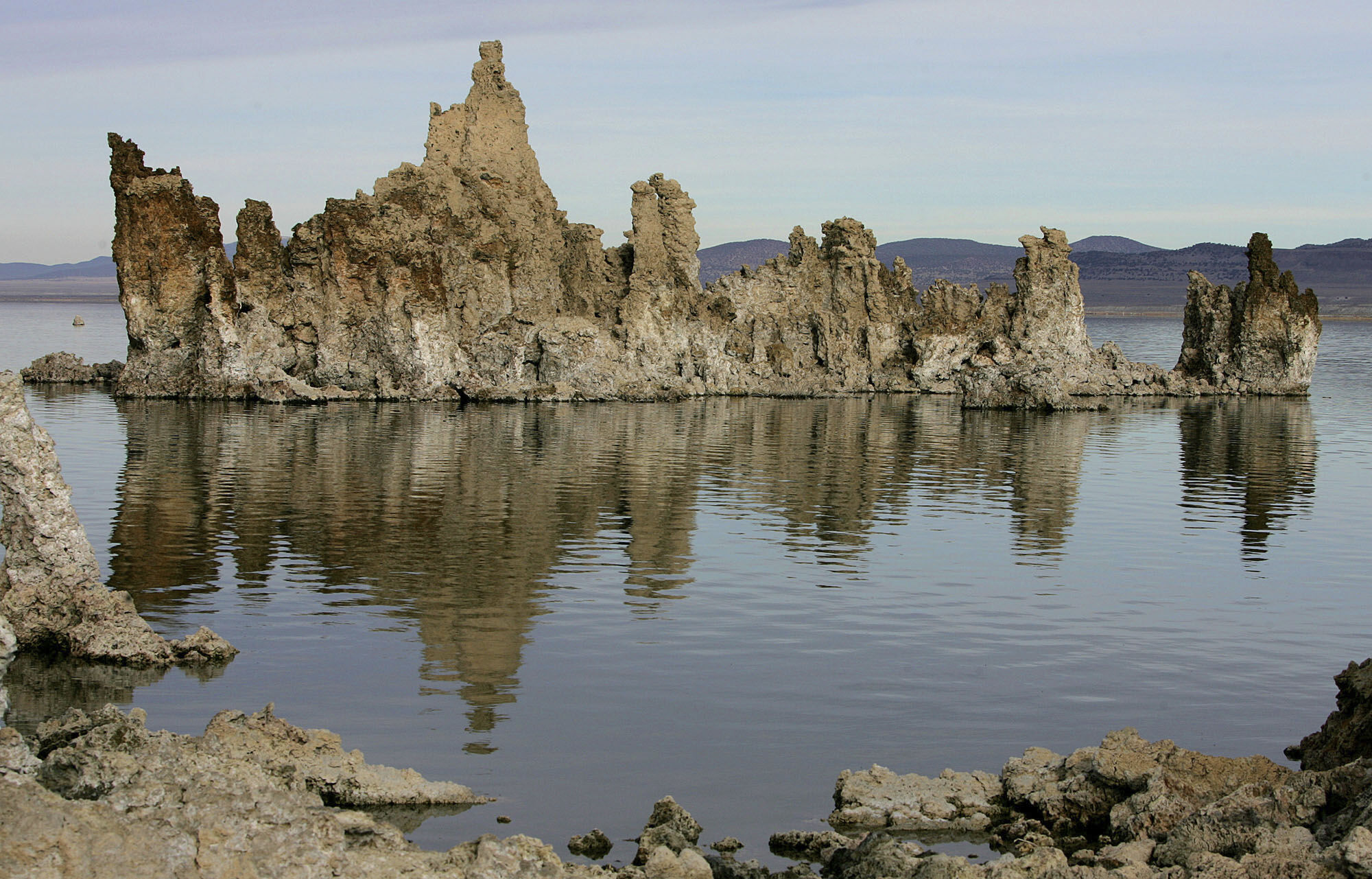
"caption": "Tufa towers are reflected in Mono Lake near Lee Vining, Calif., Nov. 15, 2004.",
"credit": "AP Photo/Ben Margot, File",
"altTag": null,
"description": null,
"imgSizes": {
"thumbnail": {
"file": "https://cdn.kqed.org/wp-content/uploads/sites/10/2025/07/AP25206592807102-160x102.jpg",
"width": 160,
"height": 102,
"mimeType": "image/jpeg"
},
"1536x1536": {
"file": "https://cdn.kqed.org/wp-content/uploads/sites/10/2025/07/AP25206592807102-1536x984.jpg",
"width": 1536,
"height": 984,
"mimeType": "image/jpeg"
},
"post-thumbnail": {
"file": "https://cdn.kqed.org/wp-content/uploads/sites/10/2025/07/AP25206592807102-672x372.jpg",
"width": 672,
"height": 372,
"mimeType": "image/jpeg"
},
"twentyfourteen-full-width": {
"file": "https://cdn.kqed.org/wp-content/uploads/sites/10/2025/07/AP25206592807102-1038x576.jpg",
"width": 1038,
"height": 576,
"mimeType": "image/jpeg"
},
"kqedFullSize": {
"file": "https://cdn.kqed.org/wp-content/uploads/sites/10/2025/07/AP25206592807102.jpg",
"width": 2000,
"height": 1281
}
},
"isLoading": false,
"fetchFailed": false
},
"news_12049632": {
"type": "attachments",
"id": "news_12049632",
"meta": {
"index": "attachments_1716263798",
"site": "news",
"id": "12049632",
"found": true
},
"title": "07032019_sonomacoaststatepark_qed",
"publishDate": 1753390231,
"status": "inherit",
"parent": 12049616,
"modified": 1753390255,
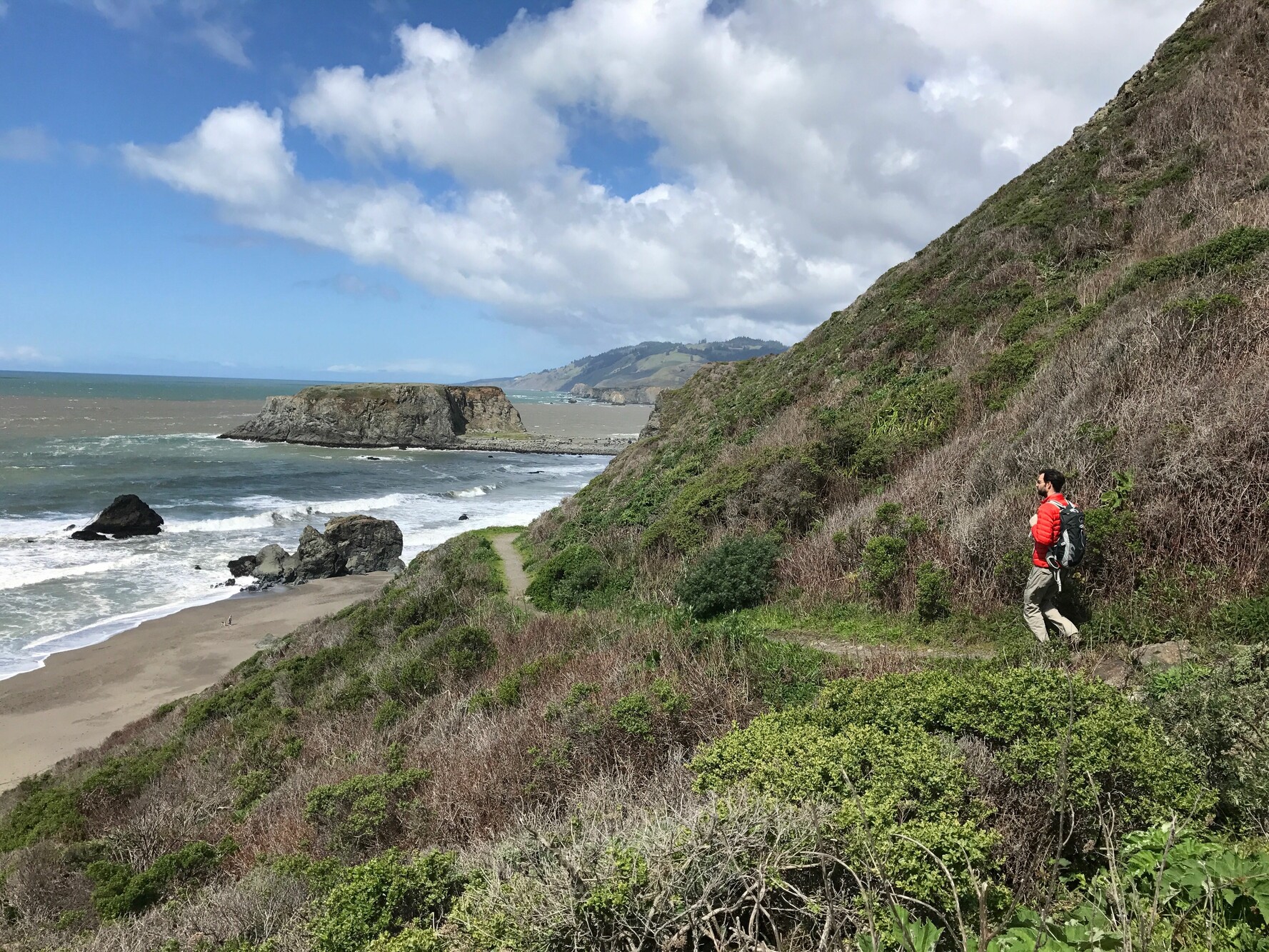
"caption": "A hiker in Sonoma Coast State Park in March 2018.",
"credit": "Miranda Leitsinger/KQED",
"altTag": null,
"description": null,
"imgSizes": {
"thumbnail": {
"file": "https://cdn.kqed.org/wp-content/uploads/sites/10/2025/07/07032019_sonomacoaststatepark_qed-160x120.jpg",
"width": 160,
"height": 120,
"mimeType": "image/jpeg"
},
"1536x1536": {
"file": "https://cdn.kqed.org/wp-content/uploads/sites/10/2025/07/07032019_sonomacoaststatepark_qed-1536x1152.jpg",
"width": 1536,
"height": 1152,
"mimeType": "image/jpeg"
},
"post-thumbnail": {
"file": "https://cdn.kqed.org/wp-content/uploads/sites/10/2025/07/07032019_sonomacoaststatepark_qed-672x372.jpg",
"width": 672,
"height": 372,
"mimeType": "image/jpeg"
},
"twentyfourteen-full-width": {
"file": "https://cdn.kqed.org/wp-content/uploads/sites/10/2025/07/07032019_sonomacoaststatepark_qed-1038x576.jpg",
"width": 1038,
"height": 576,
"mimeType": "image/jpeg"
},
"kqedFullSize": {
"file": "https://cdn.kqed.org/wp-content/uploads/sites/10/2025/07/07032019_sonomacoaststatepark_qed.jpg",
"width": 1777,
"height": 1333
}
},
"isLoading": false,
"fetchFailed": false
},
"news_12035965": {
"type": "attachments",
"id": "news_12035965",
"meta": {
"index": "attachments_1716263798",
"site": "news",
"id": "12035965",
"found": true
},
"title": "241122-StormHitsBayArea-27-BL_qed",
"publishDate": 1744672439,
"status": "inherit",
"parent": 12035963,
"modified": 1744672453,
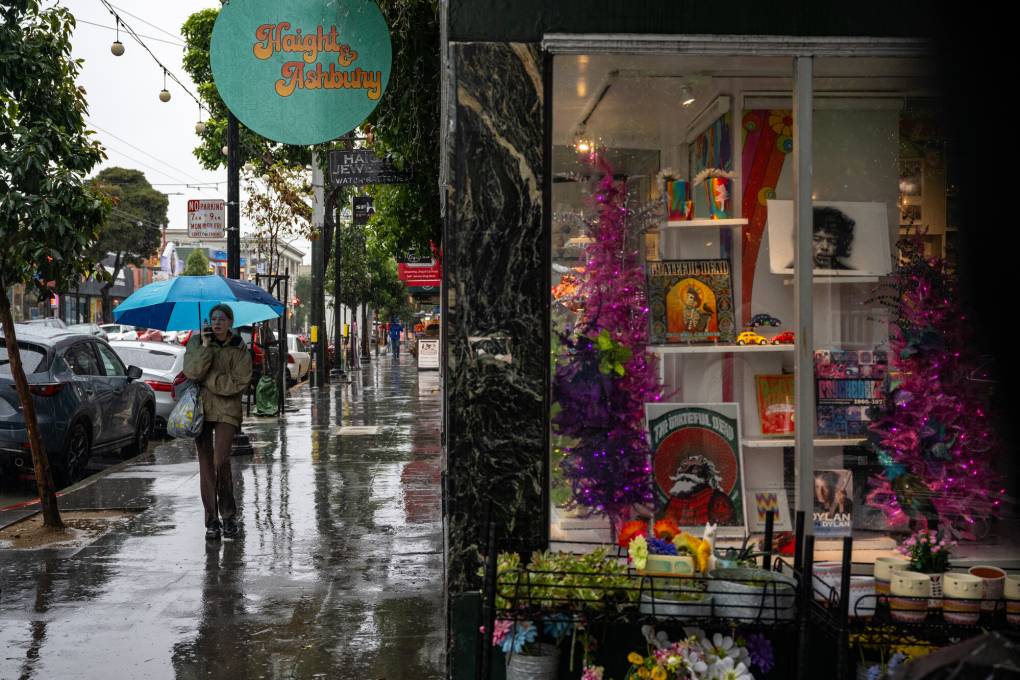
"caption": "A person walks on Haight Street in the rain in San Francisco on Nov. 22, 2024, during a storm bringing heavy rain and strong winds to the Bay Area.",
"credit": "Beth LaBerge/KQED",
"altTag": null,
"description": null,
"imgSizes": {
"medium": {
"file": "https://cdn.kqed.org/wp-content/uploads/sites/10/2025/04/241122-StormHitsBayArea-27-BL_qed-800x533.jpg",
"width": 800,
"height": 533,
"mimeType": "image/jpeg"
},
"large": {
"file": "https://cdn.kqed.org/wp-content/uploads/sites/10/2025/04/241122-StormHitsBayArea-27-BL_qed-1020x680.jpg",
"width": 1020,
"height": 680,
"mimeType": "image/jpeg"
},
"thumbnail": {
"file": "https://cdn.kqed.org/wp-content/uploads/sites/10/2025/04/241122-StormHitsBayArea-27-BL_qed-160x107.jpg",
"width": 160,
"height": 107,
"mimeType": "image/jpeg"
},
"1536x1536": {
"file": "https://cdn.kqed.org/wp-content/uploads/sites/10/2025/04/241122-StormHitsBayArea-27-BL_qed-1536x1024.jpg",
"width": 1536,
"height": 1024,
"mimeType": "image/jpeg"
},
"post-thumbnail": {
"file": "https://cdn.kqed.org/wp-content/uploads/sites/10/2025/04/241122-StormHitsBayArea-27-BL_qed-672x372.jpg",
"width": 672,
"height": 372,
"mimeType": "image/jpeg"
},
"twentyfourteen-full-width": {
"file": "https://cdn.kqed.org/wp-content/uploads/sites/10/2025/04/241122-StormHitsBayArea-27-BL_qed-1038x576.jpg",
"width": 1038,
"height": 576,
"mimeType": "image/jpeg"
},
"full-width": {
"file": "https://cdn.kqed.org/wp-content/uploads/sites/10/2025/04/241122-StormHitsBayArea-27-BL_qed-1920x1280.jpg",
"width": 1920,
"height": 1280,
"mimeType": "image/jpeg"
},
"kqedFullSize": {
"file": "https://cdn.kqed.org/wp-content/uploads/sites/10/2025/04/241122-StormHitsBayArea-27-BL_qed.jpg",
"width": 1999,
"height": 1333
}
},
"isLoading": false,
"fetchFailed": false
},
"news_12033809": {
"type": "attachments",
"id": "news_12033809",
"meta": {
"index": "attachments_1716263798",
"site": "news",
"id": "12033809",
"found": true
},
"title": "250331-SILVER FIRE-CHP-1-KQED",
"publishDate": 1743440604,
"status": "inherit",
"parent": 0,
"modified": 1743440669,
"caption": "The Silver Fire burns near Highway 6 on March 30, 2025.",
"credit": "Courtesy of California Highway Patrol",
"altTag": null,
"description": null,
"imgSizes": {
"medium": {
"file": "https://cdn.kqed.org/wp-content/uploads/sites/10/2025/03/250331-SILVER-FIRE-CHP-1-KQED-800x533.jpg",
"width": 800,
"height": 533,
"mimeType": "image/jpeg"
},
"large": {
"file": "https://cdn.kqed.org/wp-content/uploads/sites/10/2025/03/250331-SILVER-FIRE-CHP-1-KQED-1020x680.jpg",
"width": 1020,
"height": 680,
"mimeType": "image/jpeg"
},
"thumbnail": {
"file": "https://cdn.kqed.org/wp-content/uploads/sites/10/2025/03/250331-SILVER-FIRE-CHP-1-KQED-160x107.jpg",
"width": 160,
"height": 107,
"mimeType": "image/jpeg"
},
"1536x1536": {
"file": "https://cdn.kqed.org/wp-content/uploads/sites/10/2025/03/250331-SILVER-FIRE-CHP-1-KQED-1536x1024.jpg",
"width": 1536,
"height": 1024,
"mimeType": "image/jpeg"
},
"post-thumbnail": {
"file": "https://cdn.kqed.org/wp-content/uploads/sites/10/2025/03/250331-SILVER-FIRE-CHP-1-KQED-672x372.jpg",
"width": 672,
"height": 372,
"mimeType": "image/jpeg"
},
"twentyfourteen-full-width": {
"file": "https://cdn.kqed.org/wp-content/uploads/sites/10/2025/03/250331-SILVER-FIRE-CHP-1-KQED-1038x576.jpg",
"width": 1038,
"height": 576,
"mimeType": "image/jpeg"
},
"full-width": {
"file": "https://cdn.kqed.org/wp-content/uploads/sites/10/2025/03/250331-SILVER-FIRE-CHP-1-KQED-1920x1280.jpg",
"width": 1920,
"height": 1280,
"mimeType": "image/jpeg"
},
"kqedFullSize": {
"file": "https://cdn.kqed.org/wp-content/uploads/sites/10/2025/03/250331-SILVER-FIRE-CHP-1-KQED.jpg",
"width": 2000,
"height": 1333
}
},
"isLoading": false,
"fetchFailed": false
},
"news_11974638": {
"type": "attachments",
"id": "news_11974638",
"meta": {
"index": "attachments_1716263798",
"site": "news",
"id": "11974638",
"found": true
},
"parent": 11936674,
"imgSizes": {
"twentyfourteen-full-width": {
"file": "https://cdn.kqed.org/wp-content/uploads/sites/10/2024/01/231218-RainFile-14-BL_qut-1038x576.jpg",
"width": 1038,
"mimeType": "image/jpeg",
"height": 576
},
"thumbnail": {
"file": "https://cdn.kqed.org/wp-content/uploads/sites/10/2024/01/231218-RainFile-14-BL_qut-160x107.jpg",
"width": 160,
"mimeType": "image/jpeg",
"height": 107
},
"post-thumbnail": {
"file": "https://cdn.kqed.org/wp-content/uploads/sites/10/2024/01/231218-RainFile-14-BL_qut-672x372.jpg",
"width": 672,
"mimeType": "image/jpeg",
"height": 372
},
"kqedFullSize": {
"file": "https://cdn.kqed.org/wp-content/uploads/sites/10/2024/01/231218-RainFile-14-BL_qut.jpg",
"width": 1920,
"height": 1280
},
"large": {
"file": "https://cdn.kqed.org/wp-content/uploads/sites/10/2024/01/231218-RainFile-14-BL_qut-1020x680.jpg",
"width": 1020,
"mimeType": "image/jpeg",
"height": 680
},
"1536x1536": {
"file": "https://cdn.kqed.org/wp-content/uploads/sites/10/2024/01/231218-RainFile-14-BL_qut-1536x1024.jpg",
"width": 1536,
"mimeType": "image/jpeg",
"height": 1024
},
"medium": {
"file": "https://cdn.kqed.org/wp-content/uploads/sites/10/2024/01/231218-RainFile-14-BL_qut-800x533.jpg",
"width": 800,
"mimeType": "image/jpeg",
"height": 533
}
},
"publishDate": 1706913206,
"modified": 1706913240,
"caption": "A person walks in the rain on Mission Street in San Francisco on Dec. 18, 2023.",
"description": null,
"title": "weather-forecast-rain-bay-area",
"credit": "Beth LaBerge/KQED",
"status": "inherit",
"altTag": null,
"isLoading": false,
"fetchFailed": false
},
"news_11734231": {
"type": "attachments",
"id": "news_11734231",
"meta": {
"index": "attachments_1716263798",
"site": "news",
"id": "11734231",
"found": true
},
"title": "RS36031_Image from iOS (14)-qut",
"publishDate": 1553110882,
"status": "inherit",
"parent": 11733926,
"modified": 1742229157,
"caption": "Wildflowers atop Mount Davidson in San Francisco on March 20, 2019.",
"credit": "TheRealWBTC/Twitter",
"altTag": null,
"description": null,
"imgSizes": {
"thumbnail": {
"file": "https://cdn.kqed.org/wp-content/uploads/sites/10/2019/03/RS36031_Image-from-iOS-14-qut-160x120.jpg",
"width": 160,
"height": 120,
"mimeType": "image/jpeg"
},
"medium": {
"file": "https://cdn.kqed.org/wp-content/uploads/sites/10/2019/03/RS36031_Image-from-iOS-14-qut-800x600.jpg",
"width": 800,
"height": 600,
"mimeType": "image/jpeg"
},
"large": {
"file": "https://cdn.kqed.org/wp-content/uploads/sites/10/2019/03/RS36031_Image-from-iOS-14-qut-1020x765.jpg",
"width": 1020,
"height": 765,
"mimeType": "image/jpeg"
},
"complete_open_graph": {
"file": "https://cdn.kqed.org/wp-content/uploads/sites/10/2019/03/RS36031_Image-from-iOS-14-qut-1200x900.jpg",
"width": 1200,
"height": 900,
"mimeType": "image/jpeg"
},
"post-thumbnail": {
"file": "https://cdn.kqed.org/wp-content/uploads/sites/10/2019/03/RS36031_Image-from-iOS-14-qut-672x372.jpg",
"width": 672,
"height": 372,
"mimeType": "image/jpeg"
},
"twentyfourteen-full-width": {
"file": "https://cdn.kqed.org/wp-content/uploads/sites/10/2019/03/RS36031_Image-from-iOS-14-qut-1038x576.jpg",
"width": 1038,
"height": 576,
"mimeType": "image/jpeg"
},
"full-width": {
"file": "https://cdn.kqed.org/wp-content/uploads/sites/10/2019/03/RS36031_Image-from-iOS-14-qut-1920x1440.jpg",
"width": 1920,
"height": 1440,
"mimeType": "image/jpeg"
},
"guest-author-32": {
"file": "https://cdn.kqed.org/wp-content/uploads/sites/10/2019/03/RS36031_Image-from-iOS-14-qut-32x32.jpg",
"width": 32,
"height": 32,
"mimeType": "image/jpeg"
},
"guest-author-50": {
"file": "https://cdn.kqed.org/wp-content/uploads/sites/10/2019/03/RS36031_Image-from-iOS-14-qut-50x50.jpg",
"width": 50,
"height": 50,
"mimeType": "image/jpeg"
},
"guest-author-64": {
"file": "https://cdn.kqed.org/wp-content/uploads/sites/10/2019/03/RS36031_Image-from-iOS-14-qut-64x64.jpg",
"width": 64,
"height": 64,
"mimeType": "image/jpeg"
},
"guest-author-96": {
"file": "https://cdn.kqed.org/wp-content/uploads/sites/10/2019/03/RS36031_Image-from-iOS-14-qut-96x96.jpg",
"width": 96,
"height": 96,
"mimeType": "image/jpeg"
},
"guest-author-128": {
"file": "https://cdn.kqed.org/wp-content/uploads/sites/10/2019/03/RS36031_Image-from-iOS-14-qut-128x128.jpg",
"width": 128,
"height": 128,
"mimeType": "image/jpeg"
},
"apple_news_ca_landscape_12_9": {
"file": "https://cdn.kqed.org/wp-content/uploads/sites/10/2019/03/RS36031_Image-from-iOS-14-qut-1832x1374.jpg",
"width": 1832,
"height": 1374,
"mimeType": "image/jpeg"
},
"apple_news_ca_landscape_9_7": {
"file": "https://cdn.kqed.org/wp-content/uploads/sites/10/2019/03/RS36031_Image-from-iOS-14-qut-1376x1032.jpg",
"width": 1376,
"height": 1032,
"mimeType": "image/jpeg"
},
"apple_news_ca_landscape_5_5": {
"file": "https://cdn.kqed.org/wp-content/uploads/sites/10/2019/03/RS36031_Image-from-iOS-14-qut-1044x783.jpg",
"width": 1044,
"height": 783,
"mimeType": "image/jpeg"
},
"apple_news_ca_landscape_4_7": {
"file": "https://cdn.kqed.org/wp-content/uploads/sites/10/2019/03/RS36031_Image-from-iOS-14-qut-632x474.jpg",
"width": 632,
"height": 474,
"mimeType": "image/jpeg"
},
"apple_news_ca_landscape_4_0": {
"file": "https://cdn.kqed.org/wp-content/uploads/sites/10/2019/03/RS36031_Image-from-iOS-14-qut-536x402.jpg",
"width": 536,
"height": 402,
"mimeType": "image/jpeg"
},
"apple_news_ca_portrait_12_9": {
"file": "https://cdn.kqed.org/wp-content/uploads/sites/10/2019/03/RS36031_Image-from-iOS-14-qut-1122x1440.jpg",
"width": 1122,
"height": 1440,
"mimeType": "image/jpeg"
},
"apple_news_ca_portrait_9_7": {
"file": "https://cdn.kqed.org/wp-content/uploads/sites/10/2019/03/RS36031_Image-from-iOS-14-qut-840x1120.jpg",
"width": 840,
"height": 1120,
"mimeType": "image/jpeg"
},
"apple_news_ca_portrait_5_5": {
"file": "https://cdn.kqed.org/wp-content/uploads/sites/10/2019/03/RS36031_Image-from-iOS-14-qut-687x916.jpg",
"width": 687,
"height": 916,
"mimeType": "image/jpeg"
},
"apple_news_ca_portrait_4_7": {
"file": "https://cdn.kqed.org/wp-content/uploads/sites/10/2019/03/RS36031_Image-from-iOS-14-qut-414x552.jpg",
"width": 414,
"height": 552,
"mimeType": "image/jpeg"
},
"apple_news_ca_portrait_4_0": {
"file": "https://cdn.kqed.org/wp-content/uploads/sites/10/2019/03/RS36031_Image-from-iOS-14-qut-354x472.jpg",
"width": 354,
"height": 472,
"mimeType": "image/jpeg"
},
"apple_news_ca_square_12_9": {
"file": "https://cdn.kqed.org/wp-content/uploads/sites/10/2019/03/RS36031_Image-from-iOS-14-qut-1472x1440.jpg",
"width": 1472,
"height": 1440,
"mimeType": "image/jpeg"
},
"apple_news_ca_square_9_7": {
"file": "https://cdn.kqed.org/wp-content/uploads/sites/10/2019/03/RS36031_Image-from-iOS-14-qut-1104x1104.jpg",
"width": 1104,
"height": 1104,
"mimeType": "image/jpeg"
},
"apple_news_ca_square_5_5": {
"file": "https://cdn.kqed.org/wp-content/uploads/sites/10/2019/03/RS36031_Image-from-iOS-14-qut-912x912.jpg",
"width": 912,
"height": 912,
"mimeType": "image/jpeg"
},
"apple_news_ca_square_4_7": {
"file": "https://cdn.kqed.org/wp-content/uploads/sites/10/2019/03/RS36031_Image-from-iOS-14-qut-550x550.jpg",
"width": 550,
"height": 550,
"mimeType": "image/jpeg"
},
"apple_news_ca_square_4_0": {
"file": "https://cdn.kqed.org/wp-content/uploads/sites/10/2019/03/RS36031_Image-from-iOS-14-qut-470x470.jpg",
"width": 470,
"height": 470,
"mimeType": "image/jpeg"
},
"kqedFullSize": {
"file": "https://cdn.kqed.org/wp-content/uploads/sites/10/2019/03/RS36031_Image-from-iOS-14-qut.jpg",
"width": 1920,
"height": 1440
}
},
"isLoading": false,
"fetchFailed": false
},
"news_12001795": {
"type": "attachments",
"id": "news_12001795",
"meta": {
"index": "attachments_1716263798",
"site": "news",
"id": "12001795",
"found": true
},
"title": "PalisadesTahoe",
"publishDate": 1724526295,
"status": "inherit",
"parent": 12001792,
"modified": 1724526580,
"caption": "A view from the Base Camp at Palisades Tahoe at over 8000 feet on Saturday, Aug. 24, 2024.",
"credit": "Courtesy of Palisades Tahoe via X",
"altTag": null,
"description": null,
"imgSizes": {
"medium": {
"file": "https://cdn.kqed.org/wp-content/uploads/sites/10/2024/08/PalisadesTahoe-800x502.png",
"width": 800,
"height": 502,
"mimeType": "image/png"
},
"large": {
"file": "https://cdn.kqed.org/wp-content/uploads/sites/10/2024/08/PalisadesTahoe-1020x640.png",
"width": 1020,
"height": 640,
"mimeType": "image/png"
},
"thumbnail": {
"file": "https://cdn.kqed.org/wp-content/uploads/sites/10/2024/08/PalisadesTahoe-160x100.png",
"width": 160,
"height": 100,
"mimeType": "image/png"
},
"post-thumbnail": {
"file": "https://cdn.kqed.org/wp-content/uploads/sites/10/2024/08/PalisadesTahoe-672x372.png",
"width": 672,
"height": 372,
"mimeType": "image/png"
},
"twentyfourteen-full-width": {
"file": "https://cdn.kqed.org/wp-content/uploads/sites/10/2024/08/PalisadesTahoe-1036x576.png",
"width": 1036,
"height": 576,
"mimeType": "image/png"
},
"kqedFullSize": {
"file": "https://cdn.kqed.org/wp-content/uploads/sites/10/2024/08/PalisadesTahoe.png",
"width": 1036,
"height": 650
}
},
"isLoading": false,
"fetchFailed": false
},
"news_11953871": {
"type": "attachments",
"id": "news_11953871",
"meta": {
"index": "attachments_1716263798",
"site": "news",
"id": "11953871",
"found": true
},
"parent": 11953853,
"imgSizes": {
"twentyfourteen-full-width": {
"file": "https://ww2.kqed.org/app/uploads/sites/10/2023/06/RS66535_GettyImages-523679818-1-qut-1038x576.jpg",
"width": 1038,
"mimeType": "image/jpeg",
"height": 576
},
"thumbnail": {
"file": "https://ww2.kqed.org/app/uploads/sites/10/2023/06/RS66535_GettyImages-523679818-1-qut-160x108.jpg",
"width": 160,
"mimeType": "image/jpeg",
"height": 108
},
"post-thumbnail": {
"file": "https://ww2.kqed.org/app/uploads/sites/10/2023/06/RS66535_GettyImages-523679818-1-qut-672x372.jpg",
"width": 672,
"mimeType": "image/jpeg",
"height": 372
},
"kqedFullSize": {
"file": "https://ww2.kqed.org/app/uploads/sites/10/2023/06/RS66535_GettyImages-523679818-1-qut.jpg",
"width": 1920,
"height": 1291
},
"large": {
"file": "https://ww2.kqed.org/app/uploads/sites/10/2023/06/RS66535_GettyImages-523679818-1-qut-1020x686.jpg",
"width": 1020,
"mimeType": "image/jpeg",
"height": 686
},
"1536x1536": {
"file": "https://ww2.kqed.org/app/uploads/sites/10/2023/06/RS66535_GettyImages-523679818-1-qut-1536x1033.jpg",
"width": 1536,
"mimeType": "image/jpeg",
"height": 1033
},
"medium": {
"file": "https://ww2.kqed.org/app/uploads/sites/10/2023/06/RS66535_GettyImages-523679818-1-qut-800x538.jpg",
"width": 800,
"mimeType": "image/jpeg",
"height": 538
}
},
"publishDate": 1687541995,
"modified": 1687542056,
"caption": "Struggling to find a campsite in California? We have tips.",
"description": null,
"title": "camping-near-me",
"credit": "Robert Holmes/Getty",
"status": "inherit",
"altTag": "A view of two yellow tents in a forest of tall redwood treats, in low light",
"isLoading": false,
"fetchFailed": false
},
"news_11987597": {
"type": "attachments",
"id": "news_11987597",
"meta": {
"index": "attachments_1716263798",
"site": "news",
"id": "11987597",
"found": true
},
"title": "US-CLIMATE-FIRE-CALIFORNIA-SEQUOIA",
"publishDate": 1716507632,
"status": "inherit",
"parent": 11987595,
"modified": 1716510024,
"caption": "The General Sherman giant sequoia tree stands in the Giant Forest after being unwrapped by U.S. National Park Service (NPS) personnel during the KNP Complex Fire in Sequoia National Park near Three Rivers, Tulare County, on Oct. 22, 2021. ",
"credit": "Patrick T. Fallon/AFP via Getty Images",
"altTag": null,
"description": null,
"imgSizes": {
"medium": {
"file": "https://cdn.kqed.org/wp-content/uploads/sites/10/2024/05/GettyImages-1236059265-800x534.jpg",
"width": 800,
"height": 534,
"mimeType": "image/jpeg"
},
"large": {
"file": "https://cdn.kqed.org/wp-content/uploads/sites/10/2024/05/GettyImages-1236059265-1020x680.jpg",
"width": 1020,
"height": 680,
"mimeType": "image/jpeg"
},
"thumbnail": {
"file": "https://cdn.kqed.org/wp-content/uploads/sites/10/2024/05/GettyImages-1236059265-160x107.jpg",
"width": 160,
"height": 107,
"mimeType": "image/jpeg"
},
"post-thumbnail": {
"file": "https://cdn.kqed.org/wp-content/uploads/sites/10/2024/05/GettyImages-1236059265-672x372.jpg",
"width": 672,
"height": 372,
"mimeType": "image/jpeg"
},
"twentyfourteen-full-width": {
"file": "https://cdn.kqed.org/wp-content/uploads/sites/10/2024/05/GettyImages-1236059265-1024x576.jpg",
"width": 1024,
"height": 576,
"mimeType": "image/jpeg"
},
"kqedFullSize": {
"file": "https://cdn.kqed.org/wp-content/uploads/sites/10/2024/05/GettyImages-1236059265.jpg",
"width": 1024,
"height": 683
}
},
"isLoading": false,
"fetchFailed": false
},
"news_11977949": {
"type": "attachments",
"id": "news_11977949",
"meta": {
"index": "attachments_1716263798",
"site": "news",
"id": "11977949",
"found": true
},
"parent": 11977944,
"imgSizes": {
"twentyfourteen-full-width": {
"file": "https://cdn.kqed.org/wp-content/uploads/sites/10/2024/03/AP24063687179664-1038x576.jpg",
"width": 1038,
"mimeType": "image/jpeg",
"height": 576
},
"thumbnail": {
"file": "https://cdn.kqed.org/wp-content/uploads/sites/10/2024/03/AP24063687179664-160x107.jpg",
"width": 160,
"mimeType": "image/jpeg",
"height": 107
},
"post-thumbnail": {
"file": "https://cdn.kqed.org/wp-content/uploads/sites/10/2024/03/AP24063687179664-672x372.jpg",
"width": 672,
"mimeType": "image/jpeg",
"height": 372
},
"kqedFullSize": {
"file": "https://cdn.kqed.org/wp-content/uploads/sites/10/2024/03/AP24063687179664-scaled.jpg",
"width": 2560,
"height": 1707
},
"2048x2048": {
"file": "https://cdn.kqed.org/wp-content/uploads/sites/10/2024/03/AP24063687179664-2048x1365.jpg",
"width": 2048,
"mimeType": "image/jpeg",
"height": 1365
},
"large": {
"file": "https://cdn.kqed.org/wp-content/uploads/sites/10/2024/03/AP24063687179664-1020x680.jpg",
"width": 1020,
"mimeType": "image/jpeg",
"height": 680
},
"1536x1536": {
"file": "https://cdn.kqed.org/wp-content/uploads/sites/10/2024/03/AP24063687179664-1536x1024.jpg",
"width": 1536,
"mimeType": "image/jpeg",
"height": 1024
},
"full-width": {
"file": "https://cdn.kqed.org/wp-content/uploads/sites/10/2024/03/AP24063687179664-1920x1280.jpg",
"width": 1920,
"mimeType": "image/jpeg",
"height": 1280
},
"medium": {
"file": "https://cdn.kqed.org/wp-content/uploads/sites/10/2024/03/AP24063687179664-800x533.jpg",
"width": 800,
"mimeType": "image/jpeg",
"height": 533
}
},
"publishDate": 1709576546,
"modified": 1709580321,
"caption": "Snow is cleared from a sidewalk during a storm on Sunday, March 3, 2024, in Truckee.",
"description": null,
"title": "California Blizzard",
"credit": "Brooke Hess-Homeier/The Associated Press",
"status": "inherit",
"altTag": "A man wearing a snow jacket uses a snow blower to clear snow outside of a house.",
"isLoading": false,
"fetchFailed": false
},
"news_11977918": {
"type": "attachments",
"id": "news_11977918",
"meta": {
"index": "attachments_1716263798",
"site": "news",
"id": "11977918",
"found": true
},
"title": "Blizzard Conditions, And Snow Of Up To 12 Feet Expected In California's Sierra Nevada",
"publishDate": 1709500493,
"status": "inherit",
"parent": 11977909,
"modified": 1771364659,
"caption": "Snow falls downtown, north of Lake Tahoe, during a powerful multiple day winter storm in the Sierra Nevada mountains on March 2, 2024, in Truckee. Blizzard warnings were issued with snowfall of up to 12 feet and wind gusts over 100 mph expected in some higher elevation locations. Yosemite National Park is closed and a 50-mile stretch of Interstate 80 was shut down yesterday due to the storm. ",
"credit": "Mario Tama/Getty Images",
"altTag": "Snowfall covering a street, buildings and cars.",
"description": null,
"imgSizes": {
"medium": {
"file": "https://cdn.kqed.org/wp-content/uploads/sites/10/2024/03/GettyImages-2054469025-800x509.jpg",
"width": 800,
"height": 509,
"mimeType": "image/jpeg"
},
"large": {
"file": "https://cdn.kqed.org/wp-content/uploads/sites/10/2024/03/GettyImages-2054469025-1020x648.jpg",
"width": 1020,
"height": 648,
"mimeType": "image/jpeg"
},
"thumbnail": {
"file": "https://cdn.kqed.org/wp-content/uploads/sites/10/2024/03/GettyImages-2054469025-160x102.jpg",
"width": 160,
"height": 102,
"mimeType": "image/jpeg"
},
"post-thumbnail": {
"file": "https://cdn.kqed.org/wp-content/uploads/sites/10/2024/03/GettyImages-2054469025-672x372.jpg",
"width": 672,
"height": 372,
"mimeType": "image/jpeg"
},
"twentyfourteen-full-width": {
"file": "https://cdn.kqed.org/wp-content/uploads/sites/10/2024/03/GettyImages-2054469025-1024x576.jpg",
"width": 1024,
"height": 576,
"mimeType": "image/jpeg"
},
"kqedFullSize": {
"file": "https://cdn.kqed.org/wp-content/uploads/sites/10/2024/03/GettyImages-2054469025.jpg",
"width": 1024,
"height": 651
}
},
"isLoading": false,
"fetchFailed": false
},
"news_11977820": {
"type": "attachments",
"id": "news_11977820",
"meta": {
"index": "attachments_1716263798",
"site": "news",
"id": "11977820",
"found": true
},
"parent": 11977803,
"imgSizes": {
"twentyfourteen-full-width": {
"file": "https://cdn.kqed.org/wp-content/uploads/sites/10/2024/03/GettyImages-2051335481-1024x576.jpg",
"width": 1024,
"mimeType": "image/jpeg",
"height": 576
},
"thumbnail": {
"file": "https://cdn.kqed.org/wp-content/uploads/sites/10/2024/03/GettyImages-2051335481-160x101.jpg",
"width": 160,
"mimeType": "image/jpeg",
"height": 101
},
"post-thumbnail": {
"file": "https://cdn.kqed.org/wp-content/uploads/sites/10/2024/03/GettyImages-2051335481-672x372.jpg",
"width": 672,
"mimeType": "image/jpeg",
"height": 372
},
"kqedFullSize": {
"file": "https://cdn.kqed.org/wp-content/uploads/sites/10/2024/03/GettyImages-2051335481.jpg",
"width": 1024,
"height": 646
},
"large": {
"file": "https://cdn.kqed.org/wp-content/uploads/sites/10/2024/03/GettyImages-2051335481-1020x643.jpg",
"width": 1020,
"mimeType": "image/jpeg",
"height": 643
},
"medium": {
"file": "https://cdn.kqed.org/wp-content/uploads/sites/10/2024/03/GettyImages-2051335481-800x505.jpg",
"width": 800,
"mimeType": "image/jpeg",
"height": 505
}
},
"publishDate": 1709334530,
"modified": 1709337435,
"caption": "Vehicles drive as snow falls north of Lake Tahoe in the Sierra Nevada mountains during a powerful winter storm on March 1, 2024, in Truckee, Nevada County. Blizzard warnings have been issued with snowfall of up to 12 feet, and wind gusts over 100 mph expected in some higher elevation locations.",
"description": null,
"title": "Blizzard Conditions, And Snow Of Up To 12 Feet Expected In California's Sierra Nevada",
"credit": "Mario Tama/Getty Images",
"status": "inherit",
"altTag": "A car with headlights on through a snowstorm and roads covered in snow, with a traffic sign above that reads Sacramento and Reno.",
"isLoading": false,
"fetchFailed": false
}
},
"audioPlayerReducer": {
"postId": "stream_live",
"isPaused": true,
"isPlaying": false,
"pfsActive": false,
"pledgeModalIsOpen": true,
"playerDrawerIsOpen": false,
"liveAudioPlayStartedAt": 0,
"liveAudioPlayContext": ""
},
"authorsReducer": {
"byline_news_12049906": {
"type": "authors",
"id": "byline_news_12049906",
"meta": {
"override": true
},
"slug": "byline_news_12049906",
"name": "Aditi Ramakrishnan, Associated Press",
"isLoading": false
},
"byline_news_12001792": {
"type": "authors",
"id": "byline_news_12001792",
"meta": {
"override": true
},
"slug": "byline_news_12001792",
"name": "The Associated Press",
"isLoading": false
},
"byline_news_11987595": {
"type": "authors",
"id": "byline_news_11987595",
"meta": {
"override": true
},
"slug": "byline_news_11987595",
"name": "Terry Chea, Associated Press",
"isLoading": false
},
"byline_news_11977944": {
"type": "authors",
"id": "byline_news_11977944",
"meta": {
"override": true
},
"slug": "byline_news_11977944",
"name": "Brooke Hess and Christopher Weber\u003cbr>Associated Press\u003c/br>",
"isLoading": false
},
"byline_news_11977909": {
"type": "authors",
"id": "byline_news_11977909",
"meta": {
"override": true
},
"slug": "byline_news_11977909",
"name": "Brooke Hess, Ken Ritter\u003cbr>The Associated Press",
"isLoading": false
},
"kdomara": {
"type": "authors",
"id": "1459",
"meta": {
"index": "authors_1716337520",
"id": "1459",
"found": true
},
"name": "Kelly O'Mara",
"firstName": "Kelly",
"lastName": "O'Mara",
"slug": "kdomara",
"email": "komara@kqed.org",
"display_author_email": false,
"staff_mastheads": [
"news"
],
"title": "KQED Contributor",
"bio": "Kelly O'Mara is a writer and reporter in the San Francisco Bay Area. She writes about food, health, sports, travel, business and California news. Her work has appeared on KQED, online for Outside Magazine, epsnW, VICE and in Competitor Magazine, among others. Follow Kelly on Twitter \u003ca href=\"https://twitter.com/kellydomara\">@kellydomara\u003c/a>.",
"avatar": "https://secure.gravatar.com/avatar/768fec7412028b72f13bdd0f5f9d8186?s=600&d=blank&r=g",
"twitter": null,
"facebook": null,
"instagram": null,
"linkedin": null,
"sites": [
{
"site": "arts",
"roles": []
},
{
"site": "news",
"roles": []
},
{
"site": "bayareabites",
"roles": []
},
{
"site": "stateofhealth",
"roles": []
},
{
"site": "science",
"roles": []
},
{
"site": "checkplease",
"roles": [
"editor"
]
},
{
"site": "food",
"roles": []
},
{
"site": "forum",
"roles": [
"editor"
]
},
{
"site": "liveblog",
"roles": [
"editor"
]
}
],
"headData": {
"title": "Kelly O'Mara | KQED",
"description": "KQED Contributor",
"ogImgSrc": "https://secure.gravatar.com/avatar/768fec7412028b72f13bdd0f5f9d8186?s=600&d=blank&r=g",
"twImgSrc": "https://secure.gravatar.com/avatar/768fec7412028b72f13bdd0f5f9d8186?s=600&d=blank&r=g"
},
"isLoading": false,
"link": "/author/kdomara"
},
"eromero": {
"type": "authors",
"id": "11746",
"meta": {
"index": "authors_1716337520",
"id": "11746",
"found": true
},
"name": "Ezra David Romero",
"firstName": "Ezra David",
"lastName": "Romero",
"slug": "eromero",
"email": "eromero@kqed.org",
"display_author_email": true,
"staff_mastheads": [
"news",
"science"
],
"title": "Climate Reporter",
"bio": "Ezra David Romero is a climate reporter for KQED News. He covers the absence and excess of water in the Bay Area — think sea level rise, flooding and drought. For nearly a decade he’s covered how warming temperatures are altering the lives of Californians. He’s reported on farmers worried their pistachio trees aren’t getting enough sleep, families desperate for water, scientists studying dying giant sequoias, and alongside firefighters containing wildfires. His work has appeared on local stations across California and nationally on public radio shows like Morning Edition, Here and Now, All Things Considered and Science Friday. ",
"avatar": "https://secure.gravatar.com/avatar/c76404d287c10ed40224227551ac36e24352c7306f106632caf6fead76f8801f?s=600&d=blank&r=g",
"twitter": "ezraromero",
"bluesky": null,
"facebook": null,
"instagram": null,
"linkedin": null,
"sites": [
{
"site": "arts",
"roles": [
"editor"
]
},
{
"site": "news",
"roles": [
"editor"
]
},
{
"site": "science",
"roles": [
"editor"
]
},
{
"site": "liveblog",
"roles": [
"author"
]
}
],
"headData": {
"title": "Ezra David Romero | KQED",
"description": "Climate Reporter",
"ogImgSrc": "https://secure.gravatar.com/avatar/c76404d287c10ed40224227551ac36e24352c7306f106632caf6fead76f8801f?s=600&d=blank&r=g",
"twImgSrc": "https://secure.gravatar.com/avatar/c76404d287c10ed40224227551ac36e24352c7306f106632caf6fead76f8801f?s=600&d=blank&r=g"
},
"isLoading": false,
"link": "/author/eromero"
},
"amadrigal": {
"type": "authors",
"id": "11757",
"meta": {
"index": "authors_1716337520",
"id": "11757",
"found": true
},
"name": "Alexis Madrigal",
"firstName": "Alexis",
"lastName": "Madrigal",
"slug": "amadrigal",
"email": "amadrigal@kqed.org",
"display_author_email": true,
"staff_mastheads": [],
"title": "Co-Host Forum",
"bio": "Alexis Madrigal is the co-host of Forum. He is also a contributing writer at \u003cem>The Atlantic \u003c/em>and the co-founder of the COVID Tracking Project. He's the creator of the podcast, \u003cem>Containers\u003c/em>, and has been a staff writer at \u003cem>Wired. \u003c/em>He was a visiting scholar at UC Berkeley's Information School, and is working on a book about Oakland and the Bay Area's revolutionary ideas.",
"avatar": "https://secure.gravatar.com/avatar/ffeee1fe99a3e31957381f377ca63502bdcc0c3dbccaaa701e579a10aa0c5e1f?s=600&d=blank&r=g",
"twitter": "alexismadrigal",
"bluesky": null,
"facebook": null,
"instagram": null,
"linkedin": null,
"sites": [
{
"site": "arts",
"roles": [
"editor"
]
},
{
"site": "news",
"roles": [
"editor"
]
},
{
"site": "forum",
"roles": [
"editor"
]
}
],
"headData": {
"title": "Alexis Madrigal | KQED",
"description": "Co-Host Forum",
"ogImgSrc": "https://secure.gravatar.com/avatar/ffeee1fe99a3e31957381f377ca63502bdcc0c3dbccaaa701e579a10aa0c5e1f?s=600&d=blank&r=g",
"twImgSrc": "https://secure.gravatar.com/avatar/ffeee1fe99a3e31957381f377ca63502bdcc0c3dbccaaa701e579a10aa0c5e1f?s=600&d=blank&r=g"
},
"isLoading": false,
"link": "/author/amadrigal"
},
"kdebenedetti": {
"type": "authors",
"id": "11913",
"meta": {
"index": "authors_1716337520",
"id": "11913",
"found": true
},
"name": "Katie DeBenedetti",
"firstName": "Katie",
"lastName": "DeBenedetti",
"slug": "kdebenedetti",
"email": "kdebenedetti@kqed.org",
"display_author_email": false,
"staff_mastheads": [
"news",
"science"
],
"title": "KQED Contributor",
"bio": "Katie DeBenedetti is a digital reporter covering daily news for the Express Desk. Prior to joining KQED as a culture reporting intern in January 2024, she covered education and city government for the Napa Valley Register.",
"avatar": "https://secure.gravatar.com/avatar/6e31073cb8f7e4214ab03f42771d0f45?s=600&d=blank&r=g",
"twitter": null,
"facebook": null,
"instagram": null,
"linkedin": null,
"sites": [
{
"site": "news",
"roles": [
"author"
]
},
{
"site": "science",
"roles": [
"author"
]
},
{
"site": "liveblog",
"roles": [
"author"
]
}
],
"headData": {
"title": "Katie DeBenedetti | KQED",
"description": "KQED Contributor",
"ogImgSrc": "https://secure.gravatar.com/avatar/6e31073cb8f7e4214ab03f42771d0f45?s=600&d=blank&r=g",
"twImgSrc": "https://secure.gravatar.com/avatar/6e31073cb8f7e4214ab03f42771d0f45?s=600&d=blank&r=g"
},
"isLoading": false,
"link": "/author/kdebenedetti"
},
"sarahwright": {
"type": "authors",
"id": "11956",
"meta": {
"index": "authors_1716337520",
"id": "11956",
"found": true
},
"name": "Sarah Wright",
"firstName": "Sarah",
"lastName": "Wright",
"slug": "sarahwright",
"email": "swright@kqed.org",
"display_author_email": true,
"staff_mastheads": [],
"title": "Outdoors Engagement Reporter",
"bio": "Sarah Wright is KQED's Outdoors Engagement Reporter. Originally from Lake Tahoe, she completed a thru-hike of the Pacific Crest Trail in 2019 and was a U.S. Fulbright Program grantee to Argentina in 2023. Her journalism has appeared in The Guardian, The San Francisco Standard, The Palo Alto Weekly and the Half Moon Bay Review.",
"avatar": "https://secure.gravatar.com/avatar/c161a3d6441865cba25e6db4fa561099ad665799e9432e34da2b84d7e371524c?s=600&d=blank&r=g",
"twitter": null,
"bluesky": null,
"facebook": null,
"instagram": null,
"linkedin": null,
"sites": [
{
"site": "arts",
"roles": [
"editor"
]
},
{
"site": "news",
"roles": [
"editor"
]
},
{
"site": "science",
"roles": [
"contributor",
"author"
]
},
{
"site": "forum",
"roles": [
"editor"
]
}
],
"headData": {
"title": "Sarah Wright | KQED",
"description": "Outdoors Engagement Reporter",
"ogImgSrc": "https://secure.gravatar.com/avatar/c161a3d6441865cba25e6db4fa561099ad665799e9432e34da2b84d7e371524c?s=600&d=blank&r=g",
"twImgSrc": "https://secure.gravatar.com/avatar/c161a3d6441865cba25e6db4fa561099ad665799e9432e34da2b84d7e371524c?s=600&d=blank&r=g"
},
"isLoading": false,
"link": "/author/sarahwright"
}
},
"pagesReducer": {
"news_tag_sierra-nevada": {
"type": "terms",
"id": "news_4747",
"meta": {
"index": "terms_1716263798",
"site": "news",
"id": "4747",
"score": 8.941403
},
"featImg": null,
"name": "Sierra Nevada",
"description": null,
"taxonomy": "tag",
"headData": {
"twImgId": null,
"twTitle": null,
"ogTitle": null,
"ogImgId": null,
"twDescription": null,
"description": null,
"title": "Sierra Nevada Archives | KQED News",
"ogDescription": null
},
"ttid": 4766,
"slug": "sierra-nevada",
"isLoading": false,
"title": "Sierra Nevada",
"pageMeta": {
"site": "news",
"WpPageTemplate": "page-topic-editorial",
"currentPage": 2
},
"blocks": [
{
"blockName": "kqed/post-list",
"attrs": {
"layout": "cardArticle2",
"query": "posts/news?tag=sierra-nevada",
"seeMore": false,
"paginated": true,
"page": 2
}
},
{
"blockName": "kqed/ad"
}
]
}
},
"pfsSessionReducer": {},
"postsReducer": {
"stream_live": {
"type": "live",
"id": "stream_live",
"audioUrl": "https://hls.kqed.org/hls/kqed_app/playlist.m3u8",
"title": "Live Stream",
"excerpt": "Live Stream information currently unavailable.",
"link": "/radio",
"featImg": "",
"label": {
"name": "KQED Live",
"link": "/"
}
},
"stream_kqedNewscast": {
"type": "posts",
"id": "stream_kqedNewscast",
"audioUrl": "https://www.kqed.org/.stream/anon/radio/RDnews/newscast.mp3?_=1",
"title": "KQED Newscast",
"featImg": "",
"label": {
"name": "88.5 FM",
"link": "/"
}
},
"news_12049906": {
"type": "posts",
"id": "news_12049906",
"meta": {
"index": "posts_1716263798",
"site": "news",
"id": "12049906",
"score": null,
"sort": [
1753556413000
]
},
"guestAuthors": [],
"slug": "a-science-journal-pulled-a-controversial-study-about-a-bizarre-life-form-against-the-authors-wishes",
"title": "A Science Journal Pulled a Controversial Study About a Bizarre Life Form Against the Authors' Wishes",
"publishDate": 1753556413,
"format": "standard",
"headTitle": "A Science Journal Pulled a Controversial Study About a Bizarre Life Form Against the Authors’ Wishes | KQED",
"labelTerm": {
"site": "news"
},
"content": "\u003cp>A microscopic discovery \u003ca href=\"https://www.kqed.org/news/12046670/mono-lake-could-be-losing-its-california-gulls\">in Mono Lake, east of Yosemite, \u003c/a>sparked buzz and controversy more than a decade ago when it was first revealed.\u003c/p>\n\u003cp>Scientists said they’d discovered \u003ca href=\"https://www.kqed.org/quest/11004/it-came-from-mono-lake\">bacteria that used the element arsenic\u003c/a> — poisonous to life as we know it — to grow. If true, it expanded the possibilities for where\u003ca href=\"https://www.kqed.org/science/1939044/nasa-scientists-demonstrate-how-life-may-have-formed-on-earth-and-how-it-might-arise-on-other-worlds\"> life could exist on Earth\u003c/a> — or on other worlds.\u003c/p>\n\u003cp>[ad fullwidth]\u003c/p>\n\u003cp>Several research groups failed to replicate the results, and argue it’s not possible for a living thing to use something so toxic to make DNA and proteins. Some scientists have suggested the results of the original experiments may have been skewed by undetected contaminants.\u003c/p>\n\u003cp>On Thursday, the journal \u003cem>Science\u003c/em>, which first published the research, retracted it, though not because of misconduct on the researchers’ part.\u003c/p>\n\u003cp>“If the editors determine that a paper’s reported experiments do not support its key conclusions, even if no fraud or manipulation occurred, a retraction is considered appropriate,” the journal’s Editor-in-Chief Holden Thorp wrote in the statement announcing the retraction.[aside postID=news_12046670 hero='https://cdn.kqed.org/wp-content/uploads/sites/10/2025/07/MonoLakeGullsGetty1.jpg']The researchers disagree with the journal’s decision and stand by their data. It’s reasonable to pull a paper for major errors or suspected misconduct — but debates and disagreements over the findings are part of the scientific process, said study co-author Ariel Anbar of Arizona State University.\u003c/p>\n\u003cp>“One doesn’t retract a paper because the interpretation is controversial, or even because most disagree with the interpretation,” wrote Anbar in an email. “At least, that hasn’t been the case until now.”\u003c/p>\n\u003cp>\u003cem>Science\u003c/em> has more frequently retracted papers for reasons beside fraud in recent years, wrote Thorp and Vada Vinson, \u003cem>Science\u003c/em>’s executive editor, \u003ca href=\"https://www.science.org/content/blog-post/last-step-long-process-arsenic-life?utm_campaign=ScienceMagazine&utm_medium=ownedSocial&utm_source=twitter\">in a blog post\u003c/a>.\u003c/p>\n\u003cp>NASA helped fund the original work. The space agency’s science mission chief Nicky Fox said in a statement that NASA does not support the retraction and encourages \u003cem>Science\u003c/em> to reconsider.\u003c/p>\n\u003cp>\u003c/p>\n",
"blocks": [],
"excerpt": "A scientific journal has retracted a controversial study that hinted at the possibility of a bizarre life form in the Sierra Nevada's Mono Lake. ",
"status": "publish",
"parent": 0,
"modified": 1753491933,
"stats": {
"hasAudio": false,
"hasVideo": false,
"hasChartOrMap": false,
"iframeSrcs": [],
"hasGoogleForm": false,
"hasGallery": false,
"hasHearkenModule": false,
"hasPolis": false,
"paragraphCount": 10,
"wordCount": 351
},
"headData": {
"title": "A Science Journal Pulled a Controversial Study About a Bizarre Life Form Against the Authors' Wishes | KQED",
"description": "A scientific journal has retracted a controversial study that hinted at the possibility of a bizarre life form in the Sierra Nevada's Mono Lake. ",
"ogTitle": "",
"ogDescription": "",
"ogImgId": "",
"twTitle": "",
"twDescription": "",
"twImgId": "",
"schema": {
"@context": "https://schema.org",
"@type": "NewsArticle",
"headline": "A Science Journal Pulled a Controversial Study About a Bizarre Life Form Against the Authors' Wishes",
"datePublished": "2025-07-26T12:00:13-07:00",
"dateModified": "2025-07-25T18:05:33-07:00",
"image": "https://cdn.kqed.org/wp-content/uploads/2020/02/KQED-OG-Image@1x.png",
"isAccessibleForFree": "True",
"publisher": {
"@type": "NewsMediaOrganization",
"@id": "https://www.kqed.org/#organization",
"name": "KQED",
"logo": "https://cdn.kqed.org/wp-content/uploads/2020/02/KQED-OG-Image@1x.png",
"url": "https://www.kqed.org",
"sameAs": [
"https://www.facebook.com/KQED",
"https://twitter.com/KQED",
"https://www.instagram.com/kqed/",
"https://www.tiktok.com/@kqedofficial",
"https://www.linkedin.com/company/kqed",
"https://www.youtube.com/channel/UCeC0IOo7i1P_61zVUWbJ4nw"
]
}
}
},
"sticky": false,
"nprByline": "Aditi Ramakrishnan, Associated Press",
"templateType": "standard",
"featuredImageType": "standard",
"excludeFromSiteSearch": "Include",
"showOnAuthorArchivePages": "No",
"articleAge": "0",
"path": "/news/12049906/a-science-journal-pulled-a-controversial-study-about-a-bizarre-life-form-against-the-authors-wishes",
"audioTrackLength": null,
"parsedContent": [
{
"type": "contentString",
"content": "\u003cdiv class=\"post-body\">\u003cp>\u003cp>A microscopic discovery \u003ca href=\"https://www.kqed.org/news/12046670/mono-lake-could-be-losing-its-california-gulls\">in Mono Lake, east of Yosemite, \u003c/a>sparked buzz and controversy more than a decade ago when it was first revealed.\u003c/p>\n\u003cp>Scientists said they’d discovered \u003ca href=\"https://www.kqed.org/quest/11004/it-came-from-mono-lake\">bacteria that used the element arsenic\u003c/a> — poisonous to life as we know it — to grow. If true, it expanded the possibilities for where\u003ca href=\"https://www.kqed.org/science/1939044/nasa-scientists-demonstrate-how-life-may-have-formed-on-earth-and-how-it-might-arise-on-other-worlds\"> life could exist on Earth\u003c/a> — or on other worlds.\u003c/p>\n\u003cp>\u003c/p>\u003c/div>",
"attributes": {
"named": {},
"numeric": []
}
},
{
"type": "component",
"content": "",
"name": "ad",
"attributes": {
"named": {
"label": "fullwidth"
},
"numeric": [
"fullwidth"
]
}
},
{
"type": "contentString",
"content": "\u003cdiv class=\"post-body\">\u003cp>\u003c/p>\n\u003cp>Several research groups failed to replicate the results, and argue it’s not possible for a living thing to use something so toxic to make DNA and proteins. Some scientists have suggested the results of the original experiments may have been skewed by undetected contaminants.\u003c/p>\n\u003cp>On Thursday, the journal \u003cem>Science\u003c/em>, which first published the research, retracted it, though not because of misconduct on the researchers’ part.\u003c/p>\n\u003cp>“If the editors determine that a paper’s reported experiments do not support its key conclusions, even if no fraud or manipulation occurred, a retraction is considered appropriate,” the journal’s Editor-in-Chief Holden Thorp wrote in the statement announcing the retraction.\u003c/p>\u003c/div>",
"attributes": {
"named": {},
"numeric": []
}
},
{
"type": "component",
"content": "",
"name": "aside",
"attributes": {
"named": {
"postid": "news_12046670",
"hero": "https://cdn.kqed.org/wp-content/uploads/sites/10/2025/07/MonoLakeGullsGetty1.jpg",
"label": ""
},
"numeric": []
}
},
{
"type": "contentString",
"content": "\u003cdiv class=\"post-body\">\u003cp>The researchers disagree with the journal’s decision and stand by their data. It’s reasonable to pull a paper for major errors or suspected misconduct — but debates and disagreements over the findings are part of the scientific process, said study co-author Ariel Anbar of Arizona State University.\u003c/p>\n\u003cp>“One doesn’t retract a paper because the interpretation is controversial, or even because most disagree with the interpretation,” wrote Anbar in an email. “At least, that hasn’t been the case until now.”\u003c/p>\n\u003cp>\u003cem>Science\u003c/em> has more frequently retracted papers for reasons beside fraud in recent years, wrote Thorp and Vada Vinson, \u003cem>Science\u003c/em>’s executive editor, \u003ca href=\"https://www.science.org/content/blog-post/last-step-long-process-arsenic-life?utm_campaign=ScienceMagazine&utm_medium=ownedSocial&utm_source=twitter\">in a blog post\u003c/a>.\u003c/p>\n\u003cp>NASA helped fund the original work. The space agency’s science mission chief Nicky Fox said in a statement that NASA does not support the retraction and encourages \u003cem>Science\u003c/em> to reconsider.\u003c/p>\n\u003cp>\u003c/p>\n\u003c/div>\u003c/p>",
"attributes": {
"named": {},
"numeric": []
}
}
],
"link": "/news/12049906/a-science-journal-pulled-a-controversial-study-about-a-bizarre-life-form-against-the-authors-wishes",
"authors": [
"byline_news_12049906"
],
"categories": [
"news_8"
],
"tags": [
"news_18538",
"news_354",
"news_3187",
"news_4747"
],
"featImg": "news_12049907",
"label": "news"
},
"news_12049616": {
"type": "posts",
"id": "news_12049616",
"meta": {
"index": "posts_1716263798",
"site": "news",
"id": "12049616",
"score": null,
"sort": [
1753441244000
]
},
"guestAuthors": [],
"slug": "public-lands-blm-california-united-states-hiking-camping-under-threat-josh-jackson-enduring-wild",
"title": "‘Get Out There and See’: As America’s Public Lands Come Under Threat, Here’s Why They’re Worth Saving",
"publishDate": 1753441244,
"format": "standard",
"headTitle": "‘Get Out There and See’: As America’s Public Lands Come Under Threat, Here’s Why They’re Worth Saving | KQED",
"labelTerm": {
"term": 18537,
"site": "news"
},
"content": "\u003cp>Earlier this summer, \u003ca href=\"https://www.kqed.org/news/12046147/incredibly-short-sighted-land-conservation-groups-rally-against-gop-proposal-to-sell-off-public-lands-like-tahoe\">Republicans in Congress proposed a massive selloff of public lands\u003c/a> across the United States, arguing that these lands would be better off in private hands to be used for housing or other economically driven uses like mining or drilling.\u003c/p>\n\u003cp>The pushback to the proposal from the public, joined by outdoors and land conservation advocacy groups, was swift and loud. But while the proposal was \u003ca href=\"https://thehill.com/policy/energy-environment/5375473-senate-removes-provision-that-would-sell-off-public-lands-from-megabill/\">ultimately scrapped from this year’s so-called “Big Beautiful Bill” budget\u003c/a>, the idea of selling off public lands remains alive and well in lawmakers’ minds, most notably Sen. Mike Lee of Utah, \u003ca href=\"https://x.com/SenMikeLee/status/1939132778605388207\">who promised to bring the proposal back in the future.\u003c/a>\u003c/p>\n\u003cp>Public lands make up around half of the land in the state of California. That includes around \u003ca href=\"https://www.blm.gov/about/what-we-manage/california\">15 million acres of Bureau of Land Management lands\u003c/a> that themselves comprise around 15% of the state, but “these BLM lands have been under threat to land sale, to private developers and land barons, \u003ca href=\"https://www.blm.gov/about/history/history-by-region/california\">since their inception in 1946,\u003c/a>” said Josh Jackson, author of \u003cem>The Enduring Wild: A Journey into California’s Public Lands\u003c/em>. For Jackson, this recent effort to sell this land “wasn’t a great surprise.”\u003c/p>\n\u003cp>[ad fullwidth]\u003c/p>\n\u003cp>“We don’t have the Eiffel Tower, we don’t have the Great Barrier Reef or the Great Wall of China, but what we have in America, and what makes us so unique, is our public land system across the West that we’ve set aside,” said Jackson. “It’s one of the unique things that we get to experience here in the States.”\u003c/p>\n\u003cp>\u003ca href=\"https://www.kqed.org/forum/2010101910647/the-threat-to-california-public-lands\">KQED Forum spoke to Jackson \u003c/a>about the history of public lands, the crucial role they play in California conservation, why they’re under threat and how you can get out and discover them for yourself.\u003c/p>\n\u003cp>\u003cem>This interview has been edited for brevity and clarity.\u003c/em>\u003c/p>\n\u003cul>\n\u003cli>\u003cstrong>Jump straight to: \u003ca href=\"#HowyoucanmakethemostofBLMlandnearyouwithcampingandhiking\">How you can make the most of BLM land near you with camping and hiking?\u003c/a>\u003c/strong>\u003c/li>\n\u003c/ul>\n\u003ch2>How did this latest Republican effort to sell public lands come about?\u003c/h2>\n\u003cp>\u003cstrong>Josh Jackson: \u003c/strong>It came at the last minute in the first reconciliation package from the House of Natural Resources to \u003ca href=\"https://stateline.org/2025/06/04/long-thwarted-efforts-to-sell-public-lands-see-new-life-under-trump/\">sell off roughly half a million acres of BLM land\u003c/a> in Nevada and Utah.\u003c/p>\n\u003cp>Thankfully, thanks to a really robust group of people around the West, that land sale was kind of taken out of the reconciliation package, only to be added later by Mike Lee, Senator of Utah.\u003c/p>\n\u003cp>That proposal was much more dire: \u003ca href=\"https://www.google.com/search?q=1.5+million+acress+sell+off&rlz=1C1GCCA_enUS1161US1161&oq=1.5+million+acress+sell+off&gs_lcrp=EgZjaHJvbWUyBggAEEUYOTIICAEQABgWGB4yDQgCEAAYhgMYgAQYigUyDQgDEAAYhgMYgAQYigUyCggEEAAYgAQYogQyCggFEAAYogQYiQUyCggGEAAYogQYiQUyCggHEAAYgAQYogQyCggIEAAYgAQYogTSAQg1NjE0ajBqNKgCALACAA&sourceid=chrome&ie=UTF-8&safe=active&ssui=on\">up to 1.5 million acres of BLM land to be sold off across the West\u003c/a>. And then, also thanks to bipartisan support against these land sales, which was \u003ca href=\"https://www.latimes.com/environment/story/2025-06-24/public-lands-sell-off-halted-mike-lee\">taken out of the reconciliation package as well.\u003c/a>\u003c/p>\n\u003ch2>What’s the history of public lands in the U.S.?\u003c/h2>\n\u003cp>\u003cstrong>Josh Jackson\u003c/strong>: Behind every story of the places I was going was a heartbreaking story of loss. Through genocide at times and lopsided deals with the government and a number of other factors,\u003ca href=\"https://www.loc.gov/classroom-materials/immigration/native-american/removing-native-americans-from-their-land/\"> these Indigenous peoples who lived and engaged with these landscapes were booted off.\u003c/a>\u003c/p>\n\u003cp>Most of the BLM land is in the Western 11 states and in Alaska. We have \u003ca href=\"https://www.blm.gov/about/what-we-manage\">245 million acres\u003c/a> across those states. It’s mostly desert, a lot of sea of sagebrush in places like Nevada and Eastern California. You’ve got red rock country in Utah, but then you have these really isolated pockets of BLM lands, for example, in the northwest in California’s King Range in the Lost Coast area, which is old-growth forest of Douglas fir and redwoods.\u003c/p>\n\u003cfigure id=\"attachment_11716102\" class=\"wp-caption aligncenter\" style=\"max-width: 1920px\">\u003cimg loading=\"lazy\" decoding=\"async\" class=\"size-full wp-image-11716102\" src=\"https://cdn.kqed.org/wp-content/uploads/sites/10/2019/01/img_7376_wide-e848890206768711978760ed1053bb57e3f367b7-e1546701706131.jpg\" alt=\"\" width=\"1920\" height=\"1080\" srcset=\"https://cdn.kqed.org/wp-content/uploads/sites/10/2019/01/img_7376_wide-e848890206768711978760ed1053bb57e3f367b7-e1546701706131.jpg 1920w, https://cdn.kqed.org/wp-content/uploads/sites/10/2019/01/img_7376_wide-e848890206768711978760ed1053bb57e3f367b7-e1546701706131-160x90.jpg 160w, https://cdn.kqed.org/wp-content/uploads/sites/10/2019/01/img_7376_wide-e848890206768711978760ed1053bb57e3f367b7-e1546701706131-800x450.jpg 800w, https://cdn.kqed.org/wp-content/uploads/sites/10/2019/01/img_7376_wide-e848890206768711978760ed1053bb57e3f367b7-e1546701706131-1020x574.jpg 1020w, https://cdn.kqed.org/wp-content/uploads/sites/10/2019/01/img_7376_wide-e848890206768711978760ed1053bb57e3f367b7-e1546701706131-1200x675.jpg 1200w\" sizes=\"auto, (max-width: 1920px) 100vw, 1920px\">\u003cfigcaption class=\"wp-caption-text\">The Eastern Sierra Nevada near Mammoth Lakes. \u003ccite>(Kirk Siegler/NPR)\u003c/cite>\u003c/figcaption>\u003c/figure>\n\u003cp>These 245 million acres: historians often \u003ca href=\"https://www.blm.gov/about/history#:~:text=Our%20Heritage%2C%20Our%20Future,%2C%20historical%2C%20and%20cultural%20resources.\">refer to them as the “leftover lands.”\u003c/a> They weren’t picked up during \u003ca href=\"https://www.nps.gov/home/learn/historyculture/abouthomesteadactlaw.htm\">the Homestead Act\u003c/a>. They weren’t bought by railroads or developers or land barons. The other federal land management agencies did not even pick them up. … As I started diving into the history of these landscapes, I started thinking of them as the scrappy underdogs of our public lands. These places that not many people know about or understand, or even visit.\u003c/p>\n\u003cp>And \u003ca href=\"https://www.aldoleopold.org/about/aldo-leopold\">Aldo Leopold\u003c/a>, one of the great writers and thinkers and ecologists of the 20th century, wrote, “American conservation is, I fear, still concerned for the most part with showpieces. We have not yet learned to think in terms of small cogs and wheels.”\u003c/p>\n\u003cp>I started to think of these BLM lands as the small cogs and wheels of present-day conservation.\u003c/p>\n\u003ch2>What purpose do BLM and other public lands serve today?\u003c/h2>\n\u003cp>These landscapes that maybe don’t have that same blast of scenic beauty that the national parks have, they serve as really important ecological places for different flora and fauna. These are landscapes that are on the edges of national parks and national forest and provide these really amazing wildlife corridors that are really important. So even if you look out on these places that look like an empty landscape, these are places that wildlife roam.[aside postID=news_12049405 hero='https://cdn.kqed.org/wp-content/uploads/sites/10/2025/07/Muir-Woods-Exhibit-1.png']\u003ca href=\"https://www.blm.gov/programs/national-conservation-lands/california/carrizo-plain-national-monument\">The Carrizo Plain\u003c/a> is the last largest intact native grassland we have in California. The Sacramento and San Joaquin valleys that run through the heart of the state used to be these really diverse, vibrant grasslands. Between agriculture and private ownership, these lands have been turned into a different thing. But we have this last vestige of grassland in the 250,000-acre Carrizo Plain National Monument. It’s only three hours outside of Los Angeles, and it’s this really wonderful place.\u003c/p>\n\u003cp>This is where a lot of endangered species live, and there’s a lake that, when it fills up after a lot of rain, becomes an important flyover stop for migrating birds. And it’s really important to Indigenous history: Some of the most elaborate rock art in the world is found in the Carrizo Plain at a place called \u003ca href=\"https://www.blm.gov/visit/painted-rock\">Painted Rock\u003c/a>.\u003c/p>\n\u003cp>Because of agriculture and private land ownership, we’ve boxed in these species that rely on the Carrizo Plain. Luckily, in 2001, \u003ca href=\"https://clintonwhitehouse5.archives.gov/library/hot_releases/January_17_2001_13.html\">it was protected as a national monument under the Clinton administration\u003c/a>.\u003c/p>\n\u003cp>\u003ca href=\"https://theodorepayne.org/learn/wildflower-hotline/\">The superbloom\u003c/a> is one of those things that \u003ca href=\"https://www.kqed.org/science/1996323/where-to-see-wildflowers-near-you-in-the-bay-area\">draws a lot of people\u003c/a>. But to a place like the Carrizo Plain, it’s important that people get out there and see these BLM lands.\u003c/p>\n\u003ch2>What’s the case for making some BLM land private?\u003c/h2>\n\u003cp>The BLM is already authorized to sell small plots of land, and if you’re near one of those or you think that it would be better off, and the BLM could sell it off, that’s an option. They don’t need any Congressional act to be passed.\u003c/p>\n\u003cp>In 1998, the \u003ca href=\"https://www.blm.gov/programs/lands-and-realty/regional-information/nevada/snplma\">Southern Nevada Public Land Management Act\u003c/a> allowed for the sale of BLM lands around Las Vegas to be turned into housing and development. But a lot of those lands weren’t just sold off. They were also traded for other private lands, like in more ecologically sensitive areas.\u003c/p>\n\u003cfigure id=\"attachment_12047193\" class=\"wp-caption aligncenter\" style=\"max-width: 2560px\">\u003cimg loading=\"lazy\" decoding=\"async\" class=\"size-full wp-image-12047193\" src=\"https://cdn.kqed.org/wp-content/uploads/sites/10/2025/07/Sonora-Pass-3-1-scaled.jpg\" alt=\"\" width=\"2560\" height=\"1634\" srcset=\"https://cdn.kqed.org/wp-content/uploads/sites/10/2025/07/Sonora-Pass-3-1-scaled.jpg 2560w, https://cdn.kqed.org/wp-content/uploads/sites/10/2025/07/Sonora-Pass-3-1-2000x1276.jpg 2000w, https://cdn.kqed.org/wp-content/uploads/sites/10/2025/07/Sonora-Pass-3-1-160x102.jpg 160w, https://cdn.kqed.org/wp-content/uploads/sites/10/2025/07/Sonora-Pass-3-1-1536x980.jpg 1536w, https://cdn.kqed.org/wp-content/uploads/sites/10/2025/07/Sonora-Pass-3-1-2048x1307.jpg 2048w\" sizes=\"auto, (max-width: 2560px) 100vw, 2560px\">\u003cfigcaption class=\"wp-caption-text\">At 9,600 feet, Sonora Pass features sweeping views of the Sierra Nevada Mountain Range, including waterfalls, wildflowers and high alpine lakes. \u003ccite>(Courtesy of Amanda Carlson/Mono County Tourism)\u003c/cite>\u003c/figcaption>\u003c/figure>\n\u003cp>But even in those places, \u003ca href=\"https://www.leg.state.nv.us/App/InterimCommittee/REL/Document/23817?rewrote=1\">85% of the sales went directly back to the state of Nevada for conservation\u003c/a> and for new parks around Las Vegas, and they were traded off for lands up in the northwest of Nevada, near Lake Tahoe, that were important habitats or on the edge of conservation areas. That took ten years to hammer out all the details, with lots of compromise involved from both sides of the aisle.\u003c/p>\n\u003cp>I think it’s an important lesson that really good bipartisan laws take a lot of time and compromise to develop, and the opposite was happening in the last couple of months, where these giant land sales were thrown in without a lot of support from either side of the aisle. Let alone all of the constituents that represent these places.\u003c/p>\n\u003ch2>\u003ca id=\"HowyoucanmakethemostofBLMlandnearyouwithcampingandhiking\">\u003c/a>How can you enjoy BLM land?\u003c/h2>\n\u003cp>On BLM land in California, \u003ca href=\"https://www.blm.gov/blog/2025-06-26/blm-public-lands-know-you-go\">we have 60-plus campgrounds\u003c/a> that are all no-reservation. \u003ca href=\"https://www.blm.gov/programs/recreation/camping\">The fees are typically free to about $10 a night\u003c/a>. Those are the easiest places to access BLM land, as are places like national monuments. But you’re often on your own trying to figure out where these places are, how to access them and what road conditions are like.\u003c/p>\n\u003cp>I would typically build an itinerary before I even left, which was really important to understand, not just the landscape I was going to, in the flora and fauna [and] Indigenous history that existed there, but also how to get there safely.\u003c/p>\n\u003cp>I would always \u003ca href=\"https://www.blm.gov/office/california-state-office\">call the local BLM field office\u003c/a>. They were so incredibly helpful because they could give you up-to-date road conditions. And then I used an app called \u003ca href=\"https://www.onxmaps.com/offroad/app\">onX Off-Road \u003c/a>that allowed me to download offline maps before I went to a landscape, so I never was lost, even if I didn’t have cell reception.\u003c/p>\n\u003cp>It’s kind of an amazing part of being out in the West. If you have the right toolkit, lots of water, sunscreen, a tent and a sleeping bag, \u003ca href=\"https://www.kqed.org/news/11920867/how-to-find-free-camping-in-californias-national-forests\">you can pull over and camp on BLM land almost anywhere. \u003c/a>\u003c/p>\n\u003cp>[ad floatright]\u003c/p>\n",
"blocks": [],
"excerpt": "One author gives his perspective after touring remote public lands across California. ",
"status": "publish",
"parent": 0,
"modified": 1753393027,
"stats": {
"hasAudio": false,
"hasVideo": false,
"hasChartOrMap": false,
"iframeSrcs": [],
"hasGoogleForm": false,
"hasGallery": false,
"hasHearkenModule": false,
"hasPolis": false,
"paragraphCount": 28,
"wordCount": 1593
},
"headData": {
"title": "‘Get Out There and See’: As America’s Public Lands Come Under Threat, Here’s Why They’re Worth Saving | KQED",
"description": "One author gives his perspective after touring remote public lands across California. ",
"ogTitle": "",
"ogDescription": "",
"ogImgId": "",
"twTitle": "",
"twDescription": "",
"twImgId": "",
"schema": {
"@context": "https://schema.org",
"@type": "NewsArticle",
"headline": "‘Get Out There and See’: As America’s Public Lands Come Under Threat, Here’s Why They’re Worth Saving",
"datePublished": "2025-07-25T04:00:44-07:00",
"dateModified": "2025-07-24T14:37:07-07:00",
"image": "https://cdn.kqed.org/wp-content/uploads/2020/02/KQED-OG-Image@1x.png",
"isAccessibleForFree": "True",
"publisher": {
"@type": "NewsMediaOrganization",
"@id": "https://www.kqed.org/#organization",
"name": "KQED",
"logo": "https://cdn.kqed.org/wp-content/uploads/2020/02/KQED-OG-Image@1x.png",
"url": "https://www.kqed.org",
"sameAs": [
"https://www.facebook.com/KQED",
"https://twitter.com/KQED",
"https://www.instagram.com/kqed/",
"https://www.tiktok.com/@kqedofficial",
"https://www.linkedin.com/company/kqed",
"https://www.youtube.com/channel/UCeC0IOo7i1P_61zVUWbJ4nw"
]
}
}
},
"primaryCategory": {
"termId": 8,
"slug": "news",
"name": "News"
},
"sticky": false,
"templateType": "standard",
"featuredImageType": "standard",
"excludeFromSiteSearch": "Include",
"articleAge": "0",
"path": "/news/12049616/public-lands-blm-california-united-states-hiking-camping-under-threat-josh-jackson-enduring-wild",
"audioTrackLength": null,
"parsedContent": [
{
"type": "contentString",
"content": "\u003cdiv class=\"post-body\">\u003cp>\u003cp>Earlier this summer, \u003ca href=\"https://www.kqed.org/news/12046147/incredibly-short-sighted-land-conservation-groups-rally-against-gop-proposal-to-sell-off-public-lands-like-tahoe\">Republicans in Congress proposed a massive selloff of public lands\u003c/a> across the United States, arguing that these lands would be better off in private hands to be used for housing or other economically driven uses like mining or drilling.\u003c/p>\n\u003cp>The pushback to the proposal from the public, joined by outdoors and land conservation advocacy groups, was swift and loud. But while the proposal was \u003ca href=\"https://thehill.com/policy/energy-environment/5375473-senate-removes-provision-that-would-sell-off-public-lands-from-megabill/\">ultimately scrapped from this year’s so-called “Big Beautiful Bill” budget\u003c/a>, the idea of selling off public lands remains alive and well in lawmakers’ minds, most notably Sen. Mike Lee of Utah, \u003ca href=\"https://x.com/SenMikeLee/status/1939132778605388207\">who promised to bring the proposal back in the future.\u003c/a>\u003c/p>\n\u003cp>Public lands make up around half of the land in the state of California. That includes around \u003ca href=\"https://www.blm.gov/about/what-we-manage/california\">15 million acres of Bureau of Land Management lands\u003c/a> that themselves comprise around 15% of the state, but “these BLM lands have been under threat to land sale, to private developers and land barons, \u003ca href=\"https://www.blm.gov/about/history/history-by-region/california\">since their inception in 1946,\u003c/a>” said Josh Jackson, author of \u003cem>The Enduring Wild: A Journey into California’s Public Lands\u003c/em>. For Jackson, this recent effort to sell this land “wasn’t a great surprise.”\u003c/p>\n\u003cp>\u003c/p>\u003c/div>",
"attributes": {
"named": {},
"numeric": []
}
},
{
"type": "component",
"content": "",
"name": "ad",
"attributes": {
"named": {
"label": "fullwidth"
},
"numeric": [
"fullwidth"
]
}
},
{
"type": "contentString",
"content": "\u003cdiv class=\"post-body\">\u003cp>\u003c/p>\n\u003cp>“We don’t have the Eiffel Tower, we don’t have the Great Barrier Reef or the Great Wall of China, but what we have in America, and what makes us so unique, is our public land system across the West that we’ve set aside,” said Jackson. “It’s one of the unique things that we get to experience here in the States.”\u003c/p>\n\u003cp>\u003ca href=\"https://www.kqed.org/forum/2010101910647/the-threat-to-california-public-lands\">KQED Forum spoke to Jackson \u003c/a>about the history of public lands, the crucial role they play in California conservation, why they’re under threat and how you can get out and discover them for yourself.\u003c/p>\n\u003cp>\u003cem>This interview has been edited for brevity and clarity.\u003c/em>\u003c/p>\n\u003cul>\n\u003cli>\u003cstrong>Jump straight to: \u003ca href=\"#HowyoucanmakethemostofBLMlandnearyouwithcampingandhiking\">How you can make the most of BLM land near you with camping and hiking?\u003c/a>\u003c/strong>\u003c/li>\n\u003c/ul>\n\u003ch2>How did this latest Republican effort to sell public lands come about?\u003c/h2>\n\u003cp>\u003cstrong>Josh Jackson: \u003c/strong>It came at the last minute in the first reconciliation package from the House of Natural Resources to \u003ca href=\"https://stateline.org/2025/06/04/long-thwarted-efforts-to-sell-public-lands-see-new-life-under-trump/\">sell off roughly half a million acres of BLM land\u003c/a> in Nevada and Utah.\u003c/p>\n\u003cp>Thankfully, thanks to a really robust group of people around the West, that land sale was kind of taken out of the reconciliation package, only to be added later by Mike Lee, Senator of Utah.\u003c/p>\n\u003cp>That proposal was much more dire: \u003ca href=\"https://www.google.com/search?q=1.5+million+acress+sell+off&rlz=1C1GCCA_enUS1161US1161&oq=1.5+million+acress+sell+off&gs_lcrp=EgZjaHJvbWUyBggAEEUYOTIICAEQABgWGB4yDQgCEAAYhgMYgAQYigUyDQgDEAAYhgMYgAQYigUyCggEEAAYgAQYogQyCggFEAAYogQYiQUyCggGEAAYogQYiQUyCggHEAAYgAQYogQyCggIEAAYgAQYogTSAQg1NjE0ajBqNKgCALACAA&sourceid=chrome&ie=UTF-8&safe=active&ssui=on\">up to 1.5 million acres of BLM land to be sold off across the West\u003c/a>. And then, also thanks to bipartisan support against these land sales, which was \u003ca href=\"https://www.latimes.com/environment/story/2025-06-24/public-lands-sell-off-halted-mike-lee\">taken out of the reconciliation package as well.\u003c/a>\u003c/p>\n\u003ch2>What’s the history of public lands in the U.S.?\u003c/h2>\n\u003cp>\u003cstrong>Josh Jackson\u003c/strong>: Behind every story of the places I was going was a heartbreaking story of loss. Through genocide at times and lopsided deals with the government and a number of other factors,\u003ca href=\"https://www.loc.gov/classroom-materials/immigration/native-american/removing-native-americans-from-their-land/\"> these Indigenous peoples who lived and engaged with these landscapes were booted off.\u003c/a>\u003c/p>\n\u003cp>Most of the BLM land is in the Western 11 states and in Alaska. We have \u003ca href=\"https://www.blm.gov/about/what-we-manage\">245 million acres\u003c/a> across those states. It’s mostly desert, a lot of sea of sagebrush in places like Nevada and Eastern California. You’ve got red rock country in Utah, but then you have these really isolated pockets of BLM lands, for example, in the northwest in California’s King Range in the Lost Coast area, which is old-growth forest of Douglas fir and redwoods.\u003c/p>\n\u003cfigure id=\"attachment_11716102\" class=\"wp-caption aligncenter\" style=\"max-width: 1920px\">\u003cimg loading=\"lazy\" decoding=\"async\" class=\"size-full wp-image-11716102\" src=\"https://cdn.kqed.org/wp-content/uploads/sites/10/2019/01/img_7376_wide-e848890206768711978760ed1053bb57e3f367b7-e1546701706131.jpg\" alt=\"\" width=\"1920\" height=\"1080\" srcset=\"https://cdn.kqed.org/wp-content/uploads/sites/10/2019/01/img_7376_wide-e848890206768711978760ed1053bb57e3f367b7-e1546701706131.jpg 1920w, https://cdn.kqed.org/wp-content/uploads/sites/10/2019/01/img_7376_wide-e848890206768711978760ed1053bb57e3f367b7-e1546701706131-160x90.jpg 160w, https://cdn.kqed.org/wp-content/uploads/sites/10/2019/01/img_7376_wide-e848890206768711978760ed1053bb57e3f367b7-e1546701706131-800x450.jpg 800w, https://cdn.kqed.org/wp-content/uploads/sites/10/2019/01/img_7376_wide-e848890206768711978760ed1053bb57e3f367b7-e1546701706131-1020x574.jpg 1020w, https://cdn.kqed.org/wp-content/uploads/sites/10/2019/01/img_7376_wide-e848890206768711978760ed1053bb57e3f367b7-e1546701706131-1200x675.jpg 1200w\" sizes=\"auto, (max-width: 1920px) 100vw, 1920px\">\u003cfigcaption class=\"wp-caption-text\">The Eastern Sierra Nevada near Mammoth Lakes. \u003ccite>(Kirk Siegler/NPR)\u003c/cite>\u003c/figcaption>\u003c/figure>\n\u003cp>These 245 million acres: historians often \u003ca href=\"https://www.blm.gov/about/history#:~:text=Our%20Heritage%2C%20Our%20Future,%2C%20historical%2C%20and%20cultural%20resources.\">refer to them as the “leftover lands.”\u003c/a> They weren’t picked up during \u003ca href=\"https://www.nps.gov/home/learn/historyculture/abouthomesteadactlaw.htm\">the Homestead Act\u003c/a>. They weren’t bought by railroads or developers or land barons. The other federal land management agencies did not even pick them up. … As I started diving into the history of these landscapes, I started thinking of them as the scrappy underdogs of our public lands. These places that not many people know about or understand, or even visit.\u003c/p>\n\u003cp>And \u003ca href=\"https://www.aldoleopold.org/about/aldo-leopold\">Aldo Leopold\u003c/a>, one of the great writers and thinkers and ecologists of the 20th century, wrote, “American conservation is, I fear, still concerned for the most part with showpieces. We have not yet learned to think in terms of small cogs and wheels.”\u003c/p>\n\u003cp>I started to think of these BLM lands as the small cogs and wheels of present-day conservation.\u003c/p>\n\u003ch2>What purpose do BLM and other public lands serve today?\u003c/h2>\n\u003cp>These landscapes that maybe don’t have that same blast of scenic beauty that the national parks have, they serve as really important ecological places for different flora and fauna. These are landscapes that are on the edges of national parks and national forest and provide these really amazing wildlife corridors that are really important. So even if you look out on these places that look like an empty landscape, these are places that wildlife roam.\u003c/p>\u003c/div>",
"attributes": {
"named": {},
"numeric": []
}
},
{
"type": "component",
"content": "",
"name": "aside",
"attributes": {
"named": {
"postid": "news_12049405",
"hero": "https://cdn.kqed.org/wp-content/uploads/sites/10/2025/07/Muir-Woods-Exhibit-1.png",
"label": ""
},
"numeric": []
}
},
{
"type": "contentString",
"content": "\u003cdiv class=\"post-body\">\u003cp>\u003ca href=\"https://www.blm.gov/programs/national-conservation-lands/california/carrizo-plain-national-monument\">The Carrizo Plain\u003c/a> is the last largest intact native grassland we have in California. The Sacramento and San Joaquin valleys that run through the heart of the state used to be these really diverse, vibrant grasslands. Between agriculture and private ownership, these lands have been turned into a different thing. But we have this last vestige of grassland in the 250,000-acre Carrizo Plain National Monument. It’s only three hours outside of Los Angeles, and it’s this really wonderful place.\u003c/p>\n\u003cp>This is where a lot of endangered species live, and there’s a lake that, when it fills up after a lot of rain, becomes an important flyover stop for migrating birds. And it’s really important to Indigenous history: Some of the most elaborate rock art in the world is found in the Carrizo Plain at a place called \u003ca href=\"https://www.blm.gov/visit/painted-rock\">Painted Rock\u003c/a>.\u003c/p>\n\u003cp>Because of agriculture and private land ownership, we’ve boxed in these species that rely on the Carrizo Plain. Luckily, in 2001, \u003ca href=\"https://clintonwhitehouse5.archives.gov/library/hot_releases/January_17_2001_13.html\">it was protected as a national monument under the Clinton administration\u003c/a>.\u003c/p>\n\u003cp>\u003ca href=\"https://theodorepayne.org/learn/wildflower-hotline/\">The superbloom\u003c/a> is one of those things that \u003ca href=\"https://www.kqed.org/science/1996323/where-to-see-wildflowers-near-you-in-the-bay-area\">draws a lot of people\u003c/a>. But to a place like the Carrizo Plain, it’s important that people get out there and see these BLM lands.\u003c/p>\n\u003ch2>What’s the case for making some BLM land private?\u003c/h2>\n\u003cp>The BLM is already authorized to sell small plots of land, and if you’re near one of those or you think that it would be better off, and the BLM could sell it off, that’s an option. They don’t need any Congressional act to be passed.\u003c/p>\n\u003cp>In 1998, the \u003ca href=\"https://www.blm.gov/programs/lands-and-realty/regional-information/nevada/snplma\">Southern Nevada Public Land Management Act\u003c/a> allowed for the sale of BLM lands around Las Vegas to be turned into housing and development. But a lot of those lands weren’t just sold off. They were also traded for other private lands, like in more ecologically sensitive areas.\u003c/p>\n\u003cfigure id=\"attachment_12047193\" class=\"wp-caption aligncenter\" style=\"max-width: 2560px\">\u003cimg loading=\"lazy\" decoding=\"async\" class=\"size-full wp-image-12047193\" src=\"https://cdn.kqed.org/wp-content/uploads/sites/10/2025/07/Sonora-Pass-3-1-scaled.jpg\" alt=\"\" width=\"2560\" height=\"1634\" srcset=\"https://cdn.kqed.org/wp-content/uploads/sites/10/2025/07/Sonora-Pass-3-1-scaled.jpg 2560w, https://cdn.kqed.org/wp-content/uploads/sites/10/2025/07/Sonora-Pass-3-1-2000x1276.jpg 2000w, https://cdn.kqed.org/wp-content/uploads/sites/10/2025/07/Sonora-Pass-3-1-160x102.jpg 160w, https://cdn.kqed.org/wp-content/uploads/sites/10/2025/07/Sonora-Pass-3-1-1536x980.jpg 1536w, https://cdn.kqed.org/wp-content/uploads/sites/10/2025/07/Sonora-Pass-3-1-2048x1307.jpg 2048w\" sizes=\"auto, (max-width: 2560px) 100vw, 2560px\">\u003cfigcaption class=\"wp-caption-text\">At 9,600 feet, Sonora Pass features sweeping views of the Sierra Nevada Mountain Range, including waterfalls, wildflowers and high alpine lakes. \u003ccite>(Courtesy of Amanda Carlson/Mono County Tourism)\u003c/cite>\u003c/figcaption>\u003c/figure>\n\u003cp>But even in those places, \u003ca href=\"https://www.leg.state.nv.us/App/InterimCommittee/REL/Document/23817?rewrote=1\">85% of the sales went directly back to the state of Nevada for conservation\u003c/a> and for new parks around Las Vegas, and they were traded off for lands up in the northwest of Nevada, near Lake Tahoe, that were important habitats or on the edge of conservation areas. That took ten years to hammer out all the details, with lots of compromise involved from both sides of the aisle.\u003c/p>\n\u003cp>I think it’s an important lesson that really good bipartisan laws take a lot of time and compromise to develop, and the opposite was happening in the last couple of months, where these giant land sales were thrown in without a lot of support from either side of the aisle. Let alone all of the constituents that represent these places.\u003c/p>\n\u003ch2>\u003ca id=\"HowyoucanmakethemostofBLMlandnearyouwithcampingandhiking\">\u003c/a>How can you enjoy BLM land?\u003c/h2>\n\u003cp>On BLM land in California, \u003ca href=\"https://www.blm.gov/blog/2025-06-26/blm-public-lands-know-you-go\">we have 60-plus campgrounds\u003c/a> that are all no-reservation. \u003ca href=\"https://www.blm.gov/programs/recreation/camping\">The fees are typically free to about $10 a night\u003c/a>. Those are the easiest places to access BLM land, as are places like national monuments. But you’re often on your own trying to figure out where these places are, how to access them and what road conditions are like.\u003c/p>\n\u003cp>I would typically build an itinerary before I even left, which was really important to understand, not just the landscape I was going to, in the flora and fauna [and] Indigenous history that existed there, but also how to get there safely.\u003c/p>\n\u003cp>I would always \u003ca href=\"https://www.blm.gov/office/california-state-office\">call the local BLM field office\u003c/a>. They were so incredibly helpful because they could give you up-to-date road conditions. And then I used an app called \u003ca href=\"https://www.onxmaps.com/offroad/app\">onX Off-Road \u003c/a>that allowed me to download offline maps before I went to a landscape, so I never was lost, even if I didn’t have cell reception.\u003c/p>\n\u003cp>It’s kind of an amazing part of being out in the West. If you have the right toolkit, lots of water, sunscreen, a tent and a sleeping bag, \u003ca href=\"https://www.kqed.org/news/11920867/how-to-find-free-camping-in-californias-national-forests\">you can pull over and camp on BLM land almost anywhere. \u003c/a>\u003c/p>\n\u003cp>\u003c/p>\u003c/div>",
"attributes": {
"named": {},
"numeric": []
}
},
{
"type": "component",
"content": "",
"name": "ad",
"attributes": {
"named": {
"label": "floatright"
},
"numeric": [
"floatright"
]
}
},
{
"type": "contentString",
"content": "\u003cdiv class=\"post-body\">\u003cp>\u003c/p>\n\u003c/div>\u003c/p>",
"attributes": {
"named": {},
"numeric": []
}
}
],
"link": "/news/12049616/public-lands-blm-california-united-states-hiking-camping-under-threat-josh-jackson-enduring-wild",
"authors": [
"11956",
"11757"
],
"programs": [
"news_18537"
],
"categories": [
"news_31795",
"news_34168",
"news_8",
"news_13"
],
"tags": [
"news_32707",
"news_21256",
"news_18538",
"news_24345",
"news_1323",
"news_27626",
"news_29828",
"news_17925",
"news_1430",
"news_21950",
"news_3034",
"news_17968",
"news_35145",
"news_4747",
"news_1419"
],
"featImg": "news_12049632",
"label": "news_18537"
},
"news_12035963": {
"type": "posts",
"id": "news_12035963",
"meta": {
"index": "posts_1716263798",
"site": "news",
"id": "12035963",
"score": null,
"sort": [
1744714820000
]
},
"guestAuthors": [],
"slug": "april-showers-drop-rain-snow-possible-thunderstorms-bay-area",
"title": "April Showers Drop Rain, Snow and Possible Thunderstorms on the Bay Area",
"publishDate": 1744714820,
"format": "standard",
"headTitle": "April Showers Drop Rain, Snow and Possible Thunderstorms on the Bay Area | KQED",
"labelTerm": {
"site": "news"
},
"content": "\u003cp>The \u003ca href=\"https://www.kqed.org/news/tag/bay-area-weather\">Bay Area\u003c/a>’s weekend sun has disappeared as quickly as it arrived, leaving a cloud of cooler weather — and potential for spring showers — behind.\u003c/p>\n\u003cp>Daily highs are set to drop sharply for the rest of the week after hitting the 70s and low 80s on Sunday and Monday. Temperatures will hover around the seasonal averages in San José, San Francisco, Oakland and the North Bay, in the mid-60s inland and dipping as low as the 50s along the coast.\u003c/p>\n\u003cp>“We’re in the midst of a cool down,” Brayden Murdock, a meteorologist with the National Weather Service’s Bay Area office, said. “We’ll see some stronger coastal cloud cover as well as some chances for fog and drizzle in the mornings.”\u003c/p>\n\u003cp>[ad fullwidth]\u003c/p>\n\u003cp>Murdock said areas further inland could retain some of the weekend’s heat through most of Tuesday before moisture-rich winds blowing onshore reach them. By Wednesday, though, the whole region is expected to feel the weather system shift, which could even bring chances for light rain and thunderstorms.\u003c/p>\n\u003cp>Two wind patterns look set to cross midweek, according to Murdock, to create the unstable atmosphere that allows for springtime showers. The greatest possibility will be Wednesday afternoon into evening, when there’s about a 20% chance of rain around Monterey Bay.[aside postID=news_12035182 hero='https://cdn.kqed.org/wp-content/uploads/sites/10/2025/04/EmeryvilleWhaleDeathGetty-1020x680.jpg']After the rain passes through, it will head up to Sacramento Valley and the Sierra Nevadas, creating one of the last possibilities for a few inches of snow this season — a welcome gift for spring skiers.\u003c/p>\n\u003cp>Early in the week, the Tahoe area will see snowmelt thanks to the statewide warming trend, but colder weather coming down from the Pacific Northwest mixed with showers from the Bay Area could lower the snow level to 6,500 feet, giving the region a chance to make up a few extra inches of snowpack.\u003c/p>\n\u003cp>Most ski resorts have closing dates on the calendar as early as next weekend, but the flurries will carry Palisades resort on the North Shore through to Memorial Day.\u003c/p>\n\u003cp>Back in the Bay Area, the coming weekend is expected to warm up, though forecasts aren’t as high as they were this past Sunday and Monday.\u003c/p>\n\u003cp>Murdock said that fluctuating temperatures are to be expected for the next few weeks — April showers have a reputation for a reason.\u003c/p>\n\u003cp>“That’s how things usually set up this time of year,” he said. “It’s looking very spring-like for the Bay Area.”\u003c/p>\n\u003cp>\u003c/p>\n",
"blocks": [],
"excerpt": "After a warm spring weekend in Northern California, temperatures are expected to swing, with rain and possible thunderstorms mid-week. ",
"status": "publish",
"parent": 0,
"modified": 1744679975,
"stats": {
"hasAudio": false,
"hasVideo": false,
"hasChartOrMap": false,
"iframeSrcs": [],
"hasGoogleForm": false,
"hasGallery": false,
"hasHearkenModule": false,
"hasPolis": false,
"paragraphCount": 12,
"wordCount": 449
},
"headData": {
"title": "April Showers Drop Rain, Snow and Possible Thunderstorms on the Bay Area | KQED",
"description": "After a warm spring weekend in Northern California, temperatures are expected to swing, with rain and possible thunderstorms mid-week. ",
"ogTitle": "",
"ogDescription": "",
"ogImgId": "",
"twTitle": "",
"twDescription": "",
"twImgId": "",
"schema": {
"@context": "https://schema.org",
"@type": "NewsArticle",
"headline": "April Showers Drop Rain, Snow and Possible Thunderstorms on the Bay Area",
"datePublished": "2025-04-15T04:00:20-07:00",
"dateModified": "2025-04-14T18:19:35-07:00",
"image": "https://cdn.kqed.org/wp-content/uploads/2020/02/KQED-OG-Image@1x.png",
"isAccessibleForFree": "True",
"publisher": {
"@type": "NewsMediaOrganization",
"@id": "https://www.kqed.org/#organization",
"name": "KQED",
"logo": "https://cdn.kqed.org/wp-content/uploads/2020/02/KQED-OG-Image@1x.png",
"url": "https://www.kqed.org",
"sameAs": [
"https://www.facebook.com/KQED",
"https://twitter.com/KQED",
"https://www.instagram.com/kqed/",
"https://www.tiktok.com/@kqedofficial",
"https://www.linkedin.com/company/kqed",
"https://www.youtube.com/channel/UCeC0IOo7i1P_61zVUWbJ4nw"
]
}
}
},
"sticky": false,
"templateType": "standard",
"featuredImageType": "standard",
"excludeFromSiteSearch": "Include",
"articleAge": "0",
"path": "/news/12035963/april-showers-drop-rain-snow-possible-thunderstorms-bay-area",
"audioTrackLength": null,
"parsedContent": [
{
"type": "contentString",
"content": "\u003cdiv class=\"post-body\">\u003cp>\u003cp>The \u003ca href=\"https://www.kqed.org/news/tag/bay-area-weather\">Bay Area\u003c/a>’s weekend sun has disappeared as quickly as it arrived, leaving a cloud of cooler weather — and potential for spring showers — behind.\u003c/p>\n\u003cp>Daily highs are set to drop sharply for the rest of the week after hitting the 70s and low 80s on Sunday and Monday. Temperatures will hover around the seasonal averages in San José, San Francisco, Oakland and the North Bay, in the mid-60s inland and dipping as low as the 50s along the coast.\u003c/p>\n\u003cp>“We’re in the midst of a cool down,” Brayden Murdock, a meteorologist with the National Weather Service’s Bay Area office, said. “We’ll see some stronger coastal cloud cover as well as some chances for fog and drizzle in the mornings.”\u003c/p>\n\u003cp>\u003c/p>\u003c/div>",
"attributes": {
"named": {},
"numeric": []
}
},
{
"type": "component",
"content": "",
"name": "ad",
"attributes": {
"named": {
"label": "fullwidth"
},
"numeric": [
"fullwidth"
]
}
},
{
"type": "contentString",
"content": "\u003cdiv class=\"post-body\">\u003cp>\u003c/p>\n\u003cp>Murdock said areas further inland could retain some of the weekend’s heat through most of Tuesday before moisture-rich winds blowing onshore reach them. By Wednesday, though, the whole region is expected to feel the weather system shift, which could even bring chances for light rain and thunderstorms.\u003c/p>\n\u003cp>Two wind patterns look set to cross midweek, according to Murdock, to create the unstable atmosphere that allows for springtime showers. The greatest possibility will be Wednesday afternoon into evening, when there’s about a 20% chance of rain around Monterey Bay.\u003c/p>\u003c/div>",
"attributes": {
"named": {},
"numeric": []
}
},
{
"type": "component",
"content": "",
"name": "aside",
"attributes": {
"named": {
"postid": "news_12035182",
"hero": "https://cdn.kqed.org/wp-content/uploads/sites/10/2025/04/EmeryvilleWhaleDeathGetty-1020x680.jpg",
"label": ""
},
"numeric": []
}
},
{
"type": "contentString",
"content": "\u003cdiv class=\"post-body\">\u003cp>After the rain passes through, it will head up to Sacramento Valley and the Sierra Nevadas, creating one of the last possibilities for a few inches of snow this season — a welcome gift for spring skiers.\u003c/p>\n\u003cp>Early in the week, the Tahoe area will see snowmelt thanks to the statewide warming trend, but colder weather coming down from the Pacific Northwest mixed with showers from the Bay Area could lower the snow level to 6,500 feet, giving the region a chance to make up a few extra inches of snowpack.\u003c/p>\n\u003cp>Most ski resorts have closing dates on the calendar as early as next weekend, but the flurries will carry Palisades resort on the North Shore through to Memorial Day.\u003c/p>\n\u003cp>Back in the Bay Area, the coming weekend is expected to warm up, though forecasts aren’t as high as they were this past Sunday and Monday.\u003c/p>\n\u003cp>Murdock said that fluctuating temperatures are to be expected for the next few weeks — April showers have a reputation for a reason.\u003c/p>\n\u003cp>“That’s how things usually set up this time of year,” he said. “It’s looking very spring-like for the Bay Area.”\u003c/p>\n\u003cp>\u003c/p>\n\u003c/div>\u003c/p>",
"attributes": {
"named": {},
"numeric": []
}
}
],
"link": "/news/12035963/april-showers-drop-rain-snow-possible-thunderstorms-bay-area",
"authors": [
"11913"
],
"categories": [
"news_31795",
"news_34165",
"news_8"
],
"tags": [
"news_1386",
"news_34945",
"news_19204",
"news_27626",
"news_28199",
"news_5930",
"news_465",
"news_4747",
"news_1083",
"news_3"
],
"featImg": "news_12035965",
"label": "news"
},
"news_12033805": {
"type": "posts",
"id": "news_12033805",
"meta": {
"index": "posts_1716263798",
"site": "news",
"id": "12033805",
"score": null,
"sort": [
1743448583000
]
},
"guestAuthors": [],
"slug": "californias-eastern-sierra-spring-wildfire-burns-rapidly",
"title": "In California’s Bone-Dry Eastern Sierra, a Spring Wildfire Burns Rapidly",
"publishDate": 1743448583,
"format": "standard",
"headTitle": "In California’s Bone-Dry Eastern Sierra, a Spring Wildfire Burns Rapidly | KQED",
"labelTerm": {
"site": "news"
},
"content": "\u003cp>Although Northern California has seen \u003ca href=\"https://www.kqed.org/news/12033538/trio-of-storms-line-up-to-hit-bay-area-but-will-they-bring-heavy-rain\">weeks of rainy weather\u003c/a>, it’s a different story in the mountains south of Mammoth Lakes, where conditions have already dried out enough to fuel a powerful wildfire, threatening homes and infrastructure.\u003c/p>\n\u003cp>The \u003ca href=\"https://www.fire.ca.gov/incidents/2025/3/30/silver-fire\">Silver Fire\u003c/a>, which sparked Sunday afternoon near the Eastern Sierra city of Bishop, had burned 1,250 acres as of Monday morning. Eight hundred homes — about one in every hundred across Inyo County — were under evacuation orders on Monday after fire intensity ramped up overnight, according to Cal Fire spokesperson Chloe Castillo.\u003c/p>\n\u003cp>“That is pretty significant,” she said. Additional evacuations have been ordered in Chalfant, a community to the north in Mono County.\u003c/p>\n\u003cp>[ad fullwidth]\u003c/p>\n\u003cp>The growing blaze is threatening critical infrastructure, watersheds and endangered species’ habitats in the rural area, including the White Mountain Research Center, Castillo said.\u003c/p>\n\u003cp>There is a long list of “natural resources that are out there that [firefighters] are attempting to save,” she told KQED.\u003c/p>\n\u003cp>As of Monday morning, the fire was 0% contained, and crews are expected to face challenges gaining containment throughout the day since the wind is gusting up to 65 mph in the area.\u003c/p>\n\u003cp>Castillo said that in the Eastern Sierra, winds are also prone to change directions quickly, making it difficult for firefighters to predict where resources will be needed. “When it’s mixed with fire, you end up with this probability of a fire that’s burning in multiple different directions,” she said.\u003c/p>\n\u003cp>“The outlook with the wind is pretty grim,” she told KQED. On Sunday, the fire was initially burning toward the east. But within two hours, it whipped around and started burning toward the north.[aside postID=news_12033286 hero='https://cdn.kqed.org/wp-content/uploads/sites/10/2025/03/20250312_Stay-Behinds_JB_00010-1020x680.jpg']Unlike \u003ca href=\"https://www.kqed.org/news/12029075/california-snowpack-rebounds-amid-a-wobbly-winter-with-more-storms-on-the-way\">farther north in the Sierra Nevada\u003c/a>, where 2 feet of snow is expected by Tuesday, the mountains that span between Yosemite and Death Valley national parks are nearly bone-dry.\u003c/p>\n\u003cp>Castillo said it’s not uncommon for the region to have wildfires in the early spring, especially this year, since the last 18 months have been incredibly dry.\u003c/p>\n\u003cp>Bishop has only gotten 3.36 inches of rain since October, while the western flank of the Sierra has hit closer to 11 inches. Much like Los Angeles, where \u003ca href=\"https://www.kqed.org/news/12022475/literally-off-the-charts-las-critically-dry-conditions-stun-scientists-as-fires-rage\">massive wildfires\u003c/a> destroyed entire neighborhoods in January, the area around Bishop didn’t benefit from the storms that gave \u003ca href=\"https://www.kqed.org/news/12020768/how-the-north-south-disparity-in-californias-rain-is-good-for-the-water-supply\">Northern California rainfall totals a boost\u003c/a> in November and December and again in February and March.\u003c/p>\n\u003cp>“In the winter into the spring in the Owens Valley, they have not had a whole lot of rain,” Castillo said. “The lack of moisture over the last year and a half has led to some really dry fuel building up in that area.”\u003c/p>\n\u003cp>Castillo said that Laws, the unincorporated area of Inyo County where the fire sparked, has several layers of underlying vegetation that have died and dried up, making it “ripe for burning.”\u003c/p>\n\u003cp>Other parts of the valley are at a similar risk, she said.\u003c/p>\n\u003cp>“Alabama Hills, the areas around Independence, those areas all have a lot of vegetation that need to be thinned out,” she told KQED, adding that due to repeated wind events, it’s been difficult to do vegetation management work.\u003c/p>\n\u003cp>“A lot of areas in the Owens Valley have a lot of heavy fuel loading, and the potential for burning is very high,” according to Castillo.\u003c/p>\n\u003cp>\u003c/p>\n",
"blocks": [],
"excerpt": "The Silver Fire, which sparked Sunday afternoon near Bishop, has forced the evacuation of hundreds of homes and threatens important natural habitats.",
"status": "publish",
"parent": 0,
"modified": 1743449810,
"stats": {
"hasAudio": false,
"hasVideo": false,
"hasChartOrMap": false,
"iframeSrcs": [],
"hasGoogleForm": false,
"hasGallery": false,
"hasHearkenModule": false,
"hasPolis": false,
"paragraphCount": 17,
"wordCount": 596
},
"headData": {
"title": "In California’s Bone-Dry Eastern Sierra, a Spring Wildfire Burns Rapidly | KQED",
"description": "The Silver Fire, which sparked Sunday afternoon near Bishop, has forced the evacuation of hundreds of homes and threatens important natural habitats.",
"ogTitle": "",
"ogDescription": "",
"ogImgId": "",
"twTitle": "",
"twDescription": "",
"twImgId": "",
"schema": {
"@context": "https://schema.org",
"@type": "NewsArticle",
"headline": "In California’s Bone-Dry Eastern Sierra, a Spring Wildfire Burns Rapidly",
"datePublished": "2025-03-31T12:16:23-07:00",
"dateModified": "2025-03-31T12:36:50-07:00",
"image": "https://cdn.kqed.org/wp-content/uploads/2020/02/KQED-OG-Image@1x.png",
"isAccessibleForFree": "True",
"publisher": {
"@type": "NewsMediaOrganization",
"@id": "https://www.kqed.org/#organization",
"name": "KQED",
"logo": "https://cdn.kqed.org/wp-content/uploads/2020/02/KQED-OG-Image@1x.png",
"url": "https://www.kqed.org",
"sameAs": [
"https://www.facebook.com/KQED",
"https://twitter.com/KQED",
"https://www.instagram.com/kqed/",
"https://www.tiktok.com/@kqedofficial",
"https://www.linkedin.com/company/kqed",
"https://www.youtube.com/channel/UCeC0IOo7i1P_61zVUWbJ4nw"
]
}
}
},
"sticky": false,
"nprStoryId": "kqed-12033805",
"templateType": "standard",
"featuredImageType": "standard",
"excludeFromSiteSearch": "Include",
"articleAge": "0",
"path": "/news/12033805/californias-eastern-sierra-spring-wildfire-burns-rapidly",
"audioTrackLength": null,
"parsedContent": [
{
"type": "contentString",
"content": "\u003cdiv class=\"post-body\">\u003cp>\u003cp>Although Northern California has seen \u003ca href=\"https://www.kqed.org/news/12033538/trio-of-storms-line-up-to-hit-bay-area-but-will-they-bring-heavy-rain\">weeks of rainy weather\u003c/a>, it’s a different story in the mountains south of Mammoth Lakes, where conditions have already dried out enough to fuel a powerful wildfire, threatening homes and infrastructure.\u003c/p>\n\u003cp>The \u003ca href=\"https://www.fire.ca.gov/incidents/2025/3/30/silver-fire\">Silver Fire\u003c/a>, which sparked Sunday afternoon near the Eastern Sierra city of Bishop, had burned 1,250 acres as of Monday morning. Eight hundred homes — about one in every hundred across Inyo County — were under evacuation orders on Monday after fire intensity ramped up overnight, according to Cal Fire spokesperson Chloe Castillo.\u003c/p>\n\u003cp>“That is pretty significant,” she said. Additional evacuations have been ordered in Chalfant, a community to the north in Mono County.\u003c/p>\n\u003cp>\u003c/p>\u003c/div>",
"attributes": {
"named": {},
"numeric": []
}
},
{
"type": "component",
"content": "",
"name": "ad",
"attributes": {
"named": {
"label": "fullwidth"
},
"numeric": [
"fullwidth"
]
}
},
{
"type": "contentString",
"content": "\u003cdiv class=\"post-body\">\u003cp>\u003c/p>\n\u003cp>The growing blaze is threatening critical infrastructure, watersheds and endangered species’ habitats in the rural area, including the White Mountain Research Center, Castillo said.\u003c/p>\n\u003cp>There is a long list of “natural resources that are out there that [firefighters] are attempting to save,” she told KQED.\u003c/p>\n\u003cp>As of Monday morning, the fire was 0% contained, and crews are expected to face challenges gaining containment throughout the day since the wind is gusting up to 65 mph in the area.\u003c/p>\n\u003cp>Castillo said that in the Eastern Sierra, winds are also prone to change directions quickly, making it difficult for firefighters to predict where resources will be needed. “When it’s mixed with fire, you end up with this probability of a fire that’s burning in multiple different directions,” she said.\u003c/p>\n\u003cp>“The outlook with the wind is pretty grim,” she told KQED. On Sunday, the fire was initially burning toward the east. But within two hours, it whipped around and started burning toward the north.\u003c/p>\u003c/div>",
"attributes": {
"named": {},
"numeric": []
}
},
{
"type": "component",
"content": "",
"name": "aside",
"attributes": {
"named": {
"postid": "news_12033286",
"hero": "https://cdn.kqed.org/wp-content/uploads/sites/10/2025/03/20250312_Stay-Behinds_JB_00010-1020x680.jpg",
"label": ""
},
"numeric": []
}
},
{
"type": "contentString",
"content": "\u003cdiv class=\"post-body\">\u003cp>Unlike \u003ca href=\"https://www.kqed.org/news/12029075/california-snowpack-rebounds-amid-a-wobbly-winter-with-more-storms-on-the-way\">farther north in the Sierra Nevada\u003c/a>, where 2 feet of snow is expected by Tuesday, the mountains that span between Yosemite and Death Valley national parks are nearly bone-dry.\u003c/p>\n\u003cp>Castillo said it’s not uncommon for the region to have wildfires in the early spring, especially this year, since the last 18 months have been incredibly dry.\u003c/p>\n\u003cp>Bishop has only gotten 3.36 inches of rain since October, while the western flank of the Sierra has hit closer to 11 inches. Much like Los Angeles, where \u003ca href=\"https://www.kqed.org/news/12022475/literally-off-the-charts-las-critically-dry-conditions-stun-scientists-as-fires-rage\">massive wildfires\u003c/a> destroyed entire neighborhoods in January, the area around Bishop didn’t benefit from the storms that gave \u003ca href=\"https://www.kqed.org/news/12020768/how-the-north-south-disparity-in-californias-rain-is-good-for-the-water-supply\">Northern California rainfall totals a boost\u003c/a> in November and December and again in February and March.\u003c/p>\n\u003cp>“In the winter into the spring in the Owens Valley, they have not had a whole lot of rain,” Castillo said. “The lack of moisture over the last year and a half has led to some really dry fuel building up in that area.”\u003c/p>\n\u003cp>Castillo said that Laws, the unincorporated area of Inyo County where the fire sparked, has several layers of underlying vegetation that have died and dried up, making it “ripe for burning.”\u003c/p>\n\u003cp>Other parts of the valley are at a similar risk, she said.\u003c/p>\n\u003cp>“Alabama Hills, the areas around Independence, those areas all have a lot of vegetation that need to be thinned out,” she told KQED, adding that due to repeated wind events, it’s been difficult to do vegetation management work.\u003c/p>\n\u003cp>“A lot of areas in the Owens Valley have a lot of heavy fuel loading, and the potential for burning is very high,” according to Castillo.\u003c/p>\n\u003cp>\u003c/p>\n\u003c/div>\u003c/p>",
"attributes": {
"named": {},
"numeric": []
}
}
],
"link": "/news/12033805/californias-eastern-sierra-spring-wildfire-burns-rapidly",
"authors": [
"11913"
],
"categories": [
"news_31795",
"news_34165",
"news_8"
],
"tags": [
"news_18538",
"news_19204",
"news_255",
"news_28199",
"news_4747",
"news_4463"
],
"featImg": "news_12033809",
"label": "news"
},
"news_12033538": {
"type": "posts",
"id": "news_12033538",
"meta": {
"index": "posts_1716263798",
"site": "news",
"id": "12033538",
"score": null,
"sort": [
1743188112000
]
},
"guestAuthors": [],
"slug": "trio-of-storms-line-up-to-hit-bay-area-but-will-they-bring-heavy-rain",
"title": "Trio of Storms Line Up to Hit Bay Area. But Will They Bring Heavy Rain?",
"publishDate": 1743188112,
"format": "standard",
"headTitle": "Trio of Storms Line Up to Hit Bay Area. But Will They Bring Heavy Rain? | KQED",
"labelTerm": {
"site": "news"
},
"content": "\u003cp>\u003cem>Updated 12:40 p.m. Friday\u003c/em>\u003c/p>\n\u003cp>The Bay Area and Sierra Nevada could be in for several days of rain and mountain snow starting this weekend, but \u003ca href=\"https://www.kqed.org/news/12033338/bay-area-air-traffic-control-is-down-to-1-meteorologist-after-trumps-hiring-freeze\">meteorologists\u003c/a> said forecast models disagree on the intensity of the largest storm.\u003c/p>\n\u003cp>After two storms pass over the region from Saturday into Monday, there are at least three possibilities for a third system expected to settle over Northern California: no rain at all, light rain throughout the workweek, or intense rainfall from a building \u003ca href=\"https://www.kqed.org/science/1935067/rivers-in-the-sky-what-you-need-to-know-about-atmospheric-river-storms\">atmospheric river\u003c/a>, which can dump precipitation like a firehose.\u003c/p>\n\u003cp>“We are seeing a signal that we could have some significant rain next week,” said Dial Hoang, a meteorologist with the weather service’s Bay Area office. “However, it is still very uncertain at this point.”\u003c/p>\n\u003cp>[ad fullwidth]\u003c/p>\n\u003cp>Hoang said part of what’s unknown is where the system building out of the Gulf of Alaska could park over California. While atmospheric rivers have \u003ca href=\"https://www.kqed.org/news/12026874/bay-area-heavy-rain-flooding-landslides-thousands-without-power\">inundated the region in recent history\u003c/a>, the effects aren’t unilateral.\u003c/p>\n\u003cp>At this point, it’s too early to tell where the storm will make landfall. There is a chance for “the perfect conditions for very significant rainfall” in the Bay Area, but the heaviest rain could also veer more to the north or south, Hoang said.\u003c/p>\n\u003cfigure id=\"attachment_12020173\" class=\"wp-caption aligncenter\" style=\"max-width: 2000px\">\u003ca href=\"https://cdn.kqed.org/wp-content/uploads/sites/10/2025/01/NS1_9754.jpg\">\u003cimg loading=\"lazy\" decoding=\"async\" class=\"size-full wp-image-12020173\" src=\"https://cdn.kqed.org/wp-content/uploads/sites/10/2025/01/NS1_9754.jpg\" alt=\"\" width=\"2000\" height=\"1213\" srcset=\"https://cdn.kqed.org/wp-content/uploads/sites/10/2025/01/NS1_9754.jpg 2000w, https://cdn.kqed.org/wp-content/uploads/sites/10/2025/01/NS1_9754-800x485.jpg 800w, https://cdn.kqed.org/wp-content/uploads/sites/10/2025/01/NS1_9754-1020x619.jpg 1020w, https://cdn.kqed.org/wp-content/uploads/sites/10/2025/01/NS1_9754-160x97.jpg 160w, https://cdn.kqed.org/wp-content/uploads/sites/10/2025/01/NS1_9754-1536x932.jpg 1536w, https://cdn.kqed.org/wp-content/uploads/sites/10/2025/01/NS1_9754-1920x1164.jpg 1920w\" sizes=\"auto, (max-width: 2000px) 100vw, 2000px\">\u003c/a>\u003cfigcaption class=\"wp-caption-text\">California Department of Water Resources staff members conduct the first media snow survey of the 2025 season at Phillips Station in the Sierra Nevada in El Dorado County, Jan. 2, 2025. \u003ccite>(Courtesy Nick Shockey/California Department of Water Resources)\u003c/cite>\u003c/figcaption>\u003c/figure>\n\u003cp>There’s also the potential for minor urban flooding. With all scenarios still on the table, Hoang said people living in low-lying areas should prepare for the worst if the storm comes in on the stronger side.\u003c/p>\n\u003cp>Forecasters expect steady light rain on Sunday, totalling about a tenth of an inch. As much as a foot of snow could fall across the height of the Sierra — a promising sign for \u003ca href=\"https://www.kqed.org/news/12029075/california-snowpack-rebounds-amid-a-wobbly-winter-with-more-storms-on-the-way\">the state’s snowpack\u003c/a>, which sits at \u003ca href=\"https://cdec.water.ca.gov/snowapp/sweq.action\">90% of normal\u003c/a> for this time of year.\u003c/p>\n\u003cp>The state’s monthly snowpack survey took place Friday, four days earlier than normal, because of the potential atmospheric river next week.\u003c/p>\n\u003cp>[aside postID=news_12033338 hero='https://cdn.kqed.org/wp-content/uploads/sites/10/2025/03/GettyImages-1243270396-1-1020x680.jpg']\u003c/p>\n\u003cp>Andy Reising, manager of snow surveys and water supply forecasting for the state Department of Water Resources, said this is the third year in a row that snowpack conditions at the start of April are near or above average for this time of year. Farmers and cities across the state rely on this frozen reservoir for water supplies as the snowpack melts in spring and summer.\u003c/p>\n\u003cp>“Our hope is that we’ll get a little bit more before this season ends,” Reising said. “While it’s positive news today, we know that our luck could run out, and we could fall into a drought anytime.”\u003c/p>\n\u003cp>With little to no break in rain, forecasters said Monday’s cold front is expected to bring heavier rainfall over a shorter period, according to the Bay Area office’s \u003ca href=\"https://forecast.weather.gov/product.php?site=mtr&issuedby=MTR&product=AFD\">daily forecast discussion\u003c/a>. Across the Sierra Nevada, there’s a “40 to 70% chance of at least seeing a foot of snow or more above 4,500 feet,” said Idamis Del Valle-Shoemaker, a meteorologist with the weather service’s Sacramento office.\u003c/p>\n\u003cp>Amanda Young, a meteorologist with the weather service’s Reno office, suggests winter sports enthusiasts head up the mountain on Saturday before the trio of storms begin.\u003c/p>\n\u003cp>“Sunday should be fine in the morning hours, at least in terms of travel if you’re coming off the mountain trying to get back down to your residence,” Young said.\u003c/p>\n\u003cp>The first two storms could drop as much as 16 inches of snow. Young said it’s too early to forecast potential snow accumulation for the third storm starting Tuesday.\u003c/p>\n\u003cp>“One model suggests the system is trending a little bit colder with a lot more snow potential,” Young said. “There’s really a lot of uncertainty with the system coming up midweek. This is one of those wait-and-see situations.”\u003c/p>\n\u003cp>\u003c/p>\n",
"blocks": [],
"excerpt": "The Bay Area and Sierra Nevada face an uncertain week of weather, with forecasts ranging from light showers to heavy rain and snow as the storm’s path remains unclear.",
"status": "publish",
"parent": 0,
"modified": 1743194438,
"stats": {
"hasAudio": false,
"hasVideo": false,
"hasChartOrMap": false,
"iframeSrcs": [],
"hasGoogleForm": false,
"hasGallery": false,
"hasHearkenModule": false,
"hasPolis": false,
"paragraphCount": 19,
"wordCount": 720
},
"headData": {
"title": "Trio of Storms Line Up to Hit Bay Area. But Will They Bring Heavy Rain? | KQED",
"description": "The Bay Area and Sierra Nevada face an uncertain week of weather, with forecasts ranging from light showers to heavy rain and snow as the storm’s path remains unclear.",
"ogTitle": "",
"ogDescription": "",
"ogImgId": "",
"twTitle": "",
"twDescription": "",
"twImgId": "",
"schema": {
"@context": "https://schema.org",
"@type": "NewsArticle",
"headline": "Trio of Storms Line Up to Hit Bay Area. But Will They Bring Heavy Rain?",
"datePublished": "2025-03-28T11:55:12-07:00",
"dateModified": "2025-03-28T13:40:38-07:00",
"image": "https://cdn.kqed.org/wp-content/uploads/2020/02/KQED-OG-Image@1x.png",
"isAccessibleForFree": "True",
"publisher": {
"@type": "NewsMediaOrganization",
"@id": "https://www.kqed.org/#organization",
"name": "KQED",
"logo": "https://cdn.kqed.org/wp-content/uploads/2020/02/KQED-OG-Image@1x.png",
"url": "https://www.kqed.org",
"sameAs": [
"https://www.facebook.com/KQED",
"https://twitter.com/KQED",
"https://www.instagram.com/kqed/",
"https://www.tiktok.com/@kqedofficial",
"https://www.linkedin.com/company/kqed",
"https://www.youtube.com/channel/UCeC0IOo7i1P_61zVUWbJ4nw"
]
}
}
},
"sticky": false,
"nprStoryId": "kqed-12033538",
"templateType": "standard",
"featuredImageType": "standard",
"excludeFromSiteSearch": "Include",
"articleAge": "0",
"path": "/news/12033538/trio-of-storms-line-up-to-hit-bay-area-but-will-they-bring-heavy-rain",
"audioTrackLength": null,
"parsedContent": [
{
"type": "contentString",
"content": "\u003cdiv class=\"post-body\">\u003cp>\u003cp>\u003cem>Updated 12:40 p.m. Friday\u003c/em>\u003c/p>\n\u003cp>The Bay Area and Sierra Nevada could be in for several days of rain and mountain snow starting this weekend, but \u003ca href=\"https://www.kqed.org/news/12033338/bay-area-air-traffic-control-is-down-to-1-meteorologist-after-trumps-hiring-freeze\">meteorologists\u003c/a> said forecast models disagree on the intensity of the largest storm.\u003c/p>\n\u003cp>After two storms pass over the region from Saturday into Monday, there are at least three possibilities for a third system expected to settle over Northern California: no rain at all, light rain throughout the workweek, or intense rainfall from a building \u003ca href=\"https://www.kqed.org/science/1935067/rivers-in-the-sky-what-you-need-to-know-about-atmospheric-river-storms\">atmospheric river\u003c/a>, which can dump precipitation like a firehose.\u003c/p>\n\u003cp>“We are seeing a signal that we could have some significant rain next week,” said Dial Hoang, a meteorologist with the weather service’s Bay Area office. “However, it is still very uncertain at this point.”\u003c/p>\n\u003cp>\u003c/p>\u003c/div>",
"attributes": {
"named": {},
"numeric": []
}
},
{
"type": "component",
"content": "",
"name": "ad",
"attributes": {
"named": {
"label": "fullwidth"
},
"numeric": [
"fullwidth"
]
}
},
{
"type": "contentString",
"content": "\u003cdiv class=\"post-body\">\u003cp>\u003c/p>\n\u003cp>Hoang said part of what’s unknown is where the system building out of the Gulf of Alaska could park over California. While atmospheric rivers have \u003ca href=\"https://www.kqed.org/news/12026874/bay-area-heavy-rain-flooding-landslides-thousands-without-power\">inundated the region in recent history\u003c/a>, the effects aren’t unilateral.\u003c/p>\n\u003cp>At this point, it’s too early to tell where the storm will make landfall. There is a chance for “the perfect conditions for very significant rainfall” in the Bay Area, but the heaviest rain could also veer more to the north or south, Hoang said.\u003c/p>\n\u003cfigure id=\"attachment_12020173\" class=\"wp-caption aligncenter\" style=\"max-width: 2000px\">\u003ca href=\"https://cdn.kqed.org/wp-content/uploads/sites/10/2025/01/NS1_9754.jpg\">\u003cimg loading=\"lazy\" decoding=\"async\" class=\"size-full wp-image-12020173\" src=\"https://cdn.kqed.org/wp-content/uploads/sites/10/2025/01/NS1_9754.jpg\" alt=\"\" width=\"2000\" height=\"1213\" srcset=\"https://cdn.kqed.org/wp-content/uploads/sites/10/2025/01/NS1_9754.jpg 2000w, https://cdn.kqed.org/wp-content/uploads/sites/10/2025/01/NS1_9754-800x485.jpg 800w, https://cdn.kqed.org/wp-content/uploads/sites/10/2025/01/NS1_9754-1020x619.jpg 1020w, https://cdn.kqed.org/wp-content/uploads/sites/10/2025/01/NS1_9754-160x97.jpg 160w, https://cdn.kqed.org/wp-content/uploads/sites/10/2025/01/NS1_9754-1536x932.jpg 1536w, https://cdn.kqed.org/wp-content/uploads/sites/10/2025/01/NS1_9754-1920x1164.jpg 1920w\" sizes=\"auto, (max-width: 2000px) 100vw, 2000px\">\u003c/a>\u003cfigcaption class=\"wp-caption-text\">California Department of Water Resources staff members conduct the first media snow survey of the 2025 season at Phillips Station in the Sierra Nevada in El Dorado County, Jan. 2, 2025. \u003ccite>(Courtesy Nick Shockey/California Department of Water Resources)\u003c/cite>\u003c/figcaption>\u003c/figure>\n\u003cp>There’s also the potential for minor urban flooding. With all scenarios still on the table, Hoang said people living in low-lying areas should prepare for the worst if the storm comes in on the stronger side.\u003c/p>\n\u003cp>Forecasters expect steady light rain on Sunday, totalling about a tenth of an inch. As much as a foot of snow could fall across the height of the Sierra — a promising sign for \u003ca href=\"https://www.kqed.org/news/12029075/california-snowpack-rebounds-amid-a-wobbly-winter-with-more-storms-on-the-way\">the state’s snowpack\u003c/a>, which sits at \u003ca href=\"https://cdec.water.ca.gov/snowapp/sweq.action\">90% of normal\u003c/a> for this time of year.\u003c/p>\n\u003cp>The state’s monthly snowpack survey took place Friday, four days earlier than normal, because of the potential atmospheric river next week.\u003c/p>\n\u003cp>\u003c/p>\u003c/div>",
"attributes": {
"named": {},
"numeric": []
}
},
{
"type": "component",
"content": "",
"name": "aside",
"attributes": {
"named": {
"postid": "news_12033338",
"hero": "https://cdn.kqed.org/wp-content/uploads/sites/10/2025/03/GettyImages-1243270396-1-1020x680.jpg",
"label": ""
},
"numeric": []
}
},
{
"type": "contentString",
"content": "\u003cdiv class=\"post-body\">\u003cp>\u003c/p>\n\u003cp>Andy Reising, manager of snow surveys and water supply forecasting for the state Department of Water Resources, said this is the third year in a row that snowpack conditions at the start of April are near or above average for this time of year. Farmers and cities across the state rely on this frozen reservoir for water supplies as the snowpack melts in spring and summer.\u003c/p>\n\u003cp>“Our hope is that we’ll get a little bit more before this season ends,” Reising said. “While it’s positive news today, we know that our luck could run out, and we could fall into a drought anytime.”\u003c/p>\n\u003cp>With little to no break in rain, forecasters said Monday’s cold front is expected to bring heavier rainfall over a shorter period, according to the Bay Area office’s \u003ca href=\"https://forecast.weather.gov/product.php?site=mtr&issuedby=MTR&product=AFD\">daily forecast discussion\u003c/a>. Across the Sierra Nevada, there’s a “40 to 70% chance of at least seeing a foot of snow or more above 4,500 feet,” said Idamis Del Valle-Shoemaker, a meteorologist with the weather service’s Sacramento office.\u003c/p>\n\u003cp>Amanda Young, a meteorologist with the weather service’s Reno office, suggests winter sports enthusiasts head up the mountain on Saturday before the trio of storms begin.\u003c/p>\n\u003cp>“Sunday should be fine in the morning hours, at least in terms of travel if you’re coming off the mountain trying to get back down to your residence,” Young said.\u003c/p>\n\u003cp>The first two storms could drop as much as 16 inches of snow. Young said it’s too early to forecast potential snow accumulation for the third storm starting Tuesday.\u003c/p>\n\u003cp>“One model suggests the system is trending a little bit colder with a lot more snow potential,” Young said. “There’s really a lot of uncertainty with the system coming up midweek. This is one of those wait-and-see situations.”\u003c/p>\n\u003cp>\u003c/p>\n\u003c/div>\u003c/p>",
"attributes": {
"named": {},
"numeric": []
}
}
],
"link": "/news/12033538/trio-of-storms-line-up-to-hit-bay-area-but-will-they-bring-heavy-rain",
"authors": [
"11746"
],
"categories": [
"news_31795",
"news_34165",
"news_8"
],
"tags": [
"news_34945",
"news_18538",
"news_27626",
"news_461",
"news_38",
"news_4747"
],
"featImg": "news_11974638",
"label": "news"
},
"news_12031578": {
"type": "posts",
"id": "news_12031578",
"meta": {
"index": "posts_1716263798",
"site": "news",
"id": "12031578",
"score": null,
"sort": [
1742234294000
]
},
"guestAuthors": [],
"slug": "bay-area-set-for-sunny-spring-weekend-first-another-chance-rain",
"title": "Bay Area Is Set for a Sunny Spring Weekend. But First, Another Chance for Rain",
"publishDate": 1742234294,
"format": "standard",
"headTitle": "Bay Area Is Set for a Sunny Spring Weekend. But First, Another Chance for Rain | KQED",
"labelTerm": {
"site": "news"
},
"content": "\u003cp>After last week’s \u003ca href=\"https://www.kqed.org/news/12030575/bay-area-braces-for-rain-snow-potential-flooding\">conveyor belt of storms\u003c/a>, the Bay Area will see a few chances for showers and some chilly nights this week before making way for a sunny first weekend of spring.\u003c/p>\n\u003cp>Light rain that began Sunday night will pass through the South Bay by midmorning Monday, leaving behind clear, if cold, skies and capping off a wintry weather week in Northern California.\u003c/p>\n\u003cp>A string of dreary days last week didn’t produce record rainfall in the Bay Area, but the cold temperatures and scattered showers that blew through the region dropped major snow on the Sierra Nevada.\u003c/p>\n\u003cp>[ad fullwidth]\u003c/p>\n\u003cp>Last Tuesday marked the snowiest day in two years in the area north of Lake Tahoe — more than 10 inches of powder were recorded at \u003ca href=\"https://www.kqed.org/science/1995954/at-hidden-tahoe-lab-scientists-learn-the-art-of-measuring-snow\">UC Berkeley’s Central Sierra Snow Lab\u003c/a> in Soda Springs. In the last seven days, the area has gotten more than 4 feet of snow, and it’s expecting more Monday, according to Mark Deutschendorf at the weather service’s Reno office.\u003c/p>\n\u003cp>“Generally between 2 and 9 inches was the range of snow that fell overnight into early morning,” Deutschendorf said. “We’ll probably see another, maybe 6 to 10 inches for the rest of today.”\u003c/p>\n\u003cfigure id=\"attachment_11980519\" class=\"wp-caption aligncenter\" style=\"max-width: 1920px\">\u003cimg loading=\"lazy\" decoding=\"async\" class=\"wp-image-11980519 size-full\" src=\"https://cdn.kqed.org/wp-content/uploads/sites/10/2024/02/GettyImages-1244621245_qut.jpg\" alt=\"\" width=\"1920\" height=\"1280\" srcset=\"https://cdn.kqed.org/wp-content/uploads/sites/10/2024/02/GettyImages-1244621245_qut.jpg 1920w, https://cdn.kqed.org/wp-content/uploads/sites/10/2024/02/GettyImages-1244621245_qut-800x533.jpg 800w, https://cdn.kqed.org/wp-content/uploads/sites/10/2024/02/GettyImages-1244621245_qut-1020x680.jpg 1020w, https://cdn.kqed.org/wp-content/uploads/sites/10/2024/02/GettyImages-1244621245_qut-160x107.jpg 160w, https://cdn.kqed.org/wp-content/uploads/sites/10/2024/02/GettyImages-1244621245_qut-1536x1024.jpg 1536w\" sizes=\"auto, (max-width: 1920px) 100vw, 1920px\">\u003cfigcaption class=\"wp-caption-text\">Snow-blanketed South Lake Tahoe in California on Nov. 8, 2022. \u003ccite>(Tayfun Coskun/Anadolu Agency via Getty Images)\u003c/cite>\u003c/figcaption>\u003c/figure>\n\u003cp>He said that a short storm Wednesday into Thursday morning could drop 3 to 6 more inches of snow before the mountains enter a quieter weather period.\u003c/p>\n\u003cp>This week’s forecast back in the Bay Area looks to be a mixed bag as weeks of gloomy weather that \u003ca href=\"https://www.kqed.org/news/12026874/bay-area-heavy-rain-flooding-landslides-thousands-without-power\">first hit in February\u003c/a> start to subside. Monday brings a slight chance of thunderstorms as showers on the backside of Sunday’s storm move toward the Central Coast.\u003c/p>\n\u003cp>Tuesday is expected to be dry but cold, with overnight temperatures dipping into the 30s and 40s before rain makes a final return on Wednesday.[aside postID=science_1996323 hero='https://cdn.kqed.org/wp-content/uploads/sites/35/2023/03/GettyImages-1141101456-1020x680.jpg']That storm doesn’t look to be particularly impactful, with local forecasts predicting a few hundredths to a tenth of an inch of new rainfall, according to the weather service. The Sonoma County coast could see the most significant rains, totaling about half an inch.\u003c/p>\n\u003cp>After midweek, conditions should dry out, and NWS Bay Area meteorologist Nicole Sarment said the weekend looks “sunny and warm.”\u003c/p>\n\u003cp>“The Climate Prediction Center is highlighting us to be above average for temperatures and near normal for precipitation for the next two weeks,” Sarment said.\u003c/p>\n\u003cp>Temperatures should get up to the high 60s in San Francisco and the low 70s in the North Bay on Saturday and Sunday, so for the bravest among us, it could be a good time for a polar plunge.\u003c/p>\n\u003cp>\u003c/p>\n",
"blocks": [],
"excerpt": "After light rain moves through Northern California on Monday, another storm is forecast to bring a bit more rain — and Sierra snow — before dry, warmer weather.",
"status": "publish",
"parent": 0,
"modified": 1742236291,
"stats": {
"hasAudio": false,
"hasVideo": false,
"hasChartOrMap": false,
"iframeSrcs": [],
"hasGoogleForm": false,
"hasGallery": false,
"hasHearkenModule": false,
"hasPolis": false,
"paragraphCount": 13,
"wordCount": 488
},
"headData": {
"title": "Bay Area Is Set for a Sunny Spring Weekend. But First, Another Chance for Rain | KQED",
"description": "After light rain moves through Northern California on Monday, another storm is forecast to bring a bit more rain — and Sierra snow — before dry, warmer weather.",
"ogTitle": "",
"ogDescription": "",
"ogImgId": "",
"twTitle": "",
"twDescription": "",
"twImgId": "",
"schema": {
"@context": "https://schema.org",
"@type": "NewsArticle",
"headline": "Bay Area Is Set for a Sunny Spring Weekend. But First, Another Chance for Rain",
"datePublished": "2025-03-17T10:58:14-07:00",
"dateModified": "2025-03-17T11:31:31-07:00",
"image": "https://cdn.kqed.org/wp-content/uploads/2020/02/KQED-OG-Image@1x.png",
"isAccessibleForFree": "True",
"publisher": {
"@type": "NewsMediaOrganization",
"@id": "https://www.kqed.org/#organization",
"name": "KQED",
"logo": "https://cdn.kqed.org/wp-content/uploads/2020/02/KQED-OG-Image@1x.png",
"url": "https://www.kqed.org",
"sameAs": [
"https://www.facebook.com/KQED",
"https://twitter.com/KQED",
"https://www.instagram.com/kqed/",
"https://www.tiktok.com/@kqedofficial",
"https://www.linkedin.com/company/kqed",
"https://www.youtube.com/channel/UCeC0IOo7i1P_61zVUWbJ4nw"
]
}
}
},
"sticky": false,
"nprStoryId": "kqed-12031578",
"templateType": "standard",
"featuredImageType": "standard",
"excludeFromSiteSearch": "Include",
"articleAge": "0",
"path": "/news/12031578/bay-area-set-for-sunny-spring-weekend-first-another-chance-rain",
"audioTrackLength": null,
"parsedContent": [
{
"type": "contentString",
"content": "\u003cdiv class=\"post-body\">\u003cp>\u003cp>After last week’s \u003ca href=\"https://www.kqed.org/news/12030575/bay-area-braces-for-rain-snow-potential-flooding\">conveyor belt of storms\u003c/a>, the Bay Area will see a few chances for showers and some chilly nights this week before making way for a sunny first weekend of spring.\u003c/p>\n\u003cp>Light rain that began Sunday night will pass through the South Bay by midmorning Monday, leaving behind clear, if cold, skies and capping off a wintry weather week in Northern California.\u003c/p>\n\u003cp>A string of dreary days last week didn’t produce record rainfall in the Bay Area, but the cold temperatures and scattered showers that blew through the region dropped major snow on the Sierra Nevada.\u003c/p>\n\u003cp>\u003c/p>\u003c/div>",
"attributes": {
"named": {},
"numeric": []
}
},
{
"type": "component",
"content": "",
"name": "ad",
"attributes": {
"named": {
"label": "fullwidth"
},
"numeric": [
"fullwidth"
]
}
},
{
"type": "contentString",
"content": "\u003cdiv class=\"post-body\">\u003cp>\u003c/p>\n\u003cp>Last Tuesday marked the snowiest day in two years in the area north of Lake Tahoe — more than 10 inches of powder were recorded at \u003ca href=\"https://www.kqed.org/science/1995954/at-hidden-tahoe-lab-scientists-learn-the-art-of-measuring-snow\">UC Berkeley’s Central Sierra Snow Lab\u003c/a> in Soda Springs. In the last seven days, the area has gotten more than 4 feet of snow, and it’s expecting more Monday, according to Mark Deutschendorf at the weather service’s Reno office.\u003c/p>\n\u003cp>“Generally between 2 and 9 inches was the range of snow that fell overnight into early morning,” Deutschendorf said. “We’ll probably see another, maybe 6 to 10 inches for the rest of today.”\u003c/p>\n\u003cfigure id=\"attachment_11980519\" class=\"wp-caption aligncenter\" style=\"max-width: 1920px\">\u003cimg loading=\"lazy\" decoding=\"async\" class=\"wp-image-11980519 size-full\" src=\"https://cdn.kqed.org/wp-content/uploads/sites/10/2024/02/GettyImages-1244621245_qut.jpg\" alt=\"\" width=\"1920\" height=\"1280\" srcset=\"https://cdn.kqed.org/wp-content/uploads/sites/10/2024/02/GettyImages-1244621245_qut.jpg 1920w, https://cdn.kqed.org/wp-content/uploads/sites/10/2024/02/GettyImages-1244621245_qut-800x533.jpg 800w, https://cdn.kqed.org/wp-content/uploads/sites/10/2024/02/GettyImages-1244621245_qut-1020x680.jpg 1020w, https://cdn.kqed.org/wp-content/uploads/sites/10/2024/02/GettyImages-1244621245_qut-160x107.jpg 160w, https://cdn.kqed.org/wp-content/uploads/sites/10/2024/02/GettyImages-1244621245_qut-1536x1024.jpg 1536w\" sizes=\"auto, (max-width: 1920px) 100vw, 1920px\">\u003cfigcaption class=\"wp-caption-text\">Snow-blanketed South Lake Tahoe in California on Nov. 8, 2022. \u003ccite>(Tayfun Coskun/Anadolu Agency via Getty Images)\u003c/cite>\u003c/figcaption>\u003c/figure>\n\u003cp>He said that a short storm Wednesday into Thursday morning could drop 3 to 6 more inches of snow before the mountains enter a quieter weather period.\u003c/p>\n\u003cp>This week’s forecast back in the Bay Area looks to be a mixed bag as weeks of gloomy weather that \u003ca href=\"https://www.kqed.org/news/12026874/bay-area-heavy-rain-flooding-landslides-thousands-without-power\">first hit in February\u003c/a> start to subside. Monday brings a slight chance of thunderstorms as showers on the backside of Sunday’s storm move toward the Central Coast.\u003c/p>\n\u003cp>Tuesday is expected to be dry but cold, with overnight temperatures dipping into the 30s and 40s before rain makes a final return on Wednesday.\u003c/p>\u003c/div>",
"attributes": {
"named": {},
"numeric": []
}
},
{
"type": "component",
"content": "",
"name": "aside",
"attributes": {
"named": {
"postid": "science_1996323",
"hero": "https://cdn.kqed.org/wp-content/uploads/sites/35/2023/03/GettyImages-1141101456-1020x680.jpg",
"label": ""
},
"numeric": []
}
},
{
"type": "contentString",
"content": "\u003cdiv class=\"post-body\">\u003cp>That storm doesn’t look to be particularly impactful, with local forecasts predicting a few hundredths to a tenth of an inch of new rainfall, according to the weather service. The Sonoma County coast could see the most significant rains, totaling about half an inch.\u003c/p>\n\u003cp>After midweek, conditions should dry out, and NWS Bay Area meteorologist Nicole Sarment said the weekend looks “sunny and warm.”\u003c/p>\n\u003cp>“The Climate Prediction Center is highlighting us to be above average for temperatures and near normal for precipitation for the next two weeks,” Sarment said.\u003c/p>\n\u003cp>Temperatures should get up to the high 60s in San Francisco and the low 70s in the North Bay on Saturday and Sunday, so for the bravest among us, it could be a good time for a polar plunge.\u003c/p>\n\u003cp>\u003c/p>\n\u003c/div>\u003c/p>",
"attributes": {
"named": {},
"numeric": []
}
}
],
"link": "/news/12031578/bay-area-set-for-sunny-spring-weekend-first-another-chance-rain",
"authors": [
"11913"
],
"categories": [
"news_31795",
"news_34165",
"news_8"
],
"tags": [
"news_1386",
"news_34945",
"news_129",
"news_19204",
"news_28199",
"news_34054",
"news_465",
"news_30125",
"news_38",
"news_4747",
"news_466",
"news_25259",
"news_3"
],
"featImg": "news_11734231",
"label": "news"
},
"news_12001792": {
"type": "posts",
"id": "news_12001792",
"meta": {
"index": "posts_1716263798",
"site": "news",
"id": "12001792",
"score": null,
"sort": [
1724527012000
]
},
"guestAuthors": [],
"slug": "unusually-early-cold-storm-dusts-sierra-nevada-peaks-with-rare-august-snow",
"title": "Unusually Early Cold Storm Dusts Sierra Nevada Peaks With Rare August Snow",
"publishDate": 1724527012,
"format": "standard",
"headTitle": "Unusually Early Cold Storm Dusts Sierra Nevada Peaks With Rare August Snow | KQED",
"labelTerm": {
"site": "news"
},
"content": "\u003cp>An unusually cold weather system Saturday brought snow to Washington state’s Mount Rainier and was forecast to bring a dusting to California’s Sierra Nevada.\u003c/p>\n\u003cp>The cold system from the Gulf of Alaska interrupted the West Coast’s summer, dropping down through the Pacific Northwest into Northern California. The National Weather Service on Saturday posted a photo of a white-covered peak from Rainier.\u003c/p>\n\u003cp>In California, light snow was seen at the Palisades Tahoe base camp at 8200 feet. It’s possible in the Sierra Nevada, mostly around Tioga Pass and higher elevations of Yosemite National Park, the National Weather Service said.\u003c/p>\n\u003cp>[ad fullwidth]\u003c/p>\n\u003cp>August snow has not occurred in those locations since 2003, forecasters said.\u003c/p>\n\u003cp>Tioga Pass rises to more than 9,900 feet and serves as the eastern entryway to Yosemite. But it is usually closed much of each year by winter snow that can take one or two months to clear.\u003c/p>\n\u003cp>https://twitter.com/KQEDnews/status/1827416329084924345\u003c/p>\n\u003cp>“While this snow will not stay around very long, roads near Tioga Pass could be slick and any campers and hikers should prepare for winter conditions,” the weather service wrote.\u003c/p>\n\u003cp>While the start of ski season is at least several months away, the hint of winter was welcomed by resorts.\u003c/p>\n\u003cp>“It’s a cool and blustery August day here at Palisades Tahoe, as a storm that could bring our first snowfall of the season moves in this afternoon!” the resort said in a social media post Friday.\u003c/p>\n\u003cp>The “anomalous cool conditions” will spread over much of the western U.S. by Sunday morning, according to the National Weather Service’s Weather Prediction Center in College Park, Maryland.\u003c/p>\n\u003cp>Despite the expected precipitation, forecasters also warned of fire danger because of gusty winds associated with the passage of the cold front.\u003c/p>\n\u003cp>At the same time, a flash flood watch was issued for the burn scar of California’s largest wildfire so far this year from Friday morning through Saturday morning.\u003c/p>\n\u003cp>https://twitter.com/NWSSacramento/status/1827345116367089944\u003c/p>\n\u003cp>The Park Fire roared across more than 671 square miles after it erupted in late July near the Central Valley city of Chico and climbed up the western slope of the Sierra.\u003c/p>\n\u003cp>The fire became California’s fourth-largest on record, but it has been substantially tamed recently. Islands of vegetation continue to burn within its existing perimeter, but evacuation orders have been canceled.\u003c/p>\n\u003cp>California’s wildfire season got off to an intense start amid extreme July heat. Blazes fed on dried-out vegetation that grew during back-to-back wet years. Fire activity has recently fallen into a relative lull.\u003c/p>\n\u003cp>Forecasts call for a rapid return of summer heat as the cold front departs.\u003c/p>\n\u003cp>\u003c/p>\n",
"blocks": [],
"excerpt": "Despite the expected precipitation, forecasters also warned of fire danger because of gusty winds associated with the passage of the cold front.",
"status": "publish",
"parent": 0,
"modified": 1724527013,
"stats": {
"hasAudio": false,
"hasVideo": false,
"hasChartOrMap": false,
"iframeSrcs": [],
"hasGoogleForm": false,
"hasGallery": false,
"hasHearkenModule": false,
"hasPolis": false,
"paragraphCount": 17,
"wordCount": 465
},
"headData": {
"title": "Unusually Early Cold Storm Dusts Sierra Nevada Peaks With Rare August Snow | KQED",
"description": "Despite the expected precipitation, forecasters also warned of fire danger because of gusty winds associated with the passage of the cold front.",
"ogTitle": "",
"ogDescription": "",
"ogImgId": "",
"twTitle": "",
"twDescription": "",
"twImgId": "",
"schema": {
"@context": "https://schema.org",
"@type": "NewsArticle",
"headline": "Unusually Early Cold Storm Dusts Sierra Nevada Peaks With Rare August Snow",
"datePublished": "2024-08-24T12:16:52-07:00",
"dateModified": "2024-08-24T12:16:53-07:00",
"image": "https://cdn.kqed.org/wp-content/uploads/2020/02/KQED-OG-Image@1x.png",
"isAccessibleForFree": "True",
"publisher": {
"@type": "NewsMediaOrganization",
"@id": "https://www.kqed.org/#organization",
"name": "KQED",
"logo": "https://cdn.kqed.org/wp-content/uploads/2020/02/KQED-OG-Image@1x.png",
"url": "https://www.kqed.org",
"sameAs": [
"https://www.facebook.com/KQED",
"https://twitter.com/KQED",
"https://www.instagram.com/kqed/",
"https://www.tiktok.com/@kqedofficial",
"https://www.linkedin.com/company/kqed",
"https://www.youtube.com/channel/UCeC0IOo7i1P_61zVUWbJ4nw"
]
}
}
},
"sticky": false,
"nprByline": "The Associated Press",
"nprStoryId": "kqed-12001792",
"excludeFromSiteSearch": "Include",
"showOnAuthorArchivePages": "No",
"articleAge": "0",
"path": "/news/12001792/unusually-early-cold-storm-dusts-sierra-nevada-peaks-with-rare-august-snow",
"audioTrackLength": null,
"parsedContent": [
{
"type": "contentString",
"content": "\u003cdiv class=\"post-body\">\u003cp>\u003cp>An unusually cold weather system Saturday brought snow to Washington state’s Mount Rainier and was forecast to bring a dusting to California’s Sierra Nevada.\u003c/p>\n\u003cp>The cold system from the Gulf of Alaska interrupted the West Coast’s summer, dropping down through the Pacific Northwest into Northern California. The National Weather Service on Saturday posted a photo of a white-covered peak from Rainier.\u003c/p>\n\u003cp>In California, light snow was seen at the Palisades Tahoe base camp at 8200 feet. It’s possible in the Sierra Nevada, mostly around Tioga Pass and higher elevations of Yosemite National Park, the National Weather Service said.\u003c/p>\n\u003cp>\u003c/p>\u003c/div>",
"attributes": {
"named": {},
"numeric": []
}
},
{
"type": "component",
"content": "",
"name": "ad",
"attributes": {
"named": {
"label": "fullwidth"
},
"numeric": [
"fullwidth"
]
}
},
{
"type": "contentString",
"content": "\u003cdiv class=\"post-body\">\u003cp>\u003c/p>\n\u003cp>August snow has not occurred in those locations since 2003, forecasters said.\u003c/p>\n\u003cp>Tioga Pass rises to more than 9,900 feet and serves as the eastern entryway to Yosemite. But it is usually closed much of each year by winter snow that can take one or two months to clear.\u003c/p>\u003c/p>\u003c/div>",
"attributes": {
"named": {},
"numeric": []
}
},
{
"type": "component",
"content": "",
"name": "singleTwitterStatus",
"attributes": {
"named": {
"id": "1827416329084924345"
},
"numeric": []
}
},
{
"type": "contentString",
"content": "\u003cdiv class=\"post-body\">\u003cp>\n\u003cp>“While this snow will not stay around very long, roads near Tioga Pass could be slick and any campers and hikers should prepare for winter conditions,” the weather service wrote.\u003c/p>\n\u003cp>While the start of ski season is at least several months away, the hint of winter was welcomed by resorts.\u003c/p>\n\u003cp>“It’s a cool and blustery August day here at Palisades Tahoe, as a storm that could bring our first snowfall of the season moves in this afternoon!” the resort said in a social media post Friday.\u003c/p>\n\u003cp>The “anomalous cool conditions” will spread over much of the western U.S. by Sunday morning, according to the National Weather Service’s Weather Prediction Center in College Park, Maryland.\u003c/p>\n\u003cp>Despite the expected precipitation, forecasters also warned of fire danger because of gusty winds associated with the passage of the cold front.\u003c/p>\n\u003cp>At the same time, a flash flood watch was issued for the burn scar of California’s largest wildfire so far this year from Friday morning through Saturday morning.\u003c/p>\u003c/p>\u003c/div>",
"attributes": {
"named": {},
"numeric": []
}
},
{
"type": "component",
"content": "",
"name": "singleTwitterStatus",
"attributes": {
"named": {
"id": "1827345116367089944"
},
"numeric": []
}
},
{
"type": "contentString",
"content": "\u003cdiv class=\"post-body\">\u003cp>\n\u003cp>The Park Fire roared across more than 671 square miles after it erupted in late July near the Central Valley city of Chico and climbed up the western slope of the Sierra.\u003c/p>\n\u003cp>The fire became California’s fourth-largest on record, but it has been substantially tamed recently. Islands of vegetation continue to burn within its existing perimeter, but evacuation orders have been canceled.\u003c/p>\n\u003cp>California’s wildfire season got off to an intense start amid extreme July heat. Blazes fed on dried-out vegetation that grew during back-to-back wet years. Fire activity has recently fallen into a relative lull.\u003c/p>\n\u003cp>Forecasts call for a rapid return of summer heat as the cold front departs.\u003c/p>\n\u003cp>\u003c/p>\n\u003c/div>\u003c/p>",
"attributes": {
"named": {},
"numeric": []
}
}
],
"link": "/news/12001792/unusually-early-cold-storm-dusts-sierra-nevada-peaks-with-rare-august-snow",
"authors": [
"byline_news_12001792"
],
"categories": [
"news_31795",
"news_34165",
"news_8"
],
"tags": [
"news_27081",
"news_4747",
"news_466",
"news_29871"
],
"featImg": "news_12001795",
"label": "news"
},
"news_11953853": {
"type": "posts",
"id": "news_11953853",
"meta": {
"index": "posts_1716263798",
"site": "news",
"id": "11953853",
"score": null,
"sort": [
1717165827000
]
},
"guestAuthors": [],
"slug": "how-to-find-a-camping-spot-in-california-when-they-always-seem-to-be-fully-booked",
"title": "California Camping: Finding a Spot When It's Fully Booked",
"publishDate": 1717165827,
"format": "standard",
"headTitle": "California Camping: Finding a Spot When It’s Fully Booked | KQED",
"labelTerm": {
"term": 28779,
"site": "news"
},
"content": "\u003cp>\u003cem>\u003cstrong>A version of this story first appeared in the Bay Curious newsletter. \u003ca href=\"https://www.kqed.org/newsletters/bay-curious\">Sign up to get Bay Curious in your inbox every month.\u003c/a>\u003c/strong>\u003c/em>\u003c/p>\n\u003cp>If you’ve ever tried to grab a spot at one of the state’s more popular campgrounds, especially campsites near San Francisco, you’ve probably experienced this frustrating moment: You log in at the exact minute reservations are opened and … everything’s already booked.\u003c/p>\n\u003cp>In fact, it’s such a common experience that \u003ca href=\"https://www.kqed.org/news/11450483/cant-get-that-camping-spot-it-could-be-bots\">many people assume that bots are to blame for snagging all the best campsites\u003c/a>.\u003c/p>\n\u003cp>Let’s get this out of the way first: Bots aren’t actually a problem anymore, says California State Parks information officer Jorge Moreno.\u003c/p>\n\u003cp>After the state parks moved to a third-party online reservation system called \u003ca href=\"https://www.reservecalifornia.com/Web/\">Reserve California\u003c/a> in 2017, many campers did complain about bots automatically snapping up spots faster than a human could click a button. But Moreno says that’s why, in 2019, that site’s parent company, Reserve America, added a captcha and verification step to the process.\u003c/p>\n\u003cul>\n\u003cli>\u003cstrong>\u003ca href=\"#tellus\">Tell us: What else do you need information about right now?\u003c/a>\u003c/strong>\u003c/li>\n\u003c/ul>\n\u003cp>In 2021, to be sure the new methods were effective, they did an analysis of the reservation IPs and time stamps. “It was determined that automated bots were no longer an issue,” he said. Additionally, any account caught using bots or reselling reservations now earns a ban.\u003c/p>\n\u003cp>If that’s the case, then why are so many campsites still already full the second they open up for reservations?\u003c/p>\n\u003cp>“Demand is greater than inventory,” Moreno said. For some of the most popular spots — like \u003ca href=\"https://www.reservecalifornia.com/Web/#!park/682/766\">the cabins at Steep Ravine in Mount Tamalpais State Park\u003c/a> — there might be 100 people logging on for one of eight cabins. “It’s really like a lottery,” he said.\u003c/p>\n\u003cp>So how can you find a campsite near you? Are there free campgrounds near San Francisco? KQED talked to the experts to learn several tips for booking a camping spot in California.\u003c/p>\n\u003cp>\u003cstrong>Jump straight to:\u003c/strong>\u003c/p>\n\u003cul>\n\u003cli>\u003cstrong>\u003ca href=\"#campingnearme\">The different kinds of California campsites, and how to book them\u003c/a>\u003c/strong>\u003c/li>\n\u003cli>\u003cstrong>\u003ca href=\"#walkincampsites\">How to find cancellations and day-of reservations\u003c/a>\u003c/strong>\u003c/li>\n\u003cli>\u003cstrong>\u003ca href=\"#hiddengemscamping\">Under-the-radar campsites in California that are less crowded\u003c/a>\u003c/strong>\u003c/li>\n\u003c/ul>\n\u003ch2>Be ready with all your info — ahead of time\u003c/h2>\n\u003cp>Low-hanging fruit first: Moreno recommends creating an account on the camping reservation website and confirming all your account details are up to date — before you need to reserve your campsite.\u003c/p>\n\u003cp>You should also have all other information you might need on hand, even your vehicle license plate (some campgrounds require that when you’re finalizing your reservation).[aside postID=news_11920867 hero='https://ww2.kqed.org/app/uploads/sites/10/2022/07/RS57480_Photo-by-Todd-Trapani-Pexels-qut-1020x681.jpg']\u003c/p>\n\u003cp>Another part of making sure you have all the info you need? Understanding all the various California camping options out there — which can definitely be confusing — and making sure you have the right one (keep reading for those tips).\u003c/p>\n\u003cp>Finally, get logged into the reservation site before the time slot opens, so you’re ready to go when the clock strikes.\u003c/p>\n\u003ch2>\u003ca id=\"campingnearme\">\u003c/a>Understand the different types of California campsites\u003c/h2>\n\u003cp>It’s also key to know that there are many different parks and campgrounds in California, with varying availability and reservation processes.\u003c/p>\n\u003cp>State parks and national parks are often the most crowded. Local and regional parks are sometimes overlooked, and can have open spots. And the (very rustic) U.S. Forest Service camping spots are often virtually empty if you want a real adventure.\u003c/p>\n\u003cp>\u003cstrong>Camping via the National Park Service\u003c/strong>\u003c/p>\n\u003cp>\u003cem>Reserve through:\u003c/em> \u003ca href=\"https://www.recreation.gov/\">Recreation.gov\u003c/a>\u003cbr>\n\u003cem>Reservations open:\u003c/em> For GGNRA and Pt. Reyes it’s three months in advance at 7 a.m. (except for a handful of sites in Pt. Reyes National Seashore that are held back until 14 days in advance or for same-day reservations); for the Presidio campground and others it’s six months in advance at 7 a.m.\u003c/p>\n\u003cp>In the Bay Area, National Parks Service campgrounds include those at the \u003ca href=\"https://www.nps.gov/goga/planyourvisit/camping.htm\">Golden Gate National Recreation Area (GGNRA)\u003c/a> and \u003ca href=\"https://www.nps.gov/pore/planyourvisit/campgrounds.htm\">Point Reyes National Seashore\u003c/a>, as well as the one campsite within San Francisco proper, \u003ca href=\"https://www.presidio.gov/lodging/rob-hill-campground\">the Rob Hill campground in the Presidio\u003c/a>.\u003c/p>\n\u003cp>\u003cstrong>Camping in California State Parks\u003c/strong>\u003c/p>\n\u003cp>\u003cem>Reserve through:\u003c/em> \u003ca href=\"https://www.reservecalifornia.com/Web/\">ReserveCalifornia.com\u003c/a>\u003cbr>\n\u003cem>Reservations open:\u003c/em> Typically, six months in advance at 8 a.m.\u003c/p>\n\u003cp>In the Bay Area, California State Parks camping areas include \u003ca href=\"https://reservecalifornia.com/Web/#!park/682\">Mount Tamalpais State Park\u003c/a>, \u003ca href=\"https://reservecalifornia.com/Web/#!park/683\">Mount Diablo State Park\u003c/a>, \u003ca href=\"https://reservecalifornia.com/Web/#!park/695\">Portola Redwoods State Park\u003c/a>, \u003ca href=\"https://reservecalifornia.com/Web/#!park/656\">Henry W. Coe State Park\u003c/a> and \u003ca href=\"https://reservecalifornia.com/Web/#!park/614\">Angel Island State Park\u003c/a>.\u003c/p>\n\u003cp>\u003cstrong>Camping in county and local parks\u003c/strong>\u003c/p>\n\u003cp>\u003cem>Reserve through:\u003c/em> \u003ca href=\"https://www.reserveamerica.com/\">ReserveAmerica.com\u003c/a> and individual park websites\u003cbr>\n\u003cem>Reservations open:\u003c/em> Varies\u003c/p>\n\u003cp>In some cases, there are campgrounds run locally — like the East Bay Regional Park District campgrounds at \u003ca href=\"https://www.reserveamerica.com/explore/del-valle/EB/110003/overview\">Lake Del Valle\u003c/a> and \u003ca href=\"https://www.reserveamerica.com/explore/anthony-chabot/EB/110004/overview\">Anthony Chabot\u003c/a> (which open in two six-month blocks in 2024 on Jan. 3 and May 1) or the Santa Clara County campgrounds at \u003ca href=\"https://parks.sccgov.org/santa-clara-county-parks/uvas-canyon-county-park\">Uvas Canyon\u003c/a> or Coyote Lake (which open six months in advance).\u003c/p>\n\u003cp>\u003cstrong>Camping via the US Forest Service\u003c/strong>\u003c/p>\n\u003cp>\u003cem>Reserve through:\u003c/em> \u003ca href=\"https://www.recreation.gov/\">Recreation.gov\u003c/a>, but\u003ca href=\"https://www.kqed.org/news/11920867/how-to-find-free-camping-in-californias-national-forests\"> dispersed camping\u003c/a> — i.e., camping not in a campground — is allowed for free across the country on Bureau of Land Management (BLM) land and in most cases on Forest Service land. Backcountry camping, or thru-camping, however, may require specific permits with the local ranger.\u003cbr>\n\u003cem>Reservations open:\u003c/em> Varies\u003c/p>\n\u003cp>Forest Service land is found farther away from the Bay Area, in the national forests around Tahoe, the Mendocino National Forest or the wilderness area outside Big Sur. \u003ca href=\"https://www.fs.usda.gov/ivm/index.html?minx=-13627654&miny=4108556&maxx=-13158025&maxy=4329306&exploremenu=no&utm_medium=Email&utm_source=ExactTarget&utm_campaign=Bay%20Curious%20Newsletter&mc_key=90524295\">Use the Forest Service map to find possible campgrounds.\u003c/a>\u003c/p>\n\u003cp>Ready to try dispersed camping in one of California’s national forests? It’s one way to nearly guarantee yourself a last-minute campsite. Don’t be intimidated: \u003ca href=\"https://www.fs.usda.gov/detailfull/sierra/recreation/?cid=stelprdb5121831\">Dispersed camping\u003c/a> just means camping not in a developed campground — so you need to pack-in and pack-out all waste. \u003ca href=\"https://www.kqed.org/news/11920867/how-to-find-free-camping-in-californias-national-forests\">Here’s how to find free dispersed camping sites and get started.\u003c/a>\u003c/p>\n\u003cp>\u003cstrong>Camping in private campgrounds\u003c/strong>\u003c/p>\n\u003cp>\u003cem>Reserve through:\u003c/em> Individual websites and/or sites like \u003ca href=\"https://www.hipcamp.com/\">Hipcamp\u003c/a>\u003cbr>\n\u003cem>Reservations\u003c/em> open: Varies\u003c/p>\n\u003cp>In popular camping areas near San Francisco — like around the Russian River — there are also private campgrounds. Services like Hipcamp can help narrow those down.\u003c/p>\n\u003cfigure id=\"attachment_11953872\" class=\"wp-caption alignnone\" style=\"max-width: 1920px\">\u003cimg loading=\"lazy\" decoding=\"async\" class=\"size-full wp-image-11953872\" src=\"https://ww2.kqed.org/app/uploads/sites/10/2023/06/RS66536_GettyImages-1366211065-qut.jpg\" alt=\"A view of a brown tent in a forest, with a canopy extended from its top.\" width=\"1920\" height=\"1281\" srcset=\"https://cdn.kqed.org/wp-content/uploads/sites/10/2023/06/RS66536_GettyImages-1366211065-qut.jpg 1920w, https://cdn.kqed.org/wp-content/uploads/sites/10/2023/06/RS66536_GettyImages-1366211065-qut-800x534.jpg 800w, https://cdn.kqed.org/wp-content/uploads/sites/10/2023/06/RS66536_GettyImages-1366211065-qut-1020x681.jpg 1020w, https://cdn.kqed.org/wp-content/uploads/sites/10/2023/06/RS66536_GettyImages-1366211065-qut-160x107.jpg 160w, https://cdn.kqed.org/wp-content/uploads/sites/10/2023/06/RS66536_GettyImages-1366211065-qut-1536x1025.jpg 1536w\" sizes=\"auto, (max-width: 1920px) 100vw, 1920px\">\u003cfigcaption class=\"wp-caption-text\">It pays to know about your different camping options before you try to secure a site. \u003ccite>(Twenty47studio/Getty)\u003c/cite>\u003c/figcaption>\u003c/figure>\n\u003ch2>\u003ca id=\"walkincampsites\">\u003c/a>Look for last-minute cancellations and day-of walk-up spots\u003c/h2>\n\u003cp>Of course, it’s easiest to find open campsites on weekdays (especially if you work remotely) or on non-holiday weekends. But if you have some flexibility, then you can also utilize last-minute camping options.\u003c/p>\n\u003cp>\u003cstrong>Hit the road and cruise for reservation-free spots\u003c/strong>\u003c/p>\n\u003cp>This is where we once more must shout out \u003ca href=\"https://www.kqed.org/news/11920867/how-to-find-free-camping-in-californias-national-forests\">the benefits of dispersed camping and backpacking\u003c/a>. If you make a list of possible dispersed and backcountry campsites, then you can hit them up on the road until you find one that’s open — just remember to download an offline map of the area using a service like Google Maps, in case you lose cellphone service.\u003c/p>\n\u003cp>\u003cstrong>Want a weekend spot? Try making a booking that starts a few days before\u003c/strong>\u003c/p>\n\u003cp>Because reservations can fill up three or six months in advance (depending on the campground), many industrious campers will book a spot starting Wednesday or Thursday that extends through the weekend. This approach allows you to get into the reservation system earlier and book the weekend before it fills up.\u003c/p>\n\u003cp>However, if you’re trying this, it’s important to know what the deadline is by which you need to arrive at your campsite — so you don’t lose your spot. For example, Moreno said, state parks require you to be there by noon the day after your arrival date — and you need to actually call the park if you’re going to be late. How many days you can book out a campsite also varies by agency.\u003c/p>\n\u003cp>\u003cstrong>Be vigilant for cancellations\u003c/strong>\u003c/p>\n\u003cp>The flip side of that coin is a surprising number of people don’t actually use their hard-earned reservations. \u003ca href=\"https://www.backpacker.com/news-and-events/news/california-law-campsite-reservations/\">A bill that passed the state Legislature this past fall\u003c/a> incentivizes people to cancel their reservations early, opening them up to others. You can then use the reservation websites to look for last-minute cancellations or call the campgrounds to find out whether there are no-shows. (Or, if you’re an adventurous person with flexibility, you can also just show up — and hope someone else doesn’t.)\u003c/p>\n\u003cp>Don’t want to keep pressing refresh? \u003ca href=\"https://campnab.com/\">The site Campnab lets you know if a cancellation opens up.\u003c/a> (Yes, this service is something of a bot – but it doesn’t book the reservation for you, rather just tells you when it opens up.) You can also set notification alerts on both the state and national park websites to email you if a spot opens up within your parameters.\u003c/p>\n\u003cp>\u003cstrong>Know about day-of spots and walk-in sites\u003c/strong>\u003c/p>\n\u003cp>Point Reyes National Seashore, for example, holds back a handful of campsites both to give out two weeks beforehand and a few to hand out each day. \u003ca href=\"https://www.recreation.gov/camping/campgrounds/233359?tab=info\">These spots open up online at 7 a.m.\u003c/a> for camping either in two weeks or for later that day, depending on the site, so you still need to reserve.\u003c/p>\n\u003cp>As for walk-ins, \u003ca href=\"https://www.parks.ca.gov/?page_id=22230\">many popular campgrounds also operate first-come, first-serve sites\u003c/a>, which you can typically claim if you get there by noon — but if you want the site for a busy weekend, then you probably need to be there on Friday morning or Thursday evening for long weekends. The farther you’re willing to walk, the more likely you are to find a campsite.\u003c/p>\n\u003cp>A number of popular walk-in campgrounds are currently still closed from storm damage, but some remaining open options are:\u003c/p>\n\u003cul>\n\u003cli style=\"list-style-type: none;\">\n\u003cul>\n\u003cli>\u003ca href=\"https://www.redwoodhikes.com/Muir/PantollCG.html\">Bootjack and Pantoll walk-in campsites\u003c/a> on Mount Tamalpais\u003c/li>\n\u003cli>\u003ca href=\"https://www.parks.ca.gov/?page_id=26658\">Five backcountry sites at Castle Rock\u003c/a>\u003c/li>\n\u003cli>\u003ca href=\"https://www.parks.ca.gov/?page_id=29736\">Huckleberry Campground at Portola Redwoods\u003c/a> has four hike or bike first-come, first-serve sites\u003c/li>\n\u003cli>\u003ca href=\"https://coepark.net/camping/\">Henry W. Coe State Park\u003c/a> opens up backpacking permits first-come, first-serve\u003c/li>\n\u003cli>\u003ca href=\"https://www.parks.ca.gov/?page_id=1348\">Five campsites at Ruck-a-Chucky\u003c/a> at Auburn State Recreation Area\u003c/li>\n\u003cli>A portion of all the \u003ca href=\"https://www.fs.usda.gov/activity/tahoe/recreation/camping-cabins\">family campgrounds in the Tahoe National Forest\u003c/a> are held back for first-come, first serve.\u003c/li>\n\u003c/ul>\n\u003c/li>\n\u003c/ul>\n\u003cp>[ad fullwidth]\u003c/p>\n\u003ch2>\u003ca id=\"hiddengemscamping\">\u003c/a>Finally, hit up lesser-known camping spots\u003c/h2>\n\u003cp>Moreno also recommends using the Reserve California recommendation engine to find other state park campgrounds. When you input certain dates, the site will then suggest other parks nearby that have availability. Having a few options on your list can help you book if your Plan A is full — and heading to places that are less well-known will help you find more open campsites.\u003c/p>\n\u003cp>\u003cstrong>A couple of Moreno’s favorite hidden gem campsites\u003c/strong>\u003c/p>\n\u003cul>\n\u003cli>\u003ca href=\"https://www.parks.ca.gov/?page_id=557\">Caswell Memorial State Park\u003c/a> along the Stanislaus River\u003c/li>\n\u003cli>\u003ca href=\"https://www.parks.ca.gov/?page_id=435\">Navarro Beach Campground\u003c/a> (first-come, first-serve), where the river hits the ocean along the Mendocino coast\u003c/li>\n\u003c/ul>\n\u003cp>\u003cstrong>Other campgrounds farther afield\u003c/strong>\u003c/p>\n\u003cul>\n\u003cli>\u003ca href=\"https://www.nps.gov/pinn/planyourvisit/camp.htm\">Pinnacles National Park\u003c/a>, a great Yosemite alternative\u003c/li>\n\u003cli>\u003ca href=\"https://www.parks.ca.gov/?page_id=453\">Salt Point State Park\u003c/a> up past Fort Ross along the water on Highway 1\u003c/li>\n\u003cli>\u003ca href=\"https://www.nps.gov/lavo/planyourvisit/juniper-lake-campground.htm\">Juniper Lake\u003c/a> near Lassen Volcanic National Park remains closed in 2024\u003c/li>\n\u003c/ul>\n\u003cp>\u003ca href=\"https://www.parks.ca.gov/?page_id=469\">Samuel P. Taylor State Park in Marin\u003c/a> is an easily reachable, large area, and also has \u003ca href=\"https://www.reservecalifornia.com/Web/#!park/706\">cabins available for rental\u003c/a>. And if you really want to try something different, \u003ca href=\"https://www.nps.gov/pore/planyourvisit/tomales-bay-boat-in-camping.htm\">boat-in camping on Tomales Bay\u003c/a> is almost always open — but you’ll need to rent a kayak.\u003c/p>\n\u003ch2>\u003ca id=\"tellus\">\u003c/a>Tell us: What else do you need information about?\u003c/h2>\n\u003cp>At KQED News, we know that it can sometimes be hard to track down the answers to navigate life in the Bay Area in 2024. We’ve published \u003ca href=\"https://www.kqed.org/news/tag/coronavirus-resources-and-explainers\">clear, practical explainers and guides about COVID\u003c/a>, \u003ca href=\"https://www.kqed.org/news/11936674/how-to-prepare-for-this-weeks-atmospheric-river-storm-sandbags-emergency-kits-and-more\">how to cope with intense winter weather\u003c/a> and \u003ca href=\"https://www.kqed.org/news/11821950/how-to-safely-attend-a-protest-in-the-bay-area\">how to exercise your right to protest safely\u003c/a>.\u003c/p>\n\u003cp>So tell us: What do you need to know more about? Tell us, and you could see your question answered online or on social media. What you submit will make our reporting stronger, and help us decide what to cover here on our site, and on KQED Public Radio, too.\u003c/p>\n\u003cp>[hearken id=\"10483\" src=\"https://modules.wearehearken.com/kqed/embed/10483.js\"]\u003c/p>\n\u003cp>\u003cem>A version of this story originally published on June 23, 2023.\u003c/em>\u003c/p>\n\u003cp>[ad floatright]\u003c/p>\n",
"blocks": [],
"excerpt": "'Why can't I find camping near me that's available?' is a common refrain in the San Francisco Bay Area. We have tips for how to find a campsite this summer — yes, even on a weekend.",
"status": "publish",
"parent": 0,
"modified": 1746606075,
"stats": {
"hasAudio": false,
"hasVideo": false,
"hasChartOrMap": false,
"iframeSrcs": [],
"hasGoogleForm": false,
"hasGallery": false,
"hasHearkenModule": true,
"hasPolis": false,
"paragraphCount": 55,
"wordCount": 2071
},
"headData": {
"title": "California Camping: How to Find Spots When Fully Booked | KQED",
"description": "Learn how to find camping spots, even when they seem fully booked. Discover tips and tricks for securing your perfect campsite. Camp in California!",
"ogTitle": "",
"ogDescription": "",
"ogImgId": "",
"twTitle": "",
"twDescription": "",
"twImgId": "",
"socialTitle": "California Camping: How to Find Spots When Fully Booked | KQED",
"socialDescription": "Learn how to find camping spots, even when they seem fully booked. Discover tips and tricks for securing your perfect campsite. Camp in California!",
"schema": {
"@context": "https://schema.org",
"@type": "NewsArticle",
"headline": "California Camping: Finding a Spot When It's Fully Booked",
"datePublished": "2024-05-31T07:30:27-07:00",
"dateModified": "2025-05-07T01:21:15-07:00",
"image": "https://cdn.kqed.org/wp-content/uploads/2020/02/KQED-OG-Image@1x.png",
"isAccessibleForFree": "True",
"publisher": {
"@type": "NewsMediaOrganization",
"@id": "https://www.kqed.org/#organization",
"name": "KQED",
"logo": "https://cdn.kqed.org/wp-content/uploads/2020/02/KQED-OG-Image@1x.png",
"url": "https://www.kqed.org",
"sameAs": [
"https://www.facebook.com/KQED",
"https://twitter.com/KQED",
"https://www.instagram.com/kqed/",
"https://www.tiktok.com/@kqedofficial",
"https://www.linkedin.com/company/kqed",
"https://www.youtube.com/channel/UCeC0IOo7i1P_61zVUWbJ4nw"
]
}
}
},
"sticky": false,
"templateType": "standard",
"featuredImageType": "standard",
"excludeFromSiteSearch": "Include",
"articleAge": "0",
"path": "/news/11953853/how-to-find-a-camping-spot-in-california-when-they-always-seem-to-be-fully-booked",
"audioTrackLength": null,
"parsedContent": [
{
"type": "contentString",
"content": "\u003cdiv class=\"post-body\">\u003cp>\u003cp>\u003cem>\u003cstrong>A version of this story first appeared in the Bay Curious newsletter. \u003ca href=\"https://www.kqed.org/newsletters/bay-curious\">Sign up to get Bay Curious in your inbox every month.\u003c/a>\u003c/strong>\u003c/em>\u003c/p>\n\u003cp>If you’ve ever tried to grab a spot at one of the state’s more popular campgrounds, especially campsites near San Francisco, you’ve probably experienced this frustrating moment: You log in at the exact minute reservations are opened and … everything’s already booked.\u003c/p>\n\u003cp>In fact, it’s such a common experience that \u003ca href=\"https://www.kqed.org/news/11450483/cant-get-that-camping-spot-it-could-be-bots\">many people assume that bots are to blame for snagging all the best campsites\u003c/a>.\u003c/p>\n\u003cp>Let’s get this out of the way first: Bots aren’t actually a problem anymore, says California State Parks information officer Jorge Moreno.\u003c/p>\n\u003cp>After the state parks moved to a third-party online reservation system called \u003ca href=\"https://www.reservecalifornia.com/Web/\">Reserve California\u003c/a> in 2017, many campers did complain about bots automatically snapping up spots faster than a human could click a button. But Moreno says that’s why, in 2019, that site’s parent company, Reserve America, added a captcha and verification step to the process.\u003c/p>\n\u003cul>\n\u003cli>\u003cstrong>\u003ca href=\"#tellus\">Tell us: What else do you need information about right now?\u003c/a>\u003c/strong>\u003c/li>\n\u003c/ul>\n\u003cp>In 2021, to be sure the new methods were effective, they did an analysis of the reservation IPs and time stamps. “It was determined that automated bots were no longer an issue,” he said. Additionally, any account caught using bots or reselling reservations now earns a ban.\u003c/p>\n\u003cp>If that’s the case, then why are so many campsites still already full the second they open up for reservations?\u003c/p>\n\u003cp>“Demand is greater than inventory,” Moreno said. For some of the most popular spots — like \u003ca href=\"https://www.reservecalifornia.com/Web/#!park/682/766\">the cabins at Steep Ravine in Mount Tamalpais State Park\u003c/a> — there might be 100 people logging on for one of eight cabins. “It’s really like a lottery,” he said.\u003c/p>\n\u003cp>So how can you find a campsite near you? Are there free campgrounds near San Francisco? KQED talked to the experts to learn several tips for booking a camping spot in California.\u003c/p>\n\u003cp>\u003cstrong>Jump straight to:\u003c/strong>\u003c/p>\n\u003cul>\n\u003cli>\u003cstrong>\u003ca href=\"#campingnearme\">The different kinds of California campsites, and how to book them\u003c/a>\u003c/strong>\u003c/li>\n\u003cli>\u003cstrong>\u003ca href=\"#walkincampsites\">How to find cancellations and day-of reservations\u003c/a>\u003c/strong>\u003c/li>\n\u003cli>\u003cstrong>\u003ca href=\"#hiddengemscamping\">Under-the-radar campsites in California that are less crowded\u003c/a>\u003c/strong>\u003c/li>\n\u003c/ul>\n\u003ch2>Be ready with all your info — ahead of time\u003c/h2>\n\u003cp>Low-hanging fruit first: Moreno recommends creating an account on the camping reservation website and confirming all your account details are up to date — before you need to reserve your campsite.\u003c/p>\n\u003cp>You should also have all other information you might need on hand, even your vehicle license plate (some campgrounds require that when you’re finalizing your reservation).\u003c/p>\u003c/div>",
"attributes": {
"named": {},
"numeric": []
}
},
{
"type": "component",
"content": "",
"name": "aside",
"attributes": {
"named": {
"postid": "news_11920867",
"hero": "https://ww2.kqed.org/app/uploads/sites/10/2022/07/RS57480_Photo-by-Todd-Trapani-Pexels-qut-1020x681.jpg",
"label": ""
},
"numeric": []
}
},
{
"type": "contentString",
"content": "\u003cdiv class=\"post-body\">\u003cp>\u003c/p>\n\u003cp>Another part of making sure you have all the info you need? Understanding all the various California camping options out there — which can definitely be confusing — and making sure you have the right one (keep reading for those tips).\u003c/p>\n\u003cp>Finally, get logged into the reservation site before the time slot opens, so you’re ready to go when the clock strikes.\u003c/p>\n\u003ch2>\u003ca id=\"campingnearme\">\u003c/a>Understand the different types of California campsites\u003c/h2>\n\u003cp>It’s also key to know that there are many different parks and campgrounds in California, with varying availability and reservation processes.\u003c/p>\n\u003cp>State parks and national parks are often the most crowded. Local and regional parks are sometimes overlooked, and can have open spots. And the (very rustic) U.S. Forest Service camping spots are often virtually empty if you want a real adventure.\u003c/p>\n\u003cp>\u003cstrong>Camping via the National Park Service\u003c/strong>\u003c/p>\n\u003cp>\u003cem>Reserve through:\u003c/em> \u003ca href=\"https://www.recreation.gov/\">Recreation.gov\u003c/a>\u003cbr>\n\u003cem>Reservations open:\u003c/em> For GGNRA and Pt. Reyes it’s three months in advance at 7 a.m. (except for a handful of sites in Pt. Reyes National Seashore that are held back until 14 days in advance or for same-day reservations); for the Presidio campground and others it’s six months in advance at 7 a.m.\u003c/p>\n\u003cp>In the Bay Area, National Parks Service campgrounds include those at the \u003ca href=\"https://www.nps.gov/goga/planyourvisit/camping.htm\">Golden Gate National Recreation Area (GGNRA)\u003c/a> and \u003ca href=\"https://www.nps.gov/pore/planyourvisit/campgrounds.htm\">Point Reyes National Seashore\u003c/a>, as well as the one campsite within San Francisco proper, \u003ca href=\"https://www.presidio.gov/lodging/rob-hill-campground\">the Rob Hill campground in the Presidio\u003c/a>.\u003c/p>\n\u003cp>\u003cstrong>Camping in California State Parks\u003c/strong>\u003c/p>\n\u003cp>\u003cem>Reserve through:\u003c/em> \u003ca href=\"https://www.reservecalifornia.com/Web/\">ReserveCalifornia.com\u003c/a>\u003cbr>\n\u003cem>Reservations open:\u003c/em> Typically, six months in advance at 8 a.m.\u003c/p>\n\u003cp>In the Bay Area, California State Parks camping areas include \u003ca href=\"https://reservecalifornia.com/Web/#!park/682\">Mount Tamalpais State Park\u003c/a>, \u003ca href=\"https://reservecalifornia.com/Web/#!park/683\">Mount Diablo State Park\u003c/a>, \u003ca href=\"https://reservecalifornia.com/Web/#!park/695\">Portola Redwoods State Park\u003c/a>, \u003ca href=\"https://reservecalifornia.com/Web/#!park/656\">Henry W. Coe State Park\u003c/a> and \u003ca href=\"https://reservecalifornia.com/Web/#!park/614\">Angel Island State Park\u003c/a>.\u003c/p>\n\u003cp>\u003cstrong>Camping in county and local parks\u003c/strong>\u003c/p>\n\u003cp>\u003cem>Reserve through:\u003c/em> \u003ca href=\"https://www.reserveamerica.com/\">ReserveAmerica.com\u003c/a> and individual park websites\u003cbr>\n\u003cem>Reservations open:\u003c/em> Varies\u003c/p>\n\u003cp>In some cases, there are campgrounds run locally — like the East Bay Regional Park District campgrounds at \u003ca href=\"https://www.reserveamerica.com/explore/del-valle/EB/110003/overview\">Lake Del Valle\u003c/a> and \u003ca href=\"https://www.reserveamerica.com/explore/anthony-chabot/EB/110004/overview\">Anthony Chabot\u003c/a> (which open in two six-month blocks in 2024 on Jan. 3 and May 1) or the Santa Clara County campgrounds at \u003ca href=\"https://parks.sccgov.org/santa-clara-county-parks/uvas-canyon-county-park\">Uvas Canyon\u003c/a> or Coyote Lake (which open six months in advance).\u003c/p>\n\u003cp>\u003cstrong>Camping via the US Forest Service\u003c/strong>\u003c/p>\n\u003cp>\u003cem>Reserve through:\u003c/em> \u003ca href=\"https://www.recreation.gov/\">Recreation.gov\u003c/a>, but\u003ca href=\"https://www.kqed.org/news/11920867/how-to-find-free-camping-in-californias-national-forests\"> dispersed camping\u003c/a> — i.e., camping not in a campground — is allowed for free across the country on Bureau of Land Management (BLM) land and in most cases on Forest Service land. Backcountry camping, or thru-camping, however, may require specific permits with the local ranger.\u003cbr>\n\u003cem>Reservations open:\u003c/em> Varies\u003c/p>\n\u003cp>Forest Service land is found farther away from the Bay Area, in the national forests around Tahoe, the Mendocino National Forest or the wilderness area outside Big Sur. \u003ca href=\"https://www.fs.usda.gov/ivm/index.html?minx=-13627654&miny=4108556&maxx=-13158025&maxy=4329306&exploremenu=no&utm_medium=Email&utm_source=ExactTarget&utm_campaign=Bay%20Curious%20Newsletter&mc_key=90524295\">Use the Forest Service map to find possible campgrounds.\u003c/a>\u003c/p>\n\u003cp>Ready to try dispersed camping in one of California’s national forests? It’s one way to nearly guarantee yourself a last-minute campsite. Don’t be intimidated: \u003ca href=\"https://www.fs.usda.gov/detailfull/sierra/recreation/?cid=stelprdb5121831\">Dispersed camping\u003c/a> just means camping not in a developed campground — so you need to pack-in and pack-out all waste. \u003ca href=\"https://www.kqed.org/news/11920867/how-to-find-free-camping-in-californias-national-forests\">Here’s how to find free dispersed camping sites and get started.\u003c/a>\u003c/p>\n\u003cp>\u003cstrong>Camping in private campgrounds\u003c/strong>\u003c/p>\n\u003cp>\u003cem>Reserve through:\u003c/em> Individual websites and/or sites like \u003ca href=\"https://www.hipcamp.com/\">Hipcamp\u003c/a>\u003cbr>\n\u003cem>Reservations\u003c/em> open: Varies\u003c/p>\n\u003cp>In popular camping areas near San Francisco — like around the Russian River — there are also private campgrounds. Services like Hipcamp can help narrow those down.\u003c/p>\n\u003cfigure id=\"attachment_11953872\" class=\"wp-caption alignnone\" style=\"max-width: 1920px\">\u003cimg loading=\"lazy\" decoding=\"async\" class=\"size-full wp-image-11953872\" src=\"https://ww2.kqed.org/app/uploads/sites/10/2023/06/RS66536_GettyImages-1366211065-qut.jpg\" alt=\"A view of a brown tent in a forest, with a canopy extended from its top.\" width=\"1920\" height=\"1281\" srcset=\"https://cdn.kqed.org/wp-content/uploads/sites/10/2023/06/RS66536_GettyImages-1366211065-qut.jpg 1920w, https://cdn.kqed.org/wp-content/uploads/sites/10/2023/06/RS66536_GettyImages-1366211065-qut-800x534.jpg 800w, https://cdn.kqed.org/wp-content/uploads/sites/10/2023/06/RS66536_GettyImages-1366211065-qut-1020x681.jpg 1020w, https://cdn.kqed.org/wp-content/uploads/sites/10/2023/06/RS66536_GettyImages-1366211065-qut-160x107.jpg 160w, https://cdn.kqed.org/wp-content/uploads/sites/10/2023/06/RS66536_GettyImages-1366211065-qut-1536x1025.jpg 1536w\" sizes=\"auto, (max-width: 1920px) 100vw, 1920px\">\u003cfigcaption class=\"wp-caption-text\">It pays to know about your different camping options before you try to secure a site. \u003ccite>(Twenty47studio/Getty)\u003c/cite>\u003c/figcaption>\u003c/figure>\n\u003ch2>\u003ca id=\"walkincampsites\">\u003c/a>Look for last-minute cancellations and day-of walk-up spots\u003c/h2>\n\u003cp>Of course, it’s easiest to find open campsites on weekdays (especially if you work remotely) or on non-holiday weekends. But if you have some flexibility, then you can also utilize last-minute camping options.\u003c/p>\n\u003cp>\u003cstrong>Hit the road and cruise for reservation-free spots\u003c/strong>\u003c/p>\n\u003cp>This is where we once more must shout out \u003ca href=\"https://www.kqed.org/news/11920867/how-to-find-free-camping-in-californias-national-forests\">the benefits of dispersed camping and backpacking\u003c/a>. If you make a list of possible dispersed and backcountry campsites, then you can hit them up on the road until you find one that’s open — just remember to download an offline map of the area using a service like Google Maps, in case you lose cellphone service.\u003c/p>\n\u003cp>\u003cstrong>Want a weekend spot? Try making a booking that starts a few days before\u003c/strong>\u003c/p>\n\u003cp>Because reservations can fill up three or six months in advance (depending on the campground), many industrious campers will book a spot starting Wednesday or Thursday that extends through the weekend. This approach allows you to get into the reservation system earlier and book the weekend before it fills up.\u003c/p>\n\u003cp>However, if you’re trying this, it’s important to know what the deadline is by which you need to arrive at your campsite — so you don’t lose your spot. For example, Moreno said, state parks require you to be there by noon the day after your arrival date — and you need to actually call the park if you’re going to be late. How many days you can book out a campsite also varies by agency.\u003c/p>\n\u003cp>\u003cstrong>Be vigilant for cancellations\u003c/strong>\u003c/p>\n\u003cp>The flip side of that coin is a surprising number of people don’t actually use their hard-earned reservations. \u003ca href=\"https://www.backpacker.com/news-and-events/news/california-law-campsite-reservations/\">A bill that passed the state Legislature this past fall\u003c/a> incentivizes people to cancel their reservations early, opening them up to others. You can then use the reservation websites to look for last-minute cancellations or call the campgrounds to find out whether there are no-shows. (Or, if you’re an adventurous person with flexibility, you can also just show up — and hope someone else doesn’t.)\u003c/p>\n\u003cp>Don’t want to keep pressing refresh? \u003ca href=\"https://campnab.com/\">The site Campnab lets you know if a cancellation opens up.\u003c/a> (Yes, this service is something of a bot – but it doesn’t book the reservation for you, rather just tells you when it opens up.) You can also set notification alerts on both the state and national park websites to email you if a spot opens up within your parameters.\u003c/p>\n\u003cp>\u003cstrong>Know about day-of spots and walk-in sites\u003c/strong>\u003c/p>\n\u003cp>Point Reyes National Seashore, for example, holds back a handful of campsites both to give out two weeks beforehand and a few to hand out each day. \u003ca href=\"https://www.recreation.gov/camping/campgrounds/233359?tab=info\">These spots open up online at 7 a.m.\u003c/a> for camping either in two weeks or for later that day, depending on the site, so you still need to reserve.\u003c/p>\n\u003cp>As for walk-ins, \u003ca href=\"https://www.parks.ca.gov/?page_id=22230\">many popular campgrounds also operate first-come, first-serve sites\u003c/a>, which you can typically claim if you get there by noon — but if you want the site for a busy weekend, then you probably need to be there on Friday morning or Thursday evening for long weekends. The farther you’re willing to walk, the more likely you are to find a campsite.\u003c/p>\n\u003cp>A number of popular walk-in campgrounds are currently still closed from storm damage, but some remaining open options are:\u003c/p>\n\u003cul>\n\u003cli style=\"list-style-type: none;\">\n\u003cul>\n\u003cli>\u003ca href=\"https://www.redwoodhikes.com/Muir/PantollCG.html\">Bootjack and Pantoll walk-in campsites\u003c/a> on Mount Tamalpais\u003c/li>\n\u003cli>\u003ca href=\"https://www.parks.ca.gov/?page_id=26658\">Five backcountry sites at Castle Rock\u003c/a>\u003c/li>\n\u003cli>\u003ca href=\"https://www.parks.ca.gov/?page_id=29736\">Huckleberry Campground at Portola Redwoods\u003c/a> has four hike or bike first-come, first-serve sites\u003c/li>\n\u003cli>\u003ca href=\"https://coepark.net/camping/\">Henry W. Coe State Park\u003c/a> opens up backpacking permits first-come, first-serve\u003c/li>\n\u003cli>\u003ca href=\"https://www.parks.ca.gov/?page_id=1348\">Five campsites at Ruck-a-Chucky\u003c/a> at Auburn State Recreation Area\u003c/li>\n\u003cli>A portion of all the \u003ca href=\"https://www.fs.usda.gov/activity/tahoe/recreation/camping-cabins\">family campgrounds in the Tahoe National Forest\u003c/a> are held back for first-come, first serve.\u003c/li>\n\u003c/ul>\n\u003c/li>\n\u003c/ul>\n\u003cp>\u003c/p>\u003c/div>",
"attributes": {
"named": {},
"numeric": []
}
},
{
"type": "component",
"content": "",
"name": "ad",
"attributes": {
"named": {
"label": "fullwidth"
},
"numeric": [
"fullwidth"
]
}
},
{
"type": "contentString",
"content": "\u003cdiv class=\"post-body\">\u003cp>\u003c/p>\n\u003ch2>\u003ca id=\"hiddengemscamping\">\u003c/a>Finally, hit up lesser-known camping spots\u003c/h2>\n\u003cp>Moreno also recommends using the Reserve California recommendation engine to find other state park campgrounds. When you input certain dates, the site will then suggest other parks nearby that have availability. Having a few options on your list can help you book if your Plan A is full — and heading to places that are less well-known will help you find more open campsites.\u003c/p>\n\u003cp>\u003cstrong>A couple of Moreno’s favorite hidden gem campsites\u003c/strong>\u003c/p>\n\u003cul>\n\u003cli>\u003ca href=\"https://www.parks.ca.gov/?page_id=557\">Caswell Memorial State Park\u003c/a> along the Stanislaus River\u003c/li>\n\u003cli>\u003ca href=\"https://www.parks.ca.gov/?page_id=435\">Navarro Beach Campground\u003c/a> (first-come, first-serve), where the river hits the ocean along the Mendocino coast\u003c/li>\n\u003c/ul>\n\u003cp>\u003cstrong>Other campgrounds farther afield\u003c/strong>\u003c/p>\n\u003cul>\n\u003cli>\u003ca href=\"https://www.nps.gov/pinn/planyourvisit/camp.htm\">Pinnacles National Park\u003c/a>, a great Yosemite alternative\u003c/li>\n\u003cli>\u003ca href=\"https://www.parks.ca.gov/?page_id=453\">Salt Point State Park\u003c/a> up past Fort Ross along the water on Highway 1\u003c/li>\n\u003cli>\u003ca href=\"https://www.nps.gov/lavo/planyourvisit/juniper-lake-campground.htm\">Juniper Lake\u003c/a> near Lassen Volcanic National Park remains closed in 2024\u003c/li>\n\u003c/ul>\n\u003cp>\u003ca href=\"https://www.parks.ca.gov/?page_id=469\">Samuel P. Taylor State Park in Marin\u003c/a> is an easily reachable, large area, and also has \u003ca href=\"https://www.reservecalifornia.com/Web/#!park/706\">cabins available for rental\u003c/a>. And if you really want to try something different, \u003ca href=\"https://www.nps.gov/pore/planyourvisit/tomales-bay-boat-in-camping.htm\">boat-in camping on Tomales Bay\u003c/a> is almost always open — but you’ll need to rent a kayak.\u003c/p>\n\u003ch2>\u003ca id=\"tellus\">\u003c/a>Tell us: What else do you need information about?\u003c/h2>\n\u003cp>At KQED News, we know that it can sometimes be hard to track down the answers to navigate life in the Bay Area in 2024. We’ve published \u003ca href=\"https://www.kqed.org/news/tag/coronavirus-resources-and-explainers\">clear, practical explainers and guides about COVID\u003c/a>, \u003ca href=\"https://www.kqed.org/news/11936674/how-to-prepare-for-this-weeks-atmospheric-river-storm-sandbags-emergency-kits-and-more\">how to cope with intense winter weather\u003c/a> and \u003ca href=\"https://www.kqed.org/news/11821950/how-to-safely-attend-a-protest-in-the-bay-area\">how to exercise your right to protest safely\u003c/a>.\u003c/p>\n\u003cp>So tell us: What do you need to know more about? Tell us, and you could see your question answered online or on social media. What you submit will make our reporting stronger, and help us decide what to cover here on our site, and on KQED Public Radio, too.\u003c/p>\n\u003cp>\u003c/p>\u003c/div>",
"attributes": {
"named": {},
"numeric": []
}
},
{
"type": "component",
"content": "",
"name": "hearken",
"attributes": {
"named": {
"id": "10483",
"src": "https://modules.wearehearken.com/kqed/embed/10483.js",
"label": ""
},
"numeric": []
}
},
{
"type": "contentString",
"content": "\u003cdiv class=\"post-body\">\u003cp>\u003c/p>\n\u003cp>\u003cem>A version of this story originally published on June 23, 2023.\u003c/em>\u003c/p>\n\u003cp>\u003c/p>\u003c/div>",
"attributes": {
"named": {},
"numeric": []
}
},
{
"type": "component",
"content": "",
"name": "ad",
"attributes": {
"named": {
"label": "floatright"
},
"numeric": [
"floatright"
]
}
},
{
"type": "contentString",
"content": "\u003cdiv class=\"post-body\">\u003cp>\u003c/p>\n\u003c/div>\u003c/p>",
"attributes": {
"named": {},
"numeric": []
}
}
],
"link": "/news/11953853/how-to-find-a-camping-spot-in-california-when-they-always-seem-to-be-fully-booked",
"authors": [
"1459"
],
"programs": [
"news_34552",
"news_28779"
],
"series": [
"news_17986"
],
"categories": [
"news_34168",
"news_8",
"news_33520"
],
"tags": [
"news_32707",
"news_20023",
"news_4747"
],
"featImg": "news_11953871",
"label": "news_28779"
},
"news_11987595": {
"type": "posts",
"id": "news_11987595",
"meta": {
"index": "posts_1716263798",
"site": "news",
"id": "11987595",
"score": null,
"sort": [
1716561013000
]
},
"guestAuthors": [],
"slug": "general-sherman-passes-health-check-but-worlds-largest-trees-face-growing-climate-threats",
"title": "World's Largest Tree Passes Health Test, Even as California's Giant Sequoias Face Growing Climate Threats",
"publishDate": 1716561013,
"format": "standard",
"headTitle": "World’s Largest Tree Passes Health Test, Even as California’s Giant Sequoias Face Growing Climate Threats | KQED",
"labelTerm": {
"site": "news"
},
"content": "\u003cp>High in the evergreen canopy of General Sherman, the world’s largest tree, researchers searched for evidence of an emerging threat to giant sequoias: bark beetles.\u003c/p>\n\u003cp>The climbers descended the towering 2,200-year-old tree with good news on Tuesday.\u003c/p>\n\u003cp>“The General Sherman tree is doing fine right now,” said Anthony Ambrose, executive director of the Ancient Forest Society, who led the expedition. “It seems to be a very healthy tree that’s able to fend off any beetle attack.”\u003c/p>\n\u003cp>It was the first time climbers had scaled the iconic 275-foot sequoia tree, which draws tourists from around the world to Sequoia National Park.\u003c/p>\n\u003cp>[ad fullwidth]\u003c/p>\n\u003cp>Giant sequoias, the Earth’s largest living things, have survived for thousands of years in California’s western Sierra Nevada range, the only place where the species is native.\u003c/p>\n\u003cp>But as the climate grows hotter and drier, giant sequoias previously thought to be almost indestructible are increasingly threatened by extreme heat, drought and wildfires.\u003c/p>\n\u003cp>In 2020 and 2021, record-setting wildfires killed as much as 20% of the world’s 75,000 mature sequoias, according to park officials.\u003c/p>\n\u003cp>“The most significant threat to giant sequoias is climate-driven wildfires,” said Ben Blom, director of stewardship and restoration at Save the Redwoods League. “But we certainly don’t want to be caught by surprise by a new threat, which is why we’re studying these beetles now.”\u003c/p>\n\u003cp>However, researchers are growing more worried about bark beetles, which didn’t pose a serious threat in the past.\u003c/p>\n\u003cp>The beetles are native to California and have co-existed with sequoias for thousands of years. But only recently have they been able to kill the trees. Scientists say they recently discovered about 40 sequoia trees that have died from beetle infestations, mostly within the national parks.\u003c/p>\n\u003cfigure id=\"attachment_11987599\" class=\"wp-caption alignnone\" style=\"max-width: 1024px\">\u003cimg loading=\"lazy\" decoding=\"async\" class=\"size-full wp-image-11987599\" src=\"https://cdn.kqed.org/wp-content/uploads/sites/10/2024/05/GettyImages-479161533.jpg\" alt=\"\" width=\"1024\" height=\"771\" srcset=\"https://cdn.kqed.org/wp-content/uploads/sites/10/2024/05/GettyImages-479161533.jpg 1024w, https://cdn.kqed.org/wp-content/uploads/sites/10/2024/05/GettyImages-479161533-800x602.jpg 800w, https://cdn.kqed.org/wp-content/uploads/sites/10/2024/05/GettyImages-479161533-1020x768.jpg 1020w, https://cdn.kqed.org/wp-content/uploads/sites/10/2024/05/GettyImages-479161533-160x120.jpg 160w\" sizes=\"(max-width: 1024px) 100vw, 1024px\">\u003cfigcaption class=\"wp-caption-text\">A picture taken on March 9, 2014, shows a tourist posing for a photo next to the General Sherman Giant Sequoia (Sequoiadendron giganteum) at Sequoia National Park. With an estimated volume of 52,513 cubic feet, General Sherman is the largest tree on Earth. \u003ccite>(Mladen Antonov/AFP via Getty Images)\u003c/cite>\u003c/figcaption>\u003c/figure>\n\u003cp>“We’re documenting some trees that are actually dying from kind of a combination of drought and fire that have weakened them to a point where they’re not able to defend themselves from the beetle attack,” Ambrose said.\u003c/p>\n\u003cp>The beetles attack the trees from the canopy, boring into branches and working their way down the trunk. If left unchecked, the tiny beetles can kill a tree within six months.\u003c/p>\n\u003cp>That’s why park officials allowed Ambrose and his colleagues to climb General Sherman. They conducted the tree health inspection as journalists and visitors watched them pull themselves up ropes dangling from the canopy. They examined the branches and trunk, looking for the tiny holes that indicate beetle activity.\u003c/p>\n\u003cp>[aside label=\"Related Stories\" postID=\"science_1991547,news_11958441,news_11959906\"]But it’s not possible to climb every sequoia tree to inspect the canopy in person directly. That’s why they’re also testing whether drones equipped with sensors and aided by satellite imagery can be used to monitor and detect beetle infestations on a larger scale within the forests.\u003c/p>\n\u003cp>Tuesday’s health inspection of General Sherman was organized by the Giant Sequoia Lands Coalition, a group of government agencies, Native tribes and environmental groups. They hope to establish a health monitoring program for the towering trees.\u003c/p>\n\u003cp>If they discover beetle infestations, officials say, they could try to combat the attacks by spraying water, removing branches or using chemical treatments.\u003c/p>\n\u003cp>Bark beetles have ravaged pine and fir forests throughout the Western United States in recent years, but they previously didn’t pose a threat to giant sequoias, which can live 3,000 years.\u003c/p>\n\u003cp>“They have really withstood insect attacks for a lot of years. So why now? Why are we seeing this change?” said Clay Jordan, superintendent for Sequoia and Kings Canyon National Parks. “There’s a lot that we need to learn in order to ensure good stewardship of these trees for a long time.”\u003c/p>\n\u003cp>\u003c/p>\n",
"blocks": [],
"excerpt": "Researchers this week climbed General Sherman in Sequoia National Park for the first time, and found it to be in relatively good shape. But giant sequoias, once thought to be nearly indestructible, are increasingly threatened by extreme heat, drought, wildfires and insects.",
"status": "publish",
"parent": 0,
"modified": 1727905205,
"stats": {
"hasAudio": false,
"hasVideo": false,
"hasChartOrMap": false,
"iframeSrcs": [],
"hasGoogleForm": false,
"hasGallery": false,
"hasHearkenModule": false,
"hasPolis": false,
"paragraphCount": 20,
"wordCount": 704
},
"headData": {
"title": "World's Largest Tree Passes Health Test, Even as California's Giant Sequoias Face Growing Climate Threats | KQED",
"description": "Researchers this week climbed General Sherman in Sequoia National Park for the first time, and found it to be in relatively good shape. But giant sequoias, once thought to be nearly indestructible, are increasingly threatened by extreme heat, drought, wildfires and insects.",
"ogTitle": "",
"ogDescription": "",
"ogImgId": "",
"twTitle": "",
"twDescription": "",
"twImgId": "",
"schema": {
"@context": "https://schema.org",
"@type": "NewsArticle",
"headline": "World's Largest Tree Passes Health Test, Even as California's Giant Sequoias Face Growing Climate Threats",
"datePublished": "2024-05-24T07:30:13-07:00",
"dateModified": "2024-10-02T14:40:05-07:00",
"image": "https://cdn.kqed.org/wp-content/uploads/2020/02/KQED-OG-Image@1x.png",
"isAccessibleForFree": "True",
"publisher": {
"@type": "NewsMediaOrganization",
"@id": "https://www.kqed.org/#organization",
"name": "KQED",
"logo": "https://cdn.kqed.org/wp-content/uploads/2020/02/KQED-OG-Image@1x.png",
"url": "https://www.kqed.org",
"sameAs": [
"https://www.facebook.com/KQED",
"https://twitter.com/KQED",
"https://www.instagram.com/kqed/",
"https://www.tiktok.com/@kqedofficial",
"https://www.linkedin.com/company/kqed",
"https://www.youtube.com/channel/UCeC0IOo7i1P_61zVUWbJ4nw"
]
}
}
},
"sticky": false,
"nprByline": "Terry Chea, Associated Press",
"nprStoryId": "kqed-11987595",
"excludeFromSiteSearch": "Include",
"showOnAuthorArchivePages": "No",
"articleAge": "0",
"path": "/news/11987595/general-sherman-passes-health-check-but-worlds-largest-trees-face-growing-climate-threats",
"audioTrackLength": null,
"parsedContent": [
{
"type": "contentString",
"content": "\u003cdiv class=\"post-body\">\u003cp>\u003cp>High in the evergreen canopy of General Sherman, the world’s largest tree, researchers searched for evidence of an emerging threat to giant sequoias: bark beetles.\u003c/p>\n\u003cp>The climbers descended the towering 2,200-year-old tree with good news on Tuesday.\u003c/p>\n\u003cp>“The General Sherman tree is doing fine right now,” said Anthony Ambrose, executive director of the Ancient Forest Society, who led the expedition. “It seems to be a very healthy tree that’s able to fend off any beetle attack.”\u003c/p>\n\u003cp>It was the first time climbers had scaled the iconic 275-foot sequoia tree, which draws tourists from around the world to Sequoia National Park.\u003c/p>\n\u003cp>\u003c/p>\u003c/div>",
"attributes": {
"named": {},
"numeric": []
}
},
{
"type": "component",
"content": "",
"name": "ad",
"attributes": {
"named": {
"label": "fullwidth"
},
"numeric": [
"fullwidth"
]
}
},
{
"type": "contentString",
"content": "\u003cdiv class=\"post-body\">\u003cp>\u003c/p>\n\u003cp>Giant sequoias, the Earth’s largest living things, have survived for thousands of years in California’s western Sierra Nevada range, the only place where the species is native.\u003c/p>\n\u003cp>But as the climate grows hotter and drier, giant sequoias previously thought to be almost indestructible are increasingly threatened by extreme heat, drought and wildfires.\u003c/p>\n\u003cp>In 2020 and 2021, record-setting wildfires killed as much as 20% of the world’s 75,000 mature sequoias, according to park officials.\u003c/p>\n\u003cp>“The most significant threat to giant sequoias is climate-driven wildfires,” said Ben Blom, director of stewardship and restoration at Save the Redwoods League. “But we certainly don’t want to be caught by surprise by a new threat, which is why we’re studying these beetles now.”\u003c/p>\n\u003cp>However, researchers are growing more worried about bark beetles, which didn’t pose a serious threat in the past.\u003c/p>\n\u003cp>The beetles are native to California and have co-existed with sequoias for thousands of years. But only recently have they been able to kill the trees. Scientists say they recently discovered about 40 sequoia trees that have died from beetle infestations, mostly within the national parks.\u003c/p>\n\u003cfigure id=\"attachment_11987599\" class=\"wp-caption alignnone\" style=\"max-width: 1024px\">\u003cimg loading=\"lazy\" decoding=\"async\" class=\"size-full wp-image-11987599\" src=\"https://cdn.kqed.org/wp-content/uploads/sites/10/2024/05/GettyImages-479161533.jpg\" alt=\"\" width=\"1024\" height=\"771\" srcset=\"https://cdn.kqed.org/wp-content/uploads/sites/10/2024/05/GettyImages-479161533.jpg 1024w, https://cdn.kqed.org/wp-content/uploads/sites/10/2024/05/GettyImages-479161533-800x602.jpg 800w, https://cdn.kqed.org/wp-content/uploads/sites/10/2024/05/GettyImages-479161533-1020x768.jpg 1020w, https://cdn.kqed.org/wp-content/uploads/sites/10/2024/05/GettyImages-479161533-160x120.jpg 160w\" sizes=\"(max-width: 1024px) 100vw, 1024px\">\u003cfigcaption class=\"wp-caption-text\">A picture taken on March 9, 2014, shows a tourist posing for a photo next to the General Sherman Giant Sequoia (Sequoiadendron giganteum) at Sequoia National Park. With an estimated volume of 52,513 cubic feet, General Sherman is the largest tree on Earth. \u003ccite>(Mladen Antonov/AFP via Getty Images)\u003c/cite>\u003c/figcaption>\u003c/figure>\n\u003cp>“We’re documenting some trees that are actually dying from kind of a combination of drought and fire that have weakened them to a point where they’re not able to defend themselves from the beetle attack,” Ambrose said.\u003c/p>\n\u003cp>The beetles attack the trees from the canopy, boring into branches and working their way down the trunk. If left unchecked, the tiny beetles can kill a tree within six months.\u003c/p>\n\u003cp>That’s why park officials allowed Ambrose and his colleagues to climb General Sherman. They conducted the tree health inspection as journalists and visitors watched them pull themselves up ropes dangling from the canopy. They examined the branches and trunk, looking for the tiny holes that indicate beetle activity.\u003c/p>\n\u003cp>\u003c/p>\u003c/div>",
"attributes": {
"named": {},
"numeric": []
}
},
{
"type": "component",
"content": "",
"name": "aside",
"attributes": {
"named": {
"label": "Related Stories ",
"postid": "science_1991547,news_11958441,news_11959906"
},
"numeric": []
}
},
{
"type": "contentString",
"content": "\u003cdiv class=\"post-body\">\u003cp>But it’s not possible to climb every sequoia tree to inspect the canopy in person directly. That’s why they’re also testing whether drones equipped with sensors and aided by satellite imagery can be used to monitor and detect beetle infestations on a larger scale within the forests.\u003c/p>\n\u003cp>Tuesday’s health inspection of General Sherman was organized by the Giant Sequoia Lands Coalition, a group of government agencies, Native tribes and environmental groups. They hope to establish a health monitoring program for the towering trees.\u003c/p>\n\u003cp>If they discover beetle infestations, officials say, they could try to combat the attacks by spraying water, removing branches or using chemical treatments.\u003c/p>\n\u003cp>Bark beetles have ravaged pine and fir forests throughout the Western United States in recent years, but they previously didn’t pose a threat to giant sequoias, which can live 3,000 years.\u003c/p>\n\u003cp>“They have really withstood insect attacks for a lot of years. So why now? Why are we seeing this change?” said Clay Jordan, superintendent for Sequoia and Kings Canyon National Parks. “There’s a lot that we need to learn in order to ensure good stewardship of these trees for a long time.”\u003c/p>\n\u003cp>\u003c/p>\n\u003c/div>\u003c/p>",
"attributes": {
"named": {},
"numeric": []
}
}
],
"link": "/news/11987595/general-sherman-passes-health-check-but-worlds-largest-trees-face-growing-climate-threats",
"authors": [
"byline_news_11987595"
],
"categories": [
"news_34165",
"news_19906",
"news_8",
"news_356"
],
"tags": [
"news_29916",
"news_19204",
"news_17601",
"news_20023",
"news_3187",
"news_18865",
"news_4747",
"news_4463"
],
"featImg": "news_11987597",
"label": "news"
},
"news_11977944": {
"type": "posts",
"id": "news_11977944",
"meta": {
"index": "posts_1716263798",
"site": "news",
"id": "11977944",
"score": null,
"sort": [
1709577012000
]
},
"guestAuthors": [],
"slug": "nterstate-80-reopens-in-sierra-as-tahoe-braces-for-more-snow",
"title": "Interstate 80 Reopens in Sierra as Tahoe Braces for More Snow",
"publishDate": 1709577012,
"format": "standard",
"headTitle": "Interstate 80 Reopens in Sierra as Tahoe Braces for More Snow | KQED",
"labelTerm": {
"site": "news"
},
"content": "\u003cp>A \u003ca href=\"https://apnews.com/article/california-nevada-pacific-blizzard-0d16bbf1fde08e77659d61325a469c1c\">powerful blizzard\u003c/a> that closed highways and ski resorts had moved through the Sierra Nevada by early Monday, but forecasters warned that more snow was on the way for the Northern California mountains.\u003c/p>\n\u003cp>A long stretch of Interstate 80 from west of Lake Tahoe over Donner Summit to the Nevada state line finally reopened to all but big rigs late Monday morning, but chains or snow tires were required, the California Highway Patrol’s Truckee office said. Closures or chain requirements also affected other highways.\u003c/p>\n\u003cp>https://twitter.com/CaltransDist3/status/1764700275129094616?ref_src=twsrc%5Egoogle%7Ctwcamp%5Eserp%7Ctwgr%5Etweet\u003c/p>\n\u003cp>More than 7 feet of snow fell in some locations, and fierce winds lashed the Sierra over the weekend.\u003c/p>\n\u003cp>[pullquote size=\"medium\" align=\"right\" citation=\"Jenelle Potvin, Truckee resident\"]‘It was definitely a blizzard. And we woke up to a lot of snow yesterday, and it never let up.’[/pullquote]The last blizzard warnings expired before dawn Monday, leaving a few light Sierra showers, but winter storm warnings were issued for a new, less powerful system due to arrive later in the day and last into Tuesday night, the National Weather Service said.\u003c/p>\n\u003cp>[ad fullwidth]\u003c/p>\n\u003cp>The new system was expected to bring periods of moderate mountain snow.\u003c/p>\n\u003cp>The weekend blizzard \u003ca href=\"https://apnews.com/article/california-nevada-pacific-storm-blizzard-warning-7f8892b9f253848b47fa15b8a135b569\">caused traffic backups and closures\u003c/a> on I-80 and many other roadways, \u003ca href=\"https://apnews.com/article/california-nevada-pacific-storm-blizzard-warning-d3da8b2ecfca73e2f885d88a83138ac7\">shut down ski resorts\u003c/a> for two days, and left thousands of homes and businesses without power.\u003c/p>\n\u003cp>By Sunday night, Pacific Gas & Electric had restored electricity to all but about 4,400 Northern California customers, while NV Energy had reduced its outages to roughly 1,000 homes and businesses across the state line in Nevada.\u003c/p>\n\u003cp>[aside postID=\"news_11977909,news_11977887,science_1991634\" label=\"Related Stories\"]Palisades Tahoe, the largest resort on the north end of Lake Tahoe, was among several ski mountains that closed most or all chairlifts for a second straight day Sunday because of snow, wind and low visibility. Palisades reported a three-day snow total of 6 feet, with more falling.\u003c/p>\n\u003cp>The resort planned to at least partially reopen Monday but warned that delays were possible, noting on its website that “Mother Nature often has her own plans.”\u003c/p>\n\u003cp>Kevin Dupui, who lives in Truckee, just northwest of Lake Tahoe, said his snow blower broke, but it doesn’t really matter because there’s nowhere to put all the snow anyway. “We just move it around,” he said Sunday.\u003c/p>\n\u003cp>Dupui said residents and tourists seem to be mostly heeding warnings to stay home. “The roads haven’t been that safe, so we don’t really want people driving around,” he said.\u003c/p>\n\u003cp>Another Truckee resident, Jenelle Potvin, said at first, some cynical locals thought “there was a little too much hype” made about the approaching storm. But then the unrelenting snow began Friday night.\u003c/p>\n\u003cp>“It was definitely a blizzard. And we woke up to a lot of snow yesterday, and it never let up,” Potvin said Sunday. Her neighbors were snowmobiling and cross-country skiing in the streets.\u003c/p>\n\u003cp>At Sugar Bowl, going to the office has been no small feat for Jon Slaughter’s marketing team, who had to dig down several feet and then tunnel through to the front door after a powerful blizzard dumped more than 10 feet of snow on the Northern California ski resort.\u003c/p>\n\u003cp>It was even more dramatic when they went upstairs and opened another door to the outside on the second level of the office building and were confronted by a solid wall of snow from floor to well above the door frame. His team posted a video of the door opening on X and wrote: “We’ve got some digging to do.”\u003c/p>\n\u003cp>https://twitter.com/sugarbowlresort/status/1763978405094297957\u003c/p>\n\u003cp>“They’ve been chipping away at it since Friday, and had to tunnel down to the downstairs door to get in,” Slaughter said. “It definitely keeps you on your toes.”\u003c/p>\n\u003cp>The ski resort nestled 7,000 feet up among mountain peaks 46 miles (74 km) west of Reno recorded the highest amounts of snow from the storm that began barreling into the region Thursday and was finally dissipating on Monday as it moved through the Sierra Nevada, according to the National Weather Service in Sacramento.\u003c/p>\n\u003cp>In the eastern Sierra, the Mammoth Mountain Ski Area was closed Sunday as winds of up to 70 mph made it too difficult for ski patrol to complete avalanche mitigation, the resort said. More than 3 feet of snow fell over three days, and more was on the way.\u003c/p>\n\u003cp>Weather service meteorologist William Churchill on Saturday called the storm an “extreme blizzard” for the Sierra Nevada but said he didn’t expect records to be broken.\u003c/p>\n\u003cp>The storm began barreling into the region Thursday. A widespread blizzard warning covered a 300-mile stretch of the mountains.\u003c/p>\n\u003cp>California authorities on Friday shut down 100 miles of I-80, the main route between Reno and Sacramento, because of “spin outs, high winds, and low visibility.”\u003c/p>\n\u003cp>Rudy Islas spent about 40 minutes shoveling his car out before heading to work at a coffee shop in Truckee on Sunday morning. The snow fazed neither him nor his customers, he said.\u003c/p>\n\u003cp>“To be honest, if you’re a local, it’s not a big deal,” he said. “I think a lot of people are used to the snow, and they prepare for it.”\u003c/p>\n\u003cp>\u003c/p>\n\u003cp>\u003cem>This story includes reporting from the Associated Press’ Julie Watson, Scott Sonner and John Antczak.\u003c/em>\u003c/p>\n\n",
"blocks": [],
"excerpt": "A powerful blizzard that closed highways and ski resorts has moved through the Sierra Nevada, but forecasters warn that more snow is on the way for Northern California mountains. ",
"status": "publish",
"parent": 0,
"modified": 1721145578,
"stats": {
"hasAudio": false,
"hasVideo": false,
"hasChartOrMap": false,
"iframeSrcs": [],
"hasGoogleForm": false,
"hasGallery": false,
"hasHearkenModule": false,
"hasPolis": false,
"paragraphCount": 26,
"wordCount": 940
},
"headData": {
"title": "Interstate 80 Reopens in Sierra as Tahoe Braces for More Snow | KQED",
"description": "A powerful blizzard that closed highways and ski resorts has moved through the Sierra Nevada, but forecasters warn that more snow is on the way for Northern California mountains. ",
"ogTitle": "",
"ogDescription": "",
"ogImgId": "",
"twTitle": "",
"twDescription": "",
"twImgId": "",
"schema": {
"@context": "https://schema.org",
"@type": "NewsArticle",
"headline": "Interstate 80 Reopens in Sierra as Tahoe Braces for More Snow",
"datePublished": "2024-03-04T10:30:12-08:00",
"dateModified": "2024-07-16T08:59:38-07:00",
"image": "https://cdn.kqed.org/wp-content/uploads/2020/02/KQED-OG-Image@1x.png",
"isAccessibleForFree": "True",
"publisher": {
"@type": "NewsMediaOrganization",
"@id": "https://www.kqed.org/#organization",
"name": "KQED",
"logo": "https://cdn.kqed.org/wp-content/uploads/2020/02/KQED-OG-Image@1x.png",
"url": "https://www.kqed.org",
"sameAs": [
"https://www.facebook.com/KQED",
"https://twitter.com/KQED",
"https://www.instagram.com/kqed/",
"https://www.tiktok.com/@kqedofficial",
"https://www.linkedin.com/company/kqed",
"https://www.youtube.com/channel/UCeC0IOo7i1P_61zVUWbJ4nw"
]
}
}
},
"sticky": false,
"WpOldSlug": "interstate-80-reopens-as-northern-california-braces-for-more-snow",
"nprByline": "Brooke Hess and Christopher Weber\u003cbr>Associated Press\u003c/br>",
"excludeFromSiteSearch": "Include",
"showOnAuthorArchivePages": "No",
"articleAge": "0",
"path": "/news/11977944/nterstate-80-reopens-in-sierra-as-tahoe-braces-for-more-snow",
"audioTrackLength": null,
"parsedContent": [
{
"type": "contentString",
"content": "\u003cdiv class=\"post-body\">\u003cp>\u003cp>A \u003ca href=\"https://apnews.com/article/california-nevada-pacific-blizzard-0d16bbf1fde08e77659d61325a469c1c\">powerful blizzard\u003c/a> that closed highways and ski resorts had moved through the Sierra Nevada by early Monday, but forecasters warned that more snow was on the way for the Northern California mountains.\u003c/p>\n\u003cp>A long stretch of Interstate 80 from west of Lake Tahoe over Donner Summit to the Nevada state line finally reopened to all but big rigs late Monday morning, but chains or snow tires were required, the California Highway Patrol’s Truckee office said. Closures or chain requirements also affected other highways.\u003c/p>\u003c/p>\u003c/div>",
"attributes": {
"named": {},
"numeric": []
}
},
{
"type": "component",
"content": "",
"name": "singleTwitterStatus",
"attributes": {
"named": {
"id": "1764700275129094616"
},
"numeric": []
}
},
{
"type": "contentString",
"content": "\u003cdiv class=\"post-body\">\u003cp>\n\u003cp>More than 7 feet of snow fell in some locations, and fierce winds lashed the Sierra over the weekend.\u003c/p>\n\u003cp>\u003c/p>\u003c/div>",
"attributes": {
"named": {},
"numeric": []
}
},
{
"type": "component",
"content": "‘It was definitely a blizzard. And we woke up to a lot of snow yesterday, and it never let up.’",
"name": "pullquote",
"attributes": {
"named": {
"size": "medium",
"align": "right",
"citation": "Jenelle Potvin, Truckee resident",
"label": ""
},
"numeric": []
}
},
{
"type": "contentString",
"content": "\u003cdiv class=\"post-body\">\u003cp>The last blizzard warnings expired before dawn Monday, leaving a few light Sierra showers, but winter storm warnings were issued for a new, less powerful system due to arrive later in the day and last into Tuesday night, the National Weather Service said.\u003c/p>\n\u003cp>\u003c/p>\u003c/div>",
"attributes": {
"named": {},
"numeric": []
}
},
{
"type": "component",
"content": "",
"name": "ad",
"attributes": {
"named": {
"label": "fullwidth"
},
"numeric": [
"fullwidth"
]
}
},
{
"type": "contentString",
"content": "\u003cdiv class=\"post-body\">\u003cp>\u003c/p>\n\u003cp>The new system was expected to bring periods of moderate mountain snow.\u003c/p>\n\u003cp>The weekend blizzard \u003ca href=\"https://apnews.com/article/california-nevada-pacific-storm-blizzard-warning-7f8892b9f253848b47fa15b8a135b569\">caused traffic backups and closures\u003c/a> on I-80 and many other roadways, \u003ca href=\"https://apnews.com/article/california-nevada-pacific-storm-blizzard-warning-d3da8b2ecfca73e2f885d88a83138ac7\">shut down ski resorts\u003c/a> for two days, and left thousands of homes and businesses without power.\u003c/p>\n\u003cp>By Sunday night, Pacific Gas & Electric had restored electricity to all but about 4,400 Northern California customers, while NV Energy had reduced its outages to roughly 1,000 homes and businesses across the state line in Nevada.\u003c/p>\n\u003cp>\u003c/p>\u003c/div>",
"attributes": {
"named": {},
"numeric": []
}
},
{
"type": "component",
"content": "",
"name": "aside",
"attributes": {
"named": {
"postid": "news_11977909,news_11977887,science_1991634",
"label": "Related Stories "
},
"numeric": []
}
},
{
"type": "contentString",
"content": "\u003cdiv class=\"post-body\">\u003cp>Palisades Tahoe, the largest resort on the north end of Lake Tahoe, was among several ski mountains that closed most or all chairlifts for a second straight day Sunday because of snow, wind and low visibility. Palisades reported a three-day snow total of 6 feet, with more falling.\u003c/p>\n\u003cp>The resort planned to at least partially reopen Monday but warned that delays were possible, noting on its website that “Mother Nature often has her own plans.”\u003c/p>\n\u003cp>Kevin Dupui, who lives in Truckee, just northwest of Lake Tahoe, said his snow blower broke, but it doesn’t really matter because there’s nowhere to put all the snow anyway. “We just move it around,” he said Sunday.\u003c/p>\n\u003cp>Dupui said residents and tourists seem to be mostly heeding warnings to stay home. “The roads haven’t been that safe, so we don’t really want people driving around,” he said.\u003c/p>\n\u003cp>Another Truckee resident, Jenelle Potvin, said at first, some cynical locals thought “there was a little too much hype” made about the approaching storm. But then the unrelenting snow began Friday night.\u003c/p>\n\u003cp>“It was definitely a blizzard. And we woke up to a lot of snow yesterday, and it never let up,” Potvin said Sunday. Her neighbors were snowmobiling and cross-country skiing in the streets.\u003c/p>\n\u003cp>At Sugar Bowl, going to the office has been no small feat for Jon Slaughter’s marketing team, who had to dig down several feet and then tunnel through to the front door after a powerful blizzard dumped more than 10 feet of snow on the Northern California ski resort.\u003c/p>\n\u003cp>It was even more dramatic when they went upstairs and opened another door to the outside on the second level of the office building and were confronted by a solid wall of snow from floor to well above the door frame. His team posted a video of the door opening on X and wrote: “We’ve got some digging to do.”\u003c/p>\u003c/p>\u003c/div>",
"attributes": {
"named": {},
"numeric": []
}
},
{
"type": "component",
"content": "",
"name": "singleTwitterStatus",
"attributes": {
"named": {
"id": "1763978405094297957"
},
"numeric": []
}
},
{
"type": "contentString",
"content": "\u003cdiv class=\"post-body\">\u003cp>\n\u003cp>“They’ve been chipping away at it since Friday, and had to tunnel down to the downstairs door to get in,” Slaughter said. “It definitely keeps you on your toes.”\u003c/p>\n\u003cp>The ski resort nestled 7,000 feet up among mountain peaks 46 miles (74 km) west of Reno recorded the highest amounts of snow from the storm that began barreling into the region Thursday and was finally dissipating on Monday as it moved through the Sierra Nevada, according to the National Weather Service in Sacramento.\u003c/p>\n\u003cp>In the eastern Sierra, the Mammoth Mountain Ski Area was closed Sunday as winds of up to 70 mph made it too difficult for ski patrol to complete avalanche mitigation, the resort said. More than 3 feet of snow fell over three days, and more was on the way.\u003c/p>\n\u003cp>Weather service meteorologist William Churchill on Saturday called the storm an “extreme blizzard” for the Sierra Nevada but said he didn’t expect records to be broken.\u003c/p>\n\u003cp>The storm began barreling into the region Thursday. A widespread blizzard warning covered a 300-mile stretch of the mountains.\u003c/p>\n\u003cp>California authorities on Friday shut down 100 miles of I-80, the main route between Reno and Sacramento, because of “spin outs, high winds, and low visibility.”\u003c/p>\n\u003cp>Rudy Islas spent about 40 minutes shoveling his car out before heading to work at a coffee shop in Truckee on Sunday morning. The snow fazed neither him nor his customers, he said.\u003c/p>\n\u003cp>“To be honest, if you’re a local, it’s not a big deal,” he said. “I think a lot of people are used to the snow, and they prepare for it.”\u003c/p>\n\u003cp>\u003c/p>\n\u003cp>\u003cem>This story includes reporting from the Associated Press’ Julie Watson, Scott Sonner and John Antczak.\u003c/em>\u003c/p>\n\n\u003c/div>\u003c/p>",
"attributes": {
"named": {},
"numeric": []
}
}
],
"link": "/news/11977944/nterstate-80-reopens-in-sierra-as-tahoe-braces-for-more-snow",
"authors": [
"byline_news_11977944"
],
"categories": [
"news_8",
"news_356"
],
"tags": [
"news_4747",
"news_34078",
"news_20517",
"news_3"
],
"featImg": "news_11977949",
"label": "news"
},
"news_11977909": {
"type": "posts",
"id": "news_11977909",
"meta": {
"index": "posts_1716263798",
"site": "news",
"id": "11977909",
"score": null,
"sort": [
1709500777000
]
},
"guestAuthors": [],
"slug": "sierra-nevada-braces-for-more-snow-after-blizzard-shuts-interstate-closes-ski-resorts",
"title": "Sierra Nevada Braces for More Snow After Blizzard Shuts Interstate, Closes Ski Resorts",
"publishDate": 1709500777,
"format": "standard",
"headTitle": "Sierra Nevada Braces for More Snow After Blizzard Shuts Interstate, Closes Ski Resorts | KQED",
"labelTerm": {
"site": "news"
},
"content": "\u003cp>\u003cem>Updated 3 p.m. Sunday\u003cbr>\n\u003c/em>\u003cbr>\nKeep the shovels handy: A powerful blizzard in the Sierra Nevada was expected to wane Sunday, but more heavy snow is on the way.\u003c/p>\n\u003cp>The National Weather Service said conditions would improve as winds weakened Sunday, but precipitation would quickly return, with heavy snow in some areas and rainfall in others.\u003c/p>\n\u003cp>[pullquote size=\"medium\" align=\"right\" citation=\"William Churchill, meteorologist, National Weather Service\"]‘It’s certainly just about as bad as it gets in terms of the snow totals and the winds.’[/pullquote]“We still have some showers ongoing, especially up in the Sierra, and that will kind of continue throughout this afternoon, and then finally taper off overnight tonight,” said Justin Collins, a meteorologist with the National Weather Service in Reno. “That’s kind of the wrap-up of the storm if you will, and we’re going to have a few more waves come through early this week.”\u003c/p>\n\u003cp>According to the National Weather Service, Sugar Bowl received 7.25 feet of snow over 72 hours, while the UC Berkeley Central Sierra Snow Lab received 5.3 feet over the same time period.\u003c/p>\n\u003cp>https://twitter.com/NWSSacramento/status/1764380226778222722\u003c/p>\n\u003cp>[ad fullwidth]\u003c/p>\n\u003cp>That wasn’t much of a break after a multiday storm that one meteorologist called “as bad as it gets” closed a key east-west freeway in northern California, shut down ski resorts, and left thousands of homes and businesses without power.\u003c/p>\n\u003cp>By Sunday morning, Pacific Gas & Electric had restored power to all but about 7,000 California customers, while NV Energy had reduced its number to roughly 1,000 homes and businesses. And some ski areas were planning to reopen, albeit with delayed start times and limited operations.\u003c/p>\n\u003cp>“We aren’t outta the woods just yet,” officials at Sierra at Tahoe posted on the resort’s website.\u003c/p>\n\u003cp>Palisades Tahoe, the largest resort on the north end of Lake Tahoe and site of the 1960 Winter Olympics, closed all chairlifts Saturday because of snow, wind and low visibility. It planned to reopen late Sunday morning after getting an estimated 5 feet of snow on the upper mountain as of Saturday night.\u003c/p>\n\u003cp>[aside postID=\"science_1991634,news_11977887\" label=\"Related Stories\"]“We will be digging out for the foreseeable future,” officials said on the resort’s blog.\u003c/p>\n\u003cp>According to Brittney McClain, store manager of South Lake Tahoe Ace Hardware, after last year’s major snowstorm, they had several people come into the store to pick up supplies like snow blowers, shovels, and ice melt. While they haven’t had as much of a rush as they’d initially thought for over the weekend, she believes it’s mostly due to “people hunkering down and waiting things through.”\u003c/p>\n\u003cp>“But as the sun comes out and before the next storms roll in, what’s going to happen is a lot of that snow is going to become compacted, meaning that we’re going to get a lot more ice and that type of stuff,” McClain said. “So we’re going to probably see an uptick in folks picking up ice melt, more shovels, and I would say probably the ice picks, that type of stuff to try to help remove that ice and get back down the asphalt as soon as possible.”\u003c/p>\n\u003cp>Collins, the meteorologist, said some ski areas reported getting nearly 7 feet of snow. More than 10 feet of snow was expected at higher elevations, National Weather Service meteorologist William Churchill said Saturday, creating a “life-threatening concern” for residents near Lake Tahoe and blocking travel on the east-west freeway. He called the storm an “extreme blizzard” for the Sierra Nevada but said he didn’t expect records to be broken.\u003c/p>\n\u003cp>“It’s certainly just about as bad as it gets in terms of the snow totals and the winds,” Churchill said. “It doesn’t get much worse than that.”\u003c/p>\n\u003cp>The storm began barreling into the region Thursday. A blizzard warning through Sunday morning covered a 300-mile stretch of the mountains. A second, weaker storm was forecast to bring an additional 1 to 2 feet of snow in the region between Monday and Wednesday next week, according to the National Weather Service office in Sacramento.\u003c/p>\n\u003cp>Susie Kocher, a forestry advisor for the University of California Cooperative Extension, lives in the community of Meyers in South Lake Tahoe and said it snowed nonstop since Thursday. She measured the snowpack at 4.5 feet today and said the region is still forecasted to receive between 2–3 more feet by Monday. While she hasn’t seen many people walking or driving down her street, everyone around her still has power. She said the snow has been easier to manage compared to last year.\u003c/p>\n\u003cp>“The thing that’s different about this snowstorm compared to last year [is that] last year was a really harsh year,” Kocher said. “We had somewhere around 45 feet of snow at my house. It lasted all winter long; there were just constant snowstorms, and it was a lot of work to dig out. And it didn’t stop very often. So this isn’t quite as bad as that yet.”\u003c/p>\n\u003cp>Colin McCarthy, an Atmospheric Science student at UC Davis who runs a \u003ca href=\"https://twitter.com/US_Stormwatch\">storm watch account\u003c/a> on X, formerly known as Twitter, said it has been snowing in Truckee for 72 hours straight, and “the sun has not come out once.”\u003c/p>\n\u003cp>“Many Truckee locals say this is the most impressive blizzard they have ever seen in town,” McCarthy said. “We have seen extreme blizzard conditions covering the storm the last three days where, at times, you can’t see even 5 feet in front of you. A small avalanche just occurred on Highway 50, meaning there is no west options out of Tahoe now. This is a storm many won’t forget for a while.”\u003c/p>\n\u003cp>Near Lake Tahoe, the Alibi Ale Works brewpub and restaurant was one of the few businesses open on Saturday. Bartender Thomas Petkanas said about 3 feet of snow had fallen by midday, and patrons were shaking off snow as they arrived.\u003c/p>\n\u003cp>“It’s snowing pretty hard out there, really windy, and power is out to about half the town,” Petkanas said by telephone.\u003c/p>\n\u003cp>California authorities on Friday shut down 100 miles of I-80, the main route between Reno and Sacramento, because of “spin outs, high winds, and low visibility.” There was no estimate when the freeway would reopen from the California-Nevada border west of Reno to near Emigrant Gap, California.\u003c/p>\n\u003cp>Rudy Islas spent about 40 minutes shoveling his car out before heading to work at a coffee shop in Truckee, California, on Sunday morning. The snow fazed neither him nor his customers, he said.\u003c/p>\n\u003cp>“To be honest, if you’re a local, it’s not a big deal,” he said. “I think a lot of people are used to the snow, and they prepare for it.”\u003c/p>\n\u003cp>[ad floatright]\u003c/p>\n\u003cp>\u003cem>KQED’s Azul Dahlstrom-Eckman, Christopher Alam, Attila Pelit and Spencer Whitney contributed reporting to this story.\u003c/em>\u003c/p>\n\n",
"blocks": [],
"excerpt": "The National Weather Service says conditions will improve Sunday as the wind weakens. Still, the precipitation will quickly return, with heavy snow on Monday in some areas and rain in others. ",
"status": "publish",
"parent": 0,
"modified": 1721131789,
"stats": {
"hasAudio": false,
"hasVideo": false,
"hasChartOrMap": false,
"iframeSrcs": [],
"hasGoogleForm": false,
"hasGallery": false,
"hasHearkenModule": false,
"hasPolis": false,
"paragraphCount": 26,
"wordCount": 1242
},
"headData": {
"title": "Sierra Nevada Braces for More Snow After Blizzard Shuts Interstate, Closes Ski Resorts | KQED",
"description": "The National Weather Service says conditions will improve Sunday as the wind weakens. Still, the precipitation will quickly return, with heavy snow on Monday in some areas and rain in others. ",
"ogTitle": "",
"ogDescription": "",
"ogImgId": "",
"twTitle": "",
"twDescription": "",
"twImgId": "",
"schema": {
"@context": "https://schema.org",
"@type": "NewsArticle",
"headline": "Sierra Nevada Braces for More Snow After Blizzard Shuts Interstate, Closes Ski Resorts",
"datePublished": "2024-03-03T13:19:37-08:00",
"dateModified": "2024-07-16T05:09:49-07:00",
"image": "https://cdn.kqed.org/wp-content/uploads/2020/02/KQED-OG-Image@1x.png",
"isAccessibleForFree": "True",
"publisher": {
"@type": "NewsMediaOrganization",
"@id": "https://www.kqed.org/#organization",
"name": "KQED",
"logo": "https://cdn.kqed.org/wp-content/uploads/2020/02/KQED-OG-Image@1x.png",
"url": "https://www.kqed.org",
"sameAs": [
"https://www.facebook.com/KQED",
"https://twitter.com/KQED",
"https://www.instagram.com/kqed/",
"https://www.tiktok.com/@kqedofficial",
"https://www.linkedin.com/company/kqed",
"https://www.youtube.com/channel/UCeC0IOo7i1P_61zVUWbJ4nw"
]
}
}
},
"sticky": false,
"nprByline": "Brooke Hess, Ken Ritter\u003cbr>The Associated Press",
"excludeFromSiteSearch": "Include",
"showOnAuthorArchivePages": "No",
"articleAge": "0",
"path": "/news/11977909/sierra-nevada-braces-for-more-snow-after-blizzard-shuts-interstate-closes-ski-resorts",
"audioTrackLength": null,
"parsedContent": [
{
"type": "contentString",
"content": "\u003cdiv class=\"post-body\">\u003cp>\u003cp>\u003cem>Updated 3 p.m. Sunday\u003cbr>\n\u003c/em>\u003cbr>\nKeep the shovels handy: A powerful blizzard in the Sierra Nevada was expected to wane Sunday, but more heavy snow is on the way.\u003c/p>\n\u003cp>The National Weather Service said conditions would improve as winds weakened Sunday, but precipitation would quickly return, with heavy snow in some areas and rainfall in others.\u003c/p>\n\u003cp>\u003c/p>\u003c/div>",
"attributes": {
"named": {},
"numeric": []
}
},
{
"type": "component",
"content": "‘It’s certainly just about as bad as it gets in terms of the snow totals and the winds.’",
"name": "pullquote",
"attributes": {
"named": {
"size": "medium",
"align": "right",
"citation": "William Churchill, meteorologist, National Weather Service",
"label": ""
},
"numeric": []
}
},
{
"type": "contentString",
"content": "\u003cdiv class=\"post-body\">\u003cp>“We still have some showers ongoing, especially up in the Sierra, and that will kind of continue throughout this afternoon, and then finally taper off overnight tonight,” said Justin Collins, a meteorologist with the National Weather Service in Reno. “That’s kind of the wrap-up of the storm if you will, and we’re going to have a few more waves come through early this week.”\u003c/p>\n\u003cp>According to the National Weather Service, Sugar Bowl received 7.25 feet of snow over 72 hours, while the UC Berkeley Central Sierra Snow Lab received 5.3 feet over the same time period.\u003c/p>\u003c/p>\u003c/div>",
"attributes": {
"named": {},
"numeric": []
}
},
{
"type": "component",
"content": "",
"name": "singleTwitterStatus",
"attributes": {
"named": {
"id": "1764380226778222722"
},
"numeric": []
}
},
{
"type": "contentString",
"content": "\u003cdiv class=\"post-body\">\u003cp>\n\u003cp>\u003c/p>\u003c/div>",
"attributes": {
"named": {},
"numeric": []
}
},
{
"type": "component",
"content": "",
"name": "ad",
"attributes": {
"named": {
"label": "fullwidth"
},
"numeric": [
"fullwidth"
]
}
},
{
"type": "contentString",
"content": "\u003cdiv class=\"post-body\">\u003cp>\u003c/p>\n\u003cp>That wasn’t much of a break after a multiday storm that one meteorologist called “as bad as it gets” closed a key east-west freeway in northern California, shut down ski resorts, and left thousands of homes and businesses without power.\u003c/p>\n\u003cp>By Sunday morning, Pacific Gas & Electric had restored power to all but about 7,000 California customers, while NV Energy had reduced its number to roughly 1,000 homes and businesses. And some ski areas were planning to reopen, albeit with delayed start times and limited operations.\u003c/p>\n\u003cp>“We aren’t outta the woods just yet,” officials at Sierra at Tahoe posted on the resort’s website.\u003c/p>\n\u003cp>Palisades Tahoe, the largest resort on the north end of Lake Tahoe and site of the 1960 Winter Olympics, closed all chairlifts Saturday because of snow, wind and low visibility. It planned to reopen late Sunday morning after getting an estimated 5 feet of snow on the upper mountain as of Saturday night.\u003c/p>\n\u003cp>\u003c/p>\u003c/div>",
"attributes": {
"named": {},
"numeric": []
}
},
{
"type": "component",
"content": "",
"name": "aside",
"attributes": {
"named": {
"postid": "science_1991634,news_11977887",
"label": "Related Stories "
},
"numeric": []
}
},
{
"type": "contentString",
"content": "\u003cdiv class=\"post-body\">\u003cp>“We will be digging out for the foreseeable future,” officials said on the resort’s blog.\u003c/p>\n\u003cp>According to Brittney McClain, store manager of South Lake Tahoe Ace Hardware, after last year’s major snowstorm, they had several people come into the store to pick up supplies like snow blowers, shovels, and ice melt. While they haven’t had as much of a rush as they’d initially thought for over the weekend, she believes it’s mostly due to “people hunkering down and waiting things through.”\u003c/p>\n\u003cp>“But as the sun comes out and before the next storms roll in, what’s going to happen is a lot of that snow is going to become compacted, meaning that we’re going to get a lot more ice and that type of stuff,” McClain said. “So we’re going to probably see an uptick in folks picking up ice melt, more shovels, and I would say probably the ice picks, that type of stuff to try to help remove that ice and get back down the asphalt as soon as possible.”\u003c/p>\n\u003cp>Collins, the meteorologist, said some ski areas reported getting nearly 7 feet of snow. More than 10 feet of snow was expected at higher elevations, National Weather Service meteorologist William Churchill said Saturday, creating a “life-threatening concern” for residents near Lake Tahoe and blocking travel on the east-west freeway. He called the storm an “extreme blizzard” for the Sierra Nevada but said he didn’t expect records to be broken.\u003c/p>\n\u003cp>“It’s certainly just about as bad as it gets in terms of the snow totals and the winds,” Churchill said. “It doesn’t get much worse than that.”\u003c/p>\n\u003cp>The storm began barreling into the region Thursday. A blizzard warning through Sunday morning covered a 300-mile stretch of the mountains. A second, weaker storm was forecast to bring an additional 1 to 2 feet of snow in the region between Monday and Wednesday next week, according to the National Weather Service office in Sacramento.\u003c/p>\n\u003cp>Susie Kocher, a forestry advisor for the University of California Cooperative Extension, lives in the community of Meyers in South Lake Tahoe and said it snowed nonstop since Thursday. She measured the snowpack at 4.5 feet today and said the region is still forecasted to receive between 2–3 more feet by Monday. While she hasn’t seen many people walking or driving down her street, everyone around her still has power. She said the snow has been easier to manage compared to last year.\u003c/p>\n\u003cp>“The thing that’s different about this snowstorm compared to last year [is that] last year was a really harsh year,” Kocher said. “We had somewhere around 45 feet of snow at my house. It lasted all winter long; there were just constant snowstorms, and it was a lot of work to dig out. And it didn’t stop very often. So this isn’t quite as bad as that yet.”\u003c/p>\n\u003cp>Colin McCarthy, an Atmospheric Science student at UC Davis who runs a \u003ca href=\"https://twitter.com/US_Stormwatch\">storm watch account\u003c/a> on X, formerly known as Twitter, said it has been snowing in Truckee for 72 hours straight, and “the sun has not come out once.”\u003c/p>\n\u003cp>“Many Truckee locals say this is the most impressive blizzard they have ever seen in town,” McCarthy said. “We have seen extreme blizzard conditions covering the storm the last three days where, at times, you can’t see even 5 feet in front of you. A small avalanche just occurred on Highway 50, meaning there is no west options out of Tahoe now. This is a storm many won’t forget for a while.”\u003c/p>\n\u003cp>Near Lake Tahoe, the Alibi Ale Works brewpub and restaurant was one of the few businesses open on Saturday. Bartender Thomas Petkanas said about 3 feet of snow had fallen by midday, and patrons were shaking off snow as they arrived.\u003c/p>\n\u003cp>“It’s snowing pretty hard out there, really windy, and power is out to about half the town,” Petkanas said by telephone.\u003c/p>\n\u003cp>California authorities on Friday shut down 100 miles of I-80, the main route between Reno and Sacramento, because of “spin outs, high winds, and low visibility.” There was no estimate when the freeway would reopen from the California-Nevada border west of Reno to near Emigrant Gap, California.\u003c/p>\n\u003cp>Rudy Islas spent about 40 minutes shoveling his car out before heading to work at a coffee shop in Truckee, California, on Sunday morning. The snow fazed neither him nor his customers, he said.\u003c/p>\n\u003cp>“To be honest, if you’re a local, it’s not a big deal,” he said. “I think a lot of people are used to the snow, and they prepare for it.”\u003c/p>\n\u003cp>\u003c/p>\u003c/div>",
"attributes": {
"named": {},
"numeric": []
}
},
{
"type": "component",
"content": "",
"name": "ad",
"attributes": {
"named": {
"label": "floatright"
},
"numeric": [
"floatright"
]
}
},
{
"type": "contentString",
"content": "\u003cdiv class=\"post-body\">\u003cp>\u003c/p>\n\u003cp>\u003cem>KQED’s Azul Dahlstrom-Eckman, Christopher Alam, Attila Pelit and Spencer Whitney contributed reporting to this story.\u003c/em>\u003c/p>\n\n\u003c/div>\u003c/p>",
"attributes": {
"named": {},
"numeric": []
}
}
],
"link": "/news/11977909/sierra-nevada-braces-for-more-snow-after-blizzard-shuts-interstate-closes-ski-resorts",
"authors": [
"byline_news_11977909"
],
"categories": [
"news_8"
],
"tags": [
"news_27626",
"news_1430",
"news_4747",
"news_3"
],
"featImg": "news_11977918",
"label": "news"
},
"news_11977803": {
"type": "posts",
"id": "news_11977803",
"meta": {
"index": "posts_1716263798",
"site": "news",
"id": "11977803",
"score": null,
"sort": [
1709335378000
]
},
"parent": 0,
"labelTerm": {
"site": "news"
},
"blocks": [],
"publishDate": 1709335378,
"format": "standard",
"title": "Storm Barrels Down on Sierra as Blizzard Conditions Close Tahoe Resorts",
"headTitle": "Storm Barrels Down on Sierra as Blizzard Conditions Close Tahoe Resorts | KQED",
"content": "\u003cp>A major snowstorm continues to barrel down on the Sierra Nevada, which the National Weather Service forecasts will produce more than 12 feet of snow at the highest peaks. Since the storm began on Thursday, nearly 2 feet of snow has fallen at the highest elevations.\u003c/p>\n\u003cp>The National Weather Service advises against traveling in the Sierra until the storm is over. “Dangerous to impossible travel will continue, especially later today into Saturday, with very heavy snow and gusty winds,” said Courtney Carpenter, NWS Sacramento warning coordination meteorologist. “This brings about the potential for prolonged power outages due to snow and the winds that will continue, and we will see gusty winds pick up.”\u003c/p>\n\u003cp>https://twitter.com/CaltransDist3/status/1763752043079209270\u003c/p>\n\u003cp>Carpenter said a few ski resorts clocked wind speeds at more than 100 miles per hour in the Tahoe Area.\u003c/p>\n\u003cp>“If we take a look at our timing, things begin to pick up again today, especially this afternoon and evening, with heavy snow continuing over the mountains into Saturday,” she said.\u003c/p>\n\u003cp>Resorts like Palisades Tahoe, Sierra-at-Tahoe, Kirkwood Mountain Resort and \u003ca href=\"https://twitter.com/sugarbowlresort/status/1763630478563623418?s=20\">Sugar Bowl Resort \u003c/a>announced they would close for at least Friday.\u003c/p>\n\u003cfigure id=\"attachment_11977822\" class=\"wp-caption alignnone\" style=\"max-width: 1024px\">\u003cimg loading=\"lazy\" decoding=\"async\" class=\"size-full wp-image-11977822\" src=\"https://cdn.kqed.org/wp-content/uploads/sites/10/2024/03/GettyImages-2051157446.jpg\" alt=\"A person behind their SUV on the side of a snow-covered road ion a snow covered town and street.\" width=\"1024\" height=\"663\" srcset=\"https://cdn.kqed.org/wp-content/uploads/sites/10/2024/03/GettyImages-2051157446.jpg 1024w, https://cdn.kqed.org/wp-content/uploads/sites/10/2024/03/GettyImages-2051157446-800x518.jpg 800w, https://cdn.kqed.org/wp-content/uploads/sites/10/2024/03/GettyImages-2051157446-1020x660.jpg 1020w, https://cdn.kqed.org/wp-content/uploads/sites/10/2024/03/GettyImages-2051157446-160x104.jpg 160w\" sizes=\"(max-width: 1024px) 100vw, 1024px\">\u003cfigcaption class=\"wp-caption-text\">A person clears off their car as snow falls north of Lake Tahoe in the Sierra Nevada mountains during a powerful winter storm on March 1, 2024, in Truckee, Nevada County. \u003ccite>(Mario Tama/Getty Images)\u003c/cite>\u003c/figcaption>\u003c/figure>\n\u003cp>Other resorts are partially closed. Yosemite National Park would also be \u003ca href=\"https://www.nps.gov/yose/planyourvisit/conditions.htm\">closed through Sunday\u003c/a> and possibly later.\u003c/p>\n\u003cp>Last night, 17 inches of snow fell at Palisades Tahoe ski resort, which expects more than 6 feet to fall through Sunday, said Patrick Lacey, public relations manager for the resort.\u003c/p>\n\u003cp>“You can’t see more than 40 feet in front of you; it is pretty crazy out there,” he said. “This new snow is potentially going to extend our dates. But right now, we are on track to stay open all the way up until Memorial Day. I know many folks have that powder fever and want to ride right now. At the same time, we still have three more months of skiing.”\u003c/p>\n\u003cp>Storm chaser Michael Steinberg is following the blizzard conditions and was parked near Donner Ski Ranch on Friday afternoon.\u003c/p>\n\u003cp>“Caltrans and county crews are trying to keep roads clear by plowing them regularly, but snow rates are so high they’re immediately being covered again,” he said. “I’ve seen numerous semi trucks get stranded and buried in deep snow along I-80.”\u003c/p>\n\u003cp>https://twitter.com/MichaelWX18/status/1763669171060326859?s=20\u003c/p>\n\u003cp>Susie Kocher lives in South Lake Tahoe in the unincorporated Meyers neighborhood, where the storm has dropped a foot of snow in the past 24 hours. As a forestry adviser for the University of California Cooperative Extension, she works from home. She said as much as 8 feet of snow could fall on her area through Sunday.\u003c/p>\n\u003cp>“This lines up with the idea of a miracle March, where you haven’t had a whole lot of snow, but then all of a sudden, you get a dump, and now you have plenty of snow and water for the rest of California to use,” she said.\u003c/p>\n\u003cp>Compared to last year, where storm after storm piled snow on the region, Kocher said snowstorms this year have been much more manageable. They’ve sometimes produced less snow than what meteorologists forecast. This storm, which the National Weather Service has said will be the most extreme in several years, could be different. When she went to the store Thursday night, much of the groceries and other necessities were all but gone.\u003c/p>\n\u003cp>“There was hardly any bread,” she said. “I can tell all my colleagues and my neighbors have been busy stocking up for staying home and hunkering down.”\u003c/p>\n\u003cp>https://twitter.com/UCsierraforest/status/1763649816272478478?s=20\u003c/p>\n\u003cp>If she runs out of food, Kocher said she has the option of cross-country skiing to a nearby store.\u003c/p>\n\u003cp>“I’ve done that in previous winters when I just didn’t want to brave the road,” she said. “It’s not the end of the world. But that’s if the store stays open. If there’s 8 feet of snow in the store parking lot, the employees probably won’t be able to get there either.”\u003c/p>\n\u003cp>Barton Memorial Hospital in South Lake Tahoe remains open and fully operational, said Mindi Befu, spokesperson for the hospital.\u003c/p>\n\u003cp>“Currently, Barton is not seeing an increase in emergency medical needs throughout the community; however, we are prepared to provide care to patients throughout the storm and thereafter,” she said.\u003c/p>\n\u003cfigure id=\"attachment_11977823\" class=\"wp-caption alignnone\" style=\"max-width: 1024px\">\u003cimg loading=\"lazy\" decoding=\"async\" class=\"size-full wp-image-11977823\" src=\"https://cdn.kqed.org/wp-content/uploads/sites/10/2024/03/GettyImages-2051128708.jpg\" alt=\"A snowplow clears snow as a car approaches on a snow covered highway.\" width=\"1024\" height=\"655\" srcset=\"https://cdn.kqed.org/wp-content/uploads/sites/10/2024/03/GettyImages-2051128708.jpg 1024w, https://cdn.kqed.org/wp-content/uploads/sites/10/2024/03/GettyImages-2051128708-800x512.jpg 800w, https://cdn.kqed.org/wp-content/uploads/sites/10/2024/03/GettyImages-2051128708-1020x652.jpg 1020w, https://cdn.kqed.org/wp-content/uploads/sites/10/2024/03/GettyImages-2051128708-160x102.jpg 160w\" sizes=\"(max-width: 1024px) 100vw, 1024px\">\u003cfigcaption class=\"wp-caption-text\">A snowplow operates as snow falls north of Lake Tahoe in the Sierra Nevada mountains during a powerful winter storm on March 1, 2024, in Truckee, Nevada County. \u003ccite>(Mario Tama/Getty Images)\u003c/cite>\u003c/figcaption>\u003c/figure>\n\u003cp>Meteorologists expected the storm to dissipate by the end of Saturday but now are forecasting blizzard conditions through Sunday and a smaller storm early next week, further complicating travel conditions in the Sierra.\u003c/p>\n\u003cp>“It’s not going to bring as much snow, but it may hamper blizzard recovery efforts depending on what happens this weekend,” she said.\u003c/p>\n\u003cp>Carpenter said weather models predict a fairly active pattern with the potential for more storms continuing throughout the week, which could help improve the snowpack.\u003c/p>\n\u003cp>[ad fullwidth]\u003c/p>\n\u003cp>\u003c/p>\n",
"stats": {
"hasVideo": false,
"hasChartOrMap": false,
"hasAudio": false,
"hasPolis": false,
"wordCount": 914,
"hasGoogleForm": false,
"hasGallery": false,
"hasHearkenModule": false,
"iframeSrcs": [],
"paragraphCount": 23
},
"modified": 1709352684,
"excerpt": "Ski resorts closed Friday and possibly into weekend as intense winds and as much as 12 feet of snow are expected through Sunday with 'dangerous to impossible' travel conditions and possible 'prolonged' power outages.",
"headData": {
"twImgId": "",
"twTitle": "",
"ogTitle": "",
"ogImgId": "",
"twDescription": "",
"description": "Ski resorts closed Friday and possibly into weekend as intense winds and as much as 12 feet of snow are expected through Sunday with 'dangerous to impossible' travel conditions and possible 'prolonged' power outages.",
"title": "Storm Barrels Down on Sierra as Blizzard Conditions Close Tahoe Resorts | KQED",
"ogDescription": "",
"schema": {
"@context": "https://schema.org",
"@type": "NewsArticle",
"headline": "Storm Barrels Down on Sierra as Blizzard Conditions Close Tahoe Resorts",
"datePublished": "2024-03-01T15:22:58-08:00",
"dateModified": "2024-03-01T20:11:24-08:00",
"image": "https://cdn.kqed.org/wp-content/uploads/2020/02/KQED-OG-Image@1x.png",
"isAccessibleForFree": "True",
"publisher": {
"@type": "NewsMediaOrganization",
"@id": "https://www.kqed.org/#organization",
"name": "KQED",
"logo": "https://cdn.kqed.org/wp-content/uploads/2020/02/KQED-OG-Image@1x.png",
"url": "https://www.kqed.org",
"sameAs": [
"https://www.facebook.com/KQED",
"https://twitter.com/KQED",
"https://www.instagram.com/kqed/",
"https://www.tiktok.com/@kqedofficial",
"https://www.linkedin.com/company/kqed",
"https://www.youtube.com/channel/UCeC0IOo7i1P_61zVUWbJ4nw"
]
}
}
},
"guestAuthors": [],
"slug": "storm-barrels-down-on-sierra-as-blizzard-conditions-close-tahoe-resorts",
"status": "publish",
"excludeFromSiteSearch": "Include",
"sticky": false,
"articleAge": "0",
"path": "/news/11977803/storm-barrels-down-on-sierra-as-blizzard-conditions-close-tahoe-resorts",
"audioTrackLength": null,
"parsedContent": [
{
"type": "contentString",
"content": "\u003cdiv class=\"post-body\">\u003cp>\u003cp>A major snowstorm continues to barrel down on the Sierra Nevada, which the National Weather Service forecasts will produce more than 12 feet of snow at the highest peaks. Since the storm began on Thursday, nearly 2 feet of snow has fallen at the highest elevations.\u003c/p>\n\u003cp>The National Weather Service advises against traveling in the Sierra until the storm is over. “Dangerous to impossible travel will continue, especially later today into Saturday, with very heavy snow and gusty winds,” said Courtney Carpenter, NWS Sacramento warning coordination meteorologist. “This brings about the potential for prolonged power outages due to snow and the winds that will continue, and we will see gusty winds pick up.”\u003c/p>\u003c/p>\u003c/div>",
"attributes": {
"named": {},
"numeric": []
}
},
{
"type": "component",
"content": "",
"name": "singleTwitterStatus",
"attributes": {
"named": {
"id": "1763752043079209270"
},
"numeric": []
}
},
{
"type": "contentString",
"content": "\u003cdiv class=\"post-body\">\u003cp>\n\u003cp>Carpenter said a few ski resorts clocked wind speeds at more than 100 miles per hour in the Tahoe Area.\u003c/p>\n\u003cp>“If we take a look at our timing, things begin to pick up again today, especially this afternoon and evening, with heavy snow continuing over the mountains into Saturday,” she said.\u003c/p>\n\u003cp>Resorts like Palisades Tahoe, Sierra-at-Tahoe, Kirkwood Mountain Resort and \u003ca href=\"https://twitter.com/sugarbowlresort/status/1763630478563623418?s=20\">Sugar Bowl Resort \u003c/a>announced they would close for at least Friday.\u003c/p>\n\u003cfigure id=\"attachment_11977822\" class=\"wp-caption alignnone\" style=\"max-width: 1024px\">\u003cimg loading=\"lazy\" decoding=\"async\" class=\"size-full wp-image-11977822\" src=\"https://cdn.kqed.org/wp-content/uploads/sites/10/2024/03/GettyImages-2051157446.jpg\" alt=\"A person behind their SUV on the side of a snow-covered road ion a snow covered town and street.\" width=\"1024\" height=\"663\" srcset=\"https://cdn.kqed.org/wp-content/uploads/sites/10/2024/03/GettyImages-2051157446.jpg 1024w, https://cdn.kqed.org/wp-content/uploads/sites/10/2024/03/GettyImages-2051157446-800x518.jpg 800w, https://cdn.kqed.org/wp-content/uploads/sites/10/2024/03/GettyImages-2051157446-1020x660.jpg 1020w, https://cdn.kqed.org/wp-content/uploads/sites/10/2024/03/GettyImages-2051157446-160x104.jpg 160w\" sizes=\"(max-width: 1024px) 100vw, 1024px\">\u003cfigcaption class=\"wp-caption-text\">A person clears off their car as snow falls north of Lake Tahoe in the Sierra Nevada mountains during a powerful winter storm on March 1, 2024, in Truckee, Nevada County. \u003ccite>(Mario Tama/Getty Images)\u003c/cite>\u003c/figcaption>\u003c/figure>\n\u003cp>Other resorts are partially closed. Yosemite National Park would also be \u003ca href=\"https://www.nps.gov/yose/planyourvisit/conditions.htm\">closed through Sunday\u003c/a> and possibly later.\u003c/p>\n\u003cp>Last night, 17 inches of snow fell at Palisades Tahoe ski resort, which expects more than 6 feet to fall through Sunday, said Patrick Lacey, public relations manager for the resort.\u003c/p>\n\u003cp>“You can’t see more than 40 feet in front of you; it is pretty crazy out there,” he said. “This new snow is potentially going to extend our dates. But right now, we are on track to stay open all the way up until Memorial Day. I know many folks have that powder fever and want to ride right now. At the same time, we still have three more months of skiing.”\u003c/p>\n\u003cp>Storm chaser Michael Steinberg is following the blizzard conditions and was parked near Donner Ski Ranch on Friday afternoon.\u003c/p>\n\u003cp>“Caltrans and county crews are trying to keep roads clear by plowing them regularly, but snow rates are so high they’re immediately being covered again,” he said. “I’ve seen numerous semi trucks get stranded and buried in deep snow along I-80.”\u003c/p>\u003c/p>\u003c/div>",
"attributes": {
"named": {},
"numeric": []
}
},
{
"type": "component",
"content": "",
"name": "singleTwitterStatus",
"attributes": {
"named": {
"id": "1763669171060326859"
},
"numeric": []
}
},
{
"type": "contentString",
"content": "\u003cdiv class=\"post-body\">\u003cp>\n\u003cp>Susie Kocher lives in South Lake Tahoe in the unincorporated Meyers neighborhood, where the storm has dropped a foot of snow in the past 24 hours. As a forestry adviser for the University of California Cooperative Extension, she works from home. She said as much as 8 feet of snow could fall on her area through Sunday.\u003c/p>\n\u003cp>“This lines up with the idea of a miracle March, where you haven’t had a whole lot of snow, but then all of a sudden, you get a dump, and now you have plenty of snow and water for the rest of California to use,” she said.\u003c/p>\n\u003cp>Compared to last year, where storm after storm piled snow on the region, Kocher said snowstorms this year have been much more manageable. They’ve sometimes produced less snow than what meteorologists forecast. This storm, which the National Weather Service has said will be the most extreme in several years, could be different. When she went to the store Thursday night, much of the groceries and other necessities were all but gone.\u003c/p>\n\u003cp>“There was hardly any bread,” she said. “I can tell all my colleagues and my neighbors have been busy stocking up for staying home and hunkering down.”\u003c/p>\u003c/p>\u003c/div>",
"attributes": {
"named": {},
"numeric": []
}
},
{
"type": "component",
"content": "",
"name": "singleTwitterStatus",
"attributes": {
"named": {
"id": "1763649816272478478"
},
"numeric": []
}
},
{
"type": "contentString",
"content": "\u003cdiv class=\"post-body\">\u003cp>\n\u003cp>If she runs out of food, Kocher said she has the option of cross-country skiing to a nearby store.\u003c/p>\n\u003cp>“I’ve done that in previous winters when I just didn’t want to brave the road,” she said. “It’s not the end of the world. But that’s if the store stays open. If there’s 8 feet of snow in the store parking lot, the employees probably won’t be able to get there either.”\u003c/p>\n\u003cp>Barton Memorial Hospital in South Lake Tahoe remains open and fully operational, said Mindi Befu, spokesperson for the hospital.\u003c/p>\n\u003cp>“Currently, Barton is not seeing an increase in emergency medical needs throughout the community; however, we are prepared to provide care to patients throughout the storm and thereafter,” she said.\u003c/p>\n\u003cfigure id=\"attachment_11977823\" class=\"wp-caption alignnone\" style=\"max-width: 1024px\">\u003cimg loading=\"lazy\" decoding=\"async\" class=\"size-full wp-image-11977823\" src=\"https://cdn.kqed.org/wp-content/uploads/sites/10/2024/03/GettyImages-2051128708.jpg\" alt=\"A snowplow clears snow as a car approaches on a snow covered highway.\" width=\"1024\" height=\"655\" srcset=\"https://cdn.kqed.org/wp-content/uploads/sites/10/2024/03/GettyImages-2051128708.jpg 1024w, https://cdn.kqed.org/wp-content/uploads/sites/10/2024/03/GettyImages-2051128708-800x512.jpg 800w, https://cdn.kqed.org/wp-content/uploads/sites/10/2024/03/GettyImages-2051128708-1020x652.jpg 1020w, https://cdn.kqed.org/wp-content/uploads/sites/10/2024/03/GettyImages-2051128708-160x102.jpg 160w\" sizes=\"(max-width: 1024px) 100vw, 1024px\">\u003cfigcaption class=\"wp-caption-text\">A snowplow operates as snow falls north of Lake Tahoe in the Sierra Nevada mountains during a powerful winter storm on March 1, 2024, in Truckee, Nevada County. \u003ccite>(Mario Tama/Getty Images)\u003c/cite>\u003c/figcaption>\u003c/figure>\n\u003cp>Meteorologists expected the storm to dissipate by the end of Saturday but now are forecasting blizzard conditions through Sunday and a smaller storm early next week, further complicating travel conditions in the Sierra.\u003c/p>\n\u003cp>“It’s not going to bring as much snow, but it may hamper blizzard recovery efforts depending on what happens this weekend,” she said.\u003c/p>\n\u003cp>Carpenter said weather models predict a fairly active pattern with the potential for more storms continuing throughout the week, which could help improve the snowpack.\u003c/p>\n\u003cp>\u003c/p>\u003c/div>",
"attributes": {
"named": {},
"numeric": []
}
},
{
"type": "component",
"content": "",
"name": "ad",
"attributes": {
"named": {
"label": "fullwidth"
},
"numeric": [
"fullwidth"
]
}
},
{
"type": "contentString",
"content": "\u003cdiv class=\"post-body\">\u003cp>\u003c/p>\n\u003cp>\u003c/p>\n\u003c/div>\u003c/p>",
"attributes": {
"named": {},
"numeric": []
}
}
],
"link": "/news/11977803/storm-barrels-down-on-sierra-as-blizzard-conditions-close-tahoe-resorts",
"authors": [
"11746"
],
"categories": [
"news_8",
"news_356"
],
"tags": [
"news_27626",
"news_28199",
"news_3187",
"news_4747",
"news_466",
"news_467",
"news_1083",
"news_3"
],
"featImg": "news_11977820",
"label": "news"
}
},
"podcastsReducer": {
"isFetching": false,
"fetchFailed": false,
"hasFetched": false,
"podcasts": {}
},
"radioProgramsReducer": {
"isFetching": false,
"fetchFailed": false,
"hasFetched": false,
"radioPrograms": {}
},
"radioSearchSegmentsReducer": {},
"programsReducer": {
"all-things-considered": {
"id": "all-things-considered",
"title": "All Things Considered",
"info": "Every weekday, \u003cem>All Things Considered\u003c/em> hosts Robert Siegel, Audie Cornish, Ari Shapiro, and Kelly McEvers present the program's trademark mix of news, interviews, commentaries, reviews, and offbeat features. Michel Martin hosts on the weekends.",
"airtime": "MON-FRI 1pm-2pm, 4:30pm-6:30pm\u003cbr />SAT-SUN 5pm-6pm",
"imageSrc": "https://cdn.kqed.org/wp-content/uploads/2024/04/All-Things-Considered-Podcast-Tile-360x360-1.jpg",
"officialWebsiteLink": "https://www.npr.org/programs/all-things-considered/",
"meta": {
"site": "news",
"source": "npr"
},
"link": "/radio/program/all-things-considered"
},
"american-suburb-podcast": {
"id": "american-suburb-podcast",
"title": "American Suburb: The Podcast",
"tagline": "The flip side of gentrification, told through one town",
"info": "Gentrification is changing cities across America, forcing people from neighborhoods they have long called home. Call them the displaced. Now those priced out of the Bay Area are looking for a better life in an unlikely place. American Suburb follows this migration to one California town along the Delta, 45 miles from San Francisco. But is this once sleepy suburb ready for them?",
"imageSrc": "https://cdn.kqed.org/wp-content/uploads/2024/04/American-Suburb-Podcast-Tile-703x703-1.jpg",
"officialWebsiteLink": "/news/series/american-suburb-podcast",
"meta": {
"site": "news",
"source": "kqed",
"order": 19
},
"link": "/news/series/american-suburb-podcast/",
"subscribe": {
"npr": "https://rpb3r.app.goo.gl/RBrW",
"apple": "https://itunes.apple.com/WebObjects/MZStore.woa/wa/viewPodcast?mt=2&id=1287748328",
"tuneIn": "https://tunein.com/radio/American-Suburb-p1086805/",
"rss": "https://ww2.kqed.org/news/series/american-suburb-podcast/feed/podcast",
"google": "https://podcasts.google.com/feed/aHR0cHM6Ly9mZWVkcy5tZWdhcGhvbmUuZm0vS1FJTkMzMDExODgxNjA5"
}
},
"baycurious": {
"id": "baycurious",
"title": "Bay Curious",
"tagline": "Exploring the Bay Area, one question at a time",
"info": "KQED’s new podcast, Bay Curious, gets to the bottom of the mysteries — both profound and peculiar — that give the Bay Area its unique identity. And we’ll do it with your help! You ask the questions. You decide what Bay Curious investigates. And you join us on the journey to find the answers.",
"imageSrc": "https://cdn.kqed.org/wp-content/uploads/2024/04/Bay-Curious-Podcast-Tile-703x703-1.jpg",
"imageAlt": "KQED Bay Curious",
"officialWebsiteLink": "/news/series/baycurious",
"meta": {
"site": "news",
"source": "kqed",
"order": 3
},
"link": "/podcasts/baycurious",
"subscribe": {
"apple": "https://podcasts.apple.com/us/podcast/bay-curious/id1172473406",
"npr": "https://www.npr.org/podcasts/500557090/bay-curious",
"rss": "https://ww2.kqed.org/news/category/bay-curious-podcast/feed/podcast",
"amazon": "https://music.amazon.com/podcasts/9a90d476-aa04-455d-9a4c-0871ed6216d4/bay-curious",
"stitcher": "https://www.stitcher.com/podcast/kqed/bay-curious",
"spotify": "https://open.spotify.com/show/6O76IdmhixfijmhTZLIJ8k"
}
},
"bbc-world-service": {
"id": "bbc-world-service",
"title": "BBC World Service",
"info": "The day's top stories from BBC News compiled twice daily in the week, once at weekends.",
"airtime": "MON-FRI 9pm-10pm, TUE-FRI 1am-2am",
"imageSrc": "https://cdn.kqed.org/wp-content/uploads/2024/04/BBC-World-Service-Podcast-Tile-360x360-1.jpg",
"officialWebsiteLink": "https://www.bbc.co.uk/sounds/play/live:bbc_world_service",
"meta": {
"site": "news",
"source": "BBC World Service"
},
"link": "/radio/program/bbc-world-service",
"subscribe": {
"apple": "https://itunes.apple.com/us/podcast/global-news-podcast/id135067274?mt=2",
"tuneIn": "https://tunein.com/radio/BBC-World-Service-p455581/",
"rss": "https://podcasts.files.bbci.co.uk/p02nq0gn.rss"
}
},
"californiareport": {
"id": "californiareport",
"title": "The California Report",
"tagline": "California, day by day",
"info": "KQED’s statewide radio news program providing daily coverage of issues, trends and public policy decisions.",
"imageSrc": "https://cdn.kqed.org/wp-content/uploads/2024/04/The-California-Report-Podcast-Tile-703x703-1.jpg",
"imageAlt": "KQED The California Report",
"officialWebsiteLink": "/californiareport",
"meta": {
"site": "news",
"source": "kqed",
"order": 8
},
"link": "/californiareport",
"subscribe": {
"apple": "https://podcasts.apple.com/us/podcast/kqeds-the-california-report/id79681292",
"amazon": "https://music.amazon.com/podcasts/26099305-72af-4542-9dde-ac1807fe36d5/kqed-s-the-california-report",
"npr": "https://www.npr.org/podcasts/432285393/the-california-report",
"stitcher": "https://www.stitcher.com/podcast/kqedfm-kqeds-the-california-report-podcast-8838",
"rss": "https://ww2.kqed.org/news/tag/tcram/feed/podcast"
}
},
"californiareportmagazine": {
"id": "californiareportmagazine",
"title": "The California Report Magazine",
"tagline": "Your state, your stories",
"info": "Every week, The California Report Magazine takes you on a road trip for the ears: to visit the places and meet the people who make California unique. The in-depth storytelling podcast from the California Report.",
"airtime": "FRI 4:30pm-5pm, 6:30pm-7pm, 11pm-11:30pm",
"imageSrc": "https://cdn.kqed.org/wp-content/uploads/2024/04/The-California-Report-Magazine-Podcast-Tile-703x703-1.jpg",
"imageAlt": "KQED The California Report Magazine",
"officialWebsiteLink": "/californiareportmagazine",
"meta": {
"site": "news",
"source": "kqed",
"order": 10
},
"link": "/californiareportmagazine",
"subscribe": {
"apple": "https://podcasts.apple.com/us/podcast/the-california-report-magazine/id1314750545",
"google": "https://podcasts.google.com/feed/aHR0cHM6Ly9mZWVkcy5tZWdhcGhvbmUuZm0vS1FJTkM3NjkwNjk1OTAz",
"npr": "https://www.npr.org/podcasts/564733126/the-california-report-magazine",
"stitcher": "https://www.stitcher.com/podcast/kqed/the-california-report-magazine",
"rss": "https://ww2.kqed.org/news/tag/tcrmag/feed/podcast"
}
},
"city-arts": {
"id": "city-arts",
"title": "City Arts & Lectures",
"info": "A one-hour radio program to hear celebrated writers, artists and thinkers address contemporary ideas and values, often discussing the creative process. Please note: tapes or transcripts are not available",
"imageSrc": "https://ww2.kqed.org/radio/wp-content/uploads/sites/50/2018/05/cityartsandlecture-300x300.jpg",
"officialWebsiteLink": "https://www.cityarts.net/",
"airtime": "SUN 1pm-2pm, TUE 10pm, WED 1am",
"meta": {
"site": "news",
"source": "City Arts & Lectures"
},
"link": "https://www.cityarts.net",
"subscribe": {
"tuneIn": "https://tunein.com/radio/City-Arts-and-Lectures-p692/",
"rss": "https://www.cityarts.net/feed/"
}
},
"closealltabs": {
"id": "closealltabs",
"title": "Close All Tabs",
"tagline": "Your irreverent guide to the trends redefining our world",
"info": "Close All Tabs breaks down how digital culture shapes our world through thoughtful insights and irreverent humor.",
"imageSrc": "https://cdn.kqed.org/wp-content/uploads/2025/02/CAT_2_Tile-scaled.jpg",
"imageAlt": "KQED Close All Tabs",
"officialWebsiteLink": "/podcasts/closealltabs",
"meta": {
"site": "news",
"source": "kqed",
"order": 1
},
"link": "/podcasts/closealltabs",
"subscribe": {
"apple": "https://podcasts.apple.com/us/podcast/close-all-tabs/id214663465",
"rss": "https://feeds.megaphone.fm/KQINC6993880386",
"amazon": "https://music.amazon.com/podcasts/92d9d4ac-67a3-4eed-b10a-fb45d45b1ef2/close-all-tabs",
"spotify": "https://open.spotify.com/show/6LAJFHnGK1pYXYzv6SIol6?si=deb0cae19813417c"
}
},
"code-switch-life-kit": {
"id": "code-switch-life-kit",
"title": "Code Switch / Life Kit",
"info": "\u003cem>Code Switch\u003c/em>, which listeners will hear in the first part of the hour, has fearless and much-needed conversations about race. Hosted by journalists of color, the show tackles the subject of race head-on, exploring how it impacts every part of society — from politics and pop culture to history, sports and more.\u003cbr />\u003cbr />\u003cem>Life Kit\u003c/em>, which will be in the second part of the hour, guides you through spaces and feelings no one prepares you for — from finances to mental health, from workplace microaggressions to imposter syndrome, from relationships to parenting. The show features experts with real world experience and shares their knowledge. Because everyone needs a little help being human.\u003cbr />\u003cbr />\u003ca href=\"https://www.npr.org/podcasts/510312/codeswitch\">\u003cem>Code Switch\u003c/em> offical site and podcast\u003c/a>\u003cbr />\u003ca href=\"https://www.npr.org/lifekit\">\u003cem>Life Kit\u003c/em> offical site and podcast\u003c/a>\u003cbr />",
"airtime": "SUN 9pm-10pm",
"imageSrc": "https://cdn.kqed.org/wp-content/uploads/2024/04/Code-Switch-Life-Kit-Podcast-Tile-360x360-1.jpg",
"meta": {
"site": "radio",
"source": "npr"
},
"link": "/radio/program/code-switch-life-kit",
"subscribe": {
"apple": "https://podcasts.apple.com/podcast/1112190608?mt=2&at=11l79Y&ct=nprdirectory",
"google": "https://podcasts.google.com/feed/aHR0cHM6Ly93d3cubnByLm9yZy9yc3MvcG9kY2FzdC5waHA_aWQ9NTEwMzEy",
"spotify": "https://open.spotify.com/show/3bExJ9JQpkwNhoHvaIIuyV",
"rss": "https://feeds.npr.org/510312/podcast.xml"
}
},
"commonwealth-club": {
"id": "commonwealth-club",
"title": "Commonwealth Club of California Podcast",
"info": "The Commonwealth Club of California is the nation's oldest and largest public affairs forum. As a non-partisan forum, The Club brings to the public airwaves diverse viewpoints on important topics. The Club's weekly radio broadcast - the oldest in the U.S., dating back to 1924 - is carried across the nation on public radio stations and is now podcasting. Our website archive features audio of our recent programs, as well as selected speeches from our long and distinguished history. This podcast feed is usually updated twice a week and is always un-edited.",
"airtime": "THU 10pm, FRI 1am",
"imageSrc": "https://cdn.kqed.org/wp-content/uploads/2024/04/Commonwealth-Club-Podcast-Tile-360x360-1.jpg",
"officialWebsiteLink": "https://www.commonwealthclub.org/podcasts",
"meta": {
"site": "news",
"source": "Commonwealth Club of California"
},
"link": "/radio/program/commonwealth-club",
"subscribe": {
"apple": "https://itunes.apple.com/us/podcast/commonwealth-club-of-california-podcast/id976334034?mt=2",
"google": "https://podcasts.google.com/feed/aHR0cDovL3d3dy5jb21tb253ZWFsdGhjbHViLm9yZy9hdWRpby9wb2RjYXN0L3dlZWtseS54bWw",
"tuneIn": "https://tunein.com/radio/Commonwealth-Club-of-California-p1060/"
}
},
"forum": {
"id": "forum",
"title": "Forum",
"tagline": "The conversation starts here",
"info": "KQED’s live call-in program discussing local, state, national and international issues, as well as in-depth interviews.",
"airtime": "MON-FRI 9am-11am, 10pm-11pm",
"imageSrc": "https://cdn.kqed.org/wp-content/uploads/2024/04/Forum-Podcast-Tile-703x703-1.jpg",
"imageAlt": "KQED Forum with Mina Kim and Alexis Madrigal",
"officialWebsiteLink": "/forum",
"meta": {
"site": "news",
"source": "kqed",
"order": 9
},
"link": "/forum",
"subscribe": {
"apple": "https://podcasts.apple.com/us/podcast/kqeds-forum/id73329719",
"google": "https://podcasts.google.com/feed/aHR0cHM6Ly9mZWVkcy5tZWdhcGhvbmUuZm0vS1FJTkM5NTU3MzgxNjMz",
"npr": "https://www.npr.org/podcasts/432307980/forum",
"stitcher": "https://www.stitcher.com/podcast/kqedfm-kqeds-forum-podcast",
"rss": "https://feeds.megaphone.fm/KQINC9557381633"
}
},
"freakonomics-radio": {
"id": "freakonomics-radio",
"title": "Freakonomics Radio",
"info": "Freakonomics Radio is a one-hour award-winning podcast and public-radio project hosted by Stephen Dubner, with co-author Steve Levitt as a regular guest. It is produced in partnership with WNYC.",
"imageSrc": "https://ww2.kqed.org/news/wp-content/uploads/sites/10/2018/05/freakonomicsRadio.png",
"officialWebsiteLink": "http://freakonomics.com/",
"airtime": "SUN 1am-2am, SAT 3pm-4pm",
"meta": {
"site": "radio",
"source": "WNYC"
},
"link": "/radio/program/freakonomics-radio",
"subscribe": {
"npr": "https://rpb3r.app.goo.gl/4s8b",
"apple": "https://itunes.apple.com/us/podcast/freakonomics-radio/id354668519",
"tuneIn": "https://tunein.com/podcasts/WNYC-Podcasts/Freakonomics-Radio-p272293/",
"rss": "https://feeds.feedburner.com/freakonomicsradio"
}
},
"fresh-air": {
"id": "fresh-air",
"title": "Fresh Air",
"info": "Hosted by Terry Gross, \u003cem>Fresh Air from WHYY\u003c/em> is the Peabody Award-winning weekday magazine of contemporary arts and issues. One of public radio's most popular programs, Fresh Air features intimate conversations with today's biggest luminaries.",
"airtime": "MON-FRI 7pm-8pm",
"imageSrc": "https://cdn.kqed.org/wp-content/uploads/2024/04/Fresh-Air-Podcast-Tile-360x360-1.jpg",
"officialWebsiteLink": "https://www.npr.org/programs/fresh-air/",
"meta": {
"site": "radio",
"source": "npr"
},
"link": "/radio/program/fresh-air",
"subscribe": {
"npr": "https://rpb3r.app.goo.gl/4s8b",
"apple": "https://itunes.apple.com/WebObjects/MZStore.woa/wa/viewPodcast?s=143441&mt=2&id=214089682&at=11l79Y&ct=nprdirectory",
"tuneIn": "https://tunein.com/radio/Fresh-Air-p17/",
"rss": "https://feeds.npr.org/381444908/podcast.xml"
}
},
"here-and-now": {
"id": "here-and-now",
"title": "Here & Now",
"info": "A live production of NPR and WBUR Boston, in collaboration with stations across the country, Here & Now reflects the fluid world of news as it's happening in the middle of the day, with timely, in-depth news, interviews and conversation. Hosted by Robin Young, Jeremy Hobson and Tonya Mosley.",
"airtime": "MON-THU 11am-12pm",
"imageSrc": "https://cdn.kqed.org/wp-content/uploads/2024/04/Here-And-Now-Podcast-Tile-360x360-1.jpg",
"officialWebsiteLink": "http://www.wbur.org/hereandnow",
"meta": {
"site": "news",
"source": "npr"
},
"link": "/radio/program/here-and-now",
"subsdcribe": {
"apple": "https://itunes.apple.com/WebObjects/MZStore.woa/wa/viewPodcast?mt=2&id=426698661",
"tuneIn": "https://tunein.com/radio/Here--Now-p211/",
"rss": "https://feeds.npr.org/510051/podcast.xml"
}
},
"hidden-brain": {
"id": "hidden-brain",
"title": "Hidden Brain",
"info": "Shankar Vedantam uses science and storytelling to reveal the unconscious patterns that drive human behavior, shape our choices and direct our relationships.",
"imageSrc": "https://ww2.kqed.org/radio/wp-content/uploads/sites/50/2018/05/hiddenbrain.jpg",
"officialWebsiteLink": "https://www.npr.org/series/423302056/hidden-brain",
"airtime": "SUN 7pm-8pm",
"meta": {
"site": "news",
"source": "NPR"
},
"link": "/radio/program/hidden-brain",
"subscribe": {
"apple": "https://itunes.apple.com/us/podcast/hidden-brain/id1028908750?mt=2",
"tuneIn": "https://tunein.com/podcasts/Science-Podcasts/Hidden-Brain-p787503/",
"rss": "https://feeds.npr.org/510308/podcast.xml"
}
},
"how-i-built-this": {
"id": "how-i-built-this",
"title": "How I Built This with Guy Raz",
"info": "Guy Raz dives into the stories behind some of the world's best known companies. How I Built This weaves a narrative journey about innovators, entrepreneurs and idealists—and the movements they built.",
"imageSrc": "https://ww2.kqed.org/news/wp-content/uploads/sites/10/2018/05/howIBuiltThis.png",
"officialWebsiteLink": "https://www.npr.org/podcasts/510313/how-i-built-this",
"airtime": "SUN 7:30pm-8pm",
"meta": {
"site": "news",
"source": "npr"
},
"link": "/radio/program/how-i-built-this",
"subscribe": {
"npr": "https://rpb3r.app.goo.gl/3zxy",
"apple": "https://itunes.apple.com/us/podcast/how-i-built-this-with-guy-raz/id1150510297?mt=2",
"tuneIn": "https://tunein.com/podcasts/Arts--Culture-Podcasts/How-I-Built-This-p910896/",
"rss": "https://feeds.npr.org/510313/podcast.xml"
}
},
"hyphenacion": {
"id": "hyphenacion",
"title": "Hyphenación",
"tagline": "Where conversation and cultura meet",
"info": "What kind of no sabo word is Hyphenación? For us, it’s about living within a hyphenation. Like being a third-gen Mexican-American from the Texas border now living that Bay Area Chicano life. Like Xorje! Each week we bring together a couple of hyphenated Latinos to talk all about personal life choices: family, careers, relationships, belonging … everything is on the table. ",
"imageSrc": "https://cdn.kqed.org/wp-content/uploads/2025/03/Hyphenacion_FinalAssets_PodcastTile.png",
"imageAlt": "KQED Hyphenación",
"officialWebsiteLink": "/podcasts/hyphenacion",
"meta": {
"site": "news",
"source": "kqed",
"order": 15
},
"link": "/podcasts/hyphenacion",
"subscribe": {
"apple": "https://podcasts.apple.com/us/podcast/hyphenaci%C3%B3n/id1191591838",
"spotify": "https://open.spotify.com/show/2p3Fifq96nw9BPcmFdIq0o?si=39209f7b25774f38",
"youtube": "https://www.youtube.com/c/kqedarts",
"amazon": "https://music.amazon.com/podcasts/6c3dd23c-93fb-4aab-97ba-1725fa6315f1/hyphenaci%C3%B3n",
"rss": "https://feeds.megaphone.fm/KQINC2275451163"
}
},
"jerrybrown": {
"id": "jerrybrown",
"title": "The Political Mind of Jerry Brown",
"tagline": "Lessons from a lifetime in politics",
"info": "The Political Mind of Jerry Brown brings listeners the wisdom of the former Governor, Mayor, and presidential candidate. Scott Shafer interviewed Brown for more than 40 hours, covering the former governor's life and half-century in the political game – and Brown has some lessons he'd like to share. ",
"imageSrc": "https://cdn.kqed.org/wp-content/uploads/2024/04/The-Political-Mind-of-Jerry-Brown-Podcast-Tile-703x703-1.jpg",
"imageAlt": "KQED The Political Mind of Jerry Brown",
"officialWebsiteLink": "/podcasts/jerrybrown",
"meta": {
"site": "news",
"source": "kqed",
"order": 18
},
"link": "/podcasts/jerrybrown",
"subscribe": {
"npr": "https://www.npr.org/podcasts/790253322/the-political-mind-of-jerry-brown",
"apple": "https://itunes.apple.com/us/podcast/id1492194549",
"rss": "https://ww2.kqed.org/news/series/jerrybrown/feed/podcast/",
"tuneIn": "http://tun.in/pjGcK",
"stitcher": "https://www.stitcher.com/podcast/kqed/the-political-mind-of-jerry-brown",
"spotify": "https://open.spotify.com/show/54C1dmuyFyKMFttY6X2j6r?si=K8SgRCoISNK6ZbjpXrX5-w",
"amazon": "https://music.amazon.com/podcasts/44420f75-3b0e-4301-ab3b-16da6b09e543/the-political-mind-of-jerry-brown"
}
},
"latino-usa": {
"id": "latino-usa",
"title": "Latino USA",
"airtime": "MON 1am-2am, SUN 6pm-7pm",
"info": "Latino USA, the radio journal of news and culture, is the only national, English-language radio program produced from a Latino perspective.",
"imageSrc": "https://ww2.kqed.org/radio/wp-content/uploads/sites/50/2018/04/latinoUsa.jpg",
"officialWebsiteLink": "http://latinousa.org/",
"meta": {
"site": "news",
"source": "npr"
},
"link": "/radio/program/latino-usa",
"subscribe": {
"npr": "https://rpb3r.app.goo.gl/xtTd",
"apple": "https://itunes.apple.com/WebObjects/MZStore.woa/wa/viewPodcast?s=143441&mt=2&id=79681317&at=11l79Y&ct=nprdirectory",
"tuneIn": "https://tunein.com/radio/Latino-USA-p621/",
"rss": "https://feeds.npr.org/510016/podcast.xml"
}
},
"marketplace": {
"id": "marketplace",
"title": "Marketplace",
"info": "Our flagship program, helmed by Kai Ryssdal, examines what the day in money delivered, through stories, conversations, newsworthy numbers and more. Updated Monday through Friday at about 3:30 p.m. PT.",
"airtime": "MON-FRI 4pm-4:30pm, MON-WED 6:30pm-7pm",
"imageSrc": "https://cdn.kqed.org/wp-content/uploads/2024/04/Marketplace-Podcast-Tile-360x360-1.jpg",
"officialWebsiteLink": "https://www.marketplace.org/",
"meta": {
"site": "news",
"source": "American Public Media"
},
"link": "/radio/program/marketplace",
"subscribe": {
"apple": "https://itunes.apple.com/WebObjects/MZStore.woa/wa/viewPodcast?s=143441&mt=2&id=201853034&at=11l79Y&ct=nprdirectory",
"tuneIn": "https://tunein.com/radio/APM-Marketplace-p88/",
"rss": "https://feeds.publicradio.org/public_feeds/marketplace-pm/rss/rss"
}
},
"masters-of-scale": {
"id": "masters-of-scale",
"title": "Masters of Scale",
"info": "Masters of Scale is an original podcast in which LinkedIn co-founder and Greylock Partner Reid Hoffman sets out to describe and prove theories that explain how great entrepreneurs take their companies from zero to a gazillion in ingenious fashion.",
"airtime": "Every other Wednesday June 12 through October 16 at 8pm (repeats Thursdays at 2am)",
"imageSrc": "https://cdn.kqed.org/wp-content/uploads/2024/04/Masters-of-Scale-Podcast-Tile-360x360-1.jpg",
"officialWebsiteLink": "https://mastersofscale.com/",
"meta": {
"site": "radio",
"source": "WaitWhat"
},
"link": "/radio/program/masters-of-scale",
"subscribe": {
"apple": "http://mastersofscale.app.link/",
"rss": "https://rss.art19.com/masters-of-scale"
}
},
"mindshift": {
"id": "mindshift",
"title": "MindShift",
"tagline": "A podcast about the future of learning and how we raise our kids",
"info": "The MindShift podcast explores the innovations in education that are shaping how kids learn. Hosts Ki Sung and Katrina Schwartz introduce listeners to educators, researchers, parents and students who are developing effective ways to improve how kids learn. We cover topics like how fed-up administrators are developing surprising tactics to deal with classroom disruptions; how listening to podcasts are helping kids develop reading skills; the consequences of overparenting; and why interdisciplinary learning can engage students on all ends of the traditional achievement spectrum. This podcast is part of the MindShift education site, a division of KQED News. KQED is an NPR/PBS member station based in San Francisco. You can also visit the MindShift website for episodes and supplemental blog posts or tweet us \u003ca href=\"https://twitter.com/MindShiftKQED\">@MindShiftKQED\u003c/a> or visit us at \u003ca href=\"/mindshift\">MindShift.KQED.org\u003c/a>",
"imageSrc": "https://cdn.kqed.org/wp-content/uploads/2024/04/Mindshift-Podcast-Tile-703x703-1.jpg",
"imageAlt": "KQED MindShift: How We Will Learn",
"officialWebsiteLink": "/mindshift/",
"meta": {
"site": "news",
"source": "kqed",
"order": 12
},
"link": "/podcasts/mindshift",
"subscribe": {
"apple": "https://podcasts.apple.com/us/podcast/mindshift-podcast/id1078765985",
"google": "https://podcasts.google.com/feed/aHR0cHM6Ly9mZWVkcy5tZWdhcGhvbmUuZm0vS1FJTkM1NzY0NjAwNDI5",
"npr": "https://www.npr.org/podcasts/464615685/mind-shift-podcast",
"stitcher": "https://www.stitcher.com/podcast/kqed/stories-teachers-share",
"spotify": "https://open.spotify.com/show/0MxSpNYZKNprFLCl7eEtyx"
}
},
"morning-edition": {
"id": "morning-edition",
"title": "Morning Edition",
"info": "\u003cem>Morning Edition\u003c/em> takes listeners around the country and the world with multi-faceted stories and commentaries every weekday. Hosts Steve Inskeep, David Greene and Rachel Martin bring you the latest breaking news and features to prepare you for the day.",
"airtime": "MON-FRI 3am-9am",
"imageSrc": "https://cdn.kqed.org/wp-content/uploads/2024/04/Morning-Edition-Podcast-Tile-360x360-1.jpg",
"officialWebsiteLink": "https://www.npr.org/programs/morning-edition/",
"meta": {
"site": "news",
"source": "npr"
},
"link": "/radio/program/morning-edition"
},
"onourwatch": {
"id": "onourwatch",
"title": "On Our Watch",
"tagline": "Deeply-reported investigative journalism",
"info": "For decades, the process for how police police themselves has been inconsistent – if not opaque. In some states, like California, these proceedings were completely hidden. After a new police transparency law unsealed scores of internal affairs files, our reporters set out to examine these cases and the shadow world of police discipline. On Our Watch brings listeners into the rooms where officers are questioned and witnesses are interrogated to find out who this system is really protecting. Is it the officers, or the public they've sworn to serve?",
"imageSrc": "https://cdn.kqed.org/wp-content/uploads/2024/04/On-Our-Watch-Podcast-Tile-703x703-1.jpg",
"imageAlt": "On Our Watch from NPR and KQED",
"officialWebsiteLink": "/podcasts/onourwatch",
"meta": {
"site": "news",
"source": "kqed",
"order": 11
},
"link": "/podcasts/onourwatch",
"subscribe": {
"apple": "https://podcasts.apple.com/podcast/id1567098962",
"google": "https://podcasts.google.com/feed/aHR0cHM6Ly9mZWVkcy5ucHIub3JnLzUxMDM2MC9wb2RjYXN0LnhtbD9zYz1nb29nbGVwb2RjYXN0cw",
"npr": "https://rpb3r.app.goo.gl/onourwatch",
"spotify": "https://open.spotify.com/show/0OLWoyizopu6tY1XiuX70x",
"tuneIn": "https://tunein.com/radio/On-Our-Watch-p1436229/",
"stitcher": "https://www.stitcher.com/show/on-our-watch",
"rss": "https://feeds.npr.org/510360/podcast.xml"
}
},
"on-the-media": {
"id": "on-the-media",
"title": "On The Media",
"info": "Our weekly podcast explores how the media 'sausage' is made, casts an incisive eye on fluctuations in the marketplace of ideas, and examines threats to the freedom of information and expression in America and abroad. For one hour a week, the show tries to lift the veil from the process of \"making media,\" especially news media, because it's through that lens that we see the world and the world sees us",
"airtime": "SUN 2pm-3pm, MON 12am-1am",
"imageSrc": "https://ww2.kqed.org/radio/wp-content/uploads/sites/50/2018/04/onTheMedia.png",
"officialWebsiteLink": "https://www.wnycstudios.org/shows/otm",
"meta": {
"site": "news",
"source": "wnyc"
},
"link": "/radio/program/on-the-media",
"subscribe": {
"apple": "https://itunes.apple.com/us/podcast/on-the-media/id73330715?mt=2",
"tuneIn": "https://tunein.com/radio/On-the-Media-p69/",
"rss": "http://feeds.wnyc.org/onthemedia"
}
},
"pbs-newshour": {
"id": "pbs-newshour",
"title": "PBS NewsHour",
"info": "Analysis, background reports and updates from the PBS NewsHour putting today's news in context.",
"airtime": "MON-FRI 3pm-4pm",
"imageSrc": "https://cdn.kqed.org/wp-content/uploads/2024/04/PBS-News-Hour-Podcast-Tile-360x360-1.jpg",
"officialWebsiteLink": "https://www.pbs.org/newshour/",
"meta": {
"site": "news",
"source": "pbs"
},
"link": "/radio/program/pbs-newshour",
"subscribe": {
"apple": "https://itunes.apple.com/us/podcast/pbs-newshour-full-show/id394432287?mt=2",
"tuneIn": "https://tunein.com/radio/PBS-NewsHour---Full-Show-p425698/",
"rss": "https://www.pbs.org/newshour/feeds/rss/podcasts/show"
}
},
"perspectives": {
"id": "perspectives",
"title": "Perspectives",
"tagline": "KQED's series of daily listener commentaries since 1991",
"info": "KQED's series of daily listener commentaries since 1991.",
"imageSrc": "https://cdn.kqed.org/wp-content/uploads/2025/01/Perspectives_Tile_Final.jpg",
"imageAlt": "KQED Perspectives",
"officialWebsiteLink": "/perspectives/",
"meta": {
"site": "radio",
"source": "kqed",
"order": 14
},
"link": "/perspectives",
"subscribe": {
"apple": "https://podcasts.apple.com/us/podcast/id73801135",
"npr": "https://www.npr.org/podcasts/432309616/perspectives",
"rss": "https://ww2.kqed.org/perspectives/category/perspectives/feed/",
"google": "https://podcasts.google.com/feed/aHR0cHM6Ly93dzIua3FlZC5vcmcvcGVyc3BlY3RpdmVzL2NhdGVnb3J5L3BlcnNwZWN0aXZlcy9mZWVkLw"
}
},
"planet-money": {
"id": "planet-money",
"title": "Planet Money",
"info": "The economy explained. Imagine you could call up a friend and say, Meet me at the bar and tell me what's going on with the economy. Now imagine that's actually a fun evening.",
"airtime": "SUN 3pm-4pm",
"imageSrc": "https://ww2.kqed.org/radio/wp-content/uploads/sites/50/2018/04/planetmoney.jpg",
"officialWebsiteLink": "https://www.npr.org/sections/money/",
"meta": {
"site": "news",
"source": "npr"
},
"link": "/radio/program/planet-money",
"subscribe": {
"npr": "https://rpb3r.app.goo.gl/M4f5",
"apple": "https://itunes.apple.com/us/podcast/planet-money/id290783428?mt=2",
"tuneIn": "https://tunein.com/podcasts/Business--Economics-Podcasts/Planet-Money-p164680/",
"rss": "https://feeds.npr.org/510289/podcast.xml"
}
},
"politicalbreakdown": {
"id": "politicalbreakdown",
"title": "Political Breakdown",
"tagline": "Politics from a personal perspective",
"info": "Political Breakdown is a new series that explores the political intersection of California and the nation. Each week hosts Scott Shafer and Marisa Lagos are joined with a new special guest to unpack politics -- with personality — and offer an insider’s glimpse at how politics happens.",
"airtime": "THU 6:30pm-7pm",
"imageSrc": "https://cdn.kqed.org/wp-content/uploads/2024/04/Political-Breakdown-2024-Podcast-Tile-703x703-1.jpg",
"imageAlt": "KQED Political Breakdown",
"officialWebsiteLink": "/podcasts/politicalbreakdown",
"meta": {
"site": "radio",
"source": "kqed",
"order": 5
},
"link": "/podcasts/politicalbreakdown",
"subscribe": {
"apple": "https://podcasts.apple.com/us/podcast/political-breakdown/id1327641087",
"amazon": "https://music.amazon.com/podcasts/e0c2d153-ad36-4c8d-901d-f1da6a724824/political-breakdown",
"npr": "https://www.npr.org/podcasts/572155894/political-breakdown",
"stitcher": "https://www.stitcher.com/podcast/kqed/political-breakdown",
"spotify": "https://open.spotify.com/show/07RVyIjIdk2WDuVehvBMoN",
"rss": "https://ww2.kqed.org/news/tag/political-breakdown/feed/podcast"
}
},
"possible": {
"id": "possible",
"title": "Possible",
"info": "Possible is hosted by entrepreneur Reid Hoffman and writer Aria Finger. Together in Possible, Hoffman and Finger lead enlightening discussions about building a brighter collective future. The show features interviews with visionary guests like Trevor Noah, Sam Altman and Janette Sadik-Khan. Possible paints an optimistic portrait of the world we can create through science, policy, business, art and our shared humanity. It asks: What if everything goes right for once? How can we get there? Each episode also includes a short fiction story generated by advanced AI GPT-4, serving as a thought-provoking springboard to speculate how humanity could leverage technology for good.",
"airtime": "SUN 2pm",
"imageSrc": "https://cdn.kqed.org/wp-content/uploads/2024/04/Possible-Podcast-Tile-360x360-1.jpg",
"officialWebsiteLink": "https://www.possible.fm/",
"meta": {
"site": "news",
"source": "Possible"
},
"link": "/radio/program/possible",
"subscribe": {
"apple": "https://podcasts.apple.com/us/podcast/possible/id1677184070",
"spotify": "https://open.spotify.com/show/730YpdUSNlMyPQwNnyjp4k"
}
},
"pri-the-world": {
"id": "pri-the-world",
"title": "PRI's The World: Latest Edition",
"info": "Each weekday, host Marco Werman and his team of producers bring you the world's most interesting stories in an hour of radio that reminds us just how small our planet really is.",
"airtime": "MON-FRI 2pm-3pm",
"imageSrc": "https://cdn.kqed.org/wp-content/uploads/2024/04/The-World-Podcast-Tile-360x360-1.jpg",
"officialWebsiteLink": "https://www.pri.org/programs/the-world",
"meta": {
"site": "news",
"source": "PRI"
},
"link": "/radio/program/pri-the-world",
"subscribe": {
"apple": "https://itunes.apple.com/us/podcast/pris-the-world-latest-edition/id278196007?mt=2",
"tuneIn": "https://tunein.com/podcasts/News--Politics-Podcasts/PRIs-The-World-p24/",
"rss": "http://feeds.feedburner.com/pri/theworld"
}
},
"radiolab": {
"id": "radiolab",
"title": "Radiolab",
"info": "A two-time Peabody Award-winner, Radiolab is an investigation told through sounds and stories, and centered around one big idea. In the Radiolab world, information sounds like music and science and culture collide. Hosted by Jad Abumrad and Robert Krulwich, the show is designed for listeners who demand skepticism, but appreciate wonder. WNYC Studios is the producer of other leading podcasts including Freakonomics Radio, Death, Sex & Money, On the Media and many more.",
"airtime": "SUN 12am-1am, SAT 2pm-3pm",
"imageSrc": "https://ww2.kqed.org/radio/wp-content/uploads/sites/50/2018/04/radiolab1400.png",
"officialWebsiteLink": "https://www.wnycstudios.org/shows/radiolab/",
"meta": {
"site": "science",
"source": "WNYC"
},
"link": "/radio/program/radiolab",
"subscribe": {
"apple": "https://itunes.apple.com/us/podcast/radiolab/id152249110?mt=2",
"tuneIn": "https://tunein.com/radio/RadioLab-p68032/",
"rss": "https://feeds.wnyc.org/radiolab"
}
},
"reveal": {
"id": "reveal",
"title": "Reveal",
"info": "Created by The Center for Investigative Reporting and PRX, Reveal is public radios first one-hour weekly radio show and podcast dedicated to investigative reporting. Credible, fact based and without a partisan agenda, Reveal combines the power and artistry of driveway moment storytelling with data-rich reporting on critically important issues. The result is stories that inform and inspire, arming our listeners with information to right injustices, hold the powerful accountable and improve lives.Reveal is hosted by Al Letson and showcases the award-winning work of CIR and newsrooms large and small across the nation. In a radio and podcast market crowded with choices, Reveal focuses on important and often surprising stories that illuminate the world for our listeners.",
"airtime": "SAT 4pm-5pm",
"imageSrc": "https://ww2.kqed.org/radio/wp-content/uploads/sites/50/2018/04/reveal300px.png",
"officialWebsiteLink": "https://www.revealnews.org/episodes/",
"meta": {
"site": "news",
"source": "npr"
},
"link": "/radio/program/reveal",
"subscribe": {
"apple": "https://itunes.apple.com/us/podcast/reveal/id886009669",
"tuneIn": "https://tunein.com/radio/Reveal-p679597/",
"rss": "http://feeds.revealradio.org/revealpodcast"
}
},
"rightnowish": {
"id": "rightnowish",
"title": "Rightnowish",
"tagline": "Art is where you find it",
"info": "Rightnowish digs into life in the Bay Area right now… ish. Journalist Pendarvis Harshaw takes us to galleries painted on the sides of liquor stores in West Oakland. We'll dance in warehouses in the Bayview, make smoothies with kids in South Berkeley, and listen to classical music in a 1984 Cutlass Supreme in Richmond. Every week, Pen talks to movers and shakers about how the Bay Area shapes what they create, and how they shape the place we call home.",
"imageSrc": "https://cdn.kqed.org/wp-content/uploads/2024/04/Rightnowish-Podcast-Tile-500x500-1.jpg",
"imageAlt": "KQED Rightnowish with Pendarvis Harshaw",
"officialWebsiteLink": "/podcasts/rightnowish",
"meta": {
"site": "arts",
"source": "kqed",
"order": 16
},
"link": "/podcasts/rightnowish",
"subscribe": {
"npr": "https://www.npr.org/podcasts/721590300/rightnowish",
"rss": "https://ww2.kqed.org/arts/programs/rightnowish/feed/podcast",
"apple": "https://podcasts.apple.com/us/podcast/rightnowish/id1482187648",
"stitcher": "https://www.stitcher.com/podcast/kqed/rightnowish",
"google": "https://podcasts.google.com/feed/aHR0cHM6Ly9mZWVkcy5tZWdhcGhvbmUuZm0vS1FJTkMxMjU5MTY3NDc4",
"spotify": "https://open.spotify.com/show/7kEJuafTzTVan7B78ttz1I"
}
},
"science-friday": {
"id": "science-friday",
"title": "Science Friday",
"info": "Science Friday is a weekly science talk show, broadcast live over public radio stations nationwide. Each week, the show focuses on science topics that are in the news and tries to bring an educated, balanced discussion to bear on the scientific issues at hand. Panels of expert guests join host Ira Flatow, a veteran science journalist, to discuss science and to take questions from listeners during the call-in portion of the program.",
"airtime": "FRI 11am-1pm",
"imageSrc": "https://cdn.kqed.org/wp-content/uploads/2024/04/Science-Friday-Podcast-Tile-360x360-1.jpg",
"officialWebsiteLink": "https://www.wnycstudios.org/shows/science-friday",
"meta": {
"site": "news",
"source": "npr"
},
"link": "/radio/program/science-friday",
"subscribe": {
"apple": "https://itunes.apple.com/WebObjects/MZStore.woa/wa/viewPodcast?s=143441&mt=2&id=73329284&at=11l79Y&ct=nprdirectory",
"tuneIn": "https://tunein.com/radio/Science-Friday-p394/",
"rss": "http://feeds.wnyc.org/science-friday"
}
},
"snap-judgment": {
"id": "snap-judgment",
"title": "Snap Judgment",
"tagline": "Real stories with killer beats",
"info": "The Snap Judgment radio show and podcast mixes real stories with killer beats to produce cinematic, dramatic radio. Snap's musical brand of storytelling dares listeners to see the world through the eyes of another. This is storytelling... with a BEAT!! Snap first aired on public radio stations nationwide in July 2010. Today, Snap Judgment airs on over 450 public radio stations and is brought to the airwaves by KQED & PRX.",
"airtime": "SAT 1pm-2pm, 9pm-10pm",
"imageSrc": "https://cdn.kqed.org/wp-content/uploads/2024/05/Snap-Judgment-Podcast-Tile-703x703-1.jpg",
"imageAlt": "KQED Snap Judgment",
"officialWebsiteLink": "https://snapjudgment.org",
"meta": {
"site": "arts",
"source": "kqed",
"order": 4
},
"link": "https://snapjudgment.org",
"subscribe": {
"apple": "https://podcasts.apple.com/us/podcast/snap-judgment/id283657561",
"npr": "https://www.npr.org/podcasts/449018144/snap-judgment",
"stitcher": "https://www.pandora.com/podcast/snap-judgment/PC:241?source=stitcher-sunset",
"spotify": "https://open.spotify.com/show/3Cct7ZWmxHNAtLgBTqjC5v",
"rss": "https://snap.feed.snapjudgment.org/"
}
},
"soldout": {
"id": "soldout",
"title": "SOLD OUT: Rethinking Housing in America",
"tagline": "A new future for housing",
"info": "Sold Out: Rethinking Housing in America",
"imageSrc": "https://cdn.kqed.org/wp-content/uploads/2024/04/Sold-Out-Podcast-Tile-703x703-1.jpg",
"imageAlt": "KQED Sold Out: Rethinking Housing in America",
"officialWebsiteLink": "/podcasts/soldout",
"meta": {
"site": "news",
"source": "kqed",
"order": 13
},
"link": "/podcasts/soldout",
"subscribe": {
"npr": "https://www.npr.org/podcasts/911586047/s-o-l-d-o-u-t-a-new-future-for-housing",
"apple": "https://podcasts.apple.com/us/podcast/introducing-sold-out-rethinking-housing-in-america/id1531354937",
"rss": "https://feeds.megaphone.fm/soldout",
"spotify": "https://open.spotify.com/show/38dTBSk2ISFoPiyYNoKn1X",
"stitcher": "https://www.stitcher.com/podcast/kqed/sold-out-rethinking-housing-in-america",
"tunein": "https://tunein.com/radio/SOLD-OUT-Rethinking-Housing-in-America-p1365871/"
}
},
"spooked": {
"id": "spooked",
"title": "Spooked",
"tagline": "True-life supernatural stories",
"info": "",
"imageSrc": "https://cdn.kqed.org/wp-content/uploads/2024/10/Spooked-Podcast-Tile-703x703-1.jpg",
"imageAlt": "KQED Spooked",
"officialWebsiteLink": "https://spookedpodcast.org/",
"meta": {
"site": "news",
"source": "kqed",
"order": 7
},
"link": "https://spookedpodcast.org/",
"subscribe": {
"apple": "https://podcasts.apple.com/us/podcast/spooked/id1279361017",
"npr": "https://www.npr.org/podcasts/549547848/snap-judgment-presents-spooked",
"spotify": "https://open.spotify.com/show/76571Rfl3m7PLJQZKQIGCT",
"rss": "https://feeds.simplecast.com/TBotaapn"
}
},
"tech-nation": {
"id": "tech-nation",
"title": "Tech Nation Radio Podcast",
"info": "Tech Nation is a weekly public radio program, hosted by Dr. Moira Gunn. Founded in 1993, it has grown from a simple interview show to a multi-faceted production, featuring conversations with noted technology and science leaders, and a weekly science and technology-related commentary.",
"airtime": "FRI 10pm",
"imageSrc": "https://cdn.kqed.org/wp-content/uploads/2024/04/Tech-Nation-Radio-Podcast-Tile-360x360-1.jpg",
"officialWebsiteLink": "http://technation.podomatic.com/",
"meta": {
"site": "science",
"source": "Tech Nation Media"
},
"link": "/radio/program/tech-nation",
"subscribe": {
"rss": "https://technation.podomatic.com/rss2.xml"
}
},
"ted-radio-hour": {
"id": "ted-radio-hour",
"title": "TED Radio Hour",
"info": "The TED Radio Hour is a journey through fascinating ideas, astonishing inventions, fresh approaches to old problems, and new ways to think and create.",
"airtime": "SUN 3pm-4pm, SAT 10pm-11pm",
"imageSrc": "https://ww2.kqed.org/radio/wp-content/uploads/sites/50/2018/04/tedRadioHour.jpg",
"officialWebsiteLink": "https://www.npr.org/programs/ted-radio-hour/?showDate=2018-06-22",
"meta": {
"site": "news",
"source": "npr"
},
"link": "/radio/program/ted-radio-hour",
"subscribe": {
"npr": "https://rpb3r.app.goo.gl/8vsS",
"apple": "https://itunes.apple.com/WebObjects/MZStore.woa/wa/viewPodcast?s=143441&mt=2&id=523121474&at=11l79Y&ct=nprdirectory",
"tuneIn": "https://tunein.com/radio/TED-Radio-Hour-p418021/",
"rss": "https://feeds.npr.org/510298/podcast.xml"
}
},
"thebay": {
"id": "thebay",
"title": "The Bay",
"tagline": "Local news to keep you rooted",
"info": "Host Devin Katayama walks you through the biggest story of the day with reporters and newsmakers.",
"imageSrc": "https://cdn.kqed.org/wp-content/uploads/2024/04/The-Bay-Podcast-Tile-703x703-1.jpg",
"imageAlt": "KQED The Bay",
"officialWebsiteLink": "/podcasts/thebay",
"meta": {
"site": "radio",
"source": "kqed",
"order": 2
},
"link": "/podcasts/thebay",
"subscribe": {
"apple": "https://podcasts.apple.com/us/podcast/the-bay/id1350043452",
"amazon": "https://music.amazon.com/podcasts/d800ea4c-7a2c-42f2-b861-edaf78a5db0b/the-bay",
"npr": "https://www.npr.org/podcasts/586725995/the-bay",
"stitcher": "https://www.stitcher.com/podcast/kqed/the-bay",
"spotify": "https://open.spotify.com/show/4BIKBKIujizLHlIlBNaAqQ",
"rss": "https://feeds.megaphone.fm/KQINC8259786327"
}
},
"thelatest": {
"id": "thelatest",
"title": "The Latest",
"tagline": "Trusted local news in real time",
"info": "",
"imageSrc": "https://cdn.kqed.org/wp-content/uploads/2025/05/The-Latest-2025-Podcast-Tile-703x703-1.jpg",
"imageAlt": "KQED The Latest",
"officialWebsiteLink": "/thelatest",
"meta": {
"site": "news",
"source": "kqed",
"order": 6
},
"link": "/thelatest",
"subscribe": {
"apple": "https://podcasts.apple.com/us/podcast/the-latest-from-kqed/id1197721799",
"npr": "https://www.npr.org/podcasts/1257949365/the-latest-from-k-q-e-d",
"spotify": "https://open.spotify.com/show/5KIIXMgM9GTi5AepwOYvIZ?si=bd3053fec7244dba",
"rss": "https://feeds.megaphone.fm/KQINC9137121918"
}
},
"theleap": {
"id": "theleap",
"title": "The Leap",
"tagline": "What if you closed your eyes, and jumped?",
"info": "Stories about people making dramatic, risky changes, told by award-winning public radio reporter Judy Campbell.",
"imageSrc": "https://cdn.kqed.org/wp-content/uploads/2024/04/The-Leap-Podcast-Tile-703x703-1.jpg",
"imageAlt": "KQED The Leap",
"officialWebsiteLink": "/podcasts/theleap",
"meta": {
"site": "news",
"source": "kqed",
"order": 17
},
"link": "/podcasts/theleap",
"subscribe": {
"apple": "https://podcasts.apple.com/us/podcast/the-leap/id1046668171",
"npr": "https://www.npr.org/podcasts/447248267/the-leap",
"stitcher": "https://www.stitcher.com/podcast/kqed/the-leap",
"spotify": "https://open.spotify.com/show/3sSlVHHzU0ytLwuGs1SD1U",
"rss": "https://ww2.kqed.org/news/programs/the-leap/feed/podcast"
}
},
"the-moth-radio-hour": {
"id": "the-moth-radio-hour",
"title": "The Moth Radio Hour",
"info": "Since its launch in 1997, The Moth has presented thousands of true stories, told live and without notes, to standing-room-only crowds worldwide. Moth storytellers stand alone, under a spotlight, with only a microphone and a roomful of strangers. The storyteller and the audience embark on a high-wire act of shared experience which is both terrifying and exhilarating. Since 2008, The Moth podcast has featured many of our favorite stories told live on Moth stages around the country. For information on all of our programs and live events, visit themoth.org.",
"airtime": "SAT 8pm-9pm and SUN 11am-12pm",
"imageSrc": "https://ww2.kqed.org/radio/wp-content/uploads/sites/50/2018/04/theMoth.jpg",
"officialWebsiteLink": "https://themoth.org/",
"meta": {
"site": "arts",
"source": "prx"
},
"link": "/radio/program/the-moth-radio-hour",
"subscribe": {
"apple": "https://itunes.apple.com/us/podcast/the-moth-podcast/id275699983?mt=2",
"tuneIn": "https://tunein.com/radio/The-Moth-p273888/",
"rss": "http://feeds.themoth.org/themothpodcast"
}
},
"the-new-yorker-radio-hour": {
"id": "the-new-yorker-radio-hour",
"title": "The New Yorker Radio Hour",
"info": "The New Yorker Radio Hour is a weekly program presented by the magazine's editor, David Remnick, and produced by WNYC Studios and The New Yorker. Each episode features a diverse mix of interviews, profiles, storytelling, and an occasional burst of humor inspired by the magazine, and shaped by its writers, artists, and editors. This isn't a radio version of a magazine, but something all its own, reflecting the rich possibilities of audio storytelling and conversation. Theme music for the show was composed and performed by Merrill Garbus of tUnE-YArDs.",
"airtime": "SAT 10am-11am",
"imageSrc": "https://cdn.kqed.org/wp-content/uploads/2024/04/The-New-Yorker-Podcast-Tile-360x360-1.jpg",
"officialWebsiteLink": "https://www.wnycstudios.org/shows/tnyradiohour",
"meta": {
"site": "arts",
"source": "WNYC"
},
"link": "/radio/program/the-new-yorker-radio-hour",
"subscribe": {
"apple": "https://itunes.apple.com/us/podcast/id1050430296",
"tuneIn": "https://tunein.com/podcasts/WNYC-Podcasts/New-Yorker-Radio-Hour-p803804/",
"rss": "https://feeds.feedburner.com/newyorkerradiohour"
}
},
"the-sam-sanders-show": {
"id": "the-sam-sanders-show",
"title": "The Sam Sanders Show",
"info": "One of public radio's most dynamic voices, Sam Sanders helped launch The NPR Politics Podcast and hosted NPR's hit show It's Been A Minute. Now, the award-winning host returns with something brand new, The Sam Sanders Show. Every week, Sam Sanders and friends dig into the culture that shapes our lives: what's driving the biggest trends, how artists really think, and even the memes you can't stop scrolling past. Sam is beloved for his way of unpacking the world and bringing you up close to fresh currents and engaging conversations. The Sam Sanders Show is smart, funny and always a good time.",
"airtime": "FRI 12-1pm AND SAT 11am-12pm",
"imageSrc": "https://cdn.kqed.org/wp-content/uploads/2025/11/The-Sam-Sanders-Show-Podcast-Tile-400x400-1.jpg",
"officialWebsiteLink": "https://www.kcrw.com/shows/the-sam-sanders-show/latest",
"meta": {
"site": "arts",
"source": "KCRW"
},
"link": "https://www.kcrw.com/shows/the-sam-sanders-show/latest",
"subscribe": {
"rss": "https://feed.cdnstream1.com/zjb/feed/download/ac/28/59/ac28594c-e1d0-4231-8728-61865cdc80e8.xml"
}
},
"the-splendid-table": {
"id": "the-splendid-table",
"title": "The Splendid Table",
"info": "\u003cem>The Splendid Table\u003c/em> hosts our nation's conversations about cooking, sustainability and food culture.",
"imageSrc": "https://cdn.kqed.org/wp-content/uploads/2024/04/The-Splendid-Table-Podcast-Tile-360x360-1.jpg",
"officialWebsiteLink": "https://www.splendidtable.org/",
"airtime": "SUN 10-11 pm",
"meta": {
"site": "radio",
"source": "npr"
},
"link": "/radio/program/the-splendid-table"
},
"this-american-life": {
"id": "this-american-life",
"title": "This American Life",
"info": "This American Life is a weekly public radio show, heard by 2.2 million people on more than 500 stations. Another 2.5 million people download the weekly podcast. It is hosted by Ira Glass, produced in collaboration with Chicago Public Media, delivered to stations by PRX The Public Radio Exchange, and has won all of the major broadcasting awards.",
"airtime": "SAT 12pm-1pm, 7pm-8pm",
"imageSrc": "https://ww2.kqed.org/radio/wp-content/uploads/sites/50/2018/04/thisAmericanLife.png",
"officialWebsiteLink": "https://www.thisamericanlife.org/",
"meta": {
"site": "news",
"source": "wbez"
},
"link": "/radio/program/this-american-life",
"subscribe": {
"apple": "https://itunes.apple.com/WebObjects/MZStore.woa/wa/viewPodcast?s=143441&mt=2&id=201671138&at=11l79Y&ct=nprdirectory",
"rss": "https://www.thisamericanlife.org/podcast/rss.xml"
}
},
"tinydeskradio": {
"id": "tinydeskradio",
"title": "Tiny Desk Radio",
"info": "We're bringing the best of Tiny Desk to the airwaves, only on public radio.",
"airtime": "SUN 8pm and SAT 9pm",
"imageSrc": "https://cdn.kqed.org/wp-content/uploads/2025/04/300x300-For-Member-Station-Logo-Tiny-Desk-Radio-@2x.png",
"officialWebsiteLink": "https://www.npr.org/series/g-s1-52030/tiny-desk-radio",
"meta": {
"site": "news",
"source": "npr"
},
"link": "/radio/program/tinydeskradio",
"subscribe": {
"rss": "https://feeds.npr.org/g-s1-52030/rss.xml"
}
},
"wait-wait-dont-tell-me": {
"id": "wait-wait-dont-tell-me",
"title": "Wait Wait... Don't Tell Me!",
"info": "Peter Sagal and Bill Kurtis host the weekly NPR News quiz show alongside some of the best and brightest news and entertainment personalities.",
"airtime": "SUN 10am-11am, SAT 11am-12pm, SAT 6pm-7pm",
"imageSrc": "https://cdn.kqed.org/wp-content/uploads/2024/04/Wait-Wait-Podcast-Tile-300x300-1.jpg",
"officialWebsiteLink": "https://www.npr.org/programs/wait-wait-dont-tell-me/",
"meta": {
"site": "news",
"source": "npr"
},
"link": "/radio/program/wait-wait-dont-tell-me",
"subscribe": {
"npr": "https://rpb3r.app.goo.gl/Xogv",
"apple": "https://itunes.apple.com/WebObjects/MZStore.woa/wa/viewPodcast?s=143441&mt=2&id=121493804&at=11l79Y&ct=nprdirectory",
"tuneIn": "https://tunein.com/radio/Wait-Wait-Dont-Tell-Me-p46/",
"rss": "https://feeds.npr.org/344098539/podcast.xml"
}
},
"weekend-edition-saturday": {
"id": "weekend-edition-saturday",
"title": "Weekend Edition Saturday",
"info": "Weekend Edition Saturday wraps up the week's news and offers a mix of analysis and features on a wide range of topics, including arts, sports, entertainment, and human interest stories. The two-hour program is hosted by NPR's Peabody Award-winning Scott Simon.",
"airtime": "SAT 5am-10am",
"imageSrc": "https://cdn.kqed.org/wp-content/uploads/2024/04/Weekend-Edition-Podcast-Tile-360x360-1.jpg",
"officialWebsiteLink": "https://www.npr.org/programs/weekend-edition-saturday/",
"meta": {
"site": "news",
"source": "npr"
},
"link": "/radio/program/weekend-edition-saturday"
},
"weekend-edition-sunday": {
"id": "weekend-edition-sunday",
"title": "Weekend Edition Sunday",
"info": "Weekend Edition Sunday features interviews with newsmakers, artists, scientists, politicians, musicians, writers, theologians and historians. The program has covered news events from Nelson Mandela's 1990 release from a South African prison to the capture of Saddam Hussein.",
"airtime": "SUN 5am-10am",
"imageSrc": "https://cdn.kqed.org/wp-content/uploads/2024/04/Weekend-Edition-Podcast-Tile-360x360-1.jpg",
"officialWebsiteLink": "https://www.npr.org/programs/weekend-edition-sunday/",
"meta": {
"site": "news",
"source": "npr"
},
"link": "/radio/program/weekend-edition-sunday"
}
},
"racesReducer": {},
"racesGenElectionReducer": {},
"racesGenElection2026Reducer": {},
"racesGeneralEl2026Reducer": {},
"radioSchedulesReducer": {},
"listsReducer": {
"posts/news?tag=sierra-nevada": {
"isFetching": false,
"latestQuery": {
"from": 12,
"size": 12
},
"vitalsOnly": false,
"totalRequested": 12,
"isLoading": false,
"isLoadingMore": true,
"total": {
"value": 83,
"relation": "eq"
},
"items": [
"news_12049906",
"news_12049616",
"news_12035963",
"news_12033805",
"news_12033538",
"news_12031578",
"news_12001792",
"news_11953853",
"news_11987595",
"news_11977944",
"news_11977909",
"news_11977803"
],
"complete": true
}
},
"recallGuideReducer": {
"intros": {},
"policy": {},
"candidates": {}
},
"savedArticleReducer": {
"articles": [],
"status": {}
},
"newslettersReducer": {
"isFetching": false,
"fetchFailed": false,
"hasFetched": false,
"newsletters": {},
"isSubscribing": false,
"isUnsubscribing": false,
"subscribedNewsletters": {}
},
"termsReducer": {
"about": {
"name": "About",
"type": "terms",
"id": "about",
"slug": "about",
"link": "/about",
"taxonomy": "site"
},
"arts": {
"name": "Arts & Culture",
"grouping": [
"arts",
"pop",
"trulyca"
],
"description": "KQED Arts provides daily in-depth coverage of the Bay Area's music, art, film, performing arts, literature and arts news, as well as cultural commentary and criticism.",
"type": "terms",
"id": "arts",
"slug": "arts",
"link": "/arts",
"taxonomy": "site"
},
"artschool": {
"name": "Art School",
"parent": "arts",
"type": "terms",
"id": "artschool",
"slug": "artschool",
"link": "/artschool",
"taxonomy": "site"
},
"bayareabites": {
"name": "KQED food",
"grouping": [
"food",
"bayareabites",
"checkplease"
],
"parent": "food",
"type": "terms",
"id": "bayareabites",
"slug": "bayareabites",
"link": "/food",
"taxonomy": "site"
},
"bayareahiphop": {
"name": "Bay Area Hiphop",
"type": "terms",
"id": "bayareahiphop",
"slug": "bayareahiphop",
"link": "/bayareahiphop",
"taxonomy": "site"
},
"campaign21": {
"name": "Campaign 21",
"type": "terms",
"id": "campaign21",
"slug": "campaign21",
"link": "/campaign21",
"taxonomy": "site"
},
"careers": {
"name": "Careers",
"type": "terms",
"id": "careers",
"slug": "careers",
"link": "/careers",
"taxonomy": "site"
},
"checkplease": {
"name": "KQED food",
"grouping": [
"food",
"bayareabites",
"checkplease"
],
"parent": "food",
"type": "terms",
"id": "checkplease",
"slug": "checkplease",
"link": "/food",
"taxonomy": "site"
},
"education": {
"name": "Education",
"grouping": [
"education"
],
"type": "terms",
"id": "education",
"slug": "education",
"link": "/education",
"taxonomy": "site"
},
"elections": {
"name": "Elections",
"type": "terms",
"id": "elections",
"slug": "elections",
"link": "/elections",
"taxonomy": "site"
},
"events": {
"name": "Events",
"type": "terms",
"id": "events",
"slug": "events",
"link": "/events",
"taxonomy": "site"
},
"event": {
"name": "Event",
"alias": "events",
"type": "terms",
"id": "event",
"slug": "event",
"link": "/event",
"taxonomy": "site"
},
"filmschoolshorts": {
"name": "Film School Shorts",
"type": "terms",
"id": "filmschoolshorts",
"slug": "filmschoolshorts",
"link": "/filmschoolshorts",
"taxonomy": "site"
},
"food": {
"name": "KQED food",
"grouping": [
"food",
"bayareabites",
"checkplease"
],
"type": "terms",
"id": "food",
"slug": "food",
"link": "/food",
"taxonomy": "site"
},
"forum": {
"name": "Forum",
"relatedContentQuery": "posts/forum?",
"parent": "news",
"type": "terms",
"id": "forum",
"slug": "forum",
"link": "/forum",
"taxonomy": "site"
},
"futureofyou": {
"name": "Future of You",
"grouping": [
"science",
"futureofyou"
],
"parent": "science",
"type": "terms",
"id": "futureofyou",
"slug": "futureofyou",
"link": "/futureofyou",
"taxonomy": "site"
},
"jpepinheart": {
"name": "KQED food",
"relatedContentQuery": "posts/food,bayareabites,checkplease",
"parent": "food",
"type": "terms",
"id": "jpepinheart",
"slug": "jpepinheart",
"link": "/food",
"taxonomy": "site"
},
"liveblog": {
"name": "Live Blog",
"type": "terms",
"id": "liveblog",
"slug": "liveblog",
"link": "/liveblog",
"taxonomy": "site"
},
"livetv": {
"name": "Live TV",
"parent": "tv",
"type": "terms",
"id": "livetv",
"slug": "livetv",
"link": "/livetv",
"taxonomy": "site"
},
"lowdown": {
"name": "The Lowdown",
"relatedContentQuery": "posts/lowdown?",
"parent": "news",
"type": "terms",
"id": "lowdown",
"slug": "lowdown",
"link": "/lowdown",
"taxonomy": "site"
},
"mindshift": {
"name": "Mindshift",
"parent": "news",
"description": "MindShift explores the future of education by highlighting the innovative – and sometimes counterintuitive – ways educators and parents are helping all children succeed.",
"type": "terms",
"id": "mindshift",
"slug": "mindshift",
"link": "/mindshift",
"taxonomy": "site"
},
"news": {
"name": "News",
"grouping": [
"news",
"forum"
],
"type": "terms",
"id": "news",
"slug": "news",
"link": "/news",
"taxonomy": "site"
},
"newsletters": {
"name": "newsletters",
"type": "terms",
"id": "newsletters",
"slug": "newsletters",
"link": "/newsletters",
"taxonomy": "site"
},
"perspectives": {
"name": "Perspectives",
"parent": "radio",
"type": "terms",
"id": "perspectives",
"slug": "perspectives",
"link": "/perspectives",
"taxonomy": "site"
},
"podcasts": {
"name": "Podcasts",
"type": "terms",
"id": "podcasts",
"slug": "podcasts",
"link": "/podcasts",
"taxonomy": "site"
},
"pop": {
"name": "Pop",
"parent": "arts",
"type": "terms",
"id": "pop",
"slug": "pop",
"link": "/pop",
"taxonomy": "site"
},
"pressroom": {
"name": "Pressroom",
"type": "terms",
"id": "pressroom",
"slug": "pressroom",
"link": "/pressroom",
"taxonomy": "site"
},
"quest": {
"name": "Quest",
"parent": "science",
"type": "terms",
"id": "quest",
"slug": "quest",
"link": "/quest",
"taxonomy": "site"
},
"radio": {
"name": "Radio",
"grouping": [
"forum",
"perspectives"
],
"description": "Listen to KQED Public Radio – home of Forum and The California Report – on 88.5 FM in San Francisco, 89.3 FM in Sacramento, 88.3 FM in Santa Rosa and 88.1 FM in Martinez.",
"type": "terms",
"id": "radio",
"slug": "radio",
"link": "/radio",
"taxonomy": "site"
},
"root": {
"name": "KQED",
"image": "https://ww2.kqed.org/app/uploads/2020/02/KQED-OG-Image@1x.png",
"imageWidth": 1200,
"imageHeight": 630,
"headData": {
"title": "KQED | News, Radio, Podcasts, TV | Public Media for Northern California",
"description": "KQED provides public radio, television, and independent reporting on issues that matter to the Bay Area. We’re the NPR and PBS member station for Northern California."
},
"type": "terms",
"id": "root",
"slug": "root",
"link": "/root",
"taxonomy": "site"
},
"science": {
"name": "Science",
"grouping": [
"science",
"futureofyou"
],
"description": "KQED Science brings you award-winning science and environment coverage from the Bay Area and beyond.",
"type": "terms",
"id": "science",
"slug": "science",
"link": "/science",
"taxonomy": "site"
},
"stateofhealth": {
"name": "State of Health",
"parent": "science",
"type": "terms",
"id": "stateofhealth",
"slug": "stateofhealth",
"link": "/stateofhealth",
"taxonomy": "site"
},
"support": {
"name": "Support",
"type": "terms",
"id": "support",
"slug": "support",
"link": "/support",
"taxonomy": "site"
},
"thedolist": {
"name": "The Do List",
"parent": "arts",
"type": "terms",
"id": "thedolist",
"slug": "thedolist",
"link": "/thedolist",
"taxonomy": "site"
},
"trulyca": {
"name": "Truly CA",
"grouping": [
"arts",
"pop",
"trulyca"
],
"parent": "arts",
"type": "terms",
"id": "trulyca",
"slug": "trulyca",
"link": "/trulyca",
"taxonomy": "site"
},
"tv": {
"name": "TV",
"type": "terms",
"id": "tv",
"slug": "tv",
"link": "/tv",
"taxonomy": "site"
},
"voterguide": {
"name": "Voter Guide",
"parent": "elections",
"alias": "elections",
"type": "terms",
"id": "voterguide",
"slug": "voterguide",
"link": "/voterguide",
"taxonomy": "site"
},
"guiaelectoral": {
"name": "Guia Electoral",
"parent": "elections",
"alias": "elections",
"type": "terms",
"id": "guiaelectoral",
"slug": "guiaelectoral",
"link": "/guiaelectoral",
"taxonomy": "site"
},
"news_tag_sierra-nevada": {
"isLoading": true
},
"news_4747": {
"type": "terms",
"id": "news_4747",
"meta": {
"index": "terms_1716263798",
"site": "news",
"id": "4747",
"found": true
},
"relationships": {},
"featImg": null,
"name": "Sierra Nevada",
"description": null,
"taxonomy": "tag",
"headData": {
"twImgId": null,
"twTitle": null,
"ogTitle": null,
"ogImgId": null,
"twDescription": null,
"description": null,
"title": "Sierra Nevada Archives | KQED News",
"ogDescription": null
},
"ttid": 4766,
"slug": "sierra-nevada",
"isLoading": false,
"link": "/news/tag/sierra-nevada"
},
"news_8": {
"type": "terms",
"id": "news_8",
"meta": {
"index": "terms_1716263798",
"site": "news",
"id": "8",
"found": true
},
"relationships": {},
"featImg": null,
"name": "News",
"description": null,
"taxonomy": "category",
"headData": {
"twImgId": null,
"twTitle": null,
"ogTitle": null,
"ogImgId": null,
"twDescription": null,
"description": null,
"title": "News Archives | KQED News",
"ogDescription": null
},
"ttid": 8,
"slug": "news",
"isLoading": false,
"link": "/news/category/news"
},
"news_18538": {
"type": "terms",
"id": "news_18538",
"meta": {
"index": "terms_1716263798",
"site": "news",
"id": "18538",
"found": true
},
"relationships": {},
"featImg": null,
"name": "California",
"description": null,
"taxonomy": "tag",
"headData": {
"twImgId": null,
"twTitle": null,
"ogTitle": null,
"ogImgId": null,
"twDescription": null,
"description": null,
"title": "California Archives | KQED News",
"ogDescription": null
},
"ttid": 31,
"slug": "california",
"isLoading": false,
"link": "/news/tag/california"
},
"news_354": {
"type": "terms",
"id": "news_354",
"meta": {
"index": "terms_1716263798",
"site": "news",
"id": "354",
"found": true
},
"relationships": {},
"featImg": null,
"name": "Mono Lake",
"description": null,
"taxonomy": "tag",
"headData": {
"twImgId": null,
"twTitle": null,
"ogTitle": null,
"ogImgId": null,
"twDescription": null,
"description": null,
"title": "Mono Lake Archives | KQED News",
"ogDescription": null
},
"ttid": 362,
"slug": "mono-lake",
"isLoading": false,
"link": "/news/tag/mono-lake"
},
"news_3187": {
"type": "terms",
"id": "news_3187",
"meta": {
"index": "terms_1716263798",
"site": "news",
"id": "3187",
"found": true
},
"relationships": {},
"featImg": null,
"name": "science",
"description": null,
"taxonomy": "tag",
"headData": {
"twImgId": null,
"twTitle": null,
"ogTitle": null,
"ogImgId": null,
"twDescription": null,
"description": null,
"title": "science Archives | KQED News",
"ogDescription": null
},
"ttid": 3205,
"slug": "science-2",
"isLoading": false,
"link": "/news/tag/science-2"
},
"news_18537": {
"type": "terms",
"id": "news_18537",
"meta": {
"index": "terms_1716263798",
"site": "news",
"id": "18537",
"found": true
},
"relationships": {},
"featImg": "https://ww2.kqed.org/app/uploads/sites/10/2014/10/Forum-Logo-Web-Banners-06.png",
"name": "Forum",
"description": null,
"taxonomy": "program",
"headData": {
"twImgId": null,
"twTitle": null,
"ogTitle": null,
"ogImgId": null,
"twDescription": null,
"description": null,
"title": "Forum Archives | KQED News",
"ogDescription": null
},
"ttid": 7076,
"slug": "forum",
"isLoading": false,
"link": "/news/program/forum"
},
"news_31795": {
"type": "terms",
"id": "news_31795",
"meta": {
"index": "terms_1716263798",
"site": "news",
"id": "31795",
"found": true
},
"relationships": {},
"featImg": null,
"name": "California",
"description": null,
"taxonomy": "category",
"headData": {
"twImgId": null,
"twTitle": null,
"ogTitle": null,
"ogImgId": null,
"twDescription": null,
"description": null,
"title": "California Archives | KQED News",
"ogDescription": null
},
"ttid": 31812,
"slug": "california",
"isLoading": false,
"link": "/news/category/california"
},
"news_34168": {
"type": "terms",
"id": "news_34168",
"meta": {
"index": "terms_1716263798",
"site": "news",
"id": "34168",
"found": true
},
"relationships": {},
"name": "Guides",
"slug": "guides",
"taxonomy": "category",
"description": null,
"featImg": null,
"headData": {
"title": "Guides | KQED News",
"description": null,
"ogTitle": null,
"ogDescription": null,
"ogImgId": null,
"twTitle": null,
"twDescription": null,
"twImgId": null
},
"ttid": 34185,
"isLoading": false,
"link": "/news/category/guides"
},
"news_13": {
"type": "terms",
"id": "news_13",
"meta": {
"index": "terms_1716263798",
"site": "news",
"id": "13",
"found": true
},
"relationships": {},
"name": "Politics",
"slug": "politics",
"taxonomy": "category",
"description": null,
"featImg": null,
"headData": {
"title": "Politics | KQED News",
"description": null,
"ogTitle": null,
"ogDescription": null,
"ogImgId": null,
"twTitle": null,
"twDescription": null,
"twImgId": null
},
"ttid": 13,
"isLoading": false,
"link": "/news/category/politics"
},
"news_32707": {
"type": "terms",
"id": "news_32707",
"meta": {
"index": "terms_1716263798",
"site": "news",
"id": "32707",
"found": true
},
"relationships": {},
"featImg": null,
"name": "audience-news",
"description": null,
"taxonomy": "tag",
"headData": {
"twImgId": null,
"twTitle": null,
"ogTitle": null,
"ogImgId": null,
"twDescription": null,
"description": null,
"title": "audience-news Archives | KQED News",
"ogDescription": null
},
"ttid": 32724,
"slug": "audience-news",
"isLoading": false,
"link": "/news/tag/audience-news"
},
"news_21256": {
"type": "terms",
"id": "news_21256",
"meta": {
"index": "terms_1716263798",
"site": "news",
"id": "21256",
"found": true
},
"relationships": {},
"featImg": null,
"name": "Bureau of Land Management",
"description": null,
"taxonomy": "tag",
"headData": {
"twImgId": null,
"twTitle": null,
"ogTitle": null,
"ogImgId": null,
"twDescription": null,
"description": null,
"title": "Bureau of Land Management Archives | KQED News",
"ogDescription": null
},
"ttid": 21273,
"slug": "bureau-of-land-management",
"isLoading": false,
"link": "/news/tag/bureau-of-land-management"
},
"news_24345": {
"type": "terms",
"id": "news_24345",
"meta": {
"index": "terms_1716263798",
"site": "news",
"id": "24345",
"found": true
},
"relationships": {},
"featImg": null,
"name": "California State Parks",
"description": null,
"taxonomy": "tag",
"headData": {
"twImgId": null,
"twTitle": null,
"ogTitle": null,
"ogImgId": null,
"twDescription": null,
"description": null,
"title": "California State Parks Archives | KQED News",
"ogDescription": null
},
"ttid": 24362,
"slug": "california-state-parks",
"isLoading": false,
"link": "/news/tag/california-state-parks"
},
"news_1323": {
"type": "terms",
"id": "news_1323",
"meta": {
"index": "terms_1716263798",
"site": "news",
"id": "1323",
"found": true
},
"relationships": {},
"featImg": null,
"name": "Donald Trump",
"description": null,
"taxonomy": "tag",
"headData": {
"twImgId": null,
"twTitle": null,
"ogTitle": null,
"ogImgId": null,
"twDescription": null,
"description": null,
"title": "Donald Trump Archives | KQED News",
"ogDescription": null
},
"ttid": 1335,
"slug": "donald-trump",
"isLoading": false,
"link": "/news/tag/donald-trump"
},
"news_27626": {
"type": "terms",
"id": "news_27626",
"meta": {
"index": "terms_1716263798",
"site": "news",
"id": "27626",
"found": true
},
"relationships": {},
"featImg": null,
"name": "featured-news",
"description": null,
"taxonomy": "tag",
"headData": {
"twImgId": null,
"twTitle": null,
"ogTitle": null,
"ogImgId": null,
"twDescription": null,
"description": null,
"title": "featured-news Archives | KQED News",
"ogDescription": null
},
"ttid": 27643,
"slug": "featured-news",
"isLoading": false,
"link": "/news/tag/featured-news"
},
"news_29828": {
"type": "terms",
"id": "news_29828",
"meta": {
"index": "terms_1716263798",
"site": "news",
"id": "29828",
"found": true
},
"relationships": {},
"featImg": null,
"name": "hikes",
"description": null,
"taxonomy": "tag",
"headData": {
"twImgId": null,
"twTitle": null,
"ogTitle": null,
"ogImgId": null,
"twDescription": null,
"description": null,
"title": "hikes Archives | KQED News",
"ogDescription": null
},
"ttid": 29845,
"slug": "hikes",
"isLoading": false,
"link": "/news/tag/hikes"
},
"news_17925": {
"type": "terms",
"id": "news_17925",
"meta": {
"index": "terms_1716263798",
"site": "news",
"id": "17925",
"found": true
},
"relationships": {},
"featImg": null,
"name": "hiking",
"description": null,
"taxonomy": "tag",
"headData": {
"twImgId": null,
"twTitle": null,
"ogTitle": null,
"ogImgId": null,
"twDescription": null,
"description": null,
"title": "hiking Archives | KQED News",
"ogDescription": null
},
"ttid": 17959,
"slug": "hiking",
"isLoading": false,
"link": "/news/tag/hiking"
},
"news_1430": {
"type": "terms",
"id": "news_1430",
"meta": {
"index": "terms_1716263798",
"site": "news",
"id": "1430",
"found": true
},
"relationships": {},
"featImg": null,
"name": "Lake Tahoe",
"description": null,
"taxonomy": "tag",
"headData": {
"twImgId": null,
"twTitle": null,
"ogTitle": null,
"ogImgId": null,
"twDescription": null,
"description": null,
"title": "Lake Tahoe Archives | KQED News",
"ogDescription": null
},
"ttid": 1442,
"slug": "lake-tahoe",
"isLoading": false,
"link": "/news/tag/lake-tahoe"
},
"news_21950": {
"type": "terms",
"id": "news_21950",
"meta": {
"index": "terms_1716263798",
"site": "news",
"id": "21950",
"found": true
},
"relationships": {},
"featImg": null,
"name": "nature",
"description": null,
"taxonomy": "tag",
"headData": {
"twImgId": null,
"twTitle": null,
"ogTitle": null,
"ogImgId": null,
"twDescription": null,
"description": null,
"title": "nature Archives | KQED News",
"ogDescription": null
},
"ttid": 21967,
"slug": "nature",
"isLoading": false,
"link": "/news/tag/nature"
},
"news_3034": {
"type": "terms",
"id": "news_3034",
"meta": {
"index": "terms_1716263798",
"site": "news",
"id": "3034",
"found": true
},
"relationships": {},
"featImg": null,
"name": "Nevada",
"description": null,
"taxonomy": "tag",
"headData": {
"twImgId": null,
"twTitle": null,
"ogTitle": null,
"ogImgId": null,
"twDescription": null,
"description": null,
"title": "Nevada Archives | KQED News",
"ogDescription": null
},
"ttid": 3052,
"slug": "nevada",
"isLoading": false,
"link": "/news/tag/nevada"
},
"news_17968": {
"type": "terms",
"id": "news_17968",
"meta": {
"index": "terms_1716263798",
"site": "news",
"id": "17968",
"found": true
},
"relationships": {},
"name": "Politics",
"slug": "politics",
"taxonomy": "tag",
"description": null,
"featImg": null,
"headData": {
"title": "Politics | KQED News",
"description": null,
"ogTitle": null,
"ogDescription": null,
"ogImgId": null,
"twTitle": null,
"twDescription": null,
"twImgId": null
},
"ttid": 18002,
"isLoading": false,
"link": "/news/tag/politics"
},
"news_35145": {
"type": "terms",
"id": "news_35145",
"meta": {
"index": "terms_1716263798",
"site": "news",
"id": "35145",
"found": true
},
"relationships": {},
"name": "public lands",
"slug": "public-lands",
"taxonomy": "tag",
"description": null,
"featImg": null,
"headData": {
"title": "public lands | KQED News",
"description": null,
"ogTitle": null,
"ogDescription": null,
"ogImgId": null,
"twTitle": null,
"twDescription": null,
"twImgId": null
},
"ttid": 35162,
"isLoading": false,
"link": "/news/tag/public-lands"
},
"news_1419": {
"type": "terms",
"id": "news_1419",
"meta": {
"index": "terms_1716263798",
"site": "news",
"id": "1419",
"found": true
},
"relationships": {},
"featImg": null,
"name": "state parks",
"description": null,
"taxonomy": "tag",
"headData": {
"twImgId": null,
"twTitle": null,
"ogTitle": null,
"ogImgId": null,
"twDescription": null,
"description": null,
"title": "state parks Archives | KQED News",
"ogDescription": null
},
"ttid": 1431,
"slug": "state-parks",
"isLoading": false,
"link": "/news/tag/state-parks"
},
"news_33738": {
"type": "terms",
"id": "news_33738",
"meta": {
"index": "terms_1716263798",
"site": "news",
"id": "33738",
"found": true
},
"relationships": {},
"featImg": null,
"name": "California",
"description": null,
"taxonomy": "interest",
"headData": {
"twImgId": null,
"twTitle": null,
"ogTitle": null,
"ogImgId": null,
"twDescription": null,
"description": null,
"title": "California Archives | KQED News",
"ogDescription": null
},
"ttid": 33755,
"slug": "california",
"isLoading": false,
"link": "/news/interest/california"
},
"news_33734": {
"type": "terms",
"id": "news_33734",
"meta": {
"index": "terms_1716263798",
"site": "news",
"id": "33734",
"found": true
},
"relationships": {},
"featImg": null,
"name": "Local Politics",
"description": null,
"taxonomy": "interest",
"headData": {
"twImgId": null,
"twTitle": null,
"ogTitle": null,
"ogImgId": null,
"twDescription": null,
"description": null,
"title": "Local Politics Archives | KQED News",
"ogDescription": null
},
"ttid": 33751,
"slug": "local-politics",
"isLoading": false,
"link": "/news/interest/local-politics"
},
"news_33733": {
"type": "terms",
"id": "news_33733",
"meta": {
"index": "terms_1716263798",
"site": "news",
"id": "33733",
"found": true
},
"relationships": {},
"featImg": null,
"name": "News",
"description": null,
"taxonomy": "interest",
"headData": {
"twImgId": null,
"twTitle": null,
"ogTitle": null,
"ogImgId": null,
"twDescription": null,
"description": null,
"title": "News Archives | KQED News",
"ogDescription": null
},
"ttid": 33750,
"slug": "news",
"isLoading": false,
"link": "/news/interest/news"
},
"news_34165": {
"type": "terms",
"id": "news_34165",
"meta": {
"index": "terms_1716263798",
"site": "news",
"id": "34165",
"found": true
},
"relationships": {},
"name": "Climate",
"slug": "climate",
"taxonomy": "category",
"description": null,
"featImg": null,
"headData": {
"title": "Climate Archives | KQED News",
"description": null,
"ogTitle": null,
"ogDescription": null,
"ogImgId": null,
"twTitle": null,
"twDescription": null,
"twImgId": null
},
"ttid": 34182,
"isLoading": false,
"link": "/news/category/climate"
},
"news_1386": {
"type": "terms",
"id": "news_1386",
"meta": {
"index": "terms_1716263798",
"site": "news",
"id": "1386",
"found": true
},
"relationships": {},
"featImg": null,
"name": "Bay Area",
"description": null,
"taxonomy": "tag",
"headData": {
"twImgId": null,
"twTitle": null,
"ogTitle": null,
"ogImgId": null,
"twDescription": null,
"description": null,
"title": "Bay Area Archives | KQED News",
"ogDescription": null
},
"ttid": 1398,
"slug": "bay-area",
"isLoading": false,
"link": "/news/tag/bay-area"
},
"news_34945": {
"type": "terms",
"id": "news_34945",
"meta": {
"index": "terms_1716263798",
"site": "news",
"id": "34945",
"found": true
},
"relationships": {},
"name": "bay area weather",
"slug": "bay-area-weather",
"taxonomy": "tag",
"description": null,
"featImg": null,
"headData": {
"title": "bay area weather | KQED News",
"description": null,
"ogTitle": null,
"ogDescription": null,
"ogImgId": null,
"twTitle": null,
"twDescription": null,
"twImgId": null
},
"ttid": 34962,
"isLoading": false,
"link": "/news/tag/bay-area-weather"
},
"news_19204": {
"type": "terms",
"id": "news_19204",
"meta": {
"index": "terms_1716263798",
"site": "news",
"id": "19204",
"found": true
},
"relationships": {},
"featImg": null,
"name": "climate",
"description": null,
"taxonomy": "tag",
"headData": {
"twImgId": null,
"twTitle": null,
"ogTitle": null,
"ogImgId": null,
"twDescription": null,
"description": null,
"title": "climate Archives | KQED News",
"ogDescription": null
},
"ttid": 19221,
"slug": "climate",
"isLoading": false,
"link": "/news/tag/climate"
},
"news_28199": {
"type": "terms",
"id": "news_28199",
"meta": {
"index": "terms_1716263798",
"site": "news",
"id": "28199",
"found": true
},
"relationships": {},
"featImg": null,
"name": "featured-science",
"description": null,
"taxonomy": "tag",
"headData": {
"twImgId": null,
"twTitle": null,
"ogTitle": null,
"ogImgId": null,
"twDescription": null,
"description": null,
"title": "featured-science Archives | KQED News",
"ogDescription": null
},
"ttid": 28216,
"slug": "featured-science",
"isLoading": false,
"link": "/news/tag/featured-science"
},
"news_5930": {
"type": "terms",
"id": "news_5930",
"meta": {
"index": "terms_1716263798",
"site": "news",
"id": "5930",
"found": true
},
"relationships": {},
"featImg": null,
"name": "Northern California",
"description": null,
"taxonomy": "tag",
"headData": {
"twImgId": null,
"twTitle": null,
"ogTitle": null,
"ogImgId": null,
"twDescription": null,
"description": null,
"title": "Northern California Archives | KQED News",
"ogDescription": null
},
"ttid": 5954,
"slug": "northern-california",
"isLoading": false,
"link": "/news/tag/northern-california"
},
"news_465": {
"type": "terms",
"id": "news_465",
"meta": {
"index": "terms_1716263798",
"site": "news",
"id": "465",
"found": true
},
"relationships": {},
"featImg": null,
"name": "rain",
"description": null,
"taxonomy": "tag",
"headData": {
"twImgId": null,
"twTitle": null,
"ogTitle": null,
"ogImgId": null,
"twDescription": null,
"description": null,
"title": "rain Archives | KQED News",
"ogDescription": null
},
"ttid": 474,
"slug": "rain",
"isLoading": false,
"link": "/news/tag/rain"
},
"news_1083": {
"type": "terms",
"id": "news_1083",
"meta": {
"index": "terms_1716263798",
"site": "news",
"id": "1083",
"found": true
},
"relationships": {},
"featImg": null,
"name": "storm",
"description": null,
"taxonomy": "tag",
"headData": {
"twImgId": null,
"twTitle": null,
"ogTitle": null,
"ogImgId": null,
"twDescription": null,
"description": null,
"title": "storm Archives | KQED News",
"ogDescription": null
},
"ttid": 1094,
"slug": "storm",
"isLoading": false,
"link": "/news/tag/storm"
},
"news_3": {
"type": "terms",
"id": "news_3",
"meta": {
"index": "terms_1716263798",
"site": "news",
"id": "3",
"found": true
},
"relationships": {},
"featImg": null,
"name": "weather",
"description": null,
"taxonomy": "tag",
"headData": {
"twImgId": null,
"twTitle": null,
"ogTitle": null,
"ogImgId": null,
"twDescription": null,
"description": null,
"title": "weather Archives | KQED News",
"ogDescription": null
},
"ttid": 3,
"slug": "weather",
"isLoading": false,
"link": "/news/tag/weather"
},
"news_33750": {
"type": "terms",
"id": "news_33750",
"meta": {
"index": "terms_1716263798",
"site": "news",
"id": "33750",
"found": true
},
"relationships": {},
"featImg": null,
"name": "Climate",
"description": null,
"taxonomy": "interest",
"headData": {
"twImgId": null,
"twTitle": null,
"ogTitle": null,
"ogImgId": null,
"twDescription": null,
"description": null,
"title": "Climate Archives | KQED News",
"ogDescription": null
},
"ttid": 33767,
"slug": "climate",
"isLoading": false,
"link": "/news/interest/climate"
},
"news_255": {
"type": "terms",
"id": "news_255",
"meta": {
"index": "terms_1716263798",
"site": "news",
"id": "255",
"found": true
},
"relationships": {},
"featImg": null,
"name": "climate change",
"description": null,
"taxonomy": "tag",
"headData": {
"twImgId": null,
"twTitle": null,
"ogTitle": null,
"ogImgId": null,
"twDescription": null,
"description": null,
"title": "climate change Archives | KQED News",
"ogDescription": null
},
"ttid": 263,
"slug": "climate-change",
"isLoading": false,
"link": "/news/tag/climate-change"
},
"news_4463": {
"type": "terms",
"id": "news_4463",
"meta": {
"index": "terms_1716263798",
"site": "news",
"id": "4463",
"found": true
},
"relationships": {},
"featImg": null,
"name": "wildfires",
"description": null,
"taxonomy": "tag",
"headData": {
"twImgId": null,
"twTitle": null,
"ogTitle": null,
"ogImgId": null,
"twDescription": null,
"description": null,
"title": "wildfires Archives | KQED News",
"ogDescription": null
},
"ttid": 4482,
"slug": "wildfires",
"isLoading": false,
"link": "/news/tag/wildfires"
},
"news_461": {
"type": "terms",
"id": "news_461",
"meta": {
"index": "terms_1716263798",
"site": "news",
"id": "461",
"found": true
},
"relationships": {},
"featImg": null,
"name": "National Weather Service",
"description": null,
"taxonomy": "tag",
"headData": {
"twImgId": null,
"twTitle": null,
"ogTitle": null,
"ogImgId": null,
"twDescription": null,
"description": null,
"title": "National Weather Service Archives | KQED News",
"ogDescription": null
},
"ttid": 470,
"slug": "national-weather-service",
"isLoading": false,
"link": "/news/tag/national-weather-service"
},
"news_38": {
"type": "terms",
"id": "news_38",
"meta": {
"index": "terms_1716263798",
"site": "news",
"id": "38",
"found": true
},
"relationships": {},
"featImg": null,
"name": "San Francisco",
"description": null,
"taxonomy": "tag",
"headData": {
"twImgId": null,
"twTitle": null,
"ogTitle": null,
"ogImgId": null,
"twDescription": null,
"description": null,
"title": "San Francisco Archives | KQED News",
"ogDescription": null
},
"ttid": 58,
"slug": "san-francisco",
"isLoading": false,
"link": "/news/tag/san-francisco"
},
"news_129": {
"type": "terms",
"id": "news_129",
"meta": {
"index": "terms_1716263798",
"site": "news",
"id": "129",
"found": true
},
"relationships": {},
"featImg": null,
"name": "Berkeley",
"description": null,
"taxonomy": "tag",
"headData": {
"twImgId": null,
"twTitle": null,
"ogTitle": null,
"ogImgId": null,
"twDescription": null,
"description": null,
"title": "Berkeley Archives | KQED News",
"ogDescription": null
},
"ttid": 133,
"slug": "berkeley",
"isLoading": false,
"link": "/news/tag/berkeley"
},
"news_34054": {
"type": "terms",
"id": "news_34054",
"meta": {
"index": "terms_1716263798",
"site": "news",
"id": "34054",
"found": true
},
"relationships": {},
"featImg": null,
"name": "oakland",
"description": null,
"taxonomy": "tag",
"headData": {
"twImgId": null,
"twTitle": null,
"ogTitle": null,
"ogImgId": null,
"twDescription": null,
"description": null,
"title": "oakland Archives | KQED News",
"ogDescription": null
},
"ttid": 34071,
"slug": "oakland",
"isLoading": false,
"link": "/news/tag/oakland"
},
"news_30125": {
"type": "terms",
"id": "news_30125",
"meta": {
"index": "terms_1716263798",
"site": "news",
"id": "30125",
"found": true
},
"relationships": {},
"featImg": null,
"name": "rain storm",
"description": null,
"taxonomy": "tag",
"headData": {
"twImgId": null,
"twTitle": null,
"ogTitle": null,
"ogImgId": null,
"twDescription": null,
"description": null,
"title": "rain storm Archives | KQED News",
"ogDescription": null
},
"ttid": 30142,
"slug": "rain-storm",
"isLoading": false,
"link": "/news/tag/rain-storm"
},
"news_466": {
"type": "terms",
"id": "news_466",
"meta": {
"index": "terms_1716263798",
"site": "news",
"id": "466",
"found": true
},
"relationships": {},
"featImg": null,
"name": "snow",
"description": null,
"taxonomy": "tag",
"headData": {
"twImgId": null,
"twTitle": null,
"ogTitle": null,
"ogImgId": null,
"twDescription": null,
"description": null,
"title": "snow Archives | KQED News",
"ogDescription": null
},
"ttid": 475,
"slug": "snow",
"isLoading": false,
"link": "/news/tag/snow"
},
"news_25259": {
"type": "terms",
"id": "news_25259",
"meta": {
"index": "terms_1716263798",
"site": "news",
"id": "25259",
"found": true
},
"relationships": {},
"featImg": null,
"name": "South Lake Tahoe",
"description": null,
"taxonomy": "tag",
"headData": {
"twImgId": null,
"twTitle": null,
"ogTitle": null,
"ogImgId": null,
"twDescription": null,
"description": null,
"title": "South Lake Tahoe Archives | KQED News",
"ogDescription": null
},
"ttid": 25276,
"slug": "south-lake-tahoe",
"isLoading": false,
"link": "/news/tag/south-lake-tahoe"
},
"news_27081": {
"type": "terms",
"id": "news_27081",
"meta": {
"index": "terms_1716263798",
"site": "news",
"id": "27081",
"found": true
},
"relationships": {},
"featImg": null,
"name": "cold weather",
"description": null,
"taxonomy": "tag",
"headData": {
"twImgId": null,
"twTitle": null,
"ogTitle": null,
"ogImgId": null,
"twDescription": null,
"description": null,
"title": "cold weather Archives | KQED News",
"ogDescription": null
},
"ttid": 27098,
"slug": "cold-weather",
"isLoading": false,
"link": "/news/tag/cold-weather"
},
"news_29871": {
"type": "terms",
"id": "news_29871",
"meta": {
"index": "terms_1716263798",
"site": "news",
"id": "29871",
"found": true
},
"relationships": {},
"featImg": null,
"name": "tahoe",
"description": null,
"taxonomy": "tag",
"headData": {
"twImgId": null,
"twTitle": null,
"ogTitle": null,
"ogImgId": null,
"twDescription": null,
"description": null,
"title": "tahoe Archives | KQED News",
"ogDescription": null
},
"ttid": 29888,
"slug": "tahoe",
"isLoading": false,
"link": "/news/tag/tahoe"
},
"news_34552": {
"type": "terms",
"id": "news_34552",
"meta": {
"index": "terms_1716263798",
"site": "news",
"id": "34552",
"found": true
},
"relationships": {},
"name": "baycurious",
"slug": "baycurious",
"taxonomy": "program",
"description": null,
"featImg": null,
"headData": {
"title": "baycurious | KQED News",
"description": null,
"ogTitle": null,
"ogDescription": null,
"ogImgId": null,
"twTitle": null,
"twDescription": null,
"twImgId": null
},
"ttid": 34569,
"isLoading": false,
"link": "/news/program/baycurious"
},
"news_28779": {
"type": "terms",
"id": "news_28779",
"meta": {
"index": "terms_1716263798",
"site": "news",
"id": "28779",
"found": true
},
"relationships": {},
"featImg": null,
"name": "The Bay",
"description": null,
"taxonomy": "program",
"headData": {
"twImgId": null,
"twTitle": null,
"ogTitle": null,
"ogImgId": null,
"twDescription": null,
"description": "The Bay is a daily news and culture program from KQED that covers the latest headlines, trends, and stories that matter to the Bay Area.",
"title": "The Bay Area Archives | KQED",
"ogDescription": null
},
"ttid": 28796,
"slug": "the-bay",
"isLoading": false,
"link": "/news/program/the-bay"
},
"news_17986": {
"type": "terms",
"id": "news_17986",
"meta": {
"index": "terms_1716263798",
"site": "news",
"id": "17986",
"found": true
},
"relationships": {},
"featImg": "https://ww2.kqed.org/app/uploads/sites/10/2016/11/BayCuriousLogoFinal01-e1493662037229.png",
"name": "Bay Curious",
"description": "\u003ch2>A podcast exploring the Bay Area one question at a time\u003c/h2>\r\n\r\n\u003caside>\r\n\u003cdiv style=\"width: 100%; padding-right: 20px;\">\r\n\r\nKQED’s \u003cstrong>Bay Curious\u003c/strong> gets to the bottom of the mysteries — both profound and peculiar — that give the Bay Area its unique identity. And we’ll do it with your help! You ask the questions. You decide what Bay Curious investigates. And you join us on the journey to find the answers.\r\n\u003cbr />\r\n\u003cspan class=\"alignleft\">\u003ca href=\"https://itunes.apple.com/us/podcast/id1172473406\">\u003cimg width=\"75px\" src=\"https://ww2.kqed.org/news/wp-content/uploads/sites/10/2016/11/DownloadOniTunes_100x100.png\">\u003c/a> \u003ca href=\"https://goo.gl/app/playmusic?ibi=com.google.PlayMusic&isi=691797987&ius=googleplaymusic&link=https://play.google.com/music/m/Ipi2mc5aqfen4nr2daayiziiyuy?t%3DBay_Curious\">\u003cimg width=\"75px\" src=\"https://ww2.kqed.org/news/wp-content/uploads/sites/10/2016/11/Google_Play_100x100.png\">\u003c/a>\u003c/span>\u003c/div>\r\n\u003c/aside> \r\n\u003ch2>What's your question?\u003c/h2>\r\n\u003cdiv id=\"huxq6\" class=\"curiosity-module\" data-pym-src=\"//modules.wearehearken.com/kqed/curiosity_modules/133\">\u003c/div>\r\n\u003cscript src=\"//assets.wearehearken.com/production/thirdparty/p.m.js\">\u003c/script>\r\n\u003ch2>Bay Curious monthly newsletter\u003c/h2>\r\nWe're launching it soon! \u003ca href=\"https://docs.google.com/forms/d/e/1FAIpQLSdEtzbyNbSQkRHCCAkKhoGiAl3Bd0zWxhk0ZseJ1KH_o_ZDjQ/viewform\" target=\"_blank\">Sign up\u003c/a> so you don't miss it when it drops.\r\n",
"taxonomy": "series",
"headData": {
"twImgId": null,
"twTitle": null,
"ogTitle": null,
"ogImgId": null,
"twDescription": null,
"description": "A podcast exploring the Bay Area one question at a time KQED’s Bay Curious gets to the bottom of the mysteries — both profound and peculiar — that give the Bay Area its unique identity. And we’ll do it with your help! You ask the questions. You decide what Bay Curious investigates. And you join us on the journey to find the answers. What's your question? Bay Curious monthly newsletter We're launching it soon! Sign up so you don't miss it when it drops.",
"title": "Bay Curious Archives | KQED News",
"ogDescription": null
},
"ttid": 18020,
"slug": "baycurious",
"isLoading": false,
"link": "/news/series/baycurious"
},
"news_33520": {
"type": "terms",
"id": "news_33520",
"meta": {
"index": "terms_1716263798",
"site": "news",
"id": "33520",
"found": true
},
"relationships": {},
"featImg": null,
"name": "Podcast",
"description": null,
"taxonomy": "category",
"headData": {
"twImgId": null,
"twTitle": null,
"ogTitle": null,
"ogImgId": null,
"twDescription": null,
"description": null,
"title": "Podcast Archives | KQED News",
"ogDescription": null
},
"ttid": 33537,
"slug": "podcast",
"isLoading": false,
"link": "/news/category/podcast"
},
"news_20023": {
"type": "terms",
"id": "news_20023",
"meta": {
"index": "terms_1716263798",
"site": "news",
"id": "20023",
"found": true
},
"relationships": {},
"featImg": null,
"name": "environment",
"description": null,
"taxonomy": "tag",
"headData": {
"twImgId": null,
"twTitle": null,
"ogTitle": null,
"ogImgId": null,
"twDescription": null,
"description": null,
"title": "environment Archives | KQED News",
"ogDescription": null
},
"ttid": 20040,
"slug": "environment",
"isLoading": false,
"link": "/news/tag/environment"
},
"news_19906": {
"type": "terms",
"id": "news_19906",
"meta": {
"index": "terms_1716263798",
"site": "news",
"id": "19906",
"found": true
},
"relationships": {},
"featImg": null,
"name": "Environment",
"description": null,
"taxonomy": "category",
"headData": {
"twImgId": null,
"twTitle": null,
"ogTitle": null,
"ogImgId": null,
"twDescription": null,
"description": null,
"title": "Environment Archives | KQED News",
"ogDescription": null
},
"ttid": 19923,
"slug": "environment",
"isLoading": false,
"link": "/news/category/environment"
},
"news_356": {
"type": "terms",
"id": "news_356",
"meta": {
"index": "terms_1716263798",
"site": "news",
"id": "356",
"found": true
},
"relationships": {},
"featImg": null,
"name": "Science",
"description": null,
"taxonomy": "category",
"headData": {
"twImgId": null,
"twTitle": null,
"ogTitle": null,
"ogImgId": null,
"twDescription": null,
"description": null,
"title": "Science Archives | KQED News",
"ogDescription": null
},
"ttid": 364,
"slug": "science",
"isLoading": false,
"link": "/news/category/science"
},
"news_29916": {
"type": "terms",
"id": "news_29916",
"meta": {
"index": "terms_1716263798",
"site": "news",
"id": "29916",
"found": true
},
"relationships": {},
"featImg": null,
"name": "california trees",
"description": null,
"taxonomy": "tag",
"headData": {
"twImgId": null,
"twTitle": null,
"ogTitle": null,
"ogImgId": null,
"twDescription": null,
"description": null,
"title": "california trees Archives | KQED News",
"ogDescription": null
},
"ttid": 29933,
"slug": "california-trees",
"isLoading": false,
"link": "/news/tag/california-trees"
},
"news_17601": {
"type": "terms",
"id": "news_17601",
"meta": {
"index": "terms_1716263798",
"site": "news",
"id": "17601",
"found": true
},
"relationships": {},
"featImg": null,
"name": "Drought",
"description": null,
"taxonomy": "tag",
"headData": {
"twImgId": null,
"twTitle": null,
"ogTitle": null,
"ogImgId": null,
"twDescription": null,
"description": null,
"title": "Drought Archives | KQED News",
"ogDescription": null
},
"ttid": 17635,
"slug": "drought",
"isLoading": false,
"link": "/news/tag/drought"
},
"news_18865": {
"type": "terms",
"id": "news_18865",
"meta": {
"index": "terms_1716263798",
"site": "news",
"id": "18865",
"found": true
},
"relationships": {},
"featImg": null,
"name": "sequoias",
"description": null,
"taxonomy": "tag",
"headData": {
"twImgId": null,
"twTitle": null,
"ogTitle": null,
"ogImgId": null,
"twDescription": null,
"description": null,
"title": "sequoias Archives | KQED News",
"ogDescription": null
},
"ttid": 18882,
"slug": "sequoias",
"isLoading": false,
"link": "/news/tag/sequoias"
},
"news_33737": {
"type": "terms",
"id": "news_33737",
"meta": {
"index": "terms_1716263798",
"site": "news",
"id": "33737",
"found": true
},
"relationships": {},
"featImg": null,
"name": "Science",
"description": null,
"taxonomy": "interest",
"headData": {
"twImgId": null,
"twTitle": null,
"ogTitle": null,
"ogImgId": null,
"twDescription": null,
"description": null,
"title": "Science Archives | KQED News",
"ogDescription": null
},
"ttid": 33754,
"slug": "science",
"isLoading": false,
"link": "/news/interest/science"
},
"news_34078": {
"type": "terms",
"id": "news_34078",
"meta": {
"index": "terms_1716263798",
"site": "news",
"id": "34078",
"found": true
},
"relationships": {},
"featImg": null,
"name": "sports",
"description": null,
"taxonomy": "tag",
"headData": {
"twImgId": null,
"twTitle": null,
"ogTitle": null,
"ogImgId": null,
"twDescription": null,
"description": null,
"title": "sports Archives | KQED News",
"ogDescription": null
},
"ttid": 34095,
"slug": "sports",
"isLoading": false,
"link": "/news/tag/sports"
},
"news_20517": {
"type": "terms",
"id": "news_20517",
"meta": {
"index": "terms_1716263798",
"site": "news",
"id": "20517",
"found": true
},
"relationships": {},
"featImg": null,
"name": "transportation",
"description": null,
"taxonomy": "tag",
"headData": {
"twImgId": null,
"twTitle": null,
"ogTitle": null,
"ogImgId": null,
"twDescription": null,
"description": null,
"title": "transportation Archives | KQED News",
"ogDescription": null
},
"ttid": 20534,
"slug": "transportation",
"isLoading": false,
"link": "/news/tag/transportation"
},
"news_33743": {
"type": "terms",
"id": "news_33743",
"meta": {
"index": "terms_1716263798",
"site": "news",
"id": "33743",
"found": true
},
"relationships": {},
"featImg": null,
"name": "North Bay",
"description": null,
"taxonomy": "interest",
"headData": {
"twImgId": null,
"twTitle": null,
"ogTitle": null,
"ogImgId": null,
"twDescription": null,
"description": null,
"title": "North Bay Archives | KQED News",
"ogDescription": null
},
"ttid": 33760,
"slug": "north-bay",
"isLoading": false,
"link": "/news/interest/north-bay"
},
"news_467": {
"type": "terms",
"id": "news_467",
"meta": {
"index": "terms_1716263798",
"site": "news",
"id": "467",
"found": true
},
"relationships": {},
"featImg": null,
"name": "snowpack",
"description": null,
"taxonomy": "tag",
"headData": {
"twImgId": null,
"twTitle": null,
"ogTitle": null,
"ogImgId": null,
"twDescription": null,
"description": null,
"title": "snowpack Archives | KQED News",
"ogDescription": null
},
"ttid": 476,
"slug": "snowpack",
"isLoading": false,
"link": "/news/tag/snowpack"
}
},
"userPermissionsReducer": {
"wpLoggedIn": false
},
"eventsReducer": {},
"fssReducer": {},
"tvDailyScheduleReducer": {},
"tvWeeklyScheduleReducer": {},
"tvPrimetimeScheduleReducer": {},
"tvMonthlyScheduleReducer": {},
"userAccountReducer": {
"user": {
"email": null,
"emailStatus": "EMAIL_UNVALIDATED",
"loggedStatus": "LOGGED_OUT",
"loggingChecked": false,
"articles": [],
"firstName": null,
"lastName": null,
"phoneNumber": null,
"fetchingMembership": false,
"membershipError": false,
"memberships": [
{
"id": null,
"startDate": null,
"firstName": null,
"lastName": null,
"familyNumber": null,
"memberNumber": null,
"memberSince": null,
"expirationDate": null,
"pfsEligible": false,
"isSustaining": false,
"membershipLevel": "Prospect",
"membershipStatus": "Non Member",
"lastGiftDate": null,
"renewalDate": null,
"lastDonationAmount": null
}
]
},
"authModal": {
"isOpen": false,
"view": "LANDING_VIEW"
},
"error": null
},
"youthMediaReducer": {},
"checkPleaseReducer": {
"filterData": {
"region": {
"key": "Restaurant Region",
"filters": [
"Any Region"
]
},
"cuisine": {
"key": "Restaurant Cuisine",
"filters": [
"Any Cuisine"
]
}
},
"restaurantDataById": {},
"restaurantIdsSorted": [],
"error": null
},
"userAgentReducer": {
"userAgent": "Mozilla/5.0 AppleWebKit/537.36 (KHTML, like Gecko; compatible; ClaudeBot/1.0; +claudebot@anthropic.com)",
"isBot": true
},
"requestOutcomesReducer": {
"notFound": []
},
"navPromosReducer": {
"isFetching": false,
"fetchFailed": false,
"hasFetched": true,
"promos": {
"news": {},
"podcasts-radio": {},
"video-tv": {},
"events": {},
"support": {
"name": "Shop exclusive Bay Area offers",
"link": "https://shop.kqed.org/",
"imageURL": "https://cdn.kqed.org/wp-content/uploads/2026/11/Nav-Support-KQED-Marketplace@2x-e29b8111.png",
"description": "100% of net proceeds go to support KQED’s mission."
}
}
}
}