window.__IS_SSR__=true
window.__INITIAL_STATE__={
"attachmentsReducer": {
"audio_0": {
"type": "attachments",
"id": "audio_0",
"imgSizes": {
"kqedFullSize": {
"file": "https://ww2.kqed.org/news/wp-content/themes/KQED-unified/img/audio_bgs/background0.jpg"
}
}
},
"audio_1": {
"type": "attachments",
"id": "audio_1",
"imgSizes": {
"kqedFullSize": {
"file": "https://ww2.kqed.org/news/wp-content/themes/KQED-unified/img/audio_bgs/background1.jpg"
}
}
},
"audio_2": {
"type": "attachments",
"id": "audio_2",
"imgSizes": {
"kqedFullSize": {
"file": "https://ww2.kqed.org/news/wp-content/themes/KQED-unified/img/audio_bgs/background2.jpg"
}
}
},
"audio_3": {
"type": "attachments",
"id": "audio_3",
"imgSizes": {
"kqedFullSize": {
"file": "https://ww2.kqed.org/news/wp-content/themes/KQED-unified/img/audio_bgs/background3.jpg"
}
}
},
"audio_4": {
"type": "attachments",
"id": "audio_4",
"imgSizes": {
"kqedFullSize": {
"file": "https://ww2.kqed.org/news/wp-content/themes/KQED-unified/img/audio_bgs/background4.jpg"
}
}
},
"placeholder": {
"type": "attachments",
"id": "placeholder",
"imgSizes": {
"thumbnail": {
"file": "https://cdn.kqed.org/wp-content/uploads/2024/12/KQED-Default-Image-816638274-2000x1333-1-160x107.jpg",
"width": 160,
"height": 107,
"mimeType": "image/jpeg"
},
"medium": {
"file": "https://cdn.kqed.org/wp-content/uploads/2024/12/KQED-Default-Image-816638274-2000x1333-1-800x533.jpg",
"width": 800,
"height": 533,
"mimeType": "image/jpeg"
},
"medium_large": {
"file": "https://cdn.kqed.org/wp-content/uploads/2024/12/KQED-Default-Image-816638274-2000x1333-1-768x512.jpg",
"width": 768,
"height": 512,
"mimeType": "image/jpeg"
},
"large": {
"file": "https://cdn.kqed.org/wp-content/uploads/2024/12/KQED-Default-Image-816638274-2000x1333-1-1020x680.jpg",
"width": 1020,
"height": 680,
"mimeType": "image/jpeg"
},
"1536x1536": {
"file": "https://cdn.kqed.org/wp-content/uploads/2024/12/KQED-Default-Image-816638274-2000x1333-1-1536x1024.jpg",
"width": 1536,
"height": 1024,
"mimeType": "image/jpeg"
},
"fd-lrg": {
"file": "https://cdn.kqed.org/wp-content/uploads/2024/12/KQED-Default-Image-816638274-2000x1333-1-1536x1024.jpg",
"width": 1536,
"height": 1024,
"mimeType": "image/jpeg"
},
"fd-med": {
"file": "https://cdn.kqed.org/wp-content/uploads/2024/12/KQED-Default-Image-816638274-2000x1333-1-1020x680.jpg",
"width": 1020,
"height": 680,
"mimeType": "image/jpeg"
},
"fd-sm": {
"file": "https://cdn.kqed.org/wp-content/uploads/2024/12/KQED-Default-Image-816638274-2000x1333-1-800x533.jpg",
"width": 800,
"height": 533,
"mimeType": "image/jpeg"
},
"post-thumbnail": {
"file": "https://cdn.kqed.org/wp-content/uploads/2024/12/KQED-Default-Image-816638274-2000x1333-1-672x372.jpg",
"width": 672,
"height": 372,
"mimeType": "image/jpeg"
},
"twentyfourteen-full-width": {
"file": "https://cdn.kqed.org/wp-content/uploads/2024/12/KQED-Default-Image-816638274-2000x1333-1-1038x576.jpg",
"width": 1038,
"height": 576,
"mimeType": "image/jpeg"
},
"xxsmall": {
"file": "https://cdn.kqed.org/wp-content/uploads/2024/12/KQED-Default-Image-816638274-2000x1333-1-160x107.jpg",
"width": 160,
"height": 107,
"mimeType": "image/jpeg"
},
"xsmall": {
"file": "https://cdn.kqed.org/wp-content/uploads/2024/12/KQED-Default-Image-816638274-2000x1333-1-672x372.jpg",
"width": 672,
"height": 372,
"mimeType": "image/jpeg"
},
"small": {
"file": "https://cdn.kqed.org/wp-content/uploads/2024/12/KQED-Default-Image-816638274-2000x1333-1-672x372.jpg",
"width": 672,
"height": 372,
"mimeType": "image/jpeg"
},
"xlarge": {
"file": "https://cdn.kqed.org/wp-content/uploads/2024/12/KQED-Default-Image-816638274-2000x1333-1-1020x680.jpg",
"width": 1020,
"height": 680,
"mimeType": "image/jpeg"
},
"full-width": {
"file": "https://cdn.kqed.org/wp-content/uploads/2024/12/KQED-Default-Image-816638274-2000x1333-1-1920x1280.jpg",
"width": 1920,
"height": 1280,
"mimeType": "image/jpeg"
},
"guest-author-32": {
"file": "https://cdn.kqed.org/wp-content/uploads/2025/01/KQED-Default-Image-816638274-1333x1333-1-160x160.jpg",
"width": 32,
"height": 32,
"mimeType": "image/jpeg"
},
"guest-author-50": {
"file": "https://cdn.kqed.org/wp-content/uploads/2025/01/KQED-Default-Image-816638274-1333x1333-1-160x160.jpg",
"width": 50,
"height": 50,
"mimeType": "image/jpeg"
},
"guest-author-64": {
"file": "https://cdn.kqed.org/wp-content/uploads/2025/01/KQED-Default-Image-816638274-1333x1333-1-160x160.jpg",
"width": 64,
"height": 64,
"mimeType": "image/jpeg"
},
"guest-author-96": {
"file": "https://cdn.kqed.org/wp-content/uploads/2025/01/KQED-Default-Image-816638274-1333x1333-1-160x160.jpg",
"width": 96,
"height": 96,
"mimeType": "image/jpeg"
},
"guest-author-128": {
"file": "https://cdn.kqed.org/wp-content/uploads/2025/01/KQED-Default-Image-816638274-1333x1333-1-160x160.jpg",
"width": 128,
"height": 128,
"mimeType": "image/jpeg"
},
"detail": {
"file": "https://cdn.kqed.org/wp-content/uploads/2025/01/KQED-Default-Image-816638274-1333x1333-1-160x160.jpg",
"width": 160,
"height": 160,
"mimeType": "image/jpeg"
},
"kqedFullSize": {
"file": "https://cdn.kqed.org/wp-content/uploads/2024/12/KQED-Default-Image-816638274-2000x1333-1.jpg",
"width": 2000,
"height": 1333
}
}
},
"news_12034771": {
"type": "attachments",
"id": "news_12034771",
"meta": {
"index": "attachments_1716263798",
"site": "news",
"id": "12034771",
"found": true
},
"title": "20240403_BETTYDUONG_GC-12-KQED",
"publishDate": 1744051873,
"status": "inherit",
"parent": 0,
"modified": 1745623201,
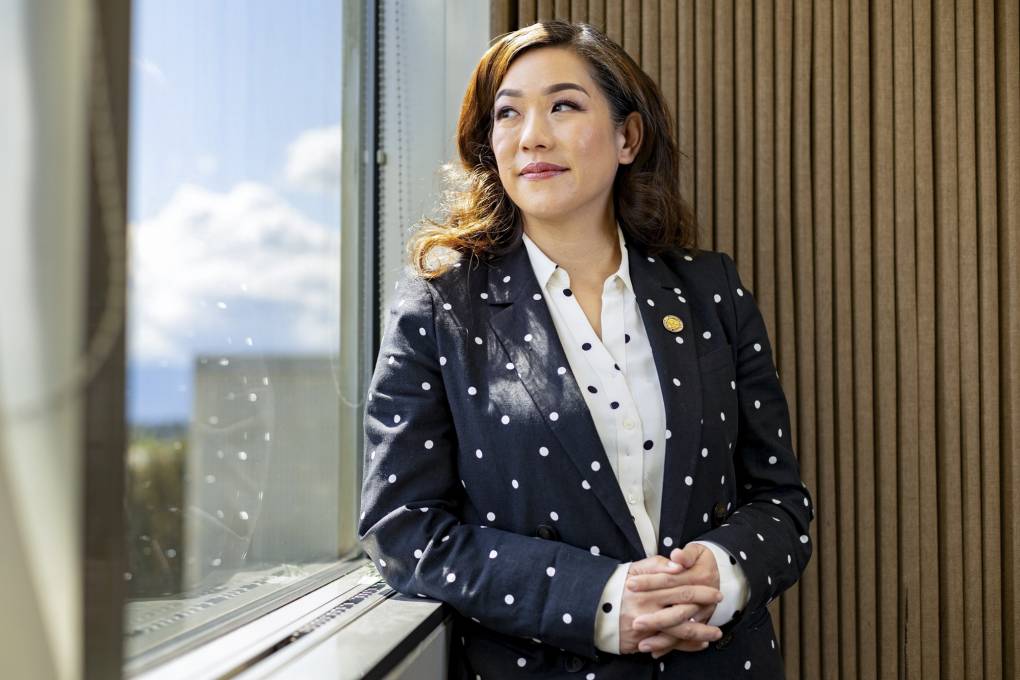
"caption": "Betty Duong, Santa Clara County Supervisor, poses for a photo, at the Santa Clara County Administration Building, in San José on April 3, 2025. ",
"credit": "Gina Castro/KQED",
"altTag": null,
"description": null,
"imgSizes": {
"medium": {
"file": "https://cdn.kqed.org/wp-content/uploads/sites/10/2025/04/20240403_BETTYDUONG_GC-12-KQED-800x533.jpg",
"width": 800,
"height": 533,
"mimeType": "image/jpeg"
},
"large": {
"file": "https://cdn.kqed.org/wp-content/uploads/sites/10/2025/04/20240403_BETTYDUONG_GC-12-KQED-1020x680.jpg",
"width": 1020,
"height": 680,
"mimeType": "image/jpeg"
},
"thumbnail": {
"file": "https://cdn.kqed.org/wp-content/uploads/sites/10/2025/04/20240403_BETTYDUONG_GC-12-KQED-160x107.jpg",
"width": 160,
"height": 107,
"mimeType": "image/jpeg"
},
"1536x1536": {
"file": "https://cdn.kqed.org/wp-content/uploads/sites/10/2025/04/20240403_BETTYDUONG_GC-12-KQED-1536x1024.jpg",
"width": 1536,
"height": 1024,
"mimeType": "image/jpeg"
},
"post-thumbnail": {
"file": "https://cdn.kqed.org/wp-content/uploads/sites/10/2025/04/20240403_BETTYDUONG_GC-12-KQED-672x372.jpg",
"width": 672,
"height": 372,
"mimeType": "image/jpeg"
},
"twentyfourteen-full-width": {
"file": "https://cdn.kqed.org/wp-content/uploads/sites/10/2025/04/20240403_BETTYDUONG_GC-12-KQED-1038x576.jpg",
"width": 1038,
"height": 576,
"mimeType": "image/jpeg"
},
"full-width": {
"file": "https://cdn.kqed.org/wp-content/uploads/sites/10/2025/04/20240403_BETTYDUONG_GC-12-KQED-1920x1280.jpg",
"width": 1920,
"height": 1280,
"mimeType": "image/jpeg"
},
"kqedFullSize": {
"file": "https://cdn.kqed.org/wp-content/uploads/sites/10/2025/04/20240403_BETTYDUONG_GC-12-KQED.jpg",
"width": 2000,
"height": 1333
}
},
"isLoading": false,
"fetchFailed": false
},
"news_11969606": {
"type": "attachments",
"id": "news_11969606",
"meta": {
"index": "attachments_1716263798",
"site": "news",
"id": "11969606",
"found": true
},
"title": "San Mateo Sheriff",
"publishDate": 1702339822,
"status": "inherit",
"parent": 12045697,
"modified": 1750795627,
"caption": "A San Mateo County Sheriff’s Department squad car is seen in Redwood City on Dec. 11, 2023.",
"credit": "Juliana Yamada/KQED",
"altTag": "The side of a police car.",
"description": null,
"imgSizes": {
"medium": {
"file": "https://cdn.kqed.org/wp-content/uploads/sites/10/2023/12/20231211-SAN-MATEO-SHERIFF-020-JY-KQED-800x533.jpg",
"width": 800,
"height": 533,
"mimeType": "image/jpeg"
},
"large": {
"file": "https://cdn.kqed.org/wp-content/uploads/sites/10/2023/12/20231211-SAN-MATEO-SHERIFF-020-JY-KQED-1020x680.jpg",
"width": 1020,
"height": 680,
"mimeType": "image/jpeg"
},
"thumbnail": {
"file": "https://cdn.kqed.org/wp-content/uploads/sites/10/2023/12/20231211-SAN-MATEO-SHERIFF-020-JY-KQED-160x107.jpg",
"width": 160,
"height": 107,
"mimeType": "image/jpeg"
},
"1536x1536": {
"file": "https://cdn.kqed.org/wp-content/uploads/sites/10/2023/12/20231211-SAN-MATEO-SHERIFF-020-JY-KQED-1536x1024.jpg",
"width": 1536,
"height": 1024,
"mimeType": "image/jpeg"
},
"post-thumbnail": {
"file": "https://cdn.kqed.org/wp-content/uploads/sites/10/2023/12/20231211-SAN-MATEO-SHERIFF-020-JY-KQED-672x372.jpg",
"width": 672,
"height": 372,
"mimeType": "image/jpeg"
},
"twentyfourteen-full-width": {
"file": "https://cdn.kqed.org/wp-content/uploads/sites/10/2023/12/20231211-SAN-MATEO-SHERIFF-020-JY-KQED-1038x576.jpg",
"width": 1038,
"height": 576,
"mimeType": "image/jpeg"
},
"full-width": {
"file": "https://cdn.kqed.org/wp-content/uploads/sites/10/2023/12/20231211-SAN-MATEO-SHERIFF-020-JY-KQED-1920x1280.jpg",
"width": 1920,
"height": 1280,
"mimeType": "image/jpeg"
},
"kqedFullSize": {
"file": "https://cdn.kqed.org/wp-content/uploads/sites/10/2023/12/20231211-SAN-MATEO-SHERIFF-020-JY-KQED.jpg",
"width": 2000,
"height": 1333
}
},
"isLoading": false,
"fetchFailed": false
},
"news_12037387": {
"type": "attachments",
"id": "news_12037387",
"meta": {
"index": "attachments_1716263798",
"site": "news",
"id": "12037387",
"found": true
},
"title": "May Day Protests",
"publishDate": 1745447079,
"status": "inherit",
"parent": 12037376,
"modified": 1765486756,
"caption": "Protesters walk during a march in San Francisco on May 1, 2017. ",
"credit": "Jeff Chiu/AP Photo",
"altTag": null,
"description": "Protesters walk during a march in San Francisco on May 1, 2017. Immigrant groups and their allies have joined forces to carry out marches, rallies and protests in cities nationwide to mark May Day, saying there's renewed momentum to fight back against Trump administration policies. ",
"imgSizes": {
"medium": {
"file": "https://cdn.kqed.org/wp-content/uploads/sites/10/2025/04/SanctuaryCitySFTrumpAP-800x569.jpg",
"width": 800,
"height": 569,
"mimeType": "image/jpeg"
},
"large": {
"file": "https://cdn.kqed.org/wp-content/uploads/sites/10/2025/04/SanctuaryCitySFTrumpAP-1020x725.jpg",
"width": 1020,
"height": 725,
"mimeType": "image/jpeg"
},
"thumbnail": {
"file": "https://cdn.kqed.org/wp-content/uploads/sites/10/2025/04/SanctuaryCitySFTrumpAP-160x114.jpg",
"width": 160,
"height": 114,
"mimeType": "image/jpeg"
},
"1536x1536": {
"file": "https://cdn.kqed.org/wp-content/uploads/sites/10/2025/04/SanctuaryCitySFTrumpAP-1536x1092.jpg",
"width": 1536,
"height": 1092,
"mimeType": "image/jpeg"
},
"post-thumbnail": {
"file": "https://cdn.kqed.org/wp-content/uploads/sites/10/2025/04/SanctuaryCitySFTrumpAP-672x372.jpg",
"width": 672,
"height": 372,
"mimeType": "image/jpeg"
},
"twentyfourteen-full-width": {
"file": "https://cdn.kqed.org/wp-content/uploads/sites/10/2025/04/SanctuaryCitySFTrumpAP-1038x576.jpg",
"width": 1038,
"height": 576,
"mimeType": "image/jpeg"
},
"full-width": {
"file": "https://cdn.kqed.org/wp-content/uploads/sites/10/2025/04/SanctuaryCitySFTrumpAP-1920x1365.jpg",
"width": 1920,
"height": 1365,
"mimeType": "image/jpeg"
},
"kqedFullSize": {
"file": "https://cdn.kqed.org/wp-content/uploads/sites/10/2025/04/SanctuaryCitySFTrumpAP.jpg",
"width": 2000,
"height": 1422
}
},
"isLoading": false,
"fetchFailed": false
},
"news_12035926": {
"type": "attachments",
"id": "news_12035926",
"meta": {
"index": "attachments_1716263798",
"site": "news",
"id": "12035926",
"found": true
},
"title": "040925-LICENSE-TO-KILL-LV",
"publishDate": 1744664112,
"status": "inherit",
"parent": 12035925,
"modified": 1744664348,
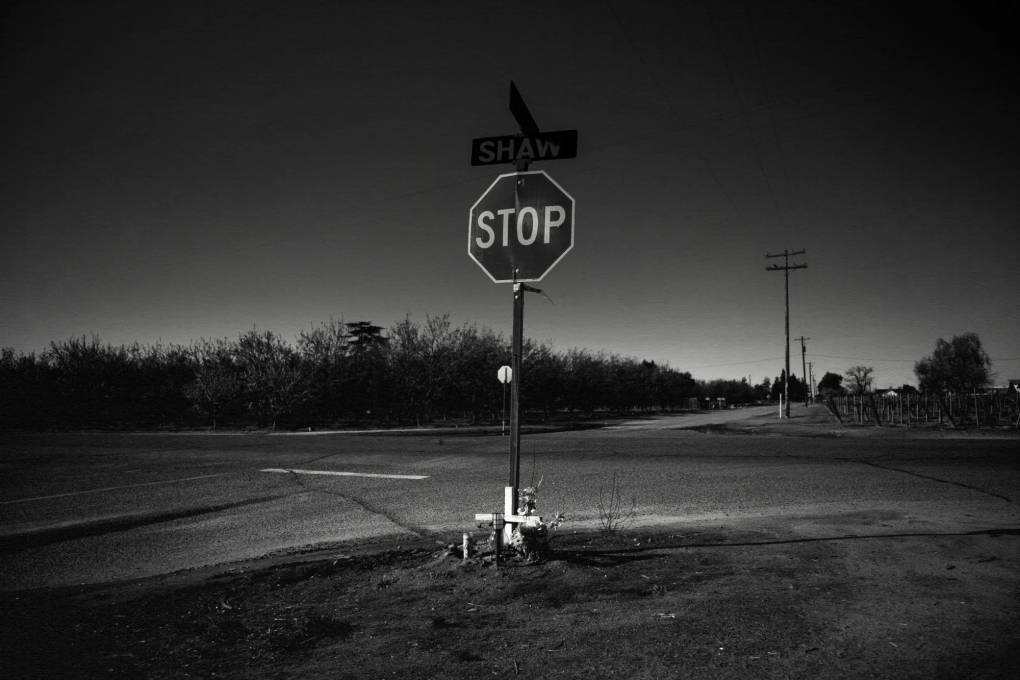
"caption": "The California DMV routinely allows dangerous drivers with horrifying histories to continue to operate on our roadways. Too often they go on to kill. Many keep driving even after they kill. Some go on to kill again.",
"credit": "Photo Illustration by Gabe Hongsdusit, CalMatters; Larry Valenzuela CalMatters/CatchLight Local",
"altTag": null,
"description": null,
"imgSizes": {
"medium": {
"file": "https://cdn.kqed.org/wp-content/uploads/sites/10/2025/04/040925-LICENSE-TO-KILL-LV-800x533.jpg",
"width": 800,
"height": 533,
"mimeType": "image/jpeg"
},
"large": {
"file": "https://cdn.kqed.org/wp-content/uploads/sites/10/2025/04/040925-LICENSE-TO-KILL-LV-1020x680.jpg",
"width": 1020,
"height": 680,
"mimeType": "image/jpeg"
},
"thumbnail": {
"file": "https://cdn.kqed.org/wp-content/uploads/sites/10/2025/04/040925-LICENSE-TO-KILL-LV-160x107.jpg",
"width": 160,
"height": 107,
"mimeType": "image/jpeg"
},
"1536x1536": {
"file": "https://cdn.kqed.org/wp-content/uploads/sites/10/2025/04/040925-LICENSE-TO-KILL-LV-1536x1024.jpg",
"width": 1536,
"height": 1024,
"mimeType": "image/jpeg"
},
"post-thumbnail": {
"file": "https://cdn.kqed.org/wp-content/uploads/sites/10/2025/04/040925-LICENSE-TO-KILL-LV-672x372.jpg",
"width": 672,
"height": 372,
"mimeType": "image/jpeg"
},
"twentyfourteen-full-width": {
"file": "https://cdn.kqed.org/wp-content/uploads/sites/10/2025/04/040925-LICENSE-TO-KILL-LV-1038x576.jpg",
"width": 1038,
"height": 576,
"mimeType": "image/jpeg"
},
"full-width": {
"file": "https://cdn.kqed.org/wp-content/uploads/sites/10/2025/04/040925-LICENSE-TO-KILL-LV-1920x1280.jpg",
"width": 1920,
"height": 1280,
"mimeType": "image/jpeg"
},
"kqedFullSize": {
"file": "https://cdn.kqed.org/wp-content/uploads/sites/10/2025/04/040925-LICENSE-TO-KILL-LV.jpg",
"width": 2000,
"height": 1333
}
},
"isLoading": false,
"fetchFailed": false
},
"news_12035546": {
"type": "attachments",
"id": "news_12035546",
"meta": {
"index": "attachments_1716263798",
"site": "news",
"id": "12035546",
"found": true
},
"title": "Summer camp",
"publishDate": 1744325866,
"status": "inherit",
"parent": 12035515,
"modified": 1755713318,
"caption": "Look for a spot with ample trees for shade, away from valleys or even a space on a ridgeline for more wind. \n",
"credit": "Twenty47studio/Getty Images",
"altTag": null,
"description": null,
"imgSizes": {
"medium": {
"file": "https://cdn.kqed.org/wp-content/uploads/sites/10/2025/04/GettyImages-1366211065_qed-800x534.jpg",
"width": 800,
"height": 534,
"mimeType": "image/jpeg"
},
"large": {
"file": "https://cdn.kqed.org/wp-content/uploads/sites/10/2025/04/GettyImages-1366211065_qed-1020x681.jpg",
"width": 1020,
"height": 681,
"mimeType": "image/jpeg"
},
"thumbnail": {
"file": "https://cdn.kqed.org/wp-content/uploads/sites/10/2025/04/GettyImages-1366211065_qed-160x107.jpg",
"width": 160,
"height": 107,
"mimeType": "image/jpeg"
},
"1536x1536": {
"file": "https://cdn.kqed.org/wp-content/uploads/sites/10/2025/04/GettyImages-1366211065_qed-1536x1025.jpg",
"width": 1536,
"height": 1025,
"mimeType": "image/jpeg"
},
"post-thumbnail": {
"file": "https://cdn.kqed.org/wp-content/uploads/sites/10/2025/04/GettyImages-1366211065_qed-672x372.jpg",
"width": 672,
"height": 372,
"mimeType": "image/jpeg"
},
"twentyfourteen-full-width": {
"file": "https://cdn.kqed.org/wp-content/uploads/sites/10/2025/04/GettyImages-1366211065_qed-1038x576.jpg",
"width": 1038,
"height": 576,
"mimeType": "image/jpeg"
},
"full-width": {
"file": "https://cdn.kqed.org/wp-content/uploads/sites/10/2025/04/GettyImages-1366211065_qed-1920x1281.jpg",
"width": 1920,
"height": 1281,
"mimeType": "image/jpeg"
},
"kqedFullSize": {
"file": "https://cdn.kqed.org/wp-content/uploads/sites/10/2025/04/GettyImages-1366211065_qed.jpg",
"width": 1998,
"height": 1333
}
},
"isLoading": false,
"fetchFailed": false
},
"news_12009735": {
"type": "attachments",
"id": "news_12009735",
"meta": {
"index": "attachments_1716263798",
"site": "news",
"id": "12009735",
"found": true
},
"title": "241016-OMAR TORRES-GH-1-KQED",
"publishDate": 1729121458,
"status": "inherit",
"parent": 12009671,
"modified": 1729121486,
"caption": "First-term San José Councilmember Omar Torres is facing increasing pressure to resign following a police investigation into text messages he sent referencing sexually explicit acts with a minor.",
"credit": "Joseph Geha/KQED",
"altTag": null,
"description": null,
"imgSizes": {
"medium": {
"file": "https://cdn.kqed.org/wp-content/uploads/sites/10/2024/10/241016-OMAR-TORRES-GH-1-KQED-800x533.jpg",
"width": 800,
"height": 533,
"mimeType": "image/jpeg"
},
"large": {
"file": "https://cdn.kqed.org/wp-content/uploads/sites/10/2024/10/241016-OMAR-TORRES-GH-1-KQED-1020x680.jpg",
"width": 1020,
"height": 680,
"mimeType": "image/jpeg"
},
"thumbnail": {
"file": "https://cdn.kqed.org/wp-content/uploads/sites/10/2024/10/241016-OMAR-TORRES-GH-1-KQED-160x107.jpg",
"width": 160,
"height": 107,
"mimeType": "image/jpeg"
},
"1536x1536": {
"file": "https://cdn.kqed.org/wp-content/uploads/sites/10/2024/10/241016-OMAR-TORRES-GH-1-KQED-1536x1024.jpg",
"width": 1536,
"height": 1024,
"mimeType": "image/jpeg"
},
"post-thumbnail": {
"file": "https://cdn.kqed.org/wp-content/uploads/sites/10/2024/10/241016-OMAR-TORRES-GH-1-KQED-672x372.jpg",
"width": 672,
"height": 372,
"mimeType": "image/jpeg"
},
"twentyfourteen-full-width": {
"file": "https://cdn.kqed.org/wp-content/uploads/sites/10/2024/10/241016-OMAR-TORRES-GH-1-KQED-1038x576.jpg",
"width": 1038,
"height": 576,
"mimeType": "image/jpeg"
},
"full-width": {
"file": "https://cdn.kqed.org/wp-content/uploads/sites/10/2024/10/241016-OMAR-TORRES-GH-1-KQED-1920x1280.jpg",
"width": 1920,
"height": 1280,
"mimeType": "image/jpeg"
},
"kqedFullSize": {
"file": "https://cdn.kqed.org/wp-content/uploads/sites/10/2024/10/241016-OMAR-TORRES-GH-1-KQED.jpg",
"width": 2000,
"height": 1333
}
},
"isLoading": false,
"fetchFailed": false
},
"news_12034595": {
"type": "attachments",
"id": "news_12034595",
"meta": {
"index": "attachments_1716263798",
"site": "news",
"id": "12034595",
"found": true
},
"title": "AnthonyBecker",
"publishDate": 1743800522,
"status": "inherit",
"parent": 0,
"modified": 1743803225,
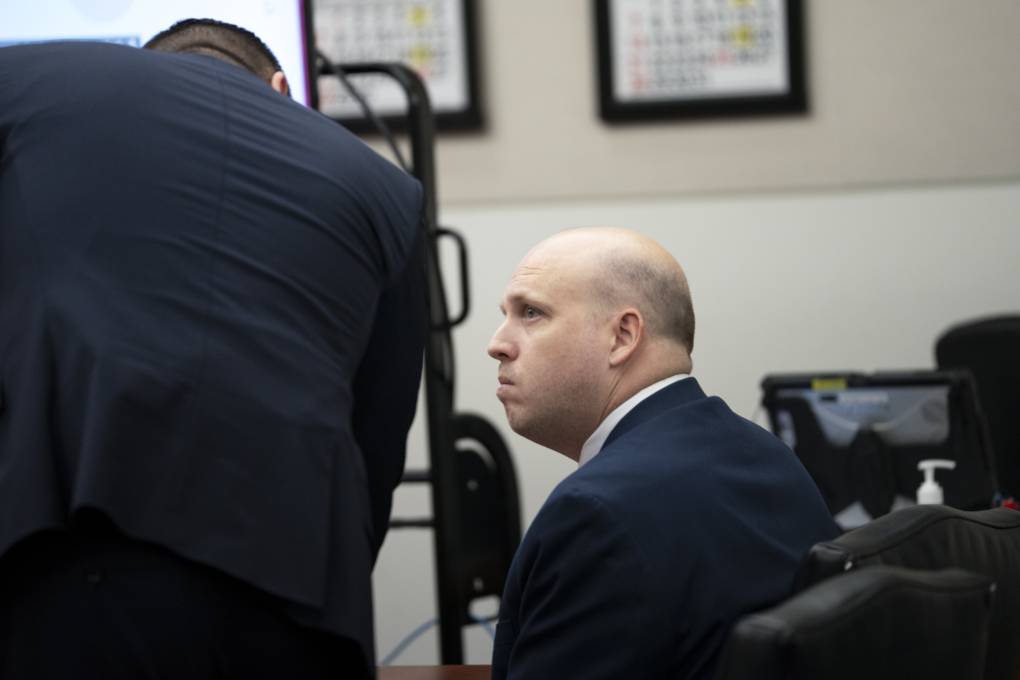
"caption": "Santa Clara City Councilmember Anthony Becker during his sentencing hearing at the South County Morgan Hill Courthouse on April 4, 2025.",
"credit": "Florence Middleton for KQED",
"altTag": null,
"description": null,
"imgSizes": {
"medium": {
"file": "https://cdn.kqed.org/wp-content/uploads/sites/10/2025/04/2025.04.04_MIDDLETON_ANTHONYBECKER_015-KQED-800x533.jpg",
"width": 800,
"height": 533,
"mimeType": "image/jpeg"
},
"large": {
"file": "https://cdn.kqed.org/wp-content/uploads/sites/10/2025/04/2025.04.04_MIDDLETON_ANTHONYBECKER_015-KQED-1020x680.jpg",
"width": 1020,
"height": 680,
"mimeType": "image/jpeg"
},
"thumbnail": {
"file": "https://cdn.kqed.org/wp-content/uploads/sites/10/2025/04/2025.04.04_MIDDLETON_ANTHONYBECKER_015-KQED-160x107.jpg",
"width": 160,
"height": 107,
"mimeType": "image/jpeg"
},
"1536x1536": {
"file": "https://cdn.kqed.org/wp-content/uploads/sites/10/2025/04/2025.04.04_MIDDLETON_ANTHONYBECKER_015-KQED-1536x1024.jpg",
"width": 1536,
"height": 1024,
"mimeType": "image/jpeg"
},
"post-thumbnail": {
"file": "https://cdn.kqed.org/wp-content/uploads/sites/10/2025/04/2025.04.04_MIDDLETON_ANTHONYBECKER_015-KQED-672x372.jpg",
"width": 672,
"height": 372,
"mimeType": "image/jpeg"
},
"twentyfourteen-full-width": {
"file": "https://cdn.kqed.org/wp-content/uploads/sites/10/2025/04/2025.04.04_MIDDLETON_ANTHONYBECKER_015-KQED-1038x576.jpg",
"width": 1038,
"height": 576,
"mimeType": "image/jpeg"
},
"full-width": {
"file": "https://cdn.kqed.org/wp-content/uploads/sites/10/2025/04/2025.04.04_MIDDLETON_ANTHONYBECKER_015-KQED-1920x1280.jpg",
"width": 1920,
"height": 1280,
"mimeType": "image/jpeg"
},
"kqedFullSize": {
"file": "https://cdn.kqed.org/wp-content/uploads/sites/10/2025/04/2025.04.04_MIDDLETON_ANTHONYBECKER_015-KQED.jpg",
"width": 2000,
"height": 1333
}
},
"isLoading": false,
"fetchFailed": false
},
"news_12034075": {
"type": "attachments",
"id": "news_12034075",
"meta": {
"index": "attachments_1716263798",
"site": "news",
"id": "12034075",
"found": true
},
"title": "250401-REGIONALMED-JG-1_qed",
"publishDate": 1743538503,
"status": "inherit",
"parent": 12033787,
"modified": 1743538516,
"caption": null,
"credit": "Joseph Geha/KQED",
"altTag": null,
"description": null,
"imgSizes": {
"medium": {
"file": "https://cdn.kqed.org/wp-content/uploads/sites/10/2025/04/250401-REGIONALMED-JG-1_qed-800x533.jpg",
"width": 800,
"height": 533,
"mimeType": "image/jpeg"
},
"large": {
"file": "https://cdn.kqed.org/wp-content/uploads/sites/10/2025/04/250401-REGIONALMED-JG-1_qed-1020x680.jpg",
"width": 1020,
"height": 680,
"mimeType": "image/jpeg"
},
"thumbnail": {
"file": "https://cdn.kqed.org/wp-content/uploads/sites/10/2025/04/250401-REGIONALMED-JG-1_qed-160x107.jpg",
"width": 160,
"height": 107,
"mimeType": "image/jpeg"
},
"1536x1536": {
"file": "https://cdn.kqed.org/wp-content/uploads/sites/10/2025/04/250401-REGIONALMED-JG-1_qed-1536x1024.jpg",
"width": 1536,
"height": 1024,
"mimeType": "image/jpeg"
},
"post-thumbnail": {
"file": "https://cdn.kqed.org/wp-content/uploads/sites/10/2025/04/250401-REGIONALMED-JG-1_qed-672x372.jpg",
"width": 672,
"height": 372,
"mimeType": "image/jpeg"
},
"twentyfourteen-full-width": {
"file": "https://cdn.kqed.org/wp-content/uploads/sites/10/2025/04/250401-REGIONALMED-JG-1_qed-1038x576.jpg",
"width": 1038,
"height": 576,
"mimeType": "image/jpeg"
},
"full-width": {
"file": "https://cdn.kqed.org/wp-content/uploads/sites/10/2025/04/250401-REGIONALMED-JG-1_qed-1920x1280.jpg",
"width": 1920,
"height": 1280,
"mimeType": "image/jpeg"
},
"kqedFullSize": {
"file": "https://cdn.kqed.org/wp-content/uploads/sites/10/2025/04/250401-REGIONALMED-JG-1_qed.jpg",
"width": 1999,
"height": 1333
}
},
"isLoading": false,
"fetchFailed": false
},
"news_12030595": {
"type": "attachments",
"id": "news_12030595",
"meta": {
"index": "attachments_1716263798",
"site": "news",
"id": "12030595",
"found": true
},
"title": "240617-VTAfile-22-BL_qed",
"publishDate": 1741630671,
"status": "inherit",
"parent": 12032033,
"modified": 1742575984,
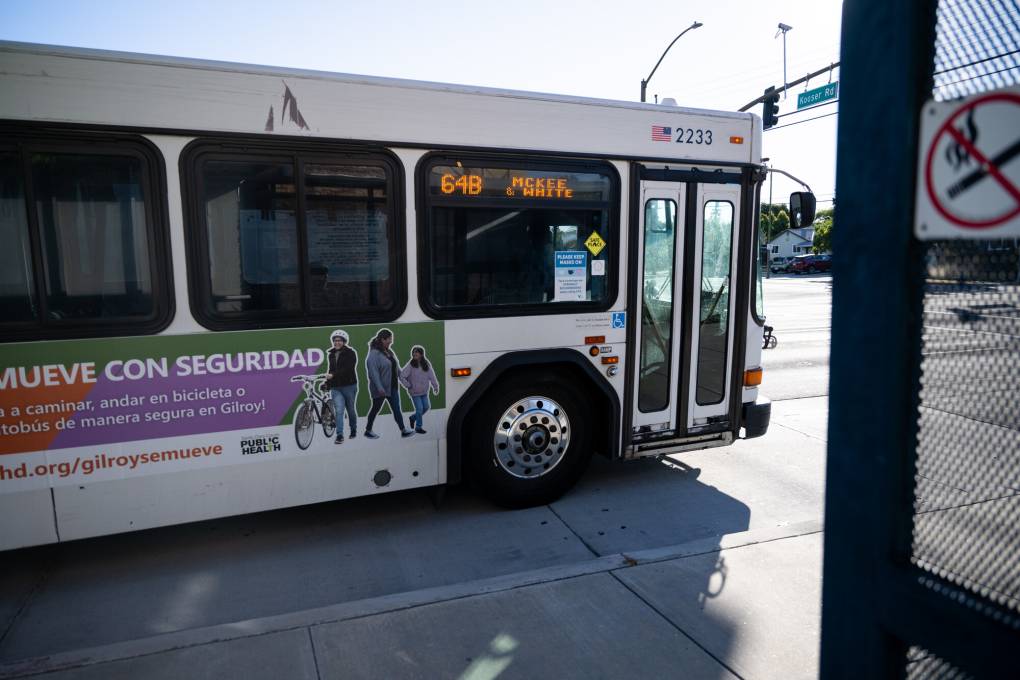
"caption": "A Santa Clara Valley Transportation Authority on Meridian Avenue and Kooser Road in San José on June 17, 2024.",
"credit": "Beth LaBerge/KQED",
"altTag": null,
"description": null,
"imgSizes": {
"medium": {
"file": "https://cdn.kqed.org/wp-content/uploads/sites/10/2025/03/240617-VTAfile-22-BL_qed-800x533.jpg",
"width": 800,
"height": 533,
"mimeType": "image/jpeg"
},
"large": {
"file": "https://cdn.kqed.org/wp-content/uploads/sites/10/2025/03/240617-VTAfile-22-BL_qed-1020x680.jpg",
"width": 1020,
"height": 680,
"mimeType": "image/jpeg"
},
"thumbnail": {
"file": "https://cdn.kqed.org/wp-content/uploads/sites/10/2025/03/240617-VTAfile-22-BL_qed-160x107.jpg",
"width": 160,
"height": 107,
"mimeType": "image/jpeg"
},
"1536x1536": {
"file": "https://cdn.kqed.org/wp-content/uploads/sites/10/2025/03/240617-VTAfile-22-BL_qed-1536x1024.jpg",
"width": 1536,
"height": 1024,
"mimeType": "image/jpeg"
},
"post-thumbnail": {
"file": "https://cdn.kqed.org/wp-content/uploads/sites/10/2025/03/240617-VTAfile-22-BL_qed-672x372.jpg",
"width": 672,
"height": 372,
"mimeType": "image/jpeg"
},
"twentyfourteen-full-width": {
"file": "https://cdn.kqed.org/wp-content/uploads/sites/10/2025/03/240617-VTAfile-22-BL_qed-1038x576.jpg",
"width": 1038,
"height": 576,
"mimeType": "image/jpeg"
},
"full-width": {
"file": "https://cdn.kqed.org/wp-content/uploads/sites/10/2025/03/240617-VTAfile-22-BL_qed-1920x1280.jpg",
"width": 1920,
"height": 1280,
"mimeType": "image/jpeg"
},
"kqedFullSize": {
"file": "https://cdn.kqed.org/wp-content/uploads/sites/10/2025/03/240617-VTAfile-22-BL_qed.jpg",
"width": 2000,
"height": 1333
}
},
"isLoading": false,
"fetchFailed": false
},
"news_12033239": {
"type": "attachments",
"id": "news_12033239",
"meta": {
"index": "attachments_1716263798",
"site": "news",
"id": "12033239",
"found": true
},
"title": "250326-VTACOURT.-JG-05-KQED",
"publishDate": 1743030702,
"status": "inherit",
"parent": 12033549,
"modified": 1743188757,
"caption": "Amalgamated Transit Union Local 265 President Raj Singh, center, watches a hearing in Santa Clara County Superior Court in San José on March 26, 2025.",
"credit": "Joseph Geha/KQED",
"altTag": null,
"description": null,
"imgSizes": {
"medium": {
"file": "https://cdn.kqed.org/wp-content/uploads/sites/10/2025/03/250326-VTACOURT.-JG-05-KQED-800x533.jpg",
"width": 800,
"height": 533,
"mimeType": "image/jpeg"
},
"large": {
"file": "https://cdn.kqed.org/wp-content/uploads/sites/10/2025/03/250326-VTACOURT.-JG-05-KQED-1020x680.jpg",
"width": 1020,
"height": 680,
"mimeType": "image/jpeg"
},
"thumbnail": {
"file": "https://cdn.kqed.org/wp-content/uploads/sites/10/2025/03/250326-VTACOURT.-JG-05-KQED-160x107.jpg",
"width": 160,
"height": 107,
"mimeType": "image/jpeg"
},
"1536x1536": {
"file": "https://cdn.kqed.org/wp-content/uploads/sites/10/2025/03/250326-VTACOURT.-JG-05-KQED-1536x1024.jpg",
"width": 1536,
"height": 1024,
"mimeType": "image/jpeg"
},
"post-thumbnail": {
"file": "https://cdn.kqed.org/wp-content/uploads/sites/10/2025/03/250326-VTACOURT.-JG-05-KQED-672x372.jpg",
"width": 672,
"height": 372,
"mimeType": "image/jpeg"
},
"twentyfourteen-full-width": {
"file": "https://cdn.kqed.org/wp-content/uploads/sites/10/2025/03/250326-VTACOURT.-JG-05-KQED-1038x576.jpg",
"width": 1038,
"height": 576,
"mimeType": "image/jpeg"
},
"full-width": {
"file": "https://cdn.kqed.org/wp-content/uploads/sites/10/2025/03/250326-VTACOURT.-JG-05-KQED-1920x1280.jpg",
"width": 1920,
"height": 1280,
"mimeType": "image/jpeg"
},
"kqedFullSize": {
"file": "https://cdn.kqed.org/wp-content/uploads/sites/10/2025/03/250326-VTACOURT.-JG-05-KQED.jpg",
"width": 2000,
"height": 1333
}
},
"isLoading": false,
"fetchFailed": false
},
"news_12032770": {
"type": "attachments",
"id": "news_12032770",
"meta": {
"index": "attachments_1716263798",
"site": "news",
"id": "12032770",
"found": true
},
"title": "20240324_SANTACLARAMEDICALSTRIKE_GC-9-KQED",
"publishDate": 1742842164,
"status": "inherit",
"parent": 0,
"modified": 1742850154,
"caption": "Dozens of Santa Clara County medical workers, represented by the Engineers and Scientists California Local 20, join a strike over what they call “bad faith” negotiating by the county during contract talks at the Santa Clara Valley Medical Center in San José on March 24, 2025.",
"credit": "Gina Castro/KQED",
"altTag": null,
"description": null,
"imgSizes": {
"medium": {
"file": "https://cdn.kqed.org/wp-content/uploads/sites/10/2025/03/20240324_SANTACLARAMEDICALSTRIKE_GC-9-KQED-800x533.jpg",
"width": 800,
"height": 533,
"mimeType": "image/jpeg"
},
"large": {
"file": "https://cdn.kqed.org/wp-content/uploads/sites/10/2025/03/20240324_SANTACLARAMEDICALSTRIKE_GC-9-KQED-1020x680.jpg",
"width": 1020,
"height": 680,
"mimeType": "image/jpeg"
},
"thumbnail": {
"file": "https://cdn.kqed.org/wp-content/uploads/sites/10/2025/03/20240324_SANTACLARAMEDICALSTRIKE_GC-9-KQED-160x107.jpg",
"width": 160,
"height": 107,
"mimeType": "image/jpeg"
},
"1536x1536": {
"file": "https://cdn.kqed.org/wp-content/uploads/sites/10/2025/03/20240324_SANTACLARAMEDICALSTRIKE_GC-9-KQED-1536x1024.jpg",
"width": 1536,
"height": 1024,
"mimeType": "image/jpeg"
},
"post-thumbnail": {
"file": "https://cdn.kqed.org/wp-content/uploads/sites/10/2025/03/20240324_SANTACLARAMEDICALSTRIKE_GC-9-KQED-672x372.jpg",
"width": 672,
"height": 372,
"mimeType": "image/jpeg"
},
"twentyfourteen-full-width": {
"file": "https://cdn.kqed.org/wp-content/uploads/sites/10/2025/03/20240324_SANTACLARAMEDICALSTRIKE_GC-9-KQED-1038x576.jpg",
"width": 1038,
"height": 576,
"mimeType": "image/jpeg"
},
"full-width": {
"file": "https://cdn.kqed.org/wp-content/uploads/sites/10/2025/03/20240324_SANTACLARAMEDICALSTRIKE_GC-9-KQED-1920x1280.jpg",
"width": 1920,
"height": 1280,
"mimeType": "image/jpeg"
},
"kqedFullSize": {
"file": "https://cdn.kqed.org/wp-content/uploads/sites/10/2025/03/20240324_SANTACLARAMEDICALSTRIKE_GC-9-KQED.jpg",
"width": 2000,
"height": 1333
}
},
"isLoading": false,
"fetchFailed": false
},
"news_12032413": {
"type": "attachments",
"id": "news_12032413",
"meta": {
"index": "attachments_1716263798",
"site": "news",
"id": "12032413",
"found": true
},
"title": "20250311_VTAStrikeDay2_GC-7_qed",
"publishDate": 1742573433,
"status": "inherit",
"parent": 12031623,
"modified": 1742592774,
"caption": "Hundreds of Santa Clara Valley Transportation Authority workers and represented by the Amalgamated Transit Union Local 265, raise fists during a second-day strike in front of the VTA headquarters on North First Street in San José, demanding a better contract and an increase in wages on March 11, 2025.",
"credit": "Gina Castro/KQED",
"altTag": null,
"description": null,
"imgSizes": {
"medium": {
"file": "https://cdn.kqed.org/wp-content/uploads/sites/10/2025/03/20250311_VTAStrikeDay2_GC-7_qed-800x533.jpg",
"width": 800,
"height": 533,
"mimeType": "image/jpeg"
},
"large": {
"file": "https://cdn.kqed.org/wp-content/uploads/sites/10/2025/03/20250311_VTAStrikeDay2_GC-7_qed-1020x680.jpg",
"width": 1020,
"height": 680,
"mimeType": "image/jpeg"
},
"thumbnail": {
"file": "https://cdn.kqed.org/wp-content/uploads/sites/10/2025/03/20250311_VTAStrikeDay2_GC-7_qed-160x107.jpg",
"width": 160,
"height": 107,
"mimeType": "image/jpeg"
},
"1536x1536": {
"file": "https://cdn.kqed.org/wp-content/uploads/sites/10/2025/03/20250311_VTAStrikeDay2_GC-7_qed-1536x1024.jpg",
"width": 1536,
"height": 1024,
"mimeType": "image/jpeg"
},
"post-thumbnail": {
"file": "https://cdn.kqed.org/wp-content/uploads/sites/10/2025/03/20250311_VTAStrikeDay2_GC-7_qed-672x372.jpg",
"width": 672,
"height": 372,
"mimeType": "image/jpeg"
},
"twentyfourteen-full-width": {
"file": "https://cdn.kqed.org/wp-content/uploads/sites/10/2025/03/20250311_VTAStrikeDay2_GC-7_qed-1038x576.jpg",
"width": 1038,
"height": 576,
"mimeType": "image/jpeg"
},
"full-width": {
"file": "https://cdn.kqed.org/wp-content/uploads/sites/10/2025/03/20250311_VTAStrikeDay2_GC-7_qed-1920x1280.jpg",
"width": 1920,
"height": 1280,
"mimeType": "image/jpeg"
},
"kqedFullSize": {
"file": "https://cdn.kqed.org/wp-content/uploads/sites/10/2025/03/20250311_VTAStrikeDay2_GC-7_qed.jpg",
"width": 2000,
"height": 1333
}
},
"isLoading": false,
"fetchFailed": false
}
},
"audioPlayerReducer": {
"postId": "stream_live",
"isPaused": true,
"isPlaying": false,
"pfsActive": false,
"pledgeModalIsOpen": true,
"playerDrawerIsOpen": false,
"liveAudioPlayStartedAt": 0,
"liveAudioPlayContext": ""
},
"authorsReducer": {
"byline_news_12035925": {
"type": "authors",
"id": "byline_news_12035925",
"meta": {
"override": true
},
"slug": "byline_news_12035925",
"name": "\u003ca href=\"https://calmatters.org/author/robert-lewis/\">Robert Lewis\u003c/a>, CalMatters",
"isLoading": false
},
"matthewgreen": {
"type": "authors",
"id": "1263",
"meta": {
"index": "authors_1716337520",
"id": "1263",
"found": true
},
"name": "Matthew Green",
"firstName": "Matthew",
"lastName": "Green",
"slug": "matthewgreen",
"email": "mgreen@kqed.org",
"display_author_email": false,
"staff_mastheads": [],
"title": "KQED Editor/Reporter",
"bio": "Matthew Green is a digital media producer for KQED News. He previously produced \u003ca href=\"http://www.kqed.org/lowdown\">The Lowdown\u003c/a>, KQED’s multimedia news education blog. Matthew's written for numerous Bay Area publications, including the Oakland Tribune and San Francisco Chronicle. He also taught journalism classes at Fremont High School in East Oakland.\r\n\r\nEmail: mgreen@kqed.org; Twitter: @MGreenKQED",
"avatar": "https://secure.gravatar.com/avatar/3bf498d1267ca02c8494f33d8cfc575e?s=600&d=blank&r=g",
"twitter": "MGreenKQED",
"facebook": null,
"instagram": null,
"linkedin": null,
"sites": [
{
"site": "news",
"roles": []
},
{
"site": "lowdown",
"roles": []
},
{
"site": "science",
"roles": []
},
{
"site": "education",
"roles": []
},
{
"site": "quest",
"roles": []
},
{
"site": "liveblog",
"roles": []
}
],
"headData": {
"title": "Matthew Green | KQED",
"description": "KQED Editor/Reporter",
"ogImgSrc": "https://secure.gravatar.com/avatar/3bf498d1267ca02c8494f33d8cfc575e?s=600&d=blank&r=g",
"twImgSrc": "https://secure.gravatar.com/avatar/3bf498d1267ca02c8494f33d8cfc575e?s=600&d=blank&r=g"
},
"isLoading": false,
"link": "/author/matthewgreen"
},
"mlagos": {
"type": "authors",
"id": "3239",
"meta": {
"index": "authors_1716337520",
"id": "3239",
"found": true
},
"name": "Marisa Lagos",
"firstName": "Marisa",
"lastName": "Lagos",
"slug": "mlagos",
"email": "mlagos@kqed.org",
"display_author_email": false,
"staff_mastheads": [
"news"
],
"title": "KQED Contributor",
"bio": "Marisa Lagos is a correspondent for KQED’s California Politics and Government Desk and co-hosts the award-winning show and podcast, Political Breakdown. At KQED, Lagos also conducts reporting, analysis and investigations into state, local and national politics for radio, TV, online and onstage. In 2022, she and co-host, Scott Shafer, moderated the only gubernatorial debate in California. In 2020, the \u003ci>Washington Post\u003c/i> named her one of the top political journalists in California; she was nominated for a Peabody and won several other awards for her work investigating the 2017 California wildfires. She has worked at the \u003ci>San Francisco Chronicle\u003c/i>, \u003ci>San Francisco Examiner\u003c/i> and \u003ci>Los Angeles Times\u003c/i>. A UC Santa Barbara graduate, she lives in San Francisco with her two sons and husband.",
"avatar": "https://secure.gravatar.com/avatar/a261a0d3696fc066871ef96b85b5e7d2?s=600&d=blank&r=g",
"twitter": "@mlagos",
"facebook": null,
"instagram": null,
"linkedin": null,
"sites": [
{
"site": "arts",
"roles": [
"author"
]
},
{
"site": "news",
"roles": [
"editor"
]
},
{
"site": "science",
"roles": [
"editor"
]
},
{
"site": "forum",
"roles": [
"author"
]
},
{
"site": "liveblog",
"roles": [
"author"
]
}
],
"headData": {
"title": "Marisa Lagos | KQED",
"description": "KQED Contributor",
"ogImgSrc": "https://secure.gravatar.com/avatar/a261a0d3696fc066871ef96b85b5e7d2?s=600&d=blank&r=g",
"twImgSrc": "https://secure.gravatar.com/avatar/a261a0d3696fc066871ef96b85b5e7d2?s=600&d=blank&r=g"
},
"isLoading": false,
"link": "/author/mlagos"
},
"jgeha": {
"type": "authors",
"id": "11906",
"meta": {
"index": "authors_1716337520",
"id": "11906",
"found": true
},
"name": "Joseph Geha",
"firstName": "Joseph",
"lastName": "Geha",
"slug": "jgeha",
"email": "jgeha@kqed.org",
"display_author_email": false,
"staff_mastheads": [
"news",
"science"
],
"title": "KQED Contributor",
"bio": null,
"avatar": "https://secure.gravatar.com/avatar/ea84d2b6dd93d6369d453edf19dd583f117cd1759d2d9c9c92f9de77017354fe?s=600&d=blank&r=g",
"twitter": null,
"bluesky": null,
"facebook": null,
"instagram": null,
"linkedin": null,
"sites": [
{
"site": "news",
"roles": [
"editor"
]
},
{
"site": "liveblog",
"roles": [
"author"
]
}
],
"headData": {
"title": "Joseph Geha | KQED",
"description": "KQED Contributor",
"ogImgSrc": "https://secure.gravatar.com/avatar/ea84d2b6dd93d6369d453edf19dd583f117cd1759d2d9c9c92f9de77017354fe?s=600&d=blank&r=g",
"twImgSrc": "https://secure.gravatar.com/avatar/ea84d2b6dd93d6369d453edf19dd583f117cd1759d2d9c9c92f9de77017354fe?s=600&d=blank&r=g"
},
"isLoading": false,
"link": "/author/jgeha"
}
},
"pagesReducer": {
"news_tag_santa-clara-county": {
"type": "terms",
"id": "news_18188",
"meta": {
"index": "terms_1716263798",
"site": "news",
"id": "18188",
"score": 9.104131
},
"featImg": null,
"name": "Santa Clara County",
"description": null,
"taxonomy": "tag",
"headData": {
"twImgId": null,
"twTitle": null,
"ogTitle": null,
"ogImgId": null,
"twDescription": null,
"description": null,
"title": "Santa Clara County Archives | KQED News",
"ogDescription": null
},
"ttid": 18222,
"slug": "santa-clara-county",
"isLoading": false,
"title": "Santa Clara County",
"pageMeta": {
"site": "news",
"WpPageTemplate": "page-topic-editorial",
"currentPage": 8
},
"blocks": [
{
"blockName": "kqed/post-list",
"attrs": {
"layout": "cardArticle2",
"query": "posts/news?tag=santa-clara-county",
"seeMore": false,
"paginated": true,
"page": 8
}
},
{
"blockName": "kqed/ad"
}
]
}
},
"pfsSessionReducer": {},
"postsReducer": {
"stream_live": {
"type": "live",
"id": "stream_live",
"audioUrl": "https://streams.kqed.org/kqedradio",
"title": "Live Stream",
"excerpt": "Live Stream information currently unavailable.",
"link": "/radio",
"featImg": "",
"label": {
"name": "KQED Live",
"link": "/"
}
},
"stream_kqedNewscast": {
"type": "posts",
"id": "stream_kqedNewscast",
"audioUrl": "https://www.kqed.org/.stream/anon/radio/RDnews/newscast.mp3?_=1",
"title": "KQED Newscast",
"featImg": "",
"label": {
"name": "88.5 FM",
"link": "/"
}
},
"news_12037680": {
"type": "posts",
"id": "news_12037680",
"meta": {
"index": "posts_1716263798",
"site": "news",
"id": "12037680",
"score": null,
"sort": [
1745848847000
]
},
"guestAuthors": [],
"slug": "san-jose-became-home-betty-duong-vietnamese-americans",
"title": "‘Beginning of Our Identity’: How San José Became Home for Betty Duong and Vietnamese Americans",
"publishDate": 1745848847,
"format": "standard",
"headTitle": "‘Beginning of Our Identity’: How San José Became Home for Betty Duong and Vietnamese Americans | KQED",
"labelTerm": {
"site": "news"
},
"content": "\u003cp>\u003ca href=\"https://www.kqed.org/news/12017754/meet-betty-duong-santa-clara-countys-first-vietnamese-american-supervisor\">Betty Duong\u003c/a> said that everyone she speaks with in her Vietnamese American community has a different feeling about April 30, 1975, when American soldiers pulled out of South Vietnam and the war officially ended. But they all agree on its significance.\u003c/p>\n\u003cp>Just two years after that day, Duong’s recently married mother fled Vietnam in the middle of the night with her husband on a fishing boat packed with people. She watched helplessly as her brother, who was on board a different vessel, was captured by pirates. Their survival was uncertain.\u003c/p>\n\u003cp>“It’s still a very painful part of time in their lives, that I don’t know if they’ve completely gotten past or processed fully,” Duong, 44, said of her family.\u003c/p>\n\u003cp>[ad fullwidth]\u003c/p>\n\u003cp>For her parents’ generation, that day marks the loss of their home country and a day of mourning. Duong’s peers see it somewhat differently.\u003c/p>\n\u003cp>“When I talk to my second-generation colleagues and counterparts, they say it was the beginning of our identity as a diaspora,” she said. “It’s how we end up here in America.”\u003c/p>\n\u003cp>Today, Duong stands as an example of the growth and influence of the Vietnamese American diaspora in San José. Beginning with the arrival of tens of thousands of refugees in the years after the war, the community has grown, along with its political power, spurred by a need for cultural understanding and by critical events, like the police killing of a Vietnamese American mother.\u003c/p>\n\u003cfigure id=\"attachment_12034774\" class=\"wp-caption aligncenter\" style=\"max-width: 2000px\">\u003cimg loading=\"lazy\" decoding=\"async\" class=\"wp-image-12034774 size-full\" src=\"https://cdn.kqed.org/wp-content/uploads/sites/10/2025/04/20240403_BETTYDUONG_GC-20-KQED.jpg\" alt=\"\" width=\"2000\" height=\"1333\" srcset=\"https://cdn.kqed.org/wp-content/uploads/sites/10/2025/04/20240403_BETTYDUONG_GC-20-KQED.jpg 2000w, https://cdn.kqed.org/wp-content/uploads/sites/10/2025/04/20240403_BETTYDUONG_GC-20-KQED-800x533.jpg 800w, https://cdn.kqed.org/wp-content/uploads/sites/10/2025/04/20240403_BETTYDUONG_GC-20-KQED-1020x680.jpg 1020w, https://cdn.kqed.org/wp-content/uploads/sites/10/2025/04/20240403_BETTYDUONG_GC-20-KQED-160x107.jpg 160w, https://cdn.kqed.org/wp-content/uploads/sites/10/2025/04/20240403_BETTYDUONG_GC-20-KQED-1536x1024.jpg 1536w, https://cdn.kqed.org/wp-content/uploads/sites/10/2025/04/20240403_BETTYDUONG_GC-20-KQED-1920x1280.jpg 1920w\" sizes=\"auto, (max-width: 2000px) 100vw, 2000px\">\u003cfigcaption class=\"wp-caption-text\">From left, Betty Duong holding her daughter, Harper, and her marriage photo with her husband, Khai, are displayed in her office at the Santa Clara County Administration Building in San José on April 3, 2025. \u003ccite>(Gina Castro/KQED)\u003c/cite>\u003c/figcaption>\u003c/figure>\n\u003cp>Duong grew up in the city and attended local schools before going on to UC Berkeley and Davis. After graduating, she became an attorney and then began work in the public sector for the county.\u003c/p>\n\u003cp>Last November, she became the first Vietnamese American elected to the office of Santa Clara County Supervisor. Her success, some say, is rooted in her ability to connect with varied voting groups, developed through her own upbringing in the community and her reliance on public services.\u003c/p>\n\u003cp>Duong was born in San José after her parents arrived here with the help of Santa Clara County’s refugee resettlement program; her uncle, after escaping from the pirates, eventually ended up in Australia.\u003c/p>\n\u003cp>She learned English in school, picking it up faster than her parents, and she often found herself translating for them at parent-teacher conferences, medical appointments and the DMV, an experience children of many immigrants and refugees are familiar with.\u003c/p>\n\u003cfigure id=\"attachment_12037737\" class=\"wp-caption alignright\" style=\"max-width: 400px\">\u003cimg loading=\"lazy\" decoding=\"async\" class=\"wp-image-12037737 size-full\" src=\"https://cdn.kqed.org/wp-content/uploads/sites/10/2025/04/ECEFCE9F-8AED-48FC-8C07-64265BE40EB9_KQED-1.jpg\" alt=\"\" width=\"400\" height=\"508\" srcset=\"https://cdn.kqed.org/wp-content/uploads/sites/10/2025/04/ECEFCE9F-8AED-48FC-8C07-64265BE40EB9_KQED-1.jpg 400w, https://cdn.kqed.org/wp-content/uploads/sites/10/2025/04/ECEFCE9F-8AED-48FC-8C07-64265BE40EB9_KQED-1-160x203.jpg 160w\" sizes=\"auto, (max-width: 400px) 100vw, 400px\">\u003cfigcaption class=\"wp-caption-text\">Betty Duong as a baby, being held by her father, Thông Dương, and her sister, Kathy, being held by her mother, Ngọc Từ, outside of San José State University. \u003ccite>(Courtesy of Betty Duong)\u003c/cite>\u003c/figcaption>\u003c/figure>\n\u003cp>“This was also during the time when police officers and first responders didn’t have a language line or language access, so when 911 was called, I was also volunteered to help translate these very serious situations,” Duong said, something she feels a child should never have to do.\u003c/p>\n\u003cp>Growing up in Section 8 housing in downtown San José, Duong thought the whole world looked like the five-block radius around her, made up largely of Vietnamese and Latino families, with doors left open all day in the warmer months for lack of air conditioning. Many families were reliant on county services to help make ends meet, put food on the table and access medical care.\u003c/p>\n\u003cp>Duong sings the praises of the county for welcoming Vietnamese refugees with open arms and offering support to her family at a critical time.\u003c/p>\n\u003cp>However, her work in public service has been shaped by her family’s experience with poorly implemented or culturally insensitive safety net programs that didn’t consider the different ways people might need assistance.\u003c/p>\n\u003cp>“It always kind of fell short, and it always added a sense of chaos to the world,” she said of the services she received. “It was always somebody else’s call what we were going to eat, how we were going to eat, where we were going to live, how are we going to live and what that entailed.”\u003c/p>\n\u003cp>Today, Vietnamese American culture helps define San José and the region, and politicians have understood for many years the value of the group as a coveted voting bloc. About 122,000 residents identify as Vietnamese American, representing more than 10% of the city’s population, according to the U.S. Census Bureau.\u003c/p>\n\u003cp>But Vietnamese Americans had to make major strides to overcome ignorance, racism, systemic exclusion and cultural and language access barriers along the way.\u003c/p>\n\u003ch2>“We weren’t wanted”\u003c/h2>\n\u003cp>When Duong was growing up, her family experienced blunt racism and bigotry, with people directing slurs at her parents, or telling her father to learn English or go back to his country.\u003c/p>\n\u003cp>Vietnamese refugees arrived in America at a fraught time. The country was in an economic recession, and the war itself was causing division, according to Hien Duc Do, a professor of sociology and Asian American studies at San José State University.\u003c/p>\n\u003cfigure id=\"attachment_12037728\" class=\"wp-caption aligncenter\" style=\"max-width: 1600px\">\u003cimg loading=\"lazy\" decoding=\"async\" class=\"wp-image-12037728 size-full\" src=\"https://cdn.kqed.org/wp-content/uploads/sites/10/2025/04/Photo_2025-03-19_151258-2.jpeg\" alt=\"\" width=\"1600\" height=\"1072\" srcset=\"https://cdn.kqed.org/wp-content/uploads/sites/10/2025/04/Photo_2025-03-19_151258-2.jpeg 1600w, https://cdn.kqed.org/wp-content/uploads/sites/10/2025/04/Photo_2025-03-19_151258-2-800x536.jpeg 800w, https://cdn.kqed.org/wp-content/uploads/sites/10/2025/04/Photo_2025-03-19_151258-2-1020x683.jpeg 1020w, https://cdn.kqed.org/wp-content/uploads/sites/10/2025/04/Photo_2025-03-19_151258-2-160x107.jpeg 160w, https://cdn.kqed.org/wp-content/uploads/sites/10/2025/04/Photo_2025-03-19_151258-2-1536x1029.jpeg 1536w\" sizes=\"auto, (max-width: 1600px) 100vw, 1600px\">\u003cfigcaption class=\"wp-caption-text\">Betty Duong as a toddler with her mom, Ngọc Từ, standing outside an apartment complex on South Fifth Street where they lived at the time, across from San José State University. \u003ccite>(Courtesy of Betty Duong)\u003c/cite>\u003c/figcaption>\u003c/figure>\n\u003cp>“There were people who were happy with the refugees. There were people who weren’t happy with refugees,” said Do, who has written extensively about Vietnamese Americans. “ You have about 100,000 people or so coming from a war-torn country and a lot of them came literally without anything but the clothes on their backs. So for them, it was a very traumatic experience.”\u003c/p>\n\u003cp>President Gerald Ford, in his attempt to avoid “ghettoism,” ordered the initial waves of refugees from Vietnam to be dispersed into different areas in the U.S.\u003c/p>\n\u003cp>Do said that broke apart networks of extended families and people who had come to know each other in refugee camps, making it harder for them to find stability. Ford’s plan didn’t last long, as groups of refugees eventually coalesced around warm weather areas such as Orange County, the Bay Area, and Texas, according to the Immigration Policy Center.\u003c/p>\n\u003cp>“There are all these laws that were passed against people like us when we first came, because we weren’t wanted, in the same way that every community had gone through that,” Do said. “And sometimes people tend to forget that. Sometimes, success breeds this idea that America is this land of meritocracy, it’s this open society, when in fact it is not. It could be, but it’s not quite there yet.”\u003c/p>\n\u003ch2>Government cheese\u003c/h2>\n\u003cp>Duong recalls how she and other low-income families received so-called “government cheese” from food banks. “But for a population that’s like 90% lactose intolerant, that was just not a viable option,” Duong said of her family and other Vietnamese Americans.\u003c/p>\n\u003cp>It’s just one example of the sometimes ham-fisted approaches to public welfare that she experienced growing up. She learned that building effective safety net programs requires collective input and designing empathetically for the unique needs of people with different backgrounds and experiences.\u003c/p>\n\u003cfigure id=\"attachment_12037745\" class=\"wp-caption aligncenter\" style=\"max-width: 2184px\">\u003cimg loading=\"lazy\" decoding=\"async\" class=\"wp-image-12037745 size-full\" src=\"https://cdn.kqed.org/wp-content/uploads/sites/10/2025/04/Photo_2024-11-02_190608_Original-2.jpg\" alt=\"\" width=\"2184\" height=\"1536\" srcset=\"https://cdn.kqed.org/wp-content/uploads/sites/10/2025/04/Photo_2024-11-02_190608_Original-2.jpg 2184w, https://cdn.kqed.org/wp-content/uploads/sites/10/2025/04/Photo_2024-11-02_190608_Original-2-800x563.jpg 800w, https://cdn.kqed.org/wp-content/uploads/sites/10/2025/04/Photo_2024-11-02_190608_Original-2-1020x717.jpg 1020w, https://cdn.kqed.org/wp-content/uploads/sites/10/2025/04/Photo_2024-11-02_190608_Original-2-160x113.jpg 160w, https://cdn.kqed.org/wp-content/uploads/sites/10/2025/04/Photo_2024-11-02_190608_Original-2-1536x1080.jpg 1536w, https://cdn.kqed.org/wp-content/uploads/sites/10/2025/04/Photo_2024-11-02_190608_Original-2-2048x1440.jpg 2048w, https://cdn.kqed.org/wp-content/uploads/sites/10/2025/04/Photo_2024-11-02_190608_Original-2-1920x1350.jpg 1920w\" sizes=\"auto, (max-width: 2184px) 100vw, 2184px\">\u003cfigcaption class=\"wp-caption-text\">Betty Duong’s parents, Thông Dương and Ngọc Từ, seen in front of the old Hammer Theater in San José. \u003ccite>(Courtesy of Betty Duong)\u003c/cite>\u003c/figcaption>\u003c/figure>\n\u003cp>To receive health care, her mother often had to make elaborate public transit plans, seeing a primary doctor in one area of San José and then being sent to see a specialist across the city.\u003c/p>\n\u003cp>She wasn’t alone. Decades later, a 2012 county study showed that Vietnamese Americans still faced physical and mental health challenges, as well as intergenerational conflict and difficulty in navigating county services, according to the county.[aside postID=news_12017754 hero='https://cdn.kqed.org/wp-content/uploads/sites/10/2024/12/Betty-and-Community-Member-1020x680.jpg']To help address those needs, former Santa Clara County Supervisors Dave Cortese and Cindy Chavez, for whom Duong served as chief of staff, helped spearhead the opening of the Vietnamese American Services Center in 2021 on Senter Road, close to Vietnamese American neighborhoods and businesses.\u003c/p>\n\u003cp>The center is meant to be a one-stop shop, with culturally competent services for mental and behavioral health, a general health center, dental clinic, pharmacy, social services and nutrition programs for older adults. Duong was the project’s lead for the county.\u003c/p>\n\u003cp>“Why does it take this long for us to have this?” Duong said of equitable services and centers.\u003c/p>\n\u003cp>“There needs to be more Vietnamese representation. There needs to be more Latino representation. There needs to be more South Asian representation. Our elected bodies don’t look like our communities yet, quite yet,” she said.\u003c/p>\n\u003cp>For Duong and so much of the Vietnamese American community, the need for that representation became more urgent about two decades ago.\u003c/p>\n\u003ch2>Police killing of Bich Cau Thi Tran\u003c/h2>\n\u003cp>In the summer of 2003, Duong was attending De Anza College when she, like many others in the community, was shaken by the fatal police shooting of a Vietnamese American woman who was experiencing a mental health crisis in her San José home.\u003c/p>\n\u003cp>Bich Cau Thi Tran was a small woman weighing less than 100 pounds, and a mother of two young boys who struggled with her mental health. She was killed by San José Police Officer Chad Marshall when he responded to a call about a domestic concern at Tran’s apartment in the Northside neighborhood.\u003c/p>\n\u003cp>Tran was holding a Vietnamese-style vegetable peeler, known as a dao bào. Marshall said later he thought it was a knife, and he thought she was going to kill him. Seconds after confronting Tran, he shot her in the chest, and she died on her kitchen floor.\u003c/p>\n\u003cfigure id=\"attachment_12034770\" class=\"wp-caption aligncenter\" style=\"max-width: 2000px\">\u003cimg loading=\"lazy\" decoding=\"async\" class=\"wp-image-12034770 size-full\" src=\"https://cdn.kqed.org/wp-content/uploads/sites/10/2025/04/20240403_BETTYDUONG_GC-4-KQED.jpg\" alt=\"\" width=\"2000\" height=\"1333\" srcset=\"https://cdn.kqed.org/wp-content/uploads/sites/10/2025/04/20240403_BETTYDUONG_GC-4-KQED.jpg 2000w, https://cdn.kqed.org/wp-content/uploads/sites/10/2025/04/20240403_BETTYDUONG_GC-4-KQED-800x533.jpg 800w, https://cdn.kqed.org/wp-content/uploads/sites/10/2025/04/20240403_BETTYDUONG_GC-4-KQED-1020x680.jpg 1020w, https://cdn.kqed.org/wp-content/uploads/sites/10/2025/04/20240403_BETTYDUONG_GC-4-KQED-160x107.jpg 160w, https://cdn.kqed.org/wp-content/uploads/sites/10/2025/04/20240403_BETTYDUONG_GC-4-KQED-1536x1024.jpg 1536w, https://cdn.kqed.org/wp-content/uploads/sites/10/2025/04/20240403_BETTYDUONG_GC-4-KQED-1920x1280.jpg 1920w\" sizes=\"auto, (max-width: 2000px) 100vw, 2000px\">\u003cfigcaption class=\"wp-caption-text\">Betty Duong, Santa Clara County Supervisor, speaks to KQED reporter Joseph Geha for an interview at the Santa Clara County Administration Building in San José on April 3, 2025. \u003ccite>(Gina Castro/KQED)\u003c/cite>\u003c/figcaption>\u003c/figure>\n\u003cp>“When the story first broke, we were hearing on TV that this woman attacked the officer with a butcher knife,” Duong said. It was only through testimony in a rare open grand jury proceeding that more details were revealed.\u003c/p>\n\u003cp>“And then, when we saw that it was the same vegetable peeler that’s in every single Asian household … it was just really heartbreaking,” Duong said.\u003c/p>\n\u003cp>The killing touched off protests, marches and a reckoning within the community about how police treat residents in American communities. It helped propel Madison Nguyen into a San José City Council seat in 2005, becoming the first Vietnamese American person elected in the city.\u003c/p>\n\u003cp>Tam Nguyen, a 45-year resident of San José, attorney and former council member, said before Tran’s killing, the Vietnamese American community was less engaged in local politics, and often treated as an afterthought by power brokers and the establishment in City Hall.\u003c/p>\n\u003cp>“Because we were poor, we were busy earning a living, we didn’t know about politics or civic engagement. So out of ignorance, out of economic and cultural disadvantage, and also because of the system and how it was designed, to keep Asian people quiet,” Nguyen said. “That was the mentality, and how things were going during the 80s and 90s.”\u003c/p>\n\u003cfigure id=\"attachment_12037760\" class=\"wp-caption aligncenter\" style=\"max-width: 1804px\">\u003cimg loading=\"lazy\" decoding=\"async\" class=\"wp-image-12037760 size-full\" src=\"https://cdn.kqed.org/wp-content/uploads/sites/10/2025/04/GettyImages-1408373497.jpg\" alt=\"\" width=\"1804\" height=\"1145\" srcset=\"https://cdn.kqed.org/wp-content/uploads/sites/10/2025/04/GettyImages-1408373497.jpg 1804w, https://cdn.kqed.org/wp-content/uploads/sites/10/2025/04/GettyImages-1408373497-800x508.jpg 800w, https://cdn.kqed.org/wp-content/uploads/sites/10/2025/04/GettyImages-1408373497-1020x647.jpg 1020w, https://cdn.kqed.org/wp-content/uploads/sites/10/2025/04/GettyImages-1408373497-160x102.jpg 160w, https://cdn.kqed.org/wp-content/uploads/sites/10/2025/04/GettyImages-1408373497-1536x975.jpg 1536w\" sizes=\"auto, (max-width: 1804px) 100vw, 1804px\">\u003cfigcaption class=\"wp-caption-text\">Protesters marched to the civic center about a mile away from Bich Cau Thi Tran’s home. The Vietnamese community and others from around the Santa Clara Valley turned out in force for a vigil and march on City Hall on July 16, 2003, in San José to denounce the fatal police shooting of the single mother. \u003ccite>(Paul Chinn/The San Francisco Chronicle via Getty Images)\u003c/cite>\u003c/figcaption>\u003c/figure>\n\u003cp>He recalls being on Mayor Tom McEnery’s Advisory Group on Minority Affairs, which amounted to monthly meetings where the mayor told the group things were going well, but didn’t seek their input.\u003c/p>\n\u003cp>In the 1990s, Nguyen said the community began clamoring about the lack of Vietnamese American representation on the city council and in city staffing ranks, and the lack of a clear path to apply for city contracts or grants. In response, a city hall emissary was sent to tell the community they were being heard, but not to “burden yourself” by putting up a Vietnamese American candidate for office, and not to confuse “equal rights for equal representation,” Nguyen said.\u003c/p>\n\u003cp>“It’s always been that things don’t change until people speak out, get together and act with their votes,” he said. Tran’s killing “woke people up, that we need to stand up, we need to raise our voice, we need to get our act together, get our votes together.”\u003c/p>\n\u003cp>Richard Konda, the executive director of the Asian Law Alliance, also helped form the Coalition for Justice and Accountability in the wake of Tran’s killing, calling for greater cultural sensitivity in San José’s policing.\u003c/p>\n\u003cp>Konda said the shooting shifted the sole focus of many in the Vietnamese American community in San José away from the issues in their home country, which were still looming large in the collective consciousness.\u003c/p>\n\u003cfigure id=\"attachment_12037773\" class=\"wp-caption aligncenter\" style=\"max-width: 1999px\">\u003cimg loading=\"lazy\" decoding=\"async\" class=\"size-full wp-image-12037773\" src=\"https://cdn.kqed.org/wp-content/uploads/sites/10/2025/04/20230801-SJCityHall-04-JY_qed.jpg\" alt=\"\" width=\"1999\" height=\"1333\" srcset=\"https://cdn.kqed.org/wp-content/uploads/sites/10/2025/04/20230801-SJCityHall-04-JY_qed.jpg 1999w, https://cdn.kqed.org/wp-content/uploads/sites/10/2025/04/20230801-SJCityHall-04-JY_qed-800x533.jpg 800w, https://cdn.kqed.org/wp-content/uploads/sites/10/2025/04/20230801-SJCityHall-04-JY_qed-1020x680.jpg 1020w, https://cdn.kqed.org/wp-content/uploads/sites/10/2025/04/20230801-SJCityHall-04-JY_qed-160x107.jpg 160w, https://cdn.kqed.org/wp-content/uploads/sites/10/2025/04/20230801-SJCityHall-04-JY_qed-1536x1024.jpg 1536w, https://cdn.kqed.org/wp-content/uploads/sites/10/2025/04/20230801-SJCityHall-04-JY_qed-1920x1280.jpg 1920w\" sizes=\"auto, (max-width: 1999px) 100vw, 1999px\">\u003cfigcaption class=\"wp-caption-text\">Flags at City Hall in San José, California, on Aug. 1, 2023. \u003ccite>(Juliana Yamada/KQED)\u003c/cite>\u003c/figcaption>\u003c/figure>\n\u003cp>“For many of them, they weren’t really looking inward in terms of the politics of local or state government,” Konda said. “This may have been, I don’t know if you want to call it a triggering point, but something that maybe caused some people to kind of think about, ‘Hey, we need to maybe get more involved locally.’”\u003c/p>\n\u003cp>Duong called Tran’s death a “defining moment” for herself and her community, and she still becomes emotional when speaking about her.\u003c/p>\n\u003cp>“Ms. Tran’s killing — that was the first time that we were faced with this reality that, as a whole, as a community, it was really undeniable at that point that there is a problem, a challenge. There is a rift between police and community in this country,” she said.\u003c/p>\n\u003cp>Duong, who translated for her community in police interactions as a child, said those experiences inspired her to help develop language access policies in 2014. The county built on that, establishing a dedicated language access unit in 2020.\u003c/p>\n\u003cp>She said it was a rare moment that she and her father saw eye to eye on law enforcement during that time.\u003c/p>\n\u003cp>“My dad has been very, very, very pro-police, very pro-law and order,” Duong said. However, as more details emerged about the killing, “he and I really agreed that significant missteps, inherent biases, camouflaged racism — these were all at play.”\u003c/p>\n\u003ch2>More representation\u003c/h2>\n\u003cp>Since then, the community has grown in power and influence, and for decades now, politicians and city and county officials have courted Vietnamese American voters. They often show up to celebrations or events near the Grand Century Mall and the Vietnam Town shopping center in Little Saigon to talk with residents. Some wear traditional Vietnamese clothing known as an ao dai, or carry the flag of South Vietnam, and learn short phrases in Vietnamese to show solidarity.\u003c/p>\n\u003cp>But having a seat at the table is a recent accomplishment.\u003c/p>\n\u003cp>Only five Vietnamese Americans have been elected to the San José City Council in 50 years, and Duong is the first to become a county supervisor.\u003c/p>\n\u003cfigure id=\"attachment_12037727\" class=\"wp-caption aligncenter\" style=\"max-width: 1024px\">\u003cimg loading=\"lazy\" decoding=\"async\" class=\"wp-image-12037727 size-full\" src=\"https://cdn.kqed.org/wp-content/uploads/sites/10/2025/04/IMG_9346.jpg\" alt=\"\" width=\"1024\" height=\"768\" srcset=\"https://cdn.kqed.org/wp-content/uploads/sites/10/2025/04/IMG_9346.jpg 1024w, https://cdn.kqed.org/wp-content/uploads/sites/10/2025/04/IMG_9346-800x600.jpg 800w, https://cdn.kqed.org/wp-content/uploads/sites/10/2025/04/IMG_9346-1020x765.jpg 1020w, https://cdn.kqed.org/wp-content/uploads/sites/10/2025/04/IMG_9346-160x120.jpg 160w\" sizes=\"auto, (max-width: 1024px) 100vw, 1024px\">\u003cfigcaption class=\"wp-caption-text\">The Duong family at Betty Duong’s Santa Clara County Supervisor swearing-in ceremony in January 2025. \u003ccite>(Courtesy of Betty Duong)\u003c/cite>\u003c/figcaption>\u003c/figure>\n\u003cp>Do, the San José State professor, credits Duong’s election victory to her ability to appeal to the common humanity across many different constituencies, not just Vietnamese Americans, which he said represents a maturation for politicians from the community.\u003c/p>\n\u003cp>“She was able to build this coalition that she’s not only seen as this great, amazing, young politician, but one that really understands how to work the system to benefit all of us, not just her own Vietnamese American community, because that would not have been enough to elect her,” he said. “She really can bridge a lot of these amazing stories from different communities.”\u003c/p>\n\u003ch2>Looking forward, looking back\u003c/h2>\n\u003cp>This year marks half a century as a Vietnamese American community for so many in San José. As the culture continues to change, newer generations keep the memories and feelings of their elders close at heart, but also hold different concerns, like how to best honor the past.\u003c/p>\n\u003cp>Duong, like so many Vietnamese Americans, said she faces a “constant negotiation” about how to share her Vietnamese American identity with her young, third-generation daughter, and what to reinforce and what to let go.\u003c/p>\n\u003cfigure id=\"attachment_12017798\" class=\"wp-caption aligncenter\" style=\"max-width: 2000px\">\u003cimg loading=\"lazy\" decoding=\"async\" class=\"size-full wp-image-12017798\" src=\"https://cdn.kqed.org/wp-content/uploads/sites/10/2024/12/Betty-and-Community-Member-scaled-e1745619585830.jpg\" alt=\"\" width=\"2000\" height=\"1334\">\u003cfigcaption class=\"wp-caption-text\">Betty Duong won the election to represent Santa Clara County’s District 2, which includes San José, Alum Rock and the East Foothills. \u003ccite>(Photo courtesy of Betty Duong)\u003c/cite>\u003c/figcaption>\u003c/figure>\n\u003cp>“Our ancestors, our heritage, why we eat certain foods, why we do certain things, our cultural traditions and ceremonies — that originated in a country called Vietnam,” she said, as she tells her daughter.\u003c/p>\n\u003cp>“I hope that my daughter will learn as much as possible, know as much as I do about her grandparents’ journey to America and how that translates to why we need to take care of each other in community,” Duong said.\u003c/p>\n\u003cp>Do noted that over the decades, as groups hold annual remembrances for the Fall of Saigon, there has at times been tension between the generations, or a disconnect about what they experienced. He attributed that to a lack of education in American schools about the war, and that elders may sometimes be hesitant to share details about their trauma, guilt and memories because they want to protect youth from it.\u003c/p>\n\u003cp>So many Vietnamese refugees who ended up in San José were forced to start over professionally, facing major setbacks. Even if they were business professionals, educators or high-ranking military officers in Vietnam, in America, some had to learn new skills to become engineers or assembly line workers, others became janitors and dishwashers, while some opened restaurants and grocery stores, some of which proliferated widely, like Lee’s Sandwiches.\u003c/p>\n\u003cp>The remembrances are important, especially for older generations, “to renew their friendship, to be in community together, to eat together, to cry together, to just to be in a space where they don’t have to explain to people how and why they feel the way that they feel,” Do said.\u003c/p>\n\u003cfigure id=\"attachment_11299999\" class=\"wp-caption aligncenter\" style=\"max-width: 1920px\">\u003cimg loading=\"lazy\" decoding=\"async\" class=\"size-full wp-image-11299999\" src=\"https://cdn.kqed.org/wp-content/uploads/sites/10/2017/02/Viet-Thanh-Nguyen-1.jpg\" alt=\"\" width=\"1920\" height=\"1280\" srcset=\"https://cdn.kqed.org/wp-content/uploads/sites/10/2017/02/Viet-Thanh-Nguyen-1.jpg 1920w, https://cdn.kqed.org/wp-content/uploads/sites/10/2017/02/Viet-Thanh-Nguyen-1-160x107.jpg 160w, https://cdn.kqed.org/wp-content/uploads/sites/10/2017/02/Viet-Thanh-Nguyen-1-800x533.jpg 800w, https://cdn.kqed.org/wp-content/uploads/sites/10/2017/02/Viet-Thanh-Nguyen-1-1020x680.jpg 1020w, https://cdn.kqed.org/wp-content/uploads/sites/10/2017/02/Viet-Thanh-Nguyen-1-1180x787.jpg 1180w, https://cdn.kqed.org/wp-content/uploads/sites/10/2017/02/Viet-Thanh-Nguyen-1-960x640.jpg 960w, https://cdn.kqed.org/wp-content/uploads/sites/10/2017/02/Viet-Thanh-Nguyen-1-240x160.jpg 240w, https://cdn.kqed.org/wp-content/uploads/sites/10/2017/02/Viet-Thanh-Nguyen-1-375x250.jpg 375w, https://cdn.kqed.org/wp-content/uploads/sites/10/2017/02/Viet-Thanh-Nguyen-1-520x347.jpg 520w\" sizes=\"auto, (max-width: 1920px) 100vw, 1920px\">\u003cfigcaption class=\"wp-caption-text\">Pulitzer Prize-winning author Viet Thanh Nguyen signs copies of his new collection of short stories, “The Refugees.” Nguyen came to the United States with his family as a refugee from Vietnam after the end of the Vietnam War in 1975. \u003ccite>(Sasha Khokha/KQED)\u003c/cite>\u003c/figcaption>\u003c/figure>\n\u003cp>Viet Thanh Nguyen, a Pulitzer Prize-winning author and professor who grew up in San José after fleeing Vietnam with his parents at a young age, also spoke of the difficulties Vietnamese Americans face in trying to ensure younger generations know the history of their elders and the war, while allowing them enough freedom from horrific experiences to create their own paths.\u003c/p>\n\u003cp>He drew inspiration from the conclusion of Toni Morrison’s novel about slavery, Beloved, in which she wrote, “This is not a story to pass on.”\u003c/p>\n\u003cp>“This is not a story that we should avoid, but it’s also not a story that we should pass on to another generation. These two things are contradictory, but they exist simultaneously because we haven’t escaped from history yet,” Nguyen said. “And I think that’s true for the Vietnam War. It’s something that we should remember, but it’s also something that we shouldn’t pass on. How do we do that?” he said. “That’s a balancing act that I think is part of our challenge.”\u003c/p>\n\u003cp>What is undeniable is the growth of the Vietnamese American community in Santa Clara County in political and cultural prominence, which may have been tough to see in the beginning years after the Fall of Saigon.\u003c/p>\n\u003cp>“From my childhood to my adulthood, something shifted at some point where now we were welcomed,” Duong said.\u003c/p>\n\u003cp>“It’s night and day. I wish I could go back and tell my younger self that this world gets better, it changes. This life becomes more integrated and surrounded with joy and you would be proud to be Vietnamese American,” she said.\u003c/p>\n\u003cp>[ad floatright]\u003c/p>\n",
"blocks": [],
"excerpt": "Half a century removed from the Fall of Saigon, Vietnamese American culture is woven into the fabric of San José. However, the group faced a rocky path in the South Bay as it grew in influence and political power. ",
"status": "publish",
"parent": 0,
"modified": 1745625791,
"stats": {
"hasAudio": false,
"hasVideo": false,
"hasChartOrMap": false,
"iframeSrcs": [],
"hasGoogleForm": false,
"hasGallery": false,
"hasHearkenModule": false,
"hasPolis": false,
"paragraphCount": 70,
"wordCount": 3576
},
"headData": {
"title": "‘Beginning of Our Identity’: How San José Became Home for Betty Duong and Vietnamese Americans | KQED",
"description": "Half a century removed from the Fall of Saigon, Vietnamese American culture is woven into the fabric of San José. However, the group faced a rocky path in the South Bay as it grew in influence and political power. ",
"ogTitle": "",
"ogDescription": "",
"ogImgId": "",
"twTitle": "",
"twDescription": "",
"twImgId": "",
"schema": {
"@context": "https://schema.org",
"@type": "NewsArticle",
"headline": "‘Beginning of Our Identity’: How San José Became Home for Betty Duong and Vietnamese Americans",
"datePublished": "2025-04-28T07:00:47-07:00",
"dateModified": "2025-04-25T17:03:11-07:00",
"image": "https://cdn.kqed.org/wp-content/uploads/2020/02/KQED-OG-Image@1x.png",
"isAccessibleForFree": "True",
"publisher": {
"@type": "NewsMediaOrganization",
"@id": "https://www.kqed.org/#organization",
"name": "KQED",
"logo": "https://cdn.kqed.org/wp-content/uploads/2020/02/KQED-OG-Image@1x.png",
"url": "https://www.kqed.org",
"sameAs": [
"https://www.facebook.com/KQED",
"https://twitter.com/KQED",
"https://www.instagram.com/kqed/",
"https://www.tiktok.com/@kqedofficial",
"https://www.linkedin.com/company/kqed",
"https://www.youtube.com/channel/UCeC0IOo7i1P_61zVUWbJ4nw"
]
}
}
},
"sticky": false,
"templateType": "standard",
"featuredImageType": "standard",
"excludeFromSiteSearch": "Include",
"articleAge": "0",
"path": "/news/12037680/san-jose-became-home-betty-duong-vietnamese-americans",
"audioTrackLength": null,
"parsedContent": [
{
"type": "contentString",
"content": "\u003cdiv class=\"post-body\">\u003cp>\u003cp>\u003ca href=\"https://www.kqed.org/news/12017754/meet-betty-duong-santa-clara-countys-first-vietnamese-american-supervisor\">Betty Duong\u003c/a> said that everyone she speaks with in her Vietnamese American community has a different feeling about April 30, 1975, when American soldiers pulled out of South Vietnam and the war officially ended. But they all agree on its significance.\u003c/p>\n\u003cp>Just two years after that day, Duong’s recently married mother fled Vietnam in the middle of the night with her husband on a fishing boat packed with people. She watched helplessly as her brother, who was on board a different vessel, was captured by pirates. Their survival was uncertain.\u003c/p>\n\u003cp>“It’s still a very painful part of time in their lives, that I don’t know if they’ve completely gotten past or processed fully,” Duong, 44, said of her family.\u003c/p>\n\u003cp>\u003c/p>\u003c/div>",
"attributes": {
"named": {},
"numeric": []
}
},
{
"type": "component",
"content": "",
"name": "ad",
"attributes": {
"named": {
"label": "fullwidth"
},
"numeric": [
"fullwidth"
]
}
},
{
"type": "contentString",
"content": "\u003cdiv class=\"post-body\">\u003cp>\u003c/p>\n\u003cp>For her parents’ generation, that day marks the loss of their home country and a day of mourning. Duong’s peers see it somewhat differently.\u003c/p>\n\u003cp>“When I talk to my second-generation colleagues and counterparts, they say it was the beginning of our identity as a diaspora,” she said. “It’s how we end up here in America.”\u003c/p>\n\u003cp>Today, Duong stands as an example of the growth and influence of the Vietnamese American diaspora in San José. Beginning with the arrival of tens of thousands of refugees in the years after the war, the community has grown, along with its political power, spurred by a need for cultural understanding and by critical events, like the police killing of a Vietnamese American mother.\u003c/p>\n\u003cfigure id=\"attachment_12034774\" class=\"wp-caption aligncenter\" style=\"max-width: 2000px\">\u003cimg loading=\"lazy\" decoding=\"async\" class=\"wp-image-12034774 size-full\" src=\"https://cdn.kqed.org/wp-content/uploads/sites/10/2025/04/20240403_BETTYDUONG_GC-20-KQED.jpg\" alt=\"\" width=\"2000\" height=\"1333\" srcset=\"https://cdn.kqed.org/wp-content/uploads/sites/10/2025/04/20240403_BETTYDUONG_GC-20-KQED.jpg 2000w, https://cdn.kqed.org/wp-content/uploads/sites/10/2025/04/20240403_BETTYDUONG_GC-20-KQED-800x533.jpg 800w, https://cdn.kqed.org/wp-content/uploads/sites/10/2025/04/20240403_BETTYDUONG_GC-20-KQED-1020x680.jpg 1020w, https://cdn.kqed.org/wp-content/uploads/sites/10/2025/04/20240403_BETTYDUONG_GC-20-KQED-160x107.jpg 160w, https://cdn.kqed.org/wp-content/uploads/sites/10/2025/04/20240403_BETTYDUONG_GC-20-KQED-1536x1024.jpg 1536w, https://cdn.kqed.org/wp-content/uploads/sites/10/2025/04/20240403_BETTYDUONG_GC-20-KQED-1920x1280.jpg 1920w\" sizes=\"auto, (max-width: 2000px) 100vw, 2000px\">\u003cfigcaption class=\"wp-caption-text\">From left, Betty Duong holding her daughter, Harper, and her marriage photo with her husband, Khai, are displayed in her office at the Santa Clara County Administration Building in San José on April 3, 2025. \u003ccite>(Gina Castro/KQED)\u003c/cite>\u003c/figcaption>\u003c/figure>\n\u003cp>Duong grew up in the city and attended local schools before going on to UC Berkeley and Davis. After graduating, she became an attorney and then began work in the public sector for the county.\u003c/p>\n\u003cp>Last November, she became the first Vietnamese American elected to the office of Santa Clara County Supervisor. Her success, some say, is rooted in her ability to connect with varied voting groups, developed through her own upbringing in the community and her reliance on public services.\u003c/p>\n\u003cp>Duong was born in San José after her parents arrived here with the help of Santa Clara County’s refugee resettlement program; her uncle, after escaping from the pirates, eventually ended up in Australia.\u003c/p>\n\u003cp>She learned English in school, picking it up faster than her parents, and she often found herself translating for them at parent-teacher conferences, medical appointments and the DMV, an experience children of many immigrants and refugees are familiar with.\u003c/p>\n\u003cfigure id=\"attachment_12037737\" class=\"wp-caption alignright\" style=\"max-width: 400px\">\u003cimg loading=\"lazy\" decoding=\"async\" class=\"wp-image-12037737 size-full\" src=\"https://cdn.kqed.org/wp-content/uploads/sites/10/2025/04/ECEFCE9F-8AED-48FC-8C07-64265BE40EB9_KQED-1.jpg\" alt=\"\" width=\"400\" height=\"508\" srcset=\"https://cdn.kqed.org/wp-content/uploads/sites/10/2025/04/ECEFCE9F-8AED-48FC-8C07-64265BE40EB9_KQED-1.jpg 400w, https://cdn.kqed.org/wp-content/uploads/sites/10/2025/04/ECEFCE9F-8AED-48FC-8C07-64265BE40EB9_KQED-1-160x203.jpg 160w\" sizes=\"auto, (max-width: 400px) 100vw, 400px\">\u003cfigcaption class=\"wp-caption-text\">Betty Duong as a baby, being held by her father, Thông Dương, and her sister, Kathy, being held by her mother, Ngọc Từ, outside of San José State University. \u003ccite>(Courtesy of Betty Duong)\u003c/cite>\u003c/figcaption>\u003c/figure>\n\u003cp>“This was also during the time when police officers and first responders didn’t have a language line or language access, so when 911 was called, I was also volunteered to help translate these very serious situations,” Duong said, something she feels a child should never have to do.\u003c/p>\n\u003cp>Growing up in Section 8 housing in downtown San José, Duong thought the whole world looked like the five-block radius around her, made up largely of Vietnamese and Latino families, with doors left open all day in the warmer months for lack of air conditioning. Many families were reliant on county services to help make ends meet, put food on the table and access medical care.\u003c/p>\n\u003cp>Duong sings the praises of the county for welcoming Vietnamese refugees with open arms and offering support to her family at a critical time.\u003c/p>\n\u003cp>However, her work in public service has been shaped by her family’s experience with poorly implemented or culturally insensitive safety net programs that didn’t consider the different ways people might need assistance.\u003c/p>\n\u003cp>“It always kind of fell short, and it always added a sense of chaos to the world,” she said of the services she received. “It was always somebody else’s call what we were going to eat, how we were going to eat, where we were going to live, how are we going to live and what that entailed.”\u003c/p>\n\u003cp>Today, Vietnamese American culture helps define San José and the region, and politicians have understood for many years the value of the group as a coveted voting bloc. About 122,000 residents identify as Vietnamese American, representing more than 10% of the city’s population, according to the U.S. Census Bureau.\u003c/p>\n\u003cp>But Vietnamese Americans had to make major strides to overcome ignorance, racism, systemic exclusion and cultural and language access barriers along the way.\u003c/p>\n\u003ch2>“We weren’t wanted”\u003c/h2>\n\u003cp>When Duong was growing up, her family experienced blunt racism and bigotry, with people directing slurs at her parents, or telling her father to learn English or go back to his country.\u003c/p>\n\u003cp>Vietnamese refugees arrived in America at a fraught time. The country was in an economic recession, and the war itself was causing division, according to Hien Duc Do, a professor of sociology and Asian American studies at San José State University.\u003c/p>\n\u003cfigure id=\"attachment_12037728\" class=\"wp-caption aligncenter\" style=\"max-width: 1600px\">\u003cimg loading=\"lazy\" decoding=\"async\" class=\"wp-image-12037728 size-full\" src=\"https://cdn.kqed.org/wp-content/uploads/sites/10/2025/04/Photo_2025-03-19_151258-2.jpeg\" alt=\"\" width=\"1600\" height=\"1072\" srcset=\"https://cdn.kqed.org/wp-content/uploads/sites/10/2025/04/Photo_2025-03-19_151258-2.jpeg 1600w, https://cdn.kqed.org/wp-content/uploads/sites/10/2025/04/Photo_2025-03-19_151258-2-800x536.jpeg 800w, https://cdn.kqed.org/wp-content/uploads/sites/10/2025/04/Photo_2025-03-19_151258-2-1020x683.jpeg 1020w, https://cdn.kqed.org/wp-content/uploads/sites/10/2025/04/Photo_2025-03-19_151258-2-160x107.jpeg 160w, https://cdn.kqed.org/wp-content/uploads/sites/10/2025/04/Photo_2025-03-19_151258-2-1536x1029.jpeg 1536w\" sizes=\"auto, (max-width: 1600px) 100vw, 1600px\">\u003cfigcaption class=\"wp-caption-text\">Betty Duong as a toddler with her mom, Ngọc Từ, standing outside an apartment complex on South Fifth Street where they lived at the time, across from San José State University. \u003ccite>(Courtesy of Betty Duong)\u003c/cite>\u003c/figcaption>\u003c/figure>\n\u003cp>“There were people who were happy with the refugees. There were people who weren’t happy with refugees,” said Do, who has written extensively about Vietnamese Americans. “ You have about 100,000 people or so coming from a war-torn country and a lot of them came literally without anything but the clothes on their backs. So for them, it was a very traumatic experience.”\u003c/p>\n\u003cp>President Gerald Ford, in his attempt to avoid “ghettoism,” ordered the initial waves of refugees from Vietnam to be dispersed into different areas in the U.S.\u003c/p>\n\u003cp>Do said that broke apart networks of extended families and people who had come to know each other in refugee camps, making it harder for them to find stability. Ford’s plan didn’t last long, as groups of refugees eventually coalesced around warm weather areas such as Orange County, the Bay Area, and Texas, according to the Immigration Policy Center.\u003c/p>\n\u003cp>“There are all these laws that were passed against people like us when we first came, because we weren’t wanted, in the same way that every community had gone through that,” Do said. “And sometimes people tend to forget that. Sometimes, success breeds this idea that America is this land of meritocracy, it’s this open society, when in fact it is not. It could be, but it’s not quite there yet.”\u003c/p>\n\u003ch2>Government cheese\u003c/h2>\n\u003cp>Duong recalls how she and other low-income families received so-called “government cheese” from food banks. “But for a population that’s like 90% lactose intolerant, that was just not a viable option,” Duong said of her family and other Vietnamese Americans.\u003c/p>\n\u003cp>It’s just one example of the sometimes ham-fisted approaches to public welfare that she experienced growing up. She learned that building effective safety net programs requires collective input and designing empathetically for the unique needs of people with different backgrounds and experiences.\u003c/p>\n\u003cfigure id=\"attachment_12037745\" class=\"wp-caption aligncenter\" style=\"max-width: 2184px\">\u003cimg loading=\"lazy\" decoding=\"async\" class=\"wp-image-12037745 size-full\" src=\"https://cdn.kqed.org/wp-content/uploads/sites/10/2025/04/Photo_2024-11-02_190608_Original-2.jpg\" alt=\"\" width=\"2184\" height=\"1536\" srcset=\"https://cdn.kqed.org/wp-content/uploads/sites/10/2025/04/Photo_2024-11-02_190608_Original-2.jpg 2184w, https://cdn.kqed.org/wp-content/uploads/sites/10/2025/04/Photo_2024-11-02_190608_Original-2-800x563.jpg 800w, https://cdn.kqed.org/wp-content/uploads/sites/10/2025/04/Photo_2024-11-02_190608_Original-2-1020x717.jpg 1020w, https://cdn.kqed.org/wp-content/uploads/sites/10/2025/04/Photo_2024-11-02_190608_Original-2-160x113.jpg 160w, https://cdn.kqed.org/wp-content/uploads/sites/10/2025/04/Photo_2024-11-02_190608_Original-2-1536x1080.jpg 1536w, https://cdn.kqed.org/wp-content/uploads/sites/10/2025/04/Photo_2024-11-02_190608_Original-2-2048x1440.jpg 2048w, https://cdn.kqed.org/wp-content/uploads/sites/10/2025/04/Photo_2024-11-02_190608_Original-2-1920x1350.jpg 1920w\" sizes=\"auto, (max-width: 2184px) 100vw, 2184px\">\u003cfigcaption class=\"wp-caption-text\">Betty Duong’s parents, Thông Dương and Ngọc Từ, seen in front of the old Hammer Theater in San José. \u003ccite>(Courtesy of Betty Duong)\u003c/cite>\u003c/figcaption>\u003c/figure>\n\u003cp>To receive health care, her mother often had to make elaborate public transit plans, seeing a primary doctor in one area of San José and then being sent to see a specialist across the city.\u003c/p>\n\u003cp>She wasn’t alone. Decades later, a 2012 county study showed that Vietnamese Americans still faced physical and mental health challenges, as well as intergenerational conflict and difficulty in navigating county services, according to the county.\u003c/p>\u003c/div>",
"attributes": {
"named": {},
"numeric": []
}
},
{
"type": "component",
"content": "",
"name": "aside",
"attributes": {
"named": {
"postid": "news_12017754",
"hero": "https://cdn.kqed.org/wp-content/uploads/sites/10/2024/12/Betty-and-Community-Member-1020x680.jpg",
"label": ""
},
"numeric": []
}
},
{
"type": "contentString",
"content": "\u003cdiv class=\"post-body\">\u003cp>To help address those needs, former Santa Clara County Supervisors Dave Cortese and Cindy Chavez, for whom Duong served as chief of staff, helped spearhead the opening of the Vietnamese American Services Center in 2021 on Senter Road, close to Vietnamese American neighborhoods and businesses.\u003c/p>\n\u003cp>The center is meant to be a one-stop shop, with culturally competent services for mental and behavioral health, a general health center, dental clinic, pharmacy, social services and nutrition programs for older adults. Duong was the project’s lead for the county.\u003c/p>\n\u003cp>“Why does it take this long for us to have this?” Duong said of equitable services and centers.\u003c/p>\n\u003cp>“There needs to be more Vietnamese representation. There needs to be more Latino representation. There needs to be more South Asian representation. Our elected bodies don’t look like our communities yet, quite yet,” she said.\u003c/p>\n\u003cp>For Duong and so much of the Vietnamese American community, the need for that representation became more urgent about two decades ago.\u003c/p>\n\u003ch2>Police killing of Bich Cau Thi Tran\u003c/h2>\n\u003cp>In the summer of 2003, Duong was attending De Anza College when she, like many others in the community, was shaken by the fatal police shooting of a Vietnamese American woman who was experiencing a mental health crisis in her San José home.\u003c/p>\n\u003cp>Bich Cau Thi Tran was a small woman weighing less than 100 pounds, and a mother of two young boys who struggled with her mental health. She was killed by San José Police Officer Chad Marshall when he responded to a call about a domestic concern at Tran’s apartment in the Northside neighborhood.\u003c/p>\n\u003cp>Tran was holding a Vietnamese-style vegetable peeler, known as a dao bào. Marshall said later he thought it was a knife, and he thought she was going to kill him. Seconds after confronting Tran, he shot her in the chest, and she died on her kitchen floor.\u003c/p>\n\u003cfigure id=\"attachment_12034770\" class=\"wp-caption aligncenter\" style=\"max-width: 2000px\">\u003cimg loading=\"lazy\" decoding=\"async\" class=\"wp-image-12034770 size-full\" src=\"https://cdn.kqed.org/wp-content/uploads/sites/10/2025/04/20240403_BETTYDUONG_GC-4-KQED.jpg\" alt=\"\" width=\"2000\" height=\"1333\" srcset=\"https://cdn.kqed.org/wp-content/uploads/sites/10/2025/04/20240403_BETTYDUONG_GC-4-KQED.jpg 2000w, https://cdn.kqed.org/wp-content/uploads/sites/10/2025/04/20240403_BETTYDUONG_GC-4-KQED-800x533.jpg 800w, https://cdn.kqed.org/wp-content/uploads/sites/10/2025/04/20240403_BETTYDUONG_GC-4-KQED-1020x680.jpg 1020w, https://cdn.kqed.org/wp-content/uploads/sites/10/2025/04/20240403_BETTYDUONG_GC-4-KQED-160x107.jpg 160w, https://cdn.kqed.org/wp-content/uploads/sites/10/2025/04/20240403_BETTYDUONG_GC-4-KQED-1536x1024.jpg 1536w, https://cdn.kqed.org/wp-content/uploads/sites/10/2025/04/20240403_BETTYDUONG_GC-4-KQED-1920x1280.jpg 1920w\" sizes=\"auto, (max-width: 2000px) 100vw, 2000px\">\u003cfigcaption class=\"wp-caption-text\">Betty Duong, Santa Clara County Supervisor, speaks to KQED reporter Joseph Geha for an interview at the Santa Clara County Administration Building in San José on April 3, 2025. \u003ccite>(Gina Castro/KQED)\u003c/cite>\u003c/figcaption>\u003c/figure>\n\u003cp>“When the story first broke, we were hearing on TV that this woman attacked the officer with a butcher knife,” Duong said. It was only through testimony in a rare open grand jury proceeding that more details were revealed.\u003c/p>\n\u003cp>“And then, when we saw that it was the same vegetable peeler that’s in every single Asian household … it was just really heartbreaking,” Duong said.\u003c/p>\n\u003cp>The killing touched off protests, marches and a reckoning within the community about how police treat residents in American communities. It helped propel Madison Nguyen into a San José City Council seat in 2005, becoming the first Vietnamese American person elected in the city.\u003c/p>\n\u003cp>Tam Nguyen, a 45-year resident of San José, attorney and former council member, said before Tran’s killing, the Vietnamese American community was less engaged in local politics, and often treated as an afterthought by power brokers and the establishment in City Hall.\u003c/p>\n\u003cp>“Because we were poor, we were busy earning a living, we didn’t know about politics or civic engagement. So out of ignorance, out of economic and cultural disadvantage, and also because of the system and how it was designed, to keep Asian people quiet,” Nguyen said. “That was the mentality, and how things were going during the 80s and 90s.”\u003c/p>\n\u003cfigure id=\"attachment_12037760\" class=\"wp-caption aligncenter\" style=\"max-width: 1804px\">\u003cimg loading=\"lazy\" decoding=\"async\" class=\"wp-image-12037760 size-full\" src=\"https://cdn.kqed.org/wp-content/uploads/sites/10/2025/04/GettyImages-1408373497.jpg\" alt=\"\" width=\"1804\" height=\"1145\" srcset=\"https://cdn.kqed.org/wp-content/uploads/sites/10/2025/04/GettyImages-1408373497.jpg 1804w, https://cdn.kqed.org/wp-content/uploads/sites/10/2025/04/GettyImages-1408373497-800x508.jpg 800w, https://cdn.kqed.org/wp-content/uploads/sites/10/2025/04/GettyImages-1408373497-1020x647.jpg 1020w, https://cdn.kqed.org/wp-content/uploads/sites/10/2025/04/GettyImages-1408373497-160x102.jpg 160w, https://cdn.kqed.org/wp-content/uploads/sites/10/2025/04/GettyImages-1408373497-1536x975.jpg 1536w\" sizes=\"auto, (max-width: 1804px) 100vw, 1804px\">\u003cfigcaption class=\"wp-caption-text\">Protesters marched to the civic center about a mile away from Bich Cau Thi Tran’s home. The Vietnamese community and others from around the Santa Clara Valley turned out in force for a vigil and march on City Hall on July 16, 2003, in San José to denounce the fatal police shooting of the single mother. \u003ccite>(Paul Chinn/The San Francisco Chronicle via Getty Images)\u003c/cite>\u003c/figcaption>\u003c/figure>\n\u003cp>He recalls being on Mayor Tom McEnery’s Advisory Group on Minority Affairs, which amounted to monthly meetings where the mayor told the group things were going well, but didn’t seek their input.\u003c/p>\n\u003cp>In the 1990s, Nguyen said the community began clamoring about the lack of Vietnamese American representation on the city council and in city staffing ranks, and the lack of a clear path to apply for city contracts or grants. In response, a city hall emissary was sent to tell the community they were being heard, but not to “burden yourself” by putting up a Vietnamese American candidate for office, and not to confuse “equal rights for equal representation,” Nguyen said.\u003c/p>\n\u003cp>“It’s always been that things don’t change until people speak out, get together and act with their votes,” he said. Tran’s killing “woke people up, that we need to stand up, we need to raise our voice, we need to get our act together, get our votes together.”\u003c/p>\n\u003cp>Richard Konda, the executive director of the Asian Law Alliance, also helped form the Coalition for Justice and Accountability in the wake of Tran’s killing, calling for greater cultural sensitivity in San José’s policing.\u003c/p>\n\u003cp>Konda said the shooting shifted the sole focus of many in the Vietnamese American community in San José away from the issues in their home country, which were still looming large in the collective consciousness.\u003c/p>\n\u003cfigure id=\"attachment_12037773\" class=\"wp-caption aligncenter\" style=\"max-width: 1999px\">\u003cimg loading=\"lazy\" decoding=\"async\" class=\"size-full wp-image-12037773\" src=\"https://cdn.kqed.org/wp-content/uploads/sites/10/2025/04/20230801-SJCityHall-04-JY_qed.jpg\" alt=\"\" width=\"1999\" height=\"1333\" srcset=\"https://cdn.kqed.org/wp-content/uploads/sites/10/2025/04/20230801-SJCityHall-04-JY_qed.jpg 1999w, https://cdn.kqed.org/wp-content/uploads/sites/10/2025/04/20230801-SJCityHall-04-JY_qed-800x533.jpg 800w, https://cdn.kqed.org/wp-content/uploads/sites/10/2025/04/20230801-SJCityHall-04-JY_qed-1020x680.jpg 1020w, https://cdn.kqed.org/wp-content/uploads/sites/10/2025/04/20230801-SJCityHall-04-JY_qed-160x107.jpg 160w, https://cdn.kqed.org/wp-content/uploads/sites/10/2025/04/20230801-SJCityHall-04-JY_qed-1536x1024.jpg 1536w, https://cdn.kqed.org/wp-content/uploads/sites/10/2025/04/20230801-SJCityHall-04-JY_qed-1920x1280.jpg 1920w\" sizes=\"auto, (max-width: 1999px) 100vw, 1999px\">\u003cfigcaption class=\"wp-caption-text\">Flags at City Hall in San José, California, on Aug. 1, 2023. \u003ccite>(Juliana Yamada/KQED)\u003c/cite>\u003c/figcaption>\u003c/figure>\n\u003cp>“For many of them, they weren’t really looking inward in terms of the politics of local or state government,” Konda said. “This may have been, I don’t know if you want to call it a triggering point, but something that maybe caused some people to kind of think about, ‘Hey, we need to maybe get more involved locally.’”\u003c/p>\n\u003cp>Duong called Tran’s death a “defining moment” for herself and her community, and she still becomes emotional when speaking about her.\u003c/p>\n\u003cp>“Ms. Tran’s killing — that was the first time that we were faced with this reality that, as a whole, as a community, it was really undeniable at that point that there is a problem, a challenge. There is a rift between police and community in this country,” she said.\u003c/p>\n\u003cp>Duong, who translated for her community in police interactions as a child, said those experiences inspired her to help develop language access policies in 2014. The county built on that, establishing a dedicated language access unit in 2020.\u003c/p>\n\u003cp>She said it was a rare moment that she and her father saw eye to eye on law enforcement during that time.\u003c/p>\n\u003cp>“My dad has been very, very, very pro-police, very pro-law and order,” Duong said. However, as more details emerged about the killing, “he and I really agreed that significant missteps, inherent biases, camouflaged racism — these were all at play.”\u003c/p>\n\u003ch2>More representation\u003c/h2>\n\u003cp>Since then, the community has grown in power and influence, and for decades now, politicians and city and county officials have courted Vietnamese American voters. They often show up to celebrations or events near the Grand Century Mall and the Vietnam Town shopping center in Little Saigon to talk with residents. Some wear traditional Vietnamese clothing known as an ao dai, or carry the flag of South Vietnam, and learn short phrases in Vietnamese to show solidarity.\u003c/p>\n\u003cp>But having a seat at the table is a recent accomplishment.\u003c/p>\n\u003cp>Only five Vietnamese Americans have been elected to the San José City Council in 50 years, and Duong is the first to become a county supervisor.\u003c/p>\n\u003cfigure id=\"attachment_12037727\" class=\"wp-caption aligncenter\" style=\"max-width: 1024px\">\u003cimg loading=\"lazy\" decoding=\"async\" class=\"wp-image-12037727 size-full\" src=\"https://cdn.kqed.org/wp-content/uploads/sites/10/2025/04/IMG_9346.jpg\" alt=\"\" width=\"1024\" height=\"768\" srcset=\"https://cdn.kqed.org/wp-content/uploads/sites/10/2025/04/IMG_9346.jpg 1024w, https://cdn.kqed.org/wp-content/uploads/sites/10/2025/04/IMG_9346-800x600.jpg 800w, https://cdn.kqed.org/wp-content/uploads/sites/10/2025/04/IMG_9346-1020x765.jpg 1020w, https://cdn.kqed.org/wp-content/uploads/sites/10/2025/04/IMG_9346-160x120.jpg 160w\" sizes=\"auto, (max-width: 1024px) 100vw, 1024px\">\u003cfigcaption class=\"wp-caption-text\">The Duong family at Betty Duong’s Santa Clara County Supervisor swearing-in ceremony in January 2025. \u003ccite>(Courtesy of Betty Duong)\u003c/cite>\u003c/figcaption>\u003c/figure>\n\u003cp>Do, the San José State professor, credits Duong’s election victory to her ability to appeal to the common humanity across many different constituencies, not just Vietnamese Americans, which he said represents a maturation for politicians from the community.\u003c/p>\n\u003cp>“She was able to build this coalition that she’s not only seen as this great, amazing, young politician, but one that really understands how to work the system to benefit all of us, not just her own Vietnamese American community, because that would not have been enough to elect her,” he said. “She really can bridge a lot of these amazing stories from different communities.”\u003c/p>\n\u003ch2>Looking forward, looking back\u003c/h2>\n\u003cp>This year marks half a century as a Vietnamese American community for so many in San José. As the culture continues to change, newer generations keep the memories and feelings of their elders close at heart, but also hold different concerns, like how to best honor the past.\u003c/p>\n\u003cp>Duong, like so many Vietnamese Americans, said she faces a “constant negotiation” about how to share her Vietnamese American identity with her young, third-generation daughter, and what to reinforce and what to let go.\u003c/p>\n\u003cfigure id=\"attachment_12017798\" class=\"wp-caption aligncenter\" style=\"max-width: 2000px\">\u003cimg loading=\"lazy\" decoding=\"async\" class=\"size-full wp-image-12017798\" src=\"https://cdn.kqed.org/wp-content/uploads/sites/10/2024/12/Betty-and-Community-Member-scaled-e1745619585830.jpg\" alt=\"\" width=\"2000\" height=\"1334\">\u003cfigcaption class=\"wp-caption-text\">Betty Duong won the election to represent Santa Clara County’s District 2, which includes San José, Alum Rock and the East Foothills. \u003ccite>(Photo courtesy of Betty Duong)\u003c/cite>\u003c/figcaption>\u003c/figure>\n\u003cp>“Our ancestors, our heritage, why we eat certain foods, why we do certain things, our cultural traditions and ceremonies — that originated in a country called Vietnam,” she said, as she tells her daughter.\u003c/p>\n\u003cp>“I hope that my daughter will learn as much as possible, know as much as I do about her grandparents’ journey to America and how that translates to why we need to take care of each other in community,” Duong said.\u003c/p>\n\u003cp>Do noted that over the decades, as groups hold annual remembrances for the Fall of Saigon, there has at times been tension between the generations, or a disconnect about what they experienced. He attributed that to a lack of education in American schools about the war, and that elders may sometimes be hesitant to share details about their trauma, guilt and memories because they want to protect youth from it.\u003c/p>\n\u003cp>So many Vietnamese refugees who ended up in San José were forced to start over professionally, facing major setbacks. Even if they were business professionals, educators or high-ranking military officers in Vietnam, in America, some had to learn new skills to become engineers or assembly line workers, others became janitors and dishwashers, while some opened restaurants and grocery stores, some of which proliferated widely, like Lee’s Sandwiches.\u003c/p>\n\u003cp>The remembrances are important, especially for older generations, “to renew their friendship, to be in community together, to eat together, to cry together, to just to be in a space where they don’t have to explain to people how and why they feel the way that they feel,” Do said.\u003c/p>\n\u003cfigure id=\"attachment_11299999\" class=\"wp-caption aligncenter\" style=\"max-width: 1920px\">\u003cimg loading=\"lazy\" decoding=\"async\" class=\"size-full wp-image-11299999\" src=\"https://cdn.kqed.org/wp-content/uploads/sites/10/2017/02/Viet-Thanh-Nguyen-1.jpg\" alt=\"\" width=\"1920\" height=\"1280\" srcset=\"https://cdn.kqed.org/wp-content/uploads/sites/10/2017/02/Viet-Thanh-Nguyen-1.jpg 1920w, https://cdn.kqed.org/wp-content/uploads/sites/10/2017/02/Viet-Thanh-Nguyen-1-160x107.jpg 160w, https://cdn.kqed.org/wp-content/uploads/sites/10/2017/02/Viet-Thanh-Nguyen-1-800x533.jpg 800w, https://cdn.kqed.org/wp-content/uploads/sites/10/2017/02/Viet-Thanh-Nguyen-1-1020x680.jpg 1020w, https://cdn.kqed.org/wp-content/uploads/sites/10/2017/02/Viet-Thanh-Nguyen-1-1180x787.jpg 1180w, https://cdn.kqed.org/wp-content/uploads/sites/10/2017/02/Viet-Thanh-Nguyen-1-960x640.jpg 960w, https://cdn.kqed.org/wp-content/uploads/sites/10/2017/02/Viet-Thanh-Nguyen-1-240x160.jpg 240w, https://cdn.kqed.org/wp-content/uploads/sites/10/2017/02/Viet-Thanh-Nguyen-1-375x250.jpg 375w, https://cdn.kqed.org/wp-content/uploads/sites/10/2017/02/Viet-Thanh-Nguyen-1-520x347.jpg 520w\" sizes=\"auto, (max-width: 1920px) 100vw, 1920px\">\u003cfigcaption class=\"wp-caption-text\">Pulitzer Prize-winning author Viet Thanh Nguyen signs copies of his new collection of short stories, “The Refugees.” Nguyen came to the United States with his family as a refugee from Vietnam after the end of the Vietnam War in 1975. \u003ccite>(Sasha Khokha/KQED)\u003c/cite>\u003c/figcaption>\u003c/figure>\n\u003cp>Viet Thanh Nguyen, a Pulitzer Prize-winning author and professor who grew up in San José after fleeing Vietnam with his parents at a young age, also spoke of the difficulties Vietnamese Americans face in trying to ensure younger generations know the history of their elders and the war, while allowing them enough freedom from horrific experiences to create their own paths.\u003c/p>\n\u003cp>He drew inspiration from the conclusion of Toni Morrison’s novel about slavery, Beloved, in which she wrote, “This is not a story to pass on.”\u003c/p>\n\u003cp>“This is not a story that we should avoid, but it’s also not a story that we should pass on to another generation. These two things are contradictory, but they exist simultaneously because we haven’t escaped from history yet,” Nguyen said. “And I think that’s true for the Vietnam War. It’s something that we should remember, but it’s also something that we shouldn’t pass on. How do we do that?” he said. “That’s a balancing act that I think is part of our challenge.”\u003c/p>\n\u003cp>What is undeniable is the growth of the Vietnamese American community in Santa Clara County in political and cultural prominence, which may have been tough to see in the beginning years after the Fall of Saigon.\u003c/p>\n\u003cp>“From my childhood to my adulthood, something shifted at some point where now we were welcomed,” Duong said.\u003c/p>\n\u003cp>“It’s night and day. I wish I could go back and tell my younger self that this world gets better, it changes. This life becomes more integrated and surrounded with joy and you would be proud to be Vietnamese American,” she said.\u003c/p>\n\u003cp>\u003c/p>\u003c/div>",
"attributes": {
"named": {},
"numeric": []
}
},
{
"type": "component",
"content": "",
"name": "ad",
"attributes": {
"named": {
"label": "floatright"
},
"numeric": [
"floatright"
]
}
},
{
"type": "contentString",
"content": "\u003cdiv class=\"post-body\">\u003cp>\u003c/p>\n\u003c/div>\u003c/p>",
"attributes": {
"named": {},
"numeric": []
}
}
],
"link": "/news/12037680/san-jose-became-home-betty-duong-vietnamese-americans",
"authors": [
"11906"
],
"categories": [
"news_31795",
"news_28250",
"news_8",
"news_13"
],
"tags": [
"news_18538",
"news_27626",
"news_34377",
"news_17968",
"news_18541",
"news_18188",
"news_25766",
"news_21285",
"news_235",
"news_21633",
"news_5067",
"news_20043"
],
"featImg": "news_12034771",
"label": "news"
},
"news_12037502": {
"type": "posts",
"id": "news_12037502",
"meta": {
"index": "posts_1716263798",
"site": "news",
"id": "12037502",
"score": null,
"sort": [
1745536699000
]
},
"guestAuthors": [],
"slug": "embattled-san-mateo-sheriff-brings-back-former-aide-alleged-romantic-partner",
"title": "Embattled San Mateo Sheriff Brings Back Former Aide, Alleged Romantic Partner",
"publishDate": 1745536699,
"format": "standard",
"headTitle": "Embattled San Mateo Sheriff Brings Back Former Aide, Alleged Romantic Partner | KQED",
"labelTerm": {
"site": "news"
},
"content": "\u003cp>San Mateo County \u003ca href=\"https://www.kqed.org/news/12029793/san-mateo-county-poised-historic-removal-sheriff-after-special-election\">Sheriff Christina Corpus\u003c/a> is once again under fire, this time for rehiring her former chief of staff — and alleged boyfriend — last week to a reserve deputy position in the department.\u003c/p>\n\u003cp>Victor Aenlle, who was dismissed last year by county supervisors, was rehired to process applications for concealed carry weapons permits, according to an email Corpus sent to law enforcement officials requesting he be added to “the active list [of reserve deputies]” and begin “receiving all correspondence related to the reserve unit.”\u003c/p>\n\u003cp>A county spokesperson confirmed to KQED that Aenlle had been rehired.\u003c/p>\n\u003cp>[ad fullwidth]\u003c/p>\n\u003cp>The move comes amid months of turmoil surrounding the sheriff’s office and Corpus, who has clung to her position despite mounting calls for her to resign.\u003c/p>\n\u003cp>Last year, county officials commissioned an “\u003ca href=\"https://sanmateocounty.legistar.com/View.ashx?M=F&ID=13544883&GUID=95923619-2B6F-477A-8684-CD64124A3BAA\">independent fact-finding investigation\u003c/a>” into a spate of complaints against Corpus and Aenlle, a real estate agent that she tapped to serve as her executive director.\u003c/p>\n\u003cp>The investigation, conducted by retired Judge LaDoris Cordell, found that the pair had created a culture of “retaliation and intimidation,” failed to follow legal procedures and were involved in an inappropriate romantic relationship.\u003c/p>\n\u003cp>“Lies, secrecy, intimidation, retaliation, conflicts of interest, and abuses of authority are the hallmarks of the Corpus administration,” Cordell wrote in the scathing, 408-page audit. “Sheriff Corpus should step down and Victor Aenlle’s employment with the Sheriff’s Office should be terminated immediately.”\u003c/p>\n\u003cp>[aside postID=news_12015538 hero='https://cdn.kqed.org/wp-content/uploads/sites/10/2024/11/GettyImages-1459218721-1020x694.jpg']\u003c/p>\n\u003cp>The San Mateo County Board of Supervisors eliminated Aenlle’s position after the report’s publication in November and barred him from county facilities reserved for sworn officers.\u003c/p>\n\u003cp>In March, San Mateo County voters \u003ca href=\"https://www.kqed.org/news/12029793/san-mateo-county-poised-historic-removal-sheriff-after-special-election\">overwhelmingly passed\u003c/a> a charter amendment granting supervisors the authority to remove Corpus from office with \u003ca href=\"https://www.smcgov.org/ceo/news/supervisors-accept-special-election-results-discuss-next-steps-consideration-sheriffs\">a four-fifths vote\u003c/a>. The board will likely begin moving forward with those proceedings next month. Corpus has refused to resign.\u003c/p>\n\u003cp>Corpus said the hire was necessary to handle the sharp increase in applications for concealed carry licenses. She noted that it was a volunteer position.\u003c/p>\n\u003cp>“Mr. Aenlle will be assisting with actively addressing that backlog,” she said in a statement to KQED, adding that it was within her authority to assign reserve deputies where needed. “Mr. Aenlle has been an active reserve deputy with the Sheriff’s Office for over 17 years. There has been no lapse in his reserve deputy status.”\u003c/p>\n\u003cp>The San Mateo County Deputy Sheriff’s Association, which has pushed for Corpus’ removal, blasted the decision to rehire Aenlle. \u003c/p>\n\u003cp>“I was pretty shocked and I still have not quite been able to fully wrap my head around it just because of how ridiculous it is,” said Detective Eliot Storch, the union’s secretary, who emphasized that Aenlle’s abusive behavior within the department was well documented. “It is a giant middle finger to everyone. It’s really just evidence that she only cares about Victor and herself, nobody else.” \u003c/p>\n\u003cp>Despite being assigned a voluntary, unpaid role with limited scope on paper, Aenlle may try to inappropriately gain influence over other parts of the agency, much like he did in his previous position, Storch added.\u003c/p>\n\u003cp>“We have no reason to believe that’s not going to happen again,” he said. \u003c/p>\n\u003cp>Unrelated to Aenlle’s recent reinstatement, Corpus’ integrity was again questioned by the Board of Supervisors this week when it was revealed that her department had attempted to purchase 10 massage chairs with county funds.\u003c/p>\n\u003cp>The request, which drew a sharp rebuke from Supervisor Jackie Speier, was ultimately rejected.\u003c/p>\n\u003cp>\u003c/p>\n",
"blocks": [],
"excerpt": "San Mateo County Sheriff Christina Corpus has rehired her former chief of staff — and alleged boyfriend — who was dismissed last year by county supervisors following multiple allegations of impropriety.",
"status": "publish",
"parent": 0,
"modified": 1745544453,
"stats": {
"hasAudio": false,
"hasVideo": false,
"hasChartOrMap": false,
"iframeSrcs": [],
"hasGoogleForm": false,
"hasGallery": false,
"hasHearkenModule": false,
"hasPolis": false,
"paragraphCount": 20,
"wordCount": 632
},
"headData": {
"title": "Embattled San Mateo Sheriff Brings Back Former Aide, Alleged Romantic Partner | KQED",
"description": "San Mateo County Sheriff Christina Corpus has rehired her former chief of staff — and alleged boyfriend — who was dismissed last year by county supervisors following multiple allegations of impropriety.",
"ogTitle": "",
"ogDescription": "",
"ogImgId": "",
"twTitle": "",
"twDescription": "",
"twImgId": "",
"schema": {
"@context": "https://schema.org",
"@type": "NewsArticle",
"headline": "Embattled San Mateo Sheriff Brings Back Former Aide, Alleged Romantic Partner",
"datePublished": "2025-04-24T16:18:19-07:00",
"dateModified": "2025-04-24T18:27:33-07:00",
"image": "https://cdn.kqed.org/wp-content/uploads/2020/02/KQED-OG-Image@1x.png",
"isAccessibleForFree": "True",
"publisher": {
"@type": "NewsMediaOrganization",
"@id": "https://www.kqed.org/#organization",
"name": "KQED",
"logo": "https://cdn.kqed.org/wp-content/uploads/2020/02/KQED-OG-Image@1x.png",
"url": "https://www.kqed.org",
"sameAs": [
"https://www.facebook.com/KQED",
"https://twitter.com/KQED",
"https://www.instagram.com/kqed/",
"https://www.tiktok.com/@kqedofficial",
"https://www.linkedin.com/company/kqed",
"https://www.youtube.com/channel/UCeC0IOo7i1P_61zVUWbJ4nw"
]
}
}
},
"sticky": false,
"nprStoryId": "kqed-12037502",
"templateType": "standard",
"featuredImageType": "standard",
"excludeFromSiteSearch": "Include",
"articleAge": "0",
"path": "/news/12037502/embattled-san-mateo-sheriff-brings-back-former-aide-alleged-romantic-partner",
"audioTrackLength": null,
"parsedContent": [
{
"type": "contentString",
"content": "\u003cdiv class=\"post-body\">\u003cp>\u003cp>San Mateo County \u003ca href=\"https://www.kqed.org/news/12029793/san-mateo-county-poised-historic-removal-sheriff-after-special-election\">Sheriff Christina Corpus\u003c/a> is once again under fire, this time for rehiring her former chief of staff — and alleged boyfriend — last week to a reserve deputy position in the department.\u003c/p>\n\u003cp>Victor Aenlle, who was dismissed last year by county supervisors, was rehired to process applications for concealed carry weapons permits, according to an email Corpus sent to law enforcement officials requesting he be added to “the active list [of reserve deputies]” and begin “receiving all correspondence related to the reserve unit.”\u003c/p>\n\u003cp>A county spokesperson confirmed to KQED that Aenlle had been rehired.\u003c/p>\n\u003cp>\u003c/p>\u003c/div>",
"attributes": {
"named": {},
"numeric": []
}
},
{
"type": "component",
"content": "",
"name": "ad",
"attributes": {
"named": {
"label": "fullwidth"
},
"numeric": [
"fullwidth"
]
}
},
{
"type": "contentString",
"content": "\u003cdiv class=\"post-body\">\u003cp>\u003c/p>\n\u003cp>The move comes amid months of turmoil surrounding the sheriff’s office and Corpus, who has clung to her position despite mounting calls for her to resign.\u003c/p>\n\u003cp>Last year, county officials commissioned an “\u003ca href=\"https://sanmateocounty.legistar.com/View.ashx?M=F&ID=13544883&GUID=95923619-2B6F-477A-8684-CD64124A3BAA\">independent fact-finding investigation\u003c/a>” into a spate of complaints against Corpus and Aenlle, a real estate agent that she tapped to serve as her executive director.\u003c/p>\n\u003cp>The investigation, conducted by retired Judge LaDoris Cordell, found that the pair had created a culture of “retaliation and intimidation,” failed to follow legal procedures and were involved in an inappropriate romantic relationship.\u003c/p>\n\u003cp>“Lies, secrecy, intimidation, retaliation, conflicts of interest, and abuses of authority are the hallmarks of the Corpus administration,” Cordell wrote in the scathing, 408-page audit. “Sheriff Corpus should step down and Victor Aenlle’s employment with the Sheriff’s Office should be terminated immediately.”\u003c/p>\n\u003cp>\u003c/p>\u003c/div>",
"attributes": {
"named": {},
"numeric": []
}
},
{
"type": "component",
"content": "",
"name": "aside",
"attributes": {
"named": {
"postid": "news_12015538",
"hero": "https://cdn.kqed.org/wp-content/uploads/sites/10/2024/11/GettyImages-1459218721-1020x694.jpg",
"label": ""
},
"numeric": []
}
},
{
"type": "contentString",
"content": "\u003cdiv class=\"post-body\">\u003cp>\u003c/p>\n\u003cp>The San Mateo County Board of Supervisors eliminated Aenlle’s position after the report’s publication in November and barred him from county facilities reserved for sworn officers.\u003c/p>\n\u003cp>In March, San Mateo County voters \u003ca href=\"https://www.kqed.org/news/12029793/san-mateo-county-poised-historic-removal-sheriff-after-special-election\">overwhelmingly passed\u003c/a> a charter amendment granting supervisors the authority to remove Corpus from office with \u003ca href=\"https://www.smcgov.org/ceo/news/supervisors-accept-special-election-results-discuss-next-steps-consideration-sheriffs\">a four-fifths vote\u003c/a>. The board will likely begin moving forward with those proceedings next month. Corpus has refused to resign.\u003c/p>\n\u003cp>Corpus said the hire was necessary to handle the sharp increase in applications for concealed carry licenses. She noted that it was a volunteer position.\u003c/p>\n\u003cp>“Mr. Aenlle will be assisting with actively addressing that backlog,” she said in a statement to KQED, adding that it was within her authority to assign reserve deputies where needed. “Mr. Aenlle has been an active reserve deputy with the Sheriff’s Office for over 17 years. There has been no lapse in his reserve deputy status.”\u003c/p>\n\u003cp>The San Mateo County Deputy Sheriff’s Association, which has pushed for Corpus’ removal, blasted the decision to rehire Aenlle. \u003c/p>\n\u003cp>“I was pretty shocked and I still have not quite been able to fully wrap my head around it just because of how ridiculous it is,” said Detective Eliot Storch, the union’s secretary, who emphasized that Aenlle’s abusive behavior within the department was well documented. “It is a giant middle finger to everyone. It’s really just evidence that she only cares about Victor and herself, nobody else.” \u003c/p>\n\u003cp>Despite being assigned a voluntary, unpaid role with limited scope on paper, Aenlle may try to inappropriately gain influence over other parts of the agency, much like he did in his previous position, Storch added.\u003c/p>\n\u003cp>“We have no reason to believe that’s not going to happen again,” he said. \u003c/p>\n\u003cp>Unrelated to Aenlle’s recent reinstatement, Corpus’ integrity was again questioned by the Board of Supervisors this week when it was revealed that her department had attempted to purchase 10 massage chairs with county funds.\u003c/p>\n\u003cp>The request, which drew a sharp rebuke from Supervisor Jackie Speier, was ultimately rejected.\u003c/p>\n\u003cp>\u003c/p>\n\u003c/div>\u003c/p>",
"attributes": {
"named": {},
"numeric": []
}
}
],
"link": "/news/12037502/embattled-san-mateo-sheriff-brings-back-former-aide-alleged-romantic-partner",
"authors": [
"1263"
],
"categories": [
"news_31795",
"news_8"
],
"tags": [
"news_32354",
"news_551",
"news_20846",
"news_18188"
],
"featImg": "news_11969606",
"label": "news"
},
"news_12037376": {
"type": "posts",
"id": "news_12037376",
"meta": {
"index": "posts_1716263798",
"site": "news",
"id": "12037376",
"score": null,
"sort": [
1745516342000
]
},
"guestAuthors": [],
"slug": "sf-santa-clara-counties-ask-us-court-halt-trumps-sanctuary-city-funding-freeze",
"title": "US Court Bars Trump’s ‘Sanctuary’ City Funding Freeze",
"publishDate": 1745516342,
"format": "standard",
"headTitle": "US Court Bars Trump’s ‘Sanctuary’ City Funding Freeze | KQED",
"labelTerm": {
"site": "news"
},
"content": "\u003cp>\u003cem>Updated 10:38 a.m. Thursday\u003c/em>\u003c/p>\n\u003cp>A federal judge in San Francisco on Thursday blocked President Donald Trump’s executive actions to withhold federal funds from states, cities and counties with so-called \u003ca href=\"https://www.kqed.org/news/12027607/sfs-long-history-as-sanctuary-city-faces-renewed-challenges-under-trump\">sanctuary policies\u003c/a>.\u003c/p>\n\u003cp>U.S. District Judge William Orrick said a preliminary injunction against the administration was appropriate because the plans were unconstitutional — just as they were in 2017 when Trump ordered officials to withhold billions from San Francisco and California because of sanctuary policies.\u003c/p>\n\u003cp>“The Cities and Counties have also demonstrated a likelihood of irreparable harm. The threat to withhold funding causes them irreparable injury in the form of budgetary uncertainty, deprivation of constitutional rights and undermining trust between the Cities and Counties and the communities they serve,” Orrick wrote in the six-page ruling.\u003c/p>\n\u003cp>[ad fullwidth]\u003c/p>\n\u003cp>The president’s initial \u003ca href=\"https://www.federalregister.gov/documents/2025/01/29/2025-02006/protecting-the-american-people-against-invasion\">order\u003c/a> was issued on his first day in office and called for the Department of Homeland Security and attorneys general to ensure that sanctuary jurisdictions — those that restrict local law enforcement officials from cooperating with immigration enforcement — to lose federal funds.\u003c/p>\n\u003cp>It was followed by \u003ca href=\"https://www.whitehouse.gov/presidential-actions/2025/02/ending-taxpayer-subsidization-of-open-borders/\">another executive order \u003c/a>in February that broadened the directive to include all taxpayer funds to sanctuary jurisdictions, as well as a \u003ca href=\"https://www.justice.gov/ag/media/1388531/dl?inline\">memo\u003c/a> from Attorney General Pam Bondi directing the Department of Justice to stop sending money to cities, counties and states with those types of policies and investigate local officials that “impede” operations.\u003c/p>\n\u003cp>Orrick ordered that the defendants are restrained and enjoined “from directly or indirectly taking any action to withhold, freeze, or condition federal funds,” and the administration must provide written notice of his order to all federal departments and agencies by Monday.\u003c/p>\n\u003cfigure id=\"attachment_12024430\" class=\"wp-caption aligncenter\" style=\"max-width: 2000px\">\u003cimg loading=\"lazy\" decoding=\"async\" class=\"size-full wp-image-12024430\" src=\"https://cdn.kqed.org/wp-content/uploads/sites/10/2025/01/250128-SFImmigration-08-BL.jpg\" alt=\"\" width=\"2000\" height=\"1333\" srcset=\"https://cdn.kqed.org/wp-content/uploads/sites/10/2025/01/250128-SFImmigration-08-BL.jpg 2000w, https://cdn.kqed.org/wp-content/uploads/sites/10/2025/01/250128-SFImmigration-08-BL-800x533.jpg 800w, https://cdn.kqed.org/wp-content/uploads/sites/10/2025/01/250128-SFImmigration-08-BL-1020x680.jpg 1020w, https://cdn.kqed.org/wp-content/uploads/sites/10/2025/01/250128-SFImmigration-08-BL-160x107.jpg 160w, https://cdn.kqed.org/wp-content/uploads/sites/10/2025/01/250128-SFImmigration-08-BL-1536x1024.jpg 1536w, https://cdn.kqed.org/wp-content/uploads/sites/10/2025/01/250128-SFImmigration-08-BL-1920x1280.jpg 1920w\" sizes=\"auto, (max-width: 2000px) 100vw, 2000px\">\u003cfigcaption class=\"wp-caption-text\">A group of elected and public safety officials, labor leaders, and community members fill the steps in front of City Hall in San Francisco on Jan. 28, 2025, during a press conference to reaffirm San Francisco’s commitment to being a Sanctuary City. \u003ccite>(Beth LaBerge/KQED)\u003c/cite>\u003c/figcaption>\u003c/figure>\n\u003cp>In all, 16 cities and counties from around the U.S. have \u003ca href=\"https://www.kqed.org/news/12026179/san-francisco-leads-lawsuit-against-trumps-threats-to-punish-sanctuary-cities\">sued\u003c/a> in an action brought Feb. 7 and led by Santa Clara and San Francisco. The suit asks the court to block all of the Trump administration’s actions related to stripping funding from sanctuary jurisdictions.\u003c/p>\n\u003cp>In their lawsuit, San Francisco and Santa Clara counties argue that the government’s threats are unconstitutional, and note that \u003ca href=\"https://www.kqed.org/news/12031821/legal-showdown-over-sanctuary-laws-tests-federal-vs-state-power-again\">the issue has been litigated before\u003c/a>: In 2017, courts of appeals \u003ca href=\"https://www.npr.org/sections/thetwo-way/2017/11/21/565678707/enter-title\">sided\u003c/a> with the counties, as well as the city of Chicago, in two cases challenging a similar executive order issued during Trump’s first term in office. That case was also heard by Orrick, who presided over Wednesday’s hearing.\u003c/p>\n\u003cp>“Both this court and the Ninth Circuit found that the clear and specific directive to ensure that sanctuary jurisdictions are not eligible to receive federal grants was unconstitutional,” Deputy City Attorney Karun Tilak told the court Wednesday.[aside postID=news_12035610 hero='https://cdn.kqed.org/wp-content/uploads/sites/10/2025/04/20250129_UCBerkeleyRally_GC-72_qed-1020x680.jpg']In court — and a filing last month — lawyers for the Trump administration argued that an injunction would be premature because the federal government hasn’t actually withheld any money yet, meaning that the cities and counties can’t show they’ve been harmed by the executive order.\u003c/p>\n\u003cp>“Without knowing which programs are going to be impacted upon what conditions, under what basis. It’s difficult to evaluate the contours of how preliminary relief would be appropriate right now,” said Caroline McGuire, an attorney for the Department of Justice.\u003c/p>\n\u003cp>Tilak responded that the cities and counties suing cannot continue paying for programs that rely on federal reimbursements, and that even the threat of withholding funds is harming local governments by making it difficult for them to plan and budget.\u003c/p>\n\u003cp>“They are incurring costs every day, contingent on being able to get reimbursement. If that reimbursement were frozen or if those funds were taken away, that would harm their ability to carry out those programs, and for present purposes, creates an existential uncertainty about whether they should continue funding those programs,” Tilak said, noting that most jurisdictions must finalize their budgets for next fiscal year by the end of June.\u003c/p>\n\u003cp>McGuire said that in previous cases, during Trump’s first term, the plaintiffs only won injunctions when they identified specific money that was withheld, and could specify the harm that was caused.\u003c/p>\n\u003cfigure id=\"attachment_12023747\" class=\"wp-caption aligncenter\" style=\"max-width: 2000px\">\u003cimg loading=\"lazy\" decoding=\"async\" class=\"size-full wp-image-12023747\" src=\"https://cdn.kqed.org/wp-content/uploads/sites/10/2025/01/DonaldTrumpEOGetty.jpg\" alt=\"\" width=\"2000\" height=\"1302\" srcset=\"https://cdn.kqed.org/wp-content/uploads/sites/10/2025/01/DonaldTrumpEOGetty.jpg 2000w, https://cdn.kqed.org/wp-content/uploads/sites/10/2025/01/DonaldTrumpEOGetty-800x521.jpg 800w, https://cdn.kqed.org/wp-content/uploads/sites/10/2025/01/DonaldTrumpEOGetty-1020x664.jpg 1020w, https://cdn.kqed.org/wp-content/uploads/sites/10/2025/01/DonaldTrumpEOGetty-160x104.jpg 160w, https://cdn.kqed.org/wp-content/uploads/sites/10/2025/01/DonaldTrumpEOGetty-1536x1000.jpg 1536w, https://cdn.kqed.org/wp-content/uploads/sites/10/2025/01/DonaldTrumpEOGetty-1920x1250.jpg 1920w\" sizes=\"auto, (max-width: 2000px) 100vw, 2000px\">\u003cfigcaption class=\"wp-caption-text\">U.S. President Donald Trump signs an executive order in the Oval Office of the White House in Washington, D.C., on Jan. 20, 2025. \u003ccite>(Jim Watson/Pool/AFP via Getty Images)\u003c/cite>\u003c/figcaption>\u003c/figure>\n\u003cp>But Orrick agreed with the counties, telling the government lawyers that while the administration may not have withheld money yet, the orders issued this time are more sweeping in nature, because they threaten to cut off all federal funds to sanctuary jurisdictions — not just specific law enforcement grants.\u003c/p>\n\u003cp>“The distinction, though, that I think will be hard for you to get around is that the executive order speaks to all federal funds. It’s not speaking to a discrete grant. And so that becomes coercive, as the plaintiffs argue, to governments that rely on federal funding for health care and other things that are at risk,” Orrick said.\u003c/p>\n\u003cp>If an injunction is issued, the government argued, it should be limited to the jurisdictions that brought the case.\u003c/p>\n\u003cp>The counties say sanctuary policies make communities safer by ensuring that all residents, including those who lack legal status, are willing to cooperate with local police. And, they argue that the Trump administration’s deportation efforts — and attempts to coerce local jurisdictions to assist with those efforts — are hurting their communities.\u003c/p>\n\u003cp>“The aggressive federal overreach by the Trump Administration is creating fear and insecurity in communities across this country,” said Tony LoPresti, Santa Clara County counsel, in a statement. “We are asking the Court to intervene to protect the well-established constitutional right of local governments to use local resources for local priorities.\u003c/p>\n\u003cp>“We will not stand idly by while the Federal Administration attempts to bully counties and cities out of implementing policies that have worked for decades to advance community well-being and public safety.”\u003c/p>\n\u003cp>\u003cem>KQED’s \u003c/em>\u003ca href=\"https://www.kqed.org/author/emanoukian\">\u003cem>Elize Manoukian\u003c/em>\u003c/a>\u003cem> contributed to this story\u003c/em>.\u003c/p>\n\u003cp>[ad floatright]\u003c/p>\n",
"blocks": [],
"excerpt": "The suit, led by Santa Clara and San Francisco, has revived a legal battle from Trump’s first term over immigration, sanctuary status and funding. ",
"status": "publish",
"parent": 0,
"modified": 1745516362,
"stats": {
"hasAudio": false,
"hasVideo": false,
"hasChartOrMap": false,
"iframeSrcs": [],
"hasGoogleForm": false,
"hasGallery": false,
"hasHearkenModule": false,
"hasPolis": false,
"paragraphCount": 23,
"wordCount": 1071
},
"headData": {
"title": "US Court Bars Trump’s ‘Sanctuary’ City Funding Freeze | KQED",
"description": "The suit, led by Santa Clara and San Francisco, has revived a legal battle from Trump’s first term over immigration, sanctuary status and funding. ",
"ogTitle": "",
"ogDescription": "",
"ogImgId": "",
"twTitle": "",
"twDescription": "",
"twImgId": "",
"schema": {
"@context": "https://schema.org",
"@type": "NewsArticle",
"headline": "US Court Bars Trump’s ‘Sanctuary’ City Funding Freeze",
"datePublished": "2025-04-24T10:39:02-07:00",
"dateModified": "2025-04-24T10:39:22-07:00",
"image": "https://cdn.kqed.org/wp-content/uploads/2020/02/KQED-OG-Image@1x.png",
"isAccessibleForFree": "True",
"publisher": {
"@type": "NewsMediaOrganization",
"@id": "https://www.kqed.org/#organization",
"name": "KQED",
"logo": "https://cdn.kqed.org/wp-content/uploads/2020/02/KQED-OG-Image@1x.png",
"url": "https://www.kqed.org",
"sameAs": [
"https://www.facebook.com/KQED",
"https://twitter.com/KQED",
"https://www.instagram.com/kqed/",
"https://www.tiktok.com/@kqedofficial",
"https://www.linkedin.com/company/kqed",
"https://www.youtube.com/channel/UCeC0IOo7i1P_61zVUWbJ4nw"
]
}
}
},
"sticky": false,
"nprStoryId": "kqed-12037376",
"templateType": "standard",
"featuredImageType": "standard",
"excludeFromSiteSearch": "Include",
"articleAge": "0",
"path": "/news/12037376/sf-santa-clara-counties-ask-us-court-halt-trumps-sanctuary-city-funding-freeze",
"audioTrackLength": null,
"parsedContent": [
{
"type": "contentString",
"content": "\u003cdiv class=\"post-body\">\u003cp>\u003cp>\u003cem>Updated 10:38 a.m. Thursday\u003c/em>\u003c/p>\n\u003cp>A federal judge in San Francisco on Thursday blocked President Donald Trump’s executive actions to withhold federal funds from states, cities and counties with so-called \u003ca href=\"https://www.kqed.org/news/12027607/sfs-long-history-as-sanctuary-city-faces-renewed-challenges-under-trump\">sanctuary policies\u003c/a>.\u003c/p>\n\u003cp>U.S. District Judge William Orrick said a preliminary injunction against the administration was appropriate because the plans were unconstitutional — just as they were in 2017 when Trump ordered officials to withhold billions from San Francisco and California because of sanctuary policies.\u003c/p>\n\u003cp>“The Cities and Counties have also demonstrated a likelihood of irreparable harm. The threat to withhold funding causes them irreparable injury in the form of budgetary uncertainty, deprivation of constitutional rights and undermining trust between the Cities and Counties and the communities they serve,” Orrick wrote in the six-page ruling.\u003c/p>\n\u003cp>\u003c/p>\u003c/div>",
"attributes": {
"named": {},
"numeric": []
}
},
{
"type": "component",
"content": "",
"name": "ad",
"attributes": {
"named": {
"label": "fullwidth"
},
"numeric": [
"fullwidth"
]
}
},
{
"type": "contentString",
"content": "\u003cdiv class=\"post-body\">\u003cp>\u003c/p>\n\u003cp>The president’s initial \u003ca href=\"https://www.federalregister.gov/documents/2025/01/29/2025-02006/protecting-the-american-people-against-invasion\">order\u003c/a> was issued on his first day in office and called for the Department of Homeland Security and attorneys general to ensure that sanctuary jurisdictions — those that restrict local law enforcement officials from cooperating with immigration enforcement — to lose federal funds.\u003c/p>\n\u003cp>It was followed by \u003ca href=\"https://www.whitehouse.gov/presidential-actions/2025/02/ending-taxpayer-subsidization-of-open-borders/\">another executive order \u003c/a>in February that broadened the directive to include all taxpayer funds to sanctuary jurisdictions, as well as a \u003ca href=\"https://www.justice.gov/ag/media/1388531/dl?inline\">memo\u003c/a> from Attorney General Pam Bondi directing the Department of Justice to stop sending money to cities, counties and states with those types of policies and investigate local officials that “impede” operations.\u003c/p>\n\u003cp>Orrick ordered that the defendants are restrained and enjoined “from directly or indirectly taking any action to withhold, freeze, or condition federal funds,” and the administration must provide written notice of his order to all federal departments and agencies by Monday.\u003c/p>\n\u003cfigure id=\"attachment_12024430\" class=\"wp-caption aligncenter\" style=\"max-width: 2000px\">\u003cimg loading=\"lazy\" decoding=\"async\" class=\"size-full wp-image-12024430\" src=\"https://cdn.kqed.org/wp-content/uploads/sites/10/2025/01/250128-SFImmigration-08-BL.jpg\" alt=\"\" width=\"2000\" height=\"1333\" srcset=\"https://cdn.kqed.org/wp-content/uploads/sites/10/2025/01/250128-SFImmigration-08-BL.jpg 2000w, https://cdn.kqed.org/wp-content/uploads/sites/10/2025/01/250128-SFImmigration-08-BL-800x533.jpg 800w, https://cdn.kqed.org/wp-content/uploads/sites/10/2025/01/250128-SFImmigration-08-BL-1020x680.jpg 1020w, https://cdn.kqed.org/wp-content/uploads/sites/10/2025/01/250128-SFImmigration-08-BL-160x107.jpg 160w, https://cdn.kqed.org/wp-content/uploads/sites/10/2025/01/250128-SFImmigration-08-BL-1536x1024.jpg 1536w, https://cdn.kqed.org/wp-content/uploads/sites/10/2025/01/250128-SFImmigration-08-BL-1920x1280.jpg 1920w\" sizes=\"auto, (max-width: 2000px) 100vw, 2000px\">\u003cfigcaption class=\"wp-caption-text\">A group of elected and public safety officials, labor leaders, and community members fill the steps in front of City Hall in San Francisco on Jan. 28, 2025, during a press conference to reaffirm San Francisco’s commitment to being a Sanctuary City. \u003ccite>(Beth LaBerge/KQED)\u003c/cite>\u003c/figcaption>\u003c/figure>\n\u003cp>In all, 16 cities and counties from around the U.S. have \u003ca href=\"https://www.kqed.org/news/12026179/san-francisco-leads-lawsuit-against-trumps-threats-to-punish-sanctuary-cities\">sued\u003c/a> in an action brought Feb. 7 and led by Santa Clara and San Francisco. The suit asks the court to block all of the Trump administration’s actions related to stripping funding from sanctuary jurisdictions.\u003c/p>\n\u003cp>In their lawsuit, San Francisco and Santa Clara counties argue that the government’s threats are unconstitutional, and note that \u003ca href=\"https://www.kqed.org/news/12031821/legal-showdown-over-sanctuary-laws-tests-federal-vs-state-power-again\">the issue has been litigated before\u003c/a>: In 2017, courts of appeals \u003ca href=\"https://www.npr.org/sections/thetwo-way/2017/11/21/565678707/enter-title\">sided\u003c/a> with the counties, as well as the city of Chicago, in two cases challenging a similar executive order issued during Trump’s first term in office. That case was also heard by Orrick, who presided over Wednesday’s hearing.\u003c/p>\n\u003cp>“Both this court and the Ninth Circuit found that the clear and specific directive to ensure that sanctuary jurisdictions are not eligible to receive federal grants was unconstitutional,” Deputy City Attorney Karun Tilak told the court Wednesday.\u003c/p>\u003c/div>",
"attributes": {
"named": {},
"numeric": []
}
},
{
"type": "component",
"content": "",
"name": "aside",
"attributes": {
"named": {
"postid": "news_12035610",
"hero": "https://cdn.kqed.org/wp-content/uploads/sites/10/2025/04/20250129_UCBerkeleyRally_GC-72_qed-1020x680.jpg",
"label": ""
},
"numeric": []
}
},
{
"type": "contentString",
"content": "\u003cdiv class=\"post-body\">\u003cp>In court — and a filing last month — lawyers for the Trump administration argued that an injunction would be premature because the federal government hasn’t actually withheld any money yet, meaning that the cities and counties can’t show they’ve been harmed by the executive order.\u003c/p>\n\u003cp>“Without knowing which programs are going to be impacted upon what conditions, under what basis. It’s difficult to evaluate the contours of how preliminary relief would be appropriate right now,” said Caroline McGuire, an attorney for the Department of Justice.\u003c/p>\n\u003cp>Tilak responded that the cities and counties suing cannot continue paying for programs that rely on federal reimbursements, and that even the threat of withholding funds is harming local governments by making it difficult for them to plan and budget.\u003c/p>\n\u003cp>“They are incurring costs every day, contingent on being able to get reimbursement. If that reimbursement were frozen or if those funds were taken away, that would harm their ability to carry out those programs, and for present purposes, creates an existential uncertainty about whether they should continue funding those programs,” Tilak said, noting that most jurisdictions must finalize their budgets for next fiscal year by the end of June.\u003c/p>\n\u003cp>McGuire said that in previous cases, during Trump’s first term, the plaintiffs only won injunctions when they identified specific money that was withheld, and could specify the harm that was caused.\u003c/p>\n\u003cfigure id=\"attachment_12023747\" class=\"wp-caption aligncenter\" style=\"max-width: 2000px\">\u003cimg loading=\"lazy\" decoding=\"async\" class=\"size-full wp-image-12023747\" src=\"https://cdn.kqed.org/wp-content/uploads/sites/10/2025/01/DonaldTrumpEOGetty.jpg\" alt=\"\" width=\"2000\" height=\"1302\" srcset=\"https://cdn.kqed.org/wp-content/uploads/sites/10/2025/01/DonaldTrumpEOGetty.jpg 2000w, https://cdn.kqed.org/wp-content/uploads/sites/10/2025/01/DonaldTrumpEOGetty-800x521.jpg 800w, https://cdn.kqed.org/wp-content/uploads/sites/10/2025/01/DonaldTrumpEOGetty-1020x664.jpg 1020w, https://cdn.kqed.org/wp-content/uploads/sites/10/2025/01/DonaldTrumpEOGetty-160x104.jpg 160w, https://cdn.kqed.org/wp-content/uploads/sites/10/2025/01/DonaldTrumpEOGetty-1536x1000.jpg 1536w, https://cdn.kqed.org/wp-content/uploads/sites/10/2025/01/DonaldTrumpEOGetty-1920x1250.jpg 1920w\" sizes=\"auto, (max-width: 2000px) 100vw, 2000px\">\u003cfigcaption class=\"wp-caption-text\">U.S. President Donald Trump signs an executive order in the Oval Office of the White House in Washington, D.C., on Jan. 20, 2025. \u003ccite>(Jim Watson/Pool/AFP via Getty Images)\u003c/cite>\u003c/figcaption>\u003c/figure>\n\u003cp>But Orrick agreed with the counties, telling the government lawyers that while the administration may not have withheld money yet, the orders issued this time are more sweeping in nature, because they threaten to cut off all federal funds to sanctuary jurisdictions — not just specific law enforcement grants.\u003c/p>\n\u003cp>“The distinction, though, that I think will be hard for you to get around is that the executive order speaks to all federal funds. It’s not speaking to a discrete grant. And so that becomes coercive, as the plaintiffs argue, to governments that rely on federal funding for health care and other things that are at risk,” Orrick said.\u003c/p>\n\u003cp>If an injunction is issued, the government argued, it should be limited to the jurisdictions that brought the case.\u003c/p>\n\u003cp>The counties say sanctuary policies make communities safer by ensuring that all residents, including those who lack legal status, are willing to cooperate with local police. And, they argue that the Trump administration’s deportation efforts — and attempts to coerce local jurisdictions to assist with those efforts — are hurting their communities.\u003c/p>\n\u003cp>“The aggressive federal overreach by the Trump Administration is creating fear and insecurity in communities across this country,” said Tony LoPresti, Santa Clara County counsel, in a statement. “We are asking the Court to intervene to protect the well-established constitutional right of local governments to use local resources for local priorities.\u003c/p>\n\u003cp>“We will not stand idly by while the Federal Administration attempts to bully counties and cities out of implementing policies that have worked for decades to advance community well-being and public safety.”\u003c/p>\n\u003cp>\u003cem>KQED’s \u003c/em>\u003ca href=\"https://www.kqed.org/author/emanoukian\">\u003cem>Elize Manoukian\u003c/em>\u003c/a>\u003cem> contributed to this story\u003c/em>.\u003c/p>\n\u003cp>\u003c/p>\u003c/div>",
"attributes": {
"named": {},
"numeric": []
}
},
{
"type": "component",
"content": "",
"name": "ad",
"attributes": {
"named": {
"label": "floatright"
},
"numeric": [
"floatright"
]
}
},
{
"type": "contentString",
"content": "\u003cdiv class=\"post-body\">\u003cp>\u003c/p>\n\u003c/div>\u003c/p>",
"attributes": {
"named": {},
"numeric": []
}
}
],
"link": "/news/12037376/sf-santa-clara-counties-ask-us-court-halt-trumps-sanctuary-city-funding-freeze",
"authors": [
"3239"
],
"categories": [
"news_31795",
"news_8",
"news_13"
],
"tags": [
"news_1323",
"news_34377",
"news_20202",
"news_20199",
"news_17968",
"news_38",
"news_20445",
"news_18775",
"news_23272",
"news_18188"
],
"featImg": "news_12037387",
"label": "news"
},
"news_12035925": {
"type": "posts",
"id": "news_12035925",
"meta": {
"index": "posts_1716263798",
"site": "news",
"id": "12035925",
"score": null,
"sort": [
1745071233000
]
},
"guestAuthors": [],
"slug": "license-to-kill",
"title": "License to Kill: Why California's Dangerous Drivers Get to Keep Their Licenses",
"publishDate": 1745071233,
"format": "image",
"headTitle": "License to Kill: Why California’s Dangerous Drivers Get to Keep Their Licenses | KQED",
"labelTerm": {
"term": 18481,
"site": "news"
},
"content": "\u003cp>\u003cem>This story was originally published by \u003ca href=\"https://calmatters.org/\">CalMatters\u003c/a>. \u003ca href=\"https://calmatters.org/subscribe-to-calmatters/\">Sign up\u003c/a> for their newsletters.\u003c/em>\u003c/p>\n\u003cp>[dropcap]I[/dropcap]van Dimov was convicted of reckless driving in 2013, after fleeing police in Washington state while his passenger allegedly dumped heroin out the window. Before that, he got six DUIs in California over a six-year period. None of that would keep him off the road.\u003c/p>\n\u003cp>The California Department of Motor Vehicles reissued him a driver’s license in 2017. The next year, on Christmas Eve, he drove drunk again, running stop signs and a traffic light in midtown Sacramento, going more than 80 mph, court records show. He T-boned another car, killing a 28-year-old man who was going home to feed the cat before heading to his mom’s for the holiday.\u003c/p>\n\u003cp>[ad fullwidth]\u003c/p>\n\u003cp>Kostas Linardos had 17 tickets — including for speeding, reckless driving and street racing — and had been in four collisions. Then, in November 2022, he gunned his Ram 2500 truck as he entered a Placer County highway and slammed into the back of a disabled sedan, killing a toddler, court records show. He’s now facing felony manslaughter charges.\u003c/p>\n\u003cp>In December of last year, while that case was open, the DMV renewed his driver’s license.\u003c/p>\n\u003cp>Ervin Wyatt’s history behind the wheel spreads across two pages of a recent court filing: Fleeing police. Fleeing police again. Running a red light. Causing a traffic collision. Driving without a license, four times. A dozen speeding tickets.\u003c/p>\n\u003cp>Yet the DMV issued him a license in 2019. Wyatt promptly got three more speeding tickets, court records show. Prosecutors say he was speeding again in 2023 when he lost control and crashed into oncoming traffic, killing three women. He’s now facing murder charges in Stanislaus County.\u003c/p>\n\u003cp>The California Department of Motor Vehicles routinely allows drivers like these — with horrifying histories of dangerous driving, including DUIs, crashes and numerous tickets — to continue to operate on our roadways, a CalMatters investigation has found. Too often they go on to kill. Many keep driving even after they kill. Some go on to kill again.\u003c/p>\n\u003cp>With state lawmakers \u003ca href=\"https://apnews.com/article/california-speed-alert-cars-bill-veto-588605f3980c952c894756da6579bf3d\">grappling\u003c/a> \u003ca href=\"https://calmatters.digitaldemocracy.org/bills/ca_202320240ab2210\">with\u003c/a> how to address \u003ca href=\"https://www.latimes.com/california/story/2024-01-25/traffic-deaths-surpass-homicides-in-los-angeles\">the death toll\u003c/a> on our roads, CalMatters wanted to understand how California handles dangerous drivers. We first asked the district attorneys for all 58 counties to provide us with a list of their vehicular manslaughter cases from 2019 through early last year. Every county but Santa Cruz provided the information.\u003c/p>\n\u003cp>[aside postID=news_12020559 hero='https://cdn.kqed.org/wp-content/uploads/sites/10/2025/01/250107-PedestrianDeathStepback-26-1020x680.jpg']\u003c/p>\n\u003cp>Because California has no centralized court system and records aren’t online, we then traveled to courthouses up and down the state to read through tens of thousands of pages of files. Once we had defendants’ names and other information, we were able to get DMV driver reports for more than 2,600 of the defendants, providing details on their recent collisions, citations and license status.\u003c/p>\n\u003cp>The court records and driving histories reveal a state so concerned with people having access to motor vehicles for work and life that it allows deadly drivers to share our roads despite the cost. Officials may call driving a privilege, but they treat it as a right — often failing to take drivers’ licenses even after they kill someone on the road.\u003c/p>\n\u003cp>We found nearly 40% of the drivers charged with vehicular manslaughter since 2019 have a valid license.\u003c/p>\n\u003cp>That includes a driver with two separate convictions for vehicular manslaughter, for crashes that killed a 16-year-old girl in 2009 and a 25-year-old woman in 2020. In July of last year, the DMV issued him a driver’s license.\u003c/p>\n\u003cp>The agency gave licenses to nearly 150 people less than a year after they allegedly killed someone on the road, we found. And while the agency has since suspended some of those, often after a conviction, the majority remain valid. In Santa Clara County, a man prosecutors charged with manslaughter got his current license just a month and a half after the collision that killed a mother of three young children.\u003c/p>\n\u003cp>And many drivers accused of causing roadway deaths don’t appear to have stopped driving recklessly. Records show that nearly 400 got a ticket or were in another crash — or both — after their deadly collisions.\u003c/p>\n\u003cp>A commercial driver drove his semi truck on the wrong side of the road into oncoming traffic, killing a motorcyclist in Kern County in 2021. Less than a year later, he still had a valid license when he barreled his semi into slow-moving traffic, hitting four vehicles and killing a woman in Fresno County, records show. Another man, sentenced to nine years in prison for killing two women while driving drunk, got his privileges restored by the DMV after being paroled, only to drive high on meth in Riverside and weave head-on into another car, killing a woman.\u003c/p>\n\u003cp>“It is somewhat shocking to see how much you can get away with and still be a licensed driver in the state of California,” Placer County District Attorney Morgan Gire said. “I don’t think anyone fully understands what you need to do behind the wheel to lose your driving privilege.”\u003c/p>\n\u003cp>Almost as interesting as the information in the drivers’ DMV records is what’s not there.[aside postID=news_12010882 hero='https://cdn.kqed.org/wp-content/uploads/sites/10/2024/10/241025-FATAL-UCSF-DUMP-TRUCK-CRASH-MD-02-KQED-1020x680.jpg']Hundreds of drivers’ DMV records simply don’t list convictions for manslaughter or another crime related to a fatal crash, we found. The apparent error means some drivers who should have their driving privileges suspended instead show up in DMV records as having a valid license.\u003c/p>\n\u003cp>The cases we reviewed cut across demographics and geography. Defendants include farmworkers and a farm owner. They include off-duty police officers and people with lengthy rap sheets, drivers who killed in a fit of rage and others whose recklessness took the lives of those they loved most — high school sweethearts, siblings, children. The tragedies span this vast state. From twisty two-lane mountain roads near the Oregon border to the dusty scrubland touching Mexico. From the crowded streets of San Francisco to the highways of the Inland Empire. From Gold Country, to timber country, to Silicon Valley, to the almond capital of the world. So much death. More people than are killed by guns.\u003c/p>\n\u003cp>Dangerous drivers are able to stay on the roads for many reasons. The state system that targets motorists who rack up tickets is designed to catch clusters of reckless behavior, not long-term patterns. And while there are laws requiring the DMV to suspend a driver’s license for certain crimes, like DUIs, there is no such requirement for many vehicular manslaughter convictions.\u003c/p>\n\u003cp>It’s often up to the DMV whether to act. Routinely it doesn’t.\u003c/p>\n\u003cp>The DMV declined to make its director, Steve Gordon — who has been in charge since Gov. Gavin Newsom appointed him in 2019 — available for an interview to discuss our findings.\u003c/p>\n\u003cp>Chris Orrock, a DMV spokesperson, said the agency follows the law when issuing licenses. “We use our authority as mandated and as necessary,” he said.\u003c/p>\n\u003cp>Even when the DMV does take away motorists’ driving privileges, state officials, law enforcement and the courts are often unable or unwilling to keep them off the road. We found cases where drivers racked up numerous tickets while driving on a suspended license and faced little more than fines before eventually causing a fatal crash, even though authorities could have sent them to jail.\u003c/p>\n\u003cp>Taking away someone’s driving privilege is no small decision. It can consign a family to poverty, affecting job prospects, child care and medical decisions.\u003c/p>\n\u003cp>Still, the stakes couldn’t be higher. More than 20,000 people died on the roads of California from 2019 to early 2024.\u003c/p>\n\u003cp>Kowana Strong thinks part of the problem is that lawmakers and regulators are too quick to treat fatal crashes as an unfortunate fact of life, as opposed to something they can address.\u003c/p>\n\u003cp>Her son Melvin Strong III — who went by his middle name, Kwaun — was finishing college and planning to start a master’s program in kinesiology when he was killed by Dimov, the driver with six prior DUI convictions. Kwaun was a bright and innocent young man, she said, just starting his life.\u003c/p>\n\u003cp>“It’s just another accident as far as they’re concerned,” Kowana Strong said.\u003c/p>\n\u003ch2>\u003cstrong>Holes in the DMV’s point system\u003c/strong>\u003c/h2>\n\u003cp>Young people think they’re invincible. It’s the old who know how unfair life is, Jerrod Tejeda said.\u003c/p>\n\u003cp>She had a girlfriend who was visiting. Courtney Kendall was 24 and a student at Louisiana State University.\u003c/p>\n\u003cp>On a Sunday afternoon in January 2022, a Volvo SUV topping speeds of 75 mph ran a red light and smashed into their Jeep, court records show. The collision killed them both.\u003c/p>\n\u003cp>“The most difficult part besides the incident is every day that goes by you’re always wondering what if. What would they be doing today?” Jerrod Tejeda said. “Would they be married? Would they have developed into the career that they chose? Where would she be living?”\u003c/p>\n\u003cp>Tanya Kendall lamented not being there to protect her daughter, hold her hand or say goodbye.\u003c/p>\n\u003cfigure id=\"attachment_12035929\" class=\"wp-caption aligncenter\" style=\"max-width: 1536px\">\u003ca href=\"https://cdn.kqed.org/wp-content/uploads/sites/10/2025/04/030625-License-Visalia-LV_CM_05.jpg\">\u003cimg loading=\"lazy\" decoding=\"async\" class=\"size-full wp-image-12035929\" src=\"https://cdn.kqed.org/wp-content/uploads/sites/10/2025/04/030625-License-Visalia-LV_CM_05.jpg\" alt=\"\" width=\"1536\" height=\"1024\" srcset=\"https://cdn.kqed.org/wp-content/uploads/sites/10/2025/04/030625-License-Visalia-LV_CM_05.jpg 1536w, https://cdn.kqed.org/wp-content/uploads/sites/10/2025/04/030625-License-Visalia-LV_CM_05-800x533.jpg 800w, https://cdn.kqed.org/wp-content/uploads/sites/10/2025/04/030625-License-Visalia-LV_CM_05-1020x680.jpg 1020w, https://cdn.kqed.org/wp-content/uploads/sites/10/2025/04/030625-License-Visalia-LV_CM_05-160x107.jpg 160w\" sizes=\"auto, (max-width: 1536px) 100vw, 1536px\">\u003c/a>\u003cfigcaption class=\"wp-caption-text\">Jerrod Tejeda holds a framed photo of his daughter Cassi Tejeda, at his home in Visalia on March 6, 2025. \u003ccite>(Photo by Larry Valenzuela, CalMatters/CatchLight Local)\u003c/cite>\u003c/figcaption>\u003c/figure>\n\u003cfigure id=\"attachment_12036829\" class=\"wp-caption aligncenter\" style=\"max-width: 2500px\">\u003cimg loading=\"lazy\" decoding=\"async\" class=\"size-full wp-image-12036829\" src=\"https://cdn.kqed.org/wp-content/uploads/sites/10/2025/04/Copy-of-KQED-side-by-side-downpage-image-15.jpg\" alt=\"\" width=\"2500\" height=\"833\" srcset=\"https://cdn.kqed.org/wp-content/uploads/sites/10/2025/04/Copy-of-KQED-side-by-side-downpage-image-15.jpg 2500w, https://cdn.kqed.org/wp-content/uploads/sites/10/2025/04/Copy-of-KQED-side-by-side-downpage-image-15-800x267.jpg 800w, https://cdn.kqed.org/wp-content/uploads/sites/10/2025/04/Copy-of-KQED-side-by-side-downpage-image-15-1020x340.jpg 1020w, https://cdn.kqed.org/wp-content/uploads/sites/10/2025/04/Copy-of-KQED-side-by-side-downpage-image-15-160x53.jpg 160w, https://cdn.kqed.org/wp-content/uploads/sites/10/2025/04/Copy-of-KQED-side-by-side-downpage-image-15-1536x512.jpg 1536w, https://cdn.kqed.org/wp-content/uploads/sites/10/2025/04/Copy-of-KQED-side-by-side-downpage-image-15-2048x682.jpg 2048w, https://cdn.kqed.org/wp-content/uploads/sites/10/2025/04/Copy-of-KQED-side-by-side-downpage-image-15-1920x640.jpg 1920w\" sizes=\"auto, (max-width: 2500px) 100vw, 2500px\">\u003cfigcaption class=\"wp-caption-text\">A scrapbook of photographs of Cassi Tejeda on the table of Jerrod Tejeda’s home in Visalia on March 6, 2025. \u003ccite>(Larry Valenzuela/CalMatters/CatchLight Local )\u003c/cite>\u003c/figcaption>\u003c/figure>\n\u003cp>“Instead, I was left with the unbearable task of choosing what outfit she would be buried in. Buried, Your Honor. Not the gown she would wear to her graduation from LSU — the one she will never attend,” the mother wrote in a letter to a Butte County judge, adding that she and her husband stood in their daughter’s place, accepting her diploma.\u003c/p>\n\u003cp>Such pain was preventable.\u003c/p>\n\u003cp>The driver of the Volvo, Matthew Moen, had a blood alcohol level more than three times the legal limit, according to court filings. And it wasn’t his first time drinking and driving. Moen was caught driving drunk in Oregon in 2016. He never completed the requirements of a diversion program and had an outstanding warrant at the time of the fatal crash, the Butte County district attorney’s office said. In January 2020, he was convicted of DUI in Nevada County for driving with a blood alcohol level more than twice the legal limit, given a couple weeks in jail and put on probation for three years.\u003c/p>\n\u003cfigure id=\"attachment_12035930\" class=\"wp-caption alignright\" style=\"max-width: 1229px\">\u003ca href=\"https://cdn.kqed.org/wp-content/uploads/sites/10/2025/04/Cassi-Tejeda-Courtney-Kendall_CM_01.jpg\">\u003cimg loading=\"lazy\" decoding=\"async\" class=\"size-full wp-image-12035930\" src=\"https://cdn.kqed.org/wp-content/uploads/sites/10/2025/04/Cassi-Tejeda-Courtney-Kendall_CM_01.jpg\" alt=\"\" width=\"1229\" height=\"1536\" srcset=\"https://cdn.kqed.org/wp-content/uploads/sites/10/2025/04/Cassi-Tejeda-Courtney-Kendall_CM_01.jpg 1229w, https://cdn.kqed.org/wp-content/uploads/sites/10/2025/04/Cassi-Tejeda-Courtney-Kendall_CM_01-800x1000.jpg 800w, https://cdn.kqed.org/wp-content/uploads/sites/10/2025/04/Cassi-Tejeda-Courtney-Kendall_CM_01-1020x1275.jpg 1020w, https://cdn.kqed.org/wp-content/uploads/sites/10/2025/04/Cassi-Tejeda-Courtney-Kendall_CM_01-160x200.jpg 160w\" sizes=\"auto, (max-width: 1229px) 100vw, 1229px\">\u003c/a>\u003cfigcaption class=\"wp-caption-text\">Cassi Tejeda and Courtney Kendall. \u003ccite>(Photo via Butte County District Attorney)\u003c/cite>\u003c/figcaption>\u003c/figure>\n\u003cp>His license was valid at the time of the fatal 2022 crash, records show.\u003c/p>\n\u003cp>Across the country, states grapple with how to effectively spot and punish drivers who could be a danger on the road. Often they rely on a basic point system, with drivers accruing points for various types of traffic violations and thresholds for when the state will take away a motorist’s driving privileges. But like many, California has such high limits that drivers with a pattern of reckless behavior can avoid punishment.\u003c/p>\n\u003cp>The state suspends a driver’s license for accumulating four points in a year, six points in two years or eight points in three years. What does it take to get that many points? Using a cellphone while driving is zero points. A speeding ticket is a point. Vehicular manslaughter is two points.\u003c/p>\n\u003cp>Between March 2017 and March 2022, Trevor Cook received two citations for running red lights, got two speeding tickets and was deemed responsible for two collisions, including one in which someone was injured, court records show. (A third red-light ticket was dismissed.) At-fault collisions add a point to a driver’s license, according to the DMV. But the incidents were spaced out enough that none resulted in a suspension.\u003c/p>\n\u003cp>So Cook had a valid license on April 14, 2022, just a month after his last speeding ticket, when he blew through a Yolo County stop sign at more than 100 mph.\u003c/p>\n\u003cp>At that exact moment, Prajal Bista passed through the intersection, on his way to work after dinner and a movie with his wife, according to details of the crash that prosecutors included in court filings. Bista was driving the speed limit and on track to make it to work 30 minutes early.[aside postID=news_12033438 hero='https://cdn.kqed.org/wp-content/uploads/sites/10/2025/03/250319-SF-SPEED-CAMERAS-MD-03-KQED-1020x680.jpg']The force of the collision nearly split Bista’s Honda Civic in half. Investigators determined Bista had been wearing his seat belt, but the crash tore it apart. They found his body 75 feet from the intersection.\u003c/p>\n\u003cp>On March 28, 2024, Cook pleaded no contest to felony vehicular manslaughter.\u003c/p>\n\u003cp>Just a month later, on April 30, the DMV issued Cook his current driver’s license, agency records show. Less than two weeks after that, he got a ticket for disobeying a traffic signal.\u003c/p>\n\u003cp>Melinda Aiello, chief deputy district attorney in Yolo County, said her office didn’t know anything about the new license or the red-light ticket until contacted by CalMatters. What’s more, the manslaughter conviction — like hundreds of others we found — isn’t listed on Cook’s driving record.\u003c/p>\n\u003cp>Cook’s license was still listed as valid in California DMV records as of early 2025. But for now, he’s off the roadways: Last summer, Cook started serving time in state prison.\u003c/p>\n\u003cp>“It’s stunning to me that eight months later his license is still showing as valid and the conviction for killing someone while driving is not reflected in his driving record,” Aiello said. “You killed somebody. I’d think there might be some license implications.”\u003c/p>\n\u003cp>Orrock, the DMV spokesperson, said he couldn’t speak directly to why so many convictions are missing. But, he said, “we acknowledge that the process and coordination between the judicial system and the DMV must continually evolve to address any gaps that have been identified. And we’re looking into that.”\u003c/p>\n\u003ch2>\u003cstrong>Kill someone, get your license back\u003c/strong>\u003c/h2>\n\u003cp>There are laws requiring the DMV to suspend a driver’s license for various convictions. A first DUI conviction, for example, is a 6-to-10-month suspension. Felony vehicular manslaughter is a three-year loss of driving privileges. The agency isn’t necessarily required to give a license back if its driver safety branch deems a motorist too dangerous to drive, agency officials said.\u003c/p>\n\u003cp>But CalMatters found the agency regularly gives drivers their licenses back as soon as the legally required period ends. And once crashes, tickets and suspensions fall off a driver’s record after a few years, it’s often as if the motorist’s record is wiped clean. So even if the driver gets in trouble again, the agency often treats any future crashes and traffic violations as isolated incidents, not as part of a longer pattern of reckless driving.\u003c/p>\n\u003cp>Perhaps that’s why Joshua Daugherty is licensed to drive in California.\u003c/p>\n\u003cp>In July 2020, Daugherty drifted onto the highway shoulder while driving near Mammoth Lakes, overcorrected to the left and lost control, court filings show. His Toyota Tacoma cut across the lane into oncoming traffic, where an SUV broadsided it. Daugherty’s girlfriend, 25-year-old Krystal Kazmark, died. Police noted that Daugherty’s eyes were red and watery and his speech was slurred when they arrived. He told officers that he’d smoked “a couple of bowls” of marijuana earlier in the day, according to records filed in court.\u003c/p>\n\u003cfigure id=\"attachment_12035934\" class=\"wp-caption alignright\" style=\"max-width: 1229px\">\u003ca href=\"https://cdn.kqed.org/wp-content/uploads/sites/10/2025/04/Josh-Daugherty-Krystal-Kazmark_CM_01.jpg\">\u003cimg loading=\"lazy\" decoding=\"async\" class=\"size-full wp-image-12035934\" src=\"https://cdn.kqed.org/wp-content/uploads/sites/10/2025/04/Josh-Daugherty-Krystal-Kazmark_CM_01.jpg\" alt=\"\" width=\"1229\" height=\"1536\" srcset=\"https://cdn.kqed.org/wp-content/uploads/sites/10/2025/04/Josh-Daugherty-Krystal-Kazmark_CM_01.jpg 1229w, https://cdn.kqed.org/wp-content/uploads/sites/10/2025/04/Josh-Daugherty-Krystal-Kazmark_CM_01-800x1000.jpg 800w, https://cdn.kqed.org/wp-content/uploads/sites/10/2025/04/Josh-Daugherty-Krystal-Kazmark_CM_01-1020x1275.jpg 1020w, https://cdn.kqed.org/wp-content/uploads/sites/10/2025/04/Josh-Daugherty-Krystal-Kazmark_CM_01-160x200.jpg 160w\" sizes=\"auto, (max-width: 1229px) 100vw, 1229px\">\u003c/a>\u003cfigcaption class=\"wp-caption-text\">Joshua Daugherty and Krystal Kazmark. \u003ccite>(Photo courtesy of Mary Kazmark)\u003c/cite>\u003c/figcaption>\u003c/figure>\n\u003cp>Kazmark’s mother was devastated. Like other victim relatives we spoke to for this story, Mary Kazmark tried as best she could to summarize a life into a few words — an impossible task. Her daughter liked to sing, travel, cook, draw, snow-ski, water-ski, wakeboard, hike, read, entertain friends and plan parties. She was a responsible kid, her mother said, always the designated driver with her friends. She oversaw guest reservations at one of the Mammoth Lakes lodges.\u003c/p>\n\u003cp>Mary Kazmark said she tracked down Daugherty on the phone a few days after the crash.\u003c/p>\n\u003cp>“He just said, ‘I can’t believe this happened again.’ And I was like, ‘What do you mean?’”\u003c/p>\n\u003cp>She eventually learned it wasn’t the first time Daugherty’s driving had killed.\u003c/p>\n\u003cp>In August 2009, in a strikingly similar incident, Daugherty was speeding along a Riverside County highway when his Ford Expedition drifted onto the shoulder. Witnesses told police he veered back to the left, lost control, hit a dirt embankment and went airborne, the SUV flipping onto its roof. A 16-year-old girl riding in the back died. Daugherty was convicted of misdemeanor vehicular manslaughter. He was sentenced to 180 days in custody and three years’ probation, according to a summary of the case filed in court.\u003c/p>\n\u003cp>Because of the earlier manslaughter conviction, police recommended he be charged with murder for the death of Krystal Kazmark. But the Mono County district attorney’s office charged him with a mere misdemeanor.\u003c/p>\n\u003cp>Felony charges typically require a prosecutor to prove “gross negligence.” A prosecutor in another county described the difference between a felony and a misdemeanor this way: A felony is one in which you tell the average person the facts and they say, “Wow, that’s really dangerous.” A misdemeanor is one which they say, “That’s dumb but I’ve probably done it.”\u003c/p>\n\u003cp>The Mono County district attorney’s office refused to comment on the case, because the prosecutor and the elected DA at the time have both since retired. The office did provide a prepared statement explaining the charging decision. “It was determined that there was not a substantial likelihood of conviction at trial,” it said.[aside postID=news_12026453 hero='https://cdn.kqed.org/wp-content/uploads/sites/10/2025/02/250210_SF-Parklet-Crash_MD_04_qed-1020x680.jpg']Daugherty pleaded guilty and was convicted in January 2023. He was sentenced to a year in jail. The DMV suspended his driving privileges after the fatal 2020 crash, a DMV report shows. But losing his license wasn’t enough to keep Daugherty off the road, records show.\u003c/p>\n\u003cp>Two months after his conviction for killing Kazmark, before he reported to jail, police caught him driving on a suspended license.\u003c/p>\n\u003cp>Still, the DMV reissued Daugherty a license in July 2024.\u003c/p>\n\u003cp>To recap: That’s two convictions for two dead young women, plus a conviction for driving on a suspended license, and the California DMV says Daugherty can still share the road with you.\u003c/p>\n\u003cp>“It’s so sad. You make a mistake and then you don’t learn from it and then you cause another person to lose their life,” Mary Kazmark said. “It’s unbelievable that he can continue to drive.”\u003c/p>\n\u003cp>Orrock said the DMV couldn’t comment on individual drivers.\u003c/p>\n\u003cp>When law enforcement reports a fatal crash, the agency’s driver safety branch flags all drivers who might be at fault. It then looks into the collision and decides whether the agency should suspend those motorists’ driving privileges. If the driver contests the action, there’s a hearing that could include witness testimony. Suspensions are open-ended. Drivers need to ask for their license back, and agency personnel decide whether the suspension should end or continue. These discretionary suspensions typically last for about a year.\u003c/p>\n\u003cp>And while officials said the DMV can continue a suspension if they think a driver poses a danger, Orrock said they need to give drivers an opportunity to get their license back. He said there’s no process in the state “to permanently revoke a license.”\u003c/p>\n\u003ch2>\u003cstrong>Get your license back, get in trouble again\u003c/strong>\u003c/h2>\n\u003cp>Roughly 400 drivers accused of causing a fatal crash since 2019 received a ticket, got in another collision or did both after the date they allegedly killed someone on the road. (The reports don’t show whether the drivers were found at fault, only that they were involved in an accident.) That’s about 15% of the drivers for whom we could get DMV reports.\u003c/p>\n\u003cp>Drivers like William Beasley.\u003c/p>\n\u003cp>From 2011 to 2016, Beasley collected five speeding tickets and a citation for running a red light in Sacramento County, court records show. Then around 9 a.m. on a sunny Tuesday in October 2019, he killed a man.\u003c/p>\n\u003cp>William and Deborah Hester were crossing the street to go to a dentist appointment at a veterans facility when Beasley’s silver pickup sped toward them. They thought they would make it across. But the truck didn’t stop. At the last minute, William Hester shoved his wife out of the way. She heard the truck smash into her husband’s body and screamed, according to court records.\u003c/p>\n\u003cp>Beasley still didn’t stop. He fled the area and tried to hide his truck. Investigators used nearby cameras and license plate readers to track him down days later. Beasley admitted to being in a collision.\u003c/p>\n\u003cfigure id=\"attachment_12035935\" class=\"wp-caption alignright\" style=\"max-width: 1000px\">\u003ca href=\"https://cdn.kqed.org/wp-content/uploads/sites/10/2025/04/040825-William-Hester-L2K-CM-01.jpg\">\u003cimg loading=\"lazy\" decoding=\"async\" class=\"size-full wp-image-12035935\" src=\"https://cdn.kqed.org/wp-content/uploads/sites/10/2025/04/040825-William-Hester-L2K-CM-01.jpg\" alt=\"\" width=\"1000\" height=\"1000\" srcset=\"https://cdn.kqed.org/wp-content/uploads/sites/10/2025/04/040825-William-Hester-L2K-CM-01.jpg 1000w, https://cdn.kqed.org/wp-content/uploads/sites/10/2025/04/040825-William-Hester-L2K-CM-01-800x800.jpg 800w, https://cdn.kqed.org/wp-content/uploads/sites/10/2025/04/040825-William-Hester-L2K-CM-01-160x160.jpg 160w\" sizes=\"auto, (max-width: 1000px) 100vw, 1000px\">\u003c/a>\u003cfigcaption class=\"wp-caption-text\">From left, William Hester and Loriann Hester Page. \u003ccite>(Photo courtesy of Loriann Hester Page)\u003c/cite>\u003c/figcaption>\u003c/figure>\n\u003cp>He later pleaded no contest in Sacramento to hit-and-run and misdemeanor vehicular manslaughter. A probation report in the case revealed Beasley was nearly blind in his left eye.\u003c/p>\n\u003cp>“Mr. Hester is with me every moment of my life,” Beasley said in an interview. “I took away a father, a grandfather, a husband, and they consider me a murderer. That’s not who I am.”\u003c/p>\n\u003cp>“My accident with Mr. Hester was just that, an accident. Nothing more,” he said, adding that he worked as a courier for years and sometimes got speeding tickets because he was rushing.\u003c/p>\n\u003cp>In May 2020, the DMV took away his driving privileges.\u003c/p>\n\u003cp>In November 2022, Beasley got his license back — “because I could and I needed to,” he said, adding that people deserve second chances, particularly for accidents.\u003c/p>\n\u003cp>Almost immediately — less than three weeks after getting his license — he was in another collision, his DMV report shows. In early 2024, he got in yet another. His license was suspended when his car insurance was canceled, records show.\u003c/p>\n\u003cp>“It makes no sense to me that they would give him a license and give him the opportunity to hurt someone else,” said Loriann Hester Page, William Hester’s daughter.\u003c/p>\n\u003cp>Her father’s death broke the family, she said. He drove a tank in the Army, played guitar in a band, liked to ride horses.\u003c/p>\n\u003cp>“My dad was such a wonderful, kind man,” she said. “He would always walk in a room and wanted to make everyone smile.”\u003c/p>\n\u003cp>Beasley said he doesn’t plan to drive again.\u003c/p>\n\u003cp>“I am 75 years old,” he said. “I am blind in one eye. I have had a situation where a man was killed, he lost his life. I am not going to repeat that situation at all.”\u003c/p>\n\u003ch2>\u003cstrong>Still on the road, license not suspended\u003c/strong>\u003c/h2>\n\u003cp>The DMV does have the ability to act quickly. In some cases, it suspended a driver’s license shortly after a fatal crash. However, we found numerous cases in which the DMV did nothing for months or years, often not until a criminal conviction.\u003c/p>\n\u003cp>In July 2021, truck driver Baljit Singh drove his semi on the wrong side of the road into oncoming traffic, killing a motorcyclist in Kern County, court records show. There are no suspensions listed on his DMV record during that time, even though the agency has the discretion to suspend someone’s license without a conviction.[aside postID=news_12018833 hero='https://cdn.kqed.org/wp-content/uploads/sites/10/2024/07/SFPD-1020x765.jpg']Less than a year later, as his case wound its way through the slow-moving court system, Singh plowed his semi into the back of a car in Fresno County, killing a woman, records show. He ultimately pleaded no contest to felony vehicular manslaughter in Kern County. He pleaded no contest to misdemeanor vehicular manslaughter in Fresno for the second fatal crash. The DMV finally took away his driving privileges in February of last year.\u003c/p>\n\u003cp>Prosecutors say Jadon Mendez was speeding in December 2021 in Santa Clara County when he lost control and caused a crash that killed a mother of three young children. A few weeks later he got a speeding ticket. And yet, the DMV issued him his current driver’s license on Jan. 27, 2022 — 49 days after the fatal crash.\u003c/p>\n\u003cp>There were no suspensions listed on his DMV record as of early this year, even though Mendez was charged with manslaughter in May 2022. The judge in his case ordered him not to drive, as a condition of his release. But such court orders don’t necessarily show up on a driver’s DMV record.\u003c/p>\n\u003cp>That might be why he didn’t get in more trouble in December 2022 when he got a speeding ticket in Alameda County. Prosecutors didn’t know about that ticket until CalMatters asked about it, said Angela Bernhard, assistant DA in the Santa Clara County district attorney’s office.\u003c/p>\n\u003cp>Mendez’s manslaughter case is still open, and his license is still listed as valid.\u003c/p>\n\u003cp>When asked about the Mendez case and others, Orrock acknowledged that while there’s a DMV process for deciding when to revoke or suspend a license, “sometimes the process takes a while to happen.”\u003c/p>\n\u003ch2>\u003cstrong>When the DMV doesn’t act at all\u003c/strong>\u003c/h2>\n\u003cp>In many cases, the DMV doesn’t take action even after a conviction.\u003c/p>\n\u003cp>In May 2022, a semi driver named Ramon Pacheco made a U-turn in front of an oncoming motorcycle, killing 29-year-old Dominic Lopez-Toney, who was finishing his rotations to be a doctor.\u003c/p>\n\u003cp>Court records show Pacheco had gotten in trouble behind the wheel before. He had been arrested for DUI in 2009, caused a collision in 2013 and got a ticket in 2016 for making an unsafe turn. It wasn’t enough to keep him off the road.\u003c/p>\n\u003cp>Neither was killing a man.\u003c/p>\n\u003cp>Months after San Joaquin prosecutors charged Pacheco with vehicular manslaughter, he got into another collision for which he was also deemed most at fault.\u003c/p>\n\u003cp>As the case dragged on, Lopez-Toney’s large but tight-knit family wrote dozens of letters to the court, pleading for justice. Dorothy Toney wrote that, more than a year since her grandson’s death, she was still haunted by images of his “mangled and broken body” and the gruesome details in the police report. “Somedays,” she wrote, “I wish I had been there to gently hold his hands” and “tell him how much I loved him.”\u003c/p>\n\u003cp>The letters are full of shock and outrage that the driver had faced so few consequences. “Allowing this truck driver to continue driving and engaging in civilian activities with only a mere consequence of probation is appalling,” wrote Lynelle Sigona, the victim’s aunt.\u003c/p>\n\u003cp>Pacheco ultimately pleaded no contest to misdemeanor manslaughter and received probation. His DMV record as of Feb. 11 indicates his driving privileges were never suspended; his commercial driver’s license is valid.\u003c/p>\n\u003cp>Pacheco’s defense attorney, Gil Somera, said his client isn’t a reckless driver. His prior incidents are relatively minimal, he said, given the fact that “truck drivers drive thousands and thousands of miles a year.” Pacheco needed to turn around and didn’t think there was another place he could do so, since he was approaching a residential area, Somera added.\u003c/p>\n\u003cp>Pacheco wasn’t being “inattentive or reckless,” Somera said. “And it’s unfortunate and sad and tragic this young man died because of this decision he made to make a U-turn.”\u003c/p>\n\u003cp>In the wake of the tragedy, Lopez-Toney’s mother has become an advocate for truck safety.\u003c/p>\n\u003cfigure id=\"attachment_12035936\" class=\"wp-caption aligncenter\" style=\"max-width: 1536px\">\u003ca href=\"https://cdn.kqed.org/wp-content/uploads/sites/10/2025/04/031225_Nora-Lopez_CHK_CM_26.jpg\">\u003cimg loading=\"lazy\" decoding=\"async\" class=\"size-full wp-image-12035936\" src=\"https://cdn.kqed.org/wp-content/uploads/sites/10/2025/04/031225_Nora-Lopez_CHK_CM_26.jpg\" alt=\"\" width=\"1536\" height=\"1025\" srcset=\"https://cdn.kqed.org/wp-content/uploads/sites/10/2025/04/031225_Nora-Lopez_CHK_CM_26.jpg 1536w, https://cdn.kqed.org/wp-content/uploads/sites/10/2025/04/031225_Nora-Lopez_CHK_CM_26-800x534.jpg 800w, https://cdn.kqed.org/wp-content/uploads/sites/10/2025/04/031225_Nora-Lopez_CHK_CM_26-1020x681.jpg 1020w, https://cdn.kqed.org/wp-content/uploads/sites/10/2025/04/031225_Nora-Lopez_CHK_CM_26-160x107.jpg 160w\" sizes=\"auto, (max-width: 1536px) 100vw, 1536px\">\u003c/a>\u003cfigcaption class=\"wp-caption-text\">Nora Lopez holds a framed photo of her son at her home in Castro Valley on March 12, 2025. Her 29-year-old son, Dominic Lopez-Toney, was struck and killed by a semi-truck days before starting his surgical rotation at a San Joaquin hospital. \u003ccite>(Photo by Christie Hemm Klok for CalMatters)\u003c/cite>\u003c/figcaption>\u003c/figure>\n\u003cp>“Road safety and truck safety is not a priority right now with our legislators, with our government,” Nora Lopez said. “Changing our mindset, our attitudes, our culture on the roads is not impossible.”\u003c/p>\n\u003cp>In an interview at her Castro Valley home, she talked about her only child. He was smart and caring, liked snowboarding and animals, loved food. On vacations they would take cooking classes together, Lopez said. He studied molecular and cell biology at UC Berkeley and was almost done with medical school.\u003c/p>\n\u003cp>She still has the dry-erase whiteboards in his old room. One is filled with his small and neat study notes; another has what appears to be a to-do list. There’s a note that says “Surgery: 600.” Lopez said that’s when he was due to start his surgical rotation in a San Joaquin hospital, just a couple of days after he died.\u003c/p>\n\u003cp>She said he just wanted to help people and serve the Native American community as a doctor, a future that a driver snatched away.\u003c/p>\n\u003cp>“It’s because of a man’s recklessness and carelessness — no regard for humanity,” she said.\u003c/p>\n\u003cp>While felony manslaughter is an automatic three-year loss of driving privileges, a misdemeanor typically carries no such penalty. It’s discretionary — it’s up to the DMV to decide whether to do anything. And the man who killed Lopez-Toney is far from alone in facing no apparent punishment from the DMV.\u003c/p>\n\u003cp>We found nearly 200 drivers with a valid license whose DMV record shows a conviction for misdemeanor vehicular manslaughter but for whom there is no suspension listed.\u003c/p>\n\u003cp>When shown a copy of Pacheco’s current driving report, Lopez sat in silence for several seconds.\u003c/p>\n\u003cp>“Does this make sense to you? It makes no sense to me,” she said. “With his record, how does he still have a license?”\u003c/p>\n\u003ch2>\u003cstrong>‘Are we going to put that loaded gun back in their hands?’\u003c/strong>\u003c/h2>\n\u003cp>Research on dangerous drivers appears to be thin and largely outdated.\u003c/p>\n\u003cp>Liza Lutzker, a researcher at UC Berkeley’s Safe Transportation Research and Education Center, said much of the focus in the traffic safety world is on creating better design and infrastructure, so people who make honest mistakes don’t end up killing someone.\u003c/p>\n\u003cp>“I think that the issues of these reckless drivers are a separate and complex problem,” Lutzker said. “The system we have clearly is not working. And people are paying with their lives for it.”\u003c/p>\n\u003cp>Jeffrey Michael, who researches roadway safety issues at Johns Hopkins University and spent three decades working at the National Highway Traffic Safety Administration, said he understands officials might be hesitant to impose harsher penalties more broadly, “for fear of the unintended consequences.”\u003c/p>\n\u003cp>“We live in a society where driving is really essential,” he said. But he said the findings show the agency needs more scrutiny and analysis of who is on the roads.\u003c/p>\n\u003cp>“These are not unresolvable problems,” he said.\u003c/p>\n\u003cp>Leah Shahum, executive director of the Vision Zero Network, a nonprofit promoting safe streets, said sometimes officials prioritize preserving people’s ability to drive rather than ensuring safety.\u003c/p>\n\u003cp>“We don’t all have the right to drive,” Shahum said. “We have the responsibility to drive safely and ensure we don’t hurt others.” She added that many people need to drive in this car-centric state. “That does not mean there can be a license to kill.”\u003c/p>\n\u003cp>“If we know somebody has a history of dangerous behavior,” she said, “are we going to put that loaded gun back in their hands?”\u003c/p>\n\u003cfigure>\u003cimg decoding=\"async\" src=\"https://calmatters.org/wp-content/uploads/2025/03/032025-Roadside-Memorials-Fresno2-LV_CM_11.jpg\" alt=\"A roadside memorial at the base of a palm tree along a rural highway. A white wooden cross with handwritten messages is placed against the tree, surrounded by candles, flowers, photos, and other personal items. A car drives past in the background, showing how traffic continues near the site of the crash. The image documents a space where people are remembering someone who died.\">\u003cfigcaption>A memorial for car accident victims on a roadside outside Fresno on March 20, 2025. (\u003cem>Larry Valenzuela/CalMatters/CatchLight Local\u003c/em>)\u003c/figcaption>\u003c/figure>\n\u003cp>The gun metaphor was common in the thousands of vehicular manslaughter cases we looked at across California. One prosecutor described dangerous behavior behind the wheel as akin to firing a gun into a crowd.\u003c/p>\n\u003cp>In letters to the court, surviving relatives and friends described the hole left behind, writing about an empty seat at a high school graduation, a photo cutout taken without fail to home baseball games.\u003c/p>\n\u003cp>It’s a void one young man tried to explain to authorities — the sudden, violent, blink-of-an-eye moment where life forever changes. For him, it was at 6:45 p.m. on Feb. 27, 2020, on Lone Tree Way in the Bay Area city of Antioch.\u003c/p>\n\u003cp>Two brothers, ages 11 and 15, were going to meet their dad at a Burger King. They crossed to the median and then waited for a break in the traffic before continuing to the other side. The older one made it across, according to court documents. His younger brother stepped into the street just as a driver gunned his car to 75 miles an hour — 30 over the speed limit.\u003c/p>\n\u003cp>The older boy watched as his younger brother “just disappeared.”\u003c/p>\n\u003cp>\u003cem>This is the first piece in a series about how California lets dangerous drivers stay on the road. \u003c/em>\u003ca href=\"https://calmatters.org/subscribe-to-calmatters/license-to-kill/\">\u003cem>Sign up for our License to Kill newsletter\u003c/em>\u003c/a>\u003cem> to be notified when the next story comes out, and to get more behind-the-scenes information from our reporting. \u003c/em>\u003c/p>\n\u003cp>\u003cem>Court research by Robert Lewis, Lauren Hepler, Anat Rubin, Sergio Olmos, Cayla Mihalovich, Ese Olumhense, Ko Bragg, Andrew Donohue and Jenna Peterson\u003c/em>\u003c/p>\n\u003cp>[ad floatright]\u003c/p>\n",
"blocks": [],
"excerpt": "The California DMV routinely allows dangerous drivers with horrifying histories to continue to operate on our roadways. Too often they go on to kill. Many keep driving even after they kill. Some go on to kill again.",
"status": "publish",
"parent": 0,
"modified": 1745094877,
"stats": {
"hasAudio": false,
"hasVideo": false,
"hasChartOrMap": false,
"iframeSrcs": [],
"hasGoogleForm": false,
"hasGallery": false,
"hasHearkenModule": false,
"hasPolis": false,
"paragraphCount": 130,
"wordCount": 5841
},
"headData": {
"title": "License to Kill: Why California's Dangerous Drivers Get to Keep Their Licenses | KQED",
"description": "The California DMV routinely allows dangerous drivers with horrifying histories to continue to operate on our roadways. Too often they go on to kill. Many keep driving even after they kill. Some go on to kill again.",
"ogTitle": "",
"ogDescription": "",
"ogImgId": "",
"twTitle": "",
"twDescription": "",
"twImgId": "",
"schema": {
"@context": "https://schema.org",
"@type": "NewsArticle",
"headline": "License to Kill: Why California's Dangerous Drivers Get to Keep Their Licenses",
"datePublished": "2025-04-19T07:00:33-07:00",
"dateModified": "2025-04-19T13:34:37-07:00",
"image": "https://cdn.kqed.org/wp-content/uploads/2020/02/KQED-OG-Image@1x.png",
"isAccessibleForFree": "True",
"publisher": {
"@type": "NewsMediaOrganization",
"@id": "https://www.kqed.org/#organization",
"name": "KQED",
"logo": "https://cdn.kqed.org/wp-content/uploads/2020/02/KQED-OG-Image@1x.png",
"url": "https://www.kqed.org",
"sameAs": [
"https://www.facebook.com/KQED",
"https://twitter.com/KQED",
"https://www.instagram.com/kqed/",
"https://www.tiktok.com/@kqedofficial",
"https://www.linkedin.com/company/kqed",
"https://www.youtube.com/channel/UCeC0IOo7i1P_61zVUWbJ4nw"
]
}
}
},
"sticky": false,
"nprByline": "\u003ca href=\"https://calmatters.org/author/robert-lewis/\">Robert Lewis\u003c/a>, CalMatters",
"nprStoryId": "kqed-12035925",
"templateType": "standard",
"featuredImageType": "standard",
"excludeFromSiteSearch": "Include",
"showOnAuthorArchivePages": "No",
"articleAge": "0",
"path": "/news/12035925/license-to-kill",
"audioTrackLength": null,
"parsedContent": [
{
"type": "contentString",
"content": "\u003cdiv class=\"post-body\">\u003cp>\u003cp>\u003cem>This story was originally published by \u003ca href=\"https://calmatters.org/\">CalMatters\u003c/a>. \u003ca href=\"https://calmatters.org/subscribe-to-calmatters/\">Sign up\u003c/a> for their newsletters.\u003c/em>\u003c/p>\n\u003cp>\u003c/p>\u003cp>\u003cspan class=\"utils-parseShortcode-shortcodes-__dropcapShortcode__dropcap\">I\u003c/span>\u003c/p>\u003cp>van Dimov was convicted of reckless driving in 2013, after fleeing police in Washington state while his passenger allegedly dumped heroin out the window. Before that, he got six DUIs in California over a six-year period. None of that would keep him off the road.\u003c/p>\n\u003cp>The California Department of Motor Vehicles reissued him a driver’s license in 2017. The next year, on Christmas Eve, he drove drunk again, running stop signs and a traffic light in midtown Sacramento, going more than 80 mph, court records show. He T-boned another car, killing a 28-year-old man who was going home to feed the cat before heading to his mom’s for the holiday.\u003c/p>\n\u003cp>\u003c/p>\u003c/div>",
"attributes": {
"named": {},
"numeric": []
}
},
{
"type": "component",
"content": "",
"name": "ad",
"attributes": {
"named": {
"label": "fullwidth"
},
"numeric": [
"fullwidth"
]
}
},
{
"type": "contentString",
"content": "\u003cdiv class=\"post-body\">\u003cp>\u003c/p>\n\u003cp>Kostas Linardos had 17 tickets — including for speeding, reckless driving and street racing — and had been in four collisions. Then, in November 2022, he gunned his Ram 2500 truck as he entered a Placer County highway and slammed into the back of a disabled sedan, killing a toddler, court records show. He’s now facing felony manslaughter charges.\u003c/p>\n\u003cp>In December of last year, while that case was open, the DMV renewed his driver’s license.\u003c/p>\n\u003cp>Ervin Wyatt’s history behind the wheel spreads across two pages of a recent court filing: Fleeing police. Fleeing police again. Running a red light. Causing a traffic collision. Driving without a license, four times. A dozen speeding tickets.\u003c/p>\n\u003cp>Yet the DMV issued him a license in 2019. Wyatt promptly got three more speeding tickets, court records show. Prosecutors say he was speeding again in 2023 when he lost control and crashed into oncoming traffic, killing three women. He’s now facing murder charges in Stanislaus County.\u003c/p>\n\u003cp>The California Department of Motor Vehicles routinely allows drivers like these — with horrifying histories of dangerous driving, including DUIs, crashes and numerous tickets — to continue to operate on our roadways, a CalMatters investigation has found. Too often they go on to kill. Many keep driving even after they kill. Some go on to kill again.\u003c/p>\n\u003cp>With state lawmakers \u003ca href=\"https://apnews.com/article/california-speed-alert-cars-bill-veto-588605f3980c952c894756da6579bf3d\">grappling\u003c/a> \u003ca href=\"https://calmatters.digitaldemocracy.org/bills/ca_202320240ab2210\">with\u003c/a> how to address \u003ca href=\"https://www.latimes.com/california/story/2024-01-25/traffic-deaths-surpass-homicides-in-los-angeles\">the death toll\u003c/a> on our roads, CalMatters wanted to understand how California handles dangerous drivers. We first asked the district attorneys for all 58 counties to provide us with a list of their vehicular manslaughter cases from 2019 through early last year. Every county but Santa Cruz provided the information.\u003c/p>\n\u003cp>\u003c/p>\u003c/div>",
"attributes": {
"named": {},
"numeric": []
}
},
{
"type": "component",
"content": "",
"name": "aside",
"attributes": {
"named": {
"postid": "news_12020559",
"hero": "https://cdn.kqed.org/wp-content/uploads/sites/10/2025/01/250107-PedestrianDeathStepback-26-1020x680.jpg",
"label": ""
},
"numeric": []
}
},
{
"type": "contentString",
"content": "\u003cdiv class=\"post-body\">\u003cp>\u003c/p>\n\u003cp>Because California has no centralized court system and records aren’t online, we then traveled to courthouses up and down the state to read through tens of thousands of pages of files. Once we had defendants’ names and other information, we were able to get DMV driver reports for more than 2,600 of the defendants, providing details on their recent collisions, citations and license status.\u003c/p>\n\u003cp>The court records and driving histories reveal a state so concerned with people having access to motor vehicles for work and life that it allows deadly drivers to share our roads despite the cost. Officials may call driving a privilege, but they treat it as a right — often failing to take drivers’ licenses even after they kill someone on the road.\u003c/p>\n\u003cp>We found nearly 40% of the drivers charged with vehicular manslaughter since 2019 have a valid license.\u003c/p>\n\u003cp>That includes a driver with two separate convictions for vehicular manslaughter, for crashes that killed a 16-year-old girl in 2009 and a 25-year-old woman in 2020. In July of last year, the DMV issued him a driver’s license.\u003c/p>\n\u003cp>The agency gave licenses to nearly 150 people less than a year after they allegedly killed someone on the road, we found. And while the agency has since suspended some of those, often after a conviction, the majority remain valid. In Santa Clara County, a man prosecutors charged with manslaughter got his current license just a month and a half after the collision that killed a mother of three young children.\u003c/p>\n\u003cp>And many drivers accused of causing roadway deaths don’t appear to have stopped driving recklessly. Records show that nearly 400 got a ticket or were in another crash — or both — after their deadly collisions.\u003c/p>\n\u003cp>A commercial driver drove his semi truck on the wrong side of the road into oncoming traffic, killing a motorcyclist in Kern County in 2021. Less than a year later, he still had a valid license when he barreled his semi into slow-moving traffic, hitting four vehicles and killing a woman in Fresno County, records show. Another man, sentenced to nine years in prison for killing two women while driving drunk, got his privileges restored by the DMV after being paroled, only to drive high on meth in Riverside and weave head-on into another car, killing a woman.\u003c/p>\n\u003cp>“It is somewhat shocking to see how much you can get away with and still be a licensed driver in the state of California,” Placer County District Attorney Morgan Gire said. “I don’t think anyone fully understands what you need to do behind the wheel to lose your driving privilege.”\u003c/p>\n\u003cp>Almost as interesting as the information in the drivers’ DMV records is what’s not there.\u003c/p>\u003c/div>",
"attributes": {
"named": {},
"numeric": []
}
},
{
"type": "component",
"content": "",
"name": "aside",
"attributes": {
"named": {
"postid": "news_12010882",
"hero": "https://cdn.kqed.org/wp-content/uploads/sites/10/2024/10/241025-FATAL-UCSF-DUMP-TRUCK-CRASH-MD-02-KQED-1020x680.jpg",
"label": ""
},
"numeric": []
}
},
{
"type": "contentString",
"content": "\u003cdiv class=\"post-body\">\u003cp>Hundreds of drivers’ DMV records simply don’t list convictions for manslaughter or another crime related to a fatal crash, we found. The apparent error means some drivers who should have their driving privileges suspended instead show up in DMV records as having a valid license.\u003c/p>\n\u003cp>The cases we reviewed cut across demographics and geography. Defendants include farmworkers and a farm owner. They include off-duty police officers and people with lengthy rap sheets, drivers who killed in a fit of rage and others whose recklessness took the lives of those they loved most — high school sweethearts, siblings, children. The tragedies span this vast state. From twisty two-lane mountain roads near the Oregon border to the dusty scrubland touching Mexico. From the crowded streets of San Francisco to the highways of the Inland Empire. From Gold Country, to timber country, to Silicon Valley, to the almond capital of the world. So much death. More people than are killed by guns.\u003c/p>\n\u003cp>Dangerous drivers are able to stay on the roads for many reasons. The state system that targets motorists who rack up tickets is designed to catch clusters of reckless behavior, not long-term patterns. And while there are laws requiring the DMV to suspend a driver’s license for certain crimes, like DUIs, there is no such requirement for many vehicular manslaughter convictions.\u003c/p>\n\u003cp>It’s often up to the DMV whether to act. Routinely it doesn’t.\u003c/p>\n\u003cp>The DMV declined to make its director, Steve Gordon — who has been in charge since Gov. Gavin Newsom appointed him in 2019 — available for an interview to discuss our findings.\u003c/p>\n\u003cp>Chris Orrock, a DMV spokesperson, said the agency follows the law when issuing licenses. “We use our authority as mandated and as necessary,” he said.\u003c/p>\n\u003cp>Even when the DMV does take away motorists’ driving privileges, state officials, law enforcement and the courts are often unable or unwilling to keep them off the road. We found cases where drivers racked up numerous tickets while driving on a suspended license and faced little more than fines before eventually causing a fatal crash, even though authorities could have sent them to jail.\u003c/p>\n\u003cp>Taking away someone’s driving privilege is no small decision. It can consign a family to poverty, affecting job prospects, child care and medical decisions.\u003c/p>\n\u003cp>Still, the stakes couldn’t be higher. More than 20,000 people died on the roads of California from 2019 to early 2024.\u003c/p>\n\u003cp>Kowana Strong thinks part of the problem is that lawmakers and regulators are too quick to treat fatal crashes as an unfortunate fact of life, as opposed to something they can address.\u003c/p>\n\u003cp>Her son Melvin Strong III — who went by his middle name, Kwaun — was finishing college and planning to start a master’s program in kinesiology when he was killed by Dimov, the driver with six prior DUI convictions. Kwaun was a bright and innocent young man, she said, just starting his life.\u003c/p>\n\u003cp>“It’s just another accident as far as they’re concerned,” Kowana Strong said.\u003c/p>\n\u003ch2>\u003cstrong>Holes in the DMV’s point system\u003c/strong>\u003c/h2>\n\u003cp>Young people think they’re invincible. It’s the old who know how unfair life is, Jerrod Tejeda said.\u003c/p>\n\u003cp>She had a girlfriend who was visiting. Courtney Kendall was 24 and a student at Louisiana State University.\u003c/p>\n\u003cp>On a Sunday afternoon in January 2022, a Volvo SUV topping speeds of 75 mph ran a red light and smashed into their Jeep, court records show. The collision killed them both.\u003c/p>\n\u003cp>“The most difficult part besides the incident is every day that goes by you’re always wondering what if. What would they be doing today?” Jerrod Tejeda said. “Would they be married? Would they have developed into the career that they chose? Where would she be living?”\u003c/p>\n\u003cp>Tanya Kendall lamented not being there to protect her daughter, hold her hand or say goodbye.\u003c/p>\n\u003cfigure id=\"attachment_12035929\" class=\"wp-caption aligncenter\" style=\"max-width: 1536px\">\u003ca href=\"https://cdn.kqed.org/wp-content/uploads/sites/10/2025/04/030625-License-Visalia-LV_CM_05.jpg\">\u003cimg loading=\"lazy\" decoding=\"async\" class=\"size-full wp-image-12035929\" src=\"https://cdn.kqed.org/wp-content/uploads/sites/10/2025/04/030625-License-Visalia-LV_CM_05.jpg\" alt=\"\" width=\"1536\" height=\"1024\" srcset=\"https://cdn.kqed.org/wp-content/uploads/sites/10/2025/04/030625-License-Visalia-LV_CM_05.jpg 1536w, https://cdn.kqed.org/wp-content/uploads/sites/10/2025/04/030625-License-Visalia-LV_CM_05-800x533.jpg 800w, https://cdn.kqed.org/wp-content/uploads/sites/10/2025/04/030625-License-Visalia-LV_CM_05-1020x680.jpg 1020w, https://cdn.kqed.org/wp-content/uploads/sites/10/2025/04/030625-License-Visalia-LV_CM_05-160x107.jpg 160w\" sizes=\"auto, (max-width: 1536px) 100vw, 1536px\">\u003c/a>\u003cfigcaption class=\"wp-caption-text\">Jerrod Tejeda holds a framed photo of his daughter Cassi Tejeda, at his home in Visalia on March 6, 2025. \u003ccite>(Photo by Larry Valenzuela, CalMatters/CatchLight Local)\u003c/cite>\u003c/figcaption>\u003c/figure>\n\u003cfigure id=\"attachment_12036829\" class=\"wp-caption aligncenter\" style=\"max-width: 2500px\">\u003cimg loading=\"lazy\" decoding=\"async\" class=\"size-full wp-image-12036829\" src=\"https://cdn.kqed.org/wp-content/uploads/sites/10/2025/04/Copy-of-KQED-side-by-side-downpage-image-15.jpg\" alt=\"\" width=\"2500\" height=\"833\" srcset=\"https://cdn.kqed.org/wp-content/uploads/sites/10/2025/04/Copy-of-KQED-side-by-side-downpage-image-15.jpg 2500w, https://cdn.kqed.org/wp-content/uploads/sites/10/2025/04/Copy-of-KQED-side-by-side-downpage-image-15-800x267.jpg 800w, https://cdn.kqed.org/wp-content/uploads/sites/10/2025/04/Copy-of-KQED-side-by-side-downpage-image-15-1020x340.jpg 1020w, https://cdn.kqed.org/wp-content/uploads/sites/10/2025/04/Copy-of-KQED-side-by-side-downpage-image-15-160x53.jpg 160w, https://cdn.kqed.org/wp-content/uploads/sites/10/2025/04/Copy-of-KQED-side-by-side-downpage-image-15-1536x512.jpg 1536w, https://cdn.kqed.org/wp-content/uploads/sites/10/2025/04/Copy-of-KQED-side-by-side-downpage-image-15-2048x682.jpg 2048w, https://cdn.kqed.org/wp-content/uploads/sites/10/2025/04/Copy-of-KQED-side-by-side-downpage-image-15-1920x640.jpg 1920w\" sizes=\"auto, (max-width: 2500px) 100vw, 2500px\">\u003cfigcaption class=\"wp-caption-text\">A scrapbook of photographs of Cassi Tejeda on the table of Jerrod Tejeda’s home in Visalia on March 6, 2025. \u003ccite>(Larry Valenzuela/CalMatters/CatchLight Local )\u003c/cite>\u003c/figcaption>\u003c/figure>\n\u003cp>“Instead, I was left with the unbearable task of choosing what outfit she would be buried in. Buried, Your Honor. Not the gown she would wear to her graduation from LSU — the one she will never attend,” the mother wrote in a letter to a Butte County judge, adding that she and her husband stood in their daughter’s place, accepting her diploma.\u003c/p>\n\u003cp>Such pain was preventable.\u003c/p>\n\u003cp>The driver of the Volvo, Matthew Moen, had a blood alcohol level more than three times the legal limit, according to court filings. And it wasn’t his first time drinking and driving. Moen was caught driving drunk in Oregon in 2016. He never completed the requirements of a diversion program and had an outstanding warrant at the time of the fatal crash, the Butte County district attorney’s office said. In January 2020, he was convicted of DUI in Nevada County for driving with a blood alcohol level more than twice the legal limit, given a couple weeks in jail and put on probation for three years.\u003c/p>\n\u003cfigure id=\"attachment_12035930\" class=\"wp-caption alignright\" style=\"max-width: 1229px\">\u003ca href=\"https://cdn.kqed.org/wp-content/uploads/sites/10/2025/04/Cassi-Tejeda-Courtney-Kendall_CM_01.jpg\">\u003cimg loading=\"lazy\" decoding=\"async\" class=\"size-full wp-image-12035930\" src=\"https://cdn.kqed.org/wp-content/uploads/sites/10/2025/04/Cassi-Tejeda-Courtney-Kendall_CM_01.jpg\" alt=\"\" width=\"1229\" height=\"1536\" srcset=\"https://cdn.kqed.org/wp-content/uploads/sites/10/2025/04/Cassi-Tejeda-Courtney-Kendall_CM_01.jpg 1229w, https://cdn.kqed.org/wp-content/uploads/sites/10/2025/04/Cassi-Tejeda-Courtney-Kendall_CM_01-800x1000.jpg 800w, https://cdn.kqed.org/wp-content/uploads/sites/10/2025/04/Cassi-Tejeda-Courtney-Kendall_CM_01-1020x1275.jpg 1020w, https://cdn.kqed.org/wp-content/uploads/sites/10/2025/04/Cassi-Tejeda-Courtney-Kendall_CM_01-160x200.jpg 160w\" sizes=\"auto, (max-width: 1229px) 100vw, 1229px\">\u003c/a>\u003cfigcaption class=\"wp-caption-text\">Cassi Tejeda and Courtney Kendall. \u003ccite>(Photo via Butte County District Attorney)\u003c/cite>\u003c/figcaption>\u003c/figure>\n\u003cp>His license was valid at the time of the fatal 2022 crash, records show.\u003c/p>\n\u003cp>Across the country, states grapple with how to effectively spot and punish drivers who could be a danger on the road. Often they rely on a basic point system, with drivers accruing points for various types of traffic violations and thresholds for when the state will take away a motorist’s driving privileges. But like many, California has such high limits that drivers with a pattern of reckless behavior can avoid punishment.\u003c/p>\n\u003cp>The state suspends a driver’s license for accumulating four points in a year, six points in two years or eight points in three years. What does it take to get that many points? Using a cellphone while driving is zero points. A speeding ticket is a point. Vehicular manslaughter is two points.\u003c/p>\n\u003cp>Between March 2017 and March 2022, Trevor Cook received two citations for running red lights, got two speeding tickets and was deemed responsible for two collisions, including one in which someone was injured, court records show. (A third red-light ticket was dismissed.) At-fault collisions add a point to a driver’s license, according to the DMV. But the incidents were spaced out enough that none resulted in a suspension.\u003c/p>\n\u003cp>So Cook had a valid license on April 14, 2022, just a month after his last speeding ticket, when he blew through a Yolo County stop sign at more than 100 mph.\u003c/p>\n\u003cp>At that exact moment, Prajal Bista passed through the intersection, on his way to work after dinner and a movie with his wife, according to details of the crash that prosecutors included in court filings. Bista was driving the speed limit and on track to make it to work 30 minutes early.\u003c/p>\u003c/div>",
"attributes": {
"named": {},
"numeric": []
}
},
{
"type": "component",
"content": "",
"name": "aside",
"attributes": {
"named": {
"postid": "news_12033438",
"hero": "https://cdn.kqed.org/wp-content/uploads/sites/10/2025/03/250319-SF-SPEED-CAMERAS-MD-03-KQED-1020x680.jpg",
"label": ""
},
"numeric": []
}
},
{
"type": "contentString",
"content": "\u003cdiv class=\"post-body\">\u003cp>The force of the collision nearly split Bista’s Honda Civic in half. Investigators determined Bista had been wearing his seat belt, but the crash tore it apart. They found his body 75 feet from the intersection.\u003c/p>\n\u003cp>On March 28, 2024, Cook pleaded no contest to felony vehicular manslaughter.\u003c/p>\n\u003cp>Just a month later, on April 30, the DMV issued Cook his current driver’s license, agency records show. Less than two weeks after that, he got a ticket for disobeying a traffic signal.\u003c/p>\n\u003cp>Melinda Aiello, chief deputy district attorney in Yolo County, said her office didn’t know anything about the new license or the red-light ticket until contacted by CalMatters. What’s more, the manslaughter conviction — like hundreds of others we found — isn’t listed on Cook’s driving record.\u003c/p>\n\u003cp>Cook’s license was still listed as valid in California DMV records as of early 2025. But for now, he’s off the roadways: Last summer, Cook started serving time in state prison.\u003c/p>\n\u003cp>“It’s stunning to me that eight months later his license is still showing as valid and the conviction for killing someone while driving is not reflected in his driving record,” Aiello said. “You killed somebody. I’d think there might be some license implications.”\u003c/p>\n\u003cp>Orrock, the DMV spokesperson, said he couldn’t speak directly to why so many convictions are missing. But, he said, “we acknowledge that the process and coordination between the judicial system and the DMV must continually evolve to address any gaps that have been identified. And we’re looking into that.”\u003c/p>\n\u003ch2>\u003cstrong>Kill someone, get your license back\u003c/strong>\u003c/h2>\n\u003cp>There are laws requiring the DMV to suspend a driver’s license for various convictions. A first DUI conviction, for example, is a 6-to-10-month suspension. Felony vehicular manslaughter is a three-year loss of driving privileges. The agency isn’t necessarily required to give a license back if its driver safety branch deems a motorist too dangerous to drive, agency officials said.\u003c/p>\n\u003cp>But CalMatters found the agency regularly gives drivers their licenses back as soon as the legally required period ends. And once crashes, tickets and suspensions fall off a driver’s record after a few years, it’s often as if the motorist’s record is wiped clean. So even if the driver gets in trouble again, the agency often treats any future crashes and traffic violations as isolated incidents, not as part of a longer pattern of reckless driving.\u003c/p>\n\u003cp>Perhaps that’s why Joshua Daugherty is licensed to drive in California.\u003c/p>\n\u003cp>In July 2020, Daugherty drifted onto the highway shoulder while driving near Mammoth Lakes, overcorrected to the left and lost control, court filings show. His Toyota Tacoma cut across the lane into oncoming traffic, where an SUV broadsided it. Daugherty’s girlfriend, 25-year-old Krystal Kazmark, died. Police noted that Daugherty’s eyes were red and watery and his speech was slurred when they arrived. He told officers that he’d smoked “a couple of bowls” of marijuana earlier in the day, according to records filed in court.\u003c/p>\n\u003cfigure id=\"attachment_12035934\" class=\"wp-caption alignright\" style=\"max-width: 1229px\">\u003ca href=\"https://cdn.kqed.org/wp-content/uploads/sites/10/2025/04/Josh-Daugherty-Krystal-Kazmark_CM_01.jpg\">\u003cimg loading=\"lazy\" decoding=\"async\" class=\"size-full wp-image-12035934\" src=\"https://cdn.kqed.org/wp-content/uploads/sites/10/2025/04/Josh-Daugherty-Krystal-Kazmark_CM_01.jpg\" alt=\"\" width=\"1229\" height=\"1536\" srcset=\"https://cdn.kqed.org/wp-content/uploads/sites/10/2025/04/Josh-Daugherty-Krystal-Kazmark_CM_01.jpg 1229w, https://cdn.kqed.org/wp-content/uploads/sites/10/2025/04/Josh-Daugherty-Krystal-Kazmark_CM_01-800x1000.jpg 800w, https://cdn.kqed.org/wp-content/uploads/sites/10/2025/04/Josh-Daugherty-Krystal-Kazmark_CM_01-1020x1275.jpg 1020w, https://cdn.kqed.org/wp-content/uploads/sites/10/2025/04/Josh-Daugherty-Krystal-Kazmark_CM_01-160x200.jpg 160w\" sizes=\"auto, (max-width: 1229px) 100vw, 1229px\">\u003c/a>\u003cfigcaption class=\"wp-caption-text\">Joshua Daugherty and Krystal Kazmark. \u003ccite>(Photo courtesy of Mary Kazmark)\u003c/cite>\u003c/figcaption>\u003c/figure>\n\u003cp>Kazmark’s mother was devastated. Like other victim relatives we spoke to for this story, Mary Kazmark tried as best she could to summarize a life into a few words — an impossible task. Her daughter liked to sing, travel, cook, draw, snow-ski, water-ski, wakeboard, hike, read, entertain friends and plan parties. She was a responsible kid, her mother said, always the designated driver with her friends. She oversaw guest reservations at one of the Mammoth Lakes lodges.\u003c/p>\n\u003cp>Mary Kazmark said she tracked down Daugherty on the phone a few days after the crash.\u003c/p>\n\u003cp>“He just said, ‘I can’t believe this happened again.’ And I was like, ‘What do you mean?’”\u003c/p>\n\u003cp>She eventually learned it wasn’t the first time Daugherty’s driving had killed.\u003c/p>\n\u003cp>In August 2009, in a strikingly similar incident, Daugherty was speeding along a Riverside County highway when his Ford Expedition drifted onto the shoulder. Witnesses told police he veered back to the left, lost control, hit a dirt embankment and went airborne, the SUV flipping onto its roof. A 16-year-old girl riding in the back died. Daugherty was convicted of misdemeanor vehicular manslaughter. He was sentenced to 180 days in custody and three years’ probation, according to a summary of the case filed in court.\u003c/p>\n\u003cp>Because of the earlier manslaughter conviction, police recommended he be charged with murder for the death of Krystal Kazmark. But the Mono County district attorney’s office charged him with a mere misdemeanor.\u003c/p>\n\u003cp>Felony charges typically require a prosecutor to prove “gross negligence.” A prosecutor in another county described the difference between a felony and a misdemeanor this way: A felony is one in which you tell the average person the facts and they say, “Wow, that’s really dangerous.” A misdemeanor is one which they say, “That’s dumb but I’ve probably done it.”\u003c/p>\n\u003cp>The Mono County district attorney’s office refused to comment on the case, because the prosecutor and the elected DA at the time have both since retired. The office did provide a prepared statement explaining the charging decision. “It was determined that there was not a substantial likelihood of conviction at trial,” it said.\u003c/p>\u003c/div>",
"attributes": {
"named": {},
"numeric": []
}
},
{
"type": "component",
"content": "",
"name": "aside",
"attributes": {
"named": {
"postid": "news_12026453",
"hero": "https://cdn.kqed.org/wp-content/uploads/sites/10/2025/02/250210_SF-Parklet-Crash_MD_04_qed-1020x680.jpg",
"label": ""
},
"numeric": []
}
},
{
"type": "contentString",
"content": "\u003cdiv class=\"post-body\">\u003cp>Daugherty pleaded guilty and was convicted in January 2023. He was sentenced to a year in jail. The DMV suspended his driving privileges after the fatal 2020 crash, a DMV report shows. But losing his license wasn’t enough to keep Daugherty off the road, records show.\u003c/p>\n\u003cp>Two months after his conviction for killing Kazmark, before he reported to jail, police caught him driving on a suspended license.\u003c/p>\n\u003cp>Still, the DMV reissued Daugherty a license in July 2024.\u003c/p>\n\u003cp>To recap: That’s two convictions for two dead young women, plus a conviction for driving on a suspended license, and the California DMV says Daugherty can still share the road with you.\u003c/p>\n\u003cp>“It’s so sad. You make a mistake and then you don’t learn from it and then you cause another person to lose their life,” Mary Kazmark said. “It’s unbelievable that he can continue to drive.”\u003c/p>\n\u003cp>Orrock said the DMV couldn’t comment on individual drivers.\u003c/p>\n\u003cp>When law enforcement reports a fatal crash, the agency’s driver safety branch flags all drivers who might be at fault. It then looks into the collision and decides whether the agency should suspend those motorists’ driving privileges. If the driver contests the action, there’s a hearing that could include witness testimony. Suspensions are open-ended. Drivers need to ask for their license back, and agency personnel decide whether the suspension should end or continue. These discretionary suspensions typically last for about a year.\u003c/p>\n\u003cp>And while officials said the DMV can continue a suspension if they think a driver poses a danger, Orrock said they need to give drivers an opportunity to get their license back. He said there’s no process in the state “to permanently revoke a license.”\u003c/p>\n\u003ch2>\u003cstrong>Get your license back, get in trouble again\u003c/strong>\u003c/h2>\n\u003cp>Roughly 400 drivers accused of causing a fatal crash since 2019 received a ticket, got in another collision or did both after the date they allegedly killed someone on the road. (The reports don’t show whether the drivers were found at fault, only that they were involved in an accident.) That’s about 15% of the drivers for whom we could get DMV reports.\u003c/p>\n\u003cp>Drivers like William Beasley.\u003c/p>\n\u003cp>From 2011 to 2016, Beasley collected five speeding tickets and a citation for running a red light in Sacramento County, court records show. Then around 9 a.m. on a sunny Tuesday in October 2019, he killed a man.\u003c/p>\n\u003cp>William and Deborah Hester were crossing the street to go to a dentist appointment at a veterans facility when Beasley’s silver pickup sped toward them. They thought they would make it across. But the truck didn’t stop. At the last minute, William Hester shoved his wife out of the way. She heard the truck smash into her husband’s body and screamed, according to court records.\u003c/p>\n\u003cp>Beasley still didn’t stop. He fled the area and tried to hide his truck. Investigators used nearby cameras and license plate readers to track him down days later. Beasley admitted to being in a collision.\u003c/p>\n\u003cfigure id=\"attachment_12035935\" class=\"wp-caption alignright\" style=\"max-width: 1000px\">\u003ca href=\"https://cdn.kqed.org/wp-content/uploads/sites/10/2025/04/040825-William-Hester-L2K-CM-01.jpg\">\u003cimg loading=\"lazy\" decoding=\"async\" class=\"size-full wp-image-12035935\" src=\"https://cdn.kqed.org/wp-content/uploads/sites/10/2025/04/040825-William-Hester-L2K-CM-01.jpg\" alt=\"\" width=\"1000\" height=\"1000\" srcset=\"https://cdn.kqed.org/wp-content/uploads/sites/10/2025/04/040825-William-Hester-L2K-CM-01.jpg 1000w, https://cdn.kqed.org/wp-content/uploads/sites/10/2025/04/040825-William-Hester-L2K-CM-01-800x800.jpg 800w, https://cdn.kqed.org/wp-content/uploads/sites/10/2025/04/040825-William-Hester-L2K-CM-01-160x160.jpg 160w\" sizes=\"auto, (max-width: 1000px) 100vw, 1000px\">\u003c/a>\u003cfigcaption class=\"wp-caption-text\">From left, William Hester and Loriann Hester Page. \u003ccite>(Photo courtesy of Loriann Hester Page)\u003c/cite>\u003c/figcaption>\u003c/figure>\n\u003cp>He later pleaded no contest in Sacramento to hit-and-run and misdemeanor vehicular manslaughter. A probation report in the case revealed Beasley was nearly blind in his left eye.\u003c/p>\n\u003cp>“Mr. Hester is with me every moment of my life,” Beasley said in an interview. “I took away a father, a grandfather, a husband, and they consider me a murderer. That’s not who I am.”\u003c/p>\n\u003cp>“My accident with Mr. Hester was just that, an accident. Nothing more,” he said, adding that he worked as a courier for years and sometimes got speeding tickets because he was rushing.\u003c/p>\n\u003cp>In May 2020, the DMV took away his driving privileges.\u003c/p>\n\u003cp>In November 2022, Beasley got his license back — “because I could and I needed to,” he said, adding that people deserve second chances, particularly for accidents.\u003c/p>\n\u003cp>Almost immediately — less than three weeks after getting his license — he was in another collision, his DMV report shows. In early 2024, he got in yet another. His license was suspended when his car insurance was canceled, records show.\u003c/p>\n\u003cp>“It makes no sense to me that they would give him a license and give him the opportunity to hurt someone else,” said Loriann Hester Page, William Hester’s daughter.\u003c/p>\n\u003cp>Her father’s death broke the family, she said. He drove a tank in the Army, played guitar in a band, liked to ride horses.\u003c/p>\n\u003cp>“My dad was such a wonderful, kind man,” she said. “He would always walk in a room and wanted to make everyone smile.”\u003c/p>\n\u003cp>Beasley said he doesn’t plan to drive again.\u003c/p>\n\u003cp>“I am 75 years old,” he said. “I am blind in one eye. I have had a situation where a man was killed, he lost his life. I am not going to repeat that situation at all.”\u003c/p>\n\u003ch2>\u003cstrong>Still on the road, license not suspended\u003c/strong>\u003c/h2>\n\u003cp>The DMV does have the ability to act quickly. In some cases, it suspended a driver’s license shortly after a fatal crash. However, we found numerous cases in which the DMV did nothing for months or years, often not until a criminal conviction.\u003c/p>\n\u003cp>In July 2021, truck driver Baljit Singh drove his semi on the wrong side of the road into oncoming traffic, killing a motorcyclist in Kern County, court records show. There are no suspensions listed on his DMV record during that time, even though the agency has the discretion to suspend someone’s license without a conviction.\u003c/p>\u003c/div>",
"attributes": {
"named": {},
"numeric": []
}
},
{
"type": "component",
"content": "",
"name": "aside",
"attributes": {
"named": {
"postid": "news_12018833",
"hero": "https://cdn.kqed.org/wp-content/uploads/sites/10/2024/07/SFPD-1020x765.jpg",
"label": ""
},
"numeric": []
}
},
{
"type": "contentString",
"content": "\u003cdiv class=\"post-body\">\u003cp>Less than a year later, as his case wound its way through the slow-moving court system, Singh plowed his semi into the back of a car in Fresno County, killing a woman, records show. He ultimately pleaded no contest to felony vehicular manslaughter in Kern County. He pleaded no contest to misdemeanor vehicular manslaughter in Fresno for the second fatal crash. The DMV finally took away his driving privileges in February of last year.\u003c/p>\n\u003cp>Prosecutors say Jadon Mendez was speeding in December 2021 in Santa Clara County when he lost control and caused a crash that killed a mother of three young children. A few weeks later he got a speeding ticket. And yet, the DMV issued him his current driver’s license on Jan. 27, 2022 — 49 days after the fatal crash.\u003c/p>\n\u003cp>There were no suspensions listed on his DMV record as of early this year, even though Mendez was charged with manslaughter in May 2022. The judge in his case ordered him not to drive, as a condition of his release. But such court orders don’t necessarily show up on a driver’s DMV record.\u003c/p>\n\u003cp>That might be why he didn’t get in more trouble in December 2022 when he got a speeding ticket in Alameda County. Prosecutors didn’t know about that ticket until CalMatters asked about it, said Angela Bernhard, assistant DA in the Santa Clara County district attorney’s office.\u003c/p>\n\u003cp>Mendez’s manslaughter case is still open, and his license is still listed as valid.\u003c/p>\n\u003cp>When asked about the Mendez case and others, Orrock acknowledged that while there’s a DMV process for deciding when to revoke or suspend a license, “sometimes the process takes a while to happen.”\u003c/p>\n\u003ch2>\u003cstrong>When the DMV doesn’t act at all\u003c/strong>\u003c/h2>\n\u003cp>In many cases, the DMV doesn’t take action even after a conviction.\u003c/p>\n\u003cp>In May 2022, a semi driver named Ramon Pacheco made a U-turn in front of an oncoming motorcycle, killing 29-year-old Dominic Lopez-Toney, who was finishing his rotations to be a doctor.\u003c/p>\n\u003cp>Court records show Pacheco had gotten in trouble behind the wheel before. He had been arrested for DUI in 2009, caused a collision in 2013 and got a ticket in 2016 for making an unsafe turn. It wasn’t enough to keep him off the road.\u003c/p>\n\u003cp>Neither was killing a man.\u003c/p>\n\u003cp>Months after San Joaquin prosecutors charged Pacheco with vehicular manslaughter, he got into another collision for which he was also deemed most at fault.\u003c/p>\n\u003cp>As the case dragged on, Lopez-Toney’s large but tight-knit family wrote dozens of letters to the court, pleading for justice. Dorothy Toney wrote that, more than a year since her grandson’s death, she was still haunted by images of his “mangled and broken body” and the gruesome details in the police report. “Somedays,” she wrote, “I wish I had been there to gently hold his hands” and “tell him how much I loved him.”\u003c/p>\n\u003cp>The letters are full of shock and outrage that the driver had faced so few consequences. “Allowing this truck driver to continue driving and engaging in civilian activities with only a mere consequence of probation is appalling,” wrote Lynelle Sigona, the victim’s aunt.\u003c/p>\n\u003cp>Pacheco ultimately pleaded no contest to misdemeanor manslaughter and received probation. His DMV record as of Feb. 11 indicates his driving privileges were never suspended; his commercial driver’s license is valid.\u003c/p>\n\u003cp>Pacheco’s defense attorney, Gil Somera, said his client isn’t a reckless driver. His prior incidents are relatively minimal, he said, given the fact that “truck drivers drive thousands and thousands of miles a year.” Pacheco needed to turn around and didn’t think there was another place he could do so, since he was approaching a residential area, Somera added.\u003c/p>\n\u003cp>Pacheco wasn’t being “inattentive or reckless,” Somera said. “And it’s unfortunate and sad and tragic this young man died because of this decision he made to make a U-turn.”\u003c/p>\n\u003cp>In the wake of the tragedy, Lopez-Toney’s mother has become an advocate for truck safety.\u003c/p>\n\u003cfigure id=\"attachment_12035936\" class=\"wp-caption aligncenter\" style=\"max-width: 1536px\">\u003ca href=\"https://cdn.kqed.org/wp-content/uploads/sites/10/2025/04/031225_Nora-Lopez_CHK_CM_26.jpg\">\u003cimg loading=\"lazy\" decoding=\"async\" class=\"size-full wp-image-12035936\" src=\"https://cdn.kqed.org/wp-content/uploads/sites/10/2025/04/031225_Nora-Lopez_CHK_CM_26.jpg\" alt=\"\" width=\"1536\" height=\"1025\" srcset=\"https://cdn.kqed.org/wp-content/uploads/sites/10/2025/04/031225_Nora-Lopez_CHK_CM_26.jpg 1536w, https://cdn.kqed.org/wp-content/uploads/sites/10/2025/04/031225_Nora-Lopez_CHK_CM_26-800x534.jpg 800w, https://cdn.kqed.org/wp-content/uploads/sites/10/2025/04/031225_Nora-Lopez_CHK_CM_26-1020x681.jpg 1020w, https://cdn.kqed.org/wp-content/uploads/sites/10/2025/04/031225_Nora-Lopez_CHK_CM_26-160x107.jpg 160w\" sizes=\"auto, (max-width: 1536px) 100vw, 1536px\">\u003c/a>\u003cfigcaption class=\"wp-caption-text\">Nora Lopez holds a framed photo of her son at her home in Castro Valley on March 12, 2025. Her 29-year-old son, Dominic Lopez-Toney, was struck and killed by a semi-truck days before starting his surgical rotation at a San Joaquin hospital. \u003ccite>(Photo by Christie Hemm Klok for CalMatters)\u003c/cite>\u003c/figcaption>\u003c/figure>\n\u003cp>“Road safety and truck safety is not a priority right now with our legislators, with our government,” Nora Lopez said. “Changing our mindset, our attitudes, our culture on the roads is not impossible.”\u003c/p>\n\u003cp>In an interview at her Castro Valley home, she talked about her only child. He was smart and caring, liked snowboarding and animals, loved food. On vacations they would take cooking classes together, Lopez said. He studied molecular and cell biology at UC Berkeley and was almost done with medical school.\u003c/p>\n\u003cp>She still has the dry-erase whiteboards in his old room. One is filled with his small and neat study notes; another has what appears to be a to-do list. There’s a note that says “Surgery: 600.” Lopez said that’s when he was due to start his surgical rotation in a San Joaquin hospital, just a couple of days after he died.\u003c/p>\n\u003cp>She said he just wanted to help people and serve the Native American community as a doctor, a future that a driver snatched away.\u003c/p>\n\u003cp>“It’s because of a man’s recklessness and carelessness — no regard for humanity,” she said.\u003c/p>\n\u003cp>While felony manslaughter is an automatic three-year loss of driving privileges, a misdemeanor typically carries no such penalty. It’s discretionary — it’s up to the DMV to decide whether to do anything. And the man who killed Lopez-Toney is far from alone in facing no apparent punishment from the DMV.\u003c/p>\n\u003cp>We found nearly 200 drivers with a valid license whose DMV record shows a conviction for misdemeanor vehicular manslaughter but for whom there is no suspension listed.\u003c/p>\n\u003cp>When shown a copy of Pacheco’s current driving report, Lopez sat in silence for several seconds.\u003c/p>\n\u003cp>“Does this make sense to you? It makes no sense to me,” she said. “With his record, how does he still have a license?”\u003c/p>\n\u003ch2>\u003cstrong>‘Are we going to put that loaded gun back in their hands?’\u003c/strong>\u003c/h2>\n\u003cp>Research on dangerous drivers appears to be thin and largely outdated.\u003c/p>\n\u003cp>Liza Lutzker, a researcher at UC Berkeley’s Safe Transportation Research and Education Center, said much of the focus in the traffic safety world is on creating better design and infrastructure, so people who make honest mistakes don’t end up killing someone.\u003c/p>\n\u003cp>“I think that the issues of these reckless drivers are a separate and complex problem,” Lutzker said. “The system we have clearly is not working. And people are paying with their lives for it.”\u003c/p>\n\u003cp>Jeffrey Michael, who researches roadway safety issues at Johns Hopkins University and spent three decades working at the National Highway Traffic Safety Administration, said he understands officials might be hesitant to impose harsher penalties more broadly, “for fear of the unintended consequences.”\u003c/p>\n\u003cp>“We live in a society where driving is really essential,” he said. But he said the findings show the agency needs more scrutiny and analysis of who is on the roads.\u003c/p>\n\u003cp>“These are not unresolvable problems,” he said.\u003c/p>\n\u003cp>Leah Shahum, executive director of the Vision Zero Network, a nonprofit promoting safe streets, said sometimes officials prioritize preserving people’s ability to drive rather than ensuring safety.\u003c/p>\n\u003cp>“We don’t all have the right to drive,” Shahum said. “We have the responsibility to drive safely and ensure we don’t hurt others.” She added that many people need to drive in this car-centric state. “That does not mean there can be a license to kill.”\u003c/p>\n\u003cp>“If we know somebody has a history of dangerous behavior,” she said, “are we going to put that loaded gun back in their hands?”\u003c/p>\n\u003cfigure>\u003cimg decoding=\"async\" src=\"https://calmatters.org/wp-content/uploads/2025/03/032025-Roadside-Memorials-Fresno2-LV_CM_11.jpg\" alt=\"A roadside memorial at the base of a palm tree along a rural highway. A white wooden cross with handwritten messages is placed against the tree, surrounded by candles, flowers, photos, and other personal items. A car drives past in the background, showing how traffic continues near the site of the crash. The image documents a space where people are remembering someone who died.\">\u003cfigcaption>A memorial for car accident victims on a roadside outside Fresno on March 20, 2025. (\u003cem>Larry Valenzuela/CalMatters/CatchLight Local\u003c/em>)\u003c/figcaption>\u003c/figure>\n\u003cp>The gun metaphor was common in the thousands of vehicular manslaughter cases we looked at across California. One prosecutor described dangerous behavior behind the wheel as akin to firing a gun into a crowd.\u003c/p>\n\u003cp>In letters to the court, surviving relatives and friends described the hole left behind, writing about an empty seat at a high school graduation, a photo cutout taken without fail to home baseball games.\u003c/p>\n\u003cp>It’s a void one young man tried to explain to authorities — the sudden, violent, blink-of-an-eye moment where life forever changes. For him, it was at 6:45 p.m. on Feb. 27, 2020, on Lone Tree Way in the Bay Area city of Antioch.\u003c/p>\n\u003cp>Two brothers, ages 11 and 15, were going to meet their dad at a Burger King. They crossed to the median and then waited for a break in the traffic before continuing to the other side. The older one made it across, according to court documents. His younger brother stepped into the street just as a driver gunned his car to 75 miles an hour — 30 over the speed limit.\u003c/p>\n\u003cp>The older boy watched as his younger brother “just disappeared.”\u003c/p>\n\u003cp>\u003cem>This is the first piece in a series about how California lets dangerous drivers stay on the road. \u003c/em>\u003ca href=\"https://calmatters.org/subscribe-to-calmatters/license-to-kill/\">\u003cem>Sign up for our License to Kill newsletter\u003c/em>\u003c/a>\u003cem> to be notified when the next story comes out, and to get more behind-the-scenes information from our reporting. \u003c/em>\u003c/p>\n\u003cp>\u003cem>Court research by Robert Lewis, Lauren Hepler, Anat Rubin, Sergio Olmos, Cayla Mihalovich, Ese Olumhense, Ko Bragg, Andrew Donohue and Jenna Peterson\u003c/em>\u003c/p>\n\u003cp>\u003c/p>\u003c/div>",
"attributes": {
"named": {},
"numeric": []
}
},
{
"type": "component",
"content": "",
"name": "ad",
"attributes": {
"named": {
"label": "floatright"
},
"numeric": [
"floatright"
]
}
},
{
"type": "contentString",
"content": "\u003cdiv class=\"post-body\">\u003cp>\u003c/p>\n\u003c/div>\u003c/p>",
"attributes": {
"named": {},
"numeric": []
}
}
],
"link": "/news/12035925/license-to-kill",
"authors": [
"byline_news_12035925"
],
"categories": [
"news_8"
],
"tags": [
"news_1386",
"news_18538",
"news_22456",
"news_18188"
],
"affiliates": [
"news_18481"
],
"featImg": "news_12035926",
"label": "news_18481"
},
"news_12035515": {
"type": "posts",
"id": "news_12035515",
"meta": {
"index": "posts_1716263798",
"site": "news",
"id": "12035515",
"score": null,
"sort": [
1744455615000
]
},
"guestAuthors": [],
"slug": "where-to-go-camping-in-the-south-bay",
"title": "Where to Go Camping in the South Bay",
"publishDate": 1744455615,
"format": "standard",
"headTitle": "Where to Go Camping in the South Bay | KQED",
"labelTerm": {
"site": "news"
},
"content": "\u003cp>Access to nature — and the abundance of beautiful campgrounds within driving distance — is one of the big perks of life in the Bay Area.\u003c/p>\n\u003cp>But if you’ve assumed you’ll always need to travel several hours to go camping, good news: There are actually a wealth of campsites right on your doorstep if you live in or near the South Bay.\u003c/p>\n\u003cp>Keep reading for some excellent options for camping within Santa Clara County (or very nearby), with a focus on campsites run by the county park system. Some include options for RV camping, and even one with yurts, if pitching a tent just isn’t your thing.\u003c/p>\n\u003cp>[ad fullwidth]\u003c/p>\n\u003cp>A quick note about reserving camping sites: For both Santa Clara County Parks and State Parks, reservations typically open six months in advance. You can reserve county park sites at \u003ca href=\"https://parks.santaclaracounty.gov\">parks.santaclaracounty.gov\u003c/a>, and state parks at \u003ca href=\"http://reservecalifornia.com\">ReserveCalifornia.com\u003c/a> (apart from \u003ca href=\"https://www.parks.ca.gov/?page_id=26658\">Castle Rock State Park, which uses a different system\u003c/a>).\u003c/p>\n\u003cp>You can also \u003ca href=\"https://www.kqed.org/news/11953853/how-to-find-a-camping-spot-in-california-when-they-always-seem-to-be-fully-booked\">read more tips and tricks for successfully securing a camping spot in California\u003c/a>, especially when they always seem to be booked.\u003c/p>\n\u003ch2>\u003cstrong>Joseph D. Grant County Park \u003c/strong>\u003c/h2>\n\u003cp>At just under 11,000 acres, Joseph D. Grant is the largest park of 28 in the Santa Clara County Park system, just east of the San José foothills off Mount Hamilton Road.\u003c/p>\n\u003cp>[aside postID=news_11953853 hero='https://ww2.kqed.org/app/uploads/sites/10/2023/06/RS66535_GettyImages-523679818-1-qut-1020x686.jpg']\u003c/p>\n\u003cp>“I always say Joseph D. Grant is sort of that hidden gem,” said Nadine Abousalem, the senior communications officer for the park system. “It does give you that state park feel, but it’s a county park. It’s just wide open space — it’s beautiful.”\u003c/p>\n\u003cp>In addition to \u003ca href=\"https://parks.santaclaracounty.gov/things-do/camp/tent-campsites\">almost 40 tent camping sites\u003c/a>, Joseph D. Grant County Park offers eight equestrian sites where visitors can bring their horses and trailers and offers \u003ca href=\"https://www.kqed.org/science/1993717/where-to-watch-perseids-meteor-shower-peak-bay-area-best-places-to-see\">great stargazing opportunities\u003c/a> for overnight campers.\u003c/p>\n\u003cp>\u003ca href=\"https://gooutsideandplay.org/reservation/camping/index.asp\">\u003cstrong>Reserve a campsite at Joseph D. Grant County Park\u003c/strong>\u003c/a>\u003c/p>\n\u003ch2>\u003cstrong>Mount Madonna County Park\u003c/strong>\u003c/h2>\n\u003cp>Santa Clara County calls Mount Madonna one of the county’s “most majestic” spots, and given that this county park allows you to bask among the towering redwoods just an hour from downtown San José, you might be inclined to agree.[aside postID=science_1996323 hero='https://cdn.kqed.org/wp-content/uploads/sites/35/2023/03/GettyImages-1141101456-1020x680.jpg']The park has room for all kinds of visitors, with around 120 campsites offering spaces for tents, RVs, horse trailers and group camping. Mount Madonna is also the only park in the county system to offer \u003ca href=\"https://parks.santaclaracounty.gov/things-do/camp/yurts\">a small — but very popular — selection of yurts for camping\u003c/a>, which include bunk beds and futons, depending on size.\u003c/p>\n\u003cp>An added bonus: During the summer, when temperatures are peaking across the region, the dense forests of the Santa Cruz Mountain range help make the park \u003ca href=\"https://www.kqed.org/science/1984306/best-bay-area-hikes-fall-cool-temperatures\">a slightly cooler respite\u003c/a>.\u003c/p>\n\u003cp>\u003ca href=\"https://gooutsideandplay.org/reservation/camping/index.asp\">\u003cstrong>Reserve a campsite at Mount Madonna County Park\u003c/strong>\u003c/a>\u003c/p>\n\u003ch2>\u003cstrong>Henry W. Coe State Park \u003c/strong>\u003c/h2>\n\u003cp>Henry W. Coe State Park is actually the largest state park in Northern California, sprawling across nearly 90,000 acres in the Diablo Mountain Range. Offering canyons, creeks and miles of trails, this rugged terrain is particularly beautiful in springtime, when it fills with \u003ca href=\"https://www.kqed.org/science/1996323/where-to-see-wildflowers-near-you-in-the-bay-area\">wildflowers\u003c/a>.\u003c/p>\n\u003cp>The huge park offers \u003ca href=\"https://www.parks.ca.gov/?page_id=25829\">traditional 20 drive-in campsites,\u003c/a> including “primitive” campsites, as well as hike-in group camping spots — along with plenty of activities like fishing, mountain biking and backpacking by permit.\u003c/p>\n\u003cp>\u003ca href=\"https://reservecalifornia.com/Web/Default.aspx#!park/656\">\u003cstrong>Reserve a campsite at Henry W. Coe State Park\u003c/strong>\u003c/a>\u003c/p>\n\u003ch2>\u003cstrong>Castle Rock State Park \u003c/strong>\u003c/h2>\n\u003cp>Largely in Santa Cruz County, Castle Rock State Park also extends into portions of San Mateo and Santa Clara counties and connects with other regional open space preserves.[aside postID=news_11910495 hero='https://cdn.kqed.org/wp-content/uploads/sites/10/2022/04/RS55017_GettyImages-1387412608-qut.jpg']This state park is famous for its sandstone outcroppings, including its namesake Castle Rock, and offers a superb place for rock climbing, as well as 34 miles of trails among forests filled with evergreens and black oaks.\u003c/p>\n\u003cp>The park offers over 20 primitive camping sites with water and pit toilets to trail hikers at the Castle Rock trail camp. But unlike other state parks, you can’t make a reservation through \u003ca href=\"http://reservecalifornia.com\">ReserveCalifornia.com\u003c/a> and should instead use the \u003ca href=\"https://www.parks.ca.gov/?page_id=26658\">Backcountry Trail Camp Request Form\u003c/a>. Five of these sites will also be available to walk-ins without a reservation on a first-come, first-served basis.\u003c/p>\n\u003cp>\u003ca href=\"https://www.parks.ca.gov/?page_id=26658\">\u003cstrong>Reserve a campsite at Castle Rock State Park\u003c/strong>\u003c/a>\u003c/p>\n\u003ch2>\u003cstrong>Sanborn County Park\u003c/strong>\u003c/h2>\n\u003cp>Abutting Castle Rock State Park and other nature preserves, Sanborn County Park spreads over more than 3,400 acres of redwoods and tanbark oaks and offers \u003ca href=\"https://parks.santaclaracounty.gov/things-do/camp/tent-campsites\">33 hike-in campsites\u003c/a> for people willing to make a roughly 20-minute trek to their site.[aside postID=news_11979339 hero='https://cdn.kqed.org/wp-content/uploads/sites/10/2024/03/GettyImages-1244474782_qut.jpg']With its 18 miles of trails, Sanborn County Park also offers accommodations for RV camping, and picnicking, and is surprisingly close to downtown Los Gatos and Saratoga.\u003c/p>\n\u003cp>The park is also one of several county facilities that offer spaces for rent for weddings and other events in Sequoia Peterson Grove.\u003c/p>\n\u003cp>\u003ca href=\"https://gooutsideandplay.org/reservation/camping/index.asp\">\u003cstrong>Reserve a campsite at Sanborn County Park\u003c/strong>\u003c/a>\u003c/p>\n\u003ch2>\u003cstrong>Coyote Lake in Harvey Bear Ranch County Park\u003c/strong>\u003c/h2>\n\u003cp>Perhaps best known for its fishing and recreational boating opportunities in the 3-mile long Coyote Lake reservoir, \u003ca href=\"https://parks.santaclaracounty.gov/locations/coyote-lake-harvey-bear-ranch-county-park\">Harvey Bear Ranch Park\u003c/a> in the hills east of Gilroy also offers 33 miles of trails for hiking, biking and equestrians.\u003c/p>\n\u003cp>Visitors who want more time to explore the park’s nearly 7,000 acres can stay overnight in any of 73 campsites for tents or RVs, including group camping sites.\u003c/p>\n\u003cp>\u003ca href=\"https://gooutsideandplay.org/reservation/camping/index.asp\">\u003cstrong>Reserve a campsite at Coyote Lake\u003c/strong>\u003c/a>\u003c/p>\n\u003ch2>\u003cstrong>Uvas Canyon County Park \u003c/strong>\u003c/h2>\n\u003cp>With just over 1,100 acres of lush woodlands and several spots to enjoy flowing natural waterways and waterfalls, Uvas Canyon County Park, to the west of Morgan Hill, is a sure bet to lift your spirits.\u003c/p>\n\u003cp>With around 7 miles of hiking trails, \u003ca href=\"https://parks.santaclaracounty.gov/things-do/camp/tent-campsites\">the park offers 25 sites for tent campers\u003c/a>, as well as group camping areas.\u003c/p>\n\u003cp>Online reviewers call Uvas Canyon “\u003ca href=\"https://www.alltrails.com/parks/us/california/uvas-canyon-county-park\">remote, yet very accessible\u003c/a>,” and a place where you can find “\u003ca href=\"https://www.tripadvisor.com/ShowUserReviews-g32744-d3514214-r953077773-Uvas_Canyon_County_Park-Morgan_Hill_California.html\">peace and tranquility\u003c/a>.” Be aware that at the time of publication, the county said that large vehicles, trailers, and RVs are \u003ca href=\"https://gooutsideandplay.org/reservation/camping/index.asp\">“not recommended” to visit Uvas Canyon\u003c/a> due to narrow road conditions.\u003c/p>\n\u003cp>\u003ca href=\"https://gooutsideandplay.org/reservation/camping/index.asp\">\u003cstrong>Reserve a campsite at Uvas Canyon County Park\u003c/strong>\u003c/a>\u003c/p>\n\u003cp>\u003cem>This story contains reporting by KQED’s Carly Severn.\u003c/em>\u003c/p>\n\u003cp>[ad floatright]\u003c/p>\n",
"blocks": [],
"excerpt": "You don’t have to drive hours to go camping if you live in the South Bay. We’ve rounded up a selection of beautiful campsites within a short distance of San José.",
"status": "publish",
"parent": 0,
"modified": 1744476779,
"stats": {
"hasAudio": false,
"hasVideo": false,
"hasChartOrMap": false,
"iframeSrcs": [],
"hasGoogleForm": false,
"hasGallery": false,
"hasHearkenModule": false,
"hasPolis": false,
"paragraphCount": 32,
"wordCount": 1111
},
"headData": {
"title": "Where to Go Camping in the South Bay | KQED",
"description": "You don’t have to drive hours to go camping if you live in the South Bay. We’ve rounded up a selection of beautiful campsites within a short distance of San José.",
"ogTitle": "",
"ogDescription": "",
"ogImgId": "",
"twTitle": "",
"twDescription": "",
"twImgId": "",
"schema": {
"@context": "https://schema.org",
"@type": "NewsArticle",
"headline": "Where to Go Camping in the South Bay",
"datePublished": "2025-04-12T04:00:15-07:00",
"dateModified": "2025-04-12T09:52:59-07:00",
"image": "https://cdn.kqed.org/wp-content/uploads/2020/02/KQED-OG-Image@1x.png",
"isAccessibleForFree": "True",
"publisher": {
"@type": "NewsMediaOrganization",
"@id": "https://www.kqed.org/#organization",
"name": "KQED",
"logo": "https://cdn.kqed.org/wp-content/uploads/2020/02/KQED-OG-Image@1x.png",
"url": "https://www.kqed.org",
"sameAs": [
"https://www.facebook.com/KQED",
"https://twitter.com/KQED",
"https://www.instagram.com/kqed/",
"https://www.tiktok.com/@kqedofficial",
"https://www.linkedin.com/company/kqed",
"https://www.youtube.com/channel/UCeC0IOo7i1P_61zVUWbJ4nw"
]
}
}
},
"sticky": false,
"nprStoryId": "kqed-12035515",
"templateType": "standard",
"featuredImageType": "standard",
"excludeFromSiteSearch": "Include",
"articleAge": "0",
"path": "/news/12035515/where-to-go-camping-in-the-south-bay",
"audioTrackLength": null,
"parsedContent": [
{
"type": "contentString",
"content": "\u003cdiv class=\"post-body\">\u003cp>\u003cp>Access to nature — and the abundance of beautiful campgrounds within driving distance — is one of the big perks of life in the Bay Area.\u003c/p>\n\u003cp>But if you’ve assumed you’ll always need to travel several hours to go camping, good news: There are actually a wealth of campsites right on your doorstep if you live in or near the South Bay.\u003c/p>\n\u003cp>Keep reading for some excellent options for camping within Santa Clara County (or very nearby), with a focus on campsites run by the county park system. Some include options for RV camping, and even one with yurts, if pitching a tent just isn’t your thing.\u003c/p>\n\u003cp>\u003c/p>\u003c/div>",
"attributes": {
"named": {},
"numeric": []
}
},
{
"type": "component",
"content": "",
"name": "ad",
"attributes": {
"named": {
"label": "fullwidth"
},
"numeric": [
"fullwidth"
]
}
},
{
"type": "contentString",
"content": "\u003cdiv class=\"post-body\">\u003cp>\u003c/p>\n\u003cp>A quick note about reserving camping sites: For both Santa Clara County Parks and State Parks, reservations typically open six months in advance. You can reserve county park sites at \u003ca href=\"https://parks.santaclaracounty.gov\">parks.santaclaracounty.gov\u003c/a>, and state parks at \u003ca href=\"http://reservecalifornia.com\">ReserveCalifornia.com\u003c/a> (apart from \u003ca href=\"https://www.parks.ca.gov/?page_id=26658\">Castle Rock State Park, which uses a different system\u003c/a>).\u003c/p>\n\u003cp>You can also \u003ca href=\"https://www.kqed.org/news/11953853/how-to-find-a-camping-spot-in-california-when-they-always-seem-to-be-fully-booked\">read more tips and tricks for successfully securing a camping spot in California\u003c/a>, especially when they always seem to be booked.\u003c/p>\n\u003ch2>\u003cstrong>Joseph D. Grant County Park \u003c/strong>\u003c/h2>\n\u003cp>At just under 11,000 acres, Joseph D. Grant is the largest park of 28 in the Santa Clara County Park system, just east of the San José foothills off Mount Hamilton Road.\u003c/p>\n\u003cp>\u003c/p>\u003c/div>",
"attributes": {
"named": {},
"numeric": []
}
},
{
"type": "component",
"content": "",
"name": "aside",
"attributes": {
"named": {
"postid": "news_11953853",
"hero": "https://ww2.kqed.org/app/uploads/sites/10/2023/06/RS66535_GettyImages-523679818-1-qut-1020x686.jpg",
"label": ""
},
"numeric": []
}
},
{
"type": "contentString",
"content": "\u003cdiv class=\"post-body\">\u003cp>\u003c/p>\n\u003cp>“I always say Joseph D. Grant is sort of that hidden gem,” said Nadine Abousalem, the senior communications officer for the park system. “It does give you that state park feel, but it’s a county park. It’s just wide open space — it’s beautiful.”\u003c/p>\n\u003cp>In addition to \u003ca href=\"https://parks.santaclaracounty.gov/things-do/camp/tent-campsites\">almost 40 tent camping sites\u003c/a>, Joseph D. Grant County Park offers eight equestrian sites where visitors can bring their horses and trailers and offers \u003ca href=\"https://www.kqed.org/science/1993717/where-to-watch-perseids-meteor-shower-peak-bay-area-best-places-to-see\">great stargazing opportunities\u003c/a> for overnight campers.\u003c/p>\n\u003cp>\u003ca href=\"https://gooutsideandplay.org/reservation/camping/index.asp\">\u003cstrong>Reserve a campsite at Joseph D. Grant County Park\u003c/strong>\u003c/a>\u003c/p>\n\u003ch2>\u003cstrong>Mount Madonna County Park\u003c/strong>\u003c/h2>\n\u003cp>Santa Clara County calls Mount Madonna one of the county’s “most majestic” spots, and given that this county park allows you to bask among the towering redwoods just an hour from downtown San José, you might be inclined to agree.\u003c/p>\u003c/div>",
"attributes": {
"named": {},
"numeric": []
}
},
{
"type": "component",
"content": "",
"name": "aside",
"attributes": {
"named": {
"postid": "science_1996323",
"hero": "https://cdn.kqed.org/wp-content/uploads/sites/35/2023/03/GettyImages-1141101456-1020x680.jpg",
"label": ""
},
"numeric": []
}
},
{
"type": "contentString",
"content": "\u003cdiv class=\"post-body\">\u003cp>The park has room for all kinds of visitors, with around 120 campsites offering spaces for tents, RVs, horse trailers and group camping. Mount Madonna is also the only park in the county system to offer \u003ca href=\"https://parks.santaclaracounty.gov/things-do/camp/yurts\">a small — but very popular — selection of yurts for camping\u003c/a>, which include bunk beds and futons, depending on size.\u003c/p>\n\u003cp>An added bonus: During the summer, when temperatures are peaking across the region, the dense forests of the Santa Cruz Mountain range help make the park \u003ca href=\"https://www.kqed.org/science/1984306/best-bay-area-hikes-fall-cool-temperatures\">a slightly cooler respite\u003c/a>.\u003c/p>\n\u003cp>\u003ca href=\"https://gooutsideandplay.org/reservation/camping/index.asp\">\u003cstrong>Reserve a campsite at Mount Madonna County Park\u003c/strong>\u003c/a>\u003c/p>\n\u003ch2>\u003cstrong>Henry W. Coe State Park \u003c/strong>\u003c/h2>\n\u003cp>Henry W. Coe State Park is actually the largest state park in Northern California, sprawling across nearly 90,000 acres in the Diablo Mountain Range. Offering canyons, creeks and miles of trails, this rugged terrain is particularly beautiful in springtime, when it fills with \u003ca href=\"https://www.kqed.org/science/1996323/where-to-see-wildflowers-near-you-in-the-bay-area\">wildflowers\u003c/a>.\u003c/p>\n\u003cp>The huge park offers \u003ca href=\"https://www.parks.ca.gov/?page_id=25829\">traditional 20 drive-in campsites,\u003c/a> including “primitive” campsites, as well as hike-in group camping spots — along with plenty of activities like fishing, mountain biking and backpacking by permit.\u003c/p>\n\u003cp>\u003ca href=\"https://reservecalifornia.com/Web/Default.aspx#!park/656\">\u003cstrong>Reserve a campsite at Henry W. Coe State Park\u003c/strong>\u003c/a>\u003c/p>\n\u003ch2>\u003cstrong>Castle Rock State Park \u003c/strong>\u003c/h2>\n\u003cp>Largely in Santa Cruz County, Castle Rock State Park also extends into portions of San Mateo and Santa Clara counties and connects with other regional open space preserves.\u003c/p>\u003c/div>",
"attributes": {
"named": {},
"numeric": []
}
},
{
"type": "component",
"content": "",
"name": "aside",
"attributes": {
"named": {
"postid": "news_11910495",
"hero": "https://cdn.kqed.org/wp-content/uploads/sites/10/2022/04/RS55017_GettyImages-1387412608-qut.jpg",
"label": ""
},
"numeric": []
}
},
{
"type": "contentString",
"content": "\u003cdiv class=\"post-body\">\u003cp>This state park is famous for its sandstone outcroppings, including its namesake Castle Rock, and offers a superb place for rock climbing, as well as 34 miles of trails among forests filled with evergreens and black oaks.\u003c/p>\n\u003cp>The park offers over 20 primitive camping sites with water and pit toilets to trail hikers at the Castle Rock trail camp. But unlike other state parks, you can’t make a reservation through \u003ca href=\"http://reservecalifornia.com\">ReserveCalifornia.com\u003c/a> and should instead use the \u003ca href=\"https://www.parks.ca.gov/?page_id=26658\">Backcountry Trail Camp Request Form\u003c/a>. Five of these sites will also be available to walk-ins without a reservation on a first-come, first-served basis.\u003c/p>\n\u003cp>\u003ca href=\"https://www.parks.ca.gov/?page_id=26658\">\u003cstrong>Reserve a campsite at Castle Rock State Park\u003c/strong>\u003c/a>\u003c/p>\n\u003ch2>\u003cstrong>Sanborn County Park\u003c/strong>\u003c/h2>\n\u003cp>Abutting Castle Rock State Park and other nature preserves, Sanborn County Park spreads over more than 3,400 acres of redwoods and tanbark oaks and offers \u003ca href=\"https://parks.santaclaracounty.gov/things-do/camp/tent-campsites\">33 hike-in campsites\u003c/a> for people willing to make a roughly 20-minute trek to their site.\u003c/p>\u003c/div>",
"attributes": {
"named": {},
"numeric": []
}
},
{
"type": "component",
"content": "",
"name": "aside",
"attributes": {
"named": {
"postid": "news_11979339",
"hero": "https://cdn.kqed.org/wp-content/uploads/sites/10/2024/03/GettyImages-1244474782_qut.jpg",
"label": ""
},
"numeric": []
}
},
{
"type": "contentString",
"content": "\u003cdiv class=\"post-body\">\u003cp>With its 18 miles of trails, Sanborn County Park also offers accommodations for RV camping, and picnicking, and is surprisingly close to downtown Los Gatos and Saratoga.\u003c/p>\n\u003cp>The park is also one of several county facilities that offer spaces for rent for weddings and other events in Sequoia Peterson Grove.\u003c/p>\n\u003cp>\u003ca href=\"https://gooutsideandplay.org/reservation/camping/index.asp\">\u003cstrong>Reserve a campsite at Sanborn County Park\u003c/strong>\u003c/a>\u003c/p>\n\u003ch2>\u003cstrong>Coyote Lake in Harvey Bear Ranch County Park\u003c/strong>\u003c/h2>\n\u003cp>Perhaps best known for its fishing and recreational boating opportunities in the 3-mile long Coyote Lake reservoir, \u003ca href=\"https://parks.santaclaracounty.gov/locations/coyote-lake-harvey-bear-ranch-county-park\">Harvey Bear Ranch Park\u003c/a> in the hills east of Gilroy also offers 33 miles of trails for hiking, biking and equestrians.\u003c/p>\n\u003cp>Visitors who want more time to explore the park’s nearly 7,000 acres can stay overnight in any of 73 campsites for tents or RVs, including group camping sites.\u003c/p>\n\u003cp>\u003ca href=\"https://gooutsideandplay.org/reservation/camping/index.asp\">\u003cstrong>Reserve a campsite at Coyote Lake\u003c/strong>\u003c/a>\u003c/p>\n\u003ch2>\u003cstrong>Uvas Canyon County Park \u003c/strong>\u003c/h2>\n\u003cp>With just over 1,100 acres of lush woodlands and several spots to enjoy flowing natural waterways and waterfalls, Uvas Canyon County Park, to the west of Morgan Hill, is a sure bet to lift your spirits.\u003c/p>\n\u003cp>With around 7 miles of hiking trails, \u003ca href=\"https://parks.santaclaracounty.gov/things-do/camp/tent-campsites\">the park offers 25 sites for tent campers\u003c/a>, as well as group camping areas.\u003c/p>\n\u003cp>Online reviewers call Uvas Canyon “\u003ca href=\"https://www.alltrails.com/parks/us/california/uvas-canyon-county-park\">remote, yet very accessible\u003c/a>,” and a place where you can find “\u003ca href=\"https://www.tripadvisor.com/ShowUserReviews-g32744-d3514214-r953077773-Uvas_Canyon_County_Park-Morgan_Hill_California.html\">peace and tranquility\u003c/a>.” Be aware that at the time of publication, the county said that large vehicles, trailers, and RVs are \u003ca href=\"https://gooutsideandplay.org/reservation/camping/index.asp\">“not recommended” to visit Uvas Canyon\u003c/a> due to narrow road conditions.\u003c/p>\n\u003cp>\u003ca href=\"https://gooutsideandplay.org/reservation/camping/index.asp\">\u003cstrong>Reserve a campsite at Uvas Canyon County Park\u003c/strong>\u003c/a>\u003c/p>\n\u003cp>\u003cem>This story contains reporting by KQED’s Carly Severn.\u003c/em>\u003c/p>\n\u003cp>\u003c/p>\u003c/div>",
"attributes": {
"named": {},
"numeric": []
}
},
{
"type": "component",
"content": "",
"name": "ad",
"attributes": {
"named": {
"label": "floatright"
},
"numeric": [
"floatright"
]
}
},
{
"type": "contentString",
"content": "\u003cdiv class=\"post-body\">\u003cp>\u003c/p>\n\u003c/div>\u003c/p>",
"attributes": {
"named": {},
"numeric": []
}
}
],
"link": "/news/12035515/where-to-go-camping-in-the-south-bay",
"authors": [
"11906"
],
"categories": [
"news_19906",
"news_34168",
"news_8",
"news_10"
],
"tags": [
"news_32707",
"news_24345",
"news_27626",
"news_17925",
"news_2905",
"news_18541",
"news_18188",
"news_566"
],
"featImg": "news_12035546",
"label": "news"
},
"news_12035071": {
"type": "posts",
"id": "news_12035071",
"meta": {
"index": "posts_1716263798",
"site": "news",
"id": "12035071",
"score": null,
"sort": [
1744207243000
]
},
"guestAuthors": [],
"slug": "former-san-jose-council-member-pleads-no-contest-to-child-sexual-abuse",
"title": "Former San José Council Member Pleads No Contest to Child Sexual Abuse",
"publishDate": 1744207243,
"format": "standard",
"headTitle": "Former San José Council Member Pleads No Contest to Child Sexual Abuse | KQED",
"labelTerm": {
"site": "news"
},
"content": "\u003cp>\u003ca href=\"https://www.kqed.org/news/12013122/san-jose-councilmember-omar-torres-resigns-arrested\">Former San José City Councilmember Omar Torres\u003c/a> pleaded no contest on Tuesday to three child sexual abuse charges stemming from when he was a young man, the Santa Clara County District Attorney’s Office said.\u003c/p>\n\u003cp>The plea, entered at the Hall of Justice in San José, comes about five months after Torres resigned from the council on election day and was arrested. Torres was charged and convicted of sodomy, oral copulation and lewd and lascivious acts on a minor under the age of 14.\u003c/p>\n\u003cp>He was accused of abusing a relative for years, starting when Torres was also a minor and continuing after he turned 18 in 1999.\u003c/p>\n\u003cp>[ad fullwidth]\u003c/p>\n\u003cp>“It is heartbreaking that someone elected to represent and serve thousands of San Jose residents had previously molested a small child,” District Attorney Jeff Rosen said in a statement on Tuesday. “Children are vulnerable and precious, and my office will do everything in our legal power to fight for their safety and fully prosecute those who hurt them.”\u003c/p>\n\u003cp>While Torres was in court on Tuesday, polls were open in San José for a \u003ca href=\"https://www.kqed.org/news/12033826/low-turnout-high-stakes-district-3-election-could-shift-power-san-jose\">special election\u003c/a> to fill the District 3 seat on the City Council that Torres vacated when he resigned. The race is \u003ca href=\"https://www.kqed.org/news/12034920/san-jose-city-council-election-headed-to-runoff-chavez-lopez-leads\">headed to a June 24 runoff\u003c/a>.[aside postID=news_12034920 hero='https://cdn.kqed.org/wp-content/uploads/sites/10/2025/04/250408-SanJoseSpecialElection-15-BL.jpg']\u003c/p>\n\u003cp>The council appointed businessman Carl Salas in January to hold the seat until a new council member is elected. If no candidate receives a majority of the vote, a runoff between the top two finishers will be held on June 24.\u003c/p>\n\u003cp>The results of the election could shape the balance of power on the governing body and influence the future of Mayor Matt Mahan’s policy agenda.\u003c/p>\n\u003cp>Nelson McElmurry, Torres’ attorney, wasn’t immediately available for comment on Tuesday afternoon.\u003c/p>\n\u003cp>The victim in the case came forward in November after reports surfaced last fall of a separate police investigation into Torres over allegations of sexual abuse of a minor. No charges have been filed from the earlier investigation.\u003c/p>\n\u003cp>Police recorded a phone call from the relative to Torres in early November, during which investigators said Torres admitted to the crimes.\u003c/p>\n\u003cp>“From the bottom of my heart, I’m so sorry that I hurt you,” Torres said to the victim during the call, according to the police report. “I’m in intense therapy right now to, you know, to work on myself, and I haven’t stopped thinking about the harm that I caused you.”\u003c/p>\n\u003cp>Torres faces up to a maximum of 24 years in prison, though a county judge will have the final decision at a sentencing later this year. Torres will also be required to register as a sex offender.\u003c/p>\n\u003cp>\u003c/p>\n",
"blocks": [],
"excerpt": "Omar Torres pleaded no contest to three charges of child sexual abuse on Tuesday while polls opened to elect his replacement on the San José City Council.",
"status": "publish",
"parent": 0,
"modified": 1744220358,
"stats": {
"hasAudio": false,
"hasVideo": false,
"hasChartOrMap": false,
"iframeSrcs": [],
"hasGoogleForm": false,
"hasGallery": false,
"hasHearkenModule": false,
"hasPolis": false,
"paragraphCount": 14,
"wordCount": 479
},
"headData": {
"title": "Former San José Council Member Pleads No Contest to Child Sexual Abuse | KQED",
"description": "Omar Torres pleaded no contest to three charges of child sexual abuse on Tuesday while polls opened to elect his replacement on the San José City Council.",
"ogTitle": "",
"ogDescription": "",
"ogImgId": "",
"twTitle": "",
"twDescription": "",
"twImgId": "",
"schema": {
"@context": "https://schema.org",
"@type": "NewsArticle",
"headline": "Former San José Council Member Pleads No Contest to Child Sexual Abuse",
"datePublished": "2025-04-09T07:00:43-07:00",
"dateModified": "2025-04-09T10:39:18-07:00",
"image": "https://cdn.kqed.org/wp-content/uploads/2020/02/KQED-OG-Image@1x.png",
"isAccessibleForFree": "True",
"publisher": {
"@type": "NewsMediaOrganization",
"@id": "https://www.kqed.org/#organization",
"name": "KQED",
"logo": "https://cdn.kqed.org/wp-content/uploads/2020/02/KQED-OG-Image@1x.png",
"url": "https://www.kqed.org",
"sameAs": [
"https://www.facebook.com/KQED",
"https://twitter.com/KQED",
"https://www.instagram.com/kqed/",
"https://www.tiktok.com/@kqedofficial",
"https://www.linkedin.com/company/kqed",
"https://www.youtube.com/channel/UCeC0IOo7i1P_61zVUWbJ4nw"
]
}
}
},
"sticky": false,
"nprStoryId": "kqed-12035071",
"templateType": "standard",
"featuredImageType": "standard",
"excludeFromSiteSearch": "Include",
"articleAge": "0",
"path": "/news/12035071/former-san-jose-council-member-pleads-no-contest-to-child-sexual-abuse",
"audioTrackLength": null,
"parsedContent": [
{
"type": "contentString",
"content": "\u003cdiv class=\"post-body\">\u003cp>\u003cp>\u003ca href=\"https://www.kqed.org/news/12013122/san-jose-councilmember-omar-torres-resigns-arrested\">Former San José City Councilmember Omar Torres\u003c/a> pleaded no contest on Tuesday to three child sexual abuse charges stemming from when he was a young man, the Santa Clara County District Attorney’s Office said.\u003c/p>\n\u003cp>The plea, entered at the Hall of Justice in San José, comes about five months after Torres resigned from the council on election day and was arrested. Torres was charged and convicted of sodomy, oral copulation and lewd and lascivious acts on a minor under the age of 14.\u003c/p>\n\u003cp>He was accused of abusing a relative for years, starting when Torres was also a minor and continuing after he turned 18 in 1999.\u003c/p>\n\u003cp>\u003c/p>\u003c/div>",
"attributes": {
"named": {},
"numeric": []
}
},
{
"type": "component",
"content": "",
"name": "ad",
"attributes": {
"named": {
"label": "fullwidth"
},
"numeric": [
"fullwidth"
]
}
},
{
"type": "contentString",
"content": "\u003cdiv class=\"post-body\">\u003cp>\u003c/p>\n\u003cp>“It is heartbreaking that someone elected to represent and serve thousands of San Jose residents had previously molested a small child,” District Attorney Jeff Rosen said in a statement on Tuesday. “Children are vulnerable and precious, and my office will do everything in our legal power to fight for their safety and fully prosecute those who hurt them.”\u003c/p>\n\u003cp>While Torres was in court on Tuesday, polls were open in San José for a \u003ca href=\"https://www.kqed.org/news/12033826/low-turnout-high-stakes-district-3-election-could-shift-power-san-jose\">special election\u003c/a> to fill the District 3 seat on the City Council that Torres vacated when he resigned. The race is \u003ca href=\"https://www.kqed.org/news/12034920/san-jose-city-council-election-headed-to-runoff-chavez-lopez-leads\">headed to a June 24 runoff\u003c/a>.\u003c/p>\u003c/div>",
"attributes": {
"named": {},
"numeric": []
}
},
{
"type": "component",
"content": "",
"name": "aside",
"attributes": {
"named": {
"postid": "news_12034920",
"hero": "https://cdn.kqed.org/wp-content/uploads/sites/10/2025/04/250408-SanJoseSpecialElection-15-BL.jpg",
"label": ""
},
"numeric": []
}
},
{
"type": "contentString",
"content": "\u003cdiv class=\"post-body\">\u003cp>\u003c/p>\n\u003cp>The council appointed businessman Carl Salas in January to hold the seat until a new council member is elected. If no candidate receives a majority of the vote, a runoff between the top two finishers will be held on June 24.\u003c/p>\n\u003cp>The results of the election could shape the balance of power on the governing body and influence the future of Mayor Matt Mahan’s policy agenda.\u003c/p>\n\u003cp>Nelson McElmurry, Torres’ attorney, wasn’t immediately available for comment on Tuesday afternoon.\u003c/p>\n\u003cp>The victim in the case came forward in November after reports surfaced last fall of a separate police investigation into Torres over allegations of sexual abuse of a minor. No charges have been filed from the earlier investigation.\u003c/p>\n\u003cp>Police recorded a phone call from the relative to Torres in early November, during which investigators said Torres admitted to the crimes.\u003c/p>\n\u003cp>“From the bottom of my heart, I’m so sorry that I hurt you,” Torres said to the victim during the call, according to the police report. “I’m in intense therapy right now to, you know, to work on myself, and I haven’t stopped thinking about the harm that I caused you.”\u003c/p>\n\u003cp>Torres faces up to a maximum of 24 years in prison, though a county judge will have the final decision at a sentencing later this year. Torres will also be required to register as a sex offender.\u003c/p>\n\u003cp>\u003c/p>\n\u003c/div>\u003c/p>",
"attributes": {
"named": {},
"numeric": []
}
}
],
"link": "/news/12035071/former-san-jose-council-member-pleads-no-contest-to-child-sexual-abuse",
"authors": [
"11906"
],
"categories": [
"news_34167",
"news_6188",
"news_8",
"news_13"
],
"tags": [
"news_17725",
"news_31197",
"news_18541",
"news_18188"
],
"featImg": "news_12009735",
"label": "news"
},
"news_12034219": {
"type": "posts",
"id": "news_12034219",
"meta": {
"index": "posts_1716263798",
"site": "news",
"id": "12034219",
"score": null,
"sort": [
1743796856000
]
},
"guestAuthors": [],
"slug": "former-santa-clara-official-sentenced-to-probation-after-perjury-conviction",
"title": "Former Santa Clara Official Sentenced to Probation, Public Service for Perjury Conviction",
"publishDate": 1743796856,
"format": "standard",
"headTitle": "Former Santa Clara Official Sentenced to Probation, Public Service for Perjury Conviction | KQED",
"labelTerm": {
"site": "news"
},
"content": "\u003cp>Former Santa Clara City Councilmember Anthony Becker will not face any time behind bars after being \u003ca href=\"https://www.kqed.org/news/12016866/santa-clara-vice-mayor-anthony-becker-convicted-of-perjury\">convicted of perjury\u003c/a> in December.\u003c/p>\n\u003cp>Santa Clara County Superior Court Judge Javier Alcala sentenced Becker to two years of probation and 40 days of jail time, but allowed Becker to serve that time through a work service program.\u003c/p>\n\u003cp>The sentence appeared to be a midway point between the polarized requests from prosecutors — who asked that Becker face a “significant” jail sentence — and Becker’s attorneys, who asked that he only be sentenced to probation, with no additional punishment.\u003c/p>\n\u003cp>“There has to be some kind of punishment, otherwise people in the community are not going to think that their elected officials are going to be held accountable,” Alcala said in the court.\u003c/p>\n\u003cp>[ad fullwidth]\u003c/p>\n\u003cp>Becker and his lead attorney, Deputy Public Defender Christopher Montoya, declined to comment after the sentencing, other than to say they would appeal the decision.\u003c/p>\n\u003cp>Santa Clara County District Attorney Jeff Rosen said he thought the sentence was “appropriate” in comments he made outside the courthouse.\u003c/p>\n\u003cp>“What we were asking for was a significant jail sentence. The judge gave a jail sentence and allowed Mr. Becker to serve it on weekend work, and that’s within the discretion of the court,” Rosen said.\u003c/p>\n\u003cfigure id=\"attachment_12034592\" class=\"wp-caption aligncenter\" style=\"max-width: 2000px\">\u003cimg loading=\"lazy\" decoding=\"async\" class=\"size-full wp-image-12034592\" src=\"https://cdn.kqed.org/wp-content/uploads/sites/10/2025/04/2025.04.04_MIDDLETON_ANTHONYBECKER_009-KQED.jpg\" alt=\"\" width=\"2000\" height=\"1334\" srcset=\"https://cdn.kqed.org/wp-content/uploads/sites/10/2025/04/2025.04.04_MIDDLETON_ANTHONYBECKER_009-KQED.jpg 2000w, https://cdn.kqed.org/wp-content/uploads/sites/10/2025/04/2025.04.04_MIDDLETON_ANTHONYBECKER_009-KQED-800x534.jpg 800w, https://cdn.kqed.org/wp-content/uploads/sites/10/2025/04/2025.04.04_MIDDLETON_ANTHONYBECKER_009-KQED-1020x680.jpg 1020w, https://cdn.kqed.org/wp-content/uploads/sites/10/2025/04/2025.04.04_MIDDLETON_ANTHONYBECKER_009-KQED-160x107.jpg 160w, https://cdn.kqed.org/wp-content/uploads/sites/10/2025/04/2025.04.04_MIDDLETON_ANTHONYBECKER_009-KQED-1536x1025.jpg 1536w, https://cdn.kqed.org/wp-content/uploads/sites/10/2025/04/2025.04.04_MIDDLETON_ANTHONYBECKER_009-KQED-1920x1281.jpg 1920w\" sizes=\"auto, (max-width: 2000px) 100vw, 2000px\">\u003cfigcaption class=\"wp-caption-text\">Santa Clara County District Attorney Jeffrey F. Rosen makes a statement following former Santa Clara City Councilmember Anthony Becker’s sentencing hearing at the South County Morgan Hill Courthouse on Apr. 4, 2025. \u003ccite>(Florence Middleton for KQED)\u003c/cite>\u003c/figcaption>\u003c/figure>\n\u003cp>Becker was convicted of a misdemeanor for violating his duty as an elected official to keep a \u003ca href=\"https://santaclara.courts.ca.gov/system/files/unsportsmanlike-conduct-santa-clara-city-council_0.pdf\">civil grand jury report confidential (PDF)\u003c/a> until its public release and with felony perjury for lying to a grand jury about his actions.\u003c/p>\n\u003cp>Becker \u003ca href=\"https://www.kqed.org/news/12016866/santa-clara-vice-mayor-anthony-becker-convicted-of-perjury\">announced his resignation\u003c/a> one day after his conviction in a Morgan Hill courtroom, just weeks before his first term in office was set to expire. He did not win a second term in the \u003ca href=\"https://www.kqed.org/voterguide/santaclara/santaclara\">2024 election\u003c/a>.\u003c/p>\n\u003cp>The 2022 civil grand jury report at the center of the case, titled Unsportsmanlike Conduct, accused Becker and four other council members of having unethical and inappropriately close relationships with top lobbyists and officials from the San Francisco 49ers.\u003c/p>\n\u003cp>[aside postID=news_12016866 hero='https://cdn.kqed.org/wp-content/uploads/sites/10/2024/12/241205-VERDICT-JG-1020x680.jpg']\u003c/p>\n\u003cp>The team’s ownership has spent millions of dollars over the past three election cycles to support some candidates, including Becker, and oppose others, including Mayor Lisa Gillmor, who has butted heads with the team over a host of issues related to the management of publicly owned Levi’s Stadium, where the 49ers play their home games.\u003c/p>\n\u003cp>Deputy District Attorney Jason Malinsky, the lead prosecutor on the case, wrote in a pre-sentencing memo in January that Becker deserves “a significant jail sentence that reflects the seriousness of his crimes.”\u003c/p>\n\u003cp>Malinsky based his recommendation on what he called the “aggravated” and “self-serving” nature of Becker’s crimes, which he said eroded public trust in government and elected officials. He also disagreed with a recommendation from the county’s probation department that suggested no jail time should be levied and stated Becker’s level of remorse was “unknown.”\u003c/p>\n\u003cfigure id=\"attachment_12034589\" class=\"wp-caption aligncenter\" style=\"max-width: 2000px\">\u003cimg loading=\"lazy\" decoding=\"async\" class=\"size-full wp-image-12034589\" src=\"https://cdn.kqed.org/wp-content/uploads/sites/10/2025/04/2025.04.04_MIDDLETON_ANTHONYBECKER_002-KQED.jpg\" alt=\"\" width=\"2000\" height=\"1333\" srcset=\"https://cdn.kqed.org/wp-content/uploads/sites/10/2025/04/2025.04.04_MIDDLETON_ANTHONYBECKER_002-KQED.jpg 2000w, https://cdn.kqed.org/wp-content/uploads/sites/10/2025/04/2025.04.04_MIDDLETON_ANTHONYBECKER_002-KQED-800x533.jpg 800w, https://cdn.kqed.org/wp-content/uploads/sites/10/2025/04/2025.04.04_MIDDLETON_ANTHONYBECKER_002-KQED-1020x680.jpg 1020w, https://cdn.kqed.org/wp-content/uploads/sites/10/2025/04/2025.04.04_MIDDLETON_ANTHONYBECKER_002-KQED-160x107.jpg 160w, https://cdn.kqed.org/wp-content/uploads/sites/10/2025/04/2025.04.04_MIDDLETON_ANTHONYBECKER_002-KQED-1536x1024.jpg 1536w, https://cdn.kqed.org/wp-content/uploads/sites/10/2025/04/2025.04.04_MIDDLETON_ANTHONYBECKER_002-KQED-1920x1280.jpg 1920w\" sizes=\"auto, (max-width: 2000px) 100vw, 2000px\">\u003cfigcaption class=\"wp-caption-text\">Deputy District Attorney Jason Malinsky during the sentencing hearing following the perjury trial of former Santa Clara City Councilmember Anthony Becker at the South County Morgan Hill Courthouse on Apr. 4, 2025. \u003ccite>(Florence Middleton for KQED)\u003c/cite>\u003c/figcaption>\u003c/figure>\n\u003cp>“Becker has shown no remorse for his crimes despite ample opportunity and a public forum to do so,” Malinsky wrote, noting that Becker said the verdict was politically motivated and felt that justice was not served.\u003c/p>\n\u003cp>“These are not the words of a remorseful man who has learned the lesson from his actions and intends to put himself on a path of reconciliation and reform,” Malinsky wrote.\u003c/p>\n\u003cp>During the sentencing hearing on Friday, Becker made a statement to the court in which he apologized to the residents of Santa Clara for the “ordeal.”\u003c/p>\n\u003cp>“I want to first apologize to the people of Santa Clara for this long ordeal. And additionally, I want to respect what the jury’s decision was, despite my other disagreements. I respect the jury’s decision. I respect this court. And I just want that to be known,” Becker said.\u003c/p>\n\u003cp>Alcala said Becker’s statement helped guide his decision on the sentence.\u003c/p>\n\u003cp>“I was hoping to hear an apology, which I did hear. I am going to let you serve that sentence in an alternative way other than sitting in a jail. If you hadn’t apologized, you would have been remanded today,” Alcala said.\u003c/p>\n\u003cfigure id=\"attachment_12034600\" class=\"wp-caption aligncenter\" style=\"max-width: 2000px\">\u003cimg loading=\"lazy\" decoding=\"async\" class=\"size-full wp-image-12034600\" src=\"https://cdn.kqed.org/wp-content/uploads/sites/10/2025/04/2025.04.04_Middleton_AnthonyBecker_024_qed.jpg\" alt=\"\" width=\"2000\" height=\"1333\" srcset=\"https://cdn.kqed.org/wp-content/uploads/sites/10/2025/04/2025.04.04_Middleton_AnthonyBecker_024_qed.jpg 2000w, https://cdn.kqed.org/wp-content/uploads/sites/10/2025/04/2025.04.04_Middleton_AnthonyBecker_024_qed-800x533.jpg 800w, https://cdn.kqed.org/wp-content/uploads/sites/10/2025/04/2025.04.04_Middleton_AnthonyBecker_024_qed-1020x680.jpg 1020w, https://cdn.kqed.org/wp-content/uploads/sites/10/2025/04/2025.04.04_Middleton_AnthonyBecker_024_qed-160x107.jpg 160w, https://cdn.kqed.org/wp-content/uploads/sites/10/2025/04/2025.04.04_Middleton_AnthonyBecker_024_qed-1536x1024.jpg 1536w, https://cdn.kqed.org/wp-content/uploads/sites/10/2025/04/2025.04.04_Middleton_AnthonyBecker_024_qed-1920x1280.jpg 1920w\" sizes=\"auto, (max-width: 2000px) 100vw, 2000px\">\u003cfigcaption class=\"wp-caption-text\">Superior Court Judge Javier Alcala during the sentencing hearing following the perjury trial of former Santa Clara City Councilmember Anthony Becker at the South County Morgan Hill Courthouse on Apr. 4, 2025. \u003ccite>(Florence Middleton for KQED)\u003c/cite>\u003c/figcaption>\u003c/figure>\n\u003cp>Deputy Public Defender Christopher Montoya, one of Becker’s attorneys, noted in his pre-sentencing memo that the court could meet its objectives of “protecting society, punishing the defendant, and deterring others from criminal conduct by demonstrating its consequences” by sentencing Becker to probation only.\u003c/p>\n\u003cp>“Mr. Becker is now a convicted felon. Society garners no further protection by imposing\u003c/p>\n\u003cp>a jail sentence on Mr. Becker,” Montoya wrote. “Becker’s conduct did not subject anyone to physical violence, deprive anyone of a loved one, deprive anyone of their property, or deprive anyone of large amounts of money.”\u003c/p>\n\u003cp>He also took issue with what he characterized as the prosecution’s unwillingness to “make an offer to resolve the matter” ahead of the trial through a plea deal.\u003c/p>\n\u003cfigure id=\"attachment_12034601\" class=\"wp-caption aligncenter\" style=\"max-width: 2000px\">\u003cimg loading=\"lazy\" decoding=\"async\" class=\"size-full wp-image-12034601\" src=\"https://cdn.kqed.org/wp-content/uploads/sites/10/2025/04/2025.04.04_Middleton_AnthonyBecker_025_qed.jpg\" alt=\"\" width=\"2000\" height=\"1333\" srcset=\"https://cdn.kqed.org/wp-content/uploads/sites/10/2025/04/2025.04.04_Middleton_AnthonyBecker_025_qed.jpg 2000w, https://cdn.kqed.org/wp-content/uploads/sites/10/2025/04/2025.04.04_Middleton_AnthonyBecker_025_qed-800x533.jpg 800w, https://cdn.kqed.org/wp-content/uploads/sites/10/2025/04/2025.04.04_Middleton_AnthonyBecker_025_qed-1020x680.jpg 1020w, https://cdn.kqed.org/wp-content/uploads/sites/10/2025/04/2025.04.04_Middleton_AnthonyBecker_025_qed-160x107.jpg 160w, https://cdn.kqed.org/wp-content/uploads/sites/10/2025/04/2025.04.04_Middleton_AnthonyBecker_025_qed-1536x1024.jpg 1536w, https://cdn.kqed.org/wp-content/uploads/sites/10/2025/04/2025.04.04_Middleton_AnthonyBecker_025_qed-1920x1280.jpg 1920w\" sizes=\"auto, (max-width: 2000px) 100vw, 2000px\">\u003cfigcaption class=\"wp-caption-text\">Deputy Public Defender Christopher Montoya during the sentencing hearing following the perjury trial of former Santa Clara City Councilmember Anthony Becker at the South County Morgan Hill Courthouse on Apr. 4, 2025. \u003ccite>(Florence Middleton for KQED)\u003c/cite>\u003c/figcaption>\u003c/figure>\n\u003cp>Montoya emphasized that Becker had no prior record and was allowed to be under his own supervision while the trial proceeded because he was not a danger to anyone else. The memo also highlighted Becker’s personal struggles, some due to the “collateral consequences” of his conviction, including permanent damage to his reputation, the loss of his political career and the loss of his income.\u003c/p>\n\u003cp>“Additional punitive punishment of time in jail is not warranted or necessary, is disproportionate to the underlying conduct, and is a departure from efforts to achieve uniformity in sentencing,” Montoya wrote. “A jail sentence will only serve to set Mr. Becker back and, more significantly, deprive him of caring for his mother who is currently very sick and undergoing treatment for a stage 3 cancer diagnosis.”\u003c/p>\n\u003cfigure id=\"attachment_12034615\" class=\"wp-caption aligncenter\" style=\"max-width: 2500px\">\u003cimg loading=\"lazy\" decoding=\"async\" class=\"size-full wp-image-12034615\" src=\"https://cdn.kqed.org/wp-content/uploads/sites/10/2025/04/Copy-of-KQED-side-by-side-downpage-image-1-1.jpg\" alt=\"\" width=\"2500\" height=\"833\" srcset=\"https://cdn.kqed.org/wp-content/uploads/sites/10/2025/04/Copy-of-KQED-side-by-side-downpage-image-1-1.jpg 2500w, https://cdn.kqed.org/wp-content/uploads/sites/10/2025/04/Copy-of-KQED-side-by-side-downpage-image-1-1-800x267.jpg 800w, https://cdn.kqed.org/wp-content/uploads/sites/10/2025/04/Copy-of-KQED-side-by-side-downpage-image-1-1-1020x340.jpg 1020w, https://cdn.kqed.org/wp-content/uploads/sites/10/2025/04/Copy-of-KQED-side-by-side-downpage-image-1-1-160x53.jpg 160w, https://cdn.kqed.org/wp-content/uploads/sites/10/2025/04/Copy-of-KQED-side-by-side-downpage-image-1-1-1536x512.jpg 1536w, https://cdn.kqed.org/wp-content/uploads/sites/10/2025/04/Copy-of-KQED-side-by-side-downpage-image-1-1-2048x682.jpg 2048w, https://cdn.kqed.org/wp-content/uploads/sites/10/2025/04/Copy-of-KQED-side-by-side-downpage-image-1-1-1920x640.jpg 1920w\" sizes=\"auto, (max-width: 2500px) 100vw, 2500px\">\u003cfigcaption class=\"wp-caption-text\">Santa Clara City Councilmembers Sudhanshu ‘Suds’ Jain (left) and Kevin Park make statements during the sentencing hearing following the perjury trial of former Santa Clara City Councilmember Anthony Becker at the South County Morgan Hill Courthouse on Apr. 4, 2025. \u003ccite>(Florence Middleton for KQED)\u003c/cite>\u003c/figcaption>\u003c/figure>\n\u003cp>Several family members, friends and former colleagues of Becker’s wrote letters to Alcala asserting that they know Becker to be “of high moral character,” as well as an “honest and very kind and caring person” and a “good person who made a bad decision.”\u003c/p>\n\u003cp>During the court hearing, Santa Clara Councilmembers Suds Jain and Kevin Park spoke in support of leniency for Becker.\u003c/p>\n\u003cp>Jain called Becker, his friend, and said he admired his commitment to the job of being a council member who worked hard to stay well-informed.\u003c/p>\n\u003cp>“I consider him to be a very dedicated public servant,” Jain said.\u003c/p>\n\u003cp>Without naming any specific people, Park claimed Becker has been “under attack” for a long time and has faced a lot of harassment ever since running for office in Santa Clara.\u003c/p>\n\u003cfigure id=\"attachment_12034591\" class=\"wp-caption aligncenter\" style=\"max-width: 2000px\">\u003cimg loading=\"lazy\" decoding=\"async\" class=\"size-full wp-image-12034591\" src=\"https://cdn.kqed.org/wp-content/uploads/sites/10/2025/04/2025.04.04_MIDDLETON_ANTHONYBECKER_008-KQED.jpg\" alt=\"\" width=\"2000\" height=\"1333\" srcset=\"https://cdn.kqed.org/wp-content/uploads/sites/10/2025/04/2025.04.04_MIDDLETON_ANTHONYBECKER_008-KQED.jpg 2000w, https://cdn.kqed.org/wp-content/uploads/sites/10/2025/04/2025.04.04_MIDDLETON_ANTHONYBECKER_008-KQED-800x533.jpg 800w, https://cdn.kqed.org/wp-content/uploads/sites/10/2025/04/2025.04.04_MIDDLETON_ANTHONYBECKER_008-KQED-1020x680.jpg 1020w, https://cdn.kqed.org/wp-content/uploads/sites/10/2025/04/2025.04.04_MIDDLETON_ANTHONYBECKER_008-KQED-160x107.jpg 160w, https://cdn.kqed.org/wp-content/uploads/sites/10/2025/04/2025.04.04_MIDDLETON_ANTHONYBECKER_008-KQED-1536x1024.jpg 1536w, https://cdn.kqed.org/wp-content/uploads/sites/10/2025/04/2025.04.04_MIDDLETON_ANTHONYBECKER_008-KQED-1920x1280.jpg 1920w\" sizes=\"auto, (max-width: 2000px) 100vw, 2000px\">\u003cfigcaption class=\"wp-caption-text\">Former Santa Clara City Councilmember Anthony Becker leaves the courtroom after receiving his sentence at the South County Morgan Hill Courthouse on Apr. 4, 2025. \u003ccite>(Florence Middleton for KQED)\u003c/cite>\u003c/figcaption>\u003c/figure>\n\u003cp>“He is one of the hardest working people I know. He wanted to do this job, he wanted to do this as legitimately as possible,” Park said.\u003c/p>\n\u003cp>After the hearing on Friday, Rosen said the case boiled down to what people should and do expect from their elected officials and said that those who take oaths of office and then abuse that power “mock” their communities.\u003c/p>\n\u003cp>“Government officials should be role models for all citizens to respect and follow the law,” he said. “If public officials do not respect and follow the law, who will?”\u003c/p>\n\u003cp>[ad floatright]\u003c/p>\n",
"blocks": [],
"excerpt": "Anthony Becker, the former Santa Clara Vice Mayor, was sentenced to probation on Friday, months after he was convicted of felony perjury.",
"status": "publish",
"parent": 0,
"modified": 1743808175,
"stats": {
"hasAudio": false,
"hasVideo": false,
"hasChartOrMap": false,
"iframeSrcs": [],
"hasGoogleForm": false,
"hasGallery": false,
"hasHearkenModule": false,
"hasPolis": false,
"paragraphCount": 36,
"wordCount": 1478
},
"headData": {
"title": "Former Santa Clara Official Sentenced to Probation, Public Service for Perjury Conviction | KQED",
"description": "Anthony Becker, the former Santa Clara Vice Mayor, was sentenced to probation on Friday, months after he was convicted of felony perjury.",
"ogTitle": "",
"ogDescription": "",
"ogImgId": "",
"twTitle": "",
"twDescription": "",
"twImgId": "",
"schema": {
"@context": "https://schema.org",
"@type": "NewsArticle",
"headline": "Former Santa Clara Official Sentenced to Probation, Public Service for Perjury Conviction",
"datePublished": "2025-04-04T13:00:56-07:00",
"dateModified": "2025-04-04T16:09:35-07:00",
"image": "https://cdn.kqed.org/wp-content/uploads/2020/02/KQED-OG-Image@1x.png",
"isAccessibleForFree": "True",
"publisher": {
"@type": "NewsMediaOrganization",
"@id": "https://www.kqed.org/#organization",
"name": "KQED",
"logo": "https://cdn.kqed.org/wp-content/uploads/2020/02/KQED-OG-Image@1x.png",
"url": "https://www.kqed.org",
"sameAs": [
"https://www.facebook.com/KQED",
"https://twitter.com/KQED",
"https://www.instagram.com/kqed/",
"https://www.tiktok.com/@kqedofficial",
"https://www.linkedin.com/company/kqed",
"https://www.youtube.com/channel/UCeC0IOo7i1P_61zVUWbJ4nw"
]
}
}
},
"sticky": false,
"nprStoryId": "kqed-12034219",
"templateType": "standard",
"featuredImageType": "standard",
"excludeFromSiteSearch": "Include",
"articleAge": "0",
"path": "/news/12034219/former-santa-clara-official-sentenced-to-probation-after-perjury-conviction",
"audioTrackLength": null,
"parsedContent": [
{
"type": "contentString",
"content": "\u003cdiv class=\"post-body\">\u003cp>\u003cp>Former Santa Clara City Councilmember Anthony Becker will not face any time behind bars after being \u003ca href=\"https://www.kqed.org/news/12016866/santa-clara-vice-mayor-anthony-becker-convicted-of-perjury\">convicted of perjury\u003c/a> in December.\u003c/p>\n\u003cp>Santa Clara County Superior Court Judge Javier Alcala sentenced Becker to two years of probation and 40 days of jail time, but allowed Becker to serve that time through a work service program.\u003c/p>\n\u003cp>The sentence appeared to be a midway point between the polarized requests from prosecutors — who asked that Becker face a “significant” jail sentence — and Becker’s attorneys, who asked that he only be sentenced to probation, with no additional punishment.\u003c/p>\n\u003cp>“There has to be some kind of punishment, otherwise people in the community are not going to think that their elected officials are going to be held accountable,” Alcala said in the court.\u003c/p>\n\u003cp>\u003c/p>\u003c/div>",
"attributes": {
"named": {},
"numeric": []
}
},
{
"type": "component",
"content": "",
"name": "ad",
"attributes": {
"named": {
"label": "fullwidth"
},
"numeric": [
"fullwidth"
]
}
},
{
"type": "contentString",
"content": "\u003cdiv class=\"post-body\">\u003cp>\u003c/p>\n\u003cp>Becker and his lead attorney, Deputy Public Defender Christopher Montoya, declined to comment after the sentencing, other than to say they would appeal the decision.\u003c/p>\n\u003cp>Santa Clara County District Attorney Jeff Rosen said he thought the sentence was “appropriate” in comments he made outside the courthouse.\u003c/p>\n\u003cp>“What we were asking for was a significant jail sentence. The judge gave a jail sentence and allowed Mr. Becker to serve it on weekend work, and that’s within the discretion of the court,” Rosen said.\u003c/p>\n\u003cfigure id=\"attachment_12034592\" class=\"wp-caption aligncenter\" style=\"max-width: 2000px\">\u003cimg loading=\"lazy\" decoding=\"async\" class=\"size-full wp-image-12034592\" src=\"https://cdn.kqed.org/wp-content/uploads/sites/10/2025/04/2025.04.04_MIDDLETON_ANTHONYBECKER_009-KQED.jpg\" alt=\"\" width=\"2000\" height=\"1334\" srcset=\"https://cdn.kqed.org/wp-content/uploads/sites/10/2025/04/2025.04.04_MIDDLETON_ANTHONYBECKER_009-KQED.jpg 2000w, https://cdn.kqed.org/wp-content/uploads/sites/10/2025/04/2025.04.04_MIDDLETON_ANTHONYBECKER_009-KQED-800x534.jpg 800w, https://cdn.kqed.org/wp-content/uploads/sites/10/2025/04/2025.04.04_MIDDLETON_ANTHONYBECKER_009-KQED-1020x680.jpg 1020w, https://cdn.kqed.org/wp-content/uploads/sites/10/2025/04/2025.04.04_MIDDLETON_ANTHONYBECKER_009-KQED-160x107.jpg 160w, https://cdn.kqed.org/wp-content/uploads/sites/10/2025/04/2025.04.04_MIDDLETON_ANTHONYBECKER_009-KQED-1536x1025.jpg 1536w, https://cdn.kqed.org/wp-content/uploads/sites/10/2025/04/2025.04.04_MIDDLETON_ANTHONYBECKER_009-KQED-1920x1281.jpg 1920w\" sizes=\"auto, (max-width: 2000px) 100vw, 2000px\">\u003cfigcaption class=\"wp-caption-text\">Santa Clara County District Attorney Jeffrey F. Rosen makes a statement following former Santa Clara City Councilmember Anthony Becker’s sentencing hearing at the South County Morgan Hill Courthouse on Apr. 4, 2025. \u003ccite>(Florence Middleton for KQED)\u003c/cite>\u003c/figcaption>\u003c/figure>\n\u003cp>Becker was convicted of a misdemeanor for violating his duty as an elected official to keep a \u003ca href=\"https://santaclara.courts.ca.gov/system/files/unsportsmanlike-conduct-santa-clara-city-council_0.pdf\">civil grand jury report confidential (PDF)\u003c/a> until its public release and with felony perjury for lying to a grand jury about his actions.\u003c/p>\n\u003cp>Becker \u003ca href=\"https://www.kqed.org/news/12016866/santa-clara-vice-mayor-anthony-becker-convicted-of-perjury\">announced his resignation\u003c/a> one day after his conviction in a Morgan Hill courtroom, just weeks before his first term in office was set to expire. He did not win a second term in the \u003ca href=\"https://www.kqed.org/voterguide/santaclara/santaclara\">2024 election\u003c/a>.\u003c/p>\n\u003cp>The 2022 civil grand jury report at the center of the case, titled Unsportsmanlike Conduct, accused Becker and four other council members of having unethical and inappropriately close relationships with top lobbyists and officials from the San Francisco 49ers.\u003c/p>\n\u003cp>\u003c/p>\u003c/div>",
"attributes": {
"named": {},
"numeric": []
}
},
{
"type": "component",
"content": "",
"name": "aside",
"attributes": {
"named": {
"postid": "news_12016866",
"hero": "https://cdn.kqed.org/wp-content/uploads/sites/10/2024/12/241205-VERDICT-JG-1020x680.jpg",
"label": ""
},
"numeric": []
}
},
{
"type": "contentString",
"content": "\u003cdiv class=\"post-body\">\u003cp>\u003c/p>\n\u003cp>The team’s ownership has spent millions of dollars over the past three election cycles to support some candidates, including Becker, and oppose others, including Mayor Lisa Gillmor, who has butted heads with the team over a host of issues related to the management of publicly owned Levi’s Stadium, where the 49ers play their home games.\u003c/p>\n\u003cp>Deputy District Attorney Jason Malinsky, the lead prosecutor on the case, wrote in a pre-sentencing memo in January that Becker deserves “a significant jail sentence that reflects the seriousness of his crimes.”\u003c/p>\n\u003cp>Malinsky based his recommendation on what he called the “aggravated” and “self-serving” nature of Becker’s crimes, which he said eroded public trust in government and elected officials. He also disagreed with a recommendation from the county’s probation department that suggested no jail time should be levied and stated Becker’s level of remorse was “unknown.”\u003c/p>\n\u003cfigure id=\"attachment_12034589\" class=\"wp-caption aligncenter\" style=\"max-width: 2000px\">\u003cimg loading=\"lazy\" decoding=\"async\" class=\"size-full wp-image-12034589\" src=\"https://cdn.kqed.org/wp-content/uploads/sites/10/2025/04/2025.04.04_MIDDLETON_ANTHONYBECKER_002-KQED.jpg\" alt=\"\" width=\"2000\" height=\"1333\" srcset=\"https://cdn.kqed.org/wp-content/uploads/sites/10/2025/04/2025.04.04_MIDDLETON_ANTHONYBECKER_002-KQED.jpg 2000w, https://cdn.kqed.org/wp-content/uploads/sites/10/2025/04/2025.04.04_MIDDLETON_ANTHONYBECKER_002-KQED-800x533.jpg 800w, https://cdn.kqed.org/wp-content/uploads/sites/10/2025/04/2025.04.04_MIDDLETON_ANTHONYBECKER_002-KQED-1020x680.jpg 1020w, https://cdn.kqed.org/wp-content/uploads/sites/10/2025/04/2025.04.04_MIDDLETON_ANTHONYBECKER_002-KQED-160x107.jpg 160w, https://cdn.kqed.org/wp-content/uploads/sites/10/2025/04/2025.04.04_MIDDLETON_ANTHONYBECKER_002-KQED-1536x1024.jpg 1536w, https://cdn.kqed.org/wp-content/uploads/sites/10/2025/04/2025.04.04_MIDDLETON_ANTHONYBECKER_002-KQED-1920x1280.jpg 1920w\" sizes=\"auto, (max-width: 2000px) 100vw, 2000px\">\u003cfigcaption class=\"wp-caption-text\">Deputy District Attorney Jason Malinsky during the sentencing hearing following the perjury trial of former Santa Clara City Councilmember Anthony Becker at the South County Morgan Hill Courthouse on Apr. 4, 2025. \u003ccite>(Florence Middleton for KQED)\u003c/cite>\u003c/figcaption>\u003c/figure>\n\u003cp>“Becker has shown no remorse for his crimes despite ample opportunity and a public forum to do so,” Malinsky wrote, noting that Becker said the verdict was politically motivated and felt that justice was not served.\u003c/p>\n\u003cp>“These are not the words of a remorseful man who has learned the lesson from his actions and intends to put himself on a path of reconciliation and reform,” Malinsky wrote.\u003c/p>\n\u003cp>During the sentencing hearing on Friday, Becker made a statement to the court in which he apologized to the residents of Santa Clara for the “ordeal.”\u003c/p>\n\u003cp>“I want to first apologize to the people of Santa Clara for this long ordeal. And additionally, I want to respect what the jury’s decision was, despite my other disagreements. I respect the jury’s decision. I respect this court. And I just want that to be known,” Becker said.\u003c/p>\n\u003cp>Alcala said Becker’s statement helped guide his decision on the sentence.\u003c/p>\n\u003cp>“I was hoping to hear an apology, which I did hear. I am going to let you serve that sentence in an alternative way other than sitting in a jail. If you hadn’t apologized, you would have been remanded today,” Alcala said.\u003c/p>\n\u003cfigure id=\"attachment_12034600\" class=\"wp-caption aligncenter\" style=\"max-width: 2000px\">\u003cimg loading=\"lazy\" decoding=\"async\" class=\"size-full wp-image-12034600\" src=\"https://cdn.kqed.org/wp-content/uploads/sites/10/2025/04/2025.04.04_Middleton_AnthonyBecker_024_qed.jpg\" alt=\"\" width=\"2000\" height=\"1333\" srcset=\"https://cdn.kqed.org/wp-content/uploads/sites/10/2025/04/2025.04.04_Middleton_AnthonyBecker_024_qed.jpg 2000w, https://cdn.kqed.org/wp-content/uploads/sites/10/2025/04/2025.04.04_Middleton_AnthonyBecker_024_qed-800x533.jpg 800w, https://cdn.kqed.org/wp-content/uploads/sites/10/2025/04/2025.04.04_Middleton_AnthonyBecker_024_qed-1020x680.jpg 1020w, https://cdn.kqed.org/wp-content/uploads/sites/10/2025/04/2025.04.04_Middleton_AnthonyBecker_024_qed-160x107.jpg 160w, https://cdn.kqed.org/wp-content/uploads/sites/10/2025/04/2025.04.04_Middleton_AnthonyBecker_024_qed-1536x1024.jpg 1536w, https://cdn.kqed.org/wp-content/uploads/sites/10/2025/04/2025.04.04_Middleton_AnthonyBecker_024_qed-1920x1280.jpg 1920w\" sizes=\"auto, (max-width: 2000px) 100vw, 2000px\">\u003cfigcaption class=\"wp-caption-text\">Superior Court Judge Javier Alcala during the sentencing hearing following the perjury trial of former Santa Clara City Councilmember Anthony Becker at the South County Morgan Hill Courthouse on Apr. 4, 2025. \u003ccite>(Florence Middleton for KQED)\u003c/cite>\u003c/figcaption>\u003c/figure>\n\u003cp>Deputy Public Defender Christopher Montoya, one of Becker’s attorneys, noted in his pre-sentencing memo that the court could meet its objectives of “protecting society, punishing the defendant, and deterring others from criminal conduct by demonstrating its consequences” by sentencing Becker to probation only.\u003c/p>\n\u003cp>“Mr. Becker is now a convicted felon. Society garners no further protection by imposing\u003c/p>\n\u003cp>a jail sentence on Mr. Becker,” Montoya wrote. “Becker’s conduct did not subject anyone to physical violence, deprive anyone of a loved one, deprive anyone of their property, or deprive anyone of large amounts of money.”\u003c/p>\n\u003cp>He also took issue with what he characterized as the prosecution’s unwillingness to “make an offer to resolve the matter” ahead of the trial through a plea deal.\u003c/p>\n\u003cfigure id=\"attachment_12034601\" class=\"wp-caption aligncenter\" style=\"max-width: 2000px\">\u003cimg loading=\"lazy\" decoding=\"async\" class=\"size-full wp-image-12034601\" src=\"https://cdn.kqed.org/wp-content/uploads/sites/10/2025/04/2025.04.04_Middleton_AnthonyBecker_025_qed.jpg\" alt=\"\" width=\"2000\" height=\"1333\" srcset=\"https://cdn.kqed.org/wp-content/uploads/sites/10/2025/04/2025.04.04_Middleton_AnthonyBecker_025_qed.jpg 2000w, https://cdn.kqed.org/wp-content/uploads/sites/10/2025/04/2025.04.04_Middleton_AnthonyBecker_025_qed-800x533.jpg 800w, https://cdn.kqed.org/wp-content/uploads/sites/10/2025/04/2025.04.04_Middleton_AnthonyBecker_025_qed-1020x680.jpg 1020w, https://cdn.kqed.org/wp-content/uploads/sites/10/2025/04/2025.04.04_Middleton_AnthonyBecker_025_qed-160x107.jpg 160w, https://cdn.kqed.org/wp-content/uploads/sites/10/2025/04/2025.04.04_Middleton_AnthonyBecker_025_qed-1536x1024.jpg 1536w, https://cdn.kqed.org/wp-content/uploads/sites/10/2025/04/2025.04.04_Middleton_AnthonyBecker_025_qed-1920x1280.jpg 1920w\" sizes=\"auto, (max-width: 2000px) 100vw, 2000px\">\u003cfigcaption class=\"wp-caption-text\">Deputy Public Defender Christopher Montoya during the sentencing hearing following the perjury trial of former Santa Clara City Councilmember Anthony Becker at the South County Morgan Hill Courthouse on Apr. 4, 2025. \u003ccite>(Florence Middleton for KQED)\u003c/cite>\u003c/figcaption>\u003c/figure>\n\u003cp>Montoya emphasized that Becker had no prior record and was allowed to be under his own supervision while the trial proceeded because he was not a danger to anyone else. The memo also highlighted Becker’s personal struggles, some due to the “collateral consequences” of his conviction, including permanent damage to his reputation, the loss of his political career and the loss of his income.\u003c/p>\n\u003cp>“Additional punitive punishment of time in jail is not warranted or necessary, is disproportionate to the underlying conduct, and is a departure from efforts to achieve uniformity in sentencing,” Montoya wrote. “A jail sentence will only serve to set Mr. Becker back and, more significantly, deprive him of caring for his mother who is currently very sick and undergoing treatment for a stage 3 cancer diagnosis.”\u003c/p>\n\u003cfigure id=\"attachment_12034615\" class=\"wp-caption aligncenter\" style=\"max-width: 2500px\">\u003cimg loading=\"lazy\" decoding=\"async\" class=\"size-full wp-image-12034615\" src=\"https://cdn.kqed.org/wp-content/uploads/sites/10/2025/04/Copy-of-KQED-side-by-side-downpage-image-1-1.jpg\" alt=\"\" width=\"2500\" height=\"833\" srcset=\"https://cdn.kqed.org/wp-content/uploads/sites/10/2025/04/Copy-of-KQED-side-by-side-downpage-image-1-1.jpg 2500w, https://cdn.kqed.org/wp-content/uploads/sites/10/2025/04/Copy-of-KQED-side-by-side-downpage-image-1-1-800x267.jpg 800w, https://cdn.kqed.org/wp-content/uploads/sites/10/2025/04/Copy-of-KQED-side-by-side-downpage-image-1-1-1020x340.jpg 1020w, https://cdn.kqed.org/wp-content/uploads/sites/10/2025/04/Copy-of-KQED-side-by-side-downpage-image-1-1-160x53.jpg 160w, https://cdn.kqed.org/wp-content/uploads/sites/10/2025/04/Copy-of-KQED-side-by-side-downpage-image-1-1-1536x512.jpg 1536w, https://cdn.kqed.org/wp-content/uploads/sites/10/2025/04/Copy-of-KQED-side-by-side-downpage-image-1-1-2048x682.jpg 2048w, https://cdn.kqed.org/wp-content/uploads/sites/10/2025/04/Copy-of-KQED-side-by-side-downpage-image-1-1-1920x640.jpg 1920w\" sizes=\"auto, (max-width: 2500px) 100vw, 2500px\">\u003cfigcaption class=\"wp-caption-text\">Santa Clara City Councilmembers Sudhanshu ‘Suds’ Jain (left) and Kevin Park make statements during the sentencing hearing following the perjury trial of former Santa Clara City Councilmember Anthony Becker at the South County Morgan Hill Courthouse on Apr. 4, 2025. \u003ccite>(Florence Middleton for KQED)\u003c/cite>\u003c/figcaption>\u003c/figure>\n\u003cp>Several family members, friends and former colleagues of Becker’s wrote letters to Alcala asserting that they know Becker to be “of high moral character,” as well as an “honest and very kind and caring person” and a “good person who made a bad decision.”\u003c/p>\n\u003cp>During the court hearing, Santa Clara Councilmembers Suds Jain and Kevin Park spoke in support of leniency for Becker.\u003c/p>\n\u003cp>Jain called Becker, his friend, and said he admired his commitment to the job of being a council member who worked hard to stay well-informed.\u003c/p>\n\u003cp>“I consider him to be a very dedicated public servant,” Jain said.\u003c/p>\n\u003cp>Without naming any specific people, Park claimed Becker has been “under attack” for a long time and has faced a lot of harassment ever since running for office in Santa Clara.\u003c/p>\n\u003cfigure id=\"attachment_12034591\" class=\"wp-caption aligncenter\" style=\"max-width: 2000px\">\u003cimg loading=\"lazy\" decoding=\"async\" class=\"size-full wp-image-12034591\" src=\"https://cdn.kqed.org/wp-content/uploads/sites/10/2025/04/2025.04.04_MIDDLETON_ANTHONYBECKER_008-KQED.jpg\" alt=\"\" width=\"2000\" height=\"1333\" srcset=\"https://cdn.kqed.org/wp-content/uploads/sites/10/2025/04/2025.04.04_MIDDLETON_ANTHONYBECKER_008-KQED.jpg 2000w, https://cdn.kqed.org/wp-content/uploads/sites/10/2025/04/2025.04.04_MIDDLETON_ANTHONYBECKER_008-KQED-800x533.jpg 800w, https://cdn.kqed.org/wp-content/uploads/sites/10/2025/04/2025.04.04_MIDDLETON_ANTHONYBECKER_008-KQED-1020x680.jpg 1020w, https://cdn.kqed.org/wp-content/uploads/sites/10/2025/04/2025.04.04_MIDDLETON_ANTHONYBECKER_008-KQED-160x107.jpg 160w, https://cdn.kqed.org/wp-content/uploads/sites/10/2025/04/2025.04.04_MIDDLETON_ANTHONYBECKER_008-KQED-1536x1024.jpg 1536w, https://cdn.kqed.org/wp-content/uploads/sites/10/2025/04/2025.04.04_MIDDLETON_ANTHONYBECKER_008-KQED-1920x1280.jpg 1920w\" sizes=\"auto, (max-width: 2000px) 100vw, 2000px\">\u003cfigcaption class=\"wp-caption-text\">Former Santa Clara City Councilmember Anthony Becker leaves the courtroom after receiving his sentence at the South County Morgan Hill Courthouse on Apr. 4, 2025. \u003ccite>(Florence Middleton for KQED)\u003c/cite>\u003c/figcaption>\u003c/figure>\n\u003cp>“He is one of the hardest working people I know. He wanted to do this job, he wanted to do this as legitimately as possible,” Park said.\u003c/p>\n\u003cp>After the hearing on Friday, Rosen said the case boiled down to what people should and do expect from their elected officials and said that those who take oaths of office and then abuse that power “mock” their communities.\u003c/p>\n\u003cp>“Government officials should be role models for all citizens to respect and follow the law,” he said. “If public officials do not respect and follow the law, who will?”\u003c/p>\n\u003cp>\u003c/p>\u003c/div>",
"attributes": {
"named": {},
"numeric": []
}
},
{
"type": "component",
"content": "",
"name": "ad",
"attributes": {
"named": {
"label": "floatright"
},
"numeric": [
"floatright"
]
}
},
{
"type": "contentString",
"content": "\u003cdiv class=\"post-body\">\u003cp>\u003c/p>\n\u003c/div>\u003c/p>",
"attributes": {
"named": {},
"numeric": []
}
}
],
"link": "/news/12034219/former-santa-clara-official-sentenced-to-probation-after-perjury-conviction",
"authors": [
"11906"
],
"categories": [
"news_31795",
"news_8",
"news_13"
],
"tags": [
"news_34790",
"news_1386",
"news_17626",
"news_2538",
"news_1749",
"news_18188",
"news_21285"
],
"featImg": "news_12034595",
"label": "news"
},
"news_12033787": {
"type": "posts",
"id": "news_12033787",
"meta": {
"index": "posts_1716263798",
"site": "news",
"id": "12033787",
"score": null,
"sort": [
1743540428000
]
},
"guestAuthors": [],
"slug": "east-san-jose-hospital-trauma-center-restored-first-day-public-ownership",
"title": "East San José Hospital Trauma Center Restored on First Day of Public Ownership",
"publishDate": 1743540428,
"format": "standard",
"headTitle": "East San José Hospital Trauma Center Restored on First Day of Public Ownership | KQED",
"labelTerm": {
"site": "news"
},
"content": "\u003cp>Santa Clara County has officially \u003ca href=\"https://www.kqed.org/news/12021981/santa-clara-county-reaches-definitive-deal-to-buy-east-san-jose-hospital-for-150-million\">brought a crucial regional hospital into public ownership\u003c/a>, following more than a year of turmoil that was touched off when a national health care corporation announced it would shutter the East San José facility’s trauma center and downgrade services.\u003c/p>\n\u003cp>Tuesday marked the first day that Regional Medical Center is operating under the umbrella of Santa Clara Valley Healthcare — the county’s public hospital and clinic system — joining Valley Medical Center and O’Connor Hospital in San José, as well as St. Louise Regional Hospital in Gilroy.\u003c/p>\n\u003cp>The county announced Tuesday that the facility’s Level II trauma center, which was downgraded by the hospital’s previous owner, HCA Healthcare, in August, has been restored and is fully operational again, along with other service reinstatements.\u003c/p>\n\u003cp>[ad fullwidth]\u003c/p>\n\u003cp>“This is about a commitment to excellence in service. This is about a commitment to ensuring access to health care. This is about providing opportunity to families who otherwise would go without,” James R. Williams, the county executive, said Tuesday during a ceremony at the facility,\u003c/p>\n\u003cp>Williams said the county board and other leaders have shown great leadership to ensure every resident in the county has access to quality health care.\u003c/p>\n\u003cfigure id=\"attachment_12034081\" class=\"wp-caption aligncenter\" style=\"max-width: 2000px\">\u003cimg loading=\"lazy\" decoding=\"async\" class=\"wp-image-12034081 size-full\" src=\"https://cdn.kqed.org/wp-content/uploads/sites/10/2025/04/250401-REGIONALMED-JG-3_qed.jpg\" alt=\"\" width=\"2000\" height=\"1333\" srcset=\"https://cdn.kqed.org/wp-content/uploads/sites/10/2025/04/250401-REGIONALMED-JG-3_qed.jpg 2000w, https://cdn.kqed.org/wp-content/uploads/sites/10/2025/04/250401-REGIONALMED-JG-3_qed-800x533.jpg 800w, https://cdn.kqed.org/wp-content/uploads/sites/10/2025/04/250401-REGIONALMED-JG-3_qed-1020x680.jpg 1020w, https://cdn.kqed.org/wp-content/uploads/sites/10/2025/04/250401-REGIONALMED-JG-3_qed-160x107.jpg 160w, https://cdn.kqed.org/wp-content/uploads/sites/10/2025/04/250401-REGIONALMED-JG-3_qed-1536x1024.jpg 1536w, https://cdn.kqed.org/wp-content/uploads/sites/10/2025/04/250401-REGIONALMED-JG-3_qed-1920x1280.jpg 1920w\" sizes=\"auto, (max-width: 2000px) 100vw, 2000px\">\u003cfigcaption class=\"wp-caption-text\">Santa Clara County executive James R. Williams speaks during a ceremony at Regional Medical Center in East San José to mark the county’s first day of ownership of the facility on April 1, 2025. \u003ccite>(Joseph Geha/KQED)\u003c/cite>\u003c/figcaption>\u003c/figure>\n\u003cp>“Even in the face of extraordinary challenges at the federal level, we are making that investment because we know what is possible, we know what is necessary,” Williams said. “We know what it means for the people who live here.”\u003c/p>\n\u003cp>The county’s takeover of Regional Medical Center follows months of negotiations with HCA over a purchase agreement. The county \u003ca href=\"https://www.kqed.org/news/12001214/santa-clara-county-plans-to-buy-east-san-jose-hospital-to-reverse-cuts-to-care\">initially announced its plan to buy the hospital in August\u003c/a> at roughly $175 million, which was \u003ca href=\"https://www.kqed.org/news/12021981/santa-clara-county-reaches-definitive-deal-to-buy-east-san-jose-hospital-for-150-million\">reduced to $150 million\u003c/a> in a January update from the county about the finalization of the deal.[aside postID=news_12021981 hero='https://cdn.kqed.org/wp-content/uploads/sites/10/2024/06/240613-REGIONALMED-JG-1-1020x680.jpg']The 258-bed hospital is the main emergency facility for East San José and much of the eastern portion of Santa Clara County. Nashville-based HCA sent shockwaves into the region when it announced in February 2024 that it planned to close the trauma center and completely eliminate severe heart attack services and downgrade stroke services in August.\u003c/p>\n\u003cp>Following months of public outcry, including \u003ca href=\"https://www.kqed.org/news/11990284/doctors-community-leaders-ramp-up-efforts-to-halt-closure-of-east-san-jose-trauma-center\">protests and demonstrations\u003c/a> by health care workers and local and regional elected officials, HCA partially backed off those plans in mid-July, though it still made several reductions in levels of service and care.\u003c/p>\n\u003cp>County officials warned the closures and reductions would significantly impact people living in the surrounding areas, \u003ca href=\"https://www.kqed.org/news/11987665/advocates-urge-state-to-intervene-in-closure-of-san-jose-trauma-center\">including some of the most diverse and socioeconomically disadvantaged\u003c/a> portions of the county.\u003c/p>\n\u003cp>More than half of the residents in the area are Latino, about a third are Asian American, roughly 11% are white, and just under 2.5% are African American. People living there face higher rates of chronic disease, trauma and poverty — and they are twice as likely to lack health insurance, the county said.\u003c/p>\n\u003cp>“Today is a great day for the county of Santa Clara and for the residents of East San José, and for our entire county community,” said Betty Duong, the District 2 supervisor for Santa Clara County, who represents the area where the Regional Medical Center operates.\u003c/p>\n\u003cfigure id=\"attachment_12034077\" class=\"wp-caption aligncenter\" style=\"max-width: 2000px\">\u003cimg loading=\"lazy\" decoding=\"async\" class=\"wp-image-12034077 size-full\" src=\"https://cdn.kqed.org/wp-content/uploads/sites/10/2025/04/250401-REGIONALMED-JG-7_qed.jpg\" alt=\"\" width=\"2000\" height=\"1333\" srcset=\"https://cdn.kqed.org/wp-content/uploads/sites/10/2025/04/250401-REGIONALMED-JG-7_qed.jpg 2000w, https://cdn.kqed.org/wp-content/uploads/sites/10/2025/04/250401-REGIONALMED-JG-7_qed-800x533.jpg 800w, https://cdn.kqed.org/wp-content/uploads/sites/10/2025/04/250401-REGIONALMED-JG-7_qed-1020x680.jpg 1020w, https://cdn.kqed.org/wp-content/uploads/sites/10/2025/04/250401-REGIONALMED-JG-7_qed-160x107.jpg 160w, https://cdn.kqed.org/wp-content/uploads/sites/10/2025/04/250401-REGIONALMED-JG-7_qed-1536x1024.jpg 1536w, https://cdn.kqed.org/wp-content/uploads/sites/10/2025/04/250401-REGIONALMED-JG-7_qed-1920x1280.jpg 1920w\" sizes=\"auto, (max-width: 2000px) 100vw, 2000px\">\u003cfigcaption class=\"wp-caption-text\">Betty Duong, the District 2 supervisor for Santa Clara County, speaks during a ceremony at Regional Medical Center in East San José on April 1, 2025. \u003ccite>(Joseph Geha/KQED)\u003c/cite>\u003c/figcaption>\u003c/figure>\n\u003cp>Duong said her father was treated at the hospital when he was hit by a car, and her mother was treated there when she had a stroke, and she expressed gratitude to the roughly 1,000 staff members of the facility.\u003c/p>\n\u003cp>“For years, the Regional Medical Center staff has been part of our family. And now I am so proud to be able to say that I’m part of yours,” she said.\u003c/p>\n\u003cp>In addition to the trauma center, the county has brought back vital stroke and severe heart attack services, also known as the ST-elevation myocardial infarction (STEMI) program. Labor and delivery care, which was eliminated by HCA in 2020, will also eventually be offered again at the hospital under the county’s stewardship, officials said.\u003c/p>\n\u003cp>“We are restoring critical, life-saving services to our community through this important acquisition,” said Supervisor Otto Lee, president of the Santa Clara County Board of Supervisors.\u003c/p>\n\u003cfigure id=\"attachment_12034078\" class=\"wp-caption aligncenter\" style=\"max-width: 2000px\">\u003cimg loading=\"lazy\" decoding=\"async\" class=\"wp-image-12034078 size-full\" src=\"https://cdn.kqed.org/wp-content/uploads/sites/10/2025/04/250401-REGIONALMED-JG-6_qed.jpg\" alt=\"\" width=\"2000\" height=\"1333\" srcset=\"https://cdn.kqed.org/wp-content/uploads/sites/10/2025/04/250401-REGIONALMED-JG-6_qed.jpg 2000w, https://cdn.kqed.org/wp-content/uploads/sites/10/2025/04/250401-REGIONALMED-JG-6_qed-800x533.jpg 800w, https://cdn.kqed.org/wp-content/uploads/sites/10/2025/04/250401-REGIONALMED-JG-6_qed-1020x680.jpg 1020w, https://cdn.kqed.org/wp-content/uploads/sites/10/2025/04/250401-REGIONALMED-JG-6_qed-160x107.jpg 160w, https://cdn.kqed.org/wp-content/uploads/sites/10/2025/04/250401-REGIONALMED-JG-6_qed-1536x1024.jpg 1536w, https://cdn.kqed.org/wp-content/uploads/sites/10/2025/04/250401-REGIONALMED-JG-6_qed-1920x1280.jpg 1920w\" sizes=\"auto, (max-width: 2000px) 100vw, 2000px\">\u003cfigcaption class=\"wp-caption-text\">Sylvia Arenas, the District 1 supervisor for Santa Clara County, speaks during a ceremony at Regional Medical Center in East San José to mark the county’s first day of ownership of the facility, on April 1, 2025. \u003ccite>(Joseph Geha/KQED)\u003c/cite>\u003c/figcaption>\u003c/figure>\n\u003cp>Dr. Gloria Jiménez, a trauma surgeon who previously worked at Regional Medical Center before it was shuttered in August, asked to return to the staff and work the first shift at the reopened trauma center.\u003c/p>\n\u003cp>“I contacted the leadership, and I said, ‘I’ve been there, that’s my family. I want to go back home, and I want to be there the first day,’” Jiménez said. “Walking through the hallways this morning, it was like coming home.”[aside postID=news_12032727 hero='https://cdn.kqed.org/wp-content/uploads/sites/10/2025/03/20240324_SANTACLARAMEDICALSTRIKE_GC-9-KQED-1020x680.jpg']She said having the facility owned in perpetuity by the county will offer residents not only life-saving services closer to home but confidence they will always have access to care.\u003c/p>\n\u003cp>The county is paying for the purchase of the hospital almost entirely through reimbursements the county received from the Federal Emergency Management Agency last year for its pandemic-related expenditures.\u003c/p>\n\u003cp>Not purchasing the hospital would have also resulted in significant costs to the county, officials said, as the service cuts at Regional Medical Center would require an increase in staffing and facility space at Valley Medical Center — which houses the only other trauma center within 15 miles — to serve additional patients.\u003c/p>\n\u003cp>In the first month after services were cut at Regional Medical Center in August, Valley Medical Center’s trauma center saw a 50% increase in patients compared to the same period from the prior year.\u003c/p>\n\u003cfigure id=\"attachment_12034092\" class=\"wp-caption aligncenter\" style=\"max-width: 1999px\">\u003cimg loading=\"lazy\" decoding=\"async\" class=\"size-full wp-image-12034092\" src=\"https://cdn.kqed.org/wp-content/uploads/sites/10/2025/04/250401-REGIONALMED-JG-5_qed.jpg\" alt=\"\" width=\"1999\" height=\"1333\" srcset=\"https://cdn.kqed.org/wp-content/uploads/sites/10/2025/04/250401-REGIONALMED-JG-5_qed.jpg 1999w, https://cdn.kqed.org/wp-content/uploads/sites/10/2025/04/250401-REGIONALMED-JG-5_qed-800x533.jpg 800w, https://cdn.kqed.org/wp-content/uploads/sites/10/2025/04/250401-REGIONALMED-JG-5_qed-1020x680.jpg 1020w, https://cdn.kqed.org/wp-content/uploads/sites/10/2025/04/250401-REGIONALMED-JG-5_qed-160x107.jpg 160w, https://cdn.kqed.org/wp-content/uploads/sites/10/2025/04/250401-REGIONALMED-JG-5_qed-1536x1024.jpg 1536w, https://cdn.kqed.org/wp-content/uploads/sites/10/2025/04/250401-REGIONALMED-JG-5_qed-1920x1280.jpg 1920w\" sizes=\"auto, (max-width: 1999px) 100vw, 1999px\">\u003cfigcaption class=\"wp-caption-text\">Susan Ellenberg, the District 4 supervisor for Santa Clara County, speaks during a ceremony at Regional Medical Center in East San José on April 1, 2025. \u003ccite>(Joseph Geha/KQED)\u003c/cite>\u003c/figcaption>\u003c/figure>\n\u003cp>Supervisor Susan Ellenberg, who was the board president at the time the purchase agreement talks began, said Regional Medical Center not only plays a vital role in the eastern portion of the county but helps balance the loads at the other county facilities.\u003c/p>\n\u003cp>“Our emergency departments are near capacity most days, and ensuring a healthy RMC means that patients in this area can get service close to home, leading to better outcomes for them and to less pressure and other E.R. locations, enabling everyone who needs emergency care to receive it in a timely manner,” Ellenberg said.\u003c/p>\n\u003cp>HCA faced significant criticism for its decision to cut services at Regional Medical Center and was accused by advocates and officials of putting profits over people’s health, as it estimated it would rake in $6 billion in profit for 2024 across its privately owned hospital portfolio.\u003c/p>\n\u003cp>The company’s proposal to overhaul and expand Good Samaritan Hospital in San José’s West Valley area also faced opposition from residents and community advocates, in large part due to its cuts in East San José. However, the San José City Council ultimately approved the major development plan in November.\u003c/p>\n\u003cp>[ad floatright]\u003c/p>\n",
"blocks": [],
"excerpt": "A trauma center at Regional Medical Center in East San José that had been downgraded is back in operation on the first day under county ownership. ",
"status": "publish",
"parent": 0,
"modified": 1743582184,
"stats": {
"hasAudio": false,
"hasVideo": false,
"hasChartOrMap": false,
"iframeSrcs": [],
"hasGoogleForm": false,
"hasGallery": false,
"hasHearkenModule": false,
"hasPolis": false,
"paragraphCount": 26,
"wordCount": 1335
},
"headData": {
"title": "East San José Hospital Trauma Center Restored on First Day of Public Ownership | KQED",
"description": "A trauma center at Regional Medical Center in East San José that had been downgraded is back in operation on the first day under county ownership. ",
"ogTitle": "",
"ogDescription": "",
"ogImgId": "",
"twTitle": "",
"twDescription": "",
"twImgId": "",
"schema": {
"@context": "https://schema.org",
"@type": "NewsArticle",
"headline": "East San José Hospital Trauma Center Restored on First Day of Public Ownership",
"datePublished": "2025-04-01T13:47:08-07:00",
"dateModified": "2025-04-02T01:23:04-07:00",
"image": "https://cdn.kqed.org/wp-content/uploads/2020/02/KQED-OG-Image@1x.png",
"isAccessibleForFree": "True",
"publisher": {
"@type": "NewsMediaOrganization",
"@id": "https://www.kqed.org/#organization",
"name": "KQED",
"logo": "https://cdn.kqed.org/wp-content/uploads/2020/02/KQED-OG-Image@1x.png",
"url": "https://www.kqed.org",
"sameAs": [
"https://www.facebook.com/KQED",
"https://twitter.com/KQED",
"https://www.instagram.com/kqed/",
"https://www.tiktok.com/@kqedofficial",
"https://www.linkedin.com/company/kqed",
"https://www.youtube.com/channel/UCeC0IOo7i1P_61zVUWbJ4nw"
]
}
}
},
"sticky": false,
"nprStoryId": "kqed-12033787",
"templateType": "standard",
"featuredImageType": "standard",
"excludeFromSiteSearch": "Include",
"articleAge": "0",
"path": "/news/12033787/east-san-jose-hospital-trauma-center-restored-first-day-public-ownership",
"audioTrackLength": null,
"parsedContent": [
{
"type": "contentString",
"content": "\u003cdiv class=\"post-body\">\u003cp>\u003cp>Santa Clara County has officially \u003ca href=\"https://www.kqed.org/news/12021981/santa-clara-county-reaches-definitive-deal-to-buy-east-san-jose-hospital-for-150-million\">brought a crucial regional hospital into public ownership\u003c/a>, following more than a year of turmoil that was touched off when a national health care corporation announced it would shutter the East San José facility’s trauma center and downgrade services.\u003c/p>\n\u003cp>Tuesday marked the first day that Regional Medical Center is operating under the umbrella of Santa Clara Valley Healthcare — the county’s public hospital and clinic system — joining Valley Medical Center and O’Connor Hospital in San José, as well as St. Louise Regional Hospital in Gilroy.\u003c/p>\n\u003cp>The county announced Tuesday that the facility’s Level II trauma center, which was downgraded by the hospital’s previous owner, HCA Healthcare, in August, has been restored and is fully operational again, along with other service reinstatements.\u003c/p>\n\u003cp>\u003c/p>\u003c/div>",
"attributes": {
"named": {},
"numeric": []
}
},
{
"type": "component",
"content": "",
"name": "ad",
"attributes": {
"named": {
"label": "fullwidth"
},
"numeric": [
"fullwidth"
]
}
},
{
"type": "contentString",
"content": "\u003cdiv class=\"post-body\">\u003cp>\u003c/p>\n\u003cp>“This is about a commitment to excellence in service. This is about a commitment to ensuring access to health care. This is about providing opportunity to families who otherwise would go without,” James R. Williams, the county executive, said Tuesday during a ceremony at the facility,\u003c/p>\n\u003cp>Williams said the county board and other leaders have shown great leadership to ensure every resident in the county has access to quality health care.\u003c/p>\n\u003cfigure id=\"attachment_12034081\" class=\"wp-caption aligncenter\" style=\"max-width: 2000px\">\u003cimg loading=\"lazy\" decoding=\"async\" class=\"wp-image-12034081 size-full\" src=\"https://cdn.kqed.org/wp-content/uploads/sites/10/2025/04/250401-REGIONALMED-JG-3_qed.jpg\" alt=\"\" width=\"2000\" height=\"1333\" srcset=\"https://cdn.kqed.org/wp-content/uploads/sites/10/2025/04/250401-REGIONALMED-JG-3_qed.jpg 2000w, https://cdn.kqed.org/wp-content/uploads/sites/10/2025/04/250401-REGIONALMED-JG-3_qed-800x533.jpg 800w, https://cdn.kqed.org/wp-content/uploads/sites/10/2025/04/250401-REGIONALMED-JG-3_qed-1020x680.jpg 1020w, https://cdn.kqed.org/wp-content/uploads/sites/10/2025/04/250401-REGIONALMED-JG-3_qed-160x107.jpg 160w, https://cdn.kqed.org/wp-content/uploads/sites/10/2025/04/250401-REGIONALMED-JG-3_qed-1536x1024.jpg 1536w, https://cdn.kqed.org/wp-content/uploads/sites/10/2025/04/250401-REGIONALMED-JG-3_qed-1920x1280.jpg 1920w\" sizes=\"auto, (max-width: 2000px) 100vw, 2000px\">\u003cfigcaption class=\"wp-caption-text\">Santa Clara County executive James R. Williams speaks during a ceremony at Regional Medical Center in East San José to mark the county’s first day of ownership of the facility on April 1, 2025. \u003ccite>(Joseph Geha/KQED)\u003c/cite>\u003c/figcaption>\u003c/figure>\n\u003cp>“Even in the face of extraordinary challenges at the federal level, we are making that investment because we know what is possible, we know what is necessary,” Williams said. “We know what it means for the people who live here.”\u003c/p>\n\u003cp>The county’s takeover of Regional Medical Center follows months of negotiations with HCA over a purchase agreement. The county \u003ca href=\"https://www.kqed.org/news/12001214/santa-clara-county-plans-to-buy-east-san-jose-hospital-to-reverse-cuts-to-care\">initially announced its plan to buy the hospital in August\u003c/a> at roughly $175 million, which was \u003ca href=\"https://www.kqed.org/news/12021981/santa-clara-county-reaches-definitive-deal-to-buy-east-san-jose-hospital-for-150-million\">reduced to $150 million\u003c/a> in a January update from the county about the finalization of the deal.\u003c/p>\u003c/div>",
"attributes": {
"named": {},
"numeric": []
}
},
{
"type": "component",
"content": "",
"name": "aside",
"attributes": {
"named": {
"postid": "news_12021981",
"hero": "https://cdn.kqed.org/wp-content/uploads/sites/10/2024/06/240613-REGIONALMED-JG-1-1020x680.jpg",
"label": ""
},
"numeric": []
}
},
{
"type": "contentString",
"content": "\u003cdiv class=\"post-body\">\u003cp>The 258-bed hospital is the main emergency facility for East San José and much of the eastern portion of Santa Clara County. Nashville-based HCA sent shockwaves into the region when it announced in February 2024 that it planned to close the trauma center and completely eliminate severe heart attack services and downgrade stroke services in August.\u003c/p>\n\u003cp>Following months of public outcry, including \u003ca href=\"https://www.kqed.org/news/11990284/doctors-community-leaders-ramp-up-efforts-to-halt-closure-of-east-san-jose-trauma-center\">protests and demonstrations\u003c/a> by health care workers and local and regional elected officials, HCA partially backed off those plans in mid-July, though it still made several reductions in levels of service and care.\u003c/p>\n\u003cp>County officials warned the closures and reductions would significantly impact people living in the surrounding areas, \u003ca href=\"https://www.kqed.org/news/11987665/advocates-urge-state-to-intervene-in-closure-of-san-jose-trauma-center\">including some of the most diverse and socioeconomically disadvantaged\u003c/a> portions of the county.\u003c/p>\n\u003cp>More than half of the residents in the area are Latino, about a third are Asian American, roughly 11% are white, and just under 2.5% are African American. People living there face higher rates of chronic disease, trauma and poverty — and they are twice as likely to lack health insurance, the county said.\u003c/p>\n\u003cp>“Today is a great day for the county of Santa Clara and for the residents of East San José, and for our entire county community,” said Betty Duong, the District 2 supervisor for Santa Clara County, who represents the area where the Regional Medical Center operates.\u003c/p>\n\u003cfigure id=\"attachment_12034077\" class=\"wp-caption aligncenter\" style=\"max-width: 2000px\">\u003cimg loading=\"lazy\" decoding=\"async\" class=\"wp-image-12034077 size-full\" src=\"https://cdn.kqed.org/wp-content/uploads/sites/10/2025/04/250401-REGIONALMED-JG-7_qed.jpg\" alt=\"\" width=\"2000\" height=\"1333\" srcset=\"https://cdn.kqed.org/wp-content/uploads/sites/10/2025/04/250401-REGIONALMED-JG-7_qed.jpg 2000w, https://cdn.kqed.org/wp-content/uploads/sites/10/2025/04/250401-REGIONALMED-JG-7_qed-800x533.jpg 800w, https://cdn.kqed.org/wp-content/uploads/sites/10/2025/04/250401-REGIONALMED-JG-7_qed-1020x680.jpg 1020w, https://cdn.kqed.org/wp-content/uploads/sites/10/2025/04/250401-REGIONALMED-JG-7_qed-160x107.jpg 160w, https://cdn.kqed.org/wp-content/uploads/sites/10/2025/04/250401-REGIONALMED-JG-7_qed-1536x1024.jpg 1536w, https://cdn.kqed.org/wp-content/uploads/sites/10/2025/04/250401-REGIONALMED-JG-7_qed-1920x1280.jpg 1920w\" sizes=\"auto, (max-width: 2000px) 100vw, 2000px\">\u003cfigcaption class=\"wp-caption-text\">Betty Duong, the District 2 supervisor for Santa Clara County, speaks during a ceremony at Regional Medical Center in East San José on April 1, 2025. \u003ccite>(Joseph Geha/KQED)\u003c/cite>\u003c/figcaption>\u003c/figure>\n\u003cp>Duong said her father was treated at the hospital when he was hit by a car, and her mother was treated there when she had a stroke, and she expressed gratitude to the roughly 1,000 staff members of the facility.\u003c/p>\n\u003cp>“For years, the Regional Medical Center staff has been part of our family. And now I am so proud to be able to say that I’m part of yours,” she said.\u003c/p>\n\u003cp>In addition to the trauma center, the county has brought back vital stroke and severe heart attack services, also known as the ST-elevation myocardial infarction (STEMI) program. Labor and delivery care, which was eliminated by HCA in 2020, will also eventually be offered again at the hospital under the county’s stewardship, officials said.\u003c/p>\n\u003cp>“We are restoring critical, life-saving services to our community through this important acquisition,” said Supervisor Otto Lee, president of the Santa Clara County Board of Supervisors.\u003c/p>\n\u003cfigure id=\"attachment_12034078\" class=\"wp-caption aligncenter\" style=\"max-width: 2000px\">\u003cimg loading=\"lazy\" decoding=\"async\" class=\"wp-image-12034078 size-full\" src=\"https://cdn.kqed.org/wp-content/uploads/sites/10/2025/04/250401-REGIONALMED-JG-6_qed.jpg\" alt=\"\" width=\"2000\" height=\"1333\" srcset=\"https://cdn.kqed.org/wp-content/uploads/sites/10/2025/04/250401-REGIONALMED-JG-6_qed.jpg 2000w, https://cdn.kqed.org/wp-content/uploads/sites/10/2025/04/250401-REGIONALMED-JG-6_qed-800x533.jpg 800w, https://cdn.kqed.org/wp-content/uploads/sites/10/2025/04/250401-REGIONALMED-JG-6_qed-1020x680.jpg 1020w, https://cdn.kqed.org/wp-content/uploads/sites/10/2025/04/250401-REGIONALMED-JG-6_qed-160x107.jpg 160w, https://cdn.kqed.org/wp-content/uploads/sites/10/2025/04/250401-REGIONALMED-JG-6_qed-1536x1024.jpg 1536w, https://cdn.kqed.org/wp-content/uploads/sites/10/2025/04/250401-REGIONALMED-JG-6_qed-1920x1280.jpg 1920w\" sizes=\"auto, (max-width: 2000px) 100vw, 2000px\">\u003cfigcaption class=\"wp-caption-text\">Sylvia Arenas, the District 1 supervisor for Santa Clara County, speaks during a ceremony at Regional Medical Center in East San José to mark the county’s first day of ownership of the facility, on April 1, 2025. \u003ccite>(Joseph Geha/KQED)\u003c/cite>\u003c/figcaption>\u003c/figure>\n\u003cp>Dr. Gloria Jiménez, a trauma surgeon who previously worked at Regional Medical Center before it was shuttered in August, asked to return to the staff and work the first shift at the reopened trauma center.\u003c/p>\n\u003cp>“I contacted the leadership, and I said, ‘I’ve been there, that’s my family. I want to go back home, and I want to be there the first day,’” Jiménez said. “Walking through the hallways this morning, it was like coming home.”\u003c/p>\u003c/div>",
"attributes": {
"named": {},
"numeric": []
}
},
{
"type": "component",
"content": "",
"name": "aside",
"attributes": {
"named": {
"postid": "news_12032727",
"hero": "https://cdn.kqed.org/wp-content/uploads/sites/10/2025/03/20240324_SANTACLARAMEDICALSTRIKE_GC-9-KQED-1020x680.jpg",
"label": ""
},
"numeric": []
}
},
{
"type": "contentString",
"content": "\u003cdiv class=\"post-body\">\u003cp>She said having the facility owned in perpetuity by the county will offer residents not only life-saving services closer to home but confidence they will always have access to care.\u003c/p>\n\u003cp>The county is paying for the purchase of the hospital almost entirely through reimbursements the county received from the Federal Emergency Management Agency last year for its pandemic-related expenditures.\u003c/p>\n\u003cp>Not purchasing the hospital would have also resulted in significant costs to the county, officials said, as the service cuts at Regional Medical Center would require an increase in staffing and facility space at Valley Medical Center — which houses the only other trauma center within 15 miles — to serve additional patients.\u003c/p>\n\u003cp>In the first month after services were cut at Regional Medical Center in August, Valley Medical Center’s trauma center saw a 50% increase in patients compared to the same period from the prior year.\u003c/p>\n\u003cfigure id=\"attachment_12034092\" class=\"wp-caption aligncenter\" style=\"max-width: 1999px\">\u003cimg loading=\"lazy\" decoding=\"async\" class=\"size-full wp-image-12034092\" src=\"https://cdn.kqed.org/wp-content/uploads/sites/10/2025/04/250401-REGIONALMED-JG-5_qed.jpg\" alt=\"\" width=\"1999\" height=\"1333\" srcset=\"https://cdn.kqed.org/wp-content/uploads/sites/10/2025/04/250401-REGIONALMED-JG-5_qed.jpg 1999w, https://cdn.kqed.org/wp-content/uploads/sites/10/2025/04/250401-REGIONALMED-JG-5_qed-800x533.jpg 800w, https://cdn.kqed.org/wp-content/uploads/sites/10/2025/04/250401-REGIONALMED-JG-5_qed-1020x680.jpg 1020w, https://cdn.kqed.org/wp-content/uploads/sites/10/2025/04/250401-REGIONALMED-JG-5_qed-160x107.jpg 160w, https://cdn.kqed.org/wp-content/uploads/sites/10/2025/04/250401-REGIONALMED-JG-5_qed-1536x1024.jpg 1536w, https://cdn.kqed.org/wp-content/uploads/sites/10/2025/04/250401-REGIONALMED-JG-5_qed-1920x1280.jpg 1920w\" sizes=\"auto, (max-width: 1999px) 100vw, 1999px\">\u003cfigcaption class=\"wp-caption-text\">Susan Ellenberg, the District 4 supervisor for Santa Clara County, speaks during a ceremony at Regional Medical Center in East San José on April 1, 2025. \u003ccite>(Joseph Geha/KQED)\u003c/cite>\u003c/figcaption>\u003c/figure>\n\u003cp>Supervisor Susan Ellenberg, who was the board president at the time the purchase agreement talks began, said Regional Medical Center not only plays a vital role in the eastern portion of the county but helps balance the loads at the other county facilities.\u003c/p>\n\u003cp>“Our emergency departments are near capacity most days, and ensuring a healthy RMC means that patients in this area can get service close to home, leading to better outcomes for them and to less pressure and other E.R. locations, enabling everyone who needs emergency care to receive it in a timely manner,” Ellenberg said.\u003c/p>\n\u003cp>HCA faced significant criticism for its decision to cut services at Regional Medical Center and was accused by advocates and officials of putting profits over people’s health, as it estimated it would rake in $6 billion in profit for 2024 across its privately owned hospital portfolio.\u003c/p>\n\u003cp>The company’s proposal to overhaul and expand Good Samaritan Hospital in San José’s West Valley area also faced opposition from residents and community advocates, in large part due to its cuts in East San José. However, the San José City Council ultimately approved the major development plan in November.\u003c/p>\n\u003cp>\u003c/p>\u003c/div>",
"attributes": {
"named": {},
"numeric": []
}
},
{
"type": "component",
"content": "",
"name": "ad",
"attributes": {
"named": {
"label": "floatright"
},
"numeric": [
"floatright"
]
}
},
{
"type": "contentString",
"content": "\u003cdiv class=\"post-body\">\u003cp>\u003c/p>\n\u003c/div>\u003c/p>",
"attributes": {
"named": {},
"numeric": []
}
}
],
"link": "/news/12033787/east-san-jose-hospital-trauma-center-restored-first-day-public-ownership",
"authors": [
"11906"
],
"categories": [
"news_31795",
"news_457",
"news_8"
],
"tags": [
"news_27626",
"news_18543",
"news_35118",
"news_18659",
"news_19960",
"news_18541",
"news_1749",
"news_18188",
"news_21285"
],
"featImg": "news_12034075",
"label": "news"
},
"news_12033549": {
"type": "posts",
"id": "news_12033549",
"meta": {
"index": "posts_1716263798",
"site": "news",
"id": "12033549",
"score": null,
"sort": [
1743188981000
]
},
"guestAuthors": [],
"slug": "all-vta-bus-routes-rolling-after-strike-some-light-rail-returns-monday",
"title": "All VTA Bus Routes Rolling After Strike, Some Light Rail Returns Monday",
"publishDate": 1743188981,
"format": "standard",
"headTitle": "All VTA Bus Routes Rolling After Strike, Some Light Rail Returns Monday | KQED",
"labelTerm": {
"site": "news"
},
"content": "\u003cp>Less than two days after a judge\u003ca href=\"https://www.kqed.org/news/12033248/vta-strike-will-end-after-judges-order\"> issued an injunction to force striking transit workers back to their jobs\u003c/a> with Santa Clara Valley Transportation Authority, bus service in the region has fully resumed.\u003c/p>\n\u003cp>Immediately following the court ruling, the agency said it might only be able to offer partial bus service by Friday, but VTA Spokesperson Stacey Hendler Ross said all bus routes are now running.\u003c/p>\n\u003cp>The agency’s largest labor group, Amalgamated Transit Union Local 265 – which represents more than 1,500 bus drivers, train operators and maintenance workers – was on strike for 17 days over contract disputes, leaving tens of thousands of riders without critical public transit service, until the Wednesday injunction ended the work stoppage.\u003c/p>\n\u003cp>[ad fullwidth]\u003c/p>\n\u003cp>As for light rail trains, the agency expects at least partial service will be up and running by Monday, but more time may be needed for inspection and repairs to the system of tracks and overhead power cables before all three lines are back in operation, Hendler Ross said.\u003c/p>\n\u003cp>Copper wire that’s integral to the operation of the trains appears to have been stolen from different sections of all three VTA light rail lines, but the green line that runs from Santa Clara to Campbell was hit the hardest, she said.\u003c/p>\n\u003cfigure id=\"attachment_12032416\" class=\"wp-caption aligncenter\" style=\"max-width: 2000px\">\u003ca href=\"https://cdn.kqed.org/wp-content/uploads/sites/10/2025/03/20250311_VTAStrikeDay2_GC-6_qed.jpg\">\u003cimg loading=\"lazy\" decoding=\"async\" class=\"size-full wp-image-12032416\" src=\"https://cdn.kqed.org/wp-content/uploads/sites/10/2025/03/20250311_VTAStrikeDay2_GC-6_qed.jpg\" alt=\"\" width=\"2000\" height=\"1333\" srcset=\"https://cdn.kqed.org/wp-content/uploads/sites/10/2025/03/20250311_VTAStrikeDay2_GC-6_qed.jpg 2000w, https://cdn.kqed.org/wp-content/uploads/sites/10/2025/03/20250311_VTAStrikeDay2_GC-6_qed-800x533.jpg 800w, https://cdn.kqed.org/wp-content/uploads/sites/10/2025/03/20250311_VTAStrikeDay2_GC-6_qed-1020x680.jpg 1020w, https://cdn.kqed.org/wp-content/uploads/sites/10/2025/03/20250311_VTAStrikeDay2_GC-6_qed-160x107.jpg 160w, https://cdn.kqed.org/wp-content/uploads/sites/10/2025/03/20250311_VTAStrikeDay2_GC-6_qed-1536x1024.jpg 1536w, https://cdn.kqed.org/wp-content/uploads/sites/10/2025/03/20250311_VTAStrikeDay2_GC-6_qed-1920x1280.jpg 1920w\" sizes=\"auto, (max-width: 2000px) 100vw, 2000px\">\u003c/a>\u003cfigcaption class=\"wp-caption-text\">Hundreds of Santa Clara Valley Transportation Authority workers and represented by the Amalgamated Transit Union Local 265, raise fists during a second-day strike, in front of the VTA headquarters, on North First Street, in San José, demanding a better contract and an increase in wages, on March 11, 2025. \u003ccite>(Gina Castro/KQED)\u003c/cite>\u003c/figcaption>\u003c/figure>\n\u003cp>“As our crews continue to inspect the light rail system, they’re looking for any problems that may have arisen because we weren’t running service over the last two weeks and they’re checking the tracks and they are checking other equipment near the system,” Hendler Ross said Friday.\u003c/p>\n\u003cp>The crews found “increased incidences of copper wire missing in multiple locations along the system,” she said, which are under investigation. “We are working to replace that copper wire because the trains can’t run without it.”\u003c/p>\n\u003cp>During the few days a ride-hailing voucher program was active from Monday night through Thursday night, Hendler Ross said 6,130 trips were taken with Uber between VTA transit stops.\u003c/p>\n\u003cp>The program was a partnership between VTA and Uber, with the transit agency paying up to $5 per ride in the form of vouchers to help ease the burden on riders who were without bus and train service. The total cost to the agency was $30,405, she said.\u003c/p>\n\u003cp>[aside postID=news_12033248 hero='https://cdn.kqed.org/wp-content/uploads/sites/10/2025/03/250326-VTACOURT.-JG-05-KQED-1020x680.jpg']\u003c/p>\n\u003cp>While service has resumed, the agency and ATU still have not hammered out a new contract, despite more than six months of negotiations and ongoing mediation and swapping of proposals during the strike.\u003c/p>\n\u003cp>“Negotiations can start any time ATU is willing to come back to the table with something that can help resolve the conflict,” Hendler Ross said. “So in the meantime, we’re focused on getting service back to our customers. But that doesn’t impede getting back to the negotiating table.”\u003c/p>\n\u003cp>Raj Singh, the president of ATU Local 265, didn’t respond to calls for comment. The union said in a statement after the injunction was issued that the group intends to appeal the decision.\u003c/p>\n\u003cp>Jean Cohen, the executive officer of the South Bay Labor Council, which has been helping ATU with negotiations, said in a statement that the council and ATU Local 265 “remain committed to negotiating with VTA management in good faith to secure a contract that guarantees transit workers a fair wage, as well as the dignity, due process and safety they deserve.”\u003c/p>\n\u003cp>“We will continue to put pressure on VTA Board members who engage in regressive bargaining or who retaliate against workers for exercising their constitutionally-protected rights,” Cohen said.\u003c/p>\n\u003cp>\u003c/p>\n",
"blocks": [],
"excerpt": "Full bus service has resumed across Santa Clara County as VTA drivers returned to work after a judge ended their strike, but light rail service won’t begin until Monday. ",
"status": "publish",
"parent": 0,
"modified": 1743190958,
"stats": {
"hasAudio": false,
"hasVideo": false,
"hasChartOrMap": false,
"iframeSrcs": [],
"hasGoogleForm": false,
"hasGallery": false,
"hasHearkenModule": false,
"hasPolis": false,
"paragraphCount": 17,
"wordCount": 686
},
"headData": {
"title": "All VTA Bus Routes Rolling After Strike, Some Light Rail Returns Monday | KQED",
"description": "Full bus service has resumed across Santa Clara County as VTA drivers returned to work after a judge ended their strike, but light rail service won’t begin until Monday. ",
"ogTitle": "",
"ogDescription": "",
"ogImgId": "",
"twTitle": "",
"twDescription": "",
"twImgId": "",
"schema": {
"@context": "https://schema.org",
"@type": "NewsArticle",
"headline": "All VTA Bus Routes Rolling After Strike, Some Light Rail Returns Monday",
"datePublished": "2025-03-28T12:09:41-07:00",
"dateModified": "2025-03-28T12:42:38-07:00",
"image": "https://cdn.kqed.org/wp-content/uploads/2020/02/KQED-OG-Image@1x.png",
"isAccessibleForFree": "True",
"publisher": {
"@type": "NewsMediaOrganization",
"@id": "https://www.kqed.org/#organization",
"name": "KQED",
"logo": "https://cdn.kqed.org/wp-content/uploads/2020/02/KQED-OG-Image@1x.png",
"url": "https://www.kqed.org",
"sameAs": [
"https://www.facebook.com/KQED",
"https://twitter.com/KQED",
"https://www.instagram.com/kqed/",
"https://www.tiktok.com/@kqedofficial",
"https://www.linkedin.com/company/kqed",
"https://www.youtube.com/channel/UCeC0IOo7i1P_61zVUWbJ4nw"
]
}
}
},
"sticky": false,
"nprStoryId": "kqed-12033549",
"templateType": "standard",
"featuredImageType": "standard",
"excludeFromSiteSearch": "Include",
"articleAge": "0",
"path": "/news/12033549/all-vta-bus-routes-rolling-after-strike-some-light-rail-returns-monday",
"audioTrackLength": null,
"parsedContent": [
{
"type": "contentString",
"content": "\u003cdiv class=\"post-body\">\u003cp>\u003cp>Less than two days after a judge\u003ca href=\"https://www.kqed.org/news/12033248/vta-strike-will-end-after-judges-order\"> issued an injunction to force striking transit workers back to their jobs\u003c/a> with Santa Clara Valley Transportation Authority, bus service in the region has fully resumed.\u003c/p>\n\u003cp>Immediately following the court ruling, the agency said it might only be able to offer partial bus service by Friday, but VTA Spokesperson Stacey Hendler Ross said all bus routes are now running.\u003c/p>\n\u003cp>The agency’s largest labor group, Amalgamated Transit Union Local 265 – which represents more than 1,500 bus drivers, train operators and maintenance workers – was on strike for 17 days over contract disputes, leaving tens of thousands of riders without critical public transit service, until the Wednesday injunction ended the work stoppage.\u003c/p>\n\u003cp>\u003c/p>\u003c/div>",
"attributes": {
"named": {},
"numeric": []
}
},
{
"type": "component",
"content": "",
"name": "ad",
"attributes": {
"named": {
"label": "fullwidth"
},
"numeric": [
"fullwidth"
]
}
},
{
"type": "contentString",
"content": "\u003cdiv class=\"post-body\">\u003cp>\u003c/p>\n\u003cp>As for light rail trains, the agency expects at least partial service will be up and running by Monday, but more time may be needed for inspection and repairs to the system of tracks and overhead power cables before all three lines are back in operation, Hendler Ross said.\u003c/p>\n\u003cp>Copper wire that’s integral to the operation of the trains appears to have been stolen from different sections of all three VTA light rail lines, but the green line that runs from Santa Clara to Campbell was hit the hardest, she said.\u003c/p>\n\u003cfigure id=\"attachment_12032416\" class=\"wp-caption aligncenter\" style=\"max-width: 2000px\">\u003ca href=\"https://cdn.kqed.org/wp-content/uploads/sites/10/2025/03/20250311_VTAStrikeDay2_GC-6_qed.jpg\">\u003cimg loading=\"lazy\" decoding=\"async\" class=\"size-full wp-image-12032416\" src=\"https://cdn.kqed.org/wp-content/uploads/sites/10/2025/03/20250311_VTAStrikeDay2_GC-6_qed.jpg\" alt=\"\" width=\"2000\" height=\"1333\" srcset=\"https://cdn.kqed.org/wp-content/uploads/sites/10/2025/03/20250311_VTAStrikeDay2_GC-6_qed.jpg 2000w, https://cdn.kqed.org/wp-content/uploads/sites/10/2025/03/20250311_VTAStrikeDay2_GC-6_qed-800x533.jpg 800w, https://cdn.kqed.org/wp-content/uploads/sites/10/2025/03/20250311_VTAStrikeDay2_GC-6_qed-1020x680.jpg 1020w, https://cdn.kqed.org/wp-content/uploads/sites/10/2025/03/20250311_VTAStrikeDay2_GC-6_qed-160x107.jpg 160w, https://cdn.kqed.org/wp-content/uploads/sites/10/2025/03/20250311_VTAStrikeDay2_GC-6_qed-1536x1024.jpg 1536w, https://cdn.kqed.org/wp-content/uploads/sites/10/2025/03/20250311_VTAStrikeDay2_GC-6_qed-1920x1280.jpg 1920w\" sizes=\"auto, (max-width: 2000px) 100vw, 2000px\">\u003c/a>\u003cfigcaption class=\"wp-caption-text\">Hundreds of Santa Clara Valley Transportation Authority workers and represented by the Amalgamated Transit Union Local 265, raise fists during a second-day strike, in front of the VTA headquarters, on North First Street, in San José, demanding a better contract and an increase in wages, on March 11, 2025. \u003ccite>(Gina Castro/KQED)\u003c/cite>\u003c/figcaption>\u003c/figure>\n\u003cp>“As our crews continue to inspect the light rail system, they’re looking for any problems that may have arisen because we weren’t running service over the last two weeks and they’re checking the tracks and they are checking other equipment near the system,” Hendler Ross said Friday.\u003c/p>\n\u003cp>The crews found “increased incidences of copper wire missing in multiple locations along the system,” she said, which are under investigation. “We are working to replace that copper wire because the trains can’t run without it.”\u003c/p>\n\u003cp>During the few days a ride-hailing voucher program was active from Monday night through Thursday night, Hendler Ross said 6,130 trips were taken with Uber between VTA transit stops.\u003c/p>\n\u003cp>The program was a partnership between VTA and Uber, with the transit agency paying up to $5 per ride in the form of vouchers to help ease the burden on riders who were without bus and train service. The total cost to the agency was $30,405, she said.\u003c/p>\n\u003cp>\u003c/p>\u003c/div>",
"attributes": {
"named": {},
"numeric": []
}
},
{
"type": "component",
"content": "",
"name": "aside",
"attributes": {
"named": {
"postid": "news_12033248",
"hero": "https://cdn.kqed.org/wp-content/uploads/sites/10/2025/03/250326-VTACOURT.-JG-05-KQED-1020x680.jpg",
"label": ""
},
"numeric": []
}
},
{
"type": "contentString",
"content": "\u003cdiv class=\"post-body\">\u003cp>\u003c/p>\n\u003cp>While service has resumed, the agency and ATU still have not hammered out a new contract, despite more than six months of negotiations and ongoing mediation and swapping of proposals during the strike.\u003c/p>\n\u003cp>“Negotiations can start any time ATU is willing to come back to the table with something that can help resolve the conflict,” Hendler Ross said. “So in the meantime, we’re focused on getting service back to our customers. But that doesn’t impede getting back to the negotiating table.”\u003c/p>\n\u003cp>Raj Singh, the president of ATU Local 265, didn’t respond to calls for comment. The union said in a statement after the injunction was issued that the group intends to appeal the decision.\u003c/p>\n\u003cp>Jean Cohen, the executive officer of the South Bay Labor Council, which has been helping ATU with negotiations, said in a statement that the council and ATU Local 265 “remain committed to negotiating with VTA management in good faith to secure a contract that guarantees transit workers a fair wage, as well as the dignity, due process and safety they deserve.”\u003c/p>\n\u003cp>“We will continue to put pressure on VTA Board members who engage in regressive bargaining or who retaliate against workers for exercising their constitutionally-protected rights,” Cohen said.\u003c/p>\n\u003cp>\u003c/p>\n\u003c/div>\u003c/p>",
"attributes": {
"named": {},
"numeric": []
}
}
],
"link": "/news/12033549/all-vta-bus-routes-rolling-after-strike-some-light-rail-returns-monday",
"authors": [
"11906"
],
"categories": [
"news_34551",
"news_6188",
"news_8",
"news_1397"
],
"tags": [
"news_19904",
"news_24590",
"news_34052",
"news_18188",
"news_29087",
"news_20675"
],
"featImg": "news_12030595",
"label": "news"
},
"news_12033248": {
"type": "posts",
"id": "news_12033248",
"meta": {
"index": "posts_1716263798",
"site": "news",
"id": "12033248",
"score": null,
"sort": [
1743032216000
]
},
"guestAuthors": [],
"slug": "vta-strike-will-end-after-judges-order",
"title": "Historic VTA Strike Will End After Judge’s Order, Some Service to Resume by Friday",
"publishDate": 1743032216,
"format": "standard",
"headTitle": "Historic VTA Strike Will End After Judge’s Order, Some Service to Resume by Friday | KQED",
"labelTerm": {
"site": "news"
},
"content": "\u003cp>\u003cem>Updated 6 p.m. Wednesday\u003c/em>\u003c/p>\n\u003cp>A \u003ca href=\"https://www.kqed.org/news/12032851/transit-standoff-continues-union-vta-blame-each-other-as-riders-struggle\">historic strike\u003c/a> by South Bay transit workers that has affected tens of thousands of people who rely on public transportation will come to an end after a Santa Clara County Judge issued a preliminary injunction to halt it Wednesday afternoon.\u003c/p>\n\u003cp>The injunction, signed by Santa Clara County Superior Court Judge Daniel T. Nishigaya in a San José courtroom, means Santa Clara Valley Transportation Authority employees will need to return to work immediately, but it wasn’t clear how long it would take for all transit services to resume.\u003c/p>\n\u003cp>Leaders of the union representing the workers, Amalgamated Transit Union Local 265, said they were disappointed in the outcome.\u003c/p>\n\u003cp>[ad fullwidth]\u003c/p>\n\u003cp>“We’ll determine what happens tomorrow shortly, but we believe that the judge got this wrong,” ATU President Raj Singh said outside a downtown courthouse on Wednesday. “At the end of the day, the workers lost today.”\u003c/p>\n\u003cp>VTA spokesperson Stacey Hendler Ross said the agency is pleased with the outcome for riders and for workers.\u003c/p>\n\u003cp>“We are appreciative of this ruling so that our employees can get back to work. They’ve been two weeks without paychecks and tens of thousands of people have been two weeks without affordable transportation,” Hendler Ross said.\u003c/p>\n\u003cfigure id=\"attachment_12033241\" class=\"wp-caption aligncenter\" style=\"max-width: 2000px\">\u003cimg loading=\"lazy\" decoding=\"async\" class=\"size-full wp-image-12033241\" src=\"https://cdn.kqed.org/wp-content/uploads/sites/10/2025/03/250326-VTACOURT.-JG-09-KQED.jpg\" alt=\"\" width=\"2000\" height=\"1333\" srcset=\"https://cdn.kqed.org/wp-content/uploads/sites/10/2025/03/250326-VTACOURT.-JG-09-KQED.jpg 2000w, https://cdn.kqed.org/wp-content/uploads/sites/10/2025/03/250326-VTACOURT.-JG-09-KQED-800x533.jpg 800w, https://cdn.kqed.org/wp-content/uploads/sites/10/2025/03/250326-VTACOURT.-JG-09-KQED-1020x680.jpg 1020w, https://cdn.kqed.org/wp-content/uploads/sites/10/2025/03/250326-VTACOURT.-JG-09-KQED-160x107.jpg 160w, https://cdn.kqed.org/wp-content/uploads/sites/10/2025/03/250326-VTACOURT.-JG-09-KQED-1536x1024.jpg 1536w, https://cdn.kqed.org/wp-content/uploads/sites/10/2025/03/250326-VTACOURT.-JG-09-KQED-1920x1280.jpg 1920w\" sizes=\"auto, (max-width: 2000px) 100vw, 2000px\">\u003cfigcaption class=\"wp-caption-text\">Santa Clara County Superior Court Judge Daniel T. Nishigaya listens to an attorney speak during a hearing in San José on March 26, 2025. The Santa Clara Valley Transportation Authority asked the court to halt a strike by workers represented by Amalgamated Transit Union Local 265. \u003ccite>(Joseph Geha/KQED)\u003c/cite>\u003c/figcaption>\u003c/figure>\n\u003cp>Hendler Ross said Nishigaya’s injunction means striking VTA workers need to return to work right away. She said workers would be required to report to work on Thursday, and partial bus service would resume by Friday morning.\u003c/p>\n\u003cp>It wasn’t immediately clear when light rail trains will begin rolling again, as Hendler Ross said the tracks and overhead lines would need to be inspected before service can start.\u003c/p>\n\u003cp>The VTA initiated the legal process on March 10, the first day of the strike, by filing a complaint asking for an injunction and a temporary restraining order to halt the strike, claiming it violated a “no-strike clause” of a collective bargaining agreement between the agency and the union.\u003c/p>\n\u003cp>Nishigaya, on March 17, \u003ca href=\"https://www.kqed.org/news/12031632/vtas-legal-challenge-ongoing-transit-strike-hits-snag\">denied the agency’s request for a restraining order\u003c/a> but required the parties to come back to court on Wednesday so ATU could argue why its strike was not a violation of the contract.\u003c/p>\n\u003cp>[aside postID=news_12032851 hero='https://cdn.kqed.org/wp-content/uploads/sites/10/2025/03/VTA-Day-15-Singh_qed-1020x680.jpg']\u003c/p>\n\u003cp>The agency’s attorneys alleged in court filings that the union never gave VTA proper notice that it wanted to end or change the agreement and said the no-strike conditions remain in “full force and effect” for another year while negotiations for a new contract continue.\u003c/p>\n\u003cp>The agreement — which expired on March 3 — said the contract continues from “year to year” after its expiration and requires the two sides “continue to negotiate until there is a successor agreement,” the agency said.\u003c/p>\n\u003cp>“The court does believe that there is at least a reasonable interpretation of the collective bargaining agreement that would lead to the conclusion that the agreement, including the no-strike provision, remains in full force in effect until agreement is reached,” Nishigaya said.\u003c/p>\n\u003cp>The ATU countered that the contract rules were no longer applicable because bargaining for a new contract had ended, and the union declared an impasse a few days before the strike began.\u003c/p>\n\u003cp>The union also pointed to instances in which the agency’s officials seemed to telegraph the potential for a strike, like in a Feb. 27, 2025, memo to employees from the VTA’s Chief People Officer Sonya Morrison.\u003c/p>\n\u003cfigure id=\"attachment_12033250\" class=\"wp-caption aligncenter\" style=\"max-width: 2500px\">\u003cimg loading=\"lazy\" decoding=\"async\" class=\"size-full wp-image-12033250\" src=\"https://cdn.kqed.org/wp-content/uploads/sites/10/2025/03/Copy-of-KQED-side-by-side-downpage-image-14.jpg\" alt=\"\" width=\"2500\" height=\"833\" srcset=\"https://cdn.kqed.org/wp-content/uploads/sites/10/2025/03/Copy-of-KQED-side-by-side-downpage-image-14.jpg 2500w, https://cdn.kqed.org/wp-content/uploads/sites/10/2025/03/Copy-of-KQED-side-by-side-downpage-image-14-800x267.jpg 800w, https://cdn.kqed.org/wp-content/uploads/sites/10/2025/03/Copy-of-KQED-side-by-side-downpage-image-14-1020x340.jpg 1020w, https://cdn.kqed.org/wp-content/uploads/sites/10/2025/03/Copy-of-KQED-side-by-side-downpage-image-14-160x53.jpg 160w, https://cdn.kqed.org/wp-content/uploads/sites/10/2025/03/Copy-of-KQED-side-by-side-downpage-image-14-1536x512.jpg 1536w, https://cdn.kqed.org/wp-content/uploads/sites/10/2025/03/Copy-of-KQED-side-by-side-downpage-image-14-2048x682.jpg 2048w, https://cdn.kqed.org/wp-content/uploads/sites/10/2025/03/Copy-of-KQED-side-by-side-downpage-image-14-1920x640.jpg 1920w\" sizes=\"auto, (max-width: 2500px) 100vw, 2500px\">\u003cfigcaption class=\"wp-caption-text\">Left: Attorneys for Amalgamated Transit Union Local 265, Xudong (Brian) Fan (left) and Benjamin K. Lunch. Right: Ruth M. Bond, an attorney for Santa Clara Valley Transportation Authority, are seen during a hearing in Santa Clara County Superior Court in San José on March 26, 2025. \u003ccite>(Joseph Geha/KQED)\u003c/cite>\u003c/figcaption>\u003c/figure>\n\u003cp>Morrison’s memo said if a contract agreement was not reached by the expiration, “‘there is the potential for a work stoppage,’” the union’s attorneys wrote. “VTA thus acknowledged to all of its employees that the union may go on strike.”\u003c/p>\n\u003cp>“None of that would be necessary if VTA truly believed the contract was not expiring,” Benjamin Lunch, an attorney for the union, said to Nishigaya during the hearing. “For them to then turn around and say that the contract somehow did not expire, is a wild about-face for the agency to take.”\u003c/p>\n\u003cp>The VTA claimed Morrison’s statements do not change the rules of the contract agreement and disagrees that the two sides have reached an impasse.\u003c/p>\n\u003cp>Jenica Maldonado, an attorney for VTA, emphasized to Nishigaya that there was no impasse but noted that any impasse “would have evaporated by virtue of the fact that the parties continued to meet for bargaining sessions all last week to make additional proposals, and the union took votes on those proposals.”\u003c/p>\n\u003cp>Lunch also argued that VTA’s interpretation of how the contract should be enforced would take away the union’s right to strike and would create “an indefinite contract.” The agency has consistently pushed back on that claim.\u003c/p>\n\u003cp>While issuing his ruling, Nishigaya underscored that, in this case, it’s not the court’s role to litigate the entire case. His decision was based on the “reasonable probability of success” VTA has with its claim that the union is in breach of contract with its strike, and considering the harm that would occur if he did not issue the injunction, weighed against the harm to the union.\u003c/p>\n\u003cp>“This is not a final decision on the merits of any claims or lawsuits, but only to determine whether there is at least a colorable and reasonable probability that plaintiffs’ claims have merit,” Nishigaya said.\u003c/p>\n\u003cfigure id=\"attachment_12033237\" class=\"wp-caption aligncenter\" style=\"max-width: 2000px\">\u003cimg loading=\"lazy\" decoding=\"async\" class=\"size-full wp-image-12033237\" src=\"https://cdn.kqed.org/wp-content/uploads/sites/10/2025/03/250326-VTACOURT.-JG-01-KQED.jpg\" alt=\"\" width=\"2000\" height=\"1333\" srcset=\"https://cdn.kqed.org/wp-content/uploads/sites/10/2025/03/250326-VTACOURT.-JG-01-KQED.jpg 2000w, https://cdn.kqed.org/wp-content/uploads/sites/10/2025/03/250326-VTACOURT.-JG-01-KQED-800x533.jpg 800w, https://cdn.kqed.org/wp-content/uploads/sites/10/2025/03/250326-VTACOURT.-JG-01-KQED-1020x680.jpg 1020w, https://cdn.kqed.org/wp-content/uploads/sites/10/2025/03/250326-VTACOURT.-JG-01-KQED-160x107.jpg 160w, https://cdn.kqed.org/wp-content/uploads/sites/10/2025/03/250326-VTACOURT.-JG-01-KQED-1536x1024.jpg 1536w, https://cdn.kqed.org/wp-content/uploads/sites/10/2025/03/250326-VTACOURT.-JG-01-KQED-1920x1280.jpg 1920w\" sizes=\"auto, (max-width: 2000px) 100vw, 2000px\">\u003cfigcaption class=\"wp-caption-text\">Santa Clara Valley Transportation Authority Deputy General Manager Greg Richardson is seen during a hearing in Santa Clara County Superior Court in San José on March 26, 2025. \u003ccite>(Joseph Geha/KQED)\u003c/cite>\u003c/figcaption>\u003c/figure>\n\u003cp>The ruling comes two days after ATU members \u003ca href=\"https://www.kqed.org/news/12032851/transit-standoff-continues-union-vta-blame-each-other-as-riders-struggle\">roundly rejected\u003c/a> the latest contract offer from the VTA, with more than 80% of those who voted shooting it down.\u003c/p>\n\u003cp>That contract offer was finalized in a special closed-session meeting by the VTA board of directors on Sunday and included an 11% raise for the union members over three years while also asking for some concessions from workers, such as potential restrictions on overtime pay in certain circumstances.\u003c/p>\n\u003cp>Singh previously said Monday afternoon that VTA’s “aggressive bargaining” is part of why that offer was voted down, including the agency’s refusal to drop its lawsuit to stop the strike and to guarantee workers wouldn’t be disciplined for striking after returning to work.\u003c/p>\n\u003cp>The injunction represents a success for VTA, which has pursued multiple concurrent avenues to try and end the strike, including the legal challenge, as well as asking for the governor’s intervention and offering revised contract deals to the union.\u003c/p>\n\u003cp>The agency also announced late Monday a deal with Uber, in which people ordering rides between transit stops through the Uber app would get a $5 voucher during the strike.\u003c/p>\n\u003cp>The agency said the voucher would be paid for by VTA, up to two per day per person, and was aimed at reducing the cost of car transportation while transit services were unavailable.\u003c/p>\n\u003cp>“It was unfortunate that lawyers had to get involved because we were doing this on behalf of the tens of thousands of people who rely on public transportation,” Hendler Ross said. “They need public transportation, there are so many people who have no other option.”\u003c/p>\n\u003cp>[ad floatright]\u003c/p>\n",
"blocks": [],
"excerpt": "The order means South Bay transit workers must return to work immediately — but it’s unclear how long it will take for all transit services to resume.",
"status": "publish",
"parent": 0,
"modified": 1743109327,
"stats": {
"hasAudio": false,
"hasVideo": false,
"hasChartOrMap": false,
"iframeSrcs": [],
"hasGoogleForm": false,
"hasGallery": false,
"hasHearkenModule": false,
"hasPolis": false,
"paragraphCount": 33,
"wordCount": 1363
},
"headData": {
"title": "Historic VTA Strike Will End After Judge’s Order, Some Service to Resume by Friday | KQED",
"description": "The order means South Bay transit workers must return to work immediately — but it’s unclear how long it will take for all transit services to resume.",
"ogTitle": "",
"ogDescription": "",
"ogImgId": "",
"twTitle": "",
"twDescription": "",
"twImgId": "",
"schema": {
"@context": "https://schema.org",
"@type": "NewsArticle",
"headline": "Historic VTA Strike Will End After Judge’s Order, Some Service to Resume by Friday",
"datePublished": "2025-03-26T16:36:56-07:00",
"dateModified": "2025-03-27T14:02:07-07:00",
"image": "https://cdn.kqed.org/wp-content/uploads/2020/02/KQED-OG-Image@1x.png",
"isAccessibleForFree": "True",
"publisher": {
"@type": "NewsMediaOrganization",
"@id": "https://www.kqed.org/#organization",
"name": "KQED",
"logo": "https://cdn.kqed.org/wp-content/uploads/2020/02/KQED-OG-Image@1x.png",
"url": "https://www.kqed.org",
"sameAs": [
"https://www.facebook.com/KQED",
"https://twitter.com/KQED",
"https://www.instagram.com/kqed/",
"https://www.tiktok.com/@kqedofficial",
"https://www.linkedin.com/company/kqed",
"https://www.youtube.com/channel/UCeC0IOo7i1P_61zVUWbJ4nw"
]
}
}
},
"audioUrl": "https://traffic.omny.fm/d/clips/0af137ef-751e-4b19-a055-aaef00d2d578/ffca7e9f-6831-41c5-bcaf-aaef00f5a073/6e48d439-80fd-4aa3-8330-b2ad01581469/audio.mp3",
"sticky": false,
"nprStoryId": "kqed-12033248",
"templateType": "standard",
"featuredImageType": "standard",
"excludeFromSiteSearch": "Include",
"articleAge": "0",
"path": "/news/12033248/vta-strike-will-end-after-judges-order",
"audioTrackLength": null,
"parsedContent": [
{
"type": "contentString",
"content": "\u003cdiv class=\"post-body\">\u003cp>\u003cp>\u003cem>Updated 6 p.m. Wednesday\u003c/em>\u003c/p>\n\u003cp>A \u003ca href=\"https://www.kqed.org/news/12032851/transit-standoff-continues-union-vta-blame-each-other-as-riders-struggle\">historic strike\u003c/a> by South Bay transit workers that has affected tens of thousands of people who rely on public transportation will come to an end after a Santa Clara County Judge issued a preliminary injunction to halt it Wednesday afternoon.\u003c/p>\n\u003cp>The injunction, signed by Santa Clara County Superior Court Judge Daniel T. Nishigaya in a San José courtroom, means Santa Clara Valley Transportation Authority employees will need to return to work immediately, but it wasn’t clear how long it would take for all transit services to resume.\u003c/p>\n\u003cp>Leaders of the union representing the workers, Amalgamated Transit Union Local 265, said they were disappointed in the outcome.\u003c/p>\n\u003cp>\u003c/p>\u003c/div>",
"attributes": {
"named": {},
"numeric": []
}
},
{
"type": "component",
"content": "",
"name": "ad",
"attributes": {
"named": {
"label": "fullwidth"
},
"numeric": [
"fullwidth"
]
}
},
{
"type": "contentString",
"content": "\u003cdiv class=\"post-body\">\u003cp>\u003c/p>\n\u003cp>“We’ll determine what happens tomorrow shortly, but we believe that the judge got this wrong,” ATU President Raj Singh said outside a downtown courthouse on Wednesday. “At the end of the day, the workers lost today.”\u003c/p>\n\u003cp>VTA spokesperson Stacey Hendler Ross said the agency is pleased with the outcome for riders and for workers.\u003c/p>\n\u003cp>“We are appreciative of this ruling so that our employees can get back to work. They’ve been two weeks without paychecks and tens of thousands of people have been two weeks without affordable transportation,” Hendler Ross said.\u003c/p>\n\u003cfigure id=\"attachment_12033241\" class=\"wp-caption aligncenter\" style=\"max-width: 2000px\">\u003cimg loading=\"lazy\" decoding=\"async\" class=\"size-full wp-image-12033241\" src=\"https://cdn.kqed.org/wp-content/uploads/sites/10/2025/03/250326-VTACOURT.-JG-09-KQED.jpg\" alt=\"\" width=\"2000\" height=\"1333\" srcset=\"https://cdn.kqed.org/wp-content/uploads/sites/10/2025/03/250326-VTACOURT.-JG-09-KQED.jpg 2000w, https://cdn.kqed.org/wp-content/uploads/sites/10/2025/03/250326-VTACOURT.-JG-09-KQED-800x533.jpg 800w, https://cdn.kqed.org/wp-content/uploads/sites/10/2025/03/250326-VTACOURT.-JG-09-KQED-1020x680.jpg 1020w, https://cdn.kqed.org/wp-content/uploads/sites/10/2025/03/250326-VTACOURT.-JG-09-KQED-160x107.jpg 160w, https://cdn.kqed.org/wp-content/uploads/sites/10/2025/03/250326-VTACOURT.-JG-09-KQED-1536x1024.jpg 1536w, https://cdn.kqed.org/wp-content/uploads/sites/10/2025/03/250326-VTACOURT.-JG-09-KQED-1920x1280.jpg 1920w\" sizes=\"auto, (max-width: 2000px) 100vw, 2000px\">\u003cfigcaption class=\"wp-caption-text\">Santa Clara County Superior Court Judge Daniel T. Nishigaya listens to an attorney speak during a hearing in San José on March 26, 2025. The Santa Clara Valley Transportation Authority asked the court to halt a strike by workers represented by Amalgamated Transit Union Local 265. \u003ccite>(Joseph Geha/KQED)\u003c/cite>\u003c/figcaption>\u003c/figure>\n\u003cp>Hendler Ross said Nishigaya’s injunction means striking VTA workers need to return to work right away. She said workers would be required to report to work on Thursday, and partial bus service would resume by Friday morning.\u003c/p>\n\u003cp>It wasn’t immediately clear when light rail trains will begin rolling again, as Hendler Ross said the tracks and overhead lines would need to be inspected before service can start.\u003c/p>\n\u003cp>The VTA initiated the legal process on March 10, the first day of the strike, by filing a complaint asking for an injunction and a temporary restraining order to halt the strike, claiming it violated a “no-strike clause” of a collective bargaining agreement between the agency and the union.\u003c/p>\n\u003cp>Nishigaya, on March 17, \u003ca href=\"https://www.kqed.org/news/12031632/vtas-legal-challenge-ongoing-transit-strike-hits-snag\">denied the agency’s request for a restraining order\u003c/a> but required the parties to come back to court on Wednesday so ATU could argue why its strike was not a violation of the contract.\u003c/p>\n\u003cp>\u003c/p>\u003c/div>",
"attributes": {
"named": {},
"numeric": []
}
},
{
"type": "component",
"content": "",
"name": "aside",
"attributes": {
"named": {
"postid": "news_12032851",
"hero": "https://cdn.kqed.org/wp-content/uploads/sites/10/2025/03/VTA-Day-15-Singh_qed-1020x680.jpg",
"label": ""
},
"numeric": []
}
},
{
"type": "contentString",
"content": "\u003cdiv class=\"post-body\">\u003cp>\u003c/p>\n\u003cp>The agency’s attorneys alleged in court filings that the union never gave VTA proper notice that it wanted to end or change the agreement and said the no-strike conditions remain in “full force and effect” for another year while negotiations for a new contract continue.\u003c/p>\n\u003cp>The agreement — which expired on March 3 — said the contract continues from “year to year” after its expiration and requires the two sides “continue to negotiate until there is a successor agreement,” the agency said.\u003c/p>\n\u003cp>“The court does believe that there is at least a reasonable interpretation of the collective bargaining agreement that would lead to the conclusion that the agreement, including the no-strike provision, remains in full force in effect until agreement is reached,” Nishigaya said.\u003c/p>\n\u003cp>The ATU countered that the contract rules were no longer applicable because bargaining for a new contract had ended, and the union declared an impasse a few days before the strike began.\u003c/p>\n\u003cp>The union also pointed to instances in which the agency’s officials seemed to telegraph the potential for a strike, like in a Feb. 27, 2025, memo to employees from the VTA’s Chief People Officer Sonya Morrison.\u003c/p>\n\u003cfigure id=\"attachment_12033250\" class=\"wp-caption aligncenter\" style=\"max-width: 2500px\">\u003cimg loading=\"lazy\" decoding=\"async\" class=\"size-full wp-image-12033250\" src=\"https://cdn.kqed.org/wp-content/uploads/sites/10/2025/03/Copy-of-KQED-side-by-side-downpage-image-14.jpg\" alt=\"\" width=\"2500\" height=\"833\" srcset=\"https://cdn.kqed.org/wp-content/uploads/sites/10/2025/03/Copy-of-KQED-side-by-side-downpage-image-14.jpg 2500w, https://cdn.kqed.org/wp-content/uploads/sites/10/2025/03/Copy-of-KQED-side-by-side-downpage-image-14-800x267.jpg 800w, https://cdn.kqed.org/wp-content/uploads/sites/10/2025/03/Copy-of-KQED-side-by-side-downpage-image-14-1020x340.jpg 1020w, https://cdn.kqed.org/wp-content/uploads/sites/10/2025/03/Copy-of-KQED-side-by-side-downpage-image-14-160x53.jpg 160w, https://cdn.kqed.org/wp-content/uploads/sites/10/2025/03/Copy-of-KQED-side-by-side-downpage-image-14-1536x512.jpg 1536w, https://cdn.kqed.org/wp-content/uploads/sites/10/2025/03/Copy-of-KQED-side-by-side-downpage-image-14-2048x682.jpg 2048w, https://cdn.kqed.org/wp-content/uploads/sites/10/2025/03/Copy-of-KQED-side-by-side-downpage-image-14-1920x640.jpg 1920w\" sizes=\"auto, (max-width: 2500px) 100vw, 2500px\">\u003cfigcaption class=\"wp-caption-text\">Left: Attorneys for Amalgamated Transit Union Local 265, Xudong (Brian) Fan (left) and Benjamin K. Lunch. Right: Ruth M. Bond, an attorney for Santa Clara Valley Transportation Authority, are seen during a hearing in Santa Clara County Superior Court in San José on March 26, 2025. \u003ccite>(Joseph Geha/KQED)\u003c/cite>\u003c/figcaption>\u003c/figure>\n\u003cp>Morrison’s memo said if a contract agreement was not reached by the expiration, “‘there is the potential for a work stoppage,’” the union’s attorneys wrote. “VTA thus acknowledged to all of its employees that the union may go on strike.”\u003c/p>\n\u003cp>“None of that would be necessary if VTA truly believed the contract was not expiring,” Benjamin Lunch, an attorney for the union, said to Nishigaya during the hearing. “For them to then turn around and say that the contract somehow did not expire, is a wild about-face for the agency to take.”\u003c/p>\n\u003cp>The VTA claimed Morrison’s statements do not change the rules of the contract agreement and disagrees that the two sides have reached an impasse.\u003c/p>\n\u003cp>Jenica Maldonado, an attorney for VTA, emphasized to Nishigaya that there was no impasse but noted that any impasse “would have evaporated by virtue of the fact that the parties continued to meet for bargaining sessions all last week to make additional proposals, and the union took votes on those proposals.”\u003c/p>\n\u003cp>Lunch also argued that VTA’s interpretation of how the contract should be enforced would take away the union’s right to strike and would create “an indefinite contract.” The agency has consistently pushed back on that claim.\u003c/p>\n\u003cp>While issuing his ruling, Nishigaya underscored that, in this case, it’s not the court’s role to litigate the entire case. His decision was based on the “reasonable probability of success” VTA has with its claim that the union is in breach of contract with its strike, and considering the harm that would occur if he did not issue the injunction, weighed against the harm to the union.\u003c/p>\n\u003cp>“This is not a final decision on the merits of any claims or lawsuits, but only to determine whether there is at least a colorable and reasonable probability that plaintiffs’ claims have merit,” Nishigaya said.\u003c/p>\n\u003cfigure id=\"attachment_12033237\" class=\"wp-caption aligncenter\" style=\"max-width: 2000px\">\u003cimg loading=\"lazy\" decoding=\"async\" class=\"size-full wp-image-12033237\" src=\"https://cdn.kqed.org/wp-content/uploads/sites/10/2025/03/250326-VTACOURT.-JG-01-KQED.jpg\" alt=\"\" width=\"2000\" height=\"1333\" srcset=\"https://cdn.kqed.org/wp-content/uploads/sites/10/2025/03/250326-VTACOURT.-JG-01-KQED.jpg 2000w, https://cdn.kqed.org/wp-content/uploads/sites/10/2025/03/250326-VTACOURT.-JG-01-KQED-800x533.jpg 800w, https://cdn.kqed.org/wp-content/uploads/sites/10/2025/03/250326-VTACOURT.-JG-01-KQED-1020x680.jpg 1020w, https://cdn.kqed.org/wp-content/uploads/sites/10/2025/03/250326-VTACOURT.-JG-01-KQED-160x107.jpg 160w, https://cdn.kqed.org/wp-content/uploads/sites/10/2025/03/250326-VTACOURT.-JG-01-KQED-1536x1024.jpg 1536w, https://cdn.kqed.org/wp-content/uploads/sites/10/2025/03/250326-VTACOURT.-JG-01-KQED-1920x1280.jpg 1920w\" sizes=\"auto, (max-width: 2000px) 100vw, 2000px\">\u003cfigcaption class=\"wp-caption-text\">Santa Clara Valley Transportation Authority Deputy General Manager Greg Richardson is seen during a hearing in Santa Clara County Superior Court in San José on March 26, 2025. \u003ccite>(Joseph Geha/KQED)\u003c/cite>\u003c/figcaption>\u003c/figure>\n\u003cp>The ruling comes two days after ATU members \u003ca href=\"https://www.kqed.org/news/12032851/transit-standoff-continues-union-vta-blame-each-other-as-riders-struggle\">roundly rejected\u003c/a> the latest contract offer from the VTA, with more than 80% of those who voted shooting it down.\u003c/p>\n\u003cp>That contract offer was finalized in a special closed-session meeting by the VTA board of directors on Sunday and included an 11% raise for the union members over three years while also asking for some concessions from workers, such as potential restrictions on overtime pay in certain circumstances.\u003c/p>\n\u003cp>Singh previously said Monday afternoon that VTA’s “aggressive bargaining” is part of why that offer was voted down, including the agency’s refusal to drop its lawsuit to stop the strike and to guarantee workers wouldn’t be disciplined for striking after returning to work.\u003c/p>\n\u003cp>The injunction represents a success for VTA, which has pursued multiple concurrent avenues to try and end the strike, including the legal challenge, as well as asking for the governor’s intervention and offering revised contract deals to the union.\u003c/p>\n\u003cp>The agency also announced late Monday a deal with Uber, in which people ordering rides between transit stops through the Uber app would get a $5 voucher during the strike.\u003c/p>\n\u003cp>The agency said the voucher would be paid for by VTA, up to two per day per person, and was aimed at reducing the cost of car transportation while transit services were unavailable.\u003c/p>\n\u003cp>“It was unfortunate that lawyers had to get involved because we were doing this on behalf of the tens of thousands of people who rely on public transportation,” Hendler Ross said. “They need public transportation, there are so many people who have no other option.”\u003c/p>\n\u003cp>\u003c/p>\u003c/div>",
"attributes": {
"named": {},
"numeric": []
}
},
{
"type": "component",
"content": "",
"name": "ad",
"attributes": {
"named": {
"label": "floatright"
},
"numeric": [
"floatright"
]
}
},
{
"type": "contentString",
"content": "\u003cdiv class=\"post-body\">\u003cp>\u003c/p>\n\u003c/div>\u003c/p>",
"attributes": {
"named": {},
"numeric": []
}
}
],
"link": "/news/12033248/vta-strike-will-end-after-judges-order",
"authors": [
"11906"
],
"categories": [
"news_34551",
"news_6188",
"news_8",
"news_1397"
],
"tags": [
"news_27626",
"news_19904",
"news_24590",
"news_34052",
"news_18188",
"news_29087",
"news_20675"
],
"featImg": "news_12033239",
"label": "news"
},
"news_12032727": {
"type": "posts",
"id": "news_12032727",
"meta": {
"index": "posts_1716263798",
"site": "news",
"id": "12032727",
"score": null,
"sort": [
1742850009000
]
},
"guestAuthors": [],
"slug": "santa-clara-county-medical-workers-begin-3-day-strike",
"title": "Santa Clara County Medical Workers Begin 3-Day Strike",
"publishDate": 1742850009,
"format": "standard",
"headTitle": "Santa Clara County Medical Workers Begin 3-Day Strike | KQED",
"labelTerm": {
"site": "news"
},
"content": "\u003cp>After months of negotiations over a new contract \u003ca href=\"https://www.kqed.org/news/12031392/south-bay-public-medical-workers-planning-strike-over-contract-talks\">failed to produce a deal\u003c/a>, a group of Santa Clara County medical workers began a three-day strike on Monday.\u003c/p>\n\u003cp>Dozens of employees of the county’s hospital and public health system started picketing outside of Valley Medical Center in San José early Monday morning, chanting and waving signs as traffic whizzed by on Bascom Avenue, with some drivers offering up honks of support.\u003c/p>\n\u003cp>The workers are part of a group of roughly 200 striking clinical lab scientists, microbiologists and medical lab technicians represented by the Engineers and Scientists of California Local 20. The union’s members work at the Santa Clara County-run Valley Medical Center and O’Connor Hospital in San José, as well as St. Louise Regional Hospital in Gilroy and county public health labs.\u003c/p>\n\u003cp>[ad fullwidth]\u003c/p>\n\u003cp>“I’m proud that we’ve come together to fight for our rights,” Jenny Gargarita, a clinical laboratory scientist, said Monday while picketing outside the hospital. She said her group doesn’t feel seen or heard and is disappointed negotiations have reached this point.\u003c/p>\n\u003cp>“I was really hoping that our union and the county could come to a fair agreement,” she said.\u003c/p>\n\u003cfigure id=\"attachment_12032772\" class=\"wp-caption aligncenter\" style=\"max-width: 2000px\">\u003cimg loading=\"lazy\" decoding=\"async\" class=\"size-full wp-image-12032772\" src=\"https://cdn.kqed.org/wp-content/uploads/sites/10/2025/03/20240324_SANTACLARAMEDICALSTRIKE_GC-17-KQED.jpg\" alt=\"\" width=\"2000\" height=\"1333\" srcset=\"https://cdn.kqed.org/wp-content/uploads/sites/10/2025/03/20240324_SANTACLARAMEDICALSTRIKE_GC-17-KQED.jpg 2000w, https://cdn.kqed.org/wp-content/uploads/sites/10/2025/03/20240324_SANTACLARAMEDICALSTRIKE_GC-17-KQED-800x533.jpg 800w, https://cdn.kqed.org/wp-content/uploads/sites/10/2025/03/20240324_SANTACLARAMEDICALSTRIKE_GC-17-KQED-1020x680.jpg 1020w, https://cdn.kqed.org/wp-content/uploads/sites/10/2025/03/20240324_SANTACLARAMEDICALSTRIKE_GC-17-KQED-160x107.jpg 160w, https://cdn.kqed.org/wp-content/uploads/sites/10/2025/03/20240324_SANTACLARAMEDICALSTRIKE_GC-17-KQED-1536x1024.jpg 1536w, https://cdn.kqed.org/wp-content/uploads/sites/10/2025/03/20240324_SANTACLARAMEDICALSTRIKE_GC-17-KQED-1920x1280.jpg 1920w\" sizes=\"auto, (max-width: 2000px) 100vw, 2000px\">\u003cfigcaption class=\"wp-caption-text\">Jenny Gargarita, a clinical lab scientist, poses for a photo at the Santa Clara Valley Medical Center in San José on March 24, 2025. \u003ccite>(Gina Castro/KQED)\u003c/cite>\u003c/figcaption>\u003c/figure>\n\u003cp>Union leaders said they are holding the unfair labor practice strike because the county is negotiating in “bad faith” during months-long talks that began in July. Their previous contract expired in September.\u003c/p>\n\u003cp>“These are dedicated public servants who provide critical, laboratory-related services primarily for our hospital system. And we look forward to being able to reach an agreement with them,” County Executive James Williams said Monday.\u003c/p>\n\u003cp>The county and union have agreed to many items of the contract so far, but the two parties are divided over two key issues, including whether the union will be allowed to hold any future “sympathy strikes” in solidarity with other unions that might go on strike.\u003c/p>\n\u003cp>Union officials said the county wants to strip that right from them and has proposed a broader array of “management rights” that workers are worried would allow the county to shift workers from one location to another without their input.\u003c/p>\n\u003cfigure id=\"attachment_12032774\" class=\"wp-caption aligncenter\" style=\"max-width: 2000px\">\u003cimg loading=\"lazy\" decoding=\"async\" class=\"wp-image-12032774 size-full\" src=\"https://cdn.kqed.org/wp-content/uploads/sites/10/2025/03/20240324_SANTACLARAMEDICALSTRIKE_GC-35-KQED.jpg\" alt=\"\" width=\"2000\" height=\"1333\" srcset=\"https://cdn.kqed.org/wp-content/uploads/sites/10/2025/03/20240324_SANTACLARAMEDICALSTRIKE_GC-35-KQED.jpg 2000w, https://cdn.kqed.org/wp-content/uploads/sites/10/2025/03/20240324_SANTACLARAMEDICALSTRIKE_GC-35-KQED-800x533.jpg 800w, https://cdn.kqed.org/wp-content/uploads/sites/10/2025/03/20240324_SANTACLARAMEDICALSTRIKE_GC-35-KQED-1020x680.jpg 1020w, https://cdn.kqed.org/wp-content/uploads/sites/10/2025/03/20240324_SANTACLARAMEDICALSTRIKE_GC-35-KQED-160x107.jpg 160w, https://cdn.kqed.org/wp-content/uploads/sites/10/2025/03/20240324_SANTACLARAMEDICALSTRIKE_GC-35-KQED-1536x1024.jpg 1536w, https://cdn.kqed.org/wp-content/uploads/sites/10/2025/03/20240324_SANTACLARAMEDICALSTRIKE_GC-35-KQED-1920x1280.jpg 1920w\" sizes=\"auto, (max-width: 2000px) 100vw, 2000px\">\u003cfigcaption class=\"wp-caption-text\">Roughly 200 lab techs and other medical workers in the South Bay began a three-day strike over stalled contract negotiations at the Santa Clara Valley Medical Center in San José on March 24, 2025. \u003ccite>(Gina Castro/KQED)\u003c/cite>\u003c/figcaption>\u003c/figure>\n\u003cp>“The county has not been clear about what their intentions are with management rights,” Loan Yumul, a nuclear medicine technologist, said Monday. “And our concern is being transferred from one facility to the next and not having proper training or different equipment … So if we’re unfamiliar with it, it could be a detriment to our patients.”\u003c/p>\n\u003cp>Williams said the county has “not made a proposal to float or shift staff from one facility to another” and that his team welcomes the union’s engagement on any specific concerns they have over the language being proposed.\u003c/p>\n\u003cp>“All we’re seeking is very routine standard management rights and no-strikes language that ESC itself has agreed to with many, many, other public and private hospital systems,” Williams said Monday.[aside postID=news_12032652 hero='https://cdn.kqed.org/wp-content/uploads/sites/10/2025/03/20250311_VTAStrikeDay2_GC-6_qed-1020x680.jpg']“Our hospitals provide essential life-saving services and it’s vital that we have assurance that when entering into a contract with our labor partner that we know that there’s going to be labor peace for the duration of that contract,” Williams said.\u003c/p>\n\u003cp>The latest public offer from the county is from December, which was rejected by the union. It included a total 15.85% wage increase for the union members over a four-year contract term, with 5% in the first year, followed by 4% in the second year, and 3% in each of the last two years.\u003c/p>\n\u003cp>Jay Sandhu, a clinical laboratory scientist and a part of the union’s negotiating team, said the county has tied its current wage increase proposals to the proposed changes about strikes and management rights, pushing the union into its first strike.\u003c/p>\n\u003cp>“We’ve been going back and forth, back and forth with the county. And we just want to have a fair negotiation,” Sandhu said.\u003c/p>\n\u003cp>The union and the county have, as recently as last week, been in confidential mediation for the ongoing negotiations, but both Williams and union representatives said Monday they are waiting for the other side to restart negotiations.\u003c/p>\n\u003cfigure id=\"attachment_12032773\" class=\"wp-caption aligncenter\" style=\"max-width: 2000px\">\u003cimg loading=\"lazy\" decoding=\"async\" class=\"size-full wp-image-12032773\" src=\"https://cdn.kqed.org/wp-content/uploads/sites/10/2025/03/20240324_SANTACLARAMEDICALSTRIKE_GC-20-KQED.jpg\" alt=\"\" width=\"2000\" height=\"1333\" srcset=\"https://cdn.kqed.org/wp-content/uploads/sites/10/2025/03/20240324_SANTACLARAMEDICALSTRIKE_GC-20-KQED.jpg 2000w, https://cdn.kqed.org/wp-content/uploads/sites/10/2025/03/20240324_SANTACLARAMEDICALSTRIKE_GC-20-KQED-800x533.jpg 800w, https://cdn.kqed.org/wp-content/uploads/sites/10/2025/03/20240324_SANTACLARAMEDICALSTRIKE_GC-20-KQED-1020x680.jpg 1020w, https://cdn.kqed.org/wp-content/uploads/sites/10/2025/03/20240324_SANTACLARAMEDICALSTRIKE_GC-20-KQED-160x107.jpg 160w, https://cdn.kqed.org/wp-content/uploads/sites/10/2025/03/20240324_SANTACLARAMEDICALSTRIKE_GC-20-KQED-1536x1024.jpg 1536w, https://cdn.kqed.org/wp-content/uploads/sites/10/2025/03/20240324_SANTACLARAMEDICALSTRIKE_GC-20-KQED-1920x1280.jpg 1920w\" sizes=\"auto, (max-width: 2000px) 100vw, 2000px\">\u003cfigcaption class=\"wp-caption-text\">The Santa Clara Valley Medical Center campus in San José on March 24, 2025. \u003ccite>(Gina Castro/KQED)\u003c/cite>\u003c/figcaption>\u003c/figure>\n\u003cp>The first day of the strike for county medical workers also marked the beginning of the \u003ca href=\"https://www.kqed.org/news/12030951/vta-strike-underscores-silicon-valleys-widening-income-inequality\">third straight week of a strike by transit workers\u003c/a> employed by the Santa Clara Valley Transportation Authority over stalled contract negotiations.\u003c/p>\n\u003cp>Williams declined to comment on whether the VTA strike has affected the way his team is handling negotiations with the medical workers group, noting that union and labor negotiation situations are unique.\u003c/p>\n\u003cp>Sandhu said he hopes the strike his union is holding right now will help the county see how crucial employees like him are to the overall health care system.\u003c/p>\n\u003cp>“We may be a small group,” Sandhu said, “but what we do touches every aspect of patient care.”\u003c/p>\n\u003cp>\u003c/p>\n",
"blocks": [],
"excerpt": "Roughly 200 lab techs and other medical workers in the South Bay began a three-day strike on Monday morning over stalled contract negotiations. ",
"status": "publish",
"parent": 0,
"modified": 1742851367,
"stats": {
"hasAudio": false,
"hasVideo": false,
"hasChartOrMap": false,
"iframeSrcs": [],
"hasGoogleForm": false,
"hasGallery": false,
"hasHearkenModule": false,
"hasPolis": false,
"paragraphCount": 22,
"wordCount": 949
},
"headData": {
"title": "Santa Clara County Medical Workers Begin 3-Day Strike | KQED",
"description": "Roughly 200 lab techs and other medical workers in the South Bay began a three-day strike on Monday morning over stalled contract negotiations. ",
"ogTitle": "",
"ogDescription": "",
"ogImgId": "",
"twTitle": "",
"twDescription": "",
"twImgId": "",
"schema": {
"@context": "https://schema.org",
"@type": "NewsArticle",
"headline": "Santa Clara County Medical Workers Begin 3-Day Strike",
"datePublished": "2025-03-24T14:00:09-07:00",
"dateModified": "2025-03-24T14:22:47-07:00",
"image": "https://cdn.kqed.org/wp-content/uploads/2020/02/KQED-OG-Image@1x.png",
"isAccessibleForFree": "True",
"publisher": {
"@type": "NewsMediaOrganization",
"@id": "https://www.kqed.org/#organization",
"name": "KQED",
"logo": "https://cdn.kqed.org/wp-content/uploads/2020/02/KQED-OG-Image@1x.png",
"url": "https://www.kqed.org",
"sameAs": [
"https://www.facebook.com/KQED",
"https://twitter.com/KQED",
"https://www.instagram.com/kqed/",
"https://www.tiktok.com/@kqedofficial",
"https://www.linkedin.com/company/kqed",
"https://www.youtube.com/channel/UCeC0IOo7i1P_61zVUWbJ4nw"
]
}
}
},
"sticky": false,
"nprStoryId": "kqed-12032727",
"templateType": "standard",
"featuredImageType": "standard",
"excludeFromSiteSearch": "Include",
"articleAge": "0",
"path": "/news/12032727/santa-clara-county-medical-workers-begin-3-day-strike",
"audioTrackLength": null,
"parsedContent": [
{
"type": "contentString",
"content": "\u003cdiv class=\"post-body\">\u003cp>\u003cp>After months of negotiations over a new contract \u003ca href=\"https://www.kqed.org/news/12031392/south-bay-public-medical-workers-planning-strike-over-contract-talks\">failed to produce a deal\u003c/a>, a group of Santa Clara County medical workers began a three-day strike on Monday.\u003c/p>\n\u003cp>Dozens of employees of the county’s hospital and public health system started picketing outside of Valley Medical Center in San José early Monday morning, chanting and waving signs as traffic whizzed by on Bascom Avenue, with some drivers offering up honks of support.\u003c/p>\n\u003cp>The workers are part of a group of roughly 200 striking clinical lab scientists, microbiologists and medical lab technicians represented by the Engineers and Scientists of California Local 20. The union’s members work at the Santa Clara County-run Valley Medical Center and O’Connor Hospital in San José, as well as St. Louise Regional Hospital in Gilroy and county public health labs.\u003c/p>\n\u003cp>\u003c/p>\u003c/div>",
"attributes": {
"named": {},
"numeric": []
}
},
{
"type": "component",
"content": "",
"name": "ad",
"attributes": {
"named": {
"label": "fullwidth"
},
"numeric": [
"fullwidth"
]
}
},
{
"type": "contentString",
"content": "\u003cdiv class=\"post-body\">\u003cp>\u003c/p>\n\u003cp>“I’m proud that we’ve come together to fight for our rights,” Jenny Gargarita, a clinical laboratory scientist, said Monday while picketing outside the hospital. She said her group doesn’t feel seen or heard and is disappointed negotiations have reached this point.\u003c/p>\n\u003cp>“I was really hoping that our union and the county could come to a fair agreement,” she said.\u003c/p>\n\u003cfigure id=\"attachment_12032772\" class=\"wp-caption aligncenter\" style=\"max-width: 2000px\">\u003cimg loading=\"lazy\" decoding=\"async\" class=\"size-full wp-image-12032772\" src=\"https://cdn.kqed.org/wp-content/uploads/sites/10/2025/03/20240324_SANTACLARAMEDICALSTRIKE_GC-17-KQED.jpg\" alt=\"\" width=\"2000\" height=\"1333\" srcset=\"https://cdn.kqed.org/wp-content/uploads/sites/10/2025/03/20240324_SANTACLARAMEDICALSTRIKE_GC-17-KQED.jpg 2000w, https://cdn.kqed.org/wp-content/uploads/sites/10/2025/03/20240324_SANTACLARAMEDICALSTRIKE_GC-17-KQED-800x533.jpg 800w, https://cdn.kqed.org/wp-content/uploads/sites/10/2025/03/20240324_SANTACLARAMEDICALSTRIKE_GC-17-KQED-1020x680.jpg 1020w, https://cdn.kqed.org/wp-content/uploads/sites/10/2025/03/20240324_SANTACLARAMEDICALSTRIKE_GC-17-KQED-160x107.jpg 160w, https://cdn.kqed.org/wp-content/uploads/sites/10/2025/03/20240324_SANTACLARAMEDICALSTRIKE_GC-17-KQED-1536x1024.jpg 1536w, https://cdn.kqed.org/wp-content/uploads/sites/10/2025/03/20240324_SANTACLARAMEDICALSTRIKE_GC-17-KQED-1920x1280.jpg 1920w\" sizes=\"auto, (max-width: 2000px) 100vw, 2000px\">\u003cfigcaption class=\"wp-caption-text\">Jenny Gargarita, a clinical lab scientist, poses for a photo at the Santa Clara Valley Medical Center in San José on March 24, 2025. \u003ccite>(Gina Castro/KQED)\u003c/cite>\u003c/figcaption>\u003c/figure>\n\u003cp>Union leaders said they are holding the unfair labor practice strike because the county is negotiating in “bad faith” during months-long talks that began in July. Their previous contract expired in September.\u003c/p>\n\u003cp>“These are dedicated public servants who provide critical, laboratory-related services primarily for our hospital system. And we look forward to being able to reach an agreement with them,” County Executive James Williams said Monday.\u003c/p>\n\u003cp>The county and union have agreed to many items of the contract so far, but the two parties are divided over two key issues, including whether the union will be allowed to hold any future “sympathy strikes” in solidarity with other unions that might go on strike.\u003c/p>\n\u003cp>Union officials said the county wants to strip that right from them and has proposed a broader array of “management rights” that workers are worried would allow the county to shift workers from one location to another without their input.\u003c/p>\n\u003cfigure id=\"attachment_12032774\" class=\"wp-caption aligncenter\" style=\"max-width: 2000px\">\u003cimg loading=\"lazy\" decoding=\"async\" class=\"wp-image-12032774 size-full\" src=\"https://cdn.kqed.org/wp-content/uploads/sites/10/2025/03/20240324_SANTACLARAMEDICALSTRIKE_GC-35-KQED.jpg\" alt=\"\" width=\"2000\" height=\"1333\" srcset=\"https://cdn.kqed.org/wp-content/uploads/sites/10/2025/03/20240324_SANTACLARAMEDICALSTRIKE_GC-35-KQED.jpg 2000w, https://cdn.kqed.org/wp-content/uploads/sites/10/2025/03/20240324_SANTACLARAMEDICALSTRIKE_GC-35-KQED-800x533.jpg 800w, https://cdn.kqed.org/wp-content/uploads/sites/10/2025/03/20240324_SANTACLARAMEDICALSTRIKE_GC-35-KQED-1020x680.jpg 1020w, https://cdn.kqed.org/wp-content/uploads/sites/10/2025/03/20240324_SANTACLARAMEDICALSTRIKE_GC-35-KQED-160x107.jpg 160w, https://cdn.kqed.org/wp-content/uploads/sites/10/2025/03/20240324_SANTACLARAMEDICALSTRIKE_GC-35-KQED-1536x1024.jpg 1536w, https://cdn.kqed.org/wp-content/uploads/sites/10/2025/03/20240324_SANTACLARAMEDICALSTRIKE_GC-35-KQED-1920x1280.jpg 1920w\" sizes=\"auto, (max-width: 2000px) 100vw, 2000px\">\u003cfigcaption class=\"wp-caption-text\">Roughly 200 lab techs and other medical workers in the South Bay began a three-day strike over stalled contract negotiations at the Santa Clara Valley Medical Center in San José on March 24, 2025. \u003ccite>(Gina Castro/KQED)\u003c/cite>\u003c/figcaption>\u003c/figure>\n\u003cp>“The county has not been clear about what their intentions are with management rights,” Loan Yumul, a nuclear medicine technologist, said Monday. “And our concern is being transferred from one facility to the next and not having proper training or different equipment … So if we’re unfamiliar with it, it could be a detriment to our patients.”\u003c/p>\n\u003cp>Williams said the county has “not made a proposal to float or shift staff from one facility to another” and that his team welcomes the union’s engagement on any specific concerns they have over the language being proposed.\u003c/p>\n\u003cp>“All we’re seeking is very routine standard management rights and no-strikes language that ESC itself has agreed to with many, many, other public and private hospital systems,” Williams said Monday.\u003c/p>\u003c/div>",
"attributes": {
"named": {},
"numeric": []
}
},
{
"type": "component",
"content": "",
"name": "aside",
"attributes": {
"named": {
"postid": "news_12032652",
"hero": "https://cdn.kqed.org/wp-content/uploads/sites/10/2025/03/20250311_VTAStrikeDay2_GC-6_qed-1020x680.jpg",
"label": ""
},
"numeric": []
}
},
{
"type": "contentString",
"content": "\u003cdiv class=\"post-body\">\u003cp>“Our hospitals provide essential life-saving services and it’s vital that we have assurance that when entering into a contract with our labor partner that we know that there’s going to be labor peace for the duration of that contract,” Williams said.\u003c/p>\n\u003cp>The latest public offer from the county is from December, which was rejected by the union. It included a total 15.85% wage increase for the union members over a four-year contract term, with 5% in the first year, followed by 4% in the second year, and 3% in each of the last two years.\u003c/p>\n\u003cp>Jay Sandhu, a clinical laboratory scientist and a part of the union’s negotiating team, said the county has tied its current wage increase proposals to the proposed changes about strikes and management rights, pushing the union into its first strike.\u003c/p>\n\u003cp>“We’ve been going back and forth, back and forth with the county. And we just want to have a fair negotiation,” Sandhu said.\u003c/p>\n\u003cp>The union and the county have, as recently as last week, been in confidential mediation for the ongoing negotiations, but both Williams and union representatives said Monday they are waiting for the other side to restart negotiations.\u003c/p>\n\u003cfigure id=\"attachment_12032773\" class=\"wp-caption aligncenter\" style=\"max-width: 2000px\">\u003cimg loading=\"lazy\" decoding=\"async\" class=\"size-full wp-image-12032773\" src=\"https://cdn.kqed.org/wp-content/uploads/sites/10/2025/03/20240324_SANTACLARAMEDICALSTRIKE_GC-20-KQED.jpg\" alt=\"\" width=\"2000\" height=\"1333\" srcset=\"https://cdn.kqed.org/wp-content/uploads/sites/10/2025/03/20240324_SANTACLARAMEDICALSTRIKE_GC-20-KQED.jpg 2000w, https://cdn.kqed.org/wp-content/uploads/sites/10/2025/03/20240324_SANTACLARAMEDICALSTRIKE_GC-20-KQED-800x533.jpg 800w, https://cdn.kqed.org/wp-content/uploads/sites/10/2025/03/20240324_SANTACLARAMEDICALSTRIKE_GC-20-KQED-1020x680.jpg 1020w, https://cdn.kqed.org/wp-content/uploads/sites/10/2025/03/20240324_SANTACLARAMEDICALSTRIKE_GC-20-KQED-160x107.jpg 160w, https://cdn.kqed.org/wp-content/uploads/sites/10/2025/03/20240324_SANTACLARAMEDICALSTRIKE_GC-20-KQED-1536x1024.jpg 1536w, https://cdn.kqed.org/wp-content/uploads/sites/10/2025/03/20240324_SANTACLARAMEDICALSTRIKE_GC-20-KQED-1920x1280.jpg 1920w\" sizes=\"auto, (max-width: 2000px) 100vw, 2000px\">\u003cfigcaption class=\"wp-caption-text\">The Santa Clara Valley Medical Center campus in San José on March 24, 2025. \u003ccite>(Gina Castro/KQED)\u003c/cite>\u003c/figcaption>\u003c/figure>\n\u003cp>The first day of the strike for county medical workers also marked the beginning of the \u003ca href=\"https://www.kqed.org/news/12030951/vta-strike-underscores-silicon-valleys-widening-income-inequality\">third straight week of a strike by transit workers\u003c/a> employed by the Santa Clara Valley Transportation Authority over stalled contract negotiations.\u003c/p>\n\u003cp>Williams declined to comment on whether the VTA strike has affected the way his team is handling negotiations with the medical workers group, noting that union and labor negotiation situations are unique.\u003c/p>\n\u003cp>Sandhu said he hopes the strike his union is holding right now will help the county see how crucial employees like him are to the overall health care system.\u003c/p>\n\u003cp>“We may be a small group,” Sandhu said, “but what we do touches every aspect of patient care.”\u003c/p>\n\u003cp>\u003c/p>\n\u003c/div>\u003c/p>",
"attributes": {
"named": {},
"numeric": []
}
}
],
"link": "/news/12032727/santa-clara-county-medical-workers-begin-3-day-strike",
"authors": [
"11906"
],
"categories": [
"news_31795",
"news_34551",
"news_8"
],
"tags": [
"news_18538",
"news_28199",
"news_19904",
"news_24590",
"news_20482",
"news_18188",
"news_3187",
"news_21285"
],
"featImg": "news_12032770",
"label": "news"
},
"news_12031623": {
"type": "posts",
"id": "news_12031623",
"meta": {
"index": "posts_1716263798",
"site": "news",
"id": "12031623",
"score": null,
"sort": [
1742606453000
]
},
"guestAuthors": [],
"slug": "vta-strike-nears-two-weeks-new-contract-offer-on-table",
"title": "VTA’s Striking Workers Postpone Contract Vote as Agency Plans Sunday Meeting",
"publishDate": 1742606453,
"format": "standard",
"headTitle": "VTA’s Striking Workers Postpone Contract Vote as Agency Plans Sunday Meeting | KQED",
"labelTerm": {
"site": "news"
},
"content": "\u003cp>\u003cem>Updated 6:20 p.m. Friday\u003c/em>\u003c/p>\n\u003cp>Striking transit workers in the South Bay will postpone a planned Saturday vote on a new contract offer from the Santa Clara Valley Transportation Authority, after the agency asked union leaders to hold off until a special closed-session meeting could be held Sunday, according to union officials.\u003c/p>\n\u003cp>The VTA Board of Directors will meet Sunday at 10 a.m. to further discuss the ongoing negotiations with Amalgamated Transit Union Local 265, according to the union’s president, Raj Singh. The meeting was announced after ATU leaders encouraged their members to vote against the latest contract offer from VTA negotiators. It could signal an 11th-hour attempt from VTA leaders to avoid allowing \u003ca href=\"https://www.kqed.org/news/12030951/vta-strike-underscores-silicon-valleys-widening-income-inequality\">the historic strike\u003c/a> by more than 1,500 bus drivers, train operators and maintenance workers to extend into a third week.\u003c/p>\n\u003cp>“The first two weeks now, essentially, the agency showed no urgency in trying to resolve the matter,” Singh said. “And so the fact that they’re [calling a special meeting] now, I hope it’s a step in the right direction.”\u003c/p>\n\u003cp>[ad fullwidth]\u003c/p>\n\u003cp>A spokesperson for the VTA confirmed the planned meeting late Friday.\u003c/p>\n\u003cp>Earlier Friday, the VTA said that it had revised its previous offer to ATU, whose members have been off the job since March 10 over stalled contract negotiations, affecting tens of thousands of people who rely daily on transit in the South Bay.\u003c/p>\n\u003cp>The VTA’s current offer to the union is a contract proposal that includes 10.5% raises over three years, with 4% in the first year, followed by 3%, and 3.5% in the subsequent years.\u003c/p>\n\u003cp>That proposal represents a 1.5% increase from the VTA’s previous offer of 9%, and comes a day after the VTA \u003ca href=\"https://www.kqed.org/news/12032271/vta-strike-stretches-into-11th-day-agency-says-progress-being-made-in-talks\">told KQED\u003c/a> progress was made in negotiations on Wednesday regarding other key sticking points, including tentative changes to arbitration when employees file grievances.\u003c/p>\n\u003cfigure id=\"attachment_12030671\" class=\"wp-caption aligncenter\" style=\"max-width: 2000px\">\u003ca href=\"https://cdn.kqed.org/wp-content/uploads/sites/10/2025/03/250220-VTASTRIKED1.-JG-3.jpg\">\u003cimg loading=\"lazy\" decoding=\"async\" class=\"size-full wp-image-12030671\" src=\"https://cdn.kqed.org/wp-content/uploads/sites/10/2025/03/250220-VTASTRIKED1.-JG-3.jpg\" alt=\"\" width=\"2000\" height=\"1333\" srcset=\"https://cdn.kqed.org/wp-content/uploads/sites/10/2025/03/250220-VTASTRIKED1.-JG-3.jpg 2000w, https://cdn.kqed.org/wp-content/uploads/sites/10/2025/03/250220-VTASTRIKED1.-JG-3-800x533.jpg 800w, https://cdn.kqed.org/wp-content/uploads/sites/10/2025/03/250220-VTASTRIKED1.-JG-3-1020x680.jpg 1020w, https://cdn.kqed.org/wp-content/uploads/sites/10/2025/03/250220-VTASTRIKED1.-JG-3-160x107.jpg 160w, https://cdn.kqed.org/wp-content/uploads/sites/10/2025/03/250220-VTASTRIKED1.-JG-3-1536x1024.jpg 1536w, https://cdn.kqed.org/wp-content/uploads/sites/10/2025/03/250220-VTASTRIKED1.-JG-3-1920x1280.jpg 1920w\" sizes=\"auto, (max-width: 2000px) 100vw, 2000px\">\u003c/a>\u003cfigcaption class=\"wp-caption-text\">The Baypointe light rail platform in San José is vacant on Monday, March 10, 2025, the first day of a strike by the union representing VTA’s bus drivers and light rail train operators. \u003ccite>(Joseph Geha/KQED)\u003c/cite>\u003c/figcaption>\u003c/figure>\n\u003cp>For several weeks, the union’s ask has been for an 18% raise over three years.\u003c/p>\n\u003cp>On Friday afternoon, Singh said the union agreed to a compromise on arbitration, and feels the agency’s wage offer isn’t a fair one, pointing to the 4% annual raise that VTA General Manager Carolyn Gonot received in January. Singh indicated a 12% raise over three years would be something the union might accept.\u003c/p>\n\u003cp>“I think it would be fair to give us essentially what they gave the general manager at least,” Singh said. “So at least seeing fours across the board would be fair.”\u003c/p>\n\u003cp>Singh said the union has also asked the VTA to guarantee that no union workers or leaders will face discipline or civil charges for their participation in the strike, and asked that all workers in the union be immediately reinstated when the strike ends, including those on probation or in training. Singh said the VTA in its previous offer rejected those asks.\u003c/p>\n\u003cp>It’s unclear what specifics the board members will discuss Sunday, or what revised offer, if any, they will make to the union.\u003c/p>\n\u003cp>[aside postID=news_12031387 hero='https://cdn.kqed.org/wp-content/uploads/sites/10/2025/01/01062023-Newsom-Inauguration-RL-CM-03-copy-1536x1024.jpg']\u003c/p>\n\u003cp>Earlier Friday, the agency said its latest offer “is highly competitive and fair,” and reiterated that VTA operators are the second-highest paid among Bay Area transit workers, and said its mechanics are the highest paid in the country.\u003c/p>\n\u003cp>“Throughout lengthy negotiations, VTA has gone above and beyond to accommodate union demands, including agreeing to the union’s proposed arbitration language and significantly enhancing dental coverage at the union’s request,” the agency said.\u003c/p>\n\u003cp>In a letter posted on its website earlier Friday, ATU’s leadership had notified members of the previously planned special membership meeting on Saturday, with voting also scheduled to take place.\u003c/p>\n\u003cp>The union leadership said it held two meetings with VTA officials on Thursday, and recommended that its members vote against the current contract.\u003c/p>\n\u003cp>“Management made it clear they would not offer more than a total 10.5% increase, justifying their position by citing reasons such as ATU’s highest offer in the past decade, claims that we are ‘uneducated workers,’ budget constraints, and the potential need to cut services,” the letter said.\u003c/p>\n\u003cp>“Since we have once again hit a deadlock and the agency refuses to budge, we are putting the offer to a membership vote. However, let there be no misunderstanding – your leadership has NOT agreed to this proposal. Your Negotiations Team is strongly recommending a UNANIMOUS NO VOTE,” the letter concluded.\u003c/p>\n\u003cp>Tens of thousands of people use VTA buses and light rail trains every day, according to the agency, with roughly 100,000 riders on weekdays, including large proportions of students and low-income earners.\u003c/p>\n\u003cp>The union has said in previous statements that its members were on strike due to what it perceived as the agency wasting time in six months of negotiations that began in August, as well as concerns over arbitration, extended leave for injury or illness, and respect and fairness for its members’ work.\u003c/p>\n\u003cp>Stacey Hendler Ross, a spokesperson for VTA, said earlier on Friday that the agency hopes union members will approve the new offer and choose to end the strike.\u003c/p>\n\u003cp>“VTA is trying to make incremental movement over the wage proposal just to get people back to work even though the agency is headed into a $40 million deficit for next year,” Hendler Ross said.\u003c/p>\n\u003cp>“We can only hope that workers will see this as the fair and competitive offer that it is and come back to work so we can get our passengers back on the road,” she said.\u003c/p>\n\u003cp>Singh, on Friday afternoon, seemed unconvinced about the agency’s inability to up its offer. “There is plenty of cushion in the budget for them to offer something more,” he said.\u003c/p>\n\u003cfigure id=\"attachment_12030673\" class=\"wp-caption aligncenter\" style=\"max-width: 2000px\">\u003ca href=\"https://cdn.kqed.org/wp-content/uploads/sites/10/2025/03/250220-VTASTRIKED1.-JG-8.jpg\">\u003cimg loading=\"lazy\" decoding=\"async\" class=\"size-full wp-image-12030673\" src=\"https://cdn.kqed.org/wp-content/uploads/sites/10/2025/03/250220-VTASTRIKED1.-JG-8.jpg\" alt=\"\" width=\"2000\" height=\"1333\" srcset=\"https://cdn.kqed.org/wp-content/uploads/sites/10/2025/03/250220-VTASTRIKED1.-JG-8.jpg 2000w, https://cdn.kqed.org/wp-content/uploads/sites/10/2025/03/250220-VTASTRIKED1.-JG-8-800x533.jpg 800w, https://cdn.kqed.org/wp-content/uploads/sites/10/2025/03/250220-VTASTRIKED1.-JG-8-1020x680.jpg 1020w, https://cdn.kqed.org/wp-content/uploads/sites/10/2025/03/250220-VTASTRIKED1.-JG-8-160x107.jpg 160w, https://cdn.kqed.org/wp-content/uploads/sites/10/2025/03/250220-VTASTRIKED1.-JG-8-1536x1024.jpg 1536w, https://cdn.kqed.org/wp-content/uploads/sites/10/2025/03/250220-VTASTRIKED1.-JG-8-1920x1280.jpg 1920w\" sizes=\"auto, (max-width: 2000px) 100vw, 2000px\">\u003c/a>\u003cfigcaption class=\"wp-caption-text\">Striking VTA workers picket acknowledge a passing honking car outside the agency’s headquarters on North First Street in San José on March 10, 2025. \u003ccite>(Joseph Geha/KQED)\u003c/cite>\u003c/figcaption>\u003c/figure>\n\u003cp>The agency and the union have traded sharp rhetoric during the now 12-day strike, including blaming one another for the work stoppage.\u003c/p>\n\u003cp>“ATU leadership has held its members and the riders who depend on public transportation for their livelihood hostage for two weeks,” the VTA said in its statement.\u003c/p>\n\u003cp>The union can choose to end the strike and allow employees back to work at any time, including before a new contract is made official.\u003c/p>\n\u003cp>[ad floatright]\u003c/p>\n",
"blocks": [],
"excerpt": "An expected Saturday vote by striking South Bay transit workers on a new contract offer is now postponed while the VTA’s leaders plan to hold a special meeting Sunday.",
"status": "publish",
"parent": 0,
"modified": 1742610394,
"stats": {
"hasAudio": false,
"hasVideo": false,
"hasChartOrMap": false,
"iframeSrcs": [],
"hasGoogleForm": false,
"hasGallery": false,
"hasHearkenModule": false,
"hasPolis": false,
"paragraphCount": 31,
"wordCount": 1160
},
"headData": {
"title": "VTA’s Striking Workers Postpone Contract Vote as Agency Plans Sunday Meeting | KQED",
"description": "An expected Saturday vote by striking South Bay transit workers on a new contract offer is now postponed while the VTA’s leaders plan to hold a special meeting Sunday.",
"ogTitle": "",
"ogDescription": "",
"ogImgId": "",
"twTitle": "",
"twDescription": "",
"twImgId": "",
"schema": {
"@context": "https://schema.org",
"@type": "NewsArticle",
"headline": "VTA’s Striking Workers Postpone Contract Vote as Agency Plans Sunday Meeting",
"datePublished": "2025-03-21T18:20:53-07:00",
"dateModified": "2025-03-21T19:26:34-07:00",
"image": "https://cdn.kqed.org/wp-content/uploads/2020/02/KQED-OG-Image@1x.png",
"isAccessibleForFree": "True",
"publisher": {
"@type": "NewsMediaOrganization",
"@id": "https://www.kqed.org/#organization",
"name": "KQED",
"logo": "https://cdn.kqed.org/wp-content/uploads/2020/02/KQED-OG-Image@1x.png",
"url": "https://www.kqed.org",
"sameAs": [
"https://www.facebook.com/KQED",
"https://twitter.com/KQED",
"https://www.instagram.com/kqed/",
"https://www.tiktok.com/@kqedofficial",
"https://www.linkedin.com/company/kqed",
"https://www.youtube.com/channel/UCeC0IOo7i1P_61zVUWbJ4nw"
]
}
}
},
"sticky": false,
"nprStoryId": "kqed-12031623",
"templateType": "standard",
"featuredImageType": "standard",
"excludeFromSiteSearch": "Include",
"articleAge": "0",
"path": "/news/12031623/vta-strike-nears-two-weeks-new-contract-offer-on-table",
"audioTrackLength": null,
"parsedContent": [
{
"type": "contentString",
"content": "\u003cdiv class=\"post-body\">\u003cp>\u003cp>\u003cem>Updated 6:20 p.m. Friday\u003c/em>\u003c/p>\n\u003cp>Striking transit workers in the South Bay will postpone a planned Saturday vote on a new contract offer from the Santa Clara Valley Transportation Authority, after the agency asked union leaders to hold off until a special closed-session meeting could be held Sunday, according to union officials.\u003c/p>\n\u003cp>The VTA Board of Directors will meet Sunday at 10 a.m. to further discuss the ongoing negotiations with Amalgamated Transit Union Local 265, according to the union’s president, Raj Singh. The meeting was announced after ATU leaders encouraged their members to vote against the latest contract offer from VTA negotiators. It could signal an 11th-hour attempt from VTA leaders to avoid allowing \u003ca href=\"https://www.kqed.org/news/12030951/vta-strike-underscores-silicon-valleys-widening-income-inequality\">the historic strike\u003c/a> by more than 1,500 bus drivers, train operators and maintenance workers to extend into a third week.\u003c/p>\n\u003cp>“The first two weeks now, essentially, the agency showed no urgency in trying to resolve the matter,” Singh said. “And so the fact that they’re [calling a special meeting] now, I hope it’s a step in the right direction.”\u003c/p>\n\u003cp>\u003c/p>\u003c/div>",
"attributes": {
"named": {},
"numeric": []
}
},
{
"type": "component",
"content": "",
"name": "ad",
"attributes": {
"named": {
"label": "fullwidth"
},
"numeric": [
"fullwidth"
]
}
},
{
"type": "contentString",
"content": "\u003cdiv class=\"post-body\">\u003cp>\u003c/p>\n\u003cp>A spokesperson for the VTA confirmed the planned meeting late Friday.\u003c/p>\n\u003cp>Earlier Friday, the VTA said that it had revised its previous offer to ATU, whose members have been off the job since March 10 over stalled contract negotiations, affecting tens of thousands of people who rely daily on transit in the South Bay.\u003c/p>\n\u003cp>The VTA’s current offer to the union is a contract proposal that includes 10.5% raises over three years, with 4% in the first year, followed by 3%, and 3.5% in the subsequent years.\u003c/p>\n\u003cp>That proposal represents a 1.5% increase from the VTA’s previous offer of 9%, and comes a day after the VTA \u003ca href=\"https://www.kqed.org/news/12032271/vta-strike-stretches-into-11th-day-agency-says-progress-being-made-in-talks\">told KQED\u003c/a> progress was made in negotiations on Wednesday regarding other key sticking points, including tentative changes to arbitration when employees file grievances.\u003c/p>\n\u003cfigure id=\"attachment_12030671\" class=\"wp-caption aligncenter\" style=\"max-width: 2000px\">\u003ca href=\"https://cdn.kqed.org/wp-content/uploads/sites/10/2025/03/250220-VTASTRIKED1.-JG-3.jpg\">\u003cimg loading=\"lazy\" decoding=\"async\" class=\"size-full wp-image-12030671\" src=\"https://cdn.kqed.org/wp-content/uploads/sites/10/2025/03/250220-VTASTRIKED1.-JG-3.jpg\" alt=\"\" width=\"2000\" height=\"1333\" srcset=\"https://cdn.kqed.org/wp-content/uploads/sites/10/2025/03/250220-VTASTRIKED1.-JG-3.jpg 2000w, https://cdn.kqed.org/wp-content/uploads/sites/10/2025/03/250220-VTASTRIKED1.-JG-3-800x533.jpg 800w, https://cdn.kqed.org/wp-content/uploads/sites/10/2025/03/250220-VTASTRIKED1.-JG-3-1020x680.jpg 1020w, https://cdn.kqed.org/wp-content/uploads/sites/10/2025/03/250220-VTASTRIKED1.-JG-3-160x107.jpg 160w, https://cdn.kqed.org/wp-content/uploads/sites/10/2025/03/250220-VTASTRIKED1.-JG-3-1536x1024.jpg 1536w, https://cdn.kqed.org/wp-content/uploads/sites/10/2025/03/250220-VTASTRIKED1.-JG-3-1920x1280.jpg 1920w\" sizes=\"auto, (max-width: 2000px) 100vw, 2000px\">\u003c/a>\u003cfigcaption class=\"wp-caption-text\">The Baypointe light rail platform in San José is vacant on Monday, March 10, 2025, the first day of a strike by the union representing VTA’s bus drivers and light rail train operators. \u003ccite>(Joseph Geha/KQED)\u003c/cite>\u003c/figcaption>\u003c/figure>\n\u003cp>For several weeks, the union’s ask has been for an 18% raise over three years.\u003c/p>\n\u003cp>On Friday afternoon, Singh said the union agreed to a compromise on arbitration, and feels the agency’s wage offer isn’t a fair one, pointing to the 4% annual raise that VTA General Manager Carolyn Gonot received in January. Singh indicated a 12% raise over three years would be something the union might accept.\u003c/p>\n\u003cp>“I think it would be fair to give us essentially what they gave the general manager at least,” Singh said. “So at least seeing fours across the board would be fair.”\u003c/p>\n\u003cp>Singh said the union has also asked the VTA to guarantee that no union workers or leaders will face discipline or civil charges for their participation in the strike, and asked that all workers in the union be immediately reinstated when the strike ends, including those on probation or in training. Singh said the VTA in its previous offer rejected those asks.\u003c/p>\n\u003cp>It’s unclear what specifics the board members will discuss Sunday, or what revised offer, if any, they will make to the union.\u003c/p>\n\u003cp>\u003c/p>\u003c/div>",
"attributes": {
"named": {},
"numeric": []
}
},
{
"type": "component",
"content": "",
"name": "aside",
"attributes": {
"named": {
"postid": "news_12031387",
"hero": "https://cdn.kqed.org/wp-content/uploads/sites/10/2025/01/01062023-Newsom-Inauguration-RL-CM-03-copy-1536x1024.jpg",
"label": ""
},
"numeric": []
}
},
{
"type": "contentString",
"content": "\u003cdiv class=\"post-body\">\u003cp>\u003c/p>\n\u003cp>Earlier Friday, the agency said its latest offer “is highly competitive and fair,” and reiterated that VTA operators are the second-highest paid among Bay Area transit workers, and said its mechanics are the highest paid in the country.\u003c/p>\n\u003cp>“Throughout lengthy negotiations, VTA has gone above and beyond to accommodate union demands, including agreeing to the union’s proposed arbitration language and significantly enhancing dental coverage at the union’s request,” the agency said.\u003c/p>\n\u003cp>In a letter posted on its website earlier Friday, ATU’s leadership had notified members of the previously planned special membership meeting on Saturday, with voting also scheduled to take place.\u003c/p>\n\u003cp>The union leadership said it held two meetings with VTA officials on Thursday, and recommended that its members vote against the current contract.\u003c/p>\n\u003cp>“Management made it clear they would not offer more than a total 10.5% increase, justifying their position by citing reasons such as ATU’s highest offer in the past decade, claims that we are ‘uneducated workers,’ budget constraints, and the potential need to cut services,” the letter said.\u003c/p>\n\u003cp>“Since we have once again hit a deadlock and the agency refuses to budge, we are putting the offer to a membership vote. However, let there be no misunderstanding – your leadership has NOT agreed to this proposal. Your Negotiations Team is strongly recommending a UNANIMOUS NO VOTE,” the letter concluded.\u003c/p>\n\u003cp>Tens of thousands of people use VTA buses and light rail trains every day, according to the agency, with roughly 100,000 riders on weekdays, including large proportions of students and low-income earners.\u003c/p>\n\u003cp>The union has said in previous statements that its members were on strike due to what it perceived as the agency wasting time in six months of negotiations that began in August, as well as concerns over arbitration, extended leave for injury or illness, and respect and fairness for its members’ work.\u003c/p>\n\u003cp>Stacey Hendler Ross, a spokesperson for VTA, said earlier on Friday that the agency hopes union members will approve the new offer and choose to end the strike.\u003c/p>\n\u003cp>“VTA is trying to make incremental movement over the wage proposal just to get people back to work even though the agency is headed into a $40 million deficit for next year,” Hendler Ross said.\u003c/p>\n\u003cp>“We can only hope that workers will see this as the fair and competitive offer that it is and come back to work so we can get our passengers back on the road,” she said.\u003c/p>\n\u003cp>Singh, on Friday afternoon, seemed unconvinced about the agency’s inability to up its offer. “There is plenty of cushion in the budget for them to offer something more,” he said.\u003c/p>\n\u003cfigure id=\"attachment_12030673\" class=\"wp-caption aligncenter\" style=\"max-width: 2000px\">\u003ca href=\"https://cdn.kqed.org/wp-content/uploads/sites/10/2025/03/250220-VTASTRIKED1.-JG-8.jpg\">\u003cimg loading=\"lazy\" decoding=\"async\" class=\"size-full wp-image-12030673\" src=\"https://cdn.kqed.org/wp-content/uploads/sites/10/2025/03/250220-VTASTRIKED1.-JG-8.jpg\" alt=\"\" width=\"2000\" height=\"1333\" srcset=\"https://cdn.kqed.org/wp-content/uploads/sites/10/2025/03/250220-VTASTRIKED1.-JG-8.jpg 2000w, https://cdn.kqed.org/wp-content/uploads/sites/10/2025/03/250220-VTASTRIKED1.-JG-8-800x533.jpg 800w, https://cdn.kqed.org/wp-content/uploads/sites/10/2025/03/250220-VTASTRIKED1.-JG-8-1020x680.jpg 1020w, https://cdn.kqed.org/wp-content/uploads/sites/10/2025/03/250220-VTASTRIKED1.-JG-8-160x107.jpg 160w, https://cdn.kqed.org/wp-content/uploads/sites/10/2025/03/250220-VTASTRIKED1.-JG-8-1536x1024.jpg 1536w, https://cdn.kqed.org/wp-content/uploads/sites/10/2025/03/250220-VTASTRIKED1.-JG-8-1920x1280.jpg 1920w\" sizes=\"auto, (max-width: 2000px) 100vw, 2000px\">\u003c/a>\u003cfigcaption class=\"wp-caption-text\">Striking VTA workers picket acknowledge a passing honking car outside the agency’s headquarters on North First Street in San José on March 10, 2025. \u003ccite>(Joseph Geha/KQED)\u003c/cite>\u003c/figcaption>\u003c/figure>\n\u003cp>The agency and the union have traded sharp rhetoric during the now 12-day strike, including blaming one another for the work stoppage.\u003c/p>\n\u003cp>“ATU leadership has held its members and the riders who depend on public transportation for their livelihood hostage for two weeks,” the VTA said in its statement.\u003c/p>\n\u003cp>The union can choose to end the strike and allow employees back to work at any time, including before a new contract is made official.\u003c/p>\n\u003cp>\u003c/p>\u003c/div>",
"attributes": {
"named": {},
"numeric": []
}
},
{
"type": "component",
"content": "",
"name": "ad",
"attributes": {
"named": {
"label": "floatright"
},
"numeric": [
"floatright"
]
}
},
{
"type": "contentString",
"content": "\u003cdiv class=\"post-body\">\u003cp>\u003c/p>\n\u003c/div>\u003c/p>",
"attributes": {
"named": {},
"numeric": []
}
}
],
"link": "/news/12031623/vta-strike-nears-two-weeks-new-contract-offer-on-table",
"authors": [
"11906"
],
"categories": [
"news_34551",
"news_8",
"news_1397"
],
"tags": [
"news_27626",
"news_19904",
"news_24590",
"news_1764",
"news_1533",
"news_1749",
"news_18188",
"news_29087",
"news_21285",
"news_20675"
],
"featImg": "news_12032413",
"label": "news"
}
},
"podcastsReducer": {
"isFetching": false,
"fetchFailed": false,
"hasFetched": false,
"podcasts": {}
},
"radioProgramsReducer": {
"isFetching": false,
"fetchFailed": false,
"hasFetched": false,
"radioPrograms": {}
},
"radioSearchSegmentsReducer": {},
"programsReducer": {
"all-things-considered": {
"id": "all-things-considered",
"title": "All Things Considered",
"info": "Every weekday, \u003cem>All Things Considered\u003c/em> hosts Robert Siegel, Audie Cornish, Ari Shapiro, and Kelly McEvers present the program's trademark mix of news, interviews, commentaries, reviews, and offbeat features. Michel Martin hosts on the weekends.",
"airtime": "MON-FRI 1pm-2pm, 4:30pm-6:30pm\u003cbr />SAT-SUN 5pm-6pm",
"imageSrc": "https://cdn.kqed.org/wp-content/uploads/2024/04/All-Things-Considered-Podcast-Tile-360x360-1.jpg",
"officialWebsiteLink": "https://www.npr.org/programs/all-things-considered/",
"meta": {
"site": "news",
"source": "npr"
},
"link": "/radio/program/all-things-considered"
},
"american-suburb-podcast": {
"id": "american-suburb-podcast",
"title": "American Suburb: The Podcast",
"tagline": "The flip side of gentrification, told through one town",
"info": "Gentrification is changing cities across America, forcing people from neighborhoods they have long called home. Call them the displaced. Now those priced out of the Bay Area are looking for a better life in an unlikely place. American Suburb follows this migration to one California town along the Delta, 45 miles from San Francisco. But is this once sleepy suburb ready for them?",
"imageSrc": "https://cdn.kqed.org/wp-content/uploads/2024/04/American-Suburb-Podcast-Tile-703x703-1.jpg",
"officialWebsiteLink": "/news/series/american-suburb-podcast",
"meta": {
"site": "news",
"source": "kqed",
"order": 19
},
"link": "/news/series/american-suburb-podcast/",
"subscribe": {
"npr": "https://rpb3r.app.goo.gl/RBrW",
"apple": "https://itunes.apple.com/WebObjects/MZStore.woa/wa/viewPodcast?mt=2&id=1287748328",
"tuneIn": "https://tunein.com/radio/American-Suburb-p1086805/",
"rss": "https://ww2.kqed.org/news/series/american-suburb-podcast/feed/podcast",
"google": "https://podcasts.google.com/feed/aHR0cHM6Ly9mZWVkcy5tZWdhcGhvbmUuZm0vS1FJTkMzMDExODgxNjA5"
}
},
"baycurious": {
"id": "baycurious",
"title": "Bay Curious",
"tagline": "Exploring the Bay Area, one question at a time",
"info": "KQED’s new podcast, Bay Curious, gets to the bottom of the mysteries — both profound and peculiar — that give the Bay Area its unique identity. And we’ll do it with your help! You ask the questions. You decide what Bay Curious investigates. And you join us on the journey to find the answers.",
"imageSrc": "https://cdn.kqed.org/wp-content/uploads/2024/04/Bay-Curious-Podcast-Tile-703x703-1.jpg",
"imageAlt": "KQED Bay Curious",
"officialWebsiteLink": "/news/series/baycurious",
"meta": {
"site": "news",
"source": "kqed",
"order": 3
},
"link": "/podcasts/baycurious",
"subscribe": {
"apple": "https://podcasts.apple.com/us/podcast/bay-curious/id1172473406",
"npr": "https://www.npr.org/podcasts/500557090/bay-curious",
"rss": "https://ww2.kqed.org/news/category/bay-curious-podcast/feed/podcast",
"amazon": "https://music.amazon.com/podcasts/9a90d476-aa04-455d-9a4c-0871ed6216d4/bay-curious",
"stitcher": "https://www.stitcher.com/podcast/kqed/bay-curious",
"spotify": "https://open.spotify.com/show/6O76IdmhixfijmhTZLIJ8k"
}
},
"bbc-world-service": {
"id": "bbc-world-service",
"title": "BBC World Service",
"info": "The day's top stories from BBC News compiled twice daily in the week, once at weekends.",
"airtime": "MON-FRI 9pm-10pm, TUE-FRI 1am-2am",
"imageSrc": "https://cdn.kqed.org/wp-content/uploads/2024/04/BBC-World-Service-Podcast-Tile-360x360-1.jpg",
"officialWebsiteLink": "https://www.bbc.co.uk/sounds/play/live:bbc_world_service",
"meta": {
"site": "news",
"source": "BBC World Service"
},
"link": "/radio/program/bbc-world-service",
"subscribe": {
"apple": "https://itunes.apple.com/us/podcast/global-news-podcast/id135067274?mt=2",
"tuneIn": "https://tunein.com/radio/BBC-World-Service-p455581/",
"rss": "https://podcasts.files.bbci.co.uk/p02nq0gn.rss"
}
},
"californiareport": {
"id": "californiareport",
"title": "The California Report",
"tagline": "California, day by day",
"info": "KQED’s statewide radio news program providing daily coverage of issues, trends and public policy decisions.",
"imageSrc": "https://cdn.kqed.org/wp-content/uploads/2024/04/The-California-Report-Podcast-Tile-703x703-1.jpg",
"imageAlt": "KQED The California Report",
"officialWebsiteLink": "/californiareport",
"meta": {
"site": "news",
"source": "kqed",
"order": 8
},
"link": "/californiareport",
"subscribe": {
"apple": "https://podcasts.apple.com/us/podcast/kqeds-the-california-report/id79681292",
"amazon": "https://music.amazon.com/podcasts/26099305-72af-4542-9dde-ac1807fe36d5/kqed-s-the-california-report",
"npr": "https://www.npr.org/podcasts/432285393/the-california-report",
"stitcher": "https://www.stitcher.com/podcast/kqedfm-kqeds-the-california-report-podcast-8838",
"rss": "https://ww2.kqed.org/news/tag/tcram/feed/podcast"
}
},
"californiareportmagazine": {
"id": "californiareportmagazine",
"title": "The California Report Magazine",
"tagline": "Your state, your stories",
"info": "Every week, The California Report Magazine takes you on a road trip for the ears: to visit the places and meet the people who make California unique. The in-depth storytelling podcast from the California Report.",
"airtime": "FRI 4:30pm-5pm, 6:30pm-7pm, 11pm-11:30pm",
"imageSrc": "https://cdn.kqed.org/wp-content/uploads/2024/04/The-California-Report-Magazine-Podcast-Tile-703x703-1.jpg",
"imageAlt": "KQED The California Report Magazine",
"officialWebsiteLink": "/californiareportmagazine",
"meta": {
"site": "news",
"source": "kqed",
"order": 10
},
"link": "/californiareportmagazine",
"subscribe": {
"apple": "https://podcasts.apple.com/us/podcast/the-california-report-magazine/id1314750545",
"google": "https://podcasts.google.com/feed/aHR0cHM6Ly9mZWVkcy5tZWdhcGhvbmUuZm0vS1FJTkM3NjkwNjk1OTAz",
"npr": "https://www.npr.org/podcasts/564733126/the-california-report-magazine",
"stitcher": "https://www.stitcher.com/podcast/kqed/the-california-report-magazine",
"rss": "https://ww2.kqed.org/news/tag/tcrmag/feed/podcast"
}
},
"city-arts": {
"id": "city-arts",
"title": "City Arts & Lectures",
"info": "A one-hour radio program to hear celebrated writers, artists and thinkers address contemporary ideas and values, often discussing the creative process. Please note: tapes or transcripts are not available",
"imageSrc": "https://ww2.kqed.org/radio/wp-content/uploads/sites/50/2018/05/cityartsandlecture-300x300.jpg",
"officialWebsiteLink": "https://www.cityarts.net/",
"airtime": "SUN 1pm-2pm, TUE 10pm, WED 1am",
"meta": {
"site": "news",
"source": "City Arts & Lectures"
},
"link": "https://www.cityarts.net",
"subscribe": {
"tuneIn": "https://tunein.com/radio/City-Arts-and-Lectures-p692/",
"rss": "https://www.cityarts.net/feed/"
}
},
"closealltabs": {
"id": "closealltabs",
"title": "Close All Tabs",
"tagline": "Your irreverent guide to the trends redefining our world",
"info": "Close All Tabs breaks down how digital culture shapes our world through thoughtful insights and irreverent humor.",
"imageSrc": "https://cdn.kqed.org/wp-content/uploads/2025/02/CAT_2_Tile-scaled.jpg",
"imageAlt": "KQED Close All Tabs",
"officialWebsiteLink": "/podcasts/closealltabs",
"meta": {
"site": "news",
"source": "kqed",
"order": 1
},
"link": "/podcasts/closealltabs",
"subscribe": {
"apple": "https://podcasts.apple.com/us/podcast/close-all-tabs/id214663465",
"rss": "https://feeds.megaphone.fm/KQINC6993880386",
"amazon": "https://music.amazon.com/podcasts/92d9d4ac-67a3-4eed-b10a-fb45d45b1ef2/close-all-tabs",
"spotify": "https://open.spotify.com/show/6LAJFHnGK1pYXYzv6SIol6?si=deb0cae19813417c"
}
},
"code-switch-life-kit": {
"id": "code-switch-life-kit",
"title": "Code Switch / Life Kit",
"info": "\u003cem>Code Switch\u003c/em>, which listeners will hear in the first part of the hour, has fearless and much-needed conversations about race. Hosted by journalists of color, the show tackles the subject of race head-on, exploring how it impacts every part of society — from politics and pop culture to history, sports and more.\u003cbr />\u003cbr />\u003cem>Life Kit\u003c/em>, which will be in the second part of the hour, guides you through spaces and feelings no one prepares you for — from finances to mental health, from workplace microaggressions to imposter syndrome, from relationships to parenting. The show features experts with real world experience and shares their knowledge. Because everyone needs a little help being human.\u003cbr />\u003cbr />\u003ca href=\"https://www.npr.org/podcasts/510312/codeswitch\">\u003cem>Code Switch\u003c/em> offical site and podcast\u003c/a>\u003cbr />\u003ca href=\"https://www.npr.org/lifekit\">\u003cem>Life Kit\u003c/em> offical site and podcast\u003c/a>\u003cbr />",
"airtime": "SUN 9pm-10pm",
"imageSrc": "https://cdn.kqed.org/wp-content/uploads/2024/04/Code-Switch-Life-Kit-Podcast-Tile-360x360-1.jpg",
"meta": {
"site": "radio",
"source": "npr"
},
"link": "/radio/program/code-switch-life-kit",
"subscribe": {
"apple": "https://podcasts.apple.com/podcast/1112190608?mt=2&at=11l79Y&ct=nprdirectory",
"google": "https://podcasts.google.com/feed/aHR0cHM6Ly93d3cubnByLm9yZy9yc3MvcG9kY2FzdC5waHA_aWQ9NTEwMzEy",
"spotify": "https://open.spotify.com/show/3bExJ9JQpkwNhoHvaIIuyV",
"rss": "https://feeds.npr.org/510312/podcast.xml"
}
},
"commonwealth-club": {
"id": "commonwealth-club",
"title": "Commonwealth Club of California Podcast",
"info": "The Commonwealth Club of California is the nation's oldest and largest public affairs forum. As a non-partisan forum, The Club brings to the public airwaves diverse viewpoints on important topics. The Club's weekly radio broadcast - the oldest in the U.S., dating back to 1924 - is carried across the nation on public radio stations and is now podcasting. Our website archive features audio of our recent programs, as well as selected speeches from our long and distinguished history. This podcast feed is usually updated twice a week and is always un-edited.",
"airtime": "THU 10pm, FRI 1am",
"imageSrc": "https://cdn.kqed.org/wp-content/uploads/2024/04/Commonwealth-Club-Podcast-Tile-360x360-1.jpg",
"officialWebsiteLink": "https://www.commonwealthclub.org/podcasts",
"meta": {
"site": "news",
"source": "Commonwealth Club of California"
},
"link": "/radio/program/commonwealth-club",
"subscribe": {
"apple": "https://itunes.apple.com/us/podcast/commonwealth-club-of-california-podcast/id976334034?mt=2",
"google": "https://podcasts.google.com/feed/aHR0cDovL3d3dy5jb21tb253ZWFsdGhjbHViLm9yZy9hdWRpby9wb2RjYXN0L3dlZWtseS54bWw",
"tuneIn": "https://tunein.com/radio/Commonwealth-Club-of-California-p1060/"
}
},
"forum": {
"id": "forum",
"title": "Forum",
"tagline": "The conversation starts here",
"info": "KQED’s live call-in program discussing local, state, national and international issues, as well as in-depth interviews.",
"airtime": "MON-FRI 9am-11am, 10pm-11pm",
"imageSrc": "https://cdn.kqed.org/wp-content/uploads/2024/04/Forum-Podcast-Tile-703x703-1.jpg",
"imageAlt": "KQED Forum with Mina Kim and Alexis Madrigal",
"officialWebsiteLink": "/forum",
"meta": {
"site": "news",
"source": "kqed",
"order": 9
},
"link": "/forum",
"subscribe": {
"apple": "https://podcasts.apple.com/us/podcast/kqeds-forum/id73329719",
"google": "https://podcasts.google.com/feed/aHR0cHM6Ly9mZWVkcy5tZWdhcGhvbmUuZm0vS1FJTkM5NTU3MzgxNjMz",
"npr": "https://www.npr.org/podcasts/432307980/forum",
"stitcher": "https://www.stitcher.com/podcast/kqedfm-kqeds-forum-podcast",
"rss": "https://feeds.megaphone.fm/KQINC9557381633"
}
},
"freakonomics-radio": {
"id": "freakonomics-radio",
"title": "Freakonomics Radio",
"info": "Freakonomics Radio is a one-hour award-winning podcast and public-radio project hosted by Stephen Dubner, with co-author Steve Levitt as a regular guest. It is produced in partnership with WNYC.",
"imageSrc": "https://ww2.kqed.org/news/wp-content/uploads/sites/10/2018/05/freakonomicsRadio.png",
"officialWebsiteLink": "http://freakonomics.com/",
"airtime": "SUN 1am-2am, SAT 3pm-4pm",
"meta": {
"site": "radio",
"source": "WNYC"
},
"link": "/radio/program/freakonomics-radio",
"subscribe": {
"npr": "https://rpb3r.app.goo.gl/4s8b",
"apple": "https://itunes.apple.com/us/podcast/freakonomics-radio/id354668519",
"tuneIn": "https://tunein.com/podcasts/WNYC-Podcasts/Freakonomics-Radio-p272293/",
"rss": "https://feeds.feedburner.com/freakonomicsradio"
}
},
"fresh-air": {
"id": "fresh-air",
"title": "Fresh Air",
"info": "Hosted by Terry Gross, \u003cem>Fresh Air from WHYY\u003c/em> is the Peabody Award-winning weekday magazine of contemporary arts and issues. One of public radio's most popular programs, Fresh Air features intimate conversations with today's biggest luminaries.",
"airtime": "MON-FRI 7pm-8pm",
"imageSrc": "https://cdn.kqed.org/wp-content/uploads/2024/04/Fresh-Air-Podcast-Tile-360x360-1.jpg",
"officialWebsiteLink": "https://www.npr.org/programs/fresh-air/",
"meta": {
"site": "radio",
"source": "npr"
},
"link": "/radio/program/fresh-air",
"subscribe": {
"npr": "https://rpb3r.app.goo.gl/4s8b",
"apple": "https://itunes.apple.com/WebObjects/MZStore.woa/wa/viewPodcast?s=143441&mt=2&id=214089682&at=11l79Y&ct=nprdirectory",
"tuneIn": "https://tunein.com/radio/Fresh-Air-p17/",
"rss": "https://feeds.npr.org/381444908/podcast.xml"
}
},
"here-and-now": {
"id": "here-and-now",
"title": "Here & Now",
"info": "A live production of NPR and WBUR Boston, in collaboration with stations across the country, Here & Now reflects the fluid world of news as it's happening in the middle of the day, with timely, in-depth news, interviews and conversation. Hosted by Robin Young, Jeremy Hobson and Tonya Mosley.",
"airtime": "MON-THU 11am-12pm",
"imageSrc": "https://cdn.kqed.org/wp-content/uploads/2024/04/Here-And-Now-Podcast-Tile-360x360-1.jpg",
"officialWebsiteLink": "http://www.wbur.org/hereandnow",
"meta": {
"site": "news",
"source": "npr"
},
"link": "/radio/program/here-and-now",
"subsdcribe": {
"apple": "https://itunes.apple.com/WebObjects/MZStore.woa/wa/viewPodcast?mt=2&id=426698661",
"tuneIn": "https://tunein.com/radio/Here--Now-p211/",
"rss": "https://feeds.npr.org/510051/podcast.xml"
}
},
"hidden-brain": {
"id": "hidden-brain",
"title": "Hidden Brain",
"info": "Shankar Vedantam uses science and storytelling to reveal the unconscious patterns that drive human behavior, shape our choices and direct our relationships.",
"imageSrc": "https://ww2.kqed.org/radio/wp-content/uploads/sites/50/2018/05/hiddenbrain.jpg",
"officialWebsiteLink": "https://www.npr.org/series/423302056/hidden-brain",
"airtime": "SUN 7pm-8pm",
"meta": {
"site": "news",
"source": "NPR"
},
"link": "/radio/program/hidden-brain",
"subscribe": {
"apple": "https://itunes.apple.com/us/podcast/hidden-brain/id1028908750?mt=2",
"tuneIn": "https://tunein.com/podcasts/Science-Podcasts/Hidden-Brain-p787503/",
"rss": "https://feeds.npr.org/510308/podcast.xml"
}
},
"how-i-built-this": {
"id": "how-i-built-this",
"title": "How I Built This with Guy Raz",
"info": "Guy Raz dives into the stories behind some of the world's best known companies. How I Built This weaves a narrative journey about innovators, entrepreneurs and idealists—and the movements they built.",
"imageSrc": "https://ww2.kqed.org/news/wp-content/uploads/sites/10/2018/05/howIBuiltThis.png",
"officialWebsiteLink": "https://www.npr.org/podcasts/510313/how-i-built-this",
"airtime": "SUN 7:30pm-8pm",
"meta": {
"site": "news",
"source": "npr"
},
"link": "/radio/program/how-i-built-this",
"subscribe": {
"npr": "https://rpb3r.app.goo.gl/3zxy",
"apple": "https://itunes.apple.com/us/podcast/how-i-built-this-with-guy-raz/id1150510297?mt=2",
"tuneIn": "https://tunein.com/podcasts/Arts--Culture-Podcasts/How-I-Built-This-p910896/",
"rss": "https://feeds.npr.org/510313/podcast.xml"
}
},
"hyphenacion": {
"id": "hyphenacion",
"title": "Hyphenación",
"tagline": "Where conversation and cultura meet",
"info": "What kind of no sabo word is Hyphenación? For us, it’s about living within a hyphenation. Like being a third-gen Mexican-American from the Texas border now living that Bay Area Chicano life. Like Xorje! Each week we bring together a couple of hyphenated Latinos to talk all about personal life choices: family, careers, relationships, belonging … everything is on the table. ",
"imageSrc": "https://cdn.kqed.org/wp-content/uploads/2025/03/Hyphenacion_FinalAssets_PodcastTile.png",
"imageAlt": "KQED Hyphenación",
"officialWebsiteLink": "/podcasts/hyphenacion",
"meta": {
"site": "news",
"source": "kqed",
"order": 15
},
"link": "/podcasts/hyphenacion",
"subscribe": {
"apple": "https://podcasts.apple.com/us/podcast/hyphenaci%C3%B3n/id1191591838",
"spotify": "https://open.spotify.com/show/2p3Fifq96nw9BPcmFdIq0o?si=39209f7b25774f38",
"youtube": "https://www.youtube.com/c/kqedarts",
"amazon": "https://music.amazon.com/podcasts/6c3dd23c-93fb-4aab-97ba-1725fa6315f1/hyphenaci%C3%B3n",
"rss": "https://feeds.megaphone.fm/KQINC2275451163"
}
},
"jerrybrown": {
"id": "jerrybrown",
"title": "The Political Mind of Jerry Brown",
"tagline": "Lessons from a lifetime in politics",
"info": "The Political Mind of Jerry Brown brings listeners the wisdom of the former Governor, Mayor, and presidential candidate. Scott Shafer interviewed Brown for more than 40 hours, covering the former governor's life and half-century in the political game – and Brown has some lessons he'd like to share. ",
"imageSrc": "https://cdn.kqed.org/wp-content/uploads/2024/04/The-Political-Mind-of-Jerry-Brown-Podcast-Tile-703x703-1.jpg",
"imageAlt": "KQED The Political Mind of Jerry Brown",
"officialWebsiteLink": "/podcasts/jerrybrown",
"meta": {
"site": "news",
"source": "kqed",
"order": 18
},
"link": "/podcasts/jerrybrown",
"subscribe": {
"npr": "https://www.npr.org/podcasts/790253322/the-political-mind-of-jerry-brown",
"apple": "https://itunes.apple.com/us/podcast/id1492194549",
"rss": "https://ww2.kqed.org/news/series/jerrybrown/feed/podcast/",
"tuneIn": "http://tun.in/pjGcK",
"stitcher": "https://www.stitcher.com/podcast/kqed/the-political-mind-of-jerry-brown",
"spotify": "https://open.spotify.com/show/54C1dmuyFyKMFttY6X2j6r?si=K8SgRCoISNK6ZbjpXrX5-w",
"amazon": "https://music.amazon.com/podcasts/44420f75-3b0e-4301-ab3b-16da6b09e543/the-political-mind-of-jerry-brown"
}
},
"latino-usa": {
"id": "latino-usa",
"title": "Latino USA",
"airtime": "MON 1am-2am, SUN 6pm-7pm",
"info": "Latino USA, the radio journal of news and culture, is the only national, English-language radio program produced from a Latino perspective.",
"imageSrc": "https://ww2.kqed.org/radio/wp-content/uploads/sites/50/2018/04/latinoUsa.jpg",
"officialWebsiteLink": "http://latinousa.org/",
"meta": {
"site": "news",
"source": "npr"
},
"link": "/radio/program/latino-usa",
"subscribe": {
"npr": "https://rpb3r.app.goo.gl/xtTd",
"apple": "https://itunes.apple.com/WebObjects/MZStore.woa/wa/viewPodcast?s=143441&mt=2&id=79681317&at=11l79Y&ct=nprdirectory",
"tuneIn": "https://tunein.com/radio/Latino-USA-p621/",
"rss": "https://feeds.npr.org/510016/podcast.xml"
}
},
"marketplace": {
"id": "marketplace",
"title": "Marketplace",
"info": "Our flagship program, helmed by Kai Ryssdal, examines what the day in money delivered, through stories, conversations, newsworthy numbers and more. Updated Monday through Friday at about 3:30 p.m. PT.",
"airtime": "MON-FRI 4pm-4:30pm, MON-WED 6:30pm-7pm",
"imageSrc": "https://cdn.kqed.org/wp-content/uploads/2024/04/Marketplace-Podcast-Tile-360x360-1.jpg",
"officialWebsiteLink": "https://www.marketplace.org/",
"meta": {
"site": "news",
"source": "American Public Media"
},
"link": "/radio/program/marketplace",
"subscribe": {
"apple": "https://itunes.apple.com/WebObjects/MZStore.woa/wa/viewPodcast?s=143441&mt=2&id=201853034&at=11l79Y&ct=nprdirectory",
"tuneIn": "https://tunein.com/radio/APM-Marketplace-p88/",
"rss": "https://feeds.publicradio.org/public_feeds/marketplace-pm/rss/rss"
}
},
"masters-of-scale": {
"id": "masters-of-scale",
"title": "Masters of Scale",
"info": "Masters of Scale is an original podcast in which LinkedIn co-founder and Greylock Partner Reid Hoffman sets out to describe and prove theories that explain how great entrepreneurs take their companies from zero to a gazillion in ingenious fashion.",
"airtime": "Every other Wednesday June 12 through October 16 at 8pm (repeats Thursdays at 2am)",
"imageSrc": "https://cdn.kqed.org/wp-content/uploads/2024/04/Masters-of-Scale-Podcast-Tile-360x360-1.jpg",
"officialWebsiteLink": "https://mastersofscale.com/",
"meta": {
"site": "radio",
"source": "WaitWhat"
},
"link": "/radio/program/masters-of-scale",
"subscribe": {
"apple": "http://mastersofscale.app.link/",
"rss": "https://rss.art19.com/masters-of-scale"
}
},
"mindshift": {
"id": "mindshift",
"title": "MindShift",
"tagline": "A podcast about the future of learning and how we raise our kids",
"info": "The MindShift podcast explores the innovations in education that are shaping how kids learn. Hosts Ki Sung and Katrina Schwartz introduce listeners to educators, researchers, parents and students who are developing effective ways to improve how kids learn. We cover topics like how fed-up administrators are developing surprising tactics to deal with classroom disruptions; how listening to podcasts are helping kids develop reading skills; the consequences of overparenting; and why interdisciplinary learning can engage students on all ends of the traditional achievement spectrum. This podcast is part of the MindShift education site, a division of KQED News. KQED is an NPR/PBS member station based in San Francisco. You can also visit the MindShift website for episodes and supplemental blog posts or tweet us \u003ca href=\"https://twitter.com/MindShiftKQED\">@MindShiftKQED\u003c/a> or visit us at \u003ca href=\"/mindshift\">MindShift.KQED.org\u003c/a>",
"imageSrc": "https://cdn.kqed.org/wp-content/uploads/2024/04/Mindshift-Podcast-Tile-703x703-1.jpg",
"imageAlt": "KQED MindShift: How We Will Learn",
"officialWebsiteLink": "/mindshift/",
"meta": {
"site": "news",
"source": "kqed",
"order": 12
},
"link": "/podcasts/mindshift",
"subscribe": {
"apple": "https://podcasts.apple.com/us/podcast/mindshift-podcast/id1078765985",
"google": "https://podcasts.google.com/feed/aHR0cHM6Ly9mZWVkcy5tZWdhcGhvbmUuZm0vS1FJTkM1NzY0NjAwNDI5",
"npr": "https://www.npr.org/podcasts/464615685/mind-shift-podcast",
"stitcher": "https://www.stitcher.com/podcast/kqed/stories-teachers-share",
"spotify": "https://open.spotify.com/show/0MxSpNYZKNprFLCl7eEtyx"
}
},
"morning-edition": {
"id": "morning-edition",
"title": "Morning Edition",
"info": "\u003cem>Morning Edition\u003c/em> takes listeners around the country and the world with multi-faceted stories and commentaries every weekday. Hosts Steve Inskeep, David Greene and Rachel Martin bring you the latest breaking news and features to prepare you for the day.",
"airtime": "MON-FRI 3am-9am",
"imageSrc": "https://cdn.kqed.org/wp-content/uploads/2024/04/Morning-Edition-Podcast-Tile-360x360-1.jpg",
"officialWebsiteLink": "https://www.npr.org/programs/morning-edition/",
"meta": {
"site": "news",
"source": "npr"
},
"link": "/radio/program/morning-edition"
},
"onourwatch": {
"id": "onourwatch",
"title": "On Our Watch",
"tagline": "Deeply-reported investigative journalism",
"info": "For decades, the process for how police police themselves has been inconsistent – if not opaque. In some states, like California, these proceedings were completely hidden. After a new police transparency law unsealed scores of internal affairs files, our reporters set out to examine these cases and the shadow world of police discipline. On Our Watch brings listeners into the rooms where officers are questioned and witnesses are interrogated to find out who this system is really protecting. Is it the officers, or the public they've sworn to serve?",
"imageSrc": "https://cdn.kqed.org/wp-content/uploads/2024/04/On-Our-Watch-Podcast-Tile-703x703-1.jpg",
"imageAlt": "On Our Watch from NPR and KQED",
"officialWebsiteLink": "/podcasts/onourwatch",
"meta": {
"site": "news",
"source": "kqed",
"order": 11
},
"link": "/podcasts/onourwatch",
"subscribe": {
"apple": "https://podcasts.apple.com/podcast/id1567098962",
"google": "https://podcasts.google.com/feed/aHR0cHM6Ly9mZWVkcy5ucHIub3JnLzUxMDM2MC9wb2RjYXN0LnhtbD9zYz1nb29nbGVwb2RjYXN0cw",
"npr": "https://rpb3r.app.goo.gl/onourwatch",
"spotify": "https://open.spotify.com/show/0OLWoyizopu6tY1XiuX70x",
"tuneIn": "https://tunein.com/radio/On-Our-Watch-p1436229/",
"stitcher": "https://www.stitcher.com/show/on-our-watch",
"rss": "https://feeds.npr.org/510360/podcast.xml"
}
},
"on-the-media": {
"id": "on-the-media",
"title": "On The Media",
"info": "Our weekly podcast explores how the media 'sausage' is made, casts an incisive eye on fluctuations in the marketplace of ideas, and examines threats to the freedom of information and expression in America and abroad. For one hour a week, the show tries to lift the veil from the process of \"making media,\" especially news media, because it's through that lens that we see the world and the world sees us",
"airtime": "SUN 2pm-3pm, MON 12am-1am",
"imageSrc": "https://ww2.kqed.org/radio/wp-content/uploads/sites/50/2018/04/onTheMedia.png",
"officialWebsiteLink": "https://www.wnycstudios.org/shows/otm",
"meta": {
"site": "news",
"source": "wnyc"
},
"link": "/radio/program/on-the-media",
"subscribe": {
"apple": "https://itunes.apple.com/us/podcast/on-the-media/id73330715?mt=2",
"tuneIn": "https://tunein.com/radio/On-the-Media-p69/",
"rss": "http://feeds.wnyc.org/onthemedia"
}
},
"pbs-newshour": {
"id": "pbs-newshour",
"title": "PBS NewsHour",
"info": "Analysis, background reports and updates from the PBS NewsHour putting today's news in context.",
"airtime": "MON-FRI 3pm-4pm",
"imageSrc": "https://cdn.kqed.org/wp-content/uploads/2024/04/PBS-News-Hour-Podcast-Tile-360x360-1.jpg",
"officialWebsiteLink": "https://www.pbs.org/newshour/",
"meta": {
"site": "news",
"source": "pbs"
},
"link": "/radio/program/pbs-newshour",
"subscribe": {
"apple": "https://itunes.apple.com/us/podcast/pbs-newshour-full-show/id394432287?mt=2",
"tuneIn": "https://tunein.com/radio/PBS-NewsHour---Full-Show-p425698/",
"rss": "https://www.pbs.org/newshour/feeds/rss/podcasts/show"
}
},
"perspectives": {
"id": "perspectives",
"title": "Perspectives",
"tagline": "KQED's series of daily listener commentaries since 1991",
"info": "KQED's series of daily listener commentaries since 1991.",
"imageSrc": "https://cdn.kqed.org/wp-content/uploads/2025/01/Perspectives_Tile_Final.jpg",
"imageAlt": "KQED Perspectives",
"officialWebsiteLink": "/perspectives/",
"meta": {
"site": "radio",
"source": "kqed",
"order": 14
},
"link": "/perspectives",
"subscribe": {
"apple": "https://podcasts.apple.com/us/podcast/id73801135",
"npr": "https://www.npr.org/podcasts/432309616/perspectives",
"rss": "https://ww2.kqed.org/perspectives/category/perspectives/feed/",
"google": "https://podcasts.google.com/feed/aHR0cHM6Ly93dzIua3FlZC5vcmcvcGVyc3BlY3RpdmVzL2NhdGVnb3J5L3BlcnNwZWN0aXZlcy9mZWVkLw"
}
},
"planet-money": {
"id": "planet-money",
"title": "Planet Money",
"info": "The economy explained. Imagine you could call up a friend and say, Meet me at the bar and tell me what's going on with the economy. Now imagine that's actually a fun evening.",
"airtime": "SUN 3pm-4pm",
"imageSrc": "https://ww2.kqed.org/radio/wp-content/uploads/sites/50/2018/04/planetmoney.jpg",
"officialWebsiteLink": "https://www.npr.org/sections/money/",
"meta": {
"site": "news",
"source": "npr"
},
"link": "/radio/program/planet-money",
"subscribe": {
"npr": "https://rpb3r.app.goo.gl/M4f5",
"apple": "https://itunes.apple.com/us/podcast/planet-money/id290783428?mt=2",
"tuneIn": "https://tunein.com/podcasts/Business--Economics-Podcasts/Planet-Money-p164680/",
"rss": "https://feeds.npr.org/510289/podcast.xml"
}
},
"politicalbreakdown": {
"id": "politicalbreakdown",
"title": "Political Breakdown",
"tagline": "Politics from a personal perspective",
"info": "Political Breakdown is a new series that explores the political intersection of California and the nation. Each week hosts Scott Shafer and Marisa Lagos are joined with a new special guest to unpack politics -- with personality — and offer an insider’s glimpse at how politics happens.",
"airtime": "THU 6:30pm-7pm",
"imageSrc": "https://cdn.kqed.org/wp-content/uploads/2024/04/Political-Breakdown-2024-Podcast-Tile-703x703-1.jpg",
"imageAlt": "KQED Political Breakdown",
"officialWebsiteLink": "/podcasts/politicalbreakdown",
"meta": {
"site": "radio",
"source": "kqed",
"order": 5
},
"link": "/podcasts/politicalbreakdown",
"subscribe": {
"apple": "https://podcasts.apple.com/us/podcast/political-breakdown/id1327641087",
"amazon": "https://music.amazon.com/podcasts/e0c2d153-ad36-4c8d-901d-f1da6a724824/political-breakdown",
"npr": "https://www.npr.org/podcasts/572155894/political-breakdown",
"stitcher": "https://www.stitcher.com/podcast/kqed/political-breakdown",
"spotify": "https://open.spotify.com/show/07RVyIjIdk2WDuVehvBMoN",
"rss": "https://ww2.kqed.org/news/tag/political-breakdown/feed/podcast"
}
},
"possible": {
"id": "possible",
"title": "Possible",
"info": "Possible is hosted by entrepreneur Reid Hoffman and writer Aria Finger. Together in Possible, Hoffman and Finger lead enlightening discussions about building a brighter collective future. The show features interviews with visionary guests like Trevor Noah, Sam Altman and Janette Sadik-Khan. Possible paints an optimistic portrait of the world we can create through science, policy, business, art and our shared humanity. It asks: What if everything goes right for once? How can we get there? Each episode also includes a short fiction story generated by advanced AI GPT-4, serving as a thought-provoking springboard to speculate how humanity could leverage technology for good.",
"airtime": "SUN 2pm",
"imageSrc": "https://cdn.kqed.org/wp-content/uploads/2024/04/Possible-Podcast-Tile-360x360-1.jpg",
"officialWebsiteLink": "https://www.possible.fm/",
"meta": {
"site": "news",
"source": "Possible"
},
"link": "/radio/program/possible",
"subscribe": {
"apple": "https://podcasts.apple.com/us/podcast/possible/id1677184070",
"spotify": "https://open.spotify.com/show/730YpdUSNlMyPQwNnyjp4k"
}
},
"pri-the-world": {
"id": "pri-the-world",
"title": "PRI's The World: Latest Edition",
"info": "Each weekday, host Marco Werman and his team of producers bring you the world's most interesting stories in an hour of radio that reminds us just how small our planet really is.",
"airtime": "MON-FRI 2pm-3pm",
"imageSrc": "https://cdn.kqed.org/wp-content/uploads/2024/04/The-World-Podcast-Tile-360x360-1.jpg",
"officialWebsiteLink": "https://www.pri.org/programs/the-world",
"meta": {
"site": "news",
"source": "PRI"
},
"link": "/radio/program/pri-the-world",
"subscribe": {
"apple": "https://itunes.apple.com/us/podcast/pris-the-world-latest-edition/id278196007?mt=2",
"tuneIn": "https://tunein.com/podcasts/News--Politics-Podcasts/PRIs-The-World-p24/",
"rss": "http://feeds.feedburner.com/pri/theworld"
}
},
"radiolab": {
"id": "radiolab",
"title": "Radiolab",
"info": "A two-time Peabody Award-winner, Radiolab is an investigation told through sounds and stories, and centered around one big idea. In the Radiolab world, information sounds like music and science and culture collide. Hosted by Jad Abumrad and Robert Krulwich, the show is designed for listeners who demand skepticism, but appreciate wonder. WNYC Studios is the producer of other leading podcasts including Freakonomics Radio, Death, Sex & Money, On the Media and many more.",
"airtime": "SUN 12am-1am, SAT 2pm-3pm",
"imageSrc": "https://ww2.kqed.org/radio/wp-content/uploads/sites/50/2018/04/radiolab1400.png",
"officialWebsiteLink": "https://www.wnycstudios.org/shows/radiolab/",
"meta": {
"site": "science",
"source": "WNYC"
},
"link": "/radio/program/radiolab",
"subscribe": {
"apple": "https://itunes.apple.com/us/podcast/radiolab/id152249110?mt=2",
"tuneIn": "https://tunein.com/radio/RadioLab-p68032/",
"rss": "https://feeds.wnyc.org/radiolab"
}
},
"reveal": {
"id": "reveal",
"title": "Reveal",
"info": "Created by The Center for Investigative Reporting and PRX, Reveal is public radios first one-hour weekly radio show and podcast dedicated to investigative reporting. Credible, fact based and without a partisan agenda, Reveal combines the power and artistry of driveway moment storytelling with data-rich reporting on critically important issues. The result is stories that inform and inspire, arming our listeners with information to right injustices, hold the powerful accountable and improve lives.Reveal is hosted by Al Letson and showcases the award-winning work of CIR and newsrooms large and small across the nation. In a radio and podcast market crowded with choices, Reveal focuses on important and often surprising stories that illuminate the world for our listeners.",
"airtime": "SAT 4pm-5pm",
"imageSrc": "https://ww2.kqed.org/radio/wp-content/uploads/sites/50/2018/04/reveal300px.png",
"officialWebsiteLink": "https://www.revealnews.org/episodes/",
"meta": {
"site": "news",
"source": "npr"
},
"link": "/radio/program/reveal",
"subscribe": {
"apple": "https://itunes.apple.com/us/podcast/reveal/id886009669",
"tuneIn": "https://tunein.com/radio/Reveal-p679597/",
"rss": "http://feeds.revealradio.org/revealpodcast"
}
},
"rightnowish": {
"id": "rightnowish",
"title": "Rightnowish",
"tagline": "Art is where you find it",
"info": "Rightnowish digs into life in the Bay Area right now… ish. Journalist Pendarvis Harshaw takes us to galleries painted on the sides of liquor stores in West Oakland. We'll dance in warehouses in the Bayview, make smoothies with kids in South Berkeley, and listen to classical music in a 1984 Cutlass Supreme in Richmond. Every week, Pen talks to movers and shakers about how the Bay Area shapes what they create, and how they shape the place we call home.",
"imageSrc": "https://cdn.kqed.org/wp-content/uploads/2024/04/Rightnowish-Podcast-Tile-500x500-1.jpg",
"imageAlt": "KQED Rightnowish with Pendarvis Harshaw",
"officialWebsiteLink": "/podcasts/rightnowish",
"meta": {
"site": "arts",
"source": "kqed",
"order": 16
},
"link": "/podcasts/rightnowish",
"subscribe": {
"npr": "https://www.npr.org/podcasts/721590300/rightnowish",
"rss": "https://ww2.kqed.org/arts/programs/rightnowish/feed/podcast",
"apple": "https://podcasts.apple.com/us/podcast/rightnowish/id1482187648",
"stitcher": "https://www.stitcher.com/podcast/kqed/rightnowish",
"google": "https://podcasts.google.com/feed/aHR0cHM6Ly9mZWVkcy5tZWdhcGhvbmUuZm0vS1FJTkMxMjU5MTY3NDc4",
"spotify": "https://open.spotify.com/show/7kEJuafTzTVan7B78ttz1I"
}
},
"science-friday": {
"id": "science-friday",
"title": "Science Friday",
"info": "Science Friday is a weekly science talk show, broadcast live over public radio stations nationwide. Each week, the show focuses on science topics that are in the news and tries to bring an educated, balanced discussion to bear on the scientific issues at hand. Panels of expert guests join host Ira Flatow, a veteran science journalist, to discuss science and to take questions from listeners during the call-in portion of the program.",
"airtime": "FRI 11am-1pm",
"imageSrc": "https://cdn.kqed.org/wp-content/uploads/2024/04/Science-Friday-Podcast-Tile-360x360-1.jpg",
"officialWebsiteLink": "https://www.wnycstudios.org/shows/science-friday",
"meta": {
"site": "news",
"source": "npr"
},
"link": "/radio/program/science-friday",
"subscribe": {
"apple": "https://itunes.apple.com/WebObjects/MZStore.woa/wa/viewPodcast?s=143441&mt=2&id=73329284&at=11l79Y&ct=nprdirectory",
"tuneIn": "https://tunein.com/radio/Science-Friday-p394/",
"rss": "http://feeds.wnyc.org/science-friday"
}
},
"snap-judgment": {
"id": "snap-judgment",
"title": "Snap Judgment",
"tagline": "Real stories with killer beats",
"info": "The Snap Judgment radio show and podcast mixes real stories with killer beats to produce cinematic, dramatic radio. Snap's musical brand of storytelling dares listeners to see the world through the eyes of another. This is storytelling... with a BEAT!! Snap first aired on public radio stations nationwide in July 2010. Today, Snap Judgment airs on over 450 public radio stations and is brought to the airwaves by KQED & PRX.",
"airtime": "SAT 1pm-2pm, 9pm-10pm",
"imageSrc": "https://cdn.kqed.org/wp-content/uploads/2024/05/Snap-Judgment-Podcast-Tile-703x703-1.jpg",
"imageAlt": "KQED Snap Judgment",
"officialWebsiteLink": "https://snapjudgment.org",
"meta": {
"site": "arts",
"source": "kqed",
"order": 4
},
"link": "https://snapjudgment.org",
"subscribe": {
"apple": "https://podcasts.apple.com/us/podcast/snap-judgment/id283657561",
"npr": "https://www.npr.org/podcasts/449018144/snap-judgment",
"stitcher": "https://www.pandora.com/podcast/snap-judgment/PC:241?source=stitcher-sunset",
"spotify": "https://open.spotify.com/show/3Cct7ZWmxHNAtLgBTqjC5v",
"rss": "https://snap.feed.snapjudgment.org/"
}
},
"soldout": {
"id": "soldout",
"title": "SOLD OUT: Rethinking Housing in America",
"tagline": "A new future for housing",
"info": "Sold Out: Rethinking Housing in America",
"imageSrc": "https://cdn.kqed.org/wp-content/uploads/2024/04/Sold-Out-Podcast-Tile-703x703-1.jpg",
"imageAlt": "KQED Sold Out: Rethinking Housing in America",
"officialWebsiteLink": "/podcasts/soldout",
"meta": {
"site": "news",
"source": "kqed",
"order": 13
},
"link": "/podcasts/soldout",
"subscribe": {
"npr": "https://www.npr.org/podcasts/911586047/s-o-l-d-o-u-t-a-new-future-for-housing",
"apple": "https://podcasts.apple.com/us/podcast/introducing-sold-out-rethinking-housing-in-america/id1531354937",
"rss": "https://feeds.megaphone.fm/soldout",
"spotify": "https://open.spotify.com/show/38dTBSk2ISFoPiyYNoKn1X",
"stitcher": "https://www.stitcher.com/podcast/kqed/sold-out-rethinking-housing-in-america",
"tunein": "https://tunein.com/radio/SOLD-OUT-Rethinking-Housing-in-America-p1365871/"
}
},
"spooked": {
"id": "spooked",
"title": "Spooked",
"tagline": "True-life supernatural stories",
"info": "",
"imageSrc": "https://cdn.kqed.org/wp-content/uploads/2024/10/Spooked-Podcast-Tile-703x703-1.jpg",
"imageAlt": "KQED Spooked",
"officialWebsiteLink": "https://spookedpodcast.org/",
"meta": {
"site": "news",
"source": "kqed",
"order": 7
},
"link": "https://spookedpodcast.org/",
"subscribe": {
"apple": "https://podcasts.apple.com/us/podcast/spooked/id1279361017",
"npr": "https://www.npr.org/podcasts/549547848/snap-judgment-presents-spooked",
"spotify": "https://open.spotify.com/show/76571Rfl3m7PLJQZKQIGCT",
"rss": "https://feeds.simplecast.com/TBotaapn"
}
},
"tech-nation": {
"id": "tech-nation",
"title": "Tech Nation Radio Podcast",
"info": "Tech Nation is a weekly public radio program, hosted by Dr. Moira Gunn. Founded in 1993, it has grown from a simple interview show to a multi-faceted production, featuring conversations with noted technology and science leaders, and a weekly science and technology-related commentary.",
"airtime": "FRI 10pm",
"imageSrc": "https://cdn.kqed.org/wp-content/uploads/2024/04/Tech-Nation-Radio-Podcast-Tile-360x360-1.jpg",
"officialWebsiteLink": "http://technation.podomatic.com/",
"meta": {
"site": "science",
"source": "Tech Nation Media"
},
"link": "/radio/program/tech-nation",
"subscribe": {
"rss": "https://technation.podomatic.com/rss2.xml"
}
},
"ted-radio-hour": {
"id": "ted-radio-hour",
"title": "TED Radio Hour",
"info": "The TED Radio Hour is a journey through fascinating ideas, astonishing inventions, fresh approaches to old problems, and new ways to think and create.",
"airtime": "SUN 3pm-4pm, SAT 10pm-11pm",
"imageSrc": "https://ww2.kqed.org/radio/wp-content/uploads/sites/50/2018/04/tedRadioHour.jpg",
"officialWebsiteLink": "https://www.npr.org/programs/ted-radio-hour/?showDate=2018-06-22",
"meta": {
"site": "news",
"source": "npr"
},
"link": "/radio/program/ted-radio-hour",
"subscribe": {
"npr": "https://rpb3r.app.goo.gl/8vsS",
"apple": "https://itunes.apple.com/WebObjects/MZStore.woa/wa/viewPodcast?s=143441&mt=2&id=523121474&at=11l79Y&ct=nprdirectory",
"tuneIn": "https://tunein.com/radio/TED-Radio-Hour-p418021/",
"rss": "https://feeds.npr.org/510298/podcast.xml"
}
},
"thebay": {
"id": "thebay",
"title": "The Bay",
"tagline": "Local news to keep you rooted",
"info": "Host Devin Katayama walks you through the biggest story of the day with reporters and newsmakers.",
"imageSrc": "https://cdn.kqed.org/wp-content/uploads/2024/04/The-Bay-Podcast-Tile-703x703-1.jpg",
"imageAlt": "KQED The Bay",
"officialWebsiteLink": "/podcasts/thebay",
"meta": {
"site": "radio",
"source": "kqed",
"order": 2
},
"link": "/podcasts/thebay",
"subscribe": {
"apple": "https://podcasts.apple.com/us/podcast/the-bay/id1350043452",
"amazon": "https://music.amazon.com/podcasts/d800ea4c-7a2c-42f2-b861-edaf78a5db0b/the-bay",
"npr": "https://www.npr.org/podcasts/586725995/the-bay",
"stitcher": "https://www.stitcher.com/podcast/kqed/the-bay",
"spotify": "https://open.spotify.com/show/4BIKBKIujizLHlIlBNaAqQ",
"rss": "https://feeds.megaphone.fm/KQINC8259786327"
}
},
"thelatest": {
"id": "thelatest",
"title": "The Latest",
"tagline": "Trusted local news in real time",
"info": "",
"imageSrc": "https://cdn.kqed.org/wp-content/uploads/2025/05/The-Latest-2025-Podcast-Tile-703x703-1.jpg",
"imageAlt": "KQED The Latest",
"officialWebsiteLink": "/thelatest",
"meta": {
"site": "news",
"source": "kqed",
"order": 6
},
"link": "/thelatest",
"subscribe": {
"apple": "https://podcasts.apple.com/us/podcast/the-latest-from-kqed/id1197721799",
"npr": "https://www.npr.org/podcasts/1257949365/the-latest-from-k-q-e-d",
"spotify": "https://open.spotify.com/show/5KIIXMgM9GTi5AepwOYvIZ?si=bd3053fec7244dba",
"rss": "https://feeds.megaphone.fm/KQINC9137121918"
}
},
"theleap": {
"id": "theleap",
"title": "The Leap",
"tagline": "What if you closed your eyes, and jumped?",
"info": "Stories about people making dramatic, risky changes, told by award-winning public radio reporter Judy Campbell.",
"imageSrc": "https://cdn.kqed.org/wp-content/uploads/2024/04/The-Leap-Podcast-Tile-703x703-1.jpg",
"imageAlt": "KQED The Leap",
"officialWebsiteLink": "/podcasts/theleap",
"meta": {
"site": "news",
"source": "kqed",
"order": 17
},
"link": "/podcasts/theleap",
"subscribe": {
"apple": "https://podcasts.apple.com/us/podcast/the-leap/id1046668171",
"npr": "https://www.npr.org/podcasts/447248267/the-leap",
"stitcher": "https://www.stitcher.com/podcast/kqed/the-leap",
"spotify": "https://open.spotify.com/show/3sSlVHHzU0ytLwuGs1SD1U",
"rss": "https://ww2.kqed.org/news/programs/the-leap/feed/podcast"
}
},
"the-moth-radio-hour": {
"id": "the-moth-radio-hour",
"title": "The Moth Radio Hour",
"info": "Since its launch in 1997, The Moth has presented thousands of true stories, told live and without notes, to standing-room-only crowds worldwide. Moth storytellers stand alone, under a spotlight, with only a microphone and a roomful of strangers. The storyteller and the audience embark on a high-wire act of shared experience which is both terrifying and exhilarating. Since 2008, The Moth podcast has featured many of our favorite stories told live on Moth stages around the country. For information on all of our programs and live events, visit themoth.org.",
"airtime": "SAT 8pm-9pm and SUN 11am-12pm",
"imageSrc": "https://ww2.kqed.org/radio/wp-content/uploads/sites/50/2018/04/theMoth.jpg",
"officialWebsiteLink": "https://themoth.org/",
"meta": {
"site": "arts",
"source": "prx"
},
"link": "/radio/program/the-moth-radio-hour",
"subscribe": {
"apple": "https://itunes.apple.com/us/podcast/the-moth-podcast/id275699983?mt=2",
"tuneIn": "https://tunein.com/radio/The-Moth-p273888/",
"rss": "http://feeds.themoth.org/themothpodcast"
}
},
"the-new-yorker-radio-hour": {
"id": "the-new-yorker-radio-hour",
"title": "The New Yorker Radio Hour",
"info": "The New Yorker Radio Hour is a weekly program presented by the magazine's editor, David Remnick, and produced by WNYC Studios and The New Yorker. Each episode features a diverse mix of interviews, profiles, storytelling, and an occasional burst of humor inspired by the magazine, and shaped by its writers, artists, and editors. This isn't a radio version of a magazine, but something all its own, reflecting the rich possibilities of audio storytelling and conversation. Theme music for the show was composed and performed by Merrill Garbus of tUnE-YArDs.",
"airtime": "SAT 10am-11am",
"imageSrc": "https://cdn.kqed.org/wp-content/uploads/2024/04/The-New-Yorker-Podcast-Tile-360x360-1.jpg",
"officialWebsiteLink": "https://www.wnycstudios.org/shows/tnyradiohour",
"meta": {
"site": "arts",
"source": "WNYC"
},
"link": "/radio/program/the-new-yorker-radio-hour",
"subscribe": {
"apple": "https://itunes.apple.com/us/podcast/id1050430296",
"tuneIn": "https://tunein.com/podcasts/WNYC-Podcasts/New-Yorker-Radio-Hour-p803804/",
"rss": "https://feeds.feedburner.com/newyorkerradiohour"
}
},
"the-sam-sanders-show": {
"id": "the-sam-sanders-show",
"title": "The Sam Sanders Show",
"info": "One of public radio's most dynamic voices, Sam Sanders helped launch The NPR Politics Podcast and hosted NPR's hit show It's Been A Minute. Now, the award-winning host returns with something brand new, The Sam Sanders Show. Every week, Sam Sanders and friends dig into the culture that shapes our lives: what's driving the biggest trends, how artists really think, and even the memes you can't stop scrolling past. Sam is beloved for his way of unpacking the world and bringing you up close to fresh currents and engaging conversations. The Sam Sanders Show is smart, funny and always a good time.",
"airtime": "FRI 12-1pm AND SAT 11am-12pm",
"imageSrc": "https://cdn.kqed.org/wp-content/uploads/2025/11/The-Sam-Sanders-Show-Podcast-Tile-400x400-1.jpg",
"officialWebsiteLink": "https://www.kcrw.com/shows/the-sam-sanders-show/latest",
"meta": {
"site": "arts",
"source": "KCRW"
},
"link": "https://www.kcrw.com/shows/the-sam-sanders-show/latest",
"subscribe": {
"rss": "https://feed.cdnstream1.com/zjb/feed/download/ac/28/59/ac28594c-e1d0-4231-8728-61865cdc80e8.xml"
}
},
"the-splendid-table": {
"id": "the-splendid-table",
"title": "The Splendid Table",
"info": "\u003cem>The Splendid Table\u003c/em> hosts our nation's conversations about cooking, sustainability and food culture.",
"imageSrc": "https://cdn.kqed.org/wp-content/uploads/2024/04/The-Splendid-Table-Podcast-Tile-360x360-1.jpg",
"officialWebsiteLink": "https://www.splendidtable.org/",
"airtime": "SUN 10-11 pm",
"meta": {
"site": "radio",
"source": "npr"
},
"link": "/radio/program/the-splendid-table"
},
"this-american-life": {
"id": "this-american-life",
"title": "This American Life",
"info": "This American Life is a weekly public radio show, heard by 2.2 million people on more than 500 stations. Another 2.5 million people download the weekly podcast. It is hosted by Ira Glass, produced in collaboration with Chicago Public Media, delivered to stations by PRX The Public Radio Exchange, and has won all of the major broadcasting awards.",
"airtime": "SAT 12pm-1pm, 7pm-8pm",
"imageSrc": "https://ww2.kqed.org/radio/wp-content/uploads/sites/50/2018/04/thisAmericanLife.png",
"officialWebsiteLink": "https://www.thisamericanlife.org/",
"meta": {
"site": "news",
"source": "wbez"
},
"link": "/radio/program/this-american-life",
"subscribe": {
"apple": "https://itunes.apple.com/WebObjects/MZStore.woa/wa/viewPodcast?s=143441&mt=2&id=201671138&at=11l79Y&ct=nprdirectory",
"rss": "https://www.thisamericanlife.org/podcast/rss.xml"
}
},
"tinydeskradio": {
"id": "tinydeskradio",
"title": "Tiny Desk Radio",
"info": "We're bringing the best of Tiny Desk to the airwaves, only on public radio.",
"airtime": "SUN 8pm and SAT 9pm",
"imageSrc": "https://cdn.kqed.org/wp-content/uploads/2025/04/300x300-For-Member-Station-Logo-Tiny-Desk-Radio-@2x.png",
"officialWebsiteLink": "https://www.npr.org/series/g-s1-52030/tiny-desk-radio",
"meta": {
"site": "news",
"source": "npr"
},
"link": "/radio/program/tinydeskradio",
"subscribe": {
"rss": "https://feeds.npr.org/g-s1-52030/rss.xml"
}
},
"wait-wait-dont-tell-me": {
"id": "wait-wait-dont-tell-me",
"title": "Wait Wait... Don't Tell Me!",
"info": "Peter Sagal and Bill Kurtis host the weekly NPR News quiz show alongside some of the best and brightest news and entertainment personalities.",
"airtime": "SUN 10am-11am, SAT 11am-12pm, SAT 6pm-7pm",
"imageSrc": "https://cdn.kqed.org/wp-content/uploads/2024/04/Wait-Wait-Podcast-Tile-300x300-1.jpg",
"officialWebsiteLink": "https://www.npr.org/programs/wait-wait-dont-tell-me/",
"meta": {
"site": "news",
"source": "npr"
},
"link": "/radio/program/wait-wait-dont-tell-me",
"subscribe": {
"npr": "https://rpb3r.app.goo.gl/Xogv",
"apple": "https://itunes.apple.com/WebObjects/MZStore.woa/wa/viewPodcast?s=143441&mt=2&id=121493804&at=11l79Y&ct=nprdirectory",
"tuneIn": "https://tunein.com/radio/Wait-Wait-Dont-Tell-Me-p46/",
"rss": "https://feeds.npr.org/344098539/podcast.xml"
}
},
"weekend-edition-saturday": {
"id": "weekend-edition-saturday",
"title": "Weekend Edition Saturday",
"info": "Weekend Edition Saturday wraps up the week's news and offers a mix of analysis and features on a wide range of topics, including arts, sports, entertainment, and human interest stories. The two-hour program is hosted by NPR's Peabody Award-winning Scott Simon.",
"airtime": "SAT 5am-10am",
"imageSrc": "https://cdn.kqed.org/wp-content/uploads/2024/04/Weekend-Edition-Podcast-Tile-360x360-1.jpg",
"officialWebsiteLink": "https://www.npr.org/programs/weekend-edition-saturday/",
"meta": {
"site": "news",
"source": "npr"
},
"link": "/radio/program/weekend-edition-saturday"
},
"weekend-edition-sunday": {
"id": "weekend-edition-sunday",
"title": "Weekend Edition Sunday",
"info": "Weekend Edition Sunday features interviews with newsmakers, artists, scientists, politicians, musicians, writers, theologians and historians. The program has covered news events from Nelson Mandela's 1990 release from a South African prison to the capture of Saddam Hussein.",
"airtime": "SUN 5am-10am",
"imageSrc": "https://cdn.kqed.org/wp-content/uploads/2024/04/Weekend-Edition-Podcast-Tile-360x360-1.jpg",
"officialWebsiteLink": "https://www.npr.org/programs/weekend-edition-sunday/",
"meta": {
"site": "news",
"source": "npr"
},
"link": "/radio/program/weekend-edition-sunday"
}
},
"racesReducer": {},
"racesGenElectionReducer": {},
"racesGenElection2026Reducer": {},
"radioSchedulesReducer": {},
"listsReducer": {
"posts/news?tag=santa-clara-county": {
"isFetching": false,
"latestQuery": {
"from": 84,
"size": 12
},
"vitalsOnly": false,
"totalRequested": 12,
"isLoading": false,
"isLoadingMore": true,
"total": {
"value": 191,
"relation": "eq"
},
"items": [
"news_12037680",
"news_12037502",
"news_12037376",
"news_12035925",
"news_12035515",
"news_12035071",
"news_12034219",
"news_12033787",
"news_12033549",
"news_12033248",
"news_12032727",
"news_12031623"
],
"complete": true
}
},
"recallGuideReducer": {
"intros": {},
"policy": {},
"candidates": {}
},
"savedArticleReducer": {
"articles": [],
"status": {}
},
"newslettersReducer": {
"isFetching": false,
"fetchFailed": false,
"hasFetched": false,
"newsletters": {},
"isSubscribing": false,
"isUnsubscribing": false,
"subscribedNewsletters": {}
},
"termsReducer": {
"about": {
"name": "About",
"type": "terms",
"id": "about",
"slug": "about",
"link": "/about",
"taxonomy": "site"
},
"arts": {
"name": "Arts & Culture",
"grouping": [
"arts",
"pop",
"trulyca"
],
"description": "KQED Arts provides daily in-depth coverage of the Bay Area's music, art, film, performing arts, literature and arts news, as well as cultural commentary and criticism.",
"type": "terms",
"id": "arts",
"slug": "arts",
"link": "/arts",
"taxonomy": "site"
},
"artschool": {
"name": "Art School",
"parent": "arts",
"type": "terms",
"id": "artschool",
"slug": "artschool",
"link": "/artschool",
"taxonomy": "site"
},
"bayareabites": {
"name": "KQED food",
"grouping": [
"food",
"bayareabites",
"checkplease"
],
"parent": "food",
"type": "terms",
"id": "bayareabites",
"slug": "bayareabites",
"link": "/food",
"taxonomy": "site"
},
"bayareahiphop": {
"name": "Bay Area Hiphop",
"type": "terms",
"id": "bayareahiphop",
"slug": "bayareahiphop",
"link": "/bayareahiphop",
"taxonomy": "site"
},
"campaign21": {
"name": "Campaign 21",
"type": "terms",
"id": "campaign21",
"slug": "campaign21",
"link": "/campaign21",
"taxonomy": "site"
},
"careers": {
"name": "Careers",
"type": "terms",
"id": "careers",
"slug": "careers",
"link": "/careers",
"taxonomy": "site"
},
"checkplease": {
"name": "KQED food",
"grouping": [
"food",
"bayareabites",
"checkplease"
],
"parent": "food",
"type": "terms",
"id": "checkplease",
"slug": "checkplease",
"link": "/food",
"taxonomy": "site"
},
"education": {
"name": "Education",
"grouping": [
"education"
],
"type": "terms",
"id": "education",
"slug": "education",
"link": "/education",
"taxonomy": "site"
},
"elections": {
"name": "Elections",
"type": "terms",
"id": "elections",
"slug": "elections",
"link": "/elections",
"taxonomy": "site"
},
"events": {
"name": "Events",
"type": "terms",
"id": "events",
"slug": "events",
"link": "/events",
"taxonomy": "site"
},
"event": {
"name": "Event",
"alias": "events",
"type": "terms",
"id": "event",
"slug": "event",
"link": "/event",
"taxonomy": "site"
},
"filmschoolshorts": {
"name": "Film School Shorts",
"type": "terms",
"id": "filmschoolshorts",
"slug": "filmschoolshorts",
"link": "/filmschoolshorts",
"taxonomy": "site"
},
"food": {
"name": "KQED food",
"grouping": [
"food",
"bayareabites",
"checkplease"
],
"type": "terms",
"id": "food",
"slug": "food",
"link": "/food",
"taxonomy": "site"
},
"forum": {
"name": "Forum",
"relatedContentQuery": "posts/forum?",
"parent": "news",
"type": "terms",
"id": "forum",
"slug": "forum",
"link": "/forum",
"taxonomy": "site"
},
"futureofyou": {
"name": "Future of You",
"grouping": [
"science",
"futureofyou"
],
"parent": "science",
"type": "terms",
"id": "futureofyou",
"slug": "futureofyou",
"link": "/futureofyou",
"taxonomy": "site"
},
"jpepinheart": {
"name": "KQED food",
"relatedContentQuery": "posts/food,bayareabites,checkplease",
"parent": "food",
"type": "terms",
"id": "jpepinheart",
"slug": "jpepinheart",
"link": "/food",
"taxonomy": "site"
},
"liveblog": {
"name": "Live Blog",
"type": "terms",
"id": "liveblog",
"slug": "liveblog",
"link": "/liveblog",
"taxonomy": "site"
},
"livetv": {
"name": "Live TV",
"parent": "tv",
"type": "terms",
"id": "livetv",
"slug": "livetv",
"link": "/livetv",
"taxonomy": "site"
},
"lowdown": {
"name": "The Lowdown",
"relatedContentQuery": "posts/lowdown?",
"parent": "news",
"type": "terms",
"id": "lowdown",
"slug": "lowdown",
"link": "/lowdown",
"taxonomy": "site"
},
"mindshift": {
"name": "Mindshift",
"parent": "news",
"description": "MindShift explores the future of education by highlighting the innovative – and sometimes counterintuitive – ways educators and parents are helping all children succeed.",
"type": "terms",
"id": "mindshift",
"slug": "mindshift",
"link": "/mindshift",
"taxonomy": "site"
},
"news": {
"name": "News",
"grouping": [
"news",
"forum"
],
"type": "terms",
"id": "news",
"slug": "news",
"link": "/news",
"taxonomy": "site"
},
"newsletters": {
"name": "newsletters",
"type": "terms",
"id": "newsletters",
"slug": "newsletters",
"link": "/newsletters",
"taxonomy": "site"
},
"perspectives": {
"name": "Perspectives",
"parent": "radio",
"type": "terms",
"id": "perspectives",
"slug": "perspectives",
"link": "/perspectives",
"taxonomy": "site"
},
"podcasts": {
"name": "Podcasts",
"type": "terms",
"id": "podcasts",
"slug": "podcasts",
"link": "/podcasts",
"taxonomy": "site"
},
"pop": {
"name": "Pop",
"parent": "arts",
"type": "terms",
"id": "pop",
"slug": "pop",
"link": "/pop",
"taxonomy": "site"
},
"pressroom": {
"name": "Pressroom",
"type": "terms",
"id": "pressroom",
"slug": "pressroom",
"link": "/pressroom",
"taxonomy": "site"
},
"quest": {
"name": "Quest",
"parent": "science",
"type": "terms",
"id": "quest",
"slug": "quest",
"link": "/quest",
"taxonomy": "site"
},
"radio": {
"name": "Radio",
"grouping": [
"forum",
"perspectives"
],
"description": "Listen to KQED Public Radio – home of Forum and The California Report – on 88.5 FM in San Francisco, 89.3 FM in Sacramento, 88.3 FM in Santa Rosa and 88.1 FM in Martinez.",
"type": "terms",
"id": "radio",
"slug": "radio",
"link": "/radio",
"taxonomy": "site"
},
"root": {
"name": "KQED",
"image": "https://ww2.kqed.org/app/uploads/2020/02/KQED-OG-Image@1x.png",
"imageWidth": 1200,
"imageHeight": 630,
"headData": {
"title": "KQED | News, Radio, Podcasts, TV | Public Media for Northern California",
"description": "KQED provides public radio, television, and independent reporting on issues that matter to the Bay Area. We’re the NPR and PBS member station for Northern California."
},
"type": "terms",
"id": "root",
"slug": "root",
"link": "/root",
"taxonomy": "site"
},
"science": {
"name": "Science",
"grouping": [
"science",
"futureofyou"
],
"description": "KQED Science brings you award-winning science and environment coverage from the Bay Area and beyond.",
"type": "terms",
"id": "science",
"slug": "science",
"link": "/science",
"taxonomy": "site"
},
"stateofhealth": {
"name": "State of Health",
"parent": "science",
"type": "terms",
"id": "stateofhealth",
"slug": "stateofhealth",
"link": "/stateofhealth",
"taxonomy": "site"
},
"support": {
"name": "Support",
"type": "terms",
"id": "support",
"slug": "support",
"link": "/support",
"taxonomy": "site"
},
"thedolist": {
"name": "The Do List",
"parent": "arts",
"type": "terms",
"id": "thedolist",
"slug": "thedolist",
"link": "/thedolist",
"taxonomy": "site"
},
"trulyca": {
"name": "Truly CA",
"grouping": [
"arts",
"pop",
"trulyca"
],
"parent": "arts",
"type": "terms",
"id": "trulyca",
"slug": "trulyca",
"link": "/trulyca",
"taxonomy": "site"
},
"tv": {
"name": "TV",
"type": "terms",
"id": "tv",
"slug": "tv",
"link": "/tv",
"taxonomy": "site"
},
"voterguide": {
"name": "Voter Guide",
"parent": "elections",
"alias": "elections",
"type": "terms",
"id": "voterguide",
"slug": "voterguide",
"link": "/voterguide",
"taxonomy": "site"
},
"guiaelectoral": {
"name": "Guia Electoral",
"parent": "elections",
"alias": "elections",
"type": "terms",
"id": "guiaelectoral",
"slug": "guiaelectoral",
"link": "/guiaelectoral",
"taxonomy": "site"
},
"news_tag_santa-clara-county": {
"isLoading": true
},
"news_18188": {
"type": "terms",
"id": "news_18188",
"meta": {
"index": "terms_1716263798",
"site": "news",
"id": "18188",
"found": true
},
"relationships": {},
"featImg": null,
"name": "Santa Clara County",
"description": null,
"taxonomy": "tag",
"headData": {
"twImgId": null,
"twTitle": null,
"ogTitle": null,
"ogImgId": null,
"twDescription": null,
"description": null,
"title": "Santa Clara County Archives | KQED News",
"ogDescription": null
},
"ttid": 18222,
"slug": "santa-clara-county",
"isLoading": false,
"link": "/news/tag/santa-clara-county"
},
"news_31795": {
"type": "terms",
"id": "news_31795",
"meta": {
"index": "terms_1716263798",
"site": "news",
"id": "31795",
"found": true
},
"relationships": {},
"featImg": null,
"name": "California",
"description": null,
"taxonomy": "category",
"headData": {
"twImgId": null,
"twTitle": null,
"ogTitle": null,
"ogImgId": null,
"twDescription": null,
"description": null,
"title": "California Archives | KQED News",
"ogDescription": null
},
"ttid": 31812,
"slug": "california",
"isLoading": false,
"link": "/news/category/california"
},
"news_28250": {
"type": "terms",
"id": "news_28250",
"meta": {
"index": "terms_1716263798",
"site": "news",
"id": "28250",
"found": true
},
"relationships": {},
"featImg": null,
"name": "Local",
"description": null,
"taxonomy": "category",
"headData": {
"twImgId": null,
"twTitle": null,
"ogTitle": null,
"ogImgId": null,
"twDescription": null,
"description": null,
"title": "Local Archives | KQED News",
"ogDescription": null
},
"ttid": 28267,
"slug": "local",
"isLoading": false,
"link": "/news/category/local"
},
"news_8": {
"type": "terms",
"id": "news_8",
"meta": {
"index": "terms_1716263798",
"site": "news",
"id": "8",
"found": true
},
"relationships": {},
"featImg": null,
"name": "News",
"description": null,
"taxonomy": "category",
"headData": {
"twImgId": null,
"twTitle": null,
"ogTitle": null,
"ogImgId": null,
"twDescription": null,
"description": null,
"title": "News Archives | KQED News",
"ogDescription": null
},
"ttid": 8,
"slug": "news",
"isLoading": false,
"link": "/news/category/news"
},
"news_13": {
"type": "terms",
"id": "news_13",
"meta": {
"index": "terms_1716263798",
"site": "news",
"id": "13",
"found": true
},
"relationships": {},
"name": "Politics",
"slug": "politics",
"taxonomy": "category",
"description": null,
"featImg": null,
"headData": {
"title": "Politics | KQED News",
"description": null,
"ogTitle": null,
"ogDescription": null,
"ogImgId": null,
"twTitle": null,
"twDescription": null,
"twImgId": null
},
"ttid": 13,
"isLoading": false,
"link": "/news/category/politics"
},
"news_18538": {
"type": "terms",
"id": "news_18538",
"meta": {
"index": "terms_1716263798",
"site": "news",
"id": "18538",
"found": true
},
"relationships": {},
"featImg": null,
"name": "California",
"description": null,
"taxonomy": "tag",
"headData": {
"twImgId": null,
"twTitle": null,
"ogTitle": null,
"ogImgId": null,
"twDescription": null,
"description": null,
"title": "California Archives | KQED News",
"ogDescription": null
},
"ttid": 31,
"slug": "california",
"isLoading": false,
"link": "/news/tag/california"
},
"news_27626": {
"type": "terms",
"id": "news_27626",
"meta": {
"index": "terms_1716263798",
"site": "news",
"id": "27626",
"found": true
},
"relationships": {},
"featImg": null,
"name": "featured-news",
"description": null,
"taxonomy": "tag",
"headData": {
"twImgId": null,
"twTitle": null,
"ogTitle": null,
"ogImgId": null,
"twDescription": null,
"description": null,
"title": "featured-news Archives | KQED News",
"ogDescription": null
},
"ttid": 27643,
"slug": "featured-news",
"isLoading": false,
"link": "/news/tag/featured-news"
},
"news_34377": {
"type": "terms",
"id": "news_34377",
"meta": {
"index": "terms_1716263798",
"site": "news",
"id": "34377",
"found": true
},
"relationships": {},
"name": "featured-politics",
"slug": "featured-politics",
"taxonomy": "tag",
"description": null,
"featImg": null,
"headData": {
"title": "featured-politics Archives | KQED News",
"description": null,
"ogTitle": null,
"ogDescription": null,
"ogImgId": null,
"twTitle": null,
"twDescription": null,
"twImgId": null
},
"ttid": 34394,
"isLoading": false,
"link": "/news/tag/featured-politics"
},
"news_17968": {
"type": "terms",
"id": "news_17968",
"meta": {
"index": "terms_1716263798",
"site": "news",
"id": "17968",
"found": true
},
"relationships": {},
"name": "Politics",
"slug": "politics",
"taxonomy": "tag",
"description": null,
"featImg": null,
"headData": {
"title": "Politics | KQED News",
"description": null,
"ogTitle": null,
"ogDescription": null,
"ogImgId": null,
"twTitle": null,
"twDescription": null,
"twImgId": null
},
"ttid": 18002,
"isLoading": false,
"link": "/news/tag/politics"
},
"news_18541": {
"type": "terms",
"id": "news_18541",
"meta": {
"index": "terms_1716263798",
"site": "news",
"id": "18541",
"found": true
},
"relationships": {},
"featImg": null,
"name": "San Jose",
"description": null,
"taxonomy": "tag",
"headData": {
"twImgId": null,
"twTitle": null,
"ogTitle": null,
"ogImgId": null,
"twDescription": null,
"description": null,
"title": "San Jose Archives | KQED News",
"ogDescription": null
},
"ttid": 91,
"slug": "san-jose",
"isLoading": false,
"link": "/news/tag/san-jose"
},
"news_25766": {
"type": "terms",
"id": "news_25766",
"meta": {
"index": "terms_1716263798",
"site": "news",
"id": "25766",
"found": true
},
"relationships": {},
"featImg": null,
"name": "Santa Clara County Board of Supervisors",
"description": null,
"taxonomy": "tag",
"headData": {
"twImgId": null,
"twTitle": null,
"ogTitle": null,
"ogImgId": null,
"twDescription": null,
"description": null,
"title": "Santa Clara County Board of Supervisors Archives | KQED News",
"ogDescription": null
},
"ttid": 25783,
"slug": "santa-clara-county-board-of-supervisors",
"isLoading": false,
"link": "/news/tag/santa-clara-county-board-of-supervisors"
},
"news_21285": {
"type": "terms",
"id": "news_21285",
"meta": {
"index": "terms_1716263798",
"site": "news",
"id": "21285",
"found": true
},
"relationships": {},
"featImg": null,
"name": "South Bay",
"description": null,
"taxonomy": "tag",
"headData": {
"twImgId": null,
"twTitle": null,
"ogTitle": null,
"ogImgId": null,
"twDescription": null,
"description": null,
"title": "South Bay Archives | KQED News",
"ogDescription": null
},
"ttid": 21302,
"slug": "south-bay",
"isLoading": false,
"link": "/news/tag/south-bay"
},
"news_235": {
"type": "terms",
"id": "news_235",
"meta": {
"index": "terms_1716263798",
"site": "news",
"id": "235",
"found": true
},
"relationships": {},
"featImg": null,
"name": "Vietnam",
"description": null,
"taxonomy": "tag",
"headData": {
"twImgId": null,
"twTitle": null,
"ogTitle": null,
"ogImgId": null,
"twDescription": null,
"description": null,
"title": "Vietnam Archives | KQED News",
"ogDescription": null
},
"ttid": 243,
"slug": "vietnam",
"isLoading": false,
"link": "/news/tag/vietnam"
},
"news_21633": {
"type": "terms",
"id": "news_21633",
"meta": {
"index": "terms_1716263798",
"site": "news",
"id": "21633",
"found": true
},
"relationships": {},
"featImg": null,
"name": "Vietnam stories",
"description": null,
"taxonomy": "tag",
"headData": {
"twImgId": null,
"twTitle": null,
"ogTitle": null,
"ogImgId": null,
"twDescription": null,
"description": null,
"title": "Vietnam stories Archives | KQED News",
"ogDescription": null
},
"ttid": 21650,
"slug": "vietnam-stories",
"isLoading": false,
"link": "/news/tag/vietnam-stories"
},
"news_5067": {
"type": "terms",
"id": "news_5067",
"meta": {
"index": "terms_1716263798",
"site": "news",
"id": "5067",
"found": true
},
"relationships": {},
"featImg": null,
"name": "Vietnam War",
"description": null,
"taxonomy": "tag",
"headData": {
"twImgId": null,
"twTitle": null,
"ogTitle": null,
"ogImgId": null,
"twDescription": null,
"description": null,
"title": "Vietnam War Archives | KQED News",
"ogDescription": null
},
"ttid": 5088,
"slug": "vietnam-war",
"isLoading": false,
"link": "/news/tag/vietnam-war"
},
"news_20043": {
"type": "terms",
"id": "news_20043",
"meta": {
"index": "terms_1716263798",
"site": "news",
"id": "20043",
"found": true
},
"relationships": {},
"featImg": null,
"name": "Vietnamese-Americans",
"description": null,
"taxonomy": "tag",
"headData": {
"twImgId": null,
"twTitle": null,
"ogTitle": null,
"ogImgId": null,
"twDescription": null,
"description": null,
"title": "Vietnamese-Americans Archives | KQED News",
"ogDescription": null
},
"ttid": 20060,
"slug": "vietnamese-americans",
"isLoading": false,
"link": "/news/tag/vietnamese-americans"
},
"news_33734": {
"type": "terms",
"id": "news_33734",
"meta": {
"index": "terms_1716263798",
"site": "news",
"id": "33734",
"found": true
},
"relationships": {},
"featImg": null,
"name": "Local Politics",
"description": null,
"taxonomy": "interest",
"headData": {
"twImgId": null,
"twTitle": null,
"ogTitle": null,
"ogImgId": null,
"twDescription": null,
"description": null,
"title": "Local Politics Archives | KQED News",
"ogDescription": null
},
"ttid": 33751,
"slug": "local-politics",
"isLoading": false,
"link": "/news/interest/local-politics"
},
"news_33733": {
"type": "terms",
"id": "news_33733",
"meta": {
"index": "terms_1716263798",
"site": "news",
"id": "33733",
"found": true
},
"relationships": {},
"featImg": null,
"name": "News",
"description": null,
"taxonomy": "interest",
"headData": {
"twImgId": null,
"twTitle": null,
"ogTitle": null,
"ogImgId": null,
"twDescription": null,
"description": null,
"title": "News Archives | KQED News",
"ogDescription": null
},
"ttid": 33750,
"slug": "news",
"isLoading": false,
"link": "/news/interest/news"
},
"news_33731": {
"type": "terms",
"id": "news_33731",
"meta": {
"index": "terms_1716263798",
"site": "news",
"id": "33731",
"found": true
},
"relationships": {},
"featImg": null,
"name": "South Bay",
"description": null,
"taxonomy": "interest",
"headData": {
"twImgId": null,
"twTitle": null,
"ogTitle": null,
"ogImgId": null,
"twDescription": null,
"description": null,
"title": "South Bay Archives | KQED News",
"ogDescription": null
},
"ttid": 33748,
"slug": "south-bay",
"isLoading": false,
"link": "/news/interest/south-bay"
},
"news_32354": {
"type": "terms",
"id": "news_32354",
"meta": {
"index": "terms_1716263798",
"site": "news",
"id": "32354",
"found": true
},
"relationships": {},
"featImg": null,
"name": "christina corpus",
"description": null,
"taxonomy": "tag",
"headData": {
"twImgId": null,
"twTitle": null,
"ogTitle": null,
"ogImgId": null,
"twDescription": null,
"description": null,
"title": "christina corpus Archives | KQED News",
"ogDescription": null
},
"ttid": 32371,
"slug": "christina-corpus",
"isLoading": false,
"link": "/news/tag/christina-corpus"
},
"news_551": {
"type": "terms",
"id": "news_551",
"meta": {
"index": "terms_1716263798",
"site": "news",
"id": "551",
"found": true
},
"relationships": {},
"featImg": null,
"name": "San Mateo County",
"description": null,
"taxonomy": "tag",
"headData": {
"twImgId": null,
"twTitle": null,
"ogTitle": null,
"ogImgId": null,
"twDescription": null,
"description": null,
"title": "San Mateo County Archives | KQED News",
"ogDescription": null
},
"ttid": 560,
"slug": "san-mateo-county",
"isLoading": false,
"link": "/news/tag/san-mateo-county"
},
"news_20846": {
"type": "terms",
"id": "news_20846",
"meta": {
"index": "terms_1716263798",
"site": "news",
"id": "20846",
"found": true
},
"relationships": {},
"featImg": null,
"name": "San Mateo County Sheriff's Office",
"description": null,
"taxonomy": "tag",
"headData": {
"twImgId": null,
"twTitle": null,
"ogTitle": null,
"ogImgId": null,
"twDescription": null,
"description": null,
"title": "San Mateo County Sheriff's Office Archives | KQED News",
"ogDescription": null
},
"ttid": 20863,
"slug": "san-mateo-county-sheriffs-office",
"isLoading": false,
"link": "/news/tag/san-mateo-county-sheriffs-office"
},
"news_33738": {
"type": "terms",
"id": "news_33738",
"meta": {
"index": "terms_1716263798",
"site": "news",
"id": "33738",
"found": true
},
"relationships": {},
"featImg": null,
"name": "California",
"description": null,
"taxonomy": "interest",
"headData": {
"twImgId": null,
"twTitle": null,
"ogTitle": null,
"ogImgId": null,
"twDescription": null,
"description": null,
"title": "California Archives | KQED News",
"ogDescription": null
},
"ttid": 33755,
"slug": "california",
"isLoading": false,
"link": "/news/interest/california"
},
"news_1323": {
"type": "terms",
"id": "news_1323",
"meta": {
"index": "terms_1716263798",
"site": "news",
"id": "1323",
"found": true
},
"relationships": {},
"featImg": null,
"name": "Donald Trump",
"description": null,
"taxonomy": "tag",
"headData": {
"twImgId": null,
"twTitle": null,
"ogTitle": null,
"ogImgId": null,
"twDescription": null,
"description": null,
"title": "Donald Trump Archives | KQED News",
"ogDescription": null
},
"ttid": 1335,
"slug": "donald-trump",
"isLoading": false,
"link": "/news/tag/donald-trump"
},
"news_20202": {
"type": "terms",
"id": "news_20202",
"meta": {
"index": "terms_1716263798",
"site": "news",
"id": "20202",
"found": true
},
"relationships": {},
"featImg": null,
"name": "immigration",
"description": null,
"taxonomy": "tag",
"headData": {
"twImgId": null,
"twTitle": null,
"ogTitle": null,
"ogImgId": null,
"twDescription": null,
"description": null,
"title": "immigration Archives | KQED News",
"ogDescription": null
},
"ttid": 20219,
"slug": "immigration",
"isLoading": false,
"link": "/news/tag/immigration"
},
"news_20199": {
"type": "terms",
"id": "news_20199",
"meta": {
"index": "terms_1716263798",
"site": "news",
"id": "20199",
"found": true
},
"relationships": {},
"featImg": null,
"name": "lawsuit",
"description": null,
"taxonomy": "tag",
"headData": {
"twImgId": null,
"twTitle": null,
"ogTitle": null,
"ogImgId": null,
"twDescription": null,
"description": null,
"title": "lawsuit Archives | KQED News",
"ogDescription": null
},
"ttid": 20216,
"slug": "lawsuit",
"isLoading": false,
"link": "/news/tag/lawsuit"
},
"news_38": {
"type": "terms",
"id": "news_38",
"meta": {
"index": "terms_1716263798",
"site": "news",
"id": "38",
"found": true
},
"relationships": {},
"featImg": null,
"name": "San Francisco",
"description": null,
"taxonomy": "tag",
"headData": {
"twImgId": null,
"twTitle": null,
"ogTitle": null,
"ogImgId": null,
"twDescription": null,
"description": null,
"title": "San Francisco Archives | KQED News",
"ogDescription": null
},
"ttid": 58,
"slug": "san-francisco",
"isLoading": false,
"link": "/news/tag/san-francisco"
},
"news_20445": {
"type": "terms",
"id": "news_20445",
"meta": {
"index": "terms_1716263798",
"site": "news",
"id": "20445",
"found": true
},
"relationships": {},
"featImg": null,
"name": "Sanctuary Cities",
"description": null,
"taxonomy": "tag",
"headData": {
"twImgId": null,
"twTitle": null,
"ogTitle": null,
"ogImgId": null,
"twDescription": null,
"description": null,
"title": "Sanctuary Cities Archives | KQED News",
"ogDescription": null
},
"ttid": 20462,
"slug": "sanctuary-cities",
"isLoading": false,
"link": "/news/tag/sanctuary-cities"
},
"news_18775": {
"type": "terms",
"id": "news_18775",
"meta": {
"index": "terms_1716263798",
"site": "news",
"id": "18775",
"found": true
},
"relationships": {},
"featImg": null,
"name": "sanctuary city",
"description": null,
"taxonomy": "tag",
"headData": {
"twImgId": null,
"twTitle": null,
"ogTitle": null,
"ogImgId": null,
"twDescription": null,
"description": null,
"title": "sanctuary city Archives | KQED News",
"ogDescription": null
},
"ttid": 18792,
"slug": "sanctuary-city",
"isLoading": false,
"link": "/news/tag/sanctuary-city"
},
"news_23272": {
"type": "terms",
"id": "news_23272",
"meta": {
"index": "terms_1716263798",
"site": "news",
"id": "23272",
"found": true
},
"relationships": {},
"featImg": null,
"name": "Sanctuary State",
"description": null,
"taxonomy": "tag",
"headData": {
"twImgId": null,
"twTitle": null,
"ogTitle": null,
"ogImgId": null,
"twDescription": null,
"description": null,
"title": "Sanctuary State Archives | KQED News",
"ogDescription": null
},
"ttid": 23289,
"slug": "sanctuary-state",
"isLoading": false,
"link": "/news/tag/sanctuary-state"
},
"news_1386": {
"type": "terms",
"id": "news_1386",
"meta": {
"index": "terms_1716263798",
"site": "news",
"id": "1386",
"found": true
},
"relationships": {},
"featImg": null,
"name": "Bay Area",
"description": null,
"taxonomy": "tag",
"headData": {
"twImgId": null,
"twTitle": null,
"ogTitle": null,
"ogImgId": null,
"twDescription": null,
"description": null,
"title": "Bay Area Archives | KQED News",
"ogDescription": null
},
"ttid": 1398,
"slug": "bay-area",
"isLoading": false,
"link": "/news/tag/bay-area"
},
"news_22456": {
"type": "terms",
"id": "news_22456",
"meta": {
"index": "terms_1716263798",
"site": "news",
"id": "22456",
"found": true
},
"relationships": {},
"featImg": null,
"name": "public safety",
"description": null,
"taxonomy": "tag",
"headData": {
"twImgId": null,
"twTitle": null,
"ogTitle": null,
"ogImgId": null,
"twDescription": null,
"description": null,
"title": "public safety Archives | KQED News",
"ogDescription": null
},
"ttid": 22473,
"slug": "public-safety",
"isLoading": false,
"link": "/news/tag/public-safety"
},
"news_18481": {
"type": "terms",
"id": "news_18481",
"meta": {
"index": "terms_1716263798",
"site": "news",
"id": "18481",
"found": true
},
"relationships": {},
"featImg": null,
"name": "CALmatters",
"description": null,
"taxonomy": "affiliate",
"headData": {
"twImgId": null,
"twTitle": null,
"ogTitle": null,
"ogImgId": null,
"twDescription": null,
"description": null,
"title": "CALmatters Archives | KQED Arts",
"ogDescription": null
},
"ttid": 18515,
"slug": "calmatters",
"isLoading": false,
"link": "/news/affiliate/calmatters"
},
"news_19906": {
"type": "terms",
"id": "news_19906",
"meta": {
"index": "terms_1716263798",
"site": "news",
"id": "19906",
"found": true
},
"relationships": {},
"featImg": null,
"name": "Environment",
"description": null,
"taxonomy": "category",
"headData": {
"twImgId": null,
"twTitle": null,
"ogTitle": null,
"ogImgId": null,
"twDescription": null,
"description": null,
"title": "Environment Archives | KQED News",
"ogDescription": null
},
"ttid": 19923,
"slug": "environment",
"isLoading": false,
"link": "/news/category/environment"
},
"news_34168": {
"type": "terms",
"id": "news_34168",
"meta": {
"index": "terms_1716263798",
"site": "news",
"id": "34168",
"found": true
},
"relationships": {},
"name": "Guides and Explainers",
"slug": "guides-and-explainers",
"taxonomy": "category",
"description": null,
"featImg": null,
"headData": {
"title": "Guides and Explainers Archives | KQED News",
"description": null,
"ogTitle": null,
"ogDescription": null,
"ogImgId": null,
"twTitle": null,
"twDescription": null,
"twImgId": null
},
"ttid": 34185,
"isLoading": false,
"link": "/news/category/guides-and-explainers"
},
"news_10": {
"type": "terms",
"id": "news_10",
"meta": {
"index": "terms_1716263798",
"site": "news",
"id": "10",
"found": true
},
"relationships": {},
"featImg": null,
"name": "Sports",
"description": null,
"taxonomy": "category",
"headData": {
"twImgId": null,
"twTitle": null,
"ogTitle": null,
"ogImgId": null,
"twDescription": null,
"description": null,
"title": "Sports Archives | KQED News",
"ogDescription": null
},
"ttid": 10,
"slug": "sports",
"isLoading": false,
"link": "/news/category/sports"
},
"news_32707": {
"type": "terms",
"id": "news_32707",
"meta": {
"index": "terms_1716263798",
"site": "news",
"id": "32707",
"found": true
},
"relationships": {},
"featImg": null,
"name": "audience-news",
"description": null,
"taxonomy": "tag",
"headData": {
"twImgId": null,
"twTitle": null,
"ogTitle": null,
"ogImgId": null,
"twDescription": null,
"description": null,
"title": "audience-news Archives | KQED News",
"ogDescription": null
},
"ttid": 32724,
"slug": "audience-news",
"isLoading": false,
"link": "/news/tag/audience-news"
},
"news_24345": {
"type": "terms",
"id": "news_24345",
"meta": {
"index": "terms_1716263798",
"site": "news",
"id": "24345",
"found": true
},
"relationships": {},
"featImg": null,
"name": "California State Parks",
"description": null,
"taxonomy": "tag",
"headData": {
"twImgId": null,
"twTitle": null,
"ogTitle": null,
"ogImgId": null,
"twDescription": null,
"description": null,
"title": "California State Parks Archives | KQED News",
"ogDescription": null
},
"ttid": 24362,
"slug": "california-state-parks",
"isLoading": false,
"link": "/news/tag/california-state-parks"
},
"news_17925": {
"type": "terms",
"id": "news_17925",
"meta": {
"index": "terms_1716263798",
"site": "news",
"id": "17925",
"found": true
},
"relationships": {},
"featImg": null,
"name": "hiking",
"description": null,
"taxonomy": "tag",
"headData": {
"twImgId": null,
"twTitle": null,
"ogTitle": null,
"ogImgId": null,
"twDescription": null,
"description": null,
"title": "hiking Archives | KQED News",
"ogDescription": null
},
"ttid": 17959,
"slug": "hiking",
"isLoading": false,
"link": "/news/tag/hiking"
},
"news_2905": {
"type": "terms",
"id": "news_2905",
"meta": {
"index": "terms_1716263798",
"site": "news",
"id": "2905",
"found": true
},
"relationships": {},
"featImg": null,
"name": "parks",
"description": null,
"taxonomy": "tag",
"headData": {
"twImgId": null,
"twTitle": null,
"ogTitle": null,
"ogImgId": null,
"twDescription": null,
"description": null,
"title": "parks Archives | KQED News",
"ogDescription": null
},
"ttid": 2923,
"slug": "parks",
"isLoading": false,
"link": "/news/tag/parks"
},
"news_566": {
"type": "terms",
"id": "news_566",
"meta": {
"index": "terms_1716263798",
"site": "news",
"id": "566",
"found": true
},
"relationships": {},
"featImg": null,
"name": "Tourism",
"description": null,
"taxonomy": "tag",
"headData": {
"twImgId": null,
"twTitle": null,
"ogTitle": null,
"ogImgId": null,
"twDescription": null,
"description": null,
"title": "Tourism Archives | KQED News",
"ogDescription": null
},
"ttid": 575,
"slug": "tourism",
"isLoading": false,
"link": "/news/tag/tourism"
},
"news_33744": {
"type": "terms",
"id": "news_33744",
"meta": {
"index": "terms_1716263798",
"site": "news",
"id": "33744",
"found": true
},
"relationships": {},
"featImg": null,
"name": "Peninsula",
"description": null,
"taxonomy": "interest",
"headData": {
"twImgId": null,
"twTitle": null,
"ogTitle": null,
"ogImgId": null,
"twDescription": null,
"description": null,
"title": "Peninsula Archives | KQED News",
"ogDescription": null
},
"ttid": 33761,
"slug": "peninsula",
"isLoading": false,
"link": "/news/interest/peninsula"
},
"news_34167": {
"type": "terms",
"id": "news_34167",
"meta": {
"index": "terms_1716263798",
"site": "news",
"id": "34167",
"found": true
},
"relationships": {},
"name": "Criminal Justice",
"slug": "criminal-justice",
"taxonomy": "category",
"description": null,
"featImg": null,
"headData": {
"title": "Criminal Justice Archives | KQED News",
"description": null,
"ogTitle": null,
"ogDescription": null,
"ogImgId": null,
"twTitle": null,
"twDescription": null,
"twImgId": null
},
"ttid": 34184,
"isLoading": false,
"link": "/news/category/criminal-justice"
},
"news_6188": {
"type": "terms",
"id": "news_6188",
"meta": {
"index": "terms_1716263798",
"site": "news",
"id": "6188",
"found": true
},
"relationships": {},
"featImg": null,
"name": "Law and Justice",
"description": null,
"taxonomy": "category",
"headData": {
"twImgId": null,
"twTitle": null,
"ogTitle": null,
"ogImgId": null,
"twDescription": null,
"description": null,
"title": "Law and Justice Archives | KQED News",
"ogDescription": null
},
"ttid": 6212,
"slug": "law-and-justice",
"isLoading": false,
"link": "/news/category/law-and-justice"
},
"news_17725": {
"type": "terms",
"id": "news_17725",
"meta": {
"index": "terms_1716263798",
"site": "news",
"id": "17725",
"found": true
},
"relationships": {},
"featImg": null,
"name": "criminal justice",
"description": null,
"taxonomy": "tag",
"headData": {
"twImgId": null,
"twTitle": null,
"ogTitle": null,
"ogImgId": null,
"twDescription": null,
"description": null,
"title": "criminal justice Archives | KQED News",
"ogDescription": null
},
"ttid": 17759,
"slug": "criminal-justice",
"isLoading": false,
"link": "/news/tag/criminal-justice"
},
"news_31197": {
"type": "terms",
"id": "news_31197",
"meta": {
"index": "terms_1716263798",
"site": "news",
"id": "31197",
"found": true
},
"relationships": {},
"name": "Matt Mahan",
"slug": "matt-mahan",
"taxonomy": "tag",
"description": null,
"featImg": null,
"headData": {
"title": "Matt Mahan | KQED News",
"description": null,
"ogTitle": null,
"ogDescription": null,
"ogImgId": null,
"twTitle": null,
"twDescription": null,
"twImgId": null
},
"ttid": 31214,
"isLoading": false,
"link": "/news/tag/matt-mahan"
},
"news_33745": {
"type": "terms",
"id": "news_33745",
"meta": {
"index": "terms_1716263798",
"site": "news",
"id": "33745",
"found": true
},
"relationships": {},
"featImg": null,
"name": "Criminal Justice",
"description": null,
"taxonomy": "interest",
"headData": {
"twImgId": null,
"twTitle": null,
"ogTitle": null,
"ogImgId": null,
"twDescription": null,
"description": null,
"title": "Criminal Justice Archives | KQED News",
"ogDescription": null
},
"ttid": 33762,
"slug": "criminal-justice",
"isLoading": false,
"link": "/news/interest/criminal-justice"
},
"news_34790": {
"type": "terms",
"id": "news_34790",
"meta": {
"index": "terms_1716263798",
"site": "news",
"id": "34790",
"found": true
},
"relationships": {},
"name": "anthony becker",
"slug": "anthony-becker",
"taxonomy": "tag",
"description": null,
"featImg": null,
"headData": {
"title": "anthony becker | KQED News",
"description": null,
"ogTitle": null,
"ogDescription": null,
"ogImgId": null,
"twTitle": null,
"twDescription": null,
"twImgId": null
},
"ttid": 34807,
"isLoading": false,
"link": "/news/tag/anthony-becker"
},
"news_17626": {
"type": "terms",
"id": "news_17626",
"meta": {
"index": "terms_1716263798",
"site": "news",
"id": "17626",
"found": true
},
"relationships": {},
"featImg": null,
"name": "crime",
"description": null,
"taxonomy": "tag",
"headData": {
"twImgId": null,
"twTitle": null,
"ogTitle": null,
"ogImgId": null,
"twDescription": null,
"description": null,
"title": "crime Archives | KQED News",
"ogDescription": null
},
"ttid": 17660,
"slug": "crime",
"isLoading": false,
"link": "/news/tag/crime"
},
"news_2538": {
"type": "terms",
"id": "news_2538",
"meta": {
"index": "terms_1716263798",
"site": "news",
"id": "2538",
"found": true
},
"relationships": {},
"featImg": null,
"name": "morgan hill",
"description": null,
"taxonomy": "tag",
"headData": {
"twImgId": null,
"twTitle": null,
"ogTitle": null,
"ogImgId": null,
"twDescription": null,
"description": null,
"title": "morgan hill Archives | KQED News",
"ogDescription": null
},
"ttid": 2553,
"slug": "morgan-hill",
"isLoading": false,
"link": "/news/tag/morgan-hill"
},
"news_1749": {
"type": "terms",
"id": "news_1749",
"meta": {
"index": "terms_1716263798",
"site": "news",
"id": "1749",
"found": true
},
"relationships": {},
"featImg": null,
"name": "Santa Clara",
"description": null,
"taxonomy": "tag",
"headData": {
"twImgId": null,
"twTitle": null,
"ogTitle": null,
"ogImgId": null,
"twDescription": null,
"description": null,
"title": "Santa Clara Archives | KQED News",
"ogDescription": null
},
"ttid": 1761,
"slug": "santa-clara",
"isLoading": false,
"link": "/news/tag/santa-clara"
},
"news_457": {
"type": "terms",
"id": "news_457",
"meta": {
"index": "terms_1716263798",
"site": "news",
"id": "457",
"found": true
},
"relationships": {},
"featImg": null,
"name": "Health",
"description": null,
"taxonomy": "category",
"headData": {
"twImgId": null,
"twTitle": null,
"ogTitle": null,
"ogImgId": null,
"twDescription": null,
"description": null,
"title": "Health Archives | KQED News",
"ogDescription": null
},
"ttid": 16998,
"slug": "health",
"isLoading": false,
"link": "/news/category/health"
},
"news_18543": {
"type": "terms",
"id": "news_18543",
"meta": {
"index": "terms_1716263798",
"site": "news",
"id": "18543",
"found": true
},
"relationships": {},
"featImg": null,
"name": "Health",
"description": null,
"taxonomy": "tag",
"headData": {
"twImgId": null,
"twTitle": null,
"ogTitle": null,
"ogImgId": null,
"twDescription": null,
"description": null,
"title": "Health Archives | KQED News",
"ogDescription": null
},
"ttid": 466,
"slug": "health",
"isLoading": false,
"link": "/news/tag/health"
},
"news_35118": {
"type": "terms",
"id": "news_35118",
"meta": {
"index": "terms_1716263798",
"site": "news",
"id": "35118",
"found": true
},
"relationships": {},
"name": "health care",
"slug": "health-care",
"taxonomy": "tag",
"description": null,
"featImg": null,
"headData": {
"title": "health care | KQED News",
"description": null,
"ogTitle": null,
"ogDescription": null,
"ogImgId": null,
"twTitle": null,
"twDescription": null,
"twImgId": null
},
"ttid": 35135,
"isLoading": false,
"link": "/news/tag/health-care"
},
"news_18659": {
"type": "terms",
"id": "news_18659",
"meta": {
"index": "terms_1716263798",
"site": "news",
"id": "18659",
"found": true
},
"relationships": {},
"featImg": null,
"name": "hospitals",
"description": null,
"taxonomy": "tag",
"headData": {
"twImgId": null,
"twTitle": null,
"ogTitle": null,
"ogImgId": null,
"twDescription": null,
"description": null,
"title": "hospitals Archives | KQED News",
"ogDescription": null
},
"ttid": 18676,
"slug": "hospitals",
"isLoading": false,
"link": "/news/tag/hospitals"
},
"news_19960": {
"type": "terms",
"id": "news_19960",
"meta": {
"index": "terms_1716263798",
"site": "news",
"id": "19960",
"found": true
},
"relationships": {},
"featImg": null,
"name": "public health",
"description": null,
"taxonomy": "tag",
"headData": {
"twImgId": null,
"twTitle": null,
"ogTitle": null,
"ogImgId": null,
"twDescription": null,
"description": null,
"title": "public health Archives | KQED News",
"ogDescription": null
},
"ttid": 19977,
"slug": "public-health",
"isLoading": false,
"link": "/news/tag/public-health"
},
"news_33747": {
"type": "terms",
"id": "news_33747",
"meta": {
"index": "terms_1716263798",
"site": "news",
"id": "33747",
"found": true
},
"relationships": {},
"featImg": null,
"name": "Health",
"description": null,
"taxonomy": "interest",
"headData": {
"twImgId": null,
"twTitle": null,
"ogTitle": null,
"ogImgId": null,
"twDescription": null,
"description": null,
"title": "Health Archives | KQED News",
"ogDescription": null
},
"ttid": 33764,
"slug": "health",
"isLoading": false,
"link": "/news/interest/health"
},
"news_34551": {
"type": "terms",
"id": "news_34551",
"meta": {
"index": "terms_1716263798",
"site": "news",
"id": "34551",
"found": true
},
"relationships": {},
"name": "Labor",
"slug": "labor",
"taxonomy": "category",
"description": "We examine worker safety, workplace regulation, employment trends and union organizing.",
"featImg": null,
"headData": {
"title": "Labor | KQED News",
"description": "We examine worker safety, workplace regulation, employment trends and union organizing.",
"ogTitle": null,
"ogDescription": null,
"ogImgId": null,
"twTitle": null,
"twDescription": null,
"twImgId": null
},
"ttid": 34568,
"isLoading": false,
"link": "/news/category/labor"
},
"news_1397": {
"type": "terms",
"id": "news_1397",
"meta": {
"index": "terms_1716263798",
"site": "news",
"id": "1397",
"found": true
},
"relationships": {},
"featImg": null,
"name": "Transportation",
"description": null,
"taxonomy": "category",
"headData": {
"twImgId": null,
"twTitle": null,
"ogTitle": null,
"ogImgId": null,
"twDescription": null,
"description": null,
"title": "Transportation Archives | KQED News",
"ogDescription": null
},
"ttid": 1409,
"slug": "transportation",
"isLoading": false,
"link": "/news/category/transportation"
},
"news_19904": {
"type": "terms",
"id": "news_19904",
"meta": {
"index": "terms_1716263798",
"site": "news",
"id": "19904",
"found": true
},
"relationships": {},
"name": "Labor",
"slug": "labor",
"taxonomy": "tag",
"description": null,
"featImg": null,
"headData": {
"title": "Labor | KQED News",
"description": null,
"ogTitle": null,
"ogDescription": null,
"ogImgId": null,
"twTitle": null,
"twDescription": null,
"twImgId": null
},
"ttid": 19921,
"isLoading": false,
"link": "/news/tag/labor"
},
"news_24590": {
"type": "terms",
"id": "news_24590",
"meta": {
"index": "terms_1716263798",
"site": "news",
"id": "24590",
"found": true
},
"relationships": {},
"featImg": null,
"name": "labor strikes",
"description": null,
"taxonomy": "tag",
"headData": {
"twImgId": null,
"twTitle": null,
"ogTitle": null,
"ogImgId": null,
"twDescription": null,
"description": null,
"title": "labor strikes Archives | KQED News",
"ogDescription": null
},
"ttid": 24607,
"slug": "labor-strikes",
"isLoading": false,
"link": "/news/tag/labor-strikes"
},
"news_34052": {
"type": "terms",
"id": "news_34052",
"meta": {
"index": "terms_1716263798",
"site": "news",
"id": "34052",
"found": true
},
"relationships": {},
"featImg": null,
"name": "labor union",
"description": null,
"taxonomy": "tag",
"headData": {
"twImgId": null,
"twTitle": null,
"ogTitle": null,
"ogImgId": null,
"twDescription": null,
"description": null,
"title": "labor union Archives | KQED News",
"ogDescription": null
},
"ttid": 34069,
"slug": "labor-union",
"isLoading": false,
"link": "/news/tag/labor-union"
},
"news_29087": {
"type": "terms",
"id": "news_29087",
"meta": {
"index": "terms_1716263798",
"site": "news",
"id": "29087",
"found": true
},
"relationships": {},
"featImg": null,
"name": "Santa Clara Valley Transportation Authority",
"description": null,
"taxonomy": "tag",
"headData": {
"twImgId": null,
"twTitle": null,
"ogTitle": null,
"ogImgId": null,
"twDescription": null,
"description": null,
"title": "Santa Clara Valley Transportation Authority Archives | KQED News",
"ogDescription": null
},
"ttid": 29104,
"slug": "santa-clara-valley-transportation-authority",
"isLoading": false,
"link": "/news/tag/santa-clara-valley-transportation-authority"
},
"news_20675": {
"type": "terms",
"id": "news_20675",
"meta": {
"index": "terms_1716263798",
"site": "news",
"id": "20675",
"found": true
},
"relationships": {},
"featImg": null,
"name": "VTA",
"description": null,
"taxonomy": "tag",
"headData": {
"twImgId": null,
"twTitle": null,
"ogTitle": null,
"ogImgId": null,
"twDescription": null,
"description": null,
"title": "VTA Archives | KQED News",
"ogDescription": null
},
"ttid": 20692,
"slug": "vta",
"isLoading": false,
"link": "/news/tag/vta"
},
"news_28199": {
"type": "terms",
"id": "news_28199",
"meta": {
"index": "terms_1716263798",
"site": "news",
"id": "28199",
"found": true
},
"relationships": {},
"featImg": null,
"name": "featured-science",
"description": null,
"taxonomy": "tag",
"headData": {
"twImgId": null,
"twTitle": null,
"ogTitle": null,
"ogImgId": null,
"twDescription": null,
"description": null,
"title": "featured-science Archives | KQED News",
"ogDescription": null
},
"ttid": 28216,
"slug": "featured-science",
"isLoading": false,
"link": "/news/tag/featured-science"
},
"news_20482": {
"type": "terms",
"id": "news_20482",
"meta": {
"index": "terms_1716263798",
"site": "news",
"id": "20482",
"found": true
},
"relationships": {},
"featImg": null,
"name": "labor unions",
"description": null,
"taxonomy": "tag",
"headData": {
"twImgId": null,
"twTitle": null,
"ogTitle": null,
"ogImgId": null,
"twDescription": null,
"description": null,
"title": "labor unions Archives | KQED News",
"ogDescription": null
},
"ttid": 20499,
"slug": "labor-unions",
"isLoading": false,
"link": "/news/tag/labor-unions"
},
"news_3187": {
"type": "terms",
"id": "news_3187",
"meta": {
"index": "terms_1716263798",
"site": "news",
"id": "3187",
"found": true
},
"relationships": {},
"featImg": null,
"name": "science",
"description": null,
"taxonomy": "tag",
"headData": {
"twImgId": null,
"twTitle": null,
"ogTitle": null,
"ogImgId": null,
"twDescription": null,
"description": null,
"title": "science Archives | KQED News",
"ogDescription": null
},
"ttid": 3205,
"slug": "science-2",
"isLoading": false,
"link": "/news/tag/science-2"
},
"news_33737": {
"type": "terms",
"id": "news_33737",
"meta": {
"index": "terms_1716263798",
"site": "news",
"id": "33737",
"found": true
},
"relationships": {},
"featImg": null,
"name": "Science",
"description": null,
"taxonomy": "interest",
"headData": {
"twImgId": null,
"twTitle": null,
"ogTitle": null,
"ogImgId": null,
"twDescription": null,
"description": null,
"title": "Science Archives | KQED News",
"ogDescription": null
},
"ttid": 33754,
"slug": "science",
"isLoading": false,
"link": "/news/interest/science"
},
"news_1764": {
"type": "terms",
"id": "news_1764",
"meta": {
"index": "terms_1716263798",
"site": "news",
"id": "1764",
"found": true
},
"relationships": {},
"featImg": null,
"name": "public transit",
"description": null,
"taxonomy": "tag",
"headData": {
"twImgId": null,
"twTitle": null,
"ogTitle": null,
"ogImgId": null,
"twDescription": null,
"description": null,
"title": "public transit Archives | KQED News",
"ogDescription": null
},
"ttid": 1777,
"slug": "public-transit",
"isLoading": false,
"link": "/news/tag/public-transit"
},
"news_1533": {
"type": "terms",
"id": "news_1533",
"meta": {
"index": "terms_1716263798",
"site": "news",
"id": "1533",
"found": true
},
"relationships": {},
"featImg": null,
"name": "public transportation",
"description": null,
"taxonomy": "tag",
"headData": {
"twImgId": null,
"twTitle": null,
"ogTitle": null,
"ogImgId": null,
"twDescription": null,
"description": null,
"title": "public transportation Archives | KQED News",
"ogDescription": null
},
"ttid": 1545,
"slug": "public-transportation",
"isLoading": false,
"link": "/news/tag/public-transportation"
}
},
"userPermissionsReducer": {
"wpLoggedIn": false
},
"eventsReducer": {},
"fssReducer": {},
"tvDailyScheduleReducer": {},
"tvWeeklyScheduleReducer": {},
"tvPrimetimeScheduleReducer": {},
"tvMonthlyScheduleReducer": {},
"userAccountReducer": {
"user": {
"email": null,
"emailStatus": "EMAIL_UNVALIDATED",
"loggedStatus": "LOGGED_OUT",
"loggingChecked": false,
"articles": [],
"firstName": null,
"lastName": null,
"phoneNumber": null,
"fetchingMembership": false,
"membershipError": false,
"memberships": [
{
"id": null,
"startDate": null,
"firstName": null,
"lastName": null,
"familyNumber": null,
"memberNumber": null,
"memberSince": null,
"expirationDate": null,
"pfsEligible": false,
"isSustaining": false,
"membershipLevel": "Prospect",
"membershipStatus": "Non Member",
"lastGiftDate": null,
"renewalDate": null,
"lastDonationAmount": null
}
]
},
"authModal": {
"isOpen": false,
"view": "LANDING_VIEW"
},
"error": null
},
"youthMediaReducer": {},
"checkPleaseReducer": {
"filterData": {
"region": {
"key": "Restaurant Region",
"filters": [
"Any Region"
]
},
"cuisine": {
"key": "Restaurant Cuisine",
"filters": [
"Any Cuisine"
]
}
},
"restaurantDataById": {},
"restaurantIdsSorted": [],
"error": null
},
"userAgentReducer": {
"userAgent": "Mozilla/5.0 AppleWebKit/537.36 (KHTML, like Gecko; compatible; ClaudeBot/1.0; +claudebot@anthropic.com)",
"isBot": true
},
"requestOutcomesReducer": {
"notFound": []
}
}