window.__IS_SSR__=true
window.__INITIAL_STATE__={
"attachmentsReducer": {
"audio_0": {
"type": "attachments",
"id": "audio_0",
"imgSizes": {
"kqedFullSize": {
"file": "https://ww2.kqed.org/news/wp-content/themes/KQED-unified/img/audio_bgs/background0.jpg"
}
}
},
"audio_1": {
"type": "attachments",
"id": "audio_1",
"imgSizes": {
"kqedFullSize": {
"file": "https://ww2.kqed.org/news/wp-content/themes/KQED-unified/img/audio_bgs/background1.jpg"
}
}
},
"audio_2": {
"type": "attachments",
"id": "audio_2",
"imgSizes": {
"kqedFullSize": {
"file": "https://ww2.kqed.org/news/wp-content/themes/KQED-unified/img/audio_bgs/background2.jpg"
}
}
},
"audio_3": {
"type": "attachments",
"id": "audio_3",
"imgSizes": {
"kqedFullSize": {
"file": "https://ww2.kqed.org/news/wp-content/themes/KQED-unified/img/audio_bgs/background3.jpg"
}
}
},
"audio_4": {
"type": "attachments",
"id": "audio_4",
"imgSizes": {
"kqedFullSize": {
"file": "https://ww2.kqed.org/news/wp-content/themes/KQED-unified/img/audio_bgs/background4.jpg"
}
}
},
"placeholder": {
"type": "attachments",
"id": "placeholder",
"imgSizes": {
"thumbnail": {
"file": "https://cdn.kqed.org/wp-content/uploads/2024/12/KQED-Default-Image-816638274-2000x1333-1-160x107.jpg",
"width": 160,
"height": 107,
"mimeType": "image/jpeg"
},
"medium": {
"file": "https://cdn.kqed.org/wp-content/uploads/2024/12/KQED-Default-Image-816638274-2000x1333-1-800x533.jpg",
"width": 800,
"height": 533,
"mimeType": "image/jpeg"
},
"medium_large": {
"file": "https://cdn.kqed.org/wp-content/uploads/2024/12/KQED-Default-Image-816638274-2000x1333-1-768x512.jpg",
"width": 768,
"height": 512,
"mimeType": "image/jpeg"
},
"large": {
"file": "https://cdn.kqed.org/wp-content/uploads/2024/12/KQED-Default-Image-816638274-2000x1333-1-1020x680.jpg",
"width": 1020,
"height": 680,
"mimeType": "image/jpeg"
},
"1536x1536": {
"file": "https://cdn.kqed.org/wp-content/uploads/2024/12/KQED-Default-Image-816638274-2000x1333-1-1536x1024.jpg",
"width": 1536,
"height": 1024,
"mimeType": "image/jpeg"
},
"fd-lrg": {
"file": "https://cdn.kqed.org/wp-content/uploads/2024/12/KQED-Default-Image-816638274-2000x1333-1-1536x1024.jpg",
"width": 1536,
"height": 1024,
"mimeType": "image/jpeg"
},
"fd-med": {
"file": "https://cdn.kqed.org/wp-content/uploads/2024/12/KQED-Default-Image-816638274-2000x1333-1-1020x680.jpg",
"width": 1020,
"height": 680,
"mimeType": "image/jpeg"
},
"fd-sm": {
"file": "https://cdn.kqed.org/wp-content/uploads/2024/12/KQED-Default-Image-816638274-2000x1333-1-800x533.jpg",
"width": 800,
"height": 533,
"mimeType": "image/jpeg"
},
"post-thumbnail": {
"file": "https://cdn.kqed.org/wp-content/uploads/2024/12/KQED-Default-Image-816638274-2000x1333-1-672x372.jpg",
"width": 672,
"height": 372,
"mimeType": "image/jpeg"
},
"twentyfourteen-full-width": {
"file": "https://cdn.kqed.org/wp-content/uploads/2024/12/KQED-Default-Image-816638274-2000x1333-1-1038x576.jpg",
"width": 1038,
"height": 576,
"mimeType": "image/jpeg"
},
"xxsmall": {
"file": "https://cdn.kqed.org/wp-content/uploads/2024/12/KQED-Default-Image-816638274-2000x1333-1-160x107.jpg",
"width": 160,
"height": 107,
"mimeType": "image/jpeg"
},
"xsmall": {
"file": "https://cdn.kqed.org/wp-content/uploads/2024/12/KQED-Default-Image-816638274-2000x1333-1-672x372.jpg",
"width": 672,
"height": 372,
"mimeType": "image/jpeg"
},
"small": {
"file": "https://cdn.kqed.org/wp-content/uploads/2024/12/KQED-Default-Image-816638274-2000x1333-1-672x372.jpg",
"width": 672,
"height": 372,
"mimeType": "image/jpeg"
},
"xlarge": {
"file": "https://cdn.kqed.org/wp-content/uploads/2024/12/KQED-Default-Image-816638274-2000x1333-1-1020x680.jpg",
"width": 1020,
"height": 680,
"mimeType": "image/jpeg"
},
"full-width": {
"file": "https://cdn.kqed.org/wp-content/uploads/2024/12/KQED-Default-Image-816638274-2000x1333-1-1920x1280.jpg",
"width": 1920,
"height": 1280,
"mimeType": "image/jpeg"
},
"guest-author-32": {
"file": "https://cdn.kqed.org/wp-content/uploads/2025/01/KQED-Default-Image-816638274-1333x1333-1-160x160.jpg",
"width": 32,
"height": 32,
"mimeType": "image/jpeg"
},
"guest-author-50": {
"file": "https://cdn.kqed.org/wp-content/uploads/2025/01/KQED-Default-Image-816638274-1333x1333-1-160x160.jpg",
"width": 50,
"height": 50,
"mimeType": "image/jpeg"
},
"guest-author-64": {
"file": "https://cdn.kqed.org/wp-content/uploads/2025/01/KQED-Default-Image-816638274-1333x1333-1-160x160.jpg",
"width": 64,
"height": 64,
"mimeType": "image/jpeg"
},
"guest-author-96": {
"file": "https://cdn.kqed.org/wp-content/uploads/2025/01/KQED-Default-Image-816638274-1333x1333-1-160x160.jpg",
"width": 96,
"height": 96,
"mimeType": "image/jpeg"
},
"guest-author-128": {
"file": "https://cdn.kqed.org/wp-content/uploads/2025/01/KQED-Default-Image-816638274-1333x1333-1-160x160.jpg",
"width": 128,
"height": 128,
"mimeType": "image/jpeg"
},
"detail": {
"file": "https://cdn.kqed.org/wp-content/uploads/2025/01/KQED-Default-Image-816638274-1333x1333-1-160x160.jpg",
"width": 160,
"height": 160,
"mimeType": "image/jpeg"
},
"kqedFullSize": {
"file": "https://cdn.kqed.org/wp-content/uploads/2024/12/KQED-Default-Image-816638274-2000x1333-1.jpg",
"width": 2000,
"height": 1333
}
}
},
"news_12013757": {
"type": "attachments",
"id": "news_12013757",
"meta": {
"index": "attachments_1716263798",
"site": "news",
"id": "12013757",
"found": true
},
"title": "241108-LurieVictoryPresser-22-BL_qed",
"publishDate": 1731103353,
"status": "inherit",
"parent": 12013667,
"modified": 1731103364,
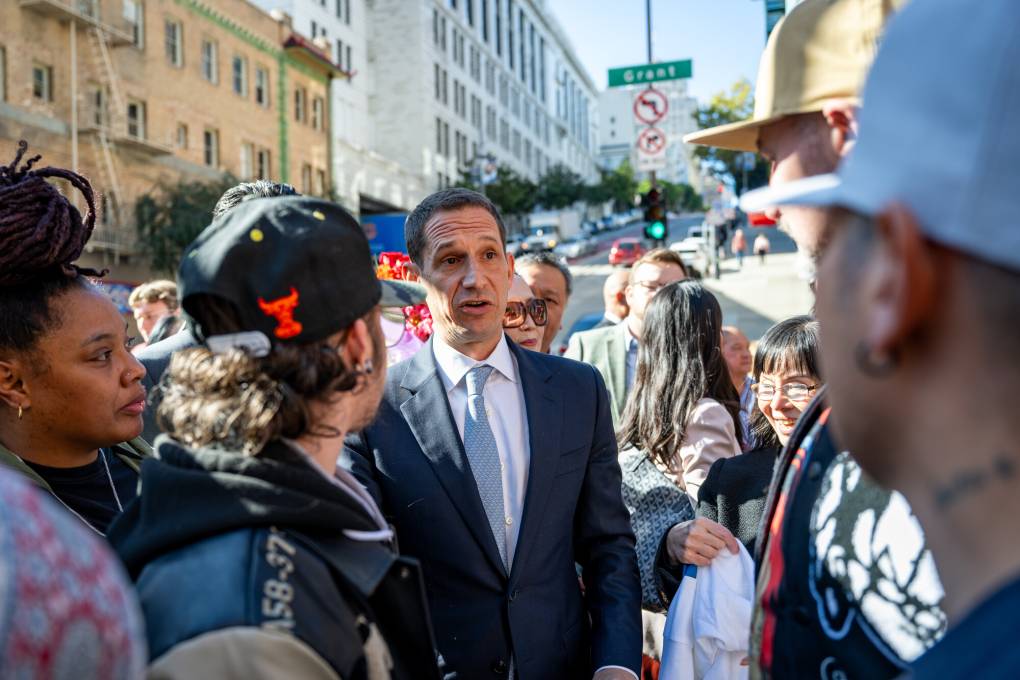
"caption": "San Francisco Mayor-elect Daniel Lurie speaks with supporters after an acceptance speech at St. Mary’s Square in San Francisco on Nov. 8, 2024.",
"credit": "Beth LaBerge/KQED",
"altTag": null,
"description": null,
"imgSizes": {
"medium": {
"file": "https://cdn.kqed.org/wp-content/uploads/sites/10/2024/11/241108-LurieVictoryPresser-22-BL_qed-800x533.jpg",
"width": 800,
"height": 533,
"mimeType": "image/jpeg"
},
"large": {
"file": "https://cdn.kqed.org/wp-content/uploads/sites/10/2024/11/241108-LurieVictoryPresser-22-BL_qed-1020x680.jpg",
"width": 1020,
"height": 680,
"mimeType": "image/jpeg"
},
"thumbnail": {
"file": "https://cdn.kqed.org/wp-content/uploads/sites/10/2024/11/241108-LurieVictoryPresser-22-BL_qed-160x107.jpg",
"width": 160,
"height": 107,
"mimeType": "image/jpeg"
},
"1536x1536": {
"file": "https://cdn.kqed.org/wp-content/uploads/sites/10/2024/11/241108-LurieVictoryPresser-22-BL_qed-1536x1024.jpg",
"width": 1536,
"height": 1024,
"mimeType": "image/jpeg"
},
"post-thumbnail": {
"file": "https://cdn.kqed.org/wp-content/uploads/sites/10/2024/11/241108-LurieVictoryPresser-22-BL_qed-672x372.jpg",
"width": 672,
"height": 372,
"mimeType": "image/jpeg"
},
"twentyfourteen-full-width": {
"file": "https://cdn.kqed.org/wp-content/uploads/sites/10/2024/11/241108-LurieVictoryPresser-22-BL_qed-1038x576.jpg",
"width": 1038,
"height": 576,
"mimeType": "image/jpeg"
},
"full-width": {
"file": "https://cdn.kqed.org/wp-content/uploads/sites/10/2024/11/241108-LurieVictoryPresser-22-BL_qed-1920x1280.jpg",
"width": 1920,
"height": 1280,
"mimeType": "image/jpeg"
},
"kqedFullSize": {
"file": "https://cdn.kqed.org/wp-content/uploads/sites/10/2024/11/241108-LurieVictoryPresser-22-BL_qed.jpg",
"width": 2000,
"height": 1333
}
},
"isLoading": false,
"fetchFailed": false
},
"news_12016343": {
"type": "attachments",
"id": "news_12016343",
"meta": {
"index": "attachments_1716263798",
"site": "news",
"id": "12016343",
"found": true
},
"title": "20230822-SFSU-45-JY_qed",
"publishDate": 1733183024,
"status": "inherit",
"parent": 12016316,
"modified": 1741396209,
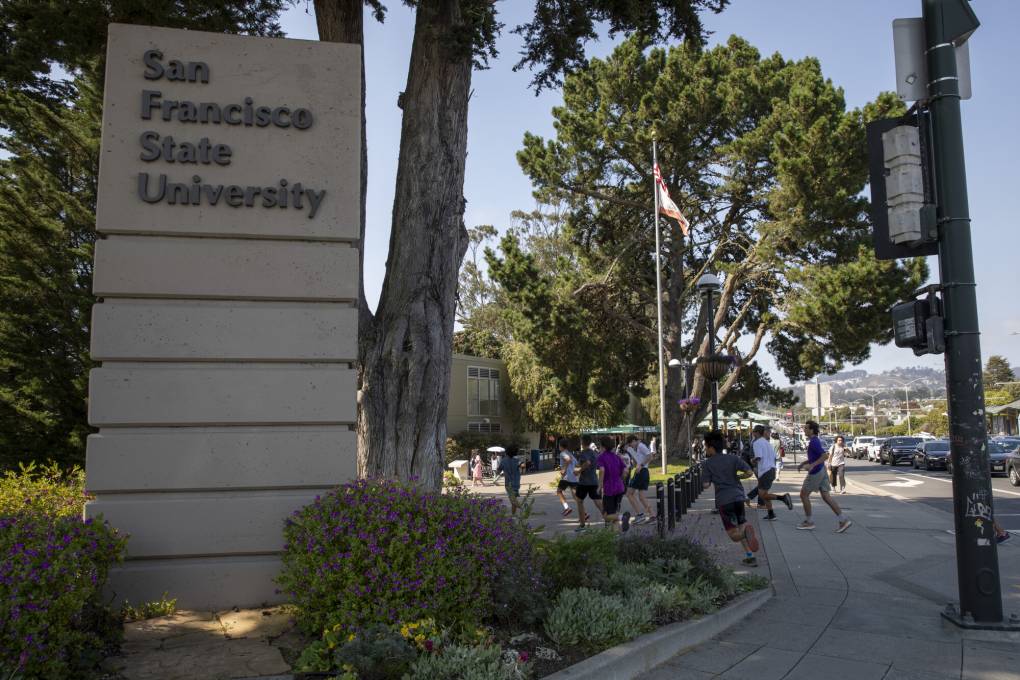
"caption": "San Francisco State plans to eliminate men’s soccer, baseball, and women’s indoor track and field teams in July.",
"credit": "Juliana Yamada/KQED",
"altTag": null,
"description": null,
"imgSizes": {
"medium": {
"file": "https://cdn.kqed.org/wp-content/uploads/sites/10/2024/12/20230822-SFSU-45-JY_qed-800x533.jpg",
"width": 800,
"height": 533,
"mimeType": "image/jpeg"
},
"large": {
"file": "https://cdn.kqed.org/wp-content/uploads/sites/10/2024/12/20230822-SFSU-45-JY_qed-1020x680.jpg",
"width": 1020,
"height": 680,
"mimeType": "image/jpeg"
},
"thumbnail": {
"file": "https://cdn.kqed.org/wp-content/uploads/sites/10/2024/12/20230822-SFSU-45-JY_qed-160x107.jpg",
"width": 160,
"height": 107,
"mimeType": "image/jpeg"
},
"1536x1536": {
"file": "https://cdn.kqed.org/wp-content/uploads/sites/10/2024/12/20230822-SFSU-45-JY_qed-1536x1024.jpg",
"width": 1536,
"height": 1024,
"mimeType": "image/jpeg"
},
"post-thumbnail": {
"file": "https://cdn.kqed.org/wp-content/uploads/sites/10/2024/12/20230822-SFSU-45-JY_qed-672x372.jpg",
"width": 672,
"height": 372,
"mimeType": "image/jpeg"
},
"twentyfourteen-full-width": {
"file": "https://cdn.kqed.org/wp-content/uploads/sites/10/2024/12/20230822-SFSU-45-JY_qed-1038x576.jpg",
"width": 1038,
"height": 576,
"mimeType": "image/jpeg"
},
"full-width": {
"file": "https://cdn.kqed.org/wp-content/uploads/sites/10/2024/12/20230822-SFSU-45-JY_qed-1920x1280.jpg",
"width": 1920,
"height": 1280,
"mimeType": "image/jpeg"
},
"kqedFullSize": {
"file": "https://cdn.kqed.org/wp-content/uploads/sites/10/2024/12/20230822-SFSU-45-JY_qed.jpg",
"width": 2000,
"height": 1333
}
},
"isLoading": false,
"fetchFailed": false
},
"news_12016273": {
"type": "attachments",
"id": "news_12016273",
"meta": {
"index": "attachments_1716263798",
"site": "news",
"id": "12016273",
"found": true
},
"title": "110524_RealPage_AH_CM_01",
"publishDate": 1733163377,
"status": "inherit",
"parent": 12016271,
"modified": 1733167761,
"caption": "San Francisco has approved a ban on the use of algorithmic rent-pricing software of the sort made by market leader RealPage. San Diego and San Jose are considering similar laws. ",
"credit": "Illustration by Adriana Heldiz, CalMatters; iStock, RentCafe",
"altTag": null,
"description": null,
"imgSizes": {
"medium": {
"file": "https://cdn.kqed.org/wp-content/uploads/sites/10/2024/12/110524_RealPage_AH_CM_01-800x533.jpg",
"width": 800,
"height": 533,
"mimeType": "image/jpeg"
},
"large": {
"file": "https://cdn.kqed.org/wp-content/uploads/sites/10/2024/12/110524_RealPage_AH_CM_01-1020x680.jpg",
"width": 1020,
"height": 680,
"mimeType": "image/jpeg"
},
"thumbnail": {
"file": "https://cdn.kqed.org/wp-content/uploads/sites/10/2024/12/110524_RealPage_AH_CM_01-160x107.jpg",
"width": 160,
"height": 107,
"mimeType": "image/jpeg"
},
"1536x1536": {
"file": "https://cdn.kqed.org/wp-content/uploads/sites/10/2024/12/110524_RealPage_AH_CM_01-1536x1024.jpg",
"width": 1536,
"height": 1024,
"mimeType": "image/jpeg"
},
"post-thumbnail": {
"file": "https://cdn.kqed.org/wp-content/uploads/sites/10/2024/12/110524_RealPage_AH_CM_01-672x372.jpg",
"width": 672,
"height": 372,
"mimeType": "image/jpeg"
},
"twentyfourteen-full-width": {
"file": "https://cdn.kqed.org/wp-content/uploads/sites/10/2024/12/110524_RealPage_AH_CM_01-1038x576.jpg",
"width": 1038,
"height": 576,
"mimeType": "image/jpeg"
},
"full-width": {
"file": "https://cdn.kqed.org/wp-content/uploads/sites/10/2024/12/110524_RealPage_AH_CM_01-1920x1280.jpg",
"width": 1920,
"height": 1280,
"mimeType": "image/jpeg"
},
"kqedFullSize": {
"file": "https://cdn.kqed.org/wp-content/uploads/sites/10/2024/12/110524_RealPage_AH_CM_01.jpg",
"width": 2000,
"height": 1333
}
},
"isLoading": false,
"fetchFailed": false
},
"news_12009031": {
"type": "attachments",
"id": "news_12009031",
"meta": {
"index": "attachments_1716263798",
"site": "news",
"id": "12009031",
"found": true
},
"title": "240903-OverdoseResponse-41-BL_qed",
"publishDate": 1728605470,
"status": "inherit",
"parent": 12059914,
"modified": 1760485615,
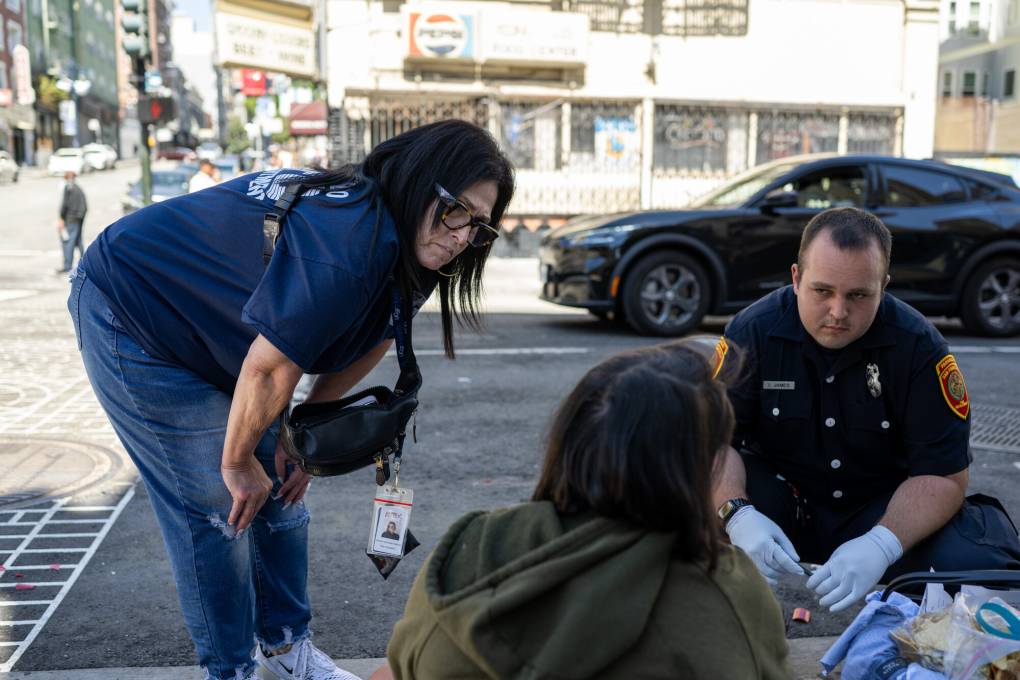
"caption": "Counselor Chantel Hernandez-Coleman (left) and paramedic Isaac James, members of the Street Overdose Response Team, speak with a woman sitting in the Tenderloin in San Francisco on Sept. 3, 2024.",
"credit": "Beth LaBerge/KQED",
"altTag": null,
"description": null,
"imgSizes": {
"medium": {
"file": "https://cdn.kqed.org/wp-content/uploads/sites/10/2024/10/240903-OverdoseResponse-41-BL_qed-800x533.jpg",
"width": 800,
"height": 533,
"mimeType": "image/jpeg"
},
"large": {
"file": "https://cdn.kqed.org/wp-content/uploads/sites/10/2024/10/240903-OverdoseResponse-41-BL_qed-1020x680.jpg",
"width": 1020,
"height": 680,
"mimeType": "image/jpeg"
},
"thumbnail": {
"file": "https://cdn.kqed.org/wp-content/uploads/sites/10/2024/10/240903-OverdoseResponse-41-BL_qed-160x107.jpg",
"width": 160,
"height": 107,
"mimeType": "image/jpeg"
},
"1536x1536": {
"file": "https://cdn.kqed.org/wp-content/uploads/sites/10/2024/10/240903-OverdoseResponse-41-BL_qed-1536x1024.jpg",
"width": 1536,
"height": 1024,
"mimeType": "image/jpeg"
},
"post-thumbnail": {
"file": "https://cdn.kqed.org/wp-content/uploads/sites/10/2024/10/240903-OverdoseResponse-41-BL_qed-672x372.jpg",
"width": 672,
"height": 372,
"mimeType": "image/jpeg"
},
"twentyfourteen-full-width": {
"file": "https://cdn.kqed.org/wp-content/uploads/sites/10/2024/10/240903-OverdoseResponse-41-BL_qed-1038x576.jpg",
"width": 1038,
"height": 576,
"mimeType": "image/jpeg"
},
"full-width": {
"file": "https://cdn.kqed.org/wp-content/uploads/sites/10/2024/10/240903-OverdoseResponse-41-BL_qed-1920x1280.jpg",
"width": 1920,
"height": 1280,
"mimeType": "image/jpeg"
},
"kqedFullSize": {
"file": "https://cdn.kqed.org/wp-content/uploads/sites/10/2024/10/240903-OverdoseResponse-41-BL_qed.jpg",
"width": 2000,
"height": 1333
}
},
"isLoading": false,
"fetchFailed": false
},
"news_12015762": {
"type": "attachments",
"id": "news_12015762",
"meta": {
"index": "attachments_1716263798",
"site": "news",
"id": "12015762",
"found": true
},
"title": "Hotel workers walk a picket line outside of the Marriott Marquis hotel at Fourth and Mission streets as thousands of workers walked off the job in a contract dispute in San Francisco, Calif. on Thursday, Oct. 4, 2018",
"publishDate": 1732560912,
"status": "inherit",
"parent": 12015757,
"modified": 1732569471,
"caption": "Hotel workers walk a picket line outside of the Marriott Marquis hotel at Fourth and Mission streets as thousands of workers walked off the job in a contract dispute in San Francisco, California, on Oct. 4, 2018.",
"credit": "Paul Chinn/The San Francisco Chronicle via Getty Images",
"altTag": null,
"description": null,
"imgSizes": {
"medium": {
"file": "https://cdn.kqed.org/wp-content/uploads/sites/10/2024/11/MarriottHotelWorkerStrikeGetty-800x577.jpg",
"width": 800,
"height": 577,
"mimeType": "image/jpeg"
},
"large": {
"file": "https://cdn.kqed.org/wp-content/uploads/sites/10/2024/11/MarriottHotelWorkerStrikeGetty-1020x735.jpg",
"width": 1020,
"height": 735,
"mimeType": "image/jpeg"
},
"thumbnail": {
"file": "https://cdn.kqed.org/wp-content/uploads/sites/10/2024/11/MarriottHotelWorkerStrikeGetty-160x115.jpg",
"width": 160,
"height": 115,
"mimeType": "image/jpeg"
},
"1536x1536": {
"file": "https://cdn.kqed.org/wp-content/uploads/sites/10/2024/11/MarriottHotelWorkerStrikeGetty-1536x1107.jpg",
"width": 1536,
"height": 1107,
"mimeType": "image/jpeg"
},
"post-thumbnail": {
"file": "https://cdn.kqed.org/wp-content/uploads/sites/10/2024/11/MarriottHotelWorkerStrikeGetty-672x372.jpg",
"width": 672,
"height": 372,
"mimeType": "image/jpeg"
},
"twentyfourteen-full-width": {
"file": "https://cdn.kqed.org/wp-content/uploads/sites/10/2024/11/MarriottHotelWorkerStrikeGetty-1038x576.jpg",
"width": 1038,
"height": 576,
"mimeType": "image/jpeg"
},
"full-width": {
"file": "https://cdn.kqed.org/wp-content/uploads/sites/10/2024/11/MarriottHotelWorkerStrikeGetty-1920x1384.jpg",
"width": 1920,
"height": 1384,
"mimeType": "image/jpeg"
},
"kqedFullSize": {
"file": "https://cdn.kqed.org/wp-content/uploads/sites/10/2024/11/MarriottHotelWorkerStrikeGetty.jpg",
"width": 2000,
"height": 1442
}
},
"isLoading": false,
"fetchFailed": false
},
"news_12011174": {
"type": "attachments",
"id": "news_12011174",
"meta": {
"index": "attachments_1716263798",
"site": "news",
"id": "12011174",
"found": true
},
"title": "US-PALESTINIANS-ISRAEL-CONFLICT",
"publishDate": 1729884424,
"status": "inherit",
"parent": 12011165,
"modified": 1729884475,
"caption": "Pro-Palestinian demonstrators blocked San Francisco's Golden Gate Bridge on April 15, 2024, completely halting traffic for hours as part of a coordinated day of action against Israel's war in Gaza.",
"credit": "Paul Kuroda / AFP via Getty Images",
"altTag": null,
"description": null,
"imgSizes": {
"medium": {
"file": "https://cdn.kqed.org/wp-content/uploads/sites/10/2024/10/GGBridgeProtestAprilGetty2-800x533.jpg",
"width": 800,
"height": 533,
"mimeType": "image/jpeg"
},
"large": {
"file": "https://cdn.kqed.org/wp-content/uploads/sites/10/2024/10/GGBridgeProtestAprilGetty2-1020x680.jpg",
"width": 1020,
"height": 680,
"mimeType": "image/jpeg"
},
"thumbnail": {
"file": "https://cdn.kqed.org/wp-content/uploads/sites/10/2024/10/GGBridgeProtestAprilGetty2-160x107.jpg",
"width": 160,
"height": 107,
"mimeType": "image/jpeg"
},
"1536x1536": {
"file": "https://cdn.kqed.org/wp-content/uploads/sites/10/2024/10/GGBridgeProtestAprilGetty2-1536x1024.jpg",
"width": 1536,
"height": 1024,
"mimeType": "image/jpeg"
},
"post-thumbnail": {
"file": "https://cdn.kqed.org/wp-content/uploads/sites/10/2024/10/GGBridgeProtestAprilGetty2-672x372.jpg",
"width": 672,
"height": 372,
"mimeType": "image/jpeg"
},
"twentyfourteen-full-width": {
"file": "https://cdn.kqed.org/wp-content/uploads/sites/10/2024/10/GGBridgeProtestAprilGetty2-1038x576.jpg",
"width": 1038,
"height": 576,
"mimeType": "image/jpeg"
},
"full-width": {
"file": "https://cdn.kqed.org/wp-content/uploads/sites/10/2024/10/GGBridgeProtestAprilGetty2-1920x1280.jpg",
"width": 1920,
"height": 1280,
"mimeType": "image/jpeg"
},
"kqedFullSize": {
"file": "https://cdn.kqed.org/wp-content/uploads/sites/10/2024/10/GGBridgeProtestAprilGetty2.jpg",
"width": 2000,
"height": 1333
}
},
"isLoading": false,
"fetchFailed": false
},
"news_11896367": {
"type": "attachments",
"id": "news_11896367",
"meta": {
"index": "attachments_1716263798",
"site": "news",
"id": "11896367",
"found": true
},
"title": "crabs-sized",
"publishDate": 1637092483,
"status": "inherit",
"parent": 11896338,
"modified": 1732309507,
"caption": "Blair Wilmer, a crew member on Dick Ogg's boat, shows off a few of their Dungeness crab on Nov. 16, 2021.",
"credit": "Amy Mayer/KQED",
"altTag": "A man in an orange raincoat holds up two crabs.",
"description": null,
"imgSizes": {
"medium": {
"file": "https://cdn.kqed.org/wp-content/uploads/sites/10/2021/11/crabs-sized-800x533.jpg",
"width": 800,
"height": 533,
"mimeType": "image/jpeg"
},
"large": {
"file": "https://cdn.kqed.org/wp-content/uploads/sites/10/2021/11/crabs-sized-1020x680.jpg",
"width": 1020,
"height": 680,
"mimeType": "image/jpeg"
},
"thumbnail": {
"file": "https://cdn.kqed.org/wp-content/uploads/sites/10/2021/11/crabs-sized-160x107.jpg",
"width": 160,
"height": 107,
"mimeType": "image/jpeg"
},
"1536x1536": {
"file": "https://cdn.kqed.org/wp-content/uploads/sites/10/2021/11/crabs-sized-1536x1024.jpg",
"width": 1536,
"height": 1024,
"mimeType": "image/jpeg"
},
"post-thumbnail": {
"file": "https://cdn.kqed.org/wp-content/uploads/sites/10/2021/11/crabs-sized-672x372.jpg",
"width": 672,
"height": 372,
"mimeType": "image/jpeg"
},
"twentyfourteen-full-width": {
"file": "https://cdn.kqed.org/wp-content/uploads/sites/10/2021/11/crabs-sized-1038x576.jpg",
"width": 1038,
"height": 576,
"mimeType": "image/jpeg"
},
"kqedFullSize": {
"file": "https://cdn.kqed.org/wp-content/uploads/sites/10/2021/11/crabs-sized.jpg",
"width": 1920,
"height": 1280
}
},
"isLoading": false,
"fetchFailed": false
},
"news_12015316": {
"type": "attachments",
"id": "news_12015316",
"meta": {
"index": "attachments_1716263798",
"site": "news",
"id": "12015316",
"found": true
},
"title": "241121-SFMayorElectDanielLurie-03-BL",
"publishDate": 1732218356,
"status": "inherit",
"parent": 0,
"modified": 1732229445,
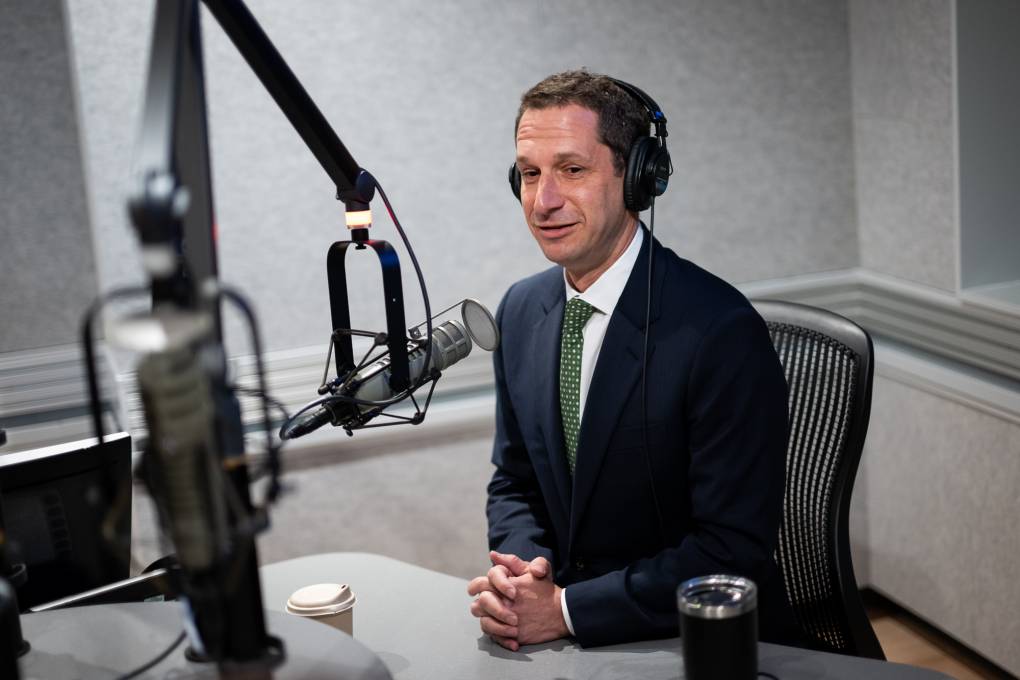
"caption": "Mayor-elect Daniel Lurie speaks with KQED politics reporters Marisa Lagos and Scott Shafer for Political Breakdown at the KQED offices in San Francisco on Nov. 21, 2024.",
"credit": "Beth LaBerge/KQED",
"altTag": null,
"description": null,
"imgSizes": {
"medium": {
"file": "https://cdn.kqed.org/wp-content/uploads/sites/10/2024/11/241121-SFMayorElectDanielLurie-03-BL-800x533.jpg",
"width": 800,
"height": 533,
"mimeType": "image/jpeg"
},
"large": {
"file": "https://cdn.kqed.org/wp-content/uploads/sites/10/2024/11/241121-SFMayorElectDanielLurie-03-BL-1020x680.jpg",
"width": 1020,
"height": 680,
"mimeType": "image/jpeg"
},
"thumbnail": {
"file": "https://cdn.kqed.org/wp-content/uploads/sites/10/2024/11/241121-SFMayorElectDanielLurie-03-BL-160x107.jpg",
"width": 160,
"height": 107,
"mimeType": "image/jpeg"
},
"1536x1536": {
"file": "https://cdn.kqed.org/wp-content/uploads/sites/10/2024/11/241121-SFMayorElectDanielLurie-03-BL-1536x1024.jpg",
"width": 1536,
"height": 1024,
"mimeType": "image/jpeg"
},
"post-thumbnail": {
"file": "https://cdn.kqed.org/wp-content/uploads/sites/10/2024/11/241121-SFMayorElectDanielLurie-03-BL-672x372.jpg",
"width": 672,
"height": 372,
"mimeType": "image/jpeg"
},
"twentyfourteen-full-width": {
"file": "https://cdn.kqed.org/wp-content/uploads/sites/10/2024/11/241121-SFMayorElectDanielLurie-03-BL-1038x576.jpg",
"width": 1038,
"height": 576,
"mimeType": "image/jpeg"
},
"full-width": {
"file": "https://cdn.kqed.org/wp-content/uploads/sites/10/2024/11/241121-SFMayorElectDanielLurie-03-BL-1920x1280.jpg",
"width": 1920,
"height": 1280,
"mimeType": "image/jpeg"
},
"kqedFullSize": {
"file": "https://cdn.kqed.org/wp-content/uploads/sites/10/2024/11/241121-SFMayorElectDanielLurie-03-BL.jpg",
"width": 2000,
"height": 1333
}
},
"isLoading": false,
"fetchFailed": false
},
"news_12015317": {
"type": "attachments",
"id": "news_12015317",
"meta": {
"index": "attachments_1716263798",
"site": "news",
"id": "12015317",
"found": true
},
"title": "241121-SFMayorElectDanielLurie-09-BL",
"publishDate": 1732218422,
"status": "inherit",
"parent": 0,
"modified": 1732218441,
"caption": "Mayor-elect Daniel Lurie poses for a portrait at the KQED offices in San Francisco on Nov. 21, 2024.",
"credit": "Beth LaBerge/KQED",
"altTag": null,
"description": null,
"imgSizes": {
"medium": {
"file": "https://cdn.kqed.org/wp-content/uploads/sites/10/2024/11/241121-SFMayorElectDanielLurie-09-BL-800x533.jpg",
"width": 800,
"height": 533,
"mimeType": "image/jpeg"
},
"large": {
"file": "https://cdn.kqed.org/wp-content/uploads/sites/10/2024/11/241121-SFMayorElectDanielLurie-09-BL-1020x680.jpg",
"width": 1020,
"height": 680,
"mimeType": "image/jpeg"
},
"thumbnail": {
"file": "https://cdn.kqed.org/wp-content/uploads/sites/10/2024/11/241121-SFMayorElectDanielLurie-09-BL-160x107.jpg",
"width": 160,
"height": 107,
"mimeType": "image/jpeg"
},
"1536x1536": {
"file": "https://cdn.kqed.org/wp-content/uploads/sites/10/2024/11/241121-SFMayorElectDanielLurie-09-BL-1536x1024.jpg",
"width": 1536,
"height": 1024,
"mimeType": "image/jpeg"
},
"post-thumbnail": {
"file": "https://cdn.kqed.org/wp-content/uploads/sites/10/2024/11/241121-SFMayorElectDanielLurie-09-BL-672x372.jpg",
"width": 672,
"height": 372,
"mimeType": "image/jpeg"
},
"twentyfourteen-full-width": {
"file": "https://cdn.kqed.org/wp-content/uploads/sites/10/2024/11/241121-SFMayorElectDanielLurie-09-BL-1038x576.jpg",
"width": 1038,
"height": 576,
"mimeType": "image/jpeg"
},
"full-width": {
"file": "https://cdn.kqed.org/wp-content/uploads/sites/10/2024/11/241121-SFMayorElectDanielLurie-09-BL-1920x1280.jpg",
"width": 1920,
"height": 1280,
"mimeType": "image/jpeg"
},
"kqedFullSize": {
"file": "https://cdn.kqed.org/wp-content/uploads/sites/10/2024/11/241121-SFMayorElectDanielLurie-09-BL.jpg",
"width": 2000,
"height": 1333
}
},
"isLoading": false,
"fetchFailed": false
},
"news_12015296": {
"type": "attachments",
"id": "news_12015296",
"meta": {
"index": "attachments_1716263798",
"site": "news",
"id": "12015296",
"found": true
},
"title": "241119-SFHomelessArrests-02-BL",
"publishDate": 1732214233,
"status": "inherit",
"parent": 0,
"modified": 1732217896,
"caption": "San Francisco Public Works employees remove a makeshift shelter from the sidewalk in San Francisco’s Mission District on Nov. 19, 2024.",
"credit": "Beth LaBerge/KQED",
"altTag": null,
"description": null,
"imgSizes": {
"medium": {
"file": "https://cdn.kqed.org/wp-content/uploads/sites/10/2024/11/241119-SFHomelessArrests-02-BL-800x533.jpg",
"width": 800,
"height": 533,
"mimeType": "image/jpeg"
},
"large": {
"file": "https://cdn.kqed.org/wp-content/uploads/sites/10/2024/11/241119-SFHomelessArrests-02-BL-1020x680.jpg",
"width": 1020,
"height": 680,
"mimeType": "image/jpeg"
},
"thumbnail": {
"file": "https://cdn.kqed.org/wp-content/uploads/sites/10/2024/11/241119-SFHomelessArrests-02-BL-160x107.jpg",
"width": 160,
"height": 107,
"mimeType": "image/jpeg"
},
"1536x1536": {
"file": "https://cdn.kqed.org/wp-content/uploads/sites/10/2024/11/241119-SFHomelessArrests-02-BL-1536x1024.jpg",
"width": 1536,
"height": 1024,
"mimeType": "image/jpeg"
},
"post-thumbnail": {
"file": "https://cdn.kqed.org/wp-content/uploads/sites/10/2024/11/241119-SFHomelessArrests-02-BL-672x372.jpg",
"width": 672,
"height": 372,
"mimeType": "image/jpeg"
},
"twentyfourteen-full-width": {
"file": "https://cdn.kqed.org/wp-content/uploads/sites/10/2024/11/241119-SFHomelessArrests-02-BL-1038x576.jpg",
"width": 1038,
"height": 576,
"mimeType": "image/jpeg"
},
"full-width": {
"file": "https://cdn.kqed.org/wp-content/uploads/sites/10/2024/11/241119-SFHomelessArrests-02-BL-1920x1280.jpg",
"width": 1920,
"height": 1280,
"mimeType": "image/jpeg"
},
"kqedFullSize": {
"file": "https://cdn.kqed.org/wp-content/uploads/sites/10/2024/11/241119-SFHomelessArrests-02-BL.jpg",
"width": 2000,
"height": 1333
}
},
"isLoading": false,
"fetchFailed": false
},
"news_12015328": {
"type": "attachments",
"id": "news_12015328",
"meta": {
"index": "attachments_1716263798",
"site": "news",
"id": "12015328",
"found": true
},
"title": "IMG_5013",
"publishDate": 1732219814,
"status": "inherit",
"parent": 12015320,
"modified": 1776903053,
"caption": "Transportation officials survey two new Bayview Community Shuttle vans in San Francisco's Bayview-Hunters Point neighborhood on Nov. 20, 2024. ",
"credit": "Gilare Zada/KQED",
"altTag": "A small group of people stands outside next to two purple and yellow vans that say 'Bayview Community Shuttle.'",
"description": null,
"imgSizes": {
"medium": {
"file": "https://cdn.kqed.org/wp-content/uploads/sites/10/2024/11/IMG_5013-800x517.jpg",
"width": 800,
"height": 517,
"mimeType": "image/jpeg"
},
"large": {
"file": "https://cdn.kqed.org/wp-content/uploads/sites/10/2024/11/IMG_5013-1020x659.jpg",
"width": 1020,
"height": 659,
"mimeType": "image/jpeg"
},
"thumbnail": {
"file": "https://cdn.kqed.org/wp-content/uploads/sites/10/2024/11/IMG_5013-160x103.jpg",
"width": 160,
"height": 103,
"mimeType": "image/jpeg"
},
"1536x1536": {
"file": "https://cdn.kqed.org/wp-content/uploads/sites/10/2024/11/IMG_5013-1536x992.jpg",
"width": 1536,
"height": 992,
"mimeType": "image/jpeg"
},
"2048x2048": {
"file": "https://cdn.kqed.org/wp-content/uploads/sites/10/2024/11/IMG_5013-2048x1323.jpg",
"width": 2048,
"height": 1323,
"mimeType": "image/jpeg"
},
"post-thumbnail": {
"file": "https://cdn.kqed.org/wp-content/uploads/sites/10/2024/11/IMG_5013-672x372.jpg",
"width": 672,
"height": 372,
"mimeType": "image/jpeg"
},
"twentyfourteen-full-width": {
"file": "https://cdn.kqed.org/wp-content/uploads/sites/10/2024/11/IMG_5013-1038x576.jpg",
"width": 1038,
"height": 576,
"mimeType": "image/jpeg"
},
"full-width": {
"file": "https://cdn.kqed.org/wp-content/uploads/sites/10/2024/11/IMG_5013-1920x1240.jpg",
"width": 1920,
"height": 1240,
"mimeType": "image/jpeg"
},
"kqedFullSize": {
"file": "https://cdn.kqed.org/wp-content/uploads/sites/10/2024/11/IMG_5013-scaled-e1776896997415.jpg",
"width": 2000,
"height": 1291
}
},
"isLoading": false,
"fetchFailed": false
},
"news_12015239": {
"type": "attachments",
"id": "news_12015239",
"meta": {
"index": "attachments_1716263798",
"site": "news",
"id": "12015239",
"found": true
},
"title": "241120-TransgenderRemembrance-04-BL",
"publishDate": 1732158879,
"status": "inherit",
"parent": 0,
"modified": 1732207012,
"caption": "Over 100 people gather for a somber rally on Transgender Day of Remembrance in front of City Hall in San Francisco on Nov. 20, 2024, an annual event honoring lives lost to violence against transgender people.",
"credit": "Beth LaBerge/KQED",
"altTag": null,
"description": null,
"imgSizes": {
"medium": {
"file": "https://cdn.kqed.org/wp-content/uploads/sites/10/2024/11/241120-TransgenderRemembrance-04-BL-800x533.jpg",
"width": 800,
"height": 533,
"mimeType": "image/jpeg"
},
"large": {
"file": "https://cdn.kqed.org/wp-content/uploads/sites/10/2024/11/241120-TransgenderRemembrance-04-BL-1020x680.jpg",
"width": 1020,
"height": 680,
"mimeType": "image/jpeg"
},
"thumbnail": {
"file": "https://cdn.kqed.org/wp-content/uploads/sites/10/2024/11/241120-TransgenderRemembrance-04-BL-160x107.jpg",
"width": 160,
"height": 107,
"mimeType": "image/jpeg"
},
"1536x1536": {
"file": "https://cdn.kqed.org/wp-content/uploads/sites/10/2024/11/241120-TransgenderRemembrance-04-BL-1536x1024.jpg",
"width": 1536,
"height": 1024,
"mimeType": "image/jpeg"
},
"post-thumbnail": {
"file": "https://cdn.kqed.org/wp-content/uploads/sites/10/2024/11/241120-TransgenderRemembrance-04-BL-672x372.jpg",
"width": 672,
"height": 372,
"mimeType": "image/jpeg"
},
"twentyfourteen-full-width": {
"file": "https://cdn.kqed.org/wp-content/uploads/sites/10/2024/11/241120-TransgenderRemembrance-04-BL-1038x576.jpg",
"width": 1038,
"height": 576,
"mimeType": "image/jpeg"
},
"full-width": {
"file": "https://cdn.kqed.org/wp-content/uploads/sites/10/2024/11/241120-TransgenderRemembrance-04-BL-1920x1280.jpg",
"width": 1920,
"height": 1280,
"mimeType": "image/jpeg"
},
"kqedFullSize": {
"file": "https://cdn.kqed.org/wp-content/uploads/sites/10/2024/11/241120-TransgenderRemembrance-04-BL.jpg",
"width": 2000,
"height": 1333
}
},
"isLoading": false,
"fetchFailed": false
}
},
"audioPlayerReducer": {
"postId": "stream_live",
"isPaused": true,
"isPlaying": false,
"pfsActive": false,
"pledgeModalIsOpen": true,
"playerDrawerIsOpen": false,
"liveAudioPlayStartedAt": 0,
"liveAudioPlayContext": ""
},
"authorsReducer": {
"byline_news_12016271": {
"type": "authors",
"id": "byline_news_12016271",
"meta": {
"override": true
},
"slug": "byline_news_12016271",
"name": "Wendy Fry",
"isLoading": false
},
"scottshafer": {
"type": "authors",
"id": "255",
"meta": {
"index": "authors_1716337520",
"id": "255",
"found": true
},
"name": "Scott Shafer",
"firstName": "Scott",
"lastName": "Shafer",
"slug": "scottshafer",
"email": "sshafer@kqed.org",
"display_author_email": false,
"staff_mastheads": [
"news"
],
"title": "KQED Contributor",
"bio": "Scott Shafer is a senior editor with the KQED Politics and Government desk. He is co-host of Political Breakdown, the award-winning radio show and podcast with a personal take on the world of politics. Scott came to KQED in 1998 to host the statewide\u003cem> California Report\u003c/em>. Prior to that he had extended stints in politics and government\u003cem>.\u003c/em> He uses that inside experience at KQED in his, reporting, hosting and analysis for the politics desk. Scott collaborated \u003cem>Political Breakdown a\u003c/em>nd on \u003cem>The Political Mind of Jerry Brown, \u003c/em>an eight-part series about the life and extraordinary political career of the former governor. For fun, he plays water polo with the San Francisco Tsunami.",
"avatar": "https://secure.gravatar.com/avatar/a62ebae45b79d7aed1a39a0e3bf68104?s=600&d=blank&r=g",
"twitter": "scottshafer",
"bluesky": null,
"facebook": null,
"instagram": null,
"linkedin": null,
"sites": [
{
"site": "news",
"roles": [
"editor"
]
},
{
"site": "stateofhealth",
"roles": [
"author"
]
},
{
"site": "science",
"roles": [
"author"
]
},
{
"site": "forum",
"roles": [
"subscriber"
]
},
{
"site": "liveblog",
"roles": [
"author"
]
}
],
"headData": {
"title": "Scott Shafer | KQED",
"description": "KQED Contributor",
"ogImgSrc": "https://secure.gravatar.com/avatar/a62ebae45b79d7aed1a39a0e3bf68104?s=600&d=blank&r=g",
"twImgSrc": "https://secure.gravatar.com/avatar/a62ebae45b79d7aed1a39a0e3bf68104?s=600&d=blank&r=g"
},
"isLoading": false,
"link": "/author/scottshafer"
},
"mlagos": {
"type": "authors",
"id": "3239",
"meta": {
"index": "authors_1716337520",
"id": "3239",
"found": true
},
"name": "Marisa Lagos",
"firstName": "Marisa",
"lastName": "Lagos",
"slug": "mlagos",
"email": "mlagos@kqed.org",
"display_author_email": false,
"staff_mastheads": [
"news"
],
"title": "KQED Contributor",
"bio": "Marisa Lagos is a correspondent for KQED’s California Politics and Government Desk and co-hosts the award-winning show and podcast, Political Breakdown. At KQED, Lagos also conducts reporting, analysis and investigations into state, local and national politics for radio, TV, online and onstage. In 2022, she and co-host, Scott Shafer, moderated the only gubernatorial debate in California. In 2020, the \u003ci>Washington Post\u003c/i> named her one of the top political journalists in California; she was nominated for a Peabody and won several other awards for her work investigating the 2017 California wildfires. She has worked at the \u003ci>San Francisco Chronicle\u003c/i>, \u003ci>San Francisco Examiner\u003c/i> and \u003ci>Los Angeles Times\u003c/i>. A UC Santa Barbara graduate, she lives in San Francisco with her two sons and husband.",
"avatar": "https://secure.gravatar.com/avatar/a261a0d3696fc066871ef96b85b5e7d2?s=600&d=blank&r=g",
"twitter": "@mlagos",
"facebook": null,
"instagram": null,
"linkedin": null,
"sites": [
{
"site": "arts",
"roles": [
"author"
]
},
{
"site": "news",
"roles": [
"editor"
]
},
{
"site": "science",
"roles": [
"editor"
]
},
{
"site": "forum",
"roles": [
"author"
]
},
{
"site": "liveblog",
"roles": [
"author"
]
}
],
"headData": {
"title": "Marisa Lagos | KQED",
"description": "KQED Contributor",
"ogImgSrc": "https://secure.gravatar.com/avatar/a261a0d3696fc066871ef96b85b5e7d2?s=600&d=blank&r=g",
"twImgSrc": "https://secure.gravatar.com/avatar/a261a0d3696fc066871ef96b85b5e7d2?s=600&d=blank&r=g"
},
"isLoading": false,
"link": "/author/mlagos"
},
"vrancano": {
"type": "authors",
"id": "11276",
"meta": {
"index": "authors_1716337520",
"id": "11276",
"found": true
},
"name": "Vanessa Rancaño",
"firstName": "Vanessa",
"lastName": "Rancaño",
"slug": "vrancano",
"email": "vrancano@kqed.org",
"display_author_email": false,
"staff_mastheads": [
"news"
],
"title": "Reporter",
"bio": "Vanessa Rancaño is a features reporter for KQED. She’s also covered homelessness and education for the station and reported from the Central Valley. Her work has aired across public radio, from flagship national news shows to longform narrative podcasts. Before taking up a mic, she worked as a freelance print journalist. She’s been recognized with a number of national and regional awards. Vanessa grew up in California's Central Valley. She's a former NPR Kroc Fellow, and a graduate of the UC Berkeley Graduate School of Journalism.",
"avatar": "https://secure.gravatar.com/avatar/b3a383dfb0e7ee1c17568f2cf067904ab654d6e3de9743fc661f3c788ade1bed?s=600&d=blank&r=g",
"twitter": "vanessarancano",
"bluesky": null,
"facebook": null,
"instagram": null,
"linkedin": null,
"sites": [
{
"site": "arts",
"roles": [
"editor"
]
},
{
"site": "news",
"roles": [
"editor"
]
},
{
"site": "liveblog",
"roles": [
"contributor"
]
}
],
"headData": {
"title": "Vanessa Rancaño | KQED",
"description": "Reporter",
"ogImgSrc": "https://secure.gravatar.com/avatar/b3a383dfb0e7ee1c17568f2cf067904ab654d6e3de9743fc661f3c788ade1bed?s=600&d=blank&r=g",
"twImgSrc": "https://secure.gravatar.com/avatar/b3a383dfb0e7ee1c17568f2cf067904ab654d6e3de9743fc661f3c788ade1bed?s=600&d=blank&r=g"
},
"isLoading": false,
"link": "/author/vrancano"
},
"lsarah": {
"type": "authors",
"id": "11626",
"meta": {
"index": "authors_1716337520",
"id": "11626",
"found": true
},
"name": "Lakshmi Sarah",
"firstName": "Lakshmi",
"lastName": "Sarah",
"slug": "lsarah",
"email": "lsarah@kqed.org",
"display_author_email": false,
"staff_mastheads": [],
"title": "Digital Producer",
"bio": "Lakshmi Sarah is an educator, author and journalist with a focus on innovative storytelling. She has worked with newspapers, radio and magazines from Ahmedabad, India to Los Angeles, California. She has written and produced for Die Zeit, Global Voices, AJ+, KQED, Fusion Media Group and the New York Times.",
"avatar": "https://secure.gravatar.com/avatar/652dcaecd8b28826fc17a8b2d6bb4e93?s=600&d=blank&r=g",
"twitter": "lakitalki",
"facebook": null,
"instagram": "https://www.instagram.com/laki.talki/",
"linkedin": "https://www.linkedin.com/in/lakisarah/",
"sites": [
{
"site": "arts",
"roles": []
},
{
"site": "news",
"roles": []
},
{
"site": "bayareabites",
"roles": []
},
{
"site": "science",
"roles": []
}
],
"headData": {
"title": "Lakshmi Sarah | KQED",
"description": "Digital Producer",
"ogImgSrc": "https://secure.gravatar.com/avatar/652dcaecd8b28826fc17a8b2d6bb4e93?s=600&d=blank&r=g",
"twImgSrc": "https://secure.gravatar.com/avatar/652dcaecd8b28826fc17a8b2d6bb4e93?s=600&d=blank&r=g"
},
"isLoading": false,
"link": "/author/lsarah"
},
"sjohnson": {
"type": "authors",
"id": "11840",
"meta": {
"index": "authors_1716337520",
"id": "11840",
"found": true
},
"name": "Sydney Johnson",
"firstName": "Sydney",
"lastName": "Johnson",
"slug": "sjohnson",
"email": "sjohnson@kqed.org",
"display_author_email": false,
"staff_mastheads": [
"news"
],
"title": "KQED Reporter",
"bio": "Sydney Johnson is a general assignment reporter at KQED. She previously reported on public health and city government at the San Francisco Examiner, and before that, she covered statewide education policy for EdSource. Her reporting has won multiple local, state and national awards. Sydney is a graduate of the University of California, Berkeley and lives in San Francisco.",
"avatar": "https://secure.gravatar.com/avatar/97855f2719b72ad6190b7c535fe642c8?s=600&d=blank&r=g",
"twitter": "sydneyfjohnson",
"facebook": null,
"instagram": null,
"linkedin": null,
"sites": [
{
"site": "news",
"roles": [
"editor"
]
}
],
"headData": {
"title": "Sydney Johnson | KQED",
"description": "KQED Reporter",
"ogImgSrc": "https://secure.gravatar.com/avatar/97855f2719b72ad6190b7c535fe642c8?s=600&d=blank&r=g",
"twImgSrc": "https://secure.gravatar.com/avatar/97855f2719b72ad6190b7c535fe642c8?s=600&d=blank&r=g"
},
"isLoading": false,
"link": "/author/sjohnson"
},
"kdebenedetti": {
"type": "authors",
"id": "11913",
"meta": {
"index": "authors_1716337520",
"id": "11913",
"found": true
},
"name": "Katie DeBenedetti",
"firstName": "Katie",
"lastName": "DeBenedetti",
"slug": "kdebenedetti",
"email": "kdebenedetti@kqed.org",
"display_author_email": false,
"staff_mastheads": [
"news",
"science"
],
"title": "KQED Contributor",
"bio": "Katie DeBenedetti is a digital reporter covering daily news for the Express Desk. Prior to joining KQED as a culture reporting intern in January 2024, she covered education and city government for the Napa Valley Register.",
"avatar": "https://secure.gravatar.com/avatar/6e31073cb8f7e4214ab03f42771d0f45?s=600&d=blank&r=g",
"twitter": null,
"facebook": null,
"instagram": null,
"linkedin": null,
"sites": [
{
"site": "news",
"roles": [
"author"
]
},
{
"site": "science",
"roles": [
"author"
]
},
{
"site": "liveblog",
"roles": [
"author"
]
}
],
"headData": {
"title": "Katie DeBenedetti | KQED",
"description": "KQED Contributor",
"ogImgSrc": "https://secure.gravatar.com/avatar/6e31073cb8f7e4214ab03f42771d0f45?s=600&d=blank&r=g",
"twImgSrc": "https://secure.gravatar.com/avatar/6e31073cb8f7e4214ab03f42771d0f45?s=600&d=blank&r=g"
},
"isLoading": false,
"link": "/author/kdebenedetti"
},
"gzada": {
"type": "authors",
"id": "11929",
"meta": {
"index": "authors_1716337520",
"id": "11929",
"found": true
},
"name": "Gilare Zada",
"firstName": "Gilare",
"lastName": "Zada",
"slug": "gzada",
"email": "gzada@kqed.org",
"display_author_email": true,
"staff_mastheads": [
"news"
],
"title": null,
"bio": "Gilare Zada is a Kurdish-American from San Diego, CA. Storytelling, fitness, and binge reading are some of her passions outside of news reporting. Her work has appeared in Mission Local, the Peninsula Press, the San Francisco Press Club, and more. She also writes as a class correspondent for the Stanford Magazine - go Card!",
"avatar": "https://secure.gravatar.com/avatar/33a75f2b947669a488a805edec3fbf3838c1cedaedda710e983770633b4d6a75?s=600&d=blank&r=g",
"twitter": null,
"bluesky": null,
"facebook": null,
"instagram": null,
"linkedin": null,
"sites": [
{
"site": "arts",
"roles": [
"editor"
]
},
{
"site": "news",
"roles": [
"administrator"
]
},
{
"site": "science",
"roles": [
"editor"
]
}
],
"headData": {
"title": "Gilare Zada | KQED",
"description": null,
"ogImgSrc": "https://secure.gravatar.com/avatar/33a75f2b947669a488a805edec3fbf3838c1cedaedda710e983770633b4d6a75?s=600&d=blank&r=g",
"twImgSrc": "https://secure.gravatar.com/avatar/33a75f2b947669a488a805edec3fbf3838c1cedaedda710e983770633b4d6a75?s=600&d=blank&r=g"
},
"isLoading": false,
"link": "/author/gzada"
}
},
"pagesReducer": {
"news_tag_san-francisco": {
"type": "terms",
"id": "news_38",
"meta": {
"index": "terms_1716263798",
"site": "news",
"id": "38",
"score": 6.7229023
},
"featImg": null,
"name": "San Francisco",
"description": null,
"taxonomy": "tag",
"headData": {
"twImgId": null,
"twTitle": null,
"ogTitle": null,
"ogImgId": null,
"twDescription": null,
"description": null,
"title": "San Francisco Archives | KQED News",
"ogDescription": null
},
"ttid": 58,
"slug": "san-francisco",
"isLoading": false,
"title": "San Francisco",
"pageMeta": {
"site": "news",
"WpPageTemplate": "page-topic-editorial",
"currentPage": 84
},
"blocks": [
{
"blockName": "kqed/post-list",
"attrs": {
"layout": "cardArticle2",
"query": "posts/news?tag=san-francisco",
"seeMore": false,
"paginated": true,
"page": 84
}
},
{
"blockName": "kqed/ad"
}
]
}
},
"pfsSessionReducer": {},
"postsReducer": {
"stream_live": {
"type": "live",
"id": "stream_live",
"audioUrl": "https://streams.kqed.org/kqedradio",
"title": "Live Stream",
"excerpt": "Live Stream information currently unavailable.",
"link": "/radio",
"featImg": "",
"label": {
"name": "KQED Live",
"link": "/"
}
},
"stream_kqedNewscast": {
"type": "posts",
"id": "stream_kqedNewscast",
"audioUrl": "https://www.kqed.org/.stream/anon/radio/RDnews/newscast.mp3?_=1",
"title": "KQED Newscast",
"featImg": "",
"label": {
"name": "88.5 FM",
"link": "/"
}
},
"news_12016350": {
"type": "posts",
"id": "news_12016350",
"meta": {
"index": "posts_1716263798",
"site": "news",
"id": "12016350",
"score": null,
"sort": [
1733227205000
]
},
"guestAuthors": [],
"slug": "san-francisco-mayor-elect-daniel-lurie-commits-to-1-annual-salary",
"title": "San Francisco Mayor-Elect Daniel Lurie Commits to $1 Annual Salary",
"publishDate": 1733227205,
"format": "standard",
"headTitle": "San Francisco Mayor-Elect Daniel Lurie Commits to $1 Annual Salary | KQED",
"labelTerm": {
"site": "news"
},
"content": "\u003cp>\u003ca href=\"https://www.kqed.org/news/tag/daniel-lurie\">Daniel Lurie\u003c/a>, San Francisco’s mayor-elect, will take a salary of $1 — yes, you read that right — once he enters office in January 2025.\u003c/p>\n\u003cp>Lurie, a philanthropist and heir to the Levi Strauss fortune, unseated \u003ca href=\"https://www.kqed.org/news/tag/london-breed\">Mayor London Breed\u003c/a> after running the \u003ca href=\"https://www.kqed.org/news/12010904/whos-pouring-millions-into-san-franciscos-expensive-mayors-race\">most expensive campaign in the city’s history\u003c/a>. He raised a total of nearly $16 million, about half of which was self-funded from his own wealth.\u003c/p>\n\u003cp>“I have spent my life fighting poverty and working to serve this community, and that commitment will continue when I take office,” Lurie said in a statement on Monday. “As part of that commitment to service, and because I have the means to forgo compensation, I’ve made the personal decision not to take a salary.”\u003c/p>\n\u003cp>[ad fullwidth]\u003c/p>\n\u003cp>The city charter requires the mayor to receive a specific salary rate, and Lurie will automatically donate all but $1 of those wages back to the city, according to his spokesperson, Max Szabo.\u003c/p>\n\u003cp>Lurie’s net worth is estimated to be up to nearly \u003ca href=\"https://sfstandard.com/2024/04/04/san-francisco-mayor-election-daniel-lurie-wealth/\">$33 million\u003c/a>, according to the \u003cem>San Francisco Standard\u003c/em>. His background represents a sharp contrast from Breed, a fellow San Francisco native who grew up in the city’s public housing. Her salary for the 2024–25 fiscal year is $383,760, according to a \u003ca href=\"https://www.sf.gov/sites/default/files/2024-05/6-3-24%20Item%20%2311%20Annual%20Salary%20Adjustment%203rd%20year%20of%205%20year%20Cycle%20of%20Salary_5.pdf\">July report\u003c/a> from the city’s Civil Service Commission.\u003c/p>\n\u003cp>Lurie will be the first San Francisco mayor in nearly a century to have never served in elected office before taking over City Hall. He previously started and ran an anti-poverty nonprofit called the Tipping Point.\u003c/p>\n\u003cp>A moderate Democrat, Lurie ran a campaign focused on bringing change to what he often referred to as a corrupt and dysfunctional political environment in San Francisco, and he embraced being the only leading candidate with no prior experience working in City Hall.\u003c/p>\n\u003cp>“Hope is alive and well in San Francisco,” Lurie told supporters at a press conference in November. “Our mandate is to show how government must deliver on its promises. Clean and safe streets for all. Tackling our drug and behavioral health crisis, shaking up the corrupt and ineffective bureaucracy, building enough housing so our neighbors can afford to live here.”\u003c/p>\n\u003cp>Lurie follows a small handful of wealthy elected officials who have given back all but $1 of their salary in the form of nontaxable donations. That list includes former New York City Mayor Michael Bloomberg, whom Lurie has said he looks up to as a model for city leadership, as well as former California Gov. Arnold Schwarzenegger and former Massachusetts Gov. Mitt Romney.\u003c/p>\n\u003cp>\u003c/p>\n",
"blocks": [],
"excerpt": "The incoming mayor, an heir to the Levi Strauss fortune, ran the city’s most expensive mayoral campaign in history. ",
"status": "publish",
"parent": 0,
"modified": 1733190236,
"stats": {
"hasAudio": false,
"hasVideo": false,
"hasChartOrMap": false,
"iframeSrcs": [],
"hasGoogleForm": false,
"hasGallery": false,
"hasHearkenModule": false,
"hasPolis": false,
"paragraphCount": 11,
"wordCount": 444
},
"headData": {
"title": "San Francisco Mayor-Elect Daniel Lurie Commits to $1 Annual Salary | KQED",
"description": "The incoming mayor, an heir to the Levi Strauss fortune, ran the city’s most expensive mayoral campaign in history. ",
"ogTitle": "",
"ogDescription": "",
"ogImgId": "",
"twTitle": "",
"twDescription": "",
"twImgId": "",
"schema": {
"@context": "https://schema.org",
"@type": "NewsArticle",
"headline": "San Francisco Mayor-Elect Daniel Lurie Commits to $1 Annual Salary",
"datePublished": "2024-12-03T04:00:05-08:00",
"dateModified": "2024-12-02T17:43:56-08:00",
"image": "https://cdn.kqed.org/wp-content/uploads/2020/02/KQED-OG-Image@1x.png",
"isAccessibleForFree": "True",
"publisher": {
"@type": "NewsMediaOrganization",
"@id": "https://www.kqed.org/#organization",
"name": "KQED",
"logo": "https://cdn.kqed.org/wp-content/uploads/2020/02/KQED-OG-Image@1x.png",
"url": "https://www.kqed.org",
"sameAs": [
"https://www.facebook.com/KQED",
"https://twitter.com/KQED",
"https://www.instagram.com/kqed/",
"https://www.tiktok.com/@kqedofficial",
"https://www.linkedin.com/company/kqed",
"https://www.youtube.com/channel/UCeC0IOo7i1P_61zVUWbJ4nw"
]
}
}
},
"sticky": false,
"excludeFromSiteSearch": "Include",
"articleAge": "0",
"path": "/news/12016350/san-francisco-mayor-elect-daniel-lurie-commits-to-1-annual-salary",
"audioTrackLength": null,
"parsedContent": [
{
"type": "contentString",
"content": "\u003cdiv class=\"post-body\">\u003cp>\u003cp>\u003ca href=\"https://www.kqed.org/news/tag/daniel-lurie\">Daniel Lurie\u003c/a>, San Francisco’s mayor-elect, will take a salary of $1 — yes, you read that right — once he enters office in January 2025.\u003c/p>\n\u003cp>Lurie, a philanthropist and heir to the Levi Strauss fortune, unseated \u003ca href=\"https://www.kqed.org/news/tag/london-breed\">Mayor London Breed\u003c/a> after running the \u003ca href=\"https://www.kqed.org/news/12010904/whos-pouring-millions-into-san-franciscos-expensive-mayors-race\">most expensive campaign in the city’s history\u003c/a>. He raised a total of nearly $16 million, about half of which was self-funded from his own wealth.\u003c/p>\n\u003cp>“I have spent my life fighting poverty and working to serve this community, and that commitment will continue when I take office,” Lurie said in a statement on Monday. “As part of that commitment to service, and because I have the means to forgo compensation, I’ve made the personal decision not to take a salary.”\u003c/p>\n\u003cp>\u003c/p>\u003c/div>",
"attributes": {
"named": {},
"numeric": []
}
},
{
"type": "component",
"content": "",
"name": "ad",
"attributes": {
"named": {
"label": "fullwidth"
},
"numeric": [
"fullwidth"
]
}
},
{
"type": "contentString",
"content": "\u003cdiv class=\"post-body\">\u003cp>\u003c/p>\n\u003cp>The city charter requires the mayor to receive a specific salary rate, and Lurie will automatically donate all but $1 of those wages back to the city, according to his spokesperson, Max Szabo.\u003c/p>\n\u003cp>Lurie’s net worth is estimated to be up to nearly \u003ca href=\"https://sfstandard.com/2024/04/04/san-francisco-mayor-election-daniel-lurie-wealth/\">$33 million\u003c/a>, according to the \u003cem>San Francisco Standard\u003c/em>. His background represents a sharp contrast from Breed, a fellow San Francisco native who grew up in the city’s public housing. Her salary for the 2024–25 fiscal year is $383,760, according to a \u003ca href=\"https://www.sf.gov/sites/default/files/2024-05/6-3-24%20Item%20%2311%20Annual%20Salary%20Adjustment%203rd%20year%20of%205%20year%20Cycle%20of%20Salary_5.pdf\">July report\u003c/a> from the city’s Civil Service Commission.\u003c/p>\n\u003cp>Lurie will be the first San Francisco mayor in nearly a century to have never served in elected office before taking over City Hall. He previously started and ran an anti-poverty nonprofit called the Tipping Point.\u003c/p>\n\u003cp>A moderate Democrat, Lurie ran a campaign focused on bringing change to what he often referred to as a corrupt and dysfunctional political environment in San Francisco, and he embraced being the only leading candidate with no prior experience working in City Hall.\u003c/p>\n\u003cp>“Hope is alive and well in San Francisco,” Lurie told supporters at a press conference in November. “Our mandate is to show how government must deliver on its promises. Clean and safe streets for all. Tackling our drug and behavioral health crisis, shaking up the corrupt and ineffective bureaucracy, building enough housing so our neighbors can afford to live here.”\u003c/p>\n\u003cp>Lurie follows a small handful of wealthy elected officials who have given back all but $1 of their salary in the form of nontaxable donations. That list includes former New York City Mayor Michael Bloomberg, whom Lurie has said he looks up to as a model for city leadership, as well as former California Gov. Arnold Schwarzenegger and former Massachusetts Gov. Mitt Romney.\u003c/p>\n\u003cp>\u003c/p>\n\u003c/div>\u003c/p>",
"attributes": {
"named": {},
"numeric": []
}
}
],
"link": "/news/12016350/san-francisco-mayor-elect-daniel-lurie-commits-to-1-annual-salary",
"authors": [
"11840"
],
"categories": [
"news_31795",
"news_28250",
"news_8",
"news_13"
],
"tags": [
"news_34055",
"news_34377",
"news_17968",
"news_38",
"news_34371"
],
"featImg": "news_12013757",
"label": "news"
},
"news_12016316": {
"type": "posts",
"id": "news_12016316",
"meta": {
"index": "posts_1716263798",
"site": "news",
"id": "12016316",
"score": null,
"sort": [
1733183696000
]
},
"guestAuthors": [],
"slug": "sf-state-lecturers-rattled-by-looming-job-cuts-enrollment-slides",
"title": "SF State Lecturers Rattled by Looming Job Cuts as Enrollment Slides",
"publishDate": 1733183696,
"format": "standard",
"headTitle": "SF State Lecturers Rattled by Looming Job Cuts as Enrollment Slides | KQED",
"labelTerm": {
"site": "news"
},
"content": "\u003cp>In more than a decade as a \u003ca href=\"https://www.kqed.org/news/tag/san-francisco-state-university\">San Francisco State University\u003c/a> lecturer, Christy Shick has taught a steady stream of first-year students fulfilling their mandatory writing requirements and dedicated English majors enrolled in upper-division electives.\u003c/p>\n\u003cp>Her long career at SF State has perks. Shick now works toward a pension, has built up the credit to warrant longer contracts and said she’s entitled to a more consistent workload — important benefits for lecturers, who lack the tenure track and job security of professors.\u003c/p>\n\u003cp>But this spring, all of that could go away.\u003c/p>\n\u003cp>“I have chosen to stay with this career at SF State because of the job security I thought I had,” Shick told KQED. “I’ve spent decades becoming, I think, highly expert at what I do. To suddenly have to change that, of course, is hard for me.”\u003c/p>\n\u003cp>[ad fullwidth]\u003c/p>\n\u003cp>Shick is one of an unknown number of lecturers who won’t be rehired next semester. She said she hasn’t been assigned courses despite being entitled to four because of her long-running employment status with SF State, where she has worked since 2012.\u003c/p>\n\u003cp>The lecturer cuts are due to declining enrollment and follow similar reductions in recent semesters, according to University President Lynn Mahoney. SF State’s student body has been decreasing since the fall of 2019, and this year, its freshman class was 20% to 25% smaller than anticipated.\u003c/p>\n\u003cfigure id=\"attachment_11847079\" class=\"wp-caption aligncenter\" style=\"max-width: 1920px\">\u003cimg loading=\"lazy\" decoding=\"async\" class=\"size-full wp-image-11847079\" src=\"https://cdn.kqed.org/wp-content/uploads/sites/10/2020/11/RS41990_023_KQED_SanFrancisco_SFSU_03112020_6857-qut.jpg\" alt=\"\" width=\"1920\" height=\"1280\" srcset=\"https://cdn.kqed.org/wp-content/uploads/sites/10/2020/11/RS41990_023_KQED_SanFrancisco_SFSU_03112020_6857-qut.jpg 1920w, https://cdn.kqed.org/wp-content/uploads/sites/10/2020/11/RS41990_023_KQED_SanFrancisco_SFSU_03112020_6857-qut-800x533.jpg 800w, https://cdn.kqed.org/wp-content/uploads/sites/10/2020/11/RS41990_023_KQED_SanFrancisco_SFSU_03112020_6857-qut-1020x680.jpg 1020w, https://cdn.kqed.org/wp-content/uploads/sites/10/2020/11/RS41990_023_KQED_SanFrancisco_SFSU_03112020_6857-qut-160x107.jpg 160w, https://cdn.kqed.org/wp-content/uploads/sites/10/2020/11/RS41990_023_KQED_SanFrancisco_SFSU_03112020_6857-qut-1536x1024.jpg 1536w\" sizes=\"(max-width: 1920px) 100vw, 1920px\">\u003cfigcaption class=\"wp-caption-text\">An empty campus at San Francisco State University on Wednesday, March 11, 2020. \u003ccite>(Beth LaBerge/KQED)\u003c/cite>\u003c/figcaption>\u003c/figure>\n\u003cp>Shick and her colleagues worry that the Department of English Language and Literature will be hit especially hard by this round of cuts. Some reports have estimated that six lecturers could be dropped ahead of the spring semester, and there will be 19 fewer introductory writing courses than in the fall.\u003c/p>\n\u003cp>On top of the lecturer cuts, the university declared a fiscal emergency last month. Mahoney has maintained that the declaration was just a matter of language in a school policy that allows her to initiate a review of programs with low enrollment.\u003c/p>\n\u003cp>“Outside of that policy, I have not declared a financial emergency,” she told KQED. “It’s actually just the language that I had to use based on a very old [Academic] Senate policy.”\u003c/p>\n\u003cp>Still, the budget situation at the university isn’t good as enrollment falls, forcing lecturer cuts and other budget reductions to bring costs in line with revenues.\u003c/p>\n\u003cp>Enrollment hovered around 30,000 throughout much of the 2010s, but since the fall of 2019, it has been declining quickly. This semester, SF State has just over 22,300 registered students.\u003c/p>\n\u003cp>[aside postID=news_12015757 hero='https://cdn.kqed.org/wp-content/uploads/sites/10/2024/11/MarriottHotelWorkerStrikeGetty-1020x735.jpg']\u003c/p>\n\u003cp>Funding for the university comes from two primary sources: tuition revenue, which is dwindling, and state dollars, which are also down after the \u003ca href=\"https://www.kqed.org/news/tag/california-state-university\">California State University\u003c/a> system reallocated some funds away from campuses, including SF State, that haven’t met enrollment goals. \u003ca href=\"https://www.kqed.org/news/11998761/california-state-university-stares-down-a-1-billion-budget-gap-as-campuses-cut-costs\">Gov. Gavin Newsom’s budget\u003c/a> for the next fiscal year, due in January, is expected to reduce overall CSU funding altogether by nearly 8%.\u003c/p>\n\u003cp>The university has made $40 million worth of budget reductions and is predicting it will need $25 million or so more to get back on track. That doesn’t factor in budget constraints if enrollment continues to decline at its current rate, which hasn’t shown signs of slowing yet.\u003c/p>\n\u003cp>While lecturers worry about their job security, they’re also advocating for the university to retain courses that cater specifically to freshmen. While 30 lecturers taught 90 sections of a required first-year writing course this fall, only 11 are expected to teach 34 sections in the spring. Last spring, 23 lecturers taught 90 sections.\u003c/p>\n\u003cp>“By gutting first your experience courses, by piling too many students into these classrooms, by having faculty who are not trained teach them, there’s going to be a legacy of an incredible decline in graduation rates,” Shick told KQED. “The school is going to be so much less appealing to students because a lot of the reason students come here is for these programs that have been built over decades to make them feel heard, to give them voices.”\u003c/p>\n\u003cp>She said that cuts to administrative roles and wages would have much less of an effect on students.\u003c/p>\n\u003cp>“If there’s been that much of a decrease, why do we need the same number of administrators?” Shick asked.\u003c/p>\n\u003cp>Mahoney said the university was curtailing the hiring of both staff and administrators. After one of her office’s vice presidents left their role last year, their work was divided up among other VPs instead of hiring a replacement. Mahoney’s salary, which is nearly half a million dollars, hasn’t been affected.\u003c/p>\n\u003cp>“It’s just very sad for a university that’s been built on decades of a reputation of inclusivity and diversity and opportunity for all students … be mishandled and downsized so swiftly,” Shick told KQED. “My students are wondering if they should transfer somewhere else. They’re not even sure they want to stay here anymore.”\u003c/p>\n\u003cp>\u003cem>KQED’s \u003ca href=\"https://www.kqed.org/author/shossaini\">Sara Hossaini\u003c/a> contributed to this report.\u003c/em>\u003c/p>\n\u003cp>\u003c/p>\n",
"blocks": [],
"excerpt": "Some longtime San Francisco State University lecturers say they haven’t been rehired for next semester.",
"status": "publish",
"parent": 0,
"modified": 1733186504,
"stats": {
"hasAudio": false,
"hasVideo": false,
"hasChartOrMap": false,
"iframeSrcs": [],
"hasGoogleForm": false,
"hasGallery": false,
"hasHearkenModule": false,
"hasPolis": false,
"paragraphCount": 23,
"wordCount": 901
},
"headData": {
"title": "SF State Lecturers Rattled by Looming Job Cuts as Enrollment Slides | KQED",
"description": "Some longtime San Francisco State University lecturers say they haven’t been rehired for next semester.",
"ogTitle": "",
"ogDescription": "",
"ogImgId": "",
"twTitle": "",
"twDescription": "",
"twImgId": "",
"schema": {
"@context": "https://schema.org",
"@type": "NewsArticle",
"headline": "SF State Lecturers Rattled by Looming Job Cuts as Enrollment Slides",
"datePublished": "2024-12-02T15:54:56-08:00",
"dateModified": "2024-12-02T16:41:44-08:00",
"image": "https://cdn.kqed.org/wp-content/uploads/2020/02/KQED-OG-Image@1x.png",
"isAccessibleForFree": "True",
"publisher": {
"@type": "NewsMediaOrganization",
"@id": "https://www.kqed.org/#organization",
"name": "KQED",
"logo": "https://cdn.kqed.org/wp-content/uploads/2020/02/KQED-OG-Image@1x.png",
"url": "https://www.kqed.org",
"sameAs": [
"https://www.facebook.com/KQED",
"https://twitter.com/KQED",
"https://www.instagram.com/kqed/",
"https://www.tiktok.com/@kqedofficial",
"https://www.linkedin.com/company/kqed",
"https://www.youtube.com/channel/UCeC0IOo7i1P_61zVUWbJ4nw"
]
}
}
},
"sticky": false,
"nprStoryId": "kqed-12016316",
"excludeFromSiteSearch": "Include",
"articleAge": "0",
"path": "/news/12016316/sf-state-lecturers-rattled-by-looming-job-cuts-enrollment-slides",
"audioTrackLength": null,
"parsedContent": [
{
"type": "contentString",
"content": "\u003cdiv class=\"post-body\">\u003cp>\u003cp>In more than a decade as a \u003ca href=\"https://www.kqed.org/news/tag/san-francisco-state-university\">San Francisco State University\u003c/a> lecturer, Christy Shick has taught a steady stream of first-year students fulfilling their mandatory writing requirements and dedicated English majors enrolled in upper-division electives.\u003c/p>\n\u003cp>Her long career at SF State has perks. Shick now works toward a pension, has built up the credit to warrant longer contracts and said she’s entitled to a more consistent workload — important benefits for lecturers, who lack the tenure track and job security of professors.\u003c/p>\n\u003cp>But this spring, all of that could go away.\u003c/p>\n\u003cp>“I have chosen to stay with this career at SF State because of the job security I thought I had,” Shick told KQED. “I’ve spent decades becoming, I think, highly expert at what I do. To suddenly have to change that, of course, is hard for me.”\u003c/p>\n\u003cp>\u003c/p>\u003c/div>",
"attributes": {
"named": {},
"numeric": []
}
},
{
"type": "component",
"content": "",
"name": "ad",
"attributes": {
"named": {
"label": "fullwidth"
},
"numeric": [
"fullwidth"
]
}
},
{
"type": "contentString",
"content": "\u003cdiv class=\"post-body\">\u003cp>\u003c/p>\n\u003cp>Shick is one of an unknown number of lecturers who won’t be rehired next semester. She said she hasn’t been assigned courses despite being entitled to four because of her long-running employment status with SF State, where she has worked since 2012.\u003c/p>\n\u003cp>The lecturer cuts are due to declining enrollment and follow similar reductions in recent semesters, according to University President Lynn Mahoney. SF State’s student body has been decreasing since the fall of 2019, and this year, its freshman class was 20% to 25% smaller than anticipated.\u003c/p>\n\u003cfigure id=\"attachment_11847079\" class=\"wp-caption aligncenter\" style=\"max-width: 1920px\">\u003cimg loading=\"lazy\" decoding=\"async\" class=\"size-full wp-image-11847079\" src=\"https://cdn.kqed.org/wp-content/uploads/sites/10/2020/11/RS41990_023_KQED_SanFrancisco_SFSU_03112020_6857-qut.jpg\" alt=\"\" width=\"1920\" height=\"1280\" srcset=\"https://cdn.kqed.org/wp-content/uploads/sites/10/2020/11/RS41990_023_KQED_SanFrancisco_SFSU_03112020_6857-qut.jpg 1920w, https://cdn.kqed.org/wp-content/uploads/sites/10/2020/11/RS41990_023_KQED_SanFrancisco_SFSU_03112020_6857-qut-800x533.jpg 800w, https://cdn.kqed.org/wp-content/uploads/sites/10/2020/11/RS41990_023_KQED_SanFrancisco_SFSU_03112020_6857-qut-1020x680.jpg 1020w, https://cdn.kqed.org/wp-content/uploads/sites/10/2020/11/RS41990_023_KQED_SanFrancisco_SFSU_03112020_6857-qut-160x107.jpg 160w, https://cdn.kqed.org/wp-content/uploads/sites/10/2020/11/RS41990_023_KQED_SanFrancisco_SFSU_03112020_6857-qut-1536x1024.jpg 1536w\" sizes=\"(max-width: 1920px) 100vw, 1920px\">\u003cfigcaption class=\"wp-caption-text\">An empty campus at San Francisco State University on Wednesday, March 11, 2020. \u003ccite>(Beth LaBerge/KQED)\u003c/cite>\u003c/figcaption>\u003c/figure>\n\u003cp>Shick and her colleagues worry that the Department of English Language and Literature will be hit especially hard by this round of cuts. Some reports have estimated that six lecturers could be dropped ahead of the spring semester, and there will be 19 fewer introductory writing courses than in the fall.\u003c/p>\n\u003cp>On top of the lecturer cuts, the university declared a fiscal emergency last month. Mahoney has maintained that the declaration was just a matter of language in a school policy that allows her to initiate a review of programs with low enrollment.\u003c/p>\n\u003cp>“Outside of that policy, I have not declared a financial emergency,” she told KQED. “It’s actually just the language that I had to use based on a very old [Academic] Senate policy.”\u003c/p>\n\u003cp>Still, the budget situation at the university isn’t good as enrollment falls, forcing lecturer cuts and other budget reductions to bring costs in line with revenues.\u003c/p>\n\u003cp>Enrollment hovered around 30,000 throughout much of the 2010s, but since the fall of 2019, it has been declining quickly. This semester, SF State has just over 22,300 registered students.\u003c/p>\n\u003cp>\u003c/p>\u003c/div>",
"attributes": {
"named": {},
"numeric": []
}
},
{
"type": "component",
"content": "",
"name": "aside",
"attributes": {
"named": {
"postid": "news_12015757",
"hero": "https://cdn.kqed.org/wp-content/uploads/sites/10/2024/11/MarriottHotelWorkerStrikeGetty-1020x735.jpg",
"label": ""
},
"numeric": []
}
},
{
"type": "contentString",
"content": "\u003cdiv class=\"post-body\">\u003cp>\u003c/p>\n\u003cp>Funding for the university comes from two primary sources: tuition revenue, which is dwindling, and state dollars, which are also down after the \u003ca href=\"https://www.kqed.org/news/tag/california-state-university\">California State University\u003c/a> system reallocated some funds away from campuses, including SF State, that haven’t met enrollment goals. \u003ca href=\"https://www.kqed.org/news/11998761/california-state-university-stares-down-a-1-billion-budget-gap-as-campuses-cut-costs\">Gov. Gavin Newsom’s budget\u003c/a> for the next fiscal year, due in January, is expected to reduce overall CSU funding altogether by nearly 8%.\u003c/p>\n\u003cp>The university has made $40 million worth of budget reductions and is predicting it will need $25 million or so more to get back on track. That doesn’t factor in budget constraints if enrollment continues to decline at its current rate, which hasn’t shown signs of slowing yet.\u003c/p>\n\u003cp>While lecturers worry about their job security, they’re also advocating for the university to retain courses that cater specifically to freshmen. While 30 lecturers taught 90 sections of a required first-year writing course this fall, only 11 are expected to teach 34 sections in the spring. Last spring, 23 lecturers taught 90 sections.\u003c/p>\n\u003cp>“By gutting first your experience courses, by piling too many students into these classrooms, by having faculty who are not trained teach them, there’s going to be a legacy of an incredible decline in graduation rates,” Shick told KQED. “The school is going to be so much less appealing to students because a lot of the reason students come here is for these programs that have been built over decades to make them feel heard, to give them voices.”\u003c/p>\n\u003cp>She said that cuts to administrative roles and wages would have much less of an effect on students.\u003c/p>\n\u003cp>“If there’s been that much of a decrease, why do we need the same number of administrators?” Shick asked.\u003c/p>\n\u003cp>Mahoney said the university was curtailing the hiring of both staff and administrators. After one of her office’s vice presidents left their role last year, their work was divided up among other VPs instead of hiring a replacement. Mahoney’s salary, which is nearly half a million dollars, hasn’t been affected.\u003c/p>\n\u003cp>“It’s just very sad for a university that’s been built on decades of a reputation of inclusivity and diversity and opportunity for all students … be mishandled and downsized so swiftly,” Shick told KQED. “My students are wondering if they should transfer somewhere else. They’re not even sure they want to stay here anymore.”\u003c/p>\n\u003cp>\u003cem>KQED’s \u003ca href=\"https://www.kqed.org/author/shossaini\">Sara Hossaini\u003c/a> contributed to this report.\u003c/em>\u003c/p>\n\u003cp>\u003c/p>\n\u003c/div>\u003c/p>",
"attributes": {
"named": {},
"numeric": []
}
}
],
"link": "/news/12016316/sf-state-lecturers-rattled-by-looming-job-cuts-enrollment-slides",
"authors": [
"11913"
],
"categories": [
"news_18540",
"news_34551",
"news_8"
],
"tags": [
"news_20013",
"news_19904",
"news_38",
"news_2200"
],
"featImg": "news_12016343",
"label": "news"
},
"news_12016271": {
"type": "posts",
"id": "news_12016271",
"meta": {
"index": "posts_1716263798",
"site": "news",
"id": "12016271",
"score": null,
"sort": [
1733180445000
]
},
"guestAuthors": [],
"slug": "more-california-cities-are-banning-landlords-from-using-ai-software-to-raise-rents",
"title": "More California Cities Are Banning Landlords From Using AI Software to Raise Rents",
"publishDate": 1733180445,
"format": "standard",
"headTitle": "More California Cities Are Banning Landlords From Using AI Software to Raise Rents | KQED",
"labelTerm": {},
"content": "\u003cp>If you’ve hunted for apartments recently and felt like all the rents were equally high, you’re not crazy: Many landlords now use a single company’s software — which uses an algorithm based on proprietary lease information — to help set rent prices.\u003c/p>\n\u003cp>Federal prosecutors say the practice amounts to “an unlawful information-sharing scheme,” and some lawmakers throughout California are moving to curb it. San Diego’s city council president is the latest to do so, proposing to prevent local apartment owners from using the pricing software, which he maintains is driving up housing costs.\u003c/p>\n\u003cp>San Diego’s proposed ordinance, now being drafted by the city attorney, comes after San Francisco supervisors in July enacted a similar, \u003ca href=\"https://sfgov.legistar.com/View.ashx?M=F&ID=13157163&GUID=BC67A1E5-F3C7-4EF9-929A-46203D6E63B1\">first-in-the-nation ban\u003c/a> on “the sale or use of algorithmic devices to set rents or manage occupancy levels” for residences. \u003ca href=\"https://www.mercurynews.com/2024/09/05/san-jose-may-consider-ban-on-rent-setting-software-after-antitrust-suit/\">San Jose is considering\u003c/a> a similar approach.\u003c/p>\n\u003cp>And California and seven other states have also joined the federal prosecutors’ \u003ca href=\"https://www.justice.gov/opa/media/1364976/dl?inline\">antitrust suit\u003c/a>, which targets the leading rental pricing platform, Texas-based RealPage. The complaint alleges that “RealPage is an algorithmic intermediary that collects, combines, and exploits landlords’ competitively sensitive information. And in so doing, it enriches itself and compliant landlords at the expense of renters who pay inflated prices…”\u003c/p>\n\u003cp>However, state lawmakers, this year, failed to advance \u003ca href=\"https://digitaldemocracy.calmatters.org/bills/ca_202320240sb1154?_gl=1*skqse8*_gcl_au*Nzk3MzE2MDMuMTczMTAyMjU2Mg..*_ga*Mjk2NjI4MjAxLjE3MzEwMjI1NjI.*_ga_5TKXNLE5NK*MTczMzE2MjY3Ny4xMy4xLjE3MzMxNjM1NDYuNjAuMC4w*_ga_DX0K9PCWYH*MTczMzE2MjY3Ny4xMy4wLjE3MzMxNjI2NzcuMC4wLjA.*_ga_GNY4L81DZE*MTczMzE2MjY3Ny4xMy4wLjE3MzMxNjI2NzcuMC4wLjA.\">legislation\u003c/a> by Bakersfield Democratic \u003ca href=\"https://digitaldemocracy.calmatters.org/legislators/melissa-hurtado-165039?_gl=1*skqse8*_gcl_au*Nzk3MzE2MDMuMTczMTAyMjU2Mg..*_ga*Mjk2NjI4MjAxLjE3MzEwMjI1NjI.*_ga_5TKXNLE5NK*MTczMzE2MjY3Ny4xMy4xLjE3MzMxNjM1NDYuNjAuMC4w*_ga_DX0K9PCWYH*MTczMzE2MjY3Ny4xMy4wLjE3MzMxNjI2NzcuMC4wLjA.*_ga_GNY4L81DZE*MTczMzE2MjY3Ny4xMy4wLjE3MzMxNjI2NzcuMC4wLjA.\">Sen. Melissa Hurtado\u003c/a> that would have banned the use of any pricing algorithms based on nonpublic data provided by competing companies. She said she plans to bring the bill back during the next legislative session because of what she described as ongoing harms from such algorithms.\u003c/p>\n\u003cp>[ad fullwidth]\u003c/p>\n\u003cp>“We’ve got to make sure the economy is fair and … that every individual who wants a shot at creating a business has a shot without being destroyed along the way, and that we’re also protecting consumers because it is hurting the pocketbooks of everybody in one way or another,” Hurtado said.\u003c/p>\n\u003cp>RealPage has been a major impetus for all of the actions. The company counts as its customers landlords with thousands of apartment units across California. Some officials accused the company of thwarting competition that would otherwise drive rents down, exacerbating the state’s housing shortage and driving up rents in the process.\u003c/p>\n\u003cp>“Every day, millions of Californians worry about keeping a roof over their head and RealPage has directly made it more difficult to do so,” California Attorney General Rob Bonta said in a written statement.\u003c/p>\n\u003cp>A RealPage spokesperson, Jennifer Bowcock, told CalMatters that a lack of housing supply, not the company’s technology, is the real problem — and that its technology benefits residents, property managers, and others associated with the rental market. The spokesperson later wrote that a “misplaced focus on nonpublic information is a distraction… that will only make San Francisco and San Diego’s historical problems worse.”\u003c/p>\n\u003cp>As for the federal lawsuit, the company called the claims in it “devoid of merit” and said it plans to “vigorously defend ourselves against these accusations.”\u003c/p>\n\u003cp>“We are disappointed that, after multiple years of education and cooperation on the antitrust matters concerning RealPage, the (Justice Department) has chosen this moment to pursue a lawsuit that seeks to scapegoat pro-competitive technology that has been used responsibly for years,” the company’s statement read in part. “RealPage’s revenue management software is purposely built to be legally compliant, and we have a long history of working constructively with the (department) to show that.”\u003c/p>\n\u003cp>The company’s challenges will only grow if pricing software becomes another instance in which California lawmakers lead the nation. Following San Francisco’s ban, the Philadelphia City Council \u003ca href=\"https://phlcouncil.com/weekly-report-democracy-in-action-during-this-weeks-philadelphia-city-council-session/\">passed a ban on algorithmic rental price-fixing\u003c/a> with a veto-proof vote last month. \u003ca href=\"https://newjerseymonitor.com/2024/10/24/lawmakers-advance-bill-to-ban-landlords-use-of-rent-setting-software/\">New Jersey has been considering\u003c/a> its own ban.\u003c/p>\n\u003cfigure id=\"attachment_12006179\" class=\"wp-caption aligncenter\" style=\"max-width: 1999px\">\u003cimg loading=\"lazy\" decoding=\"async\" class=\"size-full wp-image-12006179\" src=\"https://cdn.kqed.org/wp-content/uploads/sites/10/2024/09/011_SanFrancisco_Housing_07292021_qed.jpg\" alt=\"\" width=\"1999\" height=\"1333\" srcset=\"https://cdn.kqed.org/wp-content/uploads/sites/10/2024/09/011_SanFrancisco_Housing_07292021_qed.jpg 1999w, https://cdn.kqed.org/wp-content/uploads/sites/10/2024/09/011_SanFrancisco_Housing_07292021_qed-800x533.jpg 800w, https://cdn.kqed.org/wp-content/uploads/sites/10/2024/09/011_SanFrancisco_Housing_07292021_qed-1020x680.jpg 1020w, https://cdn.kqed.org/wp-content/uploads/sites/10/2024/09/011_SanFrancisco_Housing_07292021_qed-160x107.jpg 160w, https://cdn.kqed.org/wp-content/uploads/sites/10/2024/09/011_SanFrancisco_Housing_07292021_qed-1536x1024.jpg 1536w, https://cdn.kqed.org/wp-content/uploads/sites/10/2024/09/011_SanFrancisco_Housing_07292021_qed-1920x1280.jpg 1920w\" sizes=\"(max-width: 1999px) 100vw, 1999px\">\u003cfigcaption class=\"wp-caption-text\">A “For Rent” sign hangs in the window of an apartment building in San Francisco on July 29, 2021. \u003ccite>(Beth LaBerge/KQED)\u003c/cite>\u003c/figcaption>\u003c/figure>\n\u003ch2>Is it price fixing — or coaching landlords?\u003c/h2>\n\u003cp>According to federal prosecutors, RealPage controls 80% of the market for commercial revenue management software. Its product is called YieldStar, and its successor is AI Revenue Management, which uses much of the same codebase as YieldStar but has more precise forecasting. RealPage told CalMatters it serves only 10% of the rental markets in both San Francisco and San Diego across its three revenue management software products.\u003c/p>\n\u003cp>Here’s how it works:\u003c/p>\n\u003cp>In order to use YieldStar and AIRM, landlords have historically provided RealPage with their own private data from their rental applications, rent prices, executed new leases, renewal offers and acceptances, and estimates of future occupancy, although a recent change allows landlords to choose to share only public data. This information from all participating landlords in an area is then pooled and run through mathematical forecasting to generate pricing recommendations for the landlords and their competitors.\u003c/p>\n\u003cp>The San Diego council president, Sean Elo-Rivera, explained it like this:\u003c/p>\n\u003cp>“In the simplest terms, what this platform is doing is providing what we think of as that dark, smoky room for big companies to get together and set prices,” he said. “The technology is being used as a way of keeping an arm’s length from one big company to the other. But that’s an illusion.”\u003c/p>\n\u003cp>In the company’s own words, from company documents included in the lawsuit, RealPage “ensures that (landlords) are driving every possible opportunity to increase price even in the most downward trending or unexpected conditions.” The company also said in the documents that it “helps curb (landlords’) instincts to respond to down-market conditions by either dramatically lowering price or by holding price.”\u003c/p>\n\u003cp>Providing rent guidance isn’t the only service RealPage has offered landlords. In 2020, \u003ca href=\"https://themarkup.org/locked-out/2020/05/28/access-denied-faulty-automated-background-checks-freeze-out-renters\">a Markup and \u003cem>New York Times\u003c/em> investigation\u003c/a> found that RealPage, alongside other companies, used faulty computer algorithms to do automated background checks on tenants. As a result, tenants were associated with criminal charges they never faced and denied homes.\u003c/p>\n\u003ch2>Impact on tenants\u003c/h2>\n\u003cp>Thirty-one-year-old Navy veteran Alan Pickens and his wife move nearly every year, “Because the rent goes up, it gets unaffordable, so we look for a new place to stay,” he said. The northeastern San Diego apartment complex where they just relocated has two-bedroom apartments advertised for between $2,995 and $3,215.\u003c/p>\n\u003cp>They live in an area of San Diego where the U.S. Justice Department said information-sharing agreements between landlords and RealPage have harmed or are likely to harm renters.\u003c/p>\n\u003cp>The department in August filed its antitrust lawsuit against RealPage, alleging the company, through its legacy YieldStar software, engaged in an “\u003ca href=\"https://www.justice.gov/opa/pr/justice-department-sues-realpage-algorithmic-pricing-scheme-harms-millions-american-renters\">unlawful scheme to decrease competition among landlords in apartment pricing.\u003c/a>” The complaint names specific areas where rents are artificially high. Beyond the part of San Diego where Pickens lives, those areas include South Orange County, Rancho Cucamonga, Temecula, and Murrieta and northeastern San Diego.\u003c/p>\n\u003cp>In the second quarter of 2020, the average rent in San Diego County was $1,926, reflecting a 26% increase over three years, \u003ca href=\"https://www.sandiegouniontribune.com/2023/09/11/san-diego-rents-are-cooling-off-heres-how-changes-break-down-by-area/#:~:text=In%20the%20second%20quarter%20of,was%20a%20few%20years%20ago.\">according to the \u003cem>San Diego Union-Tribune\u003c/em>\u003c/a>. Rents have since risen even more in the city of San Diego, to $2,336 per month as of November 2024 – up 21% from 2020, \u003ca href=\"https://www.rentcafe.com/average-rent-market-trends/us/ca/san-diego/\">according to RentCafe\u003c/a> and the \u003cem>Tribune\u003c/em>. That’s 50% higher than the national average rent.\u003c/p>\n\u003cp>The attorneys general of eight states, including California, joined the Justice Department’s antitrust suit, filed in the U.S. District Court for the Middle District of North Carolina.\u003c/p>\n\u003cp>The California Justice Department contends RealPage artificially inflated prices to keep them above a certain minimum level, department spokesperson Elissa Perez said. This was particularly harmful given the high cost of housing in the state, she added. “The illegally maintained profits that result from these price alignment schemes come out of the pockets of the people that can least afford it.”\u003c/p>\n\u003cp>Renters \u003ca href=\"https://www.ppic.org/blog/californias-renters/\">make up a larger share of households\u003c/a> in California than in the rest of the country — 44% here compared to 35% nationwide. The Golden State also has a higher percentage of renters than any state other than New York, according to the \u003ca href=\"https://data.census.gov/table/ACSST1Y2023.S1901?q=rent&g=010XX00US%240400000\">latest U.S. Census data\u003c/a>.\u003c/p>\n\u003cp>San Diego has the \u003ca href=\"https://www.sandiegouniontribune.com/2024/11/07/a-city-of-renters-san-diego-has-fourth-highest-percentage-of-renters-in-the-u-s/\">fourth-highest percentage of renters of any major city in the nation\u003c/a>.\u003c/p>\n\u003cp>\u003cspan style=\"font-weight: 400\">[aside label='More Housing Coverage' tag='housing']\u003c/span>\u003c/p>\n\u003cp>The recent ranks of California legislators, however, have included few renters: As of 2019, CalMatters could \u003ca href=\"https://calmatters.org/politics/2019/04/california-legislature-lawmakers-who-are-landlords/\">find only one state lawmaker who did not own a home\u003c/a> — and found that more than a quarter of legislators at the time were landlords.\u003c/p>\n\u003cp>Studies show that rising rents impact low-income residents more heavily. Nationally, between 2000 and 2017, Americans without a college degree spent a higher percentage of their income on rent. That percentage ballooned from 30% to 42%. For college graduates, that percentage increased from 26% to 34%.\u003c/p>\n\u003cp>“In my estimation, the only winners in this situation are the richest companies who are either using this technology or creating this technology,” Elo-Rivera said. “There couldn’t be a more clear example of the rich getting richer while the rest of us are struggling to get by.”\u003c/p>\n\u003ch2>The state has invested in RealPage\u003c/h2>\n\u003cp>Private equity giant Thoma Bravo \u003ca href=\"https://www.sec.gov/Archives/edgar/data/1286225/000119312521011569/d52613dprem14a.htm\">acquired RealPage in January 2021\u003c/a> through two funds that have hundreds of millions of dollars in investments from California public pension funds, including the California Public Employees’ Retirement System, the California State Teachers’ Retirement System, the Regents of the University of California and the Los Angeles police and fire pension funds, according to the Private Equity Stakeholder Project.\u003c/p>\n\u003cp>“They’re invested in things that are directly hurting their pensioners,” said K Agbebiyi, a senior housing campaign coordinator with the Private Equity Stakeholder Project, a nonprofit private equity watchdog that \u003ca href=\"https://pestakeholder.org/wp-content/uploads/2024/07/PESP_Report_Helter_Shelter_2024.pdf\">produced a report about corporate landlords’\u003c/a> impact on rental hikes in San Diego.\u003c/p>\n\u003cp>RealPage argues that landlords are free to reject the price recommendations generated by its software. However, the U.S. Justice Department alleges that trying to do so requires a series of steps, including a conversation with a RealPage pricing adviser. The advisers try to “stop property managers from acting on emotions,” according to the department’s lawsuit.\u003c/p>\n\u003cp>If a property manager disagrees with the price the algorithm suggests and wants to decrease rent rather than increase it, a pricing adviser will “escalate the dispute to the manager’s superior,” prosecutors allege in the suit.\u003c/p>\n\u003cp>In San Diego, the Pickenses, who are expecting their first child, have given up their gym memberships and downsized their cars to remain in the area. They’ve considered moving to Denver.\u003c/p>\n\u003cp>“All the extras pretty much have to go,” Pickens said. “I mean, we love San Diego, but it’s getting hard to live here.”\u003c/p>\n\u003cp>[ad floatright]\u003c/p>\n\u003cp>“My wife is an attorney, and I served in the Navy for 10 years and now work at Qualcomm,” he said. “Why are we struggling? Why are we struggling?”\u003c/p>\n\n",
"blocks": [],
"excerpt": "California and federal prosecutors say RealPage software makes renters \"pay inflated prices” as San Jose seeks to follow San Francisco's lead in banning the software.",
"status": "publish",
"parent": 0,
"modified": 1733170548,
"stats": {
"hasAudio": false,
"hasVideo": false,
"hasChartOrMap": false,
"iframeSrcs": [],
"hasGoogleForm": false,
"hasGallery": false,
"hasHearkenModule": false,
"hasPolis": false,
"paragraphCount": 40,
"wordCount": 1897
},
"headData": {
"title": "More California Cities Are Banning Landlords From Using AI Software to Raise Rents | KQED",
"description": "California and federal prosecutors say RealPage software makes renters "pay inflated prices” as San Jose seeks to follow San Francisco's lead in banning the software.",
"ogTitle": "",
"ogDescription": "",
"ogImgId": "",
"twTitle": "",
"twDescription": "",
"twImgId": "",
"schema": {
"@context": "https://schema.org",
"@type": "NewsArticle",
"headline": "More California Cities Are Banning Landlords From Using AI Software to Raise Rents",
"datePublished": "2024-12-02T15:00:45-08:00",
"dateModified": "2024-12-02T12:15:48-08:00",
"image": "https://cdn.kqed.org/wp-content/uploads/2020/02/KQED-OG-Image@1x.png",
"isAccessibleForFree": "True",
"publisher": {
"@type": "NewsMediaOrganization",
"@id": "https://www.kqed.org/#organization",
"name": "KQED",
"logo": "https://cdn.kqed.org/wp-content/uploads/2020/02/KQED-OG-Image@1x.png",
"url": "https://www.kqed.org",
"sameAs": [
"https://www.facebook.com/KQED",
"https://twitter.com/KQED",
"https://www.instagram.com/kqed/",
"https://www.tiktok.com/@kqedofficial",
"https://www.linkedin.com/company/kqed",
"https://www.youtube.com/channel/UCeC0IOo7i1P_61zVUWbJ4nw"
]
}
}
},
"source": "CalMatters",
"sourceUrl": "https://calmatters.org/",
"sticky": false,
"nprByline": "Wendy Fry",
"excludeFromSiteSearch": "Include",
"showOnAuthorArchivePages": "No",
"articleAge": "0",
"path": "/news/12016271/more-california-cities-are-banning-landlords-from-using-ai-software-to-raise-rents",
"audioTrackLength": null,
"parsedContent": [
{
"type": "contentString",
"content": "\u003cdiv class=\"post-body\">\u003cp>\u003cp>If you’ve hunted for apartments recently and felt like all the rents were equally high, you’re not crazy: Many landlords now use a single company’s software — which uses an algorithm based on proprietary lease information — to help set rent prices.\u003c/p>\n\u003cp>Federal prosecutors say the practice amounts to “an unlawful information-sharing scheme,” and some lawmakers throughout California are moving to curb it. San Diego’s city council president is the latest to do so, proposing to prevent local apartment owners from using the pricing software, which he maintains is driving up housing costs.\u003c/p>\n\u003cp>San Diego’s proposed ordinance, now being drafted by the city attorney, comes after San Francisco supervisors in July enacted a similar, \u003ca href=\"https://sfgov.legistar.com/View.ashx?M=F&ID=13157163&GUID=BC67A1E5-F3C7-4EF9-929A-46203D6E63B1\">first-in-the-nation ban\u003c/a> on “the sale or use of algorithmic devices to set rents or manage occupancy levels” for residences. \u003ca href=\"https://www.mercurynews.com/2024/09/05/san-jose-may-consider-ban-on-rent-setting-software-after-antitrust-suit/\">San Jose is considering\u003c/a> a similar approach.\u003c/p>\n\u003cp>And California and seven other states have also joined the federal prosecutors’ \u003ca href=\"https://www.justice.gov/opa/media/1364976/dl?inline\">antitrust suit\u003c/a>, which targets the leading rental pricing platform, Texas-based RealPage. The complaint alleges that “RealPage is an algorithmic intermediary that collects, combines, and exploits landlords’ competitively sensitive information. And in so doing, it enriches itself and compliant landlords at the expense of renters who pay inflated prices…”\u003c/p>\n\u003cp>However, state lawmakers, this year, failed to advance \u003ca href=\"https://digitaldemocracy.calmatters.org/bills/ca_202320240sb1154?_gl=1*skqse8*_gcl_au*Nzk3MzE2MDMuMTczMTAyMjU2Mg..*_ga*Mjk2NjI4MjAxLjE3MzEwMjI1NjI.*_ga_5TKXNLE5NK*MTczMzE2MjY3Ny4xMy4xLjE3MzMxNjM1NDYuNjAuMC4w*_ga_DX0K9PCWYH*MTczMzE2MjY3Ny4xMy4wLjE3MzMxNjI2NzcuMC4wLjA.*_ga_GNY4L81DZE*MTczMzE2MjY3Ny4xMy4wLjE3MzMxNjI2NzcuMC4wLjA.\">legislation\u003c/a> by Bakersfield Democratic \u003ca href=\"https://digitaldemocracy.calmatters.org/legislators/melissa-hurtado-165039?_gl=1*skqse8*_gcl_au*Nzk3MzE2MDMuMTczMTAyMjU2Mg..*_ga*Mjk2NjI4MjAxLjE3MzEwMjI1NjI.*_ga_5TKXNLE5NK*MTczMzE2MjY3Ny4xMy4xLjE3MzMxNjM1NDYuNjAuMC4w*_ga_DX0K9PCWYH*MTczMzE2MjY3Ny4xMy4wLjE3MzMxNjI2NzcuMC4wLjA.*_ga_GNY4L81DZE*MTczMzE2MjY3Ny4xMy4wLjE3MzMxNjI2NzcuMC4wLjA.\">Sen. Melissa Hurtado\u003c/a> that would have banned the use of any pricing algorithms based on nonpublic data provided by competing companies. She said she plans to bring the bill back during the next legislative session because of what she described as ongoing harms from such algorithms.\u003c/p>\n\u003cp>\u003c/p>\u003c/div>",
"attributes": {
"named": {},
"numeric": []
}
},
{
"type": "component",
"content": "",
"name": "ad",
"attributes": {
"named": {
"label": "fullwidth"
},
"numeric": [
"fullwidth"
]
}
},
{
"type": "contentString",
"content": "\u003cdiv class=\"post-body\">\u003cp>\u003c/p>\n\u003cp>“We’ve got to make sure the economy is fair and … that every individual who wants a shot at creating a business has a shot without being destroyed along the way, and that we’re also protecting consumers because it is hurting the pocketbooks of everybody in one way or another,” Hurtado said.\u003c/p>\n\u003cp>RealPage has been a major impetus for all of the actions. The company counts as its customers landlords with thousands of apartment units across California. Some officials accused the company of thwarting competition that would otherwise drive rents down, exacerbating the state’s housing shortage and driving up rents in the process.\u003c/p>\n\u003cp>“Every day, millions of Californians worry about keeping a roof over their head and RealPage has directly made it more difficult to do so,” California Attorney General Rob Bonta said in a written statement.\u003c/p>\n\u003cp>A RealPage spokesperson, Jennifer Bowcock, told CalMatters that a lack of housing supply, not the company’s technology, is the real problem — and that its technology benefits residents, property managers, and others associated with the rental market. The spokesperson later wrote that a “misplaced focus on nonpublic information is a distraction… that will only make San Francisco and San Diego’s historical problems worse.”\u003c/p>\n\u003cp>As for the federal lawsuit, the company called the claims in it “devoid of merit” and said it plans to “vigorously defend ourselves against these accusations.”\u003c/p>\n\u003cp>“We are disappointed that, after multiple years of education and cooperation on the antitrust matters concerning RealPage, the (Justice Department) has chosen this moment to pursue a lawsuit that seeks to scapegoat pro-competitive technology that has been used responsibly for years,” the company’s statement read in part. “RealPage’s revenue management software is purposely built to be legally compliant, and we have a long history of working constructively with the (department) to show that.”\u003c/p>\n\u003cp>The company’s challenges will only grow if pricing software becomes another instance in which California lawmakers lead the nation. Following San Francisco’s ban, the Philadelphia City Council \u003ca href=\"https://phlcouncil.com/weekly-report-democracy-in-action-during-this-weeks-philadelphia-city-council-session/\">passed a ban on algorithmic rental price-fixing\u003c/a> with a veto-proof vote last month. \u003ca href=\"https://newjerseymonitor.com/2024/10/24/lawmakers-advance-bill-to-ban-landlords-use-of-rent-setting-software/\">New Jersey has been considering\u003c/a> its own ban.\u003c/p>\n\u003cfigure id=\"attachment_12006179\" class=\"wp-caption aligncenter\" style=\"max-width: 1999px\">\u003cimg loading=\"lazy\" decoding=\"async\" class=\"size-full wp-image-12006179\" src=\"https://cdn.kqed.org/wp-content/uploads/sites/10/2024/09/011_SanFrancisco_Housing_07292021_qed.jpg\" alt=\"\" width=\"1999\" height=\"1333\" srcset=\"https://cdn.kqed.org/wp-content/uploads/sites/10/2024/09/011_SanFrancisco_Housing_07292021_qed.jpg 1999w, https://cdn.kqed.org/wp-content/uploads/sites/10/2024/09/011_SanFrancisco_Housing_07292021_qed-800x533.jpg 800w, https://cdn.kqed.org/wp-content/uploads/sites/10/2024/09/011_SanFrancisco_Housing_07292021_qed-1020x680.jpg 1020w, https://cdn.kqed.org/wp-content/uploads/sites/10/2024/09/011_SanFrancisco_Housing_07292021_qed-160x107.jpg 160w, https://cdn.kqed.org/wp-content/uploads/sites/10/2024/09/011_SanFrancisco_Housing_07292021_qed-1536x1024.jpg 1536w, https://cdn.kqed.org/wp-content/uploads/sites/10/2024/09/011_SanFrancisco_Housing_07292021_qed-1920x1280.jpg 1920w\" sizes=\"(max-width: 1999px) 100vw, 1999px\">\u003cfigcaption class=\"wp-caption-text\">A “For Rent” sign hangs in the window of an apartment building in San Francisco on July 29, 2021. \u003ccite>(Beth LaBerge/KQED)\u003c/cite>\u003c/figcaption>\u003c/figure>\n\u003ch2>Is it price fixing — or coaching landlords?\u003c/h2>\n\u003cp>According to federal prosecutors, RealPage controls 80% of the market for commercial revenue management software. Its product is called YieldStar, and its successor is AI Revenue Management, which uses much of the same codebase as YieldStar but has more precise forecasting. RealPage told CalMatters it serves only 10% of the rental markets in both San Francisco and San Diego across its three revenue management software products.\u003c/p>\n\u003cp>Here’s how it works:\u003c/p>\n\u003cp>In order to use YieldStar and AIRM, landlords have historically provided RealPage with their own private data from their rental applications, rent prices, executed new leases, renewal offers and acceptances, and estimates of future occupancy, although a recent change allows landlords to choose to share only public data. This information from all participating landlords in an area is then pooled and run through mathematical forecasting to generate pricing recommendations for the landlords and their competitors.\u003c/p>\n\u003cp>The San Diego council president, Sean Elo-Rivera, explained it like this:\u003c/p>\n\u003cp>“In the simplest terms, what this platform is doing is providing what we think of as that dark, smoky room for big companies to get together and set prices,” he said. “The technology is being used as a way of keeping an arm’s length from one big company to the other. But that’s an illusion.”\u003c/p>\n\u003cp>In the company’s own words, from company documents included in the lawsuit, RealPage “ensures that (landlords) are driving every possible opportunity to increase price even in the most downward trending or unexpected conditions.” The company also said in the documents that it “helps curb (landlords’) instincts to respond to down-market conditions by either dramatically lowering price or by holding price.”\u003c/p>\n\u003cp>Providing rent guidance isn’t the only service RealPage has offered landlords. In 2020, \u003ca href=\"https://themarkup.org/locked-out/2020/05/28/access-denied-faulty-automated-background-checks-freeze-out-renters\">a Markup and \u003cem>New York Times\u003c/em> investigation\u003c/a> found that RealPage, alongside other companies, used faulty computer algorithms to do automated background checks on tenants. As a result, tenants were associated with criminal charges they never faced and denied homes.\u003c/p>\n\u003ch2>Impact on tenants\u003c/h2>\n\u003cp>Thirty-one-year-old Navy veteran Alan Pickens and his wife move nearly every year, “Because the rent goes up, it gets unaffordable, so we look for a new place to stay,” he said. The northeastern San Diego apartment complex where they just relocated has two-bedroom apartments advertised for between $2,995 and $3,215.\u003c/p>\n\u003cp>They live in an area of San Diego where the U.S. Justice Department said information-sharing agreements between landlords and RealPage have harmed or are likely to harm renters.\u003c/p>\n\u003cp>The department in August filed its antitrust lawsuit against RealPage, alleging the company, through its legacy YieldStar software, engaged in an “\u003ca href=\"https://www.justice.gov/opa/pr/justice-department-sues-realpage-algorithmic-pricing-scheme-harms-millions-american-renters\">unlawful scheme to decrease competition among landlords in apartment pricing.\u003c/a>” The complaint names specific areas where rents are artificially high. Beyond the part of San Diego where Pickens lives, those areas include South Orange County, Rancho Cucamonga, Temecula, and Murrieta and northeastern San Diego.\u003c/p>\n\u003cp>In the second quarter of 2020, the average rent in San Diego County was $1,926, reflecting a 26% increase over three years, \u003ca href=\"https://www.sandiegouniontribune.com/2023/09/11/san-diego-rents-are-cooling-off-heres-how-changes-break-down-by-area/#:~:text=In%20the%20second%20quarter%20of,was%20a%20few%20years%20ago.\">according to the \u003cem>San Diego Union-Tribune\u003c/em>\u003c/a>. Rents have since risen even more in the city of San Diego, to $2,336 per month as of November 2024 – up 21% from 2020, \u003ca href=\"https://www.rentcafe.com/average-rent-market-trends/us/ca/san-diego/\">according to RentCafe\u003c/a> and the \u003cem>Tribune\u003c/em>. That’s 50% higher than the national average rent.\u003c/p>\n\u003cp>The attorneys general of eight states, including California, joined the Justice Department’s antitrust suit, filed in the U.S. District Court for the Middle District of North Carolina.\u003c/p>\n\u003cp>The California Justice Department contends RealPage artificially inflated prices to keep them above a certain minimum level, department spokesperson Elissa Perez said. This was particularly harmful given the high cost of housing in the state, she added. “The illegally maintained profits that result from these price alignment schemes come out of the pockets of the people that can least afford it.”\u003c/p>\n\u003cp>Renters \u003ca href=\"https://www.ppic.org/blog/californias-renters/\">make up a larger share of households\u003c/a> in California than in the rest of the country — 44% here compared to 35% nationwide. The Golden State also has a higher percentage of renters than any state other than New York, according to the \u003ca href=\"https://data.census.gov/table/ACSST1Y2023.S1901?q=rent&g=010XX00US%240400000\">latest U.S. Census data\u003c/a>.\u003c/p>\n\u003cp>San Diego has the \u003ca href=\"https://www.sandiegouniontribune.com/2024/11/07/a-city-of-renters-san-diego-has-fourth-highest-percentage-of-renters-in-the-u-s/\">fourth-highest percentage of renters of any major city in the nation\u003c/a>.\u003c/p>\n\u003cp>\u003cspan style=\"font-weight: 400\">\u003c/p>\u003c/div>",
"attributes": {
"named": {},
"numeric": []
}
},
{
"type": "component",
"content": "",
"name": "aside",
"attributes": {
"named": {
"label": "More Housing Coverage ",
"tag": "housing"
},
"numeric": []
}
},
{
"type": "contentString",
"content": "\u003cdiv class=\"post-body\">\u003cp>\u003c/span>\u003c/p>\n\u003cp>The recent ranks of California legislators, however, have included few renters: As of 2019, CalMatters could \u003ca href=\"https://calmatters.org/politics/2019/04/california-legislature-lawmakers-who-are-landlords/\">find only one state lawmaker who did not own a home\u003c/a> — and found that more than a quarter of legislators at the time were landlords.\u003c/p>\n\u003cp>Studies show that rising rents impact low-income residents more heavily. Nationally, between 2000 and 2017, Americans without a college degree spent a higher percentage of their income on rent. That percentage ballooned from 30% to 42%. For college graduates, that percentage increased from 26% to 34%.\u003c/p>\n\u003cp>“In my estimation, the only winners in this situation are the richest companies who are either using this technology or creating this technology,” Elo-Rivera said. “There couldn’t be a more clear example of the rich getting richer while the rest of us are struggling to get by.”\u003c/p>\n\u003ch2>The state has invested in RealPage\u003c/h2>\n\u003cp>Private equity giant Thoma Bravo \u003ca href=\"https://www.sec.gov/Archives/edgar/data/1286225/000119312521011569/d52613dprem14a.htm\">acquired RealPage in January 2021\u003c/a> through two funds that have hundreds of millions of dollars in investments from California public pension funds, including the California Public Employees’ Retirement System, the California State Teachers’ Retirement System, the Regents of the University of California and the Los Angeles police and fire pension funds, according to the Private Equity Stakeholder Project.\u003c/p>\n\u003cp>“They’re invested in things that are directly hurting their pensioners,” said K Agbebiyi, a senior housing campaign coordinator with the Private Equity Stakeholder Project, a nonprofit private equity watchdog that \u003ca href=\"https://pestakeholder.org/wp-content/uploads/2024/07/PESP_Report_Helter_Shelter_2024.pdf\">produced a report about corporate landlords’\u003c/a> impact on rental hikes in San Diego.\u003c/p>\n\u003cp>RealPage argues that landlords are free to reject the price recommendations generated by its software. However, the U.S. Justice Department alleges that trying to do so requires a series of steps, including a conversation with a RealPage pricing adviser. The advisers try to “stop property managers from acting on emotions,” according to the department’s lawsuit.\u003c/p>\n\u003cp>If a property manager disagrees with the price the algorithm suggests and wants to decrease rent rather than increase it, a pricing adviser will “escalate the dispute to the manager’s superior,” prosecutors allege in the suit.\u003c/p>\n\u003cp>In San Diego, the Pickenses, who are expecting their first child, have given up their gym memberships and downsized their cars to remain in the area. They’ve considered moving to Denver.\u003c/p>\n\u003cp>“All the extras pretty much have to go,” Pickens said. “I mean, we love San Diego, but it’s getting hard to live here.”\u003c/p>\n\u003cp>\u003c/p>\u003c/div>",
"attributes": {
"named": {},
"numeric": []
}
},
{
"type": "component",
"content": "",
"name": "ad",
"attributes": {
"named": {
"label": "floatright"
},
"numeric": [
"floatright"
]
}
},
{
"type": "contentString",
"content": "\u003cdiv class=\"post-body\">\u003cp>\u003c/p>\n\u003cp>“My wife is an attorney, and I served in the Navy for 10 years and now work at Qualcomm,” he said. “Why are we struggling? Why are we struggling?”\u003c/p>\n\n\u003c/div>\u003c/p>",
"attributes": {
"named": {},
"numeric": []
}
}
],
"link": "/news/12016271/more-california-cities-are-banning-landlords-from-using-ai-software-to-raise-rents",
"authors": [
"byline_news_12016271"
],
"categories": [
"news_8"
],
"tags": [
"news_24805",
"news_25184",
"news_32664",
"news_20472",
"news_1775",
"news_38",
"news_18541"
],
"affiliates": [
"news_18481"
],
"featImg": "news_12016273",
"label": "source_news_12016271"
},
"news_12016183": {
"type": "posts",
"id": "news_12016183",
"meta": {
"index": "posts_1716263798",
"site": "news",
"id": "12016183",
"score": null,
"sort": [
1732795206000
]
},
"guestAuthors": [],
"slug": "ricci-wynne-exploited-sfs-ills-for-online-clout-some-say-his-arrest-draws-new-scrutiny",
"title": "Ricci Wynne Exploited SF’s Ills for Online Clout, Some Say. His Arrest Draws New Scrutiny",
"publishDate": 1732795206,
"format": "standard",
"headTitle": "Ricci Wynne Exploited SF’s Ills for Online Clout, Some Say. His Arrest Draws New Scrutiny | KQED",
"labelTerm": {
"site": "news"
},
"content": "\u003cp>Social media provocateur Ricci Wynne gained his following by sharing stark — \u003ca href=\"https://www.kqed.org/news/11910500/advocacy-or-exploitation-the-ethical-concerns-around-posting-images-of-poverty-and-addiction-in-the-tenderloin\">some would say exploitative\u003c/a> — views of a San Francisco in decline, seeing himself as a watchdog for crime. Now, he is charged with committing a serious one of his own.\u003c/p>\n\u003cp>Wynne, 39, pleaded not guilty to felony pimping charges Wednesday afternoon, two days after his arrest at San Francisco International Airport garnered national media attention. He was found in possession of phones with evidence of sex advertisements for a woman, communications saying the woman was available for sex in exchange for money, and messages collecting money, according to the district attorney’s office.\u003c/p>\n\u003cp>The case has brought renewed scrutiny to a notorious network of so-called truth tellers on X who post videos of people using drugs and struggling on the streets.\u003c/p>\n\u003cp>[ad fullwidth]\u003c/p>\n\u003cp>After serving a two-year prison sentence for drug and weapons charges that began in 2019, Wynne rose to internet micro-celebrity by posting a video parodying Mr. Rogers on X in 2022. In it, he \u003ca href=\"https://x.com/RawRicci415/status/1607859438001717248?ref_src=twsrc%5Etfw%7Ctwcamp%5Etweetembed%7Ctwterm%5E1607859438001717248%7Ctwgr%5E3106d2d842eb07d6964e932e3670ca0f50e9bc83%7Ctwcon%5Es1_&ref_url=https%3A%2F%2Fsfstandard.com%2F2022%2F12%2F29%2Fanti-drug-activist-skips-through-tenderloin-homeless-encampment-trolling-sf-in-mr-rogers-parody%2F\">skips through a homeless encampment\u003c/a> in the Tenderloin, smiling and panning the camera to tents and tarp structures scattered on the sidewalks.\u003c/p>\n\u003cp>Since then, he has become known for his videos of people passed out on the streets, in the depths of mental health episodes, or selling drugs. He has also appeared on Fox News multiple times to trash San Francisco.\u003c/p>\n\u003cp>He and others say they share their content in the name of exposing the issues the city faces and putting pressure on elected officials to do better.\u003c/p>\n\u003cp>“It’s a way to get the information out, to make sure the public is aware this is what’s happening,” said Erica Sandberg, a consumer finance reporter who shares similar content \u003ca href=\"https://x.com/EricaJSandberg\">with her 20,000 followers\u003c/a> on the social media platform. “This is what we see. This is what people are experiencing.”\u003c/p>\n\u003cp>But advocates who work in the Tenderloin aren’t sure the videos do much but hurt the people in them.\u003c/p>\n\u003cp>Mike Discepola, the director of health services at social service nonprofit GLIDE, said that even if some of these social media users have good intentions, their content can have negative effects.\u003c/p>\n\u003cp>“It’s unkind to violate people’s privacy and show them in conditions that may not be at their best, where they may be struggling, and obviously, it has impact on people’s ability to feel good about themselves,” he told KQED.\u003c/p>\n\u003cp>People living on the streets often feel vilified or judged, which only causes them to turn away from services or support, Discepola said, adding that this kind of content can perpetuate that cycle.[aside postID=news_11910500 hero='https://cdn.kqed.org/wp-content/uploads/sites/10/2022/04/RS54979_010_KQED_TraceyHeltonMitchell_04052022-qut.jpg']\u003c/p>\n\u003cp>Sandberg, who also appeared on Fox earlier this year, said she doesn’t like accounts that have a “salacious” slant. When the content is aimed at getting attention from elected officials and holding their feet to the fire, though? “Brilliant,” she said.\u003c/p>\n\u003cp>“What started me many years ago on this path was that I wasn’t seeing in the media the truth,” she said. “It was always, ‘We’re doing better,’ and nothing was making sense. Two plus two was not equaling four. So it was really important to me to get that information out in a way that I found to be accurate and respectful.”\u003c/p>\n\u003cp>She’s praised Wynne and other accounts like “bettersoma” and “jj smith” for their posts, which display similarly controversial content. Adam Mesnick, who owns Deli Board and runs @bettersoma, declined to be interviewed by KQED, saying the backlash he receives for his content is too impactful.\u003c/p>\n\u003cp>Both Mesnick and the man known as “jj smith” share photos of people using drugs, passed out on city streets, receiving overdose-reversing care, and even deceased. Mesnick also checks to see if people who look unconscious are breathing and has called 911 to get them help, he told \u003ca href=\"https://www.sfchronicle.com/food/restaurants/article/deli-board-better-soma-twitter-18166543.php\">the \u003cem>San Francisco Chronicle\u003c/em>\u003c/a> in 2023. When he’s out photographing, he carries Narcan, he said.\u003c/p>\n\u003cp>Discepola agrees that there can be value in showing the conditions of the streets — but a better way to do it might be to humanize those being photographed.\u003c/p>\n\u003cp>\u003ca href=\"https://www.instagram.com/hwilliamsjrphoto/\">Harry Williams\u003c/a>, a photographer who started a project photographing the corner of Ellis and Jones streets in the Tenderloin, has done that.\u003c/p>\n\u003cp>“I photograph the people that I meet, the random people that kind of come through there, but also just like the day-to-day kind of things that happen,” he said. “There are people who are homeless, and there are people using drugs, and sometimes that’s going on when I’m there and I’m capturing it.”\u003c/p>\n\u003cp>But his images also capture more human elements of people who live in the Tenderloin. One shows four people sitting around — in wheelchairs and on overturned five-gallon buckets — deep in conversation and laughing. Another shows a woman gazing down at an older man lying next to a shopping cart stuffed with his clothes and personal belongings. Littered needles and tinfoil are in the background of many of the images.\u003c/p>\n\u003cp>“I wanted to show like, ‘This is a reality that a family who lives there might be walking by every day,’ but not in their face,” Williams told KQED.\u003c/p>\n\u003cp>He believes the biggest difference between his work and the man-on-the-street style videos that go viral on social media is the relationship he’s formed with the people he photographs.\u003c/p>\n\u003cp>Almost daily, people living in nearby single-room occupancy housing or who are unhoused in the Tenderloin will gather on Ellis and Jones. Williams, who plasters his portraits onto a rotating collage on the corner building there, often joins.\u003c/p>\n\u003cp>When he photographs someone, he’ll bring them a copy of the image. He’s gained the trust of people who at first refused to be photographed or yelled at him to leave.\u003c/p>\n\u003cp>“A lot of the people have said to me once I put their images on the wall … ‘Now when people come through here and try to snap pictures of us, they see beautiful pictures of us on the wall and we’re larger than life,’” Williams said. “‘They’re looking up at us now and not looking down at us.’”\u003c/p>\n\u003cp>[ad floatright]\u003c/p>\n",
"blocks": [],
"excerpt": "San Francisco social media figure Ricci Wynne faces felony pimping charges. His case brought attention to a web of so-called truth-tellers who post videos of people using drugs and struggling on the streets. ",
"status": "publish",
"parent": 0,
"modified": 1733168387,
"stats": {
"hasAudio": false,
"hasVideo": false,
"hasChartOrMap": false,
"iframeSrcs": [],
"hasGoogleForm": false,
"hasGallery": false,
"hasHearkenModule": false,
"hasPolis": false,
"paragraphCount": 26,
"wordCount": 1111
},
"headData": {
"title": "Ricci Wynne Exploited SF’s Ills for Online Clout, Some Say. His Arrest Draws New Scrutiny | KQED",
"description": "San Francisco social media figure Ricci Wynne faces felony pimping charges. His case brought attention to a web of so-called truth-tellers who post videos of people using drugs and struggling on the streets. ",
"ogTitle": "",
"ogDescription": "",
"ogImgId": "",
"twTitle": "",
"twDescription": "",
"twImgId": "",
"schema": {
"@context": "https://schema.org",
"@type": "NewsArticle",
"headline": "Ricci Wynne Exploited SF’s Ills for Online Clout, Some Say. His Arrest Draws New Scrutiny",
"datePublished": "2024-11-28T04:00:06-08:00",
"dateModified": "2024-12-02T11:39:47-08:00",
"image": "https://cdn.kqed.org/wp-content/uploads/2020/02/KQED-OG-Image@1x.png",
"isAccessibleForFree": "True",
"publisher": {
"@type": "NewsMediaOrganization",
"@id": "https://www.kqed.org/#organization",
"name": "KQED",
"logo": "https://cdn.kqed.org/wp-content/uploads/2020/02/KQED-OG-Image@1x.png",
"url": "https://www.kqed.org",
"sameAs": [
"https://www.facebook.com/KQED",
"https://twitter.com/KQED",
"https://www.instagram.com/kqed/",
"https://www.tiktok.com/@kqedofficial",
"https://www.linkedin.com/company/kqed",
"https://www.youtube.com/channel/UCeC0IOo7i1P_61zVUWbJ4nw"
]
}
}
},
"sticky": false,
"nprStoryId": "kqed-12016183",
"excludeFromSiteSearch": "Include",
"articleAge": "0",
"path": "/news/12016183/ricci-wynne-exploited-sfs-ills-for-online-clout-some-say-his-arrest-draws-new-scrutiny",
"audioTrackLength": null,
"parsedContent": [
{
"type": "contentString",
"content": "\u003cdiv class=\"post-body\">\u003cp>\u003cp>Social media provocateur Ricci Wynne gained his following by sharing stark — \u003ca href=\"https://www.kqed.org/news/11910500/advocacy-or-exploitation-the-ethical-concerns-around-posting-images-of-poverty-and-addiction-in-the-tenderloin\">some would say exploitative\u003c/a> — views of a San Francisco in decline, seeing himself as a watchdog for crime. Now, he is charged with committing a serious one of his own.\u003c/p>\n\u003cp>Wynne, 39, pleaded not guilty to felony pimping charges Wednesday afternoon, two days after his arrest at San Francisco International Airport garnered national media attention. He was found in possession of phones with evidence of sex advertisements for a woman, communications saying the woman was available for sex in exchange for money, and messages collecting money, according to the district attorney’s office.\u003c/p>\n\u003cp>The case has brought renewed scrutiny to a notorious network of so-called truth tellers on X who post videos of people using drugs and struggling on the streets.\u003c/p>\n\u003cp>\u003c/p>\u003c/div>",
"attributes": {
"named": {},
"numeric": []
}
},
{
"type": "component",
"content": "",
"name": "ad",
"attributes": {
"named": {
"label": "fullwidth"
},
"numeric": [
"fullwidth"
]
}
},
{
"type": "contentString",
"content": "\u003cdiv class=\"post-body\">\u003cp>\u003c/p>\n\u003cp>After serving a two-year prison sentence for drug and weapons charges that began in 2019, Wynne rose to internet micro-celebrity by posting a video parodying Mr. Rogers on X in 2022. In it, he \u003ca href=\"https://x.com/RawRicci415/status/1607859438001717248?ref_src=twsrc%5Etfw%7Ctwcamp%5Etweetembed%7Ctwterm%5E1607859438001717248%7Ctwgr%5E3106d2d842eb07d6964e932e3670ca0f50e9bc83%7Ctwcon%5Es1_&ref_url=https%3A%2F%2Fsfstandard.com%2F2022%2F12%2F29%2Fanti-drug-activist-skips-through-tenderloin-homeless-encampment-trolling-sf-in-mr-rogers-parody%2F\">skips through a homeless encampment\u003c/a> in the Tenderloin, smiling and panning the camera to tents and tarp structures scattered on the sidewalks.\u003c/p>\n\u003cp>Since then, he has become known for his videos of people passed out on the streets, in the depths of mental health episodes, or selling drugs. He has also appeared on Fox News multiple times to trash San Francisco.\u003c/p>\n\u003cp>He and others say they share their content in the name of exposing the issues the city faces and putting pressure on elected officials to do better.\u003c/p>\n\u003cp>“It’s a way to get the information out, to make sure the public is aware this is what’s happening,” said Erica Sandberg, a consumer finance reporter who shares similar content \u003ca href=\"https://x.com/EricaJSandberg\">with her 20,000 followers\u003c/a> on the social media platform. “This is what we see. This is what people are experiencing.”\u003c/p>\n\u003cp>But advocates who work in the Tenderloin aren’t sure the videos do much but hurt the people in them.\u003c/p>\n\u003cp>Mike Discepola, the director of health services at social service nonprofit GLIDE, said that even if some of these social media users have good intentions, their content can have negative effects.\u003c/p>\n\u003cp>“It’s unkind to violate people’s privacy and show them in conditions that may not be at their best, where they may be struggling, and obviously, it has impact on people’s ability to feel good about themselves,” he told KQED.\u003c/p>\n\u003cp>People living on the streets often feel vilified or judged, which only causes them to turn away from services or support, Discepola said, adding that this kind of content can perpetuate that cycle.\u003c/p>\u003c/div>",
"attributes": {
"named": {},
"numeric": []
}
},
{
"type": "component",
"content": "",
"name": "aside",
"attributes": {
"named": {
"postid": "news_11910500",
"hero": "https://cdn.kqed.org/wp-content/uploads/sites/10/2022/04/RS54979_010_KQED_TraceyHeltonMitchell_04052022-qut.jpg",
"label": ""
},
"numeric": []
}
},
{
"type": "contentString",
"content": "\u003cdiv class=\"post-body\">\u003cp>\u003c/p>\n\u003cp>Sandberg, who also appeared on Fox earlier this year, said she doesn’t like accounts that have a “salacious” slant. When the content is aimed at getting attention from elected officials and holding their feet to the fire, though? “Brilliant,” she said.\u003c/p>\n\u003cp>“What started me many years ago on this path was that I wasn’t seeing in the media the truth,” she said. “It was always, ‘We’re doing better,’ and nothing was making sense. Two plus two was not equaling four. So it was really important to me to get that information out in a way that I found to be accurate and respectful.”\u003c/p>\n\u003cp>She’s praised Wynne and other accounts like “bettersoma” and “jj smith” for their posts, which display similarly controversial content. Adam Mesnick, who owns Deli Board and runs @bettersoma, declined to be interviewed by KQED, saying the backlash he receives for his content is too impactful.\u003c/p>\n\u003cp>Both Mesnick and the man known as “jj smith” share photos of people using drugs, passed out on city streets, receiving overdose-reversing care, and even deceased. Mesnick also checks to see if people who look unconscious are breathing and has called 911 to get them help, he told \u003ca href=\"https://www.sfchronicle.com/food/restaurants/article/deli-board-better-soma-twitter-18166543.php\">the \u003cem>San Francisco Chronicle\u003c/em>\u003c/a> in 2023. When he’s out photographing, he carries Narcan, he said.\u003c/p>\n\u003cp>Discepola agrees that there can be value in showing the conditions of the streets — but a better way to do it might be to humanize those being photographed.\u003c/p>\n\u003cp>\u003ca href=\"https://www.instagram.com/hwilliamsjrphoto/\">Harry Williams\u003c/a>, a photographer who started a project photographing the corner of Ellis and Jones streets in the Tenderloin, has done that.\u003c/p>\n\u003cp>“I photograph the people that I meet, the random people that kind of come through there, but also just like the day-to-day kind of things that happen,” he said. “There are people who are homeless, and there are people using drugs, and sometimes that’s going on when I’m there and I’m capturing it.”\u003c/p>\n\u003cp>But his images also capture more human elements of people who live in the Tenderloin. One shows four people sitting around — in wheelchairs and on overturned five-gallon buckets — deep in conversation and laughing. Another shows a woman gazing down at an older man lying next to a shopping cart stuffed with his clothes and personal belongings. Littered needles and tinfoil are in the background of many of the images.\u003c/p>\n\u003cp>“I wanted to show like, ‘This is a reality that a family who lives there might be walking by every day,’ but not in their face,” Williams told KQED.\u003c/p>\n\u003cp>He believes the biggest difference between his work and the man-on-the-street style videos that go viral on social media is the relationship he’s formed with the people he photographs.\u003c/p>\n\u003cp>Almost daily, people living in nearby single-room occupancy housing or who are unhoused in the Tenderloin will gather on Ellis and Jones. Williams, who plasters his portraits onto a rotating collage on the corner building there, often joins.\u003c/p>\n\u003cp>When he photographs someone, he’ll bring them a copy of the image. He’s gained the trust of people who at first refused to be photographed or yelled at him to leave.\u003c/p>\n\u003cp>“A lot of the people have said to me once I put their images on the wall … ‘Now when people come through here and try to snap pictures of us, they see beautiful pictures of us on the wall and we’re larger than life,’” Williams said. “‘They’re looking up at us now and not looking down at us.’”\u003c/p>\n\u003cp>\u003c/p>\u003c/div>",
"attributes": {
"named": {},
"numeric": []
}
},
{
"type": "component",
"content": "",
"name": "ad",
"attributes": {
"named": {
"label": "floatright"
},
"numeric": [
"floatright"
]
}
},
{
"type": "contentString",
"content": "\u003cdiv class=\"post-body\">\u003cp>\u003c/p>\n\u003c/div>\u003c/p>",
"attributes": {
"named": {},
"numeric": []
}
}
],
"link": "/news/12016183/ricci-wynne-exploited-sfs-ills-for-online-clout-some-say-his-arrest-draws-new-scrutiny",
"authors": [
"11913"
],
"categories": [
"news_34167",
"news_6188",
"news_28250",
"news_8"
],
"tags": [
"news_27626",
"news_23051",
"news_21214",
"news_38",
"news_3181"
],
"featImg": "news_12009031",
"label": "news"
},
"news_12015757": {
"type": "posts",
"id": "news_12015757",
"meta": {
"index": "posts_1716263798",
"site": "news",
"id": "12015757",
"score": null,
"sort": [
1732567320000
]
},
"guestAuthors": [],
"slug": "workers-6th-sf-hotel-join-strike-ramping-up-pressure-holidays-loom",
"title": "Workers at a 6th SF Hotel Join Strike, Ramping Up Pressure as Holidays Loom",
"publishDate": 1732567320,
"format": "standard",
"headTitle": "Workers at a 6th SF Hotel Join Strike, Ramping Up Pressure as Holidays Loom | KQED",
"labelTerm": {
"site": "news"
},
"content": "\u003cp>Five hundred more San Francisco hotel workers joined \u003ca href=\"https://www.kqed.org/news/12011631/striking-sf-hotel-workers-to-march-through-downtown-after-weeks-of-picketing\">a growing strike\u003c/a> this week, adding a sixth location to the picket line as it passed the two-month mark.\u003c/p>\n\u003cp>Marriott Marquis housekeepers, cooks and servers walked off the job on Sunday, calling on the corporation to provide better wages, offer more affordable health care and restore pre-pandemic staffing levels.\u003c/p>\n\u003cp>“This escalation is a signal to the hotel companies that we are not backing down in our most recent negotiations,” said Ted Waechter, a spokesperson for Unite Here Local 2, the union representing San Francisco hotel employees. “We’re really putting the hotel industry on notice that their extreme positions at the bargaining table aren’t making us afraid. They aren’t going to make us give up.”\u003c/p>\n\u003cp>[ad fullwidth]\u003c/p>\n\u003cp>The 500 Marriott Marquis workers join nearly 2,000 employees across five other Hilton, Hyatt and Marriott hotels around Union Square who have\u003ca href=\"https://www.kqed.org/news/12011319/sf-hotel-worker-strike-enters-sixth-week-no-deal-in-sight\"> been on strike since Sept. 22\u003c/a>, demanding better from three of the largest hotel chains in the city. A steady stream of strikers has circled the entrances of multiple iconic San Francisco hotels, rain or shine, banging drums, chanting through megaphones, and trading off cooking meals for picketers for more than 70 days.\u003c/p>\n\u003cp>Waechter said that the strike was spurred by cuts the hotels have been trying to make since workers’ contracts ended in August. He believes that the corporations are looking to cut staff and services to make up for downtown San Francisco’s economic downturn in the wake of COVID-19, which has been slower to rebound than many other major cities.\u003c/p>\n\u003cfigure id=\"attachment_11996006\" class=\"wp-caption aligncenter\" style=\"max-width: 2000px\">\u003cimg loading=\"lazy\" decoding=\"async\" class=\"size-full wp-image-11996006\" src=\"https://cdn.kqed.org/wp-content/uploads/sites/10/2024/07/20240716_SANJOSEHOTELWORKERSMARCH_GC-24-KQED.jpg\" alt='A man wearing a black t-shirt that says \"Unite Here\" stands in front of a group of people holding signs near a hotel building.' width=\"2000\" height=\"1333\" srcset=\"https://cdn.kqed.org/wp-content/uploads/sites/10/2024/07/20240716_SANJOSEHOTELWORKERSMARCH_GC-24-KQED.jpg 2000w, https://cdn.kqed.org/wp-content/uploads/sites/10/2024/07/20240716_SANJOSEHOTELWORKERSMARCH_GC-24-KQED-800x533.jpg 800w, https://cdn.kqed.org/wp-content/uploads/sites/10/2024/07/20240716_SANJOSEHOTELWORKERSMARCH_GC-24-KQED-1020x680.jpg 1020w, https://cdn.kqed.org/wp-content/uploads/sites/10/2024/07/20240716_SANJOSEHOTELWORKERSMARCH_GC-24-KQED-160x107.jpg 160w, https://cdn.kqed.org/wp-content/uploads/sites/10/2024/07/20240716_SANJOSEHOTELWORKERSMARCH_GC-24-KQED-1536x1024.jpg 1536w, https://cdn.kqed.org/wp-content/uploads/sites/10/2024/07/20240716_SANJOSEHOTELWORKERSMARCH_GC-24-KQED-1920x1280.jpg 1920w\" sizes=\"auto, (max-width: 2000px) 100vw, 2000px\">\u003cfigcaption class=\"wp-caption-text\">Hundreds of workers march in front of the Marriott hotel, calling for better wages, more affordable health care and job security, in San José on July 16, 2024. \u003ccite>(Gina Castro/KQED)\u003c/cite>\u003c/figcaption>\u003c/figure>\n\u003cp>The union is proposing a different strategy: “betting on SF.”\u003c/p>\n\u003cp>If the hotels agree to higher wages, reverse their efforts to strip workers’ health care and restore staffing to its pre-pandemic levels, hotel workers say they will forgo guaranteed wage increases, instead making them contingent on how well the hotels do.\u003c/p>\n\u003cp>“We believe San Francisco is coming back, so much so that we’re willing to make our own pay conditional on your hotel profits increasing, but only if you give us the tools and the staffing that we need to actually give guests the best possible experience,” Waechter told KQED of the union’s bargaining strategy.\u003c/p>\n\u003cp>But in the most recent negotiations, health care has remained a sticking point, Waechter said.\u003c/p>\n\u003cp>[aside postID=news_12014254 hero='https://cdn.kqed.org/wp-content/uploads/sites/10/2024/11/DonaldTrumpLaborAP-1020x680.jpg']\u003c/p>\n\u003cp>“They’re still proposing to phase out union health care, which is an absolute nonstarter for us,” he told KQED. “Hotel workers are asking people just to keep the plan that we’ve had for decades, and Hilton, Hyatt and Marriott are trying to take it away.”\u003c/p>\n\u003cp>Marriott did not respond to multiple requests for comment.\u003c/p>\n\u003cp>Workers are now on strike at the Marriott Marquis, \u003ca href=\"https://www.kqed.org/news/12010145/were-going-to-fight-more-than-100-sf-marriott-workers-go-on-strike-joining-other-hotel-walkouts-across-city\">Marriott Union Square\u003c/a>, Marriott’s Westin St. Francis and the Palace Hotel — part of Marriott’s Luxury Collection — as well as the Hilton Union Square and Grand Hyatt Union Square.\u003c/p>\n\u003cp>The union is putting the pressure on as the holiday season looms. The Palace Hotel’s annual afternoon tea with Santa will be affected, Waechter said, since some servers are striking, and out-of-town visitors coming to ice skate at Union Square or peruse Macy’s flagship store — possibly during its final festive season — will have service impacts at many of their usual hotels.\u003c/p>\n\u003cp>Marriott’s St. Regis and W Hotels in the city also authorized strikes last week and could join the picket line at any time. If they do, it’ll be one of the largest hotel worker strikes San Francisco has had in decades.\u003c/p>\n\u003cp>Waechter said that’s because the stakes are so high.\u003c/p>\n\u003cp>It’s “not just the futures of these 2,500 workers who are on strike, but also what the future of San Francisco is going to be,” Waechter said. “How do you approach a downturn in a city … are you going to cut and run, or are you going to double down and invest in a recovery that ultimately will profit everyone?”\u003c/p>\n\u003cp>\u003c/p>\n",
"blocks": [],
"excerpt": "Marriott Marquis hotel workers have joined nearly 2,000 employees on the picket line across five other Hilton, Hyatt and Marriott hotels as the strike passes the two-month mark.",
"status": "publish",
"parent": 0,
"modified": 1740182158,
"stats": {
"hasAudio": false,
"hasVideo": false,
"hasChartOrMap": false,
"iframeSrcs": [],
"hasGoogleForm": false,
"hasGallery": false,
"hasHearkenModule": false,
"hasPolis": false,
"paragraphCount": 19,
"wordCount": 753
},
"headData": {
"title": "Workers at a 6th SF Hotel Join Strike, Ramping Up Pressure as Holidays Loom | KQED",
"description": "Marriott Marquis hotel workers have joined nearly 2,000 employees on the picket line across five other Hilton, Hyatt and Marriott hotels as the strike passes the two-month mark.",
"ogTitle": "",
"ogDescription": "",
"ogImgId": "",
"twTitle": "",
"twDescription": "",
"twImgId": "",
"schema": {
"@context": "https://schema.org",
"@type": "NewsArticle",
"headline": "Workers at a 6th SF Hotel Join Strike, Ramping Up Pressure as Holidays Loom",
"datePublished": "2024-11-25T12:42:00-08:00",
"dateModified": "2025-02-21T15:55:58-08:00",
"image": "https://cdn.kqed.org/wp-content/uploads/2020/02/KQED-OG-Image@1x.png",
"isAccessibleForFree": "True",
"publisher": {
"@type": "NewsMediaOrganization",
"@id": "https://www.kqed.org/#organization",
"name": "KQED",
"logo": "https://cdn.kqed.org/wp-content/uploads/2020/02/KQED-OG-Image@1x.png",
"url": "https://www.kqed.org",
"sameAs": [
"https://www.facebook.com/KQED",
"https://twitter.com/KQED",
"https://www.instagram.com/kqed/",
"https://www.tiktok.com/@kqedofficial",
"https://www.linkedin.com/company/kqed",
"https://www.youtube.com/channel/UCeC0IOo7i1P_61zVUWbJ4nw"
]
}
}
},
"sticky": false,
"nprStoryId": "kqed-12015757",
"excludeFromSiteSearch": "Include",
"articleAge": "0",
"path": "/news/12015757/workers-6th-sf-hotel-join-strike-ramping-up-pressure-holidays-loom",
"audioTrackLength": null,
"parsedContent": [
{
"type": "contentString",
"content": "\u003cdiv class=\"post-body\">\u003cp>\u003cp>Five hundred more San Francisco hotel workers joined \u003ca href=\"https://www.kqed.org/news/12011631/striking-sf-hotel-workers-to-march-through-downtown-after-weeks-of-picketing\">a growing strike\u003c/a> this week, adding a sixth location to the picket line as it passed the two-month mark.\u003c/p>\n\u003cp>Marriott Marquis housekeepers, cooks and servers walked off the job on Sunday, calling on the corporation to provide better wages, offer more affordable health care and restore pre-pandemic staffing levels.\u003c/p>\n\u003cp>“This escalation is a signal to the hotel companies that we are not backing down in our most recent negotiations,” said Ted Waechter, a spokesperson for Unite Here Local 2, the union representing San Francisco hotel employees. “We’re really putting the hotel industry on notice that their extreme positions at the bargaining table aren’t making us afraid. They aren’t going to make us give up.”\u003c/p>\n\u003cp>\u003c/p>\u003c/div>",
"attributes": {
"named": {},
"numeric": []
}
},
{
"type": "component",
"content": "",
"name": "ad",
"attributes": {
"named": {
"label": "fullwidth"
},
"numeric": [
"fullwidth"
]
}
},
{
"type": "contentString",
"content": "\u003cdiv class=\"post-body\">\u003cp>\u003c/p>\n\u003cp>The 500 Marriott Marquis workers join nearly 2,000 employees across five other Hilton, Hyatt and Marriott hotels around Union Square who have\u003ca href=\"https://www.kqed.org/news/12011319/sf-hotel-worker-strike-enters-sixth-week-no-deal-in-sight\"> been on strike since Sept. 22\u003c/a>, demanding better from three of the largest hotel chains in the city. A steady stream of strikers has circled the entrances of multiple iconic San Francisco hotels, rain or shine, banging drums, chanting through megaphones, and trading off cooking meals for picketers for more than 70 days.\u003c/p>\n\u003cp>Waechter said that the strike was spurred by cuts the hotels have been trying to make since workers’ contracts ended in August. He believes that the corporations are looking to cut staff and services to make up for downtown San Francisco’s economic downturn in the wake of COVID-19, which has been slower to rebound than many other major cities.\u003c/p>\n\u003cfigure id=\"attachment_11996006\" class=\"wp-caption aligncenter\" style=\"max-width: 2000px\">\u003cimg loading=\"lazy\" decoding=\"async\" class=\"size-full wp-image-11996006\" src=\"https://cdn.kqed.org/wp-content/uploads/sites/10/2024/07/20240716_SANJOSEHOTELWORKERSMARCH_GC-24-KQED.jpg\" alt='A man wearing a black t-shirt that says \"Unite Here\" stands in front of a group of people holding signs near a hotel building.' width=\"2000\" height=\"1333\" srcset=\"https://cdn.kqed.org/wp-content/uploads/sites/10/2024/07/20240716_SANJOSEHOTELWORKERSMARCH_GC-24-KQED.jpg 2000w, https://cdn.kqed.org/wp-content/uploads/sites/10/2024/07/20240716_SANJOSEHOTELWORKERSMARCH_GC-24-KQED-800x533.jpg 800w, https://cdn.kqed.org/wp-content/uploads/sites/10/2024/07/20240716_SANJOSEHOTELWORKERSMARCH_GC-24-KQED-1020x680.jpg 1020w, https://cdn.kqed.org/wp-content/uploads/sites/10/2024/07/20240716_SANJOSEHOTELWORKERSMARCH_GC-24-KQED-160x107.jpg 160w, https://cdn.kqed.org/wp-content/uploads/sites/10/2024/07/20240716_SANJOSEHOTELWORKERSMARCH_GC-24-KQED-1536x1024.jpg 1536w, https://cdn.kqed.org/wp-content/uploads/sites/10/2024/07/20240716_SANJOSEHOTELWORKERSMARCH_GC-24-KQED-1920x1280.jpg 1920w\" sizes=\"auto, (max-width: 2000px) 100vw, 2000px\">\u003cfigcaption class=\"wp-caption-text\">Hundreds of workers march in front of the Marriott hotel, calling for better wages, more affordable health care and job security, in San José on July 16, 2024. \u003ccite>(Gina Castro/KQED)\u003c/cite>\u003c/figcaption>\u003c/figure>\n\u003cp>The union is proposing a different strategy: “betting on SF.”\u003c/p>\n\u003cp>If the hotels agree to higher wages, reverse their efforts to strip workers’ health care and restore staffing to its pre-pandemic levels, hotel workers say they will forgo guaranteed wage increases, instead making them contingent on how well the hotels do.\u003c/p>\n\u003cp>“We believe San Francisco is coming back, so much so that we’re willing to make our own pay conditional on your hotel profits increasing, but only if you give us the tools and the staffing that we need to actually give guests the best possible experience,” Waechter told KQED of the union’s bargaining strategy.\u003c/p>\n\u003cp>But in the most recent negotiations, health care has remained a sticking point, Waechter said.\u003c/p>\n\u003cp>\u003c/p>\u003c/div>",
"attributes": {
"named": {},
"numeric": []
}
},
{
"type": "component",
"content": "",
"name": "aside",
"attributes": {
"named": {
"postid": "news_12014254",
"hero": "https://cdn.kqed.org/wp-content/uploads/sites/10/2024/11/DonaldTrumpLaborAP-1020x680.jpg",
"label": ""
},
"numeric": []
}
},
{
"type": "contentString",
"content": "\u003cdiv class=\"post-body\">\u003cp>\u003c/p>\n\u003cp>“They’re still proposing to phase out union health care, which is an absolute nonstarter for us,” he told KQED. “Hotel workers are asking people just to keep the plan that we’ve had for decades, and Hilton, Hyatt and Marriott are trying to take it away.”\u003c/p>\n\u003cp>Marriott did not respond to multiple requests for comment.\u003c/p>\n\u003cp>Workers are now on strike at the Marriott Marquis, \u003ca href=\"https://www.kqed.org/news/12010145/were-going-to-fight-more-than-100-sf-marriott-workers-go-on-strike-joining-other-hotel-walkouts-across-city\">Marriott Union Square\u003c/a>, Marriott’s Westin St. Francis and the Palace Hotel — part of Marriott’s Luxury Collection — as well as the Hilton Union Square and Grand Hyatt Union Square.\u003c/p>\n\u003cp>The union is putting the pressure on as the holiday season looms. The Palace Hotel’s annual afternoon tea with Santa will be affected, Waechter said, since some servers are striking, and out-of-town visitors coming to ice skate at Union Square or peruse Macy’s flagship store — possibly during its final festive season — will have service impacts at many of their usual hotels.\u003c/p>\n\u003cp>Marriott’s St. Regis and W Hotels in the city also authorized strikes last week and could join the picket line at any time. If they do, it’ll be one of the largest hotel worker strikes San Francisco has had in decades.\u003c/p>\n\u003cp>Waechter said that’s because the stakes are so high.\u003c/p>\n\u003cp>It’s “not just the futures of these 2,500 workers who are on strike, but also what the future of San Francisco is going to be,” Waechter said. “How do you approach a downturn in a city … are you going to cut and run, or are you going to double down and invest in a recovery that ultimately will profit everyone?”\u003c/p>\n\u003cp>\u003c/p>\n\u003c/div>\u003c/p>",
"attributes": {
"named": {},
"numeric": []
}
}
],
"link": "/news/12015757/workers-6th-sf-hotel-join-strike-ramping-up-pressure-holidays-loom",
"authors": [
"11913",
"11626"
],
"categories": [
"news_31795",
"news_34551",
"news_8"
],
"tags": [
"news_1386",
"news_32885",
"news_6114",
"news_19904",
"news_38",
"news_34586",
"news_3733"
],
"featImg": "news_12015762",
"label": "news"
},
"news_12011165": {
"type": "posts",
"id": "news_12011165",
"meta": {
"index": "posts_1716263798",
"site": "news",
"id": "12011165",
"score": null,
"sort": [
1732318977000
]
},
"guestAuthors": [],
"slug": "felony-charges-against-golden-gate-bridge-protesters-can-go-to-trial-judge-rules",
"title": "Felony Charges Against Golden Gate Bridge Protesters Can Go to Trial, Judge Rules",
"publishDate": 1732318977,
"format": "standard",
"headTitle": "Felony Charges Against Golden Gate Bridge Protesters Can Go to Trial, Judge Rules | KQED",
"labelTerm": {
"site": "news"
},
"content": "\u003cp>A San Francisco judge ruled Friday that felony charges against seven activists involved in a pro-Palestinian protest that shut down the Golden Gate Bridge in April can go to trial, but over half of the charges were dropped.\u003c/p>\n\u003cp>More than a month after \u003ca href=\"https://www.kqed.org/news/12010363/golden-gate-bridge-protesters-await-judicial-ruling-on-felony-charges\">the protesters’ preliminary hearing\u003c/a> began, Judge Brendan P. Conroy threw out more than 25 counts against seven of the eight defendants — and charges against one of the defendants entirely — due to lack of evidence.\u003c/p>\n\u003cp>But he declined defense attorneys’ motion to downgrade the felony conspiracy charges, saying there had not been enough discussion about how the Golden Gate Bridge Authority and potential other alleged victims in the case would be compensated for their losses due to the protest.\u003c/p>\n\u003cp>“The elephant in the room here is that there is a request for at least $160,000 in restitution,” Conroy said, referring to the Golden Gate Bridge Authority’s estimate of lost revenue from toll payments.\u003c/p>\n\u003cp>[ad fullwidth]\u003c/p>\n\u003cp>The eight activists face the most serious charges — including felony conspiracy — \u003ca href=\"https://www.kqed.org/news/11999854/golden-gate-bridge-protesters-surrender-to-face-controversial-false-imprisonment-charges\">out of the 26 who were arrested\u003c/a> in connection with the protest that \u003ca href=\"https://www.kqed.org/news/11982940/protesters-shut-down-880-freeway-in-oakland-as-part-of-economic-blockade-for-gaza\">shut down traffic on the Golden Gate Bridge\u003c/a>. Their actions were part of a multi-city effort to disrupt local and global economies and put pressure on the U.S. government to halt support for Israel’s war in Gaza, which it launched after Hamas’ attack on Israel on Oct. 7.\u003c/p>\n\u003cp>Around 7:30 a.m. on April 15, the protesters chained themselves to stopped vehicles and each other across the southbound lanes of the bridge, according to a statement from the California Highway Patrol. The demonstration shut down traffic in both directions for about four hours.\u003c/p>\n\u003cfigure id=\"attachment_12010374\" class=\"wp-caption aligncenter\" style=\"max-width: 2000px\">\u003cimg loading=\"lazy\" decoding=\"async\" class=\"size-full wp-image-12010374\" src=\"https://cdn.kqed.org/wp-content/uploads/sites/10/2024/10/GGBridgeProtestAprilGetty.jpg\" alt=\"\" width=\"2000\" height=\"1372\" srcset=\"https://cdn.kqed.org/wp-content/uploads/sites/10/2024/10/GGBridgeProtestAprilGetty.jpg 2000w, https://cdn.kqed.org/wp-content/uploads/sites/10/2024/10/GGBridgeProtestAprilGetty-800x549.jpg 800w, https://cdn.kqed.org/wp-content/uploads/sites/10/2024/10/GGBridgeProtestAprilGetty-1020x700.jpg 1020w, https://cdn.kqed.org/wp-content/uploads/sites/10/2024/10/GGBridgeProtestAprilGetty-160x110.jpg 160w, https://cdn.kqed.org/wp-content/uploads/sites/10/2024/10/GGBridgeProtestAprilGetty-1536x1054.jpg 1536w, https://cdn.kqed.org/wp-content/uploads/sites/10/2024/10/GGBridgeProtestAprilGetty-1920x1317.jpg 1920w\" sizes=\"(max-width: 2000px) 100vw, 2000px\">\u003cfigcaption class=\"wp-caption-text\">Pro-Palestinian demonstrators blocked San Francisco’s Golden Gate Bridge on April 15, 2024, completely halting traffic for hours as part of a coordinated day of action against the Israel-Hamas war in Gaza. \u003ccite>(Paul Kuroda/AFP via Getty Images)\u003c/cite>\u003c/figcaption>\u003c/figure>\n\u003cp>“Their actions affected the community in real and tangible ways,” Assistant District Attorney Angela Roze argued during the hearing.\u003c/p>\n\u003cp>She said that multiple people whose routes were blocked by the protest missed medical appointments, and one missed a day of teaching children.\u003c/p>\n\u003cp>Conroy said that he would have given greater consideration to the request to downgrade the felony conspiracy charges since the defendants’ actions were “well-intended” and didn’t appear to stem from malice, but the “considerable amount of restitution” stopped him.\u003c/p>\n\u003cp>[aside postID=news_11821950 hero='https://ww2.kqed.org/app/uploads/sites/10/2023/04/RS64575_022_KQED_AntiochPoliceRacistTextProtest_04182023-qut-1020x680.jpg']\u003c/p>\n\u003cp>Jeff Wozniak, the lead attorney for the protesters, said the hearing was still a significant win.\u003c/p>\n\u003cp>“For three-quarters of the charges, there was not enough evidence — even at this stage of a preliminary hearing, where the standard of evidence is very low — for the judge to hold those clients to those charges,” Wozniak said. “This case was overcharged, and it’s been a humongous waste of resources. They have likely spent more than the bridge authority is asking for just to prosecute this case.”\u003c/p>\n\u003cp>The San Francisco public defender’s office agreed.\u003c/p>\n\u003cp>“The court’s, and the DA’s, dismissal of the vast majority of the charges against Golden Gate Bridge protesters today is a huge vindication of our position that the DA drastically overcharged these cases,” Deputy Public Defender Nuha Abusamra, one of the attorneys defending the protesters, said in a statement.\u003c/p>\n\u003cp>The district attorney’s office dropped 12 of its false imprisonment counts earlier in the hearing without providing evidence. An additional 11 were dismissed by Conroy, who said that the evidence provided lacked necessary information related to the time and place of the alleged imprisonment.\u003c/p>\n\u003cp>He also dropped a misdemeanor charge against all but one of the defendants who alleged they failed to comply with a peace officer, saying there was no evidence provided through law enforcement officers’ testimony that seven of the defendants were told directly to disperse.\u003c/p>\n\u003cp>It’s still possible that the felony charges could be downgraded as the case plays out.\u003c/p>\n\u003cp>The defendants have been ordered to appear for an arraignment on Dec. 6, where the defense said it plans to ask the judge for a restitution hearing to get a true estimation of the money requested by any victims. The district attorney’s office could not give an exact amount for the bridge authority’s losses, which defense attorneys called speculative. The figure also does not factor in whether individuals who were allegedly falsely imprisoned will seek monetary relief.\u003c/p>\n\u003cp>After requesting the restitution hearing, defense attorneys plan to reintroduce their motion to recategorize the felony conspiracy charges to misdemeanors.\u003c/p>\n\u003cp>“We are not interested in continuing to utilize these court resources, city and county resources. Folks want to get back on the street and demand a ceasefire, demand an end to genocide,” Wozniak said. “The district attorney wanted a holding order today, and that’s what happened, but we’re going to continue fighting this case. We’re going to show that there is not much restitution that needs to be paid and get this case dismissed.”\u003c/p>\n\u003cp>\u003c/p>\n",
"blocks": [],
"excerpt": "A San Francisco judge upheld felony conspiracy charges against seven pro-Palestinian activists, but several other charges were dropped due to lack of evidence.",
"status": "publish",
"parent": 0,
"modified": 1732321622,
"stats": {
"hasAudio": false,
"hasVideo": false,
"hasChartOrMap": false,
"iframeSrcs": [],
"hasGoogleForm": false,
"hasGallery": false,
"hasHearkenModule": false,
"hasPolis": false,
"paragraphCount": 22,
"wordCount": 891
},
"headData": {
"title": "Felony Charges Against Golden Gate Bridge Protesters Can Go to Trial, Judge Rules | KQED",
"description": "A San Francisco judge upheld felony conspiracy charges against seven pro-Palestinian activists, but several other charges were dropped due to lack of evidence.",
"ogTitle": "",
"ogDescription": "",
"ogImgId": "",
"twTitle": "",
"twDescription": "",
"twImgId": "",
"schema": {
"@context": "https://schema.org",
"@type": "NewsArticle",
"headline": "Felony Charges Against Golden Gate Bridge Protesters Can Go to Trial, Judge Rules",
"datePublished": "2024-11-22T15:42:57-08:00",
"dateModified": "2024-11-22T16:27:02-08:00",
"image": "https://cdn.kqed.org/wp-content/uploads/2020/02/KQED-OG-Image@1x.png",
"isAccessibleForFree": "True",
"publisher": {
"@type": "NewsMediaOrganization",
"@id": "https://www.kqed.org/#organization",
"name": "KQED",
"logo": "https://cdn.kqed.org/wp-content/uploads/2020/02/KQED-OG-Image@1x.png",
"url": "https://www.kqed.org",
"sameAs": [
"https://www.facebook.com/KQED",
"https://twitter.com/KQED",
"https://www.instagram.com/kqed/",
"https://www.tiktok.com/@kqedofficial",
"https://www.linkedin.com/company/kqed",
"https://www.youtube.com/channel/UCeC0IOo7i1P_61zVUWbJ4nw"
]
}
}
},
"sticky": false,
"nprStoryId": "kqed-12011165",
"excludeFromSiteSearch": "Include",
"articleAge": "0",
"path": "/news/12011165/felony-charges-against-golden-gate-bridge-protesters-can-go-to-trial-judge-rules",
"audioTrackLength": null,
"parsedContent": [
{
"type": "contentString",
"content": "\u003cdiv class=\"post-body\">\u003cp>\u003cp>A San Francisco judge ruled Friday that felony charges against seven activists involved in a pro-Palestinian protest that shut down the Golden Gate Bridge in April can go to trial, but over half of the charges were dropped.\u003c/p>\n\u003cp>More than a month after \u003ca href=\"https://www.kqed.org/news/12010363/golden-gate-bridge-protesters-await-judicial-ruling-on-felony-charges\">the protesters’ preliminary hearing\u003c/a> began, Judge Brendan P. Conroy threw out more than 25 counts against seven of the eight defendants — and charges against one of the defendants entirely — due to lack of evidence.\u003c/p>\n\u003cp>But he declined defense attorneys’ motion to downgrade the felony conspiracy charges, saying there had not been enough discussion about how the Golden Gate Bridge Authority and potential other alleged victims in the case would be compensated for their losses due to the protest.\u003c/p>\n\u003cp>“The elephant in the room here is that there is a request for at least $160,000 in restitution,” Conroy said, referring to the Golden Gate Bridge Authority’s estimate of lost revenue from toll payments.\u003c/p>\n\u003cp>\u003c/p>\u003c/div>",
"attributes": {
"named": {},
"numeric": []
}
},
{
"type": "component",
"content": "",
"name": "ad",
"attributes": {
"named": {
"label": "fullwidth"
},
"numeric": [
"fullwidth"
]
}
},
{
"type": "contentString",
"content": "\u003cdiv class=\"post-body\">\u003cp>\u003c/p>\n\u003cp>The eight activists face the most serious charges — including felony conspiracy — \u003ca href=\"https://www.kqed.org/news/11999854/golden-gate-bridge-protesters-surrender-to-face-controversial-false-imprisonment-charges\">out of the 26 who were arrested\u003c/a> in connection with the protest that \u003ca href=\"https://www.kqed.org/news/11982940/protesters-shut-down-880-freeway-in-oakland-as-part-of-economic-blockade-for-gaza\">shut down traffic on the Golden Gate Bridge\u003c/a>. Their actions were part of a multi-city effort to disrupt local and global economies and put pressure on the U.S. government to halt support for Israel’s war in Gaza, which it launched after Hamas’ attack on Israel on Oct. 7.\u003c/p>\n\u003cp>Around 7:30 a.m. on April 15, the protesters chained themselves to stopped vehicles and each other across the southbound lanes of the bridge, according to a statement from the California Highway Patrol. The demonstration shut down traffic in both directions for about four hours.\u003c/p>\n\u003cfigure id=\"attachment_12010374\" class=\"wp-caption aligncenter\" style=\"max-width: 2000px\">\u003cimg loading=\"lazy\" decoding=\"async\" class=\"size-full wp-image-12010374\" src=\"https://cdn.kqed.org/wp-content/uploads/sites/10/2024/10/GGBridgeProtestAprilGetty.jpg\" alt=\"\" width=\"2000\" height=\"1372\" srcset=\"https://cdn.kqed.org/wp-content/uploads/sites/10/2024/10/GGBridgeProtestAprilGetty.jpg 2000w, https://cdn.kqed.org/wp-content/uploads/sites/10/2024/10/GGBridgeProtestAprilGetty-800x549.jpg 800w, https://cdn.kqed.org/wp-content/uploads/sites/10/2024/10/GGBridgeProtestAprilGetty-1020x700.jpg 1020w, https://cdn.kqed.org/wp-content/uploads/sites/10/2024/10/GGBridgeProtestAprilGetty-160x110.jpg 160w, https://cdn.kqed.org/wp-content/uploads/sites/10/2024/10/GGBridgeProtestAprilGetty-1536x1054.jpg 1536w, https://cdn.kqed.org/wp-content/uploads/sites/10/2024/10/GGBridgeProtestAprilGetty-1920x1317.jpg 1920w\" sizes=\"(max-width: 2000px) 100vw, 2000px\">\u003cfigcaption class=\"wp-caption-text\">Pro-Palestinian demonstrators blocked San Francisco’s Golden Gate Bridge on April 15, 2024, completely halting traffic for hours as part of a coordinated day of action against the Israel-Hamas war in Gaza. \u003ccite>(Paul Kuroda/AFP via Getty Images)\u003c/cite>\u003c/figcaption>\u003c/figure>\n\u003cp>“Their actions affected the community in real and tangible ways,” Assistant District Attorney Angela Roze argued during the hearing.\u003c/p>\n\u003cp>She said that multiple people whose routes were blocked by the protest missed medical appointments, and one missed a day of teaching children.\u003c/p>\n\u003cp>Conroy said that he would have given greater consideration to the request to downgrade the felony conspiracy charges since the defendants’ actions were “well-intended” and didn’t appear to stem from malice, but the “considerable amount of restitution” stopped him.\u003c/p>\n\u003cp>\u003c/p>\u003c/div>",
"attributes": {
"named": {},
"numeric": []
}
},
{
"type": "component",
"content": "",
"name": "aside",
"attributes": {
"named": {
"postid": "news_11821950",
"hero": "https://ww2.kqed.org/app/uploads/sites/10/2023/04/RS64575_022_KQED_AntiochPoliceRacistTextProtest_04182023-qut-1020x680.jpg",
"label": ""
},
"numeric": []
}
},
{
"type": "contentString",
"content": "\u003cdiv class=\"post-body\">\u003cp>\u003c/p>\n\u003cp>Jeff Wozniak, the lead attorney for the protesters, said the hearing was still a significant win.\u003c/p>\n\u003cp>“For three-quarters of the charges, there was not enough evidence — even at this stage of a preliminary hearing, where the standard of evidence is very low — for the judge to hold those clients to those charges,” Wozniak said. “This case was overcharged, and it’s been a humongous waste of resources. They have likely spent more than the bridge authority is asking for just to prosecute this case.”\u003c/p>\n\u003cp>The San Francisco public defender’s office agreed.\u003c/p>\n\u003cp>“The court’s, and the DA’s, dismissal of the vast majority of the charges against Golden Gate Bridge protesters today is a huge vindication of our position that the DA drastically overcharged these cases,” Deputy Public Defender Nuha Abusamra, one of the attorneys defending the protesters, said in a statement.\u003c/p>\n\u003cp>The district attorney’s office dropped 12 of its false imprisonment counts earlier in the hearing without providing evidence. An additional 11 were dismissed by Conroy, who said that the evidence provided lacked necessary information related to the time and place of the alleged imprisonment.\u003c/p>\n\u003cp>He also dropped a misdemeanor charge against all but one of the defendants who alleged they failed to comply with a peace officer, saying there was no evidence provided through law enforcement officers’ testimony that seven of the defendants were told directly to disperse.\u003c/p>\n\u003cp>It’s still possible that the felony charges could be downgraded as the case plays out.\u003c/p>\n\u003cp>The defendants have been ordered to appear for an arraignment on Dec. 6, where the defense said it plans to ask the judge for a restitution hearing to get a true estimation of the money requested by any victims. The district attorney’s office could not give an exact amount for the bridge authority’s losses, which defense attorneys called speculative. The figure also does not factor in whether individuals who were allegedly falsely imprisoned will seek monetary relief.\u003c/p>\n\u003cp>After requesting the restitution hearing, defense attorneys plan to reintroduce their motion to recategorize the felony conspiracy charges to misdemeanors.\u003c/p>\n\u003cp>“We are not interested in continuing to utilize these court resources, city and county resources. Folks want to get back on the street and demand a ceasefire, demand an end to genocide,” Wozniak said. “The district attorney wanted a holding order today, and that’s what happened, but we’re going to continue fighting this case. We’re going to show that there is not much restitution that needs to be paid and get this case dismissed.”\u003c/p>\n\u003cp>\u003c/p>\n\u003c/div>\u003c/p>",
"attributes": {
"named": {},
"numeric": []
}
}
],
"link": "/news/12011165/felony-charges-against-golden-gate-bridge-protesters-can-go-to-trial-judge-rules",
"authors": [
"11913"
],
"categories": [
"news_28250",
"news_8",
"news_13"
],
"tags": [
"news_6631",
"news_1276",
"news_33333",
"news_17968",
"news_33647",
"news_38"
],
"featImg": "news_12011174",
"label": "news"
},
"news_12015527": {
"type": "posts",
"id": "news_12015527",
"meta": {
"index": "posts_1716263798",
"site": "news",
"id": "12015527",
"score": null,
"sort": [
1732309288000
]
},
"guestAuthors": [],
"slug": "californias-dungeness-crab-season-delayed-again-could-open-holidays",
"title": "California’s Dungeness Crab Season Delayed Again, But Could Open in Time for Holidays",
"publishDate": 1732309288,
"format": "standard",
"headTitle": "California’s Dungeness Crab Season Delayed Again, But Could Open in Time for Holidays | KQED",
"labelTerm": {
"site": "news"
},
"content": "\u003cp>California Department of Fish and Wildlife officials have delayed the commercial \u003ca href=\"https://www.kqed.org/arts/13924803/dungeness-crab-season-bay-area-kqed-forum-rocky-rivera\">Dungeness crab\u003c/a> season statewide for the second time this year and extended a ban on recreational use of certain traps.\u003c/p>\n\u003cp>There’s still a chance the commercial season for Bay Area crabbers could open earlier than the past few years, though, just in time for holiday dinners. Officials said they plan to reevaluate the region’s waters, which had been scheduled to open on Dec. 1, early next month.\u003c/p>\n\u003cp>The restrictions are due to increased whale populations and their entanglement in crabbing gear. If the whales have finished passing through on their way south to winter breeding grounds, the Department of Fish and Wildlife said it could open the commercial season — and lift the recreational restrictions — statewide on Dec. 15.\u003c/p>\n\u003cp>[ad fullwidth]\u003c/p>\n\u003cp>The Dungeness crab season has been delayed six years in a row as humpback and blue whale populations \u003ca href=\"https://www.kqed.org/news/12002077/whale-sightings-surge-around-the-bay-area-stirring-up-a-frenzy-on-facebook\">have increased\u003c/a> across the state. These whales can get trapped in crabbing gear, causing injuries and even death. In 2020, California implemented rules aimed at protecting these populations, which have led to repeated delays and early closures of the crabbing season.\u003c/p>\n\u003cp>The Department of Fish and Wildlife said that this year, there had been a high number of entanglements, including four that involved the commercial fishery.\u003c/p>\n\u003cp>[aside postID=science_1995228 hero='https://cdn.kqed.org/wp-content/uploads/sites/35/2024/11/ap23031858418007-1020x680.jpeg']\u003c/p>\n\u003cp>“These delays are saving humpback whales’ lives and protecting their wellbeing,” said Ben Grundy, an oceans campaigner at the Center for Biological Diversity. “Trying to swim, feed and raise young while dragging gear is absolutely brutal for these endangered whales, and we can’t keep letting entanglements happen.”\u003c/p>\n\u003cp>The two northernmost fishing regions in California had been scheduled to open earlier, on Nov. 15, but were delayed because of the abundance of whales as well as high levels of domoic acid, which can be dangerous to ingest in some crabs there.\u003c/p>\n\u003cp>The rest of the state’s season had been set to open on Dec. 1, but it will remain closed until at least mid-December.\u003c/p>\n\u003cp>Wildlife officials also announced an extension to a preexisting restriction on crab traps used for recreational fishing. The recreational season opened on Nov. 2, with the caveat that traditional traps couldn’t be used along the Central Coast.\u003c/p>\n\u003cp>“Recreational take of Dungeness crab by other methods, including hoop nets and crab snares, is not affected by the temporary trap restriction in these areas,” the statement said.\u003c/p>\n\u003cp>\u003c/p>\n",
"blocks": [],
"excerpt": "The delays are meant to protect migrating whale populations. California Department of Fish and Wildlife officials will reevaluate the region’s waters early next month.",
"status": "publish",
"parent": 0,
"modified": 1732310499,
"stats": {
"hasAudio": false,
"hasVideo": false,
"hasChartOrMap": false,
"iframeSrcs": [],
"hasGoogleForm": false,
"hasGallery": false,
"hasHearkenModule": false,
"hasPolis": false,
"paragraphCount": 13,
"wordCount": 431
},
"headData": {
"title": "California’s Dungeness Crab Season Delayed Again, But Could Open in Time for Holidays | KQED",
"description": "The delays are meant to protect migrating whale populations. California Department of Fish and Wildlife officials will reevaluate the region’s waters early next month.",
"ogTitle": "",
"ogDescription": "",
"ogImgId": "",
"twTitle": "",
"twDescription": "",
"twImgId": "",
"schema": {
"@context": "https://schema.org",
"@type": "NewsArticle",
"headline": "California’s Dungeness Crab Season Delayed Again, But Could Open in Time for Holidays",
"datePublished": "2024-11-22T13:01:28-08:00",
"dateModified": "2024-11-22T13:21:39-08:00",
"image": "https://cdn.kqed.org/wp-content/uploads/2020/02/KQED-OG-Image@1x.png",
"isAccessibleForFree": "True",
"publisher": {
"@type": "NewsMediaOrganization",
"@id": "https://www.kqed.org/#organization",
"name": "KQED",
"logo": "https://cdn.kqed.org/wp-content/uploads/2020/02/KQED-OG-Image@1x.png",
"url": "https://www.kqed.org",
"sameAs": [
"https://www.facebook.com/KQED",
"https://twitter.com/KQED",
"https://www.instagram.com/kqed/",
"https://www.tiktok.com/@kqedofficial",
"https://www.linkedin.com/company/kqed",
"https://www.youtube.com/channel/UCeC0IOo7i1P_61zVUWbJ4nw"
]
}
}
},
"sticky": false,
"nprStoryId": "kqed-12015527",
"excludeFromSiteSearch": "Include",
"articleAge": "0",
"path": "/news/12015527/californias-dungeness-crab-season-delayed-again-could-open-holidays",
"audioTrackLength": null,
"parsedContent": [
{
"type": "contentString",
"content": "\u003cdiv class=\"post-body\">\u003cp>\u003cp>California Department of Fish and Wildlife officials have delayed the commercial \u003ca href=\"https://www.kqed.org/arts/13924803/dungeness-crab-season-bay-area-kqed-forum-rocky-rivera\">Dungeness crab\u003c/a> season statewide for the second time this year and extended a ban on recreational use of certain traps.\u003c/p>\n\u003cp>There’s still a chance the commercial season for Bay Area crabbers could open earlier than the past few years, though, just in time for holiday dinners. Officials said they plan to reevaluate the region’s waters, which had been scheduled to open on Dec. 1, early next month.\u003c/p>\n\u003cp>The restrictions are due to increased whale populations and their entanglement in crabbing gear. If the whales have finished passing through on their way south to winter breeding grounds, the Department of Fish and Wildlife said it could open the commercial season — and lift the recreational restrictions — statewide on Dec. 15.\u003c/p>\n\u003cp>\u003c/p>\u003c/div>",
"attributes": {
"named": {},
"numeric": []
}
},
{
"type": "component",
"content": "",
"name": "ad",
"attributes": {
"named": {
"label": "fullwidth"
},
"numeric": [
"fullwidth"
]
}
},
{
"type": "contentString",
"content": "\u003cdiv class=\"post-body\">\u003cp>\u003c/p>\n\u003cp>The Dungeness crab season has been delayed six years in a row as humpback and blue whale populations \u003ca href=\"https://www.kqed.org/news/12002077/whale-sightings-surge-around-the-bay-area-stirring-up-a-frenzy-on-facebook\">have increased\u003c/a> across the state. These whales can get trapped in crabbing gear, causing injuries and even death. In 2020, California implemented rules aimed at protecting these populations, which have led to repeated delays and early closures of the crabbing season.\u003c/p>\n\u003cp>The Department of Fish and Wildlife said that this year, there had been a high number of entanglements, including four that involved the commercial fishery.\u003c/p>\n\u003cp>\u003c/p>\u003c/div>",
"attributes": {
"named": {},
"numeric": []
}
},
{
"type": "component",
"content": "",
"name": "aside",
"attributes": {
"named": {
"postid": "science_1995228",
"hero": "https://cdn.kqed.org/wp-content/uploads/sites/35/2024/11/ap23031858418007-1020x680.jpeg",
"label": ""
},
"numeric": []
}
},
{
"type": "contentString",
"content": "\u003cdiv class=\"post-body\">\u003cp>\u003c/p>\n\u003cp>“These delays are saving humpback whales’ lives and protecting their wellbeing,” said Ben Grundy, an oceans campaigner at the Center for Biological Diversity. “Trying to swim, feed and raise young while dragging gear is absolutely brutal for these endangered whales, and we can’t keep letting entanglements happen.”\u003c/p>\n\u003cp>The two northernmost fishing regions in California had been scheduled to open earlier, on Nov. 15, but were delayed because of the abundance of whales as well as high levels of domoic acid, which can be dangerous to ingest in some crabs there.\u003c/p>\n\u003cp>The rest of the state’s season had been set to open on Dec. 1, but it will remain closed until at least mid-December.\u003c/p>\n\u003cp>Wildlife officials also announced an extension to a preexisting restriction on crab traps used for recreational fishing. The recreational season opened on Nov. 2, with the caveat that traditional traps couldn’t be used along the Central Coast.\u003c/p>\n\u003cp>“Recreational take of Dungeness crab by other methods, including hoop nets and crab snares, is not affected by the temporary trap restriction in these areas,” the statement said.\u003c/p>\n\u003cp>\u003c/p>\n\u003c/div>\u003c/p>",
"attributes": {
"named": {},
"numeric": []
}
}
],
"link": "/news/12015527/californias-dungeness-crab-season-delayed-again-could-open-holidays",
"authors": [
"11913"
],
"categories": [
"news_34165",
"news_28250",
"news_8"
],
"tags": [
"news_19204",
"news_255",
"news_19172",
"news_28199",
"news_20138",
"news_38"
],
"featImg": "news_11896367",
"label": "news"
},
"news_12015128": {
"type": "posts",
"id": "news_12015128",
"meta": {
"index": "posts_1716263798",
"site": "news",
"id": "12015128",
"score": null,
"sort": [
1732305280000
]
},
"guestAuthors": [],
"slug": "sfs-next-mayor-wants-city-lean-into-ai-stay-out-regulating",
"title": "SF’s Next Mayor Wants the City to Lean Into AI — and Stay Out of Regulating It",
"publishDate": 1732305280,
"format": "standard",
"headTitle": "SF’s Next Mayor Wants the City to Lean Into AI — and Stay Out of Regulating It | KQED",
"labelTerm": {
"site": "news"
},
"content": "\u003cp>Mayor-elect \u003ca href=\"https://www.kqed.org/news/tag/daniel-lurie\">Daniel Lurie\u003c/a> is making a play for San Francisco to be the center of the artificial intelligence boom — and wants to leave regulation of the burgeoning industry to higher government.\u003c/p>\n\u003cp>Lurie, a Levi Strauss heir who tapped \u003ca href=\"https://www.kqed.org/news/12014714/san-francisco-mayor-elect-daniel-lurie-taps-openai-founder-transition-team\">OpenAI founder Sam Altman to serve on his transition team\u003c/a>, promised voters he’d do more to bring back technology companies and workers that abandoned the city during the pandemic, with a special focus on AI. San Francisco’s economy has had a slower post-pandemic recovery than several other major metro areas, according to data from the controller’s office.\u003c/p>\n\u003cp>“We are the home of AI, and we should lean into it. We should absolutely make sure guardrails are in place, but I don’t think that’s the job of the mayor of San Francisco,” Lurie \u003ca href=\"https://www.kqed.org/news/12015305/how-daniel-lurie-will-balance-the-need-for-insider-knowledge-with-outsider-perspective\">told KQED’s Political Breakdown\u003c/a>. “We need help nationally and internationally for that.”\u003c/p>\n\u003cp>[ad fullwidth]\u003c/p>\n\u003cp>Lurie’s inclusion of Altman on his transition team announced this week has raised some eyebrows, as the \u003cem>San Francisco Standard\u003c/em> first reported that OpenAI is actively \u003ca href=\"https://sfstandard.com/2024/11/19/openai-sam-altman-daniel-lurie-san-francisco/\">lobbying City Hall for tax breaks\u003c/a>. Mayor London Breed had previously rejected such efforts.\u003c/p>\n\u003cp>In the interview with KQED’s Political Breakdown, Lurie said he has “never” spoken with Altman about tax breaks.\u003c/p>\n\u003cp>The transition team, including former Stockton Mayor Michael Tubbs and former City Controller Ben Rosenfield, will advise Lurie as he plans for his first 100 days\u003ca href=\"https://www.kqed.org/news/12013667/daniel-lurie-san-franciscos-next-mayor-what-will-that-look-like\"> after taking office in January\u003c/a>. However, the selections are largely meant to symbolize priority areas rather than actual policy plans or permanent staff picks, political consultant Jim Ross said.\u003c/p>\n\u003cp>[aside postID=news_12015342 hero='https://cdn.kqed.org/wp-content/uploads/sites/10/2024/11/240305-Election-File-EB-KSM-19_qed-1020x680.jpg']\u003c/p>\n\u003cp>“Mayoral transitions are largely symbolic. The real question or the real issue is who is he going to bring in as his staff and who is he going to hire as chief of staff and budget and policy team,” Ross said. “The tech community in San Francisco has been looking for tax breaks for 15 years. It’s not new or unusual.”\u003c/p>\n\u003cp>Lurie, \u003ca href=\"https://www.kqed.org/news/12014282/bay-area-voters-embrace-political-outsiders-in-historic-mayoral-shake-ups\">a political newcomer\u003c/a> with no prior elected government experience, ran his campaign against what he often described as corrupt “City Hall insiders.” He blamed the elected officials running against him, all with years of experience in City Hall, for not solving the city’s biggest challenges, such as homelessness, public safety and corruption in local government.\u003c/p>\n\u003cp>He also vowed to bring a heightened focus on accountability and made big promises like opening up 1,500 emergency shelter beds within his first six months in office and 2,500 interim housing units in two years.\u003c/p>\n\u003cp>With the election behind him and his first day ahead, Lurie said he plans to meet with business leaders like Salesforce CEO Marc Benioff and the heads of Gap and Levi’s.\u003c/p>\n\u003cp>He also intends to speak with former New York City Mayor Michael Bloomberg, whom he said he looks up to. Bloomberg had endorsed Breed and \u003ca href=\"https://www.kqed.org/news/12003004/michael-bloomberg-gives-1-million-to-back-mayor-london-breeds-reelection\">donated nearly $1.5 million to her reelection campaign\u003c/a>. The director of Lurie’s transition team, Sara Fenske Bahat, helped steer 9/11 recovery projects in New York City and worked with Bloomberg.\u003c/p>\n\u003cp>“I am going to infuse as much knowledge from [Bloomberg] and his team as possible,” Lurie said, adding that he hopes to attend the Bloomberg-Harvard City Leadership Initiative, a program for mayors and city leaders around the country.\u003c/p>\n\u003cp>Lurie said he’s already spoken to Vice President Kamala Harris, who called to congratulate and pass on wisdom after his win.\u003c/p>\n\u003cp>“I had some incredible advice from the vice president who called and said, ‘Optimism is key to service,’” he said. “I believe implicitly in the promise of San Francisco. People need to hear that from their mayor. And the people around the country need to hear that San Francisco should not be counted out.”\u003c/p>\n\u003cp>\u003c/p>\n",
"blocks": [],
"excerpt": "San Francisco Mayor-elect Daniel Lurie told KQED that artificial intelligence regulation should be left to state, national and international governments.",
"status": "publish",
"parent": 0,
"modified": 1732555541,
"stats": {
"hasAudio": false,
"hasVideo": false,
"hasChartOrMap": false,
"iframeSrcs": [],
"hasGoogleForm": false,
"hasGallery": false,
"hasHearkenModule": false,
"hasPolis": false,
"paragraphCount": 17,
"wordCount": 686
},
"headData": {
"title": "SF’s Next Mayor Wants the City to Lean Into AI — and Stay Out of Regulating It | KQED",
"description": "San Francisco Mayor-elect Daniel Lurie told KQED that artificial intelligence regulation should be left to state, national and international governments.",
"ogTitle": "",
"ogDescription": "",
"ogImgId": "",
"twTitle": "",
"twDescription": "",
"twImgId": "",
"schema": {
"@context": "https://schema.org",
"@type": "NewsArticle",
"headline": "SF’s Next Mayor Wants the City to Lean Into AI — and Stay Out of Regulating It",
"datePublished": "2024-11-22T11:54:40-08:00",
"dateModified": "2024-11-25T09:25:41-08:00",
"image": "https://cdn.kqed.org/wp-content/uploads/2020/02/KQED-OG-Image@1x.png",
"isAccessibleForFree": "True",
"publisher": {
"@type": "NewsMediaOrganization",
"@id": "https://www.kqed.org/#organization",
"name": "KQED",
"logo": "https://cdn.kqed.org/wp-content/uploads/2020/02/KQED-OG-Image@1x.png",
"url": "https://www.kqed.org",
"sameAs": [
"https://www.facebook.com/KQED",
"https://twitter.com/KQED",
"https://www.instagram.com/kqed/",
"https://www.tiktok.com/@kqedofficial",
"https://www.linkedin.com/company/kqed",
"https://www.youtube.com/channel/UCeC0IOo7i1P_61zVUWbJ4nw"
]
}
}
},
"sticky": false,
"nprStoryId": "kqed-12015128",
"excludeFromSiteSearch": "Include",
"articleAge": "0",
"path": "/news/12015128/sfs-next-mayor-wants-city-lean-into-ai-stay-out-regulating",
"audioTrackLength": null,
"parsedContent": [
{
"type": "contentString",
"content": "\u003cdiv class=\"post-body\">\u003cp>\u003cp>Mayor-elect \u003ca href=\"https://www.kqed.org/news/tag/daniel-lurie\">Daniel Lurie\u003c/a> is making a play for San Francisco to be the center of the artificial intelligence boom — and wants to leave regulation of the burgeoning industry to higher government.\u003c/p>\n\u003cp>Lurie, a Levi Strauss heir who tapped \u003ca href=\"https://www.kqed.org/news/12014714/san-francisco-mayor-elect-daniel-lurie-taps-openai-founder-transition-team\">OpenAI founder Sam Altman to serve on his transition team\u003c/a>, promised voters he’d do more to bring back technology companies and workers that abandoned the city during the pandemic, with a special focus on AI. San Francisco’s economy has had a slower post-pandemic recovery than several other major metro areas, according to data from the controller’s office.\u003c/p>\n\u003cp>“We are the home of AI, and we should lean into it. We should absolutely make sure guardrails are in place, but I don’t think that’s the job of the mayor of San Francisco,” Lurie \u003ca href=\"https://www.kqed.org/news/12015305/how-daniel-lurie-will-balance-the-need-for-insider-knowledge-with-outsider-perspective\">told KQED’s Political Breakdown\u003c/a>. “We need help nationally and internationally for that.”\u003c/p>\n\u003cp>\u003c/p>\u003c/div>",
"attributes": {
"named": {},
"numeric": []
}
},
{
"type": "component",
"content": "",
"name": "ad",
"attributes": {
"named": {
"label": "fullwidth"
},
"numeric": [
"fullwidth"
]
}
},
{
"type": "contentString",
"content": "\u003cdiv class=\"post-body\">\u003cp>\u003c/p>\n\u003cp>Lurie’s inclusion of Altman on his transition team announced this week has raised some eyebrows, as the \u003cem>San Francisco Standard\u003c/em> first reported that OpenAI is actively \u003ca href=\"https://sfstandard.com/2024/11/19/openai-sam-altman-daniel-lurie-san-francisco/\">lobbying City Hall for tax breaks\u003c/a>. Mayor London Breed had previously rejected such efforts.\u003c/p>\n\u003cp>In the interview with KQED’s Political Breakdown, Lurie said he has “never” spoken with Altman about tax breaks.\u003c/p>\n\u003cp>The transition team, including former Stockton Mayor Michael Tubbs and former City Controller Ben Rosenfield, will advise Lurie as he plans for his first 100 days\u003ca href=\"https://www.kqed.org/news/12013667/daniel-lurie-san-franciscos-next-mayor-what-will-that-look-like\"> after taking office in January\u003c/a>. However, the selections are largely meant to symbolize priority areas rather than actual policy plans or permanent staff picks, political consultant Jim Ross said.\u003c/p>\n\u003cp>\u003c/p>\u003c/div>",
"attributes": {
"named": {},
"numeric": []
}
},
{
"type": "component",
"content": "",
"name": "aside",
"attributes": {
"named": {
"postid": "news_12015342",
"hero": "https://cdn.kqed.org/wp-content/uploads/sites/10/2024/11/240305-Election-File-EB-KSM-19_qed-1020x680.jpg",
"label": ""
},
"numeric": []
}
},
{
"type": "contentString",
"content": "\u003cdiv class=\"post-body\">\u003cp>\u003c/p>\n\u003cp>“Mayoral transitions are largely symbolic. The real question or the real issue is who is he going to bring in as his staff and who is he going to hire as chief of staff and budget and policy team,” Ross said. “The tech community in San Francisco has been looking for tax breaks for 15 years. It’s not new or unusual.”\u003c/p>\n\u003cp>Lurie, \u003ca href=\"https://www.kqed.org/news/12014282/bay-area-voters-embrace-political-outsiders-in-historic-mayoral-shake-ups\">a political newcomer\u003c/a> with no prior elected government experience, ran his campaign against what he often described as corrupt “City Hall insiders.” He blamed the elected officials running against him, all with years of experience in City Hall, for not solving the city’s biggest challenges, such as homelessness, public safety and corruption in local government.\u003c/p>\n\u003cp>He also vowed to bring a heightened focus on accountability and made big promises like opening up 1,500 emergency shelter beds within his first six months in office and 2,500 interim housing units in two years.\u003c/p>\n\u003cp>With the election behind him and his first day ahead, Lurie said he plans to meet with business leaders like Salesforce CEO Marc Benioff and the heads of Gap and Levi’s.\u003c/p>\n\u003cp>He also intends to speak with former New York City Mayor Michael Bloomberg, whom he said he looks up to. Bloomberg had endorsed Breed and \u003ca href=\"https://www.kqed.org/news/12003004/michael-bloomberg-gives-1-million-to-back-mayor-london-breeds-reelection\">donated nearly $1.5 million to her reelection campaign\u003c/a>. The director of Lurie’s transition team, Sara Fenske Bahat, helped steer 9/11 recovery projects in New York City and worked with Bloomberg.\u003c/p>\n\u003cp>“I am going to infuse as much knowledge from [Bloomberg] and his team as possible,” Lurie said, adding that he hopes to attend the Bloomberg-Harvard City Leadership Initiative, a program for mayors and city leaders around the country.\u003c/p>\n\u003cp>Lurie said he’s already spoken to Vice President Kamala Harris, who called to congratulate and pass on wisdom after his win.\u003c/p>\n\u003cp>“I had some incredible advice from the vice president who called and said, ‘Optimism is key to service,’” he said. “I believe implicitly in the promise of San Francisco. People need to hear that from their mayor. And the people around the country need to hear that San Francisco should not be counted out.”\u003c/p>\n\u003cp>\u003c/p>\n\u003c/div>\u003c/p>",
"attributes": {
"named": {},
"numeric": []
}
}
],
"link": "/news/12015128/sfs-next-mayor-wants-city-lean-into-ai-stay-out-regulating",
"authors": [
"11840"
],
"categories": [
"news_31795",
"news_8",
"news_13",
"news_248"
],
"tags": [
"news_34055",
"news_32839",
"news_27626",
"news_34377",
"news_17968",
"news_38",
"news_34371"
],
"featImg": "news_12015316",
"label": "news"
},
"news_12015305": {
"type": "posts",
"id": "news_12015305",
"meta": {
"index": "posts_1716263798",
"site": "news",
"id": "12015305",
"score": null,
"sort": [
1732280747000
]
},
"guestAuthors": [],
"slug": "how-daniel-lurie-will-balance-the-need-for-insider-knowledge-with-outsider-perspective",
"title": "How Daniel Lurie Will Balance the Need for Insider Knowledge With Outsider Perspective",
"publishDate": 1732280747,
"format": "audio",
"headTitle": "How Daniel Lurie Will Balance the Need for Insider Knowledge With Outsider Perspective | KQED",
"labelTerm": {},
"content": "\u003cp>Voters chose Daniel Lurie to be San Francisco’s next mayor, and he’ll be the city’s first leader in over a century with no previous elected government experience. Lurie made a lot of promises on his way to an impressive victory over the incumbent, Mayor London Breed. From homelessness to public safety, housing and the economy, Lurie will have his hands full when he takes office in January. Scott and Marisa are joined in studio by Lurie to discuss his agenda, his mandate and how how he’ll keep those promises even as the city faces a budget deficit.\u003c/p>\n\u003cp>[ad fullwidth]\u003c/p>\u003cp>\u003c/p>\n",
"blocks": [],
"excerpt": null,
"status": "publish",
"parent": 0,
"modified": 1732297521,
"stats": {
"hasAudio": false,
"hasVideo": false,
"hasChartOrMap": false,
"iframeSrcs": [],
"hasGoogleForm": false,
"hasGallery": false,
"hasHearkenModule": false,
"hasPolis": false,
"paragraphCount": 3,
"wordCount": 107
},
"headData": {
"title": "How Daniel Lurie Will Balance the Need for Insider Knowledge With Outsider Perspective | KQED",
"description": "Voters chose Daniel Lurie to be San Francisco's next mayor, and he'll be the city's first leader in over a century with no previous elected government experience. Lurie made a lot of promises on his way to an impressive victory over the incumbent, Mayor London Breed. From homelessness to public safety, housing and the economy, Lurie will have his hands full when he takes office in January. Scott and Marisa are joined in studio by Lurie to discuss his agenda, his mandate and how how he’ll keep those promises even as the city faces a budget deficit.",
"ogTitle": "",
"ogDescription": "",
"ogImgId": "",
"twTitle": "",
"twDescription": "",
"twImgId": "",
"schema": {
"@context": "https://schema.org",
"@type": "NewsArticle",
"headline": "How Daniel Lurie Will Balance the Need for Insider Knowledge With Outsider Perspective",
"datePublished": "2024-11-22T05:05:47-08:00",
"dateModified": "2024-11-22T09:45:21-08:00",
"image": "https://cdn.kqed.org/wp-content/uploads/2020/02/KQED-OG-Image@1x.png",
"isAccessibleForFree": "True",
"publisher": {
"@type": "NewsMediaOrganization",
"@id": "https://www.kqed.org/#organization",
"name": "KQED",
"logo": "https://cdn.kqed.org/wp-content/uploads/2020/02/KQED-OG-Image@1x.png",
"url": "https://www.kqed.org",
"sameAs": [
"https://www.facebook.com/KQED",
"https://twitter.com/KQED",
"https://www.instagram.com/kqed/",
"https://www.tiktok.com/@kqedofficial",
"https://www.linkedin.com/company/kqed",
"https://www.youtube.com/channel/UCeC0IOo7i1P_61zVUWbJ4nw"
]
}
}
},
"source": "Political Breakdown",
"audioUrl": "https://www.podtrac.com/pts/redirect.mp3/chrt.fm/track/G6C7C3/traffic.megaphone.fm/KQINC5127698174.mp3?updated=1732220482",
"sticky": false,
"nprStoryId": "kqed-12015305",
"excludeFromSiteSearch": "Include",
"articleAge": "0",
"path": "/news/12015305/how-daniel-lurie-will-balance-the-need-for-insider-knowledge-with-outsider-perspective",
"audioTrackLength": null,
"parsedContent": [
{
"type": "contentString",
"content": "\u003cdiv class=\"post-body\">\u003cp>\u003cp>Voters chose Daniel Lurie to be San Francisco’s next mayor, and he’ll be the city’s first leader in over a century with no previous elected government experience. Lurie made a lot of promises on his way to an impressive victory over the incumbent, Mayor London Breed. From homelessness to public safety, housing and the economy, Lurie will have his hands full when he takes office in January. Scott and Marisa are joined in studio by Lurie to discuss his agenda, his mandate and how how he’ll keep those promises even as the city faces a budget deficit.\u003c/p>\n\u003cp>\u003c/p>\u003c/div>",
"attributes": {
"named": {},
"numeric": []
}
},
{
"type": "component",
"content": "",
"name": "ad",
"attributes": {
"named": {
"label": "fullwidth"
},
"numeric": [
"fullwidth"
]
}
},
{
"type": "contentString",
"content": "\u003cdiv class=\"post-body\">\u003cp>\u003c/p>\u003cp>\u003c/p>\n\u003c/div>\u003c/p>",
"attributes": {
"named": {},
"numeric": []
}
}
],
"link": "/news/12015305/how-daniel-lurie-will-balance-the-need-for-insider-knowledge-with-outsider-perspective",
"authors": [
"255",
"3239"
],
"programs": [
"news_33544"
],
"categories": [
"news_8"
],
"tags": [
"news_34055",
"news_22235",
"news_17968",
"news_34624",
"news_38",
"news_34371"
],
"featImg": "news_12015317",
"label": "source_news_12015305"
},
"news_12015125": {
"type": "posts",
"id": "news_12015125",
"meta": {
"index": "posts_1716263798",
"site": "news",
"id": "12015125",
"score": null,
"sort": [
1732221336000
]
},
"guestAuthors": [],
"slug": "tentless-amid-encampment-crackdown-unhoused-san-franciscans-storms",
"title": "Tentless Amid Encampment Crackdown, Unhoused San Franciscans Brace for Storms",
"publishDate": 1732221336,
"format": "standard",
"headTitle": "Tentless Amid Encampment Crackdown, Unhoused San Franciscans Brace for Storms | KQED",
"labelTerm": {
"site": "news"
},
"content": "\u003cp>\u003cem>Updated 1:45 p.m. Thursday\u003c/em>\u003c/p>\n\u003cp>As \u003ca href=\"https://www.kqed.org/news/12015275/another-strong-storm-to-slam-california-raising-flood-risk-in-north-bay\">storms continue to pummel Northern California\u003c/a>, unhoused San Franciscans and their advocates fear the city’s aggressive removal of tents and structures in recent months leaves people especially vulnerable to the elements.\u003c/p>\n\u003cp>Although officials say they won’t do full sweeps in the storms, the city has already removed 2,465 tents and structures between Aug. 1 and Nov. 17, according to the Department of Emergency Management.\u003c/p>\n\u003cp>But advocates and residents say that hasn’t necessarily translated into fewer people living on the streets. Instead, \u003ca href=\"https://www.kqed.org/news/12000781/sf-encampment-crackdown-gets-tents-but-not-people-off-the-streets-neighbors-say\">people experiencing homelessness have dispersed\u003c/a>, moving to less visible corners of the city with fewer belongings.\u003c/p>\n\u003cp>[ad fullwidth]\u003c/p>\n\u003cp>“Homeless community members are having their survival gear ripped from them, ensuring that those folks are staying wet,” said Lukas Illa, an organizer with the Coalition on Homelessness.\u003c/p>\n\u003cp>The Healthy Streets Operations Center (HSOC), which coordinates clearing encampments, has \u003ca href=\"https://www.sf.gov/data/healthy-streets-data-and-information\">conducted more than 240 sweeps since July 1\u003c/a>. During the storms, that team will focus on removing “soiled materials” and making sure sidewalks aren’t blocked, said a spokesperson for the Department of Emergency Management.\u003c/p>\n\u003cfigure id=\"attachment_12015311\" class=\"wp-caption aligncenter\" style=\"max-width: 2000px\">\u003cimg loading=\"lazy\" decoding=\"async\" class=\"size-full wp-image-12015311\" src=\"https://cdn.kqed.org/wp-content/uploads/sites/10/2024/11/241119-SFHomelessArrests-01-BL.jpg\" alt=\"\" width=\"2000\" height=\"1333\" srcset=\"https://cdn.kqed.org/wp-content/uploads/sites/10/2024/11/241119-SFHomelessArrests-01-BL.jpg 2000w, https://cdn.kqed.org/wp-content/uploads/sites/10/2024/11/241119-SFHomelessArrests-01-BL-800x533.jpg 800w, https://cdn.kqed.org/wp-content/uploads/sites/10/2024/11/241119-SFHomelessArrests-01-BL-1020x680.jpg 1020w, https://cdn.kqed.org/wp-content/uploads/sites/10/2024/11/241119-SFHomelessArrests-01-BL-160x107.jpg 160w, https://cdn.kqed.org/wp-content/uploads/sites/10/2024/11/241119-SFHomelessArrests-01-BL-1536x1024.jpg 1536w, https://cdn.kqed.org/wp-content/uploads/sites/10/2024/11/241119-SFHomelessArrests-01-BL-1920x1280.jpg 1920w\" sizes=\"auto, (max-width: 2000px) 100vw, 2000px\">\u003cfigcaption class=\"wp-caption-text\">A makeshift shelter sits on the sidewalk in San Francisco’s Mission District on Nov. 19, 2024, before San Francisco Public Works employees remove the structure. \u003ccite>(Beth LaBerge/KQED)\u003c/cite>\u003c/figcaption>\u003c/figure>\n\u003cp>While that is underway, the city’s Homeless Outreach Team will hand out emergency blankets and ponchos and check unhoused residents for signs of hypothermia, according to a memo the Department of Homelessness and Supportive Services (HSH) distributed to providers this week. The city is also opening four temporary drop-in shelters through Friday.\u003c/p>\n\u003cp>Christin Evans, vice chair of the city’s Homelessness Oversight Commission, said the response seemed contradictory.\u003c/p>\n\u003cp>“There are some wet weather protocols in place to try to address people’s safety needs, but you can see the lack of cohesiveness in the city response,” she said, “that one department would be taking away people’s survival gear and the other would be trying to stand up limited emergency options for people to try to stay dry.”\u003c/p>\n\u003cfigure id=\"attachment_12015294\" class=\"wp-caption aligncenter\" style=\"max-width: 2000px\">\u003cimg loading=\"lazy\" decoding=\"async\" class=\"size-full wp-image-12015294\" src=\"https://cdn.kqed.org/wp-content/uploads/sites/10/2024/11/241119-SFHomelessArrests-36-BL.jpg\" alt=\"\" width=\"2000\" height=\"1333\" srcset=\"https://cdn.kqed.org/wp-content/uploads/sites/10/2024/11/241119-SFHomelessArrests-36-BL.jpg 2000w, https://cdn.kqed.org/wp-content/uploads/sites/10/2024/11/241119-SFHomelessArrests-36-BL-800x533.jpg 800w, https://cdn.kqed.org/wp-content/uploads/sites/10/2024/11/241119-SFHomelessArrests-36-BL-1020x680.jpg 1020w, https://cdn.kqed.org/wp-content/uploads/sites/10/2024/11/241119-SFHomelessArrests-36-BL-160x107.jpg 160w, https://cdn.kqed.org/wp-content/uploads/sites/10/2024/11/241119-SFHomelessArrests-36-BL-1536x1024.jpg 1536w, https://cdn.kqed.org/wp-content/uploads/sites/10/2024/11/241119-SFHomelessArrests-36-BL-1920x1280.jpg 1920w\" sizes=\"auto, (max-width: 2000px) 100vw, 2000px\">\u003cfigcaption class=\"wp-caption-text\">Jorge Luis Sanchez waits with his belongings near a makeshift shelter he built to be taken to a temporary shelter in San Francisco on Nov. 19, 2024. \u003ccite>(Beth LaBerge/KQED)\u003c/cite>\u003c/figcaption>\u003c/figure>\n\u003cp>During a sweep on Tuesday, before the storm moved in, Jorge Luis Sanchez, 42, took an outreach worker up on his offer of shelter. He had grown tired of being forced to move and build new shelters every few days.\u003c/p>\n\u003cp>“The street’s no good,” Sanchez said in Spanish. “It’s really cold, too.”\u003c/p>\n\u003cp>He took a few belongings from the home made of pallets and tarps he was sharing with a friend before heading to the nearby Division Circle Navigation Center, where he was promised a bed.\u003c/p>\n\u003cp>[aside postID=news_12014710 hero='https://cdn.kqed.org/wp-content/uploads/sites/10/2024/11/GettyImages-2167671875-1020x702.jpg']\u003c/p>\n\u003cp>However, most of the people outreach workers approached during Tuesday’s sweeps turned down similar offers. One man said his mental health condition made it untenable for him to sleep near others in a group shelter; another said he’d rather brave the weather than follow shelter rules.\u003c/p>\n\u003cp>David Nakanishi, HSOC manager, said this scenario is becoming increasingly common. As the city has gotten more aggressive in its crackdown on tent encampments, Nakanishi said people with substance use disorders and serious mental health issues are the ones who most often refuse to come inside.\u003c/p>\n\u003cp>“It’s the people who don’t want to go in who are left back out here,” he said.\u003c/p>\n\u003cp>Since Aug. 1, police have cited or arrested \u003ca href=\"https://data.sfgov.org/Public-Safety/Police-Department-Incident-Reports-2018-to-Present/wg3w-h783/data_preview\">417 people\u003c/a> for lodging without permission. HSOC teams made \u003ca href=\"https://www.sf.gov/data/healthy-streets-data-and-information\">478 shelter placements\u003c/a> in that time, while 1,482 offers were declined.\u003c/p>\n\u003cp>Illa, the Coalition on Homelessness organizer, said those who remain outside also have fewer tarps, jackets and other gear to help them weather the storms, adding that people pushed to the fringes will have a harder time making their way to the city’s storm resources.\u003c/p>\n\u003cp>The \u003ca href=\"https://www.sf.gov/reports/november-2024/interfaith-winter-shelter\">Interfaith Winter Shelter program\u003c/a> isn’t set to open until Nov. 25, but the \u003ca href=\"https://x.com/SF_HSH/status/1859653691651043534\">city’s drop-in shelters\u003c/a> this week are Next Door, open to walk-ins from 1:30 p.m. to midnight; the Mission Neighborhood Resource Center, which is offering warm meals between 7 a.m. and 6 p.m.; MSC-South, open 1 p.m. to midnight; and Sanctuary, open 1:30 p.m. to midnight.\u003c/p>\n\u003cp>\u003c/p>\n",
"blocks": [],
"excerpt": "San Francisco has made walk-in shelters available, but advocates worry people pushed to the fringes by the city’s crackdown will have a harder time accessing them.",
"status": "publish",
"parent": 0,
"modified": 1740528342,
"stats": {
"hasAudio": false,
"hasVideo": false,
"hasChartOrMap": false,
"iframeSrcs": [],
"hasGoogleForm": false,
"hasGallery": false,
"hasHearkenModule": false,
"hasPolis": false,
"paragraphCount": 21,
"wordCount": 771
},
"headData": {
"title": "Tentless Amid Encampment Crackdown, Unhoused San Franciscans Brace for Storms | KQED",
"description": "San Francisco has made walk-in shelters available, but advocates worry people pushed to the fringes by the city’s crackdown will have a harder time accessing them.",
"ogTitle": "",
"ogDescription": "",
"ogImgId": "",
"twTitle": "",
"twDescription": "",
"twImgId": "",
"schema": {
"@context": "https://schema.org",
"@type": "NewsArticle",
"headline": "Tentless Amid Encampment Crackdown, Unhoused San Franciscans Brace for Storms",
"datePublished": "2024-11-21T12:35:36-08:00",
"dateModified": "2025-02-25T16:05:42-08:00",
"image": "https://cdn.kqed.org/wp-content/uploads/2020/02/KQED-OG-Image@1x.png",
"isAccessibleForFree": "True",
"publisher": {
"@type": "NewsMediaOrganization",
"@id": "https://www.kqed.org/#organization",
"name": "KQED",
"logo": "https://cdn.kqed.org/wp-content/uploads/2020/02/KQED-OG-Image@1x.png",
"url": "https://www.kqed.org",
"sameAs": [
"https://www.facebook.com/KQED",
"https://twitter.com/KQED",
"https://www.instagram.com/kqed/",
"https://www.tiktok.com/@kqedofficial",
"https://www.linkedin.com/company/kqed",
"https://www.youtube.com/channel/UCeC0IOo7i1P_61zVUWbJ4nw"
]
}
}
},
"audioUrl": "https://traffic.omny.fm/d/clips/0af137ef-751e-4b19-a055-aaef00d2d578/ffca7e9f-6831-41c5-bcaf-aaef00f5a073/9409e256-fd29-47db-b4f3-b23001149094/audio.mp3?accessToken=eyJhbGciOiJIUzI1NiIsImtpZCI6IjlzYTZ6N20wdUVtT0VhcnZBUGdxVHciLCJ0eXAiOiJKV1QifQ.eyJjbGlwIjoiOTQwOWUyNTYtZmQyOS00N2RiLWI0ZjMtYjIzMDAxMTQ5MDk0IiwiYWRzIjowfQ.aHYaQiHyUVvsNqyXqKseKB3hrUy6EqAxWsNrTsnGAhQ",
"sticky": false,
"nprStoryId": "kqed-12015125",
"excludeFromSiteSearch": "Include",
"articleAge": "0",
"path": "/news/12015125/tentless-amid-encampment-crackdown-unhoused-san-franciscans-storms",
"audioTrackLength": null,
"parsedContent": [
{
"type": "contentString",
"content": "\u003cdiv class=\"post-body\">\u003cp>\u003cp>\u003cem>Updated 1:45 p.m. Thursday\u003c/em>\u003c/p>\n\u003cp>As \u003ca href=\"https://www.kqed.org/news/12015275/another-strong-storm-to-slam-california-raising-flood-risk-in-north-bay\">storms continue to pummel Northern California\u003c/a>, unhoused San Franciscans and their advocates fear the city’s aggressive removal of tents and structures in recent months leaves people especially vulnerable to the elements.\u003c/p>\n\u003cp>Although officials say they won’t do full sweeps in the storms, the city has already removed 2,465 tents and structures between Aug. 1 and Nov. 17, according to the Department of Emergency Management.\u003c/p>\n\u003cp>But advocates and residents say that hasn’t necessarily translated into fewer people living on the streets. Instead, \u003ca href=\"https://www.kqed.org/news/12000781/sf-encampment-crackdown-gets-tents-but-not-people-off-the-streets-neighbors-say\">people experiencing homelessness have dispersed\u003c/a>, moving to less visible corners of the city with fewer belongings.\u003c/p>\n\u003cp>\u003c/p>\u003c/div>",
"attributes": {
"named": {},
"numeric": []
}
},
{
"type": "component",
"content": "",
"name": "ad",
"attributes": {
"named": {
"label": "fullwidth"
},
"numeric": [
"fullwidth"
]
}
},
{
"type": "contentString",
"content": "\u003cdiv class=\"post-body\">\u003cp>\u003c/p>\n\u003cp>“Homeless community members are having their survival gear ripped from them, ensuring that those folks are staying wet,” said Lukas Illa, an organizer with the Coalition on Homelessness.\u003c/p>\n\u003cp>The Healthy Streets Operations Center (HSOC), which coordinates clearing encampments, has \u003ca href=\"https://www.sf.gov/data/healthy-streets-data-and-information\">conducted more than 240 sweeps since July 1\u003c/a>. During the storms, that team will focus on removing “soiled materials” and making sure sidewalks aren’t blocked, said a spokesperson for the Department of Emergency Management.\u003c/p>\n\u003cfigure id=\"attachment_12015311\" class=\"wp-caption aligncenter\" style=\"max-width: 2000px\">\u003cimg loading=\"lazy\" decoding=\"async\" class=\"size-full wp-image-12015311\" src=\"https://cdn.kqed.org/wp-content/uploads/sites/10/2024/11/241119-SFHomelessArrests-01-BL.jpg\" alt=\"\" width=\"2000\" height=\"1333\" srcset=\"https://cdn.kqed.org/wp-content/uploads/sites/10/2024/11/241119-SFHomelessArrests-01-BL.jpg 2000w, https://cdn.kqed.org/wp-content/uploads/sites/10/2024/11/241119-SFHomelessArrests-01-BL-800x533.jpg 800w, https://cdn.kqed.org/wp-content/uploads/sites/10/2024/11/241119-SFHomelessArrests-01-BL-1020x680.jpg 1020w, https://cdn.kqed.org/wp-content/uploads/sites/10/2024/11/241119-SFHomelessArrests-01-BL-160x107.jpg 160w, https://cdn.kqed.org/wp-content/uploads/sites/10/2024/11/241119-SFHomelessArrests-01-BL-1536x1024.jpg 1536w, https://cdn.kqed.org/wp-content/uploads/sites/10/2024/11/241119-SFHomelessArrests-01-BL-1920x1280.jpg 1920w\" sizes=\"auto, (max-width: 2000px) 100vw, 2000px\">\u003cfigcaption class=\"wp-caption-text\">A makeshift shelter sits on the sidewalk in San Francisco’s Mission District on Nov. 19, 2024, before San Francisco Public Works employees remove the structure. \u003ccite>(Beth LaBerge/KQED)\u003c/cite>\u003c/figcaption>\u003c/figure>\n\u003cp>While that is underway, the city’s Homeless Outreach Team will hand out emergency blankets and ponchos and check unhoused residents for signs of hypothermia, according to a memo the Department of Homelessness and Supportive Services (HSH) distributed to providers this week. The city is also opening four temporary drop-in shelters through Friday.\u003c/p>\n\u003cp>Christin Evans, vice chair of the city’s Homelessness Oversight Commission, said the response seemed contradictory.\u003c/p>\n\u003cp>“There are some wet weather protocols in place to try to address people’s safety needs, but you can see the lack of cohesiveness in the city response,” she said, “that one department would be taking away people’s survival gear and the other would be trying to stand up limited emergency options for people to try to stay dry.”\u003c/p>\n\u003cfigure id=\"attachment_12015294\" class=\"wp-caption aligncenter\" style=\"max-width: 2000px\">\u003cimg loading=\"lazy\" decoding=\"async\" class=\"size-full wp-image-12015294\" src=\"https://cdn.kqed.org/wp-content/uploads/sites/10/2024/11/241119-SFHomelessArrests-36-BL.jpg\" alt=\"\" width=\"2000\" height=\"1333\" srcset=\"https://cdn.kqed.org/wp-content/uploads/sites/10/2024/11/241119-SFHomelessArrests-36-BL.jpg 2000w, https://cdn.kqed.org/wp-content/uploads/sites/10/2024/11/241119-SFHomelessArrests-36-BL-800x533.jpg 800w, https://cdn.kqed.org/wp-content/uploads/sites/10/2024/11/241119-SFHomelessArrests-36-BL-1020x680.jpg 1020w, https://cdn.kqed.org/wp-content/uploads/sites/10/2024/11/241119-SFHomelessArrests-36-BL-160x107.jpg 160w, https://cdn.kqed.org/wp-content/uploads/sites/10/2024/11/241119-SFHomelessArrests-36-BL-1536x1024.jpg 1536w, https://cdn.kqed.org/wp-content/uploads/sites/10/2024/11/241119-SFHomelessArrests-36-BL-1920x1280.jpg 1920w\" sizes=\"auto, (max-width: 2000px) 100vw, 2000px\">\u003cfigcaption class=\"wp-caption-text\">Jorge Luis Sanchez waits with his belongings near a makeshift shelter he built to be taken to a temporary shelter in San Francisco on Nov. 19, 2024. \u003ccite>(Beth LaBerge/KQED)\u003c/cite>\u003c/figcaption>\u003c/figure>\n\u003cp>During a sweep on Tuesday, before the storm moved in, Jorge Luis Sanchez, 42, took an outreach worker up on his offer of shelter. He had grown tired of being forced to move and build new shelters every few days.\u003c/p>\n\u003cp>“The street’s no good,” Sanchez said in Spanish. “It’s really cold, too.”\u003c/p>\n\u003cp>He took a few belongings from the home made of pallets and tarps he was sharing with a friend before heading to the nearby Division Circle Navigation Center, where he was promised a bed.\u003c/p>\n\u003cp>\u003c/p>\u003c/div>",
"attributes": {
"named": {},
"numeric": []
}
},
{
"type": "component",
"content": "",
"name": "aside",
"attributes": {
"named": {
"postid": "news_12014710",
"hero": "https://cdn.kqed.org/wp-content/uploads/sites/10/2024/11/GettyImages-2167671875-1020x702.jpg",
"label": ""
},
"numeric": []
}
},
{
"type": "contentString",
"content": "\u003cdiv class=\"post-body\">\u003cp>\u003c/p>\n\u003cp>However, most of the people outreach workers approached during Tuesday’s sweeps turned down similar offers. One man said his mental health condition made it untenable for him to sleep near others in a group shelter; another said he’d rather brave the weather than follow shelter rules.\u003c/p>\n\u003cp>David Nakanishi, HSOC manager, said this scenario is becoming increasingly common. As the city has gotten more aggressive in its crackdown on tent encampments, Nakanishi said people with substance use disorders and serious mental health issues are the ones who most often refuse to come inside.\u003c/p>\n\u003cp>“It’s the people who don’t want to go in who are left back out here,” he said.\u003c/p>\n\u003cp>Since Aug. 1, police have cited or arrested \u003ca href=\"https://data.sfgov.org/Public-Safety/Police-Department-Incident-Reports-2018-to-Present/wg3w-h783/data_preview\">417 people\u003c/a> for lodging without permission. HSOC teams made \u003ca href=\"https://www.sf.gov/data/healthy-streets-data-and-information\">478 shelter placements\u003c/a> in that time, while 1,482 offers were declined.\u003c/p>\n\u003cp>Illa, the Coalition on Homelessness organizer, said those who remain outside also have fewer tarps, jackets and other gear to help them weather the storms, adding that people pushed to the fringes will have a harder time making their way to the city’s storm resources.\u003c/p>\n\u003cp>The \u003ca href=\"https://www.sf.gov/reports/november-2024/interfaith-winter-shelter\">Interfaith Winter Shelter program\u003c/a> isn’t set to open until Nov. 25, but the \u003ca href=\"https://x.com/SF_HSH/status/1859653691651043534\">city’s drop-in shelters\u003c/a> this week are Next Door, open to walk-ins from 1:30 p.m. to midnight; the Mission Neighborhood Resource Center, which is offering warm meals between 7 a.m. and 6 p.m.; MSC-South, open 1 p.m. to midnight; and Sanctuary, open 1:30 p.m. to midnight.\u003c/p>\n\u003cp>\u003c/p>\n\u003c/div>\u003c/p>",
"attributes": {
"named": {},
"numeric": []
}
}
],
"link": "/news/12015125/tentless-amid-encampment-crackdown-unhoused-san-franciscans-storms",
"authors": [
"11276"
],
"categories": [
"news_34165",
"news_6266",
"news_8"
],
"tags": [
"news_3921",
"news_19204",
"news_27626",
"news_21214",
"news_4020",
"news_1775",
"news_21358",
"news_30125",
"news_38",
"news_3"
],
"featImg": "news_12015296",
"label": "news"
},
"news_12015320": {
"type": "posts",
"id": "news_12015320",
"meta": {
"index": "posts_1716263798",
"site": "news",
"id": "12015320",
"score": null,
"sort": [
1732220211000
]
},
"guestAuthors": [],
"slug": "san-francisco-launches-on-demand-shuttle-service-in-bayview-hunters-point",
"title": "San Francisco Launches On-Demand Shuttle Service in Bayview-Hunters Point",
"publishDate": 1732220211,
"format": "standard",
"headTitle": "San Francisco Launches On-Demand Shuttle Service in Bayview-Hunters Point | KQED",
"labelTerm": {
"site": "news"
},
"content": "\u003cp>San Francisco transportation officials on Wednesday announced the launch of an on-demand shuttle service in Bayview-Hunters Point that costs the same as a Muni fare.\u003c/p>\n\u003cp>The Bayview Community Shuttle, which can be accessed through an \u003ca href=\"https://apps.apple.com/in/app/bayview-shuttle/id6695742343?uo=2\">app\u003c/a>, includes a fleet of bright purple and yellow electric vans — some designed specifically for wheelchair accessibility. The service is offering free rides through Dec. 11.\u003c/p>\n\u003cp>\u003ca href=\"https://www.sfmta.com/projects/bayview-community-shuttle\">The grant-funded initiative\u003c/a>, which is set to run until at least 2026, is a response to “years of disinvestment from agencies such as mine,” Jeffrey Tumlin, director of the San Francisco Municipal Transportation Authority, said at Wednesday’s launch event in the Bayview neighborhood.\u003c/p>\n\u003cp>“We are here in repair, and we are here as a result of listening,” added Tumlin, whose agency launched the initiative in partnership with the California Air Resources Board and Via, a transportation software company. \u003cstrong>“\u003c/strong>We worked with the community in order to understand what our community needs and how we can co-design a strategy in order to repair decades of disinvestment in this neighborhood.”\u003c/p>\n\u003cp>Through the app — which has Tagalog, Cantonese and Spanish translation options — users can hail a ride from \u003ca href=\"https://www.sfmta.com/blog/new-community-shuttle-launched-bayview-take-ride\">anywhere in the shuttle service zone\u003c/a>, and be dropped off at any location within that area. The shuttle also travels to several outside locations, including the 24th Street Mission BART Station and Zuckerberg San Francisco General Hospital — both of which can be difficult to access through the limited public transit options available in the neighborhood.\u003c/p>\n\u003cfigure id=\"attachment_12015463\" class=\"wp-caption alignnone\" style=\"max-width: 1146px\">\u003ca href=\"https://cdn.kqed.org/wp-content/uploads/sites/10/2024/11/Photo-2-1.png\">\u003cimg loading=\"lazy\" decoding=\"async\" class=\"size-full wp-image-12015463\" src=\"https://cdn.kqed.org/wp-content/uploads/sites/10/2024/11/Photo-2-1.png\" alt=\"A transportation map showing a shuttle service zone.\" width=\"1146\" height=\"649\" srcset=\"https://cdn.kqed.org/wp-content/uploads/sites/10/2024/11/Photo-2-1.png 1146w, https://cdn.kqed.org/wp-content/uploads/sites/10/2024/11/Photo-2-1-800x453.png 800w, https://cdn.kqed.org/wp-content/uploads/sites/10/2024/11/Photo-2-1-1020x578.png 1020w, https://cdn.kqed.org/wp-content/uploads/sites/10/2024/11/Photo-2-1-160x91.png 160w\" sizes=\"(max-width: 1146px) 100vw, 1146px\">\u003c/a>\u003cfigcaption class=\"wp-caption-text\">The Bayview Shuttle service zone. \u003ccite>(\u003ca href=\"https://www.sfmta.com/blog/new-community-shuttle-launched-bayview-take-ride\">SFMTA\u003c/a>)\u003c/cite>\u003c/figcaption>\u003c/figure>\n\u003cp>“I don’t need to repeat or to tell folks in this community what you already know and what you’ve heard already: That you’ve suffered from years of being burdened by pollution as well as lacking access to clean, safe, affordable transit options,” California Air Resources Board Member Cliff Rechtschaffen said, noting the decades of underinvestment in the historically lower-income community, that’s long been home to many of the city’s Black residents.\u003c/p>\n\u003cp>[ad fullwidth]\u003c/p>\n\u003cp>Marlene Tran, a resident of nearby Visitacion Valley, who has for decades lobbied for more accessible transit options and language interpreters, attended Wednesday’s event to see the new shuttle buses in action.\u003c/p>\n\u003cp>Tran, who relies heavily on Muni, said public transit is a “lifeline” for people like her and urged Muni to focus more on outreach to minority ethnic groups.\u003c/p>\n\u003cp>“Very few call into 311 — and they wonder why,” she said. “It’s because they need more multilingual modes of communication.”\u003c/p>\n\u003cp>[aside label=\"more on Bayview-Hunters Point\" tag=\"bayview-hunters-point\"]The new initiative also aims to create local workforce pathways by recruiting Bayview residents to be shuttle drivers, with the goal of eventually getting Muni jobs, said Supervisor Shamann Walton, who represents the community.\u003c/p>\n\u003cp>“We wanted to make sure that the jobs provided were actually union-wage jobs,” he said. “I’m super excited about what this shuttle is going to do for access and transportation in our community.”\u003c/p>\n\u003cp>Dyanna Volek, a Bayview resident who works at the San Francisco International Airport, said the new program will make her commute far more convenient.\u003c/p>\n\u003cp>\u003cstrong>“\u003c/strong>Being able to access outer points and get to work, and being able to access BART, will be really helpful,” she said. “It’s been really difficult living in the southeast side, and I think this will make it a lot easier.”\u003c/p>\n\u003cp>Volek also said she was optimistic that the shuttle service could revitalize struggling small businesses in her neighborhood by increasing accessibility to the Third Street commercial corridor.\u003c/p>\n\u003cp>While acknowledging the city’s efforts in supporting the project, Volek said the Bayview-Hunters Point community deserved the most credit.\u003c/p>\n\u003cp>“Really, it’s the community who put a lot of input and told the city what they needed and what they wanted — instead of the city telling them what they needed.”\u003c/p>\n\u003cp>\u003c/p>\n\u003cp>\u003cem>Correction: This story originally stated that the shuttle drops off passengers at only six established locations in the neighborhood. Passengers can actually be dropped off anywhere within the shuttle’s service area.\u003c/em>\u003c/p>\n\n",
"blocks": [],
"excerpt": "The Bayview Community Shuttle, a grant-funded initiative aiming to expand affordable transit options in the long-underserved neighborhood, includes a fleet of electric vans that can be hailed through an app. The service, which is free until Dec. 11, will cost the same as a Muni fare.",
"status": "publish",
"parent": 0,
"modified": 1732236450,
"stats": {
"hasAudio": false,
"hasVideo": false,
"hasChartOrMap": false,
"iframeSrcs": [],
"hasGoogleForm": false,
"hasGallery": false,
"hasHearkenModule": false,
"hasPolis": false,
"paragraphCount": 19,
"wordCount": 715
},
"headData": {
"title": "San Francisco Launches On-Demand Shuttle Service in Bayview-Hunters Point | KQED",
"description": "The Bayview Community Shuttle, a grant-funded initiative aiming to expand affordable transit options in the long-underserved neighborhood, includes a fleet of electric vans that can be hailed through an app. The service, which is free until Dec. 11, will cost the same as a Muni fare.",
"ogTitle": "",
"ogDescription": "",
"ogImgId": "",
"twTitle": "",
"twDescription": "",
"twImgId": "",
"schema": {
"@context": "https://schema.org",
"@type": "NewsArticle",
"headline": "San Francisco Launches On-Demand Shuttle Service in Bayview-Hunters Point",
"datePublished": "2024-11-21T12:16:51-08:00",
"dateModified": "2024-11-21T16:47:30-08:00",
"image": "https://cdn.kqed.org/wp-content/uploads/2020/02/KQED-OG-Image@1x.png",
"isAccessibleForFree": "True",
"publisher": {
"@type": "NewsMediaOrganization",
"@id": "https://www.kqed.org/#organization",
"name": "KQED",
"logo": "https://cdn.kqed.org/wp-content/uploads/2020/02/KQED-OG-Image@1x.png",
"url": "https://www.kqed.org",
"sameAs": [
"https://www.facebook.com/KQED",
"https://twitter.com/KQED",
"https://www.instagram.com/kqed/",
"https://www.tiktok.com/@kqedofficial",
"https://www.linkedin.com/company/kqed",
"https://www.youtube.com/channel/UCeC0IOo7i1P_61zVUWbJ4nw"
]
}
}
},
"audioUrl": "https://traffic.omny.fm/d/clips/0af137ef-751e-4b19-a055-aaef00d2d578/ffca7e9f-6831-41c5-bcaf-aaef00f5a073/defeea3c-6663-4039-bda0-b22f0151b7ca/audio.mp3?accessToken=eyJhbGciOiJIUzI1NiIsImtpZCI6IjlzYTZ6N20wdUVtT0VhcnZBUGdxVHciLCJ0eXAiOiJKV1QifQ.eyJjbGlwIjoiZGVmZWVhM2MtNjY2My00MDM5LWJkYTAtYjIyZjAxNTFiN2NhIiwiYWRzIjowfQ.jFKQV1AbEx-AnADEZ1A4J8O3ttm-GpsG1h9ThU5Qqzk",
"sticky": false,
"nprStoryId": "kqed-12015320",
"excludeFromSiteSearch": "Include",
"articleAge": "0",
"path": "/news/12015320/san-francisco-launches-on-demand-shuttle-service-in-bayview-hunters-point",
"audioTrackLength": null,
"parsedContent": [
{
"type": "contentString",
"content": "\u003cdiv class=\"post-body\">\u003cp>\u003cp>San Francisco transportation officials on Wednesday announced the launch of an on-demand shuttle service in Bayview-Hunters Point that costs the same as a Muni fare.\u003c/p>\n\u003cp>The Bayview Community Shuttle, which can be accessed through an \u003ca href=\"https://apps.apple.com/in/app/bayview-shuttle/id6695742343?uo=2\">app\u003c/a>, includes a fleet of bright purple and yellow electric vans — some designed specifically for wheelchair accessibility. The service is offering free rides through Dec. 11.\u003c/p>\n\u003cp>\u003ca href=\"https://www.sfmta.com/projects/bayview-community-shuttle\">The grant-funded initiative\u003c/a>, which is set to run until at least 2026, is a response to “years of disinvestment from agencies such as mine,” Jeffrey Tumlin, director of the San Francisco Municipal Transportation Authority, said at Wednesday’s launch event in the Bayview neighborhood.\u003c/p>\n\u003cp>“We are here in repair, and we are here as a result of listening,” added Tumlin, whose agency launched the initiative in partnership with the California Air Resources Board and Via, a transportation software company. \u003cstrong>“\u003c/strong>We worked with the community in order to understand what our community needs and how we can co-design a strategy in order to repair decades of disinvestment in this neighborhood.”\u003c/p>\n\u003cp>Through the app — which has Tagalog, Cantonese and Spanish translation options — users can hail a ride from \u003ca href=\"https://www.sfmta.com/blog/new-community-shuttle-launched-bayview-take-ride\">anywhere in the shuttle service zone\u003c/a>, and be dropped off at any location within that area. The shuttle also travels to several outside locations, including the 24th Street Mission BART Station and Zuckerberg San Francisco General Hospital — both of which can be difficult to access through the limited public transit options available in the neighborhood.\u003c/p>\n\u003cfigure id=\"attachment_12015463\" class=\"wp-caption alignnone\" style=\"max-width: 1146px\">\u003ca href=\"https://cdn.kqed.org/wp-content/uploads/sites/10/2024/11/Photo-2-1.png\">\u003cimg loading=\"lazy\" decoding=\"async\" class=\"size-full wp-image-12015463\" src=\"https://cdn.kqed.org/wp-content/uploads/sites/10/2024/11/Photo-2-1.png\" alt=\"A transportation map showing a shuttle service zone.\" width=\"1146\" height=\"649\" srcset=\"https://cdn.kqed.org/wp-content/uploads/sites/10/2024/11/Photo-2-1.png 1146w, https://cdn.kqed.org/wp-content/uploads/sites/10/2024/11/Photo-2-1-800x453.png 800w, https://cdn.kqed.org/wp-content/uploads/sites/10/2024/11/Photo-2-1-1020x578.png 1020w, https://cdn.kqed.org/wp-content/uploads/sites/10/2024/11/Photo-2-1-160x91.png 160w\" sizes=\"(max-width: 1146px) 100vw, 1146px\">\u003c/a>\u003cfigcaption class=\"wp-caption-text\">The Bayview Shuttle service zone. \u003ccite>(\u003ca href=\"https://www.sfmta.com/blog/new-community-shuttle-launched-bayview-take-ride\">SFMTA\u003c/a>)\u003c/cite>\u003c/figcaption>\u003c/figure>\n\u003cp>“I don’t need to repeat or to tell folks in this community what you already know and what you’ve heard already: That you’ve suffered from years of being burdened by pollution as well as lacking access to clean, safe, affordable transit options,” California Air Resources Board Member Cliff Rechtschaffen said, noting the decades of underinvestment in the historically lower-income community, that’s long been home to many of the city’s Black residents.\u003c/p>\n\u003cp>\u003c/p>\u003c/div>",
"attributes": {
"named": {},
"numeric": []
}
},
{
"type": "component",
"content": "",
"name": "ad",
"attributes": {
"named": {
"label": "fullwidth"
},
"numeric": [
"fullwidth"
]
}
},
{
"type": "contentString",
"content": "\u003cdiv class=\"post-body\">\u003cp>\u003c/p>\n\u003cp>Marlene Tran, a resident of nearby Visitacion Valley, who has for decades lobbied for more accessible transit options and language interpreters, attended Wednesday’s event to see the new shuttle buses in action.\u003c/p>\n\u003cp>Tran, who relies heavily on Muni, said public transit is a “lifeline” for people like her and urged Muni to focus more on outreach to minority ethnic groups.\u003c/p>\n\u003cp>“Very few call into 311 — and they wonder why,” she said. “It’s because they need more multilingual modes of communication.”\u003c/p>\n\u003cp>\u003c/p>\u003c/div>",
"attributes": {
"named": {},
"numeric": []
}
},
{
"type": "component",
"content": "",
"name": "aside",
"attributes": {
"named": {
"label": "more on Bayview-Hunters Point ",
"tag": "bayview-hunters-point"
},
"numeric": []
}
},
{
"type": "contentString",
"content": "\u003cdiv class=\"post-body\">\u003cp>The new initiative also aims to create local workforce pathways by recruiting Bayview residents to be shuttle drivers, with the goal of eventually getting Muni jobs, said Supervisor Shamann Walton, who represents the community.\u003c/p>\n\u003cp>“We wanted to make sure that the jobs provided were actually union-wage jobs,” he said. “I’m super excited about what this shuttle is going to do for access and transportation in our community.”\u003c/p>\n\u003cp>Dyanna Volek, a Bayview resident who works at the San Francisco International Airport, said the new program will make her commute far more convenient.\u003c/p>\n\u003cp>\u003cstrong>“\u003c/strong>Being able to access outer points and get to work, and being able to access BART, will be really helpful,” she said. “It’s been really difficult living in the southeast side, and I think this will make it a lot easier.”\u003c/p>\n\u003cp>Volek also said she was optimistic that the shuttle service could revitalize struggling small businesses in her neighborhood by increasing accessibility to the Third Street commercial corridor.\u003c/p>\n\u003cp>While acknowledging the city’s efforts in supporting the project, Volek said the Bayview-Hunters Point community deserved the most credit.\u003c/p>\n\u003cp>“Really, it’s the community who put a lot of input and told the city what they needed and what they wanted — instead of the city telling them what they needed.”\u003c/p>\n\u003cp>\u003c/p>\n\u003cp>\u003cem>Correction: This story originally stated that the shuttle drops off passengers at only six established locations in the neighborhood. Passengers can actually be dropped off anywhere within the shuttle’s service area.\u003c/em>\u003c/p>\n\n\u003c/div>\u003c/p>",
"attributes": {
"named": {},
"numeric": []
}
}
],
"link": "/news/12015320/san-francisco-launches-on-demand-shuttle-service-in-bayview-hunters-point",
"authors": [
"11929"
],
"categories": [
"news_8",
"news_1397"
],
"tags": [
"news_5706",
"news_1700",
"news_320",
"news_38",
"news_2684",
"news_20517"
],
"featImg": "news_12015328",
"label": "news"
},
"news_12015112": {
"type": "posts",
"id": "news_12015112",
"meta": {
"index": "posts_1716263798",
"site": "news",
"id": "12015112",
"score": null,
"sort": [
1732208097000
]
},
"guestAuthors": [],
"slug": "san-franciscos-transgender-community-steels-itself-to-weather-a-storm",
"title": "San Francisco’s Transgender Community Steels Itself to Weather a Storm",
"publishDate": 1732208097,
"format": "standard",
"headTitle": "San Francisco’s Transgender Community Steels Itself to Weather a Storm | KQED",
"labelTerm": {
"site": "news"
},
"content": "\u003cp>For those gathered under umbrellas on the steps of San Francisco City Hall to remember the lives of transgender people lost to violence over the past year, the somber event felt not only like a vigil but like a preparation for struggles to come.\u003c/p>\n\u003cp>More than 150 people came together for the city’s \u003ca href=\"https://www.kqed.org/arts/11097157/for-transgender-day-of-remembrance-watch-video-of-2-undergoing-transitions\">Transgender Day of Remembrance\u003c/a> event, holding pink, blue and white trans pride flags, electric candles, and signs bearing the names and images of victims.\u003c/p>\n\u003cp>“The bad news is, this weather is very appropriate: we have a storm to weather,” trans activist KaiKai Bee Michaels said to attendees. “I think that we have some hard times ahead of us. That kind of sucks. It builds strength. We have a lot of work to do. And I think we’re going to do that work.”\u003c/p>\n\u003cp>[ad fullwidth]\u003c/p>\n\u003cp>Transgender Day of Remembrance comes at a frightening time for the community as it \u003ca href=\"https://www.kqed.org/news/12014337/what-can-trans-folks-do-to-prepare-for-another-trump-administration\">braces for a second Donald Trump presidency\u003c/a>. Throughout the 2024 campaign, trans people were a target of Trump and the Republican Party’s culture war rhetoric — stoking fears about trans women in sports, promising to pull federal funding from hospitals that perform gender-affirming care, and accusing schools of sexualizing children by speaking with them about gender identity and sexuality.\u003c/p>\n\u003cp>On Wednesday, House Speaker Mike Johnson (R–La.) \u003ca href=\"https://mikejohnson.house.gov/news/documentsingle.aspx?DocumentID=1484\">announced\u003c/a> that Capitol Hill restrooms and changing rooms would be restricted by “biological sex,” essentially barring trans people from using facilities that match their gender identity — just two weeks after Sarah McBride (D–R.I.) was elected as the first trans member of Congress.\u003c/p>\n\u003cp>As California prepares to \u003ca href=\"https://www.kqed.org/news/12013395/newsom-calls-special-session-prepare-california-legal-fight-against-trump\">lead the fight\u003c/a> against many of Trump’s political promises, San Francisco will also likely be at the forefront.\u003c/p>\n\u003cp>The \u003ca href=\"https://www.kqed.org/news/11989910/san-francisco-declares-itself-a-transgender-sanctuary-city\">city’s sanctuary status\u003c/a> makes it a place many trans folks come to when they don’t feel safe in their hometowns, according to Honey Mahogany, director of San Francisco’s Office of Transgender Initiatives.\u003c/p>\n\u003cfigure id=\"attachment_12015241\" class=\"wp-caption aligncenter\" style=\"max-width: 2000px\">\u003cimg loading=\"lazy\" decoding=\"async\" class=\"size-full wp-image-12015241\" src=\"https://cdn.kqed.org/wp-content/uploads/sites/10/2024/11/241120-TransgenderRemembrance-08-BL.jpg\" alt=\"\" width=\"2000\" height=\"1333\" srcset=\"https://cdn.kqed.org/wp-content/uploads/sites/10/2024/11/241120-TransgenderRemembrance-08-BL.jpg 2000w, https://cdn.kqed.org/wp-content/uploads/sites/10/2024/11/241120-TransgenderRemembrance-08-BL-800x533.jpg 800w, https://cdn.kqed.org/wp-content/uploads/sites/10/2024/11/241120-TransgenderRemembrance-08-BL-1020x680.jpg 1020w, https://cdn.kqed.org/wp-content/uploads/sites/10/2024/11/241120-TransgenderRemembrance-08-BL-160x107.jpg 160w, https://cdn.kqed.org/wp-content/uploads/sites/10/2024/11/241120-TransgenderRemembrance-08-BL-1536x1024.jpg 1536w, https://cdn.kqed.org/wp-content/uploads/sites/10/2024/11/241120-TransgenderRemembrance-08-BL-1920x1280.jpg 1920w\" sizes=\"auto, (max-width: 2000px) 100vw, 2000px\">\u003cfigcaption class=\"wp-caption-text\">Marcela Ruiz listens to speakers during a rally on Transgender Day of Remembrance in front of City Hall in San Francisco on Nov. 20, 2024, an annual event honoring lives lost to violence against transgender people. \u003ccite>(Beth LaBerge/KQED)\u003c/cite>\u003c/figcaption>\u003c/figure>\n\u003cp>“Because they are not able to access the health care that they need, families have trans kids who live in states where their state legislatures are enforcing bans on health care, bans on sports, or even the ability for them to transition socially in schools,” she told KQED. “They’re making plans to move to places like San Francisco.”\u003c/p>\n\u003cp>The event held Wednesday honored trans people who have died due to violence and oppression. Its organizers said it was a space to “remember, grieve, and heal — while also imagining a future of safety and liberation for trans communities,” according to a post on \u003ca href=\"https://www.instagram.com/p/DCCnVbRSlVq/?hl=en\">social media\u003c/a>.\u003c/p>\n\u003cp>It was the first Trans Day of Remembrance that Susan Spencer, 77, has attended. She said that recent events had made it important for her to show up in support of trans members of her church, St. Aidan’s Episcopal.\u003c/p>\n\u003cp>“These are the laws that have been passed. It is the deaths that have occurred. It is the abuse on the streets of people,” Spencer told KQED. “So many things that aren’t allowing people to be free and to be who they are.”\u003c/p>\n\u003cfigure id=\"attachment_12015243\" class=\"wp-caption aligncenter\" style=\"max-width: 2000px\">\u003cimg loading=\"lazy\" decoding=\"async\" class=\"size-full wp-image-12015243\" src=\"https://cdn.kqed.org/wp-content/uploads/sites/10/2024/11/241120-TransgenderRemembrance-16-BL.jpg\" alt=\"\" width=\"2000\" height=\"1333\" srcset=\"https://cdn.kqed.org/wp-content/uploads/sites/10/2024/11/241120-TransgenderRemembrance-16-BL.jpg 2000w, https://cdn.kqed.org/wp-content/uploads/sites/10/2024/11/241120-TransgenderRemembrance-16-BL-800x533.jpg 800w, https://cdn.kqed.org/wp-content/uploads/sites/10/2024/11/241120-TransgenderRemembrance-16-BL-1020x680.jpg 1020w, https://cdn.kqed.org/wp-content/uploads/sites/10/2024/11/241120-TransgenderRemembrance-16-BL-160x107.jpg 160w, https://cdn.kqed.org/wp-content/uploads/sites/10/2024/11/241120-TransgenderRemembrance-16-BL-1536x1024.jpg 1536w, https://cdn.kqed.org/wp-content/uploads/sites/10/2024/11/241120-TransgenderRemembrance-16-BL-1920x1280.jpg 1920w\" sizes=\"auto, (max-width: 2000px) 100vw, 2000px\">\u003cfigcaption class=\"wp-caption-text\">People gathered for a rally on Transgender Day of Remembrance hold candles in the air in front of City Hall in San Francisco on Nov. 20, 2024, an annual event honoring lives lost to violence against transgender people. \u003ccite>(Beth LaBerge/KQED)\u003c/cite>\u003c/figcaption>\u003c/figure>\n\u003cp>Across the country, 36 trans and gender-expansive people have been killed in acts of violence in the past year, and a similar number died in 2023, according to the \u003ca href=\"https://www.hrc.org/press-releases/hrcs-2024-epidemic-of-violence-report-fatal-violence-against-transgender-and-gender-non-conforming-people-continues-with-black-trans-women-comprising-nearly-half-of-the-deaths\">Human Rights Campaign\u003c/a>.\u003c/p>\n\u003cp>This includes Michelle Henry, who was 25 years old when she was found dead in a downtown San Francisco residence in May, according to an SFPD news release. The death was ruled a homicide, and the medical examiner found that Henry had suffered \u003ca href=\"https://www.ebar.com/story.php?ch=news&sc=crime&id=333324\">multiple stab wounds and was strangled\u003c/a>, according to the \u003cem>Bay Area Reporter\u003c/em>, which reported that police did not have evidence the killing was motivated by hate\u003cem>.\u003c/em>\u003c/p>\n\u003cp>Mahogany said Henry grew up in San Francisco and became well-known within the local trans community.\u003c/p>\n\u003cp>“She was formerly homeless, was able to engage in services, was housed, was a participant in the S.F. LGBT Center’s youth program,” she told KQED. “I think people were really excited for the progress that she had made in her life and for the life that waited for her ahead. For her life to be cut short at 25, in a very violent way, was really disturbing for a lot of people here in San Francisco, in our community.”\u003c/p>\n\u003cfigure id=\"attachment_12015242\" class=\"wp-caption aligncenter\" style=\"max-width: 2000px\">\u003cimg loading=\"lazy\" decoding=\"async\" class=\"size-full wp-image-12015242\" src=\"https://cdn.kqed.org/wp-content/uploads/sites/10/2024/11/241120-TransgenderRemembrance-13-BL.jpg\" alt=\"\" width=\"2000\" height=\"1333\" srcset=\"https://cdn.kqed.org/wp-content/uploads/sites/10/2024/11/241120-TransgenderRemembrance-13-BL.jpg 2000w, https://cdn.kqed.org/wp-content/uploads/sites/10/2024/11/241120-TransgenderRemembrance-13-BL-800x533.jpg 800w, https://cdn.kqed.org/wp-content/uploads/sites/10/2024/11/241120-TransgenderRemembrance-13-BL-1020x680.jpg 1020w, https://cdn.kqed.org/wp-content/uploads/sites/10/2024/11/241120-TransgenderRemembrance-13-BL-160x107.jpg 160w, https://cdn.kqed.org/wp-content/uploads/sites/10/2024/11/241120-TransgenderRemembrance-13-BL-1536x1024.jpg 1536w, https://cdn.kqed.org/wp-content/uploads/sites/10/2024/11/241120-TransgenderRemembrance-13-BL-1920x1280.jpg 1920w\" sizes=\"auto, (max-width: 2000px) 100vw, 2000px\">\u003cfigcaption class=\"wp-caption-text\">People gather for a rally on Transgender Day of Remembrance in front of City Hall in San Francisco on Nov. 20, 2024, an annual event honoring lives lost to violence against transgender people. \u003ccite>(Beth LaBerge/KQED)\u003c/cite>\u003c/figcaption>\u003c/figure>\n\u003cp>In 2023, \u003ca href=\"https://www.kqed.org/news/11990260/a-conversation-with-banko-browns-chosen-family\">Banko Brown\u003c/a>, a Black trans man, was shot and killed by a security guard at a Walgreens store in San Francisco.\u003c/p>\n\u003cp>“I know that for many of us today, Trans Day of Remembrance, is a really tough time,” Mahogany said during the rally. “Many of us know people who have passed, many of us know people who have passed due to violence.”\u003c/p>\n\u003cp>[aside postID=news_12014337 hero='https://cdn.kqed.org/wp-content/uploads/sites/10/2024/11/GettyImages-1258626528.jpg']\u003c/p>\n\u003cp>She said that these deaths are a reminder of the dangers that anti-trans rhetoric carries.\u003c/p>\n\u003cp>Her hope is for the city to rally around the trans community and defy the fear-mongering and divisive language coming from prominent Republican representatives and right-wing interest groups.\u003c/p>\n\u003cp>‘We continue to fight back against anti-trans rhetoric or any kind of rhetoric that seeks to divide us,” she told KQED. “Divide and conquer has proven a very effective strategy. It is the way that fascism comes to the front, but it’s also a way in which those who are powerful, those with a lot of money, those with interests in keeping the working class and the middle-class populace down — that’s the way that they maintain their power.”\u003c/p>\n\u003cp>\u003cem>KQED’s \u003c/em>\u003ca href=\"https://www.kqed.org/author/bwatt\">\u003cem>Brian Watt\u003c/em>\u003c/a>\u003cem> contributed to this report.\u003c/em>\u003c/p>\n\u003cp>[ad floatright]\u003c/p>\n",
"blocks": [],
"excerpt": "SF's rainy Transgender Day of Remembrance event comes as the community braces for a second Donald Trump presidency and the effects of anti-trans rhetoric.",
"status": "publish",
"parent": 0,
"modified": 1738777423,
"stats": {
"hasAudio": false,
"hasVideo": false,
"hasChartOrMap": false,
"iframeSrcs": [],
"hasGoogleForm": false,
"hasGallery": false,
"hasHearkenModule": false,
"hasPolis": false,
"paragraphCount": 24,
"wordCount": 1098
},
"headData": {
"title": "San Francisco’s Transgender Community Steels Itself to Weather a Storm | KQED",
"description": "SF's rainy Transgender Day of Remembrance event comes as the community braces for a second Donald Trump presidency and the effects of anti-trans rhetoric.",
"ogTitle": "",
"ogDescription": "",
"ogImgId": "",
"twTitle": "",
"twDescription": "",
"twImgId": "",
"schema": {
"@context": "https://schema.org",
"@type": "NewsArticle",
"headline": "San Francisco’s Transgender Community Steels Itself to Weather a Storm",
"datePublished": "2024-11-21T08:54:57-08:00",
"dateModified": "2025-02-05T09:43:43-08:00",
"image": "https://cdn.kqed.org/wp-content/uploads/2020/02/KQED-OG-Image@1x.png",
"isAccessibleForFree": "True",
"publisher": {
"@type": "NewsMediaOrganization",
"@id": "https://www.kqed.org/#organization",
"name": "KQED",
"logo": "https://cdn.kqed.org/wp-content/uploads/2020/02/KQED-OG-Image@1x.png",
"url": "https://www.kqed.org",
"sameAs": [
"https://www.facebook.com/KQED",
"https://twitter.com/KQED",
"https://www.instagram.com/kqed/",
"https://www.tiktok.com/@kqedofficial",
"https://www.linkedin.com/company/kqed",
"https://www.youtube.com/channel/UCeC0IOo7i1P_61zVUWbJ4nw"
]
}
}
},
"audioUrl": "https://traffic.omny.fm/d/clips/0af137ef-751e-4b19-a055-aaef00d2d578/ffca7e9f-6831-41c5-bcaf-aaef00f5a073/199e1d68-eb29-478e-a9cc-b22e0117d255/audio.mp3?accessToken=eyJhbGciOiJIUzI1NiIsImtpZCI6IjlzYTZ6N20wdUVtT0VhcnZBUGdxVHciLCJ0eXAiOiJKV1QifQ.eyJjbGlwIjoiMTk5ZTFkNjgtZWIyOS00NzhlLWE5Y2MtYjIyZTAxMTdkMjU1IiwiYWRzIjowfQ.TOHOj3kUyeT2di_J1GlIFJegUkuEgZrISzyRQh5sG04",
"sticky": false,
"nprStoryId": "kqed-12015112",
"excludeFromSiteSearch": "Include",
"articleAge": "0",
"path": "/news/12015112/san-franciscos-transgender-community-steels-itself-to-weather-a-storm",
"audioTrackLength": null,
"parsedContent": [
{
"type": "contentString",
"content": "\u003cdiv class=\"post-body\">\u003cp>\u003cp>For those gathered under umbrellas on the steps of San Francisco City Hall to remember the lives of transgender people lost to violence over the past year, the somber event felt not only like a vigil but like a preparation for struggles to come.\u003c/p>\n\u003cp>More than 150 people came together for the city’s \u003ca href=\"https://www.kqed.org/arts/11097157/for-transgender-day-of-remembrance-watch-video-of-2-undergoing-transitions\">Transgender Day of Remembrance\u003c/a> event, holding pink, blue and white trans pride flags, electric candles, and signs bearing the names and images of victims.\u003c/p>\n\u003cp>“The bad news is, this weather is very appropriate: we have a storm to weather,” trans activist KaiKai Bee Michaels said to attendees. “I think that we have some hard times ahead of us. That kind of sucks. It builds strength. We have a lot of work to do. And I think we’re going to do that work.”\u003c/p>\n\u003cp>\u003c/p>\u003c/div>",
"attributes": {
"named": {},
"numeric": []
}
},
{
"type": "component",
"content": "",
"name": "ad",
"attributes": {
"named": {
"label": "fullwidth"
},
"numeric": [
"fullwidth"
]
}
},
{
"type": "contentString",
"content": "\u003cdiv class=\"post-body\">\u003cp>\u003c/p>\n\u003cp>Transgender Day of Remembrance comes at a frightening time for the community as it \u003ca href=\"https://www.kqed.org/news/12014337/what-can-trans-folks-do-to-prepare-for-another-trump-administration\">braces for a second Donald Trump presidency\u003c/a>. Throughout the 2024 campaign, trans people were a target of Trump and the Republican Party’s culture war rhetoric — stoking fears about trans women in sports, promising to pull federal funding from hospitals that perform gender-affirming care, and accusing schools of sexualizing children by speaking with them about gender identity and sexuality.\u003c/p>\n\u003cp>On Wednesday, House Speaker Mike Johnson (R–La.) \u003ca href=\"https://mikejohnson.house.gov/news/documentsingle.aspx?DocumentID=1484\">announced\u003c/a> that Capitol Hill restrooms and changing rooms would be restricted by “biological sex,” essentially barring trans people from using facilities that match their gender identity — just two weeks after Sarah McBride (D–R.I.) was elected as the first trans member of Congress.\u003c/p>\n\u003cp>As California prepares to \u003ca href=\"https://www.kqed.org/news/12013395/newsom-calls-special-session-prepare-california-legal-fight-against-trump\">lead the fight\u003c/a> against many of Trump’s political promises, San Francisco will also likely be at the forefront.\u003c/p>\n\u003cp>The \u003ca href=\"https://www.kqed.org/news/11989910/san-francisco-declares-itself-a-transgender-sanctuary-city\">city’s sanctuary status\u003c/a> makes it a place many trans folks come to when they don’t feel safe in their hometowns, according to Honey Mahogany, director of San Francisco’s Office of Transgender Initiatives.\u003c/p>\n\u003cfigure id=\"attachment_12015241\" class=\"wp-caption aligncenter\" style=\"max-width: 2000px\">\u003cimg loading=\"lazy\" decoding=\"async\" class=\"size-full wp-image-12015241\" src=\"https://cdn.kqed.org/wp-content/uploads/sites/10/2024/11/241120-TransgenderRemembrance-08-BL.jpg\" alt=\"\" width=\"2000\" height=\"1333\" srcset=\"https://cdn.kqed.org/wp-content/uploads/sites/10/2024/11/241120-TransgenderRemembrance-08-BL.jpg 2000w, https://cdn.kqed.org/wp-content/uploads/sites/10/2024/11/241120-TransgenderRemembrance-08-BL-800x533.jpg 800w, https://cdn.kqed.org/wp-content/uploads/sites/10/2024/11/241120-TransgenderRemembrance-08-BL-1020x680.jpg 1020w, https://cdn.kqed.org/wp-content/uploads/sites/10/2024/11/241120-TransgenderRemembrance-08-BL-160x107.jpg 160w, https://cdn.kqed.org/wp-content/uploads/sites/10/2024/11/241120-TransgenderRemembrance-08-BL-1536x1024.jpg 1536w, https://cdn.kqed.org/wp-content/uploads/sites/10/2024/11/241120-TransgenderRemembrance-08-BL-1920x1280.jpg 1920w\" sizes=\"auto, (max-width: 2000px) 100vw, 2000px\">\u003cfigcaption class=\"wp-caption-text\">Marcela Ruiz listens to speakers during a rally on Transgender Day of Remembrance in front of City Hall in San Francisco on Nov. 20, 2024, an annual event honoring lives lost to violence against transgender people. \u003ccite>(Beth LaBerge/KQED)\u003c/cite>\u003c/figcaption>\u003c/figure>\n\u003cp>“Because they are not able to access the health care that they need, families have trans kids who live in states where their state legislatures are enforcing bans on health care, bans on sports, or even the ability for them to transition socially in schools,” she told KQED. “They’re making plans to move to places like San Francisco.”\u003c/p>\n\u003cp>The event held Wednesday honored trans people who have died due to violence and oppression. Its organizers said it was a space to “remember, grieve, and heal — while also imagining a future of safety and liberation for trans communities,” according to a post on \u003ca href=\"https://www.instagram.com/p/DCCnVbRSlVq/?hl=en\">social media\u003c/a>.\u003c/p>\n\u003cp>It was the first Trans Day of Remembrance that Susan Spencer, 77, has attended. She said that recent events had made it important for her to show up in support of trans members of her church, St. Aidan’s Episcopal.\u003c/p>\n\u003cp>“These are the laws that have been passed. It is the deaths that have occurred. It is the abuse on the streets of people,” Spencer told KQED. “So many things that aren’t allowing people to be free and to be who they are.”\u003c/p>\n\u003cfigure id=\"attachment_12015243\" class=\"wp-caption aligncenter\" style=\"max-width: 2000px\">\u003cimg loading=\"lazy\" decoding=\"async\" class=\"size-full wp-image-12015243\" src=\"https://cdn.kqed.org/wp-content/uploads/sites/10/2024/11/241120-TransgenderRemembrance-16-BL.jpg\" alt=\"\" width=\"2000\" height=\"1333\" srcset=\"https://cdn.kqed.org/wp-content/uploads/sites/10/2024/11/241120-TransgenderRemembrance-16-BL.jpg 2000w, https://cdn.kqed.org/wp-content/uploads/sites/10/2024/11/241120-TransgenderRemembrance-16-BL-800x533.jpg 800w, https://cdn.kqed.org/wp-content/uploads/sites/10/2024/11/241120-TransgenderRemembrance-16-BL-1020x680.jpg 1020w, https://cdn.kqed.org/wp-content/uploads/sites/10/2024/11/241120-TransgenderRemembrance-16-BL-160x107.jpg 160w, https://cdn.kqed.org/wp-content/uploads/sites/10/2024/11/241120-TransgenderRemembrance-16-BL-1536x1024.jpg 1536w, https://cdn.kqed.org/wp-content/uploads/sites/10/2024/11/241120-TransgenderRemembrance-16-BL-1920x1280.jpg 1920w\" sizes=\"auto, (max-width: 2000px) 100vw, 2000px\">\u003cfigcaption class=\"wp-caption-text\">People gathered for a rally on Transgender Day of Remembrance hold candles in the air in front of City Hall in San Francisco on Nov. 20, 2024, an annual event honoring lives lost to violence against transgender people. \u003ccite>(Beth LaBerge/KQED)\u003c/cite>\u003c/figcaption>\u003c/figure>\n\u003cp>Across the country, 36 trans and gender-expansive people have been killed in acts of violence in the past year, and a similar number died in 2023, according to the \u003ca href=\"https://www.hrc.org/press-releases/hrcs-2024-epidemic-of-violence-report-fatal-violence-against-transgender-and-gender-non-conforming-people-continues-with-black-trans-women-comprising-nearly-half-of-the-deaths\">Human Rights Campaign\u003c/a>.\u003c/p>\n\u003cp>This includes Michelle Henry, who was 25 years old when she was found dead in a downtown San Francisco residence in May, according to an SFPD news release. The death was ruled a homicide, and the medical examiner found that Henry had suffered \u003ca href=\"https://www.ebar.com/story.php?ch=news&sc=crime&id=333324\">multiple stab wounds and was strangled\u003c/a>, according to the \u003cem>Bay Area Reporter\u003c/em>, which reported that police did not have evidence the killing was motivated by hate\u003cem>.\u003c/em>\u003c/p>\n\u003cp>Mahogany said Henry grew up in San Francisco and became well-known within the local trans community.\u003c/p>\n\u003cp>“She was formerly homeless, was able to engage in services, was housed, was a participant in the S.F. LGBT Center’s youth program,” she told KQED. “I think people were really excited for the progress that she had made in her life and for the life that waited for her ahead. For her life to be cut short at 25, in a very violent way, was really disturbing for a lot of people here in San Francisco, in our community.”\u003c/p>\n\u003cfigure id=\"attachment_12015242\" class=\"wp-caption aligncenter\" style=\"max-width: 2000px\">\u003cimg loading=\"lazy\" decoding=\"async\" class=\"size-full wp-image-12015242\" src=\"https://cdn.kqed.org/wp-content/uploads/sites/10/2024/11/241120-TransgenderRemembrance-13-BL.jpg\" alt=\"\" width=\"2000\" height=\"1333\" srcset=\"https://cdn.kqed.org/wp-content/uploads/sites/10/2024/11/241120-TransgenderRemembrance-13-BL.jpg 2000w, https://cdn.kqed.org/wp-content/uploads/sites/10/2024/11/241120-TransgenderRemembrance-13-BL-800x533.jpg 800w, https://cdn.kqed.org/wp-content/uploads/sites/10/2024/11/241120-TransgenderRemembrance-13-BL-1020x680.jpg 1020w, https://cdn.kqed.org/wp-content/uploads/sites/10/2024/11/241120-TransgenderRemembrance-13-BL-160x107.jpg 160w, https://cdn.kqed.org/wp-content/uploads/sites/10/2024/11/241120-TransgenderRemembrance-13-BL-1536x1024.jpg 1536w, https://cdn.kqed.org/wp-content/uploads/sites/10/2024/11/241120-TransgenderRemembrance-13-BL-1920x1280.jpg 1920w\" sizes=\"auto, (max-width: 2000px) 100vw, 2000px\">\u003cfigcaption class=\"wp-caption-text\">People gather for a rally on Transgender Day of Remembrance in front of City Hall in San Francisco on Nov. 20, 2024, an annual event honoring lives lost to violence against transgender people. \u003ccite>(Beth LaBerge/KQED)\u003c/cite>\u003c/figcaption>\u003c/figure>\n\u003cp>In 2023, \u003ca href=\"https://www.kqed.org/news/11990260/a-conversation-with-banko-browns-chosen-family\">Banko Brown\u003c/a>, a Black trans man, was shot and killed by a security guard at a Walgreens store in San Francisco.\u003c/p>\n\u003cp>“I know that for many of us today, Trans Day of Remembrance, is a really tough time,” Mahogany said during the rally. “Many of us know people who have passed, many of us know people who have passed due to violence.”\u003c/p>\n\u003cp>\u003c/p>\u003c/div>",
"attributes": {
"named": {},
"numeric": []
}
},
{
"type": "component",
"content": "",
"name": "aside",
"attributes": {
"named": {
"postid": "news_12014337",
"hero": "https://cdn.kqed.org/wp-content/uploads/sites/10/2024/11/GettyImages-1258626528.jpg",
"label": ""
},
"numeric": []
}
},
{
"type": "contentString",
"content": "\u003cdiv class=\"post-body\">\u003cp>\u003c/p>\n\u003cp>She said that these deaths are a reminder of the dangers that anti-trans rhetoric carries.\u003c/p>\n\u003cp>Her hope is for the city to rally around the trans community and defy the fear-mongering and divisive language coming from prominent Republican representatives and right-wing interest groups.\u003c/p>\n\u003cp>‘We continue to fight back against anti-trans rhetoric or any kind of rhetoric that seeks to divide us,” she told KQED. “Divide and conquer has proven a very effective strategy. It is the way that fascism comes to the front, but it’s also a way in which those who are powerful, those with a lot of money, those with interests in keeping the working class and the middle-class populace down — that’s the way that they maintain their power.”\u003c/p>\n\u003cp>\u003cem>KQED’s \u003c/em>\u003ca href=\"https://www.kqed.org/author/bwatt\">\u003cem>Brian Watt\u003c/em>\u003c/a>\u003cem> contributed to this report.\u003c/em>\u003c/p>\n\u003cp>\u003c/p>\u003c/div>",
"attributes": {
"named": {},
"numeric": []
}
},
{
"type": "component",
"content": "",
"name": "ad",
"attributes": {
"named": {
"label": "floatright"
},
"numeric": [
"floatright"
]
}
},
{
"type": "contentString",
"content": "\u003cdiv class=\"post-body\">\u003cp>\u003c/p>\n\u003c/div>\u003c/p>",
"attributes": {
"named": {},
"numeric": []
}
}
],
"link": "/news/12015112/san-franciscos-transgender-community-steels-itself-to-weather-a-storm",
"authors": [
"11913"
],
"categories": [
"news_31795",
"news_28250",
"news_8"
],
"tags": [
"news_1323",
"news_27626",
"news_20004",
"news_20003",
"news_38",
"news_2486"
],
"featImg": "news_12015239",
"label": "news"
}
},
"podcastsReducer": {
"isFetching": false,
"fetchFailed": false,
"hasFetched": false,
"podcasts": {}
},
"radioProgramsReducer": {
"isFetching": false,
"fetchFailed": false,
"hasFetched": false,
"radioPrograms": {}
},
"radioSearchSegmentsReducer": {},
"programsReducer": {
"all-things-considered": {
"id": "all-things-considered",
"title": "All Things Considered",
"info": "Every weekday, \u003cem>All Things Considered\u003c/em> hosts Robert Siegel, Audie Cornish, Ari Shapiro, and Kelly McEvers present the program's trademark mix of news, interviews, commentaries, reviews, and offbeat features. Michel Martin hosts on the weekends.",
"airtime": "MON-FRI 1pm-2pm, 4:30pm-6:30pm\u003cbr />SAT-SUN 5pm-6pm",
"imageSrc": "https://cdn.kqed.org/wp-content/uploads/2024/04/All-Things-Considered-Podcast-Tile-360x360-1.jpg",
"officialWebsiteLink": "https://www.npr.org/programs/all-things-considered/",
"meta": {
"site": "news",
"source": "npr"
},
"link": "/radio/program/all-things-considered"
},
"american-suburb-podcast": {
"id": "american-suburb-podcast",
"title": "American Suburb: The Podcast",
"tagline": "The flip side of gentrification, told through one town",
"info": "Gentrification is changing cities across America, forcing people from neighborhoods they have long called home. Call them the displaced. Now those priced out of the Bay Area are looking for a better life in an unlikely place. American Suburb follows this migration to one California town along the Delta, 45 miles from San Francisco. But is this once sleepy suburb ready for them?",
"imageSrc": "https://cdn.kqed.org/wp-content/uploads/2024/04/American-Suburb-Podcast-Tile-703x703-1.jpg",
"officialWebsiteLink": "/news/series/american-suburb-podcast",
"meta": {
"site": "news",
"source": "kqed",
"order": 19
},
"link": "/news/series/american-suburb-podcast/",
"subscribe": {
"npr": "https://rpb3r.app.goo.gl/RBrW",
"apple": "https://itunes.apple.com/WebObjects/MZStore.woa/wa/viewPodcast?mt=2&id=1287748328",
"tuneIn": "https://tunein.com/radio/American-Suburb-p1086805/",
"rss": "https://ww2.kqed.org/news/series/american-suburb-podcast/feed/podcast",
"google": "https://podcasts.google.com/feed/aHR0cHM6Ly9mZWVkcy5tZWdhcGhvbmUuZm0vS1FJTkMzMDExODgxNjA5"
}
},
"baycurious": {
"id": "baycurious",
"title": "Bay Curious",
"tagline": "Exploring the Bay Area, one question at a time",
"info": "KQED’s new podcast, Bay Curious, gets to the bottom of the mysteries — both profound and peculiar — that give the Bay Area its unique identity. And we’ll do it with your help! You ask the questions. You decide what Bay Curious investigates. And you join us on the journey to find the answers.",
"imageSrc": "https://cdn.kqed.org/wp-content/uploads/2024/04/Bay-Curious-Podcast-Tile-703x703-1.jpg",
"imageAlt": "KQED Bay Curious",
"officialWebsiteLink": "/news/series/baycurious",
"meta": {
"site": "news",
"source": "kqed",
"order": 3
},
"link": "/podcasts/baycurious",
"subscribe": {
"apple": "https://podcasts.apple.com/us/podcast/bay-curious/id1172473406",
"npr": "https://www.npr.org/podcasts/500557090/bay-curious",
"rss": "https://ww2.kqed.org/news/category/bay-curious-podcast/feed/podcast",
"amazon": "https://music.amazon.com/podcasts/9a90d476-aa04-455d-9a4c-0871ed6216d4/bay-curious",
"stitcher": "https://www.stitcher.com/podcast/kqed/bay-curious",
"spotify": "https://open.spotify.com/show/6O76IdmhixfijmhTZLIJ8k"
}
},
"bbc-world-service": {
"id": "bbc-world-service",
"title": "BBC World Service",
"info": "The day's top stories from BBC News compiled twice daily in the week, once at weekends.",
"airtime": "MON-FRI 9pm-10pm, TUE-FRI 1am-2am",
"imageSrc": "https://cdn.kqed.org/wp-content/uploads/2024/04/BBC-World-Service-Podcast-Tile-360x360-1.jpg",
"officialWebsiteLink": "https://www.bbc.co.uk/sounds/play/live:bbc_world_service",
"meta": {
"site": "news",
"source": "BBC World Service"
},
"link": "/radio/program/bbc-world-service",
"subscribe": {
"apple": "https://itunes.apple.com/us/podcast/global-news-podcast/id135067274?mt=2",
"tuneIn": "https://tunein.com/radio/BBC-World-Service-p455581/",
"rss": "https://podcasts.files.bbci.co.uk/p02nq0gn.rss"
}
},
"californiareport": {
"id": "californiareport",
"title": "The California Report",
"tagline": "California, day by day",
"info": "KQED’s statewide radio news program providing daily coverage of issues, trends and public policy decisions.",
"imageSrc": "https://cdn.kqed.org/wp-content/uploads/2024/04/The-California-Report-Podcast-Tile-703x703-1.jpg",
"imageAlt": "KQED The California Report",
"officialWebsiteLink": "/californiareport",
"meta": {
"site": "news",
"source": "kqed",
"order": 8
},
"link": "/californiareport",
"subscribe": {
"apple": "https://podcasts.apple.com/us/podcast/kqeds-the-california-report/id79681292",
"amazon": "https://music.amazon.com/podcasts/26099305-72af-4542-9dde-ac1807fe36d5/kqed-s-the-california-report",
"npr": "https://www.npr.org/podcasts/432285393/the-california-report",
"stitcher": "https://www.stitcher.com/podcast/kqedfm-kqeds-the-california-report-podcast-8838",
"rss": "https://ww2.kqed.org/news/tag/tcram/feed/podcast"
}
},
"californiareportmagazine": {
"id": "californiareportmagazine",
"title": "The California Report Magazine",
"tagline": "Your state, your stories",
"info": "Every week, The California Report Magazine takes you on a road trip for the ears: to visit the places and meet the people who make California unique. The in-depth storytelling podcast from the California Report.",
"airtime": "FRI 4:30pm-5pm, 6:30pm-7pm, 11pm-11:30pm",
"imageSrc": "https://cdn.kqed.org/wp-content/uploads/2024/04/The-California-Report-Magazine-Podcast-Tile-703x703-1.jpg",
"imageAlt": "KQED The California Report Magazine",
"officialWebsiteLink": "/californiareportmagazine",
"meta": {
"site": "news",
"source": "kqed",
"order": 10
},
"link": "/californiareportmagazine",
"subscribe": {
"apple": "https://podcasts.apple.com/us/podcast/the-california-report-magazine/id1314750545",
"google": "https://podcasts.google.com/feed/aHR0cHM6Ly9mZWVkcy5tZWdhcGhvbmUuZm0vS1FJTkM3NjkwNjk1OTAz",
"npr": "https://www.npr.org/podcasts/564733126/the-california-report-magazine",
"stitcher": "https://www.stitcher.com/podcast/kqed/the-california-report-magazine",
"rss": "https://ww2.kqed.org/news/tag/tcrmag/feed/podcast"
}
},
"city-arts": {
"id": "city-arts",
"title": "City Arts & Lectures",
"info": "A one-hour radio program to hear celebrated writers, artists and thinkers address contemporary ideas and values, often discussing the creative process. Please note: tapes or transcripts are not available",
"imageSrc": "https://ww2.kqed.org/radio/wp-content/uploads/sites/50/2018/05/cityartsandlecture-300x300.jpg",
"officialWebsiteLink": "https://www.cityarts.net/",
"airtime": "SUN 1pm-2pm, TUE 10pm, WED 1am",
"meta": {
"site": "news",
"source": "City Arts & Lectures"
},
"link": "https://www.cityarts.net",
"subscribe": {
"tuneIn": "https://tunein.com/radio/City-Arts-and-Lectures-p692/",
"rss": "https://www.cityarts.net/feed/"
}
},
"closealltabs": {
"id": "closealltabs",
"title": "Close All Tabs",
"tagline": "Your irreverent guide to the trends redefining our world",
"info": "Close All Tabs breaks down how digital culture shapes our world through thoughtful insights and irreverent humor.",
"imageSrc": "https://cdn.kqed.org/wp-content/uploads/2025/02/CAT_2_Tile-scaled.jpg",
"imageAlt": "KQED Close All Tabs",
"officialWebsiteLink": "/podcasts/closealltabs",
"meta": {
"site": "news",
"source": "kqed",
"order": 1
},
"link": "/podcasts/closealltabs",
"subscribe": {
"apple": "https://podcasts.apple.com/us/podcast/close-all-tabs/id214663465",
"rss": "https://feeds.megaphone.fm/KQINC6993880386",
"amazon": "https://music.amazon.com/podcasts/92d9d4ac-67a3-4eed-b10a-fb45d45b1ef2/close-all-tabs",
"spotify": "https://open.spotify.com/show/6LAJFHnGK1pYXYzv6SIol6?si=deb0cae19813417c"
}
},
"code-switch-life-kit": {
"id": "code-switch-life-kit",
"title": "Code Switch / Life Kit",
"info": "\u003cem>Code Switch\u003c/em>, which listeners will hear in the first part of the hour, has fearless and much-needed conversations about race. Hosted by journalists of color, the show tackles the subject of race head-on, exploring how it impacts every part of society — from politics and pop culture to history, sports and more.\u003cbr />\u003cbr />\u003cem>Life Kit\u003c/em>, which will be in the second part of the hour, guides you through spaces and feelings no one prepares you for — from finances to mental health, from workplace microaggressions to imposter syndrome, from relationships to parenting. The show features experts with real world experience and shares their knowledge. Because everyone needs a little help being human.\u003cbr />\u003cbr />\u003ca href=\"https://www.npr.org/podcasts/510312/codeswitch\">\u003cem>Code Switch\u003c/em> offical site and podcast\u003c/a>\u003cbr />\u003ca href=\"https://www.npr.org/lifekit\">\u003cem>Life Kit\u003c/em> offical site and podcast\u003c/a>\u003cbr />",
"airtime": "SUN 9pm-10pm",
"imageSrc": "https://cdn.kqed.org/wp-content/uploads/2024/04/Code-Switch-Life-Kit-Podcast-Tile-360x360-1.jpg",
"meta": {
"site": "radio",
"source": "npr"
},
"link": "/radio/program/code-switch-life-kit",
"subscribe": {
"apple": "https://podcasts.apple.com/podcast/1112190608?mt=2&at=11l79Y&ct=nprdirectory",
"google": "https://podcasts.google.com/feed/aHR0cHM6Ly93d3cubnByLm9yZy9yc3MvcG9kY2FzdC5waHA_aWQ9NTEwMzEy",
"spotify": "https://open.spotify.com/show/3bExJ9JQpkwNhoHvaIIuyV",
"rss": "https://feeds.npr.org/510312/podcast.xml"
}
},
"commonwealth-club": {
"id": "commonwealth-club",
"title": "Commonwealth Club of California Podcast",
"info": "The Commonwealth Club of California is the nation's oldest and largest public affairs forum. As a non-partisan forum, The Club brings to the public airwaves diverse viewpoints on important topics. The Club's weekly radio broadcast - the oldest in the U.S., dating back to 1924 - is carried across the nation on public radio stations and is now podcasting. Our website archive features audio of our recent programs, as well as selected speeches from our long and distinguished history. This podcast feed is usually updated twice a week and is always un-edited.",
"airtime": "THU 10pm, FRI 1am",
"imageSrc": "https://cdn.kqed.org/wp-content/uploads/2024/04/Commonwealth-Club-Podcast-Tile-360x360-1.jpg",
"officialWebsiteLink": "https://www.commonwealthclub.org/podcasts",
"meta": {
"site": "news",
"source": "Commonwealth Club of California"
},
"link": "/radio/program/commonwealth-club",
"subscribe": {
"apple": "https://itunes.apple.com/us/podcast/commonwealth-club-of-california-podcast/id976334034?mt=2",
"google": "https://podcasts.google.com/feed/aHR0cDovL3d3dy5jb21tb253ZWFsdGhjbHViLm9yZy9hdWRpby9wb2RjYXN0L3dlZWtseS54bWw",
"tuneIn": "https://tunein.com/radio/Commonwealth-Club-of-California-p1060/"
}
},
"forum": {
"id": "forum",
"title": "Forum",
"tagline": "The conversation starts here",
"info": "KQED’s live call-in program discussing local, state, national and international issues, as well as in-depth interviews.",
"airtime": "MON-FRI 9am-11am, 10pm-11pm",
"imageSrc": "https://cdn.kqed.org/wp-content/uploads/2024/04/Forum-Podcast-Tile-703x703-1.jpg",
"imageAlt": "KQED Forum with Mina Kim and Alexis Madrigal",
"officialWebsiteLink": "/forum",
"meta": {
"site": "news",
"source": "kqed",
"order": 9
},
"link": "/forum",
"subscribe": {
"apple": "https://podcasts.apple.com/us/podcast/kqeds-forum/id73329719",
"google": "https://podcasts.google.com/feed/aHR0cHM6Ly9mZWVkcy5tZWdhcGhvbmUuZm0vS1FJTkM5NTU3MzgxNjMz",
"npr": "https://www.npr.org/podcasts/432307980/forum",
"stitcher": "https://www.stitcher.com/podcast/kqedfm-kqeds-forum-podcast",
"rss": "https://feeds.megaphone.fm/KQINC9557381633"
}
},
"freakonomics-radio": {
"id": "freakonomics-radio",
"title": "Freakonomics Radio",
"info": "Freakonomics Radio is a one-hour award-winning podcast and public-radio project hosted by Stephen Dubner, with co-author Steve Levitt as a regular guest. It is produced in partnership with WNYC.",
"imageSrc": "https://ww2.kqed.org/news/wp-content/uploads/sites/10/2018/05/freakonomicsRadio.png",
"officialWebsiteLink": "http://freakonomics.com/",
"airtime": "SUN 1am-2am, SAT 3pm-4pm",
"meta": {
"site": "radio",
"source": "WNYC"
},
"link": "/radio/program/freakonomics-radio",
"subscribe": {
"npr": "https://rpb3r.app.goo.gl/4s8b",
"apple": "https://itunes.apple.com/us/podcast/freakonomics-radio/id354668519",
"tuneIn": "https://tunein.com/podcasts/WNYC-Podcasts/Freakonomics-Radio-p272293/",
"rss": "https://feeds.feedburner.com/freakonomicsradio"
}
},
"fresh-air": {
"id": "fresh-air",
"title": "Fresh Air",
"info": "Hosted by Terry Gross, \u003cem>Fresh Air from WHYY\u003c/em> is the Peabody Award-winning weekday magazine of contemporary arts and issues. One of public radio's most popular programs, Fresh Air features intimate conversations with today's biggest luminaries.",
"airtime": "MON-FRI 7pm-8pm",
"imageSrc": "https://cdn.kqed.org/wp-content/uploads/2024/04/Fresh-Air-Podcast-Tile-360x360-1.jpg",
"officialWebsiteLink": "https://www.npr.org/programs/fresh-air/",
"meta": {
"site": "radio",
"source": "npr"
},
"link": "/radio/program/fresh-air",
"subscribe": {
"npr": "https://rpb3r.app.goo.gl/4s8b",
"apple": "https://itunes.apple.com/WebObjects/MZStore.woa/wa/viewPodcast?s=143441&mt=2&id=214089682&at=11l79Y&ct=nprdirectory",
"tuneIn": "https://tunein.com/radio/Fresh-Air-p17/",
"rss": "https://feeds.npr.org/381444908/podcast.xml"
}
},
"here-and-now": {
"id": "here-and-now",
"title": "Here & Now",
"info": "A live production of NPR and WBUR Boston, in collaboration with stations across the country, Here & Now reflects the fluid world of news as it's happening in the middle of the day, with timely, in-depth news, interviews and conversation. Hosted by Robin Young, Jeremy Hobson and Tonya Mosley.",
"airtime": "MON-THU 11am-12pm",
"imageSrc": "https://cdn.kqed.org/wp-content/uploads/2024/04/Here-And-Now-Podcast-Tile-360x360-1.jpg",
"officialWebsiteLink": "http://www.wbur.org/hereandnow",
"meta": {
"site": "news",
"source": "npr"
},
"link": "/radio/program/here-and-now",
"subsdcribe": {
"apple": "https://itunes.apple.com/WebObjects/MZStore.woa/wa/viewPodcast?mt=2&id=426698661",
"tuneIn": "https://tunein.com/radio/Here--Now-p211/",
"rss": "https://feeds.npr.org/510051/podcast.xml"
}
},
"hidden-brain": {
"id": "hidden-brain",
"title": "Hidden Brain",
"info": "Shankar Vedantam uses science and storytelling to reveal the unconscious patterns that drive human behavior, shape our choices and direct our relationships.",
"imageSrc": "https://ww2.kqed.org/radio/wp-content/uploads/sites/50/2018/05/hiddenbrain.jpg",
"officialWebsiteLink": "https://www.npr.org/series/423302056/hidden-brain",
"airtime": "SUN 7pm-8pm",
"meta": {
"site": "news",
"source": "NPR"
},
"link": "/radio/program/hidden-brain",
"subscribe": {
"apple": "https://itunes.apple.com/us/podcast/hidden-brain/id1028908750?mt=2",
"tuneIn": "https://tunein.com/podcasts/Science-Podcasts/Hidden-Brain-p787503/",
"rss": "https://feeds.npr.org/510308/podcast.xml"
}
},
"how-i-built-this": {
"id": "how-i-built-this",
"title": "How I Built This with Guy Raz",
"info": "Guy Raz dives into the stories behind some of the world's best known companies. How I Built This weaves a narrative journey about innovators, entrepreneurs and idealists—and the movements they built.",
"imageSrc": "https://ww2.kqed.org/news/wp-content/uploads/sites/10/2018/05/howIBuiltThis.png",
"officialWebsiteLink": "https://www.npr.org/podcasts/510313/how-i-built-this",
"airtime": "SUN 7:30pm-8pm",
"meta": {
"site": "news",
"source": "npr"
},
"link": "/radio/program/how-i-built-this",
"subscribe": {
"npr": "https://rpb3r.app.goo.gl/3zxy",
"apple": "https://itunes.apple.com/us/podcast/how-i-built-this-with-guy-raz/id1150510297?mt=2",
"tuneIn": "https://tunein.com/podcasts/Arts--Culture-Podcasts/How-I-Built-This-p910896/",
"rss": "https://feeds.npr.org/510313/podcast.xml"
}
},
"hyphenacion": {
"id": "hyphenacion",
"title": "Hyphenación",
"tagline": "Where conversation and cultura meet",
"info": "What kind of no sabo word is Hyphenación? For us, it’s about living within a hyphenation. Like being a third-gen Mexican-American from the Texas border now living that Bay Area Chicano life. Like Xorje! Each week we bring together a couple of hyphenated Latinos to talk all about personal life choices: family, careers, relationships, belonging … everything is on the table. ",
"imageSrc": "https://cdn.kqed.org/wp-content/uploads/2025/03/Hyphenacion_FinalAssets_PodcastTile.png",
"imageAlt": "KQED Hyphenación",
"officialWebsiteLink": "/podcasts/hyphenacion",
"meta": {
"site": "news",
"source": "kqed",
"order": 15
},
"link": "/podcasts/hyphenacion",
"subscribe": {
"apple": "https://podcasts.apple.com/us/podcast/hyphenaci%C3%B3n/id1191591838",
"spotify": "https://open.spotify.com/show/2p3Fifq96nw9BPcmFdIq0o?si=39209f7b25774f38",
"youtube": "https://www.youtube.com/c/kqedarts",
"amazon": "https://music.amazon.com/podcasts/6c3dd23c-93fb-4aab-97ba-1725fa6315f1/hyphenaci%C3%B3n",
"rss": "https://feeds.megaphone.fm/KQINC2275451163"
}
},
"jerrybrown": {
"id": "jerrybrown",
"title": "The Political Mind of Jerry Brown",
"tagline": "Lessons from a lifetime in politics",
"info": "The Political Mind of Jerry Brown brings listeners the wisdom of the former Governor, Mayor, and presidential candidate. Scott Shafer interviewed Brown for more than 40 hours, covering the former governor's life and half-century in the political game – and Brown has some lessons he'd like to share. ",
"imageSrc": "https://cdn.kqed.org/wp-content/uploads/2024/04/The-Political-Mind-of-Jerry-Brown-Podcast-Tile-703x703-1.jpg",
"imageAlt": "KQED The Political Mind of Jerry Brown",
"officialWebsiteLink": "/podcasts/jerrybrown",
"meta": {
"site": "news",
"source": "kqed",
"order": 18
},
"link": "/podcasts/jerrybrown",
"subscribe": {
"npr": "https://www.npr.org/podcasts/790253322/the-political-mind-of-jerry-brown",
"apple": "https://itunes.apple.com/us/podcast/id1492194549",
"rss": "https://ww2.kqed.org/news/series/jerrybrown/feed/podcast/",
"tuneIn": "http://tun.in/pjGcK",
"stitcher": "https://www.stitcher.com/podcast/kqed/the-political-mind-of-jerry-brown",
"spotify": "https://open.spotify.com/show/54C1dmuyFyKMFttY6X2j6r?si=K8SgRCoISNK6ZbjpXrX5-w",
"amazon": "https://music.amazon.com/podcasts/44420f75-3b0e-4301-ab3b-16da6b09e543/the-political-mind-of-jerry-brown"
}
},
"latino-usa": {
"id": "latino-usa",
"title": "Latino USA",
"airtime": "MON 1am-2am, SUN 6pm-7pm",
"info": "Latino USA, the radio journal of news and culture, is the only national, English-language radio program produced from a Latino perspective.",
"imageSrc": "https://ww2.kqed.org/radio/wp-content/uploads/sites/50/2018/04/latinoUsa.jpg",
"officialWebsiteLink": "http://latinousa.org/",
"meta": {
"site": "news",
"source": "npr"
},
"link": "/radio/program/latino-usa",
"subscribe": {
"npr": "https://rpb3r.app.goo.gl/xtTd",
"apple": "https://itunes.apple.com/WebObjects/MZStore.woa/wa/viewPodcast?s=143441&mt=2&id=79681317&at=11l79Y&ct=nprdirectory",
"tuneIn": "https://tunein.com/radio/Latino-USA-p621/",
"rss": "https://feeds.npr.org/510016/podcast.xml"
}
},
"marketplace": {
"id": "marketplace",
"title": "Marketplace",
"info": "Our flagship program, helmed by Kai Ryssdal, examines what the day in money delivered, through stories, conversations, newsworthy numbers and more. Updated Monday through Friday at about 3:30 p.m. PT.",
"airtime": "MON-FRI 4pm-4:30pm, MON-WED 6:30pm-7pm",
"imageSrc": "https://cdn.kqed.org/wp-content/uploads/2024/04/Marketplace-Podcast-Tile-360x360-1.jpg",
"officialWebsiteLink": "https://www.marketplace.org/",
"meta": {
"site": "news",
"source": "American Public Media"
},
"link": "/radio/program/marketplace",
"subscribe": {
"apple": "https://itunes.apple.com/WebObjects/MZStore.woa/wa/viewPodcast?s=143441&mt=2&id=201853034&at=11l79Y&ct=nprdirectory",
"tuneIn": "https://tunein.com/radio/APM-Marketplace-p88/",
"rss": "https://feeds.publicradio.org/public_feeds/marketplace-pm/rss/rss"
}
},
"masters-of-scale": {
"id": "masters-of-scale",
"title": "Masters of Scale",
"info": "Masters of Scale is an original podcast in which LinkedIn co-founder and Greylock Partner Reid Hoffman sets out to describe and prove theories that explain how great entrepreneurs take their companies from zero to a gazillion in ingenious fashion.",
"airtime": "Every other Wednesday June 12 through October 16 at 8pm (repeats Thursdays at 2am)",
"imageSrc": "https://cdn.kqed.org/wp-content/uploads/2024/04/Masters-of-Scale-Podcast-Tile-360x360-1.jpg",
"officialWebsiteLink": "https://mastersofscale.com/",
"meta": {
"site": "radio",
"source": "WaitWhat"
},
"link": "/radio/program/masters-of-scale",
"subscribe": {
"apple": "http://mastersofscale.app.link/",
"rss": "https://rss.art19.com/masters-of-scale"
}
},
"mindshift": {
"id": "mindshift",
"title": "MindShift",
"tagline": "A podcast about the future of learning and how we raise our kids",
"info": "The MindShift podcast explores the innovations in education that are shaping how kids learn. Hosts Ki Sung and Katrina Schwartz introduce listeners to educators, researchers, parents and students who are developing effective ways to improve how kids learn. We cover topics like how fed-up administrators are developing surprising tactics to deal with classroom disruptions; how listening to podcasts are helping kids develop reading skills; the consequences of overparenting; and why interdisciplinary learning can engage students on all ends of the traditional achievement spectrum. This podcast is part of the MindShift education site, a division of KQED News. KQED is an NPR/PBS member station based in San Francisco. You can also visit the MindShift website for episodes and supplemental blog posts or tweet us \u003ca href=\"https://twitter.com/MindShiftKQED\">@MindShiftKQED\u003c/a> or visit us at \u003ca href=\"/mindshift\">MindShift.KQED.org\u003c/a>",
"imageSrc": "https://cdn.kqed.org/wp-content/uploads/2024/04/Mindshift-Podcast-Tile-703x703-1.jpg",
"imageAlt": "KQED MindShift: How We Will Learn",
"officialWebsiteLink": "/mindshift/",
"meta": {
"site": "news",
"source": "kqed",
"order": 12
},
"link": "/podcasts/mindshift",
"subscribe": {
"apple": "https://podcasts.apple.com/us/podcast/mindshift-podcast/id1078765985",
"google": "https://podcasts.google.com/feed/aHR0cHM6Ly9mZWVkcy5tZWdhcGhvbmUuZm0vS1FJTkM1NzY0NjAwNDI5",
"npr": "https://www.npr.org/podcasts/464615685/mind-shift-podcast",
"stitcher": "https://www.stitcher.com/podcast/kqed/stories-teachers-share",
"spotify": "https://open.spotify.com/show/0MxSpNYZKNprFLCl7eEtyx"
}
},
"morning-edition": {
"id": "morning-edition",
"title": "Morning Edition",
"info": "\u003cem>Morning Edition\u003c/em> takes listeners around the country and the world with multi-faceted stories and commentaries every weekday. Hosts Steve Inskeep, David Greene and Rachel Martin bring you the latest breaking news and features to prepare you for the day.",
"airtime": "MON-FRI 3am-9am",
"imageSrc": "https://cdn.kqed.org/wp-content/uploads/2024/04/Morning-Edition-Podcast-Tile-360x360-1.jpg",
"officialWebsiteLink": "https://www.npr.org/programs/morning-edition/",
"meta": {
"site": "news",
"source": "npr"
},
"link": "/radio/program/morning-edition"
},
"onourwatch": {
"id": "onourwatch",
"title": "On Our Watch",
"tagline": "Deeply-reported investigative journalism",
"info": "For decades, the process for how police police themselves has been inconsistent – if not opaque. In some states, like California, these proceedings were completely hidden. After a new police transparency law unsealed scores of internal affairs files, our reporters set out to examine these cases and the shadow world of police discipline. On Our Watch brings listeners into the rooms where officers are questioned and witnesses are interrogated to find out who this system is really protecting. Is it the officers, or the public they've sworn to serve?",
"imageSrc": "https://cdn.kqed.org/wp-content/uploads/2024/04/On-Our-Watch-Podcast-Tile-703x703-1.jpg",
"imageAlt": "On Our Watch from NPR and KQED",
"officialWebsiteLink": "/podcasts/onourwatch",
"meta": {
"site": "news",
"source": "kqed",
"order": 11
},
"link": "/podcasts/onourwatch",
"subscribe": {
"apple": "https://podcasts.apple.com/podcast/id1567098962",
"google": "https://podcasts.google.com/feed/aHR0cHM6Ly9mZWVkcy5ucHIub3JnLzUxMDM2MC9wb2RjYXN0LnhtbD9zYz1nb29nbGVwb2RjYXN0cw",
"npr": "https://rpb3r.app.goo.gl/onourwatch",
"spotify": "https://open.spotify.com/show/0OLWoyizopu6tY1XiuX70x",
"tuneIn": "https://tunein.com/radio/On-Our-Watch-p1436229/",
"stitcher": "https://www.stitcher.com/show/on-our-watch",
"rss": "https://feeds.npr.org/510360/podcast.xml"
}
},
"on-the-media": {
"id": "on-the-media",
"title": "On The Media",
"info": "Our weekly podcast explores how the media 'sausage' is made, casts an incisive eye on fluctuations in the marketplace of ideas, and examines threats to the freedom of information and expression in America and abroad. For one hour a week, the show tries to lift the veil from the process of \"making media,\" especially news media, because it's through that lens that we see the world and the world sees us",
"airtime": "SUN 2pm-3pm, MON 12am-1am",
"imageSrc": "https://ww2.kqed.org/radio/wp-content/uploads/sites/50/2018/04/onTheMedia.png",
"officialWebsiteLink": "https://www.wnycstudios.org/shows/otm",
"meta": {
"site": "news",
"source": "wnyc"
},
"link": "/radio/program/on-the-media",
"subscribe": {
"apple": "https://itunes.apple.com/us/podcast/on-the-media/id73330715?mt=2",
"tuneIn": "https://tunein.com/radio/On-the-Media-p69/",
"rss": "http://feeds.wnyc.org/onthemedia"
}
},
"pbs-newshour": {
"id": "pbs-newshour",
"title": "PBS NewsHour",
"info": "Analysis, background reports and updates from the PBS NewsHour putting today's news in context.",
"airtime": "MON-FRI 3pm-4pm",
"imageSrc": "https://cdn.kqed.org/wp-content/uploads/2024/04/PBS-News-Hour-Podcast-Tile-360x360-1.jpg",
"officialWebsiteLink": "https://www.pbs.org/newshour/",
"meta": {
"site": "news",
"source": "pbs"
},
"link": "/radio/program/pbs-newshour",
"subscribe": {
"apple": "https://itunes.apple.com/us/podcast/pbs-newshour-full-show/id394432287?mt=2",
"tuneIn": "https://tunein.com/radio/PBS-NewsHour---Full-Show-p425698/",
"rss": "https://www.pbs.org/newshour/feeds/rss/podcasts/show"
}
},
"perspectives": {
"id": "perspectives",
"title": "Perspectives",
"tagline": "KQED's series of daily listener commentaries since 1991",
"info": "KQED's series of daily listener commentaries since 1991.",
"imageSrc": "https://cdn.kqed.org/wp-content/uploads/2025/01/Perspectives_Tile_Final.jpg",
"imageAlt": "KQED Perspectives",
"officialWebsiteLink": "/perspectives/",
"meta": {
"site": "radio",
"source": "kqed",
"order": 14
},
"link": "/perspectives",
"subscribe": {
"apple": "https://podcasts.apple.com/us/podcast/id73801135",
"npr": "https://www.npr.org/podcasts/432309616/perspectives",
"rss": "https://ww2.kqed.org/perspectives/category/perspectives/feed/",
"google": "https://podcasts.google.com/feed/aHR0cHM6Ly93dzIua3FlZC5vcmcvcGVyc3BlY3RpdmVzL2NhdGVnb3J5L3BlcnNwZWN0aXZlcy9mZWVkLw"
}
},
"planet-money": {
"id": "planet-money",
"title": "Planet Money",
"info": "The economy explained. Imagine you could call up a friend and say, Meet me at the bar and tell me what's going on with the economy. Now imagine that's actually a fun evening.",
"airtime": "SUN 3pm-4pm",
"imageSrc": "https://ww2.kqed.org/radio/wp-content/uploads/sites/50/2018/04/planetmoney.jpg",
"officialWebsiteLink": "https://www.npr.org/sections/money/",
"meta": {
"site": "news",
"source": "npr"
},
"link": "/radio/program/planet-money",
"subscribe": {
"npr": "https://rpb3r.app.goo.gl/M4f5",
"apple": "https://itunes.apple.com/us/podcast/planet-money/id290783428?mt=2",
"tuneIn": "https://tunein.com/podcasts/Business--Economics-Podcasts/Planet-Money-p164680/",
"rss": "https://feeds.npr.org/510289/podcast.xml"
}
},
"politicalbreakdown": {
"id": "politicalbreakdown",
"title": "Political Breakdown",
"tagline": "Politics from a personal perspective",
"info": "Political Breakdown is a new series that explores the political intersection of California and the nation. Each week hosts Scott Shafer and Marisa Lagos are joined with a new special guest to unpack politics -- with personality — and offer an insider’s glimpse at how politics happens.",
"airtime": "THU 6:30pm-7pm",
"imageSrc": "https://cdn.kqed.org/wp-content/uploads/2024/04/Political-Breakdown-2024-Podcast-Tile-703x703-1.jpg",
"imageAlt": "KQED Political Breakdown",
"officialWebsiteLink": "/podcasts/politicalbreakdown",
"meta": {
"site": "radio",
"source": "kqed",
"order": 5
},
"link": "/podcasts/politicalbreakdown",
"subscribe": {
"apple": "https://podcasts.apple.com/us/podcast/political-breakdown/id1327641087",
"amazon": "https://music.amazon.com/podcasts/e0c2d153-ad36-4c8d-901d-f1da6a724824/political-breakdown",
"npr": "https://www.npr.org/podcasts/572155894/political-breakdown",
"stitcher": "https://www.stitcher.com/podcast/kqed/political-breakdown",
"spotify": "https://open.spotify.com/show/07RVyIjIdk2WDuVehvBMoN",
"rss": "https://ww2.kqed.org/news/tag/political-breakdown/feed/podcast"
}
},
"possible": {
"id": "possible",
"title": "Possible",
"info": "Possible is hosted by entrepreneur Reid Hoffman and writer Aria Finger. Together in Possible, Hoffman and Finger lead enlightening discussions about building a brighter collective future. The show features interviews with visionary guests like Trevor Noah, Sam Altman and Janette Sadik-Khan. Possible paints an optimistic portrait of the world we can create through science, policy, business, art and our shared humanity. It asks: What if everything goes right for once? How can we get there? Each episode also includes a short fiction story generated by advanced AI GPT-4, serving as a thought-provoking springboard to speculate how humanity could leverage technology for good.",
"airtime": "SUN 2pm",
"imageSrc": "https://cdn.kqed.org/wp-content/uploads/2024/04/Possible-Podcast-Tile-360x360-1.jpg",
"officialWebsiteLink": "https://www.possible.fm/",
"meta": {
"site": "news",
"source": "Possible"
},
"link": "/radio/program/possible",
"subscribe": {
"apple": "https://podcasts.apple.com/us/podcast/possible/id1677184070",
"spotify": "https://open.spotify.com/show/730YpdUSNlMyPQwNnyjp4k"
}
},
"pri-the-world": {
"id": "pri-the-world",
"title": "PRI's The World: Latest Edition",
"info": "Each weekday, host Marco Werman and his team of producers bring you the world's most interesting stories in an hour of radio that reminds us just how small our planet really is.",
"airtime": "MON-FRI 2pm-3pm",
"imageSrc": "https://cdn.kqed.org/wp-content/uploads/2024/04/The-World-Podcast-Tile-360x360-1.jpg",
"officialWebsiteLink": "https://www.pri.org/programs/the-world",
"meta": {
"site": "news",
"source": "PRI"
},
"link": "/radio/program/pri-the-world",
"subscribe": {
"apple": "https://itunes.apple.com/us/podcast/pris-the-world-latest-edition/id278196007?mt=2",
"tuneIn": "https://tunein.com/podcasts/News--Politics-Podcasts/PRIs-The-World-p24/",
"rss": "http://feeds.feedburner.com/pri/theworld"
}
},
"radiolab": {
"id": "radiolab",
"title": "Radiolab",
"info": "A two-time Peabody Award-winner, Radiolab is an investigation told through sounds and stories, and centered around one big idea. In the Radiolab world, information sounds like music and science and culture collide. Hosted by Jad Abumrad and Robert Krulwich, the show is designed for listeners who demand skepticism, but appreciate wonder. WNYC Studios is the producer of other leading podcasts including Freakonomics Radio, Death, Sex & Money, On the Media and many more.",
"airtime": "SUN 12am-1am, SAT 2pm-3pm",
"imageSrc": "https://ww2.kqed.org/radio/wp-content/uploads/sites/50/2018/04/radiolab1400.png",
"officialWebsiteLink": "https://www.wnycstudios.org/shows/radiolab/",
"meta": {
"site": "science",
"source": "WNYC"
},
"link": "/radio/program/radiolab",
"subscribe": {
"apple": "https://itunes.apple.com/us/podcast/radiolab/id152249110?mt=2",
"tuneIn": "https://tunein.com/radio/RadioLab-p68032/",
"rss": "https://feeds.wnyc.org/radiolab"
}
},
"reveal": {
"id": "reveal",
"title": "Reveal",
"info": "Created by The Center for Investigative Reporting and PRX, Reveal is public radios first one-hour weekly radio show and podcast dedicated to investigative reporting. Credible, fact based and without a partisan agenda, Reveal combines the power and artistry of driveway moment storytelling with data-rich reporting on critically important issues. The result is stories that inform and inspire, arming our listeners with information to right injustices, hold the powerful accountable and improve lives.Reveal is hosted by Al Letson and showcases the award-winning work of CIR and newsrooms large and small across the nation. In a radio and podcast market crowded with choices, Reveal focuses on important and often surprising stories that illuminate the world for our listeners.",
"airtime": "SAT 4pm-5pm",
"imageSrc": "https://ww2.kqed.org/radio/wp-content/uploads/sites/50/2018/04/reveal300px.png",
"officialWebsiteLink": "https://www.revealnews.org/episodes/",
"meta": {
"site": "news",
"source": "npr"
},
"link": "/radio/program/reveal",
"subscribe": {
"apple": "https://itunes.apple.com/us/podcast/reveal/id886009669",
"tuneIn": "https://tunein.com/radio/Reveal-p679597/",
"rss": "http://feeds.revealradio.org/revealpodcast"
}
},
"rightnowish": {
"id": "rightnowish",
"title": "Rightnowish",
"tagline": "Art is where you find it",
"info": "Rightnowish digs into life in the Bay Area right now… ish. Journalist Pendarvis Harshaw takes us to galleries painted on the sides of liquor stores in West Oakland. We'll dance in warehouses in the Bayview, make smoothies with kids in South Berkeley, and listen to classical music in a 1984 Cutlass Supreme in Richmond. Every week, Pen talks to movers and shakers about how the Bay Area shapes what they create, and how they shape the place we call home.",
"imageSrc": "https://cdn.kqed.org/wp-content/uploads/2024/04/Rightnowish-Podcast-Tile-500x500-1.jpg",
"imageAlt": "KQED Rightnowish with Pendarvis Harshaw",
"officialWebsiteLink": "/podcasts/rightnowish",
"meta": {
"site": "arts",
"source": "kqed",
"order": 16
},
"link": "/podcasts/rightnowish",
"subscribe": {
"npr": "https://www.npr.org/podcasts/721590300/rightnowish",
"rss": "https://ww2.kqed.org/arts/programs/rightnowish/feed/podcast",
"apple": "https://podcasts.apple.com/us/podcast/rightnowish/id1482187648",
"stitcher": "https://www.stitcher.com/podcast/kqed/rightnowish",
"google": "https://podcasts.google.com/feed/aHR0cHM6Ly9mZWVkcy5tZWdhcGhvbmUuZm0vS1FJTkMxMjU5MTY3NDc4",
"spotify": "https://open.spotify.com/show/7kEJuafTzTVan7B78ttz1I"
}
},
"science-friday": {
"id": "science-friday",
"title": "Science Friday",
"info": "Science Friday is a weekly science talk show, broadcast live over public radio stations nationwide. Each week, the show focuses on science topics that are in the news and tries to bring an educated, balanced discussion to bear on the scientific issues at hand. Panels of expert guests join host Ira Flatow, a veteran science journalist, to discuss science and to take questions from listeners during the call-in portion of the program.",
"airtime": "FRI 11am-1pm",
"imageSrc": "https://cdn.kqed.org/wp-content/uploads/2024/04/Science-Friday-Podcast-Tile-360x360-1.jpg",
"officialWebsiteLink": "https://www.wnycstudios.org/shows/science-friday",
"meta": {
"site": "news",
"source": "npr"
},
"link": "/radio/program/science-friday",
"subscribe": {
"apple": "https://itunes.apple.com/WebObjects/MZStore.woa/wa/viewPodcast?s=143441&mt=2&id=73329284&at=11l79Y&ct=nprdirectory",
"tuneIn": "https://tunein.com/radio/Science-Friday-p394/",
"rss": "http://feeds.wnyc.org/science-friday"
}
},
"snap-judgment": {
"id": "snap-judgment",
"title": "Snap Judgment",
"tagline": "Real stories with killer beats",
"info": "The Snap Judgment radio show and podcast mixes real stories with killer beats to produce cinematic, dramatic radio. Snap's musical brand of storytelling dares listeners to see the world through the eyes of another. This is storytelling... with a BEAT!! Snap first aired on public radio stations nationwide in July 2010. Today, Snap Judgment airs on over 450 public radio stations and is brought to the airwaves by KQED & PRX.",
"airtime": "SAT 1pm-2pm, 9pm-10pm",
"imageSrc": "https://cdn.kqed.org/wp-content/uploads/2024/05/Snap-Judgment-Podcast-Tile-703x703-1.jpg",
"imageAlt": "KQED Snap Judgment",
"officialWebsiteLink": "https://snapjudgment.org",
"meta": {
"site": "arts",
"source": "kqed",
"order": 4
},
"link": "https://snapjudgment.org",
"subscribe": {
"apple": "https://podcasts.apple.com/us/podcast/snap-judgment/id283657561",
"npr": "https://www.npr.org/podcasts/449018144/snap-judgment",
"stitcher": "https://www.pandora.com/podcast/snap-judgment/PC:241?source=stitcher-sunset",
"spotify": "https://open.spotify.com/show/3Cct7ZWmxHNAtLgBTqjC5v",
"rss": "https://snap.feed.snapjudgment.org/"
}
},
"soldout": {
"id": "soldout",
"title": "SOLD OUT: Rethinking Housing in America",
"tagline": "A new future for housing",
"info": "Sold Out: Rethinking Housing in America",
"imageSrc": "https://cdn.kqed.org/wp-content/uploads/2024/04/Sold-Out-Podcast-Tile-703x703-1.jpg",
"imageAlt": "KQED Sold Out: Rethinking Housing in America",
"officialWebsiteLink": "/podcasts/soldout",
"meta": {
"site": "news",
"source": "kqed",
"order": 13
},
"link": "/podcasts/soldout",
"subscribe": {
"npr": "https://www.npr.org/podcasts/911586047/s-o-l-d-o-u-t-a-new-future-for-housing",
"apple": "https://podcasts.apple.com/us/podcast/introducing-sold-out-rethinking-housing-in-america/id1531354937",
"rss": "https://feeds.megaphone.fm/soldout",
"spotify": "https://open.spotify.com/show/38dTBSk2ISFoPiyYNoKn1X",
"stitcher": "https://www.stitcher.com/podcast/kqed/sold-out-rethinking-housing-in-america",
"tunein": "https://tunein.com/radio/SOLD-OUT-Rethinking-Housing-in-America-p1365871/"
}
},
"spooked": {
"id": "spooked",
"title": "Spooked",
"tagline": "True-life supernatural stories",
"info": "",
"imageSrc": "https://cdn.kqed.org/wp-content/uploads/2024/10/Spooked-Podcast-Tile-703x703-1.jpg",
"imageAlt": "KQED Spooked",
"officialWebsiteLink": "https://spookedpodcast.org/",
"meta": {
"site": "news",
"source": "kqed",
"order": 7
},
"link": "https://spookedpodcast.org/",
"subscribe": {
"apple": "https://podcasts.apple.com/us/podcast/spooked/id1279361017",
"npr": "https://www.npr.org/podcasts/549547848/snap-judgment-presents-spooked",
"spotify": "https://open.spotify.com/show/76571Rfl3m7PLJQZKQIGCT",
"rss": "https://feeds.simplecast.com/TBotaapn"
}
},
"tech-nation": {
"id": "tech-nation",
"title": "Tech Nation Radio Podcast",
"info": "Tech Nation is a weekly public radio program, hosted by Dr. Moira Gunn. Founded in 1993, it has grown from a simple interview show to a multi-faceted production, featuring conversations with noted technology and science leaders, and a weekly science and technology-related commentary.",
"airtime": "FRI 10pm",
"imageSrc": "https://cdn.kqed.org/wp-content/uploads/2024/04/Tech-Nation-Radio-Podcast-Tile-360x360-1.jpg",
"officialWebsiteLink": "http://technation.podomatic.com/",
"meta": {
"site": "science",
"source": "Tech Nation Media"
},
"link": "/radio/program/tech-nation",
"subscribe": {
"rss": "https://technation.podomatic.com/rss2.xml"
}
},
"ted-radio-hour": {
"id": "ted-radio-hour",
"title": "TED Radio Hour",
"info": "The TED Radio Hour is a journey through fascinating ideas, astonishing inventions, fresh approaches to old problems, and new ways to think and create.",
"airtime": "SUN 3pm-4pm, SAT 10pm-11pm",
"imageSrc": "https://ww2.kqed.org/radio/wp-content/uploads/sites/50/2018/04/tedRadioHour.jpg",
"officialWebsiteLink": "https://www.npr.org/programs/ted-radio-hour/?showDate=2018-06-22",
"meta": {
"site": "news",
"source": "npr"
},
"link": "/radio/program/ted-radio-hour",
"subscribe": {
"npr": "https://rpb3r.app.goo.gl/8vsS",
"apple": "https://itunes.apple.com/WebObjects/MZStore.woa/wa/viewPodcast?s=143441&mt=2&id=523121474&at=11l79Y&ct=nprdirectory",
"tuneIn": "https://tunein.com/radio/TED-Radio-Hour-p418021/",
"rss": "https://feeds.npr.org/510298/podcast.xml"
}
},
"thebay": {
"id": "thebay",
"title": "The Bay",
"tagline": "Local news to keep you rooted",
"info": "Host Devin Katayama walks you through the biggest story of the day with reporters and newsmakers.",
"imageSrc": "https://cdn.kqed.org/wp-content/uploads/2024/04/The-Bay-Podcast-Tile-703x703-1.jpg",
"imageAlt": "KQED The Bay",
"officialWebsiteLink": "/podcasts/thebay",
"meta": {
"site": "radio",
"source": "kqed",
"order": 2
},
"link": "/podcasts/thebay",
"subscribe": {
"apple": "https://podcasts.apple.com/us/podcast/the-bay/id1350043452",
"amazon": "https://music.amazon.com/podcasts/d800ea4c-7a2c-42f2-b861-edaf78a5db0b/the-bay",
"npr": "https://www.npr.org/podcasts/586725995/the-bay",
"stitcher": "https://www.stitcher.com/podcast/kqed/the-bay",
"spotify": "https://open.spotify.com/show/4BIKBKIujizLHlIlBNaAqQ",
"rss": "https://feeds.megaphone.fm/KQINC8259786327"
}
},
"thelatest": {
"id": "thelatest",
"title": "The Latest",
"tagline": "Trusted local news in real time",
"info": "",
"imageSrc": "https://cdn.kqed.org/wp-content/uploads/2025/05/The-Latest-2025-Podcast-Tile-703x703-1.jpg",
"imageAlt": "KQED The Latest",
"officialWebsiteLink": "/thelatest",
"meta": {
"site": "news",
"source": "kqed",
"order": 6
},
"link": "/thelatest",
"subscribe": {
"apple": "https://podcasts.apple.com/us/podcast/the-latest-from-kqed/id1197721799",
"npr": "https://www.npr.org/podcasts/1257949365/the-latest-from-k-q-e-d",
"spotify": "https://open.spotify.com/show/5KIIXMgM9GTi5AepwOYvIZ?si=bd3053fec7244dba",
"rss": "https://feeds.megaphone.fm/KQINC9137121918"
}
},
"theleap": {
"id": "theleap",
"title": "The Leap",
"tagline": "What if you closed your eyes, and jumped?",
"info": "Stories about people making dramatic, risky changes, told by award-winning public radio reporter Judy Campbell.",
"imageSrc": "https://cdn.kqed.org/wp-content/uploads/2024/04/The-Leap-Podcast-Tile-703x703-1.jpg",
"imageAlt": "KQED The Leap",
"officialWebsiteLink": "/podcasts/theleap",
"meta": {
"site": "news",
"source": "kqed",
"order": 17
},
"link": "/podcasts/theleap",
"subscribe": {
"apple": "https://podcasts.apple.com/us/podcast/the-leap/id1046668171",
"npr": "https://www.npr.org/podcasts/447248267/the-leap",
"stitcher": "https://www.stitcher.com/podcast/kqed/the-leap",
"spotify": "https://open.spotify.com/show/3sSlVHHzU0ytLwuGs1SD1U",
"rss": "https://ww2.kqed.org/news/programs/the-leap/feed/podcast"
}
},
"the-moth-radio-hour": {
"id": "the-moth-radio-hour",
"title": "The Moth Radio Hour",
"info": "Since its launch in 1997, The Moth has presented thousands of true stories, told live and without notes, to standing-room-only crowds worldwide. Moth storytellers stand alone, under a spotlight, with only a microphone and a roomful of strangers. The storyteller and the audience embark on a high-wire act of shared experience which is both terrifying and exhilarating. Since 2008, The Moth podcast has featured many of our favorite stories told live on Moth stages around the country. For information on all of our programs and live events, visit themoth.org.",
"airtime": "SAT 8pm-9pm and SUN 11am-12pm",
"imageSrc": "https://ww2.kqed.org/radio/wp-content/uploads/sites/50/2018/04/theMoth.jpg",
"officialWebsiteLink": "https://themoth.org/",
"meta": {
"site": "arts",
"source": "prx"
},
"link": "/radio/program/the-moth-radio-hour",
"subscribe": {
"apple": "https://itunes.apple.com/us/podcast/the-moth-podcast/id275699983?mt=2",
"tuneIn": "https://tunein.com/radio/The-Moth-p273888/",
"rss": "http://feeds.themoth.org/themothpodcast"
}
},
"the-new-yorker-radio-hour": {
"id": "the-new-yorker-radio-hour",
"title": "The New Yorker Radio Hour",
"info": "The New Yorker Radio Hour is a weekly program presented by the magazine's editor, David Remnick, and produced by WNYC Studios and The New Yorker. Each episode features a diverse mix of interviews, profiles, storytelling, and an occasional burst of humor inspired by the magazine, and shaped by its writers, artists, and editors. This isn't a radio version of a magazine, but something all its own, reflecting the rich possibilities of audio storytelling and conversation. Theme music for the show was composed and performed by Merrill Garbus of tUnE-YArDs.",
"airtime": "SAT 10am-11am",
"imageSrc": "https://cdn.kqed.org/wp-content/uploads/2024/04/The-New-Yorker-Podcast-Tile-360x360-1.jpg",
"officialWebsiteLink": "https://www.wnycstudios.org/shows/tnyradiohour",
"meta": {
"site": "arts",
"source": "WNYC"
},
"link": "/radio/program/the-new-yorker-radio-hour",
"subscribe": {
"apple": "https://itunes.apple.com/us/podcast/id1050430296",
"tuneIn": "https://tunein.com/podcasts/WNYC-Podcasts/New-Yorker-Radio-Hour-p803804/",
"rss": "https://feeds.feedburner.com/newyorkerradiohour"
}
},
"the-sam-sanders-show": {
"id": "the-sam-sanders-show",
"title": "The Sam Sanders Show",
"info": "One of public radio's most dynamic voices, Sam Sanders helped launch The NPR Politics Podcast and hosted NPR's hit show It's Been A Minute. Now, the award-winning host returns with something brand new, The Sam Sanders Show. Every week, Sam Sanders and friends dig into the culture that shapes our lives: what's driving the biggest trends, how artists really think, and even the memes you can't stop scrolling past. Sam is beloved for his way of unpacking the world and bringing you up close to fresh currents and engaging conversations. The Sam Sanders Show is smart, funny and always a good time.",
"airtime": "FRI 12-1pm AND SAT 11am-12pm",
"imageSrc": "https://cdn.kqed.org/wp-content/uploads/2025/11/The-Sam-Sanders-Show-Podcast-Tile-400x400-1.jpg",
"officialWebsiteLink": "https://www.kcrw.com/shows/the-sam-sanders-show/latest",
"meta": {
"site": "arts",
"source": "KCRW"
},
"link": "https://www.kcrw.com/shows/the-sam-sanders-show/latest",
"subscribe": {
"rss": "https://feed.cdnstream1.com/zjb/feed/download/ac/28/59/ac28594c-e1d0-4231-8728-61865cdc80e8.xml"
}
},
"the-splendid-table": {
"id": "the-splendid-table",
"title": "The Splendid Table",
"info": "\u003cem>The Splendid Table\u003c/em> hosts our nation's conversations about cooking, sustainability and food culture.",
"imageSrc": "https://cdn.kqed.org/wp-content/uploads/2024/04/The-Splendid-Table-Podcast-Tile-360x360-1.jpg",
"officialWebsiteLink": "https://www.splendidtable.org/",
"airtime": "SUN 10-11 pm",
"meta": {
"site": "radio",
"source": "npr"
},
"link": "/radio/program/the-splendid-table"
},
"this-american-life": {
"id": "this-american-life",
"title": "This American Life",
"info": "This American Life is a weekly public radio show, heard by 2.2 million people on more than 500 stations. Another 2.5 million people download the weekly podcast. It is hosted by Ira Glass, produced in collaboration with Chicago Public Media, delivered to stations by PRX The Public Radio Exchange, and has won all of the major broadcasting awards.",
"airtime": "SAT 12pm-1pm, 7pm-8pm",
"imageSrc": "https://ww2.kqed.org/radio/wp-content/uploads/sites/50/2018/04/thisAmericanLife.png",
"officialWebsiteLink": "https://www.thisamericanlife.org/",
"meta": {
"site": "news",
"source": "wbez"
},
"link": "/radio/program/this-american-life",
"subscribe": {
"apple": "https://itunes.apple.com/WebObjects/MZStore.woa/wa/viewPodcast?s=143441&mt=2&id=201671138&at=11l79Y&ct=nprdirectory",
"rss": "https://www.thisamericanlife.org/podcast/rss.xml"
}
},
"tinydeskradio": {
"id": "tinydeskradio",
"title": "Tiny Desk Radio",
"info": "We're bringing the best of Tiny Desk to the airwaves, only on public radio.",
"airtime": "SUN 8pm and SAT 9pm",
"imageSrc": "https://cdn.kqed.org/wp-content/uploads/2025/04/300x300-For-Member-Station-Logo-Tiny-Desk-Radio-@2x.png",
"officialWebsiteLink": "https://www.npr.org/series/g-s1-52030/tiny-desk-radio",
"meta": {
"site": "news",
"source": "npr"
},
"link": "/radio/program/tinydeskradio",
"subscribe": {
"rss": "https://feeds.npr.org/g-s1-52030/rss.xml"
}
},
"wait-wait-dont-tell-me": {
"id": "wait-wait-dont-tell-me",
"title": "Wait Wait... Don't Tell Me!",
"info": "Peter Sagal and Bill Kurtis host the weekly NPR News quiz show alongside some of the best and brightest news and entertainment personalities.",
"airtime": "SUN 10am-11am, SAT 11am-12pm, SAT 6pm-7pm",
"imageSrc": "https://cdn.kqed.org/wp-content/uploads/2024/04/Wait-Wait-Podcast-Tile-300x300-1.jpg",
"officialWebsiteLink": "https://www.npr.org/programs/wait-wait-dont-tell-me/",
"meta": {
"site": "news",
"source": "npr"
},
"link": "/radio/program/wait-wait-dont-tell-me",
"subscribe": {
"npr": "https://rpb3r.app.goo.gl/Xogv",
"apple": "https://itunes.apple.com/WebObjects/MZStore.woa/wa/viewPodcast?s=143441&mt=2&id=121493804&at=11l79Y&ct=nprdirectory",
"tuneIn": "https://tunein.com/radio/Wait-Wait-Dont-Tell-Me-p46/",
"rss": "https://feeds.npr.org/344098539/podcast.xml"
}
},
"weekend-edition-saturday": {
"id": "weekend-edition-saturday",
"title": "Weekend Edition Saturday",
"info": "Weekend Edition Saturday wraps up the week's news and offers a mix of analysis and features on a wide range of topics, including arts, sports, entertainment, and human interest stories. The two-hour program is hosted by NPR's Peabody Award-winning Scott Simon.",
"airtime": "SAT 5am-10am",
"imageSrc": "https://cdn.kqed.org/wp-content/uploads/2024/04/Weekend-Edition-Podcast-Tile-360x360-1.jpg",
"officialWebsiteLink": "https://www.npr.org/programs/weekend-edition-saturday/",
"meta": {
"site": "news",
"source": "npr"
},
"link": "/radio/program/weekend-edition-saturday"
},
"weekend-edition-sunday": {
"id": "weekend-edition-sunday",
"title": "Weekend Edition Sunday",
"info": "Weekend Edition Sunday features interviews with newsmakers, artists, scientists, politicians, musicians, writers, theologians and historians. The program has covered news events from Nelson Mandela's 1990 release from a South African prison to the capture of Saddam Hussein.",
"airtime": "SUN 5am-10am",
"imageSrc": "https://cdn.kqed.org/wp-content/uploads/2024/04/Weekend-Edition-Podcast-Tile-360x360-1.jpg",
"officialWebsiteLink": "https://www.npr.org/programs/weekend-edition-sunday/",
"meta": {
"site": "news",
"source": "npr"
},
"link": "/radio/program/weekend-edition-sunday"
}
},
"racesReducer": {},
"racesGenElectionReducer": {},
"racesGenElection2026Reducer": {},
"radioSchedulesReducer": {},
"listsReducer": {
"posts/news?tag=san-francisco": {
"isFetching": false,
"latestQuery": {
"from": 996,
"size": 12
},
"vitalsOnly": false,
"totalRequested": 12,
"isLoading": false,
"isLoadingMore": true,
"total": {
"value": 3222,
"relation": "eq"
},
"items": [
"news_12016350",
"news_12016316",
"news_12016271",
"news_12016183",
"news_12015757",
"news_12011165",
"news_12015527",
"news_12015128",
"news_12015305",
"news_12015125",
"news_12015320",
"news_12015112"
],
"complete": true
}
},
"recallGuideReducer": {
"intros": {},
"policy": {},
"candidates": {}
},
"savedArticleReducer": {
"articles": [],
"status": {}
},
"newslettersReducer": {
"isFetching": false,
"fetchFailed": false,
"hasFetched": false,
"newsletters": {},
"isSubscribing": false,
"isUnsubscribing": false,
"subscribedNewsletters": {}
},
"termsReducer": {
"about": {
"name": "About",
"type": "terms",
"id": "about",
"slug": "about",
"link": "/about",
"taxonomy": "site"
},
"arts": {
"name": "Arts & Culture",
"grouping": [
"arts",
"pop",
"trulyca"
],
"description": "KQED Arts provides daily in-depth coverage of the Bay Area's music, art, film, performing arts, literature and arts news, as well as cultural commentary and criticism.",
"type": "terms",
"id": "arts",
"slug": "arts",
"link": "/arts",
"taxonomy": "site"
},
"artschool": {
"name": "Art School",
"parent": "arts",
"type": "terms",
"id": "artschool",
"slug": "artschool",
"link": "/artschool",
"taxonomy": "site"
},
"bayareabites": {
"name": "KQED food",
"grouping": [
"food",
"bayareabites",
"checkplease"
],
"parent": "food",
"type": "terms",
"id": "bayareabites",
"slug": "bayareabites",
"link": "/food",
"taxonomy": "site"
},
"bayareahiphop": {
"name": "Bay Area Hiphop",
"type": "terms",
"id": "bayareahiphop",
"slug": "bayareahiphop",
"link": "/bayareahiphop",
"taxonomy": "site"
},
"campaign21": {
"name": "Campaign 21",
"type": "terms",
"id": "campaign21",
"slug": "campaign21",
"link": "/campaign21",
"taxonomy": "site"
},
"careers": {
"name": "Careers",
"type": "terms",
"id": "careers",
"slug": "careers",
"link": "/careers",
"taxonomy": "site"
},
"checkplease": {
"name": "KQED food",
"grouping": [
"food",
"bayareabites",
"checkplease"
],
"parent": "food",
"type": "terms",
"id": "checkplease",
"slug": "checkplease",
"link": "/food",
"taxonomy": "site"
},
"education": {
"name": "Education",
"grouping": [
"education"
],
"type": "terms",
"id": "education",
"slug": "education",
"link": "/education",
"taxonomy": "site"
},
"elections": {
"name": "Elections",
"type": "terms",
"id": "elections",
"slug": "elections",
"link": "/elections",
"taxonomy": "site"
},
"events": {
"name": "Events",
"type": "terms",
"id": "events",
"slug": "events",
"link": "/events",
"taxonomy": "site"
},
"event": {
"name": "Event",
"alias": "events",
"type": "terms",
"id": "event",
"slug": "event",
"link": "/event",
"taxonomy": "site"
},
"filmschoolshorts": {
"name": "Film School Shorts",
"type": "terms",
"id": "filmschoolshorts",
"slug": "filmschoolshorts",
"link": "/filmschoolshorts",
"taxonomy": "site"
},
"food": {
"name": "KQED food",
"grouping": [
"food",
"bayareabites",
"checkplease"
],
"type": "terms",
"id": "food",
"slug": "food",
"link": "/food",
"taxonomy": "site"
},
"forum": {
"name": "Forum",
"relatedContentQuery": "posts/forum?",
"parent": "news",
"type": "terms",
"id": "forum",
"slug": "forum",
"link": "/forum",
"taxonomy": "site"
},
"futureofyou": {
"name": "Future of You",
"grouping": [
"science",
"futureofyou"
],
"parent": "science",
"type": "terms",
"id": "futureofyou",
"slug": "futureofyou",
"link": "/futureofyou",
"taxonomy": "site"
},
"jpepinheart": {
"name": "KQED food",
"relatedContentQuery": "posts/food,bayareabites,checkplease",
"parent": "food",
"type": "terms",
"id": "jpepinheart",
"slug": "jpepinheart",
"link": "/food",
"taxonomy": "site"
},
"liveblog": {
"name": "Live Blog",
"type": "terms",
"id": "liveblog",
"slug": "liveblog",
"link": "/liveblog",
"taxonomy": "site"
},
"livetv": {
"name": "Live TV",
"parent": "tv",
"type": "terms",
"id": "livetv",
"slug": "livetv",
"link": "/livetv",
"taxonomy": "site"
},
"lowdown": {
"name": "The Lowdown",
"relatedContentQuery": "posts/lowdown?",
"parent": "news",
"type": "terms",
"id": "lowdown",
"slug": "lowdown",
"link": "/lowdown",
"taxonomy": "site"
},
"mindshift": {
"name": "Mindshift",
"parent": "news",
"description": "MindShift explores the future of education by highlighting the innovative – and sometimes counterintuitive – ways educators and parents are helping all children succeed.",
"type": "terms",
"id": "mindshift",
"slug": "mindshift",
"link": "/mindshift",
"taxonomy": "site"
},
"news": {
"name": "News",
"grouping": [
"news",
"forum"
],
"type": "terms",
"id": "news",
"slug": "news",
"link": "/news",
"taxonomy": "site"
},
"newsletters": {
"name": "newsletters",
"type": "terms",
"id": "newsletters",
"slug": "newsletters",
"link": "/newsletters",
"taxonomy": "site"
},
"perspectives": {
"name": "Perspectives",
"parent": "radio",
"type": "terms",
"id": "perspectives",
"slug": "perspectives",
"link": "/perspectives",
"taxonomy": "site"
},
"podcasts": {
"name": "Podcasts",
"type": "terms",
"id": "podcasts",
"slug": "podcasts",
"link": "/podcasts",
"taxonomy": "site"
},
"pop": {
"name": "Pop",
"parent": "arts",
"type": "terms",
"id": "pop",
"slug": "pop",
"link": "/pop",
"taxonomy": "site"
},
"pressroom": {
"name": "Pressroom",
"type": "terms",
"id": "pressroom",
"slug": "pressroom",
"link": "/pressroom",
"taxonomy": "site"
},
"quest": {
"name": "Quest",
"parent": "science",
"type": "terms",
"id": "quest",
"slug": "quest",
"link": "/quest",
"taxonomy": "site"
},
"radio": {
"name": "Radio",
"grouping": [
"forum",
"perspectives"
],
"description": "Listen to KQED Public Radio – home of Forum and The California Report – on 88.5 FM in San Francisco, 89.3 FM in Sacramento, 88.3 FM in Santa Rosa and 88.1 FM in Martinez.",
"type": "terms",
"id": "radio",
"slug": "radio",
"link": "/radio",
"taxonomy": "site"
},
"root": {
"name": "KQED",
"image": "https://ww2.kqed.org/app/uploads/2020/02/KQED-OG-Image@1x.png",
"imageWidth": 1200,
"imageHeight": 630,
"headData": {
"title": "KQED | News, Radio, Podcasts, TV | Public Media for Northern California",
"description": "KQED provides public radio, television, and independent reporting on issues that matter to the Bay Area. We’re the NPR and PBS member station for Northern California."
},
"type": "terms",
"id": "root",
"slug": "root",
"link": "/root",
"taxonomy": "site"
},
"science": {
"name": "Science",
"grouping": [
"science",
"futureofyou"
],
"description": "KQED Science brings you award-winning science and environment coverage from the Bay Area and beyond.",
"type": "terms",
"id": "science",
"slug": "science",
"link": "/science",
"taxonomy": "site"
},
"stateofhealth": {
"name": "State of Health",
"parent": "science",
"type": "terms",
"id": "stateofhealth",
"slug": "stateofhealth",
"link": "/stateofhealth",
"taxonomy": "site"
},
"support": {
"name": "Support",
"type": "terms",
"id": "support",
"slug": "support",
"link": "/support",
"taxonomy": "site"
},
"thedolist": {
"name": "The Do List",
"parent": "arts",
"type": "terms",
"id": "thedolist",
"slug": "thedolist",
"link": "/thedolist",
"taxonomy": "site"
},
"trulyca": {
"name": "Truly CA",
"grouping": [
"arts",
"pop",
"trulyca"
],
"parent": "arts",
"type": "terms",
"id": "trulyca",
"slug": "trulyca",
"link": "/trulyca",
"taxonomy": "site"
},
"tv": {
"name": "TV",
"type": "terms",
"id": "tv",
"slug": "tv",
"link": "/tv",
"taxonomy": "site"
},
"voterguide": {
"name": "Voter Guide",
"parent": "elections",
"alias": "elections",
"type": "terms",
"id": "voterguide",
"slug": "voterguide",
"link": "/voterguide",
"taxonomy": "site"
},
"guiaelectoral": {
"name": "Guia Electoral",
"parent": "elections",
"alias": "elections",
"type": "terms",
"id": "guiaelectoral",
"slug": "guiaelectoral",
"link": "/guiaelectoral",
"taxonomy": "site"
},
"news_tag_san-francisco": {
"isLoading": true
},
"news_38": {
"type": "terms",
"id": "news_38",
"meta": {
"index": "terms_1716263798",
"site": "news",
"id": "38",
"found": true
},
"relationships": {},
"featImg": null,
"name": "San Francisco",
"description": null,
"taxonomy": "tag",
"headData": {
"twImgId": null,
"twTitle": null,
"ogTitle": null,
"ogImgId": null,
"twDescription": null,
"description": null,
"title": "San Francisco Archives | KQED News",
"ogDescription": null
},
"ttid": 58,
"slug": "san-francisco",
"isLoading": false,
"link": "/news/tag/san-francisco"
},
"source_news_12016271": {
"type": "terms",
"id": "source_news_12016271",
"meta": {
"override": true
},
"name": "CalMatters",
"link": "https://calmatters.org/",
"isLoading": false
},
"source_news_12015305": {
"type": "terms",
"id": "source_news_12015305",
"meta": {
"override": true
},
"name": "Political Breakdown",
"isLoading": false
},
"news_31795": {
"type": "terms",
"id": "news_31795",
"meta": {
"index": "terms_1716263798",
"site": "news",
"id": "31795",
"found": true
},
"relationships": {},
"featImg": null,
"name": "California",
"description": null,
"taxonomy": "category",
"headData": {
"twImgId": null,
"twTitle": null,
"ogTitle": null,
"ogImgId": null,
"twDescription": null,
"description": null,
"title": "California Archives | KQED News",
"ogDescription": null
},
"ttid": 31812,
"slug": "california",
"isLoading": false,
"link": "/news/category/california"
},
"news_28250": {
"type": "terms",
"id": "news_28250",
"meta": {
"index": "terms_1716263798",
"site": "news",
"id": "28250",
"found": true
},
"relationships": {},
"featImg": null,
"name": "Local",
"description": null,
"taxonomy": "category",
"headData": {
"twImgId": null,
"twTitle": null,
"ogTitle": null,
"ogImgId": null,
"twDescription": null,
"description": null,
"title": "Local Archives | KQED News",
"ogDescription": null
},
"ttid": 28267,
"slug": "local",
"isLoading": false,
"link": "/news/category/local"
},
"news_8": {
"type": "terms",
"id": "news_8",
"meta": {
"index": "terms_1716263798",
"site": "news",
"id": "8",
"found": true
},
"relationships": {},
"featImg": null,
"name": "News",
"description": null,
"taxonomy": "category",
"headData": {
"twImgId": null,
"twTitle": null,
"ogTitle": null,
"ogImgId": null,
"twDescription": null,
"description": null,
"title": "News Archives | KQED News",
"ogDescription": null
},
"ttid": 8,
"slug": "news",
"isLoading": false,
"link": "/news/category/news"
},
"news_13": {
"type": "terms",
"id": "news_13",
"meta": {
"index": "terms_1716263798",
"site": "news",
"id": "13",
"found": true
},
"relationships": {},
"name": "Politics",
"slug": "politics",
"taxonomy": "category",
"description": null,
"featImg": null,
"headData": {
"title": "Politics | KQED News",
"description": null,
"ogTitle": null,
"ogDescription": null,
"ogImgId": null,
"twTitle": null,
"twDescription": null,
"twImgId": null
},
"ttid": 13,
"isLoading": false,
"link": "/news/category/politics"
},
"news_34055": {
"type": "terms",
"id": "news_34055",
"meta": {
"index": "terms_1716263798",
"site": "news",
"id": "34055",
"found": true
},
"relationships": {},
"name": "Daniel Lurie",
"slug": "daniel-lurie",
"taxonomy": "tag",
"description": null,
"featImg": null,
"headData": {
"title": "Daniel Lurie | KQED News",
"description": null,
"ogTitle": null,
"ogDescription": null,
"ogImgId": null,
"twTitle": null,
"twDescription": null,
"twImgId": null
},
"ttid": 34072,
"isLoading": false,
"link": "/news/tag/daniel-lurie"
},
"news_34377": {
"type": "terms",
"id": "news_34377",
"meta": {
"index": "terms_1716263798",
"site": "news",
"id": "34377",
"found": true
},
"relationships": {},
"name": "featured-politics",
"slug": "featured-politics",
"taxonomy": "tag",
"description": null,
"featImg": null,
"headData": {
"title": "featured-politics Archives | KQED News",
"description": null,
"ogTitle": null,
"ogDescription": null,
"ogImgId": null,
"twTitle": null,
"twDescription": null,
"twImgId": null
},
"ttid": 34394,
"isLoading": false,
"link": "/news/tag/featured-politics"
},
"news_17968": {
"type": "terms",
"id": "news_17968",
"meta": {
"index": "terms_1716263798",
"site": "news",
"id": "17968",
"found": true
},
"relationships": {},
"name": "Politics",
"slug": "politics",
"taxonomy": "tag",
"description": null,
"featImg": null,
"headData": {
"title": "Politics | KQED News",
"description": null,
"ogTitle": null,
"ogDescription": null,
"ogImgId": null,
"twTitle": null,
"twDescription": null,
"twImgId": null
},
"ttid": 18002,
"isLoading": false,
"link": "/news/tag/politics"
},
"news_34371": {
"type": "terms",
"id": "news_34371",
"meta": {
"index": "terms_1716263798",
"site": "news",
"id": "34371",
"found": true
},
"relationships": {},
"name": "San Francisco Mayor Election",
"slug": "san-francisco-mayor-election",
"taxonomy": "tag",
"description": null,
"featImg": null,
"headData": {
"title": "San Francisco Mayor Election Archives | KQED News",
"description": null,
"ogTitle": null,
"ogDescription": null,
"ogImgId": null,
"twTitle": null,
"twDescription": null,
"twImgId": null
},
"ttid": 34388,
"isLoading": false,
"link": "/news/tag/san-francisco-mayor-election"
},
"news_33734": {
"type": "terms",
"id": "news_33734",
"meta": {
"index": "terms_1716263798",
"site": "news",
"id": "33734",
"found": true
},
"relationships": {},
"featImg": null,
"name": "Local Politics",
"description": null,
"taxonomy": "interest",
"headData": {
"twImgId": null,
"twTitle": null,
"ogTitle": null,
"ogImgId": null,
"twDescription": null,
"description": null,
"title": "Local Politics Archives | KQED News",
"ogDescription": null
},
"ttid": 33751,
"slug": "local-politics",
"isLoading": false,
"link": "/news/interest/local-politics"
},
"news_33733": {
"type": "terms",
"id": "news_33733",
"meta": {
"index": "terms_1716263798",
"site": "news",
"id": "33733",
"found": true
},
"relationships": {},
"featImg": null,
"name": "News",
"description": null,
"taxonomy": "interest",
"headData": {
"twImgId": null,
"twTitle": null,
"ogTitle": null,
"ogImgId": null,
"twDescription": null,
"description": null,
"title": "News Archives | KQED News",
"ogDescription": null
},
"ttid": 33750,
"slug": "news",
"isLoading": false,
"link": "/news/interest/news"
},
"news_33729": {
"type": "terms",
"id": "news_33729",
"meta": {
"index": "terms_1716263798",
"site": "news",
"id": "33729",
"found": true
},
"relationships": {},
"featImg": null,
"name": "San Francisco",
"description": null,
"taxonomy": "interest",
"headData": {
"twImgId": null,
"twTitle": null,
"ogTitle": null,
"ogImgId": null,
"twDescription": null,
"description": null,
"title": "San Francisco Archives | KQED News",
"ogDescription": null
},
"ttid": 33746,
"slug": "san-francisco",
"isLoading": false,
"link": "/news/interest/san-francisco"
},
"news_18540": {
"type": "terms",
"id": "news_18540",
"meta": {
"index": "terms_1716263798",
"site": "news",
"id": "18540",
"found": true
},
"relationships": {},
"featImg": null,
"name": "Education",
"description": null,
"taxonomy": "category",
"headData": {
"twImgId": null,
"twTitle": null,
"ogTitle": null,
"ogImgId": null,
"twDescription": null,
"description": null,
"title": "Education Archives | KQED News",
"ogDescription": null
},
"ttid": 2595,
"slug": "education",
"isLoading": false,
"link": "/news/category/education"
},
"news_34551": {
"type": "terms",
"id": "news_34551",
"meta": {
"index": "terms_1716263798",
"site": "news",
"id": "34551",
"found": true
},
"relationships": {},
"name": "Labor",
"slug": "labor",
"taxonomy": "category",
"description": "We examine worker safety, workplace regulation, employment trends and union organizing.",
"featImg": null,
"headData": {
"title": "Labor | KQED News",
"description": "We examine worker safety, workplace regulation, employment trends and union organizing.",
"ogTitle": null,
"ogDescription": null,
"ogImgId": null,
"twTitle": null,
"twDescription": null,
"twImgId": null
},
"ttid": 34568,
"isLoading": false,
"link": "/news/category/labor"
},
"news_20013": {
"type": "terms",
"id": "news_20013",
"meta": {
"index": "terms_1716263798",
"site": "news",
"id": "20013",
"found": true
},
"relationships": {},
"featImg": null,
"name": "education",
"description": null,
"taxonomy": "tag",
"headData": {
"twImgId": null,
"twTitle": null,
"ogTitle": null,
"ogImgId": null,
"twDescription": null,
"description": null,
"title": "education Archives | KQED News",
"ogDescription": null
},
"ttid": 20030,
"slug": "education",
"isLoading": false,
"link": "/news/tag/education"
},
"news_19904": {
"type": "terms",
"id": "news_19904",
"meta": {
"index": "terms_1716263798",
"site": "news",
"id": "19904",
"found": true
},
"relationships": {},
"name": "Labor",
"slug": "labor",
"taxonomy": "tag",
"description": null,
"featImg": null,
"headData": {
"title": "Labor | KQED News",
"description": null,
"ogTitle": null,
"ogDescription": null,
"ogImgId": null,
"twTitle": null,
"twDescription": null,
"twImgId": null
},
"ttid": 19921,
"isLoading": false,
"link": "/news/tag/labor"
},
"news_2200": {
"type": "terms",
"id": "news_2200",
"meta": {
"index": "terms_1716263798",
"site": "news",
"id": "2200",
"found": true
},
"relationships": {},
"featImg": null,
"name": "San Francisco State University",
"description": null,
"taxonomy": "tag",
"headData": {
"twImgId": null,
"twTitle": null,
"ogTitle": null,
"ogImgId": null,
"twDescription": null,
"description": null,
"title": "San Francisco State University Archives | KQED News",
"ogDescription": null
},
"ttid": 2215,
"slug": "san-francisco-state-university",
"isLoading": false,
"link": "/news/tag/san-francisco-state-university"
},
"news_33746": {
"type": "terms",
"id": "news_33746",
"meta": {
"index": "terms_1716263798",
"site": "news",
"id": "33746",
"found": true
},
"relationships": {},
"featImg": null,
"name": "Education",
"description": null,
"taxonomy": "interest",
"headData": {
"twImgId": null,
"twTitle": null,
"ogTitle": null,
"ogImgId": null,
"twDescription": null,
"description": null,
"title": "Education Archives | KQED News",
"ogDescription": null
},
"ttid": 33763,
"slug": "education",
"isLoading": false,
"link": "/news/interest/education"
},
"news_24805": {
"type": "terms",
"id": "news_24805",
"meta": {
"index": "terms_1716263798",
"site": "news",
"id": "24805",
"found": true
},
"relationships": {},
"featImg": null,
"name": "affordable housing crisis",
"description": null,
"taxonomy": "tag",
"headData": {
"twImgId": null,
"twTitle": null,
"ogTitle": null,
"ogImgId": null,
"twDescription": null,
"description": null,
"title": "affordable housing crisis Archives | KQED News",
"ogDescription": null
},
"ttid": 24822,
"slug": "affordable-housing-crisis",
"isLoading": false,
"link": "/news/tag/affordable-housing-crisis"
},
"news_25184": {
"type": "terms",
"id": "news_25184",
"meta": {
"index": "terms_1716263798",
"site": "news",
"id": "25184",
"found": true
},
"relationships": {},
"featImg": null,
"name": "AI",
"description": null,
"taxonomy": "tag",
"headData": {
"twImgId": null,
"twTitle": null,
"ogTitle": null,
"ogImgId": null,
"twDescription": null,
"description": null,
"title": "AI Archives | KQED News",
"ogDescription": null
},
"ttid": 25201,
"slug": "ai",
"isLoading": false,
"link": "/news/tag/ai"
},
"news_32664": {
"type": "terms",
"id": "news_32664",
"meta": {
"index": "terms_1716263798",
"site": "news",
"id": "32664",
"found": true
},
"relationships": {},
"name": "AI software",
"slug": "ai-software",
"taxonomy": "tag",
"description": null,
"featImg": null,
"headData": {
"title": "AI software | KQED News",
"description": null,
"ogTitle": null,
"ogDescription": null,
"ogImgId": null,
"twTitle": null,
"twDescription": null,
"twImgId": null
},
"ttid": 32681,
"isLoading": false,
"link": "/news/tag/ai-software"
},
"news_20472": {
"type": "terms",
"id": "news_20472",
"meta": {
"index": "terms_1716263798",
"site": "news",
"id": "20472",
"found": true
},
"relationships": {},
"featImg": null,
"name": "california housing",
"description": null,
"taxonomy": "tag",
"headData": {
"twImgId": null,
"twTitle": null,
"ogTitle": null,
"ogImgId": null,
"twDescription": null,
"description": null,
"title": "california housing Archives | KQED News",
"ogDescription": null
},
"ttid": 20489,
"slug": "california-housing",
"isLoading": false,
"link": "/news/tag/california-housing"
},
"news_1775": {
"type": "terms",
"id": "news_1775",
"meta": {
"index": "terms_1716263798",
"site": "news",
"id": "1775",
"found": true
},
"relationships": {},
"featImg": null,
"name": "housing",
"description": null,
"taxonomy": "tag",
"headData": {
"twImgId": null,
"twTitle": null,
"ogTitle": null,
"ogImgId": null,
"twDescription": null,
"description": null,
"title": "housing Archives | KQED News",
"ogDescription": null
},
"ttid": 1790,
"slug": "housing",
"isLoading": false,
"link": "/news/tag/housing"
},
"news_18541": {
"type": "terms",
"id": "news_18541",
"meta": {
"index": "terms_1716263798",
"site": "news",
"id": "18541",
"found": true
},
"relationships": {},
"featImg": null,
"name": "San Jose",
"description": null,
"taxonomy": "tag",
"headData": {
"twImgId": null,
"twTitle": null,
"ogTitle": null,
"ogImgId": null,
"twDescription": null,
"description": null,
"title": "San Jose Archives | KQED News",
"ogDescription": null
},
"ttid": 91,
"slug": "san-jose",
"isLoading": false,
"link": "/news/tag/san-jose"
},
"news_18481": {
"type": "terms",
"id": "news_18481",
"meta": {
"index": "terms_1716263798",
"site": "news",
"id": "18481",
"found": true
},
"relationships": {},
"featImg": null,
"name": "CALmatters",
"description": null,
"taxonomy": "affiliate",
"headData": {
"twImgId": null,
"twTitle": null,
"ogTitle": null,
"ogImgId": null,
"twDescription": null,
"description": null,
"title": "CALmatters Archives | KQED Arts",
"ogDescription": null
},
"ttid": 18515,
"slug": "calmatters",
"isLoading": false,
"link": "/news/affiliate/calmatters"
},
"news_33738": {
"type": "terms",
"id": "news_33738",
"meta": {
"index": "terms_1716263798",
"site": "news",
"id": "33738",
"found": true
},
"relationships": {},
"featImg": null,
"name": "California",
"description": null,
"taxonomy": "interest",
"headData": {
"twImgId": null,
"twTitle": null,
"ogTitle": null,
"ogImgId": null,
"twDescription": null,
"description": null,
"title": "California Archives | KQED News",
"ogDescription": null
},
"ttid": 33755,
"slug": "california",
"isLoading": false,
"link": "/news/interest/california"
},
"news_33739": {
"type": "terms",
"id": "news_33739",
"meta": {
"index": "terms_1716263798",
"site": "news",
"id": "33739",
"found": true
},
"relationships": {},
"featImg": null,
"name": "Housing",
"description": null,
"taxonomy": "interest",
"headData": {
"twImgId": null,
"twTitle": null,
"ogTitle": null,
"ogImgId": null,
"twDescription": null,
"description": null,
"title": "Housing Archives | KQED News",
"ogDescription": null
},
"ttid": 33756,
"slug": "housing",
"isLoading": false,
"link": "/news/interest/housing"
},
"news_33732": {
"type": "terms",
"id": "news_33732",
"meta": {
"index": "terms_1716263798",
"site": "news",
"id": "33732",
"found": true
},
"relationships": {},
"featImg": null,
"name": "Technology",
"description": null,
"taxonomy": "interest",
"headData": {
"twImgId": null,
"twTitle": null,
"ogTitle": null,
"ogImgId": null,
"twDescription": null,
"description": null,
"title": "Technology Archives | KQED News",
"ogDescription": null
},
"ttid": 33749,
"slug": "technology",
"isLoading": false,
"link": "/news/interest/technology"
},
"news_34167": {
"type": "terms",
"id": "news_34167",
"meta": {
"index": "terms_1716263798",
"site": "news",
"id": "34167",
"found": true
},
"relationships": {},
"name": "Criminal Justice",
"slug": "criminal-justice",
"taxonomy": "category",
"description": null,
"featImg": null,
"headData": {
"title": "Criminal Justice Archives | KQED News",
"description": null,
"ogTitle": null,
"ogDescription": null,
"ogImgId": null,
"twTitle": null,
"twDescription": null,
"twImgId": null
},
"ttid": 34184,
"isLoading": false,
"link": "/news/category/criminal-justice"
},
"news_6188": {
"type": "terms",
"id": "news_6188",
"meta": {
"index": "terms_1716263798",
"site": "news",
"id": "6188",
"found": true
},
"relationships": {},
"featImg": null,
"name": "Law and Justice",
"description": null,
"taxonomy": "category",
"headData": {
"twImgId": null,
"twTitle": null,
"ogTitle": null,
"ogImgId": null,
"twDescription": null,
"description": null,
"title": "Law and Justice Archives | KQED News",
"ogDescription": null
},
"ttid": 6212,
"slug": "law-and-justice",
"isLoading": false,
"link": "/news/category/law-and-justice"
},
"news_27626": {
"type": "terms",
"id": "news_27626",
"meta": {
"index": "terms_1716263798",
"site": "news",
"id": "27626",
"found": true
},
"relationships": {},
"featImg": null,
"name": "featured-news",
"description": null,
"taxonomy": "tag",
"headData": {
"twImgId": null,
"twTitle": null,
"ogTitle": null,
"ogImgId": null,
"twDescription": null,
"description": null,
"title": "featured-news Archives | KQED News",
"ogDescription": null
},
"ttid": 27643,
"slug": "featured-news",
"isLoading": false,
"link": "/news/tag/featured-news"
},
"news_23051": {
"type": "terms",
"id": "news_23051",
"meta": {
"index": "terms_1716263798",
"site": "news",
"id": "23051",
"found": true
},
"relationships": {},
"featImg": null,
"name": "fentanyl",
"description": null,
"taxonomy": "tag",
"headData": {
"twImgId": null,
"twTitle": null,
"ogTitle": null,
"ogImgId": null,
"twDescription": null,
"description": null,
"title": "fentanyl Archives | KQED News",
"ogDescription": null
},
"ttid": 23068,
"slug": "fentanyl",
"isLoading": false,
"link": "/news/tag/fentanyl"
},
"news_21214": {
"type": "terms",
"id": "news_21214",
"meta": {
"index": "terms_1716263798",
"site": "news",
"id": "21214",
"found": true
},
"relationships": {},
"featImg": null,
"name": "homeless encampments",
"description": null,
"taxonomy": "tag",
"headData": {
"twImgId": null,
"twTitle": null,
"ogTitle": null,
"ogImgId": null,
"twDescription": null,
"description": null,
"title": "homeless encampments Archives | KQED News",
"ogDescription": null
},
"ttid": 21231,
"slug": "homeless-encampments",
"isLoading": false,
"link": "/news/tag/homeless-encampments"
},
"news_3181": {
"type": "terms",
"id": "news_3181",
"meta": {
"index": "terms_1716263798",
"site": "news",
"id": "3181",
"found": true
},
"relationships": {},
"featImg": null,
"name": "Tenderloin",
"description": null,
"taxonomy": "tag",
"headData": {
"twImgId": null,
"twTitle": null,
"ogTitle": null,
"ogImgId": null,
"twDescription": null,
"description": null,
"title": "Tenderloin Archives | KQED News",
"ogDescription": null
},
"ttid": 3199,
"slug": "tenderloin",
"isLoading": false,
"link": "/news/tag/tenderloin"
},
"news_33745": {
"type": "terms",
"id": "news_33745",
"meta": {
"index": "terms_1716263798",
"site": "news",
"id": "33745",
"found": true
},
"relationships": {},
"featImg": null,
"name": "Criminal Justice",
"description": null,
"taxonomy": "interest",
"headData": {
"twImgId": null,
"twTitle": null,
"ogTitle": null,
"ogImgId": null,
"twDescription": null,
"description": null,
"title": "Criminal Justice Archives | KQED News",
"ogDescription": null
},
"ttid": 33762,
"slug": "criminal-justice",
"isLoading": false,
"link": "/news/interest/criminal-justice"
},
"news_1386": {
"type": "terms",
"id": "news_1386",
"meta": {
"index": "terms_1716263798",
"site": "news",
"id": "1386",
"found": true
},
"relationships": {},
"featImg": null,
"name": "Bay Area",
"description": null,
"taxonomy": "tag",
"headData": {
"twImgId": null,
"twTitle": null,
"ogTitle": null,
"ogImgId": null,
"twDescription": null,
"description": null,
"title": "Bay Area Archives | KQED News",
"ogDescription": null
},
"ttid": 1398,
"slug": "bay-area",
"isLoading": false,
"link": "/news/tag/bay-area"
},
"news_32885": {
"type": "terms",
"id": "news_32885",
"meta": {
"index": "terms_1716263798",
"site": "news",
"id": "32885",
"found": true
},
"relationships": {},
"featImg": null,
"name": "higher wages",
"description": null,
"taxonomy": "tag",
"headData": {
"twImgId": null,
"twTitle": null,
"ogTitle": null,
"ogImgId": null,
"twDescription": null,
"description": null,
"title": "higher wages Archives | KQED News",
"ogDescription": null
},
"ttid": 32902,
"slug": "higher-wages",
"isLoading": false,
"link": "/news/tag/higher-wages"
},
"news_6114": {
"type": "terms",
"id": "news_6114",
"meta": {
"index": "terms_1716263798",
"site": "news",
"id": "6114",
"found": true
},
"relationships": {},
"featImg": null,
"name": "hotels",
"description": null,
"taxonomy": "tag",
"headData": {
"twImgId": null,
"twTitle": null,
"ogTitle": null,
"ogImgId": null,
"twDescription": null,
"description": null,
"title": "hotels Archives | KQED News",
"ogDescription": null
},
"ttid": 6138,
"slug": "hotels",
"isLoading": false,
"link": "/news/tag/hotels"
},
"news_34586": {
"type": "terms",
"id": "news_34586",
"meta": {
"index": "terms_1716263798",
"site": "news",
"id": "34586",
"found": true
},
"relationships": {},
"name": "Silicon Valley",
"slug": "silicon-valley",
"taxonomy": "tag",
"description": null,
"featImg": null,
"headData": {
"title": "Silicon Valley | KQED News",
"description": null,
"ogTitle": null,
"ogDescription": null,
"ogImgId": null,
"twTitle": null,
"twDescription": null,
"twImgId": null
},
"ttid": 34603,
"isLoading": false,
"link": "/news/tag/silicon-valley"
},
"news_3733": {
"type": "terms",
"id": "news_3733",
"meta": {
"index": "terms_1716263798",
"site": "news",
"id": "3733",
"found": true
},
"relationships": {},
"featImg": null,
"name": "wages",
"description": null,
"taxonomy": "tag",
"headData": {
"twImgId": null,
"twTitle": null,
"ogTitle": null,
"ogImgId": null,
"twDescription": null,
"description": null,
"title": "wages Archives | KQED News",
"ogDescription": null
},
"ttid": 3751,
"slug": "wages",
"isLoading": false,
"link": "/news/tag/wages"
},
"news_6631": {
"type": "terms",
"id": "news_6631",
"meta": {
"index": "terms_1716263798",
"site": "news",
"id": "6631",
"found": true
},
"relationships": {},
"featImg": null,
"name": "Gaza",
"description": null,
"taxonomy": "tag",
"headData": {
"twImgId": null,
"twTitle": null,
"ogTitle": null,
"ogImgId": null,
"twDescription": null,
"description": null,
"title": "Gaza Archives | KQED News",
"ogDescription": null
},
"ttid": 6655,
"slug": "gaza",
"isLoading": false,
"link": "/news/tag/gaza"
},
"news_1276": {
"type": "terms",
"id": "news_1276",
"meta": {
"index": "terms_1716263798",
"site": "news",
"id": "1276",
"found": true
},
"relationships": {},
"featImg": null,
"name": "Golden Gate Bridge",
"description": null,
"taxonomy": "tag",
"headData": {
"twImgId": null,
"twTitle": null,
"ogTitle": null,
"ogImgId": null,
"twDescription": null,
"description": null,
"title": "Golden Gate Bridge Archives | KQED News",
"ogDescription": null
},
"ttid": 1288,
"slug": "golden-gate-bridge",
"isLoading": false,
"link": "/news/tag/golden-gate-bridge"
},
"news_33333": {
"type": "terms",
"id": "news_33333",
"meta": {
"index": "terms_1716263798",
"site": "news",
"id": "33333",
"found": true
},
"relationships": {},
"featImg": null,
"name": "Israel-Hamas War",
"description": null,
"taxonomy": "tag",
"headData": {
"twImgId": null,
"twTitle": null,
"ogTitle": null,
"ogImgId": null,
"twDescription": null,
"description": null,
"title": "Israel-Hamas War Archives | KQED News",
"ogDescription": null
},
"ttid": 33350,
"slug": "israel-hamas-war",
"isLoading": false,
"link": "/news/tag/israel-hamas-war"
},
"news_33647": {
"type": "terms",
"id": "news_33647",
"meta": {
"index": "terms_1716263798",
"site": "news",
"id": "33647",
"found": true
},
"relationships": {},
"featImg": null,
"name": "pro-palestinian protest",
"description": null,
"taxonomy": "tag",
"headData": {
"twImgId": null,
"twTitle": null,
"ogTitle": null,
"ogImgId": null,
"twDescription": null,
"description": null,
"title": "pro-palestinian protest Archives | KQED News",
"ogDescription": null
},
"ttid": 33664,
"slug": "pro-palestinian-protest",
"isLoading": false,
"link": "/news/tag/pro-palestinian-protest"
},
"news_34165": {
"type": "terms",
"id": "news_34165",
"meta": {
"index": "terms_1716263798",
"site": "news",
"id": "34165",
"found": true
},
"relationships": {},
"name": "Climate",
"slug": "climate",
"taxonomy": "category",
"description": null,
"featImg": null,
"headData": {
"title": "Climate Archives | KQED News",
"description": null,
"ogTitle": null,
"ogDescription": null,
"ogImgId": null,
"twTitle": null,
"twDescription": null,
"twImgId": null
},
"ttid": 34182,
"isLoading": false,
"link": "/news/category/climate"
},
"news_19204": {
"type": "terms",
"id": "news_19204",
"meta": {
"index": "terms_1716263798",
"site": "news",
"id": "19204",
"found": true
},
"relationships": {},
"featImg": null,
"name": "climate",
"description": null,
"taxonomy": "tag",
"headData": {
"twImgId": null,
"twTitle": null,
"ogTitle": null,
"ogImgId": null,
"twDescription": null,
"description": null,
"title": "climate Archives | KQED News",
"ogDescription": null
},
"ttid": 19221,
"slug": "climate",
"isLoading": false,
"link": "/news/tag/climate"
},
"news_255": {
"type": "terms",
"id": "news_255",
"meta": {
"index": "terms_1716263798",
"site": "news",
"id": "255",
"found": true
},
"relationships": {},
"featImg": null,
"name": "climate change",
"description": null,
"taxonomy": "tag",
"headData": {
"twImgId": null,
"twTitle": null,
"ogTitle": null,
"ogImgId": null,
"twDescription": null,
"description": null,
"title": "climate change Archives | KQED News",
"ogDescription": null
},
"ttid": 263,
"slug": "climate-change",
"isLoading": false,
"link": "/news/tag/climate-change"
},
"news_19172": {
"type": "terms",
"id": "news_19172",
"meta": {
"index": "terms_1716263798",
"site": "news",
"id": "19172",
"found": true
},
"relationships": {},
"featImg": null,
"name": "Dungeness crab",
"description": null,
"taxonomy": "tag",
"headData": {
"twImgId": null,
"twTitle": null,
"ogTitle": null,
"ogImgId": null,
"twDescription": null,
"description": null,
"title": "Dungeness crab Archives | KQED News",
"ogDescription": null
},
"ttid": 19189,
"slug": "dungeness-crab",
"isLoading": false,
"link": "/news/tag/dungeness-crab"
},
"news_28199": {
"type": "terms",
"id": "news_28199",
"meta": {
"index": "terms_1716263798",
"site": "news",
"id": "28199",
"found": true
},
"relationships": {},
"featImg": null,
"name": "featured-science",
"description": null,
"taxonomy": "tag",
"headData": {
"twImgId": null,
"twTitle": null,
"ogTitle": null,
"ogImgId": null,
"twDescription": null,
"description": null,
"title": "featured-science Archives | KQED News",
"ogDescription": null
},
"ttid": 28216,
"slug": "featured-science",
"isLoading": false,
"link": "/news/tag/featured-science"
},
"news_20138": {
"type": "terms",
"id": "news_20138",
"meta": {
"index": "terms_1716263798",
"site": "news",
"id": "20138",
"found": true
},
"relationships": {},
"featImg": null,
"name": "holidays",
"description": null,
"taxonomy": "tag",
"headData": {
"twImgId": null,
"twTitle": null,
"ogTitle": null,
"ogImgId": null,
"twDescription": null,
"description": null,
"title": "holidays Archives | KQED News",
"ogDescription": null
},
"ttid": 20155,
"slug": "holidays",
"isLoading": false,
"link": "/news/tag/holidays"
},
"news_33750": {
"type": "terms",
"id": "news_33750",
"meta": {
"index": "terms_1716263798",
"site": "news",
"id": "33750",
"found": true
},
"relationships": {},
"featImg": null,
"name": "Climate",
"description": null,
"taxonomy": "interest",
"headData": {
"twImgId": null,
"twTitle": null,
"ogTitle": null,
"ogImgId": null,
"twDescription": null,
"description": null,
"title": "Climate Archives | KQED News",
"ogDescription": null
},
"ttid": 33767,
"slug": "climate",
"isLoading": false,
"link": "/news/interest/climate"
},
"news_248": {
"type": "terms",
"id": "news_248",
"meta": {
"index": "terms_1716263798",
"site": "news",
"id": "248",
"found": true
},
"relationships": {},
"featImg": null,
"name": "Technology",
"description": null,
"taxonomy": "category",
"headData": {
"twImgId": null,
"twTitle": null,
"ogTitle": null,
"ogImgId": null,
"twDescription": null,
"description": null,
"title": "Technology Archives | KQED News",
"ogDescription": null
},
"ttid": 256,
"slug": "technology",
"isLoading": false,
"link": "/news/category/technology"
},
"news_32839": {
"type": "terms",
"id": "news_32839",
"meta": {
"index": "terms_1716263798",
"site": "news",
"id": "32839",
"found": true
},
"relationships": {},
"featImg": null,
"name": "Election 2024",
"description": null,
"taxonomy": "tag",
"headData": {
"twImgId": null,
"twTitle": null,
"ogTitle": null,
"ogImgId": null,
"twDescription": null,
"description": null,
"title": "Election 2024 Archives | KQED News",
"ogDescription": null
},
"ttid": 32856,
"slug": "election-2024",
"isLoading": false,
"link": "/news/tag/election-2024"
},
"news_33544": {
"type": "terms",
"id": "news_33544",
"meta": {
"index": "terms_1716263798",
"site": "news",
"id": "33544",
"found": true
},
"relationships": {},
"featImg": null,
"name": "Political Breakdown",
"description": null,
"taxonomy": "program",
"headData": {
"twImgId": null,
"twTitle": null,
"ogTitle": null,
"ogImgId": null,
"twDescription": null,
"description": null,
"title": "Political Breakdown Archives | KQED News",
"ogDescription": null
},
"ttid": 33561,
"slug": "political-breakdown",
"isLoading": false,
"link": "/news/program/political-breakdown"
},
"news_22235": {
"type": "terms",
"id": "news_22235",
"meta": {
"index": "terms_1716263798",
"site": "news",
"id": "22235",
"found": true
},
"relationships": {},
"featImg": null,
"name": "Political Breakdown",
"description": "\u003cimg class=\"alignnone size-medium wp-image-11638190\" src=\"https://ww2.kqed.org/news/wp-content/uploads/sites/10/2018/01/PB-for-FB-links.png\" alt=\"\" />\r\n\r\nJoin hosts\u003cstrong> Scott Shafer\u003c/strong> and \u003cstrong>Marisa Lagos\u003c/strong> as they unpack the week in politics with a California perspective. Featuring interviews with reporters and other insiders involved in the craft of politics—including elected officials, candidates, pollsters, campaign managers, fundraisers, and other political players—\u003ci>Political Breakdown \u003c/i>pulls back the curtain to offer an insider’s glimpse at how politics works today.\r\n\r\n\u003ca href=\"https://itunes.apple.com/us/podcast/political-breakdown/id1327641087?mt=2\">\u003cimg src=\"https://ww2.kqed.org/news/wp-content/uploads/sites/10/2018/01/Listen_on_Apple_Podcasts_sRGB_US-e1515635079510.png\" />\u003c/a>",
"taxonomy": "tag",
"headData": {
"twImgId": null,
"twTitle": null,
"ogTitle": null,
"ogImgId": null,
"twDescription": null,
"description": "Join hosts Scott Shafer and Marisa Lagos as they unpack the week in politics with a California perspective. Featuring interviews with reporters and other insiders involved in the craft of politics—including elected officials, candidates, pollsters, campaign managers, fundraisers, and other political players—Political Breakdown pulls back the curtain to offer an insider’s glimpse at how politics works today.",
"title": "Political Breakdown Archives | KQED News",
"ogDescription": null
},
"ttid": 22252,
"slug": "political-breakdown",
"isLoading": false,
"link": "/news/tag/political-breakdown"
},
"news_34624": {
"type": "terms",
"id": "news_34624",
"meta": {
"index": "terms_1716263798",
"site": "news",
"id": "34624",
"found": true
},
"relationships": {},
"name": "politics featured",
"slug": "politics-featured",
"taxonomy": "tag",
"description": null,
"featImg": null,
"headData": {
"title": "politics featured | KQED News",
"description": null,
"ogTitle": null,
"ogDescription": null,
"ogImgId": null,
"twTitle": null,
"twDescription": null,
"twImgId": null
},
"ttid": 34641,
"isLoading": false,
"link": "/news/tag/politics-featured"
},
"news_6266": {
"type": "terms",
"id": "news_6266",
"meta": {
"index": "terms_1716263798",
"site": "news",
"id": "6266",
"found": true
},
"relationships": {},
"featImg": null,
"name": "Housing",
"description": null,
"taxonomy": "category",
"headData": {
"twImgId": null,
"twTitle": null,
"ogTitle": null,
"ogImgId": null,
"twDescription": null,
"description": null,
"title": "Housing Archives | KQED News",
"ogDescription": null
},
"ttid": 6290,
"slug": "housing",
"isLoading": false,
"link": "/news/category/housing"
},
"news_3921": {
"type": "terms",
"id": "news_3921",
"meta": {
"index": "terms_1716263798",
"site": "news",
"id": "3921",
"found": true
},
"relationships": {},
"featImg": null,
"name": "affordable housing",
"description": null,
"taxonomy": "tag",
"headData": {
"twImgId": null,
"twTitle": null,
"ogTitle": null,
"ogImgId": null,
"twDescription": null,
"description": null,
"title": "affordable housing Archives | KQED News",
"ogDescription": null
},
"ttid": 3940,
"slug": "affordable-housing",
"isLoading": false,
"link": "/news/tag/affordable-housing"
},
"news_4020": {
"type": "terms",
"id": "news_4020",
"meta": {
"index": "terms_1716263798",
"site": "news",
"id": "4020",
"found": true
},
"relationships": {},
"name": "Homelessness",
"slug": "homelessness",
"taxonomy": "tag",
"description": null,
"featImg": null,
"headData": {
"title": "Homelessness | KQED News",
"description": null,
"ogTitle": null,
"ogDescription": null,
"ogImgId": null,
"twTitle": null,
"twDescription": null,
"twImgId": null,
"metaRobotsNoIndex": "index"
},
"ttid": 4039,
"isLoading": false,
"link": "/news/tag/homelessness"
},
"news_21358": {
"type": "terms",
"id": "news_21358",
"meta": {
"index": "terms_1716263798",
"site": "news",
"id": "21358",
"found": true
},
"relationships": {},
"featImg": null,
"name": "housing crisis",
"description": null,
"taxonomy": "tag",
"headData": {
"twImgId": null,
"twTitle": null,
"ogTitle": null,
"ogImgId": null,
"twDescription": null,
"description": null,
"title": "housing crisis Archives | KQED News",
"ogDescription": null
},
"ttid": 21375,
"slug": "housing-crisis",
"isLoading": false,
"link": "/news/tag/housing-crisis"
},
"news_30125": {
"type": "terms",
"id": "news_30125",
"meta": {
"index": "terms_1716263798",
"site": "news",
"id": "30125",
"found": true
},
"relationships": {},
"featImg": null,
"name": "rain storm",
"description": null,
"taxonomy": "tag",
"headData": {
"twImgId": null,
"twTitle": null,
"ogTitle": null,
"ogImgId": null,
"twDescription": null,
"description": null,
"title": "rain storm Archives | KQED News",
"ogDescription": null
},
"ttid": 30142,
"slug": "rain-storm",
"isLoading": false,
"link": "/news/tag/rain-storm"
},
"news_3": {
"type": "terms",
"id": "news_3",
"meta": {
"index": "terms_1716263798",
"site": "news",
"id": "3",
"found": true
},
"relationships": {},
"featImg": null,
"name": "weather",
"description": null,
"taxonomy": "tag",
"headData": {
"twImgId": null,
"twTitle": null,
"ogTitle": null,
"ogImgId": null,
"twDescription": null,
"description": null,
"title": "weather Archives | KQED News",
"ogDescription": null
},
"ttid": 3,
"slug": "weather",
"isLoading": false,
"link": "/news/tag/weather"
},
"news_1397": {
"type": "terms",
"id": "news_1397",
"meta": {
"index": "terms_1716263798",
"site": "news",
"id": "1397",
"found": true
},
"relationships": {},
"featImg": null,
"name": "Transportation",
"description": null,
"taxonomy": "category",
"headData": {
"twImgId": null,
"twTitle": null,
"ogTitle": null,
"ogImgId": null,
"twDescription": null,
"description": null,
"title": "Transportation Archives | KQED News",
"ogDescription": null
},
"ttid": 1409,
"slug": "transportation",
"isLoading": false,
"link": "/news/category/transportation"
},
"news_5706": {
"type": "terms",
"id": "news_5706",
"meta": {
"index": "terms_1716263798",
"site": "news",
"id": "5706",
"found": true
},
"relationships": {},
"featImg": null,
"name": "Bayview",
"description": null,
"taxonomy": "tag",
"headData": {
"twImgId": null,
"twTitle": null,
"ogTitle": null,
"ogImgId": null,
"twDescription": null,
"description": null,
"title": "Bayview Archives | KQED News",
"ogDescription": null
},
"ttid": 5730,
"slug": "bayview",
"isLoading": false,
"link": "/news/tag/bayview"
},
"news_1700": {
"type": "terms",
"id": "news_1700",
"meta": {
"index": "terms_1716263798",
"site": "news",
"id": "1700",
"found": true
},
"relationships": {},
"featImg": null,
"name": "Bayview Hunters Point",
"description": null,
"taxonomy": "tag",
"headData": {
"twImgId": null,
"twTitle": null,
"ogTitle": null,
"ogImgId": null,
"twDescription": null,
"description": null,
"title": "Bayview Hunters Point Archives | KQED News",
"ogDescription": null
},
"ttid": 1712,
"slug": "bayview-hunters-point",
"isLoading": false,
"link": "/news/tag/bayview-hunters-point"
},
"news_320": {
"type": "terms",
"id": "news_320",
"meta": {
"index": "terms_1716263798",
"site": "news",
"id": "320",
"found": true
},
"relationships": {},
"featImg": null,
"name": "Muni",
"description": null,
"taxonomy": "tag",
"headData": {
"twImgId": null,
"twTitle": null,
"ogTitle": null,
"ogImgId": null,
"twDescription": null,
"description": null,
"title": "Muni Archives | KQED News",
"ogDescription": null
},
"ttid": 328,
"slug": "muni",
"isLoading": false,
"link": "/news/tag/muni"
},
"news_2684": {
"type": "terms",
"id": "news_2684",
"meta": {
"index": "terms_1716263798",
"site": "news",
"id": "2684",
"found": true
},
"relationships": {},
"featImg": null,
"name": "transit",
"description": null,
"taxonomy": "tag",
"headData": {
"twImgId": null,
"twTitle": null,
"ogTitle": null,
"ogImgId": null,
"twDescription": null,
"description": null,
"title": "transit Archives | KQED News",
"ogDescription": null
},
"ttid": 2701,
"slug": "transit",
"isLoading": false,
"link": "/news/tag/transit"
},
"news_20517": {
"type": "terms",
"id": "news_20517",
"meta": {
"index": "terms_1716263798",
"site": "news",
"id": "20517",
"found": true
},
"relationships": {},
"featImg": null,
"name": "transportation",
"description": null,
"taxonomy": "tag",
"headData": {
"twImgId": null,
"twTitle": null,
"ogTitle": null,
"ogImgId": null,
"twDescription": null,
"description": null,
"title": "transportation Archives | KQED News",
"ogDescription": null
},
"ttid": 20534,
"slug": "transportation",
"isLoading": false,
"link": "/news/tag/transportation"
},
"news_33741": {
"type": "terms",
"id": "news_33741",
"meta": {
"index": "terms_1716263798",
"site": "news",
"id": "33741",
"found": true
},
"relationships": {},
"featImg": null,
"name": "East Bay",
"description": null,
"taxonomy": "interest",
"headData": {
"twImgId": null,
"twTitle": null,
"ogTitle": null,
"ogImgId": null,
"twDescription": null,
"description": null,
"title": "East Bay Archives | KQED News",
"ogDescription": null
},
"ttid": 33758,
"slug": "east-bay",
"isLoading": false,
"link": "/news/interest/east-bay"
},
"news_1323": {
"type": "terms",
"id": "news_1323",
"meta": {
"index": "terms_1716263798",
"site": "news",
"id": "1323",
"found": true
},
"relationships": {},
"featImg": null,
"name": "Donald Trump",
"description": null,
"taxonomy": "tag",
"headData": {
"twImgId": null,
"twTitle": null,
"ogTitle": null,
"ogImgId": null,
"twDescription": null,
"description": null,
"title": "Donald Trump Archives | KQED News",
"ogDescription": null
},
"ttid": 1335,
"slug": "donald-trump",
"isLoading": false,
"link": "/news/tag/donald-trump"
},
"news_20004": {
"type": "terms",
"id": "news_20004",
"meta": {
"index": "terms_1716263798",
"site": "news",
"id": "20004",
"found": true
},
"relationships": {},
"featImg": null,
"name": "LGBTQ",
"description": null,
"taxonomy": "tag",
"headData": {
"twImgId": null,
"twTitle": null,
"ogTitle": null,
"ogImgId": null,
"twDescription": null,
"description": null,
"title": "LGBTQ Archives | KQED News",
"ogDescription": null
},
"ttid": 20021,
"slug": "lgbtq",
"isLoading": false,
"link": "/news/tag/lgbtq"
},
"news_20003": {
"type": "terms",
"id": "news_20003",
"meta": {
"index": "terms_1716263798",
"site": "news",
"id": "20003",
"found": true
},
"relationships": {},
"featImg": null,
"name": "LGBTQ community",
"description": null,
"taxonomy": "tag",
"headData": {
"twImgId": null,
"twTitle": null,
"ogTitle": null,
"ogImgId": null,
"twDescription": null,
"description": null,
"title": "LGBTQ community Archives | KQED News",
"ogDescription": null
},
"ttid": 20020,
"slug": "lgbtq-community",
"isLoading": false,
"link": "/news/tag/lgbtq-community"
},
"news_2486": {
"type": "terms",
"id": "news_2486",
"meta": {
"index": "terms_1716263798",
"site": "news",
"id": "2486",
"found": true
},
"relationships": {},
"featImg": null,
"name": "transgender",
"description": null,
"taxonomy": "tag",
"headData": {
"twImgId": null,
"twTitle": null,
"ogTitle": null,
"ogImgId": null,
"twDescription": null,
"description": null,
"title": "transgender Archives | KQED News",
"ogDescription": null
},
"ttid": 2501,
"slug": "transgender",
"isLoading": false,
"link": "/news/tag/transgender"
}
},
"userPermissionsReducer": {
"wpLoggedIn": false
},
"eventsReducer": {},
"fssReducer": {},
"tvDailyScheduleReducer": {},
"tvWeeklyScheduleReducer": {},
"tvPrimetimeScheduleReducer": {},
"tvMonthlyScheduleReducer": {},
"userAccountReducer": {
"user": {
"email": null,
"emailStatus": "EMAIL_UNVALIDATED",
"loggedStatus": "LOGGED_OUT",
"loggingChecked": false,
"articles": [],
"firstName": null,
"lastName": null,
"phoneNumber": null,
"fetchingMembership": false,
"membershipError": false,
"memberships": [
{
"id": null,
"startDate": null,
"firstName": null,
"lastName": null,
"familyNumber": null,
"memberNumber": null,
"memberSince": null,
"expirationDate": null,
"pfsEligible": false,
"isSustaining": false,
"membershipLevel": "Prospect",
"membershipStatus": "Non Member",
"lastGiftDate": null,
"renewalDate": null,
"lastDonationAmount": null
}
]
},
"authModal": {
"isOpen": false,
"view": "LANDING_VIEW"
},
"error": null
},
"youthMediaReducer": {},
"checkPleaseReducer": {
"filterData": {
"region": {
"key": "Restaurant Region",
"filters": [
"Any Region"
]
},
"cuisine": {
"key": "Restaurant Cuisine",
"filters": [
"Any Cuisine"
]
}
},
"restaurantDataById": {},
"restaurantIdsSorted": [],
"error": null
},
"userAgentReducer": {
"userAgent": "Mozilla/5.0 AppleWebKit/537.36 (KHTML, like Gecko; compatible; ClaudeBot/1.0; +claudebot@anthropic.com)",
"isBot": true
},
"requestOutcomesReducer": {
"notFound": []
}
}