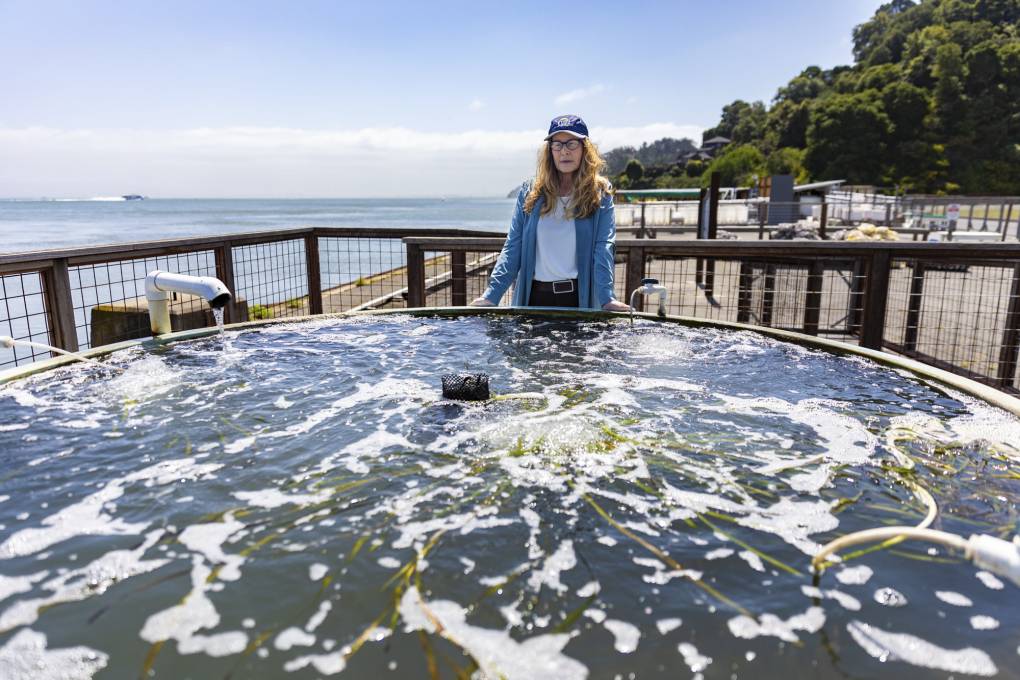
window.__IS_SSR__=true
window.__INITIAL_STATE__={
"attachmentsReducer": {
"audio_0": {
"type": "attachments",
"id": "audio_0",
"imgSizes": {
"kqedFullSize": {
"file": "https://ww2.kqed.org/news/wp-content/themes/KQED-unified/img/audio_bgs/background0.jpg"
}
}
},
"audio_1": {
"type": "attachments",
"id": "audio_1",
"imgSizes": {
"kqedFullSize": {
"file": "https://ww2.kqed.org/news/wp-content/themes/KQED-unified/img/audio_bgs/background1.jpg"
}
}
},
"audio_2": {
"type": "attachments",
"id": "audio_2",
"imgSizes": {
"kqedFullSize": {
"file": "https://ww2.kqed.org/news/wp-content/themes/KQED-unified/img/audio_bgs/background2.jpg"
}
}
},
"audio_3": {
"type": "attachments",
"id": "audio_3",
"imgSizes": {
"kqedFullSize": {
"file": "https://ww2.kqed.org/news/wp-content/themes/KQED-unified/img/audio_bgs/background3.jpg"
}
}
},
"audio_4": {
"type": "attachments",
"id": "audio_4",
"imgSizes": {
"kqedFullSize": {
"file": "https://ww2.kqed.org/news/wp-content/themes/KQED-unified/img/audio_bgs/background4.jpg"
}
}
},
"placeholder": {
"type": "attachments",
"id": "placeholder",
"imgSizes": {
"thumbnail": {
"file": "https://cdn.kqed.org/wp-content/uploads/2024/12/KQED-Default-Image-816638274-2000x1333-1-160x107.jpg",
"width": 160,
"height": 107,
"mimeType": "image/jpeg"
},
"medium": {
"file": "https://cdn.kqed.org/wp-content/uploads/2024/12/KQED-Default-Image-816638274-2000x1333-1-800x533.jpg",
"width": 800,
"height": 533,
"mimeType": "image/jpeg"
},
"medium_large": {
"file": "https://cdn.kqed.org/wp-content/uploads/2024/12/KQED-Default-Image-816638274-2000x1333-1-768x512.jpg",
"width": 768,
"height": 512,
"mimeType": "image/jpeg"
},
"large": {
"file": "https://cdn.kqed.org/wp-content/uploads/2024/12/KQED-Default-Image-816638274-2000x1333-1-1020x680.jpg",
"width": 1020,
"height": 680,
"mimeType": "image/jpeg"
},
"1536x1536": {
"file": "https://cdn.kqed.org/wp-content/uploads/2024/12/KQED-Default-Image-816638274-2000x1333-1-1536x1024.jpg",
"width": 1536,
"height": 1024,
"mimeType": "image/jpeg"
},
"fd-lrg": {
"file": "https://cdn.kqed.org/wp-content/uploads/2024/12/KQED-Default-Image-816638274-2000x1333-1-1536x1024.jpg",
"width": 1536,
"height": 1024,
"mimeType": "image/jpeg"
},
"fd-med": {
"file": "https://cdn.kqed.org/wp-content/uploads/2024/12/KQED-Default-Image-816638274-2000x1333-1-1020x680.jpg",
"width": 1020,
"height": 680,
"mimeType": "image/jpeg"
},
"fd-sm": {
"file": "https://cdn.kqed.org/wp-content/uploads/2024/12/KQED-Default-Image-816638274-2000x1333-1-800x533.jpg",
"width": 800,
"height": 533,
"mimeType": "image/jpeg"
},
"post-thumbnail": {
"file": "https://cdn.kqed.org/wp-content/uploads/2024/12/KQED-Default-Image-816638274-2000x1333-1-672x372.jpg",
"width": 672,
"height": 372,
"mimeType": "image/jpeg"
},
"twentyfourteen-full-width": {
"file": "https://cdn.kqed.org/wp-content/uploads/2024/12/KQED-Default-Image-816638274-2000x1333-1-1038x576.jpg",
"width": 1038,
"height": 576,
"mimeType": "image/jpeg"
},
"xxsmall": {
"file": "https://cdn.kqed.org/wp-content/uploads/2024/12/KQED-Default-Image-816638274-2000x1333-1-160x107.jpg",
"width": 160,
"height": 107,
"mimeType": "image/jpeg"
},
"xsmall": {
"file": "https://cdn.kqed.org/wp-content/uploads/2024/12/KQED-Default-Image-816638274-2000x1333-1-672x372.jpg",
"width": 672,
"height": 372,
"mimeType": "image/jpeg"
},
"small": {
"file": "https://cdn.kqed.org/wp-content/uploads/2024/12/KQED-Default-Image-816638274-2000x1333-1-672x372.jpg",
"width": 672,
"height": 372,
"mimeType": "image/jpeg"
},
"xlarge": {
"file": "https://cdn.kqed.org/wp-content/uploads/2024/12/KQED-Default-Image-816638274-2000x1333-1-1020x680.jpg",
"width": 1020,
"height": 680,
"mimeType": "image/jpeg"
},
"full-width": {
"file": "https://cdn.kqed.org/wp-content/uploads/2024/12/KQED-Default-Image-816638274-2000x1333-1-1920x1280.jpg",
"width": 1920,
"height": 1280,
"mimeType": "image/jpeg"
},
"guest-author-32": {
"file": "https://cdn.kqed.org/wp-content/uploads/2025/01/KQED-Default-Image-816638274-1333x1333-1-160x160.jpg",
"width": 32,
"height": 32,
"mimeType": "image/jpeg"
},
"guest-author-50": {
"file": "https://cdn.kqed.org/wp-content/uploads/2025/01/KQED-Default-Image-816638274-1333x1333-1-160x160.jpg",
"width": 50,
"height": 50,
"mimeType": "image/jpeg"
},
"guest-author-64": {
"file": "https://cdn.kqed.org/wp-content/uploads/2025/01/KQED-Default-Image-816638274-1333x1333-1-160x160.jpg",
"width": 64,
"height": 64,
"mimeType": "image/jpeg"
},
"guest-author-96": {
"file": "https://cdn.kqed.org/wp-content/uploads/2025/01/KQED-Default-Image-816638274-1333x1333-1-160x160.jpg",
"width": 96,
"height": 96,
"mimeType": "image/jpeg"
},
"guest-author-128": {
"file": "https://cdn.kqed.org/wp-content/uploads/2025/01/KQED-Default-Image-816638274-1333x1333-1-160x160.jpg",
"width": 128,
"height": 128,
"mimeType": "image/jpeg"
},
"detail": {
"file": "https://cdn.kqed.org/wp-content/uploads/2025/01/KQED-Default-Image-816638274-1333x1333-1-160x160.jpg",
"width": 160,
"height": 160,
"mimeType": "image/jpeg"
},
"kqedFullSize": {
"file": "https://cdn.kqed.org/wp-content/uploads/2024/12/KQED-Default-Image-816638274-2000x1333-1.jpg",
"width": 2000,
"height": 1333
}
}
},
"news_12037363": {
"type": "attachments",
"id": "news_12037363",
"meta": {
"index": "attachments_1716263798",
"site": "news",
"id": "12037363",
"found": true
},
"title": "20250423_MARINELAB_GC-2-KQED",
"publishDate": 1745445859,
"status": "inherit",
"parent": 0,
"modified": 1745445967,
"caption": "Katharyn Boyer, interim EOS executive director and professor of biology, looks into a seagrass nursery, at San Francisco State University’s Estuary and Ocean Science center, in Tiburon on April 23, 2025. SFSU, which operates the Estuary and Ocean Science Center, has said it can no longer afford to keep the doors open, but $10 million could avert its closure.",
"credit": "Gina Castro/KQED",
"altTag": null,
"description": null,
"imgSizes": {
"medium": {
"file": "https://cdn.kqed.org/wp-content/uploads/sites/10/2025/04/20250423_MARINELAB_GC-2-KQED-800x533.jpg",
"width": 800,
"height": 533,
"mimeType": "image/jpeg"
},
"large": {
"file": "https://cdn.kqed.org/wp-content/uploads/sites/10/2025/04/20250423_MARINELAB_GC-2-KQED-1020x680.jpg",
"width": 1020,
"height": 680,
"mimeType": "image/jpeg"
},
"thumbnail": {
"file": "https://cdn.kqed.org/wp-content/uploads/sites/10/2025/04/20250423_MARINELAB_GC-2-KQED-160x107.jpg",
"width": 160,
"height": 107,
"mimeType": "image/jpeg"
},
"1536x1536": {
"file": "https://cdn.kqed.org/wp-content/uploads/sites/10/2025/04/20250423_MARINELAB_GC-2-KQED-1536x1024.jpg",
"width": 1536,
"height": 1024,
"mimeType": "image/jpeg"
},
"post-thumbnail": {
"file": "https://cdn.kqed.org/wp-content/uploads/sites/10/2025/04/20250423_MARINELAB_GC-2-KQED-672x372.jpg",
"width": 672,
"height": 372,
"mimeType": "image/jpeg"
},
"twentyfourteen-full-width": {
"file": "https://cdn.kqed.org/wp-content/uploads/sites/10/2025/04/20250423_MARINELAB_GC-2-KQED-1038x576.jpg",
"width": 1038,
"height": 576,
"mimeType": "image/jpeg"
},
"full-width": {
"file": "https://cdn.kqed.org/wp-content/uploads/sites/10/2025/04/20250423_MARINELAB_GC-2-KQED-1920x1280.jpg",
"width": 1920,
"height": 1280,
"mimeType": "image/jpeg"
},
"kqedFullSize": {
"file": "https://cdn.kqed.org/wp-content/uploads/sites/10/2025/04/20250423_MARINELAB_GC-2-KQED.jpg",
"width": 2000,
"height": 1333
}
},
"isLoading": false,
"fetchFailed": false
},
"news_11996722": {
"type": "attachments",
"id": "news_11996722",
"meta": {
"index": "attachments_1716263798",
"site": "news",
"id": "11996722",
"found": true
},
"title": "240722-SFKamalaHarrisRally-56-BL_qed",
"publishDate": 1721671958,
"status": "inherit",
"parent": 0,
"modified": 1730834315,
"caption": "San Francisco Democratic Party Chair Nancy Tung speaks during a rally in support of the presidential nomination of Vice President Kamala Harris at City Hall in San Francisco on July 22, 2024.",
"credit": "Beth LaBerge/KQED",
"altTag": null,
"description": null,
"imgSizes": {
"medium": {
"file": "https://cdn.kqed.org/wp-content/uploads/sites/10/2024/07/240722-SFKamalaHarrisRally-56-BL_qed-800x533.jpg",
"width": 800,
"height": 533,
"mimeType": "image/jpeg"
},
"large": {
"file": "https://cdn.kqed.org/wp-content/uploads/sites/10/2024/07/240722-SFKamalaHarrisRally-56-BL_qed-1020x680.jpg",
"width": 1020,
"height": 680,
"mimeType": "image/jpeg"
},
"thumbnail": {
"file": "https://cdn.kqed.org/wp-content/uploads/sites/10/2024/07/240722-SFKamalaHarrisRally-56-BL_qed-160x107.jpg",
"width": 160,
"height": 107,
"mimeType": "image/jpeg"
},
"1536x1536": {
"file": "https://cdn.kqed.org/wp-content/uploads/sites/10/2024/07/240722-SFKamalaHarrisRally-56-BL_qed-1536x1024.jpg",
"width": 1536,
"height": 1024,
"mimeType": "image/jpeg"
},
"post-thumbnail": {
"file": "https://cdn.kqed.org/wp-content/uploads/sites/10/2024/07/240722-SFKamalaHarrisRally-56-BL_qed-672x372.jpg",
"width": 672,
"height": 372,
"mimeType": "image/jpeg"
},
"twentyfourteen-full-width": {
"file": "https://cdn.kqed.org/wp-content/uploads/sites/10/2024/07/240722-SFKamalaHarrisRally-56-BL_qed-1038x576.jpg",
"width": 1038,
"height": 576,
"mimeType": "image/jpeg"
},
"full-width": {
"file": "https://cdn.kqed.org/wp-content/uploads/sites/10/2024/07/240722-SFKamalaHarrisRally-56-BL_qed-1920x1280.jpg",
"width": 1920,
"height": 1280,
"mimeType": "image/jpeg"
},
"kqedFullSize": {
"file": "https://cdn.kqed.org/wp-content/uploads/sites/10/2024/07/240722-SFKamalaHarrisRally-56-BL_qed.jpg",
"width": 2000,
"height": 1333
}
},
"isLoading": false,
"fetchFailed": false
},
"news_12037309": {
"type": "attachments",
"id": "news_12037309",
"meta": {
"index": "attachments_1716263798",
"site": "news",
"id": "12037309",
"found": true
},
"title": "240204-Storm-19-BL_qed",
"publishDate": 1745437127,
"status": "inherit",
"parent": 12037304,
"modified": 1745439383,
"caption": "A group of tourists walks through Alamo Square Park during a storm in San Francisco on Feb. 4, 2024.",
"credit": "Beth LaBerge/KQED",
"altTag": null,
"description": null,
"imgSizes": {
"medium": {
"file": "https://cdn.kqed.org/wp-content/uploads/sites/10/2025/04/240204-Storm-19-BL_qed-800x533.jpg",
"width": 800,
"height": 533,
"mimeType": "image/jpeg"
},
"large": {
"file": "https://cdn.kqed.org/wp-content/uploads/sites/10/2025/04/240204-Storm-19-BL_qed-1020x680.jpg",
"width": 1020,
"height": 680,
"mimeType": "image/jpeg"
},
"thumbnail": {
"file": "https://cdn.kqed.org/wp-content/uploads/sites/10/2025/04/240204-Storm-19-BL_qed-160x107.jpg",
"width": 160,
"height": 107,
"mimeType": "image/jpeg"
},
"1536x1536": {
"file": "https://cdn.kqed.org/wp-content/uploads/sites/10/2025/04/240204-Storm-19-BL_qed-1536x1024.jpg",
"width": 1536,
"height": 1024,
"mimeType": "image/jpeg"
},
"post-thumbnail": {
"file": "https://cdn.kqed.org/wp-content/uploads/sites/10/2025/04/240204-Storm-19-BL_qed-672x372.jpg",
"width": 672,
"height": 372,
"mimeType": "image/jpeg"
},
"twentyfourteen-full-width": {
"file": "https://cdn.kqed.org/wp-content/uploads/sites/10/2025/04/240204-Storm-19-BL_qed-1038x576.jpg",
"width": 1038,
"height": 576,
"mimeType": "image/jpeg"
},
"full-width": {
"file": "https://cdn.kqed.org/wp-content/uploads/sites/10/2025/04/240204-Storm-19-BL_qed-1920x1280.jpg",
"width": 1920,
"height": 1280,
"mimeType": "image/jpeg"
},
"kqedFullSize": {
"file": "https://cdn.kqed.org/wp-content/uploads/sites/10/2025/04/240204-Storm-19-BL_qed.jpg",
"width": 2000,
"height": 1333
}
},
"isLoading": false,
"fetchFailed": false
},
"news_12037008": {
"type": "attachments",
"id": "news_12037008",
"meta": {
"index": "attachments_1716263798",
"site": "news",
"id": "12037008",
"found": true
},
"title": "250421-SFUSDCentralCuts-11-BL_qed",
"publishDate": 1745274467,
"status": "inherit",
"parent": 12036914,
"modified": 1745274477,
"caption": "San Francisco Unified School District Superintendent Dr. Maria Su speaks during a press conference at the school district offices in San Francisco on April 21, 2025.",
"credit": "Beth LaBerge/KQED",
"altTag": null,
"description": null,
"imgSizes": {
"medium": {
"file": "https://cdn.kqed.org/wp-content/uploads/sites/10/2025/04/250421-SFUSDCentralCuts-11-BL_qed-800x533.jpg",
"width": 800,
"height": 533,
"mimeType": "image/jpeg"
},
"large": {
"file": "https://cdn.kqed.org/wp-content/uploads/sites/10/2025/04/250421-SFUSDCentralCuts-11-BL_qed-1020x680.jpg",
"width": 1020,
"height": 680,
"mimeType": "image/jpeg"
},
"thumbnail": {
"file": "https://cdn.kqed.org/wp-content/uploads/sites/10/2025/04/250421-SFUSDCentralCuts-11-BL_qed-160x107.jpg",
"width": 160,
"height": 107,
"mimeType": "image/jpeg"
},
"1536x1536": {
"file": "https://cdn.kqed.org/wp-content/uploads/sites/10/2025/04/250421-SFUSDCentralCuts-11-BL_qed-1536x1024.jpg",
"width": 1536,
"height": 1024,
"mimeType": "image/jpeg"
},
"post-thumbnail": {
"file": "https://cdn.kqed.org/wp-content/uploads/sites/10/2025/04/250421-SFUSDCentralCuts-11-BL_qed-672x372.jpg",
"width": 672,
"height": 372,
"mimeType": "image/jpeg"
},
"twentyfourteen-full-width": {
"file": "https://cdn.kqed.org/wp-content/uploads/sites/10/2025/04/250421-SFUSDCentralCuts-11-BL_qed-1038x576.jpg",
"width": 1038,
"height": 576,
"mimeType": "image/jpeg"
},
"full-width": {
"file": "https://cdn.kqed.org/wp-content/uploads/sites/10/2025/04/250421-SFUSDCentralCuts-11-BL_qed-1920x1280.jpg",
"width": 1920,
"height": 1280,
"mimeType": "image/jpeg"
},
"kqedFullSize": {
"file": "https://cdn.kqed.org/wp-content/uploads/sites/10/2025/04/250421-SFUSDCentralCuts-11-BL_qed.jpg",
"width": 2000,
"height": 1333
}
},
"isLoading": false,
"fetchFailed": false
},
"news_12036754": {
"type": "attachments",
"id": "news_12036754",
"meta": {
"index": "attachments_1716263798",
"site": "news",
"id": "12036754",
"found": true
},
"title": "Drew Bird Photo | Visual Storyteller",
"publishDate": 1745017041,
"status": "inherit",
"parent": 0,
"modified": 1745019080,
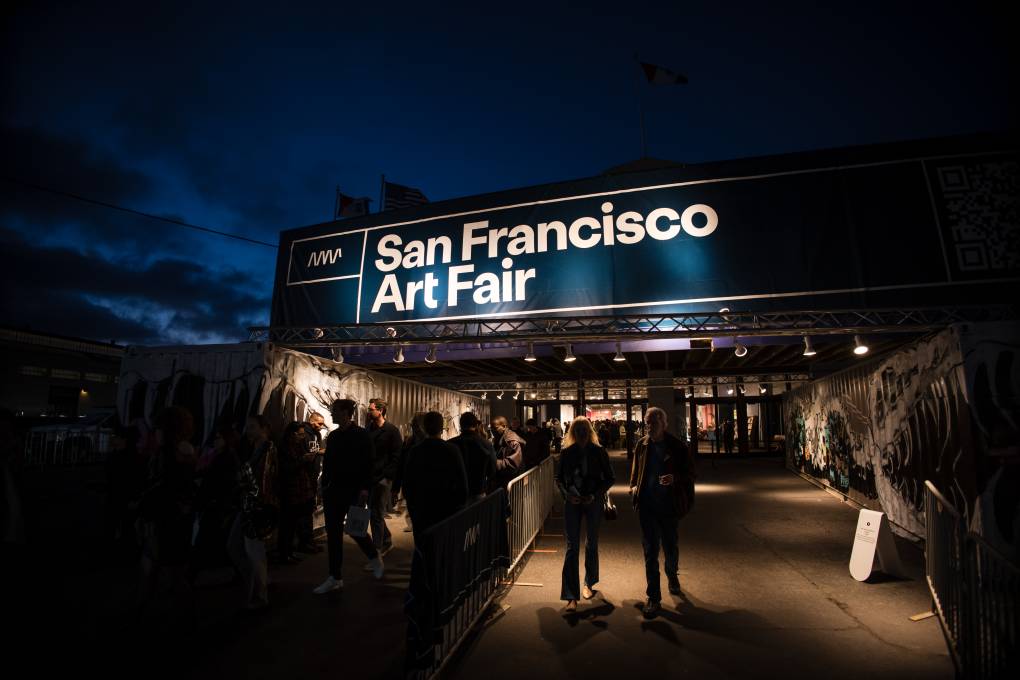
"caption": "The San Francisco Art Fair, which runs through Sunday, will feature almost 100 booths with art from around the world. ",
"credit": "Photography by Drew Bird, Courtesy of Art Market Productions.",
"altTag": null,
"description": null,
"imgSizes": {
"medium": {
"file": "https://cdn.kqed.org/wp-content/uploads/sites/10/2025/04/sf-art-fair-4-17-25-drew-bird-018-800x534.jpg",
"width": 800,
"height": 534,
"mimeType": "image/jpeg"
},
"large": {
"file": "https://cdn.kqed.org/wp-content/uploads/sites/10/2025/04/sf-art-fair-4-17-25-drew-bird-018-1020x680.jpg",
"width": 1020,
"height": 680,
"mimeType": "image/jpeg"
},
"thumbnail": {
"file": "https://cdn.kqed.org/wp-content/uploads/sites/10/2025/04/sf-art-fair-4-17-25-drew-bird-018-160x107.jpg",
"width": 160,
"height": 107,
"mimeType": "image/jpeg"
},
"1536x1536": {
"file": "https://cdn.kqed.org/wp-content/uploads/sites/10/2025/04/sf-art-fair-4-17-25-drew-bird-018-1536x1025.jpg",
"width": 1536,
"height": 1025,
"mimeType": "image/jpeg"
},
"2048x2048": {
"file": "https://cdn.kqed.org/wp-content/uploads/sites/10/2025/04/sf-art-fair-4-17-25-drew-bird-018-2048x1366.jpg",
"width": 2048,
"height": 1366,
"mimeType": "image/jpeg"
},
"post-thumbnail": {
"file": "https://cdn.kqed.org/wp-content/uploads/sites/10/2025/04/sf-art-fair-4-17-25-drew-bird-018-672x372.jpg",
"width": 672,
"height": 372,
"mimeType": "image/jpeg"
},
"twentyfourteen-full-width": {
"file": "https://cdn.kqed.org/wp-content/uploads/sites/10/2025/04/sf-art-fair-4-17-25-drew-bird-018-1038x576.jpg",
"width": 1038,
"height": 576,
"mimeType": "image/jpeg"
},
"full-width": {
"file": "https://cdn.kqed.org/wp-content/uploads/sites/10/2025/04/sf-art-fair-4-17-25-drew-bird-018-1920x1281.jpg",
"width": 1920,
"height": 1281,
"mimeType": "image/jpeg"
},
"kqedFullSize": {
"file": "https://cdn.kqed.org/wp-content/uploads/sites/10/2025/04/sf-art-fair-4-17-25-drew-bird-018-scaled.jpg",
"width": 2560,
"height": 1708
}
},
"isLoading": false,
"fetchFailed": false
},
"news_11980835": {
"type": "attachments",
"id": "news_11980835",
"meta": {
"index": "attachments_1716263798",
"site": "news",
"id": "11980835",
"found": true
},
"parent": 11980820,
"imgSizes": {
"twentyfourteen-full-width": {
"file": "https://cdn.kqed.org/wp-content/uploads/sites/10/2024/03/GettyImages-1408784015-1024x576.jpg",
"width": 1024,
"mimeType": "image/jpeg",
"height": 576
},
"thumbnail": {
"file": "https://cdn.kqed.org/wp-content/uploads/sites/10/2024/03/GettyImages-1408784015-160x107.jpg",
"width": 160,
"mimeType": "image/jpeg",
"height": 107
},
"post-thumbnail": {
"file": "https://cdn.kqed.org/wp-content/uploads/sites/10/2024/03/GettyImages-1408784015-672x372.jpg",
"width": 672,
"mimeType": "image/jpeg",
"height": 372
},
"kqedFullSize": {
"file": "https://cdn.kqed.org/wp-content/uploads/sites/10/2024/03/GettyImages-1408784015.jpg",
"width": 1024,
"height": 683
},
"large": {
"file": "https://cdn.kqed.org/wp-content/uploads/sites/10/2024/03/GettyImages-1408784015-1020x680.jpg",
"width": 1020,
"mimeType": "image/jpeg",
"height": 680
},
"medium": {
"file": "https://cdn.kqed.org/wp-content/uploads/sites/10/2024/03/GettyImages-1408784015-800x534.jpg",
"width": 800,
"mimeType": "image/jpeg",
"height": 534
}
},
"publishDate": 1711486190,
"modified": 1711487503,
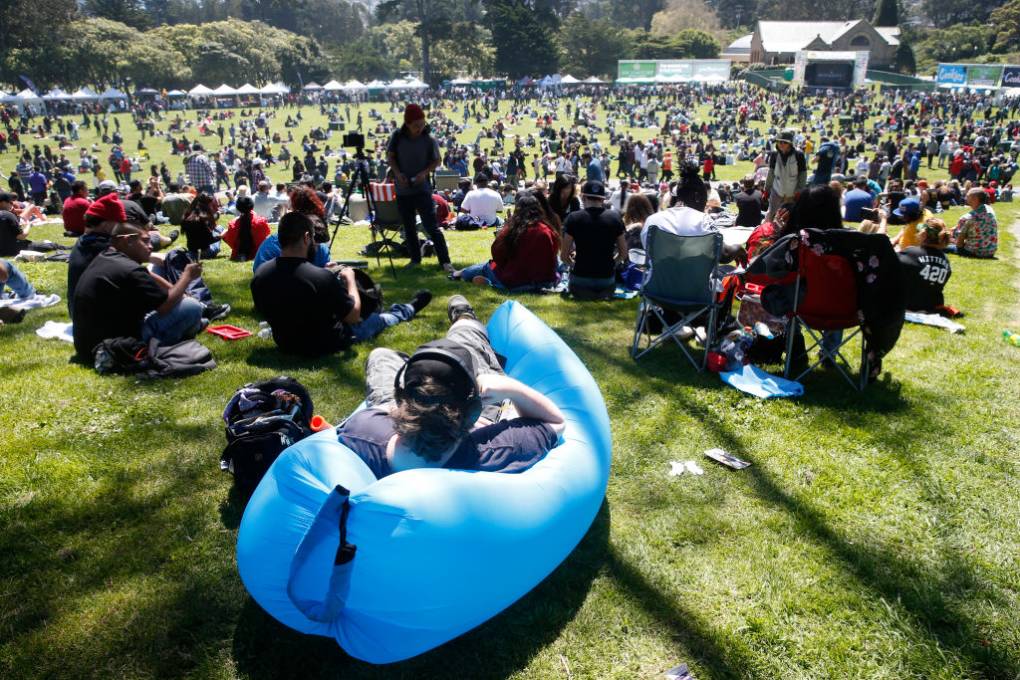
"caption": "Marijuana lovers gather at the top of Hippie Hill for the annual 420 celebration of cannabis at Golden Gate Park in San Francisco on Friday, April 20, 2018.",
"description": null,
"title": "Marijuana lovers gather at the top of Hippie Hill for the annual 4/20 celebration of cannabis at Golden Gate Park in San Francisco, Calif. on Friday, April 20, 2018",
"credit": "Paul Chinn/The San Francisco Chronicle via Getty Images",
"status": "inherit",
"altTag": null,
"isLoading": false,
"fetchFailed": false
},
"news_12036589": {
"type": "attachments",
"id": "news_12036589",
"meta": {
"index": "attachments_1716263798",
"site": "news",
"id": "12036589",
"found": true
},
"title": "Beijing Zoo Giant Panda",
"publishDate": 1744997266,
"status": "inherit",
"parent": 12036582,
"modified": 1745007135,
"caption": "A giant panda plays at Beijing Zoo in Beijing, capital of China, on April 7, 2025. ",
"credit": "CFOTO/Future Publishing via Getty Images",
"altTag": null,
"description": null,
"imgSizes": {
"medium": {
"file": "https://cdn.kqed.org/wp-content/uploads/sites/10/2025/04/PandaGetty-800x600.jpg",
"width": 800,
"height": 600,
"mimeType": "image/jpeg"
},
"large": {
"file": "https://cdn.kqed.org/wp-content/uploads/sites/10/2025/04/PandaGetty-1020x764.jpg",
"width": 1020,
"height": 764,
"mimeType": "image/jpeg"
},
"thumbnail": {
"file": "https://cdn.kqed.org/wp-content/uploads/sites/10/2025/04/PandaGetty-160x120.jpg",
"width": 160,
"height": 120,
"mimeType": "image/jpeg"
},
"1536x1536": {
"file": "https://cdn.kqed.org/wp-content/uploads/sites/10/2025/04/PandaGetty-1536x1151.jpg",
"width": 1536,
"height": 1151,
"mimeType": "image/jpeg"
},
"post-thumbnail": {
"file": "https://cdn.kqed.org/wp-content/uploads/sites/10/2025/04/PandaGetty-672x372.jpg",
"width": 672,
"height": 372,
"mimeType": "image/jpeg"
},
"twentyfourteen-full-width": {
"file": "https://cdn.kqed.org/wp-content/uploads/sites/10/2025/04/PandaGetty-1038x576.jpg",
"width": 1038,
"height": 576,
"mimeType": "image/jpeg"
},
"full-width": {
"file": "https://cdn.kqed.org/wp-content/uploads/sites/10/2025/04/PandaGetty-1920x1439.jpg",
"width": 1920,
"height": 1439,
"mimeType": "image/jpeg"
},
"kqedFullSize": {
"file": "https://cdn.kqed.org/wp-content/uploads/sites/10/2025/04/PandaGetty.jpg",
"width": 2000,
"height": 1499
}
},
"isLoading": false,
"fetchFailed": false
},
"news_12036053": {
"type": "attachments",
"id": "news_12036053",
"meta": {
"index": "attachments_1716263798",
"site": "news",
"id": "12036053",
"found": true
},
"title": "Bikes for sale at The New Wheel in San Francisco on April 15, 2025.",
"publishDate": 1744745086,
"status": "inherit",
"parent": 0,
"modified": 1744745235,
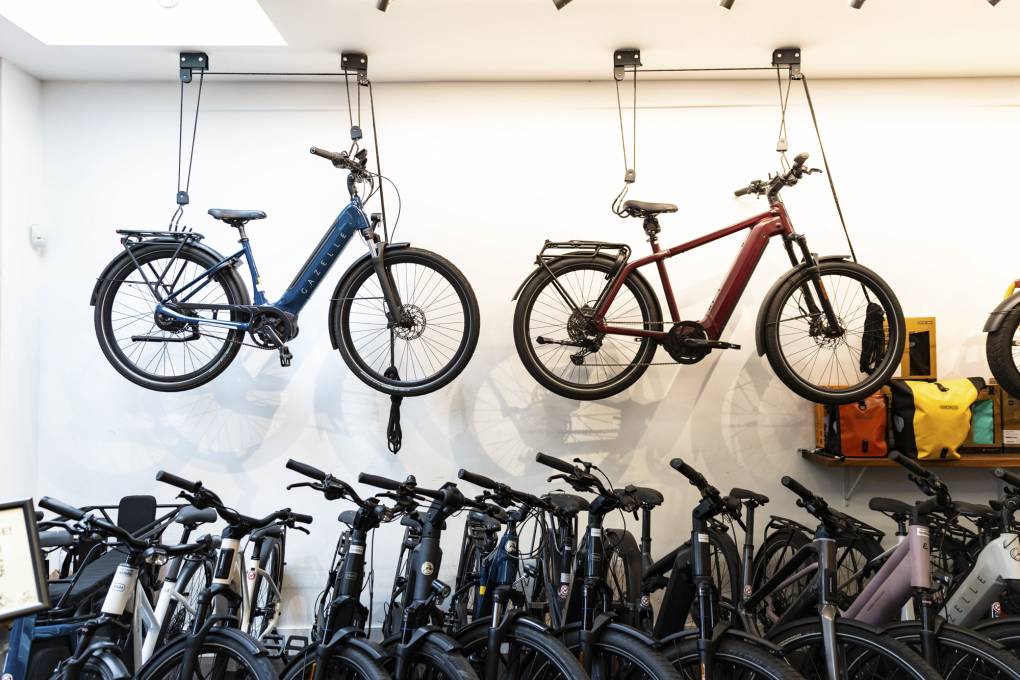
"caption": "Bikes for sale at The New Wheel in San Francisco on April 15, 2025.",
"credit": "Gina Castro/KQED",
"altTag": null,
"description": null,
"imgSizes": {
"medium": {
"file": "https://cdn.kqed.org/wp-content/uploads/sites/10/2025/04/20250415_BIKETARIFF_GC-3-KQED-800x533.jpg",
"width": 800,
"height": 533,
"mimeType": "image/jpeg"
},
"large": {
"file": "https://cdn.kqed.org/wp-content/uploads/sites/10/2025/04/20250415_BIKETARIFF_GC-3-KQED-1020x680.jpg",
"width": 1020,
"height": 680,
"mimeType": "image/jpeg"
},
"thumbnail": {
"file": "https://cdn.kqed.org/wp-content/uploads/sites/10/2025/04/20250415_BIKETARIFF_GC-3-KQED-160x107.jpg",
"width": 160,
"height": 107,
"mimeType": "image/jpeg"
},
"1536x1536": {
"file": "https://cdn.kqed.org/wp-content/uploads/sites/10/2025/04/20250415_BIKETARIFF_GC-3-KQED-1536x1024.jpg",
"width": 1536,
"height": 1024,
"mimeType": "image/jpeg"
},
"post-thumbnail": {
"file": "https://cdn.kqed.org/wp-content/uploads/sites/10/2025/04/20250415_BIKETARIFF_GC-3-KQED-672x372.jpg",
"width": 672,
"height": 372,
"mimeType": "image/jpeg"
},
"twentyfourteen-full-width": {
"file": "https://cdn.kqed.org/wp-content/uploads/sites/10/2025/04/20250415_BIKETARIFF_GC-3-KQED-1038x576.jpg",
"width": 1038,
"height": 576,
"mimeType": "image/jpeg"
},
"full-width": {
"file": "https://cdn.kqed.org/wp-content/uploads/sites/10/2025/04/20250415_BIKETARIFF_GC-3-KQED-1920x1280.jpg",
"width": 1920,
"height": 1280,
"mimeType": "image/jpeg"
},
"kqedFullSize": {
"file": "https://cdn.kqed.org/wp-content/uploads/sites/10/2025/04/20250415_BIKETARIFF_GC-3-KQED.jpg",
"width": 2000,
"height": 1333
}
},
"isLoading": false,
"fetchFailed": false
},
"news_12036442": {
"type": "attachments",
"id": "news_12036442",
"meta": {
"index": "attachments_1716263798",
"site": "news",
"id": "12036442",
"found": true
},
"title": "20250417_LURIE100DAYS_GC-8-KQED_1",
"publishDate": 1744918107,
"status": "inherit",
"parent": 0,
"modified": 1744918283,
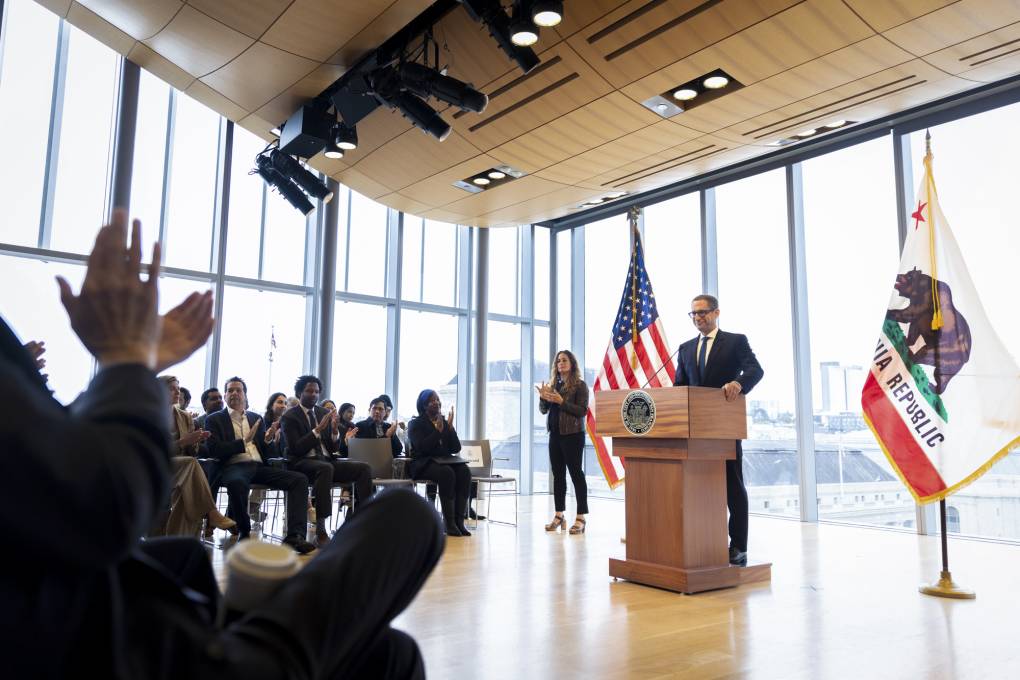
"caption": "Mayor Daniel Lurie delivers remarks on a progress report of his first 100 days in office at the San Francisco Conservatory of Music in San Francisco on April 17, 2025.",
"credit": "Gina Castro/KQED",
"altTag": null,
"description": null,
"imgSizes": {
"medium": {
"file": "https://cdn.kqed.org/wp-content/uploads/sites/10/2025/04/20250417_LURIE100DAYS_GC-8-KQED_1-800x533.jpg",
"width": 800,
"height": 533,
"mimeType": "image/jpeg"
},
"large": {
"file": "https://cdn.kqed.org/wp-content/uploads/sites/10/2025/04/20250417_LURIE100DAYS_GC-8-KQED_1-1020x680.jpg",
"width": 1020,
"height": 680,
"mimeType": "image/jpeg"
},
"thumbnail": {
"file": "https://cdn.kqed.org/wp-content/uploads/sites/10/2025/04/20250417_LURIE100DAYS_GC-8-KQED_1-160x107.jpg",
"width": 160,
"height": 107,
"mimeType": "image/jpeg"
},
"1536x1536": {
"file": "https://cdn.kqed.org/wp-content/uploads/sites/10/2025/04/20250417_LURIE100DAYS_GC-8-KQED_1-1536x1024.jpg",
"width": 1536,
"height": 1024,
"mimeType": "image/jpeg"
},
"post-thumbnail": {
"file": "https://cdn.kqed.org/wp-content/uploads/sites/10/2025/04/20250417_LURIE100DAYS_GC-8-KQED_1-672x372.jpg",
"width": 672,
"height": 372,
"mimeType": "image/jpeg"
},
"twentyfourteen-full-width": {
"file": "https://cdn.kqed.org/wp-content/uploads/sites/10/2025/04/20250417_LURIE100DAYS_GC-8-KQED_1-1038x576.jpg",
"width": 1038,
"height": 576,
"mimeType": "image/jpeg"
},
"full-width": {
"file": "https://cdn.kqed.org/wp-content/uploads/sites/10/2025/04/20250417_LURIE100DAYS_GC-8-KQED_1-1920x1280.jpg",
"width": 1920,
"height": 1280,
"mimeType": "image/jpeg"
},
"kqedFullSize": {
"file": "https://cdn.kqed.org/wp-content/uploads/sites/10/2025/04/20250417_LURIE100DAYS_GC-8-KQED_1.jpg",
"width": 2000,
"height": 1333
}
},
"isLoading": false,
"fetchFailed": false
},
"news_12036369": {
"type": "attachments",
"id": "news_12036369",
"meta": {
"index": "attachments_1716263798",
"site": "news",
"id": "12036369",
"found": true
},
"title": "019_KQED_EmbarcaderoNavigationCenter_01302020_7872_qed",
"publishDate": 1744846730,
"status": "inherit",
"parent": 12036307,
"modified": 1744846814,
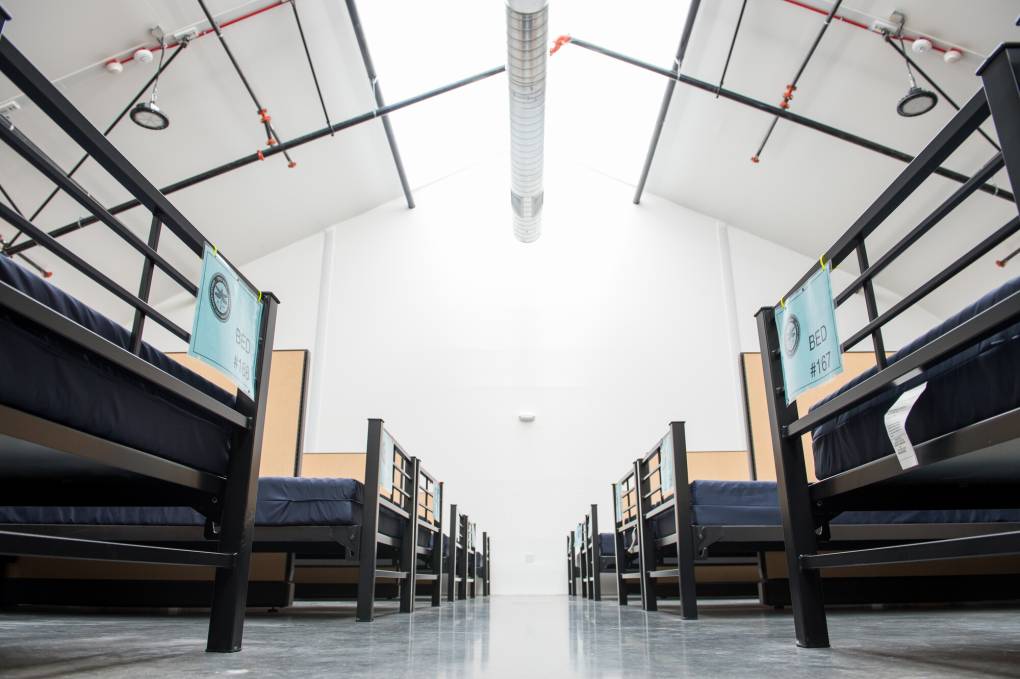
"caption": "The dormitory at the Embarcadero SAFE Navigation Center at the corner of Embarcadero and Beale Street in San Francisco on Jan. 30, 2020. San Francisco plans to expand a program pairing shelter beds at the Adante Hotel on Geary Street in Lower Nob Hill with access to addiction treatment, to intervene in the city’s drug crisis. ",
"credit": "Beth LaBerge/KQED",
"altTag": null,
"description": null,
"imgSizes": {
"medium": {
"file": "https://cdn.kqed.org/wp-content/uploads/sites/10/2025/04/019_KQED_EmbarcaderoNavigationCenter_01302020_7872_qed-800x532.jpg",
"width": 800,
"height": 532,
"mimeType": "image/jpeg"
},
"large": {
"file": "https://cdn.kqed.org/wp-content/uploads/sites/10/2025/04/019_KQED_EmbarcaderoNavigationCenter_01302020_7872_qed-1020x679.jpg",
"width": 1020,
"height": 679,
"mimeType": "image/jpeg"
},
"thumbnail": {
"file": "https://cdn.kqed.org/wp-content/uploads/sites/10/2025/04/019_KQED_EmbarcaderoNavigationCenter_01302020_7872_qed-160x106.jpg",
"width": 160,
"height": 106,
"mimeType": "image/jpeg"
},
"1536x1536": {
"file": "https://cdn.kqed.org/wp-content/uploads/sites/10/2025/04/019_KQED_EmbarcaderoNavigationCenter_01302020_7872_qed-1536x1022.jpg",
"width": 1536,
"height": 1022,
"mimeType": "image/jpeg"
},
"post-thumbnail": {
"file": "https://cdn.kqed.org/wp-content/uploads/sites/10/2025/04/019_KQED_EmbarcaderoNavigationCenter_01302020_7872_qed-672x372.jpg",
"width": 672,
"height": 372,
"mimeType": "image/jpeg"
},
"twentyfourteen-full-width": {
"file": "https://cdn.kqed.org/wp-content/uploads/sites/10/2025/04/019_KQED_EmbarcaderoNavigationCenter_01302020_7872_qed-1038x576.jpg",
"width": 1038,
"height": 576,
"mimeType": "image/jpeg"
},
"full-width": {
"file": "https://cdn.kqed.org/wp-content/uploads/sites/10/2025/04/019_KQED_EmbarcaderoNavigationCenter_01302020_7872_qed-1920x1278.jpg",
"width": 1920,
"height": 1278,
"mimeType": "image/jpeg"
},
"kqedFullSize": {
"file": "https://cdn.kqed.org/wp-content/uploads/sites/10/2025/04/019_KQED_EmbarcaderoNavigationCenter_01302020_7872_qed.jpg",
"width": 2000,
"height": 1331
}
},
"isLoading": false,
"fetchFailed": false
},
"news_12035804": {
"type": "attachments",
"id": "news_12035804",
"meta": {
"index": "attachments_1716263798",
"site": "news",
"id": "12035804",
"found": true
},
"title": "20250412_SunsetDunesGrandOpening_GC-15_qed",
"publishDate": 1744501184,
"status": "inherit",
"parent": 12035795,
"modified": 1744501234,
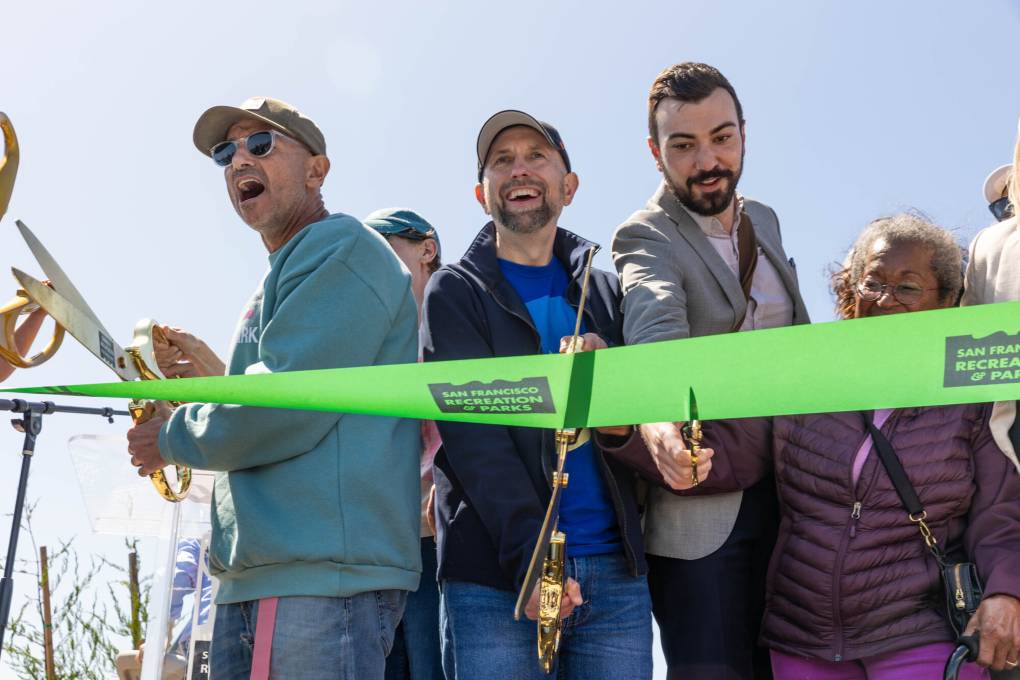
"caption": "Supervisor Joel Engardio (center) participates in the ribbon cutting during the Sunset Dunes Park grand opening on the Upper Great Highway in San Francisco on April 12, 2025.",
"credit": "Gina Castro/KQED",
"altTag": null,
"description": null,
"imgSizes": {
"medium": {
"file": "https://cdn.kqed.org/wp-content/uploads/sites/10/2025/04/20250412_SunsetDunesGrandOpening_GC-15_qed-800x533.jpg",
"width": 800,
"height": 533,
"mimeType": "image/jpeg"
},
"large": {
"file": "https://cdn.kqed.org/wp-content/uploads/sites/10/2025/04/20250412_SunsetDunesGrandOpening_GC-15_qed-1020x680.jpg",
"width": 1020,
"height": 680,
"mimeType": "image/jpeg"
},
"thumbnail": {
"file": "https://cdn.kqed.org/wp-content/uploads/sites/10/2025/04/20250412_SunsetDunesGrandOpening_GC-15_qed-160x107.jpg",
"width": 160,
"height": 107,
"mimeType": "image/jpeg"
},
"1536x1536": {
"file": "https://cdn.kqed.org/wp-content/uploads/sites/10/2025/04/20250412_SunsetDunesGrandOpening_GC-15_qed-1536x1024.jpg",
"width": 1536,
"height": 1024,
"mimeType": "image/jpeg"
},
"post-thumbnail": {
"file": "https://cdn.kqed.org/wp-content/uploads/sites/10/2025/04/20250412_SunsetDunesGrandOpening_GC-15_qed-672x372.jpg",
"width": 672,
"height": 372,
"mimeType": "image/jpeg"
},
"twentyfourteen-full-width": {
"file": "https://cdn.kqed.org/wp-content/uploads/sites/10/2025/04/20250412_SunsetDunesGrandOpening_GC-15_qed-1038x576.jpg",
"width": 1038,
"height": 576,
"mimeType": "image/jpeg"
},
"full-width": {
"file": "https://cdn.kqed.org/wp-content/uploads/sites/10/2025/04/20250412_SunsetDunesGrandOpening_GC-15_qed-1920x1280.jpg",
"width": 1920,
"height": 1280,
"mimeType": "image/jpeg"
},
"kqedFullSize": {
"file": "https://cdn.kqed.org/wp-content/uploads/sites/10/2025/04/20250412_SunsetDunesGrandOpening_GC-15_qed.jpg",
"width": 2000,
"height": 1333
}
},
"isLoading": false,
"fetchFailed": false
},
"news_12005996": {
"type": "attachments",
"id": "news_12005996",
"meta": {
"index": "attachments_1716263798",
"site": "news",
"id": "12005996",
"found": true
},
"title": "012",
"publishDate": 1727132043,
"status": "inherit",
"parent": 12005960,
"modified": 1731091192,
"caption": "Rainbow flags line the plaza in front of the San Francisco City Hall on June 26, 2013, following the rulings brought down by the Supreme Court on same sex marriage.",
"credit": "Deborah Svoboda/KQED",
"altTag": "A row of flagpoles displaying rainbow flags stands in front of San Francisco City Hall.",
"description": null,
"imgSizes": {
"medium": {
"file": "https://cdn.kqed.org/wp-content/uploads/sites/10/2024/09/012-800x533.jpg",
"width": 800,
"height": 533,
"mimeType": "image/jpeg"
},
"large": {
"file": "https://cdn.kqed.org/wp-content/uploads/sites/10/2024/09/012-1020x680.jpg",
"width": 1020,
"height": 680,
"mimeType": "image/jpeg"
},
"thumbnail": {
"file": "https://cdn.kqed.org/wp-content/uploads/sites/10/2024/09/012-160x107.jpg",
"width": 160,
"height": 107,
"mimeType": "image/jpeg"
},
"1536x1536": {
"file": "https://cdn.kqed.org/wp-content/uploads/sites/10/2024/09/012-1536x1024.jpg",
"width": 1536,
"height": 1024,
"mimeType": "image/jpeg"
},
"post-thumbnail": {
"file": "https://cdn.kqed.org/wp-content/uploads/sites/10/2024/09/012-672x372.jpg",
"width": 672,
"height": 372,
"mimeType": "image/jpeg"
},
"twentyfourteen-full-width": {
"file": "https://cdn.kqed.org/wp-content/uploads/sites/10/2024/09/012-1038x576.jpg",
"width": 1038,
"height": 576,
"mimeType": "image/jpeg"
},
"full-width": {
"file": "https://cdn.kqed.org/wp-content/uploads/sites/10/2024/09/012-1920x1280.jpg",
"width": 1920,
"height": 1280,
"mimeType": "image/jpeg"
},
"kqedFullSize": {
"file": "https://cdn.kqed.org/wp-content/uploads/sites/10/2024/09/012.jpg",
"width": 2000,
"height": 1333
}
},
"isLoading": false,
"fetchFailed": false
}
},
"audioPlayerReducer": {
"postId": "stream_live",
"isPaused": true,
"isPlaying": false,
"pfsActive": false,
"pledgeModalIsOpen": true,
"playerDrawerIsOpen": false,
"liveAudioPlayStartedAt": 0,
"liveAudioPlayContext": ""
},
"authorsReducer": {
"byline_news_12036970": {
"type": "authors",
"id": "byline_news_12036970",
"meta": {
"override": true
},
"slug": "byline_news_12036970",
"name": "Anna FitzGerald Guth",
"isLoading": false
},
"scottshafer": {
"type": "authors",
"id": "255",
"meta": {
"index": "authors_1716337520",
"id": "255",
"found": true
},
"name": "Scott Shafer",
"firstName": "Scott",
"lastName": "Shafer",
"slug": "scottshafer",
"email": "sshafer@kqed.org",
"display_author_email": false,
"staff_mastheads": [
"news"
],
"title": "KQED Contributor",
"bio": "Scott Shafer is a senior editor with the KQED Politics and Government desk. He is co-host of Political Breakdown, the award-winning radio show and podcast with a personal take on the world of politics. Scott came to KQED in 1998 to host the statewide\u003cem> California Report\u003c/em>. Prior to that he had extended stints in politics and government\u003cem>.\u003c/em> He uses that inside experience at KQED in his, reporting, hosting and analysis for the politics desk. Scott collaborated \u003cem>Political Breakdown a\u003c/em>nd on \u003cem>The Political Mind of Jerry Brown, \u003c/em>an eight-part series about the life and extraordinary political career of the former governor. For fun, he plays water polo with the San Francisco Tsunami.",
"avatar": "https://secure.gravatar.com/avatar/a62ebae45b79d7aed1a39a0e3bf68104?s=600&d=blank&r=g",
"twitter": "scottshafer",
"bluesky": null,
"facebook": null,
"instagram": null,
"linkedin": null,
"sites": [
{
"site": "news",
"roles": [
"editor"
]
},
{
"site": "stateofhealth",
"roles": [
"author"
]
},
{
"site": "science",
"roles": [
"author"
]
},
{
"site": "forum",
"roles": [
"subscriber"
]
},
{
"site": "liveblog",
"roles": [
"author"
]
}
],
"headData": {
"title": "Scott Shafer | KQED",
"description": "KQED Contributor",
"ogImgSrc": "https://secure.gravatar.com/avatar/a62ebae45b79d7aed1a39a0e3bf68104?s=600&d=blank&r=g",
"twImgSrc": "https://secure.gravatar.com/avatar/a62ebae45b79d7aed1a39a0e3bf68104?s=600&d=blank&r=g"
},
"isLoading": false,
"link": "/author/scottshafer"
},
"mlagos": {
"type": "authors",
"id": "3239",
"meta": {
"index": "authors_1716337520",
"id": "3239",
"found": true
},
"name": "Marisa Lagos",
"firstName": "Marisa",
"lastName": "Lagos",
"slug": "mlagos",
"email": "mlagos@kqed.org",
"display_author_email": false,
"staff_mastheads": [
"news"
],
"title": "KQED Contributor",
"bio": "Marisa Lagos is a correspondent for KQED’s California Politics and Government Desk and co-hosts the award-winning show and podcast, Political Breakdown. At KQED, Lagos also conducts reporting, analysis and investigations into state, local and national politics for radio, TV, online and onstage. In 2022, she and co-host, Scott Shafer, moderated the only gubernatorial debate in California. In 2020, the \u003ci>Washington Post\u003c/i> named her one of the top political journalists in California; she was nominated for a Peabody and won several other awards for her work investigating the 2017 California wildfires. She has worked at the \u003ci>San Francisco Chronicle\u003c/i>, \u003ci>San Francisco Examiner\u003c/i> and \u003ci>Los Angeles Times\u003c/i>. A UC Santa Barbara graduate, she lives in San Francisco with her two sons and husband.",
"avatar": "https://secure.gravatar.com/avatar/a261a0d3696fc066871ef96b85b5e7d2?s=600&d=blank&r=g",
"twitter": "@mlagos",
"facebook": null,
"instagram": null,
"linkedin": null,
"sites": [
{
"site": "arts",
"roles": [
"author"
]
},
{
"site": "news",
"roles": [
"editor"
]
},
{
"site": "science",
"roles": [
"editor"
]
},
{
"site": "forum",
"roles": [
"author"
]
},
{
"site": "liveblog",
"roles": [
"author"
]
}
],
"headData": {
"title": "Marisa Lagos | KQED",
"description": "KQED Contributor",
"ogImgSrc": "https://secure.gravatar.com/avatar/a261a0d3696fc066871ef96b85b5e7d2?s=600&d=blank&r=g",
"twImgSrc": "https://secure.gravatar.com/avatar/a261a0d3696fc066871ef96b85b5e7d2?s=600&d=blank&r=g"
},
"isLoading": false,
"link": "/author/mlagos"
},
"ecruzguevarra": {
"type": "authors",
"id": "8654",
"meta": {
"index": "authors_1716337520",
"id": "8654",
"found": true
},
"name": "Ericka Cruz Guevarra",
"firstName": "Ericka",
"lastName": "Cruz Guevarra",
"slug": "ecruzguevarra",
"email": "ecruzguevarra@kqed.org",
"display_author_email": true,
"staff_mastheads": [
"news"
],
"title": "Producer, The Bay Podcast",
"bio": "Ericka Cruz Guevarra is host of \u003ca href=\"https://www.kqed.org/podcasts/thebay\">\u003cem>The Bay\u003c/em>\u003c/a> podcast at KQED. Before host, she was the show’s producer. Her work in that capacity includes a three-part reported series on policing in Vallejo, which won a 2020 excellence in journalism award from the Society of Professional Journalists. Ericka has worked as a breaking news reporter at Oregon Public Broadcasting, helped produce the Code Switch podcast, and was KQED’s inaugural Raul Ramirez Diversity Fund intern. She’s also an alumna of NPR’s Next Generation Radio program. Send her an email if you have strong feelings about whether Fairfield and Suisun City are the Bay. Ericka is represented by SAG-AFTRA.",
"avatar": "https://secure.gravatar.com/avatar/accefc1de4bafc7e234b69bcb9b6f6536c130fd84709bc3069ef11a78787e1bb?s=600&d=blank&r=g",
"twitter": "NotoriousECG",
"bluesky": null,
"facebook": null,
"instagram": null,
"linkedin": null,
"sites": [
{
"site": "arts",
"roles": [
"subscriber"
]
},
{
"site": "news",
"roles": [
"editor",
"manage_categories"
]
},
{
"site": "futureofyou",
"roles": [
"subscriber"
]
},
{
"site": "stateofhealth",
"roles": [
"subscriber"
]
},
{
"site": "science",
"roles": [
"editor"
]
},
{
"site": "forum",
"roles": [
"subscriber"
]
}
],
"headData": {
"title": "Ericka Cruz Guevarra | KQED",
"description": "Producer, The Bay Podcast",
"ogImgSrc": "https://secure.gravatar.com/avatar/accefc1de4bafc7e234b69bcb9b6f6536c130fd84709bc3069ef11a78787e1bb?s=600&d=blank&r=g",
"twImgSrc": "https://secure.gravatar.com/avatar/accefc1de4bafc7e234b69bcb9b6f6536c130fd84709bc3069ef11a78787e1bb?s=600&d=blank&r=g"
},
"isLoading": false,
"link": "/author/ecruzguevarra"
},
"amontecillo": {
"type": "authors",
"id": "11649",
"meta": {
"index": "authors_1716337520",
"id": "11649",
"found": true
},
"name": "Alan Montecillo",
"firstName": "Alan",
"lastName": "Montecillo",
"slug": "amontecillo",
"email": "amontecillo@kqed.org",
"display_author_email": false,
"staff_mastheads": [
"news"
],
"title": "KQED Contributor",
"bio": "Alan Montecillo is the senior editor of \u003cem>\u003ca href=\"http://kqed.org/thebay\">The Bay\u003c/a>, \u003c/em> KQED's local news podcast. Before moving to the Bay Area, he worked as a senior talk show producer for WILL in Champaign-Urbana, Illinois and at Oregon Public Broadcasting in Portland, Oregon. He has won journalism awards from the Society of Professional Journalists Northern California, the Public Media Journalists Association, The Signal Awards, and has also received a regional Edward R. Murrow award. Alan is a Filipino American from Hong Kong and a graduate of Reed College.",
"avatar": "https://secure.gravatar.com/avatar/268f53a2066899ea9efdd8a5900218b17c822d9862cbc9326cccec53ef41d349?s=600&d=blank&r=g",
"twitter": "alanmontecillo",
"bluesky": null,
"facebook": null,
"instagram": null,
"linkedin": null,
"sites": [
{
"site": "",
"roles": [
"editor"
]
},
{
"site": "news",
"roles": [
"editor",
"manage_categories"
]
}
],
"headData": {
"title": "Alan Montecillo | KQED",
"description": "KQED Contributor",
"ogImgSrc": "https://secure.gravatar.com/avatar/268f53a2066899ea9efdd8a5900218b17c822d9862cbc9326cccec53ef41d349?s=600&d=blank&r=g",
"twImgSrc": "https://secure.gravatar.com/avatar/268f53a2066899ea9efdd8a5900218b17c822d9862cbc9326cccec53ef41d349?s=600&d=blank&r=g"
},
"isLoading": false,
"link": "/author/amontecillo"
},
"adahlstromeckman": {
"type": "authors",
"id": "11785",
"meta": {
"index": "authors_1716337520",
"id": "11785",
"found": true
},
"name": "Azul Dahlstrom-Eckman",
"firstName": "Azul",
"lastName": "Dahlstrom-Eckman",
"slug": "adahlstromeckman",
"email": "adahlstrom-eckman@kqed.org",
"display_author_email": true,
"staff_mastheads": [],
"title": "Reporter",
"bio": "Azul is a reporter for KQED focusing on transportation and features. He joined KQED in 2021 as an alumna of KALW's Audio Academy radio journalism training program.",
"avatar": "https://secure.gravatar.com/avatar/9cb750298435add7815a777f55bf1f46845c1386bb8452555c60a7b820b5aba3?s=600&d=blank&r=g",
"twitter": "@zuliemann",
"bluesky": "@azul415.bsky.social",
"facebook": null,
"instagram": null,
"linkedin": null,
"sites": [
{
"site": "arts",
"roles": [
"editor"
]
},
{
"site": "news",
"roles": [
"editor"
]
},
{
"site": "science",
"roles": [
"editor"
]
},
{
"site": "liveblog",
"roles": [
"author"
]
}
],
"headData": {
"title": "Azul Dahlstrom-Eckman | KQED",
"description": "Reporter",
"ogImgSrc": "https://secure.gravatar.com/avatar/9cb750298435add7815a777f55bf1f46845c1386bb8452555c60a7b820b5aba3?s=600&d=blank&r=g",
"twImgSrc": "https://secure.gravatar.com/avatar/9cb750298435add7815a777f55bf1f46845c1386bb8452555c60a7b820b5aba3?s=600&d=blank&r=g"
},
"isLoading": false,
"link": "/author/adahlstromeckman"
},
"jessicakariisa": {
"type": "authors",
"id": "11831",
"meta": {
"index": "authors_1716337520",
"id": "11831",
"found": true
},
"name": "Jessica Kariisa",
"firstName": "Jessica",
"lastName": "Kariisa",
"slug": "jessicakariisa",
"email": "jkariisa@kqed.org",
"display_author_email": false,
"staff_mastheads": [],
"title": "Producer, The Bay",
"bio": "Jessica Kariisa is the producer of The Bay. She first joined KQED as an intern for The California Report Magazine, after which she became an on-call producer. She reported a Bay Curious episode on the use of rap lyrics in criminal trials which won a Society of Professional Journalists award in 2023 for Excellence in Features Journalism and the 2023 Signal Award for Best Conversation Starter. She’s worked on podcasts for Snap Judgment and American Public Media. Before embarking on her audio career, she was a music journalist.\r\n\r\nJessica Kariisa is represented by SAG-AFTRA.",
"avatar": "https://secure.gravatar.com/avatar/522e97b28ac0b3d411621c0fde8f3419c7b71ea2c5c262c57c4bb600963f328c?s=600&d=blank&r=g",
"twitter": null,
"bluesky": null,
"facebook": null,
"instagram": null,
"linkedin": null,
"sites": [
{
"site": "arts",
"roles": [
"author"
]
},
{
"site": "news",
"roles": [
"editor",
"manage_categories"
]
}
],
"headData": {
"title": "Jessica Kariisa | KQED",
"description": "Producer, The Bay",
"ogImgSrc": "https://secure.gravatar.com/avatar/522e97b28ac0b3d411621c0fde8f3419c7b71ea2c5c262c57c4bb600963f328c?s=600&d=blank&r=g",
"twImgSrc": "https://secure.gravatar.com/avatar/522e97b28ac0b3d411621c0fde8f3419c7b71ea2c5c262c57c4bb600963f328c?s=600&d=blank&r=g"
},
"isLoading": false,
"link": "/author/jessicakariisa"
},
"kdebenedetti": {
"type": "authors",
"id": "11913",
"meta": {
"index": "authors_1716337520",
"id": "11913",
"found": true
},
"name": "Katie DeBenedetti",
"firstName": "Katie",
"lastName": "DeBenedetti",
"slug": "kdebenedetti",
"email": "kdebenedetti@kqed.org",
"display_author_email": false,
"staff_mastheads": [
"news",
"science"
],
"title": "KQED Contributor",
"bio": "Katie DeBenedetti is a digital reporter covering daily news for the Express Desk. Prior to joining KQED as a culture reporting intern in January 2024, she covered education and city government for the Napa Valley Register.",
"avatar": "https://secure.gravatar.com/avatar/6e31073cb8f7e4214ab03f42771d0f45?s=600&d=blank&r=g",
"twitter": null,
"facebook": null,
"instagram": null,
"linkedin": null,
"sites": [
{
"site": "news",
"roles": [
"author"
]
},
{
"site": "science",
"roles": [
"author"
]
},
{
"site": "liveblog",
"roles": [
"author"
]
}
],
"headData": {
"title": "Katie DeBenedetti | KQED",
"description": "KQED Contributor",
"ogImgSrc": "https://secure.gravatar.com/avatar/6e31073cb8f7e4214ab03f42771d0f45?s=600&d=blank&r=g",
"twImgSrc": "https://secure.gravatar.com/avatar/6e31073cb8f7e4214ab03f42771d0f45?s=600&d=blank&r=g"
},
"isLoading": false,
"link": "/author/kdebenedetti"
},
"rcooke": {
"type": "authors",
"id": "11921",
"meta": {
"index": "authors_1716337520",
"id": "11921",
"found": true
},
"name": "Riley Cooke",
"firstName": "Riley",
"lastName": "Cooke",
"slug": "rcooke",
"email": "rcooke@kqed.org",
"display_author_email": true,
"staff_mastheads": [
"news"
],
"title": "KQED Contributor",
"bio": "Riley is a senior at UC Berkeley, where she studies political science and journalism. Her work has appeared in SFGate, NBC Bay Area, Local News Matters and more. She enjoys reporting on politics, housing and homelessness — and using as many em dashes as her editors will allow.",
"avatar": "https://secure.gravatar.com/avatar/792f98c126cc5e270a8a96f77f7224ea?s=600&d=blank&r=g",
"twitter": "rrileycooke",
"facebook": null,
"instagram": null,
"linkedin": null,
"sites": [
{
"site": "arts",
"roles": [
"author"
]
},
{
"site": "news",
"roles": [
"author"
]
}
],
"headData": {
"title": "Riley Cooke | KQED",
"description": "KQED Contributor",
"ogImgSrc": "https://secure.gravatar.com/avatar/792f98c126cc5e270a8a96f77f7224ea?s=600&d=blank&r=g",
"twImgSrc": "https://secure.gravatar.com/avatar/792f98c126cc5e270a8a96f77f7224ea?s=600&d=blank&r=g"
},
"isLoading": false,
"link": "/author/rcooke"
},
"bkrans": {
"type": "authors",
"id": "11923",
"meta": {
"index": "authors_1716337520",
"id": "11923",
"found": true
},
"name": "Brian Krans",
"firstName": "Brian",
"lastName": "Krans",
"slug": "bkrans",
"email": "bkrans@kqed.org",
"display_author_email": false,
"staff_mastheads": [
"news"
],
"title": "KQED Contributing Reporter",
"bio": "Brian Krans is an award-winning local news and investigative reporter who has been proudly working as a general assignment reporter for KQED since August 2023. He lives in Richmond, where he also reports on air pollution for Richmondside. He is also a founding member of the Vallejo Sun.",
"avatar": "https://secure.gravatar.com/avatar/d1014d604089314a94807d2c4f2d3e06?s=600&d=blank&r=g",
"twitter": "citizenkrans",
"facebook": null,
"instagram": null,
"linkedin": null,
"sites": [
{
"site": "news",
"roles": [
"editor"
]
}
],
"headData": {
"title": "Brian Krans | KQED",
"description": "KQED Contributing Reporter",
"ogImgSrc": "https://secure.gravatar.com/avatar/d1014d604089314a94807d2c4f2d3e06?s=600&d=blank&r=g",
"twImgSrc": "https://secure.gravatar.com/avatar/d1014d604089314a94807d2c4f2d3e06?s=600&d=blank&r=g"
},
"isLoading": false,
"link": "/author/bkrans"
},
"emanoukian": {
"type": "authors",
"id": "11925",
"meta": {
"index": "authors_1716337520",
"id": "11925",
"found": true
},
"name": "Elize Manoukian",
"firstName": "Elize",
"lastName": "Manoukian",
"slug": "emanoukian",
"email": "emanoukian@KQED.org",
"display_author_email": false,
"staff_mastheads": [
"news"
],
"title": "Digital News Editor",
"bio": "Elize Manoukian is an award-winning audio producer and Senior Editor on the Express Desk, KQED's digital news platform. Her work has appeared on KPFA, Interlochen Public Radio, Oregon Public Broadcast, the New York Daily News, LA Times and the San Diego Union-Tribune.",
"avatar": "https://secure.gravatar.com/avatar/4525f1a8e46ccb30933b32653d9772064cfefe3fa655eb45b3b3a80341f6bdad?s=600&d=blank&r=g",
"twitter": null,
"bluesky": null,
"facebook": null,
"instagram": null,
"linkedin": null,
"sites": [
{
"site": "arts",
"roles": [
"editor"
]
},
{
"site": "news",
"roles": [
"editor"
]
},
{
"site": "science",
"roles": [
"editor"
]
}
],
"headData": {
"title": "Elize Manoukian | KQED",
"description": "Digital News Editor",
"ogImgSrc": "https://secure.gravatar.com/avatar/4525f1a8e46ccb30933b32653d9772064cfefe3fa655eb45b3b3a80341f6bdad?s=600&d=blank&r=g",
"twImgSrc": "https://secure.gravatar.com/avatar/4525f1a8e46ccb30933b32653d9772064cfefe3fa655eb45b3b3a80341f6bdad?s=600&d=blank&r=g"
},
"isLoading": false,
"link": "/author/emanoukian"
},
"mvelasquez": {
"type": "authors",
"id": "11939",
"meta": {
"index": "authors_1716337520",
"id": "11939",
"found": true
},
"name": "Mel Velasquez",
"firstName": "Mel",
"lastName": "Velasquez",
"slug": "mvelasquez",
"email": "mvelasquez@kqed.org",
"display_author_email": false,
"staff_mastheads": [],
"title": "KQED Contributor",
"bio": null,
"avatar": "https://secure.gravatar.com/avatar/409094312d56fab09fef4251e949ffa6?s=600&d=blank&r=g",
"twitter": null,
"facebook": null,
"instagram": null,
"linkedin": "www.linkedin.com/in/melanievelasquezz",
"sites": [
{
"site": "news",
"roles": [
"editor"
]
}
],
"headData": {
"title": "Mel Velasquez | KQED",
"description": "KQED Contributor",
"ogImgSrc": "https://secure.gravatar.com/avatar/409094312d56fab09fef4251e949ffa6?s=600&d=blank&r=g",
"twImgSrc": "https://secure.gravatar.com/avatar/409094312d56fab09fef4251e949ffa6?s=600&d=blank&r=g"
},
"isLoading": false,
"link": "/author/mvelasquez"
}
},
"pagesReducer": {
"news_tag_san-francisco": {
"type": "terms",
"id": "news_38",
"meta": {
"index": "terms_1716263798",
"site": "news",
"id": "38",
"score": 6.7229023
},
"featImg": null,
"name": "San Francisco",
"description": null,
"taxonomy": "tag",
"headData": {
"twImgId": null,
"twTitle": null,
"ogTitle": null,
"ogImgId": null,
"twDescription": null,
"description": null,
"title": "San Francisco Archives | KQED News",
"ogDescription": null
},
"ttid": 58,
"slug": "san-francisco",
"isLoading": false,
"title": "San Francisco",
"pageMeta": {
"site": "news",
"WpPageTemplate": "page-topic-editorial",
"currentPage": 68
},
"blocks": [
{
"blockName": "kqed/post-list",
"attrs": {
"layout": "cardArticle2",
"query": "posts/news?tag=san-francisco",
"seeMore": false,
"paginated": true,
"page": 68
}
},
{
"blockName": "kqed/ad"
}
]
}
},
"pfsSessionReducer": {},
"postsReducer": {
"stream_live": {
"type": "live",
"id": "stream_live",
"audioUrl": "https://streams.kqed.org/kqedradio",
"title": "Live Stream",
"excerpt": "Live Stream information currently unavailable.",
"link": "/radio",
"featImg": "",
"label": {
"name": "KQED Live",
"link": "/"
}
},
"stream_kqedNewscast": {
"type": "posts",
"id": "stream_kqedNewscast",
"audioUrl": "https://www.kqed.org/.stream/anon/radio/RDnews/newscast.mp3?_=1",
"title": "KQED Newscast",
"featImg": "",
"label": {
"name": "88.5 FM",
"link": "/"
}
},
"news_12036970": {
"type": "posts",
"id": "news_12036970",
"meta": {
"index": "posts_1716263798",
"site": "news",
"id": "12036970",
"score": null,
"sort": [
1745503254000
]
},
"guestAuthors": [],
"slug": "unique-san-francisco-bay-marine-lab-faces-closure-has-days-raise-millions",
"title": "A Unique San Francisco Bay Marine Lab Faces Closure. It Has Days to Raise Millions",
"publishDate": 1745503254,
"format": "standard",
"headTitle": "A Unique San Francisco Bay Marine Lab Faces Closure. It Has Days to Raise Millions | KQED",
"labelTerm": {
"site": "news"
},
"content": "\u003cp>Ecologist Katharyn Boyer must shutter the beloved marine research center she manages on the \u003ca href=\"https://www.kqed.org/news/tag/san-francisco-bay\">San Francisco Bay\u003c/a>’s shores — unless she can raise millions of dollars by next week.\u003c/p>\n\u003cp>Scientists, conservationists and community members statewide have \u003ca href=\"https://www.friendsofeosc.org/\">rallied\u003c/a> to save the \u003ca href=\"https://eoscenter.sfsu.edu/\">Estuary and Ocean Science Center\u003c/a> since San Francisco State University announced earlier this year that it could \u003ca href=\"https://www.kqed.org/news/12025961/sonoma-state-1st-csu-slash-programs-likely-wont-be-last\">no longer afford\u003c/a> to keep the doors open on its 53-acre Tiburon campus.\u003c/p>\n\u003cp>University representatives told KQED this week that $10 million would allow them to keep the lab open at least in the short term. Boyer, the center’s interim executive director, is still scrambling to convince donors to pledge the money before the start of May. Otherwise, San Francisco State will start phasing out the center’s operations over the next six months.\u003c/p>\n\u003cp>[ad fullwidth]\u003c/p>\n\u003cp>“It’s very little time and a lot of money, and I am starting to lose hope,” Boyer said. “There are some folks that are interested in supporting us. Whether that can happen fast enough is a really big question.”\u003c/p>\n\u003cp>The center’s turmoil is a result of San Francisco State’s \u003ca href=\"https://www.kqed.org/news/12016316/sf-state-lecturers-rattled-by-looming-job-cuts-enrollment-slides\">deep financial troubles\u003c/a>. With dropping enrollment and new \u003ca href=\"https://www.kqed.org/news/12020389/newsom-projects-slight-budget-surplus-with-focus-on-saving-accountability\">reductions\u003c/a> to state university funding, San Francisco State is facing a budget shortfall of $23 million to $28 million. The university put the Estuary and Ocean Science Center on the chopping block in February, after years of uncertainty.\u003c/p>\n\u003cfigure id=\"attachment_12037367\" class=\"wp-caption aligncenter\" style=\"max-width: 2000px\">\u003cimg loading=\"lazy\" decoding=\"async\" class=\"size-full wp-image-12037367\" src=\"https://cdn.kqed.org/wp-content/uploads/sites/10/2025/04/20250423_MARINELAB_GC-14-KQED.jpg\" alt=\"\" width=\"2000\" height=\"1333\" srcset=\"https://cdn.kqed.org/wp-content/uploads/sites/10/2025/04/20250423_MARINELAB_GC-14-KQED.jpg 2000w, https://cdn.kqed.org/wp-content/uploads/sites/10/2025/04/20250423_MARINELAB_GC-14-KQED-800x533.jpg 800w, https://cdn.kqed.org/wp-content/uploads/sites/10/2025/04/20250423_MARINELAB_GC-14-KQED-1020x680.jpg 1020w, https://cdn.kqed.org/wp-content/uploads/sites/10/2025/04/20250423_MARINELAB_GC-14-KQED-160x107.jpg 160w, https://cdn.kqed.org/wp-content/uploads/sites/10/2025/04/20250423_MARINELAB_GC-14-KQED-1536x1024.jpg 1536w, https://cdn.kqed.org/wp-content/uploads/sites/10/2025/04/20250423_MARINELAB_GC-14-KQED-1920x1280.jpg 1920w\" sizes=\"auto, (max-width: 2000px) 100vw, 2000px\">\u003cfigcaption class=\"wp-caption-text\">Sebastian Garcia, a research technician, looks and sorts through amphipods, shrimp-like invertebrate, at San Francisco State’s Estuary and Ocean Science center, in Tiburon, on April 23, 2025. \u003ccite>(Gina Castro/KQED)\u003c/cite>\u003c/figcaption>\u003c/figure>\n\u003cp>“Ten million is what we’re hoping for, though of course we’ll still consider a multimillion-dollar gift that’s less,” said Carmen Domingo, dean of the College of Science and Engineering. “My hope is that those who have the resources, believe in climate change and understand the good work that the center is doing will help us during this interim time.”\u003c/p>\n\u003cp>The university began research at the bayside property, once a U.S. Navy base, in 1978. Although many of the defunct military structures are in disrepair, the university’s main lab buildings serve as a regional science hub. The site is also home to the \u003ca href=\"https://coast.noaa.gov/nerrs/reserves/san-francisco-bay.html\">San Francisco Bay National Estuarine Research Reserve\u003c/a> and the \u003ca href=\"https://serc.si.edu/\">Smithsonian Environmental Research Center\u003c/a>.[aside postID=science_1996664 hero='https://cdn.kqed.org/wp-content/uploads/sites/35/2025/04/20250422_EARTHDAYRALLY_GC-12-KQED-1020x680.jpg']Making use of the spot’s deep-water port and ample space, the San Francisco State center works on eelgrass restoration, water quality monitoring, endangered species rehabilitation, sea-level rise adaptation and more.\u003c/p>\n\u003cp>“It’s the only marine biology center in San Francisco Bay, and it’s leading the innovation of how to use nature for sea-level rise resilience,” said Evyan Borgnis Sloane, deputy executive officer of the California State Coastal Conservancy and a San Francisco State alum who studied at the center. “If you don’t want to see the bay shoreline where you kayak, walk and swim be transformed over time to concrete sea walls, then you should care about this center closing.”\u003c/p>\n\u003cp>Ironically, if the center closes, Boyer might have to return millions of dollars in research funding, including out of a recent \u003ca href=\"https://news.sfsu.edu/news/eos-center-aims-expand-workforce-empowerment-increase-local-coastal-resiliency\">$4.3 million grant\u003c/a> from the California State Coastal Conservancy for climate change adaptation and education projects.\u003c/p>\n\u003cp>Boyer said she would also have to give back $5.8 million awarded by the National Oceanic and Atmospheric Administration for a new aquatic research facility.\u003c/p>\n\u003cfigure id=\"attachment_12037365\" class=\"wp-caption aligncenter\" style=\"max-width: 2000px\">\u003cimg loading=\"lazy\" decoding=\"async\" class=\"size-full wp-image-12037365\" src=\"https://cdn.kqed.org/wp-content/uploads/sites/10/2025/04/20250423_MARINELAB_GC-5-KQED.jpg\" alt=\"\" width=\"2000\" height=\"1333\" srcset=\"https://cdn.kqed.org/wp-content/uploads/sites/10/2025/04/20250423_MARINELAB_GC-5-KQED.jpg 2000w, https://cdn.kqed.org/wp-content/uploads/sites/10/2025/04/20250423_MARINELAB_GC-5-KQED-800x533.jpg 800w, https://cdn.kqed.org/wp-content/uploads/sites/10/2025/04/20250423_MARINELAB_GC-5-KQED-1020x680.jpg 1020w, https://cdn.kqed.org/wp-content/uploads/sites/10/2025/04/20250423_MARINELAB_GC-5-KQED-160x107.jpg 160w, https://cdn.kqed.org/wp-content/uploads/sites/10/2025/04/20250423_MARINELAB_GC-5-KQED-1536x1024.jpg 1536w, https://cdn.kqed.org/wp-content/uploads/sites/10/2025/04/20250423_MARINELAB_GC-5-KQED-1920x1280.jpg 1920w\" sizes=\"auto, (max-width: 2000px) 100vw, 2000px\">\u003cfigcaption class=\"wp-caption-text\">Oyster shells collected and bagged are used for a living shorelines project at San Francisco State’s Estuary and Ocean Science center, in Tiburon on April 23, 2025. \u003ccite>(Gina Castro/KQED)\u003c/cite>\u003c/figcaption>\u003c/figure>\n\u003cp>Stakeholders from across California have joined the Friends of the Estuary and Ocean Science Center, reaching out to their representatives and the university to voice their strong support for the center.\u003c/p>\n\u003cp>“All the agencies responsible for managing California’s coasts and oceans owe a lot to the studies, education and leadership of the Estuary and Ocean Science Center,” said Rebecca Schwartz Lesberg, the president of consulting firm \u003ca href=\"https://www.coastalpolicysolutions.com/about\">Coastal Policy Solutions\u003c/a>, who organized the coalition.\u003c/p>\n\u003cp>If the fundraising and advocacy fail, Boyer, two other tenured faculty and their graduate students will move back to the university’s main campus. Additional adjunct faculty and employees who are not funded through the university could be displaced, Boyer said.\u003c/p>\n\u003cp>“It’s so sad that we might not have the will to keep the one marine lab on San Francisco Bay,” Boyer said. “How can that be in a place where people care so much about the environment? It’s mind-boggling.”\u003c/p>\n\u003cp>\u003c/p>\n",
"blocks": [],
"excerpt": "San Francisco State University, which operates the Estuary and Ocean Science Center, has said it can no longer afford to keep the doors open, but $10 million could avert its closure.",
"status": "publish",
"parent": 0,
"modified": 1745518561,
"stats": {
"hasAudio": false,
"hasVideo": false,
"hasChartOrMap": false,
"iframeSrcs": [],
"hasGoogleForm": false,
"hasGallery": false,
"hasHearkenModule": false,
"hasPolis": false,
"paragraphCount": 16,
"wordCount": 813
},
"headData": {
"title": "A Unique San Francisco Bay Marine Lab Faces Closure. It Has Days to Raise Millions | KQED",
"description": "San Francisco State University, which operates the Estuary and Ocean Science Center, has said it can no longer afford to keep the doors open, but $10 million could avert its closure.",
"ogTitle": "",
"ogDescription": "",
"ogImgId": "",
"twTitle": "",
"twDescription": "",
"twImgId": "",
"schema": {
"@context": "https://schema.org",
"@type": "NewsArticle",
"headline": "A Unique San Francisco Bay Marine Lab Faces Closure. It Has Days to Raise Millions",
"datePublished": "2025-04-24T07:00:54-07:00",
"dateModified": "2025-04-24T11:16:01-07:00",
"image": "https://cdn.kqed.org/wp-content/uploads/2020/02/KQED-OG-Image@1x.png",
"isAccessibleForFree": "True",
"publisher": {
"@type": "NewsMediaOrganization",
"@id": "https://www.kqed.org/#organization",
"name": "KQED",
"logo": "https://cdn.kqed.org/wp-content/uploads/2020/02/KQED-OG-Image@1x.png",
"url": "https://www.kqed.org",
"sameAs": [
"https://www.facebook.com/KQED",
"https://twitter.com/KQED",
"https://www.instagram.com/kqed/",
"https://www.tiktok.com/@kqedofficial",
"https://www.linkedin.com/company/kqed",
"https://www.youtube.com/channel/UCeC0IOo7i1P_61zVUWbJ4nw"
]
}
}
},
"sticky": false,
"nprByline": "Anna FitzGerald Guth",
"nprStoryId": "kqed-12036970",
"templateType": "standard",
"featuredImageType": "standard",
"excludeFromSiteSearch": "Include",
"showOnAuthorArchivePages": "No",
"articleAge": "0",
"path": "/news/12036970/unique-san-francisco-bay-marine-lab-faces-closure-has-days-raise-millions",
"audioTrackLength": null,
"parsedContent": [
{
"type": "contentString",
"content": "\u003cdiv class=\"post-body\">\u003cp>\u003cp>Ecologist Katharyn Boyer must shutter the beloved marine research center she manages on the \u003ca href=\"https://www.kqed.org/news/tag/san-francisco-bay\">San Francisco Bay\u003c/a>’s shores — unless she can raise millions of dollars by next week.\u003c/p>\n\u003cp>Scientists, conservationists and community members statewide have \u003ca href=\"https://www.friendsofeosc.org/\">rallied\u003c/a> to save the \u003ca href=\"https://eoscenter.sfsu.edu/\">Estuary and Ocean Science Center\u003c/a> since San Francisco State University announced earlier this year that it could \u003ca href=\"https://www.kqed.org/news/12025961/sonoma-state-1st-csu-slash-programs-likely-wont-be-last\">no longer afford\u003c/a> to keep the doors open on its 53-acre Tiburon campus.\u003c/p>\n\u003cp>University representatives told KQED this week that $10 million would allow them to keep the lab open at least in the short term. Boyer, the center’s interim executive director, is still scrambling to convince donors to pledge the money before the start of May. Otherwise, San Francisco State will start phasing out the center’s operations over the next six months.\u003c/p>\n\u003cp>\u003c/p>\u003c/div>",
"attributes": {
"named": {},
"numeric": []
}
},
{
"type": "component",
"content": "",
"name": "ad",
"attributes": {
"named": {
"label": "fullwidth"
},
"numeric": [
"fullwidth"
]
}
},
{
"type": "contentString",
"content": "\u003cdiv class=\"post-body\">\u003cp>\u003c/p>\n\u003cp>“It’s very little time and a lot of money, and I am starting to lose hope,” Boyer said. “There are some folks that are interested in supporting us. Whether that can happen fast enough is a really big question.”\u003c/p>\n\u003cp>The center’s turmoil is a result of San Francisco State’s \u003ca href=\"https://www.kqed.org/news/12016316/sf-state-lecturers-rattled-by-looming-job-cuts-enrollment-slides\">deep financial troubles\u003c/a>. With dropping enrollment and new \u003ca href=\"https://www.kqed.org/news/12020389/newsom-projects-slight-budget-surplus-with-focus-on-saving-accountability\">reductions\u003c/a> to state university funding, San Francisco State is facing a budget shortfall of $23 million to $28 million. The university put the Estuary and Ocean Science Center on the chopping block in February, after years of uncertainty.\u003c/p>\n\u003cfigure id=\"attachment_12037367\" class=\"wp-caption aligncenter\" style=\"max-width: 2000px\">\u003cimg loading=\"lazy\" decoding=\"async\" class=\"size-full wp-image-12037367\" src=\"https://cdn.kqed.org/wp-content/uploads/sites/10/2025/04/20250423_MARINELAB_GC-14-KQED.jpg\" alt=\"\" width=\"2000\" height=\"1333\" srcset=\"https://cdn.kqed.org/wp-content/uploads/sites/10/2025/04/20250423_MARINELAB_GC-14-KQED.jpg 2000w, https://cdn.kqed.org/wp-content/uploads/sites/10/2025/04/20250423_MARINELAB_GC-14-KQED-800x533.jpg 800w, https://cdn.kqed.org/wp-content/uploads/sites/10/2025/04/20250423_MARINELAB_GC-14-KQED-1020x680.jpg 1020w, https://cdn.kqed.org/wp-content/uploads/sites/10/2025/04/20250423_MARINELAB_GC-14-KQED-160x107.jpg 160w, https://cdn.kqed.org/wp-content/uploads/sites/10/2025/04/20250423_MARINELAB_GC-14-KQED-1536x1024.jpg 1536w, https://cdn.kqed.org/wp-content/uploads/sites/10/2025/04/20250423_MARINELAB_GC-14-KQED-1920x1280.jpg 1920w\" sizes=\"auto, (max-width: 2000px) 100vw, 2000px\">\u003cfigcaption class=\"wp-caption-text\">Sebastian Garcia, a research technician, looks and sorts through amphipods, shrimp-like invertebrate, at San Francisco State’s Estuary and Ocean Science center, in Tiburon, on April 23, 2025. \u003ccite>(Gina Castro/KQED)\u003c/cite>\u003c/figcaption>\u003c/figure>\n\u003cp>“Ten million is what we’re hoping for, though of course we’ll still consider a multimillion-dollar gift that’s less,” said Carmen Domingo, dean of the College of Science and Engineering. “My hope is that those who have the resources, believe in climate change and understand the good work that the center is doing will help us during this interim time.”\u003c/p>\n\u003cp>The university began research at the bayside property, once a U.S. Navy base, in 1978. Although many of the defunct military structures are in disrepair, the university’s main lab buildings serve as a regional science hub. The site is also home to the \u003ca href=\"https://coast.noaa.gov/nerrs/reserves/san-francisco-bay.html\">San Francisco Bay National Estuarine Research Reserve\u003c/a> and the \u003ca href=\"https://serc.si.edu/\">Smithsonian Environmental Research Center\u003c/a>.\u003c/p>\u003c/div>",
"attributes": {
"named": {},
"numeric": []
}
},
{
"type": "component",
"content": "",
"name": "aside",
"attributes": {
"named": {
"postid": "science_1996664",
"hero": "https://cdn.kqed.org/wp-content/uploads/sites/35/2025/04/20250422_EARTHDAYRALLY_GC-12-KQED-1020x680.jpg",
"label": ""
},
"numeric": []
}
},
{
"type": "contentString",
"content": "\u003cdiv class=\"post-body\">\u003cp>Making use of the spot’s deep-water port and ample space, the San Francisco State center works on eelgrass restoration, water quality monitoring, endangered species rehabilitation, sea-level rise adaptation and more.\u003c/p>\n\u003cp>“It’s the only marine biology center in San Francisco Bay, and it’s leading the innovation of how to use nature for sea-level rise resilience,” said Evyan Borgnis Sloane, deputy executive officer of the California State Coastal Conservancy and a San Francisco State alum who studied at the center. “If you don’t want to see the bay shoreline where you kayak, walk and swim be transformed over time to concrete sea walls, then you should care about this center closing.”\u003c/p>\n\u003cp>Ironically, if the center closes, Boyer might have to return millions of dollars in research funding, including out of a recent \u003ca href=\"https://news.sfsu.edu/news/eos-center-aims-expand-workforce-empowerment-increase-local-coastal-resiliency\">$4.3 million grant\u003c/a> from the California State Coastal Conservancy for climate change adaptation and education projects.\u003c/p>\n\u003cp>Boyer said she would also have to give back $5.8 million awarded by the National Oceanic and Atmospheric Administration for a new aquatic research facility.\u003c/p>\n\u003cfigure id=\"attachment_12037365\" class=\"wp-caption aligncenter\" style=\"max-width: 2000px\">\u003cimg loading=\"lazy\" decoding=\"async\" class=\"size-full wp-image-12037365\" src=\"https://cdn.kqed.org/wp-content/uploads/sites/10/2025/04/20250423_MARINELAB_GC-5-KQED.jpg\" alt=\"\" width=\"2000\" height=\"1333\" srcset=\"https://cdn.kqed.org/wp-content/uploads/sites/10/2025/04/20250423_MARINELAB_GC-5-KQED.jpg 2000w, https://cdn.kqed.org/wp-content/uploads/sites/10/2025/04/20250423_MARINELAB_GC-5-KQED-800x533.jpg 800w, https://cdn.kqed.org/wp-content/uploads/sites/10/2025/04/20250423_MARINELAB_GC-5-KQED-1020x680.jpg 1020w, https://cdn.kqed.org/wp-content/uploads/sites/10/2025/04/20250423_MARINELAB_GC-5-KQED-160x107.jpg 160w, https://cdn.kqed.org/wp-content/uploads/sites/10/2025/04/20250423_MARINELAB_GC-5-KQED-1536x1024.jpg 1536w, https://cdn.kqed.org/wp-content/uploads/sites/10/2025/04/20250423_MARINELAB_GC-5-KQED-1920x1280.jpg 1920w\" sizes=\"auto, (max-width: 2000px) 100vw, 2000px\">\u003cfigcaption class=\"wp-caption-text\">Oyster shells collected and bagged are used for a living shorelines project at San Francisco State’s Estuary and Ocean Science center, in Tiburon on April 23, 2025. \u003ccite>(Gina Castro/KQED)\u003c/cite>\u003c/figcaption>\u003c/figure>\n\u003cp>Stakeholders from across California have joined the Friends of the Estuary and Ocean Science Center, reaching out to their representatives and the university to voice their strong support for the center.\u003c/p>\n\u003cp>“All the agencies responsible for managing California’s coasts and oceans owe a lot to the studies, education and leadership of the Estuary and Ocean Science Center,” said Rebecca Schwartz Lesberg, the president of consulting firm \u003ca href=\"https://www.coastalpolicysolutions.com/about\">Coastal Policy Solutions\u003c/a>, who organized the coalition.\u003c/p>\n\u003cp>If the fundraising and advocacy fail, Boyer, two other tenured faculty and their graduate students will move back to the university’s main campus. Additional adjunct faculty and employees who are not funded through the university could be displaced, Boyer said.\u003c/p>\n\u003cp>“It’s so sad that we might not have the will to keep the one marine lab on San Francisco Bay,” Boyer said. “How can that be in a place where people care so much about the environment? It’s mind-boggling.”\u003c/p>\n\u003cp>\u003c/p>\n\u003c/div>\u003c/p>",
"attributes": {
"named": {},
"numeric": []
}
}
],
"link": "/news/12036970/unique-san-francisco-bay-marine-lab-faces-closure-has-days-raise-millions",
"authors": [
"byline_news_12036970"
],
"categories": [
"news_34165",
"news_18540",
"news_8",
"news_356"
],
"tags": [
"news_34186",
"news_20013",
"news_27626",
"news_28199",
"news_3729",
"news_3613",
"news_22531",
"news_38",
"news_1260",
"news_2200",
"news_3187"
],
"featImg": "news_12037363",
"label": "news"
},
"news_12037340": {
"type": "posts",
"id": "news_12037340",
"meta": {
"index": "posts_1716263798",
"site": "news",
"id": "12037340",
"score": null,
"sort": [
1745503205000
]
},
"guestAuthors": [],
"slug": "sf-democrats-push-for-change-debate-age-limits-for-elected-officials",
"title": "SF Democrats Push for Change, Debate Age Limits for Elected Officials",
"publishDate": 1745503205,
"format": "standard",
"headTitle": "SF Democrats Push for Change, Debate Age Limits for Elected Officials | KQED",
"labelTerm": {},
"content": "\u003cp>\u003cstrong>\u003cem>This column was reported for Political Breakdown, a bi-monthly newsletter offering analysis and context on Bay Area and California political news. \u003ca href=\"https://www.kqed.org/newsletters/political-breakdown\" data-stringify-link=\"https://www.kqed.org/newsletters/political-breakdown\" data-sk=\"tooltip_parent\">Click here to subscribe\u003c/a>.\u003c/em>\u003c/strong>\u003c/p>\n\u003cp>Moderate San Francisco Mayor Daniel Lurie marked his first 100 days in office by sticking to a pledge to focus on local issues \u003ca href=\"https://www.kqed.org/news/12023569/lurie-tiptoes-around-trump-as-sf-leaders-challenge-executive-orders\">rather than national headlines\u003c/a>.\u003c/p>\n\u003cp>Progressive icon Barbara Lee \u003ca href=\"https://www.kqed.org/news/12036919/barbara-lee-pledges-to-unite-oakland-in-first-remarks-as-mayor-elect\">promises to fight against Trump’s policies\u003c/a> when she takes over as Mayor of Oakland next month.\u003c/p>\n\u003cp>And Gov. Gavin Newsom \u003ca href=\"https://www.youtube.com/shorts/ydsoaJBWBk4\">warned Democrats\u003c/a> that focusing on Trump’s immigration policies is a distraction from what the party should be talking about. He received forceful blowback from fellow Democrats.\u003c/p>\n\u003cp>[ad fullwidth]\u003c/p>\n\u003cp>Taken together, these messages underscore the confusion and competing priorities among elected Democrats as they search for a path forward following November’s electoral wipeout.\u003c/p>\n\u003cp>Stepping into that void, the San Francisco Democratic Party is working to reframe its message — from public safety to closing the achievement gap in public schools — and even floating the idea of \u003ca href=\"https://www.kqed.org/news/12037076/san-francisco-democrats-consider-mandatory-retirement-ages-for-representatives\">age limits for elected officials\u003c/a>.\u003c/p>\n\u003cp>“We have gotten too far away from the kitchen table concerns of working people, young people and immigrants,” said Nancy Tung, chair of the San Francisco Democratic Party.\u003c/p>\n\u003cp>Tung said this repositioning is a response to recent elections where \u003ca href=\"https://www.kqed.org/news/11904879/sf-school-board-recall-results-alison-collins-gabriela-lopez-and-faauuga-moliga-headed-for-recall\">voters recalled school board members\u003c/a>, \u003ca href=\"https://www.kqed.org/news/11916212/chesa-boudin-recall-sf-voters-on-track-to-oust-district-attorney\">ousted a progressive district attorney\u003c/a> and \u003ca href=\"https://www.kqed.org/news/12013667/daniel-lurie-san-franciscos-next-mayor-what-will-that-look-like\">elected a moderate mayor\u003c/a>.[aside postID=news_12037076 hero='https://cdn.kqed.org/wp-content/uploads/sites/10/2300/12/GettyImages-2174968250-e1736293413905.jpg']\u003c/p>\n\u003cp>“I mean, it really was this reckoning in San Francisco politics that led to a change in the direction of where our government is going,” she said.\u003c/p>\n\u003cp>Tung, who works in the office of District Attorney Brooke Jenkins, said, at the very least, party positions need a serious update.\u003c/p>\n\u003cp>“The last resolution that passed by the state party around police was to defund the police in 2020,” she added. “And what we’re hearing from voters is that people want to be safe on their streets.”\u003c/p>\n\u003cp>Under Tung’s leadership, the San Francisco Democratic Party’s moderate-leaning majority is trying out resolutions on public safety, schools, housing and more. She hopes the state party will adopt – or at least discuss – these course corrections at its convention in May.\u003c/p>\n\u003cp>Tung insists this is not a retreat from core Democratic values, like support for women’s access to abortion or LGBTQ+ rights. But she thinks it’s time to focus on results rather than “performative resolutions and just pontificating.”\u003c/p>\n\u003cp>“We will need to be the party that can get things done and that basic government services in our Democrat-controlled cities are not just functional, but excellent,” she told me.\u003c/p>\n\u003cfigure id=\"attachment_12024943\" class=\"wp-caption aligncenter\" style=\"max-width: 2000px\">\u003cimg loading=\"lazy\" decoding=\"async\" class=\"size-full wp-image-12024943\" src=\"https://cdn.kqed.org/wp-content/uploads/sites/10/2025/01/20250130_Pelosi_DB_00406.jpg\" alt=\"\" width=\"2000\" height=\"1333\" srcset=\"https://cdn.kqed.org/wp-content/uploads/sites/10/2025/01/20250130_Pelosi_DB_00406.jpg 2000w, https://cdn.kqed.org/wp-content/uploads/sites/10/2025/01/20250130_Pelosi_DB_00406-800x533.jpg 800w, https://cdn.kqed.org/wp-content/uploads/sites/10/2025/01/20250130_Pelosi_DB_00406-1020x680.jpg 1020w, https://cdn.kqed.org/wp-content/uploads/sites/10/2025/01/20250130_Pelosi_DB_00406-160x107.jpg 160w, https://cdn.kqed.org/wp-content/uploads/sites/10/2025/01/20250130_Pelosi_DB_00406-1536x1024.jpg 1536w, https://cdn.kqed.org/wp-content/uploads/sites/10/2025/01/20250130_Pelosi_DB_00406-1920x1280.jpg 1920w\" sizes=\"auto, (max-width: 2000px) 100vw, 2000px\">\u003cfigcaption class=\"wp-caption-text\">Speaker Emerita Nancy Pelosi meets with KQED in her office in the San Francisco Federal Building on Jan. 30, 2025. \u003ccite>(David M. Barreda/KQED)\u003c/cite>\u003c/figcaption>\u003c/figure>\n\u003cp>The most controversial proposal? A resolution suggesting the party consider age limits for elected officials. On the heels of \u003ca href=\"https://www.kqed.org/news/11946670/dianne-feinstein-californias-longest-serving-us-senator-dies-at-age-90\">the late Sen. Dianne Feinstein’s\u003c/a> serious health decline during her final years in office, Tung said the party should encourage and cultivate younger leaders.\u003c/p>\n\u003cp>The obvious question: Does this apply to 85-year-old Nancy Pelosi, who would be seeking a 21st term if she runs for reelection next year?\u003c/p>\n\u003cp>“It’s hard to criticize Nancy Pelosi for staying in office because she is exceptional,” Tung said, sidestepping any criticism of the iconic Democrat. “I think Nancy Pelosi is just phenomenal. She is one of a kind.”\u003c/p>\n\u003cp>Saikat Chakrabarti begs to differ. The 39-year-old former staffer to Sen. Bernie Sanders and Rep. Alexandria Ocasio-Cortez is running against Pelosi, hoping to force her into retirement. He sat down with me and my colleague Marisa Lagos last month for the \u003ca href=\"https://www.kqed.org/news/12033097/hes-challenging-nancy-pelosi-and-the-democratic-party\">\u003cem>Political Breakdown\u003c/em> podcast\u003c/a>.\u003c/p>\n\u003cp>“It is absolutely about not just challenging Pelosi, but challenging the party as it is right now. The party is underwater with its own voters. Democrats are saying that they are mad at their own Democrats,” Chakrabarti said.\u003c/p>\n\u003cfigure id=\"attachment_12033173\" class=\"wp-caption aligncenter\" style=\"max-width: 2000px\">\u003cimg loading=\"lazy\" decoding=\"async\" class=\"size-full wp-image-12033173\" src=\"https://cdn.kqed.org/wp-content/uploads/sites/10/2025/03/250326-SAIKAT-CHAKRABARTI-ON-PB-MD-01-KQED-1.jpg\" alt=\"\" width=\"2000\" height=\"1333\" srcset=\"https://cdn.kqed.org/wp-content/uploads/sites/10/2025/03/250326-SAIKAT-CHAKRABARTI-ON-PB-MD-01-KQED-1.jpg 2000w, https://cdn.kqed.org/wp-content/uploads/sites/10/2025/03/250326-SAIKAT-CHAKRABARTI-ON-PB-MD-01-KQED-1-800x533.jpg 800w, https://cdn.kqed.org/wp-content/uploads/sites/10/2025/03/250326-SAIKAT-CHAKRABARTI-ON-PB-MD-01-KQED-1-1020x680.jpg 1020w, https://cdn.kqed.org/wp-content/uploads/sites/10/2025/03/250326-SAIKAT-CHAKRABARTI-ON-PB-MD-01-KQED-1-160x107.jpg 160w, https://cdn.kqed.org/wp-content/uploads/sites/10/2025/03/250326-SAIKAT-CHAKRABARTI-ON-PB-MD-01-KQED-1-1536x1024.jpg 1536w, https://cdn.kqed.org/wp-content/uploads/sites/10/2025/03/250326-SAIKAT-CHAKRABARTI-ON-PB-MD-01-KQED-1-1920x1280.jpg 1920w\" sizes=\"auto, (max-width: 2000px) 100vw, 2000px\">\u003cfigcaption class=\"wp-caption-text\">Saikat Chakrabarti in the KQED offices in San Francisco on March 26, 2025. \u003ccite>(Martin do Nascimento/KQED)\u003c/cite>\u003c/figcaption>\u003c/figure>\n\u003cp>He argues Pelosi hasn’t done enough to position Democrats as the party of accountability.\u003c/p>\n\u003cp>“I don’t think she’s moved far enough on getting rid of the corrupting influence of money in politics, things like banning insider stock trading,” Chakrabarti said.\u003c/p>\n\u003cp>With no clear national leader and limited power in Washington, Democrats are struggling to settle on a message.\u003c/p>\n\u003cp>On the one hand, Sanders and Ocasio-Cortez are attracting \u003ca href=\"https://www.nytimes.com/2025/04/16/us/politics/bernie-sanders-aoc-trump-democrats.html\">tens of thousands of people\u003c/a> to rallies promoting economic populism, with stops in Trump-friendly territories like Bakersfield and Folsom. In San Francisco, Lurie supports the city’s sanctuary policies, but also resists getting drawn into national issues.\u003c/p>\n\u003cp>In her first post-election press conference, Mayor-elect Lee promised not to let the president “divide and conquer” Oakland.\u003c/p>\n\u003cp>“I hope that we stay unified in pushing back and resisting what’s going to be devastating for Oakland. So that’s going to be up to us,” Lee said.\u003c/p>\n\u003cp>Tung said she’s optimistic that the state and local Democratic party are responding to voters’ frustrations.\u003c/p>\n\u003cp>“I want to see more leadership from national Democrats on these issues, yeah. And I don’t see it,” Tung said.\u003c/p>\n\u003cp>\u003c/p>\n",
"blocks": [],
"excerpt": "San Francisco Democratic Party’s moderate-leaning majority is trying out resolutions on public safety, schools and housing — and even age limits for elected officials. ",
"status": "publish",
"parent": 0,
"modified": 1745522514,
"stats": {
"hasAudio": false,
"hasVideo": false,
"hasChartOrMap": false,
"iframeSrcs": [],
"hasGoogleForm": false,
"hasGallery": false,
"hasHearkenModule": false,
"hasPolis": false,
"paragraphCount": 29,
"wordCount": 921
},
"headData": {
"title": "SF Democrats Push for Change, Debate Age Limits for Elected Officials | KQED",
"description": "San Francisco Democratic Party’s moderate-leaning majority is trying out resolutions on public safety, schools and housing — and even age limits for elected officials. ",
"ogTitle": "",
"ogDescription": "",
"ogImgId": "",
"twTitle": "",
"twDescription": "",
"twImgId": "",
"schema": {
"@context": "https://schema.org",
"@type": "NewsArticle",
"headline": "SF Democrats Push for Change, Debate Age Limits for Elected Officials",
"datePublished": "2025-04-24T07:00:05-07:00",
"dateModified": "2025-04-24T12:21:54-07:00",
"image": "https://cdn.kqed.org/wp-content/uploads/2020/02/KQED-OG-Image@1x.png",
"isAccessibleForFree": "True",
"publisher": {
"@type": "NewsMediaOrganization",
"@id": "https://www.kqed.org/#organization",
"name": "KQED",
"logo": "https://cdn.kqed.org/wp-content/uploads/2020/02/KQED-OG-Image@1x.png",
"url": "https://www.kqed.org",
"sameAs": [
"https://www.facebook.com/KQED",
"https://twitter.com/KQED",
"https://www.instagram.com/kqed/",
"https://www.tiktok.com/@kqedofficial",
"https://www.linkedin.com/company/kqed",
"https://www.youtube.com/channel/UCeC0IOo7i1P_61zVUWbJ4nw"
]
}
}
},
"source": "COMMENTARY",
"sticky": false,
"nprStoryId": "kqed-12037340",
"templateType": "standard",
"featuredImageType": "standard",
"excludeFromSiteSearch": "Include",
"articleAge": "0",
"path": "/news/12037340/sf-democrats-push-for-change-debate-age-limits-for-elected-officials",
"audioTrackLength": null,
"parsedContent": [
{
"type": "contentString",
"content": "\u003cdiv class=\"post-body\">\u003cp>\u003cp>\u003cstrong>\u003cem>This column was reported for Political Breakdown, a bi-monthly newsletter offering analysis and context on Bay Area and California political news. \u003ca href=\"https://www.kqed.org/newsletters/political-breakdown\" data-stringify-link=\"https://www.kqed.org/newsletters/political-breakdown\" data-sk=\"tooltip_parent\">Click here to subscribe\u003c/a>.\u003c/em>\u003c/strong>\u003c/p>\n\u003cp>Moderate San Francisco Mayor Daniel Lurie marked his first 100 days in office by sticking to a pledge to focus on local issues \u003ca href=\"https://www.kqed.org/news/12023569/lurie-tiptoes-around-trump-as-sf-leaders-challenge-executive-orders\">rather than national headlines\u003c/a>.\u003c/p>\n\u003cp>Progressive icon Barbara Lee \u003ca href=\"https://www.kqed.org/news/12036919/barbara-lee-pledges-to-unite-oakland-in-first-remarks-as-mayor-elect\">promises to fight against Trump’s policies\u003c/a> when she takes over as Mayor of Oakland next month.\u003c/p>\n\u003cp>And Gov. Gavin Newsom \u003ca href=\"https://www.youtube.com/shorts/ydsoaJBWBk4\">warned Democrats\u003c/a> that focusing on Trump’s immigration policies is a distraction from what the party should be talking about. He received forceful blowback from fellow Democrats.\u003c/p>\n\u003cp>\u003c/p>\u003c/div>",
"attributes": {
"named": {},
"numeric": []
}
},
{
"type": "component",
"content": "",
"name": "ad",
"attributes": {
"named": {
"label": "fullwidth"
},
"numeric": [
"fullwidth"
]
}
},
{
"type": "contentString",
"content": "\u003cdiv class=\"post-body\">\u003cp>\u003c/p>\n\u003cp>Taken together, these messages underscore the confusion and competing priorities among elected Democrats as they search for a path forward following November’s electoral wipeout.\u003c/p>\n\u003cp>Stepping into that void, the San Francisco Democratic Party is working to reframe its message — from public safety to closing the achievement gap in public schools — and even floating the idea of \u003ca href=\"https://www.kqed.org/news/12037076/san-francisco-democrats-consider-mandatory-retirement-ages-for-representatives\">age limits for elected officials\u003c/a>.\u003c/p>\n\u003cp>“We have gotten too far away from the kitchen table concerns of working people, young people and immigrants,” said Nancy Tung, chair of the San Francisco Democratic Party.\u003c/p>\n\u003cp>Tung said this repositioning is a response to recent elections where \u003ca href=\"https://www.kqed.org/news/11904879/sf-school-board-recall-results-alison-collins-gabriela-lopez-and-faauuga-moliga-headed-for-recall\">voters recalled school board members\u003c/a>, \u003ca href=\"https://www.kqed.org/news/11916212/chesa-boudin-recall-sf-voters-on-track-to-oust-district-attorney\">ousted a progressive district attorney\u003c/a> and \u003ca href=\"https://www.kqed.org/news/12013667/daniel-lurie-san-franciscos-next-mayor-what-will-that-look-like\">elected a moderate mayor\u003c/a>.\u003c/p>\u003c/div>",
"attributes": {
"named": {},
"numeric": []
}
},
{
"type": "component",
"content": "",
"name": "aside",
"attributes": {
"named": {
"postid": "news_12037076",
"hero": "https://cdn.kqed.org/wp-content/uploads/sites/10/2300/12/GettyImages-2174968250-e1736293413905.jpg",
"label": ""
},
"numeric": []
}
},
{
"type": "contentString",
"content": "\u003cdiv class=\"post-body\">\u003cp>\u003c/p>\n\u003cp>“I mean, it really was this reckoning in San Francisco politics that led to a change in the direction of where our government is going,” she said.\u003c/p>\n\u003cp>Tung, who works in the office of District Attorney Brooke Jenkins, said, at the very least, party positions need a serious update.\u003c/p>\n\u003cp>“The last resolution that passed by the state party around police was to defund the police in 2020,” she added. “And what we’re hearing from voters is that people want to be safe on their streets.”\u003c/p>\n\u003cp>Under Tung’s leadership, the San Francisco Democratic Party’s moderate-leaning majority is trying out resolutions on public safety, schools, housing and more. She hopes the state party will adopt – or at least discuss – these course corrections at its convention in May.\u003c/p>\n\u003cp>Tung insists this is not a retreat from core Democratic values, like support for women’s access to abortion or LGBTQ+ rights. But she thinks it’s time to focus on results rather than “performative resolutions and just pontificating.”\u003c/p>\n\u003cp>“We will need to be the party that can get things done and that basic government services in our Democrat-controlled cities are not just functional, but excellent,” she told me.\u003c/p>\n\u003cfigure id=\"attachment_12024943\" class=\"wp-caption aligncenter\" style=\"max-width: 2000px\">\u003cimg loading=\"lazy\" decoding=\"async\" class=\"size-full wp-image-12024943\" src=\"https://cdn.kqed.org/wp-content/uploads/sites/10/2025/01/20250130_Pelosi_DB_00406.jpg\" alt=\"\" width=\"2000\" height=\"1333\" srcset=\"https://cdn.kqed.org/wp-content/uploads/sites/10/2025/01/20250130_Pelosi_DB_00406.jpg 2000w, https://cdn.kqed.org/wp-content/uploads/sites/10/2025/01/20250130_Pelosi_DB_00406-800x533.jpg 800w, https://cdn.kqed.org/wp-content/uploads/sites/10/2025/01/20250130_Pelosi_DB_00406-1020x680.jpg 1020w, https://cdn.kqed.org/wp-content/uploads/sites/10/2025/01/20250130_Pelosi_DB_00406-160x107.jpg 160w, https://cdn.kqed.org/wp-content/uploads/sites/10/2025/01/20250130_Pelosi_DB_00406-1536x1024.jpg 1536w, https://cdn.kqed.org/wp-content/uploads/sites/10/2025/01/20250130_Pelosi_DB_00406-1920x1280.jpg 1920w\" sizes=\"auto, (max-width: 2000px) 100vw, 2000px\">\u003cfigcaption class=\"wp-caption-text\">Speaker Emerita Nancy Pelosi meets with KQED in her office in the San Francisco Federal Building on Jan. 30, 2025. \u003ccite>(David M. Barreda/KQED)\u003c/cite>\u003c/figcaption>\u003c/figure>\n\u003cp>The most controversial proposal? A resolution suggesting the party consider age limits for elected officials. On the heels of \u003ca href=\"https://www.kqed.org/news/11946670/dianne-feinstein-californias-longest-serving-us-senator-dies-at-age-90\">the late Sen. Dianne Feinstein’s\u003c/a> serious health decline during her final years in office, Tung said the party should encourage and cultivate younger leaders.\u003c/p>\n\u003cp>The obvious question: Does this apply to 85-year-old Nancy Pelosi, who would be seeking a 21st term if she runs for reelection next year?\u003c/p>\n\u003cp>“It’s hard to criticize Nancy Pelosi for staying in office because she is exceptional,” Tung said, sidestepping any criticism of the iconic Democrat. “I think Nancy Pelosi is just phenomenal. She is one of a kind.”\u003c/p>\n\u003cp>Saikat Chakrabarti begs to differ. The 39-year-old former staffer to Sen. Bernie Sanders and Rep. Alexandria Ocasio-Cortez is running against Pelosi, hoping to force her into retirement. He sat down with me and my colleague Marisa Lagos last month for the \u003ca href=\"https://www.kqed.org/news/12033097/hes-challenging-nancy-pelosi-and-the-democratic-party\">\u003cem>Political Breakdown\u003c/em> podcast\u003c/a>.\u003c/p>\n\u003cp>“It is absolutely about not just challenging Pelosi, but challenging the party as it is right now. The party is underwater with its own voters. Democrats are saying that they are mad at their own Democrats,” Chakrabarti said.\u003c/p>\n\u003cfigure id=\"attachment_12033173\" class=\"wp-caption aligncenter\" style=\"max-width: 2000px\">\u003cimg loading=\"lazy\" decoding=\"async\" class=\"size-full wp-image-12033173\" src=\"https://cdn.kqed.org/wp-content/uploads/sites/10/2025/03/250326-SAIKAT-CHAKRABARTI-ON-PB-MD-01-KQED-1.jpg\" alt=\"\" width=\"2000\" height=\"1333\" srcset=\"https://cdn.kqed.org/wp-content/uploads/sites/10/2025/03/250326-SAIKAT-CHAKRABARTI-ON-PB-MD-01-KQED-1.jpg 2000w, https://cdn.kqed.org/wp-content/uploads/sites/10/2025/03/250326-SAIKAT-CHAKRABARTI-ON-PB-MD-01-KQED-1-800x533.jpg 800w, https://cdn.kqed.org/wp-content/uploads/sites/10/2025/03/250326-SAIKAT-CHAKRABARTI-ON-PB-MD-01-KQED-1-1020x680.jpg 1020w, https://cdn.kqed.org/wp-content/uploads/sites/10/2025/03/250326-SAIKAT-CHAKRABARTI-ON-PB-MD-01-KQED-1-160x107.jpg 160w, https://cdn.kqed.org/wp-content/uploads/sites/10/2025/03/250326-SAIKAT-CHAKRABARTI-ON-PB-MD-01-KQED-1-1536x1024.jpg 1536w, https://cdn.kqed.org/wp-content/uploads/sites/10/2025/03/250326-SAIKAT-CHAKRABARTI-ON-PB-MD-01-KQED-1-1920x1280.jpg 1920w\" sizes=\"auto, (max-width: 2000px) 100vw, 2000px\">\u003cfigcaption class=\"wp-caption-text\">Saikat Chakrabarti in the KQED offices in San Francisco on March 26, 2025. \u003ccite>(Martin do Nascimento/KQED)\u003c/cite>\u003c/figcaption>\u003c/figure>\n\u003cp>He argues Pelosi hasn’t done enough to position Democrats as the party of accountability.\u003c/p>\n\u003cp>“I don’t think she’s moved far enough on getting rid of the corrupting influence of money in politics, things like banning insider stock trading,” Chakrabarti said.\u003c/p>\n\u003cp>With no clear national leader and limited power in Washington, Democrats are struggling to settle on a message.\u003c/p>\n\u003cp>On the one hand, Sanders and Ocasio-Cortez are attracting \u003ca href=\"https://www.nytimes.com/2025/04/16/us/politics/bernie-sanders-aoc-trump-democrats.html\">tens of thousands of people\u003c/a> to rallies promoting economic populism, with stops in Trump-friendly territories like Bakersfield and Folsom. In San Francisco, Lurie supports the city’s sanctuary policies, but also resists getting drawn into national issues.\u003c/p>\n\u003cp>In her first post-election press conference, Mayor-elect Lee promised not to let the president “divide and conquer” Oakland.\u003c/p>\n\u003cp>“I hope that we stay unified in pushing back and resisting what’s going to be devastating for Oakland. So that’s going to be up to us,” Lee said.\u003c/p>\n\u003cp>Tung said she’s optimistic that the state and local Democratic party are responding to voters’ frustrations.\u003c/p>\n\u003cp>“I want to see more leadership from national Democrats on these issues, yeah. And I don’t see it,” Tung said.\u003c/p>\n\u003cp>\u003c/p>\n\u003c/div>\u003c/p>",
"attributes": {
"named": {},
"numeric": []
}
}
],
"link": "/news/12037340/sf-democrats-push-for-change-debate-age-limits-for-elected-officials",
"authors": [
"255"
],
"categories": [
"news_31795",
"news_8",
"news_13"
],
"tags": [
"news_18538",
"news_34055",
"news_21983",
"news_34377",
"news_177",
"news_17968",
"news_38"
],
"featImg": "news_11996722",
"label": "source_news_12037340"
},
"news_12037304": {
"type": "posts",
"id": "news_12037304",
"meta": {
"index": "posts_1716263798",
"site": "news",
"id": "12037304",
"score": null,
"sort": [
1745437393000
]
},
"guestAuthors": [],
"slug": "rain-bay-areas-dry-april-storms-back-forecast",
"title": "Where’s the Rain? After Bay Area’s Dry April, Storms Are Back in the Forecast",
"publishDate": 1745437393,
"format": "standard",
"headTitle": "Where’s the Rain? After Bay Area’s Dry April, Storms Are Back in the Forecast | KQED",
"labelTerm": {
"site": "news"
},
"content": "\u003cp>After an unusually \u003ca href=\"https://www.kqed.org/news/12033807/bay-area-forecast-changes-2-days-rain-beautiful-weekend\">dry April\u003c/a>, Northern California could get its first significant rainfall of the month — and last of the season — this weekend.\u003c/p>\n\u003cp>The National Weather Service is forecasting cool temperatures and light showers late this week, after much of the month has teased summertime temperatures.\u003c/p>\n\u003cp>“This will bring a bit of moisture to the area,” said Rachel Kennedy, a meteorologist with the weather service’s Bay Area office. “Not a whole lot of rain, but a little bit of rain as we’re starting to move into the end of our rainy season.”\u003c/p>\n\u003cp>[ad fullwidth]\u003c/p>\n\u003cp>The Bay Area has seen \u003ca href=\"https://www.kqed.org/news/12035963/april-showers-drop-rain-snow-possible-thunderstorms-bay-area\">only three days of rainfall\u003c/a>, totaling less than half an inch, in most places so far this month. Rainfall on Friday and Saturday could add up to a quarter-inch to April’s total, especially around the Santa Lucia and Santa Cruz mountains in the South Bay, Kennedy said.\u003c/p>\n\u003cp>Temperatures will start to slide down to the mid-60s inland and the high 50s closer to the coast on Tuesday, thanks to low cloud cover developing over Point Reyes and moving south through the Bay Area.\u003c/p>\n\u003cfigure id=\"attachment_12035965\" class=\"wp-caption aligncenter\" style=\"max-width: 1999px\">\u003cimg loading=\"lazy\" decoding=\"async\" class=\"size-full wp-image-12035965\" src=\"https://cdn.kqed.org/wp-content/uploads/sites/10/2025/04/241122-StormHitsBayArea-27-BL_qed.jpg\" alt=\"\" width=\"1999\" height=\"1333\" srcset=\"https://cdn.kqed.org/wp-content/uploads/sites/10/2025/04/241122-StormHitsBayArea-27-BL_qed.jpg 1999w, https://cdn.kqed.org/wp-content/uploads/sites/10/2025/04/241122-StormHitsBayArea-27-BL_qed-800x533.jpg 800w, https://cdn.kqed.org/wp-content/uploads/sites/10/2025/04/241122-StormHitsBayArea-27-BL_qed-1020x680.jpg 1020w, https://cdn.kqed.org/wp-content/uploads/sites/10/2025/04/241122-StormHitsBayArea-27-BL_qed-160x107.jpg 160w, https://cdn.kqed.org/wp-content/uploads/sites/10/2025/04/241122-StormHitsBayArea-27-BL_qed-1536x1024.jpg 1536w, https://cdn.kqed.org/wp-content/uploads/sites/10/2025/04/241122-StormHitsBayArea-27-BL_qed-1920x1280.jpg 1920w\" sizes=\"auto, (max-width: 1999px) 100vw, 1999px\">\u003cfigcaption class=\"wp-caption-text\">A person walks on Haight Street in the rain in San Francisco on Nov. 22, 2024, during a storm bringing heavy rain and strong winds to the Bay Area. \u003ccite>(Beth LaBerge/KQED)\u003c/cite>\u003c/figcaption>\u003c/figure>\n\u003cp>On Friday, chances for rain begin, with the weather service forecasting about a 45% likelihood of precipitation. Beginning Friday evening and extending through the end of rainfall on Saturday, there will be slim chances for thunderstorms.\u003c/p>\n\u003cp>After a dreary weekend, the clouds could part on the Bay Area’s \u003ca href=\"https://www.kqed.org/news/12033983/late-storms-boost-californias-snowpack-hitting-a-3-year-streak-not-seen-in-decades\">rainy season\u003c/a> for good, according to Kennedy, who said the region is headed for a big shift in the weather pattern at the start of next week.\u003c/p>\n\u003cp>“If this isn’t our full-on last hurrah, it’s going to be one of the last ones,” Kennedy said. “We may see a storm or two in early May, but we are not currently expecting that.”[aside postID=news_12036237 hero='https://cdn.kqed.org/wp-content/uploads/sites/10/2025/04/JupiterGetty-1020x673.jpg']The weather service expects a prolonged ridge to develop over the West Coast next Monday and Tuesday and extend through much of May, reducing the chance of any more rainfall this spring, Kennedy said.\u003c/p>\n\u003cp>The relatively dry April topped off a mixed bag of a rainy season across the region, she said.\u003c/p>\n\u003cp>“We were in a La Niña winter, and in a La Niña winter, we do tend to see a very north and south split between areas that are above normal precipitation and areas that are below,” she said. “That’s pretty well represented in our area since we fall pretty much on the border of that split.”\u003c/p>\n\u003cp>The North Bay saw rainfall totals up to 130% of their annual average, while San Francisco and the East Bay fell slightly short of their typical amounts. Some outliers in the South Bay hills, including the Santa Lucias and Santa Cruz mountains, got significant rainfall, but Kennedy said there’s a drop-off moving south into inland Monterey and San Benito counties.\u003c/p>\n\u003cp>“Our precipitation totals are much, much lower. We have sites that are 43% of normal, 50%, 57%,” she told KQED.\u003c/p>\n\u003cp>With the return of summer weather comes an increased risk, since California’s traditional fire season is around the corner.\u003c/p>\n\u003cp>“The long-term forecasts in the Climate Prediction Center do show us trending warmer and then drier throughout our summer months, which generally is just something that we’re a little concerned with and keeping an eye on for fire season,” Kennedy said. “Especially in those areas in the interior of the Central Coast, which did not see a lot of rain this winter.”\u003c/p>\n\u003cp>\u003c/p>\n",
"blocks": [],
"excerpt": "Northern California is forecast to get its first significant rainfall of the month — and last of the season — this weekend.",
"status": "publish",
"parent": 0,
"modified": 1745440560,
"stats": {
"hasAudio": false,
"hasVideo": false,
"hasChartOrMap": false,
"iframeSrcs": [],
"hasGoogleForm": false,
"hasGallery": false,
"hasHearkenModule": false,
"hasPolis": false,
"paragraphCount": 16,
"wordCount": 660
},
"headData": {
"title": "Where’s the Rain? After Bay Area’s Dry April, Storms Are Back in the Forecast | KQED",
"description": "Northern California is forecast to get its first significant rainfall of the month — and last of the season — this weekend.",
"ogTitle": "",
"ogDescription": "",
"ogImgId": "",
"twTitle": "",
"twDescription": "",
"twImgId": "",
"schema": {
"@context": "https://schema.org",
"@type": "NewsArticle",
"headline": "Where’s the Rain? After Bay Area’s Dry April, Storms Are Back in the Forecast",
"datePublished": "2025-04-23T12:43:13-07:00",
"dateModified": "2025-04-23T13:36:00-07:00",
"image": "https://cdn.kqed.org/wp-content/uploads/2020/02/KQED-OG-Image@1x.png",
"isAccessibleForFree": "True",
"publisher": {
"@type": "NewsMediaOrganization",
"@id": "https://www.kqed.org/#organization",
"name": "KQED",
"logo": "https://cdn.kqed.org/wp-content/uploads/2020/02/KQED-OG-Image@1x.png",
"url": "https://www.kqed.org",
"sameAs": [
"https://www.facebook.com/KQED",
"https://twitter.com/KQED",
"https://www.instagram.com/kqed/",
"https://www.tiktok.com/@kqedofficial",
"https://www.linkedin.com/company/kqed",
"https://www.youtube.com/channel/UCeC0IOo7i1P_61zVUWbJ4nw"
]
}
}
},
"sticky": false,
"nprStoryId": "kqed-12037304",
"templateType": "standard",
"featuredImageType": "standard",
"excludeFromSiteSearch": "Include",
"articleAge": "0",
"path": "/news/12037304/rain-bay-areas-dry-april-storms-back-forecast",
"audioTrackLength": null,
"parsedContent": [
{
"type": "contentString",
"content": "\u003cdiv class=\"post-body\">\u003cp>\u003cp>After an unusually \u003ca href=\"https://www.kqed.org/news/12033807/bay-area-forecast-changes-2-days-rain-beautiful-weekend\">dry April\u003c/a>, Northern California could get its first significant rainfall of the month — and last of the season — this weekend.\u003c/p>\n\u003cp>The National Weather Service is forecasting cool temperatures and light showers late this week, after much of the month has teased summertime temperatures.\u003c/p>\n\u003cp>“This will bring a bit of moisture to the area,” said Rachel Kennedy, a meteorologist with the weather service’s Bay Area office. “Not a whole lot of rain, but a little bit of rain as we’re starting to move into the end of our rainy season.”\u003c/p>\n\u003cp>\u003c/p>\u003c/div>",
"attributes": {
"named": {},
"numeric": []
}
},
{
"type": "component",
"content": "",
"name": "ad",
"attributes": {
"named": {
"label": "fullwidth"
},
"numeric": [
"fullwidth"
]
}
},
{
"type": "contentString",
"content": "\u003cdiv class=\"post-body\">\u003cp>\u003c/p>\n\u003cp>The Bay Area has seen \u003ca href=\"https://www.kqed.org/news/12035963/april-showers-drop-rain-snow-possible-thunderstorms-bay-area\">only three days of rainfall\u003c/a>, totaling less than half an inch, in most places so far this month. Rainfall on Friday and Saturday could add up to a quarter-inch to April’s total, especially around the Santa Lucia and Santa Cruz mountains in the South Bay, Kennedy said.\u003c/p>\n\u003cp>Temperatures will start to slide down to the mid-60s inland and the high 50s closer to the coast on Tuesday, thanks to low cloud cover developing over Point Reyes and moving south through the Bay Area.\u003c/p>\n\u003cfigure id=\"attachment_12035965\" class=\"wp-caption aligncenter\" style=\"max-width: 1999px\">\u003cimg loading=\"lazy\" decoding=\"async\" class=\"size-full wp-image-12035965\" src=\"https://cdn.kqed.org/wp-content/uploads/sites/10/2025/04/241122-StormHitsBayArea-27-BL_qed.jpg\" alt=\"\" width=\"1999\" height=\"1333\" srcset=\"https://cdn.kqed.org/wp-content/uploads/sites/10/2025/04/241122-StormHitsBayArea-27-BL_qed.jpg 1999w, https://cdn.kqed.org/wp-content/uploads/sites/10/2025/04/241122-StormHitsBayArea-27-BL_qed-800x533.jpg 800w, https://cdn.kqed.org/wp-content/uploads/sites/10/2025/04/241122-StormHitsBayArea-27-BL_qed-1020x680.jpg 1020w, https://cdn.kqed.org/wp-content/uploads/sites/10/2025/04/241122-StormHitsBayArea-27-BL_qed-160x107.jpg 160w, https://cdn.kqed.org/wp-content/uploads/sites/10/2025/04/241122-StormHitsBayArea-27-BL_qed-1536x1024.jpg 1536w, https://cdn.kqed.org/wp-content/uploads/sites/10/2025/04/241122-StormHitsBayArea-27-BL_qed-1920x1280.jpg 1920w\" sizes=\"auto, (max-width: 1999px) 100vw, 1999px\">\u003cfigcaption class=\"wp-caption-text\">A person walks on Haight Street in the rain in San Francisco on Nov. 22, 2024, during a storm bringing heavy rain and strong winds to the Bay Area. \u003ccite>(Beth LaBerge/KQED)\u003c/cite>\u003c/figcaption>\u003c/figure>\n\u003cp>On Friday, chances for rain begin, with the weather service forecasting about a 45% likelihood of precipitation. Beginning Friday evening and extending through the end of rainfall on Saturday, there will be slim chances for thunderstorms.\u003c/p>\n\u003cp>After a dreary weekend, the clouds could part on the Bay Area’s \u003ca href=\"https://www.kqed.org/news/12033983/late-storms-boost-californias-snowpack-hitting-a-3-year-streak-not-seen-in-decades\">rainy season\u003c/a> for good, according to Kennedy, who said the region is headed for a big shift in the weather pattern at the start of next week.\u003c/p>\n\u003cp>“If this isn’t our full-on last hurrah, it’s going to be one of the last ones,” Kennedy said. “We may see a storm or two in early May, but we are not currently expecting that.”\u003c/p>\u003c/div>",
"attributes": {
"named": {},
"numeric": []
}
},
{
"type": "component",
"content": "",
"name": "aside",
"attributes": {
"named": {
"postid": "news_12036237",
"hero": "https://cdn.kqed.org/wp-content/uploads/sites/10/2025/04/JupiterGetty-1020x673.jpg",
"label": ""
},
"numeric": []
}
},
{
"type": "contentString",
"content": "\u003cdiv class=\"post-body\">\u003cp>The weather service expects a prolonged ridge to develop over the West Coast next Monday and Tuesday and extend through much of May, reducing the chance of any more rainfall this spring, Kennedy said.\u003c/p>\n\u003cp>The relatively dry April topped off a mixed bag of a rainy season across the region, she said.\u003c/p>\n\u003cp>“We were in a La Niña winter, and in a La Niña winter, we do tend to see a very north and south split between areas that are above normal precipitation and areas that are below,” she said. “That’s pretty well represented in our area since we fall pretty much on the border of that split.”\u003c/p>\n\u003cp>The North Bay saw rainfall totals up to 130% of their annual average, while San Francisco and the East Bay fell slightly short of their typical amounts. Some outliers in the South Bay hills, including the Santa Lucias and Santa Cruz mountains, got significant rainfall, but Kennedy said there’s a drop-off moving south into inland Monterey and San Benito counties.\u003c/p>\n\u003cp>“Our precipitation totals are much, much lower. We have sites that are 43% of normal, 50%, 57%,” she told KQED.\u003c/p>\n\u003cp>With the return of summer weather comes an increased risk, since California’s traditional fire season is around the corner.\u003c/p>\n\u003cp>“The long-term forecasts in the Climate Prediction Center do show us trending warmer and then drier throughout our summer months, which generally is just something that we’re a little concerned with and keeping an eye on for fire season,” Kennedy said. “Especially in those areas in the interior of the Central Coast, which did not see a lot of rain this winter.”\u003c/p>\n\u003cp>\u003c/p>\n\u003c/div>\u003c/p>",
"attributes": {
"named": {},
"numeric": []
}
}
],
"link": "/news/12037304/rain-bay-areas-dry-april-storms-back-forecast",
"authors": [
"11913"
],
"categories": [
"news_34165",
"news_28250",
"news_8"
],
"tags": [
"news_1386",
"news_34945",
"news_18538",
"news_29278",
"news_19204",
"news_18352",
"news_6615",
"news_5930",
"news_3286",
"news_465",
"news_3958",
"news_38",
"news_721",
"news_21285",
"news_3"
],
"featImg": "news_12037309",
"label": "news"
},
"news_12036914": {
"type": "posts",
"id": "news_12036914",
"meta": {
"index": "posts_1716263798",
"site": "news",
"id": "12036914",
"score": null,
"sort": [
1745271605000
]
},
"guestAuthors": [],
"slug": "more-sfusd-layoffs-to-target-central-office-bringing-budget-gap-closer-to-zero",
"title": "More SFUSD Layoffs to Target Central Office, Bringing Budget Gap Closer to Zero",
"publishDate": 1745271605,
"format": "standard",
"headTitle": "More SFUSD Layoffs to Target Central Office, Bringing Budget Gap Closer to Zero | KQED",
"labelTerm": {
"site": "news"
},
"content": "\u003cp>\u003ca href=\"https://www.kqed.org/news/tag/sfusd\">San Francisco’s schools\u003c/a> superintendent said a plan to cut hundreds of positions in the district’s central office, while preserving classroom teacher roles, will bring the district within $10 million of bridging a hundred-million-dollar deficit by the end of the year.\u003c/p>\n\u003cp>Top administrative staffers will be included in the second round of employee cuts that Superintendent Maria Su is set to present to the Board of Education on Tuesday. In addition to \u003ca href=\"https://www.kqed.org/news/12031347/san-francisco-schools-may-cut-staff-face-backlash-over-new-hiring-limits\">counselor and paraeducator layoffs\u003c/a> announced earlier, Su said the reduction of 205 administrative roles is necessary to ensure that every classroom in the district has a certificated teacher next fall.\u003c/p>\n\u003cp>“There will be no layoffs to our teachers because we value and know how important it is to have a teacher in every single classroom,” Su told reporters on Monday. “But of course, this does mean that we still need to move forward with certain other positions. We will be laying off central office staff.”\u003c/p>\n\u003cp>[ad fullwidth]\u003c/p>\n\u003cp>About 100 staffers in the central office will be laid off, and 30 more roles will be eliminated after employees took the district’s \u003ca href=\"https://www.kqed.org/news/12017631/embattled-sf-school-district-offer-hundreds-buyouts-potential-layoffs\">early retirement buyout\u003c/a> earlier this year. Su said the district plans to promote internal employees to fill some of the roles left vacant by high-level retirements. The remaining 75 positions affected by the cuts are currently vacant and will not be filled. The district said the plan will save it $34 million a year.\u003c/p>\n\u003cp>Parents and union leaders have long called for cuts to what they say is a “bloated” and dysfunctional central office and accused the district of spending too much money on positions that don’t serve students. Su, who has led the district for six months, said that in the past, about 25% of district spending went toward the administrative arm.\u003c/p>\n\u003cfigure id=\"attachment_12036911\" class=\"wp-caption aligncenter\" style=\"max-width: 2000px\">\u003cimg loading=\"lazy\" decoding=\"async\" class=\"size-full wp-image-12036911\" src=\"https://cdn.kqed.org/wp-content/uploads/sites/10/2025/04/250418-SFUSD-06-BL-KQED.jpg\" alt=\"\" width=\"2000\" height=\"1333\" srcset=\"https://cdn.kqed.org/wp-content/uploads/sites/10/2025/04/250418-SFUSD-06-BL-KQED.jpg 2000w, https://cdn.kqed.org/wp-content/uploads/sites/10/2025/04/250418-SFUSD-06-BL-KQED-800x533.jpg 800w, https://cdn.kqed.org/wp-content/uploads/sites/10/2025/04/250418-SFUSD-06-BL-KQED-1020x680.jpg 1020w, https://cdn.kqed.org/wp-content/uploads/sites/10/2025/04/250418-SFUSD-06-BL-KQED-160x107.jpg 160w, https://cdn.kqed.org/wp-content/uploads/sites/10/2025/04/250418-SFUSD-06-BL-KQED-1536x1024.jpg 1536w, https://cdn.kqed.org/wp-content/uploads/sites/10/2025/04/250418-SFUSD-06-BL-KQED-1920x1280.jpg 1920w\" sizes=\"auto, (max-width: 2000px) 100vw, 2000px\">\u003cfigcaption class=\"wp-caption-text\">The San Francisco Unified School District Administrative Offices in San Francisco on April 18, 2025. \u003ccite>(Beth LaBerge/KQED)\u003c/cite>\u003c/figcaption>\u003c/figure>\n\u003cp>The cuts will reduce that to 16%.\u003c/p>\n\u003cp>“We are taking a thoughtful, multi-pronged approach, balancing the budget carefully while doing everything we can to minimize the impact on students and our staff,” Su said. “Everything we do is guided by our belief that every dollar should support student success and that strong systems create the foundation for thriving schools.”\u003c/p>\n\u003cp>Frank Lara, the vice president of the union representing SFUSD teachers, told KQED that the union is optimistic about her proposal.\u003c/p>\n\u003cp>“We think it’s about time that a superintendent took the matter seriously and is making the level of cuts that [she is] presenting to the board,” he said.\u003c/p>\n\u003cp>According to Lara, past central office cuts have overwhelmingly affected lower-level staff and union members, while Su’s plan consolidates more upper-management roles.[aside postID=news_12031802 hero='https://cdn.kqed.org/wp-content/uploads/sites/10/2024/10/241023-SFUSDSUPERINTENDENT-13-BL-KQED.jpg']“We can see that it’s actually coming out of where it should,” he said.\u003c/p>\n\u003cp>While Su has repeatedly said no classroom teachers will be laid off as part of the significant spending reduction, she noted that all 114 teachers currently on special assignments — usually district veterans who focus on specialized small group instruction, reading intervention, or other targeted services for struggling students — have been asked to return to the classroom.\u003c/p>\n\u003cp>Most of those special positions will be eliminated, or at least remain vacant until the district fills 92% of its base staffing needs.\u003c/p>\n\u003cp>Su’s plan for the central office also includes a new executive office structure meant to eliminate some of the “silos” she noticed between departments after taking over the superintendency last fall. Her plan shrinks her executive staff from eight to four positions and merges other high-ranking roles.\u003c/p>\n\u003cp>Two top business and operations positions will be combined, and four positions heading educational services for different grade levels will be merged into two. The largest number of central office positions being cut are in curriculum and instruction, student and family services\u003c/p>\n\u003cfigure id=\"attachment_12008939\" class=\"wp-caption aligncenter\" style=\"max-width: 2000px\">\u003cimg loading=\"lazy\" decoding=\"async\" class=\"size-full wp-image-12008939\" src=\"https://cdn.kqed.org/wp-content/uploads/sites/10/2024/10/241010-SFUSDClosures-11-BL_qed.jpg\" alt=\"\" width=\"2000\" height=\"1333\" srcset=\"https://cdn.kqed.org/wp-content/uploads/sites/10/2024/10/241010-SFUSDClosures-11-BL_qed.jpg 2000w, https://cdn.kqed.org/wp-content/uploads/sites/10/2024/10/241010-SFUSDClosures-11-BL_qed-800x533.jpg 800w, https://cdn.kqed.org/wp-content/uploads/sites/10/2024/10/241010-SFUSDClosures-11-BL_qed-1020x680.jpg 1020w, https://cdn.kqed.org/wp-content/uploads/sites/10/2024/10/241010-SFUSDClosures-11-BL_qed-160x107.jpg 160w, https://cdn.kqed.org/wp-content/uploads/sites/10/2024/10/241010-SFUSDClosures-11-BL_qed-1536x1024.jpg 1536w, https://cdn.kqed.org/wp-content/uploads/sites/10/2024/10/241010-SFUSDClosures-11-BL_qed-1920x1280.jpg 1920w\" sizes=\"auto, (max-width: 2000px) 100vw, 2000px\">\u003cfigcaption class=\"wp-caption-text\">Signs cover the fence in front of Spring Valley Science Elementary School in San Francisco during a press conference on Oct. 10, 2024, to push for city intervention in SFUSD’s school closure plans. \u003ccite>(Beth LaBerge/KQED)\u003c/cite>\u003c/figcaption>\u003c/figure>\n\u003cp>and technology. Human resources and early education will also lose more than a dozen roles.\u003c/p>\n\u003cp>While the district works to make $114 million in budget reductions, it is also shelling out nearly $30 million over four years to implement a new payroll system.\u003c/p>\n\u003cp>Though not ideal, Su said it’s a necessary expense after the district \u003ca href=\"https://www.kqed.org/news/11908196/sfusd-teachers-protest-missed-paychecks-and-payroll-glitches-at-headquarters-overnight-sfusd\">tried and failed\u003c/a> to implement a new system in 2022 and 2023, which left employees with missing or incorrect paychecks.\u003c/p>\n\u003cp>“That cannot happen under my watch. It will not happen,” Su said. “It is unconscionable that it did happen, and we cannot allow that to be the case moving forward.”\u003c/p>\n\u003cp>The fiasco \u003ca href=\"https://www.sfchronicle.com/bayarea/article/sfusd-payroll-scandal-empower-teacher-pay-18698224.php\">cost the district $34 million\u003c/a> and a lot of trust from staff and families. Last March, the district committed to pivoting to Frontline, a payroll system used by more than 60% of districts across California.\u003c/p>\n\u003cp>“It does take us a lot of money to stabilize the current system,” Su said. “However, when we do pivot to the new Frontline system, I believe that the amount will significantly reduce.”\u003c/p>\n\u003cp>The district is on track to present a balanced budget by the state’s deadline at the end of June, Su said, but the process will continue to require “lots of difficult decisions.”\u003c/p>\n\u003cp>“SFUSD is committed to ending our habit of deficit spending and avoiding future state oversight,” Su said Monday. “We have been living on a credit card and this cycle is not acceptable. Our students deserve better. Our staff deserves better.”\u003c/p>\n\u003cp>\u003c/p>\n",
"blocks": [],
"excerpt": "San Francisco’s schools superintendent is set to present a plan to cut 205 central office positions, including top administrative staffers, to the Board of Education on Tuesday.",
"status": "publish",
"parent": 0,
"modified": 1745275818,
"stats": {
"hasAudio": false,
"hasVideo": false,
"hasChartOrMap": false,
"iframeSrcs": [],
"hasGoogleForm": false,
"hasGallery": false,
"hasHearkenModule": false,
"hasPolis": false,
"paragraphCount": 24,
"wordCount": 989
},
"headData": {
"title": "More SFUSD Layoffs to Target Central Office, Bringing Budget Gap Closer to Zero | KQED",
"description": "San Francisco’s schools superintendent is set to present a plan to cut 205 central office positions, including top administrative staffers, to the Board of Education on Tuesday.",
"ogTitle": "",
"ogDescription": "",
"ogImgId": "",
"twTitle": "",
"twDescription": "",
"twImgId": "",
"schema": {
"@context": "https://schema.org",
"@type": "NewsArticle",
"headline": "More SFUSD Layoffs to Target Central Office, Bringing Budget Gap Closer to Zero",
"datePublished": "2025-04-21T14:40:05-07:00",
"dateModified": "2025-04-21T15:50:18-07:00",
"image": "https://cdn.kqed.org/wp-content/uploads/2020/02/KQED-OG-Image@1x.png",
"isAccessibleForFree": "True",
"publisher": {
"@type": "NewsMediaOrganization",
"@id": "https://www.kqed.org/#organization",
"name": "KQED",
"logo": "https://cdn.kqed.org/wp-content/uploads/2020/02/KQED-OG-Image@1x.png",
"url": "https://www.kqed.org",
"sameAs": [
"https://www.facebook.com/KQED",
"https://twitter.com/KQED",
"https://www.instagram.com/kqed/",
"https://www.tiktok.com/@kqedofficial",
"https://www.linkedin.com/company/kqed",
"https://www.youtube.com/channel/UCeC0IOo7i1P_61zVUWbJ4nw"
]
}
}
},
"sticky": false,
"nprStoryId": "kqed-12036914",
"templateType": "standard",
"featuredImageType": "standard",
"excludeFromSiteSearch": "Include",
"articleAge": "0",
"path": "/news/12036914/more-sfusd-layoffs-to-target-central-office-bringing-budget-gap-closer-to-zero",
"audioTrackLength": null,
"parsedContent": [
{
"type": "contentString",
"content": "\u003cdiv class=\"post-body\">\u003cp>\u003cp>\u003ca href=\"https://www.kqed.org/news/tag/sfusd\">San Francisco’s schools\u003c/a> superintendent said a plan to cut hundreds of positions in the district’s central office, while preserving classroom teacher roles, will bring the district within $10 million of bridging a hundred-million-dollar deficit by the end of the year.\u003c/p>\n\u003cp>Top administrative staffers will be included in the second round of employee cuts that Superintendent Maria Su is set to present to the Board of Education on Tuesday. In addition to \u003ca href=\"https://www.kqed.org/news/12031347/san-francisco-schools-may-cut-staff-face-backlash-over-new-hiring-limits\">counselor and paraeducator layoffs\u003c/a> announced earlier, Su said the reduction of 205 administrative roles is necessary to ensure that every classroom in the district has a certificated teacher next fall.\u003c/p>\n\u003cp>“There will be no layoffs to our teachers because we value and know how important it is to have a teacher in every single classroom,” Su told reporters on Monday. “But of course, this does mean that we still need to move forward with certain other positions. We will be laying off central office staff.”\u003c/p>\n\u003cp>\u003c/p>\u003c/div>",
"attributes": {
"named": {},
"numeric": []
}
},
{
"type": "component",
"content": "",
"name": "ad",
"attributes": {
"named": {
"label": "fullwidth"
},
"numeric": [
"fullwidth"
]
}
},
{
"type": "contentString",
"content": "\u003cdiv class=\"post-body\">\u003cp>\u003c/p>\n\u003cp>About 100 staffers in the central office will be laid off, and 30 more roles will be eliminated after employees took the district’s \u003ca href=\"https://www.kqed.org/news/12017631/embattled-sf-school-district-offer-hundreds-buyouts-potential-layoffs\">early retirement buyout\u003c/a> earlier this year. Su said the district plans to promote internal employees to fill some of the roles left vacant by high-level retirements. The remaining 75 positions affected by the cuts are currently vacant and will not be filled. The district said the plan will save it $34 million a year.\u003c/p>\n\u003cp>Parents and union leaders have long called for cuts to what they say is a “bloated” and dysfunctional central office and accused the district of spending too much money on positions that don’t serve students. Su, who has led the district for six months, said that in the past, about 25% of district spending went toward the administrative arm.\u003c/p>\n\u003cfigure id=\"attachment_12036911\" class=\"wp-caption aligncenter\" style=\"max-width: 2000px\">\u003cimg loading=\"lazy\" decoding=\"async\" class=\"size-full wp-image-12036911\" src=\"https://cdn.kqed.org/wp-content/uploads/sites/10/2025/04/250418-SFUSD-06-BL-KQED.jpg\" alt=\"\" width=\"2000\" height=\"1333\" srcset=\"https://cdn.kqed.org/wp-content/uploads/sites/10/2025/04/250418-SFUSD-06-BL-KQED.jpg 2000w, https://cdn.kqed.org/wp-content/uploads/sites/10/2025/04/250418-SFUSD-06-BL-KQED-800x533.jpg 800w, https://cdn.kqed.org/wp-content/uploads/sites/10/2025/04/250418-SFUSD-06-BL-KQED-1020x680.jpg 1020w, https://cdn.kqed.org/wp-content/uploads/sites/10/2025/04/250418-SFUSD-06-BL-KQED-160x107.jpg 160w, https://cdn.kqed.org/wp-content/uploads/sites/10/2025/04/250418-SFUSD-06-BL-KQED-1536x1024.jpg 1536w, https://cdn.kqed.org/wp-content/uploads/sites/10/2025/04/250418-SFUSD-06-BL-KQED-1920x1280.jpg 1920w\" sizes=\"auto, (max-width: 2000px) 100vw, 2000px\">\u003cfigcaption class=\"wp-caption-text\">The San Francisco Unified School District Administrative Offices in San Francisco on April 18, 2025. \u003ccite>(Beth LaBerge/KQED)\u003c/cite>\u003c/figcaption>\u003c/figure>\n\u003cp>The cuts will reduce that to 16%.\u003c/p>\n\u003cp>“We are taking a thoughtful, multi-pronged approach, balancing the budget carefully while doing everything we can to minimize the impact on students and our staff,” Su said. “Everything we do is guided by our belief that every dollar should support student success and that strong systems create the foundation for thriving schools.”\u003c/p>\n\u003cp>Frank Lara, the vice president of the union representing SFUSD teachers, told KQED that the union is optimistic about her proposal.\u003c/p>\n\u003cp>“We think it’s about time that a superintendent took the matter seriously and is making the level of cuts that [she is] presenting to the board,” he said.\u003c/p>\n\u003cp>According to Lara, past central office cuts have overwhelmingly affected lower-level staff and union members, while Su’s plan consolidates more upper-management roles.\u003c/p>\u003c/div>",
"attributes": {
"named": {},
"numeric": []
}
},
{
"type": "component",
"content": "",
"name": "aside",
"attributes": {
"named": {
"postid": "news_12031802",
"hero": "https://cdn.kqed.org/wp-content/uploads/sites/10/2024/10/241023-SFUSDSUPERINTENDENT-13-BL-KQED.jpg",
"label": ""
},
"numeric": []
}
},
{
"type": "contentString",
"content": "\u003cdiv class=\"post-body\">\u003cp>“We can see that it’s actually coming out of where it should,” he said.\u003c/p>\n\u003cp>While Su has repeatedly said no classroom teachers will be laid off as part of the significant spending reduction, she noted that all 114 teachers currently on special assignments — usually district veterans who focus on specialized small group instruction, reading intervention, or other targeted services for struggling students — have been asked to return to the classroom.\u003c/p>\n\u003cp>Most of those special positions will be eliminated, or at least remain vacant until the district fills 92% of its base staffing needs.\u003c/p>\n\u003cp>Su’s plan for the central office also includes a new executive office structure meant to eliminate some of the “silos” she noticed between departments after taking over the superintendency last fall. Her plan shrinks her executive staff from eight to four positions and merges other high-ranking roles.\u003c/p>\n\u003cp>Two top business and operations positions will be combined, and four positions heading educational services for different grade levels will be merged into two. The largest number of central office positions being cut are in curriculum and instruction, student and family services\u003c/p>\n\u003cfigure id=\"attachment_12008939\" class=\"wp-caption aligncenter\" style=\"max-width: 2000px\">\u003cimg loading=\"lazy\" decoding=\"async\" class=\"size-full wp-image-12008939\" src=\"https://cdn.kqed.org/wp-content/uploads/sites/10/2024/10/241010-SFUSDClosures-11-BL_qed.jpg\" alt=\"\" width=\"2000\" height=\"1333\" srcset=\"https://cdn.kqed.org/wp-content/uploads/sites/10/2024/10/241010-SFUSDClosures-11-BL_qed.jpg 2000w, https://cdn.kqed.org/wp-content/uploads/sites/10/2024/10/241010-SFUSDClosures-11-BL_qed-800x533.jpg 800w, https://cdn.kqed.org/wp-content/uploads/sites/10/2024/10/241010-SFUSDClosures-11-BL_qed-1020x680.jpg 1020w, https://cdn.kqed.org/wp-content/uploads/sites/10/2024/10/241010-SFUSDClosures-11-BL_qed-160x107.jpg 160w, https://cdn.kqed.org/wp-content/uploads/sites/10/2024/10/241010-SFUSDClosures-11-BL_qed-1536x1024.jpg 1536w, https://cdn.kqed.org/wp-content/uploads/sites/10/2024/10/241010-SFUSDClosures-11-BL_qed-1920x1280.jpg 1920w\" sizes=\"auto, (max-width: 2000px) 100vw, 2000px\">\u003cfigcaption class=\"wp-caption-text\">Signs cover the fence in front of Spring Valley Science Elementary School in San Francisco during a press conference on Oct. 10, 2024, to push for city intervention in SFUSD’s school closure plans. \u003ccite>(Beth LaBerge/KQED)\u003c/cite>\u003c/figcaption>\u003c/figure>\n\u003cp>and technology. Human resources and early education will also lose more than a dozen roles.\u003c/p>\n\u003cp>While the district works to make $114 million in budget reductions, it is also shelling out nearly $30 million over four years to implement a new payroll system.\u003c/p>\n\u003cp>Though not ideal, Su said it’s a necessary expense after the district \u003ca href=\"https://www.kqed.org/news/11908196/sfusd-teachers-protest-missed-paychecks-and-payroll-glitches-at-headquarters-overnight-sfusd\">tried and failed\u003c/a> to implement a new system in 2022 and 2023, which left employees with missing or incorrect paychecks.\u003c/p>\n\u003cp>“That cannot happen under my watch. It will not happen,” Su said. “It is unconscionable that it did happen, and we cannot allow that to be the case moving forward.”\u003c/p>\n\u003cp>The fiasco \u003ca href=\"https://www.sfchronicle.com/bayarea/article/sfusd-payroll-scandal-empower-teacher-pay-18698224.php\">cost the district $34 million\u003c/a> and a lot of trust from staff and families. Last March, the district committed to pivoting to Frontline, a payroll system used by more than 60% of districts across California.\u003c/p>\n\u003cp>“It does take us a lot of money to stabilize the current system,” Su said. “However, when we do pivot to the new Frontline system, I believe that the amount will significantly reduce.”\u003c/p>\n\u003cp>The district is on track to present a balanced budget by the state’s deadline at the end of June, Su said, but the process will continue to require “lots of difficult decisions.”\u003c/p>\n\u003cp>“SFUSD is committed to ending our habit of deficit spending and avoiding future state oversight,” Su said Monday. “We have been living on a credit card and this cycle is not acceptable. Our students deserve better. Our staff deserves better.”\u003c/p>\n\u003cp>\u003c/p>\n\u003c/div>\u003c/p>",
"attributes": {
"named": {},
"numeric": []
}
}
],
"link": "/news/12036914/more-sfusd-layoffs-to-target-central-office-bringing-budget-gap-closer-to-zero",
"authors": [
"11913"
],
"categories": [
"news_31795",
"news_18540",
"news_34551",
"news_28250",
"news_8"
],
"tags": [
"news_20013",
"news_19904",
"news_38",
"news_30812",
"news_33375",
"news_3946",
"news_1290"
],
"featImg": "news_12037008",
"label": "news"
},
"news_12036768": {
"type": "posts",
"id": "news_12036768",
"meta": {
"index": "posts_1716263798",
"site": "news",
"id": "12036768",
"score": null,
"sort": [
1745078430000
]
},
"guestAuthors": [],
"slug": "from-oakland-grit-to-chinatown-glam-bay-area-artists-shine-at-sf-art-fair",
"title": "From Oakland Grit to Chinatown Glam: Bay Area Artists Shine at SF Art Fair",
"publishDate": 1745078430,
"format": "standard",
"headTitle": "From Oakland Grit to Chinatown Glam: Bay Area Artists Shine at SF Art Fair | KQED",
"labelTerm": {
"site": "news"
},
"content": "\u003cp>Neon. Ceramic chickens playing chess. Giant, uncanny Barbie prints suspended from the ceiling, hovering above the astonishingly well dressed people who were at the Fort Mason Festival Pavilion Thursday night for the opening of the \u003ca href=\"https://www.kqed.org/news/tag/san-francisco\">San Francisco\u003c/a> Art Fair.\u003c/p>\n\u003cp>More than 20,000 people are expected to visit \u003ca href=\"https://sanfranciscoartfair.com/\">the city’s longest running art fair\u003c/a>, which runs through Sunday. Visitors will navigate a labyrinth of almost 100 booths with art from around the world.\u003c/p>\n\u003cp>“Every gallery has a director within its booth and their entire goal is to talk to you — the potential fair attendee — about the art, how the artist made it, what their goal is and what it’s meant to inspire,” Kelly Freeman, the art fair’s director said.\u003c/p>\n\u003cp>[ad fullwidth]\u003c/p>\n\u003cp>This year’s focus is on the culture of the East Bay, with a special curation from Oakland’s community-centered pt.2 Gallery. In the gallery’s sprawling exhibit, curator Brock Brake will present works by fine arts studio Magnolia Editions, the Mission School’s Alicia McCarthy and Squeak Carnwath, as well as emerging Oakland-based artists, such as Yameng Lee Thorp and Soleé Darrell.\u003c/p>\n\u003cp>“There’s something special in the water,” Brake said of the East Bay’s art scene.\u003c/p>\n\u003cp>Brake said he grew up in Marysville, Ohio, “in a trailer park.” As a teenager, he was introduced to the Bay Area through skateboarding spreads and videos in \u003cem>Thrasher\u003c/em> magazine.\u003c/p>\n\u003cp>“A lot of people come here to grow and find themselves a little bit more,” Brake said. “Oakland’s a really unique space and it fosters a lot of individuals who have a meaningful way of expressing themselves.”\u003c/p>\n\u003cfigure id=\"attachment_12036759\" class=\"wp-caption aligncenter\" style=\"max-width: 2560px\">\u003cimg loading=\"lazy\" decoding=\"async\" class=\"size-full wp-image-12036759\" src=\"https://cdn.kqed.org/wp-content/uploads/sites/10/2025/04/sf-art-fair-4-17-25-drew-bird-086-scaled.jpg\" alt=\"\" width=\"2560\" height=\"1708\" srcset=\"https://cdn.kqed.org/wp-content/uploads/sites/10/2025/04/sf-art-fair-4-17-25-drew-bird-086-scaled.jpg 2560w, https://cdn.kqed.org/wp-content/uploads/sites/10/2025/04/sf-art-fair-4-17-25-drew-bird-086-800x534.jpg 800w, https://cdn.kqed.org/wp-content/uploads/sites/10/2025/04/sf-art-fair-4-17-25-drew-bird-086-1020x680.jpg 1020w, https://cdn.kqed.org/wp-content/uploads/sites/10/2025/04/sf-art-fair-4-17-25-drew-bird-086-160x107.jpg 160w, https://cdn.kqed.org/wp-content/uploads/sites/10/2025/04/sf-art-fair-4-17-25-drew-bird-086-1536x1025.jpg 1536w, https://cdn.kqed.org/wp-content/uploads/sites/10/2025/04/sf-art-fair-4-17-25-drew-bird-086-2048x1366.jpg 2048w, https://cdn.kqed.org/wp-content/uploads/sites/10/2025/04/sf-art-fair-4-17-25-drew-bird-086-1920x1281.jpg 1920w\" sizes=\"auto, (max-width: 2560px) 100vw, 2560px\">\u003cfigcaption class=\"wp-caption-text\">The focus of this year’s San Francisco Art Fair is on the culture of the East Bay. The fair runs through Sunday at the Fort Mason Festival Pavilion. \u003ccite>(Photography by Drew Bird, Courtesy of Art Market Productions.)\u003c/cite>\u003c/figcaption>\u003c/figure>\n\u003cp>East Bay artists were featured alongside standouts from San Francisco, including Jessica Silverman, who runs a renowned gallery in Chinatown. Her booth, titled “Beloved Community,” highlights primarily Bay Area artists, including Woody De Othello, Chelsea Ryoko Wong and others.\u003c/p>\n\u003cp>“If you decide to be here, it’s because you love it,” Silverman said. “When artists stay here, that kind of commitment to the city is felt, and reverberates through the community.”\u003c/p>\n\u003cp>At the center of the “Beloved Community” booth, a surrealist rendering of Virginia Woolf’s “Mrs. Dalloway” bouquet — along with a symbolic, six-eyed silver moth — captivated Erin Zhao, a Mission Bay resident.\u003c/p>\n\u003cp>“I feel so much mystery,” Zhao said, admiring the painting by Mission School artist Claire Rojas, who lived and practiced in the Bay Area for many years.\u003c/p>\n\u003cp>Silverman credited recent investment in San Francisco’s art scene to Mayor Daniel Lurie, who she described as an arts patron and collector.[aside postID=arts_13974737 hero='https://cdn.kqed.org/wp-content/uploads/sites/10/2025/04/2024-Archives-Volunteer-Day_qed.jpg']\u003c/p>\n\u003cp>“He’s creating opportunities for conversations within the city that in my 16 years of business have not been had, that I have not been invited to the table,” she said. “I feel great hope for the direction that we’re moving.”\u003c/p>\n\u003cp>She continued: “But institutions need more support. We need more tourists to visit and to see how great the city really is.”\u003c/p>\n\u003cp>It’s never been easy to make a living in the arts, but Bay Area artists face the added challenges of exorbitant living costs, gallery closures and doom-loop narratives that scare off tourists. Brake said many East Bay art organizations are currently \u003ca href=\"https://www.kqed.org/arts/13974737/bay-area-arts-trump-cuts-national-endowment-of-the-humanities\">facing steep budget cuts\u003c/a>, and sometimes total loss of institutional funding.\u003c/p>\n\u003cp>“Unfortunately, there are just not enough resources,” he said. “Right now is a really important time for people to really support those organizations before they’re not there.”\u003c/p>\n\u003cp>For those interested in supporting local or international artists — or becoming first-time collectors — Freeman offered this advice: Ask questions.\u003c/p>\n\u003cp>“You can collect at any level,” she said. “You just have to find a way in, and you can only do that by asking questions.”\u003c/p>\n\u003cp>\u003c/p>\n",
"blocks": [],
"excerpt": "More than 20,000 people are expected to visit the San Francisco Art Fair, the city’s longest running art market. This year’s celebration refutes the 'doom loop' narrative and features the full-spectrum of Bay Area art.",
"status": "publish",
"parent": 0,
"modified": 1745257235,
"stats": {
"hasAudio": false,
"hasVideo": false,
"hasChartOrMap": false,
"iframeSrcs": [],
"hasGoogleForm": false,
"hasGallery": false,
"hasHearkenModule": false,
"hasPolis": false,
"paragraphCount": 20,
"wordCount": 738
},
"headData": {
"title": "From Oakland Grit to Chinatown Glam: Bay Area Artists Shine at SF Art Fair | KQED",
"description": "More than 20,000 people are expected to visit the San Francisco Art Fair, the city’s longest running art market. This year’s celebration refutes the 'doom loop' narrative and features the full-spectrum of Bay Area art.",
"ogTitle": "",
"ogDescription": "",
"ogImgId": "",
"twTitle": "",
"twDescription": "",
"twImgId": "",
"schema": {
"@context": "https://schema.org",
"@type": "NewsArticle",
"headline": "From Oakland Grit to Chinatown Glam: Bay Area Artists Shine at SF Art Fair",
"datePublished": "2025-04-19T09:00:30-07:00",
"dateModified": "2025-04-21T10:40:35-07:00",
"image": "https://cdn.kqed.org/wp-content/uploads/2020/02/KQED-OG-Image@1x.png",
"isAccessibleForFree": "True",
"publisher": {
"@type": "NewsMediaOrganization",
"@id": "https://www.kqed.org/#organization",
"name": "KQED",
"logo": "https://cdn.kqed.org/wp-content/uploads/2020/02/KQED-OG-Image@1x.png",
"url": "https://www.kqed.org",
"sameAs": [
"https://www.facebook.com/KQED",
"https://twitter.com/KQED",
"https://www.instagram.com/kqed/",
"https://www.tiktok.com/@kqedofficial",
"https://www.linkedin.com/company/kqed",
"https://www.youtube.com/channel/UCeC0IOo7i1P_61zVUWbJ4nw"
]
}
}
},
"sticky": false,
"nprStoryId": "kqed-12036768",
"templateType": "standard",
"featuredImageType": "standard",
"excludeFromSiteSearch": "Include",
"articleAge": "0",
"path": "/news/12036768/from-oakland-grit-to-chinatown-glam-bay-area-artists-shine-at-sf-art-fair",
"audioTrackLength": null,
"parsedContent": [
{
"type": "contentString",
"content": "\u003cdiv class=\"post-body\">\u003cp>\u003cp>Neon. Ceramic chickens playing chess. Giant, uncanny Barbie prints suspended from the ceiling, hovering above the astonishingly well dressed people who were at the Fort Mason Festival Pavilion Thursday night for the opening of the \u003ca href=\"https://www.kqed.org/news/tag/san-francisco\">San Francisco\u003c/a> Art Fair.\u003c/p>\n\u003cp>More than 20,000 people are expected to visit \u003ca href=\"https://sanfranciscoartfair.com/\">the city’s longest running art fair\u003c/a>, which runs through Sunday. Visitors will navigate a labyrinth of almost 100 booths with art from around the world.\u003c/p>\n\u003cp>“Every gallery has a director within its booth and their entire goal is to talk to you — the potential fair attendee — about the art, how the artist made it, what their goal is and what it’s meant to inspire,” Kelly Freeman, the art fair’s director said.\u003c/p>\n\u003cp>\u003c/p>\u003c/div>",
"attributes": {
"named": {},
"numeric": []
}
},
{
"type": "component",
"content": "",
"name": "ad",
"attributes": {
"named": {
"label": "fullwidth"
},
"numeric": [
"fullwidth"
]
}
},
{
"type": "contentString",
"content": "\u003cdiv class=\"post-body\">\u003cp>\u003c/p>\n\u003cp>This year’s focus is on the culture of the East Bay, with a special curation from Oakland’s community-centered pt.2 Gallery. In the gallery’s sprawling exhibit, curator Brock Brake will present works by fine arts studio Magnolia Editions, the Mission School’s Alicia McCarthy and Squeak Carnwath, as well as emerging Oakland-based artists, such as Yameng Lee Thorp and Soleé Darrell.\u003c/p>\n\u003cp>“There’s something special in the water,” Brake said of the East Bay’s art scene.\u003c/p>\n\u003cp>Brake said he grew up in Marysville, Ohio, “in a trailer park.” As a teenager, he was introduced to the Bay Area through skateboarding spreads and videos in \u003cem>Thrasher\u003c/em> magazine.\u003c/p>\n\u003cp>“A lot of people come here to grow and find themselves a little bit more,” Brake said. “Oakland’s a really unique space and it fosters a lot of individuals who have a meaningful way of expressing themselves.”\u003c/p>\n\u003cfigure id=\"attachment_12036759\" class=\"wp-caption aligncenter\" style=\"max-width: 2560px\">\u003cimg loading=\"lazy\" decoding=\"async\" class=\"size-full wp-image-12036759\" src=\"https://cdn.kqed.org/wp-content/uploads/sites/10/2025/04/sf-art-fair-4-17-25-drew-bird-086-scaled.jpg\" alt=\"\" width=\"2560\" height=\"1708\" srcset=\"https://cdn.kqed.org/wp-content/uploads/sites/10/2025/04/sf-art-fair-4-17-25-drew-bird-086-scaled.jpg 2560w, https://cdn.kqed.org/wp-content/uploads/sites/10/2025/04/sf-art-fair-4-17-25-drew-bird-086-800x534.jpg 800w, https://cdn.kqed.org/wp-content/uploads/sites/10/2025/04/sf-art-fair-4-17-25-drew-bird-086-1020x680.jpg 1020w, https://cdn.kqed.org/wp-content/uploads/sites/10/2025/04/sf-art-fair-4-17-25-drew-bird-086-160x107.jpg 160w, https://cdn.kqed.org/wp-content/uploads/sites/10/2025/04/sf-art-fair-4-17-25-drew-bird-086-1536x1025.jpg 1536w, https://cdn.kqed.org/wp-content/uploads/sites/10/2025/04/sf-art-fair-4-17-25-drew-bird-086-2048x1366.jpg 2048w, https://cdn.kqed.org/wp-content/uploads/sites/10/2025/04/sf-art-fair-4-17-25-drew-bird-086-1920x1281.jpg 1920w\" sizes=\"auto, (max-width: 2560px) 100vw, 2560px\">\u003cfigcaption class=\"wp-caption-text\">The focus of this year’s San Francisco Art Fair is on the culture of the East Bay. The fair runs through Sunday at the Fort Mason Festival Pavilion. \u003ccite>(Photography by Drew Bird, Courtesy of Art Market Productions.)\u003c/cite>\u003c/figcaption>\u003c/figure>\n\u003cp>East Bay artists were featured alongside standouts from San Francisco, including Jessica Silverman, who runs a renowned gallery in Chinatown. Her booth, titled “Beloved Community,” highlights primarily Bay Area artists, including Woody De Othello, Chelsea Ryoko Wong and others.\u003c/p>\n\u003cp>“If you decide to be here, it’s because you love it,” Silverman said. “When artists stay here, that kind of commitment to the city is felt, and reverberates through the community.”\u003c/p>\n\u003cp>At the center of the “Beloved Community” booth, a surrealist rendering of Virginia Woolf’s “Mrs. Dalloway” bouquet — along with a symbolic, six-eyed silver moth — captivated Erin Zhao, a Mission Bay resident.\u003c/p>\n\u003cp>“I feel so much mystery,” Zhao said, admiring the painting by Mission School artist Claire Rojas, who lived and practiced in the Bay Area for many years.\u003c/p>\n\u003cp>Silverman credited recent investment in San Francisco’s art scene to Mayor Daniel Lurie, who she described as an arts patron and collector.\u003c/p>\u003c/div>",
"attributes": {
"named": {},
"numeric": []
}
},
{
"type": "component",
"content": "",
"name": "aside",
"attributes": {
"named": {
"postid": "arts_13974737",
"hero": "https://cdn.kqed.org/wp-content/uploads/sites/10/2025/04/2024-Archives-Volunteer-Day_qed.jpg",
"label": ""
},
"numeric": []
}
},
{
"type": "contentString",
"content": "\u003cdiv class=\"post-body\">\u003cp>\u003c/p>\n\u003cp>“He’s creating opportunities for conversations within the city that in my 16 years of business have not been had, that I have not been invited to the table,” she said. “I feel great hope for the direction that we’re moving.”\u003c/p>\n\u003cp>She continued: “But institutions need more support. We need more tourists to visit and to see how great the city really is.”\u003c/p>\n\u003cp>It’s never been easy to make a living in the arts, but Bay Area artists face the added challenges of exorbitant living costs, gallery closures and doom-loop narratives that scare off tourists. Brake said many East Bay art organizations are currently \u003ca href=\"https://www.kqed.org/arts/13974737/bay-area-arts-trump-cuts-national-endowment-of-the-humanities\">facing steep budget cuts\u003c/a>, and sometimes total loss of institutional funding.\u003c/p>\n\u003cp>“Unfortunately, there are just not enough resources,” he said. “Right now is a really important time for people to really support those organizations before they’re not there.”\u003c/p>\n\u003cp>For those interested in supporting local or international artists — or becoming first-time collectors — Freeman offered this advice: Ask questions.\u003c/p>\n\u003cp>“You can collect at any level,” she said. “You just have to find a way in, and you can only do that by asking questions.”\u003c/p>\n\u003cp>\u003c/p>\n\u003c/div>\u003c/p>",
"attributes": {
"named": {},
"numeric": []
}
}
],
"link": "/news/12036768/from-oakland-grit-to-chinatown-glam-bay-area-artists-shine-at-sf-art-fair",
"authors": [
"11925"
],
"categories": [
"news_29992",
"news_223",
"news_31795",
"news_8"
],
"tags": [
"news_19133",
"news_18538",
"news_27626",
"news_38"
],
"featImg": "news_12036754",
"label": "news"
},
"news_12032542": {
"type": "posts",
"id": "news_12032542",
"meta": {
"index": "posts_1716263798",
"site": "news",
"id": "12032542",
"score": null,
"sort": [
1745011225000
]
},
"guestAuthors": [],
"slug": "sfs-420-hippie-hill-celebration-is-canceled-so-how-can-people-celebrate-safely",
"title": "SF’s Official 420 Hippie Hill Celebration Is Canceled. Where Else Can You Celebrate (Legally)?",
"publishDate": 1745011225,
"format": "standard",
"headTitle": "SF’s Official 420 Hippie Hill Celebration Is Canceled. Where Else Can You Celebrate (Legally)? | KQED",
"labelTerm": {
"site": "news"
},
"content": "\u003cp>For decades, stoners from the Bay Area and beyond have made a pilgrimage to Hippie Hill in San Francisco’s Golden Gate Park on April 20 — to collectively combust their favorite plant \u003ca href=\"https://www.kqed.org/news/11663153/420-started-in-the-bay-area-meet-the-guys-who-invented-it\">in observance of 420\u003c/a>.\u003c/p>\n\u003cp>However, \u003ca href=\"https://www.kqed.org/news/11981277/san-franciscos-420-festival-cancellation-reveals-difficulties-in-cannabis-industry\">like last year\u003c/a>, \u003ca href=\"https://www.kqed.org/news/12032246/sfs-official-420-celebration-cancelled-for-2nd-year-in-a-row\">2025’s “official” 420 celebration at Hippie Hill has been canceled\u003c/a>, as both event organizers and the city said they lacked the resources to hold the celebration this year.\u003c/p>\n\u003cul>\n\u003cli>\u003cstrong>Jump straight to: \u003ca href=\"#is-smoking-weed-in-public-legal\">What does the law say about smoking cannabis in public in San Francisco?\u003c/a>\u003c/strong>\u003c/li>\n\u003c/ul>\n\u003cp>Despite the cancellation, many people are still likely to descend on the park to celebrate, in a nod to \u003ca href=\"https://www.kqed.org/pop/103141/how-did-420-become-a-phenomenon-we-tracked-down-the-guys-who-invented-it\">the grassroots beginning of the holiday.\u003c/a> For almost a decade, it’s been legal in California for people age 21 years or older to buy and use marijuana — \u003ca href=\"#is-smoking-weed-in-public-legal\">with some important caveats.\u003c/a>\u003c/p>\n\u003cp>So, for those who plan to celebrate cannabis’ marquee day by sparking up some “jazz cabbage” of their own, keep reading to find out how and where to mark 420 safely and legally in 2025.\u003c/p>\n\u003cp>[ad fullwidth]\u003c/p>\n\u003ch2>\u003cstrong>What is the San Francisco 420 celebration?\u003c/strong>\u003c/h2>\n\u003cp>In the years before \u003ca href=\"https://www.kqed.org/news/11159814/recreational-marijuana-heads-for-legalization-in-california\">cannabis was legalized in California in 2016\u003c/a>, 420 in San Francisco was an informal — but still well-attended — gathering of devoted potheads.\u003c/p>\n\u003cp>Every year on April 20, cannabis enthusiasts would gather on Hippie Hill overlooking Robin Williams Meadow (formerly Sharon Meadow) in Golden Gate Park and enjoy the drug by sparking up collectively at 4:20 p.m., producing\u003ca href=\"https://www.kqed.org/news/12032246/sfs-official-420-celebration-cancelled-for-2nd-year-in-a-row\"> a cloud of weed smoke worthy of a false alarm to the fire department\u003c/a>. (As for \u003cem>why “\u003c/em>420” came to mean “marijuana,” you can \u003ca href=\"https://www.kqed.org/news/11663153/420-started-in-the-bay-area-meet-the-guys-who-invented-it\">read or listen to KQED Bay Curious’ episode\u003c/a> on how five San Rafael high school students coined the phrase back in the 1970s.)\u003c/p>\n\u003cfigure id=\"attachment_11663940\" class=\"wp-caption aligncenter\" style=\"max-width: 2000px\">\u003cimg loading=\"lazy\" decoding=\"async\" class=\"size-full wp-image-11663940\" src=\"https://cdn.kqed.org/wp-content/uploads/sites/10/2018/04/GettyImages-949250112-e1744312988362.jpg\" alt=\"People wore pot-themed gear, like these marijuana leaf glasses, during a 420 celebration on 'Hippie Hill.'\" width=\"2000\" height=\"1327\">\u003cfigcaption class=\"wp-caption-text\">Attendees of San Francisco’s annual 420 celebration on “Hippie Hill” gather on the lawn wearing sunglasses shaped like cannabis leaves. \u003ccite>(Justin Sullivan/Getty Images)\u003c/cite>\u003c/figcaption>\u003c/figure>\n\u003cp>Over the years, the increasing popularity of the informal San Francisco 420 event brought growing pains, culminating in 2016 with \u003ca href=\"https://www.420hippiehill.com/info\">reports of violence, theft and 11 tons of trash\u003c/a> being left behind by attendees, putting it at “risk of being shut down,” according to the event’s website. But \u003ca href=\"https://www.kqed.org/news/11159814/recreational-marijuana-heads-for-legalization-in-california\">that 2016 voter-approved measure that legalized cannabis statewide\u003c/a> also provided the opportunity for organizers to apply for permits, and in 2017, they formally sought the city’s blessing to turn the Hippie Hill 420 party into an officially-sanctioned bud-bonanza.\u003c/p>\n\u003cp>Since then, the celebration has morphed from an informal gathering of hacky sacks and drum circles into a highly produced event, complete with increased amenities like portable restrooms and medical services, within a fenced-off perimeter with security. That is, until …\u003c/p>\n\u003ch2>\u003cstrong>The SF 420 event is canceled for a second year in a row. Why?\u003c/strong>\u003c/h2>\n\u003cp>In short, it’s \u003ca href=\"https://www.kqed.org/news/12032246/sfs-official-420-celebration-cancelled-for-2nd-year-in-a-row\">the same reasons as last year\u003c/a>. Citing a struggling cannabis industry and city budget cuts, organizers canceled the celebration in 2024 — and those same economic conditions have forced the same outcome this year.\u003c/p>\n\u003cp>“ There were conversations with organizers early on to see the feasibility of having the 420 festival, but because of economic challenges within the cannabis industry, organizers couldn’t secure sponsorships” for the 2025 event, said Daniel Montes, San Francisco Recreation and Parks Department communications manager.\u003c/p>\n\u003cp>Montes also said that “city budget cuts” had affected the department’s “ability to cover staffing for the event.”\u003c/p>\n\u003ch2>\u003cstrong>Will people still gather at Hippie Hill on 420 even if the official event is canceled?\u003c/strong>\u003c/h2>\n\u003cp>If last year is any indication, then yes. Despite the cancellation of the official 420 festivities in 2024, hundreds of people still showed up to Robin Williams Meadow to keep the tradition alive.\u003c/p>\n\u003cp>For a second year running, the city is seeking to activate the area with alternate — and decidedly non-weed-themed — events in lieu of any official 420 celebration, partnering with coed sports league Volo Sports to hold an event called “\u003ca href=\"https://sfrecpark.org/CivicAlerts.aspx?AID=2149\">Peace, Love and Volo Field Day\u003c/a>.”\u003c/p>\n\u003cfigure id=\"attachment_11662140\" class=\"wp-caption aligncenter\" style=\"max-width: 1920px\">\u003cimg loading=\"lazy\" decoding=\"async\" class=\"size-full wp-image-11662140\" src=\"https://cdn.kqed.org/wp-content/uploads/sites/10/2018/04/HippieHill2015.jpg\" alt=\"A view of Hippie Hill in Golden Gate Park during the 2015 420 celebration.\" width=\"1920\" height=\"1080\" srcset=\"https://cdn.kqed.org/wp-content/uploads/sites/10/2018/04/HippieHill2015.jpg 1920w, https://cdn.kqed.org/wp-content/uploads/sites/10/2018/04/HippieHill2015-160x90.jpg 160w, https://cdn.kqed.org/wp-content/uploads/sites/10/2018/04/HippieHill2015-800x450.jpg 800w, https://cdn.kqed.org/wp-content/uploads/sites/10/2018/04/HippieHill2015-1020x574.jpg 1020w, https://cdn.kqed.org/wp-content/uploads/sites/10/2018/04/HippieHill2015-1200x675.jpg 1200w, https://cdn.kqed.org/wp-content/uploads/sites/10/2018/04/HippieHill2015-1180x664.jpg 1180w, https://cdn.kqed.org/wp-content/uploads/sites/10/2018/04/HippieHill2015-960x540.jpg 960w, https://cdn.kqed.org/wp-content/uploads/sites/10/2018/04/HippieHill2015-240x135.jpg 240w, https://cdn.kqed.org/wp-content/uploads/sites/10/2018/04/HippieHill2015-375x211.jpg 375w, https://cdn.kqed.org/wp-content/uploads/sites/10/2018/04/HippieHill2015-520x293.jpg 520w\" sizes=\"auto, (max-width: 1920px) 100vw, 1920px\">\u003cfigcaption class=\"wp-caption-text\">A view of “Hippie Hill” in Golden Gate Park during the 420 celebration in 2015. \u003ccite>(Jeremy Raff/KQED)\u003c/cite>\u003c/figcaption>\u003c/figure>\n\u003cp>The event will feature volleyball and kickball tournaments in Robin Williams Meadow, adjacent to Hippie Hill, and according to the city, “mark[s] a shift from the traditional cannabis culture celebration that previously took place in the park on that day.”\u003c/p>\n\u003cp>This means less hype, but also fewer services, like security or porta potties, and the prospect of consuming cannabis in public without the city’s blessing.\u003c/p>\n\u003ch2>\u003cstrong>\u003ca id=\"is-smoking-weed-in-public-legal\">\u003c/a>What does the law say about consuming or possessing cannabis in San Francisco?\u003c/strong>\u003c/h2>\n\u003cp>It is legal for anyone age 21 and older to buy and use cannabis in California. “But, like tobacco and alcohol, there are laws that you need to follow,” warns the \u003ca href=\"https://www.sf.gov/information--know-your-rights-cannabis-consumer\">City of San Francisco’s know-your-rights page on consuming cannabis\u003c/a>.\u003c/p>\n\u003cp>No matter your age, it is illegal to consume cannabis in public in California — including places like parks, sidewalks and beaches. The only place that legal cannabis consumption is permitted is in a private residence, like your home or someone else’s — or another place that has applied for the appropriate permits.\u003c/p>\n\u003cp>Events like San Francisco’s 420 festival apply for such permits to allow the legalized consumption of cannabis. It’s similar to how an event like Oktoberfest might apply for a permit to operate a beer garden, said Ken Seligson, the principal attorney at Seligson Law, a cannabis law firm.[aside postID=news_12032246 hero='https://cdn.kqed.org/wp-content/uploads/sites/10/2025/03/98579521_qed-1020x680.jpg']“ These designated events are given that leeway because there are security and safety protocols that are required to have an event like that,” Seligson said.\u003c/p>\n\u003cp>With no official 420 celebration happening this year, it will be technically illegal to consume cannabis in public in Golden Gate Park this year. However, as many San Franciscans know, the day-to-day realities in San Francisco can be quite different.\u003c/p>\n\u003cp>“ I think the risk would be low — but not zero — to show up on 420 and consume cannabis in Golden Gate Park,” said Seligson.\u003c/p>\n\u003cp>Seligson said that generally, people are less likely to get busted for consuming cannabis in public in San Francisco because “ police have discretion in enforcing these rules and they have priorities. Cannabis is one of the lowest priorities for enforcement in San Francisco.”\u003c/p>\n\u003cp>\u003ca href=\"https://www.cdph.ca.gov/Programs/DO/letstalkcannabis/CDPH%20Document%20Library/October%202017%20Update/CDPH-Adult_Use_Cannabis_Penalties.pdf\">The penalty for consuming cannabis\u003c/a> in a public place is an infraction of up to $100 for adults. But that penalty goes up if you’re caught smoking cannabis in a place where tobacco is prohibited — or within 1,000 feet of a school, day care center or youth center while children are present.\u003c/p>\n\u003cp>‘ That’s where you might see the discretion of a police officer,” Seligson said.\u003c/p>\n\u003ch2>\u003cstrong>What about smoking or carrying cannabis on federal land like the Presidio?\u003c/strong>\u003c/h2>\n\u003cp>The Bay Area is blessed with a multitude of scenic properties that are owned by the federal government, which could strike someone as the perfect place to (ahem) take a walk with some friends.\u003c/p>\n\u003cp>But Seligson said cannabis consumers should be aware that the chances of police enforcing cannabis law is much higher on federal property — and the penalty is much more harsh. Possession of any amount of cannabis on federal land is a misdemeanor offense and can carry a maximum sentence of 1 year in prison or a maximum fine of $1,000.\u003c/p>\n\u003cfigure id=\"attachment_10934799\" class=\"wp-caption aligncenter\" style=\"max-width: 2000px\">\u003cimg loading=\"lazy\" decoding=\"async\" class=\"wp-image-10934799 size-full\" src=\"https://cdn.kqed.org/wp-content/uploads/sites/10/2016/04/GettyImages-98579528-e1744313047122.jpg\" alt=\"April 20, 2010 at "Hippie Hill" in San Francisco's Golden Gate Park.\" width=\"2000\" height=\"1325\">\u003cfigcaption class=\"wp-caption-text\">Cannabis fans gather at San Francisco’s “Hippie Hill” in Golden Gate Park on April 20, 2010. \u003ccite>(Justin Sullivan/Getty Images)\u003c/cite>\u003c/figcaption>\u003c/figure>\n\u003cp>“ Do not bring your cannabis, and do not smoke your cannabis in the Presidio,” Seligson said.\u003c/p>\n\u003cp>Other notable federally-owned properties in the San Francisco area include Alcatraz Island, the Marin Headlands and Ocean Beach.\u003c/p>\n\u003cp>“Cannabis remains federally classified as a schedule one controlled substance, meaning any cannabis use, possession or distribution on federal property is illegal,” Seligson said. “There is no leeway there, and there is enforcement as well.”\u003c/p>\n\u003ch2>\u003cstrong>Are there any other 420 events happening in San Francisco on 420?\u003c/strong>\u003c/h2>\n\u003cp>Yes. For a second year in a row, \u003ca href=\"https://sfspacewalk.com/\">SF Space Walk\u003c/a> — formerly known as SF Weed Week — brings a weeklong celebration of cannabis culture to the city from April 13 through April 20.\u003c/p>\n\u003cp>For those who want to stay in Golden Gate Park, \u003ca href=\"https://www.instagram.com/p/DHmcpkNSSyt/\">Crucial Reggae Sundays\u003c/a>, a weekly free Reggae concert located at the Bandshell between the Cal Academy and the De Young Museum, will feature Prezident Brown playing with a live band.\u003c/p>\n\u003cp>In Oakland, the \u003ca href=\"https://ambrosia.church/\">Church of Ambrosia\u003c/a> — a “nondenominational, interfaith religious organization that supports the use and safe access of all entheogenic plants, with a focus on cannabis and magic mushrooms” — is holding an “adults-only easter egg hunt,” offering “over $10,000 worth of vouchers issued by the church” as prizes.\u003c/p>\n\u003cp>\u003cem>This story was originally published on April 10.\u003c/em>\u003c/p>\n\u003cp>[ad floatright]\u003c/p>\n",
"blocks": [],
"excerpt": "With SF’s official 420 canceled for the second year running, where can you find 420 celebrations near you on Sunday — and what does the law say about smoking cannabis in public?",
"status": "publish",
"parent": 0,
"modified": 1745012934,
"stats": {
"hasAudio": false,
"hasVideo": false,
"hasChartOrMap": false,
"iframeSrcs": [],
"hasGoogleForm": false,
"hasGallery": false,
"hasHearkenModule": false,
"hasPolis": false,
"paragraphCount": 34,
"wordCount": 1554
},
"headData": {
"title": "SF’s Official 420 Hippie Hill Celebration Is Canceled. Where Else Can You Celebrate (Legally)? | KQED",
"description": "With SF’s official 420 canceled for the second year running, where can you find 420 celebrations near you on Sunday — and what does the law say about smoking cannabis in public?",
"ogTitle": "",
"ogDescription": "",
"ogImgId": "",
"twTitle": "",
"twDescription": "",
"twImgId": "",
"schema": {
"@context": "https://schema.org",
"@type": "NewsArticle",
"headline": "SF’s Official 420 Hippie Hill Celebration Is Canceled. Where Else Can You Celebrate (Legally)?",
"datePublished": "2025-04-18T14:20:25-07:00",
"dateModified": "2025-04-18T14:48:54-07:00",
"image": "https://cdn.kqed.org/wp-content/uploads/2020/02/KQED-OG-Image@1x.png",
"isAccessibleForFree": "True",
"publisher": {
"@type": "NewsMediaOrganization",
"@id": "https://www.kqed.org/#organization",
"name": "KQED",
"logo": "https://cdn.kqed.org/wp-content/uploads/2020/02/KQED-OG-Image@1x.png",
"url": "https://www.kqed.org",
"sameAs": [
"https://www.facebook.com/KQED",
"https://twitter.com/KQED",
"https://www.instagram.com/kqed/",
"https://www.tiktok.com/@kqedofficial",
"https://www.linkedin.com/company/kqed",
"https://www.youtube.com/channel/UCeC0IOo7i1P_61zVUWbJ4nw"
]
}
}
},
"sticky": false,
"nprStoryId": "kqed-12032542",
"templateType": "standard",
"featuredImageType": "standard",
"excludeFromSiteSearch": "Include",
"articleAge": "0",
"path": "/news/12032542/sfs-420-hippie-hill-celebration-is-canceled-so-how-can-people-celebrate-safely",
"audioTrackLength": null,
"parsedContent": [
{
"type": "contentString",
"content": "\u003cdiv class=\"post-body\">\u003cp>\u003cp>For decades, stoners from the Bay Area and beyond have made a pilgrimage to Hippie Hill in San Francisco’s Golden Gate Park on April 20 — to collectively combust their favorite plant \u003ca href=\"https://www.kqed.org/news/11663153/420-started-in-the-bay-area-meet-the-guys-who-invented-it\">in observance of 420\u003c/a>.\u003c/p>\n\u003cp>However, \u003ca href=\"https://www.kqed.org/news/11981277/san-franciscos-420-festival-cancellation-reveals-difficulties-in-cannabis-industry\">like last year\u003c/a>, \u003ca href=\"https://www.kqed.org/news/12032246/sfs-official-420-celebration-cancelled-for-2nd-year-in-a-row\">2025’s “official” 420 celebration at Hippie Hill has been canceled\u003c/a>, as both event organizers and the city said they lacked the resources to hold the celebration this year.\u003c/p>\n\u003cul>\n\u003cli>\u003cstrong>Jump straight to: \u003ca href=\"#is-smoking-weed-in-public-legal\">What does the law say about smoking cannabis in public in San Francisco?\u003c/a>\u003c/strong>\u003c/li>\n\u003c/ul>\n\u003cp>Despite the cancellation, many people are still likely to descend on the park to celebrate, in a nod to \u003ca href=\"https://www.kqed.org/pop/103141/how-did-420-become-a-phenomenon-we-tracked-down-the-guys-who-invented-it\">the grassroots beginning of the holiday.\u003c/a> For almost a decade, it’s been legal in California for people age 21 years or older to buy and use marijuana — \u003ca href=\"#is-smoking-weed-in-public-legal\">with some important caveats.\u003c/a>\u003c/p>\n\u003cp>So, for those who plan to celebrate cannabis’ marquee day by sparking up some “jazz cabbage” of their own, keep reading to find out how and where to mark 420 safely and legally in 2025.\u003c/p>\n\u003cp>\u003c/p>\u003c/div>",
"attributes": {
"named": {},
"numeric": []
}
},
{
"type": "component",
"content": "",
"name": "ad",
"attributes": {
"named": {
"label": "fullwidth"
},
"numeric": [
"fullwidth"
]
}
},
{
"type": "contentString",
"content": "\u003cdiv class=\"post-body\">\u003cp>\u003c/p>\n\u003ch2>\u003cstrong>What is the San Francisco 420 celebration?\u003c/strong>\u003c/h2>\n\u003cp>In the years before \u003ca href=\"https://www.kqed.org/news/11159814/recreational-marijuana-heads-for-legalization-in-california\">cannabis was legalized in California in 2016\u003c/a>, 420 in San Francisco was an informal — but still well-attended — gathering of devoted potheads.\u003c/p>\n\u003cp>Every year on April 20, cannabis enthusiasts would gather on Hippie Hill overlooking Robin Williams Meadow (formerly Sharon Meadow) in Golden Gate Park and enjoy the drug by sparking up collectively at 4:20 p.m., producing\u003ca href=\"https://www.kqed.org/news/12032246/sfs-official-420-celebration-cancelled-for-2nd-year-in-a-row\"> a cloud of weed smoke worthy of a false alarm to the fire department\u003c/a>. (As for \u003cem>why “\u003c/em>420” came to mean “marijuana,” you can \u003ca href=\"https://www.kqed.org/news/11663153/420-started-in-the-bay-area-meet-the-guys-who-invented-it\">read or listen to KQED Bay Curious’ episode\u003c/a> on how five San Rafael high school students coined the phrase back in the 1970s.)\u003c/p>\n\u003cfigure id=\"attachment_11663940\" class=\"wp-caption aligncenter\" style=\"max-width: 2000px\">\u003cimg loading=\"lazy\" decoding=\"async\" class=\"size-full wp-image-11663940\" src=\"https://cdn.kqed.org/wp-content/uploads/sites/10/2018/04/GettyImages-949250112-e1744312988362.jpg\" alt=\"People wore pot-themed gear, like these marijuana leaf glasses, during a 420 celebration on 'Hippie Hill.'\" width=\"2000\" height=\"1327\">\u003cfigcaption class=\"wp-caption-text\">Attendees of San Francisco’s annual 420 celebration on “Hippie Hill” gather on the lawn wearing sunglasses shaped like cannabis leaves. \u003ccite>(Justin Sullivan/Getty Images)\u003c/cite>\u003c/figcaption>\u003c/figure>\n\u003cp>Over the years, the increasing popularity of the informal San Francisco 420 event brought growing pains, culminating in 2016 with \u003ca href=\"https://www.420hippiehill.com/info\">reports of violence, theft and 11 tons of trash\u003c/a> being left behind by attendees, putting it at “risk of being shut down,” according to the event’s website. But \u003ca href=\"https://www.kqed.org/news/11159814/recreational-marijuana-heads-for-legalization-in-california\">that 2016 voter-approved measure that legalized cannabis statewide\u003c/a> also provided the opportunity for organizers to apply for permits, and in 2017, they formally sought the city’s blessing to turn the Hippie Hill 420 party into an officially-sanctioned bud-bonanza.\u003c/p>\n\u003cp>Since then, the celebration has morphed from an informal gathering of hacky sacks and drum circles into a highly produced event, complete with increased amenities like portable restrooms and medical services, within a fenced-off perimeter with security. That is, until …\u003c/p>\n\u003ch2>\u003cstrong>The SF 420 event is canceled for a second year in a row. Why?\u003c/strong>\u003c/h2>\n\u003cp>In short, it’s \u003ca href=\"https://www.kqed.org/news/12032246/sfs-official-420-celebration-cancelled-for-2nd-year-in-a-row\">the same reasons as last year\u003c/a>. Citing a struggling cannabis industry and city budget cuts, organizers canceled the celebration in 2024 — and those same economic conditions have forced the same outcome this year.\u003c/p>\n\u003cp>“ There were conversations with organizers early on to see the feasibility of having the 420 festival, but because of economic challenges within the cannabis industry, organizers couldn’t secure sponsorships” for the 2025 event, said Daniel Montes, San Francisco Recreation and Parks Department communications manager.\u003c/p>\n\u003cp>Montes also said that “city budget cuts” had affected the department’s “ability to cover staffing for the event.”\u003c/p>\n\u003ch2>\u003cstrong>Will people still gather at Hippie Hill on 420 even if the official event is canceled?\u003c/strong>\u003c/h2>\n\u003cp>If last year is any indication, then yes. Despite the cancellation of the official 420 festivities in 2024, hundreds of people still showed up to Robin Williams Meadow to keep the tradition alive.\u003c/p>\n\u003cp>For a second year running, the city is seeking to activate the area with alternate — and decidedly non-weed-themed — events in lieu of any official 420 celebration, partnering with coed sports league Volo Sports to hold an event called “\u003ca href=\"https://sfrecpark.org/CivicAlerts.aspx?AID=2149\">Peace, Love and Volo Field Day\u003c/a>.”\u003c/p>\n\u003cfigure id=\"attachment_11662140\" class=\"wp-caption aligncenter\" style=\"max-width: 1920px\">\u003cimg loading=\"lazy\" decoding=\"async\" class=\"size-full wp-image-11662140\" src=\"https://cdn.kqed.org/wp-content/uploads/sites/10/2018/04/HippieHill2015.jpg\" alt=\"A view of Hippie Hill in Golden Gate Park during the 2015 420 celebration.\" width=\"1920\" height=\"1080\" srcset=\"https://cdn.kqed.org/wp-content/uploads/sites/10/2018/04/HippieHill2015.jpg 1920w, https://cdn.kqed.org/wp-content/uploads/sites/10/2018/04/HippieHill2015-160x90.jpg 160w, https://cdn.kqed.org/wp-content/uploads/sites/10/2018/04/HippieHill2015-800x450.jpg 800w, https://cdn.kqed.org/wp-content/uploads/sites/10/2018/04/HippieHill2015-1020x574.jpg 1020w, https://cdn.kqed.org/wp-content/uploads/sites/10/2018/04/HippieHill2015-1200x675.jpg 1200w, https://cdn.kqed.org/wp-content/uploads/sites/10/2018/04/HippieHill2015-1180x664.jpg 1180w, https://cdn.kqed.org/wp-content/uploads/sites/10/2018/04/HippieHill2015-960x540.jpg 960w, https://cdn.kqed.org/wp-content/uploads/sites/10/2018/04/HippieHill2015-240x135.jpg 240w, https://cdn.kqed.org/wp-content/uploads/sites/10/2018/04/HippieHill2015-375x211.jpg 375w, https://cdn.kqed.org/wp-content/uploads/sites/10/2018/04/HippieHill2015-520x293.jpg 520w\" sizes=\"auto, (max-width: 1920px) 100vw, 1920px\">\u003cfigcaption class=\"wp-caption-text\">A view of “Hippie Hill” in Golden Gate Park during the 420 celebration in 2015. \u003ccite>(Jeremy Raff/KQED)\u003c/cite>\u003c/figcaption>\u003c/figure>\n\u003cp>The event will feature volleyball and kickball tournaments in Robin Williams Meadow, adjacent to Hippie Hill, and according to the city, “mark[s] a shift from the traditional cannabis culture celebration that previously took place in the park on that day.”\u003c/p>\n\u003cp>This means less hype, but also fewer services, like security or porta potties, and the prospect of consuming cannabis in public without the city’s blessing.\u003c/p>\n\u003ch2>\u003cstrong>\u003ca id=\"is-smoking-weed-in-public-legal\">\u003c/a>What does the law say about consuming or possessing cannabis in San Francisco?\u003c/strong>\u003c/h2>\n\u003cp>It is legal for anyone age 21 and older to buy and use cannabis in California. “But, like tobacco and alcohol, there are laws that you need to follow,” warns the \u003ca href=\"https://www.sf.gov/information--know-your-rights-cannabis-consumer\">City of San Francisco’s know-your-rights page on consuming cannabis\u003c/a>.\u003c/p>\n\u003cp>No matter your age, it is illegal to consume cannabis in public in California — including places like parks, sidewalks and beaches. The only place that legal cannabis consumption is permitted is in a private residence, like your home or someone else’s — or another place that has applied for the appropriate permits.\u003c/p>\n\u003cp>Events like San Francisco’s 420 festival apply for such permits to allow the legalized consumption of cannabis. It’s similar to how an event like Oktoberfest might apply for a permit to operate a beer garden, said Ken Seligson, the principal attorney at Seligson Law, a cannabis law firm.\u003c/p>\u003c/div>",
"attributes": {
"named": {},
"numeric": []
}
},
{
"type": "component",
"content": "",
"name": "aside",
"attributes": {
"named": {
"postid": "news_12032246",
"hero": "https://cdn.kqed.org/wp-content/uploads/sites/10/2025/03/98579521_qed-1020x680.jpg",
"label": ""
},
"numeric": []
}
},
{
"type": "contentString",
"content": "\u003cdiv class=\"post-body\">\u003cp>“ These designated events are given that leeway because there are security and safety protocols that are required to have an event like that,” Seligson said.\u003c/p>\n\u003cp>With no official 420 celebration happening this year, it will be technically illegal to consume cannabis in public in Golden Gate Park this year. However, as many San Franciscans know, the day-to-day realities in San Francisco can be quite different.\u003c/p>\n\u003cp>“ I think the risk would be low — but not zero — to show up on 420 and consume cannabis in Golden Gate Park,” said Seligson.\u003c/p>\n\u003cp>Seligson said that generally, people are less likely to get busted for consuming cannabis in public in San Francisco because “ police have discretion in enforcing these rules and they have priorities. Cannabis is one of the lowest priorities for enforcement in San Francisco.”\u003c/p>\n\u003cp>\u003ca href=\"https://www.cdph.ca.gov/Programs/DO/letstalkcannabis/CDPH%20Document%20Library/October%202017%20Update/CDPH-Adult_Use_Cannabis_Penalties.pdf\">The penalty for consuming cannabis\u003c/a> in a public place is an infraction of up to $100 for adults. But that penalty goes up if you’re caught smoking cannabis in a place where tobacco is prohibited — or within 1,000 feet of a school, day care center or youth center while children are present.\u003c/p>\n\u003cp>‘ That’s where you might see the discretion of a police officer,” Seligson said.\u003c/p>\n\u003ch2>\u003cstrong>What about smoking or carrying cannabis on federal land like the Presidio?\u003c/strong>\u003c/h2>\n\u003cp>The Bay Area is blessed with a multitude of scenic properties that are owned by the federal government, which could strike someone as the perfect place to (ahem) take a walk with some friends.\u003c/p>\n\u003cp>But Seligson said cannabis consumers should be aware that the chances of police enforcing cannabis law is much higher on federal property — and the penalty is much more harsh. Possession of any amount of cannabis on federal land is a misdemeanor offense and can carry a maximum sentence of 1 year in prison or a maximum fine of $1,000.\u003c/p>\n\u003cfigure id=\"attachment_10934799\" class=\"wp-caption aligncenter\" style=\"max-width: 2000px\">\u003cimg loading=\"lazy\" decoding=\"async\" class=\"wp-image-10934799 size-full\" src=\"https://cdn.kqed.org/wp-content/uploads/sites/10/2016/04/GettyImages-98579528-e1744313047122.jpg\" alt=\"April 20, 2010 at "Hippie Hill" in San Francisco's Golden Gate Park.\" width=\"2000\" height=\"1325\">\u003cfigcaption class=\"wp-caption-text\">Cannabis fans gather at San Francisco’s “Hippie Hill” in Golden Gate Park on April 20, 2010. \u003ccite>(Justin Sullivan/Getty Images)\u003c/cite>\u003c/figcaption>\u003c/figure>\n\u003cp>“ Do not bring your cannabis, and do not smoke your cannabis in the Presidio,” Seligson said.\u003c/p>\n\u003cp>Other notable federally-owned properties in the San Francisco area include Alcatraz Island, the Marin Headlands and Ocean Beach.\u003c/p>\n\u003cp>“Cannabis remains federally classified as a schedule one controlled substance, meaning any cannabis use, possession or distribution on federal property is illegal,” Seligson said. “There is no leeway there, and there is enforcement as well.”\u003c/p>\n\u003ch2>\u003cstrong>Are there any other 420 events happening in San Francisco on 420?\u003c/strong>\u003c/h2>\n\u003cp>Yes. For a second year in a row, \u003ca href=\"https://sfspacewalk.com/\">SF Space Walk\u003c/a> — formerly known as SF Weed Week — brings a weeklong celebration of cannabis culture to the city from April 13 through April 20.\u003c/p>\n\u003cp>For those who want to stay in Golden Gate Park, \u003ca href=\"https://www.instagram.com/p/DHmcpkNSSyt/\">Crucial Reggae Sundays\u003c/a>, a weekly free Reggae concert located at the Bandshell between the Cal Academy and the De Young Museum, will feature Prezident Brown playing with a live band.\u003c/p>\n\u003cp>In Oakland, the \u003ca href=\"https://ambrosia.church/\">Church of Ambrosia\u003c/a> — a “nondenominational, interfaith religious organization that supports the use and safe access of all entheogenic plants, with a focus on cannabis and magic mushrooms” — is holding an “adults-only easter egg hunt,” offering “over $10,000 worth of vouchers issued by the church” as prizes.\u003c/p>\n\u003cp>\u003cem>This story was originally published on April 10.\u003c/em>\u003c/p>\n\u003cp>\u003c/p>\u003c/div>",
"attributes": {
"named": {},
"numeric": []
}
},
{
"type": "component",
"content": "",
"name": "ad",
"attributes": {
"named": {
"label": "floatright"
},
"numeric": [
"floatright"
]
}
},
{
"type": "contentString",
"content": "\u003cdiv class=\"post-body\">\u003cp>\u003c/p>\n\u003c/div>\u003c/p>",
"attributes": {
"named": {},
"numeric": []
}
}
],
"link": "/news/12032542/sfs-420-hippie-hill-celebration-is-canceled-so-how-can-people-celebrate-safely",
"authors": [
"11785"
],
"categories": [
"news_8"
],
"tags": [
"news_32707",
"news_18538",
"news_19963",
"news_22973",
"news_2587",
"news_27626",
"news_823",
"news_21926",
"news_102",
"news_20089",
"news_38"
],
"featImg": "news_11980835",
"label": "news"
},
"news_12036582": {
"type": "posts",
"id": "news_12036582",
"meta": {
"index": "posts_1716263798",
"site": "news",
"id": "12036582",
"score": null,
"sort": [
1745005457000
]
},
"guestAuthors": [],
"slug": "sf-zoo-says-on-track-pandas-no-tariffs-endangered-species",
"title": "SF Zoo Says It’s On Track for Pandas Since ‘There’s No Tariffs on Endangered Species’",
"publishDate": 1745005457,
"format": "standard",
"headTitle": "SF Zoo Says It’s On Track for Pandas Since ‘There’s No Tariffs on Endangered Species’ | KQED",
"labelTerm": {
"site": "news"
},
"content": "\u003cp>Could a plan to bring \u003ca href=\"https://www.kqed.org/news/11982778/sf-mayor-breed-talks-crime-tourism-and-pandas-ahead-of-china-trip\">giant pandas\u003c/a> to San Francisco be the latest victim of President Trump’s tariff policy?\u003c/p>\n\u003cp>Luckily for the city’s zoo, executive director Tanya Peterson doesn’t think so.\u003c/p>\n\u003cp>Since last April, San Francisco has been on a quest — spearheaded by then-Mayor London Breed — to raise the funds and goodwill necessary to bring a \u003ca href=\"https://www.kqed.org/news/11982563/sf-mayor-to-visit-china-in-hopes-of-bringing-back-more-tourists-and-pandas\">pair of giant pandas\u003c/a> from China to its \u003ca href=\"https://www.kqed.org/forum/2010101907448/sf-zoo-is-unsafe-for-visitors-and-animals-according-to-city-report\">struggling zoo\u003c/a>.\u003c/p>\n\u003cp>Despite backlash from other city leaders over the costly effort and questions about the San Francisco Zoo’s competence, the plan has continued forward. At Thursday’s Recreation and Parks Commission meeting, Peterson said the pandas are expected to be on exhibit by this time next year.\u003c/p>\n\u003cp>[ad fullwidth]\u003c/p>\n\u003cp>She doesn’t seem to believe that Trump’s \u003ca href=\"https://www.kqed.org/news/12035335/bay-area-bike-shops-raging-trade-war-brings-uncertain-future\">escalating trade war\u003c/a> with China will jeopardize the deal, which isn’t a sale but a flexing of \u003ca href=\"https://www.npr.org/2025/01/24/nx-s1-5272416/panda-diplomacy-china-dc-zoo\">“panda diplomacy”\u003c/a> — China’s longtime practice of giving or lending the endangered animals to foreign zoos in exchange for hefty fees.\u003c/p>\n\u003cp>“It’s safe to say at this point, there’s no tariffs on endangered species,” Peterson told commissioners.\u003c/p>\n\u003cp>The pandas will be on loan to the city from China for three years, with an annual fee believed to be about $1 million. However, it’s not entirely clear whether that cost could be taxed under Trump’s tariff plan.\u003c/p>\n\u003cfigure id=\"attachment_12034292\" class=\"wp-caption aligncenter\" style=\"max-width: 2000px\">\u003cimg loading=\"lazy\" decoding=\"async\" class=\"size-full wp-image-12034292\" src=\"https://cdn.kqed.org/wp-content/uploads/sites/10/2025/04/AP25092726973833-scaled-e1745005220186.jpg\" alt=\"\" width=\"2000\" height=\"1334\">\u003cfigcaption class=\"wp-caption-text\">President Donald Trump speaks during an event to announce new tariffs in the Rose Garden at the White House on Wednesday, April 2, 2025, in Washington, D.C. \u003ccite>(Mark Schiefelbein/AP Photo)\u003c/cite>\u003c/figcaption>\u003c/figure>\n\u003cp>Still, Peterson said that during her recent meeting with a Chinese delegation, “everything was very positive regarding our discussions about the giant panda; there was no discussion by any country of the tariffs.”\u003c/p>\n\u003cp>That’s good news for the zoo, since \u003ca href=\"https://www.kqed.org/news/12036199/trumps-tariffs-could-wreck-californias-economy-the-state-is-suing\">looming tension and import taxes\u003c/a> between the U.S. and China are far from the first wrenches to be thrown into Breed’s ambitious plan.\u003c/p>\n\u003cp>In order to fundraise the necessary $25 million for the project — which will pay for the annual fees to China along with the cost of facility renovations and supplies to care for the animals — Breed asked the Board of Supervisors last April to allow her to seek private donations. City ethics regulations usually bar public officials from privately fundraising.\u003c/p>\n\u003cp>The board ultimately gave Breed the exemption, but not before pointing out that the price tag was just slightly higher than a \u003ca href=\"https://www.kqed.org/news/11989335/sf-mayors-bid-to-raise-25-million-for-pandas-spurs-skepticism-amid-budget-crunch\">proposed $24 million budget cut\u003c/a> to family services provided by nonprofits, which was later reversed, and that the request came as the city faces a budget shortfall of more than $800 million.[aside postID=news_11989335 hero='https://cdn.kqed.org/wp-content/uploads/sites/10/2024/06/GettyImages-2155236616-1020x680.jpg']In October, a report by the San Francisco Animal Control and Welfare Commission called the zoo \u003ca href=\"https://www.kqed.org/forum/2010101907448/sf-zoo-is-unsafe-for-visitors-and-animals-according-to-city-report\">“unsafe for visitors and animals,”\u003c/a> prompting the Board of Supervisors to approve a financial and performance audit at the end of last year. The zoo’s deputy director, Vitus Leung, \u003ca href=\"https://sfstandard.com/2024/12/11/sf-zoo-audit-panda/\">told the \u003cem>San Francisco Standard\u003c/em>\u003c/a> at the time that the bad press could upend the panda deal.\u003c/p>\n\u003cp>The plan faced another test when its backer, Breed, lost her reelection bid to Mayor Daniel Lurie. He’s said he is excited to take his kids to see the animals, but \u003ca href=\"https://www.sfchronicle.com/bayarea/article/zoo-panda-funding-19974449.php\">told the \u003cem>San Francisco Chronicle\u003c/em>\u003c/a> in December that he was “assessing what it will take to realize this opportunity.”\u003c/p>\n\u003cp>Still, the zoo is forging ahead. Peterson said Thursday that it has begun an estimated $8 million renovation on its old lion house, which it plans to turn into a bamboo-filled oasis for the pandas.\u003c/p>\n\u003cp>The hope is that the pandas’ arrival would raise revenue and visitorship for the zoo. The last time two pandas visited the zoo — for a shorter three-month stint in 1984 — they drew more than 260,000 visitors, roughly four times the average attendance at that time, according to city records.\u003c/p>\n\u003cp>Much could change in a year — both in San Francisco and in U.S.-China relations — but if all goes to plan, the bears will once again be on display over 40 years later.\u003c/p>\n\u003cp>\u003c/p>\n",
"blocks": [],
"excerpt": "A plan to bring giant pandas from China to the San Francisco Zoo — for about $1 million a year — is moving ahead despite some worries over President Trump’s trade war.",
"status": "publish",
"parent": 0,
"modified": 1745007799,
"stats": {
"hasAudio": false,
"hasVideo": false,
"hasChartOrMap": false,
"iframeSrcs": [],
"hasGoogleForm": false,
"hasGallery": false,
"hasHearkenModule": false,
"hasPolis": false,
"paragraphCount": 17,
"wordCount": 728
},
"headData": {
"title": "SF Zoo Says It’s On Track for Pandas Since ‘There’s No Tariffs on Endangered Species’ | KQED",
"description": "A plan to bring giant pandas from China to the San Francisco Zoo — for about $1 million a year — is moving ahead despite some worries over President Trump’s trade war.",
"ogTitle": "",
"ogDescription": "",
"ogImgId": "",
"twTitle": "",
"twDescription": "",
"twImgId": "",
"schema": {
"@context": "https://schema.org",
"@type": "NewsArticle",
"headline": "SF Zoo Says It’s On Track for Pandas Since ‘There’s No Tariffs on Endangered Species’",
"datePublished": "2025-04-18T12:44:17-07:00",
"dateModified": "2025-04-18T13:23:19-07:00",
"image": "https://cdn.kqed.org/wp-content/uploads/2020/02/KQED-OG-Image@1x.png",
"isAccessibleForFree": "True",
"publisher": {
"@type": "NewsMediaOrganization",
"@id": "https://www.kqed.org/#organization",
"name": "KQED",
"logo": "https://cdn.kqed.org/wp-content/uploads/2020/02/KQED-OG-Image@1x.png",
"url": "https://www.kqed.org",
"sameAs": [
"https://www.facebook.com/KQED",
"https://twitter.com/KQED",
"https://www.instagram.com/kqed/",
"https://www.tiktok.com/@kqedofficial",
"https://www.linkedin.com/company/kqed",
"https://www.youtube.com/channel/UCeC0IOo7i1P_61zVUWbJ4nw"
]
}
}
},
"sticky": false,
"nprStoryId": "kqed-12036582",
"templateType": "standard",
"featuredImageType": "standard",
"excludeFromSiteSearch": "Include",
"articleAge": "0",
"path": "/news/12036582/sf-zoo-says-on-track-pandas-no-tariffs-endangered-species",
"audioTrackLength": null,
"parsedContent": [
{
"type": "contentString",
"content": "\u003cdiv class=\"post-body\">\u003cp>\u003cp>Could a plan to bring \u003ca href=\"https://www.kqed.org/news/11982778/sf-mayor-breed-talks-crime-tourism-and-pandas-ahead-of-china-trip\">giant pandas\u003c/a> to San Francisco be the latest victim of President Trump’s tariff policy?\u003c/p>\n\u003cp>Luckily for the city’s zoo, executive director Tanya Peterson doesn’t think so.\u003c/p>\n\u003cp>Since last April, San Francisco has been on a quest — spearheaded by then-Mayor London Breed — to raise the funds and goodwill necessary to bring a \u003ca href=\"https://www.kqed.org/news/11982563/sf-mayor-to-visit-china-in-hopes-of-bringing-back-more-tourists-and-pandas\">pair of giant pandas\u003c/a> from China to its \u003ca href=\"https://www.kqed.org/forum/2010101907448/sf-zoo-is-unsafe-for-visitors-and-animals-according-to-city-report\">struggling zoo\u003c/a>.\u003c/p>\n\u003cp>Despite backlash from other city leaders over the costly effort and questions about the San Francisco Zoo’s competence, the plan has continued forward. At Thursday’s Recreation and Parks Commission meeting, Peterson said the pandas are expected to be on exhibit by this time next year.\u003c/p>\n\u003cp>\u003c/p>\u003c/div>",
"attributes": {
"named": {},
"numeric": []
}
},
{
"type": "component",
"content": "",
"name": "ad",
"attributes": {
"named": {
"label": "fullwidth"
},
"numeric": [
"fullwidth"
]
}
},
{
"type": "contentString",
"content": "\u003cdiv class=\"post-body\">\u003cp>\u003c/p>\n\u003cp>She doesn’t seem to believe that Trump’s \u003ca href=\"https://www.kqed.org/news/12035335/bay-area-bike-shops-raging-trade-war-brings-uncertain-future\">escalating trade war\u003c/a> with China will jeopardize the deal, which isn’t a sale but a flexing of \u003ca href=\"https://www.npr.org/2025/01/24/nx-s1-5272416/panda-diplomacy-china-dc-zoo\">“panda diplomacy”\u003c/a> — China’s longtime practice of giving or lending the endangered animals to foreign zoos in exchange for hefty fees.\u003c/p>\n\u003cp>“It’s safe to say at this point, there’s no tariffs on endangered species,” Peterson told commissioners.\u003c/p>\n\u003cp>The pandas will be on loan to the city from China for three years, with an annual fee believed to be about $1 million. However, it’s not entirely clear whether that cost could be taxed under Trump’s tariff plan.\u003c/p>\n\u003cfigure id=\"attachment_12034292\" class=\"wp-caption aligncenter\" style=\"max-width: 2000px\">\u003cimg loading=\"lazy\" decoding=\"async\" class=\"size-full wp-image-12034292\" src=\"https://cdn.kqed.org/wp-content/uploads/sites/10/2025/04/AP25092726973833-scaled-e1745005220186.jpg\" alt=\"\" width=\"2000\" height=\"1334\">\u003cfigcaption class=\"wp-caption-text\">President Donald Trump speaks during an event to announce new tariffs in the Rose Garden at the White House on Wednesday, April 2, 2025, in Washington, D.C. \u003ccite>(Mark Schiefelbein/AP Photo)\u003c/cite>\u003c/figcaption>\u003c/figure>\n\u003cp>Still, Peterson said that during her recent meeting with a Chinese delegation, “everything was very positive regarding our discussions about the giant panda; there was no discussion by any country of the tariffs.”\u003c/p>\n\u003cp>That’s good news for the zoo, since \u003ca href=\"https://www.kqed.org/news/12036199/trumps-tariffs-could-wreck-californias-economy-the-state-is-suing\">looming tension and import taxes\u003c/a> between the U.S. and China are far from the first wrenches to be thrown into Breed’s ambitious plan.\u003c/p>\n\u003cp>In order to fundraise the necessary $25 million for the project — which will pay for the annual fees to China along with the cost of facility renovations and supplies to care for the animals — Breed asked the Board of Supervisors last April to allow her to seek private donations. City ethics regulations usually bar public officials from privately fundraising.\u003c/p>\n\u003cp>The board ultimately gave Breed the exemption, but not before pointing out that the price tag was just slightly higher than a \u003ca href=\"https://www.kqed.org/news/11989335/sf-mayors-bid-to-raise-25-million-for-pandas-spurs-skepticism-amid-budget-crunch\">proposed $24 million budget cut\u003c/a> to family services provided by nonprofits, which was later reversed, and that the request came as the city faces a budget shortfall of more than $800 million.\u003c/p>\u003c/div>",
"attributes": {
"named": {},
"numeric": []
}
},
{
"type": "component",
"content": "",
"name": "aside",
"attributes": {
"named": {
"postid": "news_11989335",
"hero": "https://cdn.kqed.org/wp-content/uploads/sites/10/2024/06/GettyImages-2155236616-1020x680.jpg",
"label": ""
},
"numeric": []
}
},
{
"type": "contentString",
"content": "\u003cdiv class=\"post-body\">\u003cp>In October, a report by the San Francisco Animal Control and Welfare Commission called the zoo \u003ca href=\"https://www.kqed.org/forum/2010101907448/sf-zoo-is-unsafe-for-visitors-and-animals-according-to-city-report\">“unsafe for visitors and animals,”\u003c/a> prompting the Board of Supervisors to approve a financial and performance audit at the end of last year. The zoo’s deputy director, Vitus Leung, \u003ca href=\"https://sfstandard.com/2024/12/11/sf-zoo-audit-panda/\">told the \u003cem>San Francisco Standard\u003c/em>\u003c/a> at the time that the bad press could upend the panda deal.\u003c/p>\n\u003cp>The plan faced another test when its backer, Breed, lost her reelection bid to Mayor Daniel Lurie. He’s said he is excited to take his kids to see the animals, but \u003ca href=\"https://www.sfchronicle.com/bayarea/article/zoo-panda-funding-19974449.php\">told the \u003cem>San Francisco Chronicle\u003c/em>\u003c/a> in December that he was “assessing what it will take to realize this opportunity.”\u003c/p>\n\u003cp>Still, the zoo is forging ahead. Peterson said Thursday that it has begun an estimated $8 million renovation on its old lion house, which it plans to turn into a bamboo-filled oasis for the pandas.\u003c/p>\n\u003cp>The hope is that the pandas’ arrival would raise revenue and visitorship for the zoo. The last time two pandas visited the zoo — for a shorter three-month stint in 1984 — they drew more than 260,000 visitors, roughly four times the average attendance at that time, according to city records.\u003c/p>\n\u003cp>Much could change in a year — both in San Francisco and in U.S.-China relations — but if all goes to plan, the bears will once again be on display over 40 years later.\u003c/p>\n\u003cp>\u003c/p>\n\u003c/div>\u003c/p>",
"attributes": {
"named": {},
"numeric": []
}
}
],
"link": "/news/12036582/sf-zoo-says-on-track-pandas-no-tariffs-endangered-species",
"authors": [
"11913"
],
"categories": [
"news_28250",
"news_8",
"news_13"
],
"tags": [
"news_1323",
"news_34377",
"news_6931",
"news_17968",
"news_38",
"news_303",
"news_23908",
"news_1421"
],
"featImg": "news_12036589",
"label": "news"
},
"news_12035335": {
"type": "posts",
"id": "news_12035335",
"meta": {
"index": "posts_1716263798",
"site": "news",
"id": "12035335",
"score": null,
"sort": [
1744977637000
]
},
"guestAuthors": [],
"slug": "bay-area-bike-shops-raging-trade-war-brings-uncertain-future",
"title": "For Local Bay Area Bike Shops, Raging Trade War Brings an Uncertain Future",
"publishDate": 1744977637,
"format": "standard",
"headTitle": "For Local Bay Area Bike Shops, Raging Trade War Brings an Uncertain Future | KQED",
"labelTerm": {
"site": "news"
},
"content": "\u003cp>For Bay Area bike shops, the recent drama of the Trump administration’s \u003ca href=\"https://www.kqed.org/news/12036199/trumps-tariffs-could-wreck-californias-economy-the-state-is-suing\">on-again, off-again tariffs\u003c/a> has been nothing short of chaos.\u003c/p>\n\u003cp>These small businesses typically see an uptick in sales during spring, when the weather warms and people get outside, but, like many American businesses, they now face fears about a lack of supply, unpredictable prices and a \u003ca href=\"https://www.kqed.org/news/12034827/bay-area-business-already-tough-trumps-tariffs-preparing-pain\">broader economic downturn\u003c/a>.\u003c/p>\n\u003cp>“It’s been a whirlwind,” said Brett Thurber, co-owner of The New Wheel Electric Bikes, which operates three shops in Larkspur, Oakland and San Francisco.\u003c/p>\n\u003cp>[ad fullwidth]\u003c/p>\n\u003cp>On April 2, the Trump administration announced a 10% minimum tariff on \u003ca href=\"https://www.kqed.org/news/12034730/trump-tariffs-shake-world-economy-rattling-silicon-valley\">goods imported from all countries\u003c/a> and sweeping “reciprocal tariffs” against some of the United States’ biggest trading partners, such as China and the European Union. This change basically shut down The New Wheel’s supply chain, Thurber said.\u003c/p>\n\u003cp>“Most of our suppliers stopped shipments to the United States,” said Thurber, whose company sells one bicycle that is made in China and imports most from the EU and Vietnam. “ The lack of product was the biggest concern.”\u003c/p>\n\u003cfigure id=\"attachment_12036052\" class=\"wp-caption aligncenter\" style=\"max-width: 2000px\">\u003cimg loading=\"lazy\" decoding=\"async\" class=\"size-full wp-image-12036052\" src=\"https://cdn.kqed.org/wp-content/uploads/sites/10/2025/04/20250415_BIKETARIFF_GC-1-KQED.jpg\" alt=\"\" width=\"2000\" height=\"1333\" srcset=\"https://cdn.kqed.org/wp-content/uploads/sites/10/2025/04/20250415_BIKETARIFF_GC-1-KQED.jpg 2000w, https://cdn.kqed.org/wp-content/uploads/sites/10/2025/04/20250415_BIKETARIFF_GC-1-KQED-800x533.jpg 800w, https://cdn.kqed.org/wp-content/uploads/sites/10/2025/04/20250415_BIKETARIFF_GC-1-KQED-1020x680.jpg 1020w, https://cdn.kqed.org/wp-content/uploads/sites/10/2025/04/20250415_BIKETARIFF_GC-1-KQED-160x107.jpg 160w, https://cdn.kqed.org/wp-content/uploads/sites/10/2025/04/20250415_BIKETARIFF_GC-1-KQED-1536x1024.jpg 1536w, https://cdn.kqed.org/wp-content/uploads/sites/10/2025/04/20250415_BIKETARIFF_GC-1-KQED-1920x1280.jpg 1920w\" sizes=\"auto, (max-width: 2000px) 100vw, 2000px\">\u003cfigcaption class=\"wp-caption-text\">Brett Thurber, owner of The New Wheel, poses for a photo in the bike shop on April 15, 2025. \u003ccite>(Gina Castro/KQED)\u003c/cite>\u003c/figcaption>\u003c/figure>\n\u003cp>Then, a few days later, the Trump administration announced a \u003ca href=\"https://www.kqed.org/news/12035188/trump-says-he-will-pause-tariffs-for-90-days-but-not-for-china\">90-day pause\u003c/a> on reciprocal tariffs on countries, except for China, but kept the 10% baseline tariff on all imports in place.\u003c/p>\n\u003cp>For now, The New Wheel’s suppliers have resumed shipments, Thurber said.\u003c/p>\n\u003cp>“ The confusion was beyond belief,” he added.\u003c/p>\n\u003cp>The current tariff on \u003ca href=\"https://www.kqed.org/forum/2010101909512/how-tariffs-and-a-trade-war-with-china-could-affect-ca-farmers\">imports from China\u003c/a> is particularly worrisome for bike shops, as more than half of all bicycles imported to the U.S. come from China.[aside postID=news_12036516 hero='https://cdn.kqed.org/wp-content/uploads/sites/10/2025/04/240823-ValenciaTelegraphBikeLanes-33-BL_qed-1020x680.jpg']If the trade war persists, it could pose a serious threat to the viability of many neighborhood bike shops, according to Matt Moore, the policy counsel for People for Bikes, the trade association for the U.S. bicycle industry.\u003c/p>\n\u003cp>Moore said that 60% to 65% of all bicycles imported to the U.S. are made in China, and those bicycles are subject to a tariff as high as 181% because of a blanket 145% tariff on goods from China, plus additional pre-existing tariffs on bicycles.\u003c/p>\n\u003cp>With tariffs that high, many small to midsize shops simply won’t have the money to purchase their inventory, Moore said.\u003c/p>\n\u003cp>“I’m not sure what those companies are going to do,” he added. “They’re not going to have inventory to sell. They won’t be making any money, and that’s not good for business.”\u003c/p>\n\u003cp>For now, The New Wheel can mostly rely on sales of bikes that are already in the country, Thurber said, but once that supply is used up, the company will need to import bikes — and possibly pay more.\u003c/p>\n\u003cp>“Once that inventory is gone, then new prices might come into play,” Thurber said.\u003c/p>\n\u003cfigure id=\"attachment_12036057\" class=\"wp-caption aligncenter\" style=\"max-width: 2000px\">\u003cimg loading=\"lazy\" decoding=\"async\" class=\"size-full wp-image-12036057\" src=\"https://cdn.kqed.org/wp-content/uploads/sites/10/2025/04/20250415_BIKETARIFF_GC-16-KQED.jpg\" alt=\"\" width=\"2000\" height=\"1333\" srcset=\"https://cdn.kqed.org/wp-content/uploads/sites/10/2025/04/20250415_BIKETARIFF_GC-16-KQED.jpg 2000w, https://cdn.kqed.org/wp-content/uploads/sites/10/2025/04/20250415_BIKETARIFF_GC-16-KQED-800x533.jpg 800w, https://cdn.kqed.org/wp-content/uploads/sites/10/2025/04/20250415_BIKETARIFF_GC-16-KQED-1020x680.jpg 1020w, https://cdn.kqed.org/wp-content/uploads/sites/10/2025/04/20250415_BIKETARIFF_GC-16-KQED-160x107.jpg 160w, https://cdn.kqed.org/wp-content/uploads/sites/10/2025/04/20250415_BIKETARIFF_GC-16-KQED-1536x1024.jpg 1536w, https://cdn.kqed.org/wp-content/uploads/sites/10/2025/04/20250415_BIKETARIFF_GC-16-KQED-1920x1280.jpg 1920w\" sizes=\"auto, (max-width: 2000px) 100vw, 2000px\">\u003cfigcaption class=\"wp-caption-text\">An individual walks past The New Wheel in San Francisco on April 15, 2025. \u003ccite>(Gina Castro/KQED)\u003c/cite>\u003c/figcaption>\u003c/figure>\n\u003cp>Still, the tariffs have led shoppers to try to \u003ca href=\"https://www.kqed.org/news/12035438/higher-prices-may-be-slow-to-come-down-even-if-tariffs-go-away-economists-say\">snag pre-tariff prices.\u003c/a> Thurber said business the first weekend after “Liberation Day,” when Trump announced the sweeping reciprocal tariffs, was 175% higher than the same weekend the year before — likely because prices for many of the shops’ bikes haven’t gone up yet.\u003c/p>\n\u003cp>Kalvin Corbett, a San Francisco resident who works at Marin General Hospital, had been on the fence about buying a new e-bike. He wants to commute to work by bike, but news of rising tariffs — and the potential for higher prices — moved up his decision to start shopping.\u003c/p>\n\u003cp>On a recent Thursday, he came to The New Wheel’s shop in Bernal Heights to test-ride e-bikes after the company sent out an email encouraging people to come in.\u003c/p>\n\u003cp>“ They sent an email that was like, ‘Hey, you know, [prices] are probably going to go up, so if you’re going to be thinking about getting one, you should get on board right now,” Corbett said.\u003c/p>\n\u003cfigure id=\"attachment_12036056\" class=\"wp-caption aligncenter\" style=\"max-width: 2000px\">\u003cimg loading=\"lazy\" decoding=\"async\" class=\"size-full wp-image-12036056\" src=\"https://cdn.kqed.org/wp-content/uploads/sites/10/2025/04/20250415_BIKETARIFF_GC-15-KQED.jpg\" alt=\"\" width=\"2000\" height=\"1329\" srcset=\"https://cdn.kqed.org/wp-content/uploads/sites/10/2025/04/20250415_BIKETARIFF_GC-15-KQED.jpg 2000w, https://cdn.kqed.org/wp-content/uploads/sites/10/2025/04/20250415_BIKETARIFF_GC-15-KQED-800x532.jpg 800w, https://cdn.kqed.org/wp-content/uploads/sites/10/2025/04/20250415_BIKETARIFF_GC-15-KQED-1020x678.jpg 1020w, https://cdn.kqed.org/wp-content/uploads/sites/10/2025/04/20250415_BIKETARIFF_GC-15-KQED-160x106.jpg 160w, https://cdn.kqed.org/wp-content/uploads/sites/10/2025/04/20250415_BIKETARIFF_GC-15-KQED-1536x1021.jpg 1536w, https://cdn.kqed.org/wp-content/uploads/sites/10/2025/04/20250415_BIKETARIFF_GC-15-KQED-1920x1276.jpg 1920w\" sizes=\"auto, (max-width: 2000px) 100vw, 2000px\">\u003cfigcaption class=\"wp-caption-text\">A cyclist rides on Cortland Avenue in San Francisco on April 15, 2025. \u003ccite>(Gina Castro/KQED)\u003c/cite>\u003c/figcaption>\u003c/figure>\n\u003cp>He was looking at bikes priced between $5,000 and $10,000.\u003c/p>\n\u003cp>“ So if it goes up 10%, that’s a huge chunk of money,” Corbett said.\u003c/p>\n\u003cp>One of the stated reasons for Trump’s trade war is to return manufacturing to the U.S. — a move that the national bike industry has also called for.\u003c/p>\n\u003cp>Last year, then-Rep. Earl Blumenauer (D-Oregon) introduced the \u003ca href=\"https://www.congress.gov/bill/118th-congress/house-bill/8625/text\">Domestic Bicycle Production Act\u003c/a>, which would have created an initiative “to make loans to support domestic investment in the manufacturing of bicycles and electric bicycles.”\u003c/p>\n\u003cp>Moore said the bill “didn’t quite make it to the finish line” last year, but his group, People for Bikes, is looking to support the reintroduction of the bill this year.\u003c/p>\n\u003cp>“ We can see the handwriting on the wall,” Moore said. “That’s the direction the administration wants to go, and our industry is generally supportive of that.”\u003c/p>\n\u003cp>\u003c/p>\n",
"blocks": [],
"excerpt": "One Bay Area bicycle shop saw a short-term boon from customers seeking to beat President Trump’s tariffs, as shops deal with potential fallout such as supply shortages and price jumps.",
"status": "publish",
"parent": 0,
"modified": 1745010982,
"stats": {
"hasAudio": false,
"hasVideo": false,
"hasChartOrMap": false,
"iframeSrcs": [],
"hasGoogleForm": false,
"hasGallery": false,
"hasHearkenModule": false,
"hasPolis": false,
"paragraphCount": 26,
"wordCount": 910
},
"headData": {
"title": "For Local Bay Area Bike Shops, Raging Trade War Brings an Uncertain Future | KQED",
"description": "One Bay Area bicycle shop saw a short-term boon from customers seeking to beat President Trump’s tariffs, as shops deal with potential fallout such as supply shortages and price jumps.",
"ogTitle": "",
"ogDescription": "",
"ogImgId": "",
"twTitle": "",
"twDescription": "",
"twImgId": "",
"schema": {
"@context": "https://schema.org",
"@type": "NewsArticle",
"headline": "For Local Bay Area Bike Shops, Raging Trade War Brings an Uncertain Future",
"datePublished": "2025-04-18T05:00:37-07:00",
"dateModified": "2025-04-18T14:16:22-07:00",
"image": "https://cdn.kqed.org/wp-content/uploads/2020/02/KQED-OG-Image@1x.png",
"isAccessibleForFree": "True",
"publisher": {
"@type": "NewsMediaOrganization",
"@id": "https://www.kqed.org/#organization",
"name": "KQED",
"logo": "https://cdn.kqed.org/wp-content/uploads/2020/02/KQED-OG-Image@1x.png",
"url": "https://www.kqed.org",
"sameAs": [
"https://www.facebook.com/KQED",
"https://twitter.com/KQED",
"https://www.instagram.com/kqed/",
"https://www.tiktok.com/@kqedofficial",
"https://www.linkedin.com/company/kqed",
"https://www.youtube.com/channel/UCeC0IOo7i1P_61zVUWbJ4nw"
]
}
}
},
"audioUrl": "https://traffic.omny.fm/d/clips/0af137ef-751e-4b19-a055-aaef00d2d578/ffca7e9f-6831-41c5-bcaf-aaef00f5a073/b54214a4-ad8b-444a-b283-b2c0010062ae/audio.mp3",
"sticky": false,
"nprStoryId": "kqed-12035335",
"templateType": "standard",
"featuredImageType": "standard",
"excludeFromSiteSearch": "Include",
"articleAge": "0",
"path": "/news/12035335/bay-area-bike-shops-raging-trade-war-brings-uncertain-future",
"audioTrackLength": null,
"parsedContent": [
{
"type": "contentString",
"content": "\u003cdiv class=\"post-body\">\u003cp>\u003cp>For Bay Area bike shops, the recent drama of the Trump administration’s \u003ca href=\"https://www.kqed.org/news/12036199/trumps-tariffs-could-wreck-californias-economy-the-state-is-suing\">on-again, off-again tariffs\u003c/a> has been nothing short of chaos.\u003c/p>\n\u003cp>These small businesses typically see an uptick in sales during spring, when the weather warms and people get outside, but, like many American businesses, they now face fears about a lack of supply, unpredictable prices and a \u003ca href=\"https://www.kqed.org/news/12034827/bay-area-business-already-tough-trumps-tariffs-preparing-pain\">broader economic downturn\u003c/a>.\u003c/p>\n\u003cp>“It’s been a whirlwind,” said Brett Thurber, co-owner of The New Wheel Electric Bikes, which operates three shops in Larkspur, Oakland and San Francisco.\u003c/p>\n\u003cp>\u003c/p>\u003c/div>",
"attributes": {
"named": {},
"numeric": []
}
},
{
"type": "component",
"content": "",
"name": "ad",
"attributes": {
"named": {
"label": "fullwidth"
},
"numeric": [
"fullwidth"
]
}
},
{
"type": "contentString",
"content": "\u003cdiv class=\"post-body\">\u003cp>\u003c/p>\n\u003cp>On April 2, the Trump administration announced a 10% minimum tariff on \u003ca href=\"https://www.kqed.org/news/12034730/trump-tariffs-shake-world-economy-rattling-silicon-valley\">goods imported from all countries\u003c/a> and sweeping “reciprocal tariffs” against some of the United States’ biggest trading partners, such as China and the European Union. This change basically shut down The New Wheel’s supply chain, Thurber said.\u003c/p>\n\u003cp>“Most of our suppliers stopped shipments to the United States,” said Thurber, whose company sells one bicycle that is made in China and imports most from the EU and Vietnam. “ The lack of product was the biggest concern.”\u003c/p>\n\u003cfigure id=\"attachment_12036052\" class=\"wp-caption aligncenter\" style=\"max-width: 2000px\">\u003cimg loading=\"lazy\" decoding=\"async\" class=\"size-full wp-image-12036052\" src=\"https://cdn.kqed.org/wp-content/uploads/sites/10/2025/04/20250415_BIKETARIFF_GC-1-KQED.jpg\" alt=\"\" width=\"2000\" height=\"1333\" srcset=\"https://cdn.kqed.org/wp-content/uploads/sites/10/2025/04/20250415_BIKETARIFF_GC-1-KQED.jpg 2000w, https://cdn.kqed.org/wp-content/uploads/sites/10/2025/04/20250415_BIKETARIFF_GC-1-KQED-800x533.jpg 800w, https://cdn.kqed.org/wp-content/uploads/sites/10/2025/04/20250415_BIKETARIFF_GC-1-KQED-1020x680.jpg 1020w, https://cdn.kqed.org/wp-content/uploads/sites/10/2025/04/20250415_BIKETARIFF_GC-1-KQED-160x107.jpg 160w, https://cdn.kqed.org/wp-content/uploads/sites/10/2025/04/20250415_BIKETARIFF_GC-1-KQED-1536x1024.jpg 1536w, https://cdn.kqed.org/wp-content/uploads/sites/10/2025/04/20250415_BIKETARIFF_GC-1-KQED-1920x1280.jpg 1920w\" sizes=\"auto, (max-width: 2000px) 100vw, 2000px\">\u003cfigcaption class=\"wp-caption-text\">Brett Thurber, owner of The New Wheel, poses for a photo in the bike shop on April 15, 2025. \u003ccite>(Gina Castro/KQED)\u003c/cite>\u003c/figcaption>\u003c/figure>\n\u003cp>Then, a few days later, the Trump administration announced a \u003ca href=\"https://www.kqed.org/news/12035188/trump-says-he-will-pause-tariffs-for-90-days-but-not-for-china\">90-day pause\u003c/a> on reciprocal tariffs on countries, except for China, but kept the 10% baseline tariff on all imports in place.\u003c/p>\n\u003cp>For now, The New Wheel’s suppliers have resumed shipments, Thurber said.\u003c/p>\n\u003cp>“ The confusion was beyond belief,” he added.\u003c/p>\n\u003cp>The current tariff on \u003ca href=\"https://www.kqed.org/forum/2010101909512/how-tariffs-and-a-trade-war-with-china-could-affect-ca-farmers\">imports from China\u003c/a> is particularly worrisome for bike shops, as more than half of all bicycles imported to the U.S. come from China.\u003c/p>\u003c/div>",
"attributes": {
"named": {},
"numeric": []
}
},
{
"type": "component",
"content": "",
"name": "aside",
"attributes": {
"named": {
"postid": "news_12036516",
"hero": "https://cdn.kqed.org/wp-content/uploads/sites/10/2025/04/240823-ValenciaTelegraphBikeLanes-33-BL_qed-1020x680.jpg",
"label": ""
},
"numeric": []
}
},
{
"type": "contentString",
"content": "\u003cdiv class=\"post-body\">\u003cp>If the trade war persists, it could pose a serious threat to the viability of many neighborhood bike shops, according to Matt Moore, the policy counsel for People for Bikes, the trade association for the U.S. bicycle industry.\u003c/p>\n\u003cp>Moore said that 60% to 65% of all bicycles imported to the U.S. are made in China, and those bicycles are subject to a tariff as high as 181% because of a blanket 145% tariff on goods from China, plus additional pre-existing tariffs on bicycles.\u003c/p>\n\u003cp>With tariffs that high, many small to midsize shops simply won’t have the money to purchase their inventory, Moore said.\u003c/p>\n\u003cp>“I’m not sure what those companies are going to do,” he added. “They’re not going to have inventory to sell. They won’t be making any money, and that’s not good for business.”\u003c/p>\n\u003cp>For now, The New Wheel can mostly rely on sales of bikes that are already in the country, Thurber said, but once that supply is used up, the company will need to import bikes — and possibly pay more.\u003c/p>\n\u003cp>“Once that inventory is gone, then new prices might come into play,” Thurber said.\u003c/p>\n\u003cfigure id=\"attachment_12036057\" class=\"wp-caption aligncenter\" style=\"max-width: 2000px\">\u003cimg loading=\"lazy\" decoding=\"async\" class=\"size-full wp-image-12036057\" src=\"https://cdn.kqed.org/wp-content/uploads/sites/10/2025/04/20250415_BIKETARIFF_GC-16-KQED.jpg\" alt=\"\" width=\"2000\" height=\"1333\" srcset=\"https://cdn.kqed.org/wp-content/uploads/sites/10/2025/04/20250415_BIKETARIFF_GC-16-KQED.jpg 2000w, https://cdn.kqed.org/wp-content/uploads/sites/10/2025/04/20250415_BIKETARIFF_GC-16-KQED-800x533.jpg 800w, https://cdn.kqed.org/wp-content/uploads/sites/10/2025/04/20250415_BIKETARIFF_GC-16-KQED-1020x680.jpg 1020w, https://cdn.kqed.org/wp-content/uploads/sites/10/2025/04/20250415_BIKETARIFF_GC-16-KQED-160x107.jpg 160w, https://cdn.kqed.org/wp-content/uploads/sites/10/2025/04/20250415_BIKETARIFF_GC-16-KQED-1536x1024.jpg 1536w, https://cdn.kqed.org/wp-content/uploads/sites/10/2025/04/20250415_BIKETARIFF_GC-16-KQED-1920x1280.jpg 1920w\" sizes=\"auto, (max-width: 2000px) 100vw, 2000px\">\u003cfigcaption class=\"wp-caption-text\">An individual walks past The New Wheel in San Francisco on April 15, 2025. \u003ccite>(Gina Castro/KQED)\u003c/cite>\u003c/figcaption>\u003c/figure>\n\u003cp>Still, the tariffs have led shoppers to try to \u003ca href=\"https://www.kqed.org/news/12035438/higher-prices-may-be-slow-to-come-down-even-if-tariffs-go-away-economists-say\">snag pre-tariff prices.\u003c/a> Thurber said business the first weekend after “Liberation Day,” when Trump announced the sweeping reciprocal tariffs, was 175% higher than the same weekend the year before — likely because prices for many of the shops’ bikes haven’t gone up yet.\u003c/p>\n\u003cp>Kalvin Corbett, a San Francisco resident who works at Marin General Hospital, had been on the fence about buying a new e-bike. He wants to commute to work by bike, but news of rising tariffs — and the potential for higher prices — moved up his decision to start shopping.\u003c/p>\n\u003cp>On a recent Thursday, he came to The New Wheel’s shop in Bernal Heights to test-ride e-bikes after the company sent out an email encouraging people to come in.\u003c/p>\n\u003cp>“ They sent an email that was like, ‘Hey, you know, [prices] are probably going to go up, so if you’re going to be thinking about getting one, you should get on board right now,” Corbett said.\u003c/p>\n\u003cfigure id=\"attachment_12036056\" class=\"wp-caption aligncenter\" style=\"max-width: 2000px\">\u003cimg loading=\"lazy\" decoding=\"async\" class=\"size-full wp-image-12036056\" src=\"https://cdn.kqed.org/wp-content/uploads/sites/10/2025/04/20250415_BIKETARIFF_GC-15-KQED.jpg\" alt=\"\" width=\"2000\" height=\"1329\" srcset=\"https://cdn.kqed.org/wp-content/uploads/sites/10/2025/04/20250415_BIKETARIFF_GC-15-KQED.jpg 2000w, https://cdn.kqed.org/wp-content/uploads/sites/10/2025/04/20250415_BIKETARIFF_GC-15-KQED-800x532.jpg 800w, https://cdn.kqed.org/wp-content/uploads/sites/10/2025/04/20250415_BIKETARIFF_GC-15-KQED-1020x678.jpg 1020w, https://cdn.kqed.org/wp-content/uploads/sites/10/2025/04/20250415_BIKETARIFF_GC-15-KQED-160x106.jpg 160w, https://cdn.kqed.org/wp-content/uploads/sites/10/2025/04/20250415_BIKETARIFF_GC-15-KQED-1536x1021.jpg 1536w, https://cdn.kqed.org/wp-content/uploads/sites/10/2025/04/20250415_BIKETARIFF_GC-15-KQED-1920x1276.jpg 1920w\" sizes=\"auto, (max-width: 2000px) 100vw, 2000px\">\u003cfigcaption class=\"wp-caption-text\">A cyclist rides on Cortland Avenue in San Francisco on April 15, 2025. \u003ccite>(Gina Castro/KQED)\u003c/cite>\u003c/figcaption>\u003c/figure>\n\u003cp>He was looking at bikes priced between $5,000 and $10,000.\u003c/p>\n\u003cp>“ So if it goes up 10%, that’s a huge chunk of money,” Corbett said.\u003c/p>\n\u003cp>One of the stated reasons for Trump’s trade war is to return manufacturing to the U.S. — a move that the national bike industry has also called for.\u003c/p>\n\u003cp>Last year, then-Rep. Earl Blumenauer (D-Oregon) introduced the \u003ca href=\"https://www.congress.gov/bill/118th-congress/house-bill/8625/text\">Domestic Bicycle Production Act\u003c/a>, which would have created an initiative “to make loans to support domestic investment in the manufacturing of bicycles and electric bicycles.”\u003c/p>\n\u003cp>Moore said the bill “didn’t quite make it to the finish line” last year, but his group, People for Bikes, is looking to support the reintroduction of the bill this year.\u003c/p>\n\u003cp>“ We can see the handwriting on the wall,” Moore said. “That’s the direction the administration wants to go, and our industry is generally supportive of that.”\u003c/p>\n\u003cp>\u003c/p>\n\u003c/div>\u003c/p>",
"attributes": {
"named": {},
"numeric": []
}
}
],
"link": "/news/12035335/bay-area-bike-shops-raging-trade-war-brings-uncertain-future",
"authors": [
"11785"
],
"categories": [
"news_28250",
"news_8",
"news_13"
],
"tags": [
"news_1386",
"news_578",
"news_3651",
"news_1323",
"news_18545",
"news_20466",
"news_27626",
"news_34377",
"news_17968",
"news_38",
"news_27734",
"news_23908"
],
"featImg": "news_12036053",
"label": "news"
},
"news_12036408": {
"type": "posts",
"id": "news_12036408",
"meta": {
"index": "posts_1716263798",
"site": "news",
"id": "12036408",
"score": null,
"sort": [
1744922591000
]
},
"guestAuthors": [],
"slug": "sf-mayor-daniel-lurie-touts-progress-crime-homelessness-first-100-days",
"title": "SF Mayor Daniel Lurie Touts Progress on Crime, Homelessness in His First 100 Days",
"publishDate": 1744922591,
"format": "standard",
"headTitle": "SF Mayor Daniel Lurie Touts Progress on Crime, Homelessness in His First 100 Days | KQED",
"labelTerm": {
"site": "news"
},
"content": "\u003cp>San Francisco Mayor \u003ca href=\"https://www.kqed.org/news/tag/daniel-lurie\">Daniel Lurie\u003c/a> delivered what he called a “\u003ca href=\"https://media.api.sf.gov/documents/Fact_Sheet_-_Mayor_Luries_100-Day_Progress_Report.pdf\">progress report\u003c/a>” on Thursday, ahead of his 100th day in office, touting the city’s gains in recent months on \u003ca href=\"https://www.kqed.org/news/12030060/after-2-raids-sf-police-say-theyll-follow-drug-markets-from-block-to-block\">public safety\u003c/a>, \u003ca href=\"https://www.kqed.org/news/12031581/first-look-sf-mayor-luries-yearlong-plan-homelessness-response\">homelessness\u003c/a> and government efficiency.\u003c/p>\n\u003cp>In brief remarks from the 10th floor of the San Francisco Conservatory of Music’s Bowes Center overlooking City Hall, the mayor acknowledged the challenges facing San Francisco, which \u003ca href=\"https://www.kqed.org/news/11966281/san-francisco-restaurants-bounce-back-but-downtown-retail-still-struggles\">has struggled to rebound\u003c/a> from pandemic office closures and the ensuing economic challenges.\u003c/p>\n\u003cp>He said a “safe, bustling” downtown is key to attracting businesses and visitors, creating jobs and generating revenue. And he promised to continue working toward his ambitious goals of increasing shelter beds and housing development, hiring police officers and improving Muni and BART.\u003c/p>\n\u003cp>[ad fullwidth]\u003c/p>\n\u003cp>“We are trending in the right direction: Street encampments are dropping and violent crime is down 15%,” Lurie said, adding that car break-ins, a persistent and challenging problem in the city, are at a 22-year low.\u003c/p>\n\u003cp>Lurie highlighted what he called a surge in convention center bookings and noted several businesses that are choosing to stay and expand in San Francisco.\u003c/p>\n\u003cfigure id=\"attachment_12036443\" class=\"wp-caption aligncenter\" style=\"max-width: 2000px\">\u003cimg loading=\"lazy\" decoding=\"async\" class=\"size-full wp-image-12036443\" src=\"https://cdn.kqed.org/wp-content/uploads/sites/10/2025/04/20250417_LURIE100DAYS_GC-9-KQED.jpg\" alt=\"\" width=\"2000\" height=\"1333\" srcset=\"https://cdn.kqed.org/wp-content/uploads/sites/10/2025/04/20250417_LURIE100DAYS_GC-9-KQED.jpg 2000w, https://cdn.kqed.org/wp-content/uploads/sites/10/2025/04/20250417_LURIE100DAYS_GC-9-KQED-800x533.jpg 800w, https://cdn.kqed.org/wp-content/uploads/sites/10/2025/04/20250417_LURIE100DAYS_GC-9-KQED-1020x680.jpg 1020w, https://cdn.kqed.org/wp-content/uploads/sites/10/2025/04/20250417_LURIE100DAYS_GC-9-KQED-160x107.jpg 160w, https://cdn.kqed.org/wp-content/uploads/sites/10/2025/04/20250417_LURIE100DAYS_GC-9-KQED-1536x1024.jpg 1536w, https://cdn.kqed.org/wp-content/uploads/sites/10/2025/04/20250417_LURIE100DAYS_GC-9-KQED-1920x1280.jpg 1920w\" sizes=\"auto, (max-width: 2000px) 100vw, 2000px\">\u003cfigcaption class=\"wp-caption-text\">Mayor Daniel Lurie delivers remarks on a progress report of his first 100 days in office at the San Francisco Conservatory of Music in San Francisco on April 17, 2025. \u003ccite>(Gina Castro/KQED)\u003c/cite>\u003c/figcaption>\u003c/figure>\n\u003cp>“People are betting on San Francisco again,” he said.\u003c/p>\n\u003cp>Part of his approach to the job involves being out in the city, talking to people, he said.\u003c/p>\n\u003cp>“What I’ve learned in these first 100 days is you can’t solve what you can’t see. And I’m going to keep walking and talking to people each and every day, until public safety and public faith have been restored,” he said.\u003c/p>\n\u003cp>Lurie, who ran as \u003ca href=\"https://www.kqed.org/news/12001601/city-hall-outsider-daniel-lurie-wants-to-clean-up-local-government\">a City Hall outsider\u003c/a> who could bring needed change to city government, cited his \u003ca href=\"https://www.kqed.org/news/12017698/lurie-unveils-major-shakeup-san-francisco-mayors-office\">restructuring of the mayor’s office\u003c/a> and collaboration with the Board of Supervisors on issues including \u003ca href=\"https://www.kqed.org/news/12025495/luries-fentanyl-response-clears-san-francisco-board-of-supervisors\">declaring a fentanyl state of emergency\u003c/a> as proof that things are changing.[aside postID=news_12035273 hero='https://cdn.kqed.org/wp-content/uploads/sites/10/2025/01/240108-LurieInaugurationDay-05-1020x680.jpg']But he acknowledged the challenges ahead: the city’s nearly $1 billion budget deficit; its persistent homelessness and behavioral health problems playing out on city streets; its ongoing housing shortage; and the continued work of bringing people — and businesses — back downtown.\u003c/p>\n\u003cp>Lurie has faced criticism that his more aggressive policing approach merely shifts street problems between neighborhoods rather than solving them. In his address, he vowed that he is working toward permanent solutions and defended his \u003ca href=\"https://www.kqed.org/news/12034214/san-francisco-ends-health-programs-for-drug-users-not-active-in-treatment\">controversial policy\u003c/a> of requiring treatment for drug users to receive city-funded drug use supplies.\u003c/p>\n\u003cp>“We will not shy away from making tough calls,” he said. “We have long agreed that fentanyl has changed the game on our streets, but until now, we have not changed our approach.”\u003c/p>\n\u003cp>The mayor said the city expects to achieve his goal of adding 1,500 new shelter and treatment beds by this summer, and will open a new 24/7 police-friendly drop-off center on Geary Street by the end of the month, where law enforcement, paramedics and street outreach teams will be able to place people experiencing mental health or substance use crises. Earlier this year, the city opened \u003ca href=\"https://www.kqed.org/news/12026575/a-new-triage-center-opened-in-san-francisco-but-questions-remain\">a triage center\u003c/a> in San Francisco’s SOMA neighborhood to direct people to treatment or shelter options.\u003c/p>\n\u003cfigure id=\"attachment_12036444\" class=\"wp-caption aligncenter\" style=\"max-width: 2000px\">\u003cimg loading=\"lazy\" decoding=\"async\" class=\"size-full wp-image-12036444\" src=\"https://cdn.kqed.org/wp-content/uploads/sites/10/2025/04/20250417_LURIE100DAYS_GC-12-KQED.jpg\" alt=\"\" width=\"2000\" height=\"1333\" srcset=\"https://cdn.kqed.org/wp-content/uploads/sites/10/2025/04/20250417_LURIE100DAYS_GC-12-KQED.jpg 2000w, https://cdn.kqed.org/wp-content/uploads/sites/10/2025/04/20250417_LURIE100DAYS_GC-12-KQED-800x533.jpg 800w, https://cdn.kqed.org/wp-content/uploads/sites/10/2025/04/20250417_LURIE100DAYS_GC-12-KQED-1020x680.jpg 1020w, https://cdn.kqed.org/wp-content/uploads/sites/10/2025/04/20250417_LURIE100DAYS_GC-12-KQED-160x107.jpg 160w, https://cdn.kqed.org/wp-content/uploads/sites/10/2025/04/20250417_LURIE100DAYS_GC-12-KQED-1536x1024.jpg 1536w, https://cdn.kqed.org/wp-content/uploads/sites/10/2025/04/20250417_LURIE100DAYS_GC-12-KQED-1920x1280.jpg 1920w\" sizes=\"auto, (max-width: 2000px) 100vw, 2000px\">\u003cfigcaption class=\"wp-caption-text\">Members of the Board of Supervisors applaud Mayor Daniel Lurie’s remarks on a progress report of his first 100 days in office at the San Francisco Conservatory of Music in San Francisco on April 17, 2025. \u003ccite>(Gina Castro/KQED)\u003c/cite>\u003c/figcaption>\u003c/figure>\n\u003cp>Lurie also expressed his support \u003ca href=\"https://www.kqed.org/news/12033966/sfs-single-family-home-neighborhoods-apartments-65-story-towers-downtown\">for zoning changes that will bring denser housing\u003c/a> to neighborhoods on the west side, as the city faces pressure to meet its \u003ca href=\"https://sfplanning.org/project/housing-element-update-2022\">state-mandated housing element\u003c/a> to plan for 82,000 new housing units by 2031. His backing of the zoning proposal has raised ire among some of his supporters in those neighborhoods.\u003c/p>\n\u003cp>“We can’t block housing, we must build it at all levels, or the state will do it for us, and that’s unacceptable,” he said. “But this isn’t just about meeting a state mandate. It’s about saying yes to the future of San Francisco. It’s about saying yes to becoming a city with space for more workers, more artists, more dreamers and more families.”\u003c/p>\n\u003cp>Lurie said he will introduce legislation next month to eliminate outdated permitting requirements that make it “too hard” to build housing and run small businesses.\u003c/p>\n\u003cp>“Teachers shouldn’t have to wait seven years for the construction of a home that they can afford. Small businesses in Chinatown shouldn’t have to jump through a dozen hoops to add security gates or signs. And restaurants shouldn’t have to wade through weeks of approvals to put tables and chairs on the sidewalk.”\u003c/p>\n\u003cp>\u003c/p>\n",
"blocks": [],
"excerpt": "In a 100-day “progress report” address on Thursday, Lurie noted a drop in crime and increased collaboration on combating homelessness and the city’s drug crisis.",
"status": "publish",
"parent": 0,
"modified": 1745000975,
"stats": {
"hasAudio": false,
"hasVideo": false,
"hasChartOrMap": false,
"iframeSrcs": [],
"hasGoogleForm": false,
"hasGallery": false,
"hasHearkenModule": false,
"hasPolis": false,
"paragraphCount": 18,
"wordCount": 857
},
"headData": {
"title": "SF Mayor Daniel Lurie Touts Progress on Crime, Homelessness in His First 100 Days | KQED",
"description": "In a 100-day “progress report” address on Thursday, Lurie noted a drop in crime and increased collaboration on combating homelessness and the city’s drug crisis.",
"ogTitle": "",
"ogDescription": "",
"ogImgId": "",
"twTitle": "",
"twDescription": "",
"twImgId": "",
"schema": {
"@context": "https://schema.org",
"@type": "NewsArticle",
"headline": "SF Mayor Daniel Lurie Touts Progress on Crime, Homelessness in His First 100 Days",
"datePublished": "2025-04-17T13:43:11-07:00",
"dateModified": "2025-04-18T11:29:35-07:00",
"image": "https://cdn.kqed.org/wp-content/uploads/2020/02/KQED-OG-Image@1x.png",
"isAccessibleForFree": "True",
"publisher": {
"@type": "NewsMediaOrganization",
"@id": "https://www.kqed.org/#organization",
"name": "KQED",
"logo": "https://cdn.kqed.org/wp-content/uploads/2020/02/KQED-OG-Image@1x.png",
"url": "https://www.kqed.org",
"sameAs": [
"https://www.facebook.com/KQED",
"https://twitter.com/KQED",
"https://www.instagram.com/kqed/",
"https://www.tiktok.com/@kqedofficial",
"https://www.linkedin.com/company/kqed",
"https://www.youtube.com/channel/UCeC0IOo7i1P_61zVUWbJ4nw"
]
}
}
},
"audioUrl": "https://traffic.omny.fm/d/clips/0af137ef-751e-4b19-a055-aaef00d2d578/ffca7e9f-6831-41c5-bcaf-aaef00f5a073/c0c27560-6d35-490b-b37d-b2c301017773/audio.mp3",
"sticky": false,
"nprStoryId": "kqed-12036408",
"templateType": "standard",
"featuredImageType": "standard",
"excludeFromSiteSearch": "Include",
"articleAge": "0",
"path": "/news/12036408/sf-mayor-daniel-lurie-touts-progress-crime-homelessness-first-100-days",
"audioTrackLength": null,
"parsedContent": [
{
"type": "contentString",
"content": "\u003cdiv class=\"post-body\">\u003cp>\u003cp>San Francisco Mayor \u003ca href=\"https://www.kqed.org/news/tag/daniel-lurie\">Daniel Lurie\u003c/a> delivered what he called a “\u003ca href=\"https://media.api.sf.gov/documents/Fact_Sheet_-_Mayor_Luries_100-Day_Progress_Report.pdf\">progress report\u003c/a>” on Thursday, ahead of his 100th day in office, touting the city’s gains in recent months on \u003ca href=\"https://www.kqed.org/news/12030060/after-2-raids-sf-police-say-theyll-follow-drug-markets-from-block-to-block\">public safety\u003c/a>, \u003ca href=\"https://www.kqed.org/news/12031581/first-look-sf-mayor-luries-yearlong-plan-homelessness-response\">homelessness\u003c/a> and government efficiency.\u003c/p>\n\u003cp>In brief remarks from the 10th floor of the San Francisco Conservatory of Music’s Bowes Center overlooking City Hall, the mayor acknowledged the challenges facing San Francisco, which \u003ca href=\"https://www.kqed.org/news/11966281/san-francisco-restaurants-bounce-back-but-downtown-retail-still-struggles\">has struggled to rebound\u003c/a> from pandemic office closures and the ensuing economic challenges.\u003c/p>\n\u003cp>He said a “safe, bustling” downtown is key to attracting businesses and visitors, creating jobs and generating revenue. And he promised to continue working toward his ambitious goals of increasing shelter beds and housing development, hiring police officers and improving Muni and BART.\u003c/p>\n\u003cp>\u003c/p>\u003c/div>",
"attributes": {
"named": {},
"numeric": []
}
},
{
"type": "component",
"content": "",
"name": "ad",
"attributes": {
"named": {
"label": "fullwidth"
},
"numeric": [
"fullwidth"
]
}
},
{
"type": "contentString",
"content": "\u003cdiv class=\"post-body\">\u003cp>\u003c/p>\n\u003cp>“We are trending in the right direction: Street encampments are dropping and violent crime is down 15%,” Lurie said, adding that car break-ins, a persistent and challenging problem in the city, are at a 22-year low.\u003c/p>\n\u003cp>Lurie highlighted what he called a surge in convention center bookings and noted several businesses that are choosing to stay and expand in San Francisco.\u003c/p>\n\u003cfigure id=\"attachment_12036443\" class=\"wp-caption aligncenter\" style=\"max-width: 2000px\">\u003cimg loading=\"lazy\" decoding=\"async\" class=\"size-full wp-image-12036443\" src=\"https://cdn.kqed.org/wp-content/uploads/sites/10/2025/04/20250417_LURIE100DAYS_GC-9-KQED.jpg\" alt=\"\" width=\"2000\" height=\"1333\" srcset=\"https://cdn.kqed.org/wp-content/uploads/sites/10/2025/04/20250417_LURIE100DAYS_GC-9-KQED.jpg 2000w, https://cdn.kqed.org/wp-content/uploads/sites/10/2025/04/20250417_LURIE100DAYS_GC-9-KQED-800x533.jpg 800w, https://cdn.kqed.org/wp-content/uploads/sites/10/2025/04/20250417_LURIE100DAYS_GC-9-KQED-1020x680.jpg 1020w, https://cdn.kqed.org/wp-content/uploads/sites/10/2025/04/20250417_LURIE100DAYS_GC-9-KQED-160x107.jpg 160w, https://cdn.kqed.org/wp-content/uploads/sites/10/2025/04/20250417_LURIE100DAYS_GC-9-KQED-1536x1024.jpg 1536w, https://cdn.kqed.org/wp-content/uploads/sites/10/2025/04/20250417_LURIE100DAYS_GC-9-KQED-1920x1280.jpg 1920w\" sizes=\"auto, (max-width: 2000px) 100vw, 2000px\">\u003cfigcaption class=\"wp-caption-text\">Mayor Daniel Lurie delivers remarks on a progress report of his first 100 days in office at the San Francisco Conservatory of Music in San Francisco on April 17, 2025. \u003ccite>(Gina Castro/KQED)\u003c/cite>\u003c/figcaption>\u003c/figure>\n\u003cp>“People are betting on San Francisco again,” he said.\u003c/p>\n\u003cp>Part of his approach to the job involves being out in the city, talking to people, he said.\u003c/p>\n\u003cp>“What I’ve learned in these first 100 days is you can’t solve what you can’t see. And I’m going to keep walking and talking to people each and every day, until public safety and public faith have been restored,” he said.\u003c/p>\n\u003cp>Lurie, who ran as \u003ca href=\"https://www.kqed.org/news/12001601/city-hall-outsider-daniel-lurie-wants-to-clean-up-local-government\">a City Hall outsider\u003c/a> who could bring needed change to city government, cited his \u003ca href=\"https://www.kqed.org/news/12017698/lurie-unveils-major-shakeup-san-francisco-mayors-office\">restructuring of the mayor’s office\u003c/a> and collaboration with the Board of Supervisors on issues including \u003ca href=\"https://www.kqed.org/news/12025495/luries-fentanyl-response-clears-san-francisco-board-of-supervisors\">declaring a fentanyl state of emergency\u003c/a> as proof that things are changing.\u003c/p>\u003c/div>",
"attributes": {
"named": {},
"numeric": []
}
},
{
"type": "component",
"content": "",
"name": "aside",
"attributes": {
"named": {
"postid": "news_12035273",
"hero": "https://cdn.kqed.org/wp-content/uploads/sites/10/2025/01/240108-LurieInaugurationDay-05-1020x680.jpg",
"label": ""
},
"numeric": []
}
},
{
"type": "contentString",
"content": "\u003cdiv class=\"post-body\">\u003cp>But he acknowledged the challenges ahead: the city’s nearly $1 billion budget deficit; its persistent homelessness and behavioral health problems playing out on city streets; its ongoing housing shortage; and the continued work of bringing people — and businesses — back downtown.\u003c/p>\n\u003cp>Lurie has faced criticism that his more aggressive policing approach merely shifts street problems between neighborhoods rather than solving them. In his address, he vowed that he is working toward permanent solutions and defended his \u003ca href=\"https://www.kqed.org/news/12034214/san-francisco-ends-health-programs-for-drug-users-not-active-in-treatment\">controversial policy\u003c/a> of requiring treatment for drug users to receive city-funded drug use supplies.\u003c/p>\n\u003cp>“We will not shy away from making tough calls,” he said. “We have long agreed that fentanyl has changed the game on our streets, but until now, we have not changed our approach.”\u003c/p>\n\u003cp>The mayor said the city expects to achieve his goal of adding 1,500 new shelter and treatment beds by this summer, and will open a new 24/7 police-friendly drop-off center on Geary Street by the end of the month, where law enforcement, paramedics and street outreach teams will be able to place people experiencing mental health or substance use crises. Earlier this year, the city opened \u003ca href=\"https://www.kqed.org/news/12026575/a-new-triage-center-opened-in-san-francisco-but-questions-remain\">a triage center\u003c/a> in San Francisco’s SOMA neighborhood to direct people to treatment or shelter options.\u003c/p>\n\u003cfigure id=\"attachment_12036444\" class=\"wp-caption aligncenter\" style=\"max-width: 2000px\">\u003cimg loading=\"lazy\" decoding=\"async\" class=\"size-full wp-image-12036444\" src=\"https://cdn.kqed.org/wp-content/uploads/sites/10/2025/04/20250417_LURIE100DAYS_GC-12-KQED.jpg\" alt=\"\" width=\"2000\" height=\"1333\" srcset=\"https://cdn.kqed.org/wp-content/uploads/sites/10/2025/04/20250417_LURIE100DAYS_GC-12-KQED.jpg 2000w, https://cdn.kqed.org/wp-content/uploads/sites/10/2025/04/20250417_LURIE100DAYS_GC-12-KQED-800x533.jpg 800w, https://cdn.kqed.org/wp-content/uploads/sites/10/2025/04/20250417_LURIE100DAYS_GC-12-KQED-1020x680.jpg 1020w, https://cdn.kqed.org/wp-content/uploads/sites/10/2025/04/20250417_LURIE100DAYS_GC-12-KQED-160x107.jpg 160w, https://cdn.kqed.org/wp-content/uploads/sites/10/2025/04/20250417_LURIE100DAYS_GC-12-KQED-1536x1024.jpg 1536w, https://cdn.kqed.org/wp-content/uploads/sites/10/2025/04/20250417_LURIE100DAYS_GC-12-KQED-1920x1280.jpg 1920w\" sizes=\"auto, (max-width: 2000px) 100vw, 2000px\">\u003cfigcaption class=\"wp-caption-text\">Members of the Board of Supervisors applaud Mayor Daniel Lurie’s remarks on a progress report of his first 100 days in office at the San Francisco Conservatory of Music in San Francisco on April 17, 2025. \u003ccite>(Gina Castro/KQED)\u003c/cite>\u003c/figcaption>\u003c/figure>\n\u003cp>Lurie also expressed his support \u003ca href=\"https://www.kqed.org/news/12033966/sfs-single-family-home-neighborhoods-apartments-65-story-towers-downtown\">for zoning changes that will bring denser housing\u003c/a> to neighborhoods on the west side, as the city faces pressure to meet its \u003ca href=\"https://sfplanning.org/project/housing-element-update-2022\">state-mandated housing element\u003c/a> to plan for 82,000 new housing units by 2031. His backing of the zoning proposal has raised ire among some of his supporters in those neighborhoods.\u003c/p>\n\u003cp>“We can’t block housing, we must build it at all levels, or the state will do it for us, and that’s unacceptable,” he said. “But this isn’t just about meeting a state mandate. It’s about saying yes to the future of San Francisco. It’s about saying yes to becoming a city with space for more workers, more artists, more dreamers and more families.”\u003c/p>\n\u003cp>Lurie said he will introduce legislation next month to eliminate outdated permitting requirements that make it “too hard” to build housing and run small businesses.\u003c/p>\n\u003cp>“Teachers shouldn’t have to wait seven years for the construction of a home that they can afford. Small businesses in Chinatown shouldn’t have to jump through a dozen hoops to add security gates or signs. And restaurants shouldn’t have to wade through weeks of approvals to put tables and chairs on the sidewalk.”\u003c/p>\n\u003cp>\u003c/p>\n\u003c/div>\u003c/p>",
"attributes": {
"named": {},
"numeric": []
}
}
],
"link": "/news/12036408/sf-mayor-daniel-lurie-touts-progress-crime-homelessness-first-100-days",
"authors": [
"3239"
],
"categories": [
"news_28250",
"news_8",
"news_13"
],
"tags": [
"news_269",
"news_17626",
"news_34055",
"news_27626",
"news_34377",
"news_35213",
"news_4020",
"news_1775",
"news_320",
"news_17968",
"news_38"
],
"featImg": "news_12036442",
"label": "news"
},
"news_12036307": {
"type": "posts",
"id": "news_12036307",
"meta": {
"index": "posts_1716263798",
"site": "news",
"id": "12036307",
"score": null,
"sort": [
1744894859000
]
},
"guestAuthors": [],
"slug": "sf-expand-combination-shelter-opioid-treatment-program-homeless-residents",
"title": "SF to Expand Combination Shelter-Opioid Treatment Program for Homeless Residents",
"publishDate": 1744894859,
"format": "standard",
"headTitle": "SF to Expand Combination Shelter-Opioid Treatment Program for Homeless Residents | KQED",
"labelTerm": {
"site": "news"
},
"content": "\u003cp>As part of efforts to treat the \u003ca href=\"https://www.kqed.org/news/12033622/sf-is-moving-away-from-harm-reduction-in-its-drug-crackdown-doctors-are-concerned\">city’s drug crisis\u003c/a>, San Francisco’s Department of Public Health is expanding a program for unhoused people that combines a shelter bed with opioid addiction treatment under one roof.\u003c/p>\n\u003cp>RESTORE — which stands for Rapid Engagement Shelter and Treatment for Opioid Recovery — currently operates 35 beds at the Adante Hotel on Geary Street in Lower Nob Hill. Officials will soon double the number of beds, with the hope of operating up to 200 across the city.\u003c/p>\n\u003cp>The expansion comes as the Office of the Chief Medical Examiner released its latest \u003ca href=\"https://media.api.sf.gov/documents/2025_04_OCME_Overdose_Report.pdf\">data \u003c/a>showing 65 accidental overdose deaths in March 2025, including 52 cases involving fentanyl. Public Health Director Daniel Tsai said the goal of RESTORE is to initiate treatment as soon as someone is off the streets to better transition them to long-term care.\u003c/p>\n\u003cp>[ad fullwidth]\u003c/p>\n\u003cp>“I can think of very few interventions that we have from a public health standpoint where we’re getting people plugged into a bed and initiating treatment literally immediately,” Tsai said at a press conference on Wednesday. “We will do telehealth prescribing to start someone on medications for opioid use disorder that same day.”\u003c/p>\n\u003cp>Potential clients will be required to engage with a case manager daily and agree to an opioid or mental health treatment plan to secure their stay.\u003c/p>\n\u003cp>RESTORE started as a pilot program over the past 12 months and saw success rates “unlike anything we have ever seen,” Tsai added, although he did not disclose the specific numbers.\u003c/p>\n\u003cfigure id=\"attachment_12021632\" class=\"wp-caption aligncenter\" style=\"max-width: 2000px\">\u003cimg loading=\"lazy\" decoding=\"async\" class=\"size-full wp-image-12021632\" src=\"https://cdn.kqed.org/wp-content/uploads/sites/10/2025/01/SFDepartmentPublicHealth.jpg\" alt=\"\" width=\"2000\" height=\"1500\" srcset=\"https://cdn.kqed.org/wp-content/uploads/sites/10/2025/01/SFDepartmentPublicHealth.jpg 2000w, https://cdn.kqed.org/wp-content/uploads/sites/10/2025/01/SFDepartmentPublicHealth-800x600.jpg 800w, https://cdn.kqed.org/wp-content/uploads/sites/10/2025/01/SFDepartmentPublicHealth-1020x765.jpg 1020w, https://cdn.kqed.org/wp-content/uploads/sites/10/2025/01/SFDepartmentPublicHealth-160x120.jpg 160w, https://cdn.kqed.org/wp-content/uploads/sites/10/2025/01/SFDepartmentPublicHealth-1536x1152.jpg 1536w, https://cdn.kqed.org/wp-content/uploads/sites/10/2025/01/SFDepartmentPublicHealth-1920x1440.jpg 1920w\" sizes=\"auto, (max-width: 2000px) 100vw, 2000px\">\u003cfigcaption class=\"wp-caption-text\">The San Francisco Department of Public Health on Feb. 6, 2014. \u003ccite>(Getty Images)\u003c/cite>\u003c/figcaption>\u003c/figure>\n\u003cp>“When you talk to our teams on the street, they will tell you that the availability of a RESTORE bed completely changes the type of discussion they can have with a client,” Tsai said.\u003c/p>\n\u003cp>The shelter beds offered in the program are non-congregate and stays are short-term: usually between one and two weeks. These factors lower the barrier of entry for unhoused people, Tsai said. Additionally, the combination of a bed and treatment plan means that clients don’t have to coordinate the two themselves.\u003c/p>\n\u003cp>The brief stay is meant to stabilize clients and put them on the path to recovery, which varies significantly from person to person.[aside postID=news_12035625 hero='https://cdn.kqed.org/wp-content/uploads/sites/10/2024/05/023_KQED_OBICBuprenorphineClinic_03292023_qut-1020x680.jpg']Keith Humphreys, a Stanford University professor and addiction policy researcher, said even one or two weeks could provide a “time-out” that is long enough to get people back on their feet.\u003c/p>\n\u003cp>“It is a period of stability where they can stop taking any substances that they’re taking, start taking any medications they should be taking for their mental illness or for their addiction and have a sort of headspace to make good decisions about their future,” he said.\u003c/p>\n\u003cp>Tsai said the biggest problem is capacity.\u003c/p>\n\u003cp>“One of our biggest barriers is we only have 35 beds, and there are people on the street who are willing to start treatment in this sort of setting,” he said.\u003c/p>\n\u003cp>But in light of the upcoming expansion, Humphreys noted that scaling services like those offered through RESTORE can quickly run into quality issues, too.\u003c/p>\n\u003cp>He pointed to HealthRIGHT 360, the city’s largest, publicly-funded addiction treatment provider, which saw five \u003ca href=\"https://www.sfchronicle.com/sf/article/healthright-360-drug-overdoses-19897492.php\">fatal overdoses\u003c/a> in 13 months. Wesley Saver, director of policy & public affairs for HealthRIGHT 360, said in a statement that it is “encouraging” to see the Department of Public Health scale programs like RESTORE.\u003c/p>\n\u003cfigure id=\"attachment_11995962\" class=\"wp-caption aligncenter\" style=\"max-width: 2000px\">\u003cimg loading=\"lazy\" decoding=\"async\" class=\"size-full wp-image-11995962\" src=\"https://cdn.kqed.org/wp-content/uploads/sites/10/2024/07/SFOverdoseDeathDecline.jpg\" alt=\"\" width=\"2000\" height=\"1333\" srcset=\"https://cdn.kqed.org/wp-content/uploads/sites/10/2024/07/SFOverdoseDeathDecline.jpg 2000w, https://cdn.kqed.org/wp-content/uploads/sites/10/2024/07/SFOverdoseDeathDecline-800x533.jpg 800w, https://cdn.kqed.org/wp-content/uploads/sites/10/2024/07/SFOverdoseDeathDecline-1020x680.jpg 1020w, https://cdn.kqed.org/wp-content/uploads/sites/10/2024/07/SFOverdoseDeathDecline-160x107.jpg 160w, https://cdn.kqed.org/wp-content/uploads/sites/10/2024/07/SFOverdoseDeathDecline-1536x1024.jpg 1536w, https://cdn.kqed.org/wp-content/uploads/sites/10/2024/07/SFOverdoseDeathDecline-1920x1280.jpg 1920w\" sizes=\"auto, (max-width: 2000px) 100vw, 2000px\">\u003cfigcaption class=\"wp-caption-text\">A harm reduction program representative speaks with people on a popular alleyway in the Tenderloin neighborhood to hand out Narcan, fentanyl detection packets and tinfoil to those who need them as a part of drug addiction outreach in San Francisco. \u003ccite>(Nick Otto/Washington Post via Getty Images)\u003c/cite>\u003c/figcaption>\u003c/figure>\n\u003cp>“A lot of life, particularly street life, is lived in five-minute intervals,” Humphreys said. “Just to have the time-out to say, OK, you’re stable, you’re safe, you don’t have to survive, you’ve got food, you’ve got shelter. Let’s talk about where you want to be in a month or six months, as opposed to where you want to be in five minutes.”\u003c/p>\n\u003cp>The expansion of RESTORE follows a slight decrease in accidental overdose deaths, down from 68 overdose deaths in February, breaking a \u003ca href=\"https://www.kqed.org/news/12031847/sf-sees-decline-in-overdose-deaths-but-fentanyl-remains-a-major-threat\">trend of monthly increases since October\u003c/a>. Of the 192 total deaths from January through March of this year, the vast majority are fentanyl-related.\u003c/p>\n\u003cp>That translates to an average of at least two deaths per day, Tsai noted.\u003c/p>\n\u003cp>“Every overdose death we have here in the city and county of San Francisco is preventable, and it’s unacceptable, and it’s tragic,” Tsai said. “The current approach of what we’ve done historically here has not delivered the results that we need.”\u003c/p>\n\u003cp>\u003c/p>\n",
"blocks": [],
"excerpt": "San Francisco plans to expand a program pairing shelter beds with access to addiction treatment, to intervene in the city’s drug crisis. ",
"status": "publish",
"parent": 0,
"modified": 1745007239,
"stats": {
"hasAudio": false,
"hasVideo": false,
"hasChartOrMap": false,
"iframeSrcs": [],
"hasGoogleForm": false,
"hasGallery": false,
"hasHearkenModule": false,
"hasPolis": false,
"paragraphCount": 20,
"wordCount": 850
},
"headData": {
"title": "SF to Expand Combination Shelter-Opioid Treatment Program for Homeless Residents | KQED",
"description": "San Francisco plans to expand a program pairing shelter beds with access to addiction treatment, to intervene in the city’s drug crisis. ",
"ogTitle": "",
"ogDescription": "",
"ogImgId": "",
"twTitle": "",
"twDescription": "",
"twImgId": "",
"schema": {
"@context": "https://schema.org",
"@type": "NewsArticle",
"headline": "SF to Expand Combination Shelter-Opioid Treatment Program for Homeless Residents",
"datePublished": "2025-04-17T06:00:59-07:00",
"dateModified": "2025-04-18T13:13:59-07:00",
"image": "https://cdn.kqed.org/wp-content/uploads/2020/02/KQED-OG-Image@1x.png",
"isAccessibleForFree": "True",
"publisher": {
"@type": "NewsMediaOrganization",
"@id": "https://www.kqed.org/#organization",
"name": "KQED",
"logo": "https://cdn.kqed.org/wp-content/uploads/2020/02/KQED-OG-Image@1x.png",
"url": "https://www.kqed.org",
"sameAs": [
"https://www.facebook.com/KQED",
"https://twitter.com/KQED",
"https://www.instagram.com/kqed/",
"https://www.tiktok.com/@kqedofficial",
"https://www.linkedin.com/company/kqed",
"https://www.youtube.com/channel/UCeC0IOo7i1P_61zVUWbJ4nw"
]
}
}
},
"sticky": false,
"nprStoryId": "kqed-12036307",
"templateType": "standard",
"featuredImageType": "standard",
"excludeFromSiteSearch": "Include",
"articleAge": "0",
"path": "/news/12036307/sf-expand-combination-shelter-opioid-treatment-program-homeless-residents",
"audioTrackLength": null,
"parsedContent": [
{
"type": "contentString",
"content": "\u003cdiv class=\"post-body\">\u003cp>\u003cp>As part of efforts to treat the \u003ca href=\"https://www.kqed.org/news/12033622/sf-is-moving-away-from-harm-reduction-in-its-drug-crackdown-doctors-are-concerned\">city’s drug crisis\u003c/a>, San Francisco’s Department of Public Health is expanding a program for unhoused people that combines a shelter bed with opioid addiction treatment under one roof.\u003c/p>\n\u003cp>RESTORE — which stands for Rapid Engagement Shelter and Treatment for Opioid Recovery — currently operates 35 beds at the Adante Hotel on Geary Street in Lower Nob Hill. Officials will soon double the number of beds, with the hope of operating up to 200 across the city.\u003c/p>\n\u003cp>The expansion comes as the Office of the Chief Medical Examiner released its latest \u003ca href=\"https://media.api.sf.gov/documents/2025_04_OCME_Overdose_Report.pdf\">data \u003c/a>showing 65 accidental overdose deaths in March 2025, including 52 cases involving fentanyl. Public Health Director Daniel Tsai said the goal of RESTORE is to initiate treatment as soon as someone is off the streets to better transition them to long-term care.\u003c/p>\n\u003cp>\u003c/p>\u003c/div>",
"attributes": {
"named": {},
"numeric": []
}
},
{
"type": "component",
"content": "",
"name": "ad",
"attributes": {
"named": {
"label": "fullwidth"
},
"numeric": [
"fullwidth"
]
}
},
{
"type": "contentString",
"content": "\u003cdiv class=\"post-body\">\u003cp>\u003c/p>\n\u003cp>“I can think of very few interventions that we have from a public health standpoint where we’re getting people plugged into a bed and initiating treatment literally immediately,” Tsai said at a press conference on Wednesday. “We will do telehealth prescribing to start someone on medications for opioid use disorder that same day.”\u003c/p>\n\u003cp>Potential clients will be required to engage with a case manager daily and agree to an opioid or mental health treatment plan to secure their stay.\u003c/p>\n\u003cp>RESTORE started as a pilot program over the past 12 months and saw success rates “unlike anything we have ever seen,” Tsai added, although he did not disclose the specific numbers.\u003c/p>\n\u003cfigure id=\"attachment_12021632\" class=\"wp-caption aligncenter\" style=\"max-width: 2000px\">\u003cimg loading=\"lazy\" decoding=\"async\" class=\"size-full wp-image-12021632\" src=\"https://cdn.kqed.org/wp-content/uploads/sites/10/2025/01/SFDepartmentPublicHealth.jpg\" alt=\"\" width=\"2000\" height=\"1500\" srcset=\"https://cdn.kqed.org/wp-content/uploads/sites/10/2025/01/SFDepartmentPublicHealth.jpg 2000w, https://cdn.kqed.org/wp-content/uploads/sites/10/2025/01/SFDepartmentPublicHealth-800x600.jpg 800w, https://cdn.kqed.org/wp-content/uploads/sites/10/2025/01/SFDepartmentPublicHealth-1020x765.jpg 1020w, https://cdn.kqed.org/wp-content/uploads/sites/10/2025/01/SFDepartmentPublicHealth-160x120.jpg 160w, https://cdn.kqed.org/wp-content/uploads/sites/10/2025/01/SFDepartmentPublicHealth-1536x1152.jpg 1536w, https://cdn.kqed.org/wp-content/uploads/sites/10/2025/01/SFDepartmentPublicHealth-1920x1440.jpg 1920w\" sizes=\"auto, (max-width: 2000px) 100vw, 2000px\">\u003cfigcaption class=\"wp-caption-text\">The San Francisco Department of Public Health on Feb. 6, 2014. \u003ccite>(Getty Images)\u003c/cite>\u003c/figcaption>\u003c/figure>\n\u003cp>“When you talk to our teams on the street, they will tell you that the availability of a RESTORE bed completely changes the type of discussion they can have with a client,” Tsai said.\u003c/p>\n\u003cp>The shelter beds offered in the program are non-congregate and stays are short-term: usually between one and two weeks. These factors lower the barrier of entry for unhoused people, Tsai said. Additionally, the combination of a bed and treatment plan means that clients don’t have to coordinate the two themselves.\u003c/p>\n\u003cp>The brief stay is meant to stabilize clients and put them on the path to recovery, which varies significantly from person to person.\u003c/p>\u003c/div>",
"attributes": {
"named": {},
"numeric": []
}
},
{
"type": "component",
"content": "",
"name": "aside",
"attributes": {
"named": {
"postid": "news_12035625",
"hero": "https://cdn.kqed.org/wp-content/uploads/sites/10/2024/05/023_KQED_OBICBuprenorphineClinic_03292023_qut-1020x680.jpg",
"label": ""
},
"numeric": []
}
},
{
"type": "contentString",
"content": "\u003cdiv class=\"post-body\">\u003cp>Keith Humphreys, a Stanford University professor and addiction policy researcher, said even one or two weeks could provide a “time-out” that is long enough to get people back on their feet.\u003c/p>\n\u003cp>“It is a period of stability where they can stop taking any substances that they’re taking, start taking any medications they should be taking for their mental illness or for their addiction and have a sort of headspace to make good decisions about their future,” he said.\u003c/p>\n\u003cp>Tsai said the biggest problem is capacity.\u003c/p>\n\u003cp>“One of our biggest barriers is we only have 35 beds, and there are people on the street who are willing to start treatment in this sort of setting,” he said.\u003c/p>\n\u003cp>But in light of the upcoming expansion, Humphreys noted that scaling services like those offered through RESTORE can quickly run into quality issues, too.\u003c/p>\n\u003cp>He pointed to HealthRIGHT 360, the city’s largest, publicly-funded addiction treatment provider, which saw five \u003ca href=\"https://www.sfchronicle.com/sf/article/healthright-360-drug-overdoses-19897492.php\">fatal overdoses\u003c/a> in 13 months. Wesley Saver, director of policy & public affairs for HealthRIGHT 360, said in a statement that it is “encouraging” to see the Department of Public Health scale programs like RESTORE.\u003c/p>\n\u003cfigure id=\"attachment_11995962\" class=\"wp-caption aligncenter\" style=\"max-width: 2000px\">\u003cimg loading=\"lazy\" decoding=\"async\" class=\"size-full wp-image-11995962\" src=\"https://cdn.kqed.org/wp-content/uploads/sites/10/2024/07/SFOverdoseDeathDecline.jpg\" alt=\"\" width=\"2000\" height=\"1333\" srcset=\"https://cdn.kqed.org/wp-content/uploads/sites/10/2024/07/SFOverdoseDeathDecline.jpg 2000w, https://cdn.kqed.org/wp-content/uploads/sites/10/2024/07/SFOverdoseDeathDecline-800x533.jpg 800w, https://cdn.kqed.org/wp-content/uploads/sites/10/2024/07/SFOverdoseDeathDecline-1020x680.jpg 1020w, https://cdn.kqed.org/wp-content/uploads/sites/10/2024/07/SFOverdoseDeathDecline-160x107.jpg 160w, https://cdn.kqed.org/wp-content/uploads/sites/10/2024/07/SFOverdoseDeathDecline-1536x1024.jpg 1536w, https://cdn.kqed.org/wp-content/uploads/sites/10/2024/07/SFOverdoseDeathDecline-1920x1280.jpg 1920w\" sizes=\"auto, (max-width: 2000px) 100vw, 2000px\">\u003cfigcaption class=\"wp-caption-text\">A harm reduction program representative speaks with people on a popular alleyway in the Tenderloin neighborhood to hand out Narcan, fentanyl detection packets and tinfoil to those who need them as a part of drug addiction outreach in San Francisco. \u003ccite>(Nick Otto/Washington Post via Getty Images)\u003c/cite>\u003c/figcaption>\u003c/figure>\n\u003cp>“A lot of life, particularly street life, is lived in five-minute intervals,” Humphreys said. “Just to have the time-out to say, OK, you’re stable, you’re safe, you don’t have to survive, you’ve got food, you’ve got shelter. Let’s talk about where you want to be in a month or six months, as opposed to where you want to be in five minutes.”\u003c/p>\n\u003cp>The expansion of RESTORE follows a slight decrease in accidental overdose deaths, down from 68 overdose deaths in February, breaking a \u003ca href=\"https://www.kqed.org/news/12031847/sf-sees-decline-in-overdose-deaths-but-fentanyl-remains-a-major-threat\">trend of monthly increases since October\u003c/a>. Of the 192 total deaths from January through March of this year, the vast majority are fentanyl-related.\u003c/p>\n\u003cp>That translates to an average of at least two deaths per day, Tsai noted.\u003c/p>\n\u003cp>“Every overdose death we have here in the city and county of San Francisco is preventable, and it’s unacceptable, and it’s tragic,” Tsai said. “The current approach of what we’ve done historically here has not delivered the results that we need.”\u003c/p>\n\u003cp>\u003c/p>\n\u003c/div>\u003c/p>",
"attributes": {
"named": {},
"numeric": []
}
}
],
"link": "/news/12036307/sf-expand-combination-shelter-opioid-treatment-program-homeless-residents",
"authors": [
"11921"
],
"categories": [
"news_457",
"news_28250",
"news_8"
],
"tags": [
"news_28991",
"news_1386",
"news_25968",
"news_18543",
"news_22774",
"news_19960",
"news_38",
"news_26203"
],
"featImg": "news_12036369",
"label": "news"
},
"news_12036078": {
"type": "posts",
"id": "news_12036078",
"meta": {
"index": "posts_1716263798",
"site": "news",
"id": "12036078",
"score": null,
"sort": [
1744797657000
]
},
"guestAuthors": [],
"slug": "san-francisco-opens-controversial-new-park",
"title": "San Francisco Opens Controversial New Park",
"publishDate": 1744797657,
"format": "audio",
"headTitle": "San Francisco Opens Controversial New Park | KQED",
"labelTerm": {},
"content": "\u003cp style=\"font-weight: 400\">\u003cspan style=\"font-weight: 400\">On Saturday, San Francisco officially opened Sunset Dunes Park on the city’s west side. It replaces a 2-mile section of the Great Highway, 5 months after voters approved a citywide measure to permanently close it to motor vehicles. But many residents, still furious about the decision to close the road, haven’t given up. Some are even campaigning to recall their local supervisor. \u003c/span>\u003c/p>\n\u003cp>\u003c!-- iframe plugin v.4.3 wordpress.org/plugins/iframe/ -->\u003cbr>\n\u003ciframe loading=\"lazy\" frameborder=\"0\" height=\"200\" scrolling=\"no\" src=\"https://playlist.megaphone.fm?e=KQINC3433466844&light=true\" width=\"100%\" class=\"iframe-class\">\u003c/iframe>\u003c/p>\n\u003cp style=\"font-weight: 400\">\u003cb>Links:\u003c/b>\u003c/p>\n\u003cul style=\"font-weight: 400\">\n\u003cli style=\"font-weight: 400\">\u003ca href=\"https://www.kqed.org/news/12035795/sunset-dunes-san-franciscos-controversial-new-park-officially-opens\">\u003cspan style=\"font-weight: 400\">Sunset Dunes: San Francisco’s Controversial New Park Officially Opens\u003c/span>\u003c/a>\u003c/li>\n\u003cli style=\"font-weight: 400\">\u003ca href=\"https://www.kqed.org/news/12017070/sf-supervisor-faces-a-recall-campaign-over-great-highway-closure\">\u003cspan style=\"font-weight: 400\">SF Supervisor Faces a Recall Campaign Over Great Highway Closure\u003c/span>\u003c/a>\u003c/li>\n\u003c/ul>\n\u003cp>\u003ci>Some members of the KQED podcast team are represented by The Screen Actors Guild, American Federation of Television and Radio Artists. San Francisco Northern California Local.\u003c/i>\u003c/p>\n\u003cp>\u003cem>This is a computer-generated transcript. While our team has reviewed it, there may be errors.\u003c/em>\u003c/p>\n\u003cp>[ad fullwidth]\u003c/p>\n\u003cp>\u003cstrong>Alan Montecillo \u003c/strong>[00:01:31] Brian Krans, this story takes place on the far west side of San Francisco. It’s actually where I live currently. I understand you also have some history with this part of the city.\u003c/p>\n\u003cp>\u003cstrong>Brian Krans \u003c/strong>[00:01:43] Yeah, the Sunset was the first neighborhood I lived in when I moved to the Bay Area like 15 years ago. The Outer Sunset is, it’s kind of this surfy vibe. It’s nice, wide open streets. There’s a stop sign every two blocks. Highly residential, single-family dwellings. The Great Highway is a four-lane road split up by a median. And on both sides, it has these sand dunes that naturally just get swept in from the ocean. And a whole bunch of them have these wonderful sea plants growing on them. And it’s just kind of just a really wonderful space. They started opening up during the pandemic to kind of just give people that space to get out and walk around and kind of mingle while also social distancing. I remember going there with my wife and my dog at the time because when it was the pandemic, and also it was a really bad wildfire smoke day, that was one of the few places that had clean air where you could walk around. So it was just kind of this refuge on at multiple different levels.\u003c/p>\n\u003cp>\u003cstrong>Alan Montecillo \u003c/strong>[00:02:57] What were you going out there to do on Saturday?\u003c/p>\n\u003cp>\u003cstrong>Brian Krans \u003c/strong>[00:03:00] KQED sent me out there to go just cover the opening of this brand new park and just kind of get a general vibe of the day. And I was kind of trying to get from end to end to talk to as many people as possible. So I couldn’t think of any other better way to get around San Francisco on a beautiful sunny day than putting on my bubblegum pink rollerblades and grabbing my microphone and just talking to people who were having a good time.\u003c/p>\n\u003cp>\u003cstrong>Chris Callerman \u003c/strong>[00:03:26] You’re ready for some high-speed audio.\u003c/p>\n\u003cp>\u003cstrong>Brian Krans \u003c/strong>[00:03:28] Oh, yeah. I’m with KQED. You want to tell me what you’re doing today? Can I walk with you?\u003c/p>\n\u003cp>\u003cstrong>Chris Callerman \u003c/strong>[00:03:34] Oh sure, why not.\u003c/p>\n\u003cp>\u003cstrong>Brian Krans \u003c/strong>[00:03:37] Great!\u003c/p>\n\u003cp>\u003cstrong>Alan Montecillo \u003c/strong>[00:03:40] On Saturday, it was just a beautiful day, I remember. I mean, what did you see as you rolled through the park? Was it crowded? Was it busy? What were people up to?\u003c/p>\n\u003cp>\u003cstrong>Brian Krans \u003c/strong>[00:03:49] Immediately when I got to the park and I just started rolling around I remember I parked by Pacheco and I was like I’m gonna head down to Noriega where they were having kind of the events for the day and there were tents set up. You can see it was like kind of a special day, but it was just more people out than normal, you know, it was people walking their dogs. They were riding their bikes. They were running.\u003c/p>\n\u003cp>\u003cstrong>Brian Krans \u003c/strong>[00:04:10] What is the dog’s name?\u003c/p>\n\u003cp>\u003cstrong>Chris Callerman \u003c/strong>[00:04:12] It’s Wendy.\u003c/p>\n\u003cp>\u003cstrong>Brian Krans \u003c/strong>[00:04:14] Oh Wendy. I’m really glad you’re not freaked out by rollerblades. What uh, what brings you out today?\u003c/p>\n\u003cp>\u003cstrong>Chris Callerman \u003c/strong>[00:04:19] Oh, the nice day and the great highway, of course.\u003c/p>\n\u003cp>\u003cstrong>Brian Krans \u003c/strong>[00:04:24] I stopped and talked to Chris Callerman who was there with his dog, Wendy. Chris lived in the area. He’s kind of been taking his dog out there at the same time as he has for the last five years when they first started closing it down during the pandemic. And he’s one of the few Sunset District residents who actually voted in favor of keeping it close.\u003c/p>\n\u003cp>\u003cstrong>Chris Callerman \u003c/strong>[00:04:43] Well, we got the dog she loves it and you know, we get a little bit more traffic on our street but not too much. So for us doesn’t really affect us personally too bad. And you know I just love walking out here. It’s awesome.\u003c/p>\n\u003cp>\u003cstrong>Alan Montecillo \u003c/strong>[00:05:00] Brian, it’s not a grand opening without some ribbon cutting and some speeches in addition to all the festivities. So what did you see on that front? Ladies and gentlemen, boys and girls, theys and them, we are moving and grooving. I’m going to bring to the stage Phil Ginsburg, San Francisco Park and Rec General Manager.\u003c/p>\n\u003cp>\u003cstrong>Brian Krans \u003c/strong>[00:05:19] Yeah, under those tents that we saw at Noriega, they started, they had a band playing, they had events for kids and everything like that. And one of the first people to speak was Phil Ginsburg. He’s the general manager of the San Francisco Recreation and Park Department.\u003c/p>\n\u003cp>\u003cstrong>Phil Ginsburg \u003c/strong>[00:05:33] This is truly a historic day. When we think back….\u003c/p>\n\u003cp>\u003cstrong>Brian Krans \u003c/strong>[00:05:39] Instead, the opening of Sunset Dunes represents the largest pedestrianization conversion project in California’s history.\u003c/p>\n\u003cp>\u003cstrong>Phil Ginsburg \u003c/strong>[00:05:45] Two full miles, 50 acres of transformation from cars to people, from Lincoln to Sloat.\u003c/p>\n\u003cp>\u003cstrong>Brian Krans \u003c/strong>[00:05:57] And then Phil Ginsburg introduced District 4 Supervisor, Joel Engardio. He was a loud voice behind closing down the park to traffic and a large proponent of getting it open.\u003c/p>\n\u003cp>\u003cstrong>Joel Engardio \u003c/strong>[00:06:07] What will our grandkids and great grandkids think of this new park called Sunset Dunes? Will it become as iconic as the Gold Rush and the Golden Gate Bridge in the century to come? Yes, it can!\u003c/p>\n\u003cp>\u003cstrong>Brian Krans \u003c/strong>[00:06:29] He did address the controversy surrounding the park, like he kind of backed into it, but he just talked about how, like when the Golden Gate Bridge opened, there were some people who were like, oh, we don’t like this, this is bad. But that the crowd there that Saturday was witnessing kind of the same great event unveiling in San Francisco’s history.\u003c/p>\n\u003cp>\u003cstrong>Joel Engardio \u003c/strong>[00:06:51] Imagine the social media posts if they had Nextdoor in 1937? And for the people standing at the Golden Gate Bridge in 1937, for us standing at Sunset Dunes today, or when we face anything in life, there is a choice. We can choose to advocate for the future with hope and joy. Let’s hear it for joy.\u003c/p>\n\u003cp>\u003cstrong>Alan Montecillo \u003c/strong>[00:07:24] Let’s talk a little bit about some of the frustration and anger about this park. I mean, we’re talking about the opening of this park, not just because it’s, you know, a new park in the city, but because it is a controversial one, particularly for residents who live nearby. So tell us a little about that anger for folks who don’t know and how much of it you saw during this grand opening.\u003c/p>\n\u003cp>\u003cstrong>Brian Krans \u003c/strong>[00:07:46] I think one of the most telling things about this, and this goes back to Prop K in 2024, when they were just, you know, do we keep this open as a park? Over on the west side of the city, they voted overwhelmingly against it because they were concerned about traffic concerns and everything else that’s gonna come with it, where other parts of the city were more in favor, even like the Mission, Tenderloin, Dogpatch, all them, they voted in favor of it. And so there’s still this continuation of people who are just really unhappy about what happened. So on Saturday, since they were gonna have public officials speaking about how this is so great that they themselves decided to stage their own protest. It started at the Irish Cultural Center just over on Sloat. There’s some nice loud vehicles going, revving of motorcycle engines and honking of cars and they were just gonna drive down to kind of land where people were gonna be speaking just on the other side of the dunes and start honking. A lot of the people were Sunset residents that were concerned.\u003c/p>\n\u003cp>\u003cstrong>Jen Doherty \u003c/strong>[00:08:50] I was part of the group that opened the Great Highway. We were no on K because this whole thing is just a nightmare.\u003c/p>\n\u003cp>\u003cstrong>Brian Krans \u003c/strong>[00:08:58] Mostly they feel betrayed and one of the people I talked to was Jen Doherty\u003c/p>\n\u003cp>\u003cstrong>Jen Doherty \u003c/strong>[00:09:01] And we have bumper-to-bumper traffic on the block with exhaust coming in our windows. Music, noise, bumper- to-bumber can’t get in and out of our driveways without having to wait.\u003c/p>\n\u003cp>\u003cstrong>Brian Krans \u003c/strong>[00:09:12] For them, it’s a lot of quality of life issues. I mean, if you lived on a quiet street, and then they closed down kind of the main thoroughfare to get around all that, people are now backing up. She’s talking about, you know, there’s exhaust coming in from the cars when they’re backed up. And when you live in the sunset, that’s kind of, the whole point is, there’s not a whole lot of cars. You know, there is kind of this open space. And so now they feel like that’s kinda being encroached on. And one of their main complaints they had is that there was a compromise. The great highway would be closed on holidays and weekends and things like that, but it would remain open during the week. So commuter traffic could get through. And now they just say, it’s just kind of a big headache.\u003c/p>\n\u003cp>\u003cstrong>Alan Montecillo \u003c/strong>[00:09:51] One thing I’ve observed just from seeing some of those folks around the neighborhood is there really does seem to be a sense of betrayal and anger at supervisor Engardio specifically for, for really leading the charge on closing the great highway, certainly there’s frustration about the park, but how much of that anger did you hear directed at Engardio?\u003c/p>\n\u003cp>\u003cstrong>Brian Krans \u003c/strong>[00:10:12] You can’t untangle the people who wanted the park open to traffic and the recall effort for Joel Engardio. Every single one of the cars had the yellow “Recall Engardio” sign on them. And then I spoke to a woman named Selena Chu. She’s the vice president for Chinese American Democratic Club. And she was holding a sign that says recall Engardio\u003c/p>\n\u003cp>\u003cstrong>Selena Chu \u003c/strong>[00:10:34] I actually supported Joel. I volunteered for him before he was elected for the one whole year.\u003c/p>\n\u003cp>\u003cstrong>Brian Krans \u003c/strong>[00:10:42] And she told me just about, it was about the whole process about how everything was done, that it was really making people angry. They kind of felt like left out of the process since this affects them directly.\u003c/p>\n\u003cp>\u003cstrong>Selena Chu \u003c/strong>[00:10:53] We’re just a whole bunch of ordinary people coming together because we really felt like, you know, Joe, you knock on our door and you told us you supported the compromise when you ran for a District 4 Supervisor against Gordon Mark. And now you have turned around…\u003c/p>\n\u003cp>\u003cstrong>Brian Krans \u003c/strong>[00:11:11] People I spoke to, they didn’t just vote for Engardio or support him. They hosted him in their homes. They helped campaign for him. Like these were people who were very, very in his favor. And now, you know, scorned, they are just on the opposite side of the fence and they want him gone.\u003c/p>\n\u003cp>\u003cstrong>Alan Montecillo \u003c/strong>[00:11:37] Brian, this dispute over the park slash highway has been going on for a while, we should say. There’s many different chapters of it culminating in the election and now this recall campaign. I guess in theory, the park opening for real officially is the nail in the coffin for people like Jen and Selena and other residents who are upset about it. I mean, is it the nail on the coffin?\u003c/p>\n\u003cp>\u003cstrong>Brian Krans \u003c/strong>[00:12:10] Yes and no, there’s still a legal challenge. I mean, a group did file to have an injunction to prevent the park from officially opening, but that obviously didn’t work, and that’s going through the process. And then there’s the recall campaign, which doesn’t really impact the park per se, but that could make a difference in the representation on the council, especially if a judge with a lawsuit says, whoa, this was put on the ballot improperly, this has got to go through the board of supervisors. And then you might have a newly elected sunset representative that says, you know what, maybe I’m against this park. Even supervisor Connie Chan is pushing to get this back on the ballot, to have basically reverse it, to have voters say, no, we actually want this open back to traffic. So it’s kind of just a jumbled mess right now.\u003c/p>\n\u003cp>\u003cstrong>Alan Montecillo \u003c/strong>[00:12:57] What’s the status of the efforts to, you know, push back against this park?\u003c/p>\n\u003cp>\u003cstrong>Brian Krans \u003c/strong>[00:13:02] Well, there’s a hearing for the lawsuit that filed by residents, and there’s hearing for that in early June. And it’s just gonna look at the merits essentially, just being like, is the argument that this, they circumvented state environmental law, does that have any merit? Should this have gone through the Board of Supervisors? A separate effort outside the lawsuit is to have it go back to voters again. And then as far as the recall campaign against Joel Engardio, they’re still gathering signatures, unaware where that’s going, but they have a deadline next month coming up.\u003c/p>\n\u003cp>\u003cstrong>Alan Montecillo \u003c/strong>[00:13:39] So what is the plan for Sunset Dunes going forward? Is there gonna be more money spent on it to make improvements, for example, to make it even more of a park?\u003c/p>\n\u003cp>\u003cstrong>Brian Krans \u003c/strong>[00:13:48] Yeah, the city has the early plans out, you know, they installed a pump track. The big thing is they took out stoplights. So there is kind of like a move towards the permanence. But there’s also they received a million dollar grant to do a lot of further study on traffic and environment. The park open, but it’s still in its very, very early stages. And they have a lot of listening sessions and meetings coming head where people like, well, we want this and we want. This but even right now as I skated down the road, it doesn’t quite yet feel like a park. It just feels like a road that’s open for now.\u003c/p>\n\u003cp>\u003cstrong>Alan Montecillo \u003c/strong>[00:14:29] One thing that I found really interesting from hearing Supervisor Engardio talk about this is that he’s really talking up this vision of something that’s going to really leave a legacy in the city. He’s talking about, you know, grandkids and great grandkids. He’s taking about how this park could become as iconic as the Golden Gate bridge someday. I mean, that’s quite a, a bold vision that’s sort of thinking years and years ahead. Meanwhile, there’s a lot of anger locally against this park right now. What do you think it would take to realize that vision, considering everything we’ve talked about?\u003c/p>\n\u003cp>\u003cstrong>Brian Krans \u003c/strong>[00:15:02] Well, I think the big thing is gonna be is whether or not people use it. We talked to some people who were residents of the area. They were completely, oh my gosh, this is amazing. It’s so nice to have this locally. But if there just be enough people to justify it, and also there’s gonna be traffic safety issues. It still has that air of like, let’s wait and see. But at least as far as Saturday’s grand opening, there was just that general excitement. Again, it was a beautiful sunny day in San Francisco. No reason not to get outside. Go for a run, completely uninhibited with the sounds of the ocean over on the side of you. And if you’ve ever done any kind of activity down there, it’s hard to be contained on that little short sidewalk. So at least people were just really happy to have what they have while they have it.\u003c/p>\n\u003cp>\u003cstrong>Alan Montecillo \u003c/strong>[00:15:56] Brian, thank you so much.\u003c/p>\n\u003cp>[ad floatright]\u003c/p>\n\u003cp>\u003cstrong>Brian Krans \u003c/strong>[00:15:58] Thank you.\u003c/p>\n\n\n",
"blocks": [],
"excerpt": "On Saturday, San Francisco officially opened Sunset Dunes Park on the city’s west side.",
"status": "publish",
"parent": 0,
"modified": 1744825621,
"stats": {
"hasAudio": true,
"hasVideo": false,
"hasChartOrMap": false,
"iframeSrcs": [],
"hasGoogleForm": false,
"hasGallery": false,
"hasHearkenModule": false,
"hasPolis": false,
"paragraphCount": 52,
"wordCount": 3005
},
"headData": {
"title": "San Francisco Opens Controversial New Park | KQED",
"description": "On Saturday, San Francisco officially opened Sunset Dunes Park on the city’s west side.",
"ogTitle": "",
"ogDescription": "",
"ogImgId": "",
"twTitle": "",
"twDescription": "",
"twImgId": "",
"schema": {
"@context": "https://schema.org",
"@type": "NewsArticle",
"headline": "San Francisco Opens Controversial New Park",
"datePublished": "2025-04-16T03:00:57-07:00",
"dateModified": "2025-04-16T10:47:01-07:00",
"image": "https://cdn.kqed.org/wp-content/uploads/2020/02/KQED-OG-Image@1x.png",
"isAccessibleForFree": "True",
"publisher": {
"@type": "NewsMediaOrganization",
"@id": "https://www.kqed.org/#organization",
"name": "KQED",
"logo": "https://cdn.kqed.org/wp-content/uploads/2020/02/KQED-OG-Image@1x.png",
"url": "https://www.kqed.org",
"sameAs": [
"https://www.facebook.com/KQED",
"https://twitter.com/KQED",
"https://www.instagram.com/kqed/",
"https://www.tiktok.com/@kqedofficial",
"https://www.linkedin.com/company/kqed",
"https://www.youtube.com/channel/UCeC0IOo7i1P_61zVUWbJ4nw"
]
}
}
},
"source": "The Bay",
"sourceUrl": "https://www.kqed.org/podcasts/thebay",
"audioUrl": "https://www.podtrac.com/pts/redirect.mp3/chrt.fm/track/G6C7C3/traffic.megaphone.fm/KQINC3433466844.mp3?updated=1744766772",
"sticky": false,
"nprStoryId": "kqed-12036078",
"templateType": "standard",
"featuredImageType": "standard",
"excludeFromSiteSearch": "Include",
"articleAge": "0",
"path": "/news/12036078/san-francisco-opens-controversial-new-park",
"audioTrackLength": null,
"parsedContent": [
{
"type": "contentString",
"content": "\u003cdiv class=\"post-body\">\u003cp>\u003cp style=\"font-weight: 400\">\u003cspan style=\"font-weight: 400\">On Saturday, San Francisco officially opened Sunset Dunes Park on the city’s west side. It replaces a 2-mile section of the Great Highway, 5 months after voters approved a citywide measure to permanently close it to motor vehicles. But many residents, still furious about the decision to close the road, haven’t given up. Some are even campaigning to recall their local supervisor. \u003c/span>\u003c/p>\n\u003cp>\u003c!-- iframe plugin v.4.3 wordpress.org/plugins/iframe/ -->\u003cbr>\n\u003ciframe loading=\"lazy\" frameborder=\"0\" height=\"200\" scrolling=\"no\" src=\"https://playlist.megaphone.fm?e=KQINC3433466844&light=true\" width=\"100%\" class=\"iframe-class\">\u003c/iframe>\u003c/p>\n\u003cp style=\"font-weight: 400\">\u003cb>Links:\u003c/b>\u003c/p>\n\u003cul style=\"font-weight: 400\">\n\u003cli style=\"font-weight: 400\">\u003ca href=\"https://www.kqed.org/news/12035795/sunset-dunes-san-franciscos-controversial-new-park-officially-opens\">\u003cspan style=\"font-weight: 400\">Sunset Dunes: San Francisco’s Controversial New Park Officially Opens\u003c/span>\u003c/a>\u003c/li>\n\u003cli style=\"font-weight: 400\">\u003ca href=\"https://www.kqed.org/news/12017070/sf-supervisor-faces-a-recall-campaign-over-great-highway-closure\">\u003cspan style=\"font-weight: 400\">SF Supervisor Faces a Recall Campaign Over Great Highway Closure\u003c/span>\u003c/a>\u003c/li>\n\u003c/ul>\n\u003cp>\u003ci>Some members of the KQED podcast team are represented by The Screen Actors Guild, American Federation of Television and Radio Artists. San Francisco Northern California Local.\u003c/i>\u003c/p>\n\u003cp>\u003cem>This is a computer-generated transcript. While our team has reviewed it, there may be errors.\u003c/em>\u003c/p>\n\u003cp>\u003c/p>\u003c/div>",
"attributes": {
"named": {},
"numeric": []
}
},
{
"type": "component",
"content": "",
"name": "ad",
"attributes": {
"named": {
"label": "fullwidth"
},
"numeric": [
"fullwidth"
]
}
},
{
"type": "contentString",
"content": "\u003cdiv class=\"post-body\">\u003cp>\u003c/p>\n\u003cp>\u003cstrong>Alan Montecillo \u003c/strong>[00:01:31] Brian Krans, this story takes place on the far west side of San Francisco. It’s actually where I live currently. I understand you also have some history with this part of the city.\u003c/p>\n\u003cp>\u003cstrong>Brian Krans \u003c/strong>[00:01:43] Yeah, the Sunset was the first neighborhood I lived in when I moved to the Bay Area like 15 years ago. The Outer Sunset is, it’s kind of this surfy vibe. It’s nice, wide open streets. There’s a stop sign every two blocks. Highly residential, single-family dwellings. The Great Highway is a four-lane road split up by a median. And on both sides, it has these sand dunes that naturally just get swept in from the ocean. And a whole bunch of them have these wonderful sea plants growing on them. And it’s just kind of just a really wonderful space. They started opening up during the pandemic to kind of just give people that space to get out and walk around and kind of mingle while also social distancing. I remember going there with my wife and my dog at the time because when it was the pandemic, and also it was a really bad wildfire smoke day, that was one of the few places that had clean air where you could walk around. So it was just kind of this refuge on at multiple different levels.\u003c/p>\n\u003cp>\u003cstrong>Alan Montecillo \u003c/strong>[00:02:57] What were you going out there to do on Saturday?\u003c/p>\n\u003cp>\u003cstrong>Brian Krans \u003c/strong>[00:03:00] KQED sent me out there to go just cover the opening of this brand new park and just kind of get a general vibe of the day. And I was kind of trying to get from end to end to talk to as many people as possible. So I couldn’t think of any other better way to get around San Francisco on a beautiful sunny day than putting on my bubblegum pink rollerblades and grabbing my microphone and just talking to people who were having a good time.\u003c/p>\n\u003cp>\u003cstrong>Chris Callerman \u003c/strong>[00:03:26] You’re ready for some high-speed audio.\u003c/p>\n\u003cp>\u003cstrong>Brian Krans \u003c/strong>[00:03:28] Oh, yeah. I’m with KQED. You want to tell me what you’re doing today? Can I walk with you?\u003c/p>\n\u003cp>\u003cstrong>Chris Callerman \u003c/strong>[00:03:34] Oh sure, why not.\u003c/p>\n\u003cp>\u003cstrong>Brian Krans \u003c/strong>[00:03:37] Great!\u003c/p>\n\u003cp>\u003cstrong>Alan Montecillo \u003c/strong>[00:03:40] On Saturday, it was just a beautiful day, I remember. I mean, what did you see as you rolled through the park? Was it crowded? Was it busy? What were people up to?\u003c/p>\n\u003cp>\u003cstrong>Brian Krans \u003c/strong>[00:03:49] Immediately when I got to the park and I just started rolling around I remember I parked by Pacheco and I was like I’m gonna head down to Noriega where they were having kind of the events for the day and there were tents set up. You can see it was like kind of a special day, but it was just more people out than normal, you know, it was people walking their dogs. They were riding their bikes. They were running.\u003c/p>\n\u003cp>\u003cstrong>Brian Krans \u003c/strong>[00:04:10] What is the dog’s name?\u003c/p>\n\u003cp>\u003cstrong>Chris Callerman \u003c/strong>[00:04:12] It’s Wendy.\u003c/p>\n\u003cp>\u003cstrong>Brian Krans \u003c/strong>[00:04:14] Oh Wendy. I’m really glad you’re not freaked out by rollerblades. What uh, what brings you out today?\u003c/p>\n\u003cp>\u003cstrong>Chris Callerman \u003c/strong>[00:04:19] Oh, the nice day and the great highway, of course.\u003c/p>\n\u003cp>\u003cstrong>Brian Krans \u003c/strong>[00:04:24] I stopped and talked to Chris Callerman who was there with his dog, Wendy. Chris lived in the area. He’s kind of been taking his dog out there at the same time as he has for the last five years when they first started closing it down during the pandemic. And he’s one of the few Sunset District residents who actually voted in favor of keeping it close.\u003c/p>\n\u003cp>\u003cstrong>Chris Callerman \u003c/strong>[00:04:43] Well, we got the dog she loves it and you know, we get a little bit more traffic on our street but not too much. So for us doesn’t really affect us personally too bad. And you know I just love walking out here. It’s awesome.\u003c/p>\n\u003cp>\u003cstrong>Alan Montecillo \u003c/strong>[00:05:00] Brian, it’s not a grand opening without some ribbon cutting and some speeches in addition to all the festivities. So what did you see on that front? Ladies and gentlemen, boys and girls, theys and them, we are moving and grooving. I’m going to bring to the stage Phil Ginsburg, San Francisco Park and Rec General Manager.\u003c/p>\n\u003cp>\u003cstrong>Brian Krans \u003c/strong>[00:05:19] Yeah, under those tents that we saw at Noriega, they started, they had a band playing, they had events for kids and everything like that. And one of the first people to speak was Phil Ginsburg. He’s the general manager of the San Francisco Recreation and Park Department.\u003c/p>\n\u003cp>\u003cstrong>Phil Ginsburg \u003c/strong>[00:05:33] This is truly a historic day. When we think back….\u003c/p>\n\u003cp>\u003cstrong>Brian Krans \u003c/strong>[00:05:39] Instead, the opening of Sunset Dunes represents the largest pedestrianization conversion project in California’s history.\u003c/p>\n\u003cp>\u003cstrong>Phil Ginsburg \u003c/strong>[00:05:45] Two full miles, 50 acres of transformation from cars to people, from Lincoln to Sloat.\u003c/p>\n\u003cp>\u003cstrong>Brian Krans \u003c/strong>[00:05:57] And then Phil Ginsburg introduced District 4 Supervisor, Joel Engardio. He was a loud voice behind closing down the park to traffic and a large proponent of getting it open.\u003c/p>\n\u003cp>\u003cstrong>Joel Engardio \u003c/strong>[00:06:07] What will our grandkids and great grandkids think of this new park called Sunset Dunes? Will it become as iconic as the Gold Rush and the Golden Gate Bridge in the century to come? Yes, it can!\u003c/p>\n\u003cp>\u003cstrong>Brian Krans \u003c/strong>[00:06:29] He did address the controversy surrounding the park, like he kind of backed into it, but he just talked about how, like when the Golden Gate Bridge opened, there were some people who were like, oh, we don’t like this, this is bad. But that the crowd there that Saturday was witnessing kind of the same great event unveiling in San Francisco’s history.\u003c/p>\n\u003cp>\u003cstrong>Joel Engardio \u003c/strong>[00:06:51] Imagine the social media posts if they had Nextdoor in 1937? And for the people standing at the Golden Gate Bridge in 1937, for us standing at Sunset Dunes today, or when we face anything in life, there is a choice. We can choose to advocate for the future with hope and joy. Let’s hear it for joy.\u003c/p>\n\u003cp>\u003cstrong>Alan Montecillo \u003c/strong>[00:07:24] Let’s talk a little bit about some of the frustration and anger about this park. I mean, we’re talking about the opening of this park, not just because it’s, you know, a new park in the city, but because it is a controversial one, particularly for residents who live nearby. So tell us a little about that anger for folks who don’t know and how much of it you saw during this grand opening.\u003c/p>\n\u003cp>\u003cstrong>Brian Krans \u003c/strong>[00:07:46] I think one of the most telling things about this, and this goes back to Prop K in 2024, when they were just, you know, do we keep this open as a park? Over on the west side of the city, they voted overwhelmingly against it because they were concerned about traffic concerns and everything else that’s gonna come with it, where other parts of the city were more in favor, even like the Mission, Tenderloin, Dogpatch, all them, they voted in favor of it. And so there’s still this continuation of people who are just really unhappy about what happened. So on Saturday, since they were gonna have public officials speaking about how this is so great that they themselves decided to stage their own protest. It started at the Irish Cultural Center just over on Sloat. There’s some nice loud vehicles going, revving of motorcycle engines and honking of cars and they were just gonna drive down to kind of land where people were gonna be speaking just on the other side of the dunes and start honking. A lot of the people were Sunset residents that were concerned.\u003c/p>\n\u003cp>\u003cstrong>Jen Doherty \u003c/strong>[00:08:50] I was part of the group that opened the Great Highway. We were no on K because this whole thing is just a nightmare.\u003c/p>\n\u003cp>\u003cstrong>Brian Krans \u003c/strong>[00:08:58] Mostly they feel betrayed and one of the people I talked to was Jen Doherty\u003c/p>\n\u003cp>\u003cstrong>Jen Doherty \u003c/strong>[00:09:01] And we have bumper-to-bumper traffic on the block with exhaust coming in our windows. Music, noise, bumper- to-bumber can’t get in and out of our driveways without having to wait.\u003c/p>\n\u003cp>\u003cstrong>Brian Krans \u003c/strong>[00:09:12] For them, it’s a lot of quality of life issues. I mean, if you lived on a quiet street, and then they closed down kind of the main thoroughfare to get around all that, people are now backing up. She’s talking about, you know, there’s exhaust coming in from the cars when they’re backed up. And when you live in the sunset, that’s kind of, the whole point is, there’s not a whole lot of cars. You know, there is kind of this open space. And so now they feel like that’s kinda being encroached on. And one of their main complaints they had is that there was a compromise. The great highway would be closed on holidays and weekends and things like that, but it would remain open during the week. So commuter traffic could get through. And now they just say, it’s just kind of a big headache.\u003c/p>\n\u003cp>\u003cstrong>Alan Montecillo \u003c/strong>[00:09:51] One thing I’ve observed just from seeing some of those folks around the neighborhood is there really does seem to be a sense of betrayal and anger at supervisor Engardio specifically for, for really leading the charge on closing the great highway, certainly there’s frustration about the park, but how much of that anger did you hear directed at Engardio?\u003c/p>\n\u003cp>\u003cstrong>Brian Krans \u003c/strong>[00:10:12] You can’t untangle the people who wanted the park open to traffic and the recall effort for Joel Engardio. Every single one of the cars had the yellow “Recall Engardio” sign on them. And then I spoke to a woman named Selena Chu. She’s the vice president for Chinese American Democratic Club. And she was holding a sign that says recall Engardio\u003c/p>\n\u003cp>\u003cstrong>Selena Chu \u003c/strong>[00:10:34] I actually supported Joel. I volunteered for him before he was elected for the one whole year.\u003c/p>\n\u003cp>\u003cstrong>Brian Krans \u003c/strong>[00:10:42] And she told me just about, it was about the whole process about how everything was done, that it was really making people angry. They kind of felt like left out of the process since this affects them directly.\u003c/p>\n\u003cp>\u003cstrong>Selena Chu \u003c/strong>[00:10:53] We’re just a whole bunch of ordinary people coming together because we really felt like, you know, Joe, you knock on our door and you told us you supported the compromise when you ran for a District 4 Supervisor against Gordon Mark. And now you have turned around…\u003c/p>\n\u003cp>\u003cstrong>Brian Krans \u003c/strong>[00:11:11] People I spoke to, they didn’t just vote for Engardio or support him. They hosted him in their homes. They helped campaign for him. Like these were people who were very, very in his favor. And now, you know, scorned, they are just on the opposite side of the fence and they want him gone.\u003c/p>\n\u003cp>\u003cstrong>Alan Montecillo \u003c/strong>[00:11:37] Brian, this dispute over the park slash highway has been going on for a while, we should say. There’s many different chapters of it culminating in the election and now this recall campaign. I guess in theory, the park opening for real officially is the nail in the coffin for people like Jen and Selena and other residents who are upset about it. I mean, is it the nail on the coffin?\u003c/p>\n\u003cp>\u003cstrong>Brian Krans \u003c/strong>[00:12:10] Yes and no, there’s still a legal challenge. I mean, a group did file to have an injunction to prevent the park from officially opening, but that obviously didn’t work, and that’s going through the process. And then there’s the recall campaign, which doesn’t really impact the park per se, but that could make a difference in the representation on the council, especially if a judge with a lawsuit says, whoa, this was put on the ballot improperly, this has got to go through the board of supervisors. And then you might have a newly elected sunset representative that says, you know what, maybe I’m against this park. Even supervisor Connie Chan is pushing to get this back on the ballot, to have basically reverse it, to have voters say, no, we actually want this open back to traffic. So it’s kind of just a jumbled mess right now.\u003c/p>\n\u003cp>\u003cstrong>Alan Montecillo \u003c/strong>[00:12:57] What’s the status of the efforts to, you know, push back against this park?\u003c/p>\n\u003cp>\u003cstrong>Brian Krans \u003c/strong>[00:13:02] Well, there’s a hearing for the lawsuit that filed by residents, and there’s hearing for that in early June. And it’s just gonna look at the merits essentially, just being like, is the argument that this, they circumvented state environmental law, does that have any merit? Should this have gone through the Board of Supervisors? A separate effort outside the lawsuit is to have it go back to voters again. And then as far as the recall campaign against Joel Engardio, they’re still gathering signatures, unaware where that’s going, but they have a deadline next month coming up.\u003c/p>\n\u003cp>\u003cstrong>Alan Montecillo \u003c/strong>[00:13:39] So what is the plan for Sunset Dunes going forward? Is there gonna be more money spent on it to make improvements, for example, to make it even more of a park?\u003c/p>\n\u003cp>\u003cstrong>Brian Krans \u003c/strong>[00:13:48] Yeah, the city has the early plans out, you know, they installed a pump track. The big thing is they took out stoplights. So there is kind of like a move towards the permanence. But there’s also they received a million dollar grant to do a lot of further study on traffic and environment. The park open, but it’s still in its very, very early stages. And they have a lot of listening sessions and meetings coming head where people like, well, we want this and we want. This but even right now as I skated down the road, it doesn’t quite yet feel like a park. It just feels like a road that’s open for now.\u003c/p>\n\u003cp>\u003cstrong>Alan Montecillo \u003c/strong>[00:14:29] One thing that I found really interesting from hearing Supervisor Engardio talk about this is that he’s really talking up this vision of something that’s going to really leave a legacy in the city. He’s talking about, you know, grandkids and great grandkids. He’s taking about how this park could become as iconic as the Golden Gate bridge someday. I mean, that’s quite a, a bold vision that’s sort of thinking years and years ahead. Meanwhile, there’s a lot of anger locally against this park right now. What do you think it would take to realize that vision, considering everything we’ve talked about?\u003c/p>\n\u003cp>\u003cstrong>Brian Krans \u003c/strong>[00:15:02] Well, I think the big thing is gonna be is whether or not people use it. We talked to some people who were residents of the area. They were completely, oh my gosh, this is amazing. It’s so nice to have this locally. But if there just be enough people to justify it, and also there’s gonna be traffic safety issues. It still has that air of like, let’s wait and see. But at least as far as Saturday’s grand opening, there was just that general excitement. Again, it was a beautiful sunny day in San Francisco. No reason not to get outside. Go for a run, completely uninhibited with the sounds of the ocean over on the side of you. And if you’ve ever done any kind of activity down there, it’s hard to be contained on that little short sidewalk. So at least people were just really happy to have what they have while they have it.\u003c/p>\n\u003cp>\u003cstrong>Alan Montecillo \u003c/strong>[00:15:56] Brian, thank you so much.\u003c/p>\n\u003cp>\u003c/p>\u003c/div>",
"attributes": {
"named": {},
"numeric": []
}
},
{
"type": "component",
"content": "",
"name": "ad",
"attributes": {
"named": {
"label": "floatright"
},
"numeric": [
"floatright"
]
}
},
{
"type": "contentString",
"content": "\u003cdiv class=\"post-body\">\u003cp>\u003c/p>\n\u003cp>\u003cstrong>Brian Krans \u003c/strong>[00:15:58] Thank you.\u003c/p>\n\n\n\u003c/div>\u003c/p>",
"attributes": {
"named": {},
"numeric": []
}
}
],
"link": "/news/12036078/san-francisco-opens-controversial-new-park",
"authors": [
"11649",
"11923",
"11939",
"8654",
"11831"
],
"categories": [
"news_8"
],
"tags": [
"news_3841",
"news_33812",
"news_31578",
"news_240",
"news_21509",
"news_38",
"news_35297",
"news_22598"
],
"featImg": "news_12035804",
"label": "source_news_12036078"
},
"news_12035871": {
"type": "posts",
"id": "news_12035871",
"meta": {
"index": "posts_1716263798",
"site": "news",
"id": "12035871",
"score": null,
"sort": [
1744760345000
]
},
"guestAuthors": [],
"slug": "sf-will-let-nonprofits-report-less-about-themselves-fears-political-attacks",
"title": "SF Will Let Nonprofits Report Less About Themselves Due to Fears of Political Attacks",
"publishDate": 1744760345,
"format": "standard",
"headTitle": "SF Will Let Nonprofits Report Less About Themselves Due to Fears of Political Attacks | KQED",
"labelTerm": {
"site": "news"
},
"content": "\u003cp>San Francisco is \u003ca href=\"https://www.kqed.org/news/12032765/lgbtq-nonprofits-fear-targeted-attacks-sf-will-consider-easing-disclosure-rules\">easing financial reporting requirements\u003c/a> for city-funded nonprofits after some raised concerns that making such information public could put their staffers at risk of harassment, threats or attacks.\u003c/p>\n\u003cp>The requirements were initially meant to increase transparency around nonprofits’ expenses, leaving one government ethics expert worried that rolling back the disclosures could make the city more vulnerable to financial mismanagement — an issue that has \u003ca href=\"https://www.kqed.org/news/12004947/sf-mayor-breed-pushes-back-against-corruption-criticism-from-opponents\">plagued its departments and nonprofits\u003c/a> for years.\u003c/p>\n\u003cp>San Francisco supervisors voted unanimously Tuesday afternoon to approve the changes, which are intended to protect employees at nonprofits, particularly those who serve the LGBTQIA+ community and survivors of domestic violence.\u003c/p>\n\u003cp>[ad fullwidth]\u003c/p>\n\u003cp>“As the mood of the country changed and particularly queer organizations found themselves under increasing and often violent threat, folks approached me about amending [the] legislation to provide some protection for those organizations,” Board President Rafael Mandelman said when introducing the amendment to the Rules Committee in March.\u003c/p>\n\u003cp>The 2023 reporting protocol requires a list of the names of executive directors or employees with managerial responsibilities, as well as the names of the nonprofit’s board members or officers and any other boards they serve on. The changes passed Tuesday remove more than half of the information that’s required to be disclosed, expand how much data can be redacted and raise the funding threshold that requires a report at all.\u003c/p>\n\u003cfigure id=\"attachment_12036118\" class=\"wp-caption aligncenter\" style=\"max-width: 2000px\">\u003cimg loading=\"lazy\" decoding=\"async\" class=\"size-full wp-image-12036118\" src=\"https://cdn.kqed.org/wp-content/uploads/sites/10/2025/04/230905-TheStudReopening-33-BL_qed.jpg\" alt=\"\" width=\"2000\" height=\"1333\" srcset=\"https://cdn.kqed.org/wp-content/uploads/sites/10/2025/04/230905-TheStudReopening-33-BL_qed.jpg 2000w, https://cdn.kqed.org/wp-content/uploads/sites/10/2025/04/230905-TheStudReopening-33-BL_qed-800x533.jpg 800w, https://cdn.kqed.org/wp-content/uploads/sites/10/2025/04/230905-TheStudReopening-33-BL_qed-1020x680.jpg 1020w, https://cdn.kqed.org/wp-content/uploads/sites/10/2025/04/230905-TheStudReopening-33-BL_qed-160x107.jpg 160w, https://cdn.kqed.org/wp-content/uploads/sites/10/2025/04/230905-TheStudReopening-33-BL_qed-1536x1024.jpg 1536w, https://cdn.kqed.org/wp-content/uploads/sites/10/2025/04/230905-TheStudReopening-33-BL_qed-1920x1280.jpg 1920w\" sizes=\"auto, (max-width: 2000px) 100vw, 2000px\">\u003cfigcaption class=\"wp-caption-text\">Supervisor Rafael Mandelman speaks during a press conference to announce a new location of The Stud, a longtime LGBTQ+ venue, on Folsom Street in the Leather and LGBTQ Cultural District in San Francisco on Sept. 5, 2023, after its closure at its former site in 2020. \u003ccite>(Beth LaBerge/KQED)\u003c/cite>\u003c/figcaption>\u003c/figure>\n\u003cp>Rocio Molina, the director of San Francisco’s Human Services Network, said people could be dissuaded from choosing to serve on boards at some nonprofits if it meant their personal information would be shared.\u003c/p>\n\u003cp>“Many of them reflect the communities they serve, and they bring true value to the work and the information that our nonprofits are able to collect and put together,” Molina said. “Losing them can be a real loss to the sector.”\u003c/p>\n\u003cp>However, Sean McMorris, a program manager at the government transparency nonprofit Common Cause California, said not disclosing that data could compromise government accountability.\u003c/p>\n\u003cp>“I understand their concern; I just don’t know if how they’ve done this is the right way to go about addressing that concern because it appears to be addressing one problem by ignoring another, which is the public’s right to transparency,” he said.[aside postID=news_12033818 hero='https://cdn.kqed.org/wp-content/uploads/sites/10/2025/03/250331-Trans-Newsom-Rally-AC-01-KQED-1020x680.jpg']Multiple city-funded nonprofits have been mired in scandal for misusing city funds or unfairly awarding grants to agencies with which they have personal ties.\u003c/p>\n\u003cp>SF SAFE, which was tasked with many of the Police Department’s community-oriented initiatives, was disbanded last January over ethics concerns. Its leader, Kyra Worthy, was later \u003ca href=\"https://www.kqed.org/news/11997977/former-head-of-sfpd-linked-nonprofit-arrested-over-alleged-misuse-of-700000\">arrested on fraud charges\u003c/a> over allegations that she misused $700,000 in city money.\u003c/p>\n\u003cp>In the fall, former Mayor London Breed’s trademark “Dream Keeper” initiative also \u003ca href=\"https://www.kqed.org/news/12004687/mayor-breed-taps-new-sf-human-rights-director-as-misspending-scrutiny-intensifies\">came under fire\u003c/a> after reports that then-Human Rights Commission head Sheryl Davis awarded $1.5 million to the nonprofit Collective Impact, whose chief she shared a home with. Davis was also accused of frivolous company spending on a Martha’s Vineyard vacation rental for interns and overpaying another nonprofit, the Homeless Children’s Network, by $40,000.\u003c/p>\n\u003cp>McMorris said that knowing who is leading the organizations that benefit from city funds is important information — for the press and voters.\u003c/p>\n\u003cp>In addition to politicians’ family members and friends, he said that “boards of directors are often prominent people who have interest within the city.”\u003c/p>\n\u003cfigure id=\"attachment_11998021\" class=\"wp-caption aligncenter\" style=\"max-width: 2000px\">\u003cimg loading=\"lazy\" decoding=\"async\" class=\"size-full wp-image-11998021\" src=\"https://cdn.kqed.org/wp-content/uploads/sites/10/2024/07/230808-SanFranciscoCityHall-22-BL_qed.jpg\" alt=\"Reflection of a building in a window.\" width=\"2000\" height=\"1333\" srcset=\"https://cdn.kqed.org/wp-content/uploads/sites/10/2024/07/230808-SanFranciscoCityHall-22-BL_qed.jpg 2000w, https://cdn.kqed.org/wp-content/uploads/sites/10/2024/07/230808-SanFranciscoCityHall-22-BL_qed-800x533.jpg 800w, https://cdn.kqed.org/wp-content/uploads/sites/10/2024/07/230808-SanFranciscoCityHall-22-BL_qed-1020x680.jpg 1020w, https://cdn.kqed.org/wp-content/uploads/sites/10/2024/07/230808-SanFranciscoCityHall-22-BL_qed-160x107.jpg 160w, https://cdn.kqed.org/wp-content/uploads/sites/10/2024/07/230808-SanFranciscoCityHall-22-BL_qed-1536x1024.jpg 1536w, https://cdn.kqed.org/wp-content/uploads/sites/10/2024/07/230808-SanFranciscoCityHall-22-BL_qed-1920x1280.jpg 1920w\" sizes=\"auto, (max-width: 2000px) 100vw, 2000px\">\u003cfigcaption class=\"wp-caption-text\">San Francisco City Hall on Aug. 8, 2023. \u003ccite>(Beth LaBerge/KQED)\u003c/cite>\u003c/figcaption>\u003c/figure>\n\u003cp>“Whether they’re developers or lawyers or in the tech industry, they’re typically going to have [legislation] before the Board of Supervisors that affect their interest and their bottom line,” he said. “It’s really about accountability. There’s a lot of things that are legal and are forms of government but not necessarily appropriate or ethical. That’s where transparency comes in and allows us to hold our public officials accountable based on what they do, even if it’s legal.”\u003c/p>\n\u003cp>He said the state allows employees’ addresses and other contact information to be redacted when there is a viable threat, but he has concerns that the city’s ordinance is too broad, comparing its language on redactions to writing a “blank check.”\u003c/p>\n\u003cp>“It doesn’t say what the reasonable basis to believe that harm could occur would be, so it’s kind of an open-ended thing,” he told KQED. “I think an agency can say, ‘Well, we essentially have this concern,’ and frankly, why wouldn’t an agency say that, just to be safe?”\u003c/p>\n\u003cp>The amended legislation also cuts the reporting of some other IRS documents and a program-by-program description of all funds expended or budgeted. Only nonprofits receiving more than $1 million in city funds will have to file the statements at all, a ten-fold increase from the $100,000 minimum in the original legislation.\u003c/p>\n\u003cp>\u003c/p>\n",
"blocks": [],
"excerpt": "San Francisco supervisors voted to ease reporting requirements for city-funded nonprofits, but one ethics expert is worried it could expose the city to financial mismanagement.",
"status": "publish",
"parent": 0,
"modified": 1744761950,
"stats": {
"hasAudio": false,
"hasVideo": false,
"hasChartOrMap": false,
"iframeSrcs": [],
"hasGoogleForm": false,
"hasGallery": false,
"hasHearkenModule": false,
"hasPolis": false,
"paragraphCount": 19,
"wordCount": 921
},
"headData": {
"title": "SF Will Let Nonprofits Report Less About Themselves Due to Fears of Political Attacks | KQED",
"description": "San Francisco supervisors voted to ease reporting requirements for city-funded nonprofits, but one ethics expert is worried it could expose the city to financial mismanagement.",
"ogTitle": "",
"ogDescription": "",
"ogImgId": "",
"twTitle": "",
"twDescription": "",
"twImgId": "",
"schema": {
"@context": "https://schema.org",
"@type": "NewsArticle",
"headline": "SF Will Let Nonprofits Report Less About Themselves Due to Fears of Political Attacks",
"datePublished": "2025-04-15T16:39:05-07:00",
"dateModified": "2025-04-15T17:05:50-07:00",
"image": "https://cdn.kqed.org/wp-content/uploads/2020/02/KQED-OG-Image@1x.png",
"isAccessibleForFree": "True",
"publisher": {
"@type": "NewsMediaOrganization",
"@id": "https://www.kqed.org/#organization",
"name": "KQED",
"logo": "https://cdn.kqed.org/wp-content/uploads/2020/02/KQED-OG-Image@1x.png",
"url": "https://www.kqed.org",
"sameAs": [
"https://www.facebook.com/KQED",
"https://twitter.com/KQED",
"https://www.instagram.com/kqed/",
"https://www.tiktok.com/@kqedofficial",
"https://www.linkedin.com/company/kqed",
"https://www.youtube.com/channel/UCeC0IOo7i1P_61zVUWbJ4nw"
]
}
}
},
"sticky": false,
"nprStoryId": "kqed-12035871",
"templateType": "standard",
"featuredImageType": "standard",
"excludeFromSiteSearch": "Include",
"articleAge": "0",
"path": "/news/12035871/sf-will-let-nonprofits-report-less-about-themselves-fears-political-attacks",
"audioTrackLength": null,
"parsedContent": [
{
"type": "contentString",
"content": "\u003cdiv class=\"post-body\">\u003cp>\u003cp>San Francisco is \u003ca href=\"https://www.kqed.org/news/12032765/lgbtq-nonprofits-fear-targeted-attacks-sf-will-consider-easing-disclosure-rules\">easing financial reporting requirements\u003c/a> for city-funded nonprofits after some raised concerns that making such information public could put their staffers at risk of harassment, threats or attacks.\u003c/p>\n\u003cp>The requirements were initially meant to increase transparency around nonprofits’ expenses, leaving one government ethics expert worried that rolling back the disclosures could make the city more vulnerable to financial mismanagement — an issue that has \u003ca href=\"https://www.kqed.org/news/12004947/sf-mayor-breed-pushes-back-against-corruption-criticism-from-opponents\">plagued its departments and nonprofits\u003c/a> for years.\u003c/p>\n\u003cp>San Francisco supervisors voted unanimously Tuesday afternoon to approve the changes, which are intended to protect employees at nonprofits, particularly those who serve the LGBTQIA+ community and survivors of domestic violence.\u003c/p>\n\u003cp>\u003c/p>\u003c/div>",
"attributes": {
"named": {},
"numeric": []
}
},
{
"type": "component",
"content": "",
"name": "ad",
"attributes": {
"named": {
"label": "fullwidth"
},
"numeric": [
"fullwidth"
]
}
},
{
"type": "contentString",
"content": "\u003cdiv class=\"post-body\">\u003cp>\u003c/p>\n\u003cp>“As the mood of the country changed and particularly queer organizations found themselves under increasing and often violent threat, folks approached me about amending [the] legislation to provide some protection for those organizations,” Board President Rafael Mandelman said when introducing the amendment to the Rules Committee in March.\u003c/p>\n\u003cp>The 2023 reporting protocol requires a list of the names of executive directors or employees with managerial responsibilities, as well as the names of the nonprofit’s board members or officers and any other boards they serve on. The changes passed Tuesday remove more than half of the information that’s required to be disclosed, expand how much data can be redacted and raise the funding threshold that requires a report at all.\u003c/p>\n\u003cfigure id=\"attachment_12036118\" class=\"wp-caption aligncenter\" style=\"max-width: 2000px\">\u003cimg loading=\"lazy\" decoding=\"async\" class=\"size-full wp-image-12036118\" src=\"https://cdn.kqed.org/wp-content/uploads/sites/10/2025/04/230905-TheStudReopening-33-BL_qed.jpg\" alt=\"\" width=\"2000\" height=\"1333\" srcset=\"https://cdn.kqed.org/wp-content/uploads/sites/10/2025/04/230905-TheStudReopening-33-BL_qed.jpg 2000w, https://cdn.kqed.org/wp-content/uploads/sites/10/2025/04/230905-TheStudReopening-33-BL_qed-800x533.jpg 800w, https://cdn.kqed.org/wp-content/uploads/sites/10/2025/04/230905-TheStudReopening-33-BL_qed-1020x680.jpg 1020w, https://cdn.kqed.org/wp-content/uploads/sites/10/2025/04/230905-TheStudReopening-33-BL_qed-160x107.jpg 160w, https://cdn.kqed.org/wp-content/uploads/sites/10/2025/04/230905-TheStudReopening-33-BL_qed-1536x1024.jpg 1536w, https://cdn.kqed.org/wp-content/uploads/sites/10/2025/04/230905-TheStudReopening-33-BL_qed-1920x1280.jpg 1920w\" sizes=\"auto, (max-width: 2000px) 100vw, 2000px\">\u003cfigcaption class=\"wp-caption-text\">Supervisor Rafael Mandelman speaks during a press conference to announce a new location of The Stud, a longtime LGBTQ+ venue, on Folsom Street in the Leather and LGBTQ Cultural District in San Francisco on Sept. 5, 2023, after its closure at its former site in 2020. \u003ccite>(Beth LaBerge/KQED)\u003c/cite>\u003c/figcaption>\u003c/figure>\n\u003cp>Rocio Molina, the director of San Francisco’s Human Services Network, said people could be dissuaded from choosing to serve on boards at some nonprofits if it meant their personal information would be shared.\u003c/p>\n\u003cp>“Many of them reflect the communities they serve, and they bring true value to the work and the information that our nonprofits are able to collect and put together,” Molina said. “Losing them can be a real loss to the sector.”\u003c/p>\n\u003cp>However, Sean McMorris, a program manager at the government transparency nonprofit Common Cause California, said not disclosing that data could compromise government accountability.\u003c/p>\n\u003cp>“I understand their concern; I just don’t know if how they’ve done this is the right way to go about addressing that concern because it appears to be addressing one problem by ignoring another, which is the public’s right to transparency,” he said.\u003c/p>\u003c/div>",
"attributes": {
"named": {},
"numeric": []
}
},
{
"type": "component",
"content": "",
"name": "aside",
"attributes": {
"named": {
"postid": "news_12033818",
"hero": "https://cdn.kqed.org/wp-content/uploads/sites/10/2025/03/250331-Trans-Newsom-Rally-AC-01-KQED-1020x680.jpg",
"label": ""
},
"numeric": []
}
},
{
"type": "contentString",
"content": "\u003cdiv class=\"post-body\">\u003cp>Multiple city-funded nonprofits have been mired in scandal for misusing city funds or unfairly awarding grants to agencies with which they have personal ties.\u003c/p>\n\u003cp>SF SAFE, which was tasked with many of the Police Department’s community-oriented initiatives, was disbanded last January over ethics concerns. Its leader, Kyra Worthy, was later \u003ca href=\"https://www.kqed.org/news/11997977/former-head-of-sfpd-linked-nonprofit-arrested-over-alleged-misuse-of-700000\">arrested on fraud charges\u003c/a> over allegations that she misused $700,000 in city money.\u003c/p>\n\u003cp>In the fall, former Mayor London Breed’s trademark “Dream Keeper” initiative also \u003ca href=\"https://www.kqed.org/news/12004687/mayor-breed-taps-new-sf-human-rights-director-as-misspending-scrutiny-intensifies\">came under fire\u003c/a> after reports that then-Human Rights Commission head Sheryl Davis awarded $1.5 million to the nonprofit Collective Impact, whose chief she shared a home with. Davis was also accused of frivolous company spending on a Martha’s Vineyard vacation rental for interns and overpaying another nonprofit, the Homeless Children’s Network, by $40,000.\u003c/p>\n\u003cp>McMorris said that knowing who is leading the organizations that benefit from city funds is important information — for the press and voters.\u003c/p>\n\u003cp>In addition to politicians’ family members and friends, he said that “boards of directors are often prominent people who have interest within the city.”\u003c/p>\n\u003cfigure id=\"attachment_11998021\" class=\"wp-caption aligncenter\" style=\"max-width: 2000px\">\u003cimg loading=\"lazy\" decoding=\"async\" class=\"size-full wp-image-11998021\" src=\"https://cdn.kqed.org/wp-content/uploads/sites/10/2024/07/230808-SanFranciscoCityHall-22-BL_qed.jpg\" alt=\"Reflection of a building in a window.\" width=\"2000\" height=\"1333\" srcset=\"https://cdn.kqed.org/wp-content/uploads/sites/10/2024/07/230808-SanFranciscoCityHall-22-BL_qed.jpg 2000w, https://cdn.kqed.org/wp-content/uploads/sites/10/2024/07/230808-SanFranciscoCityHall-22-BL_qed-800x533.jpg 800w, https://cdn.kqed.org/wp-content/uploads/sites/10/2024/07/230808-SanFranciscoCityHall-22-BL_qed-1020x680.jpg 1020w, https://cdn.kqed.org/wp-content/uploads/sites/10/2024/07/230808-SanFranciscoCityHall-22-BL_qed-160x107.jpg 160w, https://cdn.kqed.org/wp-content/uploads/sites/10/2024/07/230808-SanFranciscoCityHall-22-BL_qed-1536x1024.jpg 1536w, https://cdn.kqed.org/wp-content/uploads/sites/10/2024/07/230808-SanFranciscoCityHall-22-BL_qed-1920x1280.jpg 1920w\" sizes=\"auto, (max-width: 2000px) 100vw, 2000px\">\u003cfigcaption class=\"wp-caption-text\">San Francisco City Hall on Aug. 8, 2023. \u003ccite>(Beth LaBerge/KQED)\u003c/cite>\u003c/figcaption>\u003c/figure>\n\u003cp>“Whether they’re developers or lawyers or in the tech industry, they’re typically going to have [legislation] before the Board of Supervisors that affect their interest and their bottom line,” he said. “It’s really about accountability. There’s a lot of things that are legal and are forms of government but not necessarily appropriate or ethical. That’s where transparency comes in and allows us to hold our public officials accountable based on what they do, even if it’s legal.”\u003c/p>\n\u003cp>He said the state allows employees’ addresses and other contact information to be redacted when there is a viable threat, but he has concerns that the city’s ordinance is too broad, comparing its language on redactions to writing a “blank check.”\u003c/p>\n\u003cp>“It doesn’t say what the reasonable basis to believe that harm could occur would be, so it’s kind of an open-ended thing,” he told KQED. “I think an agency can say, ‘Well, we essentially have this concern,’ and frankly, why wouldn’t an agency say that, just to be safe?”\u003c/p>\n\u003cp>The amended legislation also cuts the reporting of some other IRS documents and a program-by-program description of all funds expended or budgeted. Only nonprofits receiving more than $1 million in city funds will have to file the statements at all, a ten-fold increase from the $100,000 minimum in the original legislation.\u003c/p>\n\u003cp>\u003c/p>\n\u003c/div>\u003c/p>",
"attributes": {
"named": {},
"numeric": []
}
}
],
"link": "/news/12035871/sf-will-let-nonprofits-report-less-about-themselves-fears-political-attacks",
"authors": [
"11913"
],
"categories": [
"news_31795",
"news_28250",
"news_8"
],
"tags": [
"news_34377",
"news_34388",
"news_20004",
"news_3424",
"news_17968",
"news_38"
],
"featImg": "news_12005996",
"label": "news"
}
},
"podcastsReducer": {
"isFetching": false,
"fetchFailed": false,
"hasFetched": false,
"podcasts": {}
},
"radioProgramsReducer": {
"isFetching": false,
"fetchFailed": false,
"hasFetched": false,
"radioPrograms": {}
},
"radioSearchSegmentsReducer": {},
"programsReducer": {
"all-things-considered": {
"id": "all-things-considered",
"title": "All Things Considered",
"info": "Every weekday, \u003cem>All Things Considered\u003c/em> hosts Robert Siegel, Audie Cornish, Ari Shapiro, and Kelly McEvers present the program's trademark mix of news, interviews, commentaries, reviews, and offbeat features. Michel Martin hosts on the weekends.",
"airtime": "MON-FRI 1pm-2pm, 4:30pm-6:30pm\u003cbr />SAT-SUN 5pm-6pm",
"imageSrc": "https://cdn.kqed.org/wp-content/uploads/2024/04/All-Things-Considered-Podcast-Tile-360x360-1.jpg",
"officialWebsiteLink": "https://www.npr.org/programs/all-things-considered/",
"meta": {
"site": "news",
"source": "npr"
},
"link": "/radio/program/all-things-considered"
},
"american-suburb-podcast": {
"id": "american-suburb-podcast",
"title": "American Suburb: The Podcast",
"tagline": "The flip side of gentrification, told through one town",
"info": "Gentrification is changing cities across America, forcing people from neighborhoods they have long called home. Call them the displaced. Now those priced out of the Bay Area are looking for a better life in an unlikely place. American Suburb follows this migration to one California town along the Delta, 45 miles from San Francisco. But is this once sleepy suburb ready for them?",
"imageSrc": "https://cdn.kqed.org/wp-content/uploads/2024/04/American-Suburb-Podcast-Tile-703x703-1.jpg",
"officialWebsiteLink": "/news/series/american-suburb-podcast",
"meta": {
"site": "news",
"source": "kqed",
"order": 19
},
"link": "/news/series/american-suburb-podcast/",
"subscribe": {
"npr": "https://rpb3r.app.goo.gl/RBrW",
"apple": "https://itunes.apple.com/WebObjects/MZStore.woa/wa/viewPodcast?mt=2&id=1287748328",
"tuneIn": "https://tunein.com/radio/American-Suburb-p1086805/",
"rss": "https://ww2.kqed.org/news/series/american-suburb-podcast/feed/podcast",
"google": "https://podcasts.google.com/feed/aHR0cHM6Ly9mZWVkcy5tZWdhcGhvbmUuZm0vS1FJTkMzMDExODgxNjA5"
}
},
"baycurious": {
"id": "baycurious",
"title": "Bay Curious",
"tagline": "Exploring the Bay Area, one question at a time",
"info": "KQED’s new podcast, Bay Curious, gets to the bottom of the mysteries — both profound and peculiar — that give the Bay Area its unique identity. And we’ll do it with your help! You ask the questions. You decide what Bay Curious investigates. And you join us on the journey to find the answers.",
"imageSrc": "https://cdn.kqed.org/wp-content/uploads/2024/04/Bay-Curious-Podcast-Tile-703x703-1.jpg",
"imageAlt": "KQED Bay Curious",
"officialWebsiteLink": "/news/series/baycurious",
"meta": {
"site": "news",
"source": "kqed",
"order": 3
},
"link": "/podcasts/baycurious",
"subscribe": {
"apple": "https://podcasts.apple.com/us/podcast/bay-curious/id1172473406",
"npr": "https://www.npr.org/podcasts/500557090/bay-curious",
"rss": "https://ww2.kqed.org/news/category/bay-curious-podcast/feed/podcast",
"amazon": "https://music.amazon.com/podcasts/9a90d476-aa04-455d-9a4c-0871ed6216d4/bay-curious",
"stitcher": "https://www.stitcher.com/podcast/kqed/bay-curious",
"spotify": "https://open.spotify.com/show/6O76IdmhixfijmhTZLIJ8k"
}
},
"bbc-world-service": {
"id": "bbc-world-service",
"title": "BBC World Service",
"info": "The day's top stories from BBC News compiled twice daily in the week, once at weekends.",
"airtime": "MON-FRI 9pm-10pm, TUE-FRI 1am-2am",
"imageSrc": "https://cdn.kqed.org/wp-content/uploads/2024/04/BBC-World-Service-Podcast-Tile-360x360-1.jpg",
"officialWebsiteLink": "https://www.bbc.co.uk/sounds/play/live:bbc_world_service",
"meta": {
"site": "news",
"source": "BBC World Service"
},
"link": "/radio/program/bbc-world-service",
"subscribe": {
"apple": "https://itunes.apple.com/us/podcast/global-news-podcast/id135067274?mt=2",
"tuneIn": "https://tunein.com/radio/BBC-World-Service-p455581/",
"rss": "https://podcasts.files.bbci.co.uk/p02nq0gn.rss"
}
},
"californiareport": {
"id": "californiareport",
"title": "The California Report",
"tagline": "California, day by day",
"info": "KQED’s statewide radio news program providing daily coverage of issues, trends and public policy decisions.",
"imageSrc": "https://cdn.kqed.org/wp-content/uploads/2024/04/The-California-Report-Podcast-Tile-703x703-1.jpg",
"imageAlt": "KQED The California Report",
"officialWebsiteLink": "/californiareport",
"meta": {
"site": "news",
"source": "kqed",
"order": 8
},
"link": "/californiareport",
"subscribe": {
"apple": "https://podcasts.apple.com/us/podcast/kqeds-the-california-report/id79681292",
"amazon": "https://music.amazon.com/podcasts/26099305-72af-4542-9dde-ac1807fe36d5/kqed-s-the-california-report",
"npr": "https://www.npr.org/podcasts/432285393/the-california-report",
"stitcher": "https://www.stitcher.com/podcast/kqedfm-kqeds-the-california-report-podcast-8838",
"rss": "https://ww2.kqed.org/news/tag/tcram/feed/podcast"
}
},
"californiareportmagazine": {
"id": "californiareportmagazine",
"title": "The California Report Magazine",
"tagline": "Your state, your stories",
"info": "Every week, The California Report Magazine takes you on a road trip for the ears: to visit the places and meet the people who make California unique. The in-depth storytelling podcast from the California Report.",
"airtime": "FRI 4:30pm-5pm, 6:30pm-7pm, 11pm-11:30pm",
"imageSrc": "https://cdn.kqed.org/wp-content/uploads/2024/04/The-California-Report-Magazine-Podcast-Tile-703x703-1.jpg",
"imageAlt": "KQED The California Report Magazine",
"officialWebsiteLink": "/californiareportmagazine",
"meta": {
"site": "news",
"source": "kqed",
"order": 10
},
"link": "/californiareportmagazine",
"subscribe": {
"apple": "https://podcasts.apple.com/us/podcast/the-california-report-magazine/id1314750545",
"google": "https://podcasts.google.com/feed/aHR0cHM6Ly9mZWVkcy5tZWdhcGhvbmUuZm0vS1FJTkM3NjkwNjk1OTAz",
"npr": "https://www.npr.org/podcasts/564733126/the-california-report-magazine",
"stitcher": "https://www.stitcher.com/podcast/kqed/the-california-report-magazine",
"rss": "https://ww2.kqed.org/news/tag/tcrmag/feed/podcast"
}
},
"city-arts": {
"id": "city-arts",
"title": "City Arts & Lectures",
"info": "A one-hour radio program to hear celebrated writers, artists and thinkers address contemporary ideas and values, often discussing the creative process. Please note: tapes or transcripts are not available",
"imageSrc": "https://ww2.kqed.org/radio/wp-content/uploads/sites/50/2018/05/cityartsandlecture-300x300.jpg",
"officialWebsiteLink": "https://www.cityarts.net/",
"airtime": "SUN 1pm-2pm, TUE 10pm, WED 1am",
"meta": {
"site": "news",
"source": "City Arts & Lectures"
},
"link": "https://www.cityarts.net",
"subscribe": {
"tuneIn": "https://tunein.com/radio/City-Arts-and-Lectures-p692/",
"rss": "https://www.cityarts.net/feed/"
}
},
"closealltabs": {
"id": "closealltabs",
"title": "Close All Tabs",
"tagline": "Your irreverent guide to the trends redefining our world",
"info": "Close All Tabs breaks down how digital culture shapes our world through thoughtful insights and irreverent humor.",
"imageSrc": "https://cdn.kqed.org/wp-content/uploads/2025/02/CAT_2_Tile-scaled.jpg",
"imageAlt": "KQED Close All Tabs",
"officialWebsiteLink": "/podcasts/closealltabs",
"meta": {
"site": "news",
"source": "kqed",
"order": 1
},
"link": "/podcasts/closealltabs",
"subscribe": {
"apple": "https://podcasts.apple.com/us/podcast/close-all-tabs/id214663465",
"rss": "https://feeds.megaphone.fm/KQINC6993880386",
"amazon": "https://music.amazon.com/podcasts/92d9d4ac-67a3-4eed-b10a-fb45d45b1ef2/close-all-tabs",
"spotify": "https://open.spotify.com/show/6LAJFHnGK1pYXYzv6SIol6?si=deb0cae19813417c"
}
},
"code-switch-life-kit": {
"id": "code-switch-life-kit",
"title": "Code Switch / Life Kit",
"info": "\u003cem>Code Switch\u003c/em>, which listeners will hear in the first part of the hour, has fearless and much-needed conversations about race. Hosted by journalists of color, the show tackles the subject of race head-on, exploring how it impacts every part of society — from politics and pop culture to history, sports and more.\u003cbr />\u003cbr />\u003cem>Life Kit\u003c/em>, which will be in the second part of the hour, guides you through spaces and feelings no one prepares you for — from finances to mental health, from workplace microaggressions to imposter syndrome, from relationships to parenting. The show features experts with real world experience and shares their knowledge. Because everyone needs a little help being human.\u003cbr />\u003cbr />\u003ca href=\"https://www.npr.org/podcasts/510312/codeswitch\">\u003cem>Code Switch\u003c/em> offical site and podcast\u003c/a>\u003cbr />\u003ca href=\"https://www.npr.org/lifekit\">\u003cem>Life Kit\u003c/em> offical site and podcast\u003c/a>\u003cbr />",
"airtime": "SUN 9pm-10pm",
"imageSrc": "https://cdn.kqed.org/wp-content/uploads/2024/04/Code-Switch-Life-Kit-Podcast-Tile-360x360-1.jpg",
"meta": {
"site": "radio",
"source": "npr"
},
"link": "/radio/program/code-switch-life-kit",
"subscribe": {
"apple": "https://podcasts.apple.com/podcast/1112190608?mt=2&at=11l79Y&ct=nprdirectory",
"google": "https://podcasts.google.com/feed/aHR0cHM6Ly93d3cubnByLm9yZy9yc3MvcG9kY2FzdC5waHA_aWQ9NTEwMzEy",
"spotify": "https://open.spotify.com/show/3bExJ9JQpkwNhoHvaIIuyV",
"rss": "https://feeds.npr.org/510312/podcast.xml"
}
},
"commonwealth-club": {
"id": "commonwealth-club",
"title": "Commonwealth Club of California Podcast",
"info": "The Commonwealth Club of California is the nation's oldest and largest public affairs forum. As a non-partisan forum, The Club brings to the public airwaves diverse viewpoints on important topics. The Club's weekly radio broadcast - the oldest in the U.S., dating back to 1924 - is carried across the nation on public radio stations and is now podcasting. Our website archive features audio of our recent programs, as well as selected speeches from our long and distinguished history. This podcast feed is usually updated twice a week and is always un-edited.",
"airtime": "THU 10pm, FRI 1am",
"imageSrc": "https://cdn.kqed.org/wp-content/uploads/2024/04/Commonwealth-Club-Podcast-Tile-360x360-1.jpg",
"officialWebsiteLink": "https://www.commonwealthclub.org/podcasts",
"meta": {
"site": "news",
"source": "Commonwealth Club of California"
},
"link": "/radio/program/commonwealth-club",
"subscribe": {
"apple": "https://itunes.apple.com/us/podcast/commonwealth-club-of-california-podcast/id976334034?mt=2",
"google": "https://podcasts.google.com/feed/aHR0cDovL3d3dy5jb21tb253ZWFsdGhjbHViLm9yZy9hdWRpby9wb2RjYXN0L3dlZWtseS54bWw",
"tuneIn": "https://tunein.com/radio/Commonwealth-Club-of-California-p1060/"
}
},
"forum": {
"id": "forum",
"title": "Forum",
"tagline": "The conversation starts here",
"info": "KQED’s live call-in program discussing local, state, national and international issues, as well as in-depth interviews.",
"airtime": "MON-FRI 9am-11am, 10pm-11pm",
"imageSrc": "https://cdn.kqed.org/wp-content/uploads/2024/04/Forum-Podcast-Tile-703x703-1.jpg",
"imageAlt": "KQED Forum with Mina Kim and Alexis Madrigal",
"officialWebsiteLink": "/forum",
"meta": {
"site": "news",
"source": "kqed",
"order": 9
},
"link": "/forum",
"subscribe": {
"apple": "https://podcasts.apple.com/us/podcast/kqeds-forum/id73329719",
"google": "https://podcasts.google.com/feed/aHR0cHM6Ly9mZWVkcy5tZWdhcGhvbmUuZm0vS1FJTkM5NTU3MzgxNjMz",
"npr": "https://www.npr.org/podcasts/432307980/forum",
"stitcher": "https://www.stitcher.com/podcast/kqedfm-kqeds-forum-podcast",
"rss": "https://feeds.megaphone.fm/KQINC9557381633"
}
},
"freakonomics-radio": {
"id": "freakonomics-radio",
"title": "Freakonomics Radio",
"info": "Freakonomics Radio is a one-hour award-winning podcast and public-radio project hosted by Stephen Dubner, with co-author Steve Levitt as a regular guest. It is produced in partnership with WNYC.",
"imageSrc": "https://ww2.kqed.org/news/wp-content/uploads/sites/10/2018/05/freakonomicsRadio.png",
"officialWebsiteLink": "http://freakonomics.com/",
"airtime": "SUN 1am-2am, SAT 3pm-4pm",
"meta": {
"site": "radio",
"source": "WNYC"
},
"link": "/radio/program/freakonomics-radio",
"subscribe": {
"npr": "https://rpb3r.app.goo.gl/4s8b",
"apple": "https://itunes.apple.com/us/podcast/freakonomics-radio/id354668519",
"tuneIn": "https://tunein.com/podcasts/WNYC-Podcasts/Freakonomics-Radio-p272293/",
"rss": "https://feeds.feedburner.com/freakonomicsradio"
}
},
"fresh-air": {
"id": "fresh-air",
"title": "Fresh Air",
"info": "Hosted by Terry Gross, \u003cem>Fresh Air from WHYY\u003c/em> is the Peabody Award-winning weekday magazine of contemporary arts and issues. One of public radio's most popular programs, Fresh Air features intimate conversations with today's biggest luminaries.",
"airtime": "MON-FRI 7pm-8pm",
"imageSrc": "https://cdn.kqed.org/wp-content/uploads/2024/04/Fresh-Air-Podcast-Tile-360x360-1.jpg",
"officialWebsiteLink": "https://www.npr.org/programs/fresh-air/",
"meta": {
"site": "radio",
"source": "npr"
},
"link": "/radio/program/fresh-air",
"subscribe": {
"npr": "https://rpb3r.app.goo.gl/4s8b",
"apple": "https://itunes.apple.com/WebObjects/MZStore.woa/wa/viewPodcast?s=143441&mt=2&id=214089682&at=11l79Y&ct=nprdirectory",
"tuneIn": "https://tunein.com/radio/Fresh-Air-p17/",
"rss": "https://feeds.npr.org/381444908/podcast.xml"
}
},
"here-and-now": {
"id": "here-and-now",
"title": "Here & Now",
"info": "A live production of NPR and WBUR Boston, in collaboration with stations across the country, Here & Now reflects the fluid world of news as it's happening in the middle of the day, with timely, in-depth news, interviews and conversation. Hosted by Robin Young, Jeremy Hobson and Tonya Mosley.",
"airtime": "MON-THU 11am-12pm",
"imageSrc": "https://cdn.kqed.org/wp-content/uploads/2024/04/Here-And-Now-Podcast-Tile-360x360-1.jpg",
"officialWebsiteLink": "http://www.wbur.org/hereandnow",
"meta": {
"site": "news",
"source": "npr"
},
"link": "/radio/program/here-and-now",
"subsdcribe": {
"apple": "https://itunes.apple.com/WebObjects/MZStore.woa/wa/viewPodcast?mt=2&id=426698661",
"tuneIn": "https://tunein.com/radio/Here--Now-p211/",
"rss": "https://feeds.npr.org/510051/podcast.xml"
}
},
"hidden-brain": {
"id": "hidden-brain",
"title": "Hidden Brain",
"info": "Shankar Vedantam uses science and storytelling to reveal the unconscious patterns that drive human behavior, shape our choices and direct our relationships.",
"imageSrc": "https://ww2.kqed.org/radio/wp-content/uploads/sites/50/2018/05/hiddenbrain.jpg",
"officialWebsiteLink": "https://www.npr.org/series/423302056/hidden-brain",
"airtime": "SUN 7pm-8pm",
"meta": {
"site": "news",
"source": "NPR"
},
"link": "/radio/program/hidden-brain",
"subscribe": {
"apple": "https://itunes.apple.com/us/podcast/hidden-brain/id1028908750?mt=2",
"tuneIn": "https://tunein.com/podcasts/Science-Podcasts/Hidden-Brain-p787503/",
"rss": "https://feeds.npr.org/510308/podcast.xml"
}
},
"how-i-built-this": {
"id": "how-i-built-this",
"title": "How I Built This with Guy Raz",
"info": "Guy Raz dives into the stories behind some of the world's best known companies. How I Built This weaves a narrative journey about innovators, entrepreneurs and idealists—and the movements they built.",
"imageSrc": "https://ww2.kqed.org/news/wp-content/uploads/sites/10/2018/05/howIBuiltThis.png",
"officialWebsiteLink": "https://www.npr.org/podcasts/510313/how-i-built-this",
"airtime": "SUN 7:30pm-8pm",
"meta": {
"site": "news",
"source": "npr"
},
"link": "/radio/program/how-i-built-this",
"subscribe": {
"npr": "https://rpb3r.app.goo.gl/3zxy",
"apple": "https://itunes.apple.com/us/podcast/how-i-built-this-with-guy-raz/id1150510297?mt=2",
"tuneIn": "https://tunein.com/podcasts/Arts--Culture-Podcasts/How-I-Built-This-p910896/",
"rss": "https://feeds.npr.org/510313/podcast.xml"
}
},
"hyphenacion": {
"id": "hyphenacion",
"title": "Hyphenación",
"tagline": "Where conversation and cultura meet",
"info": "What kind of no sabo word is Hyphenación? For us, it’s about living within a hyphenation. Like being a third-gen Mexican-American from the Texas border now living that Bay Area Chicano life. Like Xorje! Each week we bring together a couple of hyphenated Latinos to talk all about personal life choices: family, careers, relationships, belonging … everything is on the table. ",
"imageSrc": "https://cdn.kqed.org/wp-content/uploads/2025/03/Hyphenacion_FinalAssets_PodcastTile.png",
"imageAlt": "KQED Hyphenación",
"officialWebsiteLink": "/podcasts/hyphenacion",
"meta": {
"site": "news",
"source": "kqed",
"order": 15
},
"link": "/podcasts/hyphenacion",
"subscribe": {
"apple": "https://podcasts.apple.com/us/podcast/hyphenaci%C3%B3n/id1191591838",
"spotify": "https://open.spotify.com/show/2p3Fifq96nw9BPcmFdIq0o?si=39209f7b25774f38",
"youtube": "https://www.youtube.com/c/kqedarts",
"amazon": "https://music.amazon.com/podcasts/6c3dd23c-93fb-4aab-97ba-1725fa6315f1/hyphenaci%C3%B3n",
"rss": "https://feeds.megaphone.fm/KQINC2275451163"
}
},
"jerrybrown": {
"id": "jerrybrown",
"title": "The Political Mind of Jerry Brown",
"tagline": "Lessons from a lifetime in politics",
"info": "The Political Mind of Jerry Brown brings listeners the wisdom of the former Governor, Mayor, and presidential candidate. Scott Shafer interviewed Brown for more than 40 hours, covering the former governor's life and half-century in the political game – and Brown has some lessons he'd like to share. ",
"imageSrc": "https://cdn.kqed.org/wp-content/uploads/2024/04/The-Political-Mind-of-Jerry-Brown-Podcast-Tile-703x703-1.jpg",
"imageAlt": "KQED The Political Mind of Jerry Brown",
"officialWebsiteLink": "/podcasts/jerrybrown",
"meta": {
"site": "news",
"source": "kqed",
"order": 18
},
"link": "/podcasts/jerrybrown",
"subscribe": {
"npr": "https://www.npr.org/podcasts/790253322/the-political-mind-of-jerry-brown",
"apple": "https://itunes.apple.com/us/podcast/id1492194549",
"rss": "https://ww2.kqed.org/news/series/jerrybrown/feed/podcast/",
"tuneIn": "http://tun.in/pjGcK",
"stitcher": "https://www.stitcher.com/podcast/kqed/the-political-mind-of-jerry-brown",
"spotify": "https://open.spotify.com/show/54C1dmuyFyKMFttY6X2j6r?si=K8SgRCoISNK6ZbjpXrX5-w",
"amazon": "https://music.amazon.com/podcasts/44420f75-3b0e-4301-ab3b-16da6b09e543/the-political-mind-of-jerry-brown"
}
},
"latino-usa": {
"id": "latino-usa",
"title": "Latino USA",
"airtime": "MON 1am-2am, SUN 6pm-7pm",
"info": "Latino USA, the radio journal of news and culture, is the only national, English-language radio program produced from a Latino perspective.",
"imageSrc": "https://ww2.kqed.org/radio/wp-content/uploads/sites/50/2018/04/latinoUsa.jpg",
"officialWebsiteLink": "http://latinousa.org/",
"meta": {
"site": "news",
"source": "npr"
},
"link": "/radio/program/latino-usa",
"subscribe": {
"npr": "https://rpb3r.app.goo.gl/xtTd",
"apple": "https://itunes.apple.com/WebObjects/MZStore.woa/wa/viewPodcast?s=143441&mt=2&id=79681317&at=11l79Y&ct=nprdirectory",
"tuneIn": "https://tunein.com/radio/Latino-USA-p621/",
"rss": "https://feeds.npr.org/510016/podcast.xml"
}
},
"marketplace": {
"id": "marketplace",
"title": "Marketplace",
"info": "Our flagship program, helmed by Kai Ryssdal, examines what the day in money delivered, through stories, conversations, newsworthy numbers and more. Updated Monday through Friday at about 3:30 p.m. PT.",
"airtime": "MON-FRI 4pm-4:30pm, MON-WED 6:30pm-7pm",
"imageSrc": "https://cdn.kqed.org/wp-content/uploads/2024/04/Marketplace-Podcast-Tile-360x360-1.jpg",
"officialWebsiteLink": "https://www.marketplace.org/",
"meta": {
"site": "news",
"source": "American Public Media"
},
"link": "/radio/program/marketplace",
"subscribe": {
"apple": "https://itunes.apple.com/WebObjects/MZStore.woa/wa/viewPodcast?s=143441&mt=2&id=201853034&at=11l79Y&ct=nprdirectory",
"tuneIn": "https://tunein.com/radio/APM-Marketplace-p88/",
"rss": "https://feeds.publicradio.org/public_feeds/marketplace-pm/rss/rss"
}
},
"masters-of-scale": {
"id": "masters-of-scale",
"title": "Masters of Scale",
"info": "Masters of Scale is an original podcast in which LinkedIn co-founder and Greylock Partner Reid Hoffman sets out to describe and prove theories that explain how great entrepreneurs take their companies from zero to a gazillion in ingenious fashion.",
"airtime": "Every other Wednesday June 12 through October 16 at 8pm (repeats Thursdays at 2am)",
"imageSrc": "https://cdn.kqed.org/wp-content/uploads/2024/04/Masters-of-Scale-Podcast-Tile-360x360-1.jpg",
"officialWebsiteLink": "https://mastersofscale.com/",
"meta": {
"site": "radio",
"source": "WaitWhat"
},
"link": "/radio/program/masters-of-scale",
"subscribe": {
"apple": "http://mastersofscale.app.link/",
"rss": "https://rss.art19.com/masters-of-scale"
}
},
"mindshift": {
"id": "mindshift",
"title": "MindShift",
"tagline": "A podcast about the future of learning and how we raise our kids",
"info": "The MindShift podcast explores the innovations in education that are shaping how kids learn. Hosts Ki Sung and Katrina Schwartz introduce listeners to educators, researchers, parents and students who are developing effective ways to improve how kids learn. We cover topics like how fed-up administrators are developing surprising tactics to deal with classroom disruptions; how listening to podcasts are helping kids develop reading skills; the consequences of overparenting; and why interdisciplinary learning can engage students on all ends of the traditional achievement spectrum. This podcast is part of the MindShift education site, a division of KQED News. KQED is an NPR/PBS member station based in San Francisco. You can also visit the MindShift website for episodes and supplemental blog posts or tweet us \u003ca href=\"https://twitter.com/MindShiftKQED\">@MindShiftKQED\u003c/a> or visit us at \u003ca href=\"/mindshift\">MindShift.KQED.org\u003c/a>",
"imageSrc": "https://cdn.kqed.org/wp-content/uploads/2024/04/Mindshift-Podcast-Tile-703x703-1.jpg",
"imageAlt": "KQED MindShift: How We Will Learn",
"officialWebsiteLink": "/mindshift/",
"meta": {
"site": "news",
"source": "kqed",
"order": 12
},
"link": "/podcasts/mindshift",
"subscribe": {
"apple": "https://podcasts.apple.com/us/podcast/mindshift-podcast/id1078765985",
"google": "https://podcasts.google.com/feed/aHR0cHM6Ly9mZWVkcy5tZWdhcGhvbmUuZm0vS1FJTkM1NzY0NjAwNDI5",
"npr": "https://www.npr.org/podcasts/464615685/mind-shift-podcast",
"stitcher": "https://www.stitcher.com/podcast/kqed/stories-teachers-share",
"spotify": "https://open.spotify.com/show/0MxSpNYZKNprFLCl7eEtyx"
}
},
"morning-edition": {
"id": "morning-edition",
"title": "Morning Edition",
"info": "\u003cem>Morning Edition\u003c/em> takes listeners around the country and the world with multi-faceted stories and commentaries every weekday. Hosts Steve Inskeep, David Greene and Rachel Martin bring you the latest breaking news and features to prepare you for the day.",
"airtime": "MON-FRI 3am-9am",
"imageSrc": "https://cdn.kqed.org/wp-content/uploads/2024/04/Morning-Edition-Podcast-Tile-360x360-1.jpg",
"officialWebsiteLink": "https://www.npr.org/programs/morning-edition/",
"meta": {
"site": "news",
"source": "npr"
},
"link": "/radio/program/morning-edition"
},
"onourwatch": {
"id": "onourwatch",
"title": "On Our Watch",
"tagline": "Deeply-reported investigative journalism",
"info": "For decades, the process for how police police themselves has been inconsistent – if not opaque. In some states, like California, these proceedings were completely hidden. After a new police transparency law unsealed scores of internal affairs files, our reporters set out to examine these cases and the shadow world of police discipline. On Our Watch brings listeners into the rooms where officers are questioned and witnesses are interrogated to find out who this system is really protecting. Is it the officers, or the public they've sworn to serve?",
"imageSrc": "https://cdn.kqed.org/wp-content/uploads/2024/04/On-Our-Watch-Podcast-Tile-703x703-1.jpg",
"imageAlt": "On Our Watch from NPR and KQED",
"officialWebsiteLink": "/podcasts/onourwatch",
"meta": {
"site": "news",
"source": "kqed",
"order": 11
},
"link": "/podcasts/onourwatch",
"subscribe": {
"apple": "https://podcasts.apple.com/podcast/id1567098962",
"google": "https://podcasts.google.com/feed/aHR0cHM6Ly9mZWVkcy5ucHIub3JnLzUxMDM2MC9wb2RjYXN0LnhtbD9zYz1nb29nbGVwb2RjYXN0cw",
"npr": "https://rpb3r.app.goo.gl/onourwatch",
"spotify": "https://open.spotify.com/show/0OLWoyizopu6tY1XiuX70x",
"tuneIn": "https://tunein.com/radio/On-Our-Watch-p1436229/",
"stitcher": "https://www.stitcher.com/show/on-our-watch",
"rss": "https://feeds.npr.org/510360/podcast.xml"
}
},
"on-the-media": {
"id": "on-the-media",
"title": "On The Media",
"info": "Our weekly podcast explores how the media 'sausage' is made, casts an incisive eye on fluctuations in the marketplace of ideas, and examines threats to the freedom of information and expression in America and abroad. For one hour a week, the show tries to lift the veil from the process of \"making media,\" especially news media, because it's through that lens that we see the world and the world sees us",
"airtime": "SUN 2pm-3pm, MON 12am-1am",
"imageSrc": "https://ww2.kqed.org/radio/wp-content/uploads/sites/50/2018/04/onTheMedia.png",
"officialWebsiteLink": "https://www.wnycstudios.org/shows/otm",
"meta": {
"site": "news",
"source": "wnyc"
},
"link": "/radio/program/on-the-media",
"subscribe": {
"apple": "https://itunes.apple.com/us/podcast/on-the-media/id73330715?mt=2",
"tuneIn": "https://tunein.com/radio/On-the-Media-p69/",
"rss": "http://feeds.wnyc.org/onthemedia"
}
},
"pbs-newshour": {
"id": "pbs-newshour",
"title": "PBS NewsHour",
"info": "Analysis, background reports and updates from the PBS NewsHour putting today's news in context.",
"airtime": "MON-FRI 3pm-4pm",
"imageSrc": "https://cdn.kqed.org/wp-content/uploads/2024/04/PBS-News-Hour-Podcast-Tile-360x360-1.jpg",
"officialWebsiteLink": "https://www.pbs.org/newshour/",
"meta": {
"site": "news",
"source": "pbs"
},
"link": "/radio/program/pbs-newshour",
"subscribe": {
"apple": "https://itunes.apple.com/us/podcast/pbs-newshour-full-show/id394432287?mt=2",
"tuneIn": "https://tunein.com/radio/PBS-NewsHour---Full-Show-p425698/",
"rss": "https://www.pbs.org/newshour/feeds/rss/podcasts/show"
}
},
"perspectives": {
"id": "perspectives",
"title": "Perspectives",
"tagline": "KQED's series of daily listener commentaries since 1991",
"info": "KQED's series of daily listener commentaries since 1991.",
"imageSrc": "https://cdn.kqed.org/wp-content/uploads/2025/01/Perspectives_Tile_Final.jpg",
"imageAlt": "KQED Perspectives",
"officialWebsiteLink": "/perspectives/",
"meta": {
"site": "radio",
"source": "kqed",
"order": 14
},
"link": "/perspectives",
"subscribe": {
"apple": "https://podcasts.apple.com/us/podcast/id73801135",
"npr": "https://www.npr.org/podcasts/432309616/perspectives",
"rss": "https://ww2.kqed.org/perspectives/category/perspectives/feed/",
"google": "https://podcasts.google.com/feed/aHR0cHM6Ly93dzIua3FlZC5vcmcvcGVyc3BlY3RpdmVzL2NhdGVnb3J5L3BlcnNwZWN0aXZlcy9mZWVkLw"
}
},
"planet-money": {
"id": "planet-money",
"title": "Planet Money",
"info": "The economy explained. Imagine you could call up a friend and say, Meet me at the bar and tell me what's going on with the economy. Now imagine that's actually a fun evening.",
"airtime": "SUN 3pm-4pm",
"imageSrc": "https://ww2.kqed.org/radio/wp-content/uploads/sites/50/2018/04/planetmoney.jpg",
"officialWebsiteLink": "https://www.npr.org/sections/money/",
"meta": {
"site": "news",
"source": "npr"
},
"link": "/radio/program/planet-money",
"subscribe": {
"npr": "https://rpb3r.app.goo.gl/M4f5",
"apple": "https://itunes.apple.com/us/podcast/planet-money/id290783428?mt=2",
"tuneIn": "https://tunein.com/podcasts/Business--Economics-Podcasts/Planet-Money-p164680/",
"rss": "https://feeds.npr.org/510289/podcast.xml"
}
},
"politicalbreakdown": {
"id": "politicalbreakdown",
"title": "Political Breakdown",
"tagline": "Politics from a personal perspective",
"info": "Political Breakdown is a new series that explores the political intersection of California and the nation. Each week hosts Scott Shafer and Marisa Lagos are joined with a new special guest to unpack politics -- with personality — and offer an insider’s glimpse at how politics happens.",
"airtime": "THU 6:30pm-7pm",
"imageSrc": "https://cdn.kqed.org/wp-content/uploads/2024/04/Political-Breakdown-2024-Podcast-Tile-703x703-1.jpg",
"imageAlt": "KQED Political Breakdown",
"officialWebsiteLink": "/podcasts/politicalbreakdown",
"meta": {
"site": "radio",
"source": "kqed",
"order": 5
},
"link": "/podcasts/politicalbreakdown",
"subscribe": {
"apple": "https://podcasts.apple.com/us/podcast/political-breakdown/id1327641087",
"amazon": "https://music.amazon.com/podcasts/e0c2d153-ad36-4c8d-901d-f1da6a724824/political-breakdown",
"npr": "https://www.npr.org/podcasts/572155894/political-breakdown",
"stitcher": "https://www.stitcher.com/podcast/kqed/political-breakdown",
"spotify": "https://open.spotify.com/show/07RVyIjIdk2WDuVehvBMoN",
"rss": "https://ww2.kqed.org/news/tag/political-breakdown/feed/podcast"
}
},
"possible": {
"id": "possible",
"title": "Possible",
"info": "Possible is hosted by entrepreneur Reid Hoffman and writer Aria Finger. Together in Possible, Hoffman and Finger lead enlightening discussions about building a brighter collective future. The show features interviews with visionary guests like Trevor Noah, Sam Altman and Janette Sadik-Khan. Possible paints an optimistic portrait of the world we can create through science, policy, business, art and our shared humanity. It asks: What if everything goes right for once? How can we get there? Each episode also includes a short fiction story generated by advanced AI GPT-4, serving as a thought-provoking springboard to speculate how humanity could leverage technology for good.",
"airtime": "SUN 2pm",
"imageSrc": "https://cdn.kqed.org/wp-content/uploads/2024/04/Possible-Podcast-Tile-360x360-1.jpg",
"officialWebsiteLink": "https://www.possible.fm/",
"meta": {
"site": "news",
"source": "Possible"
},
"link": "/radio/program/possible",
"subscribe": {
"apple": "https://podcasts.apple.com/us/podcast/possible/id1677184070",
"spotify": "https://open.spotify.com/show/730YpdUSNlMyPQwNnyjp4k"
}
},
"pri-the-world": {
"id": "pri-the-world",
"title": "PRI's The World: Latest Edition",
"info": "Each weekday, host Marco Werman and his team of producers bring you the world's most interesting stories in an hour of radio that reminds us just how small our planet really is.",
"airtime": "MON-FRI 2pm-3pm",
"imageSrc": "https://cdn.kqed.org/wp-content/uploads/2024/04/The-World-Podcast-Tile-360x360-1.jpg",
"officialWebsiteLink": "https://www.pri.org/programs/the-world",
"meta": {
"site": "news",
"source": "PRI"
},
"link": "/radio/program/pri-the-world",
"subscribe": {
"apple": "https://itunes.apple.com/us/podcast/pris-the-world-latest-edition/id278196007?mt=2",
"tuneIn": "https://tunein.com/podcasts/News--Politics-Podcasts/PRIs-The-World-p24/",
"rss": "http://feeds.feedburner.com/pri/theworld"
}
},
"radiolab": {
"id": "radiolab",
"title": "Radiolab",
"info": "A two-time Peabody Award-winner, Radiolab is an investigation told through sounds and stories, and centered around one big idea. In the Radiolab world, information sounds like music and science and culture collide. Hosted by Jad Abumrad and Robert Krulwich, the show is designed for listeners who demand skepticism, but appreciate wonder. WNYC Studios is the producer of other leading podcasts including Freakonomics Radio, Death, Sex & Money, On the Media and many more.",
"airtime": "SUN 12am-1am, SAT 2pm-3pm",
"imageSrc": "https://ww2.kqed.org/radio/wp-content/uploads/sites/50/2018/04/radiolab1400.png",
"officialWebsiteLink": "https://www.wnycstudios.org/shows/radiolab/",
"meta": {
"site": "science",
"source": "WNYC"
},
"link": "/radio/program/radiolab",
"subscribe": {
"apple": "https://itunes.apple.com/us/podcast/radiolab/id152249110?mt=2",
"tuneIn": "https://tunein.com/radio/RadioLab-p68032/",
"rss": "https://feeds.wnyc.org/radiolab"
}
},
"reveal": {
"id": "reveal",
"title": "Reveal",
"info": "Created by The Center for Investigative Reporting and PRX, Reveal is public radios first one-hour weekly radio show and podcast dedicated to investigative reporting. Credible, fact based and without a partisan agenda, Reveal combines the power and artistry of driveway moment storytelling with data-rich reporting on critically important issues. The result is stories that inform and inspire, arming our listeners with information to right injustices, hold the powerful accountable and improve lives.Reveal is hosted by Al Letson and showcases the award-winning work of CIR and newsrooms large and small across the nation. In a radio and podcast market crowded with choices, Reveal focuses on important and often surprising stories that illuminate the world for our listeners.",
"airtime": "SAT 4pm-5pm",
"imageSrc": "https://ww2.kqed.org/radio/wp-content/uploads/sites/50/2018/04/reveal300px.png",
"officialWebsiteLink": "https://www.revealnews.org/episodes/",
"meta": {
"site": "news",
"source": "npr"
},
"link": "/radio/program/reveal",
"subscribe": {
"apple": "https://itunes.apple.com/us/podcast/reveal/id886009669",
"tuneIn": "https://tunein.com/radio/Reveal-p679597/",
"rss": "http://feeds.revealradio.org/revealpodcast"
}
},
"rightnowish": {
"id": "rightnowish",
"title": "Rightnowish",
"tagline": "Art is where you find it",
"info": "Rightnowish digs into life in the Bay Area right now… ish. Journalist Pendarvis Harshaw takes us to galleries painted on the sides of liquor stores in West Oakland. We'll dance in warehouses in the Bayview, make smoothies with kids in South Berkeley, and listen to classical music in a 1984 Cutlass Supreme in Richmond. Every week, Pen talks to movers and shakers about how the Bay Area shapes what they create, and how they shape the place we call home.",
"imageSrc": "https://cdn.kqed.org/wp-content/uploads/2024/04/Rightnowish-Podcast-Tile-500x500-1.jpg",
"imageAlt": "KQED Rightnowish with Pendarvis Harshaw",
"officialWebsiteLink": "/podcasts/rightnowish",
"meta": {
"site": "arts",
"source": "kqed",
"order": 16
},
"link": "/podcasts/rightnowish",
"subscribe": {
"npr": "https://www.npr.org/podcasts/721590300/rightnowish",
"rss": "https://ww2.kqed.org/arts/programs/rightnowish/feed/podcast",
"apple": "https://podcasts.apple.com/us/podcast/rightnowish/id1482187648",
"stitcher": "https://www.stitcher.com/podcast/kqed/rightnowish",
"google": "https://podcasts.google.com/feed/aHR0cHM6Ly9mZWVkcy5tZWdhcGhvbmUuZm0vS1FJTkMxMjU5MTY3NDc4",
"spotify": "https://open.spotify.com/show/7kEJuafTzTVan7B78ttz1I"
}
},
"science-friday": {
"id": "science-friday",
"title": "Science Friday",
"info": "Science Friday is a weekly science talk show, broadcast live over public radio stations nationwide. Each week, the show focuses on science topics that are in the news and tries to bring an educated, balanced discussion to bear on the scientific issues at hand. Panels of expert guests join host Ira Flatow, a veteran science journalist, to discuss science and to take questions from listeners during the call-in portion of the program.",
"airtime": "FRI 11am-1pm",
"imageSrc": "https://cdn.kqed.org/wp-content/uploads/2024/04/Science-Friday-Podcast-Tile-360x360-1.jpg",
"officialWebsiteLink": "https://www.wnycstudios.org/shows/science-friday",
"meta": {
"site": "news",
"source": "npr"
},
"link": "/radio/program/science-friday",
"subscribe": {
"apple": "https://itunes.apple.com/WebObjects/MZStore.woa/wa/viewPodcast?s=143441&mt=2&id=73329284&at=11l79Y&ct=nprdirectory",
"tuneIn": "https://tunein.com/radio/Science-Friday-p394/",
"rss": "http://feeds.wnyc.org/science-friday"
}
},
"snap-judgment": {
"id": "snap-judgment",
"title": "Snap Judgment",
"tagline": "Real stories with killer beats",
"info": "The Snap Judgment radio show and podcast mixes real stories with killer beats to produce cinematic, dramatic radio. Snap's musical brand of storytelling dares listeners to see the world through the eyes of another. This is storytelling... with a BEAT!! Snap first aired on public radio stations nationwide in July 2010. Today, Snap Judgment airs on over 450 public radio stations and is brought to the airwaves by KQED & PRX.",
"airtime": "SAT 1pm-2pm, 9pm-10pm",
"imageSrc": "https://cdn.kqed.org/wp-content/uploads/2024/05/Snap-Judgment-Podcast-Tile-703x703-1.jpg",
"imageAlt": "KQED Snap Judgment",
"officialWebsiteLink": "https://snapjudgment.org",
"meta": {
"site": "arts",
"source": "kqed",
"order": 4
},
"link": "https://snapjudgment.org",
"subscribe": {
"apple": "https://podcasts.apple.com/us/podcast/snap-judgment/id283657561",
"npr": "https://www.npr.org/podcasts/449018144/snap-judgment",
"stitcher": "https://www.pandora.com/podcast/snap-judgment/PC:241?source=stitcher-sunset",
"spotify": "https://open.spotify.com/show/3Cct7ZWmxHNAtLgBTqjC5v",
"rss": "https://snap.feed.snapjudgment.org/"
}
},
"soldout": {
"id": "soldout",
"title": "SOLD OUT: Rethinking Housing in America",
"tagline": "A new future for housing",
"info": "Sold Out: Rethinking Housing in America",
"imageSrc": "https://cdn.kqed.org/wp-content/uploads/2024/04/Sold-Out-Podcast-Tile-703x703-1.jpg",
"imageAlt": "KQED Sold Out: Rethinking Housing in America",
"officialWebsiteLink": "/podcasts/soldout",
"meta": {
"site": "news",
"source": "kqed",
"order": 13
},
"link": "/podcasts/soldout",
"subscribe": {
"npr": "https://www.npr.org/podcasts/911586047/s-o-l-d-o-u-t-a-new-future-for-housing",
"apple": "https://podcasts.apple.com/us/podcast/introducing-sold-out-rethinking-housing-in-america/id1531354937",
"rss": "https://feeds.megaphone.fm/soldout",
"spotify": "https://open.spotify.com/show/38dTBSk2ISFoPiyYNoKn1X",
"stitcher": "https://www.stitcher.com/podcast/kqed/sold-out-rethinking-housing-in-america",
"tunein": "https://tunein.com/radio/SOLD-OUT-Rethinking-Housing-in-America-p1365871/"
}
},
"spooked": {
"id": "spooked",
"title": "Spooked",
"tagline": "True-life supernatural stories",
"info": "",
"imageSrc": "https://cdn.kqed.org/wp-content/uploads/2024/10/Spooked-Podcast-Tile-703x703-1.jpg",
"imageAlt": "KQED Spooked",
"officialWebsiteLink": "https://spookedpodcast.org/",
"meta": {
"site": "news",
"source": "kqed",
"order": 7
},
"link": "https://spookedpodcast.org/",
"subscribe": {
"apple": "https://podcasts.apple.com/us/podcast/spooked/id1279361017",
"npr": "https://www.npr.org/podcasts/549547848/snap-judgment-presents-spooked",
"spotify": "https://open.spotify.com/show/76571Rfl3m7PLJQZKQIGCT",
"rss": "https://feeds.simplecast.com/TBotaapn"
}
},
"tech-nation": {
"id": "tech-nation",
"title": "Tech Nation Radio Podcast",
"info": "Tech Nation is a weekly public radio program, hosted by Dr. Moira Gunn. Founded in 1993, it has grown from a simple interview show to a multi-faceted production, featuring conversations with noted technology and science leaders, and a weekly science and technology-related commentary.",
"airtime": "FRI 10pm",
"imageSrc": "https://cdn.kqed.org/wp-content/uploads/2024/04/Tech-Nation-Radio-Podcast-Tile-360x360-1.jpg",
"officialWebsiteLink": "http://technation.podomatic.com/",
"meta": {
"site": "science",
"source": "Tech Nation Media"
},
"link": "/radio/program/tech-nation",
"subscribe": {
"rss": "https://technation.podomatic.com/rss2.xml"
}
},
"ted-radio-hour": {
"id": "ted-radio-hour",
"title": "TED Radio Hour",
"info": "The TED Radio Hour is a journey through fascinating ideas, astonishing inventions, fresh approaches to old problems, and new ways to think and create.",
"airtime": "SUN 3pm-4pm, SAT 10pm-11pm",
"imageSrc": "https://ww2.kqed.org/radio/wp-content/uploads/sites/50/2018/04/tedRadioHour.jpg",
"officialWebsiteLink": "https://www.npr.org/programs/ted-radio-hour/?showDate=2018-06-22",
"meta": {
"site": "news",
"source": "npr"
},
"link": "/radio/program/ted-radio-hour",
"subscribe": {
"npr": "https://rpb3r.app.goo.gl/8vsS",
"apple": "https://itunes.apple.com/WebObjects/MZStore.woa/wa/viewPodcast?s=143441&mt=2&id=523121474&at=11l79Y&ct=nprdirectory",
"tuneIn": "https://tunein.com/radio/TED-Radio-Hour-p418021/",
"rss": "https://feeds.npr.org/510298/podcast.xml"
}
},
"thebay": {
"id": "thebay",
"title": "The Bay",
"tagline": "Local news to keep you rooted",
"info": "Host Devin Katayama walks you through the biggest story of the day with reporters and newsmakers.",
"imageSrc": "https://cdn.kqed.org/wp-content/uploads/2024/04/The-Bay-Podcast-Tile-703x703-1.jpg",
"imageAlt": "KQED The Bay",
"officialWebsiteLink": "/podcasts/thebay",
"meta": {
"site": "radio",
"source": "kqed",
"order": 2
},
"link": "/podcasts/thebay",
"subscribe": {
"apple": "https://podcasts.apple.com/us/podcast/the-bay/id1350043452",
"amazon": "https://music.amazon.com/podcasts/d800ea4c-7a2c-42f2-b861-edaf78a5db0b/the-bay",
"npr": "https://www.npr.org/podcasts/586725995/the-bay",
"stitcher": "https://www.stitcher.com/podcast/kqed/the-bay",
"spotify": "https://open.spotify.com/show/4BIKBKIujizLHlIlBNaAqQ",
"rss": "https://feeds.megaphone.fm/KQINC8259786327"
}
},
"thelatest": {
"id": "thelatest",
"title": "The Latest",
"tagline": "Trusted local news in real time",
"info": "",
"imageSrc": "https://cdn.kqed.org/wp-content/uploads/2025/05/The-Latest-2025-Podcast-Tile-703x703-1.jpg",
"imageAlt": "KQED The Latest",
"officialWebsiteLink": "/thelatest",
"meta": {
"site": "news",
"source": "kqed",
"order": 6
},
"link": "/thelatest",
"subscribe": {
"apple": "https://podcasts.apple.com/us/podcast/the-latest-from-kqed/id1197721799",
"npr": "https://www.npr.org/podcasts/1257949365/the-latest-from-k-q-e-d",
"spotify": "https://open.spotify.com/show/5KIIXMgM9GTi5AepwOYvIZ?si=bd3053fec7244dba",
"rss": "https://feeds.megaphone.fm/KQINC9137121918"
}
},
"theleap": {
"id": "theleap",
"title": "The Leap",
"tagline": "What if you closed your eyes, and jumped?",
"info": "Stories about people making dramatic, risky changes, told by award-winning public radio reporter Judy Campbell.",
"imageSrc": "https://cdn.kqed.org/wp-content/uploads/2024/04/The-Leap-Podcast-Tile-703x703-1.jpg",
"imageAlt": "KQED The Leap",
"officialWebsiteLink": "/podcasts/theleap",
"meta": {
"site": "news",
"source": "kqed",
"order": 17
},
"link": "/podcasts/theleap",
"subscribe": {
"apple": "https://podcasts.apple.com/us/podcast/the-leap/id1046668171",
"npr": "https://www.npr.org/podcasts/447248267/the-leap",
"stitcher": "https://www.stitcher.com/podcast/kqed/the-leap",
"spotify": "https://open.spotify.com/show/3sSlVHHzU0ytLwuGs1SD1U",
"rss": "https://ww2.kqed.org/news/programs/the-leap/feed/podcast"
}
},
"the-moth-radio-hour": {
"id": "the-moth-radio-hour",
"title": "The Moth Radio Hour",
"info": "Since its launch in 1997, The Moth has presented thousands of true stories, told live and without notes, to standing-room-only crowds worldwide. Moth storytellers stand alone, under a spotlight, with only a microphone and a roomful of strangers. The storyteller and the audience embark on a high-wire act of shared experience which is both terrifying and exhilarating. Since 2008, The Moth podcast has featured many of our favorite stories told live on Moth stages around the country. For information on all of our programs and live events, visit themoth.org.",
"airtime": "SAT 8pm-9pm and SUN 11am-12pm",
"imageSrc": "https://ww2.kqed.org/radio/wp-content/uploads/sites/50/2018/04/theMoth.jpg",
"officialWebsiteLink": "https://themoth.org/",
"meta": {
"site": "arts",
"source": "prx"
},
"link": "/radio/program/the-moth-radio-hour",
"subscribe": {
"apple": "https://itunes.apple.com/us/podcast/the-moth-podcast/id275699983?mt=2",
"tuneIn": "https://tunein.com/radio/The-Moth-p273888/",
"rss": "http://feeds.themoth.org/themothpodcast"
}
},
"the-new-yorker-radio-hour": {
"id": "the-new-yorker-radio-hour",
"title": "The New Yorker Radio Hour",
"info": "The New Yorker Radio Hour is a weekly program presented by the magazine's editor, David Remnick, and produced by WNYC Studios and The New Yorker. Each episode features a diverse mix of interviews, profiles, storytelling, and an occasional burst of humor inspired by the magazine, and shaped by its writers, artists, and editors. This isn't a radio version of a magazine, but something all its own, reflecting the rich possibilities of audio storytelling and conversation. Theme music for the show was composed and performed by Merrill Garbus of tUnE-YArDs.",
"airtime": "SAT 10am-11am",
"imageSrc": "https://cdn.kqed.org/wp-content/uploads/2024/04/The-New-Yorker-Podcast-Tile-360x360-1.jpg",
"officialWebsiteLink": "https://www.wnycstudios.org/shows/tnyradiohour",
"meta": {
"site": "arts",
"source": "WNYC"
},
"link": "/radio/program/the-new-yorker-radio-hour",
"subscribe": {
"apple": "https://itunes.apple.com/us/podcast/id1050430296",
"tuneIn": "https://tunein.com/podcasts/WNYC-Podcasts/New-Yorker-Radio-Hour-p803804/",
"rss": "https://feeds.feedburner.com/newyorkerradiohour"
}
},
"the-sam-sanders-show": {
"id": "the-sam-sanders-show",
"title": "The Sam Sanders Show",
"info": "One of public radio's most dynamic voices, Sam Sanders helped launch The NPR Politics Podcast and hosted NPR's hit show It's Been A Minute. Now, the award-winning host returns with something brand new, The Sam Sanders Show. Every week, Sam Sanders and friends dig into the culture that shapes our lives: what's driving the biggest trends, how artists really think, and even the memes you can't stop scrolling past. Sam is beloved for his way of unpacking the world and bringing you up close to fresh currents and engaging conversations. The Sam Sanders Show is smart, funny and always a good time.",
"airtime": "FRI 12-1pm AND SAT 11am-12pm",
"imageSrc": "https://cdn.kqed.org/wp-content/uploads/2025/11/The-Sam-Sanders-Show-Podcast-Tile-400x400-1.jpg",
"officialWebsiteLink": "https://www.kcrw.com/shows/the-sam-sanders-show/latest",
"meta": {
"site": "arts",
"source": "KCRW"
},
"link": "https://www.kcrw.com/shows/the-sam-sanders-show/latest",
"subscribe": {
"rss": "https://feed.cdnstream1.com/zjb/feed/download/ac/28/59/ac28594c-e1d0-4231-8728-61865cdc80e8.xml"
}
},
"the-splendid-table": {
"id": "the-splendid-table",
"title": "The Splendid Table",
"info": "\u003cem>The Splendid Table\u003c/em> hosts our nation's conversations about cooking, sustainability and food culture.",
"imageSrc": "https://cdn.kqed.org/wp-content/uploads/2024/04/The-Splendid-Table-Podcast-Tile-360x360-1.jpg",
"officialWebsiteLink": "https://www.splendidtable.org/",
"airtime": "SUN 10-11 pm",
"meta": {
"site": "radio",
"source": "npr"
},
"link": "/radio/program/the-splendid-table"
},
"this-american-life": {
"id": "this-american-life",
"title": "This American Life",
"info": "This American Life is a weekly public radio show, heard by 2.2 million people on more than 500 stations. Another 2.5 million people download the weekly podcast. It is hosted by Ira Glass, produced in collaboration with Chicago Public Media, delivered to stations by PRX The Public Radio Exchange, and has won all of the major broadcasting awards.",
"airtime": "SAT 12pm-1pm, 7pm-8pm",
"imageSrc": "https://ww2.kqed.org/radio/wp-content/uploads/sites/50/2018/04/thisAmericanLife.png",
"officialWebsiteLink": "https://www.thisamericanlife.org/",
"meta": {
"site": "news",
"source": "wbez"
},
"link": "/radio/program/this-american-life",
"subscribe": {
"apple": "https://itunes.apple.com/WebObjects/MZStore.woa/wa/viewPodcast?s=143441&mt=2&id=201671138&at=11l79Y&ct=nprdirectory",
"rss": "https://www.thisamericanlife.org/podcast/rss.xml"
}
},
"tinydeskradio": {
"id": "tinydeskradio",
"title": "Tiny Desk Radio",
"info": "We're bringing the best of Tiny Desk to the airwaves, only on public radio.",
"airtime": "SUN 8pm and SAT 9pm",
"imageSrc": "https://cdn.kqed.org/wp-content/uploads/2025/04/300x300-For-Member-Station-Logo-Tiny-Desk-Radio-@2x.png",
"officialWebsiteLink": "https://www.npr.org/series/g-s1-52030/tiny-desk-radio",
"meta": {
"site": "news",
"source": "npr"
},
"link": "/radio/program/tinydeskradio",
"subscribe": {
"rss": "https://feeds.npr.org/g-s1-52030/rss.xml"
}
},
"wait-wait-dont-tell-me": {
"id": "wait-wait-dont-tell-me",
"title": "Wait Wait... Don't Tell Me!",
"info": "Peter Sagal and Bill Kurtis host the weekly NPR News quiz show alongside some of the best and brightest news and entertainment personalities.",
"airtime": "SUN 10am-11am, SAT 11am-12pm, SAT 6pm-7pm",
"imageSrc": "https://cdn.kqed.org/wp-content/uploads/2024/04/Wait-Wait-Podcast-Tile-300x300-1.jpg",
"officialWebsiteLink": "https://www.npr.org/programs/wait-wait-dont-tell-me/",
"meta": {
"site": "news",
"source": "npr"
},
"link": "/radio/program/wait-wait-dont-tell-me",
"subscribe": {
"npr": "https://rpb3r.app.goo.gl/Xogv",
"apple": "https://itunes.apple.com/WebObjects/MZStore.woa/wa/viewPodcast?s=143441&mt=2&id=121493804&at=11l79Y&ct=nprdirectory",
"tuneIn": "https://tunein.com/radio/Wait-Wait-Dont-Tell-Me-p46/",
"rss": "https://feeds.npr.org/344098539/podcast.xml"
}
},
"weekend-edition-saturday": {
"id": "weekend-edition-saturday",
"title": "Weekend Edition Saturday",
"info": "Weekend Edition Saturday wraps up the week's news and offers a mix of analysis and features on a wide range of topics, including arts, sports, entertainment, and human interest stories. The two-hour program is hosted by NPR's Peabody Award-winning Scott Simon.",
"airtime": "SAT 5am-10am",
"imageSrc": "https://cdn.kqed.org/wp-content/uploads/2024/04/Weekend-Edition-Podcast-Tile-360x360-1.jpg",
"officialWebsiteLink": "https://www.npr.org/programs/weekend-edition-saturday/",
"meta": {
"site": "news",
"source": "npr"
},
"link": "/radio/program/weekend-edition-saturday"
},
"weekend-edition-sunday": {
"id": "weekend-edition-sunday",
"title": "Weekend Edition Sunday",
"info": "Weekend Edition Sunday features interviews with newsmakers, artists, scientists, politicians, musicians, writers, theologians and historians. The program has covered news events from Nelson Mandela's 1990 release from a South African prison to the capture of Saddam Hussein.",
"airtime": "SUN 5am-10am",
"imageSrc": "https://cdn.kqed.org/wp-content/uploads/2024/04/Weekend-Edition-Podcast-Tile-360x360-1.jpg",
"officialWebsiteLink": "https://www.npr.org/programs/weekend-edition-sunday/",
"meta": {
"site": "news",
"source": "npr"
},
"link": "/radio/program/weekend-edition-sunday"
}
},
"racesReducer": {},
"racesGenElectionReducer": {},
"racesGenElection2026Reducer": {},
"radioSchedulesReducer": {},
"listsReducer": {
"posts/news?tag=san-francisco": {
"isFetching": false,
"latestQuery": {
"from": 804,
"size": 12
},
"vitalsOnly": false,
"totalRequested": 12,
"isLoading": false,
"isLoadingMore": true,
"total": {
"value": 3222,
"relation": "eq"
},
"items": [
"news_12036970",
"news_12037340",
"news_12037304",
"news_12036914",
"news_12036768",
"news_12032542",
"news_12036582",
"news_12035335",
"news_12036408",
"news_12036307",
"news_12036078",
"news_12035871"
],
"complete": true
}
},
"recallGuideReducer": {
"intros": {},
"policy": {},
"candidates": {}
},
"savedArticleReducer": {
"articles": [],
"status": {}
},
"newslettersReducer": {
"isFetching": false,
"fetchFailed": false,
"hasFetched": false,
"newsletters": {},
"isSubscribing": false,
"isUnsubscribing": false,
"subscribedNewsletters": {}
},
"termsReducer": {
"about": {
"name": "About",
"type": "terms",
"id": "about",
"slug": "about",
"link": "/about",
"taxonomy": "site"
},
"arts": {
"name": "Arts & Culture",
"grouping": [
"arts",
"pop",
"trulyca"
],
"description": "KQED Arts provides daily in-depth coverage of the Bay Area's music, art, film, performing arts, literature and arts news, as well as cultural commentary and criticism.",
"type": "terms",
"id": "arts",
"slug": "arts",
"link": "/arts",
"taxonomy": "site"
},
"artschool": {
"name": "Art School",
"parent": "arts",
"type": "terms",
"id": "artschool",
"slug": "artschool",
"link": "/artschool",
"taxonomy": "site"
},
"bayareabites": {
"name": "KQED food",
"grouping": [
"food",
"bayareabites",
"checkplease"
],
"parent": "food",
"type": "terms",
"id": "bayareabites",
"slug": "bayareabites",
"link": "/food",
"taxonomy": "site"
},
"bayareahiphop": {
"name": "Bay Area Hiphop",
"type": "terms",
"id": "bayareahiphop",
"slug": "bayareahiphop",
"link": "/bayareahiphop",
"taxonomy": "site"
},
"campaign21": {
"name": "Campaign 21",
"type": "terms",
"id": "campaign21",
"slug": "campaign21",
"link": "/campaign21",
"taxonomy": "site"
},
"careers": {
"name": "Careers",
"type": "terms",
"id": "careers",
"slug": "careers",
"link": "/careers",
"taxonomy": "site"
},
"checkplease": {
"name": "KQED food",
"grouping": [
"food",
"bayareabites",
"checkplease"
],
"parent": "food",
"type": "terms",
"id": "checkplease",
"slug": "checkplease",
"link": "/food",
"taxonomy": "site"
},
"education": {
"name": "Education",
"grouping": [
"education"
],
"type": "terms",
"id": "education",
"slug": "education",
"link": "/education",
"taxonomy": "site"
},
"elections": {
"name": "Elections",
"type": "terms",
"id": "elections",
"slug": "elections",
"link": "/elections",
"taxonomy": "site"
},
"events": {
"name": "Events",
"type": "terms",
"id": "events",
"slug": "events",
"link": "/events",
"taxonomy": "site"
},
"event": {
"name": "Event",
"alias": "events",
"type": "terms",
"id": "event",
"slug": "event",
"link": "/event",
"taxonomy": "site"
},
"filmschoolshorts": {
"name": "Film School Shorts",
"type": "terms",
"id": "filmschoolshorts",
"slug": "filmschoolshorts",
"link": "/filmschoolshorts",
"taxonomy": "site"
},
"food": {
"name": "KQED food",
"grouping": [
"food",
"bayareabites",
"checkplease"
],
"type": "terms",
"id": "food",
"slug": "food",
"link": "/food",
"taxonomy": "site"
},
"forum": {
"name": "Forum",
"relatedContentQuery": "posts/forum?",
"parent": "news",
"type": "terms",
"id": "forum",
"slug": "forum",
"link": "/forum",
"taxonomy": "site"
},
"futureofyou": {
"name": "Future of You",
"grouping": [
"science",
"futureofyou"
],
"parent": "science",
"type": "terms",
"id": "futureofyou",
"slug": "futureofyou",
"link": "/futureofyou",
"taxonomy": "site"
},
"jpepinheart": {
"name": "KQED food",
"relatedContentQuery": "posts/food,bayareabites,checkplease",
"parent": "food",
"type": "terms",
"id": "jpepinheart",
"slug": "jpepinheart",
"link": "/food",
"taxonomy": "site"
},
"liveblog": {
"name": "Live Blog",
"type": "terms",
"id": "liveblog",
"slug": "liveblog",
"link": "/liveblog",
"taxonomy": "site"
},
"livetv": {
"name": "Live TV",
"parent": "tv",
"type": "terms",
"id": "livetv",
"slug": "livetv",
"link": "/livetv",
"taxonomy": "site"
},
"lowdown": {
"name": "The Lowdown",
"relatedContentQuery": "posts/lowdown?",
"parent": "news",
"type": "terms",
"id": "lowdown",
"slug": "lowdown",
"link": "/lowdown",
"taxonomy": "site"
},
"mindshift": {
"name": "Mindshift",
"parent": "news",
"description": "MindShift explores the future of education by highlighting the innovative – and sometimes counterintuitive – ways educators and parents are helping all children succeed.",
"type": "terms",
"id": "mindshift",
"slug": "mindshift",
"link": "/mindshift",
"taxonomy": "site"
},
"news": {
"name": "News",
"grouping": [
"news",
"forum"
],
"type": "terms",
"id": "news",
"slug": "news",
"link": "/news",
"taxonomy": "site"
},
"newsletters": {
"name": "newsletters",
"type": "terms",
"id": "newsletters",
"slug": "newsletters",
"link": "/newsletters",
"taxonomy": "site"
},
"perspectives": {
"name": "Perspectives",
"parent": "radio",
"type": "terms",
"id": "perspectives",
"slug": "perspectives",
"link": "/perspectives",
"taxonomy": "site"
},
"podcasts": {
"name": "Podcasts",
"type": "terms",
"id": "podcasts",
"slug": "podcasts",
"link": "/podcasts",
"taxonomy": "site"
},
"pop": {
"name": "Pop",
"parent": "arts",
"type": "terms",
"id": "pop",
"slug": "pop",
"link": "/pop",
"taxonomy": "site"
},
"pressroom": {
"name": "Pressroom",
"type": "terms",
"id": "pressroom",
"slug": "pressroom",
"link": "/pressroom",
"taxonomy": "site"
},
"quest": {
"name": "Quest",
"parent": "science",
"type": "terms",
"id": "quest",
"slug": "quest",
"link": "/quest",
"taxonomy": "site"
},
"radio": {
"name": "Radio",
"grouping": [
"forum",
"perspectives"
],
"description": "Listen to KQED Public Radio – home of Forum and The California Report – on 88.5 FM in San Francisco, 89.3 FM in Sacramento, 88.3 FM in Santa Rosa and 88.1 FM in Martinez.",
"type": "terms",
"id": "radio",
"slug": "radio",
"link": "/radio",
"taxonomy": "site"
},
"root": {
"name": "KQED",
"image": "https://ww2.kqed.org/app/uploads/2020/02/KQED-OG-Image@1x.png",
"imageWidth": 1200,
"imageHeight": 630,
"headData": {
"title": "KQED | News, Radio, Podcasts, TV | Public Media for Northern California",
"description": "KQED provides public radio, television, and independent reporting on issues that matter to the Bay Area. We’re the NPR and PBS member station for Northern California."
},
"type": "terms",
"id": "root",
"slug": "root",
"link": "/root",
"taxonomy": "site"
},
"science": {
"name": "Science",
"grouping": [
"science",
"futureofyou"
],
"description": "KQED Science brings you award-winning science and environment coverage from the Bay Area and beyond.",
"type": "terms",
"id": "science",
"slug": "science",
"link": "/science",
"taxonomy": "site"
},
"stateofhealth": {
"name": "State of Health",
"parent": "science",
"type": "terms",
"id": "stateofhealth",
"slug": "stateofhealth",
"link": "/stateofhealth",
"taxonomy": "site"
},
"support": {
"name": "Support",
"type": "terms",
"id": "support",
"slug": "support",
"link": "/support",
"taxonomy": "site"
},
"thedolist": {
"name": "The Do List",
"parent": "arts",
"type": "terms",
"id": "thedolist",
"slug": "thedolist",
"link": "/thedolist",
"taxonomy": "site"
},
"trulyca": {
"name": "Truly CA",
"grouping": [
"arts",
"pop",
"trulyca"
],
"parent": "arts",
"type": "terms",
"id": "trulyca",
"slug": "trulyca",
"link": "/trulyca",
"taxonomy": "site"
},
"tv": {
"name": "TV",
"type": "terms",
"id": "tv",
"slug": "tv",
"link": "/tv",
"taxonomy": "site"
},
"voterguide": {
"name": "Voter Guide",
"parent": "elections",
"alias": "elections",
"type": "terms",
"id": "voterguide",
"slug": "voterguide",
"link": "/voterguide",
"taxonomy": "site"
},
"guiaelectoral": {
"name": "Guia Electoral",
"parent": "elections",
"alias": "elections",
"type": "terms",
"id": "guiaelectoral",
"slug": "guiaelectoral",
"link": "/guiaelectoral",
"taxonomy": "site"
},
"news_tag_san-francisco": {
"isLoading": true
},
"news_38": {
"type": "terms",
"id": "news_38",
"meta": {
"index": "terms_1716263798",
"site": "news",
"id": "38",
"found": true
},
"relationships": {},
"featImg": null,
"name": "San Francisco",
"description": null,
"taxonomy": "tag",
"headData": {
"twImgId": null,
"twTitle": null,
"ogTitle": null,
"ogImgId": null,
"twDescription": null,
"description": null,
"title": "San Francisco Archives | KQED News",
"ogDescription": null
},
"ttid": 58,
"slug": "san-francisco",
"isLoading": false,
"link": "/news/tag/san-francisco"
},
"source_news_12037340": {
"type": "terms",
"id": "source_news_12037340",
"meta": {
"override": true
},
"name": "COMMENTARY",
"isLoading": false
},
"source_news_12036078": {
"type": "terms",
"id": "source_news_12036078",
"meta": {
"override": true
},
"name": "The Bay",
"link": "https://www.kqed.org/podcasts/thebay",
"isLoading": false
},
"news_34165": {
"type": "terms",
"id": "news_34165",
"meta": {
"index": "terms_1716263798",
"site": "news",
"id": "34165",
"found": true
},
"relationships": {},
"name": "Climate",
"slug": "climate",
"taxonomy": "category",
"description": null,
"featImg": null,
"headData": {
"title": "Climate Archives | KQED News",
"description": null,
"ogTitle": null,
"ogDescription": null,
"ogImgId": null,
"twTitle": null,
"twDescription": null,
"twImgId": null
},
"ttid": 34182,
"isLoading": false,
"link": "/news/category/climate"
},
"news_18540": {
"type": "terms",
"id": "news_18540",
"meta": {
"index": "terms_1716263798",
"site": "news",
"id": "18540",
"found": true
},
"relationships": {},
"featImg": null,
"name": "Education",
"description": null,
"taxonomy": "category",
"headData": {
"twImgId": null,
"twTitle": null,
"ogTitle": null,
"ogImgId": null,
"twDescription": null,
"description": null,
"title": "Education Archives | KQED News",
"ogDescription": null
},
"ttid": 2595,
"slug": "education",
"isLoading": false,
"link": "/news/category/education"
},
"news_8": {
"type": "terms",
"id": "news_8",
"meta": {
"index": "terms_1716263798",
"site": "news",
"id": "8",
"found": true
},
"relationships": {},
"featImg": null,
"name": "News",
"description": null,
"taxonomy": "category",
"headData": {
"twImgId": null,
"twTitle": null,
"ogTitle": null,
"ogImgId": null,
"twDescription": null,
"description": null,
"title": "News Archives | KQED News",
"ogDescription": null
},
"ttid": 8,
"slug": "news",
"isLoading": false,
"link": "/news/category/news"
},
"news_356": {
"type": "terms",
"id": "news_356",
"meta": {
"index": "terms_1716263798",
"site": "news",
"id": "356",
"found": true
},
"relationships": {},
"featImg": null,
"name": "Science",
"description": null,
"taxonomy": "category",
"headData": {
"twImgId": null,
"twTitle": null,
"ogTitle": null,
"ogImgId": null,
"twDescription": null,
"description": null,
"title": "Science Archives | KQED News",
"ogDescription": null
},
"ttid": 364,
"slug": "science",
"isLoading": false,
"link": "/news/category/science"
},
"news_34186": {
"type": "terms",
"id": "news_34186",
"meta": {
"index": "terms_1716263798",
"site": "news",
"id": "34186",
"found": true
},
"relationships": {},
"name": "budget deficit",
"slug": "budget-deficit",
"taxonomy": "tag",
"description": null,
"featImg": null,
"headData": {
"title": "budget deficit Archives | KQED News",
"description": null,
"ogTitle": null,
"ogDescription": null,
"ogImgId": null,
"twTitle": null,
"twDescription": null,
"twImgId": null
},
"ttid": 34203,
"isLoading": false,
"link": "/news/tag/budget-deficit"
},
"news_20013": {
"type": "terms",
"id": "news_20013",
"meta": {
"index": "terms_1716263798",
"site": "news",
"id": "20013",
"found": true
},
"relationships": {},
"featImg": null,
"name": "education",
"description": null,
"taxonomy": "tag",
"headData": {
"twImgId": null,
"twTitle": null,
"ogTitle": null,
"ogImgId": null,
"twDescription": null,
"description": null,
"title": "education Archives | KQED News",
"ogDescription": null
},
"ttid": 20030,
"slug": "education",
"isLoading": false,
"link": "/news/tag/education"
},
"news_27626": {
"type": "terms",
"id": "news_27626",
"meta": {
"index": "terms_1716263798",
"site": "news",
"id": "27626",
"found": true
},
"relationships": {},
"featImg": null,
"name": "featured-news",
"description": null,
"taxonomy": "tag",
"headData": {
"twImgId": null,
"twTitle": null,
"ogTitle": null,
"ogImgId": null,
"twDescription": null,
"description": null,
"title": "featured-news Archives | KQED News",
"ogDescription": null
},
"ttid": 27643,
"slug": "featured-news",
"isLoading": false,
"link": "/news/tag/featured-news"
},
"news_28199": {
"type": "terms",
"id": "news_28199",
"meta": {
"index": "terms_1716263798",
"site": "news",
"id": "28199",
"found": true
},
"relationships": {},
"featImg": null,
"name": "featured-science",
"description": null,
"taxonomy": "tag",
"headData": {
"twImgId": null,
"twTitle": null,
"ogTitle": null,
"ogImgId": null,
"twDescription": null,
"description": null,
"title": "featured-science Archives | KQED News",
"ogDescription": null
},
"ttid": 28216,
"slug": "featured-science",
"isLoading": false,
"link": "/news/tag/featured-science"
},
"news_3729": {
"type": "terms",
"id": "news_3729",
"meta": {
"index": "terms_1716263798",
"site": "news",
"id": "3729",
"found": true
},
"relationships": {},
"featImg": null,
"name": "Marin County",
"description": null,
"taxonomy": "tag",
"headData": {
"twImgId": null,
"twTitle": null,
"ogTitle": null,
"ogImgId": null,
"twDescription": null,
"description": null,
"title": "Marin County Archives | KQED News",
"ogDescription": null
},
"ttid": 3747,
"slug": "marin-county",
"isLoading": false,
"link": "/news/tag/marin-county"
},
"news_3613": {
"type": "terms",
"id": "news_3613",
"meta": {
"index": "terms_1716263798",
"site": "news",
"id": "3613",
"found": true
},
"relationships": {},
"featImg": null,
"name": "marine sanctuary",
"description": null,
"taxonomy": "tag",
"headData": {
"twImgId": null,
"twTitle": null,
"ogTitle": null,
"ogImgId": null,
"twDescription": null,
"description": null,
"title": "marine sanctuary Archives | KQED News",
"ogDescription": null
},
"ttid": 3631,
"slug": "marine-sanctuary",
"isLoading": false,
"link": "/news/tag/marine-sanctuary"
},
"news_22531": {
"type": "terms",
"id": "news_22531",
"meta": {
"index": "terms_1716263798",
"site": "news",
"id": "22531",
"found": true
},
"relationships": {},
"featImg": null,
"name": "oceans",
"description": null,
"taxonomy": "tag",
"headData": {
"twImgId": null,
"twTitle": null,
"ogTitle": null,
"ogImgId": null,
"twDescription": null,
"description": null,
"title": "oceans Archives | KQED News",
"ogDescription": null
},
"ttid": 22548,
"slug": "oceans",
"isLoading": false,
"link": "/news/tag/oceans"
},
"news_1260": {
"type": "terms",
"id": "news_1260",
"meta": {
"index": "terms_1716263798",
"site": "news",
"id": "1260",
"found": true
},
"relationships": {},
"featImg": null,
"name": "San Francisco State",
"description": null,
"taxonomy": "tag",
"headData": {
"twImgId": null,
"twTitle": null,
"ogTitle": null,
"ogImgId": null,
"twDescription": null,
"description": null,
"title": "San Francisco State Archives | KQED News",
"ogDescription": null
},
"ttid": 1272,
"slug": "san-francisco-state",
"isLoading": false,
"link": "/news/tag/san-francisco-state"
},
"news_2200": {
"type": "terms",
"id": "news_2200",
"meta": {
"index": "terms_1716263798",
"site": "news",
"id": "2200",
"found": true
},
"relationships": {},
"featImg": null,
"name": "San Francisco State University",
"description": null,
"taxonomy": "tag",
"headData": {
"twImgId": null,
"twTitle": null,
"ogTitle": null,
"ogImgId": null,
"twDescription": null,
"description": null,
"title": "San Francisco State University Archives | KQED News",
"ogDescription": null
},
"ttid": 2215,
"slug": "san-francisco-state-university",
"isLoading": false,
"link": "/news/tag/san-francisco-state-university"
},
"news_3187": {
"type": "terms",
"id": "news_3187",
"meta": {
"index": "terms_1716263798",
"site": "news",
"id": "3187",
"found": true
},
"relationships": {},
"featImg": null,
"name": "science",
"description": null,
"taxonomy": "tag",
"headData": {
"twImgId": null,
"twTitle": null,
"ogTitle": null,
"ogImgId": null,
"twDescription": null,
"description": null,
"title": "science Archives | KQED News",
"ogDescription": null
},
"ttid": 3205,
"slug": "science-2",
"isLoading": false,
"link": "/news/tag/science-2"
},
"news_33733": {
"type": "terms",
"id": "news_33733",
"meta": {
"index": "terms_1716263798",
"site": "news",
"id": "33733",
"found": true
},
"relationships": {},
"featImg": null,
"name": "News",
"description": null,
"taxonomy": "interest",
"headData": {
"twImgId": null,
"twTitle": null,
"ogTitle": null,
"ogImgId": null,
"twDescription": null,
"description": null,
"title": "News Archives | KQED News",
"ogDescription": null
},
"ttid": 33750,
"slug": "news",
"isLoading": false,
"link": "/news/interest/news"
},
"news_33729": {
"type": "terms",
"id": "news_33729",
"meta": {
"index": "terms_1716263798",
"site": "news",
"id": "33729",
"found": true
},
"relationships": {},
"featImg": null,
"name": "San Francisco",
"description": null,
"taxonomy": "interest",
"headData": {
"twImgId": null,
"twTitle": null,
"ogTitle": null,
"ogImgId": null,
"twDescription": null,
"description": null,
"title": "San Francisco Archives | KQED News",
"ogDescription": null
},
"ttid": 33746,
"slug": "san-francisco",
"isLoading": false,
"link": "/news/interest/san-francisco"
},
"news_33737": {
"type": "terms",
"id": "news_33737",
"meta": {
"index": "terms_1716263798",
"site": "news",
"id": "33737",
"found": true
},
"relationships": {},
"featImg": null,
"name": "Science",
"description": null,
"taxonomy": "interest",
"headData": {
"twImgId": null,
"twTitle": null,
"ogTitle": null,
"ogImgId": null,
"twDescription": null,
"description": null,
"title": "Science Archives | KQED News",
"ogDescription": null
},
"ttid": 33754,
"slug": "science",
"isLoading": false,
"link": "/news/interest/science"
},
"news_31795": {
"type": "terms",
"id": "news_31795",
"meta": {
"index": "terms_1716263798",
"site": "news",
"id": "31795",
"found": true
},
"relationships": {},
"featImg": null,
"name": "California",
"description": null,
"taxonomy": "category",
"headData": {
"twImgId": null,
"twTitle": null,
"ogTitle": null,
"ogImgId": null,
"twDescription": null,
"description": null,
"title": "California Archives | KQED News",
"ogDescription": null
},
"ttid": 31812,
"slug": "california",
"isLoading": false,
"link": "/news/category/california"
},
"news_13": {
"type": "terms",
"id": "news_13",
"meta": {
"index": "terms_1716263798",
"site": "news",
"id": "13",
"found": true
},
"relationships": {},
"name": "Politics",
"slug": "politics",
"taxonomy": "category",
"description": null,
"featImg": null,
"headData": {
"title": "Politics | KQED News",
"description": null,
"ogTitle": null,
"ogDescription": null,
"ogImgId": null,
"twTitle": null,
"twDescription": null,
"twImgId": null
},
"ttid": 13,
"isLoading": false,
"link": "/news/category/politics"
},
"news_18538": {
"type": "terms",
"id": "news_18538",
"meta": {
"index": "terms_1716263798",
"site": "news",
"id": "18538",
"found": true
},
"relationships": {},
"featImg": null,
"name": "California",
"description": null,
"taxonomy": "tag",
"headData": {
"twImgId": null,
"twTitle": null,
"ogTitle": null,
"ogImgId": null,
"twDescription": null,
"description": null,
"title": "California Archives | KQED News",
"ogDescription": null
},
"ttid": 31,
"slug": "california",
"isLoading": false,
"link": "/news/tag/california"
},
"news_34055": {
"type": "terms",
"id": "news_34055",
"meta": {
"index": "terms_1716263798",
"site": "news",
"id": "34055",
"found": true
},
"relationships": {},
"name": "Daniel Lurie",
"slug": "daniel-lurie",
"taxonomy": "tag",
"description": null,
"featImg": null,
"headData": {
"title": "Daniel Lurie | KQED News",
"description": null,
"ogTitle": null,
"ogDescription": null,
"ogImgId": null,
"twTitle": null,
"twDescription": null,
"twImgId": null
},
"ttid": 34072,
"isLoading": false,
"link": "/news/tag/daniel-lurie"
},
"news_21983": {
"type": "terms",
"id": "news_21983",
"meta": {
"index": "terms_1716263798",
"site": "news",
"id": "21983",
"found": true
},
"relationships": {},
"featImg": null,
"name": "democratic party",
"description": null,
"taxonomy": "tag",
"headData": {
"twImgId": null,
"twTitle": null,
"ogTitle": null,
"ogImgId": null,
"twDescription": null,
"description": null,
"title": "democratic party Archives | KQED News",
"ogDescription": null
},
"ttid": 22000,
"slug": "democratic-party",
"isLoading": false,
"link": "/news/tag/democratic-party"
},
"news_34377": {
"type": "terms",
"id": "news_34377",
"meta": {
"index": "terms_1716263798",
"site": "news",
"id": "34377",
"found": true
},
"relationships": {},
"name": "featured-politics",
"slug": "featured-politics",
"taxonomy": "tag",
"description": null,
"featImg": null,
"headData": {
"title": "featured-politics Archives | KQED News",
"description": null,
"ogTitle": null,
"ogDescription": null,
"ogImgId": null,
"twTitle": null,
"twDescription": null,
"twImgId": null
},
"ttid": 34394,
"isLoading": false,
"link": "/news/tag/featured-politics"
},
"news_177": {
"type": "terms",
"id": "news_177",
"meta": {
"index": "terms_1716263798",
"site": "news",
"id": "177",
"found": true
},
"relationships": {},
"featImg": null,
"name": "Nancy Pelosi",
"description": null,
"taxonomy": "tag",
"headData": {
"twImgId": null,
"twTitle": null,
"ogTitle": null,
"ogImgId": null,
"twDescription": null,
"description": null,
"title": "Nancy Pelosi Archives | KQED News",
"ogDescription": null
},
"ttid": 184,
"slug": "nancy-pelosi",
"isLoading": false,
"link": "/news/tag/nancy-pelosi"
},
"news_17968": {
"type": "terms",
"id": "news_17968",
"meta": {
"index": "terms_1716263798",
"site": "news",
"id": "17968",
"found": true
},
"relationships": {},
"name": "Politics",
"slug": "politics",
"taxonomy": "tag",
"description": null,
"featImg": null,
"headData": {
"title": "Politics | KQED News",
"description": null,
"ogTitle": null,
"ogDescription": null,
"ogImgId": null,
"twTitle": null,
"twDescription": null,
"twImgId": null
},
"ttid": 18002,
"isLoading": false,
"link": "/news/tag/politics"
},
"news_33738": {
"type": "terms",
"id": "news_33738",
"meta": {
"index": "terms_1716263798",
"site": "news",
"id": "33738",
"found": true
},
"relationships": {},
"featImg": null,
"name": "California",
"description": null,
"taxonomy": "interest",
"headData": {
"twImgId": null,
"twTitle": null,
"ogTitle": null,
"ogImgId": null,
"twDescription": null,
"description": null,
"title": "California Archives | KQED News",
"ogDescription": null
},
"ttid": 33755,
"slug": "california",
"isLoading": false,
"link": "/news/interest/california"
},
"news_33741": {
"type": "terms",
"id": "news_33741",
"meta": {
"index": "terms_1716263798",
"site": "news",
"id": "33741",
"found": true
},
"relationships": {},
"featImg": null,
"name": "East Bay",
"description": null,
"taxonomy": "interest",
"headData": {
"twImgId": null,
"twTitle": null,
"ogTitle": null,
"ogImgId": null,
"twDescription": null,
"description": null,
"title": "East Bay Archives | KQED News",
"ogDescription": null
},
"ttid": 33758,
"slug": "east-bay",
"isLoading": false,
"link": "/news/interest/east-bay"
},
"news_33734": {
"type": "terms",
"id": "news_33734",
"meta": {
"index": "terms_1716263798",
"site": "news",
"id": "33734",
"found": true
},
"relationships": {},
"featImg": null,
"name": "Local Politics",
"description": null,
"taxonomy": "interest",
"headData": {
"twImgId": null,
"twTitle": null,
"ogTitle": null,
"ogImgId": null,
"twDescription": null,
"description": null,
"title": "Local Politics Archives | KQED News",
"ogDescription": null
},
"ttid": 33751,
"slug": "local-politics",
"isLoading": false,
"link": "/news/interest/local-politics"
},
"news_28250": {
"type": "terms",
"id": "news_28250",
"meta": {
"index": "terms_1716263798",
"site": "news",
"id": "28250",
"found": true
},
"relationships": {},
"featImg": null,
"name": "Local",
"description": null,
"taxonomy": "category",
"headData": {
"twImgId": null,
"twTitle": null,
"ogTitle": null,
"ogImgId": null,
"twDescription": null,
"description": null,
"title": "Local Archives | KQED News",
"ogDescription": null
},
"ttid": 28267,
"slug": "local",
"isLoading": false,
"link": "/news/category/local"
},
"news_1386": {
"type": "terms",
"id": "news_1386",
"meta": {
"index": "terms_1716263798",
"site": "news",
"id": "1386",
"found": true
},
"relationships": {},
"featImg": null,
"name": "Bay Area",
"description": null,
"taxonomy": "tag",
"headData": {
"twImgId": null,
"twTitle": null,
"ogTitle": null,
"ogImgId": null,
"twDescription": null,
"description": null,
"title": "Bay Area Archives | KQED News",
"ogDescription": null
},
"ttid": 1398,
"slug": "bay-area",
"isLoading": false,
"link": "/news/tag/bay-area"
},
"news_34945": {
"type": "terms",
"id": "news_34945",
"meta": {
"index": "terms_1716263798",
"site": "news",
"id": "34945",
"found": true
},
"relationships": {},
"name": "bay area weather",
"slug": "bay-area-weather",
"taxonomy": "tag",
"description": null,
"featImg": null,
"headData": {
"title": "bay area weather | KQED News",
"description": null,
"ogTitle": null,
"ogDescription": null,
"ogImgId": null,
"twTitle": null,
"twDescription": null,
"twImgId": null
},
"ttid": 34962,
"isLoading": false,
"link": "/news/tag/bay-area-weather"
},
"news_29278": {
"type": "terms",
"id": "news_29278",
"meta": {
"index": "terms_1716263798",
"site": "news",
"id": "29278",
"found": true
},
"relationships": {},
"featImg": null,
"name": "Central Coast",
"description": null,
"taxonomy": "tag",
"headData": {
"twImgId": null,
"twTitle": null,
"ogTitle": null,
"ogImgId": null,
"twDescription": null,
"description": null,
"title": "Central Coast Archives | KQED News",
"ogDescription": null
},
"ttid": 29295,
"slug": "central-coast",
"isLoading": false,
"link": "/news/tag/central-coast"
},
"news_19204": {
"type": "terms",
"id": "news_19204",
"meta": {
"index": "terms_1716263798",
"site": "news",
"id": "19204",
"found": true
},
"relationships": {},
"featImg": null,
"name": "climate",
"description": null,
"taxonomy": "tag",
"headData": {
"twImgId": null,
"twTitle": null,
"ogTitle": null,
"ogImgId": null,
"twDescription": null,
"description": null,
"title": "climate Archives | KQED News",
"ogDescription": null
},
"ttid": 19221,
"slug": "climate",
"isLoading": false,
"link": "/news/tag/climate"
},
"news_18352": {
"type": "terms",
"id": "news_18352",
"meta": {
"index": "terms_1716263798",
"site": "news",
"id": "18352",
"found": true
},
"relationships": {},
"featImg": null,
"name": "East Bay",
"description": null,
"taxonomy": "tag",
"headData": {
"twImgId": null,
"twTitle": null,
"ogTitle": null,
"ogImgId": null,
"twDescription": null,
"description": null,
"title": "East Bay Archives | KQED News",
"ogDescription": null
},
"ttid": 18386,
"slug": "east-bay",
"isLoading": false,
"link": "/news/tag/east-bay"
},
"news_6615": {
"type": "terms",
"id": "news_6615",
"meta": {
"index": "terms_1716263798",
"site": "news",
"id": "6615",
"found": true
},
"relationships": {},
"featImg": null,
"name": "North Bay",
"description": null,
"taxonomy": "tag",
"headData": {
"twImgId": null,
"twTitle": null,
"ogTitle": null,
"ogImgId": null,
"twDescription": null,
"description": null,
"title": "North Bay Archives | KQED News",
"ogDescription": null
},
"ttid": 6639,
"slug": "north-bay",
"isLoading": false,
"link": "/news/tag/north-bay"
},
"news_5930": {
"type": "terms",
"id": "news_5930",
"meta": {
"index": "terms_1716263798",
"site": "news",
"id": "5930",
"found": true
},
"relationships": {},
"featImg": null,
"name": "Northern California",
"description": null,
"taxonomy": "tag",
"headData": {
"twImgId": null,
"twTitle": null,
"ogTitle": null,
"ogImgId": null,
"twDescription": null,
"description": null,
"title": "Northern California Archives | KQED News",
"ogDescription": null
},
"ttid": 5954,
"slug": "northern-california",
"isLoading": false,
"link": "/news/tag/northern-california"
},
"news_3286": {
"type": "terms",
"id": "news_3286",
"meta": {
"index": "terms_1716263798",
"site": "news",
"id": "3286",
"found": true
},
"relationships": {},
"featImg": null,
"name": "Point Reyes",
"description": null,
"taxonomy": "tag",
"headData": {
"twImgId": null,
"twTitle": null,
"ogTitle": null,
"ogImgId": null,
"twDescription": null,
"description": null,
"title": "Point Reyes Archives | KQED News",
"ogDescription": null
},
"ttid": 3304,
"slug": "point-reyes",
"isLoading": false,
"link": "/news/tag/point-reyes"
},
"news_465": {
"type": "terms",
"id": "news_465",
"meta": {
"index": "terms_1716263798",
"site": "news",
"id": "465",
"found": true
},
"relationships": {},
"featImg": null,
"name": "rain",
"description": null,
"taxonomy": "tag",
"headData": {
"twImgId": null,
"twTitle": null,
"ogTitle": null,
"ogImgId": null,
"twDescription": null,
"description": null,
"title": "rain Archives | KQED News",
"ogDescription": null
},
"ttid": 474,
"slug": "rain",
"isLoading": false,
"link": "/news/tag/rain"
},
"news_3958": {
"type": "terms",
"id": "news_3958",
"meta": {
"index": "terms_1716263798",
"site": "news",
"id": "3958",
"found": true
},
"relationships": {},
"featImg": null,
"name": "rainfall",
"description": null,
"taxonomy": "tag",
"headData": {
"twImgId": null,
"twTitle": null,
"ogTitle": null,
"ogImgId": null,
"twDescription": null,
"description": null,
"title": "rainfall Archives | KQED News",
"ogDescription": null
},
"ttid": 3977,
"slug": "rainfall",
"isLoading": false,
"link": "/news/tag/rainfall"
},
"news_721": {
"type": "terms",
"id": "news_721",
"meta": {
"index": "terms_1716263798",
"site": "news",
"id": "721",
"found": true
},
"relationships": {},
"featImg": null,
"name": "Santa Cruz",
"description": null,
"taxonomy": "tag",
"headData": {
"twImgId": null,
"twTitle": null,
"ogTitle": null,
"ogImgId": null,
"twDescription": null,
"description": null,
"title": "Santa Cruz Archives | KQED News",
"ogDescription": null
},
"ttid": 730,
"slug": "santa-cruz",
"isLoading": false,
"link": "/news/tag/santa-cruz"
},
"news_21285": {
"type": "terms",
"id": "news_21285",
"meta": {
"index": "terms_1716263798",
"site": "news",
"id": "21285",
"found": true
},
"relationships": {},
"featImg": null,
"name": "South Bay",
"description": null,
"taxonomy": "tag",
"headData": {
"twImgId": null,
"twTitle": null,
"ogTitle": null,
"ogImgId": null,
"twDescription": null,
"description": null,
"title": "South Bay Archives | KQED News",
"ogDescription": null
},
"ttid": 21302,
"slug": "south-bay",
"isLoading": false,
"link": "/news/tag/south-bay"
},
"news_3": {
"type": "terms",
"id": "news_3",
"meta": {
"index": "terms_1716263798",
"site": "news",
"id": "3",
"found": true
},
"relationships": {},
"featImg": null,
"name": "weather",
"description": null,
"taxonomy": "tag",
"headData": {
"twImgId": null,
"twTitle": null,
"ogTitle": null,
"ogImgId": null,
"twDescription": null,
"description": null,
"title": "weather Archives | KQED News",
"ogDescription": null
},
"ttid": 3,
"slug": "weather",
"isLoading": false,
"link": "/news/tag/weather"
},
"news_33750": {
"type": "terms",
"id": "news_33750",
"meta": {
"index": "terms_1716263798",
"site": "news",
"id": "33750",
"found": true
},
"relationships": {},
"featImg": null,
"name": "Climate",
"description": null,
"taxonomy": "interest",
"headData": {
"twImgId": null,
"twTitle": null,
"ogTitle": null,
"ogImgId": null,
"twDescription": null,
"description": null,
"title": "Climate Archives | KQED News",
"ogDescription": null
},
"ttid": 33767,
"slug": "climate",
"isLoading": false,
"link": "/news/interest/climate"
},
"news_34551": {
"type": "terms",
"id": "news_34551",
"meta": {
"index": "terms_1716263798",
"site": "news",
"id": "34551",
"found": true
},
"relationships": {},
"name": "Labor",
"slug": "labor",
"taxonomy": "category",
"description": "We examine worker safety, workplace regulation, employment trends and union organizing.",
"featImg": null,
"headData": {
"title": "Labor | KQED News",
"description": "We examine worker safety, workplace regulation, employment trends and union organizing.",
"ogTitle": null,
"ogDescription": null,
"ogImgId": null,
"twTitle": null,
"twDescription": null,
"twImgId": null
},
"ttid": 34568,
"isLoading": false,
"link": "/news/category/labor"
},
"news_19904": {
"type": "terms",
"id": "news_19904",
"meta": {
"index": "terms_1716263798",
"site": "news",
"id": "19904",
"found": true
},
"relationships": {},
"name": "Labor",
"slug": "labor",
"taxonomy": "tag",
"description": null,
"featImg": null,
"headData": {
"title": "Labor | KQED News",
"description": null,
"ogTitle": null,
"ogDescription": null,
"ogImgId": null,
"twTitle": null,
"twDescription": null,
"twImgId": null
},
"ttid": 19921,
"isLoading": false,
"link": "/news/tag/labor"
},
"news_30812": {
"type": "terms",
"id": "news_30812",
"meta": {
"index": "terms_1716263798",
"site": "news",
"id": "30812",
"found": true
},
"relationships": {},
"featImg": null,
"name": "san francisco teachers",
"description": null,
"taxonomy": "tag",
"headData": {
"twImgId": null,
"twTitle": null,
"ogTitle": null,
"ogImgId": null,
"twDescription": null,
"description": null,
"title": "san francisco teachers Archives | KQED News",
"ogDescription": null
},
"ttid": 30829,
"slug": "san-francisco-teachers",
"isLoading": false,
"link": "/news/tag/san-francisco-teachers"
},
"news_33375": {
"type": "terms",
"id": "news_33375",
"meta": {
"index": "terms_1716263798",
"site": "news",
"id": "33375",
"found": true
},
"relationships": {},
"featImg": null,
"name": "san francisco teachers' union",
"description": null,
"taxonomy": "tag",
"headData": {
"twImgId": null,
"twTitle": null,
"ogTitle": null,
"ogImgId": null,
"twDescription": null,
"description": null,
"title": "san francisco teachers' union Archives | KQED News",
"ogDescription": null
},
"ttid": 33392,
"slug": "san-francisco-teachers-union",
"isLoading": false,
"link": "/news/tag/san-francisco-teachers-union"
},
"news_3946": {
"type": "terms",
"id": "news_3946",
"meta": {
"index": "terms_1716263798",
"site": "news",
"id": "3946",
"found": true
},
"relationships": {},
"featImg": null,
"name": "San Francisco Unified School District",
"description": null,
"taxonomy": "tag",
"headData": {
"twImgId": null,
"twTitle": null,
"ogTitle": null,
"ogImgId": null,
"twDescription": null,
"description": null,
"title": "San Francisco Unified School District Archives | KQED News",
"ogDescription": null
},
"ttid": 3965,
"slug": "san-francisco-unified-school-district",
"isLoading": false,
"link": "/news/tag/san-francisco-unified-school-district"
},
"news_1290": {
"type": "terms",
"id": "news_1290",
"meta": {
"index": "terms_1716263798",
"site": "news",
"id": "1290",
"found": true
},
"relationships": {},
"featImg": null,
"name": "SFUSD",
"description": null,
"taxonomy": "tag",
"headData": {
"twImgId": null,
"twTitle": null,
"ogTitle": null,
"ogImgId": null,
"twDescription": null,
"description": null,
"title": "SFUSD Archives | KQED News",
"ogDescription": null
},
"ttid": 1302,
"slug": "sfusd",
"isLoading": false,
"link": "/news/tag/sfusd"
},
"news_33746": {
"type": "terms",
"id": "news_33746",
"meta": {
"index": "terms_1716263798",
"site": "news",
"id": "33746",
"found": true
},
"relationships": {},
"featImg": null,
"name": "Education",
"description": null,
"taxonomy": "interest",
"headData": {
"twImgId": null,
"twTitle": null,
"ogTitle": null,
"ogImgId": null,
"twDescription": null,
"description": null,
"title": "Education Archives | KQED News",
"ogDescription": null
},
"ttid": 33763,
"slug": "education",
"isLoading": false,
"link": "/news/interest/education"
},
"news_29992": {
"type": "terms",
"id": "news_29992",
"meta": {
"index": "terms_1716263798",
"site": "news",
"id": "29992",
"found": true
},
"relationships": {},
"featImg": null,
"name": "Arts",
"description": null,
"taxonomy": "category",
"headData": {
"twImgId": null,
"twTitle": null,
"ogTitle": null,
"ogImgId": null,
"twDescription": null,
"description": null,
"title": "Arts Archives | KQED News",
"ogDescription": null
},
"ttid": 30009,
"slug": "arts",
"isLoading": false,
"link": "/news/category/arts"
},
"news_223": {
"type": "terms",
"id": "news_223",
"meta": {
"index": "terms_1716263798",
"site": "news",
"id": "223",
"found": true
},
"relationships": {},
"featImg": null,
"name": "Arts and Culture",
"description": null,
"taxonomy": "category",
"headData": {
"twImgId": null,
"twTitle": null,
"ogTitle": null,
"ogImgId": null,
"twDescription": null,
"description": null,
"title": "Arts and Culture Archives | KQED News",
"ogDescription": null
},
"ttid": 231,
"slug": "arts-and-culture",
"isLoading": false,
"link": "/news/category/arts-and-culture"
},
"news_19133": {
"type": "terms",
"id": "news_19133",
"meta": {
"index": "terms_1716263798",
"site": "news",
"id": "19133",
"found": true
},
"relationships": {},
"featImg": null,
"name": "Arts",
"description": null,
"taxonomy": "tag",
"headData": {
"twImgId": null,
"twTitle": null,
"ogTitle": null,
"ogImgId": null,
"twDescription": null,
"description": null,
"title": "Arts Archives | KQED News",
"ogDescription": null
},
"ttid": 19150,
"slug": "arts",
"isLoading": false,
"link": "/news/tag/arts"
},
"news_33736": {
"type": "terms",
"id": "news_33736",
"meta": {
"index": "terms_1716263798",
"site": "news",
"id": "33736",
"found": true
},
"relationships": {},
"featImg": null,
"name": "Arts and Culture",
"description": null,
"taxonomy": "interest",
"headData": {
"twImgId": null,
"twTitle": null,
"ogTitle": null,
"ogImgId": null,
"twDescription": null,
"description": null,
"title": "Arts and Culture Archives | KQED News",
"ogDescription": null
},
"ttid": 33753,
"slug": "arts-and-culture",
"isLoading": false,
"link": "/news/interest/arts-and-culture"
},
"news_32707": {
"type": "terms",
"id": "news_32707",
"meta": {
"index": "terms_1716263798",
"site": "news",
"id": "32707",
"found": true
},
"relationships": {},
"featImg": null,
"name": "audience-news",
"description": null,
"taxonomy": "tag",
"headData": {
"twImgId": null,
"twTitle": null,
"ogTitle": null,
"ogImgId": null,
"twDescription": null,
"description": null,
"title": "audience-news Archives | KQED News",
"ogDescription": null
},
"ttid": 32724,
"slug": "audience-news",
"isLoading": false,
"link": "/news/tag/audience-news"
},
"news_19963": {
"type": "terms",
"id": "news_19963",
"meta": {
"index": "terms_1716263798",
"site": "news",
"id": "19963",
"found": true
},
"relationships": {},
"featImg": null,
"name": "Cannabis",
"description": null,
"taxonomy": "tag",
"headData": {
"twImgId": null,
"twTitle": null,
"ogTitle": null,
"ogImgId": null,
"twDescription": null,
"description": null,
"title": "Cannabis Archives | KQED News",
"ogDescription": null
},
"ttid": 19980,
"slug": "cannabis",
"isLoading": false,
"link": "/news/tag/cannabis"
},
"news_22973": {
"type": "terms",
"id": "news_22973",
"meta": {
"index": "terms_1716263798",
"site": "news",
"id": "22973",
"found": true
},
"relationships": {},
"featImg": null,
"name": "culture",
"description": null,
"taxonomy": "tag",
"headData": {
"twImgId": null,
"twTitle": null,
"ogTitle": null,
"ogImgId": null,
"twDescription": null,
"description": null,
"title": "culture Archives | KQED News",
"ogDescription": null
},
"ttid": 22990,
"slug": "culture",
"isLoading": false,
"link": "/news/tag/culture"
},
"news_2587": {
"type": "terms",
"id": "news_2587",
"meta": {
"index": "terms_1716263798",
"site": "news",
"id": "2587",
"found": true
},
"relationships": {},
"featImg": null,
"name": "drugs",
"description": null,
"taxonomy": "tag",
"headData": {
"twImgId": null,
"twTitle": null,
"ogTitle": null,
"ogImgId": null,
"twDescription": null,
"description": null,
"title": "drugs Archives | KQED News",
"ogDescription": null
},
"ttid": 2603,
"slug": "drugs",
"isLoading": false,
"link": "/news/tag/drugs"
},
"news_823": {
"type": "terms",
"id": "news_823",
"meta": {
"index": "terms_1716263798",
"site": "news",
"id": "823",
"found": true
},
"relationships": {},
"featImg": null,
"name": "Golden Gate Park",
"description": null,
"taxonomy": "tag",
"headData": {
"twImgId": null,
"twTitle": null,
"ogTitle": null,
"ogImgId": null,
"twDescription": null,
"description": null,
"title": "Golden Gate Park Archives | KQED News",
"ogDescription": null
},
"ttid": 833,
"slug": "golden-gate-park",
"isLoading": false,
"link": "/news/tag/golden-gate-park"
},
"news_21926": {
"type": "terms",
"id": "news_21926",
"meta": {
"index": "terms_1716263798",
"site": "news",
"id": "21926",
"found": true
},
"relationships": {},
"featImg": null,
"name": "legal cannabis",
"description": null,
"taxonomy": "tag",
"headData": {
"twImgId": null,
"twTitle": null,
"ogTitle": null,
"ogImgId": null,
"twDescription": null,
"description": null,
"title": "legal cannabis Archives | KQED News",
"ogDescription": null
},
"ttid": 21943,
"slug": "legal-cannabis",
"isLoading": false,
"link": "/news/tag/legal-cannabis"
},
"news_102": {
"type": "terms",
"id": "news_102",
"meta": {
"index": "terms_1716263798",
"site": "news",
"id": "102",
"found": true
},
"relationships": {},
"featImg": null,
"name": "marijuana",
"description": null,
"taxonomy": "tag",
"headData": {
"twImgId": null,
"twTitle": null,
"ogTitle": null,
"ogImgId": null,
"twDescription": null,
"description": null,
"title": "marijuana Archives | KQED News",
"ogDescription": null
},
"ttid": 106,
"slug": "marijuana",
"isLoading": false,
"link": "/news/tag/marijuana"
},
"news_20089": {
"type": "terms",
"id": "news_20089",
"meta": {
"index": "terms_1716263798",
"site": "news",
"id": "20089",
"found": true
},
"relationships": {},
"featImg": null,
"name": "recreational marijuana",
"description": null,
"taxonomy": "tag",
"headData": {
"twImgId": null,
"twTitle": null,
"ogTitle": null,
"ogImgId": null,
"twDescription": null,
"description": null,
"title": "recreational marijuana Archives | KQED News",
"ogDescription": null
},
"ttid": 20106,
"slug": "recreational-marijuana",
"isLoading": false,
"link": "/news/tag/recreational-marijuana"
},
"news_33749": {
"type": "terms",
"id": "news_33749",
"meta": {
"index": "terms_1716263798",
"site": "news",
"id": "33749",
"found": true
},
"relationships": {},
"featImg": null,
"name": "Entertainment",
"description": null,
"taxonomy": "interest",
"headData": {
"twImgId": null,
"twTitle": null,
"ogTitle": null,
"ogImgId": null,
"twDescription": null,
"description": null,
"title": "Entertainment Archives | KQED News",
"ogDescription": null
},
"ttid": 33766,
"slug": "entertainment",
"isLoading": false,
"link": "/news/interest/entertainment"
},
"news_1323": {
"type": "terms",
"id": "news_1323",
"meta": {
"index": "terms_1716263798",
"site": "news",
"id": "1323",
"found": true
},
"relationships": {},
"featImg": null,
"name": "Donald Trump",
"description": null,
"taxonomy": "tag",
"headData": {
"twImgId": null,
"twTitle": null,
"ogTitle": null,
"ogImgId": null,
"twDescription": null,
"description": null,
"title": "Donald Trump Archives | KQED News",
"ogDescription": null
},
"ttid": 1335,
"slug": "donald-trump",
"isLoading": false,
"link": "/news/tag/donald-trump"
},
"news_6931": {
"type": "terms",
"id": "news_6931",
"meta": {
"index": "terms_1716263798",
"site": "news",
"id": "6931",
"found": true
},
"relationships": {},
"featImg": null,
"name": "London Breed",
"description": null,
"taxonomy": "tag",
"headData": {
"twImgId": null,
"twTitle": null,
"ogTitle": null,
"ogImgId": null,
"twDescription": null,
"description": null,
"title": "London Breed Archives | KQED News",
"ogDescription": null
},
"ttid": 6955,
"slug": "london-breed",
"isLoading": false,
"link": "/news/tag/london-breed"
},
"news_303": {
"type": "terms",
"id": "news_303",
"meta": {
"index": "terms_1716263798",
"site": "news",
"id": "303",
"found": true
},
"relationships": {},
"featImg": null,
"name": "San Francisco Zoo",
"description": null,
"taxonomy": "tag",
"headData": {
"twImgId": null,
"twTitle": null,
"ogTitle": null,
"ogImgId": null,
"twDescription": null,
"description": null,
"title": "San Francisco Zoo Archives | KQED News",
"ogDescription": null
},
"ttid": 311,
"slug": "san-francisco-zoo",
"isLoading": false,
"link": "/news/tag/san-francisco-zoo"
},
"news_23908": {
"type": "terms",
"id": "news_23908",
"meta": {
"index": "terms_1716263798",
"site": "news",
"id": "23908",
"found": true
},
"relationships": {},
"featImg": null,
"name": "tariffs",
"description": null,
"taxonomy": "tag",
"headData": {
"twImgId": null,
"twTitle": null,
"ogTitle": null,
"ogImgId": null,
"twDescription": null,
"description": null,
"title": "tariffs Archives | KQED News",
"ogDescription": null
},
"ttid": 23925,
"slug": "tariffs",
"isLoading": false,
"link": "/news/tag/tariffs"
},
"news_1421": {
"type": "terms",
"id": "news_1421",
"meta": {
"index": "terms_1716263798",
"site": "news",
"id": "1421",
"found": true
},
"relationships": {},
"featImg": null,
"name": "wildlife",
"description": null,
"taxonomy": "tag",
"headData": {
"twImgId": null,
"twTitle": null,
"ogTitle": null,
"ogImgId": null,
"twDescription": null,
"description": null,
"title": "wildlife Archives | KQED News",
"ogDescription": null
},
"ttid": 1433,
"slug": "wildlife",
"isLoading": false,
"link": "/news/tag/wildlife"
},
"news_578": {
"type": "terms",
"id": "news_578",
"meta": {
"index": "terms_1716263798",
"site": "news",
"id": "578",
"found": true
},
"relationships": {},
"featImg": null,
"name": "bicycles",
"description": null,
"taxonomy": "tag",
"headData": {
"twImgId": null,
"twTitle": null,
"ogTitle": null,
"ogImgId": null,
"twDescription": null,
"description": null,
"title": "bicycles Archives | KQED News",
"ogDescription": null
},
"ttid": 587,
"slug": "bicycles",
"isLoading": false,
"link": "/news/tag/bicycles"
},
"news_3651": {
"type": "terms",
"id": "news_3651",
"meta": {
"index": "terms_1716263798",
"site": "news",
"id": "3651",
"found": true
},
"relationships": {},
"featImg": null,
"name": "California economy",
"description": null,
"taxonomy": "tag",
"headData": {
"twImgId": null,
"twTitle": null,
"ogTitle": null,
"ogImgId": null,
"twDescription": null,
"description": null,
"title": "California economy Archives | KQED News",
"ogDescription": null
},
"ttid": 3669,
"slug": "california-economy",
"isLoading": false,
"link": "/news/tag/california-economy"
},
"news_18545": {
"type": "terms",
"id": "news_18545",
"meta": {
"index": "terms_1716263798",
"site": "news",
"id": "18545",
"found": true
},
"relationships": {},
"featImg": null,
"name": "Economy",
"description": null,
"taxonomy": "tag",
"headData": {
"twImgId": null,
"twTitle": null,
"ogTitle": null,
"ogImgId": null,
"twDescription": null,
"description": null,
"title": "Economy Archives | KQED News",
"ogDescription": null
},
"ttid": 1771,
"slug": "economy",
"isLoading": false,
"link": "/news/tag/economy"
},
"news_20466": {
"type": "terms",
"id": "news_20466",
"meta": {
"index": "terms_1716263798",
"site": "news",
"id": "20466",
"found": true
},
"relationships": {},
"featImg": null,
"name": "Executive Order",
"description": null,
"taxonomy": "tag",
"headData": {
"twImgId": null,
"twTitle": null,
"ogTitle": null,
"ogImgId": null,
"twDescription": null,
"description": null,
"title": "Executive Order Archives | KQED News",
"ogDescription": null
},
"ttid": 20483,
"slug": "executive-order",
"isLoading": false,
"link": "/news/tag/executive-order"
},
"news_27734": {
"type": "terms",
"id": "news_27734",
"meta": {
"index": "terms_1716263798",
"site": "news",
"id": "27734",
"found": true
},
"relationships": {},
"featImg": null,
"name": "small businesses",
"description": null,
"taxonomy": "tag",
"headData": {
"twImgId": null,
"twTitle": null,
"ogTitle": null,
"ogImgId": null,
"twDescription": null,
"description": null,
"title": "small businesses Archives | KQED News",
"ogDescription": null
},
"ttid": 27751,
"slug": "small-businesses",
"isLoading": false,
"link": "/news/tag/small-businesses"
},
"news_269": {
"type": "terms",
"id": "news_269",
"meta": {
"index": "terms_1716263798",
"site": "news",
"id": "269",
"found": true
},
"relationships": {},
"featImg": null,
"name": "BART",
"description": null,
"taxonomy": "tag",
"headData": {
"twImgId": null,
"twTitle": null,
"ogTitle": null,
"ogImgId": null,
"twDescription": null,
"description": null,
"title": "BART Archives | KQED News",
"ogDescription": null
},
"ttid": 277,
"slug": "bart",
"isLoading": false,
"link": "/news/tag/bart"
},
"news_17626": {
"type": "terms",
"id": "news_17626",
"meta": {
"index": "terms_1716263798",
"site": "news",
"id": "17626",
"found": true
},
"relationships": {},
"featImg": null,
"name": "crime",
"description": null,
"taxonomy": "tag",
"headData": {
"twImgId": null,
"twTitle": null,
"ogTitle": null,
"ogImgId": null,
"twDescription": null,
"description": null,
"title": "crime Archives | KQED News",
"ogDescription": null
},
"ttid": 17660,
"slug": "crime",
"isLoading": false,
"link": "/news/tag/crime"
},
"news_35213": {
"type": "terms",
"id": "news_35213",
"meta": {
"index": "terms_1716263798",
"site": "news",
"id": "35213",
"found": true
},
"relationships": {},
"name": "homeless shelters",
"slug": "homeless-shelters",
"taxonomy": "tag",
"description": null,
"featImg": null,
"headData": {
"title": "homeless shelters | KQED News",
"description": null,
"ogTitle": null,
"ogDescription": null,
"ogImgId": null,
"twTitle": null,
"twDescription": null,
"twImgId": null
},
"ttid": 35230,
"isLoading": false,
"link": "/news/tag/homeless-shelters"
},
"news_4020": {
"type": "terms",
"id": "news_4020",
"meta": {
"index": "terms_1716263798",
"site": "news",
"id": "4020",
"found": true
},
"relationships": {},
"name": "Homelessness",
"slug": "homelessness",
"taxonomy": "tag",
"description": null,
"featImg": null,
"headData": {
"title": "Homelessness | KQED News",
"description": null,
"ogTitle": null,
"ogDescription": null,
"ogImgId": null,
"twTitle": null,
"twDescription": null,
"twImgId": null,
"metaRobotsNoIndex": "index"
},
"ttid": 4039,
"isLoading": false,
"link": "/news/tag/homelessness"
},
"news_1775": {
"type": "terms",
"id": "news_1775",
"meta": {
"index": "terms_1716263798",
"site": "news",
"id": "1775",
"found": true
},
"relationships": {},
"featImg": null,
"name": "housing",
"description": null,
"taxonomy": "tag",
"headData": {
"twImgId": null,
"twTitle": null,
"ogTitle": null,
"ogImgId": null,
"twDescription": null,
"description": null,
"title": "housing Archives | KQED News",
"ogDescription": null
},
"ttid": 1790,
"slug": "housing",
"isLoading": false,
"link": "/news/tag/housing"
},
"news_320": {
"type": "terms",
"id": "news_320",
"meta": {
"index": "terms_1716263798",
"site": "news",
"id": "320",
"found": true
},
"relationships": {},
"featImg": null,
"name": "Muni",
"description": null,
"taxonomy": "tag",
"headData": {
"twImgId": null,
"twTitle": null,
"ogTitle": null,
"ogImgId": null,
"twDescription": null,
"description": null,
"title": "Muni Archives | KQED News",
"ogDescription": null
},
"ttid": 328,
"slug": "muni",
"isLoading": false,
"link": "/news/tag/muni"
},
"news_457": {
"type": "terms",
"id": "news_457",
"meta": {
"index": "terms_1716263798",
"site": "news",
"id": "457",
"found": true
},
"relationships": {},
"featImg": null,
"name": "Health",
"description": null,
"taxonomy": "category",
"headData": {
"twImgId": null,
"twTitle": null,
"ogTitle": null,
"ogImgId": null,
"twDescription": null,
"description": null,
"title": "Health Archives | KQED News",
"ogDescription": null
},
"ttid": 16998,
"slug": "health",
"isLoading": false,
"link": "/news/category/health"
},
"news_28991": {
"type": "terms",
"id": "news_28991",
"meta": {
"index": "terms_1716263798",
"site": "news",
"id": "28991",
"found": true
},
"relationships": {},
"featImg": null,
"name": "addiction treatment",
"description": null,
"taxonomy": "tag",
"headData": {
"twImgId": null,
"twTitle": null,
"ogTitle": null,
"ogImgId": null,
"twDescription": null,
"description": null,
"title": "addiction treatment Archives | KQED News",
"ogDescription": null
},
"ttid": 29008,
"slug": "addiction-treatment",
"isLoading": false,
"link": "/news/tag/addiction-treatment"
},
"news_25968": {
"type": "terms",
"id": "news_25968",
"meta": {
"index": "terms_1716263798",
"site": "news",
"id": "25968",
"found": true
},
"relationships": {},
"featImg": null,
"name": "drug addiction",
"description": null,
"taxonomy": "tag",
"headData": {
"twImgId": null,
"twTitle": null,
"ogTitle": null,
"ogImgId": null,
"twDescription": null,
"description": null,
"title": "drug addiction Archives | KQED News",
"ogDescription": null
},
"ttid": 25985,
"slug": "drug-addiction",
"isLoading": false,
"link": "/news/tag/drug-addiction"
},
"news_18543": {
"type": "terms",
"id": "news_18543",
"meta": {
"index": "terms_1716263798",
"site": "news",
"id": "18543",
"found": true
},
"relationships": {},
"featImg": null,
"name": "Health",
"description": null,
"taxonomy": "tag",
"headData": {
"twImgId": null,
"twTitle": null,
"ogTitle": null,
"ogImgId": null,
"twDescription": null,
"description": null,
"title": "Health Archives | KQED News",
"ogDescription": null
},
"ttid": 466,
"slug": "health",
"isLoading": false,
"link": "/news/tag/health"
},
"news_22774": {
"type": "terms",
"id": "news_22774",
"meta": {
"index": "terms_1716263798",
"site": "news",
"id": "22774",
"found": true
},
"relationships": {},
"featImg": null,
"name": "opioids",
"description": null,
"taxonomy": "tag",
"headData": {
"twImgId": null,
"twTitle": null,
"ogTitle": null,
"ogImgId": null,
"twDescription": null,
"description": null,
"title": "opioids Archives | KQED News",
"ogDescription": null
},
"ttid": 22791,
"slug": "opioids",
"isLoading": false,
"link": "/news/tag/opioids"
},
"news_19960": {
"type": "terms",
"id": "news_19960",
"meta": {
"index": "terms_1716263798",
"site": "news",
"id": "19960",
"found": true
},
"relationships": {},
"featImg": null,
"name": "public health",
"description": null,
"taxonomy": "tag",
"headData": {
"twImgId": null,
"twTitle": null,
"ogTitle": null,
"ogImgId": null,
"twDescription": null,
"description": null,
"title": "public health Archives | KQED News",
"ogDescription": null
},
"ttid": 19977,
"slug": "public-health",
"isLoading": false,
"link": "/news/tag/public-health"
},
"news_26203": {
"type": "terms",
"id": "news_26203",
"meta": {
"index": "terms_1716263798",
"site": "news",
"id": "26203",
"found": true
},
"relationships": {},
"featImg": null,
"name": "San Francisco Department of Public Health",
"description": null,
"taxonomy": "tag",
"headData": {
"twImgId": null,
"twTitle": null,
"ogTitle": null,
"ogImgId": null,
"twDescription": null,
"description": null,
"title": "San Francisco Department of Public Health Archives | KQED News",
"ogDescription": null
},
"ttid": 26220,
"slug": "san-francisco-department-of-public-health",
"isLoading": false,
"link": "/news/tag/san-francisco-department-of-public-health"
},
"news_33747": {
"type": "terms",
"id": "news_33747",
"meta": {
"index": "terms_1716263798",
"site": "news",
"id": "33747",
"found": true
},
"relationships": {},
"featImg": null,
"name": "Health",
"description": null,
"taxonomy": "interest",
"headData": {
"twImgId": null,
"twTitle": null,
"ogTitle": null,
"ogImgId": null,
"twDescription": null,
"description": null,
"title": "Health Archives | KQED News",
"ogDescription": null
},
"ttid": 33764,
"slug": "health",
"isLoading": false,
"link": "/news/interest/health"
},
"news_3841": {
"type": "terms",
"id": "news_3841",
"meta": {
"index": "terms_1716263798",
"site": "news",
"id": "3841",
"found": true
},
"relationships": {},
"featImg": null,
"name": "Great Highway",
"description": null,
"taxonomy": "tag",
"headData": {
"twImgId": null,
"twTitle": null,
"ogTitle": null,
"ogImgId": null,
"twDescription": null,
"description": null,
"title": "Great Highway Archives | KQED News",
"ogDescription": null
},
"ttid": 3860,
"slug": "great-highway",
"isLoading": false,
"link": "/news/tag/great-highway"
},
"news_33812": {
"type": "terms",
"id": "news_33812",
"meta": {
"index": "terms_1716263798",
"site": "news",
"id": "33812",
"found": true
},
"relationships": {},
"featImg": null,
"name": "Interests",
"description": null,
"taxonomy": "tag",
"headData": {
"twImgId": null,
"twTitle": null,
"ogTitle": null,
"ogImgId": null,
"twDescription": null,
"description": null,
"title": "Interests Archives | KQED News",
"ogDescription": null
},
"ttid": 33829,
"slug": "interests",
"isLoading": false,
"link": "/news/tag/interests"
},
"news_31578": {
"type": "terms",
"id": "news_31578",
"meta": {
"index": "terms_1716263798",
"site": "news",
"id": "31578",
"found": true
},
"relationships": {},
"featImg": null,
"name": "Joel Engardio",
"description": null,
"taxonomy": "tag",
"headData": {
"twImgId": null,
"twTitle": null,
"ogTitle": null,
"ogImgId": null,
"twDescription": null,
"description": null,
"title": "Joel Engardio Archives | KQED News",
"ogDescription": null
},
"ttid": 31595,
"slug": "joel-engardio",
"isLoading": false,
"link": "/news/tag/joel-engardio"
},
"news_240": {
"type": "terms",
"id": "news_240",
"meta": {
"index": "terms_1716263798",
"site": "news",
"id": "240",
"found": true
},
"relationships": {},
"featImg": null,
"name": "Ocean Beach",
"description": null,
"taxonomy": "tag",
"headData": {
"twImgId": null,
"twTitle": null,
"ogTitle": null,
"ogImgId": null,
"twDescription": null,
"description": null,
"title": "Ocean Beach Archives | KQED News",
"ogDescription": null
},
"ttid": 248,
"slug": "ocean-beach",
"isLoading": false,
"link": "/news/tag/ocean-beach"
},
"news_21509": {
"type": "terms",
"id": "news_21509",
"meta": {
"index": "terms_1716263798",
"site": "news",
"id": "21509",
"found": true
},
"relationships": {},
"featImg": null,
"name": "recall",
"description": null,
"taxonomy": "tag",
"headData": {
"twImgId": null,
"twTitle": null,
"ogTitle": null,
"ogImgId": null,
"twDescription": null,
"description": null,
"title": "recall Archives | KQED News",
"ogDescription": null
},
"ttid": 21526,
"slug": "recall",
"isLoading": false,
"link": "/news/tag/recall"
},
"news_35297": {
"type": "terms",
"id": "news_35297",
"meta": {
"index": "terms_1716263798",
"site": "news",
"id": "35297",
"found": true
},
"relationships": {},
"name": "Sunset Dunes",
"slug": "sunset-dunes",
"taxonomy": "tag",
"description": null,
"featImg": null,
"headData": {
"title": "Sunset Dunes | KQED News",
"description": null,
"ogTitle": null,
"ogDescription": null,
"ogImgId": null,
"twTitle": null,
"twDescription": null,
"twImgId": null
},
"ttid": 35314,
"isLoading": false,
"link": "/news/tag/sunset-dunes"
},
"news_22598": {
"type": "terms",
"id": "news_22598",
"meta": {
"index": "terms_1716263798",
"site": "news",
"id": "22598",
"found": true
},
"relationships": {},
"featImg": null,
"name": "The Bay",
"description": "\u003cimg class=\"alignnone size-medium wp-image-11638190\" src=\"https://ww2.kqed.org/news/wp-content/uploads/sites/10/2018/02/TheBay_1200x6301.png\" alt=\"\" />\r\n\u003cbr/>\r\n\r\nEvery good story starts local. So that’s where we start. \u003ci>The Bay\u003c/i> is storytelling for daily news. KQED host Devin Katayama talks with reporters to help us make sense of what’s happening in the Bay Area. One story. One conversation. One idea.\r\n\r\n\u003cstrong>Subscribe to The Bay:\u003c/strong>\r\n\r\n\u003ca href=\"https://itunes.apple.com/us/podcast/the-bay/id1350043452?mt=2\">\u003cimg src=\"https://ww2.kqed.org/news/wp-content/uploads/sites/10/2018/01/Listen_on_Apple_Podcasts_sRGB_US-e1515635079510.png\" />\u003c/a>",
"taxonomy": "tag",
"headData": {
"twImgId": null,
"twTitle": null,
"ogTitle": null,
"ogImgId": null,
"twDescription": null,
"description": "Every good story starts local. So that’s where we start. The Bay is storytelling for daily news. KQED host Devin Katayama talks with reporters to help us make sense of what’s happening in the Bay Area. One story. One conversation. One idea. Subscribe to The Bay:",
"title": "The Bay Archives | KQED News",
"ogDescription": null
},
"ttid": 22615,
"slug": "the-bay",
"isLoading": false,
"link": "/news/tag/the-bay"
},
"news_34388": {
"type": "terms",
"id": "news_34388",
"meta": {
"index": "terms_1716263798",
"site": "news",
"id": "34388",
"found": true
},
"relationships": {},
"name": "funding",
"slug": "funding",
"taxonomy": "tag",
"description": null,
"featImg": null,
"headData": {
"title": "funding Archives | KQED News",
"description": null,
"ogTitle": null,
"ogDescription": null,
"ogImgId": null,
"twTitle": null,
"twDescription": null,
"twImgId": null
},
"ttid": 34405,
"isLoading": false,
"link": "/news/tag/funding"
},
"news_20004": {
"type": "terms",
"id": "news_20004",
"meta": {
"index": "terms_1716263798",
"site": "news",
"id": "20004",
"found": true
},
"relationships": {},
"featImg": null,
"name": "LGBTQ",
"description": null,
"taxonomy": "tag",
"headData": {
"twImgId": null,
"twTitle": null,
"ogTitle": null,
"ogImgId": null,
"twDescription": null,
"description": null,
"title": "LGBTQ Archives | KQED News",
"ogDescription": null
},
"ttid": 20021,
"slug": "lgbtq",
"isLoading": false,
"link": "/news/tag/lgbtq"
},
"news_3424": {
"type": "terms",
"id": "news_3424",
"meta": {
"index": "terms_1716263798",
"site": "news",
"id": "3424",
"found": true
},
"relationships": {},
"featImg": null,
"name": "nonprofits",
"description": null,
"taxonomy": "tag",
"headData": {
"twImgId": null,
"twTitle": null,
"ogTitle": null,
"ogImgId": null,
"twDescription": null,
"description": null,
"title": "nonprofits Archives | KQED News",
"ogDescription": null
},
"ttid": 3442,
"slug": "nonprofits",
"isLoading": false,
"link": "/news/tag/nonprofits"
}
},
"userPermissionsReducer": {
"wpLoggedIn": false
},
"eventsReducer": {},
"fssReducer": {},
"tvDailyScheduleReducer": {},
"tvWeeklyScheduleReducer": {},
"tvPrimetimeScheduleReducer": {},
"tvMonthlyScheduleReducer": {},
"userAccountReducer": {
"user": {
"email": null,
"emailStatus": "EMAIL_UNVALIDATED",
"loggedStatus": "LOGGED_OUT",
"loggingChecked": false,
"articles": [],
"firstName": null,
"lastName": null,
"phoneNumber": null,
"fetchingMembership": false,
"membershipError": false,
"memberships": [
{
"id": null,
"startDate": null,
"firstName": null,
"lastName": null,
"familyNumber": null,
"memberNumber": null,
"memberSince": null,
"expirationDate": null,
"pfsEligible": false,
"isSustaining": false,
"membershipLevel": "Prospect",
"membershipStatus": "Non Member",
"lastGiftDate": null,
"renewalDate": null,
"lastDonationAmount": null
}
]
},
"authModal": {
"isOpen": false,
"view": "LANDING_VIEW"
},
"error": null
},
"youthMediaReducer": {},
"checkPleaseReducer": {
"filterData": {
"region": {
"key": "Restaurant Region",
"filters": [
"Any Region"
]
},
"cuisine": {
"key": "Restaurant Cuisine",
"filters": [
"Any Cuisine"
]
}
},
"restaurantDataById": {},
"restaurantIdsSorted": [],
"error": null
},
"userAgentReducer": {
"userAgent": "Mozilla/5.0 AppleWebKit/537.36 (KHTML, like Gecko; compatible; ClaudeBot/1.0; +claudebot@anthropic.com)",
"isBot": true
},
"requestOutcomesReducer": {
"notFound": []
}
}