window.__IS_SSR__=true
window.__INITIAL_STATE__={
"attachmentsReducer": {
"audio_0": {
"type": "attachments",
"id": "audio_0",
"imgSizes": {
"kqedFullSize": {
"file": "https://ww2.kqed.org/news/wp-content/themes/KQED-unified/img/audio_bgs/background0.jpg"
}
}
},
"audio_1": {
"type": "attachments",
"id": "audio_1",
"imgSizes": {
"kqedFullSize": {
"file": "https://ww2.kqed.org/news/wp-content/themes/KQED-unified/img/audio_bgs/background1.jpg"
}
}
},
"audio_2": {
"type": "attachments",
"id": "audio_2",
"imgSizes": {
"kqedFullSize": {
"file": "https://ww2.kqed.org/news/wp-content/themes/KQED-unified/img/audio_bgs/background2.jpg"
}
}
},
"audio_3": {
"type": "attachments",
"id": "audio_3",
"imgSizes": {
"kqedFullSize": {
"file": "https://ww2.kqed.org/news/wp-content/themes/KQED-unified/img/audio_bgs/background3.jpg"
}
}
},
"audio_4": {
"type": "attachments",
"id": "audio_4",
"imgSizes": {
"kqedFullSize": {
"file": "https://ww2.kqed.org/news/wp-content/themes/KQED-unified/img/audio_bgs/background4.jpg"
}
}
},
"placeholder": {
"type": "attachments",
"id": "placeholder",
"imgSizes": {
"thumbnail": {
"file": "https://cdn.kqed.org/wp-content/uploads/2024/12/KQED-Default-Image-816638274-2000x1333-1-160x107.jpg",
"width": 160,
"height": 107,
"mimeType": "image/jpeg"
},
"medium": {
"file": "https://cdn.kqed.org/wp-content/uploads/2024/12/KQED-Default-Image-816638274-2000x1333-1-800x533.jpg",
"width": 800,
"height": 533,
"mimeType": "image/jpeg"
},
"medium_large": {
"file": "https://cdn.kqed.org/wp-content/uploads/2024/12/KQED-Default-Image-816638274-2000x1333-1-768x512.jpg",
"width": 768,
"height": 512,
"mimeType": "image/jpeg"
},
"large": {
"file": "https://cdn.kqed.org/wp-content/uploads/2024/12/KQED-Default-Image-816638274-2000x1333-1-1020x680.jpg",
"width": 1020,
"height": 680,
"mimeType": "image/jpeg"
},
"1536x1536": {
"file": "https://cdn.kqed.org/wp-content/uploads/2024/12/KQED-Default-Image-816638274-2000x1333-1-1536x1024.jpg",
"width": 1536,
"height": 1024,
"mimeType": "image/jpeg"
},
"fd-lrg": {
"file": "https://cdn.kqed.org/wp-content/uploads/2024/12/KQED-Default-Image-816638274-2000x1333-1-1536x1024.jpg",
"width": 1536,
"height": 1024,
"mimeType": "image/jpeg"
},
"fd-med": {
"file": "https://cdn.kqed.org/wp-content/uploads/2024/12/KQED-Default-Image-816638274-2000x1333-1-1020x680.jpg",
"width": 1020,
"height": 680,
"mimeType": "image/jpeg"
},
"fd-sm": {
"file": "https://cdn.kqed.org/wp-content/uploads/2024/12/KQED-Default-Image-816638274-2000x1333-1-800x533.jpg",
"width": 800,
"height": 533,
"mimeType": "image/jpeg"
},
"post-thumbnail": {
"file": "https://cdn.kqed.org/wp-content/uploads/2024/12/KQED-Default-Image-816638274-2000x1333-1-672x372.jpg",
"width": 672,
"height": 372,
"mimeType": "image/jpeg"
},
"twentyfourteen-full-width": {
"file": "https://cdn.kqed.org/wp-content/uploads/2024/12/KQED-Default-Image-816638274-2000x1333-1-1038x576.jpg",
"width": 1038,
"height": 576,
"mimeType": "image/jpeg"
},
"xxsmall": {
"file": "https://cdn.kqed.org/wp-content/uploads/2024/12/KQED-Default-Image-816638274-2000x1333-1-160x107.jpg",
"width": 160,
"height": 107,
"mimeType": "image/jpeg"
},
"xsmall": {
"file": "https://cdn.kqed.org/wp-content/uploads/2024/12/KQED-Default-Image-816638274-2000x1333-1-672x372.jpg",
"width": 672,
"height": 372,
"mimeType": "image/jpeg"
},
"small": {
"file": "https://cdn.kqed.org/wp-content/uploads/2024/12/KQED-Default-Image-816638274-2000x1333-1-672x372.jpg",
"width": 672,
"height": 372,
"mimeType": "image/jpeg"
},
"xlarge": {
"file": "https://cdn.kqed.org/wp-content/uploads/2024/12/KQED-Default-Image-816638274-2000x1333-1-1020x680.jpg",
"width": 1020,
"height": 680,
"mimeType": "image/jpeg"
},
"full-width": {
"file": "https://cdn.kqed.org/wp-content/uploads/2024/12/KQED-Default-Image-816638274-2000x1333-1-1920x1280.jpg",
"width": 1920,
"height": 1280,
"mimeType": "image/jpeg"
},
"guest-author-32": {
"file": "https://cdn.kqed.org/wp-content/uploads/2025/01/KQED-Default-Image-816638274-1333x1333-1-160x160.jpg",
"width": 32,
"height": 32,
"mimeType": "image/jpeg"
},
"guest-author-50": {
"file": "https://cdn.kqed.org/wp-content/uploads/2025/01/KQED-Default-Image-816638274-1333x1333-1-160x160.jpg",
"width": 50,
"height": 50,
"mimeType": "image/jpeg"
},
"guest-author-64": {
"file": "https://cdn.kqed.org/wp-content/uploads/2025/01/KQED-Default-Image-816638274-1333x1333-1-160x160.jpg",
"width": 64,
"height": 64,
"mimeType": "image/jpeg"
},
"guest-author-96": {
"file": "https://cdn.kqed.org/wp-content/uploads/2025/01/KQED-Default-Image-816638274-1333x1333-1-160x160.jpg",
"width": 96,
"height": 96,
"mimeType": "image/jpeg"
},
"guest-author-128": {
"file": "https://cdn.kqed.org/wp-content/uploads/2025/01/KQED-Default-Image-816638274-1333x1333-1-160x160.jpg",
"width": 128,
"height": 128,
"mimeType": "image/jpeg"
},
"detail": {
"file": "https://cdn.kqed.org/wp-content/uploads/2025/01/KQED-Default-Image-816638274-1333x1333-1-160x160.jpg",
"width": 160,
"height": 160,
"mimeType": "image/jpeg"
},
"kqedFullSize": {
"file": "https://cdn.kqed.org/wp-content/uploads/2024/12/KQED-Default-Image-816638274-2000x1333-1.jpg",
"width": 2000,
"height": 1333
}
}
},
"news_12031870": {
"type": "attachments",
"id": "news_12031870",
"meta": {
"index": "attachments_1716263798",
"site": "news",
"id": "12031870",
"found": true
},
"title": "US-FRAUD-AUTOMOBILE-INTERNET-MUSK-TWITTER",
"publishDate": 1742324979,
"status": "inherit",
"parent": 12081802,
"modified": 1777579953,
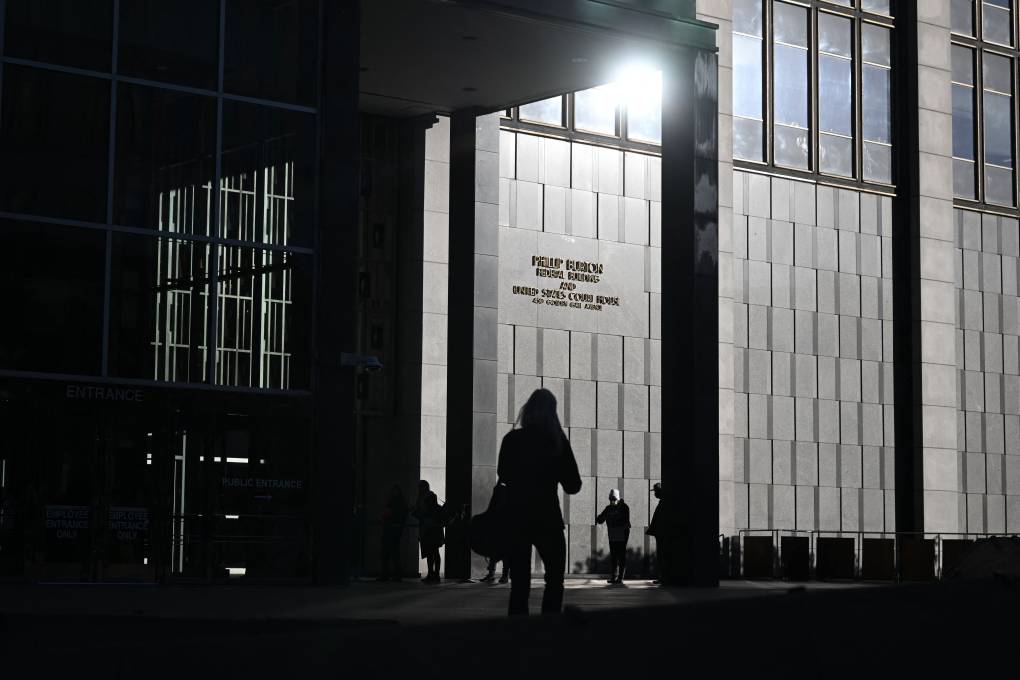
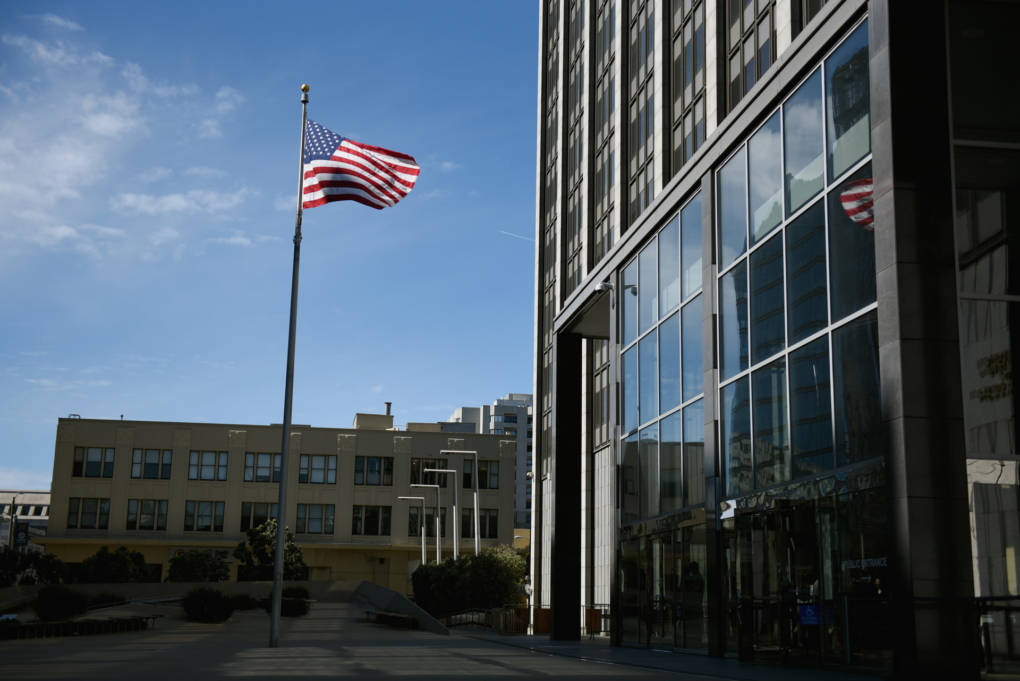
"caption": "The exterior of the Phillip Burton Federal Building and U.S. Courthouse in San Francisco, California, on Jan. 20, 2019. Harlan Kelly, former San Francisco Public Utilities Commission chief and a central figure in the corruption scandal that rocked City Hall in 2020, is seeking to overturn his conviction.",
"credit": "Patrick T. Fallon/AFP via Getty Images",
"altTag": null,
"description": null,
"imgSizes": {
"medium": {
"file": "https://cdn.kqed.org/wp-content/uploads/sites/10/2025/03/GettyImages-1246387515-800x533.jpg",
"width": 800,
"height": 533,
"mimeType": "image/jpeg"
},
"large": {
"file": "https://cdn.kqed.org/wp-content/uploads/sites/10/2025/03/GettyImages-1246387515-1020x680.jpg",
"width": 1020,
"height": 680,
"mimeType": "image/jpeg"
},
"thumbnail": {
"file": "https://cdn.kqed.org/wp-content/uploads/sites/10/2025/03/GettyImages-1246387515-160x107.jpg",
"width": 160,
"height": 107,
"mimeType": "image/jpeg"
},
"1536x1536": {
"file": "https://cdn.kqed.org/wp-content/uploads/sites/10/2025/03/GettyImages-1246387515-1536x1024.jpg",
"width": 1536,
"height": 1024,
"mimeType": "image/jpeg"
},
"2048x2048": {
"file": "https://cdn.kqed.org/wp-content/uploads/sites/10/2025/03/GettyImages-1246387515-2048x1365.jpg",
"width": 2048,
"height": 1365,
"mimeType": "image/jpeg"
},
"post-thumbnail": {
"file": "https://cdn.kqed.org/wp-content/uploads/sites/10/2025/03/GettyImages-1246387515-672x372.jpg",
"width": 672,
"height": 372,
"mimeType": "image/jpeg"
},
"twentyfourteen-full-width": {
"file": "https://cdn.kqed.org/wp-content/uploads/sites/10/2025/03/GettyImages-1246387515-1038x576.jpg",
"width": 1038,
"height": 576,
"mimeType": "image/jpeg"
},
"full-width": {
"file": "https://cdn.kqed.org/wp-content/uploads/sites/10/2025/03/GettyImages-1246387515-1920x1280.jpg",
"width": 1920,
"height": 1280,
"mimeType": "image/jpeg"
},
"kqedFullSize": {
"file": "https://cdn.kqed.org/wp-content/uploads/sites/10/2025/03/GettyImages-1246387515-scaled-e1742325160899.jpg",
"width": 2000,
"height": 1334
}
},
"isLoading": false,
"fetchFailed": false
},
"news_12043446": {
"type": "attachments",
"id": "news_12043446",
"meta": {
"index": "attachments_1716263798",
"site": "news",
"id": "12043446",
"found": true
},
"title": "APTOPIX Immigration Raids Los Angeles",
"publishDate": 1749508338,
"status": "inherit",
"parent": 0,
"modified": 1749584939,
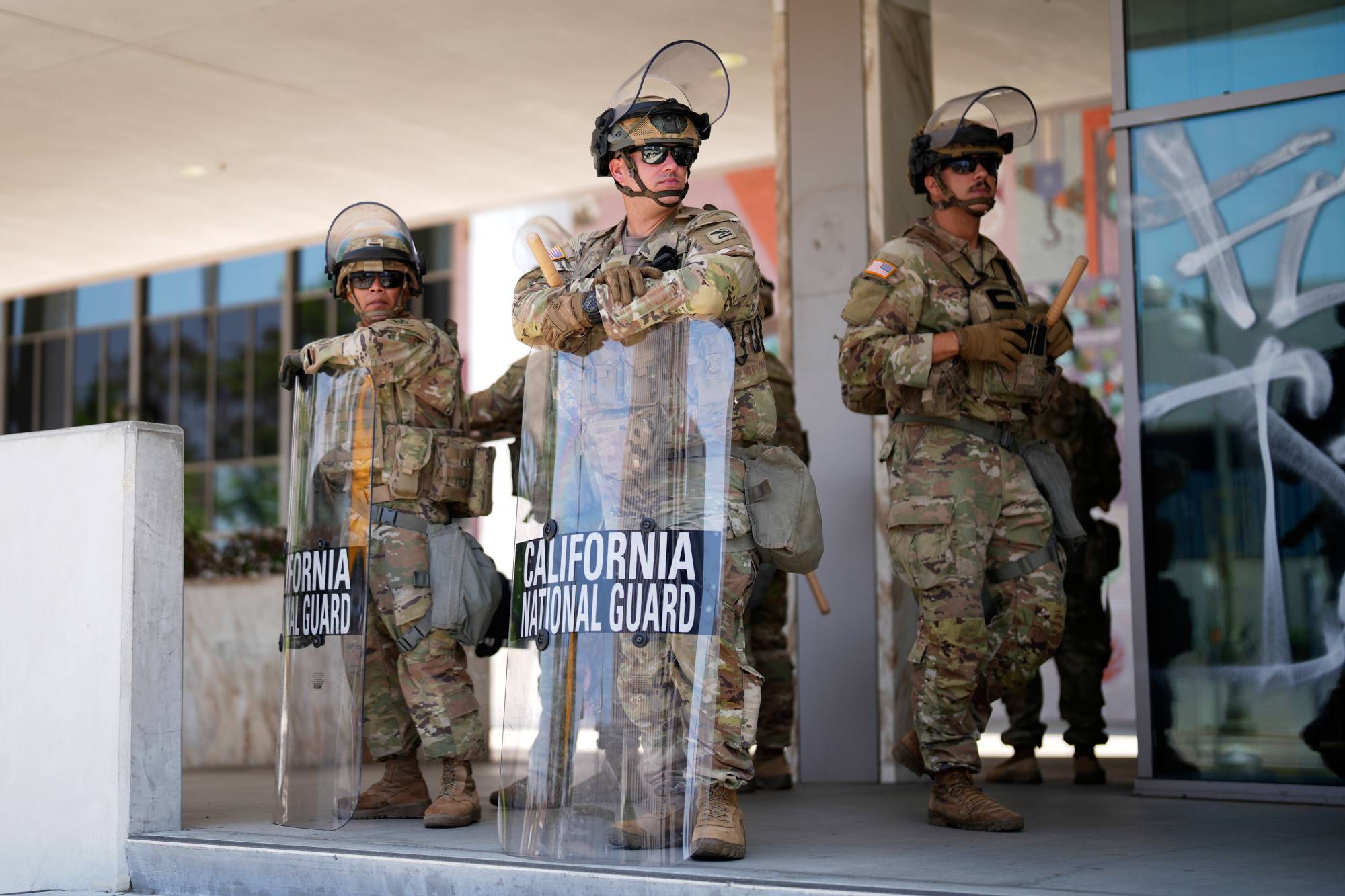
"caption": "National Guard members stand guard near the metropolitan detention center Monday, June 9, 2025, in downtown Los Angeles. ",
"credit": "Eric Thayer/AP Photo",
"altTag": null,
"description": null,
"imgSizes": {
"medium": {
"file": "https://cdn.kqed.org/wp-content/uploads/sites/10/2025/06/AP25160742848163-2000x1333.jpg",
"width": 2000,
"height": 1333,
"mimeType": "image/jpeg"
},
"large": {
"file": "https://cdn.kqed.org/wp-content/uploads/sites/10/2025/06/AP25160742848163-2000x1333.jpg",
"width": 2000,
"height": 1333,
"mimeType": "image/jpeg"
},
"thumbnail": {
"file": "https://cdn.kqed.org/wp-content/uploads/sites/10/2025/06/AP25160742848163-160x107.jpg",
"width": 160,
"height": 107,
"mimeType": "image/jpeg"
},
"1536x1536": {
"file": "https://cdn.kqed.org/wp-content/uploads/sites/10/2025/06/AP25160742848163-1536x1024.jpg",
"width": 1536,
"height": 1024,
"mimeType": "image/jpeg"
},
"2048x2048": {
"file": "https://cdn.kqed.org/wp-content/uploads/sites/10/2025/06/AP25160742848163-2048x1365.jpg",
"width": 2048,
"height": 1365,
"mimeType": "image/jpeg"
},
"post-thumbnail": {
"file": "https://cdn.kqed.org/wp-content/uploads/sites/10/2025/06/AP25160742848163-672x372.jpg",
"width": 672,
"height": 372,
"mimeType": "image/jpeg"
},
"twentyfourteen-full-width": {
"file": "https://cdn.kqed.org/wp-content/uploads/sites/10/2025/06/AP25160742848163-1038x576.jpg",
"width": 1038,
"height": 576,
"mimeType": "image/jpeg"
},
"full-width": {
"file": "https://cdn.kqed.org/wp-content/uploads/sites/10/2025/06/AP25160742848163-2000x1333.jpg",
"width": 2000,
"height": 1333,
"mimeType": "image/jpeg"
},
"kqedFullSize": {
"file": "https://cdn.kqed.org/wp-content/uploads/sites/10/2025/06/AP25160742848163-scaled-e1754956080871.jpg",
"width": 2000,
"height": 1334
}
},
"isLoading": false,
"fetchFailed": false
},
"news_12051787": {
"type": "attachments",
"id": "news_12051787",
"meta": {
"index": "attachments_1716263798",
"site": "news",
"id": "12051787",
"found": true
},
"title": "250811-ISRAELICONSULATE_00956_TV-KQED",
"publishDate": 1754954122,
"status": "inherit",
"parent": 12082072,
"modified": 1777673158,
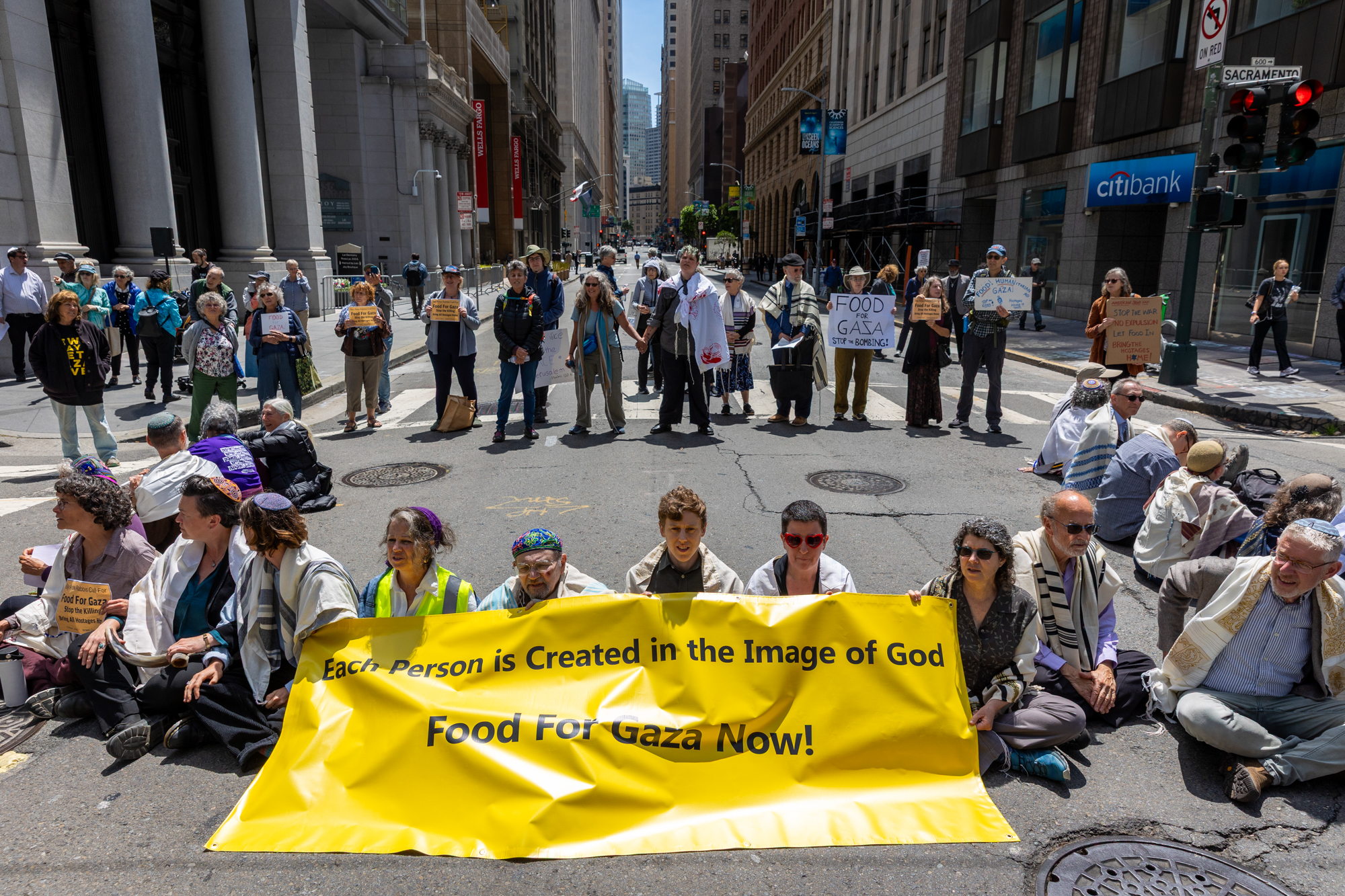
"caption": "Protesters block Montgomery Street outside the Consulate General of Israel to the Pacific Northwest in San Francisco on Aug. 11, 2025. Jewish community members are calling on the Israeli government to let food aid into Palestine as starvation progressively gets worse.",
"credit": "Tâm Vũ/KQED",
"altTag": null,
"description": null,
"imgSizes": {
"thumbnail": {
"file": "https://cdn.kqed.org/wp-content/uploads/sites/10/2025/08/250811-ISRAELICONSULATE_00956_TV-KQED-160x107.jpg",
"width": 160,
"height": 107,
"mimeType": "image/jpeg"
},
"1536x1536": {
"file": "https://cdn.kqed.org/wp-content/uploads/sites/10/2025/08/250811-ISRAELICONSULATE_00956_TV-KQED-1536x1024.jpg",
"width": 1536,
"height": 1024,
"mimeType": "image/jpeg"
},
"post-thumbnail": {
"file": "https://cdn.kqed.org/wp-content/uploads/sites/10/2025/08/250811-ISRAELICONSULATE_00956_TV-KQED-672x372.jpg",
"width": 672,
"height": 372,
"mimeType": "image/jpeg"
},
"twentyfourteen-full-width": {
"file": "https://cdn.kqed.org/wp-content/uploads/sites/10/2025/08/250811-ISRAELICONSULATE_00956_TV-KQED-1038x576.jpg",
"width": 1038,
"height": 576,
"mimeType": "image/jpeg"
},
"kqedFullSize": {
"file": "https://cdn.kqed.org/wp-content/uploads/sites/10/2025/08/250811-ISRAELICONSULATE_00956_TV-KQED.jpg",
"width": 2000,
"height": 1333
}
},
"isLoading": false,
"fetchFailed": false
},
"news_12046790": {
"type": "attachments",
"id": "news_12046790",
"meta": {
"index": "attachments_1716263798",
"site": "news",
"id": "12046790",
"found": true
},
"title": "250626-GRANTSPASSDECISIONANNI-03-BL-KQED",
"publishDate": 1751461673,
"status": "inherit",
"parent": 0,
"modified": 1751461764,
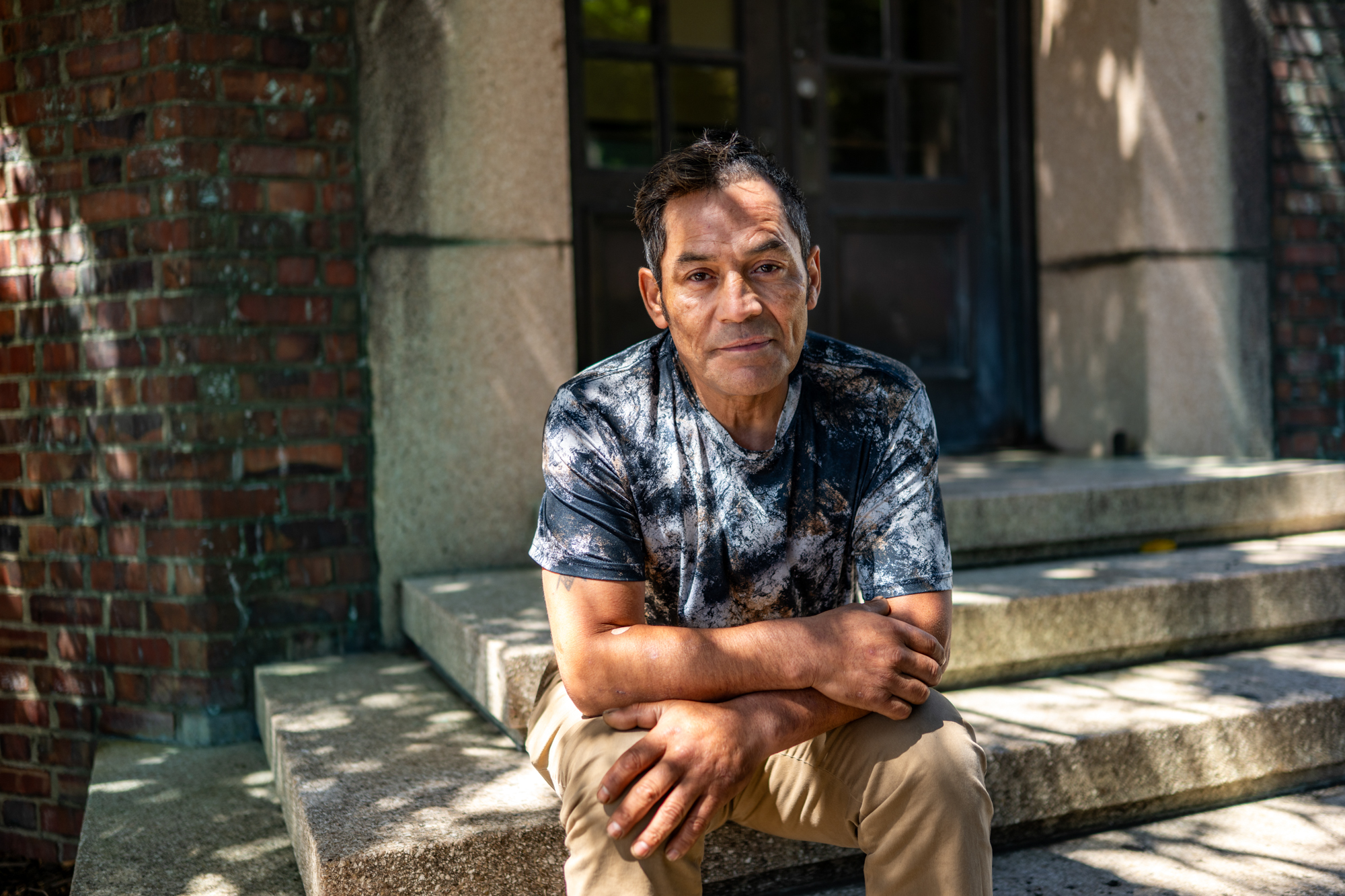
"caption": "Armando Herrera Vargas sits outside Zuckerberg San Francisco General Hospital on June 26, 2025.",
"credit": "Beth LaBerge/KQED",
"altTag": null,
"description": null,
"imgSizes": {
"thumbnail": {
"file": "https://cdn.kqed.org/wp-content/uploads/sites/10/2025/07/250626-GRANTSPASSDECISIONANNI-03-BL-KQED-160x107.jpg",
"width": 160,
"height": 107,
"mimeType": "image/jpeg"
},
"1536x1536": {
"file": "https://cdn.kqed.org/wp-content/uploads/sites/10/2025/07/250626-GRANTSPASSDECISIONANNI-03-BL-KQED-1536x1024.jpg",
"width": 1536,
"height": 1024,
"mimeType": "image/jpeg"
},
"post-thumbnail": {
"file": "https://cdn.kqed.org/wp-content/uploads/sites/10/2025/07/250626-GRANTSPASSDECISIONANNI-03-BL-KQED-672x372.jpg",
"width": 672,
"height": 372,
"mimeType": "image/jpeg"
},
"twentyfourteen-full-width": {
"file": "https://cdn.kqed.org/wp-content/uploads/sites/10/2025/07/250626-GRANTSPASSDECISIONANNI-03-BL-KQED-1038x576.jpg",
"width": 1038,
"height": 576,
"mimeType": "image/jpeg"
},
"kqedFullSize": {
"file": "https://cdn.kqed.org/wp-content/uploads/sites/10/2025/07/250626-GRANTSPASSDECISIONANNI-03-BL-KQED.jpg",
"width": 2000,
"height": 1333
}
},
"isLoading": false,
"fetchFailed": false
},
"news_11681322": {
"type": "attachments",
"id": "news_11681322",
"meta": {
"index": "attachments_1716263798",
"site": "news",
"id": "11681322",
"found": true
},
"title": "COURTHOUSE",
"publishDate": 1531957995,
"status": "inherit",
"parent": 11681319,
"modified": 1754692338,
"caption": "The Phillip Burton Federal Building and United States Courthouse in San Francisco.",
"credit": "Lauren Hanussak/KQED",
"altTag": "The Phillip Burton Federal Building and United States Court House in San Francisco.",
"description": "The Phillip Burton Federal Building and United States Courthouse in San Francisco on March 6, 2018.",
"imgSizes": {
"thumbnail": {
"file": "https://cdn.kqed.org/wp-content/uploads/sites/10/2018/07/RS29855_COURTHOUSE_007-qut-160x107.jpg",
"width": 160,
"height": 107,
"mimeType": "image/jpeg"
},
"medium": {
"file": "https://cdn.kqed.org/wp-content/uploads/sites/10/2018/07/RS29855_COURTHOUSE_007-qut-800x534.jpg",
"width": 800,
"height": 534,
"mimeType": "image/jpeg"
},
"large": {
"file": "https://cdn.kqed.org/wp-content/uploads/sites/10/2018/07/RS29855_COURTHOUSE_007-qut-1020x681.jpg",
"width": 1020,
"height": 681,
"mimeType": "image/jpeg"
},
"complete_open_graph": {
"file": "https://cdn.kqed.org/wp-content/uploads/sites/10/2018/07/RS29855_COURTHOUSE_007-qut-1200x801.jpg",
"width": 1200,
"height": 801,
"mimeType": "image/jpeg"
},
"fd-lrg": {
"file": "https://cdn.kqed.org/wp-content/uploads/sites/10/2018/07/RS29855_COURTHOUSE_007-qut-1920x1282.jpg",
"width": 1920,
"height": 1282,
"mimeType": "image/jpeg"
},
"fd-med": {
"file": "https://cdn.kqed.org/wp-content/uploads/sites/10/2018/07/RS29855_COURTHOUSE_007-qut-1180x788.jpg",
"width": 1180,
"height": 788,
"mimeType": "image/jpeg"
},
"fd-sm": {
"file": "https://cdn.kqed.org/wp-content/uploads/sites/10/2018/07/RS29855_COURTHOUSE_007-qut-960x641.jpg",
"width": 960,
"height": 641,
"mimeType": "image/jpeg"
},
"post-thumbnail": {
"file": "https://cdn.kqed.org/wp-content/uploads/sites/10/2018/07/RS29855_COURTHOUSE_007-qut-672x372.jpg",
"width": 672,
"height": 372,
"mimeType": "image/jpeg"
},
"twentyfourteen-full-width": {
"file": "https://cdn.kqed.org/wp-content/uploads/sites/10/2018/07/RS29855_COURTHOUSE_007-qut-1038x576.jpg",
"width": 1038,
"height": 576,
"mimeType": "image/jpeg"
},
"xxsmall": {
"file": "https://cdn.kqed.org/wp-content/uploads/sites/10/2018/07/RS29855_COURTHOUSE_007-qut-240x160.jpg",
"width": 240,
"height": 160,
"mimeType": "image/jpeg"
},
"xsmall": {
"file": "https://cdn.kqed.org/wp-content/uploads/sites/10/2018/07/RS29855_COURTHOUSE_007-qut-375x250.jpg",
"width": 375,
"height": 250,
"mimeType": "image/jpeg"
},
"small": {
"file": "https://cdn.kqed.org/wp-content/uploads/sites/10/2018/07/RS29855_COURTHOUSE_007-qut-520x347.jpg",
"width": 520,
"height": 347,
"mimeType": "image/jpeg"
},
"xlarge": {
"file": "https://cdn.kqed.org/wp-content/uploads/sites/10/2018/07/RS29855_COURTHOUSE_007-qut-1180x788.jpg",
"width": 1180,
"height": 788,
"mimeType": "image/jpeg"
},
"full-width": {
"file": "https://cdn.kqed.org/wp-content/uploads/sites/10/2018/07/RS29855_COURTHOUSE_007-qut-1920x1282.jpg",
"width": 1920,
"height": 1282,
"mimeType": "image/jpeg"
},
"guest-author-32": {
"file": "https://cdn.kqed.org/wp-content/uploads/sites/10/2018/07/RS29855_COURTHOUSE_007-qut-32x32.jpg",
"width": 32,
"height": 32,
"mimeType": "image/jpeg"
},
"guest-author-50": {
"file": "https://cdn.kqed.org/wp-content/uploads/sites/10/2018/07/RS29855_COURTHOUSE_007-qut-50x50.jpg",
"width": 50,
"height": 50,
"mimeType": "image/jpeg"
},
"guest-author-64": {
"file": "https://cdn.kqed.org/wp-content/uploads/sites/10/2018/07/RS29855_COURTHOUSE_007-qut-64x64.jpg",
"width": 64,
"height": 64,
"mimeType": "image/jpeg"
},
"guest-author-96": {
"file": "https://cdn.kqed.org/wp-content/uploads/sites/10/2018/07/RS29855_COURTHOUSE_007-qut-96x96.jpg",
"width": 96,
"height": 96,
"mimeType": "image/jpeg"
},
"guest-author-128": {
"file": "https://cdn.kqed.org/wp-content/uploads/sites/10/2018/07/RS29855_COURTHOUSE_007-qut-128x128.jpg",
"width": 128,
"height": 128,
"mimeType": "image/jpeg"
},
"detail": {
"file": "https://cdn.kqed.org/wp-content/uploads/sites/10/2018/07/RS29855_COURTHOUSE_007-qut-150x150.jpg",
"width": 150,
"height": 150,
"mimeType": "image/jpeg"
},
"kqedFullSize": {
"file": "https://cdn.kqed.org/wp-content/uploads/sites/10/2018/07/RS29855_COURTHOUSE_007-qut.jpg",
"width": 1920,
"height": 1282
}
},
"isLoading": false,
"fetchFailed": false
},
"news_12051653": {
"type": "attachments",
"id": "news_12051653",
"meta": {
"index": "attachments_1716263798",
"site": "news",
"id": "12051653",
"found": true
},
"title": "250808-Casual Carpool-MD-11",
"publishDate": 1754843927,
"status": "inherit",
"parent": 12051907,
"modified": 1755043787,
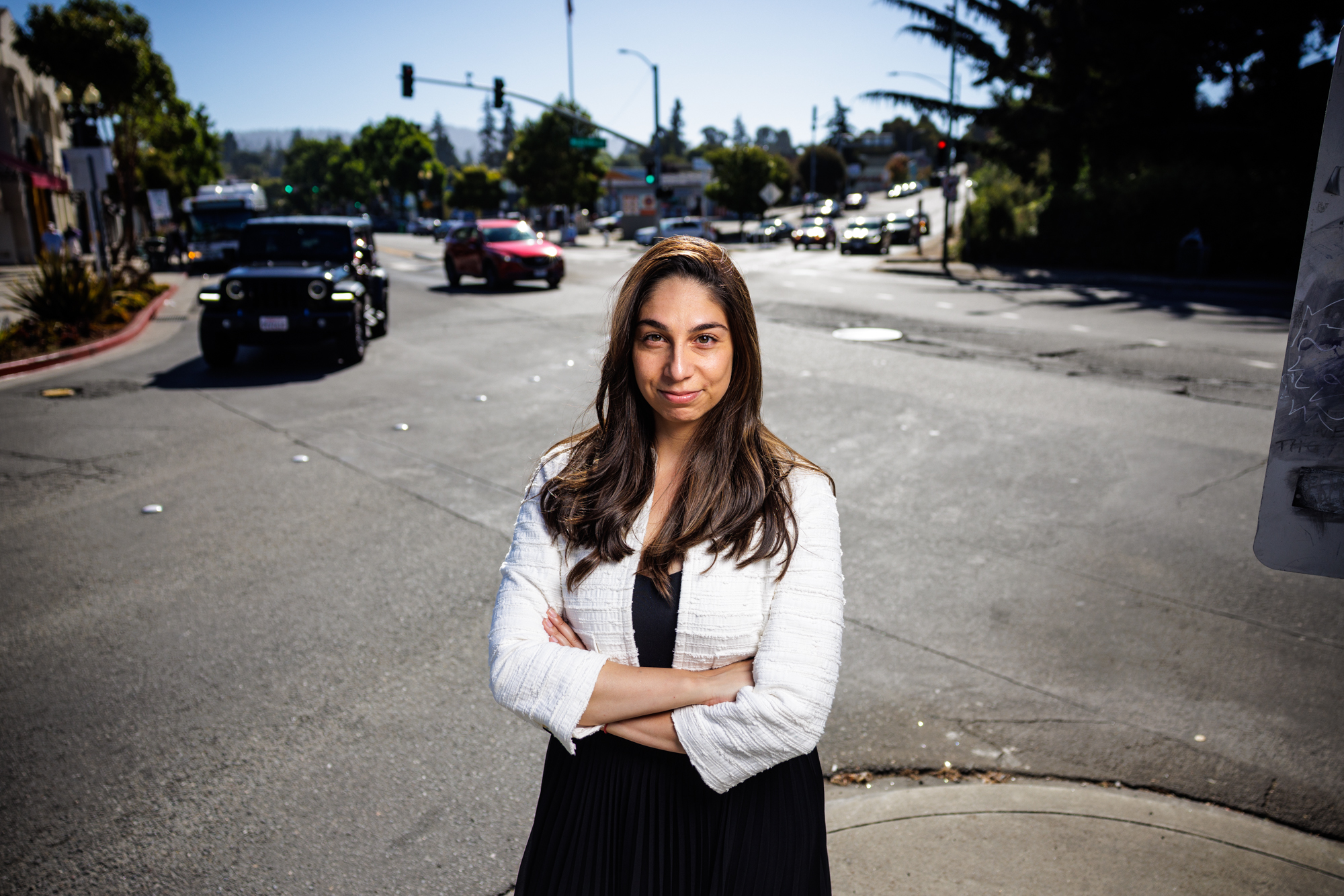
"caption": "Camille Bermudez in Oakland, near where the Casual Carpool pick-up location will be under the 580 freeway, on Aug. 8, 2025.",
"credit": "Martin do Nascimento/KQED",
"altTag": null,
"description": null,
"imgSizes": {
"thumbnail": {
"file": "https://cdn.kqed.org/wp-content/uploads/sites/10/2025/08/250808-Casual-Carpool-MD-11-160x107.jpg",
"width": 160,
"height": 107,
"mimeType": "image/jpeg"
},
"1536x1536": {
"file": "https://cdn.kqed.org/wp-content/uploads/sites/10/2025/08/250808-Casual-Carpool-MD-11-1536x1025.jpg",
"width": 1536,
"height": 1025,
"mimeType": "image/jpeg"
},
"post-thumbnail": {
"file": "https://cdn.kqed.org/wp-content/uploads/sites/10/2025/08/250808-Casual-Carpool-MD-11-672x372.jpg",
"width": 672,
"height": 372,
"mimeType": "image/jpeg"
},
"twentyfourteen-full-width": {
"file": "https://cdn.kqed.org/wp-content/uploads/sites/10/2025/08/250808-Casual-Carpool-MD-11-1038x576.jpg",
"width": 1038,
"height": 576,
"mimeType": "image/jpeg"
},
"kqedFullSize": {
"file": "https://cdn.kqed.org/wp-content/uploads/sites/10/2025/08/250808-Casual-Carpool-MD-11.jpg",
"width": 2000,
"height": 1334
}
},
"isLoading": false,
"fetchFailed": false
},
"news_12051549": {
"type": "attachments",
"id": "news_12051549",
"meta": {
"index": "attachments_1716263798",
"site": "news",
"id": "12051549",
"found": true
},
"title": "250808-MOPEDDEATH-16-KQED",
"publishDate": 1754686672,
"status": "inherit",
"parent": 0,
"modified": 1754686722,
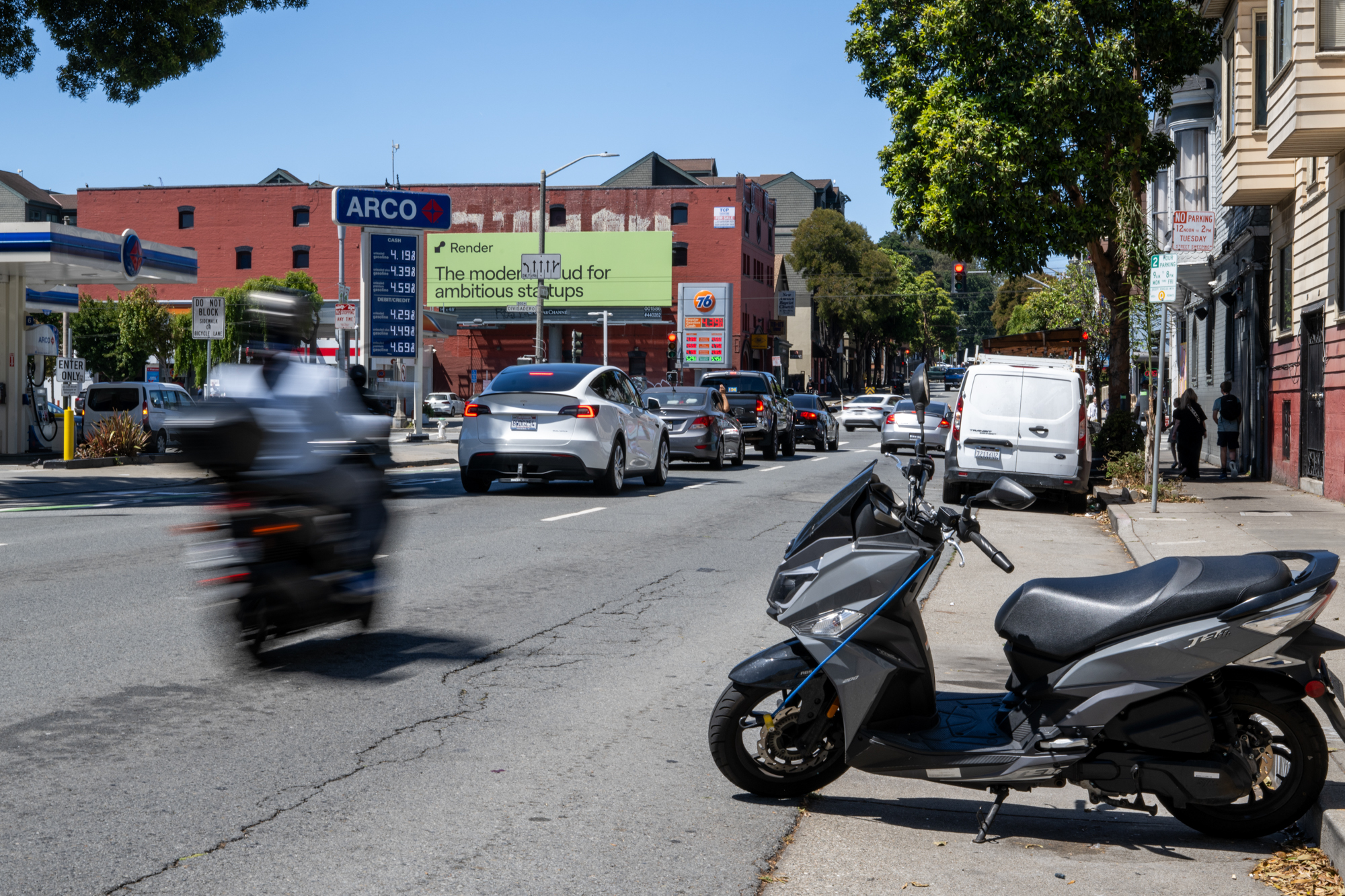
"caption": "A scooter drives along Fell Street at the intersection with Divisadero Street in San Francisco’s Panhandle neighborhood on Aug. 8, 2025.",
"credit": "Beth LaBerge/KQED",
"altTag": null,
"description": null,
"imgSizes": {
"thumbnail": {
"file": "https://cdn.kqed.org/wp-content/uploads/sites/10/2025/08/250808-MOPEDDEATH-16-KQED-160x107.jpg",
"width": 160,
"height": 107,
"mimeType": "image/jpeg"
},
"1536x1536": {
"file": "https://cdn.kqed.org/wp-content/uploads/sites/10/2025/08/250808-MOPEDDEATH-16-KQED-1536x1024.jpg",
"width": 1536,
"height": 1024,
"mimeType": "image/jpeg"
},
"post-thumbnail": {
"file": "https://cdn.kqed.org/wp-content/uploads/sites/10/2025/08/250808-MOPEDDEATH-16-KQED-672x372.jpg",
"width": 672,
"height": 372,
"mimeType": "image/jpeg"
},
"twentyfourteen-full-width": {
"file": "https://cdn.kqed.org/wp-content/uploads/sites/10/2025/08/250808-MOPEDDEATH-16-KQED-1038x576.jpg",
"width": 1038,
"height": 576,
"mimeType": "image/jpeg"
},
"kqedFullSize": {
"file": "https://cdn.kqed.org/wp-content/uploads/sites/10/2025/08/250808-MOPEDDEATH-16-KQED.jpg",
"width": 2000,
"height": 1333
}
},
"isLoading": false,
"fetchFailed": false
},
"news_12051294": {
"type": "attachments",
"id": "news_12051294",
"meta": {
"index": "attachments_1716263798",
"site": "news",
"id": "12051294",
"found": true
},
"title": "250807-PELOSIVISIT-06-KQED",
"publishDate": 1754594479,
"status": "inherit",
"parent": 0,
"modified": 1754594509,
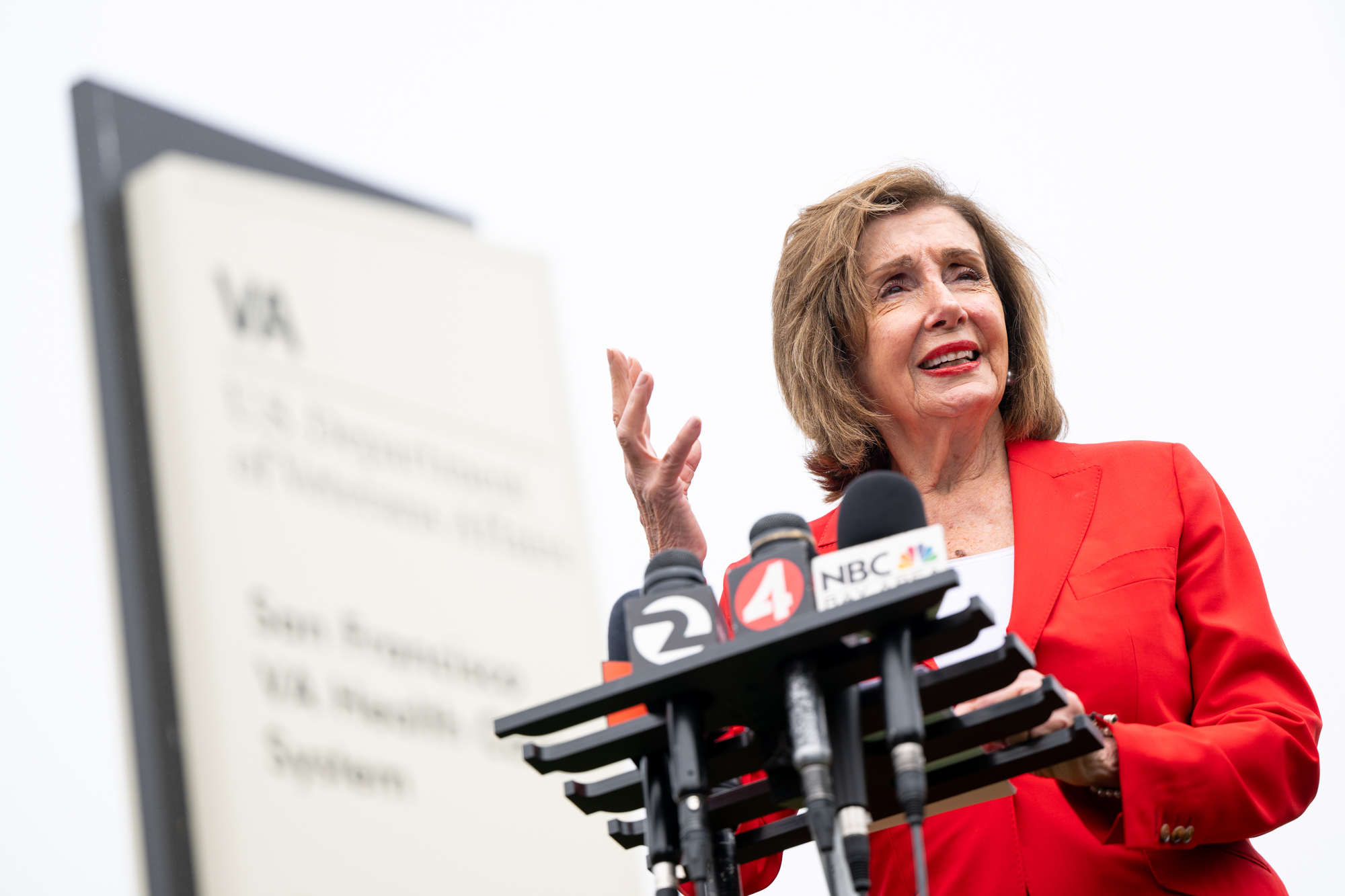
"caption": "Speaker Emerita Nancy Pelosi speaks at a press conference outside the San Francisco VA Medical Center in San Francisco on Aug. 7, 2025, after she toured the medical facility.",
"credit": "Beth LaBerge/KQED",
"altTag": null,
"description": null,
"imgSizes": {
"thumbnail": {
"file": "https://cdn.kqed.org/wp-content/uploads/sites/10/2025/08/250807-PELOSIVISIT-06-KQED-160x107.jpg",
"width": 160,
"height": 107,
"mimeType": "image/jpeg"
},
"1536x1536": {
"file": "https://cdn.kqed.org/wp-content/uploads/sites/10/2025/08/250807-PELOSIVISIT-06-KQED-1536x1024.jpg",
"width": 1536,
"height": 1024,
"mimeType": "image/jpeg"
},
"post-thumbnail": {
"file": "https://cdn.kqed.org/wp-content/uploads/sites/10/2025/08/250807-PELOSIVISIT-06-KQED-672x372.jpg",
"width": 672,
"height": 372,
"mimeType": "image/jpeg"
},
"twentyfourteen-full-width": {
"file": "https://cdn.kqed.org/wp-content/uploads/sites/10/2025/08/250807-PELOSIVISIT-06-KQED-1038x576.jpg",
"width": 1038,
"height": 576,
"mimeType": "image/jpeg"
},
"kqedFullSize": {
"file": "https://cdn.kqed.org/wp-content/uploads/sites/10/2025/08/250807-PELOSIVISIT-06-KQED.jpg",
"width": 2000,
"height": 1333
}
},
"isLoading": false,
"fetchFailed": false
},
"news_12051282": {
"type": "attachments",
"id": "news_12051282",
"meta": {
"index": "attachments_1716263798",
"site": "news",
"id": "12051282",
"found": true
},
"title": "Philz Coffee",
"publishDate": 1754593712,
"status": "inherit",
"parent": 12051278,
"modified": 1754593743,
"caption": "Sign on facade at Philz Coffee cafe in Lafayette, California, on Jan. 25, 2022.",
"credit": "Gado/Getty Images",
"altTag": null,
"description": null,
"imgSizes": {
"thumbnail": {
"file": "https://cdn.kqed.org/wp-content/uploads/sites/10/2025/08/PhilzCoffeeGetty-160x107.jpg",
"width": 160,
"height": 107,
"mimeType": "image/jpeg"
},
"1536x1536": {
"file": "https://cdn.kqed.org/wp-content/uploads/sites/10/2025/08/PhilzCoffeeGetty-1536x1024.jpg",
"width": 1536,
"height": 1024,
"mimeType": "image/jpeg"
},
"post-thumbnail": {
"file": "https://cdn.kqed.org/wp-content/uploads/sites/10/2025/08/PhilzCoffeeGetty-672x372.jpg",
"width": 672,
"height": 372,
"mimeType": "image/jpeg"
},
"twentyfourteen-full-width": {
"file": "https://cdn.kqed.org/wp-content/uploads/sites/10/2025/08/PhilzCoffeeGetty-1038x576.jpg",
"width": 1038,
"height": 576,
"mimeType": "image/jpeg"
},
"kqedFullSize": {
"file": "https://cdn.kqed.org/wp-content/uploads/sites/10/2025/08/PhilzCoffeeGetty.jpg",
"width": 2000,
"height": 1333
}
},
"isLoading": false,
"fetchFailed": false
},
"news_12051204": {
"type": "attachments",
"id": "news_12051204",
"meta": {
"index": "attachments_1716263798",
"site": "news",
"id": "12051204",
"found": true
},
"title": "250806-PALESTINIANCHILDREN-05-KQED",
"publishDate": 1754524592,
"status": "inherit",
"parent": 0,
"modified": 1754524683,
"caption": "Injured Palestinian children from Gaza arrive at San Francisco International Airport on Aug. 6, 2025, to begin lifesaving medical care, in an effort led by the humanitarian nonprofit HEAL Palestine.",
"credit": "Beth LaBerge/KQED",
"altTag": null,
"description": null,
"imgSizes": {
"thumbnail": {
"file": "https://cdn.kqed.org/wp-content/uploads/sites/10/2025/08/250806-PALESTINIANCHILDREN-05-KQED-160x107.jpg",
"width": 160,
"height": 107,
"mimeType": "image/jpeg"
},
"kqedFullSize": {
"file": "https://cdn.kqed.org/wp-content/uploads/sites/10/2025/08/250806-PALESTINIANCHILDREN-05-KQED.jpg",
"width": 2000,
"height": 1333
}
},
"isLoading": false,
"fetchFailed": false
},
"news_12051173": {
"type": "attachments",
"id": "news_12051173",
"meta": {
"index": "attachments_1716263798",
"site": "news",
"id": "12051173",
"found": true
},
"title": "250806_SCALEAI_ 0013_GH-KQED",
"publishDate": 1754519801,
"status": "inherit",
"parent": 0,
"modified": 1754519945,
"caption": "Katie Na (center) speaks to a crowd of about 50 people outside Scale AI’s San Francisco headquarters on Aug. 6, 2025, during a protest against the company’s Pentagon-funded AI military project, Thunderforge.",
"credit": "Gustavo Hernandez/KQED",
"altTag": null,
"description": null,
"imgSizes": {
"thumbnail": {
"file": "https://cdn.kqed.org/wp-content/uploads/sites/10/2025/08/250806_SCALEAI_-0013_GH-KQED-160x107.jpg",
"width": 160,
"height": 107,
"mimeType": "image/jpeg"
},
"1536x1536": {
"file": "https://cdn.kqed.org/wp-content/uploads/sites/10/2025/08/250806_SCALEAI_-0013_GH-KQED-1536x1024.jpg",
"width": 1536,
"height": 1024,
"mimeType": "image/jpeg"
},
"post-thumbnail": {
"file": "https://cdn.kqed.org/wp-content/uploads/sites/10/2025/08/250806_SCALEAI_-0013_GH-KQED-672x372.jpg",
"width": 672,
"height": 372,
"mimeType": "image/jpeg"
},
"twentyfourteen-full-width": {
"file": "https://cdn.kqed.org/wp-content/uploads/sites/10/2025/08/250806_SCALEAI_-0013_GH-KQED-1038x576.jpg",
"width": 1038,
"height": 576,
"mimeType": "image/jpeg"
},
"kqedFullSize": {
"file": "https://cdn.kqed.org/wp-content/uploads/sites/10/2025/08/250806_SCALEAI_-0013_GH-KQED.jpg",
"width": 2000,
"height": 1333
}
},
"isLoading": false,
"fetchFailed": false
},
"news_12050974": {
"type": "attachments",
"id": "news_12050974",
"meta": {
"index": "attachments_1716263798",
"site": "news",
"id": "12050974",
"found": true
},
"title": "250805_SPEED CAMERAS FOLO_ 0003_GH-KQED",
"publishDate": 1754421293,
"status": "inherit",
"parent": 0,
"modified": 1754437461,
"caption": "Walk SF members, crash victims’ families and neighbors rally at the site where a speeding driver killed 30-year-old paraeducator Andrew Zieman in 2021 at the intersection of Green and Franklin streets in San Francisco on Aug. 5, 2025. ",
"credit": "Gustavo Hernandez/KQED",
"altTag": null,
"description": null,
"imgSizes": {
"thumbnail": {
"file": "https://cdn.kqed.org/wp-content/uploads/sites/10/2025/08/250805_SPEED-CAMERAS-FOLO_-0003_GH-KQED-160x107.jpg",
"width": 160,
"height": 107,
"mimeType": "image/jpeg"
},
"1536x1536": {
"file": "https://cdn.kqed.org/wp-content/uploads/sites/10/2025/08/250805_SPEED-CAMERAS-FOLO_-0003_GH-KQED-1536x1024.jpg",
"width": 1536,
"height": 1024,
"mimeType": "image/jpeg"
},
"post-thumbnail": {
"file": "https://cdn.kqed.org/wp-content/uploads/sites/10/2025/08/250805_SPEED-CAMERAS-FOLO_-0003_GH-KQED-672x372.jpg",
"width": 672,
"height": 372,
"mimeType": "image/jpeg"
},
"twentyfourteen-full-width": {
"file": "https://cdn.kqed.org/wp-content/uploads/sites/10/2025/08/250805_SPEED-CAMERAS-FOLO_-0003_GH-KQED-1038x576.jpg",
"width": 1038,
"height": 576,
"mimeType": "image/jpeg"
},
"kqedFullSize": {
"file": "https://cdn.kqed.org/wp-content/uploads/sites/10/2025/08/250805_SPEED-CAMERAS-FOLO_-0003_GH-KQED.jpg",
"width": 2000,
"height": 1333
}
},
"isLoading": false,
"fetchFailed": false
}
},
"audioPlayerReducer": {
"postId": "stream_live",
"isPaused": true,
"isPlaying": false,
"pfsActive": false,
"pledgeModalIsOpen": true,
"playerDrawerIsOpen": false,
"liveAudioPlayStartedAt": 0,
"liveAudioPlayContext": ""
},
"authorsReducer": {
"danbrekke": {
"type": "authors",
"id": "222",
"meta": {
"index": "authors_1716337520",
"id": "222",
"found": true
},
"name": "Dan Brekke",
"firstName": "Dan",
"lastName": "Brekke",
"slug": "danbrekke",
"email": "dbrekke@kqed.org",
"display_author_email": true,
"staff_mastheads": [
"news",
"science"
],
"title": "KQED Editor and Reporter",
"bio": "Dan Brekke is a reporter and editor for KQED News, responsible for coverage of topics ranging from California water issues to the Bay Area's transportation challenges. In a newsroom career that began in Chicago in 1972, Dan has worked for \u003cem>The San Francisco Examiner,\u003c/em> Wired and TechTV and has been published in The New York Times, The New York Times Magazine, Business 2.0, Salon and elsewhere.\r\n\r\nSince joining KQED in 2007, Dan has reported, edited and produced both radio and online features and breaking news pieces. He has shared as both editor and reporter in four Society of Professional Journalists Norcal Excellence in Journalism awards and one Edward R. Murrow regional award. He was chosen for a spring 2017 residency at the Mesa Refuge to advance his research on California salmon.\r\n\r\nEmail Dan at: \u003ca href=\"mailto:dbrekke@kqed.org\">dbrekke@kqed.org\u003c/a>\r\n\r\n\u003cstrong>Twitter:\u003c/strong> \u003ca href=\"https://twitter.com/danbrekke\" rel=\"noopener noreferrer\">twitter.com/danbrekke\u003c/a>\r\n\u003cstrong>Facebook:\u003c/strong> \u003ca href=\"https://www.facebook.com/danbrekke\" rel=\"noopener noreferrer\">www.facebook.com/danbrekke\u003c/a>\r\n\u003cstrong>LinkedIn:\u003c/strong> \u003ca href=\"https://www.linkedin.com/in/danbrekke\" rel=\"noopener noreferrer\">www.linkedin.com/in/danbrekke\u003c/a>",
"avatar": "https://secure.gravatar.com/avatar/c8126230345efca3f7aa89b1a402be45?s=600&d=mm&r=g",
"twitter": "danbrekke",
"facebook": null,
"instagram": "https://www.instagram.com/dan.brekke/",
"linkedin": "https://www.linkedin.com/in/danbrekke/",
"sites": [
{
"site": "news",
"roles": [
"administrator",
"create_posts"
]
},
{
"site": "stateofhealth",
"roles": [
"editor"
]
},
{
"site": "science",
"roles": [
"editor"
]
},
{
"site": "quest",
"roles": [
"contributor"
]
},
{
"site": "food",
"roles": [
"contributor"
]
},
{
"site": "forum",
"roles": [
"contributor"
]
},
{
"site": "liveblog",
"roles": [
"editor"
]
}
],
"headData": {
"title": "Dan Brekke | KQED",
"description": "KQED Editor and Reporter",
"ogImgSrc": "https://secure.gravatar.com/avatar/c8126230345efca3f7aa89b1a402be45?s=600&d=mm&r=g",
"twImgSrc": "https://secure.gravatar.com/avatar/c8126230345efca3f7aa89b1a402be45?s=600&d=mm&r=g"
},
"isLoading": false,
"link": "/author/danbrekke"
},
"rachael-myrow": {
"type": "authors",
"id": "251",
"meta": {
"index": "authors_1716337520",
"id": "251",
"found": true
},
"name": "Rachael Myrow",
"firstName": "Rachael",
"lastName": "Myrow",
"slug": "rachael-myrow",
"email": "rmyrow@kqed.org",
"display_author_email": true,
"staff_mastheads": [
"news"
],
"title": "Senior Editor of KQED's Silicon Valley News Desk",
"bio": "• I write and edit stories about how Silicon Valley power and policies shape everyday life in California. I’m also passionate about making Bay Area history and culture more accessible to a broad public. • I’ve been a journalist for most of my life, starting in high school with The Franklin Press in Los Angeles, where I grew up. While earning my first degree in English at UC Berkeley, I got my start in public radio at KALX-FM. After completing a second degree in journalism at Cal, I landed my first professional job at Marketplace, then moved on to KPCC (now LAist), and then KQED, where I hosted The California Report for more than seven years. • My reporting has appeared on NPR, The World, WBUR’s \u003ci>Here & Now\u003c/i>, and the BBC. I also guest host for KQED’s \u003ci>Forum\u003c/i>, as well as the Commonwealth Club in San Francisco. • I speak periodically on media, democracy and technology issues, and do voiceover work for documentaries and educational video projects. • Outside of the studio, you'll find me hiking Bay Area trails and whipping up Insta-ready meals in my kitchen. • I do not accept gifts, money, or favors from anyone connected to my reporting, I don't pay people for information, and I do not support or donate to political causes. • I strive to treat the people I report on with fairness, honesty, and respect. I also recognize there are often multiple sides to a story and work to verify information through multiple sources and documentation. If I get something wrong, I correct it.",
"avatar": "https://secure.gravatar.com/avatar/3ed8a3c5f26025e4a805ba634cda8cd764906b97438a6d9ce216b044e340da4e?s=600&d=blank&r=g",
"twitter": "rachaelmyrow",
"bluesky": null,
"facebook": null,
"instagram": null,
"linkedin": "https://www.linkedin.com/in/rachaelmyrow/",
"sites": [
{
"site": "arts",
"roles": [
"administrator"
]
},
{
"site": "news",
"roles": [
"edit_others_posts",
"editor"
]
},
{
"site": "futureofyou",
"roles": [
"editor"
]
},
{
"site": "bayareabites",
"roles": [
"editor"
]
},
{
"site": "stateofhealth",
"roles": [
"editor"
]
},
{
"site": "science",
"roles": [
"editor"
]
},
{
"site": "food",
"roles": [
"editor"
]
},
{
"site": "forum",
"roles": [
"editor"
]
},
{
"site": "liveblog",
"roles": [
"author"
]
}
],
"headData": {
"title": "Rachael Myrow | KQED",
"description": "Senior Editor of KQED's Silicon Valley News Desk",
"ogImgSrc": "https://secure.gravatar.com/avatar/3ed8a3c5f26025e4a805ba634cda8cd764906b97438a6d9ce216b044e340da4e?s=600&d=blank&r=g",
"twImgSrc": "https://secure.gravatar.com/avatar/3ed8a3c5f26025e4a805ba634cda8cd764906b97438a6d9ce216b044e340da4e?s=600&d=blank&r=g"
},
"isLoading": false,
"link": "/author/rachael-myrow"
},
"vrancano": {
"type": "authors",
"id": "11276",
"meta": {
"index": "authors_1716337520",
"id": "11276",
"found": true
},
"name": "Vanessa Rancaño",
"firstName": "Vanessa",
"lastName": "Rancaño",
"slug": "vrancano",
"email": "vrancano@kqed.org",
"display_author_email": false,
"staff_mastheads": [
"news"
],
"title": "Reporter",
"bio": "Vanessa Rancaño is a features reporter for KQED. She’s also covered homelessness and education for the station and reported from the Central Valley. Her work has aired across public radio, from flagship national news shows to longform narrative podcasts. Before taking up a mic, she worked as a freelance print journalist. She’s been recognized with a number of national and regional awards. Vanessa grew up in California's Central Valley. She's a former NPR Kroc Fellow, and a graduate of the UC Berkeley Graduate School of Journalism.",
"avatar": "https://secure.gravatar.com/avatar/b3a383dfb0e7ee1c17568f2cf067904ab654d6e3de9743fc661f3c788ade1bed?s=600&d=blank&r=g",
"twitter": "vanessarancano",
"bluesky": null,
"facebook": null,
"instagram": null,
"linkedin": null,
"sites": [
{
"site": "arts",
"roles": [
"editor"
]
},
{
"site": "news",
"roles": [
"editor"
]
},
{
"site": "liveblog",
"roles": [
"contributor"
]
}
],
"headData": {
"title": "Vanessa Rancaño | KQED",
"description": "Reporter",
"ogImgSrc": "https://secure.gravatar.com/avatar/b3a383dfb0e7ee1c17568f2cf067904ab654d6e3de9743fc661f3c788ade1bed?s=600&d=blank&r=g",
"twImgSrc": "https://secure.gravatar.com/avatar/b3a383dfb0e7ee1c17568f2cf067904ab654d6e3de9743fc661f3c788ade1bed?s=600&d=blank&r=g"
},
"isLoading": false,
"link": "/author/vrancano"
},
"jlara": {
"type": "authors",
"id": "11761",
"meta": {
"index": "authors_1716337520",
"id": "11761",
"found": true
},
"name": "Juan Carlos Lara",
"firstName": "Juan Carlos",
"lastName": "Lara",
"slug": "jlara",
"email": "jlara@kqed.org",
"display_author_email": false,
"staff_mastheads": [],
"title": "KQED Contributor",
"bio": null,
"avatar": "https://secure.gravatar.com/avatar/19e2052b9b05657c5ff2af2121846e9c?s=600&d=blank&r=g",
"twitter": null,
"facebook": null,
"instagram": null,
"linkedin": null,
"sites": [
{
"site": "arts",
"roles": [
"editor"
]
},
{
"site": "news",
"roles": [
"editor"
]
},
{
"site": "forum",
"roles": [
"editor"
]
},
{
"site": "liveblog",
"roles": [
"contributor"
]
}
],
"headData": {
"title": "Juan Carlos Lara | KQED",
"description": "KQED Contributor",
"ogImgSrc": "https://secure.gravatar.com/avatar/19e2052b9b05657c5ff2af2121846e9c?s=600&d=blank&r=g",
"twImgSrc": "https://secure.gravatar.com/avatar/19e2052b9b05657c5ff2af2121846e9c?s=600&d=blank&r=g"
},
"isLoading": false,
"link": "/author/jlara"
},
"adahlstromeckman": {
"type": "authors",
"id": "11785",
"meta": {
"index": "authors_1716337520",
"id": "11785",
"found": true
},
"name": "Azul Dahlstrom-Eckman",
"firstName": "Azul",
"lastName": "Dahlstrom-Eckman",
"slug": "adahlstromeckman",
"email": "adahlstrom-eckman@kqed.org",
"display_author_email": true,
"staff_mastheads": [],
"title": "Reporter",
"bio": "Azul is a reporter for KQED focusing on transportation and features. He joined KQED in 2021 as an alumna of KALW's Audio Academy radio journalism training program.",
"avatar": "https://secure.gravatar.com/avatar/9cb750298435add7815a777f55bf1f46845c1386bb8452555c60a7b820b5aba3?s=600&d=blank&r=g",
"twitter": "@zuliemann",
"bluesky": "@azul415.bsky.social",
"facebook": null,
"instagram": null,
"linkedin": null,
"sites": [
{
"site": "arts",
"roles": [
"editor"
]
},
{
"site": "news",
"roles": [
"editor"
]
},
{
"site": "science",
"roles": [
"editor"
]
},
{
"site": "liveblog",
"roles": [
"author"
]
}
],
"headData": {
"title": "Azul Dahlstrom-Eckman | KQED",
"description": "Reporter",
"ogImgSrc": "https://secure.gravatar.com/avatar/9cb750298435add7815a777f55bf1f46845c1386bb8452555c60a7b820b5aba3?s=600&d=blank&r=g",
"twImgSrc": "https://secure.gravatar.com/avatar/9cb750298435add7815a777f55bf1f46845c1386bb8452555c60a7b820b5aba3?s=600&d=blank&r=g"
},
"isLoading": false,
"link": "/author/adahlstromeckman"
},
"kdebenedetti": {
"type": "authors",
"id": "11913",
"meta": {
"index": "authors_1716337520",
"id": "11913",
"found": true
},
"name": "Katie DeBenedetti",
"firstName": "Katie",
"lastName": "DeBenedetti",
"slug": "kdebenedetti",
"email": "kdebenedetti@kqed.org",
"display_author_email": false,
"staff_mastheads": [
"news",
"science"
],
"title": "KQED Contributor",
"bio": "Katie DeBenedetti is a digital reporter covering daily news for the Express Desk. Prior to joining KQED as a culture reporting intern in January 2024, she covered education and city government for the Napa Valley Register.",
"avatar": "https://secure.gravatar.com/avatar/6e31073cb8f7e4214ab03f42771d0f45?s=600&d=blank&r=g",
"twitter": null,
"facebook": null,
"instagram": null,
"linkedin": null,
"sites": [
{
"site": "news",
"roles": [
"author"
]
},
{
"site": "science",
"roles": [
"author"
]
},
{
"site": "liveblog",
"roles": [
"author"
]
}
],
"headData": {
"title": "Katie DeBenedetti | KQED",
"description": "KQED Contributor",
"ogImgSrc": "https://secure.gravatar.com/avatar/6e31073cb8f7e4214ab03f42771d0f45?s=600&d=blank&r=g",
"twImgSrc": "https://secure.gravatar.com/avatar/6e31073cb8f7e4214ab03f42771d0f45?s=600&d=blank&r=g"
},
"isLoading": false,
"link": "/author/kdebenedetti"
},
"bkrans": {
"type": "authors",
"id": "11923",
"meta": {
"index": "authors_1716337520",
"id": "11923",
"found": true
},
"name": "Brian Krans",
"firstName": "Brian",
"lastName": "Krans",
"slug": "bkrans",
"email": "bkrans@kqed.org",
"display_author_email": false,
"staff_mastheads": [
"news"
],
"title": "KQED Contributing Reporter",
"bio": "Brian Krans is an award-winning local news and investigative reporter who has been proudly working as a general assignment reporter for KQED since August 2023. He lives in Richmond, where he also reports on air pollution for Richmondside. He is also a founding member of the Vallejo Sun.",
"avatar": "https://secure.gravatar.com/avatar/d1014d604089314a94807d2c4f2d3e06?s=600&d=blank&r=g",
"twitter": "citizenkrans",
"facebook": null,
"instagram": null,
"linkedin": null,
"sites": [
{
"site": "news",
"roles": [
"editor"
]
}
],
"headData": {
"title": "Brian Krans | KQED",
"description": "KQED Contributing Reporter",
"ogImgSrc": "https://secure.gravatar.com/avatar/d1014d604089314a94807d2c4f2d3e06?s=600&d=blank&r=g",
"twImgSrc": "https://secure.gravatar.com/avatar/d1014d604089314a94807d2c4f2d3e06?s=600&d=blank&r=g"
},
"isLoading": false,
"link": "/author/bkrans"
},
"emanoukian": {
"type": "authors",
"id": "11925",
"meta": {
"index": "authors_1716337520",
"id": "11925",
"found": true
},
"name": "Elize Manoukian",
"firstName": "Elize",
"lastName": "Manoukian",
"slug": "emanoukian",
"email": "emanoukian@KQED.org",
"display_author_email": false,
"staff_mastheads": [
"news"
],
"title": "Digital News Editor",
"bio": "Elize Manoukian is an award-winning audio producer and Senior Editor on the Express Desk, KQED's digital news platform. Her work has appeared on KPFA, Interlochen Public Radio, Oregon Public Broadcast, the New York Daily News, LA Times and the San Diego Union-Tribune.",
"avatar": "https://secure.gravatar.com/avatar/4525f1a8e46ccb30933b32653d9772064cfefe3fa655eb45b3b3a80341f6bdad?s=600&d=blank&r=g",
"twitter": null,
"bluesky": null,
"facebook": null,
"instagram": null,
"linkedin": null,
"sites": [
{
"site": "arts",
"roles": [
"editor"
]
},
{
"site": "news",
"roles": [
"editor"
]
},
{
"site": "science",
"roles": [
"editor"
]
}
],
"headData": {
"title": "Elize Manoukian | KQED",
"description": "Digital News Editor",
"ogImgSrc": "https://secure.gravatar.com/avatar/4525f1a8e46ccb30933b32653d9772064cfefe3fa655eb45b3b3a80341f6bdad?s=600&d=blank&r=g",
"twImgSrc": "https://secure.gravatar.com/avatar/4525f1a8e46ccb30933b32653d9772064cfefe3fa655eb45b3b3a80341f6bdad?s=600&d=blank&r=g"
},
"isLoading": false,
"link": "/author/emanoukian"
},
"gzada": {
"type": "authors",
"id": "11929",
"meta": {
"index": "authors_1716337520",
"id": "11929",
"found": true
},
"name": "Gilare Zada",
"firstName": "Gilare",
"lastName": "Zada",
"slug": "gzada",
"email": "gzada@kqed.org",
"display_author_email": true,
"staff_mastheads": [
"news"
],
"title": null,
"bio": "Gilare Zada is a Kurdish-American from San Diego, CA. Storytelling, fitness, and binge reading are some of her passions outside of news reporting. Her work has appeared in Mission Local, the Peninsula Press, the San Francisco Press Club, and more. She also writes as a class correspondent for the Stanford Magazine - go Card!",
"avatar": "https://secure.gravatar.com/avatar/33a75f2b947669a488a805edec3fbf3838c1cedaedda710e983770633b4d6a75?s=600&d=blank&r=g",
"twitter": null,
"bluesky": null,
"facebook": null,
"instagram": null,
"linkedin": null,
"sites": [
{
"site": "arts",
"roles": [
"editor"
]
},
{
"site": "news",
"roles": [
"administrator"
]
},
{
"site": "science",
"roles": [
"editor"
]
}
],
"headData": {
"title": "Gilare Zada | KQED",
"description": null,
"ogImgSrc": "https://secure.gravatar.com/avatar/33a75f2b947669a488a805edec3fbf3838c1cedaedda710e983770633b4d6a75?s=600&d=blank&r=g",
"twImgSrc": "https://secure.gravatar.com/avatar/33a75f2b947669a488a805edec3fbf3838c1cedaedda710e983770633b4d6a75?s=600&d=blank&r=g"
},
"isLoading": false,
"link": "/author/gzada"
},
"skennedy": {
"type": "authors",
"id": "11935",
"meta": {
"index": "authors_1716337520",
"id": "11935",
"found": true
},
"name": "Samantha Kennedy",
"firstName": "Samantha",
"lastName": "Kennedy",
"slug": "skennedy",
"email": "SKennedy@kqed.org",
"display_author_email": false,
"staff_mastheads": [],
"title": "KQED Contributor",
"bio": null,
"avatar": "https://secure.gravatar.com/avatar/adc7b14bf1e801793202a156ecc864d4ad505b0fd63162a2f3da0e5ba57222d0?s=600&d=blank&r=g",
"twitter": null,
"bluesky": null,
"facebook": null,
"instagram": null,
"linkedin": null,
"sites": [
{
"site": "arts",
"roles": [
"author"
]
},
{
"site": "news",
"roles": [
"editor"
]
},
{
"site": "science",
"roles": [
"editor"
]
}
],
"headData": {
"title": "Samantha Kennedy | KQED",
"description": "KQED Contributor",
"ogImgSrc": "https://secure.gravatar.com/avatar/adc7b14bf1e801793202a156ecc864d4ad505b0fd63162a2f3da0e5ba57222d0?s=600&d=blank&r=g",
"twImgSrc": "https://secure.gravatar.com/avatar/adc7b14bf1e801793202a156ecc864d4ad505b0fd63162a2f3da0e5ba57222d0?s=600&d=blank&r=g"
},
"isLoading": false,
"link": "/author/skennedy"
}
},
"pagesReducer": {
"news_tag_san-francisco": {
"type": "terms",
"id": "news_38",
"meta": {
"index": "terms_1716263798",
"site": "news",
"id": "38",
"score": 6.7229023
},
"featImg": null,
"name": "San Francisco",
"description": null,
"taxonomy": "tag",
"headData": {
"twImgId": null,
"twTitle": null,
"ogTitle": null,
"ogImgId": null,
"twDescription": null,
"description": null,
"title": "San Francisco Archives | KQED News",
"ogDescription": null
},
"ttid": 58,
"slug": "san-francisco",
"isLoading": false,
"title": "San Francisco",
"pageMeta": {
"site": "news",
"WpPageTemplate": "page-topic-editorial",
"currentPage": 53
},
"blocks": [
{
"blockName": "kqed/post-list",
"attrs": {
"layout": "cardArticle2",
"query": "posts/news?tag=san-francisco",
"seeMore": false,
"paginated": true,
"page": 53
}
},
{
"blockName": "kqed/ad"
}
]
}
},
"pfsSessionReducer": {},
"postsReducer": {
"stream_live": {
"type": "live",
"id": "stream_live",
"audioUrl": "https://streams.kqed.org/kqedradio",
"title": "Live Stream",
"excerpt": "Live Stream information currently unavailable.",
"link": "/radio",
"featImg": "",
"label": {
"name": "KQED Live",
"link": "/"
}
},
"stream_kqedNewscast": {
"type": "posts",
"id": "stream_kqedNewscast",
"audioUrl": "https://www.kqed.org/.stream/anon/radio/RDnews/newscast.mp3?_=1",
"title": "KQED Newscast",
"featImg": "",
"label": {
"name": "88.5 FM",
"link": "/"
}
},
"news_12051947": {
"type": "posts",
"id": "news_12051947",
"meta": {
"index": "posts_1716263798",
"site": "news",
"id": "12051947",
"score": null,
"sort": [
1755041321000
]
},
"guestAuthors": [],
"slug": "attorneys-appealing-sf-corruption-case-argue-grand-jury-excluded-black-citizens",
"title": "Attorneys Appealing SF Corruption Case Argue Grand Jury Excluded Black Citizens",
"publishDate": 1755041321,
"format": "standard",
"headTitle": "Attorneys Appealing SF Corruption Case Argue Grand Jury Excluded Black Citizens | KQED",
"labelTerm": {
"site": "news"
},
"content": "\u003cp>A central figure in the corruption scandal that rippled through San Francisco City Hall in 2020 is \u003ca href=\"https://www.kqed.org/news/12051475/former-sf-utilities-chief-harlan-kelly-is-appealing-his-2023-corruption-case\">seeking to overturn his guilty verdict\u003c/a> based on allegations that the federal grand jury that indicted him systematically underrepresented Black citizens.\u003c/p>\n\u003cp>Attorneys for former San Francisco Public Utilities Commission general manager Harlan Kelly returned to the argument that Kelly’s team first raised in an appeal he lodged when he was indicted. In the case submitted to a panel of the 9th Circuit Court of Appeals on Monday, his attorneys wrote that the court’s denial of his motion to throw out the indictment charging him with fraud “undermine[s] every aspect of the district court’s grand jury decision.”\u003c/p>\n\u003cp>“In 2021, Kelly — a Black man — was indicted by a federal grand jury,” his attorney, Steven Kalar, wrote in a brief to the court. “Not a single Black person sat on this grand jury. This fact is not surprising, because the venire [or jury pool] from which that grand jury was constituted suffered from dramatic underrepresentation of Black citizens.”\u003c/p>\n\u003cp>[ad fullwidth]\u003c/p>\n\u003cp>Kalar also argued that the court allowed the government to introduce “improper” evidence during trial and made mistakes in the jury’s instructions that confused their deliberative process.\u003c/p>\n\u003cp>In 2020, Kelly was indicted on a bank fraud charge over allegations that he took bribes from permit expediter \u003ca href=\"https://www.kqed.org/news/11873494/sf-corruption-saga-continues-permit-expediter-walter-wong-to-repay-1-7-million\">Walter Wong\u003c/a>, who pleaded guilty and later testified against him. He was later accused of additional “honest services” fraud, and in a superseding indictment filed in 2022, he was charged with nine counts related to fraud in connection with the bribery scheme involving Wong and a separate accusation that he defrauded a loan company of more than $1 million.\u003c/p>\n\u003cp>Kelly is one of more than a dozen city officials and contractors who were embroiled in a wide-ranging corruption probe that became public in 2020 with the indictment of then-Public Works Director \u003ca href=\"https://www.kqed.org/news/11923588/disgraced-former-sf-public-works-chief-mohammed-nuru-sentenced-to-7-years-for-bribery-scheme\">Mohammed Nuru\u003c/a>.\u003c/p>\n\u003cfigure id=\"attachment_11955456\" class=\"wp-caption aligncenter\" style=\"max-width: 2000px\">\u003cimg loading=\"lazy\" decoding=\"async\" class=\"size-full wp-image-11955456\" src=\"https://cdn.kqed.org/wp-content/uploads/sites/10/2023/07/RS66889_230711-HarlanKelly-02-BL-KQED.jpg\" alt=\"A person in a suit and tie and carrying a backpack walks down a sidewalk.\" width=\"2000\" height=\"1333\" srcset=\"https://cdn.kqed.org/wp-content/uploads/sites/10/2023/07/RS66889_230711-HarlanKelly-02-BL-KQED.jpg 2000w, https://cdn.kqed.org/wp-content/uploads/sites/10/2023/07/RS66889_230711-HarlanKelly-02-BL-KQED-800x533.jpg 800w, https://cdn.kqed.org/wp-content/uploads/sites/10/2023/07/RS66889_230711-HarlanKelly-02-BL-KQED-1020x680.jpg 1020w, https://cdn.kqed.org/wp-content/uploads/sites/10/2023/07/RS66889_230711-HarlanKelly-02-BL-KQED-160x107.jpg 160w, https://cdn.kqed.org/wp-content/uploads/sites/10/2023/07/RS66889_230711-HarlanKelly-02-BL-KQED-1536x1024.jpg 1536w, https://cdn.kqed.org/wp-content/uploads/sites/10/2023/07/RS66889_230711-HarlanKelly-02-BL-KQED-1920x1280.jpg 1920w\" sizes=\"auto, (max-width: 2000px) 100vw, 2000px\">\u003cfigcaption class=\"wp-caption-text\">Former San Francisco public utilities chief Harlan Kelly walks out of the Philip Burton Federal Building in San Francisco on July 11, 2023, during his corruption trial this week. A jury convicted Kelly. \u003ccite>(Beth LaBerge/KQED)\u003c/cite>\u003c/figcaption>\u003c/figure>\n\u003cp>Nuru and many of those implicated pleaded guilty, but Kelly maintained his innocence through a weekslong trial in 2023 and since \u003ca href=\"https://www.kqed.org/news/11955753/jury-convicts-top-sf-official-in-corruption-trial-here-are-5-takeaways\">his conviction\u003c/a> on six of the wire and bank fraud charges in 2024. He is serving a four-year prison term.\u003c/p>\n\u003cp>This week, his appeal, which was first filed just days after his conviction last year, was submitted to the 9th Circuit, which said it would decide whether to overturn his conviction based on written briefs and the case’s existing record.\u003c/p>\n\u003cp>Here’s what those briefs argue.\u003c/p>\n\u003cp>In an opening brief filed in December, Kalar — who was appointed as Kelly’s attorney six months earlier when Kelly could no longer afford representation — wrote that the court first erred when it dismissed Kelly’s appeal of his 2022 indictment.[aside postID=news_12051475 hero='https://cdn.kqed.org/wp-content/uploads/sites/10/2018/07/RS29855_COURTHOUSE_007-qut-1180x788.jpg']Kalar said that, through an independent statistician, Kelly provided evidence that the federal grand jury that indicted him was selected from a pool of citizens that systematically underrepresented Black people, violating the Sixth Amendment, Jury Selection and Service Act, and the 5th Amendment’s Equal Protection Clause.\u003c/p>\n\u003cp>“Black citizens were underrepresented in this grand jury venire by a shocking 49% — three standard deviations away from the expected composition,” the brief said.\u003c/p>\n\u003cp>Federal prosecutors disagreed, arguing that the court summoned 2,000 eligible grand jurors and followed its randomized protocols for selecting the panel that heard the government’s case. They said the court’s analysis found no legally significant underrepresentation of Black jury members.\u003c/p>\n\u003cp>While a comparative disparity test showed that there was some statistically significant underrepresentation of Black people in the grand jury pool, the prosecutors said it didn’t rise to the legal bar needed to qualify in court.\u003c/p>\n\u003cp>Kalar called the cases the government relied on to draw that legal line “inapposite or unpersuasive.”\u003c/p>\n\u003cfigure id=\"attachment_12020020\" class=\"wp-caption aligncenter\" style=\"max-width: 2000px\">\u003cimg loading=\"lazy\" decoding=\"async\" class=\"size-full wp-image-12020020\" src=\"https://cdn.kqed.org/wp-content/uploads/sites/10/2300/12/GettyImages-2174968250-e1736293413905.jpg\" alt=\"\" width=\"2000\" height=\"1333\">\u003cfigcaption class=\"wp-caption-text\">San Francisco City Hall in November 2024. \u003ccite>(James Carter-Johnson/Getty Images)\u003c/cite>\u003c/figcaption>\u003c/figure>\n\u003cp>In addition to his objection to the verdict as a whole, Kalar also made a more pointed argument for appealing Kelly’s convictions on two counts related to “honest services” fraud.\u003c/p>\n\u003cp>Kalar argued that during trial, the court allowed the government to introduce improper evidence related to those charges, which were based on allegations that Kelly accepted bribes, including a lavish meal and a five-star hotel stay from Wong in exchange for helping his companies get a leg up on city contract proposals.\u003c/p>\n\u003cp>Despite objections from Kelly’s attorneys ahead of trial, the court allowed prosecutors to show evidence of San Francisco’s ethics rules and regulations in court. Kalar wrote that this should not have been permitted, since honest services fraud “cannot be based on the violation of a city or state regulation.[aside postID=news_12051261 hero='https://cdn.kqed.org/wp-content/uploads/sites/10/2025/08/250303-AntiochPolice-13-BL_qed-1.jpg']“This error was compounded by instructional error,” he continued in the original appeal brief. “The court misadvised the jury on the permissible use of ‘ethics’ evidence, permitting the jury to improperly use that evidence to convict Kelly.”\u003c/p>\n\u003cp>The government’s lawyers responded that no actual evidence of the ethics laws — like Statements of Economic Interest and San Francisco Sunshine Ordinance Declarations that Kelly submitted — were ever actually presented in court. Some former Public Utilities Commission workers who testified did speak to the Sunshine Ordinance and other ethics laws, but the government wrote that Kelly doesn’t seem to be objecting to anything said in testimony.\u003c/p>\n\u003cp>They also said that, according to the rules given to the jury in his original trial, they were only allowed to “use evidence of the defendant’s knowledge of, and compliance with city ethics rules in deciding whether the defendant knowingly violated his fiduciary duty as a public official,” not whether he committed honest services fraud more broadly.\u003c/p>\n\u003cp>It’s unclear when the three-judge panel reviewing Kelly’s case will decide whether to overturn all or part of his conviction. If the judges uphold his conviction, Kelly is expected to get out of prison in October 2027.\u003c/p>\n\u003cp>He is currently serving his term at the Federal Prison Camp in Duluth, Minnesota.\u003c/p>\n\u003cp>[ad floatright]\u003c/p>\n",
"blocks": [],
"excerpt": "Harlan Kelly, former San Francisco Public Utilities Commission chief and a central figure in the corruption scandal that rocked City Hall in 2020, is seeking to overturn his conviction.",
"status": "publish",
"parent": 0,
"modified": 1755042852,
"stats": {
"hasAudio": false,
"hasVideo": false,
"hasChartOrMap": false,
"iframeSrcs": [],
"hasGoogleForm": false,
"hasGallery": false,
"hasHearkenModule": false,
"hasPolis": false,
"paragraphCount": 23,
"wordCount": 1111
},
"headData": {
"title": "Attorneys Appealing SF Corruption Case Argue Grand Jury Excluded Black Citizens | KQED",
"description": "Harlan Kelly, former San Francisco Public Utilities Commission chief and a central figure in the corruption scandal that rocked City Hall in 2020, is seeking to overturn his conviction.",
"ogTitle": "",
"ogDescription": "",
"ogImgId": "",
"twTitle": "",
"twDescription": "",
"twImgId": "",
"schema": {
"@context": "https://schema.org",
"@type": "NewsArticle",
"headline": "Attorneys Appealing SF Corruption Case Argue Grand Jury Excluded Black Citizens",
"datePublished": "2025-08-12T16:28:41-07:00",
"dateModified": "2025-08-12T16:54:12-07:00",
"image": "https://cdn.kqed.org/wp-content/uploads/2020/02/KQED-OG-Image@1x.png",
"isAccessibleForFree": "True",
"publisher": {
"@type": "NewsMediaOrganization",
"@id": "https://www.kqed.org/#organization",
"name": "KQED",
"logo": "https://cdn.kqed.org/wp-content/uploads/2020/02/KQED-OG-Image@1x.png",
"url": "https://www.kqed.org",
"sameAs": [
"https://www.facebook.com/KQED",
"https://twitter.com/KQED",
"https://www.instagram.com/kqed/",
"https://www.tiktok.com/@kqedofficial",
"https://www.linkedin.com/company/kqed",
"https://www.youtube.com/channel/UCeC0IOo7i1P_61zVUWbJ4nw"
]
}
}
},
"primaryCategory": {
"termId": 8,
"slug": "news",
"name": "News"
},
"sticky": false,
"nprStoryId": "kqed-12051947",
"templateType": "standard",
"featuredImageType": "standard",
"excludeFromSiteSearch": "Include",
"articleAge": "0",
"path": "/news/12051947/attorneys-appealing-sf-corruption-case-argue-grand-jury-excluded-black-citizens",
"audioTrackLength": null,
"parsedContent": [
{
"type": "contentString",
"content": "\u003cdiv class=\"post-body\">\u003cp>\u003cp>A central figure in the corruption scandal that rippled through San Francisco City Hall in 2020 is \u003ca href=\"https://www.kqed.org/news/12051475/former-sf-utilities-chief-harlan-kelly-is-appealing-his-2023-corruption-case\">seeking to overturn his guilty verdict\u003c/a> based on allegations that the federal grand jury that indicted him systematically underrepresented Black citizens.\u003c/p>\n\u003cp>Attorneys for former San Francisco Public Utilities Commission general manager Harlan Kelly returned to the argument that Kelly’s team first raised in an appeal he lodged when he was indicted. In the case submitted to a panel of the 9th Circuit Court of Appeals on Monday, his attorneys wrote that the court’s denial of his motion to throw out the indictment charging him with fraud “undermine[s] every aspect of the district court’s grand jury decision.”\u003c/p>\n\u003cp>“In 2021, Kelly — a Black man — was indicted by a federal grand jury,” his attorney, Steven Kalar, wrote in a brief to the court. “Not a single Black person sat on this grand jury. This fact is not surprising, because the venire [or jury pool] from which that grand jury was constituted suffered from dramatic underrepresentation of Black citizens.”\u003c/p>\n\u003cp>\u003c/p>\u003c/div>",
"attributes": {
"named": {},
"numeric": []
}
},
{
"type": "component",
"content": "",
"name": "ad",
"attributes": {
"named": {
"label": "fullwidth"
},
"numeric": [
"fullwidth"
]
}
},
{
"type": "contentString",
"content": "\u003cdiv class=\"post-body\">\u003cp>\u003c/p>\n\u003cp>Kalar also argued that the court allowed the government to introduce “improper” evidence during trial and made mistakes in the jury’s instructions that confused their deliberative process.\u003c/p>\n\u003cp>In 2020, Kelly was indicted on a bank fraud charge over allegations that he took bribes from permit expediter \u003ca href=\"https://www.kqed.org/news/11873494/sf-corruption-saga-continues-permit-expediter-walter-wong-to-repay-1-7-million\">Walter Wong\u003c/a>, who pleaded guilty and later testified against him. He was later accused of additional “honest services” fraud, and in a superseding indictment filed in 2022, he was charged with nine counts related to fraud in connection with the bribery scheme involving Wong and a separate accusation that he defrauded a loan company of more than $1 million.\u003c/p>\n\u003cp>Kelly is one of more than a dozen city officials and contractors who were embroiled in a wide-ranging corruption probe that became public in 2020 with the indictment of then-Public Works Director \u003ca href=\"https://www.kqed.org/news/11923588/disgraced-former-sf-public-works-chief-mohammed-nuru-sentenced-to-7-years-for-bribery-scheme\">Mohammed Nuru\u003c/a>.\u003c/p>\n\u003cfigure id=\"attachment_11955456\" class=\"wp-caption aligncenter\" style=\"max-width: 2000px\">\u003cimg loading=\"lazy\" decoding=\"async\" class=\"size-full wp-image-11955456\" src=\"https://cdn.kqed.org/wp-content/uploads/sites/10/2023/07/RS66889_230711-HarlanKelly-02-BL-KQED.jpg\" alt=\"A person in a suit and tie and carrying a backpack walks down a sidewalk.\" width=\"2000\" height=\"1333\" srcset=\"https://cdn.kqed.org/wp-content/uploads/sites/10/2023/07/RS66889_230711-HarlanKelly-02-BL-KQED.jpg 2000w, https://cdn.kqed.org/wp-content/uploads/sites/10/2023/07/RS66889_230711-HarlanKelly-02-BL-KQED-800x533.jpg 800w, https://cdn.kqed.org/wp-content/uploads/sites/10/2023/07/RS66889_230711-HarlanKelly-02-BL-KQED-1020x680.jpg 1020w, https://cdn.kqed.org/wp-content/uploads/sites/10/2023/07/RS66889_230711-HarlanKelly-02-BL-KQED-160x107.jpg 160w, https://cdn.kqed.org/wp-content/uploads/sites/10/2023/07/RS66889_230711-HarlanKelly-02-BL-KQED-1536x1024.jpg 1536w, https://cdn.kqed.org/wp-content/uploads/sites/10/2023/07/RS66889_230711-HarlanKelly-02-BL-KQED-1920x1280.jpg 1920w\" sizes=\"auto, (max-width: 2000px) 100vw, 2000px\">\u003cfigcaption class=\"wp-caption-text\">Former San Francisco public utilities chief Harlan Kelly walks out of the Philip Burton Federal Building in San Francisco on July 11, 2023, during his corruption trial this week. A jury convicted Kelly. \u003ccite>(Beth LaBerge/KQED)\u003c/cite>\u003c/figcaption>\u003c/figure>\n\u003cp>Nuru and many of those implicated pleaded guilty, but Kelly maintained his innocence through a weekslong trial in 2023 and since \u003ca href=\"https://www.kqed.org/news/11955753/jury-convicts-top-sf-official-in-corruption-trial-here-are-5-takeaways\">his conviction\u003c/a> on six of the wire and bank fraud charges in 2024. He is serving a four-year prison term.\u003c/p>\n\u003cp>This week, his appeal, which was first filed just days after his conviction last year, was submitted to the 9th Circuit, which said it would decide whether to overturn his conviction based on written briefs and the case’s existing record.\u003c/p>\n\u003cp>Here’s what those briefs argue.\u003c/p>\n\u003cp>In an opening brief filed in December, Kalar — who was appointed as Kelly’s attorney six months earlier when Kelly could no longer afford representation — wrote that the court first erred when it dismissed Kelly’s appeal of his 2022 indictment.\u003c/p>\u003c/div>",
"attributes": {
"named": {},
"numeric": []
}
},
{
"type": "component",
"content": "",
"name": "aside",
"attributes": {
"named": {
"postid": "news_12051475",
"hero": "https://cdn.kqed.org/wp-content/uploads/sites/10/2018/07/RS29855_COURTHOUSE_007-qut-1180x788.jpg",
"label": ""
},
"numeric": []
}
},
{
"type": "contentString",
"content": "\u003cdiv class=\"post-body\">\u003cp>Kalar said that, through an independent statistician, Kelly provided evidence that the federal grand jury that indicted him was selected from a pool of citizens that systematically underrepresented Black people, violating the Sixth Amendment, Jury Selection and Service Act, and the 5th Amendment’s Equal Protection Clause.\u003c/p>\n\u003cp>“Black citizens were underrepresented in this grand jury venire by a shocking 49% — three standard deviations away from the expected composition,” the brief said.\u003c/p>\n\u003cp>Federal prosecutors disagreed, arguing that the court summoned 2,000 eligible grand jurors and followed its randomized protocols for selecting the panel that heard the government’s case. They said the court’s analysis found no legally significant underrepresentation of Black jury members.\u003c/p>\n\u003cp>While a comparative disparity test showed that there was some statistically significant underrepresentation of Black people in the grand jury pool, the prosecutors said it didn’t rise to the legal bar needed to qualify in court.\u003c/p>\n\u003cp>Kalar called the cases the government relied on to draw that legal line “inapposite or unpersuasive.”\u003c/p>\n\u003cfigure id=\"attachment_12020020\" class=\"wp-caption aligncenter\" style=\"max-width: 2000px\">\u003cimg loading=\"lazy\" decoding=\"async\" class=\"size-full wp-image-12020020\" src=\"https://cdn.kqed.org/wp-content/uploads/sites/10/2300/12/GettyImages-2174968250-e1736293413905.jpg\" alt=\"\" width=\"2000\" height=\"1333\">\u003cfigcaption class=\"wp-caption-text\">San Francisco City Hall in November 2024. \u003ccite>(James Carter-Johnson/Getty Images)\u003c/cite>\u003c/figcaption>\u003c/figure>\n\u003cp>In addition to his objection to the verdict as a whole, Kalar also made a more pointed argument for appealing Kelly’s convictions on two counts related to “honest services” fraud.\u003c/p>\n\u003cp>Kalar argued that during trial, the court allowed the government to introduce improper evidence related to those charges, which were based on allegations that Kelly accepted bribes, including a lavish meal and a five-star hotel stay from Wong in exchange for helping his companies get a leg up on city contract proposals.\u003c/p>\n\u003cp>Despite objections from Kelly’s attorneys ahead of trial, the court allowed prosecutors to show evidence of San Francisco’s ethics rules and regulations in court. Kalar wrote that this should not have been permitted, since honest services fraud “cannot be based on the violation of a city or state regulation.\u003c/p>\u003c/div>",
"attributes": {
"named": {},
"numeric": []
}
},
{
"type": "component",
"content": "",
"name": "aside",
"attributes": {
"named": {
"postid": "news_12051261",
"hero": "https://cdn.kqed.org/wp-content/uploads/sites/10/2025/08/250303-AntiochPolice-13-BL_qed-1.jpg",
"label": ""
},
"numeric": []
}
},
{
"type": "contentString",
"content": "\u003cdiv class=\"post-body\">\u003cp>“This error was compounded by instructional error,” he continued in the original appeal brief. “The court misadvised the jury on the permissible use of ‘ethics’ evidence, permitting the jury to improperly use that evidence to convict Kelly.”\u003c/p>\n\u003cp>The government’s lawyers responded that no actual evidence of the ethics laws — like Statements of Economic Interest and San Francisco Sunshine Ordinance Declarations that Kelly submitted — were ever actually presented in court. Some former Public Utilities Commission workers who testified did speak to the Sunshine Ordinance and other ethics laws, but the government wrote that Kelly doesn’t seem to be objecting to anything said in testimony.\u003c/p>\n\u003cp>They also said that, according to the rules given to the jury in his original trial, they were only allowed to “use evidence of the defendant’s knowledge of, and compliance with city ethics rules in deciding whether the defendant knowingly violated his fiduciary duty as a public official,” not whether he committed honest services fraud more broadly.\u003c/p>\n\u003cp>It’s unclear when the three-judge panel reviewing Kelly’s case will decide whether to overturn all or part of his conviction. If the judges uphold his conviction, Kelly is expected to get out of prison in October 2027.\u003c/p>\n\u003cp>He is currently serving his term at the Federal Prison Camp in Duluth, Minnesota.\u003c/p>\n\u003cp>\u003c/p>\u003c/div>",
"attributes": {
"named": {},
"numeric": []
}
},
{
"type": "component",
"content": "",
"name": "ad",
"attributes": {
"named": {
"label": "floatright"
},
"numeric": [
"floatright"
]
}
},
{
"type": "contentString",
"content": "\u003cdiv class=\"post-body\">\u003cp>\u003c/p>\n\u003c/div>\u003c/p>",
"attributes": {
"named": {},
"numeric": []
}
}
],
"link": "/news/12051947/attorneys-appealing-sf-corruption-case-argue-grand-jury-excluded-black-citizens",
"authors": [
"11913"
],
"categories": [
"news_34167",
"news_28250",
"news_8"
],
"tags": [
"news_1386",
"news_17626",
"news_17725",
"news_27626",
"news_29220",
"news_19954",
"news_38"
],
"featImg": "news_12031870",
"label": "news"
},
"news_12051797": {
"type": "posts",
"id": "news_12051797",
"meta": {
"index": "posts_1716263798",
"site": "news",
"id": "12051797",
"score": null,
"sort": [
1755007237000
]
},
"guestAuthors": [],
"slug": "california-argues-trumps-use-of-troops-in-l-a-violated-federal-law",
"title": "California Argues Trump’s Use of Troops in LA Violated Federal Law",
"publishDate": 1755007237,
"format": "standard",
"headTitle": "California Argues Trump’s Use of Troops in LA Violated Federal Law | KQED",
"labelTerm": {
"site": "news"
},
"content": "\u003cp>Attorneys for California began presenting their case that President Donald Trump’s deployment of federalized California National Guard troops and U.S. Marines to Los Angeles earlier this summer \u003ca href=\"https://www.kqed.org/news/12043314/california-to-sue-trump-for-sending-national-guard-troops-into-la-after-ice-protests\">violated federal law\u003c/a> that prohibits the military from performing police functions on U.S. soil.\u003c/p>\n\u003cp>Trump called up the National Guard following civil unrest, as his administration began mass deportations and raids across Los Angeles and other cities.\u003c/p>\n\u003cp>Through Attorney General Rob Bonta, Gov. Gavin Newsom is suing Trump and the federal government, claiming the deployment violated the \u003ca href=\"https://policy.defense.gov/portals/11/Documents/hdasa/references/6_USC_466.pdf\">Posse Comitatus Act\u003c/a> by having the U.S. military perform law enforcement duties.\u003c/p>\n\u003cp>[ad fullwidth]\u003c/p>\n\u003cp>The three-day trial opened Monday, the same day Trump ordered a similar military deployment in Washington, D.C., which could be affected by U.S. District Judge Charles Breyer’s ruling in the San Francisco case.\u003c/p>\n\u003cp>State attorneys presented \u003ca href=\"https://x.com/ICEgov/status/1932523385663168688\">social media posts\u003c/a> from Immigration and Customs Enforcement and military photos showing fully armed soldiers standing beside federal agents.\u003c/p>\n\u003cp>Maj. Gen. Scott Sherman, commander of Task Force 51 — the unit federalized at Trump’s orders in June — testified in dress uniform that soldiers and their leaders were instructed not to perform any typical police functions, such as arrests, apprehension, security patrols, or crowd and riot control.[aside postID=news_12051687 hero='https://cdn.kqed.org/wp-content/uploads/sites/10/2025/06/GettyImages-2219434485-scaled-e1753393070287.jpg']Sherman said that if a crowd threatened a federal facility in Los Angeles, federalized troops could protect it. If that crowd posed “any kind of threat” to local law enforcement, troops could “get in front of them.”\u003c/p>\n\u003cp>Sherman and others testified about operations that went viral on social media, including when federal agents and troops \u003ca href=\"https://www.latimes.com/california/story/2025-07-07/immigration-agents-descend-on-macarthur-park\">descended on MacArthur Park\u003c/a> on July 7.\u003c/p>\n\u003cp>An internal memo shown in court said the purpose of having the military in the park was to “demonstrate, through a show of presence, the capacity and freedom of the maneuver of federal law enforcement,” despite no “threat to federal function at this location.”\u003c/p>\n\u003cp>Sherman testified he objected to federal authorities’ request for military help, citing a low risk to law enforcement. But U.S. Border Chief Patrol Agent Gregory Bovino, who is responsible for all immigration enforcement in California, questioned Sherman’s “loyalty to the country.” Sherman said Secretary of Defense Pete Hegseth ultimately approved the deployment.\u003c/p>\n\u003cp>State lawyers also introduced Hegseth statements to the media earlier Monday morning, when he said he was approving military deployment in D.C. and that troops “will stand with their law enforcement partners” because “we did the same thing in Los Angeles.”\u003c/p>\n\u003cp>Judge Breyer pressed Sherman to answer if he would deploy troops to enforce “an unpopular law,” such as immigration or even tax collection, even without a threat of violence.\u003c/p>\n\u003cp>“Absolutely,” Sherman said if the mission was aligned with Trump’s and Hegseth’s orders.\u003c/p>\n\u003cfigure id=\"attachment_12043454\" class=\"wp-caption aligncenter\" style=\"max-width: 2000px\">\u003cimg loading=\"lazy\" decoding=\"async\" class=\"size-full wp-image-12043454\" src=\"https://cdn.kqed.org/wp-content/uploads/sites/10/2025/06/gettyimages-2219185144-scaled-e1750712672253.jpeg\" alt=\"National Guard troops stand outside the Metropolitan Detention Center on Sunday in Los Angeles. Tensions in the city remain high after the Trump administration called in the National Guard against the wishes of city leaders following two days of clashes with police during a series of immigration raids.\" width=\"2000\" height=\"1334\">\u003cfigcaption class=\"wp-caption-text\">National Guard troops stand outside the Metropolitan Detention Center on June 8, 2025, in Los Angeles. \u003ccite>(Spencer Platt/Getty Images)\u003c/cite>\u003c/figcaption>\u003c/figure>\n\u003cp>State attorneys also called William B. Harrington, the Army’s deputy chief of staff for Task Force 51, which oversaw the combined 4,700 National Guard troops and Marines deployed to L.A. That was until Friday, when he was relieved of his duties “because I was coming here.”\u003c/p>\n\u003cp>Harrington testified that troops and leaders were instructed not to perform typical police functions, but only to protect federal property and personnel.\u003c/p>\n\u003cp>The state’s third and final witness was Ernesto Santacruz Jr., field office director for ICE in L.A. He said the Department of Defense did not specify what they meant when they said they were deployed to “protect” federal law enforcement, but said all of his requests for military assistance in ICE enforcement were granted.\u003c/p>\n\u003cp>Santacruz was questioned about the types of operations he requested military backup, which he said were daily ICE detainments and once for protection from protestors at one of their detainment facilities. Santacruz said the military intervention was helpful following a “spike of officer assaults” and large-scale protests against ICE detentions.\u003c/p>\n\u003cp>“They’re presence was definitely a deterrent,” he said.\u003c/p>\n\u003cp>Before the day ended, Deputy Assistant Attorney General Eric Hamilton moved to dismiss the case, arguing the state had failed to prove the federal government violated the Posse Comitatus Act, but Judge Beyer reserved that judgment for later.\u003c/p>\n\u003cp>Sherman is scheduled to take the stand again on Tuesday, but this time on behalf of the federal government.\u003c/p>\n\u003cp>While the courtroom was typically stuffed with more than two dozen lawyers in suits and at least two military members in full dress uniforms, a technical glitch provided a moment of levity. Following a break, after lawyers for the federal government helped the state attorneys so they could project exhibits on computer screens, Judge Breyer made an observation.\u003c/p>\n\u003cp>“It is a wonderful example of federal and state cooperation,” he said, drawing laughter from the courtroom.\u003c/p>\n\u003cp>\u003c/p>\n",
"blocks": [],
"excerpt": "California is challenging the legality of President Donald Trump’s decision to send federalized National Guard troops and Marines to Los Angeles during civil unrest, arguing the move violated the Posse Comitatus Act’s limits on military involvement in civilian law enforcement.",
"status": "publish",
"parent": 0,
"modified": 1755023599,
"stats": {
"hasAudio": false,
"hasVideo": false,
"hasChartOrMap": false,
"iframeSrcs": [],
"hasGoogleForm": false,
"hasGallery": false,
"hasHearkenModule": false,
"hasPolis": false,
"paragraphCount": 23,
"wordCount": 853
},
"headData": {
"title": "California Argues Trump’s Use of Troops in LA Violated Federal Law | KQED",
"description": "California is challenging the legality of President Donald Trump’s decision to send federalized National Guard troops and Marines to Los Angeles during civil unrest, arguing the move violated the Posse Comitatus Act’s limits on military involvement in civilian law enforcement.",
"ogTitle": "",
"ogDescription": "",
"ogImgId": "",
"twTitle": "",
"twDescription": "",
"twImgId": "",
"schema": {
"@context": "https://schema.org",
"@type": "NewsArticle",
"headline": "California Argues Trump’s Use of Troops in LA Violated Federal Law",
"datePublished": "2025-08-12T07:00:37-07:00",
"dateModified": "2025-08-12T11:33:19-07:00",
"image": "https://cdn.kqed.org/wp-content/uploads/2020/02/KQED-OG-Image@1x.png",
"isAccessibleForFree": "True",
"publisher": {
"@type": "NewsMediaOrganization",
"@id": "https://www.kqed.org/#organization",
"name": "KQED",
"logo": "https://cdn.kqed.org/wp-content/uploads/2020/02/KQED-OG-Image@1x.png",
"url": "https://www.kqed.org",
"sameAs": [
"https://www.facebook.com/KQED",
"https://twitter.com/KQED",
"https://www.instagram.com/kqed/",
"https://www.tiktok.com/@kqedofficial",
"https://www.linkedin.com/company/kqed",
"https://www.youtube.com/channel/UCeC0IOo7i1P_61zVUWbJ4nw"
]
}
}
},
"primaryCategory": {
"termId": 8,
"slug": "news",
"name": "News"
},
"audioUrl": "https://traffic.omny.fm/d/clips/0af137ef-751e-4b19-a055-aaef00d2d578/ffca7e9f-6831-41c5-bcaf-aaef00f5a073/211a5422-8b29-47f7-b9d7-b337010f7618/audio.mp3",
"sticky": false,
"nprStoryId": "kqed-12051797",
"templateType": "standard",
"featuredImageType": "standard",
"excludeFromSiteSearch": "Include",
"articleAge": "0",
"path": "/news/12051797/california-argues-trumps-use-of-troops-in-l-a-violated-federal-law",
"audioTrackLength": null,
"parsedContent": [
{
"type": "contentString",
"content": "\u003cdiv class=\"post-body\">\u003cp>\u003cp>Attorneys for California began presenting their case that President Donald Trump’s deployment of federalized California National Guard troops and U.S. Marines to Los Angeles earlier this summer \u003ca href=\"https://www.kqed.org/news/12043314/california-to-sue-trump-for-sending-national-guard-troops-into-la-after-ice-protests\">violated federal law\u003c/a> that prohibits the military from performing police functions on U.S. soil.\u003c/p>\n\u003cp>Trump called up the National Guard following civil unrest, as his administration began mass deportations and raids across Los Angeles and other cities.\u003c/p>\n\u003cp>Through Attorney General Rob Bonta, Gov. Gavin Newsom is suing Trump and the federal government, claiming the deployment violated the \u003ca href=\"https://policy.defense.gov/portals/11/Documents/hdasa/references/6_USC_466.pdf\">Posse Comitatus Act\u003c/a> by having the U.S. military perform law enforcement duties.\u003c/p>\n\u003cp>\u003c/p>\u003c/div>",
"attributes": {
"named": {},
"numeric": []
}
},
{
"type": "component",
"content": "",
"name": "ad",
"attributes": {
"named": {
"label": "fullwidth"
},
"numeric": [
"fullwidth"
]
}
},
{
"type": "contentString",
"content": "\u003cdiv class=\"post-body\">\u003cp>\u003c/p>\n\u003cp>The three-day trial opened Monday, the same day Trump ordered a similar military deployment in Washington, D.C., which could be affected by U.S. District Judge Charles Breyer’s ruling in the San Francisco case.\u003c/p>\n\u003cp>State attorneys presented \u003ca href=\"https://x.com/ICEgov/status/1932523385663168688\">social media posts\u003c/a> from Immigration and Customs Enforcement and military photos showing fully armed soldiers standing beside federal agents.\u003c/p>\n\u003cp>Maj. Gen. Scott Sherman, commander of Task Force 51 — the unit federalized at Trump’s orders in June — testified in dress uniform that soldiers and their leaders were instructed not to perform any typical police functions, such as arrests, apprehension, security patrols, or crowd and riot control.\u003c/p>\u003c/div>",
"attributes": {
"named": {},
"numeric": []
}
},
{
"type": "component",
"content": "",
"name": "aside",
"attributes": {
"named": {
"postid": "news_12051687",
"hero": "https://cdn.kqed.org/wp-content/uploads/sites/10/2025/06/GettyImages-2219434485-scaled-e1753393070287.jpg",
"label": ""
},
"numeric": []
}
},
{
"type": "contentString",
"content": "\u003cdiv class=\"post-body\">\u003cp>Sherman said that if a crowd threatened a federal facility in Los Angeles, federalized troops could protect it. If that crowd posed “any kind of threat” to local law enforcement, troops could “get in front of them.”\u003c/p>\n\u003cp>Sherman and others testified about operations that went viral on social media, including when federal agents and troops \u003ca href=\"https://www.latimes.com/california/story/2025-07-07/immigration-agents-descend-on-macarthur-park\">descended on MacArthur Park\u003c/a> on July 7.\u003c/p>\n\u003cp>An internal memo shown in court said the purpose of having the military in the park was to “demonstrate, through a show of presence, the capacity and freedom of the maneuver of federal law enforcement,” despite no “threat to federal function at this location.”\u003c/p>\n\u003cp>Sherman testified he objected to federal authorities’ request for military help, citing a low risk to law enforcement. But U.S. Border Chief Patrol Agent Gregory Bovino, who is responsible for all immigration enforcement in California, questioned Sherman’s “loyalty to the country.” Sherman said Secretary of Defense Pete Hegseth ultimately approved the deployment.\u003c/p>\n\u003cp>State lawyers also introduced Hegseth statements to the media earlier Monday morning, when he said he was approving military deployment in D.C. and that troops “will stand with their law enforcement partners” because “we did the same thing in Los Angeles.”\u003c/p>\n\u003cp>Judge Breyer pressed Sherman to answer if he would deploy troops to enforce “an unpopular law,” such as immigration or even tax collection, even without a threat of violence.\u003c/p>\n\u003cp>“Absolutely,” Sherman said if the mission was aligned with Trump’s and Hegseth’s orders.\u003c/p>\n\u003cfigure id=\"attachment_12043454\" class=\"wp-caption aligncenter\" style=\"max-width: 2000px\">\u003cimg loading=\"lazy\" decoding=\"async\" class=\"size-full wp-image-12043454\" src=\"https://cdn.kqed.org/wp-content/uploads/sites/10/2025/06/gettyimages-2219185144-scaled-e1750712672253.jpeg\" alt=\"National Guard troops stand outside the Metropolitan Detention Center on Sunday in Los Angeles. Tensions in the city remain high after the Trump administration called in the National Guard against the wishes of city leaders following two days of clashes with police during a series of immigration raids.\" width=\"2000\" height=\"1334\">\u003cfigcaption class=\"wp-caption-text\">National Guard troops stand outside the Metropolitan Detention Center on June 8, 2025, in Los Angeles. \u003ccite>(Spencer Platt/Getty Images)\u003c/cite>\u003c/figcaption>\u003c/figure>\n\u003cp>State attorneys also called William B. Harrington, the Army’s deputy chief of staff for Task Force 51, which oversaw the combined 4,700 National Guard troops and Marines deployed to L.A. That was until Friday, when he was relieved of his duties “because I was coming here.”\u003c/p>\n\u003cp>Harrington testified that troops and leaders were instructed not to perform typical police functions, but only to protect federal property and personnel.\u003c/p>\n\u003cp>The state’s third and final witness was Ernesto Santacruz Jr., field office director for ICE in L.A. He said the Department of Defense did not specify what they meant when they said they were deployed to “protect” federal law enforcement, but said all of his requests for military assistance in ICE enforcement were granted.\u003c/p>\n\u003cp>Santacruz was questioned about the types of operations he requested military backup, which he said were daily ICE detainments and once for protection from protestors at one of their detainment facilities. Santacruz said the military intervention was helpful following a “spike of officer assaults” and large-scale protests against ICE detentions.\u003c/p>\n\u003cp>“They’re presence was definitely a deterrent,” he said.\u003c/p>\n\u003cp>Before the day ended, Deputy Assistant Attorney General Eric Hamilton moved to dismiss the case, arguing the state had failed to prove the federal government violated the Posse Comitatus Act, but Judge Beyer reserved that judgment for later.\u003c/p>\n\u003cp>Sherman is scheduled to take the stand again on Tuesday, but this time on behalf of the federal government.\u003c/p>\n\u003cp>While the courtroom was typically stuffed with more than two dozen lawyers in suits and at least two military members in full dress uniforms, a technical glitch provided a moment of levity. Following a break, after lawyers for the federal government helped the state attorneys so they could project exhibits on computer screens, Judge Breyer made an observation.\u003c/p>\n\u003cp>“It is a wonderful example of federal and state cooperation,” he said, drawing laughter from the courtroom.\u003c/p>\n\u003cp>\u003c/p>\n\u003c/div>\u003c/p>",
"attributes": {
"named": {},
"numeric": []
}
}
],
"link": "/news/12051797/california-argues-trumps-use-of-troops-in-l-a-violated-federal-law",
"authors": [
"11923"
],
"categories": [
"news_31795",
"news_28250",
"news_8",
"news_13"
],
"tags": [
"news_18538",
"news_29125",
"news_1323",
"news_27626",
"news_34377",
"news_16",
"news_79",
"news_38"
],
"featImg": "news_12043446",
"label": "news"
},
"news_12051743": {
"type": "posts",
"id": "news_12051743",
"meta": {
"index": "posts_1716263798",
"site": "news",
"id": "12051743",
"score": null,
"sort": [
1754954199000
]
},
"guestAuthors": [],
"slug": "bay-area-rabbis-jewish-leaders-demand-israel-let-aid-into-gaza-as-crisis-persists",
"title": "Bay Area Rabbis, Jewish Leaders Demand Israel Let Aid Into Gaza as Crisis Persists",
"publishDate": 1754954199,
"format": "standard",
"headTitle": "Bay Area Rabbis, Jewish Leaders Demand Israel Let Aid Into Gaza as Crisis Persists | KQED",
"labelTerm": {
"site": "news"
},
"content": "\u003cp>\u003cem>Updated 1:35 p.m. Tuesday, Aug. 12\u003c/em>\u003c/p>\n\u003cp>A group of Bay Area rabbis and Jewish activists gathered Monday near the Israeli Consulate in San Francisco to call on Israel to cease military action in Gaza and facilitate \u003ca href=\"https://www.kqed.org/news/12049575/bay-area-leaders-call-for-humanitarian-aid-in-gaza-as-global-criticism-of-israel-grows\">humanitarian aid\u003c/a> into the 25-mile strip.\u003c/p>\n\u003cp>The group of around 50 emphasized the mounting evidence of famine in the Palestinian territory, as well as the Israeli blockade that they say has prevented critical supplies of food, fuel and medical resources for the civilian population.\u003c/p>\n\u003cp>“We find ourselves here, in hope, in prayer,” the group sang and chanted. “All of the children rise!”\u003c/p>\n\u003cp>[ad fullwidth]\u003c/p>\n\u003cp>Rabbi Andrew Straus, one of the lead organizers of the rally, said the group had three main demands: food for Gaza, an end to the killing, and the release of all hostages.\u003c/p>\n\u003cp>Their actions follow a worldwide effort by other rabbis and Jewish leaders who this month signed a public \u003ca href=\"https://www.ljs.org/1000rabbis\">letter\u003c/a> asking that Israel allow extensive humanitarian aid into Gaza.\u003c/p>\n\u003cp>The letter calls on Prime Minister Benjamin Netanyahu to “stop at once the use and threat of starvation as a weapon of war” and to guard against theft or control of that aid by Hamas.\u003c/p>\n\u003cfigure id=\"attachment_12051780\" class=\"wp-caption aligncenter\" style=\"max-width: 2000px\">\u003cimg loading=\"lazy\" decoding=\"async\" class=\"wp-image-12051780 size-full\" src=\"https://cdn.kqed.org/wp-content/uploads/sites/10/2025/08/250811-israeliconsulate_01009_TV_qed.jpg\" alt=\"\" width=\"2000\" height=\"1333\" srcset=\"https://cdn.kqed.org/wp-content/uploads/sites/10/2025/08/250811-israeliconsulate_01009_TV_qed.jpg 2000w, https://cdn.kqed.org/wp-content/uploads/sites/10/2025/08/250811-israeliconsulate_01009_TV_qed-160x107.jpg 160w, https://cdn.kqed.org/wp-content/uploads/sites/10/2025/08/250811-israeliconsulate_01009_TV_qed-1536x1024.jpg 1536w\" sizes=\"auto, (max-width: 2000px) 100vw, 2000px\">\u003cfigcaption class=\"wp-caption-text\">Protesters rally outside the Consulate General of Israel to the Pacific Northwest in San Francisco on Aug. 11, 2025. \u003ccite>(Tâm Vũ/KQED)\u003c/cite>\u003c/figcaption>\u003c/figure>\n\u003cp>As of Saturday, according to the Gaza Health Ministry, at least 212 people in Gaza have \u003ca href=\"https://www.kqed.org/forum/2010101910823/starvation-in-gaza-persists-despite-increased-aid-deliveries\">died\u003c/a> of starvation, nearly half of them children. Gaza health officials estimate that more than 60,000 Palestinians, including around 18,000 children, have been killed in Israeli attacks on Gaza since Oct. 7, 2023, when Hamas-led militants killed 1,200 people, mostly civilians, in Israel and took over 200 hostage.\u003c/p>\n\u003cp>Near the consulate in San Francisco, the rabbis and leaders formed a line, bearing a sweeping yellow banner that read “Each Person is Created in the Image of God! Food for Gaza Now!”\u003c/p>\n\u003cp>“Israel continues in its relentless campaign of bombing,” Rabbi Cat Zavis from Beyt Tikkun Synagogue told KQED. “We are here today as rabbis from diverse backgrounds to say stop all killings.”\u003c/p>\n\u003cp>Zavis, a self-described anti-Zionist rabbi from Oakland, said this message especially applies to the five Al Jazeera press staffers who were killed over the weekend in a targeted strike by the Israeli military.[aside postID=news_12050908 hero='https://cdn.kqed.org/wp-content/uploads/sites/10/2025/08/250806-PALESTINIANCHILDREN-05-KQED.jpg']In a statement to KQED, a spokesperson for the Israeli Consulate said it “is deeply regrettable that in the 675 days since the October 7th Massacre, these protesters never called for the release of the Israeli hostages” — a point that the organizers explicitly denied.\u003c/p>\n\u003cp>She also said that “despite the Hamas disinformation campaign, there is food in Gaza and Israel continues to flood Gaza with food and humanitarian aid.”\u003c/p>\n\u003cp>Rabbi David Cooper at Kehilla Community Synagogue said those who gathered Monday would have stood directly in front of the Israeli Consulate for their demonstration if not for the barriers that went up in anticipation of the act of protest.\u003c/p>\n\u003cp>Cooper called them “the barriers that have been put up to try and silence us, but we won’t be silenced.”\u003c/p>\n\u003cp>Cooper said the group wrote a letter to Israeli Consul General Marco Sermoneta last week, asking to arrange a meeting there on Monday to discuss these issues. But, he said, the group received a polite response that Sermoneta was unable to meet.\u003c/p>\n\u003cp>“We will take advantage of that offer, but the situation in Gaza and in the West Bank has become too dire,” Cooper said. “Starvation in Gaza continues unabated every moment.”\u003c/p>\n\u003cp>He also mentioned his friend Awdah Al-Hathaleen, the Palestinian human rights activist who was denied entry at San Francisco International Airport in June, and subsequently \u003ca href=\"https://www.kqed.org/news/12050131/activists-mourn-palestinian-man-killed-in-west-bank-after-being-denied-entry-at-sfo\">killed\u003c/a> by an Israeli settler in the occupied West Bank come late July.\u003c/p>\n\u003cp>“His known killer is walking free,” Cooper said. “We are here under a holy obligation to take action.”\u003c/p>\n\u003cp>The group said they expected to be arrested for civil disobedience, but ultimately were not.\u003c/p>\n\u003cp>\u003cem>Aug. 12: This article was updated after one of the rally’s lead organizers clarified that the activists’ three main demands included the release of all hostages, pushing back against a quote from the Israeli Consulate.\u003c/em>\u003c/p>\n\u003cp>\u003c/p>\n",
"blocks": [],
"excerpt": "Activists rallied outside the Israeli Consulate in San Francisco to call for Israel to facilitate an immediate ceasefire, as well as food and emergency aid into the Gaza Strip.",
"status": "publish",
"parent": 0,
"modified": 1755030918,
"stats": {
"hasAudio": false,
"hasVideo": false,
"hasChartOrMap": false,
"iframeSrcs": [],
"hasGoogleForm": false,
"hasGallery": false,
"hasHearkenModule": false,
"hasPolis": false,
"paragraphCount": 22,
"wordCount": 750
},
"headData": {
"title": "Bay Area Rabbis, Jewish Leaders Demand Israel Let Aid Into Gaza as Crisis Persists | KQED",
"description": "Activists rallied outside the Israeli Consulate in San Francisco to call for Israel to facilitate an immediate ceasefire, as well as food and emergency aid into the Gaza Strip.",
"ogTitle": "",
"ogDescription": "",
"ogImgId": "",
"twTitle": "",
"twDescription": "",
"twImgId": "",
"schema": {
"@context": "https://schema.org",
"@type": "NewsArticle",
"headline": "Bay Area Rabbis, Jewish Leaders Demand Israel Let Aid Into Gaza as Crisis Persists",
"datePublished": "2025-08-11T16:16:39-07:00",
"dateModified": "2025-08-12T13:35:18-07:00",
"image": "https://cdn.kqed.org/wp-content/uploads/2020/02/KQED-OG-Image@1x.png",
"isAccessibleForFree": "True",
"publisher": {
"@type": "NewsMediaOrganization",
"@id": "https://www.kqed.org/#organization",
"name": "KQED",
"logo": "https://cdn.kqed.org/wp-content/uploads/2020/02/KQED-OG-Image@1x.png",
"url": "https://www.kqed.org",
"sameAs": [
"https://www.facebook.com/KQED",
"https://twitter.com/KQED",
"https://www.instagram.com/kqed/",
"https://www.tiktok.com/@kqedofficial",
"https://www.linkedin.com/company/kqed",
"https://www.youtube.com/channel/UCeC0IOo7i1P_61zVUWbJ4nw"
]
}
}
},
"primaryCategory": {
"termId": 8,
"slug": "news",
"name": "News"
},
"sticky": false,
"nprStoryId": "kqed-12051743",
"templateType": "standard",
"featuredImageType": "standard",
"excludeFromSiteSearch": "Include",
"articleAge": "0",
"path": "/news/12051743/bay-area-rabbis-jewish-leaders-demand-israel-let-aid-into-gaza-as-crisis-persists",
"audioTrackLength": null,
"parsedContent": [
{
"type": "contentString",
"content": "\u003cdiv class=\"post-body\">\u003cp>\u003cp>\u003cem>Updated 1:35 p.m. Tuesday, Aug. 12\u003c/em>\u003c/p>\n\u003cp>A group of Bay Area rabbis and Jewish activists gathered Monday near the Israeli Consulate in San Francisco to call on Israel to cease military action in Gaza and facilitate \u003ca href=\"https://www.kqed.org/news/12049575/bay-area-leaders-call-for-humanitarian-aid-in-gaza-as-global-criticism-of-israel-grows\">humanitarian aid\u003c/a> into the 25-mile strip.\u003c/p>\n\u003cp>The group of around 50 emphasized the mounting evidence of famine in the Palestinian territory, as well as the Israeli blockade that they say has prevented critical supplies of food, fuel and medical resources for the civilian population.\u003c/p>\n\u003cp>“We find ourselves here, in hope, in prayer,” the group sang and chanted. “All of the children rise!”\u003c/p>\n\u003cp>\u003c/p>\u003c/div>",
"attributes": {
"named": {},
"numeric": []
}
},
{
"type": "component",
"content": "",
"name": "ad",
"attributes": {
"named": {
"label": "fullwidth"
},
"numeric": [
"fullwidth"
]
}
},
{
"type": "contentString",
"content": "\u003cdiv class=\"post-body\">\u003cp>\u003c/p>\n\u003cp>Rabbi Andrew Straus, one of the lead organizers of the rally, said the group had three main demands: food for Gaza, an end to the killing, and the release of all hostages.\u003c/p>\n\u003cp>Their actions follow a worldwide effort by other rabbis and Jewish leaders who this month signed a public \u003ca href=\"https://www.ljs.org/1000rabbis\">letter\u003c/a> asking that Israel allow extensive humanitarian aid into Gaza.\u003c/p>\n\u003cp>The letter calls on Prime Minister Benjamin Netanyahu to “stop at once the use and threat of starvation as a weapon of war” and to guard against theft or control of that aid by Hamas.\u003c/p>\n\u003cfigure id=\"attachment_12051780\" class=\"wp-caption aligncenter\" style=\"max-width: 2000px\">\u003cimg loading=\"lazy\" decoding=\"async\" class=\"wp-image-12051780 size-full\" src=\"https://cdn.kqed.org/wp-content/uploads/sites/10/2025/08/250811-israeliconsulate_01009_TV_qed.jpg\" alt=\"\" width=\"2000\" height=\"1333\" srcset=\"https://cdn.kqed.org/wp-content/uploads/sites/10/2025/08/250811-israeliconsulate_01009_TV_qed.jpg 2000w, https://cdn.kqed.org/wp-content/uploads/sites/10/2025/08/250811-israeliconsulate_01009_TV_qed-160x107.jpg 160w, https://cdn.kqed.org/wp-content/uploads/sites/10/2025/08/250811-israeliconsulate_01009_TV_qed-1536x1024.jpg 1536w\" sizes=\"auto, (max-width: 2000px) 100vw, 2000px\">\u003cfigcaption class=\"wp-caption-text\">Protesters rally outside the Consulate General of Israel to the Pacific Northwest in San Francisco on Aug. 11, 2025. \u003ccite>(Tâm Vũ/KQED)\u003c/cite>\u003c/figcaption>\u003c/figure>\n\u003cp>As of Saturday, according to the Gaza Health Ministry, at least 212 people in Gaza have \u003ca href=\"https://www.kqed.org/forum/2010101910823/starvation-in-gaza-persists-despite-increased-aid-deliveries\">died\u003c/a> of starvation, nearly half of them children. Gaza health officials estimate that more than 60,000 Palestinians, including around 18,000 children, have been killed in Israeli attacks on Gaza since Oct. 7, 2023, when Hamas-led militants killed 1,200 people, mostly civilians, in Israel and took over 200 hostage.\u003c/p>\n\u003cp>Near the consulate in San Francisco, the rabbis and leaders formed a line, bearing a sweeping yellow banner that read “Each Person is Created in the Image of God! Food for Gaza Now!”\u003c/p>\n\u003cp>“Israel continues in its relentless campaign of bombing,” Rabbi Cat Zavis from Beyt Tikkun Synagogue told KQED. “We are here today as rabbis from diverse backgrounds to say stop all killings.”\u003c/p>\n\u003cp>Zavis, a self-described anti-Zionist rabbi from Oakland, said this message especially applies to the five Al Jazeera press staffers who were killed over the weekend in a targeted strike by the Israeli military.\u003c/p>\u003c/div>",
"attributes": {
"named": {},
"numeric": []
}
},
{
"type": "component",
"content": "",
"name": "aside",
"attributes": {
"named": {
"postid": "news_12050908",
"hero": "https://cdn.kqed.org/wp-content/uploads/sites/10/2025/08/250806-PALESTINIANCHILDREN-05-KQED.jpg",
"label": ""
},
"numeric": []
}
},
{
"type": "contentString",
"content": "\u003cdiv class=\"post-body\">\u003cp>In a statement to KQED, a spokesperson for the Israeli Consulate said it “is deeply regrettable that in the 675 days since the October 7th Massacre, these protesters never called for the release of the Israeli hostages” — a point that the organizers explicitly denied.\u003c/p>\n\u003cp>She also said that “despite the Hamas disinformation campaign, there is food in Gaza and Israel continues to flood Gaza with food and humanitarian aid.”\u003c/p>\n\u003cp>Rabbi David Cooper at Kehilla Community Synagogue said those who gathered Monday would have stood directly in front of the Israeli Consulate for their demonstration if not for the barriers that went up in anticipation of the act of protest.\u003c/p>\n\u003cp>Cooper called them “the barriers that have been put up to try and silence us, but we won’t be silenced.”\u003c/p>\n\u003cp>Cooper said the group wrote a letter to Israeli Consul General Marco Sermoneta last week, asking to arrange a meeting there on Monday to discuss these issues. But, he said, the group received a polite response that Sermoneta was unable to meet.\u003c/p>\n\u003cp>“We will take advantage of that offer, but the situation in Gaza and in the West Bank has become too dire,” Cooper said. “Starvation in Gaza continues unabated every moment.”\u003c/p>\n\u003cp>He also mentioned his friend Awdah Al-Hathaleen, the Palestinian human rights activist who was denied entry at San Francisco International Airport in June, and subsequently \u003ca href=\"https://www.kqed.org/news/12050131/activists-mourn-palestinian-man-killed-in-west-bank-after-being-denied-entry-at-sfo\">killed\u003c/a> by an Israeli settler in the occupied West Bank come late July.\u003c/p>\n\u003cp>“His known killer is walking free,” Cooper said. “We are here under a holy obligation to take action.”\u003c/p>\n\u003cp>The group said they expected to be arrested for civil disobedience, but ultimately were not.\u003c/p>\n\u003cp>\u003cem>Aug. 12: This article was updated after one of the rally’s lead organizers clarified that the activists’ three main demands included the release of all hostages, pushing back against a quote from the Israeli Consulate.\u003c/em>\u003c/p>\n\u003cp>\u003c/p>\n\u003c/div>\u003c/p>",
"attributes": {
"named": {},
"numeric": []
}
}
],
"link": "/news/12051743/bay-area-rabbis-jewish-leaders-demand-israel-let-aid-into-gaza-as-crisis-persists",
"authors": [
"11929"
],
"categories": [
"news_31795",
"news_8",
"news_13"
],
"tags": [
"news_1386",
"news_18538",
"news_33333",
"news_17996",
"news_856",
"news_38"
],
"featImg": "news_12051787",
"label": "news"
},
"news_12051236": {
"type": "posts",
"id": "news_12051236",
"meta": {
"index": "posts_1716263798",
"site": "news",
"id": "12051236",
"score": null,
"sort": [
1754937058000
]
},
"guestAuthors": [],
"slug": "an-unhoused-san-francisco-resident-navigates-a-new-era-of-street-enforcement",
"title": "How An Unhoused San Francisco Resident Navigates a New Era of Street Enforcement",
"publishDate": 1754937058,
"format": "standard",
"headTitle": "How An Unhoused San Francisco Resident Navigates a New Era of Street Enforcement | KQED",
"labelTerm": {
"term": 26731,
"site": "news"
},
"content": "\u003cp>When Armando Herrera got out of drug treatment last year, he returned to the streets of\u003ca href=\"https://www.kqed.org/news/tag/san-francisco\"> San Francisco\u003c/a> — still unhoused, but in a better place than he’d been in years.\u003c/p>\n\u003cp>He’d kicked his addiction to alcohol and meth, regained a sense of confidence and reconnected with his kids. Ten months away from the chaos of street life had given him something like stability. But back outside, he found the ground had shifted.\u003c/p>\n\u003cp>Before rehab, he could set up his tent in one spot and leave it there for weeks. Now, the rules of survival had changed.\u003c/p>\n\u003cp>[ad fullwidth]\u003c/p>\n\u003cp>“You can’t leave [your tent],” he said. “The first time, they give you a warning. The second time, they give you a ticket. The third time you go to jail.”\u003c/p>\n\u003cp>So these days, he camps near an industrial building with two others, but never for very long. They arrive late, set up after dark and break down again before sunrise in a daily cycle of, as he puts it, “Go and come back, go and come back, go and come back.”\u003c/p>\n\u003cfigure id=\"attachment_12046792\" class=\"wp-caption aligncenter\" style=\"max-width: 2000px\">\u003ca href=\"https://cdn.kqed.org/wp-content/uploads/sites/10/2025/07/250701-GRANTSPASS-03-BL-KQED.jpg\">\u003cimg loading=\"lazy\" decoding=\"async\" class=\"size-full wp-image-12046792\" src=\"https://cdn.kqed.org/wp-content/uploads/sites/10/2025/07/250701-GRANTSPASS-03-BL-KQED.jpg\" alt=\"\" width=\"2000\" height=\"1333\" srcset=\"https://cdn.kqed.org/wp-content/uploads/sites/10/2025/07/250701-GRANTSPASS-03-BL-KQED.jpg 2000w, https://cdn.kqed.org/wp-content/uploads/sites/10/2025/07/250701-GRANTSPASS-03-BL-KQED-160x107.jpg 160w, https://cdn.kqed.org/wp-content/uploads/sites/10/2025/07/250701-GRANTSPASS-03-BL-KQED-1536x1024.jpg 1536w\" sizes=\"auto, (max-width: 2000px) 100vw, 2000px\">\u003c/a>\u003cfigcaption class=\"wp-caption-text\">Armando Herrera Vargas (left) talks with a friend at The Gubbio Project in San Francisco on July 1, 2025, with his belongings nearby. The project provides a safe place for unhoused people to rest during the day inside local churches. \u003ccite>(Beth LaBerge/KQED)\u003c/cite>\u003c/figcaption>\u003c/figure>\n\u003cp>That routine has kept Herrera out of jail, but it hasn’t \u003ca href=\"https://www.kqed.org/housing\">gotten him off the street\u003c/a>.\u003c/p>\n\u003cp>A decade into homelessness, he’s navigating a new and \u003ca href=\"https://www.kqed.org/news/12046259\">more aggressive era of street enforcement\u003c/a> in San Francisco, one shaped by last year’s \u003ca href=\"https://www.kqed.org/news/11991340/supreme-court-says-laws-criminalizing-homeless-camping-do-not-violate-constitution\">U.S. Supreme Court ruling\u003c/a> giving cities broad authority to punish people for sleeping outside, even when there are no shelter beds available.\u003c/p>\n\u003cp>Since then, some 50 cities statewide have passed or strengthened anti-camping ordinances, according to a \u003ca href=\"https://papers.ssrn.com/sol3/papers.cfm?abstract_id=5257640\">May report\u003c/a> from UC Berkeley. San Francisco has \u003ca href=\"https://www.npr.org/2024/09/30/nx-s1-5094930/supreme-court-homeless-camps-san-francisco\">leaned into a tougher stance\u003c/a>.\u003c/p>\n\u003cp>Since July of last year, the city conducted at least 471 encampment sweeps and placed over 900 people into shelters. Meanwhile, police arrested more than 1,100 people for “lodging without permission,” essentially public camping, and the city’s district attorney \u003ca href=\"https://data.sfgov.org/Public-Safety/District-Attorney-Cases-Prosecuted/dcjk-vw8q/data_preview\">filed charges\u003c/a> in just over 250 of those cases. So far, about 100 \u003ca href=\"https://data.sfgov.org/Public-Safety/District-Attorney-Case-Resolutions/ynfy-z5kt/data_preview\">have been resolved\u003c/a>, most through diversion programs that allow people to avoid a criminal record if they meet certain conditions.[aside postID=news_12050701 hero='https://cdn.kqed.org/wp-content/uploads/sites/10/2025/07/250722-SHELTERFAMILIES-08-BL-KQED.jpg']Those efforts have reshaped the streets and changed the lives of unhoused residents like Herrera.\u003c/p>\n\u003cp>Herrera has a warm, slightly weary demeanor, with a smile that reveals straight white teeth and deep creases around his brown eyes. He’s 53 and has lived in San Francisco for three decades. He said he moved here from Mexico City and married an American citizen. He had three kids, a home and a furniture restoration business. Then it all unraveled.\u003c/p>\n\u003cp>“It’s been kinda like chaos for the last 15 years,” he said.\u003c/p>\n\u003cp>The details and timeline of his story are a little murky. He said after the 2008 financial crisis, his business failed, then he worked for someone else in the furniture business until a job injury ended that, too. He said his wife died, and he lost contact with his kids. His disability benefits provided enough income to pay for a place to live or for food and essentials, but not both. In 2014, he lost his home.\u003c/p>\n\u003cp>For a while, he got by in cheap hotels, selling what he had until there was nothing left.\u003c/p>\n\u003cp>“That’s when I started seeing people putting tents everywhere,” he said. “I was like, ‘Well, might as well do the same,’ since I really got no place to go.”\u003c/p>\n\u003cfigure id=\"attachment_11998912\" class=\"wp-caption aligncenter\" style=\"max-width: 2000px\">\u003ca href=\"https://cdn.kqed.org/wp-content/uploads/sites/10/2024/08/240801-ENCAMPMENT-SWEEPS-MD-01_qed.jpg\">\u003cimg loading=\"lazy\" decoding=\"async\" class=\"size-full wp-image-11998912\" src=\"https://cdn.kqed.org/wp-content/uploads/sites/10/2024/08/240801-ENCAMPMENT-SWEEPS-MD-01_qed.jpg\" alt=\"\" width=\"2000\" height=\"1333\" srcset=\"https://cdn.kqed.org/wp-content/uploads/sites/10/2024/08/240801-ENCAMPMENT-SWEEPS-MD-01_qed.jpg 2000w, https://cdn.kqed.org/wp-content/uploads/sites/10/2024/08/240801-ENCAMPMENT-SWEEPS-MD-01_qed-800x533.jpg 800w, https://cdn.kqed.org/wp-content/uploads/sites/10/2024/08/240801-ENCAMPMENT-SWEEPS-MD-01_qed-1020x680.jpg 1020w, https://cdn.kqed.org/wp-content/uploads/sites/10/2024/08/240801-ENCAMPMENT-SWEEPS-MD-01_qed-160x107.jpg 160w, https://cdn.kqed.org/wp-content/uploads/sites/10/2024/08/240801-ENCAMPMENT-SWEEPS-MD-01_qed-1536x1024.jpg 1536w, https://cdn.kqed.org/wp-content/uploads/sites/10/2024/08/240801-ENCAMPMENT-SWEEPS-MD-01_qed-1920x1280.jpg 1920w\" sizes=\"auto, (max-width: 2000px) 100vw, 2000px\">\u003c/a>\u003cfigcaption class=\"wp-caption-text\">A man experiencing homelessness packs up his belongings in anticipation of an encampment sweep by San Francisco’s Department of Public Works around Showplace Square on Aug. 1, 2024. \u003ccite>(Martin do Nascimento/KQED)\u003c/cite>\u003c/figcaption>\u003c/figure>\n\u003cp>He camped with others for safety and a sense of belonging. “Being homeless and then being alone, you just feel like you don’t belong,” he said. “That’s when depression comes.”\u003c/p>\n\u003cp>Eventually, he was arrested for possessing a stolen bike — something he said he bought off the street. From jail, he entered a diversion program, which led him to rehab. That’s where he was when the Supreme Court handed down its decision.\u003c/p>\n\u003cp>Then-Mayor London Breed was among the first in the state to begin enforcing a crackdown on public camping, vowing to make people sleeping outside “so uncomfortable on the streets of San Francisco that they have to take our offer [of shelter]” in part by authorizing police to issue citations, which could lead to misdemeanors.[aside postID=news_12050263 hero='https://cdn.kqed.org/wp-content/uploads/sites/10/2025/07/250722-ShelterFamilies-09-BL_qed.jpg']Back outside, Herrera found fewer tents and fewer familiar faces. “All the people that I knew back then, they’re gone,” he said. “I don’t know if it’s because they have housing now … they just totally disappear.”\u003c/p>\n\u003cp>To keep from getting ticketed, Herrera learned to stay mobile. He got a storage unit and bought an electric scooter, lashing a city garbage can to it so he could haul his supplies.\u003c/p>\n\u003cp>“You have to carry all the stuff everywhere you go,” he said. “It’s a pain in the butt being in the street and not being comfortable and not being in a place where you can lay your head and take a nap.” He said it’s exhausting to be around people constantly.\u003c/p>\n\u003cp>For all the ways the new era has made Herrera’s life harder, he said there are some upsides.\u003c/p>\n\u003cp>The crackdown on encampments has changed the way housed residents treat him. In the past, when he had a messy camp near businesses, he said owners dumped water on his tent, and once, he suspects, even set fire to it. “They were always calling the cops,” he said.\u003c/p>\n\u003cp>Now that he moves his tent daily, he said some of those same business owners smile at him. “They do treat me differently,” he said. “They always say hi.”\u003c/p>\n\u003cfigure id=\"attachment_12046789\" class=\"wp-caption aligncenter\" style=\"max-width: 2000px\">\u003ca href=\"https://cdn.kqed.org/wp-content/uploads/sites/10/2025/07/250617-GRANTSPASSDECISIONANNI-03-BL-KQED.jpg\">\u003cimg loading=\"lazy\" decoding=\"async\" class=\"size-full wp-image-12046789\" src=\"https://cdn.kqed.org/wp-content/uploads/sites/10/2025/07/250617-GRANTSPASSDECISIONANNI-03-BL-KQED.jpg\" alt=\"\" width=\"2000\" height=\"1333\" srcset=\"https://cdn.kqed.org/wp-content/uploads/sites/10/2025/07/250617-GRANTSPASSDECISIONANNI-03-BL-KQED.jpg 2000w, https://cdn.kqed.org/wp-content/uploads/sites/10/2025/07/250617-GRANTSPASSDECISIONANNI-03-BL-KQED-160x107.jpg 160w, https://cdn.kqed.org/wp-content/uploads/sites/10/2025/07/250617-GRANTSPASSDECISIONANNI-03-BL-KQED-1536x1024.jpg 1536w\" sizes=\"auto, (max-width: 2000px) 100vw, 2000px\">\u003c/a>\u003cfigcaption class=\"wp-caption-text\">Kathy Vaughn, a tenant organizer and peer counselor with Tenderloin Housing Clinic, stands near her apartment in the Tenderloin neighborhood of San Francisco on June 17, 2025. \u003ccite>(Beth LaBerge/KQED)\u003c/cite>\u003c/figcaption>\u003c/figure>\n\u003cp>In the parts of the city hardest hit by homelessness, business owners and residents have long said encampments make their lives miserable — driving away customers and forcing them to dodge syringes and human waste on the sidewalk. Some say things have improved since the sweeps ramped up. Others say not much has changed.\u003c/p>\n\u003cp>For Kathy Vaughn, a Tenderloin resident, the difference is personal.\u003c/p>\n\u003cp>“I just felt like nobody gave a damn,” she said.\u003c/p>\n\u003cp>Before, she had to walk in the street, dodging cars, to avoid the tents that stretched from her doorway to the corner store. “It was like literally a nightmare to try to get through this neighborhood,” she said.[aside postID=news_12049612 hero='https://cdn.kqed.org/wp-content/uploads/sites/10/2025/07/250723-SHELTERFAMILIES-05-BL-KQED.jpg']Vaughn was homeless herself once, and said she has empathy for unhoused people, but she supports the city’s more aggressive approach. “I love my neighborhood. I love the people,” she said. “I wanna see it even better.”\u003c/p>\n\u003cp>Herrera said he didn’t like the old status quo either. He hated feeling like a nuisance.\u003c/p>\n\u003cp>“It’s better for both of us. I never thought it was a good thing,” he said of setting up camp in front of businesses and apartment buildings. “I did it because I needed it.”\u003c/p>\n\u003cp>While he may be keeping a lower profile now and making life easier for business owners and housed residents, he’s still homeless. He said he wants to work. He had a job with the Salvation Army for a few months, and eventually hopes to get back to restoring furniture.\u003c/p>\n\u003cp>“I need a place I can stay so I can go on with my life,” he said.\u003c/p>\n\u003cp>He recently got a break: his social worker told him some housing had finally opened up.\u003c/p>\n\u003cp>“I was like ‘No, I can’t believe it!’ I almost started crying,” he said. “I gave her a big hug.”\u003c/p>\n\u003cp>Herrera had few details about the offer at the time, but was expecting to move in within the next few weeks. It’s not clear if that happened. He hasn’t answered his phone since.\u003c/p>\n\u003cp>[ad floatright]\u003c/p>\n",
"blocks": [],
"excerpt": "A year after the Supreme Court reshaped how cities can police homelessness, San Francisco’s new era of enforcement has changed the rules of street survival. ",
"status": "publish",
"parent": 0,
"modified": 1754937154,
"stats": {
"hasAudio": false,
"hasVideo": false,
"hasChartOrMap": false,
"iframeSrcs": [],
"hasGoogleForm": false,
"hasGallery": false,
"hasHearkenModule": false,
"hasPolis": false,
"paragraphCount": 35,
"wordCount": 1515
},
"headData": {
"title": "How An Unhoused San Francisco Resident Navigates a New Era of Street Enforcement | KQED",
"description": "A year after the Supreme Court reshaped how cities can police homelessness, San Francisco’s new era of enforcement has changed the rules of street survival. ",
"ogTitle": "",
"ogDescription": "",
"ogImgId": "",
"twTitle": "",
"twDescription": "",
"twImgId": "",
"schema": {
"@context": "https://schema.org",
"@type": "NewsArticle",
"headline": "How An Unhoused San Francisco Resident Navigates a New Era of Street Enforcement",
"datePublished": "2025-08-11T11:30:58-07:00",
"dateModified": "2025-08-11T11:32:34-07:00",
"image": "https://cdn.kqed.org/wp-content/uploads/2020/02/KQED-OG-Image@1x.png",
"isAccessibleForFree": "True",
"publisher": {
"@type": "NewsMediaOrganization",
"@id": "https://www.kqed.org/#organization",
"name": "KQED",
"logo": "https://cdn.kqed.org/wp-content/uploads/2020/02/KQED-OG-Image@1x.png",
"url": "https://www.kqed.org",
"sameAs": [
"https://www.facebook.com/KQED",
"https://twitter.com/KQED",
"https://www.instagram.com/kqed/",
"https://www.tiktok.com/@kqedofficial",
"https://www.linkedin.com/company/kqed",
"https://www.youtube.com/channel/UCeC0IOo7i1P_61zVUWbJ4nw"
]
}
}
},
"primaryCategory": {
"termId": 31795,
"slug": "california",
"name": "California"
},
"audioUrl": "https://traffic.omny.fm/d/clips/0af137ef-751e-4b19-a055-aaef00d2d578/ffca7e9f-6831-41c5-bcaf-aaef00f5a073/384d6b7c-4e6b-4245-8d0e-b3310177fb72/audio.mp3?accessToken=eyJhbGciOiJIUzI1NiIsImtpZCI6IjlzYTZ6N20wdUVtT0VhcnZBUGdxVHciLCJ0eXAiOiJKV1QifQ.eyJjbGlwIjoiMzg0ZDZiN2MtNGU2Yi00MjQ1LThkMGUtYjMzMTAxNzdmYjcyIiwiYWRzIjowfQ.2mjW_T0svByJMIkUnqvSpGoOhqNmmTgI_UOgVGtmHkw",
"sticky": false,
"nprStoryId": "kqed-12051236",
"templateType": "standard",
"featuredImageType": "standard",
"excludeFromSiteSearch": "Include",
"showOnAuthorArchivePages": "No",
"articleAge": "0",
"path": "/news/12051236/an-unhoused-san-francisco-resident-navigates-a-new-era-of-street-enforcement",
"audioTrackLength": null,
"parsedContent": [
{
"type": "contentString",
"content": "\u003cdiv class=\"post-body\">\u003cp>\u003cp>When Armando Herrera got out of drug treatment last year, he returned to the streets of\u003ca href=\"https://www.kqed.org/news/tag/san-francisco\"> San Francisco\u003c/a> — still unhoused, but in a better place than he’d been in years.\u003c/p>\n\u003cp>He’d kicked his addiction to alcohol and meth, regained a sense of confidence and reconnected with his kids. Ten months away from the chaos of street life had given him something like stability. But back outside, he found the ground had shifted.\u003c/p>\n\u003cp>Before rehab, he could set up his tent in one spot and leave it there for weeks. Now, the rules of survival had changed.\u003c/p>\n\u003cp>\u003c/p>\u003c/div>",
"attributes": {
"named": {},
"numeric": []
}
},
{
"type": "component",
"content": "",
"name": "ad",
"attributes": {
"named": {
"label": "fullwidth"
},
"numeric": [
"fullwidth"
]
}
},
{
"type": "contentString",
"content": "\u003cdiv class=\"post-body\">\u003cp>\u003c/p>\n\u003cp>“You can’t leave [your tent],” he said. “The first time, they give you a warning. The second time, they give you a ticket. The third time you go to jail.”\u003c/p>\n\u003cp>So these days, he camps near an industrial building with two others, but never for very long. They arrive late, set up after dark and break down again before sunrise in a daily cycle of, as he puts it, “Go and come back, go and come back, go and come back.”\u003c/p>\n\u003cfigure id=\"attachment_12046792\" class=\"wp-caption aligncenter\" style=\"max-width: 2000px\">\u003ca href=\"https://cdn.kqed.org/wp-content/uploads/sites/10/2025/07/250701-GRANTSPASS-03-BL-KQED.jpg\">\u003cimg loading=\"lazy\" decoding=\"async\" class=\"size-full wp-image-12046792\" src=\"https://cdn.kqed.org/wp-content/uploads/sites/10/2025/07/250701-GRANTSPASS-03-BL-KQED.jpg\" alt=\"\" width=\"2000\" height=\"1333\" srcset=\"https://cdn.kqed.org/wp-content/uploads/sites/10/2025/07/250701-GRANTSPASS-03-BL-KQED.jpg 2000w, https://cdn.kqed.org/wp-content/uploads/sites/10/2025/07/250701-GRANTSPASS-03-BL-KQED-160x107.jpg 160w, https://cdn.kqed.org/wp-content/uploads/sites/10/2025/07/250701-GRANTSPASS-03-BL-KQED-1536x1024.jpg 1536w\" sizes=\"auto, (max-width: 2000px) 100vw, 2000px\">\u003c/a>\u003cfigcaption class=\"wp-caption-text\">Armando Herrera Vargas (left) talks with a friend at The Gubbio Project in San Francisco on July 1, 2025, with his belongings nearby. The project provides a safe place for unhoused people to rest during the day inside local churches. \u003ccite>(Beth LaBerge/KQED)\u003c/cite>\u003c/figcaption>\u003c/figure>\n\u003cp>That routine has kept Herrera out of jail, but it hasn’t \u003ca href=\"https://www.kqed.org/housing\">gotten him off the street\u003c/a>.\u003c/p>\n\u003cp>A decade into homelessness, he’s navigating a new and \u003ca href=\"https://www.kqed.org/news/12046259\">more aggressive era of street enforcement\u003c/a> in San Francisco, one shaped by last year’s \u003ca href=\"https://www.kqed.org/news/11991340/supreme-court-says-laws-criminalizing-homeless-camping-do-not-violate-constitution\">U.S. Supreme Court ruling\u003c/a> giving cities broad authority to punish people for sleeping outside, even when there are no shelter beds available.\u003c/p>\n\u003cp>Since then, some 50 cities statewide have passed or strengthened anti-camping ordinances, according to a \u003ca href=\"https://papers.ssrn.com/sol3/papers.cfm?abstract_id=5257640\">May report\u003c/a> from UC Berkeley. San Francisco has \u003ca href=\"https://www.npr.org/2024/09/30/nx-s1-5094930/supreme-court-homeless-camps-san-francisco\">leaned into a tougher stance\u003c/a>.\u003c/p>\n\u003cp>Since July of last year, the city conducted at least 471 encampment sweeps and placed over 900 people into shelters. Meanwhile, police arrested more than 1,100 people for “lodging without permission,” essentially public camping, and the city’s district attorney \u003ca href=\"https://data.sfgov.org/Public-Safety/District-Attorney-Cases-Prosecuted/dcjk-vw8q/data_preview\">filed charges\u003c/a> in just over 250 of those cases. So far, about 100 \u003ca href=\"https://data.sfgov.org/Public-Safety/District-Attorney-Case-Resolutions/ynfy-z5kt/data_preview\">have been resolved\u003c/a>, most through diversion programs that allow people to avoid a criminal record if they meet certain conditions.\u003c/p>\u003c/div>",
"attributes": {
"named": {},
"numeric": []
}
},
{
"type": "component",
"content": "",
"name": "aside",
"attributes": {
"named": {
"postid": "news_12050701",
"hero": "https://cdn.kqed.org/wp-content/uploads/sites/10/2025/07/250722-SHELTERFAMILIES-08-BL-KQED.jpg",
"label": ""
},
"numeric": []
}
},
{
"type": "contentString",
"content": "\u003cdiv class=\"post-body\">\u003cp>Those efforts have reshaped the streets and changed the lives of unhoused residents like Herrera.\u003c/p>\n\u003cp>Herrera has a warm, slightly weary demeanor, with a smile that reveals straight white teeth and deep creases around his brown eyes. He’s 53 and has lived in San Francisco for three decades. He said he moved here from Mexico City and married an American citizen. He had three kids, a home and a furniture restoration business. Then it all unraveled.\u003c/p>\n\u003cp>“It’s been kinda like chaos for the last 15 years,” he said.\u003c/p>\n\u003cp>The details and timeline of his story are a little murky. He said after the 2008 financial crisis, his business failed, then he worked for someone else in the furniture business until a job injury ended that, too. He said his wife died, and he lost contact with his kids. His disability benefits provided enough income to pay for a place to live or for food and essentials, but not both. In 2014, he lost his home.\u003c/p>\n\u003cp>For a while, he got by in cheap hotels, selling what he had until there was nothing left.\u003c/p>\n\u003cp>“That’s when I started seeing people putting tents everywhere,” he said. “I was like, ‘Well, might as well do the same,’ since I really got no place to go.”\u003c/p>\n\u003cfigure id=\"attachment_11998912\" class=\"wp-caption aligncenter\" style=\"max-width: 2000px\">\u003ca href=\"https://cdn.kqed.org/wp-content/uploads/sites/10/2024/08/240801-ENCAMPMENT-SWEEPS-MD-01_qed.jpg\">\u003cimg loading=\"lazy\" decoding=\"async\" class=\"size-full wp-image-11998912\" src=\"https://cdn.kqed.org/wp-content/uploads/sites/10/2024/08/240801-ENCAMPMENT-SWEEPS-MD-01_qed.jpg\" alt=\"\" width=\"2000\" height=\"1333\" srcset=\"https://cdn.kqed.org/wp-content/uploads/sites/10/2024/08/240801-ENCAMPMENT-SWEEPS-MD-01_qed.jpg 2000w, https://cdn.kqed.org/wp-content/uploads/sites/10/2024/08/240801-ENCAMPMENT-SWEEPS-MD-01_qed-800x533.jpg 800w, https://cdn.kqed.org/wp-content/uploads/sites/10/2024/08/240801-ENCAMPMENT-SWEEPS-MD-01_qed-1020x680.jpg 1020w, https://cdn.kqed.org/wp-content/uploads/sites/10/2024/08/240801-ENCAMPMENT-SWEEPS-MD-01_qed-160x107.jpg 160w, https://cdn.kqed.org/wp-content/uploads/sites/10/2024/08/240801-ENCAMPMENT-SWEEPS-MD-01_qed-1536x1024.jpg 1536w, https://cdn.kqed.org/wp-content/uploads/sites/10/2024/08/240801-ENCAMPMENT-SWEEPS-MD-01_qed-1920x1280.jpg 1920w\" sizes=\"auto, (max-width: 2000px) 100vw, 2000px\">\u003c/a>\u003cfigcaption class=\"wp-caption-text\">A man experiencing homelessness packs up his belongings in anticipation of an encampment sweep by San Francisco’s Department of Public Works around Showplace Square on Aug. 1, 2024. \u003ccite>(Martin do Nascimento/KQED)\u003c/cite>\u003c/figcaption>\u003c/figure>\n\u003cp>He camped with others for safety and a sense of belonging. “Being homeless and then being alone, you just feel like you don’t belong,” he said. “That’s when depression comes.”\u003c/p>\n\u003cp>Eventually, he was arrested for possessing a stolen bike — something he said he bought off the street. From jail, he entered a diversion program, which led him to rehab. That’s where he was when the Supreme Court handed down its decision.\u003c/p>\n\u003cp>Then-Mayor London Breed was among the first in the state to begin enforcing a crackdown on public camping, vowing to make people sleeping outside “so uncomfortable on the streets of San Francisco that they have to take our offer [of shelter]” in part by authorizing police to issue citations, which could lead to misdemeanors.\u003c/p>\u003c/div>",
"attributes": {
"named": {},
"numeric": []
}
},
{
"type": "component",
"content": "",
"name": "aside",
"attributes": {
"named": {
"postid": "news_12050263",
"hero": "https://cdn.kqed.org/wp-content/uploads/sites/10/2025/07/250722-ShelterFamilies-09-BL_qed.jpg",
"label": ""
},
"numeric": []
}
},
{
"type": "contentString",
"content": "\u003cdiv class=\"post-body\">\u003cp>Back outside, Herrera found fewer tents and fewer familiar faces. “All the people that I knew back then, they’re gone,” he said. “I don’t know if it’s because they have housing now … they just totally disappear.”\u003c/p>\n\u003cp>To keep from getting ticketed, Herrera learned to stay mobile. He got a storage unit and bought an electric scooter, lashing a city garbage can to it so he could haul his supplies.\u003c/p>\n\u003cp>“You have to carry all the stuff everywhere you go,” he said. “It’s a pain in the butt being in the street and not being comfortable and not being in a place where you can lay your head and take a nap.” He said it’s exhausting to be around people constantly.\u003c/p>\n\u003cp>For all the ways the new era has made Herrera’s life harder, he said there are some upsides.\u003c/p>\n\u003cp>The crackdown on encampments has changed the way housed residents treat him. In the past, when he had a messy camp near businesses, he said owners dumped water on his tent, and once, he suspects, even set fire to it. “They were always calling the cops,” he said.\u003c/p>\n\u003cp>Now that he moves his tent daily, he said some of those same business owners smile at him. “They do treat me differently,” he said. “They always say hi.”\u003c/p>\n\u003cfigure id=\"attachment_12046789\" class=\"wp-caption aligncenter\" style=\"max-width: 2000px\">\u003ca href=\"https://cdn.kqed.org/wp-content/uploads/sites/10/2025/07/250617-GRANTSPASSDECISIONANNI-03-BL-KQED.jpg\">\u003cimg loading=\"lazy\" decoding=\"async\" class=\"size-full wp-image-12046789\" src=\"https://cdn.kqed.org/wp-content/uploads/sites/10/2025/07/250617-GRANTSPASSDECISIONANNI-03-BL-KQED.jpg\" alt=\"\" width=\"2000\" height=\"1333\" srcset=\"https://cdn.kqed.org/wp-content/uploads/sites/10/2025/07/250617-GRANTSPASSDECISIONANNI-03-BL-KQED.jpg 2000w, https://cdn.kqed.org/wp-content/uploads/sites/10/2025/07/250617-GRANTSPASSDECISIONANNI-03-BL-KQED-160x107.jpg 160w, https://cdn.kqed.org/wp-content/uploads/sites/10/2025/07/250617-GRANTSPASSDECISIONANNI-03-BL-KQED-1536x1024.jpg 1536w\" sizes=\"auto, (max-width: 2000px) 100vw, 2000px\">\u003c/a>\u003cfigcaption class=\"wp-caption-text\">Kathy Vaughn, a tenant organizer and peer counselor with Tenderloin Housing Clinic, stands near her apartment in the Tenderloin neighborhood of San Francisco on June 17, 2025. \u003ccite>(Beth LaBerge/KQED)\u003c/cite>\u003c/figcaption>\u003c/figure>\n\u003cp>In the parts of the city hardest hit by homelessness, business owners and residents have long said encampments make their lives miserable — driving away customers and forcing them to dodge syringes and human waste on the sidewalk. Some say things have improved since the sweeps ramped up. Others say not much has changed.\u003c/p>\n\u003cp>For Kathy Vaughn, a Tenderloin resident, the difference is personal.\u003c/p>\n\u003cp>“I just felt like nobody gave a damn,” she said.\u003c/p>\n\u003cp>Before, she had to walk in the street, dodging cars, to avoid the tents that stretched from her doorway to the corner store. “It was like literally a nightmare to try to get through this neighborhood,” she said.\u003c/p>\u003c/div>",
"attributes": {
"named": {},
"numeric": []
}
},
{
"type": "component",
"content": "",
"name": "aside",
"attributes": {
"named": {
"postid": "news_12049612",
"hero": "https://cdn.kqed.org/wp-content/uploads/sites/10/2025/07/250723-SHELTERFAMILIES-05-BL-KQED.jpg",
"label": ""
},
"numeric": []
}
},
{
"type": "contentString",
"content": "\u003cdiv class=\"post-body\">\u003cp>Vaughn was homeless herself once, and said she has empathy for unhoused people, but she supports the city’s more aggressive approach. “I love my neighborhood. I love the people,” she said. “I wanna see it even better.”\u003c/p>\n\u003cp>Herrera said he didn’t like the old status quo either. He hated feeling like a nuisance.\u003c/p>\n\u003cp>“It’s better for both of us. I never thought it was a good thing,” he said of setting up camp in front of businesses and apartment buildings. “I did it because I needed it.”\u003c/p>\n\u003cp>While he may be keeping a lower profile now and making life easier for business owners and housed residents, he’s still homeless. He said he wants to work. He had a job with the Salvation Army for a few months, and eventually hopes to get back to restoring furniture.\u003c/p>\n\u003cp>“I need a place I can stay so I can go on with my life,” he said.\u003c/p>\n\u003cp>He recently got a break: his social worker told him some housing had finally opened up.\u003c/p>\n\u003cp>“I was like ‘No, I can’t believe it!’ I almost started crying,” he said. “I gave her a big hug.”\u003c/p>\n\u003cp>Herrera had few details about the offer at the time, but was expecting to move in within the next few weeks. It’s not clear if that happened. He hasn’t answered his phone since.\u003c/p>\n\u003cp>\u003c/p>\u003c/div>",
"attributes": {
"named": {},
"numeric": []
}
},
{
"type": "component",
"content": "",
"name": "ad",
"attributes": {
"named": {
"label": "floatright"
},
"numeric": [
"floatright"
]
}
},
{
"type": "contentString",
"content": "\u003cdiv class=\"post-body\">\u003cp>\u003c/p>\n\u003c/div>\u003c/p>",
"attributes": {
"named": {},
"numeric": []
}
}
],
"link": "/news/12051236/an-unhoused-san-francisco-resident-navigates-a-new-era-of-street-enforcement",
"authors": [
"11276"
],
"programs": [
"news_72",
"news_26731"
],
"categories": [
"news_31795",
"news_6266",
"news_1169",
"news_8",
"news_34018"
],
"tags": [
"news_18538",
"news_27626",
"news_4020",
"news_1775",
"news_17996",
"news_38",
"news_1172"
],
"featImg": "news_12046790",
"label": "news_26731"
},
"news_12051475": {
"type": "posts",
"id": "news_12051475",
"meta": {
"index": "posts_1716263798",
"site": "news",
"id": "12051475",
"score": null,
"sort": [
1754848859000
]
},
"guestAuthors": [],
"slug": "former-sf-utilities-chief-harlan-kelly-is-appealing-his-2023-corruption-case",
"title": "Former SF Utilities Chief Harlan Kelly Is Appealing His 2023 Corruption Case",
"publishDate": 1754848859,
"format": "standard",
"headTitle": "Former SF Utilities Chief Harlan Kelly Is Appealing His 2023 Corruption Case | KQED",
"labelTerm": {
"site": "news"
},
"content": "\u003cp>The appeal case of one of the central figures in a sprawling \u003ca href=\"https://www.kqed.org/news/tag/san-francisco\">San Francisco\u003c/a> City Hall corruption scandal will be submitted Monday.\u003c/p>\n\u003cp>Harlan Kelly, the former chief of the San Francisco Public Utilities Commission, is seeking to \u003ca href=\"https://www.kqed.org/news/11955753/jury-convicts-top-sf-official-in-corruption-trial-here-are-5-takeaways\">overturn his 2023 conviction\u003c/a> for various federal fraud and conspiracy crimes, which earned him four years in prison.\u003c/p>\n\u003cp>Kelly was charged as part of a bombshell FBI investigation that shook San Francisco politics in 2020. The federal probe became public after former Public Works director Mohammed Nuru was indicted on charges that he accepted bribes in exchange for advantages in winning city contracts.\u003c/p>\n\u003cp>[ad fullwidth]\u003c/p>\n\u003cp>In the following years, \u003ca href=\"https://www.kqed.org/news/11859677/san-franciscos-unfolding-web-of-corruption-a-cartoon-interactive\">more than a dozen other city officials and contractors\u003c/a> were implicated in the scheme, including Sandra Zuniga, who previously led the Mayor’s Office Fix-It Team, and Tom Hui, the former director of the Department of Building Inspection.\u003c/p>\n\u003cp>Naomi Kelly, Harlan’s wife, also stepped down from her role as city administrator as a result of the scandal, though she did not face indictment.\u003c/p>\n\u003cp>Also at the center of the probe was political insider and \u003ca href=\"https://www.kqed.org/news/11873494/sf-corruption-saga-continues-permit-expediter-walter-wong-to-repay-1-7-million\">construction contractor Walter Wong\u003c/a>, who owned multiple companies that vied for city contracts over decades.\u003c/p>\n\u003cfigure id=\"attachment_11873533\" class=\"wp-caption aligncenter\" style=\"max-width: 1920px\">\u003cimg loading=\"lazy\" decoding=\"async\" class=\"size-full wp-image-11873533\" src=\"https://cdn.kqed.org/wp-content/uploads/sites/10/2021/05/HuiAndWong.jpg\" alt=\"\" width=\"1920\" height=\"1277\" srcset=\"https://cdn.kqed.org/wp-content/uploads/sites/10/2021/05/HuiAndWong.jpg 1920w, https://cdn.kqed.org/wp-content/uploads/sites/10/2021/05/HuiAndWong-800x532.jpg 800w, https://cdn.kqed.org/wp-content/uploads/sites/10/2021/05/HuiAndWong-1020x678.jpg 1020w, https://cdn.kqed.org/wp-content/uploads/sites/10/2021/05/HuiAndWong-160x106.jpg 160w, https://cdn.kqed.org/wp-content/uploads/sites/10/2021/05/HuiAndWong-1536x1022.jpg 1536w\" sizes=\"auto, (max-width: 1920px) 100vw, 1920px\">\u003cfigcaption class=\"wp-caption-text\">Walter Wong (right) and former Department of Building Inspection Director Tom Hui at a fundraiser in Chinatown in February 2017. \u003ccite>(Anonymous courtesy photo)\u003c/cite>\u003c/figcaption>\u003c/figure>\n\u003cp>While many of the central figures in the scheme — including Wong and Nuru — pleaded guilty to charges brought by the federal government, Kelly has maintained his innocence.\u003c/p>\n\u003cp>During a three-week trial in 2023, federal prosecutors alleged that Wong began bribing Kelly as early as 2013 by doing heavily discounted home repairs for him, such as fixing water damage and installing wine cellar shelving in his house.\u003c/p>\n\u003cp>They also alleged Wong treated Kelly’s family to five-star hotel stays and a $600 meal on a lavish trip to China in 2016.\u003c/p>\n\u003cp>Prosecutors showed a message Kelly sent to Wong saying, “I owe you big time!!!” after the wine cellar work, and alleged that Kelly repaid Wong by helping his companies secure roles in city projects.[aside postID=news_11955753 hero='https://ww2.kqed.org/app/uploads/sites/10/2023/07/RS66889_230711-HarlanKelly-02-BL-KQED-1020x680.jpg']Kelly urged his staff to buy lights from one of Wong’s companies for downtown San Francisco’s holiday display one year and gave Wong insider information to give him a leg up on a proposal for a contract to swap city streetlights to LED bulbs.\u003c/p>\n\u003cp>During his testimony, Walter’s son, Washington Wong, admitted that his father’s company used information Kelly provided to tweak its proposals and give it better chances at winning contracts.\u003c/p>\n\u003cp>Separately, prosecutors \u003ca href=\"https://www.justice.gov/usao-ndca/pr/federal-charges-against-former-san-francisco-puc-general-manager-expanded-include-bank\">accused Kelly\u003c/a> of conspiring with real estate investor Victor Makras to make false statements to obtain a $1.3 million loan.\u003c/p>\n\u003cp>Kelly was ultimately found guilty of six charges: one count of conspiracy to commit honest services wire fraud, one count of honest services wire fraud, and four counts related to bank fraud. He was acquitted of two other honest services wire fraud charges.\u003c/p>\n\u003cp>In March 2024, he was sentenced to four years in federal prison.\u003c/p>\n\u003cp>Days later, Kelly appealed the conviction, and on Monday, the case will be submitted to the 9th Circuit Court of Appeals based on briefs from federal prosecutors and his attorney.\u003c/p>\n\u003cp>The court was initially slated to hear oral arguments on Monday but announced in July that it would rule based on the briefs and existing record alone.\u003c/p>\n\u003cfigure id=\"attachment_11893097\" class=\"wp-caption aligncenter\" style=\"max-width: 1548px\">\u003cimg loading=\"lazy\" decoding=\"async\" class=\"size-full wp-image-11893097\" src=\"https://cdn.kqed.org/wp-content/uploads/sites/10/2021/10/RS8504_Kelly-4-2000.jpg\" alt=\"A man in a suit and tie stands behind a lectern with a projection screen on the wall behind him.\" width=\"1548\" height=\"1017\" srcset=\"https://cdn.kqed.org/wp-content/uploads/sites/10/2021/10/RS8504_Kelly-4-2000.jpg 1548w, https://cdn.kqed.org/wp-content/uploads/sites/10/2021/10/RS8504_Kelly-4-2000-800x526.jpg 800w, https://cdn.kqed.org/wp-content/uploads/sites/10/2021/10/RS8504_Kelly-4-2000-1020x670.jpg 1020w, https://cdn.kqed.org/wp-content/uploads/sites/10/2021/10/RS8504_Kelly-4-2000-160x105.jpg 160w, https://cdn.kqed.org/wp-content/uploads/sites/10/2021/10/RS8504_Kelly-4-2000-1536x1009.jpg 1536w\" sizes=\"auto, (max-width: 1548px) 100vw, 1548px\">\u003cfigcaption class=\"wp-caption-text\">Former San Francisco Public Utilities Commission General Manager Harlan Kelly on Jan. 31, 2014. \u003ccite>(Alex Emslie/KQED)\u003c/cite>\u003c/figcaption>\u003c/figure>\n\u003cp>“The court is of the unanimous opinion that the facts and legal arguments are adequately presented in the briefs and record and the decisional process would not be significantly aided by oral argument,” the document said.\u003c/p>\n\u003cp>It’s unclear what Kelly’s appeal strategy is. He is now represented by litigator Steven Kalar, who the court appointed in June 2024, after Kelly testified that he could no longer afford criminal defense attorney Brian Getz, who represented him in his original trial and submitted his appeal.\u003c/p>\n\u003cp>Kalar declined KQED’s request for comment on the appeal on Friday.\u003c/p>\n\u003cp>During Kelly’s original trial, Getz and his other attorney, Jonathan Baum, largely based their defense on discrediting Wong, whose testimony should therefore be treated with “greater caution” than other witnesses’ since he agreed to cooperate with the government in exchange for a lighter sentence.\u003c/p>\n\u003cp>They argued that Wong and Kelly had a friendship — hence the gifts and dinners — and cast Wong as a calculated businessman looking for city officials to bribe.\u003c/p>\n\u003cp>The attorneys also pointed out that Wong’s bribes to Kelly were different from those he gave to other city officials, like Nuru, which included envelopes of thousands of dollars in cash.\u003c/p>\n\u003cp>\u003c/p>\n",
"blocks": [],
"excerpt": "Kelly has maintained innocence after being implicated in a sprawling corruption web that ensnared more than a dozen San Francisco city officials over several years.",
"status": "publish",
"parent": 0,
"modified": 1754692972,
"stats": {
"hasAudio": false,
"hasVideo": false,
"hasChartOrMap": false,
"iframeSrcs": [],
"hasGoogleForm": false,
"hasGallery": false,
"hasHearkenModule": false,
"hasPolis": false,
"paragraphCount": 24,
"wordCount": 821
},
"headData": {
"title": "Former SF Utilities Chief Harlan Kelly Is Appealing His 2023 Corruption Case | KQED",
"description": "Kelly has maintained innocence after being implicated in a sprawling corruption web that ensnared more than a dozen San Francisco city officials over several years.",
"ogTitle": "",
"ogDescription": "",
"ogImgId": "",
"twTitle": "",
"twDescription": "",
"twImgId": "",
"schema": {
"@context": "https://schema.org",
"@type": "NewsArticle",
"headline": "Former SF Utilities Chief Harlan Kelly Is Appealing His 2023 Corruption Case",
"datePublished": "2025-08-10T11:00:59-07:00",
"dateModified": "2025-08-08T15:42:52-07:00",
"image": "https://cdn.kqed.org/wp-content/uploads/2020/02/KQED-OG-Image@1x.png",
"isAccessibleForFree": "True",
"publisher": {
"@type": "NewsMediaOrganization",
"@id": "https://www.kqed.org/#organization",
"name": "KQED",
"logo": "https://cdn.kqed.org/wp-content/uploads/2020/02/KQED-OG-Image@1x.png",
"url": "https://www.kqed.org",
"sameAs": [
"https://www.facebook.com/KQED",
"https://twitter.com/KQED",
"https://www.instagram.com/kqed/",
"https://www.tiktok.com/@kqedofficial",
"https://www.linkedin.com/company/kqed",
"https://www.youtube.com/channel/UCeC0IOo7i1P_61zVUWbJ4nw"
]
}
}
},
"primaryCategory": {
"termId": 8,
"slug": "news",
"name": "News"
},
"sticky": false,
"templateType": "standard",
"featuredImageType": "standard",
"excludeFromSiteSearch": "Include",
"articleAge": "0",
"path": "/news/12051475/former-sf-utilities-chief-harlan-kelly-is-appealing-his-2023-corruption-case",
"audioTrackLength": null,
"parsedContent": [
{
"type": "contentString",
"content": "\u003cdiv class=\"post-body\">\u003cp>\u003cp>The appeal case of one of the central figures in a sprawling \u003ca href=\"https://www.kqed.org/news/tag/san-francisco\">San Francisco\u003c/a> City Hall corruption scandal will be submitted Monday.\u003c/p>\n\u003cp>Harlan Kelly, the former chief of the San Francisco Public Utilities Commission, is seeking to \u003ca href=\"https://www.kqed.org/news/11955753/jury-convicts-top-sf-official-in-corruption-trial-here-are-5-takeaways\">overturn his 2023 conviction\u003c/a> for various federal fraud and conspiracy crimes, which earned him four years in prison.\u003c/p>\n\u003cp>Kelly was charged as part of a bombshell FBI investigation that shook San Francisco politics in 2020. The federal probe became public after former Public Works director Mohammed Nuru was indicted on charges that he accepted bribes in exchange for advantages in winning city contracts.\u003c/p>\n\u003cp>\u003c/p>\u003c/div>",
"attributes": {
"named": {},
"numeric": []
}
},
{
"type": "component",
"content": "",
"name": "ad",
"attributes": {
"named": {
"label": "fullwidth"
},
"numeric": [
"fullwidth"
]
}
},
{
"type": "contentString",
"content": "\u003cdiv class=\"post-body\">\u003cp>\u003c/p>\n\u003cp>In the following years, \u003ca href=\"https://www.kqed.org/news/11859677/san-franciscos-unfolding-web-of-corruption-a-cartoon-interactive\">more than a dozen other city officials and contractors\u003c/a> were implicated in the scheme, including Sandra Zuniga, who previously led the Mayor’s Office Fix-It Team, and Tom Hui, the former director of the Department of Building Inspection.\u003c/p>\n\u003cp>Naomi Kelly, Harlan’s wife, also stepped down from her role as city administrator as a result of the scandal, though she did not face indictment.\u003c/p>\n\u003cp>Also at the center of the probe was political insider and \u003ca href=\"https://www.kqed.org/news/11873494/sf-corruption-saga-continues-permit-expediter-walter-wong-to-repay-1-7-million\">construction contractor Walter Wong\u003c/a>, who owned multiple companies that vied for city contracts over decades.\u003c/p>\n\u003cfigure id=\"attachment_11873533\" class=\"wp-caption aligncenter\" style=\"max-width: 1920px\">\u003cimg loading=\"lazy\" decoding=\"async\" class=\"size-full wp-image-11873533\" src=\"https://cdn.kqed.org/wp-content/uploads/sites/10/2021/05/HuiAndWong.jpg\" alt=\"\" width=\"1920\" height=\"1277\" srcset=\"https://cdn.kqed.org/wp-content/uploads/sites/10/2021/05/HuiAndWong.jpg 1920w, https://cdn.kqed.org/wp-content/uploads/sites/10/2021/05/HuiAndWong-800x532.jpg 800w, https://cdn.kqed.org/wp-content/uploads/sites/10/2021/05/HuiAndWong-1020x678.jpg 1020w, https://cdn.kqed.org/wp-content/uploads/sites/10/2021/05/HuiAndWong-160x106.jpg 160w, https://cdn.kqed.org/wp-content/uploads/sites/10/2021/05/HuiAndWong-1536x1022.jpg 1536w\" sizes=\"auto, (max-width: 1920px) 100vw, 1920px\">\u003cfigcaption class=\"wp-caption-text\">Walter Wong (right) and former Department of Building Inspection Director Tom Hui at a fundraiser in Chinatown in February 2017. \u003ccite>(Anonymous courtesy photo)\u003c/cite>\u003c/figcaption>\u003c/figure>\n\u003cp>While many of the central figures in the scheme — including Wong and Nuru — pleaded guilty to charges brought by the federal government, Kelly has maintained his innocence.\u003c/p>\n\u003cp>During a three-week trial in 2023, federal prosecutors alleged that Wong began bribing Kelly as early as 2013 by doing heavily discounted home repairs for him, such as fixing water damage and installing wine cellar shelving in his house.\u003c/p>\n\u003cp>They also alleged Wong treated Kelly’s family to five-star hotel stays and a $600 meal on a lavish trip to China in 2016.\u003c/p>\n\u003cp>Prosecutors showed a message Kelly sent to Wong saying, “I owe you big time!!!” after the wine cellar work, and alleged that Kelly repaid Wong by helping his companies secure roles in city projects.\u003c/p>\u003c/div>",
"attributes": {
"named": {},
"numeric": []
}
},
{
"type": "component",
"content": "",
"name": "aside",
"attributes": {
"named": {
"postid": "news_11955753",
"hero": "https://ww2.kqed.org/app/uploads/sites/10/2023/07/RS66889_230711-HarlanKelly-02-BL-KQED-1020x680.jpg",
"label": ""
},
"numeric": []
}
},
{
"type": "contentString",
"content": "\u003cdiv class=\"post-body\">\u003cp>Kelly urged his staff to buy lights from one of Wong’s companies for downtown San Francisco’s holiday display one year and gave Wong insider information to give him a leg up on a proposal for a contract to swap city streetlights to LED bulbs.\u003c/p>\n\u003cp>During his testimony, Walter’s son, Washington Wong, admitted that his father’s company used information Kelly provided to tweak its proposals and give it better chances at winning contracts.\u003c/p>\n\u003cp>Separately, prosecutors \u003ca href=\"https://www.justice.gov/usao-ndca/pr/federal-charges-against-former-san-francisco-puc-general-manager-expanded-include-bank\">accused Kelly\u003c/a> of conspiring with real estate investor Victor Makras to make false statements to obtain a $1.3 million loan.\u003c/p>\n\u003cp>Kelly was ultimately found guilty of six charges: one count of conspiracy to commit honest services wire fraud, one count of honest services wire fraud, and four counts related to bank fraud. He was acquitted of two other honest services wire fraud charges.\u003c/p>\n\u003cp>In March 2024, he was sentenced to four years in federal prison.\u003c/p>\n\u003cp>Days later, Kelly appealed the conviction, and on Monday, the case will be submitted to the 9th Circuit Court of Appeals based on briefs from federal prosecutors and his attorney.\u003c/p>\n\u003cp>The court was initially slated to hear oral arguments on Monday but announced in July that it would rule based on the briefs and existing record alone.\u003c/p>\n\u003cfigure id=\"attachment_11893097\" class=\"wp-caption aligncenter\" style=\"max-width: 1548px\">\u003cimg loading=\"lazy\" decoding=\"async\" class=\"size-full wp-image-11893097\" src=\"https://cdn.kqed.org/wp-content/uploads/sites/10/2021/10/RS8504_Kelly-4-2000.jpg\" alt=\"A man in a suit and tie stands behind a lectern with a projection screen on the wall behind him.\" width=\"1548\" height=\"1017\" srcset=\"https://cdn.kqed.org/wp-content/uploads/sites/10/2021/10/RS8504_Kelly-4-2000.jpg 1548w, https://cdn.kqed.org/wp-content/uploads/sites/10/2021/10/RS8504_Kelly-4-2000-800x526.jpg 800w, https://cdn.kqed.org/wp-content/uploads/sites/10/2021/10/RS8504_Kelly-4-2000-1020x670.jpg 1020w, https://cdn.kqed.org/wp-content/uploads/sites/10/2021/10/RS8504_Kelly-4-2000-160x105.jpg 160w, https://cdn.kqed.org/wp-content/uploads/sites/10/2021/10/RS8504_Kelly-4-2000-1536x1009.jpg 1536w\" sizes=\"auto, (max-width: 1548px) 100vw, 1548px\">\u003cfigcaption class=\"wp-caption-text\">Former San Francisco Public Utilities Commission General Manager Harlan Kelly on Jan. 31, 2014. \u003ccite>(Alex Emslie/KQED)\u003c/cite>\u003c/figcaption>\u003c/figure>\n\u003cp>“The court is of the unanimous opinion that the facts and legal arguments are adequately presented in the briefs and record and the decisional process would not be significantly aided by oral argument,” the document said.\u003c/p>\n\u003cp>It’s unclear what Kelly’s appeal strategy is. He is now represented by litigator Steven Kalar, who the court appointed in June 2024, after Kelly testified that he could no longer afford criminal defense attorney Brian Getz, who represented him in his original trial and submitted his appeal.\u003c/p>\n\u003cp>Kalar declined KQED’s request for comment on the appeal on Friday.\u003c/p>\n\u003cp>During Kelly’s original trial, Getz and his other attorney, Jonathan Baum, largely based their defense on discrediting Wong, whose testimony should therefore be treated with “greater caution” than other witnesses’ since he agreed to cooperate with the government in exchange for a lighter sentence.\u003c/p>\n\u003cp>They argued that Wong and Kelly had a friendship — hence the gifts and dinners — and cast Wong as a calculated businessman looking for city officials to bribe.\u003c/p>\n\u003cp>The attorneys also pointed out that Wong’s bribes to Kelly were different from those he gave to other city officials, like Nuru, which included envelopes of thousands of dollars in cash.\u003c/p>\n\u003cp>\u003c/p>\n\u003c/div>\u003c/p>",
"attributes": {
"named": {},
"numeric": []
}
}
],
"link": "/news/12051475/former-sf-utilities-chief-harlan-kelly-is-appealing-his-2023-corruption-case",
"authors": [
"11913"
],
"categories": [
"news_34167",
"news_28250",
"news_8"
],
"tags": [
"news_1386",
"news_32006",
"news_19522",
"news_17725",
"news_27626",
"news_29220",
"news_19954",
"news_38",
"news_28545"
],
"featImg": "news_11681322",
"label": "news"
},
"news_12051292": {
"type": "posts",
"id": "news_12051292",
"meta": {
"index": "posts_1716263798",
"site": "news",
"id": "12051292",
"score": null,
"sort": [
1754834442000
]
},
"guestAuthors": [],
"slug": "casual-carpool-the-bay-areas-quirkiest-commute-is-having-a-2025-revival-relaunch",
"title": "Casual Carpool, the Bay Area’s Quirkiest Commute, Is Having a 2025 Revival Relaunch",
"publishDate": 1754834442,
"format": "standard",
"headTitle": "Casual Carpool, the Bay Area’s Quirkiest Commute, Is Having a 2025 Revival Relaunch | KQED",
"labelTerm": {
"site": "news"
},
"content": "\u003cp>If you’ve been waiting for\u003ca href=\"https://www.kqed.org/news/11934347/will-casual-carpool-ever-come-back\"> the return of the casual carpool\u003c/a>, or if you’ve been dying to try it out, this is your moment.\u003c/p>\n\u003cp>On Tuesday, a campaign to bring back the Bay Area tradition — a completely organic system of riding with strangers to get across the bridge faster and for cheap — after a five-year hiatus caused by the pandemic is staging a relaunch at a single location in Oakland’s Grand Lake neighborhood.\u003c/p>\n\u003cp>The effort’s main organizer said she hopes — and believes — it will be the start of a renaissance for the communal commute mode in which San Francisco-bound drivers once picked up complete strangers from East Bay street corners to take advantage of carpool lanes to and around the Bay Bridge toll plaza.\u003c/p>\n\u003cp>[ad fullwidth]\u003c/p>\n\u003cp>Camille Bermudez, a merchandiser for a San Francisco apparel company, started casual carpooling as a teenager, riding across the bay to her San Francisco high school with her father, Carlos. She said her fond memories of that experience, and the desire to have more commute options from her home in Alameda, drove her to try to resurrect carpooling.\u003c/p>\n\u003cp>Earlier efforts\u003ca href=\"https://www.kqed.org/news/11934347/will-casual-carpool-ever-come-back\"> to attract drivers and riders\u003c/a> back to casual carpooling came up short. But Bermudez said a number of factors are coming together to make the time ripe for a revival.\u003c/p>\n\u003cfigure id=\"attachment_12051481\" class=\"wp-caption aligncenter\" style=\"max-width: 2000px\">\u003cimg loading=\"lazy\" decoding=\"async\" class=\"size-full wp-image-12051481\" src=\"https://cdn.kqed.org/wp-content/uploads/sites/10/2025/08/250808-CASUAL-CARPOOL-MD-03-KQED.jpg\" alt=\"\" width=\"2000\" height=\"1333\" srcset=\"https://cdn.kqed.org/wp-content/uploads/sites/10/2025/08/250808-CASUAL-CARPOOL-MD-03-KQED.jpg 2000w, https://cdn.kqed.org/wp-content/uploads/sites/10/2025/08/250808-CASUAL-CARPOOL-MD-03-KQED-160x107.jpg 160w, https://cdn.kqed.org/wp-content/uploads/sites/10/2025/08/250808-CASUAL-CARPOOL-MD-03-KQED-1536x1024.jpg 1536w\" sizes=\"auto, (max-width: 2000px) 100vw, 2000px\">\u003cfigcaption class=\"wp-caption-text\">Cars drive along the 580 freeway in Oakland on Aug. 8, 2025. \u003ccite>(Martin do Nascimento/KQED)\u003c/cite>\u003c/figcaption>\u003c/figure>\n\u003cp>“Part of what’s changing now is that there are a lot more return-to-office mandates,” she said in an interview. “So just as we were told 5 years ago to stay home, we’re also now being told, ‘Time to start coming back into the office.’ That’s part of why we think now is the perfect time to bring casual carpool back.”\u003c/p>\n\u003cp>She also points to the fact that solo commuters driving electric cars will lose their privileged access to carpool lanes next month. She said she thinks that rising bridge tolls are making people more open to a famously low-cost commute option that, on its best days, is faster than public transit across the bay.[aside postID=news_12050256 hero='https://cdn.kqed.org/wp-content/uploads/sites/10/2025/07/250319-SF-SPEED-CAMERAS-MD-06_qed.jpg']Carpool drivers pay half of the current Bay Bridge toll of $4. Depending on the driver, riders may kick in a dollar for their ride and often pay nothing.\u003c/p>\n\u003cp>“So time savings, flexibility, cost savings — all reasons for casual carpool and its return,” Bermudez said.\u003c/p>\n\u003cp>She said she’s encouraged by the \u003ca href=\"https://www.reddit.com/r/bayarea/comments/1m7s1il/casual_carpool_update_survey_period_is_done_and\">results\u003c/a> of a \u003ca href=\"https://docs.google.com/forms/d/e/1FAIpQLSe6r9mCOAtzZr0HAbq6cIfjv0k7QQ70VSrRclCkcxJFis4SAg/viewform\">survey\u003c/a> she posted on Reddit earlier this summer that indicated wide interest in trying casual carpooling, including among those who have never taken a ride-with-a-stranger trip.\u003c/p>\n\u003cp>The feedback Bermudez got from the survey led her to set Aug. 12 as the relaunch date, initially for two locations in Oakland and one in Berkeley. She’s since narrowed the focus for Casual Carpool 2.0 to a single site — the parking lot at Lake Park and Lakeshore Avenue in Oakland’s Grand Lake neighborhood. She said her survey showed that location had the highest number of potential drivers and riders.\u003c/p>\n\u003cp>Bermudez said she’ll consider the effort successful if that first pickup point is “up and running, and running beautifully — where both driver and passenger can find somebody to do their ad hoc carpool.”\u003c/p>\n\u003cp>Over the longer term, she envisions a community-driven effort to resurrect more of the area’s \u003ca href=\"https://511.org/carpool/casual\">20-plus former carpool spots\u003c/a> and for the system to become self-sustaining, just like in pre-pandemic days.\u003c/p>\n\u003cp>\u003c/p>\n",
"blocks": [],
"excerpt": "A longtime Bay Area resident and rider said the time is right to bring back the decades-old local commuting tradition.",
"status": "publish",
"parent": 0,
"modified": 1754843970,
"stats": {
"hasAudio": false,
"hasVideo": false,
"hasChartOrMap": false,
"iframeSrcs": [],
"hasGoogleForm": false,
"hasGallery": false,
"hasHearkenModule": false,
"hasPolis": false,
"paragraphCount": 14,
"wordCount": 635
},
"headData": {
"title": "Casual Carpool, the Bay Area’s Quirkiest Commute, Is Having a 2025 Revival Relaunch | KQED",
"description": "A longtime Bay Area resident and rider said the time is right to bring back the decades-old local commuting tradition.",
"ogTitle": "",
"ogDescription": "",
"ogImgId": "",
"twTitle": "",
"twDescription": "",
"twImgId": "",
"schema": {
"@context": "https://schema.org",
"@type": "NewsArticle",
"headline": "Casual Carpool, the Bay Area’s Quirkiest Commute, Is Having a 2025 Revival Relaunch",
"datePublished": "2025-08-10T07:00:42-07:00",
"dateModified": "2025-08-10T09:39:30-07:00",
"image": "https://cdn.kqed.org/wp-content/uploads/2020/02/KQED-OG-Image@1x.png",
"isAccessibleForFree": "True",
"publisher": {
"@type": "NewsMediaOrganization",
"@id": "https://www.kqed.org/#organization",
"name": "KQED",
"logo": "https://cdn.kqed.org/wp-content/uploads/2020/02/KQED-OG-Image@1x.png",
"url": "https://www.kqed.org",
"sameAs": [
"https://www.facebook.com/KQED",
"https://twitter.com/KQED",
"https://www.instagram.com/kqed/",
"https://www.tiktok.com/@kqedofficial",
"https://www.linkedin.com/company/kqed",
"https://www.youtube.com/channel/UCeC0IOo7i1P_61zVUWbJ4nw"
]
}
}
},
"primaryCategory": {
"termId": 8,
"slug": "news",
"name": "News"
},
"audioUrl": "https://traffic.omny.fm/d/clips/0af137ef-751e-4b19-a055-aaef00d2d578/ffca7e9f-6831-41c5-bcaf-aaef00f5a073/abc97bb2-5de8-4ba5-9ea7-b333010154b4/audio.mp3",
"sticky": false,
"nprStoryId": "kqed-12051292",
"templateType": "standard",
"featuredImageType": "standard",
"excludeFromSiteSearch": "Include",
"articleAge": "0",
"path": "/news/12051292/casual-carpool-the-bay-areas-quirkiest-commute-is-having-a-2025-revival-relaunch",
"audioTrackLength": null,
"parsedContent": [
{
"type": "contentString",
"content": "\u003cdiv class=\"post-body\">\u003cp>\u003cp>If you’ve been waiting for\u003ca href=\"https://www.kqed.org/news/11934347/will-casual-carpool-ever-come-back\"> the return of the casual carpool\u003c/a>, or if you’ve been dying to try it out, this is your moment.\u003c/p>\n\u003cp>On Tuesday, a campaign to bring back the Bay Area tradition — a completely organic system of riding with strangers to get across the bridge faster and for cheap — after a five-year hiatus caused by the pandemic is staging a relaunch at a single location in Oakland’s Grand Lake neighborhood.\u003c/p>\n\u003cp>The effort’s main organizer said she hopes — and believes — it will be the start of a renaissance for the communal commute mode in which San Francisco-bound drivers once picked up complete strangers from East Bay street corners to take advantage of carpool lanes to and around the Bay Bridge toll plaza.\u003c/p>\n\u003cp>\u003c/p>\u003c/div>",
"attributes": {
"named": {},
"numeric": []
}
},
{
"type": "component",
"content": "",
"name": "ad",
"attributes": {
"named": {
"label": "fullwidth"
},
"numeric": [
"fullwidth"
]
}
},
{
"type": "contentString",
"content": "\u003cdiv class=\"post-body\">\u003cp>\u003c/p>\n\u003cp>Camille Bermudez, a merchandiser for a San Francisco apparel company, started casual carpooling as a teenager, riding across the bay to her San Francisco high school with her father, Carlos. She said her fond memories of that experience, and the desire to have more commute options from her home in Alameda, drove her to try to resurrect carpooling.\u003c/p>\n\u003cp>Earlier efforts\u003ca href=\"https://www.kqed.org/news/11934347/will-casual-carpool-ever-come-back\"> to attract drivers and riders\u003c/a> back to casual carpooling came up short. But Bermudez said a number of factors are coming together to make the time ripe for a revival.\u003c/p>\n\u003cfigure id=\"attachment_12051481\" class=\"wp-caption aligncenter\" style=\"max-width: 2000px\">\u003cimg loading=\"lazy\" decoding=\"async\" class=\"size-full wp-image-12051481\" src=\"https://cdn.kqed.org/wp-content/uploads/sites/10/2025/08/250808-CASUAL-CARPOOL-MD-03-KQED.jpg\" alt=\"\" width=\"2000\" height=\"1333\" srcset=\"https://cdn.kqed.org/wp-content/uploads/sites/10/2025/08/250808-CASUAL-CARPOOL-MD-03-KQED.jpg 2000w, https://cdn.kqed.org/wp-content/uploads/sites/10/2025/08/250808-CASUAL-CARPOOL-MD-03-KQED-160x107.jpg 160w, https://cdn.kqed.org/wp-content/uploads/sites/10/2025/08/250808-CASUAL-CARPOOL-MD-03-KQED-1536x1024.jpg 1536w\" sizes=\"auto, (max-width: 2000px) 100vw, 2000px\">\u003cfigcaption class=\"wp-caption-text\">Cars drive along the 580 freeway in Oakland on Aug. 8, 2025. \u003ccite>(Martin do Nascimento/KQED)\u003c/cite>\u003c/figcaption>\u003c/figure>\n\u003cp>“Part of what’s changing now is that there are a lot more return-to-office mandates,” she said in an interview. “So just as we were told 5 years ago to stay home, we’re also now being told, ‘Time to start coming back into the office.’ That’s part of why we think now is the perfect time to bring casual carpool back.”\u003c/p>\n\u003cp>She also points to the fact that solo commuters driving electric cars will lose their privileged access to carpool lanes next month. She said she thinks that rising bridge tolls are making people more open to a famously low-cost commute option that, on its best days, is faster than public transit across the bay.\u003c/p>\u003c/div>",
"attributes": {
"named": {},
"numeric": []
}
},
{
"type": "component",
"content": "",
"name": "aside",
"attributes": {
"named": {
"postid": "news_12050256",
"hero": "https://cdn.kqed.org/wp-content/uploads/sites/10/2025/07/250319-SF-SPEED-CAMERAS-MD-06_qed.jpg",
"label": ""
},
"numeric": []
}
},
{
"type": "contentString",
"content": "\u003cdiv class=\"post-body\">\u003cp>Carpool drivers pay half of the current Bay Bridge toll of $4. Depending on the driver, riders may kick in a dollar for their ride and often pay nothing.\u003c/p>\n\u003cp>“So time savings, flexibility, cost savings — all reasons for casual carpool and its return,” Bermudez said.\u003c/p>\n\u003cp>She said she’s encouraged by the \u003ca href=\"https://www.reddit.com/r/bayarea/comments/1m7s1il/casual_carpool_update_survey_period_is_done_and\">results\u003c/a> of a \u003ca href=\"https://docs.google.com/forms/d/e/1FAIpQLSe6r9mCOAtzZr0HAbq6cIfjv0k7QQ70VSrRclCkcxJFis4SAg/viewform\">survey\u003c/a> she posted on Reddit earlier this summer that indicated wide interest in trying casual carpooling, including among those who have never taken a ride-with-a-stranger trip.\u003c/p>\n\u003cp>The feedback Bermudez got from the survey led her to set Aug. 12 as the relaunch date, initially for two locations in Oakland and one in Berkeley. She’s since narrowed the focus for Casual Carpool 2.0 to a single site — the parking lot at Lake Park and Lakeshore Avenue in Oakland’s Grand Lake neighborhood. She said her survey showed that location had the highest number of potential drivers and riders.\u003c/p>\n\u003cp>Bermudez said she’ll consider the effort successful if that first pickup point is “up and running, and running beautifully — where both driver and passenger can find somebody to do their ad hoc carpool.”\u003c/p>\n\u003cp>Over the longer term, she envisions a community-driven effort to resurrect more of the area’s \u003ca href=\"https://511.org/carpool/casual\">20-plus former carpool spots\u003c/a> and for the system to become self-sustaining, just like in pre-pandemic days.\u003c/p>\n\u003cp>\u003c/p>\n\u003c/div>\u003c/p>",
"attributes": {
"named": {},
"numeric": []
}
}
],
"link": "/news/12051292/casual-carpool-the-bay-areas-quirkiest-commute-is-having-a-2025-revival-relaunch",
"authors": [
"222"
],
"categories": [
"news_31795",
"news_28250",
"news_8",
"news_1397"
],
"tags": [
"news_1386",
"news_18538",
"news_3651",
"news_17768",
"news_18352",
"news_18545",
"news_27626",
"news_34054",
"news_38",
"news_20517"
],
"featImg": "news_12051653",
"label": "news"
},
"news_12051245": {
"type": "posts",
"id": "news_12051245",
"meta": {
"index": "posts_1716263798",
"site": "news",
"id": "12051245",
"score": null,
"sort": [
1754737214000
]
},
"guestAuthors": [],
"slug": "deadly-electric-motor-vehicle-collisions-in-san-francisco-prompt-calls-for-regulation",
"title": "Deadly Electric-Motor Vehicle Collisions in San Francisco Prompt Calls for Regulation",
"publishDate": 1754737214,
"format": "standard",
"headTitle": "Deadly Electric-Motor Vehicle Collisions in San Francisco Prompt Calls for Regulation | KQED",
"labelTerm": {
"site": "news"
},
"content": "\u003cp>On July 21, Janarden Dangi was working a dinner shift at Nepa Indian Cuisine, a restaurant near Divisadero and Fell streets in San Francisco’s Panhandle neighborhood, when he saw flashing police lights.\u003c/p>\n\u003cp>Outside, he joined a small crowd looking out at a gruesome scene — a crash between two pedestrians and a rider of an electric-powered vehicle — near the intersection around 11 p.m.\u003c/p>\n\u003cp>Dangi saw a “white-haired” man lying on the pavement.\u003c/p>\n\u003cp>[ad fullwidth]\u003c/p>\n\u003cp>“He was half covered by his helmet,” Dangi said. “It was really bad.”\u003c/p>\n\u003cp>In its initial report, San Francisco Police stated that the person, identified as Matthias Mederer, 64, was riding an e-bike at the time of the crash, which also injured two people.\u003c/p>\n\u003cfigure id=\"attachment_12051548\" class=\"wp-caption aligncenter\" style=\"max-width: 2000px\">\u003ca href=\"https://cdn.kqed.org/wp-content/uploads/sites/10/2025/08/250808-MOPEDDEATH-05-KQED.jpg\">\u003cimg loading=\"lazy\" decoding=\"async\" class=\"size-full wp-image-12051548\" src=\"https://cdn.kqed.org/wp-content/uploads/sites/10/2025/08/250808-MOPEDDEATH-05-KQED.jpg\" alt=\"\" width=\"2000\" height=\"1333\" srcset=\"https://cdn.kqed.org/wp-content/uploads/sites/10/2025/08/250808-MOPEDDEATH-05-KQED.jpg 2000w, https://cdn.kqed.org/wp-content/uploads/sites/10/2025/08/250808-MOPEDDEATH-05-KQED-160x107.jpg 160w, https://cdn.kqed.org/wp-content/uploads/sites/10/2025/08/250808-MOPEDDEATH-05-KQED-1536x1024.jpg 1536w\" sizes=\"auto, (max-width: 2000px) 100vw, 2000px\">\u003c/a>\u003cfigcaption class=\"wp-caption-text\">The intersection of Fell and Divisadero streets in San Francisco’s Panhandle neighborhood on Aug. 8, 2025. \u003ccite>(Beth LaBerge/KQED)\u003c/cite>\u003c/figcaption>\u003c/figure>\n\u003cp>But in the days and weeks following, confusion arose: was it an e-bike, which doesn’t require a special license to operate — or something else?\u003c/p>\n\u003cp>Following multiple fatalities caused by electric devices in San Francisco, traffic safety advocates are pointing to a need for stronger regulation and classification for electric-powered or motorized modes of transportation.\u003c/p>\n\u003cp>The stakes, said Christopher White, executive director of the San Francisco Bike Coalition, can be life or death.\u003c/p>\n\u003cp>“We just want to make sure that the public has the information that is true and accurate,” White said. “That is what should be guiding policies that develop to keep people safer on the streets.”\u003c/p>\n\u003cp>In a subsequent statement to KQED on Aug. 8, SFPD again reiterated that the crash involved an e-bike.[aside postID=news_12049286 hero='https://cdn.kqed.org/wp-content/uploads/sites/10/2019/10/GettyImages-947735006-1020x682.jpg']The San Francisco Bike Coalition, however, said that based on eyewitness accounts and videos \u003ca href=\"https://www.reddit.com/r/sanfrancisco/comments/1m7mqdq/ebike_barrels_into_pedestrian_at_fell_and/\">circulating\u003c/a> online, they believe Mederer was riding a more powerful, faster vehicle, most likely an e-moped, which requires a motorcycle license.\u003c/p>\n\u003cp>Dangi also told KQED that the vehicle in question appeared to be “a modified moped.”\u003c/p>\n\u003cp>“It was not a proper motorbike,” Dangi said. “It was modified with a big sound.”\u003c/p>\n\u003cp>Dangi added that the corner is often busy and that “people have to be very careful in this intersection.”\u003c/p>\n\u003cp>The tragedy unfolded against the backdrop of ongoing conversations among state legislators on the prevalence of e-bikes and motorized scooters, and a possible need for increased safety laws.\u003c/p>\n\u003cp>Under California law, the term “e-bike” can only apply to three classes of electric bicycles with pedals that are capped at 28 miles per hour.\u003c/p>\n\u003cp>White said they’re commonly confused and misreported as e-mopeds and e-motorbikes: vehicles that go way above that speed and require a motorcycle license.\u003c/p>\n\u003cp>“It can propagate narratives in the minds of the public that are not true about the safety or lack of safety of different devices,” White said.\u003c/p>\n\u003cp>White pointed to a fatal collision on Market and Sixth streets just days before the fatal accident on July 21 as a case study: an elderly pedestrian was \u003ca href=\"https://www.kqed.org/news/12049286/77-year-old-pedestrian-dies-in-sf-after-being-struck-by-an-electric-scooter\">struck by an electric scooter\u003c/a> on July 18 while he crossed the intersection, later succumbing to his injuries at a local hospital.\u003c/p>\n\u003cfigure id=\"attachment_12051547\" class=\"wp-caption aligncenter\" style=\"max-width: 2000px\">\u003ca href=\"https://cdn.kqed.org/wp-content/uploads/sites/10/2025/08/250808-MOPEDDEATH-03-KQED.jpg\">\u003cimg loading=\"lazy\" decoding=\"async\" class=\"size-full wp-image-12051547\" src=\"https://cdn.kqed.org/wp-content/uploads/sites/10/2025/08/250808-MOPEDDEATH-03-KQED.jpg\" alt=\"\" width=\"2000\" height=\"1333\" srcset=\"https://cdn.kqed.org/wp-content/uploads/sites/10/2025/08/250808-MOPEDDEATH-03-KQED.jpg 2000w, https://cdn.kqed.org/wp-content/uploads/sites/10/2025/08/250808-MOPEDDEATH-03-KQED-160x107.jpg 160w, https://cdn.kqed.org/wp-content/uploads/sites/10/2025/08/250808-MOPEDDEATH-03-KQED-1536x1024.jpg 1536w\" sizes=\"auto, (max-width: 2000px) 100vw, 2000px\">\u003c/a>\u003cfigcaption class=\"wp-caption-text\">A Muni bus waits at the intersection of Fell and Divisadero streets in San Francisco’s Panhandle neighborhood on Aug. 8, 2025. \u003ccite>(Beth LaBerge/KQED)\u003c/cite>\u003c/figcaption>\u003c/figure>\n\u003cp>When SFPD initially responded to the scene, it reported that the vehicle involved was a Lime e-scooter, but \u003ca href=\"https://sfbike.org/news/pedestrian-killed-at-intersection-of-market-and-6th-street/\">later\u003c/a> said it remained unclear what kind of scooter it was. Lime also confirmed that the rider was not on one of the company’s electric scooters.\u003c/p>\n\u003cp>The distinction is significant, White said, because electric scooters have their own classification and the California DMV mandates a 15 mph limit for motorized scooters.\u003c/p>\n\u003cp>But still, with reports on all sides unconfirmed, the gray area in how motorized devices are classified is starkly apparent.\u003c/p>\n\u003cp>White recommended that the city develop what he called a “hierarchy of road vulnerability,” or an awareness campaign about the kinds of vehicles on streets and what dangers they pose to pedestrians.\u003c/p>\n\u003cp>“Those on the streets who can cause more harm to others because of the speed or the heaviness of their vehicles or devices, bear greater responsibility,” White said. “To keep more vulnerable road users, whether that’s pedestrians, seniors, people with disabilities, safe in how they behave.”[aside postID=news_12050882 hero='https://cdn.kqed.org/wp-content/uploads/sites/10/2025/08/250805_SPEED-CAMERAS-FOLO_-0003_GH-KQED.jpg']In a \u003ca href=\"https://www.calbike.org/e-bikes-on-the-agenda-for-california-legislature-in-2025/\">statement\u003c/a> posted to its website, the California Bicycle Coalition’s Jared Sanchez pointed to a greater need for “cleaning up the gray areas in e-bike classification.”\u003c/p>\n\u003cp>The coalition, also called CalBike, said it saw promise in a bill from state Sen. Catherine Blakespear (D-San Diego), SB 455, which did not survive the Senate Appropriations Committee back in May.\u003c/p>\n\u003cp>SB 455 would have strengthened existing e-bike regulations, as well as penalized manufacturers who sell high-speed motorized bikes to underage riders as e-bikes.\u003c/p>\n\u003cp>White echoed CalBike’s focus on the role that manufacturers play in street safety. He said that frequently, they don’t share enough information about what they’re actually selling to the public.\u003c/p>\n\u003cp>“We would love to see greater oversight of that at the state level,” White said. “To make sure that people understand what they are buying and understand the rules of the road related to those devices.”\u003c/p>\n\u003cp>The pedestrian safety advocacy group Walk SF this week released a statement that three-quarters of the 11 pedestrian fatalities so far in 2025 have been senior citizens. This followed the death of an 83-year-old hit on Aug. 2 in the city’s Ingleside neighborhood, Walk SF \u003ca href=\"https://walksf.org/news/for-reporters/press-releases/media-advisory-ocean-lee-pedestrian-death-2025/\">reported\u003c/a>.\u003c/p>\n\u003cp>In June, Walk SF spokesperson Marta Lindsey told KQED that the fact that most of the deaths have been senior citizens only points more to how traffic safety affects the city’s most vulnerable populations.\u003c/p>\n\u003cp>“What kind of city is San Francisco when our seniors are getting hit and killed?” Lindsey said. “Investing in the changes needed on our streets to make sure everyone of every age is actually safe is a win for everyone.”\u003c/p>\n\u003cp>\u003cem>KQED’s \u003c/em>\u003ca href=\"https://www.kqed.org/author/carlysevern\">\u003cem>Carly Severn\u003c/em>\u003c/a> \u003cem> contributed to this report.\u003c/em>\u003c/p>\n\u003cp>\u003c/p>\n",
"blocks": [],
"excerpt": "With two fatal accidents occurring just days apart, San Francisco traffic safety groups point to a lack of regulation and classification for electric vehicles, ranging from e-bikes to e-mopeds. ",
"status": "publish",
"parent": 0,
"modified": 1758677146,
"stats": {
"hasAudio": false,
"hasVideo": false,
"hasChartOrMap": false,
"iframeSrcs": [],
"hasGoogleForm": false,
"hasGallery": false,
"hasHearkenModule": false,
"hasPolis": false,
"paragraphCount": 33,
"wordCount": 1093
},
"headData": {
"title": "Deadly Electric-Motor Vehicle Collisions in San Francisco Prompt Calls for Regulation | KQED",
"description": "With two fatal accidents occurring just days apart, San Francisco traffic safety groups point to a lack of regulation and classification for electric vehicles, ranging from e-bikes to e-mopeds. ",
"ogTitle": "",
"ogDescription": "",
"ogImgId": "",
"twTitle": "",
"twDescription": "",
"twImgId": "",
"schema": {
"@context": "https://schema.org",
"@type": "NewsArticle",
"headline": "Deadly Electric-Motor Vehicle Collisions in San Francisco Prompt Calls for Regulation",
"datePublished": "2025-08-09T04:00:14-07:00",
"dateModified": "2025-09-23T18:25:46-07:00",
"image": "https://cdn.kqed.org/wp-content/uploads/2020/02/KQED-OG-Image@1x.png",
"isAccessibleForFree": "True",
"publisher": {
"@type": "NewsMediaOrganization",
"@id": "https://www.kqed.org/#organization",
"name": "KQED",
"logo": "https://cdn.kqed.org/wp-content/uploads/2020/02/KQED-OG-Image@1x.png",
"url": "https://www.kqed.org",
"sameAs": [
"https://www.facebook.com/KQED",
"https://twitter.com/KQED",
"https://www.instagram.com/kqed/",
"https://www.tiktok.com/@kqedofficial",
"https://www.linkedin.com/company/kqed",
"https://www.youtube.com/channel/UCeC0IOo7i1P_61zVUWbJ4nw"
]
}
}
},
"primaryCategory": {
"termId": 8,
"slug": "news",
"name": "News"
},
"sticky": false,
"nprStoryId": "kqed-12051245",
"templateType": "standard",
"featuredImageType": "standard",
"excludeFromSiteSearch": "Include",
"articleAge": "0",
"path": "/news/12051245/deadly-electric-motor-vehicle-collisions-in-san-francisco-prompt-calls-for-regulation",
"audioTrackLength": null,
"parsedContent": [
{
"type": "contentString",
"content": "\u003cdiv class=\"post-body\">\u003cp>\u003cp>On July 21, Janarden Dangi was working a dinner shift at Nepa Indian Cuisine, a restaurant near Divisadero and Fell streets in San Francisco’s Panhandle neighborhood, when he saw flashing police lights.\u003c/p>\n\u003cp>Outside, he joined a small crowd looking out at a gruesome scene — a crash between two pedestrians and a rider of an electric-powered vehicle — near the intersection around 11 p.m.\u003c/p>\n\u003cp>Dangi saw a “white-haired” man lying on the pavement.\u003c/p>\n\u003cp>\u003c/p>\u003c/div>",
"attributes": {
"named": {},
"numeric": []
}
},
{
"type": "component",
"content": "",
"name": "ad",
"attributes": {
"named": {
"label": "fullwidth"
},
"numeric": [
"fullwidth"
]
}
},
{
"type": "contentString",
"content": "\u003cdiv class=\"post-body\">\u003cp>\u003c/p>\n\u003cp>“He was half covered by his helmet,” Dangi said. “It was really bad.”\u003c/p>\n\u003cp>In its initial report, San Francisco Police stated that the person, identified as Matthias Mederer, 64, was riding an e-bike at the time of the crash, which also injured two people.\u003c/p>\n\u003cfigure id=\"attachment_12051548\" class=\"wp-caption aligncenter\" style=\"max-width: 2000px\">\u003ca href=\"https://cdn.kqed.org/wp-content/uploads/sites/10/2025/08/250808-MOPEDDEATH-05-KQED.jpg\">\u003cimg loading=\"lazy\" decoding=\"async\" class=\"size-full wp-image-12051548\" src=\"https://cdn.kqed.org/wp-content/uploads/sites/10/2025/08/250808-MOPEDDEATH-05-KQED.jpg\" alt=\"\" width=\"2000\" height=\"1333\" srcset=\"https://cdn.kqed.org/wp-content/uploads/sites/10/2025/08/250808-MOPEDDEATH-05-KQED.jpg 2000w, https://cdn.kqed.org/wp-content/uploads/sites/10/2025/08/250808-MOPEDDEATH-05-KQED-160x107.jpg 160w, https://cdn.kqed.org/wp-content/uploads/sites/10/2025/08/250808-MOPEDDEATH-05-KQED-1536x1024.jpg 1536w\" sizes=\"auto, (max-width: 2000px) 100vw, 2000px\">\u003c/a>\u003cfigcaption class=\"wp-caption-text\">The intersection of Fell and Divisadero streets in San Francisco’s Panhandle neighborhood on Aug. 8, 2025. \u003ccite>(Beth LaBerge/KQED)\u003c/cite>\u003c/figcaption>\u003c/figure>\n\u003cp>But in the days and weeks following, confusion arose: was it an e-bike, which doesn’t require a special license to operate — or something else?\u003c/p>\n\u003cp>Following multiple fatalities caused by electric devices in San Francisco, traffic safety advocates are pointing to a need for stronger regulation and classification for electric-powered or motorized modes of transportation.\u003c/p>\n\u003cp>The stakes, said Christopher White, executive director of the San Francisco Bike Coalition, can be life or death.\u003c/p>\n\u003cp>“We just want to make sure that the public has the information that is true and accurate,” White said. “That is what should be guiding policies that develop to keep people safer on the streets.”\u003c/p>\n\u003cp>In a subsequent statement to KQED on Aug. 8, SFPD again reiterated that the crash involved an e-bike.\u003c/p>\u003c/div>",
"attributes": {
"named": {},
"numeric": []
}
},
{
"type": "component",
"content": "",
"name": "aside",
"attributes": {
"named": {
"postid": "news_12049286",
"hero": "https://cdn.kqed.org/wp-content/uploads/sites/10/2019/10/GettyImages-947735006-1020x682.jpg",
"label": ""
},
"numeric": []
}
},
{
"type": "contentString",
"content": "\u003cdiv class=\"post-body\">\u003cp>The San Francisco Bike Coalition, however, said that based on eyewitness accounts and videos \u003ca href=\"https://www.reddit.com/r/sanfrancisco/comments/1m7mqdq/ebike_barrels_into_pedestrian_at_fell_and/\">circulating\u003c/a> online, they believe Mederer was riding a more powerful, faster vehicle, most likely an e-moped, which requires a motorcycle license.\u003c/p>\n\u003cp>Dangi also told KQED that the vehicle in question appeared to be “a modified moped.”\u003c/p>\n\u003cp>“It was not a proper motorbike,” Dangi said. “It was modified with a big sound.”\u003c/p>\n\u003cp>Dangi added that the corner is often busy and that “people have to be very careful in this intersection.”\u003c/p>\n\u003cp>The tragedy unfolded against the backdrop of ongoing conversations among state legislators on the prevalence of e-bikes and motorized scooters, and a possible need for increased safety laws.\u003c/p>\n\u003cp>Under California law, the term “e-bike” can only apply to three classes of electric bicycles with pedals that are capped at 28 miles per hour.\u003c/p>\n\u003cp>White said they’re commonly confused and misreported as e-mopeds and e-motorbikes: vehicles that go way above that speed and require a motorcycle license.\u003c/p>\n\u003cp>“It can propagate narratives in the minds of the public that are not true about the safety or lack of safety of different devices,” White said.\u003c/p>\n\u003cp>White pointed to a fatal collision on Market and Sixth streets just days before the fatal accident on July 21 as a case study: an elderly pedestrian was \u003ca href=\"https://www.kqed.org/news/12049286/77-year-old-pedestrian-dies-in-sf-after-being-struck-by-an-electric-scooter\">struck by an electric scooter\u003c/a> on July 18 while he crossed the intersection, later succumbing to his injuries at a local hospital.\u003c/p>\n\u003cfigure id=\"attachment_12051547\" class=\"wp-caption aligncenter\" style=\"max-width: 2000px\">\u003ca href=\"https://cdn.kqed.org/wp-content/uploads/sites/10/2025/08/250808-MOPEDDEATH-03-KQED.jpg\">\u003cimg loading=\"lazy\" decoding=\"async\" class=\"size-full wp-image-12051547\" src=\"https://cdn.kqed.org/wp-content/uploads/sites/10/2025/08/250808-MOPEDDEATH-03-KQED.jpg\" alt=\"\" width=\"2000\" height=\"1333\" srcset=\"https://cdn.kqed.org/wp-content/uploads/sites/10/2025/08/250808-MOPEDDEATH-03-KQED.jpg 2000w, https://cdn.kqed.org/wp-content/uploads/sites/10/2025/08/250808-MOPEDDEATH-03-KQED-160x107.jpg 160w, https://cdn.kqed.org/wp-content/uploads/sites/10/2025/08/250808-MOPEDDEATH-03-KQED-1536x1024.jpg 1536w\" sizes=\"auto, (max-width: 2000px) 100vw, 2000px\">\u003c/a>\u003cfigcaption class=\"wp-caption-text\">A Muni bus waits at the intersection of Fell and Divisadero streets in San Francisco’s Panhandle neighborhood on Aug. 8, 2025. \u003ccite>(Beth LaBerge/KQED)\u003c/cite>\u003c/figcaption>\u003c/figure>\n\u003cp>When SFPD initially responded to the scene, it reported that the vehicle involved was a Lime e-scooter, but \u003ca href=\"https://sfbike.org/news/pedestrian-killed-at-intersection-of-market-and-6th-street/\">later\u003c/a> said it remained unclear what kind of scooter it was. Lime also confirmed that the rider was not on one of the company’s electric scooters.\u003c/p>\n\u003cp>The distinction is significant, White said, because electric scooters have their own classification and the California DMV mandates a 15 mph limit for motorized scooters.\u003c/p>\n\u003cp>But still, with reports on all sides unconfirmed, the gray area in how motorized devices are classified is starkly apparent.\u003c/p>\n\u003cp>White recommended that the city develop what he called a “hierarchy of road vulnerability,” or an awareness campaign about the kinds of vehicles on streets and what dangers they pose to pedestrians.\u003c/p>\n\u003cp>“Those on the streets who can cause more harm to others because of the speed or the heaviness of their vehicles or devices, bear greater responsibility,” White said. “To keep more vulnerable road users, whether that’s pedestrians, seniors, people with disabilities, safe in how they behave.”\u003c/p>\u003c/div>",
"attributes": {
"named": {},
"numeric": []
}
},
{
"type": "component",
"content": "",
"name": "aside",
"attributes": {
"named": {
"postid": "news_12050882",
"hero": "https://cdn.kqed.org/wp-content/uploads/sites/10/2025/08/250805_SPEED-CAMERAS-FOLO_-0003_GH-KQED.jpg",
"label": ""
},
"numeric": []
}
},
{
"type": "contentString",
"content": "\u003cdiv class=\"post-body\">\u003cp>In a \u003ca href=\"https://www.calbike.org/e-bikes-on-the-agenda-for-california-legislature-in-2025/\">statement\u003c/a> posted to its website, the California Bicycle Coalition’s Jared Sanchez pointed to a greater need for “cleaning up the gray areas in e-bike classification.”\u003c/p>\n\u003cp>The coalition, also called CalBike, said it saw promise in a bill from state Sen. Catherine Blakespear (D-San Diego), SB 455, which did not survive the Senate Appropriations Committee back in May.\u003c/p>\n\u003cp>SB 455 would have strengthened existing e-bike regulations, as well as penalized manufacturers who sell high-speed motorized bikes to underage riders as e-bikes.\u003c/p>\n\u003cp>White echoed CalBike’s focus on the role that manufacturers play in street safety. He said that frequently, they don’t share enough information about what they’re actually selling to the public.\u003c/p>\n\u003cp>“We would love to see greater oversight of that at the state level,” White said. “To make sure that people understand what they are buying and understand the rules of the road related to those devices.”\u003c/p>\n\u003cp>The pedestrian safety advocacy group Walk SF this week released a statement that three-quarters of the 11 pedestrian fatalities so far in 2025 have been senior citizens. This followed the death of an 83-year-old hit on Aug. 2 in the city’s Ingleside neighborhood, Walk SF \u003ca href=\"https://walksf.org/news/for-reporters/press-releases/media-advisory-ocean-lee-pedestrian-death-2025/\">reported\u003c/a>.\u003c/p>\n\u003cp>In June, Walk SF spokesperson Marta Lindsey told KQED that the fact that most of the deaths have been senior citizens only points more to how traffic safety affects the city’s most vulnerable populations.\u003c/p>\n\u003cp>“What kind of city is San Francisco when our seniors are getting hit and killed?” Lindsey said. “Investing in the changes needed on our streets to make sure everyone of every age is actually safe is a win for everyone.”\u003c/p>\n\u003cp>\u003cem>KQED’s \u003c/em>\u003ca href=\"https://www.kqed.org/author/carlysevern\">\u003cem>Carly Severn\u003c/em>\u003c/a> \u003cem> contributed to this report.\u003c/em>\u003c/p>\n\u003cp>\u003c/p>\n\u003c/div>\u003c/p>",
"attributes": {
"named": {},
"numeric": []
}
}
],
"link": "/news/12051245/deadly-electric-motor-vehicle-collisions-in-san-francisco-prompt-calls-for-regulation",
"authors": [
"11929",
"11925"
],
"categories": [
"news_28250",
"news_8",
"news_1397"
],
"tags": [
"news_1386",
"news_18538",
"news_22434",
"news_35477",
"news_27626",
"news_17660",
"news_5535",
"news_22456",
"news_38",
"news_4096",
"news_22983",
"news_1334"
],
"featImg": "news_12051549",
"label": "news"
},
"news_12051290": {
"type": "posts",
"id": "news_12051290",
"meta": {
"index": "posts_1716263798",
"site": "news",
"id": "12051290",
"score": null,
"sort": [
1754682020000
]
},
"guestAuthors": [],
"slug": "pelosi-says-california-democrats-will-not-unilaterally-disarm-in-redistricting-war",
"title": "Pelosi Says California Democrats ‘Will Not Unilaterally Disarm’ in Redistricting War",
"publishDate": 1754682020,
"format": "standard",
"headTitle": "Pelosi Says California Democrats ‘Will Not Unilaterally Disarm’ in Redistricting War | KQED",
"labelTerm": {
"site": "news"
},
"content": "\u003cp>Ahead of a gathering of \u003ca href=\"https://www.kqed.org/news/tag/california-democrats\">California Democrats\u003c/a> in favor of redistricting on Friday, U.S. House Speaker Emerita \u003ca href=\"https://www.kqed.org/news/12024816/pelosi-warns-more-budget-cuts-despite-temporary-stay-trumps-funding-order\">Nancy Pelosi, \u003c/a>D-San Francisco, said she supports California Gov. Gavin Newsom’s plan to redraw state congressional maps in response to similar efforts in Texas.\u003c/p>\n\u003cp>“The Republicans in the White House know that they’re going to lose, they know that. And so they have drawn the lines for Texas,” Pelosi said during a visit to San Francisco’s Veterans Affairs Medical Center on Thursday. “We cannot unilaterally disarm. If that’s what they want to do, then we have to counter.”\u003c/p>\n\u003cp>States usually redraw their maps once per decade to reflect updated data from the U.S. census, but Texas legislators are working to pass redrawn maps this year. Democrats have said this plan is meant to help Republicans keep their slim majority in the House after the 2026 midterm elections.\u003c/p>\n\u003cp>[ad fullwidth]\u003c/p>\n\u003cp>As then-Speaker, Pelosi \u003ca href=\"https://pelosi.house.gov/news/press-releases/floor-speech-on-the-for-the-people-act\">pushed \u003c/a>for good government reforms, including ending partisan gerrymandering. While Pelosi said that she is still not a big fan of mid-decade redistricting, she told reporters on Thursday that her party currently has too much at stake.\u003c/p>\n\u003cp>“This redistricting is about Medicaid, it’s about Medicare, it’s about SNAP, it’s about housing,” Pelosi said. “It’s so many things that the Republicans are not about that they voted against time and time and again. So this is not politics, it’s about meeting the needs of the people.”\u003c/p>\n\u003cfigure id=\"attachment_12051293\" class=\"wp-caption aligncenter\" style=\"max-width: 2000px\">\u003cimg loading=\"lazy\" decoding=\"async\" class=\"size-full wp-image-12051293\" src=\"https://cdn.kqed.org/wp-content/uploads/sites/10/2025/08/250807-PELOSIVISIT-02-KQED.jpg\" alt=\"\" width=\"2000\" height=\"1333\" srcset=\"https://cdn.kqed.org/wp-content/uploads/sites/10/2025/08/250807-PELOSIVISIT-02-KQED.jpg 2000w, https://cdn.kqed.org/wp-content/uploads/sites/10/2025/08/250807-PELOSIVISIT-02-KQED-160x107.jpg 160w, https://cdn.kqed.org/wp-content/uploads/sites/10/2025/08/250807-PELOSIVISIT-02-KQED-1536x1024.jpg 1536w\" sizes=\"auto, (max-width: 2000px) 100vw, 2000px\">\u003cfigcaption class=\"wp-caption-text\">The San Francisco VA Medical Center in San Francisco on Aug. 7, 2025. \u003ccite>(Beth LaBerge/KQED)\u003c/cite>\u003c/figcaption>\u003c/figure>\n\u003cp>President Donald Trump has supported the plan by Texas Republicans, telling CNBC on Tuesday, “We have an opportunity in Texas to pick up five seats.”\u003c/p>\n\u003cp>“I won Texas,” Trump said, referring to the 2024 election. “I got the highest vote in the history of Texas, as you probably know, and we are entitled to five more seats.”\u003c/p>\n\u003cp>Texas Democrats fled the state last weekend to deny state Republicans the number of legislators required to pass the redrawn map.\u003c/p>\n\u003cp>In response, Republicans in Texas have issued civil arrest warrants against the absent legislators. Gov. Greg Abbott has also asked the Texas Supreme Court to declare vacant the seat of state Rep. Gene Wu, the chair of the Texas House Democratic Caucus.[aside postID=news_12050983 hero='https://cdn.kqed.org/wp-content/uploads/sites/10/2025/08/GavinNewsomSacramentoAug2025AP.jpg']Pelosi said Thursday that the House Democratic Caucus had selected Bay Area Rep. Zoe Lofgren, D-San José, and Pete Aguilar, D-San Bernardino, to lead the planning for California’s map redrawing.\u003c/p>\n\u003cp>“I’m proud of Congresswoman Lofgren, I’m also very proud of Chairman Pete Aguilar for the planning that they have done to take us forward,” Pelosi said.\u003c/p>\n\u003cp>\u003ca href=\"https://www.kqed.org/news/12050983/californias-political-maps-are-drawn-independently-will-newsom-change-that\">An independent redistricting commission draws \u003c/a>California’s maps, but Newsom told reporters last week that he’s working with fellow Democrats on a plan to circumvent the commission and present voters with alternate maps during a special election later this year.\u003c/p>\n\u003cp>“It’s going to be given to the voters for their consideration in a very transparent way so they know exactly what they’re doing and they can go back in 2030 to original form with our independent redistricting intact,” Newsom said Sunday.\u003c/p>\n\u003cp>Newsom, Pelosi, Lofgren and other California Democrats plan to meet with the Texas Democrats who broke quorum in Sacramento on Friday afternoon.\u003c/p>\n\u003cp>In a statement ahead of the meeting, Newsom’s office accused Trump and Texas Republicans of pushing “rigged congressional maps to seize power before a single vote is cast in the 2026 election.”\u003c/p>\n\u003cp>\u003c/p>\n",
"blocks": [],
"excerpt": "In a visit to San Francisco’s Veterans Affairs Medical Center on Thursday, Speaker Emerita Nancy Pelosi said she supports California Gov. Gavin Newsom’s push to remap the state.",
"status": "publish",
"parent": 0,
"modified": 1754683969,
"stats": {
"hasAudio": false,
"hasVideo": false,
"hasChartOrMap": false,
"iframeSrcs": [],
"hasGoogleForm": false,
"hasGallery": false,
"hasHearkenModule": false,
"hasPolis": false,
"paragraphCount": 16,
"wordCount": 639
},
"headData": {
"title": "Pelosi Says California Democrats ‘Will Not Unilaterally Disarm’ in Redistricting War | KQED",
"description": "In a visit to San Francisco’s Veterans Affairs Medical Center on Thursday, Speaker Emerita Nancy Pelosi said she supports California Gov. Gavin Newsom’s push to remap the state.",
"ogTitle": "",
"ogDescription": "",
"ogImgId": "",
"twTitle": "",
"twDescription": "",
"twImgId": "",
"schema": {
"@context": "https://schema.org",
"@type": "NewsArticle",
"headline": "Pelosi Says California Democrats ‘Will Not Unilaterally Disarm’ in Redistricting War",
"datePublished": "2025-08-08T12:40:20-07:00",
"dateModified": "2025-08-08T13:12:49-07:00",
"image": "https://cdn.kqed.org/wp-content/uploads/2020/02/KQED-OG-Image@1x.png",
"isAccessibleForFree": "True",
"publisher": {
"@type": "NewsMediaOrganization",
"@id": "https://www.kqed.org/#organization",
"name": "KQED",
"logo": "https://cdn.kqed.org/wp-content/uploads/2020/02/KQED-OG-Image@1x.png",
"url": "https://www.kqed.org",
"sameAs": [
"https://www.facebook.com/KQED",
"https://twitter.com/KQED",
"https://www.instagram.com/kqed/",
"https://www.tiktok.com/@kqedofficial",
"https://www.linkedin.com/company/kqed",
"https://www.youtube.com/channel/UCeC0IOo7i1P_61zVUWbJ4nw"
]
}
}
},
"primaryCategory": {
"termId": 8,
"slug": "news",
"name": "News"
},
"sticky": false,
"nprStoryId": "kqed-12051290",
"templateType": "standard",
"featuredImageType": "standard",
"excludeFromSiteSearch": "Include",
"articleAge": "0",
"path": "/news/12051290/pelosi-says-california-democrats-will-not-unilaterally-disarm-in-redistricting-war",
"audioTrackLength": null,
"parsedContent": [
{
"type": "contentString",
"content": "\u003cdiv class=\"post-body\">\u003cp>\u003cp>Ahead of a gathering of \u003ca href=\"https://www.kqed.org/news/tag/california-democrats\">California Democrats\u003c/a> in favor of redistricting on Friday, U.S. House Speaker Emerita \u003ca href=\"https://www.kqed.org/news/12024816/pelosi-warns-more-budget-cuts-despite-temporary-stay-trumps-funding-order\">Nancy Pelosi, \u003c/a>D-San Francisco, said she supports California Gov. Gavin Newsom’s plan to redraw state congressional maps in response to similar efforts in Texas.\u003c/p>\n\u003cp>“The Republicans in the White House know that they’re going to lose, they know that. And so they have drawn the lines for Texas,” Pelosi said during a visit to San Francisco’s Veterans Affairs Medical Center on Thursday. “We cannot unilaterally disarm. If that’s what they want to do, then we have to counter.”\u003c/p>\n\u003cp>States usually redraw their maps once per decade to reflect updated data from the U.S. census, but Texas legislators are working to pass redrawn maps this year. Democrats have said this plan is meant to help Republicans keep their slim majority in the House after the 2026 midterm elections.\u003c/p>\n\u003cp>\u003c/p>\u003c/div>",
"attributes": {
"named": {},
"numeric": []
}
},
{
"type": "component",
"content": "",
"name": "ad",
"attributes": {
"named": {
"label": "fullwidth"
},
"numeric": [
"fullwidth"
]
}
},
{
"type": "contentString",
"content": "\u003cdiv class=\"post-body\">\u003cp>\u003c/p>\n\u003cp>As then-Speaker, Pelosi \u003ca href=\"https://pelosi.house.gov/news/press-releases/floor-speech-on-the-for-the-people-act\">pushed \u003c/a>for good government reforms, including ending partisan gerrymandering. While Pelosi said that she is still not a big fan of mid-decade redistricting, she told reporters on Thursday that her party currently has too much at stake.\u003c/p>\n\u003cp>“This redistricting is about Medicaid, it’s about Medicare, it’s about SNAP, it’s about housing,” Pelosi said. “It’s so many things that the Republicans are not about that they voted against time and time and again. So this is not politics, it’s about meeting the needs of the people.”\u003c/p>\n\u003cfigure id=\"attachment_12051293\" class=\"wp-caption aligncenter\" style=\"max-width: 2000px\">\u003cimg loading=\"lazy\" decoding=\"async\" class=\"size-full wp-image-12051293\" src=\"https://cdn.kqed.org/wp-content/uploads/sites/10/2025/08/250807-PELOSIVISIT-02-KQED.jpg\" alt=\"\" width=\"2000\" height=\"1333\" srcset=\"https://cdn.kqed.org/wp-content/uploads/sites/10/2025/08/250807-PELOSIVISIT-02-KQED.jpg 2000w, https://cdn.kqed.org/wp-content/uploads/sites/10/2025/08/250807-PELOSIVISIT-02-KQED-160x107.jpg 160w, https://cdn.kqed.org/wp-content/uploads/sites/10/2025/08/250807-PELOSIVISIT-02-KQED-1536x1024.jpg 1536w\" sizes=\"auto, (max-width: 2000px) 100vw, 2000px\">\u003cfigcaption class=\"wp-caption-text\">The San Francisco VA Medical Center in San Francisco on Aug. 7, 2025. \u003ccite>(Beth LaBerge/KQED)\u003c/cite>\u003c/figcaption>\u003c/figure>\n\u003cp>President Donald Trump has supported the plan by Texas Republicans, telling CNBC on Tuesday, “We have an opportunity in Texas to pick up five seats.”\u003c/p>\n\u003cp>“I won Texas,” Trump said, referring to the 2024 election. “I got the highest vote in the history of Texas, as you probably know, and we are entitled to five more seats.”\u003c/p>\n\u003cp>Texas Democrats fled the state last weekend to deny state Republicans the number of legislators required to pass the redrawn map.\u003c/p>\n\u003cp>In response, Republicans in Texas have issued civil arrest warrants against the absent legislators. Gov. Greg Abbott has also asked the Texas Supreme Court to declare vacant the seat of state Rep. Gene Wu, the chair of the Texas House Democratic Caucus.\u003c/p>\u003c/div>",
"attributes": {
"named": {},
"numeric": []
}
},
{
"type": "component",
"content": "",
"name": "aside",
"attributes": {
"named": {
"postid": "news_12050983",
"hero": "https://cdn.kqed.org/wp-content/uploads/sites/10/2025/08/GavinNewsomSacramentoAug2025AP.jpg",
"label": ""
},
"numeric": []
}
},
{
"type": "contentString",
"content": "\u003cdiv class=\"post-body\">\u003cp>Pelosi said Thursday that the House Democratic Caucus had selected Bay Area Rep. Zoe Lofgren, D-San José, and Pete Aguilar, D-San Bernardino, to lead the planning for California’s map redrawing.\u003c/p>\n\u003cp>“I’m proud of Congresswoman Lofgren, I’m also very proud of Chairman Pete Aguilar for the planning that they have done to take us forward,” Pelosi said.\u003c/p>\n\u003cp>\u003ca href=\"https://www.kqed.org/news/12050983/californias-political-maps-are-drawn-independently-will-newsom-change-that\">An independent redistricting commission draws \u003c/a>California’s maps, but Newsom told reporters last week that he’s working with fellow Democrats on a plan to circumvent the commission and present voters with alternate maps during a special election later this year.\u003c/p>\n\u003cp>“It’s going to be given to the voters for their consideration in a very transparent way so they know exactly what they’re doing and they can go back in 2030 to original form with our independent redistricting intact,” Newsom said Sunday.\u003c/p>\n\u003cp>Newsom, Pelosi, Lofgren and other California Democrats plan to meet with the Texas Democrats who broke quorum in Sacramento on Friday afternoon.\u003c/p>\n\u003cp>In a statement ahead of the meeting, Newsom’s office accused Trump and Texas Republicans of pushing “rigged congressional maps to seize power before a single vote is cast in the 2026 election.”\u003c/p>\n\u003cp>\u003c/p>\n\u003c/div>\u003c/p>",
"attributes": {
"named": {},
"numeric": []
}
}
],
"link": "/news/12051290/pelosi-says-california-democrats-will-not-unilaterally-disarm-in-redistricting-war",
"authors": [
"11761"
],
"categories": [
"news_31795",
"news_457",
"news_28250",
"news_8",
"news_13"
],
"tags": [
"news_18538",
"news_1416",
"news_1323",
"news_27626",
"news_34377",
"news_35063",
"news_16",
"news_35118",
"news_177",
"news_17968",
"news_282",
"news_38",
"news_237",
"news_827"
],
"featImg": "news_12051294",
"label": "news"
},
"news_12051278": {
"type": "posts",
"id": "news_12051278",
"meta": {
"index": "posts_1716263798",
"site": "news",
"id": "12051278",
"score": null,
"sort": [
1754676643000
]
},
"guestAuthors": [],
"slug": "no-layoffs-in-philz-coffee-sale-but-stock-owning-former-employees-will-lose-out",
"title": "No Layoffs in Philz Coffee Sale, But Stock-Owning Former Employees Will Lose Out",
"publishDate": 1754676643,
"format": "standard",
"headTitle": "No Layoffs in Philz Coffee Sale, But Stock-Owning Former Employees Will Lose Out | KQED",
"labelTerm": {
"site": "news"
},
"content": "\u003cp>As private equity firm Freeman Spogli completes a deal to buy \u003ca href=\"https://www.kqed.org/news/tag/bay-area\">Bay Area\u003c/a> coffee company Philz Coffee, there won’t be any job cuts or store closures, CEO Mahesh Sadarangani said.\u003c/p>\n\u003cp>Some former employees, however, will have to say goodbye to their investments.\u003c/p>\n\u003cp>Ten former employees who invested in the company by buying shares during and after their time at Philz — known as “common stock,” which can bring voting rights and ownership — before 2022, “did lose their money in the investment,” as part of the deal with the equity company, Sadarangani said.\u003c/p>\n\u003cp>[ad fullwidth]\u003c/p>\n\u003cp>“That’s not an easy thing. What I would say, with any investment, there’s risk, but no current team members were impacted,” Sadarangani said. “And as we think about moving forward in our growth, it’s something I don’t take lightly.”\u003c/p>\n\u003cp>What’s happening to Philz is something that occurs “fairly often” when a smaller company is sold, according to UC Berkeley School of Law professor Prasad Krishnamurthy.\u003c/p>\n\u003cp>Especially when the company runs out of money.\u003c/p>\n\u003cfigure id=\"attachment_12051283\" class=\"wp-caption aligncenter\" style=\"max-width: 2000px\">\u003cimg loading=\"lazy\" decoding=\"async\" class=\"size-full wp-image-12051283\" src=\"https://cdn.kqed.org/wp-content/uploads/sites/10/2025/08/004_KQED_SanFrancisco_Philz_07112020_3851_qed.jpg\" alt=\"\" width=\"2000\" height=\"1333\" srcset=\"https://cdn.kqed.org/wp-content/uploads/sites/10/2025/08/004_KQED_SanFrancisco_Philz_07112020_3851_qed.jpg 2000w, https://cdn.kqed.org/wp-content/uploads/sites/10/2025/08/004_KQED_SanFrancisco_Philz_07112020_3851_qed-160x107.jpg 160w, https://cdn.kqed.org/wp-content/uploads/sites/10/2025/08/004_KQED_SanFrancisco_Philz_07112020_3851_qed-1536x1024.jpg 1536w\" sizes=\"auto, (max-width: 2000px) 100vw, 2000px\">\u003cfigcaption class=\"wp-caption-text\">Philz Coffee on 24th and Folsom streets in San Francisco on July 11, 2020. \u003ccite>(Beth LaBerge/KQED)\u003c/cite>\u003c/figcaption>\u003c/figure>\n\u003cp>“Philz appears loaded up on debt and preferred shares. So, for whatever price they’re being potentially sold to the private equity holder — and that could be either through a kind of merger and acquisition transaction or it could be through asset sale,” Krishnamurthy said. “Either way, after the debt holders get paid off and after the preferred shareholders get paid up, there doesn’t seem to be any money left over for the common shareholders.”\u003c/p>\n\u003cp>Former employees who anonymously spoke with \u003ca href=\"https://missionlocal.org/2025/07/philz-coffee-private-equity-sell/\">Mission Local\u003c/a> said they paid tens of thousands of dollars to purchase their stock, which is now essentially worthless.\u003c/p>\n\u003cp>“I was expecting to at least gain something of it,” said a former employee, who paid $12,000 for her shares in 2013.\u003c/p>\n\u003cp>Current employees will be getting a “thank you” bonus of an undisclosed amount as part of the deal, Sadarangani said.[aside postID=news_12050938 hero='https://cdn.kqed.org/wp-content/uploads/sites/10/2025/08/250328-REI-LABOR-DISPUTE-MD-09_qed.jpg']“That’s what’s really exciting as we think about what’s most important about this brand,” Sadarangani said.“It’s our team and our customers that we’re very thankful for.”\u003c/p>\n\u003cp>The company, which was founded in San Francisco’s Mission District in 2003, currently has 77 stores spread across California and Chicago and around 1,500 employees, with plans to expand to 10 more locations. Sadarangani said they’re considering locations in adjacent states like Arizona and Texas.\u003c/p>\n\u003cp>“But nothing is going to change,” Sadarangani said. “We want to have that same great cup of coffee, one cup at a time, but just bring it to more communities.”\u003c/p>\n\u003cp>The sale was announced in a release Aug. 4. Philz declined to state the price of the sale, but Mission Local reported $145 million.\u003c/p>\n\u003cp>Chris Watts, a former manager of the Castro and Mission locations, said the company’s culture had soured in recent years, becoming increasingly corporate even before the sale.\u003c/p>\n\u003cp>“Become a people company again,” said Watts, who told KQED he left the company late last month after being told to reduce his staff’s hours in a way that would affect their health insurance. “That’s one of our ideals that we all lived off of, was we are a people company and a coffee company second. By the way that they’re treating everyone right now, it’s all about profits, it’s not about people.”\u003c/p>\n\u003cp>Sadarangani denied that Philz changes employee benefits based on hours.\u003c/p>\n\u003cp>For the CEO’s part in the private equity deal, he “will receive compensation and proceeds in connection with the transaction,” according to the company’s website, and will be reinvesting “100%” of his after-tax proceeds back into the company.\u003c/p>\n\u003cp>\u003cem>KQED’s \u003c/em>\u003ca href=\"https://www.kqed.org/author/carlysevern\">\u003cem>Carly Severn\u003c/em>\u003c/a>\u003cem> and \u003c/em>\u003ca href=\"https://www.kqed.org/author/emanoukian\">\u003cem>Elize Manoukian\u003c/em>\u003c/a>\u003cem> contributed to this report. \u003c/em>\u003c/p>\n\u003cp>\u003c/p>\n",
"blocks": [],
"excerpt": "The San Francisco coffee shop chain’s CEO said no “current team members” were impacted in the sale to a private equity firm this week. ",
"status": "publish",
"parent": 0,
"modified": 1754677441,
"stats": {
"hasAudio": false,
"hasVideo": false,
"hasChartOrMap": false,
"iframeSrcs": [],
"hasGoogleForm": false,
"hasGallery": false,
"hasHearkenModule": false,
"hasPolis": false,
"paragraphCount": 20,
"wordCount": 719
},
"headData": {
"title": "No Layoffs in Philz Coffee Sale, But Stock-Owning Former Employees Will Lose Out | KQED",
"description": "The San Francisco coffee shop chain’s CEO said no “current team members” were impacted in the sale to a private equity firm this week. ",
"ogTitle": "",
"ogDescription": "",
"ogImgId": "",
"twTitle": "",
"twDescription": "",
"twImgId": "",
"schema": {
"@context": "https://schema.org",
"@type": "NewsArticle",
"headline": "No Layoffs in Philz Coffee Sale, But Stock-Owning Former Employees Will Lose Out",
"datePublished": "2025-08-08T11:10:43-07:00",
"dateModified": "2025-08-08T11:24:01-07:00",
"image": "https://cdn.kqed.org/wp-content/uploads/2020/02/KQED-OG-Image@1x.png",
"isAccessibleForFree": "True",
"publisher": {
"@type": "NewsMediaOrganization",
"@id": "https://www.kqed.org/#organization",
"name": "KQED",
"logo": "https://cdn.kqed.org/wp-content/uploads/2020/02/KQED-OG-Image@1x.png",
"url": "https://www.kqed.org",
"sameAs": [
"https://www.facebook.com/KQED",
"https://twitter.com/KQED",
"https://www.instagram.com/kqed/",
"https://www.tiktok.com/@kqedofficial",
"https://www.linkedin.com/company/kqed",
"https://www.youtube.com/channel/UCeC0IOo7i1P_61zVUWbJ4nw"
]
}
}
},
"primaryCategory": {
"termId": 8,
"slug": "news",
"name": "News"
},
"sticky": false,
"nprStoryId": "kqed-12051278",
"templateType": "standard",
"featuredImageType": "standard",
"excludeFromSiteSearch": "Include",
"articleAge": "0",
"path": "/news/12051278/no-layoffs-in-philz-coffee-sale-but-stock-owning-former-employees-will-lose-out",
"audioTrackLength": null,
"parsedContent": [
{
"type": "contentString",
"content": "\u003cdiv class=\"post-body\">\u003cp>\u003cp>As private equity firm Freeman Spogli completes a deal to buy \u003ca href=\"https://www.kqed.org/news/tag/bay-area\">Bay Area\u003c/a> coffee company Philz Coffee, there won’t be any job cuts or store closures, CEO Mahesh Sadarangani said.\u003c/p>\n\u003cp>Some former employees, however, will have to say goodbye to their investments.\u003c/p>\n\u003cp>Ten former employees who invested in the company by buying shares during and after their time at Philz — known as “common stock,” which can bring voting rights and ownership — before 2022, “did lose their money in the investment,” as part of the deal with the equity company, Sadarangani said.\u003c/p>\n\u003cp>\u003c/p>\u003c/div>",
"attributes": {
"named": {},
"numeric": []
}
},
{
"type": "component",
"content": "",
"name": "ad",
"attributes": {
"named": {
"label": "fullwidth"
},
"numeric": [
"fullwidth"
]
}
},
{
"type": "contentString",
"content": "\u003cdiv class=\"post-body\">\u003cp>\u003c/p>\n\u003cp>“That’s not an easy thing. What I would say, with any investment, there’s risk, but no current team members were impacted,” Sadarangani said. “And as we think about moving forward in our growth, it’s something I don’t take lightly.”\u003c/p>\n\u003cp>What’s happening to Philz is something that occurs “fairly often” when a smaller company is sold, according to UC Berkeley School of Law professor Prasad Krishnamurthy.\u003c/p>\n\u003cp>Especially when the company runs out of money.\u003c/p>\n\u003cfigure id=\"attachment_12051283\" class=\"wp-caption aligncenter\" style=\"max-width: 2000px\">\u003cimg loading=\"lazy\" decoding=\"async\" class=\"size-full wp-image-12051283\" src=\"https://cdn.kqed.org/wp-content/uploads/sites/10/2025/08/004_KQED_SanFrancisco_Philz_07112020_3851_qed.jpg\" alt=\"\" width=\"2000\" height=\"1333\" srcset=\"https://cdn.kqed.org/wp-content/uploads/sites/10/2025/08/004_KQED_SanFrancisco_Philz_07112020_3851_qed.jpg 2000w, https://cdn.kqed.org/wp-content/uploads/sites/10/2025/08/004_KQED_SanFrancisco_Philz_07112020_3851_qed-160x107.jpg 160w, https://cdn.kqed.org/wp-content/uploads/sites/10/2025/08/004_KQED_SanFrancisco_Philz_07112020_3851_qed-1536x1024.jpg 1536w\" sizes=\"auto, (max-width: 2000px) 100vw, 2000px\">\u003cfigcaption class=\"wp-caption-text\">Philz Coffee on 24th and Folsom streets in San Francisco on July 11, 2020. \u003ccite>(Beth LaBerge/KQED)\u003c/cite>\u003c/figcaption>\u003c/figure>\n\u003cp>“Philz appears loaded up on debt and preferred shares. So, for whatever price they’re being potentially sold to the private equity holder — and that could be either through a kind of merger and acquisition transaction or it could be through asset sale,” Krishnamurthy said. “Either way, after the debt holders get paid off and after the preferred shareholders get paid up, there doesn’t seem to be any money left over for the common shareholders.”\u003c/p>\n\u003cp>Former employees who anonymously spoke with \u003ca href=\"https://missionlocal.org/2025/07/philz-coffee-private-equity-sell/\">Mission Local\u003c/a> said they paid tens of thousands of dollars to purchase their stock, which is now essentially worthless.\u003c/p>\n\u003cp>“I was expecting to at least gain something of it,” said a former employee, who paid $12,000 for her shares in 2013.\u003c/p>\n\u003cp>Current employees will be getting a “thank you” bonus of an undisclosed amount as part of the deal, Sadarangani said.\u003c/p>\u003c/div>",
"attributes": {
"named": {},
"numeric": []
}
},
{
"type": "component",
"content": "",
"name": "aside",
"attributes": {
"named": {
"postid": "news_12050938",
"hero": "https://cdn.kqed.org/wp-content/uploads/sites/10/2025/08/250328-REI-LABOR-DISPUTE-MD-09_qed.jpg",
"label": ""
},
"numeric": []
}
},
{
"type": "contentString",
"content": "\u003cdiv class=\"post-body\">\u003cp>“That’s what’s really exciting as we think about what’s most important about this brand,” Sadarangani said.“It’s our team and our customers that we’re very thankful for.”\u003c/p>\n\u003cp>The company, which was founded in San Francisco’s Mission District in 2003, currently has 77 stores spread across California and Chicago and around 1,500 employees, with plans to expand to 10 more locations. Sadarangani said they’re considering locations in adjacent states like Arizona and Texas.\u003c/p>\n\u003cp>“But nothing is going to change,” Sadarangani said. “We want to have that same great cup of coffee, one cup at a time, but just bring it to more communities.”\u003c/p>\n\u003cp>The sale was announced in a release Aug. 4. Philz declined to state the price of the sale, but Mission Local reported $145 million.\u003c/p>\n\u003cp>Chris Watts, a former manager of the Castro and Mission locations, said the company’s culture had soured in recent years, becoming increasingly corporate even before the sale.\u003c/p>\n\u003cp>“Become a people company again,” said Watts, who told KQED he left the company late last month after being told to reduce his staff’s hours in a way that would affect their health insurance. “That’s one of our ideals that we all lived off of, was we are a people company and a coffee company second. By the way that they’re treating everyone right now, it’s all about profits, it’s not about people.”\u003c/p>\n\u003cp>Sadarangani denied that Philz changes employee benefits based on hours.\u003c/p>\n\u003cp>For the CEO’s part in the private equity deal, he “will receive compensation and proceeds in connection with the transaction,” according to the company’s website, and will be reinvesting “100%” of his after-tax proceeds back into the company.\u003c/p>\n\u003cp>\u003cem>KQED’s \u003c/em>\u003ca href=\"https://www.kqed.org/author/carlysevern\">\u003cem>Carly Severn\u003c/em>\u003c/a>\u003cem> and \u003c/em>\u003ca href=\"https://www.kqed.org/author/emanoukian\">\u003cem>Elize Manoukian\u003c/em>\u003c/a>\u003cem> contributed to this report. \u003c/em>\u003c/p>\n\u003cp>\u003c/p>\n\u003c/div>\u003c/p>",
"attributes": {
"named": {},
"numeric": []
}
}
],
"link": "/news/12051278/no-layoffs-in-philz-coffee-sale-but-stock-owning-former-employees-will-lose-out",
"authors": [
"11935"
],
"categories": [
"news_31795",
"news_34551",
"news_28250",
"news_8"
],
"tags": [
"news_1386",
"news_34215",
"news_27626",
"news_333",
"news_19904",
"news_20482",
"news_38",
"news_794"
],
"featImg": "news_12051282",
"label": "news"
},
"news_12050908": {
"type": "posts",
"id": "news_12050908",
"meta": {
"index": "posts_1716263798",
"site": "news",
"id": "12050908",
"score": null,
"sort": [
1754568053000
]
},
"guestAuthors": [],
"slug": "injured-palestinian-children-from-gaza-arrive-in-san-francisco-for-treatment",
"title": "Injured Palestinian Children From Gaza Arrive in San Francisco for Treatment",
"publishDate": 1754568053,
"format": "standard",
"headTitle": "Injured Palestinian Children From Gaza Arrive in San Francisco for Treatment | KQED",
"labelTerm": {
"site": "news"
},
"content": "\u003cp>Two critically injured Palestinian children and their families arrived in the Bay Area on Wednesday for long-term treatment as part of what organizers call the largest single medical evacuation of injured children from \u003ca href=\"https://www.kqed.org/news/tag/gaza\">Gaza\u003c/a> to the United States.\u003c/p>\n\u003cp>Dozens of supporters — some wearing keffiyehs, others holding Palestinian flags or balloons — gathered at \u003ca href=\"https://www.kqed.org/news/tag/san-francisco-international-airport\">San Francisco International Airport\u003c/a>’s arrivals hall to welcome Ghazal, 6, Layan, 14, and their families following a monthslong evacuation effort from their homes or shelters in Gaza.\u003c/p>\n\u003cp>Ghazal was injured in an explosion after being displaced from her home in Rafah, a southern city where many Palestinians fled to avoid bombardments in the north. Layan was burned and hit with shrapnel in the bombing of a school.\u003c/p>\n\u003cp>[ad fullwidth]\u003c/p>\n\u003cp>A third child, Anas, 8, arrived at San Francisco International Airport on Tuesday with leg injuries from a bombing.\u003c/p>\n\u003cp>The three are part of the 11 children evacuated to cities across the country — including San José, Seattle and Dallas — that Heal Palestine, the group that arranged the evacuations, called the largest single medical evacuation of injured children from Gaza.\u003c/p>\n\u003cp>“As you can imagine, it’s been one block after the next,” Dr. Mohammad Subeh, a Palestinian American emergency room doctor in the South Bay who has taken two \u003ca href=\"https://www.kqed.org/news/11999445/south-bay-doctor-returns-to-gaza\">humanitarian trips to Gaza \u003c/a>to offer medical services, told KQED at the airport. “It’s really a miracle in and of itself that they’ve just arrived. We’ve been waiting for this day for a long, long time.”\u003c/p>\n\u003cfigure id=\"attachment_12051206\" class=\"wp-caption aligncenter\" style=\"max-width: 2000px\">\u003cimg loading=\"lazy\" decoding=\"async\" class=\"size-full wp-image-12051206\" src=\"https://cdn.kqed.org/wp-content/uploads/sites/10/2025/08/250806-PALESTINIANCHILDREN-15-KQED.jpg\" alt=\"\" width=\"2000\" height=\"1333\" srcset=\"https://cdn.kqed.org/wp-content/uploads/sites/10/2025/08/250806-PALESTINIANCHILDREN-15-KQED.jpg 2000w, https://cdn.kqed.org/wp-content/uploads/sites/10/2025/08/250806-PALESTINIANCHILDREN-15-KQED-160x107.jpg 160w, https://cdn.kqed.org/wp-content/uploads/sites/10/2025/08/250806-PALESTINIANCHILDREN-15-KQED-1536x1024.jpg 1536w\" sizes=\"auto, (max-width: 2000px) 100vw, 2000px\">\u003cfigcaption class=\"wp-caption-text\">Anas, 8, who sustained leg injuries in a bombing and arrived from Gaza a day earlier for medical treatment, holds a balloon at San Francisco International Airport on Aug. 6, 2025, while sitting next to Dr. Mohammad Subeh, a Palestinian American emergency room doctor. \u003ccite>(Beth LaBerge/KQED)\u003c/cite>\u003c/figcaption>\u003c/figure>\n\u003cp>The welcome group, which included Anas, held a large sign reading “Welcome Leyan, Anas, Ghazal,” trailed by two rows of keffiyehs that served as makeshift barriers for their supporters to crowd around.\u003c/p>\n\u003cp>Anas, who Subeh treated in Gaza immediately after his injury in February, flashed a toothy grin upon seeing the doctor.\u003c/p>\n\u003cp>“It feels like a dream that he’s here in front of me right now,” said Subeh, who crouched down to eye level with Anas as the boy leaned on his crutches. “It feels surreal.”\u003c/p>\n\u003cp>According to Subeh, after USAID funding cuts affected the hospital where he was working, Anas moved to a tent with his uncle. Subeh last saw him in July.[aside postID=news_12050131 hero='https://cdn.kqed.org/wp-content/uploads/sites/10/2025/06/PalestinianDetainees4.jpg']Subeh had initially notified advocates of the need to evacuate the children.\u003c/p>\n\u003cp>But the process to secure evacuations is lengthy, complicated and can be dangerous, said Dr. Zeena Salman, a pediatrician and co-founder of Heal Palestine.\u003c/p>\n\u003cp>“They may have to go to a different hospital that’s further away, they may have to be under bombardment to try and seek the evaluations that are necessary to get the right documentation to get approval from the local health ministry,” Salman told KQED.\u003c/p>\n\u003cp>Part of the evacuation process is having the children undergo nutrition assessments because “every child in Gaza now is facing malnutrition and starvation,” Salman said.\u003c/p>\n\u003cp>“This is a man-made starvation, particularly of children who are the most vulnerable because they’re growing, so they need that energy more than anyone else,” Salman said. “And we know when we do this to them, it can cause irreversible health damage.”\u003c/p>\n\u003cp>Subeh said that, especially in cases like Anas’, malnutrition would play a role in how well injuries heal.\u003c/p>\n\u003cfigure id=\"attachment_12051205\" class=\"wp-caption aligncenter\" style=\"max-width: 2000px\">\u003cimg loading=\"lazy\" decoding=\"async\" class=\"size-full wp-image-12051205\" src=\"https://cdn.kqed.org/wp-content/uploads/sites/10/2025/08/250806-PALESTINIANCHILDREN-12-KQED.jpg\" alt=\"\" width=\"2000\" height=\"1333\" srcset=\"https://cdn.kqed.org/wp-content/uploads/sites/10/2025/08/250806-PALESTINIANCHILDREN-12-KQED.jpg 2000w, https://cdn.kqed.org/wp-content/uploads/sites/10/2025/08/250806-PALESTINIANCHILDREN-12-KQED-160x107.jpg 160w, https://cdn.kqed.org/wp-content/uploads/sites/10/2025/08/250806-PALESTINIANCHILDREN-12-KQED-1536x1024.jpg 1536w\" sizes=\"auto, (max-width: 2000px) 100vw, 2000px\">\u003cfigcaption class=\"wp-caption-text\">Injured Palestinian children and their families from Gaza arrive at San Francisco International Airport on Aug. 6, 2025, to begin lifesaving medical care, in an effort led by the humanitarian nonprofit HEAL Palestine. \u003ccite>(Beth LaBerge/KQED)\u003c/cite>\u003c/figcaption>\u003c/figure>\n\u003cp>“Anas has half of his tibia — his shin bone — shattered. We have to do bone grafting, and how his body accepts those bone grafts is going to be based off of that fundamental nutritional health,” Subeh said.\u003c/p>\n\u003cp>Salman added that getting approval from the Israeli government is a major barrier, and at times, officials have only approved 10% of requests to leave Gaza. Those who are approved aren’t allowed to take anything with them.[aside postID=news_12049575 hero='https://cdn.kqed.org/wp-content/uploads/sites/10/2025/07/GazaHumanitarianCrisisJuly2025Getty.jpg']“We have children who are bilateral amputees — who’ve lost both of their legs — and had wheelchairs taken away from them at the checkpoint,” Salman said.\u003c/p>\n\u003cp>Though the journey is perilous, Salman said it is necessary because Gaza’s healthcare system has been destroyed in the last nearly two years of war.\u003c/p>\n\u003cp>“There’s multiple layers of obstruction that are happening, but the healthcare infrastructure is unlike anything we’ll ever see,” Subeh said. “I can’t imagine it getting worse, but every time I say that, something new happens.”\u003c/p>\n\u003cp>More than 18,000 children have been killed in Gaza in the last 22 months, an average of 28 children per day, according to the United Nations Children’s Fund.\u003c/p>\n\u003cp>Human rights and advocacy groups have heavily criticized the Israeli Defense Forces for what some, including former U.S. President Joe Biden, have described as indiscriminate bombing of Gaza.\u003c/p>\n\u003cp>A United Nations special committee investigating Israeli practices regarding conditions imposed upon the Palestinian people cited the use of heavy bombs and the use of starvation in a report last year, to conclude that Israel’s warfare in Gaza is consistent with the characteristics of \u003ca href=\"https://www.ohchr.org/en/press-releases/2024/11/un-special-committee-finds-israels-warfare-methods-gaza-consistent-genocide\">genocide\u003c/a>.\u003c/p>\n\u003cfigure id=\"attachment_12051203\" class=\"wp-caption aligncenter\" style=\"max-width: 2000px\">\u003cimg loading=\"lazy\" decoding=\"async\" class=\"size-full wp-image-12051203\" src=\"https://cdn.kqed.org/wp-content/uploads/sites/10/2025/08/250806-PALESTINIANCHILDREN-01-KQED.jpg\" alt=\"\" width=\"2000\" height=\"1333\" srcset=\"https://cdn.kqed.org/wp-content/uploads/sites/10/2025/08/250806-PALESTINIANCHILDREN-01-KQED.jpg 2000w, https://cdn.kqed.org/wp-content/uploads/sites/10/2025/08/250806-PALESTINIANCHILDREN-01-KQED-160x107.jpg 160w, https://cdn.kqed.org/wp-content/uploads/sites/10/2025/08/250806-PALESTINIANCHILDREN-01-KQED-1536x1024.jpg 1536w\" sizes=\"auto, (max-width: 2000px) 100vw, 2000px\">\u003cfigcaption class=\"wp-caption-text\">Anas, 8, who sustained leg injuries in a bombing and arrived from Gaza a day earlier for medical treatment, talks with a member of HEAL Palestine while waiting for other children to arrive at San Francisco International Airport on Aug. 6, 2025. \u003ccite>(Beth LaBerge/KQED)\u003c/cite>\u003c/figcaption>\u003c/figure>\n\u003cp>“Israel’s means and methods of warfare, including its indiscriminate bombing campaign, resulted in the widespread killing of civilians and mass destruction of civilian infrastructure, raising grave concerns of violations under international humanitarian law,” the committee wrote.\u003c/p>\n\u003cp>Israel has rejected claims of genocide and defended its actions, stating that civilians are given advanced notice to evacuate areas where they plan to conduct military operations, while also blaming Hamas for establishing itself in population centers.\u003c/p>\n\u003cp>But as Israeli offensive operations have swept the entirety of the Gaza Strip, many advocates say that Palestinians have nowhere to go.\u003c/p>\n\u003cp>When Layan, Ghazal and their families finally arrived at SFO, the crowd erupted in cheers.\u003c/p>\n\u003cp>Ghazal, the younger girl, apparently overwhelmed by the grand reception, began to cry. Volunteers asked the crowd to move back, and the girl was given a balloon.\u003c/p>\n\u003cp>Subeh greeted Layan, whom he had also treated in Gaza.\u003c/p>\n\u003cp>“I just can’t believe how much weight she’s lost. She’s 14 years old, malnourished, severe burns to her face and her body, it’s just astonishing,” Subeh said. “Layan’s mom was just telling me how hard it’s been to find a meal. She was just afraid Layan wouldn’t even make it.”\u003c/p>\n\u003cp>[ad floatright]\u003c/p>\n",
"blocks": [],
"excerpt": "The arrival of the three Palestinian children in San Francisco this week is part of the largest single medical evacuation of injured children from Gaza to the United States, advocates said. ",
"status": "publish",
"parent": 0,
"modified": 1754584609,
"stats": {
"hasAudio": false,
"hasVideo": false,
"hasChartOrMap": false,
"iframeSrcs": [],
"hasGoogleForm": false,
"hasGallery": false,
"hasHearkenModule": false,
"hasPolis": false,
"paragraphCount": 31,
"wordCount": 1239
},
"headData": {
"title": "Injured Palestinian Children From Gaza Arrive in San Francisco for Treatment | KQED",
"description": "The arrival of the three Palestinian children in San Francisco this week is part of the largest single medical evacuation of injured children from Gaza to the United States, advocates said. ",
"ogTitle": "",
"ogDescription": "",
"ogImgId": "",
"twTitle": "",
"twDescription": "",
"twImgId": "",
"schema": {
"@context": "https://schema.org",
"@type": "NewsArticle",
"headline": "Injured Palestinian Children From Gaza Arrive in San Francisco for Treatment",
"datePublished": "2025-08-07T05:00:53-07:00",
"dateModified": "2025-08-07T09:36:49-07:00",
"image": "https://cdn.kqed.org/wp-content/uploads/2020/02/KQED-OG-Image@1x.png",
"isAccessibleForFree": "True",
"publisher": {
"@type": "NewsMediaOrganization",
"@id": "https://www.kqed.org/#organization",
"name": "KQED",
"logo": "https://cdn.kqed.org/wp-content/uploads/2020/02/KQED-OG-Image@1x.png",
"url": "https://www.kqed.org",
"sameAs": [
"https://www.facebook.com/KQED",
"https://twitter.com/KQED",
"https://www.instagram.com/kqed/",
"https://www.tiktok.com/@kqedofficial",
"https://www.linkedin.com/company/kqed",
"https://www.youtube.com/channel/UCeC0IOo7i1P_61zVUWbJ4nw"
]
}
}
},
"primaryCategory": {
"termId": 8,
"slug": "news",
"name": "News"
},
"audioUrl": "https://traffic.omny.fm/d/clips/0af137ef-751e-4b19-a055-aaef00d2d578/ffca7e9f-6831-41c5-bcaf-aaef00f5a073/c9074e40-dd15-40a1-96ec-b332010b4396/audio.mp3",
"sticky": false,
"nprStoryId": "kqed-12050908",
"templateType": "standard",
"featuredImageType": "standard",
"excludeFromSiteSearch": "Include",
"articleAge": "0",
"path": "/news/12050908/injured-palestinian-children-from-gaza-arrive-in-san-francisco-for-treatment",
"audioTrackLength": null,
"parsedContent": [
{
"type": "contentString",
"content": "\u003cdiv class=\"post-body\">\u003cp>\u003cp>Two critically injured Palestinian children and their families arrived in the Bay Area on Wednesday for long-term treatment as part of what organizers call the largest single medical evacuation of injured children from \u003ca href=\"https://www.kqed.org/news/tag/gaza\">Gaza\u003c/a> to the United States.\u003c/p>\n\u003cp>Dozens of supporters — some wearing keffiyehs, others holding Palestinian flags or balloons — gathered at \u003ca href=\"https://www.kqed.org/news/tag/san-francisco-international-airport\">San Francisco International Airport\u003c/a>’s arrivals hall to welcome Ghazal, 6, Layan, 14, and their families following a monthslong evacuation effort from their homes or shelters in Gaza.\u003c/p>\n\u003cp>Ghazal was injured in an explosion after being displaced from her home in Rafah, a southern city where many Palestinians fled to avoid bombardments in the north. Layan was burned and hit with shrapnel in the bombing of a school.\u003c/p>\n\u003cp>\u003c/p>\u003c/div>",
"attributes": {
"named": {},
"numeric": []
}
},
{
"type": "component",
"content": "",
"name": "ad",
"attributes": {
"named": {
"label": "fullwidth"
},
"numeric": [
"fullwidth"
]
}
},
{
"type": "contentString",
"content": "\u003cdiv class=\"post-body\">\u003cp>\u003c/p>\n\u003cp>A third child, Anas, 8, arrived at San Francisco International Airport on Tuesday with leg injuries from a bombing.\u003c/p>\n\u003cp>The three are part of the 11 children evacuated to cities across the country — including San José, Seattle and Dallas — that Heal Palestine, the group that arranged the evacuations, called the largest single medical evacuation of injured children from Gaza.\u003c/p>\n\u003cp>“As you can imagine, it’s been one block after the next,” Dr. Mohammad Subeh, a Palestinian American emergency room doctor in the South Bay who has taken two \u003ca href=\"https://www.kqed.org/news/11999445/south-bay-doctor-returns-to-gaza\">humanitarian trips to Gaza \u003c/a>to offer medical services, told KQED at the airport. “It’s really a miracle in and of itself that they’ve just arrived. We’ve been waiting for this day for a long, long time.”\u003c/p>\n\u003cfigure id=\"attachment_12051206\" class=\"wp-caption aligncenter\" style=\"max-width: 2000px\">\u003cimg loading=\"lazy\" decoding=\"async\" class=\"size-full wp-image-12051206\" src=\"https://cdn.kqed.org/wp-content/uploads/sites/10/2025/08/250806-PALESTINIANCHILDREN-15-KQED.jpg\" alt=\"\" width=\"2000\" height=\"1333\" srcset=\"https://cdn.kqed.org/wp-content/uploads/sites/10/2025/08/250806-PALESTINIANCHILDREN-15-KQED.jpg 2000w, https://cdn.kqed.org/wp-content/uploads/sites/10/2025/08/250806-PALESTINIANCHILDREN-15-KQED-160x107.jpg 160w, https://cdn.kqed.org/wp-content/uploads/sites/10/2025/08/250806-PALESTINIANCHILDREN-15-KQED-1536x1024.jpg 1536w\" sizes=\"auto, (max-width: 2000px) 100vw, 2000px\">\u003cfigcaption class=\"wp-caption-text\">Anas, 8, who sustained leg injuries in a bombing and arrived from Gaza a day earlier for medical treatment, holds a balloon at San Francisco International Airport on Aug. 6, 2025, while sitting next to Dr. Mohammad Subeh, a Palestinian American emergency room doctor. \u003ccite>(Beth LaBerge/KQED)\u003c/cite>\u003c/figcaption>\u003c/figure>\n\u003cp>The welcome group, which included Anas, held a large sign reading “Welcome Leyan, Anas, Ghazal,” trailed by two rows of keffiyehs that served as makeshift barriers for their supporters to crowd around.\u003c/p>\n\u003cp>Anas, who Subeh treated in Gaza immediately after his injury in February, flashed a toothy grin upon seeing the doctor.\u003c/p>\n\u003cp>“It feels like a dream that he’s here in front of me right now,” said Subeh, who crouched down to eye level with Anas as the boy leaned on his crutches. “It feels surreal.”\u003c/p>\n\u003cp>According to Subeh, after USAID funding cuts affected the hospital where he was working, Anas moved to a tent with his uncle. Subeh last saw him in July.\u003c/p>\u003c/div>",
"attributes": {
"named": {},
"numeric": []
}
},
{
"type": "component",
"content": "",
"name": "aside",
"attributes": {
"named": {
"postid": "news_12050131",
"hero": "https://cdn.kqed.org/wp-content/uploads/sites/10/2025/06/PalestinianDetainees4.jpg",
"label": ""
},
"numeric": []
}
},
{
"type": "contentString",
"content": "\u003cdiv class=\"post-body\">\u003cp>Subeh had initially notified advocates of the need to evacuate the children.\u003c/p>\n\u003cp>But the process to secure evacuations is lengthy, complicated and can be dangerous, said Dr. Zeena Salman, a pediatrician and co-founder of Heal Palestine.\u003c/p>\n\u003cp>“They may have to go to a different hospital that’s further away, they may have to be under bombardment to try and seek the evaluations that are necessary to get the right documentation to get approval from the local health ministry,” Salman told KQED.\u003c/p>\n\u003cp>Part of the evacuation process is having the children undergo nutrition assessments because “every child in Gaza now is facing malnutrition and starvation,” Salman said.\u003c/p>\n\u003cp>“This is a man-made starvation, particularly of children who are the most vulnerable because they’re growing, so they need that energy more than anyone else,” Salman said. “And we know when we do this to them, it can cause irreversible health damage.”\u003c/p>\n\u003cp>Subeh said that, especially in cases like Anas’, malnutrition would play a role in how well injuries heal.\u003c/p>\n\u003cfigure id=\"attachment_12051205\" class=\"wp-caption aligncenter\" style=\"max-width: 2000px\">\u003cimg loading=\"lazy\" decoding=\"async\" class=\"size-full wp-image-12051205\" src=\"https://cdn.kqed.org/wp-content/uploads/sites/10/2025/08/250806-PALESTINIANCHILDREN-12-KQED.jpg\" alt=\"\" width=\"2000\" height=\"1333\" srcset=\"https://cdn.kqed.org/wp-content/uploads/sites/10/2025/08/250806-PALESTINIANCHILDREN-12-KQED.jpg 2000w, https://cdn.kqed.org/wp-content/uploads/sites/10/2025/08/250806-PALESTINIANCHILDREN-12-KQED-160x107.jpg 160w, https://cdn.kqed.org/wp-content/uploads/sites/10/2025/08/250806-PALESTINIANCHILDREN-12-KQED-1536x1024.jpg 1536w\" sizes=\"auto, (max-width: 2000px) 100vw, 2000px\">\u003cfigcaption class=\"wp-caption-text\">Injured Palestinian children and their families from Gaza arrive at San Francisco International Airport on Aug. 6, 2025, to begin lifesaving medical care, in an effort led by the humanitarian nonprofit HEAL Palestine. \u003ccite>(Beth LaBerge/KQED)\u003c/cite>\u003c/figcaption>\u003c/figure>\n\u003cp>“Anas has half of his tibia — his shin bone — shattered. We have to do bone grafting, and how his body accepts those bone grafts is going to be based off of that fundamental nutritional health,” Subeh said.\u003c/p>\n\u003cp>Salman added that getting approval from the Israeli government is a major barrier, and at times, officials have only approved 10% of requests to leave Gaza. Those who are approved aren’t allowed to take anything with them.\u003c/p>\u003c/div>",
"attributes": {
"named": {},
"numeric": []
}
},
{
"type": "component",
"content": "",
"name": "aside",
"attributes": {
"named": {
"postid": "news_12049575",
"hero": "https://cdn.kqed.org/wp-content/uploads/sites/10/2025/07/GazaHumanitarianCrisisJuly2025Getty.jpg",
"label": ""
},
"numeric": []
}
},
{
"type": "contentString",
"content": "\u003cdiv class=\"post-body\">\u003cp>“We have children who are bilateral amputees — who’ve lost both of their legs — and had wheelchairs taken away from them at the checkpoint,” Salman said.\u003c/p>\n\u003cp>Though the journey is perilous, Salman said it is necessary because Gaza’s healthcare system has been destroyed in the last nearly two years of war.\u003c/p>\n\u003cp>“There’s multiple layers of obstruction that are happening, but the healthcare infrastructure is unlike anything we’ll ever see,” Subeh said. “I can’t imagine it getting worse, but every time I say that, something new happens.”\u003c/p>\n\u003cp>More than 18,000 children have been killed in Gaza in the last 22 months, an average of 28 children per day, according to the United Nations Children’s Fund.\u003c/p>\n\u003cp>Human rights and advocacy groups have heavily criticized the Israeli Defense Forces for what some, including former U.S. President Joe Biden, have described as indiscriminate bombing of Gaza.\u003c/p>\n\u003cp>A United Nations special committee investigating Israeli practices regarding conditions imposed upon the Palestinian people cited the use of heavy bombs and the use of starvation in a report last year, to conclude that Israel’s warfare in Gaza is consistent with the characteristics of \u003ca href=\"https://www.ohchr.org/en/press-releases/2024/11/un-special-committee-finds-israels-warfare-methods-gaza-consistent-genocide\">genocide\u003c/a>.\u003c/p>\n\u003cfigure id=\"attachment_12051203\" class=\"wp-caption aligncenter\" style=\"max-width: 2000px\">\u003cimg loading=\"lazy\" decoding=\"async\" class=\"size-full wp-image-12051203\" src=\"https://cdn.kqed.org/wp-content/uploads/sites/10/2025/08/250806-PALESTINIANCHILDREN-01-KQED.jpg\" alt=\"\" width=\"2000\" height=\"1333\" srcset=\"https://cdn.kqed.org/wp-content/uploads/sites/10/2025/08/250806-PALESTINIANCHILDREN-01-KQED.jpg 2000w, https://cdn.kqed.org/wp-content/uploads/sites/10/2025/08/250806-PALESTINIANCHILDREN-01-KQED-160x107.jpg 160w, https://cdn.kqed.org/wp-content/uploads/sites/10/2025/08/250806-PALESTINIANCHILDREN-01-KQED-1536x1024.jpg 1536w\" sizes=\"auto, (max-width: 2000px) 100vw, 2000px\">\u003cfigcaption class=\"wp-caption-text\">Anas, 8, who sustained leg injuries in a bombing and arrived from Gaza a day earlier for medical treatment, talks with a member of HEAL Palestine while waiting for other children to arrive at San Francisco International Airport on Aug. 6, 2025. \u003ccite>(Beth LaBerge/KQED)\u003c/cite>\u003c/figcaption>\u003c/figure>\n\u003cp>“Israel’s means and methods of warfare, including its indiscriminate bombing campaign, resulted in the widespread killing of civilians and mass destruction of civilian infrastructure, raising grave concerns of violations under international humanitarian law,” the committee wrote.\u003c/p>\n\u003cp>Israel has rejected claims of genocide and defended its actions, stating that civilians are given advanced notice to evacuate areas where they plan to conduct military operations, while also blaming Hamas for establishing itself in population centers.\u003c/p>\n\u003cp>But as Israeli offensive operations have swept the entirety of the Gaza Strip, many advocates say that Palestinians have nowhere to go.\u003c/p>\n\u003cp>When Layan, Ghazal and their families finally arrived at SFO, the crowd erupted in cheers.\u003c/p>\n\u003cp>Ghazal, the younger girl, apparently overwhelmed by the grand reception, began to cry. Volunteers asked the crowd to move back, and the girl was given a balloon.\u003c/p>\n\u003cp>Subeh greeted Layan, whom he had also treated in Gaza.\u003c/p>\n\u003cp>“I just can’t believe how much weight she’s lost. She’s 14 years old, malnourished, severe burns to her face and her body, it’s just astonishing,” Subeh said. “Layan’s mom was just telling me how hard it’s been to find a meal. She was just afraid Layan wouldn’t even make it.”\u003c/p>\n\u003cp>\u003c/p>\u003c/div>",
"attributes": {
"named": {},
"numeric": []
}
},
{
"type": "component",
"content": "",
"name": "ad",
"attributes": {
"named": {
"label": "floatright"
},
"numeric": [
"floatright"
]
}
},
{
"type": "contentString",
"content": "\u003cdiv class=\"post-body\">\u003cp>\u003c/p>\n\u003c/div>\u003c/p>",
"attributes": {
"named": {},
"numeric": []
}
}
],
"link": "/news/12050908/injured-palestinian-children-from-gaza-arrive-in-san-francisco-for-treatment",
"authors": [
"11761",
"11935"
],
"categories": [
"news_31795",
"news_8",
"news_13"
],
"tags": [
"news_18538",
"news_2043",
"news_29886",
"news_27626",
"news_34377",
"news_6631",
"news_32406",
"news_33333",
"news_29475",
"news_33440",
"news_17968",
"news_38",
"news_2767",
"news_451"
],
"featImg": "news_12051204",
"label": "news"
},
"news_12051183": {
"type": "posts",
"id": "news_12051183",
"meta": {
"index": "posts_1716263798",
"site": "news",
"id": "12051183",
"score": null,
"sort": [
1754522873000
]
},
"guestAuthors": [],
"slug": "protesters-against-ai-militarization-rally-at-scale-ai-in-san-francisco",
"title": "Protesters Against AI Militarization Rally at Scale AI in San Francisco",
"publishDate": 1754522873,
"format": "standard",
"headTitle": "Protesters Against AI Militarization Rally at Scale AI in San Francisco | KQED",
"labelTerm": {
"site": "news"
},
"content": "\u003cp>More than 50 protesters rallied outside a San Francisco AI company on Wednesday afternoon against Silicon Valley’s \u003ca href=\"https://www.kqed.org/news/11986743/the-tech-employees-who-want-to-sever-silicon-valleys-deep-ties-with-israel\">growing involvement in war and global conflict\u003c/a>.\u003c/p>\n\u003cp>“No boots on the ground, no bombs in the air! U.S. out of everywhere!” the protesters chanted.\u003c/p>\n\u003cp>Their target, Scale AI, landed a multimillion-dollar contract with the Defense Department this year to prototype \u003ca href=\"https://spectrum.ieee.org/thunderforge-ai-wargames-dod\">Thunderforge\u003c/a>, a project designed to integrate AI agents into military planning and operations. The activists further claim that Scale AI profits from exploiting low-wage data workers.\u003c/p>\n\u003cp>[ad fullwidth]\u003c/p>\n\u003cp>But the protesters argue Scale AI is just one of many AI companies, including \u003ca href=\"https://omny.fm/shows/kqed-segmented-audio/kqed-newscast-426fd644-73a0-49bd-b524-ccb8fdd41ab3\">Palantir\u003c/a>, \u003ca href=\"https://www.anduril.com/article/anduril-raises-usd1-5-billion-to-rebuild-the-arsenal-of-democracy/\">Anduril\u003c/a> and SpaceX, that are increasingly focused on profiting from U.S. imperialism around the world, from “\u003ca href=\"https://www.kqed.org/news/11985580/divestment-from-israeli-tech-is-a-tall-order-for-silicon-valley-heres-why\">Palestine\u003c/a> to the Philippines.”\u003c/p>\n\u003cp>Much of their ire is particularly focused on \u003ca href=\"https://www.kqed.org/news/12033066/the-broligarchy-pt-1-chronicles-of-the-paypal-mafia\">Peter Thiel\u003c/a>, the billionaire co-founder of Palantir and a key force behind many of the companies expanding into government contracts.\u003c/p>\n\u003cfigure id=\"attachment_12051170\" class=\"wp-caption aligncenter\" style=\"max-width: 2000px\">\u003cimg loading=\"lazy\" decoding=\"async\" class=\"size-full wp-image-12051170\" src=\"https://cdn.kqed.org/wp-content/uploads/sites/10/2025/08/250806_SCALEAI_-0007_GH-KQED.jpg\" alt=\"\" width=\"2000\" height=\"1333\" srcset=\"https://cdn.kqed.org/wp-content/uploads/sites/10/2025/08/250806_SCALEAI_-0007_GH-KQED.jpg 2000w, https://cdn.kqed.org/wp-content/uploads/sites/10/2025/08/250806_SCALEAI_-0007_GH-KQED-160x107.jpg 160w, https://cdn.kqed.org/wp-content/uploads/sites/10/2025/08/250806_SCALEAI_-0007_GH-KQED-1536x1024.jpg 1536w\" sizes=\"auto, (max-width: 2000px) 100vw, 2000px\">\u003cfigcaption class=\"wp-caption-text\">Protesters tie a banner to the doors of Scale AI’s San Francisco headquarters on Aug. 6, 2025, as part of a demonstration against the company’s role in U.S. military operations in the Philippines. \u003ccite>(Gustavo Hernandez/KQED)\u003c/cite>\u003c/figcaption>\u003c/figure>\n\u003cp>Thiel has long championed the idea that Silicon Valley should align more closely with U.S. national interests. “A.I. is a military technology, or at least it’s a dual-use technology,” he said at the Reagan National Defense Forum in 2019, according to \u003ca href=\"https://www.foxnews.com/media/peter-thiel-china-national-defense\">Fox News\u003c/a>.\u003c/p>\n\u003cp>“No to billionaire war profiteering. No to tech-powered militarization. And no to the normalization of AI-powered violence!” yelled Katie Na, an organizer with Planet Over Profit Bay Area. “With their AI-driven war platforms, their surveillance tools, their automatic weapons systems, they’re really building up their infrastructure for this private, VC-backed, VC-owned military future.”[aside postID=news_12050772 hero='https://cdn.kqed.org/wp-content/uploads/sites/10/2024/10/240923-AI-IN-POLICING-MD-13_qed-1020x680.jpg']Brandon Lee, chair of the \u003ca href=\"https://ichrp.net\">International Coalition for Human Rights in the Philippines\u003c/a>, said his concerns extend beyond the weaponization of technology for the U.S. military.\u003c/p>\n\u003cp>“They are training militaries around the world, particularly in the Philippines, where the military is using that technology to repress its people,” Lee said.\u003c/p>\n\u003cp>That includes himself — Lee, \u003ca href=\"https://www.justice4brandonlee.org/about\">born and raised in San Francisco\u003c/a>, moved to the Philippines to work as a human rights activist and was shot multiple times by government forces in 2019, leaving him paralyzed and using a wheelchair.\u003c/p>\n\u003cp>Wednesday’s protest was part of the broader \u003ca href=\"https://www.stopbillionaires.org\">Stop Billionaires Summer\u003c/a> campaign, a Bay Area-based effort to confront billionaire-driven militarism, climate destruction and authoritarianism.\u003c/p>\n\u003cp>“We disagree with these characterizations of our company. Scale is proud of our work supporting U.S. national security, and we’re equally proud of the opportunities our platforms create for contributors around the world,” wrote Joe Osborne, a spokesman for Scale AI.\u003c/p>\n\u003cp>\u003c/p>\n",
"blocks": [],
"excerpt": "Members of a coalition of activist groups say Scale is part of a broader trend of Silicon Valley firms — like Palantir and SpaceX — fueling U.S. militarism “from Palestine to the Philippines.”",
"status": "publish",
"parent": 0,
"modified": 1754598151,
"stats": {
"hasAudio": false,
"hasVideo": false,
"hasChartOrMap": false,
"iframeSrcs": [],
"hasGoogleForm": false,
"hasGallery": false,
"hasHearkenModule": false,
"hasPolis": false,
"paragraphCount": 13,
"wordCount": 503
},
"headData": {
"title": "Protesters Against AI Militarization Rally at Scale AI in San Francisco | KQED",
"description": "Members of a coalition of activist groups say Scale is part of a broader trend of Silicon Valley firms — like Palantir and SpaceX — fueling U.S. militarism “from Palestine to the Philippines.”",
"ogTitle": "",
"ogDescription": "",
"ogImgId": "",
"twTitle": "",
"twDescription": "",
"twImgId": "",
"schema": {
"@context": "https://schema.org",
"@type": "NewsArticle",
"headline": "Protesters Against AI Militarization Rally at Scale AI in San Francisco",
"datePublished": "2025-08-06T16:27:53-07:00",
"dateModified": "2025-08-07T13:22:31-07:00",
"image": "https://cdn.kqed.org/wp-content/uploads/2020/02/KQED-OG-Image@1x.png",
"isAccessibleForFree": "True",
"publisher": {
"@type": "NewsMediaOrganization",
"@id": "https://www.kqed.org/#organization",
"name": "KQED",
"logo": "https://cdn.kqed.org/wp-content/uploads/2020/02/KQED-OG-Image@1x.png",
"url": "https://www.kqed.org",
"sameAs": [
"https://www.facebook.com/KQED",
"https://twitter.com/KQED",
"https://www.instagram.com/kqed/",
"https://www.tiktok.com/@kqedofficial",
"https://www.linkedin.com/company/kqed",
"https://www.youtube.com/channel/UCeC0IOo7i1P_61zVUWbJ4nw"
]
}
}
},
"primaryCategory": {
"termId": 8,
"slug": "news",
"name": "News"
},
"sticky": false,
"nprStoryId": "kqed-12051183",
"templateType": "standard",
"featuredImageType": "standard",
"excludeFromSiteSearch": "Include",
"articleAge": "0",
"path": "/news/12051183/protesters-against-ai-militarization-rally-at-scale-ai-in-san-francisco",
"audioTrackLength": null,
"parsedContent": [
{
"type": "contentString",
"content": "\u003cdiv class=\"post-body\">\u003cp>\u003cp>More than 50 protesters rallied outside a San Francisco AI company on Wednesday afternoon against Silicon Valley’s \u003ca href=\"https://www.kqed.org/news/11986743/the-tech-employees-who-want-to-sever-silicon-valleys-deep-ties-with-israel\">growing involvement in war and global conflict\u003c/a>.\u003c/p>\n\u003cp>“No boots on the ground, no bombs in the air! U.S. out of everywhere!” the protesters chanted.\u003c/p>\n\u003cp>Their target, Scale AI, landed a multimillion-dollar contract with the Defense Department this year to prototype \u003ca href=\"https://spectrum.ieee.org/thunderforge-ai-wargames-dod\">Thunderforge\u003c/a>, a project designed to integrate AI agents into military planning and operations. The activists further claim that Scale AI profits from exploiting low-wage data workers.\u003c/p>\n\u003cp>\u003c/p>\u003c/div>",
"attributes": {
"named": {},
"numeric": []
}
},
{
"type": "component",
"content": "",
"name": "ad",
"attributes": {
"named": {
"label": "fullwidth"
},
"numeric": [
"fullwidth"
]
}
},
{
"type": "contentString",
"content": "\u003cdiv class=\"post-body\">\u003cp>\u003c/p>\n\u003cp>But the protesters argue Scale AI is just one of many AI companies, including \u003ca href=\"https://omny.fm/shows/kqed-segmented-audio/kqed-newscast-426fd644-73a0-49bd-b524-ccb8fdd41ab3\">Palantir\u003c/a>, \u003ca href=\"https://www.anduril.com/article/anduril-raises-usd1-5-billion-to-rebuild-the-arsenal-of-democracy/\">Anduril\u003c/a> and SpaceX, that are increasingly focused on profiting from U.S. imperialism around the world, from “\u003ca href=\"https://www.kqed.org/news/11985580/divestment-from-israeli-tech-is-a-tall-order-for-silicon-valley-heres-why\">Palestine\u003c/a> to the Philippines.”\u003c/p>\n\u003cp>Much of their ire is particularly focused on \u003ca href=\"https://www.kqed.org/news/12033066/the-broligarchy-pt-1-chronicles-of-the-paypal-mafia\">Peter Thiel\u003c/a>, the billionaire co-founder of Palantir and a key force behind many of the companies expanding into government contracts.\u003c/p>\n\u003cfigure id=\"attachment_12051170\" class=\"wp-caption aligncenter\" style=\"max-width: 2000px\">\u003cimg loading=\"lazy\" decoding=\"async\" class=\"size-full wp-image-12051170\" src=\"https://cdn.kqed.org/wp-content/uploads/sites/10/2025/08/250806_SCALEAI_-0007_GH-KQED.jpg\" alt=\"\" width=\"2000\" height=\"1333\" srcset=\"https://cdn.kqed.org/wp-content/uploads/sites/10/2025/08/250806_SCALEAI_-0007_GH-KQED.jpg 2000w, https://cdn.kqed.org/wp-content/uploads/sites/10/2025/08/250806_SCALEAI_-0007_GH-KQED-160x107.jpg 160w, https://cdn.kqed.org/wp-content/uploads/sites/10/2025/08/250806_SCALEAI_-0007_GH-KQED-1536x1024.jpg 1536w\" sizes=\"auto, (max-width: 2000px) 100vw, 2000px\">\u003cfigcaption class=\"wp-caption-text\">Protesters tie a banner to the doors of Scale AI’s San Francisco headquarters on Aug. 6, 2025, as part of a demonstration against the company’s role in U.S. military operations in the Philippines. \u003ccite>(Gustavo Hernandez/KQED)\u003c/cite>\u003c/figcaption>\u003c/figure>\n\u003cp>Thiel has long championed the idea that Silicon Valley should align more closely with U.S. national interests. “A.I. is a military technology, or at least it’s a dual-use technology,” he said at the Reagan National Defense Forum in 2019, according to \u003ca href=\"https://www.foxnews.com/media/peter-thiel-china-national-defense\">Fox News\u003c/a>.\u003c/p>\n\u003cp>“No to billionaire war profiteering. No to tech-powered militarization. And no to the normalization of AI-powered violence!” yelled Katie Na, an organizer with Planet Over Profit Bay Area. “With their AI-driven war platforms, their surveillance tools, their automatic weapons systems, they’re really building up their infrastructure for this private, VC-backed, VC-owned military future.”\u003c/p>\u003c/div>",
"attributes": {
"named": {},
"numeric": []
}
},
{
"type": "component",
"content": "",
"name": "aside",
"attributes": {
"named": {
"postid": "news_12050772",
"hero": "https://cdn.kqed.org/wp-content/uploads/sites/10/2024/10/240923-AI-IN-POLICING-MD-13_qed-1020x680.jpg",
"label": ""
},
"numeric": []
}
},
{
"type": "contentString",
"content": "\u003cdiv class=\"post-body\">\u003cp>Brandon Lee, chair of the \u003ca href=\"https://ichrp.net\">International Coalition for Human Rights in the Philippines\u003c/a>, said his concerns extend beyond the weaponization of technology for the U.S. military.\u003c/p>\n\u003cp>“They are training militaries around the world, particularly in the Philippines, where the military is using that technology to repress its people,” Lee said.\u003c/p>\n\u003cp>That includes himself — Lee, \u003ca href=\"https://www.justice4brandonlee.org/about\">born and raised in San Francisco\u003c/a>, moved to the Philippines to work as a human rights activist and was shot multiple times by government forces in 2019, leaving him paralyzed and using a wheelchair.\u003c/p>\n\u003cp>Wednesday’s protest was part of the broader \u003ca href=\"https://www.stopbillionaires.org\">Stop Billionaires Summer\u003c/a> campaign, a Bay Area-based effort to confront billionaire-driven militarism, climate destruction and authoritarianism.\u003c/p>\n\u003cp>“We disagree with these characterizations of our company. Scale is proud of our work supporting U.S. national security, and we’re equally proud of the opportunities our platforms create for contributors around the world,” wrote Joe Osborne, a spokesman for Scale AI.\u003c/p>\n\u003cp>\u003c/p>\n\u003c/div>\u003c/p>",
"attributes": {
"named": {},
"numeric": []
}
}
],
"link": "/news/12051183/protesters-against-ai-militarization-rally-at-scale-ai-in-san-francisco",
"authors": [
"251"
],
"categories": [
"news_31795",
"news_8",
"news_248"
],
"tags": [
"news_25184",
"news_32664",
"news_34755",
"news_1386",
"news_18538",
"news_19904",
"news_20100",
"news_5055",
"news_17968",
"news_38",
"news_34586",
"news_1631",
"news_21417"
],
"featImg": "news_12051173",
"label": "news"
},
"news_12050882": {
"type": "posts",
"id": "news_12050882",
"meta": {
"index": "posts_1716263798",
"site": "news",
"id": "12050882",
"score": null,
"sort": [
1754434876000
]
},
"guestAuthors": [],
"slug": "sfs-speed-cameras-a-good-first-step-but-bittersweet-for-families-of-speeding-victims",
"title": "SF’s Speed Cameras a Good First Step, but Bittersweet for Families of Speeding Victims",
"publishDate": 1754434876,
"format": "standard",
"headTitle": "SF’s Speed Cameras a Good First Step, but Bittersweet for Families of Speeding Victims | KQED",
"labelTerm": {
"site": "news"
},
"content": "\u003cp>Every time Jenny Yu crosses the street with her mother, Judy, she can see how the collision still affects her, almost 15 years later.\u003c/p>\n\u003cp>“At any intersection, she grabs my hand really hard. When she sees cars, I can literally see her body tense up. And that’s because it triggers her,” Jenny Yu said.\u003c/p>\n\u003cp>When a speeding SUV making a left turn struck her then-nearly 60-year-old mother in 2011, it flung Judy across the intersection. She landed against a curb and suffered a traumatic brain injury. The collision occurred at the intersection of Anza Street and Park Presidio Boulevard, a six-lane road that doubles as State Highway 1, which cuts through the city with a 35 mph speed limit.\u003c/p>\n\u003cp>[ad fullwidth]\u003c/p>\n\u003cp>It’s a moment that changed both Jenny’s and Judy’s lives forever. Jenny is now a full-time caregiver for her mother, who also suffers from post-traumatic stress disorder from the crash and Alzheimer’s disease.\u003c/p>\n\u003cp>“ So she is physically here, but mentally she’s not anywhere near our mother,” Yu said, as tears rolled down her cheeks.\u003c/p>\n\u003cp>Yu and others, whose loved ones have been hit by speeding drivers, gathered Tuesday at another notoriously dangerous street to mark a moment they could only describe as “bittersweet”: San Francisco’s \u003ca href=\"https://www.kqed.org/news/12050256/sf-speed-cameras-are-about-to-start-ticketing-theyve-already-helped-officials-say\">long-anticipated \u003c/a>speed camera program began issuing tickets to drivers at \u003ca href=\"https://www.sfmta.com/projects/speed-safety-cameras\">33 locations\u003c/a> throughout the city.\u003c/p>\n\u003cfigure id=\"attachment_12050977\" class=\"wp-caption aligncenter\" style=\"max-width: 2000px\">\u003cimg loading=\"lazy\" decoding=\"async\" class=\"size-full wp-image-12050977\" src=\"https://cdn.kqed.org/wp-content/uploads/sites/10/2025/08/250805_SPEED-CAMERAS-FOLO_-0007_GH-KQED.jpg\" alt=\"\" width=\"2000\" height=\"1333\" srcset=\"https://cdn.kqed.org/wp-content/uploads/sites/10/2025/08/250805_SPEED-CAMERAS-FOLO_-0007_GH-KQED.jpg 2000w, https://cdn.kqed.org/wp-content/uploads/sites/10/2025/08/250805_SPEED-CAMERAS-FOLO_-0007_GH-KQED-160x107.jpg 160w, https://cdn.kqed.org/wp-content/uploads/sites/10/2025/08/250805_SPEED-CAMERAS-FOLO_-0007_GH-KQED-1536x1024.jpg 1536w\" sizes=\"auto, (max-width: 2000px) 100vw, 2000px\">\u003cfigcaption class=\"wp-caption-text\">A speed camera on Franklin Street between Union and Green streets is one of 33 locations in San Francisco where cameras are now issuing citations to drivers traveling more than 10 mph over the speed limit, as of Aug. 5, 2025. \u003ccite>(Gustavo Hernandez/KQED)\u003c/cite>\u003c/figcaption>\u003c/figure>\n\u003cp>Until March 2030, drivers traveling more than 11 mph or more over the speed limit at certain locations can expect to receive a ticket starting at $50.\u003c/p>\n\u003cp>The program comes as part of a 2023 bill that authorized six cities in the state, including San José and Oakland, to pilot automated speed enforcement cameras in a bid to make streets safer. Speeding is the number one cause of serious and fatal traffic collisions in the city, according to the San Francisco Municipal Transportation Agency.\u003c/p>\n\u003cp>The first of the cameras was installed in March, and until now, it has only been sending out $0 warning citations to speeding drivers. Over 350,000 of those warnings have gone out since March, according to SFMTA, which said they have already been effective, citing a statistic that 70% of vehicles that were issued a warning citation did not get a second one.[aside postID=news_12050256 hero='https://cdn.kqed.org/wp-content/uploads/sites/10/2025/07/250319-SF-SPEED-CAMERAS-MD-06_qed.jpg']“It is encouraging to see the program live up to its goal: educating drivers to shift to slower, safer speeds,” said Erica Kato, SFMTA’s chief spokesperson.\u003c/p>\n\u003cp>Tuesday’s gathering of family members of those killed or injured by speeding drivers occurred at the intersection of Franklin and Green streets, where one of the city’s speed cameras was installed. A block away, Richard Zieman’s son, Andrew, was struck and killed in 2021 in an accident related to speeding.\u003c/p>\n\u003cp>“ I’m not gonna pat them on the back. I’m glad it’s here, and I hope it helps,” Zieman said, “but they could have been doing this kind of stuff years ago because speeding down Franklin didn’t just start happening. That’s been a years-long problem.”\u003c/p>\n\u003cp>Franklin Street is a three-lane, one-way thoroughfare with a 25 mph speed limit. A section of the street between Broadway and Lombard, which has a steep downhill slope, saw \u003ca href=\"https://www.sfmta.com/blog/enhancing-safety-franklin-street\">38 collisions\u003c/a> between 2017 and 2021, including the one that killed Andrew.\u003c/p>\n\u003cp>“ The person that killed Andrew was doing almost 40 [miles per hour],” Zieman said. “Andrew wasn’t in the crosswalk, he wasn’t in one of the cars, he was crushed against a building just before 8 a.m. on a school day. Without speed, Andrew witnesses an accident and tells us about it. That’s the difference.”\u003c/p>\n\u003cfigure id=\"attachment_12050979\" class=\"wp-caption aligncenter\" style=\"max-width: 2000px\">\u003cimg loading=\"lazy\" decoding=\"async\" class=\"size-full wp-image-12050979\" src=\"https://cdn.kqed.org/wp-content/uploads/sites/10/2025/08/250805_Speed-Cameras-Folo_-0004_GH_qed.jpg\" alt=\"\" width=\"2000\" height=\"1333\" srcset=\"https://cdn.kqed.org/wp-content/uploads/sites/10/2025/08/250805_Speed-Cameras-Folo_-0004_GH_qed.jpg 2000w, https://cdn.kqed.org/wp-content/uploads/sites/10/2025/08/250805_Speed-Cameras-Folo_-0004_GH_qed-160x107.jpg 160w, https://cdn.kqed.org/wp-content/uploads/sites/10/2025/08/250805_Speed-Cameras-Folo_-0004_GH_qed-1536x1024.jpg 1536w\" sizes=\"auto, (max-width: 2000px) 100vw, 2000px\">\u003cfigcaption class=\"wp-caption-text\">Richard Zieman, father of 30-year-old Andrew Zieman, stands with Walk SF members and North Beach neighbors at the intersection of Green and Franklin streets on Aug. 5, 2025 — the site where his son was fatally struck by a speeding driver in 2021. \u003ccite>(Gustavo Hernandez/KQED)\u003c/cite>\u003c/figcaption>\u003c/figure>\n\u003cp>Zieman said the city took action to discourage speeding in the area only after his son was killed, by doing things like installing curb bulbouts and adjusting stoplight timing.\u003c/p>\n\u003cp>“ But they had to wait for a level of carnage to do it,” Zieman said. “[The speed cameras are] a good move, but they’re way too late.”\u003c/p>\n\u003cp>Elias Batshon, the owner of Sherman Market, a corner store on Franklin and Union streets, said things have improved since the speed camera up the street was installed.\u003c/p>\n\u003cp>“ I’ve seen people slowing down,” said Batshon, who has owned the market for the last 35 years. “I mean, I’ve started to slow down.”\u003c/p>\n\u003cp>That’s welcome news to Batshon, who has seen his fair share of crashes in his decades in the store, including the one that killed Andrew Zieman.\u003c/p>\n\u003cfigure id=\"attachment_12050975\" class=\"wp-caption aligncenter\" style=\"max-width: 2000px\">\u003cimg loading=\"lazy\" decoding=\"async\" class=\"size-full wp-image-12050975\" src=\"https://cdn.kqed.org/wp-content/uploads/sites/10/2025/08/250805_SPEED-CAMERAS-FOLO_-0005_GH-KQED.jpg\" alt=\"\" width=\"2000\" height=\"1333\" srcset=\"https://cdn.kqed.org/wp-content/uploads/sites/10/2025/08/250805_SPEED-CAMERAS-FOLO_-0005_GH-KQED.jpg 2000w, https://cdn.kqed.org/wp-content/uploads/sites/10/2025/08/250805_SPEED-CAMERAS-FOLO_-0005_GH-KQED-160x107.jpg 160w, https://cdn.kqed.org/wp-content/uploads/sites/10/2025/08/250805_SPEED-CAMERAS-FOLO_-0005_GH-KQED-1536x1024.jpg 1536w\" sizes=\"auto, (max-width: 2000px) 100vw, 2000px\">\u003cfigcaption class=\"wp-caption-text\">Elias Batshon, owner of Sherman Market, poses inside his shop near Union and Franklin streets on Aug. 5, 2025. Batshon said Andrew Zieman was a frequent customer and that he was one of the last people to see the 30-year-old paraeducator on the day of the fatal crash. \u003ccite>(Gustavo Hernandez/KQED)\u003c/cite>\u003c/figcaption>\u003c/figure>\n\u003cp>Marta Lindsey, with the group Walk SF, wants to see the program expand both within San Francisco and to other cities.\u003c/p>\n\u003cp>“ The program’s success is quickly going to be speaking for itself,” Lindsey said. ”I think we will be quickly wanting to push for more legislation at the state level to allow an expansion.”\u003c/p>\n\u003cp>Walk SF is also supporting the Street Safety Act, a resolution introduced by Supervisor Myrna Melgar last week to improve traffic safety in the city, including expanding the use of speed cameras.\u003c/p>\n\u003cp>SFMTA is uploading speed camera citations data to an online \u003ca href=\"https://data.sfgov.org/Transportation/Automated-Speed-Enforcement-Citations/d5uh-bk84/about_data\">portal\u003c/a>. The most recent data is current through May and was last updated on June 30.\u003c/p>\n\u003cp>Kato told KQED in an email that the agency is not publishing citation data in real time and that the “next data batch upload will be closer to the end of August.”\u003c/p>\n\u003cp>[ad floatright]\u003c/p>\n",
"blocks": [],
"excerpt": "Families gathered near the site of a 2021 traffic death caused by speeding on Tuesday to draw attention to the new program, and call for more policy to make streets safer.",
"status": "publish",
"parent": 0,
"modified": 1754672969,
"stats": {
"hasAudio": false,
"hasVideo": false,
"hasChartOrMap": false,
"iframeSrcs": [],
"hasGoogleForm": false,
"hasGallery": false,
"hasHearkenModule": false,
"hasPolis": false,
"paragraphCount": 25,
"wordCount": 1126
},
"headData": {
"title": "SF’s Speed Cameras a Good First Step, but Bittersweet for Families of Speeding Victims | KQED",
"description": "Families gathered near the site of a 2021 traffic death caused by speeding on Tuesday to draw attention to the new program, and call for more policy to make streets safer.",
"ogTitle": "",
"ogDescription": "",
"ogImgId": "",
"twTitle": "",
"twDescription": "",
"twImgId": "",
"schema": {
"@context": "https://schema.org",
"@type": "NewsArticle",
"headline": "SF’s Speed Cameras a Good First Step, but Bittersweet for Families of Speeding Victims",
"datePublished": "2025-08-05T16:01:16-07:00",
"dateModified": "2025-08-08T10:09:29-07:00",
"image": "https://cdn.kqed.org/wp-content/uploads/2020/02/KQED-OG-Image@1x.png",
"isAccessibleForFree": "True",
"publisher": {
"@type": "NewsMediaOrganization",
"@id": "https://www.kqed.org/#organization",
"name": "KQED",
"logo": "https://cdn.kqed.org/wp-content/uploads/2020/02/KQED-OG-Image@1x.png",
"url": "https://www.kqed.org",
"sameAs": [
"https://www.facebook.com/KQED",
"https://twitter.com/KQED",
"https://www.instagram.com/kqed/",
"https://www.tiktok.com/@kqedofficial",
"https://www.linkedin.com/company/kqed",
"https://www.youtube.com/channel/UCeC0IOo7i1P_61zVUWbJ4nw"
]
}
}
},
"primaryCategory": {
"termId": 8,
"slug": "news",
"name": "News"
},
"audioUrl": "https://traffic.omny.fm/d/clips/0af137ef-751e-4b19-a055-aaef00d2d578/ffca7e9f-6831-41c5-bcaf-aaef00f5a073/0688974b-ba4a-49ee-bd59-b333010154b9/audio.mp3",
"sticky": false,
"nprStoryId": "kqed-12050882",
"templateType": "standard",
"featuredImageType": "standard",
"excludeFromSiteSearch": "Include",
"articleAge": "0",
"path": "/news/12050882/sfs-speed-cameras-a-good-first-step-but-bittersweet-for-families-of-speeding-victims",
"audioTrackLength": null,
"parsedContent": [
{
"type": "contentString",
"content": "\u003cdiv class=\"post-body\">\u003cp>\u003cp>Every time Jenny Yu crosses the street with her mother, Judy, she can see how the collision still affects her, almost 15 years later.\u003c/p>\n\u003cp>“At any intersection, she grabs my hand really hard. When she sees cars, I can literally see her body tense up. And that’s because it triggers her,” Jenny Yu said.\u003c/p>\n\u003cp>When a speeding SUV making a left turn struck her then-nearly 60-year-old mother in 2011, it flung Judy across the intersection. She landed against a curb and suffered a traumatic brain injury. The collision occurred at the intersection of Anza Street and Park Presidio Boulevard, a six-lane road that doubles as State Highway 1, which cuts through the city with a 35 mph speed limit.\u003c/p>\n\u003cp>\u003c/p>\u003c/div>",
"attributes": {
"named": {},
"numeric": []
}
},
{
"type": "component",
"content": "",
"name": "ad",
"attributes": {
"named": {
"label": "fullwidth"
},
"numeric": [
"fullwidth"
]
}
},
{
"type": "contentString",
"content": "\u003cdiv class=\"post-body\">\u003cp>\u003c/p>\n\u003cp>It’s a moment that changed both Jenny’s and Judy’s lives forever. Jenny is now a full-time caregiver for her mother, who also suffers from post-traumatic stress disorder from the crash and Alzheimer’s disease.\u003c/p>\n\u003cp>“ So she is physically here, but mentally she’s not anywhere near our mother,” Yu said, as tears rolled down her cheeks.\u003c/p>\n\u003cp>Yu and others, whose loved ones have been hit by speeding drivers, gathered Tuesday at another notoriously dangerous street to mark a moment they could only describe as “bittersweet”: San Francisco’s \u003ca href=\"https://www.kqed.org/news/12050256/sf-speed-cameras-are-about-to-start-ticketing-theyve-already-helped-officials-say\">long-anticipated \u003c/a>speed camera program began issuing tickets to drivers at \u003ca href=\"https://www.sfmta.com/projects/speed-safety-cameras\">33 locations\u003c/a> throughout the city.\u003c/p>\n\u003cfigure id=\"attachment_12050977\" class=\"wp-caption aligncenter\" style=\"max-width: 2000px\">\u003cimg loading=\"lazy\" decoding=\"async\" class=\"size-full wp-image-12050977\" src=\"https://cdn.kqed.org/wp-content/uploads/sites/10/2025/08/250805_SPEED-CAMERAS-FOLO_-0007_GH-KQED.jpg\" alt=\"\" width=\"2000\" height=\"1333\" srcset=\"https://cdn.kqed.org/wp-content/uploads/sites/10/2025/08/250805_SPEED-CAMERAS-FOLO_-0007_GH-KQED.jpg 2000w, https://cdn.kqed.org/wp-content/uploads/sites/10/2025/08/250805_SPEED-CAMERAS-FOLO_-0007_GH-KQED-160x107.jpg 160w, https://cdn.kqed.org/wp-content/uploads/sites/10/2025/08/250805_SPEED-CAMERAS-FOLO_-0007_GH-KQED-1536x1024.jpg 1536w\" sizes=\"auto, (max-width: 2000px) 100vw, 2000px\">\u003cfigcaption class=\"wp-caption-text\">A speed camera on Franklin Street between Union and Green streets is one of 33 locations in San Francisco where cameras are now issuing citations to drivers traveling more than 10 mph over the speed limit, as of Aug. 5, 2025. \u003ccite>(Gustavo Hernandez/KQED)\u003c/cite>\u003c/figcaption>\u003c/figure>\n\u003cp>Until March 2030, drivers traveling more than 11 mph or more over the speed limit at certain locations can expect to receive a ticket starting at $50.\u003c/p>\n\u003cp>The program comes as part of a 2023 bill that authorized six cities in the state, including San José and Oakland, to pilot automated speed enforcement cameras in a bid to make streets safer. Speeding is the number one cause of serious and fatal traffic collisions in the city, according to the San Francisco Municipal Transportation Agency.\u003c/p>\n\u003cp>The first of the cameras was installed in March, and until now, it has only been sending out $0 warning citations to speeding drivers. Over 350,000 of those warnings have gone out since March, according to SFMTA, which said they have already been effective, citing a statistic that 70% of vehicles that were issued a warning citation did not get a second one.\u003c/p>\u003c/div>",
"attributes": {
"named": {},
"numeric": []
}
},
{
"type": "component",
"content": "",
"name": "aside",
"attributes": {
"named": {
"postid": "news_12050256",
"hero": "https://cdn.kqed.org/wp-content/uploads/sites/10/2025/07/250319-SF-SPEED-CAMERAS-MD-06_qed.jpg",
"label": ""
},
"numeric": []
}
},
{
"type": "contentString",
"content": "\u003cdiv class=\"post-body\">\u003cp>“It is encouraging to see the program live up to its goal: educating drivers to shift to slower, safer speeds,” said Erica Kato, SFMTA’s chief spokesperson.\u003c/p>\n\u003cp>Tuesday’s gathering of family members of those killed or injured by speeding drivers occurred at the intersection of Franklin and Green streets, where one of the city’s speed cameras was installed. A block away, Richard Zieman’s son, Andrew, was struck and killed in 2021 in an accident related to speeding.\u003c/p>\n\u003cp>“ I’m not gonna pat them on the back. I’m glad it’s here, and I hope it helps,” Zieman said, “but they could have been doing this kind of stuff years ago because speeding down Franklin didn’t just start happening. That’s been a years-long problem.”\u003c/p>\n\u003cp>Franklin Street is a three-lane, one-way thoroughfare with a 25 mph speed limit. A section of the street between Broadway and Lombard, which has a steep downhill slope, saw \u003ca href=\"https://www.sfmta.com/blog/enhancing-safety-franklin-street\">38 collisions\u003c/a> between 2017 and 2021, including the one that killed Andrew.\u003c/p>\n\u003cp>“ The person that killed Andrew was doing almost 40 [miles per hour],” Zieman said. “Andrew wasn’t in the crosswalk, he wasn’t in one of the cars, he was crushed against a building just before 8 a.m. on a school day. Without speed, Andrew witnesses an accident and tells us about it. That’s the difference.”\u003c/p>\n\u003cfigure id=\"attachment_12050979\" class=\"wp-caption aligncenter\" style=\"max-width: 2000px\">\u003cimg loading=\"lazy\" decoding=\"async\" class=\"size-full wp-image-12050979\" src=\"https://cdn.kqed.org/wp-content/uploads/sites/10/2025/08/250805_Speed-Cameras-Folo_-0004_GH_qed.jpg\" alt=\"\" width=\"2000\" height=\"1333\" srcset=\"https://cdn.kqed.org/wp-content/uploads/sites/10/2025/08/250805_Speed-Cameras-Folo_-0004_GH_qed.jpg 2000w, https://cdn.kqed.org/wp-content/uploads/sites/10/2025/08/250805_Speed-Cameras-Folo_-0004_GH_qed-160x107.jpg 160w, https://cdn.kqed.org/wp-content/uploads/sites/10/2025/08/250805_Speed-Cameras-Folo_-0004_GH_qed-1536x1024.jpg 1536w\" sizes=\"auto, (max-width: 2000px) 100vw, 2000px\">\u003cfigcaption class=\"wp-caption-text\">Richard Zieman, father of 30-year-old Andrew Zieman, stands with Walk SF members and North Beach neighbors at the intersection of Green and Franklin streets on Aug. 5, 2025 — the site where his son was fatally struck by a speeding driver in 2021. \u003ccite>(Gustavo Hernandez/KQED)\u003c/cite>\u003c/figcaption>\u003c/figure>\n\u003cp>Zieman said the city took action to discourage speeding in the area only after his son was killed, by doing things like installing curb bulbouts and adjusting stoplight timing.\u003c/p>\n\u003cp>“ But they had to wait for a level of carnage to do it,” Zieman said. “[The speed cameras are] a good move, but they’re way too late.”\u003c/p>\n\u003cp>Elias Batshon, the owner of Sherman Market, a corner store on Franklin and Union streets, said things have improved since the speed camera up the street was installed.\u003c/p>\n\u003cp>“ I’ve seen people slowing down,” said Batshon, who has owned the market for the last 35 years. “I mean, I’ve started to slow down.”\u003c/p>\n\u003cp>That’s welcome news to Batshon, who has seen his fair share of crashes in his decades in the store, including the one that killed Andrew Zieman.\u003c/p>\n\u003cfigure id=\"attachment_12050975\" class=\"wp-caption aligncenter\" style=\"max-width: 2000px\">\u003cimg loading=\"lazy\" decoding=\"async\" class=\"size-full wp-image-12050975\" src=\"https://cdn.kqed.org/wp-content/uploads/sites/10/2025/08/250805_SPEED-CAMERAS-FOLO_-0005_GH-KQED.jpg\" alt=\"\" width=\"2000\" height=\"1333\" srcset=\"https://cdn.kqed.org/wp-content/uploads/sites/10/2025/08/250805_SPEED-CAMERAS-FOLO_-0005_GH-KQED.jpg 2000w, https://cdn.kqed.org/wp-content/uploads/sites/10/2025/08/250805_SPEED-CAMERAS-FOLO_-0005_GH-KQED-160x107.jpg 160w, https://cdn.kqed.org/wp-content/uploads/sites/10/2025/08/250805_SPEED-CAMERAS-FOLO_-0005_GH-KQED-1536x1024.jpg 1536w\" sizes=\"auto, (max-width: 2000px) 100vw, 2000px\">\u003cfigcaption class=\"wp-caption-text\">Elias Batshon, owner of Sherman Market, poses inside his shop near Union and Franklin streets on Aug. 5, 2025. Batshon said Andrew Zieman was a frequent customer and that he was one of the last people to see the 30-year-old paraeducator on the day of the fatal crash. \u003ccite>(Gustavo Hernandez/KQED)\u003c/cite>\u003c/figcaption>\u003c/figure>\n\u003cp>Marta Lindsey, with the group Walk SF, wants to see the program expand both within San Francisco and to other cities.\u003c/p>\n\u003cp>“ The program’s success is quickly going to be speaking for itself,” Lindsey said. ”I think we will be quickly wanting to push for more legislation at the state level to allow an expansion.”\u003c/p>\n\u003cp>Walk SF is also supporting the Street Safety Act, a resolution introduced by Supervisor Myrna Melgar last week to improve traffic safety in the city, including expanding the use of speed cameras.\u003c/p>\n\u003cp>SFMTA is uploading speed camera citations data to an online \u003ca href=\"https://data.sfgov.org/Transportation/Automated-Speed-Enforcement-Citations/d5uh-bk84/about_data\">portal\u003c/a>. The most recent data is current through May and was last updated on June 30.\u003c/p>\n\u003cp>Kato told KQED in an email that the agency is not publishing citation data in real time and that the “next data batch upload will be closer to the end of August.”\u003c/p>\n\u003cp>\u003c/p>\u003c/div>",
"attributes": {
"named": {},
"numeric": []
}
},
{
"type": "component",
"content": "",
"name": "ad",
"attributes": {
"named": {
"label": "floatright"
},
"numeric": [
"floatright"
]
}
},
{
"type": "contentString",
"content": "\u003cdiv class=\"post-body\">\u003cp>\u003c/p>\n\u003c/div>\u003c/p>",
"attributes": {
"named": {},
"numeric": []
}
}
],
"link": "/news/12050882/sfs-speed-cameras-a-good-first-step-but-bittersweet-for-families-of-speeding-victims",
"authors": [
"11785"
],
"categories": [
"news_34167",
"news_28250",
"news_8",
"news_1397"
],
"tags": [
"news_32939",
"news_1386",
"news_17725",
"news_27626",
"news_5535",
"news_22456",
"news_34535",
"news_38",
"news_545"
],
"featImg": "news_12050974",
"label": "news"
}
},
"podcastsReducer": {
"isFetching": false,
"fetchFailed": false,
"hasFetched": false,
"podcasts": {}
},
"radioProgramsReducer": {
"isFetching": false,
"fetchFailed": false,
"hasFetched": false,
"radioPrograms": {}
},
"radioSearchSegmentsReducer": {},
"programsReducer": {
"all-things-considered": {
"id": "all-things-considered",
"title": "All Things Considered",
"info": "Every weekday, \u003cem>All Things Considered\u003c/em> hosts Robert Siegel, Audie Cornish, Ari Shapiro, and Kelly McEvers present the program's trademark mix of news, interviews, commentaries, reviews, and offbeat features. Michel Martin hosts on the weekends.",
"airtime": "MON-FRI 1pm-2pm, 4:30pm-6:30pm\u003cbr />SAT-SUN 5pm-6pm",
"imageSrc": "https://cdn.kqed.org/wp-content/uploads/2024/04/All-Things-Considered-Podcast-Tile-360x360-1.jpg",
"officialWebsiteLink": "https://www.npr.org/programs/all-things-considered/",
"meta": {
"site": "news",
"source": "npr"
},
"link": "/radio/program/all-things-considered"
},
"american-suburb-podcast": {
"id": "american-suburb-podcast",
"title": "American Suburb: The Podcast",
"tagline": "The flip side of gentrification, told through one town",
"info": "Gentrification is changing cities across America, forcing people from neighborhoods they have long called home. Call them the displaced. Now those priced out of the Bay Area are looking for a better life in an unlikely place. American Suburb follows this migration to one California town along the Delta, 45 miles from San Francisco. But is this once sleepy suburb ready for them?",
"imageSrc": "https://cdn.kqed.org/wp-content/uploads/2024/04/American-Suburb-Podcast-Tile-703x703-1.jpg",
"officialWebsiteLink": "/news/series/american-suburb-podcast",
"meta": {
"site": "news",
"source": "kqed",
"order": 19
},
"link": "/news/series/american-suburb-podcast/",
"subscribe": {
"npr": "https://rpb3r.app.goo.gl/RBrW",
"apple": "https://itunes.apple.com/WebObjects/MZStore.woa/wa/viewPodcast?mt=2&id=1287748328",
"tuneIn": "https://tunein.com/radio/American-Suburb-p1086805/",
"rss": "https://ww2.kqed.org/news/series/american-suburb-podcast/feed/podcast",
"google": "https://podcasts.google.com/feed/aHR0cHM6Ly9mZWVkcy5tZWdhcGhvbmUuZm0vS1FJTkMzMDExODgxNjA5"
}
},
"baycurious": {
"id": "baycurious",
"title": "Bay Curious",
"tagline": "Exploring the Bay Area, one question at a time",
"info": "KQED’s new podcast, Bay Curious, gets to the bottom of the mysteries — both profound and peculiar — that give the Bay Area its unique identity. And we’ll do it with your help! You ask the questions. You decide what Bay Curious investigates. And you join us on the journey to find the answers.",
"imageSrc": "https://cdn.kqed.org/wp-content/uploads/2024/04/Bay-Curious-Podcast-Tile-703x703-1.jpg",
"imageAlt": "KQED Bay Curious",
"officialWebsiteLink": "/news/series/baycurious",
"meta": {
"site": "news",
"source": "kqed",
"order": 3
},
"link": "/podcasts/baycurious",
"subscribe": {
"apple": "https://podcasts.apple.com/us/podcast/bay-curious/id1172473406",
"npr": "https://www.npr.org/podcasts/500557090/bay-curious",
"rss": "https://ww2.kqed.org/news/category/bay-curious-podcast/feed/podcast",
"amazon": "https://music.amazon.com/podcasts/9a90d476-aa04-455d-9a4c-0871ed6216d4/bay-curious",
"stitcher": "https://www.stitcher.com/podcast/kqed/bay-curious",
"spotify": "https://open.spotify.com/show/6O76IdmhixfijmhTZLIJ8k"
}
},
"bbc-world-service": {
"id": "bbc-world-service",
"title": "BBC World Service",
"info": "The day's top stories from BBC News compiled twice daily in the week, once at weekends.",
"airtime": "MON-FRI 9pm-10pm, TUE-FRI 1am-2am",
"imageSrc": "https://cdn.kqed.org/wp-content/uploads/2024/04/BBC-World-Service-Podcast-Tile-360x360-1.jpg",
"officialWebsiteLink": "https://www.bbc.co.uk/sounds/play/live:bbc_world_service",
"meta": {
"site": "news",
"source": "BBC World Service"
},
"link": "/radio/program/bbc-world-service",
"subscribe": {
"apple": "https://itunes.apple.com/us/podcast/global-news-podcast/id135067274?mt=2",
"tuneIn": "https://tunein.com/radio/BBC-World-Service-p455581/",
"rss": "https://podcasts.files.bbci.co.uk/p02nq0gn.rss"
}
},
"californiareport": {
"id": "californiareport",
"title": "The California Report",
"tagline": "California, day by day",
"info": "KQED’s statewide radio news program providing daily coverage of issues, trends and public policy decisions.",
"imageSrc": "https://cdn.kqed.org/wp-content/uploads/2024/04/The-California-Report-Podcast-Tile-703x703-1.jpg",
"imageAlt": "KQED The California Report",
"officialWebsiteLink": "/californiareport",
"meta": {
"site": "news",
"source": "kqed",
"order": 8
},
"link": "/californiareport",
"subscribe": {
"apple": "https://podcasts.apple.com/us/podcast/kqeds-the-california-report/id79681292",
"amazon": "https://music.amazon.com/podcasts/26099305-72af-4542-9dde-ac1807fe36d5/kqed-s-the-california-report",
"npr": "https://www.npr.org/podcasts/432285393/the-california-report",
"stitcher": "https://www.stitcher.com/podcast/kqedfm-kqeds-the-california-report-podcast-8838",
"rss": "https://ww2.kqed.org/news/tag/tcram/feed/podcast"
}
},
"californiareportmagazine": {
"id": "californiareportmagazine",
"title": "The California Report Magazine",
"tagline": "Your state, your stories",
"info": "Every week, The California Report Magazine takes you on a road trip for the ears: to visit the places and meet the people who make California unique. The in-depth storytelling podcast from the California Report.",
"airtime": "FRI 4:30pm-5pm, 6:30pm-7pm, 11pm-11:30pm",
"imageSrc": "https://cdn.kqed.org/wp-content/uploads/2024/04/The-California-Report-Magazine-Podcast-Tile-703x703-1.jpg",
"imageAlt": "KQED The California Report Magazine",
"officialWebsiteLink": "/californiareportmagazine",
"meta": {
"site": "news",
"source": "kqed",
"order": 10
},
"link": "/californiareportmagazine",
"subscribe": {
"apple": "https://podcasts.apple.com/us/podcast/the-california-report-magazine/id1314750545",
"google": "https://podcasts.google.com/feed/aHR0cHM6Ly9mZWVkcy5tZWdhcGhvbmUuZm0vS1FJTkM3NjkwNjk1OTAz",
"npr": "https://www.npr.org/podcasts/564733126/the-california-report-magazine",
"stitcher": "https://www.stitcher.com/podcast/kqed/the-california-report-magazine",
"rss": "https://ww2.kqed.org/news/tag/tcrmag/feed/podcast"
}
},
"city-arts": {
"id": "city-arts",
"title": "City Arts & Lectures",
"info": "A one-hour radio program to hear celebrated writers, artists and thinkers address contemporary ideas and values, often discussing the creative process. Please note: tapes or transcripts are not available",
"imageSrc": "https://ww2.kqed.org/radio/wp-content/uploads/sites/50/2018/05/cityartsandlecture-300x300.jpg",
"officialWebsiteLink": "https://www.cityarts.net/",
"airtime": "SUN 1pm-2pm, TUE 10pm, WED 1am",
"meta": {
"site": "news",
"source": "City Arts & Lectures"
},
"link": "https://www.cityarts.net",
"subscribe": {
"tuneIn": "https://tunein.com/radio/City-Arts-and-Lectures-p692/",
"rss": "https://www.cityarts.net/feed/"
}
},
"closealltabs": {
"id": "closealltabs",
"title": "Close All Tabs",
"tagline": "Your irreverent guide to the trends redefining our world",
"info": "Close All Tabs breaks down how digital culture shapes our world through thoughtful insights and irreverent humor.",
"imageSrc": "https://cdn.kqed.org/wp-content/uploads/2025/02/CAT_2_Tile-scaled.jpg",
"imageAlt": "KQED Close All Tabs",
"officialWebsiteLink": "/podcasts/closealltabs",
"meta": {
"site": "news",
"source": "kqed",
"order": 1
},
"link": "/podcasts/closealltabs",
"subscribe": {
"apple": "https://podcasts.apple.com/us/podcast/close-all-tabs/id214663465",
"rss": "https://feeds.megaphone.fm/KQINC6993880386",
"amazon": "https://music.amazon.com/podcasts/92d9d4ac-67a3-4eed-b10a-fb45d45b1ef2/close-all-tabs",
"spotify": "https://open.spotify.com/show/6LAJFHnGK1pYXYzv6SIol6?si=deb0cae19813417c"
}
},
"code-switch-life-kit": {
"id": "code-switch-life-kit",
"title": "Code Switch / Life Kit",
"info": "\u003cem>Code Switch\u003c/em>, which listeners will hear in the first part of the hour, has fearless and much-needed conversations about race. Hosted by journalists of color, the show tackles the subject of race head-on, exploring how it impacts every part of society — from politics and pop culture to history, sports and more.\u003cbr />\u003cbr />\u003cem>Life Kit\u003c/em>, which will be in the second part of the hour, guides you through spaces and feelings no one prepares you for — from finances to mental health, from workplace microaggressions to imposter syndrome, from relationships to parenting. The show features experts with real world experience and shares their knowledge. Because everyone needs a little help being human.\u003cbr />\u003cbr />\u003ca href=\"https://www.npr.org/podcasts/510312/codeswitch\">\u003cem>Code Switch\u003c/em> offical site and podcast\u003c/a>\u003cbr />\u003ca href=\"https://www.npr.org/lifekit\">\u003cem>Life Kit\u003c/em> offical site and podcast\u003c/a>\u003cbr />",
"airtime": "SUN 9pm-10pm",
"imageSrc": "https://cdn.kqed.org/wp-content/uploads/2024/04/Code-Switch-Life-Kit-Podcast-Tile-360x360-1.jpg",
"meta": {
"site": "radio",
"source": "npr"
},
"link": "/radio/program/code-switch-life-kit",
"subscribe": {
"apple": "https://podcasts.apple.com/podcast/1112190608?mt=2&at=11l79Y&ct=nprdirectory",
"google": "https://podcasts.google.com/feed/aHR0cHM6Ly93d3cubnByLm9yZy9yc3MvcG9kY2FzdC5waHA_aWQ9NTEwMzEy",
"spotify": "https://open.spotify.com/show/3bExJ9JQpkwNhoHvaIIuyV",
"rss": "https://feeds.npr.org/510312/podcast.xml"
}
},
"commonwealth-club": {
"id": "commonwealth-club",
"title": "Commonwealth Club of California Podcast",
"info": "The Commonwealth Club of California is the nation's oldest and largest public affairs forum. As a non-partisan forum, The Club brings to the public airwaves diverse viewpoints on important topics. The Club's weekly radio broadcast - the oldest in the U.S., dating back to 1924 - is carried across the nation on public radio stations and is now podcasting. Our website archive features audio of our recent programs, as well as selected speeches from our long and distinguished history. This podcast feed is usually updated twice a week and is always un-edited.",
"airtime": "THU 10pm, FRI 1am",
"imageSrc": "https://cdn.kqed.org/wp-content/uploads/2024/04/Commonwealth-Club-Podcast-Tile-360x360-1.jpg",
"officialWebsiteLink": "https://www.commonwealthclub.org/podcasts",
"meta": {
"site": "news",
"source": "Commonwealth Club of California"
},
"link": "/radio/program/commonwealth-club",
"subscribe": {
"apple": "https://itunes.apple.com/us/podcast/commonwealth-club-of-california-podcast/id976334034?mt=2",
"google": "https://podcasts.google.com/feed/aHR0cDovL3d3dy5jb21tb253ZWFsdGhjbHViLm9yZy9hdWRpby9wb2RjYXN0L3dlZWtseS54bWw",
"tuneIn": "https://tunein.com/radio/Commonwealth-Club-of-California-p1060/"
}
},
"forum": {
"id": "forum",
"title": "Forum",
"tagline": "The conversation starts here",
"info": "KQED’s live call-in program discussing local, state, national and international issues, as well as in-depth interviews.",
"airtime": "MON-FRI 9am-11am, 10pm-11pm",
"imageSrc": "https://cdn.kqed.org/wp-content/uploads/2024/04/Forum-Podcast-Tile-703x703-1.jpg",
"imageAlt": "KQED Forum with Mina Kim and Alexis Madrigal",
"officialWebsiteLink": "/forum",
"meta": {
"site": "news",
"source": "kqed",
"order": 9
},
"link": "/forum",
"subscribe": {
"apple": "https://podcasts.apple.com/us/podcast/kqeds-forum/id73329719",
"google": "https://podcasts.google.com/feed/aHR0cHM6Ly9mZWVkcy5tZWdhcGhvbmUuZm0vS1FJTkM5NTU3MzgxNjMz",
"npr": "https://www.npr.org/podcasts/432307980/forum",
"stitcher": "https://www.stitcher.com/podcast/kqedfm-kqeds-forum-podcast",
"rss": "https://feeds.megaphone.fm/KQINC9557381633"
}
},
"freakonomics-radio": {
"id": "freakonomics-radio",
"title": "Freakonomics Radio",
"info": "Freakonomics Radio is a one-hour award-winning podcast and public-radio project hosted by Stephen Dubner, with co-author Steve Levitt as a regular guest. It is produced in partnership with WNYC.",
"imageSrc": "https://ww2.kqed.org/news/wp-content/uploads/sites/10/2018/05/freakonomicsRadio.png",
"officialWebsiteLink": "http://freakonomics.com/",
"airtime": "SUN 1am-2am, SAT 3pm-4pm",
"meta": {
"site": "radio",
"source": "WNYC"
},
"link": "/radio/program/freakonomics-radio",
"subscribe": {
"npr": "https://rpb3r.app.goo.gl/4s8b",
"apple": "https://itunes.apple.com/us/podcast/freakonomics-radio/id354668519",
"tuneIn": "https://tunein.com/podcasts/WNYC-Podcasts/Freakonomics-Radio-p272293/",
"rss": "https://feeds.feedburner.com/freakonomicsradio"
}
},
"fresh-air": {
"id": "fresh-air",
"title": "Fresh Air",
"info": "Hosted by Terry Gross, \u003cem>Fresh Air from WHYY\u003c/em> is the Peabody Award-winning weekday magazine of contemporary arts and issues. One of public radio's most popular programs, Fresh Air features intimate conversations with today's biggest luminaries.",
"airtime": "MON-FRI 7pm-8pm",
"imageSrc": "https://cdn.kqed.org/wp-content/uploads/2024/04/Fresh-Air-Podcast-Tile-360x360-1.jpg",
"officialWebsiteLink": "https://www.npr.org/programs/fresh-air/",
"meta": {
"site": "radio",
"source": "npr"
},
"link": "/radio/program/fresh-air",
"subscribe": {
"npr": "https://rpb3r.app.goo.gl/4s8b",
"apple": "https://itunes.apple.com/WebObjects/MZStore.woa/wa/viewPodcast?s=143441&mt=2&id=214089682&at=11l79Y&ct=nprdirectory",
"tuneIn": "https://tunein.com/radio/Fresh-Air-p17/",
"rss": "https://feeds.npr.org/381444908/podcast.xml"
}
},
"here-and-now": {
"id": "here-and-now",
"title": "Here & Now",
"info": "A live production of NPR and WBUR Boston, in collaboration with stations across the country, Here & Now reflects the fluid world of news as it's happening in the middle of the day, with timely, in-depth news, interviews and conversation. Hosted by Robin Young, Jeremy Hobson and Tonya Mosley.",
"airtime": "MON-THU 11am-12pm",
"imageSrc": "https://cdn.kqed.org/wp-content/uploads/2024/04/Here-And-Now-Podcast-Tile-360x360-1.jpg",
"officialWebsiteLink": "http://www.wbur.org/hereandnow",
"meta": {
"site": "news",
"source": "npr"
},
"link": "/radio/program/here-and-now",
"subsdcribe": {
"apple": "https://itunes.apple.com/WebObjects/MZStore.woa/wa/viewPodcast?mt=2&id=426698661",
"tuneIn": "https://tunein.com/radio/Here--Now-p211/",
"rss": "https://feeds.npr.org/510051/podcast.xml"
}
},
"hidden-brain": {
"id": "hidden-brain",
"title": "Hidden Brain",
"info": "Shankar Vedantam uses science and storytelling to reveal the unconscious patterns that drive human behavior, shape our choices and direct our relationships.",
"imageSrc": "https://ww2.kqed.org/radio/wp-content/uploads/sites/50/2018/05/hiddenbrain.jpg",
"officialWebsiteLink": "https://www.npr.org/series/423302056/hidden-brain",
"airtime": "SUN 7pm-8pm",
"meta": {
"site": "news",
"source": "NPR"
},
"link": "/radio/program/hidden-brain",
"subscribe": {
"apple": "https://itunes.apple.com/us/podcast/hidden-brain/id1028908750?mt=2",
"tuneIn": "https://tunein.com/podcasts/Science-Podcasts/Hidden-Brain-p787503/",
"rss": "https://feeds.npr.org/510308/podcast.xml"
}
},
"how-i-built-this": {
"id": "how-i-built-this",
"title": "How I Built This with Guy Raz",
"info": "Guy Raz dives into the stories behind some of the world's best known companies. How I Built This weaves a narrative journey about innovators, entrepreneurs and idealists—and the movements they built.",
"imageSrc": "https://ww2.kqed.org/news/wp-content/uploads/sites/10/2018/05/howIBuiltThis.png",
"officialWebsiteLink": "https://www.npr.org/podcasts/510313/how-i-built-this",
"airtime": "SUN 7:30pm-8pm",
"meta": {
"site": "news",
"source": "npr"
},
"link": "/radio/program/how-i-built-this",
"subscribe": {
"npr": "https://rpb3r.app.goo.gl/3zxy",
"apple": "https://itunes.apple.com/us/podcast/how-i-built-this-with-guy-raz/id1150510297?mt=2",
"tuneIn": "https://tunein.com/podcasts/Arts--Culture-Podcasts/How-I-Built-This-p910896/",
"rss": "https://feeds.npr.org/510313/podcast.xml"
}
},
"hyphenacion": {
"id": "hyphenacion",
"title": "Hyphenación",
"tagline": "Where conversation and cultura meet",
"info": "What kind of no sabo word is Hyphenación? For us, it’s about living within a hyphenation. Like being a third-gen Mexican-American from the Texas border now living that Bay Area Chicano life. Like Xorje! Each week we bring together a couple of hyphenated Latinos to talk all about personal life choices: family, careers, relationships, belonging … everything is on the table. ",
"imageSrc": "https://cdn.kqed.org/wp-content/uploads/2025/03/Hyphenacion_FinalAssets_PodcastTile.png",
"imageAlt": "KQED Hyphenación",
"officialWebsiteLink": "/podcasts/hyphenacion",
"meta": {
"site": "news",
"source": "kqed",
"order": 15
},
"link": "/podcasts/hyphenacion",
"subscribe": {
"apple": "https://podcasts.apple.com/us/podcast/hyphenaci%C3%B3n/id1191591838",
"spotify": "https://open.spotify.com/show/2p3Fifq96nw9BPcmFdIq0o?si=39209f7b25774f38",
"youtube": "https://www.youtube.com/c/kqedarts",
"amazon": "https://music.amazon.com/podcasts/6c3dd23c-93fb-4aab-97ba-1725fa6315f1/hyphenaci%C3%B3n",
"rss": "https://feeds.megaphone.fm/KQINC2275451163"
}
},
"jerrybrown": {
"id": "jerrybrown",
"title": "The Political Mind of Jerry Brown",
"tagline": "Lessons from a lifetime in politics",
"info": "The Political Mind of Jerry Brown brings listeners the wisdom of the former Governor, Mayor, and presidential candidate. Scott Shafer interviewed Brown for more than 40 hours, covering the former governor's life and half-century in the political game – and Brown has some lessons he'd like to share. ",
"imageSrc": "https://cdn.kqed.org/wp-content/uploads/2024/04/The-Political-Mind-of-Jerry-Brown-Podcast-Tile-703x703-1.jpg",
"imageAlt": "KQED The Political Mind of Jerry Brown",
"officialWebsiteLink": "/podcasts/jerrybrown",
"meta": {
"site": "news",
"source": "kqed",
"order": 18
},
"link": "/podcasts/jerrybrown",
"subscribe": {
"npr": "https://www.npr.org/podcasts/790253322/the-political-mind-of-jerry-brown",
"apple": "https://itunes.apple.com/us/podcast/id1492194549",
"rss": "https://ww2.kqed.org/news/series/jerrybrown/feed/podcast/",
"tuneIn": "http://tun.in/pjGcK",
"stitcher": "https://www.stitcher.com/podcast/kqed/the-political-mind-of-jerry-brown",
"spotify": "https://open.spotify.com/show/54C1dmuyFyKMFttY6X2j6r?si=K8SgRCoISNK6ZbjpXrX5-w",
"amazon": "https://music.amazon.com/podcasts/44420f75-3b0e-4301-ab3b-16da6b09e543/the-political-mind-of-jerry-brown"
}
},
"latino-usa": {
"id": "latino-usa",
"title": "Latino USA",
"airtime": "MON 1am-2am, SUN 6pm-7pm",
"info": "Latino USA, the radio journal of news and culture, is the only national, English-language radio program produced from a Latino perspective.",
"imageSrc": "https://ww2.kqed.org/radio/wp-content/uploads/sites/50/2018/04/latinoUsa.jpg",
"officialWebsiteLink": "http://latinousa.org/",
"meta": {
"site": "news",
"source": "npr"
},
"link": "/radio/program/latino-usa",
"subscribe": {
"npr": "https://rpb3r.app.goo.gl/xtTd",
"apple": "https://itunes.apple.com/WebObjects/MZStore.woa/wa/viewPodcast?s=143441&mt=2&id=79681317&at=11l79Y&ct=nprdirectory",
"tuneIn": "https://tunein.com/radio/Latino-USA-p621/",
"rss": "https://feeds.npr.org/510016/podcast.xml"
}
},
"marketplace": {
"id": "marketplace",
"title": "Marketplace",
"info": "Our flagship program, helmed by Kai Ryssdal, examines what the day in money delivered, through stories, conversations, newsworthy numbers and more. Updated Monday through Friday at about 3:30 p.m. PT.",
"airtime": "MON-FRI 4pm-4:30pm, MON-WED 6:30pm-7pm",
"imageSrc": "https://cdn.kqed.org/wp-content/uploads/2024/04/Marketplace-Podcast-Tile-360x360-1.jpg",
"officialWebsiteLink": "https://www.marketplace.org/",
"meta": {
"site": "news",
"source": "American Public Media"
},
"link": "/radio/program/marketplace",
"subscribe": {
"apple": "https://itunes.apple.com/WebObjects/MZStore.woa/wa/viewPodcast?s=143441&mt=2&id=201853034&at=11l79Y&ct=nprdirectory",
"tuneIn": "https://tunein.com/radio/APM-Marketplace-p88/",
"rss": "https://feeds.publicradio.org/public_feeds/marketplace-pm/rss/rss"
}
},
"masters-of-scale": {
"id": "masters-of-scale",
"title": "Masters of Scale",
"info": "Masters of Scale is an original podcast in which LinkedIn co-founder and Greylock Partner Reid Hoffman sets out to describe and prove theories that explain how great entrepreneurs take their companies from zero to a gazillion in ingenious fashion.",
"airtime": "Every other Wednesday June 12 through October 16 at 8pm (repeats Thursdays at 2am)",
"imageSrc": "https://cdn.kqed.org/wp-content/uploads/2024/04/Masters-of-Scale-Podcast-Tile-360x360-1.jpg",
"officialWebsiteLink": "https://mastersofscale.com/",
"meta": {
"site": "radio",
"source": "WaitWhat"
},
"link": "/radio/program/masters-of-scale",
"subscribe": {
"apple": "http://mastersofscale.app.link/",
"rss": "https://rss.art19.com/masters-of-scale"
}
},
"mindshift": {
"id": "mindshift",
"title": "MindShift",
"tagline": "A podcast about the future of learning and how we raise our kids",
"info": "The MindShift podcast explores the innovations in education that are shaping how kids learn. Hosts Ki Sung and Katrina Schwartz introduce listeners to educators, researchers, parents and students who are developing effective ways to improve how kids learn. We cover topics like how fed-up administrators are developing surprising tactics to deal with classroom disruptions; how listening to podcasts are helping kids develop reading skills; the consequences of overparenting; and why interdisciplinary learning can engage students on all ends of the traditional achievement spectrum. This podcast is part of the MindShift education site, a division of KQED News. KQED is an NPR/PBS member station based in San Francisco. You can also visit the MindShift website for episodes and supplemental blog posts or tweet us \u003ca href=\"https://twitter.com/MindShiftKQED\">@MindShiftKQED\u003c/a> or visit us at \u003ca href=\"/mindshift\">MindShift.KQED.org\u003c/a>",
"imageSrc": "https://cdn.kqed.org/wp-content/uploads/2024/04/Mindshift-Podcast-Tile-703x703-1.jpg",
"imageAlt": "KQED MindShift: How We Will Learn",
"officialWebsiteLink": "/mindshift/",
"meta": {
"site": "news",
"source": "kqed",
"order": 12
},
"link": "/podcasts/mindshift",
"subscribe": {
"apple": "https://podcasts.apple.com/us/podcast/mindshift-podcast/id1078765985",
"google": "https://podcasts.google.com/feed/aHR0cHM6Ly9mZWVkcy5tZWdhcGhvbmUuZm0vS1FJTkM1NzY0NjAwNDI5",
"npr": "https://www.npr.org/podcasts/464615685/mind-shift-podcast",
"stitcher": "https://www.stitcher.com/podcast/kqed/stories-teachers-share",
"spotify": "https://open.spotify.com/show/0MxSpNYZKNprFLCl7eEtyx"
}
},
"morning-edition": {
"id": "morning-edition",
"title": "Morning Edition",
"info": "\u003cem>Morning Edition\u003c/em> takes listeners around the country and the world with multi-faceted stories and commentaries every weekday. Hosts Steve Inskeep, David Greene and Rachel Martin bring you the latest breaking news and features to prepare you for the day.",
"airtime": "MON-FRI 3am-9am",
"imageSrc": "https://cdn.kqed.org/wp-content/uploads/2024/04/Morning-Edition-Podcast-Tile-360x360-1.jpg",
"officialWebsiteLink": "https://www.npr.org/programs/morning-edition/",
"meta": {
"site": "news",
"source": "npr"
},
"link": "/radio/program/morning-edition"
},
"onourwatch": {
"id": "onourwatch",
"title": "On Our Watch",
"tagline": "Deeply-reported investigative journalism",
"info": "For decades, the process for how police police themselves has been inconsistent – if not opaque. In some states, like California, these proceedings were completely hidden. After a new police transparency law unsealed scores of internal affairs files, our reporters set out to examine these cases and the shadow world of police discipline. On Our Watch brings listeners into the rooms where officers are questioned and witnesses are interrogated to find out who this system is really protecting. Is it the officers, or the public they've sworn to serve?",
"imageSrc": "https://cdn.kqed.org/wp-content/uploads/2024/04/On-Our-Watch-Podcast-Tile-703x703-1.jpg",
"imageAlt": "On Our Watch from NPR and KQED",
"officialWebsiteLink": "/podcasts/onourwatch",
"meta": {
"site": "news",
"source": "kqed",
"order": 11
},
"link": "/podcasts/onourwatch",
"subscribe": {
"apple": "https://podcasts.apple.com/podcast/id1567098962",
"google": "https://podcasts.google.com/feed/aHR0cHM6Ly9mZWVkcy5ucHIub3JnLzUxMDM2MC9wb2RjYXN0LnhtbD9zYz1nb29nbGVwb2RjYXN0cw",
"npr": "https://rpb3r.app.goo.gl/onourwatch",
"spotify": "https://open.spotify.com/show/0OLWoyizopu6tY1XiuX70x",
"tuneIn": "https://tunein.com/radio/On-Our-Watch-p1436229/",
"stitcher": "https://www.stitcher.com/show/on-our-watch",
"rss": "https://feeds.npr.org/510360/podcast.xml"
}
},
"on-the-media": {
"id": "on-the-media",
"title": "On The Media",
"info": "Our weekly podcast explores how the media 'sausage' is made, casts an incisive eye on fluctuations in the marketplace of ideas, and examines threats to the freedom of information and expression in America and abroad. For one hour a week, the show tries to lift the veil from the process of \"making media,\" especially news media, because it's through that lens that we see the world and the world sees us",
"airtime": "SUN 2pm-3pm, MON 12am-1am",
"imageSrc": "https://ww2.kqed.org/radio/wp-content/uploads/sites/50/2018/04/onTheMedia.png",
"officialWebsiteLink": "https://www.wnycstudios.org/shows/otm",
"meta": {
"site": "news",
"source": "wnyc"
},
"link": "/radio/program/on-the-media",
"subscribe": {
"apple": "https://itunes.apple.com/us/podcast/on-the-media/id73330715?mt=2",
"tuneIn": "https://tunein.com/radio/On-the-Media-p69/",
"rss": "http://feeds.wnyc.org/onthemedia"
}
},
"pbs-newshour": {
"id": "pbs-newshour",
"title": "PBS NewsHour",
"info": "Analysis, background reports and updates from the PBS NewsHour putting today's news in context.",
"airtime": "MON-FRI 3pm-4pm",
"imageSrc": "https://cdn.kqed.org/wp-content/uploads/2024/04/PBS-News-Hour-Podcast-Tile-360x360-1.jpg",
"officialWebsiteLink": "https://www.pbs.org/newshour/",
"meta": {
"site": "news",
"source": "pbs"
},
"link": "/radio/program/pbs-newshour",
"subscribe": {
"apple": "https://itunes.apple.com/us/podcast/pbs-newshour-full-show/id394432287?mt=2",
"tuneIn": "https://tunein.com/radio/PBS-NewsHour---Full-Show-p425698/",
"rss": "https://www.pbs.org/newshour/feeds/rss/podcasts/show"
}
},
"perspectives": {
"id": "perspectives",
"title": "Perspectives",
"tagline": "KQED's series of daily listener commentaries since 1991",
"info": "KQED's series of daily listener commentaries since 1991.",
"imageSrc": "https://cdn.kqed.org/wp-content/uploads/2025/01/Perspectives_Tile_Final.jpg",
"imageAlt": "KQED Perspectives",
"officialWebsiteLink": "/perspectives/",
"meta": {
"site": "radio",
"source": "kqed",
"order": 14
},
"link": "/perspectives",
"subscribe": {
"apple": "https://podcasts.apple.com/us/podcast/id73801135",
"npr": "https://www.npr.org/podcasts/432309616/perspectives",
"rss": "https://ww2.kqed.org/perspectives/category/perspectives/feed/",
"google": "https://podcasts.google.com/feed/aHR0cHM6Ly93dzIua3FlZC5vcmcvcGVyc3BlY3RpdmVzL2NhdGVnb3J5L3BlcnNwZWN0aXZlcy9mZWVkLw"
}
},
"planet-money": {
"id": "planet-money",
"title": "Planet Money",
"info": "The economy explained. Imagine you could call up a friend and say, Meet me at the bar and tell me what's going on with the economy. Now imagine that's actually a fun evening.",
"airtime": "SUN 3pm-4pm",
"imageSrc": "https://ww2.kqed.org/radio/wp-content/uploads/sites/50/2018/04/planetmoney.jpg",
"officialWebsiteLink": "https://www.npr.org/sections/money/",
"meta": {
"site": "news",
"source": "npr"
},
"link": "/radio/program/planet-money",
"subscribe": {
"npr": "https://rpb3r.app.goo.gl/M4f5",
"apple": "https://itunes.apple.com/us/podcast/planet-money/id290783428?mt=2",
"tuneIn": "https://tunein.com/podcasts/Business--Economics-Podcasts/Planet-Money-p164680/",
"rss": "https://feeds.npr.org/510289/podcast.xml"
}
},
"politicalbreakdown": {
"id": "politicalbreakdown",
"title": "Political Breakdown",
"tagline": "Politics from a personal perspective",
"info": "Political Breakdown is a new series that explores the political intersection of California and the nation. Each week hosts Scott Shafer and Marisa Lagos are joined with a new special guest to unpack politics -- with personality — and offer an insider’s glimpse at how politics happens.",
"airtime": "THU 6:30pm-7pm",
"imageSrc": "https://cdn.kqed.org/wp-content/uploads/2024/04/Political-Breakdown-2024-Podcast-Tile-703x703-1.jpg",
"imageAlt": "KQED Political Breakdown",
"officialWebsiteLink": "/podcasts/politicalbreakdown",
"meta": {
"site": "radio",
"source": "kqed",
"order": 5
},
"link": "/podcasts/politicalbreakdown",
"subscribe": {
"apple": "https://podcasts.apple.com/us/podcast/political-breakdown/id1327641087",
"amazon": "https://music.amazon.com/podcasts/e0c2d153-ad36-4c8d-901d-f1da6a724824/political-breakdown",
"npr": "https://www.npr.org/podcasts/572155894/political-breakdown",
"stitcher": "https://www.stitcher.com/podcast/kqed/political-breakdown",
"spotify": "https://open.spotify.com/show/07RVyIjIdk2WDuVehvBMoN",
"rss": "https://ww2.kqed.org/news/tag/political-breakdown/feed/podcast"
}
},
"possible": {
"id": "possible",
"title": "Possible",
"info": "Possible is hosted by entrepreneur Reid Hoffman and writer Aria Finger. Together in Possible, Hoffman and Finger lead enlightening discussions about building a brighter collective future. The show features interviews with visionary guests like Trevor Noah, Sam Altman and Janette Sadik-Khan. Possible paints an optimistic portrait of the world we can create through science, policy, business, art and our shared humanity. It asks: What if everything goes right for once? How can we get there? Each episode also includes a short fiction story generated by advanced AI GPT-4, serving as a thought-provoking springboard to speculate how humanity could leverage technology for good.",
"airtime": "SUN 2pm",
"imageSrc": "https://cdn.kqed.org/wp-content/uploads/2024/04/Possible-Podcast-Tile-360x360-1.jpg",
"officialWebsiteLink": "https://www.possible.fm/",
"meta": {
"site": "news",
"source": "Possible"
},
"link": "/radio/program/possible",
"subscribe": {
"apple": "https://podcasts.apple.com/us/podcast/possible/id1677184070",
"spotify": "https://open.spotify.com/show/730YpdUSNlMyPQwNnyjp4k"
}
},
"pri-the-world": {
"id": "pri-the-world",
"title": "PRI's The World: Latest Edition",
"info": "Each weekday, host Marco Werman and his team of producers bring you the world's most interesting stories in an hour of radio that reminds us just how small our planet really is.",
"airtime": "MON-FRI 2pm-3pm",
"imageSrc": "https://cdn.kqed.org/wp-content/uploads/2024/04/The-World-Podcast-Tile-360x360-1.jpg",
"officialWebsiteLink": "https://www.pri.org/programs/the-world",
"meta": {
"site": "news",
"source": "PRI"
},
"link": "/radio/program/pri-the-world",
"subscribe": {
"apple": "https://itunes.apple.com/us/podcast/pris-the-world-latest-edition/id278196007?mt=2",
"tuneIn": "https://tunein.com/podcasts/News--Politics-Podcasts/PRIs-The-World-p24/",
"rss": "http://feeds.feedburner.com/pri/theworld"
}
},
"radiolab": {
"id": "radiolab",
"title": "Radiolab",
"info": "A two-time Peabody Award-winner, Radiolab is an investigation told through sounds and stories, and centered around one big idea. In the Radiolab world, information sounds like music and science and culture collide. Hosted by Jad Abumrad and Robert Krulwich, the show is designed for listeners who demand skepticism, but appreciate wonder. WNYC Studios is the producer of other leading podcasts including Freakonomics Radio, Death, Sex & Money, On the Media and many more.",
"airtime": "SUN 12am-1am, SAT 2pm-3pm",
"imageSrc": "https://ww2.kqed.org/radio/wp-content/uploads/sites/50/2018/04/radiolab1400.png",
"officialWebsiteLink": "https://www.wnycstudios.org/shows/radiolab/",
"meta": {
"site": "science",
"source": "WNYC"
},
"link": "/radio/program/radiolab",
"subscribe": {
"apple": "https://itunes.apple.com/us/podcast/radiolab/id152249110?mt=2",
"tuneIn": "https://tunein.com/radio/RadioLab-p68032/",
"rss": "https://feeds.wnyc.org/radiolab"
}
},
"reveal": {
"id": "reveal",
"title": "Reveal",
"info": "Created by The Center for Investigative Reporting and PRX, Reveal is public radios first one-hour weekly radio show and podcast dedicated to investigative reporting. Credible, fact based and without a partisan agenda, Reveal combines the power and artistry of driveway moment storytelling with data-rich reporting on critically important issues. The result is stories that inform and inspire, arming our listeners with information to right injustices, hold the powerful accountable and improve lives.Reveal is hosted by Al Letson and showcases the award-winning work of CIR and newsrooms large and small across the nation. In a radio and podcast market crowded with choices, Reveal focuses on important and often surprising stories that illuminate the world for our listeners.",
"airtime": "SAT 4pm-5pm",
"imageSrc": "https://ww2.kqed.org/radio/wp-content/uploads/sites/50/2018/04/reveal300px.png",
"officialWebsiteLink": "https://www.revealnews.org/episodes/",
"meta": {
"site": "news",
"source": "npr"
},
"link": "/radio/program/reveal",
"subscribe": {
"apple": "https://itunes.apple.com/us/podcast/reveal/id886009669",
"tuneIn": "https://tunein.com/radio/Reveal-p679597/",
"rss": "http://feeds.revealradio.org/revealpodcast"
}
},
"rightnowish": {
"id": "rightnowish",
"title": "Rightnowish",
"tagline": "Art is where you find it",
"info": "Rightnowish digs into life in the Bay Area right now… ish. Journalist Pendarvis Harshaw takes us to galleries painted on the sides of liquor stores in West Oakland. We'll dance in warehouses in the Bayview, make smoothies with kids in South Berkeley, and listen to classical music in a 1984 Cutlass Supreme in Richmond. Every week, Pen talks to movers and shakers about how the Bay Area shapes what they create, and how they shape the place we call home.",
"imageSrc": "https://cdn.kqed.org/wp-content/uploads/2024/04/Rightnowish-Podcast-Tile-500x500-1.jpg",
"imageAlt": "KQED Rightnowish with Pendarvis Harshaw",
"officialWebsiteLink": "/podcasts/rightnowish",
"meta": {
"site": "arts",
"source": "kqed",
"order": 16
},
"link": "/podcasts/rightnowish",
"subscribe": {
"npr": "https://www.npr.org/podcasts/721590300/rightnowish",
"rss": "https://ww2.kqed.org/arts/programs/rightnowish/feed/podcast",
"apple": "https://podcasts.apple.com/us/podcast/rightnowish/id1482187648",
"stitcher": "https://www.stitcher.com/podcast/kqed/rightnowish",
"google": "https://podcasts.google.com/feed/aHR0cHM6Ly9mZWVkcy5tZWdhcGhvbmUuZm0vS1FJTkMxMjU5MTY3NDc4",
"spotify": "https://open.spotify.com/show/7kEJuafTzTVan7B78ttz1I"
}
},
"science-friday": {
"id": "science-friday",
"title": "Science Friday",
"info": "Science Friday is a weekly science talk show, broadcast live over public radio stations nationwide. Each week, the show focuses on science topics that are in the news and tries to bring an educated, balanced discussion to bear on the scientific issues at hand. Panels of expert guests join host Ira Flatow, a veteran science journalist, to discuss science and to take questions from listeners during the call-in portion of the program.",
"airtime": "FRI 11am-1pm",
"imageSrc": "https://cdn.kqed.org/wp-content/uploads/2024/04/Science-Friday-Podcast-Tile-360x360-1.jpg",
"officialWebsiteLink": "https://www.wnycstudios.org/shows/science-friday",
"meta": {
"site": "news",
"source": "npr"
},
"link": "/radio/program/science-friday",
"subscribe": {
"apple": "https://itunes.apple.com/WebObjects/MZStore.woa/wa/viewPodcast?s=143441&mt=2&id=73329284&at=11l79Y&ct=nprdirectory",
"tuneIn": "https://tunein.com/radio/Science-Friday-p394/",
"rss": "http://feeds.wnyc.org/science-friday"
}
},
"snap-judgment": {
"id": "snap-judgment",
"title": "Snap Judgment",
"tagline": "Real stories with killer beats",
"info": "The Snap Judgment radio show and podcast mixes real stories with killer beats to produce cinematic, dramatic radio. Snap's musical brand of storytelling dares listeners to see the world through the eyes of another. This is storytelling... with a BEAT!! Snap first aired on public radio stations nationwide in July 2010. Today, Snap Judgment airs on over 450 public radio stations and is brought to the airwaves by KQED & PRX.",
"airtime": "SAT 1pm-2pm, 9pm-10pm",
"imageSrc": "https://cdn.kqed.org/wp-content/uploads/2024/05/Snap-Judgment-Podcast-Tile-703x703-1.jpg",
"imageAlt": "KQED Snap Judgment",
"officialWebsiteLink": "https://snapjudgment.org",
"meta": {
"site": "arts",
"source": "kqed",
"order": 4
},
"link": "https://snapjudgment.org",
"subscribe": {
"apple": "https://podcasts.apple.com/us/podcast/snap-judgment/id283657561",
"npr": "https://www.npr.org/podcasts/449018144/snap-judgment",
"stitcher": "https://www.pandora.com/podcast/snap-judgment/PC:241?source=stitcher-sunset",
"spotify": "https://open.spotify.com/show/3Cct7ZWmxHNAtLgBTqjC5v",
"rss": "https://snap.feed.snapjudgment.org/"
}
},
"soldout": {
"id": "soldout",
"title": "SOLD OUT: Rethinking Housing in America",
"tagline": "A new future for housing",
"info": "Sold Out: Rethinking Housing in America",
"imageSrc": "https://cdn.kqed.org/wp-content/uploads/2024/04/Sold-Out-Podcast-Tile-703x703-1.jpg",
"imageAlt": "KQED Sold Out: Rethinking Housing in America",
"officialWebsiteLink": "/podcasts/soldout",
"meta": {
"site": "news",
"source": "kqed",
"order": 13
},
"link": "/podcasts/soldout",
"subscribe": {
"npr": "https://www.npr.org/podcasts/911586047/s-o-l-d-o-u-t-a-new-future-for-housing",
"apple": "https://podcasts.apple.com/us/podcast/introducing-sold-out-rethinking-housing-in-america/id1531354937",
"rss": "https://feeds.megaphone.fm/soldout",
"spotify": "https://open.spotify.com/show/38dTBSk2ISFoPiyYNoKn1X",
"stitcher": "https://www.stitcher.com/podcast/kqed/sold-out-rethinking-housing-in-america",
"tunein": "https://tunein.com/radio/SOLD-OUT-Rethinking-Housing-in-America-p1365871/"
}
},
"spooked": {
"id": "spooked",
"title": "Spooked",
"tagline": "True-life supernatural stories",
"info": "",
"imageSrc": "https://cdn.kqed.org/wp-content/uploads/2024/10/Spooked-Podcast-Tile-703x703-1.jpg",
"imageAlt": "KQED Spooked",
"officialWebsiteLink": "https://spookedpodcast.org/",
"meta": {
"site": "news",
"source": "kqed",
"order": 7
},
"link": "https://spookedpodcast.org/",
"subscribe": {
"apple": "https://podcasts.apple.com/us/podcast/spooked/id1279361017",
"npr": "https://www.npr.org/podcasts/549547848/snap-judgment-presents-spooked",
"spotify": "https://open.spotify.com/show/76571Rfl3m7PLJQZKQIGCT",
"rss": "https://feeds.simplecast.com/TBotaapn"
}
},
"tech-nation": {
"id": "tech-nation",
"title": "Tech Nation Radio Podcast",
"info": "Tech Nation is a weekly public radio program, hosted by Dr. Moira Gunn. Founded in 1993, it has grown from a simple interview show to a multi-faceted production, featuring conversations with noted technology and science leaders, and a weekly science and technology-related commentary.",
"airtime": "FRI 10pm",
"imageSrc": "https://cdn.kqed.org/wp-content/uploads/2024/04/Tech-Nation-Radio-Podcast-Tile-360x360-1.jpg",
"officialWebsiteLink": "http://technation.podomatic.com/",
"meta": {
"site": "science",
"source": "Tech Nation Media"
},
"link": "/radio/program/tech-nation",
"subscribe": {
"rss": "https://technation.podomatic.com/rss2.xml"
}
},
"ted-radio-hour": {
"id": "ted-radio-hour",
"title": "TED Radio Hour",
"info": "The TED Radio Hour is a journey through fascinating ideas, astonishing inventions, fresh approaches to old problems, and new ways to think and create.",
"airtime": "SUN 3pm-4pm, SAT 10pm-11pm",
"imageSrc": "https://ww2.kqed.org/radio/wp-content/uploads/sites/50/2018/04/tedRadioHour.jpg",
"officialWebsiteLink": "https://www.npr.org/programs/ted-radio-hour/?showDate=2018-06-22",
"meta": {
"site": "news",
"source": "npr"
},
"link": "/radio/program/ted-radio-hour",
"subscribe": {
"npr": "https://rpb3r.app.goo.gl/8vsS",
"apple": "https://itunes.apple.com/WebObjects/MZStore.woa/wa/viewPodcast?s=143441&mt=2&id=523121474&at=11l79Y&ct=nprdirectory",
"tuneIn": "https://tunein.com/radio/TED-Radio-Hour-p418021/",
"rss": "https://feeds.npr.org/510298/podcast.xml"
}
},
"thebay": {
"id": "thebay",
"title": "The Bay",
"tagline": "Local news to keep you rooted",
"info": "Host Devin Katayama walks you through the biggest story of the day with reporters and newsmakers.",
"imageSrc": "https://cdn.kqed.org/wp-content/uploads/2024/04/The-Bay-Podcast-Tile-703x703-1.jpg",
"imageAlt": "KQED The Bay",
"officialWebsiteLink": "/podcasts/thebay",
"meta": {
"site": "radio",
"source": "kqed",
"order": 2
},
"link": "/podcasts/thebay",
"subscribe": {
"apple": "https://podcasts.apple.com/us/podcast/the-bay/id1350043452",
"amazon": "https://music.amazon.com/podcasts/d800ea4c-7a2c-42f2-b861-edaf78a5db0b/the-bay",
"npr": "https://www.npr.org/podcasts/586725995/the-bay",
"stitcher": "https://www.stitcher.com/podcast/kqed/the-bay",
"spotify": "https://open.spotify.com/show/4BIKBKIujizLHlIlBNaAqQ",
"rss": "https://feeds.megaphone.fm/KQINC8259786327"
}
},
"thelatest": {
"id": "thelatest",
"title": "The Latest",
"tagline": "Trusted local news in real time",
"info": "",
"imageSrc": "https://cdn.kqed.org/wp-content/uploads/2025/05/The-Latest-2025-Podcast-Tile-703x703-1.jpg",
"imageAlt": "KQED The Latest",
"officialWebsiteLink": "/thelatest",
"meta": {
"site": "news",
"source": "kqed",
"order": 6
},
"link": "/thelatest",
"subscribe": {
"apple": "https://podcasts.apple.com/us/podcast/the-latest-from-kqed/id1197721799",
"npr": "https://www.npr.org/podcasts/1257949365/the-latest-from-k-q-e-d",
"spotify": "https://open.spotify.com/show/5KIIXMgM9GTi5AepwOYvIZ?si=bd3053fec7244dba",
"rss": "https://feeds.megaphone.fm/KQINC9137121918"
}
},
"theleap": {
"id": "theleap",
"title": "The Leap",
"tagline": "What if you closed your eyes, and jumped?",
"info": "Stories about people making dramatic, risky changes, told by award-winning public radio reporter Judy Campbell.",
"imageSrc": "https://cdn.kqed.org/wp-content/uploads/2024/04/The-Leap-Podcast-Tile-703x703-1.jpg",
"imageAlt": "KQED The Leap",
"officialWebsiteLink": "/podcasts/theleap",
"meta": {
"site": "news",
"source": "kqed",
"order": 17
},
"link": "/podcasts/theleap",
"subscribe": {
"apple": "https://podcasts.apple.com/us/podcast/the-leap/id1046668171",
"npr": "https://www.npr.org/podcasts/447248267/the-leap",
"stitcher": "https://www.stitcher.com/podcast/kqed/the-leap",
"spotify": "https://open.spotify.com/show/3sSlVHHzU0ytLwuGs1SD1U",
"rss": "https://ww2.kqed.org/news/programs/the-leap/feed/podcast"
}
},
"the-moth-radio-hour": {
"id": "the-moth-radio-hour",
"title": "The Moth Radio Hour",
"info": "Since its launch in 1997, The Moth has presented thousands of true stories, told live and without notes, to standing-room-only crowds worldwide. Moth storytellers stand alone, under a spotlight, with only a microphone and a roomful of strangers. The storyteller and the audience embark on a high-wire act of shared experience which is both terrifying and exhilarating. Since 2008, The Moth podcast has featured many of our favorite stories told live on Moth stages around the country. For information on all of our programs and live events, visit themoth.org.",
"airtime": "SAT 8pm-9pm and SUN 11am-12pm",
"imageSrc": "https://ww2.kqed.org/radio/wp-content/uploads/sites/50/2018/04/theMoth.jpg",
"officialWebsiteLink": "https://themoth.org/",
"meta": {
"site": "arts",
"source": "prx"
},
"link": "/radio/program/the-moth-radio-hour",
"subscribe": {
"apple": "https://itunes.apple.com/us/podcast/the-moth-podcast/id275699983?mt=2",
"tuneIn": "https://tunein.com/radio/The-Moth-p273888/",
"rss": "http://feeds.themoth.org/themothpodcast"
}
},
"the-new-yorker-radio-hour": {
"id": "the-new-yorker-radio-hour",
"title": "The New Yorker Radio Hour",
"info": "The New Yorker Radio Hour is a weekly program presented by the magazine's editor, David Remnick, and produced by WNYC Studios and The New Yorker. Each episode features a diverse mix of interviews, profiles, storytelling, and an occasional burst of humor inspired by the magazine, and shaped by its writers, artists, and editors. This isn't a radio version of a magazine, but something all its own, reflecting the rich possibilities of audio storytelling and conversation. Theme music for the show was composed and performed by Merrill Garbus of tUnE-YArDs.",
"airtime": "SAT 10am-11am",
"imageSrc": "https://cdn.kqed.org/wp-content/uploads/2024/04/The-New-Yorker-Podcast-Tile-360x360-1.jpg",
"officialWebsiteLink": "https://www.wnycstudios.org/shows/tnyradiohour",
"meta": {
"site": "arts",
"source": "WNYC"
},
"link": "/radio/program/the-new-yorker-radio-hour",
"subscribe": {
"apple": "https://itunes.apple.com/us/podcast/id1050430296",
"tuneIn": "https://tunein.com/podcasts/WNYC-Podcasts/New-Yorker-Radio-Hour-p803804/",
"rss": "https://feeds.feedburner.com/newyorkerradiohour"
}
},
"the-sam-sanders-show": {
"id": "the-sam-sanders-show",
"title": "The Sam Sanders Show",
"info": "One of public radio's most dynamic voices, Sam Sanders helped launch The NPR Politics Podcast and hosted NPR's hit show It's Been A Minute. Now, the award-winning host returns with something brand new, The Sam Sanders Show. Every week, Sam Sanders and friends dig into the culture that shapes our lives: what's driving the biggest trends, how artists really think, and even the memes you can't stop scrolling past. Sam is beloved for his way of unpacking the world and bringing you up close to fresh currents and engaging conversations. The Sam Sanders Show is smart, funny and always a good time.",
"airtime": "FRI 12-1pm AND SAT 11am-12pm",
"imageSrc": "https://cdn.kqed.org/wp-content/uploads/2025/11/The-Sam-Sanders-Show-Podcast-Tile-400x400-1.jpg",
"officialWebsiteLink": "https://www.kcrw.com/shows/the-sam-sanders-show/latest",
"meta": {
"site": "arts",
"source": "KCRW"
},
"link": "https://www.kcrw.com/shows/the-sam-sanders-show/latest",
"subscribe": {
"rss": "https://feed.cdnstream1.com/zjb/feed/download/ac/28/59/ac28594c-e1d0-4231-8728-61865cdc80e8.xml"
}
},
"the-splendid-table": {
"id": "the-splendid-table",
"title": "The Splendid Table",
"info": "\u003cem>The Splendid Table\u003c/em> hosts our nation's conversations about cooking, sustainability and food culture.",
"imageSrc": "https://cdn.kqed.org/wp-content/uploads/2024/04/The-Splendid-Table-Podcast-Tile-360x360-1.jpg",
"officialWebsiteLink": "https://www.splendidtable.org/",
"airtime": "SUN 10-11 pm",
"meta": {
"site": "radio",
"source": "npr"
},
"link": "/radio/program/the-splendid-table"
},
"this-american-life": {
"id": "this-american-life",
"title": "This American Life",
"info": "This American Life is a weekly public radio show, heard by 2.2 million people on more than 500 stations. Another 2.5 million people download the weekly podcast. It is hosted by Ira Glass, produced in collaboration with Chicago Public Media, delivered to stations by PRX The Public Radio Exchange, and has won all of the major broadcasting awards.",
"airtime": "SAT 12pm-1pm, 7pm-8pm",
"imageSrc": "https://ww2.kqed.org/radio/wp-content/uploads/sites/50/2018/04/thisAmericanLife.png",
"officialWebsiteLink": "https://www.thisamericanlife.org/",
"meta": {
"site": "news",
"source": "wbez"
},
"link": "/radio/program/this-american-life",
"subscribe": {
"apple": "https://itunes.apple.com/WebObjects/MZStore.woa/wa/viewPodcast?s=143441&mt=2&id=201671138&at=11l79Y&ct=nprdirectory",
"rss": "https://www.thisamericanlife.org/podcast/rss.xml"
}
},
"tinydeskradio": {
"id": "tinydeskradio",
"title": "Tiny Desk Radio",
"info": "We're bringing the best of Tiny Desk to the airwaves, only on public radio.",
"airtime": "SUN 8pm and SAT 9pm",
"imageSrc": "https://cdn.kqed.org/wp-content/uploads/2025/04/300x300-For-Member-Station-Logo-Tiny-Desk-Radio-@2x.png",
"officialWebsiteLink": "https://www.npr.org/series/g-s1-52030/tiny-desk-radio",
"meta": {
"site": "news",
"source": "npr"
},
"link": "/radio/program/tinydeskradio",
"subscribe": {
"rss": "https://feeds.npr.org/g-s1-52030/rss.xml"
}
},
"wait-wait-dont-tell-me": {
"id": "wait-wait-dont-tell-me",
"title": "Wait Wait... Don't Tell Me!",
"info": "Peter Sagal and Bill Kurtis host the weekly NPR News quiz show alongside some of the best and brightest news and entertainment personalities.",
"airtime": "SUN 10am-11am, SAT 11am-12pm, SAT 6pm-7pm",
"imageSrc": "https://cdn.kqed.org/wp-content/uploads/2024/04/Wait-Wait-Podcast-Tile-300x300-1.jpg",
"officialWebsiteLink": "https://www.npr.org/programs/wait-wait-dont-tell-me/",
"meta": {
"site": "news",
"source": "npr"
},
"link": "/radio/program/wait-wait-dont-tell-me",
"subscribe": {
"npr": "https://rpb3r.app.goo.gl/Xogv",
"apple": "https://itunes.apple.com/WebObjects/MZStore.woa/wa/viewPodcast?s=143441&mt=2&id=121493804&at=11l79Y&ct=nprdirectory",
"tuneIn": "https://tunein.com/radio/Wait-Wait-Dont-Tell-Me-p46/",
"rss": "https://feeds.npr.org/344098539/podcast.xml"
}
},
"weekend-edition-saturday": {
"id": "weekend-edition-saturday",
"title": "Weekend Edition Saturday",
"info": "Weekend Edition Saturday wraps up the week's news and offers a mix of analysis and features on a wide range of topics, including arts, sports, entertainment, and human interest stories. The two-hour program is hosted by NPR's Peabody Award-winning Scott Simon.",
"airtime": "SAT 5am-10am",
"imageSrc": "https://cdn.kqed.org/wp-content/uploads/2024/04/Weekend-Edition-Podcast-Tile-360x360-1.jpg",
"officialWebsiteLink": "https://www.npr.org/programs/weekend-edition-saturday/",
"meta": {
"site": "news",
"source": "npr"
},
"link": "/radio/program/weekend-edition-saturday"
},
"weekend-edition-sunday": {
"id": "weekend-edition-sunday",
"title": "Weekend Edition Sunday",
"info": "Weekend Edition Sunday features interviews with newsmakers, artists, scientists, politicians, musicians, writers, theologians and historians. The program has covered news events from Nelson Mandela's 1990 release from a South African prison to the capture of Saddam Hussein.",
"airtime": "SUN 5am-10am",
"imageSrc": "https://cdn.kqed.org/wp-content/uploads/2024/04/Weekend-Edition-Podcast-Tile-360x360-1.jpg",
"officialWebsiteLink": "https://www.npr.org/programs/weekend-edition-sunday/",
"meta": {
"site": "news",
"source": "npr"
},
"link": "/radio/program/weekend-edition-sunday"
}
},
"racesReducer": {},
"racesGenElectionReducer": {},
"racesGenElection2026Reducer": {},
"radioSchedulesReducer": {},
"listsReducer": {
"posts/news?tag=san-francisco": {
"isFetching": false,
"latestQuery": {
"from": 624,
"size": 12
},
"vitalsOnly": false,
"totalRequested": 12,
"isLoading": false,
"isLoadingMore": true,
"total": {
"value": 3221,
"relation": "eq"
},
"items": [
"news_12051947",
"news_12051797",
"news_12051743",
"news_12051236",
"news_12051475",
"news_12051292",
"news_12051245",
"news_12051290",
"news_12051278",
"news_12050908",
"news_12051183",
"news_12050882"
],
"complete": true
}
},
"recallGuideReducer": {
"intros": {},
"policy": {},
"candidates": {}
},
"savedArticleReducer": {
"articles": [],
"status": {}
},
"newslettersReducer": {
"isFetching": false,
"fetchFailed": false,
"hasFetched": false,
"newsletters": {},
"isSubscribing": false,
"isUnsubscribing": false,
"subscribedNewsletters": {}
},
"termsReducer": {
"about": {
"name": "About",
"type": "terms",
"id": "about",
"slug": "about",
"link": "/about",
"taxonomy": "site"
},
"arts": {
"name": "Arts & Culture",
"grouping": [
"arts",
"pop",
"trulyca"
],
"description": "KQED Arts provides daily in-depth coverage of the Bay Area's music, art, film, performing arts, literature and arts news, as well as cultural commentary and criticism.",
"type": "terms",
"id": "arts",
"slug": "arts",
"link": "/arts",
"taxonomy": "site"
},
"artschool": {
"name": "Art School",
"parent": "arts",
"type": "terms",
"id": "artschool",
"slug": "artschool",
"link": "/artschool",
"taxonomy": "site"
},
"bayareabites": {
"name": "KQED food",
"grouping": [
"food",
"bayareabites",
"checkplease"
],
"parent": "food",
"type": "terms",
"id": "bayareabites",
"slug": "bayareabites",
"link": "/food",
"taxonomy": "site"
},
"bayareahiphop": {
"name": "Bay Area Hiphop",
"type": "terms",
"id": "bayareahiphop",
"slug": "bayareahiphop",
"link": "/bayareahiphop",
"taxonomy": "site"
},
"campaign21": {
"name": "Campaign 21",
"type": "terms",
"id": "campaign21",
"slug": "campaign21",
"link": "/campaign21",
"taxonomy": "site"
},
"careers": {
"name": "Careers",
"type": "terms",
"id": "careers",
"slug": "careers",
"link": "/careers",
"taxonomy": "site"
},
"checkplease": {
"name": "KQED food",
"grouping": [
"food",
"bayareabites",
"checkplease"
],
"parent": "food",
"type": "terms",
"id": "checkplease",
"slug": "checkplease",
"link": "/food",
"taxonomy": "site"
},
"education": {
"name": "Education",
"grouping": [
"education"
],
"type": "terms",
"id": "education",
"slug": "education",
"link": "/education",
"taxonomy": "site"
},
"elections": {
"name": "Elections",
"type": "terms",
"id": "elections",
"slug": "elections",
"link": "/elections",
"taxonomy": "site"
},
"events": {
"name": "Events",
"type": "terms",
"id": "events",
"slug": "events",
"link": "/events",
"taxonomy": "site"
},
"event": {
"name": "Event",
"alias": "events",
"type": "terms",
"id": "event",
"slug": "event",
"link": "/event",
"taxonomy": "site"
},
"filmschoolshorts": {
"name": "Film School Shorts",
"type": "terms",
"id": "filmschoolshorts",
"slug": "filmschoolshorts",
"link": "/filmschoolshorts",
"taxonomy": "site"
},
"food": {
"name": "KQED food",
"grouping": [
"food",
"bayareabites",
"checkplease"
],
"type": "terms",
"id": "food",
"slug": "food",
"link": "/food",
"taxonomy": "site"
},
"forum": {
"name": "Forum",
"relatedContentQuery": "posts/forum?",
"parent": "news",
"type": "terms",
"id": "forum",
"slug": "forum",
"link": "/forum",
"taxonomy": "site"
},
"futureofyou": {
"name": "Future of You",
"grouping": [
"science",
"futureofyou"
],
"parent": "science",
"type": "terms",
"id": "futureofyou",
"slug": "futureofyou",
"link": "/futureofyou",
"taxonomy": "site"
},
"jpepinheart": {
"name": "KQED food",
"relatedContentQuery": "posts/food,bayareabites,checkplease",
"parent": "food",
"type": "terms",
"id": "jpepinheart",
"slug": "jpepinheart",
"link": "/food",
"taxonomy": "site"
},
"liveblog": {
"name": "Live Blog",
"type": "terms",
"id": "liveblog",
"slug": "liveblog",
"link": "/liveblog",
"taxonomy": "site"
},
"livetv": {
"name": "Live TV",
"parent": "tv",
"type": "terms",
"id": "livetv",
"slug": "livetv",
"link": "/livetv",
"taxonomy": "site"
},
"lowdown": {
"name": "The Lowdown",
"relatedContentQuery": "posts/lowdown?",
"parent": "news",
"type": "terms",
"id": "lowdown",
"slug": "lowdown",
"link": "/lowdown",
"taxonomy": "site"
},
"mindshift": {
"name": "Mindshift",
"parent": "news",
"description": "MindShift explores the future of education by highlighting the innovative – and sometimes counterintuitive – ways educators and parents are helping all children succeed.",
"type": "terms",
"id": "mindshift",
"slug": "mindshift",
"link": "/mindshift",
"taxonomy": "site"
},
"news": {
"name": "News",
"grouping": [
"news",
"forum"
],
"type": "terms",
"id": "news",
"slug": "news",
"link": "/news",
"taxonomy": "site"
},
"newsletters": {
"name": "newsletters",
"type": "terms",
"id": "newsletters",
"slug": "newsletters",
"link": "/newsletters",
"taxonomy": "site"
},
"perspectives": {
"name": "Perspectives",
"parent": "radio",
"type": "terms",
"id": "perspectives",
"slug": "perspectives",
"link": "/perspectives",
"taxonomy": "site"
},
"podcasts": {
"name": "Podcasts",
"type": "terms",
"id": "podcasts",
"slug": "podcasts",
"link": "/podcasts",
"taxonomy": "site"
},
"pop": {
"name": "Pop",
"parent": "arts",
"type": "terms",
"id": "pop",
"slug": "pop",
"link": "/pop",
"taxonomy": "site"
},
"pressroom": {
"name": "Pressroom",
"type": "terms",
"id": "pressroom",
"slug": "pressroom",
"link": "/pressroom",
"taxonomy": "site"
},
"quest": {
"name": "Quest",
"parent": "science",
"type": "terms",
"id": "quest",
"slug": "quest",
"link": "/quest",
"taxonomy": "site"
},
"radio": {
"name": "Radio",
"grouping": [
"forum",
"perspectives"
],
"description": "Listen to KQED Public Radio – home of Forum and The California Report – on 88.5 FM in San Francisco, 89.3 FM in Sacramento, 88.3 FM in Santa Rosa and 88.1 FM in Martinez.",
"type": "terms",
"id": "radio",
"slug": "radio",
"link": "/radio",
"taxonomy": "site"
},
"root": {
"name": "KQED",
"image": "https://ww2.kqed.org/app/uploads/2020/02/KQED-OG-Image@1x.png",
"imageWidth": 1200,
"imageHeight": 630,
"headData": {
"title": "KQED | News, Radio, Podcasts, TV | Public Media for Northern California",
"description": "KQED provides public radio, television, and independent reporting on issues that matter to the Bay Area. We’re the NPR and PBS member station for Northern California."
},
"type": "terms",
"id": "root",
"slug": "root",
"link": "/root",
"taxonomy": "site"
},
"science": {
"name": "Science",
"grouping": [
"science",
"futureofyou"
],
"description": "KQED Science brings you award-winning science and environment coverage from the Bay Area and beyond.",
"type": "terms",
"id": "science",
"slug": "science",
"link": "/science",
"taxonomy": "site"
},
"stateofhealth": {
"name": "State of Health",
"parent": "science",
"type": "terms",
"id": "stateofhealth",
"slug": "stateofhealth",
"link": "/stateofhealth",
"taxonomy": "site"
},
"support": {
"name": "Support",
"type": "terms",
"id": "support",
"slug": "support",
"link": "/support",
"taxonomy": "site"
},
"thedolist": {
"name": "The Do List",
"parent": "arts",
"type": "terms",
"id": "thedolist",
"slug": "thedolist",
"link": "/thedolist",
"taxonomy": "site"
},
"trulyca": {
"name": "Truly CA",
"grouping": [
"arts",
"pop",
"trulyca"
],
"parent": "arts",
"type": "terms",
"id": "trulyca",
"slug": "trulyca",
"link": "/trulyca",
"taxonomy": "site"
},
"tv": {
"name": "TV",
"type": "terms",
"id": "tv",
"slug": "tv",
"link": "/tv",
"taxonomy": "site"
},
"voterguide": {
"name": "Voter Guide",
"parent": "elections",
"alias": "elections",
"type": "terms",
"id": "voterguide",
"slug": "voterguide",
"link": "/voterguide",
"taxonomy": "site"
},
"guiaelectoral": {
"name": "Guia Electoral",
"parent": "elections",
"alias": "elections",
"type": "terms",
"id": "guiaelectoral",
"slug": "guiaelectoral",
"link": "/guiaelectoral",
"taxonomy": "site"
},
"news_tag_san-francisco": {
"isLoading": true
},
"news_38": {
"type": "terms",
"id": "news_38",
"meta": {
"index": "terms_1716263798",
"site": "news",
"id": "38",
"found": true
},
"relationships": {},
"featImg": null,
"name": "San Francisco",
"description": null,
"taxonomy": "tag",
"headData": {
"twImgId": null,
"twTitle": null,
"ogTitle": null,
"ogImgId": null,
"twDescription": null,
"description": null,
"title": "San Francisco Archives | KQED News",
"ogDescription": null
},
"ttid": 58,
"slug": "san-francisco",
"isLoading": false,
"link": "/news/tag/san-francisco"
},
"news_34167": {
"type": "terms",
"id": "news_34167",
"meta": {
"index": "terms_1716263798",
"site": "news",
"id": "34167",
"found": true
},
"relationships": {},
"name": "Criminal Justice",
"slug": "criminal-justice",
"taxonomy": "category",
"description": null,
"featImg": null,
"headData": {
"title": "Criminal Justice Archives | KQED News",
"description": null,
"ogTitle": null,
"ogDescription": null,
"ogImgId": null,
"twTitle": null,
"twDescription": null,
"twImgId": null
},
"ttid": 34184,
"isLoading": false,
"link": "/news/category/criminal-justice"
},
"news_28250": {
"type": "terms",
"id": "news_28250",
"meta": {
"index": "terms_1716263798",
"site": "news",
"id": "28250",
"found": true
},
"relationships": {},
"featImg": null,
"name": "Local",
"description": null,
"taxonomy": "category",
"headData": {
"twImgId": null,
"twTitle": null,
"ogTitle": null,
"ogImgId": null,
"twDescription": null,
"description": null,
"title": "Local Archives | KQED News",
"ogDescription": null
},
"ttid": 28267,
"slug": "local",
"isLoading": false,
"link": "/news/category/local"
},
"news_8": {
"type": "terms",
"id": "news_8",
"meta": {
"index": "terms_1716263798",
"site": "news",
"id": "8",
"found": true
},
"relationships": {},
"featImg": null,
"name": "News",
"description": null,
"taxonomy": "category",
"headData": {
"twImgId": null,
"twTitle": null,
"ogTitle": null,
"ogImgId": null,
"twDescription": null,
"description": null,
"title": "News Archives | KQED News",
"ogDescription": null
},
"ttid": 8,
"slug": "news",
"isLoading": false,
"link": "/news/category/news"
},
"news_1386": {
"type": "terms",
"id": "news_1386",
"meta": {
"index": "terms_1716263798",
"site": "news",
"id": "1386",
"found": true
},
"relationships": {},
"featImg": null,
"name": "Bay Area",
"description": null,
"taxonomy": "tag",
"headData": {
"twImgId": null,
"twTitle": null,
"ogTitle": null,
"ogImgId": null,
"twDescription": null,
"description": null,
"title": "Bay Area Archives | KQED News",
"ogDescription": null
},
"ttid": 1398,
"slug": "bay-area",
"isLoading": false,
"link": "/news/tag/bay-area"
},
"news_17626": {
"type": "terms",
"id": "news_17626",
"meta": {
"index": "terms_1716263798",
"site": "news",
"id": "17626",
"found": true
},
"relationships": {},
"featImg": null,
"name": "crime",
"description": null,
"taxonomy": "tag",
"headData": {
"twImgId": null,
"twTitle": null,
"ogTitle": null,
"ogImgId": null,
"twDescription": null,
"description": null,
"title": "crime Archives | KQED News",
"ogDescription": null
},
"ttid": 17660,
"slug": "crime",
"isLoading": false,
"link": "/news/tag/crime"
},
"news_17725": {
"type": "terms",
"id": "news_17725",
"meta": {
"index": "terms_1716263798",
"site": "news",
"id": "17725",
"found": true
},
"relationships": {},
"featImg": null,
"name": "criminal justice",
"description": null,
"taxonomy": "tag",
"headData": {
"twImgId": null,
"twTitle": null,
"ogTitle": null,
"ogImgId": null,
"twDescription": null,
"description": null,
"title": "criminal justice Archives | KQED News",
"ogDescription": null
},
"ttid": 17759,
"slug": "criminal-justice",
"isLoading": false,
"link": "/news/tag/criminal-justice"
},
"news_27626": {
"type": "terms",
"id": "news_27626",
"meta": {
"index": "terms_1716263798",
"site": "news",
"id": "27626",
"found": true
},
"relationships": {},
"featImg": null,
"name": "featured-news",
"description": null,
"taxonomy": "tag",
"headData": {
"twImgId": null,
"twTitle": null,
"ogTitle": null,
"ogImgId": null,
"twDescription": null,
"description": null,
"title": "featured-news Archives | KQED News",
"ogDescription": null
},
"ttid": 27643,
"slug": "featured-news",
"isLoading": false,
"link": "/news/tag/featured-news"
},
"news_29220": {
"type": "terms",
"id": "news_29220",
"meta": {
"index": "terms_1716263798",
"site": "news",
"id": "29220",
"found": true
},
"relationships": {},
"featImg": null,
"name": "harlan kelly",
"description": null,
"taxonomy": "tag",
"headData": {
"twImgId": null,
"twTitle": null,
"ogTitle": null,
"ogImgId": null,
"twDescription": null,
"description": null,
"title": "harlan kelly Archives | KQED News",
"ogDescription": null
},
"ttid": 29237,
"slug": "harlan-kelly",
"isLoading": false,
"link": "/news/tag/harlan-kelly"
},
"news_19954": {
"type": "terms",
"id": "news_19954",
"meta": {
"index": "terms_1716263798",
"site": "news",
"id": "19954",
"found": true
},
"relationships": {},
"featImg": null,
"name": "Law and Justice",
"description": null,
"taxonomy": "tag",
"headData": {
"twImgId": null,
"twTitle": null,
"ogTitle": null,
"ogImgId": null,
"twDescription": null,
"description": null,
"title": "Law and Justice Archives | KQED News",
"ogDescription": null
},
"ttid": 19971,
"slug": "law-and-justice",
"isLoading": false,
"link": "/news/tag/law-and-justice"
},
"news_33745": {
"type": "terms",
"id": "news_33745",
"meta": {
"index": "terms_1716263798",
"site": "news",
"id": "33745",
"found": true
},
"relationships": {},
"featImg": null,
"name": "Criminal Justice",
"description": null,
"taxonomy": "interest",
"headData": {
"twImgId": null,
"twTitle": null,
"ogTitle": null,
"ogImgId": null,
"twDescription": null,
"description": null,
"title": "Criminal Justice Archives | KQED News",
"ogDescription": null
},
"ttid": 33762,
"slug": "criminal-justice",
"isLoading": false,
"link": "/news/interest/criminal-justice"
},
"news_33733": {
"type": "terms",
"id": "news_33733",
"meta": {
"index": "terms_1716263798",
"site": "news",
"id": "33733",
"found": true
},
"relationships": {},
"featImg": null,
"name": "News",
"description": null,
"taxonomy": "interest",
"headData": {
"twImgId": null,
"twTitle": null,
"ogTitle": null,
"ogImgId": null,
"twDescription": null,
"description": null,
"title": "News Archives | KQED News",
"ogDescription": null
},
"ttid": 33750,
"slug": "news",
"isLoading": false,
"link": "/news/interest/news"
},
"news_33729": {
"type": "terms",
"id": "news_33729",
"meta": {
"index": "terms_1716263798",
"site": "news",
"id": "33729",
"found": true
},
"relationships": {},
"featImg": null,
"name": "San Francisco",
"description": null,
"taxonomy": "interest",
"headData": {
"twImgId": null,
"twTitle": null,
"ogTitle": null,
"ogImgId": null,
"twDescription": null,
"description": null,
"title": "San Francisco Archives | KQED News",
"ogDescription": null
},
"ttid": 33746,
"slug": "san-francisco",
"isLoading": false,
"link": "/news/interest/san-francisco"
},
"news_31795": {
"type": "terms",
"id": "news_31795",
"meta": {
"index": "terms_1716263798",
"site": "news",
"id": "31795",
"found": true
},
"relationships": {},
"featImg": null,
"name": "California",
"description": null,
"taxonomy": "category",
"headData": {
"twImgId": null,
"twTitle": null,
"ogTitle": null,
"ogImgId": null,
"twDescription": null,
"description": null,
"title": "California Archives | KQED News",
"ogDescription": null
},
"ttid": 31812,
"slug": "california",
"isLoading": false,
"link": "/news/category/california"
},
"news_13": {
"type": "terms",
"id": "news_13",
"meta": {
"index": "terms_1716263798",
"site": "news",
"id": "13",
"found": true
},
"relationships": {},
"name": "Politics",
"slug": "politics",
"taxonomy": "category",
"description": null,
"featImg": null,
"headData": {
"title": "Politics | KQED News",
"description": null,
"ogTitle": null,
"ogDescription": null,
"ogImgId": null,
"twTitle": null,
"twDescription": null,
"twImgId": null
},
"ttid": 13,
"isLoading": false,
"link": "/news/category/politics"
},
"news_18538": {
"type": "terms",
"id": "news_18538",
"meta": {
"index": "terms_1716263798",
"site": "news",
"id": "18538",
"found": true
},
"relationships": {},
"featImg": null,
"name": "California",
"description": null,
"taxonomy": "tag",
"headData": {
"twImgId": null,
"twTitle": null,
"ogTitle": null,
"ogImgId": null,
"twDescription": null,
"description": null,
"title": "California Archives | KQED News",
"ogDescription": null
},
"ttid": 31,
"slug": "california",
"isLoading": false,
"link": "/news/tag/california"
},
"news_29125": {
"type": "terms",
"id": "news_29125",
"meta": {
"index": "terms_1716263798",
"site": "news",
"id": "29125",
"found": true
},
"relationships": {},
"featImg": null,
"name": "california governor",
"description": null,
"taxonomy": "tag",
"headData": {
"twImgId": null,
"twTitle": null,
"ogTitle": null,
"ogImgId": null,
"twDescription": null,
"description": null,
"title": "california governor Archives | KQED News",
"ogDescription": null
},
"ttid": 29142,
"slug": "california-governor",
"isLoading": false,
"link": "/news/tag/california-governor"
},
"news_1323": {
"type": "terms",
"id": "news_1323",
"meta": {
"index": "terms_1716263798",
"site": "news",
"id": "1323",
"found": true
},
"relationships": {},
"featImg": null,
"name": "Donald Trump",
"description": null,
"taxonomy": "tag",
"headData": {
"twImgId": null,
"twTitle": null,
"ogTitle": null,
"ogImgId": null,
"twDescription": null,
"description": null,
"title": "Donald Trump Archives | KQED News",
"ogDescription": null
},
"ttid": 1335,
"slug": "donald-trump",
"isLoading": false,
"link": "/news/tag/donald-trump"
},
"news_34377": {
"type": "terms",
"id": "news_34377",
"meta": {
"index": "terms_1716263798",
"site": "news",
"id": "34377",
"found": true
},
"relationships": {},
"name": "featured-politics",
"slug": "featured-politics",
"taxonomy": "tag",
"description": null,
"featImg": null,
"headData": {
"title": "featured-politics Archives | KQED News",
"description": null,
"ogTitle": null,
"ogDescription": null,
"ogImgId": null,
"twTitle": null,
"twDescription": null,
"twImgId": null
},
"ttid": 34394,
"isLoading": false,
"link": "/news/tag/featured-politics"
},
"news_16": {
"type": "terms",
"id": "news_16",
"meta": {
"index": "terms_1716263798",
"site": "news",
"id": "16",
"found": true
},
"relationships": {},
"featImg": null,
"name": "Gavin Newsom",
"description": null,
"taxonomy": "tag",
"headData": {
"twImgId": null,
"twTitle": null,
"ogTitle": null,
"ogImgId": null,
"twDescription": null,
"description": null,
"title": "Gavin Newsom Archives | KQED News",
"ogDescription": null
},
"ttid": 16,
"slug": "gavin-newsom",
"isLoading": false,
"link": "/news/tag/gavin-newsom"
},
"news_79": {
"type": "terms",
"id": "news_79",
"meta": {
"index": "terms_1716263798",
"site": "news",
"id": "79",
"found": true
},
"relationships": {},
"featImg": null,
"name": "National Guard",
"description": null,
"taxonomy": "tag",
"headData": {
"twImgId": null,
"twTitle": null,
"ogTitle": null,
"ogImgId": null,
"twDescription": null,
"description": null,
"title": "National Guard Archives | KQED News",
"ogDescription": null
},
"ttid": 80,
"slug": "national-guard",
"isLoading": false,
"link": "/news/tag/national-guard"
},
"news_33738": {
"type": "terms",
"id": "news_33738",
"meta": {
"index": "terms_1716263798",
"site": "news",
"id": "33738",
"found": true
},
"relationships": {},
"featImg": null,
"name": "California",
"description": null,
"taxonomy": "interest",
"headData": {
"twImgId": null,
"twTitle": null,
"ogTitle": null,
"ogImgId": null,
"twDescription": null,
"description": null,
"title": "California Archives | KQED News",
"ogDescription": null
},
"ttid": 33755,
"slug": "california",
"isLoading": false,
"link": "/news/interest/california"
},
"news_33734": {
"type": "terms",
"id": "news_33734",
"meta": {
"index": "terms_1716263798",
"site": "news",
"id": "33734",
"found": true
},
"relationships": {},
"featImg": null,
"name": "Local Politics",
"description": null,
"taxonomy": "interest",
"headData": {
"twImgId": null,
"twTitle": null,
"ogTitle": null,
"ogImgId": null,
"twDescription": null,
"description": null,
"title": "Local Politics Archives | KQED News",
"ogDescription": null
},
"ttid": 33751,
"slug": "local-politics",
"isLoading": false,
"link": "/news/interest/local-politics"
},
"news_33333": {
"type": "terms",
"id": "news_33333",
"meta": {
"index": "terms_1716263798",
"site": "news",
"id": "33333",
"found": true
},
"relationships": {},
"featImg": null,
"name": "Israel-Hamas War",
"description": null,
"taxonomy": "tag",
"headData": {
"twImgId": null,
"twTitle": null,
"ogTitle": null,
"ogImgId": null,
"twDescription": null,
"description": null,
"title": "Israel-Hamas War Archives | KQED News",
"ogDescription": null
},
"ttid": 33350,
"slug": "israel-hamas-war",
"isLoading": false,
"link": "/news/tag/israel-hamas-war"
},
"news_17996": {
"type": "terms",
"id": "news_17996",
"meta": {
"index": "terms_1716263798",
"site": "news",
"id": "17996",
"found": true
},
"relationships": {},
"featImg": null,
"name": "News",
"description": null,
"taxonomy": "tag",
"headData": {
"twImgId": null,
"twTitle": null,
"ogTitle": null,
"ogImgId": null,
"twDescription": null,
"description": null,
"title": "News Archives | KQED News",
"ogDescription": null
},
"ttid": 18030,
"slug": "news",
"isLoading": false,
"link": "/news/tag/news"
},
"news_856": {
"type": "terms",
"id": "news_856",
"meta": {
"index": "terms_1716263798",
"site": "news",
"id": "856",
"found": true
},
"relationships": {},
"featImg": null,
"name": "Religion",
"description": null,
"taxonomy": "tag",
"headData": {
"twImgId": null,
"twTitle": null,
"ogTitle": null,
"ogImgId": null,
"twDescription": null,
"description": null,
"title": "Religion Archives | KQED News",
"ogDescription": null
},
"ttid": 866,
"slug": "religion",
"isLoading": false,
"link": "/news/tag/religion"
},
"news_72": {
"type": "terms",
"id": "news_72",
"meta": {
"index": "terms_1716263798",
"site": "news",
"id": "72",
"found": true
},
"relationships": {},
"featImg": "https://ww2.kqed.org/app/uploads/sites/10/2014/10/TCR-2-Logo-Web-Banners-03.png",
"name": "The California Report",
"description": null,
"taxonomy": "program",
"headData": {
"twImgId": null,
"twTitle": null,
"ogTitle": null,
"ogImgId": null,
"twDescription": null,
"description": null,
"title": "The California Report Archives | KQED News",
"ogDescription": null
},
"ttid": 6969,
"slug": "the-california-report",
"isLoading": false,
"link": "/news/program/the-california-report"
},
"news_26731": {
"type": "terms",
"id": "news_26731",
"meta": {
"index": "terms_1716263798",
"site": "news",
"id": "26731",
"found": true
},
"relationships": {},
"featImg": null,
"name": "The California Report Magazine",
"description": null,
"taxonomy": "program",
"headData": {
"twImgId": null,
"twTitle": null,
"ogTitle": null,
"ogImgId": null,
"twDescription": null,
"description": null,
"title": "The California Report Magazine Archives | KQED News",
"ogDescription": null
},
"ttid": 26748,
"slug": "the-california-report-magazine",
"isLoading": false,
"link": "/news/program/the-california-report-magazine"
},
"news_6266": {
"type": "terms",
"id": "news_6266",
"meta": {
"index": "terms_1716263798",
"site": "news",
"id": "6266",
"found": true
},
"relationships": {},
"featImg": null,
"name": "Housing",
"description": null,
"taxonomy": "category",
"headData": {
"twImgId": null,
"twTitle": null,
"ogTitle": null,
"ogImgId": null,
"twDescription": null,
"description": null,
"title": "Housing Archives | KQED News",
"ogDescription": null
},
"ttid": 6290,
"slug": "housing",
"isLoading": false,
"link": "/news/category/housing"
},
"news_1169": {
"type": "terms",
"id": "news_1169",
"meta": {
"index": "terms_1716263798",
"site": "news",
"id": "1169",
"found": true
},
"relationships": {},
"featImg": null,
"name": "Immigration",
"description": null,
"taxonomy": "category",
"headData": {
"twImgId": null,
"twTitle": null,
"ogTitle": null,
"ogImgId": null,
"twDescription": null,
"description": null,
"title": "Immigration Archives | KQED News",
"ogDescription": null
},
"ttid": 1180,
"slug": "immigration",
"isLoading": false,
"link": "/news/category/immigration"
},
"news_34018": {
"type": "terms",
"id": "news_34018",
"meta": {
"index": "terms_1716263798",
"site": "news",
"id": "34018",
"found": true
},
"relationships": {},
"featImg": null,
"name": "tcr",
"description": null,
"taxonomy": "category",
"headData": {
"twImgId": null,
"twTitle": null,
"ogTitle": null,
"ogImgId": null,
"twDescription": null,
"description": null,
"title": "tcr Archives | KQED News",
"ogDescription": null
},
"ttid": 34035,
"slug": "tcr",
"isLoading": false,
"link": "/news/category/tcr"
},
"news_4020": {
"type": "terms",
"id": "news_4020",
"meta": {
"index": "terms_1716263798",
"site": "news",
"id": "4020",
"found": true
},
"relationships": {},
"name": "Homelessness",
"slug": "homelessness",
"taxonomy": "tag",
"description": null,
"featImg": null,
"headData": {
"title": "Homelessness | KQED News",
"description": null,
"ogTitle": null,
"ogDescription": null,
"ogImgId": null,
"twTitle": null,
"twDescription": null,
"twImgId": null,
"metaRobotsNoIndex": "index"
},
"ttid": 4039,
"isLoading": false,
"link": "/news/tag/homelessness"
},
"news_1775": {
"type": "terms",
"id": "news_1775",
"meta": {
"index": "terms_1716263798",
"site": "news",
"id": "1775",
"found": true
},
"relationships": {},
"featImg": null,
"name": "housing",
"description": null,
"taxonomy": "tag",
"headData": {
"twImgId": null,
"twTitle": null,
"ogTitle": null,
"ogImgId": null,
"twDescription": null,
"description": null,
"title": "housing Archives | KQED News",
"ogDescription": null
},
"ttid": 1790,
"slug": "housing",
"isLoading": false,
"link": "/news/tag/housing"
},
"news_1172": {
"type": "terms",
"id": "news_1172",
"meta": {
"index": "terms_1716263798",
"site": "news",
"id": "1172",
"found": true
},
"relationships": {},
"featImg": null,
"name": "U.S. Supreme Court",
"description": null,
"taxonomy": "tag",
"headData": {
"twImgId": null,
"twTitle": null,
"ogTitle": null,
"ogImgId": null,
"twDescription": null,
"description": null,
"title": "U.S. Supreme Court Archives | KQED News",
"ogDescription": null
},
"ttid": 1183,
"slug": "u-s-supreme-court",
"isLoading": false,
"link": "/news/tag/u-s-supreme-court"
},
"news_33739": {
"type": "terms",
"id": "news_33739",
"meta": {
"index": "terms_1716263798",
"site": "news",
"id": "33739",
"found": true
},
"relationships": {},
"featImg": null,
"name": "Housing",
"description": null,
"taxonomy": "interest",
"headData": {
"twImgId": null,
"twTitle": null,
"ogTitle": null,
"ogImgId": null,
"twDescription": null,
"description": null,
"title": "Housing Archives | KQED News",
"ogDescription": null
},
"ttid": 33756,
"slug": "housing",
"isLoading": false,
"link": "/news/interest/housing"
},
"news_32006": {
"type": "terms",
"id": "news_32006",
"meta": {
"index": "terms_1716263798",
"site": "news",
"id": "32006",
"found": true
},
"relationships": {},
"featImg": null,
"name": "City Hall",
"description": null,
"taxonomy": "tag",
"headData": {
"twImgId": null,
"twTitle": null,
"ogTitle": null,
"ogImgId": null,
"twDescription": null,
"description": null,
"title": "City Hall Archives | KQED News",
"ogDescription": null
},
"ttid": 32023,
"slug": "city-hall",
"isLoading": false,
"link": "/news/tag/city-hall"
},
"news_19522": {
"type": "terms",
"id": "news_19522",
"meta": {
"index": "terms_1716263798",
"site": "news",
"id": "19522",
"found": true
},
"relationships": {},
"featImg": null,
"name": "corruption",
"description": null,
"taxonomy": "tag",
"headData": {
"twImgId": null,
"twTitle": null,
"ogTitle": null,
"ogImgId": null,
"twDescription": null,
"description": null,
"title": "corruption Archives | KQED News",
"ogDescription": null
},
"ttid": 19539,
"slug": "corruption",
"isLoading": false,
"link": "/news/tag/corruption"
},
"news_28545": {
"type": "terms",
"id": "news_28545",
"meta": {
"index": "terms_1716263798",
"site": "news",
"id": "28545",
"found": true
},
"relationships": {},
"featImg": null,
"name": "San Francisco corruption",
"description": null,
"taxonomy": "tag",
"headData": {
"twImgId": null,
"twTitle": null,
"ogTitle": null,
"ogImgId": null,
"twDescription": null,
"description": null,
"title": "San Francisco corruption Archives | KQED News",
"ogDescription": null
},
"ttid": 28562,
"slug": "san-francisco-corruption",
"isLoading": false,
"link": "/news/tag/san-francisco-corruption"
},
"news_1397": {
"type": "terms",
"id": "news_1397",
"meta": {
"index": "terms_1716263798",
"site": "news",
"id": "1397",
"found": true
},
"relationships": {},
"featImg": null,
"name": "Transportation",
"description": null,
"taxonomy": "category",
"headData": {
"twImgId": null,
"twTitle": null,
"ogTitle": null,
"ogImgId": null,
"twDescription": null,
"description": null,
"title": "Transportation Archives | KQED News",
"ogDescription": null
},
"ttid": 1409,
"slug": "transportation",
"isLoading": false,
"link": "/news/category/transportation"
},
"news_3651": {
"type": "terms",
"id": "news_3651",
"meta": {
"index": "terms_1716263798",
"site": "news",
"id": "3651",
"found": true
},
"relationships": {},
"featImg": null,
"name": "California economy",
"description": null,
"taxonomy": "tag",
"headData": {
"twImgId": null,
"twTitle": null,
"ogTitle": null,
"ogImgId": null,
"twDescription": null,
"description": null,
"title": "California economy Archives | KQED News",
"ogDescription": null
},
"ttid": 3669,
"slug": "california-economy",
"isLoading": false,
"link": "/news/tag/california-economy"
},
"news_17768": {
"type": "terms",
"id": "news_17768",
"meta": {
"index": "terms_1716263798",
"site": "news",
"id": "17768",
"found": true
},
"relationships": {},
"featImg": null,
"name": "commuting",
"description": null,
"taxonomy": "tag",
"headData": {
"twImgId": null,
"twTitle": null,
"ogTitle": null,
"ogImgId": null,
"twDescription": null,
"description": null,
"title": "commuting Archives | KQED News",
"ogDescription": null
},
"ttid": 17802,
"slug": "commuting",
"isLoading": false,
"link": "/news/tag/commuting"
},
"news_18352": {
"type": "terms",
"id": "news_18352",
"meta": {
"index": "terms_1716263798",
"site": "news",
"id": "18352",
"found": true
},
"relationships": {},
"featImg": null,
"name": "East Bay",
"description": null,
"taxonomy": "tag",
"headData": {
"twImgId": null,
"twTitle": null,
"ogTitle": null,
"ogImgId": null,
"twDescription": null,
"description": null,
"title": "East Bay Archives | KQED News",
"ogDescription": null
},
"ttid": 18386,
"slug": "east-bay",
"isLoading": false,
"link": "/news/tag/east-bay"
},
"news_18545": {
"type": "terms",
"id": "news_18545",
"meta": {
"index": "terms_1716263798",
"site": "news",
"id": "18545",
"found": true
},
"relationships": {},
"featImg": null,
"name": "Economy",
"description": null,
"taxonomy": "tag",
"headData": {
"twImgId": null,
"twTitle": null,
"ogTitle": null,
"ogImgId": null,
"twDescription": null,
"description": null,
"title": "Economy Archives | KQED News",
"ogDescription": null
},
"ttid": 1771,
"slug": "economy",
"isLoading": false,
"link": "/news/tag/economy"
},
"news_34054": {
"type": "terms",
"id": "news_34054",
"meta": {
"index": "terms_1716263798",
"site": "news",
"id": "34054",
"found": true
},
"relationships": {},
"featImg": null,
"name": "oakland",
"description": null,
"taxonomy": "tag",
"headData": {
"twImgId": null,
"twTitle": null,
"ogTitle": null,
"ogImgId": null,
"twDescription": null,
"description": null,
"title": "oakland Archives | KQED News",
"ogDescription": null
},
"ttid": 34071,
"slug": "oakland",
"isLoading": false,
"link": "/news/tag/oakland"
},
"news_20517": {
"type": "terms",
"id": "news_20517",
"meta": {
"index": "terms_1716263798",
"site": "news",
"id": "20517",
"found": true
},
"relationships": {},
"featImg": null,
"name": "transportation",
"description": null,
"taxonomy": "tag",
"headData": {
"twImgId": null,
"twTitle": null,
"ogTitle": null,
"ogImgId": null,
"twDescription": null,
"description": null,
"title": "transportation Archives | KQED News",
"ogDescription": null
},
"ttid": 20534,
"slug": "transportation",
"isLoading": false,
"link": "/news/tag/transportation"
},
"news_33741": {
"type": "terms",
"id": "news_33741",
"meta": {
"index": "terms_1716263798",
"site": "news",
"id": "33741",
"found": true
},
"relationships": {},
"featImg": null,
"name": "East Bay",
"description": null,
"taxonomy": "interest",
"headData": {
"twImgId": null,
"twTitle": null,
"ogTitle": null,
"ogImgId": null,
"twDescription": null,
"description": null,
"title": "East Bay Archives | KQED News",
"ogDescription": null
},
"ttid": 33758,
"slug": "east-bay",
"isLoading": false,
"link": "/news/interest/east-bay"
},
"news_22434": {
"type": "terms",
"id": "news_22434",
"meta": {
"index": "terms_1716263798",
"site": "news",
"id": "22434",
"found": true
},
"relationships": {},
"featImg": null,
"name": "death",
"description": null,
"taxonomy": "tag",
"headData": {
"twImgId": null,
"twTitle": null,
"ogTitle": null,
"ogImgId": null,
"twDescription": null,
"description": null,
"title": "death Archives | KQED News",
"ogDescription": null
},
"ttid": 22451,
"slug": "death",
"isLoading": false,
"link": "/news/tag/death"
},
"news_35477": {
"type": "terms",
"id": "news_35477",
"meta": {
"index": "terms_1716263798",
"site": "news",
"id": "35477",
"found": true
},
"relationships": {},
"name": "electric vehicle",
"slug": "electric-vehicle",
"taxonomy": "tag",
"description": null,
"featImg": null,
"headData": {
"title": "electric vehicle | KQED News",
"description": null,
"ogTitle": null,
"ogDescription": null,
"ogImgId": null,
"twTitle": null,
"twDescription": null,
"twImgId": null
},
"ttid": 35494,
"isLoading": false,
"link": "/news/tag/electric-vehicle"
},
"news_17660": {
"type": "terms",
"id": "news_17660",
"meta": {
"index": "terms_1716263798",
"site": "news",
"id": "17660",
"found": true
},
"relationships": {},
"featImg": null,
"name": "Market Street",
"description": null,
"taxonomy": "tag",
"headData": {
"twImgId": null,
"twTitle": null,
"ogTitle": null,
"ogImgId": null,
"twDescription": null,
"description": null,
"title": "Market Street Archives | KQED News",
"ogDescription": null
},
"ttid": 17694,
"slug": "market-street",
"isLoading": false,
"link": "/news/tag/market-street"
},
"news_5535": {
"type": "terms",
"id": "news_5535",
"meta": {
"index": "terms_1716263798",
"site": "news",
"id": "5535",
"found": true
},
"relationships": {},
"featImg": null,
"name": "pedestrian safety",
"description": null,
"taxonomy": "tag",
"headData": {
"twImgId": null,
"twTitle": null,
"ogTitle": null,
"ogImgId": null,
"twDescription": null,
"description": null,
"title": "pedestrian safety Archives | KQED News",
"ogDescription": null
},
"ttid": 5558,
"slug": "pedestrian-safety",
"isLoading": false,
"link": "/news/tag/pedestrian-safety"
},
"news_22456": {
"type": "terms",
"id": "news_22456",
"meta": {
"index": "terms_1716263798",
"site": "news",
"id": "22456",
"found": true
},
"relationships": {},
"featImg": null,
"name": "public safety",
"description": null,
"taxonomy": "tag",
"headData": {
"twImgId": null,
"twTitle": null,
"ogTitle": null,
"ogImgId": null,
"twDescription": null,
"description": null,
"title": "public safety Archives | KQED News",
"ogDescription": null
},
"ttid": 22473,
"slug": "public-safety",
"isLoading": false,
"link": "/news/tag/public-safety"
},
"news_4096": {
"type": "terms",
"id": "news_4096",
"meta": {
"index": "terms_1716263798",
"site": "news",
"id": "4096",
"found": true
},
"relationships": {},
"featImg": null,
"name": "San Francisco Municipal Transportation Agency",
"description": null,
"taxonomy": "tag",
"headData": {
"twImgId": null,
"twTitle": null,
"ogTitle": null,
"ogImgId": null,
"twDescription": null,
"description": null,
"title": "San Francisco Municipal Transportation Agency Archives | KQED News",
"ogDescription": null
},
"ttid": 4115,
"slug": "san-francisco-municipal-transportation-agency",
"isLoading": false,
"link": "/news/tag/san-francisco-municipal-transportation-agency"
},
"news_22983": {
"type": "terms",
"id": "news_22983",
"meta": {
"index": "terms_1716263798",
"site": "news",
"id": "22983",
"found": true
},
"relationships": {},
"featImg": null,
"name": "scooters",
"description": null,
"taxonomy": "tag",
"headData": {
"twImgId": null,
"twTitle": null,
"ogTitle": null,
"ogImgId": null,
"twDescription": null,
"description": null,
"title": "scooters Archives | KQED News",
"ogDescription": null
},
"ttid": 23000,
"slug": "scooters",
"isLoading": false,
"link": "/news/tag/scooters"
},
"news_1334": {
"type": "terms",
"id": "news_1334",
"meta": {
"index": "terms_1716263798",
"site": "news",
"id": "1334",
"found": true
},
"relationships": {},
"featImg": null,
"name": "SFMTA",
"description": null,
"taxonomy": "tag",
"headData": {
"twImgId": null,
"twTitle": null,
"ogTitle": null,
"ogImgId": null,
"twDescription": null,
"description": null,
"title": "SFMTA Archives | KQED News",
"ogDescription": null
},
"ttid": 1346,
"slug": "sfmta",
"isLoading": false,
"link": "/news/tag/sfmta"
},
"news_457": {
"type": "terms",
"id": "news_457",
"meta": {
"index": "terms_1716263798",
"site": "news",
"id": "457",
"found": true
},
"relationships": {},
"featImg": null,
"name": "Health",
"description": null,
"taxonomy": "category",
"headData": {
"twImgId": null,
"twTitle": null,
"ogTitle": null,
"ogImgId": null,
"twDescription": null,
"description": null,
"title": "Health Archives | KQED News",
"ogDescription": null
},
"ttid": 16998,
"slug": "health",
"isLoading": false,
"link": "/news/category/health"
},
"news_1416": {
"type": "terms",
"id": "news_1416",
"meta": {
"index": "terms_1716263798",
"site": "news",
"id": "1416",
"found": true
},
"relationships": {},
"featImg": null,
"name": "Department of Veterans Affairs",
"description": null,
"taxonomy": "tag",
"headData": {
"twImgId": null,
"twTitle": null,
"ogTitle": null,
"ogImgId": null,
"twDescription": null,
"description": null,
"title": "Department of Veterans Affairs Archives | KQED News",
"ogDescription": null
},
"ttid": 1428,
"slug": "department-of-veterans-affairs",
"isLoading": false,
"link": "/news/tag/department-of-veterans-affairs"
},
"news_35063": {
"type": "terms",
"id": "news_35063",
"meta": {
"index": "terms_1716263798",
"site": "news",
"id": "35063",
"found": true
},
"relationships": {},
"name": "federal funding",
"slug": "federal-funding",
"taxonomy": "tag",
"description": null,
"featImg": null,
"headData": {
"title": "federal funding | KQED News",
"description": null,
"ogTitle": null,
"ogDescription": null,
"ogImgId": null,
"twTitle": null,
"twDescription": null,
"twImgId": null
},
"ttid": 35080,
"isLoading": false,
"link": "/news/tag/federal-funding"
},
"news_35118": {
"type": "terms",
"id": "news_35118",
"meta": {
"index": "terms_1716263798",
"site": "news",
"id": "35118",
"found": true
},
"relationships": {},
"name": "health care",
"slug": "health-care",
"taxonomy": "tag",
"description": null,
"featImg": null,
"headData": {
"title": "health care | KQED News",
"description": null,
"ogTitle": null,
"ogDescription": null,
"ogImgId": null,
"twTitle": null,
"twDescription": null,
"twImgId": null
},
"ttid": 35135,
"isLoading": false,
"link": "/news/tag/health-care"
},
"news_177": {
"type": "terms",
"id": "news_177",
"meta": {
"index": "terms_1716263798",
"site": "news",
"id": "177",
"found": true
},
"relationships": {},
"featImg": null,
"name": "Nancy Pelosi",
"description": null,
"taxonomy": "tag",
"headData": {
"twImgId": null,
"twTitle": null,
"ogTitle": null,
"ogImgId": null,
"twDescription": null,
"description": null,
"title": "Nancy Pelosi Archives | KQED News",
"ogDescription": null
},
"ttid": 184,
"slug": "nancy-pelosi",
"isLoading": false,
"link": "/news/tag/nancy-pelosi"
},
"news_17968": {
"type": "terms",
"id": "news_17968",
"meta": {
"index": "terms_1716263798",
"site": "news",
"id": "17968",
"found": true
},
"relationships": {},
"name": "Politics",
"slug": "politics",
"taxonomy": "tag",
"description": null,
"featImg": null,
"headData": {
"title": "Politics | KQED News",
"description": null,
"ogTitle": null,
"ogDescription": null,
"ogImgId": null,
"twTitle": null,
"twDescription": null,
"twImgId": null
},
"ttid": 18002,
"isLoading": false,
"link": "/news/tag/politics"
},
"news_282": {
"type": "terms",
"id": "news_282",
"meta": {
"index": "terms_1716263798",
"site": "news",
"id": "282",
"found": true
},
"relationships": {},
"featImg": null,
"name": "redistricting",
"description": null,
"taxonomy": "tag",
"headData": {
"twImgId": null,
"twTitle": null,
"ogTitle": null,
"ogImgId": null,
"twDescription": null,
"description": null,
"title": "redistricting Archives | KQED News",
"ogDescription": null
},
"ttid": 290,
"slug": "redistricting",
"isLoading": false,
"link": "/news/tag/redistricting"
},
"news_237": {
"type": "terms",
"id": "news_237",
"meta": {
"index": "terms_1716263798",
"site": "news",
"id": "237",
"found": true
},
"relationships": {},
"featImg": null,
"name": "veterans",
"description": null,
"taxonomy": "tag",
"headData": {
"twImgId": null,
"twTitle": null,
"ogTitle": null,
"ogImgId": null,
"twDescription": null,
"description": null,
"title": "veterans Archives | KQED News",
"ogDescription": null
},
"ttid": 245,
"slug": "veterans",
"isLoading": false,
"link": "/news/tag/veterans"
},
"news_827": {
"type": "terms",
"id": "news_827",
"meta": {
"index": "terms_1716263798",
"site": "news",
"id": "827",
"found": true
},
"relationships": {},
"featImg": null,
"name": "veterans affairs",
"description": null,
"taxonomy": "tag",
"headData": {
"twImgId": null,
"twTitle": null,
"ogTitle": null,
"ogImgId": null,
"twDescription": null,
"description": null,
"title": "veterans affairs Archives | KQED News",
"ogDescription": null
},
"ttid": 837,
"slug": "veterans-affairs",
"isLoading": false,
"link": "/news/tag/veterans-affairs"
},
"news_34551": {
"type": "terms",
"id": "news_34551",
"meta": {
"index": "terms_1716263798",
"site": "news",
"id": "34551",
"found": true
},
"relationships": {},
"name": "Labor",
"slug": "labor",
"taxonomy": "category",
"description": "We examine worker safety, workplace regulation, employment trends and union organizing.",
"featImg": null,
"headData": {
"title": "Labor | KQED News",
"description": "We examine worker safety, workplace regulation, employment trends and union organizing.",
"ogTitle": null,
"ogDescription": null,
"ogImgId": null,
"twTitle": null,
"twDescription": null,
"twImgId": null
},
"ttid": 34568,
"isLoading": false,
"link": "/news/category/labor"
},
"news_34215": {
"type": "terms",
"id": "news_34215",
"meta": {
"index": "terms_1716263798",
"site": "news",
"id": "34215",
"found": true
},
"relationships": {},
"name": "coffee",
"slug": "coffee",
"taxonomy": "tag",
"description": null,
"featImg": null,
"headData": {
"title": "coffee Archives | KQED News",
"description": null,
"ogTitle": null,
"ogDescription": null,
"ogImgId": null,
"twTitle": null,
"twDescription": null,
"twImgId": null
},
"ttid": 34232,
"isLoading": false,
"link": "/news/tag/coffee"
},
"news_333": {
"type": "terms",
"id": "news_333",
"meta": {
"index": "terms_1716263798",
"site": "news",
"id": "333",
"found": true
},
"relationships": {},
"featImg": null,
"name": "Food",
"description": null,
"taxonomy": "tag",
"headData": {
"twImgId": null,
"twTitle": null,
"ogTitle": null,
"ogImgId": null,
"twDescription": null,
"description": null,
"title": "Food Archives | KQED News",
"ogDescription": null
},
"ttid": 341,
"slug": "food",
"isLoading": false,
"link": "/news/tag/food"
},
"news_19904": {
"type": "terms",
"id": "news_19904",
"meta": {
"index": "terms_1716263798",
"site": "news",
"id": "19904",
"found": true
},
"relationships": {},
"name": "Labor",
"slug": "labor",
"taxonomy": "tag",
"description": null,
"featImg": null,
"headData": {
"title": "Labor | KQED News",
"description": null,
"ogTitle": null,
"ogDescription": null,
"ogImgId": null,
"twTitle": null,
"twDescription": null,
"twImgId": null
},
"ttid": 19921,
"isLoading": false,
"link": "/news/tag/labor"
},
"news_20482": {
"type": "terms",
"id": "news_20482",
"meta": {
"index": "terms_1716263798",
"site": "news",
"id": "20482",
"found": true
},
"relationships": {},
"featImg": null,
"name": "labor unions",
"description": null,
"taxonomy": "tag",
"headData": {
"twImgId": null,
"twTitle": null,
"ogTitle": null,
"ogImgId": null,
"twDescription": null,
"description": null,
"title": "labor unions Archives | KQED News",
"ogDescription": null
},
"ttid": 20499,
"slug": "labor-unions",
"isLoading": false,
"link": "/news/tag/labor-unions"
},
"news_794": {
"type": "terms",
"id": "news_794",
"meta": {
"index": "terms_1716263798",
"site": "news",
"id": "794",
"found": true
},
"relationships": {},
"name": "Unions",
"slug": "unions",
"taxonomy": "tag",
"description": null,
"featImg": null,
"headData": {
"title": "Unions | KQED News",
"description": null,
"ogTitle": null,
"ogDescription": null,
"ogImgId": null,
"twTitle": null,
"twDescription": null,
"twImgId": null
},
"ttid": 804,
"isLoading": false,
"link": "/news/tag/unions"
},
"news_33735": {
"type": "terms",
"id": "news_33735",
"meta": {
"index": "terms_1716263798",
"site": "news",
"id": "33735",
"found": true
},
"relationships": {},
"featImg": null,
"name": "Food and Drink",
"description": null,
"taxonomy": "interest",
"headData": {
"twImgId": null,
"twTitle": null,
"ogTitle": null,
"ogImgId": null,
"twDescription": null,
"description": null,
"title": "Food and Drink Archives | KQED News",
"ogDescription": null
},
"ttid": 33752,
"slug": "food-and-drink",
"isLoading": false,
"link": "/news/interest/food-and-drink"
},
"news_2043": {
"type": "terms",
"id": "news_2043",
"meta": {
"index": "terms_1716263798",
"site": "news",
"id": "2043",
"found": true
},
"relationships": {},
"featImg": null,
"name": "children",
"description": null,
"taxonomy": "tag",
"headData": {
"twImgId": null,
"twTitle": null,
"ogTitle": null,
"ogImgId": null,
"twDescription": null,
"description": null,
"title": "children Archives | KQED News",
"ogDescription": null
},
"ttid": 2058,
"slug": "children",
"isLoading": false,
"link": "/news/tag/children"
},
"news_29886": {
"type": "terms",
"id": "news_29886",
"meta": {
"index": "terms_1716263798",
"site": "news",
"id": "29886",
"found": true
},
"relationships": {},
"featImg": null,
"name": "children's health",
"description": null,
"taxonomy": "tag",
"headData": {
"twImgId": null,
"twTitle": null,
"ogTitle": null,
"ogImgId": null,
"twDescription": null,
"description": null,
"title": "children's health Archives | KQED News",
"ogDescription": null
},
"ttid": 29903,
"slug": "childrens-health",
"isLoading": false,
"link": "/news/tag/childrens-health"
},
"news_6631": {
"type": "terms",
"id": "news_6631",
"meta": {
"index": "terms_1716263798",
"site": "news",
"id": "6631",
"found": true
},
"relationships": {},
"featImg": null,
"name": "Gaza",
"description": null,
"taxonomy": "tag",
"headData": {
"twImgId": null,
"twTitle": null,
"ogTitle": null,
"ogImgId": null,
"twDescription": null,
"description": null,
"title": "Gaza Archives | KQED News",
"ogDescription": null
},
"ttid": 6655,
"slug": "gaza",
"isLoading": false,
"link": "/news/tag/gaza"
},
"news_32406": {
"type": "terms",
"id": "news_32406",
"meta": {
"index": "terms_1716263798",
"site": "news",
"id": "32406",
"found": true
},
"relationships": {},
"featImg": null,
"name": "humanitarian aid",
"description": null,
"taxonomy": "tag",
"headData": {
"twImgId": null,
"twTitle": null,
"ogTitle": null,
"ogImgId": null,
"twDescription": null,
"description": null,
"title": "humanitarian aid Archives | KQED News",
"ogDescription": null
},
"ttid": 32423,
"slug": "humanitarian-aid",
"isLoading": false,
"link": "/news/tag/humanitarian-aid"
},
"news_29475": {
"type": "terms",
"id": "news_29475",
"meta": {
"index": "terms_1716263798",
"site": "news",
"id": "29475",
"found": true
},
"relationships": {},
"featImg": null,
"name": "palestine",
"description": null,
"taxonomy": "tag",
"headData": {
"twImgId": null,
"twTitle": null,
"ogTitle": null,
"ogImgId": null,
"twDescription": null,
"description": null,
"title": "palestine Archives | KQED News",
"ogDescription": null
},
"ttid": 29492,
"slug": "palestine",
"isLoading": false,
"link": "/news/tag/palestine"
},
"news_33440": {
"type": "terms",
"id": "news_33440",
"meta": {
"index": "terms_1716263798",
"site": "news",
"id": "33440",
"found": true
},
"relationships": {},
"featImg": null,
"name": "Palestinians",
"description": null,
"taxonomy": "tag",
"headData": {
"twImgId": null,
"twTitle": null,
"ogTitle": null,
"ogImgId": null,
"twDescription": null,
"description": null,
"title": "Palestinians Archives | KQED News",
"ogDescription": null
},
"ttid": 33457,
"slug": "palestinians",
"isLoading": false,
"link": "/news/tag/palestinians"
},
"news_2767": {
"type": "terms",
"id": "news_2767",
"meta": {
"index": "terms_1716263798",
"site": "news",
"id": "2767",
"found": true
},
"relationships": {},
"featImg": null,
"name": "San Francisco international Airport",
"description": null,
"taxonomy": "tag",
"headData": {
"twImgId": null,
"twTitle": null,
"ogTitle": null,
"ogImgId": null,
"twDescription": null,
"description": null,
"title": "San Francisco international Airport Archives | KQED News",
"ogDescription": null
},
"ttid": 2785,
"slug": "san-francisco-international-airport",
"isLoading": false,
"link": "/news/tag/san-francisco-international-airport"
},
"news_451": {
"type": "terms",
"id": "news_451",
"meta": {
"index": "terms_1716263798",
"site": "news",
"id": "451",
"found": true
},
"relationships": {},
"featImg": null,
"name": "SFO",
"description": null,
"taxonomy": "tag",
"headData": {
"twImgId": null,
"twTitle": null,
"ogTitle": null,
"ogImgId": null,
"twDescription": null,
"description": null,
"title": "SFO Archives | KQED News",
"ogDescription": null
},
"ttid": 460,
"slug": "sfo",
"isLoading": false,
"link": "/news/tag/sfo"
},
"news_248": {
"type": "terms",
"id": "news_248",
"meta": {
"index": "terms_1716263798",
"site": "news",
"id": "248",
"found": true
},
"relationships": {},
"featImg": null,
"name": "Technology",
"description": null,
"taxonomy": "category",
"headData": {
"twImgId": null,
"twTitle": null,
"ogTitle": null,
"ogImgId": null,
"twDescription": null,
"description": null,
"title": "Technology Archives | KQED News",
"ogDescription": null
},
"ttid": 256,
"slug": "technology",
"isLoading": false,
"link": "/news/category/technology"
},
"news_25184": {
"type": "terms",
"id": "news_25184",
"meta": {
"index": "terms_1716263798",
"site": "news",
"id": "25184",
"found": true
},
"relationships": {},
"featImg": null,
"name": "AI",
"description": null,
"taxonomy": "tag",
"headData": {
"twImgId": null,
"twTitle": null,
"ogTitle": null,
"ogImgId": null,
"twDescription": null,
"description": null,
"title": "AI Archives | KQED News",
"ogDescription": null
},
"ttid": 25201,
"slug": "ai",
"isLoading": false,
"link": "/news/tag/ai"
},
"news_32664": {
"type": "terms",
"id": "news_32664",
"meta": {
"index": "terms_1716263798",
"site": "news",
"id": "32664",
"found": true
},
"relationships": {},
"name": "AI software",
"slug": "ai-software",
"taxonomy": "tag",
"description": null,
"featImg": null,
"headData": {
"title": "AI software | KQED News",
"description": null,
"ogTitle": null,
"ogDescription": null,
"ogImgId": null,
"twTitle": null,
"twDescription": null,
"twImgId": null
},
"ttid": 32681,
"isLoading": false,
"link": "/news/tag/ai-software"
},
"news_34755": {
"type": "terms",
"id": "news_34755",
"meta": {
"index": "terms_1716263798",
"site": "news",
"id": "34755",
"found": true
},
"relationships": {},
"name": "artificial intelligence",
"slug": "artificial-intelligence",
"taxonomy": "tag",
"description": null,
"featImg": null,
"headData": {
"title": "artificial intelligence | KQED News",
"description": null,
"ogTitle": null,
"ogDescription": null,
"ogImgId": null,
"twTitle": null,
"twDescription": null,
"twImgId": null
},
"ttid": 34772,
"isLoading": false,
"link": "/news/tag/artificial-intelligence"
},
"news_20100": {
"type": "terms",
"id": "news_20100",
"meta": {
"index": "terms_1716263798",
"site": "news",
"id": "20100",
"found": true
},
"relationships": {},
"featImg": null,
"name": "Pentagon",
"description": null,
"taxonomy": "tag",
"headData": {
"twImgId": null,
"twTitle": null,
"ogTitle": null,
"ogImgId": null,
"twDescription": null,
"description": null,
"title": "Pentagon Archives | KQED News",
"ogDescription": null
},
"ttid": 20117,
"slug": "pentagon",
"isLoading": false,
"link": "/news/tag/pentagon"
},
"news_5055": {
"type": "terms",
"id": "news_5055",
"meta": {
"index": "terms_1716263798",
"site": "news",
"id": "5055",
"found": true
},
"relationships": {},
"featImg": null,
"name": "Philippines",
"description": null,
"taxonomy": "tag",
"headData": {
"twImgId": null,
"twTitle": null,
"ogTitle": null,
"ogImgId": null,
"twDescription": null,
"description": null,
"title": "Philippines Archives | KQED News",
"ogDescription": null
},
"ttid": 5076,
"slug": "philippines",
"isLoading": false,
"link": "/news/tag/philippines"
},
"news_34586": {
"type": "terms",
"id": "news_34586",
"meta": {
"index": "terms_1716263798",
"site": "news",
"id": "34586",
"found": true
},
"relationships": {},
"name": "Silicon Valley",
"slug": "silicon-valley",
"taxonomy": "tag",
"description": null,
"featImg": null,
"headData": {
"title": "Silicon Valley | KQED News",
"description": null,
"ogTitle": null,
"ogDescription": null,
"ogImgId": null,
"twTitle": null,
"twDescription": null,
"twImgId": null
},
"ttid": 34603,
"isLoading": false,
"link": "/news/tag/silicon-valley"
},
"news_1631": {
"type": "terms",
"id": "news_1631",
"meta": {
"index": "terms_1716263798",
"site": "news",
"id": "1631",
"found": true
},
"relationships": {},
"name": "Technology",
"slug": "technology",
"taxonomy": "tag",
"description": null,
"featImg": null,
"headData": {
"title": "Technology | KQED News",
"description": null,
"ogTitle": null,
"ogDescription": null,
"ogImgId": null,
"twTitle": null,
"twDescription": null,
"twImgId": null
},
"ttid": 1643,
"isLoading": false,
"link": "/news/tag/technology"
},
"news_21417": {
"type": "terms",
"id": "news_21417",
"meta": {
"index": "terms_1716263798",
"site": "news",
"id": "21417",
"found": true
},
"relationships": {},
"featImg": null,
"name": "U.S. Military",
"description": null,
"taxonomy": "tag",
"headData": {
"twImgId": null,
"twTitle": null,
"ogTitle": null,
"ogImgId": null,
"twDescription": null,
"description": null,
"title": "U.S. Military Archives | KQED News",
"ogDescription": null
},
"ttid": 21434,
"slug": "u-s-military",
"isLoading": false,
"link": "/news/tag/u-s-military"
},
"news_33732": {
"type": "terms",
"id": "news_33732",
"meta": {
"index": "terms_1716263798",
"site": "news",
"id": "33732",
"found": true
},
"relationships": {},
"featImg": null,
"name": "Technology",
"description": null,
"taxonomy": "interest",
"headData": {
"twImgId": null,
"twTitle": null,
"ogTitle": null,
"ogImgId": null,
"twDescription": null,
"description": null,
"title": "Technology Archives | KQED News",
"ogDescription": null
},
"ttid": 33749,
"slug": "technology",
"isLoading": false,
"link": "/news/interest/technology"
},
"news_32939": {
"type": "terms",
"id": "news_32939",
"meta": {
"index": "terms_1716263798",
"site": "news",
"id": "32939",
"found": true
},
"relationships": {},
"featImg": null,
"name": "automated speeding tickets",
"description": null,
"taxonomy": "tag",
"headData": {
"twImgId": null,
"twTitle": null,
"ogTitle": null,
"ogImgId": null,
"twDescription": null,
"description": null,
"title": "automated speeding tickets Archives | KQED News",
"ogDescription": null
},
"ttid": 32956,
"slug": "automated-speeding-tickets",
"isLoading": false,
"link": "/news/tag/automated-speeding-tickets"
},
"news_34535": {
"type": "terms",
"id": "news_34535",
"meta": {
"index": "terms_1716263798",
"site": "news",
"id": "34535",
"found": true
},
"relationships": {},
"name": "road safety",
"slug": "road-safety",
"taxonomy": "tag",
"description": null,
"featImg": null,
"headData": {
"title": "road safety | KQED News",
"description": null,
"ogTitle": null,
"ogDescription": null,
"ogImgId": null,
"twTitle": null,
"twDescription": null,
"twImgId": null,
"metaRobotsNoIndex": "noindex"
},
"ttid": 34552,
"isLoading": false,
"link": "/news/tag/road-safety"
},
"news_545": {
"type": "terms",
"id": "news_545",
"meta": {
"index": "terms_1716263798",
"site": "news",
"id": "545",
"found": true
},
"relationships": {},
"featImg": null,
"name": "San Francisco Police Department",
"description": null,
"taxonomy": "tag",
"headData": {
"twImgId": null,
"twTitle": null,
"ogTitle": null,
"ogImgId": null,
"twDescription": null,
"description": null,
"title": "San Francisco Police Department Archives | KQED News",
"ogDescription": null
},
"ttid": 554,
"slug": "san-francisco-police-department",
"isLoading": false,
"link": "/news/tag/san-francisco-police-department"
}
},
"userPermissionsReducer": {
"wpLoggedIn": false
},
"eventsReducer": {},
"fssReducer": {},
"tvDailyScheduleReducer": {},
"tvWeeklyScheduleReducer": {},
"tvPrimetimeScheduleReducer": {},
"tvMonthlyScheduleReducer": {},
"userAccountReducer": {
"user": {
"email": null,
"emailStatus": "EMAIL_UNVALIDATED",
"loggedStatus": "LOGGED_OUT",
"loggingChecked": false,
"articles": [],
"firstName": null,
"lastName": null,
"phoneNumber": null,
"fetchingMembership": false,
"membershipError": false,
"memberships": [
{
"id": null,
"startDate": null,
"firstName": null,
"lastName": null,
"familyNumber": null,
"memberNumber": null,
"memberSince": null,
"expirationDate": null,
"pfsEligible": false,
"isSustaining": false,
"membershipLevel": "Prospect",
"membershipStatus": "Non Member",
"lastGiftDate": null,
"renewalDate": null,
"lastDonationAmount": null
}
]
},
"authModal": {
"isOpen": false,
"view": "LANDING_VIEW"
},
"error": null
},
"youthMediaReducer": {},
"checkPleaseReducer": {
"filterData": {
"region": {
"key": "Restaurant Region",
"filters": [
"Any Region"
]
},
"cuisine": {
"key": "Restaurant Cuisine",
"filters": [
"Any Cuisine"
]
}
},
"restaurantDataById": {},
"restaurantIdsSorted": [],
"error": null
},
"userAgentReducer": {
"userAgent": "Mozilla/5.0 AppleWebKit/537.36 (KHTML, like Gecko; compatible; ClaudeBot/1.0; +claudebot@anthropic.com)",
"isBot": true
},
"requestOutcomesReducer": {
"notFound": []
}
}