window.__IS_SSR__=true
window.__INITIAL_STATE__={
"attachmentsReducer": {
"audio_0": {
"type": "attachments",
"id": "audio_0",
"imgSizes": {
"kqedFullSize": {
"file": "https://ww2.kqed.org/news/wp-content/themes/KQED-unified/img/audio_bgs/background0.jpg"
}
}
},
"audio_1": {
"type": "attachments",
"id": "audio_1",
"imgSizes": {
"kqedFullSize": {
"file": "https://ww2.kqed.org/news/wp-content/themes/KQED-unified/img/audio_bgs/background1.jpg"
}
}
},
"audio_2": {
"type": "attachments",
"id": "audio_2",
"imgSizes": {
"kqedFullSize": {
"file": "https://ww2.kqed.org/news/wp-content/themes/KQED-unified/img/audio_bgs/background2.jpg"
}
}
},
"audio_3": {
"type": "attachments",
"id": "audio_3",
"imgSizes": {
"kqedFullSize": {
"file": "https://ww2.kqed.org/news/wp-content/themes/KQED-unified/img/audio_bgs/background3.jpg"
}
}
},
"audio_4": {
"type": "attachments",
"id": "audio_4",
"imgSizes": {
"kqedFullSize": {
"file": "https://ww2.kqed.org/news/wp-content/themes/KQED-unified/img/audio_bgs/background4.jpg"
}
}
},
"placeholder": {
"type": "attachments",
"id": "placeholder",
"imgSizes": {
"thumbnail": {
"file": "https://cdn.kqed.org/wp-content/uploads/2024/12/KQED-Default-Image-816638274-2000x1333-1-160x107.jpg",
"width": 160,
"height": 107,
"mimeType": "image/jpeg"
},
"medium": {
"file": "https://cdn.kqed.org/wp-content/uploads/2024/12/KQED-Default-Image-816638274-2000x1333-1-800x533.jpg",
"width": 800,
"height": 533,
"mimeType": "image/jpeg"
},
"medium_large": {
"file": "https://cdn.kqed.org/wp-content/uploads/2024/12/KQED-Default-Image-816638274-2000x1333-1-768x512.jpg",
"width": 768,
"height": 512,
"mimeType": "image/jpeg"
},
"large": {
"file": "https://cdn.kqed.org/wp-content/uploads/2024/12/KQED-Default-Image-816638274-2000x1333-1-1020x680.jpg",
"width": 1020,
"height": 680,
"mimeType": "image/jpeg"
},
"1536x1536": {
"file": "https://cdn.kqed.org/wp-content/uploads/2024/12/KQED-Default-Image-816638274-2000x1333-1-1536x1024.jpg",
"width": 1536,
"height": 1024,
"mimeType": "image/jpeg"
},
"fd-lrg": {
"file": "https://cdn.kqed.org/wp-content/uploads/2024/12/KQED-Default-Image-816638274-2000x1333-1-1536x1024.jpg",
"width": 1536,
"height": 1024,
"mimeType": "image/jpeg"
},
"fd-med": {
"file": "https://cdn.kqed.org/wp-content/uploads/2024/12/KQED-Default-Image-816638274-2000x1333-1-1020x680.jpg",
"width": 1020,
"height": 680,
"mimeType": "image/jpeg"
},
"fd-sm": {
"file": "https://cdn.kqed.org/wp-content/uploads/2024/12/KQED-Default-Image-816638274-2000x1333-1-800x533.jpg",
"width": 800,
"height": 533,
"mimeType": "image/jpeg"
},
"post-thumbnail": {
"file": "https://cdn.kqed.org/wp-content/uploads/2024/12/KQED-Default-Image-816638274-2000x1333-1-672x372.jpg",
"width": 672,
"height": 372,
"mimeType": "image/jpeg"
},
"twentyfourteen-full-width": {
"file": "https://cdn.kqed.org/wp-content/uploads/2024/12/KQED-Default-Image-816638274-2000x1333-1-1038x576.jpg",
"width": 1038,
"height": 576,
"mimeType": "image/jpeg"
},
"xxsmall": {
"file": "https://cdn.kqed.org/wp-content/uploads/2024/12/KQED-Default-Image-816638274-2000x1333-1-160x107.jpg",
"width": 160,
"height": 107,
"mimeType": "image/jpeg"
},
"xsmall": {
"file": "https://cdn.kqed.org/wp-content/uploads/2024/12/KQED-Default-Image-816638274-2000x1333-1-672x372.jpg",
"width": 672,
"height": 372,
"mimeType": "image/jpeg"
},
"small": {
"file": "https://cdn.kqed.org/wp-content/uploads/2024/12/KQED-Default-Image-816638274-2000x1333-1-672x372.jpg",
"width": 672,
"height": 372,
"mimeType": "image/jpeg"
},
"xlarge": {
"file": "https://cdn.kqed.org/wp-content/uploads/2024/12/KQED-Default-Image-816638274-2000x1333-1-1020x680.jpg",
"width": 1020,
"height": 680,
"mimeType": "image/jpeg"
},
"full-width": {
"file": "https://cdn.kqed.org/wp-content/uploads/2024/12/KQED-Default-Image-816638274-2000x1333-1-1920x1280.jpg",
"width": 1920,
"height": 1280,
"mimeType": "image/jpeg"
},
"guest-author-32": {
"file": "https://cdn.kqed.org/wp-content/uploads/2025/01/KQED-Default-Image-816638274-1333x1333-1-160x160.jpg",
"width": 32,
"height": 32,
"mimeType": "image/jpeg"
},
"guest-author-50": {
"file": "https://cdn.kqed.org/wp-content/uploads/2025/01/KQED-Default-Image-816638274-1333x1333-1-160x160.jpg",
"width": 50,
"height": 50,
"mimeType": "image/jpeg"
},
"guest-author-64": {
"file": "https://cdn.kqed.org/wp-content/uploads/2025/01/KQED-Default-Image-816638274-1333x1333-1-160x160.jpg",
"width": 64,
"height": 64,
"mimeType": "image/jpeg"
},
"guest-author-96": {
"file": "https://cdn.kqed.org/wp-content/uploads/2025/01/KQED-Default-Image-816638274-1333x1333-1-160x160.jpg",
"width": 96,
"height": 96,
"mimeType": "image/jpeg"
},
"guest-author-128": {
"file": "https://cdn.kqed.org/wp-content/uploads/2025/01/KQED-Default-Image-816638274-1333x1333-1-160x160.jpg",
"width": 128,
"height": 128,
"mimeType": "image/jpeg"
},
"detail": {
"file": "https://cdn.kqed.org/wp-content/uploads/2025/01/KQED-Default-Image-816638274-1333x1333-1-160x160.jpg",
"width": 160,
"height": 160,
"mimeType": "image/jpeg"
},
"kqedFullSize": {
"file": "https://cdn.kqed.org/wp-content/uploads/2024/12/KQED-Default-Image-816638274-2000x1333-1.jpg",
"width": 2000,
"height": 1333
}
}
},
"news_11955727": {
"type": "attachments",
"id": "news_11955727",
"meta": {
"index": "attachments_1716263798",
"site": "news",
"id": "11955727",
"found": true
},
"title": "Supreme Courts Rules On Major LGBTQ Case And Strikes Down Biden's Student Loan Forgiveness Plan",
"publishDate": 1689360216,
"status": "inherit",
"parent": 12065967,
"modified": 1765577210,
"caption": "D'Aungilique Jackson of Fresno, California, holds a \"Cancel Student Debt\" sign outside of the Supreme Court of the United States after the nation's high court stuck down President Biden's student debt relief program in Washington, D.C. on June 30, 2023. Nearly 43 million individuals — one in six adult Americans — have federal student loan debt.",
"credit": "Kent Nishimura/Los Angeles Times via Getty Images",
"altTag": "A person with long hair and a black T-shirt holds up a bright yellow sign reading \"Cancel Student Debt\" amidst others doing similar.",
"description": null,
"imgSizes": {
"medium": {
"file": "https://cdn.kqed.org/wp-content/uploads/sites/10/2023/07/230714-SUPREME-COURT-STUDENT-DEBT-Getty-KN-KQED-800x533.jpg",
"width": 800,
"height": 533,
"mimeType": "image/jpeg"
},
"large": {
"file": "https://cdn.kqed.org/wp-content/uploads/sites/10/2023/07/230714-SUPREME-COURT-STUDENT-DEBT-Getty-KN-KQED-1020x680.jpg",
"width": 1020,
"height": 680,
"mimeType": "image/jpeg"
},
"thumbnail": {
"file": "https://cdn.kqed.org/wp-content/uploads/sites/10/2023/07/230714-SUPREME-COURT-STUDENT-DEBT-Getty-KN-KQED-160x107.jpg",
"width": 160,
"height": 107,
"mimeType": "image/jpeg"
},
"1536x1536": {
"file": "https://cdn.kqed.org/wp-content/uploads/sites/10/2023/07/230714-SUPREME-COURT-STUDENT-DEBT-Getty-KN-KQED-1536x1024.jpg",
"width": 1536,
"height": 1024,
"mimeType": "image/jpeg"
},
"post-thumbnail": {
"file": "https://cdn.kqed.org/wp-content/uploads/sites/10/2023/07/230714-SUPREME-COURT-STUDENT-DEBT-Getty-KN-KQED-672x372.jpg",
"width": 672,
"height": 372,
"mimeType": "image/jpeg"
},
"twentyfourteen-full-width": {
"file": "https://cdn.kqed.org/wp-content/uploads/sites/10/2023/07/230714-SUPREME-COURT-STUDENT-DEBT-Getty-KN-KQED-1038x576.jpg",
"width": 1038,
"height": 576,
"mimeType": "image/jpeg"
},
"full-width": {
"file": "https://cdn.kqed.org/wp-content/uploads/sites/10/2023/07/230714-SUPREME-COURT-STUDENT-DEBT-Getty-KN-KQED-1920x1280.jpg",
"width": 1920,
"height": 1280,
"mimeType": "image/jpeg"
},
"kqedFullSize": {
"file": "https://cdn.kqed.org/wp-content/uploads/sites/10/2023/07/230714-SUPREME-COURT-STUDENT-DEBT-Getty-KN-KQED.jpg",
"width": 2000,
"height": 1333
}
},
"isLoading": false,
"fetchFailed": false
},
"news_12066898": {
"type": "attachments",
"id": "news_12066898",
"meta": {
"index": "attachments_1716263798",
"site": "news",
"id": "12066898",
"found": true
},
"title": "251212-Tenderloin Apartment Fire-01-KQED",
"publishDate": 1765561207,
"status": "inherit",
"parent": 12066892,
"modified": 1765561269,
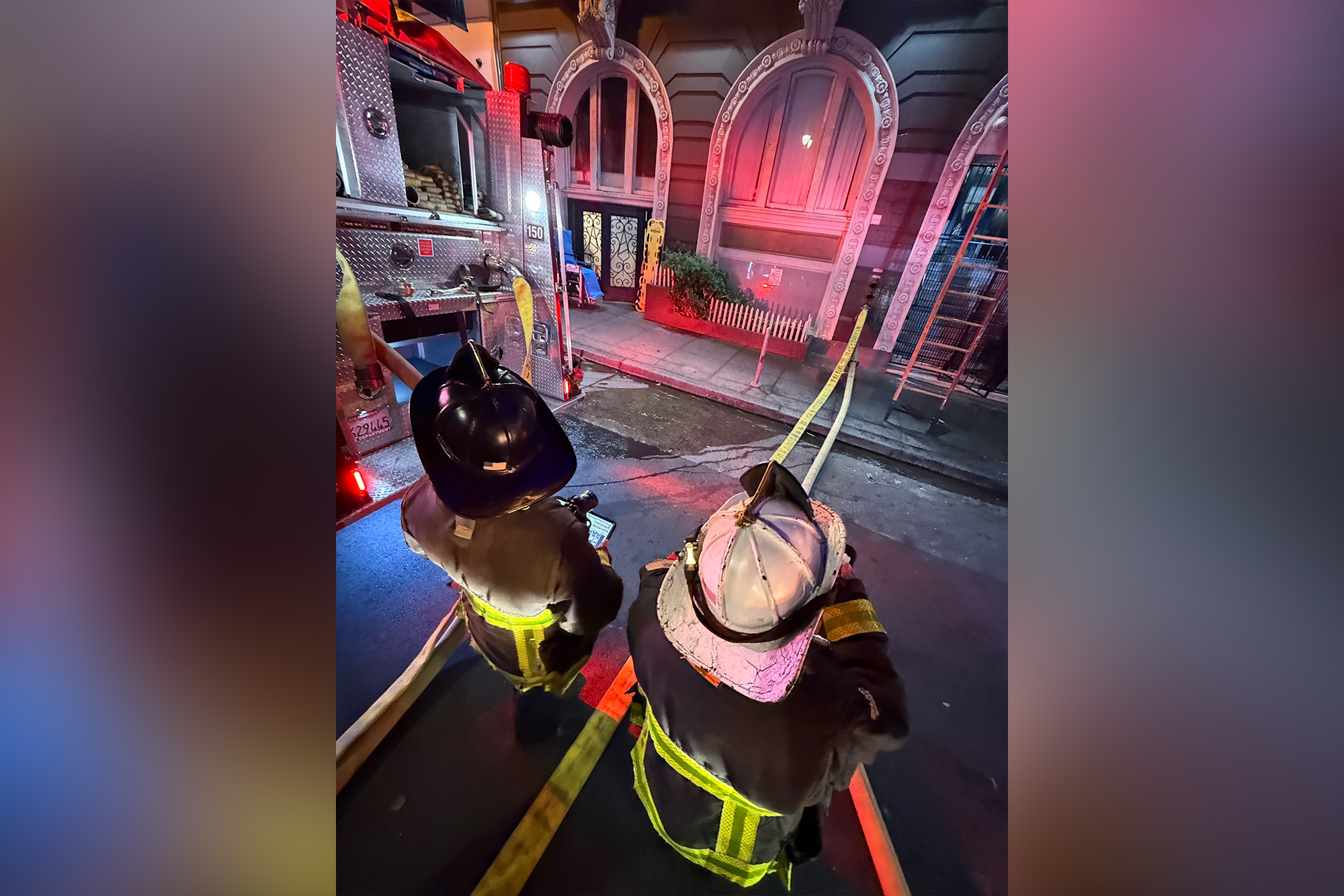
"caption": "At least 45 Tenderloin residents have been displaced after a three-alarm fire in a residential complex early Friday morning.",
"credit": "Courtesy of San Francisco Fire Department",
"altTag": null,
"description": null,
"imgSizes": {
"thumbnail": {
"file": "https://cdn.kqed.org/wp-content/uploads/sites/10/2025/12/251212-Tenderloin-Apartment-Fire-01-KQED-160x107.jpg",
"width": 160,
"height": 107,
"mimeType": "image/jpeg"
},
"1536x1536": {
"file": "https://cdn.kqed.org/wp-content/uploads/sites/10/2025/12/251212-Tenderloin-Apartment-Fire-01-KQED-1536x1025.jpg",
"width": 1536,
"height": 1025,
"mimeType": "image/jpeg"
},
"post-thumbnail": {
"file": "https://cdn.kqed.org/wp-content/uploads/sites/10/2025/12/251212-Tenderloin-Apartment-Fire-01-KQED-672x372.jpg",
"width": 672,
"height": 372,
"mimeType": "image/jpeg"
},
"twentyfourteen-full-width": {
"file": "https://cdn.kqed.org/wp-content/uploads/sites/10/2025/12/251212-Tenderloin-Apartment-Fire-01-KQED-1038x576.jpg",
"width": 1038,
"height": 576,
"mimeType": "image/jpeg"
},
"npr-cds-wide": {
"file": "https://cdn.kqed.org/wp-content/uploads/sites/10/2025/12/251212-Tenderloin-Apartment-Fire-01-KQED-1200x675.jpg",
"width": 1200,
"height": 675,
"mimeType": "image/jpeg"
},
"kqedFullSize": {
"file": "https://cdn.kqed.org/wp-content/uploads/sites/10/2025/12/251212-Tenderloin-Apartment-Fire-01-KQED.jpg",
"width": 2000,
"height": 1334
}
},
"isLoading": false,
"fetchFailed": false
},
"news_12052429": {
"type": "attachments",
"id": "news_12052429",
"meta": {
"index": "attachments_1716263798",
"site": "news",
"id": "12052429",
"found": true
},
"title": "20241204-BART-JY-023_qed",
"publishDate": 1755288565,
"status": "inherit",
"parent": 12052424,
"modified": 1755288593,
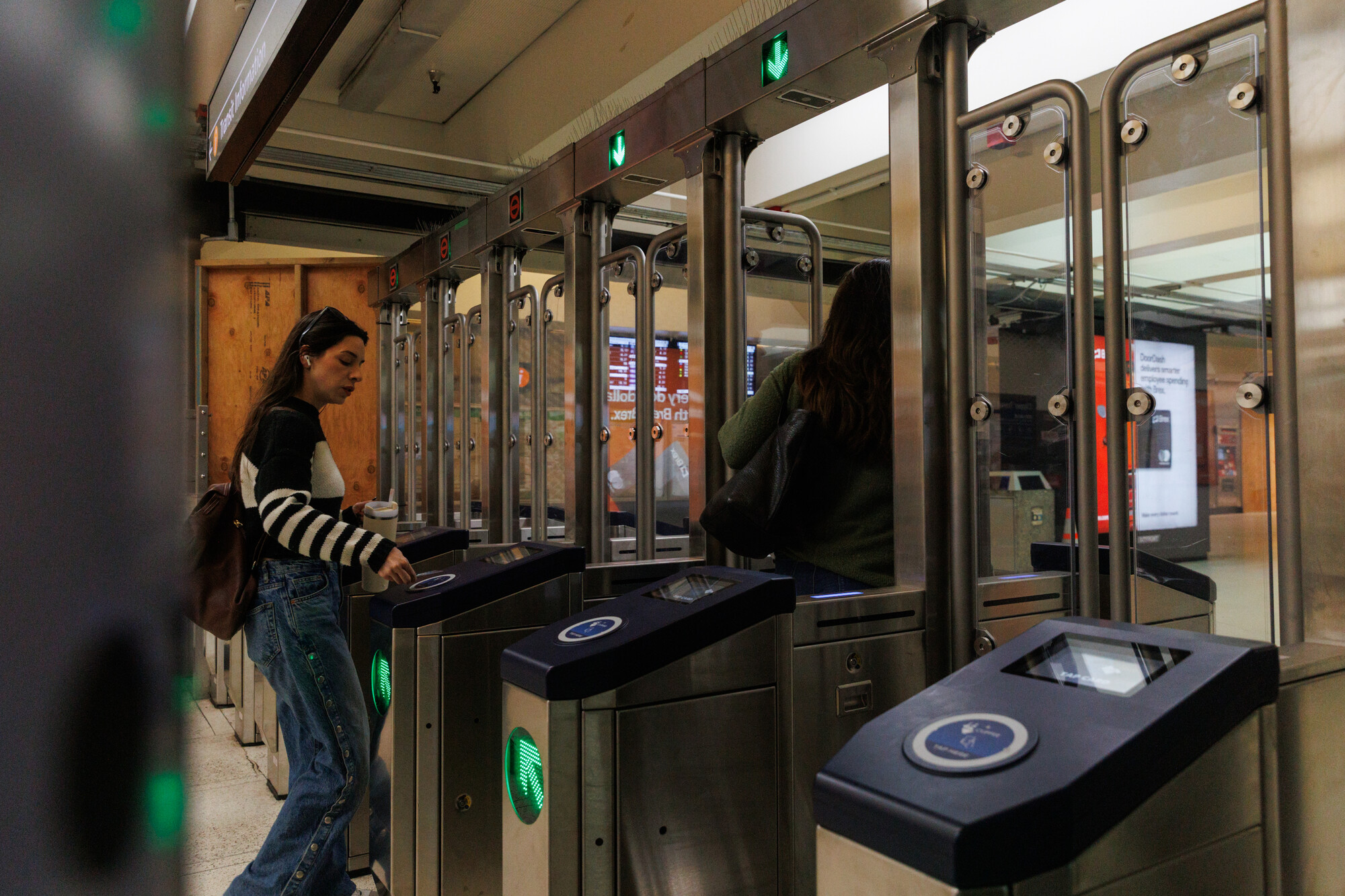
"caption": "Passengers tag their Clipper cards at Montgomery BART Station in San Francisco on Dec. 4, 2024.",
"credit": "Juliana Yamada/KQED",
"altTag": null,
"description": null,
"imgSizes": {
"thumbnail": {
"file": "https://cdn.kqed.org/wp-content/uploads/sites/10/2025/08/20241204-BART-JY-023_qed-160x107.jpg",
"width": 160,
"height": 107,
"mimeType": "image/jpeg"
},
"1536x1536": {
"file": "https://cdn.kqed.org/wp-content/uploads/sites/10/2025/08/20241204-BART-JY-023_qed-1536x1024.jpg",
"width": 1536,
"height": 1024,
"mimeType": "image/jpeg"
},
"post-thumbnail": {
"file": "https://cdn.kqed.org/wp-content/uploads/sites/10/2025/08/20241204-BART-JY-023_qed-672x372.jpg",
"width": 672,
"height": 372,
"mimeType": "image/jpeg"
},
"twentyfourteen-full-width": {
"file": "https://cdn.kqed.org/wp-content/uploads/sites/10/2025/08/20241204-BART-JY-023_qed-1038x576.jpg",
"width": 1038,
"height": 576,
"mimeType": "image/jpeg"
},
"kqedFullSize": {
"file": "https://cdn.kqed.org/wp-content/uploads/sites/10/2025/08/20241204-BART-JY-023_qed.jpg",
"width": 2000,
"height": 1333
}
},
"isLoading": false,
"fetchFailed": false
},
"news_11100824": {
"type": "attachments",
"id": "news_11100824",
"meta": {
"index": "attachments_1716263798",
"site": "news",
"id": "11100824",
"found": true
},
"title": "25114840899_e4ac084aab_o",
"publishDate": 1474673386,
"status": "inherit",
"parent": 11100640,
"modified": 1474678078,
"caption": "San Francisco Fire Department Engine 13, stationed in the Financial District. ",
"credit": "Alexander Russy/Flickr",
"altTag": null,
"description": null,
"imgSizes": {
"thumbnail": {
"file": "https://cdn.kqed.org/wp-content/uploads/sites/10/2016/09/25114840899_e4ac084aab_o-400x280.jpg",
"width": 400,
"height": 280,
"mimeType": "image/jpeg"
},
"medium": {
"file": "https://cdn.kqed.org/wp-content/uploads/sites/10/2016/09/25114840899_e4ac084aab_o-800x559.jpg",
"width": 800,
"height": 559,
"mimeType": "image/jpeg"
},
"large": {
"file": "https://cdn.kqed.org/wp-content/uploads/sites/10/2016/09/25114840899_e4ac084aab_o-1920x1342.jpg",
"width": 1920,
"height": 1342,
"mimeType": "image/jpeg"
},
"fd-lrg": {
"file": "https://cdn.kqed.org/wp-content/uploads/sites/10/2016/09/25114840899_e4ac084aab_o-1920x1342.jpg",
"width": 1920,
"height": 1342,
"mimeType": "image/jpeg"
},
"fd-med": {
"file": "https://cdn.kqed.org/wp-content/uploads/sites/10/2016/09/25114840899_e4ac084aab_o-1180x825.jpg",
"width": 1180,
"height": 825,
"mimeType": "image/jpeg"
},
"fd-sm": {
"file": "https://cdn.kqed.org/wp-content/uploads/sites/10/2016/09/25114840899_e4ac084aab_o-960x671.jpg",
"width": 960,
"height": 671,
"mimeType": "image/jpeg"
},
"post-thumbnail": {
"file": "https://cdn.kqed.org/wp-content/uploads/sites/10/2016/09/25114840899_e4ac084aab_o-672x372.jpg",
"width": 672,
"height": 372,
"mimeType": "image/jpeg"
},
"twentyfourteen-full-width": {
"file": "https://cdn.kqed.org/wp-content/uploads/sites/10/2016/09/25114840899_e4ac084aab_o-1038x576.jpg",
"width": 1038,
"height": 576,
"mimeType": "image/jpeg"
},
"guest-author-32": {
"file": "https://cdn.kqed.org/wp-content/uploads/sites/10/2016/09/25114840899_e4ac084aab_o-32x32.jpg",
"width": 32,
"height": 32,
"mimeType": "image/jpeg"
},
"guest-author-50": {
"file": "https://cdn.kqed.org/wp-content/uploads/sites/10/2016/09/25114840899_e4ac084aab_o-50x50.jpg",
"width": 50,
"height": 50,
"mimeType": "image/jpeg"
},
"guest-author-64": {
"file": "https://cdn.kqed.org/wp-content/uploads/sites/10/2016/09/25114840899_e4ac084aab_o-64x64.jpg",
"width": 64,
"height": 64,
"mimeType": "image/jpeg"
},
"guest-author-96": {
"file": "https://cdn.kqed.org/wp-content/uploads/sites/10/2016/09/25114840899_e4ac084aab_o-96x96.jpg",
"width": 96,
"height": 96,
"mimeType": "image/jpeg"
},
"guest-author-128": {
"file": "https://cdn.kqed.org/wp-content/uploads/sites/10/2016/09/25114840899_e4ac084aab_o-128x128.jpg",
"width": 128,
"height": 128,
"mimeType": "image/jpeg"
},
"detail": {
"file": "https://cdn.kqed.org/wp-content/uploads/sites/10/2016/09/25114840899_e4ac084aab_o-150x150.jpg",
"width": 150,
"height": 150,
"mimeType": "image/jpeg"
},
"jmtc-small-thumb": {
"file": "https://cdn.kqed.org/wp-content/uploads/sites/10/2016/09/25114840899_e4ac084aab_o-280x150.jpg",
"width": 280,
"height": 150,
"mimeType": "image/jpeg"
},
"kqedFullSize": {
"file": "https://cdn.kqed.org/wp-content/uploads/sites/10/2016/09/25114840899_e4ac084aab_o-e1765481604471.jpg",
"width": 2000,
"height": 1398
}
},
"isLoading": false,
"fetchFailed": false
},
"news_12066747": {
"type": "attachments",
"id": "news_12066747",
"meta": {
"index": "attachments_1716263798",
"site": "news",
"id": "12066747",
"found": true
},
"title": "Tule elks in Point Reyes National Seashore of California",
"publishDate": 1765479362,
"status": "inherit",
"parent": 12066736,
"modified": 1765481213,
"caption": "A Tule Elk is seen during heavy fog at Point Reyes National Seashore in Inverness, California, on Jan. 6, 2025. ",
"credit": "Tayfun Coskun/Anadolu via Getty Images",
"altTag": null,
"description": null,
"imgSizes": {
"thumbnail": {
"file": "https://cdn.kqed.org/wp-content/uploads/sites/10/2025/12/TuleFogGetty-160x107.jpg",
"width": 160,
"height": 107,
"mimeType": "image/jpeg"
},
"1536x1536": {
"file": "https://cdn.kqed.org/wp-content/uploads/sites/10/2025/12/TuleFogGetty-1536x1023.jpg",
"width": 1536,
"height": 1023,
"mimeType": "image/jpeg"
},
"post-thumbnail": {
"file": "https://cdn.kqed.org/wp-content/uploads/sites/10/2025/12/TuleFogGetty-672x372.jpg",
"width": 672,
"height": 372,
"mimeType": "image/jpeg"
},
"twentyfourteen-full-width": {
"file": "https://cdn.kqed.org/wp-content/uploads/sites/10/2025/12/TuleFogGetty-1038x576.jpg",
"width": 1038,
"height": 576,
"mimeType": "image/jpeg"
},
"npr-cds-wide": {
"file": "https://cdn.kqed.org/wp-content/uploads/sites/10/2025/12/TuleFogGetty-1200x675.jpg",
"width": 1200,
"height": 675,
"mimeType": "image/jpeg"
},
"kqedFullSize": {
"file": "https://cdn.kqed.org/wp-content/uploads/sites/10/2025/12/TuleFogGetty.jpg",
"width": 2000,
"height": 1332
}
},
"isLoading": false,
"fetchFailed": false
},
"news_12066641": {
"type": "attachments",
"id": "news_12066641",
"meta": {
"index": "attachments_1716263798",
"site": "news",
"id": "12066641",
"found": true
},
"title": "Federal Enforcement-Los Angeles",
"publishDate": 1765393573,
"status": "inherit",
"parent": 12066625,
"modified": 1765393613,
"caption": "Members of the California National Guard and U.S. Marines guard a federal building on June 17, 2025, in Los Angeles. ",
"credit": "Damian Dovarganes/AP Photo",
"altTag": null,
"description": null,
"imgSizes": {
"thumbnail": {
"file": "https://cdn.kqed.org/wp-content/uploads/sites/10/2025/12/CaliforniaNationalGuardAP-160x107.jpg",
"width": 160,
"height": 107,
"mimeType": "image/jpeg"
},
"1536x1536": {
"file": "https://cdn.kqed.org/wp-content/uploads/sites/10/2025/12/CaliforniaNationalGuardAP-1536x1027.jpg",
"width": 1536,
"height": 1027,
"mimeType": "image/jpeg"
},
"post-thumbnail": {
"file": "https://cdn.kqed.org/wp-content/uploads/sites/10/2025/12/CaliforniaNationalGuardAP-672x372.jpg",
"width": 672,
"height": 372,
"mimeType": "image/jpeg"
},
"twentyfourteen-full-width": {
"file": "https://cdn.kqed.org/wp-content/uploads/sites/10/2025/12/CaliforniaNationalGuardAP-1038x576.jpg",
"width": 1038,
"height": 576,
"mimeType": "image/jpeg"
},
"npr-cds-wide": {
"file": "https://cdn.kqed.org/wp-content/uploads/sites/10/2025/12/CaliforniaNationalGuardAP-1200x675.jpg",
"width": 1200,
"height": 675,
"mimeType": "image/jpeg"
},
"kqedFullSize": {
"file": "https://cdn.kqed.org/wp-content/uploads/sites/10/2025/12/CaliforniaNationalGuardAP.jpg",
"width": 2000,
"height": 1337
}
},
"isLoading": false,
"fetchFailed": false
},
"news_12066210": {
"type": "attachments",
"id": "news_12066210",
"meta": {
"index": "attachments_1716263798",
"site": "news",
"id": "12066210",
"found": true
},
"title": "251113-SFHOMECOMINGPROJECT-19-BL-KQED",
"publishDate": 1764890927,
"status": "inherit",
"parent": 0,
"modified": 1764890953,
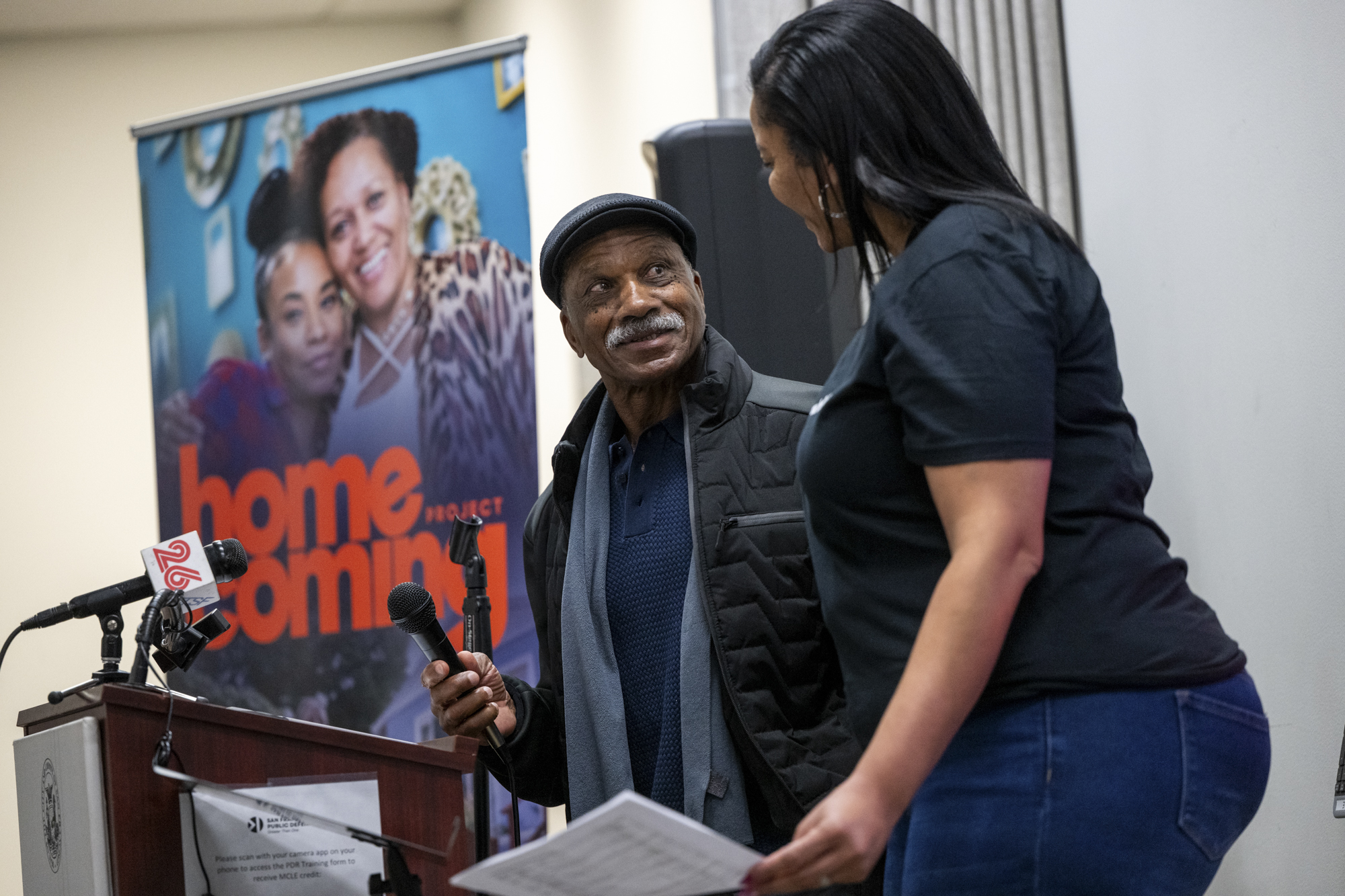
"caption": "Memi Vaughn (right), a Homecoming Project host, and Marcelino Clemente, a program participant, speak during a press conference about the launch of the Homecoming Project in San Francisco at the San Francisco Public Defender’s office on Nov. 13, 2025. The program pairs people recently released from prison with community members who have a spare room in their homes for a six-month stay.",
"credit": "Beth LaBerge/KQED",
"altTag": null,
"description": null,
"imgSizes": {
"thumbnail": {
"file": "https://cdn.kqed.org/wp-content/uploads/sites/10/2025/12/251113-SFHOMECOMINGPROJECT-19-BL-KQED-160x107.jpg",
"width": 160,
"height": 107,
"mimeType": "image/jpeg"
},
"1536x1536": {
"file": "https://cdn.kqed.org/wp-content/uploads/sites/10/2025/12/251113-SFHOMECOMINGPROJECT-19-BL-KQED-1536x1024.jpg",
"width": 1536,
"height": 1024,
"mimeType": "image/jpeg"
},
"post-thumbnail": {
"file": "https://cdn.kqed.org/wp-content/uploads/sites/10/2025/12/251113-SFHOMECOMINGPROJECT-19-BL-KQED-672x372.jpg",
"width": 672,
"height": 372,
"mimeType": "image/jpeg"
},
"twentyfourteen-full-width": {
"file": "https://cdn.kqed.org/wp-content/uploads/sites/10/2025/12/251113-SFHOMECOMINGPROJECT-19-BL-KQED-1038x576.jpg",
"width": 1038,
"height": 576,
"mimeType": "image/jpeg"
},
"npr-cds-wide": {
"file": "https://cdn.kqed.org/wp-content/uploads/sites/10/2025/12/251113-SFHOMECOMINGPROJECT-19-BL-KQED-1200x675.jpg",
"width": 1200,
"height": 675,
"mimeType": "image/jpeg"
},
"kqedFullSize": {
"file": "https://cdn.kqed.org/wp-content/uploads/sites/10/2025/12/251113-SFHOMECOMINGPROJECT-19-BL-KQED.jpg",
"width": 2000,
"height": 1333
}
},
"isLoading": false,
"fetchFailed": false
},
"news_12033006": {
"type": "attachments",
"id": "news_12033006",
"meta": {
"index": "attachments_1716263798",
"site": "news",
"id": "12033006",
"found": true
},
"title": "250325-APARTMENTSONWESTSIDE-10-BL-KQED",
"publishDate": 1742939679,
"status": "inherit",
"parent": 12033966,
"modified": 1743714415,
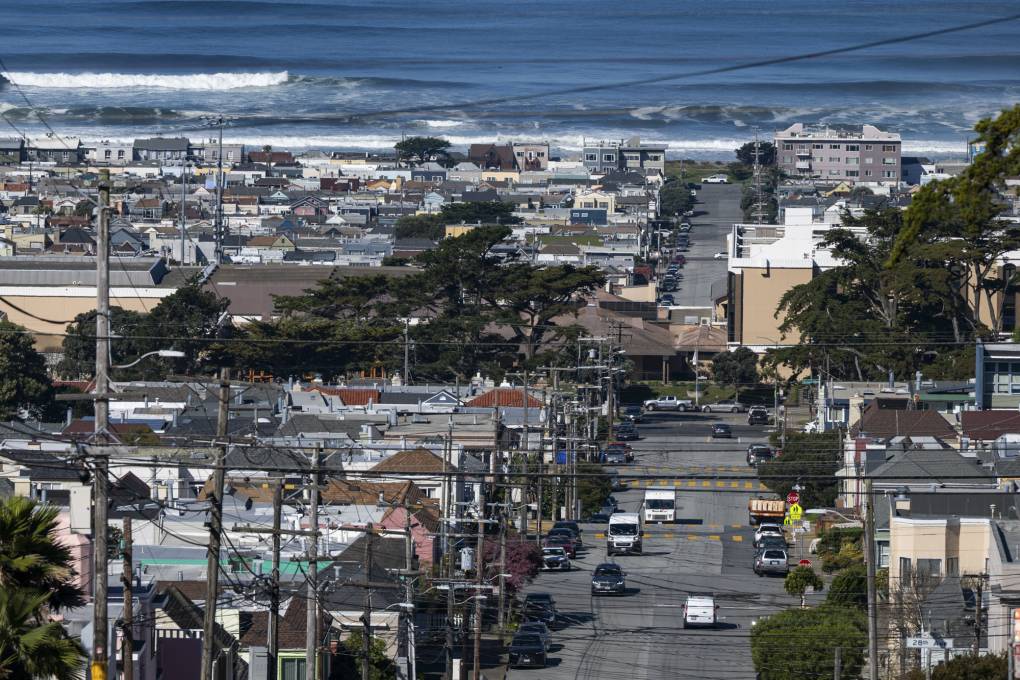
"caption": "A view of the Sunset District and Ocean Beach in San Francisco on March 25, 2025.",
"credit": "Beth LaBerge/KQED",
"altTag": null,
"description": null,
"imgSizes": {
"medium": {
"file": "https://cdn.kqed.org/wp-content/uploads/sites/10/2025/03/250325-APARTMENTSONWESTSIDE-10-BL-KQED-800x533.jpg",
"width": 800,
"height": 533,
"mimeType": "image/jpeg"
},
"large": {
"file": "https://cdn.kqed.org/wp-content/uploads/sites/10/2025/03/250325-APARTMENTSONWESTSIDE-10-BL-KQED-1020x680.jpg",
"width": 1020,
"height": 680,
"mimeType": "image/jpeg"
},
"thumbnail": {
"file": "https://cdn.kqed.org/wp-content/uploads/sites/10/2025/03/250325-APARTMENTSONWESTSIDE-10-BL-KQED-160x107.jpg",
"width": 160,
"height": 107,
"mimeType": "image/jpeg"
},
"1536x1536": {
"file": "https://cdn.kqed.org/wp-content/uploads/sites/10/2025/03/250325-APARTMENTSONWESTSIDE-10-BL-KQED-1536x1024.jpg",
"width": 1536,
"height": 1024,
"mimeType": "image/jpeg"
},
"post-thumbnail": {
"file": "https://cdn.kqed.org/wp-content/uploads/sites/10/2025/03/250325-APARTMENTSONWESTSIDE-10-BL-KQED-672x372.jpg",
"width": 672,
"height": 372,
"mimeType": "image/jpeg"
},
"twentyfourteen-full-width": {
"file": "https://cdn.kqed.org/wp-content/uploads/sites/10/2025/03/250325-APARTMENTSONWESTSIDE-10-BL-KQED-1038x576.jpg",
"width": 1038,
"height": 576,
"mimeType": "image/jpeg"
},
"full-width": {
"file": "https://cdn.kqed.org/wp-content/uploads/sites/10/2025/03/250325-APARTMENTSONWESTSIDE-10-BL-KQED-1920x1280.jpg",
"width": 1920,
"height": 1280,
"mimeType": "image/jpeg"
},
"kqedFullSize": {
"file": "https://cdn.kqed.org/wp-content/uploads/sites/10/2025/03/250325-APARTMENTSONWESTSIDE-10-BL-KQED.jpg",
"width": 2000,
"height": 1333
}
},
"isLoading": false,
"fetchFailed": false
},
"news_12066517": {
"type": "attachments",
"id": "news_12066517",
"meta": {
"index": "attachments_1716263798",
"site": "news",
"id": "12066517",
"found": true
},
"title": "BilalMahmoodKQED1",
"publishDate": 1765323538,
"status": "inherit",
"parent": 12066486,
"modified": 1765323820,
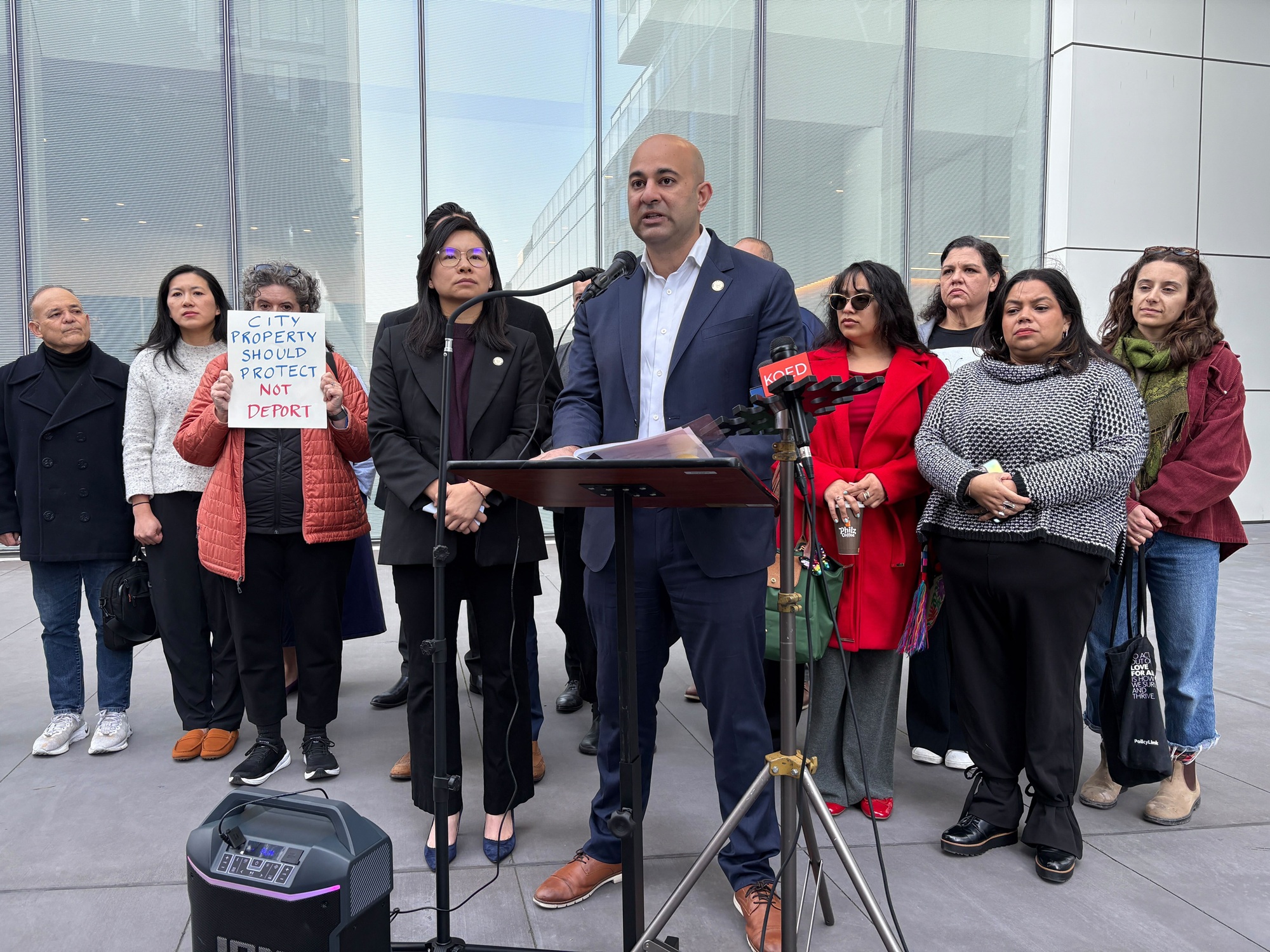
"caption": "Supervisors Bilal Mahmood and Chyanne Chen are proposing to block federal immigration activity from city-owned spaces.",
"credit": "Sydney Johnson/KQED",
"altTag": null,
"description": null,
"imgSizes": {
"thumbnail": {
"file": "https://cdn.kqed.org/wp-content/uploads/sites/10/2025/12/BilalMahmoodKQED1-160x120.jpg",
"width": 160,
"height": 120,
"mimeType": "image/jpeg"
},
"1536x1536": {
"file": "https://cdn.kqed.org/wp-content/uploads/sites/10/2025/12/BilalMahmoodKQED1-1536x1152.jpg",
"width": 1536,
"height": 1152,
"mimeType": "image/jpeg"
},
"post-thumbnail": {
"file": "https://cdn.kqed.org/wp-content/uploads/sites/10/2025/12/BilalMahmoodKQED1-672x372.jpg",
"width": 672,
"height": 372,
"mimeType": "image/jpeg"
},
"twentyfourteen-full-width": {
"file": "https://cdn.kqed.org/wp-content/uploads/sites/10/2025/12/BilalMahmoodKQED1-1038x576.jpg",
"width": 1038,
"height": 576,
"mimeType": "image/jpeg"
},
"npr-cds-wide": {
"file": "https://cdn.kqed.org/wp-content/uploads/sites/10/2025/12/BilalMahmoodKQED1-1200x675.jpg",
"width": 1200,
"height": 675,
"mimeType": "image/jpeg"
},
"kqedFullSize": {
"file": "https://cdn.kqed.org/wp-content/uploads/sites/10/2025/12/BilalMahmoodKQED1.jpg",
"width": 2000,
"height": 1500
}
},
"isLoading": false,
"fetchFailed": false
},
"news_12065011": {
"type": "attachments",
"id": "news_12065011",
"meta": {
"index": "attachments_1716263798",
"site": "news",
"id": "12065011",
"found": true
},
"title": "251120-KEVIN EPPS TRIAL-ADE-02-KQED",
"publishDate": 1763685261,
"status": "inherit",
"parent": 12064918,
"modified": 1763748493,
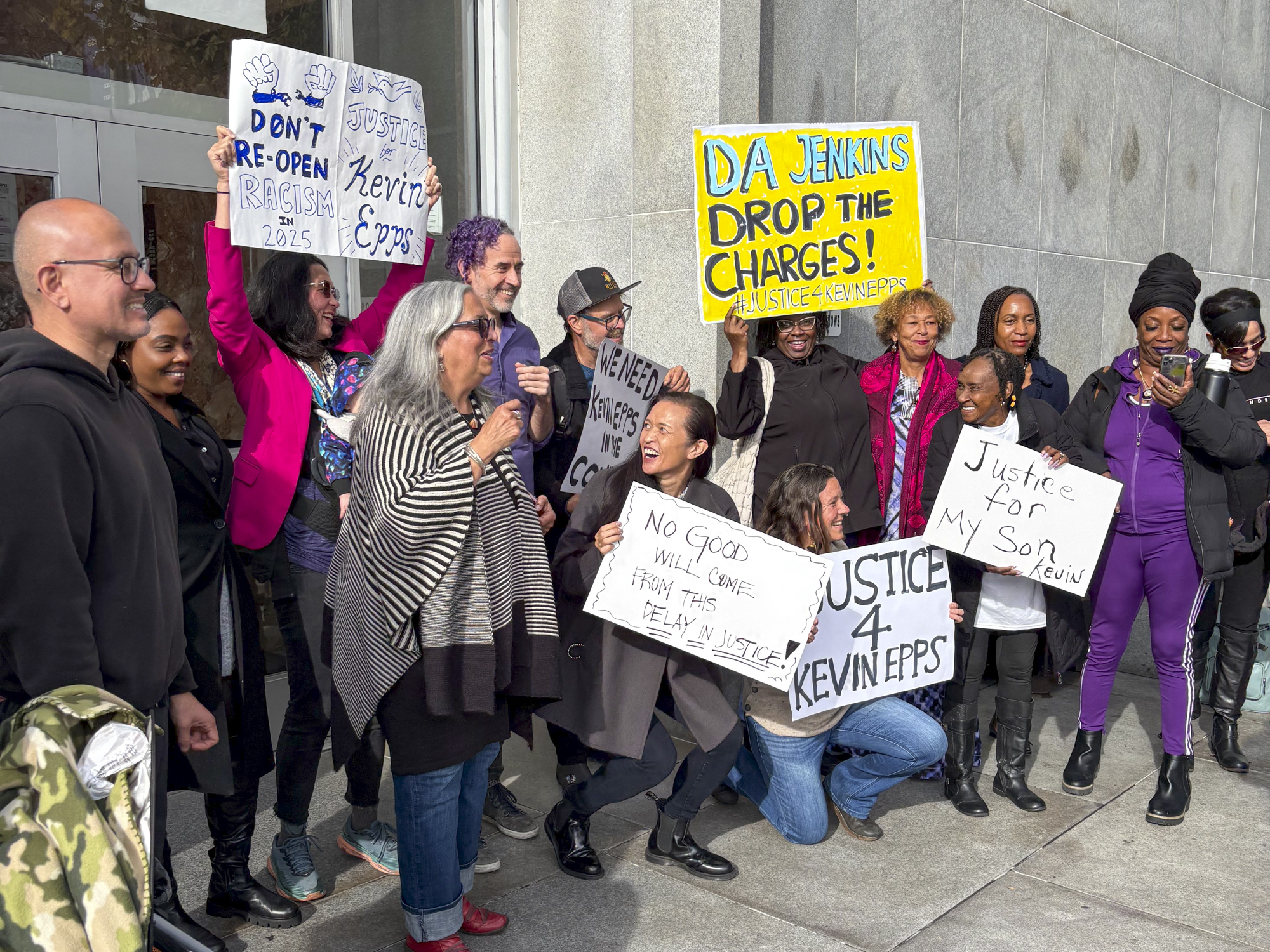
"caption": "Supporters of Kevin Epps rally outside of the Hall of Justice in San Francisco on Nov. 20, 2025.",
"credit": "Azul Dahlstrom-Eckman/KQED",
"altTag": null,
"description": null,
"imgSizes": {
"thumbnail": {
"file": "https://cdn.kqed.org/wp-content/uploads/sites/10/2025/11/251120-KEVIN-EPPS-TRIAL-ADE-02-KQED-160x120.jpg",
"width": 160,
"height": 120,
"mimeType": "image/jpeg"
},
"1536x1536": {
"file": "https://cdn.kqed.org/wp-content/uploads/sites/10/2025/11/251120-KEVIN-EPPS-TRIAL-ADE-02-KQED-1536x1152.jpg",
"width": 1536,
"height": 1152,
"mimeType": "image/jpeg"
},
"post-thumbnail": {
"file": "https://cdn.kqed.org/wp-content/uploads/sites/10/2025/11/251120-KEVIN-EPPS-TRIAL-ADE-02-KQED-672x372.jpg",
"width": 672,
"height": 372,
"mimeType": "image/jpeg"
},
"twentyfourteen-full-width": {
"file": "https://cdn.kqed.org/wp-content/uploads/sites/10/2025/11/251120-KEVIN-EPPS-TRIAL-ADE-02-KQED-1038x576.jpg",
"width": 1038,
"height": 576,
"mimeType": "image/jpeg"
},
"npr-cds-wide": {
"file": "https://cdn.kqed.org/wp-content/uploads/sites/10/2025/11/251120-KEVIN-EPPS-TRIAL-ADE-02-KQED-1200x675.jpg",
"width": 1200,
"height": 675,
"mimeType": "image/jpeg"
},
"kqedFullSize": {
"file": "https://cdn.kqed.org/wp-content/uploads/sites/10/2025/11/251120-KEVIN-EPPS-TRIAL-ADE-02-KQED.jpg",
"width": 2000,
"height": 1500
}
},
"isLoading": false,
"fetchFailed": false
},
"news_12023482": {
"type": "attachments",
"id": "news_12023482",
"meta": {
"index": "attachments_1716263798",
"site": "news",
"id": "12023482",
"found": true
},
"title": "Two people wait for a train at BART Powell Street station in San Francisco, Calif., on Tuesday, February 11, 2020.",
"publishDate": 1737574272,
"status": "inherit",
"parent": 12023463,
"modified": 1737588181,
"caption": "Two people wait for a train at BART Powell Street station in San Francisco, California, on Tuesday, Feb. 11, 2020. ",
"credit": "Scott Strazzante/San Francisco Chronicle via Getty Images",
"altTag": null,
"description": null,
"imgSizes": {
"medium": {
"file": "https://cdn.kqed.org/wp-content/uploads/sites/10/2025/01/PowellStationSanFranciscoGetty-800x534.jpg",
"width": 800,
"height": 534,
"mimeType": "image/jpeg"
},
"large": {
"file": "https://cdn.kqed.org/wp-content/uploads/sites/10/2025/01/PowellStationSanFranciscoGetty-1020x680.jpg",
"width": 1020,
"height": 680,
"mimeType": "image/jpeg"
},
"thumbnail": {
"file": "https://cdn.kqed.org/wp-content/uploads/sites/10/2025/01/PowellStationSanFranciscoGetty-160x107.jpg",
"width": 160,
"height": 107,
"mimeType": "image/jpeg"
},
"1536x1536": {
"file": "https://cdn.kqed.org/wp-content/uploads/sites/10/2025/01/PowellStationSanFranciscoGetty-1536x1025.jpg",
"width": 1536,
"height": 1025,
"mimeType": "image/jpeg"
},
"post-thumbnail": {
"file": "https://cdn.kqed.org/wp-content/uploads/sites/10/2025/01/PowellStationSanFranciscoGetty-672x372.jpg",
"width": 672,
"height": 372,
"mimeType": "image/jpeg"
},
"twentyfourteen-full-width": {
"file": "https://cdn.kqed.org/wp-content/uploads/sites/10/2025/01/PowellStationSanFranciscoGetty-1038x576.jpg",
"width": 1038,
"height": 576,
"mimeType": "image/jpeg"
},
"full-width": {
"file": "https://cdn.kqed.org/wp-content/uploads/sites/10/2025/01/PowellStationSanFranciscoGetty-1920x1281.jpg",
"width": 1920,
"height": 1281,
"mimeType": "image/jpeg"
},
"kqedFullSize": {
"file": "https://cdn.kqed.org/wp-content/uploads/sites/10/2025/01/PowellStationSanFranciscoGetty.jpg",
"width": 2000,
"height": 1334
}
},
"isLoading": false,
"fetchFailed": false
},
"news_12065499": {
"type": "attachments",
"id": "news_12065499",
"meta": {
"index": "attachments_1716263798",
"site": "news",
"id": "12065499",
"found": true
},
"title": "251124-DISABILITYJUSTICELEADERS00314_TV-KQED",
"publishDate": 1764191449,
"status": "inherit",
"parent": 0,
"modified": 1764883872,
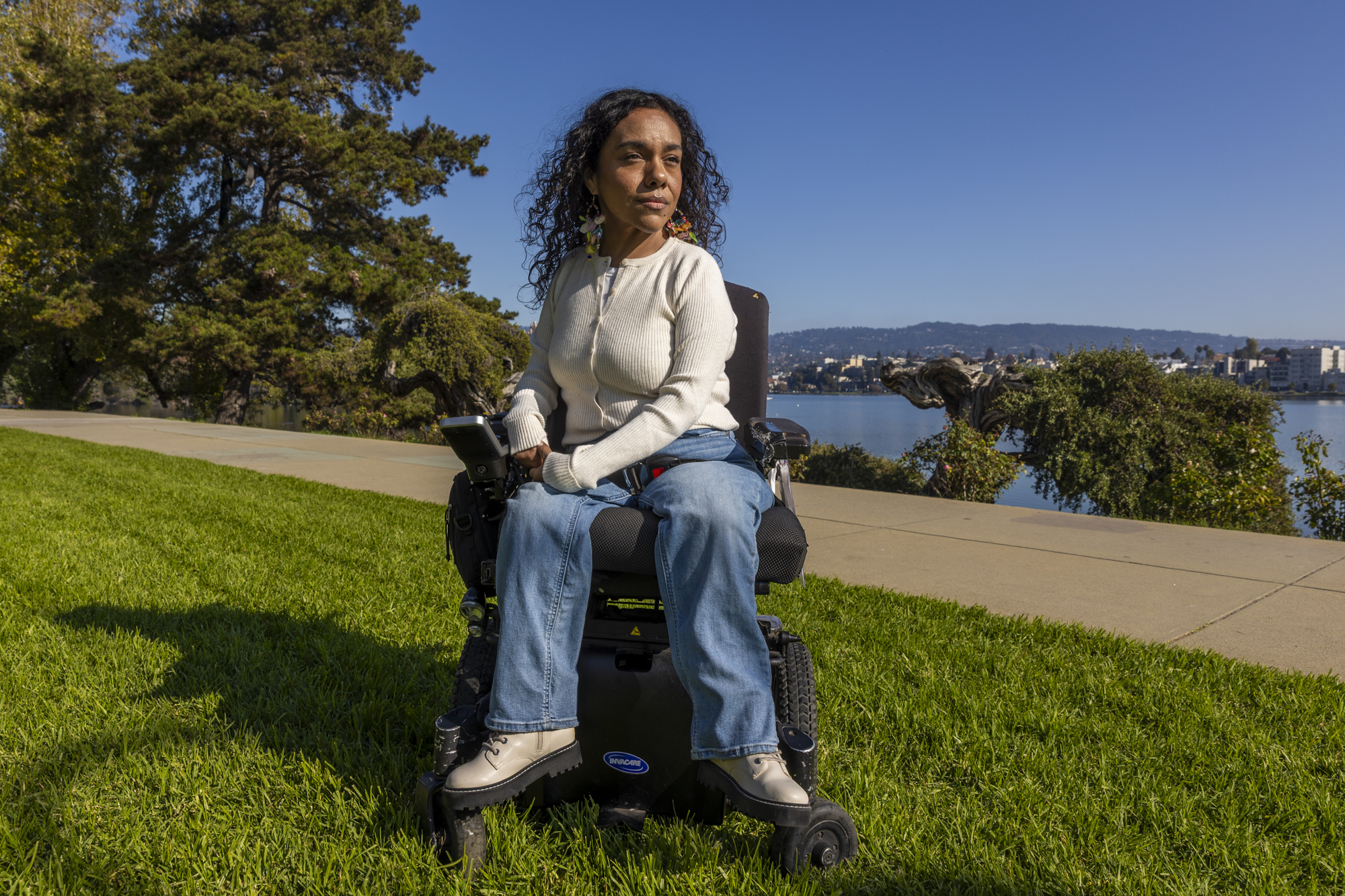
"caption": "Brittanie Hernandez-Wilson, a disability justice activist, poses for a portrait at Lake Merritt in Oakland on Nov. 24, 2025. Hernandez-Wilson worked closely with Alice Wong, a disability justice leader who died in November.",
"credit": "Tâm Vũ/KQED",
"altTag": null,
"description": null,
"imgSizes": {
"thumbnail": {
"file": "https://cdn.kqed.org/wp-content/uploads/sites/10/2025/11/251124-DISABILITYJUSTICELEADERS00314_TV-KQED-160x107.jpg",
"width": 160,
"height": 107,
"mimeType": "image/jpeg"
},
"1536x1536": {
"file": "https://cdn.kqed.org/wp-content/uploads/sites/10/2025/11/251124-DISABILITYJUSTICELEADERS00314_TV-KQED-1536x1024.jpg",
"width": 1536,
"height": 1024,
"mimeType": "image/jpeg"
},
"post-thumbnail": {
"file": "https://cdn.kqed.org/wp-content/uploads/sites/10/2025/11/251124-DISABILITYJUSTICELEADERS00314_TV-KQED-672x372.jpg",
"width": 672,
"height": 372,
"mimeType": "image/jpeg"
},
"twentyfourteen-full-width": {
"file": "https://cdn.kqed.org/wp-content/uploads/sites/10/2025/11/251124-DISABILITYJUSTICELEADERS00314_TV-KQED-1038x576.jpg",
"width": 1038,
"height": 576,
"mimeType": "image/jpeg"
},
"npr-cds-wide": {
"file": "https://cdn.kqed.org/wp-content/uploads/sites/10/2025/11/251124-DISABILITYJUSTICELEADERS00314_TV-KQED-1200x675.jpg",
"width": 1200,
"height": 675,
"mimeType": "image/jpeg"
},
"kqedFullSize": {
"file": "https://cdn.kqed.org/wp-content/uploads/sites/10/2025/11/251124-DISABILITYJUSTICELEADERS00314_TV-KQED.jpg",
"width": 2000,
"height": 1333
}
},
"isLoading": false,
"fetchFailed": false
}
},
"audioPlayerReducer": {
"postId": "stream_live",
"isPaused": true,
"isPlaying": false,
"pfsActive": false,
"pledgeModalIsOpen": true,
"playerDrawerIsOpen": false,
"liveAudioPlayStartedAt": 0,
"liveAudioPlayContext": ""
},
"authorsReducer": {
"shossaini": {
"type": "authors",
"id": "3214",
"meta": {
"index": "authors_1716337520",
"id": "3214",
"found": true
},
"name": "Sara Hossaini",
"firstName": "Sara",
"lastName": "Hossaini",
"slug": "shossaini",
"email": "shossaini@kqed.org",
"display_author_email": true,
"staff_mastheads": [
"news"
],
"title": "KQED Reporter",
"bio": "Sara Hossaini came to general assignment reporting at KQED in 2013 after two winters reporting at Wyoming Public Radio. She holds a bachelor's degree in broadcast journalism from the University of Nebraska-Lincoln. Her radio romance began after a bitter breakup with documentary film (Ok, maybe it's still complicated). Her first simultaneous jobs in San Francisco were as Associate Producer on a PBS film series through the Center for Asian American Media and as a butler. She likes to trot, plot and make things with her hands.",
"avatar": "https://secure.gravatar.com/avatar/060e9f56b9554e17942e89f413242774?s=600&d=blank&r=g",
"twitter": "mshossaini",
"facebook": null,
"instagram": null,
"linkedin": null,
"sites": [
{
"site": "news",
"roles": [
"author"
]
},
{
"site": "stateofhealth",
"roles": [
"author"
]
}
],
"headData": {
"title": "Sara Hossaini | KQED",
"description": "KQED Reporter",
"ogImgSrc": "https://secure.gravatar.com/avatar/060e9f56b9554e17942e89f413242774?s=600&d=blank&r=g",
"twImgSrc": "https://secure.gravatar.com/avatar/060e9f56b9554e17942e89f413242774?s=600&d=blank&r=g"
},
"isLoading": false,
"link": "/author/shossaini"
},
"mlagos": {
"type": "authors",
"id": "3239",
"meta": {
"index": "authors_1716337520",
"id": "3239",
"found": true
},
"name": "Marisa Lagos",
"firstName": "Marisa",
"lastName": "Lagos",
"slug": "mlagos",
"email": "mlagos@kqed.org",
"display_author_email": false,
"staff_mastheads": [
"news"
],
"title": "KQED Contributor",
"bio": "Marisa Lagos is a correspondent for KQED’s California Politics and Government Desk and co-hosts the award-winning show and podcast, Political Breakdown. At KQED, Lagos also conducts reporting, analysis and investigations into state, local and national politics for radio, TV, online and onstage. In 2022, she and co-host, Scott Shafer, moderated the only gubernatorial debate in California. In 2020, the \u003ci>Washington Post\u003c/i> named her one of the top political journalists in California; she was nominated for a Peabody and won several other awards for her work investigating the 2017 California wildfires. She has worked at the \u003ci>San Francisco Chronicle\u003c/i>, \u003ci>San Francisco Examiner\u003c/i> and \u003ci>Los Angeles Times\u003c/i>. A UC Santa Barbara graduate, she lives in San Francisco with her two sons and husband.",
"avatar": "https://secure.gravatar.com/avatar/a261a0d3696fc066871ef96b85b5e7d2?s=600&d=blank&r=g",
"twitter": "@mlagos",
"facebook": null,
"instagram": null,
"linkedin": null,
"sites": [
{
"site": "arts",
"roles": [
"author"
]
},
{
"site": "news",
"roles": [
"editor"
]
},
{
"site": "science",
"roles": [
"editor"
]
},
{
"site": "forum",
"roles": [
"author"
]
},
{
"site": "liveblog",
"roles": [
"author"
]
}
],
"headData": {
"title": "Marisa Lagos | KQED",
"description": "KQED Contributor",
"ogImgSrc": "https://secure.gravatar.com/avatar/a261a0d3696fc066871ef96b85b5e7d2?s=600&d=blank&r=g",
"twImgSrc": "https://secure.gravatar.com/avatar/a261a0d3696fc066871ef96b85b5e7d2?s=600&d=blank&r=g"
},
"isLoading": false,
"link": "/author/mlagos"
},
"ecruzguevarra": {
"type": "authors",
"id": "8654",
"meta": {
"index": "authors_1716337520",
"id": "8654",
"found": true
},
"name": "Ericka Cruz Guevarra",
"firstName": "Ericka",
"lastName": "Cruz Guevarra",
"slug": "ecruzguevarra",
"email": "ecruzguevarra@kqed.org",
"display_author_email": true,
"staff_mastheads": [
"news"
],
"title": "Producer, The Bay Podcast",
"bio": "Ericka Cruz Guevarra is host of \u003ca href=\"https://www.kqed.org/podcasts/thebay\">\u003cem>The Bay\u003c/em>\u003c/a> podcast at KQED. Before host, she was the show’s producer. Her work in that capacity includes a three-part reported series on policing in Vallejo, which won a 2020 excellence in journalism award from the Society of Professional Journalists. Ericka has worked as a breaking news reporter at Oregon Public Broadcasting, helped produce the Code Switch podcast, and was KQED’s inaugural Raul Ramirez Diversity Fund intern. She’s also an alumna of NPR’s Next Generation Radio program. Send her an email if you have strong feelings about whether Fairfield and Suisun City are the Bay. Ericka is represented by SAG-AFTRA.",
"avatar": "https://secure.gravatar.com/avatar/accefc1de4bafc7e234b69bcb9b6f6536c130fd84709bc3069ef11a78787e1bb?s=600&d=blank&r=g",
"twitter": "NotoriousECG",
"bluesky": null,
"facebook": null,
"instagram": null,
"linkedin": null,
"sites": [
{
"site": "arts",
"roles": [
"subscriber"
]
},
{
"site": "news",
"roles": [
"editor",
"manage_categories"
]
},
{
"site": "futureofyou",
"roles": [
"subscriber"
]
},
{
"site": "stateofhealth",
"roles": [
"subscriber"
]
},
{
"site": "science",
"roles": [
"editor"
]
},
{
"site": "forum",
"roles": [
"subscriber"
]
}
],
"headData": {
"title": "Ericka Cruz Guevarra | KQED",
"description": "Producer, The Bay Podcast",
"ogImgSrc": "https://secure.gravatar.com/avatar/accefc1de4bafc7e234b69bcb9b6f6536c130fd84709bc3069ef11a78787e1bb?s=600&d=blank&r=g",
"twImgSrc": "https://secure.gravatar.com/avatar/accefc1de4bafc7e234b69bcb9b6f6536c130fd84709bc3069ef11a78787e1bb?s=600&d=blank&r=g"
},
"isLoading": false,
"link": "/author/ecruzguevarra"
},
"amontecillo": {
"type": "authors",
"id": "11649",
"meta": {
"index": "authors_1716337520",
"id": "11649",
"found": true
},
"name": "Alan Montecillo",
"firstName": "Alan",
"lastName": "Montecillo",
"slug": "amontecillo",
"email": "amontecillo@kqed.org",
"display_author_email": false,
"staff_mastheads": [
"news"
],
"title": "KQED Contributor",
"bio": "Alan Montecillo is the senior editor of \u003cem>\u003ca href=\"http://kqed.org/thebay\">The Bay\u003c/a>, \u003c/em> KQED's local news podcast. Before moving to the Bay Area, he worked as a senior talk show producer for WILL in Champaign-Urbana, Illinois and at Oregon Public Broadcasting in Portland, Oregon. He has won journalism awards from the Society of Professional Journalists Northern California, the Public Media Journalists Association, The Signal Awards, and has also received a regional Edward R. Murrow award. Alan is a Filipino American from Hong Kong and a graduate of Reed College.",
"avatar": "https://secure.gravatar.com/avatar/268f53a2066899ea9efdd8a5900218b17c822d9862cbc9326cccec53ef41d349?s=600&d=blank&r=g",
"twitter": "alanmontecillo",
"bluesky": null,
"facebook": null,
"instagram": null,
"linkedin": null,
"sites": [
{
"site": "",
"roles": [
"editor"
]
},
{
"site": "news",
"roles": [
"editor",
"manage_categories"
]
}
],
"headData": {
"title": "Alan Montecillo | KQED",
"description": "KQED Contributor",
"ogImgSrc": "https://secure.gravatar.com/avatar/268f53a2066899ea9efdd8a5900218b17c822d9862cbc9326cccec53ef41d349?s=600&d=blank&r=g",
"twImgSrc": "https://secure.gravatar.com/avatar/268f53a2066899ea9efdd8a5900218b17c822d9862cbc9326cccec53ef41d349?s=600&d=blank&r=g"
},
"isLoading": false,
"link": "/author/amontecillo"
},
"ccabreralomeli": {
"type": "authors",
"id": "11708",
"meta": {
"index": "authors_1716337520",
"id": "11708",
"found": true
},
"name": "Carlos Cabrera-Lomelí",
"firstName": "Carlos",
"lastName": "Cabrera-Lomelí",
"slug": "ccabreralomeli",
"email": "ccabreralomeli@KQED.org",
"display_author_email": true,
"staff_mastheads": [
"news"
],
"title": "Community Reporter",
"bio": "Carlos Cabrera-Lomelí is a community reporter with KQED's digital engagement team. He also reports and co-produces for KQED's bilingual news hub KQED en Español. He grew up in San Francisco's Mission District and has previously worked with Univision, 48 Hills and REFORMA in Mexico City.",
"avatar": "https://secure.gravatar.com/avatar/c309be9665e484f887b818c89e273ecc673004f426f36b24d00a4d813a2e0518?s=600&d=blank&r=g",
"twitter": "@LomeliCabrera",
"bluesky": null,
"facebook": null,
"instagram": null,
"linkedin": null,
"sites": [
{
"site": "arts",
"roles": [
"editor"
]
},
{
"site": "news",
"roles": [
"editor"
]
},
{
"site": "about",
"roles": [
"editor"
]
},
{
"site": "science",
"roles": [
"editor"
]
},
{
"site": "perspectives",
"roles": [
"editor"
]
},
{
"site": "elections",
"roles": [
"editor"
]
},
{
"site": "liveblog",
"roles": [
"contributor"
]
}
],
"headData": {
"title": "Carlos Cabrera-Lomelí | KQED",
"description": "Community Reporter",
"ogImgSrc": "https://secure.gravatar.com/avatar/c309be9665e484f887b818c89e273ecc673004f426f36b24d00a4d813a2e0518?s=600&d=blank&r=g",
"twImgSrc": "https://secure.gravatar.com/avatar/c309be9665e484f887b818c89e273ecc673004f426f36b24d00a4d813a2e0518?s=600&d=blank&r=g"
},
"isLoading": false,
"link": "/author/ccabreralomeli"
},
"jlara": {
"type": "authors",
"id": "11761",
"meta": {
"index": "authors_1716337520",
"id": "11761",
"found": true
},
"name": "Juan Carlos Lara",
"firstName": "Juan Carlos",
"lastName": "Lara",
"slug": "jlara",
"email": "jlara@kqed.org",
"display_author_email": false,
"staff_mastheads": [],
"title": "KQED Contributor",
"bio": null,
"avatar": "https://secure.gravatar.com/avatar/19e2052b9b05657c5ff2af2121846e9c?s=600&d=blank&r=g",
"twitter": null,
"facebook": null,
"instagram": null,
"linkedin": null,
"sites": [
{
"site": "arts",
"roles": [
"editor"
]
},
{
"site": "news",
"roles": [
"editor"
]
},
{
"site": "forum",
"roles": [
"editor"
]
},
{
"site": "liveblog",
"roles": [
"contributor"
]
}
],
"headData": {
"title": "Juan Carlos Lara | KQED",
"description": "KQED Contributor",
"ogImgSrc": "https://secure.gravatar.com/avatar/19e2052b9b05657c5ff2af2121846e9c?s=600&d=blank&r=g",
"twImgSrc": "https://secure.gravatar.com/avatar/19e2052b9b05657c5ff2af2121846e9c?s=600&d=blank&r=g"
},
"isLoading": false,
"link": "/author/jlara"
},
"adahlstromeckman": {
"type": "authors",
"id": "11785",
"meta": {
"index": "authors_1716337520",
"id": "11785",
"found": true
},
"name": "Azul Dahlstrom-Eckman",
"firstName": "Azul",
"lastName": "Dahlstrom-Eckman",
"slug": "adahlstromeckman",
"email": "adahlstrom-eckman@kqed.org",
"display_author_email": true,
"staff_mastheads": [],
"title": "Reporter",
"bio": "Azul is a reporter for KQED focusing on transportation and features. He joined KQED in 2021 as an alumna of KALW's Audio Academy radio journalism training program.",
"avatar": "https://secure.gravatar.com/avatar/9cb750298435add7815a777f55bf1f46845c1386bb8452555c60a7b820b5aba3?s=600&d=blank&r=g",
"twitter": "@zuliemann",
"bluesky": "@azul415.bsky.social",
"facebook": null,
"instagram": null,
"linkedin": null,
"sites": [
{
"site": "arts",
"roles": [
"editor"
]
},
{
"site": "news",
"roles": [
"editor"
]
},
{
"site": "science",
"roles": [
"editor"
]
},
{
"site": "liveblog",
"roles": [
"author"
]
}
],
"headData": {
"title": "Azul Dahlstrom-Eckman | KQED",
"description": "Reporter",
"ogImgSrc": "https://secure.gravatar.com/avatar/9cb750298435add7815a777f55bf1f46845c1386bb8452555c60a7b820b5aba3?s=600&d=blank&r=g",
"twImgSrc": "https://secure.gravatar.com/avatar/9cb750298435add7815a777f55bf1f46845c1386bb8452555c60a7b820b5aba3?s=600&d=blank&r=g"
},
"isLoading": false,
"link": "/author/adahlstromeckman"
},
"sjohnson": {
"type": "authors",
"id": "11840",
"meta": {
"index": "authors_1716337520",
"id": "11840",
"found": true
},
"name": "Sydney Johnson",
"firstName": "Sydney",
"lastName": "Johnson",
"slug": "sjohnson",
"email": "sjohnson@kqed.org",
"display_author_email": false,
"staff_mastheads": [
"news"
],
"title": "KQED Reporter",
"bio": "Sydney Johnson is a general assignment reporter at KQED. She previously reported on public health and city government at the San Francisco Examiner, and before that, she covered statewide education policy for EdSource. Her reporting has won multiple local, state and national awards. Sydney is a graduate of the University of California, Berkeley and lives in San Francisco.",
"avatar": "https://secure.gravatar.com/avatar/97855f2719b72ad6190b7c535fe642c8?s=600&d=blank&r=g",
"twitter": "sydneyfjohnson",
"facebook": null,
"instagram": null,
"linkedin": null,
"sites": [
{
"site": "news",
"roles": [
"editor"
]
}
],
"headData": {
"title": "Sydney Johnson | KQED",
"description": "KQED Reporter",
"ogImgSrc": "https://secure.gravatar.com/avatar/97855f2719b72ad6190b7c535fe642c8?s=600&d=blank&r=g",
"twImgSrc": "https://secure.gravatar.com/avatar/97855f2719b72ad6190b7c535fe642c8?s=600&d=blank&r=g"
},
"isLoading": false,
"link": "/author/sjohnson"
},
"kdebenedetti": {
"type": "authors",
"id": "11913",
"meta": {
"index": "authors_1716337520",
"id": "11913",
"found": true
},
"name": "Katie DeBenedetti",
"firstName": "Katie",
"lastName": "DeBenedetti",
"slug": "kdebenedetti",
"email": "kdebenedetti@kqed.org",
"display_author_email": false,
"staff_mastheads": [
"news",
"science"
],
"title": "KQED Contributor",
"bio": "Katie DeBenedetti is a digital reporter covering daily news for the Express Desk. Prior to joining KQED as a culture reporting intern in January 2024, she covered education and city government for the Napa Valley Register.",
"avatar": "https://secure.gravatar.com/avatar/6e31073cb8f7e4214ab03f42771d0f45?s=600&d=blank&r=g",
"twitter": null,
"facebook": null,
"instagram": null,
"linkedin": null,
"sites": [
{
"site": "news",
"roles": [
"author"
]
},
{
"site": "science",
"roles": [
"author"
]
},
{
"site": "liveblog",
"roles": [
"author"
]
}
],
"headData": {
"title": "Katie DeBenedetti | KQED",
"description": "KQED Contributor",
"ogImgSrc": "https://secure.gravatar.com/avatar/6e31073cb8f7e4214ab03f42771d0f45?s=600&d=blank&r=g",
"twImgSrc": "https://secure.gravatar.com/avatar/6e31073cb8f7e4214ab03f42771d0f45?s=600&d=blank&r=g"
},
"isLoading": false,
"link": "/author/kdebenedetti"
}
},
"pagesReducer": {
"news_tag_san-francisco": {
"type": "terms",
"id": "news_38",
"meta": {
"index": "terms_1716263798",
"site": "news",
"id": "38",
"score": 6.7228813
},
"featImg": null,
"name": "San Francisco",
"description": null,
"taxonomy": "tag",
"headData": {
"twImgId": null,
"twTitle": null,
"ogTitle": null,
"ogImgId": null,
"twDescription": null,
"description": null,
"title": "San Francisco Archives | KQED News",
"ogDescription": null
},
"ttid": 58,
"slug": "san-francisco",
"isLoading": false,
"title": "San Francisco",
"pageMeta": {
"site": "news",
"WpPageTemplate": "page-topic-editorial",
"currentPage": 37
},
"blocks": [
{
"blockName": "kqed/post-list",
"attrs": {
"layout": "cardArticle2",
"query": "posts/news?tag=san-francisco",
"seeMore": false,
"paginated": true,
"page": 37
}
},
{
"blockName": "kqed/ad"
}
]
}
},
"pfsSessionReducer": {},
"postsReducer": {
"stream_live": {
"type": "live",
"id": "stream_live",
"audioUrl": "https://streams.kqed.org/kqedradio",
"title": "Live Stream",
"excerpt": "Live Stream information currently unavailable.",
"link": "/radio",
"featImg": "",
"label": {
"name": "KQED Live",
"link": "/"
}
},
"stream_kqedNewscast": {
"type": "posts",
"id": "stream_kqedNewscast",
"audioUrl": "https://www.kqed.org/.stream/anon/radio/RDnews/newscast.mp3?_=1",
"title": "KQED Newscast",
"featImg": "",
"label": {
"name": "88.5 FM",
"link": "/"
}
},
"news_12066761": {
"type": "posts",
"id": "news_12066761",
"meta": {
"index": "posts_1716263798",
"site": "news",
"id": "12066761",
"score": null,
"sort": [
1765575194000
]
},
"guestAuthors": [],
"slug": "sf-judge-rejects-government-bid-to-delay-processing-student-debt-claims",
"title": "SF Judge Rejects Government Bid to Delay Processing Student Debt Claims",
"publishDate": 1765575194,
"format": "standard",
"headTitle": "SF Judge Rejects Government Bid to Delay Processing Student Debt Claims | KQED",
"labelTerm": {
"site": "news"
},
"content": "\u003cp>Tens of thousands of student loan borrowers who say their schools misled them may soon find out whether that debt will be cleared after a Thursday ruling from a federal judge in \u003ca href=\"https://www.kqed.org/news/tag/san-francisco\">San Francisco\u003c/a>.\u003c/p>\n\u003cp>U.S. District Judge William Alsup denied the Department of Education’s request for an 18-month deadline extension, as the agency grapples with roughly 250,000 applications for student loan relief, originally filed in the latter half of 2022.\u003c/p>\n\u003cp>“I think [Alsup]’s really come to see the way that the system has failed and that there are obligations in the law that are put on the people with power and authority, and they can ignore them and just leave students and individuals holding the bag,” said Eileen Connor, executive director for the Project on Predatory Student Lending and co-counsel for borrowers.\u003c/p>\n\u003cp>[ad fullwidth]\u003c/p>\n\u003cp>The ruling stems from a class-action lawsuit by plaintiffs who claimed the Department of Education illegally delayed processing or improperly denied hundreds of thousands of borrower defense claims, a process that allows federal loans to be wiped out if a school engaged in misconduct or the student was misled when applying.\u003c/p>\n\u003cp>As part of a settlement reached in June 2022, the Department of Education was expected to meet a Jan. 28, 2026, deadline to decide on applications filed between late June and mid-November of 2022.\u003c/p>\n\u003cp>Alsup ruled that the government must abide by that looming deadline for applicants who attended schools with previous evidence of misconduct, or clear the debt entirely.\u003c/p>\n\u003cfigure id=\"attachment_11974333\" class=\"wp-caption aligncenter\" style=\"max-width: 1920px\">\u003cimg loading=\"lazy\" decoding=\"async\" class=\"wp-image-11974333 size-full\" src=\"https://cdn.kqed.org/wp-content/uploads/sites/10/2024/01/Graduation.jpg\" alt=\"A tight shot captured from behind of hundreds of students in blue and yellow graduation caps sitting down.\" width=\"1920\" height=\"1280\" srcset=\"https://cdn.kqed.org/wp-content/uploads/sites/10/2024/01/Graduation.jpg 1920w, https://cdn.kqed.org/wp-content/uploads/sites/10/2024/01/Graduation-800x533.jpg 800w, https://cdn.kqed.org/wp-content/uploads/sites/10/2024/01/Graduation-1020x680.jpg 1020w, https://cdn.kqed.org/wp-content/uploads/sites/10/2024/01/Graduation-160x107.jpg 160w, https://cdn.kqed.org/wp-content/uploads/sites/10/2024/01/Graduation-1536x1024.jpg 1536w\" sizes=\"auto, (max-width: 1920px) 100vw, 1920px\">\u003cfigcaption class=\"wp-caption-text\">Nearly 43 million individuals — one in six adult Americans — have federal student loan debt. \u003ccite>(Vanessa Rancano/KQED)\u003c/cite>\u003c/figcaption>\u003c/figure>\n\u003cp>For applicants from any other schools, Alsup granted the government an extension to April 15, 2026.\u003c/p>\n\u003cp>In a statement, the Department of Education said it is still evaluating the impact of Alsup’s order.\u003c/p>\n\u003cp>“We remain committed to doing the right thing for students, families, and taxpayers,” Press Secretary Ellen Keast said.\u003c/p>\n\u003cp>Alice Panzo is a clinical psychologist who racked up roughly $250,000 in loans attending the for-profit, and now-defunct, Argosy University for her graduate degree between 2009 and 2014.[aside postID=news_12065967 hero='https://cdn.kqed.org/wp-content/uploads/sites/10/2025/12/IMG_1280-2000x1500.jpg']“What I was sold on when I accepted and started attending was not at all what the program was,” Panzo said. “It was promises about an [American Psychological Association] accredited internship is guaranteed coming out of our program. That was a lie.”\u003c/p>\n\u003cp>In the years since graduating, Panzo said compounding interest ballooned her debt to roughly $400,000, despite making consistent payments. She applied for borrower defense in 2022 and has been waiting for a decision ever since.\u003c/p>\n\u003cp>“It has been literally waiting in limbo,” Panzo said. “My husband and I have put off pursuing IVF until we know … it seems irresponsible to start doing that if we are going to have to pay all of these loans back.”\u003c/p>\n\u003cp>In the meantime, Panzo said the debt has ruined her credit score.\u003c/p>\n\u003cp>When her father died last month, Panzo said she didn’t qualify for a low-interest loan to cover the funeral expenses.\u003c/p>\n\u003cp>“Obviously, I was going to find whatever way I could, whether this is wise or not, to have a funeral for my father. So, I ended up having to take out an embarrassingly high-interest rate loan just to cover those expenses,” Panzo said.\u003c/p>\n\u003cfigure id=\"attachment_12063651\" class=\"wp-caption aligncenter\" style=\"max-width: 2000px\">\u003cimg loading=\"lazy\" decoding=\"async\" class=\"size-full wp-image-12063651\" src=\"https://cdn.kqed.org/wp-content/uploads/sites/10/2025/11/251110-COLLEGE-STUDENTS-CALFRESH-MD-07-KQED.jpg\" alt=\"\" width=\"2000\" height=\"1334\" srcset=\"https://cdn.kqed.org/wp-content/uploads/sites/10/2025/11/251110-COLLEGE-STUDENTS-CALFRESH-MD-07-KQED.jpg 2000w, https://cdn.kqed.org/wp-content/uploads/sites/10/2025/11/251110-COLLEGE-STUDENTS-CALFRESH-MD-07-KQED-160x107.jpg 160w, https://cdn.kqed.org/wp-content/uploads/sites/10/2025/11/251110-COLLEGE-STUDENTS-CALFRESH-MD-07-KQED-1536x1025.jpg 1536w\" sizes=\"auto, (max-width: 2000px) 100vw, 2000px\">\u003cfigcaption class=\"wp-caption-text\">Students on campus at Santa Clara University on Nov. 10, 2025. \u003ccite>(Martin do Nascimento/KQED)\u003c/cite>\u003c/figcaption>\u003c/figure>\n\u003cp>Argosy was among the list of roughly 150 schools with known misconduct allegations, so Panzo said she expects to learn the fate of her debt in just a few weeks.\u003c/p>\n\u003cp>“It’s incredibly comforting,” Panzo said.\u003c/p>\n\u003cp>Panzo acknowledged that the government could choose to deny her application, meaning she will have to pay down that roughly $400,000, but she said it’s better than having to live with the uncertainty.[aside postID=news_12063723 hero='https://cdn.kqed.org/wp-content/uploads/sites/10/2025/11/251110-COLLEGE-STUDENTS-CALFRESH-MD-01-KQED.jpg']Though the government is now working to review the applications in this group by the established deadlines, new applications continue to pour in from other students claiming to have been defrauded.\u003c/p>\n\u003cp>According to court documents, 250,000 applications for borrower defense were filed between late 2022, after the group covered by the ruling, and May 2025.\u003c/p>\n\u003cp>Connor, the co-counsel for borrowers, expressed concern that, without significant change, the department will fall behind again, leaving new claimants in limbo for years.\u003c/p>\n\u003cp>“This settlement was meant to put leverage and pressure onto the department to stand up a system that would be able to handle the volume of borrower defense applications and force other reforms,” Connor said. “I don’t have confidence that that message has quite gotten through yet or that those reforms have happened.”\u003c/p>\n\u003cp>On the contrary, Connor said the problem might be worsened by cuts and massive layoffs as part of the Trump administration’s “efficiency” initiative this year.\u003c/p>\n\u003cp>“The problem of fraud is only going to grow, because there’s no enforcement happening at the Department of Education right now,” Connor said. “It’s a failure on a very large scale, and it’s going to hurt a lot of people. And some people will make money off of it.”\u003c/p>\n\u003cp>\u003c/p>\n",
"blocks": [],
"excerpt": "The U.S. government must process borrower defense claims from applicants who attended schools with past evidence of misconduct by January 2026. ",
"status": "publish",
"parent": 0,
"modified": 1765579215,
"stats": {
"hasAudio": false,
"hasVideo": false,
"hasChartOrMap": false,
"iframeSrcs": [],
"hasGoogleForm": false,
"hasGallery": false,
"hasHearkenModule": false,
"hasPolis": false,
"paragraphCount": 25,
"wordCount": 930
},
"headData": {
"title": "SF Judge Rejects Government Bid to Delay Processing Student Debt Claims | KQED",
"description": "The U.S. government must process borrower defense claims from applicants who attended schools with past evidence of misconduct by January 2026. ",
"ogTitle": "",
"ogDescription": "",
"ogImgId": "",
"twTitle": "",
"twDescription": "",
"twImgId": "",
"schema": {
"@context": "https://schema.org",
"@type": "NewsArticle",
"headline": "SF Judge Rejects Government Bid to Delay Processing Student Debt Claims",
"datePublished": "2025-12-12T13:33:14-08:00",
"dateModified": "2025-12-12T14:40:15-08:00",
"image": "https://cdn.kqed.org/wp-content/uploads/2020/02/KQED-OG-Image@1x.png",
"isAccessibleForFree": "True",
"publisher": {
"@type": "NewsMediaOrganization",
"@id": "https://www.kqed.org/#organization",
"name": "KQED",
"logo": "https://cdn.kqed.org/wp-content/uploads/2020/02/KQED-OG-Image@1x.png",
"url": "https://www.kqed.org",
"sameAs": [
"https://www.facebook.com/KQED",
"https://twitter.com/KQED",
"https://www.instagram.com/kqed/",
"https://www.tiktok.com/@kqedofficial",
"https://www.linkedin.com/company/kqed",
"https://www.youtube.com/channel/UCeC0IOo7i1P_61zVUWbJ4nw"
]
}
}
},
"primaryCategory": {
"termId": 18540,
"slug": "education",
"name": "Education"
},
"sticky": false,
"nprStoryId": "kqed-12066761",
"templateType": "standard",
"featuredImageType": "standard",
"excludeFromSiteSearch": "Include",
"articleAge": "0",
"path": "/news/12066761/sf-judge-rejects-government-bid-to-delay-processing-student-debt-claims",
"audioTrackLength": null,
"parsedContent": [
{
"type": "contentString",
"content": "\u003cdiv class=\"post-body\">\u003cp>\u003cp>Tens of thousands of student loan borrowers who say their schools misled them may soon find out whether that debt will be cleared after a Thursday ruling from a federal judge in \u003ca href=\"https://www.kqed.org/news/tag/san-francisco\">San Francisco\u003c/a>.\u003c/p>\n\u003cp>U.S. District Judge William Alsup denied the Department of Education’s request for an 18-month deadline extension, as the agency grapples with roughly 250,000 applications for student loan relief, originally filed in the latter half of 2022.\u003c/p>\n\u003cp>“I think [Alsup]’s really come to see the way that the system has failed and that there are obligations in the law that are put on the people with power and authority, and they can ignore them and just leave students and individuals holding the bag,” said Eileen Connor, executive director for the Project on Predatory Student Lending and co-counsel for borrowers.\u003c/p>\n\u003cp>\u003c/p>\u003c/div>",
"attributes": {
"named": {},
"numeric": []
}
},
{
"type": "component",
"content": "",
"name": "ad",
"attributes": {
"named": {
"label": "fullwidth"
},
"numeric": [
"fullwidth"
]
}
},
{
"type": "contentString",
"content": "\u003cdiv class=\"post-body\">\u003cp>\u003c/p>\n\u003cp>The ruling stems from a class-action lawsuit by plaintiffs who claimed the Department of Education illegally delayed processing or improperly denied hundreds of thousands of borrower defense claims, a process that allows federal loans to be wiped out if a school engaged in misconduct or the student was misled when applying.\u003c/p>\n\u003cp>As part of a settlement reached in June 2022, the Department of Education was expected to meet a Jan. 28, 2026, deadline to decide on applications filed between late June and mid-November of 2022.\u003c/p>\n\u003cp>Alsup ruled that the government must abide by that looming deadline for applicants who attended schools with previous evidence of misconduct, or clear the debt entirely.\u003c/p>\n\u003cfigure id=\"attachment_11974333\" class=\"wp-caption aligncenter\" style=\"max-width: 1920px\">\u003cimg loading=\"lazy\" decoding=\"async\" class=\"wp-image-11974333 size-full\" src=\"https://cdn.kqed.org/wp-content/uploads/sites/10/2024/01/Graduation.jpg\" alt=\"A tight shot captured from behind of hundreds of students in blue and yellow graduation caps sitting down.\" width=\"1920\" height=\"1280\" srcset=\"https://cdn.kqed.org/wp-content/uploads/sites/10/2024/01/Graduation.jpg 1920w, https://cdn.kqed.org/wp-content/uploads/sites/10/2024/01/Graduation-800x533.jpg 800w, https://cdn.kqed.org/wp-content/uploads/sites/10/2024/01/Graduation-1020x680.jpg 1020w, https://cdn.kqed.org/wp-content/uploads/sites/10/2024/01/Graduation-160x107.jpg 160w, https://cdn.kqed.org/wp-content/uploads/sites/10/2024/01/Graduation-1536x1024.jpg 1536w\" sizes=\"auto, (max-width: 1920px) 100vw, 1920px\">\u003cfigcaption class=\"wp-caption-text\">Nearly 43 million individuals — one in six adult Americans — have federal student loan debt. \u003ccite>(Vanessa Rancano/KQED)\u003c/cite>\u003c/figcaption>\u003c/figure>\n\u003cp>For applicants from any other schools, Alsup granted the government an extension to April 15, 2026.\u003c/p>\n\u003cp>In a statement, the Department of Education said it is still evaluating the impact of Alsup’s order.\u003c/p>\n\u003cp>“We remain committed to doing the right thing for students, families, and taxpayers,” Press Secretary Ellen Keast said.\u003c/p>\n\u003cp>Alice Panzo is a clinical psychologist who racked up roughly $250,000 in loans attending the for-profit, and now-defunct, Argosy University for her graduate degree between 2009 and 2014.\u003c/p>\u003c/div>",
"attributes": {
"named": {},
"numeric": []
}
},
{
"type": "component",
"content": "",
"name": "aside",
"attributes": {
"named": {
"postid": "news_12065967",
"hero": "https://cdn.kqed.org/wp-content/uploads/sites/10/2025/12/IMG_1280-2000x1500.jpg",
"label": ""
},
"numeric": []
}
},
{
"type": "contentString",
"content": "\u003cdiv class=\"post-body\">\u003cp>“What I was sold on when I accepted and started attending was not at all what the program was,” Panzo said. “It was promises about an [American Psychological Association] accredited internship is guaranteed coming out of our program. That was a lie.”\u003c/p>\n\u003cp>In the years since graduating, Panzo said compounding interest ballooned her debt to roughly $400,000, despite making consistent payments. She applied for borrower defense in 2022 and has been waiting for a decision ever since.\u003c/p>\n\u003cp>“It has been literally waiting in limbo,” Panzo said. “My husband and I have put off pursuing IVF until we know … it seems irresponsible to start doing that if we are going to have to pay all of these loans back.”\u003c/p>\n\u003cp>In the meantime, Panzo said the debt has ruined her credit score.\u003c/p>\n\u003cp>When her father died last month, Panzo said she didn’t qualify for a low-interest loan to cover the funeral expenses.\u003c/p>\n\u003cp>“Obviously, I was going to find whatever way I could, whether this is wise or not, to have a funeral for my father. So, I ended up having to take out an embarrassingly high-interest rate loan just to cover those expenses,” Panzo said.\u003c/p>\n\u003cfigure id=\"attachment_12063651\" class=\"wp-caption aligncenter\" style=\"max-width: 2000px\">\u003cimg loading=\"lazy\" decoding=\"async\" class=\"size-full wp-image-12063651\" src=\"https://cdn.kqed.org/wp-content/uploads/sites/10/2025/11/251110-COLLEGE-STUDENTS-CALFRESH-MD-07-KQED.jpg\" alt=\"\" width=\"2000\" height=\"1334\" srcset=\"https://cdn.kqed.org/wp-content/uploads/sites/10/2025/11/251110-COLLEGE-STUDENTS-CALFRESH-MD-07-KQED.jpg 2000w, https://cdn.kqed.org/wp-content/uploads/sites/10/2025/11/251110-COLLEGE-STUDENTS-CALFRESH-MD-07-KQED-160x107.jpg 160w, https://cdn.kqed.org/wp-content/uploads/sites/10/2025/11/251110-COLLEGE-STUDENTS-CALFRESH-MD-07-KQED-1536x1025.jpg 1536w\" sizes=\"auto, (max-width: 2000px) 100vw, 2000px\">\u003cfigcaption class=\"wp-caption-text\">Students on campus at Santa Clara University on Nov. 10, 2025. \u003ccite>(Martin do Nascimento/KQED)\u003c/cite>\u003c/figcaption>\u003c/figure>\n\u003cp>Argosy was among the list of roughly 150 schools with known misconduct allegations, so Panzo said she expects to learn the fate of her debt in just a few weeks.\u003c/p>\n\u003cp>“It’s incredibly comforting,” Panzo said.\u003c/p>\n\u003cp>Panzo acknowledged that the government could choose to deny her application, meaning she will have to pay down that roughly $400,000, but she said it’s better than having to live with the uncertainty.\u003c/p>\u003c/div>",
"attributes": {
"named": {},
"numeric": []
}
},
{
"type": "component",
"content": "",
"name": "aside",
"attributes": {
"named": {
"postid": "news_12063723",
"hero": "https://cdn.kqed.org/wp-content/uploads/sites/10/2025/11/251110-COLLEGE-STUDENTS-CALFRESH-MD-01-KQED.jpg",
"label": ""
},
"numeric": []
}
},
{
"type": "contentString",
"content": "\u003cdiv class=\"post-body\">\u003cp>Though the government is now working to review the applications in this group by the established deadlines, new applications continue to pour in from other students claiming to have been defrauded.\u003c/p>\n\u003cp>According to court documents, 250,000 applications for borrower defense were filed between late 2022, after the group covered by the ruling, and May 2025.\u003c/p>\n\u003cp>Connor, the co-counsel for borrowers, expressed concern that, without significant change, the department will fall behind again, leaving new claimants in limbo for years.\u003c/p>\n\u003cp>“This settlement was meant to put leverage and pressure onto the department to stand up a system that would be able to handle the volume of borrower defense applications and force other reforms,” Connor said. “I don’t have confidence that that message has quite gotten through yet or that those reforms have happened.”\u003c/p>\n\u003cp>On the contrary, Connor said the problem might be worsened by cuts and massive layoffs as part of the Trump administration’s “efficiency” initiative this year.\u003c/p>\n\u003cp>“The problem of fraud is only going to grow, because there’s no enforcement happening at the Department of Education right now,” Connor said. “It’s a failure on a very large scale, and it’s going to hurt a lot of people. And some people will make money off of it.”\u003c/p>\n\u003cp>\u003c/p>\n\u003c/div>\u003c/p>",
"attributes": {
"named": {},
"numeric": []
}
}
],
"link": "/news/12066761/sf-judge-rejects-government-bid-to-delay-processing-student-debt-claims",
"authors": [
"11761"
],
"categories": [
"news_31795",
"news_18540",
"news_8",
"news_13"
],
"tags": [
"news_18538",
"news_20382",
"news_1323",
"news_20013",
"news_2924",
"news_17968",
"news_38",
"news_25523",
"news_21567"
],
"featImg": "news_11955727",
"label": "news"
},
"news_12066892": {
"type": "posts",
"id": "news_12066892",
"meta": {
"index": "posts_1716263798",
"site": "news",
"id": "12066892",
"score": null,
"sort": [
1765561625000
]
},
"guestAuthors": [],
"slug": "fire-tears-through-tenderloin-apartment-building-forcing-rescues-of-residents-cats",
"title": "Fire Tears Through Tenderloin Apartment Building, Forcing Rescues of Residents, Cats",
"publishDate": 1765561625,
"format": "standard",
"headTitle": "Fire Tears Through Tenderloin Apartment Building, Forcing Rescues of Residents, Cats | KQED",
"labelTerm": {
"site": "news"
},
"content": "\u003cp>At least 45 \u003ca href=\"https://www.kqed.org/news/tag/tenderloin\">Tenderloin\u003c/a> residents have been displaced after a three-alarm fire in a residential complex early Friday morning.\u003c/p>\n\u003cp>The blaze on Golden Gate Avenue was contained at 5:30 a.m., and the San Francisco Fire Department said no injuries have been reported.\u003c/p>\n\u003cp>Fire crews rescued multiple residents and two cats; \u003ca href=\"https://x.com/SFFDPIO/status/1999453924328374580/video/1\">video posted to social media\u003c/a> showed firefighters holding an oxygen mask up to a rescued cat wrapped in a blanket.\u003c/p>\n\u003cp>[ad fullwidth]\u003c/p>\n\u003cp>More than 100 firefighters responded to the six-story building just after 3 a.m. The blaze quickly escalated to a three-alarm fire, affecting the top floor, attic and roof, according to SFFD.\u003c/p>\n\u003cp>“The firefighters executed an impressive and aggressive attack on the fire, which originated on the sixth floor, successfully preventing it from spreading to the lower floors and nearby buildings,” the department said in a statement.\u003c/p>\n\u003cfigure id=\"attachment_12066896\" class=\"wp-caption aligncenter\" style=\"max-width: 2000px\">\u003cimg loading=\"lazy\" decoding=\"async\" class=\"size-full wp-image-12066896\" src=\"https://cdn.kqed.org/wp-content/uploads/sites/10/2025/12/251212-Tenderloin-Apartment-Fire-KQED.jpg\" alt=\"\" width=\"2000\" height=\"1334\" srcset=\"https://cdn.kqed.org/wp-content/uploads/sites/10/2025/12/251212-Tenderloin-Apartment-Fire-KQED.jpg 2000w, https://cdn.kqed.org/wp-content/uploads/sites/10/2025/12/251212-Tenderloin-Apartment-Fire-KQED-160x107.jpg 160w, https://cdn.kqed.org/wp-content/uploads/sites/10/2025/12/251212-Tenderloin-Apartment-Fire-KQED-1536x1025.jpg 1536w\" sizes=\"auto, (max-width: 2000px) 100vw, 2000px\">\u003cfigcaption class=\"wp-caption-text\">At least 45 Tenderloin residents have been displaced after a three-alarm fire in a residential complex early Friday morning. \u003ccite>(Courtesy of San Francisco Fire Department)\u003c/cite>\u003c/figcaption>\u003c/figure>\n\u003cp>Officials said the building’s old structure made for heavy fire conditions, including multiple light wells, laths and plaster construction.\u003c/p>\n\u003cp>Currently, 45 residents who have been displaced are being accommodated in a city bus on-site, and the American Red Cross has been called for assistance.\u003c/p>\n\u003cp>The Fire Department said the number of residents who have been displaced could change.\u003c/p>\n\u003cp>“This incident exemplified traditional, aggressive firefighting tactics, which ultimately contained the fire within the structure,” SFFD said.\u003c/p>\n\u003cp>\u003c/p>\n",
"blocks": [],
"excerpt": "At least 45 residents have been displaced after the three-alarm fire, which San Francisco firefighters contained by 5:30 a.m. Friday.",
"status": "publish",
"parent": 0,
"modified": 1765565357,
"stats": {
"hasAudio": false,
"hasVideo": false,
"hasChartOrMap": false,
"iframeSrcs": [],
"hasGoogleForm": false,
"hasGallery": false,
"hasHearkenModule": false,
"hasPolis": false,
"paragraphCount": 11,
"wordCount": 252
},
"headData": {
"title": "Fire Tears Through Tenderloin Apartment Building, Forcing Rescues of Residents, Cats | KQED",
"description": "At least 45 residents have been displaced after the three-alarm fire, which San Francisco firefighters contained by 5:30 a.m. Friday.",
"ogTitle": "",
"ogDescription": "",
"ogImgId": "",
"twTitle": "",
"twDescription": "",
"twImgId": "",
"schema": {
"@context": "https://schema.org",
"@type": "NewsArticle",
"headline": "Fire Tears Through Tenderloin Apartment Building, Forcing Rescues of Residents, Cats",
"datePublished": "2025-12-12T09:47:05-08:00",
"dateModified": "2025-12-12T10:49:17-08:00",
"image": "https://cdn.kqed.org/wp-content/uploads/2020/02/KQED-OG-Image@1x.png",
"isAccessibleForFree": "True",
"publisher": {
"@type": "NewsMediaOrganization",
"@id": "https://www.kqed.org/#organization",
"name": "KQED",
"logo": "https://cdn.kqed.org/wp-content/uploads/2020/02/KQED-OG-Image@1x.png",
"url": "https://www.kqed.org",
"sameAs": [
"https://www.facebook.com/KQED",
"https://twitter.com/KQED",
"https://www.instagram.com/kqed/",
"https://www.tiktok.com/@kqedofficial",
"https://www.linkedin.com/company/kqed",
"https://www.youtube.com/channel/UCeC0IOo7i1P_61zVUWbJ4nw"
]
}
}
},
"primaryCategory": {
"termId": 28250,
"slug": "local",
"name": "Local"
},
"sticky": false,
"nprStoryId": "kqed-12066892",
"templateType": "standard",
"featuredImageType": "standard",
"excludeFromSiteSearch": "Include",
"articleAge": "0",
"path": "/news/12066892/fire-tears-through-tenderloin-apartment-building-forcing-rescues-of-residents-cats",
"audioTrackLength": null,
"parsedContent": [
{
"type": "contentString",
"content": "\u003cdiv class=\"post-body\">\u003cp>\u003cp>At least 45 \u003ca href=\"https://www.kqed.org/news/tag/tenderloin\">Tenderloin\u003c/a> residents have been displaced after a three-alarm fire in a residential complex early Friday morning.\u003c/p>\n\u003cp>The blaze on Golden Gate Avenue was contained at 5:30 a.m., and the San Francisco Fire Department said no injuries have been reported.\u003c/p>\n\u003cp>Fire crews rescued multiple residents and two cats; \u003ca href=\"https://x.com/SFFDPIO/status/1999453924328374580/video/1\">video posted to social media\u003c/a> showed firefighters holding an oxygen mask up to a rescued cat wrapped in a blanket.\u003c/p>\n\u003cp>\u003c/p>\u003c/div>",
"attributes": {
"named": {},
"numeric": []
}
},
{
"type": "component",
"content": "",
"name": "ad",
"attributes": {
"named": {
"label": "fullwidth"
},
"numeric": [
"fullwidth"
]
}
},
{
"type": "contentString",
"content": "\u003cdiv class=\"post-body\">\u003cp>\u003c/p>\n\u003cp>More than 100 firefighters responded to the six-story building just after 3 a.m. The blaze quickly escalated to a three-alarm fire, affecting the top floor, attic and roof, according to SFFD.\u003c/p>\n\u003cp>“The firefighters executed an impressive and aggressive attack on the fire, which originated on the sixth floor, successfully preventing it from spreading to the lower floors and nearby buildings,” the department said in a statement.\u003c/p>\n\u003cfigure id=\"attachment_12066896\" class=\"wp-caption aligncenter\" style=\"max-width: 2000px\">\u003cimg loading=\"lazy\" decoding=\"async\" class=\"size-full wp-image-12066896\" src=\"https://cdn.kqed.org/wp-content/uploads/sites/10/2025/12/251212-Tenderloin-Apartment-Fire-KQED.jpg\" alt=\"\" width=\"2000\" height=\"1334\" srcset=\"https://cdn.kqed.org/wp-content/uploads/sites/10/2025/12/251212-Tenderloin-Apartment-Fire-KQED.jpg 2000w, https://cdn.kqed.org/wp-content/uploads/sites/10/2025/12/251212-Tenderloin-Apartment-Fire-KQED-160x107.jpg 160w, https://cdn.kqed.org/wp-content/uploads/sites/10/2025/12/251212-Tenderloin-Apartment-Fire-KQED-1536x1025.jpg 1536w\" sizes=\"auto, (max-width: 2000px) 100vw, 2000px\">\u003cfigcaption class=\"wp-caption-text\">At least 45 Tenderloin residents have been displaced after a three-alarm fire in a residential complex early Friday morning. \u003ccite>(Courtesy of San Francisco Fire Department)\u003c/cite>\u003c/figcaption>\u003c/figure>\n\u003cp>Officials said the building’s old structure made for heavy fire conditions, including multiple light wells, laths and plaster construction.\u003c/p>\n\u003cp>Currently, 45 residents who have been displaced are being accommodated in a city bus on-site, and the American Red Cross has been called for assistance.\u003c/p>\n\u003cp>The Fire Department said the number of residents who have been displaced could change.\u003c/p>\n\u003cp>“This incident exemplified traditional, aggressive firefighting tactics, which ultimately contained the fire within the structure,” SFFD said.\u003c/p>\n\u003cp>\u003c/p>\n\u003c/div>\u003c/p>",
"attributes": {
"named": {},
"numeric": []
}
}
],
"link": "/news/12066892/fire-tears-through-tenderloin-apartment-building-forcing-rescues-of-residents-cats",
"authors": [
"11913"
],
"categories": [
"news_28250",
"news_8"
],
"tags": [
"news_4462",
"news_38",
"news_1513",
"news_3181"
],
"featImg": "news_12066898",
"label": "news"
},
"news_12066855": {
"type": "posts",
"id": "news_12066855",
"meta": {
"index": "posts_1716263798",
"site": "news",
"id": "12066855",
"score": null,
"sort": [
1765551651000
]
},
"guestAuthors": [],
"slug": "clipper-2-0-is-here-the-rollout-has-been-plagued-by-glitches",
"title": "Clipper 2.0 Is Here. Glitches Have Plagued the Rollout",
"publishDate": 1765551651,
"format": "standard",
"headTitle": "Clipper 2.0 Is Here. Glitches Have Plagued the Rollout | KQED",
"labelTerm": {
"site": "news"
},
"content": "\u003cp>It’s been a rocky start for the much-anticipated \u003ca href=\"https://www.kqed.org/news/12065714/clipper-card-new-bart-caltrain-login-next-generation-discounts\">“next generation” Clipper\u003c/a> transit fare system, as glitches with the website and app have flustered some users.\u003c/p>\n\u003cp>Since Wednesday, when the new Clipper went live, users have reported being unable to access their account information and launch a manual upgrade.\u003c/p>\n\u003cp>“ I tried probably dozens of times yesterday and several times today and have gotten into various points in the system, but have still not been successful at activating it,” said El Cerrito Councilmember Rebecca Saltzman, a former member of the \u003ca href=\"https://www.kqed.org/news/tag/bart\">BART\u003c/a> board of directors.\u003c/p>\n\u003cp>[ad fullwidth]\u003c/p>\n\u003cp>Next generation Clipper promises new features such as discounted transfers, family accounts and instant availability of added funds.\u003c/p>\n\u003cp>The Metropolitan Transportation Commission, the regional agency that manages Clipper, has said all accounts will eventually be automatically upgraded to the new version, but that process could take anywhere from eight to 12 weeks. The MTC previously encouraged users who wanted the new features as soon as possible to manually upgrade using the Clipper website or app.\u003c/p>\n\u003cp>By Wednesday morning, MTC spokesperson John Goodwin said the service was experiencing issues.\u003c/p>\n\u003cfigure id=\"attachment_12040954\" class=\"wp-caption aligncenter\" style=\"max-width: 1999px\">\u003cimg loading=\"lazy\" decoding=\"async\" class=\"size-full wp-image-12040954\" src=\"https://cdn.kqed.org/wp-content/uploads/sites/10/2025/05/20241204-BART-JY-028_qed.jpg\" alt=\"\" width=\"1999\" height=\"1333\" srcset=\"https://cdn.kqed.org/wp-content/uploads/sites/10/2025/05/20241204-BART-JY-028_qed.jpg 1999w, https://cdn.kqed.org/wp-content/uploads/sites/10/2025/05/20241204-BART-JY-028_qed-800x533.jpg 800w, https://cdn.kqed.org/wp-content/uploads/sites/10/2025/05/20241204-BART-JY-028_qed-1020x680.jpg 1020w, https://cdn.kqed.org/wp-content/uploads/sites/10/2025/05/20241204-BART-JY-028_qed-160x107.jpg 160w, https://cdn.kqed.org/wp-content/uploads/sites/10/2025/05/20241204-BART-JY-028_qed-1536x1024.jpg 1536w, https://cdn.kqed.org/wp-content/uploads/sites/10/2025/05/20241204-BART-JY-028_qed-1920x1280.jpg 1920w\" sizes=\"auto, (max-width: 1999px) 100vw, 1999px\">\u003cfigcaption class=\"wp-caption-text\">A passenger tags their Clipper card at Montgomery BART Station in San Francisco on Dec. 4, 2024. \u003ccite>(Juliana Yamada/KQED)\u003c/cite>\u003c/figcaption>\u003c/figure>\n\u003cp>“We acknowledge some customers are having a glitchy experience in the Clipper mobile app this morning, and some customers have been unable to complete the process of upgrading their cards to the next-generation system,” Goodwin said.\u003c/p>\n\u003cp>Thursday afternoon, a KQED call to Clipper customer service was met with an automated response that said, “We currently cannot look up customer information.” Login attempts got a message that read, “We are unable to migrate your account to the new Clipper account system.”\u003c/p>\n\u003cp>Goodwin said Wednesday that the transition was going well overall. Contactless payment \u003ca href=\"https://www.kqed.org/news/12052424/you-can-soon-tap-a-credit-card-to-pay-bart-fare-its-been-a-long-time-coming\">using a debit or credit card\u003c/a>, another long-awaited upgrade from the next generation system, was working as expected on all transit agencies that also accept Clipper, he said.[aside postID=news_12065714 hero='https://cdn.kqed.org/wp-content/uploads/sites/10/2025/08/20241204-BART-JY-027_qed.jpg']Both the MTC and Cubic, a transportation company that holds the contract to run Clipper, did not respond to requests for comment on Thursday, seeking updates to the ongoing issue.\u003c/p>\n\u003cp>Despite the challenges with the rollout, Saltzman said she’s excited about the updates.\u003c/p>\n\u003cp>“ Me and my wife and my daughter are probably going to do some transit trips we wouldn’t have done before because it could get quite expensive if you’re riding multiple transit agencies with multiple people,” Saltzman said. “ It’s an opportunity to explore the Bay Area in different ways.”\u003c/p>\n\u003cp>Some transit advocates, meanwhile, point out that riders who pay with cash or are unable to obtain a Clipper card are being left behind.\u003c/p>\n\u003cp>“ Unfortunately, the system doesn’t work for people who are low-income and unbanked and live in neighborhoods that don’t have access to reload their card,” said Laurel Paget-Seekins, senior transportation policy advocate at Public Advocates, a nonprofit civil rights and economic justice law firm.\u003c/p>\n\u003cp>Paget-Seekins and others are advocating for AC Transit, one of the Bay Area’s most popular transit agencies, to find ways to extend next-generation Clipper benefits to all riders, regardless of how they pay.\u003c/p>\n\u003cp>\u003c/p>\n",
"blocks": [],
"excerpt": "Some Bay Area transit riders excited to take advantage of new features have been unable to manually upgrade their accounts due to glitches with the Clipper website and app.",
"status": "publish",
"parent": 0,
"modified": 1765503962,
"stats": {
"hasAudio": false,
"hasVideo": false,
"hasChartOrMap": false,
"iframeSrcs": [],
"hasGoogleForm": false,
"hasGallery": false,
"hasHearkenModule": false,
"hasPolis": false,
"paragraphCount": 16,
"wordCount": 576
},
"headData": {
"title": "Clipper 2.0 Is Here. Glitches Have Plagued the Rollout | KQED",
"description": "Some Bay Area transit riders excited to take advantage of new features have been unable to manually upgrade their accounts due to glitches with the Clipper website and app.",
"ogTitle": "",
"ogDescription": "",
"ogImgId": "",
"twTitle": "",
"twDescription": "",
"twImgId": "",
"schema": {
"@context": "https://schema.org",
"@type": "NewsArticle",
"headline": "Clipper 2.0 Is Here. Glitches Have Plagued the Rollout",
"datePublished": "2025-12-12T07:00:51-08:00",
"dateModified": "2025-12-11T17:46:02-08:00",
"image": "https://cdn.kqed.org/wp-content/uploads/2020/02/KQED-OG-Image@1x.png",
"isAccessibleForFree": "True",
"publisher": {
"@type": "NewsMediaOrganization",
"@id": "https://www.kqed.org/#organization",
"name": "KQED",
"logo": "https://cdn.kqed.org/wp-content/uploads/2020/02/KQED-OG-Image@1x.png",
"url": "https://www.kqed.org",
"sameAs": [
"https://www.facebook.com/KQED",
"https://twitter.com/KQED",
"https://www.instagram.com/kqed/",
"https://www.tiktok.com/@kqedofficial",
"https://www.linkedin.com/company/kqed",
"https://www.youtube.com/channel/UCeC0IOo7i1P_61zVUWbJ4nw"
]
}
}
},
"primaryCategory": {
"termId": 1397,
"slug": "transportation",
"name": "Transportation"
},
"sticky": false,
"templateType": "standard",
"featuredImageType": "standard",
"excludeFromSiteSearch": "Include",
"articleAge": "0",
"path": "/news/12066855/clipper-2-0-is-here-the-rollout-has-been-plagued-by-glitches",
"audioTrackLength": null,
"parsedContent": [
{
"type": "contentString",
"content": "\u003cdiv class=\"post-body\">\u003cp>\u003cp>It’s been a rocky start for the much-anticipated \u003ca href=\"https://www.kqed.org/news/12065714/clipper-card-new-bart-caltrain-login-next-generation-discounts\">“next generation” Clipper\u003c/a> transit fare system, as glitches with the website and app have flustered some users.\u003c/p>\n\u003cp>Since Wednesday, when the new Clipper went live, users have reported being unable to access their account information and launch a manual upgrade.\u003c/p>\n\u003cp>“ I tried probably dozens of times yesterday and several times today and have gotten into various points in the system, but have still not been successful at activating it,” said El Cerrito Councilmember Rebecca Saltzman, a former member of the \u003ca href=\"https://www.kqed.org/news/tag/bart\">BART\u003c/a> board of directors.\u003c/p>\n\u003cp>\u003c/p>\u003c/div>",
"attributes": {
"named": {},
"numeric": []
}
},
{
"type": "component",
"content": "",
"name": "ad",
"attributes": {
"named": {
"label": "fullwidth"
},
"numeric": [
"fullwidth"
]
}
},
{
"type": "contentString",
"content": "\u003cdiv class=\"post-body\">\u003cp>\u003c/p>\n\u003cp>Next generation Clipper promises new features such as discounted transfers, family accounts and instant availability of added funds.\u003c/p>\n\u003cp>The Metropolitan Transportation Commission, the regional agency that manages Clipper, has said all accounts will eventually be automatically upgraded to the new version, but that process could take anywhere from eight to 12 weeks. The MTC previously encouraged users who wanted the new features as soon as possible to manually upgrade using the Clipper website or app.\u003c/p>\n\u003cp>By Wednesday morning, MTC spokesperson John Goodwin said the service was experiencing issues.\u003c/p>\n\u003cfigure id=\"attachment_12040954\" class=\"wp-caption aligncenter\" style=\"max-width: 1999px\">\u003cimg loading=\"lazy\" decoding=\"async\" class=\"size-full wp-image-12040954\" src=\"https://cdn.kqed.org/wp-content/uploads/sites/10/2025/05/20241204-BART-JY-028_qed.jpg\" alt=\"\" width=\"1999\" height=\"1333\" srcset=\"https://cdn.kqed.org/wp-content/uploads/sites/10/2025/05/20241204-BART-JY-028_qed.jpg 1999w, https://cdn.kqed.org/wp-content/uploads/sites/10/2025/05/20241204-BART-JY-028_qed-800x533.jpg 800w, https://cdn.kqed.org/wp-content/uploads/sites/10/2025/05/20241204-BART-JY-028_qed-1020x680.jpg 1020w, https://cdn.kqed.org/wp-content/uploads/sites/10/2025/05/20241204-BART-JY-028_qed-160x107.jpg 160w, https://cdn.kqed.org/wp-content/uploads/sites/10/2025/05/20241204-BART-JY-028_qed-1536x1024.jpg 1536w, https://cdn.kqed.org/wp-content/uploads/sites/10/2025/05/20241204-BART-JY-028_qed-1920x1280.jpg 1920w\" sizes=\"auto, (max-width: 1999px) 100vw, 1999px\">\u003cfigcaption class=\"wp-caption-text\">A passenger tags their Clipper card at Montgomery BART Station in San Francisco on Dec. 4, 2024. \u003ccite>(Juliana Yamada/KQED)\u003c/cite>\u003c/figcaption>\u003c/figure>\n\u003cp>“We acknowledge some customers are having a glitchy experience in the Clipper mobile app this morning, and some customers have been unable to complete the process of upgrading their cards to the next-generation system,” Goodwin said.\u003c/p>\n\u003cp>Thursday afternoon, a KQED call to Clipper customer service was met with an automated response that said, “We currently cannot look up customer information.” Login attempts got a message that read, “We are unable to migrate your account to the new Clipper account system.”\u003c/p>\n\u003cp>Goodwin said Wednesday that the transition was going well overall. Contactless payment \u003ca href=\"https://www.kqed.org/news/12052424/you-can-soon-tap-a-credit-card-to-pay-bart-fare-its-been-a-long-time-coming\">using a debit or credit card\u003c/a>, another long-awaited upgrade from the next generation system, was working as expected on all transit agencies that also accept Clipper, he said.\u003c/p>\u003c/div>",
"attributes": {
"named": {},
"numeric": []
}
},
{
"type": "component",
"content": "",
"name": "aside",
"attributes": {
"named": {
"postid": "news_12065714",
"hero": "https://cdn.kqed.org/wp-content/uploads/sites/10/2025/08/20241204-BART-JY-027_qed.jpg",
"label": ""
},
"numeric": []
}
},
{
"type": "contentString",
"content": "\u003cdiv class=\"post-body\">\u003cp>Both the MTC and Cubic, a transportation company that holds the contract to run Clipper, did not respond to requests for comment on Thursday, seeking updates to the ongoing issue.\u003c/p>\n\u003cp>Despite the challenges with the rollout, Saltzman said she’s excited about the updates.\u003c/p>\n\u003cp>“ Me and my wife and my daughter are probably going to do some transit trips we wouldn’t have done before because it could get quite expensive if you’re riding multiple transit agencies with multiple people,” Saltzman said. “ It’s an opportunity to explore the Bay Area in different ways.”\u003c/p>\n\u003cp>Some transit advocates, meanwhile, point out that riders who pay with cash or are unable to obtain a Clipper card are being left behind.\u003c/p>\n\u003cp>“ Unfortunately, the system doesn’t work for people who are low-income and unbanked and live in neighborhoods that don’t have access to reload their card,” said Laurel Paget-Seekins, senior transportation policy advocate at Public Advocates, a nonprofit civil rights and economic justice law firm.\u003c/p>\n\u003cp>Paget-Seekins and others are advocating for AC Transit, one of the Bay Area’s most popular transit agencies, to find ways to extend next-generation Clipper benefits to all riders, regardless of how they pay.\u003c/p>\n\u003cp>\u003c/p>\n\u003c/div>\u003c/p>",
"attributes": {
"named": {},
"numeric": []
}
}
],
"link": "/news/12066855/clipper-2-0-is-here-the-rollout-has-been-plagued-by-glitches",
"authors": [
"11785"
],
"categories": [
"news_28250",
"news_8",
"news_1397"
],
"tags": [
"news_269",
"news_31530",
"news_1386",
"news_27626",
"news_34054",
"news_1764",
"news_1533",
"news_38",
"news_20517"
],
"featImg": "news_12052429",
"label": "news"
},
"news_12066755": {
"type": "posts",
"id": "news_12066755",
"meta": {
"index": "posts_1716263798",
"site": "news",
"id": "12066755",
"score": null,
"sort": [
1765483925000
]
},
"guestAuthors": [],
"slug": "all-sf-firefighters-will-soon-have-equipment-free-of-toxic-forever-chemicals",
"title": "All SF Firefighters Will Soon Have Equipment Free of Toxic ‘Forever Chemicals’",
"publishDate": 1765483925,
"format": "standard",
"headTitle": "All SF Firefighters Will Soon Have Equipment Free of Toxic ‘Forever Chemicals’ | KQED",
"labelTerm": {
"site": "news"
},
"content": "\u003cp>\u003ca href=\"https://www.kqed.org/news/tag/san-francisco-fire-department\">San Francisco’s fire department\u003c/a> is set to become the largest in the country to phase out “forever chemicals” in firefighting gear, officials said Thursday.\u003c/p>\n\u003cp>With cancer \u003ca href=\"https://worksitemed.com/firefighter-cancer/\">surpassing heart disease\u003c/a> as the leading cause of line-of-duty deaths for firefighters in recent years, researchers and advocates have increasingly raised alarms about the use of perfluoroalkyl and polyfluoroalkyl substances, or PFAS, in their protective equipment.\u003c/p>\n\u003cp>These chemicals have known links to \u003ca href=\"https://dceg.cancer.gov/research/what-we-study/pfas\">certain types of cancer,\u003c/a> \u003ca href=\"https://pubmed.ncbi.nlm.nih.gov/38662859/\">cardiovascular disease\u003c/a>, \u003ca href=\"https://pmc.ncbi.nlm.nih.gov/articles/PMC7473499/\">birth defects\u003c/a> and other health problems.\u003c/p>\n\u003cp>[ad fullwidth]\u003c/p>\n\u003cp>“Firefighting is inherently dangerous, and our personnel deserve access to the most modern, protective, and safest turnout gear available,” San Francisco Fire Chief Dean Crispen said in a statement. “Transitioning to PFAS-free equipment is a critical step in advancing our mission: safeguarding the public by ensuring our firefighters remain healthy and able to serve at their highest capacity.”\u003c/p>\n\u003cp>In May 2024, San Francisco became the first city in the country to ban the use of PFAS in firefighting PPE. The department said it has already received the first shipments of the new gear and expects to receive 1,100 sets, enough for every frontline firefighter, by the end of the month.\u003c/p>\n\u003cfigure id=\"attachment_10600578\" class=\"wp-caption aligncenter\" style=\"max-width: 1920px\">\u003cimg loading=\"lazy\" decoding=\"async\" class=\"size-full wp-image-10600578\" src=\"https://cdn.kqed.org/wp-content/uploads/sites/10/2015/07/62545444_43740a918e_o-e1450826725132.jpg\" alt=\"\" width=\"1920\" height=\"1172\">\u003cfigcaption class=\"wp-caption-text\">The facade of the San Francisco Fire Department’s old Station 1 on Howard Street on July 14, 2015. \u003ccite>(\u003ca href=\"https://flic.kr/p/6wyzJ\">Thomas Hawk/Flickr\u003c/a>)\u003c/cite>\u003c/figcaption>\u003c/figure>\n\u003cp>The switch comes after years of growing concerns over the use of PFAS to make gear resistant to water and oils. \u003ca href=\"https://www.kqed.org/news/11760106/high-levels-of-harmful-chemicals-found-in-blood-of-firefighters-who-battled-2017-tubbs-fire-new-analysis-finds\">After the deadly Tubbs Fire in 2017\u003c/a>, former San Francisco Fire Chief Jeanine R. Nicholson said the chemicals were contributing to firefighters “dying with what we call ‘their boots off.’”\u003c/p>\n\u003cp>A study by the San Francisco Firefighters Cancer Prevention Foundation and researchers at UC Berkeley found that first responders’ blood contained higher levels of PFAS after that blaze than those not on the front lines.\u003c/p>\n\u003cp>“Instead of dying in an incident in a fire or a vehicle accident, they’re dying of cancer and other diseases,” Nicholson told KQED at the time.[aside postID=news_11982531 hero='https://cdn.kqed.org/wp-content/uploads/sites/10/2024/04/111020_Tap_Water_AW_CM_02-1020x680.jpg']Efforts to ban PFAS statewide have advanced this year: in October, Gov. Gavin Newsom \u003ca href=\"https://www.cbs8.com/article/news/local/california-bans-pfas-firefighting-gear-protect-health/509-e8913821-b052-4786-a02e-427ca3eba5db\">signed\u003c/a> \u003ca href=\"https://a17.asmdc.org/press-releases/20250916-california-bill-removing-cancerous-chemicals-firefighter-uniforms-passes\">AB 1881\u003c/a>, introduced by San Francisco Assemblymember Matt Haney, which banned the use of PFAS in firefighting equipment for all California firefighters.\u003c/p>\n\u003cp>And across the U.S., other departments have begun to make the transition: earlier this year, \u003ca href=\"https://www.independent.co.uk/news/pfas-cancer-massachusetts-san-francisco-american-cancer-society-b2816452.html\">Providence, Rhode Island\u003c/a>, rolled out new gear, and in 2024, Massachusetts passed a\u003ca href=\"https://malegislature.gov/Bills/193/S2902\"> ban\u003c/a> on the use of PFAS in firefighting PPE, set to take effect in 2027.\u003c/p>\n\u003cp>There’ve been some setbacks — finding alternatives to a moisture barrier without using PFAS has been a challenge, according to SFFD, and in other cities, some gear purchased to replace the toxic suits has tested \u003ca href=\"https://www.firerescue1.com/personal-protective-equipment-ppe/mass-fds-pfas-free-gear-fails-lab-test-shows-high-toxic-levels\">positive\u003c/a> for the chemicals.\u003c/p>\n\u003cp>But SFFD said a new flame-resistant, non-PFAS moisture barrier introduced by textile innovator Milliken & Company last October made it possible for the department’s manufacturer, Fire-Dex, to meet all of its requirements to deliver on the new gear.\u003c/p>\n\u003cp>The equipment was purchased with a $2.35 million FEMA grant and matching funds from SFFD.\u003c/p>\n\u003cp>“This distribution represents more than new gear,” Crispen said. “A protected workforce is the foundation of a protected community. By investing in the well-being of our firefighters, we strengthen the health, resilience, and safety of San Francisco as a whole.”\u003c/p>\n\u003cp>\u003c/p>\n",
"blocks": [],
"excerpt": "The San Francisco Fire Department will be the largest crew in the country to phase out PFAS chemicals from its protective gear. ",
"status": "publish",
"parent": 0,
"modified": 1765913994,
"stats": {
"hasAudio": false,
"hasVideo": false,
"hasChartOrMap": false,
"iframeSrcs": [],
"hasGoogleForm": false,
"hasGallery": false,
"hasHearkenModule": false,
"hasPolis": false,
"paragraphCount": 15,
"wordCount": 592
},
"headData": {
"title": "All SF Firefighters Will Soon Have Equipment Free of Toxic ‘Forever Chemicals’ | KQED",
"description": "The San Francisco Fire Department will be the largest crew in the country to phase out PFAS chemicals from its protective gear. ",
"ogTitle": "",
"ogDescription": "",
"ogImgId": "",
"twTitle": "",
"twDescription": "",
"twImgId": "",
"schema": {
"@context": "https://schema.org",
"@type": "NewsArticle",
"headline": "All SF Firefighters Will Soon Have Equipment Free of Toxic ‘Forever Chemicals’",
"datePublished": "2025-12-11T12:12:05-08:00",
"dateModified": "2025-12-16T11:39:54-08:00",
"image": "https://cdn.kqed.org/wp-content/uploads/2020/02/KQED-OG-Image@1x.png",
"isAccessibleForFree": "True",
"publisher": {
"@type": "NewsMediaOrganization",
"@id": "https://www.kqed.org/#organization",
"name": "KQED",
"logo": "https://cdn.kqed.org/wp-content/uploads/2020/02/KQED-OG-Image@1x.png",
"url": "https://www.kqed.org",
"sameAs": [
"https://www.facebook.com/KQED",
"https://twitter.com/KQED",
"https://www.instagram.com/kqed/",
"https://www.tiktok.com/@kqedofficial",
"https://www.linkedin.com/company/kqed",
"https://www.youtube.com/channel/UCeC0IOo7i1P_61zVUWbJ4nw"
]
}
}
},
"primaryCategory": {
"termId": 457,
"slug": "health",
"name": "Health"
},
"audioUrl": "https://traffic.omny.fm/d/clips/0af137ef-751e-4b19-a055-aaef00d2d578/ffca7e9f-6831-41c5-bcaf-aaef00f5a073/202660e5-7118-4366-b2c7-b3b501238aca/audio.mp3",
"sticky": false,
"nprStoryId": "kqed-12066755",
"templateType": "standard",
"featuredImageType": "standard",
"excludeFromSiteSearch": "Include",
"articleAge": "0",
"path": "/news/12066755/all-sf-firefighters-will-soon-have-equipment-free-of-toxic-forever-chemicals",
"audioTrackLength": null,
"parsedContent": [
{
"type": "contentString",
"content": "\u003cdiv class=\"post-body\">\u003cp>\u003cp>\u003ca href=\"https://www.kqed.org/news/tag/san-francisco-fire-department\">San Francisco’s fire department\u003c/a> is set to become the largest in the country to phase out “forever chemicals” in firefighting gear, officials said Thursday.\u003c/p>\n\u003cp>With cancer \u003ca href=\"https://worksitemed.com/firefighter-cancer/\">surpassing heart disease\u003c/a> as the leading cause of line-of-duty deaths for firefighters in recent years, researchers and advocates have increasingly raised alarms about the use of perfluoroalkyl and polyfluoroalkyl substances, or PFAS, in their protective equipment.\u003c/p>\n\u003cp>These chemicals have known links to \u003ca href=\"https://dceg.cancer.gov/research/what-we-study/pfas\">certain types of cancer,\u003c/a> \u003ca href=\"https://pubmed.ncbi.nlm.nih.gov/38662859/\">cardiovascular disease\u003c/a>, \u003ca href=\"https://pmc.ncbi.nlm.nih.gov/articles/PMC7473499/\">birth defects\u003c/a> and other health problems.\u003c/p>\n\u003cp>\u003c/p>\u003c/div>",
"attributes": {
"named": {},
"numeric": []
}
},
{
"type": "component",
"content": "",
"name": "ad",
"attributes": {
"named": {
"label": "fullwidth"
},
"numeric": [
"fullwidth"
]
}
},
{
"type": "contentString",
"content": "\u003cdiv class=\"post-body\">\u003cp>\u003c/p>\n\u003cp>“Firefighting is inherently dangerous, and our personnel deserve access to the most modern, protective, and safest turnout gear available,” San Francisco Fire Chief Dean Crispen said in a statement. “Transitioning to PFAS-free equipment is a critical step in advancing our mission: safeguarding the public by ensuring our firefighters remain healthy and able to serve at their highest capacity.”\u003c/p>\n\u003cp>In May 2024, San Francisco became the first city in the country to ban the use of PFAS in firefighting PPE. The department said it has already received the first shipments of the new gear and expects to receive 1,100 sets, enough for every frontline firefighter, by the end of the month.\u003c/p>\n\u003cfigure id=\"attachment_10600578\" class=\"wp-caption aligncenter\" style=\"max-width: 1920px\">\u003cimg loading=\"lazy\" decoding=\"async\" class=\"size-full wp-image-10600578\" src=\"https://cdn.kqed.org/wp-content/uploads/sites/10/2015/07/62545444_43740a918e_o-e1450826725132.jpg\" alt=\"\" width=\"1920\" height=\"1172\">\u003cfigcaption class=\"wp-caption-text\">The facade of the San Francisco Fire Department’s old Station 1 on Howard Street on July 14, 2015. \u003ccite>(\u003ca href=\"https://flic.kr/p/6wyzJ\">Thomas Hawk/Flickr\u003c/a>)\u003c/cite>\u003c/figcaption>\u003c/figure>\n\u003cp>The switch comes after years of growing concerns over the use of PFAS to make gear resistant to water and oils. \u003ca href=\"https://www.kqed.org/news/11760106/high-levels-of-harmful-chemicals-found-in-blood-of-firefighters-who-battled-2017-tubbs-fire-new-analysis-finds\">After the deadly Tubbs Fire in 2017\u003c/a>, former San Francisco Fire Chief Jeanine R. Nicholson said the chemicals were contributing to firefighters “dying with what we call ‘their boots off.’”\u003c/p>\n\u003cp>A study by the San Francisco Firefighters Cancer Prevention Foundation and researchers at UC Berkeley found that first responders’ blood contained higher levels of PFAS after that blaze than those not on the front lines.\u003c/p>\n\u003cp>“Instead of dying in an incident in a fire or a vehicle accident, they’re dying of cancer and other diseases,” Nicholson told KQED at the time.\u003c/p>\u003c/div>",
"attributes": {
"named": {},
"numeric": []
}
},
{
"type": "component",
"content": "",
"name": "aside",
"attributes": {
"named": {
"postid": "news_11982531",
"hero": "https://cdn.kqed.org/wp-content/uploads/sites/10/2024/04/111020_Tap_Water_AW_CM_02-1020x680.jpg",
"label": ""
},
"numeric": []
}
},
{
"type": "contentString",
"content": "\u003cdiv class=\"post-body\">\u003cp>Efforts to ban PFAS statewide have advanced this year: in October, Gov. Gavin Newsom \u003ca href=\"https://www.cbs8.com/article/news/local/california-bans-pfas-firefighting-gear-protect-health/509-e8913821-b052-4786-a02e-427ca3eba5db\">signed\u003c/a> \u003ca href=\"https://a17.asmdc.org/press-releases/20250916-california-bill-removing-cancerous-chemicals-firefighter-uniforms-passes\">AB 1881\u003c/a>, introduced by San Francisco Assemblymember Matt Haney, which banned the use of PFAS in firefighting equipment for all California firefighters.\u003c/p>\n\u003cp>And across the U.S., other departments have begun to make the transition: earlier this year, \u003ca href=\"https://www.independent.co.uk/news/pfas-cancer-massachusetts-san-francisco-american-cancer-society-b2816452.html\">Providence, Rhode Island\u003c/a>, rolled out new gear, and in 2024, Massachusetts passed a\u003ca href=\"https://malegislature.gov/Bills/193/S2902\"> ban\u003c/a> on the use of PFAS in firefighting PPE, set to take effect in 2027.\u003c/p>\n\u003cp>There’ve been some setbacks — finding alternatives to a moisture barrier without using PFAS has been a challenge, according to SFFD, and in other cities, some gear purchased to replace the toxic suits has tested \u003ca href=\"https://www.firerescue1.com/personal-protective-equipment-ppe/mass-fds-pfas-free-gear-fails-lab-test-shows-high-toxic-levels\">positive\u003c/a> for the chemicals.\u003c/p>\n\u003cp>But SFFD said a new flame-resistant, non-PFAS moisture barrier introduced by textile innovator Milliken & Company last October made it possible for the department’s manufacturer, Fire-Dex, to meet all of its requirements to deliver on the new gear.\u003c/p>\n\u003cp>The equipment was purchased with a $2.35 million FEMA grant and matching funds from SFFD.\u003c/p>\n\u003cp>“This distribution represents more than new gear,” Crispen said. “A protected workforce is the foundation of a protected community. By investing in the well-being of our firefighters, we strengthen the health, resilience, and safety of San Francisco as a whole.”\u003c/p>\n\u003cp>\u003c/p>\n\u003c/div>\u003c/p>",
"attributes": {
"named": {},
"numeric": []
}
}
],
"link": "/news/12066755/all-sf-firefighters-will-soon-have-equipment-free-of-toxic-forever-chemicals",
"authors": [
"11913"
],
"categories": [
"news_31795",
"news_457",
"news_28250",
"news_8"
],
"tags": [
"news_18538",
"news_18512",
"news_31973",
"news_18543",
"news_19960",
"news_22456",
"news_38",
"news_1513"
],
"featImg": "news_11100824",
"label": "news"
},
"news_12066736": {
"type": "posts",
"id": "news_12066736",
"meta": {
"index": "posts_1716263798",
"site": "news",
"id": "12066736",
"score": null,
"sort": [
1765480467000
]
},
"guestAuthors": [],
"slug": "bay-area-stuck-with-unusually-cold-weather-thanks-to-this-naturally-occurring-culprit",
"title": "Bay Area ‘Stuck’ With Unusually Cold Weather, Thanks to This Naturally Occurring Culprit",
"publishDate": 1765480467,
"format": "standard",
"headTitle": "Bay Area ‘Stuck’ With Unusually Cold Weather, Thanks to This Naturally Occurring Culprit | KQED",
"labelTerm": {
"site": "news"
},
"content": "\u003cp>San Francisco might be known for cold summers, but so far, this December has given \u003ca href=\"https://www.kqed.org/lowdown/13025/making-sense-of-san-franciscos-bone-chilling-summertime-fog\">June gloom\u003c/a> a run for its money.\u003c/p>\n\u003cp>The city — and large parts of the East and North Bays — have been unseasonably chilly for weeks, and even the National Weather Service seems to be getting fed up: “Different day, same weather,” the organization’s Bay Area office wrote in its \u003ca href=\"https://forecast.weather.gov/product.php?format=CI&glossary=1&issuedby=MTR&product=AFD&site=MTR&version=1\">forecast for Thursday\u003c/a>.\u003c/p>\n\u003cp>In San Francisco, temperatures have lingered in the 50s, about four degrees below December norms, while other parts of the Bay have seen even colder weather than usual.\u003c/p>\n\u003cp>[ad fullwidth]\u003c/p>\n\u003cp>The culprit, according to NWS meteorologist Roger Gass, is a thick layer of fog from the Central Valley that’s been settled over much of the Bay Area for weeks.\u003c/p>\n\u003cp>Early season storms allowed thick, low tule fog — which often follows significant rainfall, as the ground rapidly cools, emitting heat into space — to form over much of the region, and a pattern of high atmospheric pressure to sweep in above — in effect, locking it in.\u003c/p>\n\u003cfigure id=\"attachment_11682717\" class=\"wp-caption aligncenter\" style=\"max-width: 2000px\">\u003cimg loading=\"lazy\" decoding=\"async\" class=\"size-full wp-image-11682717\" src=\"https://cdn.kqed.org/wp-content/uploads/sites/10/2018/07/RS31902_Fog_BayCurious_AW_18-e1765475217653.jpg\" alt=\"\" width=\"2000\" height=\"1333\">\u003cfigcaption class=\"wp-caption-text\">Cars cross the Golden Gate Bridge in heavy fog on July 13, 2018. \u003ccite>(Anne Wernikoff/KQED)\u003c/cite>\u003c/figcaption>\u003c/figure>\n\u003cp>“It’s leaving a pretty stagnant air mass in place,” Gass said. “We’re basically kind of stuck in this pattern, and we’re going to have to wait until a significant change in the weather pattern,” to get out, he said.\u003c/p>\n\u003cp>Without the fog in place, temperatures would likely be much warmer, Gass said.\u003c/p>\n\u003cp>While daily highs in \u003ca href=\"https://www.ncei.noaa.gov/access/services/data/v1?dataset=daily-summaries&startDate=2025-12-01&endDate=2025-12-31&stations=USR0000COKN&format=pdf\">Oakland\u003c/a> and parts of \u003ca href=\"https://www.ncei.noaa.gov/access/services/data/v1?dataset=daily-summaries&startDate=2025-12-01&endDate=2025-12-31&stations=USR0000CBIR&format=pdf\">Marin\u003c/a> have been as low as 45 and 43 degrees, typically foggy Half Moon Bay has been enjoying sunny skies and average highs bordering on 70 degrees.[aside postID=news_12065655 hero='https://cdn.kqed.org/wp-content/uploads/sites/10/2025/11/241219-BayBridgeCables-04_qed.jpg']That’s because offshore winds are blowing fog out to sea along the San Mateo coast, revealing a relatively warm sun, much to the envy of the rest of the Bay. Sunnier skies in San José have also meant slightly higher temperatures.\u003c/p>\n\u003cp>A similarly oddity is happening between the Central Valley and Sierra Nevada mountains — Sacramento’s high is projected at 46 degrees on Thursday, while South Lake Tahoe could hit 63 degrees.\u003c/p>\n\u003cp>So, when might the seemingly endless fog finally clear?\u003c/p>\n\u003cp>Gass said the forecast has been difficult to predict in recent weeks, but the Weather Service is projecting that the current high-pressure system holding fog in place could begin to shift to the east this weekend.\u003c/p>\n\u003cp>“That potentially could be a significant enough change to actually clear out [the fog],” Gass said.\u003c/p>\n\u003cp>While that could make way for warmer weather, it won’t necessarily mean clear, sunny skies.\u003c/p>\n\u003cp>Tule fog will likely continue over the Central Valley, where it’s infamous this time of year.\u003c/p>\n\u003cp>In the Bay Area, the Weather Service is predicting a chance of rain as soon as Monday, followed by an atmospheric river that could sweep through Northern California late next week.\u003c/p>\n\u003cp>\u003c/p>\n",
"blocks": [],
"excerpt": "A thick layer of fog from the Central Valley that has settled over much of the Bay Area for weeks will shift east this weekend, potentially followed by showers. ",
"status": "publish",
"parent": 0,
"modified": 1765481534,
"stats": {
"hasAudio": false,
"hasVideo": false,
"hasChartOrMap": false,
"iframeSrcs": [],
"hasGoogleForm": false,
"hasGallery": false,
"hasHearkenModule": false,
"hasPolis": false,
"paragraphCount": 17,
"wordCount": 520
},
"headData": {
"title": "Bay Area ‘Stuck’ With Unusually Cold Weather, Thanks to This Naturally Occurring Culprit | KQED",
"description": "A thick layer of fog from the Central Valley that has settled over much of the Bay Area for weeks will shift east this weekend, potentially followed by showers. ",
"ogTitle": "",
"ogDescription": "",
"ogImgId": "",
"twTitle": "",
"twDescription": "",
"twImgId": "",
"schema": {
"@context": "https://schema.org",
"@type": "NewsArticle",
"headline": "Bay Area ‘Stuck’ With Unusually Cold Weather, Thanks to This Naturally Occurring Culprit",
"datePublished": "2025-12-11T11:14:27-08:00",
"dateModified": "2025-12-11T11:32:14-08:00",
"image": "https://cdn.kqed.org/wp-content/uploads/2020/02/KQED-OG-Image@1x.png",
"isAccessibleForFree": "True",
"publisher": {
"@type": "NewsMediaOrganization",
"@id": "https://www.kqed.org/#organization",
"name": "KQED",
"logo": "https://cdn.kqed.org/wp-content/uploads/2020/02/KQED-OG-Image@1x.png",
"url": "https://www.kqed.org",
"sameAs": [
"https://www.facebook.com/KQED",
"https://twitter.com/KQED",
"https://www.instagram.com/kqed/",
"https://www.tiktok.com/@kqedofficial",
"https://www.linkedin.com/company/kqed",
"https://www.youtube.com/channel/UCeC0IOo7i1P_61zVUWbJ4nw"
]
}
}
},
"primaryCategory": {
"termId": 34165,
"slug": "climate",
"name": "Climate"
},
"sticky": false,
"nprStoryId": "kqed-12066736",
"templateType": "standard",
"featuredImageType": "standard",
"excludeFromSiteSearch": "Include",
"articleAge": "0",
"path": "/news/12066736/bay-area-stuck-with-unusually-cold-weather-thanks-to-this-naturally-occurring-culprit",
"audioTrackLength": null,
"parsedContent": [
{
"type": "contentString",
"content": "\u003cdiv class=\"post-body\">\u003cp>\u003cp>San Francisco might be known for cold summers, but so far, this December has given \u003ca href=\"https://www.kqed.org/lowdown/13025/making-sense-of-san-franciscos-bone-chilling-summertime-fog\">June gloom\u003c/a> a run for its money.\u003c/p>\n\u003cp>The city — and large parts of the East and North Bays — have been unseasonably chilly for weeks, and even the National Weather Service seems to be getting fed up: “Different day, same weather,” the organization’s Bay Area office wrote in its \u003ca href=\"https://forecast.weather.gov/product.php?format=CI&glossary=1&issuedby=MTR&product=AFD&site=MTR&version=1\">forecast for Thursday\u003c/a>.\u003c/p>\n\u003cp>In San Francisco, temperatures have lingered in the 50s, about four degrees below December norms, while other parts of the Bay have seen even colder weather than usual.\u003c/p>\n\u003cp>\u003c/p>\u003c/div>",
"attributes": {
"named": {},
"numeric": []
}
},
{
"type": "component",
"content": "",
"name": "ad",
"attributes": {
"named": {
"label": "fullwidth"
},
"numeric": [
"fullwidth"
]
}
},
{
"type": "contentString",
"content": "\u003cdiv class=\"post-body\">\u003cp>\u003c/p>\n\u003cp>The culprit, according to NWS meteorologist Roger Gass, is a thick layer of fog from the Central Valley that’s been settled over much of the Bay Area for weeks.\u003c/p>\n\u003cp>Early season storms allowed thick, low tule fog — which often follows significant rainfall, as the ground rapidly cools, emitting heat into space — to form over much of the region, and a pattern of high atmospheric pressure to sweep in above — in effect, locking it in.\u003c/p>\n\u003cfigure id=\"attachment_11682717\" class=\"wp-caption aligncenter\" style=\"max-width: 2000px\">\u003cimg loading=\"lazy\" decoding=\"async\" class=\"size-full wp-image-11682717\" src=\"https://cdn.kqed.org/wp-content/uploads/sites/10/2018/07/RS31902_Fog_BayCurious_AW_18-e1765475217653.jpg\" alt=\"\" width=\"2000\" height=\"1333\">\u003cfigcaption class=\"wp-caption-text\">Cars cross the Golden Gate Bridge in heavy fog on July 13, 2018. \u003ccite>(Anne Wernikoff/KQED)\u003c/cite>\u003c/figcaption>\u003c/figure>\n\u003cp>“It’s leaving a pretty stagnant air mass in place,” Gass said. “We’re basically kind of stuck in this pattern, and we’re going to have to wait until a significant change in the weather pattern,” to get out, he said.\u003c/p>\n\u003cp>Without the fog in place, temperatures would likely be much warmer, Gass said.\u003c/p>\n\u003cp>While daily highs in \u003ca href=\"https://www.ncei.noaa.gov/access/services/data/v1?dataset=daily-summaries&startDate=2025-12-01&endDate=2025-12-31&stations=USR0000COKN&format=pdf\">Oakland\u003c/a> and parts of \u003ca href=\"https://www.ncei.noaa.gov/access/services/data/v1?dataset=daily-summaries&startDate=2025-12-01&endDate=2025-12-31&stations=USR0000CBIR&format=pdf\">Marin\u003c/a> have been as low as 45 and 43 degrees, typically foggy Half Moon Bay has been enjoying sunny skies and average highs bordering on 70 degrees.\u003c/p>\u003c/div>",
"attributes": {
"named": {},
"numeric": []
}
},
{
"type": "component",
"content": "",
"name": "aside",
"attributes": {
"named": {
"postid": "news_12065655",
"hero": "https://cdn.kqed.org/wp-content/uploads/sites/10/2025/11/241219-BayBridgeCables-04_qed.jpg",
"label": ""
},
"numeric": []
}
},
{
"type": "contentString",
"content": "\u003cdiv class=\"post-body\">\u003cp>That’s because offshore winds are blowing fog out to sea along the San Mateo coast, revealing a relatively warm sun, much to the envy of the rest of the Bay. Sunnier skies in San José have also meant slightly higher temperatures.\u003c/p>\n\u003cp>A similarly oddity is happening between the Central Valley and Sierra Nevada mountains — Sacramento’s high is projected at 46 degrees on Thursday, while South Lake Tahoe could hit 63 degrees.\u003c/p>\n\u003cp>So, when might the seemingly endless fog finally clear?\u003c/p>\n\u003cp>Gass said the forecast has been difficult to predict in recent weeks, but the Weather Service is projecting that the current high-pressure system holding fog in place could begin to shift to the east this weekend.\u003c/p>\n\u003cp>“That potentially could be a significant enough change to actually clear out [the fog],” Gass said.\u003c/p>\n\u003cp>While that could make way for warmer weather, it won’t necessarily mean clear, sunny skies.\u003c/p>\n\u003cp>Tule fog will likely continue over the Central Valley, where it’s infamous this time of year.\u003c/p>\n\u003cp>In the Bay Area, the Weather Service is predicting a chance of rain as soon as Monday, followed by an atmospheric river that could sweep through Northern California late next week.\u003c/p>\n\u003cp>\u003c/p>\n\u003c/div>\u003c/p>",
"attributes": {
"named": {},
"numeric": []
}
}
],
"link": "/news/12066736/bay-area-stuck-with-unusually-cold-weather-thanks-to-this-naturally-occurring-culprit",
"authors": [
"11913"
],
"categories": [
"news_31795",
"news_34165",
"news_28250",
"news_8"
],
"tags": [
"news_1386",
"news_34945",
"news_18538",
"news_19204",
"news_27081",
"news_2192",
"news_1164",
"news_34054",
"news_38",
"news_3"
],
"featImg": "news_12066747",
"label": "news"
},
"news_12066625": {
"type": "posts",
"id": "news_12066625",
"meta": {
"index": "posts_1716263798",
"site": "news",
"id": "12066625",
"score": null,
"sort": [
1765396554000
]
},
"guestAuthors": [],
"slug": "federal-judge-orders-trump-to-return-national-guard-troops-in-la-to-state-control",
"title": "Federal Judge Orders Trump to Return National Guard Troops in LA to State Control",
"publishDate": 1765396554,
"format": "standard",
"headTitle": "Federal Judge Orders Trump to Return National Guard Troops in LA to State Control | KQED",
"labelTerm": {
"site": "news"
},
"content": "\u003cp>A federal judge on Wednesday \u003ca href=\"https://storage.courtlistener.com/recap/gov.uscourts.cand.450934/gov.uscourts.cand.450934.225.0_3.pdf\">ordered\u003c/a> President Donald Trump to end his deployment of 300 California National Guard troops to Los Angeles and return control to Gov. Gavin Newsom, ruling that there is no evidence to justify the ongoing military presence among civilians.\u003c/p>\n\u003cp>The ruling by U.S. District Judge Charles Breyer in San Francisco, which followed a Friday \u003ca href=\"https://www.kqed.org/news/12066202/california-renews-push-to-bring-national-guard-back-under-newsoms-command\">hearing,\u003c/a> bluntly rejects the Trump administration’s argument that the troops’ presence in Los Angeles remains necessary in order to enforce federal laws and flatly dismisses their contention that the courts have no place to review such an order.\u003c/p>\n\u003cp>“The founders designed our government to be a system of checks and balances. Defendants, however, make clear that the only check they want is a blank one,” Breyer wrote.\u003c/p>\n\u003cp>[ad fullwidth]\u003c/p>\n\u003cp>“Six months after they first federalized the California National Guard, defendants still retain control of approximately 300 Guardsmen, despite no evidence that execution of federal law is impeded in any way — let alone significantly. What’s more, defendants have sent California Guardsmen into other states, effectively creating a national police force made up of state troops,” he added in his scathing opening remarks.\u003c/p>\n\u003cp>California leaders celebrated the decision.\u003c/p>\n\u003cp>“Once again, a court has firmly rejected the president’s attempt to make the National Guard a traveling national police force,” said Attorney General Rob Bonta. “The president is not king. And he cannot federalize the National Guard whenever, wherever, and for however long he wants, without justification. This is a good day for our democracy and the strength of the rule of law.”\u003c/p>\n\u003cfigure id=\"attachment_12058864\" class=\"wp-caption aligncenter\" style=\"max-width: 2000px\">\u003cimg loading=\"lazy\" decoding=\"async\" class=\"size-full wp-image-12058864\" src=\"https://cdn.kqed.org/wp-content/uploads/sites/10/2025/10/RobBontaTrumpGetty.jpg\" alt=\"\" width=\"2000\" height=\"1333\" srcset=\"https://cdn.kqed.org/wp-content/uploads/sites/10/2025/10/RobBontaTrumpGetty.jpg 2000w, https://cdn.kqed.org/wp-content/uploads/sites/10/2025/10/RobBontaTrumpGetty-160x107.jpg 160w, https://cdn.kqed.org/wp-content/uploads/sites/10/2025/10/RobBontaTrumpGetty-1536x1024.jpg 1536w\" sizes=\"auto, (max-width: 2000px) 100vw, 2000px\">\u003cfigcaption class=\"wp-caption-text\">California Attorney General Rob Bonta is briefed by members of his Civil Rights Enforcement Section on litigation challenging the Trump administration at his offices in downtown Los Angeles, California, on March 11, 2025. \u003ccite>(Allen J. Schaben/Los Angeles Times via Getty Images)\u003c/cite>\u003c/figcaption>\u003c/figure>\n\u003cp>The ruling will not take effect until Monday, giving the Trump administration time to appeal to the 9th Circuit Court of Appeals, which earlier this year \u003ca href=\"https://www.kqed.org/news/12043920/judge-weighs-californias-lawsuit-over-trumps-troop-deployment-in-la\">halted\u003c/a> a previous, temporary ruling by Breyer that also \u003ca href=\"https://www.kqed.org/news/12043935/how-solid-is-californias-legal-case-against-trump-deploying-troops-to-la\">blocked the president from using the troops\u003c/a>. The appeals court later \u003ca href=\"https://calmatters.org/justice/2025/06/9th-circuit-los-angeles-national-guard/\">ruled in favor\u003c/a> of the president.\u003c/p>\n\u003cp>The appeals court is also considering a \u003ca href=\"https://www.kqed.org/news/12054322/judge-rules-trump-violated-law-by-sending-troops-to-los-angeles\">separate decision\u003c/a> from Breyer that prohibited the administration from using troops to patrol civilians in L.A.\u003c/p>\n\u003cp>The Department of Justice declined to comment on the ruling.\u003c/p>\n\u003cp>At issue in the current ruling is whether Trump had the authority to call up 300 members of the California National Guard over Newsom’s objections in June, amid immigration raids and subsequent protests in L.A. The state sued after that initial deployment. In August, the president extended the deployment through Nov. 4 — Election Day in California — and then, in October, moved again to lengthen the deployment through Feb. 2, 2026.[aside postID=news_12066492 hero='https://cdn.kqed.org/wp-content/uploads/sites/10/2024/03/240212-ImmigrationCourt-31-BL_qut-1020x680.jpg']Loyola Law School professor Jessica Levinson said that although the 9th Circuit might accord the Trump administration more deference on appeal, Breyer’s order painstakingly spells out why the government has not met the necessary standard under the law it used to justify the deployment: that it was unable to execute federal law.\u003c/p>\n\u003cp>“What we have here is a decision that basically says the Trump administration doesn’t get to just point to statutory language and say that the conditions are satisfied,” she said. “And Judge Breyer spends a good deal of time in this 35-page decision saying, I think you are able to execute federal law through the regular forces. And what happened on the ground doesn’t rise to the level of what you need to, as a president, do to take this fairly extraordinary step of federalizing National Guard members — again, when a governor doesn’t want you to.”\u003c/p>\n\u003cp>Breyer homed in on that question of whether there was an ongoing inability to execute federal laws in L.A., noting that in mid-August, Homeland Security Secretary Kristi Noem “announced that the immigration enforcement mission had succeeded: the administration had ‘Removed the Worst of the Worst Illegal Aliens,’ arresting ‘4,481 illegal aliens in the Los Angeles area’ since June 6.”\u003c/p>\n\u003cp>“In August of 2025, the situation in Los Angeles was calm,” Breyer wrote, adding that the administration at that point justified the extension of the deployment through Election Day by citing the June protests and a July incident in Ventura County — 50 miles away.\u003c/p>\n\u003cp>The October extension order, he wrote, was similarly justified based on past events, minor recent incidents and the situation in another state, Oregon.\u003c/p>\n\u003cfigure id=\"attachment_12052297\" class=\"wp-caption aligncenter\" style=\"max-width: 2000px\">\u003cimg loading=\"lazy\" decoding=\"async\" class=\"size-full wp-image-12052297\" src=\"https://cdn.kqed.org/wp-content/uploads/sites/10/2025/08/NationalGuardLAAP.jpg\" alt=\"\" width=\"2000\" height=\"1328\" srcset=\"https://cdn.kqed.org/wp-content/uploads/sites/10/2025/08/NationalGuardLAAP.jpg 2000w, https://cdn.kqed.org/wp-content/uploads/sites/10/2025/08/NationalGuardLAAP-160x106.jpg 160w, https://cdn.kqed.org/wp-content/uploads/sites/10/2025/08/NationalGuardLAAP-1536x1020.jpg 1536w\" sizes=\"auto, (max-width: 2000px) 100vw, 2000px\">\u003cfigcaption class=\"wp-caption-text\">Protesters stand off against California National Guard soldiers at the Federal Building in downtown Los Angeles during a “No Kings” protest on June 14, 2025. \u003ccite>(Richard Vogel/AP Photo)\u003c/cite>\u003c/figcaption>\u003c/figure>\n\u003cp>Breyer noted that the law cited by the Trump administration states that the president may call up National Guard troops when he “is unable” to execute federal law, writing that it’s clear “that the word ‘is’ conveys the present tense,” and that mere risk of future violence cannot justify something as serious as using military troops to police civilians.\u003c/p>\n\u003cp>“It is also a core right of the people to be able to gather in protest of their government and its policies — even when doing so is provocative, and even when doing so causes inconvenience,” Breyer wrote. “It is profoundly un-American to suggest that people peacefully exercising their fundamental right to protest constitute a risk justifying the federalization of military forces. Such logic, if accepted, would dangerously water down this precondition for federalization and run headfirst into the First Amendment.”\u003c/p>\n\u003cp>Trump has also deployed troops to Illinois, Oregon and Washington, D.C., over local objections. Lawsuits related to those cases are pending; the Illinois case is before the U.S. Supreme Court. California has filed in support of all of those cases, and also secured a ruling in October blocking the deployment of California National Guard troops to Oregon.\u003c/p>\n\u003cp>Levinson said those cases will remain separate because the legality of the deployment hinges on the facts on the ground.\u003c/p>\n\u003cp>“So these cases can’t really be consolidated,” she said. “This is not just a question of what does the law say. It’s a question of what does the law allow under different circumstances. … And so, what we see in all of these cases is federal judges looking at what’s actually happening. Are these protests turning violent? Can ICE agents execute immigration law?”\u003c/p>\n\u003cp>[ad floatright]\u003c/p>\n",
"blocks": [],
"excerpt": "Judge Charles Breyer in San Francisco rejected the government’s claims that troops are needed to enforce federal law. The Trump administration will have time to appeal.",
"status": "publish",
"parent": 0,
"modified": 1765398935,
"stats": {
"hasAudio": false,
"hasVideo": false,
"hasChartOrMap": false,
"iframeSrcs": [],
"hasGoogleForm": false,
"hasGallery": false,
"hasHearkenModule": false,
"hasPolis": false,
"paragraphCount": 21,
"wordCount": 1136
},
"headData": {
"title": "Federal Judge Orders Trump to Return National Guard Troops in LA to State Control | KQED",
"description": "Judge Charles Breyer in San Francisco rejected the government’s claims that troops are needed to enforce federal law. The Trump administration will have time to appeal.",
"ogTitle": "",
"ogDescription": "",
"ogImgId": "",
"twTitle": "",
"twDescription": "",
"twImgId": "",
"schema": {
"@context": "https://schema.org",
"@type": "NewsArticle",
"headline": "Federal Judge Orders Trump to Return National Guard Troops in LA to State Control",
"datePublished": "2025-12-10T11:55:54-08:00",
"dateModified": "2025-12-10T12:35:35-08:00",
"image": "https://cdn.kqed.org/wp-content/uploads/2020/02/KQED-OG-Image@1x.png",
"isAccessibleForFree": "True",
"publisher": {
"@type": "NewsMediaOrganization",
"@id": "https://www.kqed.org/#organization",
"name": "KQED",
"logo": "https://cdn.kqed.org/wp-content/uploads/2020/02/KQED-OG-Image@1x.png",
"url": "https://www.kqed.org",
"sameAs": [
"https://www.facebook.com/KQED",
"https://twitter.com/KQED",
"https://www.instagram.com/kqed/",
"https://www.tiktok.com/@kqedofficial",
"https://www.linkedin.com/company/kqed",
"https://www.youtube.com/channel/UCeC0IOo7i1P_61zVUWbJ4nw"
]
}
}
},
"primaryCategory": {
"termId": 13,
"slug": "politics",
"name": "Politics"
},
"sticky": false,
"nprStoryId": "kqed-12066625",
"templateType": "standard",
"featuredImageType": "standard",
"excludeFromSiteSearch": "Include",
"articleAge": "0",
"path": "/news/12066625/federal-judge-orders-trump-to-return-national-guard-troops-in-la-to-state-control",
"audioTrackLength": null,
"parsedContent": [
{
"type": "contentString",
"content": "\u003cdiv class=\"post-body\">\u003cp>\u003cp>A federal judge on Wednesday \u003ca href=\"https://storage.courtlistener.com/recap/gov.uscourts.cand.450934/gov.uscourts.cand.450934.225.0_3.pdf\">ordered\u003c/a> President Donald Trump to end his deployment of 300 California National Guard troops to Los Angeles and return control to Gov. Gavin Newsom, ruling that there is no evidence to justify the ongoing military presence among civilians.\u003c/p>\n\u003cp>The ruling by U.S. District Judge Charles Breyer in San Francisco, which followed a Friday \u003ca href=\"https://www.kqed.org/news/12066202/california-renews-push-to-bring-national-guard-back-under-newsoms-command\">hearing,\u003c/a> bluntly rejects the Trump administration’s argument that the troops’ presence in Los Angeles remains necessary in order to enforce federal laws and flatly dismisses their contention that the courts have no place to review such an order.\u003c/p>\n\u003cp>“The founders designed our government to be a system of checks and balances. Defendants, however, make clear that the only check they want is a blank one,” Breyer wrote.\u003c/p>\n\u003cp>\u003c/p>\u003c/div>",
"attributes": {
"named": {},
"numeric": []
}
},
{
"type": "component",
"content": "",
"name": "ad",
"attributes": {
"named": {
"label": "fullwidth"
},
"numeric": [
"fullwidth"
]
}
},
{
"type": "contentString",
"content": "\u003cdiv class=\"post-body\">\u003cp>\u003c/p>\n\u003cp>“Six months after they first federalized the California National Guard, defendants still retain control of approximately 300 Guardsmen, despite no evidence that execution of federal law is impeded in any way — let alone significantly. What’s more, defendants have sent California Guardsmen into other states, effectively creating a national police force made up of state troops,” he added in his scathing opening remarks.\u003c/p>\n\u003cp>California leaders celebrated the decision.\u003c/p>\n\u003cp>“Once again, a court has firmly rejected the president’s attempt to make the National Guard a traveling national police force,” said Attorney General Rob Bonta. “The president is not king. And he cannot federalize the National Guard whenever, wherever, and for however long he wants, without justification. This is a good day for our democracy and the strength of the rule of law.”\u003c/p>\n\u003cfigure id=\"attachment_12058864\" class=\"wp-caption aligncenter\" style=\"max-width: 2000px\">\u003cimg loading=\"lazy\" decoding=\"async\" class=\"size-full wp-image-12058864\" src=\"https://cdn.kqed.org/wp-content/uploads/sites/10/2025/10/RobBontaTrumpGetty.jpg\" alt=\"\" width=\"2000\" height=\"1333\" srcset=\"https://cdn.kqed.org/wp-content/uploads/sites/10/2025/10/RobBontaTrumpGetty.jpg 2000w, https://cdn.kqed.org/wp-content/uploads/sites/10/2025/10/RobBontaTrumpGetty-160x107.jpg 160w, https://cdn.kqed.org/wp-content/uploads/sites/10/2025/10/RobBontaTrumpGetty-1536x1024.jpg 1536w\" sizes=\"auto, (max-width: 2000px) 100vw, 2000px\">\u003cfigcaption class=\"wp-caption-text\">California Attorney General Rob Bonta is briefed by members of his Civil Rights Enforcement Section on litigation challenging the Trump administration at his offices in downtown Los Angeles, California, on March 11, 2025. \u003ccite>(Allen J. Schaben/Los Angeles Times via Getty Images)\u003c/cite>\u003c/figcaption>\u003c/figure>\n\u003cp>The ruling will not take effect until Monday, giving the Trump administration time to appeal to the 9th Circuit Court of Appeals, which earlier this year \u003ca href=\"https://www.kqed.org/news/12043920/judge-weighs-californias-lawsuit-over-trumps-troop-deployment-in-la\">halted\u003c/a> a previous, temporary ruling by Breyer that also \u003ca href=\"https://www.kqed.org/news/12043935/how-solid-is-californias-legal-case-against-trump-deploying-troops-to-la\">blocked the president from using the troops\u003c/a>. The appeals court later \u003ca href=\"https://calmatters.org/justice/2025/06/9th-circuit-los-angeles-national-guard/\">ruled in favor\u003c/a> of the president.\u003c/p>\n\u003cp>The appeals court is also considering a \u003ca href=\"https://www.kqed.org/news/12054322/judge-rules-trump-violated-law-by-sending-troops-to-los-angeles\">separate decision\u003c/a> from Breyer that prohibited the administration from using troops to patrol civilians in L.A.\u003c/p>\n\u003cp>The Department of Justice declined to comment on the ruling.\u003c/p>\n\u003cp>At issue in the current ruling is whether Trump had the authority to call up 300 members of the California National Guard over Newsom’s objections in June, amid immigration raids and subsequent protests in L.A. The state sued after that initial deployment. In August, the president extended the deployment through Nov. 4 — Election Day in California — and then, in October, moved again to lengthen the deployment through Feb. 2, 2026.\u003c/p>\u003c/div>",
"attributes": {
"named": {},
"numeric": []
}
},
{
"type": "component",
"content": "",
"name": "aside",
"attributes": {
"named": {
"postid": "news_12066492",
"hero": "https://cdn.kqed.org/wp-content/uploads/sites/10/2024/03/240212-ImmigrationCourt-31-BL_qut-1020x680.jpg",
"label": ""
},
"numeric": []
}
},
{
"type": "contentString",
"content": "\u003cdiv class=\"post-body\">\u003cp>Loyola Law School professor Jessica Levinson said that although the 9th Circuit might accord the Trump administration more deference on appeal, Breyer’s order painstakingly spells out why the government has not met the necessary standard under the law it used to justify the deployment: that it was unable to execute federal law.\u003c/p>\n\u003cp>“What we have here is a decision that basically says the Trump administration doesn’t get to just point to statutory language and say that the conditions are satisfied,” she said. “And Judge Breyer spends a good deal of time in this 35-page decision saying, I think you are able to execute federal law through the regular forces. And what happened on the ground doesn’t rise to the level of what you need to, as a president, do to take this fairly extraordinary step of federalizing National Guard members — again, when a governor doesn’t want you to.”\u003c/p>\n\u003cp>Breyer homed in on that question of whether there was an ongoing inability to execute federal laws in L.A., noting that in mid-August, Homeland Security Secretary Kristi Noem “announced that the immigration enforcement mission had succeeded: the administration had ‘Removed the Worst of the Worst Illegal Aliens,’ arresting ‘4,481 illegal aliens in the Los Angeles area’ since June 6.”\u003c/p>\n\u003cp>“In August of 2025, the situation in Los Angeles was calm,” Breyer wrote, adding that the administration at that point justified the extension of the deployment through Election Day by citing the June protests and a July incident in Ventura County — 50 miles away.\u003c/p>\n\u003cp>The October extension order, he wrote, was similarly justified based on past events, minor recent incidents and the situation in another state, Oregon.\u003c/p>\n\u003cfigure id=\"attachment_12052297\" class=\"wp-caption aligncenter\" style=\"max-width: 2000px\">\u003cimg loading=\"lazy\" decoding=\"async\" class=\"size-full wp-image-12052297\" src=\"https://cdn.kqed.org/wp-content/uploads/sites/10/2025/08/NationalGuardLAAP.jpg\" alt=\"\" width=\"2000\" height=\"1328\" srcset=\"https://cdn.kqed.org/wp-content/uploads/sites/10/2025/08/NationalGuardLAAP.jpg 2000w, https://cdn.kqed.org/wp-content/uploads/sites/10/2025/08/NationalGuardLAAP-160x106.jpg 160w, https://cdn.kqed.org/wp-content/uploads/sites/10/2025/08/NationalGuardLAAP-1536x1020.jpg 1536w\" sizes=\"auto, (max-width: 2000px) 100vw, 2000px\">\u003cfigcaption class=\"wp-caption-text\">Protesters stand off against California National Guard soldiers at the Federal Building in downtown Los Angeles during a “No Kings” protest on June 14, 2025. \u003ccite>(Richard Vogel/AP Photo)\u003c/cite>\u003c/figcaption>\u003c/figure>\n\u003cp>Breyer noted that the law cited by the Trump administration states that the president may call up National Guard troops when he “is unable” to execute federal law, writing that it’s clear “that the word ‘is’ conveys the present tense,” and that mere risk of future violence cannot justify something as serious as using military troops to police civilians.\u003c/p>\n\u003cp>“It is also a core right of the people to be able to gather in protest of their government and its policies — even when doing so is provocative, and even when doing so causes inconvenience,” Breyer wrote. “It is profoundly un-American to suggest that people peacefully exercising their fundamental right to protest constitute a risk justifying the federalization of military forces. Such logic, if accepted, would dangerously water down this precondition for federalization and run headfirst into the First Amendment.”\u003c/p>\n\u003cp>Trump has also deployed troops to Illinois, Oregon and Washington, D.C., over local objections. Lawsuits related to those cases are pending; the Illinois case is before the U.S. Supreme Court. California has filed in support of all of those cases, and also secured a ruling in October blocking the deployment of California National Guard troops to Oregon.\u003c/p>\n\u003cp>Levinson said those cases will remain separate because the legality of the deployment hinges on the facts on the ground.\u003c/p>\n\u003cp>“So these cases can’t really be consolidated,” she said. “This is not just a question of what does the law say. It’s a question of what does the law allow under different circumstances. … And so, what we see in all of these cases is federal judges looking at what’s actually happening. Are these protests turning violent? Can ICE agents execute immigration law?”\u003c/p>\n\u003cp>\u003c/p>\u003c/div>",
"attributes": {
"named": {},
"numeric": []
}
},
{
"type": "component",
"content": "",
"name": "ad",
"attributes": {
"named": {
"label": "floatright"
},
"numeric": [
"floatright"
]
}
},
{
"type": "contentString",
"content": "\u003cdiv class=\"post-body\">\u003cp>\u003c/p>\n\u003c/div>\u003c/p>",
"attributes": {
"named": {},
"numeric": []
}
}
],
"link": "/news/12066625/federal-judge-orders-trump-to-return-national-guard-troops-in-la-to-state-control",
"authors": [
"3239"
],
"categories": [
"news_31795",
"news_1169",
"news_6188",
"news_8",
"news_13"
],
"tags": [
"news_1386",
"news_18538",
"news_20098",
"news_1323",
"news_34377",
"news_35606",
"news_20202",
"news_19954",
"news_4",
"news_79",
"news_17968",
"news_38"
],
"featImg": "news_12066641",
"label": "news"
},
"news_12066539": {
"type": "posts",
"id": "news_12066539",
"meta": {
"index": "posts_1716263798",
"site": "news",
"id": "12066539",
"score": null,
"sort": [
1765378814000
]
},
"guestAuthors": [],
"slug": "sf-welcomes-spare-room-program-to-help-formerly-incarcerated-people-find-housing",
"title": "SF Welcomes ‘Spare Room’ Program to Help Formerly Incarcerated People Find Housing",
"publishDate": 1765378814,
"format": "standard",
"headTitle": "SF Welcomes ‘Spare Room’ Program to Help Formerly Incarcerated People Find Housing | KQED",
"labelTerm": {
"site": "news"
},
"content": "\u003cp>Surmiche “Memi” Vaughn had doubts about opening up her home to a stranger who had been \u003ca href=\"https://www.kqed.org/news/tag/formerly-incarcerated\">formerly incarcerated\u003c/a>.\u003c/p>\n\u003cp>“ I was super skeptical,” she said.\u003c/p>\n\u003cp>At the time, Vaughn was a single mother of twins who were headed to college, and wanted her kids to graduate with no student debt. She said her father suggested she sign up for The Homecoming Project, which offers $50 a day to people who are willing to rent out a room to someone who has recently been released from prison.\u003c/p>\n\u003cp>[ad fullwidth]\u003c/p>\n\u003cp>That was three years ago. Since then, Vaughn said she and her husband have hosted 19 formerly incarcerated participants between her two homes in Oakland, and her kids, now in their third year of college, haven’t had to take out any loans. Vaughn said the partnership is a two-way street.\u003c/p>\n\u003cp>“ It’s funny because they always say that they learn a lot from me, and I say that I’ve learned a lot from them,” Vaughn said.\u003c/p>\n\u003cfigure id=\"attachment_12066212\" class=\"wp-caption aligncenter\" style=\"max-width: 2000px\">\u003cimg loading=\"lazy\" decoding=\"async\" class=\"size-full wp-image-12066212\" src=\"https://cdn.kqed.org/wp-content/uploads/sites/10/2025/12/251113-SFHOMECOMINGPROJECT-24-BL-KQED.jpg\" alt=\"\" width=\"2000\" height=\"1333\" srcset=\"https://cdn.kqed.org/wp-content/uploads/sites/10/2025/12/251113-SFHOMECOMINGPROJECT-24-BL-KQED.jpg 2000w, https://cdn.kqed.org/wp-content/uploads/sites/10/2025/12/251113-SFHOMECOMINGPROJECT-24-BL-KQED-160x107.jpg 160w, https://cdn.kqed.org/wp-content/uploads/sites/10/2025/12/251113-SFHOMECOMINGPROJECT-24-BL-KQED-1536x1024.jpg 1536w\" sizes=\"auto, (max-width: 2000px) 100vw, 2000px\">\u003cfigcaption class=\"wp-caption-text\">Memi Vaughn (center), a Homecoming Project host, listens to speakers during a press conference about the launch of the Homecoming Project in San Francisco at the San Francisco Public Defender’s office on Nov. 13, 2025. \u003ccite>(Beth LaBerge/KQED)\u003c/cite>\u003c/figcaption>\u003c/figure>\n\u003cp>The Homecoming Project launched in Alameda County in 2018 and has since expanded into Contra Costa and Los Angeles counties. Its growing footprint now includes San Francisco — thanks to new funding from the state of California, the Charles and Helen Schwab Foundation and the Menorah Park Community Impact Fund, according to Bernadette Butler, director of the Housing Lab at Impact Justice, the nonprofit that runs The Homecoming Project.\u003c/p>\n\u003cp>In the past, the San Francisco Public Defender’s Office partnered with The Homecoming Project to find housing for formerly incarcerated people. Until now, this meant they could only place people with hosts in other counties.\u003c/p>\n\u003cp>“We don’t ever, as San Franciscans want to say, ‘we are looking to other counties for services that our families here in San Francisco need,” said Danielle Harris, an attorney with the city’s Public Defender’s Office.[aside postID=news_12055960 hero='https://cdn.kqed.org/wp-content/uploads/sites/10/2025/09/250909-UCBINCARCERATED-01-BL-KQED.jpg']During the program, participants receive case management to help them find a job and a more permanent place of their own.\u003c/p>\n\u003cp>“This is at the heart a way to address homelessness, and homelessness and reentry are overlapping issues,” Butler said.\u003c/p>\n\u003cp>She cited a grim statistic from a \u003ca href=\"https://www.prisonpolicy.org/reports/housing.html\">2018 report\u003c/a> by the Prison Policy Initiative: Formerly incarcerated people are nearly ten times more likely to experience homelessness than the general population.\u003c/p>\n\u003cp>“This is a real way for community members to help solve this issue by opening up their homes, and they’re also able to do something, and that’s transformative and really help someone,” Butler said.\u003c/p>\n\u003cp>Over 200 people have graduated from the Homecoming Project since its inception, and the program claims that 98% of participants have graduated with either a job or an “education opportunity” and that none have returned to prison while in the program.\u003c/p>\n\u003cp>The Homecoming Project is now looking for hosts in San Francisco. The organization said no one living in the city has signed up yet.\u003c/p>\n\u003cfigure id=\"attachment_12066211\" class=\"wp-caption aligncenter\" style=\"max-width: 2000px\">\u003cimg loading=\"lazy\" decoding=\"async\" class=\"wp-image-12066211 size-full\" src=\"https://cdn.kqed.org/wp-content/uploads/sites/10/2025/12/251113-SFHOMECOMINGPROJECT-21-BL-KQED.jpg\" alt=\"\" width=\"2000\" height=\"1333\" srcset=\"https://cdn.kqed.org/wp-content/uploads/sites/10/2025/12/251113-SFHOMECOMINGPROJECT-21-BL-KQED.jpg 2000w, https://cdn.kqed.org/wp-content/uploads/sites/10/2025/12/251113-SFHOMECOMINGPROJECT-21-BL-KQED-160x107.jpg 160w, https://cdn.kqed.org/wp-content/uploads/sites/10/2025/12/251113-SFHOMECOMINGPROJECT-21-BL-KQED-1536x1024.jpg 1536w\" sizes=\"auto, (max-width: 2000px) 100vw, 2000px\">\u003cfigcaption class=\"wp-caption-text\">Philippe Kelly, a Homecoming Project participant, speaks during a press conference about the launch of the Homecoming Project in San Francisco at the San Francisco Public Defender’s office on Nov. 13, 2025. \u003ccite>(Beth LaBerge/KQED)\u003c/cite>\u003c/figcaption>\u003c/figure>\n\u003cp>Philippe Kelly, who was incarcerated for six years at San Quentin Rehabilitation Center, was placed in transitional housing in Oakland after release. He said he wasn’t happy with that living arrangement, so he’s grateful he was able to find housing through The Homecoming Project.\u003c/p>\n\u003cp>Kelly said the first step involved touring potential homes and meeting the hosts. He recalled being pleasantly surprised that he would actually get a say in where he might live.\u003c/p>\n\u003cp>“It gives you an opportunity to engage with the host to see if it’s gonna be a good fit or not, versus, we’ll just stick you here without another option, because if it doesn’t work out, what happens then?” Kelly said.\u003c/p>\n\u003cp>After touring a house that wasn’t a good fit, he met Vaughn and her husband. He told the couple he was an aspiring audio engineer and producer — a craft he hoped to pursue during the homestay — and he found the couple to be supportive.\u003c/p>\n\u003cfigure id=\"attachment_12066207\" class=\"wp-caption aligncenter\" style=\"max-width: 2000px\">\u003cimg loading=\"lazy\" decoding=\"async\" class=\"size-full wp-image-12066207\" src=\"https://cdn.kqed.org/wp-content/uploads/sites/10/2025/12/251113-SFHOMECOMINGPROJECT-02-BL-KQED.jpg\" alt=\"\" width=\"2000\" height=\"1333\" srcset=\"https://cdn.kqed.org/wp-content/uploads/sites/10/2025/12/251113-SFHOMECOMINGPROJECT-02-BL-KQED.jpg 2000w, https://cdn.kqed.org/wp-content/uploads/sites/10/2025/12/251113-SFHOMECOMINGPROJECT-02-BL-KQED-160x107.jpg 160w, https://cdn.kqed.org/wp-content/uploads/sites/10/2025/12/251113-SFHOMECOMINGPROJECT-02-BL-KQED-1536x1024.jpg 1536w\" sizes=\"auto, (max-width: 2000px) 100vw, 2000px\">\u003cfigcaption class=\"wp-caption-text\">Attendees listen during a press conference about the launch of the Homecoming Project in San Francisco at the San Francisco Public Defender’s office on Nov. 13, 2025. \u003ccite>(Beth LaBerge/KQED)\u003c/cite>\u003c/figcaption>\u003c/figure>\n\u003cp>“ I thought, this is where I want to be, because they understood the needs that I had at the time, and were going to allow me to explore those things and make my situation in their home that much easier,” Kelly said.\u003c/p>\n\u003cp>Kelly now lives in a separate house owned by Vaughn.\u003c/p>\n\u003cp>“Unfortunately, I pay rent now,” he said, laughing.\u003c/p>\n\u003cp>Kelly said he has a job, and he’s still pursuing audio engineering on the side. He credits his success to the work he’s done on himself and having a welcoming home to help his transition back into society after incarceration.\u003c/p>\n\u003cp>“To be able to live in a place where you can walk outside your door and just breathe the fresh air, you can look around, feel safe, comfortable and happy means a lot,” he said.\u003c/p>\n\u003cp>\u003c/p>\n",
"blocks": [],
"excerpt": "The Homecoming Project, which connects homeowners with formerly incarcerated people in the Bay Area seeking housing, grows its reach in the Bay Area. ",
"status": "publish",
"parent": 0,
"modified": 1765404022,
"stats": {
"hasAudio": false,
"hasVideo": false,
"hasChartOrMap": false,
"iframeSrcs": [],
"hasGoogleForm": false,
"hasGallery": false,
"hasHearkenModule": false,
"hasPolis": false,
"paragraphCount": 24,
"wordCount": 959
},
"headData": {
"title": "SF Welcomes ‘Spare Room’ Program to Help Formerly Incarcerated People Find Housing | KQED",
"description": "The Homecoming Project, which connects homeowners with formerly incarcerated people in the Bay Area seeking housing, grows its reach in the Bay Area. ",
"ogTitle": "",
"ogDescription": "",
"ogImgId": "",
"twTitle": "",
"twDescription": "",
"twImgId": "",
"schema": {
"@context": "https://schema.org",
"@type": "NewsArticle",
"headline": "SF Welcomes ‘Spare Room’ Program to Help Formerly Incarcerated People Find Housing",
"datePublished": "2025-12-10T07:00:14-08:00",
"dateModified": "2025-12-10T14:00:22-08:00",
"image": "https://cdn.kqed.org/wp-content/uploads/2020/02/KQED-OG-Image@1x.png",
"isAccessibleForFree": "True",
"publisher": {
"@type": "NewsMediaOrganization",
"@id": "https://www.kqed.org/#organization",
"name": "KQED",
"logo": "https://cdn.kqed.org/wp-content/uploads/2020/02/KQED-OG-Image@1x.png",
"url": "https://www.kqed.org",
"sameAs": [
"https://www.facebook.com/KQED",
"https://twitter.com/KQED",
"https://www.instagram.com/kqed/",
"https://www.tiktok.com/@kqedofficial",
"https://www.linkedin.com/company/kqed",
"https://www.youtube.com/channel/UCeC0IOo7i1P_61zVUWbJ4nw"
]
}
}
},
"primaryCategory": {
"termId": 6266,
"slug": "housing",
"name": "Housing"
},
"audioUrl": "https://traffic.omny.fm/d/clips/0af137ef-751e-4b19-a055-aaef00d2d578/ffca7e9f-6831-41c5-bcaf-aaef00f5a073/17fe16c4-2905-4928-bab6-b3af011f4669/audio.mp3",
"sticky": false,
"nprStoryId": "kqed-12066539",
"templateType": "standard",
"featuredImageType": "standard",
"excludeFromSiteSearch": "Include",
"articleAge": "0",
"path": "/news/12066539/sf-welcomes-spare-room-program-to-help-formerly-incarcerated-people-find-housing",
"audioTrackLength": null,
"parsedContent": [
{
"type": "contentString",
"content": "\u003cdiv class=\"post-body\">\u003cp>\u003cp>Surmiche “Memi” Vaughn had doubts about opening up her home to a stranger who had been \u003ca href=\"https://www.kqed.org/news/tag/formerly-incarcerated\">formerly incarcerated\u003c/a>.\u003c/p>\n\u003cp>“ I was super skeptical,” she said.\u003c/p>\n\u003cp>At the time, Vaughn was a single mother of twins who were headed to college, and wanted her kids to graduate with no student debt. She said her father suggested she sign up for The Homecoming Project, which offers $50 a day to people who are willing to rent out a room to someone who has recently been released from prison.\u003c/p>\n\u003cp>\u003c/p>\u003c/div>",
"attributes": {
"named": {},
"numeric": []
}
},
{
"type": "component",
"content": "",
"name": "ad",
"attributes": {
"named": {
"label": "fullwidth"
},
"numeric": [
"fullwidth"
]
}
},
{
"type": "contentString",
"content": "\u003cdiv class=\"post-body\">\u003cp>\u003c/p>\n\u003cp>That was three years ago. Since then, Vaughn said she and her husband have hosted 19 formerly incarcerated participants between her two homes in Oakland, and her kids, now in their third year of college, haven’t had to take out any loans. Vaughn said the partnership is a two-way street.\u003c/p>\n\u003cp>“ It’s funny because they always say that they learn a lot from me, and I say that I’ve learned a lot from them,” Vaughn said.\u003c/p>\n\u003cfigure id=\"attachment_12066212\" class=\"wp-caption aligncenter\" style=\"max-width: 2000px\">\u003cimg loading=\"lazy\" decoding=\"async\" class=\"size-full wp-image-12066212\" src=\"https://cdn.kqed.org/wp-content/uploads/sites/10/2025/12/251113-SFHOMECOMINGPROJECT-24-BL-KQED.jpg\" alt=\"\" width=\"2000\" height=\"1333\" srcset=\"https://cdn.kqed.org/wp-content/uploads/sites/10/2025/12/251113-SFHOMECOMINGPROJECT-24-BL-KQED.jpg 2000w, https://cdn.kqed.org/wp-content/uploads/sites/10/2025/12/251113-SFHOMECOMINGPROJECT-24-BL-KQED-160x107.jpg 160w, https://cdn.kqed.org/wp-content/uploads/sites/10/2025/12/251113-SFHOMECOMINGPROJECT-24-BL-KQED-1536x1024.jpg 1536w\" sizes=\"auto, (max-width: 2000px) 100vw, 2000px\">\u003cfigcaption class=\"wp-caption-text\">Memi Vaughn (center), a Homecoming Project host, listens to speakers during a press conference about the launch of the Homecoming Project in San Francisco at the San Francisco Public Defender’s office on Nov. 13, 2025. \u003ccite>(Beth LaBerge/KQED)\u003c/cite>\u003c/figcaption>\u003c/figure>\n\u003cp>The Homecoming Project launched in Alameda County in 2018 and has since expanded into Contra Costa and Los Angeles counties. Its growing footprint now includes San Francisco — thanks to new funding from the state of California, the Charles and Helen Schwab Foundation and the Menorah Park Community Impact Fund, according to Bernadette Butler, director of the Housing Lab at Impact Justice, the nonprofit that runs The Homecoming Project.\u003c/p>\n\u003cp>In the past, the San Francisco Public Defender’s Office partnered with The Homecoming Project to find housing for formerly incarcerated people. Until now, this meant they could only place people with hosts in other counties.\u003c/p>\n\u003cp>“We don’t ever, as San Franciscans want to say, ‘we are looking to other counties for services that our families here in San Francisco need,” said Danielle Harris, an attorney with the city’s Public Defender’s Office.\u003c/p>\u003c/div>",
"attributes": {
"named": {},
"numeric": []
}
},
{
"type": "component",
"content": "",
"name": "aside",
"attributes": {
"named": {
"postid": "news_12055960",
"hero": "https://cdn.kqed.org/wp-content/uploads/sites/10/2025/09/250909-UCBINCARCERATED-01-BL-KQED.jpg",
"label": ""
},
"numeric": []
}
},
{
"type": "contentString",
"content": "\u003cdiv class=\"post-body\">\u003cp>During the program, participants receive case management to help them find a job and a more permanent place of their own.\u003c/p>\n\u003cp>“This is at the heart a way to address homelessness, and homelessness and reentry are overlapping issues,” Butler said.\u003c/p>\n\u003cp>She cited a grim statistic from a \u003ca href=\"https://www.prisonpolicy.org/reports/housing.html\">2018 report\u003c/a> by the Prison Policy Initiative: Formerly incarcerated people are nearly ten times more likely to experience homelessness than the general population.\u003c/p>\n\u003cp>“This is a real way for community members to help solve this issue by opening up their homes, and they’re also able to do something, and that’s transformative and really help someone,” Butler said.\u003c/p>\n\u003cp>Over 200 people have graduated from the Homecoming Project since its inception, and the program claims that 98% of participants have graduated with either a job or an “education opportunity” and that none have returned to prison while in the program.\u003c/p>\n\u003cp>The Homecoming Project is now looking for hosts in San Francisco. The organization said no one living in the city has signed up yet.\u003c/p>\n\u003cfigure id=\"attachment_12066211\" class=\"wp-caption aligncenter\" style=\"max-width: 2000px\">\u003cimg loading=\"lazy\" decoding=\"async\" class=\"wp-image-12066211 size-full\" src=\"https://cdn.kqed.org/wp-content/uploads/sites/10/2025/12/251113-SFHOMECOMINGPROJECT-21-BL-KQED.jpg\" alt=\"\" width=\"2000\" height=\"1333\" srcset=\"https://cdn.kqed.org/wp-content/uploads/sites/10/2025/12/251113-SFHOMECOMINGPROJECT-21-BL-KQED.jpg 2000w, https://cdn.kqed.org/wp-content/uploads/sites/10/2025/12/251113-SFHOMECOMINGPROJECT-21-BL-KQED-160x107.jpg 160w, https://cdn.kqed.org/wp-content/uploads/sites/10/2025/12/251113-SFHOMECOMINGPROJECT-21-BL-KQED-1536x1024.jpg 1536w\" sizes=\"auto, (max-width: 2000px) 100vw, 2000px\">\u003cfigcaption class=\"wp-caption-text\">Philippe Kelly, a Homecoming Project participant, speaks during a press conference about the launch of the Homecoming Project in San Francisco at the San Francisco Public Defender’s office on Nov. 13, 2025. \u003ccite>(Beth LaBerge/KQED)\u003c/cite>\u003c/figcaption>\u003c/figure>\n\u003cp>Philippe Kelly, who was incarcerated for six years at San Quentin Rehabilitation Center, was placed in transitional housing in Oakland after release. He said he wasn’t happy with that living arrangement, so he’s grateful he was able to find housing through The Homecoming Project.\u003c/p>\n\u003cp>Kelly said the first step involved touring potential homes and meeting the hosts. He recalled being pleasantly surprised that he would actually get a say in where he might live.\u003c/p>\n\u003cp>“It gives you an opportunity to engage with the host to see if it’s gonna be a good fit or not, versus, we’ll just stick you here without another option, because if it doesn’t work out, what happens then?” Kelly said.\u003c/p>\n\u003cp>After touring a house that wasn’t a good fit, he met Vaughn and her husband. He told the couple he was an aspiring audio engineer and producer — a craft he hoped to pursue during the homestay — and he found the couple to be supportive.\u003c/p>\n\u003cfigure id=\"attachment_12066207\" class=\"wp-caption aligncenter\" style=\"max-width: 2000px\">\u003cimg loading=\"lazy\" decoding=\"async\" class=\"size-full wp-image-12066207\" src=\"https://cdn.kqed.org/wp-content/uploads/sites/10/2025/12/251113-SFHOMECOMINGPROJECT-02-BL-KQED.jpg\" alt=\"\" width=\"2000\" height=\"1333\" srcset=\"https://cdn.kqed.org/wp-content/uploads/sites/10/2025/12/251113-SFHOMECOMINGPROJECT-02-BL-KQED.jpg 2000w, https://cdn.kqed.org/wp-content/uploads/sites/10/2025/12/251113-SFHOMECOMINGPROJECT-02-BL-KQED-160x107.jpg 160w, https://cdn.kqed.org/wp-content/uploads/sites/10/2025/12/251113-SFHOMECOMINGPROJECT-02-BL-KQED-1536x1024.jpg 1536w\" sizes=\"auto, (max-width: 2000px) 100vw, 2000px\">\u003cfigcaption class=\"wp-caption-text\">Attendees listen during a press conference about the launch of the Homecoming Project in San Francisco at the San Francisco Public Defender’s office on Nov. 13, 2025. \u003ccite>(Beth LaBerge/KQED)\u003c/cite>\u003c/figcaption>\u003c/figure>\n\u003cp>“ I thought, this is where I want to be, because they understood the needs that I had at the time, and were going to allow me to explore those things and make my situation in their home that much easier,” Kelly said.\u003c/p>\n\u003cp>Kelly now lives in a separate house owned by Vaughn.\u003c/p>\n\u003cp>“Unfortunately, I pay rent now,” he said, laughing.\u003c/p>\n\u003cp>Kelly said he has a job, and he’s still pursuing audio engineering on the side. He credits his success to the work he’s done on himself and having a welcoming home to help his transition back into society after incarceration.\u003c/p>\n\u003cp>“To be able to live in a place where you can walk outside your door and just breathe the fresh air, you can look around, feel safe, comfortable and happy means a lot,” he said.\u003c/p>\n\u003cp>\u003c/p>\n\u003c/div>\u003c/p>",
"attributes": {
"named": {},
"numeric": []
}
}
],
"link": "/news/12066539/sf-welcomes-spare-room-program-to-help-formerly-incarcerated-people-find-housing",
"authors": [
"11785"
],
"categories": [
"news_6266",
"news_28250",
"news_8"
],
"tags": [
"news_3921",
"news_1386",
"news_27626",
"news_32212",
"news_1775",
"news_35718",
"news_3424",
"news_38"
],
"featImg": "news_12066210",
"label": "news"
},
"news_12066478": {
"type": "posts",
"id": "news_12066478",
"meta": {
"index": "posts_1716263798",
"site": "news",
"id": "12066478",
"score": null,
"sort": [
1765364441000
]
},
"guestAuthors": [],
"slug": "san-francisco-passed-a-new-zoning-plan-how-will-it-change-the-city",
"title": "San Francisco Passed a New Zoning Plan. How Will It Change the City?",
"publishDate": 1765364441,
"format": "audio",
"headTitle": "San Francisco Passed a New Zoning Plan. How Will It Change the City? | KQED",
"labelTerm": {},
"content": "\u003cp>San Francisco could see taller and more dense buildings in the city’s north and west side after the Board of Supervisors approved Mayor Daniel Lurie’s ‘Family Zoning’ plan last week.\u003c/p>\n\u003cp>Some believe it will lead to more housing and lower rents, while others worry that new construction will change their neighborhoods and lead to displacement. But how soon — and how much — could it really change the city?\u003c/p>\n\u003cp>\u003ci>Some members of the KQED podcast team are represented by The Screen Actors Guild, American Federation of Television and Radio Artists, San Francisco-Northern California Local.\u003c/i>\u003c/p>\n\u003cp>\u003c!-- iframe plugin v.4.3 wordpress.org/plugins/iframe/ -->\u003cbr>\n\u003ciframe loading=\"lazy\" frameborder=\"0\" height=\"200\" scrolling=\"no\" src=\"https://playlist.megaphone.fm?e=KQINC4340668956&light=true\" width=\"100%\" class=\"iframe-class\">\u003c/iframe>\u003c/p>\n\u003cp>\u003cem>This is a computer-generated transcript. While our team has reviewed it, there may be errors.\u003c/em>\u003c/p>\n\u003cp>[ad fullwidth]\u003c/p>\n\u003cp>\u003cb>Ericka Cruz Guevarra: \u003c/b>\u003cem>[00:00:45] \u003c/em>I’m Ericka Cruz Guevara and welcome to the Bay. Local news to keep you rooted. You’ve probably noticed that there are some parts of San Francisco that are just much taller than others. Like downtown with its high-rises and skyscrapers, versus neighborhoods like The Richmond and Sunset, with its rows of single-family homes and views of Ocean Beach. And that is by design. Since the late 70s, San Francisco has had strict limits on how tall buildings could be in the city’s north and west sides. Limits that some argue have made it hard to build enough housing and keep rents from skyrocketing.\u003c/p>\n\u003cp>\u003cb>Mayor Daniel Lurie: \u003c/b>\u003cem>[00:01:36] \u003c/em>Even though our needs have changed, our zoning didn’t today. We write a new chapter.\u003c/p>\n\u003cp>\u003cb>Ericka Cruz Guevarra: \u003c/b>\u003cem>[00:01:44] \u003c/em>San Francisco supervisors approved Mayor Daniel Lurie’s new family zoning plan, one that paves the way for taller and denser buildings in parts of the city that haven’t been upzoned for decades. Some hope it’ll lead to more housing and lower rents, while others are afraid of what these changes will mean for their neighborhoods.\u003c/p>\n\u003cp>\u003cb>Justine Escalada: \u003c/b>\u003cem>[00:02:10] \u003c/em>No, we don’t want these giant high rises to to take over. Like what about the the charm of the the buildings, the businesses? Like it’s gonna be all No soul.\u003c/p>\n\u003cp>\u003cb>Darya Bolgovia: \u003c/b>\u003cem>[00:02:21] \u003c/em>So like it’s a city, like we should look like a city. It’s okay. Like the houses are nice and cute, but we can keep some and then like build up for the rest of the people to enjoy it too.\u003c/p>\n\u003cp>\u003cb>Ericka Cruz Guevarra: \u003c/b>\u003cem>[00:02:32] \u003c/em>Today, how San Francisco’s new rezoning plan could change the city.\u003c/p>\n\u003cp>\u003cb>Sydney Johnson: \u003c/b>\u003cem>[00:02:44] \u003c/em>The rezoning plan is intended to actually make it easier for the city to build taller buildings in certain areas in neighborhoods where they’re frankly just not permitted right now.\u003c/p>\n\u003cp>\u003cb>Ericka Cruz Guevarra: \u003c/b>\u003cem>[00:03:00] \u003c/em>Sydney Johnson is a reporter for KQED.\u003c/p>\n\u003cp>\u003cb>Sydney Johnson: \u003c/b>\u003cem>[00:03:04] \u003c/em>Rezoning is really just one slice of the pie for the city to meet its housing goals. There still are height limits even in those residential areas, so it’s like you’re not gonna see a giant skyscraper in between two single family homes in in the Richmond, but you could see a multi story, you know, apartment building.\u003c/p>\n\u003cp>\u003cb>Ericka Cruz Guevarra: \u003c/b>\u003cem>[00:03:31] \u003c/em>I guess why is this zoning change happening now?\u003c/p>\n\u003cp>\u003cb>Sydney Johnson: \u003c/b>\u003cem>[00:03:34] \u003c/em>So there’s a couple of reasons. One of the biggest and you know, probably most obvious is the state is requiring it. So California has said that cities, including San Francisco, have to make way for more housing because for decades in certain parts of the city, and and this is true, you know, in cities all across the state, there have been rules and restrictions that make it harder to build housing. And places have been downzoned in the past for a variety of reasons, you know, to preserve neighborhood character or in some cases for environmental protections. But what that has also meant is that it’s made way for a housing crunch in places like San Francisco. And so the state has said you need to come up with a plan to make room for thousands of more units. The state of California has said that San Francisco has to build 82,000 new homes by 2031. That includes some tens of thousands of units that have actually already been approved but haven’t been built yet. But this plan in particular is designed to make way for around 36,000 new housing units in San Francisco. So, you know, most of the plan to increase height limits is concentrated in areas like The sunset, the Richmond, closer to the Marina and some parts of Nobb Hill, but also North Beach.\u003c/p>\n\u003cp>\u003cb>Ericka Cruz Guevarra: \u003c/b>\u003cem>[00:05:10] \u003c/em>Are there any parts of the plan that specify, I mean, what kind of housing should be built where? Like I mean i whether any of it has to be affordable, for example.\u003c/p>\n\u003cp>\u003cb>Sydney Johnson: \u003c/b>\u003cem>[00:05:23] \u003c/em>The people who wrote this plan estimate that out of the 82,000 new units that the city is mandated to build, over 30,000 should be affordable to low income families, which for a family of four in San Francisco earns less than $156,000. But there’s nothing in this plan that says you need to build housing that’s affordable for this income level, you know, on this corner. That is it the plan does not get into those kind of specifics at all, really.\u003c/p>\n\u003cp>\u003cb>Ericka Cruz Guevarra: \u003c/b>\u003cem>[00:05:53] \u003c/em>Well, that’s probably a great transition into the arguments for and against this plan. Because it seems like it was a a little controversial. This was I mean, to start Mayor Daniel Lurie’s first really big policy fight, right? And he was probably the biggest champion for passing this new rezoning plan. What were his arguments for passing this?\u003c/p>\n\u003cp>\u003cb>Sydney Johnson: \u003c/b>\u003cem>[00:06:17] \u003c/em>Yeah, I mean, just to echo what you said, I I have been following this mayor’s administration, you know, from the campaign trail and and I really do believe that this was probably one of the most controversial, you know, more or less difficult things he had to get through so far and and was a real test for our new mayor.\u003c/p>\n\u003cp>\u003cb>Mayor Daniel Lurie: \u003c/b>\u003cem>[00:06:35] \u003c/em>People in San Francisco have built the future. They’ve created businesses, families, and diverse and vibrant neighborhoods. But that promise to build a life and belong to your community is slipping away for far too many.\u003c/p>\n\u003cp>\u003cb>Sydney Johnson: \u003c/b>\u003cem>[00:06:53] \u003c/em>He has been out in public forums and community meetings and you know, sometimes appearing at actual board of supervisors meetings to make the case that San Francisco needs to do this in order to increase housing supply to make it affordable for future generations. That’s kind of the big reason why is is folks are saying, Hey, like I grew up in this city and I can’t afford to stay.\u003c/p>\n\u003cp>\u003cb>Mayor Daniel Lurie: \u003c/b>\u003cem>[00:07:18] \u003c/em>At the heart of family zoning is a simple idea. Families deserve to live in San Francisco. Not just visit, not just commute, but live here, grow here and thrive.\u003c/p>\n\u003cp>\u003cb>Sydney Johnson: \u003c/b>\u003cem>[00:07:31] \u003c/em>You know, he had a lot of support from groups like SF Yumby and the Chamber of Commerce and you know, other groups that said we need this housing, you know, more housing might mean more customers and more foot traffic.\u003c/p>\n\u003cp>\u003cb>Mayor Daniel Lurie: \u003c/b>\u003cem>[00:07:43] \u003c/em>Even though our needs have changed, our zoning didn’t. Today we write a new chapter. We want to build enough housing so kids growing up here will be able to raise their own families here in San Francisco. We want businesses to stay and grow, confident that their employees can afford to live here. We want firefighters, police officers, teachers, and nurses to live in the communities in which they serve.\u003c/p>\n\u003cp>\u003cb>Sydney Johnson: \u003c/b>\u003cem>[00:08:14] \u003c/em>He and other supporters have stressed that this is something that the state is mandating and that if the city doesn’t pass this plan, that we could risk losing essential funding. The city already faced a huge budget deficit this year and had to make a lot of cuts. We’re facing more cuts from the federal government. And so any, you know, potential further loss of funding, I think, you know, is sort of like putting up the alarm signals of like, hey, we have to do this.\u003c/p>\n\u003cp>\u003cb>Mayor Daniel Lurie: \u003c/b>\u003cem>[00:08:45] \u003c/em>The state has given us a clear mandate, and if we don’t ask, we risk losing funding and our ability to decide what gets built here. Our plan it keeps control right here where it belongs.\u003c/p>\n\u003cp>\u003cb>Ericka Cruz Guevarra: \u003c/b>\u003cem>[00:09:00] \u003c/em>And I know that you and our colleague Adhiti Bandlamudi spoke with residents of some of these areas that would be most impacted by this new zoning plan. What’s your sense of how residents who live in these areas are feeling about this? I mean, presumably they’ll be the most impacted. Does anyone think this is a good idea?\u003c/p>\n\u003cp>\u003cb>Sydney Johnson: \u003c/b>\u003cem>[00:09:21] \u003c/em>Sure, you know, I think there are plenty of people, you know, regardless of whether or not they support this plan that recognize that San Francisco and really the Bay Area as a region needs more housing and specifically needs more affordable housing. I’ve been doing a lot of reporting with our colleague Aditi, who actually lives on one of the streets that is slated to be upzoned, and she spoke with a resident named Darya Bulgova about this.\u003c/p>\n\u003cp>\u003cb>Darya Bolgovia: \u003c/b>\u003cem>[00:09:48] \u003c/em>Like like it’s so many people who teach in the city commute into the city from somewhere else. It’s like super messed up.\u003c/p>\n\u003cp>\u003cb>Sydney Johnson: \u003c/b>\u003cem>[00:09:57] \u003c/em>And she actually supports upzoning and says that the city needs to make room for more housing.\u003c/p>\n\u003cp>\u003cb>Darya Bolgovia: \u003c/b>\u003cem>[00:10:03] \u003c/em>Like yes, we we even joke whenever people ask what neighborhood we live in, when we say Sunset we’re like, It’s the ‘burbs of San Francisco. But I I think, yeah, at the end of the day, like we should make the city more accessible and whatever way we get there is is better. So like it’s a city, like we should look like a city, it’s okay.\u003cem> \u003c/em>\u003c/p>\n\u003cp>\u003cb>Ericka Cruz Guevarra: \u003c/b>\u003cem>[00:10:29] \u003c/em>Coming up, the people and the arguments against the rezoning plan. Stay with us.\u003c/p>\n\u003cp>\u003cb>Ericka Cruz Guevarra: \u003c/b>\u003cem>[00:11:30] \u003c/em>Let’s dive a little bit more into the arguments against this plan. It didn’t pass easily by the Board of Supervisors. Who was really coming out against this, especially on the city side of things?\u003c/p>\n\u003cp>\u003cb>Sydney Johnson: \u003c/b>\u003cem>[00:11:42] \u003c/em>So supervisors like Connie Chan and residents and neighborhood groups that have opposed this plan are concerned that it’s not gonna actually lead to more affordable housing, but that it actually might just lead to real estate speculation, you know, drive up the rent in certain areas and displace families who have been here for a long time while not actually guaranteeing to include and build that affordable housing that the city still desperately needs. One main concern is the fate of rent-controlled units. Because when you upzone, you can open up the possibility of old buildings getting torn down or redeveloped. And that can include possibly rent-controlled units. And some people are really worried about that. There was an amendment that was incorporated into this plan that actually removed any buildings that have three or more rent-controlled units.\u003c/p>\n\u003cp>\u003cb>Connie Chan: \u003c/b>\u003cem>[00:12:42] \u003c/em>I’m disappointed. I’m disappointed where we’re at.\u003c/p>\n\u003cp>\u003cb>Sydney Johnson: \u003c/b>\u003cem>[00:12:46] \u003c/em>Chan, who represents the Richmond, said, I actually believe that there should be no rent-controlled units that are at risk of demolition under this plan. You know, she put forward an amendment that would have excluded potentially all rent-controlled buildings. That did not ultimately get incorporated. But she was saying that it doesn’t make sense to remove buildings that have rent-controlled units where people already have kind of that security baked into their living situation and potentially, you know, bulldoze and then develop a a building that they wouldn’t be able to afford potentially after it got completed.\u003c/p>\n\u003cp>\u003cb>Connie Chan: \u003c/b>\u003cem>[00:13:25] \u003c/em>My mother, a single mother, an immigrant, longtime worker in Chinatown, she was able to work and live in Chinatown boarding North Beach area because of the rent control units where she reside for three decades, where I grew up until she passed in 2021. People, San Franciscans, need housing, both existing and new. We know that our existing housing stock, especially rent control housing, is our most valuable and affordable housing stock.\u003c/p>\n\u003cp>\u003cb>Ericka Cruz Guevarra: \u003c/b>\u003cem>[00:13:57] \u003c/em>It sort of sounds like the impact that this could have on rent control apartments is one of the big sticking points, but also it sounds like people are just concerned that this is just gonna make way for more buildings that actually don’t make the city more affordable.\u003c/p>\n\u003cp>\u003cb>Sydney Johnson: \u003c/b>\u003cem>[00:14:14] \u003c/em>Yeah, that seems to be one of the most salient, you know, criticisms of this plan is like, sure, even if it does lead the way for more housing, what part of this plan is actually guaranteeing that that will be affordable to folks who are low income or even, you know, have the average median income? And then of course there are small business owners that have shops in these corridors that are also slated to be upzoned.\u003c/p>\n\u003cp>\u003cb>Justine Escalada: \u003c/b>\u003cem>[00:14:40] \u003c/em>Yeah, I mean definitely more construction is not — we we really dislike it.\u003cem> \u003c/em>\u003c/p>\n\u003cp>\u003cb>Sydney Johnson: \u003c/b>\u003cem>[00:14:47] \u003c/em>I spoke with Justine Escalada. She runs a vintage shop over in the inner Richmond. And she was there working with her partner and their little baby sleeping in a stroller.\u003c/p>\n\u003cp>\u003cb>Justine Escalada: \u003c/b>\u003cem>[00:14:58] \u003c/em>Like but prior to this I was a preschool teacher and like very involved in the families’ lives as in there as well and like a lot of them were even like having to leave the city. So I don’t know if this would just continue it.\u003c/p>\n\u003cp>\u003cb>Sydney Johnson: \u003c/b>\u003cem>[00:15:13] \u003c/em>She was worried that if the building owner, you know, decides one day to sell to a developer to, you know, build more housing on that block, she said that they would probably have to move and and potentially even leave the city entirely because they don’t have this, you know, stack of cash that can keep them afloat during that construction process.\u003c/p>\n\u003cp>\u003cb>Justine Escalada: \u003c/b>\u003cem>[00:15:37] \u003c/em>So I think it would drive away a lot of people who have been a part of the community.\u003c/p>\n\u003cp>\u003cb>Sydney Johnson: \u003c/b>\u003cem>[00:15:46] \u003c/em>For every person that said, Yes, let’s build more housing, there’ll be more foot traffic, there’ll be more nightlife. There was also someone out there that said, I don’t want to have to, you know, drive around my block ten times before I can find parking. Or, you know, it’s already expensive. How is this going to, you know, help keep my rents down? And then also just frankly, from some folks who said, you know, I bought this home 20 years ago for the neighborhood and and the way that it looks, and I don’t want that to change. Or, you know, I moved here six months ago and I’m starting a family and and you know, I don’t want this neighborhood to change. You know, that is that is still very much an opinion that is out there too.\u003c/p>\n\u003cp>\u003cb>Ericka Cruz Guevarra: \u003c/b>\u003cem>[00:16:34] \u003c/em>Well, I mean, as we were just talking about Zini, this was a pretty contentious plan, and that the Board of Supervisors ultimately had to vote on. How did the board vote?\u003c/p>\n\u003cp>\u003cb>Sydney Johnson: \u003c/b>\u003cem>[00:16:45] \u003c/em>This was a pretty long discussion. I mean, I’ve been following this for months now and and have sat through some hours and hours of public comment. There was no public comment at this particular meeting because it was one of the final votes. But each supervisor went around and shared their thoughts about why they support it and don’t and it got, you know, pretty heated. Ultimately it came down to a seven to four vote in support of the plan.\u003c/p>\n\u003cp>\u003cb>Ericka Cruz Guevarra: \u003c/b>\u003cem>[00:17:16] \u003c/em>I mean, Sydney, I feel like there’s a lot of concern around how much this plan can change San Francisco or p big parts of the city. I mean, how much could this plan on its own actually change San Francisco?\u003c/p>\n\u003cp>\u003cb>Sydney Johnson: \u003c/b>\u003cem>[00:17:32] \u003c/em>You know, there’s been actually a couple analyzes of this that have come out. One from the city’s economist actually said that because of constraints in the market, you know, construction cost, financing that is or is not available and funding, that the number of units that could actually be built as a result of this plan is, you know, pretty shy of what the plan’s goal is. So for better or for worse, this, you know, may not actually result in 36,000 new units, and it certainly won’t right away. Actually, it was really interesting going to some of these public forums and hearing the city’s planning commission and and representatives from the mayor’s office talk to people who were concerned about their neighborhoods, you know, just being transformed and and looking radically different from the place that they moved to and and love, you know, saying things like, actually this plan isn’t gonna change that much. And these are the people who are actually, you know, supporting the plan and saying we need to pass this, but are also kind of being like, Well, realistically, we know that this isn’t gonna like dramatically change the city. So.\u003c/p>\n\u003cp>\u003cb>Ericka Cruz Guevarra: \u003c/b>\u003cem>[00:18:42] \u003c/em>Cause It doesn’t change the fact that it just takes a long time to build in the state of California, period. Right?\u003c/p>\n\u003cp>\u003cb>Sydney Johnson: \u003c/b>\u003cem>[00:18:52] \u003c/em>Exactly.\u003c/p>\n\u003cp>\u003cb>Ericka Cruz Guevarra: \u003c/b>\u003cem>[00:18:52] \u003c/em>And I mean, San Francisco is not the only city in the state that is really under pressure from the state of California to build more, right? But but why do you think what is happening in San Francisco around housing and around its rezoning plan is important to watch.\u003c/p>\n\u003cp>\u003cb>Sydney Johnson: \u003c/b>\u003cem>[00:19:11] \u003c/em>I think San Francisco is a really interesting place to watch because we brand ourselves as a sanctuary city. You know, we brand ourselves as this place that is welcoming to all. But when it comes down to it, we’re one of the most unaffordable and difficult places to live. It’s not the same as it was, you know, back in the 60s, where you could, you know, move here and start a new life so easily. It’s actually really hard to do that. So I think that, you know, this plan is a really interesting test case of our values of a city. Is that gonna actually work? Is that gonna actually like lead to more housing and and particularly lead to housing that can be affordable to future generations? Or is it going to lead to more gentrification and you know, potentially, you know, maybe make way for, you know, higher income folks, but not necessarily preserve that opportunity for lower income families to stay here and work here and live here.\u003c/p>\n\u003cp>\u003cb>Ericka Cruz Guevarra: \u003c/b>\u003cem>[00:20:18] \u003c/em>Well, Sydney, thank you so much for breaking this down. I appreciate it.\u003c/p>\n\u003cp>\u003cb>Sydney Johnson: \u003c/b>\u003cem>[00:20:21] \u003c/em>Thank you.\u003c/p>\n\u003cp>[ad floatright]\u003c/p>\n\u003cp>\u003cstrong>Links:\u003c/strong>\u003c/p>\n\u003cul>\n\u003cli>\u003ca href=\"https://www.kqed.org/news/12065708/san-francisco-supervisors-pass-rezoning-plan-making-way-for-taller-denser-housing\">San Francisco Supervisors Pass Rezoning Plan, Making Way for Taller, Denser Housing\u003c/a>\u003c/li>\n\u003c/ul>\n\n",
"blocks": [],
"excerpt": "San Francisco could see taller and more dense buildings in the city’s north and west side after the Board of Supervisors approved Mayor Daniel Lurie’s ‘Family Zoning’ plan last week. ",
"status": "publish",
"parent": 0,
"modified": 1765392398,
"stats": {
"hasAudio": true,
"hasVideo": false,
"hasChartOrMap": false,
"iframeSrcs": [],
"hasGoogleForm": false,
"hasGallery": false,
"hasHearkenModule": false,
"hasPolis": false,
"paragraphCount": 59,
"wordCount": 3445
},
"headData": {
"title": "San Francisco Passed a New Zoning Plan. How Will It Change the City? | KQED",
"description": "San Francisco could see taller and more dense buildings in the city’s north and west side after the Board of Supervisors approved Mayor Daniel Lurie’s ‘Family Zoning’ plan last week. ",
"ogTitle": "",
"ogDescription": "",
"ogImgId": "",
"twTitle": "",
"twDescription": "",
"twImgId": "",
"schema": {
"@context": "https://schema.org",
"@type": "NewsArticle",
"headline": "San Francisco Passed a New Zoning Plan. How Will It Change the City?",
"datePublished": "2025-12-10T03:00:41-08:00",
"dateModified": "2025-12-10T10:46:38-08:00",
"image": "https://cdn.kqed.org/wp-content/uploads/2020/02/KQED-OG-Image@1x.png",
"isAccessibleForFree": "True",
"publisher": {
"@type": "NewsMediaOrganization",
"@id": "https://www.kqed.org/#organization",
"name": "KQED",
"logo": "https://cdn.kqed.org/wp-content/uploads/2020/02/KQED-OG-Image@1x.png",
"url": "https://www.kqed.org",
"sameAs": [
"https://www.facebook.com/KQED",
"https://twitter.com/KQED",
"https://www.instagram.com/kqed/",
"https://www.tiktok.com/@kqedofficial",
"https://www.linkedin.com/company/kqed",
"https://www.youtube.com/channel/UCeC0IOo7i1P_61zVUWbJ4nw"
]
}
}
},
"primaryCategory": {
"termId": 8,
"slug": "news",
"name": "News"
},
"source": "The Bay",
"sourceUrl": "https://www.kqed.org/podcasts/thebay",
"audioUrl": "https://www.podtrac.com/pts/redirect.mp3/traffic.megaphone.fm/KQINC4340668956.mp3",
"sticky": false,
"nprStoryId": "kqed-12066478",
"templateType": "standard",
"featuredImageType": "standard",
"excludeFromSiteSearch": "Include",
"articleAge": "0",
"path": "/news/12066478/san-francisco-passed-a-new-zoning-plan-how-will-it-change-the-city",
"audioTrackLength": null,
"parsedContent": [
{
"type": "contentString",
"content": "\u003cdiv class=\"post-body\">\u003cp>\u003cp>San Francisco could see taller and more dense buildings in the city’s north and west side after the Board of Supervisors approved Mayor Daniel Lurie’s ‘Family Zoning’ plan last week.\u003c/p>\n\u003cp>Some believe it will lead to more housing and lower rents, while others worry that new construction will change their neighborhoods and lead to displacement. But how soon — and how much — could it really change the city?\u003c/p>\n\u003cp>\u003ci>Some members of the KQED podcast team are represented by The Screen Actors Guild, American Federation of Television and Radio Artists, San Francisco-Northern California Local.\u003c/i>\u003c/p>\n\u003cp>\u003c!-- iframe plugin v.4.3 wordpress.org/plugins/iframe/ -->\u003cbr>\n\u003ciframe loading=\"lazy\" frameborder=\"0\" height=\"200\" scrolling=\"no\" src=\"https://playlist.megaphone.fm?e=KQINC4340668956&light=true\" width=\"100%\" class=\"iframe-class\">\u003c/iframe>\u003c/p>\n\u003cp>\u003cem>This is a computer-generated transcript. While our team has reviewed it, there may be errors.\u003c/em>\u003c/p>\n\u003cp>\u003c/p>\u003c/div>",
"attributes": {
"named": {},
"numeric": []
}
},
{
"type": "component",
"content": "",
"name": "ad",
"attributes": {
"named": {
"label": "fullwidth"
},
"numeric": [
"fullwidth"
]
}
},
{
"type": "contentString",
"content": "\u003cdiv class=\"post-body\">\u003cp>\u003c/p>\n\u003cp>\u003cb>Ericka Cruz Guevarra: \u003c/b>\u003cem>[00:00:45] \u003c/em>I’m Ericka Cruz Guevara and welcome to the Bay. Local news to keep you rooted. You’ve probably noticed that there are some parts of San Francisco that are just much taller than others. Like downtown with its high-rises and skyscrapers, versus neighborhoods like The Richmond and Sunset, with its rows of single-family homes and views of Ocean Beach. And that is by design. Since the late 70s, San Francisco has had strict limits on how tall buildings could be in the city’s north and west sides. Limits that some argue have made it hard to build enough housing and keep rents from skyrocketing.\u003c/p>\n\u003cp>\u003cb>Mayor Daniel Lurie: \u003c/b>\u003cem>[00:01:36] \u003c/em>Even though our needs have changed, our zoning didn’t today. We write a new chapter.\u003c/p>\n\u003cp>\u003cb>Ericka Cruz Guevarra: \u003c/b>\u003cem>[00:01:44] \u003c/em>San Francisco supervisors approved Mayor Daniel Lurie’s new family zoning plan, one that paves the way for taller and denser buildings in parts of the city that haven’t been upzoned for decades. Some hope it’ll lead to more housing and lower rents, while others are afraid of what these changes will mean for their neighborhoods.\u003c/p>\n\u003cp>\u003cb>Justine Escalada: \u003c/b>\u003cem>[00:02:10] \u003c/em>No, we don’t want these giant high rises to to take over. Like what about the the charm of the the buildings, the businesses? Like it’s gonna be all No soul.\u003c/p>\n\u003cp>\u003cb>Darya Bolgovia: \u003c/b>\u003cem>[00:02:21] \u003c/em>So like it’s a city, like we should look like a city. It’s okay. Like the houses are nice and cute, but we can keep some and then like build up for the rest of the people to enjoy it too.\u003c/p>\n\u003cp>\u003cb>Ericka Cruz Guevarra: \u003c/b>\u003cem>[00:02:32] \u003c/em>Today, how San Francisco’s new rezoning plan could change the city.\u003c/p>\n\u003cp>\u003cb>Sydney Johnson: \u003c/b>\u003cem>[00:02:44] \u003c/em>The rezoning plan is intended to actually make it easier for the city to build taller buildings in certain areas in neighborhoods where they’re frankly just not permitted right now.\u003c/p>\n\u003cp>\u003cb>Ericka Cruz Guevarra: \u003c/b>\u003cem>[00:03:00] \u003c/em>Sydney Johnson is a reporter for KQED.\u003c/p>\n\u003cp>\u003cb>Sydney Johnson: \u003c/b>\u003cem>[00:03:04] \u003c/em>Rezoning is really just one slice of the pie for the city to meet its housing goals. There still are height limits even in those residential areas, so it’s like you’re not gonna see a giant skyscraper in between two single family homes in in the Richmond, but you could see a multi story, you know, apartment building.\u003c/p>\n\u003cp>\u003cb>Ericka Cruz Guevarra: \u003c/b>\u003cem>[00:03:31] \u003c/em>I guess why is this zoning change happening now?\u003c/p>\n\u003cp>\u003cb>Sydney Johnson: \u003c/b>\u003cem>[00:03:34] \u003c/em>So there’s a couple of reasons. One of the biggest and you know, probably most obvious is the state is requiring it. So California has said that cities, including San Francisco, have to make way for more housing because for decades in certain parts of the city, and and this is true, you know, in cities all across the state, there have been rules and restrictions that make it harder to build housing. And places have been downzoned in the past for a variety of reasons, you know, to preserve neighborhood character or in some cases for environmental protections. But what that has also meant is that it’s made way for a housing crunch in places like San Francisco. And so the state has said you need to come up with a plan to make room for thousands of more units. The state of California has said that San Francisco has to build 82,000 new homes by 2031. That includes some tens of thousands of units that have actually already been approved but haven’t been built yet. But this plan in particular is designed to make way for around 36,000 new housing units in San Francisco. So, you know, most of the plan to increase height limits is concentrated in areas like The sunset, the Richmond, closer to the Marina and some parts of Nobb Hill, but also North Beach.\u003c/p>\n\u003cp>\u003cb>Ericka Cruz Guevarra: \u003c/b>\u003cem>[00:05:10] \u003c/em>Are there any parts of the plan that specify, I mean, what kind of housing should be built where? Like I mean i whether any of it has to be affordable, for example.\u003c/p>\n\u003cp>\u003cb>Sydney Johnson: \u003c/b>\u003cem>[00:05:23] \u003c/em>The people who wrote this plan estimate that out of the 82,000 new units that the city is mandated to build, over 30,000 should be affordable to low income families, which for a family of four in San Francisco earns less than $156,000. But there’s nothing in this plan that says you need to build housing that’s affordable for this income level, you know, on this corner. That is it the plan does not get into those kind of specifics at all, really.\u003c/p>\n\u003cp>\u003cb>Ericka Cruz Guevarra: \u003c/b>\u003cem>[00:05:53] \u003c/em>Well, that’s probably a great transition into the arguments for and against this plan. Because it seems like it was a a little controversial. This was I mean, to start Mayor Daniel Lurie’s first really big policy fight, right? And he was probably the biggest champion for passing this new rezoning plan. What were his arguments for passing this?\u003c/p>\n\u003cp>\u003cb>Sydney Johnson: \u003c/b>\u003cem>[00:06:17] \u003c/em>Yeah, I mean, just to echo what you said, I I have been following this mayor’s administration, you know, from the campaign trail and and I really do believe that this was probably one of the most controversial, you know, more or less difficult things he had to get through so far and and was a real test for our new mayor.\u003c/p>\n\u003cp>\u003cb>Mayor Daniel Lurie: \u003c/b>\u003cem>[00:06:35] \u003c/em>People in San Francisco have built the future. They’ve created businesses, families, and diverse and vibrant neighborhoods. But that promise to build a life and belong to your community is slipping away for far too many.\u003c/p>\n\u003cp>\u003cb>Sydney Johnson: \u003c/b>\u003cem>[00:06:53] \u003c/em>He has been out in public forums and community meetings and you know, sometimes appearing at actual board of supervisors meetings to make the case that San Francisco needs to do this in order to increase housing supply to make it affordable for future generations. That’s kind of the big reason why is is folks are saying, Hey, like I grew up in this city and I can’t afford to stay.\u003c/p>\n\u003cp>\u003cb>Mayor Daniel Lurie: \u003c/b>\u003cem>[00:07:18] \u003c/em>At the heart of family zoning is a simple idea. Families deserve to live in San Francisco. Not just visit, not just commute, but live here, grow here and thrive.\u003c/p>\n\u003cp>\u003cb>Sydney Johnson: \u003c/b>\u003cem>[00:07:31] \u003c/em>You know, he had a lot of support from groups like SF Yumby and the Chamber of Commerce and you know, other groups that said we need this housing, you know, more housing might mean more customers and more foot traffic.\u003c/p>\n\u003cp>\u003cb>Mayor Daniel Lurie: \u003c/b>\u003cem>[00:07:43] \u003c/em>Even though our needs have changed, our zoning didn’t. Today we write a new chapter. We want to build enough housing so kids growing up here will be able to raise their own families here in San Francisco. We want businesses to stay and grow, confident that their employees can afford to live here. We want firefighters, police officers, teachers, and nurses to live in the communities in which they serve.\u003c/p>\n\u003cp>\u003cb>Sydney Johnson: \u003c/b>\u003cem>[00:08:14] \u003c/em>He and other supporters have stressed that this is something that the state is mandating and that if the city doesn’t pass this plan, that we could risk losing essential funding. The city already faced a huge budget deficit this year and had to make a lot of cuts. We’re facing more cuts from the federal government. And so any, you know, potential further loss of funding, I think, you know, is sort of like putting up the alarm signals of like, hey, we have to do this.\u003c/p>\n\u003cp>\u003cb>Mayor Daniel Lurie: \u003c/b>\u003cem>[00:08:45] \u003c/em>The state has given us a clear mandate, and if we don’t ask, we risk losing funding and our ability to decide what gets built here. Our plan it keeps control right here where it belongs.\u003c/p>\n\u003cp>\u003cb>Ericka Cruz Guevarra: \u003c/b>\u003cem>[00:09:00] \u003c/em>And I know that you and our colleague Adhiti Bandlamudi spoke with residents of some of these areas that would be most impacted by this new zoning plan. What’s your sense of how residents who live in these areas are feeling about this? I mean, presumably they’ll be the most impacted. Does anyone think this is a good idea?\u003c/p>\n\u003cp>\u003cb>Sydney Johnson: \u003c/b>\u003cem>[00:09:21] \u003c/em>Sure, you know, I think there are plenty of people, you know, regardless of whether or not they support this plan that recognize that San Francisco and really the Bay Area as a region needs more housing and specifically needs more affordable housing. I’ve been doing a lot of reporting with our colleague Aditi, who actually lives on one of the streets that is slated to be upzoned, and she spoke with a resident named Darya Bulgova about this.\u003c/p>\n\u003cp>\u003cb>Darya Bolgovia: \u003c/b>\u003cem>[00:09:48] \u003c/em>Like like it’s so many people who teach in the city commute into the city from somewhere else. It’s like super messed up.\u003c/p>\n\u003cp>\u003cb>Sydney Johnson: \u003c/b>\u003cem>[00:09:57] \u003c/em>And she actually supports upzoning and says that the city needs to make room for more housing.\u003c/p>\n\u003cp>\u003cb>Darya Bolgovia: \u003c/b>\u003cem>[00:10:03] \u003c/em>Like yes, we we even joke whenever people ask what neighborhood we live in, when we say Sunset we’re like, It’s the ‘burbs of San Francisco. But I I think, yeah, at the end of the day, like we should make the city more accessible and whatever way we get there is is better. So like it’s a city, like we should look like a city, it’s okay.\u003cem> \u003c/em>\u003c/p>\n\u003cp>\u003cb>Ericka Cruz Guevarra: \u003c/b>\u003cem>[00:10:29] \u003c/em>Coming up, the people and the arguments against the rezoning plan. Stay with us.\u003c/p>\n\u003cp>\u003cb>Ericka Cruz Guevarra: \u003c/b>\u003cem>[00:11:30] \u003c/em>Let’s dive a little bit more into the arguments against this plan. It didn’t pass easily by the Board of Supervisors. Who was really coming out against this, especially on the city side of things?\u003c/p>\n\u003cp>\u003cb>Sydney Johnson: \u003c/b>\u003cem>[00:11:42] \u003c/em>So supervisors like Connie Chan and residents and neighborhood groups that have opposed this plan are concerned that it’s not gonna actually lead to more affordable housing, but that it actually might just lead to real estate speculation, you know, drive up the rent in certain areas and displace families who have been here for a long time while not actually guaranteeing to include and build that affordable housing that the city still desperately needs. One main concern is the fate of rent-controlled units. Because when you upzone, you can open up the possibility of old buildings getting torn down or redeveloped. And that can include possibly rent-controlled units. And some people are really worried about that. There was an amendment that was incorporated into this plan that actually removed any buildings that have three or more rent-controlled units.\u003c/p>\n\u003cp>\u003cb>Connie Chan: \u003c/b>\u003cem>[00:12:42] \u003c/em>I’m disappointed. I’m disappointed where we’re at.\u003c/p>\n\u003cp>\u003cb>Sydney Johnson: \u003c/b>\u003cem>[00:12:46] \u003c/em>Chan, who represents the Richmond, said, I actually believe that there should be no rent-controlled units that are at risk of demolition under this plan. You know, she put forward an amendment that would have excluded potentially all rent-controlled buildings. That did not ultimately get incorporated. But she was saying that it doesn’t make sense to remove buildings that have rent-controlled units where people already have kind of that security baked into their living situation and potentially, you know, bulldoze and then develop a a building that they wouldn’t be able to afford potentially after it got completed.\u003c/p>\n\u003cp>\u003cb>Connie Chan: \u003c/b>\u003cem>[00:13:25] \u003c/em>My mother, a single mother, an immigrant, longtime worker in Chinatown, she was able to work and live in Chinatown boarding North Beach area because of the rent control units where she reside for three decades, where I grew up until she passed in 2021. People, San Franciscans, need housing, both existing and new. We know that our existing housing stock, especially rent control housing, is our most valuable and affordable housing stock.\u003c/p>\n\u003cp>\u003cb>Ericka Cruz Guevarra: \u003c/b>\u003cem>[00:13:57] \u003c/em>It sort of sounds like the impact that this could have on rent control apartments is one of the big sticking points, but also it sounds like people are just concerned that this is just gonna make way for more buildings that actually don’t make the city more affordable.\u003c/p>\n\u003cp>\u003cb>Sydney Johnson: \u003c/b>\u003cem>[00:14:14] \u003c/em>Yeah, that seems to be one of the most salient, you know, criticisms of this plan is like, sure, even if it does lead the way for more housing, what part of this plan is actually guaranteeing that that will be affordable to folks who are low income or even, you know, have the average median income? And then of course there are small business owners that have shops in these corridors that are also slated to be upzoned.\u003c/p>\n\u003cp>\u003cb>Justine Escalada: \u003c/b>\u003cem>[00:14:40] \u003c/em>Yeah, I mean definitely more construction is not — we we really dislike it.\u003cem> \u003c/em>\u003c/p>\n\u003cp>\u003cb>Sydney Johnson: \u003c/b>\u003cem>[00:14:47] \u003c/em>I spoke with Justine Escalada. She runs a vintage shop over in the inner Richmond. And she was there working with her partner and their little baby sleeping in a stroller.\u003c/p>\n\u003cp>\u003cb>Justine Escalada: \u003c/b>\u003cem>[00:14:58] \u003c/em>Like but prior to this I was a preschool teacher and like very involved in the families’ lives as in there as well and like a lot of them were even like having to leave the city. So I don’t know if this would just continue it.\u003c/p>\n\u003cp>\u003cb>Sydney Johnson: \u003c/b>\u003cem>[00:15:13] \u003c/em>She was worried that if the building owner, you know, decides one day to sell to a developer to, you know, build more housing on that block, she said that they would probably have to move and and potentially even leave the city entirely because they don’t have this, you know, stack of cash that can keep them afloat during that construction process.\u003c/p>\n\u003cp>\u003cb>Justine Escalada: \u003c/b>\u003cem>[00:15:37] \u003c/em>So I think it would drive away a lot of people who have been a part of the community.\u003c/p>\n\u003cp>\u003cb>Sydney Johnson: \u003c/b>\u003cem>[00:15:46] \u003c/em>For every person that said, Yes, let’s build more housing, there’ll be more foot traffic, there’ll be more nightlife. There was also someone out there that said, I don’t want to have to, you know, drive around my block ten times before I can find parking. Or, you know, it’s already expensive. How is this going to, you know, help keep my rents down? And then also just frankly, from some folks who said, you know, I bought this home 20 years ago for the neighborhood and and the way that it looks, and I don’t want that to change. Or, you know, I moved here six months ago and I’m starting a family and and you know, I don’t want this neighborhood to change. You know, that is that is still very much an opinion that is out there too.\u003c/p>\n\u003cp>\u003cb>Ericka Cruz Guevarra: \u003c/b>\u003cem>[00:16:34] \u003c/em>Well, I mean, as we were just talking about Zini, this was a pretty contentious plan, and that the Board of Supervisors ultimately had to vote on. How did the board vote?\u003c/p>\n\u003cp>\u003cb>Sydney Johnson: \u003c/b>\u003cem>[00:16:45] \u003c/em>This was a pretty long discussion. I mean, I’ve been following this for months now and and have sat through some hours and hours of public comment. There was no public comment at this particular meeting because it was one of the final votes. But each supervisor went around and shared their thoughts about why they support it and don’t and it got, you know, pretty heated. Ultimately it came down to a seven to four vote in support of the plan.\u003c/p>\n\u003cp>\u003cb>Ericka Cruz Guevarra: \u003c/b>\u003cem>[00:17:16] \u003c/em>I mean, Sydney, I feel like there’s a lot of concern around how much this plan can change San Francisco or p big parts of the city. I mean, how much could this plan on its own actually change San Francisco?\u003c/p>\n\u003cp>\u003cb>Sydney Johnson: \u003c/b>\u003cem>[00:17:32] \u003c/em>You know, there’s been actually a couple analyzes of this that have come out. One from the city’s economist actually said that because of constraints in the market, you know, construction cost, financing that is or is not available and funding, that the number of units that could actually be built as a result of this plan is, you know, pretty shy of what the plan’s goal is. So for better or for worse, this, you know, may not actually result in 36,000 new units, and it certainly won’t right away. Actually, it was really interesting going to some of these public forums and hearing the city’s planning commission and and representatives from the mayor’s office talk to people who were concerned about their neighborhoods, you know, just being transformed and and looking radically different from the place that they moved to and and love, you know, saying things like, actually this plan isn’t gonna change that much. And these are the people who are actually, you know, supporting the plan and saying we need to pass this, but are also kind of being like, Well, realistically, we know that this isn’t gonna like dramatically change the city. So.\u003c/p>\n\u003cp>\u003cb>Ericka Cruz Guevarra: \u003c/b>\u003cem>[00:18:42] \u003c/em>Cause It doesn’t change the fact that it just takes a long time to build in the state of California, period. Right?\u003c/p>\n\u003cp>\u003cb>Sydney Johnson: \u003c/b>\u003cem>[00:18:52] \u003c/em>Exactly.\u003c/p>\n\u003cp>\u003cb>Ericka Cruz Guevarra: \u003c/b>\u003cem>[00:18:52] \u003c/em>And I mean, San Francisco is not the only city in the state that is really under pressure from the state of California to build more, right? But but why do you think what is happening in San Francisco around housing and around its rezoning plan is important to watch.\u003c/p>\n\u003cp>\u003cb>Sydney Johnson: \u003c/b>\u003cem>[00:19:11] \u003c/em>I think San Francisco is a really interesting place to watch because we brand ourselves as a sanctuary city. You know, we brand ourselves as this place that is welcoming to all. But when it comes down to it, we’re one of the most unaffordable and difficult places to live. It’s not the same as it was, you know, back in the 60s, where you could, you know, move here and start a new life so easily. It’s actually really hard to do that. So I think that, you know, this plan is a really interesting test case of our values of a city. Is that gonna actually work? Is that gonna actually like lead to more housing and and particularly lead to housing that can be affordable to future generations? Or is it going to lead to more gentrification and you know, potentially, you know, maybe make way for, you know, higher income folks, but not necessarily preserve that opportunity for lower income families to stay here and work here and live here.\u003c/p>\n\u003cp>\u003cb>Ericka Cruz Guevarra: \u003c/b>\u003cem>[00:20:18] \u003c/em>Well, Sydney, thank you so much for breaking this down. I appreciate it.\u003c/p>\n\u003cp>\u003cb>Sydney Johnson: \u003c/b>\u003cem>[00:20:21] \u003c/em>Thank you.\u003c/p>\n\u003cp>\u003c/p>\u003c/div>",
"attributes": {
"named": {},
"numeric": []
}
},
{
"type": "component",
"content": "",
"name": "ad",
"attributes": {
"named": {
"label": "floatright"
},
"numeric": [
"floatright"
]
}
},
{
"type": "contentString",
"content": "\u003cdiv class=\"post-body\">\u003cp>\u003c/p>\n\u003cp>\u003cstrong>Links:\u003c/strong>\u003c/p>\n\u003cul>\n\u003cli>\u003ca href=\"https://www.kqed.org/news/12065708/san-francisco-supervisors-pass-rezoning-plan-making-way-for-taller-denser-housing\">San Francisco Supervisors Pass Rezoning Plan, Making Way for Taller, Denser Housing\u003c/a>\u003c/li>\n\u003c/ul>\n\n\u003c/div>\u003c/p>",
"attributes": {
"named": {},
"numeric": []
}
}
],
"link": "/news/12066478/san-francisco-passed-a-new-zoning-plan-how-will-it-change-the-city",
"authors": [
"8654",
"11840",
"11649"
],
"categories": [
"news_8"
],
"tags": [
"news_34055",
"news_1775",
"news_33812",
"news_25160",
"news_38",
"news_196",
"news_22598",
"news_35898",
"news_25372"
],
"featImg": "news_12033006",
"label": "source_news_12066478"
},
"news_12066486": {
"type": "posts",
"id": "news_12066486",
"meta": {
"index": "posts_1716263798",
"site": "news",
"id": "12066486",
"score": null,
"sort": [
1765324437000
]
},
"guestAuthors": [],
"slug": "san-francisco-supervisors-look-to-block-ice-from-city-property",
"title": "San Francisco Supervisors Look to Block ICE From City Property",
"publishDate": 1765324437,
"format": "standard",
"headTitle": "San Francisco Supervisors Look to Block ICE From City Property | KQED",
"labelTerm": {
"site": "news"
},
"content": "\u003cp>San Francisco is looking to strengthen its \u003ca href=\"https://www.kqed.org/news/12027607/sfs-long-history-as-sanctuary-city-faces-renewed-challenges-under-trump\">sanctuary city status\u003c/a> by prohibiting federal law enforcement agencies from using city-owned properties for immigration enforcement.\u003c/p>\n\u003cp>The new proposal from Supervisor Bilal Mahmood comes amid an uptick in U.S. Immigration and Customs Enforcement (ICE) activity both locally and around the country, and just weeks after San Francisco narrowly averted President Donald Trump’s call for a federal immigration surge in the city.\u003c/p>\n\u003cp>“We can’t blur the lines between local government and federal immigration enforcement,” Mahmood, who is the son of immigrants, said at a press conference on Tuesday. “It is our job to deliver services. It is our job to make residents feel they can trust us. And it is our job to make sure that this city works for everyone.”\u003c/p>\n\u003cp>[ad fullwidth]\u003c/p>\n\u003cp>The proposed legislation would block agencies like ICE from using city-owned buildings, parks and even parking lots for anything that could disrupt public services.\u003c/p>\n\u003cp>It would also amend San Francisco’s Administrative Code to clarify that federal immigration enforcement is not a city purpose, and allow the city attorney to take legal action for unauthorized use of city property.\u003c/p>\n\u003cp>Other cities with dense immigrant populations, like San José, have similarly sought to create so-called “\u003ca href=\"https://www.kqed.org/news/12060893/south-bay-leaders-aim-to-create-ice-free-zones\">ICE-free zones\u003c/a>” in the wake of rising deportations and increased immigration raids across the country.\u003c/p>\n\u003cfigure id=\"attachment_12066528\" class=\"wp-caption aligncenter\" style=\"max-width: 2000px\">\u003cimg loading=\"lazy\" decoding=\"async\" class=\"size-full wp-image-12066528\" src=\"https://cdn.kqed.org/wp-content/uploads/sites/10/2025/12/ChyanneChenKQED1.jpg\" alt=\"\" width=\"2000\" height=\"1500\" srcset=\"https://cdn.kqed.org/wp-content/uploads/sites/10/2025/12/ChyanneChenKQED1.jpg 2000w, https://cdn.kqed.org/wp-content/uploads/sites/10/2025/12/ChyanneChenKQED1-160x120.jpg 160w, https://cdn.kqed.org/wp-content/uploads/sites/10/2025/12/ChyanneChenKQED1-1536x1152.jpg 1536w\" sizes=\"auto, (max-width: 2000px) 100vw, 2000px\">\u003cfigcaption class=\"wp-caption-text\">A proposal co-sponsored by Supervisor Chyanne Chen and written by City Attorney David Chiu goes to the Board of Supervisors in January. It would let the city attorney take legal action if federal agents use city property for unauthorized purposes, including immigration enforcement. \u003ccite>(Sydney Johnson/KQED)\u003c/cite>\u003c/figcaption>\u003c/figure>\n\u003cp>San Francisco would be among the first cities in the nation to codify what federal law enforcement can and cannot do on city properties, which Mahmood said gives the proposal stronger teeth than some approaches other cities are taking.\u003c/p>\n\u003cp>“Other actions that we’ve heard about across the country that we learned from were non-binding resolutions, or they were executive orders by the respective mayor,” Mahmood said. “Here, as a legislative body, we are taking action to make this into law.”\u003c/p>\n\u003cp>California also recently moved to bar law enforcement, including ICE agents, from \u003ca href=\"https://www.kqed.org/news/12059088/masking-law-just-part-of-bigger-fight-over-immigration-enforcement\">wearing masks during operations\u003c/a>; however, the Trump administration is fighting the ban in court.\u003c/p>\n\u003cp>“Our immigration unit sees the human costs of detention and deportation every single day. People are taken from their families with little warning, held in remote facilities, and forced to navigate a system where due process is far from assured,” said San Francisco Public Defender Mano Raju, who is supporting the legislation.[aside postID=news_12065708 hero='https://cdn.kqed.org/wp-content/uploads/sites/10/2025/04/250325-ApartmentsonWestside-06-BL_qed-1020x680.jpg']Mayor Daniel Lurie, who has refrained from mentioning Trump by name, recently helped the city navigate the president’s threats to send in the National Guard and other federal agencies to carry out a large-scale federal immigration crackdown.\u003c/p>\n\u003cp>Lurie, along with wealthy billionaires like Salesforce CEO Marc Benioff and Nvidia CEO Jensen Huang, managed to convince the president to \u003ca href=\"https://www.kqed.org/news/12061209/lurie-trump-is-calling-off-plans-to-send-federal-troops-to-san-francisco\">hold off on sending troops\u003c/a> directly to the city.\u003c/p>\n\u003cp>But federal immigration enforcement has increased overall this year. Arrests outside the city’s immigration court and high-profile incidents, like when a \u003ca href=\"https://www.kqed.org/news/12047397/ice-officers-drive-through-protesters-trying-to-stop-arrest-at-sf-immigration-court\">van drove through a group\u003c/a> of anti-ICE protestors, have all led to rising tensions.\u003c/p>\n\u003cp>At Tuesday’s press conference, Mahmood and other immigrant advocates said many of the communities they serve are fearful of escalating ICE arrests and other demonstrations of force.\u003c/p>\n\u003cp>Mahmood, whose district includes the Tenderloin, where many immigrant families live, explained how undocumented families have stayed home from school, work, medical appointments or other public services to avoid encountering immigration officials.\u003c/p>\n\u003cfigure id=\"attachment_12028393\" class=\"wp-caption aligncenter\" style=\"max-width: 2000px\">\u003cimg loading=\"lazy\" decoding=\"async\" class=\"size-full wp-image-12028393\" src=\"https://cdn.kqed.org/wp-content/uploads/sites/10/2025/02/250224-SFPD-POLICE-COMMISSIONER-PROTEST-MD-23.jpg\" alt=\"\" width=\"2000\" height=\"1333\" srcset=\"https://cdn.kqed.org/wp-content/uploads/sites/10/2025/02/250224-SFPD-POLICE-COMMISSIONER-PROTEST-MD-23.jpg 2000w, https://cdn.kqed.org/wp-content/uploads/sites/10/2025/02/250224-SFPD-POLICE-COMMISSIONER-PROTEST-MD-23-800x533.jpg 800w, https://cdn.kqed.org/wp-content/uploads/sites/10/2025/02/250224-SFPD-POLICE-COMMISSIONER-PROTEST-MD-23-1020x680.jpg 1020w, https://cdn.kqed.org/wp-content/uploads/sites/10/2025/02/250224-SFPD-POLICE-COMMISSIONER-PROTEST-MD-23-160x107.jpg 160w, https://cdn.kqed.org/wp-content/uploads/sites/10/2025/02/250224-SFPD-POLICE-COMMISSIONER-PROTEST-MD-23-1536x1024.jpg 1536w, https://cdn.kqed.org/wp-content/uploads/sites/10/2025/02/250224-SFPD-POLICE-COMMISSIONER-PROTEST-MD-23-1920x1280.jpg 1920w\" sizes=\"auto, (max-width: 2000px) 100vw, 2000px\">\u003cfigcaption class=\"wp-caption-text\">San Francisco Public Defender Mano Raju speaks at a rally protesting Mayor Daniel Lurie’s attempt to remove Max Carter-Oberstone from the Police Commission on the steps of San Francisco City Hall, on Feb. 24, 2025. \u003ccite>(Martin do Nascimento/KQED)\u003c/cite>\u003c/figcaption>\u003c/figure>\n\u003cp>“San Francisco works best when people can move through our city without fear,” Raju said. “The ICE-free zones ordinance reinforces that vision by making clear that city property cannot be repurposed in ways that create fear or that undermine the trust our communities place in public institutions.”\u003c/p>\n\u003cp>Nearly four in five Chinatown residents are also immigrants, according to Annie Lee, managing director for policy at Chinese for Affirmative Action, which is based in the neighborhood.\u003c/p>\n\u003cp>“Immigrant safety must be paramount for San Francisco because immigrants are our neighbors, they are our friends, they are our students. They drive our buses, deliver mail, they open the shops and the restaurants that we love,” Lee said at the press conference. “They make up the very fabric of this city, which has long been a beacon around the world as a place of opportunity, freedom and inclusion.”\u003c/p>\n\u003cp>The proposal, which was co-sponsored by Supervisor Chyanne Chen and written by City Attorney David Chiu, is expected to go before the full Board of Supervisors for a vote in January.\u003c/p>\n\u003cp>\u003c/p>\n",
"blocks": [],
"excerpt": "The plan would allow the city attorney to take legal action if federal law enforcement uses city property for unauthorized means, including immigration enforcement.",
"status": "publish",
"parent": 0,
"modified": 1765403974,
"stats": {
"hasAudio": false,
"hasVideo": false,
"hasChartOrMap": false,
"iframeSrcs": [],
"hasGoogleForm": false,
"hasGallery": false,
"hasHearkenModule": false,
"hasPolis": false,
"paragraphCount": 20,
"wordCount": 867
},
"headData": {
"title": "San Francisco Supervisors Look to Block ICE From City Property | KQED",
"description": "The plan would allow the city attorney to take legal action if federal law enforcement uses city property for unauthorized means, including immigration enforcement.",
"ogTitle": "",
"ogDescription": "",
"ogImgId": "",
"twTitle": "",
"twDescription": "",
"twImgId": "",
"schema": {
"@context": "https://schema.org",
"@type": "NewsArticle",
"headline": "San Francisco Supervisors Look to Block ICE From City Property",
"datePublished": "2025-12-09T15:53:57-08:00",
"dateModified": "2025-12-10T13:59:34-08:00",
"image": "https://cdn.kqed.org/wp-content/uploads/2020/02/KQED-OG-Image@1x.png",
"isAccessibleForFree": "True",
"publisher": {
"@type": "NewsMediaOrganization",
"@id": "https://www.kqed.org/#organization",
"name": "KQED",
"logo": "https://cdn.kqed.org/wp-content/uploads/2020/02/KQED-OG-Image@1x.png",
"url": "https://www.kqed.org",
"sameAs": [
"https://www.facebook.com/KQED",
"https://twitter.com/KQED",
"https://www.instagram.com/kqed/",
"https://www.tiktok.com/@kqedofficial",
"https://www.linkedin.com/company/kqed",
"https://www.youtube.com/channel/UCeC0IOo7i1P_61zVUWbJ4nw"
]
}
}
},
"primaryCategory": {
"termId": 1169,
"slug": "immigration",
"name": "Immigration"
},
"sticky": false,
"nprStoryId": "kqed-12066486",
"templateType": "standard",
"featuredImageType": "standard",
"excludeFromSiteSearch": "Include",
"articleAge": "0",
"path": "/news/12066486/san-francisco-supervisors-look-to-block-ice-from-city-property",
"audioTrackLength": null,
"parsedContent": [
{
"type": "contentString",
"content": "\u003cdiv class=\"post-body\">\u003cp>\u003cp>San Francisco is looking to strengthen its \u003ca href=\"https://www.kqed.org/news/12027607/sfs-long-history-as-sanctuary-city-faces-renewed-challenges-under-trump\">sanctuary city status\u003c/a> by prohibiting federal law enforcement agencies from using city-owned properties for immigration enforcement.\u003c/p>\n\u003cp>The new proposal from Supervisor Bilal Mahmood comes amid an uptick in U.S. Immigration and Customs Enforcement (ICE) activity both locally and around the country, and just weeks after San Francisco narrowly averted President Donald Trump’s call for a federal immigration surge in the city.\u003c/p>\n\u003cp>“We can’t blur the lines between local government and federal immigration enforcement,” Mahmood, who is the son of immigrants, said at a press conference on Tuesday. “It is our job to deliver services. It is our job to make residents feel they can trust us. And it is our job to make sure that this city works for everyone.”\u003c/p>\n\u003cp>\u003c/p>\u003c/div>",
"attributes": {
"named": {},
"numeric": []
}
},
{
"type": "component",
"content": "",
"name": "ad",
"attributes": {
"named": {
"label": "fullwidth"
},
"numeric": [
"fullwidth"
]
}
},
{
"type": "contentString",
"content": "\u003cdiv class=\"post-body\">\u003cp>\u003c/p>\n\u003cp>The proposed legislation would block agencies like ICE from using city-owned buildings, parks and even parking lots for anything that could disrupt public services.\u003c/p>\n\u003cp>It would also amend San Francisco’s Administrative Code to clarify that federal immigration enforcement is not a city purpose, and allow the city attorney to take legal action for unauthorized use of city property.\u003c/p>\n\u003cp>Other cities with dense immigrant populations, like San José, have similarly sought to create so-called “\u003ca href=\"https://www.kqed.org/news/12060893/south-bay-leaders-aim-to-create-ice-free-zones\">ICE-free zones\u003c/a>” in the wake of rising deportations and increased immigration raids across the country.\u003c/p>\n\u003cfigure id=\"attachment_12066528\" class=\"wp-caption aligncenter\" style=\"max-width: 2000px\">\u003cimg loading=\"lazy\" decoding=\"async\" class=\"size-full wp-image-12066528\" src=\"https://cdn.kqed.org/wp-content/uploads/sites/10/2025/12/ChyanneChenKQED1.jpg\" alt=\"\" width=\"2000\" height=\"1500\" srcset=\"https://cdn.kqed.org/wp-content/uploads/sites/10/2025/12/ChyanneChenKQED1.jpg 2000w, https://cdn.kqed.org/wp-content/uploads/sites/10/2025/12/ChyanneChenKQED1-160x120.jpg 160w, https://cdn.kqed.org/wp-content/uploads/sites/10/2025/12/ChyanneChenKQED1-1536x1152.jpg 1536w\" sizes=\"auto, (max-width: 2000px) 100vw, 2000px\">\u003cfigcaption class=\"wp-caption-text\">A proposal co-sponsored by Supervisor Chyanne Chen and written by City Attorney David Chiu goes to the Board of Supervisors in January. It would let the city attorney take legal action if federal agents use city property for unauthorized purposes, including immigration enforcement. \u003ccite>(Sydney Johnson/KQED)\u003c/cite>\u003c/figcaption>\u003c/figure>\n\u003cp>San Francisco would be among the first cities in the nation to codify what federal law enforcement can and cannot do on city properties, which Mahmood said gives the proposal stronger teeth than some approaches other cities are taking.\u003c/p>\n\u003cp>“Other actions that we’ve heard about across the country that we learned from were non-binding resolutions, or they were executive orders by the respective mayor,” Mahmood said. “Here, as a legislative body, we are taking action to make this into law.”\u003c/p>\n\u003cp>California also recently moved to bar law enforcement, including ICE agents, from \u003ca href=\"https://www.kqed.org/news/12059088/masking-law-just-part-of-bigger-fight-over-immigration-enforcement\">wearing masks during operations\u003c/a>; however, the Trump administration is fighting the ban in court.\u003c/p>\n\u003cp>“Our immigration unit sees the human costs of detention and deportation every single day. People are taken from their families with little warning, held in remote facilities, and forced to navigate a system where due process is far from assured,” said San Francisco Public Defender Mano Raju, who is supporting the legislation.\u003c/p>\u003c/div>",
"attributes": {
"named": {},
"numeric": []
}
},
{
"type": "component",
"content": "",
"name": "aside",
"attributes": {
"named": {
"postid": "news_12065708",
"hero": "https://cdn.kqed.org/wp-content/uploads/sites/10/2025/04/250325-ApartmentsonWestside-06-BL_qed-1020x680.jpg",
"label": ""
},
"numeric": []
}
},
{
"type": "contentString",
"content": "\u003cdiv class=\"post-body\">\u003cp>Mayor Daniel Lurie, who has refrained from mentioning Trump by name, recently helped the city navigate the president’s threats to send in the National Guard and other federal agencies to carry out a large-scale federal immigration crackdown.\u003c/p>\n\u003cp>Lurie, along with wealthy billionaires like Salesforce CEO Marc Benioff and Nvidia CEO Jensen Huang, managed to convince the president to \u003ca href=\"https://www.kqed.org/news/12061209/lurie-trump-is-calling-off-plans-to-send-federal-troops-to-san-francisco\">hold off on sending troops\u003c/a> directly to the city.\u003c/p>\n\u003cp>But federal immigration enforcement has increased overall this year. Arrests outside the city’s immigration court and high-profile incidents, like when a \u003ca href=\"https://www.kqed.org/news/12047397/ice-officers-drive-through-protesters-trying-to-stop-arrest-at-sf-immigration-court\">van drove through a group\u003c/a> of anti-ICE protestors, have all led to rising tensions.\u003c/p>\n\u003cp>At Tuesday’s press conference, Mahmood and other immigrant advocates said many of the communities they serve are fearful of escalating ICE arrests and other demonstrations of force.\u003c/p>\n\u003cp>Mahmood, whose district includes the Tenderloin, where many immigrant families live, explained how undocumented families have stayed home from school, work, medical appointments or other public services to avoid encountering immigration officials.\u003c/p>\n\u003cfigure id=\"attachment_12028393\" class=\"wp-caption aligncenter\" style=\"max-width: 2000px\">\u003cimg loading=\"lazy\" decoding=\"async\" class=\"size-full wp-image-12028393\" src=\"https://cdn.kqed.org/wp-content/uploads/sites/10/2025/02/250224-SFPD-POLICE-COMMISSIONER-PROTEST-MD-23.jpg\" alt=\"\" width=\"2000\" height=\"1333\" srcset=\"https://cdn.kqed.org/wp-content/uploads/sites/10/2025/02/250224-SFPD-POLICE-COMMISSIONER-PROTEST-MD-23.jpg 2000w, https://cdn.kqed.org/wp-content/uploads/sites/10/2025/02/250224-SFPD-POLICE-COMMISSIONER-PROTEST-MD-23-800x533.jpg 800w, https://cdn.kqed.org/wp-content/uploads/sites/10/2025/02/250224-SFPD-POLICE-COMMISSIONER-PROTEST-MD-23-1020x680.jpg 1020w, https://cdn.kqed.org/wp-content/uploads/sites/10/2025/02/250224-SFPD-POLICE-COMMISSIONER-PROTEST-MD-23-160x107.jpg 160w, https://cdn.kqed.org/wp-content/uploads/sites/10/2025/02/250224-SFPD-POLICE-COMMISSIONER-PROTEST-MD-23-1536x1024.jpg 1536w, https://cdn.kqed.org/wp-content/uploads/sites/10/2025/02/250224-SFPD-POLICE-COMMISSIONER-PROTEST-MD-23-1920x1280.jpg 1920w\" sizes=\"auto, (max-width: 2000px) 100vw, 2000px\">\u003cfigcaption class=\"wp-caption-text\">San Francisco Public Defender Mano Raju speaks at a rally protesting Mayor Daniel Lurie’s attempt to remove Max Carter-Oberstone from the Police Commission on the steps of San Francisco City Hall, on Feb. 24, 2025. \u003ccite>(Martin do Nascimento/KQED)\u003c/cite>\u003c/figcaption>\u003c/figure>\n\u003cp>“San Francisco works best when people can move through our city without fear,” Raju said. “The ICE-free zones ordinance reinforces that vision by making clear that city property cannot be repurposed in ways that create fear or that undermine the trust our communities place in public institutions.”\u003c/p>\n\u003cp>Nearly four in five Chinatown residents are also immigrants, according to Annie Lee, managing director for policy at Chinese for Affirmative Action, which is based in the neighborhood.\u003c/p>\n\u003cp>“Immigrant safety must be paramount for San Francisco because immigrants are our neighbors, they are our friends, they are our students. They drive our buses, deliver mail, they open the shops and the restaurants that we love,” Lee said at the press conference. “They make up the very fabric of this city, which has long been a beacon around the world as a place of opportunity, freedom and inclusion.”\u003c/p>\n\u003cp>The proposal, which was co-sponsored by Supervisor Chyanne Chen and written by City Attorney David Chiu, is expected to go before the full Board of Supervisors for a vote in January.\u003c/p>\n\u003cp>\u003c/p>\n\u003c/div>\u003c/p>",
"attributes": {
"named": {},
"numeric": []
}
}
],
"link": "/news/12066486/san-francisco-supervisors-look-to-block-ice-from-city-property",
"authors": [
"11840"
],
"categories": [
"news_1169",
"news_28250",
"news_8",
"news_13"
],
"tags": [
"news_1386",
"news_35666",
"news_167",
"news_1323",
"news_35606",
"news_20202",
"news_17968",
"news_38",
"news_196",
"news_18541",
"news_18775",
"news_20529"
],
"featImg": "news_12066517",
"label": "news"
},
"news_12066373": {
"type": "posts",
"id": "news_12066373",
"meta": {
"index": "posts_1716263798",
"site": "news",
"id": "12066373",
"score": null,
"sort": [
1765322909000
]
},
"guestAuthors": [],
"slug": "murder-trial-of-sf-filmmaker-kevin-epps-will-swing-on-question-of-self-defense",
"title": "Murder Trial of SF Filmmaker Kevin Epps Will Swing on Question of Self-Defense",
"publishDate": 1765322909,
"format": "standard",
"headTitle": "Murder Trial of SF Filmmaker Kevin Epps Will Swing on Question of Self-Defense | KQED",
"labelTerm": {
"site": "news"
},
"content": "\u003cp>Nine years after filmmaker and journalist \u003ca href=\"https://www.kqed.org/arts/12255111/kevin-epps-documentary-filmmaker-arrested-in-glen-park-homicide\">Kevin Epps\u003c/a> shot and killed a man in his San Francisco home, it is now up to a jury to decide whether the act was \u003ca href=\"https://www.kqed.org/news/12064918/supporters-rally-for-sf-filmmaker-kevin-epps-on-trial-for-murder-after-2016-shooting\">self-defense or murder\u003c/a>.\u003c/p>\n\u003cp>Most of the events that took place before Epps fatally shot Marcus Polk, his sister-in-law’s ex-husband, on Oct. 24, 2016, aren’t in question. Polk, who was unhoused and frequently visited his ex-wife, Starr Gul, and her kids at the house, was turned away at the door the night before the shooting. He returned the next day, inebriated, and entered the home despite being told again to leave. Moments later, Epps shot him twice, and he died.\u003c/p>\n\u003cp>Instead, jurors will have to determine why Epps fired a gun at Polk that day. Over the monthlong trial, defense attorneys argued that Epps feared for his life and those of the four other people in the house, while the district attorney’s office has posited that Epps was motivated by growing tension over Polk’s frequent visits to the family’s Glen Park home.\u003c/p>\n\u003cp>[ad fullwidth]\u003c/p>\n\u003cp>During closing statements on Monday, Epps’ attorney, Darlene Comstedt, told jurors that he was legally justified to act in self-defense after Polk entered the house, threatening him and neighborhood maintenance workers he’d just gotten into a spat with outside.\u003c/p>\n\u003cp>“Marcus Polk came at Kevin Epps in Kevin Epps’ home, and he shot in self-defense. He’s not guilty,” she said.\u003c/p>\n\u003cp>That narrative was widely accepted in the years after the shooting. Epps’ supporters say he is being targeted because of his race and background.\u003c/p>\n\u003cfigure id=\"attachment_11996169\" class=\"wp-caption aligncenter\" style=\"max-width: 1920px\">\u003cimg loading=\"lazy\" decoding=\"async\" class=\"size-full wp-image-11996169\" src=\"https://cdn.kqed.org/wp-content/uploads/sites/10/2024/07/Looking_West_from_UC_Hastings_City_Hall_and_CA_State_Courts_San_Francisco.jpg\" alt=\"\" width=\"1920\" height=\"1207\" srcset=\"https://cdn.kqed.org/wp-content/uploads/sites/10/2024/07/Looking_West_from_UC_Hastings_City_Hall_and_CA_State_Courts_San_Francisco.jpg 1920w, https://cdn.kqed.org/wp-content/uploads/sites/10/2024/07/Looking_West_from_UC_Hastings_City_Hall_and_CA_State_Courts_San_Francisco-800x503.jpg 800w, https://cdn.kqed.org/wp-content/uploads/sites/10/2024/07/Looking_West_from_UC_Hastings_City_Hall_and_CA_State_Courts_San_Francisco-1020x641.jpg 1020w, https://cdn.kqed.org/wp-content/uploads/sites/10/2024/07/Looking_West_from_UC_Hastings_City_Hall_and_CA_State_Courts_San_Francisco-160x101.jpg 160w, https://cdn.kqed.org/wp-content/uploads/sites/10/2024/07/Looking_West_from_UC_Hastings_City_Hall_and_CA_State_Courts_San_Francisco-1536x966.jpg 1536w\" sizes=\"auto, (max-width: 1920px) 100vw, 1920px\">\u003cfigcaption class=\"wp-caption-text\">The Superior Court of California and San Francisco City Hall. \u003ccite>(Lisa Pickoff-White/KQED)\u003c/cite>\u003c/figcaption>\u003c/figure>\n\u003cp>Though Epps was briefly arrested after the shooting, then-District Attorney George Gascón did not charge him, citing a lack of evidence. He wasn’t charged until three years later, after controversial 3D-generated images that recreated the shooting raised questions about the validity of Epps’ self-defense claim.\u003c/p>\n\u003cp>Prosecutors now allege that Epps’ use of force wasn’t justifiable. Polk was unarmed, hadn’t been physically violent and was allegedly faced away from Epps when he was struck, Assistant District Attorney Jonathan Schmidt said in his closing argument.\u003c/p>\n\u003cp>“In a word, it just wasn’t necessary,” Schmidt said. He has posited that instead, Epps was motivated by malice. “Shooting over a verbal argument about when is a good time to visit is like amputating … for a paper cut.”\u003c/p>\n\u003ch2>Self-defense or malice?\u003c/h2>\n\u003cp>The night before the shooting, on Oct. 23, 2016, witnesses say that Polk came to the house late after recently being jailed on a parole violation. After banging on the door, he was turned away by Epps.\u003c/p>\n\u003cp>He came back the following day under the influence of methamphetamine and cannabis, according to a toxicology report conducted after his death. He was again told to leave and appeared to comply.\u003c/p>\n\u003cp>Shortly after, though, Maryam Jhan, Epps’ partner, was alerted that Polk had gotten into an argument with two housing authority maintenance workers outside the home. They accused him of putting trash in another resident’s bin and told him to leave.[aside postID=news_12064918 hero='https://cdn.kqed.org/wp-content/uploads/sites/10/2025/11/251120-KEVIN-EPPS-TRIAL-ADE-01-KQED.jpg']The argument drew Epps, Jhan and Gul outside. Jhan told the workers that Polk wasn’t her guest, and Epps and Gul again told Polk to leave, according to court documents. Then, Polk barged into the home and became “erratic,” threatening to “air out” Epps.\u003c/p>\n\u003cp>The defense said Jhan went downstairs to call her neighbor for help while “the situation upstairs escalated, and Mr. Epps, believing his life and others’ lives to be in danger, fired two shots.”\u003c/p>\n\u003cp>Polk was shot from at least two feet away and struck in the left arm and left side of his torso, according to court filings. The prosecution said he was attempting to turn on the TV at the time.\u003c/p>\n\u003cp>Epps has maintained that he shot in self-defense, and a witness testified that he said Polk “came at” him. California law allows people to use force intended to cause death against a person who unlawfully or forcefully enters their residence if they fear imminent danger.\u003c/p>\n\u003cp>But in May 2019, San Francisco police arrested Epps based on new evidence that suggested Polk was facing away when he was shot, throwing into question whether his self-defense claim was justified. Epps was charged with murder and illegal possession of a firearm as a felon. He had had multiple run-ins with law enforcement in his younger years and a prior nonviolent felony conviction from 2001, 15 years before the shooting.\u003c/p>\n\u003cp>Prosecutors said three-dimensional computer-generated images revealed multiple scenarios that could have led up to the shooting, including one that showed Polk’s back to Epps.\u003c/p>\n\u003cp>That narrative was corroborated by Gul, the shooting’s sole witness, who said in a 2019 preliminary hearing and again on the stand last month that Polk was standing in the living room facing the television when Epps shot from behind.\u003c/p>\n\u003cp>The 3D image evidence was ultimately withdrawn over objections by the defense, and court records state that SFPD investigators determined that it wasn’t possible to trace the trajectory of the bullets, but Gul’s testimony has been key to the prosecution’s case.\u003c/p>\n\u003ch2>Competing narratives\u003c/h2>\n\u003cp>Throughout the trial, Schmidt argued that the shooting was motivated by the “simmering dispute” between Epps and Polk over his frequent presence.\u003c/p>\n\u003cp>Texts between Epps and Jhan appeared to highlight his dislike for the arrangement, and Polk’s daughter Melina, who was 17 at the time of the shooting, testified last month that Epps often seemed frustrated with his presence and complained that he didn’t “have any responsibilities.”\u003c/p>\n\u003cp>“He was an irritant, but being an irritant doesn’t justify [deadly force],” Schmidt said during closing arguments.\u003c/p>\n\u003cfigure id=\"attachment_11145474\" class=\"wp-caption alignleft\" style=\"max-width: 800px\">\u003cimg loading=\"lazy\" decoding=\"async\" class=\"wp-image-11145474 size-full\" src=\"https://cdn.kqed.org/wp-content/uploads/sites/10/2016/10/11145473-thumb.jpg\" alt=\"San Francisco filmmaker Kevin Epps was arrested in connection to a homicide in Glen Park.\" width=\"800\" height=\"450\" srcset=\"https://cdn.kqed.org/wp-content/uploads/sites/10/2016/10/11145473-thumb.jpg 800w, https://cdn.kqed.org/wp-content/uploads/sites/10/2016/10/11145473-thumb-160x90.jpg 160w, https://cdn.kqed.org/wp-content/uploads/sites/10/2016/10/11145473-thumb-240x135.jpg 240w, https://cdn.kqed.org/wp-content/uploads/sites/10/2016/10/11145473-thumb-375x211.jpg 375w, https://cdn.kqed.org/wp-content/uploads/sites/10/2016/10/11145473-thumb-520x293.jpg 520w\" sizes=\"auto, (max-width: 800px) 100vw, 800px\">\u003cfigcaption class=\"wp-caption-text\">San Francisco filmmaker Kevin Epps. \u003ccite>(Kevin Epps/Facebook)\u003c/cite>\u003c/figcaption>\u003c/figure>\n\u003cp>Schmidt described Polk as a regular at the Glen Park residence, where he often came to shower and hang out, since Gul and their children were often over at her sister’s home. He said he was familial with Jhan and Gul, and helped around the house, cleaning bathrooms and pitching in with housework.\u003c/p>\n\u003cp>In closing statements, Schmidt said in the months before the shooting, Polk was visiting even more regularly. He alleged that Epps, on the other hand, had moved out of the home.\u003c/p>\n\u003cp>In her closing statement, though, Comstedt insisted that Epps did live at the residence and highlighted more complicated family dynamics.\u003c/p>\n\u003cp>She said the description of Polk as a “family man who’s present at Christmas celebrations … or births of kids … might have been true at one time, but not in 2016.”\u003c/p>\n\u003cp>Polk was a methamphetamine user, and it wasn’t uncommon for him to be turned away from the house, Melina testified.\u003c/p>\n\u003cp>He has prior convictions for domestic abuse against Gul, as well as for lewd acts with a child, second-degree robbery and drug possession, according to court documents published by Mission Local. He is a registered sex offender. His criminal history was not permitted to be revealed to the jury.\u003c/p>\n\u003cp>Comstedt also said Gul was contradicted by evidence and by her own previous statements on the events that led to the shooting.\u003c/p>\n\u003cp>Throughout the course of her multi-day testimony, Gul changed her description of how Epps and Polk were standing when Epps fired the gun. She first indicated that the men were facing each other head-on after the first shot was fired, but after repeated questioning, she told prosecutors that Polk was angled slightly away, \u003ca href=\"https://missionlocal.org/2025/11/sf-kevin-epps-murder-eyewitness-starr-gul/\">\u003cem>Mission Local \u003c/em>reported\u003c/a>.\u003c/p>\n\u003cp>Gul also offered a different description of how she acted when Polk came into the house. In prior interviews, she said she had told Polk to leave, but on the stand, she said she was silent when he came inside.\u003c/p>\n\u003cp>And, in one of the biggest revelations of her testimony, Gul alleged for the first time publicly that during the altercation the night before the shooting, Epps pulled a gun on Polk.\u003c/p>\n\u003cp>“That was new,” Comstedt said.\u003c/p>\n\u003cp>Comstedt closed by reiterating that Epps was reasonably afraid of death or bodily injury when he shot.\u003c/p>\n\u003ch2>Community calls for justice\u003c/h2>\n\u003cp>In the years since his arrest and throughout the trial, Epps has garnered strong community support.\u003c/p>\n\u003cp>Before the shooting, he’d risen to local fame for his series of documentaries about the experience of Black San Franciscans, including \u003cem>Straight Outta Hunters Point \u003c/em>(2003), which highlighted the poverty, violence and struggles of the neighborhood where he grew up.[aside postID=news_12065877 hero='https://cdn.kqed.org/wp-content/uploads/sites/10/2025/12/251203-VALLEYFAIRCHARGE-JG-3_qed.jpg']In 2020, more than 600 people signed a petition urging a judge to allow him bail, and dozens of letters, including from Supervisor Matt Haney and Jhan, requested the same. When Judge Christine Van Aken granted that request, which is highly unusual in a murder case, supporters helped raise $250,000 for his release.\u003c/p>\n\u003cp>Just last month, Epps received the Northern California Society of Professional Journalists’ Silver Heart award, and during his trial, supporters have rallied outside the courthouse on his behalf.\u003c/p>\n\u003cp>“ I know that Kevin is a very honorable man,” Carol McGruder, a longtime friend, said during a rally on Nov. 20. “I don’t think that he’s just shooting and killing people for no good reason at all. It’s a tragic event, but I’m here to support him. He is a valued community member, a father and we want to get this behind us, have justice and have him be exonerated.”\u003c/p>\n\u003cp>“ I think we really need to question when prosecutors decide to bring someone like Kevin Epps to trial, if they have a problem accepting that somebody with his background, with his color skin from the neighborhood that he’s from, acted in self-defense instead of malice,” said Julian Davis, a spokesperson for Epps.\u003c/p>\n\u003cp>During prosecutors’ final statements before the jury on Tuesday, more than a dozen supporters gathered in the courtroom. Throughout the proceedings, a few got up and left the courtroom while yelling out in protest, alleging “prosecutorial misconduct” and “lies.”\u003c/p>\n\u003cp>\u003cem>KQED’s \u003c/em>\u003ca href=\"https://www.kqed.org/author/adahlstromeckman\">\u003cem>Azul Dahlstrom-Eckman\u003c/em>\u003c/a>\u003cem> contributed to this report.\u003c/em>\u003c/p>\n\u003cp>[ad floatright]\u003c/p>\n",
"blocks": [],
"excerpt": "Nine years after filmmaker and journalist Kevin Epps shot and killed a man in his San Francisco home, it is now up to a jury to decide whether the act was self-defense or murder.\r\n",
"status": "publish",
"parent": 0,
"modified": 1765393041,
"stats": {
"hasAudio": false,
"hasVideo": false,
"hasChartOrMap": false,
"iframeSrcs": [],
"hasGoogleForm": false,
"hasGallery": false,
"hasHearkenModule": false,
"hasPolis": false,
"paragraphCount": 43,
"wordCount": 1799
},
"headData": {
"title": "Murder Trial of SF Filmmaker Kevin Epps Will Swing on Question of Self-Defense | KQED",
"description": "Nine years after filmmaker and journalist Kevin Epps shot and killed a man in his San Francisco home, it is now up to a jury to decide whether the act was self-defense or murder.\r\n",
"ogTitle": "",
"ogDescription": "",
"ogImgId": "",
"twTitle": "",
"twDescription": "",
"twImgId": "",
"schema": {
"@context": "https://schema.org",
"@type": "NewsArticle",
"headline": "Murder Trial of SF Filmmaker Kevin Epps Will Swing on Question of Self-Defense",
"datePublished": "2025-12-09T15:28:29-08:00",
"dateModified": "2025-12-10T10:57:21-08:00",
"image": "https://cdn.kqed.org/wp-content/uploads/2020/02/KQED-OG-Image@1x.png",
"isAccessibleForFree": "True",
"publisher": {
"@type": "NewsMediaOrganization",
"@id": "https://www.kqed.org/#organization",
"name": "KQED",
"logo": "https://cdn.kqed.org/wp-content/uploads/2020/02/KQED-OG-Image@1x.png",
"url": "https://www.kqed.org",
"sameAs": [
"https://www.facebook.com/KQED",
"https://twitter.com/KQED",
"https://www.instagram.com/kqed/",
"https://www.tiktok.com/@kqedofficial",
"https://www.linkedin.com/company/kqed",
"https://www.youtube.com/channel/UCeC0IOo7i1P_61zVUWbJ4nw"
]
}
}
},
"primaryCategory": {
"termId": 34167,
"slug": "criminal-justice",
"name": "Criminal Justice"
},
"sticky": false,
"nprStoryId": "kqed-12066373",
"templateType": "standard",
"featuredImageType": "standard",
"excludeFromSiteSearch": "Include",
"articleAge": "0",
"path": "/news/12066373/murder-trial-of-sf-filmmaker-kevin-epps-will-swing-on-question-of-self-defense",
"audioTrackLength": null,
"parsedContent": [
{
"type": "contentString",
"content": "\u003cdiv class=\"post-body\">\u003cp>\u003cp>Nine years after filmmaker and journalist \u003ca href=\"https://www.kqed.org/arts/12255111/kevin-epps-documentary-filmmaker-arrested-in-glen-park-homicide\">Kevin Epps\u003c/a> shot and killed a man in his San Francisco home, it is now up to a jury to decide whether the act was \u003ca href=\"https://www.kqed.org/news/12064918/supporters-rally-for-sf-filmmaker-kevin-epps-on-trial-for-murder-after-2016-shooting\">self-defense or murder\u003c/a>.\u003c/p>\n\u003cp>Most of the events that took place before Epps fatally shot Marcus Polk, his sister-in-law’s ex-husband, on Oct. 24, 2016, aren’t in question. Polk, who was unhoused and frequently visited his ex-wife, Starr Gul, and her kids at the house, was turned away at the door the night before the shooting. He returned the next day, inebriated, and entered the home despite being told again to leave. Moments later, Epps shot him twice, and he died.\u003c/p>\n\u003cp>Instead, jurors will have to determine why Epps fired a gun at Polk that day. Over the monthlong trial, defense attorneys argued that Epps feared for his life and those of the four other people in the house, while the district attorney’s office has posited that Epps was motivated by growing tension over Polk’s frequent visits to the family’s Glen Park home.\u003c/p>\n\u003cp>\u003c/p>\u003c/div>",
"attributes": {
"named": {},
"numeric": []
}
},
{
"type": "component",
"content": "",
"name": "ad",
"attributes": {
"named": {
"label": "fullwidth"
},
"numeric": [
"fullwidth"
]
}
},
{
"type": "contentString",
"content": "\u003cdiv class=\"post-body\">\u003cp>\u003c/p>\n\u003cp>During closing statements on Monday, Epps’ attorney, Darlene Comstedt, told jurors that he was legally justified to act in self-defense after Polk entered the house, threatening him and neighborhood maintenance workers he’d just gotten into a spat with outside.\u003c/p>\n\u003cp>“Marcus Polk came at Kevin Epps in Kevin Epps’ home, and he shot in self-defense. He’s not guilty,” she said.\u003c/p>\n\u003cp>That narrative was widely accepted in the years after the shooting. Epps’ supporters say he is being targeted because of his race and background.\u003c/p>\n\u003cfigure id=\"attachment_11996169\" class=\"wp-caption aligncenter\" style=\"max-width: 1920px\">\u003cimg loading=\"lazy\" decoding=\"async\" class=\"size-full wp-image-11996169\" src=\"https://cdn.kqed.org/wp-content/uploads/sites/10/2024/07/Looking_West_from_UC_Hastings_City_Hall_and_CA_State_Courts_San_Francisco.jpg\" alt=\"\" width=\"1920\" height=\"1207\" srcset=\"https://cdn.kqed.org/wp-content/uploads/sites/10/2024/07/Looking_West_from_UC_Hastings_City_Hall_and_CA_State_Courts_San_Francisco.jpg 1920w, https://cdn.kqed.org/wp-content/uploads/sites/10/2024/07/Looking_West_from_UC_Hastings_City_Hall_and_CA_State_Courts_San_Francisco-800x503.jpg 800w, https://cdn.kqed.org/wp-content/uploads/sites/10/2024/07/Looking_West_from_UC_Hastings_City_Hall_and_CA_State_Courts_San_Francisco-1020x641.jpg 1020w, https://cdn.kqed.org/wp-content/uploads/sites/10/2024/07/Looking_West_from_UC_Hastings_City_Hall_and_CA_State_Courts_San_Francisco-160x101.jpg 160w, https://cdn.kqed.org/wp-content/uploads/sites/10/2024/07/Looking_West_from_UC_Hastings_City_Hall_and_CA_State_Courts_San_Francisco-1536x966.jpg 1536w\" sizes=\"auto, (max-width: 1920px) 100vw, 1920px\">\u003cfigcaption class=\"wp-caption-text\">The Superior Court of California and San Francisco City Hall. \u003ccite>(Lisa Pickoff-White/KQED)\u003c/cite>\u003c/figcaption>\u003c/figure>\n\u003cp>Though Epps was briefly arrested after the shooting, then-District Attorney George Gascón did not charge him, citing a lack of evidence. He wasn’t charged until three years later, after controversial 3D-generated images that recreated the shooting raised questions about the validity of Epps’ self-defense claim.\u003c/p>\n\u003cp>Prosecutors now allege that Epps’ use of force wasn’t justifiable. Polk was unarmed, hadn’t been physically violent and was allegedly faced away from Epps when he was struck, Assistant District Attorney Jonathan Schmidt said in his closing argument.\u003c/p>\n\u003cp>“In a word, it just wasn’t necessary,” Schmidt said. He has posited that instead, Epps was motivated by malice. “Shooting over a verbal argument about when is a good time to visit is like amputating … for a paper cut.”\u003c/p>\n\u003ch2>Self-defense or malice?\u003c/h2>\n\u003cp>The night before the shooting, on Oct. 23, 2016, witnesses say that Polk came to the house late after recently being jailed on a parole violation. After banging on the door, he was turned away by Epps.\u003c/p>\n\u003cp>He came back the following day under the influence of methamphetamine and cannabis, according to a toxicology report conducted after his death. He was again told to leave and appeared to comply.\u003c/p>\n\u003cp>Shortly after, though, Maryam Jhan, Epps’ partner, was alerted that Polk had gotten into an argument with two housing authority maintenance workers outside the home. They accused him of putting trash in another resident’s bin and told him to leave.\u003c/p>\u003c/div>",
"attributes": {
"named": {},
"numeric": []
}
},
{
"type": "component",
"content": "",
"name": "aside",
"attributes": {
"named": {
"postid": "news_12064918",
"hero": "https://cdn.kqed.org/wp-content/uploads/sites/10/2025/11/251120-KEVIN-EPPS-TRIAL-ADE-01-KQED.jpg",
"label": ""
},
"numeric": []
}
},
{
"type": "contentString",
"content": "\u003cdiv class=\"post-body\">\u003cp>The argument drew Epps, Jhan and Gul outside. Jhan told the workers that Polk wasn’t her guest, and Epps and Gul again told Polk to leave, according to court documents. Then, Polk barged into the home and became “erratic,” threatening to “air out” Epps.\u003c/p>\n\u003cp>The defense said Jhan went downstairs to call her neighbor for help while “the situation upstairs escalated, and Mr. Epps, believing his life and others’ lives to be in danger, fired two shots.”\u003c/p>\n\u003cp>Polk was shot from at least two feet away and struck in the left arm and left side of his torso, according to court filings. The prosecution said he was attempting to turn on the TV at the time.\u003c/p>\n\u003cp>Epps has maintained that he shot in self-defense, and a witness testified that he said Polk “came at” him. California law allows people to use force intended to cause death against a person who unlawfully or forcefully enters their residence if they fear imminent danger.\u003c/p>\n\u003cp>But in May 2019, San Francisco police arrested Epps based on new evidence that suggested Polk was facing away when he was shot, throwing into question whether his self-defense claim was justified. Epps was charged with murder and illegal possession of a firearm as a felon. He had had multiple run-ins with law enforcement in his younger years and a prior nonviolent felony conviction from 2001, 15 years before the shooting.\u003c/p>\n\u003cp>Prosecutors said three-dimensional computer-generated images revealed multiple scenarios that could have led up to the shooting, including one that showed Polk’s back to Epps.\u003c/p>\n\u003cp>That narrative was corroborated by Gul, the shooting’s sole witness, who said in a 2019 preliminary hearing and again on the stand last month that Polk was standing in the living room facing the television when Epps shot from behind.\u003c/p>\n\u003cp>The 3D image evidence was ultimately withdrawn over objections by the defense, and court records state that SFPD investigators determined that it wasn’t possible to trace the trajectory of the bullets, but Gul’s testimony has been key to the prosecution’s case.\u003c/p>\n\u003ch2>Competing narratives\u003c/h2>\n\u003cp>Throughout the trial, Schmidt argued that the shooting was motivated by the “simmering dispute” between Epps and Polk over his frequent presence.\u003c/p>\n\u003cp>Texts between Epps and Jhan appeared to highlight his dislike for the arrangement, and Polk’s daughter Melina, who was 17 at the time of the shooting, testified last month that Epps often seemed frustrated with his presence and complained that he didn’t “have any responsibilities.”\u003c/p>\n\u003cp>“He was an irritant, but being an irritant doesn’t justify [deadly force],” Schmidt said during closing arguments.\u003c/p>\n\u003cfigure id=\"attachment_11145474\" class=\"wp-caption alignleft\" style=\"max-width: 800px\">\u003cimg loading=\"lazy\" decoding=\"async\" class=\"wp-image-11145474 size-full\" src=\"https://cdn.kqed.org/wp-content/uploads/sites/10/2016/10/11145473-thumb.jpg\" alt=\"San Francisco filmmaker Kevin Epps was arrested in connection to a homicide in Glen Park.\" width=\"800\" height=\"450\" srcset=\"https://cdn.kqed.org/wp-content/uploads/sites/10/2016/10/11145473-thumb.jpg 800w, https://cdn.kqed.org/wp-content/uploads/sites/10/2016/10/11145473-thumb-160x90.jpg 160w, https://cdn.kqed.org/wp-content/uploads/sites/10/2016/10/11145473-thumb-240x135.jpg 240w, https://cdn.kqed.org/wp-content/uploads/sites/10/2016/10/11145473-thumb-375x211.jpg 375w, https://cdn.kqed.org/wp-content/uploads/sites/10/2016/10/11145473-thumb-520x293.jpg 520w\" sizes=\"auto, (max-width: 800px) 100vw, 800px\">\u003cfigcaption class=\"wp-caption-text\">San Francisco filmmaker Kevin Epps. \u003ccite>(Kevin Epps/Facebook)\u003c/cite>\u003c/figcaption>\u003c/figure>\n\u003cp>Schmidt described Polk as a regular at the Glen Park residence, where he often came to shower and hang out, since Gul and their children were often over at her sister’s home. He said he was familial with Jhan and Gul, and helped around the house, cleaning bathrooms and pitching in with housework.\u003c/p>\n\u003cp>In closing statements, Schmidt said in the months before the shooting, Polk was visiting even more regularly. He alleged that Epps, on the other hand, had moved out of the home.\u003c/p>\n\u003cp>In her closing statement, though, Comstedt insisted that Epps did live at the residence and highlighted more complicated family dynamics.\u003c/p>\n\u003cp>She said the description of Polk as a “family man who’s present at Christmas celebrations … or births of kids … might have been true at one time, but not in 2016.”\u003c/p>\n\u003cp>Polk was a methamphetamine user, and it wasn’t uncommon for him to be turned away from the house, Melina testified.\u003c/p>\n\u003cp>He has prior convictions for domestic abuse against Gul, as well as for lewd acts with a child, second-degree robbery and drug possession, according to court documents published by Mission Local. He is a registered sex offender. His criminal history was not permitted to be revealed to the jury.\u003c/p>\n\u003cp>Comstedt also said Gul was contradicted by evidence and by her own previous statements on the events that led to the shooting.\u003c/p>\n\u003cp>Throughout the course of her multi-day testimony, Gul changed her description of how Epps and Polk were standing when Epps fired the gun. She first indicated that the men were facing each other head-on after the first shot was fired, but after repeated questioning, she told prosecutors that Polk was angled slightly away, \u003ca href=\"https://missionlocal.org/2025/11/sf-kevin-epps-murder-eyewitness-starr-gul/\">\u003cem>Mission Local \u003c/em>reported\u003c/a>.\u003c/p>\n\u003cp>Gul also offered a different description of how she acted when Polk came into the house. In prior interviews, she said she had told Polk to leave, but on the stand, she said she was silent when he came inside.\u003c/p>\n\u003cp>And, in one of the biggest revelations of her testimony, Gul alleged for the first time publicly that during the altercation the night before the shooting, Epps pulled a gun on Polk.\u003c/p>\n\u003cp>“That was new,” Comstedt said.\u003c/p>\n\u003cp>Comstedt closed by reiterating that Epps was reasonably afraid of death or bodily injury when he shot.\u003c/p>\n\u003ch2>Community calls for justice\u003c/h2>\n\u003cp>In the years since his arrest and throughout the trial, Epps has garnered strong community support.\u003c/p>\n\u003cp>Before the shooting, he’d risen to local fame for his series of documentaries about the experience of Black San Franciscans, including \u003cem>Straight Outta Hunters Point \u003c/em>(2003), which highlighted the poverty, violence and struggles of the neighborhood where he grew up.\u003c/p>\u003c/div>",
"attributes": {
"named": {},
"numeric": []
}
},
{
"type": "component",
"content": "",
"name": "aside",
"attributes": {
"named": {
"postid": "news_12065877",
"hero": "https://cdn.kqed.org/wp-content/uploads/sites/10/2025/12/251203-VALLEYFAIRCHARGE-JG-3_qed.jpg",
"label": ""
},
"numeric": []
}
},
{
"type": "contentString",
"content": "\u003cdiv class=\"post-body\">\u003cp>In 2020, more than 600 people signed a petition urging a judge to allow him bail, and dozens of letters, including from Supervisor Matt Haney and Jhan, requested the same. When Judge Christine Van Aken granted that request, which is highly unusual in a murder case, supporters helped raise $250,000 for his release.\u003c/p>\n\u003cp>Just last month, Epps received the Northern California Society of Professional Journalists’ Silver Heart award, and during his trial, supporters have rallied outside the courthouse on his behalf.\u003c/p>\n\u003cp>“ I know that Kevin is a very honorable man,” Carol McGruder, a longtime friend, said during a rally on Nov. 20. “I don’t think that he’s just shooting and killing people for no good reason at all. It’s a tragic event, but I’m here to support him. He is a valued community member, a father and we want to get this behind us, have justice and have him be exonerated.”\u003c/p>\n\u003cp>“ I think we really need to question when prosecutors decide to bring someone like Kevin Epps to trial, if they have a problem accepting that somebody with his background, with his color skin from the neighborhood that he’s from, acted in self-defense instead of malice,” said Julian Davis, a spokesperson for Epps.\u003c/p>\n\u003cp>During prosecutors’ final statements before the jury on Tuesday, more than a dozen supporters gathered in the courtroom. Throughout the proceedings, a few got up and left the courtroom while yelling out in protest, alleging “prosecutorial misconduct” and “lies.”\u003c/p>\n\u003cp>\u003cem>KQED’s \u003c/em>\u003ca href=\"https://www.kqed.org/author/adahlstromeckman\">\u003cem>Azul Dahlstrom-Eckman\u003c/em>\u003c/a>\u003cem> contributed to this report.\u003c/em>\u003c/p>\n\u003cp>\u003c/p>\u003c/div>",
"attributes": {
"named": {},
"numeric": []
}
},
{
"type": "component",
"content": "",
"name": "ad",
"attributes": {
"named": {
"label": "floatright"
},
"numeric": [
"floatright"
]
}
},
{
"type": "contentString",
"content": "\u003cdiv class=\"post-body\">\u003cp>\u003c/p>\n\u003c/div>\u003c/p>",
"attributes": {
"named": {},
"numeric": []
}
}
],
"link": "/news/12066373/murder-trial-of-sf-filmmaker-kevin-epps-will-swing-on-question-of-self-defense",
"authors": [
"11913",
"3214"
],
"categories": [
"news_34167",
"news_28250",
"news_8"
],
"tags": [
"news_17725",
"news_22434",
"news_35784",
"news_19954",
"news_38"
],
"featImg": "news_12065011",
"label": "news"
},
"news_12066354": {
"type": "posts",
"id": "news_12066354",
"meta": {
"index": "posts_1716263798",
"site": "news",
"id": "12066354",
"score": null,
"sort": [
1765220752000
]
},
"guestAuthors": [],
"slug": "bart-service-disrupted-again-after-significant-power-issue",
"title": "BART Service Disrupted Again After Significant Power Issue",
"publishDate": 1765220752,
"format": "standard",
"headTitle": "BART Service Disrupted Again After Significant Power Issue | KQED",
"labelTerm": {
"site": "news"
},
"content": "\u003cp>\u003ca href=\"https://www.kqed.org/news/tag/bart\">BART\u003c/a> experienced major disruptions on Monday morning, with service halted on multiple lines and limited on others, according to the agency.\u003c/p>\n\u003cp>Just after 9 a.m., BART said the major delays, which were prompted by a power issue between San Francisco’s Powell and Embarcadero stations, had been resolved. The agency warned riders that residual delays could continue.\u003c/p>\n\u003cp>During peak commute hours from about 7:30 a.m. to 9 a.m., BART’s Green and Red Line trains, which run from Berryessa to Daly City and Richmond to San Francisco International Airport, were suspended. Service on the Blue Line was limited to the East Bay stations between Dublin/Pleasanton and San Leandro, and all travel through San Francisco was limited during the same time.\u003c/p>\n\u003cp>[ad fullwidth]\u003c/p>\n\u003cp>It wasn’t immediately clear what caused the power issue.\u003c/p>\n\u003cp>On dispatch audio, a train operator reported “a small explosion … and a lot of smoke” along the tracks when his train was approaching Montgomery Street around 6:52 a.m.\u003c/p>\n\u003cp>The disruption is the latest in a series of BART service meltdowns — \u003ca href=\"https://www.kqed.org/news/12039472/bart-shuts-down-entire-train-service-due-to-computer-networking-problem\">since May\u003c/a>, it has experienced \u003ca href=\"https://www.kqed.org/news/12065063/bart-service-halted-from-hayward-to-north-san-jose-by-apparent-vandalism\">at least five\u003c/a> major outages. Over the summer, \u003ca href=\"https://www.kqed.org/news/12046678/bay-area-transit-agencies-open-fare-gates-after-total-clipper-system-outage\">trains ran fare-free\u003c/a> for hours due to a separate Clipper card issue.\u003c/p>\n\u003cp>It also comes as the agency \u003ca href=\"https://www.kqed.org/news/12055129/riders-rally-to-keep-bay-area-transit-loan-running-on-time\">faces a fiscal cliff\u003c/a> and warns that without \u003ca href=\"https://www.bart.gov/about/financials/crisis\">new revenue streams\u003c/a>, it could move to reduce or cut services as soon as next year. Transit advocates are lobbying to put a sales tax on the November 2026 ballot that would generate revenue for BART and other regional transit agencies also on the verge of major budget deficits.\u003c/p>\n\u003cp>\u003c/p>\n",
"blocks": [],
"excerpt": "Major delays were resolved Monday morning after a power issue between San Francisco’s Powell and Embarcadero stations. An operator reported “a small explosion … and a lot of smoke.”",
"status": "publish",
"parent": 0,
"modified": 1765223377,
"stats": {
"hasAudio": false,
"hasVideo": false,
"hasChartOrMap": false,
"iframeSrcs": [],
"hasGoogleForm": false,
"hasGallery": false,
"hasHearkenModule": false,
"hasPolis": false,
"paragraphCount": 9,
"wordCount": 275
},
"headData": {
"title": "BART Service Disrupted Again After Significant Power Issue | KQED",
"description": "Major delays were resolved Monday morning after a power issue between San Francisco’s Powell and Embarcadero stations. An operator reported “a small explosion … and a lot of smoke.”",
"ogTitle": "",
"ogDescription": "",
"ogImgId": "",
"twTitle": "",
"twDescription": "",
"twImgId": "",
"schema": {
"@context": "https://schema.org",
"@type": "NewsArticle",
"headline": "BART Service Disrupted Again After Significant Power Issue",
"datePublished": "2025-12-08T11:05:52-08:00",
"dateModified": "2025-12-08T11:49:37-08:00",
"image": "https://cdn.kqed.org/wp-content/uploads/2020/02/KQED-OG-Image@1x.png",
"isAccessibleForFree": "True",
"publisher": {
"@type": "NewsMediaOrganization",
"@id": "https://www.kqed.org/#organization",
"name": "KQED",
"logo": "https://cdn.kqed.org/wp-content/uploads/2020/02/KQED-OG-Image@1x.png",
"url": "https://www.kqed.org",
"sameAs": [
"https://www.facebook.com/KQED",
"https://twitter.com/KQED",
"https://www.instagram.com/kqed/",
"https://www.tiktok.com/@kqedofficial",
"https://www.linkedin.com/company/kqed",
"https://www.youtube.com/channel/UCeC0IOo7i1P_61zVUWbJ4nw"
]
}
}
},
"primaryCategory": {
"termId": 1397,
"slug": "transportation",
"name": "Transportation"
},
"sticky": false,
"nprStoryId": "kqed-12066354",
"templateType": "standard",
"featuredImageType": "standard",
"excludeFromSiteSearch": "Include",
"articleAge": "0",
"path": "/news/12066354/bart-service-disrupted-again-after-significant-power-issue",
"audioTrackLength": null,
"parsedContent": [
{
"type": "contentString",
"content": "\u003cdiv class=\"post-body\">\u003cp>\u003cp>\u003ca href=\"https://www.kqed.org/news/tag/bart\">BART\u003c/a> experienced major disruptions on Monday morning, with service halted on multiple lines and limited on others, according to the agency.\u003c/p>\n\u003cp>Just after 9 a.m., BART said the major delays, which were prompted by a power issue between San Francisco’s Powell and Embarcadero stations, had been resolved. The agency warned riders that residual delays could continue.\u003c/p>\n\u003cp>During peak commute hours from about 7:30 a.m. to 9 a.m., BART’s Green and Red Line trains, which run from Berryessa to Daly City and Richmond to San Francisco International Airport, were suspended. Service on the Blue Line was limited to the East Bay stations between Dublin/Pleasanton and San Leandro, and all travel through San Francisco was limited during the same time.\u003c/p>\n\u003cp>\u003c/p>\u003c/div>",
"attributes": {
"named": {},
"numeric": []
}
},
{
"type": "component",
"content": "",
"name": "ad",
"attributes": {
"named": {
"label": "fullwidth"
},
"numeric": [
"fullwidth"
]
}
},
{
"type": "contentString",
"content": "\u003cdiv class=\"post-body\">\u003cp>\u003c/p>\n\u003cp>It wasn’t immediately clear what caused the power issue.\u003c/p>\n\u003cp>On dispatch audio, a train operator reported “a small explosion … and a lot of smoke” along the tracks when his train was approaching Montgomery Street around 6:52 a.m.\u003c/p>\n\u003cp>The disruption is the latest in a series of BART service meltdowns — \u003ca href=\"https://www.kqed.org/news/12039472/bart-shuts-down-entire-train-service-due-to-computer-networking-problem\">since May\u003c/a>, it has experienced \u003ca href=\"https://www.kqed.org/news/12065063/bart-service-halted-from-hayward-to-north-san-jose-by-apparent-vandalism\">at least five\u003c/a> major outages. Over the summer, \u003ca href=\"https://www.kqed.org/news/12046678/bay-area-transit-agencies-open-fare-gates-after-total-clipper-system-outage\">trains ran fare-free\u003c/a> for hours due to a separate Clipper card issue.\u003c/p>\n\u003cp>It also comes as the agency \u003ca href=\"https://www.kqed.org/news/12055129/riders-rally-to-keep-bay-area-transit-loan-running-on-time\">faces a fiscal cliff\u003c/a> and warns that without \u003ca href=\"https://www.bart.gov/about/financials/crisis\">new revenue streams\u003c/a>, it could move to reduce or cut services as soon as next year. Transit advocates are lobbying to put a sales tax on the November 2026 ballot that would generate revenue for BART and other regional transit agencies also on the verge of major budget deficits.\u003c/p>\n\u003cp>\u003c/p>\n\u003c/div>\u003c/p>",
"attributes": {
"named": {},
"numeric": []
}
}
],
"link": "/news/12066354/bart-service-disrupted-again-after-significant-power-issue",
"authors": [
"11913"
],
"categories": [
"news_28250",
"news_8",
"news_1397"
],
"tags": [
"news_269",
"news_5226",
"news_1386",
"news_2674",
"news_4080",
"news_1533",
"news_38",
"news_20517"
],
"featImg": "news_12023482",
"label": "news"
},
"news_12065192": {
"type": "posts",
"id": "news_12065192",
"meta": {
"index": "posts_1716263798",
"site": "news",
"id": "12065192",
"score": null,
"sort": [
1765206048000
]
},
"guestAuthors": [],
"slug": "friends-honor-alice-wong-as-disabled-advocates-brace-for-deep-medicaid-cuts",
"title": "After Alice Wong’s Death, Her Friends Vow to Keep Fighting for Disability Justice",
"publishDate": 1765206048,
"format": "standard",
"headTitle": "After Alice Wong’s Death, Her Friends Vow to Keep Fighting for Disability Justice | KQED",
"labelTerm": {
"site": "news"
},
"content": "\u003cp>With a smile, Brittanie Hernandez-Wilson, 38, closes her eyes when she says her friend’s name. She pauses. A tear rolls down her cheek.\u003c/p>\n\u003cp>“There’s a real level of rage that I feel around Alice’s death,” she said.\u003c/p>\n\u003cp>It’s been \u003ca href=\"https://www.kqed.org/arts/13983848/alice-wong-disability-rights-activist-obituary\"> a month\u003c/a> since disability activist and author \u003ca href=\"https://www.kqed.org/forum/2010101912041/remembering-disability-activist-alice-wong\">Alice Wong\u003c/a> died in San Francisco. Since her passing, KQED has spoken with many of Wong’s friends and collaborators in the Bay Area to better understand what motivated her decades of organizing.\u003c/p>\n\u003cp>In her writings and public appearances, Wong spoke of the need for disabled people to advocate loudly for their health needs. This mission brought together a bold and effective network of advocates living with different disabilities. But now, folks are preparing for the biggest challenge yet: more than a trillion dollars in cuts to Medicaid and other social services in the coming decade, \u003ca href=\"https://www.kqed.org/news/12058930/medicaid-cuts-could-put-services-for-disabled-californians-at-risk\">slashing a lifeline\u003c/a> for disabled people nationwide.\u003c/p>\n\u003cp>[ad fullwidth]\u003c/p>\n\u003cp>“Alice fought like hell to exist in her body and mind every day,” said Hernandez-Wilson, who works for a nonprofit that advocates for domestic workers and caretakers. “There is a larger system at play that dictates if we are worthy enough of getting care.”\u003c/p>\n\u003cp>Raised in rural Minnesota, Hernandez-Wilson was the only student with a disability in her class and one of the few students of color in her entire school. “I was afraid that if I was labeled as a certain type of disabled person, I would be locked away in a classroom … that deep internalized ableism can really mess with your mind,” she said.\u003c/p>\n\u003cp>As an adult, she picked up \u003ca href=\"https://www.penguinrandomhouse.com/books/617802/disability-visibility-by-alice-wong/\">\u003cem>Disability Visibility: First-Person Stories from the Twenty-First Century\u003c/em>\u003c/a>, an anthology edited by Wong.\u003c/p>\n\u003cfigure id=\"attachment_12065500\" class=\"wp-caption aligncenter\" style=\"max-width: 2000px\">\u003cimg loading=\"lazy\" decoding=\"async\" class=\"size-full wp-image-12065500\" src=\"https://cdn.kqed.org/wp-content/uploads/sites/10/2025/11/251124-DISABILITYJUSTICELEADERS00424_TV-KQED.jpg\" alt=\"\" width=\"2000\" height=\"1333\" srcset=\"https://cdn.kqed.org/wp-content/uploads/sites/10/2025/11/251124-DISABILITYJUSTICELEADERS00424_TV-KQED.jpg 2000w, https://cdn.kqed.org/wp-content/uploads/sites/10/2025/11/251124-DISABILITYJUSTICELEADERS00424_TV-KQED-160x107.jpg 160w, https://cdn.kqed.org/wp-content/uploads/sites/10/2025/11/251124-DISABILITYJUSTICELEADERS00424_TV-KQED-1536x1024.jpg 1536w\" sizes=\"auto, (max-width: 2000px) 100vw, 2000px\">\u003cfigcaption class=\"wp-caption-text\">Sandy Ho, left, and Brittanie Hernandez-Wilson, right, hold hands at Lake Merritt in Oakland on Nov. 24, 2025. Hernandez-Wilson and Ho, who both worked closely with disability justice leader Alice Wong, are mourning their loss, yet continuing their fight for disability justice. \u003ccite>(Tâm Vũ/KQED)\u003c/cite>\u003c/figcaption>\u003c/figure>\n\u003cp>“It was the first time in my entire life that I really saw disabled people who looked like me embody self-love, embracing their body and mind,” she said. “It was like a hug from the universe.”\u003c/p>\n\u003cp>After Hernandez-Wilson moved to the Bay Area last year, Wong became her mentor and friend. They shared jokes, stories of old crushes and how each managed their health. Born with spinal muscular atrophy, Wong dealt with chronic health issues throughout her life. After a series of medical emergencies in 2022, she began communicating \u003ca href=\"https://www.kqed.org/perspectives/201601143471/alice-wong-i-still-have-a-voice-2\">through text-to-speech technology\u003c/a> and her family confirmed that her death was due to an infection.\u003c/p>\n\u003cp>“If the systems weren’t the way they are, many of our people would still be here,” said Hernandez-Wilson. But even after Wong’s passing, she said, a generation of activists mentored by her is ready to push forward a bolder vision of liberation for all disabled people.\u003c/p>\n\u003ch2>Centering the most marginalized\u003c/h2>\n\u003cp>Gifted with radiant charm and a disarming sense of humor, Wong, who was 51, built coalitions between different disabled communities. Cross-disability solidarity is \u003ca href=\"https://sinsinvalid.org/10-principles-of-disability-justice/\">a core principle of disability justice\u003c/a>, a framework developed over the last decade by queer and trans disabled activists of color in California.\u003c/p>\n\u003cp>In the 20th century, the primary objective for many disabled activists was securing equal employment, political participation and economic self-sufficiency — as outlined in the Americans with Disabilities Act of 1980.\u003c/p>\n\u003cfigure id=\"attachment_12065194\" class=\"wp-caption aligncenter\" style=\"max-width: 2000px\">\u003cimg loading=\"lazy\" decoding=\"async\" class=\"size-full wp-image-12065194\" src=\"https://cdn.kqed.org/wp-content/uploads/sites/10/2025/11/250813-DisabilityCulturalCenter-10_qed.jpg\" alt=\"\" width=\"2000\" height=\"1333\" srcset=\"https://cdn.kqed.org/wp-content/uploads/sites/10/2025/11/250813-DisabilityCulturalCenter-10_qed.jpg 2000w, https://cdn.kqed.org/wp-content/uploads/sites/10/2025/11/250813-DisabilityCulturalCenter-10_qed-160x107.jpg 160w, https://cdn.kqed.org/wp-content/uploads/sites/10/2025/11/250813-DisabilityCulturalCenter-10_qed-1536x1024.jpg 1536w\" sizes=\"auto, (max-width: 2000px) 100vw, 2000px\">\u003cfigcaption class=\"wp-caption-text\">Alice Wong, a disability rights activist and founder of the Disability Visibility Project, sits in the courtyard at the Disability Cultural Center on Aug. 13, 2025. \u003ccite>(Beth LaBerge/KQED)\u003c/cite>\u003c/figcaption>\u003c/figure>\n\u003cp>This organizing was rooted in the Bay Area: the independent living movement \u003ca href=\"https://www.kalw.org/news/2017-04-05/berkeley-disability-activists-took-cues-from-the-civil-rights-era-and-sparked-a-national-movement\">took off here in the 1970s\u003c/a>; activists in Berkeley created the state’s \u003ca href=\"https://www.pbs.org/wgbh/americanexperience/features/they-took-sledgehammers-sidewalks-heres-why-curb-cut-effect/\">first sidewalk curb cuts\u003c/a>; and in 1977, \u003ca href=\"https://www.kqed.org/arts/13966861/judith-heumann-disability-rights-uc-berkeley-center-independent-living\">more than 100 disabled protesters\u003c/a> occupied the San Francisco Federal Building to demand implementation of the rule that prohibited discrimination based on disability in federally funded programs.\u003c/p>\n\u003cp>Proponents of disability justice maintain that ableism affects everyone — particularly those living with disabilities — and call for a future free of all systems that oppress disabled people. This fight, Wong said in \u003ca href=\"https://www.buzzsprout.com/2003809/episodes/10799918-making-the-world-brighter-sassier-and-more-colorful-alice-wong-on-disability-justice\">a 2022 podcast\u003c/a>, “must center on the most marginalized.” Nowhere is this more necessary, she added, than in a post-COVID world.\u003c/p>\n\u003cp>While cities and states rushed to loosen pandemic restrictions, Wong pushed back and demanded hospitals — including her own care provider, UCSF — continue \u003ca href=\"https://disabilityvisibilityproject.com/2024/01/25/n95s4ucsf-call-to-action/\">requiring face masks\u003c/a> and expand \u003ca href=\"https://nursing.ucsf.edu/news/disability-and-health-care-conversation-activist-alice-wong\">research into treatments\u003c/a> for those living with long COVID.[aside postID=news_11984990 hero='https://cdn.kqed.org/wp-content/uploads/sites/10/2023/12/Featured-photo-horizontal-Alice-Wong-1020x574.png']That’s how she met Charlie McCone.\u003c/p>\n\u003cp>Before contracting COVID in 2020, McCone, 35, said he had never experienced a serious health problem before.\u003c/p>\n\u003cp>“When you go from biking 10 miles a day to work to being housebound indefinitely, losing your job and not having any answers from the medical system, it is absolutely devastating,” he said.\u003c/p>\n\u003cp>\u003ca href=\"https://www.kqed.org/news/tag/long-covid\">Long COVID\u003c/a> — a chronic condition that follows many coronavirus infections and still confounds researchers — permanently altered McCone’s life.\u003c/p>\n\u003cp>Searching for answers to his condition, he joined Twitter (now known as X). From his San Francisco home, he shared his experiences online, hoping more people would take long COVID seriously. But after two years, “I came to the realization that otherwise good and reasonable people are still completely unfazed by the fact that their next COVID infection could cause extreme harm to them or their family,” he said.\u003c/p>\n\u003cp>He started to feel rage at the injustices he saw.\u003c/p>\n\u003cp>“People disabled by this virus and those already disabled prior to the pandemic are being completely disregarded and considered disposable by the general public,” he said.\u003c/p>\n\u003ch2>Preparing for cuts\u003c/h2>\n\u003cp>While others recommended he temper his emotions online, Wong encouraged McCone to lean into them. They met in person for the first time in 2023 over tea and soon got to work: over the next year, their online network launched \u003ca href=\"https://disabilityvisibilityproject.com/2024/01/02/disabled-outrage-and-podsavejon/\">a massive social media campaign\u003c/a> to pressure federal lawmakers to address the needs of those with long COVID.\u003c/p>\n\u003cp>Their efforts would bear fruit in January 2024 when Sen. Bernie Sanders (I-Vermont) held the \u003ca href=\"https://www.npr.org/2024/01/20/1225862790/advocates-push-for-greater-investment-in-long-covid-research-at-senate-hearing\">first Congressional hearing\u003c/a> on long COVID. Patients and doctors testified and called for long-term investments in research. Democrats \u003ca href=\"https://www.kqed.org/news/12006894/bay-areas-long-covid-community-celebrates-moonshot-bill-for-10-billion-in-funding\">later proposed $10 billion\u003c/a> in funding for research, treatment and education.\u003c/p>\n\u003cfigure id=\"attachment_12052187\" class=\"wp-caption aligncenter\" style=\"max-width: 2000px\">\u003cimg loading=\"lazy\" decoding=\"async\" class=\"size-full wp-image-12052187\" src=\"https://cdn.kqed.org/wp-content/uploads/sites/10/2025/08/250813-DISABILITYCULTURALCENTER-05-KQED.jpg\" alt=\"\" width=\"2000\" height=\"1333\" srcset=\"https://cdn.kqed.org/wp-content/uploads/sites/10/2025/08/250813-DISABILITYCULTURALCENTER-05-KQED.jpg 2000w, https://cdn.kqed.org/wp-content/uploads/sites/10/2025/08/250813-DISABILITYCULTURALCENTER-05-KQED-160x107.jpg 160w, https://cdn.kqed.org/wp-content/uploads/sites/10/2025/08/250813-DISABILITYCULTURALCENTER-05-KQED-1536x1024.jpg 1536w\" sizes=\"auto, (max-width: 2000px) 100vw, 2000px\">\u003cfigcaption class=\"wp-caption-text\">(From left) Eli Gelardin, Director of the Mayor’s Office on Disability, speaks with Alice Wong, a disability rights activist, and Debbie Kaplan, Deputy Director of Programmatic Access, at the Disability Cultural Center on Aug. 13, 2025. \u003ccite>(Beth LaBerge/KQED)\u003c/cite>\u003c/figcaption>\u003c/figure>\n\u003cp>“Alice could make incredibly meaningful change through media,” McCone said, adding that folks living with long COVID need to keep sharing their stories — now more than ever.\u003c/p>\n\u003cp>Legislation to fund long COVID research has stalled since Republicans took control of Congress, but the Trump administration is moving quickly to implement \u003ca href=\"https://www.kqed.org/science/1997707/how-will-trumps-mega-bill-impact-health-care-in-california\">major health care reforms\u003c/a> outlined in the sweeping legislation known as the One Big Beautiful Bill.\u003c/p>\n\u003cp>The bill establishes \u003ca href=\"https://www.kqed.org/news/12047647/trumps-health-law-spurs-big-medi-cal-changes-what-californians-need-to-know\">new eligibility rules for Medi-Cal\u003c/a>, the state’s Medicaid program that covers over 15 million low-income Californians. State health officials predict that up to 3.4 million Medi-Cal recipients could lose their coverage in the coming years under new rules that include more frequent eligibility screenings and work requirements for certain groups. While the White House \u003ca href=\"https://www.whitehouse.gov/articles/2025/06/myth-vs-fact-the-one-big-beautiful-bill/\">insists\u003c/a> that the bill will not take coverage away from Americans with disabilities, \u003ca href=\"https://www.kqed.org/news/12058930/medicaid-cuts-could-put-services-for-disabled-californians-at-risk\">independent policy experts note\u003c/a> that California will lose matching federal funds as residents lose their Medi-Cal coverage.\u003c/p>\n\u003cp>State lawmakers could respond by \u003ca href=\"https://www.healthaffairs.org/content/forefront/history-repeats-faced-medicaid-cuts-states-reduced-support-older-adults-and-disabled\">cutting home and community-based services\u003c/a>, which allow people with disabilities to receive treatment, care and job training in their own communities rather than in institutions like nursing homes.\u003c/p>\n\u003cp>“If you really want people with disabilities to get jobs, then you don’t cut the health care that allows people to stay well enough to work,” said Silvia Yee, public policy director at the Berkeley-based Disability Rights Education and Defense Fund. “You don’t cut the services that help people with disabilities navigate hiring and settling into a job.”\u003c/p>\n\u003cp>Besides Medicaid changes, Yee noted that the One Big Beautiful Bill also failed to extend subsidies for people who bought health insurance through Affordable Care Act marketplaces like Covered California. Many people with a disability or chronic illness have an ACA insurance plan and will have to pay more to receive necessary care.\u003c/p>\n\u003cp>“These all seem like different cuts, but they affect the same pool of people,” Yee said. “All of this together makes it incredibly hard for people with disabilities to participate and live as part of the community.”\u003c/p>\n\u003ch2>‘The weight of carrying out disability justice’\u003c/h2>\n\u003cp>The future can quite often feel precarious when you’re disabled, said Sandy Ho, one of Wong’s closest friends and executive director of the Disability and Philanthropy Forum. Ho, originally from Boston, met Wong 15 years ago online. They didn’t meet in person until Ho moved to Oakland, but the bond of their friendship endured.\u003c/p>\n\u003cp>“There are always forces trying to take away our health care, and Alice understood that on a level that emboldened her to just say, ‘F— it all, either you’re with me, or you’re not,’” said Ho, who Wong tasked with carrying forward some of her unfinished projects, including her next book.\u003c/p>\n\u003cfigure id=\"attachment_12065498\" class=\"wp-caption aligncenter\" style=\"max-width: 2000px\">\u003cimg loading=\"lazy\" decoding=\"async\" class=\"size-full wp-image-12065498\" src=\"https://cdn.kqed.org/wp-content/uploads/sites/10/2025/11/251124-DISABILITYJUSTICELEADERS00080_TV-KQED.jpg\" alt=\"\" width=\"2000\" height=\"1333\" srcset=\"https://cdn.kqed.org/wp-content/uploads/sites/10/2025/11/251124-DISABILITYJUSTICELEADERS00080_TV-KQED.jpg 2000w, https://cdn.kqed.org/wp-content/uploads/sites/10/2025/11/251124-DISABILITYJUSTICELEADERS00080_TV-KQED-160x107.jpg 160w, https://cdn.kqed.org/wp-content/uploads/sites/10/2025/11/251124-DISABILITYJUSTICELEADERS00080_TV-KQED-1536x1024.jpg 1536w\" sizes=\"auto, (max-width: 2000px) 100vw, 2000px\">\u003cfigcaption class=\"wp-caption-text\">Sandy Ho, a disability justice activist, poses for a portrait at Lake Merritt in Oakland on Nov. 24, 2025. Ho worked closely with Alice Wong, a disability justice leader who died in November. \u003ccite>(Tâm Vũ/KQED)\u003c/cite>\u003c/figcaption>\u003c/figure>\n\u003cp>“So many of us got to witness her life and be a part of it on so many different levels,” she said, adding that Wong loved organizing dinner parties for her friends, bringing together artists, organizers, researchers and health care workers. “She is our future — the future looks like getting fed really well because disabled people deserve delicious things. Disabled people deserve joy, to have fun and create.”\u003c/p>\n\u003cp>This year also saw the death of another leader in the disabled community: Patty Berne — co-founder of the Bay Area-based performance group \u003ca href=\"https://sinsinvalid.org/about-sins/\">Sins Invalid\u003c/a> and one of the minds behind the disability justice framework — \u003ca href=\"https://19thnews.org/2025/08/patty-berne-obituary-disability-justice-movement/\">died last May in Berkeley\u003c/a>.\u003c/p>\n\u003cp>“One of the things that I have unfortunately experienced a lot in the disability community is grief,” said Rosemary McDonnell-Horita, a Berkeley-based writer who was a friend to Wong and Berne. “The depths of love also come with the depths of grief.”\u003c/p>\n\u003cp>Campaigns both online and in Sacramento \u003ca href=\"https://dredf.org/oppose-cuts-to-medi-cal/\">are already underway\u003c/a> to protect Medi-Cal funding that serves disabled Californians. Other friends of Wong are \u003ca href=\"https://llps.substack.com/p/alice-wong-was-crips-for-esims-for\">continuing her call\u003c/a> to help provide disabled Palestinians in Gaza with cellular data. And McDonnell-Horita plans to keep working on a project that Wong loudly cheered: a cookbook for disabled people by disabled people.\u003c/p>\n\u003cp>“We all now bear the weight of carrying out disability justice to the best of our ability,” she said.\u003c/p>\n\u003cp>[ad floatright]\u003c/p>\n",
"blocks": [],
"excerpt": "Friends, activists and policy experts reflect on Alice Wong’s legacy as looming Medicaid cuts threaten critical services for disabled people in California and nationwide.",
"status": "publish",
"parent": 0,
"modified": 1765247568,
"stats": {
"hasAudio": false,
"hasVideo": false,
"hasChartOrMap": false,
"iframeSrcs": [],
"hasGoogleForm": false,
"hasGallery": false,
"hasHearkenModule": false,
"hasPolis": false,
"paragraphCount": 39,
"wordCount": 1914
},
"headData": {
"title": "After Alice Wong’s Death, Her Friends Vow to Keep Fighting for Disability Justice | KQED",
"description": "Friends, activists and policy experts reflect on Alice Wong’s legacy as looming Medicaid cuts threaten critical services for disabled people in California and nationwide.",
"ogTitle": "",
"ogDescription": "",
"ogImgId": "",
"twTitle": "",
"twDescription": "",
"twImgId": "",
"schema": {
"@context": "https://schema.org",
"@type": "NewsArticle",
"headline": "After Alice Wong’s Death, Her Friends Vow to Keep Fighting for Disability Justice",
"datePublished": "2025-12-08T07:00:48-08:00",
"dateModified": "2025-12-08T18:32:48-08:00",
"image": "https://cdn.kqed.org/wp-content/uploads/2020/02/KQED-OG-Image@1x.png",
"isAccessibleForFree": "True",
"publisher": {
"@type": "NewsMediaOrganization",
"@id": "https://www.kqed.org/#organization",
"name": "KQED",
"logo": "https://cdn.kqed.org/wp-content/uploads/2020/02/KQED-OG-Image@1x.png",
"url": "https://www.kqed.org",
"sameAs": [
"https://www.facebook.com/KQED",
"https://twitter.com/KQED",
"https://www.instagram.com/kqed/",
"https://www.tiktok.com/@kqedofficial",
"https://www.linkedin.com/company/kqed",
"https://www.youtube.com/channel/UCeC0IOo7i1P_61zVUWbJ4nw"
]
}
}
},
"primaryCategory": {
"termId": 457,
"slug": "health",
"name": "Health"
},
"sticky": false,
"nprStoryId": "kqed-12065192",
"templateType": "standard",
"featuredImageType": "standard",
"excludeFromSiteSearch": "Include",
"articleAge": "0",
"path": "/news/12065192/friends-honor-alice-wong-as-disabled-advocates-brace-for-deep-medicaid-cuts",
"audioTrackLength": null,
"parsedContent": [
{
"type": "contentString",
"content": "\u003cdiv class=\"post-body\">\u003cp>\u003cp>With a smile, Brittanie Hernandez-Wilson, 38, closes her eyes when she says her friend’s name. She pauses. A tear rolls down her cheek.\u003c/p>\n\u003cp>“There’s a real level of rage that I feel around Alice’s death,” she said.\u003c/p>\n\u003cp>It’s been \u003ca href=\"https://www.kqed.org/arts/13983848/alice-wong-disability-rights-activist-obituary\"> a month\u003c/a> since disability activist and author \u003ca href=\"https://www.kqed.org/forum/2010101912041/remembering-disability-activist-alice-wong\">Alice Wong\u003c/a> died in San Francisco. Since her passing, KQED has spoken with many of Wong’s friends and collaborators in the Bay Area to better understand what motivated her decades of organizing.\u003c/p>\n\u003cp>In her writings and public appearances, Wong spoke of the need for disabled people to advocate loudly for their health needs. This mission brought together a bold and effective network of advocates living with different disabilities. But now, folks are preparing for the biggest challenge yet: more than a trillion dollars in cuts to Medicaid and other social services in the coming decade, \u003ca href=\"https://www.kqed.org/news/12058930/medicaid-cuts-could-put-services-for-disabled-californians-at-risk\">slashing a lifeline\u003c/a> for disabled people nationwide.\u003c/p>\n\u003cp>\u003c/p>\u003c/div>",
"attributes": {
"named": {},
"numeric": []
}
},
{
"type": "component",
"content": "",
"name": "ad",
"attributes": {
"named": {
"label": "fullwidth"
},
"numeric": [
"fullwidth"
]
}
},
{
"type": "contentString",
"content": "\u003cdiv class=\"post-body\">\u003cp>\u003c/p>\n\u003cp>“Alice fought like hell to exist in her body and mind every day,” said Hernandez-Wilson, who works for a nonprofit that advocates for domestic workers and caretakers. “There is a larger system at play that dictates if we are worthy enough of getting care.”\u003c/p>\n\u003cp>Raised in rural Minnesota, Hernandez-Wilson was the only student with a disability in her class and one of the few students of color in her entire school. “I was afraid that if I was labeled as a certain type of disabled person, I would be locked away in a classroom … that deep internalized ableism can really mess with your mind,” she said.\u003c/p>\n\u003cp>As an adult, she picked up \u003ca href=\"https://www.penguinrandomhouse.com/books/617802/disability-visibility-by-alice-wong/\">\u003cem>Disability Visibility: First-Person Stories from the Twenty-First Century\u003c/em>\u003c/a>, an anthology edited by Wong.\u003c/p>\n\u003cfigure id=\"attachment_12065500\" class=\"wp-caption aligncenter\" style=\"max-width: 2000px\">\u003cimg loading=\"lazy\" decoding=\"async\" class=\"size-full wp-image-12065500\" src=\"https://cdn.kqed.org/wp-content/uploads/sites/10/2025/11/251124-DISABILITYJUSTICELEADERS00424_TV-KQED.jpg\" alt=\"\" width=\"2000\" height=\"1333\" srcset=\"https://cdn.kqed.org/wp-content/uploads/sites/10/2025/11/251124-DISABILITYJUSTICELEADERS00424_TV-KQED.jpg 2000w, https://cdn.kqed.org/wp-content/uploads/sites/10/2025/11/251124-DISABILITYJUSTICELEADERS00424_TV-KQED-160x107.jpg 160w, https://cdn.kqed.org/wp-content/uploads/sites/10/2025/11/251124-DISABILITYJUSTICELEADERS00424_TV-KQED-1536x1024.jpg 1536w\" sizes=\"auto, (max-width: 2000px) 100vw, 2000px\">\u003cfigcaption class=\"wp-caption-text\">Sandy Ho, left, and Brittanie Hernandez-Wilson, right, hold hands at Lake Merritt in Oakland on Nov. 24, 2025. Hernandez-Wilson and Ho, who both worked closely with disability justice leader Alice Wong, are mourning their loss, yet continuing their fight for disability justice. \u003ccite>(Tâm Vũ/KQED)\u003c/cite>\u003c/figcaption>\u003c/figure>\n\u003cp>“It was the first time in my entire life that I really saw disabled people who looked like me embody self-love, embracing their body and mind,” she said. “It was like a hug from the universe.”\u003c/p>\n\u003cp>After Hernandez-Wilson moved to the Bay Area last year, Wong became her mentor and friend. They shared jokes, stories of old crushes and how each managed their health. Born with spinal muscular atrophy, Wong dealt with chronic health issues throughout her life. After a series of medical emergencies in 2022, she began communicating \u003ca href=\"https://www.kqed.org/perspectives/201601143471/alice-wong-i-still-have-a-voice-2\">through text-to-speech technology\u003c/a> and her family confirmed that her death was due to an infection.\u003c/p>\n\u003cp>“If the systems weren’t the way they are, many of our people would still be here,” said Hernandez-Wilson. But even after Wong’s passing, she said, a generation of activists mentored by her is ready to push forward a bolder vision of liberation for all disabled people.\u003c/p>\n\u003ch2>Centering the most marginalized\u003c/h2>\n\u003cp>Gifted with radiant charm and a disarming sense of humor, Wong, who was 51, built coalitions between different disabled communities. Cross-disability solidarity is \u003ca href=\"https://sinsinvalid.org/10-principles-of-disability-justice/\">a core principle of disability justice\u003c/a>, a framework developed over the last decade by queer and trans disabled activists of color in California.\u003c/p>\n\u003cp>In the 20th century, the primary objective for many disabled activists was securing equal employment, political participation and economic self-sufficiency — as outlined in the Americans with Disabilities Act of 1980.\u003c/p>\n\u003cfigure id=\"attachment_12065194\" class=\"wp-caption aligncenter\" style=\"max-width: 2000px\">\u003cimg loading=\"lazy\" decoding=\"async\" class=\"size-full wp-image-12065194\" src=\"https://cdn.kqed.org/wp-content/uploads/sites/10/2025/11/250813-DisabilityCulturalCenter-10_qed.jpg\" alt=\"\" width=\"2000\" height=\"1333\" srcset=\"https://cdn.kqed.org/wp-content/uploads/sites/10/2025/11/250813-DisabilityCulturalCenter-10_qed.jpg 2000w, https://cdn.kqed.org/wp-content/uploads/sites/10/2025/11/250813-DisabilityCulturalCenter-10_qed-160x107.jpg 160w, https://cdn.kqed.org/wp-content/uploads/sites/10/2025/11/250813-DisabilityCulturalCenter-10_qed-1536x1024.jpg 1536w\" sizes=\"auto, (max-width: 2000px) 100vw, 2000px\">\u003cfigcaption class=\"wp-caption-text\">Alice Wong, a disability rights activist and founder of the Disability Visibility Project, sits in the courtyard at the Disability Cultural Center on Aug. 13, 2025. \u003ccite>(Beth LaBerge/KQED)\u003c/cite>\u003c/figcaption>\u003c/figure>\n\u003cp>This organizing was rooted in the Bay Area: the independent living movement \u003ca href=\"https://www.kalw.org/news/2017-04-05/berkeley-disability-activists-took-cues-from-the-civil-rights-era-and-sparked-a-national-movement\">took off here in the 1970s\u003c/a>; activists in Berkeley created the state’s \u003ca href=\"https://www.pbs.org/wgbh/americanexperience/features/they-took-sledgehammers-sidewalks-heres-why-curb-cut-effect/\">first sidewalk curb cuts\u003c/a>; and in 1977, \u003ca href=\"https://www.kqed.org/arts/13966861/judith-heumann-disability-rights-uc-berkeley-center-independent-living\">more than 100 disabled protesters\u003c/a> occupied the San Francisco Federal Building to demand implementation of the rule that prohibited discrimination based on disability in federally funded programs.\u003c/p>\n\u003cp>Proponents of disability justice maintain that ableism affects everyone — particularly those living with disabilities — and call for a future free of all systems that oppress disabled people. This fight, Wong said in \u003ca href=\"https://www.buzzsprout.com/2003809/episodes/10799918-making-the-world-brighter-sassier-and-more-colorful-alice-wong-on-disability-justice\">a 2022 podcast\u003c/a>, “must center on the most marginalized.” Nowhere is this more necessary, she added, than in a post-COVID world.\u003c/p>\n\u003cp>While cities and states rushed to loosen pandemic restrictions, Wong pushed back and demanded hospitals — including her own care provider, UCSF — continue \u003ca href=\"https://disabilityvisibilityproject.com/2024/01/25/n95s4ucsf-call-to-action/\">requiring face masks\u003c/a> and expand \u003ca href=\"https://nursing.ucsf.edu/news/disability-and-health-care-conversation-activist-alice-wong\">research into treatments\u003c/a> for those living with long COVID.\u003c/p>\u003c/div>",
"attributes": {
"named": {},
"numeric": []
}
},
{
"type": "component",
"content": "",
"name": "aside",
"attributes": {
"named": {
"postid": "news_11984990",
"hero": "https://cdn.kqed.org/wp-content/uploads/sites/10/2023/12/Featured-photo-horizontal-Alice-Wong-1020x574.png",
"label": ""
},
"numeric": []
}
},
{
"type": "contentString",
"content": "\u003cdiv class=\"post-body\">\u003cp>That’s how she met Charlie McCone.\u003c/p>\n\u003cp>Before contracting COVID in 2020, McCone, 35, said he had never experienced a serious health problem before.\u003c/p>\n\u003cp>“When you go from biking 10 miles a day to work to being housebound indefinitely, losing your job and not having any answers from the medical system, it is absolutely devastating,” he said.\u003c/p>\n\u003cp>\u003ca href=\"https://www.kqed.org/news/tag/long-covid\">Long COVID\u003c/a> — a chronic condition that follows many coronavirus infections and still confounds researchers — permanently altered McCone’s life.\u003c/p>\n\u003cp>Searching for answers to his condition, he joined Twitter (now known as X). From his San Francisco home, he shared his experiences online, hoping more people would take long COVID seriously. But after two years, “I came to the realization that otherwise good and reasonable people are still completely unfazed by the fact that their next COVID infection could cause extreme harm to them or their family,” he said.\u003c/p>\n\u003cp>He started to feel rage at the injustices he saw.\u003c/p>\n\u003cp>“People disabled by this virus and those already disabled prior to the pandemic are being completely disregarded and considered disposable by the general public,” he said.\u003c/p>\n\u003ch2>Preparing for cuts\u003c/h2>\n\u003cp>While others recommended he temper his emotions online, Wong encouraged McCone to lean into them. They met in person for the first time in 2023 over tea and soon got to work: over the next year, their online network launched \u003ca href=\"https://disabilityvisibilityproject.com/2024/01/02/disabled-outrage-and-podsavejon/\">a massive social media campaign\u003c/a> to pressure federal lawmakers to address the needs of those with long COVID.\u003c/p>\n\u003cp>Their efforts would bear fruit in January 2024 when Sen. Bernie Sanders (I-Vermont) held the \u003ca href=\"https://www.npr.org/2024/01/20/1225862790/advocates-push-for-greater-investment-in-long-covid-research-at-senate-hearing\">first Congressional hearing\u003c/a> on long COVID. Patients and doctors testified and called for long-term investments in research. Democrats \u003ca href=\"https://www.kqed.org/news/12006894/bay-areas-long-covid-community-celebrates-moonshot-bill-for-10-billion-in-funding\">later proposed $10 billion\u003c/a> in funding for research, treatment and education.\u003c/p>\n\u003cfigure id=\"attachment_12052187\" class=\"wp-caption aligncenter\" style=\"max-width: 2000px\">\u003cimg loading=\"lazy\" decoding=\"async\" class=\"size-full wp-image-12052187\" src=\"https://cdn.kqed.org/wp-content/uploads/sites/10/2025/08/250813-DISABILITYCULTURALCENTER-05-KQED.jpg\" alt=\"\" width=\"2000\" height=\"1333\" srcset=\"https://cdn.kqed.org/wp-content/uploads/sites/10/2025/08/250813-DISABILITYCULTURALCENTER-05-KQED.jpg 2000w, https://cdn.kqed.org/wp-content/uploads/sites/10/2025/08/250813-DISABILITYCULTURALCENTER-05-KQED-160x107.jpg 160w, https://cdn.kqed.org/wp-content/uploads/sites/10/2025/08/250813-DISABILITYCULTURALCENTER-05-KQED-1536x1024.jpg 1536w\" sizes=\"auto, (max-width: 2000px) 100vw, 2000px\">\u003cfigcaption class=\"wp-caption-text\">(From left) Eli Gelardin, Director of the Mayor’s Office on Disability, speaks with Alice Wong, a disability rights activist, and Debbie Kaplan, Deputy Director of Programmatic Access, at the Disability Cultural Center on Aug. 13, 2025. \u003ccite>(Beth LaBerge/KQED)\u003c/cite>\u003c/figcaption>\u003c/figure>\n\u003cp>“Alice could make incredibly meaningful change through media,” McCone said, adding that folks living with long COVID need to keep sharing their stories — now more than ever.\u003c/p>\n\u003cp>Legislation to fund long COVID research has stalled since Republicans took control of Congress, but the Trump administration is moving quickly to implement \u003ca href=\"https://www.kqed.org/science/1997707/how-will-trumps-mega-bill-impact-health-care-in-california\">major health care reforms\u003c/a> outlined in the sweeping legislation known as the One Big Beautiful Bill.\u003c/p>\n\u003cp>The bill establishes \u003ca href=\"https://www.kqed.org/news/12047647/trumps-health-law-spurs-big-medi-cal-changes-what-californians-need-to-know\">new eligibility rules for Medi-Cal\u003c/a>, the state’s Medicaid program that covers over 15 million low-income Californians. State health officials predict that up to 3.4 million Medi-Cal recipients could lose their coverage in the coming years under new rules that include more frequent eligibility screenings and work requirements for certain groups. While the White House \u003ca href=\"https://www.whitehouse.gov/articles/2025/06/myth-vs-fact-the-one-big-beautiful-bill/\">insists\u003c/a> that the bill will not take coverage away from Americans with disabilities, \u003ca href=\"https://www.kqed.org/news/12058930/medicaid-cuts-could-put-services-for-disabled-californians-at-risk\">independent policy experts note\u003c/a> that California will lose matching federal funds as residents lose their Medi-Cal coverage.\u003c/p>\n\u003cp>State lawmakers could respond by \u003ca href=\"https://www.healthaffairs.org/content/forefront/history-repeats-faced-medicaid-cuts-states-reduced-support-older-adults-and-disabled\">cutting home and community-based services\u003c/a>, which allow people with disabilities to receive treatment, care and job training in their own communities rather than in institutions like nursing homes.\u003c/p>\n\u003cp>“If you really want people with disabilities to get jobs, then you don’t cut the health care that allows people to stay well enough to work,” said Silvia Yee, public policy director at the Berkeley-based Disability Rights Education and Defense Fund. “You don’t cut the services that help people with disabilities navigate hiring and settling into a job.”\u003c/p>\n\u003cp>Besides Medicaid changes, Yee noted that the One Big Beautiful Bill also failed to extend subsidies for people who bought health insurance through Affordable Care Act marketplaces like Covered California. Many people with a disability or chronic illness have an ACA insurance plan and will have to pay more to receive necessary care.\u003c/p>\n\u003cp>“These all seem like different cuts, but they affect the same pool of people,” Yee said. “All of this together makes it incredibly hard for people with disabilities to participate and live as part of the community.”\u003c/p>\n\u003ch2>‘The weight of carrying out disability justice’\u003c/h2>\n\u003cp>The future can quite often feel precarious when you’re disabled, said Sandy Ho, one of Wong’s closest friends and executive director of the Disability and Philanthropy Forum. Ho, originally from Boston, met Wong 15 years ago online. They didn’t meet in person until Ho moved to Oakland, but the bond of their friendship endured.\u003c/p>\n\u003cp>“There are always forces trying to take away our health care, and Alice understood that on a level that emboldened her to just say, ‘F— it all, either you’re with me, or you’re not,’” said Ho, who Wong tasked with carrying forward some of her unfinished projects, including her next book.\u003c/p>\n\u003cfigure id=\"attachment_12065498\" class=\"wp-caption aligncenter\" style=\"max-width: 2000px\">\u003cimg loading=\"lazy\" decoding=\"async\" class=\"size-full wp-image-12065498\" src=\"https://cdn.kqed.org/wp-content/uploads/sites/10/2025/11/251124-DISABILITYJUSTICELEADERS00080_TV-KQED.jpg\" alt=\"\" width=\"2000\" height=\"1333\" srcset=\"https://cdn.kqed.org/wp-content/uploads/sites/10/2025/11/251124-DISABILITYJUSTICELEADERS00080_TV-KQED.jpg 2000w, https://cdn.kqed.org/wp-content/uploads/sites/10/2025/11/251124-DISABILITYJUSTICELEADERS00080_TV-KQED-160x107.jpg 160w, https://cdn.kqed.org/wp-content/uploads/sites/10/2025/11/251124-DISABILITYJUSTICELEADERS00080_TV-KQED-1536x1024.jpg 1536w\" sizes=\"auto, (max-width: 2000px) 100vw, 2000px\">\u003cfigcaption class=\"wp-caption-text\">Sandy Ho, a disability justice activist, poses for a portrait at Lake Merritt in Oakland on Nov. 24, 2025. Ho worked closely with Alice Wong, a disability justice leader who died in November. \u003ccite>(Tâm Vũ/KQED)\u003c/cite>\u003c/figcaption>\u003c/figure>\n\u003cp>“So many of us got to witness her life and be a part of it on so many different levels,” she said, adding that Wong loved organizing dinner parties for her friends, bringing together artists, organizers, researchers and health care workers. “She is our future — the future looks like getting fed really well because disabled people deserve delicious things. Disabled people deserve joy, to have fun and create.”\u003c/p>\n\u003cp>This year also saw the death of another leader in the disabled community: Patty Berne — co-founder of the Bay Area-based performance group \u003ca href=\"https://sinsinvalid.org/about-sins/\">Sins Invalid\u003c/a> and one of the minds behind the disability justice framework — \u003ca href=\"https://19thnews.org/2025/08/patty-berne-obituary-disability-justice-movement/\">died last May in Berkeley\u003c/a>.\u003c/p>\n\u003cp>“One of the things that I have unfortunately experienced a lot in the disability community is grief,” said Rosemary McDonnell-Horita, a Berkeley-based writer who was a friend to Wong and Berne. “The depths of love also come with the depths of grief.”\u003c/p>\n\u003cp>Campaigns both online and in Sacramento \u003ca href=\"https://dredf.org/oppose-cuts-to-medi-cal/\">are already underway\u003c/a> to protect Medi-Cal funding that serves disabled Californians. Other friends of Wong are \u003ca href=\"https://llps.substack.com/p/alice-wong-was-crips-for-esims-for\">continuing her call\u003c/a> to help provide disabled Palestinians in Gaza with cellular data. And McDonnell-Horita plans to keep working on a project that Wong loudly cheered: a cookbook for disabled people by disabled people.\u003c/p>\n\u003cp>“We all now bear the weight of carrying out disability justice to the best of our ability,” she said.\u003c/p>\n\u003cp>\u003c/p>\u003c/div>",
"attributes": {
"named": {},
"numeric": []
}
},
{
"type": "component",
"content": "",
"name": "ad",
"attributes": {
"named": {
"label": "floatright"
},
"numeric": [
"floatright"
]
}
},
{
"type": "contentString",
"content": "\u003cdiv class=\"post-body\">\u003cp>\u003c/p>\n\u003c/div>\u003c/p>",
"attributes": {
"named": {},
"numeric": []
}
}
],
"link": "/news/12065192/friends-honor-alice-wong-as-disabled-advocates-brace-for-deep-medicaid-cuts",
"authors": [
"11708"
],
"categories": [
"news_457",
"news_28250",
"news_8",
"news_13"
],
"tags": [
"news_28001",
"news_32707",
"news_29228",
"news_25262",
"news_1323",
"news_35888",
"news_27626",
"news_18543",
"news_35118",
"news_2605",
"news_20666",
"news_17968",
"news_38"
],
"featImg": "news_12065499",
"label": "news"
}
},
"podcastsReducer": {
"isFetching": false,
"fetchFailed": false,
"hasFetched": false,
"podcasts": {}
},
"radioProgramsReducer": {
"isFetching": false,
"fetchFailed": false,
"hasFetched": false,
"radioPrograms": {}
},
"radioSearchSegmentsReducer": {},
"programsReducer": {
"all-things-considered": {
"id": "all-things-considered",
"title": "All Things Considered",
"info": "Every weekday, \u003cem>All Things Considered\u003c/em> hosts Robert Siegel, Audie Cornish, Ari Shapiro, and Kelly McEvers present the program's trademark mix of news, interviews, commentaries, reviews, and offbeat features. Michel Martin hosts on the weekends.",
"airtime": "MON-FRI 1pm-2pm, 4:30pm-6:30pm\u003cbr />SAT-SUN 5pm-6pm",
"imageSrc": "https://cdn.kqed.org/wp-content/uploads/2024/04/All-Things-Considered-Podcast-Tile-360x360-1.jpg",
"officialWebsiteLink": "https://www.npr.org/programs/all-things-considered/",
"meta": {
"site": "news",
"source": "npr"
},
"link": "/radio/program/all-things-considered"
},
"american-suburb-podcast": {
"id": "american-suburb-podcast",
"title": "American Suburb: The Podcast",
"tagline": "The flip side of gentrification, told through one town",
"info": "Gentrification is changing cities across America, forcing people from neighborhoods they have long called home. Call them the displaced. Now those priced out of the Bay Area are looking for a better life in an unlikely place. American Suburb follows this migration to one California town along the Delta, 45 miles from San Francisco. But is this once sleepy suburb ready for them?",
"imageSrc": "https://cdn.kqed.org/wp-content/uploads/2024/04/American-Suburb-Podcast-Tile-703x703-1.jpg",
"officialWebsiteLink": "/news/series/american-suburb-podcast",
"meta": {
"site": "news",
"source": "kqed",
"order": 19
},
"link": "/news/series/american-suburb-podcast/",
"subscribe": {
"npr": "https://rpb3r.app.goo.gl/RBrW",
"apple": "https://itunes.apple.com/WebObjects/MZStore.woa/wa/viewPodcast?mt=2&id=1287748328",
"tuneIn": "https://tunein.com/radio/American-Suburb-p1086805/",
"rss": "https://ww2.kqed.org/news/series/american-suburb-podcast/feed/podcast",
"google": "https://podcasts.google.com/feed/aHR0cHM6Ly9mZWVkcy5tZWdhcGhvbmUuZm0vS1FJTkMzMDExODgxNjA5"
}
},
"baycurious": {
"id": "baycurious",
"title": "Bay Curious",
"tagline": "Exploring the Bay Area, one question at a time",
"info": "KQED’s new podcast, Bay Curious, gets to the bottom of the mysteries — both profound and peculiar — that give the Bay Area its unique identity. And we’ll do it with your help! You ask the questions. You decide what Bay Curious investigates. And you join us on the journey to find the answers.",
"imageSrc": "https://cdn.kqed.org/wp-content/uploads/2024/04/Bay-Curious-Podcast-Tile-703x703-1.jpg",
"imageAlt": "KQED Bay Curious",
"officialWebsiteLink": "/news/series/baycurious",
"meta": {
"site": "news",
"source": "kqed",
"order": 3
},
"link": "/podcasts/baycurious",
"subscribe": {
"apple": "https://podcasts.apple.com/us/podcast/bay-curious/id1172473406",
"npr": "https://www.npr.org/podcasts/500557090/bay-curious",
"rss": "https://ww2.kqed.org/news/category/bay-curious-podcast/feed/podcast",
"amazon": "https://music.amazon.com/podcasts/9a90d476-aa04-455d-9a4c-0871ed6216d4/bay-curious",
"stitcher": "https://www.stitcher.com/podcast/kqed/bay-curious",
"spotify": "https://open.spotify.com/show/6O76IdmhixfijmhTZLIJ8k"
}
},
"bbc-world-service": {
"id": "bbc-world-service",
"title": "BBC World Service",
"info": "The day's top stories from BBC News compiled twice daily in the week, once at weekends.",
"airtime": "MON-FRI 9pm-10pm, TUE-FRI 1am-2am",
"imageSrc": "https://cdn.kqed.org/wp-content/uploads/2024/04/BBC-World-Service-Podcast-Tile-360x360-1.jpg",
"officialWebsiteLink": "https://www.bbc.co.uk/sounds/play/live:bbc_world_service",
"meta": {
"site": "news",
"source": "BBC World Service"
},
"link": "/radio/program/bbc-world-service",
"subscribe": {
"apple": "https://itunes.apple.com/us/podcast/global-news-podcast/id135067274?mt=2",
"tuneIn": "https://tunein.com/radio/BBC-World-Service-p455581/",
"rss": "https://podcasts.files.bbci.co.uk/p02nq0gn.rss"
}
},
"californiareport": {
"id": "californiareport",
"title": "The California Report",
"tagline": "California, day by day",
"info": "KQED’s statewide radio news program providing daily coverage of issues, trends and public policy decisions.",
"imageSrc": "https://cdn.kqed.org/wp-content/uploads/2024/04/The-California-Report-Podcast-Tile-703x703-1.jpg",
"imageAlt": "KQED The California Report",
"officialWebsiteLink": "/californiareport",
"meta": {
"site": "news",
"source": "kqed",
"order": 8
},
"link": "/californiareport",
"subscribe": {
"apple": "https://podcasts.apple.com/us/podcast/kqeds-the-california-report/id79681292",
"amazon": "https://music.amazon.com/podcasts/26099305-72af-4542-9dde-ac1807fe36d5/kqed-s-the-california-report",
"npr": "https://www.npr.org/podcasts/432285393/the-california-report",
"stitcher": "https://www.stitcher.com/podcast/kqedfm-kqeds-the-california-report-podcast-8838",
"rss": "https://ww2.kqed.org/news/tag/tcram/feed/podcast"
}
},
"californiareportmagazine": {
"id": "californiareportmagazine",
"title": "The California Report Magazine",
"tagline": "Your state, your stories",
"info": "Every week, The California Report Magazine takes you on a road trip for the ears: to visit the places and meet the people who make California unique. The in-depth storytelling podcast from the California Report.",
"airtime": "FRI 4:30pm-5pm, 6:30pm-7pm, 11pm-11:30pm",
"imageSrc": "https://cdn.kqed.org/wp-content/uploads/2024/04/The-California-Report-Magazine-Podcast-Tile-703x703-1.jpg",
"imageAlt": "KQED The California Report Magazine",
"officialWebsiteLink": "/californiareportmagazine",
"meta": {
"site": "news",
"source": "kqed",
"order": 10
},
"link": "/californiareportmagazine",
"subscribe": {
"apple": "https://podcasts.apple.com/us/podcast/the-california-report-magazine/id1314750545",
"google": "https://podcasts.google.com/feed/aHR0cHM6Ly9mZWVkcy5tZWdhcGhvbmUuZm0vS1FJTkM3NjkwNjk1OTAz",
"npr": "https://www.npr.org/podcasts/564733126/the-california-report-magazine",
"stitcher": "https://www.stitcher.com/podcast/kqed/the-california-report-magazine",
"rss": "https://ww2.kqed.org/news/tag/tcrmag/feed/podcast"
}
},
"city-arts": {
"id": "city-arts",
"title": "City Arts & Lectures",
"info": "A one-hour radio program to hear celebrated writers, artists and thinkers address contemporary ideas and values, often discussing the creative process. Please note: tapes or transcripts are not available",
"imageSrc": "https://ww2.kqed.org/radio/wp-content/uploads/sites/50/2018/05/cityartsandlecture-300x300.jpg",
"officialWebsiteLink": "https://www.cityarts.net/",
"airtime": "SUN 1pm-2pm, TUE 10pm, WED 1am",
"meta": {
"site": "news",
"source": "City Arts & Lectures"
},
"link": "https://www.cityarts.net",
"subscribe": {
"tuneIn": "https://tunein.com/radio/City-Arts-and-Lectures-p692/",
"rss": "https://www.cityarts.net/feed/"
}
},
"closealltabs": {
"id": "closealltabs",
"title": "Close All Tabs",
"tagline": "Your irreverent guide to the trends redefining our world",
"info": "Close All Tabs breaks down how digital culture shapes our world through thoughtful insights and irreverent humor.",
"imageSrc": "https://cdn.kqed.org/wp-content/uploads/2025/02/CAT_2_Tile-scaled.jpg",
"imageAlt": "KQED Close All Tabs",
"officialWebsiteLink": "/podcasts/closealltabs",
"meta": {
"site": "news",
"source": "kqed",
"order": 1
},
"link": "/podcasts/closealltabs",
"subscribe": {
"apple": "https://podcasts.apple.com/us/podcast/close-all-tabs/id214663465",
"rss": "https://feeds.megaphone.fm/KQINC6993880386",
"amazon": "https://music.amazon.com/podcasts/92d9d4ac-67a3-4eed-b10a-fb45d45b1ef2/close-all-tabs",
"spotify": "https://open.spotify.com/show/6LAJFHnGK1pYXYzv6SIol6?si=deb0cae19813417c"
}
},
"code-switch-life-kit": {
"id": "code-switch-life-kit",
"title": "Code Switch / Life Kit",
"info": "\u003cem>Code Switch\u003c/em>, which listeners will hear in the first part of the hour, has fearless and much-needed conversations about race. Hosted by journalists of color, the show tackles the subject of race head-on, exploring how it impacts every part of society — from politics and pop culture to history, sports and more.\u003cbr />\u003cbr />\u003cem>Life Kit\u003c/em>, which will be in the second part of the hour, guides you through spaces and feelings no one prepares you for — from finances to mental health, from workplace microaggressions to imposter syndrome, from relationships to parenting. The show features experts with real world experience and shares their knowledge. Because everyone needs a little help being human.\u003cbr />\u003cbr />\u003ca href=\"https://www.npr.org/podcasts/510312/codeswitch\">\u003cem>Code Switch\u003c/em> offical site and podcast\u003c/a>\u003cbr />\u003ca href=\"https://www.npr.org/lifekit\">\u003cem>Life Kit\u003c/em> offical site and podcast\u003c/a>\u003cbr />",
"airtime": "SUN 9pm-10pm",
"imageSrc": "https://cdn.kqed.org/wp-content/uploads/2024/04/Code-Switch-Life-Kit-Podcast-Tile-360x360-1.jpg",
"meta": {
"site": "radio",
"source": "npr"
},
"link": "/radio/program/code-switch-life-kit",
"subscribe": {
"apple": "https://podcasts.apple.com/podcast/1112190608?mt=2&at=11l79Y&ct=nprdirectory",
"google": "https://podcasts.google.com/feed/aHR0cHM6Ly93d3cubnByLm9yZy9yc3MvcG9kY2FzdC5waHA_aWQ9NTEwMzEy",
"spotify": "https://open.spotify.com/show/3bExJ9JQpkwNhoHvaIIuyV",
"rss": "https://feeds.npr.org/510312/podcast.xml"
}
},
"commonwealth-club": {
"id": "commonwealth-club",
"title": "Commonwealth Club of California Podcast",
"info": "The Commonwealth Club of California is the nation's oldest and largest public affairs forum. As a non-partisan forum, The Club brings to the public airwaves diverse viewpoints on important topics. The Club's weekly radio broadcast - the oldest in the U.S., dating back to 1924 - is carried across the nation on public radio stations and is now podcasting. Our website archive features audio of our recent programs, as well as selected speeches from our long and distinguished history. This podcast feed is usually updated twice a week and is always un-edited.",
"airtime": "THU 10pm, FRI 1am",
"imageSrc": "https://cdn.kqed.org/wp-content/uploads/2024/04/Commonwealth-Club-Podcast-Tile-360x360-1.jpg",
"officialWebsiteLink": "https://www.commonwealthclub.org/podcasts",
"meta": {
"site": "news",
"source": "Commonwealth Club of California"
},
"link": "/radio/program/commonwealth-club",
"subscribe": {
"apple": "https://itunes.apple.com/us/podcast/commonwealth-club-of-california-podcast/id976334034?mt=2",
"google": "https://podcasts.google.com/feed/aHR0cDovL3d3dy5jb21tb253ZWFsdGhjbHViLm9yZy9hdWRpby9wb2RjYXN0L3dlZWtseS54bWw",
"tuneIn": "https://tunein.com/radio/Commonwealth-Club-of-California-p1060/"
}
},
"forum": {
"id": "forum",
"title": "Forum",
"tagline": "The conversation starts here",
"info": "KQED’s live call-in program discussing local, state, national and international issues, as well as in-depth interviews.",
"airtime": "MON-FRI 9am-11am, 10pm-11pm",
"imageSrc": "https://cdn.kqed.org/wp-content/uploads/2024/04/Forum-Podcast-Tile-703x703-1.jpg",
"imageAlt": "KQED Forum with Mina Kim and Alexis Madrigal",
"officialWebsiteLink": "/forum",
"meta": {
"site": "news",
"source": "kqed",
"order": 9
},
"link": "/forum",
"subscribe": {
"apple": "https://podcasts.apple.com/us/podcast/kqeds-forum/id73329719",
"google": "https://podcasts.google.com/feed/aHR0cHM6Ly9mZWVkcy5tZWdhcGhvbmUuZm0vS1FJTkM5NTU3MzgxNjMz",
"npr": "https://www.npr.org/podcasts/432307980/forum",
"stitcher": "https://www.stitcher.com/podcast/kqedfm-kqeds-forum-podcast",
"rss": "https://feeds.megaphone.fm/KQINC9557381633"
}
},
"freakonomics-radio": {
"id": "freakonomics-radio",
"title": "Freakonomics Radio",
"info": "Freakonomics Radio is a one-hour award-winning podcast and public-radio project hosted by Stephen Dubner, with co-author Steve Levitt as a regular guest. It is produced in partnership with WNYC.",
"imageSrc": "https://ww2.kqed.org/news/wp-content/uploads/sites/10/2018/05/freakonomicsRadio.png",
"officialWebsiteLink": "http://freakonomics.com/",
"airtime": "SUN 1am-2am, SAT 3pm-4pm",
"meta": {
"site": "radio",
"source": "WNYC"
},
"link": "/radio/program/freakonomics-radio",
"subscribe": {
"npr": "https://rpb3r.app.goo.gl/4s8b",
"apple": "https://itunes.apple.com/us/podcast/freakonomics-radio/id354668519",
"tuneIn": "https://tunein.com/podcasts/WNYC-Podcasts/Freakonomics-Radio-p272293/",
"rss": "https://feeds.feedburner.com/freakonomicsradio"
}
},
"fresh-air": {
"id": "fresh-air",
"title": "Fresh Air",
"info": "Hosted by Terry Gross, \u003cem>Fresh Air from WHYY\u003c/em> is the Peabody Award-winning weekday magazine of contemporary arts and issues. One of public radio's most popular programs, Fresh Air features intimate conversations with today's biggest luminaries.",
"airtime": "MON-FRI 7pm-8pm",
"imageSrc": "https://cdn.kqed.org/wp-content/uploads/2024/04/Fresh-Air-Podcast-Tile-360x360-1.jpg",
"officialWebsiteLink": "https://www.npr.org/programs/fresh-air/",
"meta": {
"site": "radio",
"source": "npr"
},
"link": "/radio/program/fresh-air",
"subscribe": {
"npr": "https://rpb3r.app.goo.gl/4s8b",
"apple": "https://itunes.apple.com/WebObjects/MZStore.woa/wa/viewPodcast?s=143441&mt=2&id=214089682&at=11l79Y&ct=nprdirectory",
"tuneIn": "https://tunein.com/radio/Fresh-Air-p17/",
"rss": "https://feeds.npr.org/381444908/podcast.xml"
}
},
"here-and-now": {
"id": "here-and-now",
"title": "Here & Now",
"info": "A live production of NPR and WBUR Boston, in collaboration with stations across the country, Here & Now reflects the fluid world of news as it's happening in the middle of the day, with timely, in-depth news, interviews and conversation. Hosted by Robin Young, Jeremy Hobson and Tonya Mosley.",
"airtime": "MON-THU 11am-12pm",
"imageSrc": "https://cdn.kqed.org/wp-content/uploads/2024/04/Here-And-Now-Podcast-Tile-360x360-1.jpg",
"officialWebsiteLink": "http://www.wbur.org/hereandnow",
"meta": {
"site": "news",
"source": "npr"
},
"link": "/radio/program/here-and-now",
"subsdcribe": {
"apple": "https://itunes.apple.com/WebObjects/MZStore.woa/wa/viewPodcast?mt=2&id=426698661",
"tuneIn": "https://tunein.com/radio/Here--Now-p211/",
"rss": "https://feeds.npr.org/510051/podcast.xml"
}
},
"hidden-brain": {
"id": "hidden-brain",
"title": "Hidden Brain",
"info": "Shankar Vedantam uses science and storytelling to reveal the unconscious patterns that drive human behavior, shape our choices and direct our relationships.",
"imageSrc": "https://ww2.kqed.org/radio/wp-content/uploads/sites/50/2018/05/hiddenbrain.jpg",
"officialWebsiteLink": "https://www.npr.org/series/423302056/hidden-brain",
"airtime": "SUN 7pm-8pm",
"meta": {
"site": "news",
"source": "NPR"
},
"link": "/radio/program/hidden-brain",
"subscribe": {
"apple": "https://itunes.apple.com/us/podcast/hidden-brain/id1028908750?mt=2",
"tuneIn": "https://tunein.com/podcasts/Science-Podcasts/Hidden-Brain-p787503/",
"rss": "https://feeds.npr.org/510308/podcast.xml"
}
},
"how-i-built-this": {
"id": "how-i-built-this",
"title": "How I Built This with Guy Raz",
"info": "Guy Raz dives into the stories behind some of the world's best known companies. How I Built This weaves a narrative journey about innovators, entrepreneurs and idealists—and the movements they built.",
"imageSrc": "https://ww2.kqed.org/news/wp-content/uploads/sites/10/2018/05/howIBuiltThis.png",
"officialWebsiteLink": "https://www.npr.org/podcasts/510313/how-i-built-this",
"airtime": "SUN 7:30pm-8pm",
"meta": {
"site": "news",
"source": "npr"
},
"link": "/radio/program/how-i-built-this",
"subscribe": {
"npr": "https://rpb3r.app.goo.gl/3zxy",
"apple": "https://itunes.apple.com/us/podcast/how-i-built-this-with-guy-raz/id1150510297?mt=2",
"tuneIn": "https://tunein.com/podcasts/Arts--Culture-Podcasts/How-I-Built-This-p910896/",
"rss": "https://feeds.npr.org/510313/podcast.xml"
}
},
"hyphenacion": {
"id": "hyphenacion",
"title": "Hyphenación",
"tagline": "Where conversation and cultura meet",
"info": "What kind of no sabo word is Hyphenación? For us, it’s about living within a hyphenation. Like being a third-gen Mexican-American from the Texas border now living that Bay Area Chicano life. Like Xorje! Each week we bring together a couple of hyphenated Latinos to talk all about personal life choices: family, careers, relationships, belonging … everything is on the table. ",
"imageSrc": "https://cdn.kqed.org/wp-content/uploads/2025/03/Hyphenacion_FinalAssets_PodcastTile.png",
"imageAlt": "KQED Hyphenación",
"officialWebsiteLink": "/podcasts/hyphenacion",
"meta": {
"site": "news",
"source": "kqed",
"order": 15
},
"link": "/podcasts/hyphenacion",
"subscribe": {
"apple": "https://podcasts.apple.com/us/podcast/hyphenaci%C3%B3n/id1191591838",
"spotify": "https://open.spotify.com/show/2p3Fifq96nw9BPcmFdIq0o?si=39209f7b25774f38",
"youtube": "https://www.youtube.com/c/kqedarts",
"amazon": "https://music.amazon.com/podcasts/6c3dd23c-93fb-4aab-97ba-1725fa6315f1/hyphenaci%C3%B3n",
"rss": "https://feeds.megaphone.fm/KQINC2275451163"
}
},
"jerrybrown": {
"id": "jerrybrown",
"title": "The Political Mind of Jerry Brown",
"tagline": "Lessons from a lifetime in politics",
"info": "The Political Mind of Jerry Brown brings listeners the wisdom of the former Governor, Mayor, and presidential candidate. Scott Shafer interviewed Brown for more than 40 hours, covering the former governor's life and half-century in the political game – and Brown has some lessons he'd like to share. ",
"imageSrc": "https://cdn.kqed.org/wp-content/uploads/2024/04/The-Political-Mind-of-Jerry-Brown-Podcast-Tile-703x703-1.jpg",
"imageAlt": "KQED The Political Mind of Jerry Brown",
"officialWebsiteLink": "/podcasts/jerrybrown",
"meta": {
"site": "news",
"source": "kqed",
"order": 18
},
"link": "/podcasts/jerrybrown",
"subscribe": {
"npr": "https://www.npr.org/podcasts/790253322/the-political-mind-of-jerry-brown",
"apple": "https://itunes.apple.com/us/podcast/id1492194549",
"rss": "https://ww2.kqed.org/news/series/jerrybrown/feed/podcast/",
"tuneIn": "http://tun.in/pjGcK",
"stitcher": "https://www.stitcher.com/podcast/kqed/the-political-mind-of-jerry-brown",
"spotify": "https://open.spotify.com/show/54C1dmuyFyKMFttY6X2j6r?si=K8SgRCoISNK6ZbjpXrX5-w",
"amazon": "https://music.amazon.com/podcasts/44420f75-3b0e-4301-ab3b-16da6b09e543/the-political-mind-of-jerry-brown"
}
},
"latino-usa": {
"id": "latino-usa",
"title": "Latino USA",
"airtime": "MON 1am-2am, SUN 6pm-7pm",
"info": "Latino USA, the radio journal of news and culture, is the only national, English-language radio program produced from a Latino perspective.",
"imageSrc": "https://ww2.kqed.org/radio/wp-content/uploads/sites/50/2018/04/latinoUsa.jpg",
"officialWebsiteLink": "http://latinousa.org/",
"meta": {
"site": "news",
"source": "npr"
},
"link": "/radio/program/latino-usa",
"subscribe": {
"npr": "https://rpb3r.app.goo.gl/xtTd",
"apple": "https://itunes.apple.com/WebObjects/MZStore.woa/wa/viewPodcast?s=143441&mt=2&id=79681317&at=11l79Y&ct=nprdirectory",
"tuneIn": "https://tunein.com/radio/Latino-USA-p621/",
"rss": "https://feeds.npr.org/510016/podcast.xml"
}
},
"marketplace": {
"id": "marketplace",
"title": "Marketplace",
"info": "Our flagship program, helmed by Kai Ryssdal, examines what the day in money delivered, through stories, conversations, newsworthy numbers and more. Updated Monday through Friday at about 3:30 p.m. PT.",
"airtime": "MON-FRI 4pm-4:30pm, MON-WED 6:30pm-7pm",
"imageSrc": "https://cdn.kqed.org/wp-content/uploads/2024/04/Marketplace-Podcast-Tile-360x360-1.jpg",
"officialWebsiteLink": "https://www.marketplace.org/",
"meta": {
"site": "news",
"source": "American Public Media"
},
"link": "/radio/program/marketplace",
"subscribe": {
"apple": "https://itunes.apple.com/WebObjects/MZStore.woa/wa/viewPodcast?s=143441&mt=2&id=201853034&at=11l79Y&ct=nprdirectory",
"tuneIn": "https://tunein.com/radio/APM-Marketplace-p88/",
"rss": "https://feeds.publicradio.org/public_feeds/marketplace-pm/rss/rss"
}
},
"masters-of-scale": {
"id": "masters-of-scale",
"title": "Masters of Scale",
"info": "Masters of Scale is an original podcast in which LinkedIn co-founder and Greylock Partner Reid Hoffman sets out to describe and prove theories that explain how great entrepreneurs take their companies from zero to a gazillion in ingenious fashion.",
"airtime": "Every other Wednesday June 12 through October 16 at 8pm (repeats Thursdays at 2am)",
"imageSrc": "https://cdn.kqed.org/wp-content/uploads/2024/04/Masters-of-Scale-Podcast-Tile-360x360-1.jpg",
"officialWebsiteLink": "https://mastersofscale.com/",
"meta": {
"site": "radio",
"source": "WaitWhat"
},
"link": "/radio/program/masters-of-scale",
"subscribe": {
"apple": "http://mastersofscale.app.link/",
"rss": "https://rss.art19.com/masters-of-scale"
}
},
"mindshift": {
"id": "mindshift",
"title": "MindShift",
"tagline": "A podcast about the future of learning and how we raise our kids",
"info": "The MindShift podcast explores the innovations in education that are shaping how kids learn. Hosts Ki Sung and Katrina Schwartz introduce listeners to educators, researchers, parents and students who are developing effective ways to improve how kids learn. We cover topics like how fed-up administrators are developing surprising tactics to deal with classroom disruptions; how listening to podcasts are helping kids develop reading skills; the consequences of overparenting; and why interdisciplinary learning can engage students on all ends of the traditional achievement spectrum. This podcast is part of the MindShift education site, a division of KQED News. KQED is an NPR/PBS member station based in San Francisco. You can also visit the MindShift website for episodes and supplemental blog posts or tweet us \u003ca href=\"https://twitter.com/MindShiftKQED\">@MindShiftKQED\u003c/a> or visit us at \u003ca href=\"/mindshift\">MindShift.KQED.org\u003c/a>",
"imageSrc": "https://cdn.kqed.org/wp-content/uploads/2024/04/Mindshift-Podcast-Tile-703x703-1.jpg",
"imageAlt": "KQED MindShift: How We Will Learn",
"officialWebsiteLink": "/mindshift/",
"meta": {
"site": "news",
"source": "kqed",
"order": 12
},
"link": "/podcasts/mindshift",
"subscribe": {
"apple": "https://podcasts.apple.com/us/podcast/mindshift-podcast/id1078765985",
"google": "https://podcasts.google.com/feed/aHR0cHM6Ly9mZWVkcy5tZWdhcGhvbmUuZm0vS1FJTkM1NzY0NjAwNDI5",
"npr": "https://www.npr.org/podcasts/464615685/mind-shift-podcast",
"stitcher": "https://www.stitcher.com/podcast/kqed/stories-teachers-share",
"spotify": "https://open.spotify.com/show/0MxSpNYZKNprFLCl7eEtyx"
}
},
"morning-edition": {
"id": "morning-edition",
"title": "Morning Edition",
"info": "\u003cem>Morning Edition\u003c/em> takes listeners around the country and the world with multi-faceted stories and commentaries every weekday. Hosts Steve Inskeep, David Greene and Rachel Martin bring you the latest breaking news and features to prepare you for the day.",
"airtime": "MON-FRI 3am-9am",
"imageSrc": "https://cdn.kqed.org/wp-content/uploads/2024/04/Morning-Edition-Podcast-Tile-360x360-1.jpg",
"officialWebsiteLink": "https://www.npr.org/programs/morning-edition/",
"meta": {
"site": "news",
"source": "npr"
},
"link": "/radio/program/morning-edition"
},
"onourwatch": {
"id": "onourwatch",
"title": "On Our Watch",
"tagline": "Deeply-reported investigative journalism",
"info": "For decades, the process for how police police themselves has been inconsistent – if not opaque. In some states, like California, these proceedings were completely hidden. After a new police transparency law unsealed scores of internal affairs files, our reporters set out to examine these cases and the shadow world of police discipline. On Our Watch brings listeners into the rooms where officers are questioned and witnesses are interrogated to find out who this system is really protecting. Is it the officers, or the public they've sworn to serve?",
"imageSrc": "https://cdn.kqed.org/wp-content/uploads/2024/04/On-Our-Watch-Podcast-Tile-703x703-1.jpg",
"imageAlt": "On Our Watch from NPR and KQED",
"officialWebsiteLink": "/podcasts/onourwatch",
"meta": {
"site": "news",
"source": "kqed",
"order": 11
},
"link": "/podcasts/onourwatch",
"subscribe": {
"apple": "https://podcasts.apple.com/podcast/id1567098962",
"google": "https://podcasts.google.com/feed/aHR0cHM6Ly9mZWVkcy5ucHIub3JnLzUxMDM2MC9wb2RjYXN0LnhtbD9zYz1nb29nbGVwb2RjYXN0cw",
"npr": "https://rpb3r.app.goo.gl/onourwatch",
"spotify": "https://open.spotify.com/show/0OLWoyizopu6tY1XiuX70x",
"tuneIn": "https://tunein.com/radio/On-Our-Watch-p1436229/",
"stitcher": "https://www.stitcher.com/show/on-our-watch",
"rss": "https://feeds.npr.org/510360/podcast.xml"
}
},
"on-the-media": {
"id": "on-the-media",
"title": "On The Media",
"info": "Our weekly podcast explores how the media 'sausage' is made, casts an incisive eye on fluctuations in the marketplace of ideas, and examines threats to the freedom of information and expression in America and abroad. For one hour a week, the show tries to lift the veil from the process of \"making media,\" especially news media, because it's through that lens that we see the world and the world sees us",
"airtime": "SUN 2pm-3pm, MON 12am-1am",
"imageSrc": "https://ww2.kqed.org/radio/wp-content/uploads/sites/50/2018/04/onTheMedia.png",
"officialWebsiteLink": "https://www.wnycstudios.org/shows/otm",
"meta": {
"site": "news",
"source": "wnyc"
},
"link": "/radio/program/on-the-media",
"subscribe": {
"apple": "https://itunes.apple.com/us/podcast/on-the-media/id73330715?mt=2",
"tuneIn": "https://tunein.com/radio/On-the-Media-p69/",
"rss": "http://feeds.wnyc.org/onthemedia"
}
},
"pbs-newshour": {
"id": "pbs-newshour",
"title": "PBS NewsHour",
"info": "Analysis, background reports and updates from the PBS NewsHour putting today's news in context.",
"airtime": "MON-FRI 3pm-4pm",
"imageSrc": "https://cdn.kqed.org/wp-content/uploads/2024/04/PBS-News-Hour-Podcast-Tile-360x360-1.jpg",
"officialWebsiteLink": "https://www.pbs.org/newshour/",
"meta": {
"site": "news",
"source": "pbs"
},
"link": "/radio/program/pbs-newshour",
"subscribe": {
"apple": "https://itunes.apple.com/us/podcast/pbs-newshour-full-show/id394432287?mt=2",
"tuneIn": "https://tunein.com/radio/PBS-NewsHour---Full-Show-p425698/",
"rss": "https://www.pbs.org/newshour/feeds/rss/podcasts/show"
}
},
"perspectives": {
"id": "perspectives",
"title": "Perspectives",
"tagline": "KQED's series of daily listener commentaries since 1991",
"info": "KQED's series of daily listener commentaries since 1991.",
"imageSrc": "https://cdn.kqed.org/wp-content/uploads/2025/01/Perspectives_Tile_Final.jpg",
"imageAlt": "KQED Perspectives",
"officialWebsiteLink": "/perspectives/",
"meta": {
"site": "radio",
"source": "kqed",
"order": 14
},
"link": "/perspectives",
"subscribe": {
"apple": "https://podcasts.apple.com/us/podcast/id73801135",
"npr": "https://www.npr.org/podcasts/432309616/perspectives",
"rss": "https://ww2.kqed.org/perspectives/category/perspectives/feed/",
"google": "https://podcasts.google.com/feed/aHR0cHM6Ly93dzIua3FlZC5vcmcvcGVyc3BlY3RpdmVzL2NhdGVnb3J5L3BlcnNwZWN0aXZlcy9mZWVkLw"
}
},
"planet-money": {
"id": "planet-money",
"title": "Planet Money",
"info": "The economy explained. Imagine you could call up a friend and say, Meet me at the bar and tell me what's going on with the economy. Now imagine that's actually a fun evening.",
"airtime": "SUN 3pm-4pm",
"imageSrc": "https://ww2.kqed.org/radio/wp-content/uploads/sites/50/2018/04/planetmoney.jpg",
"officialWebsiteLink": "https://www.npr.org/sections/money/",
"meta": {
"site": "news",
"source": "npr"
},
"link": "/radio/program/planet-money",
"subscribe": {
"npr": "https://rpb3r.app.goo.gl/M4f5",
"apple": "https://itunes.apple.com/us/podcast/planet-money/id290783428?mt=2",
"tuneIn": "https://tunein.com/podcasts/Business--Economics-Podcasts/Planet-Money-p164680/",
"rss": "https://feeds.npr.org/510289/podcast.xml"
}
},
"politicalbreakdown": {
"id": "politicalbreakdown",
"title": "Political Breakdown",
"tagline": "Politics from a personal perspective",
"info": "Political Breakdown is a new series that explores the political intersection of California and the nation. Each week hosts Scott Shafer and Marisa Lagos are joined with a new special guest to unpack politics -- with personality — and offer an insider’s glimpse at how politics happens.",
"airtime": "THU 6:30pm-7pm",
"imageSrc": "https://cdn.kqed.org/wp-content/uploads/2024/04/Political-Breakdown-2024-Podcast-Tile-703x703-1.jpg",
"imageAlt": "KQED Political Breakdown",
"officialWebsiteLink": "/podcasts/politicalbreakdown",
"meta": {
"site": "radio",
"source": "kqed",
"order": 5
},
"link": "/podcasts/politicalbreakdown",
"subscribe": {
"apple": "https://podcasts.apple.com/us/podcast/political-breakdown/id1327641087",
"amazon": "https://music.amazon.com/podcasts/e0c2d153-ad36-4c8d-901d-f1da6a724824/political-breakdown",
"npr": "https://www.npr.org/podcasts/572155894/political-breakdown",
"stitcher": "https://www.stitcher.com/podcast/kqed/political-breakdown",
"spotify": "https://open.spotify.com/show/07RVyIjIdk2WDuVehvBMoN",
"rss": "https://ww2.kqed.org/news/tag/political-breakdown/feed/podcast"
}
},
"possible": {
"id": "possible",
"title": "Possible",
"info": "Possible is hosted by entrepreneur Reid Hoffman and writer Aria Finger. Together in Possible, Hoffman and Finger lead enlightening discussions about building a brighter collective future. The show features interviews with visionary guests like Trevor Noah, Sam Altman and Janette Sadik-Khan. Possible paints an optimistic portrait of the world we can create through science, policy, business, art and our shared humanity. It asks: What if everything goes right for once? How can we get there? Each episode also includes a short fiction story generated by advanced AI GPT-4, serving as a thought-provoking springboard to speculate how humanity could leverage technology for good.",
"airtime": "SUN 2pm",
"imageSrc": "https://cdn.kqed.org/wp-content/uploads/2024/04/Possible-Podcast-Tile-360x360-1.jpg",
"officialWebsiteLink": "https://www.possible.fm/",
"meta": {
"site": "news",
"source": "Possible"
},
"link": "/radio/program/possible",
"subscribe": {
"apple": "https://podcasts.apple.com/us/podcast/possible/id1677184070",
"spotify": "https://open.spotify.com/show/730YpdUSNlMyPQwNnyjp4k"
}
},
"pri-the-world": {
"id": "pri-the-world",
"title": "PRI's The World: Latest Edition",
"info": "Each weekday, host Marco Werman and his team of producers bring you the world's most interesting stories in an hour of radio that reminds us just how small our planet really is.",
"airtime": "MON-FRI 2pm-3pm",
"imageSrc": "https://cdn.kqed.org/wp-content/uploads/2024/04/The-World-Podcast-Tile-360x360-1.jpg",
"officialWebsiteLink": "https://www.pri.org/programs/the-world",
"meta": {
"site": "news",
"source": "PRI"
},
"link": "/radio/program/pri-the-world",
"subscribe": {
"apple": "https://itunes.apple.com/us/podcast/pris-the-world-latest-edition/id278196007?mt=2",
"tuneIn": "https://tunein.com/podcasts/News--Politics-Podcasts/PRIs-The-World-p24/",
"rss": "http://feeds.feedburner.com/pri/theworld"
}
},
"radiolab": {
"id": "radiolab",
"title": "Radiolab",
"info": "A two-time Peabody Award-winner, Radiolab is an investigation told through sounds and stories, and centered around one big idea. In the Radiolab world, information sounds like music and science and culture collide. Hosted by Jad Abumrad and Robert Krulwich, the show is designed for listeners who demand skepticism, but appreciate wonder. WNYC Studios is the producer of other leading podcasts including Freakonomics Radio, Death, Sex & Money, On the Media and many more.",
"airtime": "SUN 12am-1am, SAT 2pm-3pm",
"imageSrc": "https://ww2.kqed.org/radio/wp-content/uploads/sites/50/2018/04/radiolab1400.png",
"officialWebsiteLink": "https://www.wnycstudios.org/shows/radiolab/",
"meta": {
"site": "science",
"source": "WNYC"
},
"link": "/radio/program/radiolab",
"subscribe": {
"apple": "https://itunes.apple.com/us/podcast/radiolab/id152249110?mt=2",
"tuneIn": "https://tunein.com/radio/RadioLab-p68032/",
"rss": "https://feeds.wnyc.org/radiolab"
}
},
"reveal": {
"id": "reveal",
"title": "Reveal",
"info": "Created by The Center for Investigative Reporting and PRX, Reveal is public radios first one-hour weekly radio show and podcast dedicated to investigative reporting. Credible, fact based and without a partisan agenda, Reveal combines the power and artistry of driveway moment storytelling with data-rich reporting on critically important issues. The result is stories that inform and inspire, arming our listeners with information to right injustices, hold the powerful accountable and improve lives.Reveal is hosted by Al Letson and showcases the award-winning work of CIR and newsrooms large and small across the nation. In a radio and podcast market crowded with choices, Reveal focuses on important and often surprising stories that illuminate the world for our listeners.",
"airtime": "SAT 4pm-5pm",
"imageSrc": "https://ww2.kqed.org/radio/wp-content/uploads/sites/50/2018/04/reveal300px.png",
"officialWebsiteLink": "https://www.revealnews.org/episodes/",
"meta": {
"site": "news",
"source": "npr"
},
"link": "/radio/program/reveal",
"subscribe": {
"apple": "https://itunes.apple.com/us/podcast/reveal/id886009669",
"tuneIn": "https://tunein.com/radio/Reveal-p679597/",
"rss": "http://feeds.revealradio.org/revealpodcast"
}
},
"rightnowish": {
"id": "rightnowish",
"title": "Rightnowish",
"tagline": "Art is where you find it",
"info": "Rightnowish digs into life in the Bay Area right now… ish. Journalist Pendarvis Harshaw takes us to galleries painted on the sides of liquor stores in West Oakland. We'll dance in warehouses in the Bayview, make smoothies with kids in South Berkeley, and listen to classical music in a 1984 Cutlass Supreme in Richmond. Every week, Pen talks to movers and shakers about how the Bay Area shapes what they create, and how they shape the place we call home.",
"imageSrc": "https://cdn.kqed.org/wp-content/uploads/2024/04/Rightnowish-Podcast-Tile-500x500-1.jpg",
"imageAlt": "KQED Rightnowish with Pendarvis Harshaw",
"officialWebsiteLink": "/podcasts/rightnowish",
"meta": {
"site": "arts",
"source": "kqed",
"order": 16
},
"link": "/podcasts/rightnowish",
"subscribe": {
"npr": "https://www.npr.org/podcasts/721590300/rightnowish",
"rss": "https://ww2.kqed.org/arts/programs/rightnowish/feed/podcast",
"apple": "https://podcasts.apple.com/us/podcast/rightnowish/id1482187648",
"stitcher": "https://www.stitcher.com/podcast/kqed/rightnowish",
"google": "https://podcasts.google.com/feed/aHR0cHM6Ly9mZWVkcy5tZWdhcGhvbmUuZm0vS1FJTkMxMjU5MTY3NDc4",
"spotify": "https://open.spotify.com/show/7kEJuafTzTVan7B78ttz1I"
}
},
"science-friday": {
"id": "science-friday",
"title": "Science Friday",
"info": "Science Friday is a weekly science talk show, broadcast live over public radio stations nationwide. Each week, the show focuses on science topics that are in the news and tries to bring an educated, balanced discussion to bear on the scientific issues at hand. Panels of expert guests join host Ira Flatow, a veteran science journalist, to discuss science and to take questions from listeners during the call-in portion of the program.",
"airtime": "FRI 11am-1pm",
"imageSrc": "https://cdn.kqed.org/wp-content/uploads/2024/04/Science-Friday-Podcast-Tile-360x360-1.jpg",
"officialWebsiteLink": "https://www.wnycstudios.org/shows/science-friday",
"meta": {
"site": "news",
"source": "npr"
},
"link": "/radio/program/science-friday",
"subscribe": {
"apple": "https://itunes.apple.com/WebObjects/MZStore.woa/wa/viewPodcast?s=143441&mt=2&id=73329284&at=11l79Y&ct=nprdirectory",
"tuneIn": "https://tunein.com/radio/Science-Friday-p394/",
"rss": "http://feeds.wnyc.org/science-friday"
}
},
"snap-judgment": {
"id": "snap-judgment",
"title": "Snap Judgment",
"tagline": "Real stories with killer beats",
"info": "The Snap Judgment radio show and podcast mixes real stories with killer beats to produce cinematic, dramatic radio. Snap's musical brand of storytelling dares listeners to see the world through the eyes of another. This is storytelling... with a BEAT!! Snap first aired on public radio stations nationwide in July 2010. Today, Snap Judgment airs on over 450 public radio stations and is brought to the airwaves by KQED & PRX.",
"airtime": "SAT 1pm-2pm, 9pm-10pm",
"imageSrc": "https://cdn.kqed.org/wp-content/uploads/2024/05/Snap-Judgment-Podcast-Tile-703x703-1.jpg",
"imageAlt": "KQED Snap Judgment",
"officialWebsiteLink": "https://snapjudgment.org",
"meta": {
"site": "arts",
"source": "kqed",
"order": 4
},
"link": "https://snapjudgment.org",
"subscribe": {
"apple": "https://podcasts.apple.com/us/podcast/snap-judgment/id283657561",
"npr": "https://www.npr.org/podcasts/449018144/snap-judgment",
"stitcher": "https://www.pandora.com/podcast/snap-judgment/PC:241?source=stitcher-sunset",
"spotify": "https://open.spotify.com/show/3Cct7ZWmxHNAtLgBTqjC5v",
"rss": "https://snap.feed.snapjudgment.org/"
}
},
"soldout": {
"id": "soldout",
"title": "SOLD OUT: Rethinking Housing in America",
"tagline": "A new future for housing",
"info": "Sold Out: Rethinking Housing in America",
"imageSrc": "https://cdn.kqed.org/wp-content/uploads/2024/04/Sold-Out-Podcast-Tile-703x703-1.jpg",
"imageAlt": "KQED Sold Out: Rethinking Housing in America",
"officialWebsiteLink": "/podcasts/soldout",
"meta": {
"site": "news",
"source": "kqed",
"order": 13
},
"link": "/podcasts/soldout",
"subscribe": {
"npr": "https://www.npr.org/podcasts/911586047/s-o-l-d-o-u-t-a-new-future-for-housing",
"apple": "https://podcasts.apple.com/us/podcast/introducing-sold-out-rethinking-housing-in-america/id1531354937",
"rss": "https://feeds.megaphone.fm/soldout",
"spotify": "https://open.spotify.com/show/38dTBSk2ISFoPiyYNoKn1X",
"stitcher": "https://www.stitcher.com/podcast/kqed/sold-out-rethinking-housing-in-america",
"tunein": "https://tunein.com/radio/SOLD-OUT-Rethinking-Housing-in-America-p1365871/"
}
},
"spooked": {
"id": "spooked",
"title": "Spooked",
"tagline": "True-life supernatural stories",
"info": "",
"imageSrc": "https://cdn.kqed.org/wp-content/uploads/2024/10/Spooked-Podcast-Tile-703x703-1.jpg",
"imageAlt": "KQED Spooked",
"officialWebsiteLink": "https://spookedpodcast.org/",
"meta": {
"site": "news",
"source": "kqed",
"order": 7
},
"link": "https://spookedpodcast.org/",
"subscribe": {
"apple": "https://podcasts.apple.com/us/podcast/spooked/id1279361017",
"npr": "https://www.npr.org/podcasts/549547848/snap-judgment-presents-spooked",
"spotify": "https://open.spotify.com/show/76571Rfl3m7PLJQZKQIGCT",
"rss": "https://feeds.simplecast.com/TBotaapn"
}
},
"tech-nation": {
"id": "tech-nation",
"title": "Tech Nation Radio Podcast",
"info": "Tech Nation is a weekly public radio program, hosted by Dr. Moira Gunn. Founded in 1993, it has grown from a simple interview show to a multi-faceted production, featuring conversations with noted technology and science leaders, and a weekly science and technology-related commentary.",
"airtime": "FRI 10pm",
"imageSrc": "https://cdn.kqed.org/wp-content/uploads/2024/04/Tech-Nation-Radio-Podcast-Tile-360x360-1.jpg",
"officialWebsiteLink": "http://technation.podomatic.com/",
"meta": {
"site": "science",
"source": "Tech Nation Media"
},
"link": "/radio/program/tech-nation",
"subscribe": {
"rss": "https://technation.podomatic.com/rss2.xml"
}
},
"ted-radio-hour": {
"id": "ted-radio-hour",
"title": "TED Radio Hour",
"info": "The TED Radio Hour is a journey through fascinating ideas, astonishing inventions, fresh approaches to old problems, and new ways to think and create.",
"airtime": "SUN 3pm-4pm, SAT 10pm-11pm",
"imageSrc": "https://ww2.kqed.org/radio/wp-content/uploads/sites/50/2018/04/tedRadioHour.jpg",
"officialWebsiteLink": "https://www.npr.org/programs/ted-radio-hour/?showDate=2018-06-22",
"meta": {
"site": "news",
"source": "npr"
},
"link": "/radio/program/ted-radio-hour",
"subscribe": {
"npr": "https://rpb3r.app.goo.gl/8vsS",
"apple": "https://itunes.apple.com/WebObjects/MZStore.woa/wa/viewPodcast?s=143441&mt=2&id=523121474&at=11l79Y&ct=nprdirectory",
"tuneIn": "https://tunein.com/radio/TED-Radio-Hour-p418021/",
"rss": "https://feeds.npr.org/510298/podcast.xml"
}
},
"thebay": {
"id": "thebay",
"title": "The Bay",
"tagline": "Local news to keep you rooted",
"info": "Host Devin Katayama walks you through the biggest story of the day with reporters and newsmakers.",
"imageSrc": "https://cdn.kqed.org/wp-content/uploads/2024/04/The-Bay-Podcast-Tile-703x703-1.jpg",
"imageAlt": "KQED The Bay",
"officialWebsiteLink": "/podcasts/thebay",
"meta": {
"site": "radio",
"source": "kqed",
"order": 2
},
"link": "/podcasts/thebay",
"subscribe": {
"apple": "https://podcasts.apple.com/us/podcast/the-bay/id1350043452",
"amazon": "https://music.amazon.com/podcasts/d800ea4c-7a2c-42f2-b861-edaf78a5db0b/the-bay",
"npr": "https://www.npr.org/podcasts/586725995/the-bay",
"stitcher": "https://www.stitcher.com/podcast/kqed/the-bay",
"spotify": "https://open.spotify.com/show/4BIKBKIujizLHlIlBNaAqQ",
"rss": "https://feeds.megaphone.fm/KQINC8259786327"
}
},
"thelatest": {
"id": "thelatest",
"title": "The Latest",
"tagline": "Trusted local news in real time",
"info": "",
"imageSrc": "https://cdn.kqed.org/wp-content/uploads/2025/05/The-Latest-2025-Podcast-Tile-703x703-1.jpg",
"imageAlt": "KQED The Latest",
"officialWebsiteLink": "/thelatest",
"meta": {
"site": "news",
"source": "kqed",
"order": 6
},
"link": "/thelatest",
"subscribe": {
"apple": "https://podcasts.apple.com/us/podcast/the-latest-from-kqed/id1197721799",
"npr": "https://www.npr.org/podcasts/1257949365/the-latest-from-k-q-e-d",
"spotify": "https://open.spotify.com/show/5KIIXMgM9GTi5AepwOYvIZ?si=bd3053fec7244dba",
"rss": "https://feeds.megaphone.fm/KQINC9137121918"
}
},
"theleap": {
"id": "theleap",
"title": "The Leap",
"tagline": "What if you closed your eyes, and jumped?",
"info": "Stories about people making dramatic, risky changes, told by award-winning public radio reporter Judy Campbell.",
"imageSrc": "https://cdn.kqed.org/wp-content/uploads/2024/04/The-Leap-Podcast-Tile-703x703-1.jpg",
"imageAlt": "KQED The Leap",
"officialWebsiteLink": "/podcasts/theleap",
"meta": {
"site": "news",
"source": "kqed",
"order": 17
},
"link": "/podcasts/theleap",
"subscribe": {
"apple": "https://podcasts.apple.com/us/podcast/the-leap/id1046668171",
"npr": "https://www.npr.org/podcasts/447248267/the-leap",
"stitcher": "https://www.stitcher.com/podcast/kqed/the-leap",
"spotify": "https://open.spotify.com/show/3sSlVHHzU0ytLwuGs1SD1U",
"rss": "https://ww2.kqed.org/news/programs/the-leap/feed/podcast"
}
},
"the-moth-radio-hour": {
"id": "the-moth-radio-hour",
"title": "The Moth Radio Hour",
"info": "Since its launch in 1997, The Moth has presented thousands of true stories, told live and without notes, to standing-room-only crowds worldwide. Moth storytellers stand alone, under a spotlight, with only a microphone and a roomful of strangers. The storyteller and the audience embark on a high-wire act of shared experience which is both terrifying and exhilarating. Since 2008, The Moth podcast has featured many of our favorite stories told live on Moth stages around the country. For information on all of our programs and live events, visit themoth.org.",
"airtime": "SAT 8pm-9pm and SUN 11am-12pm",
"imageSrc": "https://ww2.kqed.org/radio/wp-content/uploads/sites/50/2018/04/theMoth.jpg",
"officialWebsiteLink": "https://themoth.org/",
"meta": {
"site": "arts",
"source": "prx"
},
"link": "/radio/program/the-moth-radio-hour",
"subscribe": {
"apple": "https://itunes.apple.com/us/podcast/the-moth-podcast/id275699983?mt=2",
"tuneIn": "https://tunein.com/radio/The-Moth-p273888/",
"rss": "http://feeds.themoth.org/themothpodcast"
}
},
"the-new-yorker-radio-hour": {
"id": "the-new-yorker-radio-hour",
"title": "The New Yorker Radio Hour",
"info": "The New Yorker Radio Hour is a weekly program presented by the magazine's editor, David Remnick, and produced by WNYC Studios and The New Yorker. Each episode features a diverse mix of interviews, profiles, storytelling, and an occasional burst of humor inspired by the magazine, and shaped by its writers, artists, and editors. This isn't a radio version of a magazine, but something all its own, reflecting the rich possibilities of audio storytelling and conversation. Theme music for the show was composed and performed by Merrill Garbus of tUnE-YArDs.",
"airtime": "SAT 10am-11am",
"imageSrc": "https://cdn.kqed.org/wp-content/uploads/2024/04/The-New-Yorker-Podcast-Tile-360x360-1.jpg",
"officialWebsiteLink": "https://www.wnycstudios.org/shows/tnyradiohour",
"meta": {
"site": "arts",
"source": "WNYC"
},
"link": "/radio/program/the-new-yorker-radio-hour",
"subscribe": {
"apple": "https://itunes.apple.com/us/podcast/id1050430296",
"tuneIn": "https://tunein.com/podcasts/WNYC-Podcasts/New-Yorker-Radio-Hour-p803804/",
"rss": "https://feeds.feedburner.com/newyorkerradiohour"
}
},
"the-sam-sanders-show": {
"id": "the-sam-sanders-show",
"title": "The Sam Sanders Show",
"info": "One of public radio's most dynamic voices, Sam Sanders helped launch The NPR Politics Podcast and hosted NPR's hit show It's Been A Minute. Now, the award-winning host returns with something brand new, The Sam Sanders Show. Every week, Sam Sanders and friends dig into the culture that shapes our lives: what's driving the biggest trends, how artists really think, and even the memes you can't stop scrolling past. Sam is beloved for his way of unpacking the world and bringing you up close to fresh currents and engaging conversations. The Sam Sanders Show is smart, funny and always a good time.",
"airtime": "FRI 12-1pm AND SAT 11am-12pm",
"imageSrc": "https://cdn.kqed.org/wp-content/uploads/2025/11/The-Sam-Sanders-Show-Podcast-Tile-400x400-1.jpg",
"officialWebsiteLink": "https://www.kcrw.com/shows/the-sam-sanders-show/latest",
"meta": {
"site": "arts",
"source": "KCRW"
},
"link": "https://www.kcrw.com/shows/the-sam-sanders-show/latest",
"subscribe": {
"rss": "https://feed.cdnstream1.com/zjb/feed/download/ac/28/59/ac28594c-e1d0-4231-8728-61865cdc80e8.xml"
}
},
"the-splendid-table": {
"id": "the-splendid-table",
"title": "The Splendid Table",
"info": "\u003cem>The Splendid Table\u003c/em> hosts our nation's conversations about cooking, sustainability and food culture.",
"imageSrc": "https://cdn.kqed.org/wp-content/uploads/2024/04/The-Splendid-Table-Podcast-Tile-360x360-1.jpg",
"officialWebsiteLink": "https://www.splendidtable.org/",
"airtime": "SUN 10-11 pm",
"meta": {
"site": "radio",
"source": "npr"
},
"link": "/radio/program/the-splendid-table"
},
"this-american-life": {
"id": "this-american-life",
"title": "This American Life",
"info": "This American Life is a weekly public radio show, heard by 2.2 million people on more than 500 stations. Another 2.5 million people download the weekly podcast. It is hosted by Ira Glass, produced in collaboration with Chicago Public Media, delivered to stations by PRX The Public Radio Exchange, and has won all of the major broadcasting awards.",
"airtime": "SAT 12pm-1pm, 7pm-8pm",
"imageSrc": "https://ww2.kqed.org/radio/wp-content/uploads/sites/50/2018/04/thisAmericanLife.png",
"officialWebsiteLink": "https://www.thisamericanlife.org/",
"meta": {
"site": "news",
"source": "wbez"
},
"link": "/radio/program/this-american-life",
"subscribe": {
"apple": "https://itunes.apple.com/WebObjects/MZStore.woa/wa/viewPodcast?s=143441&mt=2&id=201671138&at=11l79Y&ct=nprdirectory",
"rss": "https://www.thisamericanlife.org/podcast/rss.xml"
}
},
"tinydeskradio": {
"id": "tinydeskradio",
"title": "Tiny Desk Radio",
"info": "We're bringing the best of Tiny Desk to the airwaves, only on public radio.",
"airtime": "SUN 8pm and SAT 9pm",
"imageSrc": "https://cdn.kqed.org/wp-content/uploads/2025/04/300x300-For-Member-Station-Logo-Tiny-Desk-Radio-@2x.png",
"officialWebsiteLink": "https://www.npr.org/series/g-s1-52030/tiny-desk-radio",
"meta": {
"site": "news",
"source": "npr"
},
"link": "/radio/program/tinydeskradio",
"subscribe": {
"rss": "https://feeds.npr.org/g-s1-52030/rss.xml"
}
},
"wait-wait-dont-tell-me": {
"id": "wait-wait-dont-tell-me",
"title": "Wait Wait... Don't Tell Me!",
"info": "Peter Sagal and Bill Kurtis host the weekly NPR News quiz show alongside some of the best and brightest news and entertainment personalities.",
"airtime": "SUN 10am-11am, SAT 11am-12pm, SAT 6pm-7pm",
"imageSrc": "https://cdn.kqed.org/wp-content/uploads/2024/04/Wait-Wait-Podcast-Tile-300x300-1.jpg",
"officialWebsiteLink": "https://www.npr.org/programs/wait-wait-dont-tell-me/",
"meta": {
"site": "news",
"source": "npr"
},
"link": "/radio/program/wait-wait-dont-tell-me",
"subscribe": {
"npr": "https://rpb3r.app.goo.gl/Xogv",
"apple": "https://itunes.apple.com/WebObjects/MZStore.woa/wa/viewPodcast?s=143441&mt=2&id=121493804&at=11l79Y&ct=nprdirectory",
"tuneIn": "https://tunein.com/radio/Wait-Wait-Dont-Tell-Me-p46/",
"rss": "https://feeds.npr.org/344098539/podcast.xml"
}
},
"weekend-edition-saturday": {
"id": "weekend-edition-saturday",
"title": "Weekend Edition Saturday",
"info": "Weekend Edition Saturday wraps up the week's news and offers a mix of analysis and features on a wide range of topics, including arts, sports, entertainment, and human interest stories. The two-hour program is hosted by NPR's Peabody Award-winning Scott Simon.",
"airtime": "SAT 5am-10am",
"imageSrc": "https://cdn.kqed.org/wp-content/uploads/2024/04/Weekend-Edition-Podcast-Tile-360x360-1.jpg",
"officialWebsiteLink": "https://www.npr.org/programs/weekend-edition-saturday/",
"meta": {
"site": "news",
"source": "npr"
},
"link": "/radio/program/weekend-edition-saturday"
},
"weekend-edition-sunday": {
"id": "weekend-edition-sunday",
"title": "Weekend Edition Sunday",
"info": "Weekend Edition Sunday features interviews with newsmakers, artists, scientists, politicians, musicians, writers, theologians and historians. The program has covered news events from Nelson Mandela's 1990 release from a South African prison to the capture of Saddam Hussein.",
"airtime": "SUN 5am-10am",
"imageSrc": "https://cdn.kqed.org/wp-content/uploads/2024/04/Weekend-Edition-Podcast-Tile-360x360-1.jpg",
"officialWebsiteLink": "https://www.npr.org/programs/weekend-edition-sunday/",
"meta": {
"site": "news",
"source": "npr"
},
"link": "/radio/program/weekend-edition-sunday"
}
},
"racesReducer": {},
"racesGenElectionReducer": {},
"racesGenElection2026Reducer": {},
"radioSchedulesReducer": {},
"listsReducer": {
"posts/news?tag=san-francisco": {
"isFetching": false,
"latestQuery": {
"from": 432,
"size": 12
},
"vitalsOnly": false,
"totalRequested": 12,
"isLoading": false,
"isLoadingMore": true,
"total": {
"value": 3221,
"relation": "eq"
},
"items": [
"news_12066761",
"news_12066892",
"news_12066855",
"news_12066755",
"news_12066736",
"news_12066625",
"news_12066539",
"news_12066478",
"news_12066486",
"news_12066373",
"news_12066354",
"news_12065192"
],
"complete": true
}
},
"recallGuideReducer": {
"intros": {},
"policy": {},
"candidates": {}
},
"savedArticleReducer": {
"articles": [],
"status": {}
},
"newslettersReducer": {
"isFetching": false,
"fetchFailed": false,
"hasFetched": false,
"newsletters": {},
"isSubscribing": false,
"isUnsubscribing": false,
"subscribedNewsletters": {}
},
"termsReducer": {
"about": {
"name": "About",
"type": "terms",
"id": "about",
"slug": "about",
"link": "/about",
"taxonomy": "site"
},
"arts": {
"name": "Arts & Culture",
"grouping": [
"arts",
"pop",
"trulyca"
],
"description": "KQED Arts provides daily in-depth coverage of the Bay Area's music, art, film, performing arts, literature and arts news, as well as cultural commentary and criticism.",
"type": "terms",
"id": "arts",
"slug": "arts",
"link": "/arts",
"taxonomy": "site"
},
"artschool": {
"name": "Art School",
"parent": "arts",
"type": "terms",
"id": "artschool",
"slug": "artschool",
"link": "/artschool",
"taxonomy": "site"
},
"bayareabites": {
"name": "KQED food",
"grouping": [
"food",
"bayareabites",
"checkplease"
],
"parent": "food",
"type": "terms",
"id": "bayareabites",
"slug": "bayareabites",
"link": "/food",
"taxonomy": "site"
},
"bayareahiphop": {
"name": "Bay Area Hiphop",
"type": "terms",
"id": "bayareahiphop",
"slug": "bayareahiphop",
"link": "/bayareahiphop",
"taxonomy": "site"
},
"campaign21": {
"name": "Campaign 21",
"type": "terms",
"id": "campaign21",
"slug": "campaign21",
"link": "/campaign21",
"taxonomy": "site"
},
"careers": {
"name": "Careers",
"type": "terms",
"id": "careers",
"slug": "careers",
"link": "/careers",
"taxonomy": "site"
},
"checkplease": {
"name": "KQED food",
"grouping": [
"food",
"bayareabites",
"checkplease"
],
"parent": "food",
"type": "terms",
"id": "checkplease",
"slug": "checkplease",
"link": "/food",
"taxonomy": "site"
},
"education": {
"name": "Education",
"grouping": [
"education"
],
"type": "terms",
"id": "education",
"slug": "education",
"link": "/education",
"taxonomy": "site"
},
"elections": {
"name": "Elections",
"type": "terms",
"id": "elections",
"slug": "elections",
"link": "/elections",
"taxonomy": "site"
},
"events": {
"name": "Events",
"type": "terms",
"id": "events",
"slug": "events",
"link": "/events",
"taxonomy": "site"
},
"event": {
"name": "Event",
"alias": "events",
"type": "terms",
"id": "event",
"slug": "event",
"link": "/event",
"taxonomy": "site"
},
"filmschoolshorts": {
"name": "Film School Shorts",
"type": "terms",
"id": "filmschoolshorts",
"slug": "filmschoolshorts",
"link": "/filmschoolshorts",
"taxonomy": "site"
},
"food": {
"name": "KQED food",
"grouping": [
"food",
"bayareabites",
"checkplease"
],
"type": "terms",
"id": "food",
"slug": "food",
"link": "/food",
"taxonomy": "site"
},
"forum": {
"name": "Forum",
"relatedContentQuery": "posts/forum?",
"parent": "news",
"type": "terms",
"id": "forum",
"slug": "forum",
"link": "/forum",
"taxonomy": "site"
},
"futureofyou": {
"name": "Future of You",
"grouping": [
"science",
"futureofyou"
],
"parent": "science",
"type": "terms",
"id": "futureofyou",
"slug": "futureofyou",
"link": "/futureofyou",
"taxonomy": "site"
},
"jpepinheart": {
"name": "KQED food",
"relatedContentQuery": "posts/food,bayareabites,checkplease",
"parent": "food",
"type": "terms",
"id": "jpepinheart",
"slug": "jpepinheart",
"link": "/food",
"taxonomy": "site"
},
"liveblog": {
"name": "Live Blog",
"type": "terms",
"id": "liveblog",
"slug": "liveblog",
"link": "/liveblog",
"taxonomy": "site"
},
"livetv": {
"name": "Live TV",
"parent": "tv",
"type": "terms",
"id": "livetv",
"slug": "livetv",
"link": "/livetv",
"taxonomy": "site"
},
"lowdown": {
"name": "The Lowdown",
"relatedContentQuery": "posts/lowdown?",
"parent": "news",
"type": "terms",
"id": "lowdown",
"slug": "lowdown",
"link": "/lowdown",
"taxonomy": "site"
},
"mindshift": {
"name": "Mindshift",
"parent": "news",
"description": "MindShift explores the future of education by highlighting the innovative – and sometimes counterintuitive – ways educators and parents are helping all children succeed.",
"type": "terms",
"id": "mindshift",
"slug": "mindshift",
"link": "/mindshift",
"taxonomy": "site"
},
"news": {
"name": "News",
"grouping": [
"news",
"forum"
],
"type": "terms",
"id": "news",
"slug": "news",
"link": "/news",
"taxonomy": "site"
},
"newsletters": {
"name": "newsletters",
"type": "terms",
"id": "newsletters",
"slug": "newsletters",
"link": "/newsletters",
"taxonomy": "site"
},
"perspectives": {
"name": "Perspectives",
"parent": "radio",
"type": "terms",
"id": "perspectives",
"slug": "perspectives",
"link": "/perspectives",
"taxonomy": "site"
},
"podcasts": {
"name": "Podcasts",
"type": "terms",
"id": "podcasts",
"slug": "podcasts",
"link": "/podcasts",
"taxonomy": "site"
},
"pop": {
"name": "Pop",
"parent": "arts",
"type": "terms",
"id": "pop",
"slug": "pop",
"link": "/pop",
"taxonomy": "site"
},
"pressroom": {
"name": "Pressroom",
"type": "terms",
"id": "pressroom",
"slug": "pressroom",
"link": "/pressroom",
"taxonomy": "site"
},
"quest": {
"name": "Quest",
"parent": "science",
"type": "terms",
"id": "quest",
"slug": "quest",
"link": "/quest",
"taxonomy": "site"
},
"radio": {
"name": "Radio",
"grouping": [
"forum",
"perspectives"
],
"description": "Listen to KQED Public Radio – home of Forum and The California Report – on 88.5 FM in San Francisco, 89.3 FM in Sacramento, 88.3 FM in Santa Rosa and 88.1 FM in Martinez.",
"type": "terms",
"id": "radio",
"slug": "radio",
"link": "/radio",
"taxonomy": "site"
},
"root": {
"name": "KQED",
"image": "https://ww2.kqed.org/app/uploads/2020/02/KQED-OG-Image@1x.png",
"imageWidth": 1200,
"imageHeight": 630,
"headData": {
"title": "KQED | News, Radio, Podcasts, TV | Public Media for Northern California",
"description": "KQED provides public radio, television, and independent reporting on issues that matter to the Bay Area. We’re the NPR and PBS member station for Northern California."
},
"type": "terms",
"id": "root",
"slug": "root",
"link": "/root",
"taxonomy": "site"
},
"science": {
"name": "Science",
"grouping": [
"science",
"futureofyou"
],
"description": "KQED Science brings you award-winning science and environment coverage from the Bay Area and beyond.",
"type": "terms",
"id": "science",
"slug": "science",
"link": "/science",
"taxonomy": "site"
},
"stateofhealth": {
"name": "State of Health",
"parent": "science",
"type": "terms",
"id": "stateofhealth",
"slug": "stateofhealth",
"link": "/stateofhealth",
"taxonomy": "site"
},
"support": {
"name": "Support",
"type": "terms",
"id": "support",
"slug": "support",
"link": "/support",
"taxonomy": "site"
},
"thedolist": {
"name": "The Do List",
"parent": "arts",
"type": "terms",
"id": "thedolist",
"slug": "thedolist",
"link": "/thedolist",
"taxonomy": "site"
},
"trulyca": {
"name": "Truly CA",
"grouping": [
"arts",
"pop",
"trulyca"
],
"parent": "arts",
"type": "terms",
"id": "trulyca",
"slug": "trulyca",
"link": "/trulyca",
"taxonomy": "site"
},
"tv": {
"name": "TV",
"type": "terms",
"id": "tv",
"slug": "tv",
"link": "/tv",
"taxonomy": "site"
},
"voterguide": {
"name": "Voter Guide",
"parent": "elections",
"alias": "elections",
"type": "terms",
"id": "voterguide",
"slug": "voterguide",
"link": "/voterguide",
"taxonomy": "site"
},
"guiaelectoral": {
"name": "Guia Electoral",
"parent": "elections",
"alias": "elections",
"type": "terms",
"id": "guiaelectoral",
"slug": "guiaelectoral",
"link": "/guiaelectoral",
"taxonomy": "site"
},
"news_tag_san-francisco": {
"isLoading": true
},
"news_38": {
"type": "terms",
"id": "news_38",
"meta": {
"index": "terms_1716263798",
"site": "news",
"id": "38",
"found": true
},
"relationships": {},
"featImg": null,
"name": "San Francisco",
"description": null,
"taxonomy": "tag",
"headData": {
"twImgId": null,
"twTitle": null,
"ogTitle": null,
"ogImgId": null,
"twDescription": null,
"description": null,
"title": "San Francisco Archives | KQED News",
"ogDescription": null
},
"ttid": 58,
"slug": "san-francisco",
"isLoading": false,
"link": "/news/tag/san-francisco"
},
"source_news_12066478": {
"type": "terms",
"id": "source_news_12066478",
"meta": {
"override": true
},
"name": "The Bay",
"link": "https://www.kqed.org/podcasts/thebay",
"isLoading": false
},
"news_31795": {
"type": "terms",
"id": "news_31795",
"meta": {
"index": "terms_1716263798",
"site": "news",
"id": "31795",
"found": true
},
"relationships": {},
"featImg": null,
"name": "California",
"description": null,
"taxonomy": "category",
"headData": {
"twImgId": null,
"twTitle": null,
"ogTitle": null,
"ogImgId": null,
"twDescription": null,
"description": null,
"title": "California Archives | KQED News",
"ogDescription": null
},
"ttid": 31812,
"slug": "california",
"isLoading": false,
"link": "/news/category/california"
},
"news_18540": {
"type": "terms",
"id": "news_18540",
"meta": {
"index": "terms_1716263798",
"site": "news",
"id": "18540",
"found": true
},
"relationships": {},
"featImg": null,
"name": "Education",
"description": null,
"taxonomy": "category",
"headData": {
"twImgId": null,
"twTitle": null,
"ogTitle": null,
"ogImgId": null,
"twDescription": null,
"description": null,
"title": "Education Archives | KQED News",
"ogDescription": null
},
"ttid": 2595,
"slug": "education",
"isLoading": false,
"link": "/news/category/education"
},
"news_8": {
"type": "terms",
"id": "news_8",
"meta": {
"index": "terms_1716263798",
"site": "news",
"id": "8",
"found": true
},
"relationships": {},
"featImg": null,
"name": "News",
"description": null,
"taxonomy": "category",
"headData": {
"twImgId": null,
"twTitle": null,
"ogTitle": null,
"ogImgId": null,
"twDescription": null,
"description": null,
"title": "News Archives | KQED News",
"ogDescription": null
},
"ttid": 8,
"slug": "news",
"isLoading": false,
"link": "/news/category/news"
},
"news_13": {
"type": "terms",
"id": "news_13",
"meta": {
"index": "terms_1716263798",
"site": "news",
"id": "13",
"found": true
},
"relationships": {},
"name": "Politics",
"slug": "politics",
"taxonomy": "category",
"description": null,
"featImg": null,
"headData": {
"title": "Politics | KQED News",
"description": null,
"ogTitle": null,
"ogDescription": null,
"ogImgId": null,
"twTitle": null,
"twDescription": null,
"twImgId": null
},
"ttid": 13,
"isLoading": false,
"link": "/news/category/politics"
},
"news_18538": {
"type": "terms",
"id": "news_18538",
"meta": {
"index": "terms_1716263798",
"site": "news",
"id": "18538",
"found": true
},
"relationships": {},
"featImg": null,
"name": "California",
"description": null,
"taxonomy": "tag",
"headData": {
"twImgId": null,
"twTitle": null,
"ogTitle": null,
"ogImgId": null,
"twDescription": null,
"description": null,
"title": "California Archives | KQED News",
"ogDescription": null
},
"ttid": 31,
"slug": "california",
"isLoading": false,
"link": "/news/tag/california"
},
"news_20382": {
"type": "terms",
"id": "news_20382",
"meta": {
"index": "terms_1716263798",
"site": "news",
"id": "20382",
"found": true
},
"relationships": {},
"featImg": null,
"name": "debt",
"description": null,
"taxonomy": "tag",
"headData": {
"twImgId": null,
"twTitle": null,
"ogTitle": null,
"ogImgId": null,
"twDescription": null,
"description": null,
"title": "debt Archives | KQED News",
"ogDescription": null
},
"ttid": 20399,
"slug": "debt",
"isLoading": false,
"link": "/news/tag/debt"
},
"news_1323": {
"type": "terms",
"id": "news_1323",
"meta": {
"index": "terms_1716263798",
"site": "news",
"id": "1323",
"found": true
},
"relationships": {},
"featImg": null,
"name": "Donald Trump",
"description": null,
"taxonomy": "tag",
"headData": {
"twImgId": null,
"twTitle": null,
"ogTitle": null,
"ogImgId": null,
"twDescription": null,
"description": null,
"title": "Donald Trump Archives | KQED News",
"ogDescription": null
},
"ttid": 1335,
"slug": "donald-trump",
"isLoading": false,
"link": "/news/tag/donald-trump"
},
"news_20013": {
"type": "terms",
"id": "news_20013",
"meta": {
"index": "terms_1716263798",
"site": "news",
"id": "20013",
"found": true
},
"relationships": {},
"featImg": null,
"name": "education",
"description": null,
"taxonomy": "tag",
"headData": {
"twImgId": null,
"twTitle": null,
"ogTitle": null,
"ogImgId": null,
"twDescription": null,
"description": null,
"title": "education Archives | KQED News",
"ogDescription": null
},
"ttid": 20030,
"slug": "education",
"isLoading": false,
"link": "/news/tag/education"
},
"news_2924": {
"type": "terms",
"id": "news_2924",
"meta": {
"index": "terms_1716263798",
"site": "news",
"id": "2924",
"found": true
},
"relationships": {},
"featImg": null,
"name": "for-profit colleges",
"description": null,
"taxonomy": "tag",
"headData": {
"twImgId": null,
"twTitle": null,
"ogTitle": null,
"ogImgId": null,
"twDescription": null,
"description": null,
"title": "for-profit colleges Archives | KQED News",
"ogDescription": null
},
"ttid": 2942,
"slug": "for-profit-colleges",
"isLoading": false,
"link": "/news/tag/for-profit-colleges"
},
"news_17968": {
"type": "terms",
"id": "news_17968",
"meta": {
"index": "terms_1716263798",
"site": "news",
"id": "17968",
"found": true
},
"relationships": {},
"name": "Politics",
"slug": "politics",
"taxonomy": "tag",
"description": null,
"featImg": null,
"headData": {
"title": "Politics | KQED News",
"description": null,
"ogTitle": null,
"ogDescription": null,
"ogImgId": null,
"twTitle": null,
"twDescription": null,
"twImgId": null
},
"ttid": 18002,
"isLoading": false,
"link": "/news/tag/politics"
},
"news_25523": {
"type": "terms",
"id": "news_25523",
"meta": {
"index": "terms_1716263798",
"site": "news",
"id": "25523",
"found": true
},
"relationships": {},
"featImg": null,
"name": "student loans",
"description": null,
"taxonomy": "tag",
"headData": {
"twImgId": null,
"twTitle": null,
"ogTitle": null,
"ogImgId": null,
"twDescription": null,
"description": null,
"title": "student loans Archives | KQED News",
"ogDescription": null
},
"ttid": 25540,
"slug": "student-loans",
"isLoading": false,
"link": "/news/tag/student-loans"
},
"news_21567": {
"type": "terms",
"id": "news_21567",
"meta": {
"index": "terms_1716263798",
"site": "news",
"id": "21567",
"found": true
},
"relationships": {},
"featImg": null,
"name": "U.S. Department of Education",
"description": null,
"taxonomy": "tag",
"headData": {
"twImgId": null,
"twTitle": null,
"ogTitle": null,
"ogImgId": null,
"twDescription": null,
"description": null,
"title": "U.S. Department of Education Archives | KQED News",
"ogDescription": null
},
"ttid": 21584,
"slug": "u-s-department-of-education",
"isLoading": false,
"link": "/news/tag/u-s-department-of-education"
},
"news_33738": {
"type": "terms",
"id": "news_33738",
"meta": {
"index": "terms_1716263798",
"site": "news",
"id": "33738",
"found": true
},
"relationships": {},
"featImg": null,
"name": "California",
"description": null,
"taxonomy": "interest",
"headData": {
"twImgId": null,
"twTitle": null,
"ogTitle": null,
"ogImgId": null,
"twDescription": null,
"description": null,
"title": "California Archives | KQED News",
"ogDescription": null
},
"ttid": 33755,
"slug": "california",
"isLoading": false,
"link": "/news/interest/california"
},
"news_33746": {
"type": "terms",
"id": "news_33746",
"meta": {
"index": "terms_1716263798",
"site": "news",
"id": "33746",
"found": true
},
"relationships": {},
"featImg": null,
"name": "Education",
"description": null,
"taxonomy": "interest",
"headData": {
"twImgId": null,
"twTitle": null,
"ogTitle": null,
"ogImgId": null,
"twDescription": null,
"description": null,
"title": "Education Archives | KQED News",
"ogDescription": null
},
"ttid": 33763,
"slug": "education",
"isLoading": false,
"link": "/news/interest/education"
},
"news_33733": {
"type": "terms",
"id": "news_33733",
"meta": {
"index": "terms_1716263798",
"site": "news",
"id": "33733",
"found": true
},
"relationships": {},
"featImg": null,
"name": "News",
"description": null,
"taxonomy": "interest",
"headData": {
"twImgId": null,
"twTitle": null,
"ogTitle": null,
"ogImgId": null,
"twDescription": null,
"description": null,
"title": "News Archives | KQED News",
"ogDescription": null
},
"ttid": 33750,
"slug": "news",
"isLoading": false,
"link": "/news/interest/news"
},
"news_28250": {
"type": "terms",
"id": "news_28250",
"meta": {
"index": "terms_1716263798",
"site": "news",
"id": "28250",
"found": true
},
"relationships": {},
"featImg": null,
"name": "Local",
"description": null,
"taxonomy": "category",
"headData": {
"twImgId": null,
"twTitle": null,
"ogTitle": null,
"ogImgId": null,
"twDescription": null,
"description": null,
"title": "Local Archives | KQED News",
"ogDescription": null
},
"ttid": 28267,
"slug": "local",
"isLoading": false,
"link": "/news/category/local"
},
"news_4462": {
"type": "terms",
"id": "news_4462",
"meta": {
"index": "terms_1716263798",
"site": "news",
"id": "4462",
"found": true
},
"relationships": {},
"featImg": null,
"name": "fires",
"description": null,
"taxonomy": "tag",
"headData": {
"twImgId": null,
"twTitle": null,
"ogTitle": null,
"ogImgId": null,
"twDescription": null,
"description": null,
"title": "fires Archives | KQED News",
"ogDescription": null
},
"ttid": 4481,
"slug": "fires",
"isLoading": false,
"link": "/news/tag/fires"
},
"news_1513": {
"type": "terms",
"id": "news_1513",
"meta": {
"index": "terms_1716263798",
"site": "news",
"id": "1513",
"found": true
},
"relationships": {},
"featImg": null,
"name": "San Francisco Fire Department",
"description": null,
"taxonomy": "tag",
"headData": {
"twImgId": null,
"twTitle": null,
"ogTitle": null,
"ogImgId": null,
"twDescription": null,
"description": null,
"title": "San Francisco Fire Department Archives | KQED News",
"ogDescription": null
},
"ttid": 1525,
"slug": "san-francisco-fire-department",
"isLoading": false,
"link": "/news/tag/san-francisco-fire-department"
},
"news_3181": {
"type": "terms",
"id": "news_3181",
"meta": {
"index": "terms_1716263798",
"site": "news",
"id": "3181",
"found": true
},
"relationships": {},
"featImg": null,
"name": "Tenderloin",
"description": null,
"taxonomy": "tag",
"headData": {
"twImgId": null,
"twTitle": null,
"ogTitle": null,
"ogImgId": null,
"twDescription": null,
"description": null,
"title": "Tenderloin Archives | KQED News",
"ogDescription": null
},
"ttid": 3199,
"slug": "tenderloin",
"isLoading": false,
"link": "/news/tag/tenderloin"
},
"news_33729": {
"type": "terms",
"id": "news_33729",
"meta": {
"index": "terms_1716263798",
"site": "news",
"id": "33729",
"found": true
},
"relationships": {},
"featImg": null,
"name": "San Francisco",
"description": null,
"taxonomy": "interest",
"headData": {
"twImgId": null,
"twTitle": null,
"ogTitle": null,
"ogImgId": null,
"twDescription": null,
"description": null,
"title": "San Francisco Archives | KQED News",
"ogDescription": null
},
"ttid": 33746,
"slug": "san-francisco",
"isLoading": false,
"link": "/news/interest/san-francisco"
},
"news_1397": {
"type": "terms",
"id": "news_1397",
"meta": {
"index": "terms_1716263798",
"site": "news",
"id": "1397",
"found": true
},
"relationships": {},
"featImg": null,
"name": "Transportation",
"description": null,
"taxonomy": "category",
"headData": {
"twImgId": null,
"twTitle": null,
"ogTitle": null,
"ogImgId": null,
"twDescription": null,
"description": null,
"title": "Transportation Archives | KQED News",
"ogDescription": null
},
"ttid": 1409,
"slug": "transportation",
"isLoading": false,
"link": "/news/category/transportation"
},
"news_269": {
"type": "terms",
"id": "news_269",
"meta": {
"index": "terms_1716263798",
"site": "news",
"id": "269",
"found": true
},
"relationships": {},
"featImg": null,
"name": "BART",
"description": null,
"taxonomy": "tag",
"headData": {
"twImgId": null,
"twTitle": null,
"ogTitle": null,
"ogImgId": null,
"twDescription": null,
"description": null,
"title": "BART Archives | KQED News",
"ogDescription": null
},
"ttid": 277,
"slug": "bart",
"isLoading": false,
"link": "/news/tag/bart"
},
"news_31530": {
"type": "terms",
"id": "news_31530",
"meta": {
"index": "terms_1716263798",
"site": "news",
"id": "31530",
"found": true
},
"relationships": {},
"featImg": null,
"name": "BART fares",
"description": null,
"taxonomy": "tag",
"headData": {
"twImgId": null,
"twTitle": null,
"ogTitle": null,
"ogImgId": null,
"twDescription": null,
"description": null,
"title": "BART fares Archives | KQED News",
"ogDescription": null
},
"ttid": 31547,
"slug": "bart-fares",
"isLoading": false,
"link": "/news/tag/bart-fares"
},
"news_1386": {
"type": "terms",
"id": "news_1386",
"meta": {
"index": "terms_1716263798",
"site": "news",
"id": "1386",
"found": true
},
"relationships": {},
"featImg": null,
"name": "Bay Area",
"description": null,
"taxonomy": "tag",
"headData": {
"twImgId": null,
"twTitle": null,
"ogTitle": null,
"ogImgId": null,
"twDescription": null,
"description": null,
"title": "Bay Area Archives | KQED News",
"ogDescription": null
},
"ttid": 1398,
"slug": "bay-area",
"isLoading": false,
"link": "/news/tag/bay-area"
},
"news_27626": {
"type": "terms",
"id": "news_27626",
"meta": {
"index": "terms_1716263798",
"site": "news",
"id": "27626",
"found": true
},
"relationships": {},
"featImg": null,
"name": "featured-news",
"description": null,
"taxonomy": "tag",
"headData": {
"twImgId": null,
"twTitle": null,
"ogTitle": null,
"ogImgId": null,
"twDescription": null,
"description": null,
"title": "featured-news Archives | KQED News",
"ogDescription": null
},
"ttid": 27643,
"slug": "featured-news",
"isLoading": false,
"link": "/news/tag/featured-news"
},
"news_34054": {
"type": "terms",
"id": "news_34054",
"meta": {
"index": "terms_1716263798",
"site": "news",
"id": "34054",
"found": true
},
"relationships": {},
"featImg": null,
"name": "oakland",
"description": null,
"taxonomy": "tag",
"headData": {
"twImgId": null,
"twTitle": null,
"ogTitle": null,
"ogImgId": null,
"twDescription": null,
"description": null,
"title": "oakland Archives | KQED News",
"ogDescription": null
},
"ttid": 34071,
"slug": "oakland",
"isLoading": false,
"link": "/news/tag/oakland"
},
"news_1764": {
"type": "terms",
"id": "news_1764",
"meta": {
"index": "terms_1716263798",
"site": "news",
"id": "1764",
"found": true
},
"relationships": {},
"featImg": null,
"name": "public transit",
"description": null,
"taxonomy": "tag",
"headData": {
"twImgId": null,
"twTitle": null,
"ogTitle": null,
"ogImgId": null,
"twDescription": null,
"description": null,
"title": "public transit Archives | KQED News",
"ogDescription": null
},
"ttid": 1777,
"slug": "public-transit",
"isLoading": false,
"link": "/news/tag/public-transit"
},
"news_1533": {
"type": "terms",
"id": "news_1533",
"meta": {
"index": "terms_1716263798",
"site": "news",
"id": "1533",
"found": true
},
"relationships": {},
"featImg": null,
"name": "public transportation",
"description": null,
"taxonomy": "tag",
"headData": {
"twImgId": null,
"twTitle": null,
"ogTitle": null,
"ogImgId": null,
"twDescription": null,
"description": null,
"title": "public transportation Archives | KQED News",
"ogDescription": null
},
"ttid": 1545,
"slug": "public-transportation",
"isLoading": false,
"link": "/news/tag/public-transportation"
},
"news_20517": {
"type": "terms",
"id": "news_20517",
"meta": {
"index": "terms_1716263798",
"site": "news",
"id": "20517",
"found": true
},
"relationships": {},
"featImg": null,
"name": "transportation",
"description": null,
"taxonomy": "tag",
"headData": {
"twImgId": null,
"twTitle": null,
"ogTitle": null,
"ogImgId": null,
"twDescription": null,
"description": null,
"title": "transportation Archives | KQED News",
"ogDescription": null
},
"ttid": 20534,
"slug": "transportation",
"isLoading": false,
"link": "/news/tag/transportation"
},
"news_33730": {
"type": "terms",
"id": "news_33730",
"meta": {
"index": "terms_1716263798",
"site": "news",
"id": "33730",
"found": true
},
"relationships": {},
"featImg": null,
"name": "Oakland",
"description": null,
"taxonomy": "interest",
"headData": {
"twImgId": null,
"twTitle": null,
"ogTitle": null,
"ogImgId": null,
"twDescription": null,
"description": null,
"title": "Oakland Archives | KQED News",
"ogDescription": null
},
"ttid": 33747,
"slug": "oakland",
"isLoading": false,
"link": "/news/interest/oakland"
},
"news_457": {
"type": "terms",
"id": "news_457",
"meta": {
"index": "terms_1716263798",
"site": "news",
"id": "457",
"found": true
},
"relationships": {},
"featImg": null,
"name": "Health",
"description": null,
"taxonomy": "category",
"headData": {
"twImgId": null,
"twTitle": null,
"ogTitle": null,
"ogImgId": null,
"twDescription": null,
"description": null,
"title": "Health Archives | KQED News",
"ogDescription": null
},
"ttid": 16998,
"slug": "health",
"isLoading": false,
"link": "/news/category/health"
},
"news_18512": {
"type": "terms",
"id": "news_18512",
"meta": {
"index": "terms_1716263798",
"site": "news",
"id": "18512",
"found": true
},
"relationships": {},
"featImg": null,
"name": "firefighters",
"description": null,
"taxonomy": "tag",
"headData": {
"twImgId": null,
"twTitle": null,
"ogTitle": null,
"ogImgId": null,
"twDescription": null,
"description": null,
"title": "firefighters Archives | KQED News",
"ogDescription": null
},
"ttid": 18546,
"slug": "firefighters",
"isLoading": false,
"link": "/news/tag/firefighters"
},
"news_31973": {
"type": "terms",
"id": "news_31973",
"meta": {
"index": "terms_1716263798",
"site": "news",
"id": "31973",
"found": true
},
"relationships": {},
"name": "forever chemicals",
"slug": "forever-chemicals",
"taxonomy": "tag",
"description": null,
"featImg": null,
"headData": {
"title": "forever chemicals | KQED News",
"description": null,
"ogTitle": null,
"ogDescription": null,
"ogImgId": null,
"twTitle": null,
"twDescription": null,
"twImgId": null,
"metaRobotsNoIndex": "noindex"
},
"ttid": 31990,
"isLoading": false,
"link": "/news/tag/forever-chemicals"
},
"news_18543": {
"type": "terms",
"id": "news_18543",
"meta": {
"index": "terms_1716263798",
"site": "news",
"id": "18543",
"found": true
},
"relationships": {},
"featImg": null,
"name": "Health",
"description": null,
"taxonomy": "tag",
"headData": {
"twImgId": null,
"twTitle": null,
"ogTitle": null,
"ogImgId": null,
"twDescription": null,
"description": null,
"title": "Health Archives | KQED News",
"ogDescription": null
},
"ttid": 466,
"slug": "health",
"isLoading": false,
"link": "/news/tag/health"
},
"news_19960": {
"type": "terms",
"id": "news_19960",
"meta": {
"index": "terms_1716263798",
"site": "news",
"id": "19960",
"found": true
},
"relationships": {},
"featImg": null,
"name": "public health",
"description": null,
"taxonomy": "tag",
"headData": {
"twImgId": null,
"twTitle": null,
"ogTitle": null,
"ogImgId": null,
"twDescription": null,
"description": null,
"title": "public health Archives | KQED News",
"ogDescription": null
},
"ttid": 19977,
"slug": "public-health",
"isLoading": false,
"link": "/news/tag/public-health"
},
"news_22456": {
"type": "terms",
"id": "news_22456",
"meta": {
"index": "terms_1716263798",
"site": "news",
"id": "22456",
"found": true
},
"relationships": {},
"featImg": null,
"name": "public safety",
"description": null,
"taxonomy": "tag",
"headData": {
"twImgId": null,
"twTitle": null,
"ogTitle": null,
"ogImgId": null,
"twDescription": null,
"description": null,
"title": "public safety Archives | KQED News",
"ogDescription": null
},
"ttid": 22473,
"slug": "public-safety",
"isLoading": false,
"link": "/news/tag/public-safety"
},
"news_33747": {
"type": "terms",
"id": "news_33747",
"meta": {
"index": "terms_1716263798",
"site": "news",
"id": "33747",
"found": true
},
"relationships": {},
"featImg": null,
"name": "Health",
"description": null,
"taxonomy": "interest",
"headData": {
"twImgId": null,
"twTitle": null,
"ogTitle": null,
"ogImgId": null,
"twDescription": null,
"description": null,
"title": "Health Archives | KQED News",
"ogDescription": null
},
"ttid": 33764,
"slug": "health",
"isLoading": false,
"link": "/news/interest/health"
},
"news_34165": {
"type": "terms",
"id": "news_34165",
"meta": {
"index": "terms_1716263798",
"site": "news",
"id": "34165",
"found": true
},
"relationships": {},
"name": "Climate",
"slug": "climate",
"taxonomy": "category",
"description": null,
"featImg": null,
"headData": {
"title": "Climate Archives | KQED News",
"description": null,
"ogTitle": null,
"ogDescription": null,
"ogImgId": null,
"twTitle": null,
"twDescription": null,
"twImgId": null
},
"ttid": 34182,
"isLoading": false,
"link": "/news/category/climate"
},
"news_34945": {
"type": "terms",
"id": "news_34945",
"meta": {
"index": "terms_1716263798",
"site": "news",
"id": "34945",
"found": true
},
"relationships": {},
"name": "bay area weather",
"slug": "bay-area-weather",
"taxonomy": "tag",
"description": null,
"featImg": null,
"headData": {
"title": "bay area weather | KQED News",
"description": null,
"ogTitle": null,
"ogDescription": null,
"ogImgId": null,
"twTitle": null,
"twDescription": null,
"twImgId": null
},
"ttid": 34962,
"isLoading": false,
"link": "/news/tag/bay-area-weather"
},
"news_19204": {
"type": "terms",
"id": "news_19204",
"meta": {
"index": "terms_1716263798",
"site": "news",
"id": "19204",
"found": true
},
"relationships": {},
"featImg": null,
"name": "climate",
"description": null,
"taxonomy": "tag",
"headData": {
"twImgId": null,
"twTitle": null,
"ogTitle": null,
"ogImgId": null,
"twDescription": null,
"description": null,
"title": "climate Archives | KQED News",
"ogDescription": null
},
"ttid": 19221,
"slug": "climate",
"isLoading": false,
"link": "/news/tag/climate"
},
"news_27081": {
"type": "terms",
"id": "news_27081",
"meta": {
"index": "terms_1716263798",
"site": "news",
"id": "27081",
"found": true
},
"relationships": {},
"featImg": null,
"name": "cold weather",
"description": null,
"taxonomy": "tag",
"headData": {
"twImgId": null,
"twTitle": null,
"ogTitle": null,
"ogImgId": null,
"twDescription": null,
"description": null,
"title": "cold weather Archives | KQED News",
"ogDescription": null
},
"ttid": 27098,
"slug": "cold-weather",
"isLoading": false,
"link": "/news/tag/cold-weather"
},
"news_2192": {
"type": "terms",
"id": "news_2192",
"meta": {
"index": "terms_1716263798",
"site": "news",
"id": "2192",
"found": true
},
"relationships": {},
"featImg": null,
"name": "fog",
"description": null,
"taxonomy": "tag",
"headData": {
"twImgId": null,
"twTitle": null,
"ogTitle": null,
"ogImgId": null,
"twDescription": null,
"description": null,
"title": "fog Archives | KQED News",
"ogDescription": null
},
"ttid": 2207,
"slug": "fog",
"isLoading": false,
"link": "/news/tag/fog"
},
"news_1164": {
"type": "terms",
"id": "news_1164",
"meta": {
"index": "terms_1716263798",
"site": "news",
"id": "1164",
"found": true
},
"relationships": {},
"featImg": null,
"name": "Half Moon Bay",
"description": null,
"taxonomy": "tag",
"headData": {
"twImgId": null,
"twTitle": null,
"ogTitle": null,
"ogImgId": null,
"twDescription": null,
"description": null,
"title": "Half Moon Bay Archives | KQED News",
"ogDescription": null
},
"ttid": 1175,
"slug": "half-moon-bay",
"isLoading": false,
"link": "/news/tag/half-moon-bay"
},
"news_3": {
"type": "terms",
"id": "news_3",
"meta": {
"index": "terms_1716263798",
"site": "news",
"id": "3",
"found": true
},
"relationships": {},
"featImg": null,
"name": "weather",
"description": null,
"taxonomy": "tag",
"headData": {
"twImgId": null,
"twTitle": null,
"ogTitle": null,
"ogImgId": null,
"twDescription": null,
"description": null,
"title": "weather Archives | KQED News",
"ogDescription": null
},
"ttid": 3,
"slug": "weather",
"isLoading": false,
"link": "/news/tag/weather"
},
"news_33750": {
"type": "terms",
"id": "news_33750",
"meta": {
"index": "terms_1716263798",
"site": "news",
"id": "33750",
"found": true
},
"relationships": {},
"featImg": null,
"name": "Climate",
"description": null,
"taxonomy": "interest",
"headData": {
"twImgId": null,
"twTitle": null,
"ogTitle": null,
"ogImgId": null,
"twDescription": null,
"description": null,
"title": "Climate Archives | KQED News",
"ogDescription": null
},
"ttid": 33767,
"slug": "climate",
"isLoading": false,
"link": "/news/interest/climate"
},
"news_1169": {
"type": "terms",
"id": "news_1169",
"meta": {
"index": "terms_1716263798",
"site": "news",
"id": "1169",
"found": true
},
"relationships": {},
"featImg": null,
"name": "Immigration",
"description": null,
"taxonomy": "category",
"headData": {
"twImgId": null,
"twTitle": null,
"ogTitle": null,
"ogImgId": null,
"twDescription": null,
"description": null,
"title": "Immigration Archives | KQED News",
"ogDescription": null
},
"ttid": 1180,
"slug": "immigration",
"isLoading": false,
"link": "/news/category/immigration"
},
"news_6188": {
"type": "terms",
"id": "news_6188",
"meta": {
"index": "terms_1716263798",
"site": "news",
"id": "6188",
"found": true
},
"relationships": {},
"featImg": null,
"name": "Law and Justice",
"description": null,
"taxonomy": "category",
"headData": {
"twImgId": null,
"twTitle": null,
"ogTitle": null,
"ogImgId": null,
"twDescription": null,
"description": null,
"title": "Law and Justice Archives | KQED News",
"ogDescription": null
},
"ttid": 6212,
"slug": "law-and-justice",
"isLoading": false,
"link": "/news/category/law-and-justice"
},
"news_20098": {
"type": "terms",
"id": "news_20098",
"meta": {
"index": "terms_1716263798",
"site": "news",
"id": "20098",
"found": true
},
"relationships": {},
"featImg": null,
"name": "California National Guard",
"description": null,
"taxonomy": "tag",
"headData": {
"twImgId": null,
"twTitle": null,
"ogTitle": null,
"ogImgId": null,
"twDescription": null,
"description": null,
"title": "California National Guard Archives | KQED News",
"ogDescription": null
},
"ttid": 20115,
"slug": "california-national-guard",
"isLoading": false,
"link": "/news/tag/california-national-guard"
},
"news_34377": {
"type": "terms",
"id": "news_34377",
"meta": {
"index": "terms_1716263798",
"site": "news",
"id": "34377",
"found": true
},
"relationships": {},
"name": "featured-politics",
"slug": "featured-politics",
"taxonomy": "tag",
"description": null,
"featImg": null,
"headData": {
"title": "featured-politics Archives | KQED News",
"description": null,
"ogTitle": null,
"ogDescription": null,
"ogImgId": null,
"twTitle": null,
"twDescription": null,
"twImgId": null
},
"ttid": 34394,
"isLoading": false,
"link": "/news/tag/featured-politics"
},
"news_35606": {
"type": "terms",
"id": "news_35606",
"meta": {
"index": "terms_1716263798",
"site": "news",
"id": "35606",
"found": true
},
"relationships": {},
"name": "ICE raids",
"slug": "ice-raids",
"taxonomy": "tag",
"description": null,
"featImg": null,
"headData": {
"title": "ICE raids | KQED News",
"description": null,
"ogTitle": null,
"ogDescription": null,
"ogImgId": null,
"twTitle": null,
"twDescription": null,
"twImgId": null
},
"ttid": 35623,
"isLoading": false,
"link": "/news/tag/ice-raids"
},
"news_20202": {
"type": "terms",
"id": "news_20202",
"meta": {
"index": "terms_1716263798",
"site": "news",
"id": "20202",
"found": true
},
"relationships": {},
"featImg": null,
"name": "immigration",
"description": null,
"taxonomy": "tag",
"headData": {
"twImgId": null,
"twTitle": null,
"ogTitle": null,
"ogImgId": null,
"twDescription": null,
"description": null,
"title": "immigration Archives | KQED News",
"ogDescription": null
},
"ttid": 20219,
"slug": "immigration",
"isLoading": false,
"link": "/news/tag/immigration"
},
"news_19954": {
"type": "terms",
"id": "news_19954",
"meta": {
"index": "terms_1716263798",
"site": "news",
"id": "19954",
"found": true
},
"relationships": {},
"featImg": null,
"name": "Law and Justice",
"description": null,
"taxonomy": "tag",
"headData": {
"twImgId": null,
"twTitle": null,
"ogTitle": null,
"ogImgId": null,
"twDescription": null,
"description": null,
"title": "Law and Justice Archives | KQED News",
"ogDescription": null
},
"ttid": 19971,
"slug": "law-and-justice",
"isLoading": false,
"link": "/news/tag/law-and-justice"
},
"news_4": {
"type": "terms",
"id": "news_4",
"meta": {
"index": "terms_1716263798",
"site": "news",
"id": "4",
"found": true
},
"relationships": {},
"featImg": null,
"name": "los angeles",
"description": null,
"taxonomy": "tag",
"headData": {
"twImgId": null,
"twTitle": null,
"ogTitle": null,
"ogImgId": null,
"twDescription": null,
"description": null,
"title": "los angeles Archives | KQED News",
"ogDescription": null
},
"ttid": 4,
"slug": "los-angeles",
"isLoading": false,
"link": "/news/tag/los-angeles"
},
"news_79": {
"type": "terms",
"id": "news_79",
"meta": {
"index": "terms_1716263798",
"site": "news",
"id": "79",
"found": true
},
"relationships": {},
"featImg": null,
"name": "National Guard",
"description": null,
"taxonomy": "tag",
"headData": {
"twImgId": null,
"twTitle": null,
"ogTitle": null,
"ogImgId": null,
"twDescription": null,
"description": null,
"title": "National Guard Archives | KQED News",
"ogDescription": null
},
"ttid": 80,
"slug": "national-guard",
"isLoading": false,
"link": "/news/tag/national-guard"
},
"news_33748": {
"type": "terms",
"id": "news_33748",
"meta": {
"index": "terms_1716263798",
"site": "news",
"id": "33748",
"found": true
},
"relationships": {},
"featImg": null,
"name": "Immigration",
"description": null,
"taxonomy": "interest",
"headData": {
"twImgId": null,
"twTitle": null,
"ogTitle": null,
"ogImgId": null,
"twDescription": null,
"description": null,
"title": "Immigration Archives | KQED News",
"ogDescription": null
},
"ttid": 33765,
"slug": "immigration",
"isLoading": false,
"link": "/news/interest/immigration"
},
"news_33734": {
"type": "terms",
"id": "news_33734",
"meta": {
"index": "terms_1716263798",
"site": "news",
"id": "33734",
"found": true
},
"relationships": {},
"featImg": null,
"name": "Local Politics",
"description": null,
"taxonomy": "interest",
"headData": {
"twImgId": null,
"twTitle": null,
"ogTitle": null,
"ogImgId": null,
"twDescription": null,
"description": null,
"title": "Local Politics Archives | KQED News",
"ogDescription": null
},
"ttid": 33751,
"slug": "local-politics",
"isLoading": false,
"link": "/news/interest/local-politics"
},
"news_6266": {
"type": "terms",
"id": "news_6266",
"meta": {
"index": "terms_1716263798",
"site": "news",
"id": "6266",
"found": true
},
"relationships": {},
"featImg": null,
"name": "Housing",
"description": null,
"taxonomy": "category",
"headData": {
"twImgId": null,
"twTitle": null,
"ogTitle": null,
"ogImgId": null,
"twDescription": null,
"description": null,
"title": "Housing Archives | KQED News",
"ogDescription": null
},
"ttid": 6290,
"slug": "housing",
"isLoading": false,
"link": "/news/category/housing"
},
"news_3921": {
"type": "terms",
"id": "news_3921",
"meta": {
"index": "terms_1716263798",
"site": "news",
"id": "3921",
"found": true
},
"relationships": {},
"featImg": null,
"name": "affordable housing",
"description": null,
"taxonomy": "tag",
"headData": {
"twImgId": null,
"twTitle": null,
"ogTitle": null,
"ogImgId": null,
"twDescription": null,
"description": null,
"title": "affordable housing Archives | KQED News",
"ogDescription": null
},
"ttid": 3940,
"slug": "affordable-housing",
"isLoading": false,
"link": "/news/tag/affordable-housing"
},
"news_32212": {
"type": "terms",
"id": "news_32212",
"meta": {
"index": "terms_1716263798",
"site": "news",
"id": "32212",
"found": true
},
"relationships": {},
"featImg": null,
"name": "formerly incarcerated",
"description": null,
"taxonomy": "tag",
"headData": {
"twImgId": null,
"twTitle": null,
"ogTitle": null,
"ogImgId": null,
"twDescription": null,
"description": null,
"title": "formerly incarcerated Archives | KQED News",
"ogDescription": null
},
"ttid": 32229,
"slug": "formerly-incarcerated",
"isLoading": false,
"link": "/news/tag/formerly-incarcerated"
},
"news_1775": {
"type": "terms",
"id": "news_1775",
"meta": {
"index": "terms_1716263798",
"site": "news",
"id": "1775",
"found": true
},
"relationships": {},
"featImg": null,
"name": "housing",
"description": null,
"taxonomy": "tag",
"headData": {
"twImgId": null,
"twTitle": null,
"ogTitle": null,
"ogImgId": null,
"twDescription": null,
"description": null,
"title": "housing Archives | KQED News",
"ogDescription": null
},
"ttid": 1790,
"slug": "housing",
"isLoading": false,
"link": "/news/tag/housing"
},
"news_35718": {
"type": "terms",
"id": "news_35718",
"meta": {
"index": "terms_1716263798",
"site": "news",
"id": "35718",
"found": true
},
"relationships": {},
"name": "housing assistance",
"slug": "housing-assistance",
"taxonomy": "tag",
"description": null,
"featImg": null,
"headData": {
"title": "housing assistance | KQED News",
"description": null,
"ogTitle": null,
"ogDescription": null,
"ogImgId": null,
"twTitle": null,
"twDescription": null,
"twImgId": null
},
"ttid": 35735,
"isLoading": false,
"link": "/news/tag/housing-assistance"
},
"news_3424": {
"type": "terms",
"id": "news_3424",
"meta": {
"index": "terms_1716263798",
"site": "news",
"id": "3424",
"found": true
},
"relationships": {},
"featImg": null,
"name": "nonprofits",
"description": null,
"taxonomy": "tag",
"headData": {
"twImgId": null,
"twTitle": null,
"ogTitle": null,
"ogImgId": null,
"twDescription": null,
"description": null,
"title": "nonprofits Archives | KQED News",
"ogDescription": null
},
"ttid": 3442,
"slug": "nonprofits",
"isLoading": false,
"link": "/news/tag/nonprofits"
},
"news_33739": {
"type": "terms",
"id": "news_33739",
"meta": {
"index": "terms_1716263798",
"site": "news",
"id": "33739",
"found": true
},
"relationships": {},
"featImg": null,
"name": "Housing",
"description": null,
"taxonomy": "interest",
"headData": {
"twImgId": null,
"twTitle": null,
"ogTitle": null,
"ogImgId": null,
"twDescription": null,
"description": null,
"title": "Housing Archives | KQED News",
"ogDescription": null
},
"ttid": 33756,
"slug": "housing",
"isLoading": false,
"link": "/news/interest/housing"
},
"news_34055": {
"type": "terms",
"id": "news_34055",
"meta": {
"index": "terms_1716263798",
"site": "news",
"id": "34055",
"found": true
},
"relationships": {},
"name": "Daniel Lurie",
"slug": "daniel-lurie",
"taxonomy": "tag",
"description": null,
"featImg": null,
"headData": {
"title": "Daniel Lurie | KQED News",
"description": null,
"ogTitle": null,
"ogDescription": null,
"ogImgId": null,
"twTitle": null,
"twDescription": null,
"twImgId": null
},
"ttid": 34072,
"isLoading": false,
"link": "/news/tag/daniel-lurie"
},
"news_33812": {
"type": "terms",
"id": "news_33812",
"meta": {
"index": "terms_1716263798",
"site": "news",
"id": "33812",
"found": true
},
"relationships": {},
"featImg": null,
"name": "Interests",
"description": null,
"taxonomy": "tag",
"headData": {
"twImgId": null,
"twTitle": null,
"ogTitle": null,
"ogImgId": null,
"twDescription": null,
"description": null,
"title": "Interests Archives | KQED News",
"ogDescription": null
},
"ttid": 33829,
"slug": "interests",
"isLoading": false,
"link": "/news/tag/interests"
},
"news_25160": {
"type": "terms",
"id": "news_25160",
"meta": {
"index": "terms_1716263798",
"site": "news",
"id": "25160",
"found": true
},
"relationships": {},
"featImg": null,
"name": "NIMBY",
"description": null,
"taxonomy": "tag",
"headData": {
"twImgId": null,
"twTitle": null,
"ogTitle": null,
"ogImgId": null,
"twDescription": null,
"description": null,
"title": "NIMBY Archives | KQED News",
"ogDescription": null
},
"ttid": 25177,
"slug": "nimby",
"isLoading": false,
"link": "/news/tag/nimby"
},
"news_196": {
"type": "terms",
"id": "news_196",
"meta": {
"index": "terms_1716263798",
"site": "news",
"id": "196",
"found": true
},
"relationships": {},
"featImg": null,
"name": "San Francisco Board of Supervisors",
"description": null,
"taxonomy": "tag",
"headData": {
"twImgId": null,
"twTitle": null,
"ogTitle": null,
"ogImgId": null,
"twDescription": null,
"description": null,
"title": "San Francisco Board of Supervisors Archives | KQED News",
"ogDescription": null
},
"ttid": 204,
"slug": "san-francisco-board-of-supervisors",
"isLoading": false,
"link": "/news/tag/san-francisco-board-of-supervisors"
},
"news_22598": {
"type": "terms",
"id": "news_22598",
"meta": {
"index": "terms_1716263798",
"site": "news",
"id": "22598",
"found": true
},
"relationships": {},
"featImg": null,
"name": "The Bay",
"description": "\u003cimg class=\"alignnone size-medium wp-image-11638190\" src=\"https://ww2.kqed.org/news/wp-content/uploads/sites/10/2018/02/TheBay_1200x6301.png\" alt=\"\" />\r\n\u003cbr/>\r\n\r\nEvery good story starts local. So that’s where we start. \u003ci>The Bay\u003c/i> is storytelling for daily news. KQED host Devin Katayama talks with reporters to help us make sense of what’s happening in the Bay Area. One story. One conversation. One idea.\r\n\r\n\u003cstrong>Subscribe to The Bay:\u003c/strong>\r\n\r\n\u003ca href=\"https://itunes.apple.com/us/podcast/the-bay/id1350043452?mt=2\">\u003cimg src=\"https://ww2.kqed.org/news/wp-content/uploads/sites/10/2018/01/Listen_on_Apple_Podcasts_sRGB_US-e1515635079510.png\" />\u003c/a>",
"taxonomy": "tag",
"headData": {
"twImgId": null,
"twTitle": null,
"ogTitle": null,
"ogImgId": null,
"twDescription": null,
"description": "Every good story starts local. So that’s where we start. The Bay is storytelling for daily news. KQED host Devin Katayama talks with reporters to help us make sense of what’s happening in the Bay Area. One story. One conversation. One idea. Subscribe to The Bay:",
"title": "The Bay Archives | KQED News",
"ogDescription": null
},
"ttid": 22615,
"slug": "the-bay",
"isLoading": false,
"link": "/news/tag/the-bay"
},
"news_35898": {
"type": "terms",
"id": "news_35898",
"meta": {
"index": "terms_1716263798",
"site": "news",
"id": "35898",
"found": true
},
"relationships": {},
"name": "yimby",
"slug": "yimby",
"taxonomy": "tag",
"description": null,
"featImg": null,
"headData": {
"title": "yimby | KQED News",
"description": null,
"ogTitle": null,
"ogDescription": null,
"ogImgId": null,
"twTitle": null,
"twDescription": null,
"twImgId": null
},
"ttid": 35915,
"isLoading": false,
"link": "/news/tag/yimby"
},
"news_25372": {
"type": "terms",
"id": "news_25372",
"meta": {
"index": "terms_1716263798",
"site": "news",
"id": "25372",
"found": true
},
"relationships": {},
"featImg": null,
"name": "zoning",
"description": null,
"taxonomy": "tag",
"headData": {
"twImgId": null,
"twTitle": null,
"ogTitle": null,
"ogImgId": null,
"twDescription": null,
"description": null,
"title": "zoning Archives | KQED News",
"ogDescription": null
},
"ttid": 25389,
"slug": "zoning",
"isLoading": false,
"link": "/news/tag/zoning"
},
"news_35666": {
"type": "terms",
"id": "news_35666",
"meta": {
"index": "terms_1716263798",
"site": "news",
"id": "35666",
"found": true
},
"relationships": {},
"name": "bilal mahmood",
"slug": "bilal-mahmood",
"taxonomy": "tag",
"description": null,
"featImg": null,
"headData": {
"title": "bilal mahmood | KQED News",
"description": null,
"ogTitle": null,
"ogDescription": null,
"ogImgId": null,
"twTitle": null,
"twDescription": null,
"twImgId": null
},
"ttid": 35683,
"isLoading": false,
"link": "/news/tag/bilal-mahmood"
},
"news_167": {
"type": "terms",
"id": "news_167",
"meta": {
"index": "terms_1716263798",
"site": "news",
"id": "167",
"found": true
},
"relationships": {},
"featImg": null,
"name": "David Chiu",
"description": null,
"taxonomy": "tag",
"headData": {
"twImgId": null,
"twTitle": null,
"ogTitle": null,
"ogImgId": null,
"twDescription": null,
"description": null,
"title": "David Chiu Archives | KQED News",
"ogDescription": null
},
"ttid": 174,
"slug": "david-chiu",
"isLoading": false,
"link": "/news/tag/david-chiu"
},
"news_18541": {
"type": "terms",
"id": "news_18541",
"meta": {
"index": "terms_1716263798",
"site": "news",
"id": "18541",
"found": true
},
"relationships": {},
"featImg": null,
"name": "San Jose",
"description": null,
"taxonomy": "tag",
"headData": {
"twImgId": null,
"twTitle": null,
"ogTitle": null,
"ogImgId": null,
"twDescription": null,
"description": null,
"title": "San Jose Archives | KQED News",
"ogDescription": null
},
"ttid": 91,
"slug": "san-jose",
"isLoading": false,
"link": "/news/tag/san-jose"
},
"news_18775": {
"type": "terms",
"id": "news_18775",
"meta": {
"index": "terms_1716263798",
"site": "news",
"id": "18775",
"found": true
},
"relationships": {},
"featImg": null,
"name": "sanctuary city",
"description": null,
"taxonomy": "tag",
"headData": {
"twImgId": null,
"twTitle": null,
"ogTitle": null,
"ogImgId": null,
"twDescription": null,
"description": null,
"title": "sanctuary city Archives | KQED News",
"ogDescription": null
},
"ttid": 18792,
"slug": "sanctuary-city",
"isLoading": false,
"link": "/news/tag/sanctuary-city"
},
"news_20529": {
"type": "terms",
"id": "news_20529",
"meta": {
"index": "terms_1716263798",
"site": "news",
"id": "20529",
"found": true
},
"relationships": {},
"featImg": null,
"name": "U.S. Immigration and Customs Enforcement",
"description": null,
"taxonomy": "tag",
"headData": {
"twImgId": null,
"twTitle": null,
"ogTitle": null,
"ogImgId": null,
"twDescription": null,
"description": null,
"title": "U.S. Immigration and Customs Enforcement Archives | KQED News",
"ogDescription": null
},
"ttid": 20546,
"slug": "u-s-immigration-and-customs-enforcement",
"isLoading": false,
"link": "/news/tag/u-s-immigration-and-customs-enforcement"
},
"news_34167": {
"type": "terms",
"id": "news_34167",
"meta": {
"index": "terms_1716263798",
"site": "news",
"id": "34167",
"found": true
},
"relationships": {},
"name": "Criminal Justice",
"slug": "criminal-justice",
"taxonomy": "category",
"description": null,
"featImg": null,
"headData": {
"title": "Criminal Justice Archives | KQED News",
"description": null,
"ogTitle": null,
"ogDescription": null,
"ogImgId": null,
"twTitle": null,
"twDescription": null,
"twImgId": null
},
"ttid": 34184,
"isLoading": false,
"link": "/news/category/criminal-justice"
},
"news_17725": {
"type": "terms",
"id": "news_17725",
"meta": {
"index": "terms_1716263798",
"site": "news",
"id": "17725",
"found": true
},
"relationships": {},
"featImg": null,
"name": "criminal justice",
"description": null,
"taxonomy": "tag",
"headData": {
"twImgId": null,
"twTitle": null,
"ogTitle": null,
"ogImgId": null,
"twDescription": null,
"description": null,
"title": "criminal justice Archives | KQED News",
"ogDescription": null
},
"ttid": 17759,
"slug": "criminal-justice",
"isLoading": false,
"link": "/news/tag/criminal-justice"
},
"news_22434": {
"type": "terms",
"id": "news_22434",
"meta": {
"index": "terms_1716263798",
"site": "news",
"id": "22434",
"found": true
},
"relationships": {},
"featImg": null,
"name": "death",
"description": null,
"taxonomy": "tag",
"headData": {
"twImgId": null,
"twTitle": null,
"ogTitle": null,
"ogImgId": null,
"twDescription": null,
"description": null,
"title": "death Archives | KQED News",
"ogDescription": null
},
"ttid": 22451,
"slug": "death",
"isLoading": false,
"link": "/news/tag/death"
},
"news_35784": {
"type": "terms",
"id": "news_35784",
"meta": {
"index": "terms_1716263798",
"site": "news",
"id": "35784",
"found": true
},
"relationships": {},
"name": "gun violence",
"slug": "gun-violence",
"taxonomy": "tag",
"description": null,
"featImg": null,
"headData": {
"title": "gun violence | KQED News",
"description": null,
"ogTitle": null,
"ogDescription": null,
"ogImgId": null,
"twTitle": null,
"twDescription": null,
"twImgId": null
},
"ttid": 35801,
"isLoading": false,
"link": "/news/tag/gun-violence"
},
"news_33745": {
"type": "terms",
"id": "news_33745",
"meta": {
"index": "terms_1716263798",
"site": "news",
"id": "33745",
"found": true
},
"relationships": {},
"featImg": null,
"name": "Criminal Justice",
"description": null,
"taxonomy": "interest",
"headData": {
"twImgId": null,
"twTitle": null,
"ogTitle": null,
"ogImgId": null,
"twDescription": null,
"description": null,
"title": "Criminal Justice Archives | KQED News",
"ogDescription": null
},
"ttid": 33762,
"slug": "criminal-justice",
"isLoading": false,
"link": "/news/interest/criminal-justice"
},
"news_5226": {
"type": "terms",
"id": "news_5226",
"meta": {
"index": "terms_1716263798",
"site": "news",
"id": "5226",
"found": true
},
"relationships": {},
"featImg": null,
"name": "BART delays",
"description": null,
"taxonomy": "tag",
"headData": {
"twImgId": null,
"twTitle": null,
"ogTitle": null,
"ogImgId": null,
"twDescription": null,
"description": null,
"title": "BART delays Archives | KQED News",
"ogDescription": null
},
"ttid": 5247,
"slug": "bart-delays",
"isLoading": false,
"link": "/news/tag/bart-delays"
},
"news_2674": {
"type": "terms",
"id": "news_2674",
"meta": {
"index": "terms_1716263798",
"site": "news",
"id": "2674",
"found": true
},
"relationships": {},
"featImg": null,
"name": "Embarcadero",
"description": null,
"taxonomy": "tag",
"headData": {
"twImgId": null,
"twTitle": null,
"ogTitle": null,
"ogImgId": null,
"twDescription": null,
"description": null,
"title": "Embarcadero Archives | KQED News",
"ogDescription": null
},
"ttid": 2691,
"slug": "embarcadero",
"isLoading": false,
"link": "/news/tag/embarcadero"
},
"news_4080": {
"type": "terms",
"id": "news_4080",
"meta": {
"index": "terms_1716263798",
"site": "news",
"id": "4080",
"found": true
},
"relationships": {},
"featImg": null,
"name": "Powell",
"description": null,
"taxonomy": "tag",
"headData": {
"twImgId": null,
"twTitle": null,
"ogTitle": null,
"ogImgId": null,
"twDescription": null,
"description": null,
"title": "Powell Archives | KQED News",
"ogDescription": null
},
"ttid": 4099,
"slug": "powell",
"isLoading": false,
"link": "/news/tag/powell"
},
"news_28001": {
"type": "terms",
"id": "news_28001",
"meta": {
"index": "terms_1716263798",
"site": "news",
"id": "28001",
"found": true
},
"relationships": {},
"name": "Alice Wong",
"slug": "alice-wong",
"taxonomy": "tag",
"description": null,
"featImg": null,
"headData": {
"title": "Alice Wong | KQED News",
"description": null,
"ogTitle": null,
"ogDescription": null,
"ogImgId": null,
"twTitle": null,
"twDescription": null,
"twImgId": null,
"metaRobotsNoIndex": "noindex"
},
"ttid": 28018,
"isLoading": false,
"link": "/news/tag/alice-wong"
},
"news_32707": {
"type": "terms",
"id": "news_32707",
"meta": {
"index": "terms_1716263798",
"site": "news",
"id": "32707",
"found": true
},
"relationships": {},
"featImg": null,
"name": "audience-news",
"description": null,
"taxonomy": "tag",
"headData": {
"twImgId": null,
"twTitle": null,
"ogTitle": null,
"ogImgId": null,
"twDescription": null,
"description": null,
"title": "audience-news Archives | KQED News",
"ogDescription": null
},
"ttid": 32724,
"slug": "audience-news",
"isLoading": false,
"link": "/news/tag/audience-news"
},
"news_29228": {
"type": "terms",
"id": "news_29228",
"meta": {
"index": "terms_1716263798",
"site": "news",
"id": "29228",
"found": true
},
"relationships": {},
"featImg": null,
"name": "disability community",
"description": null,
"taxonomy": "tag",
"headData": {
"twImgId": null,
"twTitle": null,
"ogTitle": null,
"ogImgId": null,
"twDescription": null,
"description": null,
"title": "disability community Archives | KQED News",
"ogDescription": null
},
"ttid": 29245,
"slug": "disability-community",
"isLoading": false,
"link": "/news/tag/disability-community"
},
"news_25262": {
"type": "terms",
"id": "news_25262",
"meta": {
"index": "terms_1716263798",
"site": "news",
"id": "25262",
"found": true
},
"relationships": {},
"featImg": null,
"name": "disability rights",
"description": null,
"taxonomy": "tag",
"headData": {
"twImgId": null,
"twTitle": null,
"ogTitle": null,
"ogImgId": null,
"twDescription": null,
"description": null,
"title": "disability rights Archives | KQED News",
"ogDescription": null
},
"ttid": 25279,
"slug": "disability-rights",
"isLoading": false,
"link": "/news/tag/disability-rights"
},
"news_35888": {
"type": "terms",
"id": "news_35888",
"meta": {
"index": "terms_1716263798",
"site": "news",
"id": "35888",
"found": true
},
"relationships": {},
"name": "featured-audience-news",
"slug": "featured-audience-news",
"taxonomy": "tag",
"description": null,
"featImg": null,
"headData": {
"title": "featured-audience-news | KQED News",
"description": null,
"ogTitle": null,
"ogDescription": null,
"ogImgId": null,
"twTitle": null,
"twDescription": null,
"twImgId": null
},
"ttid": 35905,
"isLoading": false,
"link": "/news/tag/featured-audience-news"
},
"news_35118": {
"type": "terms",
"id": "news_35118",
"meta": {
"index": "terms_1716263798",
"site": "news",
"id": "35118",
"found": true
},
"relationships": {},
"name": "health care",
"slug": "health-care",
"taxonomy": "tag",
"description": null,
"featImg": null,
"headData": {
"title": "health care | KQED News",
"description": null,
"ogTitle": null,
"ogDescription": null,
"ogImgId": null,
"twTitle": null,
"twDescription": null,
"twImgId": null
},
"ttid": 35135,
"isLoading": false,
"link": "/news/tag/health-care"
},
"news_2605": {
"type": "terms",
"id": "news_2605",
"meta": {
"index": "terms_1716263798",
"site": "news",
"id": "2605",
"found": true
},
"relationships": {},
"featImg": null,
"name": "Medi-Cal",
"description": null,
"taxonomy": "tag",
"headData": {
"twImgId": null,
"twTitle": null,
"ogTitle": null,
"ogImgId": null,
"twDescription": null,
"description": null,
"title": "Medi-Cal Archives | KQED News",
"ogDescription": null
},
"ttid": 2621,
"slug": "medi-cal",
"isLoading": false,
"link": "/news/tag/medi-cal"
},
"news_20666": {
"type": "terms",
"id": "news_20666",
"meta": {
"index": "terms_1716263798",
"site": "news",
"id": "20666",
"found": true
},
"relationships": {},
"featImg": null,
"name": "Medicaid",
"description": null,
"taxonomy": "tag",
"headData": {
"twImgId": null,
"twTitle": null,
"ogTitle": null,
"ogImgId": null,
"twDescription": null,
"description": null,
"title": "Medicaid Archives | KQED News",
"ogDescription": null
},
"ttid": 20683,
"slug": "medicaid",
"isLoading": false,
"link": "/news/tag/medicaid"
}
},
"userPermissionsReducer": {
"wpLoggedIn": false
},
"eventsReducer": {},
"fssReducer": {},
"tvDailyScheduleReducer": {},
"tvWeeklyScheduleReducer": {},
"tvPrimetimeScheduleReducer": {},
"tvMonthlyScheduleReducer": {},
"userAccountReducer": {
"user": {
"email": null,
"emailStatus": "EMAIL_UNVALIDATED",
"loggedStatus": "LOGGED_OUT",
"loggingChecked": false,
"articles": [],
"firstName": null,
"lastName": null,
"phoneNumber": null,
"fetchingMembership": false,
"membershipError": false,
"memberships": [
{
"id": null,
"startDate": null,
"firstName": null,
"lastName": null,
"familyNumber": null,
"memberNumber": null,
"memberSince": null,
"expirationDate": null,
"pfsEligible": false,
"isSustaining": false,
"membershipLevel": "Prospect",
"membershipStatus": "Non Member",
"lastGiftDate": null,
"renewalDate": null,
"lastDonationAmount": null
}
]
},
"authModal": {
"isOpen": false,
"view": "LANDING_VIEW"
},
"error": null
},
"youthMediaReducer": {},
"checkPleaseReducer": {
"filterData": {
"region": {
"key": "Restaurant Region",
"filters": [
"Any Region"
]
},
"cuisine": {
"key": "Restaurant Cuisine",
"filters": [
"Any Cuisine"
]
}
},
"restaurantDataById": {},
"restaurantIdsSorted": [],
"error": null
},
"userAgentReducer": {
"userAgent": "Mozilla/5.0 AppleWebKit/537.36 (KHTML, like Gecko; compatible; ClaudeBot/1.0; +claudebot@anthropic.com)",
"isBot": true
},
"requestOutcomesReducer": {
"notFound": []
}
}