window.__IS_SSR__=true
window.__INITIAL_STATE__={
"attachmentsReducer": {
"audio_0": {
"type": "attachments",
"id": "audio_0",
"imgSizes": {
"kqedFullSize": {
"file": "https://ww2.kqed.org/news/wp-content/themes/KQED-unified/img/audio_bgs/background0.jpg"
}
}
},
"audio_1": {
"type": "attachments",
"id": "audio_1",
"imgSizes": {
"kqedFullSize": {
"file": "https://ww2.kqed.org/news/wp-content/themes/KQED-unified/img/audio_bgs/background1.jpg"
}
}
},
"audio_2": {
"type": "attachments",
"id": "audio_2",
"imgSizes": {
"kqedFullSize": {
"file": "https://ww2.kqed.org/news/wp-content/themes/KQED-unified/img/audio_bgs/background2.jpg"
}
}
},
"audio_3": {
"type": "attachments",
"id": "audio_3",
"imgSizes": {
"kqedFullSize": {
"file": "https://ww2.kqed.org/news/wp-content/themes/KQED-unified/img/audio_bgs/background3.jpg"
}
}
},
"audio_4": {
"type": "attachments",
"id": "audio_4",
"imgSizes": {
"kqedFullSize": {
"file": "https://ww2.kqed.org/news/wp-content/themes/KQED-unified/img/audio_bgs/background4.jpg"
}
}
},
"placeholder": {
"type": "attachments",
"id": "placeholder",
"imgSizes": {
"thumbnail": {
"file": "https://cdn.kqed.org/wp-content/uploads/2024/12/KQED-Default-Image-816638274-2000x1333-1-160x107.jpg",
"width": 160,
"height": 107,
"mimeType": "image/jpeg"
},
"medium": {
"file": "https://cdn.kqed.org/wp-content/uploads/2024/12/KQED-Default-Image-816638274-2000x1333-1-800x533.jpg",
"width": 800,
"height": 533,
"mimeType": "image/jpeg"
},
"medium_large": {
"file": "https://cdn.kqed.org/wp-content/uploads/2024/12/KQED-Default-Image-816638274-2000x1333-1-768x512.jpg",
"width": 768,
"height": 512,
"mimeType": "image/jpeg"
},
"large": {
"file": "https://cdn.kqed.org/wp-content/uploads/2024/12/KQED-Default-Image-816638274-2000x1333-1-1020x680.jpg",
"width": 1020,
"height": 680,
"mimeType": "image/jpeg"
},
"1536x1536": {
"file": "https://cdn.kqed.org/wp-content/uploads/2024/12/KQED-Default-Image-816638274-2000x1333-1-1536x1024.jpg",
"width": 1536,
"height": 1024,
"mimeType": "image/jpeg"
},
"fd-lrg": {
"file": "https://cdn.kqed.org/wp-content/uploads/2024/12/KQED-Default-Image-816638274-2000x1333-1-1536x1024.jpg",
"width": 1536,
"height": 1024,
"mimeType": "image/jpeg"
},
"fd-med": {
"file": "https://cdn.kqed.org/wp-content/uploads/2024/12/KQED-Default-Image-816638274-2000x1333-1-1020x680.jpg",
"width": 1020,
"height": 680,
"mimeType": "image/jpeg"
},
"fd-sm": {
"file": "https://cdn.kqed.org/wp-content/uploads/2024/12/KQED-Default-Image-816638274-2000x1333-1-800x533.jpg",
"width": 800,
"height": 533,
"mimeType": "image/jpeg"
},
"post-thumbnail": {
"file": "https://cdn.kqed.org/wp-content/uploads/2024/12/KQED-Default-Image-816638274-2000x1333-1-672x372.jpg",
"width": 672,
"height": 372,
"mimeType": "image/jpeg"
},
"twentyfourteen-full-width": {
"file": "https://cdn.kqed.org/wp-content/uploads/2024/12/KQED-Default-Image-816638274-2000x1333-1-1038x576.jpg",
"width": 1038,
"height": 576,
"mimeType": "image/jpeg"
},
"xxsmall": {
"file": "https://cdn.kqed.org/wp-content/uploads/2024/12/KQED-Default-Image-816638274-2000x1333-1-160x107.jpg",
"width": 160,
"height": 107,
"mimeType": "image/jpeg"
},
"xsmall": {
"file": "https://cdn.kqed.org/wp-content/uploads/2024/12/KQED-Default-Image-816638274-2000x1333-1-672x372.jpg",
"width": 672,
"height": 372,
"mimeType": "image/jpeg"
},
"small": {
"file": "https://cdn.kqed.org/wp-content/uploads/2024/12/KQED-Default-Image-816638274-2000x1333-1-672x372.jpg",
"width": 672,
"height": 372,
"mimeType": "image/jpeg"
},
"xlarge": {
"file": "https://cdn.kqed.org/wp-content/uploads/2024/12/KQED-Default-Image-816638274-2000x1333-1-1020x680.jpg",
"width": 1020,
"height": 680,
"mimeType": "image/jpeg"
},
"full-width": {
"file": "https://cdn.kqed.org/wp-content/uploads/2024/12/KQED-Default-Image-816638274-2000x1333-1-1920x1280.jpg",
"width": 1920,
"height": 1280,
"mimeType": "image/jpeg"
},
"guest-author-32": {
"file": "https://cdn.kqed.org/wp-content/uploads/2025/01/KQED-Default-Image-816638274-1333x1333-1-160x160.jpg",
"width": 32,
"height": 32,
"mimeType": "image/jpeg"
},
"guest-author-50": {
"file": "https://cdn.kqed.org/wp-content/uploads/2025/01/KQED-Default-Image-816638274-1333x1333-1-160x160.jpg",
"width": 50,
"height": 50,
"mimeType": "image/jpeg"
},
"guest-author-64": {
"file": "https://cdn.kqed.org/wp-content/uploads/2025/01/KQED-Default-Image-816638274-1333x1333-1-160x160.jpg",
"width": 64,
"height": 64,
"mimeType": "image/jpeg"
},
"guest-author-96": {
"file": "https://cdn.kqed.org/wp-content/uploads/2025/01/KQED-Default-Image-816638274-1333x1333-1-160x160.jpg",
"width": 96,
"height": 96,
"mimeType": "image/jpeg"
},
"guest-author-128": {
"file": "https://cdn.kqed.org/wp-content/uploads/2025/01/KQED-Default-Image-816638274-1333x1333-1-160x160.jpg",
"width": 128,
"height": 128,
"mimeType": "image/jpeg"
},
"detail": {
"file": "https://cdn.kqed.org/wp-content/uploads/2025/01/KQED-Default-Image-816638274-1333x1333-1-160x160.jpg",
"width": 160,
"height": 160,
"mimeType": "image/jpeg"
},
"kqedFullSize": {
"file": "https://cdn.kqed.org/wp-content/uploads/2024/12/KQED-Default-Image-816638274-2000x1333-1.jpg",
"width": 2000,
"height": 1333
}
}
},
"news_12072015": {
"type": "attachments",
"id": "news_12072015",
"meta": {
"index": "attachments_1716263798",
"site": "news",
"id": "12072015",
"found": true
},
"title": "260202-SUPERBOWLOPENINGNIGHT-36-BL-KQED",
"publishDate": 1770131335,
"status": "inherit",
"parent": 12071931,
"modified": 1770145947,
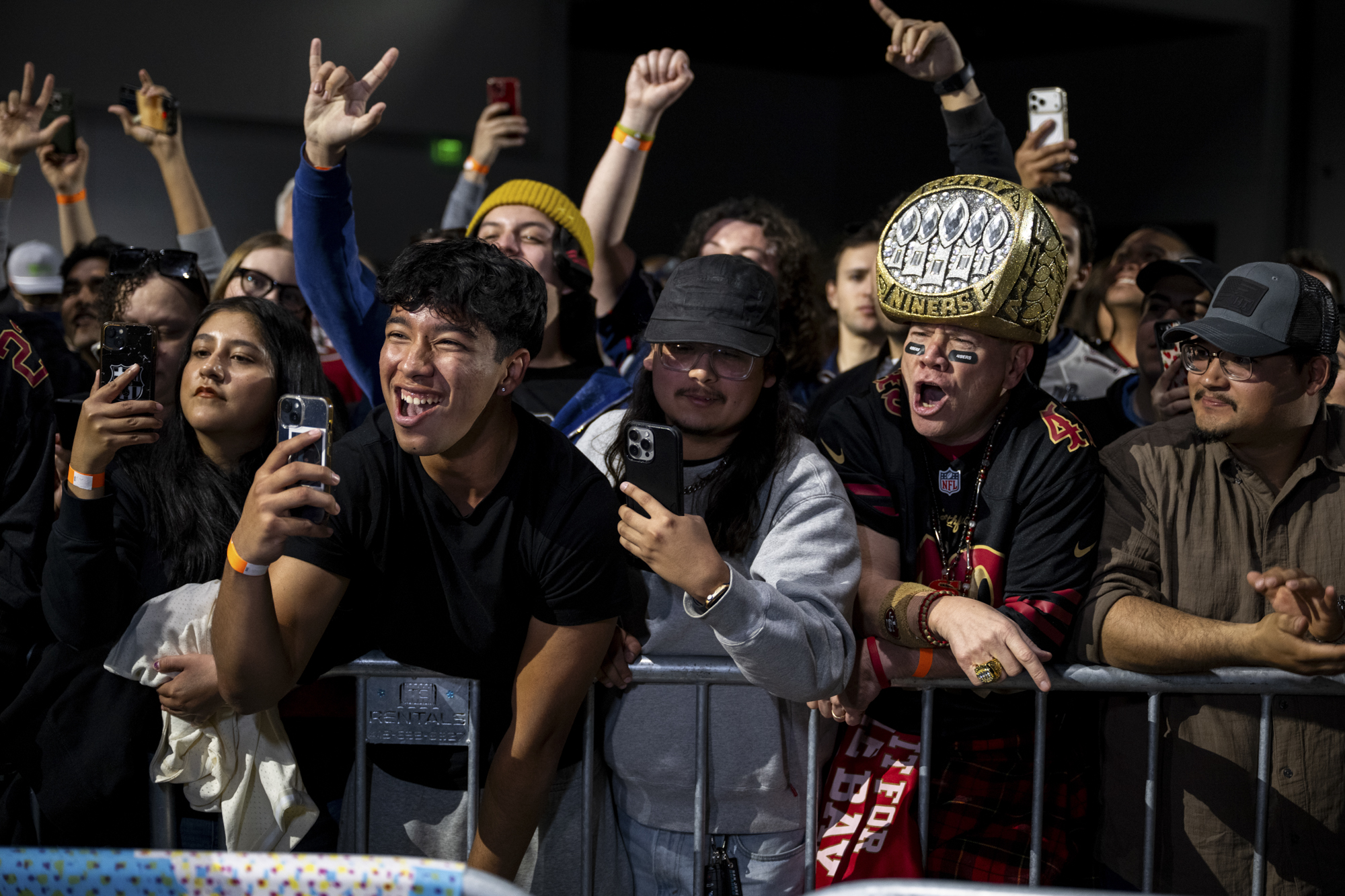
"caption": "Fans cheer during Super Bowl Opening Night at the San José Convention Center in San José on Feb. 2, 2026. As part of Super Bowl Week festivities, the event invites fans to celebrate the arrival of the Seattle Seahawks and New England Patriots ahead of Super Bowl LX.",
"credit": "Beth LaBerge/KQED",
"altTag": null,
"description": null,
"imgSizes": {
"thumbnail": {
"file": "https://cdn.kqed.org/wp-content/uploads/sites/10/2026/02/260202-SUPERBOWLOPENINGNIGHT-36-BL-KQED-160x107.jpg",
"width": 160,
"height": 107,
"mimeType": "image/jpeg"
},
"1536x1536": {
"file": "https://cdn.kqed.org/wp-content/uploads/sites/10/2026/02/260202-SUPERBOWLOPENINGNIGHT-36-BL-KQED-1536x1024.jpg",
"width": 1536,
"height": 1024,
"mimeType": "image/jpeg"
},
"post-thumbnail": {
"file": "https://cdn.kqed.org/wp-content/uploads/sites/10/2026/02/260202-SUPERBOWLOPENINGNIGHT-36-BL-KQED-672x372.jpg",
"width": 672,
"height": 372,
"mimeType": "image/jpeg"
},
"twentyfourteen-full-width": {
"file": "https://cdn.kqed.org/wp-content/uploads/sites/10/2026/02/260202-SUPERBOWLOPENINGNIGHT-36-BL-KQED-1038x576.jpg",
"width": 1038,
"height": 576,
"mimeType": "image/jpeg"
},
"npr-cds-wide": {
"file": "https://cdn.kqed.org/wp-content/uploads/sites/10/2026/02/260202-SUPERBOWLOPENINGNIGHT-36-BL-KQED-1200x675.jpg",
"width": 1200,
"height": 675,
"mimeType": "image/jpeg"
},
"kqedFullSize": {
"file": "https://cdn.kqed.org/wp-content/uploads/sites/10/2026/02/260202-SUPERBOWLOPENINGNIGHT-36-BL-KQED.jpg",
"width": 2000,
"height": 1333
}
},
"isLoading": false,
"fetchFailed": false
},
"news_12068296": {
"type": "attachments",
"id": "news_12068296",
"meta": {
"index": "attachments_1716263798",
"site": "news",
"id": "12068296",
"found": true
},
"title": "251222-PGEUpdates-22-BL_qed",
"publishDate": 1766442988,
"status": "inherit",
"parent": 0,
"modified": 1770076977,
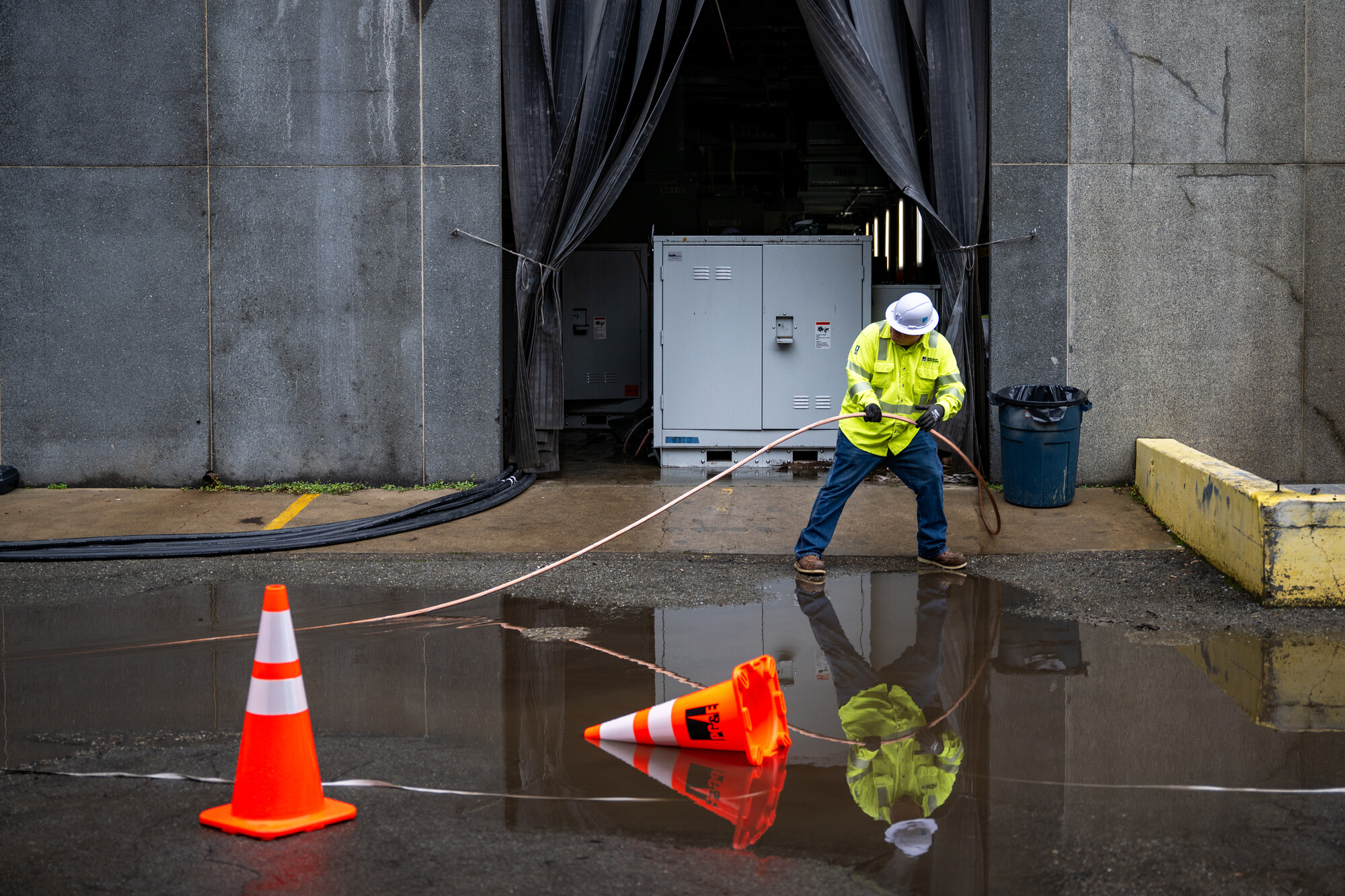
"caption": "A PG&E employee works to repair a substation on Mission and Eighth streets in San Francisco on Dec. 22, 2025, after a fire at the site over the weekend contributed to a major citywide power outage.",
"credit": "Beth LaBerge/KQED",
"altTag": null,
"description": null,
"imgSizes": {
"thumbnail": {
"file": "https://cdn.kqed.org/wp-content/uploads/sites/10/2025/12/251222-PGEUpdates-22-BL_qed-160x107.jpg",
"width": 160,
"height": 107,
"mimeType": "image/jpeg"
},
"1536x1536": {
"file": "https://cdn.kqed.org/wp-content/uploads/sites/10/2025/12/251222-PGEUpdates-22-BL_qed-1536x1024.jpg",
"width": 1536,
"height": 1024,
"mimeType": "image/jpeg"
},
"post-thumbnail": {
"file": "https://cdn.kqed.org/wp-content/uploads/sites/10/2025/12/251222-PGEUpdates-22-BL_qed-672x372.jpg",
"width": 672,
"height": 372,
"mimeType": "image/jpeg"
},
"twentyfourteen-full-width": {
"file": "https://cdn.kqed.org/wp-content/uploads/sites/10/2025/12/251222-PGEUpdates-22-BL_qed-1038x576.jpg",
"width": 1038,
"height": 576,
"mimeType": "image/jpeg"
},
"npr-cds-wide": {
"file": "https://cdn.kqed.org/wp-content/uploads/sites/10/2025/12/251222-PGEUpdates-22-BL_qed-1200x675.jpg",
"width": 1200,
"height": 675,
"mimeType": "image/jpeg"
},
"kqedFullSize": {
"file": "https://cdn.kqed.org/wp-content/uploads/sites/10/2025/12/251222-PGEUpdates-22-BL_qed.jpg",
"width": 2000,
"height": 1333
}
},
"isLoading": false,
"fetchFailed": false
},
"news_12071806": {
"type": "attachments",
"id": "news_12071806",
"meta": {
"index": "attachments_1716263798",
"site": "news",
"id": "12071806",
"found": true
},
"title": "013026_SUPERBOWLECONOMICDEV_GH_010_QED-KQED",
"publishDate": 1769814588,
"status": "inherit",
"parent": 0,
"modified": 1769814627,
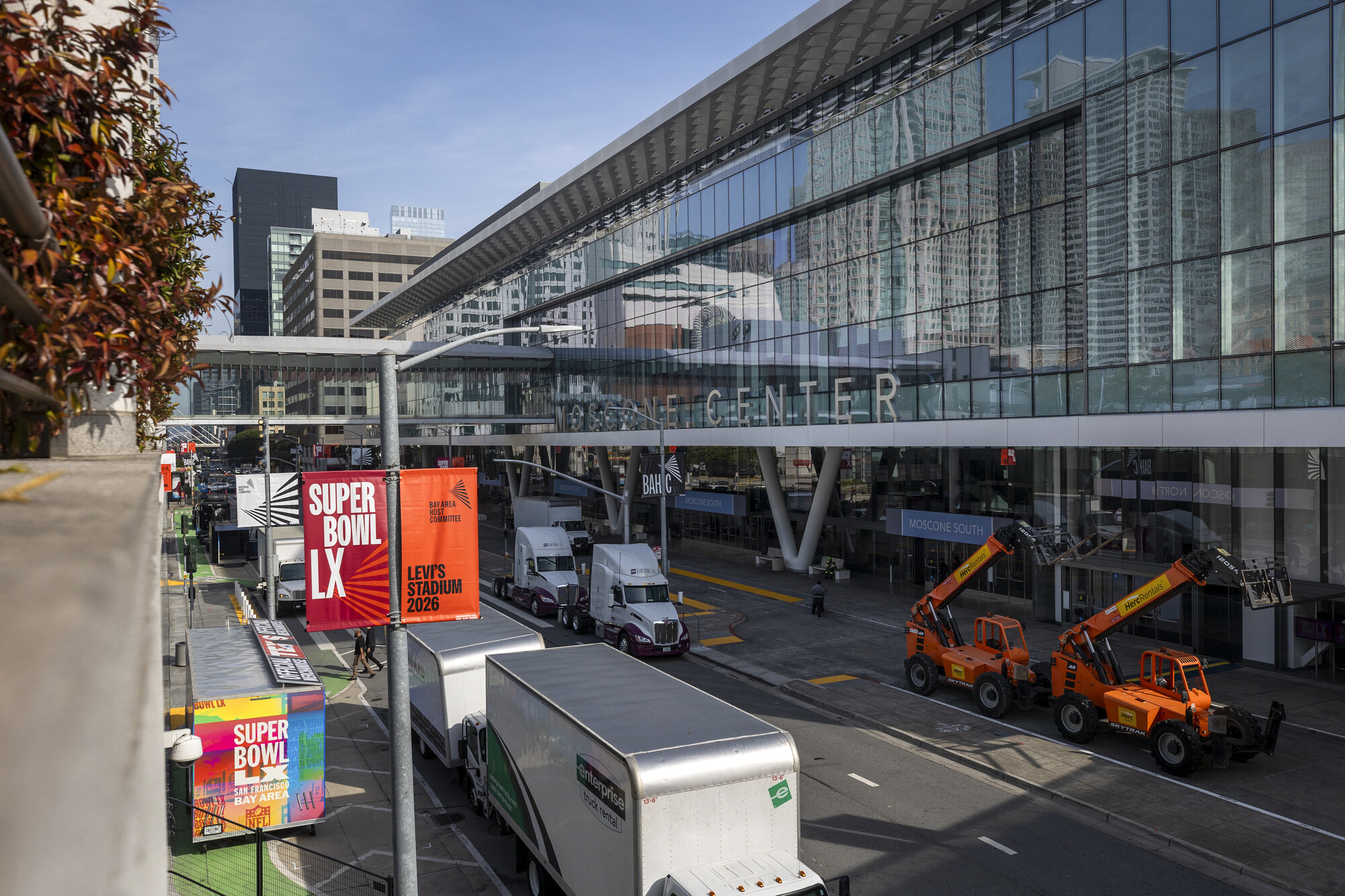
"caption": "Crews work outside the Moscone Center as preparations begin for Super Bowl Experience ahead of Super Bowl LX, Jan. 30, 2026, in San Francisco.",
"credit": null,
"altTag": null,
"description": null,
"imgSizes": {
"thumbnail": {
"file": "https://cdn.kqed.org/wp-content/uploads/sites/10/2026/01/013026_SUPERBOWLECONOMICDEV_GH_010_QED-KQED-160x107.jpg",
"width": 160,
"height": 107,
"mimeType": "image/jpeg"
},
"1536x1536": {
"file": "https://cdn.kqed.org/wp-content/uploads/sites/10/2026/01/013026_SUPERBOWLECONOMICDEV_GH_010_QED-KQED-1536x1024.jpg",
"width": 1536,
"height": 1024,
"mimeType": "image/jpeg"
},
"post-thumbnail": {
"file": "https://cdn.kqed.org/wp-content/uploads/sites/10/2026/01/013026_SUPERBOWLECONOMICDEV_GH_010_QED-KQED-672x372.jpg",
"width": 672,
"height": 372,
"mimeType": "image/jpeg"
},
"twentyfourteen-full-width": {
"file": "https://cdn.kqed.org/wp-content/uploads/sites/10/2026/01/013026_SUPERBOWLECONOMICDEV_GH_010_QED-KQED-1038x576.jpg",
"width": 1038,
"height": 576,
"mimeType": "image/jpeg"
},
"npr-cds-wide": {
"file": "https://cdn.kqed.org/wp-content/uploads/sites/10/2026/01/013026_SUPERBOWLECONOMICDEV_GH_010_QED-KQED-1200x675.jpg",
"width": 1200,
"height": 675,
"mimeType": "image/jpeg"
},
"kqedFullSize": {
"file": "https://cdn.kqed.org/wp-content/uploads/sites/10/2026/01/013026_SUPERBOWLECONOMICDEV_GH_010_QED-KQED.jpg",
"width": 2000,
"height": 1333
}
},
"isLoading": false,
"fetchFailed": false
},
"news_12071786": {
"type": "attachments",
"id": "news_12071786",
"meta": {
"index": "attachments_1716263798",
"site": "news",
"id": "12071786",
"found": true
},
"title": "260130-ICEOutProtest-04-BL",
"publishDate": 1769811921,
"status": "inherit",
"parent": 0,
"modified": 1769811936,
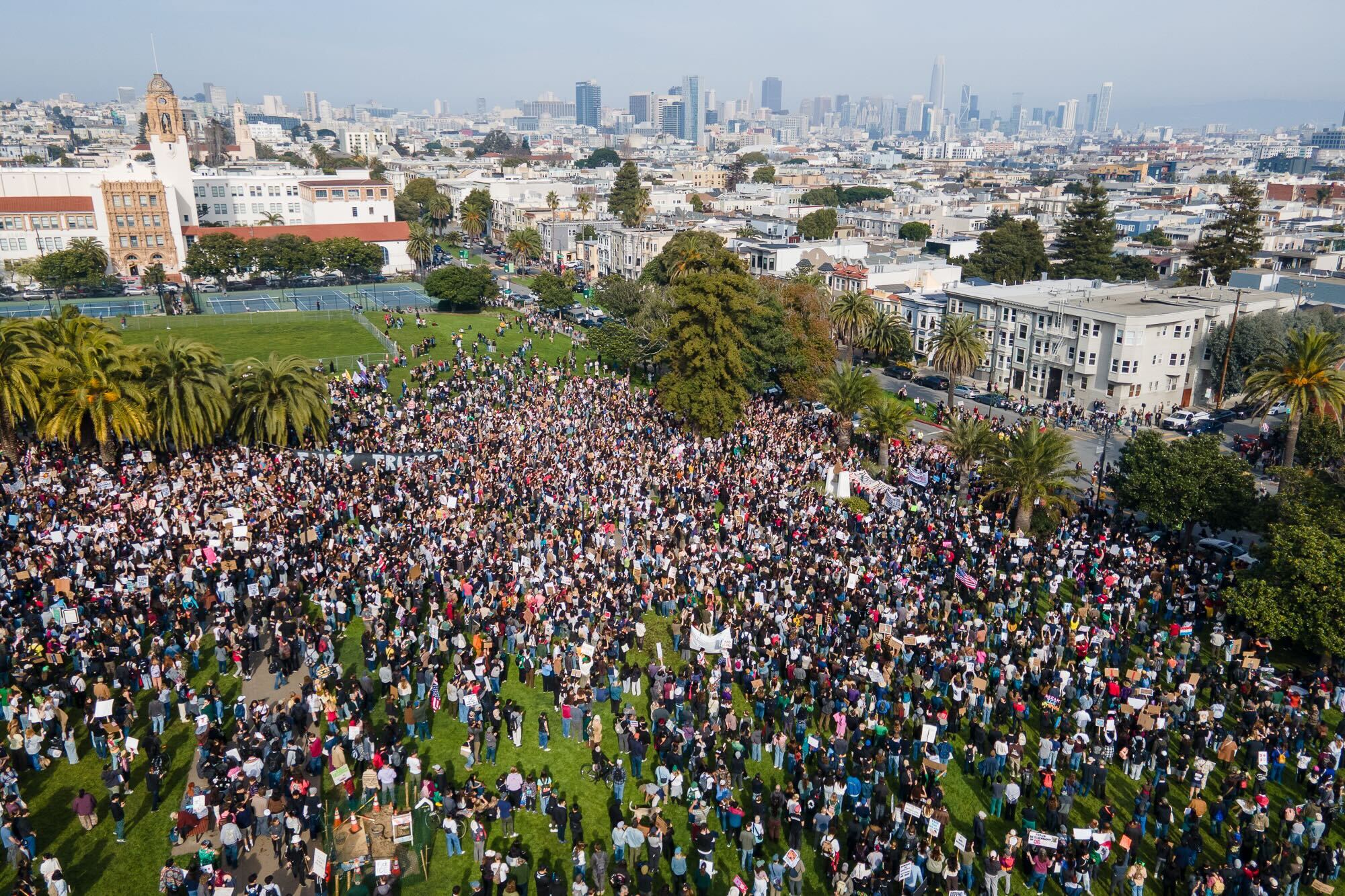
"caption": "Crowds fill Dolores Park as part of the ICE Out rally in San Francisco on Jan. 30, 2026.",
"credit": "Beth LaBerge/KQED",
"altTag": null,
"description": null,
"imgSizes": {
"thumbnail": {
"file": "https://cdn.kqed.org/wp-content/uploads/sites/10/2026/01/260130-ICEOutProtest-04-BL-160x107.jpg",
"width": 160,
"height": 107,
"mimeType": "image/jpeg"
},
"1536x1536": {
"file": "https://cdn.kqed.org/wp-content/uploads/sites/10/2026/01/260130-ICEOutProtest-04-BL-1536x1024.jpg",
"width": 1536,
"height": 1024,
"mimeType": "image/jpeg"
},
"post-thumbnail": {
"file": "https://cdn.kqed.org/wp-content/uploads/sites/10/2026/01/260130-ICEOutProtest-04-BL-672x372.jpg",
"width": 672,
"height": 372,
"mimeType": "image/jpeg"
},
"twentyfourteen-full-width": {
"file": "https://cdn.kqed.org/wp-content/uploads/sites/10/2026/01/260130-ICEOutProtest-04-BL-1038x576.jpg",
"width": 1038,
"height": 576,
"mimeType": "image/jpeg"
},
"npr-cds-wide": {
"file": "https://cdn.kqed.org/wp-content/uploads/sites/10/2026/01/260130-ICEOutProtest-04-BL-1200x675.jpg",
"width": 1200,
"height": 675,
"mimeType": "image/jpeg"
},
"kqedFullSize": {
"file": "https://cdn.kqed.org/wp-content/uploads/sites/10/2026/01/260130-ICEOutProtest-04-BL.jpg",
"width": 2000,
"height": 1333
}
},
"isLoading": false,
"fetchFailed": false
},
"news_12069121": {
"type": "attachments",
"id": "news_12069121",
"meta": {
"index": "attachments_1716263798",
"site": "news",
"id": "12069121",
"found": true
},
"title": "Renee Nicole Good Killing Protest",
"publishDate": 1767905302,
"status": "inherit",
"parent": 12069104,
"modified": 1768001664,
"caption": "Protesters take part in a vigil for Renee Nicole Good at Fruitvale Plaza Park in Oakland, California, on Wednesday, Jan. 7, 2025. Good, a legal observer, was fatally shot by an ICE agent in Minneapolis on Wednesday. ",
"credit": "Jane Tyska/Digital First Media/East Bay Times via Getty Images",
"altTag": null,
"description": null,
"imgSizes": {
"thumbnail": {
"file": "https://cdn.kqed.org/wp-content/uploads/sites/10/2026/01/ReneeGoodProtestOaklandGetty-160x114.jpg",
"width": 160,
"height": 114,
"mimeType": "image/jpeg"
},
"1536x1536": {
"file": "https://cdn.kqed.org/wp-content/uploads/sites/10/2026/01/ReneeGoodProtestOaklandGetty-1536x1096.jpg",
"width": 1536,
"height": 1096,
"mimeType": "image/jpeg"
},
"post-thumbnail": {
"file": "https://cdn.kqed.org/wp-content/uploads/sites/10/2026/01/ReneeGoodProtestOaklandGetty-672x372.jpg",
"width": 672,
"height": 372,
"mimeType": "image/jpeg"
},
"twentyfourteen-full-width": {
"file": "https://cdn.kqed.org/wp-content/uploads/sites/10/2026/01/ReneeGoodProtestOaklandGetty-1038x576.jpg",
"width": 1038,
"height": 576,
"mimeType": "image/jpeg"
},
"npr-cds-wide": {
"file": "https://cdn.kqed.org/wp-content/uploads/sites/10/2026/01/ReneeGoodProtestOaklandGetty-1200x675.jpg",
"width": 1200,
"height": 675,
"mimeType": "image/jpeg"
},
"kqedFullSize": {
"file": "https://cdn.kqed.org/wp-content/uploads/sites/10/2026/01/ReneeGoodProtestOaklandGetty.jpg",
"width": 2000,
"height": 1427
}
},
"isLoading": false,
"fetchFailed": false
},
"news_12071535": {
"type": "attachments",
"id": "news_12071535",
"meta": {
"index": "attachments_1716263798",
"site": "news",
"id": "12071535",
"found": true
},
"title": "MissionCulturalCenterElTec4",
"publishDate": 1769713582,
"status": "inherit",
"parent": 12071507,
"modified": 1769713743,
"caption": "A family walks past the closed Mission Cultural Center for the Latino Arts in San Francisco on Jan. 28, 2026, after the organization ran out of operating funds and shut down indefinitely.",
"credit": "Pablo Unzueta for El Tecolote/CatchLight Local",
"altTag": null,
"description": null,
"imgSizes": {
"thumbnail": {
"file": "https://cdn.kqed.org/wp-content/uploads/sites/10/2026/01/MissionCulturalCenterElTec4-160x106.jpg",
"width": 160,
"height": 106,
"mimeType": "image/jpeg"
},
"post-thumbnail": {
"file": "https://cdn.kqed.org/wp-content/uploads/sites/10/2026/01/MissionCulturalCenterElTec4-672x372.jpg",
"width": 672,
"height": 372,
"mimeType": "image/jpeg"
},
"twentyfourteen-full-width": {
"file": "https://cdn.kqed.org/wp-content/uploads/sites/10/2026/01/MissionCulturalCenterElTec4-1038x576.jpg",
"width": 1038,
"height": 576,
"mimeType": "image/jpeg"
},
"npr-cds-wide": {
"file": "https://cdn.kqed.org/wp-content/uploads/sites/10/2026/01/MissionCulturalCenterElTec4-1200x675.jpg",
"width": 1200,
"height": 675,
"mimeType": "image/jpeg"
},
"kqedFullSize": {
"file": "https://cdn.kqed.org/wp-content/uploads/sites/10/2026/01/MissionCulturalCenterElTec4.jpg",
"width": 1500,
"height": 998
}
},
"isLoading": false,
"fetchFailed": false
},
"news_12071365": {
"type": "attachments",
"id": "news_12071365",
"meta": {
"index": "attachments_1716263798",
"site": "news",
"id": "12071365",
"found": true
},
"title": "Moscone_Super_Bowl_closures",
"publishDate": 1769626659,
"status": "inherit",
"parent": 0,
"modified": 1769631064,
"caption": "Several areas in San Francisco will experience road closures around the Super Bowl, including streets around the Moscone Center, which is hosting the Super Bowl Experience.",
"credit": "SFMTA/Bay Area Hosting Committee",
"altTag": null,
"description": null,
"imgSizes": {
"thumbnail": {
"file": "https://cdn.kqed.org/wp-content/uploads/sites/10/2026/01/Moscone_Super_Bowl_closures-160x105.jpg",
"width": 160,
"height": 105,
"mimeType": "image/jpeg"
},
"1536x1536": {
"file": "https://cdn.kqed.org/wp-content/uploads/sites/10/2026/01/Moscone_Super_Bowl_closures-1536x1010.jpg",
"width": 1536,
"height": 1010,
"mimeType": "image/jpeg"
},
"post-thumbnail": {
"file": "https://cdn.kqed.org/wp-content/uploads/sites/10/2026/01/Moscone_Super_Bowl_closures-672x372.jpg",
"width": 672,
"height": 372,
"mimeType": "image/jpeg"
},
"twentyfourteen-full-width": {
"file": "https://cdn.kqed.org/wp-content/uploads/sites/10/2026/01/Moscone_Super_Bowl_closures-1038x576.jpg",
"width": 1038,
"height": 576,
"mimeType": "image/jpeg"
},
"npr-cds-wide": {
"file": "https://cdn.kqed.org/wp-content/uploads/sites/10/2026/01/Moscone_Super_Bowl_closures-1200x675.jpg",
"width": 1200,
"height": 675,
"mimeType": "image/jpeg"
},
"kqedFullSize": {
"file": "https://cdn.kqed.org/wp-content/uploads/sites/10/2026/01/Moscone_Super_Bowl_closures.jpg",
"width": 2000,
"height": 1315
}
},
"isLoading": false,
"fetchFailed": false
},
"news_12057143": {
"type": "attachments",
"id": "news_12057143",
"meta": {
"index": "attachments_1716263798",
"site": "news",
"id": "12057143",
"found": true
},
"title": "250919-UKRAINIANFARM_01564_TV-KQED",
"publishDate": 1758573555,
"status": "inherit",
"parent": 0,
"modified": 1769710301,
"caption": "The burial site of Ukrainian patriot and exiled Orthodox priest Agapius Honcharenko and his wife, Albania, overlooks a view of the city in Hayward on Sept. 19, 2025. “Ukraina” is the site of the farm and burial place of the Ukrainian patriot and exiled orthodox priest Agapius Honcharenko (1832-1916) and his wife Albina.",
"credit": "Tâm Vũ/KQED",
"altTag": null,
"description": null,
"imgSizes": {
"thumbnail": {
"file": "https://cdn.kqed.org/wp-content/uploads/sites/10/2025/09/250919-UKRAINIANFARM_01564_TV-KQED-160x107.jpg",
"width": 160,
"height": 107,
"mimeType": "image/jpeg"
},
"1536x1536": {
"file": "https://cdn.kqed.org/wp-content/uploads/sites/10/2025/09/250919-UKRAINIANFARM_01564_TV-KQED-1536x1024.jpg",
"width": 1536,
"height": 1024,
"mimeType": "image/jpeg"
},
"post-thumbnail": {
"file": "https://cdn.kqed.org/wp-content/uploads/sites/10/2025/09/250919-UKRAINIANFARM_01564_TV-KQED-672x372.jpg",
"width": 672,
"height": 372,
"mimeType": "image/jpeg"
},
"twentyfourteen-full-width": {
"file": "https://cdn.kqed.org/wp-content/uploads/sites/10/2025/09/250919-UKRAINIANFARM_01564_TV-KQED-1038x576.jpg",
"width": 1038,
"height": 576,
"mimeType": "image/jpeg"
},
"kqedFullSize": {
"file": "https://cdn.kqed.org/wp-content/uploads/sites/10/2025/09/250919-UKRAINIANFARM_01564_TV-KQED.jpg",
"width": 2000,
"height": 1333
}
},
"isLoading": false,
"fetchFailed": false
},
"news_12025666": {
"type": "attachments",
"id": "news_12025666",
"meta": {
"index": "attachments_1716263798",
"site": "news",
"id": "12025666",
"found": true
},
"title": "250204-WeCantWait-13-BL",
"publishDate": 1738707457,
"status": "inherit",
"parent": 12025440,
"modified": 1764877024,
"caption": "Cassondra Curiel, president of United Educators of San Francisco, speaks during a press conference at Buena Vista Horace Mann K-8 Community School in San Francisco’s Mission District on Feb. 4, 2025.",
"credit": "Beth LaBerge/KQED",
"altTag": null,
"description": null,
"imgSizes": {
"medium": {
"file": "https://cdn.kqed.org/wp-content/uploads/sites/10/2025/02/250204-WeCantWait-13-BL-800x533.jpg",
"width": 800,
"height": 533,
"mimeType": "image/jpeg"
},
"large": {
"file": "https://cdn.kqed.org/wp-content/uploads/sites/10/2025/02/250204-WeCantWait-13-BL-1020x680.jpg",
"width": 1020,
"height": 680,
"mimeType": "image/jpeg"
},
"thumbnail": {
"file": "https://cdn.kqed.org/wp-content/uploads/sites/10/2025/02/250204-WeCantWait-13-BL-160x107.jpg",
"width": 160,
"height": 107,
"mimeType": "image/jpeg"
},
"1536x1536": {
"file": "https://cdn.kqed.org/wp-content/uploads/sites/10/2025/02/250204-WeCantWait-13-BL-1536x1024.jpg",
"width": 1536,
"height": 1024,
"mimeType": "image/jpeg"
},
"post-thumbnail": {
"file": "https://cdn.kqed.org/wp-content/uploads/sites/10/2025/02/250204-WeCantWait-13-BL-672x372.jpg",
"width": 672,
"height": 372,
"mimeType": "image/jpeg"
},
"twentyfourteen-full-width": {
"file": "https://cdn.kqed.org/wp-content/uploads/sites/10/2025/02/250204-WeCantWait-13-BL-1038x576.jpg",
"width": 1038,
"height": 576,
"mimeType": "image/jpeg"
},
"full-width": {
"file": "https://cdn.kqed.org/wp-content/uploads/sites/10/2025/02/250204-WeCantWait-13-BL-1920x1280.jpg",
"width": 1920,
"height": 1280,
"mimeType": "image/jpeg"
},
"kqedFullSize": {
"file": "https://cdn.kqed.org/wp-content/uploads/sites/10/2025/02/250204-WeCantWait-13-BL.jpg",
"width": 2000,
"height": 1333
}
},
"isLoading": false,
"fetchFailed": false
},
"news_12067431": {
"type": "attachments",
"id": "news_12067431",
"meta": {
"index": "attachments_1716263798",
"site": "news",
"id": "12067431",
"found": true
},
"title": "251216-ICEPROTEST-33-BL-KQED",
"publishDate": 1765914098,
"status": "inherit",
"parent": 12073445,
"modified": 1771019610,
"caption": "Department of Homeland Security officers detain demonstrators outside of the ICE field offices in San Francisco on Dec. 16, 2025.",
"credit": "Beth LaBerge/KQED",
"altTag": null,
"description": null,
"imgSizes": {
"thumbnail": {
"file": "https://cdn.kqed.org/wp-content/uploads/sites/10/2025/12/251216-ICEPROTEST-33-BL-KQED-160x107.jpg",
"width": 160,
"height": 107,
"mimeType": "image/jpeg"
},
"1536x1536": {
"file": "https://cdn.kqed.org/wp-content/uploads/sites/10/2025/12/251216-ICEPROTEST-33-BL-KQED-1536x1024.jpg",
"width": 1536,
"height": 1024,
"mimeType": "image/jpeg"
},
"post-thumbnail": {
"file": "https://cdn.kqed.org/wp-content/uploads/sites/10/2025/12/251216-ICEPROTEST-33-BL-KQED-672x372.jpg",
"width": 672,
"height": 372,
"mimeType": "image/jpeg"
},
"twentyfourteen-full-width": {
"file": "https://cdn.kqed.org/wp-content/uploads/sites/10/2025/12/251216-ICEPROTEST-33-BL-KQED-1038x576.jpg",
"width": 1038,
"height": 576,
"mimeType": "image/jpeg"
},
"npr-cds-wide": {
"file": "https://cdn.kqed.org/wp-content/uploads/sites/10/2025/12/251216-ICEPROTEST-33-BL-KQED-1200x675.jpg",
"width": 1200,
"height": 675,
"mimeType": "image/jpeg"
},
"kqedFullSize": {
"file": "https://cdn.kqed.org/wp-content/uploads/sites/10/2025/12/251216-ICEPROTEST-33-BL-KQED.jpg",
"width": 2000,
"height": 1333
}
},
"isLoading": false,
"fetchFailed": false
},
"news_12071245": {
"type": "attachments",
"id": "news_12071245",
"meta": {
"index": "attachments_1716263798",
"site": "news",
"id": "12071245",
"found": true
},
"title": "260127-MOUNTAINLION00949_TV-KQED",
"publishDate": 1769547977,
"status": "inherit",
"parent": 0,
"modified": 1769548141,
"caption": "California Department of Fish and Wildlife members load the cage containing the juvenile mountain lion onto a truck outside an apartment building on Octavia and California streets, in San Francisco, on Jan. 27, 2026.",
"credit": "Tâm Vũ/KQED",
"altTag": null,
"description": null,
"imgSizes": {
"thumbnail": {
"file": "https://cdn.kqed.org/wp-content/uploads/sites/10/2026/01/260127-MOUNTAINLION00949_TV-KQED-160x107.jpg",
"width": 160,
"height": 107,
"mimeType": "image/jpeg"
},
"1536x1536": {
"file": "https://cdn.kqed.org/wp-content/uploads/sites/10/2026/01/260127-MOUNTAINLION00949_TV-KQED-1536x1024.jpg",
"width": 1536,
"height": 1024,
"mimeType": "image/jpeg"
},
"post-thumbnail": {
"file": "https://cdn.kqed.org/wp-content/uploads/sites/10/2026/01/260127-MOUNTAINLION00949_TV-KQED-672x372.jpg",
"width": 672,
"height": 372,
"mimeType": "image/jpeg"
},
"twentyfourteen-full-width": {
"file": "https://cdn.kqed.org/wp-content/uploads/sites/10/2026/01/260127-MOUNTAINLION00949_TV-KQED-1038x576.jpg",
"width": 1038,
"height": 576,
"mimeType": "image/jpeg"
},
"npr-cds-wide": {
"file": "https://cdn.kqed.org/wp-content/uploads/sites/10/2026/01/260127-MOUNTAINLION00949_TV-KQED-1200x675.jpg",
"width": 1200,
"height": 675,
"mimeType": "image/jpeg"
},
"kqedFullSize": {
"file": "https://cdn.kqed.org/wp-content/uploads/sites/10/2026/01/260127-MOUNTAINLION00949_TV-KQED.jpg",
"width": 2000,
"height": 1333
}
},
"isLoading": false,
"fetchFailed": false
},
"news_12070748": {
"type": "attachments",
"id": "news_12070748",
"meta": {
"index": "attachments_1716263798",
"site": "news",
"id": "12070748",
"found": true
},
"title": "260121-LuriePBLive-05-BL",
"publishDate": 1769056060,
"status": "inherit",
"parent": 0,
"modified": 1769056077,
"caption": "Mayor Daniel Lurie speaks with Political Breakdown hosts Marisa Lagos and Scott Shafer during a KQED Live event in San Francisco on Jan. 21, 2026.",
"credit": "Beth LaBerge/KQED",
"altTag": null,
"description": null,
"imgSizes": {
"thumbnail": {
"file": "https://cdn.kqed.org/wp-content/uploads/sites/10/2026/01/260121-LuriePBLive-05-BL-160x107.jpg",
"width": 160,
"height": 107,
"mimeType": "image/jpeg"
},
"1536x1536": {
"file": "https://cdn.kqed.org/wp-content/uploads/sites/10/2026/01/260121-LuriePBLive-05-BL-1536x1024.jpg",
"width": 1536,
"height": 1024,
"mimeType": "image/jpeg"
},
"post-thumbnail": {
"file": "https://cdn.kqed.org/wp-content/uploads/sites/10/2026/01/260121-LuriePBLive-05-BL-672x372.jpg",
"width": 672,
"height": 372,
"mimeType": "image/jpeg"
},
"twentyfourteen-full-width": {
"file": "https://cdn.kqed.org/wp-content/uploads/sites/10/2026/01/260121-LuriePBLive-05-BL-1038x576.jpg",
"width": 1038,
"height": 576,
"mimeType": "image/jpeg"
},
"npr-cds-wide": {
"file": "https://cdn.kqed.org/wp-content/uploads/sites/10/2026/01/260121-LuriePBLive-05-BL-1200x675.jpg",
"width": 1200,
"height": 675,
"mimeType": "image/jpeg"
},
"kqedFullSize": {
"file": "https://cdn.kqed.org/wp-content/uploads/sites/10/2026/01/260121-LuriePBLive-05-BL.jpg",
"width": 2000,
"height": 1333
}
},
"isLoading": false,
"fetchFailed": false
}
},
"audioPlayerReducer": {
"postId": "stream_live",
"isPaused": true,
"isPlaying": false,
"pfsActive": false,
"pledgeModalIsOpen": true,
"playerDrawerIsOpen": false,
"liveAudioPlayStartedAt": 0,
"liveAudioPlayContext": ""
},
"authorsReducer": {
"byline_news_12071507": {
"type": "authors",
"id": "byline_news_12071507",
"meta": {
"override": true
},
"slug": "byline_news_12071507",
"name": "Beatriz Johnston Hernández, El Tecolote",
"isLoading": false
},
"gmarzorati": {
"type": "authors",
"id": "227",
"meta": {
"index": "authors_1716337520",
"id": "227",
"found": true
},
"name": "Guy Marzorati",
"firstName": "Guy",
"lastName": "Marzorati",
"slug": "gmarzorati",
"email": "gmarzorati@KQED.org",
"display_author_email": true,
"staff_mastheads": [
"news"
],
"title": "Correspondent",
"bio": "Guy Marzorati is a correspondent on KQED's California Politics and Government Desk, based in San Jose. A graduate of Santa Clara University, Guy joined KQED in 2013. He reports on state and local politics and produces KQED's digital voter guide.",
"avatar": "https://secure.gravatar.com/avatar/e7038b8dbfd55b104369b76b1cd0b9de?s=600&d=blank&r=g",
"twitter": "guymarzorati",
"facebook": null,
"instagram": null,
"linkedin": null,
"sites": [
{
"site": "",
"roles": [
"editor"
]
},
{
"site": "news",
"roles": [
"editor"
]
},
{
"site": "science",
"roles": [
"editor"
]
},
{
"site": "forum",
"roles": [
"editor"
]
},
{
"site": "elections",
"roles": [
"editor"
]
},
{
"site": "liveblog",
"roles": [
"editor"
]
}
],
"headData": {
"title": "Guy Marzorati | KQED",
"description": "Correspondent",
"ogImgSrc": "https://secure.gravatar.com/avatar/e7038b8dbfd55b104369b76b1cd0b9de?s=600&d=blank&r=g",
"twImgSrc": "https://secure.gravatar.com/avatar/e7038b8dbfd55b104369b76b1cd0b9de?s=600&d=blank&r=g"
},
"isLoading": false,
"link": "/author/gmarzorati"
},
"rachael-myrow": {
"type": "authors",
"id": "251",
"meta": {
"index": "authors_1716337520",
"id": "251",
"found": true
},
"name": "Rachael Myrow",
"firstName": "Rachael",
"lastName": "Myrow",
"slug": "rachael-myrow",
"email": "rmyrow@kqed.org",
"display_author_email": true,
"staff_mastheads": [
"news"
],
"title": "Senior Editor of KQED's Silicon Valley News Desk",
"bio": "• I write and edit stories about how Silicon Valley power and policies shape everyday life in California. I’m also passionate about making Bay Area history and culture more accessible to a broad public. • I’ve been a journalist for most of my life, starting in high school with The Franklin Press in Los Angeles, where I grew up. While earning my first degree in English at UC Berkeley, I got my start in public radio at KALX-FM. After completing a second degree in journalism at Cal, I landed my first professional job at Marketplace, then moved on to KPCC (now LAist), and then KQED, where I hosted The California Report for more than seven years. • My reporting has appeared on NPR, The World, WBUR’s \u003ci>Here & Now\u003c/i>, and the BBC. I also guest host for KQED’s \u003ci>Forum\u003c/i>, as well as the Commonwealth Club in San Francisco. • I speak periodically on media, democracy and technology issues, and do voiceover work for documentaries and educational video projects. • Outside of the studio, you'll find me hiking Bay Area trails and whipping up Insta-ready meals in my kitchen. • I do not accept gifts, money, or favors from anyone connected to my reporting, I don't pay people for information, and I do not support or donate to political causes. • I strive to treat the people I report on with fairness, honesty, and respect. I also recognize there are often multiple sides to a story and work to verify information through multiple sources and documentation. If I get something wrong, I correct it.",
"avatar": "https://secure.gravatar.com/avatar/3ed8a3c5f26025e4a805ba634cda8cd764906b97438a6d9ce216b044e340da4e?s=600&d=blank&r=g",
"twitter": "rachaelmyrow",
"bluesky": null,
"facebook": null,
"instagram": null,
"linkedin": "https://www.linkedin.com/in/rachaelmyrow/",
"sites": [
{
"site": "arts",
"roles": [
"administrator"
]
},
{
"site": "news",
"roles": [
"edit_others_posts",
"editor"
]
},
{
"site": "futureofyou",
"roles": [
"editor"
]
},
{
"site": "bayareabites",
"roles": [
"editor"
]
},
{
"site": "stateofhealth",
"roles": [
"editor"
]
},
{
"site": "science",
"roles": [
"editor"
]
},
{
"site": "food",
"roles": [
"editor"
]
},
{
"site": "forum",
"roles": [
"editor"
]
},
{
"site": "liveblog",
"roles": [
"author"
]
}
],
"headData": {
"title": "Rachael Myrow | KQED",
"description": "Senior Editor of KQED's Silicon Valley News Desk",
"ogImgSrc": "https://secure.gravatar.com/avatar/3ed8a3c5f26025e4a805ba634cda8cd764906b97438a6d9ce216b044e340da4e?s=600&d=blank&r=g",
"twImgSrc": "https://secure.gravatar.com/avatar/3ed8a3c5f26025e4a805ba634cda8cd764906b97438a6d9ce216b044e340da4e?s=600&d=blank&r=g"
},
"isLoading": false,
"link": "/author/rachael-myrow"
},
"carlysevern": {
"type": "authors",
"id": "3243",
"meta": {
"index": "authors_1716337520",
"id": "3243",
"found": true
},
"name": "Carly Severn",
"firstName": "Carly",
"lastName": "Severn",
"slug": "carlysevern",
"email": "csevern@kqed.org",
"display_author_email": false,
"staff_mastheads": [
"news"
],
"title": "Senior Editor, Audience News ",
"bio": "Carly is KQED's Senior Editor of Audience News on the Digital News team, and has reported for the California Report Magazine, Bay Curious and KQED Arts. She's formerly the host of \u003ca href=\"http://ww2.kqed.org/pop/category/the-cooler/\" rel=\"noopener noreferrer\">The Cooler\u003c/a> podcast.",
"avatar": "https://secure.gravatar.com/avatar/54037bf5c128fe678f0ef26cec97a93f2e7f220a22d7285703328f12c42c1b1d?s=600&d=blank&r=g",
"twitter": "teacupinthebay",
"bluesky": null,
"facebook": null,
"instagram": null,
"linkedin": null,
"sites": [
{
"site": "",
"roles": [
"editor"
]
},
{
"site": "arts",
"roles": [
"editor"
]
},
{
"site": "news",
"roles": [
"administrator"
]
},
{
"site": "pop",
"roles": [
"editor"
]
},
{
"site": "futureofyou",
"roles": [
"editor"
]
},
{
"site": "about",
"roles": [
"administrator"
]
},
{
"site": "mindshift",
"roles": [
"editor"
]
},
{
"site": "bayareabites",
"roles": [
"editor"
]
},
{
"site": "stateofhealth",
"roles": [
"editor"
]
},
{
"site": "science",
"roles": [
"editor"
]
},
{
"site": "food",
"roles": [
"contributor"
]
},
{
"site": "forum",
"roles": [
"editor"
]
},
{
"site": "perspectives",
"roles": [
"administrator"
]
},
{
"site": "liveblog",
"roles": [
"editor"
]
}
],
"headData": {
"title": "Carly Severn | KQED",
"description": "Senior Editor, Audience News ",
"ogImgSrc": "https://secure.gravatar.com/avatar/54037bf5c128fe678f0ef26cec97a93f2e7f220a22d7285703328f12c42c1b1d?s=600&d=blank&r=g",
"twImgSrc": "https://secure.gravatar.com/avatar/54037bf5c128fe678f0ef26cec97a93f2e7f220a22d7285703328f12c42c1b1d?s=600&d=blank&r=g"
},
"isLoading": false,
"link": "/author/carlysevern"
},
"ecruzguevarra": {
"type": "authors",
"id": "8654",
"meta": {
"index": "authors_1716337520",
"id": "8654",
"found": true
},
"name": "Ericka Cruz Guevarra",
"firstName": "Ericka",
"lastName": "Cruz Guevarra",
"slug": "ecruzguevarra",
"email": "ecruzguevarra@kqed.org",
"display_author_email": true,
"staff_mastheads": [
"news"
],
"title": "Producer, The Bay Podcast",
"bio": "Ericka Cruz Guevarra is host of \u003ca href=\"https://www.kqed.org/podcasts/thebay\">\u003cem>The Bay\u003c/em>\u003c/a> podcast at KQED. Before host, she was the show’s producer. Her work in that capacity includes a three-part reported series on policing in Vallejo, which won a 2020 excellence in journalism award from the Society of Professional Journalists. Ericka has worked as a breaking news reporter at Oregon Public Broadcasting, helped produce the Code Switch podcast, and was KQED’s inaugural Raul Ramirez Diversity Fund intern. She’s also an alumna of NPR’s Next Generation Radio program. Send her an email if you have strong feelings about whether Fairfield and Suisun City are the Bay. Ericka is represented by SAG-AFTRA.",
"avatar": "https://secure.gravatar.com/avatar/accefc1de4bafc7e234b69bcb9b6f6536c130fd84709bc3069ef11a78787e1bb?s=600&d=blank&r=g",
"twitter": "NotoriousECG",
"bluesky": null,
"facebook": null,
"instagram": null,
"linkedin": null,
"sites": [
{
"site": "arts",
"roles": [
"subscriber"
]
},
{
"site": "news",
"roles": [
"editor",
"manage_categories"
]
},
{
"site": "futureofyou",
"roles": [
"subscriber"
]
},
{
"site": "stateofhealth",
"roles": [
"subscriber"
]
},
{
"site": "science",
"roles": [
"editor"
]
},
{
"site": "forum",
"roles": [
"subscriber"
]
}
],
"headData": {
"title": "Ericka Cruz Guevarra | KQED",
"description": "Producer, The Bay Podcast",
"ogImgSrc": "https://secure.gravatar.com/avatar/accefc1de4bafc7e234b69bcb9b6f6536c130fd84709bc3069ef11a78787e1bb?s=600&d=blank&r=g",
"twImgSrc": "https://secure.gravatar.com/avatar/accefc1de4bafc7e234b69bcb9b6f6536c130fd84709bc3069ef11a78787e1bb?s=600&d=blank&r=g"
},
"isLoading": false,
"link": "/author/ecruzguevarra"
},
"amontecillo": {
"type": "authors",
"id": "11649",
"meta": {
"index": "authors_1716337520",
"id": "11649",
"found": true
},
"name": "Alan Montecillo",
"firstName": "Alan",
"lastName": "Montecillo",
"slug": "amontecillo",
"email": "amontecillo@kqed.org",
"display_author_email": false,
"staff_mastheads": [
"news"
],
"title": "KQED Contributor",
"bio": "Alan Montecillo is the senior editor of \u003cem>\u003ca href=\"http://kqed.org/thebay\">The Bay\u003c/a>, \u003c/em> KQED's local news podcast. Before moving to the Bay Area, he worked as a senior talk show producer for WILL in Champaign-Urbana, Illinois and at Oregon Public Broadcasting in Portland, Oregon. He has won journalism awards from the Society of Professional Journalists Northern California, the Public Media Journalists Association, The Signal Awards, and has also received a regional Edward R. Murrow award. Alan is a Filipino American from Hong Kong and a graduate of Reed College.",
"avatar": "https://secure.gravatar.com/avatar/268f53a2066899ea9efdd8a5900218b17c822d9862cbc9326cccec53ef41d349?s=600&d=blank&r=g",
"twitter": "alanmontecillo",
"bluesky": null,
"facebook": null,
"instagram": null,
"linkedin": null,
"sites": [
{
"site": "",
"roles": [
"editor"
]
},
{
"site": "news",
"roles": [
"editor",
"manage_categories"
]
}
],
"headData": {
"title": "Alan Montecillo | KQED",
"description": "KQED Contributor",
"ogImgSrc": "https://secure.gravatar.com/avatar/268f53a2066899ea9efdd8a5900218b17c822d9862cbc9326cccec53ef41d349?s=600&d=blank&r=g",
"twImgSrc": "https://secure.gravatar.com/avatar/268f53a2066899ea9efdd8a5900218b17c822d9862cbc9326cccec53ef41d349?s=600&d=blank&r=g"
},
"isLoading": false,
"link": "/author/amontecillo"
},
"abandlamudi": {
"type": "authors",
"id": "11672",
"meta": {
"index": "authors_1716337520",
"id": "11672",
"found": true
},
"name": "Adhiti Bandlamudi",
"firstName": "Adhiti",
"lastName": "Bandlamudi",
"slug": "abandlamudi",
"email": "abandlamudi@kqed.org",
"display_author_email": false,
"staff_mastheads": [
"news"
],
"title": "KQED Housing Reporter",
"bio": "Adhiti Bandlamudi reports for KQED's Housing desk. She focuses on how housing gets built across the Bay Area. Before joining KQED in 2020, she reported for WUNC in Durham, North Carolina, WABE in Atlanta, Georgia and Capital Public Radio in Sacramento. In 2017, she was awarded a Kroc Fellowship at NPR where she reported on everything from sprinkles to the Golden State Killer's arrest. When she's not reporting, she's baking new recipes in her kitchen or watching movies with friends and family. She's originally from Georgia and has strong opinions about Great British Bake Off.",
"avatar": "https://secure.gravatar.com/avatar/868129c8b257bb99a3500e2c86a65400?s=600&d=mm&r=g",
"twitter": "oddity_adhiti",
"facebook": null,
"instagram": null,
"linkedin": null,
"sites": [
{
"site": "arts",
"roles": [
"author"
]
},
{
"site": "news",
"roles": [
"editor"
]
},
{
"site": "liveblog",
"roles": [
"author"
]
}
],
"headData": {
"title": "Adhiti Bandlamudi | KQED",
"description": "KQED Housing Reporter",
"ogImgSrc": "https://secure.gravatar.com/avatar/868129c8b257bb99a3500e2c86a65400?s=600&d=mm&r=g",
"twImgSrc": "https://secure.gravatar.com/avatar/868129c8b257bb99a3500e2c86a65400?s=600&d=mm&r=g"
},
"isLoading": false,
"link": "/author/abandlamudi"
},
"jlara": {
"type": "authors",
"id": "11761",
"meta": {
"index": "authors_1716337520",
"id": "11761",
"found": true
},
"name": "Juan Carlos Lara",
"firstName": "Juan Carlos",
"lastName": "Lara",
"slug": "jlara",
"email": "jlara@kqed.org",
"display_author_email": false,
"staff_mastheads": [],
"title": "KQED Contributor",
"bio": null,
"avatar": "https://secure.gravatar.com/avatar/19e2052b9b05657c5ff2af2121846e9c?s=600&d=blank&r=g",
"twitter": null,
"facebook": null,
"instagram": null,
"linkedin": null,
"sites": [
{
"site": "arts",
"roles": [
"editor"
]
},
{
"site": "news",
"roles": [
"editor"
]
},
{
"site": "forum",
"roles": [
"editor"
]
},
{
"site": "liveblog",
"roles": [
"contributor"
]
}
],
"headData": {
"title": "Juan Carlos Lara | KQED",
"description": "KQED Contributor",
"ogImgSrc": "https://secure.gravatar.com/avatar/19e2052b9b05657c5ff2af2121846e9c?s=600&d=blank&r=g",
"twImgSrc": "https://secure.gravatar.com/avatar/19e2052b9b05657c5ff2af2121846e9c?s=600&d=blank&r=g"
},
"isLoading": false,
"link": "/author/jlara"
},
"adahlstromeckman": {
"type": "authors",
"id": "11785",
"meta": {
"index": "authors_1716337520",
"id": "11785",
"found": true
},
"name": "Azul Dahlstrom-Eckman",
"firstName": "Azul",
"lastName": "Dahlstrom-Eckman",
"slug": "adahlstromeckman",
"email": "adahlstrom-eckman@kqed.org",
"display_author_email": true,
"staff_mastheads": [],
"title": "Reporter",
"bio": "Azul is a reporter for KQED focusing on transportation and features. He joined KQED in 2021 as an alumna of KALW's Audio Academy radio journalism training program.",
"avatar": "https://secure.gravatar.com/avatar/9cb750298435add7815a777f55bf1f46845c1386bb8452555c60a7b820b5aba3?s=600&d=blank&r=g",
"twitter": "@zuliemann",
"bluesky": "@azul415.bsky.social",
"facebook": null,
"instagram": null,
"linkedin": null,
"sites": [
{
"site": "arts",
"roles": [
"editor"
]
},
{
"site": "news",
"roles": [
"editor"
]
},
{
"site": "science",
"roles": [
"editor"
]
},
{
"site": "liveblog",
"roles": [
"author"
]
}
],
"headData": {
"title": "Azul Dahlstrom-Eckman | KQED",
"description": "Reporter",
"ogImgSrc": "https://secure.gravatar.com/avatar/9cb750298435add7815a777f55bf1f46845c1386bb8452555c60a7b820b5aba3?s=600&d=blank&r=g",
"twImgSrc": "https://secure.gravatar.com/avatar/9cb750298435add7815a777f55bf1f46845c1386bb8452555c60a7b820b5aba3?s=600&d=blank&r=g"
},
"isLoading": false,
"link": "/author/adahlstromeckman"
},
"jessicakariisa": {
"type": "authors",
"id": "11831",
"meta": {
"index": "authors_1716337520",
"id": "11831",
"found": true
},
"name": "Jessica Kariisa",
"firstName": "Jessica",
"lastName": "Kariisa",
"slug": "jessicakariisa",
"email": "jkariisa@kqed.org",
"display_author_email": false,
"staff_mastheads": [],
"title": "Producer, The Bay",
"bio": "Jessica Kariisa is the producer of The Bay. She first joined KQED as an intern for The California Report Magazine, after which she became an on-call producer. She reported a Bay Curious episode on the use of rap lyrics in criminal trials which won a Society of Professional Journalists award in 2023 for Excellence in Features Journalism and the 2023 Signal Award for Best Conversation Starter. She’s worked on podcasts for Snap Judgment and American Public Media. Before embarking on her audio career, she was a music journalist.\r\n\r\nJessica Kariisa is represented by SAG-AFTRA.",
"avatar": "https://secure.gravatar.com/avatar/522e97b28ac0b3d411621c0fde8f3419c7b71ea2c5c262c57c4bb600963f328c?s=600&d=blank&r=g",
"twitter": null,
"bluesky": null,
"facebook": null,
"instagram": null,
"linkedin": null,
"sites": [
{
"site": "arts",
"roles": [
"author"
]
},
{
"site": "news",
"roles": [
"editor",
"manage_categories"
]
}
],
"headData": {
"title": "Jessica Kariisa | KQED",
"description": "Producer, The Bay",
"ogImgSrc": "https://secure.gravatar.com/avatar/522e97b28ac0b3d411621c0fde8f3419c7b71ea2c5c262c57c4bb600963f328c?s=600&d=blank&r=g",
"twImgSrc": "https://secure.gravatar.com/avatar/522e97b28ac0b3d411621c0fde8f3419c7b71ea2c5c262c57c4bb600963f328c?s=600&d=blank&r=g"
},
"isLoading": false,
"link": "/author/jessicakariisa"
},
"sjohnson": {
"type": "authors",
"id": "11840",
"meta": {
"index": "authors_1716337520",
"id": "11840",
"found": true
},
"name": "Sydney Johnson",
"firstName": "Sydney",
"lastName": "Johnson",
"slug": "sjohnson",
"email": "sjohnson@kqed.org",
"display_author_email": false,
"staff_mastheads": [
"news"
],
"title": "KQED Reporter",
"bio": "Sydney Johnson is a general assignment reporter at KQED. She previously reported on public health and city government at the San Francisco Examiner, and before that, she covered statewide education policy for EdSource. Her reporting has won multiple local, state and national awards. Sydney is a graduate of the University of California, Berkeley and lives in San Francisco.",
"avatar": "https://secure.gravatar.com/avatar/97855f2719b72ad6190b7c535fe642c8?s=600&d=blank&r=g",
"twitter": "sydneyfjohnson",
"facebook": null,
"instagram": null,
"linkedin": null,
"sites": [
{
"site": "news",
"roles": [
"editor"
]
}
],
"headData": {
"title": "Sydney Johnson | KQED",
"description": "KQED Reporter",
"ogImgSrc": "https://secure.gravatar.com/avatar/97855f2719b72ad6190b7c535fe642c8?s=600&d=blank&r=g",
"twImgSrc": "https://secure.gravatar.com/avatar/97855f2719b72ad6190b7c535fe642c8?s=600&d=blank&r=g"
},
"isLoading": false,
"link": "/author/sjohnson"
},
"kdebenedetti": {
"type": "authors",
"id": "11913",
"meta": {
"index": "authors_1716337520",
"id": "11913",
"found": true
},
"name": "Katie DeBenedetti",
"firstName": "Katie",
"lastName": "DeBenedetti",
"slug": "kdebenedetti",
"email": "kdebenedetti@kqed.org",
"display_author_email": false,
"staff_mastheads": [
"news",
"science"
],
"title": "KQED Contributor",
"bio": "Katie DeBenedetti is a digital reporter covering daily news for the Express Desk. Prior to joining KQED as a culture reporting intern in January 2024, she covered education and city government for the Napa Valley Register.",
"avatar": "https://secure.gravatar.com/avatar/6e31073cb8f7e4214ab03f42771d0f45?s=600&d=blank&r=g",
"twitter": null,
"facebook": null,
"instagram": null,
"linkedin": null,
"sites": [
{
"site": "news",
"roles": [
"author"
]
},
{
"site": "science",
"roles": [
"author"
]
},
{
"site": "liveblog",
"roles": [
"author"
]
}
],
"headData": {
"title": "Katie DeBenedetti | KQED",
"description": "KQED Contributor",
"ogImgSrc": "https://secure.gravatar.com/avatar/6e31073cb8f7e4214ab03f42771d0f45?s=600&d=blank&r=g",
"twImgSrc": "https://secure.gravatar.com/avatar/6e31073cb8f7e4214ab03f42771d0f45?s=600&d=blank&r=g"
},
"isLoading": false,
"link": "/author/kdebenedetti"
}
},
"pagesReducer": {
"news_tag_san-francisco": {
"type": "terms",
"id": "news_38",
"meta": {
"index": "terms_1716263798",
"site": "news",
"id": "38",
"score": 6.7228813
},
"featImg": null,
"name": "San Francisco",
"description": null,
"taxonomy": "tag",
"headData": {
"twImgId": null,
"twTitle": null,
"ogTitle": null,
"ogImgId": null,
"twDescription": null,
"description": null,
"title": "San Francisco Archives | KQED News",
"ogDescription": null
},
"ttid": 58,
"slug": "san-francisco",
"isLoading": false,
"title": "San Francisco",
"pageMeta": {
"site": "news",
"WpPageTemplate": "page-topic-editorial",
"currentPage": 31
},
"blocks": [
{
"blockName": "kqed/post-list",
"attrs": {
"layout": "cardArticle2",
"query": "posts/news?tag=san-francisco",
"seeMore": false,
"paginated": true,
"page": 31
}
},
{
"blockName": "kqed/ad"
}
]
}
},
"pfsSessionReducer": {},
"postsReducer": {
"stream_live": {
"type": "live",
"id": "stream_live",
"audioUrl": "https://streams.kqed.org/kqedradio",
"title": "Live Stream",
"excerpt": "Live Stream information currently unavailable.",
"link": "/radio",
"featImg": "",
"label": {
"name": "KQED Live",
"link": "/"
}
},
"stream_kqedNewscast": {
"type": "posts",
"id": "stream_kqedNewscast",
"audioUrl": "https://www.kqed.org/.stream/anon/radio/RDnews/newscast.mp3?_=1",
"title": "KQED Newscast",
"featImg": "",
"label": {
"name": "88.5 FM",
"link": "/"
}
},
"news_12071931": {
"type": "posts",
"id": "news_12071931",
"meta": {
"index": "posts_1716263798",
"site": "news",
"id": "12071931",
"score": null,
"sort": [
1770145174000
]
},
"guestAuthors": [],
"slug": "the-super-bowl-party-is-here-fans-are-excited-even-if-its-seahawks-versus-patriots",
"title": "The Super Bowl Party Is Here. Fans Are Excited, Even if It’s Seahawks vs Patriots",
"publishDate": 1770145174,
"format": "standard",
"headTitle": "The Super Bowl Party Is Here. Fans Are Excited, Even if It’s Seahawks vs Patriots | KQED",
"labelTerm": {
"site": "news"
},
"content": "\u003cp>It’s called \u003ca href=\"https://www.kqed.org/news/tag/super-bowl\">Super Bowl\u003c/a> Sunday, but for the Bay Area, the celebration stretches out over a week.\u003c/p>\n\u003cp>As Santa Clara gears up for Super Bowl LX at Levi’s Stadium, visitors and football fans from across the region flocked to the San José McEnery Convention Center on Monday for the official kickoff to several days of events before the New England Patriots and the Seattle Seahawks battle it out for the Vince Lombardi Trophy on Sunday.\u003c/p>\n\u003cp>Super Bowl Opening Night, emceed by \u003cem>NFL RedZone\u003c/em> host Scott Hanson, brought both teams out on stage with a small contingent of fans in attendance. Cheerleaders from both teams hyped the crowd. Famous streamers like \u003ca href=\"https://www.twitch.tv/thesketchreal\">Sketch\u003c/a>, who gained popularity by posting videos of himself playing the video game \u003cem>Madden NFL 24, \u003c/em>worked the crowd and took selfies with fans.\u003c/p>\n\u003cp>[ad fullwidth]\u003c/p>\n\u003cp>San José Mayor Matt Mahan, \u003ca href=\"https://www.kqed.org/news/12071306/san-jose-mayor-matt-mahan-announces-run-for-california-governor\">who recently announced his candidacy in the race for California’s next governor\u003c/a>, was part of the welcome party.\u003c/p>\n\u003cp>“This week we’re uniting the Bay for Super Bowl 60,” Mahan said. “ We have been preparing for this big day, so we’ve been working hard to make sure we’re safe, clean and activated.”\u003c/p>\n\u003cp>Players from both teams agreed on one thing: They looked forward to playing in the sunshine.\u003c/p>\n\u003cfigure id=\"attachment_12072008\" class=\"wp-caption aligncenter\" style=\"max-width: 2000px\">\u003cimg loading=\"lazy\" decoding=\"async\" class=\"wp-image-12072008 size-full\" src=\"https://cdn.kqed.org/wp-content/uploads/sites/10/2026/02/260202-SUPERBOWLOPENINGNIGHT-12-BL-KQED.jpg\" alt=\"\" width=\"2000\" height=\"1333\" srcset=\"https://cdn.kqed.org/wp-content/uploads/sites/10/2026/02/260202-SUPERBOWLOPENINGNIGHT-12-BL-KQED.jpg 2000w, https://cdn.kqed.org/wp-content/uploads/sites/10/2026/02/260202-SUPERBOWLOPENINGNIGHT-12-BL-KQED-160x107.jpg 160w, https://cdn.kqed.org/wp-content/uploads/sites/10/2026/02/260202-SUPERBOWLOPENINGNIGHT-12-BL-KQED-1536x1024.jpg 1536w\" sizes=\"auto, (max-width: 2000px) 100vw, 2000px\">\u003cfigcaption class=\"wp-caption-text\">Mayor Matt Mahan gives remarks during Super Bowl Opening Night at the San José Convention Center in San José on Feb. 2, 2026. \u003ccite>(Beth LaBerge/KQED)\u003c/cite>\u003c/figcaption>\u003c/figure>\n\u003cp>“We were out at practice today, just enjoying the sun. People were ripping their long sleeves off,” Patriots linebacker Robert Spillane said.\u003c/p>\n\u003cp>Grey Zabel, Seahawks offensive lineman, reflected on the significance of making it to the Super Bowl.\u003c/p>\n\u003cp>“ I think this is one of the coolest things ever, let alone just to be in the NFL. Going to a Super Bowl and playing on a stage like this is just … what a dream come true,” he said.\u003c/p>\n\u003cp>Among the crowds of excited fans, the line to get into the convention center was awash with jerseys emblazoned with the logos of the Las Vegas Raiders, the Philadelphia Eagles, the Dallas Cowboys and others.\u003c/p>\n\u003cblockquote>\u003cp>\u003cstrong>\u003cem>California is an expensive place to live. Are you feeling the pinch? \u003ca href=\"#Shareyourstory\">Share your story\u003c/a> with KQED by leaving us a voicemail at \u003ca href=\"tel:4155532115\">415-553-2115\u003c/a> or \u003ca href=\"https://docs.google.com/forms/d/e/1FAIpQLSe5v6Atf-zIWjJr8ZXgyOmDSRVu2kSdv4_RdPTIWLdBmnVoXg/viewform?usp=header\">clicking here\u003c/a>.\u003c/em>\u003c/strong>\u003c/p>\u003c/blockquote>\n\u003cp>“ We’re getting ready to welcome everybody. This is exciting, and tonight’s where it all begins,” said David Burghgraef, who grew up a Green Bay Packers fan in Redwood City. “I think it’s a really big highlight, especially in a time where we could use something to celebrate.”\u003c/p>\n\u003cp>Standing just ahead of Burghgraef in line was Ayi Carter, a lifelong Raiders fan who grew up in San Francisco, formerly lived in Oakland, and now resides in Sacramento.\u003c/p>\n\u003cp>She brought her 13-year-old grandson, Eric Henderson, a Kansas City Chiefs fan, to this week’s Super Bowl festivities as a reward for making the honor roll at school.\u003c/p>\n\u003cfigure id=\"attachment_12072014\" class=\"wp-caption aligncenter\" style=\"max-width: 2000px\">\u003cimg loading=\"lazy\" decoding=\"async\" class=\"size-full wp-image-12072014\" src=\"https://cdn.kqed.org/wp-content/uploads/sites/10/2026/02/260202-SUPERBOWLOPENINGNIGHT-32-BL-KQED.jpg\" alt=\"\" width=\"2000\" height=\"1333\" srcset=\"https://cdn.kqed.org/wp-content/uploads/sites/10/2026/02/260202-SUPERBOWLOPENINGNIGHT-32-BL-KQED.jpg 2000w, https://cdn.kqed.org/wp-content/uploads/sites/10/2026/02/260202-SUPERBOWLOPENINGNIGHT-32-BL-KQED-160x107.jpg 160w, https://cdn.kqed.org/wp-content/uploads/sites/10/2026/02/260202-SUPERBOWLOPENINGNIGHT-32-BL-KQED-1536x1024.jpg 1536w\" sizes=\"auto, (max-width: 2000px) 100vw, 2000px\">\u003cfigcaption class=\"wp-caption-text\">Guillermo Rodriguez cheers with fans during Super Bowl Opening Night at the San José Convention Center in San José on Feb. 2, 2026. \u003ccite>(Beth LaBerge/KQED)\u003c/cite>\u003c/figcaption>\u003c/figure>\n\u003cp>“I’m just excited to watch him, because he’s a football player, and I want him to see what’s going on behind the scenes, and hopefully meet someone from the Kansas City Chiefs,” Carter said.\u003c/p>\n\u003cp>She also carried with her a picture of her best friend — a diehard Seahawks fan. Carter said she died two years ago.\u003c/p>\n\u003cp>“ I feel like the Seahawks are going to take it home, and so my sis will be looking down from the sky, cheering them on, and I’ll be cheering them on for her down here,” Carter said.\u003c/p>\n\u003cfigure id=\"attachment_12072017\" class=\"wp-caption aligncenter\" style=\"max-width: 2000px\">\u003cimg loading=\"lazy\" decoding=\"async\" class=\"wp-image-12072017 size-full\" src=\"https://cdn.kqed.org/wp-content/uploads/sites/10/2026/02/260202-SUPERBOWLOPENINGNIGHT-43-BL-KQED.jpg\" alt=\"\" width=\"2000\" height=\"1333\" srcset=\"https://cdn.kqed.org/wp-content/uploads/sites/10/2026/02/260202-SUPERBOWLOPENINGNIGHT-43-BL-KQED.jpg 2000w, https://cdn.kqed.org/wp-content/uploads/sites/10/2026/02/260202-SUPERBOWLOPENINGNIGHT-43-BL-KQED-160x107.jpg 160w, https://cdn.kqed.org/wp-content/uploads/sites/10/2026/02/260202-SUPERBOWLOPENINGNIGHT-43-BL-KQED-1536x1024.jpg 1536w\" sizes=\"auto, (max-width: 2000px) 100vw, 2000px\">\u003cfigcaption class=\"wp-caption-text\">The Seattle Seahawks cheerleaders perform during Super Bowl Opening Night at the San José Convention Center in San José on Feb. 2, 2026. \u003ccite>(Beth LaBerge/KQED)\u003c/cite>\u003c/figcaption>\u003c/figure>\n\u003cp>Dylan Lucas, a San Francisco 49ers fan from Los Gatos, came with his friend Landin Summerlan, a Seahawks fan who grew up in Seattle but now lives in San José.\u003c/p>\n\u003cp>“ This is one of my best friends, and you can tell he’s a Seahawks fan,” Lucas said. “ I can’t let him be too happy while he’s here, so I gotta knock him down a little bit throughout the day.”\u003c/p>\n\u003cp>Lucas said that despite his team being knocked out of the playoffs — badly — by the Seahawks, he was still going to enjoy having the Super Bowl on home turf.\u003c/p>\n\u003cp>“ Who knows if the Super Bowl is going to come back here again, at least anytime soon, right? So it’s just cool to soak it all in,” he said.\u003c/p>\n\u003ch2>\u003ca id=\"Shareyourstory\">\u003c/a>California is expensive. Share your story of how you get by\u003c/h2>\n\u003cp>https://docs.google.com/forms/d/e/1FAIpQLSe5v6Atf-zIWjJr8ZXgyOmDSRVu2kSdv4_RdPTIWLdBmnVoXg/viewform?usp=header\u003c/p>\n\u003cp>\u003c/p>\n",
"blocks": [],
"excerpt": "A kickoff event on Monday in downtown San José marks the start of the Bay Area’s weeklong celebrations ahead of Super Bowl LX at Levi’s Stadium.",
"status": "publish",
"parent": 0,
"modified": 1770319667,
"stats": {
"hasAudio": false,
"hasVideo": false,
"hasChartOrMap": false,
"iframeSrcs": [],
"hasGoogleForm": true,
"hasGallery": false,
"hasHearkenModule": false,
"hasPolis": false,
"paragraphCount": 23,
"wordCount": 853
},
"headData": {
"title": "The Super Bowl Party Is Here. Fans Are Excited, Even if It’s Seahawks vs Patriots | KQED",
"description": "A kickoff event on Monday in downtown San José marks the start of the Bay Area’s weeklong celebrations ahead of Super Bowl LX at Levi’s Stadium.",
"ogTitle": "",
"ogDescription": "",
"ogImgId": "",
"twTitle": "",
"twDescription": "",
"twImgId": "",
"schema": {
"@context": "https://schema.org",
"@type": "NewsArticle",
"headline": "The Super Bowl Party Is Here. Fans Are Excited, Even if It’s Seahawks vs Patriots",
"datePublished": "2026-02-03T10:59:34-08:00",
"dateModified": "2026-02-05T11:27:47-08:00",
"image": "https://cdn.kqed.org/wp-content/uploads/2020/02/KQED-OG-Image@1x.png",
"isAccessibleForFree": "True",
"publisher": {
"@type": "NewsMediaOrganization",
"@id": "https://www.kqed.org/#organization",
"name": "KQED",
"logo": "https://cdn.kqed.org/wp-content/uploads/2020/02/KQED-OG-Image@1x.png",
"url": "https://www.kqed.org",
"sameAs": [
"https://www.facebook.com/KQED",
"https://twitter.com/KQED",
"https://www.instagram.com/kqed/",
"https://www.tiktok.com/@kqedofficial",
"https://www.linkedin.com/company/kqed",
"https://www.youtube.com/channel/UCeC0IOo7i1P_61zVUWbJ4nw"
]
}
}
},
"primaryCategory": {
"termId": 10,
"slug": "sports",
"name": "Sports"
},
"sticky": false,
"nprStoryId": "kqed-12071931",
"templateType": "standard",
"featuredImageType": "standard",
"excludeFromSiteSearch": "Include",
"articleAge": "0",
"path": "/news/12071931/the-super-bowl-party-is-here-fans-are-excited-even-if-its-seahawks-versus-patriots",
"audioTrackLength": null,
"parsedContent": [
{
"type": "contentString",
"content": "\u003cdiv class=\"post-body\">\u003cp>\u003cp>It’s called \u003ca href=\"https://www.kqed.org/news/tag/super-bowl\">Super Bowl\u003c/a> Sunday, but for the Bay Area, the celebration stretches out over a week.\u003c/p>\n\u003cp>As Santa Clara gears up for Super Bowl LX at Levi’s Stadium, visitors and football fans from across the region flocked to the San José McEnery Convention Center on Monday for the official kickoff to several days of events before the New England Patriots and the Seattle Seahawks battle it out for the Vince Lombardi Trophy on Sunday.\u003c/p>\n\u003cp>Super Bowl Opening Night, emceed by \u003cem>NFL RedZone\u003c/em> host Scott Hanson, brought both teams out on stage with a small contingent of fans in attendance. Cheerleaders from both teams hyped the crowd. Famous streamers like \u003ca href=\"https://www.twitch.tv/thesketchreal\">Sketch\u003c/a>, who gained popularity by posting videos of himself playing the video game \u003cem>Madden NFL 24, \u003c/em>worked the crowd and took selfies with fans.\u003c/p>\n\u003cp>\u003c/p>\u003c/div>",
"attributes": {
"named": {},
"numeric": []
}
},
{
"type": "component",
"content": "",
"name": "ad",
"attributes": {
"named": {
"label": "fullwidth"
},
"numeric": [
"fullwidth"
]
}
},
{
"type": "contentString",
"content": "\u003cdiv class=\"post-body\">\u003cp>\u003c/p>\n\u003cp>San José Mayor Matt Mahan, \u003ca href=\"https://www.kqed.org/news/12071306/san-jose-mayor-matt-mahan-announces-run-for-california-governor\">who recently announced his candidacy in the race for California’s next governor\u003c/a>, was part of the welcome party.\u003c/p>\n\u003cp>“This week we’re uniting the Bay for Super Bowl 60,” Mahan said. “ We have been preparing for this big day, so we’ve been working hard to make sure we’re safe, clean and activated.”\u003c/p>\n\u003cp>Players from both teams agreed on one thing: They looked forward to playing in the sunshine.\u003c/p>\n\u003cfigure id=\"attachment_12072008\" class=\"wp-caption aligncenter\" style=\"max-width: 2000px\">\u003cimg loading=\"lazy\" decoding=\"async\" class=\"wp-image-12072008 size-full\" src=\"https://cdn.kqed.org/wp-content/uploads/sites/10/2026/02/260202-SUPERBOWLOPENINGNIGHT-12-BL-KQED.jpg\" alt=\"\" width=\"2000\" height=\"1333\" srcset=\"https://cdn.kqed.org/wp-content/uploads/sites/10/2026/02/260202-SUPERBOWLOPENINGNIGHT-12-BL-KQED.jpg 2000w, https://cdn.kqed.org/wp-content/uploads/sites/10/2026/02/260202-SUPERBOWLOPENINGNIGHT-12-BL-KQED-160x107.jpg 160w, https://cdn.kqed.org/wp-content/uploads/sites/10/2026/02/260202-SUPERBOWLOPENINGNIGHT-12-BL-KQED-1536x1024.jpg 1536w\" sizes=\"auto, (max-width: 2000px) 100vw, 2000px\">\u003cfigcaption class=\"wp-caption-text\">Mayor Matt Mahan gives remarks during Super Bowl Opening Night at the San José Convention Center in San José on Feb. 2, 2026. \u003ccite>(Beth LaBerge/KQED)\u003c/cite>\u003c/figcaption>\u003c/figure>\n\u003cp>“We were out at practice today, just enjoying the sun. People were ripping their long sleeves off,” Patriots linebacker Robert Spillane said.\u003c/p>\n\u003cp>Grey Zabel, Seahawks offensive lineman, reflected on the significance of making it to the Super Bowl.\u003c/p>\n\u003cp>“ I think this is one of the coolest things ever, let alone just to be in the NFL. Going to a Super Bowl and playing on a stage like this is just … what a dream come true,” he said.\u003c/p>\n\u003cp>Among the crowds of excited fans, the line to get into the convention center was awash with jerseys emblazoned with the logos of the Las Vegas Raiders, the Philadelphia Eagles, the Dallas Cowboys and others.\u003c/p>\n\u003cblockquote>\u003cp>\u003cstrong>\u003cem>California is an expensive place to live. Are you feeling the pinch? \u003ca href=\"#Shareyourstory\">Share your story\u003c/a> with KQED by leaving us a voicemail at \u003ca href=\"tel:4155532115\">415-553-2115\u003c/a> or \u003ca href=\"https://docs.google.com/forms/d/e/1FAIpQLSe5v6Atf-zIWjJr8ZXgyOmDSRVu2kSdv4_RdPTIWLdBmnVoXg/viewform?usp=header\">clicking here\u003c/a>.\u003c/em>\u003c/strong>\u003c/p>\u003c/blockquote>\n\u003cp>“ We’re getting ready to welcome everybody. This is exciting, and tonight’s where it all begins,” said David Burghgraef, who grew up a Green Bay Packers fan in Redwood City. “I think it’s a really big highlight, especially in a time where we could use something to celebrate.”\u003c/p>\n\u003cp>Standing just ahead of Burghgraef in line was Ayi Carter, a lifelong Raiders fan who grew up in San Francisco, formerly lived in Oakland, and now resides in Sacramento.\u003c/p>\n\u003cp>She brought her 13-year-old grandson, Eric Henderson, a Kansas City Chiefs fan, to this week’s Super Bowl festivities as a reward for making the honor roll at school.\u003c/p>\n\u003cfigure id=\"attachment_12072014\" class=\"wp-caption aligncenter\" style=\"max-width: 2000px\">\u003cimg loading=\"lazy\" decoding=\"async\" class=\"size-full wp-image-12072014\" src=\"https://cdn.kqed.org/wp-content/uploads/sites/10/2026/02/260202-SUPERBOWLOPENINGNIGHT-32-BL-KQED.jpg\" alt=\"\" width=\"2000\" height=\"1333\" srcset=\"https://cdn.kqed.org/wp-content/uploads/sites/10/2026/02/260202-SUPERBOWLOPENINGNIGHT-32-BL-KQED.jpg 2000w, https://cdn.kqed.org/wp-content/uploads/sites/10/2026/02/260202-SUPERBOWLOPENINGNIGHT-32-BL-KQED-160x107.jpg 160w, https://cdn.kqed.org/wp-content/uploads/sites/10/2026/02/260202-SUPERBOWLOPENINGNIGHT-32-BL-KQED-1536x1024.jpg 1536w\" sizes=\"auto, (max-width: 2000px) 100vw, 2000px\">\u003cfigcaption class=\"wp-caption-text\">Guillermo Rodriguez cheers with fans during Super Bowl Opening Night at the San José Convention Center in San José on Feb. 2, 2026. \u003ccite>(Beth LaBerge/KQED)\u003c/cite>\u003c/figcaption>\u003c/figure>\n\u003cp>“I’m just excited to watch him, because he’s a football player, and I want him to see what’s going on behind the scenes, and hopefully meet someone from the Kansas City Chiefs,” Carter said.\u003c/p>\n\u003cp>She also carried with her a picture of her best friend — a diehard Seahawks fan. Carter said she died two years ago.\u003c/p>\n\u003cp>“ I feel like the Seahawks are going to take it home, and so my sis will be looking down from the sky, cheering them on, and I’ll be cheering them on for her down here,” Carter said.\u003c/p>\n\u003cfigure id=\"attachment_12072017\" class=\"wp-caption aligncenter\" style=\"max-width: 2000px\">\u003cimg loading=\"lazy\" decoding=\"async\" class=\"wp-image-12072017 size-full\" src=\"https://cdn.kqed.org/wp-content/uploads/sites/10/2026/02/260202-SUPERBOWLOPENINGNIGHT-43-BL-KQED.jpg\" alt=\"\" width=\"2000\" height=\"1333\" srcset=\"https://cdn.kqed.org/wp-content/uploads/sites/10/2026/02/260202-SUPERBOWLOPENINGNIGHT-43-BL-KQED.jpg 2000w, https://cdn.kqed.org/wp-content/uploads/sites/10/2026/02/260202-SUPERBOWLOPENINGNIGHT-43-BL-KQED-160x107.jpg 160w, https://cdn.kqed.org/wp-content/uploads/sites/10/2026/02/260202-SUPERBOWLOPENINGNIGHT-43-BL-KQED-1536x1024.jpg 1536w\" sizes=\"auto, (max-width: 2000px) 100vw, 2000px\">\u003cfigcaption class=\"wp-caption-text\">The Seattle Seahawks cheerleaders perform during Super Bowl Opening Night at the San José Convention Center in San José on Feb. 2, 2026. \u003ccite>(Beth LaBerge/KQED)\u003c/cite>\u003c/figcaption>\u003c/figure>\n\u003cp>Dylan Lucas, a San Francisco 49ers fan from Los Gatos, came with his friend Landin Summerlan, a Seahawks fan who grew up in Seattle but now lives in San José.\u003c/p>\n\u003cp>“ This is one of my best friends, and you can tell he’s a Seahawks fan,” Lucas said. “ I can’t let him be too happy while he’s here, so I gotta knock him down a little bit throughout the day.”\u003c/p>\n\u003cp>Lucas said that despite his team being knocked out of the playoffs — badly — by the Seahawks, he was still going to enjoy having the Super Bowl on home turf.\u003c/p>\n\u003cp>“ Who knows if the Super Bowl is going to come back here again, at least anytime soon, right? So it’s just cool to soak it all in,” he said.\u003c/p>\n\u003ch2>\u003ca id=\"Shareyourstory\">\u003c/a>California is expensive. Share your story of how you get by\u003c/h2>\u003c/p>\u003cp>\u003cdiv class='utils-parseShortcode-shortcodes-__shortcodes__shortcodeWrapper'>\n \u003ciframe\n src='https://docs.google.com/forms/d/e/1FAIpQLSe5v6Atf-zIWjJr8ZXgyOmDSRVu2kSdv4_RdPTIWLdBmnVoXg/viewform?usp=header?embedded=true'\n title='https://docs.google.com/forms/d/e/1FAIpQLSe5v6Atf-zIWjJr8ZXgyOmDSRVu2kSdv4_RdPTIWLdBmnVoXg/viewform?usp=header'\n width='760' height='500'\n frameborder='0'\n marginheight='0' marginwidth='0'>\u003c/iframe>\u003c/div>\u003c/p>\u003cp>\u003cp>\u003c/p>\n\u003c/div>\u003c/p>",
"attributes": {
"named": {},
"numeric": []
}
}
],
"link": "/news/12071931/the-super-bowl-party-is-here-fans-are-excited-even-if-its-seahawks-versus-patriots",
"authors": [
"11785"
],
"categories": [
"news_1758",
"news_28250",
"news_8",
"news_10"
],
"tags": [
"news_1386",
"news_34081",
"news_27626",
"news_2231",
"news_5379",
"news_31197",
"news_499",
"news_38",
"news_1749",
"news_21285",
"news_34078",
"news_783"
],
"featImg": "news_12072015",
"label": "news"
},
"news_12071937": {
"type": "posts",
"id": "news_12071937",
"meta": {
"index": "posts_1716263798",
"site": "news",
"id": "12071937",
"score": null,
"sort": [
1770074425000
]
},
"guestAuthors": [],
"slug": "san-francisco-small-businesses-to-sue-pge-over-losses-from-december-power-outages",
"title": "San Francisco Small Businesses to Sue PG&E Over Losses From December Power Outages",
"publishDate": 1770074425,
"format": "standard",
"headTitle": "San Francisco Small Businesses to Sue PG&E Over Losses From December Power Outages | KQED",
"labelTerm": {
"site": "news"
},
"content": "\u003cp>\u003ca href=\"https://www.kqed.org/news/tag/san-francisco\">San Francisco\u003c/a> city residents and business owners plan to file a class-action lawsuit against PG&E this week, saying the utility has failed to remediate major financial losses after major \u003ca href=\"https://www.kqed.org/forum/2010101912529/san-francisco-blackouts-raise-concerns-about-pge-and-robotaxis\">power outages in December\u003c/a>.\u003c/p>\n\u003cp>“San Franciscans deserve an electric company that is reliable,” Sunset District resident and advocate David Lee said on the steps of City Hall on Monday. “When you flip the switch, the lights should be on. We don’t have that right now, and that’s why we’re filing this lawsuit: to get justice for all the people that have been harmed and to get people back in business.”\u003c/p>\n\u003cp>PG&E came under renewed scrutiny from \u003ca href=\"https://www.kqed.org/news/12068307/scott-wiener-revives-push-for-san-francisco-to-break-with-pge-after-massive-outage\">residents and city officials\u003c/a> after a fire at a Mission District substation spurred a massive blackout on Dec. 20, darkening entire city blocks from the Presidio and Richmond District to Chinatown. At its peak, the outage \u003ca href=\"https://www.kqed.org/news/12068177/pge-outage-leaves-130000-across-san-francisco-without-power\">affected 130,000 PG&E customers\u003c/a>. Most regained power hours later, but some Richmond and other westside residents were left in the dark for more than 40 hours.\u003c/p>\n\u003cp>[ad fullwidth]\u003c/p>\n\u003cp>The outage snarled traffic, confused Waymo autonomous vehicles and disrupted public transit. It also harmed many small businesses, forcing them to close their doors on one of the busiest holiday shopping days of the year, losing out on major anticipated profits.\u003c/p>\n\u003cp>“These are mom-and-pop businesses,” Lee said. “They don’t have a big cushion; they operate on very thin margins. And this kind of devastating loss could mean the difference between keeping their doors open and closing.”\u003c/p>\n\u003cp>The fiasco was followed by a series of smaller, shorter outages, which mostly affected the city’s West Side. Richmond residents dealt with \u003ca href=\"https://sfstandard.com/2026/01/02/pge-outage-richmond-blackout-sea-cliff/\">six outages\u003c/a> through late December and early January, and blackouts in the Sunset have occurred as recently as last week.\u003c/p>\n\u003cfigure id=\"attachment_12070215\" class=\"wp-caption aligncenter\" style=\"max-width: 2000px\">\u003cimg loading=\"lazy\" decoding=\"async\" class=\"size-full wp-image-12070215\" src=\"https://cdn.kqed.org/wp-content/uploads/sites/10/2026/01/260115-PGE-GENERATORS-MD-04-KQED.jpg\" alt=\"\" width=\"2000\" height=\"1334\" srcset=\"https://cdn.kqed.org/wp-content/uploads/sites/10/2026/01/260115-PGE-GENERATORS-MD-04-KQED.jpg 2000w, https://cdn.kqed.org/wp-content/uploads/sites/10/2026/01/260115-PGE-GENERATORS-MD-04-KQED-160x107.jpg 160w, https://cdn.kqed.org/wp-content/uploads/sites/10/2026/01/260115-PGE-GENERATORS-MD-04-KQED-1536x1025.jpg 1536w\" sizes=\"auto, (max-width: 2000px) 100vw, 2000px\">\u003cfigcaption class=\"wp-caption-text\">PG&E generators block the street at 24th Street and Balboa in San Francisco on Jan. 16, 2026. \u003ccite>(Martin do Nascimento/KQED)\u003c/cite>\u003c/figcaption>\u003c/figure>\n\u003cp>The group, which said it will file the lawsuit this week, alleged a “systemic failure to provide reliable service” by PG&E in a statement on Monday. Attorneys said they expect at least 40 businesses to join the suit, which aims to recoup monetary damages for losses incurred during the string of outages since December.\u003c/p>\n\u003cp>PG&E, which did not respond to a request for comment on the suit, has promised $200 credits to residences impacted by the outage, and larger $2,500 payments to commercial customers.\u003c/p>\n\u003cp>But the lawyers representing business owners said those payments are not enough.\u003c/p>\n\u003cp>Some of the suit’s plaintiffs have reported damages of more than $100,000, according to Quentin Kopp, a former judge advocating on behalf of the suit’s plaintiffs.[aside postID=news_12070159 hero='https://cdn.kqed.org/wp-content/uploads/sites/10/2026/01/260115-PGE-GENERATORS-MD-03-KQED.jpg']Bill Lee, who owns Far East Cafe in Chinatown, said the banquet-style Chinese restaurant was expecting a party of 700 the night of the blackout.\u003c/p>\n\u003cp>“Can you imagine the disappointment for the guests and the restaurant owner? They have suffered tremendously,” he said. “The $2,500 payment by PG&E is not nearly, nearly enough. Many other restaurants in the entire city are likewise damaged.”\u003c/p>\n\u003cp>Some merchants have said they haven’t even received those promised payments yet, and that the utility company has delayed their claims for compensation. The suit follows a petition signed by more than 100 West Side business owners and residents and delivered to the city’s Board of Supervisors, urging them to hold PG&E accountable, and lamenting the lackluster payments, according to David Lee.\u003c/p>\n\u003cp>San Francisco Mayor Daniel Lurie has said supervisors will hold hearings to question the utility company about what led to the mishap, communication and power restoration issues throughout and how to prevent similar incidents moving forward. The incidents have also reinvigorated \u003ca href=\"https://www.kqed.org/news/12070159/pge-plans-power-outages-for-san-francisco-neighborhoods-hit-by-major-blackout\">San Franciscans’ calls for the city\u003c/a> to end its partnership with PG&E and instead pursue public power — a feat that could take years, if the city were to attempt it.\u003c/p>\n\u003cp>Kopp said the plaintiffs filing their suit this week are headed on their own long road.\u003c/p>\n\u003cp>“PG&E will try to delay the trial of this case,” he told KQED. “It will refuse to settle, to pay appropriate and deserved amounts of money to those businesses which have been damaged and to homeowners who have been damaged. This is going to be at least a two- to three-year enterprise in trying to obtain justice for our clients.”\u003c/p>\n\u003cp>\u003cem>KQED’s Paula Sibulo contributed to this report.\u003c/em>\u003c/p>\n\u003cp>\u003c/p>\n",
"blocks": [],
"excerpt": "Business owners and residents say the financial credits offered by the utility don’t reflect true financial damages. \r\n\r\n",
"status": "publish",
"parent": 0,
"modified": 1770077316,
"stats": {
"hasAudio": false,
"hasVideo": false,
"hasChartOrMap": false,
"iframeSrcs": [],
"hasGoogleForm": false,
"hasGallery": false,
"hasHearkenModule": false,
"hasPolis": false,
"paragraphCount": 18,
"wordCount": 800
},
"headData": {
"title": "San Francisco Small Businesses to Sue PG&E Over Losses From December Power Outages | KQED",
"description": "Business owners and residents say the financial credits offered by the utility don’t reflect true financial damages. \r\n\r\n",
"ogTitle": "",
"ogDescription": "",
"ogImgId": "",
"twTitle": "",
"twDescription": "",
"twImgId": "",
"schema": {
"@context": "https://schema.org",
"@type": "NewsArticle",
"headline": "San Francisco Small Businesses to Sue PG&E Over Losses From December Power Outages",
"datePublished": "2026-02-02T15:20:25-08:00",
"dateModified": "2026-02-02T16:08:36-08:00",
"image": "https://cdn.kqed.org/wp-content/uploads/2020/02/KQED-OG-Image@1x.png",
"isAccessibleForFree": "True",
"publisher": {
"@type": "NewsMediaOrganization",
"@id": "https://www.kqed.org/#organization",
"name": "KQED",
"logo": "https://cdn.kqed.org/wp-content/uploads/2020/02/KQED-OG-Image@1x.png",
"url": "https://www.kqed.org",
"sameAs": [
"https://www.facebook.com/KQED",
"https://twitter.com/KQED",
"https://www.instagram.com/kqed/",
"https://www.tiktok.com/@kqedofficial",
"https://www.linkedin.com/company/kqed",
"https://www.youtube.com/channel/UCeC0IOo7i1P_61zVUWbJ4nw"
]
}
}
},
"primaryCategory": {
"termId": 28250,
"slug": "local",
"name": "Local"
},
"sticky": false,
"nprStoryId": "kqed-12071937",
"templateType": "standard",
"featuredImageType": "standard",
"excludeFromSiteSearch": "Include",
"articleAge": "0",
"path": "/news/12071937/san-francisco-small-businesses-to-sue-pge-over-losses-from-december-power-outages",
"audioTrackLength": null,
"parsedContent": [
{
"type": "contentString",
"content": "\u003cdiv class=\"post-body\">\u003cp>\u003cp>\u003ca href=\"https://www.kqed.org/news/tag/san-francisco\">San Francisco\u003c/a> city residents and business owners plan to file a class-action lawsuit against PG&E this week, saying the utility has failed to remediate major financial losses after major \u003ca href=\"https://www.kqed.org/forum/2010101912529/san-francisco-blackouts-raise-concerns-about-pge-and-robotaxis\">power outages in December\u003c/a>.\u003c/p>\n\u003cp>“San Franciscans deserve an electric company that is reliable,” Sunset District resident and advocate David Lee said on the steps of City Hall on Monday. “When you flip the switch, the lights should be on. We don’t have that right now, and that’s why we’re filing this lawsuit: to get justice for all the people that have been harmed and to get people back in business.”\u003c/p>\n\u003cp>PG&E came under renewed scrutiny from \u003ca href=\"https://www.kqed.org/news/12068307/scott-wiener-revives-push-for-san-francisco-to-break-with-pge-after-massive-outage\">residents and city officials\u003c/a> after a fire at a Mission District substation spurred a massive blackout on Dec. 20, darkening entire city blocks from the Presidio and Richmond District to Chinatown. At its peak, the outage \u003ca href=\"https://www.kqed.org/news/12068177/pge-outage-leaves-130000-across-san-francisco-without-power\">affected 130,000 PG&E customers\u003c/a>. Most regained power hours later, but some Richmond and other westside residents were left in the dark for more than 40 hours.\u003c/p>\n\u003cp>\u003c/p>\u003c/div>",
"attributes": {
"named": {},
"numeric": []
}
},
{
"type": "component",
"content": "",
"name": "ad",
"attributes": {
"named": {
"label": "fullwidth"
},
"numeric": [
"fullwidth"
]
}
},
{
"type": "contentString",
"content": "\u003cdiv class=\"post-body\">\u003cp>\u003c/p>\n\u003cp>The outage snarled traffic, confused Waymo autonomous vehicles and disrupted public transit. It also harmed many small businesses, forcing them to close their doors on one of the busiest holiday shopping days of the year, losing out on major anticipated profits.\u003c/p>\n\u003cp>“These are mom-and-pop businesses,” Lee said. “They don’t have a big cushion; they operate on very thin margins. And this kind of devastating loss could mean the difference between keeping their doors open and closing.”\u003c/p>\n\u003cp>The fiasco was followed by a series of smaller, shorter outages, which mostly affected the city’s West Side. Richmond residents dealt with \u003ca href=\"https://sfstandard.com/2026/01/02/pge-outage-richmond-blackout-sea-cliff/\">six outages\u003c/a> through late December and early January, and blackouts in the Sunset have occurred as recently as last week.\u003c/p>\n\u003cfigure id=\"attachment_12070215\" class=\"wp-caption aligncenter\" style=\"max-width: 2000px\">\u003cimg loading=\"lazy\" decoding=\"async\" class=\"size-full wp-image-12070215\" src=\"https://cdn.kqed.org/wp-content/uploads/sites/10/2026/01/260115-PGE-GENERATORS-MD-04-KQED.jpg\" alt=\"\" width=\"2000\" height=\"1334\" srcset=\"https://cdn.kqed.org/wp-content/uploads/sites/10/2026/01/260115-PGE-GENERATORS-MD-04-KQED.jpg 2000w, https://cdn.kqed.org/wp-content/uploads/sites/10/2026/01/260115-PGE-GENERATORS-MD-04-KQED-160x107.jpg 160w, https://cdn.kqed.org/wp-content/uploads/sites/10/2026/01/260115-PGE-GENERATORS-MD-04-KQED-1536x1025.jpg 1536w\" sizes=\"auto, (max-width: 2000px) 100vw, 2000px\">\u003cfigcaption class=\"wp-caption-text\">PG&E generators block the street at 24th Street and Balboa in San Francisco on Jan. 16, 2026. \u003ccite>(Martin do Nascimento/KQED)\u003c/cite>\u003c/figcaption>\u003c/figure>\n\u003cp>The group, which said it will file the lawsuit this week, alleged a “systemic failure to provide reliable service” by PG&E in a statement on Monday. Attorneys said they expect at least 40 businesses to join the suit, which aims to recoup monetary damages for losses incurred during the string of outages since December.\u003c/p>\n\u003cp>PG&E, which did not respond to a request for comment on the suit, has promised $200 credits to residences impacted by the outage, and larger $2,500 payments to commercial customers.\u003c/p>\n\u003cp>But the lawyers representing business owners said those payments are not enough.\u003c/p>\n\u003cp>Some of the suit’s plaintiffs have reported damages of more than $100,000, according to Quentin Kopp, a former judge advocating on behalf of the suit’s plaintiffs.\u003c/p>\u003c/div>",
"attributes": {
"named": {},
"numeric": []
}
},
{
"type": "component",
"content": "",
"name": "aside",
"attributes": {
"named": {
"postid": "news_12070159",
"hero": "https://cdn.kqed.org/wp-content/uploads/sites/10/2026/01/260115-PGE-GENERATORS-MD-03-KQED.jpg",
"label": ""
},
"numeric": []
}
},
{
"type": "contentString",
"content": "\u003cdiv class=\"post-body\">\u003cp>Bill Lee, who owns Far East Cafe in Chinatown, said the banquet-style Chinese restaurant was expecting a party of 700 the night of the blackout.\u003c/p>\n\u003cp>“Can you imagine the disappointment for the guests and the restaurant owner? They have suffered tremendously,” he said. “The $2,500 payment by PG&E is not nearly, nearly enough. Many other restaurants in the entire city are likewise damaged.”\u003c/p>\n\u003cp>Some merchants have said they haven’t even received those promised payments yet, and that the utility company has delayed their claims for compensation. The suit follows a petition signed by more than 100 West Side business owners and residents and delivered to the city’s Board of Supervisors, urging them to hold PG&E accountable, and lamenting the lackluster payments, according to David Lee.\u003c/p>\n\u003cp>San Francisco Mayor Daniel Lurie has said supervisors will hold hearings to question the utility company about what led to the mishap, communication and power restoration issues throughout and how to prevent similar incidents moving forward. The incidents have also reinvigorated \u003ca href=\"https://www.kqed.org/news/12070159/pge-plans-power-outages-for-san-francisco-neighborhoods-hit-by-major-blackout\">San Franciscans’ calls for the city\u003c/a> to end its partnership with PG&E and instead pursue public power — a feat that could take years, if the city were to attempt it.\u003c/p>\n\u003cp>Kopp said the plaintiffs filing their suit this week are headed on their own long road.\u003c/p>\n\u003cp>“PG&E will try to delay the trial of this case,” he told KQED. “It will refuse to settle, to pay appropriate and deserved amounts of money to those businesses which have been damaged and to homeowners who have been damaged. This is going to be at least a two- to three-year enterprise in trying to obtain justice for our clients.”\u003c/p>\n\u003cp>\u003cem>KQED’s Paula Sibulo contributed to this report.\u003c/em>\u003c/p>\n\u003cp>\u003c/p>\n\u003c/div>\u003c/p>",
"attributes": {
"named": {},
"numeric": []
}
}
],
"link": "/news/12071937/san-francisco-small-businesses-to-sue-pge-over-losses-from-december-power-outages",
"authors": [
"11913"
],
"categories": [
"news_6188",
"news_28250",
"news_8"
],
"tags": [
"news_1386",
"news_19954",
"news_21891",
"news_140",
"news_1084",
"news_38",
"news_27734"
],
"featImg": "news_12068296",
"label": "news"
},
"news_12071211": {
"type": "posts",
"id": "news_12071211",
"meta": {
"index": "posts_1716263798",
"site": "news",
"id": "12071211",
"score": null,
"sort": [
1770048047000
]
},
"guestAuthors": [],
"slug": "super-bowl-lx-promises-big-bucks-for-the-bay-area-cities-are-trying-to-cash-in",
"title": "Super Bowl LX Promises Big Bucks for the Bay Area. Cities Are Trying to Cash In",
"publishDate": 1770048047,
"format": "standard",
"headTitle": "Super Bowl LX Promises Big Bucks for the Bay Area. Cities Are Trying to Cash In | KQED",
"labelTerm": {
"site": "news"
},
"content": "\u003cp>As the Bay Area gears up to host \u003ca href=\"https://www.kqed.org/news/tag/super-bowl\">Super Bowl LX\u003c/a>, cities across the region are looking for ways to cash in on one of the biggest annual sporting events in the world, this time happening in their backyard at Levi’s Stadium in Santa Clara.\u003c/p>\n\u003cp>The Bay Area Host Committee projects that football fans could generate up to $630 million across the region, including nearly $16 million in revenues directly to local governments. But those dollars won’t be distributed equally, leaving some cities feeling shortchanged.\u003c/p>\n\u003cp>“We want a bigger slice of the pie, obviously,” said Christine Lawson, CEO of Discover Santa Clara, the city’s marketing organization. “There’s a monetary and economic impact factor, which every city is eager to get their part of.”\u003c/p>\n\u003cp>[ad fullwidth]\u003c/p>\n\u003cp>Even though Santa Clara will host the big game between the Seattle Seahawks and New England Patriots on Feb. 8, the city is projected to rake in just a fraction of what San Francisco will claim. And after losing several major sports teams in recent years, Oakland and the East Bay are projected to get even less.\u003c/p>\n\u003cp>The 2016 Super Bowl – the first held at Levi’s – brought an estimated $240 million to the entire Bay Area, according to \u003ca href=\"https://levisstadium.com/2016/08/study-super-bowl-50-brought-240-million-boost-to-bay-area-economy/\">one analysis\u003c/a>, which factored in everything from hotel and restaurant bookings to transit ridership. More than 57% of that revenue went to San Francisco; 12.3% went to San Jose; 7.2% went to Santa Clara; 7.1% went to areas near San Francisco International Airport; and 3.7% went to Oakland.\u003c/p>\n\u003cfigure id=\"attachment_12070880\" class=\"wp-caption aligncenter\" style=\"max-width: 2000px\">\u003ca href=\"https://cdn.kqed.org/wp-content/uploads/sites/10/2026/01/GettyImages-2255009703-scaled-e1769191193398.jpg\">\u003cimg loading=\"lazy\" decoding=\"async\" class=\"size-full wp-image-12070880\" src=\"https://cdn.kqed.org/wp-content/uploads/sites/10/2026/01/GettyImages-2255009703-scaled-e1769191193398.jpg\" alt=\"\" width=\"2000\" height=\"1334\">\u003c/a>\u003cfigcaption class=\"wp-caption-text\">A general overall aerial view of Levi’s Stadium on Dec.3, 2025, in Santa Clara, California. \u003ccite>(Kirby Lee/Getty Images)\u003c/cite>\u003c/figcaption>\u003c/figure>\n\u003cp>This year, the Bay Area Host Committee, a nonprofit established by the 49ers, estimates that San Francisco could receive up to $440 million, while Santa Clara County could bring in around $160 million and other counties such as Alameda and Contra Costa could collectively see about a $30 million boost.\u003c/p>\n\u003cp>City leaders across the Bay Area are working furiously to draw tourists, and their dollars, to their downtowns with live events, food tours and celebrity appearances. San José is slated to host a weekend of concerts, including by Bay Area-born hip-hop star Kehlani, along with a lineup of free activities in San Pedro Square.\u003c/p>\n\u003cp>“We made it a point to have as many experiences that are free or low cost so that people can experience the Super Bowl even without a ticket to the big game,” said Frances Wong, director of marketing for Visit San José, which promotes tourism to the Silicon Valley hub.\u003c/p>\n\u003cp>Wong hopes the widely accessible public events will draw people to the South Bay, as events the NFL plans to host in San Francisco will cost money this year, a shift from many of the offerings around the Embarcadero and Union Square during the 2016 Super Bowl.\u003c/p>\n\u003cp>“Even if you’re just walking down the street and you see a bar cheering over a football game, you’re invited to grab a drink and watch with everybody else and create great memories that way,” Wong said.[aside postID=news_12071347 hero='https://cdn.kqed.org/wp-content/uploads/sites/10/2026/01/Moscone_Super_Bowl_closures.jpg']Compared with other Bay Area cities, San Francisco’s great advantage for the Super Bowl is its vast hotel market and ability to host tourists traveling in from Seattle, Boston and all over the globe.\u003c/p>\n\u003cp>And while city leaders may publicly bemoan the 49ers’ failure to make the Super Bowl this year, those looking at game revenue say teams traveling across state lines actually bring in more money than visitors from across the state’s bridges and highways.\u003c/p>\n\u003cp>“Let’s say a Southern California team gets in, that might be a two-night stay [for a fan], but if an East Coast team comes in, that’s a four- or five-night stay,” said Anna Marie Presutti, CEO of the San Francisco Travel Association. “The beauty of it is that they’ll come into the neighborhoods and become tourists before the big game.”\u003c/p>\n\u003cp>Jeff Bellisario, executive director of the Bay Area Council Economic Institute, a think tank focused on the nine-county region, said “the real economic impacts” from Super Bowl 50 in 2016 were from “people that are outside of the region and outside of this state coming here to spend new dollars.”\u003c/p>\n\u003cp>The last time the Bay Area hosted the Super Bowl, San Francisco’s hotel occupancy rates reached nearly 90%, according to Presutti. But the city’s tourism industry took a hard hit during the pandemic. Now, she’s hoping the game will not only give the industry a much-needed boost, but that sparkly images of the city on TVs around the world will inspire skeptical travelers to visit the Bay Area in the future.\u003c/p>\n\u003cp>Restaurants and other venues are already seeing bookings go up in the days leading up to the game.\u003c/p>\n\u003cfigure id=\"attachment_12071804\" class=\"wp-caption aligncenter\" style=\"max-width: 2000px\">\u003ca href=\"https://cdn.kqed.org/wp-content/uploads/sites/10/2026/01/013026_SUPERBOWLECONOMICDEV_GH_001_QED-KQED.jpg\">\u003cimg loading=\"lazy\" decoding=\"async\" class=\"size-full wp-image-12071804\" src=\"https://cdn.kqed.org/wp-content/uploads/sites/10/2026/01/013026_SUPERBOWLECONOMICDEV_GH_001_QED-KQED.jpg\" alt=\"\" width=\"2000\" height=\"1333\" srcset=\"https://cdn.kqed.org/wp-content/uploads/sites/10/2026/01/013026_SUPERBOWLECONOMICDEV_GH_001_QED-KQED.jpg 2000w, https://cdn.kqed.org/wp-content/uploads/sites/10/2026/01/013026_SUPERBOWLECONOMICDEV_GH_001_QED-KQED-160x107.jpg 160w, https://cdn.kqed.org/wp-content/uploads/sites/10/2026/01/013026_SUPERBOWLECONOMICDEV_GH_001_QED-KQED-1536x1024.jpg 1536w\" sizes=\"auto, (max-width: 2000px) 100vw, 2000px\">\u003c/a>\u003cfigcaption class=\"wp-caption-text\">Nicki Ewell, NFL vice president of fan events and engagement, speaks with reporters during a media first look as the NFL begins transforming the Moscone Center into Super Bowl Experience ahead of Super Bowl LX, Jan. 30, 2026, in San Francisco. \u003ccite>(Gustavo Hernandez/KQED)\u003c/cite>\u003c/figcaption>\u003c/figure>\n\u003cp>“Business looks like it is going to be booming,” said Amy Cleary, director of public policy for the Golden Gate Restaurant Association.\u003c/p>\n\u003cp>Cleary expects smaller businesses will see some uptick in traffic around the game also. Unlike with some other major events, such as the\u003ca href=\"https://www.kqed.org/news/11967004/thousands-are-coming-to-sf-next-week-heres-how-itll-affect-life-in-the-city\"> Asia-Pacific Economic Cooperation (APEC) conference\u003c/a>, when high-security levels prompted the \u003ca href=\"https://www.kqed.org/news/11966960/san-francisco-is-clearing-homeless-encampments-ahead-of-apec\">closure of several streets downtown\u003c/a> and blocked foot traffic to some local establishments, she’s projecting smaller coffee shops and other local staples will reap the benefits of more people around town.\u003c/p>\n\u003cp>“This is simpler than APEC. Then, you had certain areas in the city which you could not access. And if you obviously operated your business in those zones, that was really problematic,” Cleary said. Obviously there is security for Super Bowl-related things, but it is not at that level.”\u003c/p>\n\u003cp>Not all will be winners, however. Some \u003ca href=\"https://www.mercurynews.com/2026/01/16/super-bowl-lx-clean-zone/\">street vendors\u003c/a> in Santa Clara have already been told they must clear their regular trading posts to make way for Super Bowl activities, sending them to less busy parts of the city.\u003c/p>\n\u003cp>Security will also pose a significant cost to any city in the Bay Area that’s hoping to court tourists, whether they’re traveling from far away or across town.\u003c/p>\n\u003cp>“Economists would pretty much agree on the one real down side for the city of Santa Clara: They confront the risk,” said Michael Kevane, professor of economics at Santa Clara University. “The city has to spend a lot of money on prevention, on disaster preparedness, overtime for police and fire to be prepared for that eventuality.”[aside postID=news_12071370 hero='https://cdn.kqed.org/wp-content/uploads/sites/10/2026/01/260128-SUPERBOWLFILE00037_TV-KQED.jpg']In August 2025, Santa Clara officials estimated that it would cost the city more than \u003ca href=\"https://abc7news.com/post/super-bowl-lx-santa-clara-estimates-60th-anniversary-game-could-cost-63-million-when-levis-stadium-hosts-2026/17669428/\">$6 million\u003c/a> to host this year’s Super Bowl, primarily for event security and policing. The Bay Area Host Committee is reimbursing Santa Clara about $6.2 million to cover event expenses, according to their \u003ca href=\"https://www.santaclaraca.gov/home/showpublisheddocument/88749/639034860541370000\">agreement\u003c/a>.\u003c/p>\n\u003cp>This year’s Super Bowl comes during a particularly fraught time in big cities across the country, as demonstrations have escalated in recent weeks after federal immigration enforcement officials killed multiple protestors in Minneapolis. Ahead of the football game, Bay Area cities are preparing for the possibility of immigration officers and protests.\u003c/p>\n\u003cp>Even with the reimbursements, some Santa Clara leaders have criticized the high cost of hosting the event, especially since the city takes in such a small portion of the regional revenue.\u003c/p>\n\u003cp>The Santa Clara City Council passed an agreement with the Bay Area Host Committee and the stadium’s operations company, StadCo, last fall. But Santa Clara Mayor Lisa Gillmor and Vice Mayor Kelly Cox voted against the deal.\u003c/p>\n\u003cp>“I don’t know why we aren’t asking for a letter of credit for this. This is a massive risk,” Cox said at a \u003ca href=\"https://santaclara.granicus.com/player/clip/2398?view_id=1&redirect=true\">meeting\u003c/a> in September 2025 when the agreement was approved. Gillmor echoed her concerns, saying, “The onerous system you have to go through to get reimbursed is unlike anything I’ve ever seen.”\u003c/p>\n\u003cfigure id=\"attachment_12071805\" class=\"wp-caption aligncenter\" style=\"max-width: 1983px\">\u003ca href=\"https://cdn.kqed.org/wp-content/uploads/sites/10/2026/01/013026_SUPERBOWLECONOMICDEV_GH_007_QED-KQED.jpg\">\u003cimg loading=\"lazy\" decoding=\"async\" class=\"size-full wp-image-12071805\" src=\"https://cdn.kqed.org/wp-content/uploads/sites/10/2026/01/013026_SUPERBOWLECONOMICDEV_GH_007_QED-KQED.jpg\" alt=\"\" width=\"1983\" height=\"1322\" srcset=\"https://cdn.kqed.org/wp-content/uploads/sites/10/2026/01/013026_SUPERBOWLECONOMICDEV_GH_007_QED-KQED.jpg 1983w, https://cdn.kqed.org/wp-content/uploads/sites/10/2026/01/013026_SUPERBOWLECONOMICDEV_GH_007_QED-KQED-160x107.jpg 160w, https://cdn.kqed.org/wp-content/uploads/sites/10/2026/01/013026_SUPERBOWLECONOMICDEV_GH_007_QED-KQED-1536x1024.jpg 1536w\" sizes=\"auto, (max-width: 1983px) 100vw, 1983px\">\u003c/a>\u003cfigcaption class=\"wp-caption-text\">A forklift moves across the Moscone Center floor as preparations begin for Super Bowl Experience, Jan. 30, 2026, in San Francisco. \u003ccite>(Gustavo Hernandez/KQED)\u003c/cite>\u003c/figcaption>\u003c/figure>\n\u003cp>But even this year’s mind-boggling revenue estimates (which are \u003ca href=\"https://www.kqed.org/news/97920/economist-challenges-estimates-on-super-bowl-benefits-to-the-bay-area\">not always agreed upon\u003c/a>) for cities who will claim a significant portion, like San Francisco, won’t close looming budget deficits (around $1 billion in the city’s case).\u003c/p>\n\u003cp>“You’re not talking about dollars that’ll be big enough to fill budget gaps,” said Bellisario of the Bay Area Council Economic Institute. “But the spending that does occur will have sales tax implications. Some people might be hired for a short amount of time. Maybe some people will be hired even for a longer amount of time. All of these things add to the economic vitality of the place.”\u003c/p>\n\u003cp>The Super Bowl is only the tip off for world-class sporting events taking place in the region. The Bay Area Host Committee estimates that the region will generate roughly $1.4 billion across all counties between the Super Bowl, last year’s NBA All Star Game and FIFA World Cup in 2026.\u003c/p>\n\u003cp>“We’re the first city in history to host both the Super Bowl and FIFA in the same year,” said Lawson of Discover Santa Clara. “We’re vying for everybody’s time and attention.”\u003c/p>\n\u003cp>[ad floatright]\u003c/p>\n",
"blocks": [],
"excerpt": "The Bay Area Host Committee projects that football fans could generate up to $630 million across the region.\r\n",
"status": "publish",
"parent": 0,
"modified": 1770153592,
"stats": {
"hasAudio": false,
"hasVideo": false,
"hasChartOrMap": false,
"iframeSrcs": [],
"hasGoogleForm": false,
"hasGallery": false,
"hasHearkenModule": false,
"hasPolis": false,
"paragraphCount": 31,
"wordCount": 1683
},
"headData": {
"title": "Super Bowl LX Promises Big Bucks for the Bay Area. Cities Are Trying to Cash In | KQED",
"description": "The Bay Area Host Committee projects that football fans could generate up to $630 million across the region.\r\n",
"ogTitle": "",
"ogDescription": "",
"ogImgId": "",
"twTitle": "",
"twDescription": "",
"twImgId": "",
"schema": {
"@context": "https://schema.org",
"@type": "NewsArticle",
"headline": "Super Bowl LX Promises Big Bucks for the Bay Area. Cities Are Trying to Cash In",
"datePublished": "2026-02-02T08:00:47-08:00",
"dateModified": "2026-02-03T13:19:52-08:00",
"image": "https://cdn.kqed.org/wp-content/uploads/2020/02/KQED-OG-Image@1x.png",
"isAccessibleForFree": "True",
"publisher": {
"@type": "NewsMediaOrganization",
"@id": "https://www.kqed.org/#organization",
"name": "KQED",
"logo": "https://cdn.kqed.org/wp-content/uploads/2020/02/KQED-OG-Image@1x.png",
"url": "https://www.kqed.org",
"sameAs": [
"https://www.facebook.com/KQED",
"https://twitter.com/KQED",
"https://www.instagram.com/kqed/",
"https://www.tiktok.com/@kqedofficial",
"https://www.linkedin.com/company/kqed",
"https://www.youtube.com/channel/UCeC0IOo7i1P_61zVUWbJ4nw"
]
}
}
},
"primaryCategory": {
"termId": 1758,
"slug": "economy",
"name": "Economy"
},
"audioUrl": "https://traffic.omny.fm/d/clips/0af137ef-751e-4b19-a055-aaef00d2d578/ffca7e9f-6831-41c5-bcaf-aaef00f5a073/c7bf84aa-b460-4f31-8d51-b3e6011e64aa/audio.mp3",
"sticky": false,
"nprStoryId": "kqed-12071211",
"templateType": "standard",
"featuredImageType": "standard",
"excludeFromSiteSearch": "Include",
"articleAge": "0",
"path": "/news/12071211/super-bowl-lx-promises-big-bucks-for-the-bay-area-cities-are-trying-to-cash-in",
"audioTrackLength": null,
"parsedContent": [
{
"type": "contentString",
"content": "\u003cdiv class=\"post-body\">\u003cp>\u003cp>As the Bay Area gears up to host \u003ca href=\"https://www.kqed.org/news/tag/super-bowl\">Super Bowl LX\u003c/a>, cities across the region are looking for ways to cash in on one of the biggest annual sporting events in the world, this time happening in their backyard at Levi’s Stadium in Santa Clara.\u003c/p>\n\u003cp>The Bay Area Host Committee projects that football fans could generate up to $630 million across the region, including nearly $16 million in revenues directly to local governments. But those dollars won’t be distributed equally, leaving some cities feeling shortchanged.\u003c/p>\n\u003cp>“We want a bigger slice of the pie, obviously,” said Christine Lawson, CEO of Discover Santa Clara, the city’s marketing organization. “There’s a monetary and economic impact factor, which every city is eager to get their part of.”\u003c/p>\n\u003cp>\u003c/p>\u003c/div>",
"attributes": {
"named": {},
"numeric": []
}
},
{
"type": "component",
"content": "",
"name": "ad",
"attributes": {
"named": {
"label": "fullwidth"
},
"numeric": [
"fullwidth"
]
}
},
{
"type": "contentString",
"content": "\u003cdiv class=\"post-body\">\u003cp>\u003c/p>\n\u003cp>Even though Santa Clara will host the big game between the Seattle Seahawks and New England Patriots on Feb. 8, the city is projected to rake in just a fraction of what San Francisco will claim. And after losing several major sports teams in recent years, Oakland and the East Bay are projected to get even less.\u003c/p>\n\u003cp>The 2016 Super Bowl – the first held at Levi’s – brought an estimated $240 million to the entire Bay Area, according to \u003ca href=\"https://levisstadium.com/2016/08/study-super-bowl-50-brought-240-million-boost-to-bay-area-economy/\">one analysis\u003c/a>, which factored in everything from hotel and restaurant bookings to transit ridership. More than 57% of that revenue went to San Francisco; 12.3% went to San Jose; 7.2% went to Santa Clara; 7.1% went to areas near San Francisco International Airport; and 3.7% went to Oakland.\u003c/p>\n\u003cfigure id=\"attachment_12070880\" class=\"wp-caption aligncenter\" style=\"max-width: 2000px\">\u003ca href=\"https://cdn.kqed.org/wp-content/uploads/sites/10/2026/01/GettyImages-2255009703-scaled-e1769191193398.jpg\">\u003cimg loading=\"lazy\" decoding=\"async\" class=\"size-full wp-image-12070880\" src=\"https://cdn.kqed.org/wp-content/uploads/sites/10/2026/01/GettyImages-2255009703-scaled-e1769191193398.jpg\" alt=\"\" width=\"2000\" height=\"1334\">\u003c/a>\u003cfigcaption class=\"wp-caption-text\">A general overall aerial view of Levi’s Stadium on Dec.3, 2025, in Santa Clara, California. \u003ccite>(Kirby Lee/Getty Images)\u003c/cite>\u003c/figcaption>\u003c/figure>\n\u003cp>This year, the Bay Area Host Committee, a nonprofit established by the 49ers, estimates that San Francisco could receive up to $440 million, while Santa Clara County could bring in around $160 million and other counties such as Alameda and Contra Costa could collectively see about a $30 million boost.\u003c/p>\n\u003cp>City leaders across the Bay Area are working furiously to draw tourists, and their dollars, to their downtowns with live events, food tours and celebrity appearances. San José is slated to host a weekend of concerts, including by Bay Area-born hip-hop star Kehlani, along with a lineup of free activities in San Pedro Square.\u003c/p>\n\u003cp>“We made it a point to have as many experiences that are free or low cost so that people can experience the Super Bowl even without a ticket to the big game,” said Frances Wong, director of marketing for Visit San José, which promotes tourism to the Silicon Valley hub.\u003c/p>\n\u003cp>Wong hopes the widely accessible public events will draw people to the South Bay, as events the NFL plans to host in San Francisco will cost money this year, a shift from many of the offerings around the Embarcadero and Union Square during the 2016 Super Bowl.\u003c/p>\n\u003cp>“Even if you’re just walking down the street and you see a bar cheering over a football game, you’re invited to grab a drink and watch with everybody else and create great memories that way,” Wong said.\u003c/p>\u003c/div>",
"attributes": {
"named": {},
"numeric": []
}
},
{
"type": "component",
"content": "",
"name": "aside",
"attributes": {
"named": {
"postid": "news_12071347",
"hero": "https://cdn.kqed.org/wp-content/uploads/sites/10/2026/01/Moscone_Super_Bowl_closures.jpg",
"label": ""
},
"numeric": []
}
},
{
"type": "contentString",
"content": "\u003cdiv class=\"post-body\">\u003cp>Compared with other Bay Area cities, San Francisco’s great advantage for the Super Bowl is its vast hotel market and ability to host tourists traveling in from Seattle, Boston and all over the globe.\u003c/p>\n\u003cp>And while city leaders may publicly bemoan the 49ers’ failure to make the Super Bowl this year, those looking at game revenue say teams traveling across state lines actually bring in more money than visitors from across the state’s bridges and highways.\u003c/p>\n\u003cp>“Let’s say a Southern California team gets in, that might be a two-night stay [for a fan], but if an East Coast team comes in, that’s a four- or five-night stay,” said Anna Marie Presutti, CEO of the San Francisco Travel Association. “The beauty of it is that they’ll come into the neighborhoods and become tourists before the big game.”\u003c/p>\n\u003cp>Jeff Bellisario, executive director of the Bay Area Council Economic Institute, a think tank focused on the nine-county region, said “the real economic impacts” from Super Bowl 50 in 2016 were from “people that are outside of the region and outside of this state coming here to spend new dollars.”\u003c/p>\n\u003cp>The last time the Bay Area hosted the Super Bowl, San Francisco’s hotel occupancy rates reached nearly 90%, according to Presutti. But the city’s tourism industry took a hard hit during the pandemic. Now, she’s hoping the game will not only give the industry a much-needed boost, but that sparkly images of the city on TVs around the world will inspire skeptical travelers to visit the Bay Area in the future.\u003c/p>\n\u003cp>Restaurants and other venues are already seeing bookings go up in the days leading up to the game.\u003c/p>\n\u003cfigure id=\"attachment_12071804\" class=\"wp-caption aligncenter\" style=\"max-width: 2000px\">\u003ca href=\"https://cdn.kqed.org/wp-content/uploads/sites/10/2026/01/013026_SUPERBOWLECONOMICDEV_GH_001_QED-KQED.jpg\">\u003cimg loading=\"lazy\" decoding=\"async\" class=\"size-full wp-image-12071804\" src=\"https://cdn.kqed.org/wp-content/uploads/sites/10/2026/01/013026_SUPERBOWLECONOMICDEV_GH_001_QED-KQED.jpg\" alt=\"\" width=\"2000\" height=\"1333\" srcset=\"https://cdn.kqed.org/wp-content/uploads/sites/10/2026/01/013026_SUPERBOWLECONOMICDEV_GH_001_QED-KQED.jpg 2000w, https://cdn.kqed.org/wp-content/uploads/sites/10/2026/01/013026_SUPERBOWLECONOMICDEV_GH_001_QED-KQED-160x107.jpg 160w, https://cdn.kqed.org/wp-content/uploads/sites/10/2026/01/013026_SUPERBOWLECONOMICDEV_GH_001_QED-KQED-1536x1024.jpg 1536w\" sizes=\"auto, (max-width: 2000px) 100vw, 2000px\">\u003c/a>\u003cfigcaption class=\"wp-caption-text\">Nicki Ewell, NFL vice president of fan events and engagement, speaks with reporters during a media first look as the NFL begins transforming the Moscone Center into Super Bowl Experience ahead of Super Bowl LX, Jan. 30, 2026, in San Francisco. \u003ccite>(Gustavo Hernandez/KQED)\u003c/cite>\u003c/figcaption>\u003c/figure>\n\u003cp>“Business looks like it is going to be booming,” said Amy Cleary, director of public policy for the Golden Gate Restaurant Association.\u003c/p>\n\u003cp>Cleary expects smaller businesses will see some uptick in traffic around the game also. Unlike with some other major events, such as the\u003ca href=\"https://www.kqed.org/news/11967004/thousands-are-coming-to-sf-next-week-heres-how-itll-affect-life-in-the-city\"> Asia-Pacific Economic Cooperation (APEC) conference\u003c/a>, when high-security levels prompted the \u003ca href=\"https://www.kqed.org/news/11966960/san-francisco-is-clearing-homeless-encampments-ahead-of-apec\">closure of several streets downtown\u003c/a> and blocked foot traffic to some local establishments, she’s projecting smaller coffee shops and other local staples will reap the benefits of more people around town.\u003c/p>\n\u003cp>“This is simpler than APEC. Then, you had certain areas in the city which you could not access. And if you obviously operated your business in those zones, that was really problematic,” Cleary said. Obviously there is security for Super Bowl-related things, but it is not at that level.”\u003c/p>\n\u003cp>Not all will be winners, however. Some \u003ca href=\"https://www.mercurynews.com/2026/01/16/super-bowl-lx-clean-zone/\">street vendors\u003c/a> in Santa Clara have already been told they must clear their regular trading posts to make way for Super Bowl activities, sending them to less busy parts of the city.\u003c/p>\n\u003cp>Security will also pose a significant cost to any city in the Bay Area that’s hoping to court tourists, whether they’re traveling from far away or across town.\u003c/p>\n\u003cp>“Economists would pretty much agree on the one real down side for the city of Santa Clara: They confront the risk,” said Michael Kevane, professor of economics at Santa Clara University. “The city has to spend a lot of money on prevention, on disaster preparedness, overtime for police and fire to be prepared for that eventuality.”\u003c/p>\u003c/div>",
"attributes": {
"named": {},
"numeric": []
}
},
{
"type": "component",
"content": "",
"name": "aside",
"attributes": {
"named": {
"postid": "news_12071370",
"hero": "https://cdn.kqed.org/wp-content/uploads/sites/10/2026/01/260128-SUPERBOWLFILE00037_TV-KQED.jpg",
"label": ""
},
"numeric": []
}
},
{
"type": "contentString",
"content": "\u003cdiv class=\"post-body\">\u003cp>In August 2025, Santa Clara officials estimated that it would cost the city more than \u003ca href=\"https://abc7news.com/post/super-bowl-lx-santa-clara-estimates-60th-anniversary-game-could-cost-63-million-when-levis-stadium-hosts-2026/17669428/\">$6 million\u003c/a> to host this year’s Super Bowl, primarily for event security and policing. The Bay Area Host Committee is reimbursing Santa Clara about $6.2 million to cover event expenses, according to their \u003ca href=\"https://www.santaclaraca.gov/home/showpublisheddocument/88749/639034860541370000\">agreement\u003c/a>.\u003c/p>\n\u003cp>This year’s Super Bowl comes during a particularly fraught time in big cities across the country, as demonstrations have escalated in recent weeks after federal immigration enforcement officials killed multiple protestors in Minneapolis. Ahead of the football game, Bay Area cities are preparing for the possibility of immigration officers and protests.\u003c/p>\n\u003cp>Even with the reimbursements, some Santa Clara leaders have criticized the high cost of hosting the event, especially since the city takes in such a small portion of the regional revenue.\u003c/p>\n\u003cp>The Santa Clara City Council passed an agreement with the Bay Area Host Committee and the stadium’s operations company, StadCo, last fall. But Santa Clara Mayor Lisa Gillmor and Vice Mayor Kelly Cox voted against the deal.\u003c/p>\n\u003cp>“I don’t know why we aren’t asking for a letter of credit for this. This is a massive risk,” Cox said at a \u003ca href=\"https://santaclara.granicus.com/player/clip/2398?view_id=1&redirect=true\">meeting\u003c/a> in September 2025 when the agreement was approved. Gillmor echoed her concerns, saying, “The onerous system you have to go through to get reimbursed is unlike anything I’ve ever seen.”\u003c/p>\n\u003cfigure id=\"attachment_12071805\" class=\"wp-caption aligncenter\" style=\"max-width: 1983px\">\u003ca href=\"https://cdn.kqed.org/wp-content/uploads/sites/10/2026/01/013026_SUPERBOWLECONOMICDEV_GH_007_QED-KQED.jpg\">\u003cimg loading=\"lazy\" decoding=\"async\" class=\"size-full wp-image-12071805\" src=\"https://cdn.kqed.org/wp-content/uploads/sites/10/2026/01/013026_SUPERBOWLECONOMICDEV_GH_007_QED-KQED.jpg\" alt=\"\" width=\"1983\" height=\"1322\" srcset=\"https://cdn.kqed.org/wp-content/uploads/sites/10/2026/01/013026_SUPERBOWLECONOMICDEV_GH_007_QED-KQED.jpg 1983w, https://cdn.kqed.org/wp-content/uploads/sites/10/2026/01/013026_SUPERBOWLECONOMICDEV_GH_007_QED-KQED-160x107.jpg 160w, https://cdn.kqed.org/wp-content/uploads/sites/10/2026/01/013026_SUPERBOWLECONOMICDEV_GH_007_QED-KQED-1536x1024.jpg 1536w\" sizes=\"auto, (max-width: 1983px) 100vw, 1983px\">\u003c/a>\u003cfigcaption class=\"wp-caption-text\">A forklift moves across the Moscone Center floor as preparations begin for Super Bowl Experience, Jan. 30, 2026, in San Francisco. \u003ccite>(Gustavo Hernandez/KQED)\u003c/cite>\u003c/figcaption>\u003c/figure>\n\u003cp>But even this year’s mind-boggling revenue estimates (which are \u003ca href=\"https://www.kqed.org/news/97920/economist-challenges-estimates-on-super-bowl-benefits-to-the-bay-area\">not always agreed upon\u003c/a>) for cities who will claim a significant portion, like San Francisco, won’t close looming budget deficits (around $1 billion in the city’s case).\u003c/p>\n\u003cp>“You’re not talking about dollars that’ll be big enough to fill budget gaps,” said Bellisario of the Bay Area Council Economic Institute. “But the spending that does occur will have sales tax implications. Some people might be hired for a short amount of time. Maybe some people will be hired even for a longer amount of time. All of these things add to the economic vitality of the place.”\u003c/p>\n\u003cp>The Super Bowl is only the tip off for world-class sporting events taking place in the region. The Bay Area Host Committee estimates that the region will generate roughly $1.4 billion across all counties between the Super Bowl, last year’s NBA All Star Game and FIFA World Cup in 2026.\u003c/p>\n\u003cp>“We’re the first city in history to host both the Super Bowl and FIFA in the same year,” said Lawson of Discover Santa Clara. “We’re vying for everybody’s time and attention.”\u003c/p>\n\u003cp>\u003c/p>\u003c/div>",
"attributes": {
"named": {},
"numeric": []
}
},
{
"type": "component",
"content": "",
"name": "ad",
"attributes": {
"named": {
"label": "floatright"
},
"numeric": [
"floatright"
]
}
},
{
"type": "contentString",
"content": "\u003cdiv class=\"post-body\">\u003cp>\u003c/p>\n\u003c/div>\u003c/p>",
"attributes": {
"named": {},
"numeric": []
}
}
],
"link": "/news/12071211/super-bowl-lx-promises-big-bucks-for-the-bay-area-cities-are-trying-to-cash-in",
"authors": [
"11840"
],
"categories": [
"news_31795",
"news_1758",
"news_28250",
"news_8",
"news_10"
],
"tags": [
"news_1386",
"news_18538",
"news_3651",
"news_18545",
"news_27626",
"news_2231",
"news_499",
"news_38",
"news_1749",
"news_18188",
"news_34078",
"news_783"
],
"featImg": "news_12071806",
"label": "news"
},
"news_12071746": {
"type": "posts",
"id": "news_12071746",
"meta": {
"index": "posts_1716263798",
"site": "news",
"id": "12071746",
"score": null,
"sort": [
1769815610000
]
},
"guestAuthors": [],
"slug": "thousands-gather-in-san-francisco-businesses-close-as-part-of-nationwide-ice-out-protest",
"title": "Thousands Gather in San Francisco, Businesses Close as Part of Nationwide ‘ICE Out’ Protest",
"publishDate": 1769815610,
"format": "standard",
"headTitle": "Thousands Gather in San Francisco, Businesses Close as Part of Nationwide ‘ICE Out’ Protest | KQED",
"labelTerm": {
"site": "news"
},
"content": "\u003cp>\u003ca href=\"https://www.kqed.org/news/tag/bay-area\">Bay Area\u003c/a> residents and businesses joined in a nationwide day of action protesting the fatal shootings of Alex Pretti and Renee Good in Minneapolis by immigration officers during the Trump administration’s escalating immigration crackdown.\u003c/p>\n\u003cp>“ICE Out” organizers in the Bay Area encouraged participants to abstain from shopping and going to school or work today as part of a “National Shutdown” in solidarity with Twin Cities residents. In San Francisco on Friday, dozens of local businesses closed their doors, students walked off school grounds and thousands of people flooded into Mission Dolores Park, where an afternoon protest gathered.\u003c/p>\n\u003cp>By 1 p.m., the Mission District park’s central walkway was covered by a sea of protesters waving banners, signs and a few upside-down American flags. On the sidewalks surrounding the park, people knelt over homemade posters, writing “Crush ICE” and “Abolish ICE.”\u003c/p>\n\u003cp>[ad fullwidth]\u003c/p>\n\u003cp>Many students from across the city joined the park protest on Friday. San Francisco Unified School District, which said it expected wide student participation, said it granted excused absences for students who notified schools ahead of time. In San José and the East Bay, hundreds more students stayed home from school or participated in similar actions.\u003c/p>\n\u003cp>Yajaira Cuapio, a San Francisco educator, said the message of the protest was clear: “We want ICE out, we want the ICE terror to end.”\u003c/p>\n\u003cfigure id=\"attachment_12071797\" class=\"wp-caption aligncenter\" style=\"max-width: 1616px\">\u003cimg loading=\"lazy\" decoding=\"async\" class=\"size-full wp-image-12071797\" src=\"https://cdn.kqed.org/wp-content/uploads/sites/10/2026/01/250130-ICE-Out-SF-AC-07.jpg\" alt=\"\" width=\"1616\" height=\"1080\" srcset=\"https://cdn.kqed.org/wp-content/uploads/sites/10/2026/01/250130-ICE-Out-SF-AC-07.jpg 1616w, https://cdn.kqed.org/wp-content/uploads/sites/10/2026/01/250130-ICE-Out-SF-AC-07-160x107.jpg 160w, https://cdn.kqed.org/wp-content/uploads/sites/10/2026/01/250130-ICE-Out-SF-AC-07-1536x1027.jpg 1536w\" sizes=\"auto, (max-width: 1616px) 100vw, 1616px\">\u003cfigcaption class=\"wp-caption-text\">Young protestors in Dolores Park as part of the ICE Out rally in San Francisco on Jan. 30, 2026. \u003ccite>(Aryk Copley for KQED)\u003c/cite>\u003c/figcaption>\u003c/figure>\n\u003cp>Friday’s protest, which has also been described as a general strike, comes after a similar effort last week in Minneapolis. Local organizers and residents aimed to bring economic activity to a halt for a day as a show of broad opposition to the surge of enforcement that has enveloped the Twin Cities, and led to thousands of \u003ca href=\"https://www.nytimes.com/2026/01/23/us/minnesota-businesses-protest-ice.html\">arrests\u003c/a> of immigrants — \u003ca href=\"https://www.nbcnews.com/news/us-news/deportations-immigration-street-arrests-up-no-criminal-convictions-rcna256187\">many\u003c/a> of whom have no criminal records.\u003c/p>\n\u003cp>In recent weeks, immigration officials conducted raids targeting Somali-owned businesses and near schools, detained children as young as two, and fatally shot two protesting U.S. citizens. The deaths of Pretti and Good sparked new waves of demonstrations and prompted \u003ca href=\"https://www.kqed.org/news/12071018/california-governor-candidates-denounce-ice-at-san-francisco-forum\">public outcry from officials\u003c/a> and \u003ca href=\"https://www.kqed.org/news/12071559/growing-wave-of-silicon-valley-workers-condemns-ice-as-c-suites-split-over-fear-of-trump\">advocates across the country\u003c/a>.\u003c/p>\n\u003cp>“Last Friday, tens of thousands of people taking to the streets and disrupting the economy, with huge support from the local community and even some segments of the business community, seemed to have an immediate effect,” said John Logan, a professor of labor and employment studies at San Francisco State. “It emboldened politicians in the Democratic Party and even some Republicans. It emboldened national labor leaders to speak out against what had been happening in Minneapolis.”[aside postID=news_12071704 hero='https://cdn.kqed.org/wp-content/uploads/sites/10/2026/01/ICEAgentsMinnesotaGetty.jpg']Some Republican lawmakers have \u003ca href=\"https://www.axios.com/2026/01/27/republicans-trump-immigration-dhs-noem-minnesota\">begun\u003c/a> to break with the Trump administration over its “surges” in U.S. cities, targeting Minneapolis, Portland, Los Angeles, Washington and Chicago since the summer.\u003c/p>\n\u003cp>Sens. Lisa Murkowski (R-Alaska) and Thom Tillis (R–North Carolina) both publicly called for Secretary of Homeland Security Kristi Noem’s ouster.\u003c/p>\n\u003cp>Murkowski \u003ca href=\"https://x.com/lisamurkowski/status/2015511814025404442\">wrote\u003c/a> on social media: “The tragedy and chaos the country is witnessing in Minneapolis is shocking. ICE agents do not have carte blanche in carrying out their duties.”\u003c/p>\n\u003cp>General strikes are infrequently organized in the U.S., because they’re difficult to coordinate, according to Bill Gould, a professor emeritus at Stanford Law. In 1934, 150,000 workers in San Francisco went on \u003ca href=\"https://www.foundsf.org/The_General_Strike_of_1934#:~:text=The%20San%20Francisco%20General%20Strike%20of%201934,hours%20*%20Union%20control%20of%20hiring%20halls\">strike\u003c/a> for four days after police shot into a crowd of picketing workers, killing three and injuring more than 100.\u003c/p>\n\u003cp>The following year, the National Labor Relations Act passed, guaranteeing private sector workers the right to unionize and creating the National Labor Relations Board.\u003c/p>\n\u003cfigure id=\"attachment_12071838\" class=\"wp-caption aligncenter\" style=\"max-width: 2000px\">\u003cimg loading=\"lazy\" decoding=\"async\" class=\"size-full wp-image-12071838\" src=\"https://cdn.kqed.org/wp-content/uploads/sites/10/2026/01/IMG_4328.jpeg\" alt=\"\" width=\"2000\" height=\"1333\" srcset=\"https://cdn.kqed.org/wp-content/uploads/sites/10/2026/01/IMG_4328.jpeg 2000w, https://cdn.kqed.org/wp-content/uploads/sites/10/2026/01/IMG_4328-160x107.jpeg 160w, https://cdn.kqed.org/wp-content/uploads/sites/10/2026/01/IMG_4328-1536x1024.jpeg 1536w\" sizes=\"auto, (max-width: 2000px) 100vw, 2000px\">\u003cfigcaption class=\"wp-caption-text\">Demonstrators fill Dolores Park in San Francisco on Jan. 30, 2026, during a nationwide day of action to protest immigration enforcement operations. \u003ccite>(Beth LaBerge/KQED)\u003c/cite>\u003c/figcaption>\u003c/figure>\n\u003cp>Gould said that such a protest on the national level, though, is relatively unprecedented. He said if it manages to draw wide involvement, Friday’s action could be “pioneering.”\u003c/p>\n\u003cp>“It is very unusual, and I think it reflects a sense of outrage that so many in the public feel about the behavior of ICE in dealing with what, for the most part, are peaceful protests,” he said. “The very violent and, as we can see, homicidal conduct of ICE in some circumstances — I think there is a general sense of outrage throughout the country about this.”\u003c/p>\n\u003cp>Gould said that the national shutdown aims to get the attention of the business community and political leaders.\u003c/p>\n\u003cfigure id=\"attachment_12071839\" class=\"wp-caption aligncenter\" style=\"max-width: 1999px\">\u003cimg loading=\"lazy\" decoding=\"async\" class=\"size-full wp-image-12071839\" src=\"https://cdn.kqed.org/wp-content/uploads/sites/10/2026/01/IMG_4329.jpeg\" alt=\"\" width=\"1999\" height=\"1333\" srcset=\"https://cdn.kqed.org/wp-content/uploads/sites/10/2026/01/IMG_4329.jpeg 1999w, https://cdn.kqed.org/wp-content/uploads/sites/10/2026/01/IMG_4329-160x107.jpeg 160w, https://cdn.kqed.org/wp-content/uploads/sites/10/2026/01/IMG_4329-1536x1024.jpeg 1536w\" sizes=\"auto, (max-width: 1999px) 100vw, 1999px\">\u003cfigcaption class=\"wp-caption-text\">Demonstrators fill Dolores Park in San Francisco on Jan. 30, 2026, during a nationwide day of action to protest immigration enforcement operations. \u003ccite>(Beth LaBerge/KQED)\u003c/cite>\u003c/figcaption>\u003c/figure>\n\u003cp>“If it affects business substantially, business, in turn, will turn to political leaders seeking to get those political leaders to reform what workers are grieving about,” Gould said.\u003c/p>\n\u003cp>Many Bay Area union chapters told KQED they weren’t formally organizing actions in line with Friday’s strike, but some members may be participating in an individual capacity.\u003c/p>\n\u003cp>The California Faculty Association, which represents educators at California State University campuses, wrote on social media: “We encourage all of our members to show support however and wherever they can. We must band together with Minnesota by forcefully condemning and putting an end to ICE’s reign of terror.”\u003c/p>\n\u003cfigure id=\"attachment_12071792\" class=\"wp-caption alignleft\" style=\"max-width: 1080px\">\u003cimg loading=\"lazy\" decoding=\"async\" class=\"size-full wp-image-12071792\" src=\"https://cdn.kqed.org/wp-content/uploads/sites/10/2026/01/250130-ICE-Out-SF-AC-02.jpg\" alt=\"\" width=\"1080\" height=\"1616\" srcset=\"https://cdn.kqed.org/wp-content/uploads/sites/10/2026/01/250130-ICE-Out-SF-AC-02.jpg 1080w, https://cdn.kqed.org/wp-content/uploads/sites/10/2026/01/250130-ICE-Out-SF-AC-02-160x239.jpg 160w, https://cdn.kqed.org/wp-content/uploads/sites/10/2026/01/250130-ICE-Out-SF-AC-02-1027x1536.jpg 1027w\" sizes=\"auto, (max-width: 1080px) 100vw, 1080px\">\u003cfigcaption class=\"wp-caption-text\">Protestors hang from a traffic light near Dolores Park as part of the ICE Out rally in San Francisco on Jan. 30, 2026. \u003ccite>(Aryk Copley for KQED)\u003c/cite>\u003c/figcaption>\u003c/figure>\n\u003cp>Troy Goode attended the Dolores Park protest with his middle-school-aged daughter.\u003c/p>\n\u003cp>“I’ll be honest, while I’m very supportive of the movement here, I probably wouldn’t have come if it wasn’t for my daughter,” he told KQED. “I really appreciate all these kids who are helping active not only themselves for the first time politically but also helping activate some of us that might’ve needed an extra boost to get off the couch.”\u003c/p>\n\u003cp>Meanwhile, at least 70 local coffee shops, restaurants and businesses have shut their doors or vowed solidarity with the action, according to a growing list compiled by \u003ca href=\"https://missionlocal.org/2026/01/sf-ice-out-strike-businesses/\">\u003cem>Mission Local\u003c/em>\u003c/a>\u003cem>.\u003c/em>\u003c/p>\n\u003cp>“We are closed because, as a group and as a store, that feels like the clearest way to communicate our support with Minnesota and the way that we feel that we need to engage with the crisis that we’re all living through right now,” said Camden Emery, the co-owner and lead buyer for Booksmith bookstore in the Upper Haight neighborhood.\u003c/p>\n\u003cp>“So much of how we’re living right now is existing in a state where individual actors feel powerless against authoritarianism, against the state and to be able to show up in the street literally to see other people standing beside you is incredibly powerful,” he continued. “The function of the strike in that sense is to build solidarity, provide hope, provide more of a sense that we might find our way out of this thing.”\u003c/p>\n\u003cp>San Francisco-based Andytown Coffee Roasters confirmed on social media that several of its locations in the city and Menlo Park are closed.\u003c/p>\n\u003cp>“Andytown is immigrant-founded, we support our team’s First Amendment rights, and we only like ice when it is in our Snowy Plovers,” the company wrote on social media, referring to their signature iced-coffee drink.\u003c/p>\n\u003cfigure id=\"attachment_12071824\" class=\"wp-caption aligncenter\" style=\"max-width: 2000px\">\u003cimg loading=\"lazy\" decoding=\"async\" class=\"size-full wp-image-12071824\" src=\"https://cdn.kqed.org/wp-content/uploads/sites/10/2026/01/250130-ICE-Out-SF-AC-10-KQED.jpg\" alt=\"\" width=\"2000\" height=\"1333\" srcset=\"https://cdn.kqed.org/wp-content/uploads/sites/10/2026/01/250130-ICE-Out-SF-AC-10-KQED.jpg 2000w, https://cdn.kqed.org/wp-content/uploads/sites/10/2026/01/250130-ICE-Out-SF-AC-10-KQED-160x107.jpg 160w, https://cdn.kqed.org/wp-content/uploads/sites/10/2026/01/250130-ICE-Out-SF-AC-10-KQED-1536x1024.jpg 1536w\" sizes=\"auto, (max-width: 2000px) 100vw, 2000px\">\u003cfigcaption class=\"wp-caption-text\">Crowds march through San Francisco as part of the ICE Out rally in San Francisco on Jan. 30, 2026. \u003ccite>(Aryk Copley for KQED)\u003c/cite>\u003c/figcaption>\u003c/figure>\n\u003cp>Some restaurants and stores that say they cannot afford to close, or have chosen to remain open because their employees need the work, said they’ll be donating proceeds to immigration nonprofits, and are offering free or discounted goods and gathering spaces to protestors.\u003c/p>\n\u003cp>Green Apple Books in the Richmond District said it would remain open and hand out whistles to people headed to the protest. The store said on social media that profits made on Friday would go to the Immigrant Law Center of Minnesota.\u003c/p>\n\u003cp>“We are keeping our doors open to serve as a place of engagement, whether that be solitary, meditative engagement with a book, or engaging with booksellers and fellow neighbors about our cultural moment and ICE violence in Minnesota and beyond,” the store wrote.\u003c/p>\n\u003cp>City Lights Bookstore in North Beach closed and urged people to protest.\u003c/p>\n\u003cp>“Hope to see you in the streets,” the store wrote on social media.\u003c/p>\n\u003cp>[ad floatright]\u003c/p>\n",
"blocks": [],
"excerpt": "Demonstrations took aim at the Trump administration’s immigration operations in Minneapolis, which have led to thousands of arrests and detentions and the deaths of two U.S. citizens.",
"status": "publish",
"parent": 0,
"modified": 1769820805,
"stats": {
"hasAudio": false,
"hasVideo": false,
"hasChartOrMap": false,
"iframeSrcs": [],
"hasGoogleForm": false,
"hasGallery": false,
"hasHearkenModule": false,
"hasPolis": false,
"paragraphCount": 32,
"wordCount": 1468
},
"headData": {
"title": "Thousands Gather in San Francisco, Businesses Close as Part of Nationwide ‘ICE Out’ Protest | KQED",
"description": "Demonstrations took aim at the Trump administration’s immigration operations in Minneapolis, which have led to thousands of arrests and detentions and the deaths of two U.S. citizens.",
"ogTitle": "",
"ogDescription": "",
"ogImgId": "",
"twTitle": "",
"twDescription": "",
"twImgId": "",
"schema": {
"@context": "https://schema.org",
"@type": "NewsArticle",
"headline": "Thousands Gather in San Francisco, Businesses Close as Part of Nationwide ‘ICE Out’ Protest",
"datePublished": "2026-01-30T15:26:50-08:00",
"dateModified": "2026-01-30T16:53:25-08:00",
"image": "https://cdn.kqed.org/wp-content/uploads/2020/02/KQED-OG-Image@1x.png",
"isAccessibleForFree": "True",
"publisher": {
"@type": "NewsMediaOrganization",
"@id": "https://www.kqed.org/#organization",
"name": "KQED",
"logo": "https://cdn.kqed.org/wp-content/uploads/2020/02/KQED-OG-Image@1x.png",
"url": "https://www.kqed.org",
"sameAs": [
"https://www.facebook.com/KQED",
"https://twitter.com/KQED",
"https://www.instagram.com/kqed/",
"https://www.tiktok.com/@kqedofficial",
"https://www.linkedin.com/company/kqed",
"https://www.youtube.com/channel/UCeC0IOo7i1P_61zVUWbJ4nw"
]
}
}
},
"primaryCategory": {
"termId": 1169,
"slug": "immigration",
"name": "Immigration"
},
"sticky": false,
"nprStoryId": "kqed-12071746",
"templateType": "standard",
"featuredImageType": "standard",
"excludeFromSiteSearch": "Include",
"articleAge": "0",
"path": "/news/12071746/thousands-gather-in-san-francisco-businesses-close-as-part-of-nationwide-ice-out-protest",
"audioTrackLength": null,
"parsedContent": [
{
"type": "contentString",
"content": "\u003cdiv class=\"post-body\">\u003cp>\u003cp>\u003ca href=\"https://www.kqed.org/news/tag/bay-area\">Bay Area\u003c/a> residents and businesses joined in a nationwide day of action protesting the fatal shootings of Alex Pretti and Renee Good in Minneapolis by immigration officers during the Trump administration’s escalating immigration crackdown.\u003c/p>\n\u003cp>“ICE Out” organizers in the Bay Area encouraged participants to abstain from shopping and going to school or work today as part of a “National Shutdown” in solidarity with Twin Cities residents. In San Francisco on Friday, dozens of local businesses closed their doors, students walked off school grounds and thousands of people flooded into Mission Dolores Park, where an afternoon protest gathered.\u003c/p>\n\u003cp>By 1 p.m., the Mission District park’s central walkway was covered by a sea of protesters waving banners, signs and a few upside-down American flags. On the sidewalks surrounding the park, people knelt over homemade posters, writing “Crush ICE” and “Abolish ICE.”\u003c/p>\n\u003cp>\u003c/p>\u003c/div>",
"attributes": {
"named": {},
"numeric": []
}
},
{
"type": "component",
"content": "",
"name": "ad",
"attributes": {
"named": {
"label": "fullwidth"
},
"numeric": [
"fullwidth"
]
}
},
{
"type": "contentString",
"content": "\u003cdiv class=\"post-body\">\u003cp>\u003c/p>\n\u003cp>Many students from across the city joined the park protest on Friday. San Francisco Unified School District, which said it expected wide student participation, said it granted excused absences for students who notified schools ahead of time. In San José and the East Bay, hundreds more students stayed home from school or participated in similar actions.\u003c/p>\n\u003cp>Yajaira Cuapio, a San Francisco educator, said the message of the protest was clear: “We want ICE out, we want the ICE terror to end.”\u003c/p>\n\u003cfigure id=\"attachment_12071797\" class=\"wp-caption aligncenter\" style=\"max-width: 1616px\">\u003cimg loading=\"lazy\" decoding=\"async\" class=\"size-full wp-image-12071797\" src=\"https://cdn.kqed.org/wp-content/uploads/sites/10/2026/01/250130-ICE-Out-SF-AC-07.jpg\" alt=\"\" width=\"1616\" height=\"1080\" srcset=\"https://cdn.kqed.org/wp-content/uploads/sites/10/2026/01/250130-ICE-Out-SF-AC-07.jpg 1616w, https://cdn.kqed.org/wp-content/uploads/sites/10/2026/01/250130-ICE-Out-SF-AC-07-160x107.jpg 160w, https://cdn.kqed.org/wp-content/uploads/sites/10/2026/01/250130-ICE-Out-SF-AC-07-1536x1027.jpg 1536w\" sizes=\"auto, (max-width: 1616px) 100vw, 1616px\">\u003cfigcaption class=\"wp-caption-text\">Young protestors in Dolores Park as part of the ICE Out rally in San Francisco on Jan. 30, 2026. \u003ccite>(Aryk Copley for KQED)\u003c/cite>\u003c/figcaption>\u003c/figure>\n\u003cp>Friday’s protest, which has also been described as a general strike, comes after a similar effort last week in Minneapolis. Local organizers and residents aimed to bring economic activity to a halt for a day as a show of broad opposition to the surge of enforcement that has enveloped the Twin Cities, and led to thousands of \u003ca href=\"https://www.nytimes.com/2026/01/23/us/minnesota-businesses-protest-ice.html\">arrests\u003c/a> of immigrants — \u003ca href=\"https://www.nbcnews.com/news/us-news/deportations-immigration-street-arrests-up-no-criminal-convictions-rcna256187\">many\u003c/a> of whom have no criminal records.\u003c/p>\n\u003cp>In recent weeks, immigration officials conducted raids targeting Somali-owned businesses and near schools, detained children as young as two, and fatally shot two protesting U.S. citizens. The deaths of Pretti and Good sparked new waves of demonstrations and prompted \u003ca href=\"https://www.kqed.org/news/12071018/california-governor-candidates-denounce-ice-at-san-francisco-forum\">public outcry from officials\u003c/a> and \u003ca href=\"https://www.kqed.org/news/12071559/growing-wave-of-silicon-valley-workers-condemns-ice-as-c-suites-split-over-fear-of-trump\">advocates across the country\u003c/a>.\u003c/p>\n\u003cp>“Last Friday, tens of thousands of people taking to the streets and disrupting the economy, with huge support from the local community and even some segments of the business community, seemed to have an immediate effect,” said John Logan, a professor of labor and employment studies at San Francisco State. “It emboldened politicians in the Democratic Party and even some Republicans. It emboldened national labor leaders to speak out against what had been happening in Minneapolis.”\u003c/p>\u003c/div>",
"attributes": {
"named": {},
"numeric": []
}
},
{
"type": "component",
"content": "",
"name": "aside",
"attributes": {
"named": {
"postid": "news_12071704",
"hero": "https://cdn.kqed.org/wp-content/uploads/sites/10/2026/01/ICEAgentsMinnesotaGetty.jpg",
"label": ""
},
"numeric": []
}
},
{
"type": "contentString",
"content": "\u003cdiv class=\"post-body\">\u003cp>Some Republican lawmakers have \u003ca href=\"https://www.axios.com/2026/01/27/republicans-trump-immigration-dhs-noem-minnesota\">begun\u003c/a> to break with the Trump administration over its “surges” in U.S. cities, targeting Minneapolis, Portland, Los Angeles, Washington and Chicago since the summer.\u003c/p>\n\u003cp>Sens. Lisa Murkowski (R-Alaska) and Thom Tillis (R–North Carolina) both publicly called for Secretary of Homeland Security Kristi Noem’s ouster.\u003c/p>\n\u003cp>Murkowski \u003ca href=\"https://x.com/lisamurkowski/status/2015511814025404442\">wrote\u003c/a> on social media: “The tragedy and chaos the country is witnessing in Minneapolis is shocking. ICE agents do not have carte blanche in carrying out their duties.”\u003c/p>\n\u003cp>General strikes are infrequently organized in the U.S., because they’re difficult to coordinate, according to Bill Gould, a professor emeritus at Stanford Law. In 1934, 150,000 workers in San Francisco went on \u003ca href=\"https://www.foundsf.org/The_General_Strike_of_1934#:~:text=The%20San%20Francisco%20General%20Strike%20of%201934,hours%20*%20Union%20control%20of%20hiring%20halls\">strike\u003c/a> for four days after police shot into a crowd of picketing workers, killing three and injuring more than 100.\u003c/p>\n\u003cp>The following year, the National Labor Relations Act passed, guaranteeing private sector workers the right to unionize and creating the National Labor Relations Board.\u003c/p>\n\u003cfigure id=\"attachment_12071838\" class=\"wp-caption aligncenter\" style=\"max-width: 2000px\">\u003cimg loading=\"lazy\" decoding=\"async\" class=\"size-full wp-image-12071838\" src=\"https://cdn.kqed.org/wp-content/uploads/sites/10/2026/01/IMG_4328.jpeg\" alt=\"\" width=\"2000\" height=\"1333\" srcset=\"https://cdn.kqed.org/wp-content/uploads/sites/10/2026/01/IMG_4328.jpeg 2000w, https://cdn.kqed.org/wp-content/uploads/sites/10/2026/01/IMG_4328-160x107.jpeg 160w, https://cdn.kqed.org/wp-content/uploads/sites/10/2026/01/IMG_4328-1536x1024.jpeg 1536w\" sizes=\"auto, (max-width: 2000px) 100vw, 2000px\">\u003cfigcaption class=\"wp-caption-text\">Demonstrators fill Dolores Park in San Francisco on Jan. 30, 2026, during a nationwide day of action to protest immigration enforcement operations. \u003ccite>(Beth LaBerge/KQED)\u003c/cite>\u003c/figcaption>\u003c/figure>\n\u003cp>Gould said that such a protest on the national level, though, is relatively unprecedented. He said if it manages to draw wide involvement, Friday’s action could be “pioneering.”\u003c/p>\n\u003cp>“It is very unusual, and I think it reflects a sense of outrage that so many in the public feel about the behavior of ICE in dealing with what, for the most part, are peaceful protests,” he said. “The very violent and, as we can see, homicidal conduct of ICE in some circumstances — I think there is a general sense of outrage throughout the country about this.”\u003c/p>\n\u003cp>Gould said that the national shutdown aims to get the attention of the business community and political leaders.\u003c/p>\n\u003cfigure id=\"attachment_12071839\" class=\"wp-caption aligncenter\" style=\"max-width: 1999px\">\u003cimg loading=\"lazy\" decoding=\"async\" class=\"size-full wp-image-12071839\" src=\"https://cdn.kqed.org/wp-content/uploads/sites/10/2026/01/IMG_4329.jpeg\" alt=\"\" width=\"1999\" height=\"1333\" srcset=\"https://cdn.kqed.org/wp-content/uploads/sites/10/2026/01/IMG_4329.jpeg 1999w, https://cdn.kqed.org/wp-content/uploads/sites/10/2026/01/IMG_4329-160x107.jpeg 160w, https://cdn.kqed.org/wp-content/uploads/sites/10/2026/01/IMG_4329-1536x1024.jpeg 1536w\" sizes=\"auto, (max-width: 1999px) 100vw, 1999px\">\u003cfigcaption class=\"wp-caption-text\">Demonstrators fill Dolores Park in San Francisco on Jan. 30, 2026, during a nationwide day of action to protest immigration enforcement operations. \u003ccite>(Beth LaBerge/KQED)\u003c/cite>\u003c/figcaption>\u003c/figure>\n\u003cp>“If it affects business substantially, business, in turn, will turn to political leaders seeking to get those political leaders to reform what workers are grieving about,” Gould said.\u003c/p>\n\u003cp>Many Bay Area union chapters told KQED they weren’t formally organizing actions in line with Friday’s strike, but some members may be participating in an individual capacity.\u003c/p>\n\u003cp>The California Faculty Association, which represents educators at California State University campuses, wrote on social media: “We encourage all of our members to show support however and wherever they can. We must band together with Minnesota by forcefully condemning and putting an end to ICE’s reign of terror.”\u003c/p>\n\u003cfigure id=\"attachment_12071792\" class=\"wp-caption alignleft\" style=\"max-width: 1080px\">\u003cimg loading=\"lazy\" decoding=\"async\" class=\"size-full wp-image-12071792\" src=\"https://cdn.kqed.org/wp-content/uploads/sites/10/2026/01/250130-ICE-Out-SF-AC-02.jpg\" alt=\"\" width=\"1080\" height=\"1616\" srcset=\"https://cdn.kqed.org/wp-content/uploads/sites/10/2026/01/250130-ICE-Out-SF-AC-02.jpg 1080w, https://cdn.kqed.org/wp-content/uploads/sites/10/2026/01/250130-ICE-Out-SF-AC-02-160x239.jpg 160w, https://cdn.kqed.org/wp-content/uploads/sites/10/2026/01/250130-ICE-Out-SF-AC-02-1027x1536.jpg 1027w\" sizes=\"auto, (max-width: 1080px) 100vw, 1080px\">\u003cfigcaption class=\"wp-caption-text\">Protestors hang from a traffic light near Dolores Park as part of the ICE Out rally in San Francisco on Jan. 30, 2026. \u003ccite>(Aryk Copley for KQED)\u003c/cite>\u003c/figcaption>\u003c/figure>\n\u003cp>Troy Goode attended the Dolores Park protest with his middle-school-aged daughter.\u003c/p>\n\u003cp>“I’ll be honest, while I’m very supportive of the movement here, I probably wouldn’t have come if it wasn’t for my daughter,” he told KQED. “I really appreciate all these kids who are helping active not only themselves for the first time politically but also helping activate some of us that might’ve needed an extra boost to get off the couch.”\u003c/p>\n\u003cp>Meanwhile, at least 70 local coffee shops, restaurants and businesses have shut their doors or vowed solidarity with the action, according to a growing list compiled by \u003ca href=\"https://missionlocal.org/2026/01/sf-ice-out-strike-businesses/\">\u003cem>Mission Local\u003c/em>\u003c/a>\u003cem>.\u003c/em>\u003c/p>\n\u003cp>“We are closed because, as a group and as a store, that feels like the clearest way to communicate our support with Minnesota and the way that we feel that we need to engage with the crisis that we’re all living through right now,” said Camden Emery, the co-owner and lead buyer for Booksmith bookstore in the Upper Haight neighborhood.\u003c/p>\n\u003cp>“So much of how we’re living right now is existing in a state where individual actors feel powerless against authoritarianism, against the state and to be able to show up in the street literally to see other people standing beside you is incredibly powerful,” he continued. “The function of the strike in that sense is to build solidarity, provide hope, provide more of a sense that we might find our way out of this thing.”\u003c/p>\n\u003cp>San Francisco-based Andytown Coffee Roasters confirmed on social media that several of its locations in the city and Menlo Park are closed.\u003c/p>\n\u003cp>“Andytown is immigrant-founded, we support our team’s First Amendment rights, and we only like ice when it is in our Snowy Plovers,” the company wrote on social media, referring to their signature iced-coffee drink.\u003c/p>\n\u003cfigure id=\"attachment_12071824\" class=\"wp-caption aligncenter\" style=\"max-width: 2000px\">\u003cimg loading=\"lazy\" decoding=\"async\" class=\"size-full wp-image-12071824\" src=\"https://cdn.kqed.org/wp-content/uploads/sites/10/2026/01/250130-ICE-Out-SF-AC-10-KQED.jpg\" alt=\"\" width=\"2000\" height=\"1333\" srcset=\"https://cdn.kqed.org/wp-content/uploads/sites/10/2026/01/250130-ICE-Out-SF-AC-10-KQED.jpg 2000w, https://cdn.kqed.org/wp-content/uploads/sites/10/2026/01/250130-ICE-Out-SF-AC-10-KQED-160x107.jpg 160w, https://cdn.kqed.org/wp-content/uploads/sites/10/2026/01/250130-ICE-Out-SF-AC-10-KQED-1536x1024.jpg 1536w\" sizes=\"auto, (max-width: 2000px) 100vw, 2000px\">\u003cfigcaption class=\"wp-caption-text\">Crowds march through San Francisco as part of the ICE Out rally in San Francisco on Jan. 30, 2026. \u003ccite>(Aryk Copley for KQED)\u003c/cite>\u003c/figcaption>\u003c/figure>\n\u003cp>Some restaurants and stores that say they cannot afford to close, or have chosen to remain open because their employees need the work, said they’ll be donating proceeds to immigration nonprofits, and are offering free or discounted goods and gathering spaces to protestors.\u003c/p>\n\u003cp>Green Apple Books in the Richmond District said it would remain open and hand out whistles to people headed to the protest. The store said on social media that profits made on Friday would go to the Immigrant Law Center of Minnesota.\u003c/p>\n\u003cp>“We are keeping our doors open to serve as a place of engagement, whether that be solitary, meditative engagement with a book, or engaging with booksellers and fellow neighbors about our cultural moment and ICE violence in Minnesota and beyond,” the store wrote.\u003c/p>\n\u003cp>City Lights Bookstore in North Beach closed and urged people to protest.\u003c/p>\n\u003cp>“Hope to see you in the streets,” the store wrote on social media.\u003c/p>\n\u003cp>\u003c/p>\u003c/div>",
"attributes": {
"named": {},
"numeric": []
}
},
{
"type": "component",
"content": "",
"name": "ad",
"attributes": {
"named": {
"label": "floatright"
},
"numeric": [
"floatright"
]
}
},
{
"type": "contentString",
"content": "\u003cdiv class=\"post-body\">\u003cp>\u003c/p>\n\u003c/div>\u003c/p>",
"attributes": {
"named": {},
"numeric": []
}
}
],
"link": "/news/12071746/thousands-gather-in-san-francisco-businesses-close-as-part-of-nationwide-ice-out-protest",
"authors": [
"11761",
"11913"
],
"categories": [
"news_1169",
"news_28250",
"news_8"
],
"tags": [
"news_1386",
"news_18538",
"news_27626",
"news_35957",
"news_20202",
"news_38",
"news_20529"
],
"featImg": "news_12071786",
"label": "news"
},
"news_12071594": {
"type": "posts",
"id": "news_12071594",
"meta": {
"index": "posts_1716263798",
"site": "news",
"id": "12071594",
"score": null,
"sort": [
1769770806000
]
},
"guestAuthors": [],
"slug": "minneapolis-reactions-rio-vista-vs-suisun-city-and-goodbye-to-the-westfield-mall",
"title": "Minneapolis Reactions, Suisun City vs. Rio Vista, and Goodbye to the Westfield Mall",
"publishDate": 1769770806,
"format": "audio",
"headTitle": "Minneapolis Reactions, Suisun City vs. Rio Vista, and Goodbye to the Westfield Mall | KQED",
"labelTerm": {},
"content": "\u003cp>\u003cspan style=\"font-weight: 400\">In our first news roundup of 2026, we discuss California reactions to the killings of Renee Good and Alex Pretti by Border Patrol and Immigration and Customs Enforcement agents, the latest drama in the long-running efforts by California Forever to build a new city, and a nostalgic goodbye to the Westfield Mall in downtown San Francisco.\u003c/span>\u003c/p>\n\u003cp>\u003cb>Links: \u003c/b>\u003cb>\u003c/b>\u003c/p>\n\u003cul>\n\u003cli>\u003ca href=\"https://www.kqed.org/news/12071559/growing-wave-of-silicon-valley-workers-condemns-ice-as-c-suites-split-over-fear-of-trump\">Growing Wave of Silicon Valley Workers Condemns ICE as C-Suites Split Over Fear of Trump | KQED\u003c/a>\u003c/li>\n\u003cli>\u003ca href=\"https://sfstandard.com/2026/01/26/sf-dead-mall-party/\">‘This mall was the shit’: Former teenagers throw final rager to honor SF Centre\u003c/a>\u003c/li>\n\u003c/ul>\n\u003cp>\u003c!-- iframe plugin v.4.3 wordpress.org/plugins/iframe/ -->\u003cbr>\n\u003ciframe loading=\"lazy\" frameborder=\"0\" height=\"200\" scrolling=\"no\" src=\"https://playlist.megaphone.fm?e=KQINC7551581711&light=true\" width=\"100%\" class=\"iframe-class\">\u003c/iframe>\u003c/p>\n\u003cp>\u003ci>Some members of the KQED podcast team are represented by The Screen Actors Guild, American Federation of Television and Radio Artists, San Francisco-Northern California Local.\u003c/i>\u003c/p>\n\u003cp>\u003ci>This is a computer-generated transcript. While our team has reviewed it, there may be errors.\u003c/i>\u003c/p>\n\u003cp>[ad fullwidth]\u003c/p>\n\u003cp>\u003cstrong>Ericka Cruz Guevarra \u003c/strong>[00:00:03] I’m Ericka Cruz Guevarra and welcome to The Bay, local news to keep you rooted, and welcome to The Bay’s monthly news roundup where we talk about some of the other stories around the Bay Area that we have been following this month. I’m joined by senior editor Alan Montecillo. And our very special guest this month is housing reporter Adhiti Bandlamudi.\u003c/p>\n\u003cp>\u003cstrong>Ericka Cruz Guevarra \u003c/strong>[00:00:29] Well, I mean, I think it’s probably on top of everyone’s minds this week, this month, just in general, everything that’s happening in Minnesota. Yeah, I don’t know how you all are feeling, but it is sort of, you know, one of those moments where we’re here in the Bay Area, we cover local news, but there’s sort of this big national story hanging over absolutely everything.\u003c/p>\n\u003cp>\u003cstrong>Alan Montecillo \u003c/strong>[00:00:52] It’s hard to believe that it’s just the end of January. We started the month right off the bat with covering Venezuela, PG&E, flooding in Marin. That already feels like a lifetime ago, honestly. And Minneapolis has dominated the headlines this week. And yeah, it’s hard not to think about it as a journalist and just as a citizen of this country, it feels bad.\u003c/p>\n\u003cp>\u003cstrong>Ericka Cruz Guevarra \u003c/strong>[00:01:17] Yeah, and to dive right into the stories that we’ve been following, Alan, I know you’ve been looking into local responses to what’s been happening in Minnesota, right?\u003c/p>\n\u003cp>\u003cstrong>Alan Montecillo \u003c/strong>[00:01:26] Yeah, obviously, this has been top of mind for lots of people in the Bay Area. But I also wanted to highlight the response from, in particular, nurses. As people may know, Alex Pretti, who was shot and killed by two border patrol agents on the 24th, was a ICU nurse at the VA. And I think many, many nurses especially were really shaken by, you know, one of their own essentially being killed by the government. And earlier this week, our colleague Farida Jhabvala Romero attended a vigil that was held by Bay Area nurses outside Kaiser, actually, in San Francisco.\u003c/p>\n\u003cp>\u003cstrong>Alan Montecillo \u003c/strong>[00:02:10] Nurses there were holding up signs saying, nurses care for all people. One union organizer led a chant to abolish ICE. And one nurse who spoke to our colleague, his name is Chase Ballard. And he actually showed up right after a 16 hour shift.\u003c/p>\n\u003cp>\u003cstrong>Chase Ballard \u003c/strong>[00:02:27] I’m really emotional, because I’m pretty active in the community and I think it very easily could have been me. And I think that it’s just, we’ve come to a very harsh stopping point. Like we can’t let this go on in America. Like this is America, what’s happening, you know?\u003c/p>\n\u003cp>\u003cstrong>Alan Montecillo \u003c/strong>[00:02:40] So, yeah, I mean, you can hear his voice shaking there and yeah just this sentiment that you know, enough. You know what are we ,what what are you doing here?\u003c/p>\n\u003cp>\u003cstrong>Adhiti Bandlamudi \u003c/strong>[00:02:49] I feel like I was reading a story in the SF Standard about how, like, even Silicon Valley kind of sort of responded to ICE. You know, it was a kind of sorta response. It wasn’t, like full-fledged, like we are opposed to this.\u003c/p>\n\u003cp>\u003cstrong>Alan Montecillo \u003c/strong>[00:03:06] Yeah, I mean, and as many people know, many big tech CEOs have really lined up behind President Trump in his second term. And many have been very hesitant or cautious to criticize the president or his administration at all. You know, this week you did see some of them start to say, hey, like, I don’t normally weigh in on this stuff, but this is this is not okay. I’m very disturbed by what’s happened. Um, the other thing that’s happened that is interesting is that you’re seeing some increasing discontent among tech workers themselves, who I think have been quite politically active in the last few years, but it’s sort of quieted down over the last, you know, more recently.\u003c/p>\n\u003cp>\u003cstrong>Adhiti Bandlamudi \u003c/strong>[00:03:46] But I feel like the whole H1B stuff kind of like reignited concerns about their own stability in this country.\u003c/p>\n\u003cp>\u003cstrong>Alan Montecillo \u003c/strong>[00:03:53] Oh, totally. Yeah, definitely. And so we’ve seen a little bit more of that this week. There’s an open letter called ICE Out Tech with hundreds of tech workers who are urging CEOs to speak up more. A union that represents about 1,400 workers at Alphabet, that’s the parent company of Google, wrote a letter condemning ICE. And yeah, I mean, fair to say, many H1B visa holders as well, many people who are here from other countries who may feel very strongly about this and aren’t speaking out. For fear of repercussions. So will that pressure lead to meaningful shifts from big tech titans, CEOs? It remains to be seen, but we’re obviously seeing outrage among people in tech as well.\u003c/p>\n\u003cp>\u003cstrong>Ericka Cruz Guevarra \u003c/strong>[00:04:36] So you talked about nurses, Alan, you talked about the tech industry. What about our local representatives here in the Bay Area? What are they saying about what’s happening in Minneapolis? I’m sure this is top of mind for them as well.\u003c/p>\n\u003cp>\u003cstrong>Alan Montecillo \u003c/strong>[00:04:50] I think that in general, even before these killings, state and local officials have been talking about and proposing measures that could restrict the power of federal immigration enforcement in California. Obviously, that power is limited. This is still the federal government we’re talking about. But you know, the state does have levers to pull here. Last year, lawmakers set aside $25 million for legal nonprofits to efend residents facing detention or deportation. There was also a law passed last year that bans local and federal law enforcement from wearing masks, although that is currently facing a legal challenge from the Trump administration. And a couple of new bills in the works too. The State Senate just passed a bill making it easier to sue immigration agents and other federal officials. That was proposed by Senator Scott Weiner. Obviously, this bill is relevant because the question of accountability for federal agents is very top of mind for a lot of people. If the federal government won’t hold them accountable, can the state do that in some way? I think a lot Bay Area officials are thinking about the myriad but limited ways that they may have some leverage over immigration enforcement.\u003c/p>\n\u003cp>\u003cstrong>Ericka Cruz Guevarra \u003c/strong>[00:06:06] Well it’ll be interesting to see how else our legislature and our local governments respond to what’s happening in Minneapolis. So thanks for bringing that story on. And we’re gonna take a quick break, but when we come back, we’ll talk more about the stories that we have been following this month. Stay with us. And we’re back with The Bay’s local news roundup where we talk about some of the other stories that we’ve been following this month. Adhiti Bandlamudi housing reporter at KQD, I wanna turn to you. You have been following the saga that is California forever. There are just endless updates on that story, but you’re bringing us yet another one. What’s the tea? What’s latest drama on that?\u003c/p>\n\u003cp>\u003cstrong>Adhiti Bandlamudi \u003c/strong>[00:06:56] There is some tea. The headline is that there were these two cities, Suisun City and Rio Vista, that were embarking on these really big conversations with California Forever about doing a big project. California Forever, that name might sound familiar because this company, it’s backed by Silicon Valley billionaires, and they basically have this vision to build a big city or a mega development from scratch in southeast Solano County on land that is currently ranch land. What has happened is that these two cities are upset with each other and they’re no longer pursuing those negotiations together. And now there’s some bad blood between the two cities.\u003c/p>\n\u003cp>\u003cstrong>Ericka Cruz Guevarra \u003c/strong>[00:07:40] Can you remind us, Adhiti, why these two cities are so interested in getting in on the action with California forever in general? I know we talked about this with you on the show before, but can you remind a little bit more about some of the struggles that Suisun City has been going through in the last few years in terms of its economy and its city budget?\u003c/p>\n\u003cp>\u003cstrong>Adhiti Bandlamudi \u003c/strong>[00:08:04] Yes, around this time last year, Suisun City, they announced that because they are so small, they have a structural budget deficit and they need to grow in order to generate tax revenue and basically stay afloat. And they wanted to see if California Forever was interested in annexing some of their many thousands of acres to allow Suisun to develop land on. And Rio Vista, which is another really small town, they saw that Suisun was talking to California Forever, and they were like, wait, wait wait wait let me get on in this conversation so that I’m not left out.\u003c/p>\n\u003cp>\u003cstrong>Adhiti Bandlamudi \u003c/strong>[00:08:42] In April of last year, Rio Vista and Suisun were like, okay, we’re both talking to California Forever, but we wanna make sure that everybody’s on the same page. So we’re gonna enter into this like a memorandum of understanding, an MOU, basically to like say that we’re are both working together to create like a mutually beneficial agreement that everybody is on board with. That did not go as planned, cause basically. California Forever is like, yeah, like new city, urbanism. We want to build this like walkable community and like bring all these jobs. Suisun City hears that and is like yes, you are talking my language. We love your vision of like new urbanism, like let’s do it. But Rio Vista also like has its own ideas of what a development should look like. So Rio Vista is like not completely aligned with California Forever. Rio Vista’s a little bit like, okay, I hear what you’re saying about like density, but we love a small town feel and we wanna maintain that. So if you wanna build something, we can like work with you on that, but we’re gonna want to like have some control over like what it looks like and what the density looks like. So it’s like they’re not exactly speaking the same language, but we are like interested in talking. In October, California Forever submitted their like development application. On their development application, they basically put Suisun City as like the partner city. Now Rio Vista sees this and is like, what? Like, what’s going on? Like, why are you not including me in this project? Basically, long story short, Rio Vista decided to exit the MOU this past week. Now the two cities are pursuing their own projects with California Forever, but they’re like not on great terms.\u003c/p>\n\u003cp>\u003cstrong>Alan Montecillo \u003c/strong>[00:10:28] Is this like a love triangle situation?\u003c/p>\n\u003cp>\u003cstrong>Adhiti Bandlamudi \u003c/strong>[00:10:30] It’s like a breakup. Yeah, it’s like a love triangle kind of. Yeah, I think I would say that. It’s a love triangle. And two of the members of the love triangle have broken up.\u003c/p>\n\u003cp>\u003cstrong>Alan Montecillo \u003c/strong>[00:10:40] So Rio Vista and Suisun City have both shown interest in working with California Forever to expand their cities essentially. But Rio Vistas and Suisun City have different visions on how to make that happen. So what happens next? Could we see a situation where California Forever sort of collaborates with both cities separately and we see new developments or both cities expand with California Forever, but in different ways. Like, where is this headed?\u003c/p>\n\u003cp>\u003cstrong>Adhiti Bandlamudi \u003c/strong>[00:11:12] I think that sounds plausible. Yeah, what that means for the future is that like Suisun City is gonna continue looking into this like big development that could bring a lot of revenue to the city or not, we’ll see. And Rio Vista is also looking at, you know, a separate plan that could entail building something on the side, like who knows? But what is interesting about this development and this like rift between Suisun City and Rio Vista is that this is happening at a time when there’s like a lot of other drama going on. There’s a recall effort in place for like all of the Suisun city council members to like be recalled.\u003c/p>\n\u003cp>\u003cstrong>Ericka Cruz Guevarra \u003c/strong>[00:11:53] Yeah, and we haven’t even really talked about how people in Suisun City actually feel. I know there’s a whole protest this weekend against California Forever.\u003c/p>\n\u003cp>\u003cstrong>Adhiti Bandlamudi \u003c/strong>[00:12:04] It’s fascinating to watch because I think it’s, it is indicative of how people have a lot of emotions and a lot like mixed feelings about this really big thing that’s happening in one of the eastern counties of the Bay Area. So it’s just, it’s been really interesting to watch. The saga continues and I will still be watching.\u003c/p>\n\u003cp>\u003cstrong>Ericka Cruz Guevarra \u003c/strong>[00:12:27] Well, Aditi, thank you so much for bringing this update. Appreciate it.\u003c/p>\n\u003cp>\u003cstrong>Adhiti Bandlamudi \u003c/strong>[00:12:30] Thanks for having me.\u003c/p>\n\u003cp>\u003cstrong>Ericka Cruz Guevarra \u003c/strong>[00:12:40] And we’re gonna wrap up with the story that I’ve been following this month, which is the closure of the San Francisco Center Mall, otherwise known as the Westfield in downtown. I didn’t realize how big this property was. It’s 1.2 million square feet of property that was foreclosed on by lenders just last year at $133 million. Less than a decade ago, this mall was valued at $1.2 billion, so that just gives you any indication of how this mall has been doing. And yeah, it’s officially closed, and I’ve just been thinking a lot about, you know, being a teen, hanging out at the mall. And yeah this past weekend there was a party thrown by former teens celebrating the mall and its role in their youth.\u003c/p>\n\u003cp>\u003cstrong>Alan Montecillo \u003c/strong>[00:13:39] Yeah, I know the slow death of this mall has been a long running story, and you could talk about it through the lens of commercial real estate, downtown recovery, retail space, et cetera. But as a former teenager yourself, Ericka, and also someone who grew up in Solano County, what memories do you have of this mall in San Francisco?\u003c/p>\n\u003cp>\u003cstrong>Ericka Cruz Guevarra \u003c/strong>[00:13:58] Ooh, it was like a treat to go to this mall, I feel. It had the nation’s largest Nordstrom, you know? It was the mall that you could go to by taking BART. It was also a mall where I actually had classes when I was a student at SF State.\u003c/p>\n\u003cp>\u003cstrong>Alan Montecillo \u003c/strong>[00:14:16] Wait, why did you have classes there when you were at State?\u003c/p>\n\u003cp>\u003cstrong>Ericka Cruz Guevarra \u003c/strong>[00:14:18] So this mall was very much mixed use. They had a combination of retail, but also office space and also some space rented by the university. So there were actual classes held, like San Francisco State’s classes held downtown. And I remember specifically registering for this class because it was at the downtown location. And I was like, that’s so cool. And it was the mall. And you know, you’d get lunch downstairs at like a Panda Express. Oh yeah, that food court is like, it has some really good food. It was great. And it’s kind of crazy to think now that all of that is gone. But also at the same time, like, I haven’t been to that mall since before the pandemic. You know, have you guys?\u003c/p>\n\u003cp>\u003cstrong>Adhiti Bandlamudi \u003c/strong>[00:15:07] I went to the mall once and I remember feeling like, whoa, it feels kind of like, like it feels abandoned a little bit, like vacant.\u003c/p>\n\u003cp>\u003cstrong>Ericka Cruz Guevarra \u003c/strong>[00:15:15] You were going when it was already sort of fading out.\u003c/p>\n\u003cp>\u003cstrong>Adhiti Bandlamudi \u003c/strong>[00:15:17] Yeah, yeah. Well, and I’m curious, like, do you think that started, like because of the pandemic, or was it happening before that?\u003c/p>\n\u003cp>\u003cstrong>Ericka Cruz Guevarra \u003c/strong>[00:15:24] Yeah, absolutely. I mean, its closure was absolutely part of downtown sort of emptying out as a result of the pandemic. You know, stay at home orders. Many people who would otherwise be downtown on a lunch break at the mall were now working from home. And then you have these big shifts in online shopping after the pandemic, so its closure is definitely part of that trend.\u003c/p>\n\u003cp>\u003cstrong>Alan Montecillo \u003c/strong>[00:15:48] I haven’t been to this mall in a long, long time. And I feel like my, I guess, shopping behavior maybe mirrors that of a lot of people, especially on the West side of San Francisco, um, because there are malls closer to me.\u003c/p>\n\u003cp>\u003cstrong>Adhiti Bandlamudi \u003c/strong>[00:15:59] Yeah.\u003c/p>\n\u003cp>\u003cstrong>Alan Montecillo \u003c/strong>[00:16:00] Like Stone’s Town, even Serramonte in Daly City that are closer and that, you know, it’s like a lot of things. If you know that a mall has a lot of stuff, you’re gonna go check it out. If you hear that a mall is dying, you are not gonna go there to support the mall. So it’s been a long time. Um, but I want to know more Ericka about this send off. Party in front of the mall as it officially closed? Like what did that look like? Were people literally pouring one out for the mall?\u003c/p>\n\u003cp>[ad floatright]\u003c/p>\n\u003cp>\u003cstrong>Ericka Cruz Guevarra \u003c/strong>[00:16:32] Yeah, definitely pouring one out, you know, smoking a bunch of weed, being teens again in many ways. There was like a DJ outside of the San Francisco Center like sign, just really celebrating that feeling of going to this place, skipping school, you know, skateboarding around the mall evading all of the security guards and just sort I don’t know, a reverence for that time and the role that this mall played in many young people’s lives in the Bay Area. You know, you have some people quoted in the San Francisco Standard story saying, like, growing up, this mall was everything. And I feel that, I feel as like a former teen who had nowhere else to go but the mall growing up. You know the empty mall now leaves a sort of huge question mark of like, what is going to happen? To this space, which is sort of, I think, kind of an exciting thing to think about as well. Like, you know, this is 5.9 acres of retail space, office space, there’s a former movie theater in there, there’s storage, it’s like a prime location. There’s literally an entrance inside of the mall to the BART and Muni lines. I don’t know, I feel like there’s just a lot of questions in the air about what to fill that space with. So TBD.\u003c/p>\n\n\n",
"blocks": [],
"excerpt": "In The Bay's first news roundup of 2026, we discuss local reactions to two fatal shootings in Minneapolis, the latest California Forever drama, and say goodbye to the Westfield Mall.",
"status": "publish",
"parent": 0,
"modified": 1769814009,
"stats": {
"hasAudio": true,
"hasVideo": false,
"hasChartOrMap": false,
"iframeSrcs": [],
"hasGoogleForm": false,
"hasGallery": false,
"hasHearkenModule": false,
"hasPolis": false,
"paragraphCount": 47,
"wordCount": 3494
},
"headData": {
"title": "Minneapolis Reactions, Suisun City vs. Rio Vista, and Goodbye to the Westfield Mall | KQED",
"description": "In The Bay's first news roundup of 2026, we discuss local reactions to two fatal shootings in Minneapolis, the latest California Forever drama, and say goodbye to the Westfield Mall.",
"ogTitle": "",
"ogDescription": "",
"ogImgId": "",
"twTitle": "",
"twDescription": "",
"twImgId": "",
"schema": {
"@context": "https://schema.org",
"@type": "NewsArticle",
"headline": "Minneapolis Reactions, Suisun City vs. Rio Vista, and Goodbye to the Westfield Mall",
"datePublished": "2026-01-30T03:00:06-08:00",
"dateModified": "2026-01-30T15:00:09-08:00",
"image": "https://cdn.kqed.org/wp-content/uploads/2020/02/KQED-OG-Image@1x.png",
"isAccessibleForFree": "True",
"publisher": {
"@type": "NewsMediaOrganization",
"@id": "https://www.kqed.org/#organization",
"name": "KQED",
"logo": "https://cdn.kqed.org/wp-content/uploads/2020/02/KQED-OG-Image@1x.png",
"url": "https://www.kqed.org",
"sameAs": [
"https://www.facebook.com/KQED",
"https://twitter.com/KQED",
"https://www.instagram.com/kqed/",
"https://www.tiktok.com/@kqedofficial",
"https://www.linkedin.com/company/kqed",
"https://www.youtube.com/channel/UCeC0IOo7i1P_61zVUWbJ4nw"
]
}
}
},
"primaryCategory": {
"termId": 8,
"slug": "news",
"name": "News"
},
"source": "The Bay",
"sourceUrl": "https://www.kqed.org/podcasts/thebay",
"audioUrl": "https://www.podtrac.com/pts/redirect.mp3/traffic.megaphone.fm/KQINC7551581711.mp3",
"sticky": false,
"nprStoryId": "kqed-12071594",
"templateType": "standard",
"featuredImageType": "standard",
"excludeFromSiteSearch": "Include",
"articleAge": "0",
"path": "/news/12071594/minneapolis-reactions-rio-vista-vs-suisun-city-and-goodbye-to-the-westfield-mall",
"audioTrackLength": null,
"parsedContent": [
{
"type": "contentString",
"content": "\u003cdiv class=\"post-body\">\u003cp>\u003cp>\u003cspan style=\"font-weight: 400\">In our first news roundup of 2026, we discuss California reactions to the killings of Renee Good and Alex Pretti by Border Patrol and Immigration and Customs Enforcement agents, the latest drama in the long-running efforts by California Forever to build a new city, and a nostalgic goodbye to the Westfield Mall in downtown San Francisco.\u003c/span>\u003c/p>\n\u003cp>\u003cb>Links: \u003c/b>\u003cb>\u003c/b>\u003c/p>\n\u003cul>\n\u003cli>\u003ca href=\"https://www.kqed.org/news/12071559/growing-wave-of-silicon-valley-workers-condemns-ice-as-c-suites-split-over-fear-of-trump\">Growing Wave of Silicon Valley Workers Condemns ICE as C-Suites Split Over Fear of Trump | KQED\u003c/a>\u003c/li>\n\u003cli>\u003ca href=\"https://sfstandard.com/2026/01/26/sf-dead-mall-party/\">‘This mall was the shit’: Former teenagers throw final rager to honor SF Centre\u003c/a>\u003c/li>\n\u003c/ul>\n\u003cp>\u003c!-- iframe plugin v.4.3 wordpress.org/plugins/iframe/ -->\u003cbr>\n\u003ciframe loading=\"lazy\" frameborder=\"0\" height=\"200\" scrolling=\"no\" src=\"https://playlist.megaphone.fm?e=KQINC7551581711&light=true\" width=\"100%\" class=\"iframe-class\">\u003c/iframe>\u003c/p>\n\u003cp>\u003ci>Some members of the KQED podcast team are represented by The Screen Actors Guild, American Federation of Television and Radio Artists, San Francisco-Northern California Local.\u003c/i>\u003c/p>\n\u003cp>\u003ci>This is a computer-generated transcript. While our team has reviewed it, there may be errors.\u003c/i>\u003c/p>\n\u003cp>\u003c/p>\u003c/div>",
"attributes": {
"named": {},
"numeric": []
}
},
{
"type": "component",
"content": "",
"name": "ad",
"attributes": {
"named": {
"label": "fullwidth"
},
"numeric": [
"fullwidth"
]
}
},
{
"type": "contentString",
"content": "\u003cdiv class=\"post-body\">\u003cp>\u003c/p>\n\u003cp>\u003cstrong>Ericka Cruz Guevarra \u003c/strong>[00:00:03] I’m Ericka Cruz Guevarra and welcome to The Bay, local news to keep you rooted, and welcome to The Bay’s monthly news roundup where we talk about some of the other stories around the Bay Area that we have been following this month. I’m joined by senior editor Alan Montecillo. And our very special guest this month is housing reporter Adhiti Bandlamudi.\u003c/p>\n\u003cp>\u003cstrong>Ericka Cruz Guevarra \u003c/strong>[00:00:29] Well, I mean, I think it’s probably on top of everyone’s minds this week, this month, just in general, everything that’s happening in Minnesota. Yeah, I don’t know how you all are feeling, but it is sort of, you know, one of those moments where we’re here in the Bay Area, we cover local news, but there’s sort of this big national story hanging over absolutely everything.\u003c/p>\n\u003cp>\u003cstrong>Alan Montecillo \u003c/strong>[00:00:52] It’s hard to believe that it’s just the end of January. We started the month right off the bat with covering Venezuela, PG&E, flooding in Marin. That already feels like a lifetime ago, honestly. And Minneapolis has dominated the headlines this week. And yeah, it’s hard not to think about it as a journalist and just as a citizen of this country, it feels bad.\u003c/p>\n\u003cp>\u003cstrong>Ericka Cruz Guevarra \u003c/strong>[00:01:17] Yeah, and to dive right into the stories that we’ve been following, Alan, I know you’ve been looking into local responses to what’s been happening in Minnesota, right?\u003c/p>\n\u003cp>\u003cstrong>Alan Montecillo \u003c/strong>[00:01:26] Yeah, obviously, this has been top of mind for lots of people in the Bay Area. But I also wanted to highlight the response from, in particular, nurses. As people may know, Alex Pretti, who was shot and killed by two border patrol agents on the 24th, was a ICU nurse at the VA. And I think many, many nurses especially were really shaken by, you know, one of their own essentially being killed by the government. And earlier this week, our colleague Farida Jhabvala Romero attended a vigil that was held by Bay Area nurses outside Kaiser, actually, in San Francisco.\u003c/p>\n\u003cp>\u003cstrong>Alan Montecillo \u003c/strong>[00:02:10] Nurses there were holding up signs saying, nurses care for all people. One union organizer led a chant to abolish ICE. And one nurse who spoke to our colleague, his name is Chase Ballard. And he actually showed up right after a 16 hour shift.\u003c/p>\n\u003cp>\u003cstrong>Chase Ballard \u003c/strong>[00:02:27] I’m really emotional, because I’m pretty active in the community and I think it very easily could have been me. And I think that it’s just, we’ve come to a very harsh stopping point. Like we can’t let this go on in America. Like this is America, what’s happening, you know?\u003c/p>\n\u003cp>\u003cstrong>Alan Montecillo \u003c/strong>[00:02:40] So, yeah, I mean, you can hear his voice shaking there and yeah just this sentiment that you know, enough. You know what are we ,what what are you doing here?\u003c/p>\n\u003cp>\u003cstrong>Adhiti Bandlamudi \u003c/strong>[00:02:49] I feel like I was reading a story in the SF Standard about how, like, even Silicon Valley kind of sort of responded to ICE. You know, it was a kind of sorta response. It wasn’t, like full-fledged, like we are opposed to this.\u003c/p>\n\u003cp>\u003cstrong>Alan Montecillo \u003c/strong>[00:03:06] Yeah, I mean, and as many people know, many big tech CEOs have really lined up behind President Trump in his second term. And many have been very hesitant or cautious to criticize the president or his administration at all. You know, this week you did see some of them start to say, hey, like, I don’t normally weigh in on this stuff, but this is this is not okay. I’m very disturbed by what’s happened. Um, the other thing that’s happened that is interesting is that you’re seeing some increasing discontent among tech workers themselves, who I think have been quite politically active in the last few years, but it’s sort of quieted down over the last, you know, more recently.\u003c/p>\n\u003cp>\u003cstrong>Adhiti Bandlamudi \u003c/strong>[00:03:46] But I feel like the whole H1B stuff kind of like reignited concerns about their own stability in this country.\u003c/p>\n\u003cp>\u003cstrong>Alan Montecillo \u003c/strong>[00:03:53] Oh, totally. Yeah, definitely. And so we’ve seen a little bit more of that this week. There’s an open letter called ICE Out Tech with hundreds of tech workers who are urging CEOs to speak up more. A union that represents about 1,400 workers at Alphabet, that’s the parent company of Google, wrote a letter condemning ICE. And yeah, I mean, fair to say, many H1B visa holders as well, many people who are here from other countries who may feel very strongly about this and aren’t speaking out. For fear of repercussions. So will that pressure lead to meaningful shifts from big tech titans, CEOs? It remains to be seen, but we’re obviously seeing outrage among people in tech as well.\u003c/p>\n\u003cp>\u003cstrong>Ericka Cruz Guevarra \u003c/strong>[00:04:36] So you talked about nurses, Alan, you talked about the tech industry. What about our local representatives here in the Bay Area? What are they saying about what’s happening in Minneapolis? I’m sure this is top of mind for them as well.\u003c/p>\n\u003cp>\u003cstrong>Alan Montecillo \u003c/strong>[00:04:50] I think that in general, even before these killings, state and local officials have been talking about and proposing measures that could restrict the power of federal immigration enforcement in California. Obviously, that power is limited. This is still the federal government we’re talking about. But you know, the state does have levers to pull here. Last year, lawmakers set aside $25 million for legal nonprofits to efend residents facing detention or deportation. There was also a law passed last year that bans local and federal law enforcement from wearing masks, although that is currently facing a legal challenge from the Trump administration. And a couple of new bills in the works too. The State Senate just passed a bill making it easier to sue immigration agents and other federal officials. That was proposed by Senator Scott Weiner. Obviously, this bill is relevant because the question of accountability for federal agents is very top of mind for a lot of people. If the federal government won’t hold them accountable, can the state do that in some way? I think a lot Bay Area officials are thinking about the myriad but limited ways that they may have some leverage over immigration enforcement.\u003c/p>\n\u003cp>\u003cstrong>Ericka Cruz Guevarra \u003c/strong>[00:06:06] Well it’ll be interesting to see how else our legislature and our local governments respond to what’s happening in Minneapolis. So thanks for bringing that story on. And we’re gonna take a quick break, but when we come back, we’ll talk more about the stories that we have been following this month. Stay with us. And we’re back with The Bay’s local news roundup where we talk about some of the other stories that we’ve been following this month. Adhiti Bandlamudi housing reporter at KQD, I wanna turn to you. You have been following the saga that is California forever. There are just endless updates on that story, but you’re bringing us yet another one. What’s the tea? What’s latest drama on that?\u003c/p>\n\u003cp>\u003cstrong>Adhiti Bandlamudi \u003c/strong>[00:06:56] There is some tea. The headline is that there were these two cities, Suisun City and Rio Vista, that were embarking on these really big conversations with California Forever about doing a big project. California Forever, that name might sound familiar because this company, it’s backed by Silicon Valley billionaires, and they basically have this vision to build a big city or a mega development from scratch in southeast Solano County on land that is currently ranch land. What has happened is that these two cities are upset with each other and they’re no longer pursuing those negotiations together. And now there’s some bad blood between the two cities.\u003c/p>\n\u003cp>\u003cstrong>Ericka Cruz Guevarra \u003c/strong>[00:07:40] Can you remind us, Adhiti, why these two cities are so interested in getting in on the action with California forever in general? I know we talked about this with you on the show before, but can you remind a little bit more about some of the struggles that Suisun City has been going through in the last few years in terms of its economy and its city budget?\u003c/p>\n\u003cp>\u003cstrong>Adhiti Bandlamudi \u003c/strong>[00:08:04] Yes, around this time last year, Suisun City, they announced that because they are so small, they have a structural budget deficit and they need to grow in order to generate tax revenue and basically stay afloat. And they wanted to see if California Forever was interested in annexing some of their many thousands of acres to allow Suisun to develop land on. And Rio Vista, which is another really small town, they saw that Suisun was talking to California Forever, and they were like, wait, wait wait wait let me get on in this conversation so that I’m not left out.\u003c/p>\n\u003cp>\u003cstrong>Adhiti Bandlamudi \u003c/strong>[00:08:42] In April of last year, Rio Vista and Suisun were like, okay, we’re both talking to California Forever, but we wanna make sure that everybody’s on the same page. So we’re gonna enter into this like a memorandum of understanding, an MOU, basically to like say that we’re are both working together to create like a mutually beneficial agreement that everybody is on board with. That did not go as planned, cause basically. California Forever is like, yeah, like new city, urbanism. We want to build this like walkable community and like bring all these jobs. Suisun City hears that and is like yes, you are talking my language. We love your vision of like new urbanism, like let’s do it. But Rio Vista also like has its own ideas of what a development should look like. So Rio Vista is like not completely aligned with California Forever. Rio Vista’s a little bit like, okay, I hear what you’re saying about like density, but we love a small town feel and we wanna maintain that. So if you wanna build something, we can like work with you on that, but we’re gonna want to like have some control over like what it looks like and what the density looks like. So it’s like they’re not exactly speaking the same language, but we are like interested in talking. In October, California Forever submitted their like development application. On their development application, they basically put Suisun City as like the partner city. Now Rio Vista sees this and is like, what? Like, what’s going on? Like, why are you not including me in this project? Basically, long story short, Rio Vista decided to exit the MOU this past week. Now the two cities are pursuing their own projects with California Forever, but they’re like not on great terms.\u003c/p>\n\u003cp>\u003cstrong>Alan Montecillo \u003c/strong>[00:10:28] Is this like a love triangle situation?\u003c/p>\n\u003cp>\u003cstrong>Adhiti Bandlamudi \u003c/strong>[00:10:30] It’s like a breakup. Yeah, it’s like a love triangle kind of. Yeah, I think I would say that. It’s a love triangle. And two of the members of the love triangle have broken up.\u003c/p>\n\u003cp>\u003cstrong>Alan Montecillo \u003c/strong>[00:10:40] So Rio Vista and Suisun City have both shown interest in working with California Forever to expand their cities essentially. But Rio Vistas and Suisun City have different visions on how to make that happen. So what happens next? Could we see a situation where California Forever sort of collaborates with both cities separately and we see new developments or both cities expand with California Forever, but in different ways. Like, where is this headed?\u003c/p>\n\u003cp>\u003cstrong>Adhiti Bandlamudi \u003c/strong>[00:11:12] I think that sounds plausible. Yeah, what that means for the future is that like Suisun City is gonna continue looking into this like big development that could bring a lot of revenue to the city or not, we’ll see. And Rio Vista is also looking at, you know, a separate plan that could entail building something on the side, like who knows? But what is interesting about this development and this like rift between Suisun City and Rio Vista is that this is happening at a time when there’s like a lot of other drama going on. There’s a recall effort in place for like all of the Suisun city council members to like be recalled.\u003c/p>\n\u003cp>\u003cstrong>Ericka Cruz Guevarra \u003c/strong>[00:11:53] Yeah, and we haven’t even really talked about how people in Suisun City actually feel. I know there’s a whole protest this weekend against California Forever.\u003c/p>\n\u003cp>\u003cstrong>Adhiti Bandlamudi \u003c/strong>[00:12:04] It’s fascinating to watch because I think it’s, it is indicative of how people have a lot of emotions and a lot like mixed feelings about this really big thing that’s happening in one of the eastern counties of the Bay Area. So it’s just, it’s been really interesting to watch. The saga continues and I will still be watching.\u003c/p>\n\u003cp>\u003cstrong>Ericka Cruz Guevarra \u003c/strong>[00:12:27] Well, Aditi, thank you so much for bringing this update. Appreciate it.\u003c/p>\n\u003cp>\u003cstrong>Adhiti Bandlamudi \u003c/strong>[00:12:30] Thanks for having me.\u003c/p>\n\u003cp>\u003cstrong>Ericka Cruz Guevarra \u003c/strong>[00:12:40] And we’re gonna wrap up with the story that I’ve been following this month, which is the closure of the San Francisco Center Mall, otherwise known as the Westfield in downtown. I didn’t realize how big this property was. It’s 1.2 million square feet of property that was foreclosed on by lenders just last year at $133 million. Less than a decade ago, this mall was valued at $1.2 billion, so that just gives you any indication of how this mall has been doing. And yeah, it’s officially closed, and I’ve just been thinking a lot about, you know, being a teen, hanging out at the mall. And yeah this past weekend there was a party thrown by former teens celebrating the mall and its role in their youth.\u003c/p>\n\u003cp>\u003cstrong>Alan Montecillo \u003c/strong>[00:13:39] Yeah, I know the slow death of this mall has been a long running story, and you could talk about it through the lens of commercial real estate, downtown recovery, retail space, et cetera. But as a former teenager yourself, Ericka, and also someone who grew up in Solano County, what memories do you have of this mall in San Francisco?\u003c/p>\n\u003cp>\u003cstrong>Ericka Cruz Guevarra \u003c/strong>[00:13:58] Ooh, it was like a treat to go to this mall, I feel. It had the nation’s largest Nordstrom, you know? It was the mall that you could go to by taking BART. It was also a mall where I actually had classes when I was a student at SF State.\u003c/p>\n\u003cp>\u003cstrong>Alan Montecillo \u003c/strong>[00:14:16] Wait, why did you have classes there when you were at State?\u003c/p>\n\u003cp>\u003cstrong>Ericka Cruz Guevarra \u003c/strong>[00:14:18] So this mall was very much mixed use. They had a combination of retail, but also office space and also some space rented by the university. So there were actual classes held, like San Francisco State’s classes held downtown. And I remember specifically registering for this class because it was at the downtown location. And I was like, that’s so cool. And it was the mall. And you know, you’d get lunch downstairs at like a Panda Express. Oh yeah, that food court is like, it has some really good food. It was great. And it’s kind of crazy to think now that all of that is gone. But also at the same time, like, I haven’t been to that mall since before the pandemic. You know, have you guys?\u003c/p>\n\u003cp>\u003cstrong>Adhiti Bandlamudi \u003c/strong>[00:15:07] I went to the mall once and I remember feeling like, whoa, it feels kind of like, like it feels abandoned a little bit, like vacant.\u003c/p>\n\u003cp>\u003cstrong>Ericka Cruz Guevarra \u003c/strong>[00:15:15] You were going when it was already sort of fading out.\u003c/p>\n\u003cp>\u003cstrong>Adhiti Bandlamudi \u003c/strong>[00:15:17] Yeah, yeah. Well, and I’m curious, like, do you think that started, like because of the pandemic, or was it happening before that?\u003c/p>\n\u003cp>\u003cstrong>Ericka Cruz Guevarra \u003c/strong>[00:15:24] Yeah, absolutely. I mean, its closure was absolutely part of downtown sort of emptying out as a result of the pandemic. You know, stay at home orders. Many people who would otherwise be downtown on a lunch break at the mall were now working from home. And then you have these big shifts in online shopping after the pandemic, so its closure is definitely part of that trend.\u003c/p>\n\u003cp>\u003cstrong>Alan Montecillo \u003c/strong>[00:15:48] I haven’t been to this mall in a long, long time. And I feel like my, I guess, shopping behavior maybe mirrors that of a lot of people, especially on the West side of San Francisco, um, because there are malls closer to me.\u003c/p>\n\u003cp>\u003cstrong>Adhiti Bandlamudi \u003c/strong>[00:15:59] Yeah.\u003c/p>\n\u003cp>\u003cstrong>Alan Montecillo \u003c/strong>[00:16:00] Like Stone’s Town, even Serramonte in Daly City that are closer and that, you know, it’s like a lot of things. If you know that a mall has a lot of stuff, you’re gonna go check it out. If you hear that a mall is dying, you are not gonna go there to support the mall. So it’s been a long time. Um, but I want to know more Ericka about this send off. Party in front of the mall as it officially closed? Like what did that look like? Were people literally pouring one out for the mall?\u003c/p>\n\u003cp>\u003c/p>\u003c/div>",
"attributes": {
"named": {},
"numeric": []
}
},
{
"type": "component",
"content": "",
"name": "ad",
"attributes": {
"named": {
"label": "floatright"
},
"numeric": [
"floatright"
]
}
},
{
"type": "contentString",
"content": "\u003cdiv class=\"post-body\">\u003cp>\u003c/p>\n\u003cp>\u003cstrong>Ericka Cruz Guevarra \u003c/strong>[00:16:32] Yeah, definitely pouring one out, you know, smoking a bunch of weed, being teens again in many ways. There was like a DJ outside of the San Francisco Center like sign, just really celebrating that feeling of going to this place, skipping school, you know, skateboarding around the mall evading all of the security guards and just sort I don’t know, a reverence for that time and the role that this mall played in many young people’s lives in the Bay Area. You know, you have some people quoted in the San Francisco Standard story saying, like, growing up, this mall was everything. And I feel that, I feel as like a former teen who had nowhere else to go but the mall growing up. You know the empty mall now leaves a sort of huge question mark of like, what is going to happen? To this space, which is sort of, I think, kind of an exciting thing to think about as well. Like, you know, this is 5.9 acres of retail space, office space, there’s a former movie theater in there, there’s storage, it’s like a prime location. There’s literally an entrance inside of the mall to the BART and Muni lines. I don’t know, I feel like there’s just a lot of questions in the air about what to fill that space with. So TBD.\u003c/p>\n\n\n\u003c/div>\u003c/p>",
"attributes": {
"named": {},
"numeric": []
}
}
],
"link": "/news/12071594/minneapolis-reactions-rio-vista-vs-suisun-city-and-goodbye-to-the-westfield-mall",
"authors": [
"8654",
"11672",
"11649",
"11831"
],
"categories": [
"news_8"
],
"tags": [
"news_33689",
"news_20202",
"news_33812",
"news_36437",
"news_28225",
"news_38",
"news_36436",
"news_22598",
"news_20529"
],
"featImg": "news_12069121",
"label": "source_news_12071594"
},
"news_12071507": {
"type": "posts",
"id": "news_12071507",
"meta": {
"index": "posts_1716263798",
"site": "news",
"id": "12071507",
"score": null,
"sort": [
1769716845000
]
},
"guestAuthors": [],
"slug": "financial-crisis-forces-sfs-mission-cultural-center-for-latino-arts-to-close",
"title": "Financial Crisis Forces SF’s Mission Cultural Center for Latino Arts to Close",
"publishDate": 1769716845,
"format": "standard",
"headTitle": "Financial Crisis Forces SF’s Mission Cultural Center for Latino Arts to Close | KQED",
"labelTerm": {
"term": 28184,
"site": "news"
},
"content": "\u003cp>The beloved Mission Cultural Center for the Latino Arts, a \u003ca href=\"https://www.kqed.org/news/tag/san-francisco\">San Francisco\u003c/a> nonprofit that has pulsed with Latino dance, theater, historic graphic arts and music for nearly five decades, collapsed under mounting financial distress.\u003c/p>\n\u003cp>Nearly all staff resigned or were fired in December. MCCLA ran out of operating funds Jan. 20, and its doors shuttered indefinitely Jan. 26, leaving the empty building in the hands of the San Francisco Arts Commission (SFAC), which represents the City, the building’s owner.\u003c/p>\n\u003cp>The closure followed months of financial strain, staff layoffs and reduced programming. MCCLA had previously planned to \u003ca href=\"https://missionlocal.org/2025/01/mission-cultural-center-for-latino-arts-slashes-staff-and-programs/\">reopen\u003c/a> in late January with limited hours, but the organization ran out of money before those plans could be realized.\u003c/p>\n\u003cp>[ad fullwidth]\u003c/p>\n\u003cp>“Ideally, MCCLA would have continued,” said a staff member with the San Francisco Arts Commission. “But we received records stating it had no staff and was insolvent, which violates the lease.”\u003c/p>\n\u003cp>He spoke on Tuesday while inside the otherwise empty 37,000-square-foot building, explaining why the City stepped in to secure the building during the extended closure.\u003c/p>\n\u003cp>The building is expected to remain closed for at least two years. MCCLA had planned to relocate this June in preparation for the City retrofitting the building beginning in early 2027.\u003c/p>\n\u003cfigure id=\"attachment_12071531\" class=\"wp-caption aligncenter\" style=\"max-width: 1500px\">\u003cimg loading=\"lazy\" decoding=\"async\" class=\"size-full wp-image-12071531\" src=\"https://cdn.kqed.org/wp-content/uploads/sites/10/2026/01/MissionCulturalCenterElTec2.jpg\" alt=\"\" width=\"1500\" height=\"998\" srcset=\"https://cdn.kqed.org/wp-content/uploads/sites/10/2026/01/MissionCulturalCenterElTec2.jpg 1500w, https://cdn.kqed.org/wp-content/uploads/sites/10/2026/01/MissionCulturalCenterElTec2-160x106.jpg 160w\" sizes=\"auto, (max-width: 1500px) 100vw, 1500px\">\u003cfigcaption class=\"wp-caption-text\">Julián Díaz, 65, a 40-year Mission District resident, looks inside the closed Mission Cultural Center for the Latino Arts in San Francisco on Jan. 28, 2026. “It’s sad,” Díaz said. “I’ve always walked by the building and saw what it did for the kids.” \u003ccite>(Pablo Unzueta for El Tecolote/CatchLight Local)\u003c/cite>\u003c/figcaption>\u003c/figure>\n\u003cp>Meanwhile, distraught Mission community leaders planned to meet next Monday to consider possible paths forward.\u003c/p>\n\u003cp>“This moment of transition is a wake-up call that we can’t sit on our laurels and just enjoy what other generations have worked for,” said Francisco Herrera, a day laborer leader whose nonprofit, Nuevo Sol, took shape in meetings held at the Mission Cultural Center.\u003c/p>\n\u003cp>“We have to work as hard, if not harder, than they did in the ’60s and ’70s to win and sustain institutions like the Mission Cultural Center for Latino Arts, Instituto Familiar de la Raza and so many Mission organizations that exist.”\u003c/p>\n\u003cp>“We’ll be OK,” said MCCLA board president and Mission businessman Bob Sánchez, even after interim Executive Director Dereck Jentzsch resigned Sunday after two weeks in the part-time role.\u003c/p>\n\u003cp>“There’s a lot of agitation in the community right now,” Sánchez admitted. “But our community has a lot of strengths. We’ll organize, and we’ll work together. We have great leadership in the community that we can tap from to form a new board.”[aside postID=arts_13985413 hero='https://ww2.kqed.org/app/uploads/sites/2/2023/03/CCA_COVER-1020x574.jpg']With no staff and no operating funds, MCCLA outlined several drastic options in an email sent to the Arts Commission and obtained by \u003cem>El Tecolote\u003c/em>.\u003c/p>\n\u003cp>Dated Jan. 14, the \u003ca href=\"https://eltecolote.org/content/wp-content/uploads/2026/01/FW_-Extreme-Scenario-Planning-from-MCCLA-Jan-14-2026_Redacted.pdf\">email\u003c/a>, titled “Extreme Scenario Planning from MCCLA,” lays out what its authors describe as “grim” facts in an attempt to persuade the City to advance grant funds so the center could remain open until June.\u003c/p>\n\u003cp>Signed by MCCLA’s interim, part-time executive director, Jentzsch, and Sánchez, the email describes a cash-flow crisis so severe that, without immediate funding, the organization warned it would collapse within days.\u003c/p>\n\u003cp>“MCCLA is burning $50k/mo ($12k/week) more than revenue and has no revenue,” wrote Jentzsch and Sánchez, adding that $300k would “keep the Center from folding before June 30, 2026.”\u003c/p>\n\u003cp>Even with the unlikely disbursement of all outstanding SFAC grants, the email warned, “MCCLA will not be able to easily resume programmatic activities or restart utilization of the space by the public for any purposes.”\u003c/p>\n\u003cp>To make matters worse, the authors wrote, “the current situation prevents MCCLA from generating revenue.”\u003c/p>\n\u003cp>“If SFAC can commit to eventually release even a portion of the outstanding grant amounts,” they added, “we can extend lines of credit OR begin to ask other potential donors in good faith for their support. Without new funding, MCCLA will be insolvent January 20th.”\u003c/p>\n\u003cfigure id=\"attachment_12071518\" class=\"wp-caption aligncenter\" style=\"max-width: 1500px\">\u003cimg loading=\"lazy\" decoding=\"async\" class=\"size-full wp-image-12071518\" src=\"https://cdn.kqed.org/wp-content/uploads/sites/10/2026/01/MissionCulturalCenterElTec1.jpg\" alt=\"\" width=\"1500\" height=\"998\" srcset=\"https://cdn.kqed.org/wp-content/uploads/sites/10/2026/01/MissionCulturalCenterElTec1.jpg 1500w, https://cdn.kqed.org/wp-content/uploads/sites/10/2026/01/MissionCulturalCenterElTec1-160x106.jpg 160w\" sizes=\"auto, (max-width: 1500px) 100vw, 1500px\">\u003cfigcaption class=\"wp-caption-text\">The Mission Cultural Center for the Latino Arts stands closed in San Francisco on Jan. 28, 2026, days after the organization ran out of operating funds and shuttered its doors indefinitely. \u003ccite>(Pablo Unzueta for El Tecolote/CatchLight Local)\u003c/cite>\u003c/figcaption>\u003c/figure>\n\u003cp>Without the requested funds, Sánchez and Jentzsch outlined four possible options: declaring bankruptcy; merging with other arts nonprofits such as SoMa Arts or Galería de la Raza; creating an interim oversight structure and fiscal sponsorship by a “mission-aligned organization or even SFAC itself”; or a complete “retool” of MCCLA.\u003c/p>\n\u003cp>At its height, MCCLA served approximately 20,000 students a year. Its historic legacy includes more than 10,000 prints documenting Mission District events over five decades, Day of the Dead celebrations, Carnaval and exhibitions honoring women artists.\u003c/p>\n\u003cp>In September, then-Executive Director Martina Ayala reported that flood damage in the building had forced her to lay off staff.\u003c/p>\n\u003cp>However, the City disputes that characterization. “The City covered a majority of flood repair costs,” said Coma Te, SFAC communications director. “To suggest the laying off of staff is related to the flood damage seems inaccurate.”\u003c/p>\n\u003cp>With the City’s planned 2027 retrofit approaching, Ayala said she needed to raise $4 million for the center’s relocation by this summer. She resigned on Dec. 15.\u003c/p>\n\u003cp>Te clarified that “SFAC granted MCCLA $490k in relocation funding to help MCCLA prepare for the move.” This amount was on top of their annual operating grant, which this past year was $682k,” he said.[aside postID=arts_13985512 hero='https://cdn.kqed.org/wp-content/uploads/sites/2/2026/01/260113-CounterPulse-07-BL_qed.jpg']“It was the responsibility of the organization to plan for and fundraise for any additional amount of funds the organization estimated they needed ($2-4m) to temporarily relocate for the duration of the planned retrofit work,” he said.\u003c/p>\n\u003cp>Since its founding in 1977, MCCLA has paid $1 a year in rent as part of an agreement between Latino activists and the City to reactivate a space that once housed a furniture store. In return, the organization was responsible for daily operations and building maintenance.\u003c/p>\n\u003cp>Over time, the arts and education hub became home to La Raza Graphics and later Mission Graphics, which produced posters and flyers by major artists including Calixto Robles, Ester Hernández, Juana Alicia and Herbert Sigüenza.\u003c/p>\n\u003cp>The posters documented history, announcing festivals, marches and concerts throughout the Mission District and San Francisco.\u003c/p>\n\u003cp>On Sunday, a small group of volunteers rushed to the center’s poster archives to pack and safeguard as much of the historic, and potentially revenue-generating, artwork as possible. The mood was somber, frantic and quietly purposeful.\u003c/p>\n\u003cp>“I just saw an ’80s immigration poster that could be so current,” said Eva Martínez, MCCLA’s volunteer lead archivist, underscoring the works’ enduring relevance. Martínez is also a volunteer archivist with Acción Latina, the nonprofit publisher of El Tecolote.\u003c/p>\n\u003cp>“We don’t know what’s going to happen,” Martínez said. “So we don’t want to take a chance of not being able to get documents, computers or organizational files.”\u003c/p>\n\u003cp>As he boxed posters, local historian Chris Carlsson reflected on the artwork in front of him.\u003c/p>\n\u003cp>“These are an essential part of this neighborhood,” said Carlsson, author of Hidden San Francisco, adding that the works represent “a huge legacy of the social struggles that define our place in the world.”\u003c/p>\n\u003cp>The archival collections will be temporarily rehoused in board president Sánchez’s warehouse in Hayward and at La Raza Community Resource Center, as organizers continue searching for additional local storage options.\u003c/p>\n\u003cp>[ad floatright]\u003c/p>\n",
"blocks": [],
"excerpt": "After months of financial strain, staff departures and scaled-back programming, the nearly 50-year-old nonprofit exhausted its operating funds, shuttering its Mission District building and leaving its future uncertain.",
"status": "publish",
"parent": 0,
"modified": 1769718204,
"stats": {
"hasAudio": false,
"hasVideo": false,
"hasChartOrMap": false,
"iframeSrcs": [],
"hasGoogleForm": false,
"hasGallery": false,
"hasHearkenModule": false,
"hasPolis": false,
"paragraphCount": 34,
"wordCount": 1391
},
"headData": {
"title": "Financial Crisis Forces SF’s Mission Cultural Center for Latino Arts to Close | KQED",
"description": "After months of financial strain, staff departures and scaled-back programming, the nearly 50-year-old nonprofit exhausted its operating funds, shuttering its Mission District building and leaving its future uncertain.",
"ogTitle": "",
"ogDescription": "",
"ogImgId": "",
"twTitle": "",
"twDescription": "",
"twImgId": "",
"schema": {
"@context": "https://schema.org",
"@type": "NewsArticle",
"headline": "Financial Crisis Forces SF’s Mission Cultural Center for Latino Arts to Close",
"datePublished": "2026-01-29T12:00:45-08:00",
"dateModified": "2026-01-29T12:23:24-08:00",
"image": "https://cdn.kqed.org/wp-content/uploads/2020/02/KQED-OG-Image@1x.png",
"isAccessibleForFree": "True",
"publisher": {
"@type": "NewsMediaOrganization",
"@id": "https://www.kqed.org/#organization",
"name": "KQED",
"logo": "https://cdn.kqed.org/wp-content/uploads/2020/02/KQED-OG-Image@1x.png",
"url": "https://www.kqed.org",
"sameAs": [
"https://www.facebook.com/KQED",
"https://twitter.com/KQED",
"https://www.instagram.com/kqed/",
"https://www.tiktok.com/@kqedofficial",
"https://www.linkedin.com/company/kqed",
"https://www.youtube.com/channel/UCeC0IOo7i1P_61zVUWbJ4nw"
]
}
}
},
"primaryCategory": {
"termId": 28250,
"slug": "local",
"name": "Local"
},
"sticky": false,
"nprByline": "Beatriz Johnston Hernández, El Tecolote",
"nprStoryId": "kqed-12071507",
"templateType": "standard",
"featuredImageType": "standard",
"excludeFromSiteSearch": "Include",
"showOnAuthorArchivePages": "No",
"articleAge": "0",
"path": "/news/12071507/financial-crisis-forces-sfs-mission-cultural-center-for-latino-arts-to-close",
"audioTrackLength": null,
"parsedContent": [
{
"type": "contentString",
"content": "\u003cdiv class=\"post-body\">\u003cp>\u003cp>The beloved Mission Cultural Center for the Latino Arts, a \u003ca href=\"https://www.kqed.org/news/tag/san-francisco\">San Francisco\u003c/a> nonprofit that has pulsed with Latino dance, theater, historic graphic arts and music for nearly five decades, collapsed under mounting financial distress.\u003c/p>\n\u003cp>Nearly all staff resigned or were fired in December. MCCLA ran out of operating funds Jan. 20, and its doors shuttered indefinitely Jan. 26, leaving the empty building in the hands of the San Francisco Arts Commission (SFAC), which represents the City, the building’s owner.\u003c/p>\n\u003cp>The closure followed months of financial strain, staff layoffs and reduced programming. MCCLA had previously planned to \u003ca href=\"https://missionlocal.org/2025/01/mission-cultural-center-for-latino-arts-slashes-staff-and-programs/\">reopen\u003c/a> in late January with limited hours, but the organization ran out of money before those plans could be realized.\u003c/p>\n\u003cp>\u003c/p>\u003c/div>",
"attributes": {
"named": {},
"numeric": []
}
},
{
"type": "component",
"content": "",
"name": "ad",
"attributes": {
"named": {
"label": "fullwidth"
},
"numeric": [
"fullwidth"
]
}
},
{
"type": "contentString",
"content": "\u003cdiv class=\"post-body\">\u003cp>\u003c/p>\n\u003cp>“Ideally, MCCLA would have continued,” said a staff member with the San Francisco Arts Commission. “But we received records stating it had no staff and was insolvent, which violates the lease.”\u003c/p>\n\u003cp>He spoke on Tuesday while inside the otherwise empty 37,000-square-foot building, explaining why the City stepped in to secure the building during the extended closure.\u003c/p>\n\u003cp>The building is expected to remain closed for at least two years. MCCLA had planned to relocate this June in preparation for the City retrofitting the building beginning in early 2027.\u003c/p>\n\u003cfigure id=\"attachment_12071531\" class=\"wp-caption aligncenter\" style=\"max-width: 1500px\">\u003cimg loading=\"lazy\" decoding=\"async\" class=\"size-full wp-image-12071531\" src=\"https://cdn.kqed.org/wp-content/uploads/sites/10/2026/01/MissionCulturalCenterElTec2.jpg\" alt=\"\" width=\"1500\" height=\"998\" srcset=\"https://cdn.kqed.org/wp-content/uploads/sites/10/2026/01/MissionCulturalCenterElTec2.jpg 1500w, https://cdn.kqed.org/wp-content/uploads/sites/10/2026/01/MissionCulturalCenterElTec2-160x106.jpg 160w\" sizes=\"auto, (max-width: 1500px) 100vw, 1500px\">\u003cfigcaption class=\"wp-caption-text\">Julián Díaz, 65, a 40-year Mission District resident, looks inside the closed Mission Cultural Center for the Latino Arts in San Francisco on Jan. 28, 2026. “It’s sad,” Díaz said. “I’ve always walked by the building and saw what it did for the kids.” \u003ccite>(Pablo Unzueta for El Tecolote/CatchLight Local)\u003c/cite>\u003c/figcaption>\u003c/figure>\n\u003cp>Meanwhile, distraught Mission community leaders planned to meet next Monday to consider possible paths forward.\u003c/p>\n\u003cp>“This moment of transition is a wake-up call that we can’t sit on our laurels and just enjoy what other generations have worked for,” said Francisco Herrera, a day laborer leader whose nonprofit, Nuevo Sol, took shape in meetings held at the Mission Cultural Center.\u003c/p>\n\u003cp>“We have to work as hard, if not harder, than they did in the ’60s and ’70s to win and sustain institutions like the Mission Cultural Center for Latino Arts, Instituto Familiar de la Raza and so many Mission organizations that exist.”\u003c/p>\n\u003cp>“We’ll be OK,” said MCCLA board president and Mission businessman Bob Sánchez, even after interim Executive Director Dereck Jentzsch resigned Sunday after two weeks in the part-time role.\u003c/p>\n\u003cp>“There’s a lot of agitation in the community right now,” Sánchez admitted. “But our community has a lot of strengths. We’ll organize, and we’ll work together. We have great leadership in the community that we can tap from to form a new board.”\u003c/p>\u003c/div>",
"attributes": {
"named": {},
"numeric": []
}
},
{
"type": "component",
"content": "",
"name": "aside",
"attributes": {
"named": {
"postid": "arts_13985413",
"hero": "https://ww2.kqed.org/app/uploads/sites/2/2023/03/CCA_COVER-1020x574.jpg",
"label": ""
},
"numeric": []
}
},
{
"type": "contentString",
"content": "\u003cdiv class=\"post-body\">\u003cp>With no staff and no operating funds, MCCLA outlined several drastic options in an email sent to the Arts Commission and obtained by \u003cem>El Tecolote\u003c/em>.\u003c/p>\n\u003cp>Dated Jan. 14, the \u003ca href=\"https://eltecolote.org/content/wp-content/uploads/2026/01/FW_-Extreme-Scenario-Planning-from-MCCLA-Jan-14-2026_Redacted.pdf\">email\u003c/a>, titled “Extreme Scenario Planning from MCCLA,” lays out what its authors describe as “grim” facts in an attempt to persuade the City to advance grant funds so the center could remain open until June.\u003c/p>\n\u003cp>Signed by MCCLA’s interim, part-time executive director, Jentzsch, and Sánchez, the email describes a cash-flow crisis so severe that, without immediate funding, the organization warned it would collapse within days.\u003c/p>\n\u003cp>“MCCLA is burning $50k/mo ($12k/week) more than revenue and has no revenue,” wrote Jentzsch and Sánchez, adding that $300k would “keep the Center from folding before June 30, 2026.”\u003c/p>\n\u003cp>Even with the unlikely disbursement of all outstanding SFAC grants, the email warned, “MCCLA will not be able to easily resume programmatic activities or restart utilization of the space by the public for any purposes.”\u003c/p>\n\u003cp>To make matters worse, the authors wrote, “the current situation prevents MCCLA from generating revenue.”\u003c/p>\n\u003cp>“If SFAC can commit to eventually release even a portion of the outstanding grant amounts,” they added, “we can extend lines of credit OR begin to ask other potential donors in good faith for their support. Without new funding, MCCLA will be insolvent January 20th.”\u003c/p>\n\u003cfigure id=\"attachment_12071518\" class=\"wp-caption aligncenter\" style=\"max-width: 1500px\">\u003cimg loading=\"lazy\" decoding=\"async\" class=\"size-full wp-image-12071518\" src=\"https://cdn.kqed.org/wp-content/uploads/sites/10/2026/01/MissionCulturalCenterElTec1.jpg\" alt=\"\" width=\"1500\" height=\"998\" srcset=\"https://cdn.kqed.org/wp-content/uploads/sites/10/2026/01/MissionCulturalCenterElTec1.jpg 1500w, https://cdn.kqed.org/wp-content/uploads/sites/10/2026/01/MissionCulturalCenterElTec1-160x106.jpg 160w\" sizes=\"auto, (max-width: 1500px) 100vw, 1500px\">\u003cfigcaption class=\"wp-caption-text\">The Mission Cultural Center for the Latino Arts stands closed in San Francisco on Jan. 28, 2026, days after the organization ran out of operating funds and shuttered its doors indefinitely. \u003ccite>(Pablo Unzueta for El Tecolote/CatchLight Local)\u003c/cite>\u003c/figcaption>\u003c/figure>\n\u003cp>Without the requested funds, Sánchez and Jentzsch outlined four possible options: declaring bankruptcy; merging with other arts nonprofits such as SoMa Arts or Galería de la Raza; creating an interim oversight structure and fiscal sponsorship by a “mission-aligned organization or even SFAC itself”; or a complete “retool” of MCCLA.\u003c/p>\n\u003cp>At its height, MCCLA served approximately 20,000 students a year. Its historic legacy includes more than 10,000 prints documenting Mission District events over five decades, Day of the Dead celebrations, Carnaval and exhibitions honoring women artists.\u003c/p>\n\u003cp>In September, then-Executive Director Martina Ayala reported that flood damage in the building had forced her to lay off staff.\u003c/p>\n\u003cp>However, the City disputes that characterization. “The City covered a majority of flood repair costs,” said Coma Te, SFAC communications director. “To suggest the laying off of staff is related to the flood damage seems inaccurate.”\u003c/p>\n\u003cp>With the City’s planned 2027 retrofit approaching, Ayala said she needed to raise $4 million for the center’s relocation by this summer. She resigned on Dec. 15.\u003c/p>\n\u003cp>Te clarified that “SFAC granted MCCLA $490k in relocation funding to help MCCLA prepare for the move.” This amount was on top of their annual operating grant, which this past year was $682k,” he said.\u003c/p>\u003c/div>",
"attributes": {
"named": {},
"numeric": []
}
},
{
"type": "component",
"content": "",
"name": "aside",
"attributes": {
"named": {
"postid": "arts_13985512",
"hero": "https://cdn.kqed.org/wp-content/uploads/sites/2/2026/01/260113-CounterPulse-07-BL_qed.jpg",
"label": ""
},
"numeric": []
}
},
{
"type": "contentString",
"content": "\u003cdiv class=\"post-body\">\u003cp>“It was the responsibility of the organization to plan for and fundraise for any additional amount of funds the organization estimated they needed ($2-4m) to temporarily relocate for the duration of the planned retrofit work,” he said.\u003c/p>\n\u003cp>Since its founding in 1977, MCCLA has paid $1 a year in rent as part of an agreement between Latino activists and the City to reactivate a space that once housed a furniture store. In return, the organization was responsible for daily operations and building maintenance.\u003c/p>\n\u003cp>Over time, the arts and education hub became home to La Raza Graphics and later Mission Graphics, which produced posters and flyers by major artists including Calixto Robles, Ester Hernández, Juana Alicia and Herbert Sigüenza.\u003c/p>\n\u003cp>The posters documented history, announcing festivals, marches and concerts throughout the Mission District and San Francisco.\u003c/p>\n\u003cp>On Sunday, a small group of volunteers rushed to the center’s poster archives to pack and safeguard as much of the historic, and potentially revenue-generating, artwork as possible. The mood was somber, frantic and quietly purposeful.\u003c/p>\n\u003cp>“I just saw an ’80s immigration poster that could be so current,” said Eva Martínez, MCCLA’s volunteer lead archivist, underscoring the works’ enduring relevance. Martínez is also a volunteer archivist with Acción Latina, the nonprofit publisher of El Tecolote.\u003c/p>\n\u003cp>“We don’t know what’s going to happen,” Martínez said. “So we don’t want to take a chance of not being able to get documents, computers or organizational files.”\u003c/p>\n\u003cp>As he boxed posters, local historian Chris Carlsson reflected on the artwork in front of him.\u003c/p>\n\u003cp>“These are an essential part of this neighborhood,” said Carlsson, author of Hidden San Francisco, adding that the works represent “a huge legacy of the social struggles that define our place in the world.”\u003c/p>\n\u003cp>The archival collections will be temporarily rehoused in board president Sánchez’s warehouse in Hayward and at La Raza Community Resource Center, as organizers continue searching for additional local storage options.\u003c/p>\n\u003cp>\u003c/p>\u003c/div>",
"attributes": {
"named": {},
"numeric": []
}
},
{
"type": "component",
"content": "",
"name": "ad",
"attributes": {
"named": {
"label": "floatright"
},
"numeric": [
"floatright"
]
}
},
{
"type": "contentString",
"content": "\u003cdiv class=\"post-body\">\u003cp>\u003c/p>\n\u003c/div>\u003c/p>",
"attributes": {
"named": {},
"numeric": []
}
}
],
"link": "/news/12071507/financial-crisis-forces-sfs-mission-cultural-center-for-latino-arts-to-close",
"authors": [
"byline_news_12071507"
],
"categories": [
"news_29992",
"news_223",
"news_28250",
"news_8"
],
"tags": [
"news_19133",
"news_32662",
"news_31420",
"news_5270",
"news_3424",
"news_38"
],
"affiliates": [
"news_28184"
],
"featImg": "news_12071535",
"label": "news_28184"
},
"news_12071347": {
"type": "posts",
"id": "news_12071347",
"meta": {
"index": "posts_1716263798",
"site": "news",
"id": "12071347",
"score": null,
"sort": [
1769688023000
]
},
"guestAuthors": [],
"slug": "super-bowl-2026-santa-clara-road-closures-traffic-san-francisco-bay-area-levis-stadium",
"title": "Super Bowl Road Closures and Traffic: Check if Your Route Is Affected This Week",
"publishDate": 1769688023,
"format": "standard",
"headTitle": "Super Bowl Road Closures and Traffic: Check if Your Route Is Affected This Week | KQED",
"labelTerm": {
"site": "news"
},
"content": "\u003cp>On Sunday, Feb. 8,\u003ca href=\"https://www.kqed.org/news/12070878/watch-super-bowl-lx-santa-clara-2026-levis-stadium-nfl-tickets-parking-bag-policy\"> the Bay Area will host another Super Bowl\u003c/a> — where the Seattle Seahawks will face off against the New England Patriots in Santa Clara.\u003c/p>\n\u003cp>But even if you don’t intend to be anywhere near Levi’s Stadium itself on Super Bowl Sunday, the big game — which will draw \u003ca href=\"https://www.smcgov.org/ceo/news/one-text-could-change-your-super-bowl-week\">an estimated 90,000 fans\u003c/a> to the Bay, according to the Bay Area Host Committee — will mean not just heavier traffic on the region’s roads overall, but a score of road closures and detours in Santa Clara that have already begun ahead of Super Bowl LX.\u003c/p>\n\u003cp>And if you’re assuming the worst travel impacts will be restricted to the South Bay, you should know: there’ll be several official Super Bowl events taking place in San Francisco and San José over the next week that will mean street closures and traffic detours in those cities that could affect your commute.\u003c/p>\n\u003cp>[ad fullwidth]\u003c/p>\n\u003cp>Here are all of the street closures, route changes and anticipated traffic impacts to be aware of leading up to the Super Bowl, what to expect on Super Bowl Sunday itself and which roads will even remain closed well into February in the aftermath of the big game.\u003c/p>\n\u003cp>And remember: If you need to get around this coming week, especially on Super Bowl Sunday itself, public transit, which is generally \u003ca href=\"https://www.kqed.org/news/12070878/watch-super-bowl-lx-santa-clara-2026-levis-stadium-nfl-tickets-parking-bag-policy\">less affected by the following traffic closures and detours\u003c/a>, may be your best bet.\u003c/p>\n\u003cp>For the most up-to-the-minute information on road closures, see \u003ca href=\"https://www.sfbayareasuperbowl.com/getting-around\">sfbayareasuperbowl.com\u003c/a>.\u003c/p>\n\u003cp>\u003cimg loading=\"lazy\" decoding=\"async\" class=\"size-full wp-image-11671429\" style=\"font-weight: bold;background-color: transparent;font-size: 16px\" src=\"https://cdn.kqed.org/wp-content/uploads/sites/10/2018/05/GettyImages-459889074-e1527640015234.jpg\" alt=\"\" width=\"1920\" height=\"1279\">\u003c/p>\n\u003cp>Heavy traffic on U.S. 101 in Mill Valley.\u003c/p>\n\u003cp>\u003cstrong>Jump straight to:\u003c/strong>\u003c/p>\n\u003cul>\n\u003cli>\u003cstrong>\u003ca href=\"#StreetclosuresinSantaClara\">Street closures in Santa Clara\u003c/a>\u003c/strong>\u003c/li>\n\u003cli>\u003cstrong>\u003ca href=\"#StreetclosuresinSanFrancisco\">Street closures in San Francisco\u003c/a>\u003c/strong>\u003c/li>\n\u003cli>\u003cstrong>\u003ca href=\"#StreetclosuresinSanJose\">Street closures in San José\u003c/a>\u003c/strong>\u003c/li>\n\u003cli>\u003cstrong>\u003ca href=\"#WhattoknowaboutBayAreaairportsandtheSuperBowl\">What to know about Bay Area airports and the Super Bowl\u003c/a>\u003c/strong>\u003c/li>\n\u003c/ul>\n\u003ch2>Traffic around the South Bay — and Bay Area generally — for Super Bowl LX\u003c/h2>\n\u003cp>\u003cem>When: Feb. 8\u003c/em>\u003c/p>\n\u003cp>If you’re wondering, “What time is Super Bowl LX?” Kickoff is at \u003ca href=\"https://www.nfl.com/super-bowl/event-info/gameday-guide\">3:30 p.m. PST\u003c/a> on Feb. 8. However, gates to Levi’s Stadium open several hours before, at 11:30 a.m — meaning you can expect the traffic from event attendees and dedicated tailgaters to begin on Sunday morning.\u003c/p>\n\u003cp>As for how long the Super Bowl will last — and when exit traffic will begin — that’s far less clear. A 2017 analysis from \u003cem>The Verge\u003c/em> found that in previous years, \u003ca href=\"https://www.theverge.com/2017/2/4/14403598/how-long-is-the-super-bowl\">the average length of the Super Bowl was just under four hours\u003c/a>, but there’s no way to predict the exact length of the game.\u003c/p>\n\u003cp>But regardless of when it ends, remember that the “Super Bowl’s over” traffic won’t be limited to Santa Clara: Wherever you are, the roads and public transit systems will gradually fill up with Bay Area residents leaving Super Bowl watch parties to return home.\u003c/p>\n\u003ch2>\u003ca id=\"StreetclosuresinSantaClara\">\u003c/a>Santa Clara street closures around Levi’s Stadium\u003c/h2>\n\u003cp>\u003cstrong>Stars & Stripes Drive closure\u003c/strong>\u003c/p>\n\u003cp>\u003cem>When: Now through Feb. 22\u003c/em>\u003c/p>\n\u003cp>\u003ca href=\"https://www.google.com/maps/place/Stars+and+Stripes+Dr,+Santa+Clara,+CA+95054/@37.4064675,-121.968941,19z/data=!4m6!3m5!1s0x808fc9b636681aa5:0xcf870246caa6b46f!8m2!3d37.4066497!4d-121.968937!16s%2Fg%2F11b6gl_n9g?entry=ttu&g_ep=EgoyMDI2MDEyNS4wIKXMDSoASAFQAw%3D%3D\">Stars & Stripes Drive\u003c/a> outside Levi’s Stadium has been closed since Jan. 5 and will remain off-limits to the public through Feb. 22.[aside postID=news_12070878 hero='https://cdn.kqed.org/wp-content/uploads/sites/10/2026/01/GettyImages-2255009703-2000x1333.jpg']The nearby Great America Transit Station — which serves VTA, Amtrak and Capitol Corridor networks — will remain open, but parking, shuttle and Uber/Lyft pickup and dropoff are relocated to the parking areas at 2111 West Tasman Drive.\u003c/p>\n\u003cul>\n\u003cli>\u003ca href=\"https://images.squarespace-cdn.com/content/v1/678d63d21448c064ff06f050/0b57ef5c-12cd-4ea0-8162-4c375c1efa3b/City+of+Santa+Clara+Bike+Detour+-+Jan+5+-+Feb+22?format=1000w\">Bike detours in place\u003c/a>\u003c/li>\n\u003c/ul>\n\u003cp>\u003cstrong>Tasman Drive closure\u003c/strong>\u003c/p>\n\u003cp>\u003cem>When: Now through Feb.13\u003c/em>\u003c/p>\n\u003cp>Tasman Drive is now closed east of the Great America Parkway through Feb. 13, necessitating several vehicle detours in Santa Clara, including Highways 101 and 237:\u003c/p>\n\u003cul>\n\u003cli>\u003ca href=\"https://images.squarespace-cdn.com/content/v1/678d63d21448c064ff06f050/67b2a073-77a9-4379-b3a9-431f2dac5b8a/Santa+Clara+Jan+28%2B+Comms+Package+-+1-21-26_Page_01.png?format=1000w\">Local and regional vehicle detours\u003c/a>\u003c/li>\n\u003cli>\u003ca href=\"https://images.squarespace-cdn.com/content/v1/678d63d21448c064ff06f050/d889740c-3638-4f4a-a8cd-1fb421709e01/Santa+Clara+Jan+28%2B+Comms+Package+-+1-21-26_Page_02.png?format=1000w\">Expanded local vehicle detour on Feb. 8 \u003c/a>\u003c/li>\n\u003c/ul>\n\u003cp>Pedestrians will also face significant detours due to the Tasman Drive closure:\u003c/p>\n\u003cul>\n\u003cli>\u003ca href=\"https://images.squarespace-cdn.com/content/v1/678d63d21448c064ff06f050/6d1a7241-c025-48f7-b08b-6bbe5cc25730/Santa+Clara+Pedestrian+Detour+Super+Bowl+Jan+28-Feb+13?format=1000w\">Pedestrian detour on foot\u003c/a>\u003c/li>\n\u003cli>\u003ca href=\"https://images.squarespace-cdn.com/content/v1/678d63d21448c064ff06f050/53bfefd0-45e7-47ff-921e-5bd6efd1efae/Santa+Clara+Pedestrian+Detour+Jan+28-Feb13?format=1000w\">Pedestrian detour using VTA light rail\u003c/a>\u003c/li>\n\u003cli>\u003ca href=\"https://images.squarespace-cdn.com/content/v1/678d63d21448c064ff06f050/f12c6960-d9bb-4408-8668-9b5b71a8cab4/Santa+Clara+Pedestrian+Detour+-+Super+Bowl+Sunday%2C+Feb+8?format=1000w\">Expanded pedestrian detour on Feb. 8\u003c/a>\u003c/li>\n\u003c/ul>\n\u003cp>Other impacts of the Tasman Drive closure:\u003c/p>\n\u003cul>\n\u003cli>\u003ca href=\"https://images.squarespace-cdn.com/content/v1/678d63d21448c064ff06f050/9ecbf6c7-cfe2-4310-8f1b-010cc2e86004/Santa+Clara+Bike+Detour+-+Jan+28+-+Feb+13?format=1000w\">Bike detours in place\u003c/a>\u003c/li>\n\u003cli>\u003ca href=\"https://images.squarespace-cdn.com/content/v1/678d63d21448c064ff06f050/39bbfde1-49aa-4a2b-b5b5-687d307f0928/Santa+Clara+Bike+Detour+Super+Bowl+Sunday-+Feb+8?format=1000w\">Expanded bike detour on Feb. 8 due to Great America Parkway closure\u003c/a>\u003c/li>\n\u003cli>\u003ca href=\"https://images.squarespace-cdn.com/content/v1/678d63d21448c064ff06f050/39d8035a-d3cf-4b64-9b7d-66cacbd9ce12/Santa+Clara+Jan+28%2B+Comms+Package+-+1-21-26_Page_03.png?format=1000w\">Access to the Hilton Santa Clara\u003c/a>\u003c/li>\n\u003cli>\u003ca href=\"https://images.squarespace-cdn.com/content/v1/678d63d21448c064ff06f050/d332af70-7ff9-43fa-91e6-e70d5391a864/Santa+Clara+Jan+28%2B+Comms+Package+-+1-21-26_Page_04.png?format=1000w\">Access to Yellow 1 garage\u003c/a>\u003c/li>\n\u003c/ul>\n\u003cp>\u003cstrong>San Tomas Aquino Creek Trail closure\u003c/strong>\u003c/p>\n\u003cp>\u003cem>When: now through Feb. 10\u003c/em>\u003c/p>\n\u003cul>\n\u003cli>\u003ca href=\"https://images.squarespace-cdn.com/content/v1/678d63d21448c064ff06f050/0d1d7b3e-f0ba-43a6-9ad0-969a47a35a52/Santa+Clara+Pedestrian+Detour+-+Jan+29-Feb10?format=1000w\">Pedestrian detour\u003c/a>\u003c/li>\n\u003cli>\u003ca href=\"https://images.squarespace-cdn.com/content/v1/678d63d21448c064ff06f050/9aff8e15-64e5-4194-8988-4bfdc3f35a6a/Santa+Clara+Bike+Detour+-+Jan+28-Feb+10?format=1000w\">Bike trail detour\u003c/a>\u003c/li>\n\u003c/ul>\n\u003ch2>\u003ca id=\"StreetclosuresinSanFrancisco\">\u003c/a>San Francisco street closures for Super Bowl events\u003c/h2>\n\u003cp>\u003cstrong>Super Bowl Experience at Moscone Center \u003c/strong>\u003c/p>\n\u003cp>\u003cem>When: Jan. 30-Feb 10\u003c/em>\u003c/p>\n\u003cp>\u003ca href=\"https://www.nfl.com/super-bowl/event-info/super-bowl-experience/\">The Super Bowl Experience\u003c/a> will be held at Moscone Center Feb. 3-7, and this means several closures in the surrounding area around Yerba Buena Gardens and Union Square:\u003c/p>\n\u003cul>\n\u003cli>\u003ca href=\"https://images.squarespace-cdn.com/content/v1/678d63d21448c064ff06f050/100ab573-649e-402f-bd35-6b41ad283901/Moscone+Center+Super+Bowl+Experience+Street+Closures?format=1000w\">Daytime street closures \u003c/a>\u003c/li>\n\u003cli>\u003ca href=\"https://images.squarespace-cdn.com/content/v1/678d63d21448c064ff06f050/e1de024f-f82a-4fc7-a161-8ae6f5b74fa0/Moscone+Center+Super+Bowl+Experience+Overnight+Street+Closer?format=1000w\">Overnight street closures\u003c/a>\u003c/li>\n\u003c/ul>\n\u003cfigure id=\"attachment_11929219\" class=\"wp-caption aligncenter\" style=\"max-width: 1920px\">\u003cimg loading=\"lazy\" decoding=\"async\" class=\"size-full wp-image-11929219\" src=\"https://cdn.kqed.org/wp-content/uploads/sites/10/2022/10/RS37097_IMG_3297-qut.jpg\" alt=\"Several cars are on the road along with people crossing the street.\" width=\"1920\" height=\"1149\" srcset=\"https://cdn.kqed.org/wp-content/uploads/sites/10/2022/10/RS37097_IMG_3297-qut.jpg 1920w, https://cdn.kqed.org/wp-content/uploads/sites/10/2022/10/RS37097_IMG_3297-qut-800x479.jpg 800w, https://cdn.kqed.org/wp-content/uploads/sites/10/2022/10/RS37097_IMG_3297-qut-1020x610.jpg 1020w, https://cdn.kqed.org/wp-content/uploads/sites/10/2022/10/RS37097_IMG_3297-qut-160x96.jpg 160w, https://cdn.kqed.org/wp-content/uploads/sites/10/2022/10/RS37097_IMG_3297-qut-1536x919.jpg 1536w\" sizes=\"auto, (max-width: 1920px) 100vw, 1920px\">\u003cfigcaption class=\"wp-caption-text\">Rush-hour traffic piles up between Bryant and Third streets in San Francisco on May 13, 2019. \u003ccite>(Sruti Mamidanna/KQED)\u003c/cite>\u003c/figcaption>\u003c/figure>\n\u003cp>\u003cstrong>NFL Culture Club at The Pearl \u003c/strong>\u003c/p>\n\u003cp>\u003cem>When: Feb. 4-7\u003c/em>\u003c/p>\n\u003cp>This four-day event at Dogpatch venue The Pearl will mean \u003ca href=\"https://images.squarespace-cdn.com/content/v1/678d63d21448c064ff06f050/8e383ab7-f207-4401-b654-729850ddf962/Screenshot+2026-01-23+at+1.53.21%E2%80%AFPM.png?format=1000w\">more minor closures.\u003c/a>\u003c/p>\n\u003cp>\u003cstrong>The Marina: NFL Honors and Studio 60 at the Palace of Fine Arts \u003c/strong>\u003c/p>\n\u003cp>\u003cem>When: Feb. 5-7\u003c/em>\u003c/p>\n\u003cp>Expect\u003ca href=\"https://images.squarespace-cdn.com/content/v1/678d63d21448c064ff06f050/39d4ade9-9f52-4785-88ee-e83683728870/Palace+of+Fine+Arts+NFL+Honors+Map+of+Road+Closers?format=1000w\"> closures and (smaller) detours\u003c/a> for these two events over the Super Bowl weekend.\u003c/p>\n\u003cp>\u003cstrong>BAHC Live! at Bill Graham Civic Auditorium and a Super Bowl private event at San Francisco City Hall \u003c/strong>\u003c/p>\n\u003cp>\u003cem>When: Feb. 5-7\u003c/em>\u003c/p>\n\u003cp>The Super Bowl weekend will also bring \u003ca href=\"https://images.squarespace-cdn.com/content/v1/678d63d21448c064ff06f050/1d671366-3a6c-40d7-9fe0-7f6d0325b717/Map+of+Road+Closures+around+Bill+Graham+Civic+Auditorium+From+Thursday+2%2F5+to+Saturday+2%2F7?format=1000w\">traffic detours and closures around Civic Center.\u003c/a>\u003c/p>\n\u003cp>\u003cstrong>Super Bowl private event at Grace Cathedral\u003c/strong>\u003c/p>\n\u003cp>\u003cem>When: Feb. 6\u003c/em>\u003c/p>\n\u003cp>Expect \u003ca href=\"https://images.squarespace-cdn.com/content/v1/678d63d21448c064ff06f050/9f00cb9d-fad5-4bc0-b9f1-dc62efddf790/Screenshot+2026-01-21+at+1.45.13%E2%80%AFPM.png?format=1000w\">minor detours and closures\u003c/a> in this patch of Nob Hill.\u003c/p>\n\u003cp>\u003cstrong>The Taste of NFL at The Hibernia\u003c/strong>\u003c/p>\n\u003cp>\u003cem>When: Feb. 7\u003c/em>\u003c/p>\n\u003cp>You’ll find \u003ca href=\"https://images.squarespace-cdn.com/content/v1/678d63d21448c064ff06f050/b1708e81-3397-44bd-9ba4-f98b0e9f0e74/Screenshot+2026-01-21+at+1.47.08%E2%80%AFPM.png?format=1000w\">more widespread street closures \u003c/a>in the Tenderloin the day before the Super Bowl for this event.\u003c/p>\n\u003cp>\u003cstrong>Private event at the Ferry Building \u003c/strong>\u003c/p>\n\u003cp>\u003cem>When: Feb. 5-7\u003c/em>\u003c/p>\n\u003cp>Expect\u003ca href=\"https://images.squarespace-cdn.com/content/v1/678d63d21448c064ff06f050/b804ac13-817b-4543-8e97-b45e1eeec69a/Screenshot+2026-01-21+at+1.48.11%E2%80%AFPM.png?format=1000w\"> no parking permitted \u003c/a>around the Ferry Building for these three days.\u003c/p>\n\u003cfigure id=\"attachment_11973030\" class=\"wp-caption aligncenter\" style=\"max-width: 1920px\">\u003cimg loading=\"lazy\" decoding=\"async\" class=\"size-full wp-image-11973030\" src=\"https://cdn.kqed.org/wp-content/uploads/sites/10/2024/01/BayBridgeTrafficGetty.jpg\" alt=\"Bay Bridge aerial shot with traffic. The San Francisco city skyline in the background.\" width=\"1920\" height=\"1280\" srcset=\"https://cdn.kqed.org/wp-content/uploads/sites/10/2024/01/BayBridgeTrafficGetty.jpg 1920w, https://cdn.kqed.org/wp-content/uploads/sites/10/2024/01/BayBridgeTrafficGetty-800x533.jpg 800w, https://cdn.kqed.org/wp-content/uploads/sites/10/2024/01/BayBridgeTrafficGetty-1020x680.jpg 1020w, https://cdn.kqed.org/wp-content/uploads/sites/10/2024/01/BayBridgeTrafficGetty-160x107.jpg 160w, https://cdn.kqed.org/wp-content/uploads/sites/10/2024/01/BayBridgeTrafficGetty-1536x1024.jpg 1536w\" sizes=\"auto, (max-width: 1920px) 100vw, 1920px\">\u003cfigcaption class=\"wp-caption-text\">Under the Express Lanes START trial program, a person can get 50% off if they drive alone in an I-880 Express Lane. If two people are in your car, the discount will be 75%. \u003ccite>(Paul Chinn/The San Francisco Chronicle via Getty Images)\u003c/cite>\u003c/figcaption>\u003c/figure>\n\u003ch2>\u003ca id=\"StreetclosuresinSanJose\">\u003c/a>San José street closures around Opening Night\u003c/h2>\n\u003cp>\u003cem>When: Jan. 31 through Feb. 9\u003c/em>\u003c/p>\n\u003cp>\u003ca href=\"https://www.sfbayareasuperbowl.com/super-bowl-lx-events/super-bowl-opening-night-fueled-by-gatorade\">The Super Bowl LX Opening Night event\u003c/a> will be held Feb. 2 at the San José McEnery Convention Center, which means a whole bunch of closures and route changes around this area. These include:\u003c/p>\n\u003cul>\n\u003cli>\u003ca href=\"https://images.squarespace-cdn.com/content/v1/678d63d21448c064ff06f050/2c66d02a-f3bc-4e6a-8ae2-a5f14a9ca9ad/Road+Closers+and+Detours+in+the+area+around+the+Mcenery+Convetion+Center?format=1000w\">Closure of eastbound San Carlos Street\u003c/a> …\u003c/li>\n\u003cli>\u003ca href=\"https://images.squarespace-cdn.com/content/v1/678d63d21448c064ff06f050/cf98d6aa-5c1d-4dc1-ad39-fcef3f0ad8b0/Road+Closures+On+February+2nd+around+McEnery+Convention+Center?format=1000w\">… then westbound San Carlos Street closure (Feb. 2)\u003c/a> and \u003ca href=\"https://images.squarespace-cdn.com/content/v1/678d63d21448c064ff06f050/9d7867bd-da76-4111-969c-e9b11eeb875a/Road+Closure+around+San+Jose+McEnery+Convention+Center?format=1000w\">continues (Feb. 3-9)\u003c/a>\u003c/li>\n\u003cli>\u003ca href=\"https://images.squarespace-cdn.com/content/v1/678d63d21448c064ff06f050/2ef1ccea-85a3-4e10-b14a-dadfa4568908/Road+Closers+and+Detours+around+Hilton+San+Jose+from+January+31+to+February+9?format=1000w\">Access to Hilton San José\u003c/a>\u003c/li>\n\u003cli>\u003ca href=\"https://images.squarespace-cdn.com/content/v1/678d63d21448c064ff06f050/81a9438e-0b43-4f3c-b969-c59660834f6e/Road+Closures+around+San+Jose+University?format=1000w\">Closure of Humboldt Street affecting access to San José University\u003c/a> (Feb. 1-7)\u003c/li>\n\u003c/ul>\n\u003ch2>\u003ca id=\"WhattoknowaboutBayAreaairportsandtheSuperBowl\">\u003c/a>Don’t forget the traffic around the Bay Area’s airports\u003c/h2>\n\u003cp>The Super Bowl will be drawing fans from around the United States — and many of them will be flying into San José Mineta International Airport, San Francisco International Airport and Oakland San Francisco Bay Airport.\u003c/p>\n\u003cp>This means you can expect higher-than-usual traffic on the roads around SJC, SFO and OAK in the run-up to Super Bowl Sunday — and after, too. According to an SFO spokesperson, \u003ca href=\"https://www.sfgate.com/news/bayarea/article/regional-airports-look-to-score-a-touchdown-as-21307786.php\">Monday is the busiest Super Bowl-related travel day\u003c/a>, as attendees head home the day after the game.\u003c/p>\n\u003cp>If you’re catching a flight before, during or after Super Bowl Sunday, you should also be prepared for above-average crowds within the Bay Area’s airports — so arrive early to make sure you make it through the TSA security line in time, \u003ca href=\"https://www.kqed.org/news/12069729/no-real-id-tsa-fee-fine-feb-1-how-to-pay-requirements-passport-california-sfo-oak\">especially if you don’t yet have a REAL ID\u003c/a>.\u003c/p>\n\u003cp>You may also want to brace for \u003ca href=\"https://www.sfgate.com/news/bayarea/article/regional-airports-look-to-score-a-touchdown-as-21307786.php\">possible flight delays at SJC, too\u003c/a>, due to temporary flight restrictions to manage demand.\u003c/p>\n\u003cp>[ad floatright]\u003c/p>\n",
"blocks": [],
"excerpt": "Just because you’re not attending the Super Bowl in person doesn’t mean you’ll escape the impending traffic impacts and road closures.",
"status": "publish",
"parent": 0,
"modified": 1769631107,
"stats": {
"hasAudio": false,
"hasVideo": false,
"hasChartOrMap": false,
"iframeSrcs": [],
"hasGoogleForm": false,
"hasGallery": false,
"hasHearkenModule": false,
"hasPolis": false,
"paragraphCount": 52,
"wordCount": 1281
},
"headData": {
"title": "Super Bowl Road Closures and Traffic: Check if Your Route Is Affected This Week | KQED",
"description": "Just because you’re not attending the Super Bowl in person doesn’t mean you’ll escape the impending traffic impacts and road closures.",
"ogTitle": "",
"ogDescription": "",
"ogImgId": "",
"twTitle": "",
"twDescription": "",
"twImgId": "",
"schema": {
"@context": "https://schema.org",
"@type": "NewsArticle",
"headline": "Super Bowl Road Closures and Traffic: Check if Your Route Is Affected This Week",
"datePublished": "2026-01-29T04:00:23-08:00",
"dateModified": "2026-01-28T12:11:47-08:00",
"image": "https://cdn.kqed.org/wp-content/uploads/2020/02/KQED-OG-Image@1x.png",
"isAccessibleForFree": "True",
"publisher": {
"@type": "NewsMediaOrganization",
"@id": "https://www.kqed.org/#organization",
"name": "KQED",
"logo": "https://cdn.kqed.org/wp-content/uploads/2020/02/KQED-OG-Image@1x.png",
"url": "https://www.kqed.org",
"sameAs": [
"https://www.facebook.com/KQED",
"https://twitter.com/KQED",
"https://www.instagram.com/kqed/",
"https://www.tiktok.com/@kqedofficial",
"https://www.linkedin.com/company/kqed",
"https://www.youtube.com/channel/UCeC0IOo7i1P_61zVUWbJ4nw"
]
}
}
},
"primaryCategory": {
"termId": 34168,
"slug": "guides-and-explainers",
"name": "Guides and Explainers"
},
"sticky": false,
"templateType": "standard",
"featuredImageType": "standard",
"excludeFromSiteSearch": "Include",
"articleAge": "0",
"path": "/news/12071347/super-bowl-2026-santa-clara-road-closures-traffic-san-francisco-bay-area-levis-stadium",
"audioTrackLength": null,
"parsedContent": [
{
"type": "contentString",
"content": "\u003cdiv class=\"post-body\">\u003cp>\u003cp>On Sunday, Feb. 8,\u003ca href=\"https://www.kqed.org/news/12070878/watch-super-bowl-lx-santa-clara-2026-levis-stadium-nfl-tickets-parking-bag-policy\"> the Bay Area will host another Super Bowl\u003c/a> — where the Seattle Seahawks will face off against the New England Patriots in Santa Clara.\u003c/p>\n\u003cp>But even if you don’t intend to be anywhere near Levi’s Stadium itself on Super Bowl Sunday, the big game — which will draw \u003ca href=\"https://www.smcgov.org/ceo/news/one-text-could-change-your-super-bowl-week\">an estimated 90,000 fans\u003c/a> to the Bay, according to the Bay Area Host Committee — will mean not just heavier traffic on the region’s roads overall, but a score of road closures and detours in Santa Clara that have already begun ahead of Super Bowl LX.\u003c/p>\n\u003cp>And if you’re assuming the worst travel impacts will be restricted to the South Bay, you should know: there’ll be several official Super Bowl events taking place in San Francisco and San José over the next week that will mean street closures and traffic detours in those cities that could affect your commute.\u003c/p>\n\u003cp>\u003c/p>\u003c/div>",
"attributes": {
"named": {},
"numeric": []
}
},
{
"type": "component",
"content": "",
"name": "ad",
"attributes": {
"named": {
"label": "fullwidth"
},
"numeric": [
"fullwidth"
]
}
},
{
"type": "contentString",
"content": "\u003cdiv class=\"post-body\">\u003cp>\u003c/p>\n\u003cp>Here are all of the street closures, route changes and anticipated traffic impacts to be aware of leading up to the Super Bowl, what to expect on Super Bowl Sunday itself and which roads will even remain closed well into February in the aftermath of the big game.\u003c/p>\n\u003cp>And remember: If you need to get around this coming week, especially on Super Bowl Sunday itself, public transit, which is generally \u003ca href=\"https://www.kqed.org/news/12070878/watch-super-bowl-lx-santa-clara-2026-levis-stadium-nfl-tickets-parking-bag-policy\">less affected by the following traffic closures and detours\u003c/a>, may be your best bet.\u003c/p>\n\u003cp>For the most up-to-the-minute information on road closures, see \u003ca href=\"https://www.sfbayareasuperbowl.com/getting-around\">sfbayareasuperbowl.com\u003c/a>.\u003c/p>\n\u003cp>\u003cimg loading=\"lazy\" decoding=\"async\" class=\"size-full wp-image-11671429\" style=\"font-weight: bold;background-color: transparent;font-size: 16px\" src=\"https://cdn.kqed.org/wp-content/uploads/sites/10/2018/05/GettyImages-459889074-e1527640015234.jpg\" alt=\"\" width=\"1920\" height=\"1279\">\u003c/p>\n\u003cp>Heavy traffic on U.S. 101 in Mill Valley.\u003c/p>\n\u003cp>\u003cstrong>Jump straight to:\u003c/strong>\u003c/p>\n\u003cul>\n\u003cli>\u003cstrong>\u003ca href=\"#StreetclosuresinSantaClara\">Street closures in Santa Clara\u003c/a>\u003c/strong>\u003c/li>\n\u003cli>\u003cstrong>\u003ca href=\"#StreetclosuresinSanFrancisco\">Street closures in San Francisco\u003c/a>\u003c/strong>\u003c/li>\n\u003cli>\u003cstrong>\u003ca href=\"#StreetclosuresinSanJose\">Street closures in San José\u003c/a>\u003c/strong>\u003c/li>\n\u003cli>\u003cstrong>\u003ca href=\"#WhattoknowaboutBayAreaairportsandtheSuperBowl\">What to know about Bay Area airports and the Super Bowl\u003c/a>\u003c/strong>\u003c/li>\n\u003c/ul>\n\u003ch2>Traffic around the South Bay — and Bay Area generally — for Super Bowl LX\u003c/h2>\n\u003cp>\u003cem>When: Feb. 8\u003c/em>\u003c/p>\n\u003cp>If you’re wondering, “What time is Super Bowl LX?” Kickoff is at \u003ca href=\"https://www.nfl.com/super-bowl/event-info/gameday-guide\">3:30 p.m. PST\u003c/a> on Feb. 8. However, gates to Levi’s Stadium open several hours before, at 11:30 a.m — meaning you can expect the traffic from event attendees and dedicated tailgaters to begin on Sunday morning.\u003c/p>\n\u003cp>As for how long the Super Bowl will last — and when exit traffic will begin — that’s far less clear. A 2017 analysis from \u003cem>The Verge\u003c/em> found that in previous years, \u003ca href=\"https://www.theverge.com/2017/2/4/14403598/how-long-is-the-super-bowl\">the average length of the Super Bowl was just under four hours\u003c/a>, but there’s no way to predict the exact length of the game.\u003c/p>\n\u003cp>But regardless of when it ends, remember that the “Super Bowl’s over” traffic won’t be limited to Santa Clara: Wherever you are, the roads and public transit systems will gradually fill up with Bay Area residents leaving Super Bowl watch parties to return home.\u003c/p>\n\u003ch2>\u003ca id=\"StreetclosuresinSantaClara\">\u003c/a>Santa Clara street closures around Levi’s Stadium\u003c/h2>\n\u003cp>\u003cstrong>Stars & Stripes Drive closure\u003c/strong>\u003c/p>\n\u003cp>\u003cem>When: Now through Feb. 22\u003c/em>\u003c/p>\n\u003cp>\u003ca href=\"https://www.google.com/maps/place/Stars+and+Stripes+Dr,+Santa+Clara,+CA+95054/@37.4064675,-121.968941,19z/data=!4m6!3m5!1s0x808fc9b636681aa5:0xcf870246caa6b46f!8m2!3d37.4066497!4d-121.968937!16s%2Fg%2F11b6gl_n9g?entry=ttu&g_ep=EgoyMDI2MDEyNS4wIKXMDSoASAFQAw%3D%3D\">Stars & Stripes Drive\u003c/a> outside Levi’s Stadium has been closed since Jan. 5 and will remain off-limits to the public through Feb. 22.\u003c/p>\u003c/div>",
"attributes": {
"named": {},
"numeric": []
}
},
{
"type": "component",
"content": "",
"name": "aside",
"attributes": {
"named": {
"postid": "news_12070878",
"hero": "https://cdn.kqed.org/wp-content/uploads/sites/10/2026/01/GettyImages-2255009703-2000x1333.jpg",
"label": ""
},
"numeric": []
}
},
{
"type": "contentString",
"content": "\u003cdiv class=\"post-body\">\u003cp>The nearby Great America Transit Station — which serves VTA, Amtrak and Capitol Corridor networks — will remain open, but parking, shuttle and Uber/Lyft pickup and dropoff are relocated to the parking areas at 2111 West Tasman Drive.\u003c/p>\n\u003cul>\n\u003cli>\u003ca href=\"https://images.squarespace-cdn.com/content/v1/678d63d21448c064ff06f050/0b57ef5c-12cd-4ea0-8162-4c375c1efa3b/City+of+Santa+Clara+Bike+Detour+-+Jan+5+-+Feb+22?format=1000w\">Bike detours in place\u003c/a>\u003c/li>\n\u003c/ul>\n\u003cp>\u003cstrong>Tasman Drive closure\u003c/strong>\u003c/p>\n\u003cp>\u003cem>When: Now through Feb.13\u003c/em>\u003c/p>\n\u003cp>Tasman Drive is now closed east of the Great America Parkway through Feb. 13, necessitating several vehicle detours in Santa Clara, including Highways 101 and 237:\u003c/p>\n\u003cul>\n\u003cli>\u003ca href=\"https://images.squarespace-cdn.com/content/v1/678d63d21448c064ff06f050/67b2a073-77a9-4379-b3a9-431f2dac5b8a/Santa+Clara+Jan+28%2B+Comms+Package+-+1-21-26_Page_01.png?format=1000w\">Local and regional vehicle detours\u003c/a>\u003c/li>\n\u003cli>\u003ca href=\"https://images.squarespace-cdn.com/content/v1/678d63d21448c064ff06f050/d889740c-3638-4f4a-a8cd-1fb421709e01/Santa+Clara+Jan+28%2B+Comms+Package+-+1-21-26_Page_02.png?format=1000w\">Expanded local vehicle detour on Feb. 8 \u003c/a>\u003c/li>\n\u003c/ul>\n\u003cp>Pedestrians will also face significant detours due to the Tasman Drive closure:\u003c/p>\n\u003cul>\n\u003cli>\u003ca href=\"https://images.squarespace-cdn.com/content/v1/678d63d21448c064ff06f050/6d1a7241-c025-48f7-b08b-6bbe5cc25730/Santa+Clara+Pedestrian+Detour+Super+Bowl+Jan+28-Feb+13?format=1000w\">Pedestrian detour on foot\u003c/a>\u003c/li>\n\u003cli>\u003ca href=\"https://images.squarespace-cdn.com/content/v1/678d63d21448c064ff06f050/53bfefd0-45e7-47ff-921e-5bd6efd1efae/Santa+Clara+Pedestrian+Detour+Jan+28-Feb13?format=1000w\">Pedestrian detour using VTA light rail\u003c/a>\u003c/li>\n\u003cli>\u003ca href=\"https://images.squarespace-cdn.com/content/v1/678d63d21448c064ff06f050/f12c6960-d9bb-4408-8668-9b5b71a8cab4/Santa+Clara+Pedestrian+Detour+-+Super+Bowl+Sunday%2C+Feb+8?format=1000w\">Expanded pedestrian detour on Feb. 8\u003c/a>\u003c/li>\n\u003c/ul>\n\u003cp>Other impacts of the Tasman Drive closure:\u003c/p>\n\u003cul>\n\u003cli>\u003ca href=\"https://images.squarespace-cdn.com/content/v1/678d63d21448c064ff06f050/9ecbf6c7-cfe2-4310-8f1b-010cc2e86004/Santa+Clara+Bike+Detour+-+Jan+28+-+Feb+13?format=1000w\">Bike detours in place\u003c/a>\u003c/li>\n\u003cli>\u003ca href=\"https://images.squarespace-cdn.com/content/v1/678d63d21448c064ff06f050/39bbfde1-49aa-4a2b-b5b5-687d307f0928/Santa+Clara+Bike+Detour+Super+Bowl+Sunday-+Feb+8?format=1000w\">Expanded bike detour on Feb. 8 due to Great America Parkway closure\u003c/a>\u003c/li>\n\u003cli>\u003ca href=\"https://images.squarespace-cdn.com/content/v1/678d63d21448c064ff06f050/39d8035a-d3cf-4b64-9b7d-66cacbd9ce12/Santa+Clara+Jan+28%2B+Comms+Package+-+1-21-26_Page_03.png?format=1000w\">Access to the Hilton Santa Clara\u003c/a>\u003c/li>\n\u003cli>\u003ca href=\"https://images.squarespace-cdn.com/content/v1/678d63d21448c064ff06f050/d332af70-7ff9-43fa-91e6-e70d5391a864/Santa+Clara+Jan+28%2B+Comms+Package+-+1-21-26_Page_04.png?format=1000w\">Access to Yellow 1 garage\u003c/a>\u003c/li>\n\u003c/ul>\n\u003cp>\u003cstrong>San Tomas Aquino Creek Trail closure\u003c/strong>\u003c/p>\n\u003cp>\u003cem>When: now through Feb. 10\u003c/em>\u003c/p>\n\u003cul>\n\u003cli>\u003ca href=\"https://images.squarespace-cdn.com/content/v1/678d63d21448c064ff06f050/0d1d7b3e-f0ba-43a6-9ad0-969a47a35a52/Santa+Clara+Pedestrian+Detour+-+Jan+29-Feb10?format=1000w\">Pedestrian detour\u003c/a>\u003c/li>\n\u003cli>\u003ca href=\"https://images.squarespace-cdn.com/content/v1/678d63d21448c064ff06f050/9aff8e15-64e5-4194-8988-4bfdc3f35a6a/Santa+Clara+Bike+Detour+-+Jan+28-Feb+10?format=1000w\">Bike trail detour\u003c/a>\u003c/li>\n\u003c/ul>\n\u003ch2>\u003ca id=\"StreetclosuresinSanFrancisco\">\u003c/a>San Francisco street closures for Super Bowl events\u003c/h2>\n\u003cp>\u003cstrong>Super Bowl Experience at Moscone Center \u003c/strong>\u003c/p>\n\u003cp>\u003cem>When: Jan. 30-Feb 10\u003c/em>\u003c/p>\n\u003cp>\u003ca href=\"https://www.nfl.com/super-bowl/event-info/super-bowl-experience/\">The Super Bowl Experience\u003c/a> will be held at Moscone Center Feb. 3-7, and this means several closures in the surrounding area around Yerba Buena Gardens and Union Square:\u003c/p>\n\u003cul>\n\u003cli>\u003ca href=\"https://images.squarespace-cdn.com/content/v1/678d63d21448c064ff06f050/100ab573-649e-402f-bd35-6b41ad283901/Moscone+Center+Super+Bowl+Experience+Street+Closures?format=1000w\">Daytime street closures \u003c/a>\u003c/li>\n\u003cli>\u003ca href=\"https://images.squarespace-cdn.com/content/v1/678d63d21448c064ff06f050/e1de024f-f82a-4fc7-a161-8ae6f5b74fa0/Moscone+Center+Super+Bowl+Experience+Overnight+Street+Closer?format=1000w\">Overnight street closures\u003c/a>\u003c/li>\n\u003c/ul>\n\u003cfigure id=\"attachment_11929219\" class=\"wp-caption aligncenter\" style=\"max-width: 1920px\">\u003cimg loading=\"lazy\" decoding=\"async\" class=\"size-full wp-image-11929219\" src=\"https://cdn.kqed.org/wp-content/uploads/sites/10/2022/10/RS37097_IMG_3297-qut.jpg\" alt=\"Several cars are on the road along with people crossing the street.\" width=\"1920\" height=\"1149\" srcset=\"https://cdn.kqed.org/wp-content/uploads/sites/10/2022/10/RS37097_IMG_3297-qut.jpg 1920w, https://cdn.kqed.org/wp-content/uploads/sites/10/2022/10/RS37097_IMG_3297-qut-800x479.jpg 800w, https://cdn.kqed.org/wp-content/uploads/sites/10/2022/10/RS37097_IMG_3297-qut-1020x610.jpg 1020w, https://cdn.kqed.org/wp-content/uploads/sites/10/2022/10/RS37097_IMG_3297-qut-160x96.jpg 160w, https://cdn.kqed.org/wp-content/uploads/sites/10/2022/10/RS37097_IMG_3297-qut-1536x919.jpg 1536w\" sizes=\"auto, (max-width: 1920px) 100vw, 1920px\">\u003cfigcaption class=\"wp-caption-text\">Rush-hour traffic piles up between Bryant and Third streets in San Francisco on May 13, 2019. \u003ccite>(Sruti Mamidanna/KQED)\u003c/cite>\u003c/figcaption>\u003c/figure>\n\u003cp>\u003cstrong>NFL Culture Club at The Pearl \u003c/strong>\u003c/p>\n\u003cp>\u003cem>When: Feb. 4-7\u003c/em>\u003c/p>\n\u003cp>This four-day event at Dogpatch venue The Pearl will mean \u003ca href=\"https://images.squarespace-cdn.com/content/v1/678d63d21448c064ff06f050/8e383ab7-f207-4401-b654-729850ddf962/Screenshot+2026-01-23+at+1.53.21%E2%80%AFPM.png?format=1000w\">more minor closures.\u003c/a>\u003c/p>\n\u003cp>\u003cstrong>The Marina: NFL Honors and Studio 60 at the Palace of Fine Arts \u003c/strong>\u003c/p>\n\u003cp>\u003cem>When: Feb. 5-7\u003c/em>\u003c/p>\n\u003cp>Expect\u003ca href=\"https://images.squarespace-cdn.com/content/v1/678d63d21448c064ff06f050/39d4ade9-9f52-4785-88ee-e83683728870/Palace+of+Fine+Arts+NFL+Honors+Map+of+Road+Closers?format=1000w\"> closures and (smaller) detours\u003c/a> for these two events over the Super Bowl weekend.\u003c/p>\n\u003cp>\u003cstrong>BAHC Live! at Bill Graham Civic Auditorium and a Super Bowl private event at San Francisco City Hall \u003c/strong>\u003c/p>\n\u003cp>\u003cem>When: Feb. 5-7\u003c/em>\u003c/p>\n\u003cp>The Super Bowl weekend will also bring \u003ca href=\"https://images.squarespace-cdn.com/content/v1/678d63d21448c064ff06f050/1d671366-3a6c-40d7-9fe0-7f6d0325b717/Map+of+Road+Closures+around+Bill+Graham+Civic+Auditorium+From+Thursday+2%2F5+to+Saturday+2%2F7?format=1000w\">traffic detours and closures around Civic Center.\u003c/a>\u003c/p>\n\u003cp>\u003cstrong>Super Bowl private event at Grace Cathedral\u003c/strong>\u003c/p>\n\u003cp>\u003cem>When: Feb. 6\u003c/em>\u003c/p>\n\u003cp>Expect \u003ca href=\"https://images.squarespace-cdn.com/content/v1/678d63d21448c064ff06f050/9f00cb9d-fad5-4bc0-b9f1-dc62efddf790/Screenshot+2026-01-21+at+1.45.13%E2%80%AFPM.png?format=1000w\">minor detours and closures\u003c/a> in this patch of Nob Hill.\u003c/p>\n\u003cp>\u003cstrong>The Taste of NFL at The Hibernia\u003c/strong>\u003c/p>\n\u003cp>\u003cem>When: Feb. 7\u003c/em>\u003c/p>\n\u003cp>You’ll find \u003ca href=\"https://images.squarespace-cdn.com/content/v1/678d63d21448c064ff06f050/b1708e81-3397-44bd-9ba4-f98b0e9f0e74/Screenshot+2026-01-21+at+1.47.08%E2%80%AFPM.png?format=1000w\">more widespread street closures \u003c/a>in the Tenderloin the day before the Super Bowl for this event.\u003c/p>\n\u003cp>\u003cstrong>Private event at the Ferry Building \u003c/strong>\u003c/p>\n\u003cp>\u003cem>When: Feb. 5-7\u003c/em>\u003c/p>\n\u003cp>Expect\u003ca href=\"https://images.squarespace-cdn.com/content/v1/678d63d21448c064ff06f050/b804ac13-817b-4543-8e97-b45e1eeec69a/Screenshot+2026-01-21+at+1.48.11%E2%80%AFPM.png?format=1000w\"> no parking permitted \u003c/a>around the Ferry Building for these three days.\u003c/p>\n\u003cfigure id=\"attachment_11973030\" class=\"wp-caption aligncenter\" style=\"max-width: 1920px\">\u003cimg loading=\"lazy\" decoding=\"async\" class=\"size-full wp-image-11973030\" src=\"https://cdn.kqed.org/wp-content/uploads/sites/10/2024/01/BayBridgeTrafficGetty.jpg\" alt=\"Bay Bridge aerial shot with traffic. The San Francisco city skyline in the background.\" width=\"1920\" height=\"1280\" srcset=\"https://cdn.kqed.org/wp-content/uploads/sites/10/2024/01/BayBridgeTrafficGetty.jpg 1920w, https://cdn.kqed.org/wp-content/uploads/sites/10/2024/01/BayBridgeTrafficGetty-800x533.jpg 800w, https://cdn.kqed.org/wp-content/uploads/sites/10/2024/01/BayBridgeTrafficGetty-1020x680.jpg 1020w, https://cdn.kqed.org/wp-content/uploads/sites/10/2024/01/BayBridgeTrafficGetty-160x107.jpg 160w, https://cdn.kqed.org/wp-content/uploads/sites/10/2024/01/BayBridgeTrafficGetty-1536x1024.jpg 1536w\" sizes=\"auto, (max-width: 1920px) 100vw, 1920px\">\u003cfigcaption class=\"wp-caption-text\">Under the Express Lanes START trial program, a person can get 50% off if they drive alone in an I-880 Express Lane. If two people are in your car, the discount will be 75%. \u003ccite>(Paul Chinn/The San Francisco Chronicle via Getty Images)\u003c/cite>\u003c/figcaption>\u003c/figure>\n\u003ch2>\u003ca id=\"StreetclosuresinSanJose\">\u003c/a>San José street closures around Opening Night\u003c/h2>\n\u003cp>\u003cem>When: Jan. 31 through Feb. 9\u003c/em>\u003c/p>\n\u003cp>\u003ca href=\"https://www.sfbayareasuperbowl.com/super-bowl-lx-events/super-bowl-opening-night-fueled-by-gatorade\">The Super Bowl LX Opening Night event\u003c/a> will be held Feb. 2 at the San José McEnery Convention Center, which means a whole bunch of closures and route changes around this area. These include:\u003c/p>\n\u003cul>\n\u003cli>\u003ca href=\"https://images.squarespace-cdn.com/content/v1/678d63d21448c064ff06f050/2c66d02a-f3bc-4e6a-8ae2-a5f14a9ca9ad/Road+Closers+and+Detours+in+the+area+around+the+Mcenery+Convetion+Center?format=1000w\">Closure of eastbound San Carlos Street\u003c/a> …\u003c/li>\n\u003cli>\u003ca href=\"https://images.squarespace-cdn.com/content/v1/678d63d21448c064ff06f050/cf98d6aa-5c1d-4dc1-ad39-fcef3f0ad8b0/Road+Closures+On+February+2nd+around+McEnery+Convention+Center?format=1000w\">… then westbound San Carlos Street closure (Feb. 2)\u003c/a> and \u003ca href=\"https://images.squarespace-cdn.com/content/v1/678d63d21448c064ff06f050/9d7867bd-da76-4111-969c-e9b11eeb875a/Road+Closure+around+San+Jose+McEnery+Convention+Center?format=1000w\">continues (Feb. 3-9)\u003c/a>\u003c/li>\n\u003cli>\u003ca href=\"https://images.squarespace-cdn.com/content/v1/678d63d21448c064ff06f050/2ef1ccea-85a3-4e10-b14a-dadfa4568908/Road+Closers+and+Detours+around+Hilton+San+Jose+from+January+31+to+February+9?format=1000w\">Access to Hilton San José\u003c/a>\u003c/li>\n\u003cli>\u003ca href=\"https://images.squarespace-cdn.com/content/v1/678d63d21448c064ff06f050/81a9438e-0b43-4f3c-b969-c59660834f6e/Road+Closures+around+San+Jose+University?format=1000w\">Closure of Humboldt Street affecting access to San José University\u003c/a> (Feb. 1-7)\u003c/li>\n\u003c/ul>\n\u003ch2>\u003ca id=\"WhattoknowaboutBayAreaairportsandtheSuperBowl\">\u003c/a>Don’t forget the traffic around the Bay Area’s airports\u003c/h2>\n\u003cp>The Super Bowl will be drawing fans from around the United States — and many of them will be flying into San José Mineta International Airport, San Francisco International Airport and Oakland San Francisco Bay Airport.\u003c/p>\n\u003cp>This means you can expect higher-than-usual traffic on the roads around SJC, SFO and OAK in the run-up to Super Bowl Sunday — and after, too. According to an SFO spokesperson, \u003ca href=\"https://www.sfgate.com/news/bayarea/article/regional-airports-look-to-score-a-touchdown-as-21307786.php\">Monday is the busiest Super Bowl-related travel day\u003c/a>, as attendees head home the day after the game.\u003c/p>\n\u003cp>If you’re catching a flight before, during or after Super Bowl Sunday, you should also be prepared for above-average crowds within the Bay Area’s airports — so arrive early to make sure you make it through the TSA security line in time, \u003ca href=\"https://www.kqed.org/news/12069729/no-real-id-tsa-fee-fine-feb-1-how-to-pay-requirements-passport-california-sfo-oak\">especially if you don’t yet have a REAL ID\u003c/a>.\u003c/p>\n\u003cp>You may also want to brace for \u003ca href=\"https://www.sfgate.com/news/bayarea/article/regional-airports-look-to-score-a-touchdown-as-21307786.php\">possible flight delays at SJC, too\u003c/a>, due to temporary flight restrictions to manage demand.\u003c/p>\n\u003cp>\u003c/p>\u003c/div>",
"attributes": {
"named": {},
"numeric": []
}
},
{
"type": "component",
"content": "",
"name": "ad",
"attributes": {
"named": {
"label": "floatright"
},
"numeric": [
"floatright"
]
}
},
{
"type": "contentString",
"content": "\u003cdiv class=\"post-body\">\u003cp>\u003c/p>\n\u003c/div>\u003c/p>",
"attributes": {
"named": {},
"numeric": []
}
}
],
"link": "/news/12071347/super-bowl-2026-santa-clara-road-closures-traffic-san-francisco-bay-area-levis-stadium",
"authors": [
"3243"
],
"categories": [
"news_34168",
"news_28250",
"news_8",
"news_10",
"news_1397"
],
"tags": [
"news_32707",
"news_1386",
"news_35888",
"news_27626",
"news_2231",
"news_5379",
"news_499",
"news_22456",
"news_1764",
"news_31012",
"news_38",
"news_18541",
"news_18188",
"news_21285",
"news_783",
"news_20517"
],
"featImg": "news_12071365",
"label": "news"
},
"news_12071437": {
"type": "posts",
"id": "news_12071437",
"meta": {
"index": "posts_1716263798",
"site": "news",
"id": "12071437",
"score": null,
"sort": [
1769684442000
]
},
"guestAuthors": [],
"slug": "how-a-remarkable-19th-century-revolutionary-priest-from-ukraine-ended-up-in-hayward",
"title": "How a Remarkable 19th-Century Revolutionary Priest From Ukraine Ended Up in Hayward",
"publishDate": 1769684442,
"format": "standard",
"headTitle": "How a Remarkable 19th-Century Revolutionary Priest From Ukraine Ended Up in Hayward | KQED",
"labelTerm": {},
"content": "\u003cp>\u003ca href=\"#episode-transcript\">\u003ci>View the full episode transcript.\u003c/i>\u003c/a>\u003c/p>\n\u003cp>It’s hard not to feel glum reading the \u003ca href=\"https://www.kqed.org/news/12070573/a-generation-orphaned-by-war-ukrainian-children-grow-up-amid-loss-and-recovery\">news headlines from Ukraine\u003c/a> these days, even if you’re not Ukrainian or Ukrainian American.\u003c/p>\n\u003cp>But at the same time, the conflict can feel far away. And yet, in the late 19th century, the Bay Area was home to a Ukrainian man who was exactly the type of revolutionary dissident Russia wanted to silence.\u003c/p>\n\u003cp>There’s a historical marker commemorating him in, of all places, \u003ca href=\"https://www.ebparks.org/sites/default/files/garin_honcharenkos_santuary.pdf\">Garin Regional Park\u003c/a>. Tony Divito of San Mateo passed a road sign nearby on his commute, calling attention to that marker and wondered.\u003c/p>\n\u003cp>[ad fullwidth]\u003c/p>\n\u003cp>“I just wanted to know the backstory,” he told Bay Curious.\u003c/p>\n\u003cp>The answer leads to a man of many disparate layers; a devout Orthodox priest, a relentless dissident and outlaw, a groundbreaking publisher, and subsistence farmer. The life of Agapius Honcharenko reads like an epic thriller, albeit one that ends improbably on a quiet hilltop farm tucked high in the Hayward Hills. But let’s start at the very beginning.\u003c/p>\n\u003ch2>\u003cstrong>A keen intellect and empathetic soul\u003c/strong>\u003c/h2>\n\u003cp>The man who came to be known in the Bay Area as Agapius Honcharenko was born Andrii Humnytsky in 1832. The son of an Orthodox priest, he displayed a keen intellect at a young age and caught the attention of the highest-ranking church official in Ukraine at the time, becoming his personal assistant. As a consequence, young Humnytsky bore witness to the hardships endured by peasants and serfs, agricultural laborers bound to their lords’ estates. The very word “slave” comes from the word “Slav.”\u003c/p>\n\u003cp>“He was appalled by the poverty in these villages,” said Jars Balan, a researcher at the Canadian Institute of Ukrainian Studies at the University of Alberta\u003cstrong>. \u003c/strong>\u003c/p>\n\u003cfigure id=\"attachment_12057937\" class=\"wp-caption aligncenter\" style=\"max-width: 2000px\">\u003ca href=\"https://cdn.kqed.org/wp-content/uploads/sites/10/2025/09/250927-UKRAINIANFARM01005_TV-KQED.jpg\">\u003cimg loading=\"lazy\" decoding=\"async\" class=\"size-full wp-image-12057937\" src=\"https://cdn.kqed.org/wp-content/uploads/sites/10/2025/09/250927-UKRAINIANFARM01005_TV-KQED.jpg\" alt=\"\" width=\"2000\" height=\"1333\" srcset=\"https://cdn.kqed.org/wp-content/uploads/sites/10/2025/09/250927-UKRAINIANFARM01005_TV-KQED.jpg 2000w, https://cdn.kqed.org/wp-content/uploads/sites/10/2025/09/250927-UKRAINIANFARM01005_TV-KQED-160x107.jpg 160w, https://cdn.kqed.org/wp-content/uploads/sites/10/2025/09/250927-UKRAINIANFARM01005_TV-KQED-1536x1024.jpg 1536w\" sizes=\"auto, (max-width: 2000px) 100vw, 2000px\">\u003c/a>\u003cfigcaption class=\"wp-caption-text\">Father Oleg Kepeshchuk of the Greek Catholic Church of the Immaculate Conception video calls a friend to show them the view of the burial site where Ukrainian patriot and exiled orthodox priest Agapius Honcharenko and his wife Albina are buried at Garin Regional Park in Hayward on Sept. 27, 2025. \u003ccite>(Tâm Vũ/KQED)\u003c/cite>\u003c/figcaption>\u003c/figure>\n\u003cp>When Humnytsky delivered his ordination sermon, Balan said, he called on the church to melt down all the gold and precious jewels, “and use the money to feed, to help the poor.”\u003c/p>\n\u003cp>This kind of talk did not go over well in 19th-century Ukraine. Still, Humnytsky would not cool his revolutionary jets. He got acquainted with — and radicalized by — fellow countrymen who, decades before, were involved in a failed attempt to overthrow the czar, the emperor of Russia.\u003c/p>\n\u003cp>Humnytsky’s boss saw trouble brewing, so he sent him out of the country. Because Ukraine was part of Russia at the time, he sent Humnytsky to serve in the chapel of the Imperial Russian Consulate in Greece.\u003c/p>\n\u003cp>But there, too, Humnytsky fell in with like-minded revolutionaries. He started writing for a dissident journal called \u003cem>Kolokol\u003c/em>, in English, \u003cem>The Bell\u003c/em>.[aside postID=news_12070415 hero='https://cdn.kqed.org/wp-content/uploads/sites/10/2025/12/20251221_JohnColtraneChurch_December_GH-15_qed.jpg']After publishing searing articles calling for the emancipation of serfs and criticizing the Orthodox Church’s support for tsarist autocracy, Humnytsky was arrested.\u003c/p>\n\u003cp>Russian authorities imprisoned him in the hold of a warship, which set sail for what is now Istanbul. According to his later recollections, Humnytsky arranged a daring escape with the help of his family back in Moscow. He would recall years later, “I escaped for an eternal glory, to be a Kozak in the free world.”\u003c/p>\n\u003cp>This episode marked the start of a life on the run from Russian justice. Repeatedly over the years that followed, Humnytsky would pop up in a new location, work all sorts of odd hustles, make friends with anarchists, dissidents, and revolutionaries, and then the Russians would catch up with him.\u003c/p>\n\u003cp>At one point, he returned to Greece for additional professional spiritual training on the remote peninsula of Mount Athos, home to the world’s largest monastic community. It’s a UNESCO World Heritage Site today. Back then, it was an excellent place to hide from the Russians. He had a facility with languages, so in London, he was a Russian language tutor to Greeks, and a specialist in old coins at the British Museum. In Cairo, he organized sightseeing tours — and survived a knifing paid for by the local Russian consulate.\u003c/p>\n\u003cp>By his early thirties, Humnytsky decided to try his luck on the other side of the Atlantic Ocean.\u003c/p>\n\u003ch2>\u003cstrong>A new life in America\u003c/strong>\u003c/h2>\n\u003cp>In 1865, he landed in Boston, headed to New York, then New Orleans. Around this time, Andrii Humnytsky changed his name to Agapius, or Ahapi, Honcharenko, to seem more Greek and avoid detection from the Russians. But even in the United States, wherever he went, local Russians eventually figured out Father Agapius was not actually a Greek with remarkably good command of Russian. Balan, who wrote a \u003ca href=\"https://ia800309.us.archive.org/25/items/journalofukraini3334cana/journalofukraini3334cana.pdf\">well-regarded study\u003c/a> of Honcharenko’s life, calls him a “renegade monastic.”\u003c/p>\n\u003cp>While in New York, Honcharenko married the daughter of one of the Italian radicals he met, a young school teacher named Albina Citi. The match was not to the liking of her anti-religious family, Balan said, “but they were in love, and they wanted to go to the West Coast.”\u003c/p>\n\u003cfigure id=\"attachment_12071447\" class=\"wp-caption alignright\" style=\"max-width: 1289px\">\u003ca href=\"https://cdn.kqed.org/wp-content/uploads/sites/10/2026/01/E6B7271A-ABCD-48CC-AE56-C2102783C328_1_201_a.jpeg\">\u003cimg loading=\"lazy\" decoding=\"async\" class=\"size-full wp-image-12071447\" src=\"https://cdn.kqed.org/wp-content/uploads/sites/10/2026/01/E6B7271A-ABCD-48CC-AE56-C2102783C328_1_201_a.jpeg\" alt=\"\" width=\"1289\" height=\"2090\" srcset=\"https://cdn.kqed.org/wp-content/uploads/sites/10/2026/01/E6B7271A-ABCD-48CC-AE56-C2102783C328_1_201_a.jpeg 1289w, https://cdn.kqed.org/wp-content/uploads/sites/10/2026/01/E6B7271A-ABCD-48CC-AE56-C2102783C328_1_201_a-160x259.jpeg 160w, https://cdn.kqed.org/wp-content/uploads/sites/10/2026/01/E6B7271A-ABCD-48CC-AE56-C2102783C328_1_201_a-947x1536.jpeg 947w, https://cdn.kqed.org/wp-content/uploads/sites/10/2026/01/E6B7271A-ABCD-48CC-AE56-C2102783C328_1_201_a-1263x2048.jpeg 1263w\" sizes=\"auto, (max-width: 1289px) 100vw, 1289px\">\u003c/a>\u003cfigcaption class=\"wp-caption-text\">One of the photos used to illustrate the book Ahapius Honcharenko “Alaska Man,” by Wasyl Luciw, Ph.D. And Theodore Luciw, M. A., published in Toronto by Slavia Library in 1963. \u003ccite>(Courtesy Jars Balan)\u003c/cite>\u003c/figcaption>\u003c/figure>\n\u003cp>And so it was that Honcharenko arrived in San Francisco in the 1860s, bringing with him typesetting skills he had honed in London. He purchased Cyrillic fonts and launched the \u003ca href=\"https://diasporiana.org.ua/wp-content/uploads/books/13652/file.pdf\">\u003cem>Alaska Herald\u003c/em>\u003c/a>, which included a Ukrainian-language supplement.\u003c/p>\n\u003cp>The paper became a vital resource for Ukrainian and Russian émigrés alike, providing news to people living far from home. But Honcharenko couldn’t resist publishing some biting commentary as well. Here’s an excerpt of an issue celebrating the publication’s second year:\u003c/p>\n\u003cp>\u003cem>From the day of its birth it assumed a certain attitude, and it has unflinchingly maintained its position and consistency during these two years. It has struggled hard and bitterly because it was on the side of right and justice, and they who champion the oppressed seldom find their work either cheerful or remunerative.\u003c/em>\u003c/p>\n\u003cp>The problem for Honcharenko was that he was a critic of imperial malfeasance wherever he saw it. Eventually, he bit the hand that fed him, which in this case was none other than the U.S. government, a primary backer of the \u003cem>Alaska Herald\u003c/em>.\u003c/p>\n\u003cp>“Because the administration that the Americans set up had problems with corruption,” Balan explained. “[Honcharenko] was critical of the way the American administration treated Native people. He had some environmental concerns. When he became critical of what was going on in Alaska, they pulled the funding.”\u003c/p>\n\u003cp>Meanwhile, the Russian Orthodox Church relocated its U.S. base of operations from Sitka in Alaska to San Francisco in California. It came to their attention that a renegade priest was holding services in the city, and that’s when Honcharenko and his wife decided to decamp for Alameda County.\u003c/p>\n\u003ch2>\u003cstrong>A quieter life\u003c/strong>\u003c/h2>\n\u003cp>Honcharenko sold his printing press, bought a 40-acre farm in the hills above \u003ca href=\"https://www.haywardareahistory.org/agapius-honcharenko\">Hayward\u003c/a>, named the place “Ukraina,” and settled into a relatively calm life for the next 40-odd years. He led weekly Orthodox church services on the farm for local and visiting Slavic immigrants, conducted baptisms and weddings. His homestead became a small but significant hub for Ukrainian-American life on the West Coast.\u003c/p>\n\u003cp>The last years of his life were hard. The couple’s daughter died when she was just ten years old. The subsistence farm didn’t produce enough food to live on. However, Agapius and Albina Hocharenko had given so much to so many over the decades that when they were in need, a lot of locals returned the favor.[aside postID=news_12068602 hero='https://cdn.kqed.org/wp-content/uploads/sites/10/2025/12/251204-EARTHQUAKECOTTAGES00030_TV-KQED.jpg']Still, Honcharenko continued to write, publish, and mentor émigrés. His farm briefly hosted a utopian colony, a dream of community that ultimately failed, but further cemented his reputation among the diaspora.\u003c/p>\n\u003cp>The couple also gardened. They sent numerous samples of plants and vegetables to the editors of the \u003cem>California Horticulturalist and Floral Magazine\u003c/em>, who wrote back to praise the “monster squash,” and “some of the finest sugar table corn and nutmeg melons we have ever tasted.”\u003c/p>\n\u003cp>“His life was amazing,” Balan said. “He was eccentric, he was quirky. He had strange ideas about some things; there’s no doubt. But when you look at the trajectory of his life, it’s an amazing story.”\u003c/p>\n\u003cp>Honcharenko died in 1916 at the age of 84, shortly after his wife. Although his passing was noted in the local papers and inspired a couple of \u003ca href=\"https://diasporiana.org.ua/wp-content/uploads/books/17172/file.pdf\">biographies\u003c/a>, it wasn’t until 1997 that the California Historical Resources Commission designated his farm and gravesite as a state historical landmark. A cairn and plaque followed.\u003c/p>\n\u003cp>Today, there’s a \u003ca href=\"https://www.kqed.org/news/11906285/ukrainians-in-california-devastated-by-russian-invasion\">sizable\u003c/a> and \u003ca href=\"https://www.kqed.org/news/11942336/despite-a-year-of-suffering-some-silicon-valley-companies-tied-to-ukraine-remain-optimistic\">organized\u003c/a> local Ukrainian-American community in the Bay Area, some of whom gather on a mile-long hike every year to \u003ca href=\"https://ohp.parks.ca.gov/ListedResources/Detail/1025\">\u003cem>Ukraina\u003c/em>\u003c/a> to honor Honcharenko’s memory. They sing in Ukrainian and offer prayers.\u003c/p>\n\u003cfigure id=\"attachment_12057938\" class=\"wp-caption aligncenter\" style=\"max-width: 2000px\">\u003ca href=\"https://cdn.kqed.org/wp-content/uploads/sites/10/2025/09/250927-UKRAINIANFARM01016_TV-KQED.jpg\">\u003cimg loading=\"lazy\" decoding=\"async\" class=\"size-full wp-image-12057938\" src=\"https://cdn.kqed.org/wp-content/uploads/sites/10/2025/09/250927-UKRAINIANFARM01016_TV-KQED.jpg\" alt=\"\" width=\"2000\" height=\"1333\" srcset=\"https://cdn.kqed.org/wp-content/uploads/sites/10/2025/09/250927-UKRAINIANFARM01016_TV-KQED.jpg 2000w, https://cdn.kqed.org/wp-content/uploads/sites/10/2025/09/250927-UKRAINIANFARM01016_TV-KQED-160x107.jpg 160w, https://cdn.kqed.org/wp-content/uploads/sites/10/2025/09/250927-UKRAINIANFARM01016_TV-KQED-1536x1024.jpg 1536w\" sizes=\"auto, (max-width: 2000px) 100vw, 2000px\">\u003c/a>\u003cfigcaption class=\"wp-caption-text\">Taras Turiv’s (left) daughter, Victoria (right), wears a Ukrainian flag at the burial site where Ukrainian patriot and exiled orthodox priest Agapius Honcharenko and his wife Albina are buried at Garin Regional Park in Hayward on Sept. 27, 2025. \u003ccite>(Tâm Vũ/KQED)\u003c/cite>\u003c/figcaption>\u003c/figure>\n\u003cp>Software engineer Alla Kashaba was among the 20 or so in attendance the last time. She lives in Los Altos now, but comes originally from Kharkiv, in eastern Ukraine. “He was [a] very interesting person, and I hope someday, someone will make an interesting movie about him, like, adventure movie,” she said.\u003c/p>\n\u003cp>This whole story was news to Bay Curious question asker Tony Divito.\u003c/p>\n\u003cp>“I think we’re incredibly fortunate and lucky to have him as part of Bay Area history,” Divito said. “It goes with our history of allowing refuge, of allowing people from desperate situations to come here and thrive here and contribute to our society, our community,” he said.\u003c/p>\n\u003cp>\u003cem>KQED’s \u003c/em>\u003ca href=\"https://www.kqed.org/author/gglueck\">\u003cem>Gabriela Glueck\u003c/em>\u003c/a>\u003cem> contributed reporting to this story.\u003c/em>\u003c/p>\n\u003cp>[baycuriousquestion]\u003c/p>\n\u003ch2 id=\"episode-transcript\">Episode Transcript\u003c/h2>\n\u003cp>\u003cstrong>Olivia Allen-Price: \u003c/strong>We start today’s episode in Garin Regional Park – high in the hills overlooking Hayward. If you drive over this way, you might pass by an intriguing sign. That’s what happened to Tony Divito of San Mateo.\u003c/p>\n\u003cp>\u003cstrong>Tony Divito: \u003c/strong>I saw a sign for a Ukrainian farm in Hayward. I just wanted to know the backstory.\u003cbr>\n\u003cstrong>\u003cbr>\nOlivia Allen-Price: \u003c/strong>Deep in the park is California registered historical landmark #1025.\u003c/p>\n\u003cp>VOICE: “Ukraina” is the site of the farm and burial place of the Ukrainian patriot and exiled orthodox priest Agapius Honcharenko (1832-1916) and his wife Albina.\u003c/p>\n\u003cp>Olivia Allen-Price: It’s a serene setting now, but the life of this guy – Agapius Honcharenko – was anything but. He spent much of his life fleeing Russian forces, traveling the globe and stirring up revolutionary inklings in his wake. Not exactly the image you might expect from an orthodox priest. Today on the show, we’ll delve into what made Honcharenko so notable that more than 100 years after his death, he’s still celebrated by local communities. Buckle up, it’s a wild ride! I’m Olivia Allen-Price. You’re listening to Bay Curious.\u003c/p>\n\u003cp>Sponsor Message\u003c/p>\n\u003cp>\u003cstrong>Olivia Allen-Price: \u003c/strong>In the 19th century, all sorts of curious characters washed up on California’s shores, looking for fortune, a fresh start, or in the case of Father Agapius Honcharenko … a safe place to hide. KQED’s Rachael Myrow found a group of people who gather every year to honor him. She went to find out why…\u003c/p>\n\u003cp>\u003cem>Singing in Ukrainian\u003c/em>\u003c/p>\n\u003cp>\u003cstrong>Rachael Myrow: \u003c/strong>The mood was contemplative, even somber, at the 9th annual Park Ukraina Hike and Panahdya — a memorial service for Honcharenko. Representatives from local Ukrainian churches hiked a mile to offer prayers over the grave of a remarkable man who established a farm here on this hilltop.\u003c/p>\n\u003cp>\u003cem>Man reading a prayer in Ukrainian\u003c/em>\u003c/p>\n\u003cp>\u003cstrong>Rachael Myrow: \u003c/strong>Software engineer, Alla Kashaba was among the 20 or so in attendance. She lives in Los Altos now, but comes originally from Karghiv, in eastern Ukraine.\u003c/p>\n\u003cp>\u003cstrong>Alla Kashaba: \u003c/strong>He was very interesting person, and I hope someday someone will make an interesting movie about him, like, adventure movie. All about how he hide from Russian forces? I don’t know how to translate this. All across the globe. So he was running from them in London, in Egypt, in Jerusalem, and ended up in America.\u003c/p>\n\u003cp>\u003cstrong>Rachael Myrow: \u003c/strong>Intriguing, no?? Let’s step back in time to understand what exactly this man was running from. Born Andrii Humnytsky in what is now central Ukraine in 1832, this guy was destined to become an Orthodox priest like his father. He certainly caught the eye of the highest-ranking church leader in Ukraine at the time, a man named Metropolitan Philaret.\u003c/p>\n\u003cp>\u003cstrong>Jars Balan: \u003c/strong>The Metropolitan of the Orthodox Church in Ukraine at that time, Metropolitan Philaret, saw that this guy was smart and capable, and made him his personal assistant.\u003c/p>\n\u003cp>\u003cstrong>Rachael Myrow: \u003c/strong>That’s Jars Balan, a researcher at the Institute of Ukrainian Studies at the University of Alberta. He’s written the definitive research paper on our man Humnytsky, and he spoke at the unveiling of that plaque in Hayward. Balan says, from childhood, Humnytsky felt a fierce pride in his Ukrainian ancestry and his Christian spirituality. He took the monastic name Agapius, derived from the Greek word \u003cem>agape\u003c/em>, meaning selfless love, and pretty much from the start, his politics leaned progressive.\u003c/p>\n\u003cp>\u003cstrong>Jars Balan: \u003c/strong>Because he got to travel around with the Metropolitan, he visited a lot of communities, and he was appalled by the poverty in these villages. This is still a time of serfdom, and the church even had serfs, and he found that appalling.\u003c/p>\n\u003cp>\u003cstrong>Rachael Myrow: \u003c/strong>The word SLAV is where English speakers get the word slave, because Slavs became synonymous with enslavement in the Middle Ages. A serf, for those of you not up on your Eastern European history, is an agricultural laborer bound to work on their lord’s estate. Humnytsky hated the practice.\u003c/p>\n\u003cp>\u003cstrong>Jars Balan: \u003c/strong>In fact, when he was [in] his first level of ordination, and he gave his ordination sermon, he called on the church to melt down all the gold and precious jewels, all the golden precious metals, and use the money to feed, to help the poor.\u003c/p>\n\u003cp>\u003cstrong>Rachael Myrow: \u003c/strong>Sounds Christian in the OG sense, but this talk did not go over well in mid-19th-century Ukraine. Still, Humnytsky would not cool his revolutionary jets. He got acquainted with – and radicalized by – locals who, decades before, were involved in a failed attempt to overthrow the czar, the emperor of Russia.\u003c/p>\n\u003cp>Humnytsky’s boss, the Metropolitan, saw trouble brewing, so he sent him out of the country. Because Ukraine was part of Russia at the time, he sent Humnytsky to serve in the chapel of the Imperial Russian Consulate in Greece. But there, too, Humnytsky fell in with like-minded revolutionaries. He started writing for a dissident journal called \u003cem>Kolokol\u003c/em>. In English, \u003cem>The Bell\u003c/em>.\u003c/p>\n\u003cp>After publishing searing articles calling for the emancipation of serfs and criticizing the Orthodox Church’s support for Tsarist autocracy, Humnytsky was arrested and imprisoned in the hold of the Russian warship, which set sail for what is now Istanbul.\u003c/p>\n\u003cp>\u003cstrong>Jars Balan: \u003c/strong>He managed to arrange an escape when they were holding him in Istanbul. He had an aunt who was in Moscow. She had some connections, managed to pull a few strings, maybe pay a few bribes.\u003c/p>\n\u003cp>\u003cstrong>Rachael Myrow: \u003c/strong>In his memoirs written decades later, the dissident priest recalled his optimism as a young man:\u003c/p>\n\u003cp>\u003cstrong>Voice actor reading from Humnytsky’s memoirs: \u003c/strong>“I escaped for an eternal glory, to be a Kozak in the free world.”\u003c/p>\n\u003cp>\u003cstrong>Rachael Myrow: \u003c/strong>Things didn’t quite pan out that way.\u003c/p>\n\u003cp>\u003cstrong>Rachael Myrow: \u003c/strong>In point of fact, this episode was just the start of a life on the run from Russian justice. Repeatedly over the years that followed, he’d pop up in a new location, work all sorts of odd hustles, and then the Russians would catch up with him. For instance, he had a facility with languages, so in London, he was a Russian language tutor to Greeks, and a specialist in old coins at the British Museum.\u003c/p>\n\u003cp>\u003cstrong>Jars Balan: \u003c/strong>How he picked up the specialty, I’m not sure, but I said he was a very bright guy and interested in history and archeology and theology and all kinds of things.\u003c/p>\n\u003cp>\u003cstrong>Rachael Myrow: \u003c/strong>It’s around this time that Humnytsky began using “Honcharenko” as his nom de plume. And – I mean, you can’t make this stuff up, this guy was extraordinarily bright – he picked up a craft – typesetting – that would come in handy later in his life.\u003c/p>\n\u003cp>\u003cstrong>Jars Balan:\u003c/strong> …in a printer shop and learned how to print. He translated a rare sort of, I think it was a 15th century book called Stoflau // calling for reforms in the Orthodox Church.\u003c/p>\n\u003cp>\u003cstrong>Rachael Myrow: \u003c/strong>Troublemaker, right? And remember, everywhere Humnytsky goes, he makes friends with anarchists, dissidents and revolutionaries. But he never lost his passion for spirituality. In fact, he returned to Greece for additional professional training.\u003c/p>\n\u003cp>\u003cem>Sound of monks chanting\u003c/em>\u003c/p>\n\u003cp>\u003cstrong>Rachael Myrow: \u003c/strong>…on a remote peninsula in the northeast. It’s home to the largest monastic community in the world, a UNESCO World Heritage Site today, and an excellent place to hide from the Russians.\u003c/p>\n\u003cp>This meant Humnytsky was now able to lead prayers, conduct marriages and baptisms, and otherwise tend to lay people’s spiritual needs.\u003c/p>\n\u003cp>Humnytsky bounced around for years. Jerusalem, the mountains of Lebanon, Cairo, where he survived a knifing paid for by the local Russian consulate.\u003c/p>\n\u003cp>Not long after, he decided to make a break for the New World, quite likely because he wanted to put as much space as he could between himself and the Russians. In 1865, in his early thirties, he landed in Boston, headed to New York, then New Orleans. But even on this side of the Atlantic, local Russians would eventually figure out Father Agapius was not actually a Greek with remarkably good command of Russian.\u003c/p>\n\u003cp>Around this time, Andrii Humnytsky changed his name – not just his nom de plum – to Agapius, or Ahapi, Honcharenko, to avoid detection from the Russians.\u003c/p>\n\u003cp>Also, while in New York, he married the daughter of one of the Italian radicals he met in the U.S., a young school teacher named Albina Citi.\u003c/p>\n\u003cp>\u003cstrong>Jars Balan: \u003c/strong>Not to the liking, particularly of her family.\u003c/p>\n\u003cp>\u003cstrong>Rachael Myrow: \u003c/strong>Her deeply anti-religious family was put off by this…\u003c/p>\n\u003cp>\u003cstrong>Jars Balan: \u003c/strong>… bearded orthodox priest in wearing cassocks and things. But they were in love, and they wanted to go to the West Coast.\u003c/p>\n\u003cp>\u003cstrong>Rachael Myrow: \u003c/strong>So, in his mid-30s, Honcharenko landed in San Francisco with his wife, Albina. Remember how he learned about printing in London? He bought a set of Cyrillic fonts and launched the \u003cem>Alaska Herald\u003c/em> — with a Ukrainian-language supplement. That was one of the very first Ukrainian publications in North America, and a must-read for Ukrainian expats from New York to Siberia. A must-read for a lot of Russian expats, too.\u003c/p>\n\u003cp>\u003cstrong>Jars Balan: \u003c/strong>He was successful in getting the paper going. He got funding from the American government initially.\u003c/p>\n\u003cp>\u003cstrong>Rachael Myrow: \u003c/strong>Here’s an excerpt of an issue celebrating the publication’s second year:\u003c/p>\n\u003cp>\u003cstrong>Voice reading from newspaper article: \u003c/strong>From the day of its birth it assumed a certain attitude, and it has unflinchingly maintained its position and consistency during these two years. It has struggled hard and bitterly because it was on the side of right and justice, and they who champion the oppressed seldom find their work either cheerful or remunerative.\u003c/p>\n\u003cp>\u003cstrong>Rachael Myrow: \u003c/strong>OK, so Honcharenko could get a little strident and self-aggrandizing…\u003c/p>\n\u003cp>\u003cstrong>Voice reading from newspaper article: \u003c/strong>Of course, it has encountered severe hostility at the hands of those whom it has exposed; of course, it has made enemies for itself by the score.\u003c/p>\n\u003cp>\u003cstrong>Rachael Myrow: \u003c/strong>The problem for Honcharenko was that he was a critic of imperial malfeasance wherever he saw it, and eventually, he bit the hand that fed him, none other than the U.S. government, a primary backer of the Alaska Herald.\u003c/p>\n\u003cp>\u003cstrong>Jars Balan: \u003c/strong>Because the administration that the Americans set up had problems with corruption. He was critical of the way the American administration treated Native people. He had some environmental concerns. When he became critical of what was going on in Alaska, they pulled the funding.\u003c/p>\n\u003cp>\u003cstrong>Rachael Myrow: \u003c/strong>Meanwhile, the Russian Orthodox Church relocated its U.S. base of operations from Sitka in Alaska to San Francisco in California. And it came to their attention that a renegade priest was holding services in the city. And that’s when the couple decided to decamp for Alameda County.\u003c/p>\n\u003cp>\u003cstrong>Rachael Myrow: \u003c/strong>Honcharenko sold his printing press, bought a 40-acre farm in the hills above Hayward, named the place “Ukraina,” and settled into a relatively calmer life for the next 40-odd years. He led weekly Orthodox church services on the farm for local and visiting Slavic immigrants, conducted baptisms, and weddings. The couple also gardened. They sent numerous samples of plants and vegetables to the editors of the \u003cem>California Horticulturalist and Floral Magazine\u003c/em>, who wrote back to praise the “monster squash,” and “some of the finest sugar table corn and nutmeg melons we have ever tasted.”\u003c/p>\n\u003cp>\u003cstrong>Jars Balan: \u003c/strong>His life was amazing. He was eccentric, he was quirky. He had strange ideas about some things; there’s no doubt. But when you look at the trajectory of his life, it’s an amazing story.\u003c/p>\n\u003cp>\u003cstrong>Rachael Myrow: \u003c/strong>He continued to publish articles and even a memoir in 1894. His homestead became a stopping place for fellow countrymen passing through. For half a minute, a small group of dreamers tried a utopian colony on his land. The venture failed, but it burnished Honcharenko’s reputation and ensured his lasting memory in the Ukrainian diaspora.\u003c/p>\n\u003cp>\u003cstrong>Jars Balan: \u003c/strong>There are stories that say, no, no, he exaggerated or that he made up stories about his life and everything like that. He might have exaggerated certain things, but there are a lot of things that my research has shown actually were based in fact.\u003c/p>\n\u003cp>\u003cstrong>Rachael Myrow: \u003c/strong>The last years were hard. Their daughter died when she was just ten years old. The subsistence farming wasn’t enough to subsist on. But they’d given so much to so many over the decades, a lot of locals returned the favor.\u003c/p>\n\u003cp>\u003cstrong>Jars Balan: \u003c/strong>They were very poor at the end, and really dependent on the charity of ranchers in the surrounding community who took an interest in him and helped the two of them out in their last years. So his life wasn’t any easy life.\u003c/p>\n\u003cp>\u003cstrong>Rachael Myrow: \u003c/strong>Honcharenko died at the age of 84 in 1916, a little over a year after his wife. His death was front-page news in several papers, and his life inspired a couple of biographies, but it wasn’t until 1997 that the California Historical Resources Commission designated his ranch and gravesite a state historical landmark, and a couple years later, a cairn and plaque honoring Honcharenko were unveiled there.\u003c/p>\n\u003cp>\u003cstrong>Sounds from the celebration: \u003c/strong>Odyn, dva, tray. Slava Ukraini! Slava Ukraini! Hey, I want to hear it again! Slava Ukraini! Slava Ukraini! OK, that’s better.\u003c/p>\n\u003cp>\u003cstrong>Rachael Myrow: \u003c/strong>Back at Garin Regional Park, the group of Ukrainian-Americans we met at the start of this story takes a group photo, with the Ukrainian national salute that translates to “Glory to Ukraine!” This bucolic hilltop with its historic marker and park panels tells the broad arc: émigré priest, dissident publisher, gentleman farmer. Ukrainians here and abroad remember, but what about the rest of us? This whole story is certainly news to our question-asker, Tony.\u003c/p>\n\u003cp>\u003cstrong>Tony Divito: \u003c/strong>I think we’re incredibly fortunate and lucky to have him as part of Bay Area history. It goes with our history of allowing refuge, of allowing people from desperate situations to come here and thrive here and contribute to our community.\u003c/p>\n\u003cp>\u003cstrong>Rachael Myrow: \u003c/strong>His story was just, like, epic. Right? Like it’s, you know…\u003c/p>\n\u003cp>\u003cstrong>Tony Divito: \u003c/strong>It deserves, you know, a series. Like a television mini-series or an audiobook of some sort.\u003c/p>\n\u003cp>\u003cstrong>Rachael Myrow: \u003c/strong>Hit me up for the writers’ room, guys!\u003c/p>\n\u003cp>\u003cstrong>Olivia Allen-Price: \u003c/strong>That was KQED’s Rachael Myrow. Special thanks to Gabriela Glueck, who literally went the extra mile up that hill to help us report this story, and to Dan Brekke, who read Honcharenko’s archival writings.\u003c/p>\n\u003cp>Tony Divito sent in today’s question, and I want you to be like Tony! Head to \u003ca href=\"http://baycurious.org\">BayCurious.org\u003c/a> to submit a question you’ve been wondering about. We are always on the lookout for great questions and yours could be what we tackle on next! Again, head to \u003ca href=\"http://baycuious.org\">BayCurious.org\u003c/a> to ask.\u003c/p>\n\u003cp>Bay Curious is made in San Francisco at member-supported KQED.\u003c/p>\n\u003cp>Our show is produced by Katrina Schwartz, Christopher Beale and me, Olivia Allen-Price.\u003c/p>\n\u003cp>Extra support from Maha Sanad, Katie Sprenger, Jen Chien, Ethan Toven-Lindsey, Dan Brekke and everyone on team KQED.\u003c/p>\n\u003cp>Some members of the KQED podcast team are represented by the Screen Actors Guild, American Federation of Television and Radio Artists. San Francisco Northern California Local.\u003c/p>\n\u003cp>I’m Olivia Allen-Price. See ya next time.\u003c/p>\n\u003cp>[ad floatright]\u003c/p>\n",
"blocks": [],
"excerpt": "High in the Hayward Hills, Ukraina marks the farm and grave of Ukrainian dissident priest Agapius Honcharenko, who fled Russian authorities and settled here with his wife, Albina.",
"status": "publish",
"parent": 0,
"modified": 1771357850,
"stats": {
"hasAudio": false,
"hasVideo": false,
"hasChartOrMap": false,
"iframeSrcs": [],
"hasGoogleForm": false,
"hasGallery": false,
"hasHearkenModule": true,
"hasPolis": false,
"paragraphCount": 105,
"wordCount": 4439
},
"headData": {
"title": "How a Remarkable 19th-Century Revolutionary Priest From Ukraine Ended Up in Hayward | KQED",
"description": "High in the Hayward Hills, Ukraina marks the farm and grave of Ukrainian dissident priest Agapius Honcharenko, who fled Russian authorities and settled here with his wife, Albina.",
"ogTitle": "",
"ogDescription": "",
"ogImgId": "",
"twTitle": "",
"twDescription": "",
"twImgId": "",
"schema": {
"@context": "https://schema.org",
"@type": "NewsArticle",
"headline": "How a Remarkable 19th-Century Revolutionary Priest From Ukraine Ended Up in Hayward",
"datePublished": "2026-01-29T03:00:42-08:00",
"dateModified": "2026-02-17T11:50:50-08:00",
"image": "https://cdn.kqed.org/wp-content/uploads/2020/02/KQED-OG-Image@1x.png",
"isAccessibleForFree": "True",
"publisher": {
"@type": "NewsMediaOrganization",
"@id": "https://www.kqed.org/#organization",
"name": "KQED",
"logo": "https://cdn.kqed.org/wp-content/uploads/2020/02/KQED-OG-Image@1x.png",
"url": "https://www.kqed.org",
"sameAs": [
"https://www.facebook.com/KQED",
"https://twitter.com/KQED",
"https://www.instagram.com/kqed/",
"https://www.tiktok.com/@kqedofficial",
"https://www.linkedin.com/company/kqed",
"https://www.youtube.com/channel/UCeC0IOo7i1P_61zVUWbJ4nw"
]
}
}
},
"primaryCategory": {
"termId": 223,
"slug": "arts-and-culture",
"name": "Arts and Culture"
},
"source": "Bay Curious",
"sourceUrl": "https://www.kqed.org/podcasts/baycurious",
"audioUrl": "https://dcs-spotify.megaphone.fm/KQINC1706471530.mp3?key=44f302b6d2eeaf71ff1a16344b2ea8ed&request_event_id=031d7038-390a-4599-a17a-a0213c0ccb44&session_id=031d7038-390a-4599-a17a-a0213c0ccb44&timetoken=1769645653_8E98DE468F1A58D08763099B4AF03BAC",
"sticky": false,
"templateType": "standard",
"featuredImageType": "standard",
"excludeFromSiteSearch": "Include",
"articleAge": "0",
"path": "/news/12071437/how-a-remarkable-19th-century-revolutionary-priest-from-ukraine-ended-up-in-hayward",
"audioTrackLength": null,
"parsedContent": [
{
"type": "contentString",
"content": "\u003cdiv class=\"post-body\">\u003cp>\u003cp>\u003ca href=\"#episode-transcript\">\u003ci>View the full episode transcript.\u003c/i>\u003c/a>\u003c/p>\n\u003cp>It’s hard not to feel glum reading the \u003ca href=\"https://www.kqed.org/news/12070573/a-generation-orphaned-by-war-ukrainian-children-grow-up-amid-loss-and-recovery\">news headlines from Ukraine\u003c/a> these days, even if you’re not Ukrainian or Ukrainian American.\u003c/p>\n\u003cp>But at the same time, the conflict can feel far away. And yet, in the late 19th century, the Bay Area was home to a Ukrainian man who was exactly the type of revolutionary dissident Russia wanted to silence.\u003c/p>\n\u003cp>There’s a historical marker commemorating him in, of all places, \u003ca href=\"https://www.ebparks.org/sites/default/files/garin_honcharenkos_santuary.pdf\">Garin Regional Park\u003c/a>. Tony Divito of San Mateo passed a road sign nearby on his commute, calling attention to that marker and wondered.\u003c/p>\n\u003cp>\u003c/p>\u003c/div>",
"attributes": {
"named": {},
"numeric": []
}
},
{
"type": "component",
"content": "",
"name": "ad",
"attributes": {
"named": {
"label": "fullwidth"
},
"numeric": [
"fullwidth"
]
}
},
{
"type": "contentString",
"content": "\u003cdiv class=\"post-body\">\u003cp>\u003c/p>\n\u003cp>“I just wanted to know the backstory,” he told Bay Curious.\u003c/p>\n\u003cp>The answer leads to a man of many disparate layers; a devout Orthodox priest, a relentless dissident and outlaw, a groundbreaking publisher, and subsistence farmer. The life of Agapius Honcharenko reads like an epic thriller, albeit one that ends improbably on a quiet hilltop farm tucked high in the Hayward Hills. But let’s start at the very beginning.\u003c/p>\n\u003ch2>\u003cstrong>A keen intellect and empathetic soul\u003c/strong>\u003c/h2>\n\u003cp>The man who came to be known in the Bay Area as Agapius Honcharenko was born Andrii Humnytsky in 1832. The son of an Orthodox priest, he displayed a keen intellect at a young age and caught the attention of the highest-ranking church official in Ukraine at the time, becoming his personal assistant. As a consequence, young Humnytsky bore witness to the hardships endured by peasants and serfs, agricultural laborers bound to their lords’ estates. The very word “slave” comes from the word “Slav.”\u003c/p>\n\u003cp>“He was appalled by the poverty in these villages,” said Jars Balan, a researcher at the Canadian Institute of Ukrainian Studies at the University of Alberta\u003cstrong>. \u003c/strong>\u003c/p>\n\u003cfigure id=\"attachment_12057937\" class=\"wp-caption aligncenter\" style=\"max-width: 2000px\">\u003ca href=\"https://cdn.kqed.org/wp-content/uploads/sites/10/2025/09/250927-UKRAINIANFARM01005_TV-KQED.jpg\">\u003cimg loading=\"lazy\" decoding=\"async\" class=\"size-full wp-image-12057937\" src=\"https://cdn.kqed.org/wp-content/uploads/sites/10/2025/09/250927-UKRAINIANFARM01005_TV-KQED.jpg\" alt=\"\" width=\"2000\" height=\"1333\" srcset=\"https://cdn.kqed.org/wp-content/uploads/sites/10/2025/09/250927-UKRAINIANFARM01005_TV-KQED.jpg 2000w, https://cdn.kqed.org/wp-content/uploads/sites/10/2025/09/250927-UKRAINIANFARM01005_TV-KQED-160x107.jpg 160w, https://cdn.kqed.org/wp-content/uploads/sites/10/2025/09/250927-UKRAINIANFARM01005_TV-KQED-1536x1024.jpg 1536w\" sizes=\"auto, (max-width: 2000px) 100vw, 2000px\">\u003c/a>\u003cfigcaption class=\"wp-caption-text\">Father Oleg Kepeshchuk of the Greek Catholic Church of the Immaculate Conception video calls a friend to show them the view of the burial site where Ukrainian patriot and exiled orthodox priest Agapius Honcharenko and his wife Albina are buried at Garin Regional Park in Hayward on Sept. 27, 2025. \u003ccite>(Tâm Vũ/KQED)\u003c/cite>\u003c/figcaption>\u003c/figure>\n\u003cp>When Humnytsky delivered his ordination sermon, Balan said, he called on the church to melt down all the gold and precious jewels, “and use the money to feed, to help the poor.”\u003c/p>\n\u003cp>This kind of talk did not go over well in 19th-century Ukraine. Still, Humnytsky would not cool his revolutionary jets. He got acquainted with — and radicalized by — fellow countrymen who, decades before, were involved in a failed attempt to overthrow the czar, the emperor of Russia.\u003c/p>\n\u003cp>Humnytsky’s boss saw trouble brewing, so he sent him out of the country. Because Ukraine was part of Russia at the time, he sent Humnytsky to serve in the chapel of the Imperial Russian Consulate in Greece.\u003c/p>\n\u003cp>But there, too, Humnytsky fell in with like-minded revolutionaries. He started writing for a dissident journal called \u003cem>Kolokol\u003c/em>, in English, \u003cem>The Bell\u003c/em>.\u003c/p>\u003c/div>",
"attributes": {
"named": {},
"numeric": []
}
},
{
"type": "component",
"content": "",
"name": "aside",
"attributes": {
"named": {
"postid": "news_12070415",
"hero": "https://cdn.kqed.org/wp-content/uploads/sites/10/2025/12/20251221_JohnColtraneChurch_December_GH-15_qed.jpg",
"label": ""
},
"numeric": []
}
},
{
"type": "contentString",
"content": "\u003cdiv class=\"post-body\">\u003cp>After publishing searing articles calling for the emancipation of serfs and criticizing the Orthodox Church’s support for tsarist autocracy, Humnytsky was arrested.\u003c/p>\n\u003cp>Russian authorities imprisoned him in the hold of a warship, which set sail for what is now Istanbul. According to his later recollections, Humnytsky arranged a daring escape with the help of his family back in Moscow. He would recall years later, “I escaped for an eternal glory, to be a Kozak in the free world.”\u003c/p>\n\u003cp>This episode marked the start of a life on the run from Russian justice. Repeatedly over the years that followed, Humnytsky would pop up in a new location, work all sorts of odd hustles, make friends with anarchists, dissidents, and revolutionaries, and then the Russians would catch up with him.\u003c/p>\n\u003cp>At one point, he returned to Greece for additional professional spiritual training on the remote peninsula of Mount Athos, home to the world’s largest monastic community. It’s a UNESCO World Heritage Site today. Back then, it was an excellent place to hide from the Russians. He had a facility with languages, so in London, he was a Russian language tutor to Greeks, and a specialist in old coins at the British Museum. In Cairo, he organized sightseeing tours — and survived a knifing paid for by the local Russian consulate.\u003c/p>\n\u003cp>By his early thirties, Humnytsky decided to try his luck on the other side of the Atlantic Ocean.\u003c/p>\n\u003ch2>\u003cstrong>A new life in America\u003c/strong>\u003c/h2>\n\u003cp>In 1865, he landed in Boston, headed to New York, then New Orleans. Around this time, Andrii Humnytsky changed his name to Agapius, or Ahapi, Honcharenko, to seem more Greek and avoid detection from the Russians. But even in the United States, wherever he went, local Russians eventually figured out Father Agapius was not actually a Greek with remarkably good command of Russian. Balan, who wrote a \u003ca href=\"https://ia800309.us.archive.org/25/items/journalofukraini3334cana/journalofukraini3334cana.pdf\">well-regarded study\u003c/a> of Honcharenko’s life, calls him a “renegade monastic.”\u003c/p>\n\u003cp>While in New York, Honcharenko married the daughter of one of the Italian radicals he met, a young school teacher named Albina Citi. The match was not to the liking of her anti-religious family, Balan said, “but they were in love, and they wanted to go to the West Coast.”\u003c/p>\n\u003cfigure id=\"attachment_12071447\" class=\"wp-caption alignright\" style=\"max-width: 1289px\">\u003ca href=\"https://cdn.kqed.org/wp-content/uploads/sites/10/2026/01/E6B7271A-ABCD-48CC-AE56-C2102783C328_1_201_a.jpeg\">\u003cimg loading=\"lazy\" decoding=\"async\" class=\"size-full wp-image-12071447\" src=\"https://cdn.kqed.org/wp-content/uploads/sites/10/2026/01/E6B7271A-ABCD-48CC-AE56-C2102783C328_1_201_a.jpeg\" alt=\"\" width=\"1289\" height=\"2090\" srcset=\"https://cdn.kqed.org/wp-content/uploads/sites/10/2026/01/E6B7271A-ABCD-48CC-AE56-C2102783C328_1_201_a.jpeg 1289w, https://cdn.kqed.org/wp-content/uploads/sites/10/2026/01/E6B7271A-ABCD-48CC-AE56-C2102783C328_1_201_a-160x259.jpeg 160w, https://cdn.kqed.org/wp-content/uploads/sites/10/2026/01/E6B7271A-ABCD-48CC-AE56-C2102783C328_1_201_a-947x1536.jpeg 947w, https://cdn.kqed.org/wp-content/uploads/sites/10/2026/01/E6B7271A-ABCD-48CC-AE56-C2102783C328_1_201_a-1263x2048.jpeg 1263w\" sizes=\"auto, (max-width: 1289px) 100vw, 1289px\">\u003c/a>\u003cfigcaption class=\"wp-caption-text\">One of the photos used to illustrate the book Ahapius Honcharenko “Alaska Man,” by Wasyl Luciw, Ph.D. And Theodore Luciw, M. A., published in Toronto by Slavia Library in 1963. \u003ccite>(Courtesy Jars Balan)\u003c/cite>\u003c/figcaption>\u003c/figure>\n\u003cp>And so it was that Honcharenko arrived in San Francisco in the 1860s, bringing with him typesetting skills he had honed in London. He purchased Cyrillic fonts and launched the \u003ca href=\"https://diasporiana.org.ua/wp-content/uploads/books/13652/file.pdf\">\u003cem>Alaska Herald\u003c/em>\u003c/a>, which included a Ukrainian-language supplement.\u003c/p>\n\u003cp>The paper became a vital resource for Ukrainian and Russian émigrés alike, providing news to people living far from home. But Honcharenko couldn’t resist publishing some biting commentary as well. Here’s an excerpt of an issue celebrating the publication’s second year:\u003c/p>\n\u003cp>\u003cem>From the day of its birth it assumed a certain attitude, and it has unflinchingly maintained its position and consistency during these two years. It has struggled hard and bitterly because it was on the side of right and justice, and they who champion the oppressed seldom find their work either cheerful or remunerative.\u003c/em>\u003c/p>\n\u003cp>The problem for Honcharenko was that he was a critic of imperial malfeasance wherever he saw it. Eventually, he bit the hand that fed him, which in this case was none other than the U.S. government, a primary backer of the \u003cem>Alaska Herald\u003c/em>.\u003c/p>\n\u003cp>“Because the administration that the Americans set up had problems with corruption,” Balan explained. “[Honcharenko] was critical of the way the American administration treated Native people. He had some environmental concerns. When he became critical of what was going on in Alaska, they pulled the funding.”\u003c/p>\n\u003cp>Meanwhile, the Russian Orthodox Church relocated its U.S. base of operations from Sitka in Alaska to San Francisco in California. It came to their attention that a renegade priest was holding services in the city, and that’s when Honcharenko and his wife decided to decamp for Alameda County.\u003c/p>\n\u003ch2>\u003cstrong>A quieter life\u003c/strong>\u003c/h2>\n\u003cp>Honcharenko sold his printing press, bought a 40-acre farm in the hills above \u003ca href=\"https://www.haywardareahistory.org/agapius-honcharenko\">Hayward\u003c/a>, named the place “Ukraina,” and settled into a relatively calm life for the next 40-odd years. He led weekly Orthodox church services on the farm for local and visiting Slavic immigrants, conducted baptisms and weddings. His homestead became a small but significant hub for Ukrainian-American life on the West Coast.\u003c/p>\n\u003cp>The last years of his life were hard. The couple’s daughter died when she was just ten years old. The subsistence farm didn’t produce enough food to live on. However, Agapius and Albina Hocharenko had given so much to so many over the decades that when they were in need, a lot of locals returned the favor.\u003c/p>\u003c/div>",
"attributes": {
"named": {},
"numeric": []
}
},
{
"type": "component",
"content": "",
"name": "aside",
"attributes": {
"named": {
"postid": "news_12068602",
"hero": "https://cdn.kqed.org/wp-content/uploads/sites/10/2025/12/251204-EARTHQUAKECOTTAGES00030_TV-KQED.jpg",
"label": ""
},
"numeric": []
}
},
{
"type": "contentString",
"content": "\u003cdiv class=\"post-body\">\u003cp>Still, Honcharenko continued to write, publish, and mentor émigrés. His farm briefly hosted a utopian colony, a dream of community that ultimately failed, but further cemented his reputation among the diaspora.\u003c/p>\n\u003cp>The couple also gardened. They sent numerous samples of plants and vegetables to the editors of the \u003cem>California Horticulturalist and Floral Magazine\u003c/em>, who wrote back to praise the “monster squash,” and “some of the finest sugar table corn and nutmeg melons we have ever tasted.”\u003c/p>\n\u003cp>“His life was amazing,” Balan said. “He was eccentric, he was quirky. He had strange ideas about some things; there’s no doubt. But when you look at the trajectory of his life, it’s an amazing story.”\u003c/p>\n\u003cp>Honcharenko died in 1916 at the age of 84, shortly after his wife. Although his passing was noted in the local papers and inspired a couple of \u003ca href=\"https://diasporiana.org.ua/wp-content/uploads/books/17172/file.pdf\">biographies\u003c/a>, it wasn’t until 1997 that the California Historical Resources Commission designated his farm and gravesite as a state historical landmark. A cairn and plaque followed.\u003c/p>\n\u003cp>Today, there’s a \u003ca href=\"https://www.kqed.org/news/11906285/ukrainians-in-california-devastated-by-russian-invasion\">sizable\u003c/a> and \u003ca href=\"https://www.kqed.org/news/11942336/despite-a-year-of-suffering-some-silicon-valley-companies-tied-to-ukraine-remain-optimistic\">organized\u003c/a> local Ukrainian-American community in the Bay Area, some of whom gather on a mile-long hike every year to \u003ca href=\"https://ohp.parks.ca.gov/ListedResources/Detail/1025\">\u003cem>Ukraina\u003c/em>\u003c/a> to honor Honcharenko’s memory. They sing in Ukrainian and offer prayers.\u003c/p>\n\u003cfigure id=\"attachment_12057938\" class=\"wp-caption aligncenter\" style=\"max-width: 2000px\">\u003ca href=\"https://cdn.kqed.org/wp-content/uploads/sites/10/2025/09/250927-UKRAINIANFARM01016_TV-KQED.jpg\">\u003cimg loading=\"lazy\" decoding=\"async\" class=\"size-full wp-image-12057938\" src=\"https://cdn.kqed.org/wp-content/uploads/sites/10/2025/09/250927-UKRAINIANFARM01016_TV-KQED.jpg\" alt=\"\" width=\"2000\" height=\"1333\" srcset=\"https://cdn.kqed.org/wp-content/uploads/sites/10/2025/09/250927-UKRAINIANFARM01016_TV-KQED.jpg 2000w, https://cdn.kqed.org/wp-content/uploads/sites/10/2025/09/250927-UKRAINIANFARM01016_TV-KQED-160x107.jpg 160w, https://cdn.kqed.org/wp-content/uploads/sites/10/2025/09/250927-UKRAINIANFARM01016_TV-KQED-1536x1024.jpg 1536w\" sizes=\"auto, (max-width: 2000px) 100vw, 2000px\">\u003c/a>\u003cfigcaption class=\"wp-caption-text\">Taras Turiv’s (left) daughter, Victoria (right), wears a Ukrainian flag at the burial site where Ukrainian patriot and exiled orthodox priest Agapius Honcharenko and his wife Albina are buried at Garin Regional Park in Hayward on Sept. 27, 2025. \u003ccite>(Tâm Vũ/KQED)\u003c/cite>\u003c/figcaption>\u003c/figure>\n\u003cp>Software engineer Alla Kashaba was among the 20 or so in attendance the last time. She lives in Los Altos now, but comes originally from Kharkiv, in eastern Ukraine. “He was [a] very interesting person, and I hope someday, someone will make an interesting movie about him, like, adventure movie,” she said.\u003c/p>\n\u003cp>This whole story was news to Bay Curious question asker Tony Divito.\u003c/p>\n\u003cp>“I think we’re incredibly fortunate and lucky to have him as part of Bay Area history,” Divito said. “It goes with our history of allowing refuge, of allowing people from desperate situations to come here and thrive here and contribute to our society, our community,” he said.\u003c/p>\n\u003cp>\u003cem>KQED’s \u003c/em>\u003ca href=\"https://www.kqed.org/author/gglueck\">\u003cem>Gabriela Glueck\u003c/em>\u003c/a>\u003cem> contributed reporting to this story.\u003c/em>\u003c/p>\n\u003cp>\u003c/p>\u003c/div>",
"attributes": {
"named": {},
"numeric": []
}
},
{
"type": "component",
"content": "",
"name": "baycuriousquestion",
"attributes": {
"named": {
"label": ""
},
"numeric": []
}
},
{
"type": "contentString",
"content": "\u003cdiv class=\"post-body\">\u003c/div>",
"attributes": {
"named": {},
"numeric": []
}
},
{
"type": "contentString",
"content": "\u003cdiv class=\"post-content post-body\">\u003ch2 id=\"episode-transcript\">Episode Transcript\u003c/h2>\n\u003cp>\u003cstrong>Olivia Allen-Price: \u003c/strong>We start today’s episode in Garin Regional Park – high in the hills overlooking Hayward. If you drive over this way, you might pass by an intriguing sign. That’s what happened to Tony Divito of San Mateo.\u003c/p>\n\u003cp>\u003cstrong>Tony Divito: \u003c/strong>I saw a sign for a Ukrainian farm in Hayward. I just wanted to know the backstory.\u003cbr>\n\u003cstrong>\u003cbr>\nOlivia Allen-Price: \u003c/strong>Deep in the park is California registered historical landmark #1025.\u003c/p>\n\u003cp>VOICE: “Ukraina” is the site of the farm and burial place of the Ukrainian patriot and exiled orthodox priest Agapius Honcharenko (1832-1916) and his wife Albina.\u003c/p>\n\u003cp>Olivia Allen-Price: It’s a serene setting now, but the life of this guy – Agapius Honcharenko – was anything but. He spent much of his life fleeing Russian forces, traveling the globe and stirring up revolutionary inklings in his wake. Not exactly the image you might expect from an orthodox priest. Today on the show, we’ll delve into what made Honcharenko so notable that more than 100 years after his death, he’s still celebrated by local communities. Buckle up, it’s a wild ride! I’m Olivia Allen-Price. You’re listening to Bay Curious.\u003c/p>\n\u003cp>Sponsor Message\u003c/p>\n\u003cp>\u003cstrong>Olivia Allen-Price: \u003c/strong>In the 19th century, all sorts of curious characters washed up on California’s shores, looking for fortune, a fresh start, or in the case of Father Agapius Honcharenko … a safe place to hide. KQED’s Rachael Myrow found a group of people who gather every year to honor him. She went to find out why…\u003c/p>\n\u003cp>\u003cem>Singing in Ukrainian\u003c/em>\u003c/p>\n\u003cp>\u003cstrong>Rachael Myrow: \u003c/strong>The mood was contemplative, even somber, at the 9th annual Park Ukraina Hike and Panahdya — a memorial service for Honcharenko. Representatives from local Ukrainian churches hiked a mile to offer prayers over the grave of a remarkable man who established a farm here on this hilltop.\u003c/p>\n\u003cp>\u003cem>Man reading a prayer in Ukrainian\u003c/em>\u003c/p>\n\u003cp>\u003cstrong>Rachael Myrow: \u003c/strong>Software engineer, Alla Kashaba was among the 20 or so in attendance. She lives in Los Altos now, but comes originally from Karghiv, in eastern Ukraine.\u003c/p>\n\u003cp>\u003cstrong>Alla Kashaba: \u003c/strong>He was very interesting person, and I hope someday someone will make an interesting movie about him, like, adventure movie. All about how he hide from Russian forces? I don’t know how to translate this. All across the globe. So he was running from them in London, in Egypt, in Jerusalem, and ended up in America.\u003c/p>\n\u003cp>\u003cstrong>Rachael Myrow: \u003c/strong>Intriguing, no?? Let’s step back in time to understand what exactly this man was running from. Born Andrii Humnytsky in what is now central Ukraine in 1832, this guy was destined to become an Orthodox priest like his father. He certainly caught the eye of the highest-ranking church leader in Ukraine at the time, a man named Metropolitan Philaret.\u003c/p>\n\u003cp>\u003cstrong>Jars Balan: \u003c/strong>The Metropolitan of the Orthodox Church in Ukraine at that time, Metropolitan Philaret, saw that this guy was smart and capable, and made him his personal assistant.\u003c/p>\n\u003cp>\u003cstrong>Rachael Myrow: \u003c/strong>That’s Jars Balan, a researcher at the Institute of Ukrainian Studies at the University of Alberta. He’s written the definitive research paper on our man Humnytsky, and he spoke at the unveiling of that plaque in Hayward. Balan says, from childhood, Humnytsky felt a fierce pride in his Ukrainian ancestry and his Christian spirituality. He took the monastic name Agapius, derived from the Greek word \u003cem>agape\u003c/em>, meaning selfless love, and pretty much from the start, his politics leaned progressive.\u003c/p>\n\u003cp>\u003cstrong>Jars Balan: \u003c/strong>Because he got to travel around with the Metropolitan, he visited a lot of communities, and he was appalled by the poverty in these villages. This is still a time of serfdom, and the church even had serfs, and he found that appalling.\u003c/p>\n\u003cp>\u003cstrong>Rachael Myrow: \u003c/strong>The word SLAV is where English speakers get the word slave, because Slavs became synonymous with enslavement in the Middle Ages. A serf, for those of you not up on your Eastern European history, is an agricultural laborer bound to work on their lord’s estate. Humnytsky hated the practice.\u003c/p>\n\u003cp>\u003cstrong>Jars Balan: \u003c/strong>In fact, when he was [in] his first level of ordination, and he gave his ordination sermon, he called on the church to melt down all the gold and precious jewels, all the golden precious metals, and use the money to feed, to help the poor.\u003c/p>\n\u003cp>\u003cstrong>Rachael Myrow: \u003c/strong>Sounds Christian in the OG sense, but this talk did not go over well in mid-19th-century Ukraine. Still, Humnytsky would not cool his revolutionary jets. He got acquainted with – and radicalized by – locals who, decades before, were involved in a failed attempt to overthrow the czar, the emperor of Russia.\u003c/p>\n\u003cp>Humnytsky’s boss, the Metropolitan, saw trouble brewing, so he sent him out of the country. Because Ukraine was part of Russia at the time, he sent Humnytsky to serve in the chapel of the Imperial Russian Consulate in Greece. But there, too, Humnytsky fell in with like-minded revolutionaries. He started writing for a dissident journal called \u003cem>Kolokol\u003c/em>. In English, \u003cem>The Bell\u003c/em>.\u003c/p>\n\u003cp>After publishing searing articles calling for the emancipation of serfs and criticizing the Orthodox Church’s support for Tsarist autocracy, Humnytsky was arrested and imprisoned in the hold of the Russian warship, which set sail for what is now Istanbul.\u003c/p>\n\u003cp>\u003cstrong>Jars Balan: \u003c/strong>He managed to arrange an escape when they were holding him in Istanbul. He had an aunt who was in Moscow. She had some connections, managed to pull a few strings, maybe pay a few bribes.\u003c/p>\n\u003cp>\u003cstrong>Rachael Myrow: \u003c/strong>In his memoirs written decades later, the dissident priest recalled his optimism as a young man:\u003c/p>\n\u003cp>\u003cstrong>Voice actor reading from Humnytsky’s memoirs: \u003c/strong>“I escaped for an eternal glory, to be a Kozak in the free world.”\u003c/p>\n\u003cp>\u003cstrong>Rachael Myrow: \u003c/strong>Things didn’t quite pan out that way.\u003c/p>\n\u003cp>\u003cstrong>Rachael Myrow: \u003c/strong>In point of fact, this episode was just the start of a life on the run from Russian justice. Repeatedly over the years that followed, he’d pop up in a new location, work all sorts of odd hustles, and then the Russians would catch up with him. For instance, he had a facility with languages, so in London, he was a Russian language tutor to Greeks, and a specialist in old coins at the British Museum.\u003c/p>\n\u003cp>\u003cstrong>Jars Balan: \u003c/strong>How he picked up the specialty, I’m not sure, but I said he was a very bright guy and interested in history and archeology and theology and all kinds of things.\u003c/p>\n\u003cp>\u003cstrong>Rachael Myrow: \u003c/strong>It’s around this time that Humnytsky began using “Honcharenko” as his nom de plume. And – I mean, you can’t make this stuff up, this guy was extraordinarily bright – he picked up a craft – typesetting – that would come in handy later in his life.\u003c/p>\n\u003cp>\u003cstrong>Jars Balan:\u003c/strong> …in a printer shop and learned how to print. He translated a rare sort of, I think it was a 15th century book called Stoflau // calling for reforms in the Orthodox Church.\u003c/p>\n\u003cp>\u003cstrong>Rachael Myrow: \u003c/strong>Troublemaker, right? And remember, everywhere Humnytsky goes, he makes friends with anarchists, dissidents and revolutionaries. But he never lost his passion for spirituality. In fact, he returned to Greece for additional professional training.\u003c/p>\n\u003cp>\u003cem>Sound of monks chanting\u003c/em>\u003c/p>\n\u003cp>\u003cstrong>Rachael Myrow: \u003c/strong>…on a remote peninsula in the northeast. It’s home to the largest monastic community in the world, a UNESCO World Heritage Site today, and an excellent place to hide from the Russians.\u003c/p>\n\u003cp>This meant Humnytsky was now able to lead prayers, conduct marriages and baptisms, and otherwise tend to lay people’s spiritual needs.\u003c/p>\n\u003cp>Humnytsky bounced around for years. Jerusalem, the mountains of Lebanon, Cairo, where he survived a knifing paid for by the local Russian consulate.\u003c/p>\n\u003cp>Not long after, he decided to make a break for the New World, quite likely because he wanted to put as much space as he could between himself and the Russians. In 1865, in his early thirties, he landed in Boston, headed to New York, then New Orleans. But even on this side of the Atlantic, local Russians would eventually figure out Father Agapius was not actually a Greek with remarkably good command of Russian.\u003c/p>\n\u003cp>Around this time, Andrii Humnytsky changed his name – not just his nom de plum – to Agapius, or Ahapi, Honcharenko, to avoid detection from the Russians.\u003c/p>\n\u003cp>Also, while in New York, he married the daughter of one of the Italian radicals he met in the U.S., a young school teacher named Albina Citi.\u003c/p>\n\u003cp>\u003cstrong>Jars Balan: \u003c/strong>Not to the liking, particularly of her family.\u003c/p>\n\u003cp>\u003cstrong>Rachael Myrow: \u003c/strong>Her deeply anti-religious family was put off by this…\u003c/p>\n\u003cp>\u003cstrong>Jars Balan: \u003c/strong>… bearded orthodox priest in wearing cassocks and things. But they were in love, and they wanted to go to the West Coast.\u003c/p>\n\u003cp>\u003cstrong>Rachael Myrow: \u003c/strong>So, in his mid-30s, Honcharenko landed in San Francisco with his wife, Albina. Remember how he learned about printing in London? He bought a set of Cyrillic fonts and launched the \u003cem>Alaska Herald\u003c/em> — with a Ukrainian-language supplement. That was one of the very first Ukrainian publications in North America, and a must-read for Ukrainian expats from New York to Siberia. A must-read for a lot of Russian expats, too.\u003c/p>\n\u003cp>\u003cstrong>Jars Balan: \u003c/strong>He was successful in getting the paper going. He got funding from the American government initially.\u003c/p>\n\u003cp>\u003cstrong>Rachael Myrow: \u003c/strong>Here’s an excerpt of an issue celebrating the publication’s second year:\u003c/p>\n\u003cp>\u003cstrong>Voice reading from newspaper article: \u003c/strong>From the day of its birth it assumed a certain attitude, and it has unflinchingly maintained its position and consistency during these two years. It has struggled hard and bitterly because it was on the side of right and justice, and they who champion the oppressed seldom find their work either cheerful or remunerative.\u003c/p>\n\u003cp>\u003cstrong>Rachael Myrow: \u003c/strong>OK, so Honcharenko could get a little strident and self-aggrandizing…\u003c/p>\n\u003cp>\u003cstrong>Voice reading from newspaper article: \u003c/strong>Of course, it has encountered severe hostility at the hands of those whom it has exposed; of course, it has made enemies for itself by the score.\u003c/p>\n\u003cp>\u003cstrong>Rachael Myrow: \u003c/strong>The problem for Honcharenko was that he was a critic of imperial malfeasance wherever he saw it, and eventually, he bit the hand that fed him, none other than the U.S. government, a primary backer of the Alaska Herald.\u003c/p>\n\u003cp>\u003cstrong>Jars Balan: \u003c/strong>Because the administration that the Americans set up had problems with corruption. He was critical of the way the American administration treated Native people. He had some environmental concerns. When he became critical of what was going on in Alaska, they pulled the funding.\u003c/p>\n\u003cp>\u003cstrong>Rachael Myrow: \u003c/strong>Meanwhile, the Russian Orthodox Church relocated its U.S. base of operations from Sitka in Alaska to San Francisco in California. And it came to their attention that a renegade priest was holding services in the city. And that’s when the couple decided to decamp for Alameda County.\u003c/p>\n\u003cp>\u003cstrong>Rachael Myrow: \u003c/strong>Honcharenko sold his printing press, bought a 40-acre farm in the hills above Hayward, named the place “Ukraina,” and settled into a relatively calmer life for the next 40-odd years. He led weekly Orthodox church services on the farm for local and visiting Slavic immigrants, conducted baptisms, and weddings. The couple also gardened. They sent numerous samples of plants and vegetables to the editors of the \u003cem>California Horticulturalist and Floral Magazine\u003c/em>, who wrote back to praise the “monster squash,” and “some of the finest sugar table corn and nutmeg melons we have ever tasted.”\u003c/p>\n\u003cp>\u003cstrong>Jars Balan: \u003c/strong>His life was amazing. He was eccentric, he was quirky. He had strange ideas about some things; there’s no doubt. But when you look at the trajectory of his life, it’s an amazing story.\u003c/p>\n\u003cp>\u003cstrong>Rachael Myrow: \u003c/strong>He continued to publish articles and even a memoir in 1894. His homestead became a stopping place for fellow countrymen passing through. For half a minute, a small group of dreamers tried a utopian colony on his land. The venture failed, but it burnished Honcharenko’s reputation and ensured his lasting memory in the Ukrainian diaspora.\u003c/p>\n\u003cp>\u003cstrong>Jars Balan: \u003c/strong>There are stories that say, no, no, he exaggerated or that he made up stories about his life and everything like that. He might have exaggerated certain things, but there are a lot of things that my research has shown actually were based in fact.\u003c/p>\n\u003cp>\u003cstrong>Rachael Myrow: \u003c/strong>The last years were hard. Their daughter died when she was just ten years old. The subsistence farming wasn’t enough to subsist on. But they’d given so much to so many over the decades, a lot of locals returned the favor.\u003c/p>\n\u003cp>\u003cstrong>Jars Balan: \u003c/strong>They were very poor at the end, and really dependent on the charity of ranchers in the surrounding community who took an interest in him and helped the two of them out in their last years. So his life wasn’t any easy life.\u003c/p>\n\u003cp>\u003cstrong>Rachael Myrow: \u003c/strong>Honcharenko died at the age of 84 in 1916, a little over a year after his wife. His death was front-page news in several papers, and his life inspired a couple of biographies, but it wasn’t until 1997 that the California Historical Resources Commission designated his ranch and gravesite a state historical landmark, and a couple years later, a cairn and plaque honoring Honcharenko were unveiled there.\u003c/p>\n\u003cp>\u003cstrong>Sounds from the celebration: \u003c/strong>Odyn, dva, tray. Slava Ukraini! Slava Ukraini! Hey, I want to hear it again! Slava Ukraini! Slava Ukraini! OK, that’s better.\u003c/p>\n\u003cp>\u003cstrong>Rachael Myrow: \u003c/strong>Back at Garin Regional Park, the group of Ukrainian-Americans we met at the start of this story takes a group photo, with the Ukrainian national salute that translates to “Glory to Ukraine!” This bucolic hilltop with its historic marker and park panels tells the broad arc: émigré priest, dissident publisher, gentleman farmer. Ukrainians here and abroad remember, but what about the rest of us? This whole story is certainly news to our question-asker, Tony.\u003c/p>\n\u003cp>\u003cstrong>Tony Divito: \u003c/strong>I think we’re incredibly fortunate and lucky to have him as part of Bay Area history. It goes with our history of allowing refuge, of allowing people from desperate situations to come here and thrive here and contribute to our community.\u003c/p>\n\u003cp>\u003cstrong>Rachael Myrow: \u003c/strong>His story was just, like, epic. Right? Like it’s, you know…\u003c/p>\n\u003cp>\u003cstrong>Tony Divito: \u003c/strong>It deserves, you know, a series. Like a television mini-series or an audiobook of some sort.\u003c/p>\n\u003cp>\u003cstrong>Rachael Myrow: \u003c/strong>Hit me up for the writers’ room, guys!\u003c/p>\n\u003cp>\u003cstrong>Olivia Allen-Price: \u003c/strong>That was KQED’s Rachael Myrow. Special thanks to Gabriela Glueck, who literally went the extra mile up that hill to help us report this story, and to Dan Brekke, who read Honcharenko’s archival writings.\u003c/p>\n\u003cp>Tony Divito sent in today’s question, and I want you to be like Tony! Head to \u003ca href=\"http://baycurious.org\">BayCurious.org\u003c/a> to submit a question you’ve been wondering about. We are always on the lookout for great questions and yours could be what we tackle on next! Again, head to \u003ca href=\"http://baycuious.org\">BayCurious.org\u003c/a> to ask.\u003c/p>\n\u003cp>Bay Curious is made in San Francisco at member-supported KQED.\u003c/p>\n\u003cp>Our show is produced by Katrina Schwartz, Christopher Beale and me, Olivia Allen-Price.\u003c/p>\n\u003cp>Extra support from Maha Sanad, Katie Sprenger, Jen Chien, Ethan Toven-Lindsey, Dan Brekke and everyone on team KQED.\u003c/p>\n\u003cp>Some members of the KQED podcast team are represented by the Screen Actors Guild, American Federation of Television and Radio Artists. San Francisco Northern California Local.\u003c/p>\n\u003cp>I’m Olivia Allen-Price. See ya next time.\u003c/p>\n\u003cp>\u003c/p>\n\u003c/div>"
}
],
"link": "/news/12071437/how-a-remarkable-19th-century-revolutionary-priest-from-ukraine-ended-up-in-hayward",
"authors": [
"251"
],
"programs": [
"news_33523",
"news_34552"
],
"series": [
"news_17986"
],
"categories": [
"news_223",
"news_31795",
"news_8",
"news_33520"
],
"tags": [
"news_3631",
"news_18426",
"news_18538",
"news_27626",
"news_160",
"news_1425",
"news_28426",
"news_856",
"news_38",
"news_26723"
],
"featImg": "news_12057143",
"label": "source_news_12071437"
},
"news_12071181": {
"type": "posts",
"id": "news_12071181",
"meta": {
"index": "posts_1716263798",
"site": "news",
"id": "12071181",
"score": null,
"sort": [
1769612440000
]
},
"guestAuthors": [],
"slug": "san-francisco-teachers-union-moves-closer-to-a-historic-strike-first-in-more-than-50-years",
"title": "San Francisco Teachers Vote to Approve Historic Strike, First in Nearly 50 Years",
"publishDate": 1769612440,
"format": "standard",
"headTitle": "San Francisco Teachers Vote to Approve Historic Strike, First in Nearly 50 Years | KQED",
"labelTerm": {
"site": "news"
},
"content": "\u003cp>\u003cspan style=\"font-weight: 400\">San Francisco teachers are \u003c/span>\u003ca href=\"https://www.kqed.org/news/12066097/sfusd-teachers-overwhelmingly-vote-to-authorize-the-first-strike-in-49-years\">\u003cspan style=\"font-weight: 400\">barrelling toward a strike\u003c/span>\u003c/a>\u003cspan style=\"font-weight: 400\">, voting overwhelmingly this week to authorize one after months of unsuccessful labor negotiations.\u003c/span>\u003c/p>\n\u003cp>\u003cspan style=\"font-weight: 400\">The vote — which gives union leaders the go-ahead to declare an indefinite work stoppage — was supported by nearly 98% of the city’s educators who cast ballots during a weeklong vote. More than 5,200 of United Educators of San Francisco’s 6,000 members participated, according to the union.\u003c/span>\u003c/p>\n\u003cp>\u003cspan style=\"font-weight: 400\">If called, the strike would be the first in San Francisco since 1979, and threatens to upend school operations indefinitely. Superintendent Maria Su has said schools could not open safely without striking staff, and that — if campuses are forced to close — the academic year could be extended into the summer. \u003c/span>\u003c/p>\n\u003cp>\u003cspan style=\"font-weight: 400\">“The time is now for the district to act,” UESF President Cassondra Curiel said in a statement. “What comes next is ultimately up to the district and their actions, but San Francisco educators are making it clear that we are more than willing to do everything we can for our community.”\u003c/span>\u003c/p>\n\u003cp>[ad fullwidth]\u003c/p>\n\u003cp>\u003cspan style=\"font-weight: 400\">UESF won’t strike until it receives a fact-finding report from a neutral party, part of a state-mandated mediation process between the district and union, next week. \u003c/span>\u003c/p>\n\u003cp>\u003cspan style=\"font-weight: 400\">But Curiel said that the union is committed to reaching a deal that meets its core demands, including fully-funded dependent healthcare, wage increases and contract language affirming SFUSD’s sanctuary commitments for immigrants. Earlier this week, she said the district hasn’t indicated it plans to meet their requirements.\u003c/span>\u003c/p>\n\u003cp>\u003cspan style=\"font-weight: 400\">“The district and the union remain very far apart. That is a driving concern,” Curiel told KQED. She said this week’s vote brings the union closer to a strike than it has been in 20 years.\u003c/span>\u003c/p>\n\u003cp>\u003cspan style=\"font-weight: 400\">The last time the union held a final strike vote like this week’s was in 2006. \u003c/span>\u003c/p>\n\u003cfigure id=\"attachment_12037008\" class=\"wp-caption aligncenter\" style=\"max-width: 2000px\">\u003cimg loading=\"lazy\" decoding=\"async\" class=\"size-full wp-image-12037008\" src=\"https://cdn.kqed.org/wp-content/uploads/sites/10/2025/04/250421-SFUSDCentralCuts-11-BL_qed.jpg\" alt=\"\" width=\"2000\" height=\"1333\" srcset=\"https://cdn.kqed.org/wp-content/uploads/sites/10/2025/04/250421-SFUSDCentralCuts-11-BL_qed.jpg 2000w, https://cdn.kqed.org/wp-content/uploads/sites/10/2025/04/250421-SFUSDCentralCuts-11-BL_qed-800x533.jpg 800w, https://cdn.kqed.org/wp-content/uploads/sites/10/2025/04/250421-SFUSDCentralCuts-11-BL_qed-1020x680.jpg 1020w, https://cdn.kqed.org/wp-content/uploads/sites/10/2025/04/250421-SFUSDCentralCuts-11-BL_qed-160x107.jpg 160w, https://cdn.kqed.org/wp-content/uploads/sites/10/2025/04/250421-SFUSDCentralCuts-11-BL_qed-1536x1024.jpg 1536w, https://cdn.kqed.org/wp-content/uploads/sites/10/2025/04/250421-SFUSDCentralCuts-11-BL_qed-1920x1280.jpg 1920w\" sizes=\"auto, (max-width: 2000px) 100vw, 2000px\">\u003cfigcaption class=\"wp-caption-text\">San Francisco Unified School District Superintendent Dr. Maria Su speaks during a press conference at the school district offices in San Francisco on April 21, 2025. \u003ccite>(Beth LaBerge/KQED)\u003c/cite>\u003c/figcaption>\u003c/figure>\n\u003cp>\u003cspan style=\"font-weight: 400\">United Educators of San Francisco, which represents 6,000 teachers, paraeducators and other school staff, has been negotiating a new two-year contract with the district since March of last year. Educators are currently working under a deal that expired in June.\u003c/span>\u003c/p>\n\u003cp>\u003cspan style=\"font-weight: 400\">The parties mutually agreed to move into a two-part mediation process in November. Last week, they wrapped up the second step of that mediation process without a deal.\u003c/span>\u003c/p>\n\u003cp>\u003cspan style=\"font-weight: 400\">“We are disappointed to share that we did not reach an agreement with UESF after today’s fact-finding session,” Su said in a message to families Friday. “Despite the District’s creative suggestions, UESF did not offer any counter, and terminated our Fact Finding session at 4:30 p.m.”\u003c/span>\u003c/p>\n\u003cp>\u003cspan style=\"font-weight: 400\">The district said it’s offered UESF 6% raises over three years — pay increases the union said are contingent on giving up extra preparation periods for advanced placement course teachers and a sabbatical program for veteran educators, which they don’t want to lose. SFUSD also said it offered a way to fully fund health benefits, but Curiel said the union has not gotten any such proposal in writing. \u003c/span>\u003c/p>\n\u003cp>[aside postID=news_12070455 hero='https://cdn.kqed.org/wp-content/uploads/sites/10/2026/01/250318-PrivateSchoolRates-13-BL_qed.jpg']“These ideas did not go nearly far enough, and … came with huge concessions our team knew our members would never stand for,” the union said in a statement. “We remain prepared to hear any real solutions the district may formally bring to the table that will stabilize our district for our students, educators, and families.”\u003c/p>\n\u003cp>\u003cspan style=\"font-weight: 400\">Curiel said the union is still willing to negotiate with the district, but that it “has not shown any actions that lead to actual attempts to avoid [a strike].”\u003c/span>\u003c/p>\n\u003cp>\u003cspan style=\"font-weight: 400\">“[Since] the last real proposal that we were passed, [it] has been months,” she continued. “The district could change that effort. We’re taking steps to be prepared.”\u003c/span>\u003c/p>\n\u003cp>\u003cspan style=\"font-weight: 400\">Over the next week, the fact-finding panel, which is made up of a representative for the union, district and neutral chair, will issue its non-binding recommendations. The union also must choose to accept or reject a final offer from the district.\u003c/span>\u003c/p>\n\u003cp>\u003cspan style=\"font-weight: 400\">After that, it could call a strike at any time.\u003c/span>\u003c/p>\n\u003cp>\u003cspan style=\"font-weight: 400\">It’s not yet known which schools would shutter during a strike, or for how long. Su said in a message to families that SFUSD is committed to meeting its minimum number of instructional days, and could extend the academic year if necessary.\u003c/span>\u003c/p>\n\u003cp>\u003cspan style=\"font-weight: 400\">“This is an incredible show of strength and unity,” the union said in a statement. “The urgency of our demands has never been clearer.”\u003c/span>\u003c/p>\n\u003cp>\u003c/p>\n",
"blocks": [],
"excerpt": "In the next few weeks, the San Francisco Unified School District will send the union its final offer, the last step before a work stoppage. ",
"status": "publish",
"parent": 0,
"modified": 1769915808,
"stats": {
"hasAudio": false,
"hasVideo": false,
"hasChartOrMap": false,
"iframeSrcs": [],
"hasGoogleForm": false,
"hasGallery": false,
"hasHearkenModule": false,
"hasPolis": false,
"paragraphCount": 21,
"wordCount": 826
},
"headData": {
"title": "San Francisco Teachers Vote to Approve Historic Strike, First in Nearly 50 Years | KQED",
"description": "In the next few weeks, the San Francisco Unified School District will send the union its final offer, the last step before a work stoppage. ",
"ogTitle": "",
"ogDescription": "",
"ogImgId": "",
"twTitle": "",
"twDescription": "",
"twImgId": "",
"schema": {
"@context": "https://schema.org",
"@type": "NewsArticle",
"headline": "San Francisco Teachers Vote to Approve Historic Strike, First in Nearly 50 Years",
"datePublished": "2026-01-28T07:00:40-08:00",
"dateModified": "2026-01-31T19:16:48-08:00",
"image": "https://cdn.kqed.org/wp-content/uploads/2020/02/KQED-OG-Image@1x.png",
"isAccessibleForFree": "True",
"publisher": {
"@type": "NewsMediaOrganization",
"@id": "https://www.kqed.org/#organization",
"name": "KQED",
"logo": "https://cdn.kqed.org/wp-content/uploads/2020/02/KQED-OG-Image@1x.png",
"url": "https://www.kqed.org",
"sameAs": [
"https://www.facebook.com/KQED",
"https://twitter.com/KQED",
"https://www.instagram.com/kqed/",
"https://www.tiktok.com/@kqedofficial",
"https://www.linkedin.com/company/kqed",
"https://www.youtube.com/channel/UCeC0IOo7i1P_61zVUWbJ4nw"
]
}
}
},
"primaryCategory": {
"termId": 18540,
"slug": "education",
"name": "Education"
},
"sticky": false,
"nprStoryId": "kqed-12071181",
"templateType": "standard",
"featuredImageType": "standard",
"excludeFromSiteSearch": "Include",
"articleAge": "0",
"path": "/news/12071181/san-francisco-teachers-union-moves-closer-to-a-historic-strike-first-in-more-than-50-years",
"audioTrackLength": null,
"parsedContent": [
{
"type": "contentString",
"content": "\u003cdiv class=\"post-body\">\u003cp>\u003cp>\u003cspan style=\"font-weight: 400\">San Francisco teachers are \u003c/span>\u003ca href=\"https://www.kqed.org/news/12066097/sfusd-teachers-overwhelmingly-vote-to-authorize-the-first-strike-in-49-years\">\u003cspan style=\"font-weight: 400\">barrelling toward a strike\u003c/span>\u003c/a>\u003cspan style=\"font-weight: 400\">, voting overwhelmingly this week to authorize one after months of unsuccessful labor negotiations.\u003c/span>\u003c/p>\n\u003cp>\u003cspan style=\"font-weight: 400\">The vote — which gives union leaders the go-ahead to declare an indefinite work stoppage — was supported by nearly 98% of the city’s educators who cast ballots during a weeklong vote. More than 5,200 of United Educators of San Francisco’s 6,000 members participated, according to the union.\u003c/span>\u003c/p>\n\u003cp>\u003cspan style=\"font-weight: 400\">If called, the strike would be the first in San Francisco since 1979, and threatens to upend school operations indefinitely. Superintendent Maria Su has said schools could not open safely without striking staff, and that — if campuses are forced to close — the academic year could be extended into the summer. \u003c/span>\u003c/p>\n\u003cp>\u003cspan style=\"font-weight: 400\">“The time is now for the district to act,” UESF President Cassondra Curiel said in a statement. “What comes next is ultimately up to the district and their actions, but San Francisco educators are making it clear that we are more than willing to do everything we can for our community.”\u003c/span>\u003c/p>\n\u003cp>\u003c/p>\u003c/div>",
"attributes": {
"named": {},
"numeric": []
}
},
{
"type": "component",
"content": "",
"name": "ad",
"attributes": {
"named": {
"label": "fullwidth"
},
"numeric": [
"fullwidth"
]
}
},
{
"type": "contentString",
"content": "\u003cdiv class=\"post-body\">\u003cp>\u003c/p>\n\u003cp>\u003cspan style=\"font-weight: 400\">UESF won’t strike until it receives a fact-finding report from a neutral party, part of a state-mandated mediation process between the district and union, next week. \u003c/span>\u003c/p>\n\u003cp>\u003cspan style=\"font-weight: 400\">But Curiel said that the union is committed to reaching a deal that meets its core demands, including fully-funded dependent healthcare, wage increases and contract language affirming SFUSD’s sanctuary commitments for immigrants. Earlier this week, she said the district hasn’t indicated it plans to meet their requirements.\u003c/span>\u003c/p>\n\u003cp>\u003cspan style=\"font-weight: 400\">“The district and the union remain very far apart. That is a driving concern,” Curiel told KQED. She said this week’s vote brings the union closer to a strike than it has been in 20 years.\u003c/span>\u003c/p>\n\u003cp>\u003cspan style=\"font-weight: 400\">The last time the union held a final strike vote like this week’s was in 2006. \u003c/span>\u003c/p>\n\u003cfigure id=\"attachment_12037008\" class=\"wp-caption aligncenter\" style=\"max-width: 2000px\">\u003cimg loading=\"lazy\" decoding=\"async\" class=\"size-full wp-image-12037008\" src=\"https://cdn.kqed.org/wp-content/uploads/sites/10/2025/04/250421-SFUSDCentralCuts-11-BL_qed.jpg\" alt=\"\" width=\"2000\" height=\"1333\" srcset=\"https://cdn.kqed.org/wp-content/uploads/sites/10/2025/04/250421-SFUSDCentralCuts-11-BL_qed.jpg 2000w, https://cdn.kqed.org/wp-content/uploads/sites/10/2025/04/250421-SFUSDCentralCuts-11-BL_qed-800x533.jpg 800w, https://cdn.kqed.org/wp-content/uploads/sites/10/2025/04/250421-SFUSDCentralCuts-11-BL_qed-1020x680.jpg 1020w, https://cdn.kqed.org/wp-content/uploads/sites/10/2025/04/250421-SFUSDCentralCuts-11-BL_qed-160x107.jpg 160w, https://cdn.kqed.org/wp-content/uploads/sites/10/2025/04/250421-SFUSDCentralCuts-11-BL_qed-1536x1024.jpg 1536w, https://cdn.kqed.org/wp-content/uploads/sites/10/2025/04/250421-SFUSDCentralCuts-11-BL_qed-1920x1280.jpg 1920w\" sizes=\"auto, (max-width: 2000px) 100vw, 2000px\">\u003cfigcaption class=\"wp-caption-text\">San Francisco Unified School District Superintendent Dr. Maria Su speaks during a press conference at the school district offices in San Francisco on April 21, 2025. \u003ccite>(Beth LaBerge/KQED)\u003c/cite>\u003c/figcaption>\u003c/figure>\n\u003cp>\u003cspan style=\"font-weight: 400\">United Educators of San Francisco, which represents 6,000 teachers, paraeducators and other school staff, has been negotiating a new two-year contract with the district since March of last year. Educators are currently working under a deal that expired in June.\u003c/span>\u003c/p>\n\u003cp>\u003cspan style=\"font-weight: 400\">The parties mutually agreed to move into a two-part mediation process in November. Last week, they wrapped up the second step of that mediation process without a deal.\u003c/span>\u003c/p>\n\u003cp>\u003cspan style=\"font-weight: 400\">“We are disappointed to share that we did not reach an agreement with UESF after today’s fact-finding session,” Su said in a message to families Friday. “Despite the District’s creative suggestions, UESF did not offer any counter, and terminated our Fact Finding session at 4:30 p.m.”\u003c/span>\u003c/p>\n\u003cp>\u003cspan style=\"font-weight: 400\">The district said it’s offered UESF 6% raises over three years — pay increases the union said are contingent on giving up extra preparation periods for advanced placement course teachers and a sabbatical program for veteran educators, which they don’t want to lose. SFUSD also said it offered a way to fully fund health benefits, but Curiel said the union has not gotten any such proposal in writing. \u003c/span>\u003c/p>\n\u003cp>\u003c/p>\u003c/div>",
"attributes": {
"named": {},
"numeric": []
}
},
{
"type": "component",
"content": "",
"name": "aside",
"attributes": {
"named": {
"postid": "news_12070455",
"hero": "https://cdn.kqed.org/wp-content/uploads/sites/10/2026/01/250318-PrivateSchoolRates-13-BL_qed.jpg",
"label": ""
},
"numeric": []
}
},
{
"type": "contentString",
"content": "\u003cdiv class=\"post-body\">\u003cp>“These ideas did not go nearly far enough, and … came with huge concessions our team knew our members would never stand for,” the union said in a statement. “We remain prepared to hear any real solutions the district may formally bring to the table that will stabilize our district for our students, educators, and families.”\u003c/p>\n\u003cp>\u003cspan style=\"font-weight: 400\">Curiel said the union is still willing to negotiate with the district, but that it “has not shown any actions that lead to actual attempts to avoid [a strike].”\u003c/span>\u003c/p>\n\u003cp>\u003cspan style=\"font-weight: 400\">“[Since] the last real proposal that we were passed, [it] has been months,” she continued. “The district could change that effort. We’re taking steps to be prepared.”\u003c/span>\u003c/p>\n\u003cp>\u003cspan style=\"font-weight: 400\">Over the next week, the fact-finding panel, which is made up of a representative for the union, district and neutral chair, will issue its non-binding recommendations. The union also must choose to accept or reject a final offer from the district.\u003c/span>\u003c/p>\n\u003cp>\u003cspan style=\"font-weight: 400\">After that, it could call a strike at any time.\u003c/span>\u003c/p>\n\u003cp>\u003cspan style=\"font-weight: 400\">It’s not yet known which schools would shutter during a strike, or for how long. Su said in a message to families that SFUSD is committed to meeting its minimum number of instructional days, and could extend the academic year if necessary.\u003c/span>\u003c/p>\n\u003cp>\u003cspan style=\"font-weight: 400\">“This is an incredible show of strength and unity,” the union said in a statement. “The urgency of our demands has never been clearer.”\u003c/span>\u003c/p>\n\u003cp>\u003c/p>\n\u003c/div>\u003c/p>",
"attributes": {
"named": {},
"numeric": []
}
}
],
"link": "/news/12071181/san-francisco-teachers-union-moves-closer-to-a-historic-strike-first-in-more-than-50-years",
"authors": [
"11913"
],
"categories": [
"news_18540",
"news_34551",
"news_28250",
"news_8"
],
"tags": [
"news_1386",
"news_20013",
"news_27626",
"news_19904",
"news_38",
"news_30812",
"news_3946",
"news_1290",
"news_24807"
],
"featImg": "news_12025666",
"label": "news"
},
"news_12071198": {
"type": "posts",
"id": "news_12071198",
"meta": {
"index": "posts_1716263798",
"site": "news",
"id": "12071198",
"score": null,
"sort": [
1769559836000
]
},
"guestAuthors": [],
"slug": "california-senate-approves-bill-making-it-easier-to-sue-ice-agents",
"title": "California Senate Approves Bill Making It Easier to Sue ICE Agents",
"publishDate": 1769559836,
"format": "standard",
"headTitle": "California Senate Approves Bill Making It Easier to Sue ICE Agents | KQED",
"labelTerm": {
"site": "news"
},
"content": "\u003cp>A bill that would make it easier for Californians to sue \u003ca href=\"https://www.kqed.org/immigration\">immigration\u003c/a> agents and other federal officials for civil rights violations sailed through the state Senate on Tuesday.\u003c/p>\n\u003cp>Senate Bill 747, dubbed the No Kings Act, would create a first-in-the-nation legal pathway for residents to seek financial damages in state court for excessive force, false arrest and other violations of constitutional rights committed by federal officers.\u003c/p>\n\u003cp>Sen. Scott Wiener, D-San Francisco, wrote the bill. If state or local law enforcement officers had \u003ca href=\"https://www.kqed.org/news/12071074/heres-what-california-leaders-said-about-latest-minneapolis-killing\">shot Renee Good and Alex Pretti, \u003c/a>two people recently killed by federal agents in Minneapolis, they could be held financially liable, he said.\u003c/p>\n\u003cp>[ad fullwidth]\u003c/p>\n\u003cp>“But under current law, it’s almost impossible to file that same lawsuit against a federal agent who does the same thing,” Wiener said. “If the federal government won’t hold these agents accountable for violating the Constitution, we will.”\u003c/p>\n\u003cp>The measure passed the state Senate on a 30-10 party-line vote, with Republicans arguing the bill could expose local police to more lawsuits.\u003c/p>\n\u003cfigure id=\"attachment_12070961\" class=\"wp-caption aligncenter\" style=\"max-width: 2000px\">\u003cimg loading=\"lazy\" decoding=\"async\" class=\"size-full wp-image-12070961\" src=\"https://cdn.kqed.org/wp-content/uploads/sites/10/2026/01/260123-SIGNATUREKICKOFF00063_TV-KQED.jpg\" alt=\"\" width=\"2000\" height=\"1333\" srcset=\"https://cdn.kqed.org/wp-content/uploads/sites/10/2026/01/260123-SIGNATUREKICKOFF00063_TV-KQED.jpg 2000w, https://cdn.kqed.org/wp-content/uploads/sites/10/2026/01/260123-SIGNATUREKICKOFF00063_TV-KQED-160x107.jpg 160w, https://cdn.kqed.org/wp-content/uploads/sites/10/2026/01/260123-SIGNATUREKICKOFF00063_TV-KQED-1536x1024.jpg 1536w\" sizes=\"auto, (max-width: 2000px) 100vw, 2000px\">\u003cfigcaption class=\"wp-caption-text\">Sen. Scott Wiener speaks on his support for California Senate Bill 63 at a press conference at Embarcadero Plaza in San Francisco on Jan. 23, 2026. \u003ccite>(Tâm Vũ/KQED)\u003c/cite>\u003c/figcaption>\u003c/figure>\n\u003cp>Tuesday’s vote is the latest move by Democrats in the state Legislature to create a bulwark against the Trump administration’s deportation crackdown.\u003c/p>\n\u003cp>Last year, lawmakers \u003ca href=\"https://www.kqed.org/news/12024851/california-legislature-approves-50m-to-fight-trump-administration-in-court\">set aside $25 million\u003c/a> for legal nonprofits to defend residents facing detention or deportation. They also approved a bill, written by Wiener, to prohibit local and federal law enforcement officers \u003ca href=\"https://www.kqed.org/news/12058936/masking-bill-fuels-california-legal-battle-over-federal-immigration-agents\">from wearing masks\u003c/a> on duty — which is currently facing a legal challenge from the Trump administration.\u003c/p>\n\u003cp>SB 747’s supporters said it would give Californians a chance to hold federal officials accountable in a way that can be difficult under current law.[aside postID=news_12070480 hero='https://cdn.kqed.org/wp-content/uploads/sites/10/2025/05/CA-TRUMP-VOTERS-4-KQED-1020x574.jpg']“Today we are deliberating an issue to try to solve and also remedy the fear that folks are living with,” Senate President pro Tem Monique Limón, D-Santa Barbara, said. “In combination with the fact that we have not seen due process.”\u003c/p>\n\u003cp>Wiener argued that existing law makes it difficult for victims to receive damages in federal court. For example, the Federal Tort Claims Act protects the government from liability arising from decisions made by individual officers and requires plaintiffs to first file an administrative claim.\u003c/p>\n\u003cp>Supporters of SB 747 include Prosecutors Alliance Action, the advocacy arm of a coalition of progressive district attorneys, and Inland Coalition for Immigrant Justice, which advocates for immigrants in California’s Inland Empire.\u003c/p>\n\u003cp>The bill is opposed by organizations representing California police officers, sheriffs and Highway Patrol officers.\u003c/p>\n\u003cp>They argued the change will undercut an existing state law, known as the Bane Act, which requires Californians who sue law enforcement officials to show that a civil rights violation was accomplished through “threats, intimidation, or coercion.”\u003c/p>\n\u003cfigure id=\"attachment_12071291\" class=\"wp-caption aligncenter\" style=\"max-width: 2000px\">\u003cimg loading=\"lazy\" decoding=\"async\" class=\"size-full wp-image-12071291\" src=\"https://cdn.kqed.org/wp-content/uploads/sites/10/2026/01/ImmigrationAP.jpg\" alt=\"\" width=\"2000\" height=\"1333\" srcset=\"https://cdn.kqed.org/wp-content/uploads/sites/10/2026/01/ImmigrationAP.jpg 2000w, https://cdn.kqed.org/wp-content/uploads/sites/10/2026/01/ImmigrationAP-160x107.jpg 160w, https://cdn.kqed.org/wp-content/uploads/sites/10/2026/01/ImmigrationAP-1536x1024.jpg 1536w\" sizes=\"auto, (max-width: 2000px) 100vw, 2000px\">\u003cfigcaption class=\"wp-caption-text\">Protesters against President Donald Trump’s immigration crackdown confront police on the 101 Freeway near the Metropolitan Detention Center in downtown Los Angeles on June 8, 2025. \u003ccite>(Jae C. Hong/AP Photo)\u003c/cite>\u003c/figcaption>\u003c/figure>\n\u003cp>“The question before you is not whether accountability should exist, but what creating a second, overlapping state system actually adds — other than more litigation and more risk for those on the front lines,” Sen. Suzette Martinez Valladares, R-Santa Clarita, said.\u003c/p>\n\u003cp>During debate on the Senate floor, Wiener said local police officers and sheriffs can already be sued under federal law for violating constitutional rights.\u003c/p>\n\u003cp>“The liability that local and state police officers face will be the same after this is signed into law as before,” Wiener said. “It doesn’t change that.”\u003c/p>\n\u003cp>Senate Bill 747 now heads to the state Assembly.\u003c/p>\n\u003cp>In an analysis of SB 747, staffers on the Senate Judiciary Committee wrote, “the bill is very likely to be challenged by the federal government if signed into law.”\u003c/p>\n\u003cp>\u003cem>Jan. 28: A previous version of this story said SB 747 was supported by the Prosecutors Alliance. It is backed by the group’s advocacy arm, Prosecutors Alliance Action.\u003c/em>\u003c/p>\n\u003cp>\u003c/p>\n",
"blocks": [],
"excerpt": "After recent shootings in Minneapolis, Senate Bill 747 would provide a first-in-the-nation legal pathway for civil rights lawsuits against federal agents, supporters said.",
"status": "publish",
"parent": 0,
"modified": 1769634371,
"stats": {
"hasAudio": false,
"hasVideo": false,
"hasChartOrMap": false,
"iframeSrcs": [],
"hasGoogleForm": false,
"hasGallery": false,
"hasHearkenModule": false,
"hasPolis": false,
"paragraphCount": 20,
"wordCount": 723
},
"headData": {
"title": "California Senate Approves Bill Making It Easier to Sue ICE Agents | KQED",
"description": "After recent shootings in Minneapolis, Senate Bill 747 would provide a first-in-the-nation legal pathway for civil rights lawsuits against federal agents, supporters said.",
"ogTitle": "",
"ogDescription": "",
"ogImgId": "",
"twTitle": "",
"twDescription": "",
"twImgId": "",
"schema": {
"@context": "https://schema.org",
"@type": "NewsArticle",
"headline": "California Senate Approves Bill Making It Easier to Sue ICE Agents",
"datePublished": "2026-01-27T16:23:56-08:00",
"dateModified": "2026-01-28T13:06:11-08:00",
"image": "https://cdn.kqed.org/wp-content/uploads/2020/02/KQED-OG-Image@1x.png",
"isAccessibleForFree": "True",
"publisher": {
"@type": "NewsMediaOrganization",
"@id": "https://www.kqed.org/#organization",
"name": "KQED",
"logo": "https://cdn.kqed.org/wp-content/uploads/2020/02/KQED-OG-Image@1x.png",
"url": "https://www.kqed.org",
"sameAs": [
"https://www.facebook.com/KQED",
"https://twitter.com/KQED",
"https://www.instagram.com/kqed/",
"https://www.tiktok.com/@kqedofficial",
"https://www.linkedin.com/company/kqed",
"https://www.youtube.com/channel/UCeC0IOo7i1P_61zVUWbJ4nw"
]
}
}
},
"primaryCategory": {
"termId": 13,
"slug": "politics",
"name": "Politics"
},
"sticky": false,
"nprStoryId": "kqed-12071198",
"templateType": "standard",
"featuredImageType": "standard",
"excludeFromSiteSearch": "Include",
"articleAge": "0",
"path": "/news/12071198/california-senate-approves-bill-making-it-easier-to-sue-ice-agents",
"audioTrackLength": null,
"parsedContent": [
{
"type": "contentString",
"content": "\u003cdiv class=\"post-body\">\u003cp>\u003cp>A bill that would make it easier for Californians to sue \u003ca href=\"https://www.kqed.org/immigration\">immigration\u003c/a> agents and other federal officials for civil rights violations sailed through the state Senate on Tuesday.\u003c/p>\n\u003cp>Senate Bill 747, dubbed the No Kings Act, would create a first-in-the-nation legal pathway for residents to seek financial damages in state court for excessive force, false arrest and other violations of constitutional rights committed by federal officers.\u003c/p>\n\u003cp>Sen. Scott Wiener, D-San Francisco, wrote the bill. If state or local law enforcement officers had \u003ca href=\"https://www.kqed.org/news/12071074/heres-what-california-leaders-said-about-latest-minneapolis-killing\">shot Renee Good and Alex Pretti, \u003c/a>two people recently killed by federal agents in Minneapolis, they could be held financially liable, he said.\u003c/p>\n\u003cp>\u003c/p>\u003c/div>",
"attributes": {
"named": {},
"numeric": []
}
},
{
"type": "component",
"content": "",
"name": "ad",
"attributes": {
"named": {
"label": "fullwidth"
},
"numeric": [
"fullwidth"
]
}
},
{
"type": "contentString",
"content": "\u003cdiv class=\"post-body\">\u003cp>\u003c/p>\n\u003cp>“But under current law, it’s almost impossible to file that same lawsuit against a federal agent who does the same thing,” Wiener said. “If the federal government won’t hold these agents accountable for violating the Constitution, we will.”\u003c/p>\n\u003cp>The measure passed the state Senate on a 30-10 party-line vote, with Republicans arguing the bill could expose local police to more lawsuits.\u003c/p>\n\u003cfigure id=\"attachment_12070961\" class=\"wp-caption aligncenter\" style=\"max-width: 2000px\">\u003cimg loading=\"lazy\" decoding=\"async\" class=\"size-full wp-image-12070961\" src=\"https://cdn.kqed.org/wp-content/uploads/sites/10/2026/01/260123-SIGNATUREKICKOFF00063_TV-KQED.jpg\" alt=\"\" width=\"2000\" height=\"1333\" srcset=\"https://cdn.kqed.org/wp-content/uploads/sites/10/2026/01/260123-SIGNATUREKICKOFF00063_TV-KQED.jpg 2000w, https://cdn.kqed.org/wp-content/uploads/sites/10/2026/01/260123-SIGNATUREKICKOFF00063_TV-KQED-160x107.jpg 160w, https://cdn.kqed.org/wp-content/uploads/sites/10/2026/01/260123-SIGNATUREKICKOFF00063_TV-KQED-1536x1024.jpg 1536w\" sizes=\"auto, (max-width: 2000px) 100vw, 2000px\">\u003cfigcaption class=\"wp-caption-text\">Sen. Scott Wiener speaks on his support for California Senate Bill 63 at a press conference at Embarcadero Plaza in San Francisco on Jan. 23, 2026. \u003ccite>(Tâm Vũ/KQED)\u003c/cite>\u003c/figcaption>\u003c/figure>\n\u003cp>Tuesday’s vote is the latest move by Democrats in the state Legislature to create a bulwark against the Trump administration’s deportation crackdown.\u003c/p>\n\u003cp>Last year, lawmakers \u003ca href=\"https://www.kqed.org/news/12024851/california-legislature-approves-50m-to-fight-trump-administration-in-court\">set aside $25 million\u003c/a> for legal nonprofits to defend residents facing detention or deportation. They also approved a bill, written by Wiener, to prohibit local and federal law enforcement officers \u003ca href=\"https://www.kqed.org/news/12058936/masking-bill-fuels-california-legal-battle-over-federal-immigration-agents\">from wearing masks\u003c/a> on duty — which is currently facing a legal challenge from the Trump administration.\u003c/p>\n\u003cp>SB 747’s supporters said it would give Californians a chance to hold federal officials accountable in a way that can be difficult under current law.\u003c/p>\u003c/div>",
"attributes": {
"named": {},
"numeric": []
}
},
{
"type": "component",
"content": "",
"name": "aside",
"attributes": {
"named": {
"postid": "news_12070480",
"hero": "https://cdn.kqed.org/wp-content/uploads/sites/10/2025/05/CA-TRUMP-VOTERS-4-KQED-1020x574.jpg",
"label": ""
},
"numeric": []
}
},
{
"type": "contentString",
"content": "\u003cdiv class=\"post-body\">\u003cp>“Today we are deliberating an issue to try to solve and also remedy the fear that folks are living with,” Senate President pro Tem Monique Limón, D-Santa Barbara, said. “In combination with the fact that we have not seen due process.”\u003c/p>\n\u003cp>Wiener argued that existing law makes it difficult for victims to receive damages in federal court. For example, the Federal Tort Claims Act protects the government from liability arising from decisions made by individual officers and requires plaintiffs to first file an administrative claim.\u003c/p>\n\u003cp>Supporters of SB 747 include Prosecutors Alliance Action, the advocacy arm of a coalition of progressive district attorneys, and Inland Coalition for Immigrant Justice, which advocates for immigrants in California’s Inland Empire.\u003c/p>\n\u003cp>The bill is opposed by organizations representing California police officers, sheriffs and Highway Patrol officers.\u003c/p>\n\u003cp>They argued the change will undercut an existing state law, known as the Bane Act, which requires Californians who sue law enforcement officials to show that a civil rights violation was accomplished through “threats, intimidation, or coercion.”\u003c/p>\n\u003cfigure id=\"attachment_12071291\" class=\"wp-caption aligncenter\" style=\"max-width: 2000px\">\u003cimg loading=\"lazy\" decoding=\"async\" class=\"size-full wp-image-12071291\" src=\"https://cdn.kqed.org/wp-content/uploads/sites/10/2026/01/ImmigrationAP.jpg\" alt=\"\" width=\"2000\" height=\"1333\" srcset=\"https://cdn.kqed.org/wp-content/uploads/sites/10/2026/01/ImmigrationAP.jpg 2000w, https://cdn.kqed.org/wp-content/uploads/sites/10/2026/01/ImmigrationAP-160x107.jpg 160w, https://cdn.kqed.org/wp-content/uploads/sites/10/2026/01/ImmigrationAP-1536x1024.jpg 1536w\" sizes=\"auto, (max-width: 2000px) 100vw, 2000px\">\u003cfigcaption class=\"wp-caption-text\">Protesters against President Donald Trump’s immigration crackdown confront police on the 101 Freeway near the Metropolitan Detention Center in downtown Los Angeles on June 8, 2025. \u003ccite>(Jae C. Hong/AP Photo)\u003c/cite>\u003c/figcaption>\u003c/figure>\n\u003cp>“The question before you is not whether accountability should exist, but what creating a second, overlapping state system actually adds — other than more litigation and more risk for those on the front lines,” Sen. Suzette Martinez Valladares, R-Santa Clarita, said.\u003c/p>\n\u003cp>During debate on the Senate floor, Wiener said local police officers and sheriffs can already be sued under federal law for violating constitutional rights.\u003c/p>\n\u003cp>“The liability that local and state police officers face will be the same after this is signed into law as before,” Wiener said. “It doesn’t change that.”\u003c/p>\n\u003cp>Senate Bill 747 now heads to the state Assembly.\u003c/p>\n\u003cp>In an analysis of SB 747, staffers on the Senate Judiciary Committee wrote, “the bill is very likely to be challenged by the federal government if signed into law.”\u003c/p>\n\u003cp>\u003cem>Jan. 28: A previous version of this story said SB 747 was supported by the Prosecutors Alliance. It is backed by the group’s advocacy arm, Prosecutors Alliance Action.\u003c/em>\u003c/p>\n\u003cp>\u003c/p>\n\u003c/div>\u003c/p>",
"attributes": {
"named": {},
"numeric": []
}
}
],
"link": "/news/12071198/california-senate-approves-bill-making-it-easier-to-sue-ice-agents",
"authors": [
"227"
],
"categories": [
"news_31795",
"news_8",
"news_13"
],
"tags": [
"news_1386",
"news_18538",
"news_1323",
"news_27626",
"news_34377",
"news_17968",
"news_38",
"news_1217"
],
"featImg": "news_12067431",
"label": "news"
},
"news_12071216": {
"type": "posts",
"id": "news_12071216",
"meta": {
"index": "posts_1716263798",
"site": "news",
"id": "12071216",
"score": null,
"sort": [
1769553214000
]
},
"guestAuthors": [],
"slug": "san-francisco-mountain-lion-is-tranquilized-as-officials-work-to-capture-the-cougar",
"title": "San Francisco Mountain Lion Is Tranquilized and Captured for Release Elsewhere",
"publishDate": 1769553214,
"format": "standard",
"headTitle": "San Francisco Mountain Lion Is Tranquilized and Captured for Release Elsewhere | KQED",
"labelTerm": {
"site": "news"
},
"content": "\u003cp>San Francisco officials have tranquilized and captured a \u003ca href=\"https://www.kqed.org/news/12052044/what-to-do-if-you-see-a-mountain-lion-while-hiking-in-the-bay-area\">mountain lion\u003c/a> that’s been wandering the Pacific Heights neighborhood in recent days.\u003c/p>\n\u003cp>The San Francisco Fire Department, along with police, the Department of Animal Care and Control, the San Francisco Zoo and the California Department of Fish and Wildlife, cornered the young cougar in a courtyard between two apartment buildings on California Street early Tuesday.\u003c/p>\n\u003cp>Fire officials confirmed the cat had been shot with a tranquilizer just after 10:30 a.m.\u003c/p>\n\u003cp>[ad fullwidth]\u003c/p>\n\u003cp>Animal Care and Control said the year-old male was tranquilized by the zoo’s chief veterinarian, Dr. Adrian Mutlow, and a CDFW biologist. Officials were seen transporting the cat out of the courtyard in a metal crate belonging to the state wildlife department.\u003c/p>\n\u003cp>“The lion will be released to a more suitable habitat,” the department said in a statement.\u003c/p>\n\u003cp>California Street between Octavia and Laguna streets, just one block south of Lafayette Park in Lower Pacific Heights, was shut down for hours Tuesday morning, after the Fire Department said it had received reports of the mountain lion spotted nearby just after 5:30 a.m.\u003c/p>\n\u003cp>https://www.youtube.com/watch?v=IJ0JQaac6F8\u003c/p>\n\u003cp> \u003c/p>\n\u003cp>The cat was first caught on video footage near the same park overnight Sunday. Animal control officials believe it got lost while dispersing from its mother.\u003c/p>\n\u003cp>According to Alys Granados, a wildlife ecologist with the Bay Area Puma Project, mountain lions dwell in open spaces south of the city. In recent years, multiple young cats have ended up in San Francisco after getting lost while dispersing — or separating — from their mothers when they reach an independent age, usually between 1 and 2 years old.\u003c/p>\n\u003cp>“These young animals, newly away from mom, just get lost and end up in the city,” she said. “They just move north a bit from the peninsula, and then they don’t really know what to do. They get confused, and they just kind of hunker down for like a day or two, which is kind of what we saw with this lion.”[aside postID=news_12052044 hero='https://cdn.kqed.org/wp-content/uploads/sites/10/2025/08/Mountain-Lion.png']She said the cats are ending up in the city more commonly because there’s less undisturbed habitat down south.\u003c/p>\n\u003cp>“This population is not doing well,” Granados told KQED, adding that the Central Coast mountain lion is currently a candidate for the endangered species list. The California Department of Fish and Wildlife is expected to decide whether to place the species on the list permanently next month.\u003c/p>\n\u003cp>There’s “so much encroachment around the remaining habitat that there’s no park or protected area that’s big enough to have the full home range size of a mountain lion, which can be anywhere from like 20 square miles up to even 100 square miles,” Granados continued.\u003c/p>\n\u003cp>Since early Monday, city residents have seen the mountain lion roaming the neighborhood around Lafayette Park, mostly between dusk and dawn hours. Roxanne Blank alerted animal control after she said she’d had a \u003ca href=\"https://www.reddit.com/r/sanfrancisco/comments/1qo3xos/i_saw_the_sf_mountain_lion_this_morning_when_i/\">staredown with the cat\u003c/a> in the early hours of Monday morning, a few blocks away in Cow Hollow.\u003c/p>\n\u003cp>She said when she went to walk up the stairs to her apartment around 3 a.m., it was on her porch.\u003c/p>\n\u003cfigure id=\"attachment_12071244\" class=\"wp-caption aligncenter\" style=\"max-width: 2000px\">\u003cimg loading=\"lazy\" decoding=\"async\" class=\"size-full wp-image-12071244\" src=\"https://cdn.kqed.org/wp-content/uploads/sites/10/2026/01/260127-MOUNTAINLION00918_TV-KQED.jpg\" alt=\"\" width=\"2000\" height=\"1333\" srcset=\"https://cdn.kqed.org/wp-content/uploads/sites/10/2026/01/260127-MOUNTAINLION00918_TV-KQED.jpg 2000w, https://cdn.kqed.org/wp-content/uploads/sites/10/2026/01/260127-MOUNTAINLION00918_TV-KQED-160x107.jpg 160w, https://cdn.kqed.org/wp-content/uploads/sites/10/2026/01/260127-MOUNTAINLION00918_TV-KQED-1536x1024.jpg 1536w\" sizes=\"auto, (max-width: 2000px) 100vw, 2000px\">\u003cfigcaption class=\"wp-caption-text\">California Department of Fish and Wildlife members carry the cage containing the juvenile mountain lion outside an apartment building on Octavia and California streets, in San Francisco, on Jan. 27, 2026. \u003ccite>(Tâm Vũ/KQED)\u003c/cite>\u003c/figcaption>\u003c/figure>\n\u003cp>“I just locked eyes with the mountain lion for over five minutes. We just really stared at each other,” Blank told KQED. “It was huge. When it was on all fours, it was like two-thirds the size of the compost bin next to it.”\u003c/p>\n\u003cp>Blank said after a few minutes, her dog began to bark and scared the cat off. But it left behind huge claw marks she discovered the following morning.\u003c/p>\n\u003cp>The city’s Recreation and Park department closed the park temporarily on Monday to conduct a sweep but reopened it in the evening, after finding no signs of a mountain lion.\u003c/p>\n\u003cp>On Monday evening, city officials reported a sighting close to Pacific Avenue and Octavia Street, and another near the park early Tuesday morning.\u003c/p>\n\u003cp>The last known mountain lion sighting in San Francisco was in 2021.\u003c/p>\n\u003cp>\u003cem>KQED’s Tam Vu contributed to this report.\u003c/em>\u003c/p>\n\u003cp>\u003c/p>\n",
"blocks": [],
"excerpt": "The young mountain lion had been seen wandering in and around Pacific Heights in recent days. Officials carried it out in a cage, with plans to release it “to a more suitable habitat.”",
"status": "publish",
"parent": 0,
"modified": 1769796850,
"stats": {
"hasAudio": false,
"hasVideo": true,
"hasChartOrMap": false,
"iframeSrcs": [],
"hasGoogleForm": false,
"hasGallery": false,
"hasHearkenModule": false,
"hasPolis": false,
"paragraphCount": 21,
"wordCount": 762
},
"headData": {
"title": "San Francisco Mountain Lion Is Tranquilized and Captured for Release Elsewhere | KQED",
"description": "The young mountain lion had been seen wandering in and around Pacific Heights in recent days. Officials carried it out in a cage, with plans to release it “to a more suitable habitat.”",
"ogTitle": "",
"ogDescription": "",
"ogImgId": "",
"twTitle": "",
"twDescription": "",
"twImgId": "",
"schema": {
"@context": "https://schema.org",
"@type": "NewsArticle",
"headline": "San Francisco Mountain Lion Is Tranquilized and Captured for Release Elsewhere",
"datePublished": "2026-01-27T14:33:34-08:00",
"dateModified": "2026-01-30T10:14:10-08:00",
"image": "https://cdn.kqed.org/wp-content/uploads/2020/02/KQED-OG-Image@1x.png",
"isAccessibleForFree": "True",
"publisher": {
"@type": "NewsMediaOrganization",
"@id": "https://www.kqed.org/#organization",
"name": "KQED",
"logo": "https://cdn.kqed.org/wp-content/uploads/2020/02/KQED-OG-Image@1x.png",
"url": "https://www.kqed.org",
"sameAs": [
"https://www.facebook.com/KQED",
"https://twitter.com/KQED",
"https://www.instagram.com/kqed/",
"https://www.tiktok.com/@kqedofficial",
"https://www.linkedin.com/company/kqed",
"https://www.youtube.com/channel/UCeC0IOo7i1P_61zVUWbJ4nw"
]
}
}
},
"primaryCategory": {
"termId": 28250,
"slug": "local",
"name": "Local"
},
"audioUrl": "https://traffic.omny.fm/d/clips/0af137ef-751e-4b19-a055-aaef00d2d578/ffca7e9f-6831-41c5-bcaf-aaef00f5a073/bc91301b-aab1-44d4-9c5d-b3e2011ed4fa/audio.mp3",
"sticky": false,
"nprStoryId": "kqed-12071216",
"templateType": "standard",
"featuredImageType": "standard",
"excludeFromSiteSearch": "Include",
"articleAge": "0",
"path": "/news/12071216/san-francisco-mountain-lion-is-tranquilized-as-officials-work-to-capture-the-cougar",
"audioTrackLength": null,
"parsedContent": [
{
"type": "contentString",
"content": "\u003cdiv class=\"post-body\">\u003cp>\u003cp>San Francisco officials have tranquilized and captured a \u003ca href=\"https://www.kqed.org/news/12052044/what-to-do-if-you-see-a-mountain-lion-while-hiking-in-the-bay-area\">mountain lion\u003c/a> that’s been wandering the Pacific Heights neighborhood in recent days.\u003c/p>\n\u003cp>The San Francisco Fire Department, along with police, the Department of Animal Care and Control, the San Francisco Zoo and the California Department of Fish and Wildlife, cornered the young cougar in a courtyard between two apartment buildings on California Street early Tuesday.\u003c/p>\n\u003cp>Fire officials confirmed the cat had been shot with a tranquilizer just after 10:30 a.m.\u003c/p>\n\u003cp>\u003c/p>\u003c/div>",
"attributes": {
"named": {},
"numeric": []
}
},
{
"type": "component",
"content": "",
"name": "ad",
"attributes": {
"named": {
"label": "fullwidth"
},
"numeric": [
"fullwidth"
]
}
},
{
"type": "contentString",
"content": "\u003cdiv class=\"post-body\">\u003cp>\u003c/p>\n\u003cp>Animal Care and Control said the year-old male was tranquilized by the zoo’s chief veterinarian, Dr. Adrian Mutlow, and a CDFW biologist. Officials were seen transporting the cat out of the courtyard in a metal crate belonging to the state wildlife department.\u003c/p>\n\u003cp>“The lion will be released to a more suitable habitat,” the department said in a statement.\u003c/p>\n\u003cp>California Street between Octavia and Laguna streets, just one block south of Lafayette Park in Lower Pacific Heights, was shut down for hours Tuesday morning, after the Fire Department said it had received reports of the mountain lion spotted nearby just after 5:30 a.m.\u003c/p>\u003c/p>\u003cp>\u003cspan class='utils-parseShortcode-shortcodes-__youtubeShortcode__embedYoutube'>\n \u003cspan class='utils-parseShortcode-shortcodes-__youtubeShortcode__embedYoutubeInside'>\n \u003ciframe\n loading='lazy'\n class='utils-parseShortcode-shortcodes-__youtubeShortcode__youtubePlayer'\n type='text/html'\n src='//www.youtube.com/embed/IJ0JQaac6F8'\n title='//www.youtube.com/embed/IJ0JQaac6F8'\n allowfullscreen='true'\n style='border:0;'>\u003c/iframe>\n \u003c/span>\n \u003c/span>\u003c/p>\u003cp>\u003cp> \u003c/p>\n\u003cp>The cat was first caught on video footage near the same park overnight Sunday. Animal control officials believe it got lost while dispersing from its mother.\u003c/p>\n\u003cp>According to Alys Granados, a wildlife ecologist with the Bay Area Puma Project, mountain lions dwell in open spaces south of the city. In recent years, multiple young cats have ended up in San Francisco after getting lost while dispersing — or separating — from their mothers when they reach an independent age, usually between 1 and 2 years old.\u003c/p>\n\u003cp>“These young animals, newly away from mom, just get lost and end up in the city,” she said. “They just move north a bit from the peninsula, and then they don’t really know what to do. They get confused, and they just kind of hunker down for like a day or two, which is kind of what we saw with this lion.”\u003c/p>\u003c/div>",
"attributes": {
"named": {},
"numeric": []
}
},
{
"type": "component",
"content": "",
"name": "aside",
"attributes": {
"named": {
"postid": "news_12052044",
"hero": "https://cdn.kqed.org/wp-content/uploads/sites/10/2025/08/Mountain-Lion.png",
"label": ""
},
"numeric": []
}
},
{
"type": "contentString",
"content": "\u003cdiv class=\"post-body\">\u003cp>She said the cats are ending up in the city more commonly because there’s less undisturbed habitat down south.\u003c/p>\n\u003cp>“This population is not doing well,” Granados told KQED, adding that the Central Coast mountain lion is currently a candidate for the endangered species list. The California Department of Fish and Wildlife is expected to decide whether to place the species on the list permanently next month.\u003c/p>\n\u003cp>There’s “so much encroachment around the remaining habitat that there’s no park or protected area that’s big enough to have the full home range size of a mountain lion, which can be anywhere from like 20 square miles up to even 100 square miles,” Granados continued.\u003c/p>\n\u003cp>Since early Monday, city residents have seen the mountain lion roaming the neighborhood around Lafayette Park, mostly between dusk and dawn hours. Roxanne Blank alerted animal control after she said she’d had a \u003ca href=\"https://www.reddit.com/r/sanfrancisco/comments/1qo3xos/i_saw_the_sf_mountain_lion_this_morning_when_i/\">staredown with the cat\u003c/a> in the early hours of Monday morning, a few blocks away in Cow Hollow.\u003c/p>\n\u003cp>She said when she went to walk up the stairs to her apartment around 3 a.m., it was on her porch.\u003c/p>\n\u003cfigure id=\"attachment_12071244\" class=\"wp-caption aligncenter\" style=\"max-width: 2000px\">\u003cimg loading=\"lazy\" decoding=\"async\" class=\"size-full wp-image-12071244\" src=\"https://cdn.kqed.org/wp-content/uploads/sites/10/2026/01/260127-MOUNTAINLION00918_TV-KQED.jpg\" alt=\"\" width=\"2000\" height=\"1333\" srcset=\"https://cdn.kqed.org/wp-content/uploads/sites/10/2026/01/260127-MOUNTAINLION00918_TV-KQED.jpg 2000w, https://cdn.kqed.org/wp-content/uploads/sites/10/2026/01/260127-MOUNTAINLION00918_TV-KQED-160x107.jpg 160w, https://cdn.kqed.org/wp-content/uploads/sites/10/2026/01/260127-MOUNTAINLION00918_TV-KQED-1536x1024.jpg 1536w\" sizes=\"auto, (max-width: 2000px) 100vw, 2000px\">\u003cfigcaption class=\"wp-caption-text\">California Department of Fish and Wildlife members carry the cage containing the juvenile mountain lion outside an apartment building on Octavia and California streets, in San Francisco, on Jan. 27, 2026. \u003ccite>(Tâm Vũ/KQED)\u003c/cite>\u003c/figcaption>\u003c/figure>\n\u003cp>“I just locked eyes with the mountain lion for over five minutes. We just really stared at each other,” Blank told KQED. “It was huge. When it was on all fours, it was like two-thirds the size of the compost bin next to it.”\u003c/p>\n\u003cp>Blank said after a few minutes, her dog began to bark and scared the cat off. But it left behind huge claw marks she discovered the following morning.\u003c/p>\n\u003cp>The city’s Recreation and Park department closed the park temporarily on Monday to conduct a sweep but reopened it in the evening, after finding no signs of a mountain lion.\u003c/p>\n\u003cp>On Monday evening, city officials reported a sighting close to Pacific Avenue and Octavia Street, and another near the park early Tuesday morning.\u003c/p>\n\u003cp>The last known mountain lion sighting in San Francisco was in 2021.\u003c/p>\n\u003cp>\u003cem>KQED’s Tam Vu contributed to this report.\u003c/em>\u003c/p>\n\u003cp>\u003c/p>\n\u003c/div>\u003c/p>",
"attributes": {
"named": {},
"numeric": []
}
}
],
"link": "/news/12071216/san-francisco-mountain-lion-is-tranquilized-as-officials-work-to-capture-the-cougar",
"authors": [
"11913"
],
"categories": [
"news_28250",
"news_8"
],
"tags": [
"news_1386",
"news_27626",
"news_1838",
"news_22456",
"news_38",
"news_303",
"news_3901",
"news_1421"
],
"featImg": "news_12071245",
"label": "news"
},
"news_12070882": {
"type": "posts",
"id": "news_12070882",
"meta": {
"index": "posts_1716263798",
"site": "news",
"id": "12070882",
"score": null,
"sort": [
1769452163000
]
},
"guestAuthors": [],
"slug": "san-francisco-mayor-daniel-lurie-on-his-first-year-in-office",
"title": "San Francisco Mayor Daniel Lurie on His First Year in Office",
"publishDate": 1769452163,
"format": "audio",
"headTitle": "San Francisco Mayor Daniel Lurie on His First Year in Office | KQED",
"labelTerm": {},
"content": "\u003cp>San Francisco Mayor Daniel Lurie is enjoying high approval ratings and declining crime rates as he marks his first full year in office. In this live, on-stage interview with the Political Breakdown podcast, Lurie reflects on his first year, what he’s learned, and how he plans to take on the challenges ahead.\u003c/p>\n\u003cp>\u003cstrong>Links:\u003c/strong>\u003c/p>\n\u003cul>\n\u003cli>\u003ca href=\"https://www.youtube.com/watch?v=ZUh1Bsth8-A\">YouTube: Watch San Francisco Mayor Daniel Lurie with Political Breakdown\u003c/a>\u003c/li>\n\u003cli>\u003ca href=\"https://podcasts.apple.com/us/podcast/highs-and-lows-of-sf-mayor-luries-first-year-in-office/id1327641087?i=1000746276369\">Listen: San Francisco Mayor Daniel Lurie\u003c/a>\u003c/li>\n\u003cli>\u003ca href=\"https://www.kqed.org/news/12070484/tune-in-tonight-san-francisco-mayor-daniel-lurie-live-on-kqed\">Read: San Francisco Mayor Daniel Lurie on the Highs and Lows of His First Government Job\u003c/a>\u003c/li>\n\u003c/ul>\n\u003cp>\u003c!-- iframe plugin v.4.3 wordpress.org/plugins/iframe/ -->\u003cbr>\n\u003ciframe loading=\"lazy\" frameborder=\"0\" height=\"200\" scrolling=\"no\" src=\"https://playlist.megaphone.fm?e=KQINC4285999830\" width=\"100%\" class=\"iframe-class\">\u003c/iframe>\u003c/p>\n\u003cp>\u003ci>Some members of the KQED podcast team are represented by The Screen Actors Guild, American Federation of Television and Radio Artists, San Francisco-Northern California Local.\u003c/i>\u003c/p>\n\u003cp>[ad fullwidth]\u003c/p>\u003cp>\u003c/p>\n",
"blocks": [],
"excerpt": "In this live, on-stage interview with the Political Breakdown podcast, Lurie reflects on his first year, what he’s learned, and how he plans to take on the challenges ahead.",
"status": "publish",
"parent": 0,
"modified": 1769194184,
"stats": {
"hasAudio": true,
"hasVideo": false,
"hasChartOrMap": false,
"iframeSrcs": [],
"hasGoogleForm": false,
"hasGallery": false,
"hasHearkenModule": false,
"hasPolis": false,
"paragraphCount": 6,
"wordCount": 116
},
"headData": {
"title": "San Francisco Mayor Daniel Lurie on His First Year in Office | KQED",
"description": "In this live, on-stage interview with the Political Breakdown podcast, Lurie reflects on his first year, what he’s learned, and how he plans to take on the challenges ahead.",
"ogTitle": "",
"ogDescription": "",
"ogImgId": "",
"twTitle": "",
"twDescription": "",
"twImgId": "",
"schema": {
"@context": "https://schema.org",
"@type": "NewsArticle",
"headline": "San Francisco Mayor Daniel Lurie on His First Year in Office",
"datePublished": "2026-01-26T10:29:23-08:00",
"dateModified": "2026-01-23T10:49:44-08:00",
"image": "https://cdn.kqed.org/wp-content/uploads/2020/02/KQED-OG-Image@1x.png",
"isAccessibleForFree": "True",
"publisher": {
"@type": "NewsMediaOrganization",
"@id": "https://www.kqed.org/#organization",
"name": "KQED",
"logo": "https://cdn.kqed.org/wp-content/uploads/2020/02/KQED-OG-Image@1x.png",
"url": "https://www.kqed.org",
"sameAs": [
"https://www.facebook.com/KQED",
"https://twitter.com/KQED",
"https://www.instagram.com/kqed/",
"https://www.tiktok.com/@kqedofficial",
"https://www.linkedin.com/company/kqed",
"https://www.youtube.com/channel/UCeC0IOo7i1P_61zVUWbJ4nw"
]
}
}
},
"primaryCategory": {
"termId": 8,
"slug": "news",
"name": "News"
},
"source": "The Bay",
"sourceUrl": "https://www.kqed.org/podcasts/thebay",
"audioUrl": "https://www.podtrac.com/pts/redirect.mp3/traffic.megaphone.fm/KQINC4285999830.mp3",
"sticky": false,
"templateType": "standard",
"featuredImageType": "standard",
"excludeFromSiteSearch": "Include",
"articleAge": "0",
"path": "/news/12070882/san-francisco-mayor-daniel-lurie-on-his-first-year-in-office",
"audioTrackLength": null,
"parsedContent": [
{
"type": "contentString",
"content": "\u003cdiv class=\"post-body\">\u003cp>\u003cp>San Francisco Mayor Daniel Lurie is enjoying high approval ratings and declining crime rates as he marks his first full year in office. In this live, on-stage interview with the Political Breakdown podcast, Lurie reflects on his first year, what he’s learned, and how he plans to take on the challenges ahead.\u003c/p>\n\u003cp>\u003cstrong>Links:\u003c/strong>\u003c/p>\n\u003cul>\n\u003cli>\u003ca href=\"https://www.youtube.com/watch?v=ZUh1Bsth8-A\">YouTube: Watch San Francisco Mayor Daniel Lurie with Political Breakdown\u003c/a>\u003c/li>\n\u003cli>\u003ca href=\"https://podcasts.apple.com/us/podcast/highs-and-lows-of-sf-mayor-luries-first-year-in-office/id1327641087?i=1000746276369\">Listen: San Francisco Mayor Daniel Lurie\u003c/a>\u003c/li>\n\u003cli>\u003ca href=\"https://www.kqed.org/news/12070484/tune-in-tonight-san-francisco-mayor-daniel-lurie-live-on-kqed\">Read: San Francisco Mayor Daniel Lurie on the Highs and Lows of His First Government Job\u003c/a>\u003c/li>\n\u003c/ul>\n\u003cp>\u003c!-- iframe plugin v.4.3 wordpress.org/plugins/iframe/ -->\u003cbr>\n\u003ciframe loading=\"lazy\" frameborder=\"0\" height=\"200\" scrolling=\"no\" src=\"https://playlist.megaphone.fm?e=KQINC4285999830\" width=\"100%\" class=\"iframe-class\">\u003c/iframe>\u003c/p>\n\u003cp>\u003ci>Some members of the KQED podcast team are represented by The Screen Actors Guild, American Federation of Television and Radio Artists, San Francisco-Northern California Local.\u003c/i>\u003c/p>\n\u003cp>\u003c/p>\u003c/div>",
"attributes": {
"named": {},
"numeric": []
}
},
{
"type": "component",
"content": "",
"name": "ad",
"attributes": {
"named": {
"label": "fullwidth"
},
"numeric": [
"fullwidth"
]
}
},
{
"type": "contentString",
"content": "\u003cdiv class=\"post-body\">\u003cp>\u003c/p>\u003cp>\u003c/p>\n\u003c/div>\u003c/p>",
"attributes": {
"named": {},
"numeric": []
}
}
],
"link": "/news/12070882/san-francisco-mayor-daniel-lurie-on-his-first-year-in-office",
"authors": [
"8654"
],
"categories": [
"news_8"
],
"tags": [
"news_34055",
"news_33812",
"news_17968",
"news_38",
"news_22598"
],
"featImg": "news_12070748",
"label": "source_news_12070882"
}
},
"podcastsReducer": {
"isFetching": false,
"fetchFailed": false,
"hasFetched": false,
"podcasts": {}
},
"radioProgramsReducer": {
"isFetching": false,
"fetchFailed": false,
"hasFetched": false,
"radioPrograms": {}
},
"radioSearchSegmentsReducer": {},
"programsReducer": {
"all-things-considered": {
"id": "all-things-considered",
"title": "All Things Considered",
"info": "Every weekday, \u003cem>All Things Considered\u003c/em> hosts Robert Siegel, Audie Cornish, Ari Shapiro, and Kelly McEvers present the program's trademark mix of news, interviews, commentaries, reviews, and offbeat features. Michel Martin hosts on the weekends.",
"airtime": "MON-FRI 1pm-2pm, 4:30pm-6:30pm\u003cbr />SAT-SUN 5pm-6pm",
"imageSrc": "https://cdn.kqed.org/wp-content/uploads/2024/04/All-Things-Considered-Podcast-Tile-360x360-1.jpg",
"officialWebsiteLink": "https://www.npr.org/programs/all-things-considered/",
"meta": {
"site": "news",
"source": "npr"
},
"link": "/radio/program/all-things-considered"
},
"american-suburb-podcast": {
"id": "american-suburb-podcast",
"title": "American Suburb: The Podcast",
"tagline": "The flip side of gentrification, told through one town",
"info": "Gentrification is changing cities across America, forcing people from neighborhoods they have long called home. Call them the displaced. Now those priced out of the Bay Area are looking for a better life in an unlikely place. American Suburb follows this migration to one California town along the Delta, 45 miles from San Francisco. But is this once sleepy suburb ready for them?",
"imageSrc": "https://cdn.kqed.org/wp-content/uploads/2024/04/American-Suburb-Podcast-Tile-703x703-1.jpg",
"officialWebsiteLink": "/news/series/american-suburb-podcast",
"meta": {
"site": "news",
"source": "kqed",
"order": 19
},
"link": "/news/series/american-suburb-podcast/",
"subscribe": {
"npr": "https://rpb3r.app.goo.gl/RBrW",
"apple": "https://itunes.apple.com/WebObjects/MZStore.woa/wa/viewPodcast?mt=2&id=1287748328",
"tuneIn": "https://tunein.com/radio/American-Suburb-p1086805/",
"rss": "https://ww2.kqed.org/news/series/american-suburb-podcast/feed/podcast",
"google": "https://podcasts.google.com/feed/aHR0cHM6Ly9mZWVkcy5tZWdhcGhvbmUuZm0vS1FJTkMzMDExODgxNjA5"
}
},
"baycurious": {
"id": "baycurious",
"title": "Bay Curious",
"tagline": "Exploring the Bay Area, one question at a time",
"info": "KQED’s new podcast, Bay Curious, gets to the bottom of the mysteries — both profound and peculiar — that give the Bay Area its unique identity. And we’ll do it with your help! You ask the questions. You decide what Bay Curious investigates. And you join us on the journey to find the answers.",
"imageSrc": "https://cdn.kqed.org/wp-content/uploads/2024/04/Bay-Curious-Podcast-Tile-703x703-1.jpg",
"imageAlt": "KQED Bay Curious",
"officialWebsiteLink": "/news/series/baycurious",
"meta": {
"site": "news",
"source": "kqed",
"order": 3
},
"link": "/podcasts/baycurious",
"subscribe": {
"apple": "https://podcasts.apple.com/us/podcast/bay-curious/id1172473406",
"npr": "https://www.npr.org/podcasts/500557090/bay-curious",
"rss": "https://ww2.kqed.org/news/category/bay-curious-podcast/feed/podcast",
"amazon": "https://music.amazon.com/podcasts/9a90d476-aa04-455d-9a4c-0871ed6216d4/bay-curious",
"stitcher": "https://www.stitcher.com/podcast/kqed/bay-curious",
"spotify": "https://open.spotify.com/show/6O76IdmhixfijmhTZLIJ8k"
}
},
"bbc-world-service": {
"id": "bbc-world-service",
"title": "BBC World Service",
"info": "The day's top stories from BBC News compiled twice daily in the week, once at weekends.",
"airtime": "MON-FRI 9pm-10pm, TUE-FRI 1am-2am",
"imageSrc": "https://cdn.kqed.org/wp-content/uploads/2024/04/BBC-World-Service-Podcast-Tile-360x360-1.jpg",
"officialWebsiteLink": "https://www.bbc.co.uk/sounds/play/live:bbc_world_service",
"meta": {
"site": "news",
"source": "BBC World Service"
},
"link": "/radio/program/bbc-world-service",
"subscribe": {
"apple": "https://itunes.apple.com/us/podcast/global-news-podcast/id135067274?mt=2",
"tuneIn": "https://tunein.com/radio/BBC-World-Service-p455581/",
"rss": "https://podcasts.files.bbci.co.uk/p02nq0gn.rss"
}
},
"californiareport": {
"id": "californiareport",
"title": "The California Report",
"tagline": "California, day by day",
"info": "KQED’s statewide radio news program providing daily coverage of issues, trends and public policy decisions.",
"imageSrc": "https://cdn.kqed.org/wp-content/uploads/2024/04/The-California-Report-Podcast-Tile-703x703-1.jpg",
"imageAlt": "KQED The California Report",
"officialWebsiteLink": "/californiareport",
"meta": {
"site": "news",
"source": "kqed",
"order": 8
},
"link": "/californiareport",
"subscribe": {
"apple": "https://podcasts.apple.com/us/podcast/kqeds-the-california-report/id79681292",
"amazon": "https://music.amazon.com/podcasts/26099305-72af-4542-9dde-ac1807fe36d5/kqed-s-the-california-report",
"npr": "https://www.npr.org/podcasts/432285393/the-california-report",
"stitcher": "https://www.stitcher.com/podcast/kqedfm-kqeds-the-california-report-podcast-8838",
"rss": "https://ww2.kqed.org/news/tag/tcram/feed/podcast"
}
},
"californiareportmagazine": {
"id": "californiareportmagazine",
"title": "The California Report Magazine",
"tagline": "Your state, your stories",
"info": "Every week, The California Report Magazine takes you on a road trip for the ears: to visit the places and meet the people who make California unique. The in-depth storytelling podcast from the California Report.",
"airtime": "FRI 4:30pm-5pm, 6:30pm-7pm, 11pm-11:30pm",
"imageSrc": "https://cdn.kqed.org/wp-content/uploads/2024/04/The-California-Report-Magazine-Podcast-Tile-703x703-1.jpg",
"imageAlt": "KQED The California Report Magazine",
"officialWebsiteLink": "/californiareportmagazine",
"meta": {
"site": "news",
"source": "kqed",
"order": 10
},
"link": "/californiareportmagazine",
"subscribe": {
"apple": "https://podcasts.apple.com/us/podcast/the-california-report-magazine/id1314750545",
"google": "https://podcasts.google.com/feed/aHR0cHM6Ly9mZWVkcy5tZWdhcGhvbmUuZm0vS1FJTkM3NjkwNjk1OTAz",
"npr": "https://www.npr.org/podcasts/564733126/the-california-report-magazine",
"stitcher": "https://www.stitcher.com/podcast/kqed/the-california-report-magazine",
"rss": "https://ww2.kqed.org/news/tag/tcrmag/feed/podcast"
}
},
"city-arts": {
"id": "city-arts",
"title": "City Arts & Lectures",
"info": "A one-hour radio program to hear celebrated writers, artists and thinkers address contemporary ideas and values, often discussing the creative process. Please note: tapes or transcripts are not available",
"imageSrc": "https://ww2.kqed.org/radio/wp-content/uploads/sites/50/2018/05/cityartsandlecture-300x300.jpg",
"officialWebsiteLink": "https://www.cityarts.net/",
"airtime": "SUN 1pm-2pm, TUE 10pm, WED 1am",
"meta": {
"site": "news",
"source": "City Arts & Lectures"
},
"link": "https://www.cityarts.net",
"subscribe": {
"tuneIn": "https://tunein.com/radio/City-Arts-and-Lectures-p692/",
"rss": "https://www.cityarts.net/feed/"
}
},
"closealltabs": {
"id": "closealltabs",
"title": "Close All Tabs",
"tagline": "Your irreverent guide to the trends redefining our world",
"info": "Close All Tabs breaks down how digital culture shapes our world through thoughtful insights and irreverent humor.",
"imageSrc": "https://cdn.kqed.org/wp-content/uploads/2025/02/CAT_2_Tile-scaled.jpg",
"imageAlt": "KQED Close All Tabs",
"officialWebsiteLink": "/podcasts/closealltabs",
"meta": {
"site": "news",
"source": "kqed",
"order": 1
},
"link": "/podcasts/closealltabs",
"subscribe": {
"apple": "https://podcasts.apple.com/us/podcast/close-all-tabs/id214663465",
"rss": "https://feeds.megaphone.fm/KQINC6993880386",
"amazon": "https://music.amazon.com/podcasts/92d9d4ac-67a3-4eed-b10a-fb45d45b1ef2/close-all-tabs",
"spotify": "https://open.spotify.com/show/6LAJFHnGK1pYXYzv6SIol6?si=deb0cae19813417c"
}
},
"code-switch-life-kit": {
"id": "code-switch-life-kit",
"title": "Code Switch / Life Kit",
"info": "\u003cem>Code Switch\u003c/em>, which listeners will hear in the first part of the hour, has fearless and much-needed conversations about race. Hosted by journalists of color, the show tackles the subject of race head-on, exploring how it impacts every part of society — from politics and pop culture to history, sports and more.\u003cbr />\u003cbr />\u003cem>Life Kit\u003c/em>, which will be in the second part of the hour, guides you through spaces and feelings no one prepares you for — from finances to mental health, from workplace microaggressions to imposter syndrome, from relationships to parenting. The show features experts with real world experience and shares their knowledge. Because everyone needs a little help being human.\u003cbr />\u003cbr />\u003ca href=\"https://www.npr.org/podcasts/510312/codeswitch\">\u003cem>Code Switch\u003c/em> offical site and podcast\u003c/a>\u003cbr />\u003ca href=\"https://www.npr.org/lifekit\">\u003cem>Life Kit\u003c/em> offical site and podcast\u003c/a>\u003cbr />",
"airtime": "SUN 9pm-10pm",
"imageSrc": "https://cdn.kqed.org/wp-content/uploads/2024/04/Code-Switch-Life-Kit-Podcast-Tile-360x360-1.jpg",
"meta": {
"site": "radio",
"source": "npr"
},
"link": "/radio/program/code-switch-life-kit",
"subscribe": {
"apple": "https://podcasts.apple.com/podcast/1112190608?mt=2&at=11l79Y&ct=nprdirectory",
"google": "https://podcasts.google.com/feed/aHR0cHM6Ly93d3cubnByLm9yZy9yc3MvcG9kY2FzdC5waHA_aWQ9NTEwMzEy",
"spotify": "https://open.spotify.com/show/3bExJ9JQpkwNhoHvaIIuyV",
"rss": "https://feeds.npr.org/510312/podcast.xml"
}
},
"commonwealth-club": {
"id": "commonwealth-club",
"title": "Commonwealth Club of California Podcast",
"info": "The Commonwealth Club of California is the nation's oldest and largest public affairs forum. As a non-partisan forum, The Club brings to the public airwaves diverse viewpoints on important topics. The Club's weekly radio broadcast - the oldest in the U.S., dating back to 1924 - is carried across the nation on public radio stations and is now podcasting. Our website archive features audio of our recent programs, as well as selected speeches from our long and distinguished history. This podcast feed is usually updated twice a week and is always un-edited.",
"airtime": "THU 10pm, FRI 1am",
"imageSrc": "https://cdn.kqed.org/wp-content/uploads/2024/04/Commonwealth-Club-Podcast-Tile-360x360-1.jpg",
"officialWebsiteLink": "https://www.commonwealthclub.org/podcasts",
"meta": {
"site": "news",
"source": "Commonwealth Club of California"
},
"link": "/radio/program/commonwealth-club",
"subscribe": {
"apple": "https://itunes.apple.com/us/podcast/commonwealth-club-of-california-podcast/id976334034?mt=2",
"google": "https://podcasts.google.com/feed/aHR0cDovL3d3dy5jb21tb253ZWFsdGhjbHViLm9yZy9hdWRpby9wb2RjYXN0L3dlZWtseS54bWw",
"tuneIn": "https://tunein.com/radio/Commonwealth-Club-of-California-p1060/"
}
},
"forum": {
"id": "forum",
"title": "Forum",
"tagline": "The conversation starts here",
"info": "KQED’s live call-in program discussing local, state, national and international issues, as well as in-depth interviews.",
"airtime": "MON-FRI 9am-11am, 10pm-11pm",
"imageSrc": "https://cdn.kqed.org/wp-content/uploads/2024/04/Forum-Podcast-Tile-703x703-1.jpg",
"imageAlt": "KQED Forum with Mina Kim and Alexis Madrigal",
"officialWebsiteLink": "/forum",
"meta": {
"site": "news",
"source": "kqed",
"order": 9
},
"link": "/forum",
"subscribe": {
"apple": "https://podcasts.apple.com/us/podcast/kqeds-forum/id73329719",
"google": "https://podcasts.google.com/feed/aHR0cHM6Ly9mZWVkcy5tZWdhcGhvbmUuZm0vS1FJTkM5NTU3MzgxNjMz",
"npr": "https://www.npr.org/podcasts/432307980/forum",
"stitcher": "https://www.stitcher.com/podcast/kqedfm-kqeds-forum-podcast",
"rss": "https://feeds.megaphone.fm/KQINC9557381633"
}
},
"freakonomics-radio": {
"id": "freakonomics-radio",
"title": "Freakonomics Radio",
"info": "Freakonomics Radio is a one-hour award-winning podcast and public-radio project hosted by Stephen Dubner, with co-author Steve Levitt as a regular guest. It is produced in partnership with WNYC.",
"imageSrc": "https://ww2.kqed.org/news/wp-content/uploads/sites/10/2018/05/freakonomicsRadio.png",
"officialWebsiteLink": "http://freakonomics.com/",
"airtime": "SUN 1am-2am, SAT 3pm-4pm",
"meta": {
"site": "radio",
"source": "WNYC"
},
"link": "/radio/program/freakonomics-radio",
"subscribe": {
"npr": "https://rpb3r.app.goo.gl/4s8b",
"apple": "https://itunes.apple.com/us/podcast/freakonomics-radio/id354668519",
"tuneIn": "https://tunein.com/podcasts/WNYC-Podcasts/Freakonomics-Radio-p272293/",
"rss": "https://feeds.feedburner.com/freakonomicsradio"
}
},
"fresh-air": {
"id": "fresh-air",
"title": "Fresh Air",
"info": "Hosted by Terry Gross, \u003cem>Fresh Air from WHYY\u003c/em> is the Peabody Award-winning weekday magazine of contemporary arts and issues. One of public radio's most popular programs, Fresh Air features intimate conversations with today's biggest luminaries.",
"airtime": "MON-FRI 7pm-8pm",
"imageSrc": "https://cdn.kqed.org/wp-content/uploads/2024/04/Fresh-Air-Podcast-Tile-360x360-1.jpg",
"officialWebsiteLink": "https://www.npr.org/programs/fresh-air/",
"meta": {
"site": "radio",
"source": "npr"
},
"link": "/radio/program/fresh-air",
"subscribe": {
"npr": "https://rpb3r.app.goo.gl/4s8b",
"apple": "https://itunes.apple.com/WebObjects/MZStore.woa/wa/viewPodcast?s=143441&mt=2&id=214089682&at=11l79Y&ct=nprdirectory",
"tuneIn": "https://tunein.com/radio/Fresh-Air-p17/",
"rss": "https://feeds.npr.org/381444908/podcast.xml"
}
},
"here-and-now": {
"id": "here-and-now",
"title": "Here & Now",
"info": "A live production of NPR and WBUR Boston, in collaboration with stations across the country, Here & Now reflects the fluid world of news as it's happening in the middle of the day, with timely, in-depth news, interviews and conversation. Hosted by Robin Young, Jeremy Hobson and Tonya Mosley.",
"airtime": "MON-THU 11am-12pm",
"imageSrc": "https://cdn.kqed.org/wp-content/uploads/2024/04/Here-And-Now-Podcast-Tile-360x360-1.jpg",
"officialWebsiteLink": "http://www.wbur.org/hereandnow",
"meta": {
"site": "news",
"source": "npr"
},
"link": "/radio/program/here-and-now",
"subsdcribe": {
"apple": "https://itunes.apple.com/WebObjects/MZStore.woa/wa/viewPodcast?mt=2&id=426698661",
"tuneIn": "https://tunein.com/radio/Here--Now-p211/",
"rss": "https://feeds.npr.org/510051/podcast.xml"
}
},
"hidden-brain": {
"id": "hidden-brain",
"title": "Hidden Brain",
"info": "Shankar Vedantam uses science and storytelling to reveal the unconscious patterns that drive human behavior, shape our choices and direct our relationships.",
"imageSrc": "https://ww2.kqed.org/radio/wp-content/uploads/sites/50/2018/05/hiddenbrain.jpg",
"officialWebsiteLink": "https://www.npr.org/series/423302056/hidden-brain",
"airtime": "SUN 7pm-8pm",
"meta": {
"site": "news",
"source": "NPR"
},
"link": "/radio/program/hidden-brain",
"subscribe": {
"apple": "https://itunes.apple.com/us/podcast/hidden-brain/id1028908750?mt=2",
"tuneIn": "https://tunein.com/podcasts/Science-Podcasts/Hidden-Brain-p787503/",
"rss": "https://feeds.npr.org/510308/podcast.xml"
}
},
"how-i-built-this": {
"id": "how-i-built-this",
"title": "How I Built This with Guy Raz",
"info": "Guy Raz dives into the stories behind some of the world's best known companies. How I Built This weaves a narrative journey about innovators, entrepreneurs and idealists—and the movements they built.",
"imageSrc": "https://ww2.kqed.org/news/wp-content/uploads/sites/10/2018/05/howIBuiltThis.png",
"officialWebsiteLink": "https://www.npr.org/podcasts/510313/how-i-built-this",
"airtime": "SUN 7:30pm-8pm",
"meta": {
"site": "news",
"source": "npr"
},
"link": "/radio/program/how-i-built-this",
"subscribe": {
"npr": "https://rpb3r.app.goo.gl/3zxy",
"apple": "https://itunes.apple.com/us/podcast/how-i-built-this-with-guy-raz/id1150510297?mt=2",
"tuneIn": "https://tunein.com/podcasts/Arts--Culture-Podcasts/How-I-Built-This-p910896/",
"rss": "https://feeds.npr.org/510313/podcast.xml"
}
},
"hyphenacion": {
"id": "hyphenacion",
"title": "Hyphenación",
"tagline": "Where conversation and cultura meet",
"info": "What kind of no sabo word is Hyphenación? For us, it’s about living within a hyphenation. Like being a third-gen Mexican-American from the Texas border now living that Bay Area Chicano life. Like Xorje! Each week we bring together a couple of hyphenated Latinos to talk all about personal life choices: family, careers, relationships, belonging … everything is on the table. ",
"imageSrc": "https://cdn.kqed.org/wp-content/uploads/2025/03/Hyphenacion_FinalAssets_PodcastTile.png",
"imageAlt": "KQED Hyphenación",
"officialWebsiteLink": "/podcasts/hyphenacion",
"meta": {
"site": "news",
"source": "kqed",
"order": 15
},
"link": "/podcasts/hyphenacion",
"subscribe": {
"apple": "https://podcasts.apple.com/us/podcast/hyphenaci%C3%B3n/id1191591838",
"spotify": "https://open.spotify.com/show/2p3Fifq96nw9BPcmFdIq0o?si=39209f7b25774f38",
"youtube": "https://www.youtube.com/c/kqedarts",
"amazon": "https://music.amazon.com/podcasts/6c3dd23c-93fb-4aab-97ba-1725fa6315f1/hyphenaci%C3%B3n",
"rss": "https://feeds.megaphone.fm/KQINC2275451163"
}
},
"jerrybrown": {
"id": "jerrybrown",
"title": "The Political Mind of Jerry Brown",
"tagline": "Lessons from a lifetime in politics",
"info": "The Political Mind of Jerry Brown brings listeners the wisdom of the former Governor, Mayor, and presidential candidate. Scott Shafer interviewed Brown for more than 40 hours, covering the former governor's life and half-century in the political game – and Brown has some lessons he'd like to share. ",
"imageSrc": "https://cdn.kqed.org/wp-content/uploads/2024/04/The-Political-Mind-of-Jerry-Brown-Podcast-Tile-703x703-1.jpg",
"imageAlt": "KQED The Political Mind of Jerry Brown",
"officialWebsiteLink": "/podcasts/jerrybrown",
"meta": {
"site": "news",
"source": "kqed",
"order": 18
},
"link": "/podcasts/jerrybrown",
"subscribe": {
"npr": "https://www.npr.org/podcasts/790253322/the-political-mind-of-jerry-brown",
"apple": "https://itunes.apple.com/us/podcast/id1492194549",
"rss": "https://ww2.kqed.org/news/series/jerrybrown/feed/podcast/",
"tuneIn": "http://tun.in/pjGcK",
"stitcher": "https://www.stitcher.com/podcast/kqed/the-political-mind-of-jerry-brown",
"spotify": "https://open.spotify.com/show/54C1dmuyFyKMFttY6X2j6r?si=K8SgRCoISNK6ZbjpXrX5-w",
"amazon": "https://music.amazon.com/podcasts/44420f75-3b0e-4301-ab3b-16da6b09e543/the-political-mind-of-jerry-brown"
}
},
"latino-usa": {
"id": "latino-usa",
"title": "Latino USA",
"airtime": "MON 1am-2am, SUN 6pm-7pm",
"info": "Latino USA, the radio journal of news and culture, is the only national, English-language radio program produced from a Latino perspective.",
"imageSrc": "https://ww2.kqed.org/radio/wp-content/uploads/sites/50/2018/04/latinoUsa.jpg",
"officialWebsiteLink": "http://latinousa.org/",
"meta": {
"site": "news",
"source": "npr"
},
"link": "/radio/program/latino-usa",
"subscribe": {
"npr": "https://rpb3r.app.goo.gl/xtTd",
"apple": "https://itunes.apple.com/WebObjects/MZStore.woa/wa/viewPodcast?s=143441&mt=2&id=79681317&at=11l79Y&ct=nprdirectory",
"tuneIn": "https://tunein.com/radio/Latino-USA-p621/",
"rss": "https://feeds.npr.org/510016/podcast.xml"
}
},
"marketplace": {
"id": "marketplace",
"title": "Marketplace",
"info": "Our flagship program, helmed by Kai Ryssdal, examines what the day in money delivered, through stories, conversations, newsworthy numbers and more. Updated Monday through Friday at about 3:30 p.m. PT.",
"airtime": "MON-FRI 4pm-4:30pm, MON-WED 6:30pm-7pm",
"imageSrc": "https://cdn.kqed.org/wp-content/uploads/2024/04/Marketplace-Podcast-Tile-360x360-1.jpg",
"officialWebsiteLink": "https://www.marketplace.org/",
"meta": {
"site": "news",
"source": "American Public Media"
},
"link": "/radio/program/marketplace",
"subscribe": {
"apple": "https://itunes.apple.com/WebObjects/MZStore.woa/wa/viewPodcast?s=143441&mt=2&id=201853034&at=11l79Y&ct=nprdirectory",
"tuneIn": "https://tunein.com/radio/APM-Marketplace-p88/",
"rss": "https://feeds.publicradio.org/public_feeds/marketplace-pm/rss/rss"
}
},
"masters-of-scale": {
"id": "masters-of-scale",
"title": "Masters of Scale",
"info": "Masters of Scale is an original podcast in which LinkedIn co-founder and Greylock Partner Reid Hoffman sets out to describe and prove theories that explain how great entrepreneurs take their companies from zero to a gazillion in ingenious fashion.",
"airtime": "Every other Wednesday June 12 through October 16 at 8pm (repeats Thursdays at 2am)",
"imageSrc": "https://cdn.kqed.org/wp-content/uploads/2024/04/Masters-of-Scale-Podcast-Tile-360x360-1.jpg",
"officialWebsiteLink": "https://mastersofscale.com/",
"meta": {
"site": "radio",
"source": "WaitWhat"
},
"link": "/radio/program/masters-of-scale",
"subscribe": {
"apple": "http://mastersofscale.app.link/",
"rss": "https://rss.art19.com/masters-of-scale"
}
},
"mindshift": {
"id": "mindshift",
"title": "MindShift",
"tagline": "A podcast about the future of learning and how we raise our kids",
"info": "The MindShift podcast explores the innovations in education that are shaping how kids learn. Hosts Ki Sung and Katrina Schwartz introduce listeners to educators, researchers, parents and students who are developing effective ways to improve how kids learn. We cover topics like how fed-up administrators are developing surprising tactics to deal with classroom disruptions; how listening to podcasts are helping kids develop reading skills; the consequences of overparenting; and why interdisciplinary learning can engage students on all ends of the traditional achievement spectrum. This podcast is part of the MindShift education site, a division of KQED News. KQED is an NPR/PBS member station based in San Francisco. You can also visit the MindShift website for episodes and supplemental blog posts or tweet us \u003ca href=\"https://twitter.com/MindShiftKQED\">@MindShiftKQED\u003c/a> or visit us at \u003ca href=\"/mindshift\">MindShift.KQED.org\u003c/a>",
"imageSrc": "https://cdn.kqed.org/wp-content/uploads/2024/04/Mindshift-Podcast-Tile-703x703-1.jpg",
"imageAlt": "KQED MindShift: How We Will Learn",
"officialWebsiteLink": "/mindshift/",
"meta": {
"site": "news",
"source": "kqed",
"order": 12
},
"link": "/podcasts/mindshift",
"subscribe": {
"apple": "https://podcasts.apple.com/us/podcast/mindshift-podcast/id1078765985",
"google": "https://podcasts.google.com/feed/aHR0cHM6Ly9mZWVkcy5tZWdhcGhvbmUuZm0vS1FJTkM1NzY0NjAwNDI5",
"npr": "https://www.npr.org/podcasts/464615685/mind-shift-podcast",
"stitcher": "https://www.stitcher.com/podcast/kqed/stories-teachers-share",
"spotify": "https://open.spotify.com/show/0MxSpNYZKNprFLCl7eEtyx"
}
},
"morning-edition": {
"id": "morning-edition",
"title": "Morning Edition",
"info": "\u003cem>Morning Edition\u003c/em> takes listeners around the country and the world with multi-faceted stories and commentaries every weekday. Hosts Steve Inskeep, David Greene and Rachel Martin bring you the latest breaking news and features to prepare you for the day.",
"airtime": "MON-FRI 3am-9am",
"imageSrc": "https://cdn.kqed.org/wp-content/uploads/2024/04/Morning-Edition-Podcast-Tile-360x360-1.jpg",
"officialWebsiteLink": "https://www.npr.org/programs/morning-edition/",
"meta": {
"site": "news",
"source": "npr"
},
"link": "/radio/program/morning-edition"
},
"onourwatch": {
"id": "onourwatch",
"title": "On Our Watch",
"tagline": "Deeply-reported investigative journalism",
"info": "For decades, the process for how police police themselves has been inconsistent – if not opaque. In some states, like California, these proceedings were completely hidden. After a new police transparency law unsealed scores of internal affairs files, our reporters set out to examine these cases and the shadow world of police discipline. On Our Watch brings listeners into the rooms where officers are questioned and witnesses are interrogated to find out who this system is really protecting. Is it the officers, or the public they've sworn to serve?",
"imageSrc": "https://cdn.kqed.org/wp-content/uploads/2024/04/On-Our-Watch-Podcast-Tile-703x703-1.jpg",
"imageAlt": "On Our Watch from NPR and KQED",
"officialWebsiteLink": "/podcasts/onourwatch",
"meta": {
"site": "news",
"source": "kqed",
"order": 11
},
"link": "/podcasts/onourwatch",
"subscribe": {
"apple": "https://podcasts.apple.com/podcast/id1567098962",
"google": "https://podcasts.google.com/feed/aHR0cHM6Ly9mZWVkcy5ucHIub3JnLzUxMDM2MC9wb2RjYXN0LnhtbD9zYz1nb29nbGVwb2RjYXN0cw",
"npr": "https://rpb3r.app.goo.gl/onourwatch",
"spotify": "https://open.spotify.com/show/0OLWoyizopu6tY1XiuX70x",
"tuneIn": "https://tunein.com/radio/On-Our-Watch-p1436229/",
"stitcher": "https://www.stitcher.com/show/on-our-watch",
"rss": "https://feeds.npr.org/510360/podcast.xml"
}
},
"on-the-media": {
"id": "on-the-media",
"title": "On The Media",
"info": "Our weekly podcast explores how the media 'sausage' is made, casts an incisive eye on fluctuations in the marketplace of ideas, and examines threats to the freedom of information and expression in America and abroad. For one hour a week, the show tries to lift the veil from the process of \"making media,\" especially news media, because it's through that lens that we see the world and the world sees us",
"airtime": "SUN 2pm-3pm, MON 12am-1am",
"imageSrc": "https://ww2.kqed.org/radio/wp-content/uploads/sites/50/2018/04/onTheMedia.png",
"officialWebsiteLink": "https://www.wnycstudios.org/shows/otm",
"meta": {
"site": "news",
"source": "wnyc"
},
"link": "/radio/program/on-the-media",
"subscribe": {
"apple": "https://itunes.apple.com/us/podcast/on-the-media/id73330715?mt=2",
"tuneIn": "https://tunein.com/radio/On-the-Media-p69/",
"rss": "http://feeds.wnyc.org/onthemedia"
}
},
"pbs-newshour": {
"id": "pbs-newshour",
"title": "PBS NewsHour",
"info": "Analysis, background reports and updates from the PBS NewsHour putting today's news in context.",
"airtime": "MON-FRI 3pm-4pm",
"imageSrc": "https://cdn.kqed.org/wp-content/uploads/2024/04/PBS-News-Hour-Podcast-Tile-360x360-1.jpg",
"officialWebsiteLink": "https://www.pbs.org/newshour/",
"meta": {
"site": "news",
"source": "pbs"
},
"link": "/radio/program/pbs-newshour",
"subscribe": {
"apple": "https://itunes.apple.com/us/podcast/pbs-newshour-full-show/id394432287?mt=2",
"tuneIn": "https://tunein.com/radio/PBS-NewsHour---Full-Show-p425698/",
"rss": "https://www.pbs.org/newshour/feeds/rss/podcasts/show"
}
},
"perspectives": {
"id": "perspectives",
"title": "Perspectives",
"tagline": "KQED's series of daily listener commentaries since 1991",
"info": "KQED's series of daily listener commentaries since 1991.",
"imageSrc": "https://cdn.kqed.org/wp-content/uploads/2025/01/Perspectives_Tile_Final.jpg",
"imageAlt": "KQED Perspectives",
"officialWebsiteLink": "/perspectives/",
"meta": {
"site": "radio",
"source": "kqed",
"order": 14
},
"link": "/perspectives",
"subscribe": {
"apple": "https://podcasts.apple.com/us/podcast/id73801135",
"npr": "https://www.npr.org/podcasts/432309616/perspectives",
"rss": "https://ww2.kqed.org/perspectives/category/perspectives/feed/",
"google": "https://podcasts.google.com/feed/aHR0cHM6Ly93dzIua3FlZC5vcmcvcGVyc3BlY3RpdmVzL2NhdGVnb3J5L3BlcnNwZWN0aXZlcy9mZWVkLw"
}
},
"planet-money": {
"id": "planet-money",
"title": "Planet Money",
"info": "The economy explained. Imagine you could call up a friend and say, Meet me at the bar and tell me what's going on with the economy. Now imagine that's actually a fun evening.",
"airtime": "SUN 3pm-4pm",
"imageSrc": "https://ww2.kqed.org/radio/wp-content/uploads/sites/50/2018/04/planetmoney.jpg",
"officialWebsiteLink": "https://www.npr.org/sections/money/",
"meta": {
"site": "news",
"source": "npr"
},
"link": "/radio/program/planet-money",
"subscribe": {
"npr": "https://rpb3r.app.goo.gl/M4f5",
"apple": "https://itunes.apple.com/us/podcast/planet-money/id290783428?mt=2",
"tuneIn": "https://tunein.com/podcasts/Business--Economics-Podcasts/Planet-Money-p164680/",
"rss": "https://feeds.npr.org/510289/podcast.xml"
}
},
"politicalbreakdown": {
"id": "politicalbreakdown",
"title": "Political Breakdown",
"tagline": "Politics from a personal perspective",
"info": "Political Breakdown is a new series that explores the political intersection of California and the nation. Each week hosts Scott Shafer and Marisa Lagos are joined with a new special guest to unpack politics -- with personality — and offer an insider’s glimpse at how politics happens.",
"airtime": "THU 6:30pm-7pm",
"imageSrc": "https://cdn.kqed.org/wp-content/uploads/2024/04/Political-Breakdown-2024-Podcast-Tile-703x703-1.jpg",
"imageAlt": "KQED Political Breakdown",
"officialWebsiteLink": "/podcasts/politicalbreakdown",
"meta": {
"site": "radio",
"source": "kqed",
"order": 5
},
"link": "/podcasts/politicalbreakdown",
"subscribe": {
"apple": "https://podcasts.apple.com/us/podcast/political-breakdown/id1327641087",
"amazon": "https://music.amazon.com/podcasts/e0c2d153-ad36-4c8d-901d-f1da6a724824/political-breakdown",
"npr": "https://www.npr.org/podcasts/572155894/political-breakdown",
"stitcher": "https://www.stitcher.com/podcast/kqed/political-breakdown",
"spotify": "https://open.spotify.com/show/07RVyIjIdk2WDuVehvBMoN",
"rss": "https://ww2.kqed.org/news/tag/political-breakdown/feed/podcast"
}
},
"possible": {
"id": "possible",
"title": "Possible",
"info": "Possible is hosted by entrepreneur Reid Hoffman and writer Aria Finger. Together in Possible, Hoffman and Finger lead enlightening discussions about building a brighter collective future. The show features interviews with visionary guests like Trevor Noah, Sam Altman and Janette Sadik-Khan. Possible paints an optimistic portrait of the world we can create through science, policy, business, art and our shared humanity. It asks: What if everything goes right for once? How can we get there? Each episode also includes a short fiction story generated by advanced AI GPT-4, serving as a thought-provoking springboard to speculate how humanity could leverage technology for good.",
"airtime": "SUN 2pm",
"imageSrc": "https://cdn.kqed.org/wp-content/uploads/2024/04/Possible-Podcast-Tile-360x360-1.jpg",
"officialWebsiteLink": "https://www.possible.fm/",
"meta": {
"site": "news",
"source": "Possible"
},
"link": "/radio/program/possible",
"subscribe": {
"apple": "https://podcasts.apple.com/us/podcast/possible/id1677184070",
"spotify": "https://open.spotify.com/show/730YpdUSNlMyPQwNnyjp4k"
}
},
"pri-the-world": {
"id": "pri-the-world",
"title": "PRI's The World: Latest Edition",
"info": "Each weekday, host Marco Werman and his team of producers bring you the world's most interesting stories in an hour of radio that reminds us just how small our planet really is.",
"airtime": "MON-FRI 2pm-3pm",
"imageSrc": "https://cdn.kqed.org/wp-content/uploads/2024/04/The-World-Podcast-Tile-360x360-1.jpg",
"officialWebsiteLink": "https://www.pri.org/programs/the-world",
"meta": {
"site": "news",
"source": "PRI"
},
"link": "/radio/program/pri-the-world",
"subscribe": {
"apple": "https://itunes.apple.com/us/podcast/pris-the-world-latest-edition/id278196007?mt=2",
"tuneIn": "https://tunein.com/podcasts/News--Politics-Podcasts/PRIs-The-World-p24/",
"rss": "http://feeds.feedburner.com/pri/theworld"
}
},
"radiolab": {
"id": "radiolab",
"title": "Radiolab",
"info": "A two-time Peabody Award-winner, Radiolab is an investigation told through sounds and stories, and centered around one big idea. In the Radiolab world, information sounds like music and science and culture collide. Hosted by Jad Abumrad and Robert Krulwich, the show is designed for listeners who demand skepticism, but appreciate wonder. WNYC Studios is the producer of other leading podcasts including Freakonomics Radio, Death, Sex & Money, On the Media and many more.",
"airtime": "SUN 12am-1am, SAT 2pm-3pm",
"imageSrc": "https://ww2.kqed.org/radio/wp-content/uploads/sites/50/2018/04/radiolab1400.png",
"officialWebsiteLink": "https://www.wnycstudios.org/shows/radiolab/",
"meta": {
"site": "science",
"source": "WNYC"
},
"link": "/radio/program/radiolab",
"subscribe": {
"apple": "https://itunes.apple.com/us/podcast/radiolab/id152249110?mt=2",
"tuneIn": "https://tunein.com/radio/RadioLab-p68032/",
"rss": "https://feeds.wnyc.org/radiolab"
}
},
"reveal": {
"id": "reveal",
"title": "Reveal",
"info": "Created by The Center for Investigative Reporting and PRX, Reveal is public radios first one-hour weekly radio show and podcast dedicated to investigative reporting. Credible, fact based and without a partisan agenda, Reveal combines the power and artistry of driveway moment storytelling with data-rich reporting on critically important issues. The result is stories that inform and inspire, arming our listeners with information to right injustices, hold the powerful accountable and improve lives.Reveal is hosted by Al Letson and showcases the award-winning work of CIR and newsrooms large and small across the nation. In a radio and podcast market crowded with choices, Reveal focuses on important and often surprising stories that illuminate the world for our listeners.",
"airtime": "SAT 4pm-5pm",
"imageSrc": "https://ww2.kqed.org/radio/wp-content/uploads/sites/50/2018/04/reveal300px.png",
"officialWebsiteLink": "https://www.revealnews.org/episodes/",
"meta": {
"site": "news",
"source": "npr"
},
"link": "/radio/program/reveal",
"subscribe": {
"apple": "https://itunes.apple.com/us/podcast/reveal/id886009669",
"tuneIn": "https://tunein.com/radio/Reveal-p679597/",
"rss": "http://feeds.revealradio.org/revealpodcast"
}
},
"rightnowish": {
"id": "rightnowish",
"title": "Rightnowish",
"tagline": "Art is where you find it",
"info": "Rightnowish digs into life in the Bay Area right now… ish. Journalist Pendarvis Harshaw takes us to galleries painted on the sides of liquor stores in West Oakland. We'll dance in warehouses in the Bayview, make smoothies with kids in South Berkeley, and listen to classical music in a 1984 Cutlass Supreme in Richmond. Every week, Pen talks to movers and shakers about how the Bay Area shapes what they create, and how they shape the place we call home.",
"imageSrc": "https://cdn.kqed.org/wp-content/uploads/2024/04/Rightnowish-Podcast-Tile-500x500-1.jpg",
"imageAlt": "KQED Rightnowish with Pendarvis Harshaw",
"officialWebsiteLink": "/podcasts/rightnowish",
"meta": {
"site": "arts",
"source": "kqed",
"order": 16
},
"link": "/podcasts/rightnowish",
"subscribe": {
"npr": "https://www.npr.org/podcasts/721590300/rightnowish",
"rss": "https://ww2.kqed.org/arts/programs/rightnowish/feed/podcast",
"apple": "https://podcasts.apple.com/us/podcast/rightnowish/id1482187648",
"stitcher": "https://www.stitcher.com/podcast/kqed/rightnowish",
"google": "https://podcasts.google.com/feed/aHR0cHM6Ly9mZWVkcy5tZWdhcGhvbmUuZm0vS1FJTkMxMjU5MTY3NDc4",
"spotify": "https://open.spotify.com/show/7kEJuafTzTVan7B78ttz1I"
}
},
"science-friday": {
"id": "science-friday",
"title": "Science Friday",
"info": "Science Friday is a weekly science talk show, broadcast live over public radio stations nationwide. Each week, the show focuses on science topics that are in the news and tries to bring an educated, balanced discussion to bear on the scientific issues at hand. Panels of expert guests join host Ira Flatow, a veteran science journalist, to discuss science and to take questions from listeners during the call-in portion of the program.",
"airtime": "FRI 11am-1pm",
"imageSrc": "https://cdn.kqed.org/wp-content/uploads/2024/04/Science-Friday-Podcast-Tile-360x360-1.jpg",
"officialWebsiteLink": "https://www.wnycstudios.org/shows/science-friday",
"meta": {
"site": "news",
"source": "npr"
},
"link": "/radio/program/science-friday",
"subscribe": {
"apple": "https://itunes.apple.com/WebObjects/MZStore.woa/wa/viewPodcast?s=143441&mt=2&id=73329284&at=11l79Y&ct=nprdirectory",
"tuneIn": "https://tunein.com/radio/Science-Friday-p394/",
"rss": "http://feeds.wnyc.org/science-friday"
}
},
"snap-judgment": {
"id": "snap-judgment",
"title": "Snap Judgment",
"tagline": "Real stories with killer beats",
"info": "The Snap Judgment radio show and podcast mixes real stories with killer beats to produce cinematic, dramatic radio. Snap's musical brand of storytelling dares listeners to see the world through the eyes of another. This is storytelling... with a BEAT!! Snap first aired on public radio stations nationwide in July 2010. Today, Snap Judgment airs on over 450 public radio stations and is brought to the airwaves by KQED & PRX.",
"airtime": "SAT 1pm-2pm, 9pm-10pm",
"imageSrc": "https://cdn.kqed.org/wp-content/uploads/2024/05/Snap-Judgment-Podcast-Tile-703x703-1.jpg",
"imageAlt": "KQED Snap Judgment",
"officialWebsiteLink": "https://snapjudgment.org",
"meta": {
"site": "arts",
"source": "kqed",
"order": 4
},
"link": "https://snapjudgment.org",
"subscribe": {
"apple": "https://podcasts.apple.com/us/podcast/snap-judgment/id283657561",
"npr": "https://www.npr.org/podcasts/449018144/snap-judgment",
"stitcher": "https://www.pandora.com/podcast/snap-judgment/PC:241?source=stitcher-sunset",
"spotify": "https://open.spotify.com/show/3Cct7ZWmxHNAtLgBTqjC5v",
"rss": "https://snap.feed.snapjudgment.org/"
}
},
"soldout": {
"id": "soldout",
"title": "SOLD OUT: Rethinking Housing in America",
"tagline": "A new future for housing",
"info": "Sold Out: Rethinking Housing in America",
"imageSrc": "https://cdn.kqed.org/wp-content/uploads/2024/04/Sold-Out-Podcast-Tile-703x703-1.jpg",
"imageAlt": "KQED Sold Out: Rethinking Housing in America",
"officialWebsiteLink": "/podcasts/soldout",
"meta": {
"site": "news",
"source": "kqed",
"order": 13
},
"link": "/podcasts/soldout",
"subscribe": {
"npr": "https://www.npr.org/podcasts/911586047/s-o-l-d-o-u-t-a-new-future-for-housing",
"apple": "https://podcasts.apple.com/us/podcast/introducing-sold-out-rethinking-housing-in-america/id1531354937",
"rss": "https://feeds.megaphone.fm/soldout",
"spotify": "https://open.spotify.com/show/38dTBSk2ISFoPiyYNoKn1X",
"stitcher": "https://www.stitcher.com/podcast/kqed/sold-out-rethinking-housing-in-america",
"tunein": "https://tunein.com/radio/SOLD-OUT-Rethinking-Housing-in-America-p1365871/"
}
},
"spooked": {
"id": "spooked",
"title": "Spooked",
"tagline": "True-life supernatural stories",
"info": "",
"imageSrc": "https://cdn.kqed.org/wp-content/uploads/2024/10/Spooked-Podcast-Tile-703x703-1.jpg",
"imageAlt": "KQED Spooked",
"officialWebsiteLink": "https://spookedpodcast.org/",
"meta": {
"site": "news",
"source": "kqed",
"order": 7
},
"link": "https://spookedpodcast.org/",
"subscribe": {
"apple": "https://podcasts.apple.com/us/podcast/spooked/id1279361017",
"npr": "https://www.npr.org/podcasts/549547848/snap-judgment-presents-spooked",
"spotify": "https://open.spotify.com/show/76571Rfl3m7PLJQZKQIGCT",
"rss": "https://feeds.simplecast.com/TBotaapn"
}
},
"tech-nation": {
"id": "tech-nation",
"title": "Tech Nation Radio Podcast",
"info": "Tech Nation is a weekly public radio program, hosted by Dr. Moira Gunn. Founded in 1993, it has grown from a simple interview show to a multi-faceted production, featuring conversations with noted technology and science leaders, and a weekly science and technology-related commentary.",
"airtime": "FRI 10pm",
"imageSrc": "https://cdn.kqed.org/wp-content/uploads/2024/04/Tech-Nation-Radio-Podcast-Tile-360x360-1.jpg",
"officialWebsiteLink": "http://technation.podomatic.com/",
"meta": {
"site": "science",
"source": "Tech Nation Media"
},
"link": "/radio/program/tech-nation",
"subscribe": {
"rss": "https://technation.podomatic.com/rss2.xml"
}
},
"ted-radio-hour": {
"id": "ted-radio-hour",
"title": "TED Radio Hour",
"info": "The TED Radio Hour is a journey through fascinating ideas, astonishing inventions, fresh approaches to old problems, and new ways to think and create.",
"airtime": "SUN 3pm-4pm, SAT 10pm-11pm",
"imageSrc": "https://ww2.kqed.org/radio/wp-content/uploads/sites/50/2018/04/tedRadioHour.jpg",
"officialWebsiteLink": "https://www.npr.org/programs/ted-radio-hour/?showDate=2018-06-22",
"meta": {
"site": "news",
"source": "npr"
},
"link": "/radio/program/ted-radio-hour",
"subscribe": {
"npr": "https://rpb3r.app.goo.gl/8vsS",
"apple": "https://itunes.apple.com/WebObjects/MZStore.woa/wa/viewPodcast?s=143441&mt=2&id=523121474&at=11l79Y&ct=nprdirectory",
"tuneIn": "https://tunein.com/radio/TED-Radio-Hour-p418021/",
"rss": "https://feeds.npr.org/510298/podcast.xml"
}
},
"thebay": {
"id": "thebay",
"title": "The Bay",
"tagline": "Local news to keep you rooted",
"info": "Host Devin Katayama walks you through the biggest story of the day with reporters and newsmakers.",
"imageSrc": "https://cdn.kqed.org/wp-content/uploads/2024/04/The-Bay-Podcast-Tile-703x703-1.jpg",
"imageAlt": "KQED The Bay",
"officialWebsiteLink": "/podcasts/thebay",
"meta": {
"site": "radio",
"source": "kqed",
"order": 2
},
"link": "/podcasts/thebay",
"subscribe": {
"apple": "https://podcasts.apple.com/us/podcast/the-bay/id1350043452",
"amazon": "https://music.amazon.com/podcasts/d800ea4c-7a2c-42f2-b861-edaf78a5db0b/the-bay",
"npr": "https://www.npr.org/podcasts/586725995/the-bay",
"stitcher": "https://www.stitcher.com/podcast/kqed/the-bay",
"spotify": "https://open.spotify.com/show/4BIKBKIujizLHlIlBNaAqQ",
"rss": "https://feeds.megaphone.fm/KQINC8259786327"
}
},
"thelatest": {
"id": "thelatest",
"title": "The Latest",
"tagline": "Trusted local news in real time",
"info": "",
"imageSrc": "https://cdn.kqed.org/wp-content/uploads/2025/05/The-Latest-2025-Podcast-Tile-703x703-1.jpg",
"imageAlt": "KQED The Latest",
"officialWebsiteLink": "/thelatest",
"meta": {
"site": "news",
"source": "kqed",
"order": 6
},
"link": "/thelatest",
"subscribe": {
"apple": "https://podcasts.apple.com/us/podcast/the-latest-from-kqed/id1197721799",
"npr": "https://www.npr.org/podcasts/1257949365/the-latest-from-k-q-e-d",
"spotify": "https://open.spotify.com/show/5KIIXMgM9GTi5AepwOYvIZ?si=bd3053fec7244dba",
"rss": "https://feeds.megaphone.fm/KQINC9137121918"
}
},
"theleap": {
"id": "theleap",
"title": "The Leap",
"tagline": "What if you closed your eyes, and jumped?",
"info": "Stories about people making dramatic, risky changes, told by award-winning public radio reporter Judy Campbell.",
"imageSrc": "https://cdn.kqed.org/wp-content/uploads/2024/04/The-Leap-Podcast-Tile-703x703-1.jpg",
"imageAlt": "KQED The Leap",
"officialWebsiteLink": "/podcasts/theleap",
"meta": {
"site": "news",
"source": "kqed",
"order": 17
},
"link": "/podcasts/theleap",
"subscribe": {
"apple": "https://podcasts.apple.com/us/podcast/the-leap/id1046668171",
"npr": "https://www.npr.org/podcasts/447248267/the-leap",
"stitcher": "https://www.stitcher.com/podcast/kqed/the-leap",
"spotify": "https://open.spotify.com/show/3sSlVHHzU0ytLwuGs1SD1U",
"rss": "https://ww2.kqed.org/news/programs/the-leap/feed/podcast"
}
},
"the-moth-radio-hour": {
"id": "the-moth-radio-hour",
"title": "The Moth Radio Hour",
"info": "Since its launch in 1997, The Moth has presented thousands of true stories, told live and without notes, to standing-room-only crowds worldwide. Moth storytellers stand alone, under a spotlight, with only a microphone and a roomful of strangers. The storyteller and the audience embark on a high-wire act of shared experience which is both terrifying and exhilarating. Since 2008, The Moth podcast has featured many of our favorite stories told live on Moth stages around the country. For information on all of our programs and live events, visit themoth.org.",
"airtime": "SAT 8pm-9pm and SUN 11am-12pm",
"imageSrc": "https://ww2.kqed.org/radio/wp-content/uploads/sites/50/2018/04/theMoth.jpg",
"officialWebsiteLink": "https://themoth.org/",
"meta": {
"site": "arts",
"source": "prx"
},
"link": "/radio/program/the-moth-radio-hour",
"subscribe": {
"apple": "https://itunes.apple.com/us/podcast/the-moth-podcast/id275699983?mt=2",
"tuneIn": "https://tunein.com/radio/The-Moth-p273888/",
"rss": "http://feeds.themoth.org/themothpodcast"
}
},
"the-new-yorker-radio-hour": {
"id": "the-new-yorker-radio-hour",
"title": "The New Yorker Radio Hour",
"info": "The New Yorker Radio Hour is a weekly program presented by the magazine's editor, David Remnick, and produced by WNYC Studios and The New Yorker. Each episode features a diverse mix of interviews, profiles, storytelling, and an occasional burst of humor inspired by the magazine, and shaped by its writers, artists, and editors. This isn't a radio version of a magazine, but something all its own, reflecting the rich possibilities of audio storytelling and conversation. Theme music for the show was composed and performed by Merrill Garbus of tUnE-YArDs.",
"airtime": "SAT 10am-11am",
"imageSrc": "https://cdn.kqed.org/wp-content/uploads/2024/04/The-New-Yorker-Podcast-Tile-360x360-1.jpg",
"officialWebsiteLink": "https://www.wnycstudios.org/shows/tnyradiohour",
"meta": {
"site": "arts",
"source": "WNYC"
},
"link": "/radio/program/the-new-yorker-radio-hour",
"subscribe": {
"apple": "https://itunes.apple.com/us/podcast/id1050430296",
"tuneIn": "https://tunein.com/podcasts/WNYC-Podcasts/New-Yorker-Radio-Hour-p803804/",
"rss": "https://feeds.feedburner.com/newyorkerradiohour"
}
},
"the-sam-sanders-show": {
"id": "the-sam-sanders-show",
"title": "The Sam Sanders Show",
"info": "One of public radio's most dynamic voices, Sam Sanders helped launch The NPR Politics Podcast and hosted NPR's hit show It's Been A Minute. Now, the award-winning host returns with something brand new, The Sam Sanders Show. Every week, Sam Sanders and friends dig into the culture that shapes our lives: what's driving the biggest trends, how artists really think, and even the memes you can't stop scrolling past. Sam is beloved for his way of unpacking the world and bringing you up close to fresh currents and engaging conversations. The Sam Sanders Show is smart, funny and always a good time.",
"airtime": "FRI 12-1pm AND SAT 11am-12pm",
"imageSrc": "https://cdn.kqed.org/wp-content/uploads/2025/11/The-Sam-Sanders-Show-Podcast-Tile-400x400-1.jpg",
"officialWebsiteLink": "https://www.kcrw.com/shows/the-sam-sanders-show/latest",
"meta": {
"site": "arts",
"source": "KCRW"
},
"link": "https://www.kcrw.com/shows/the-sam-sanders-show/latest",
"subscribe": {
"rss": "https://feed.cdnstream1.com/zjb/feed/download/ac/28/59/ac28594c-e1d0-4231-8728-61865cdc80e8.xml"
}
},
"the-splendid-table": {
"id": "the-splendid-table",
"title": "The Splendid Table",
"info": "\u003cem>The Splendid Table\u003c/em> hosts our nation's conversations about cooking, sustainability and food culture.",
"imageSrc": "https://cdn.kqed.org/wp-content/uploads/2024/04/The-Splendid-Table-Podcast-Tile-360x360-1.jpg",
"officialWebsiteLink": "https://www.splendidtable.org/",
"airtime": "SUN 10-11 pm",
"meta": {
"site": "radio",
"source": "npr"
},
"link": "/radio/program/the-splendid-table"
},
"this-american-life": {
"id": "this-american-life",
"title": "This American Life",
"info": "This American Life is a weekly public radio show, heard by 2.2 million people on more than 500 stations. Another 2.5 million people download the weekly podcast. It is hosted by Ira Glass, produced in collaboration with Chicago Public Media, delivered to stations by PRX The Public Radio Exchange, and has won all of the major broadcasting awards.",
"airtime": "SAT 12pm-1pm, 7pm-8pm",
"imageSrc": "https://ww2.kqed.org/radio/wp-content/uploads/sites/50/2018/04/thisAmericanLife.png",
"officialWebsiteLink": "https://www.thisamericanlife.org/",
"meta": {
"site": "news",
"source": "wbez"
},
"link": "/radio/program/this-american-life",
"subscribe": {
"apple": "https://itunes.apple.com/WebObjects/MZStore.woa/wa/viewPodcast?s=143441&mt=2&id=201671138&at=11l79Y&ct=nprdirectory",
"rss": "https://www.thisamericanlife.org/podcast/rss.xml"
}
},
"tinydeskradio": {
"id": "tinydeskradio",
"title": "Tiny Desk Radio",
"info": "We're bringing the best of Tiny Desk to the airwaves, only on public radio.",
"airtime": "SUN 8pm and SAT 9pm",
"imageSrc": "https://cdn.kqed.org/wp-content/uploads/2025/04/300x300-For-Member-Station-Logo-Tiny-Desk-Radio-@2x.png",
"officialWebsiteLink": "https://www.npr.org/series/g-s1-52030/tiny-desk-radio",
"meta": {
"site": "news",
"source": "npr"
},
"link": "/radio/program/tinydeskradio",
"subscribe": {
"rss": "https://feeds.npr.org/g-s1-52030/rss.xml"
}
},
"wait-wait-dont-tell-me": {
"id": "wait-wait-dont-tell-me",
"title": "Wait Wait... Don't Tell Me!",
"info": "Peter Sagal and Bill Kurtis host the weekly NPR News quiz show alongside some of the best and brightest news and entertainment personalities.",
"airtime": "SUN 10am-11am, SAT 11am-12pm, SAT 6pm-7pm",
"imageSrc": "https://cdn.kqed.org/wp-content/uploads/2024/04/Wait-Wait-Podcast-Tile-300x300-1.jpg",
"officialWebsiteLink": "https://www.npr.org/programs/wait-wait-dont-tell-me/",
"meta": {
"site": "news",
"source": "npr"
},
"link": "/radio/program/wait-wait-dont-tell-me",
"subscribe": {
"npr": "https://rpb3r.app.goo.gl/Xogv",
"apple": "https://itunes.apple.com/WebObjects/MZStore.woa/wa/viewPodcast?s=143441&mt=2&id=121493804&at=11l79Y&ct=nprdirectory",
"tuneIn": "https://tunein.com/radio/Wait-Wait-Dont-Tell-Me-p46/",
"rss": "https://feeds.npr.org/344098539/podcast.xml"
}
},
"weekend-edition-saturday": {
"id": "weekend-edition-saturday",
"title": "Weekend Edition Saturday",
"info": "Weekend Edition Saturday wraps up the week's news and offers a mix of analysis and features on a wide range of topics, including arts, sports, entertainment, and human interest stories. The two-hour program is hosted by NPR's Peabody Award-winning Scott Simon.",
"airtime": "SAT 5am-10am",
"imageSrc": "https://cdn.kqed.org/wp-content/uploads/2024/04/Weekend-Edition-Podcast-Tile-360x360-1.jpg",
"officialWebsiteLink": "https://www.npr.org/programs/weekend-edition-saturday/",
"meta": {
"site": "news",
"source": "npr"
},
"link": "/radio/program/weekend-edition-saturday"
},
"weekend-edition-sunday": {
"id": "weekend-edition-sunday",
"title": "Weekend Edition Sunday",
"info": "Weekend Edition Sunday features interviews with newsmakers, artists, scientists, politicians, musicians, writers, theologians and historians. The program has covered news events from Nelson Mandela's 1990 release from a South African prison to the capture of Saddam Hussein.",
"airtime": "SUN 5am-10am",
"imageSrc": "https://cdn.kqed.org/wp-content/uploads/2024/04/Weekend-Edition-Podcast-Tile-360x360-1.jpg",
"officialWebsiteLink": "https://www.npr.org/programs/weekend-edition-sunday/",
"meta": {
"site": "news",
"source": "npr"
},
"link": "/radio/program/weekend-edition-sunday"
}
},
"racesReducer": {},
"racesGenElectionReducer": {},
"racesGenElection2026Reducer": {},
"radioSchedulesReducer": {},
"listsReducer": {
"posts/news?tag=san-francisco": {
"isFetching": false,
"latestQuery": {
"from": 360,
"size": 12
},
"vitalsOnly": false,
"totalRequested": 12,
"isLoading": false,
"isLoadingMore": true,
"total": {
"value": 3221,
"relation": "eq"
},
"items": [
"news_12071931",
"news_12071937",
"news_12071211",
"news_12071746",
"news_12071594",
"news_12071507",
"news_12071347",
"news_12071437",
"news_12071181",
"news_12071198",
"news_12071216",
"news_12070882"
],
"complete": true
}
},
"recallGuideReducer": {
"intros": {},
"policy": {},
"candidates": {}
},
"savedArticleReducer": {
"articles": [],
"status": {}
},
"newslettersReducer": {
"isFetching": false,
"fetchFailed": false,
"hasFetched": false,
"newsletters": {},
"isSubscribing": false,
"isUnsubscribing": false,
"subscribedNewsletters": {}
},
"termsReducer": {
"about": {
"name": "About",
"type": "terms",
"id": "about",
"slug": "about",
"link": "/about",
"taxonomy": "site"
},
"arts": {
"name": "Arts & Culture",
"grouping": [
"arts",
"pop",
"trulyca"
],
"description": "KQED Arts provides daily in-depth coverage of the Bay Area's music, art, film, performing arts, literature and arts news, as well as cultural commentary and criticism.",
"type": "terms",
"id": "arts",
"slug": "arts",
"link": "/arts",
"taxonomy": "site"
},
"artschool": {
"name": "Art School",
"parent": "arts",
"type": "terms",
"id": "artschool",
"slug": "artschool",
"link": "/artschool",
"taxonomy": "site"
},
"bayareabites": {
"name": "KQED food",
"grouping": [
"food",
"bayareabites",
"checkplease"
],
"parent": "food",
"type": "terms",
"id": "bayareabites",
"slug": "bayareabites",
"link": "/food",
"taxonomy": "site"
},
"bayareahiphop": {
"name": "Bay Area Hiphop",
"type": "terms",
"id": "bayareahiphop",
"slug": "bayareahiphop",
"link": "/bayareahiphop",
"taxonomy": "site"
},
"campaign21": {
"name": "Campaign 21",
"type": "terms",
"id": "campaign21",
"slug": "campaign21",
"link": "/campaign21",
"taxonomy": "site"
},
"careers": {
"name": "Careers",
"type": "terms",
"id": "careers",
"slug": "careers",
"link": "/careers",
"taxonomy": "site"
},
"checkplease": {
"name": "KQED food",
"grouping": [
"food",
"bayareabites",
"checkplease"
],
"parent": "food",
"type": "terms",
"id": "checkplease",
"slug": "checkplease",
"link": "/food",
"taxonomy": "site"
},
"education": {
"name": "Education",
"grouping": [
"education"
],
"type": "terms",
"id": "education",
"slug": "education",
"link": "/education",
"taxonomy": "site"
},
"elections": {
"name": "Elections",
"type": "terms",
"id": "elections",
"slug": "elections",
"link": "/elections",
"taxonomy": "site"
},
"events": {
"name": "Events",
"type": "terms",
"id": "events",
"slug": "events",
"link": "/events",
"taxonomy": "site"
},
"event": {
"name": "Event",
"alias": "events",
"type": "terms",
"id": "event",
"slug": "event",
"link": "/event",
"taxonomy": "site"
},
"filmschoolshorts": {
"name": "Film School Shorts",
"type": "terms",
"id": "filmschoolshorts",
"slug": "filmschoolshorts",
"link": "/filmschoolshorts",
"taxonomy": "site"
},
"food": {
"name": "KQED food",
"grouping": [
"food",
"bayareabites",
"checkplease"
],
"type": "terms",
"id": "food",
"slug": "food",
"link": "/food",
"taxonomy": "site"
},
"forum": {
"name": "Forum",
"relatedContentQuery": "posts/forum?",
"parent": "news",
"type": "terms",
"id": "forum",
"slug": "forum",
"link": "/forum",
"taxonomy": "site"
},
"futureofyou": {
"name": "Future of You",
"grouping": [
"science",
"futureofyou"
],
"parent": "science",
"type": "terms",
"id": "futureofyou",
"slug": "futureofyou",
"link": "/futureofyou",
"taxonomy": "site"
},
"jpepinheart": {
"name": "KQED food",
"relatedContentQuery": "posts/food,bayareabites,checkplease",
"parent": "food",
"type": "terms",
"id": "jpepinheart",
"slug": "jpepinheart",
"link": "/food",
"taxonomy": "site"
},
"liveblog": {
"name": "Live Blog",
"type": "terms",
"id": "liveblog",
"slug": "liveblog",
"link": "/liveblog",
"taxonomy": "site"
},
"livetv": {
"name": "Live TV",
"parent": "tv",
"type": "terms",
"id": "livetv",
"slug": "livetv",
"link": "/livetv",
"taxonomy": "site"
},
"lowdown": {
"name": "The Lowdown",
"relatedContentQuery": "posts/lowdown?",
"parent": "news",
"type": "terms",
"id": "lowdown",
"slug": "lowdown",
"link": "/lowdown",
"taxonomy": "site"
},
"mindshift": {
"name": "Mindshift",
"parent": "news",
"description": "MindShift explores the future of education by highlighting the innovative – and sometimes counterintuitive – ways educators and parents are helping all children succeed.",
"type": "terms",
"id": "mindshift",
"slug": "mindshift",
"link": "/mindshift",
"taxonomy": "site"
},
"news": {
"name": "News",
"grouping": [
"news",
"forum"
],
"type": "terms",
"id": "news",
"slug": "news",
"link": "/news",
"taxonomy": "site"
},
"newsletters": {
"name": "newsletters",
"type": "terms",
"id": "newsletters",
"slug": "newsletters",
"link": "/newsletters",
"taxonomy": "site"
},
"perspectives": {
"name": "Perspectives",
"parent": "radio",
"type": "terms",
"id": "perspectives",
"slug": "perspectives",
"link": "/perspectives",
"taxonomy": "site"
},
"podcasts": {
"name": "Podcasts",
"type": "terms",
"id": "podcasts",
"slug": "podcasts",
"link": "/podcasts",
"taxonomy": "site"
},
"pop": {
"name": "Pop",
"parent": "arts",
"type": "terms",
"id": "pop",
"slug": "pop",
"link": "/pop",
"taxonomy": "site"
},
"pressroom": {
"name": "Pressroom",
"type": "terms",
"id": "pressroom",
"slug": "pressroom",
"link": "/pressroom",
"taxonomy": "site"
},
"quest": {
"name": "Quest",
"parent": "science",
"type": "terms",
"id": "quest",
"slug": "quest",
"link": "/quest",
"taxonomy": "site"
},
"radio": {
"name": "Radio",
"grouping": [
"forum",
"perspectives"
],
"description": "Listen to KQED Public Radio – home of Forum and The California Report – on 88.5 FM in San Francisco, 89.3 FM in Sacramento, 88.3 FM in Santa Rosa and 88.1 FM in Martinez.",
"type": "terms",
"id": "radio",
"slug": "radio",
"link": "/radio",
"taxonomy": "site"
},
"root": {
"name": "KQED",
"image": "https://ww2.kqed.org/app/uploads/2020/02/KQED-OG-Image@1x.png",
"imageWidth": 1200,
"imageHeight": 630,
"headData": {
"title": "KQED | News, Radio, Podcasts, TV | Public Media for Northern California",
"description": "KQED provides public radio, television, and independent reporting on issues that matter to the Bay Area. We’re the NPR and PBS member station for Northern California."
},
"type": "terms",
"id": "root",
"slug": "root",
"link": "/root",
"taxonomy": "site"
},
"science": {
"name": "Science",
"grouping": [
"science",
"futureofyou"
],
"description": "KQED Science brings you award-winning science and environment coverage from the Bay Area and beyond.",
"type": "terms",
"id": "science",
"slug": "science",
"link": "/science",
"taxonomy": "site"
},
"stateofhealth": {
"name": "State of Health",
"parent": "science",
"type": "terms",
"id": "stateofhealth",
"slug": "stateofhealth",
"link": "/stateofhealth",
"taxonomy": "site"
},
"support": {
"name": "Support",
"type": "terms",
"id": "support",
"slug": "support",
"link": "/support",
"taxonomy": "site"
},
"thedolist": {
"name": "The Do List",
"parent": "arts",
"type": "terms",
"id": "thedolist",
"slug": "thedolist",
"link": "/thedolist",
"taxonomy": "site"
},
"trulyca": {
"name": "Truly CA",
"grouping": [
"arts",
"pop",
"trulyca"
],
"parent": "arts",
"type": "terms",
"id": "trulyca",
"slug": "trulyca",
"link": "/trulyca",
"taxonomy": "site"
},
"tv": {
"name": "TV",
"type": "terms",
"id": "tv",
"slug": "tv",
"link": "/tv",
"taxonomy": "site"
},
"voterguide": {
"name": "Voter Guide",
"parent": "elections",
"alias": "elections",
"type": "terms",
"id": "voterguide",
"slug": "voterguide",
"link": "/voterguide",
"taxonomy": "site"
},
"guiaelectoral": {
"name": "Guia Electoral",
"parent": "elections",
"alias": "elections",
"type": "terms",
"id": "guiaelectoral",
"slug": "guiaelectoral",
"link": "/guiaelectoral",
"taxonomy": "site"
},
"news_tag_san-francisco": {
"isLoading": true
},
"news_38": {
"type": "terms",
"id": "news_38",
"meta": {
"index": "terms_1716263798",
"site": "news",
"id": "38",
"found": true
},
"relationships": {},
"featImg": null,
"name": "San Francisco",
"description": null,
"taxonomy": "tag",
"headData": {
"twImgId": null,
"twTitle": null,
"ogTitle": null,
"ogImgId": null,
"twDescription": null,
"description": null,
"title": "San Francisco Archives | KQED News",
"ogDescription": null
},
"ttid": 58,
"slug": "san-francisco",
"isLoading": false,
"link": "/news/tag/san-francisco"
},
"source_news_12071594": {
"type": "terms",
"id": "source_news_12071594",
"meta": {
"override": true
},
"name": "The Bay",
"link": "https://www.kqed.org/podcasts/thebay",
"isLoading": false
},
"source_news_12071437": {
"type": "terms",
"id": "source_news_12071437",
"meta": {
"override": true
},
"name": "Bay Curious",
"link": "https://www.kqed.org/podcasts/baycurious",
"isLoading": false
},
"source_news_12070882": {
"type": "terms",
"id": "source_news_12070882",
"meta": {
"override": true
},
"name": "The Bay",
"link": "https://www.kqed.org/podcasts/thebay",
"isLoading": false
},
"news_1758": {
"type": "terms",
"id": "news_1758",
"meta": {
"index": "terms_1716263798",
"site": "news",
"id": "1758",
"found": true
},
"relationships": {},
"featImg": null,
"name": "Economy",
"description": null,
"taxonomy": "category",
"headData": {
"twImgId": null,
"twTitle": null,
"ogTitle": null,
"ogImgId": null,
"twDescription": null,
"description": "Full coverage of the economy",
"title": "Economy Archives | KQED News",
"ogDescription": null
},
"ttid": 2648,
"slug": "economy",
"isLoading": false,
"link": "/news/category/economy"
},
"news_28250": {
"type": "terms",
"id": "news_28250",
"meta": {
"index": "terms_1716263798",
"site": "news",
"id": "28250",
"found": true
},
"relationships": {},
"featImg": null,
"name": "Local",
"description": null,
"taxonomy": "category",
"headData": {
"twImgId": null,
"twTitle": null,
"ogTitle": null,
"ogImgId": null,
"twDescription": null,
"description": null,
"title": "Local Archives | KQED News",
"ogDescription": null
},
"ttid": 28267,
"slug": "local",
"isLoading": false,
"link": "/news/category/local"
},
"news_8": {
"type": "terms",
"id": "news_8",
"meta": {
"index": "terms_1716263798",
"site": "news",
"id": "8",
"found": true
},
"relationships": {},
"featImg": null,
"name": "News",
"description": null,
"taxonomy": "category",
"headData": {
"twImgId": null,
"twTitle": null,
"ogTitle": null,
"ogImgId": null,
"twDescription": null,
"description": null,
"title": "News Archives | KQED News",
"ogDescription": null
},
"ttid": 8,
"slug": "news",
"isLoading": false,
"link": "/news/category/news"
},
"news_10": {
"type": "terms",
"id": "news_10",
"meta": {
"index": "terms_1716263798",
"site": "news",
"id": "10",
"found": true
},
"relationships": {},
"featImg": null,
"name": "Sports",
"description": null,
"taxonomy": "category",
"headData": {
"twImgId": null,
"twTitle": null,
"ogTitle": null,
"ogImgId": null,
"twDescription": null,
"description": null,
"title": "Sports Archives | KQED News",
"ogDescription": null
},
"ttid": 10,
"slug": "sports",
"isLoading": false,
"link": "/news/category/sports"
},
"news_1386": {
"type": "terms",
"id": "news_1386",
"meta": {
"index": "terms_1716263798",
"site": "news",
"id": "1386",
"found": true
},
"relationships": {},
"featImg": null,
"name": "Bay Area",
"description": null,
"taxonomy": "tag",
"headData": {
"twImgId": null,
"twTitle": null,
"ogTitle": null,
"ogImgId": null,
"twDescription": null,
"description": null,
"title": "Bay Area Archives | KQED News",
"ogDescription": null
},
"ttid": 1398,
"slug": "bay-area",
"isLoading": false,
"link": "/news/tag/bay-area"
},
"news_34081": {
"type": "terms",
"id": "news_34081",
"meta": {
"index": "terms_1716263798",
"site": "news",
"id": "34081",
"found": true
},
"relationships": {},
"featImg": null,
"name": "events",
"description": null,
"taxonomy": "tag",
"headData": {
"twImgId": null,
"twTitle": null,
"ogTitle": null,
"ogImgId": null,
"twDescription": null,
"description": null,
"title": "events Archives | KQED News",
"ogDescription": null
},
"ttid": 34098,
"slug": "events",
"isLoading": false,
"link": "/news/tag/events"
},
"news_27626": {
"type": "terms",
"id": "news_27626",
"meta": {
"index": "terms_1716263798",
"site": "news",
"id": "27626",
"found": true
},
"relationships": {},
"featImg": null,
"name": "featured-news",
"description": null,
"taxonomy": "tag",
"headData": {
"twImgId": null,
"twTitle": null,
"ogTitle": null,
"ogImgId": null,
"twDescription": null,
"description": null,
"title": "featured-news Archives | KQED News",
"ogDescription": null
},
"ttid": 27643,
"slug": "featured-news",
"isLoading": false,
"link": "/news/tag/featured-news"
},
"news_2231": {
"type": "terms",
"id": "news_2231",
"meta": {
"index": "terms_1716263798",
"site": "news",
"id": "2231",
"found": true
},
"relationships": {},
"featImg": null,
"name": "Football",
"description": null,
"taxonomy": "tag",
"headData": {
"twImgId": null,
"twTitle": null,
"ogTitle": null,
"ogImgId": null,
"twDescription": null,
"description": null,
"title": "Football Archives | KQED News",
"ogDescription": null
},
"ttid": 2246,
"slug": "football",
"isLoading": false,
"link": "/news/tag/football"
},
"news_5379": {
"type": "terms",
"id": "news_5379",
"meta": {
"index": "terms_1716263798",
"site": "news",
"id": "5379",
"found": true
},
"relationships": {},
"featImg": null,
"name": "Levi's Stadium",
"description": null,
"taxonomy": "tag",
"headData": {
"twImgId": null,
"twTitle": null,
"ogTitle": null,
"ogImgId": null,
"twDescription": null,
"description": null,
"title": "Levi's Stadium Archives | KQED News",
"ogDescription": null
},
"ttid": 5402,
"slug": "levis-stadium",
"isLoading": false,
"link": "/news/tag/levis-stadium"
},
"news_31197": {
"type": "terms",
"id": "news_31197",
"meta": {
"index": "terms_1716263798",
"site": "news",
"id": "31197",
"found": true
},
"relationships": {},
"name": "Matt Mahan",
"slug": "matt-mahan",
"taxonomy": "tag",
"description": null,
"featImg": null,
"headData": {
"title": "Matt Mahan | KQED News",
"description": null,
"ogTitle": null,
"ogDescription": null,
"ogImgId": null,
"twTitle": null,
"twDescription": null,
"twImgId": null
},
"ttid": 31214,
"isLoading": false,
"link": "/news/tag/matt-mahan"
},
"news_499": {
"type": "terms",
"id": "news_499",
"meta": {
"index": "terms_1716263798",
"site": "news",
"id": "499",
"found": true
},
"relationships": {},
"featImg": null,
"name": "NFL",
"description": null,
"taxonomy": "tag",
"headData": {
"twImgId": null,
"twTitle": null,
"ogTitle": null,
"ogImgId": null,
"twDescription": null,
"description": null,
"title": "NFL Archives | KQED News",
"ogDescription": null
},
"ttid": 508,
"slug": "nfl",
"isLoading": false,
"link": "/news/tag/nfl"
},
"news_1749": {
"type": "terms",
"id": "news_1749",
"meta": {
"index": "terms_1716263798",
"site": "news",
"id": "1749",
"found": true
},
"relationships": {},
"featImg": null,
"name": "Santa Clara",
"description": null,
"taxonomy": "tag",
"headData": {
"twImgId": null,
"twTitle": null,
"ogTitle": null,
"ogImgId": null,
"twDescription": null,
"description": null,
"title": "Santa Clara Archives | KQED News",
"ogDescription": null
},
"ttid": 1761,
"slug": "santa-clara",
"isLoading": false,
"link": "/news/tag/santa-clara"
},
"news_21285": {
"type": "terms",
"id": "news_21285",
"meta": {
"index": "terms_1716263798",
"site": "news",
"id": "21285",
"found": true
},
"relationships": {},
"featImg": null,
"name": "South Bay",
"description": null,
"taxonomy": "tag",
"headData": {
"twImgId": null,
"twTitle": null,
"ogTitle": null,
"ogImgId": null,
"twDescription": null,
"description": null,
"title": "South Bay Archives | KQED News",
"ogDescription": null
},
"ttid": 21302,
"slug": "south-bay",
"isLoading": false,
"link": "/news/tag/south-bay"
},
"news_34078": {
"type": "terms",
"id": "news_34078",
"meta": {
"index": "terms_1716263798",
"site": "news",
"id": "34078",
"found": true
},
"relationships": {},
"featImg": null,
"name": "sports",
"description": null,
"taxonomy": "tag",
"headData": {
"twImgId": null,
"twTitle": null,
"ogTitle": null,
"ogImgId": null,
"twDescription": null,
"description": null,
"title": "sports Archives | KQED News",
"ogDescription": null
},
"ttid": 34095,
"slug": "sports",
"isLoading": false,
"link": "/news/tag/sports"
},
"news_783": {
"type": "terms",
"id": "news_783",
"meta": {
"index": "terms_1716263798",
"site": "news",
"id": "783",
"found": true
},
"relationships": {},
"featImg": null,
"name": "Super Bowl",
"description": null,
"taxonomy": "tag",
"headData": {
"twImgId": null,
"twTitle": null,
"ogTitle": null,
"ogImgId": null,
"twDescription": null,
"description": null,
"title": "Super Bowl Archives | KQED News",
"ogDescription": null
},
"ttid": 792,
"slug": "super-bowl",
"isLoading": false,
"link": "/news/tag/super-bowl"
},
"news_33740": {
"type": "terms",
"id": "news_33740",
"meta": {
"index": "terms_1716263798",
"site": "news",
"id": "33740",
"found": true
},
"relationships": {},
"featImg": null,
"name": "Events",
"description": null,
"taxonomy": "interest",
"headData": {
"twImgId": null,
"twTitle": null,
"ogTitle": null,
"ogImgId": null,
"twDescription": null,
"description": null,
"title": "Events Archives | KQED News",
"ogDescription": null
},
"ttid": 33757,
"slug": "events",
"isLoading": false,
"link": "/news/interest/events"
},
"news_33733": {
"type": "terms",
"id": "news_33733",
"meta": {
"index": "terms_1716263798",
"site": "news",
"id": "33733",
"found": true
},
"relationships": {},
"featImg": null,
"name": "News",
"description": null,
"taxonomy": "interest",
"headData": {
"twImgId": null,
"twTitle": null,
"ogTitle": null,
"ogImgId": null,
"twDescription": null,
"description": null,
"title": "News Archives | KQED News",
"ogDescription": null
},
"ttid": 33750,
"slug": "news",
"isLoading": false,
"link": "/news/interest/news"
},
"news_33731": {
"type": "terms",
"id": "news_33731",
"meta": {
"index": "terms_1716263798",
"site": "news",
"id": "33731",
"found": true
},
"relationships": {},
"featImg": null,
"name": "South Bay",
"description": null,
"taxonomy": "interest",
"headData": {
"twImgId": null,
"twTitle": null,
"ogTitle": null,
"ogImgId": null,
"twDescription": null,
"description": null,
"title": "South Bay Archives | KQED News",
"ogDescription": null
},
"ttid": 33748,
"slug": "south-bay",
"isLoading": false,
"link": "/news/interest/south-bay"
},
"news_6188": {
"type": "terms",
"id": "news_6188",
"meta": {
"index": "terms_1716263798",
"site": "news",
"id": "6188",
"found": true
},
"relationships": {},
"featImg": null,
"name": "Law and Justice",
"description": null,
"taxonomy": "category",
"headData": {
"twImgId": null,
"twTitle": null,
"ogTitle": null,
"ogImgId": null,
"twDescription": null,
"description": null,
"title": "Law and Justice Archives | KQED News",
"ogDescription": null
},
"ttid": 6212,
"slug": "law-and-justice",
"isLoading": false,
"link": "/news/category/law-and-justice"
},
"news_19954": {
"type": "terms",
"id": "news_19954",
"meta": {
"index": "terms_1716263798",
"site": "news",
"id": "19954",
"found": true
},
"relationships": {},
"featImg": null,
"name": "Law and Justice",
"description": null,
"taxonomy": "tag",
"headData": {
"twImgId": null,
"twTitle": null,
"ogTitle": null,
"ogImgId": null,
"twDescription": null,
"description": null,
"title": "Law and Justice Archives | KQED News",
"ogDescription": null
},
"ttid": 19971,
"slug": "law-and-justice",
"isLoading": false,
"link": "/news/tag/law-and-justice"
},
"news_21891": {
"type": "terms",
"id": "news_21891",
"meta": {
"index": "terms_1716263798",
"site": "news",
"id": "21891",
"found": true
},
"relationships": {},
"featImg": null,
"name": "lawsuits",
"description": null,
"taxonomy": "tag",
"headData": {
"twImgId": null,
"twTitle": null,
"ogTitle": null,
"ogImgId": null,
"twDescription": null,
"description": null,
"title": "lawsuits Archives | KQED News",
"ogDescription": null
},
"ttid": 21908,
"slug": "lawsuits",
"isLoading": false,
"link": "/news/tag/lawsuits"
},
"news_140": {
"type": "terms",
"id": "news_140",
"meta": {
"index": "terms_1716263798",
"site": "news",
"id": "140",
"found": true
},
"relationships": {},
"featImg": null,
"name": "PG&E",
"description": null,
"taxonomy": "tag",
"headData": {
"twImgId": null,
"twTitle": null,
"ogTitle": null,
"ogImgId": null,
"twDescription": null,
"description": null,
"title": "PG&E Archives | KQED News",
"ogDescription": null
},
"ttid": 144,
"slug": "pge",
"isLoading": false,
"link": "/news/tag/pge"
},
"news_1084": {
"type": "terms",
"id": "news_1084",
"meta": {
"index": "terms_1716263798",
"site": "news",
"id": "1084",
"found": true
},
"relationships": {},
"featImg": null,
"name": "power outage",
"description": null,
"taxonomy": "tag",
"headData": {
"twImgId": null,
"twTitle": null,
"ogTitle": null,
"ogImgId": null,
"twDescription": null,
"description": null,
"title": "power outage Archives | KQED News",
"ogDescription": null
},
"ttid": 1095,
"slug": "power-outage",
"isLoading": false,
"link": "/news/tag/power-outage"
},
"news_27734": {
"type": "terms",
"id": "news_27734",
"meta": {
"index": "terms_1716263798",
"site": "news",
"id": "27734",
"found": true
},
"relationships": {},
"featImg": null,
"name": "small businesses",
"description": null,
"taxonomy": "tag",
"headData": {
"twImgId": null,
"twTitle": null,
"ogTitle": null,
"ogImgId": null,
"twDescription": null,
"description": null,
"title": "small businesses Archives | KQED News",
"ogDescription": null
},
"ttid": 27751,
"slug": "small-businesses",
"isLoading": false,
"link": "/news/tag/small-businesses"
},
"news_33729": {
"type": "terms",
"id": "news_33729",
"meta": {
"index": "terms_1716263798",
"site": "news",
"id": "33729",
"found": true
},
"relationships": {},
"featImg": null,
"name": "San Francisco",
"description": null,
"taxonomy": "interest",
"headData": {
"twImgId": null,
"twTitle": null,
"ogTitle": null,
"ogImgId": null,
"twDescription": null,
"description": null,
"title": "San Francisco Archives | KQED News",
"ogDescription": null
},
"ttid": 33746,
"slug": "san-francisco",
"isLoading": false,
"link": "/news/interest/san-francisco"
},
"news_31795": {
"type": "terms",
"id": "news_31795",
"meta": {
"index": "terms_1716263798",
"site": "news",
"id": "31795",
"found": true
},
"relationships": {},
"featImg": null,
"name": "California",
"description": null,
"taxonomy": "category",
"headData": {
"twImgId": null,
"twTitle": null,
"ogTitle": null,
"ogImgId": null,
"twDescription": null,
"description": null,
"title": "California Archives | KQED News",
"ogDescription": null
},
"ttid": 31812,
"slug": "california",
"isLoading": false,
"link": "/news/category/california"
},
"news_18538": {
"type": "terms",
"id": "news_18538",
"meta": {
"index": "terms_1716263798",
"site": "news",
"id": "18538",
"found": true
},
"relationships": {},
"featImg": null,
"name": "California",
"description": null,
"taxonomy": "tag",
"headData": {
"twImgId": null,
"twTitle": null,
"ogTitle": null,
"ogImgId": null,
"twDescription": null,
"description": null,
"title": "California Archives | KQED News",
"ogDescription": null
},
"ttid": 31,
"slug": "california",
"isLoading": false,
"link": "/news/tag/california"
},
"news_3651": {
"type": "terms",
"id": "news_3651",
"meta": {
"index": "terms_1716263798",
"site": "news",
"id": "3651",
"found": true
},
"relationships": {},
"featImg": null,
"name": "California economy",
"description": null,
"taxonomy": "tag",
"headData": {
"twImgId": null,
"twTitle": null,
"ogTitle": null,
"ogImgId": null,
"twDescription": null,
"description": null,
"title": "California economy Archives | KQED News",
"ogDescription": null
},
"ttid": 3669,
"slug": "california-economy",
"isLoading": false,
"link": "/news/tag/california-economy"
},
"news_18545": {
"type": "terms",
"id": "news_18545",
"meta": {
"index": "terms_1716263798",
"site": "news",
"id": "18545",
"found": true
},
"relationships": {},
"featImg": null,
"name": "Economy",
"description": null,
"taxonomy": "tag",
"headData": {
"twImgId": null,
"twTitle": null,
"ogTitle": null,
"ogImgId": null,
"twDescription": null,
"description": null,
"title": "Economy Archives | KQED News",
"ogDescription": null
},
"ttid": 1771,
"slug": "economy",
"isLoading": false,
"link": "/news/tag/economy"
},
"news_18188": {
"type": "terms",
"id": "news_18188",
"meta": {
"index": "terms_1716263798",
"site": "news",
"id": "18188",
"found": true
},
"relationships": {},
"featImg": null,
"name": "Santa Clara County",
"description": null,
"taxonomy": "tag",
"headData": {
"twImgId": null,
"twTitle": null,
"ogTitle": null,
"ogImgId": null,
"twDescription": null,
"description": null,
"title": "Santa Clara County Archives | KQED News",
"ogDescription": null
},
"ttid": 18222,
"slug": "santa-clara-county",
"isLoading": false,
"link": "/news/tag/santa-clara-county"
},
"news_1169": {
"type": "terms",
"id": "news_1169",
"meta": {
"index": "terms_1716263798",
"site": "news",
"id": "1169",
"found": true
},
"relationships": {},
"featImg": null,
"name": "Immigration",
"description": null,
"taxonomy": "category",
"headData": {
"twImgId": null,
"twTitle": null,
"ogTitle": null,
"ogImgId": null,
"twDescription": null,
"description": null,
"title": "Immigration Archives | KQED News",
"ogDescription": null
},
"ttid": 1180,
"slug": "immigration",
"isLoading": false,
"link": "/news/category/immigration"
},
"news_35957": {
"type": "terms",
"id": "news_35957",
"meta": {
"index": "terms_1716263798",
"site": "news",
"id": "35957",
"found": true
},
"relationships": {},
"name": "ICE agents",
"slug": "ice-agents",
"taxonomy": "tag",
"description": null,
"featImg": null,
"headData": {
"title": "ICE agents | KQED News",
"description": null,
"ogTitle": null,
"ogDescription": null,
"ogImgId": null,
"twTitle": null,
"twDescription": null,
"twImgId": null
},
"ttid": 35974,
"isLoading": false,
"link": "/news/tag/ice-agents"
},
"news_20202": {
"type": "terms",
"id": "news_20202",
"meta": {
"index": "terms_1716263798",
"site": "news",
"id": "20202",
"found": true
},
"relationships": {},
"featImg": null,
"name": "immigration",
"description": null,
"taxonomy": "tag",
"headData": {
"twImgId": null,
"twTitle": null,
"ogTitle": null,
"ogImgId": null,
"twDescription": null,
"description": null,
"title": "immigration Archives | KQED News",
"ogDescription": null
},
"ttid": 20219,
"slug": "immigration",
"isLoading": false,
"link": "/news/tag/immigration"
},
"news_20529": {
"type": "terms",
"id": "news_20529",
"meta": {
"index": "terms_1716263798",
"site": "news",
"id": "20529",
"found": true
},
"relationships": {},
"featImg": null,
"name": "U.S. Immigration and Customs Enforcement",
"description": null,
"taxonomy": "tag",
"headData": {
"twImgId": null,
"twTitle": null,
"ogTitle": null,
"ogImgId": null,
"twDescription": null,
"description": null,
"title": "U.S. Immigration and Customs Enforcement Archives | KQED News",
"ogDescription": null
},
"ttid": 20546,
"slug": "u-s-immigration-and-customs-enforcement",
"isLoading": false,
"link": "/news/tag/u-s-immigration-and-customs-enforcement"
},
"news_33748": {
"type": "terms",
"id": "news_33748",
"meta": {
"index": "terms_1716263798",
"site": "news",
"id": "33748",
"found": true
},
"relationships": {},
"featImg": null,
"name": "Immigration",
"description": null,
"taxonomy": "interest",
"headData": {
"twImgId": null,
"twTitle": null,
"ogTitle": null,
"ogImgId": null,
"twDescription": null,
"description": null,
"title": "Immigration Archives | KQED News",
"ogDescription": null
},
"ttid": 33765,
"slug": "immigration",
"isLoading": false,
"link": "/news/interest/immigration"
},
"news_33689": {
"type": "terms",
"id": "news_33689",
"meta": {
"index": "terms_1716263798",
"site": "news",
"id": "33689",
"found": true
},
"relationships": {},
"featImg": null,
"name": "california forever",
"description": null,
"taxonomy": "tag",
"headData": {
"twImgId": null,
"twTitle": null,
"ogTitle": null,
"ogImgId": null,
"twDescription": null,
"description": null,
"title": "california forever Archives | KQED News",
"ogDescription": null
},
"ttid": 33706,
"slug": "california-forever",
"isLoading": false,
"link": "/news/tag/california-forever"
},
"news_33812": {
"type": "terms",
"id": "news_33812",
"meta": {
"index": "terms_1716263798",
"site": "news",
"id": "33812",
"found": true
},
"relationships": {},
"featImg": null,
"name": "Interests",
"description": null,
"taxonomy": "tag",
"headData": {
"twImgId": null,
"twTitle": null,
"ogTitle": null,
"ogImgId": null,
"twDescription": null,
"description": null,
"title": "Interests Archives | KQED News",
"ogDescription": null
},
"ttid": 33829,
"slug": "interests",
"isLoading": false,
"link": "/news/tag/interests"
},
"news_36437": {
"type": "terms",
"id": "news_36437",
"meta": {
"index": "terms_1716263798",
"site": "news",
"id": "36437",
"found": true
},
"relationships": {},
"name": "mall",
"slug": "mall",
"taxonomy": "tag",
"description": null,
"featImg": null,
"headData": {
"title": "mall | KQED News",
"description": null,
"ogTitle": null,
"ogDescription": null,
"ogImgId": null,
"twTitle": null,
"twDescription": null,
"twImgId": null
},
"ttid": 36454,
"isLoading": false,
"link": "/news/tag/mall"
},
"news_28225": {
"type": "terms",
"id": "news_28225",
"meta": {
"index": "terms_1716263798",
"site": "news",
"id": "28225",
"found": true
},
"relationships": {},
"featImg": null,
"name": "rio vista",
"description": null,
"taxonomy": "tag",
"headData": {
"twImgId": null,
"twTitle": null,
"ogTitle": null,
"ogImgId": null,
"twDescription": null,
"description": null,
"title": "rio vista Archives | KQED News",
"ogDescription": null
},
"ttid": 28242,
"slug": "rio-vista",
"isLoading": false,
"link": "/news/tag/rio-vista"
},
"news_36436": {
"type": "terms",
"id": "news_36436",
"meta": {
"index": "terms_1716263798",
"site": "news",
"id": "36436",
"found": true
},
"relationships": {},
"name": "suisun city",
"slug": "suisun-city",
"taxonomy": "tag",
"description": null,
"featImg": null,
"headData": {
"title": "suisun city | KQED News",
"description": null,
"ogTitle": null,
"ogDescription": null,
"ogImgId": null,
"twTitle": null,
"twDescription": null,
"twImgId": null
},
"ttid": 36453,
"isLoading": false,
"link": "/news/tag/suisun-city"
},
"news_22598": {
"type": "terms",
"id": "news_22598",
"meta": {
"index": "terms_1716263798",
"site": "news",
"id": "22598",
"found": true
},
"relationships": {},
"featImg": null,
"name": "The Bay",
"description": "\u003cimg class=\"alignnone size-medium wp-image-11638190\" src=\"https://ww2.kqed.org/news/wp-content/uploads/sites/10/2018/02/TheBay_1200x6301.png\" alt=\"\" />\r\n\u003cbr/>\r\n\r\nEvery good story starts local. So that’s where we start. \u003ci>The Bay\u003c/i> is storytelling for daily news. KQED host Devin Katayama talks with reporters to help us make sense of what’s happening in the Bay Area. One story. One conversation. One idea.\r\n\r\n\u003cstrong>Subscribe to The Bay:\u003c/strong>\r\n\r\n\u003ca href=\"https://itunes.apple.com/us/podcast/the-bay/id1350043452?mt=2\">\u003cimg src=\"https://ww2.kqed.org/news/wp-content/uploads/sites/10/2018/01/Listen_on_Apple_Podcasts_sRGB_US-e1515635079510.png\" />\u003c/a>",
"taxonomy": "tag",
"headData": {
"twImgId": null,
"twTitle": null,
"ogTitle": null,
"ogImgId": null,
"twDescription": null,
"description": "Every good story starts local. So that’s where we start. The Bay is storytelling for daily news. KQED host Devin Katayama talks with reporters to help us make sense of what’s happening in the Bay Area. One story. One conversation. One idea. Subscribe to The Bay:",
"title": "The Bay Archives | KQED News",
"ogDescription": null
},
"ttid": 22615,
"slug": "the-bay",
"isLoading": false,
"link": "/news/tag/the-bay"
},
"news_29992": {
"type": "terms",
"id": "news_29992",
"meta": {
"index": "terms_1716263798",
"site": "news",
"id": "29992",
"found": true
},
"relationships": {},
"featImg": null,
"name": "Arts",
"description": null,
"taxonomy": "category",
"headData": {
"twImgId": null,
"twTitle": null,
"ogTitle": null,
"ogImgId": null,
"twDescription": null,
"description": null,
"title": "Arts Archives | KQED News",
"ogDescription": null
},
"ttid": 30009,
"slug": "arts",
"isLoading": false,
"link": "/news/category/arts"
},
"news_223": {
"type": "terms",
"id": "news_223",
"meta": {
"index": "terms_1716263798",
"site": "news",
"id": "223",
"found": true
},
"relationships": {},
"featImg": null,
"name": "Arts and Culture",
"description": null,
"taxonomy": "category",
"headData": {
"twImgId": null,
"twTitle": null,
"ogTitle": null,
"ogImgId": null,
"twDescription": null,
"description": null,
"title": "Arts and Culture Archives | KQED News",
"ogDescription": null
},
"ttid": 231,
"slug": "arts-and-culture",
"isLoading": false,
"link": "/news/category/arts-and-culture"
},
"news_19133": {
"type": "terms",
"id": "news_19133",
"meta": {
"index": "terms_1716263798",
"site": "news",
"id": "19133",
"found": true
},
"relationships": {},
"featImg": null,
"name": "Arts",
"description": null,
"taxonomy": "tag",
"headData": {
"twImgId": null,
"twTitle": null,
"ogTitle": null,
"ogImgId": null,
"twDescription": null,
"description": null,
"title": "Arts Archives | KQED News",
"ogDescription": null
},
"ttid": 19150,
"slug": "arts",
"isLoading": false,
"link": "/news/tag/arts"
},
"news_32662": {
"type": "terms",
"id": "news_32662",
"meta": {
"index": "terms_1716263798",
"site": "news",
"id": "32662",
"found": true
},
"relationships": {},
"featImg": null,
"name": "arts and culture",
"description": null,
"taxonomy": "tag",
"headData": {
"twImgId": null,
"twTitle": null,
"ogTitle": null,
"ogImgId": null,
"twDescription": null,
"description": null,
"title": "arts and culture Archives | KQED News",
"ogDescription": null
},
"ttid": 32679,
"slug": "arts-and-culture",
"isLoading": false,
"link": "/news/tag/arts-and-culture"
},
"news_31420": {
"type": "terms",
"id": "news_31420",
"meta": {
"index": "terms_1716263798",
"site": "news",
"id": "31420",
"found": true
},
"relationships": {},
"featImg": null,
"name": "latino community",
"description": null,
"taxonomy": "tag",
"headData": {
"twImgId": null,
"twTitle": null,
"ogTitle": null,
"ogImgId": null,
"twDescription": null,
"description": null,
"title": "latino community Archives | KQED News",
"ogDescription": null
},
"ttid": 31437,
"slug": "latino-community",
"isLoading": false,
"link": "/news/tag/latino-community"
},
"news_5270": {
"type": "terms",
"id": "news_5270",
"meta": {
"index": "terms_1716263798",
"site": "news",
"id": "5270",
"found": true
},
"relationships": {},
"featImg": null,
"name": "Mission District",
"description": null,
"taxonomy": "tag",
"headData": {
"twImgId": null,
"twTitle": null,
"ogTitle": null,
"ogImgId": null,
"twDescription": null,
"description": null,
"title": "Mission District Archives | KQED News",
"ogDescription": null
},
"ttid": 5292,
"slug": "mission-district",
"isLoading": false,
"link": "/news/tag/mission-district"
},
"news_3424": {
"type": "terms",
"id": "news_3424",
"meta": {
"index": "terms_1716263798",
"site": "news",
"id": "3424",
"found": true
},
"relationships": {},
"featImg": null,
"name": "nonprofits",
"description": null,
"taxonomy": "tag",
"headData": {
"twImgId": null,
"twTitle": null,
"ogTitle": null,
"ogImgId": null,
"twDescription": null,
"description": null,
"title": "nonprofits Archives | KQED News",
"ogDescription": null
},
"ttid": 3442,
"slug": "nonprofits",
"isLoading": false,
"link": "/news/tag/nonprofits"
},
"news_28184": {
"type": "terms",
"id": "news_28184",
"meta": {
"index": "terms_1716263798",
"site": "news",
"id": "28184",
"found": true
},
"relationships": {},
"featImg": null,
"name": "El Tecolote",
"description": null,
"taxonomy": "affiliate",
"headData": {
"twImgId": null,
"twTitle": null,
"ogTitle": null,
"ogImgId": null,
"twDescription": null,
"description": null,
"title": "El Tecolote Archives | KQED Arts",
"ogDescription": null
},
"ttid": 28201,
"slug": "el-tecolote",
"isLoading": false,
"link": "/news/affiliate/el-tecolote"
},
"news_33736": {
"type": "terms",
"id": "news_33736",
"meta": {
"index": "terms_1716263798",
"site": "news",
"id": "33736",
"found": true
},
"relationships": {},
"featImg": null,
"name": "Arts and Culture",
"description": null,
"taxonomy": "interest",
"headData": {
"twImgId": null,
"twTitle": null,
"ogTitle": null,
"ogImgId": null,
"twDescription": null,
"description": null,
"title": "Arts and Culture Archives | KQED News",
"ogDescription": null
},
"ttid": 33753,
"slug": "arts-and-culture",
"isLoading": false,
"link": "/news/interest/arts-and-culture"
},
"news_34168": {
"type": "terms",
"id": "news_34168",
"meta": {
"index": "terms_1716263798",
"site": "news",
"id": "34168",
"found": true
},
"relationships": {},
"name": "Guides and Explainers",
"slug": "guides-and-explainers",
"taxonomy": "category",
"description": null,
"featImg": null,
"headData": {
"title": "Guides and Explainers Archives | KQED News",
"description": null,
"ogTitle": null,
"ogDescription": null,
"ogImgId": null,
"twTitle": null,
"twDescription": null,
"twImgId": null
},
"ttid": 34185,
"isLoading": false,
"link": "/news/category/guides-and-explainers"
},
"news_1397": {
"type": "terms",
"id": "news_1397",
"meta": {
"index": "terms_1716263798",
"site": "news",
"id": "1397",
"found": true
},
"relationships": {},
"featImg": null,
"name": "Transportation",
"description": null,
"taxonomy": "category",
"headData": {
"twImgId": null,
"twTitle": null,
"ogTitle": null,
"ogImgId": null,
"twDescription": null,
"description": null,
"title": "Transportation Archives | KQED News",
"ogDescription": null
},
"ttid": 1409,
"slug": "transportation",
"isLoading": false,
"link": "/news/category/transportation"
},
"news_32707": {
"type": "terms",
"id": "news_32707",
"meta": {
"index": "terms_1716263798",
"site": "news",
"id": "32707",
"found": true
},
"relationships": {},
"featImg": null,
"name": "audience-news",
"description": null,
"taxonomy": "tag",
"headData": {
"twImgId": null,
"twTitle": null,
"ogTitle": null,
"ogImgId": null,
"twDescription": null,
"description": null,
"title": "audience-news Archives | KQED News",
"ogDescription": null
},
"ttid": 32724,
"slug": "audience-news",
"isLoading": false,
"link": "/news/tag/audience-news"
},
"news_35888": {
"type": "terms",
"id": "news_35888",
"meta": {
"index": "terms_1716263798",
"site": "news",
"id": "35888",
"found": true
},
"relationships": {},
"name": "featured-audience-news",
"slug": "featured-audience-news",
"taxonomy": "tag",
"description": null,
"featImg": null,
"headData": {
"title": "featured-audience-news | KQED News",
"description": null,
"ogTitle": null,
"ogDescription": null,
"ogImgId": null,
"twTitle": null,
"twDescription": null,
"twImgId": null
},
"ttid": 35905,
"isLoading": false,
"link": "/news/tag/featured-audience-news"
},
"news_22456": {
"type": "terms",
"id": "news_22456",
"meta": {
"index": "terms_1716263798",
"site": "news",
"id": "22456",
"found": true
},
"relationships": {},
"featImg": null,
"name": "public safety",
"description": null,
"taxonomy": "tag",
"headData": {
"twImgId": null,
"twTitle": null,
"ogTitle": null,
"ogImgId": null,
"twDescription": null,
"description": null,
"title": "public safety Archives | KQED News",
"ogDescription": null
},
"ttid": 22473,
"slug": "public-safety",
"isLoading": false,
"link": "/news/tag/public-safety"
},
"news_1764": {
"type": "terms",
"id": "news_1764",
"meta": {
"index": "terms_1716263798",
"site": "news",
"id": "1764",
"found": true
},
"relationships": {},
"featImg": null,
"name": "public transit",
"description": null,
"taxonomy": "tag",
"headData": {
"twImgId": null,
"twTitle": null,
"ogTitle": null,
"ogImgId": null,
"twDescription": null,
"description": null,
"title": "public transit Archives | KQED News",
"ogDescription": null
},
"ttid": 1777,
"slug": "public-transit",
"isLoading": false,
"link": "/news/tag/public-transit"
},
"news_31012": {
"type": "terms",
"id": "news_31012",
"meta": {
"index": "terms_1716263798",
"site": "news",
"id": "31012",
"found": true
},
"relationships": {},
"name": "road closure",
"slug": "road-closure",
"taxonomy": "tag",
"description": null,
"featImg": null,
"headData": {
"title": "road closure | KQED News",
"description": null,
"ogTitle": null,
"ogDescription": null,
"ogImgId": null,
"twTitle": null,
"twDescription": null,
"twImgId": null,
"metaRobotsNoIndex": "noindex"
},
"ttid": 31029,
"isLoading": false,
"link": "/news/tag/road-closure"
},
"news_18541": {
"type": "terms",
"id": "news_18541",
"meta": {
"index": "terms_1716263798",
"site": "news",
"id": "18541",
"found": true
},
"relationships": {},
"featImg": null,
"name": "San Jose",
"description": null,
"taxonomy": "tag",
"headData": {
"twImgId": null,
"twTitle": null,
"ogTitle": null,
"ogImgId": null,
"twDescription": null,
"description": null,
"title": "San Jose Archives | KQED News",
"ogDescription": null
},
"ttid": 91,
"slug": "san-jose",
"isLoading": false,
"link": "/news/tag/san-jose"
},
"news_20517": {
"type": "terms",
"id": "news_20517",
"meta": {
"index": "terms_1716263798",
"site": "news",
"id": "20517",
"found": true
},
"relationships": {},
"featImg": null,
"name": "transportation",
"description": null,
"taxonomy": "tag",
"headData": {
"twImgId": null,
"twTitle": null,
"ogTitle": null,
"ogImgId": null,
"twDescription": null,
"description": null,
"title": "transportation Archives | KQED News",
"ogDescription": null
},
"ttid": 20534,
"slug": "transportation",
"isLoading": false,
"link": "/news/tag/transportation"
},
"news_33749": {
"type": "terms",
"id": "news_33749",
"meta": {
"index": "terms_1716263798",
"site": "news",
"id": "33749",
"found": true
},
"relationships": {},
"featImg": null,
"name": "Entertainment",
"description": null,
"taxonomy": "interest",
"headData": {
"twImgId": null,
"twTitle": null,
"ogTitle": null,
"ogImgId": null,
"twDescription": null,
"description": null,
"title": "Entertainment Archives | KQED News",
"ogDescription": null
},
"ttid": 33766,
"slug": "entertainment",
"isLoading": false,
"link": "/news/interest/entertainment"
},
"news_33523": {
"type": "terms",
"id": "news_33523",
"meta": {
"index": "terms_1716263798",
"site": "news",
"id": "33523",
"found": true
},
"relationships": {},
"featImg": null,
"name": "Bay Curious",
"description": null,
"taxonomy": "program",
"headData": {
"twImgId": null,
"twTitle": null,
"ogTitle": null,
"ogImgId": null,
"twDescription": null,
"description": null,
"title": "Bay Curious Archives | KQED News",
"ogDescription": null
},
"ttid": 33540,
"slug": "bay-curious",
"isLoading": false,
"link": "/news/program/bay-curious"
},
"news_34552": {
"type": "terms",
"id": "news_34552",
"meta": {
"index": "terms_1716263798",
"site": "news",
"id": "34552",
"found": true
},
"relationships": {},
"name": "baycurious",
"slug": "baycurious",
"taxonomy": "program",
"description": null,
"featImg": null,
"headData": {
"title": "baycurious | KQED News",
"description": null,
"ogTitle": null,
"ogDescription": null,
"ogImgId": null,
"twTitle": null,
"twDescription": null,
"twImgId": null
},
"ttid": 34569,
"isLoading": false,
"link": "/news/program/baycurious"
},
"news_17986": {
"type": "terms",
"id": "news_17986",
"meta": {
"index": "terms_1716263798",
"site": "news",
"id": "17986",
"found": true
},
"relationships": {},
"featImg": "https://ww2.kqed.org/app/uploads/sites/10/2016/11/BayCuriousLogoFinal01-e1493662037229.png",
"name": "Bay Curious",
"description": "\u003ch2>A podcast exploring the Bay Area one question at a time\u003c/h2>\r\n\r\n\u003caside>\r\n\u003cdiv style=\"width: 100%; padding-right: 20px;\">\r\n\r\nKQED’s \u003cstrong>Bay Curious\u003c/strong> gets to the bottom of the mysteries — both profound and peculiar — that give the Bay Area its unique identity. And we’ll do it with your help! You ask the questions. You decide what Bay Curious investigates. And you join us on the journey to find the answers.\r\n\u003cbr />\r\n\u003cspan class=\"alignleft\">\u003ca href=\"https://itunes.apple.com/us/podcast/id1172473406\">\u003cimg width=\"75px\" src=\"https://ww2.kqed.org/news/wp-content/uploads/sites/10/2016/11/DownloadOniTunes_100x100.png\">\u003c/a> \u003ca href=\"https://goo.gl/app/playmusic?ibi=com.google.PlayMusic&isi=691797987&ius=googleplaymusic&link=https://play.google.com/music/m/Ipi2mc5aqfen4nr2daayiziiyuy?t%3DBay_Curious\">\u003cimg width=\"75px\" src=\"https://ww2.kqed.org/news/wp-content/uploads/sites/10/2016/11/Google_Play_100x100.png\">\u003c/a>\u003c/span>\u003c/div>\r\n\u003c/aside> \r\n\u003ch2>What's your question?\u003c/h2>\r\n\u003cdiv id=\"huxq6\" class=\"curiosity-module\" data-pym-src=\"//modules.wearehearken.com/kqed/curiosity_modules/133\">\u003c/div>\r\n\u003cscript src=\"//assets.wearehearken.com/production/thirdparty/p.m.js\">\u003c/script>\r\n\u003ch2>Bay Curious monthly newsletter\u003c/h2>\r\nWe're launching it soon! \u003ca href=\"https://docs.google.com/forms/d/e/1FAIpQLSdEtzbyNbSQkRHCCAkKhoGiAl3Bd0zWxhk0ZseJ1KH_o_ZDjQ/viewform\" target=\"_blank\">Sign up\u003c/a> so you don't miss it when it drops.\r\n",
"taxonomy": "series",
"headData": {
"twImgId": null,
"twTitle": null,
"ogTitle": null,
"ogImgId": null,
"twDescription": null,
"description": "A podcast exploring the Bay Area one question at a time KQED’s Bay Curious gets to the bottom of the mysteries — both profound and peculiar — that give the Bay Area its unique identity. And we’ll do it with your help! You ask the questions. You decide what Bay Curious investigates. And you join us on the journey to find the answers. What's your question? Bay Curious monthly newsletter We're launching it soon! Sign up so you don't miss it when it drops.",
"title": "Bay Curious Archives | KQED News",
"ogDescription": null
},
"ttid": 18020,
"slug": "baycurious",
"isLoading": false,
"link": "/news/series/baycurious"
},
"news_33520": {
"type": "terms",
"id": "news_33520",
"meta": {
"index": "terms_1716263798",
"site": "news",
"id": "33520",
"found": true
},
"relationships": {},
"featImg": null,
"name": "Podcast",
"description": null,
"taxonomy": "category",
"headData": {
"twImgId": null,
"twTitle": null,
"ogTitle": null,
"ogImgId": null,
"twDescription": null,
"description": null,
"title": "Podcast Archives | KQED News",
"ogDescription": null
},
"ttid": 33537,
"slug": "podcast",
"isLoading": false,
"link": "/news/category/podcast"
},
"news_3631": {
"type": "terms",
"id": "news_3631",
"meta": {
"index": "terms_1716263798",
"site": "news",
"id": "3631",
"found": true
},
"relationships": {},
"featImg": null,
"name": "Bay Area History",
"description": null,
"taxonomy": "tag",
"headData": {
"twImgId": null,
"twTitle": null,
"ogTitle": null,
"ogImgId": null,
"twDescription": null,
"description": null,
"title": "Bay Area History Archives | KQED News",
"ogDescription": null
},
"ttid": 3649,
"slug": "bay-area-history",
"isLoading": false,
"link": "/news/tag/bay-area-history"
},
"news_18426": {
"type": "terms",
"id": "news_18426",
"meta": {
"index": "terms_1716263798",
"site": "news",
"id": "18426",
"found": true
},
"relationships": {},
"featImg": null,
"name": "Bay Curious",
"description": null,
"taxonomy": "tag",
"headData": {
"twImgId": null,
"twTitle": null,
"ogTitle": null,
"ogImgId": null,
"twDescription": null,
"description": null,
"title": "Bay Curious Archives | KQED News",
"ogDescription": null
},
"ttid": 18460,
"slug": "bay-curious",
"isLoading": false,
"link": "/news/tag/bay-curious"
},
"news_160": {
"type": "terms",
"id": "news_160",
"meta": {
"index": "terms_1716263798",
"site": "news",
"id": "160",
"found": true
},
"relationships": {},
"featImg": null,
"name": "history",
"description": null,
"taxonomy": "tag",
"headData": {
"twImgId": null,
"twTitle": null,
"ogTitle": null,
"ogImgId": null,
"twDescription": null,
"description": null,
"title": "history Archives | KQED News",
"ogDescription": null
},
"ttid": 167,
"slug": "history",
"isLoading": false,
"link": "/news/tag/history"
},
"news_1425": {
"type": "terms",
"id": "news_1425",
"meta": {
"index": "terms_1716263798",
"site": "news",
"id": "1425",
"found": true
},
"relationships": {},
"featImg": null,
"name": "music",
"description": null,
"taxonomy": "tag",
"headData": {
"twImgId": null,
"twTitle": null,
"ogTitle": null,
"ogImgId": null,
"twDescription": null,
"description": null,
"title": "music Archives | KQED News",
"ogDescription": null
},
"ttid": 1437,
"slug": "music",
"isLoading": false,
"link": "/news/tag/music"
},
"news_28426": {
"type": "terms",
"id": "news_28426",
"meta": {
"index": "terms_1716263798",
"site": "news",
"id": "28426",
"found": true
},
"relationships": {},
"featImg": null,
"name": "podcast",
"description": null,
"taxonomy": "tag",
"headData": {
"twImgId": null,
"twTitle": null,
"ogTitle": null,
"ogImgId": null,
"twDescription": null,
"description": null,
"title": "podcast Archives | KQED News",
"ogDescription": null
},
"ttid": 28443,
"slug": "podcast",
"isLoading": false,
"link": "/news/tag/podcast"
},
"news_856": {
"type": "terms",
"id": "news_856",
"meta": {
"index": "terms_1716263798",
"site": "news",
"id": "856",
"found": true
},
"relationships": {},
"featImg": null,
"name": "Religion",
"description": null,
"taxonomy": "tag",
"headData": {
"twImgId": null,
"twTitle": null,
"ogTitle": null,
"ogImgId": null,
"twDescription": null,
"description": null,
"title": "Religion Archives | KQED News",
"ogDescription": null
},
"ttid": 866,
"slug": "religion",
"isLoading": false,
"link": "/news/tag/religion"
},
"news_26723": {
"type": "terms",
"id": "news_26723",
"meta": {
"index": "terms_1716263798",
"site": "news",
"id": "26723",
"found": true
},
"relationships": {},
"featImg": null,
"name": "ukraine",
"description": null,
"taxonomy": "tag",
"headData": {
"twImgId": null,
"twTitle": null,
"ogTitle": null,
"ogImgId": null,
"twDescription": null,
"description": null,
"title": "ukraine Archives | KQED News",
"ogDescription": null
},
"ttid": 26740,
"slug": "ukraine",
"isLoading": false,
"link": "/news/tag/ukraine"
},
"news_33738": {
"type": "terms",
"id": "news_33738",
"meta": {
"index": "terms_1716263798",
"site": "news",
"id": "33738",
"found": true
},
"relationships": {},
"featImg": null,
"name": "California",
"description": null,
"taxonomy": "interest",
"headData": {
"twImgId": null,
"twTitle": null,
"ogTitle": null,
"ogImgId": null,
"twDescription": null,
"description": null,
"title": "California Archives | KQED News",
"ogDescription": null
},
"ttid": 33755,
"slug": "california",
"isLoading": false,
"link": "/news/interest/california"
},
"news_18540": {
"type": "terms",
"id": "news_18540",
"meta": {
"index": "terms_1716263798",
"site": "news",
"id": "18540",
"found": true
},
"relationships": {},
"featImg": null,
"name": "Education",
"description": null,
"taxonomy": "category",
"headData": {
"twImgId": null,
"twTitle": null,
"ogTitle": null,
"ogImgId": null,
"twDescription": null,
"description": null,
"title": "Education Archives | KQED News",
"ogDescription": null
},
"ttid": 2595,
"slug": "education",
"isLoading": false,
"link": "/news/category/education"
},
"news_34551": {
"type": "terms",
"id": "news_34551",
"meta": {
"index": "terms_1716263798",
"site": "news",
"id": "34551",
"found": true
},
"relationships": {},
"name": "Labor",
"slug": "labor",
"taxonomy": "category",
"description": "We examine worker safety, workplace regulation, employment trends and union organizing.",
"featImg": null,
"headData": {
"title": "Labor | KQED News",
"description": "We examine worker safety, workplace regulation, employment trends and union organizing.",
"ogTitle": null,
"ogDescription": null,
"ogImgId": null,
"twTitle": null,
"twDescription": null,
"twImgId": null
},
"ttid": 34568,
"isLoading": false,
"link": "/news/category/labor"
},
"news_20013": {
"type": "terms",
"id": "news_20013",
"meta": {
"index": "terms_1716263798",
"site": "news",
"id": "20013",
"found": true
},
"relationships": {},
"featImg": null,
"name": "education",
"description": null,
"taxonomy": "tag",
"headData": {
"twImgId": null,
"twTitle": null,
"ogTitle": null,
"ogImgId": null,
"twDescription": null,
"description": null,
"title": "education Archives | KQED News",
"ogDescription": null
},
"ttid": 20030,
"slug": "education",
"isLoading": false,
"link": "/news/tag/education"
},
"news_19904": {
"type": "terms",
"id": "news_19904",
"meta": {
"index": "terms_1716263798",
"site": "news",
"id": "19904",
"found": true
},
"relationships": {},
"name": "Labor",
"slug": "labor",
"taxonomy": "tag",
"description": null,
"featImg": null,
"headData": {
"title": "Labor | KQED News",
"description": null,
"ogTitle": null,
"ogDescription": null,
"ogImgId": null,
"twTitle": null,
"twDescription": null,
"twImgId": null
},
"ttid": 19921,
"isLoading": false,
"link": "/news/tag/labor"
},
"news_30812": {
"type": "terms",
"id": "news_30812",
"meta": {
"index": "terms_1716263798",
"site": "news",
"id": "30812",
"found": true
},
"relationships": {},
"featImg": null,
"name": "san francisco teachers",
"description": null,
"taxonomy": "tag",
"headData": {
"twImgId": null,
"twTitle": null,
"ogTitle": null,
"ogImgId": null,
"twDescription": null,
"description": null,
"title": "san francisco teachers Archives | KQED News",
"ogDescription": null
},
"ttid": 30829,
"slug": "san-francisco-teachers",
"isLoading": false,
"link": "/news/tag/san-francisco-teachers"
},
"news_3946": {
"type": "terms",
"id": "news_3946",
"meta": {
"index": "terms_1716263798",
"site": "news",
"id": "3946",
"found": true
},
"relationships": {},
"featImg": null,
"name": "San Francisco Unified School District",
"description": null,
"taxonomy": "tag",
"headData": {
"twImgId": null,
"twTitle": null,
"ogTitle": null,
"ogImgId": null,
"twDescription": null,
"description": null,
"title": "San Francisco Unified School District Archives | KQED News",
"ogDescription": null
},
"ttid": 3965,
"slug": "san-francisco-unified-school-district",
"isLoading": false,
"link": "/news/tag/san-francisco-unified-school-district"
},
"news_1290": {
"type": "terms",
"id": "news_1290",
"meta": {
"index": "terms_1716263798",
"site": "news",
"id": "1290",
"found": true
},
"relationships": {},
"featImg": null,
"name": "SFUSD",
"description": null,
"taxonomy": "tag",
"headData": {
"twImgId": null,
"twTitle": null,
"ogTitle": null,
"ogImgId": null,
"twDescription": null,
"description": null,
"title": "SFUSD Archives | KQED News",
"ogDescription": null
},
"ttid": 1302,
"slug": "sfusd",
"isLoading": false,
"link": "/news/tag/sfusd"
},
"news_24807": {
"type": "terms",
"id": "news_24807",
"meta": {
"index": "terms_1716263798",
"site": "news",
"id": "24807",
"found": true
},
"relationships": {},
"featImg": null,
"name": "teachers strike",
"description": null,
"taxonomy": "tag",
"headData": {
"twImgId": null,
"twTitle": null,
"ogTitle": null,
"ogImgId": null,
"twDescription": null,
"description": null,
"title": "teachers strike Archives | KQED News",
"ogDescription": null
},
"ttid": 24824,
"slug": "teachers-strike",
"isLoading": false,
"link": "/news/tag/teachers-strike"
},
"news_33746": {
"type": "terms",
"id": "news_33746",
"meta": {
"index": "terms_1716263798",
"site": "news",
"id": "33746",
"found": true
},
"relationships": {},
"featImg": null,
"name": "Education",
"description": null,
"taxonomy": "interest",
"headData": {
"twImgId": null,
"twTitle": null,
"ogTitle": null,
"ogImgId": null,
"twDescription": null,
"description": null,
"title": "Education Archives | KQED News",
"ogDescription": null
},
"ttid": 33763,
"slug": "education",
"isLoading": false,
"link": "/news/interest/education"
},
"news_13": {
"type": "terms",
"id": "news_13",
"meta": {
"index": "terms_1716263798",
"site": "news",
"id": "13",
"found": true
},
"relationships": {},
"name": "Politics",
"slug": "politics",
"taxonomy": "category",
"description": null,
"featImg": null,
"headData": {
"title": "Politics | KQED News",
"description": null,
"ogTitle": null,
"ogDescription": null,
"ogImgId": null,
"twTitle": null,
"twDescription": null,
"twImgId": null
},
"ttid": 13,
"isLoading": false,
"link": "/news/category/politics"
},
"news_1323": {
"type": "terms",
"id": "news_1323",
"meta": {
"index": "terms_1716263798",
"site": "news",
"id": "1323",
"found": true
},
"relationships": {},
"featImg": null,
"name": "Donald Trump",
"description": null,
"taxonomy": "tag",
"headData": {
"twImgId": null,
"twTitle": null,
"ogTitle": null,
"ogImgId": null,
"twDescription": null,
"description": null,
"title": "Donald Trump Archives | KQED News",
"ogDescription": null
},
"ttid": 1335,
"slug": "donald-trump",
"isLoading": false,
"link": "/news/tag/donald-trump"
},
"news_34377": {
"type": "terms",
"id": "news_34377",
"meta": {
"index": "terms_1716263798",
"site": "news",
"id": "34377",
"found": true
},
"relationships": {},
"name": "featured-politics",
"slug": "featured-politics",
"taxonomy": "tag",
"description": null,
"featImg": null,
"headData": {
"title": "featured-politics Archives | KQED News",
"description": null,
"ogTitle": null,
"ogDescription": null,
"ogImgId": null,
"twTitle": null,
"twDescription": null,
"twImgId": null
},
"ttid": 34394,
"isLoading": false,
"link": "/news/tag/featured-politics"
},
"news_17968": {
"type": "terms",
"id": "news_17968",
"meta": {
"index": "terms_1716263798",
"site": "news",
"id": "17968",
"found": true
},
"relationships": {},
"name": "Politics",
"slug": "politics",
"taxonomy": "tag",
"description": null,
"featImg": null,
"headData": {
"title": "Politics | KQED News",
"description": null,
"ogTitle": null,
"ogDescription": null,
"ogImgId": null,
"twTitle": null,
"twDescription": null,
"twImgId": null
},
"ttid": 18002,
"isLoading": false,
"link": "/news/tag/politics"
},
"news_1217": {
"type": "terms",
"id": "news_1217",
"meta": {
"index": "terms_1716263798",
"site": "news",
"id": "1217",
"found": true
},
"relationships": {},
"featImg": null,
"name": "Scott Wiener",
"description": null,
"taxonomy": "tag",
"headData": {
"twImgId": null,
"twTitle": null,
"ogTitle": null,
"ogImgId": null,
"twDescription": null,
"description": null,
"title": "Scott Wiener Archives | KQED News",
"ogDescription": null
},
"ttid": 1229,
"slug": "scott-wiener",
"isLoading": false,
"link": "/news/tag/scott-wiener"
},
"news_33734": {
"type": "terms",
"id": "news_33734",
"meta": {
"index": "terms_1716263798",
"site": "news",
"id": "33734",
"found": true
},
"relationships": {},
"featImg": null,
"name": "Local Politics",
"description": null,
"taxonomy": "interest",
"headData": {
"twImgId": null,
"twTitle": null,
"ogTitle": null,
"ogImgId": null,
"twDescription": null,
"description": null,
"title": "Local Politics Archives | KQED News",
"ogDescription": null
},
"ttid": 33751,
"slug": "local-politics",
"isLoading": false,
"link": "/news/interest/local-politics"
},
"news_1838": {
"type": "terms",
"id": "news_1838",
"meta": {
"index": "terms_1716263798",
"site": "news",
"id": "1838",
"found": true
},
"relationships": {},
"featImg": null,
"name": "mountain lions",
"description": null,
"taxonomy": "tag",
"headData": {
"twImgId": null,
"twTitle": null,
"ogTitle": null,
"ogImgId": null,
"twDescription": null,
"description": null,
"title": "mountain lions Archives | KQED News",
"ogDescription": null
},
"ttid": 1853,
"slug": "mountain-lions",
"isLoading": false,
"link": "/news/tag/mountain-lions"
},
"news_303": {
"type": "terms",
"id": "news_303",
"meta": {
"index": "terms_1716263798",
"site": "news",
"id": "303",
"found": true
},
"relationships": {},
"featImg": null,
"name": "San Francisco Zoo",
"description": null,
"taxonomy": "tag",
"headData": {
"twImgId": null,
"twTitle": null,
"ogTitle": null,
"ogImgId": null,
"twDescription": null,
"description": null,
"title": "San Francisco Zoo Archives | KQED News",
"ogDescription": null
},
"ttid": 311,
"slug": "san-francisco-zoo",
"isLoading": false,
"link": "/news/tag/san-francisco-zoo"
},
"news_3901": {
"type": "terms",
"id": "news_3901",
"meta": {
"index": "terms_1716263798",
"site": "news",
"id": "3901",
"found": true
},
"relationships": {},
"featImg": null,
"name": "urban wildlife",
"description": null,
"taxonomy": "tag",
"headData": {
"twImgId": null,
"twTitle": null,
"ogTitle": null,
"ogImgId": null,
"twDescription": null,
"description": null,
"title": "urban wildlife Archives | KQED News",
"ogDescription": null
},
"ttid": 3920,
"slug": "urban-wildlife",
"isLoading": false,
"link": "/news/tag/urban-wildlife"
},
"news_1421": {
"type": "terms",
"id": "news_1421",
"meta": {
"index": "terms_1716263798",
"site": "news",
"id": "1421",
"found": true
},
"relationships": {},
"featImg": null,
"name": "wildlife",
"description": null,
"taxonomy": "tag",
"headData": {
"twImgId": null,
"twTitle": null,
"ogTitle": null,
"ogImgId": null,
"twDescription": null,
"description": null,
"title": "wildlife Archives | KQED News",
"ogDescription": null
},
"ttid": 1433,
"slug": "wildlife",
"isLoading": false,
"link": "/news/tag/wildlife"
},
"news_34055": {
"type": "terms",
"id": "news_34055",
"meta": {
"index": "terms_1716263798",
"site": "news",
"id": "34055",
"found": true
},
"relationships": {},
"name": "Daniel Lurie",
"slug": "daniel-lurie",
"taxonomy": "tag",
"description": null,
"featImg": null,
"headData": {
"title": "Daniel Lurie | KQED News",
"description": null,
"ogTitle": null,
"ogDescription": null,
"ogImgId": null,
"twTitle": null,
"twDescription": null,
"twImgId": null
},
"ttid": 34072,
"isLoading": false,
"link": "/news/tag/daniel-lurie"
}
},
"userPermissionsReducer": {
"wpLoggedIn": false
},
"eventsReducer": {},
"fssReducer": {},
"tvDailyScheduleReducer": {},
"tvWeeklyScheduleReducer": {},
"tvPrimetimeScheduleReducer": {},
"tvMonthlyScheduleReducer": {},
"userAccountReducer": {
"user": {
"email": null,
"emailStatus": "EMAIL_UNVALIDATED",
"loggedStatus": "LOGGED_OUT",
"loggingChecked": false,
"articles": [],
"firstName": null,
"lastName": null,
"phoneNumber": null,
"fetchingMembership": false,
"membershipError": false,
"memberships": [
{
"id": null,
"startDate": null,
"firstName": null,
"lastName": null,
"familyNumber": null,
"memberNumber": null,
"memberSince": null,
"expirationDate": null,
"pfsEligible": false,
"isSustaining": false,
"membershipLevel": "Prospect",
"membershipStatus": "Non Member",
"lastGiftDate": null,
"renewalDate": null,
"lastDonationAmount": null
}
]
},
"authModal": {
"isOpen": false,
"view": "LANDING_VIEW"
},
"error": null
},
"youthMediaReducer": {},
"checkPleaseReducer": {
"filterData": {
"region": {
"key": "Restaurant Region",
"filters": [
"Any Region"
]
},
"cuisine": {
"key": "Restaurant Cuisine",
"filters": [
"Any Cuisine"
]
}
},
"restaurantDataById": {},
"restaurantIdsSorted": [],
"error": null
},
"userAgentReducer": {
"userAgent": "Mozilla/5.0 AppleWebKit/537.36 (KHTML, like Gecko; compatible; ClaudeBot/1.0; +claudebot@anthropic.com)",
"isBot": true
},
"requestOutcomesReducer": {
"notFound": []
}
}