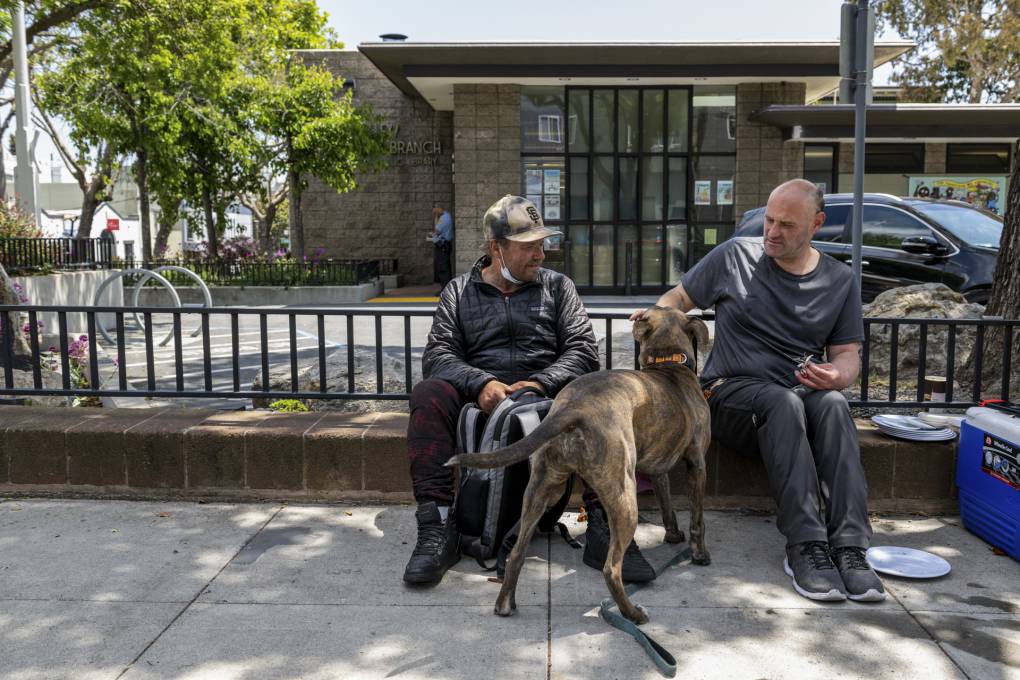
window.__IS_SSR__=true
window.__INITIAL_STATE__={
"attachmentsReducer": {
"audio_0": {
"type": "attachments",
"id": "audio_0",
"imgSizes": {
"kqedFullSize": {
"file": "https://ww2.kqed.org/news/wp-content/themes/KQED-unified/img/audio_bgs/background0.jpg"
}
}
},
"audio_1": {
"type": "attachments",
"id": "audio_1",
"imgSizes": {
"kqedFullSize": {
"file": "https://ww2.kqed.org/news/wp-content/themes/KQED-unified/img/audio_bgs/background1.jpg"
}
}
},
"audio_2": {
"type": "attachments",
"id": "audio_2",
"imgSizes": {
"kqedFullSize": {
"file": "https://ww2.kqed.org/news/wp-content/themes/KQED-unified/img/audio_bgs/background2.jpg"
}
}
},
"audio_3": {
"type": "attachments",
"id": "audio_3",
"imgSizes": {
"kqedFullSize": {
"file": "https://ww2.kqed.org/news/wp-content/themes/KQED-unified/img/audio_bgs/background3.jpg"
}
}
},
"audio_4": {
"type": "attachments",
"id": "audio_4",
"imgSizes": {
"kqedFullSize": {
"file": "https://ww2.kqed.org/news/wp-content/themes/KQED-unified/img/audio_bgs/background4.jpg"
}
}
},
"placeholder": {
"type": "attachments",
"id": "placeholder",
"imgSizes": {
"thumbnail": {
"file": "https://cdn.kqed.org/wp-content/uploads/2024/12/KQED-Default-Image-816638274-2000x1333-1-160x107.jpg",
"width": 160,
"height": 107,
"mimeType": "image/jpeg"
},
"medium": {
"file": "https://cdn.kqed.org/wp-content/uploads/2024/12/KQED-Default-Image-816638274-2000x1333-1-800x533.jpg",
"width": 800,
"height": 533,
"mimeType": "image/jpeg"
},
"medium_large": {
"file": "https://cdn.kqed.org/wp-content/uploads/2024/12/KQED-Default-Image-816638274-2000x1333-1-768x512.jpg",
"width": 768,
"height": 512,
"mimeType": "image/jpeg"
},
"large": {
"file": "https://cdn.kqed.org/wp-content/uploads/2024/12/KQED-Default-Image-816638274-2000x1333-1-1020x680.jpg",
"width": 1020,
"height": 680,
"mimeType": "image/jpeg"
},
"1536x1536": {
"file": "https://cdn.kqed.org/wp-content/uploads/2024/12/KQED-Default-Image-816638274-2000x1333-1-1536x1024.jpg",
"width": 1536,
"height": 1024,
"mimeType": "image/jpeg"
},
"fd-lrg": {
"file": "https://cdn.kqed.org/wp-content/uploads/2024/12/KQED-Default-Image-816638274-2000x1333-1-1536x1024.jpg",
"width": 1536,
"height": 1024,
"mimeType": "image/jpeg"
},
"fd-med": {
"file": "https://cdn.kqed.org/wp-content/uploads/2024/12/KQED-Default-Image-816638274-2000x1333-1-1020x680.jpg",
"width": 1020,
"height": 680,
"mimeType": "image/jpeg"
},
"fd-sm": {
"file": "https://cdn.kqed.org/wp-content/uploads/2024/12/KQED-Default-Image-816638274-2000x1333-1-800x533.jpg",
"width": 800,
"height": 533,
"mimeType": "image/jpeg"
},
"post-thumbnail": {
"file": "https://cdn.kqed.org/wp-content/uploads/2024/12/KQED-Default-Image-816638274-2000x1333-1-672x372.jpg",
"width": 672,
"height": 372,
"mimeType": "image/jpeg"
},
"twentyfourteen-full-width": {
"file": "https://cdn.kqed.org/wp-content/uploads/2024/12/KQED-Default-Image-816638274-2000x1333-1-1038x576.jpg",
"width": 1038,
"height": 576,
"mimeType": "image/jpeg"
},
"xxsmall": {
"file": "https://cdn.kqed.org/wp-content/uploads/2024/12/KQED-Default-Image-816638274-2000x1333-1-160x107.jpg",
"width": 160,
"height": 107,
"mimeType": "image/jpeg"
},
"xsmall": {
"file": "https://cdn.kqed.org/wp-content/uploads/2024/12/KQED-Default-Image-816638274-2000x1333-1-672x372.jpg",
"width": 672,
"height": 372,
"mimeType": "image/jpeg"
},
"small": {
"file": "https://cdn.kqed.org/wp-content/uploads/2024/12/KQED-Default-Image-816638274-2000x1333-1-672x372.jpg",
"width": 672,
"height": 372,
"mimeType": "image/jpeg"
},
"xlarge": {
"file": "https://cdn.kqed.org/wp-content/uploads/2024/12/KQED-Default-Image-816638274-2000x1333-1-1020x680.jpg",
"width": 1020,
"height": 680,
"mimeType": "image/jpeg"
},
"full-width": {
"file": "https://cdn.kqed.org/wp-content/uploads/2024/12/KQED-Default-Image-816638274-2000x1333-1-1920x1280.jpg",
"width": 1920,
"height": 1280,
"mimeType": "image/jpeg"
},
"guest-author-32": {
"file": "https://cdn.kqed.org/wp-content/uploads/2025/01/KQED-Default-Image-816638274-1333x1333-1-160x160.jpg",
"width": 32,
"height": 32,
"mimeType": "image/jpeg"
},
"guest-author-50": {
"file": "https://cdn.kqed.org/wp-content/uploads/2025/01/KQED-Default-Image-816638274-1333x1333-1-160x160.jpg",
"width": 50,
"height": 50,
"mimeType": "image/jpeg"
},
"guest-author-64": {
"file": "https://cdn.kqed.org/wp-content/uploads/2025/01/KQED-Default-Image-816638274-1333x1333-1-160x160.jpg",
"width": 64,
"height": 64,
"mimeType": "image/jpeg"
},
"guest-author-96": {
"file": "https://cdn.kqed.org/wp-content/uploads/2025/01/KQED-Default-Image-816638274-1333x1333-1-160x160.jpg",
"width": 96,
"height": 96,
"mimeType": "image/jpeg"
},
"guest-author-128": {
"file": "https://cdn.kqed.org/wp-content/uploads/2025/01/KQED-Default-Image-816638274-1333x1333-1-160x160.jpg",
"width": 128,
"height": 128,
"mimeType": "image/jpeg"
},
"detail": {
"file": "https://cdn.kqed.org/wp-content/uploads/2025/01/KQED-Default-Image-816638274-1333x1333-1-160x160.jpg",
"width": 160,
"height": 160,
"mimeType": "image/jpeg"
},
"kqedFullSize": {
"file": "https://cdn.kqed.org/wp-content/uploads/2024/12/KQED-Default-Image-816638274-2000x1333-1.jpg",
"width": 2000,
"height": 1333
}
}
},
"news_11952044": {
"type": "attachments",
"id": "news_11952044",
"meta": {
"index": "attachments_1716263798",
"site": "news",
"id": "11952044",
"found": true
},
"parent": 0,
"imgSizes": {
"twentyfourteen-full-width": {
"file": "https://ww2.kqed.org/app/uploads/sites/10/2023/06/RS65967_004_KQED_EurekaValleyLibraryWifi_05302023-KQED-1038x576.jpg",
"width": 1038,
"mimeType": "image/jpeg",
"height": 576
},
"thumbnail": {
"file": "https://ww2.kqed.org/app/uploads/sites/10/2023/06/RS65967_004_KQED_EurekaValleyLibraryWifi_05302023-KQED-160x107.jpg",
"width": 160,
"mimeType": "image/jpeg",
"height": 107
},
"post-thumbnail": {
"file": "https://ww2.kqed.org/app/uploads/sites/10/2023/06/RS65967_004_KQED_EurekaValleyLibraryWifi_05302023-KQED-672x372.jpg",
"width": 672,
"mimeType": "image/jpeg",
"height": 372
},
"kqedFullSize": {
"file": "https://ww2.kqed.org/app/uploads/sites/10/2023/06/RS65967_004_KQED_EurekaValleyLibraryWifi_05302023-KQED.jpg",
"width": 1920,
"height": 1280
},
"large": {
"file": "https://ww2.kqed.org/app/uploads/sites/10/2023/06/RS65967_004_KQED_EurekaValleyLibraryWifi_05302023-KQED-1020x680.jpg",
"width": 1020,
"mimeType": "image/jpeg",
"height": 680
},
"1536x1536": {
"file": "https://ww2.kqed.org/app/uploads/sites/10/2023/06/RS65967_004_KQED_EurekaValleyLibraryWifi_05302023-KQED-1536x1024.jpg",
"width": 1536,
"mimeType": "image/jpeg",
"height": 1024
},
"medium": {
"file": "https://ww2.kqed.org/app/uploads/sites/10/2023/06/RS65967_004_KQED_EurekaValleyLibraryWifi_05302023-KQED-800x533.jpg",
"width": 800,
"mimeType": "image/jpeg",
"height": 533
}
},
"publishDate": 1685729353,
"modified": 1685747676,
"caption": "Joe, known as Rebel (left), and Hollywood sit outside the Eureka Valley/Harvey Milk Memorial Branch of the San Francisco Public Library in the Castro neighborhood of San Francisco on May 30, 2023.",
"description": null,
"title": "RS65967_004_KQED_EurekaValleyLibraryWifi_05302023-KQED",
"credit": "Beth LaBerge/KQED",
"status": "inherit",
"altTag": "Two middle-aged white men sit on a bench in front of a building as one of them pets a dog.",
"isLoading": false,
"fetchFailed": false
},
"news_11952050": {
"type": "attachments",
"id": "news_11952050",
"meta": {
"index": "attachments_1716263798",
"site": "news",
"id": "11952050",
"found": true
},
"parent": 11951980,
"imgSizes": {
"twentyfourteen-full-width": {
"file": "https://ww2.kqed.org/app/uploads/sites/10/2023/06/RS53882_007_KQED_HotelWhitcomb_Dawn_02182022-qut-1038x576.jpg",
"width": 1038,
"mimeType": "image/jpeg",
"height": 576
},
"thumbnail": {
"file": "https://ww2.kqed.org/app/uploads/sites/10/2023/06/RS53882_007_KQED_HotelWhitcomb_Dawn_02182022-qut-160x107.jpg",
"width": 160,
"mimeType": "image/jpeg",
"height": 107
},
"post-thumbnail": {
"file": "https://ww2.kqed.org/app/uploads/sites/10/2023/06/RS53882_007_KQED_HotelWhitcomb_Dawn_02182022-qut-672x372.jpg",
"width": 672,
"mimeType": "image/jpeg",
"height": 372
},
"kqedFullSize": {
"file": "https://ww2.kqed.org/app/uploads/sites/10/2023/06/RS53882_007_KQED_HotelWhitcomb_Dawn_02182022-qut.jpg",
"width": 1920,
"height": 1280
},
"large": {
"file": "https://ww2.kqed.org/app/uploads/sites/10/2023/06/RS53882_007_KQED_HotelWhitcomb_Dawn_02182022-qut-1020x680.jpg",
"width": 1020,
"mimeType": "image/jpeg",
"height": 680
},
"1536x1536": {
"file": "https://ww2.kqed.org/app/uploads/sites/10/2023/06/RS53882_007_KQED_HotelWhitcomb_Dawn_02182022-qut-1536x1024.jpg",
"width": 1536,
"mimeType": "image/jpeg",
"height": 1024
},
"medium": {
"file": "https://ww2.kqed.org/app/uploads/sites/10/2023/06/RS53882_007_KQED_HotelWhitcomb_Dawn_02182022-qut-800x533.jpg",
"width": 800,
"mimeType": "image/jpeg",
"height": 533
}
},
"publishDate": 1685730247,
"modified": 1685733454,
"caption": "The owners of Hotel Whitcomb on Market Street filed a complaint against San Francisco on April 13, 2023. The historic hotel alleges that it endured millions in property damages resulting in loss of use from the city's shelter-in-place hotel program, Project Roomkey.",
"description": null,
"title": "RS53882_007_KQED_HotelWhitcomb_Dawn_02182022-qut",
"credit": "Beth LaBerge/KQED",
"status": "inherit",
"altTag": "A tall hotel building is seen in the distance with many rectangular windows. A woman has her back to the camera as she stands staring to her right. The sun is shining on parts of the building, but it is mostly in shade.",
"isLoading": false,
"fetchFailed": false
},
"news_11928462": {
"type": "attachments",
"id": "news_11928462",
"meta": {
"index": "attachments_1716263798",
"site": "news",
"id": "11928462",
"found": true
},
"parent": 11928455,
"imgSizes": {
"twentyfourteen-full-width": {
"file": "https://ww2.kqed.org/app/uploads/sites/10/2022/10/092722-Catalytic-Converter-1-CM-1038x576.jpg",
"width": 1038,
"mimeType": "image/jpeg",
"height": 576
},
"thumbnail": {
"file": "https://ww2.kqed.org/app/uploads/sites/10/2022/10/092722-Catalytic-Converter-1-CM-160x120.jpg",
"width": 160,
"mimeType": "image/jpeg",
"height": 120
},
"post-thumbnail": {
"file": "https://ww2.kqed.org/app/uploads/sites/10/2022/10/092722-Catalytic-Converter-1-CM-672x372.jpg",
"width": 672,
"mimeType": "image/jpeg",
"height": 372
},
"kqedFullSize": {
"file": "https://ww2.kqed.org/app/uploads/sites/10/2022/10/092722-Catalytic-Converter-1-CM.jpg",
"width": 1568,
"height": 1176
},
"large": {
"file": "https://ww2.kqed.org/app/uploads/sites/10/2022/10/092722-Catalytic-Converter-1-CM-1020x765.jpg",
"width": 1020,
"mimeType": "image/jpeg",
"height": 765
},
"1536x1536": {
"file": "https://ww2.kqed.org/app/uploads/sites/10/2022/10/092722-Catalytic-Converter-1-CM-1536x1152.jpg",
"width": 1536,
"mimeType": "image/jpeg",
"height": 1152
},
"medium": {
"file": "https://ww2.kqed.org/app/uploads/sites/10/2022/10/092722-Catalytic-Converter-1-CM-800x600.jpg",
"width": 800,
"mimeType": "image/jpeg",
"height": 600
}
},
"publishDate": 1665512999,
"modified": 1665513058,
"caption": "In June the Fremont Police Department found approximately 300 suspected stolen catalytic converters at Arrow Recovery in Fremont, California. ",
"description": null,
"title": "092722-Catalytic-Converter-1-CM",
"credit": "Courtesy Fremont Police Department",
"status": "inherit",
"altTag": "piles of catalytic converters in containers at a warehouse",
"isLoading": false,
"fetchFailed": false
},
"news_11930102": {
"type": "attachments",
"id": "news_11930102",
"meta": {
"index": "attachments_1716263798",
"site": "news",
"id": "11930102",
"found": true
},
"parent": 11930085,
"imgSizes": {
"twentyfourteen-full-width": {
"file": "https://ww2.kqed.org/app/uploads/sites/10/2022/10/GettyImages-1408774696-1024x576.jpg",
"width": 1024,
"mimeType": "image/jpeg",
"height": 576
},
"thumbnail": {
"file": "https://ww2.kqed.org/app/uploads/sites/10/2022/10/GettyImages-1408774696-160x110.jpg",
"width": 160,
"mimeType": "image/jpeg",
"height": 110
},
"post-thumbnail": {
"file": "https://ww2.kqed.org/app/uploads/sites/10/2022/10/GettyImages-1408774696-672x372.jpg",
"width": 672,
"mimeType": "image/jpeg",
"height": 372
},
"kqedFullSize": {
"file": "https://ww2.kqed.org/app/uploads/sites/10/2022/10/GettyImages-1408774696.jpg",
"width": 1024,
"height": 705
},
"large": {
"file": "https://ww2.kqed.org/app/uploads/sites/10/2022/10/GettyImages-1408774696-1020x702.jpg",
"width": 1020,
"mimeType": "image/jpeg",
"height": 702
},
"medium": {
"file": "https://ww2.kqed.org/app/uploads/sites/10/2022/10/GettyImages-1408774696-800x551.jpg",
"width": 800,
"mimeType": "image/jpeg",
"height": 551
}
},
"publishDate": 1666725195,
"modified": 1685577180,
"caption": "Former District Attorney Chesa Boudin is seen outside the Hall of Justice in San Francisco on Dec. 30, 2020.",
"description": null,
"title": "District Attorney Chesa Boudin is seen outside of the Hall of Justice in San Francisco, Calif. on Wednesday, Dec. 30, 2020",
"credit": "Paul Chinn/The San Francisco Chronicle via Getty Images",
"status": "inherit",
"altTag": "A young white man with a beard stands in a blue suit outside a gray building",
"isLoading": false,
"fetchFailed": false
},
"news_11950989": {
"type": "attachments",
"id": "news_11950989",
"meta": {
"index": "attachments_1716263798",
"site": "news",
"id": "11950989",
"found": true
},
"parent": 11950967,
"imgSizes": {
"twentyfourteen-full-width": {
"file": "https://ww2.kqed.org/app/uploads/sites/10/2023/05/GettyImages-1245879513-1024x576.jpg",
"width": 1024,
"mimeType": "image/jpeg",
"height": 576
},
"thumbnail": {
"file": "https://ww2.kqed.org/app/uploads/sites/10/2023/05/GettyImages-1245879513-160x107.jpg",
"width": 160,
"mimeType": "image/jpeg",
"height": 107
},
"post-thumbnail": {
"file": "https://ww2.kqed.org/app/uploads/sites/10/2023/05/GettyImages-1245879513-672x372.jpg",
"width": 672,
"mimeType": "image/jpeg",
"height": 372
},
"kqedFullSize": {
"file": "https://ww2.kqed.org/app/uploads/sites/10/2023/05/GettyImages-1245879513.jpg",
"width": 1024,
"height": 683
},
"large": {
"file": "https://ww2.kqed.org/app/uploads/sites/10/2023/05/GettyImages-1245879513-1020x680.jpg",
"width": 1020,
"mimeType": "image/jpeg",
"height": 680
},
"medium": {
"file": "https://ww2.kqed.org/app/uploads/sites/10/2023/05/GettyImages-1245879513-800x534.jpg",
"width": 800,
"mimeType": "image/jpeg",
"height": 534
}
},
"publishDate": 1685140876,
"modified": 1685145631,
"caption": "Tents are seen on a sidewalk in the Tenderloin district of San Francisco on Dec. 28, 2022.",
"description": null,
"title": "Judge temporarily blocks homeless encampment cleanup in San Francisco",
"credit": "Tayfun Coskun/Anadolu Agency via Getty Images",
"status": "inherit",
"altTag": "Tents on a sidewalk in a city.",
"isLoading": false,
"fetchFailed": false
},
"news_11950689": {
"type": "attachments",
"id": "news_11950689",
"meta": {
"index": "attachments_1716263798",
"site": "news",
"id": "11950689",
"found": true
},
"parent": 11950685,
"imgSizes": {
"twentyfourteen-full-width": {
"file": "https://ww2.kqed.org/app/uploads/sites/10/2023/05/RS65602_20230521_ksuzuki_baytobreakers-599-qut-1038x576.jpg",
"width": 1038,
"mimeType": "image/jpeg",
"height": 576
},
"thumbnail": {
"file": "https://ww2.kqed.org/app/uploads/sites/10/2023/05/RS65602_20230521_ksuzuki_baytobreakers-599-qut-160x107.jpg",
"width": 160,
"mimeType": "image/jpeg",
"height": 107
},
"post-thumbnail": {
"file": "https://ww2.kqed.org/app/uploads/sites/10/2023/05/RS65602_20230521_ksuzuki_baytobreakers-599-qut-672x372.jpg",
"width": 672,
"mimeType": "image/jpeg",
"height": 372
},
"kqedFullSize": {
"file": "https://ww2.kqed.org/app/uploads/sites/10/2023/05/RS65602_20230521_ksuzuki_baytobreakers-599-qut.jpg",
"width": 1920,
"height": 1282
},
"large": {
"file": "https://ww2.kqed.org/app/uploads/sites/10/2023/05/RS65602_20230521_ksuzuki_baytobreakers-599-qut-1020x681.jpg",
"width": 1020,
"mimeType": "image/jpeg",
"height": 681
},
"1536x1536": {
"file": "https://ww2.kqed.org/app/uploads/sites/10/2023/05/RS65602_20230521_ksuzuki_baytobreakers-599-qut-1536x1026.jpg",
"width": 1536,
"mimeType": "image/jpeg",
"height": 1026
},
"medium": {
"file": "https://ww2.kqed.org/app/uploads/sites/10/2023/05/RS65602_20230521_ksuzuki_baytobreakers-599-qut-800x534.jpg",
"width": 800,
"mimeType": "image/jpeg",
"height": 534
}
},
"publishDate": 1685041903,
"modified": 1685124945,
"caption": "Costumed superheroes lead the way as Bay to Breakers participants surge down Hayes Street in San Francisco on May 21, 2023. Many see the annual race as a celebration of San Francisco's personality.",
"description": null,
"title": "RS65602_20230521_ksuzuki_baytobreakers 599-qut",
"credit": "Kori Suzuki/KQED",
"status": "inherit",
"altTag": "A crowd of people, many in costumes, descend a hilly street in San Francisco.",
"isLoading": false,
"fetchFailed": false
},
"news_11950688": {
"type": "attachments",
"id": "news_11950688",
"meta": {
"index": "attachments_1716263798",
"site": "news",
"id": "11950688",
"found": true
},
"parent": 0,
"imgSizes": {
"twentyfourteen-full-width": {
"file": "https://ww2.kqed.org/app/uploads/sites/10/2023/05/IMG_2690-1038x576.jpg",
"width": 1038,
"mimeType": "image/jpeg",
"height": 576
},
"thumbnail": {
"file": "https://ww2.kqed.org/app/uploads/sites/10/2023/05/IMG_2690-160x106.jpg",
"width": 160,
"mimeType": "image/jpeg",
"height": 106
},
"post-thumbnail": {
"file": "https://ww2.kqed.org/app/uploads/sites/10/2023/05/IMG_2690-672x372.jpg",
"width": 672,
"mimeType": "image/jpeg",
"height": 372
},
"kqedFullSize": {
"file": "https://ww2.kqed.org/app/uploads/sites/10/2023/05/IMG_2690.jpg",
"width": 2048,
"height": 1363
},
"large": {
"file": "https://ww2.kqed.org/app/uploads/sites/10/2023/05/IMG_2690-1020x679.jpg",
"width": 1020,
"mimeType": "image/jpeg",
"height": 679
},
"1536x1536": {
"file": "https://ww2.kqed.org/app/uploads/sites/10/2023/05/IMG_2690-1536x1022.jpg",
"width": 1536,
"mimeType": "image/jpeg",
"height": 1022
},
"full-width": {
"file": "https://ww2.kqed.org/app/uploads/sites/10/2023/05/IMG_2690-1920x1278.jpg",
"width": 1920,
"mimeType": "image/jpeg",
"height": 1278
},
"medium": {
"file": "https://ww2.kqed.org/app/uploads/sites/10/2023/05/IMG_2690-800x532.jpg",
"width": 800,
"mimeType": "image/jpeg",
"height": 532
}
},
"publishDate": 1685041901,
"modified": 1685058884,
"caption": "Mourners gather inside the Third Baptist Church of San Francisco ahead of a memorial service for Banko Brown on May 25, 2023.",
"description": null,
"title": "IMG_2690",
"credit": "Kori Suzuki/KQED",
"status": "inherit",
"altTag": "Inside a church the name \"Banko\" is spelled out in a floral display next to a white casket. Many sit in rows gathered to pay respect at this funeral.",
"isLoading": false,
"fetchFailed": false
},
"news_11950608": {
"type": "attachments",
"id": "news_11950608",
"meta": {
"index": "attachments_1716263798",
"site": "news",
"id": "11950608",
"found": true
},
"parent": 11950595,
"imgSizes": {
"twentyfourteen-full-width": {
"file": "https://ww2.kqed.org/app/uploads/sites/10/2023/05/RS65169_005_KQED_WalgreensBankoBrown_05092023-qut-1-1038x576.jpg",
"width": 1038,
"mimeType": "image/jpeg",
"height": 576
},
"thumbnail": {
"file": "https://ww2.kqed.org/app/uploads/sites/10/2023/05/RS65169_005_KQED_WalgreensBankoBrown_05092023-qut-1-160x107.jpg",
"width": 160,
"mimeType": "image/jpeg",
"height": 107
},
"post-thumbnail": {
"file": "https://ww2.kqed.org/app/uploads/sites/10/2023/05/RS65169_005_KQED_WalgreensBankoBrown_05092023-qut-1-672x372.jpg",
"width": 672,
"mimeType": "image/jpeg",
"height": 372
},
"kqedFullSize": {
"file": "https://ww2.kqed.org/app/uploads/sites/10/2023/05/RS65169_005_KQED_WalgreensBankoBrown_05092023-qut-1.jpg",
"width": 1920,
"height": 1280
},
"large": {
"file": "https://ww2.kqed.org/app/uploads/sites/10/2023/05/RS65169_005_KQED_WalgreensBankoBrown_05092023-qut-1-1020x680.jpg",
"width": 1020,
"mimeType": "image/jpeg",
"height": 680
},
"1536x1536": {
"file": "https://ww2.kqed.org/app/uploads/sites/10/2023/05/RS65169_005_KQED_WalgreensBankoBrown_05092023-qut-1-1536x1024.jpg",
"width": 1536,
"mimeType": "image/jpeg",
"height": 1024
},
"medium": {
"file": "https://ww2.kqed.org/app/uploads/sites/10/2023/05/RS65169_005_KQED_WalgreensBankoBrown_05092023-qut-1-800x533.jpg",
"width": 800,
"mimeType": "image/jpeg",
"height": 533
}
},
"publishDate": 1684970533,
"modified": 1684976077,
"caption": "A person walks past a memorial for Banko Brown outside the Market Street Walgreens in San Francisco where Brown was shot and killed by a store security guard on April 27.",
"description": null,
"title": "RS65169_005_KQED_WalgreensBankoBrown_05092023-qut",
"credit": "Beth LaBerge/KQED",
"status": "inherit",
"altTag": "candles, flowers and photos sit on the sidewalk in front of a chain link fence as the blurry feed of a pedestrian move past in the foreground",
"isLoading": false,
"fetchFailed": false
},
"news_11950275": {
"type": "attachments",
"id": "news_11950275",
"meta": {
"index": "attachments_1716263798",
"site": "news",
"id": "11950275",
"found": true
},
"parent": 11950268,
"imgSizes": {
"twentyfourteen-full-width": {
"file": "https://ww2.kqed.org/app/uploads/sites/10/2030/05/GettyImages-685195553-1024x576.jpg",
"width": 1024,
"mimeType": "image/jpeg",
"height": 576
},
"thumbnail": {
"file": "https://ww2.kqed.org/app/uploads/sites/10/2030/05/GettyImages-685195553-160x108.jpg",
"width": 160,
"mimeType": "image/jpeg",
"height": 108
},
"post-thumbnail": {
"file": "https://ww2.kqed.org/app/uploads/sites/10/2030/05/GettyImages-685195553-672x372.jpg",
"width": 672,
"mimeType": "image/jpeg",
"height": 372
},
"kqedFullSize": {
"file": "https://ww2.kqed.org/app/uploads/sites/10/2030/05/GettyImages-685195553.jpg",
"width": 1024,
"height": 689
},
"large": {
"file": "https://ww2.kqed.org/app/uploads/sites/10/2030/05/GettyImages-685195553-1020x686.jpg",
"width": 1020,
"mimeType": "image/jpeg",
"height": 686
},
"medium": {
"file": "https://ww2.kqed.org/app/uploads/sites/10/2030/05/GettyImages-685195553-800x538.jpg",
"width": 800,
"mimeType": "image/jpeg",
"height": 538
}
},
"publishDate": 1684612474,
"modified": 1684790138,
"caption": "Mourners hold a candlelight vigil for Mayor George Moscone and Supervisor Harvey Milk after they were assassinated at San Francisco City Hall, on Nov. 27, 1978.",
"description": null,
"title": "Mourning for Harvey Milk and George Moscone",
"credit": "Roger Ressmeyer/Corbis/VCG via Getty Images",
"status": "inherit",
"altTag": "A white man and a Black man hold candles with another white man to the side and a sign above and behind them that says \"In Memoriam George Moscone Harvey Milk\"",
"isLoading": false,
"fetchFailed": false
},
"news_11949900": {
"type": "attachments",
"id": "news_11949900",
"meta": {
"index": "attachments_1716263798",
"site": "news",
"id": "11949900",
"found": true
},
"parent": 0,
"imgSizes": {
"twentyfourteen-full-width": {
"file": "https://ww2.kqed.org/app/uploads/sites/10/2023/05/GettyImages-1207569356-1038x576.jpg",
"width": 1038,
"mimeType": "image/jpeg",
"height": 576
},
"thumbnail": {
"file": "https://ww2.kqed.org/app/uploads/sites/10/2023/05/GettyImages-1207569356-160x107.jpg",
"width": 160,
"mimeType": "image/jpeg",
"height": 107
},
"post-thumbnail": {
"file": "https://ww2.kqed.org/app/uploads/sites/10/2023/05/GettyImages-1207569356-672x372.jpg",
"width": 672,
"mimeType": "image/jpeg",
"height": 372
},
"kqedFullSize": {
"file": "https://ww2.kqed.org/app/uploads/sites/10/2023/05/GettyImages-1207569356.jpg",
"width": 1920,
"height": 1280
},
"large": {
"file": "https://ww2.kqed.org/app/uploads/sites/10/2023/05/GettyImages-1207569356-1020x680.jpg",
"width": 1020,
"mimeType": "image/jpeg",
"height": 680
},
"1536x1536": {
"file": "https://ww2.kqed.org/app/uploads/sites/10/2023/05/GettyImages-1207569356-1536x1024.jpg",
"width": 1536,
"mimeType": "image/jpeg",
"height": 1024
},
"medium": {
"file": "https://ww2.kqed.org/app/uploads/sites/10/2023/05/GettyImages-1207569356-800x533.jpg",
"width": 800,
"mimeType": "image/jpeg",
"height": 533
}
},
"publishDate": 1684363525,
"modified": 1684363566,
"caption": "A Walgreens in San Francisco's Castro District on March 18, 2020.",
"description": null,
"title": "Coronavirus precautions in California",
"credit": "Neal Waters/Anadolu Agency via Getty Images",
"status": "inherit",
"altTag": "An after dark shot of the outside of the pharmacy, Walgreens. Its store name in cursive, red letters is illuminated above the entrance. A customer with a gray, hooded sweater stands near a fire hydrant outside of the store.",
"isLoading": false,
"fetchFailed": false
},
"news_11949785": {
"type": "attachments",
"id": "news_11949785",
"meta": {
"index": "attachments_1716263798",
"site": "news",
"id": "11949785",
"found": true
},
"parent": 11949763,
"imgSizes": {
"twentyfourteen-full-width": {
"file": "https://ww2.kqed.org/app/uploads/sites/10/2023/05/RS65168_007_KQED_WalgreensBankoBrown_05092023-qut-1038x576.jpg",
"width": 1038,
"mimeType": "image/jpeg",
"height": 576
},
"thumbnail": {
"file": "https://ww2.kqed.org/app/uploads/sites/10/2023/05/RS65168_007_KQED_WalgreensBankoBrown_05092023-qut-160x107.jpg",
"width": 160,
"mimeType": "image/jpeg",
"height": 107
},
"post-thumbnail": {
"file": "https://ww2.kqed.org/app/uploads/sites/10/2023/05/RS65168_007_KQED_WalgreensBankoBrown_05092023-qut-672x372.jpg",
"width": 672,
"mimeType": "image/jpeg",
"height": 372
},
"kqedFullSize": {
"file": "https://ww2.kqed.org/app/uploads/sites/10/2023/05/RS65168_007_KQED_WalgreensBankoBrown_05092023-qut.jpg",
"width": 1920,
"height": 1280
},
"large": {
"file": "https://ww2.kqed.org/app/uploads/sites/10/2023/05/RS65168_007_KQED_WalgreensBankoBrown_05092023-qut-1020x680.jpg",
"width": 1020,
"mimeType": "image/jpeg",
"height": 680
},
"1536x1536": {
"file": "https://ww2.kqed.org/app/uploads/sites/10/2023/05/RS65168_007_KQED_WalgreensBankoBrown_05092023-qut-1536x1024.jpg",
"width": 1536,
"mimeType": "image/jpeg",
"height": 1024
},
"medium": {
"file": "https://ww2.kqed.org/app/uploads/sites/10/2023/05/RS65168_007_KQED_WalgreensBankoBrown_05092023-qut-800x533.jpg",
"width": 800,
"mimeType": "image/jpeg",
"height": 533
}
},
"publishDate": 1684283494,
"modified": 1684347709,
"caption": "A candle with a photo of Banko Brown sits in a memorial outside a Walgreens in San Francisco on May 9, 2023, where Brown was shot and killed by a store security guard on April 27.",
"description": null,
"title": "RS65168_007_KQED_WalgreensBankoBrown_05092023-qut",
"credit": "Beth LaBerge/KQED",
"status": "inherit",
"altTag": "A memorial with flowers, photos and candles on a sidewalk.",
"isLoading": false,
"fetchFailed": false
},
"news_11949516": {
"type": "attachments",
"id": "news_11949516",
"meta": {
"index": "attachments_1716263798",
"site": "news",
"id": "11949516",
"found": true
},
"parent": 11949515,
"imgSizes": {
"twentyfourteen-full-width": {
"file": "https://ww2.kqed.org/app/uploads/sites/10/2023/05/RS62467_016_KQED_LagunaHondaHospital_01312023-1038x576.jpg",
"width": 1038,
"mimeType": "image/jpeg",
"height": 576
},
"thumbnail": {
"file": "https://ww2.kqed.org/app/uploads/sites/10/2023/05/RS62467_016_KQED_LagunaHondaHospital_01312023-160x107.jpg",
"width": 160,
"mimeType": "image/jpeg",
"height": 107
},
"post-thumbnail": {
"file": "https://ww2.kqed.org/app/uploads/sites/10/2023/05/RS62467_016_KQED_LagunaHondaHospital_01312023-672x372.jpg",
"width": 672,
"mimeType": "image/jpeg",
"height": 372
},
"kqedFullSize": {
"file": "https://ww2.kqed.org/app/uploads/sites/10/2023/05/RS62467_016_KQED_LagunaHondaHospital_01312023-scaled.jpg",
"width": 2560,
"height": 1707
},
"2048x2048": {
"file": "https://ww2.kqed.org/app/uploads/sites/10/2023/05/RS62467_016_KQED_LagunaHondaHospital_01312023-2048x1365.jpg",
"width": 2048,
"mimeType": "image/jpeg",
"height": 1365
},
"large": {
"file": "https://ww2.kqed.org/app/uploads/sites/10/2023/05/RS62467_016_KQED_LagunaHondaHospital_01312023-1020x680.jpg",
"width": 1020,
"mimeType": "image/jpeg",
"height": 680
},
"1536x1536": {
"file": "https://ww2.kqed.org/app/uploads/sites/10/2023/05/RS62467_016_KQED_LagunaHondaHospital_01312023-1536x1024.jpg",
"width": 1536,
"mimeType": "image/jpeg",
"height": 1024
},
"full-width": {
"file": "https://ww2.kqed.org/app/uploads/sites/10/2023/05/RS62467_016_KQED_LagunaHondaHospital_01312023-1920x1280.jpg",
"width": 1920,
"mimeType": "image/jpeg",
"height": 1280
},
"medium": {
"file": "https://ww2.kqed.org/app/uploads/sites/10/2023/05/RS62467_016_KQED_LagunaHondaHospital_01312023-800x533.jpg",
"width": 800,
"mimeType": "image/jpeg",
"height": 533
}
},
"publishDate": 1684175822,
"modified": 1684175881,
"caption": "The Laguna Honda Hospital administration building in San Francisco.",
"description": null,
"title": "RS62467_016_KQED_LagunaHondaHospital_01312023",
"credit": "Beth LaBerge/KQED",
"status": "inherit",
"altTag": "through tree branches, a large tan hospital building tower",
"isLoading": false,
"fetchFailed": false
}
},
"audioPlayerReducer": {
"postId": "stream_live",
"isPaused": true,
"isPlaying": false,
"pfsActive": false,
"pledgeModalIsOpen": true,
"playerDrawerIsOpen": false,
"liveAudioPlayStartedAt": 0,
"liveAudioPlayContext": ""
},
"authorsReducer": {
"kqed": {
"type": "authors",
"id": "236",
"meta": {
"index": "authors_1716337520",
"id": "236",
"found": true
},
"name": "KQED News Staff",
"firstName": "KQED News Staff",
"lastName": null,
"slug": "kqed",
"email": "faq@kqed.org",
"display_author_email": false,
"staff_mastheads": [],
"title": null,
"bio": null,
"avatar": "https://secure.gravatar.com/avatar/ef0e801a68c4c54afa9180db14084167?s=600&d=blank&r=g",
"twitter": null,
"facebook": null,
"instagram": null,
"linkedin": null,
"sites": [
{
"site": "arts",
"roles": [
"contributor"
]
},
{
"site": "news",
"roles": [
"editor"
]
},
{
"site": "futureofyou",
"roles": [
"author"
]
}
],
"headData": {
"title": "KQED News Staff | KQED",
"description": null,
"ogImgSrc": "https://secure.gravatar.com/avatar/ef0e801a68c4c54afa9180db14084167?s=600&d=blank&r=g",
"twImgSrc": "https://secure.gravatar.com/avatar/ef0e801a68c4c54afa9180db14084167?s=600&d=blank&r=g"
},
"isLoading": false,
"link": "/author/kqed"
},
"kqednewsstaffandwires": {
"type": "authors",
"id": "237",
"meta": {
"index": "authors_1716337520",
"id": "237",
"found": true
},
"name": "KQED News Staff and Wires",
"firstName": "KQED News Staff and Wires",
"lastName": null,
"slug": "kqednewsstaffandwires",
"email": "onlinenewsstaff@kqed.org",
"display_author_email": false,
"staff_mastheads": [],
"title": null,
"bio": null,
"avatar": "https://secure.gravatar.com/avatar/72295af8ebbfbd19a4948f5271285664?s=600&d=blank&r=g",
"twitter": null,
"facebook": null,
"instagram": null,
"linkedin": null,
"sites": [
{
"site": "arts",
"roles": [
"contributor"
]
},
{
"site": "news",
"roles": [
"contributor"
]
},
{
"site": "lowdown",
"roles": [
"author"
]
},
{
"site": "stateofhealth",
"roles": [
"contributor"
]
},
{
"site": "food",
"roles": [
"author"
]
}
],
"headData": {
"title": "KQED News Staff and Wires | KQED",
"description": null,
"ogImgSrc": "https://secure.gravatar.com/avatar/72295af8ebbfbd19a4948f5271285664?s=600&d=blank&r=g",
"twImgSrc": "https://secure.gravatar.com/avatar/72295af8ebbfbd19a4948f5271285664?s=600&d=blank&r=g"
},
"isLoading": false,
"link": "/author/kqednewsstaffandwires"
},
"ecruzguevarra": {
"type": "authors",
"id": "8654",
"meta": {
"index": "authors_1716337520",
"id": "8654",
"found": true
},
"name": "Ericka Cruz Guevarra",
"firstName": "Ericka",
"lastName": "Cruz Guevarra",
"slug": "ecruzguevarra",
"email": "ecruzguevarra@kqed.org",
"display_author_email": true,
"staff_mastheads": [
"news"
],
"title": "Producer, The Bay Podcast",
"bio": "Ericka Cruz Guevarra is host of \u003ca href=\"https://www.kqed.org/podcasts/thebay\">\u003cem>The Bay\u003c/em>\u003c/a> podcast at KQED. Before host, she was the show’s producer. Her work in that capacity includes a three-part reported series on policing in Vallejo, which won a 2020 excellence in journalism award from the Society of Professional Journalists. Ericka has worked as a breaking news reporter at Oregon Public Broadcasting, helped produce the Code Switch podcast, and was KQED’s inaugural Raul Ramirez Diversity Fund intern. She’s also an alumna of NPR’s Next Generation Radio program. Send her an email if you have strong feelings about whether Fairfield and Suisun City are the Bay. Ericka is represented by SAG-AFTRA.",
"avatar": "https://secure.gravatar.com/avatar/accefc1de4bafc7e234b69bcb9b6f6536c130fd84709bc3069ef11a78787e1bb?s=600&d=blank&r=g",
"twitter": "NotoriousECG",
"bluesky": null,
"facebook": null,
"instagram": null,
"linkedin": null,
"sites": [
{
"site": "arts",
"roles": [
"subscriber"
]
},
{
"site": "news",
"roles": [
"editor",
"manage_categories"
]
},
{
"site": "futureofyou",
"roles": [
"subscriber"
]
},
{
"site": "stateofhealth",
"roles": [
"subscriber"
]
},
{
"site": "science",
"roles": [
"editor"
]
},
{
"site": "forum",
"roles": [
"subscriber"
]
}
],
"headData": {
"title": "Ericka Cruz Guevarra | KQED",
"description": "Producer, The Bay Podcast",
"ogImgSrc": "https://secure.gravatar.com/avatar/accefc1de4bafc7e234b69bcb9b6f6536c130fd84709bc3069ef11a78787e1bb?s=600&d=blank&r=g",
"twImgSrc": "https://secure.gravatar.com/avatar/accefc1de4bafc7e234b69bcb9b6f6536c130fd84709bc3069ef11a78787e1bb?s=600&d=blank&r=g"
},
"isLoading": false,
"link": "/author/ecruzguevarra"
},
"vrancano": {
"type": "authors",
"id": "11276",
"meta": {
"index": "authors_1716337520",
"id": "11276",
"found": true
},
"name": "Vanessa Rancaño",
"firstName": "Vanessa",
"lastName": "Rancaño",
"slug": "vrancano",
"email": "vrancano@kqed.org",
"display_author_email": false,
"staff_mastheads": [
"news"
],
"title": "Reporter",
"bio": "Vanessa Rancaño is a features reporter for KQED. She’s also covered homelessness and education for the station and reported from the Central Valley. Her work has aired across public radio, from flagship national news shows to longform narrative podcasts. Before taking up a mic, she worked as a freelance print journalist. She’s been recognized with a number of national and regional awards. Vanessa grew up in California's Central Valley. She's a former NPR Kroc Fellow, and a graduate of the UC Berkeley Graduate School of Journalism.",
"avatar": "https://secure.gravatar.com/avatar/b3a383dfb0e7ee1c17568f2cf067904ab654d6e3de9743fc661f3c788ade1bed?s=600&d=blank&r=g",
"twitter": "vanessarancano",
"bluesky": null,
"facebook": null,
"instagram": null,
"linkedin": null,
"sites": [
{
"site": "arts",
"roles": [
"editor"
]
},
{
"site": "news",
"roles": [
"editor"
]
},
{
"site": "liveblog",
"roles": [
"contributor"
]
}
],
"headData": {
"title": "Vanessa Rancaño | KQED",
"description": "Reporter",
"ogImgSrc": "https://secure.gravatar.com/avatar/b3a383dfb0e7ee1c17568f2cf067904ab654d6e3de9743fc661f3c788ade1bed?s=600&d=blank&r=g",
"twImgSrc": "https://secure.gravatar.com/avatar/b3a383dfb0e7ee1c17568f2cf067904ab654d6e3de9743fc661f3c788ade1bed?s=600&d=blank&r=g"
},
"isLoading": false,
"link": "/author/vrancano"
},
"jrodriguez": {
"type": "authors",
"id": "11690",
"meta": {
"index": "authors_1716337520",
"id": "11690",
"found": true
},
"name": "Joe Fitzgerald Rodriguez",
"firstName": "Joe",
"lastName": "Fitzgerald Rodriguez",
"slug": "jrodriguez",
"email": "jrodriguez@kqed.org",
"display_author_email": true,
"staff_mastheads": [
"news"
],
"title": "Reporter and Producer",
"bio": "Joe Fitzgerald Rodriguez is a reporter and digital producer for KQED covering politics. Joe most recently wrote for the \u003cem>San Francisco Examiner\u003c/em> as a political columnist covering The City. He was raised in San Francisco and has spent his reporting career in his beloved, foggy, city by the bay. Joe was 12-years-old when he conducted his first interview in journalism, grilling former San Francisco Mayor Willie Brown for the Marina Middle School newspaper, \u003cem>The Penguin Press, \u003c/em>and he continues to report on the San Francisco Bay Area to this day.",
"avatar": "https://secure.gravatar.com/avatar/2247beb0564c1e9c62228d5649d2edac?s=600&d=blank&r=g",
"twitter": "FitztheReporter",
"facebook": null,
"instagram": "https://www.instagram.com/fitzthereporter/",
"linkedin": null,
"sites": [
{
"site": "",
"roles": [
"editor"
]
},
{
"site": "arts",
"roles": [
"editor"
]
},
{
"site": "news",
"roles": [
"editor"
]
},
{
"site": "science",
"roles": [
"editor"
]
},
{
"site": "elections",
"roles": [
"editor"
]
},
{
"site": "liveblog",
"roles": [
"editor"
]
}
],
"headData": {
"title": "Joe Fitzgerald Rodriguez | KQED",
"description": "Reporter and Producer",
"ogImgSrc": "https://secure.gravatar.com/avatar/2247beb0564c1e9c62228d5649d2edac?s=600&d=blank&r=g",
"twImgSrc": "https://secure.gravatar.com/avatar/2247beb0564c1e9c62228d5649d2edac?s=600&d=blank&r=g"
},
"isLoading": false,
"link": "/author/jrodriguez"
},
"adahlstromeckman": {
"type": "authors",
"id": "11785",
"meta": {
"index": "authors_1716337520",
"id": "11785",
"found": true
},
"name": "Azul Dahlstrom-Eckman",
"firstName": "Azul",
"lastName": "Dahlstrom-Eckman",
"slug": "adahlstromeckman",
"email": "adahlstrom-eckman@kqed.org",
"display_author_email": true,
"staff_mastheads": [],
"title": "Reporter",
"bio": "Azul is a reporter for KQED focusing on transportation and features. He joined KQED in 2021 as an alumna of KALW's Audio Academy radio journalism training program.",
"avatar": "https://secure.gravatar.com/avatar/9cb750298435add7815a777f55bf1f46845c1386bb8452555c60a7b820b5aba3?s=600&d=blank&r=g",
"twitter": "@zuliemann",
"bluesky": "@azul415.bsky.social",
"facebook": null,
"instagram": null,
"linkedin": null,
"sites": [
{
"site": "arts",
"roles": [
"editor"
]
},
{
"site": "news",
"roles": [
"editor"
]
},
{
"site": "science",
"roles": [
"editor"
]
},
{
"site": "liveblog",
"roles": [
"author"
]
}
],
"headData": {
"title": "Azul Dahlstrom-Eckman | KQED",
"description": "Reporter",
"ogImgSrc": "https://secure.gravatar.com/avatar/9cb750298435add7815a777f55bf1f46845c1386bb8452555c60a7b820b5aba3?s=600&d=blank&r=g",
"twImgSrc": "https://secure.gravatar.com/avatar/9cb750298435add7815a777f55bf1f46845c1386bb8452555c60a7b820b5aba3?s=600&d=blank&r=g"
},
"isLoading": false,
"link": "/author/adahlstromeckman"
},
"sjohnson": {
"type": "authors",
"id": "11840",
"meta": {
"index": "authors_1716337520",
"id": "11840",
"found": true
},
"name": "Sydney Johnson",
"firstName": "Sydney",
"lastName": "Johnson",
"slug": "sjohnson",
"email": "sjohnson@kqed.org",
"display_author_email": false,
"staff_mastheads": [
"news"
],
"title": "KQED Reporter",
"bio": "Sydney Johnson is a general assignment reporter at KQED. She previously reported on public health and city government at the San Francisco Examiner, and before that, she covered statewide education policy for EdSource. Her reporting has won multiple local, state and national awards. Sydney is a graduate of the University of California, Berkeley and lives in San Francisco.",
"avatar": "https://secure.gravatar.com/avatar/97855f2719b72ad6190b7c535fe642c8?s=600&d=blank&r=g",
"twitter": "sydneyfjohnson",
"facebook": null,
"instagram": null,
"linkedin": null,
"sites": [
{
"site": "news",
"roles": [
"editor"
]
}
],
"headData": {
"title": "Sydney Johnson | KQED",
"description": "KQED Reporter",
"ogImgSrc": "https://secure.gravatar.com/avatar/97855f2719b72ad6190b7c535fe642c8?s=600&d=blank&r=g",
"twImgSrc": "https://secure.gravatar.com/avatar/97855f2719b72ad6190b7c535fe642c8?s=600&d=blank&r=g"
},
"isLoading": false,
"link": "/author/sjohnson"
}
},
"pagesReducer": {
"news_tag_san-francisco": {
"type": "terms",
"id": "news_38",
"meta": {
"index": "terms_1716263798",
"site": "news",
"id": "38",
"score": 6.7230244
},
"featImg": null,
"name": "San Francisco",
"description": null,
"taxonomy": "tag",
"headData": {
"twImgId": null,
"twTitle": null,
"ogTitle": null,
"ogImgId": null,
"twDescription": null,
"description": null,
"title": "San Francisco Archives | KQED News",
"ogDescription": null
},
"ttid": 58,
"slug": "san-francisco",
"isLoading": false,
"title": "San Francisco",
"pageMeta": {
"site": "news",
"WpPageTemplate": "page-topic-editorial",
"currentPage": 116
},
"blocks": [
{
"blockName": "kqed/post-list",
"attrs": {
"layout": "cardArticle2",
"query": "posts/news?tag=san-francisco",
"seeMore": false,
"paginated": true,
"page": 116
}
},
{
"blockName": "kqed/ad"
}
]
}
},
"pfsSessionReducer": {},
"postsReducer": {
"stream_live": {
"type": "live",
"id": "stream_live",
"audioUrl": "https://streams.kqed.org/kqedradio",
"title": "Live Stream",
"excerpt": "Live Stream information currently unavailable.",
"link": "/radio",
"featImg": "",
"label": {
"name": "KQED Live",
"link": "/"
}
},
"stream_kqedNewscast": {
"type": "posts",
"id": "stream_kqedNewscast",
"audioUrl": "https://www.kqed.org/.stream/anon/radio/RDnews/newscast.mp3?_=1",
"title": "KQED Newscast",
"featImg": "",
"label": {
"name": "88.5 FM",
"link": "/"
}
},
"news_11951980": {
"type": "posts",
"id": "news_11951980",
"meta": {
"index": "posts_1716263798",
"site": "news",
"id": "11951980",
"score": null,
"sort": [
1685970013000
]
},
"guestAuthors": [],
"slug": "what-happens-when-libraries-stop-sharing-wi-fi",
"title": "What Happens When Libraries Stop Sharing Wi-Fi?",
"publishDate": 1685970013,
"format": "standard",
"headTitle": "What Happens When Libraries Stop Sharing Wi-Fi? | KQED",
"labelTerm": {
"site": "news"
},
"content": "\u003cp>Free Wi-Fi is a staple service of public libraries everywhere today. It’s also become a fixture of local debate around how to address homelessness in one pocket of San Francisco.\u003c/p>\n\u003cp>“We are here, and they feel we don’t deserve to have Wi-Fi because we’re homeless. It’s spiteful, is what it is,” said Hollywood, who didn’t provide his last name and lives unhoused in the area surrounding San Francisco’s Eureka Valley/Harvey Milk Memorial Branch Library.\u003c/p>\n\u003cp>Hollywood is one of several unhoused residents who frequent the library and connect to the internet inside as well as outside after the building closes. But last August, \u003ca href=\"https://missionlocal.org/2023/05/eureka-valley-library-wi-fi-after-hours-encampment-homeless/\">the branch cut off its Wi-Fi after hours\u003c/a>. It’s the only public library branch in the city that discontinues Wi-Fi at night, and the policy continues today, despite a simultaneous citywide push to increase internet access for San Franciscans with lower incomes.\u003c/p>\n\u003cp>City and library officials said the change was made after neighbors in the area complained that the free Wi-Fi was part of what attracted unhoused people to the area and contributed to crime.\u003c/p>\n\u003cp>[pullquote size=\"medium\" align=\"right\" citation=\"Sunne Wright McPeak, CEO, California Emerging Technology Fund\"]‘For those who are trapped in poverty and have many other circumstances that make daily existence difficult, it is even more challenging if you’re not connected to the internet.’[/pullquote]Supervisor Rafael Mandelman, whose district includes the library branch, pushed neighbors’ concerns forward and requested that the library cut off Wi-Fi in the evenings, \u003ca href=\"https://twitter.com/dizz_h/status/1659629551381778432\">email records uncovered by Twitter user HDizz\u003c/a> show.\u003c/p>\n\u003cp>But curtailing Wi-Fi has been only one part of a larger effort to clear sidewalks and discourage unhoused people from staying there.\u003c/p>\n\u003cp>“Neighbors in that area have been dealing with repeated encampments, open-air drug sales and use, harassment of local businesses and all-around problematic situations going on for a decade at this point,” said Mandelman. “It reached its nadir in the pandemic in 2020. There were encampments on both sides of the street, the sidewalk was impassable, and the historic AIDS mural had been wildly defaced. Neighbors were being threatened. It was bad.”\u003c/p>\n\u003cfigure id=\"attachment_11952046\" class=\"wp-caption alignnone\" style=\"max-width: 1920px\">\u003cimg loading=\"lazy\" decoding=\"async\" class=\"size-full wp-image-11952046\" src=\"https://ww2.kqed.org/app/uploads/sites/10/2023/06/RS65973_016_KQED_EurekaValleyLibraryWifi_05302023-KQED.jpg\" alt='Writing on a brick wall that reads \"Eureka Valley Harvey Milk Branch San Francisco Public Library\"' width=\"1920\" height=\"1280\" srcset=\"https://cdn.kqed.org/wp-content/uploads/sites/10/2023/06/RS65973_016_KQED_EurekaValleyLibraryWifi_05302023-KQED.jpg 1920w, https://cdn.kqed.org/wp-content/uploads/sites/10/2023/06/RS65973_016_KQED_EurekaValleyLibraryWifi_05302023-KQED-800x533.jpg 800w, https://cdn.kqed.org/wp-content/uploads/sites/10/2023/06/RS65973_016_KQED_EurekaValleyLibraryWifi_05302023-KQED-1020x680.jpg 1020w, https://cdn.kqed.org/wp-content/uploads/sites/10/2023/06/RS65973_016_KQED_EurekaValleyLibraryWifi_05302023-KQED-160x107.jpg 160w, https://cdn.kqed.org/wp-content/uploads/sites/10/2023/06/RS65973_016_KQED_EurekaValleyLibraryWifi_05302023-KQED-1536x1024.jpg 1536w\" sizes=\"auto, (max-width: 1920px) 100vw, 1920px\">\u003cfigcaption class=\"wp-caption-text\">Flowers grow at the entrance to the Eureka Valley/Harvey Milk Memorial Branch. \u003ccite>(Beth LaBerge/KQED)\u003c/cite>\u003c/figcaption>\u003c/figure>\n\u003cp>Nestled between the heart of the Castro and Mission Dolores Park, the Harvey Milk library branch is a gem within San Francisco’s public library system. At the entrance is a fireplace with stylish reading chairs, and beyond rows of books and LPs is a colorful kids’ section where the library hosts story times for toddlers and babies.\u003c/p>\n\u003cp>Michael Lambert, city librarian, recently wrote in an email to library staff addressing concerns raised about the Wi-Fi hours at the Harvey Milk branch.\u003c/p>\n\u003cp>He cited “individuals camping on the roof of the Branch, hacking into the Branch’s electrical power, and breaking into a small closet on the exterior perimeter of the building,” among acts of vandalism that led to the change.\u003c/p>\n\u003cp>But email records obtained by HDizz show that those incidents dated back to as early as 2015, before the 2017 study on crime in the area was released, and that the library for several years pushed back against cutting off Wi-Fi at night.\u003c/p>\n\u003cp>Lambert wrote that the Harvey Milk branch was the first to bring on a fixed security officer, however, and that other branches have since replicated that practice. He added that the library has worked with the city’s Recreation and Parks Department and Public Works to remove needles and other waste from the sidewalk area outside the library and improve landscaping.\u003c/p>\n\u003cp>Hollywood said he feels that people like him are being blamed for city-wide problems and punished for using a public service.\u003c/p>\n\u003cp>He also doesn’t plan to leave the area he’s called home base for several years, despite having a tougher time connecting online there at night.\u003c/p>\n\u003cp>“I know the librarians here. I talk to them all the time,” Hollywood said. But the decision to discontinue Wi-Fi at night, he added, “doesn’t help anyone. It only hurts people.”\u003c/p>\n\u003ch2>Digital divide\u003c/h2>\n\u003cp>Even in high-tech San Francisco, internet access is uneven. Unlike some rural areas that struggle with connectivity, fiber-optic cables and infrastructure are available here. But for people with lower or no incomes, monthly internet plans don’t always fit the budget.\u003c/p>\n\u003cp>[aside postID=\"news_11947169,news_11950967,news_11926891\" label=\"Related Posts\"]Nearly 124,000 San Francisco residents are eligible for discounted or free internet through the federal Affordable Connectivity Program, but only 26% of those eligible are enrolled, according to a press release from the city.\u003c/p>\n\u003cp>ShelterTech, a technology nonprofit, found that less than half of the people experiencing homelessness in the Bay Area have access to reliable internet. Often, public libraries are a primary source of internet access for them.\u003c/p>\n\u003cp>“For those who are trapped in poverty and have many other circumstances that make daily existence difficult, it is even more challenging if you’re not connected to the internet,” said Sunne Wright McPeak, CEO of the California Emerging Technology Fund. “This is as much a problem if not more so today if you’re trying to navigate any system or get assistance, find shelter, find food and help without having the internet.”\u003c/p>\n\u003cp>[ad fullwidth]\u003c/p>\n\u003cp>But anyone, regardless of their housing status, may use free Wi-Fi at libraries, even after hours. A common example, McPeak said, is when students without enough bandwidth at home study from cars in library parking lots.\u003c/p>\n\u003cp>“Throughout the pandemic, library parking lot Wi-Fi has provided a critical baseline connectivity. Among the uses, libraries reported that ‘patrons frequently used Wi-Fi in the parking lot to apply for unemployment benefits and complete job applications while we were closed to the public,’” reads a \u003ca href=\"http://ala.org/advocacy/sites/ala.org.advocacy/files/content/telecom/broadband/Keeping_Communities_Connected_030722.pdf\">March 2022 report from the American Library Association (PDF)\u003c/a>.\u003c/p>\n\u003cp>A vast majority of libraries — 93% — kept their Wi-Fi on during the pandemic, even when their buildings were closed, according to the report.\u003c/p>\n\u003cp>While Harvey Milk is the only branch in San Francisco to not continue Wi-Fi at night, it’s not the only library in the Bay Area to do so. San Bruno’s public library also turns off its Wi-Fi network between the hours of 11 p.m. and 6 a.m., \u003ca href=\"https://www.sanbruno.ca.gov/DocumentCenter/View/1033/WIFI-Instructions-and-FAQ-PDF?bidId=\">citing “safety reasons” (PDF)\u003c/a>.\u003c/p>\n\u003cfigure id=\"attachment_11952049\" class=\"wp-caption alignnone\" style=\"max-width: 1920px\">\u003cimg loading=\"lazy\" decoding=\"async\" class=\"size-full wp-image-11952049\" src=\"https://ww2.kqed.org/app/uploads/sites/10/2023/06/RS65970_011_KQED_EurekaValleyLibraryWifi_05302023-KQED.jpg\" alt=\"A person in a library with chairs, desks and bookshelves in the background.\" width=\"1920\" height=\"1280\" srcset=\"https://cdn.kqed.org/wp-content/uploads/sites/10/2023/06/RS65970_011_KQED_EurekaValleyLibraryWifi_05302023-KQED.jpg 1920w, https://cdn.kqed.org/wp-content/uploads/sites/10/2023/06/RS65970_011_KQED_EurekaValleyLibraryWifi_05302023-KQED-800x533.jpg 800w, https://cdn.kqed.org/wp-content/uploads/sites/10/2023/06/RS65970_011_KQED_EurekaValleyLibraryWifi_05302023-KQED-1020x680.jpg 1020w, https://cdn.kqed.org/wp-content/uploads/sites/10/2023/06/RS65970_011_KQED_EurekaValleyLibraryWifi_05302023-KQED-160x107.jpg 160w, https://cdn.kqed.org/wp-content/uploads/sites/10/2023/06/RS65970_011_KQED_EurekaValleyLibraryWifi_05302023-KQED-1536x1024.jpg 1536w\" sizes=\"auto, (max-width: 1920px) 100vw, 1920px\">\u003cfigcaption class=\"wp-caption-text\">A library patron uses a computer at the Eureka Valley/Harvey Milk Memorial Branch. \u003ccite>(Beth LaBerge/KQED)\u003c/cite>\u003c/figcaption>\u003c/figure>\n\u003cp>San Francisco officials recently announced a new push to get more lower-income households to sign up for free or discounted internet service. The Connect San Francisco effort started on May 11 and aims to increase enrollment in low-cost and free Wi-Fi services across the city.\u003c/p>\n\u003cp>Meanwhile, San Francisco library officials said they have received three direct emails and two public comments so far asking for the evening Wi-Fi hours to be turned back on. Residents have also started a \u003ca href=\"https://tinyurl.com/mewp95zn\">campaign to turn the hours back on\u003c/a>.\u003c/p>\n\u003cp>“My priority is to try to continue to reduce the number of encampments in my district and this city, and get the right kind of care to a lot of sick people,” Mandelman said. “Twenty-four-hour Wi-Fi at Harvey Milk is not among my top priorities right now.”\u003c/p>\n\u003ch2>Correlation conundrum\u003c/h2>\n\u003cp>Pressure to cut off the Wi-Fi at the Harvey Milk branch goes back several years. In 2017, the San Francisco Public Library, or SFPL, studied Wi-Fi usage at the Harvey Milk branch and found no correlation with the number of security incidents.\u003c/p>\n\u003cp>“We have found no new findings since we issued that report,” said Kate Patterson, spokesperson for SFPL, in an email to KQED. “We can confirm that incidents such as vandalism and other criminal behavior at the Eureka Valley Branch Library remain low and consistent with previous years.”\u003c/p>\n\u003cp>Police, fire and other emergency calls in the area have decreased since the change was implemented in August, though. In the nine months prior to July 2022, 780 incidents were recorded on the library’s block, compared with 488 in the nine months after.\u003c/p>\n\u003cp>But that drop in emergency calls can’t be directly correlated to the Wi-Fi being shut off, the library’s study suggests.\u003c/p>\n\u003cp>Jackie Thornhill, legislative aide for Mandelman, pointed to a number of efforts their office has made to target the block near the library, including revitalizing a mural and helping some individuals sleeping there find permanent housing placements.\u003c/p>\n\u003cfigure id=\"attachment_11952043\" class=\"wp-caption alignnone\" style=\"max-width: 1920px\">\u003cimg loading=\"lazy\" decoding=\"async\" class=\"size-full wp-image-11952043\" src=\"https://ww2.kqed.org/app/uploads/sites/10/2023/06/RS65963_002_KQED_EurekaValleyLibraryWifi_05302023-KQED.jpg\" alt=\"A white middle-aged man sits on a bench with a library building in the background.\" width=\"1920\" height=\"1280\" srcset=\"https://cdn.kqed.org/wp-content/uploads/sites/10/2023/06/RS65963_002_KQED_EurekaValleyLibraryWifi_05302023-KQED.jpg 1920w, https://cdn.kqed.org/wp-content/uploads/sites/10/2023/06/RS65963_002_KQED_EurekaValleyLibraryWifi_05302023-KQED-800x533.jpg 800w, https://cdn.kqed.org/wp-content/uploads/sites/10/2023/06/RS65963_002_KQED_EurekaValleyLibraryWifi_05302023-KQED-1020x680.jpg 1020w, https://cdn.kqed.org/wp-content/uploads/sites/10/2023/06/RS65963_002_KQED_EurekaValleyLibraryWifi_05302023-KQED-160x107.jpg 160w, https://cdn.kqed.org/wp-content/uploads/sites/10/2023/06/RS65963_002_KQED_EurekaValleyLibraryWifi_05302023-KQED-1536x1024.jpg 1536w\" sizes=\"auto, (max-width: 1920px) 100vw, 1920px\">\u003cfigcaption class=\"wp-caption-text\">Rebel sits outside the library. He lives unhoused in the neighborhood and often uses the library Wi-Fi from his tablet. \u003ccite>(Beth LaBerge/KQED)\u003c/cite>\u003c/figcaption>\u003c/figure>\n\u003cp>“Obviously the presence or lack of all night WiFi isn’t going to make a huge difference on its own, but it was one of many factors on this block that created an attractive location for persistent encampments, open drug use, and associated antisocial behavior,” Thornhill said in an email.\u003c/p>\n\u003cp>For several unhoused people who live in the area, and who use the library’s free Wi-Fi, losing the nighttime access hasn’t changed their living situation. Instead, it has made things like messaging with friends and family at night, playing games or even signing up for services more difficult, and the nights more isolating.\u003c/p>\n\u003cp>“My family is here, this is my group,” Joe, who goes by Rebel and did not provide his last name, said outside the library on a recent Tuesday.\u003c/p>\n\u003cp>Vicky, who also didn’t provide a last name, was visiting her friends Rebel and Hollywood on Tuesday. She recently moved inside after being unhoused for several years. But she frequently comes back to spend time with her friends in the area, who all know her and her dog, Chunks.\u003c/p>\n\u003cp>When asked for her thoughts on neighbors’ safety concerns, Vicky said, “At the end of the day, they are one paycheck from being where we are at.”\u003c/p>\n\u003cp>\u003cem>This story has been updated.\u003c/em>\u003c/p>\n\u003cp>[ad floatright]\u003c/p>\n",
"blocks": [],
"excerpt": "Free Wi-Fi has become a fixture of local debate around how to address homelessness in one pocket of San Francisco.",
"status": "publish",
"parent": 0,
"modified": 1740516854,
"stats": {
"hasAudio": false,
"hasVideo": false,
"hasChartOrMap": false,
"iframeSrcs": [],
"hasGoogleForm": false,
"hasGallery": false,
"hasHearkenModule": false,
"hasPolis": false,
"paragraphCount": 39,
"wordCount": 1726
},
"headData": {
"title": "What Happens When Libraries Stop Sharing Wi-Fi? | KQED",
"description": "Free Wi-Fi has become a fixture of local debate around how to address homelessness in one pocket of San Francisco.",
"ogTitle": "",
"ogDescription": "",
"ogImgId": "",
"twTitle": "",
"twDescription": "",
"twImgId": "",
"schema": {
"@context": "https://schema.org",
"@type": "NewsArticle",
"headline": "What Happens When Libraries Stop Sharing Wi-Fi?",
"datePublished": "2023-06-05T06:00:13-07:00",
"dateModified": "2025-02-25T12:54:14-08:00",
"image": "https://cdn.kqed.org/wp-content/uploads/2020/02/KQED-OG-Image@1x.png",
"isAccessibleForFree": "True",
"publisher": {
"@type": "NewsMediaOrganization",
"@id": "https://www.kqed.org/#organization",
"name": "KQED",
"logo": "https://cdn.kqed.org/wp-content/uploads/2020/02/KQED-OG-Image@1x.png",
"url": "https://www.kqed.org",
"sameAs": [
"https://www.facebook.com/KQED",
"https://twitter.com/KQED",
"https://www.instagram.com/kqed/",
"https://www.tiktok.com/@kqedofficial",
"https://www.linkedin.com/company/kqed",
"https://www.youtube.com/channel/UCeC0IOo7i1P_61zVUWbJ4nw"
]
}
}
},
"audioUrl": "https://traffic.omny.fm/d/clips/0af137ef-751e-4b19-a055-aaef00d2d578/ffca7e9f-6831-41c5-bcaf-aaef00f5a073/b6a57256-8f89-46cb-ada0-b020011894eb/audio.mp3",
"sticky": false,
"excludeFromSiteSearch": "Include",
"articleAge": "0",
"path": "/news/11951980/what-happens-when-libraries-stop-sharing-wi-fi",
"audioTrackLength": null,
"parsedContent": [
{
"type": "contentString",
"content": "\u003cdiv class=\"post-body\">\u003cp>\u003cp>Free Wi-Fi is a staple service of public libraries everywhere today. It’s also become a fixture of local debate around how to address homelessness in one pocket of San Francisco.\u003c/p>\n\u003cp>“We are here, and they feel we don’t deserve to have Wi-Fi because we’re homeless. It’s spiteful, is what it is,” said Hollywood, who didn’t provide his last name and lives unhoused in the area surrounding San Francisco’s Eureka Valley/Harvey Milk Memorial Branch Library.\u003c/p>\n\u003cp>Hollywood is one of several unhoused residents who frequent the library and connect to the internet inside as well as outside after the building closes. But last August, \u003ca href=\"https://missionlocal.org/2023/05/eureka-valley-library-wi-fi-after-hours-encampment-homeless/\">the branch cut off its Wi-Fi after hours\u003c/a>. It’s the only public library branch in the city that discontinues Wi-Fi at night, and the policy continues today, despite a simultaneous citywide push to increase internet access for San Franciscans with lower incomes.\u003c/p>\n\u003cp>City and library officials said the change was made after neighbors in the area complained that the free Wi-Fi was part of what attracted unhoused people to the area and contributed to crime.\u003c/p>\n\u003cp>\u003c/p>\u003c/div>",
"attributes": {
"named": {},
"numeric": []
}
},
{
"type": "component",
"content": "‘For those who are trapped in poverty and have many other circumstances that make daily existence difficult, it is even more challenging if you’re not connected to the internet.’",
"name": "pullquote",
"attributes": {
"named": {
"size": "medium",
"align": "right",
"citation": "Sunne Wright McPeak, CEO, California Emerging Technology Fund",
"label": ""
},
"numeric": []
}
},
{
"type": "contentString",
"content": "\u003cdiv class=\"post-body\">\u003cp>Supervisor Rafael Mandelman, whose district includes the library branch, pushed neighbors’ concerns forward and requested that the library cut off Wi-Fi in the evenings, \u003ca href=\"https://twitter.com/dizz_h/status/1659629551381778432\">email records uncovered by Twitter user HDizz\u003c/a> show.\u003c/p>\n\u003cp>But curtailing Wi-Fi has been only one part of a larger effort to clear sidewalks and discourage unhoused people from staying there.\u003c/p>\n\u003cp>“Neighbors in that area have been dealing with repeated encampments, open-air drug sales and use, harassment of local businesses and all-around problematic situations going on for a decade at this point,” said Mandelman. “It reached its nadir in the pandemic in 2020. There were encampments on both sides of the street, the sidewalk was impassable, and the historic AIDS mural had been wildly defaced. Neighbors were being threatened. It was bad.”\u003c/p>\n\u003cfigure id=\"attachment_11952046\" class=\"wp-caption alignnone\" style=\"max-width: 1920px\">\u003cimg loading=\"lazy\" decoding=\"async\" class=\"size-full wp-image-11952046\" src=\"https://ww2.kqed.org/app/uploads/sites/10/2023/06/RS65973_016_KQED_EurekaValleyLibraryWifi_05302023-KQED.jpg\" alt='Writing on a brick wall that reads \"Eureka Valley Harvey Milk Branch San Francisco Public Library\"' width=\"1920\" height=\"1280\" srcset=\"https://cdn.kqed.org/wp-content/uploads/sites/10/2023/06/RS65973_016_KQED_EurekaValleyLibraryWifi_05302023-KQED.jpg 1920w, https://cdn.kqed.org/wp-content/uploads/sites/10/2023/06/RS65973_016_KQED_EurekaValleyLibraryWifi_05302023-KQED-800x533.jpg 800w, https://cdn.kqed.org/wp-content/uploads/sites/10/2023/06/RS65973_016_KQED_EurekaValleyLibraryWifi_05302023-KQED-1020x680.jpg 1020w, https://cdn.kqed.org/wp-content/uploads/sites/10/2023/06/RS65973_016_KQED_EurekaValleyLibraryWifi_05302023-KQED-160x107.jpg 160w, https://cdn.kqed.org/wp-content/uploads/sites/10/2023/06/RS65973_016_KQED_EurekaValleyLibraryWifi_05302023-KQED-1536x1024.jpg 1536w\" sizes=\"auto, (max-width: 1920px) 100vw, 1920px\">\u003cfigcaption class=\"wp-caption-text\">Flowers grow at the entrance to the Eureka Valley/Harvey Milk Memorial Branch. \u003ccite>(Beth LaBerge/KQED)\u003c/cite>\u003c/figcaption>\u003c/figure>\n\u003cp>Nestled between the heart of the Castro and Mission Dolores Park, the Harvey Milk library branch is a gem within San Francisco’s public library system. At the entrance is a fireplace with stylish reading chairs, and beyond rows of books and LPs is a colorful kids’ section where the library hosts story times for toddlers and babies.\u003c/p>\n\u003cp>Michael Lambert, city librarian, recently wrote in an email to library staff addressing concerns raised about the Wi-Fi hours at the Harvey Milk branch.\u003c/p>\n\u003cp>He cited “individuals camping on the roof of the Branch, hacking into the Branch’s electrical power, and breaking into a small closet on the exterior perimeter of the building,” among acts of vandalism that led to the change.\u003c/p>\n\u003cp>But email records obtained by HDizz show that those incidents dated back to as early as 2015, before the 2017 study on crime in the area was released, and that the library for several years pushed back against cutting off Wi-Fi at night.\u003c/p>\n\u003cp>Lambert wrote that the Harvey Milk branch was the first to bring on a fixed security officer, however, and that other branches have since replicated that practice. He added that the library has worked with the city’s Recreation and Parks Department and Public Works to remove needles and other waste from the sidewalk area outside the library and improve landscaping.\u003c/p>\n\u003cp>Hollywood said he feels that people like him are being blamed for city-wide problems and punished for using a public service.\u003c/p>\n\u003cp>He also doesn’t plan to leave the area he’s called home base for several years, despite having a tougher time connecting online there at night.\u003c/p>\n\u003cp>“I know the librarians here. I talk to them all the time,” Hollywood said. But the decision to discontinue Wi-Fi at night, he added, “doesn’t help anyone. It only hurts people.”\u003c/p>\n\u003ch2>Digital divide\u003c/h2>\n\u003cp>Even in high-tech San Francisco, internet access is uneven. Unlike some rural areas that struggle with connectivity, fiber-optic cables and infrastructure are available here. But for people with lower or no incomes, monthly internet plans don’t always fit the budget.\u003c/p>\n\u003cp>\u003c/p>\u003c/div>",
"attributes": {
"named": {},
"numeric": []
}
},
{
"type": "component",
"content": "",
"name": "aside",
"attributes": {
"named": {
"postid": "news_11947169,news_11950967,news_11926891",
"label": "Related Posts "
},
"numeric": []
}
},
{
"type": "contentString",
"content": "\u003cdiv class=\"post-body\">\u003cp>Nearly 124,000 San Francisco residents are eligible for discounted or free internet through the federal Affordable Connectivity Program, but only 26% of those eligible are enrolled, according to a press release from the city.\u003c/p>\n\u003cp>ShelterTech, a technology nonprofit, found that less than half of the people experiencing homelessness in the Bay Area have access to reliable internet. Often, public libraries are a primary source of internet access for them.\u003c/p>\n\u003cp>“For those who are trapped in poverty and have many other circumstances that make daily existence difficult, it is even more challenging if you’re not connected to the internet,” said Sunne Wright McPeak, CEO of the California Emerging Technology Fund. “This is as much a problem if not more so today if you’re trying to navigate any system or get assistance, find shelter, find food and help without having the internet.”\u003c/p>\n\u003cp>\u003c/p>\u003c/div>",
"attributes": {
"named": {},
"numeric": []
}
},
{
"type": "component",
"content": "",
"name": "ad",
"attributes": {
"named": {
"label": "fullwidth"
},
"numeric": [
"fullwidth"
]
}
},
{
"type": "contentString",
"content": "\u003cdiv class=\"post-body\">\u003cp>\u003c/p>\n\u003cp>But anyone, regardless of their housing status, may use free Wi-Fi at libraries, even after hours. A common example, McPeak said, is when students without enough bandwidth at home study from cars in library parking lots.\u003c/p>\n\u003cp>“Throughout the pandemic, library parking lot Wi-Fi has provided a critical baseline connectivity. Among the uses, libraries reported that ‘patrons frequently used Wi-Fi in the parking lot to apply for unemployment benefits and complete job applications while we were closed to the public,’” reads a \u003ca href=\"http://ala.org/advocacy/sites/ala.org.advocacy/files/content/telecom/broadband/Keeping_Communities_Connected_030722.pdf\">March 2022 report from the American Library Association (PDF)\u003c/a>.\u003c/p>\n\u003cp>A vast majority of libraries — 93% — kept their Wi-Fi on during the pandemic, even when their buildings were closed, according to the report.\u003c/p>\n\u003cp>While Harvey Milk is the only branch in San Francisco to not continue Wi-Fi at night, it’s not the only library in the Bay Area to do so. San Bruno’s public library also turns off its Wi-Fi network between the hours of 11 p.m. and 6 a.m., \u003ca href=\"https://www.sanbruno.ca.gov/DocumentCenter/View/1033/WIFI-Instructions-and-FAQ-PDF?bidId=\">citing “safety reasons” (PDF)\u003c/a>.\u003c/p>\n\u003cfigure id=\"attachment_11952049\" class=\"wp-caption alignnone\" style=\"max-width: 1920px\">\u003cimg loading=\"lazy\" decoding=\"async\" class=\"size-full wp-image-11952049\" src=\"https://ww2.kqed.org/app/uploads/sites/10/2023/06/RS65970_011_KQED_EurekaValleyLibraryWifi_05302023-KQED.jpg\" alt=\"A person in a library with chairs, desks and bookshelves in the background.\" width=\"1920\" height=\"1280\" srcset=\"https://cdn.kqed.org/wp-content/uploads/sites/10/2023/06/RS65970_011_KQED_EurekaValleyLibraryWifi_05302023-KQED.jpg 1920w, https://cdn.kqed.org/wp-content/uploads/sites/10/2023/06/RS65970_011_KQED_EurekaValleyLibraryWifi_05302023-KQED-800x533.jpg 800w, https://cdn.kqed.org/wp-content/uploads/sites/10/2023/06/RS65970_011_KQED_EurekaValleyLibraryWifi_05302023-KQED-1020x680.jpg 1020w, https://cdn.kqed.org/wp-content/uploads/sites/10/2023/06/RS65970_011_KQED_EurekaValleyLibraryWifi_05302023-KQED-160x107.jpg 160w, https://cdn.kqed.org/wp-content/uploads/sites/10/2023/06/RS65970_011_KQED_EurekaValleyLibraryWifi_05302023-KQED-1536x1024.jpg 1536w\" sizes=\"auto, (max-width: 1920px) 100vw, 1920px\">\u003cfigcaption class=\"wp-caption-text\">A library patron uses a computer at the Eureka Valley/Harvey Milk Memorial Branch. \u003ccite>(Beth LaBerge/KQED)\u003c/cite>\u003c/figcaption>\u003c/figure>\n\u003cp>San Francisco officials recently announced a new push to get more lower-income households to sign up for free or discounted internet service. The Connect San Francisco effort started on May 11 and aims to increase enrollment in low-cost and free Wi-Fi services across the city.\u003c/p>\n\u003cp>Meanwhile, San Francisco library officials said they have received three direct emails and two public comments so far asking for the evening Wi-Fi hours to be turned back on. Residents have also started a \u003ca href=\"https://tinyurl.com/mewp95zn\">campaign to turn the hours back on\u003c/a>.\u003c/p>\n\u003cp>“My priority is to try to continue to reduce the number of encampments in my district and this city, and get the right kind of care to a lot of sick people,” Mandelman said. “Twenty-four-hour Wi-Fi at Harvey Milk is not among my top priorities right now.”\u003c/p>\n\u003ch2>Correlation conundrum\u003c/h2>\n\u003cp>Pressure to cut off the Wi-Fi at the Harvey Milk branch goes back several years. In 2017, the San Francisco Public Library, or SFPL, studied Wi-Fi usage at the Harvey Milk branch and found no correlation with the number of security incidents.\u003c/p>\n\u003cp>“We have found no new findings since we issued that report,” said Kate Patterson, spokesperson for SFPL, in an email to KQED. “We can confirm that incidents such as vandalism and other criminal behavior at the Eureka Valley Branch Library remain low and consistent with previous years.”\u003c/p>\n\u003cp>Police, fire and other emergency calls in the area have decreased since the change was implemented in August, though. In the nine months prior to July 2022, 780 incidents were recorded on the library’s block, compared with 488 in the nine months after.\u003c/p>\n\u003cp>But that drop in emergency calls can’t be directly correlated to the Wi-Fi being shut off, the library’s study suggests.\u003c/p>\n\u003cp>Jackie Thornhill, legislative aide for Mandelman, pointed to a number of efforts their office has made to target the block near the library, including revitalizing a mural and helping some individuals sleeping there find permanent housing placements.\u003c/p>\n\u003cfigure id=\"attachment_11952043\" class=\"wp-caption alignnone\" style=\"max-width: 1920px\">\u003cimg loading=\"lazy\" decoding=\"async\" class=\"size-full wp-image-11952043\" src=\"https://ww2.kqed.org/app/uploads/sites/10/2023/06/RS65963_002_KQED_EurekaValleyLibraryWifi_05302023-KQED.jpg\" alt=\"A white middle-aged man sits on a bench with a library building in the background.\" width=\"1920\" height=\"1280\" srcset=\"https://cdn.kqed.org/wp-content/uploads/sites/10/2023/06/RS65963_002_KQED_EurekaValleyLibraryWifi_05302023-KQED.jpg 1920w, https://cdn.kqed.org/wp-content/uploads/sites/10/2023/06/RS65963_002_KQED_EurekaValleyLibraryWifi_05302023-KQED-800x533.jpg 800w, https://cdn.kqed.org/wp-content/uploads/sites/10/2023/06/RS65963_002_KQED_EurekaValleyLibraryWifi_05302023-KQED-1020x680.jpg 1020w, https://cdn.kqed.org/wp-content/uploads/sites/10/2023/06/RS65963_002_KQED_EurekaValleyLibraryWifi_05302023-KQED-160x107.jpg 160w, https://cdn.kqed.org/wp-content/uploads/sites/10/2023/06/RS65963_002_KQED_EurekaValleyLibraryWifi_05302023-KQED-1536x1024.jpg 1536w\" sizes=\"auto, (max-width: 1920px) 100vw, 1920px\">\u003cfigcaption class=\"wp-caption-text\">Rebel sits outside the library. He lives unhoused in the neighborhood and often uses the library Wi-Fi from his tablet. \u003ccite>(Beth LaBerge/KQED)\u003c/cite>\u003c/figcaption>\u003c/figure>\n\u003cp>“Obviously the presence or lack of all night WiFi isn’t going to make a huge difference on its own, but it was one of many factors on this block that created an attractive location for persistent encampments, open drug use, and associated antisocial behavior,” Thornhill said in an email.\u003c/p>\n\u003cp>For several unhoused people who live in the area, and who use the library’s free Wi-Fi, losing the nighttime access hasn’t changed their living situation. Instead, it has made things like messaging with friends and family at night, playing games or even signing up for services more difficult, and the nights more isolating.\u003c/p>\n\u003cp>“My family is here, this is my group,” Joe, who goes by Rebel and did not provide his last name, said outside the library on a recent Tuesday.\u003c/p>\n\u003cp>Vicky, who also didn’t provide a last name, was visiting her friends Rebel and Hollywood on Tuesday. She recently moved inside after being unhoused for several years. But she frequently comes back to spend time with her friends in the area, who all know her and her dog, Chunks.\u003c/p>\n\u003cp>When asked for her thoughts on neighbors’ safety concerns, Vicky said, “At the end of the day, they are one paycheck from being where we are at.”\u003c/p>\n\u003cp>\u003cem>This story has been updated.\u003c/em>\u003c/p>\n\u003cp>\u003c/p>\u003c/div>",
"attributes": {
"named": {},
"numeric": []
}
},
{
"type": "component",
"content": "",
"name": "ad",
"attributes": {
"named": {
"label": "floatright"
},
"numeric": [
"floatright"
]
}
},
{
"type": "contentString",
"content": "\u003cdiv class=\"post-body\">\u003cp>\u003c/p>\n\u003c/div>\u003c/p>",
"attributes": {
"named": {},
"numeric": []
}
}
],
"link": "/news/11951980/what-happens-when-libraries-stop-sharing-wi-fi",
"authors": [
"11840"
],
"categories": [
"news_6266",
"news_8"
],
"tags": [
"news_22447",
"news_27626",
"news_4020",
"news_1775",
"news_38",
"news_29607",
"news_32783"
],
"featImg": "news_11952044",
"label": "news"
},
"news_11952041": {
"type": "posts",
"id": "news_11952041",
"meta": {
"index": "posts_1716263798",
"site": "news",
"id": "11952041",
"score": null,
"sort": [
1685733672000
]
},
"guestAuthors": [],
"slug": "san-francisco-to-pay-hotel-whitcomb-19-5-million-in-property-damage",
"title": "San Francisco to Pay Hotel Whitcomb $19.5 Million in Property Damage",
"publishDate": 1685733672,
"format": "standard",
"headTitle": "San Francisco to Pay Hotel Whitcomb $19.5 Million in Property Damage | KQED",
"labelTerm": {
"site": "news"
},
"content": "\u003cp>San Francisco could pay up to $19.5 million to settle a lawsuit over property damages at one of the hotels that provided \u003ca href=\"https://www.kqed.org/news/11894247/sf-extends-program-to-keep-hotels-open-for-unhoused-residents\">emergency housing\u003c/a> during the pandemic.\u003c/p>\n\u003cp>The owners of Hotel Whitcomb on Market Street filed the complaint against San Francisco on April 13 of this year. They allege the historic hotel endured millions in property damage resulting in loss of use by the city’s shelter-in-place hotel program, part of a statewide effort called \u003ca href=\"https://www.kqed.org/news/11825653/california-found-hotels-for-10000-homeless-residents-what-next\">Project Roomkey\u003c/a> that opened up empty hotels during the pandemic to create emergency shelters.\u003c/p>\n\u003cp>The settlement is the latest agreement between the city and owners of the hotels that stepped up during the \u003ca href=\"https://www.kqed.org/coronavirus\">COVID-19 pandemic\u003c/a> to provide emergency housing for \u003ca href=\"https://www.kqed.org/news/11887851/lives-are-on-the-line-advocates-call-on-sf-to-keep-hotels-open-for-homeless-residents\">people experiencing homelessness\u003c/a> during the first two years of the pandemic. That has included $2.9 million to the Tilden Hotel and $5.3 million to Hotel Union Square.\u003c/p>\n\u003cp>\u003cspan style=\"font-weight: 400\">[ad fullwidth]\u003c/span>\u003c/p>\n\u003cp>The city expects to pay out around $26 million in total for property damage payouts from the shelter-in-place hotel program, according to a city budget report released in February.\u003c/p>\n\u003cp>Jen Kwart, spokesperson for the city attorney’s office, told KQED in an email the department believes the proposed settlement is an “appropriate resolution” and “is the last SIP Hotel claim for damages that the City is aware of.”\u003c/p>\n\u003cp>The city is expecting reimbursements for costs of implementing the emergency housing program, and has already filed for $386 million from the Federal Emergency Management Agency. \u003ca href=\"https://sfstandard.com/public-health/homelessness/san-francisco-dishes-out-millions-more-to-damaged-shelter-in-place-hotels/\">It’s not yet clear how much FEMA will cover in the property damages\u003c/a>, according to a report from The San Francisco Standard.\u003c/p>\n\u003cp>The city contracted with the hotels during the early days of the COVID-19 pandemic when tourism was decimated and hotels had lost their customer base. Using emergency relief funding, the city paid the hotels to open up the otherwise empty rooms for temporary emergency shelter.\u003c/p>\n\u003cp>The program came together remarkably quickly, but challenges presented themselves as the pandemic raged on.\u003c/p>\n\u003cp>\u003cspan style=\"font-weight: 400\">[aside postID=news_11950199 hero='https://ww2.kqed.org/app/uploads/sites/10/2023/05/RS43046_018_KQED_SanFrancisco_TentEncampments_05052020-qut-1020x680.jpg']\u003c/span>\u003c/p>\n\u003cp>At its peak, \u003ca href=\"https://hsh.sfgov.org/covid-19/shelter-in-place-hotel-program-overview/\">the hotel shelter program opened 2,288 rooms across 25 hotel sites\u003c/a>, according to data from the city’s Department of Homelessness and Supportive Housing. More than 3,300 adults were housed in hotel rooms and the city claims that about two-thirds of eligible guests were transferred to longer-term housing by the time the program ended in December 2022.\u003c/p>\n\u003cp>Residents in the hotels and housing advocates applauded the non-congregate housing approach to the global health crisis that was rapidly unfolding. Studies on the program have shown that residents who lived in the hotels and were connected to health and substance-use services directly at the hotel were also \u003ca href=\"https://www.sfexaminer.com/news/shelter-in-place-hotels-reduce-er-visits-among-frequent-visitors/article_8ab5b620-136e-11ed-b489-d39e4d0950b5.html\">less likely to require emergency services\u003c/a>.\u003c/p>\n\u003cp>But life was not always easy inside the hotels. Staff and residents at Hotel Whitcomb were often on the front lines of the overdose crisis that the city continues to endure. About 400 people were housed there during the pandemic, many of whom struggled with substance use disorders.\u003c/p>\n\u003cp>On-site services helped prevent overdoses and encourage safer drug use, such as clean needle exchanges and training on how to administer the overdose-reversal drug naloxone. At least \u003ca href=\"https://www.kqed.org/news/11910405/staff-at-a-san-francisco-hotel-battle-an-overdose-crisis\">18 people overdosed at Hotel Whitcomb\u003c/a> from the time it first opened its rooms for the program in April 2020 to April 2022, KQED reported while the program was still in place.\u003c/p>\n\u003cp>The settlement passed the Government Audit and Oversight Committee on Thursday. It will next go before the full Board of Supervisors and the mayor for final approval.\u003c/p>\n\u003cp>\u003c/p>\n",
"blocks": [],
"excerpt": "The city has already approved millions for damages to hotels that provided emergency housing during the COVID-19 pandemic.",
"status": "publish",
"parent": 0,
"modified": 1740520895,
"stats": {
"hasAudio": false,
"hasVideo": false,
"hasChartOrMap": false,
"iframeSrcs": [],
"hasGoogleForm": false,
"hasGallery": false,
"hasHearkenModule": false,
"hasPolis": false,
"paragraphCount": 16,
"wordCount": 612
},
"headData": {
"title": "San Francisco to Pay Hotel Whitcomb $19.5 Million in Property Damage | KQED",
"description": "The city has already approved millions for damages to hotels that provided emergency housing during the COVID-19 pandemic.",
"ogTitle": "",
"ogDescription": "",
"ogImgId": "",
"twTitle": "",
"twDescription": "",
"twImgId": "",
"schema": {
"@context": "https://schema.org",
"@type": "NewsArticle",
"headline": "San Francisco to Pay Hotel Whitcomb $19.5 Million in Property Damage",
"datePublished": "2023-06-02T12:21:12-07:00",
"dateModified": "2025-02-25T14:01:35-08:00",
"image": "https://cdn.kqed.org/wp-content/uploads/2020/02/KQED-OG-Image@1x.png",
"isAccessibleForFree": "True",
"publisher": {
"@type": "NewsMediaOrganization",
"@id": "https://www.kqed.org/#organization",
"name": "KQED",
"logo": "https://cdn.kqed.org/wp-content/uploads/2020/02/KQED-OG-Image@1x.png",
"url": "https://www.kqed.org",
"sameAs": [
"https://www.facebook.com/KQED",
"https://twitter.com/KQED",
"https://www.instagram.com/kqed/",
"https://www.tiktok.com/@kqedofficial",
"https://www.linkedin.com/company/kqed",
"https://www.youtube.com/channel/UCeC0IOo7i1P_61zVUWbJ4nw"
]
}
}
},
"sticky": false,
"excludeFromSiteSearch": "Include",
"articleAge": "0",
"path": "/news/11952041/san-francisco-to-pay-hotel-whitcomb-19-5-million-in-property-damage",
"audioTrackLength": null,
"parsedContent": [
{
"type": "contentString",
"content": "\u003cdiv class=\"post-body\">\u003cp>\u003cp>San Francisco could pay up to $19.5 million to settle a lawsuit over property damages at one of the hotels that provided \u003ca href=\"https://www.kqed.org/news/11894247/sf-extends-program-to-keep-hotels-open-for-unhoused-residents\">emergency housing\u003c/a> during the pandemic.\u003c/p>\n\u003cp>The owners of Hotel Whitcomb on Market Street filed the complaint against San Francisco on April 13 of this year. They allege the historic hotel endured millions in property damage resulting in loss of use by the city’s shelter-in-place hotel program, part of a statewide effort called \u003ca href=\"https://www.kqed.org/news/11825653/california-found-hotels-for-10000-homeless-residents-what-next\">Project Roomkey\u003c/a> that opened up empty hotels during the pandemic to create emergency shelters.\u003c/p>\n\u003cp>The settlement is the latest agreement between the city and owners of the hotels that stepped up during the \u003ca href=\"https://www.kqed.org/coronavirus\">COVID-19 pandemic\u003c/a> to provide emergency housing for \u003ca href=\"https://www.kqed.org/news/11887851/lives-are-on-the-line-advocates-call-on-sf-to-keep-hotels-open-for-homeless-residents\">people experiencing homelessness\u003c/a> during the first two years of the pandemic. That has included $2.9 million to the Tilden Hotel and $5.3 million to Hotel Union Square.\u003c/p>\n\u003cp>\u003cspan style=\"font-weight: 400\">\u003c/p>\u003c/div>",
"attributes": {
"named": {},
"numeric": []
}
},
{
"type": "component",
"content": "",
"name": "ad",
"attributes": {
"named": {
"label": "fullwidth"
},
"numeric": [
"fullwidth"
]
}
},
{
"type": "contentString",
"content": "\u003cdiv class=\"post-body\">\u003cp>\u003c/span>\u003c/p>\n\u003cp>The city expects to pay out around $26 million in total for property damage payouts from the shelter-in-place hotel program, according to a city budget report released in February.\u003c/p>\n\u003cp>Jen Kwart, spokesperson for the city attorney’s office, told KQED in an email the department believes the proposed settlement is an “appropriate resolution” and “is the last SIP Hotel claim for damages that the City is aware of.”\u003c/p>\n\u003cp>The city is expecting reimbursements for costs of implementing the emergency housing program, and has already filed for $386 million from the Federal Emergency Management Agency. \u003ca href=\"https://sfstandard.com/public-health/homelessness/san-francisco-dishes-out-millions-more-to-damaged-shelter-in-place-hotels/\">It’s not yet clear how much FEMA will cover in the property damages\u003c/a>, according to a report from The San Francisco Standard.\u003c/p>\n\u003cp>The city contracted with the hotels during the early days of the COVID-19 pandemic when tourism was decimated and hotels had lost their customer base. Using emergency relief funding, the city paid the hotels to open up the otherwise empty rooms for temporary emergency shelter.\u003c/p>\n\u003cp>The program came together remarkably quickly, but challenges presented themselves as the pandemic raged on.\u003c/p>\n\u003cp>\u003cspan style=\"font-weight: 400\">\u003c/p>\u003c/div>",
"attributes": {
"named": {},
"numeric": []
}
},
{
"type": "component",
"content": "",
"name": "aside",
"attributes": {
"named": {
"postid": "news_11950199",
"hero": "https://ww2.kqed.org/app/uploads/sites/10/2023/05/RS43046_018_KQED_SanFrancisco_TentEncampments_05052020-qut-1020x680.jpg",
"label": ""
},
"numeric": []
}
},
{
"type": "contentString",
"content": "\u003cdiv class=\"post-body\">\u003cp>\u003c/span>\u003c/p>\n\u003cp>At its peak, \u003ca href=\"https://hsh.sfgov.org/covid-19/shelter-in-place-hotel-program-overview/\">the hotel shelter program opened 2,288 rooms across 25 hotel sites\u003c/a>, according to data from the city’s Department of Homelessness and Supportive Housing. More than 3,300 adults were housed in hotel rooms and the city claims that about two-thirds of eligible guests were transferred to longer-term housing by the time the program ended in December 2022.\u003c/p>\n\u003cp>Residents in the hotels and housing advocates applauded the non-congregate housing approach to the global health crisis that was rapidly unfolding. Studies on the program have shown that residents who lived in the hotels and were connected to health and substance-use services directly at the hotel were also \u003ca href=\"https://www.sfexaminer.com/news/shelter-in-place-hotels-reduce-er-visits-among-frequent-visitors/article_8ab5b620-136e-11ed-b489-d39e4d0950b5.html\">less likely to require emergency services\u003c/a>.\u003c/p>\n\u003cp>But life was not always easy inside the hotels. Staff and residents at Hotel Whitcomb were often on the front lines of the overdose crisis that the city continues to endure. About 400 people were housed there during the pandemic, many of whom struggled with substance use disorders.\u003c/p>\n\u003cp>On-site services helped prevent overdoses and encourage safer drug use, such as clean needle exchanges and training on how to administer the overdose-reversal drug naloxone. At least \u003ca href=\"https://www.kqed.org/news/11910405/staff-at-a-san-francisco-hotel-battle-an-overdose-crisis\">18 people overdosed at Hotel Whitcomb\u003c/a> from the time it first opened its rooms for the program in April 2020 to April 2022, KQED reported while the program was still in place.\u003c/p>\n\u003cp>The settlement passed the Government Audit and Oversight Committee on Thursday. It will next go before the full Board of Supervisors and the mayor for final approval.\u003c/p>\n\u003cp>\u003c/p>\n\u003c/div>\u003c/p>",
"attributes": {
"named": {},
"numeric": []
}
}
],
"link": "/news/11952041/san-francisco-to-pay-hotel-whitcomb-19-5-million-in-property-damage",
"authors": [
"11840"
],
"categories": [
"news_6266",
"news_8"
],
"tags": [
"news_27989",
"news_27504",
"news_27017",
"news_27626",
"news_21917",
"news_4020",
"news_6114",
"news_1775",
"news_28146",
"news_38",
"news_27638"
],
"featImg": "news_11952050",
"label": "news"
},
"news_11951989": {
"type": "posts",
"id": "news_11951989",
"meta": {
"index": "posts_1716263798",
"site": "news",
"id": "11951989",
"score": null,
"sort": [
1685700054000
]
},
"guestAuthors": [],
"slug": "the-headache-of-catalytic-converter-thefts",
"title": "The Headache of Catalytic Converter Thefts",
"publishDate": 1685700054,
"format": "audio",
"headTitle": "The Headache of Catalytic Converter Thefts | KQED",
"labelTerm": {},
"content": "\u003cp>\u003cspan style=\"font-weight: 400\">San Francisco is re-upping \u003ca href=\"https://patch.com/california/san-francisco/catalytic-converter-etching-program-launched-sf\">a program\u003c/a> to make catalytic converters more traceable, in hopes of slowing down the theft of the highly sought-out car part containing highly valuable metals.\u003c/span>\u003c/p>\n\u003cp>\u003cspan style=\"font-weight: 400\">The program comes months after Gov. Gavin Newsom signed two statewide laws hoping to address the problem, which has caused big headaches for car owners. When people lose their catalytic converters, they sometimes have to go months without a car, and are often on the hook for thousands of dollars in costs. \u003c/span>\u003c/p>\n\u003cp>\u003ca href=\"https://bit.ly/3oVvjBt\">Episode transcript\u003c/a>\u003c/p>\n\u003cp>\u003cb>Guest: \u003c/b> \u003ca href=\"https://twitter.com/fermoso\">Jose Fermoso\u003c/a>, road safety reporter for The Oaklandside\u003c/p>\n\u003cp>\u003c!-- iframe plugin v.4.3 wordpress.org/plugins/iframe/ -->\u003cbr>\n\u003ciframe loading=\"lazy\" frameborder=\"0\" height=\"200\" scrolling=\"no\" src=\"https://playlist.megaphone.fm/?e=KQINC4115220232\" width=\"100%\" class=\"iframe-class\">\u003c/iframe>\u003c/p>\n\u003cp>[ad fullwidth]\u003c/p>\n\u003cp>\u003c/p>\n\u003cp>\u003ci>\u003cspan style=\"font-weight: 400\">This episode\u003c/span>\u003c/i>\u003ca href=\"https://www.kqed.org/news/11928799/a-rise-in-catalytic-converter-thefts\">\u003ci>\u003cspan style=\"font-weight: 400\"> first published Oct. 22, 2022\u003c/span>\u003c/i>\u003c/a>\u003c/p>\n\n",
"blocks": [],
"excerpt": "When people lose their catalytic converters, they sometimes have to go months without a car, and are often on the hook for thousands of dollars in costs. ",
"status": "publish",
"parent": 0,
"modified": 1721135207,
"stats": {
"hasAudio": true,
"hasVideo": false,
"hasChartOrMap": false,
"iframeSrcs": [],
"hasGoogleForm": false,
"hasGallery": false,
"hasHearkenModule": false,
"hasPolis": false,
"paragraphCount": 8,
"wordCount": 105
},
"headData": {
"title": "The Headache of Catalytic Converter Thefts | KQED",
"description": "When people lose their catalytic converters, they sometimes have to go months without a car, and are often on the hook for thousands of dollars in costs. ",
"ogTitle": "",
"ogDescription": "",
"ogImgId": "",
"twTitle": "",
"twDescription": "",
"twImgId": "",
"schema": {
"@context": "https://schema.org",
"@type": "NewsArticle",
"headline": "The Headache of Catalytic Converter Thefts",
"datePublished": "2023-06-02T03:00:54-07:00",
"dateModified": "2024-07-16T06:06:47-07:00",
"image": "https://cdn.kqed.org/wp-content/uploads/2020/02/KQED-OG-Image@1x.png",
"isAccessibleForFree": "True",
"publisher": {
"@type": "NewsMediaOrganization",
"@id": "https://www.kqed.org/#organization",
"name": "KQED",
"logo": "https://cdn.kqed.org/wp-content/uploads/2020/02/KQED-OG-Image@1x.png",
"url": "https://www.kqed.org",
"sameAs": [
"https://www.facebook.com/KQED",
"https://twitter.com/KQED",
"https://www.instagram.com/kqed/",
"https://www.tiktok.com/@kqedofficial",
"https://www.linkedin.com/company/kqed",
"https://www.youtube.com/channel/UCeC0IOo7i1P_61zVUWbJ4nw"
]
}
}
},
"source": "The Bay",
"sourceUrl": "https://www.kqed.org/podcasts/thebay",
"audioUrl": "https://www.podtrac.com/pts/redirect.mp3/chrt.fm/track/G6C7C3/traffic.megaphone.fm/KQINC4115220232.mp3?updated=1685660043",
"sticky": false,
"excludeFromSiteSearch": "Include",
"articleAge": "0",
"path": "/news/11951989/the-headache-of-catalytic-converter-thefts",
"audioTrackLength": null,
"parsedContent": [
{
"type": "contentString",
"content": "\u003cdiv class=\"post-body\">\u003cp>\u003cp>\u003cspan style=\"font-weight: 400\">San Francisco is re-upping \u003ca href=\"https://patch.com/california/san-francisco/catalytic-converter-etching-program-launched-sf\">a program\u003c/a> to make catalytic converters more traceable, in hopes of slowing down the theft of the highly sought-out car part containing highly valuable metals.\u003c/span>\u003c/p>\n\u003cp>\u003cspan style=\"font-weight: 400\">The program comes months after Gov. Gavin Newsom signed two statewide laws hoping to address the problem, which has caused big headaches for car owners. When people lose their catalytic converters, they sometimes have to go months without a car, and are often on the hook for thousands of dollars in costs. \u003c/span>\u003c/p>\n\u003cp>\u003ca href=\"https://bit.ly/3oVvjBt\">Episode transcript\u003c/a>\u003c/p>\n\u003cp>\u003cb>Guest: \u003c/b> \u003ca href=\"https://twitter.com/fermoso\">Jose Fermoso\u003c/a>, road safety reporter for The Oaklandside\u003c/p>\n\u003cp>\u003c!-- iframe plugin v.4.3 wordpress.org/plugins/iframe/ -->\u003cbr>\n\u003ciframe loading=\"lazy\" frameborder=\"0\" height=\"200\" scrolling=\"no\" src=\"https://playlist.megaphone.fm/?e=KQINC4115220232\" width=\"100%\" class=\"iframe-class\">\u003c/iframe>\u003c/p>\n\u003cp>\u003c/p>\u003c/div>",
"attributes": {
"named": {},
"numeric": []
}
},
{
"type": "component",
"content": "",
"name": "ad",
"attributes": {
"named": {
"label": "fullwidth"
},
"numeric": [
"fullwidth"
]
}
},
{
"type": "contentString",
"content": "\u003cdiv class=\"post-body\">\u003cp>\u003c/p>\n\u003cp>\u003c/p>\n\u003cp>\u003ci>\u003cspan style=\"font-weight: 400\">This episode\u003c/span>\u003c/i>\u003ca href=\"https://www.kqed.org/news/11928799/a-rise-in-catalytic-converter-thefts\">\u003ci>\u003cspan style=\"font-weight: 400\"> first published Oct. 22, 2022\u003c/span>\u003c/i>\u003c/a>\u003c/p>\n\n\u003c/div>\u003c/p>",
"attributes": {
"named": {},
"numeric": []
}
}
],
"link": "/news/11951989/the-headache-of-catalytic-converter-thefts",
"authors": [
"8654"
],
"programs": [
"news_28779"
],
"categories": [
"news_8",
"news_33520"
],
"tags": [
"news_17626",
"news_38",
"news_22598",
"news_20517"
],
"featImg": "news_11928462",
"label": "source_news_11951989"
},
"news_11951826": {
"type": "posts",
"id": "news_11951826",
"meta": {
"index": "posts_1716263798",
"site": "news",
"id": "11951826",
"score": null,
"sort": [
1685577302000
]
},
"parent": 0,
"labelTerm": {
"site": "news"
},
"blocks": [],
"publishDate": 1685577302,
"format": "standard",
"title": "Ousted SF DA Chesa Boudin to Lead New UC Berkeley Criminal Justice Program",
"headTitle": "Ousted SF DA Chesa Boudin to Lead New UC Berkeley Criminal Justice Program | KQED",
"content": "\u003cp>Chesa Boudin, San Francisco’s controversial former top prosecutor, announced Wednesday he will not run for his old job, choosing instead to serve as executive director of a new criminal law research and advocacy center at UC Berkeley’s law school.\u003c/p>\n\u003cp>“It really brings together my practical experience as a public defender, as an elected prosecutor, and my lived experience visiting my biological parents in prison my entire life for a combined 62 years,” Boudin told KQED, of the new Criminal Law and Justice Center he will lead. “So much of legal teaching and even lawmaking in our Capitol is really divorced from real-world experience.”[pullquote size=\"medium\" align=\"right\" citation=\"Chesa Boudin, former San Francisco DA\"]‘So much of legal teaching and even lawmaking in our capital is really divorced from real-world experience.’[/pullquote]Boudin was \u003ca href=\"https://apnews.com/article/2022-california-primary-san-francisco-district-attorney-29f92d448a0281fd6d8e647e4edb3ede\">ousted as district attorney last year\u003c/a> in a divisive recall election, driven by \u003ca href=\"https://apnews.com/article/crime-government-and-politics-san-francisco-seniors-c865bc8fa7006fb806b6e5b639f64857\">critics who said his progressive attitude\u003c/a> toward crime was making the city less safe. He was replaced by \u003ca href=\"https://apnews.com/article/elections-california-san-francisco-recall-government-and-politics-d12b7f4e8402497843b004d43c263048\">Brooke Jenkins\u003c/a>, who promised more consequences for criminal defendants. Boudin said he learned that one elected official can’t solve San Francisco’s problems on their own.\u003c/p>\n\u003cp>“We had a mayor and a police department that were unwilling to work with our office in the midst of the COVID pandemic. That made it extremely difficult for us,” said Boudin. “I think what we’re seeing in San Francisco right now is that there continues to not be a government response that’s coordinated.”\u003c/p>\n\u003cp>Boudin said his brief stint as district attorney demonstrated that winning elections isn’t enough to solve the deeply embedded problems that lead to crime and mass incarceration.\u003c/p>\n\u003cp>“We need to do the longer-term work, the institution building, the infrastructure building to ensure that no matter who wins a particular office, there’s the political space to follow the science and the data to implement best practices rather than following polls or viral tweets,” he said.\u003c/p>\n\u003cp>[ad fullwidth]\u003c/p>\n\u003cp>[aside postID=\"news_11950226,news_11940624,news_11950595\" label=\"Related Posts\"]Boudin’s parents were leftist radicals who spent decades in prison for their role in a botched 1981 heist of a Brink’s armored truck. \u003ca href=\"https://apnews.com/article/kathy-boudin-obituary-weather-underground-0e89b7c87c29a8f123db35ea28bca1ae\">Kathy Boudin died\u003c/a> last year, soon after \u003ca href=\"https://apnews.com/article/david-gilbert-brinks-robbery-parole-00031ee4e41661034cc79086e2aa6ade\">David Gilbert was granted parole\u003c/a>.\u003c/p>\n\u003cp>Boudin said in an \u003ca href=\"https://www.sfchronicle.com/opinion/openforum/article/chesa-boudin-district-attorney-uc-berkeley-18127707.php\">op-ed published in \u003cem>The San Francisco Chronicle\u003c/em>\u003c/a> Wednesday that his new job “is still consistent with my lifelong commitment to fixing the criminal legal system, ending mass incarceration, and innovating data-driven solutions to public safety challenges.”\u003c/p>\n\u003cp>He said UC Berkeley’s new criminal justice center will evaluate the outcomes of specific policies and communicate to the public what is needed to make communities safe.\u003c/p>\n\u003cp>“We now clearly have two different systems of justice — one for police and security guards who are above the law, who can shoot and kill with impunity, and a different system for everybody else,” Boudin said. “It’s not making us safer and it’s doing tremendous damage to the integrity of the justice system.”\u003c/p>\n\u003cp>\u003c/p>\n\u003cp>\u003cem>This story includes reporting from KQED’s Riley Palmer and The Associated Press.\u003c/em>\u003c/p>\n\n",
"stats": {
"hasVideo": false,
"hasChartOrMap": false,
"hasAudio": false,
"hasPolis": false,
"wordCount": 548,
"hasGoogleForm": false,
"hasGallery": false,
"hasHearkenModule": false,
"iframeSrcs": [],
"paragraphCount": 12
},
"modified": 1685592946,
"excerpt": "Boudin, who was recalled from office last year, won’t run again for the job in 2024.",
"headData": {
"twImgId": "",
"twTitle": "",
"ogTitle": "",
"ogImgId": "",
"twDescription": "",
"description": "Boudin, who was recalled from office last year, won’t run again for the job in 2024.",
"title": "Ousted SF DA Chesa Boudin to Lead New UC Berkeley Criminal Justice Program | KQED",
"ogDescription": "",
"schema": {
"@context": "https://schema.org",
"@type": "NewsArticle",
"headline": "Ousted SF DA Chesa Boudin to Lead New UC Berkeley Criminal Justice Program",
"datePublished": "2023-05-31T16:55:02-07:00",
"dateModified": "2023-05-31T21:15:46-07:00",
"image": "https://cdn.kqed.org/wp-content/uploads/2020/02/KQED-OG-Image@1x.png",
"isAccessibleForFree": "True",
"publisher": {
"@type": "NewsMediaOrganization",
"@id": "https://www.kqed.org/#organization",
"name": "KQED",
"logo": "https://cdn.kqed.org/wp-content/uploads/2020/02/KQED-OG-Image@1x.png",
"url": "https://www.kqed.org",
"sameAs": [
"https://www.facebook.com/KQED",
"https://twitter.com/KQED",
"https://www.instagram.com/kqed/",
"https://www.tiktok.com/@kqedofficial",
"https://www.linkedin.com/company/kqed",
"https://www.youtube.com/channel/UCeC0IOo7i1P_61zVUWbJ4nw"
]
}
}
},
"guestAuthors": [],
"slug": "ousted-sf-da-chesa-boudin-to-lead-new-uc-berkeley-criminal-justice-program-forgoing-bid-for-old-job",
"status": "publish",
"excludeFromSiteSearch": "Include",
"articleAge": "0",
"path": "/news/11951826/ousted-sf-da-chesa-boudin-to-lead-new-uc-berkeley-criminal-justice-program-forgoing-bid-for-old-job",
"audioTrackLength": null,
"parsedContent": [
{
"type": "contentString",
"content": "\u003cdiv class=\"post-body\">\u003cp>\u003cp>Chesa Boudin, San Francisco’s controversial former top prosecutor, announced Wednesday he will not run for his old job, choosing instead to serve as executive director of a new criminal law research and advocacy center at UC Berkeley’s law school.\u003c/p>\n\u003cp>“It really brings together my practical experience as a public defender, as an elected prosecutor, and my lived experience visiting my biological parents in prison my entire life for a combined 62 years,” Boudin told KQED, of the new Criminal Law and Justice Center he will lead. “So much of legal teaching and even lawmaking in our Capitol is really divorced from real-world experience.”\u003c/p>\u003c/div>",
"attributes": {
"named": {},
"numeric": []
}
},
{
"type": "component",
"content": "‘So much of legal teaching and even lawmaking in our capital is really divorced from real-world experience.’",
"name": "pullquote",
"attributes": {
"named": {
"size": "medium",
"align": "right",
"citation": "Chesa Boudin, former San Francisco DA",
"label": ""
},
"numeric": []
}
},
{
"type": "contentString",
"content": "\u003cdiv class=\"post-body\">\u003cp>Boudin was \u003ca href=\"https://apnews.com/article/2022-california-primary-san-francisco-district-attorney-29f92d448a0281fd6d8e647e4edb3ede\">ousted as district attorney last year\u003c/a> in a divisive recall election, driven by \u003ca href=\"https://apnews.com/article/crime-government-and-politics-san-francisco-seniors-c865bc8fa7006fb806b6e5b639f64857\">critics who said his progressive attitude\u003c/a> toward crime was making the city less safe. He was replaced by \u003ca href=\"https://apnews.com/article/elections-california-san-francisco-recall-government-and-politics-d12b7f4e8402497843b004d43c263048\">Brooke Jenkins\u003c/a>, who promised more consequences for criminal defendants. Boudin said he learned that one elected official can’t solve San Francisco’s problems on their own.\u003c/p>\n\u003cp>“We had a mayor and a police department that were unwilling to work with our office in the midst of the COVID pandemic. That made it extremely difficult for us,” said Boudin. “I think what we’re seeing in San Francisco right now is that there continues to not be a government response that’s coordinated.”\u003c/p>\n\u003cp>Boudin said his brief stint as district attorney demonstrated that winning elections isn’t enough to solve the deeply embedded problems that lead to crime and mass incarceration.\u003c/p>\n\u003cp>“We need to do the longer-term work, the institution building, the infrastructure building to ensure that no matter who wins a particular office, there’s the political space to follow the science and the data to implement best practices rather than following polls or viral tweets,” he said.\u003c/p>\n\u003cp>\u003c/p>\u003c/div>",
"attributes": {
"named": {},
"numeric": []
}
},
{
"type": "component",
"content": "",
"name": "ad",
"attributes": {
"named": {
"label": "fullwidth"
},
"numeric": [
"fullwidth"
]
}
},
{
"type": "contentString",
"content": "\u003cdiv class=\"post-body\">\u003cp>\u003c/p>\n\u003cp>\u003c/p>\u003c/div>",
"attributes": {
"named": {},
"numeric": []
}
},
{
"type": "component",
"content": "",
"name": "aside",
"attributes": {
"named": {
"postid": "news_11950226,news_11940624,news_11950595",
"label": "Related Posts "
},
"numeric": []
}
},
{
"type": "contentString",
"content": "\u003cdiv class=\"post-body\">\u003cp>Boudin’s parents were leftist radicals who spent decades in prison for their role in a botched 1981 heist of a Brink’s armored truck. \u003ca href=\"https://apnews.com/article/kathy-boudin-obituary-weather-underground-0e89b7c87c29a8f123db35ea28bca1ae\">Kathy Boudin died\u003c/a> last year, soon after \u003ca href=\"https://apnews.com/article/david-gilbert-brinks-robbery-parole-00031ee4e41661034cc79086e2aa6ade\">David Gilbert was granted parole\u003c/a>.\u003c/p>\n\u003cp>Boudin said in an \u003ca href=\"https://www.sfchronicle.com/opinion/openforum/article/chesa-boudin-district-attorney-uc-berkeley-18127707.php\">op-ed published in \u003cem>The San Francisco Chronicle\u003c/em>\u003c/a> Wednesday that his new job “is still consistent with my lifelong commitment to fixing the criminal legal system, ending mass incarceration, and innovating data-driven solutions to public safety challenges.”\u003c/p>\n\u003cp>He said UC Berkeley’s new criminal justice center will evaluate the outcomes of specific policies and communicate to the public what is needed to make communities safe.\u003c/p>\n\u003cp>“We now clearly have two different systems of justice — one for police and security guards who are above the law, who can shoot and kill with impunity, and a different system for everybody else,” Boudin said. “It’s not making us safer and it’s doing tremendous damage to the integrity of the justice system.”\u003c/p>\n\u003cp>\u003c/p>\n\u003cp>\u003cem>This story includes reporting from KQED’s Riley Palmer and The Associated Press.\u003c/em>\u003c/p>\n\n\u003c/div>\u003c/p>",
"attributes": {
"named": {},
"numeric": []
}
}
],
"link": "/news/11951826/ousted-sf-da-chesa-boudin-to-lead-new-uc-berkeley-criminal-justice-program-forgoing-bid-for-old-job",
"authors": [
"237"
],
"categories": [
"news_8"
],
"tags": [
"news_24162",
"news_17725",
"news_21479",
"news_32778",
"news_38",
"news_17597"
],
"featImg": "news_11930102",
"label": "news"
},
"news_11950967": {
"type": "posts",
"id": "news_11950967",
"meta": {
"index": "posts_1716263798",
"site": "news",
"id": "11950967",
"score": null,
"sort": [
1685192454000
]
},
"guestAuthors": [],
"slug": "advocates-for-unhoused-san-franciscans-say-encampment-sweeps-continue-despite-court-order-call-on-judge-to-rein-city-in",
"title": "Advocates for Unhoused San Franciscans Say Encampment Sweeps Continue Despite Court Order, Call on Judge to Rein City In",
"publishDate": 1685192454,
"format": "standard",
"headTitle": "Advocates for Unhoused San Franciscans Say Encampment Sweeps Continue Despite Court Order, Call on Judge to Rein City In | KQED",
"labelTerm": {
"site": "news"
},
"content": "\u003cp>Lawyers for unhoused San Francisco residents and their advocates say the city isn’t complying with a court order to stop sweeps of homeless encampments until it has enough shelter beds for those on the streets. It’s the latest in the ongoing lawsuit challenging the city’s homelessness response.\u003c/p>\n\u003cp>In a \u003ca href=\"https://lccrsf.org/wp-content/uploads/2023/05/Pls-Motion-to-Enforce.pdf\">motion filed Thursday (PDF)\u003c/a>, they’re asking the court to take steps to ensure the city doesn’t clear encampments or destroy unhoused people’s property while the suit moves forward. They want the court to appoint a special master to monitor the city’s actions, and require the city to produce sworn compliance reports.\u003c/p>\n\u003cp>“We’ve been seeing property destruction and we’ve been seeing people being removed from public spaces without offers of shelter,” said Jennifer Friedenbach, executive director of the Coalition on Homelessness, one of the plaintiffs in the suit. “While we’ve seen improvements in the city’s response, we believe that they continue to violate the judge’s order.”[aside postID=news_11926891 hero='https://ww2.kqed.org/app/uploads/sites/10/2022/09/RS58870_Toro_Casta%C3%B1o_001-qut-1020x680.jpg']In December, a federal judge issued a preliminary injunction blocking the city from sweeping homeless encampments and citing people for sleeping on the streets. The ruling was based on evidence that the city isn’t offering shelter or following its own rules about seizing unhoused people’s property.\u003c/p>\n\u003cp>The order came after attorneys for the Lawyers’ Committee for Civil Rights of the San Francisco Bay Area and the ACLU of Northern California filed suit in September on behalf of the coalition and seven city residents who are currently or were formerly unhoused over its sweeps of homeless encampments, arguing that forced displacements and destruction of property violate their constitutional rights.\u003c/p>\n\u003cp>The lawsuit is asking the court to prevent the city from punishing people for sleeping on public property or seizing their belongings until the city can guarantee the availability of appropriate shelter.\u003c/p>\n\u003cp>The city has been trying to fight the preliminary injunction, and is still waiting for a decision on its appeal. A spokesperson for the city attorney said San Francisco is following the court order and spending hundreds of millions of dollars on shelter and services for unhoused residents. “The City is also working to ensure San Francisco’s streets are clean, safe, and provide a sufficient path of travel for all, including persons with disabilities,” spokesperson Jen Kwart wrote in an email, adding that the office is reviewing the new motion and will respond in court.\u003c/p>\n\u003cp>The mayor’s office won’t comment, citing pending litigation. But Mayor London Breed has been \u003ca href=\"https://sfstandard.com/public-health/homelessness/ridiculous-san-francisco-mayor-london-breed-slams-homeless-sweeps-ban/\">outspoken in her criticism of the court order\u003c/a>, arguing it is hampering the city’s ability to take on the issue.\u003c/p>\n\u003cp>[ad fullwidth]\u003c/p>\n\u003cp>Still, ACLU attorney John Do, lead counsel on the case, said there were indications almost immediately that the city wasn’t complying with the preliminary injunction. “In early January, when we were faced with those series of atmospheric rivers, the city continued to destroy people’s survival gear right in the middle of that,” he said.\u003c/p>\n\u003cp>Do and his colleagues gathered declarations from 26 witnesses to dozens of enforcement actions they allege violate the court’s preliminary injunction. The witnesses include a public defender, an ACLU investigator, coalition staff and unhoused individuals who say city staff have continued to destroy their property and forced them to move as many as 20 times since the injunction was issued.\u003c/p>\n\u003cfigure id=\"attachment_11950986\" class=\"wp-caption alignright\" style=\"max-width: 1024px\">\u003cimg loading=\"lazy\" decoding=\"async\" class=\"size-full wp-image-11950986\" src=\"https://ww2.kqed.org/app/uploads/sites/10/2023/05/GettyImages-1321591779.jpg\" alt=\"A white woman standings preparing a document, wearing a blue dress, and a man and woman beside her in a large crowded hall.\" width=\"1024\" height=\"683\" srcset=\"https://cdn.kqed.org/wp-content/uploads/sites/10/2023/05/GettyImages-1321591779.jpg 1024w, https://cdn.kqed.org/wp-content/uploads/sites/10/2023/05/GettyImages-1321591779-800x534.jpg 800w, https://cdn.kqed.org/wp-content/uploads/sites/10/2023/05/GettyImages-1321591779-1020x680.jpg 1020w, https://cdn.kqed.org/wp-content/uploads/sites/10/2023/05/GettyImages-1321591779-160x107.jpg 160w\" sizes=\"auto, (max-width: 1024px) 100vw, 1024px\">\u003cfigcaption class=\"wp-caption-text\">Jennifer Friedenbach (right) of the Coalition on Homelessness helps people lining up to question speakers at a town hall city budget meeting at the Tenderloin Community School, in San Francisco, on March 16, 2011. \u003ccite>(Liz Hafalia/The San Francisco Chronicle via Getty Images)\u003c/cite>\u003c/figcaption>\u003c/figure>\n\u003cp>The lawyers also draw on public dispatch data showing the city is still sending police, rather than outreach workers, to respond to complaints about homelessness, including for sit/lie enforcement, which is barred under the preliminary injunction.\u003c/p>\n\u003cp>Advocating for court intervention, the lawyers write, “The preliminary injunction cannot serve its purpose of protecting Plaintiffs from the City’s unconstitutional conduct while such unlawful conduct persistently evades this Court’s review.”\u003c/p>\n\u003cp>Friendenbach said ultimately she hopes the lawsuit leads to an overhaul in how the city addresses homelessness. She argues aggressive tactics can compound trauma and be counterproductive. She wants to see a trauma-informed approach that builds trust and matches services to needs. “We’re really trying to get a more thoughtful response that’s effective, that leads to people getting off the streets,” she said.\u003c/p>\n\u003cp>\u003c/p>\n",
"blocks": [],
"excerpt": "Lawyers for the unhoused residents are calling on the court to appoint a special master to monitor the city's actions, and require the city to produce sworn compliance reports.",
"status": "publish",
"parent": 0,
"modified": 1740517077,
"stats": {
"hasAudio": false,
"hasVideo": false,
"hasChartOrMap": false,
"iframeSrcs": [],
"hasGoogleForm": false,
"hasGallery": false,
"hasHearkenModule": false,
"hasPolis": false,
"paragraphCount": 14,
"wordCount": 797
},
"headData": {
"title": "Advocates for Unhoused San Franciscans Say Encampment Sweeps Continue Despite Court Order, Call on Judge to Rein City In | KQED",
"description": "Lawyers for the unhoused residents are calling on the court to appoint a special master to monitor the city's actions, and require the city to produce sworn compliance reports.",
"ogTitle": "",
"ogDescription": "",
"ogImgId": "",
"twTitle": "",
"twDescription": "",
"twImgId": "",
"schema": {
"@context": "https://schema.org",
"@type": "NewsArticle",
"headline": "Advocates for Unhoused San Franciscans Say Encampment Sweeps Continue Despite Court Order, Call on Judge to Rein City In",
"datePublished": "2023-05-27T06:00:54-07:00",
"dateModified": "2025-02-25T12:57:57-08:00",
"image": "https://cdn.kqed.org/wp-content/uploads/2020/02/KQED-OG-Image@1x.png",
"isAccessibleForFree": "True",
"publisher": {
"@type": "NewsMediaOrganization",
"@id": "https://www.kqed.org/#organization",
"name": "KQED",
"logo": "https://cdn.kqed.org/wp-content/uploads/2020/02/KQED-OG-Image@1x.png",
"url": "https://www.kqed.org",
"sameAs": [
"https://www.facebook.com/KQED",
"https://twitter.com/KQED",
"https://www.instagram.com/kqed/",
"https://www.tiktok.com/@kqedofficial",
"https://www.linkedin.com/company/kqed",
"https://www.youtube.com/channel/UCeC0IOo7i1P_61zVUWbJ4nw"
]
}
}
},
"sticky": false,
"excludeFromSiteSearch": "Include",
"articleAge": "0",
"path": "/news/11950967/advocates-for-unhoused-san-franciscans-say-encampment-sweeps-continue-despite-court-order-call-on-judge-to-rein-city-in",
"audioTrackLength": null,
"parsedContent": [
{
"type": "contentString",
"content": "\u003cdiv class=\"post-body\">\u003cp>\u003cp>Lawyers for unhoused San Francisco residents and their advocates say the city isn’t complying with a court order to stop sweeps of homeless encampments until it has enough shelter beds for those on the streets. It’s the latest in the ongoing lawsuit challenging the city’s homelessness response.\u003c/p>\n\u003cp>In a \u003ca href=\"https://lccrsf.org/wp-content/uploads/2023/05/Pls-Motion-to-Enforce.pdf\">motion filed Thursday (PDF)\u003c/a>, they’re asking the court to take steps to ensure the city doesn’t clear encampments or destroy unhoused people’s property while the suit moves forward. They want the court to appoint a special master to monitor the city’s actions, and require the city to produce sworn compliance reports.\u003c/p>\n\u003cp>“We’ve been seeing property destruction and we’ve been seeing people being removed from public spaces without offers of shelter,” said Jennifer Friedenbach, executive director of the Coalition on Homelessness, one of the plaintiffs in the suit. “While we’ve seen improvements in the city’s response, we believe that they continue to violate the judge’s order.”\u003c/p>\u003c/div>",
"attributes": {
"named": {},
"numeric": []
}
},
{
"type": "component",
"content": "",
"name": "aside",
"attributes": {
"named": {
"postid": "news_11926891",
"hero": "https://ww2.kqed.org/app/uploads/sites/10/2022/09/RS58870_Toro_Casta%C3%B1o_001-qut-1020x680.jpg",
"label": ""
},
"numeric": []
}
},
{
"type": "contentString",
"content": "\u003cdiv class=\"post-body\">\u003cp>In December, a federal judge issued a preliminary injunction blocking the city from sweeping homeless encampments and citing people for sleeping on the streets. The ruling was based on evidence that the city isn’t offering shelter or following its own rules about seizing unhoused people’s property.\u003c/p>\n\u003cp>The order came after attorneys for the Lawyers’ Committee for Civil Rights of the San Francisco Bay Area and the ACLU of Northern California filed suit in September on behalf of the coalition and seven city residents who are currently or were formerly unhoused over its sweeps of homeless encampments, arguing that forced displacements and destruction of property violate their constitutional rights.\u003c/p>\n\u003cp>The lawsuit is asking the court to prevent the city from punishing people for sleeping on public property or seizing their belongings until the city can guarantee the availability of appropriate shelter.\u003c/p>\n\u003cp>The city has been trying to fight the preliminary injunction, and is still waiting for a decision on its appeal. A spokesperson for the city attorney said San Francisco is following the court order and spending hundreds of millions of dollars on shelter and services for unhoused residents. “The City is also working to ensure San Francisco’s streets are clean, safe, and provide a sufficient path of travel for all, including persons with disabilities,” spokesperson Jen Kwart wrote in an email, adding that the office is reviewing the new motion and will respond in court.\u003c/p>\n\u003cp>The mayor’s office won’t comment, citing pending litigation. But Mayor London Breed has been \u003ca href=\"https://sfstandard.com/public-health/homelessness/ridiculous-san-francisco-mayor-london-breed-slams-homeless-sweeps-ban/\">outspoken in her criticism of the court order\u003c/a>, arguing it is hampering the city’s ability to take on the issue.\u003c/p>\n\u003cp>\u003c/p>\u003c/div>",
"attributes": {
"named": {},
"numeric": []
}
},
{
"type": "component",
"content": "",
"name": "ad",
"attributes": {
"named": {
"label": "fullwidth"
},
"numeric": [
"fullwidth"
]
}
},
{
"type": "contentString",
"content": "\u003cdiv class=\"post-body\">\u003cp>\u003c/p>\n\u003cp>Still, ACLU attorney John Do, lead counsel on the case, said there were indications almost immediately that the city wasn’t complying with the preliminary injunction. “In early January, when we were faced with those series of atmospheric rivers, the city continued to destroy people’s survival gear right in the middle of that,” he said.\u003c/p>\n\u003cp>Do and his colleagues gathered declarations from 26 witnesses to dozens of enforcement actions they allege violate the court’s preliminary injunction. The witnesses include a public defender, an ACLU investigator, coalition staff and unhoused individuals who say city staff have continued to destroy their property and forced them to move as many as 20 times since the injunction was issued.\u003c/p>\n\u003cfigure id=\"attachment_11950986\" class=\"wp-caption alignright\" style=\"max-width: 1024px\">\u003cimg loading=\"lazy\" decoding=\"async\" class=\"size-full wp-image-11950986\" src=\"https://ww2.kqed.org/app/uploads/sites/10/2023/05/GettyImages-1321591779.jpg\" alt=\"A white woman standings preparing a document, wearing a blue dress, and a man and woman beside her in a large crowded hall.\" width=\"1024\" height=\"683\" srcset=\"https://cdn.kqed.org/wp-content/uploads/sites/10/2023/05/GettyImages-1321591779.jpg 1024w, https://cdn.kqed.org/wp-content/uploads/sites/10/2023/05/GettyImages-1321591779-800x534.jpg 800w, https://cdn.kqed.org/wp-content/uploads/sites/10/2023/05/GettyImages-1321591779-1020x680.jpg 1020w, https://cdn.kqed.org/wp-content/uploads/sites/10/2023/05/GettyImages-1321591779-160x107.jpg 160w\" sizes=\"auto, (max-width: 1024px) 100vw, 1024px\">\u003cfigcaption class=\"wp-caption-text\">Jennifer Friedenbach (right) of the Coalition on Homelessness helps people lining up to question speakers at a town hall city budget meeting at the Tenderloin Community School, in San Francisco, on March 16, 2011. \u003ccite>(Liz Hafalia/The San Francisco Chronicle via Getty Images)\u003c/cite>\u003c/figcaption>\u003c/figure>\n\u003cp>The lawyers also draw on public dispatch data showing the city is still sending police, rather than outreach workers, to respond to complaints about homelessness, including for sit/lie enforcement, which is barred under the preliminary injunction.\u003c/p>\n\u003cp>Advocating for court intervention, the lawyers write, “The preliminary injunction cannot serve its purpose of protecting Plaintiffs from the City’s unconstitutional conduct while such unlawful conduct persistently evades this Court’s review.”\u003c/p>\n\u003cp>Friendenbach said ultimately she hopes the lawsuit leads to an overhaul in how the city addresses homelessness. She argues aggressive tactics can compound trauma and be counterproductive. She wants to see a trauma-informed approach that builds trust and matches services to needs. “We’re really trying to get a more thoughtful response that’s effective, that leads to people getting off the streets,” she said.\u003c/p>\n\u003cp>\u003c/p>\n\u003c/div>\u003c/p>",
"attributes": {
"named": {},
"numeric": []
}
}
],
"link": "/news/11950967/advocates-for-unhoused-san-franciscans-say-encampment-sweeps-continue-despite-court-order-call-on-judge-to-rein-city-in",
"authors": [
"11276"
],
"categories": [
"news_6266",
"news_6188",
"news_8"
],
"tags": [
"news_4020",
"news_38",
"news_29607"
],
"featImg": "news_11950989",
"label": "news"
},
"news_11950685": {
"type": "posts",
"id": "news_11950685",
"meta": {
"index": "posts_1716263798",
"site": "news",
"id": "11950685",
"score": null,
"sort": [
1685129315000
]
},
"parent": 0,
"labelTerm": {},
"blocks": [],
"publishDate": 1685129315,
"format": "standard",
"title": "Bay to Breakers Is Part Race, Part Parade and Classic San Francisco",
"headTitle": "Bay to Breakers Is Part Race, Part Parade and Classic San Francisco | KQED",
"content": "\u003cp>\u003cem>\u003ca href=\"https://bit.ly/3qcysNw\">Read a transcript of this episode.\u003c/a>\u003c/em>\u003c/p>\n\u003cp>To many, running 7.5 miles is a loathsome task, much less a cause for celebration.\u003c/p>\n\u003cp>But each year on the third Sunday of May, thousands of people turn what would otherwise be just your average San Francisco footrace into a moving block party complete with costumes, house parties and plenty of refreshments.\u003c/p>\n\u003cp>“It’s one-quarter Mardi Gras, one-quarter Boston Marathon, one quarter Pride and a little bit of Halloween thrown in there, too,” said Kyle Meyers, who owns Silverback, the events company that runs Bay to Breakers.\u003c/p>\n\u003cp>Since it started in 1912, Bay to Breakers has changed from a run-of-the-mill footrace across the city into a one-of-a-kind event.\u003c/p>\n\u003cp>[ad fullwidth]\u003c/p>\n\u003cp>At the starting line you’ll see people throwing tortillas around like frisbees. People run in groups connected by a bungee cord in the “centipede” category. Some people run naked. Others, dressed like salmon, run the course backward, like a salmon swimming upstream.\u003c/p>\n\u003cp>“The person I was next to lined up at the start of the race and got completely nude with no shoes on,” recalled Bay Curious listener Andrew Thomas of the time he ran the race in 2019. “I was like, ‘Oh, I’m gonna smoke this person.’”\u003c/p>\n\u003cp>Not at this race. [baycuriouspodcastinfo]\u003c/p>\n\u003cp>“They took off and I couldn’t even keep up with them for a quarter mile and they did really well,” said Thomas.\u003c/p>\n\u003cp>Running in the race got Thomas thinking.\u003c/p>\n\u003cp>“I just want to know more about the history of Bay to Breakers. When did it get so wacky? When did costumes start getting introduced? There’s many races all over the country, why did this one get so uniquely San Franciscan?” he asked.\u003c/p>\n\u003cp>The story begins with one of the most infamous days in San Francisco history.\u003c/p>\n\u003ch2>Rallying a city’s spirits\u003c/h2>\n\u003cp>The earthquake of April 18, 1906, ignited a fire that burned for three days and destroyed nearly 500 city blocks. An estimated 3,000 people died and half of the city’s residents were left unhoused.\u003c/p>\n\u003cp>In the years that followed, city leaders planned events to boost the civic pride and morale of San Franciscans. It’s reported that Hillard L. Baggerly, sports editor for \u003cem>The San Francisco Bulletin\u003c/em>, proposed a cross-city footrace to do just that. On New Year’s Day in 1912, 140 people lined up on the Embarcadero for the first running of the aptly named “Cross City Race.” This is the race that would eventually become known as Bay to Breakers.\u003c/p>\n\u003cp>The course has changed several times throughout the 100-plus years it’s been run, but it has always started near the Ferry Building — by the bay — and ended at the beach— aka, the breakers.\u003c/p>\n\u003cfigure id=\"attachment_11950716\" class=\"wp-caption aligncenter\" style=\"max-width: 800px\">\u003ca href=\"https://ww2.kqed.org/app/uploads/sites/10/2023/05/Bay_to_Breakers_1912_newspaper.png\">\u003cimg decoding=\"async\" loading=\"lazy\" class=\"size-medium wp-image-11950716\" src=\"https://ww2.kqed.org/app/uploads/sites/10/2023/05/Bay_to_Breakers_1912_newspaper-800x498.png\" alt='Black and white copy of an old newspaper featuring the headline, \"WONDERFUL TIME MADE BY THE WINNER OF RACE.\" One image shows a large crowd of race participants running, and another shows men in suits holding trophies.' width=\"800\" height=\"498\" srcset=\"https://ww2.kqed.org/app/uploads/sites/10/2023/05/Bay_to_Breakers_1912_newspaper-800x498.png 800w, https://ww2.kqed.org/app/uploads/sites/10/2023/05/Bay_to_Breakers_1912_newspaper-1020x636.png 1020w, https://ww2.kqed.org/app/uploads/sites/10/2023/05/Bay_to_Breakers_1912_newspaper-160x100.png 160w, https://ww2.kqed.org/app/uploads/sites/10/2023/05/Bay_to_Breakers_1912_newspaper.png 1024w\" sizes=\"(max-width: 800px) 100vw, 800px\">\u003c/a>\u003cfigcaption class=\"wp-caption-text\">Front page of ‘The San Francisco Bulletin’ on Jan. 2, 1912, reporting on the first ‘Cross City Race,’ since renamed Bay to Breakers \u003ccite>(Public domain)\u003c/cite>\u003c/figcaption>\u003c/figure>\n\u003cp>According to author Len Wallach, who wrote a comprehensive history of Bay to Breakers in 1978 called \u003ca href=\"https://sfpl.bibliocommons.com/v2/record/S93C1269916\">\u003cem>The Human Race\u003c/em>\u003c/a>, the original Bay to Breakers route “proceeded up Golden Gate Avenue after leaving Market Street, crossing over Van Ness, the edge of the fire line of the 1906 earthquake.”\u003c/p>\n\u003cp>Notable milestones of the present-day racecourse include weaving through the wide streets of SoMa and downtown San Francisco, surmounting the challenging Hayes Street hill at Alamo Square, and passing through Golden Gate Park, starting at its panhandle before ultimately finishing at Ocean Beach.\u003c/p>\n\u003cp>There isn’t a specific time when costumes, or the lack of clothes altogether, became typical for Bay to Breakers, but there were a few notable moments in the race history that hinted that San Franciscans weren’t going to let it be just any normal race.\u003c/p>\n\u003ch2>Dressed for the occasion\u003c/h2>\n\u003cp>The first mention of someone running the race in a costume dates to 1940. A participant dressed up as Captain Kidd, the famed Scottish privateer, and tried to enter the race, but was denied by officials. They ended up walking two blocks down Market Street and starting the race anyway, running it holding a pirate sword and finishing last.\u003c/p>\n\u003cp>That same year, another person also joined the race somewhere on Market Street, after taking a $5 bet that they wouldn’t run down the city’s main thoroughfare dressed only in their nightshirt.\u003c/p>\n\u003cp>1940 was also the first time that a woman is known to have finished the race, although women weren’t allowed to officially run the full course until 1971. A young woman named Bobbie Burke, who lived in the Sunset District, disguised herself as a man, apparently well enough to fool race officials. She received a Cross City Race diploma after finishing.\u003c/p>\n\u003cp>By the mid-’70s, Wallach writes, a “carnival atmosphere” had begun to form at the race, no doubt affected by the recent Summer of Love and pop culture happenings in San Francisco. Wallach describes the scene at the 1975 race: “There were runners dressed as clowns, horses, cowboys, riverboat gamblers. There were women in long dresses and parasols, gays in drag, gentlemen in tuxedos, and band masters in uniform.”\u003c/p>\n\u003cfigure id=\"attachment_11950741\" class=\"wp-caption aligncenter\" style=\"max-width: 800px\">\u003ca href=\"https://ww2.kqed.org/app/uploads/sites/10/2023/05/RS65588_20230521_ksuzuki_baytobreakers-012-qut.jpg\">\u003cimg decoding=\"async\" loading=\"lazy\" class=\"size-medium wp-image-11950741\" src=\"https://ww2.kqed.org/app/uploads/sites/10/2023/05/RS65588_20230521_ksuzuki_baytobreakers-012-qut-800x533.jpg\" alt=\"Motion blurred image of a running man with a large model of an atom strapped to his chest.\" width=\"800\" height=\"533\" srcset=\"https://ww2.kqed.org/app/uploads/sites/10/2023/05/RS65588_20230521_ksuzuki_baytobreakers-012-qut-800x533.jpg 800w, https://ww2.kqed.org/app/uploads/sites/10/2023/05/RS65588_20230521_ksuzuki_baytobreakers-012-qut-1020x679.jpg 1020w, https://ww2.kqed.org/app/uploads/sites/10/2023/05/RS65588_20230521_ksuzuki_baytobreakers-012-qut-160x107.jpg 160w, https://ww2.kqed.org/app/uploads/sites/10/2023/05/RS65588_20230521_ksuzuki_baytobreakers-012-qut-1536x1022.jpg 1536w, https://ww2.kqed.org/app/uploads/sites/10/2023/05/RS65588_20230521_ksuzuki_baytobreakers-012-qut.jpg 1920w\" sizes=\"(max-width: 800px) 100vw, 800px\">\u003c/a>\u003cfigcaption class=\"wp-caption-text\">A Bay to Breakers runner dressed as an atom jogs through downtown San Francisco on May 21, 2023. The annual race is billed as a celebration of San Francisco’s personality. \u003ccite>(Kori Suzuki/KQED)\u003c/cite>\u003c/figcaption>\u003c/figure>\n\u003ch2>The ‘Cross City Race’ gets a new name\u003c/h2>\n\u003cp>This renewed enthusiasm for the race was a dramatic change from just a decade before. In 1963, the Cross City Race appeared near collapse, with just 15 people registering to run. It was the culmination of a long decline. Claire M. Williams writes in her essay “\u003ca href=\"https://sfpl.bibliocommons.com/v2/record/S93C3324736\">Bay to Breakers: The Original Fun Run\u003c/a>” that “from 1937 until 1963, the average number of Cross City Race finishers per race was just thirty-five.”\u003c/p>\n\u003cp>Williams says this decline was due to a revolving door of sponsors that failed to adequately promote the event. But 1964 marked the beginning of a long upswing in popularity for the race. That year, \u003cem>The News-Call Bulletin\u003c/em> took over sponsorship and changed the name to Bay to Breakers. Then, in 1966, \u003cem>The San Francisco Examiner\u003c/em> bought \u003cem>The Bulletin\u003c/em> and took over sponsorship of the race.\u003c/p>\n\u003cp>By 1975, the acceptance of women running in the race and the running boom of the 1970s greatly drove up attendance, along with improved coverage and promotion by the \u003cem>Examiner\u003c/em>. That year 8,000 people raced in what became known as “The Great Stampede.”\u003c/p>\n\u003cp>Attendance grew dramatically through the next decade, a time when a new racing category would also be added to the race.\u003c/p>\n\u003ch2>The centipedes\u003c/h2>\n\u003cp>The UC Davis Aggies Running Club ran as a centipede for the first time in 1978. The centipedes are basically a train of 13 to 15 runners connected by a bungee cord, fabric, tape or anything else that works with the centipede costume theme.\u003c/p>\n\u003cp>Centipede costumes have varied from a train of people dressed as tissue boxes, a literal centipede or a deck of cards, to name a few.\u003c/p>\n\u003cp>In 1979, the Aggies declared that Bay to Breakers was to be the site of the “National Club Centipede Championships,” and demanded that participants keep to the strict rules set by the imaginary “International Council on Centipede Racing.”\u003c/p>\n\u003cp>“The first time I did a centipede, we were dressed up as Wonder Woman,” said Angie Longworth, a member of the San Francisco-based Impala Racing Team, a running team for women. “And people would be running by us and they were just so excited to see that costume. They said, ‘Wonder Woman, this is my dream come true!’”\u003c/p>\n\u003cfigure id=\"attachment_11950714\" class=\"wp-caption aligncenter\" style=\"max-width: 800px\">\u003ca href=\"https://ww2.kqed.org/app/uploads/sites/10/2023/05/DiFi-Racing-1-scaled.jpg\">\u003cimg decoding=\"async\" loading=\"lazy\" class=\"size-medium wp-image-11950714\" src=\"https://ww2.kqed.org/app/uploads/sites/10/2023/05/DiFi-Racing-1-800x636.jpg\" alt=\"A dozen women wear knee length business skits, white blouses, and identical large red bowties. They are each holding a paper cutout of Dianne Feinstein's face in front of their own, like a mask.\" width=\"800\" height=\"636\" srcset=\"https://ww2.kqed.org/app/uploads/sites/10/2023/05/DiFi-Racing-1-800x636.jpg 800w, https://ww2.kqed.org/app/uploads/sites/10/2023/05/DiFi-Racing-1-1020x810.jpg 1020w, https://ww2.kqed.org/app/uploads/sites/10/2023/05/DiFi-Racing-1-160x127.jpg 160w, https://ww2.kqed.org/app/uploads/sites/10/2023/05/DiFi-Racing-1-1536x1220.jpg 1536w, https://ww2.kqed.org/app/uploads/sites/10/2023/05/DiFi-Racing-1-2048x1627.jpg 2048w, https://ww2.kqed.org/app/uploads/sites/10/2023/05/DiFi-Racing-1-1920x1525.jpg 1920w\" sizes=\"(max-width: 800px) 100vw, 800px\">\u003c/a>\u003cfigcaption class=\"wp-caption-text\">Members of Impala, an all-women running club in San Francisco, dressed up as Dianne Feinstein for the 1988 Bay to Breakers race. \u003ccite>(Robin Kutner)\u003c/cite>\u003c/figcaption>\u003c/figure>\n\u003cp>The Impala team uses the theme of strong women to dress up every year, picking costumes like Mrs. Incredible, Ruth Bader Ginsburg or the Statue of Liberty. Impala racer Nelda Williams recalls when the group dressed up as former San Francisco Mayor Dianne Feinstein.\u003c/p>\n\u003cp>“We were shaking hands with people running down the street like we were politicians, and they were booing us. We got a lot of press out of that, and she loved it,” recalled Williams.\u003c/p>\n\u003ch2>A little too much fun\u003c/h2>\n\u003cp>The booing was possibly because in 1977, Feinstein, then a city supervisor, called the race “out of control” and publicly lambasted race organizers after an unofficial runner collapsed and died, despite a quick medical response. Ultimately a resolution proposed by Feinstein to investigate race procedures was vetoed by then-mayor George Moscone.\u003c/p>\n\u003cp>This was also a time when the race was undergoing even more exponential growth. In 1977, the race went from just over 8,000 registered runners to 110,000 by its 75th anniversary in 1986, earning it the Guinness World Record for largest footrace in the world. Adding to the fanfare that year, KPIX Channel 5 covered the race live, stationing reporters throughout the course and following the lead runners on motorcycles.\u003c/p>\n\u003cp>Bay to Breakers was entering its heyday, enjoying widespread popularity and fierce competition from some of the greatest legends in the running world, like the winner of the first-ever women’s Olympic marathon, Joan Benoit Samuelson, and Norwegian athlete Grete Waitz, who won the New York City Marathon nine times.\u003c/p>\n\u003cp>But as popularity increased, there was a sense that things were getting a little too wild.\u003c/p>\n\u003cp>By 2009 the race and city leaders banned alcohol and unsuccessfully tried to ban nudity. Then-Mayor Gavin Newsom complained that the race failed to clean up after itself, leaving behind 35 tons of trash one year.\u003c/p>\n\u003cfigure id=\"attachment_11950727\" class=\"wp-caption aligncenter\" style=\"max-width: 800px\">\u003ca href=\"https://ww2.kqed.org/app/uploads/sites/10/2023/05/RS65611_20230521_ksuzuki_baytobreakers-856-qut.jpg\">\u003cimg decoding=\"async\" loading=\"lazy\" class=\"size-medium wp-image-11950727\" src=\"https://ww2.kqed.org/app/uploads/sites/10/2023/05/RS65611_20230521_ksuzuki_baytobreakers-856-qut-800x532.jpg\" alt=\"Low angle image taken from the grass. A red plastic cup lays in the foreground, while a piles of cans and beer boxes lay at the feet of a group of people further away.\" width=\"800\" height=\"532\" srcset=\"https://ww2.kqed.org/app/uploads/sites/10/2023/05/RS65611_20230521_ksuzuki_baytobreakers-856-qut-800x532.jpg 800w, https://ww2.kqed.org/app/uploads/sites/10/2023/05/RS65611_20230521_ksuzuki_baytobreakers-856-qut-1020x678.jpg 1020w, https://ww2.kqed.org/app/uploads/sites/10/2023/05/RS65611_20230521_ksuzuki_baytobreakers-856-qut-160x106.jpg 160w, https://ww2.kqed.org/app/uploads/sites/10/2023/05/RS65611_20230521_ksuzuki_baytobreakers-856-qut-1536x1022.jpg 1536w, https://ww2.kqed.org/app/uploads/sites/10/2023/05/RS65611_20230521_ksuzuki_baytobreakers-856-qut.jpg 1920w\" sizes=\"(max-width: 800px) 100vw, 800px\">\u003c/a>\u003cfigcaption class=\"wp-caption-text\">Beer cans and plastic cups rest on the grass at the east end of Golden Gate Park as Bay to Breakers participants celebrate after the race on May 21, 2023. \u003ccite>(Kori Suzuki/KQED )\u003c/cite>\u003c/figcaption>\u003c/figure>\n\u003cp>In 2012, the 100th anniversary of the event, a participant died after getting into a fight at the race, and in 2013 another man died when he fell off a roof at a house party. That same year, another person is believed to have jumped into the ocean and drowned after finishing the race. People in the neighborhoods next to Golden Gate Park complained of trash and lots of public urination.\u003c/p>\n\u003cp>“It’s hard to be enthusiastic about something when it results on people peeing on your door, but it’s really easy to prevent that and the race organizers do a good job of that most years,” said Jason Cauthen, a board member of the NOPA Neighborhood Association. “The years when the neighbors have had the most complaints and when it’s been the biggest problem for the neighborhood is years when the race organizers have scaled back the number of Porta Potties.”\u003c/p>\n\u003cp>While many people try to run the full course from the bay to the ocean, many just walk or simply head straight to the panhandle of Golden Gate Park to party. This means that in order to fully prepare for the race, organizers must take into account not only the number of people registered, but also the tens of thousands more who come to watch or participate in the more celebratory aspects of the day.\u003c/p>\n\u003ch2>Bay to Breakers keeps running\u003c/h2>\n\u003cp>Balancing the needs of racers, partiers, spectators, neighbors and everyone else in the city is Kyle Meyers, who owns Silverback, the company that runs Bay to Breakers. He says this year’s event had around 17,000 paid participants — with another 30,000 just joining in for the fun. That means a lot of Porta Potties.\u003c/p>\n\u003cp>“Just shy of 900. Which is a substantial amount for a race that’s only 7 miles long,” said Meyers.\u003c/p>\n\u003cfigure id=\"attachment_11950718\" class=\"wp-caption aligncenter\" style=\"max-width: 800px\">\u003ca href=\"https://ww2.kqed.org/app/uploads/sites/10/2023/05/RS65593_20230521_ksuzuki_baytobreakers-284-qut.jpg\">\u003cimg decoding=\"async\" loading=\"lazy\" class=\"size-medium wp-image-11950718\" src=\"https://ww2.kqed.org/app/uploads/sites/10/2023/05/RS65593_20230521_ksuzuki_baytobreakers-284-qut-800x533.jpg\" alt=\"Several people in athletic clothing wait in line to use portable toilets. One man waits completely naked, except for a small backpack.\" width=\"800\" height=\"533\" srcset=\"https://ww2.kqed.org/app/uploads/sites/10/2023/05/RS65593_20230521_ksuzuki_baytobreakers-284-qut-800x533.jpg 800w, https://ww2.kqed.org/app/uploads/sites/10/2023/05/RS65593_20230521_ksuzuki_baytobreakers-284-qut-1020x679.jpg 1020w, https://ww2.kqed.org/app/uploads/sites/10/2023/05/RS65593_20230521_ksuzuki_baytobreakers-284-qut-160x107.jpg 160w, https://ww2.kqed.org/app/uploads/sites/10/2023/05/RS65593_20230521_ksuzuki_baytobreakers-284-qut-1536x1022.jpg 1536w, https://ww2.kqed.org/app/uploads/sites/10/2023/05/RS65593_20230521_ksuzuki_baytobreakers-284-qut.jpg 1920w\" sizes=\"(max-width: 800px) 100vw, 800px\">\u003c/a>\u003cfigcaption class=\"wp-caption-text\">Bay to Breakers participants wait to use the restroom on Howard Street in downtown San Francisco. \u003ccite>(Kori Suzuki/KQED)\u003c/cite>\u003c/figcaption>\u003c/figure>\n\u003cp>Meyers says putting on the event means working with just about every department the city has. But despite the monumental undertaking and a certain measure of dread some locals experience when they hear of the impending traffic and crowds that come with the race, he says it’s their flagship event.\u003c/p>\n\u003cp>“Whether some locals either lock themselves up or get out of town that weekend, I think deep down everybody appreciates what it means for this city to hold one of the longest-standing races in the world,” said Meyers.\u003c/p>\n\u003cp>Bay to Breakers has survived two World Wars, near-zero participation, the scrutiny of politicians and even the COVID-19 pandemic. It has its detractors, but Cauthen of the NOPA Neighborhood Association says it’s an important event to protect.\u003c/p>\n\u003cp>“Bay to Breakers is a super-unique event because it combines the aspect of celebration with the aspect of a running race,” he said. “I think expressing whimsy, celebrating and having a good time with your community, and having that tie to a fitness goal and activity is a very San Francisco thing.”\u003c/p>\n\u003cp>Coming out of the pandemic, race attendance is much less than what it was at its peak, and the race doesn’t attract the same elite runners it once did. As Bay to Breakers continues well past its 100th birthday, Cauthen says it’s important for people to recognize that this is both a race, and a party.\u003c/p>\n\u003cfigure id=\"attachment_11950719\" class=\"wp-caption aligncenter\" style=\"max-width: 800px\">\u003ca href=\"https://ww2.kqed.org/app/uploads/sites/10/2023/05/RS65608_20230521_ksuzuki_baytobreakers-812-qut.jpg\">\u003cimg decoding=\"async\" loading=\"lazy\" class=\"size-medium wp-image-11950719\" src=\"https://ww2.kqed.org/app/uploads/sites/10/2023/05/RS65608_20230521_ksuzuki_baytobreakers-812-qut-800x532.jpg\" alt=\"A group of people partying while in costume. They are wearing inflatable innertubes designed to look like car tires, with small fake steering wheels attached.\" width=\"800\" height=\"532\" srcset=\"https://ww2.kqed.org/app/uploads/sites/10/2023/05/RS65608_20230521_ksuzuki_baytobreakers-812-qut-800x532.jpg 800w, https://ww2.kqed.org/app/uploads/sites/10/2023/05/RS65608_20230521_ksuzuki_baytobreakers-812-qut-1020x678.jpg 1020w, https://ww2.kqed.org/app/uploads/sites/10/2023/05/RS65608_20230521_ksuzuki_baytobreakers-812-qut-160x106.jpg 160w, https://ww2.kqed.org/app/uploads/sites/10/2023/05/RS65608_20230521_ksuzuki_baytobreakers-812-qut-1536x1022.jpg 1536w, https://ww2.kqed.org/app/uploads/sites/10/2023/05/RS65608_20230521_ksuzuki_baytobreakers-812-qut.jpg 1920w\" sizes=\"(max-width: 800px) 100vw, 800px\">\u003c/a>\u003cfigcaption class=\"wp-caption-text\">Bay to Breakers participants celebrate after the race at the east end of Golden Gate Park. \u003ccite>(Kori Suzuki/KQED)\u003c/cite>\u003c/figcaption>\u003c/figure>\n\u003cp>“When it’s treated as purely a running race or when it’s treated as purely a festival, I think that’s when it’s at the greatest risk or has the greatest problems,” he said.\u003c/p>\n\u003cp>As Bay to Breakers has run its course through San Francisco’s history, it might be fitting to say that the event has left its mark on the city. But seeing what started as a men-only fitness competition turn into the spectacle of joy, inclusivity and athleticism it is today — from the ashes of the 1906 earthquake through the Summer of Love and other highs and lows — it’s more appropriate to say that San Francisco has left its mark on Bay to Breakers.\u003c/p>\n\u003cp>[ad floatright]\u003c/p>\n\u003cp>[baycuriousquestion]\u003c/p>\n\n",
"stats": {
"hasVideo": false,
"hasChartOrMap": false,
"hasAudio": false,
"hasPolis": false,
"wordCount": 2454,
"hasGoogleForm": false,
"hasGallery": false,
"hasHearkenModule": true,
"iframeSrcs": [],
"paragraphCount": 52
},
"modified": 1700531578,
"excerpt": "Bay to Breakers has become notorious for its party-like atmosphere, with thousands of people running the route in wild costumes, or wearing absolutely nothing at all. When did it get so wild?",
"headData": {
"twImgId": "",
"twTitle": "",
"ogTitle": "",
"ogImgId": "",
"twDescription": "",
"description": "Bay to Breakers has become notorious for its party-like atmosphere, with thousands of people running the route in wild costumes, or wearing absolutely nothing at all. When did it get so wild?",
"title": "Bay to Breakers Is Part Race, Part Parade and Classic San Francisco | KQED",
"ogDescription": "",
"schema": {
"@context": "https://schema.org",
"@type": "NewsArticle",
"headline": "Bay to Breakers Is Part Race, Part Parade and Classic San Francisco",
"datePublished": "2023-05-26T12:28:35-07:00",
"dateModified": "2023-11-20T17:52:58-08:00",
"image": "https://cdn.kqed.org/wp-content/uploads/2020/02/KQED-OG-Image@1x.png",
"isAccessibleForFree": "True",
"publisher": {
"@type": "NewsMediaOrganization",
"@id": "https://www.kqed.org/#organization",
"name": "KQED",
"logo": "https://cdn.kqed.org/wp-content/uploads/2020/02/KQED-OG-Image@1x.png",
"url": "https://www.kqed.org",
"sameAs": [
"https://www.facebook.com/KQED",
"https://twitter.com/KQED",
"https://www.instagram.com/kqed/",
"https://www.tiktok.com/@kqedofficial",
"https://www.linkedin.com/company/kqed",
"https://www.youtube.com/channel/UCeC0IOo7i1P_61zVUWbJ4nw"
]
}
}
},
"guestAuthors": [],
"slug": "bay-to-breakers-is-part-race-part-parade-and-classic-san-francisco",
"status": "publish",
"sourceUrl": "https://www.kqed.org/podcasts/baycurious",
"templateType": "standard",
"audioUrl": "https://www.podtrac.com/pts/redirect.mp3/pdst.fm/e/chrt.fm/track/G6C7C3/traffic.megaphone.fm/KQINC3357931535.mp3?updated=1685032262",
"excludeFromSiteSearch": "Include",
"featuredImageType": "standard",
"source": "Bay Curious",
"articleAge": "0",
"path": "/news/11950685/bay-to-breakers-is-part-race-part-parade-and-classic-san-francisco",
"audioTrackLength": null,
"parsedContent": [
{
"type": "contentString",
"content": "\u003cdiv class=\"post-body\">\u003cp>\u003cp>\u003cem>\u003ca href=\"https://bit.ly/3qcysNw\">Read a transcript of this episode.\u003c/a>\u003c/em>\u003c/p>\n\u003cp>To many, running 7.5 miles is a loathsome task, much less a cause for celebration.\u003c/p>\n\u003cp>But each year on the third Sunday of May, thousands of people turn what would otherwise be just your average San Francisco footrace into a moving block party complete with costumes, house parties and plenty of refreshments.\u003c/p>\n\u003cp>“It’s one-quarter Mardi Gras, one-quarter Boston Marathon, one quarter Pride and a little bit of Halloween thrown in there, too,” said Kyle Meyers, who owns Silverback, the events company that runs Bay to Breakers.\u003c/p>\n\u003cp>Since it started in 1912, Bay to Breakers has changed from a run-of-the-mill footrace across the city into a one-of-a-kind event.\u003c/p>\n\u003cp>\u003c/p>\u003c/div>",
"attributes": {
"named": {},
"numeric": []
}
},
{
"type": "component",
"content": "",
"name": "ad",
"attributes": {
"named": {
"label": "fullwidth"
},
"numeric": [
"fullwidth"
]
}
},
{
"type": "contentString",
"content": "\u003cdiv class=\"post-body\">\u003cp>\u003c/p>\n\u003cp>At the starting line you’ll see people throwing tortillas around like frisbees. People run in groups connected by a bungee cord in the “centipede” category. Some people run naked. Others, dressed like salmon, run the course backward, like a salmon swimming upstream.\u003c/p>\n\u003cp>“The person I was next to lined up at the start of the race and got completely nude with no shoes on,” recalled Bay Curious listener Andrew Thomas of the time he ran the race in 2019. “I was like, ‘Oh, I’m gonna smoke this person.’”\u003c/p>\n\u003cp>Not at this race. \u003c/p>\u003cp>\u003caside class=\"alignleft utils-parseShortcode-shortcodes-__bayCuriousPodcastShortcode__bayCurious\">\u003cimg src=https://cdn.kqed.org/wp-content/uploads/2023/02/bayCuriousLogo.png alt=\"Bay Curious Podcast\" loading=\"lazy\" />\n \u003ca href=\"/news/series/baycurious\">Bay Curious\u003c/a> is a podcast that answers your questions about the Bay Area.\n Subscribe on \u003ca href=\"https://itunes.apple.com/us/podcast/bay-curious/id1172473406\" target=\"_blank\" rel=\"noopener noreferrer\">Apple Podcasts\u003c/a>,\n \u003ca href=\"http://www.npr.org/podcasts/500557090/bay-curious\" target=\"_blank\" rel=\"noopener noreferrer\">NPR One\u003c/a> or your favorite podcast platform.\u003c/aside>\u003c/p>\u003cp>\u003c/p>\n\u003cp>“They took off and I couldn’t even keep up with them for a quarter mile and they did really well,” said Thomas.\u003c/p>\n\u003cp>Running in the race got Thomas thinking.\u003c/p>\n\u003cp>“I just want to know more about the history of Bay to Breakers. When did it get so wacky? When did costumes start getting introduced? There’s many races all over the country, why did this one get so uniquely San Franciscan?” he asked.\u003c/p>\n\u003cp>The story begins with one of the most infamous days in San Francisco history.\u003c/p>\n\u003ch2>Rallying a city’s spirits\u003c/h2>\n\u003cp>The earthquake of April 18, 1906, ignited a fire that burned for three days and destroyed nearly 500 city blocks. An estimated 3,000 people died and half of the city’s residents were left unhoused.\u003c/p>\n\u003cp>In the years that followed, city leaders planned events to boost the civic pride and morale of San Franciscans. It’s reported that Hillard L. Baggerly, sports editor for \u003cem>The San Francisco Bulletin\u003c/em>, proposed a cross-city footrace to do just that. On New Year’s Day in 1912, 140 people lined up on the Embarcadero for the first running of the aptly named “Cross City Race.” This is the race that would eventually become known as Bay to Breakers.\u003c/p>\n\u003cp>The course has changed several times throughout the 100-plus years it’s been run, but it has always started near the Ferry Building — by the bay — and ended at the beach— aka, the breakers.\u003c/p>\n\u003cfigure id=\"attachment_11950716\" class=\"wp-caption aligncenter\" style=\"max-width: 800px\">\u003ca href=\"https://ww2.kqed.org/app/uploads/sites/10/2023/05/Bay_to_Breakers_1912_newspaper.png\">\u003cimg decoding=\"async\" loading=\"lazy\" class=\"size-medium wp-image-11950716\" src=\"https://ww2.kqed.org/app/uploads/sites/10/2023/05/Bay_to_Breakers_1912_newspaper-800x498.png\" alt='Black and white copy of an old newspaper featuring the headline, \"WONDERFUL TIME MADE BY THE WINNER OF RACE.\" One image shows a large crowd of race participants running, and another shows men in suits holding trophies.' width=\"800\" height=\"498\" srcset=\"https://ww2.kqed.org/app/uploads/sites/10/2023/05/Bay_to_Breakers_1912_newspaper-800x498.png 800w, https://ww2.kqed.org/app/uploads/sites/10/2023/05/Bay_to_Breakers_1912_newspaper-1020x636.png 1020w, https://ww2.kqed.org/app/uploads/sites/10/2023/05/Bay_to_Breakers_1912_newspaper-160x100.png 160w, https://ww2.kqed.org/app/uploads/sites/10/2023/05/Bay_to_Breakers_1912_newspaper.png 1024w\" sizes=\"(max-width: 800px) 100vw, 800px\">\u003c/a>\u003cfigcaption class=\"wp-caption-text\">Front page of ‘The San Francisco Bulletin’ on Jan. 2, 1912, reporting on the first ‘Cross City Race,’ since renamed Bay to Breakers \u003ccite>(Public domain)\u003c/cite>\u003c/figcaption>\u003c/figure>\n\u003cp>According to author Len Wallach, who wrote a comprehensive history of Bay to Breakers in 1978 called \u003ca href=\"https://sfpl.bibliocommons.com/v2/record/S93C1269916\">\u003cem>The Human Race\u003c/em>\u003c/a>, the original Bay to Breakers route “proceeded up Golden Gate Avenue after leaving Market Street, crossing over Van Ness, the edge of the fire line of the 1906 earthquake.”\u003c/p>\n\u003cp>Notable milestones of the present-day racecourse include weaving through the wide streets of SoMa and downtown San Francisco, surmounting the challenging Hayes Street hill at Alamo Square, and passing through Golden Gate Park, starting at its panhandle before ultimately finishing at Ocean Beach.\u003c/p>\n\u003cp>There isn’t a specific time when costumes, or the lack of clothes altogether, became typical for Bay to Breakers, but there were a few notable moments in the race history that hinted that San Franciscans weren’t going to let it be just any normal race.\u003c/p>\n\u003ch2>Dressed for the occasion\u003c/h2>\n\u003cp>The first mention of someone running the race in a costume dates to 1940. A participant dressed up as Captain Kidd, the famed Scottish privateer, and tried to enter the race, but was denied by officials. They ended up walking two blocks down Market Street and starting the race anyway, running it holding a pirate sword and finishing last.\u003c/p>\n\u003cp>That same year, another person also joined the race somewhere on Market Street, after taking a $5 bet that they wouldn’t run down the city’s main thoroughfare dressed only in their nightshirt.\u003c/p>\n\u003cp>1940 was also the first time that a woman is known to have finished the race, although women weren’t allowed to officially run the full course until 1971. A young woman named Bobbie Burke, who lived in the Sunset District, disguised herself as a man, apparently well enough to fool race officials. She received a Cross City Race diploma after finishing.\u003c/p>\n\u003cp>By the mid-’70s, Wallach writes, a “carnival atmosphere” had begun to form at the race, no doubt affected by the recent Summer of Love and pop culture happenings in San Francisco. Wallach describes the scene at the 1975 race: “There were runners dressed as clowns, horses, cowboys, riverboat gamblers. There were women in long dresses and parasols, gays in drag, gentlemen in tuxedos, and band masters in uniform.”\u003c/p>\n\u003cfigure id=\"attachment_11950741\" class=\"wp-caption aligncenter\" style=\"max-width: 800px\">\u003ca href=\"https://ww2.kqed.org/app/uploads/sites/10/2023/05/RS65588_20230521_ksuzuki_baytobreakers-012-qut.jpg\">\u003cimg decoding=\"async\" loading=\"lazy\" class=\"size-medium wp-image-11950741\" src=\"https://ww2.kqed.org/app/uploads/sites/10/2023/05/RS65588_20230521_ksuzuki_baytobreakers-012-qut-800x533.jpg\" alt=\"Motion blurred image of a running man with a large model of an atom strapped to his chest.\" width=\"800\" height=\"533\" srcset=\"https://ww2.kqed.org/app/uploads/sites/10/2023/05/RS65588_20230521_ksuzuki_baytobreakers-012-qut-800x533.jpg 800w, https://ww2.kqed.org/app/uploads/sites/10/2023/05/RS65588_20230521_ksuzuki_baytobreakers-012-qut-1020x679.jpg 1020w, https://ww2.kqed.org/app/uploads/sites/10/2023/05/RS65588_20230521_ksuzuki_baytobreakers-012-qut-160x107.jpg 160w, https://ww2.kqed.org/app/uploads/sites/10/2023/05/RS65588_20230521_ksuzuki_baytobreakers-012-qut-1536x1022.jpg 1536w, https://ww2.kqed.org/app/uploads/sites/10/2023/05/RS65588_20230521_ksuzuki_baytobreakers-012-qut.jpg 1920w\" sizes=\"(max-width: 800px) 100vw, 800px\">\u003c/a>\u003cfigcaption class=\"wp-caption-text\">A Bay to Breakers runner dressed as an atom jogs through downtown San Francisco on May 21, 2023. The annual race is billed as a celebration of San Francisco’s personality. \u003ccite>(Kori Suzuki/KQED)\u003c/cite>\u003c/figcaption>\u003c/figure>\n\u003ch2>The ‘Cross City Race’ gets a new name\u003c/h2>\n\u003cp>This renewed enthusiasm for the race was a dramatic change from just a decade before. In 1963, the Cross City Race appeared near collapse, with just 15 people registering to run. It was the culmination of a long decline. Claire M. Williams writes in her essay “\u003ca href=\"https://sfpl.bibliocommons.com/v2/record/S93C3324736\">Bay to Breakers: The Original Fun Run\u003c/a>” that “from 1937 until 1963, the average number of Cross City Race finishers per race was just thirty-five.”\u003c/p>\n\u003cp>Williams says this decline was due to a revolving door of sponsors that failed to adequately promote the event. But 1964 marked the beginning of a long upswing in popularity for the race. That year, \u003cem>The News-Call Bulletin\u003c/em> took over sponsorship and changed the name to Bay to Breakers. Then, in 1966, \u003cem>The San Francisco Examiner\u003c/em> bought \u003cem>The Bulletin\u003c/em> and took over sponsorship of the race.\u003c/p>\n\u003cp>By 1975, the acceptance of women running in the race and the running boom of the 1970s greatly drove up attendance, along with improved coverage and promotion by the \u003cem>Examiner\u003c/em>. That year 8,000 people raced in what became known as “The Great Stampede.”\u003c/p>\n\u003cp>Attendance grew dramatically through the next decade, a time when a new racing category would also be added to the race.\u003c/p>\n\u003ch2>The centipedes\u003c/h2>\n\u003cp>The UC Davis Aggies Running Club ran as a centipede for the first time in 1978. The centipedes are basically a train of 13 to 15 runners connected by a bungee cord, fabric, tape or anything else that works with the centipede costume theme.\u003c/p>\n\u003cp>Centipede costumes have varied from a train of people dressed as tissue boxes, a literal centipede or a deck of cards, to name a few.\u003c/p>\n\u003cp>In 1979, the Aggies declared that Bay to Breakers was to be the site of the “National Club Centipede Championships,” and demanded that participants keep to the strict rules set by the imaginary “International Council on Centipede Racing.”\u003c/p>\n\u003cp>“The first time I did a centipede, we were dressed up as Wonder Woman,” said Angie Longworth, a member of the San Francisco-based Impala Racing Team, a running team for women. “And people would be running by us and they were just so excited to see that costume. They said, ‘Wonder Woman, this is my dream come true!’”\u003c/p>\n\u003cfigure id=\"attachment_11950714\" class=\"wp-caption aligncenter\" style=\"max-width: 800px\">\u003ca href=\"https://ww2.kqed.org/app/uploads/sites/10/2023/05/DiFi-Racing-1-scaled.jpg\">\u003cimg decoding=\"async\" loading=\"lazy\" class=\"size-medium wp-image-11950714\" src=\"https://ww2.kqed.org/app/uploads/sites/10/2023/05/DiFi-Racing-1-800x636.jpg\" alt=\"A dozen women wear knee length business skits, white blouses, and identical large red bowties. They are each holding a paper cutout of Dianne Feinstein's face in front of their own, like a mask.\" width=\"800\" height=\"636\" srcset=\"https://ww2.kqed.org/app/uploads/sites/10/2023/05/DiFi-Racing-1-800x636.jpg 800w, https://ww2.kqed.org/app/uploads/sites/10/2023/05/DiFi-Racing-1-1020x810.jpg 1020w, https://ww2.kqed.org/app/uploads/sites/10/2023/05/DiFi-Racing-1-160x127.jpg 160w, https://ww2.kqed.org/app/uploads/sites/10/2023/05/DiFi-Racing-1-1536x1220.jpg 1536w, https://ww2.kqed.org/app/uploads/sites/10/2023/05/DiFi-Racing-1-2048x1627.jpg 2048w, https://ww2.kqed.org/app/uploads/sites/10/2023/05/DiFi-Racing-1-1920x1525.jpg 1920w\" sizes=\"(max-width: 800px) 100vw, 800px\">\u003c/a>\u003cfigcaption class=\"wp-caption-text\">Members of Impala, an all-women running club in San Francisco, dressed up as Dianne Feinstein for the 1988 Bay to Breakers race. \u003ccite>(Robin Kutner)\u003c/cite>\u003c/figcaption>\u003c/figure>\n\u003cp>The Impala team uses the theme of strong women to dress up every year, picking costumes like Mrs. Incredible, Ruth Bader Ginsburg or the Statue of Liberty. Impala racer Nelda Williams recalls when the group dressed up as former San Francisco Mayor Dianne Feinstein.\u003c/p>\n\u003cp>“We were shaking hands with people running down the street like we were politicians, and they were booing us. We got a lot of press out of that, and she loved it,” recalled Williams.\u003c/p>\n\u003ch2>A little too much fun\u003c/h2>\n\u003cp>The booing was possibly because in 1977, Feinstein, then a city supervisor, called the race “out of control” and publicly lambasted race organizers after an unofficial runner collapsed and died, despite a quick medical response. Ultimately a resolution proposed by Feinstein to investigate race procedures was vetoed by then-mayor George Moscone.\u003c/p>\n\u003cp>This was also a time when the race was undergoing even more exponential growth. In 1977, the race went from just over 8,000 registered runners to 110,000 by its 75th anniversary in 1986, earning it the Guinness World Record for largest footrace in the world. Adding to the fanfare that year, KPIX Channel 5 covered the race live, stationing reporters throughout the course and following the lead runners on motorcycles.\u003c/p>\n\u003cp>Bay to Breakers was entering its heyday, enjoying widespread popularity and fierce competition from some of the greatest legends in the running world, like the winner of the first-ever women’s Olympic marathon, Joan Benoit Samuelson, and Norwegian athlete Grete Waitz, who won the New York City Marathon nine times.\u003c/p>\n\u003cp>But as popularity increased, there was a sense that things were getting a little too wild.\u003c/p>\n\u003cp>By 2009 the race and city leaders banned alcohol and unsuccessfully tried to ban nudity. Then-Mayor Gavin Newsom complained that the race failed to clean up after itself, leaving behind 35 tons of trash one year.\u003c/p>\n\u003cfigure id=\"attachment_11950727\" class=\"wp-caption aligncenter\" style=\"max-width: 800px\">\u003ca href=\"https://ww2.kqed.org/app/uploads/sites/10/2023/05/RS65611_20230521_ksuzuki_baytobreakers-856-qut.jpg\">\u003cimg decoding=\"async\" loading=\"lazy\" class=\"size-medium wp-image-11950727\" src=\"https://ww2.kqed.org/app/uploads/sites/10/2023/05/RS65611_20230521_ksuzuki_baytobreakers-856-qut-800x532.jpg\" alt=\"Low angle image taken from the grass. A red plastic cup lays in the foreground, while a piles of cans and beer boxes lay at the feet of a group of people further away.\" width=\"800\" height=\"532\" srcset=\"https://ww2.kqed.org/app/uploads/sites/10/2023/05/RS65611_20230521_ksuzuki_baytobreakers-856-qut-800x532.jpg 800w, https://ww2.kqed.org/app/uploads/sites/10/2023/05/RS65611_20230521_ksuzuki_baytobreakers-856-qut-1020x678.jpg 1020w, https://ww2.kqed.org/app/uploads/sites/10/2023/05/RS65611_20230521_ksuzuki_baytobreakers-856-qut-160x106.jpg 160w, https://ww2.kqed.org/app/uploads/sites/10/2023/05/RS65611_20230521_ksuzuki_baytobreakers-856-qut-1536x1022.jpg 1536w, https://ww2.kqed.org/app/uploads/sites/10/2023/05/RS65611_20230521_ksuzuki_baytobreakers-856-qut.jpg 1920w\" sizes=\"(max-width: 800px) 100vw, 800px\">\u003c/a>\u003cfigcaption class=\"wp-caption-text\">Beer cans and plastic cups rest on the grass at the east end of Golden Gate Park as Bay to Breakers participants celebrate after the race on May 21, 2023. \u003ccite>(Kori Suzuki/KQED )\u003c/cite>\u003c/figcaption>\u003c/figure>\n\u003cp>In 2012, the 100th anniversary of the event, a participant died after getting into a fight at the race, and in 2013 another man died when he fell off a roof at a house party. That same year, another person is believed to have jumped into the ocean and drowned after finishing the race. People in the neighborhoods next to Golden Gate Park complained of trash and lots of public urination.\u003c/p>\n\u003cp>“It’s hard to be enthusiastic about something when it results on people peeing on your door, but it’s really easy to prevent that and the race organizers do a good job of that most years,” said Jason Cauthen, a board member of the NOPA Neighborhood Association. “The years when the neighbors have had the most complaints and when it’s been the biggest problem for the neighborhood is years when the race organizers have scaled back the number of Porta Potties.”\u003c/p>\n\u003cp>While many people try to run the full course from the bay to the ocean, many just walk or simply head straight to the panhandle of Golden Gate Park to party. This means that in order to fully prepare for the race, organizers must take into account not only the number of people registered, but also the tens of thousands more who come to watch or participate in the more celebratory aspects of the day.\u003c/p>\n\u003ch2>Bay to Breakers keeps running\u003c/h2>\n\u003cp>Balancing the needs of racers, partiers, spectators, neighbors and everyone else in the city is Kyle Meyers, who owns Silverback, the company that runs Bay to Breakers. He says this year’s event had around 17,000 paid participants — with another 30,000 just joining in for the fun. That means a lot of Porta Potties.\u003c/p>\n\u003cp>“Just shy of 900. Which is a substantial amount for a race that’s only 7 miles long,” said Meyers.\u003c/p>\n\u003cfigure id=\"attachment_11950718\" class=\"wp-caption aligncenter\" style=\"max-width: 800px\">\u003ca href=\"https://ww2.kqed.org/app/uploads/sites/10/2023/05/RS65593_20230521_ksuzuki_baytobreakers-284-qut.jpg\">\u003cimg decoding=\"async\" loading=\"lazy\" class=\"size-medium wp-image-11950718\" src=\"https://ww2.kqed.org/app/uploads/sites/10/2023/05/RS65593_20230521_ksuzuki_baytobreakers-284-qut-800x533.jpg\" alt=\"Several people in athletic clothing wait in line to use portable toilets. One man waits completely naked, except for a small backpack.\" width=\"800\" height=\"533\" srcset=\"https://ww2.kqed.org/app/uploads/sites/10/2023/05/RS65593_20230521_ksuzuki_baytobreakers-284-qut-800x533.jpg 800w, https://ww2.kqed.org/app/uploads/sites/10/2023/05/RS65593_20230521_ksuzuki_baytobreakers-284-qut-1020x679.jpg 1020w, https://ww2.kqed.org/app/uploads/sites/10/2023/05/RS65593_20230521_ksuzuki_baytobreakers-284-qut-160x107.jpg 160w, https://ww2.kqed.org/app/uploads/sites/10/2023/05/RS65593_20230521_ksuzuki_baytobreakers-284-qut-1536x1022.jpg 1536w, https://ww2.kqed.org/app/uploads/sites/10/2023/05/RS65593_20230521_ksuzuki_baytobreakers-284-qut.jpg 1920w\" sizes=\"(max-width: 800px) 100vw, 800px\">\u003c/a>\u003cfigcaption class=\"wp-caption-text\">Bay to Breakers participants wait to use the restroom on Howard Street in downtown San Francisco. \u003ccite>(Kori Suzuki/KQED)\u003c/cite>\u003c/figcaption>\u003c/figure>\n\u003cp>Meyers says putting on the event means working with just about every department the city has. But despite the monumental undertaking and a certain measure of dread some locals experience when they hear of the impending traffic and crowds that come with the race, he says it’s their flagship event.\u003c/p>\n\u003cp>“Whether some locals either lock themselves up or get out of town that weekend, I think deep down everybody appreciates what it means for this city to hold one of the longest-standing races in the world,” said Meyers.\u003c/p>\n\u003cp>Bay to Breakers has survived two World Wars, near-zero participation, the scrutiny of politicians and even the COVID-19 pandemic. It has its detractors, but Cauthen of the NOPA Neighborhood Association says it’s an important event to protect.\u003c/p>\n\u003cp>“Bay to Breakers is a super-unique event because it combines the aspect of celebration with the aspect of a running race,” he said. “I think expressing whimsy, celebrating and having a good time with your community, and having that tie to a fitness goal and activity is a very San Francisco thing.”\u003c/p>\n\u003cp>Coming out of the pandemic, race attendance is much less than what it was at its peak, and the race doesn’t attract the same elite runners it once did. As Bay to Breakers continues well past its 100th birthday, Cauthen says it’s important for people to recognize that this is both a race, and a party.\u003c/p>\n\u003cfigure id=\"attachment_11950719\" class=\"wp-caption aligncenter\" style=\"max-width: 800px\">\u003ca href=\"https://ww2.kqed.org/app/uploads/sites/10/2023/05/RS65608_20230521_ksuzuki_baytobreakers-812-qut.jpg\">\u003cimg decoding=\"async\" loading=\"lazy\" class=\"size-medium wp-image-11950719\" src=\"https://ww2.kqed.org/app/uploads/sites/10/2023/05/RS65608_20230521_ksuzuki_baytobreakers-812-qut-800x532.jpg\" alt=\"A group of people partying while in costume. They are wearing inflatable innertubes designed to look like car tires, with small fake steering wheels attached.\" width=\"800\" height=\"532\" srcset=\"https://ww2.kqed.org/app/uploads/sites/10/2023/05/RS65608_20230521_ksuzuki_baytobreakers-812-qut-800x532.jpg 800w, https://ww2.kqed.org/app/uploads/sites/10/2023/05/RS65608_20230521_ksuzuki_baytobreakers-812-qut-1020x678.jpg 1020w, https://ww2.kqed.org/app/uploads/sites/10/2023/05/RS65608_20230521_ksuzuki_baytobreakers-812-qut-160x106.jpg 160w, https://ww2.kqed.org/app/uploads/sites/10/2023/05/RS65608_20230521_ksuzuki_baytobreakers-812-qut-1536x1022.jpg 1536w, https://ww2.kqed.org/app/uploads/sites/10/2023/05/RS65608_20230521_ksuzuki_baytobreakers-812-qut.jpg 1920w\" sizes=\"(max-width: 800px) 100vw, 800px\">\u003c/a>\u003cfigcaption class=\"wp-caption-text\">Bay to Breakers participants celebrate after the race at the east end of Golden Gate Park. \u003ccite>(Kori Suzuki/KQED)\u003c/cite>\u003c/figcaption>\u003c/figure>\n\u003cp>“When it’s treated as purely a running race or when it’s treated as purely a festival, I think that’s when it’s at the greatest risk or has the greatest problems,” he said.\u003c/p>\n\u003cp>As Bay to Breakers has run its course through San Francisco’s history, it might be fitting to say that the event has left its mark on the city. But seeing what started as a men-only fitness competition turn into the spectacle of joy, inclusivity and athleticism it is today — from the ashes of the 1906 earthquake through the Summer of Love and other highs and lows — it’s more appropriate to say that San Francisco has left its mark on Bay to Breakers.\u003c/p>\n\u003cp>\u003c/p>\u003c/div>",
"attributes": {
"named": {},
"numeric": []
}
},
{
"type": "component",
"content": "",
"name": "ad",
"attributes": {
"named": {
"label": "floatright"
},
"numeric": [
"floatright"
]
}
},
{
"type": "contentString",
"content": "\u003cdiv class=\"post-body\">\u003cp>\u003c/p>\n\u003cp>\u003c/p>\u003c/div>",
"attributes": {
"named": {},
"numeric": []
}
},
{
"type": "component",
"content": "",
"name": "baycuriousquestion",
"attributes": {
"named": {
"label": ""
},
"numeric": []
}
},
{
"type": "contentString",
"content": "\u003cdiv class=\"post-body\">\u003cp>\u003c/p>\n\n\u003c/div>\u003c/p>",
"attributes": {
"named": {},
"numeric": []
}
}
],
"link": "/news/11950685/bay-to-breakers-is-part-race-part-parade-and-classic-san-francisco",
"authors": [
"11785"
],
"programs": [
"news_33523"
],
"series": [
"news_17986"
],
"categories": [
"news_8",
"news_33520"
],
"tags": [
"news_1422",
"news_1426",
"news_38"
],
"featImg": "news_11950689",
"label": "source_news_11950685"
},
"news_11950633": {
"type": "posts",
"id": "news_11950633",
"meta": {
"index": "posts_1716263798",
"site": "news",
"id": "11950633",
"score": null,
"sort": [
1685043512000
]
},
"guestAuthors": [],
"slug": "dozens-gather-in-san-francisco-to-grieve-celebrate-the-life-of-banko-brown",
"title": "Mourners Gather in San Francisco to Grieve, Celebrate Life of Banko Brown",
"publishDate": 1685043512,
"format": "standard",
"headTitle": "Mourners Gather in San Francisco to Grieve, Celebrate Life of Banko Brown | KQED",
"labelTerm": {
"site": "news"
},
"content": "\u003cp>\u003cem>Updated 1:45 p.m. Thursday\u003c/em>\u003c/p>\n\u003cp>Family and friends gathered inside the historic Third Baptist Church of San Francisco on a foggy Thursday morning to say their final goodbyes to Banko Brown.\u003c/p>\n\u003cp>Many of the nearly 100 guests dressed in red and white, with matching flowers at the front of the church spelling “Banko.” Some had “Long Live” and “Justice for Banko Brown” painted from shoulder to shoulder.\u003c/p>\n\u003cp>The room hummed with soft greetings and babies cooing as guests settled into pews.\u003c/p>\n\u003cfigure id=\"attachment_11950733\" class=\"wp-caption alignnone\" style=\"max-width: 1920px\">\u003cimg loading=\"lazy\" decoding=\"async\" class=\"size-full wp-image-11950733\" src=\"https://ww2.kqed.org/app/uploads/sites/10/2023/05/RS65870_05252023_bankobrownfuneral-053-qut.jpg\" alt=\"\" width=\"1920\" height=\"1282\" srcset=\"https://cdn.kqed.org/wp-content/uploads/sites/10/2023/05/RS65870_05252023_bankobrownfuneral-053-qut.jpg 1920w, https://cdn.kqed.org/wp-content/uploads/sites/10/2023/05/RS65870_05252023_bankobrownfuneral-053-qut-800x534.jpg 800w, https://cdn.kqed.org/wp-content/uploads/sites/10/2023/05/RS65870_05252023_bankobrownfuneral-053-qut-1020x681.jpg 1020w, https://cdn.kqed.org/wp-content/uploads/sites/10/2023/05/RS65870_05252023_bankobrownfuneral-053-qut-160x107.jpg 160w, https://cdn.kqed.org/wp-content/uploads/sites/10/2023/05/RS65870_05252023_bankobrownfuneral-053-qut-1536x1026.jpg 1536w\" sizes=\"(max-width: 1920px) 100vw, 1920px\">\u003cfigcaption class=\"wp-caption-text\">Rev. Amos C. Brown stands next to family and friends of Banko Brown inside Third Baptist Church. \u003ccite>(Kori Suzuki/KQED)\u003c/cite>\u003c/figcaption>\u003c/figure>\n\u003cp>Rev. Amos Brown, president of the San Francisco branch of the NAACP and pastor of Third Baptist Church, who is not related to Banko Brown, consoled the mourners.\u003c/p>\n\u003cp>“This is a sad day. The loss of Banko gives us pain, it gives us anguish,” he said. “We’ve always been focused on the good coming, the people who need good in their lives. This is a house of help.”\u003c/p>\n\u003cp>[ad fullwidth]\u003c/p>\n\u003cp>The service was interrupted as guests began shouting at each other. After a scripture reading, some of the people who identified as Brown’s parents had been acknowledged; apparently, others who had played a role in his life were upset about being omitted. Some guests had to be restrained from charging at others, and several were escorted outside as police officers walked down the aisle.\u003c/p>\n\u003cp>Brown’s stepmother, Barbara Brown, pleaded with the group to calm down. “You need to be respectful. We are in a church,” she said. “We are here for Banko Brown.”\u003c/p>\n\u003cp>https://twitter.com/FitzTheReporter/status/1661800210639753216\u003c/p>\n\u003cp>After about 10 minutes, Rev. Brown resumed his speech, evoking the classic novel \u003cem>Lord of the Flies\u003c/em>, saying it reflected the fighting that had just broken out.\u003c/p>\n\u003cp>“Those boys were on this airplane,” Brown said, referring to the book. “Unfortunately, the airplane crashed in the Pacific. And when the airplane crashed, only the boys survived. These otherwise dignified white boys become savages.”\u003c/p>\n\u003cfigure id=\"attachment_11950740\" class=\"wp-caption alignnone\" style=\"max-width: 1920px\">\u003cimg loading=\"lazy\" decoding=\"async\" class=\"size-full wp-image-11950740\" src=\"https://ww2.kqed.org/app/uploads/sites/10/2023/05/RS65871_05252023_bankobrownfuneral-183-qut.jpg\" alt=\"\" width=\"1920\" height=\"1282\" srcset=\"https://cdn.kqed.org/wp-content/uploads/sites/10/2023/05/RS65871_05252023_bankobrownfuneral-183-qut.jpg 1920w, https://cdn.kqed.org/wp-content/uploads/sites/10/2023/05/RS65871_05252023_bankobrownfuneral-183-qut-800x534.jpg 800w, https://cdn.kqed.org/wp-content/uploads/sites/10/2023/05/RS65871_05252023_bankobrownfuneral-183-qut-1020x681.jpg 1020w, https://cdn.kqed.org/wp-content/uploads/sites/10/2023/05/RS65871_05252023_bankobrownfuneral-183-qut-160x107.jpg 160w, https://cdn.kqed.org/wp-content/uploads/sites/10/2023/05/RS65871_05252023_bankobrownfuneral-183-qut-1536x1026.jpg 1536w\" sizes=\"(max-width: 1920px) 100vw, 1920px\">\u003cfigcaption class=\"wp-caption-text\">Banko Brown’s stepmother, Barbara Brown, tries to keep people calm after arguments erupted. People spoke out angrily after a scripture reading acknowledged only some of those who identified as Brown’s parents. ‘This is not showing any respect,’ Brown said. \u003ccite>(Kori Suzuki/KQED)\u003c/cite>\u003c/figcaption>\u003c/figure>\n\u003cp>“This is what America has done to you,” he continued, turning to the people in the pews. “You are somebody. You are made in the image of God, but America has defined you. … Banko’s death will not be in vain.”\u003c/p>\n\u003cp>On April 27, Walgreens security guard Michael Earl-Wayne Anthony shot and killed Brown after Brown allegedly attempted to shoplift from the store’s Market Street location.[aside label=\"related coverage\" tag=\"banko-brown\"]Brown, a 24-year-old transgender Black man, was unarmed.\u003c/p>\n\u003cp>On May 1, San Francisco District Attorney Brooke Jenkins announced she would not file charges against Anthony. City leaders and members of the public \u003ca href=\"https://www.kqed.org/news/11948964/san-francisco-supervisors-raise-pressure-on-da-to-release-video-of-banko-brown-killing\">called for Jenkins\u003c/a> to release the \u003ca href=\"https://www.kqed.org/news/11949558/district-attorney-releases-video-of-banko-brown-shooting-at-walgreens-wont-files-charges-against-security-gaurd\">store’s surveillance footage\u003c/a>, which she did on May 15.\u003c/p>\n\u003cp>The six-minute video shows Anthony confronting Brown as he attempts to exit the store. The two scuffle before Anthony wrestles Brown to the ground. After Anthony lets Brown stand up, Brown grabs his bag and turns to leave. As Brown is on the store’s threshold, he turns around and gestures toward Anthony. Brown is moving backward when he’s shot by Anthony, who fires only once. A passerby attempts to revive Brown.\u003c/p>\n\u003cfigure id=\"attachment_11950736\" class=\"wp-caption alignnone\" style=\"max-width: 1920px\">\u003cimg loading=\"lazy\" decoding=\"async\" class=\"size-full wp-image-11950736\" src=\"https://ww2.kqed.org/app/uploads/sites/10/2023/05/RS65880_05252023_bankobrownfuneral-415-qut.jpg\" alt=\"\" width=\"1920\" height=\"1282\" srcset=\"https://cdn.kqed.org/wp-content/uploads/sites/10/2023/05/RS65880_05252023_bankobrownfuneral-415-qut.jpg 1920w, https://cdn.kqed.org/wp-content/uploads/sites/10/2023/05/RS65880_05252023_bankobrownfuneral-415-qut-800x534.jpg 800w, https://cdn.kqed.org/wp-content/uploads/sites/10/2023/05/RS65880_05252023_bankobrownfuneral-415-qut-1020x681.jpg 1020w, https://cdn.kqed.org/wp-content/uploads/sites/10/2023/05/RS65880_05252023_bankobrownfuneral-415-qut-160x107.jpg 160w, https://cdn.kqed.org/wp-content/uploads/sites/10/2023/05/RS65880_05252023_bankobrownfuneral-415-qut-1536x1026.jpg 1536w\" sizes=\"(max-width: 1920px) 100vw, 1920px\">\u003cfigcaption class=\"wp-caption-text\">Barbara Brown embraces another attendee outside Third Baptist Church. \u003ccite>(Kori Suzuki/KQED)\u003c/cite>\u003c/figcaption>\u003c/figure>\n\u003cp>Anthony told investigators that Brown “repeatedly threatened to stab him,” according to the 25-page report released by Jenkins, who said she didn’t believe she could prove a case against Anthony beyond a reasonable doubt. Police did not recover a knife from Brown’s bag or the scene. \u003ca href=\"https://sfstandard.com/criminal-justice/banko-brown-protesters-rage-outside-walgreens-after-da-jenkins-decision/\">Hundreds marched on Market Street\u003c/a> to protest Jenkins’ decision.\u003c/p>\n\u003cp>After the footage was released, San Francisco supervisors unanimously called on state \u003ca href=\"https://www.kqed.org/news/11950595/banko-browns-supporters-applaud-attorney-generals-decision-to-review-killing-after-sf-da-passes-on-prosecution\">Attorney General Rob Bonta\u003c/a> and the U.S. Department of Justice to step in to \u003ca href=\"https://www.kqed.org/news/11949763/group-of-sf-lawmakers-seek-state-federal-intervention-in-banko-brown-killing-after-da-declines-to-prosecute\">review the fatal shooting\u003c/a>. On Wednesday, Bonta agreed to review the evidence.\u003c/p>\n\u003cfigure id=\"attachment_11950737\" class=\"wp-caption alignnone\" style=\"max-width: 1920px\">\u003cimg loading=\"lazy\" decoding=\"async\" class=\"size-full wp-image-11950737\" src=\"https://ww2.kqed.org/app/uploads/sites/10/2023/05/RS65885_05252023_bankobrownfuneral-486-qut.jpg\" alt=\"\" width=\"1920\" height=\"1278\" srcset=\"https://cdn.kqed.org/wp-content/uploads/sites/10/2023/05/RS65885_05252023_bankobrownfuneral-486-qut.jpg 1920w, https://cdn.kqed.org/wp-content/uploads/sites/10/2023/05/RS65885_05252023_bankobrownfuneral-486-qut-800x533.jpg 800w, https://cdn.kqed.org/wp-content/uploads/sites/10/2023/05/RS65885_05252023_bankobrownfuneral-486-qut-1020x679.jpg 1020w, https://cdn.kqed.org/wp-content/uploads/sites/10/2023/05/RS65885_05252023_bankobrownfuneral-486-qut-160x107.jpg 160w, https://cdn.kqed.org/wp-content/uploads/sites/10/2023/05/RS65885_05252023_bankobrownfuneral-486-qut-1536x1022.jpg 1536w\" sizes=\"(max-width: 1920px) 100vw, 1920px\">\u003cfigcaption class=\"wp-caption-text\">Calvin Breedlove (in black jacket), cousin of Banko Brown, and other pallbearers carry Brown’s coffin out of Third Baptist Church. \u003ccite>(Kori Suzuki/KQED)\u003c/cite>\u003c/figcaption>\u003c/figure>\n\u003cp>John Burris, a civil rights attorney representing Brown’s family, plans to file lawsuits against Walgreens and Kingdom Group Protective Services, the security company that employed Anthony. Walgreens has since cut ties with KGPS.\u003c/p>\n\u003cp>Former San Francisco Supervisor Jane Kim, who attended the funeral, welcomed Bonta’s review.\u003c/p>\n\u003cp>“There are so many questions in the community, and it’s important there is a process and as many eyes on this investigation so that it moves forward in the right way,” she said.\u003c/p>\n\u003cfigure id=\"attachment_11950738\" class=\"wp-caption alignnone\" style=\"max-width: 1920px\">\u003cimg loading=\"lazy\" decoding=\"async\" class=\"size-full wp-image-11950738\" src=\"https://ww2.kqed.org/app/uploads/sites/10/2023/05/RS65889_05252023_bankobrownfuneral-531-qut.jpg\" alt=\"\" width=\"1920\" height=\"1277\" srcset=\"https://cdn.kqed.org/wp-content/uploads/sites/10/2023/05/RS65889_05252023_bankobrownfuneral-531-qut.jpg 1920w, https://cdn.kqed.org/wp-content/uploads/sites/10/2023/05/RS65889_05252023_bankobrownfuneral-531-qut-800x532.jpg 800w, https://cdn.kqed.org/wp-content/uploads/sites/10/2023/05/RS65889_05252023_bankobrownfuneral-531-qut-1020x678.jpg 1020w, https://cdn.kqed.org/wp-content/uploads/sites/10/2023/05/RS65889_05252023_bankobrownfuneral-531-qut-160x106.jpg 160w, https://cdn.kqed.org/wp-content/uploads/sites/10/2023/05/RS65889_05252023_bankobrownfuneral-531-qut-1536x1022.jpg 1536w\" sizes=\"(max-width: 1920px) 100vw, 1920px\">\u003cfigcaption class=\"wp-caption-text\">Attendees of Banko Brown’s funeral embrace outside Third Baptist Church. \u003ccite>(Kori Suzuki/KQED)\u003c/cite>\u003c/figcaption>\u003c/figure>\n\u003cp>Kim also questioned the training of armed security guards.\u003c/p>\n\u003cp>“What we saw with the Walgreens incident is that [security guards] usually get less than a day of training before they are given guns,” she said. “That’s a big responsibility to carry. That, to me, feels like the question that needs to be answered.”\u003c/p>\n\u003cp>Family members continued crying after the service. Some shared memories of Brown, who had a distinct style and loved shoes.\u003c/p>\n\u003cp>“My grandmother raised a lot of us. We used to cook together,” said De’von Hamilton, Brown’s cousin. “Thanksgiving dinners, [Banko] would help with the greens. I would help with the turkey and we would season together.”\u003c/p>\n\u003cfigure id=\"attachment_11950739\" class=\"wp-caption alignnone\" style=\"max-width: 1920px\">\u003cimg loading=\"lazy\" decoding=\"async\" class=\"size-full wp-image-11950739\" src=\"https://ww2.kqed.org/app/uploads/sites/10/2023/05/RS65895_05252023_bankobrownfuneral-581-qut.jpg\" alt=\"\" width=\"1920\" height=\"1277\" srcset=\"https://cdn.kqed.org/wp-content/uploads/sites/10/2023/05/RS65895_05252023_bankobrownfuneral-581-qut.jpg 1920w, https://cdn.kqed.org/wp-content/uploads/sites/10/2023/05/RS65895_05252023_bankobrownfuneral-581-qut-800x532.jpg 800w, https://cdn.kqed.org/wp-content/uploads/sites/10/2023/05/RS65895_05252023_bankobrownfuneral-581-qut-1020x678.jpg 1020w, https://cdn.kqed.org/wp-content/uploads/sites/10/2023/05/RS65895_05252023_bankobrownfuneral-581-qut-160x106.jpg 160w, https://cdn.kqed.org/wp-content/uploads/sites/10/2023/05/RS65895_05252023_bankobrownfuneral-581-qut-1536x1022.jpg 1536w\" sizes=\"(max-width: 1920px) 100vw, 1920px\">\u003cfigcaption class=\"wp-caption-text\">Calvin Breedlove leans over to kiss the window of the hearse bearing Brown’s coffin as it pulls away from Third Baptist Church. \u003ccite>(Kori Suzuki/KQED)\u003c/cite>\u003c/figcaption>\u003c/figure>\n\u003cp>Another cousin, Harrishiana Lee, believes the family will get justice for Brown’s death.\u003c/p>\n\u003cp>“My cousin didn’t deserve to go out like this. His mom is going to get justice for her baby,” Lee said. “It’s not fair, he’s been through a lot as it is. For him to overcome everything he’s been through only to be gunned down — he don’t deserve that.”\u003c/p>\n\u003cp>Malcolm Smeed, Brown’s brother and one of the pallbearers at the funeral, remembered how creative and artistic Brown was, pointing to some of the airbrushed artwork on the jackets of mourners that was in honor of Brown.\u003c/p>\n\u003cp>Jackie Louis, Brown’s sister, simply said, “The world did not deserve Banko.”\u003c/p>\n\u003cp>[ad floatright]\u003c/p>\n",
"blocks": [],
"excerpt": "Family and friends gathered inside the historic Third Baptist Church in San Francisco on Thursday morning to say their final goodbyes to Banko Brown, a 24-year-old Black trans man who was killed by a Walgreens security guard on April 27.",
"status": "publish",
"parent": 0,
"modified": 1718390762,
"stats": {
"hasAudio": false,
"hasVideo": false,
"hasChartOrMap": false,
"iframeSrcs": [],
"hasGoogleForm": false,
"hasGallery": false,
"hasHearkenModule": false,
"hasPolis": false,
"paragraphCount": 29,
"wordCount": 1141
},
"headData": {
"title": "Mourners Gather in San Francisco to Grieve, Celebrate Life of Banko Brown | KQED",
"description": "Family and friends gathered inside the historic Third Baptist Church in San Francisco on Thursday morning to say their final goodbyes to Banko Brown, a 24-year-old Black trans man who was killed by a Walgreens security guard on April 27.",
"ogTitle": "",
"ogDescription": "",
"ogImgId": "",
"twTitle": "",
"twDescription": "",
"twImgId": "",
"schema": {
"@context": "https://schema.org",
"@type": "NewsArticle",
"headline": "Mourners Gather in San Francisco to Grieve, Celebrate Life of Banko Brown",
"datePublished": "2023-05-25T12:38:32-07:00",
"dateModified": "2024-06-14T11:46:02-07:00",
"image": "https://cdn.kqed.org/wp-content/uploads/2020/02/KQED-OG-Image@1x.png",
"isAccessibleForFree": "True",
"publisher": {
"@type": "NewsMediaOrganization",
"@id": "https://www.kqed.org/#organization",
"name": "KQED",
"logo": "https://cdn.kqed.org/wp-content/uploads/2020/02/KQED-OG-Image@1x.png",
"url": "https://www.kqed.org",
"sameAs": [
"https://www.facebook.com/KQED",
"https://twitter.com/KQED",
"https://www.instagram.com/kqed/",
"https://www.tiktok.com/@kqedofficial",
"https://www.linkedin.com/company/kqed",
"https://www.youtube.com/channel/UCeC0IOo7i1P_61zVUWbJ4nw"
]
}
}
},
"sticky": false,
"excludeFromSiteSearch": "Include",
"articleAge": "0",
"path": "/news/11950633/dozens-gather-in-san-francisco-to-grieve-celebrate-the-life-of-banko-brown",
"audioTrackLength": null,
"parsedContent": [
{
"type": "contentString",
"content": "\u003cdiv class=\"post-body\">\u003cp>\u003cp>\u003cem>Updated 1:45 p.m. Thursday\u003c/em>\u003c/p>\n\u003cp>Family and friends gathered inside the historic Third Baptist Church of San Francisco on a foggy Thursday morning to say their final goodbyes to Banko Brown.\u003c/p>\n\u003cp>Many of the nearly 100 guests dressed in red and white, with matching flowers at the front of the church spelling “Banko.” Some had “Long Live” and “Justice for Banko Brown” painted from shoulder to shoulder.\u003c/p>\n\u003cp>The room hummed with soft greetings and babies cooing as guests settled into pews.\u003c/p>\n\u003cfigure id=\"attachment_11950733\" class=\"wp-caption alignnone\" style=\"max-width: 1920px\">\u003cimg loading=\"lazy\" decoding=\"async\" class=\"size-full wp-image-11950733\" src=\"https://ww2.kqed.org/app/uploads/sites/10/2023/05/RS65870_05252023_bankobrownfuneral-053-qut.jpg\" alt=\"\" width=\"1920\" height=\"1282\" srcset=\"https://cdn.kqed.org/wp-content/uploads/sites/10/2023/05/RS65870_05252023_bankobrownfuneral-053-qut.jpg 1920w, https://cdn.kqed.org/wp-content/uploads/sites/10/2023/05/RS65870_05252023_bankobrownfuneral-053-qut-800x534.jpg 800w, https://cdn.kqed.org/wp-content/uploads/sites/10/2023/05/RS65870_05252023_bankobrownfuneral-053-qut-1020x681.jpg 1020w, https://cdn.kqed.org/wp-content/uploads/sites/10/2023/05/RS65870_05252023_bankobrownfuneral-053-qut-160x107.jpg 160w, https://cdn.kqed.org/wp-content/uploads/sites/10/2023/05/RS65870_05252023_bankobrownfuneral-053-qut-1536x1026.jpg 1536w\" sizes=\"(max-width: 1920px) 100vw, 1920px\">\u003cfigcaption class=\"wp-caption-text\">Rev. Amos C. Brown stands next to family and friends of Banko Brown inside Third Baptist Church. \u003ccite>(Kori Suzuki/KQED)\u003c/cite>\u003c/figcaption>\u003c/figure>\n\u003cp>Rev. Amos Brown, president of the San Francisco branch of the NAACP and pastor of Third Baptist Church, who is not related to Banko Brown, consoled the mourners.\u003c/p>\n\u003cp>“This is a sad day. The loss of Banko gives us pain, it gives us anguish,” he said. “We’ve always been focused on the good coming, the people who need good in their lives. This is a house of help.”\u003c/p>\n\u003cp>\u003c/p>\u003c/div>",
"attributes": {
"named": {},
"numeric": []
}
},
{
"type": "component",
"content": "",
"name": "ad",
"attributes": {
"named": {
"label": "fullwidth"
},
"numeric": [
"fullwidth"
]
}
},
{
"type": "contentString",
"content": "\u003cdiv class=\"post-body\">\u003cp>\u003c/p>\n\u003cp>The service was interrupted as guests began shouting at each other. After a scripture reading, some of the people who identified as Brown’s parents had been acknowledged; apparently, others who had played a role in his life were upset about being omitted. Some guests had to be restrained from charging at others, and several were escorted outside as police officers walked down the aisle.\u003c/p>\n\u003cp>Brown’s stepmother, Barbara Brown, pleaded with the group to calm down. “You need to be respectful. We are in a church,” she said. “We are here for Banko Brown.”\u003c/p>\u003c/p>\u003c/div>",
"attributes": {
"named": {},
"numeric": []
}
},
{
"type": "component",
"content": "",
"name": "singleTwitterStatus",
"attributes": {
"named": {
"id": "1661800210639753216"
},
"numeric": []
}
},
{
"type": "contentString",
"content": "\u003cdiv class=\"post-body\">\u003cp>\n\u003cp>After about 10 minutes, Rev. Brown resumed his speech, evoking the classic novel \u003cem>Lord of the Flies\u003c/em>, saying it reflected the fighting that had just broken out.\u003c/p>\n\u003cp>“Those boys were on this airplane,” Brown said, referring to the book. “Unfortunately, the airplane crashed in the Pacific. And when the airplane crashed, only the boys survived. These otherwise dignified white boys become savages.”\u003c/p>\n\u003cfigure id=\"attachment_11950740\" class=\"wp-caption alignnone\" style=\"max-width: 1920px\">\u003cimg loading=\"lazy\" decoding=\"async\" class=\"size-full wp-image-11950740\" src=\"https://ww2.kqed.org/app/uploads/sites/10/2023/05/RS65871_05252023_bankobrownfuneral-183-qut.jpg\" alt=\"\" width=\"1920\" height=\"1282\" srcset=\"https://cdn.kqed.org/wp-content/uploads/sites/10/2023/05/RS65871_05252023_bankobrownfuneral-183-qut.jpg 1920w, https://cdn.kqed.org/wp-content/uploads/sites/10/2023/05/RS65871_05252023_bankobrownfuneral-183-qut-800x534.jpg 800w, https://cdn.kqed.org/wp-content/uploads/sites/10/2023/05/RS65871_05252023_bankobrownfuneral-183-qut-1020x681.jpg 1020w, https://cdn.kqed.org/wp-content/uploads/sites/10/2023/05/RS65871_05252023_bankobrownfuneral-183-qut-160x107.jpg 160w, https://cdn.kqed.org/wp-content/uploads/sites/10/2023/05/RS65871_05252023_bankobrownfuneral-183-qut-1536x1026.jpg 1536w\" sizes=\"(max-width: 1920px) 100vw, 1920px\">\u003cfigcaption class=\"wp-caption-text\">Banko Brown’s stepmother, Barbara Brown, tries to keep people calm after arguments erupted. People spoke out angrily after a scripture reading acknowledged only some of those who identified as Brown’s parents. ‘This is not showing any respect,’ Brown said. \u003ccite>(Kori Suzuki/KQED)\u003c/cite>\u003c/figcaption>\u003c/figure>\n\u003cp>“This is what America has done to you,” he continued, turning to the people in the pews. “You are somebody. You are made in the image of God, but America has defined you. … Banko’s death will not be in vain.”\u003c/p>\n\u003cp>On April 27, Walgreens security guard Michael Earl-Wayne Anthony shot and killed Brown after Brown allegedly attempted to shoplift from the store’s Market Street location.\u003c/p>\u003c/div>",
"attributes": {
"named": {},
"numeric": []
}
},
{
"type": "component",
"content": "",
"name": "aside",
"attributes": {
"named": {
"label": "related coverage ",
"tag": "banko-brown"
},
"numeric": []
}
},
{
"type": "contentString",
"content": "\u003cdiv class=\"post-body\">\u003cp>Brown, a 24-year-old transgender Black man, was unarmed.\u003c/p>\n\u003cp>On May 1, San Francisco District Attorney Brooke Jenkins announced she would not file charges against Anthony. City leaders and members of the public \u003ca href=\"https://www.kqed.org/news/11948964/san-francisco-supervisors-raise-pressure-on-da-to-release-video-of-banko-brown-killing\">called for Jenkins\u003c/a> to release the \u003ca href=\"https://www.kqed.org/news/11949558/district-attorney-releases-video-of-banko-brown-shooting-at-walgreens-wont-files-charges-against-security-gaurd\">store’s surveillance footage\u003c/a>, which she did on May 15.\u003c/p>\n\u003cp>The six-minute video shows Anthony confronting Brown as he attempts to exit the store. The two scuffle before Anthony wrestles Brown to the ground. After Anthony lets Brown stand up, Brown grabs his bag and turns to leave. As Brown is on the store’s threshold, he turns around and gestures toward Anthony. Brown is moving backward when he’s shot by Anthony, who fires only once. A passerby attempts to revive Brown.\u003c/p>\n\u003cfigure id=\"attachment_11950736\" class=\"wp-caption alignnone\" style=\"max-width: 1920px\">\u003cimg loading=\"lazy\" decoding=\"async\" class=\"size-full wp-image-11950736\" src=\"https://ww2.kqed.org/app/uploads/sites/10/2023/05/RS65880_05252023_bankobrownfuneral-415-qut.jpg\" alt=\"\" width=\"1920\" height=\"1282\" srcset=\"https://cdn.kqed.org/wp-content/uploads/sites/10/2023/05/RS65880_05252023_bankobrownfuneral-415-qut.jpg 1920w, https://cdn.kqed.org/wp-content/uploads/sites/10/2023/05/RS65880_05252023_bankobrownfuneral-415-qut-800x534.jpg 800w, https://cdn.kqed.org/wp-content/uploads/sites/10/2023/05/RS65880_05252023_bankobrownfuneral-415-qut-1020x681.jpg 1020w, https://cdn.kqed.org/wp-content/uploads/sites/10/2023/05/RS65880_05252023_bankobrownfuneral-415-qut-160x107.jpg 160w, https://cdn.kqed.org/wp-content/uploads/sites/10/2023/05/RS65880_05252023_bankobrownfuneral-415-qut-1536x1026.jpg 1536w\" sizes=\"(max-width: 1920px) 100vw, 1920px\">\u003cfigcaption class=\"wp-caption-text\">Barbara Brown embraces another attendee outside Third Baptist Church. \u003ccite>(Kori Suzuki/KQED)\u003c/cite>\u003c/figcaption>\u003c/figure>\n\u003cp>Anthony told investigators that Brown “repeatedly threatened to stab him,” according to the 25-page report released by Jenkins, who said she didn’t believe she could prove a case against Anthony beyond a reasonable doubt. Police did not recover a knife from Brown’s bag or the scene. \u003ca href=\"https://sfstandard.com/criminal-justice/banko-brown-protesters-rage-outside-walgreens-after-da-jenkins-decision/\">Hundreds marched on Market Street\u003c/a> to protest Jenkins’ decision.\u003c/p>\n\u003cp>After the footage was released, San Francisco supervisors unanimously called on state \u003ca href=\"https://www.kqed.org/news/11950595/banko-browns-supporters-applaud-attorney-generals-decision-to-review-killing-after-sf-da-passes-on-prosecution\">Attorney General Rob Bonta\u003c/a> and the U.S. Department of Justice to step in to \u003ca href=\"https://www.kqed.org/news/11949763/group-of-sf-lawmakers-seek-state-federal-intervention-in-banko-brown-killing-after-da-declines-to-prosecute\">review the fatal shooting\u003c/a>. On Wednesday, Bonta agreed to review the evidence.\u003c/p>\n\u003cfigure id=\"attachment_11950737\" class=\"wp-caption alignnone\" style=\"max-width: 1920px\">\u003cimg loading=\"lazy\" decoding=\"async\" class=\"size-full wp-image-11950737\" src=\"https://ww2.kqed.org/app/uploads/sites/10/2023/05/RS65885_05252023_bankobrownfuneral-486-qut.jpg\" alt=\"\" width=\"1920\" height=\"1278\" srcset=\"https://cdn.kqed.org/wp-content/uploads/sites/10/2023/05/RS65885_05252023_bankobrownfuneral-486-qut.jpg 1920w, https://cdn.kqed.org/wp-content/uploads/sites/10/2023/05/RS65885_05252023_bankobrownfuneral-486-qut-800x533.jpg 800w, https://cdn.kqed.org/wp-content/uploads/sites/10/2023/05/RS65885_05252023_bankobrownfuneral-486-qut-1020x679.jpg 1020w, https://cdn.kqed.org/wp-content/uploads/sites/10/2023/05/RS65885_05252023_bankobrownfuneral-486-qut-160x107.jpg 160w, https://cdn.kqed.org/wp-content/uploads/sites/10/2023/05/RS65885_05252023_bankobrownfuneral-486-qut-1536x1022.jpg 1536w\" sizes=\"(max-width: 1920px) 100vw, 1920px\">\u003cfigcaption class=\"wp-caption-text\">Calvin Breedlove (in black jacket), cousin of Banko Brown, and other pallbearers carry Brown’s coffin out of Third Baptist Church. \u003ccite>(Kori Suzuki/KQED)\u003c/cite>\u003c/figcaption>\u003c/figure>\n\u003cp>John Burris, a civil rights attorney representing Brown’s family, plans to file lawsuits against Walgreens and Kingdom Group Protective Services, the security company that employed Anthony. Walgreens has since cut ties with KGPS.\u003c/p>\n\u003cp>Former San Francisco Supervisor Jane Kim, who attended the funeral, welcomed Bonta’s review.\u003c/p>\n\u003cp>“There are so many questions in the community, and it’s important there is a process and as many eyes on this investigation so that it moves forward in the right way,” she said.\u003c/p>\n\u003cfigure id=\"attachment_11950738\" class=\"wp-caption alignnone\" style=\"max-width: 1920px\">\u003cimg loading=\"lazy\" decoding=\"async\" class=\"size-full wp-image-11950738\" src=\"https://ww2.kqed.org/app/uploads/sites/10/2023/05/RS65889_05252023_bankobrownfuneral-531-qut.jpg\" alt=\"\" width=\"1920\" height=\"1277\" srcset=\"https://cdn.kqed.org/wp-content/uploads/sites/10/2023/05/RS65889_05252023_bankobrownfuneral-531-qut.jpg 1920w, https://cdn.kqed.org/wp-content/uploads/sites/10/2023/05/RS65889_05252023_bankobrownfuneral-531-qut-800x532.jpg 800w, https://cdn.kqed.org/wp-content/uploads/sites/10/2023/05/RS65889_05252023_bankobrownfuneral-531-qut-1020x678.jpg 1020w, https://cdn.kqed.org/wp-content/uploads/sites/10/2023/05/RS65889_05252023_bankobrownfuneral-531-qut-160x106.jpg 160w, https://cdn.kqed.org/wp-content/uploads/sites/10/2023/05/RS65889_05252023_bankobrownfuneral-531-qut-1536x1022.jpg 1536w\" sizes=\"(max-width: 1920px) 100vw, 1920px\">\u003cfigcaption class=\"wp-caption-text\">Attendees of Banko Brown’s funeral embrace outside Third Baptist Church. \u003ccite>(Kori Suzuki/KQED)\u003c/cite>\u003c/figcaption>\u003c/figure>\n\u003cp>Kim also questioned the training of armed security guards.\u003c/p>\n\u003cp>“What we saw with the Walgreens incident is that [security guards] usually get less than a day of training before they are given guns,” she said. “That’s a big responsibility to carry. That, to me, feels like the question that needs to be answered.”\u003c/p>\n\u003cp>Family members continued crying after the service. Some shared memories of Brown, who had a distinct style and loved shoes.\u003c/p>\n\u003cp>“My grandmother raised a lot of us. We used to cook together,” said De’von Hamilton, Brown’s cousin. “Thanksgiving dinners, [Banko] would help with the greens. I would help with the turkey and we would season together.”\u003c/p>\n\u003cfigure id=\"attachment_11950739\" class=\"wp-caption alignnone\" style=\"max-width: 1920px\">\u003cimg loading=\"lazy\" decoding=\"async\" class=\"size-full wp-image-11950739\" src=\"https://ww2.kqed.org/app/uploads/sites/10/2023/05/RS65895_05252023_bankobrownfuneral-581-qut.jpg\" alt=\"\" width=\"1920\" height=\"1277\" srcset=\"https://cdn.kqed.org/wp-content/uploads/sites/10/2023/05/RS65895_05252023_bankobrownfuneral-581-qut.jpg 1920w, https://cdn.kqed.org/wp-content/uploads/sites/10/2023/05/RS65895_05252023_bankobrownfuneral-581-qut-800x532.jpg 800w, https://cdn.kqed.org/wp-content/uploads/sites/10/2023/05/RS65895_05252023_bankobrownfuneral-581-qut-1020x678.jpg 1020w, https://cdn.kqed.org/wp-content/uploads/sites/10/2023/05/RS65895_05252023_bankobrownfuneral-581-qut-160x106.jpg 160w, https://cdn.kqed.org/wp-content/uploads/sites/10/2023/05/RS65895_05252023_bankobrownfuneral-581-qut-1536x1022.jpg 1536w\" sizes=\"(max-width: 1920px) 100vw, 1920px\">\u003cfigcaption class=\"wp-caption-text\">Calvin Breedlove leans over to kiss the window of the hearse bearing Brown’s coffin as it pulls away from Third Baptist Church. \u003ccite>(Kori Suzuki/KQED)\u003c/cite>\u003c/figcaption>\u003c/figure>\n\u003cp>Another cousin, Harrishiana Lee, believes the family will get justice for Brown’s death.\u003c/p>\n\u003cp>“My cousin didn’t deserve to go out like this. His mom is going to get justice for her baby,” Lee said. “It’s not fair, he’s been through a lot as it is. For him to overcome everything he’s been through only to be gunned down — he don’t deserve that.”\u003c/p>\n\u003cp>Malcolm Smeed, Brown’s brother and one of the pallbearers at the funeral, remembered how creative and artistic Brown was, pointing to some of the airbrushed artwork on the jackets of mourners that was in honor of Brown.\u003c/p>\n\u003cp>Jackie Louis, Brown’s sister, simply said, “The world did not deserve Banko.”\u003c/p>\n\u003cp>\u003c/p>\u003c/div>",
"attributes": {
"named": {},
"numeric": []
}
},
{
"type": "component",
"content": "",
"name": "ad",
"attributes": {
"named": {
"label": "floatright"
},
"numeric": [
"floatright"
]
}
},
{
"type": "contentString",
"content": "\u003cdiv class=\"post-body\">\u003cp>\u003c/p>\n\u003c/div>\u003c/p>",
"attributes": {
"named": {},
"numeric": []
}
}
],
"link": "/news/11950633/dozens-gather-in-san-francisco-to-grieve-celebrate-the-life-of-banko-brown",
"authors": [
"11840"
],
"categories": [
"news_6188",
"news_8"
],
"tags": [
"news_32718",
"news_17725",
"news_32719",
"news_2672",
"news_38"
],
"featImg": "news_11950688",
"label": "news"
},
"news_11950595": {
"type": "posts",
"id": "news_11950595",
"meta": {
"index": "posts_1716263798",
"site": "news",
"id": "11950595",
"score": null,
"sort": [
1684972096000
]
},
"parent": 0,
"labelTerm": {
"site": "news"
},
"blocks": [],
"publishDate": 1684972096,
"format": "standard",
"title": "Banko Brown's Supporters Applaud Attorney General's Decision to Review Killing After SF DA Passes on Prosecution",
"headTitle": "Banko Brown’s Supporters Applaud Attorney General’s Decision to Review Killing After SF DA Passes on Prosecution | KQED",
"content": "\u003cp>California Attorney General Rob Bonta will review whether San Francisco District Attorney Brooke Jenkins abused her discretion when she \u003ca href=\"https://www.kqed.org/news/11949558/district-attorney-releases-video-of-banko-brown-shooting-at-walgreens-wont-files-charges-against-security-gaurd\">decided not to prosecute a security guard who shot and killed an alleged shoplifter at a San Francisco Walgreens last month\u003c/a>.\u003c/p>\n\u003cp>Bonta’s decision to reexamine the case was celebrated by family and supporters of 24-year-old Banko Brown, a Black trans man who was unarmed at the time of his killing by Michael Earl-Wayne Anthony.\u003c/p>\n\u003cp>“All our protests and requests for the AG and federal authorities to get in were a Hail Mary,” Geoffrea Morris, attorney and co-founder of Black Women Revolt Against Domestic Violence, told KQED. “It is a breath of fresh air to know that justice can possibly be served on the criminal level for Banko Brown, and we are so thankful.”\u003c/p>\n\u003cp>John Burris, a civil rights attorney representing Brown’s family, has said he plans to file lawsuits against Walgreens and Kingdom Group Protective Services, the security company contracted by Walgreens that employed Anthony. \u003ca href=\"https://www.sfchronicle.com/bayarea/article/walgreens-banko-brown-security-company-18110231.php\">Walgreens has since cut ties with Kingdom Group Protective Services.\u003c/a>\u003c/p>\n\u003cp>“Do unto others as you would have them do unto you. And if you don’t want anyone insulting and assaulting your humanity, then you don’t do it to others. That’s it,” said Rev. Amos Brown, president of the San Francisco branch of the NAACP and pastor of the Third Baptist Church of San Francisco.\u003c/p>\n\u003cp>Banko Brown’s family was involved with the church, and his funeral is set to take place there Thursday morning.\u003c/p>\n\u003cp>[ad fullwidth]\u003c/p>\n\u003cp>On April 27, Anthony shot and killed Brown, who was said to be living unhoused in San Francisco at the time, after Brown allegedly attempted to shoplift from the store’s 825 Market Street location. Brown had no weapons.\u003c/p>\n\u003cp>Shortly after the fatal incident, Jenkins announced she would not file charges against Anthony, saying he acted in self-defense.\u003c/p>\n\u003cp>\u003ca href=\"https://sfstandard.com/criminal-justice/banko-brown-protesters-rage-outside-walgreens-after-da-jenkins-decision/\">Protests erupted over the DA’s decision.\u003c/a> City leaders then \u003ca href=\"https://www.kqed.org/news/11948964/san-francisco-supervisors-raise-pressure-on-da-to-release-video-of-banko-brown-killing\">called for Jenkins to release the store’s surveillance footage of the event\u003c/a>, which Jenkins agreed to.\u003c/p>\n\u003cp>The \u003ca href=\"https://www.kqed.org/news/11949558/district-attorney-releases-video-of-banko-brown-shooting-at-walgreens-wont-files-charges-against-security-gaurd\">video\u003c/a> shows Anthony confronting Brown as he attempts to exit the store. The moment quickly escalates, and Anthony beats Brown to the ground. As Brown gets up and walks outside, Anthony draws his weapon and shoots Brown, who falls to the ground.\u003c/p>\n\u003cp>[aside postID=news_11949558 hero='https://ww2.kqed.org/app/uploads/sites/10/2023/05/1-crop-1020x765.jpg']Anthony later told investigators that Brown had threatened to stab him. Witnesses could not corroborate the claim. Police did not recover a knife from Brown’s bag or the scene.\u003c/p>\n\u003cp>The footage prompted calls for state and federal prosecutors to review the case.\u003c/p>\n\u003cp>“I’ve repeatedly watched the video and reviewed the other released evidence, and I honestly cannot see a justification for this shooting,” state Sen. Scott Wiener (D-San Francisco) said in a public statement after the video’s release. “While shoplifting is a problem in San Francisco that needs to be addressed, shooting someone for shoplifting is truly horrific and must never be tolerated.”\u003c/p>\n\u003cp>On Tuesday, shortly after Bonta announced he would review Brown’s case, the Board of Supervisors went through with a planned vote, unanimously urging Bonta to do so.\u003c/p>\n\u003cp>“I think it makes sense in this situation for sure [to review the DA’s decision],” said Supervisor Ahsha Safaí. “There’s nothing wrong with an additional set of eyes.”\u003c/p>\n\u003cp>Bonta’s office did not provide a timeline on when a decision will be made regarding his review of the case. The review does not guarantee that charges will be filed.\u003c/p>\n\u003cp>“Banko Brown’s death was a tragedy, and I join his friends and family in wishing he was still here today,” Jenkins said in a press release. “We provided the highest degree of transparency possible that we could with this case. We welcome the Attorney General’s review and will assist and cooperate as needed.”\u003c/p>\n\u003cp>[aside label='Banko Brown Coverage' tag='banko-brown']This is the second time one of Jenkins’ decisions in a police killing has come under review by the state’s justice department since she took office in July 2022.\u003c/p>\n\u003cp>On May 19, \u003ca href=\"https://www.kqed.org/news/11950226/judge-dismisses-case-for-san-francisco-police-officer-who-shot-and-killed-keita-oneil\">Bonta announced he would not file charges against former San Francisco police officer Christopher Samayoa\u003c/a>, who in 2017 shot and killed carjacking suspect Keita O’Neil in the Bayview neighborhood during a chase. O’Neil was on foot when Samayoa shot him through the window of his police car, video footage of the incident shows.\u003c/p>\n\u003cp>Jenkins’ predecessor, Chesa Boudin, pursued homicide charges against Samayoa, who was on his fourth day on the job when he killed O’Neil. Jenkins dropped the case when she assumed office following a successful recall effort against Boudin, claiming the initial charges were politically motivated. Bonta agreed to review the case, but ultimately sided with Jenkins.\u003c/p>\n\u003cp>O’Neil’s aunt, April Green, was dismayed by Bonta’s decision to drop the case and expressed sympathies with and concerns for Brown’s family, whom she sees as undergoing a similar situation.\u003c/p>\n\u003cp>“We’re excited that AG Bonta has decided to review the case. We hope we have better outcomes than the recent Keita O’Neil case, which he refused to charge,” said Morris, the attorney with Black Women Revolt Against Domestic Violence. “We are all cautious too that the review could just be smoke and mirrors to settle the community down.”\u003c/p>\n\u003cp>\u003cem>KQED’s Billy Cruz contributed to this story.\u003c/em>\u003c/p>\n\u003cp>\u003c/p>\n",
"stats": {
"hasVideo": false,
"hasChartOrMap": false,
"hasAudio": false,
"hasPolis": false,
"wordCount": 965,
"hasGoogleForm": false,
"hasGallery": false,
"hasHearkenModule": false,
"iframeSrcs": [],
"paragraphCount": 25
},
"modified": 1684976386,
"excerpt": "Protests erupted over San Francisco District Attorney Brooke Jenkins' decision not to charge the Walgreens security guard who shot and killed Brown for allegedly shoplifting.",
"headData": {
"twImgId": "",
"twTitle": "",
"ogTitle": "",
"ogImgId": "",
"twDescription": "",
"description": "Protests erupted over San Francisco District Attorney Brooke Jenkins' decision not to charge the Walgreens security guard who shot and killed Brown for allegedly shoplifting.",
"title": "Banko Brown's Supporters Applaud Attorney General's Decision to Review Killing After SF DA Passes on Prosecution | KQED",
"ogDescription": "",
"schema": {
"@context": "https://schema.org",
"@type": "NewsArticle",
"headline": "Banko Brown's Supporters Applaud Attorney General's Decision to Review Killing After SF DA Passes on Prosecution",
"datePublished": "2023-05-24T16:48:16-07:00",
"dateModified": "2023-05-24T17:59:46-07:00",
"image": "https://cdn.kqed.org/wp-content/uploads/2020/02/KQED-OG-Image@1x.png",
"isAccessibleForFree": "True",
"publisher": {
"@type": "NewsMediaOrganization",
"@id": "https://www.kqed.org/#organization",
"name": "KQED",
"logo": "https://cdn.kqed.org/wp-content/uploads/2020/02/KQED-OG-Image@1x.png",
"url": "https://www.kqed.org",
"sameAs": [
"https://www.facebook.com/KQED",
"https://twitter.com/KQED",
"https://www.instagram.com/kqed/",
"https://www.tiktok.com/@kqedofficial",
"https://www.linkedin.com/company/kqed",
"https://www.youtube.com/channel/UCeC0IOo7i1P_61zVUWbJ4nw"
]
}
}
},
"guestAuthors": [],
"slug": "banko-browns-supporters-applaud-attorney-generals-decision-to-review-killing-after-sf-da-passes-on-prosecution",
"status": "publish",
"excludeFromSiteSearch": "Include",
"articleAge": "0",
"path": "/news/11950595/banko-browns-supporters-applaud-attorney-generals-decision-to-review-killing-after-sf-da-passes-on-prosecution",
"audioTrackLength": null,
"parsedContent": [
{
"type": "contentString",
"content": "\u003cdiv class=\"post-body\">\u003cp>\u003cp>California Attorney General Rob Bonta will review whether San Francisco District Attorney Brooke Jenkins abused her discretion when she \u003ca href=\"https://www.kqed.org/news/11949558/district-attorney-releases-video-of-banko-brown-shooting-at-walgreens-wont-files-charges-against-security-gaurd\">decided not to prosecute a security guard who shot and killed an alleged shoplifter at a San Francisco Walgreens last month\u003c/a>.\u003c/p>\n\u003cp>Bonta’s decision to reexamine the case was celebrated by family and supporters of 24-year-old Banko Brown, a Black trans man who was unarmed at the time of his killing by Michael Earl-Wayne Anthony.\u003c/p>\n\u003cp>“All our protests and requests for the AG and federal authorities to get in were a Hail Mary,” Geoffrea Morris, attorney and co-founder of Black Women Revolt Against Domestic Violence, told KQED. “It is a breath of fresh air to know that justice can possibly be served on the criminal level for Banko Brown, and we are so thankful.”\u003c/p>\n\u003cp>John Burris, a civil rights attorney representing Brown’s family, has said he plans to file lawsuits against Walgreens and Kingdom Group Protective Services, the security company contracted by Walgreens that employed Anthony. \u003ca href=\"https://www.sfchronicle.com/bayarea/article/walgreens-banko-brown-security-company-18110231.php\">Walgreens has since cut ties with Kingdom Group Protective Services.\u003c/a>\u003c/p>\n\u003cp>“Do unto others as you would have them do unto you. And if you don’t want anyone insulting and assaulting your humanity, then you don’t do it to others. That’s it,” said Rev. Amos Brown, president of the San Francisco branch of the NAACP and pastor of the Third Baptist Church of San Francisco.\u003c/p>\n\u003cp>Banko Brown’s family was involved with the church, and his funeral is set to take place there Thursday morning.\u003c/p>\n\u003cp>\u003c/p>\u003c/div>",
"attributes": {
"named": {},
"numeric": []
}
},
{
"type": "component",
"content": "",
"name": "ad",
"attributes": {
"named": {
"label": "fullwidth"
},
"numeric": [
"fullwidth"
]
}
},
{
"type": "contentString",
"content": "\u003cdiv class=\"post-body\">\u003cp>\u003c/p>\n\u003cp>On April 27, Anthony shot and killed Brown, who was said to be living unhoused in San Francisco at the time, after Brown allegedly attempted to shoplift from the store’s 825 Market Street location. Brown had no weapons.\u003c/p>\n\u003cp>Shortly after the fatal incident, Jenkins announced she would not file charges against Anthony, saying he acted in self-defense.\u003c/p>\n\u003cp>\u003ca href=\"https://sfstandard.com/criminal-justice/banko-brown-protesters-rage-outside-walgreens-after-da-jenkins-decision/\">Protests erupted over the DA’s decision.\u003c/a> City leaders then \u003ca href=\"https://www.kqed.org/news/11948964/san-francisco-supervisors-raise-pressure-on-da-to-release-video-of-banko-brown-killing\">called for Jenkins to release the store’s surveillance footage of the event\u003c/a>, which Jenkins agreed to.\u003c/p>\n\u003cp>The \u003ca href=\"https://www.kqed.org/news/11949558/district-attorney-releases-video-of-banko-brown-shooting-at-walgreens-wont-files-charges-against-security-gaurd\">video\u003c/a> shows Anthony confronting Brown as he attempts to exit the store. The moment quickly escalates, and Anthony beats Brown to the ground. As Brown gets up and walks outside, Anthony draws his weapon and shoots Brown, who falls to the ground.\u003c/p>\n\u003cp>\u003c/p>\u003c/div>",
"attributes": {
"named": {},
"numeric": []
}
},
{
"type": "component",
"content": "",
"name": "aside",
"attributes": {
"named": {
"postid": "news_11949558",
"hero": "https://ww2.kqed.org/app/uploads/sites/10/2023/05/1-crop-1020x765.jpg",
"label": ""
},
"numeric": []
}
},
{
"type": "contentString",
"content": "\u003cdiv class=\"post-body\">\u003cp>Anthony later told investigators that Brown had threatened to stab him. Witnesses could not corroborate the claim. Police did not recover a knife from Brown’s bag or the scene.\u003c/p>\n\u003cp>The footage prompted calls for state and federal prosecutors to review the case.\u003c/p>\n\u003cp>“I’ve repeatedly watched the video and reviewed the other released evidence, and I honestly cannot see a justification for this shooting,” state Sen. Scott Wiener (D-San Francisco) said in a public statement after the video’s release. “While shoplifting is a problem in San Francisco that needs to be addressed, shooting someone for shoplifting is truly horrific and must never be tolerated.”\u003c/p>\n\u003cp>On Tuesday, shortly after Bonta announced he would review Brown’s case, the Board of Supervisors went through with a planned vote, unanimously urging Bonta to do so.\u003c/p>\n\u003cp>“I think it makes sense in this situation for sure [to review the DA’s decision],” said Supervisor Ahsha Safaí. “There’s nothing wrong with an additional set of eyes.”\u003c/p>\n\u003cp>Bonta’s office did not provide a timeline on when a decision will be made regarding his review of the case. The review does not guarantee that charges will be filed.\u003c/p>\n\u003cp>“Banko Brown’s death was a tragedy, and I join his friends and family in wishing he was still here today,” Jenkins said in a press release. “We provided the highest degree of transparency possible that we could with this case. We welcome the Attorney General’s review and will assist and cooperate as needed.”\u003c/p>\n\u003cp>\u003c/p>\u003c/div>",
"attributes": {
"named": {},
"numeric": []
}
},
{
"type": "component",
"content": "",
"name": "aside",
"attributes": {
"named": {
"label": "Banko Brown Coverage ",
"tag": "banko-brown"
},
"numeric": []
}
},
{
"type": "contentString",
"content": "\u003cdiv class=\"post-body\">\u003cp>This is the second time one of Jenkins’ decisions in a police killing has come under review by the state’s justice department since she took office in July 2022.\u003c/p>\n\u003cp>On May 19, \u003ca href=\"https://www.kqed.org/news/11950226/judge-dismisses-case-for-san-francisco-police-officer-who-shot-and-killed-keita-oneil\">Bonta announced he would not file charges against former San Francisco police officer Christopher Samayoa\u003c/a>, who in 2017 shot and killed carjacking suspect Keita O’Neil in the Bayview neighborhood during a chase. O’Neil was on foot when Samayoa shot him through the window of his police car, video footage of the incident shows.\u003c/p>\n\u003cp>Jenkins’ predecessor, Chesa Boudin, pursued homicide charges against Samayoa, who was on his fourth day on the job when he killed O’Neil. Jenkins dropped the case when she assumed office following a successful recall effort against Boudin, claiming the initial charges were politically motivated. Bonta agreed to review the case, but ultimately sided with Jenkins.\u003c/p>\n\u003cp>O’Neil’s aunt, April Green, was dismayed by Bonta’s decision to drop the case and expressed sympathies with and concerns for Brown’s family, whom she sees as undergoing a similar situation.\u003c/p>\n\u003cp>“We’re excited that AG Bonta has decided to review the case. We hope we have better outcomes than the recent Keita O’Neil case, which he refused to charge,” said Morris, the attorney with Black Women Revolt Against Domestic Violence. “We are all cautious too that the review could just be smoke and mirrors to settle the community down.”\u003c/p>\n\u003cp>\u003cem>KQED’s Billy Cruz contributed to this story.\u003c/em>\u003c/p>\n\u003cp>\u003c/p>\n\u003c/div>\u003c/p>",
"attributes": {
"named": {},
"numeric": []
}
}
],
"link": "/news/11950595/banko-browns-supporters-applaud-attorney-generals-decision-to-review-killing-after-sf-da-passes-on-prosecution",
"authors": [
"11840"
],
"categories": [
"news_6188",
"news_8"
],
"tags": [
"news_32718",
"news_31298",
"news_17725",
"news_3674",
"news_38",
"news_2211"
],
"featImg": "news_11950608",
"label": "news"
},
"news_11950268": {
"type": "posts",
"id": "news_11950268",
"meta": {
"index": "posts_1716263798",
"site": "news",
"id": "11950268",
"score": null,
"sort": [
1684790988000
]
},
"parent": 0,
"labelTerm": {
"site": "news"
},
"blocks": [],
"publishDate": 1684790988,
"format": "standard",
"title": "Still Under Threat: On Harvey Milk Day, Leading Activist Says LGBTQ+ Leaders Face Dangers Decades After Assassination",
"headTitle": "Still Under Threat: On Harvey Milk Day, Leading Activist Says LGBTQ+ Leaders Face Dangers Decades After Assassination | KQED",
"content": "\u003cp>Beginning in 1977, for nearly a year, Harvey Milk served on the San Francisco Board of Supervisors — the first openly gay man to be elected to public office in California. He authored a bill banning discrimination in public places, housing and employment based on sexual orientation. He also promoted free public transportation, cheaper child care facilities and public oversight of the police.\u003c/p>\n\u003cp>In November of 1978, Milk and San Francisco Mayor George Moscone were assassinated. The city mourned the loss of two of its most outspoken political leaders. Over the years, Harvey Milk became a martyr for causes of equality and social justice, and in 2009, the state of California designated May 22, Milk’s birthday, as Harvey Milk Day.\u003c/p>\n\u003cp>At a time when LGBTQ+ rights are under attack nationwide, with a string of anti-LGBTQ+ legislation introduced in dozens of state legislatures, the significance of Harvey Milk as a politician and activist resonates more than ever.\u003c/p>\n\u003cp>Cleve Jones, author and longtime activist, talked to KQED’s Brian Watt about Milk as a person, a politician and an icon.\u003c/p>\n\u003cp>\u003cem>This interview has been edited for clarity and brevity.\u003c/em>\u003c/p>\n\u003cp>\u003cstrong>Brian Watt: Can you take us back to when you met Harvey Milk? What was that like?\u003c/strong>\u003c/p>\n\u003cp>\u003cstrong>Cleve Jones:\u003c/strong> Well, Harvey was quite a character. When I first met him, he was still emerging from his hippie phase, and he struck me as being entirely too old to be wearing a ponytail. But he and his partner, Scott Smith, had opened a little camera store on Castro Street, and I met him on Castro Street as he was registering voters. And that was our first conversation. I was struck by his warmth, though, and he ran for office a few times before he was elected.\u003c/p>\n\u003cp>And with each campaign, I could see that he became more serious, more grounded in the issues and more thoughtful in his approach, which was never a single-issue thing. He cared, of course, about gay rights, the community we now call LGBTQ+. But he cared about unions, he cared about seniors, he cared about kids. He was a very astute coalition builder.\u003c/p>\n\u003cp>\u003cstrong>What are some of the things he taught you about coalition building and government and advocacy?\u003c/strong>\u003c/p>\n\u003cp>[aside postID=\"news_11933264,arts_13845645,arts_13814550\" label=\"Related Posts\"]I got to work with Harvey on the Coors beer boycott, which was one of the first, if not the very first, real alliance between the LGBTQ movement and the labor movement, specifically the Teamsters, who were on strike at the brewery in Golden, Colorado.\u003c/p>\n\u003cp>Harvey saw an opportunity to get jobs for gay people, to support the union and to build a relationship that ended up being incredibly valuable, because just a couple of years later, we in California faced the Briggs Initiative, which was Proposition 6 of the 1978 November ballot. Prop. 6 would have essentially made it illegal for LGBT people and their supporters to work in any capacity in the public school system. And so those initial alliances with labor through the Teamsters then grew to a powerful alliance with the teachers union, the service workers union, and all the unions who saw that not just as an attack on gay people, but as an attack on workers.\u003c/p>\n\u003cfigure id=\"attachment_11950270\" class=\"wp-caption aligncenter\" style=\"max-width: 800px\">\u003ca href=\"https://ww2.kqed.org/app/uploads/sites/10/2023/05/GettyImages-1408991899.jpg\">\u003cimg decoding=\"async\" loading=\"lazy\" class=\"size-medium wp-image-11950270\" src=\"https://ww2.kqed.org/app/uploads/sites/10/2023/05/GettyImages-1408991899-800x578.jpg\" alt=\"A bespectacled white man with white hair and a green sweater smiles at the camera with arms crossed and a blurry city street behind him.\" width=\"800\" height=\"578\" srcset=\"https://ww2.kqed.org/app/uploads/sites/10/2023/05/GettyImages-1408991899-800x578.jpg 800w, https://ww2.kqed.org/app/uploads/sites/10/2023/05/GettyImages-1408991899-1020x737.jpg 1020w, https://ww2.kqed.org/app/uploads/sites/10/2023/05/GettyImages-1408991899-160x116.jpg 160w, https://ww2.kqed.org/app/uploads/sites/10/2023/05/GettyImages-1408991899.jpg 1024w\" sizes=\"(max-width: 800px) 100vw, 800px\">\u003c/a>\u003cfigcaption class=\"wp-caption-text\">Cleve Jones, in the Castro District in San Francisco, on Feb. 16, 2017. \u003ccite>(Carlos Avila Gonzalez/The San Francisco Chronicle via Getty Images)\u003c/cite>\u003c/figcaption>\u003c/figure>\n\u003cp>Milk also taught me a lot. He took me with him to City Hall when he got elected and I was a student intern in his office until he was shot. So I got to work on the inside and saw the nuts and bolts of creating legislation, the hearings, the committee work, all of that. But I will say one kind of overarching lesson I learned from him that has really stuck with me is the importance of communicating with plain language, and always trying to find common ground. He was really a genius at that. He could meet anybody, a worker in a union hall, a society lady on Nob Hill, cute street kids. He could talk to anybody, find the common ground, and create a deeper conversation about shared values and shared aspirations.\u003c/p>\n\u003cp>\u003cstrong>You have been open about this before: You found Milk on the night that he was gunned down. What was going through your mind then? \u003c/strong>\u003c/p>\n\u003cp>It was Nov. 27, 1978. It was horrifying. I’d never seen a dead person before. I’d never seen close up what bullets do. I was maybe the third person to walk in. Dianne Feinstein was there. I just kept thinking, “Well, it’s all over now.” He was our leader. And also for me personally. Harvey had become, for me, very much a father figure. And I just kept thinking, everything’s over. I mean, how can we move forward without him? And it was a real personal loss.\u003c/p>\n\u003cp>But that night was so extraordinary. As word spread, people began to gather, gay and straight, young and old, Black and brown and white, immigrant and native-born, and it was just thousands and then tens of thousands and tens of thousands more. And that enormous silent candlelight procession filled Market Street from Castro to City Hall. It was just the most extraordinary thing. And I think I realized that night that I was wrong. It wasn’t over. It was just beginning.\u003c/p>\n\u003cfigure id=\"attachment_11950274\" class=\"wp-caption alignnone\" style=\"max-width: 1024px\">\u003cimg decoding=\"async\" loading=\"lazy\" class=\"size-full wp-image-11950274\" src=\"https://ww2.kqed.org/app/uploads/sites/10/2030/05/GettyImages-517285578.jpg\" alt=\"A white man in a suit and tie leans back in his chair behind a desk in his office and smiles at the camera.\" width=\"1024\" height=\"687\" srcset=\"https://ww2.kqed.org/app/uploads/sites/10/2030/05/GettyImages-517285578.jpg 1024w, https://ww2.kqed.org/app/uploads/sites/10/2030/05/GettyImages-517285578-800x537.jpg 800w, https://ww2.kqed.org/app/uploads/sites/10/2030/05/GettyImages-517285578-1020x684.jpg 1020w, https://ww2.kqed.org/app/uploads/sites/10/2030/05/GettyImages-517285578-160x107.jpg 160w\" sizes=\"(max-width: 1024px) 100vw, 1024px\">\u003cfigcaption class=\"wp-caption-text\">San Francisco Supervisor Harvey Milk, Dec. 4, 1977. \u003ccite>(Bettmann/Getty Images)\u003c/cite>\u003c/figcaption>\u003c/figure>\n\u003cp>\u003cstrong>We often just hear about these highlights with major figures, the tragic ones. But I want to know about moments of joy. Like maybe a time when Milk made people laugh or some other act of kindness.\u003c/strong>\u003c/p>\n\u003cp>Harvey was very funny. He loved being a clown. He would dress up as a clown. He really had an amazing ability to connect with kids and make them laugh. He also had a real big place in his heart for senior citizens. At his campaign office, his camera store and his City Hall office, I was always struck by how many kids and seniors were there. He was very empathetic and he had all these funny little rituals. Like one of the rituals was that every year on his birthday, he would receive a pie in the face.\u003c/p>\n\u003cp>He was very good at self-deprecating humor, and this was part of a strategy, because at that point in time most heterosexual people had yet to encounter an out-loud-and-proud gay politician. So there was fear, there was anxiety, there were all sorts of preconceptions. And Harvey would disarm people with humor that would then open the door for more serious conversations to happen.\u003c/p>\n\u003cp>\u003cstrong>You have dedicated your career to fighting for LGBTQ rights. In what way did being close to Milk help you reach this point where you realized that this was the work that you wanted to do? \u003c/strong>[pullquote align=\"right\" size=\"medium\" citation=\"Cleve Jones, author and activist\"]‘I have no doubt that if Harvey were here with us today, he would be warning people that there is peril ahead, that we are in dangerous times.’[/pullquote]You know, I was always interested in politics. I was always interested in the movement. I’m a product of the Vietnam War era and the Civil Rights Movement and the feminist movement. I graduated from high school in 1972, just as the war in Vietnam was winding down. Certainly Nov. 27, finding Harvey’s body, kind of set my course permanently. But I’m not just an LGBTQ activist. In fact, for the last 17 years or so, I’ve worked with Unite Here, the hospitality workers union in the Bay Area. We’re Local 2, and we’re a fighting union of people, immigrants, native-born, people of all colors, faiths, backgrounds, genders and orientations. We take on some of the biggest corporations in the world, and we fight.\u003c/p>\n\u003cp>We win contracts that provide workers with better pay, safer working conditions, access to health care and more respect on the job. And so my work for the last almost two decades now focused on labor as well as LGBTQ. It really goes directly back to Harvey Milk and the Teamsters and a Teamster organizer named Allan Baird, who gave Harvey a bullhorn and built that coalition to get Coors beer out of all the gay bars.\u003c/p>\n\u003cp>\u003cstrong>How do you see Milk’s legacy today, particularly in San Francisco and the Bay Area?\u003c/strong>\u003c/p>\n\u003cp>I think about Harvey almost every day, and I wonder what he could have accomplished had he not been killed. I wonder if he would have survived the AIDS pandemic, which took so many of us. I think he might possibly have become mayor. I think he might have ended up in Congress. Maybe he would have ended up being just another disappointing politician who made big promises. But being cut down as he was, he gave a people and a community a shared martyr. Now, there are a lot of martyrs in the LGBTQ community. A lot of people have been taken by violence or by suicide or have lost their way to drugs and alcohol, with which we suffer a lot of tragedies. But Harvey’s death brought us together in a powerful way that continues to reverberate through the generations.\u003c/p>\n\u003cp>And at the core of his message is the importance of coming out and being true to yourself. Being honest and open about who we are, and also about understanding that none of us goes through our lives alone, that all of our lives and our communities are intertwined and interconnected, and that what we do matters. The decisions that we make have consequences, and we need to support each other and do our best to build a world that is free from war in which we can live with justice.\u003c/p>\n\u003cfigure id=\"attachment_11950269\" class=\"wp-caption aligncenter\" style=\"max-width: 800px\">\u003ca href=\"https://ww2.kqed.org/app/uploads/sites/10/2023/05/GettyImages-1298867563.jpg\">\u003cimg decoding=\"async\" loading=\"lazy\" class=\"size-medium wp-image-11950269\" src=\"https://ww2.kqed.org/app/uploads/sites/10/2023/05/GettyImages-1298867563-800x589.jpg\" alt=\"Black and white photo in which a white man screams with joy and pumps his fist in the air with his right hand while holding a sign that says "I'm from Woodmere NY" with the other, seated on the back of a convertible with a parade of people holding signs and flags behind him on a city street lined with people and buildings.\" width=\"800\" height=\"589\" srcset=\"https://ww2.kqed.org/app/uploads/sites/10/2023/05/GettyImages-1298867563-800x589.jpg 800w, https://ww2.kqed.org/app/uploads/sites/10/2023/05/GettyImages-1298867563-1020x751.jpg 1020w, https://ww2.kqed.org/app/uploads/sites/10/2023/05/GettyImages-1298867563-160x118.jpg 160w, https://ww2.kqed.org/app/uploads/sites/10/2023/05/GettyImages-1298867563.jpg 1024w\" sizes=\"(max-width: 800px) 100vw, 800px\">\u003c/a>\u003cfigcaption class=\"wp-caption-text\">Harvey Milk at the Gay Pride Parade, San Francisco, June 23, 1978. \u003ccite>(Terry Schmitt/San Francisco Chronicle via Getty Images)\u003c/cite>\u003c/figcaption>\u003c/figure>\n\u003cp>\u003cstrong>This is a pretty fraught time for LGBTQ rights around the U.S. We’re seeing state legislatures introducing bills that ban books focused on queerness and others targeting drag performances. How do you think Harvey Milk would have tried to address this moment? \u003c/strong>\u003c/p>\n\u003cp>Well, I don’t need to speculate at all. I know exactly what he would do. He would be organizing people and he would be encouraging people to take responsibility for fighting these fights. You know, when Harvey was coming of age back in New York and as he was becoming aware of his sexual orientation and figuring out who he was going to be, the Holocaust was unfolding in Europe. As a Jewish gay person, Harvey was extremely aware of what could happen, and he spoke of it often.\u003c/p>\n\u003cp>And there’s this very famous quote from Dr. King about how the moral arc of the universe bends toward justice. And I believe that that is true. But when we step back and look at that arc, we see that there are a lot of twists and turns. And I have no doubt that if Harvey were here with us today, he would be warning people that there is peril ahead, that we are in dangerous times, that not only are the advances made by LGBTQ people threatened, but our very democracy is threatened. And if he were here today, I know he would be speaking out against that every single day with every breath he could find.\u003c/p>\n\u003cp>[ad fullwidth]\u003c/p>\n\u003cp>[ad floatright]\u003c/p>\n",
"stats": {
"hasVideo": false,
"hasChartOrMap": false,
"hasAudio": false,
"hasPolis": false,
"wordCount": 1951,
"hasGoogleForm": false,
"hasGallery": false,
"hasHearkenModule": false,
"iframeSrcs": [],
"paragraphCount": 28
},
"modified": 1685134319,
"excerpt": "Cleve Jones is an LGBTQ+ activist, author and friend of Harvey Milk. He talked to KQED's Brian Watt about Milk as a person, a politician and an icon whose legacy remains more pertinent than ever in a time of increased attacks against LGBTQ+ rights across the US.",
"headData": {
"twImgId": "",
"twTitle": "",
"ogTitle": "",
"ogImgId": "",
"twDescription": "",
"description": "Cleve Jones is an LGBTQ+ activist, author and friend of Harvey Milk. He talked to KQED's Brian Watt about Milk as a person, a politician and an icon whose legacy remains more pertinent than ever in a time of increased attacks against LGBTQ+ rights across the US.",
"title": "Still Under Threat: On Harvey Milk Day, Leading Activist Says LGBTQ+ Leaders Face Dangers Decades After Assassination | KQED",
"ogDescription": "",
"schema": {
"@context": "https://schema.org",
"@type": "NewsArticle",
"headline": "Still Under Threat: On Harvey Milk Day, Leading Activist Says LGBTQ+ Leaders Face Dangers Decades After Assassination",
"datePublished": "2023-05-22T14:29:48-07:00",
"dateModified": "2023-05-26T13:51:59-07:00",
"image": "https://cdn.kqed.org/wp-content/uploads/2020/02/KQED-OG-Image@1x.png",
"isAccessibleForFree": "True",
"publisher": {
"@type": "NewsMediaOrganization",
"@id": "https://www.kqed.org/#organization",
"name": "KQED",
"logo": "https://cdn.kqed.org/wp-content/uploads/2020/02/KQED-OG-Image@1x.png",
"url": "https://www.kqed.org",
"sameAs": [
"https://www.facebook.com/KQED",
"https://twitter.com/KQED",
"https://www.instagram.com/kqed/",
"https://www.tiktok.com/@kqedofficial",
"https://www.linkedin.com/company/kqed",
"https://www.youtube.com/channel/UCeC0IOo7i1P_61zVUWbJ4nw"
]
}
}
},
"guestAuthors": [],
"slug": "still-under-threat-on-harvey-milk-day-leading-activist-says-lgbtq-leaders-face-dangers-decades-after-assassination",
"status": "publish",
"audioUrl": "https://traffic.omny.fm/d/clips/0af137ef-751e-4b19-a055-aaef00d2d578/ffca7e9f-6831-4[…]f-aaef00f5a073/f600cab3-a117-43f8-9477-b00a015f8bc0/audio.mp3",
"excludeFromSiteSearch": "Include",
"articleAge": "0",
"path": "/news/11950268/still-under-threat-on-harvey-milk-day-leading-activist-says-lgbtq-leaders-face-dangers-decades-after-assassination",
"audioTrackLength": null,
"parsedContent": [
{
"type": "contentString",
"content": "\u003cdiv class=\"post-body\">\u003cp>\u003cp>Beginning in 1977, for nearly a year, Harvey Milk served on the San Francisco Board of Supervisors — the first openly gay man to be elected to public office in California. He authored a bill banning discrimination in public places, housing and employment based on sexual orientation. He also promoted free public transportation, cheaper child care facilities and public oversight of the police.\u003c/p>\n\u003cp>In November of 1978, Milk and San Francisco Mayor George Moscone were assassinated. The city mourned the loss of two of its most outspoken political leaders. Over the years, Harvey Milk became a martyr for causes of equality and social justice, and in 2009, the state of California designated May 22, Milk’s birthday, as Harvey Milk Day.\u003c/p>\n\u003cp>At a time when LGBTQ+ rights are under attack nationwide, with a string of anti-LGBTQ+ legislation introduced in dozens of state legislatures, the significance of Harvey Milk as a politician and activist resonates more than ever.\u003c/p>\n\u003cp>Cleve Jones, author and longtime activist, talked to KQED’s Brian Watt about Milk as a person, a politician and an icon.\u003c/p>\n\u003cp>\u003cem>This interview has been edited for clarity and brevity.\u003c/em>\u003c/p>\n\u003cp>\u003cstrong>Brian Watt: Can you take us back to when you met Harvey Milk? What was that like?\u003c/strong>\u003c/p>\n\u003cp>\u003cstrong>Cleve Jones:\u003c/strong> Well, Harvey was quite a character. When I first met him, he was still emerging from his hippie phase, and he struck me as being entirely too old to be wearing a ponytail. But he and his partner, Scott Smith, had opened a little camera store on Castro Street, and I met him on Castro Street as he was registering voters. And that was our first conversation. I was struck by his warmth, though, and he ran for office a few times before he was elected.\u003c/p>\n\u003cp>And with each campaign, I could see that he became more serious, more grounded in the issues and more thoughtful in his approach, which was never a single-issue thing. He cared, of course, about gay rights, the community we now call LGBTQ+. But he cared about unions, he cared about seniors, he cared about kids. He was a very astute coalition builder.\u003c/p>\n\u003cp>\u003cstrong>What are some of the things he taught you about coalition building and government and advocacy?\u003c/strong>\u003c/p>\n\u003cp>\u003c/p>\u003c/div>",
"attributes": {
"named": {},
"numeric": []
}
},
{
"type": "component",
"content": "",
"name": "aside",
"attributes": {
"named": {
"postid": "news_11933264,arts_13845645,arts_13814550",
"label": "Related Posts "
},
"numeric": []
}
},
{
"type": "contentString",
"content": "\u003cdiv class=\"post-body\">\u003cp>I got to work with Harvey on the Coors beer boycott, which was one of the first, if not the very first, real alliance between the LGBTQ movement and the labor movement, specifically the Teamsters, who were on strike at the brewery in Golden, Colorado.\u003c/p>\n\u003cp>Harvey saw an opportunity to get jobs for gay people, to support the union and to build a relationship that ended up being incredibly valuable, because just a couple of years later, we in California faced the Briggs Initiative, which was Proposition 6 of the 1978 November ballot. Prop. 6 would have essentially made it illegal for LGBT people and their supporters to work in any capacity in the public school system. And so those initial alliances with labor through the Teamsters then grew to a powerful alliance with the teachers union, the service workers union, and all the unions who saw that not just as an attack on gay people, but as an attack on workers.\u003c/p>\n\u003cfigure id=\"attachment_11950270\" class=\"wp-caption aligncenter\" style=\"max-width: 800px\">\u003ca href=\"https://ww2.kqed.org/app/uploads/sites/10/2023/05/GettyImages-1408991899.jpg\">\u003cimg decoding=\"async\" loading=\"lazy\" class=\"size-medium wp-image-11950270\" src=\"https://ww2.kqed.org/app/uploads/sites/10/2023/05/GettyImages-1408991899-800x578.jpg\" alt=\"A bespectacled white man with white hair and a green sweater smiles at the camera with arms crossed and a blurry city street behind him.\" width=\"800\" height=\"578\" srcset=\"https://ww2.kqed.org/app/uploads/sites/10/2023/05/GettyImages-1408991899-800x578.jpg 800w, https://ww2.kqed.org/app/uploads/sites/10/2023/05/GettyImages-1408991899-1020x737.jpg 1020w, https://ww2.kqed.org/app/uploads/sites/10/2023/05/GettyImages-1408991899-160x116.jpg 160w, https://ww2.kqed.org/app/uploads/sites/10/2023/05/GettyImages-1408991899.jpg 1024w\" sizes=\"(max-width: 800px) 100vw, 800px\">\u003c/a>\u003cfigcaption class=\"wp-caption-text\">Cleve Jones, in the Castro District in San Francisco, on Feb. 16, 2017. \u003ccite>(Carlos Avila Gonzalez/The San Francisco Chronicle via Getty Images)\u003c/cite>\u003c/figcaption>\u003c/figure>\n\u003cp>Milk also taught me a lot. He took me with him to City Hall when he got elected and I was a student intern in his office until he was shot. So I got to work on the inside and saw the nuts and bolts of creating legislation, the hearings, the committee work, all of that. But I will say one kind of overarching lesson I learned from him that has really stuck with me is the importance of communicating with plain language, and always trying to find common ground. He was really a genius at that. He could meet anybody, a worker in a union hall, a society lady on Nob Hill, cute street kids. He could talk to anybody, find the common ground, and create a deeper conversation about shared values and shared aspirations.\u003c/p>\n\u003cp>\u003cstrong>You have been open about this before: You found Milk on the night that he was gunned down. What was going through your mind then? \u003c/strong>\u003c/p>\n\u003cp>It was Nov. 27, 1978. It was horrifying. I’d never seen a dead person before. I’d never seen close up what bullets do. I was maybe the third person to walk in. Dianne Feinstein was there. I just kept thinking, “Well, it’s all over now.” He was our leader. And also for me personally. Harvey had become, for me, very much a father figure. And I just kept thinking, everything’s over. I mean, how can we move forward without him? And it was a real personal loss.\u003c/p>\n\u003cp>But that night was so extraordinary. As word spread, people began to gather, gay and straight, young and old, Black and brown and white, immigrant and native-born, and it was just thousands and then tens of thousands and tens of thousands more. And that enormous silent candlelight procession filled Market Street from Castro to City Hall. It was just the most extraordinary thing. And I think I realized that night that I was wrong. It wasn’t over. It was just beginning.\u003c/p>\n\u003cfigure id=\"attachment_11950274\" class=\"wp-caption alignnone\" style=\"max-width: 1024px\">\u003cimg decoding=\"async\" loading=\"lazy\" class=\"size-full wp-image-11950274\" src=\"https://ww2.kqed.org/app/uploads/sites/10/2030/05/GettyImages-517285578.jpg\" alt=\"A white man in a suit and tie leans back in his chair behind a desk in his office and smiles at the camera.\" width=\"1024\" height=\"687\" srcset=\"https://ww2.kqed.org/app/uploads/sites/10/2030/05/GettyImages-517285578.jpg 1024w, https://ww2.kqed.org/app/uploads/sites/10/2030/05/GettyImages-517285578-800x537.jpg 800w, https://ww2.kqed.org/app/uploads/sites/10/2030/05/GettyImages-517285578-1020x684.jpg 1020w, https://ww2.kqed.org/app/uploads/sites/10/2030/05/GettyImages-517285578-160x107.jpg 160w\" sizes=\"(max-width: 1024px) 100vw, 1024px\">\u003cfigcaption class=\"wp-caption-text\">San Francisco Supervisor Harvey Milk, Dec. 4, 1977. \u003ccite>(Bettmann/Getty Images)\u003c/cite>\u003c/figcaption>\u003c/figure>\n\u003cp>\u003cstrong>We often just hear about these highlights with major figures, the tragic ones. But I want to know about moments of joy. Like maybe a time when Milk made people laugh or some other act of kindness.\u003c/strong>\u003c/p>\n\u003cp>Harvey was very funny. He loved being a clown. He would dress up as a clown. He really had an amazing ability to connect with kids and make them laugh. He also had a real big place in his heart for senior citizens. At his campaign office, his camera store and his City Hall office, I was always struck by how many kids and seniors were there. He was very empathetic and he had all these funny little rituals. Like one of the rituals was that every year on his birthday, he would receive a pie in the face.\u003c/p>\n\u003cp>He was very good at self-deprecating humor, and this was part of a strategy, because at that point in time most heterosexual people had yet to encounter an out-loud-and-proud gay politician. So there was fear, there was anxiety, there were all sorts of preconceptions. And Harvey would disarm people with humor that would then open the door for more serious conversations to happen.\u003c/p>\n\u003cp>\u003cstrong>You have dedicated your career to fighting for LGBTQ rights. In what way did being close to Milk help you reach this point where you realized that this was the work that you wanted to do? \u003c/strong>\u003c/p>\u003c/div>",
"attributes": {
"named": {},
"numeric": []
}
},
{
"type": "component",
"content": "‘I have no doubt that if Harvey were here with us today, he would be warning people that there is peril ahead, that we are in dangerous times.’",
"name": "pullquote",
"attributes": {
"named": {
"align": "right",
"size": "medium",
"citation": "Cleve Jones, author and activist",
"label": ""
},
"numeric": []
}
},
{
"type": "contentString",
"content": "\u003cdiv class=\"post-body\">\u003cp>You know, I was always interested in politics. I was always interested in the movement. I’m a product of the Vietnam War era and the Civil Rights Movement and the feminist movement. I graduated from high school in 1972, just as the war in Vietnam was winding down. Certainly Nov. 27, finding Harvey’s body, kind of set my course permanently. But I’m not just an LGBTQ activist. In fact, for the last 17 years or so, I’ve worked with Unite Here, the hospitality workers union in the Bay Area. We’re Local 2, and we’re a fighting union of people, immigrants, native-born, people of all colors, faiths, backgrounds, genders and orientations. We take on some of the biggest corporations in the world, and we fight.\u003c/p>\n\u003cp>We win contracts that provide workers with better pay, safer working conditions, access to health care and more respect on the job. And so my work for the last almost two decades now focused on labor as well as LGBTQ. It really goes directly back to Harvey Milk and the Teamsters and a Teamster organizer named Allan Baird, who gave Harvey a bullhorn and built that coalition to get Coors beer out of all the gay bars.\u003c/p>\n\u003cp>\u003cstrong>How do you see Milk’s legacy today, particularly in San Francisco and the Bay Area?\u003c/strong>\u003c/p>\n\u003cp>I think about Harvey almost every day, and I wonder what he could have accomplished had he not been killed. I wonder if he would have survived the AIDS pandemic, which took so many of us. I think he might possibly have become mayor. I think he might have ended up in Congress. Maybe he would have ended up being just another disappointing politician who made big promises. But being cut down as he was, he gave a people and a community a shared martyr. Now, there are a lot of martyrs in the LGBTQ community. A lot of people have been taken by violence or by suicide or have lost their way to drugs and alcohol, with which we suffer a lot of tragedies. But Harvey’s death brought us together in a powerful way that continues to reverberate through the generations.\u003c/p>\n\u003cp>And at the core of his message is the importance of coming out and being true to yourself. Being honest and open about who we are, and also about understanding that none of us goes through our lives alone, that all of our lives and our communities are intertwined and interconnected, and that what we do matters. The decisions that we make have consequences, and we need to support each other and do our best to build a world that is free from war in which we can live with justice.\u003c/p>\n\u003cfigure id=\"attachment_11950269\" class=\"wp-caption aligncenter\" style=\"max-width: 800px\">\u003ca href=\"https://ww2.kqed.org/app/uploads/sites/10/2023/05/GettyImages-1298867563.jpg\">\u003cimg decoding=\"async\" loading=\"lazy\" class=\"size-medium wp-image-11950269\" src=\"https://ww2.kqed.org/app/uploads/sites/10/2023/05/GettyImages-1298867563-800x589.jpg\" alt=\"Black and white photo in which a white man screams with joy and pumps his fist in the air with his right hand while holding a sign that says "I'm from Woodmere NY" with the other, seated on the back of a convertible with a parade of people holding signs and flags behind him on a city street lined with people and buildings.\" width=\"800\" height=\"589\" srcset=\"https://ww2.kqed.org/app/uploads/sites/10/2023/05/GettyImages-1298867563-800x589.jpg 800w, https://ww2.kqed.org/app/uploads/sites/10/2023/05/GettyImages-1298867563-1020x751.jpg 1020w, https://ww2.kqed.org/app/uploads/sites/10/2023/05/GettyImages-1298867563-160x118.jpg 160w, https://ww2.kqed.org/app/uploads/sites/10/2023/05/GettyImages-1298867563.jpg 1024w\" sizes=\"(max-width: 800px) 100vw, 800px\">\u003c/a>\u003cfigcaption class=\"wp-caption-text\">Harvey Milk at the Gay Pride Parade, San Francisco, June 23, 1978. \u003ccite>(Terry Schmitt/San Francisco Chronicle via Getty Images)\u003c/cite>\u003c/figcaption>\u003c/figure>\n\u003cp>\u003cstrong>This is a pretty fraught time for LGBTQ rights around the U.S. We’re seeing state legislatures introducing bills that ban books focused on queerness and others targeting drag performances. How do you think Harvey Milk would have tried to address this moment? \u003c/strong>\u003c/p>\n\u003cp>Well, I don’t need to speculate at all. I know exactly what he would do. He would be organizing people and he would be encouraging people to take responsibility for fighting these fights. You know, when Harvey was coming of age back in New York and as he was becoming aware of his sexual orientation and figuring out who he was going to be, the Holocaust was unfolding in Europe. As a Jewish gay person, Harvey was extremely aware of what could happen, and he spoke of it often.\u003c/p>\n\u003cp>And there’s this very famous quote from Dr. King about how the moral arc of the universe bends toward justice. And I believe that that is true. But when we step back and look at that arc, we see that there are a lot of twists and turns. And I have no doubt that if Harvey were here with us today, he would be warning people that there is peril ahead, that we are in dangerous times, that not only are the advances made by LGBTQ people threatened, but our very democracy is threatened. And if he were here today, I know he would be speaking out against that every single day with every breath he could find.\u003c/p>\n\u003cp>\u003c/p>\u003c/div>",
"attributes": {
"named": {},
"numeric": []
}
},
{
"type": "component",
"content": "",
"name": "ad",
"attributes": {
"named": {
"label": "fullwidth"
},
"numeric": [
"fullwidth"
]
}
},
{
"type": "contentString",
"content": "\u003cdiv class=\"post-body\">\u003cp>\u003c/p>\n\u003cp>\u003c/p>\u003c/div>",
"attributes": {
"named": {},
"numeric": []
}
},
{
"type": "component",
"content": "",
"name": "ad",
"attributes": {
"named": {
"label": "floatright"
},
"numeric": [
"floatright"
]
}
},
{
"type": "contentString",
"content": "\u003cdiv class=\"post-body\">\u003cp>\u003c/p>\n\u003c/div>\u003c/p>",
"attributes": {
"named": {},
"numeric": []
}
}
],
"link": "/news/11950268/still-under-threat-on-harvey-milk-day-leading-activist-says-lgbtq-leaders-face-dangers-decades-after-assassination",
"authors": [
"236"
],
"categories": [
"news_8"
],
"tags": [
"news_21534",
"news_370",
"news_1682",
"news_20004",
"news_20003",
"news_19345",
"news_38"
],
"featImg": "news_11950275",
"label": "news"
},
"news_11949888": {
"type": "posts",
"id": "news_11949888",
"meta": {
"index": "posts_1716263798",
"site": "news",
"id": "11949888",
"score": null,
"sort": [
1684414369000
]
},
"guestAuthors": [],
"slug": "walgreens-pay-san-francisco-230-million-opioid-crisis",
"title": "Walgreens to Pay San Francisco $230 Million for Role in Opioid Crisis",
"publishDate": 1684414369,
"format": "standard",
"headTitle": "Walgreens to Pay San Francisco $230 Million for Role in Opioid Crisis | KQED",
"labelTerm": {
"site": "news"
},
"content": "\u003cp>Walgreens will pay San Francisco nearly $230 million over 14 years as part of a settlement agreement over the pharmacy giant’s role in the \u003ca href=\"https://www.kqed.org/news/11945418/san-francisco-has-doubled-participants-of-this-opioid-treatment-heres-why\">opioid epidemic\u003c/a>, city officials announced Wednesday.\u003c/p>\n\u003cp>The settlement stems from landmark litigation San Francisco brought against Walgreens in 2018, and comes as part of a larger legal effort against the drug industry for fueling the opioid industry.\u003c/p>\n\u003cp>“Opioids have wreaked havoc across our nation, leading to immense suffering and untold damage,” said City Attorney David Chiu. “This historic agreement ensures Walgreens is held accountable for the crisis they fueled and our city receives appropriate resources to combat the opioid crisis and bring relief to our communities.”\u003c/p>\n\u003cp>\u003cspan style=\"font-weight: 400\">[ad fullwidth]\u003c/span>\u003c/p>\n\u003cp>Although Walgreens will pay the settlement over 14 years, the bulk of the funding will be released sooner: Up to $57 million will be available in the city’s current budget cycle — part of $175 million San Francisco should receive by 2030, Chiu said.\u003c/p>\n\u003cp>“While we are grateful for the funding secured in this lawsuit, it won’t replace the thousands of lives lost to the opioid epidemic that is playing out across our country. Lives are being devastated, particularly with the rise of fentanyl, and cities are being left to respond to what is a generational crisis,” said San Francisco Mayor London Breed. “We will incorporate the plans to use this funding in our upcoming budget, which is currently being finalized and must be submitted to the Board of Supervisors by the end of the month. I look forward to working with the board members on this as part of our overall budget process.”\u003c/p>\n\u003cp>The litigation will now be dismissed, and Breed and the Board of Supervisors must next approve the settlement agreement.\u003c/p>\n\u003cp>\u003cspan style=\"font-weight: 400\">[aside label='More Stories on Health' tag='health']\u003c/span>\u003c/p>\n\u003cp>Since 2018, San Francisco has sued multiple opioid manufacturers, distributors and dispensers, and Walgreens was the last defendant to reach a settlement agreement with the city. In total, San Francisco stands to receive $352 million over the next 15 years.\u003c/p>\n\u003cp>In April, the city settled lawsuits over \u003ca href=\"https://www.kqed.org/news/11946346/walmart-cvs-set-to-pay-san-francisco-19-million-in-opioid-settlements\">Walmart’s and CVS Pharmacy’s alleged negligent oversight\u003c/a> of opioid prescription practices; San Francisco is slated to receive up to $18.8 million from those settlements. In 2022, the city attorney’s office secured a $10 million settlement from Endo, a pharmaceutical company, and $54 million from drug manufacturers Allergan and Teva. And, the city approved a $45 million settlement with Johnson & Johnson, which manufactures opioids, and distributors including Cardinal, AmerisourceBergen and McKesson.\u003c/p>\n\u003cp>“The evidence at trial established that from 2006 to 2020, Walgreens pharmacies in San Francisco dispensed hundreds of thousands of red-flag opioid prescriptions without performing adequate due diligence,” said presiding judge Charles Breyer of the U.S. District Court of the Northern District of California. “Tens of thousands of these prescriptions were written by doctors with suspect prescribing patterns.”\u003c/p>\n\u003cp>The funds are said to be earmarked for overdose prevention, such as distributing Narcan, a nasal spray or injectable that can reverse an opioid overdose.\u003c/p>\n\u003cp>Advocates for overdose prevention have also called for the millions of dollars in opioid litigation settlements to be used for \u003ca href=\"https://www.kqed.org/news/11943309/sf-supervisors-carve-path-for-privately-run-safe-consumption-sites-but-can-nonprofits-fund-them-alone\">safe consumption sites\u003c/a>, facilities where people can consume illicit substances under medical supervision. The idea is to have trained staff available to reverse an overdose if one takes place, and work with drug users to connect them to other health and social services. It also gives drug users a safer place to be rather than the street.[pullquote size=\"medium\" align=\"right\" citation=\"Judge Charles Breyer, US District Court of the Northern District of California\"]‘Tens of thousands of these prescriptions were written by doctors with suspect prescribing patterns.’[/pullquote]Supervisor Hillary Ronen said she is advocating for a portion of the settlement funds to cover overdose prevention services at “wellness hubs” the city plans to open in the Tenderloin, Mission and South of Market neighborhoods. She said she would also like to see the funding used to hire case managers who could do proactive outreach and trust-building with hard-to-reach people living on the street and experiencing substance use disorder.\u003c/p>\n\u003cp>Chiu said he supports safe consumption sites as a tool to combat overdoses, but has not agreed to use the opioid litigation funds for the sites because of legal disagreements over whether this would run afoul of state and federal law.\u003c/p>\n\u003cfigure id=\"attachment_11949901\" class=\"wp-caption aligncenter\" style=\"max-width: 720px\">\u003cimg loading=\"lazy\" decoding=\"async\" class=\"size-full wp-image-11949901\" src=\"https://ww2.kqed.org/app/uploads/sites/10/2023/05/image.png\" alt=\"Dozens of distinguished men and women in business suits and dress stand in front of a large, gray building with gold accents. Everyone is posing for a photograph.\" width=\"720\" height=\"540\" srcset=\"https://cdn.kqed.org/wp-content/uploads/sites/10/2023/05/image.png 720w, https://cdn.kqed.org/wp-content/uploads/sites/10/2023/05/image-160x120.png 160w\" sizes=\"auto, (max-width: 720px) 100vw, 720px\">\u003cfigcaption class=\"wp-caption-text\">City Attorney David Chiu (second row, center, in blue suit and yellow tie) stands with health director Grant Colfax (third row, center) and former City Attorney Louise Renne (second row, far left, in dark blue suit) and attorneys who led the case against Walgreens for its role in the opioid crisis. \u003ccite>(Sydney Johnson/KQED)\u003c/cite>\u003c/figcaption>\u003c/figure>\n\u003cp>In 2022, Gov. Gavin Newsom vetoed a bill that would have allowed San Francisco to pilot safe consumption sites, which are used in more than a dozen countries around the globe.\u003c/p>\n\u003cp>Rhode Island passed a similar bill, and is now planning to open a site in 2024 that would use some of that state’s funding from similar opioid litigation wins.\u003c/p>\n\u003cp>Meanwhile, New York City has been operating a safe consumption facility using a model that doesn’t rely on public funding — but long-term financing is an ongoing challenge. Staff at the site, run by the nonprofit OnPoint NYC, have reversed more than 800 overdoses, executive director Sam Rivera told Politico earlier this month. New York City Mayor Eric Adams has said he is looking to expand the model.\u003c/p>\n\u003cp>“I have been a long-time supporter of the possibility that San Francisco should consider safe consumption sites,” Chiu said. “In New York, there has been a nonprofit that has moved forward with safe consumption sites without city staff, funding or property. I think that would be appropriate for us to do here in San Francisco, but those conversations continue.”\u003c/p>\n\u003cp>\u003cspan style=\"font-weight: 400\">[aside postID=news_11944267 hero='https://ww2.kqed.org/app/uploads/sites/10/2023/03/RS51826_068_Oakland_HighlandHospitalBridgeProgram_10062021-qut-1020x680.jpg']\u003c/span>\u003c/p>\n\u003cp>But local nonprofits in San Francisco that want to operate safe consumption services say they will be hard to fully fund without support from the city’s opioid litigation funds.\u003c/p>\n\u003cp>Chiu said his office is in conversation with leaders in Rhode Island, but he stressed that Newsom’s veto in 2022 makes the situation harder here in San Francisco.\u003c/p>\n\u003cp>“Rhode Island is the only state in the country where the state legislature passed a law signed by the governor that would permit safe consumption sites,” he said. “That’s not the case here in California.”\u003c/p>\n\u003cp>[ad floatright]\u003c/p>\n",
"blocks": [],
"excerpt": "San Francisco projects it will receive a total of $350 million over the next 15 years from multiple settlements with opioid manufacturers, distributors and dispensers.",
"status": "publish",
"parent": 0,
"modified": 1738095929,
"stats": {
"hasAudio": false,
"hasVideo": false,
"hasChartOrMap": false,
"iframeSrcs": [],
"hasGoogleForm": false,
"hasGallery": false,
"hasHearkenModule": false,
"hasPolis": false,
"paragraphCount": 23,
"wordCount": 1122
},
"headData": {
"title": "Walgreens to Pay San Francisco $230 Million for Role in Opioid Crisis | KQED",
"description": "San Francisco projects it will receive a total of $350 million over the next 15 years from multiple settlements with opioid manufacturers, distributors and dispensers.",
"ogTitle": "",
"ogDescription": "",
"ogImgId": "",
"twTitle": "",
"twDescription": "",
"twImgId": "",
"schema": {
"@context": "https://schema.org",
"@type": "NewsArticle",
"headline": "Walgreens to Pay San Francisco $230 Million for Role in Opioid Crisis",
"datePublished": "2023-05-18T05:52:49-07:00",
"dateModified": "2025-01-28T12:25:29-08:00",
"image": "https://cdn.kqed.org/wp-content/uploads/2020/02/KQED-OG-Image@1x.png",
"isAccessibleForFree": "True",
"publisher": {
"@type": "NewsMediaOrganization",
"@id": "https://www.kqed.org/#organization",
"name": "KQED",
"logo": "https://cdn.kqed.org/wp-content/uploads/2020/02/KQED-OG-Image@1x.png",
"url": "https://www.kqed.org",
"sameAs": [
"https://www.facebook.com/KQED",
"https://twitter.com/KQED",
"https://www.instagram.com/kqed/",
"https://www.tiktok.com/@kqedofficial",
"https://www.linkedin.com/company/kqed",
"https://www.youtube.com/channel/UCeC0IOo7i1P_61zVUWbJ4nw"
]
}
}
},
"sticky": false,
"excludeFromSiteSearch": "Include",
"articleAge": "0",
"path": "/news/11949888/walgreens-pay-san-francisco-230-million-opioid-crisis",
"audioTrackLength": null,
"parsedContent": [
{
"type": "contentString",
"content": "\u003cdiv class=\"post-body\">\u003cp>\u003cp>Walgreens will pay San Francisco nearly $230 million over 14 years as part of a settlement agreement over the pharmacy giant’s role in the \u003ca href=\"https://www.kqed.org/news/11945418/san-francisco-has-doubled-participants-of-this-opioid-treatment-heres-why\">opioid epidemic\u003c/a>, city officials announced Wednesday.\u003c/p>\n\u003cp>The settlement stems from landmark litigation San Francisco brought against Walgreens in 2018, and comes as part of a larger legal effort against the drug industry for fueling the opioid industry.\u003c/p>\n\u003cp>“Opioids have wreaked havoc across our nation, leading to immense suffering and untold damage,” said City Attorney David Chiu. “This historic agreement ensures Walgreens is held accountable for the crisis they fueled and our city receives appropriate resources to combat the opioid crisis and bring relief to our communities.”\u003c/p>\n\u003cp>\u003cspan style=\"font-weight: 400\">\u003c/p>\u003c/div>",
"attributes": {
"named": {},
"numeric": []
}
},
{
"type": "component",
"content": "",
"name": "ad",
"attributes": {
"named": {
"label": "fullwidth"
},
"numeric": [
"fullwidth"
]
}
},
{
"type": "contentString",
"content": "\u003cdiv class=\"post-body\">\u003cp>\u003c/span>\u003c/p>\n\u003cp>Although Walgreens will pay the settlement over 14 years, the bulk of the funding will be released sooner: Up to $57 million will be available in the city’s current budget cycle — part of $175 million San Francisco should receive by 2030, Chiu said.\u003c/p>\n\u003cp>“While we are grateful for the funding secured in this lawsuit, it won’t replace the thousands of lives lost to the opioid epidemic that is playing out across our country. Lives are being devastated, particularly with the rise of fentanyl, and cities are being left to respond to what is a generational crisis,” said San Francisco Mayor London Breed. “We will incorporate the plans to use this funding in our upcoming budget, which is currently being finalized and must be submitted to the Board of Supervisors by the end of the month. I look forward to working with the board members on this as part of our overall budget process.”\u003c/p>\n\u003cp>The litigation will now be dismissed, and Breed and the Board of Supervisors must next approve the settlement agreement.\u003c/p>\n\u003cp>\u003cspan style=\"font-weight: 400\">\u003c/p>\u003c/div>",
"attributes": {
"named": {},
"numeric": []
}
},
{
"type": "component",
"content": "",
"name": "aside",
"attributes": {
"named": {
"label": "More Stories on Health ",
"tag": "health"
},
"numeric": []
}
},
{
"type": "contentString",
"content": "\u003cdiv class=\"post-body\">\u003cp>\u003c/span>\u003c/p>\n\u003cp>Since 2018, San Francisco has sued multiple opioid manufacturers, distributors and dispensers, and Walgreens was the last defendant to reach a settlement agreement with the city. In total, San Francisco stands to receive $352 million over the next 15 years.\u003c/p>\n\u003cp>In April, the city settled lawsuits over \u003ca href=\"https://www.kqed.org/news/11946346/walmart-cvs-set-to-pay-san-francisco-19-million-in-opioid-settlements\">Walmart’s and CVS Pharmacy’s alleged negligent oversight\u003c/a> of opioid prescription practices; San Francisco is slated to receive up to $18.8 million from those settlements. In 2022, the city attorney’s office secured a $10 million settlement from Endo, a pharmaceutical company, and $54 million from drug manufacturers Allergan and Teva. And, the city approved a $45 million settlement with Johnson & Johnson, which manufactures opioids, and distributors including Cardinal, AmerisourceBergen and McKesson.\u003c/p>\n\u003cp>“The evidence at trial established that from 2006 to 2020, Walgreens pharmacies in San Francisco dispensed hundreds of thousands of red-flag opioid prescriptions without performing adequate due diligence,” said presiding judge Charles Breyer of the U.S. District Court of the Northern District of California. “Tens of thousands of these prescriptions were written by doctors with suspect prescribing patterns.”\u003c/p>\n\u003cp>The funds are said to be earmarked for overdose prevention, such as distributing Narcan, a nasal spray or injectable that can reverse an opioid overdose.\u003c/p>\n\u003cp>Advocates for overdose prevention have also called for the millions of dollars in opioid litigation settlements to be used for \u003ca href=\"https://www.kqed.org/news/11943309/sf-supervisors-carve-path-for-privately-run-safe-consumption-sites-but-can-nonprofits-fund-them-alone\">safe consumption sites\u003c/a>, facilities where people can consume illicit substances under medical supervision. The idea is to have trained staff available to reverse an overdose if one takes place, and work with drug users to connect them to other health and social services. It also gives drug users a safer place to be rather than the street.\u003c/p>\u003c/div>",
"attributes": {
"named": {},
"numeric": []
}
},
{
"type": "component",
"content": "‘Tens of thousands of these prescriptions were written by doctors with suspect prescribing patterns.’",
"name": "pullquote",
"attributes": {
"named": {
"size": "medium",
"align": "right",
"citation": "Judge Charles Breyer, US District Court of the Northern District of California",
"label": ""
},
"numeric": []
}
},
{
"type": "contentString",
"content": "\u003cdiv class=\"post-body\">\u003cp>Supervisor Hillary Ronen said she is advocating for a portion of the settlement funds to cover overdose prevention services at “wellness hubs” the city plans to open in the Tenderloin, Mission and South of Market neighborhoods. She said she would also like to see the funding used to hire case managers who could do proactive outreach and trust-building with hard-to-reach people living on the street and experiencing substance use disorder.\u003c/p>\n\u003cp>Chiu said he supports safe consumption sites as a tool to combat overdoses, but has not agreed to use the opioid litigation funds for the sites because of legal disagreements over whether this would run afoul of state and federal law.\u003c/p>\n\u003cfigure id=\"attachment_11949901\" class=\"wp-caption aligncenter\" style=\"max-width: 720px\">\u003cimg loading=\"lazy\" decoding=\"async\" class=\"size-full wp-image-11949901\" src=\"https://ww2.kqed.org/app/uploads/sites/10/2023/05/image.png\" alt=\"Dozens of distinguished men and women in business suits and dress stand in front of a large, gray building with gold accents. Everyone is posing for a photograph.\" width=\"720\" height=\"540\" srcset=\"https://cdn.kqed.org/wp-content/uploads/sites/10/2023/05/image.png 720w, https://cdn.kqed.org/wp-content/uploads/sites/10/2023/05/image-160x120.png 160w\" sizes=\"auto, (max-width: 720px) 100vw, 720px\">\u003cfigcaption class=\"wp-caption-text\">City Attorney David Chiu (second row, center, in blue suit and yellow tie) stands with health director Grant Colfax (third row, center) and former City Attorney Louise Renne (second row, far left, in dark blue suit) and attorneys who led the case against Walgreens for its role in the opioid crisis. \u003ccite>(Sydney Johnson/KQED)\u003c/cite>\u003c/figcaption>\u003c/figure>\n\u003cp>In 2022, Gov. Gavin Newsom vetoed a bill that would have allowed San Francisco to pilot safe consumption sites, which are used in more than a dozen countries around the globe.\u003c/p>\n\u003cp>Rhode Island passed a similar bill, and is now planning to open a site in 2024 that would use some of that state’s funding from similar opioid litigation wins.\u003c/p>\n\u003cp>Meanwhile, New York City has been operating a safe consumption facility using a model that doesn’t rely on public funding — but long-term financing is an ongoing challenge. Staff at the site, run by the nonprofit OnPoint NYC, have reversed more than 800 overdoses, executive director Sam Rivera told Politico earlier this month. New York City Mayor Eric Adams has said he is looking to expand the model.\u003c/p>\n\u003cp>“I have been a long-time supporter of the possibility that San Francisco should consider safe consumption sites,” Chiu said. “In New York, there has been a nonprofit that has moved forward with safe consumption sites without city staff, funding or property. I think that would be appropriate for us to do here in San Francisco, but those conversations continue.”\u003c/p>\n\u003cp>\u003cspan style=\"font-weight: 400\">\u003c/p>\u003c/div>",
"attributes": {
"named": {},
"numeric": []
}
},
{
"type": "component",
"content": "",
"name": "aside",
"attributes": {
"named": {
"postid": "news_11944267",
"hero": "https://ww2.kqed.org/app/uploads/sites/10/2023/03/RS51826_068_Oakland_HighlandHospitalBridgeProgram_10062021-qut-1020x680.jpg",
"label": ""
},
"numeric": []
}
},
{
"type": "contentString",
"content": "\u003cdiv class=\"post-body\">\u003cp>\u003c/span>\u003c/p>\n\u003cp>But local nonprofits in San Francisco that want to operate safe consumption services say they will be hard to fully fund without support from the city’s opioid litigation funds.\u003c/p>\n\u003cp>Chiu said his office is in conversation with leaders in Rhode Island, but he stressed that Newsom’s veto in 2022 makes the situation harder here in San Francisco.\u003c/p>\n\u003cp>“Rhode Island is the only state in the country where the state legislature passed a law signed by the governor that would permit safe consumption sites,” he said. “That’s not the case here in California.”\u003c/p>\n\u003cp>\u003c/p>\u003c/div>",
"attributes": {
"named": {},
"numeric": []
}
},
{
"type": "component",
"content": "",
"name": "ad",
"attributes": {
"named": {
"label": "floatright"
},
"numeric": [
"floatright"
]
}
},
{
"type": "contentString",
"content": "\u003cdiv class=\"post-body\">\u003cp>\u003c/p>\n\u003c/div>\u003c/p>",
"attributes": {
"named": {},
"numeric": []
}
}
],
"link": "/news/11949888/walgreens-pay-san-francisco-230-million-opioid-crisis",
"authors": [
"11840"
],
"categories": [
"news_457",
"news_8"
],
"tags": [
"news_16",
"news_18543",
"news_24298",
"news_22774",
"news_38",
"news_3064",
"news_2211"
],
"featImg": "news_11949900",
"label": "news"
},
"news_11949763": {
"type": "posts",
"id": "news_11949763",
"meta": {
"index": "posts_1716263798",
"site": "news",
"id": "11949763",
"score": null,
"sort": [
1684284515000
]
},
"parent": 0,
"labelTerm": {
"site": "news"
},
"blocks": [],
"publishDate": 1684284515,
"format": "standard",
"title": "Group of SF Lawmakers Seek State, Federal Intervention in Banko Brown Killing, After District Attorney Declines to Prosecute",
"headTitle": "Group of SF Lawmakers Seek State, Federal Intervention in Banko Brown Killing, After District Attorney Declines to Prosecute | KQED",
"content": "\u003cp>San Francisco supervisors called on state Attorney General Rob Bonta and the U.S. Department of Justice to step in and review the fatal shooting of Banko Brown.\u003c/p>\n\u003cp>On Tuesday, lawmakers said San Francisco District Attorney Brooke Jenkins deprived communities of needed justice \u003ca href=\"https://www.kqed.org/news/11949558/district-attorney-releases-video-of-banko-brown-shooting-at-walgreens-wont-files-charges-against-security-gaurd\">when she decided not to press charges against a security guard who shot and killed Brown\u003c/a>, a 24-year-old Black transgender man.\u003c/p>\n\u003cp>Board of Supervisors President Aaron Peskin introduced the nonbinding resolution requesting state and federal intervention after seeing the video Jenkins released of Brown’s death on Monday. He likened it to a public execution.\u003c/p>\n\u003cp>“It’s very disturbing. We’ve learned in modern times about deescalation [tactics used by law enforcement], about time and distance. And none of that appears in this video. The guard clearly has the upper hand in the physical altercation, punches Banko Brown, is able to wrestle Banko down to the ground. Never seems in danger at any point. It’s pretty horrific,” Peskin told KQED.\u003c/p>\n\u003cp>When reached for comment, the attorney general’s office said, “As of right now, our office is not currently involved in the matter. We suggest you reach out to the San Francisco DA’s office on the case.”[aside postID=news_11949558 hero='https://ww2.kqed.org/app/uploads/sites/10/2023/05/1-crop-1020x765.jpg']San Francisco Mayor London Breed supported Jenkins’ charging decision, she told reporters on Tuesday, but added, “I don’t think that there’s anything wrong with welcoming our California attorney general or anyone else to review the case and make a determination.”\u003c/p>\n\u003cp>The supervisors are expected to vote on the resolution next week.\u003c/p>\n\u003cp>Brown was allegedly shoplifting when he was shot and killed by security guard Michael Earl-Wayne Anthony in late April. On May 1, \u003ca href=\"https://missionlocal.org/2023/05/banko-brown-security-guard-not-charged-michael-earl-wayne-anthony-brooke-jenkins/\">Jenkins issued a statement\u003c/a> strongly asserting the security guard was acting in self-defense.\u003c/p>\n\u003cp>Black and transgender communities and their allies called foul on Jenkins’ assurances without public release of surveillance video showing the shooting. Last week, the San Francisco Board of Supervisors voted unanimously on a resolution calling on her to release video footage and other evidence.\u003c/p>\n\u003cp>On Monday, Jenkins did so, arguing that \u003ca href=\"https://sfdistrictattorney.org/wp-content/uploads/2023/05/Homicide-interview-michael-anthony_Redacted.pdf\">a police interview with the security guard (PDF)\u003c/a>, wherein he claims Brown said, “I’m gonna stab you,” would make it difficult to convince a jury that he did not shoot out of self-defense.\u003c/p>\n\u003cp>That same evening, a group of community members gathered outside the Market Street Walgreens where Brown was shot to protest Jenkins’ decision to not file charges. Many argued that the released video clearly showed Brown backing away from the security guard when he was shot.\u003c/p>\n\u003cp>San Francisco Democratic Party chair Honey Mahogany, who is also Black and transgender, attended Monday night’s rally.[pullquote size=\"medium\" align=\"right\" citation=\"Honey Mahogany, San Francisco Democratic Party chair\"]‘I think people are extremely frustrated with the district attorney’s decision. A lot of people feel as though, you know, she really fumbled this entire case from the very beginning.’[/pullquote]“I think people were feeling both anger and anguish. I mean, this is a tragic situation. I certainly was feeling emotional about it, seeing somebody lose their life that way,” Mahogany said. “I think people are extremely frustrated with the district attorney’s decision. A lot of people feel as though, you know, she really fumbled this entire case from the very beginning.”\u003c/p>\n\u003cp>State Sen. Scott Wiener issued a statement Tuesday and said he watched the video repeatedly, but “cannot see a justification for this shooting” and added that “a lack of any criminal responsibility for this shooting makes no sense to me.”\u003c/p>\n\u003cp>But Wiener also touched on Brown’s precarious living conditions.\u003c/p>\n\u003cp>“What makes this shooting particularly tragic is that it was preventable even before Banko Brown set foot in Walgreens. Nearly half of homeless youth are LGBTQ, and LGBTQ young people are also over-represented in the criminal justice system,” he said. “Trans young people are even more disproportionately impacted. The horrific political attacks on trans young people around the country only make the problem worse.”\u003c/p>\n\u003cp>Brown lived in and out of homelessness and grew up in the foster care system, and his friends and family said he was experiencing poverty when he allegedly stole candy and drinks from the Market Street Walgreens the day of his death.\u003c/p>\n\u003cp>[ad fullwidth]\u003c/p>\n\u003cp>Of the 1,073 homeless youth surveyed in \u003ca href=\"https://hsh.sfgov.org/wp-content/uploads/2022/08/2022-San-Francisco-Youth-Count.pdf\">the city’s 2022 homeless point-in-time count (PDF)\u003c/a>, roughly 38% identified as members of the LGBTQ+ community. Youth respondents under age 25 were more likely than adults to identify as transgender.\u003c/p>\n\u003cp>When asked to respond to community allegations that she made the wrong call to not charge the security guard, Jenkins said she cannot base prosecutions on community outrage.\u003c/p>\n\u003cp>“Any time you have a particular shooting or a killing, people are emotional, and they should be. A life was lost here. That spawns grief. It spawns emotion. It spawns a reaction that is normal, it is human. And I understand that. And it’s a part of the nature of the work that we do here in the DA’s office. What I cannot do, however, is base my decisions on that emotion,” she said.\u003c/p>\n\u003cp>Those same communities made their voices heard at San Francisco City Hall on Tuesday as Peskin introduced his resolution.[pullquote align=\"right\" size=\"medium\" citation=\"Joshua Bell, San Francisco resident\"]‘As a queer man in District 5, how am I to feel safe after the murder of Banko Brown, a homeless trans Black man, that took place three blocks from my apartment?’[/pullquote]One person making public comment at the City Hall meeting, but who declined to give their name to KQED, identified themselves as a brown transgender woman who has faced danger for her identity — including from a security guard.\u003c/p>\n\u003cp>“During my time in this city, I’ve been beat, been assaulted. I’ve had knives pulled on me. I’ve had people just treat me like trash. I’ve had security guards treat me like garbage. I’ve had bouncers physically pushing me out of places because of, because of who I am,” she said. “With this resolution, all we are asking for is just a morsel of justice. Not just for Banko, but for all of us who have to face living in the city with this threat of violence.”\u003c/p>\n\u003cp>Joshua Bell, 34, spoke at the Board of Supervisors meeting and said they’re from the queer community and have lived in San Francisco for seven years, but feels their community isn’t protected in San Francisco.\u003c/p>\n\u003cp>“As a queer man in District 5, how am I to feel safe after the murder of Banko Brown, a homeless trans Black man, that took place three blocks from my apartment?” Bell said.\u003c/p>\n\u003cp>“Banko Brown deserved to live,” said Julia Thompson, 22, a San Francisco resident and friend of Brown’s who testified before the board. “We must live with the sobering reality that he was killed for no other cause but $14. Globally we are watching Black people die and are expected to go on with our day. We are not OK.”\u003c/p>\n\u003cp>While a growing number of supervisors are urging state or federal entities to step in, retired Santa Clara County Superior Court Judge LaDoris Cordell told KQED she thinks a U.S. Department of Justice intervention is unlikely, due to a hesitancy to counteract local district attorney charging decisions.\u003c/p>\n\u003cp>Public outcry around the charging decision may prompt the state Attorney General’s Office to do so, however, Cordell speculated.\u003c/p>\n\u003cp>“The state attorney’s office tends to get involved when cases are high profile and also where there is a lot of public uproar. So this case fits both of those,” Cordell said. “It is my view that it’s likely Bonta’s office, the state justice department, might want to take a look at it, and might do that and make a decision about whether or not to prosecute.”\u003c/p>\n\u003cp>The video itself, Cordell said, “is very compelling,” and, in contrast to Jenkins’ office, she believes a jury may agree.\u003c/p>\n\u003cp>\u003cem>KQED reporter Christopher Alam contributed to this report.\u003c/em>\u003c/p>\n\u003cp>[ad floatright]\u003c/p>\n",
"stats": {
"hasVideo": false,
"hasChartOrMap": false,
"hasAudio": false,
"hasPolis": false,
"wordCount": 1440,
"hasGoogleForm": false,
"hasGallery": false,
"hasHearkenModule": false,
"iframeSrcs": [],
"paragraphCount": 30
},
"modified": 1684348665,
"excerpt": "Board of Supervisors President Aaron Peskin introduced the nonbinding resolution requesting state and federal intervention after seeing the video Jenkins released of Banko Brown's death on Monday.",
"headData": {
"twImgId": "",
"twTitle": "",
"ogTitle": "",
"ogImgId": "",
"twDescription": "",
"description": "Board of Supervisors President Aaron Peskin introduced the nonbinding resolution requesting state and federal intervention after seeing the video Jenkins released of Banko Brown's death on Monday.",
"title": "Group of SF Lawmakers Seek State, Federal Intervention in Banko Brown Killing, After District Attorney Declines to Prosecute | KQED",
"ogDescription": "",
"schema": {
"@context": "https://schema.org",
"@type": "NewsArticle",
"headline": "Group of SF Lawmakers Seek State, Federal Intervention in Banko Brown Killing, After District Attorney Declines to Prosecute",
"datePublished": "2023-05-16T17:48:35-07:00",
"dateModified": "2023-05-17T11:37:45-07:00",
"image": "https://cdn.kqed.org/wp-content/uploads/2020/02/KQED-OG-Image@1x.png",
"isAccessibleForFree": "True",
"publisher": {
"@type": "NewsMediaOrganization",
"@id": "https://www.kqed.org/#organization",
"name": "KQED",
"logo": "https://cdn.kqed.org/wp-content/uploads/2020/02/KQED-OG-Image@1x.png",
"url": "https://www.kqed.org",
"sameAs": [
"https://www.facebook.com/KQED",
"https://twitter.com/KQED",
"https://www.instagram.com/kqed/",
"https://www.tiktok.com/@kqedofficial",
"https://www.linkedin.com/company/kqed",
"https://www.youtube.com/channel/UCeC0IOo7i1P_61zVUWbJ4nw"
]
}
}
},
"guestAuthors": [],
"slug": "group-of-sf-lawmakers-seek-state-federal-intervention-in-banko-brown-killing-after-da-declines-to-prosecute",
"status": "publish",
"excludeFromSiteSearch": "Include",
"articleAge": "0",
"path": "/news/11949763/group-of-sf-lawmakers-seek-state-federal-intervention-in-banko-brown-killing-after-da-declines-to-prosecute",
"audioTrackLength": null,
"parsedContent": [
{
"type": "contentString",
"content": "\u003cdiv class=\"post-body\">\u003cp>\u003cp>San Francisco supervisors called on state Attorney General Rob Bonta and the U.S. Department of Justice to step in and review the fatal shooting of Banko Brown.\u003c/p>\n\u003cp>On Tuesday, lawmakers said San Francisco District Attorney Brooke Jenkins deprived communities of needed justice \u003ca href=\"https://www.kqed.org/news/11949558/district-attorney-releases-video-of-banko-brown-shooting-at-walgreens-wont-files-charges-against-security-gaurd\">when she decided not to press charges against a security guard who shot and killed Brown\u003c/a>, a 24-year-old Black transgender man.\u003c/p>\n\u003cp>Board of Supervisors President Aaron Peskin introduced the nonbinding resolution requesting state and federal intervention after seeing the video Jenkins released of Brown’s death on Monday. He likened it to a public execution.\u003c/p>\n\u003cp>“It’s very disturbing. We’ve learned in modern times about deescalation [tactics used by law enforcement], about time and distance. And none of that appears in this video. The guard clearly has the upper hand in the physical altercation, punches Banko Brown, is able to wrestle Banko down to the ground. Never seems in danger at any point. It’s pretty horrific,” Peskin told KQED.\u003c/p>\n\u003cp>When reached for comment, the attorney general’s office said, “As of right now, our office is not currently involved in the matter. We suggest you reach out to the San Francisco DA’s office on the case.”\u003c/p>\u003c/div>",
"attributes": {
"named": {},
"numeric": []
}
},
{
"type": "component",
"content": "",
"name": "aside",
"attributes": {
"named": {
"postid": "news_11949558",
"hero": "https://ww2.kqed.org/app/uploads/sites/10/2023/05/1-crop-1020x765.jpg",
"label": ""
},
"numeric": []
}
},
{
"type": "contentString",
"content": "\u003cdiv class=\"post-body\">\u003cp>San Francisco Mayor London Breed supported Jenkins’ charging decision, she told reporters on Tuesday, but added, “I don’t think that there’s anything wrong with welcoming our California attorney general or anyone else to review the case and make a determination.”\u003c/p>\n\u003cp>The supervisors are expected to vote on the resolution next week.\u003c/p>\n\u003cp>Brown was allegedly shoplifting when he was shot and killed by security guard Michael Earl-Wayne Anthony in late April. On May 1, \u003ca href=\"https://missionlocal.org/2023/05/banko-brown-security-guard-not-charged-michael-earl-wayne-anthony-brooke-jenkins/\">Jenkins issued a statement\u003c/a> strongly asserting the security guard was acting in self-defense.\u003c/p>\n\u003cp>Black and transgender communities and their allies called foul on Jenkins’ assurances without public release of surveillance video showing the shooting. Last week, the San Francisco Board of Supervisors voted unanimously on a resolution calling on her to release video footage and other evidence.\u003c/p>\n\u003cp>On Monday, Jenkins did so, arguing that \u003ca href=\"https://sfdistrictattorney.org/wp-content/uploads/2023/05/Homicide-interview-michael-anthony_Redacted.pdf\">a police interview with the security guard (PDF)\u003c/a>, wherein he claims Brown said, “I’m gonna stab you,” would make it difficult to convince a jury that he did not shoot out of self-defense.\u003c/p>\n\u003cp>That same evening, a group of community members gathered outside the Market Street Walgreens where Brown was shot to protest Jenkins’ decision to not file charges. Many argued that the released video clearly showed Brown backing away from the security guard when he was shot.\u003c/p>\n\u003cp>San Francisco Democratic Party chair Honey Mahogany, who is also Black and transgender, attended Monday night’s rally.\u003c/p>\u003c/div>",
"attributes": {
"named": {},
"numeric": []
}
},
{
"type": "component",
"content": "‘I think people are extremely frustrated with the district attorney’s decision. A lot of people feel as though, you know, she really fumbled this entire case from the very beginning.’",
"name": "pullquote",
"attributes": {
"named": {
"size": "medium",
"align": "right",
"citation": "Honey Mahogany, San Francisco Democratic Party chair",
"label": ""
},
"numeric": []
}
},
{
"type": "contentString",
"content": "\u003cdiv class=\"post-body\">\u003cp>“I think people were feeling both anger and anguish. I mean, this is a tragic situation. I certainly was feeling emotional about it, seeing somebody lose their life that way,” Mahogany said. “I think people are extremely frustrated with the district attorney’s decision. A lot of people feel as though, you know, she really fumbled this entire case from the very beginning.”\u003c/p>\n\u003cp>State Sen. Scott Wiener issued a statement Tuesday and said he watched the video repeatedly, but “cannot see a justification for this shooting” and added that “a lack of any criminal responsibility for this shooting makes no sense to me.”\u003c/p>\n\u003cp>But Wiener also touched on Brown’s precarious living conditions.\u003c/p>\n\u003cp>“What makes this shooting particularly tragic is that it was preventable even before Banko Brown set foot in Walgreens. Nearly half of homeless youth are LGBTQ, and LGBTQ young people are also over-represented in the criminal justice system,” he said. “Trans young people are even more disproportionately impacted. The horrific political attacks on trans young people around the country only make the problem worse.”\u003c/p>\n\u003cp>Brown lived in and out of homelessness and grew up in the foster care system, and his friends and family said he was experiencing poverty when he allegedly stole candy and drinks from the Market Street Walgreens the day of his death.\u003c/p>\n\u003cp>\u003c/p>\u003c/div>",
"attributes": {
"named": {},
"numeric": []
}
},
{
"type": "component",
"content": "",
"name": "ad",
"attributes": {
"named": {
"label": "fullwidth"
},
"numeric": [
"fullwidth"
]
}
},
{
"type": "contentString",
"content": "\u003cdiv class=\"post-body\">\u003cp>\u003c/p>\n\u003cp>Of the 1,073 homeless youth surveyed in \u003ca href=\"https://hsh.sfgov.org/wp-content/uploads/2022/08/2022-San-Francisco-Youth-Count.pdf\">the city’s 2022 homeless point-in-time count (PDF)\u003c/a>, roughly 38% identified as members of the LGBTQ+ community. Youth respondents under age 25 were more likely than adults to identify as transgender.\u003c/p>\n\u003cp>When asked to respond to community allegations that she made the wrong call to not charge the security guard, Jenkins said she cannot base prosecutions on community outrage.\u003c/p>\n\u003cp>“Any time you have a particular shooting or a killing, people are emotional, and they should be. A life was lost here. That spawns grief. It spawns emotion. It spawns a reaction that is normal, it is human. And I understand that. And it’s a part of the nature of the work that we do here in the DA’s office. What I cannot do, however, is base my decisions on that emotion,” she said.\u003c/p>\n\u003cp>Those same communities made their voices heard at San Francisco City Hall on Tuesday as Peskin introduced his resolution.\u003c/p>\u003c/div>",
"attributes": {
"named": {},
"numeric": []
}
},
{
"type": "component",
"content": "‘As a queer man in District 5, how am I to feel safe after the murder of Banko Brown, a homeless trans Black man, that took place three blocks from my apartment?’",
"name": "pullquote",
"attributes": {
"named": {
"align": "right",
"size": "medium",
"citation": "Joshua Bell, San Francisco resident",
"label": ""
},
"numeric": []
}
},
{
"type": "contentString",
"content": "\u003cdiv class=\"post-body\">\u003cp>One person making public comment at the City Hall meeting, but who declined to give their name to KQED, identified themselves as a brown transgender woman who has faced danger for her identity — including from a security guard.\u003c/p>\n\u003cp>“During my time in this city, I’ve been beat, been assaulted. I’ve had knives pulled on me. I’ve had people just treat me like trash. I’ve had security guards treat me like garbage. I’ve had bouncers physically pushing me out of places because of, because of who I am,” she said. “With this resolution, all we are asking for is just a morsel of justice. Not just for Banko, but for all of us who have to face living in the city with this threat of violence.”\u003c/p>\n\u003cp>Joshua Bell, 34, spoke at the Board of Supervisors meeting and said they’re from the queer community and have lived in San Francisco for seven years, but feels their community isn’t protected in San Francisco.\u003c/p>\n\u003cp>“As a queer man in District 5, how am I to feel safe after the murder of Banko Brown, a homeless trans Black man, that took place three blocks from my apartment?” Bell said.\u003c/p>\n\u003cp>“Banko Brown deserved to live,” said Julia Thompson, 22, a San Francisco resident and friend of Brown’s who testified before the board. “We must live with the sobering reality that he was killed for no other cause but $14. Globally we are watching Black people die and are expected to go on with our day. We are not OK.”\u003c/p>\n\u003cp>While a growing number of supervisors are urging state or federal entities to step in, retired Santa Clara County Superior Court Judge LaDoris Cordell told KQED she thinks a U.S. Department of Justice intervention is unlikely, due to a hesitancy to counteract local district attorney charging decisions.\u003c/p>\n\u003cp>Public outcry around the charging decision may prompt the state Attorney General’s Office to do so, however, Cordell speculated.\u003c/p>\n\u003cp>“The state attorney’s office tends to get involved when cases are high profile and also where there is a lot of public uproar. So this case fits both of those,” Cordell said. “It is my view that it’s likely Bonta’s office, the state justice department, might want to take a look at it, and might do that and make a decision about whether or not to prosecute.”\u003c/p>\n\u003cp>The video itself, Cordell said, “is very compelling,” and, in contrast to Jenkins’ office, she believes a jury may agree.\u003c/p>\n\u003cp>\u003cem>KQED reporter Christopher Alam contributed to this report.\u003c/em>\u003c/p>\n\u003cp>\u003c/p>\u003c/div>",
"attributes": {
"named": {},
"numeric": []
}
},
{
"type": "component",
"content": "",
"name": "ad",
"attributes": {
"named": {
"label": "floatright"
},
"numeric": [
"floatright"
]
}
},
{
"type": "contentString",
"content": "\u003cdiv class=\"post-body\">\u003cp>\u003c/p>\n\u003c/div>\u003c/p>",
"attributes": {
"named": {},
"numeric": []
}
}
],
"link": "/news/11949763/group-of-sf-lawmakers-seek-state-federal-intervention-in-banko-brown-killing-after-da-declines-to-prosecute",
"authors": [
"11690"
],
"categories": [
"news_6188",
"news_8"
],
"tags": [
"news_32718",
"news_31298",
"news_18538",
"news_22009",
"news_18246",
"news_38",
"news_2211"
],
"featImg": "news_11949785",
"label": "news"
},
"news_11949515": {
"type": "posts",
"id": "news_11949515",
"meta": {
"index": "posts_1716263798",
"site": "news",
"id": "11949515",
"score": null,
"sort": [
1684197531000
]
},
"guestAuthors": [],
"slug": "laguna-honda-faces-covid-outbreak-amid-looming-patient-transfer-deadline",
"title": "Laguna Honda Faces COVID Outbreak, Amid Looming Patient Transfer Deadline",
"publishDate": 1684197531,
"format": "standard",
"headTitle": "Laguna Honda Faces COVID Outbreak, Amid Looming Patient Transfer Deadline | KQED",
"labelTerm": {
"site": "news"
},
"content": "\u003cp>Amid other challenges, Laguna Honda Hospital and Rehabilitation Center in San Francisco has been grappling with a COVID-19 outbreak that has outpaced those in some previous years of the pandemic.\u003c/p>\n\u003cp>The latest uptick in cases arrived at a particularly tough time. The hospital is facing a major regulatory crisis that threatens to close the 153-year-old public skilled nursing facility, home to more than 500 residents, many of whom require high levels of nursing care.\u003c/p>\n\u003cp>COVID “cases were generally mild, and many were asymptomatic and identified due to Laguna Honda’s proactive testing of entire units until no new cases are identified for 14 days,” a spokesperson for Laguna Honda said in an email on May 12. “Laguna Honda Hospital was a model for pandemic response, and we continue to respond effectively to COVID by slowing the spread of the virus on campus and caring for residents if they test positive.”\u003c/p>\n\u003cp>The largest resident outbreak in 2023 peaked in April at 79 cases, and as of May 15 there were \u003ca href=\"https://sf.gov/data/laguna-honda-hospital-covid-19-cases-and-deaths\">10 residents with active cases\u003c/a>, signaling a significant downward trend.\u003c/p>\n\u003cp>[aside postID=news_11939987,news_11920121,news_11921717,news_11757925 label=\"More on Laguna Honda\"]\u003c/p>\n\u003cp>The outbreak in 2023 surpassed the total number of COVID cases that occurred at Laguna Honda in 2020 (46) and 2021 (32), when \u003ca href=\"https://www.gao.gov/products/gao-23-104291\">nursing homes across the country saw devastating impacts of the virus\u003c/a>, which disproportionately affects older adults. The highest number of overall cases at Laguna Honda occurred in 2022, which had a total of 246 cases.\u003c/p>\n\u003cp>“Throughout the pandemic, Laguna Honda has responded to many surges, and we will continue to respond as needed due to the contagious nature of the virus and continually emerging variants and the importance of residents hosting visitors and leaving campus for outings and appointments,” the spokesperson said.\u003c/p>\n\u003ch2>Path to recertification\u003c/h2>\n\u003cp>In 2022, the hospital was found out of compliance on a number of safety issues across multiple regulatory surveys that were triggered after Laguna Honda self-reported two nonfatal overdoses that occurred on-site.\u003c/p>\n\u003cp>As a result, federal regulators stripped Laguna Honda from Medicare and Medi-Cal, subsidized health care plans that cover the vast majority of residents at the facility, most of whom have extremely low incomes.\u003c/p>\n\u003cp>In order to sustain health care funding while Laguna Honda worked to address its deficiencies, the Centers for Medicare and Medicaid Services required that the hospital craft and implement a plan to prepare for closure. That plan involved assessing and relocating as many patients as possible in 2022.\u003c/p>\n\u003cp>Of 57 residents who were transferred or discharged during that process, 12 died shortly after their relocations. \u003ca href=\"https://www.kqed.org/news/11921717/san-francisco-sues-feds-over-forced-closure-of-laguna-honda-hospital\">The city sued the federal government\u003c/a> in response, and the transfer process was paused temporarily as part of a settlement agreement.\u003c/p>\n\u003cp>In February 2023, \u003ca href=\"https://www.kqed.org/news/11939987/feds-grant-reprieve-on-laguna-honda-patient-transfers-until-may\">regulators agreed to extend the pause on transfers to May 19\u003c/a>.\u003c/p>\n\u003cp>[ad fullwidth]\u003c/p>\n\u003cp>Simultaneously, Laguna Honda had until May 13 to implement an “Action Plan” that aims to address some of the areas where the hospital was found out of compliance, ranging from basic hygiene to medication storage and illicit substances on-site.\u003c/p>\n\u003cp>As part of its agreement, Laguna Honda must complete hundreds of items in the action plan to address deficiencies. So far, the hospital has cleared all of those: 126 in January, 133 in February, 77 in March and 122 in April. Officials said they are on track to complete all May milestones, also.\u003c/p>\n\u003cp>“We are confident that Laguna Honda has delivered on our end of the settlement to date,” the hospital spokesperson said.\u003c/p>\n\u003cp>Once the action plan is completed, the hospital can apply for recertification, according to San Francisco Health Commission documents.\u003c/p>\n\u003ch2>‘Unacceptable’ options\u003c/h2>\n\u003cp>Meanwhile, the hospital has resumed voluntary discharges of residents who are found to no longer require the level of skilled nursing care that Laguna Honda provides.[pullquote size=\"medium\" align=\"right\" citation=\"Tony Chicotel, staff attorney, California Advocates for Nursing Home Reform\"]‘I’m concerned that residents will be dumped inappropriately and this will green-light discharges of residents that Laguna Honda has wanted to rid themselves of.’[/pullquote]But the entire Bay Area is facing a drastic scarcity of affordable care and living accommodations for older adults, making it difficult to find new homes for discharged residents.\u003c/p>\n\u003cp>A total of 41 people have so far been identified as appropriate for discharge. However, only eight alternative placements have been identified for those residents, CEO Roland Pickens said during a recent Board of Supervisors hearing.\u003c/p>\n\u003cp>“In terms of clients who are allegedly no longer eligible for skilled nursing care, I am deeply concerned about transfers for them,” Laura Chiera, executive director of Legal Assistance to the Elderly, said at the supervisors hearing. “In the past some have been transferred to homeless shelters. That is completely unacceptable.”\u003c/p>\n\u003cp>\u003ca href=\"https://sf.gov/sites/default/files/2022-07/LHH%20Wkly%20Closure%20Patient%20Transfer%20DATA%20DASHBOARD%2007.18.22.pdf\">Three people were sent from Laguna Honda to homeless shelters during the 2022 transfers (PDF)\u003c/a>.\u003c/p>\n\u003cp>Older care and disability advocates warn that many residents who are being discharged may still need some degree of assistance, and with a dearth of affordable assisted-living options in the Bay Area, some residents, they warn, are being discharged to inappropriate facilities.\u003c/p>\n\u003cp>“I’m concerned that residents will be dumped inappropriately and this will green-light discharges of residents that Laguna Honda has wanted to rid themselves of and their discharge plans will not be adequate,” said Tony Chicotel, staff attorney with California Advocates for Nursing Home Reform.\u003c/p>\n\u003cp>Across the state, \u003ca href=\"https://www.kqed.org/news/11940807/older-adults-are-now-the-fastest-growing-unhoused-population-in-california\">older adults are the fastest-growing segment of the unhoused population\u003c/a>. While California’s overall older adult population grew by 7% from 2017 to 2021, the number of people 55 and over seeking homelessness services increased 84%, according to the state’s Homeless Data Integration System.\u003c/p>\n\u003cp>“You want residents who don’t need to be (at Laguna Honda) to find appropriate housing,” said Chicotel. “But you don’t want to dump them to the first place that takes them or shows up available.”\u003c/p>\n\u003cp>\u003c/p>\n",
"blocks": [],
"excerpt": "Amid debate over adequate facilities for discharged residents, regulators have agreed to pause patient transfers until May 19.",
"status": "publish",
"parent": 0,
"modified": 1725927163,
"stats": {
"hasAudio": false,
"hasVideo": false,
"hasChartOrMap": false,
"iframeSrcs": [],
"hasGoogleForm": false,
"hasGallery": false,
"hasHearkenModule": false,
"hasPolis": false,
"paragraphCount": 26,
"wordCount": 1011
},
"headData": {
"title": "Laguna Honda Faces COVID Outbreak, Amid Looming Patient Transfer Deadline | KQED",
"description": "Amid debate over adequate facilities for discharged residents, regulators have agreed to pause patient transfers until May 19.",
"ogTitle": "",
"ogDescription": "",
"ogImgId": "",
"twTitle": "",
"twDescription": "",
"twImgId": "",
"schema": {
"@context": "https://schema.org",
"@type": "NewsArticle",
"headline": "Laguna Honda Faces COVID Outbreak, Amid Looming Patient Transfer Deadline",
"datePublished": "2023-05-15T17:38:51-07:00",
"dateModified": "2024-09-09T17:12:43-07:00",
"image": "https://cdn.kqed.org/wp-content/uploads/2020/02/KQED-OG-Image@1x.png",
"isAccessibleForFree": "True",
"publisher": {
"@type": "NewsMediaOrganization",
"@id": "https://www.kqed.org/#organization",
"name": "KQED",
"logo": "https://cdn.kqed.org/wp-content/uploads/2020/02/KQED-OG-Image@1x.png",
"url": "https://www.kqed.org",
"sameAs": [
"https://www.facebook.com/KQED",
"https://twitter.com/KQED",
"https://www.instagram.com/kqed/",
"https://www.tiktok.com/@kqedofficial",
"https://www.linkedin.com/company/kqed",
"https://www.youtube.com/channel/UCeC0IOo7i1P_61zVUWbJ4nw"
]
}
}
},
"sticky": false,
"excludeFromSiteSearch": "Include",
"articleAge": "0",
"path": "/news/11949515/laguna-honda-faces-covid-outbreak-amid-looming-patient-transfer-deadline",
"audioTrackLength": null,
"parsedContent": [
{
"type": "contentString",
"content": "\u003cdiv class=\"post-body\">\u003cp>\u003cp>Amid other challenges, Laguna Honda Hospital and Rehabilitation Center in San Francisco has been grappling with a COVID-19 outbreak that has outpaced those in some previous years of the pandemic.\u003c/p>\n\u003cp>The latest uptick in cases arrived at a particularly tough time. The hospital is facing a major regulatory crisis that threatens to close the 153-year-old public skilled nursing facility, home to more than 500 residents, many of whom require high levels of nursing care.\u003c/p>\n\u003cp>COVID “cases were generally mild, and many were asymptomatic and identified due to Laguna Honda’s proactive testing of entire units until no new cases are identified for 14 days,” a spokesperson for Laguna Honda said in an email on May 12. “Laguna Honda Hospital was a model for pandemic response, and we continue to respond effectively to COVID by slowing the spread of the virus on campus and caring for residents if they test positive.”\u003c/p>\n\u003cp>The largest resident outbreak in 2023 peaked in April at 79 cases, and as of May 15 there were \u003ca href=\"https://sf.gov/data/laguna-honda-hospital-covid-19-cases-and-deaths\">10 residents with active cases\u003c/a>, signaling a significant downward trend.\u003c/p>\n\u003cp>\u003c/p>\u003c/div>",
"attributes": {
"named": {},
"numeric": []
}
},
{
"type": "component",
"content": "",
"name": "aside",
"attributes": {
"named": {
"postid": "news_11939987,news_11920121,news_11921717,news_11757925",
"label": "More on Laguna Honda "
},
"numeric": []
}
},
{
"type": "contentString",
"content": "\u003cdiv class=\"post-body\">\u003cp>\u003c/p>\n\u003cp>The outbreak in 2023 surpassed the total number of COVID cases that occurred at Laguna Honda in 2020 (46) and 2021 (32), when \u003ca href=\"https://www.gao.gov/products/gao-23-104291\">nursing homes across the country saw devastating impacts of the virus\u003c/a>, which disproportionately affects older adults. The highest number of overall cases at Laguna Honda occurred in 2022, which had a total of 246 cases.\u003c/p>\n\u003cp>“Throughout the pandemic, Laguna Honda has responded to many surges, and we will continue to respond as needed due to the contagious nature of the virus and continually emerging variants and the importance of residents hosting visitors and leaving campus for outings and appointments,” the spokesperson said.\u003c/p>\n\u003ch2>Path to recertification\u003c/h2>\n\u003cp>In 2022, the hospital was found out of compliance on a number of safety issues across multiple regulatory surveys that were triggered after Laguna Honda self-reported two nonfatal overdoses that occurred on-site.\u003c/p>\n\u003cp>As a result, federal regulators stripped Laguna Honda from Medicare and Medi-Cal, subsidized health care plans that cover the vast majority of residents at the facility, most of whom have extremely low incomes.\u003c/p>\n\u003cp>In order to sustain health care funding while Laguna Honda worked to address its deficiencies, the Centers for Medicare and Medicaid Services required that the hospital craft and implement a plan to prepare for closure. That plan involved assessing and relocating as many patients as possible in 2022.\u003c/p>\n\u003cp>Of 57 residents who were transferred or discharged during that process, 12 died shortly after their relocations. \u003ca href=\"https://www.kqed.org/news/11921717/san-francisco-sues-feds-over-forced-closure-of-laguna-honda-hospital\">The city sued the federal government\u003c/a> in response, and the transfer process was paused temporarily as part of a settlement agreement.\u003c/p>\n\u003cp>In February 2023, \u003ca href=\"https://www.kqed.org/news/11939987/feds-grant-reprieve-on-laguna-honda-patient-transfers-until-may\">regulators agreed to extend the pause on transfers to May 19\u003c/a>.\u003c/p>\n\u003cp>\u003c/p>\u003c/div>",
"attributes": {
"named": {},
"numeric": []
}
},
{
"type": "component",
"content": "",
"name": "ad",
"attributes": {
"named": {
"label": "fullwidth"
},
"numeric": [
"fullwidth"
]
}
},
{
"type": "contentString",
"content": "\u003cdiv class=\"post-body\">\u003cp>\u003c/p>\n\u003cp>Simultaneously, Laguna Honda had until May 13 to implement an “Action Plan” that aims to address some of the areas where the hospital was found out of compliance, ranging from basic hygiene to medication storage and illicit substances on-site.\u003c/p>\n\u003cp>As part of its agreement, Laguna Honda must complete hundreds of items in the action plan to address deficiencies. So far, the hospital has cleared all of those: 126 in January, 133 in February, 77 in March and 122 in April. Officials said they are on track to complete all May milestones, also.\u003c/p>\n\u003cp>“We are confident that Laguna Honda has delivered on our end of the settlement to date,” the hospital spokesperson said.\u003c/p>\n\u003cp>Once the action plan is completed, the hospital can apply for recertification, according to San Francisco Health Commission documents.\u003c/p>\n\u003ch2>‘Unacceptable’ options\u003c/h2>\n\u003cp>Meanwhile, the hospital has resumed voluntary discharges of residents who are found to no longer require the level of skilled nursing care that Laguna Honda provides.\u003c/p>\u003c/div>",
"attributes": {
"named": {},
"numeric": []
}
},
{
"type": "component",
"content": "‘I’m concerned that residents will be dumped inappropriately and this will green-light discharges of residents that Laguna Honda has wanted to rid themselves of.’",
"name": "pullquote",
"attributes": {
"named": {
"size": "medium",
"align": "right",
"citation": "Tony Chicotel, staff attorney, California Advocates for Nursing Home Reform",
"label": ""
},
"numeric": []
}
},
{
"type": "contentString",
"content": "\u003cdiv class=\"post-body\">\u003cp>But the entire Bay Area is facing a drastic scarcity of affordable care and living accommodations for older adults, making it difficult to find new homes for discharged residents.\u003c/p>\n\u003cp>A total of 41 people have so far been identified as appropriate for discharge. However, only eight alternative placements have been identified for those residents, CEO Roland Pickens said during a recent Board of Supervisors hearing.\u003c/p>\n\u003cp>“In terms of clients who are allegedly no longer eligible for skilled nursing care, I am deeply concerned about transfers for them,” Laura Chiera, executive director of Legal Assistance to the Elderly, said at the supervisors hearing. “In the past some have been transferred to homeless shelters. That is completely unacceptable.”\u003c/p>\n\u003cp>\u003ca href=\"https://sf.gov/sites/default/files/2022-07/LHH%20Wkly%20Closure%20Patient%20Transfer%20DATA%20DASHBOARD%2007.18.22.pdf\">Three people were sent from Laguna Honda to homeless shelters during the 2022 transfers (PDF)\u003c/a>.\u003c/p>\n\u003cp>Older care and disability advocates warn that many residents who are being discharged may still need some degree of assistance, and with a dearth of affordable assisted-living options in the Bay Area, some residents, they warn, are being discharged to inappropriate facilities.\u003c/p>\n\u003cp>“I’m concerned that residents will be dumped inappropriately and this will green-light discharges of residents that Laguna Honda has wanted to rid themselves of and their discharge plans will not be adequate,” said Tony Chicotel, staff attorney with California Advocates for Nursing Home Reform.\u003c/p>\n\u003cp>Across the state, \u003ca href=\"https://www.kqed.org/news/11940807/older-adults-are-now-the-fastest-growing-unhoused-population-in-california\">older adults are the fastest-growing segment of the unhoused population\u003c/a>. While California’s overall older adult population grew by 7% from 2017 to 2021, the number of people 55 and over seeking homelessness services increased 84%, according to the state’s Homeless Data Integration System.\u003c/p>\n\u003cp>“You want residents who don’t need to be (at Laguna Honda) to find appropriate housing,” said Chicotel. “But you don’t want to dump them to the first place that takes them or shows up available.”\u003c/p>\n\u003cp>\u003c/p>\n\u003c/div>\u003c/p>",
"attributes": {
"named": {},
"numeric": []
}
}
],
"link": "/news/11949515/laguna-honda-faces-covid-outbreak-amid-looming-patient-transfer-deadline",
"authors": [
"11840"
],
"categories": [
"news_457",
"news_6266",
"news_8"
],
"tags": [
"news_3921",
"news_27504",
"news_27626",
"news_26092",
"news_38",
"news_2081"
],
"featImg": "news_11949516",
"label": "news"
}
},
"podcastsReducer": {
"isFetching": false,
"fetchFailed": false,
"hasFetched": false,
"podcasts": {}
},
"radioProgramsReducer": {
"isFetching": false,
"fetchFailed": false,
"hasFetched": false,
"radioPrograms": {}
},
"radioSearchSegmentsReducer": {},
"programsReducer": {
"all-things-considered": {
"id": "all-things-considered",
"title": "All Things Considered",
"info": "Every weekday, \u003cem>All Things Considered\u003c/em> hosts Robert Siegel, Audie Cornish, Ari Shapiro, and Kelly McEvers present the program's trademark mix of news, interviews, commentaries, reviews, and offbeat features. Michel Martin hosts on the weekends.",
"airtime": "MON-FRI 1pm-2pm, 4:30pm-6:30pm\u003cbr />SAT-SUN 5pm-6pm",
"imageSrc": "https://cdn.kqed.org/wp-content/uploads/2024/04/All-Things-Considered-Podcast-Tile-360x360-1.jpg",
"officialWebsiteLink": "https://www.npr.org/programs/all-things-considered/",
"meta": {
"site": "news",
"source": "npr"
},
"link": "/radio/program/all-things-considered"
},
"american-suburb-podcast": {
"id": "american-suburb-podcast",
"title": "American Suburb: The Podcast",
"tagline": "The flip side of gentrification, told through one town",
"info": "Gentrification is changing cities across America, forcing people from neighborhoods they have long called home. Call them the displaced. Now those priced out of the Bay Area are looking for a better life in an unlikely place. American Suburb follows this migration to one California town along the Delta, 45 miles from San Francisco. But is this once sleepy suburb ready for them?",
"imageSrc": "https://cdn.kqed.org/wp-content/uploads/2024/04/American-Suburb-Podcast-Tile-703x703-1.jpg",
"officialWebsiteLink": "/news/series/american-suburb-podcast",
"meta": {
"site": "news",
"source": "kqed",
"order": 19
},
"link": "/news/series/american-suburb-podcast/",
"subscribe": {
"npr": "https://rpb3r.app.goo.gl/RBrW",
"apple": "https://itunes.apple.com/WebObjects/MZStore.woa/wa/viewPodcast?mt=2&id=1287748328",
"tuneIn": "https://tunein.com/radio/American-Suburb-p1086805/",
"rss": "https://ww2.kqed.org/news/series/american-suburb-podcast/feed/podcast",
"google": "https://podcasts.google.com/feed/aHR0cHM6Ly9mZWVkcy5tZWdhcGhvbmUuZm0vS1FJTkMzMDExODgxNjA5"
}
},
"baycurious": {
"id": "baycurious",
"title": "Bay Curious",
"tagline": "Exploring the Bay Area, one question at a time",
"info": "KQED’s new podcast, Bay Curious, gets to the bottom of the mysteries — both profound and peculiar — that give the Bay Area its unique identity. And we’ll do it with your help! You ask the questions. You decide what Bay Curious investigates. And you join us on the journey to find the answers.",
"imageSrc": "https://cdn.kqed.org/wp-content/uploads/2024/04/Bay-Curious-Podcast-Tile-703x703-1.jpg",
"imageAlt": "KQED Bay Curious",
"officialWebsiteLink": "/news/series/baycurious",
"meta": {
"site": "news",
"source": "kqed",
"order": 3
},
"link": "/podcasts/baycurious",
"subscribe": {
"apple": "https://podcasts.apple.com/us/podcast/bay-curious/id1172473406",
"npr": "https://www.npr.org/podcasts/500557090/bay-curious",
"rss": "https://ww2.kqed.org/news/category/bay-curious-podcast/feed/podcast",
"amazon": "https://music.amazon.com/podcasts/9a90d476-aa04-455d-9a4c-0871ed6216d4/bay-curious",
"stitcher": "https://www.stitcher.com/podcast/kqed/bay-curious",
"spotify": "https://open.spotify.com/show/6O76IdmhixfijmhTZLIJ8k"
}
},
"bbc-world-service": {
"id": "bbc-world-service",
"title": "BBC World Service",
"info": "The day's top stories from BBC News compiled twice daily in the week, once at weekends.",
"airtime": "MON-FRI 9pm-10pm, TUE-FRI 1am-2am",
"imageSrc": "https://cdn.kqed.org/wp-content/uploads/2024/04/BBC-World-Service-Podcast-Tile-360x360-1.jpg",
"officialWebsiteLink": "https://www.bbc.co.uk/sounds/play/live:bbc_world_service",
"meta": {
"site": "news",
"source": "BBC World Service"
},
"link": "/radio/program/bbc-world-service",
"subscribe": {
"apple": "https://itunes.apple.com/us/podcast/global-news-podcast/id135067274?mt=2",
"tuneIn": "https://tunein.com/radio/BBC-World-Service-p455581/",
"rss": "https://podcasts.files.bbci.co.uk/p02nq0gn.rss"
}
},
"californiareport": {
"id": "californiareport",
"title": "The California Report",
"tagline": "California, day by day",
"info": "KQED’s statewide radio news program providing daily coverage of issues, trends and public policy decisions.",
"imageSrc": "https://cdn.kqed.org/wp-content/uploads/2024/04/The-California-Report-Podcast-Tile-703x703-1.jpg",
"imageAlt": "KQED The California Report",
"officialWebsiteLink": "/californiareport",
"meta": {
"site": "news",
"source": "kqed",
"order": 8
},
"link": "/californiareport",
"subscribe": {
"apple": "https://podcasts.apple.com/us/podcast/kqeds-the-california-report/id79681292",
"amazon": "https://music.amazon.com/podcasts/26099305-72af-4542-9dde-ac1807fe36d5/kqed-s-the-california-report",
"npr": "https://www.npr.org/podcasts/432285393/the-california-report",
"stitcher": "https://www.stitcher.com/podcast/kqedfm-kqeds-the-california-report-podcast-8838",
"rss": "https://ww2.kqed.org/news/tag/tcram/feed/podcast"
}
},
"californiareportmagazine": {
"id": "californiareportmagazine",
"title": "The California Report Magazine",
"tagline": "Your state, your stories",
"info": "Every week, The California Report Magazine takes you on a road trip for the ears: to visit the places and meet the people who make California unique. The in-depth storytelling podcast from the California Report.",
"airtime": "FRI 4:30pm-5pm, 6:30pm-7pm, 11pm-11:30pm",
"imageSrc": "https://cdn.kqed.org/wp-content/uploads/2024/04/The-California-Report-Magazine-Podcast-Tile-703x703-1.jpg",
"imageAlt": "KQED The California Report Magazine",
"officialWebsiteLink": "/californiareportmagazine",
"meta": {
"site": "news",
"source": "kqed",
"order": 10
},
"link": "/californiareportmagazine",
"subscribe": {
"apple": "https://podcasts.apple.com/us/podcast/the-california-report-magazine/id1314750545",
"google": "https://podcasts.google.com/feed/aHR0cHM6Ly9mZWVkcy5tZWdhcGhvbmUuZm0vS1FJTkM3NjkwNjk1OTAz",
"npr": "https://www.npr.org/podcasts/564733126/the-california-report-magazine",
"stitcher": "https://www.stitcher.com/podcast/kqed/the-california-report-magazine",
"rss": "https://ww2.kqed.org/news/tag/tcrmag/feed/podcast"
}
},
"city-arts": {
"id": "city-arts",
"title": "City Arts & Lectures",
"info": "A one-hour radio program to hear celebrated writers, artists and thinkers address contemporary ideas and values, often discussing the creative process. Please note: tapes or transcripts are not available",
"imageSrc": "https://ww2.kqed.org/radio/wp-content/uploads/sites/50/2018/05/cityartsandlecture-300x300.jpg",
"officialWebsiteLink": "https://www.cityarts.net/",
"airtime": "SUN 1pm-2pm, TUE 10pm, WED 1am",
"meta": {
"site": "news",
"source": "City Arts & Lectures"
},
"link": "https://www.cityarts.net",
"subscribe": {
"tuneIn": "https://tunein.com/radio/City-Arts-and-Lectures-p692/",
"rss": "https://www.cityarts.net/feed/"
}
},
"closealltabs": {
"id": "closealltabs",
"title": "Close All Tabs",
"tagline": "Your irreverent guide to the trends redefining our world",
"info": "Close All Tabs breaks down how digital culture shapes our world through thoughtful insights and irreverent humor.",
"imageSrc": "https://cdn.kqed.org/wp-content/uploads/2025/02/CAT_2_Tile-scaled.jpg",
"imageAlt": "KQED Close All Tabs",
"officialWebsiteLink": "/podcasts/closealltabs",
"meta": {
"site": "news",
"source": "kqed",
"order": 1
},
"link": "/podcasts/closealltabs",
"subscribe": {
"apple": "https://podcasts.apple.com/us/podcast/close-all-tabs/id214663465",
"rss": "https://feeds.megaphone.fm/KQINC6993880386",
"amazon": "https://music.amazon.com/podcasts/92d9d4ac-67a3-4eed-b10a-fb45d45b1ef2/close-all-tabs",
"spotify": "https://open.spotify.com/show/6LAJFHnGK1pYXYzv6SIol6?si=deb0cae19813417c"
}
},
"code-switch-life-kit": {
"id": "code-switch-life-kit",
"title": "Code Switch / Life Kit",
"info": "\u003cem>Code Switch\u003c/em>, which listeners will hear in the first part of the hour, has fearless and much-needed conversations about race. Hosted by journalists of color, the show tackles the subject of race head-on, exploring how it impacts every part of society — from politics and pop culture to history, sports and more.\u003cbr />\u003cbr />\u003cem>Life Kit\u003c/em>, which will be in the second part of the hour, guides you through spaces and feelings no one prepares you for — from finances to mental health, from workplace microaggressions to imposter syndrome, from relationships to parenting. The show features experts with real world experience and shares their knowledge. Because everyone needs a little help being human.\u003cbr />\u003cbr />\u003ca href=\"https://www.npr.org/podcasts/510312/codeswitch\">\u003cem>Code Switch\u003c/em> offical site and podcast\u003c/a>\u003cbr />\u003ca href=\"https://www.npr.org/lifekit\">\u003cem>Life Kit\u003c/em> offical site and podcast\u003c/a>\u003cbr />",
"airtime": "SUN 9pm-10pm",
"imageSrc": "https://cdn.kqed.org/wp-content/uploads/2024/04/Code-Switch-Life-Kit-Podcast-Tile-360x360-1.jpg",
"meta": {
"site": "radio",
"source": "npr"
},
"link": "/radio/program/code-switch-life-kit",
"subscribe": {
"apple": "https://podcasts.apple.com/podcast/1112190608?mt=2&at=11l79Y&ct=nprdirectory",
"google": "https://podcasts.google.com/feed/aHR0cHM6Ly93d3cubnByLm9yZy9yc3MvcG9kY2FzdC5waHA_aWQ9NTEwMzEy",
"spotify": "https://open.spotify.com/show/3bExJ9JQpkwNhoHvaIIuyV",
"rss": "https://feeds.npr.org/510312/podcast.xml"
}
},
"commonwealth-club": {
"id": "commonwealth-club",
"title": "Commonwealth Club of California Podcast",
"info": "The Commonwealth Club of California is the nation's oldest and largest public affairs forum. As a non-partisan forum, The Club brings to the public airwaves diverse viewpoints on important topics. The Club's weekly radio broadcast - the oldest in the U.S., dating back to 1924 - is carried across the nation on public radio stations and is now podcasting. Our website archive features audio of our recent programs, as well as selected speeches from our long and distinguished history. This podcast feed is usually updated twice a week and is always un-edited.",
"airtime": "THU 10pm, FRI 1am",
"imageSrc": "https://cdn.kqed.org/wp-content/uploads/2024/04/Commonwealth-Club-Podcast-Tile-360x360-1.jpg",
"officialWebsiteLink": "https://www.commonwealthclub.org/podcasts",
"meta": {
"site": "news",
"source": "Commonwealth Club of California"
},
"link": "/radio/program/commonwealth-club",
"subscribe": {
"apple": "https://itunes.apple.com/us/podcast/commonwealth-club-of-california-podcast/id976334034?mt=2",
"google": "https://podcasts.google.com/feed/aHR0cDovL3d3dy5jb21tb253ZWFsdGhjbHViLm9yZy9hdWRpby9wb2RjYXN0L3dlZWtseS54bWw",
"tuneIn": "https://tunein.com/radio/Commonwealth-Club-of-California-p1060/"
}
},
"forum": {
"id": "forum",
"title": "Forum",
"tagline": "The conversation starts here",
"info": "KQED’s live call-in program discussing local, state, national and international issues, as well as in-depth interviews.",
"airtime": "MON-FRI 9am-11am, 10pm-11pm",
"imageSrc": "https://cdn.kqed.org/wp-content/uploads/2024/04/Forum-Podcast-Tile-703x703-1.jpg",
"imageAlt": "KQED Forum with Mina Kim and Alexis Madrigal",
"officialWebsiteLink": "/forum",
"meta": {
"site": "news",
"source": "kqed",
"order": 9
},
"link": "/forum",
"subscribe": {
"apple": "https://podcasts.apple.com/us/podcast/kqeds-forum/id73329719",
"google": "https://podcasts.google.com/feed/aHR0cHM6Ly9mZWVkcy5tZWdhcGhvbmUuZm0vS1FJTkM5NTU3MzgxNjMz",
"npr": "https://www.npr.org/podcasts/432307980/forum",
"stitcher": "https://www.stitcher.com/podcast/kqedfm-kqeds-forum-podcast",
"rss": "https://feeds.megaphone.fm/KQINC9557381633"
}
},
"freakonomics-radio": {
"id": "freakonomics-radio",
"title": "Freakonomics Radio",
"info": "Freakonomics Radio is a one-hour award-winning podcast and public-radio project hosted by Stephen Dubner, with co-author Steve Levitt as a regular guest. It is produced in partnership with WNYC.",
"imageSrc": "https://ww2.kqed.org/news/wp-content/uploads/sites/10/2018/05/freakonomicsRadio.png",
"officialWebsiteLink": "http://freakonomics.com/",
"airtime": "SUN 1am-2am, SAT 3pm-4pm",
"meta": {
"site": "radio",
"source": "WNYC"
},
"link": "/radio/program/freakonomics-radio",
"subscribe": {
"npr": "https://rpb3r.app.goo.gl/4s8b",
"apple": "https://itunes.apple.com/us/podcast/freakonomics-radio/id354668519",
"tuneIn": "https://tunein.com/podcasts/WNYC-Podcasts/Freakonomics-Radio-p272293/",
"rss": "https://feeds.feedburner.com/freakonomicsradio"
}
},
"fresh-air": {
"id": "fresh-air",
"title": "Fresh Air",
"info": "Hosted by Terry Gross, \u003cem>Fresh Air from WHYY\u003c/em> is the Peabody Award-winning weekday magazine of contemporary arts and issues. One of public radio's most popular programs, Fresh Air features intimate conversations with today's biggest luminaries.",
"airtime": "MON-FRI 7pm-8pm",
"imageSrc": "https://cdn.kqed.org/wp-content/uploads/2024/04/Fresh-Air-Podcast-Tile-360x360-1.jpg",
"officialWebsiteLink": "https://www.npr.org/programs/fresh-air/",
"meta": {
"site": "radio",
"source": "npr"
},
"link": "/radio/program/fresh-air",
"subscribe": {
"npr": "https://rpb3r.app.goo.gl/4s8b",
"apple": "https://itunes.apple.com/WebObjects/MZStore.woa/wa/viewPodcast?s=143441&mt=2&id=214089682&at=11l79Y&ct=nprdirectory",
"tuneIn": "https://tunein.com/radio/Fresh-Air-p17/",
"rss": "https://feeds.npr.org/381444908/podcast.xml"
}
},
"here-and-now": {
"id": "here-and-now",
"title": "Here & Now",
"info": "A live production of NPR and WBUR Boston, in collaboration with stations across the country, Here & Now reflects the fluid world of news as it's happening in the middle of the day, with timely, in-depth news, interviews and conversation. Hosted by Robin Young, Jeremy Hobson and Tonya Mosley.",
"airtime": "MON-THU 11am-12pm",
"imageSrc": "https://cdn.kqed.org/wp-content/uploads/2024/04/Here-And-Now-Podcast-Tile-360x360-1.jpg",
"officialWebsiteLink": "http://www.wbur.org/hereandnow",
"meta": {
"site": "news",
"source": "npr"
},
"link": "/radio/program/here-and-now",
"subsdcribe": {
"apple": "https://itunes.apple.com/WebObjects/MZStore.woa/wa/viewPodcast?mt=2&id=426698661",
"tuneIn": "https://tunein.com/radio/Here--Now-p211/",
"rss": "https://feeds.npr.org/510051/podcast.xml"
}
},
"hidden-brain": {
"id": "hidden-brain",
"title": "Hidden Brain",
"info": "Shankar Vedantam uses science and storytelling to reveal the unconscious patterns that drive human behavior, shape our choices and direct our relationships.",
"imageSrc": "https://ww2.kqed.org/radio/wp-content/uploads/sites/50/2018/05/hiddenbrain.jpg",
"officialWebsiteLink": "https://www.npr.org/series/423302056/hidden-brain",
"airtime": "SUN 7pm-8pm",
"meta": {
"site": "news",
"source": "NPR"
},
"link": "/radio/program/hidden-brain",
"subscribe": {
"apple": "https://itunes.apple.com/us/podcast/hidden-brain/id1028908750?mt=2",
"tuneIn": "https://tunein.com/podcasts/Science-Podcasts/Hidden-Brain-p787503/",
"rss": "https://feeds.npr.org/510308/podcast.xml"
}
},
"how-i-built-this": {
"id": "how-i-built-this",
"title": "How I Built This with Guy Raz",
"info": "Guy Raz dives into the stories behind some of the world's best known companies. How I Built This weaves a narrative journey about innovators, entrepreneurs and idealists—and the movements they built.",
"imageSrc": "https://ww2.kqed.org/news/wp-content/uploads/sites/10/2018/05/howIBuiltThis.png",
"officialWebsiteLink": "https://www.npr.org/podcasts/510313/how-i-built-this",
"airtime": "SUN 7:30pm-8pm",
"meta": {
"site": "news",
"source": "npr"
},
"link": "/radio/program/how-i-built-this",
"subscribe": {
"npr": "https://rpb3r.app.goo.gl/3zxy",
"apple": "https://itunes.apple.com/us/podcast/how-i-built-this-with-guy-raz/id1150510297?mt=2",
"tuneIn": "https://tunein.com/podcasts/Arts--Culture-Podcasts/How-I-Built-This-p910896/",
"rss": "https://feeds.npr.org/510313/podcast.xml"
}
},
"hyphenacion": {
"id": "hyphenacion",
"title": "Hyphenación",
"tagline": "Where conversation and cultura meet",
"info": "What kind of no sabo word is Hyphenación? For us, it’s about living within a hyphenation. Like being a third-gen Mexican-American from the Texas border now living that Bay Area Chicano life. Like Xorje! Each week we bring together a couple of hyphenated Latinos to talk all about personal life choices: family, careers, relationships, belonging … everything is on the table. ",
"imageSrc": "https://cdn.kqed.org/wp-content/uploads/2025/03/Hyphenacion_FinalAssets_PodcastTile.png",
"imageAlt": "KQED Hyphenación",
"officialWebsiteLink": "/podcasts/hyphenacion",
"meta": {
"site": "news",
"source": "kqed",
"order": 15
},
"link": "/podcasts/hyphenacion",
"subscribe": {
"apple": "https://podcasts.apple.com/us/podcast/hyphenaci%C3%B3n/id1191591838",
"spotify": "https://open.spotify.com/show/2p3Fifq96nw9BPcmFdIq0o?si=39209f7b25774f38",
"youtube": "https://www.youtube.com/c/kqedarts",
"amazon": "https://music.amazon.com/podcasts/6c3dd23c-93fb-4aab-97ba-1725fa6315f1/hyphenaci%C3%B3n",
"rss": "https://feeds.megaphone.fm/KQINC2275451163"
}
},
"jerrybrown": {
"id": "jerrybrown",
"title": "The Political Mind of Jerry Brown",
"tagline": "Lessons from a lifetime in politics",
"info": "The Political Mind of Jerry Brown brings listeners the wisdom of the former Governor, Mayor, and presidential candidate. Scott Shafer interviewed Brown for more than 40 hours, covering the former governor's life and half-century in the political game – and Brown has some lessons he'd like to share. ",
"imageSrc": "https://cdn.kqed.org/wp-content/uploads/2024/04/The-Political-Mind-of-Jerry-Brown-Podcast-Tile-703x703-1.jpg",
"imageAlt": "KQED The Political Mind of Jerry Brown",
"officialWebsiteLink": "/podcasts/jerrybrown",
"meta": {
"site": "news",
"source": "kqed",
"order": 18
},
"link": "/podcasts/jerrybrown",
"subscribe": {
"npr": "https://www.npr.org/podcasts/790253322/the-political-mind-of-jerry-brown",
"apple": "https://itunes.apple.com/us/podcast/id1492194549",
"rss": "https://ww2.kqed.org/news/series/jerrybrown/feed/podcast/",
"tuneIn": "http://tun.in/pjGcK",
"stitcher": "https://www.stitcher.com/podcast/kqed/the-political-mind-of-jerry-brown",
"spotify": "https://open.spotify.com/show/54C1dmuyFyKMFttY6X2j6r?si=K8SgRCoISNK6ZbjpXrX5-w",
"amazon": "https://music.amazon.com/podcasts/44420f75-3b0e-4301-ab3b-16da6b09e543/the-political-mind-of-jerry-brown"
}
},
"latino-usa": {
"id": "latino-usa",
"title": "Latino USA",
"airtime": "MON 1am-2am, SUN 6pm-7pm",
"info": "Latino USA, the radio journal of news and culture, is the only national, English-language radio program produced from a Latino perspective.",
"imageSrc": "https://ww2.kqed.org/radio/wp-content/uploads/sites/50/2018/04/latinoUsa.jpg",
"officialWebsiteLink": "http://latinousa.org/",
"meta": {
"site": "news",
"source": "npr"
},
"link": "/radio/program/latino-usa",
"subscribe": {
"npr": "https://rpb3r.app.goo.gl/xtTd",
"apple": "https://itunes.apple.com/WebObjects/MZStore.woa/wa/viewPodcast?s=143441&mt=2&id=79681317&at=11l79Y&ct=nprdirectory",
"tuneIn": "https://tunein.com/radio/Latino-USA-p621/",
"rss": "https://feeds.npr.org/510016/podcast.xml"
}
},
"marketplace": {
"id": "marketplace",
"title": "Marketplace",
"info": "Our flagship program, helmed by Kai Ryssdal, examines what the day in money delivered, through stories, conversations, newsworthy numbers and more. Updated Monday through Friday at about 3:30 p.m. PT.",
"airtime": "MON-FRI 4pm-4:30pm, MON-WED 6:30pm-7pm",
"imageSrc": "https://cdn.kqed.org/wp-content/uploads/2024/04/Marketplace-Podcast-Tile-360x360-1.jpg",
"officialWebsiteLink": "https://www.marketplace.org/",
"meta": {
"site": "news",
"source": "American Public Media"
},
"link": "/radio/program/marketplace",
"subscribe": {
"apple": "https://itunes.apple.com/WebObjects/MZStore.woa/wa/viewPodcast?s=143441&mt=2&id=201853034&at=11l79Y&ct=nprdirectory",
"tuneIn": "https://tunein.com/radio/APM-Marketplace-p88/",
"rss": "https://feeds.publicradio.org/public_feeds/marketplace-pm/rss/rss"
}
},
"masters-of-scale": {
"id": "masters-of-scale",
"title": "Masters of Scale",
"info": "Masters of Scale is an original podcast in which LinkedIn co-founder and Greylock Partner Reid Hoffman sets out to describe and prove theories that explain how great entrepreneurs take their companies from zero to a gazillion in ingenious fashion.",
"airtime": "Every other Wednesday June 12 through October 16 at 8pm (repeats Thursdays at 2am)",
"imageSrc": "https://cdn.kqed.org/wp-content/uploads/2024/04/Masters-of-Scale-Podcast-Tile-360x360-1.jpg",
"officialWebsiteLink": "https://mastersofscale.com/",
"meta": {
"site": "radio",
"source": "WaitWhat"
},
"link": "/radio/program/masters-of-scale",
"subscribe": {
"apple": "http://mastersofscale.app.link/",
"rss": "https://rss.art19.com/masters-of-scale"
}
},
"mindshift": {
"id": "mindshift",
"title": "MindShift",
"tagline": "A podcast about the future of learning and how we raise our kids",
"info": "The MindShift podcast explores the innovations in education that are shaping how kids learn. Hosts Ki Sung and Katrina Schwartz introduce listeners to educators, researchers, parents and students who are developing effective ways to improve how kids learn. We cover topics like how fed-up administrators are developing surprising tactics to deal with classroom disruptions; how listening to podcasts are helping kids develop reading skills; the consequences of overparenting; and why interdisciplinary learning can engage students on all ends of the traditional achievement spectrum. This podcast is part of the MindShift education site, a division of KQED News. KQED is an NPR/PBS member station based in San Francisco. You can also visit the MindShift website for episodes and supplemental blog posts or tweet us \u003ca href=\"https://twitter.com/MindShiftKQED\">@MindShiftKQED\u003c/a> or visit us at \u003ca href=\"/mindshift\">MindShift.KQED.org\u003c/a>",
"imageSrc": "https://cdn.kqed.org/wp-content/uploads/2024/04/Mindshift-Podcast-Tile-703x703-1.jpg",
"imageAlt": "KQED MindShift: How We Will Learn",
"officialWebsiteLink": "/mindshift/",
"meta": {
"site": "news",
"source": "kqed",
"order": 12
},
"link": "/podcasts/mindshift",
"subscribe": {
"apple": "https://podcasts.apple.com/us/podcast/mindshift-podcast/id1078765985",
"google": "https://podcasts.google.com/feed/aHR0cHM6Ly9mZWVkcy5tZWdhcGhvbmUuZm0vS1FJTkM1NzY0NjAwNDI5",
"npr": "https://www.npr.org/podcasts/464615685/mind-shift-podcast",
"stitcher": "https://www.stitcher.com/podcast/kqed/stories-teachers-share",
"spotify": "https://open.spotify.com/show/0MxSpNYZKNprFLCl7eEtyx"
}
},
"morning-edition": {
"id": "morning-edition",
"title": "Morning Edition",
"info": "\u003cem>Morning Edition\u003c/em> takes listeners around the country and the world with multi-faceted stories and commentaries every weekday. Hosts Steve Inskeep, David Greene and Rachel Martin bring you the latest breaking news and features to prepare you for the day.",
"airtime": "MON-FRI 3am-9am",
"imageSrc": "https://cdn.kqed.org/wp-content/uploads/2024/04/Morning-Edition-Podcast-Tile-360x360-1.jpg",
"officialWebsiteLink": "https://www.npr.org/programs/morning-edition/",
"meta": {
"site": "news",
"source": "npr"
},
"link": "/radio/program/morning-edition"
},
"onourwatch": {
"id": "onourwatch",
"title": "On Our Watch",
"tagline": "Deeply-reported investigative journalism",
"info": "For decades, the process for how police police themselves has been inconsistent – if not opaque. In some states, like California, these proceedings were completely hidden. After a new police transparency law unsealed scores of internal affairs files, our reporters set out to examine these cases and the shadow world of police discipline. On Our Watch brings listeners into the rooms where officers are questioned and witnesses are interrogated to find out who this system is really protecting. Is it the officers, or the public they've sworn to serve?",
"imageSrc": "https://cdn.kqed.org/wp-content/uploads/2024/04/On-Our-Watch-Podcast-Tile-703x703-1.jpg",
"imageAlt": "On Our Watch from NPR and KQED",
"officialWebsiteLink": "/podcasts/onourwatch",
"meta": {
"site": "news",
"source": "kqed",
"order": 11
},
"link": "/podcasts/onourwatch",
"subscribe": {
"apple": "https://podcasts.apple.com/podcast/id1567098962",
"google": "https://podcasts.google.com/feed/aHR0cHM6Ly9mZWVkcy5ucHIub3JnLzUxMDM2MC9wb2RjYXN0LnhtbD9zYz1nb29nbGVwb2RjYXN0cw",
"npr": "https://rpb3r.app.goo.gl/onourwatch",
"spotify": "https://open.spotify.com/show/0OLWoyizopu6tY1XiuX70x",
"tuneIn": "https://tunein.com/radio/On-Our-Watch-p1436229/",
"stitcher": "https://www.stitcher.com/show/on-our-watch",
"rss": "https://feeds.npr.org/510360/podcast.xml"
}
},
"on-the-media": {
"id": "on-the-media",
"title": "On The Media",
"info": "Our weekly podcast explores how the media 'sausage' is made, casts an incisive eye on fluctuations in the marketplace of ideas, and examines threats to the freedom of information and expression in America and abroad. For one hour a week, the show tries to lift the veil from the process of \"making media,\" especially news media, because it's through that lens that we see the world and the world sees us",
"airtime": "SUN 2pm-3pm, MON 12am-1am",
"imageSrc": "https://ww2.kqed.org/radio/wp-content/uploads/sites/50/2018/04/onTheMedia.png",
"officialWebsiteLink": "https://www.wnycstudios.org/shows/otm",
"meta": {
"site": "news",
"source": "wnyc"
},
"link": "/radio/program/on-the-media",
"subscribe": {
"apple": "https://itunes.apple.com/us/podcast/on-the-media/id73330715?mt=2",
"tuneIn": "https://tunein.com/radio/On-the-Media-p69/",
"rss": "http://feeds.wnyc.org/onthemedia"
}
},
"pbs-newshour": {
"id": "pbs-newshour",
"title": "PBS NewsHour",
"info": "Analysis, background reports and updates from the PBS NewsHour putting today's news in context.",
"airtime": "MON-FRI 3pm-4pm",
"imageSrc": "https://cdn.kqed.org/wp-content/uploads/2024/04/PBS-News-Hour-Podcast-Tile-360x360-1.jpg",
"officialWebsiteLink": "https://www.pbs.org/newshour/",
"meta": {
"site": "news",
"source": "pbs"
},
"link": "/radio/program/pbs-newshour",
"subscribe": {
"apple": "https://itunes.apple.com/us/podcast/pbs-newshour-full-show/id394432287?mt=2",
"tuneIn": "https://tunein.com/radio/PBS-NewsHour---Full-Show-p425698/",
"rss": "https://www.pbs.org/newshour/feeds/rss/podcasts/show"
}
},
"perspectives": {
"id": "perspectives",
"title": "Perspectives",
"tagline": "KQED's series of daily listener commentaries since 1991",
"info": "KQED's series of daily listener commentaries since 1991.",
"imageSrc": "https://cdn.kqed.org/wp-content/uploads/2025/01/Perspectives_Tile_Final.jpg",
"imageAlt": "KQED Perspectives",
"officialWebsiteLink": "/perspectives/",
"meta": {
"site": "radio",
"source": "kqed",
"order": 14
},
"link": "/perspectives",
"subscribe": {
"apple": "https://podcasts.apple.com/us/podcast/id73801135",
"npr": "https://www.npr.org/podcasts/432309616/perspectives",
"rss": "https://ww2.kqed.org/perspectives/category/perspectives/feed/",
"google": "https://podcasts.google.com/feed/aHR0cHM6Ly93dzIua3FlZC5vcmcvcGVyc3BlY3RpdmVzL2NhdGVnb3J5L3BlcnNwZWN0aXZlcy9mZWVkLw"
}
},
"planet-money": {
"id": "planet-money",
"title": "Planet Money",
"info": "The economy explained. Imagine you could call up a friend and say, Meet me at the bar and tell me what's going on with the economy. Now imagine that's actually a fun evening.",
"airtime": "SUN 3pm-4pm",
"imageSrc": "https://ww2.kqed.org/radio/wp-content/uploads/sites/50/2018/04/planetmoney.jpg",
"officialWebsiteLink": "https://www.npr.org/sections/money/",
"meta": {
"site": "news",
"source": "npr"
},
"link": "/radio/program/planet-money",
"subscribe": {
"npr": "https://rpb3r.app.goo.gl/M4f5",
"apple": "https://itunes.apple.com/us/podcast/planet-money/id290783428?mt=2",
"tuneIn": "https://tunein.com/podcasts/Business--Economics-Podcasts/Planet-Money-p164680/",
"rss": "https://feeds.npr.org/510289/podcast.xml"
}
},
"politicalbreakdown": {
"id": "politicalbreakdown",
"title": "Political Breakdown",
"tagline": "Politics from a personal perspective",
"info": "Political Breakdown is a new series that explores the political intersection of California and the nation. Each week hosts Scott Shafer and Marisa Lagos are joined with a new special guest to unpack politics -- with personality — and offer an insider’s glimpse at how politics happens.",
"airtime": "THU 6:30pm-7pm",
"imageSrc": "https://cdn.kqed.org/wp-content/uploads/2024/04/Political-Breakdown-2024-Podcast-Tile-703x703-1.jpg",
"imageAlt": "KQED Political Breakdown",
"officialWebsiteLink": "/podcasts/politicalbreakdown",
"meta": {
"site": "radio",
"source": "kqed",
"order": 5
},
"link": "/podcasts/politicalbreakdown",
"subscribe": {
"apple": "https://podcasts.apple.com/us/podcast/political-breakdown/id1327641087",
"amazon": "https://music.amazon.com/podcasts/e0c2d153-ad36-4c8d-901d-f1da6a724824/political-breakdown",
"npr": "https://www.npr.org/podcasts/572155894/political-breakdown",
"stitcher": "https://www.stitcher.com/podcast/kqed/political-breakdown",
"spotify": "https://open.spotify.com/show/07RVyIjIdk2WDuVehvBMoN",
"rss": "https://ww2.kqed.org/news/tag/political-breakdown/feed/podcast"
}
},
"possible": {
"id": "possible",
"title": "Possible",
"info": "Possible is hosted by entrepreneur Reid Hoffman and writer Aria Finger. Together in Possible, Hoffman and Finger lead enlightening discussions about building a brighter collective future. The show features interviews with visionary guests like Trevor Noah, Sam Altman and Janette Sadik-Khan. Possible paints an optimistic portrait of the world we can create through science, policy, business, art and our shared humanity. It asks: What if everything goes right for once? How can we get there? Each episode also includes a short fiction story generated by advanced AI GPT-4, serving as a thought-provoking springboard to speculate how humanity could leverage technology for good.",
"airtime": "SUN 2pm",
"imageSrc": "https://cdn.kqed.org/wp-content/uploads/2024/04/Possible-Podcast-Tile-360x360-1.jpg",
"officialWebsiteLink": "https://www.possible.fm/",
"meta": {
"site": "news",
"source": "Possible"
},
"link": "/radio/program/possible",
"subscribe": {
"apple": "https://podcasts.apple.com/us/podcast/possible/id1677184070",
"spotify": "https://open.spotify.com/show/730YpdUSNlMyPQwNnyjp4k"
}
},
"pri-the-world": {
"id": "pri-the-world",
"title": "PRI's The World: Latest Edition",
"info": "Each weekday, host Marco Werman and his team of producers bring you the world's most interesting stories in an hour of radio that reminds us just how small our planet really is.",
"airtime": "MON-FRI 2pm-3pm",
"imageSrc": "https://cdn.kqed.org/wp-content/uploads/2024/04/The-World-Podcast-Tile-360x360-1.jpg",
"officialWebsiteLink": "https://www.pri.org/programs/the-world",
"meta": {
"site": "news",
"source": "PRI"
},
"link": "/radio/program/pri-the-world",
"subscribe": {
"apple": "https://itunes.apple.com/us/podcast/pris-the-world-latest-edition/id278196007?mt=2",
"tuneIn": "https://tunein.com/podcasts/News--Politics-Podcasts/PRIs-The-World-p24/",
"rss": "http://feeds.feedburner.com/pri/theworld"
}
},
"radiolab": {
"id": "radiolab",
"title": "Radiolab",
"info": "A two-time Peabody Award-winner, Radiolab is an investigation told through sounds and stories, and centered around one big idea. In the Radiolab world, information sounds like music and science and culture collide. Hosted by Jad Abumrad and Robert Krulwich, the show is designed for listeners who demand skepticism, but appreciate wonder. WNYC Studios is the producer of other leading podcasts including Freakonomics Radio, Death, Sex & Money, On the Media and many more.",
"airtime": "SUN 12am-1am, SAT 2pm-3pm",
"imageSrc": "https://ww2.kqed.org/radio/wp-content/uploads/sites/50/2018/04/radiolab1400.png",
"officialWebsiteLink": "https://www.wnycstudios.org/shows/radiolab/",
"meta": {
"site": "science",
"source": "WNYC"
},
"link": "/radio/program/radiolab",
"subscribe": {
"apple": "https://itunes.apple.com/us/podcast/radiolab/id152249110?mt=2",
"tuneIn": "https://tunein.com/radio/RadioLab-p68032/",
"rss": "https://feeds.wnyc.org/radiolab"
}
},
"reveal": {
"id": "reveal",
"title": "Reveal",
"info": "Created by The Center for Investigative Reporting and PRX, Reveal is public radios first one-hour weekly radio show and podcast dedicated to investigative reporting. Credible, fact based and without a partisan agenda, Reveal combines the power and artistry of driveway moment storytelling with data-rich reporting on critically important issues. The result is stories that inform and inspire, arming our listeners with information to right injustices, hold the powerful accountable and improve lives.Reveal is hosted by Al Letson and showcases the award-winning work of CIR and newsrooms large and small across the nation. In a radio and podcast market crowded with choices, Reveal focuses on important and often surprising stories that illuminate the world for our listeners.",
"airtime": "SAT 4pm-5pm",
"imageSrc": "https://ww2.kqed.org/radio/wp-content/uploads/sites/50/2018/04/reveal300px.png",
"officialWebsiteLink": "https://www.revealnews.org/episodes/",
"meta": {
"site": "news",
"source": "npr"
},
"link": "/radio/program/reveal",
"subscribe": {
"apple": "https://itunes.apple.com/us/podcast/reveal/id886009669",
"tuneIn": "https://tunein.com/radio/Reveal-p679597/",
"rss": "http://feeds.revealradio.org/revealpodcast"
}
},
"rightnowish": {
"id": "rightnowish",
"title": "Rightnowish",
"tagline": "Art is where you find it",
"info": "Rightnowish digs into life in the Bay Area right now… ish. Journalist Pendarvis Harshaw takes us to galleries painted on the sides of liquor stores in West Oakland. We'll dance in warehouses in the Bayview, make smoothies with kids in South Berkeley, and listen to classical music in a 1984 Cutlass Supreme in Richmond. Every week, Pen talks to movers and shakers about how the Bay Area shapes what they create, and how they shape the place we call home.",
"imageSrc": "https://cdn.kqed.org/wp-content/uploads/2024/04/Rightnowish-Podcast-Tile-500x500-1.jpg",
"imageAlt": "KQED Rightnowish with Pendarvis Harshaw",
"officialWebsiteLink": "/podcasts/rightnowish",
"meta": {
"site": "arts",
"source": "kqed",
"order": 16
},
"link": "/podcasts/rightnowish",
"subscribe": {
"npr": "https://www.npr.org/podcasts/721590300/rightnowish",
"rss": "https://ww2.kqed.org/arts/programs/rightnowish/feed/podcast",
"apple": "https://podcasts.apple.com/us/podcast/rightnowish/id1482187648",
"stitcher": "https://www.stitcher.com/podcast/kqed/rightnowish",
"google": "https://podcasts.google.com/feed/aHR0cHM6Ly9mZWVkcy5tZWdhcGhvbmUuZm0vS1FJTkMxMjU5MTY3NDc4",
"spotify": "https://open.spotify.com/show/7kEJuafTzTVan7B78ttz1I"
}
},
"science-friday": {
"id": "science-friday",
"title": "Science Friday",
"info": "Science Friday is a weekly science talk show, broadcast live over public radio stations nationwide. Each week, the show focuses on science topics that are in the news and tries to bring an educated, balanced discussion to bear on the scientific issues at hand. Panels of expert guests join host Ira Flatow, a veteran science journalist, to discuss science and to take questions from listeners during the call-in portion of the program.",
"airtime": "FRI 11am-1pm",
"imageSrc": "https://cdn.kqed.org/wp-content/uploads/2024/04/Science-Friday-Podcast-Tile-360x360-1.jpg",
"officialWebsiteLink": "https://www.wnycstudios.org/shows/science-friday",
"meta": {
"site": "news",
"source": "npr"
},
"link": "/radio/program/science-friday",
"subscribe": {
"apple": "https://itunes.apple.com/WebObjects/MZStore.woa/wa/viewPodcast?s=143441&mt=2&id=73329284&at=11l79Y&ct=nprdirectory",
"tuneIn": "https://tunein.com/radio/Science-Friday-p394/",
"rss": "http://feeds.wnyc.org/science-friday"
}
},
"snap-judgment": {
"id": "snap-judgment",
"title": "Snap Judgment",
"tagline": "Real stories with killer beats",
"info": "The Snap Judgment radio show and podcast mixes real stories with killer beats to produce cinematic, dramatic radio. Snap's musical brand of storytelling dares listeners to see the world through the eyes of another. This is storytelling... with a BEAT!! Snap first aired on public radio stations nationwide in July 2010. Today, Snap Judgment airs on over 450 public radio stations and is brought to the airwaves by KQED & PRX.",
"airtime": "SAT 1pm-2pm, 9pm-10pm",
"imageSrc": "https://cdn.kqed.org/wp-content/uploads/2024/05/Snap-Judgment-Podcast-Tile-703x703-1.jpg",
"imageAlt": "KQED Snap Judgment",
"officialWebsiteLink": "https://snapjudgment.org",
"meta": {
"site": "arts",
"source": "kqed",
"order": 4
},
"link": "https://snapjudgment.org",
"subscribe": {
"apple": "https://podcasts.apple.com/us/podcast/snap-judgment/id283657561",
"npr": "https://www.npr.org/podcasts/449018144/snap-judgment",
"stitcher": "https://www.pandora.com/podcast/snap-judgment/PC:241?source=stitcher-sunset",
"spotify": "https://open.spotify.com/show/3Cct7ZWmxHNAtLgBTqjC5v",
"rss": "https://snap.feed.snapjudgment.org/"
}
},
"soldout": {
"id": "soldout",
"title": "SOLD OUT: Rethinking Housing in America",
"tagline": "A new future for housing",
"info": "Sold Out: Rethinking Housing in America",
"imageSrc": "https://cdn.kqed.org/wp-content/uploads/2024/04/Sold-Out-Podcast-Tile-703x703-1.jpg",
"imageAlt": "KQED Sold Out: Rethinking Housing in America",
"officialWebsiteLink": "/podcasts/soldout",
"meta": {
"site": "news",
"source": "kqed",
"order": 13
},
"link": "/podcasts/soldout",
"subscribe": {
"npr": "https://www.npr.org/podcasts/911586047/s-o-l-d-o-u-t-a-new-future-for-housing",
"apple": "https://podcasts.apple.com/us/podcast/introducing-sold-out-rethinking-housing-in-america/id1531354937",
"rss": "https://feeds.megaphone.fm/soldout",
"spotify": "https://open.spotify.com/show/38dTBSk2ISFoPiyYNoKn1X",
"stitcher": "https://www.stitcher.com/podcast/kqed/sold-out-rethinking-housing-in-america",
"tunein": "https://tunein.com/radio/SOLD-OUT-Rethinking-Housing-in-America-p1365871/"
}
},
"spooked": {
"id": "spooked",
"title": "Spooked",
"tagline": "True-life supernatural stories",
"info": "",
"imageSrc": "https://cdn.kqed.org/wp-content/uploads/2024/10/Spooked-Podcast-Tile-703x703-1.jpg",
"imageAlt": "KQED Spooked",
"officialWebsiteLink": "https://spookedpodcast.org/",
"meta": {
"site": "news",
"source": "kqed",
"order": 7
},
"link": "https://spookedpodcast.org/",
"subscribe": {
"apple": "https://podcasts.apple.com/us/podcast/spooked/id1279361017",
"npr": "https://www.npr.org/podcasts/549547848/snap-judgment-presents-spooked",
"spotify": "https://open.spotify.com/show/76571Rfl3m7PLJQZKQIGCT",
"rss": "https://feeds.simplecast.com/TBotaapn"
}
},
"tech-nation": {
"id": "tech-nation",
"title": "Tech Nation Radio Podcast",
"info": "Tech Nation is a weekly public radio program, hosted by Dr. Moira Gunn. Founded in 1993, it has grown from a simple interview show to a multi-faceted production, featuring conversations with noted technology and science leaders, and a weekly science and technology-related commentary.",
"airtime": "FRI 10pm",
"imageSrc": "https://cdn.kqed.org/wp-content/uploads/2024/04/Tech-Nation-Radio-Podcast-Tile-360x360-1.jpg",
"officialWebsiteLink": "http://technation.podomatic.com/",
"meta": {
"site": "science",
"source": "Tech Nation Media"
},
"link": "/radio/program/tech-nation",
"subscribe": {
"rss": "https://technation.podomatic.com/rss2.xml"
}
},
"ted-radio-hour": {
"id": "ted-radio-hour",
"title": "TED Radio Hour",
"info": "The TED Radio Hour is a journey through fascinating ideas, astonishing inventions, fresh approaches to old problems, and new ways to think and create.",
"airtime": "SUN 3pm-4pm, SAT 10pm-11pm",
"imageSrc": "https://ww2.kqed.org/radio/wp-content/uploads/sites/50/2018/04/tedRadioHour.jpg",
"officialWebsiteLink": "https://www.npr.org/programs/ted-radio-hour/?showDate=2018-06-22",
"meta": {
"site": "news",
"source": "npr"
},
"link": "/radio/program/ted-radio-hour",
"subscribe": {
"npr": "https://rpb3r.app.goo.gl/8vsS",
"apple": "https://itunes.apple.com/WebObjects/MZStore.woa/wa/viewPodcast?s=143441&mt=2&id=523121474&at=11l79Y&ct=nprdirectory",
"tuneIn": "https://tunein.com/radio/TED-Radio-Hour-p418021/",
"rss": "https://feeds.npr.org/510298/podcast.xml"
}
},
"thebay": {
"id": "thebay",
"title": "The Bay",
"tagline": "Local news to keep you rooted",
"info": "Host Devin Katayama walks you through the biggest story of the day with reporters and newsmakers.",
"imageSrc": "https://cdn.kqed.org/wp-content/uploads/2024/04/The-Bay-Podcast-Tile-703x703-1.jpg",
"imageAlt": "KQED The Bay",
"officialWebsiteLink": "/podcasts/thebay",
"meta": {
"site": "radio",
"source": "kqed",
"order": 2
},
"link": "/podcasts/thebay",
"subscribe": {
"apple": "https://podcasts.apple.com/us/podcast/the-bay/id1350043452",
"amazon": "https://music.amazon.com/podcasts/d800ea4c-7a2c-42f2-b861-edaf78a5db0b/the-bay",
"npr": "https://www.npr.org/podcasts/586725995/the-bay",
"stitcher": "https://www.stitcher.com/podcast/kqed/the-bay",
"spotify": "https://open.spotify.com/show/4BIKBKIujizLHlIlBNaAqQ",
"rss": "https://feeds.megaphone.fm/KQINC8259786327"
}
},
"thelatest": {
"id": "thelatest",
"title": "The Latest",
"tagline": "Trusted local news in real time",
"info": "",
"imageSrc": "https://cdn.kqed.org/wp-content/uploads/2025/05/The-Latest-2025-Podcast-Tile-703x703-1.jpg",
"imageAlt": "KQED The Latest",
"officialWebsiteLink": "/thelatest",
"meta": {
"site": "news",
"source": "kqed",
"order": 6
},
"link": "/thelatest",
"subscribe": {
"apple": "https://podcasts.apple.com/us/podcast/the-latest-from-kqed/id1197721799",
"npr": "https://www.npr.org/podcasts/1257949365/the-latest-from-k-q-e-d",
"spotify": "https://open.spotify.com/show/5KIIXMgM9GTi5AepwOYvIZ?si=bd3053fec7244dba",
"rss": "https://feeds.megaphone.fm/KQINC9137121918"
}
},
"theleap": {
"id": "theleap",
"title": "The Leap",
"tagline": "What if you closed your eyes, and jumped?",
"info": "Stories about people making dramatic, risky changes, told by award-winning public radio reporter Judy Campbell.",
"imageSrc": "https://cdn.kqed.org/wp-content/uploads/2024/04/The-Leap-Podcast-Tile-703x703-1.jpg",
"imageAlt": "KQED The Leap",
"officialWebsiteLink": "/podcasts/theleap",
"meta": {
"site": "news",
"source": "kqed",
"order": 17
},
"link": "/podcasts/theleap",
"subscribe": {
"apple": "https://podcasts.apple.com/us/podcast/the-leap/id1046668171",
"npr": "https://www.npr.org/podcasts/447248267/the-leap",
"stitcher": "https://www.stitcher.com/podcast/kqed/the-leap",
"spotify": "https://open.spotify.com/show/3sSlVHHzU0ytLwuGs1SD1U",
"rss": "https://ww2.kqed.org/news/programs/the-leap/feed/podcast"
}
},
"the-moth-radio-hour": {
"id": "the-moth-radio-hour",
"title": "The Moth Radio Hour",
"info": "Since its launch in 1997, The Moth has presented thousands of true stories, told live and without notes, to standing-room-only crowds worldwide. Moth storytellers stand alone, under a spotlight, with only a microphone and a roomful of strangers. The storyteller and the audience embark on a high-wire act of shared experience which is both terrifying and exhilarating. Since 2008, The Moth podcast has featured many of our favorite stories told live on Moth stages around the country. For information on all of our programs and live events, visit themoth.org.",
"airtime": "SAT 8pm-9pm and SUN 11am-12pm",
"imageSrc": "https://ww2.kqed.org/radio/wp-content/uploads/sites/50/2018/04/theMoth.jpg",
"officialWebsiteLink": "https://themoth.org/",
"meta": {
"site": "arts",
"source": "prx"
},
"link": "/radio/program/the-moth-radio-hour",
"subscribe": {
"apple": "https://itunes.apple.com/us/podcast/the-moth-podcast/id275699983?mt=2",
"tuneIn": "https://tunein.com/radio/The-Moth-p273888/",
"rss": "http://feeds.themoth.org/themothpodcast"
}
},
"the-new-yorker-radio-hour": {
"id": "the-new-yorker-radio-hour",
"title": "The New Yorker Radio Hour",
"info": "The New Yorker Radio Hour is a weekly program presented by the magazine's editor, David Remnick, and produced by WNYC Studios and The New Yorker. Each episode features a diverse mix of interviews, profiles, storytelling, and an occasional burst of humor inspired by the magazine, and shaped by its writers, artists, and editors. This isn't a radio version of a magazine, but something all its own, reflecting the rich possibilities of audio storytelling and conversation. Theme music for the show was composed and performed by Merrill Garbus of tUnE-YArDs.",
"airtime": "SAT 10am-11am",
"imageSrc": "https://cdn.kqed.org/wp-content/uploads/2024/04/The-New-Yorker-Podcast-Tile-360x360-1.jpg",
"officialWebsiteLink": "https://www.wnycstudios.org/shows/tnyradiohour",
"meta": {
"site": "arts",
"source": "WNYC"
},
"link": "/radio/program/the-new-yorker-radio-hour",
"subscribe": {
"apple": "https://itunes.apple.com/us/podcast/id1050430296",
"tuneIn": "https://tunein.com/podcasts/WNYC-Podcasts/New-Yorker-Radio-Hour-p803804/",
"rss": "https://feeds.feedburner.com/newyorkerradiohour"
}
},
"the-sam-sanders-show": {
"id": "the-sam-sanders-show",
"title": "The Sam Sanders Show",
"info": "One of public radio's most dynamic voices, Sam Sanders helped launch The NPR Politics Podcast and hosted NPR's hit show It's Been A Minute. Now, the award-winning host returns with something brand new, The Sam Sanders Show. Every week, Sam Sanders and friends dig into the culture that shapes our lives: what's driving the biggest trends, how artists really think, and even the memes you can't stop scrolling past. Sam is beloved for his way of unpacking the world and bringing you up close to fresh currents and engaging conversations. The Sam Sanders Show is smart, funny and always a good time.",
"airtime": "FRI 12-1pm AND SAT 11am-12pm",
"imageSrc": "https://cdn.kqed.org/wp-content/uploads/2025/11/The-Sam-Sanders-Show-Podcast-Tile-400x400-1.jpg",
"officialWebsiteLink": "https://www.kcrw.com/shows/the-sam-sanders-show/latest",
"meta": {
"site": "arts",
"source": "KCRW"
},
"link": "https://www.kcrw.com/shows/the-sam-sanders-show/latest",
"subscribe": {
"rss": "https://feed.cdnstream1.com/zjb/feed/download/ac/28/59/ac28594c-e1d0-4231-8728-61865cdc80e8.xml"
}
},
"the-splendid-table": {
"id": "the-splendid-table",
"title": "The Splendid Table",
"info": "\u003cem>The Splendid Table\u003c/em> hosts our nation's conversations about cooking, sustainability and food culture.",
"imageSrc": "https://cdn.kqed.org/wp-content/uploads/2024/04/The-Splendid-Table-Podcast-Tile-360x360-1.jpg",
"officialWebsiteLink": "https://www.splendidtable.org/",
"airtime": "SUN 10-11 pm",
"meta": {
"site": "radio",
"source": "npr"
},
"link": "/radio/program/the-splendid-table"
},
"this-american-life": {
"id": "this-american-life",
"title": "This American Life",
"info": "This American Life is a weekly public radio show, heard by 2.2 million people on more than 500 stations. Another 2.5 million people download the weekly podcast. It is hosted by Ira Glass, produced in collaboration with Chicago Public Media, delivered to stations by PRX The Public Radio Exchange, and has won all of the major broadcasting awards.",
"airtime": "SAT 12pm-1pm, 7pm-8pm",
"imageSrc": "https://ww2.kqed.org/radio/wp-content/uploads/sites/50/2018/04/thisAmericanLife.png",
"officialWebsiteLink": "https://www.thisamericanlife.org/",
"meta": {
"site": "news",
"source": "wbez"
},
"link": "/radio/program/this-american-life",
"subscribe": {
"apple": "https://itunes.apple.com/WebObjects/MZStore.woa/wa/viewPodcast?s=143441&mt=2&id=201671138&at=11l79Y&ct=nprdirectory",
"rss": "https://www.thisamericanlife.org/podcast/rss.xml"
}
},
"tinydeskradio": {
"id": "tinydeskradio",
"title": "Tiny Desk Radio",
"info": "We're bringing the best of Tiny Desk to the airwaves, only on public radio.",
"airtime": "SUN 8pm and SAT 9pm",
"imageSrc": "https://cdn.kqed.org/wp-content/uploads/2025/04/300x300-For-Member-Station-Logo-Tiny-Desk-Radio-@2x.png",
"officialWebsiteLink": "https://www.npr.org/series/g-s1-52030/tiny-desk-radio",
"meta": {
"site": "news",
"source": "npr"
},
"link": "/radio/program/tinydeskradio",
"subscribe": {
"rss": "https://feeds.npr.org/g-s1-52030/rss.xml"
}
},
"wait-wait-dont-tell-me": {
"id": "wait-wait-dont-tell-me",
"title": "Wait Wait... Don't Tell Me!",
"info": "Peter Sagal and Bill Kurtis host the weekly NPR News quiz show alongside some of the best and brightest news and entertainment personalities.",
"airtime": "SUN 10am-11am, SAT 11am-12pm, SAT 6pm-7pm",
"imageSrc": "https://cdn.kqed.org/wp-content/uploads/2024/04/Wait-Wait-Podcast-Tile-300x300-1.jpg",
"officialWebsiteLink": "https://www.npr.org/programs/wait-wait-dont-tell-me/",
"meta": {
"site": "news",
"source": "npr"
},
"link": "/radio/program/wait-wait-dont-tell-me",
"subscribe": {
"npr": "https://rpb3r.app.goo.gl/Xogv",
"apple": "https://itunes.apple.com/WebObjects/MZStore.woa/wa/viewPodcast?s=143441&mt=2&id=121493804&at=11l79Y&ct=nprdirectory",
"tuneIn": "https://tunein.com/radio/Wait-Wait-Dont-Tell-Me-p46/",
"rss": "https://feeds.npr.org/344098539/podcast.xml"
}
},
"weekend-edition-saturday": {
"id": "weekend-edition-saturday",
"title": "Weekend Edition Saturday",
"info": "Weekend Edition Saturday wraps up the week's news and offers a mix of analysis and features on a wide range of topics, including arts, sports, entertainment, and human interest stories. The two-hour program is hosted by NPR's Peabody Award-winning Scott Simon.",
"airtime": "SAT 5am-10am",
"imageSrc": "https://cdn.kqed.org/wp-content/uploads/2024/04/Weekend-Edition-Podcast-Tile-360x360-1.jpg",
"officialWebsiteLink": "https://www.npr.org/programs/weekend-edition-saturday/",
"meta": {
"site": "news",
"source": "npr"
},
"link": "/radio/program/weekend-edition-saturday"
},
"weekend-edition-sunday": {
"id": "weekend-edition-sunday",
"title": "Weekend Edition Sunday",
"info": "Weekend Edition Sunday features interviews with newsmakers, artists, scientists, politicians, musicians, writers, theologians and historians. The program has covered news events from Nelson Mandela's 1990 release from a South African prison to the capture of Saddam Hussein.",
"airtime": "SUN 5am-10am",
"imageSrc": "https://cdn.kqed.org/wp-content/uploads/2024/04/Weekend-Edition-Podcast-Tile-360x360-1.jpg",
"officialWebsiteLink": "https://www.npr.org/programs/weekend-edition-sunday/",
"meta": {
"site": "news",
"source": "npr"
},
"link": "/radio/program/weekend-edition-sunday"
}
},
"racesReducer": {},
"racesGenElectionReducer": {},
"racesGenElection2026Reducer": {},
"radioSchedulesReducer": {},
"listsReducer": {
"posts/news?tag=san-francisco": {
"isFetching": false,
"latestQuery": {
"from": 1380,
"size": 12
},
"vitalsOnly": false,
"totalRequested": 12,
"isLoading": false,
"isLoadingMore": true,
"total": {
"value": 3223,
"relation": "eq"
},
"items": [
"news_11951980",
"news_11952041",
"news_11951989",
"news_11951826",
"news_11950967",
"news_11950685",
"news_11950633",
"news_11950595",
"news_11950268",
"news_11949888",
"news_11949763",
"news_11949515"
],
"complete": true
}
},
"recallGuideReducer": {
"intros": {},
"policy": {},
"candidates": {}
},
"savedArticleReducer": {
"articles": [],
"status": {}
},
"newslettersReducer": {
"isFetching": false,
"fetchFailed": false,
"hasFetched": false,
"newsletters": {},
"isSubscribing": false,
"isUnsubscribing": false,
"subscribedNewsletters": {}
},
"termsReducer": {
"about": {
"name": "About",
"type": "terms",
"id": "about",
"slug": "about",
"link": "/about",
"taxonomy": "site"
},
"arts": {
"name": "Arts & Culture",
"grouping": [
"arts",
"pop",
"trulyca"
],
"description": "KQED Arts provides daily in-depth coverage of the Bay Area's music, art, film, performing arts, literature and arts news, as well as cultural commentary and criticism.",
"type": "terms",
"id": "arts",
"slug": "arts",
"link": "/arts",
"taxonomy": "site"
},
"artschool": {
"name": "Art School",
"parent": "arts",
"type": "terms",
"id": "artschool",
"slug": "artschool",
"link": "/artschool",
"taxonomy": "site"
},
"bayareabites": {
"name": "KQED food",
"grouping": [
"food",
"bayareabites",
"checkplease"
],
"parent": "food",
"type": "terms",
"id": "bayareabites",
"slug": "bayareabites",
"link": "/food",
"taxonomy": "site"
},
"bayareahiphop": {
"name": "Bay Area Hiphop",
"type": "terms",
"id": "bayareahiphop",
"slug": "bayareahiphop",
"link": "/bayareahiphop",
"taxonomy": "site"
},
"campaign21": {
"name": "Campaign 21",
"type": "terms",
"id": "campaign21",
"slug": "campaign21",
"link": "/campaign21",
"taxonomy": "site"
},
"careers": {
"name": "Careers",
"type": "terms",
"id": "careers",
"slug": "careers",
"link": "/careers",
"taxonomy": "site"
},
"checkplease": {
"name": "KQED food",
"grouping": [
"food",
"bayareabites",
"checkplease"
],
"parent": "food",
"type": "terms",
"id": "checkplease",
"slug": "checkplease",
"link": "/food",
"taxonomy": "site"
},
"education": {
"name": "Education",
"grouping": [
"education"
],
"type": "terms",
"id": "education",
"slug": "education",
"link": "/education",
"taxonomy": "site"
},
"elections": {
"name": "Elections",
"type": "terms",
"id": "elections",
"slug": "elections",
"link": "/elections",
"taxonomy": "site"
},
"events": {
"name": "Events",
"type": "terms",
"id": "events",
"slug": "events",
"link": "/events",
"taxonomy": "site"
},
"event": {
"name": "Event",
"alias": "events",
"type": "terms",
"id": "event",
"slug": "event",
"link": "/event",
"taxonomy": "site"
},
"filmschoolshorts": {
"name": "Film School Shorts",
"type": "terms",
"id": "filmschoolshorts",
"slug": "filmschoolshorts",
"link": "/filmschoolshorts",
"taxonomy": "site"
},
"food": {
"name": "KQED food",
"grouping": [
"food",
"bayareabites",
"checkplease"
],
"type": "terms",
"id": "food",
"slug": "food",
"link": "/food",
"taxonomy": "site"
},
"forum": {
"name": "Forum",
"relatedContentQuery": "posts/forum?",
"parent": "news",
"type": "terms",
"id": "forum",
"slug": "forum",
"link": "/forum",
"taxonomy": "site"
},
"futureofyou": {
"name": "Future of You",
"grouping": [
"science",
"futureofyou"
],
"parent": "science",
"type": "terms",
"id": "futureofyou",
"slug": "futureofyou",
"link": "/futureofyou",
"taxonomy": "site"
},
"jpepinheart": {
"name": "KQED food",
"relatedContentQuery": "posts/food,bayareabites,checkplease",
"parent": "food",
"type": "terms",
"id": "jpepinheart",
"slug": "jpepinheart",
"link": "/food",
"taxonomy": "site"
},
"liveblog": {
"name": "Live Blog",
"type": "terms",
"id": "liveblog",
"slug": "liveblog",
"link": "/liveblog",
"taxonomy": "site"
},
"livetv": {
"name": "Live TV",
"parent": "tv",
"type": "terms",
"id": "livetv",
"slug": "livetv",
"link": "/livetv",
"taxonomy": "site"
},
"lowdown": {
"name": "The Lowdown",
"relatedContentQuery": "posts/lowdown?",
"parent": "news",
"type": "terms",
"id": "lowdown",
"slug": "lowdown",
"link": "/lowdown",
"taxonomy": "site"
},
"mindshift": {
"name": "Mindshift",
"parent": "news",
"description": "MindShift explores the future of education by highlighting the innovative – and sometimes counterintuitive – ways educators and parents are helping all children succeed.",
"type": "terms",
"id": "mindshift",
"slug": "mindshift",
"link": "/mindshift",
"taxonomy": "site"
},
"news": {
"name": "News",
"grouping": [
"news",
"forum"
],
"type": "terms",
"id": "news",
"slug": "news",
"link": "/news",
"taxonomy": "site"
},
"newsletters": {
"name": "newsletters",
"type": "terms",
"id": "newsletters",
"slug": "newsletters",
"link": "/newsletters",
"taxonomy": "site"
},
"perspectives": {
"name": "Perspectives",
"parent": "radio",
"type": "terms",
"id": "perspectives",
"slug": "perspectives",
"link": "/perspectives",
"taxonomy": "site"
},
"podcasts": {
"name": "Podcasts",
"type": "terms",
"id": "podcasts",
"slug": "podcasts",
"link": "/podcasts",
"taxonomy": "site"
},
"pop": {
"name": "Pop",
"parent": "arts",
"type": "terms",
"id": "pop",
"slug": "pop",
"link": "/pop",
"taxonomy": "site"
},
"pressroom": {
"name": "Pressroom",
"type": "terms",
"id": "pressroom",
"slug": "pressroom",
"link": "/pressroom",
"taxonomy": "site"
},
"quest": {
"name": "Quest",
"parent": "science",
"type": "terms",
"id": "quest",
"slug": "quest",
"link": "/quest",
"taxonomy": "site"
},
"radio": {
"name": "Radio",
"grouping": [
"forum",
"perspectives"
],
"description": "Listen to KQED Public Radio – home of Forum and The California Report – on 88.5 FM in San Francisco, 89.3 FM in Sacramento, 88.3 FM in Santa Rosa and 88.1 FM in Martinez.",
"type": "terms",
"id": "radio",
"slug": "radio",
"link": "/radio",
"taxonomy": "site"
},
"root": {
"name": "KQED",
"image": "https://ww2.kqed.org/app/uploads/2020/02/KQED-OG-Image@1x.png",
"imageWidth": 1200,
"imageHeight": 630,
"headData": {
"title": "KQED | News, Radio, Podcasts, TV | Public Media for Northern California",
"description": "KQED provides public radio, television, and independent reporting on issues that matter to the Bay Area. We’re the NPR and PBS member station for Northern California."
},
"type": "terms",
"id": "root",
"slug": "root",
"link": "/root",
"taxonomy": "site"
},
"science": {
"name": "Science",
"grouping": [
"science",
"futureofyou"
],
"description": "KQED Science brings you award-winning science and environment coverage from the Bay Area and beyond.",
"type": "terms",
"id": "science",
"slug": "science",
"link": "/science",
"taxonomy": "site"
},
"stateofhealth": {
"name": "State of Health",
"parent": "science",
"type": "terms",
"id": "stateofhealth",
"slug": "stateofhealth",
"link": "/stateofhealth",
"taxonomy": "site"
},
"support": {
"name": "Support",
"type": "terms",
"id": "support",
"slug": "support",
"link": "/support",
"taxonomy": "site"
},
"thedolist": {
"name": "The Do List",
"parent": "arts",
"type": "terms",
"id": "thedolist",
"slug": "thedolist",
"link": "/thedolist",
"taxonomy": "site"
},
"trulyca": {
"name": "Truly CA",
"grouping": [
"arts",
"pop",
"trulyca"
],
"parent": "arts",
"type": "terms",
"id": "trulyca",
"slug": "trulyca",
"link": "/trulyca",
"taxonomy": "site"
},
"tv": {
"name": "TV",
"type": "terms",
"id": "tv",
"slug": "tv",
"link": "/tv",
"taxonomy": "site"
},
"voterguide": {
"name": "Voter Guide",
"parent": "elections",
"alias": "elections",
"type": "terms",
"id": "voterguide",
"slug": "voterguide",
"link": "/voterguide",
"taxonomy": "site"
},
"guiaelectoral": {
"name": "Guia Electoral",
"parent": "elections",
"alias": "elections",
"type": "terms",
"id": "guiaelectoral",
"slug": "guiaelectoral",
"link": "/guiaelectoral",
"taxonomy": "site"
},
"news_tag_san-francisco": {
"isLoading": true
},
"news_38": {
"type": "terms",
"id": "news_38",
"meta": {
"index": "terms_1716263798",
"site": "news",
"id": "38",
"found": true
},
"relationships": {},
"featImg": null,
"name": "San Francisco",
"description": null,
"taxonomy": "tag",
"headData": {
"twImgId": null,
"twTitle": null,
"ogTitle": null,
"ogImgId": null,
"twDescription": null,
"description": null,
"title": "San Francisco Archives | KQED News",
"ogDescription": null
},
"ttid": 58,
"slug": "san-francisco",
"isLoading": false,
"link": "/news/tag/san-francisco"
},
"source_news_11951989": {
"type": "terms",
"id": "source_news_11951989",
"meta": {
"override": true
},
"name": "The Bay",
"link": "https://www.kqed.org/podcasts/thebay",
"isLoading": false
},
"source_news_11950685": {
"type": "terms",
"id": "source_news_11950685",
"meta": {
"override": true
},
"name": "Bay Curious",
"link": "https://www.kqed.org/podcasts/baycurious",
"isLoading": false
},
"news_6266": {
"type": "terms",
"id": "news_6266",
"meta": {
"index": "terms_1716263798",
"site": "news",
"id": "6266",
"found": true
},
"relationships": {},
"featImg": null,
"name": "Housing",
"description": null,
"taxonomy": "category",
"headData": {
"twImgId": null,
"twTitle": null,
"ogTitle": null,
"ogImgId": null,
"twDescription": null,
"description": null,
"title": "Housing Archives | KQED News",
"ogDescription": null
},
"ttid": 6290,
"slug": "housing",
"isLoading": false,
"link": "/news/category/housing"
},
"news_8": {
"type": "terms",
"id": "news_8",
"meta": {
"index": "terms_1716263798",
"site": "news",
"id": "8",
"found": true
},
"relationships": {},
"featImg": null,
"name": "News",
"description": null,
"taxonomy": "category",
"headData": {
"twImgId": null,
"twTitle": null,
"ogTitle": null,
"ogImgId": null,
"twDescription": null,
"description": null,
"title": "News Archives | KQED News",
"ogDescription": null
},
"ttid": 8,
"slug": "news",
"isLoading": false,
"link": "/news/category/news"
},
"news_22447": {
"type": "terms",
"id": "news_22447",
"meta": {
"index": "terms_1716263798",
"site": "news",
"id": "22447",
"found": true
},
"relationships": {},
"featImg": null,
"name": "digital divide",
"description": null,
"taxonomy": "tag",
"headData": {
"twImgId": null,
"twTitle": null,
"ogTitle": null,
"ogImgId": null,
"twDescription": null,
"description": null,
"title": "digital divide Archives | KQED News",
"ogDescription": null
},
"ttid": 22464,
"slug": "digital-divide",
"isLoading": false,
"link": "/news/tag/digital-divide"
},
"news_27626": {
"type": "terms",
"id": "news_27626",
"meta": {
"index": "terms_1716263798",
"site": "news",
"id": "27626",
"found": true
},
"relationships": {},
"featImg": null,
"name": "featured-news",
"description": null,
"taxonomy": "tag",
"headData": {
"twImgId": null,
"twTitle": null,
"ogTitle": null,
"ogImgId": null,
"twDescription": null,
"description": null,
"title": "featured-news Archives | KQED News",
"ogDescription": null
},
"ttid": 27643,
"slug": "featured-news",
"isLoading": false,
"link": "/news/tag/featured-news"
},
"news_4020": {
"type": "terms",
"id": "news_4020",
"meta": {
"index": "terms_1716263798",
"site": "news",
"id": "4020",
"found": true
},
"relationships": {},
"name": "Homelessness",
"slug": "homelessness",
"taxonomy": "tag",
"description": null,
"featImg": null,
"headData": {
"title": "Homelessness | KQED News",
"description": null,
"ogTitle": null,
"ogDescription": null,
"ogImgId": null,
"twTitle": null,
"twDescription": null,
"twImgId": null,
"metaRobotsNoIndex": "index"
},
"ttid": 4039,
"isLoading": false,
"link": "/news/tag/homelessness"
},
"news_1775": {
"type": "terms",
"id": "news_1775",
"meta": {
"index": "terms_1716263798",
"site": "news",
"id": "1775",
"found": true
},
"relationships": {},
"featImg": null,
"name": "housing",
"description": null,
"taxonomy": "tag",
"headData": {
"twImgId": null,
"twTitle": null,
"ogTitle": null,
"ogImgId": null,
"twDescription": null,
"description": null,
"title": "housing Archives | KQED News",
"ogDescription": null
},
"ttid": 1790,
"slug": "housing",
"isLoading": false,
"link": "/news/tag/housing"
},
"news_29607": {
"type": "terms",
"id": "news_29607",
"meta": {
"index": "terms_1716263798",
"site": "news",
"id": "29607",
"found": true
},
"relationships": {},
"featImg": null,
"name": "unhoused",
"description": null,
"taxonomy": "tag",
"headData": {
"twImgId": null,
"twTitle": null,
"ogTitle": null,
"ogImgId": null,
"twDescription": null,
"description": null,
"title": "unhoused Archives | KQED News",
"ogDescription": null
},
"ttid": 29624,
"slug": "unhoused",
"isLoading": false,
"link": "/news/tag/unhoused"
},
"news_32783": {
"type": "terms",
"id": "news_32783",
"meta": {
"index": "terms_1716263798",
"site": "news",
"id": "32783",
"found": true
},
"relationships": {},
"name": "WiFi",
"slug": "wifi",
"taxonomy": "tag",
"description": null,
"featImg": null,
"headData": {
"title": "WiFi | KQED News",
"description": null,
"ogTitle": null,
"ogDescription": null,
"ogImgId": null,
"twTitle": null,
"twDescription": null,
"twImgId": null,
"metaRobotsNoIndex": "noindex"
},
"ttid": 32800,
"isLoading": false,
"link": "/news/tag/wifi"
},
"news_27989": {
"type": "terms",
"id": "news_27989",
"meta": {
"index": "terms_1716263798",
"site": "news",
"id": "27989",
"found": true
},
"relationships": {},
"featImg": null,
"name": "covid",
"description": null,
"taxonomy": "tag",
"headData": {
"twImgId": null,
"twTitle": null,
"ogTitle": null,
"ogImgId": null,
"twDescription": null,
"description": null,
"title": "covid Archives | KQED News",
"ogDescription": null
},
"ttid": 28006,
"slug": "covid",
"isLoading": false,
"link": "/news/tag/covid"
},
"news_27504": {
"type": "terms",
"id": "news_27504",
"meta": {
"index": "terms_1716263798",
"site": "news",
"id": "27504",
"found": true
},
"relationships": {},
"featImg": null,
"name": "covid-19",
"description": null,
"taxonomy": "tag",
"headData": {
"twImgId": null,
"twTitle": null,
"ogTitle": null,
"ogImgId": null,
"twDescription": null,
"description": null,
"title": "covid-19 Archives | KQED News",
"ogDescription": null
},
"ttid": 27521,
"slug": "covid-19",
"isLoading": false,
"link": "/news/tag/covid-19"
},
"news_27017": {
"type": "terms",
"id": "news_27017",
"meta": {
"index": "terms_1716263798",
"site": "news",
"id": "27017",
"found": true
},
"relationships": {},
"featImg": null,
"name": "emergency preparedness",
"description": null,
"taxonomy": "tag",
"headData": {
"twImgId": null,
"twTitle": null,
"ogTitle": null,
"ogImgId": null,
"twDescription": null,
"description": null,
"title": "emergency preparedness Archives | KQED News",
"ogDescription": null
},
"ttid": 27034,
"slug": "emergency-preparedness",
"isLoading": false,
"link": "/news/tag/emergency-preparedness"
},
"news_21917": {
"type": "terms",
"id": "news_21917",
"meta": {
"index": "terms_1716263798",
"site": "news",
"id": "21917",
"found": true
},
"relationships": {},
"featImg": null,
"name": "FEMA",
"description": null,
"taxonomy": "tag",
"headData": {
"twImgId": null,
"twTitle": null,
"ogTitle": null,
"ogImgId": null,
"twDescription": null,
"description": null,
"title": "FEMA Archives | KQED News",
"ogDescription": null
},
"ttid": 21934,
"slug": "fema",
"isLoading": false,
"link": "/news/tag/fema"
},
"news_6114": {
"type": "terms",
"id": "news_6114",
"meta": {
"index": "terms_1716263798",
"site": "news",
"id": "6114",
"found": true
},
"relationships": {},
"featImg": null,
"name": "hotels",
"description": null,
"taxonomy": "tag",
"headData": {
"twImgId": null,
"twTitle": null,
"ogTitle": null,
"ogImgId": null,
"twDescription": null,
"description": null,
"title": "hotels Archives | KQED News",
"ogDescription": null
},
"ttid": 6138,
"slug": "hotels",
"isLoading": false,
"link": "/news/tag/hotels"
},
"news_28146": {
"type": "terms",
"id": "news_28146",
"meta": {
"index": "terms_1716263798",
"site": "news",
"id": "28146",
"found": true
},
"relationships": {},
"featImg": null,
"name": "project roomkey",
"description": null,
"taxonomy": "tag",
"headData": {
"twImgId": null,
"twTitle": null,
"ogTitle": null,
"ogImgId": null,
"twDescription": null,
"description": null,
"title": "project roomkey Archives | KQED News",
"ogDescription": null
},
"ttid": 28163,
"slug": "project-roomkey",
"isLoading": false,
"link": "/news/tag/project-roomkey"
},
"news_27638": {
"type": "terms",
"id": "news_27638",
"meta": {
"index": "terms_1716263798",
"site": "news",
"id": "27638",
"found": true
},
"relationships": {},
"featImg": null,
"name": "shelter-in-place",
"description": null,
"taxonomy": "tag",
"headData": {
"twImgId": null,
"twTitle": null,
"ogTitle": null,
"ogImgId": null,
"twDescription": null,
"description": null,
"title": "shelter-in-place Archives | KQED News",
"ogDescription": null
},
"ttid": 27655,
"slug": "shelter-in-place",
"isLoading": false,
"link": "/news/tag/shelter-in-place"
},
"news_28779": {
"type": "terms",
"id": "news_28779",
"meta": {
"index": "terms_1716263798",
"site": "news",
"id": "28779",
"found": true
},
"relationships": {},
"featImg": null,
"name": "The Bay",
"description": null,
"taxonomy": "program",
"headData": {
"twImgId": null,
"twTitle": null,
"ogTitle": null,
"ogImgId": null,
"twDescription": null,
"description": "The Bay is a daily news and culture program from KQED that covers the latest headlines, trends, and stories that matter to the Bay Area.",
"title": "The Bay Area Archives | KQED",
"ogDescription": null
},
"ttid": 28796,
"slug": "the-bay",
"isLoading": false,
"link": "/news/program/the-bay"
},
"news_33520": {
"type": "terms",
"id": "news_33520",
"meta": {
"index": "terms_1716263798",
"site": "news",
"id": "33520",
"found": true
},
"relationships": {},
"featImg": null,
"name": "Podcast",
"description": null,
"taxonomy": "category",
"headData": {
"twImgId": null,
"twTitle": null,
"ogTitle": null,
"ogImgId": null,
"twDescription": null,
"description": null,
"title": "Podcast Archives | KQED News",
"ogDescription": null
},
"ttid": 33537,
"slug": "podcast",
"isLoading": false,
"link": "/news/category/podcast"
},
"news_17626": {
"type": "terms",
"id": "news_17626",
"meta": {
"index": "terms_1716263798",
"site": "news",
"id": "17626",
"found": true
},
"relationships": {},
"featImg": null,
"name": "crime",
"description": null,
"taxonomy": "tag",
"headData": {
"twImgId": null,
"twTitle": null,
"ogTitle": null,
"ogImgId": null,
"twDescription": null,
"description": null,
"title": "crime Archives | KQED News",
"ogDescription": null
},
"ttid": 17660,
"slug": "crime",
"isLoading": false,
"link": "/news/tag/crime"
},
"news_22598": {
"type": "terms",
"id": "news_22598",
"meta": {
"index": "terms_1716263798",
"site": "news",
"id": "22598",
"found": true
},
"relationships": {},
"featImg": null,
"name": "The Bay",
"description": "\u003cimg class=\"alignnone size-medium wp-image-11638190\" src=\"https://ww2.kqed.org/news/wp-content/uploads/sites/10/2018/02/TheBay_1200x6301.png\" alt=\"\" />\r\n\u003cbr/>\r\n\r\nEvery good story starts local. So that’s where we start. \u003ci>The Bay\u003c/i> is storytelling for daily news. KQED host Devin Katayama talks with reporters to help us make sense of what’s happening in the Bay Area. One story. One conversation. One idea.\r\n\r\n\u003cstrong>Subscribe to The Bay:\u003c/strong>\r\n\r\n\u003ca href=\"https://itunes.apple.com/us/podcast/the-bay/id1350043452?mt=2\">\u003cimg src=\"https://ww2.kqed.org/news/wp-content/uploads/sites/10/2018/01/Listen_on_Apple_Podcasts_sRGB_US-e1515635079510.png\" />\u003c/a>",
"taxonomy": "tag",
"headData": {
"twImgId": null,
"twTitle": null,
"ogTitle": null,
"ogImgId": null,
"twDescription": null,
"description": "Every good story starts local. So that’s where we start. The Bay is storytelling for daily news. KQED host Devin Katayama talks with reporters to help us make sense of what’s happening in the Bay Area. One story. One conversation. One idea. Subscribe to The Bay:",
"title": "The Bay Archives | KQED News",
"ogDescription": null
},
"ttid": 22615,
"slug": "the-bay",
"isLoading": false,
"link": "/news/tag/the-bay"
},
"news_20517": {
"type": "terms",
"id": "news_20517",
"meta": {
"index": "terms_1716263798",
"site": "news",
"id": "20517",
"found": true
},
"relationships": {},
"featImg": null,
"name": "transportation",
"description": null,
"taxonomy": "tag",
"headData": {
"twImgId": null,
"twTitle": null,
"ogTitle": null,
"ogImgId": null,
"twDescription": null,
"description": null,
"title": "transportation Archives | KQED News",
"ogDescription": null
},
"ttid": 20534,
"slug": "transportation",
"isLoading": false,
"link": "/news/tag/transportation"
},
"news_24162": {
"type": "terms",
"id": "news_24162",
"meta": {
"index": "terms_1716263798",
"site": "news",
"id": "24162",
"found": true
},
"relationships": {},
"featImg": null,
"name": "Chesa Boudin",
"description": null,
"taxonomy": "tag",
"headData": {
"twImgId": null,
"twTitle": null,
"ogTitle": null,
"ogImgId": null,
"twDescription": null,
"description": null,
"title": "Chesa Boudin Archives | KQED News",
"ogDescription": null
},
"ttid": 24179,
"slug": "chesa-boudin",
"isLoading": false,
"link": "/news/tag/chesa-boudin"
},
"news_17725": {
"type": "terms",
"id": "news_17725",
"meta": {
"index": "terms_1716263798",
"site": "news",
"id": "17725",
"found": true
},
"relationships": {},
"featImg": null,
"name": "criminal justice",
"description": null,
"taxonomy": "tag",
"headData": {
"twImgId": null,
"twTitle": null,
"ogTitle": null,
"ogImgId": null,
"twDescription": null,
"description": null,
"title": "criminal justice Archives | KQED News",
"ogDescription": null
},
"ttid": 17759,
"slug": "criminal-justice",
"isLoading": false,
"link": "/news/tag/criminal-justice"
},
"news_21479": {
"type": "terms",
"id": "news_21479",
"meta": {
"index": "terms_1716263798",
"site": "news",
"id": "21479",
"found": true
},
"relationships": {},
"featImg": null,
"name": "District Attorney",
"description": null,
"taxonomy": "tag",
"headData": {
"twImgId": null,
"twTitle": null,
"ogTitle": null,
"ogImgId": null,
"twDescription": null,
"description": null,
"title": "District Attorney Archives | KQED News",
"ogDescription": null
},
"ttid": 21496,
"slug": "district-attorney",
"isLoading": false,
"link": "/news/tag/district-attorney"
},
"news_17597": {
"type": "terms",
"id": "news_17597",
"meta": {
"index": "terms_1716263798",
"site": "news",
"id": "17597",
"found": true
},
"relationships": {},
"featImg": null,
"name": "UC Berkeley",
"description": null,
"taxonomy": "tag",
"headData": {
"twImgId": null,
"twTitle": null,
"ogTitle": null,
"ogImgId": null,
"twDescription": null,
"description": null,
"title": "UC Berkeley Archives | KQED News",
"ogDescription": null
},
"ttid": 17631,
"slug": "uc-berkeley",
"isLoading": false,
"link": "/news/tag/uc-berkeley"
},
"news_6188": {
"type": "terms",
"id": "news_6188",
"meta": {
"index": "terms_1716263798",
"site": "news",
"id": "6188",
"found": true
},
"relationships": {},
"featImg": null,
"name": "Law and Justice",
"description": null,
"taxonomy": "category",
"headData": {
"twImgId": null,
"twTitle": null,
"ogTitle": null,
"ogImgId": null,
"twDescription": null,
"description": null,
"title": "Law and Justice Archives | KQED News",
"ogDescription": null
},
"ttid": 6212,
"slug": "law-and-justice",
"isLoading": false,
"link": "/news/category/law-and-justice"
},
"news_33523": {
"type": "terms",
"id": "news_33523",
"meta": {
"index": "terms_1716263798",
"site": "news",
"id": "33523",
"found": true
},
"relationships": {},
"featImg": null,
"name": "Bay Curious",
"description": null,
"taxonomy": "program",
"headData": {
"twImgId": null,
"twTitle": null,
"ogTitle": null,
"ogImgId": null,
"twDescription": null,
"description": null,
"title": "Bay Curious Archives | KQED News",
"ogDescription": null
},
"ttid": 33540,
"slug": "bay-curious",
"isLoading": false,
"link": "/news/program/bay-curious"
},
"news_17986": {
"type": "terms",
"id": "news_17986",
"meta": {
"index": "terms_1716263798",
"site": "news",
"id": "17986",
"found": true
},
"relationships": {},
"featImg": "https://ww2.kqed.org/app/uploads/sites/10/2016/11/BayCuriousLogoFinal01-e1493662037229.png",
"name": "Bay Curious",
"description": "\u003ch2>A podcast exploring the Bay Area one question at a time\u003c/h2>\r\n\r\n\u003caside>\r\n\u003cdiv style=\"width: 100%; padding-right: 20px;\">\r\n\r\nKQED’s \u003cstrong>Bay Curious\u003c/strong> gets to the bottom of the mysteries — both profound and peculiar — that give the Bay Area its unique identity. And we’ll do it with your help! You ask the questions. You decide what Bay Curious investigates. And you join us on the journey to find the answers.\r\n\u003cbr />\r\n\u003cspan class=\"alignleft\">\u003ca href=\"https://itunes.apple.com/us/podcast/id1172473406\">\u003cimg width=\"75px\" src=\"https://ww2.kqed.org/news/wp-content/uploads/sites/10/2016/11/DownloadOniTunes_100x100.png\">\u003c/a> \u003ca href=\"https://goo.gl/app/playmusic?ibi=com.google.PlayMusic&isi=691797987&ius=googleplaymusic&link=https://play.google.com/music/m/Ipi2mc5aqfen4nr2daayiziiyuy?t%3DBay_Curious\">\u003cimg width=\"75px\" src=\"https://ww2.kqed.org/news/wp-content/uploads/sites/10/2016/11/Google_Play_100x100.png\">\u003c/a>\u003c/span>\u003c/div>\r\n\u003c/aside> \r\n\u003ch2>What's your question?\u003c/h2>\r\n\u003cdiv id=\"huxq6\" class=\"curiosity-module\" data-pym-src=\"//modules.wearehearken.com/kqed/curiosity_modules/133\">\u003c/div>\r\n\u003cscript src=\"//assets.wearehearken.com/production/thirdparty/p.m.js\">\u003c/script>\r\n\u003ch2>Bay Curious monthly newsletter\u003c/h2>\r\nWe're launching it soon! \u003ca href=\"https://docs.google.com/forms/d/e/1FAIpQLSdEtzbyNbSQkRHCCAkKhoGiAl3Bd0zWxhk0ZseJ1KH_o_ZDjQ/viewform\" target=\"_blank\">Sign up\u003c/a> so you don't miss it when it drops.\r\n",
"taxonomy": "series",
"headData": {
"twImgId": null,
"twTitle": null,
"ogTitle": null,
"ogImgId": null,
"twDescription": null,
"description": "A podcast exploring the Bay Area one question at a time KQED’s Bay Curious gets to the bottom of the mysteries — both profound and peculiar — that give the Bay Area its unique identity. And we’ll do it with your help! You ask the questions. You decide what Bay Curious investigates. And you join us on the journey to find the answers. What's your question? Bay Curious monthly newsletter We're launching it soon! Sign up so you don't miss it when it drops.",
"title": "Bay Curious Archives | KQED News",
"ogDescription": null
},
"ttid": 18020,
"slug": "baycurious",
"isLoading": false,
"link": "/news/series/baycurious"
},
"news_1422": {
"type": "terms",
"id": "news_1422",
"meta": {
"index": "terms_1716263798",
"site": "news",
"id": "1422",
"found": true
},
"relationships": {},
"featImg": null,
"name": "Bay to Breakers",
"description": null,
"taxonomy": "tag",
"headData": {
"twImgId": null,
"twTitle": null,
"ogTitle": null,
"ogImgId": null,
"twDescription": null,
"description": null,
"title": "Bay to Breakers Archives | KQED News",
"ogDescription": null
},
"ttid": 1434,
"slug": "bay-to-breakers",
"isLoading": false,
"link": "/news/tag/bay-to-breakers"
},
"news_1426": {
"type": "terms",
"id": "news_1426",
"meta": {
"index": "terms_1716263798",
"site": "news",
"id": "1426",
"found": true
},
"relationships": {},
"featImg": null,
"name": "running",
"description": null,
"taxonomy": "tag",
"headData": {
"twImgId": null,
"twTitle": null,
"ogTitle": null,
"ogImgId": null,
"twDescription": null,
"description": null,
"title": "running Archives | KQED News",
"ogDescription": null
},
"ttid": 1438,
"slug": "running",
"isLoading": false,
"link": "/news/tag/running"
},
"news_32718": {
"type": "terms",
"id": "news_32718",
"meta": {
"index": "terms_1716263798",
"site": "news",
"id": "32718",
"found": true
},
"relationships": {},
"featImg": null,
"name": "banko brown",
"description": null,
"taxonomy": "tag",
"headData": {
"twImgId": null,
"twTitle": null,
"ogTitle": null,
"ogImgId": null,
"twDescription": null,
"description": null,
"title": "banko brown Archives | KQED News",
"ogDescription": null
},
"ttid": 32735,
"slug": "banko-brown",
"isLoading": false,
"link": "/news/tag/banko-brown"
},
"news_32719": {
"type": "terms",
"id": "news_32719",
"meta": {
"index": "terms_1716263798",
"site": "news",
"id": "32719",
"found": true
},
"relationships": {},
"featImg": null,
"name": "Michael Earl-Wayne Anthony",
"description": null,
"taxonomy": "tag",
"headData": {
"twImgId": null,
"twTitle": null,
"ogTitle": null,
"ogImgId": null,
"twDescription": null,
"description": null,
"title": "Michael Earl-Wayne Anthony Archives | KQED News",
"ogDescription": null
},
"ttid": 32736,
"slug": "michael-earl-wayne-anthony",
"isLoading": false,
"link": "/news/tag/michael-earl-wayne-anthony"
},
"news_2672": {
"type": "terms",
"id": "news_2672",
"meta": {
"index": "terms_1716263798",
"site": "news",
"id": "2672",
"found": true
},
"relationships": {},
"featImg": null,
"name": "Photography",
"description": "Witness the Bay Area through captivating images and compelling narratives. Explore the latest visually-driven storytelling by KQED and immerse yourself in the heart of our community.",
"taxonomy": "tag",
"headData": {
"twImgId": null,
"twTitle": null,
"ogTitle": null,
"ogImgId": null,
"twDescription": null,
"description": "Witness the Bay Area through captivating images and compelling narratives. Explore the latest visually-driven storytelling by KQED and immerse yourself in the heart of our community.",
"title": "Photography Archives | KQED News",
"ogDescription": null
},
"ttid": 2689,
"slug": "photography",
"isLoading": false,
"link": "/news/tag/photography"
},
"news_31298": {
"type": "terms",
"id": "news_31298",
"meta": {
"index": "terms_1716263798",
"site": "news",
"id": "31298",
"found": true
},
"relationships": {},
"name": "Brooke Jenkins",
"slug": "brooke-jenkins",
"taxonomy": "tag",
"description": null,
"featImg": null,
"headData": {
"title": "Brooke Jenkins | KQED News",
"description": null,
"ogTitle": null,
"ogDescription": null,
"ogImgId": null,
"twTitle": null,
"twDescription": null,
"twImgId": null,
"metaRobotsNoIndex": "index"
},
"ttid": 31315,
"isLoading": false,
"link": "/news/tag/brooke-jenkins"
},
"news_3674": {
"type": "terms",
"id": "news_3674",
"meta": {
"index": "terms_1716263798",
"site": "news",
"id": "3674",
"found": true
},
"relationships": {},
"featImg": null,
"name": "Rob Bonta",
"description": null,
"taxonomy": "tag",
"headData": {
"twImgId": null,
"twTitle": null,
"ogTitle": null,
"ogImgId": null,
"twDescription": null,
"description": null,
"title": "Rob Bonta Archives | KQED News",
"ogDescription": null
},
"ttid": 3692,
"slug": "rob-bonta",
"isLoading": false,
"link": "/news/tag/rob-bonta"
},
"news_2211": {
"type": "terms",
"id": "news_2211",
"meta": {
"index": "terms_1716263798",
"site": "news",
"id": "2211",
"found": true
},
"relationships": {},
"featImg": null,
"name": "Walgreens",
"description": null,
"taxonomy": "tag",
"headData": {
"twImgId": null,
"twTitle": null,
"ogTitle": null,
"ogImgId": null,
"twDescription": null,
"description": null,
"title": "Walgreens Archives | KQED News",
"ogDescription": null
},
"ttid": 2226,
"slug": "walgreens",
"isLoading": false,
"link": "/news/tag/walgreens"
},
"news_21534": {
"type": "terms",
"id": "news_21534",
"meta": {
"index": "terms_1716263798",
"site": "news",
"id": "21534",
"found": true
},
"relationships": {},
"featImg": null,
"name": "Castro",
"description": null,
"taxonomy": "tag",
"headData": {
"twImgId": null,
"twTitle": null,
"ogTitle": null,
"ogImgId": null,
"twDescription": null,
"description": null,
"title": "Castro Archives | KQED News",
"ogDescription": null
},
"ttid": 21551,
"slug": "castro",
"isLoading": false,
"link": "/news/tag/castro"
},
"news_370": {
"type": "terms",
"id": "news_370",
"meta": {
"index": "terms_1716263798",
"site": "news",
"id": "370",
"found": true
},
"relationships": {},
"name": "Cleve Jones",
"slug": "cleve-jones",
"taxonomy": "tag",
"description": null,
"featImg": null,
"headData": {
"title": "Cleve Jones | KQED News",
"description": null,
"ogTitle": null,
"ogDescription": null,
"ogImgId": null,
"twTitle": null,
"twDescription": null,
"twImgId": null,
"metaRobotsNoIndex": "noindex"
},
"ttid": 378,
"isLoading": false,
"link": "/news/tag/cleve-jones"
},
"news_1682": {
"type": "terms",
"id": "news_1682",
"meta": {
"index": "terms_1716263798",
"site": "news",
"id": "1682",
"found": true
},
"relationships": {},
"featImg": null,
"name": "Harvey Milk",
"description": null,
"taxonomy": "tag",
"headData": {
"twImgId": null,
"twTitle": null,
"ogTitle": null,
"ogImgId": null,
"twDescription": null,
"description": null,
"title": "Harvey Milk Archives | KQED News",
"ogDescription": null
},
"ttid": 1694,
"slug": "harvey-milk",
"isLoading": false,
"link": "/news/tag/harvey-milk"
},
"news_20004": {
"type": "terms",
"id": "news_20004",
"meta": {
"index": "terms_1716263798",
"site": "news",
"id": "20004",
"found": true
},
"relationships": {},
"featImg": null,
"name": "LGBTQ",
"description": null,
"taxonomy": "tag",
"headData": {
"twImgId": null,
"twTitle": null,
"ogTitle": null,
"ogImgId": null,
"twDescription": null,
"description": null,
"title": "LGBTQ Archives | KQED News",
"ogDescription": null
},
"ttid": 20021,
"slug": "lgbtq",
"isLoading": false,
"link": "/news/tag/lgbtq"
},
"news_20003": {
"type": "terms",
"id": "news_20003",
"meta": {
"index": "terms_1716263798",
"site": "news",
"id": "20003",
"found": true
},
"relationships": {},
"featImg": null,
"name": "LGBTQ community",
"description": null,
"taxonomy": "tag",
"headData": {
"twImgId": null,
"twTitle": null,
"ogTitle": null,
"ogImgId": null,
"twDescription": null,
"description": null,
"title": "LGBTQ community Archives | KQED News",
"ogDescription": null
},
"ttid": 20020,
"slug": "lgbtq-community",
"isLoading": false,
"link": "/news/tag/lgbtq-community"
},
"news_19345": {
"type": "terms",
"id": "news_19345",
"meta": {
"index": "terms_1716263798",
"site": "news",
"id": "19345",
"found": true
},
"relationships": {},
"featImg": null,
"name": "LGBTQ rights",
"description": null,
"taxonomy": "tag",
"headData": {
"twImgId": null,
"twTitle": null,
"ogTitle": null,
"ogImgId": null,
"twDescription": null,
"description": null,
"title": "LGBTQ rights Archives | KQED News",
"ogDescription": null
},
"ttid": 19362,
"slug": "lgbtq-rights",
"isLoading": false,
"link": "/news/tag/lgbtq-rights"
},
"news_457": {
"type": "terms",
"id": "news_457",
"meta": {
"index": "terms_1716263798",
"site": "news",
"id": "457",
"found": true
},
"relationships": {},
"featImg": null,
"name": "Health",
"description": null,
"taxonomy": "category",
"headData": {
"twImgId": null,
"twTitle": null,
"ogTitle": null,
"ogImgId": null,
"twDescription": null,
"description": null,
"title": "Health Archives | KQED News",
"ogDescription": null
},
"ttid": 16998,
"slug": "health",
"isLoading": false,
"link": "/news/category/health"
},
"news_16": {
"type": "terms",
"id": "news_16",
"meta": {
"index": "terms_1716263798",
"site": "news",
"id": "16",
"found": true
},
"relationships": {},
"featImg": null,
"name": "Gavin Newsom",
"description": null,
"taxonomy": "tag",
"headData": {
"twImgId": null,
"twTitle": null,
"ogTitle": null,
"ogImgId": null,
"twDescription": null,
"description": null,
"title": "Gavin Newsom Archives | KQED News",
"ogDescription": null
},
"ttid": 16,
"slug": "gavin-newsom",
"isLoading": false,
"link": "/news/tag/gavin-newsom"
},
"news_18543": {
"type": "terms",
"id": "news_18543",
"meta": {
"index": "terms_1716263798",
"site": "news",
"id": "18543",
"found": true
},
"relationships": {},
"featImg": null,
"name": "Health",
"description": null,
"taxonomy": "tag",
"headData": {
"twImgId": null,
"twTitle": null,
"ogTitle": null,
"ogImgId": null,
"twDescription": null,
"description": null,
"title": "Health Archives | KQED News",
"ogDescription": null
},
"ttid": 466,
"slug": "health",
"isLoading": false,
"link": "/news/tag/health"
},
"news_24298": {
"type": "terms",
"id": "news_24298",
"meta": {
"index": "terms_1716263798",
"site": "news",
"id": "24298",
"found": true
},
"relationships": {},
"featImg": null,
"name": "hillary ronen",
"description": null,
"taxonomy": "tag",
"headData": {
"twImgId": null,
"twTitle": null,
"ogTitle": null,
"ogImgId": null,
"twDescription": null,
"description": null,
"title": "hillary ronen Archives | KQED News",
"ogDescription": null
},
"ttid": 24315,
"slug": "hillary-ronen",
"isLoading": false,
"link": "/news/tag/hillary-ronen"
},
"news_22774": {
"type": "terms",
"id": "news_22774",
"meta": {
"index": "terms_1716263798",
"site": "news",
"id": "22774",
"found": true
},
"relationships": {},
"featImg": null,
"name": "opioids",
"description": null,
"taxonomy": "tag",
"headData": {
"twImgId": null,
"twTitle": null,
"ogTitle": null,
"ogImgId": null,
"twDescription": null,
"description": null,
"title": "opioids Archives | KQED News",
"ogDescription": null
},
"ttid": 22791,
"slug": "opioids",
"isLoading": false,
"link": "/news/tag/opioids"
},
"news_3064": {
"type": "terms",
"id": "news_3064",
"meta": {
"index": "terms_1716263798",
"site": "news",
"id": "3064",
"found": true
},
"relationships": {},
"featImg": null,
"name": "settlement",
"description": null,
"taxonomy": "tag",
"headData": {
"twImgId": null,
"twTitle": null,
"ogTitle": null,
"ogImgId": null,
"twDescription": null,
"description": null,
"title": "settlement Archives | KQED News",
"ogDescription": null
},
"ttid": 3082,
"slug": "settlement",
"isLoading": false,
"link": "/news/tag/settlement"
},
"news_18538": {
"type": "terms",
"id": "news_18538",
"meta": {
"index": "terms_1716263798",
"site": "news",
"id": "18538",
"found": true
},
"relationships": {},
"featImg": null,
"name": "California",
"description": null,
"taxonomy": "tag",
"headData": {
"twImgId": null,
"twTitle": null,
"ogTitle": null,
"ogImgId": null,
"twDescription": null,
"description": null,
"title": "California Archives | KQED News",
"ogDescription": null
},
"ttid": 31,
"slug": "california",
"isLoading": false,
"link": "/news/tag/california"
},
"news_22009": {
"type": "terms",
"id": "news_22009",
"meta": {
"index": "terms_1716263798",
"site": "news",
"id": "22009",
"found": true
},
"relationships": {},
"featImg": null,
"name": "excessive use of force",
"description": null,
"taxonomy": "tag",
"headData": {
"twImgId": null,
"twTitle": null,
"ogTitle": null,
"ogImgId": null,
"twDescription": null,
"description": null,
"title": "excessive use of force Archives | KQED News",
"ogDescription": null
},
"ttid": 22026,
"slug": "excessive-use-of-force",
"isLoading": false,
"link": "/news/tag/excessive-use-of-force"
},
"news_3921": {
"type": "terms",
"id": "news_3921",
"meta": {
"index": "terms_1716263798",
"site": "news",
"id": "3921",
"found": true
},
"relationships": {},
"featImg": null,
"name": "affordable housing",
"description": null,
"taxonomy": "tag",
"headData": {
"twImgId": null,
"twTitle": null,
"ogTitle": null,
"ogImgId": null,
"twDescription": null,
"description": null,
"title": "affordable housing Archives | KQED News",
"ogDescription": null
},
"ttid": 3940,
"slug": "affordable-housing",
"isLoading": false,
"link": "/news/tag/affordable-housing"
},
"news_26092": {
"type": "terms",
"id": "news_26092",
"meta": {
"index": "terms_1716263798",
"site": "news",
"id": "26092",
"found": true
},
"relationships": {},
"featImg": null,
"name": "laguna honda hospital",
"description": null,
"taxonomy": "tag",
"headData": {
"twImgId": null,
"twTitle": null,
"ogTitle": null,
"ogImgId": null,
"twDescription": null,
"description": null,
"title": "laguna honda hospital Archives | KQED News",
"ogDescription": null
},
"ttid": 26109,
"slug": "laguna-honda-hospital",
"isLoading": false,
"link": "/news/tag/laguna-honda-hospital"
},
"news_2081": {
"type": "terms",
"id": "news_2081",
"meta": {
"index": "terms_1716263798",
"site": "news",
"id": "2081",
"found": true
},
"relationships": {},
"featImg": null,
"name": "Seniors",
"description": null,
"taxonomy": "tag",
"headData": {
"twImgId": null,
"twTitle": null,
"ogTitle": null,
"ogImgId": null,
"twDescription": null,
"description": null,
"title": "Seniors Archives | KQED News",
"ogDescription": null
},
"ttid": 2096,
"slug": "seniors",
"isLoading": false,
"link": "/news/tag/seniors"
}
},
"userPermissionsReducer": {
"wpLoggedIn": false
},
"eventsReducer": {},
"fssReducer": {},
"tvDailyScheduleReducer": {},
"tvWeeklyScheduleReducer": {},
"tvPrimetimeScheduleReducer": {},
"tvMonthlyScheduleReducer": {},
"userAccountReducer": {
"user": {
"email": null,
"emailStatus": "EMAIL_UNVALIDATED",
"loggedStatus": "LOGGED_OUT",
"loggingChecked": false,
"articles": [],
"firstName": null,
"lastName": null,
"phoneNumber": null,
"fetchingMembership": false,
"membershipError": false,
"memberships": [
{
"id": null,
"startDate": null,
"firstName": null,
"lastName": null,
"familyNumber": null,
"memberNumber": null,
"memberSince": null,
"expirationDate": null,
"pfsEligible": false,
"isSustaining": false,
"membershipLevel": "Prospect",
"membershipStatus": "Non Member",
"lastGiftDate": null,
"renewalDate": null,
"lastDonationAmount": null
}
]
},
"authModal": {
"isOpen": false,
"view": "LANDING_VIEW"
},
"error": null
},
"youthMediaReducer": {},
"checkPleaseReducer": {
"filterData": {
"region": {
"key": "Restaurant Region",
"filters": [
"Any Region"
]
},
"cuisine": {
"key": "Restaurant Cuisine",
"filters": [
"Any Cuisine"
]
}
},
"restaurantDataById": {},
"restaurantIdsSorted": [],
"error": null
},
"userAgentReducer": {
"userAgent": "Mozilla/5.0 AppleWebKit/537.36 (KHTML, like Gecko; compatible; ClaudeBot/1.0; +claudebot@anthropic.com)",
"isBot": true
},
"requestOutcomesReducer": {
"notFound": []
}
}