window.__IS_SSR__=true
window.__INITIAL_STATE__={
"attachmentsReducer": {
"audio_0": {
"type": "attachments",
"id": "audio_0",
"imgSizes": {
"kqedFullSize": {
"file": "https://ww2.kqed.org/news/wp-content/themes/KQED-unified/img/audio_bgs/background0.jpg"
}
}
},
"audio_1": {
"type": "attachments",
"id": "audio_1",
"imgSizes": {
"kqedFullSize": {
"file": "https://ww2.kqed.org/news/wp-content/themes/KQED-unified/img/audio_bgs/background1.jpg"
}
}
},
"audio_2": {
"type": "attachments",
"id": "audio_2",
"imgSizes": {
"kqedFullSize": {
"file": "https://ww2.kqed.org/news/wp-content/themes/KQED-unified/img/audio_bgs/background2.jpg"
}
}
},
"audio_3": {
"type": "attachments",
"id": "audio_3",
"imgSizes": {
"kqedFullSize": {
"file": "https://ww2.kqed.org/news/wp-content/themes/KQED-unified/img/audio_bgs/background3.jpg"
}
}
},
"audio_4": {
"type": "attachments",
"id": "audio_4",
"imgSizes": {
"kqedFullSize": {
"file": "https://ww2.kqed.org/news/wp-content/themes/KQED-unified/img/audio_bgs/background4.jpg"
}
}
},
"placeholder": {
"type": "attachments",
"id": "placeholder",
"imgSizes": {
"thumbnail": {
"file": "https://cdn.kqed.org/wp-content/uploads/2024/12/KQED-Default-Image-816638274-2000x1333-1-160x107.jpg",
"width": 160,
"height": 107,
"mimeType": "image/jpeg"
},
"medium": {
"file": "https://cdn.kqed.org/wp-content/uploads/2024/12/KQED-Default-Image-816638274-2000x1333-1-800x533.jpg",
"width": 800,
"height": 533,
"mimeType": "image/jpeg"
},
"medium_large": {
"file": "https://cdn.kqed.org/wp-content/uploads/2024/12/KQED-Default-Image-816638274-2000x1333-1-768x512.jpg",
"width": 768,
"height": 512,
"mimeType": "image/jpeg"
},
"large": {
"file": "https://cdn.kqed.org/wp-content/uploads/2024/12/KQED-Default-Image-816638274-2000x1333-1-1020x680.jpg",
"width": 1020,
"height": 680,
"mimeType": "image/jpeg"
},
"1536x1536": {
"file": "https://cdn.kqed.org/wp-content/uploads/2024/12/KQED-Default-Image-816638274-2000x1333-1-1536x1024.jpg",
"width": 1536,
"height": 1024,
"mimeType": "image/jpeg"
},
"fd-lrg": {
"file": "https://cdn.kqed.org/wp-content/uploads/2024/12/KQED-Default-Image-816638274-2000x1333-1-1536x1024.jpg",
"width": 1536,
"height": 1024,
"mimeType": "image/jpeg"
},
"fd-med": {
"file": "https://cdn.kqed.org/wp-content/uploads/2024/12/KQED-Default-Image-816638274-2000x1333-1-1020x680.jpg",
"width": 1020,
"height": 680,
"mimeType": "image/jpeg"
},
"fd-sm": {
"file": "https://cdn.kqed.org/wp-content/uploads/2024/12/KQED-Default-Image-816638274-2000x1333-1-800x533.jpg",
"width": 800,
"height": 533,
"mimeType": "image/jpeg"
},
"post-thumbnail": {
"file": "https://cdn.kqed.org/wp-content/uploads/2024/12/KQED-Default-Image-816638274-2000x1333-1-672x372.jpg",
"width": 672,
"height": 372,
"mimeType": "image/jpeg"
},
"twentyfourteen-full-width": {
"file": "https://cdn.kqed.org/wp-content/uploads/2024/12/KQED-Default-Image-816638274-2000x1333-1-1038x576.jpg",
"width": 1038,
"height": 576,
"mimeType": "image/jpeg"
},
"xxsmall": {
"file": "https://cdn.kqed.org/wp-content/uploads/2024/12/KQED-Default-Image-816638274-2000x1333-1-160x107.jpg",
"width": 160,
"height": 107,
"mimeType": "image/jpeg"
},
"xsmall": {
"file": "https://cdn.kqed.org/wp-content/uploads/2024/12/KQED-Default-Image-816638274-2000x1333-1-672x372.jpg",
"width": 672,
"height": 372,
"mimeType": "image/jpeg"
},
"small": {
"file": "https://cdn.kqed.org/wp-content/uploads/2024/12/KQED-Default-Image-816638274-2000x1333-1-672x372.jpg",
"width": 672,
"height": 372,
"mimeType": "image/jpeg"
},
"xlarge": {
"file": "https://cdn.kqed.org/wp-content/uploads/2024/12/KQED-Default-Image-816638274-2000x1333-1-1020x680.jpg",
"width": 1020,
"height": 680,
"mimeType": "image/jpeg"
},
"full-width": {
"file": "https://cdn.kqed.org/wp-content/uploads/2024/12/KQED-Default-Image-816638274-2000x1333-1-1920x1280.jpg",
"width": 1920,
"height": 1280,
"mimeType": "image/jpeg"
},
"guest-author-32": {
"file": "https://cdn.kqed.org/wp-content/uploads/2025/01/KQED-Default-Image-816638274-1333x1333-1-160x160.jpg",
"width": 32,
"height": 32,
"mimeType": "image/jpeg"
},
"guest-author-50": {
"file": "https://cdn.kqed.org/wp-content/uploads/2025/01/KQED-Default-Image-816638274-1333x1333-1-160x160.jpg",
"width": 50,
"height": 50,
"mimeType": "image/jpeg"
},
"guest-author-64": {
"file": "https://cdn.kqed.org/wp-content/uploads/2025/01/KQED-Default-Image-816638274-1333x1333-1-160x160.jpg",
"width": 64,
"height": 64,
"mimeType": "image/jpeg"
},
"guest-author-96": {
"file": "https://cdn.kqed.org/wp-content/uploads/2025/01/KQED-Default-Image-816638274-1333x1333-1-160x160.jpg",
"width": 96,
"height": 96,
"mimeType": "image/jpeg"
},
"guest-author-128": {
"file": "https://cdn.kqed.org/wp-content/uploads/2025/01/KQED-Default-Image-816638274-1333x1333-1-160x160.jpg",
"width": 128,
"height": 128,
"mimeType": "image/jpeg"
},
"detail": {
"file": "https://cdn.kqed.org/wp-content/uploads/2025/01/KQED-Default-Image-816638274-1333x1333-1-160x160.jpg",
"width": 160,
"height": 160,
"mimeType": "image/jpeg"
},
"kqedFullSize": {
"file": "https://cdn.kqed.org/wp-content/uploads/2024/12/KQED-Default-Image-816638274-2000x1333-1.jpg",
"width": 2000,
"height": 1333
}
}
},
"news_11954956": {
"type": "attachments",
"id": "news_11954956",
"meta": {
"index": "attachments_1716263798",
"site": "news",
"id": "11954956",
"found": true
},
"parent": 11954955,
"imgSizes": {
"twentyfourteen-full-width": {
"file": "https://ww2.kqed.org/app/uploads/sites/10/2023/07/RS66719_GettyImages-1458634098-qut-1038x576.jpg",
"width": 1038,
"mimeType": "image/jpeg",
"height": 576
},
"thumbnail": {
"file": "https://ww2.kqed.org/app/uploads/sites/10/2023/07/RS66719_GettyImages-1458634098-qut-160x107.jpg",
"width": 160,
"mimeType": "image/jpeg",
"height": 107
},
"post-thumbnail": {
"file": "https://ww2.kqed.org/app/uploads/sites/10/2023/07/RS66719_GettyImages-1458634098-qut-672x372.jpg",
"width": 672,
"mimeType": "image/jpeg",
"height": 372
},
"kqedFullSize": {
"file": "https://ww2.kqed.org/app/uploads/sites/10/2023/07/RS66719_GettyImages-1458634098-qut.jpg",
"width": 1920,
"height": 1280
},
"large": {
"file": "https://ww2.kqed.org/app/uploads/sites/10/2023/07/RS66719_GettyImages-1458634098-qut-1020x680.jpg",
"width": 1020,
"mimeType": "image/jpeg",
"height": 680
},
"1536x1536": {
"file": "https://ww2.kqed.org/app/uploads/sites/10/2023/07/RS66719_GettyImages-1458634098-qut-1536x1024.jpg",
"width": 1536,
"mimeType": "image/jpeg",
"height": 1024
},
"medium": {
"file": "https://ww2.kqed.org/app/uploads/sites/10/2023/07/RS66719_GettyImages-1458634098-qut-800x533.jpg",
"width": 800,
"mimeType": "image/jpeg",
"height": 533
}
},
"publishDate": 1688417455,
"modified": 1688417542,
"caption": "Now that San Francisco's minimum wage has gone up, are you being paid the correct amount?",
"description": null,
"title": "minimum-wage-san-francisco",
"credit": "Drs Producoes/Getty Images",
"status": "inherit",
"altTag": "Two workers dressed in blue caps, blue shirts and orange aprons behind the counter of what looks like a movie theater, serving popcorn and soda",
"isLoading": false,
"fetchFailed": false
},
"news_11954851": {
"type": "attachments",
"id": "news_11954851",
"meta": {
"index": "attachments_1716263798",
"site": "news",
"id": "11954851",
"found": true
},
"parent": 0,
"imgSizes": {
"twentyfourteen-full-width": {
"file": "https://ww2.kqed.org/app/uploads/sites/10/2023/06/Image-3-1038x576.jpg",
"width": 1038,
"mimeType": "image/jpeg",
"height": 576
},
"thumbnail": {
"file": "https://ww2.kqed.org/app/uploads/sites/10/2023/06/Image-3-160x120.jpg",
"width": 160,
"mimeType": "image/jpeg",
"height": 120
},
"post-thumbnail": {
"file": "https://ww2.kqed.org/app/uploads/sites/10/2023/06/Image-3-672x372.jpg",
"width": 672,
"mimeType": "image/jpeg",
"height": 372
},
"kqedFullSize": {
"file": "https://ww2.kqed.org/app/uploads/sites/10/2023/06/Image-3.jpg",
"width": 1500,
"height": 1125
},
"large": {
"file": "https://ww2.kqed.org/app/uploads/sites/10/2023/06/Image-3-1020x765.jpg",
"width": 1020,
"mimeType": "image/jpeg",
"height": 765
},
"medium": {
"file": "https://ww2.kqed.org/app/uploads/sites/10/2023/06/Image-3-800x600.jpg",
"width": 800,
"mimeType": "image/jpeg",
"height": 600
}
},
"publishDate": 1688166037,
"modified": 1688166188,
"caption": "Scarlet the Corpse Flower (pictured) is estimated to bloom within days, according to the Conservatory of Flowers in San Francisco. ",
"description": null,
"title": "Image 3",
"credit": "Courtesy of Conservatory of Flowers",
"status": "inherit",
"altTag": "A large, green plant is pictured inside a greenhouse with various green foliage surrounding it. The plant is a gigantic, bulbous sight.",
"isLoading": false,
"fetchFailed": false
},
"news_11952811": {
"type": "attachments",
"id": "news_11952811",
"meta": {
"index": "attachments_1716263798",
"site": "news",
"id": "11952811",
"found": true
},
"parent": 0,
"imgSizes": {
"twentyfourteen-full-width": {
"file": "https://ww2.kqed.org/app/uploads/sites/10/2023/06/RS66214_230609-InTheBlack-20-BL-KQED-1038x576.jpg",
"width": 1038,
"mimeType": "image/jpeg",
"height": 576
},
"thumbnail": {
"file": "https://ww2.kqed.org/app/uploads/sites/10/2023/06/RS66214_230609-InTheBlack-20-BL-KQED-160x107.jpg",
"width": 160,
"mimeType": "image/jpeg",
"height": 107
},
"post-thumbnail": {
"file": "https://ww2.kqed.org/app/uploads/sites/10/2023/06/RS66214_230609-InTheBlack-20-BL-KQED-672x372.jpg",
"width": 672,
"mimeType": "image/jpeg",
"height": 372
},
"kqedFullSize": {
"file": "https://ww2.kqed.org/app/uploads/sites/10/2023/06/RS66214_230609-InTheBlack-20-BL-KQED.jpg",
"width": 2000,
"height": 1333
},
"large": {
"file": "https://ww2.kqed.org/app/uploads/sites/10/2023/06/RS66214_230609-InTheBlack-20-BL-KQED-1020x680.jpg",
"width": 1020,
"mimeType": "image/jpeg",
"height": 680
},
"1536x1536": {
"file": "https://ww2.kqed.org/app/uploads/sites/10/2023/06/RS66214_230609-InTheBlack-20-BL-KQED-1536x1024.jpg",
"width": 1536,
"mimeType": "image/jpeg",
"height": 1024
},
"full-width": {
"file": "https://ww2.kqed.org/app/uploads/sites/10/2023/06/RS66214_230609-InTheBlack-20-BL-KQED-1920x1280.jpg",
"width": 1920,
"mimeType": "image/jpeg",
"height": 1280
},
"medium": {
"file": "https://ww2.kqed.org/app/uploads/sites/10/2023/06/RS66214_230609-InTheBlack-20-BL-KQED-800x533.jpg",
"width": 800,
"mimeType": "image/jpeg",
"height": 533
}
},
"publishDate": 1686601360,
"modified": 1687815431,
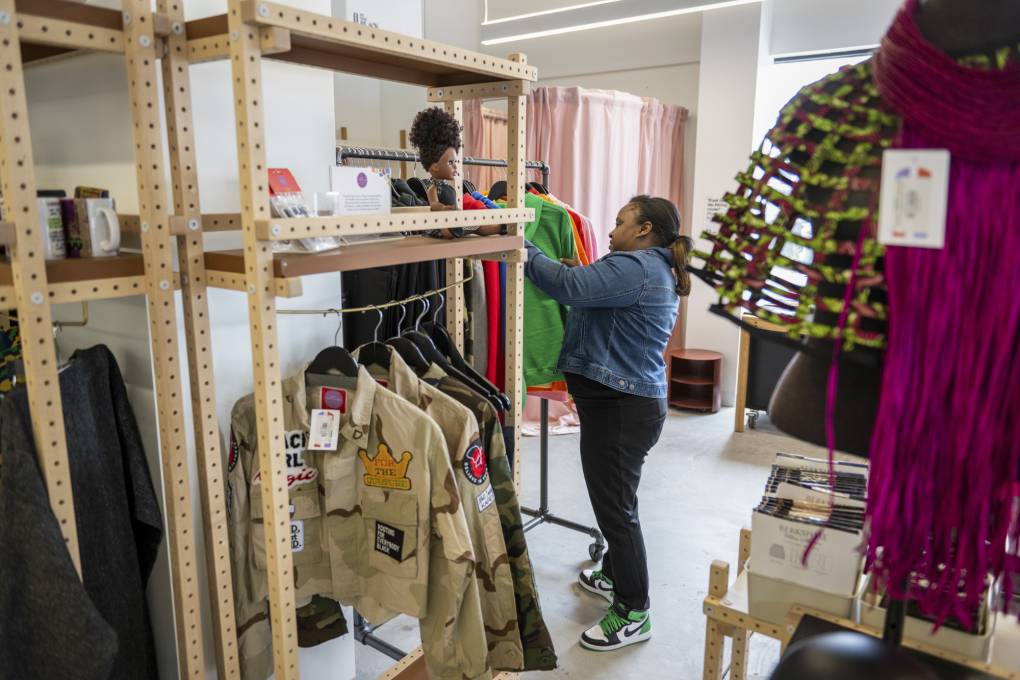
"caption": "Pia Harris, founder of In The Black and program director at San Francisco Housing Development Corporation, looks through CIK Apparel at the shop in the Fillmore district of San Francisco on June 9, 2023. In The Black is a marketplace providing Black-owned businesses an affordable space in the historic Fillmore neighborhood.",
"description": null,
"title": "RS66214_230609-InTheBlack-20-BL-KQED",
"credit": "Beth LaBerge/KQED",
"status": "inherit",
"altTag": "A woman goes through clothing on a rack in a brightly lit store with a variety of merchandise.",
"isLoading": false,
"fetchFailed": false
},
"news_11953518": {
"type": "attachments",
"id": "news_11953518",
"meta": {
"index": "attachments_1716263798",
"site": "news",
"id": "11953518",
"found": true
},
"parent": 0,
"imgSizes": {
"twentyfourteen-full-width": {
"file": "https://ww2.kqed.org/app/uploads/sites/10/2023/06/RS66473_230614-BankoBrownChosenFam-17-BL-KQED-1038x576.jpg",
"width": 1038,
"mimeType": "image/jpeg",
"height": 576
},
"thumbnail": {
"file": "https://ww2.kqed.org/app/uploads/sites/10/2023/06/RS66473_230614-BankoBrownChosenFam-17-BL-KQED-160x107.jpg",
"width": 160,
"mimeType": "image/jpeg",
"height": 107
},
"post-thumbnail": {
"file": "https://ww2.kqed.org/app/uploads/sites/10/2023/06/RS66473_230614-BankoBrownChosenFam-17-BL-KQED-672x372.jpg",
"width": 672,
"mimeType": "image/jpeg",
"height": 372
},
"kqedFullSize": {
"file": "https://ww2.kqed.org/app/uploads/sites/10/2023/06/RS66473_230614-BankoBrownChosenFam-17-BL-KQED.jpg",
"width": 2000,
"height": 1333
},
"large": {
"file": "https://ww2.kqed.org/app/uploads/sites/10/2023/06/RS66473_230614-BankoBrownChosenFam-17-BL-KQED-1020x680.jpg",
"width": 1020,
"mimeType": "image/jpeg",
"height": 680
},
"1536x1536": {
"file": "https://ww2.kqed.org/app/uploads/sites/10/2023/06/RS66473_230614-BankoBrownChosenFam-17-BL-KQED-1536x1024.jpg",
"width": 1536,
"mimeType": "image/jpeg",
"height": 1024
},
"full-width": {
"file": "https://ww2.kqed.org/app/uploads/sites/10/2023/06/RS66473_230614-BankoBrownChosenFam-17-BL-KQED-1920x1280.jpg",
"width": 1920,
"mimeType": "image/jpeg",
"height": 1280
},
"medium": {
"file": "https://ww2.kqed.org/app/uploads/sites/10/2023/06/RS66473_230614-BankoBrownChosenFam-17-BL-KQED-800x533.jpg",
"width": 800,
"mimeType": "image/jpeg",
"height": 533
}
},
"publishDate": 1687365365,
"modified": 1687549222,
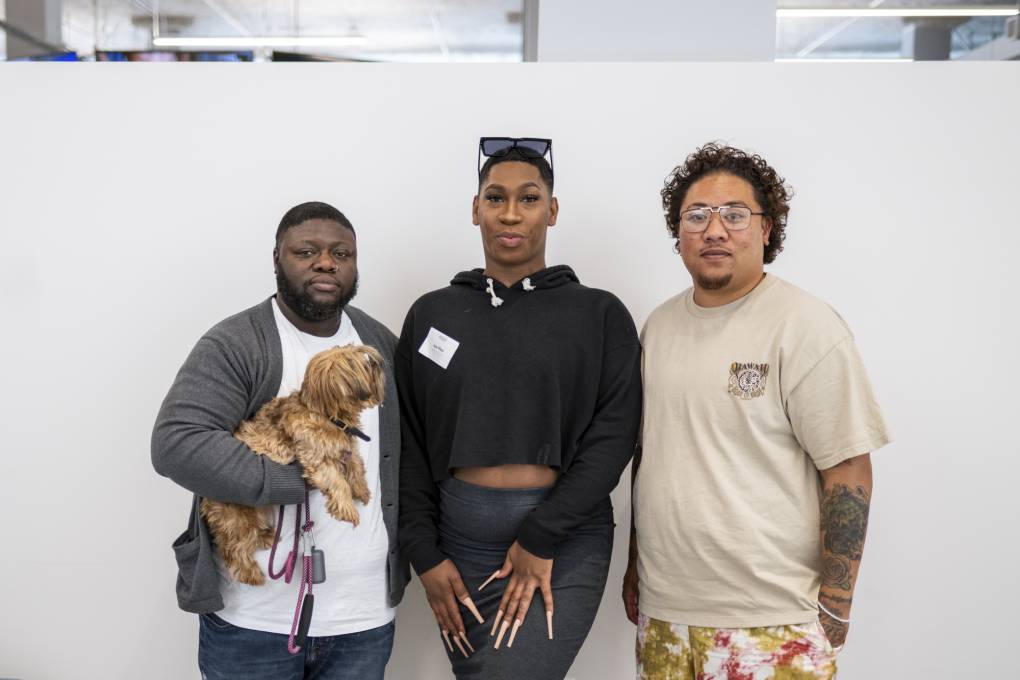
"caption": "From left, Xavier Davenport, Juju Pikes-Prince and Kazani Kalani Finao pose for a photo in San Francisco on June 14, 2023.",
"description": null,
"title": "RS66473_230614-BankoBrownChosenFam-17-BL-KQED",
"credit": "Beth LaBerge/KQED",
"status": "inherit",
"altTag": "Three people, one holding a small dog, on with sunglasses on the top of the head and one with a goatee and moustache, stand next to each other looking at the camera.",
"isLoading": false,
"fetchFailed": false
},
"news_11420025": {
"type": "attachments",
"id": "news_11420025",
"meta": {
"index": "attachments_1716263798",
"site": "news",
"id": "11420025",
"found": true
},
"parent": 11419962,
"imgSizes": {
"small": {
"file": "https://ww2.kqed.org/app/uploads/sites/10/2017/04/RS3720_sf20121024jpg-520x347.jpg",
"width": 520,
"mimeType": "image/jpeg",
"height": 347
},
"twentyfourteen-full-width": {
"file": "https://ww2.kqed.org/app/uploads/sites/10/2017/04/RS3720_sf20121024jpg-1038x576.jpg",
"width": 1038,
"mimeType": "image/jpeg",
"height": 576
},
"thumbnail": {
"file": "https://ww2.kqed.org/app/uploads/sites/10/2017/04/RS3720_sf20121024jpg-160x107.jpg",
"width": 160,
"mimeType": "image/jpeg",
"height": 107
},
"fd-sm": {
"file": "https://ww2.kqed.org/app/uploads/sites/10/2017/04/RS3720_sf20121024jpg-960x640.jpg",
"width": 960,
"mimeType": "image/jpeg",
"height": 640
},
"post-thumbnail": {
"file": "https://ww2.kqed.org/app/uploads/sites/10/2017/04/RS3720_sf20121024jpg-672x372.jpg",
"width": 672,
"mimeType": "image/jpeg",
"height": 372
},
"xsmall": {
"file": "https://ww2.kqed.org/app/uploads/sites/10/2017/04/RS3720_sf20121024jpg-375x250.jpg",
"width": 375,
"mimeType": "image/jpeg",
"height": 250
},
"kqedFullSize": {
"file": "https://ww2.kqed.org/app/uploads/sites/10/2017/04/RS3720_sf20121024jpg.jpg",
"width": 3504,
"height": 2336
},
"large": {
"file": "https://ww2.kqed.org/app/uploads/sites/10/2017/04/RS3720_sf20121024jpg-1020x680.jpg",
"width": 1020,
"mimeType": "image/jpeg",
"height": 680
},
"xlarge": {
"file": "https://ww2.kqed.org/app/uploads/sites/10/2017/04/RS3720_sf20121024jpg-1180x787.jpg",
"width": 1180,
"mimeType": "image/jpeg",
"height": 787
},
"guest-author-50": {
"file": "https://ww2.kqed.org/app/uploads/sites/10/2017/04/RS3720_sf20121024jpg-50x50.jpg",
"width": 50,
"mimeType": "image/jpeg",
"height": 50
},
"guest-author-96": {
"file": "https://ww2.kqed.org/app/uploads/sites/10/2017/04/RS3720_sf20121024jpg-96x96.jpg",
"width": 96,
"mimeType": "image/jpeg",
"height": 96
},
"medium": {
"file": "https://ww2.kqed.org/app/uploads/sites/10/2017/04/RS3720_sf20121024jpg-800x533.jpg",
"width": 800,
"mimeType": "image/jpeg",
"height": 533
},
"guest-author-64": {
"file": "https://ww2.kqed.org/app/uploads/sites/10/2017/04/RS3720_sf20121024jpg-64x64.jpg",
"width": 64,
"mimeType": "image/jpeg",
"height": 64
},
"guest-author-32": {
"file": "https://ww2.kqed.org/app/uploads/sites/10/2017/04/RS3720_sf20121024jpg-32x32.jpg",
"width": 32,
"mimeType": "image/jpeg",
"height": 32
},
"fd-lrg": {
"file": "https://ww2.kqed.org/app/uploads/sites/10/2017/04/RS3720_sf20121024jpg-1920x1280.jpg",
"width": 1920,
"mimeType": "image/jpeg",
"height": 1280
},
"fd-med": {
"file": "https://ww2.kqed.org/app/uploads/sites/10/2017/04/RS3720_sf20121024jpg-1180x787.jpg",
"width": 1180,
"mimeType": "image/jpeg",
"height": 787
},
"full-width": {
"file": "https://ww2.kqed.org/app/uploads/sites/10/2017/04/RS3720_sf20121024jpg-1920x1280.jpg",
"width": 1920,
"mimeType": "image/jpeg",
"height": 1280
},
"detail": {
"file": "https://ww2.kqed.org/app/uploads/sites/10/2017/04/RS3720_sf20121024jpg-150x150.jpg",
"width": 150,
"mimeType": "image/jpeg",
"height": 150
},
"guest-author-128": {
"file": "https://ww2.kqed.org/app/uploads/sites/10/2017/04/RS3720_sf20121024jpg-128x128.jpg",
"width": 128,
"mimeType": "image/jpeg",
"height": 128
},
"xxsmall": {
"file": "https://ww2.kqed.org/app/uploads/sites/10/2017/04/RS3720_sf20121024jpg-240x160.jpg",
"width": 240,
"mimeType": "image/jpeg",
"height": 160
}
},
"publishDate": 1492794463,
"modified": 1492794581,
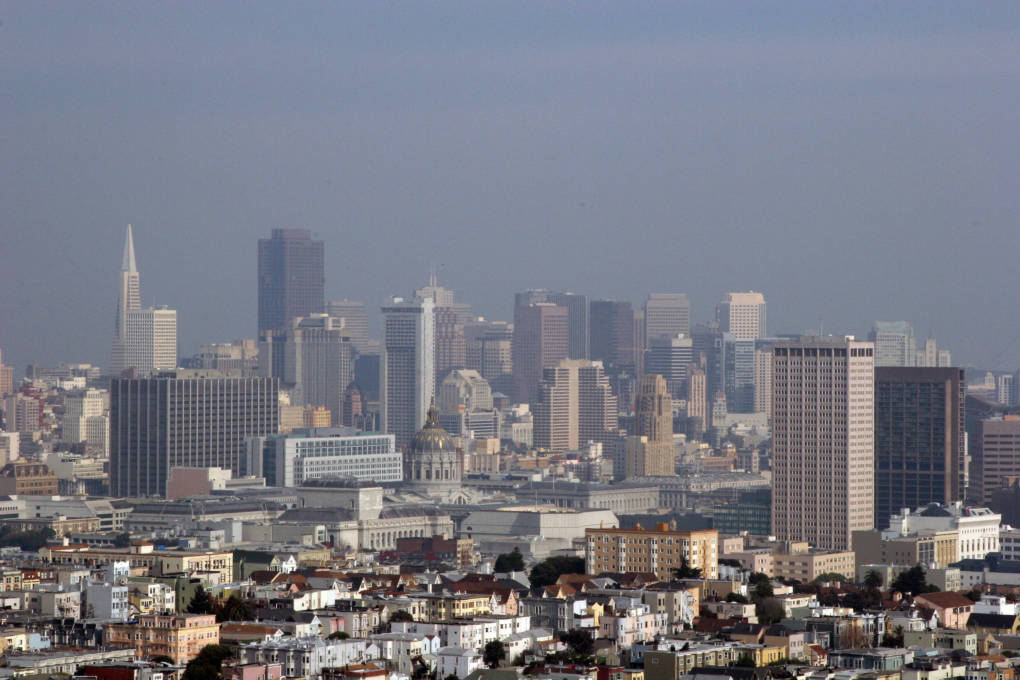
"caption": "Downtown San Francisco.",
"description": "Downtown San Francisco.",
"title": "Downtown San Francisco is pictured 23 De",
"credit": "GABRIEL BOUYS/AFP/Getty Images",
"status": "inherit",
"isLoading": false,
"fetchFailed": false
},
"news_11953684": {
"type": "attachments",
"id": "news_11953684",
"meta": {
"index": "attachments_1716263798",
"site": "news",
"id": "11953684",
"found": true
},
"parent": 0,
"imgSizes": {
"twentyfourteen-full-width": {
"file": "https://ww2.kqed.org/app/uploads/sites/10/2023/06/RS48915_016_SanFrancisco_CCSFRally_05062021-qut-1038x576.jpeg",
"width": 1038,
"mimeType": "image/jpeg",
"height": 576
},
"thumbnail": {
"file": "https://ww2.kqed.org/app/uploads/sites/10/2023/06/RS48915_016_SanFrancisco_CCSFRally_05062021-qut-160x107.jpeg",
"width": 160,
"mimeType": "image/jpeg",
"height": 107
},
"post-thumbnail": {
"file": "https://ww2.kqed.org/app/uploads/sites/10/2023/06/RS48915_016_SanFrancisco_CCSFRally_05062021-qut-672x372.jpeg",
"width": 672,
"mimeType": "image/jpeg",
"height": 372
},
"kqedFullSize": {
"file": "https://ww2.kqed.org/app/uploads/sites/10/2023/06/RS48915_016_SanFrancisco_CCSFRally_05062021-qut.jpeg",
"width": 1920,
"height": 1278
},
"large": {
"file": "https://ww2.kqed.org/app/uploads/sites/10/2023/06/RS48915_016_SanFrancisco_CCSFRally_05062021-qut-1020x679.jpeg",
"width": 1020,
"mimeType": "image/jpeg",
"height": 679
},
"1536x1536": {
"file": "https://ww2.kqed.org/app/uploads/sites/10/2023/06/RS48915_016_SanFrancisco_CCSFRally_05062021-qut-1536x1022.jpeg",
"width": 1536,
"mimeType": "image/jpeg",
"height": 1022
},
"medium": {
"file": "https://ww2.kqed.org/app/uploads/sites/10/2023/06/RS48915_016_SanFrancisco_CCSFRally_05062021-qut-800x533.jpeg",
"width": 800,
"mimeType": "image/jpeg",
"height": 533
}
},
"publishDate": 1687387043,
"modified": 1687387866,
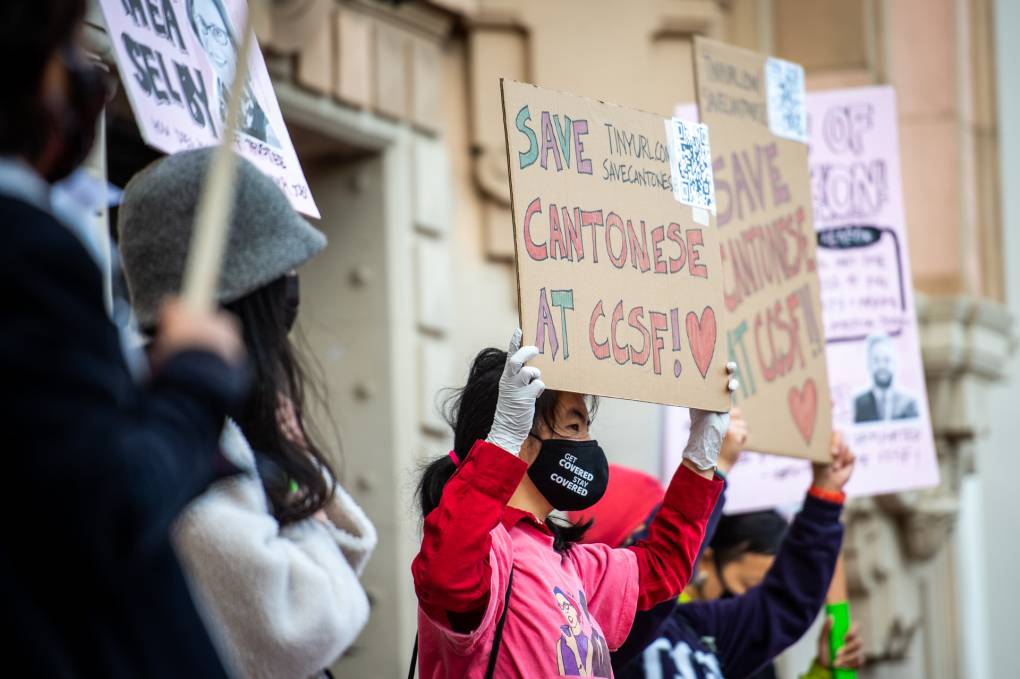
"caption": "A demonstrator holds a sign that says 'Save Cantonese at CCSF' during a rally outside Mission High School in San Francisco on May 6, 2021.",
"description": null,
"title": "RS48915_016_SanFrancisco_CCSFRally_05062021-qut",
"credit": "Beth LaBerge/KQED",
"status": "inherit",
"altTag": "A person in red clothing and a face mask holds a sign that reads, \"Save Cantonese at CCSF,\" among a crowd of others.",
"isLoading": false,
"fetchFailed": false
},
"news_11953070": {
"type": "attachments",
"id": "news_11953070",
"meta": {
"index": "attachments_1716263798",
"site": "news",
"id": "11953070",
"found": true
},
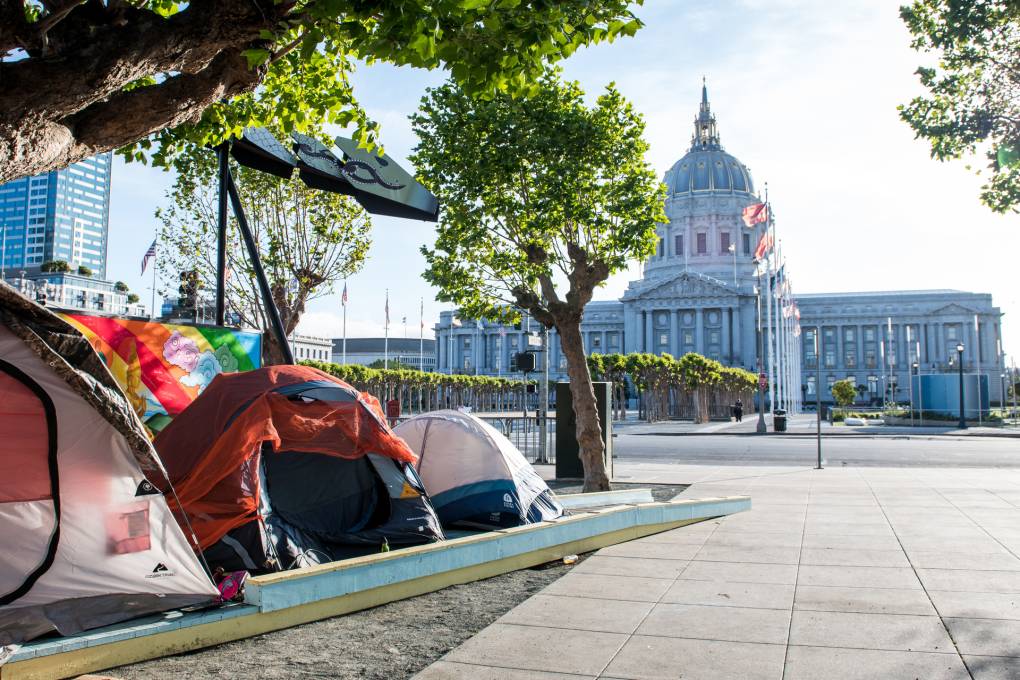
"title": "Tents line Fulton Street near City Hall on April 5, 2020.",
"publishDate": 1686863978,
"status": "inherit",
"parent": 11954718,
"modified": 1718058833,
"caption": "Tents line Fulton Street near City Hall on April 5, 2020.",
"credit": "Beth LaBerge/KQED",
"altTag": "Three tents line a public street with San Francisco's City Hall building shining as the sun comes up in the early morning hours. Rows of trees line a path toward the city building.",
"description": "Tents line Fulton Street near City Hall on April 5, 2020. In June, budget battles are underway in the Bay Area's two largest cities, with Mayors London Breed in San Francisco and Matt Mahan in San José pushing for more voter-approved homelessness dollars to go toward temporary housing.",
"imgSizes": {
"medium": {
"file": "https://cdn.kqed.org/wp-content/uploads/sites/10/2023/06/RS43040_011_KQED_SanFrancisco_TentEncampments_05052020-qut-800x533.jpg",
"width": 800,
"height": 533,
"mimeType": "image/jpeg"
},
"large": {
"file": "https://cdn.kqed.org/wp-content/uploads/sites/10/2023/06/RS43040_011_KQED_SanFrancisco_TentEncampments_05052020-qut-1020x680.jpg",
"width": 1020,
"height": 680,
"mimeType": "image/jpeg"
},
"thumbnail": {
"file": "https://cdn.kqed.org/wp-content/uploads/sites/10/2023/06/RS43040_011_KQED_SanFrancisco_TentEncampments_05052020-qut-160x107.jpg",
"width": 160,
"height": 107,
"mimeType": "image/jpeg"
},
"1536x1536": {
"file": "https://cdn.kqed.org/wp-content/uploads/sites/10/2023/06/RS43040_011_KQED_SanFrancisco_TentEncampments_05052020-qut-1536x1024.jpg",
"width": 1536,
"height": 1024,
"mimeType": "image/jpeg"
},
"post-thumbnail": {
"file": "https://cdn.kqed.org/wp-content/uploads/sites/10/2023/06/RS43040_011_KQED_SanFrancisco_TentEncampments_05052020-qut-672x372.jpg",
"width": 672,
"height": 372,
"mimeType": "image/jpeg"
},
"twentyfourteen-full-width": {
"file": "https://cdn.kqed.org/wp-content/uploads/sites/10/2023/06/RS43040_011_KQED_SanFrancisco_TentEncampments_05052020-qut-1038x576.jpg",
"width": 1038,
"height": 576,
"mimeType": "image/jpeg"
},
"kqedFullSize": {
"file": "https://cdn.kqed.org/wp-content/uploads/sites/10/2023/06/RS43040_011_KQED_SanFrancisco_TentEncampments_05052020-qut.jpg",
"width": 1920,
"height": 1280
}
},
"isLoading": false,
"fetchFailed": false
},
"news_11952896": {
"type": "attachments",
"id": "news_11952896",
"meta": {
"index": "attachments_1716263798",
"site": "news",
"id": "11952896",
"found": true
},
"parent": 11952872,
"imgSizes": {
"twentyfourteen-full-width": {
"file": "https://ww2.kqed.org/app/uploads/sites/10/2023/06/GettyImages-1258576571-1024x576.jpg",
"width": 1024,
"mimeType": "image/jpeg",
"height": 576
},
"thumbnail": {
"file": "https://ww2.kqed.org/app/uploads/sites/10/2023/06/GettyImages-1258576571-160x107.jpg",
"width": 160,
"mimeType": "image/jpeg",
"height": 107
},
"post-thumbnail": {
"file": "https://ww2.kqed.org/app/uploads/sites/10/2023/06/GettyImages-1258576571-672x372.jpg",
"width": 672,
"mimeType": "image/jpeg",
"height": 372
},
"kqedFullSize": {
"file": "https://ww2.kqed.org/app/uploads/sites/10/2023/06/GettyImages-1258576571.jpg",
"width": 1024,
"height": 683
},
"large": {
"file": "https://ww2.kqed.org/app/uploads/sites/10/2023/06/GettyImages-1258576571-1020x680.jpg",
"width": 1020,
"mimeType": "image/jpeg",
"height": 680
},
"medium": {
"file": "https://ww2.kqed.org/app/uploads/sites/10/2023/06/GettyImages-1258576571-800x534.jpg",
"width": 800,
"mimeType": "image/jpeg",
"height": 534
}
},
"publishDate": 1686702249,
"modified": 1686702390,
"caption": "San Francisco police take security measures after nine people were shot on Friday night, June 9, 2023, in the Mission District.",
"description": null,
"title": "Multiple People Shot in San Franciscoâs Mission District",
"credit": "Tayfun Coskun/Anadolu Agency via Getty Images",
"status": "inherit",
"altTag": "A SF police car, with sirens on, is behind police tape, on a street at night.",
"isLoading": false,
"fetchFailed": false
},
"news_11952545": {
"type": "attachments",
"id": "news_11952545",
"meta": {
"index": "attachments_1716263798",
"site": "news",
"id": "11952545",
"found": true
},
"title": "RS66141_016_KQED_SheriffPressConference_06082023-KQED",
"publishDate": 1686251655,
"status": "inherit",
"parent": 0,
"modified": 1717610445,
"caption": "San Francisco sheriff's deputies listen to a news conference in San Francisco's Civic Center on June 8, 2023, where Sheriff Paul Miyamoto (not pictured) announced the activation of a six-month plan focused on areas of the Tenderloin and SoMa neighborhoods to reduce open-air drug dealing and drug use.",
"credit": "Beth LaBerge/KQED",
"altTag": "A group of half a dozen law enforcement officers stand in front of squad cars parked in an open area in front of an ornate columned building.",
"description": null,
"imgSizes": {
"medium": {
"file": "https://cdn.kqed.org/wp-content/uploads/sites/10/2023/06/RS66141_016_KQED_SheriffPressConference_06082023-KQED-800x533.jpg",
"width": 800,
"height": 533,
"mimeType": "image/jpeg"
},
"large": {
"file": "https://cdn.kqed.org/wp-content/uploads/sites/10/2023/06/RS66141_016_KQED_SheriffPressConference_06082023-KQED-1020x680.jpg",
"width": 1020,
"height": 680,
"mimeType": "image/jpeg"
},
"thumbnail": {
"file": "https://cdn.kqed.org/wp-content/uploads/sites/10/2023/06/RS66141_016_KQED_SheriffPressConference_06082023-KQED-160x107.jpg",
"width": 160,
"height": 107,
"mimeType": "image/jpeg"
},
"1536x1536": {
"file": "https://cdn.kqed.org/wp-content/uploads/sites/10/2023/06/RS66141_016_KQED_SheriffPressConference_06082023-KQED-1536x1024.jpg",
"width": 1536,
"height": 1024,
"mimeType": "image/jpeg"
},
"post-thumbnail": {
"file": "https://cdn.kqed.org/wp-content/uploads/sites/10/2023/06/RS66141_016_KQED_SheriffPressConference_06082023-KQED-672x372.jpg",
"width": 672,
"height": 372,
"mimeType": "image/jpeg"
},
"twentyfourteen-full-width": {
"file": "https://cdn.kqed.org/wp-content/uploads/sites/10/2023/06/RS66141_016_KQED_SheriffPressConference_06082023-KQED-1038x576.jpg",
"width": 1038,
"height": 576,
"mimeType": "image/jpeg"
},
"kqedFullSize": {
"file": "https://cdn.kqed.org/wp-content/uploads/sites/10/2023/06/RS66141_016_KQED_SheriffPressConference_06082023-KQED.jpg",
"width": 1920,
"height": 1280
}
},
"isLoading": false,
"fetchFailed": false
},
"news_11952381": {
"type": "attachments",
"id": "news_11952381",
"meta": {
"index": "attachments_1716263798",
"site": "news",
"id": "11952381",
"found": true
},
"parent": 0,
"imgSizes": {
"twentyfourteen-full-width": {
"file": "https://ww2.kqed.org/app/uploads/sites/10/2023/06/RS66125_006_KQED_CastroTheatreSeats_06062023-KQED-1038x576.jpg",
"width": 1038,
"mimeType": "image/jpeg",
"height": 576
},
"thumbnail": {
"file": "https://ww2.kqed.org/app/uploads/sites/10/2023/06/RS66125_006_KQED_CastroTheatreSeats_06062023-KQED-160x107.jpg",
"width": 160,
"mimeType": "image/jpeg",
"height": 107
},
"post-thumbnail": {
"file": "https://ww2.kqed.org/app/uploads/sites/10/2023/06/RS66125_006_KQED_CastroTheatreSeats_06062023-KQED-672x372.jpg",
"width": 672,
"mimeType": "image/jpeg",
"height": 372
},
"kqedFullSize": {
"file": "https://ww2.kqed.org/app/uploads/sites/10/2023/06/RS66125_006_KQED_CastroTheatreSeats_06062023-KQED.jpg",
"width": 1920,
"height": 1280
},
"large": {
"file": "https://ww2.kqed.org/app/uploads/sites/10/2023/06/RS66125_006_KQED_CastroTheatreSeats_06062023-KQED-1020x680.jpg",
"width": 1020,
"mimeType": "image/jpeg",
"height": 680
},
"1536x1536": {
"file": "https://ww2.kqed.org/app/uploads/sites/10/2023/06/RS66125_006_KQED_CastroTheatreSeats_06062023-KQED-1536x1024.jpg",
"width": 1536,
"mimeType": "image/jpeg",
"height": 1024
},
"medium": {
"file": "https://ww2.kqed.org/app/uploads/sites/10/2023/06/RS66125_006_KQED_CastroTheatreSeats_06062023-KQED-800x533.jpg",
"width": 800,
"mimeType": "image/jpeg",
"height": 533
}
},
"publishDate": 1686083331,
"modified": 1686104433,
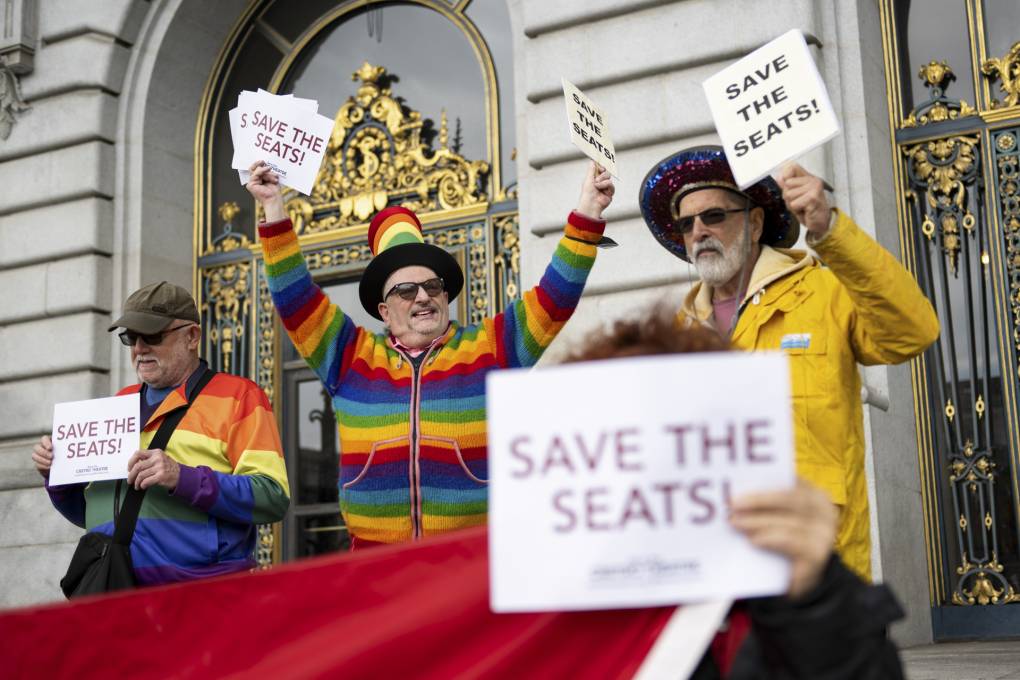
"caption": "Michael Petrelis (center) holds signs that say 'Save the Seats' during a rally at City Hall in San Francisco on June 6, 2023, in opposition to a plan to remove fixed seating at the Castro Theatre. The rally was held before a Board of Supervisors' meeting regarding the landmark status of the theater.",
"description": null,
"title": "RS66125_006_KQED_CastroTheatreSeats_06062023-KQED",
"credit": "Beth LaBerge/KQED",
"status": "inherit",
"altTag": "Several people in rainbow patterned clothing hold signs that read \"save the seats\" in front of ornate gold-leafed doors.",
"isLoading": false,
"fetchFailed": false
},
"news_11952119": {
"type": "attachments",
"id": "news_11952119",
"meta": {
"index": "attachments_1716263798",
"site": "news",
"id": "11952119",
"found": true
},
"parent": 11952106,
"imgSizes": {
"twentyfourteen-full-width": {
"file": "https://ww2.kqed.org/app/uploads/sites/10/2023/06/RS65708_032_KQED_Kindergarten2College_05162023-qut-1038x576.jpg",
"width": 1038,
"mimeType": "image/jpeg",
"height": 576
},
"thumbnail": {
"file": "https://ww2.kqed.org/app/uploads/sites/10/2023/06/RS65708_032_KQED_Kindergarten2College_05162023-qut-160x107.jpg",
"width": 160,
"mimeType": "image/jpeg",
"height": 107
},
"post-thumbnail": {
"file": "https://ww2.kqed.org/app/uploads/sites/10/2023/06/RS65708_032_KQED_Kindergarten2College_05162023-qut-672x372.jpg",
"width": 672,
"mimeType": "image/jpeg",
"height": 372
},
"kqedFullSize": {
"file": "https://ww2.kqed.org/app/uploads/sites/10/2023/06/RS65708_032_KQED_Kindergarten2College_05162023-qut.jpg",
"width": 1920,
"height": 1280
},
"large": {
"file": "https://ww2.kqed.org/app/uploads/sites/10/2023/06/RS65708_032_KQED_Kindergarten2College_05162023-qut-1020x680.jpg",
"width": 1020,
"mimeType": "image/jpeg",
"height": 680
},
"1536x1536": {
"file": "https://ww2.kqed.org/app/uploads/sites/10/2023/06/RS65708_032_KQED_Kindergarten2College_05162023-qut-1536x1024.jpg",
"width": 1536,
"mimeType": "image/jpeg",
"height": 1024
},
"medium": {
"file": "https://ww2.kqed.org/app/uploads/sites/10/2023/06/RS65708_032_KQED_Kindergarten2College_05162023-qut-800x533.jpg",
"width": 800,
"mimeType": "image/jpeg",
"height": 533
}
},
"publishDate": 1685819650,
"modified": 1685994781,
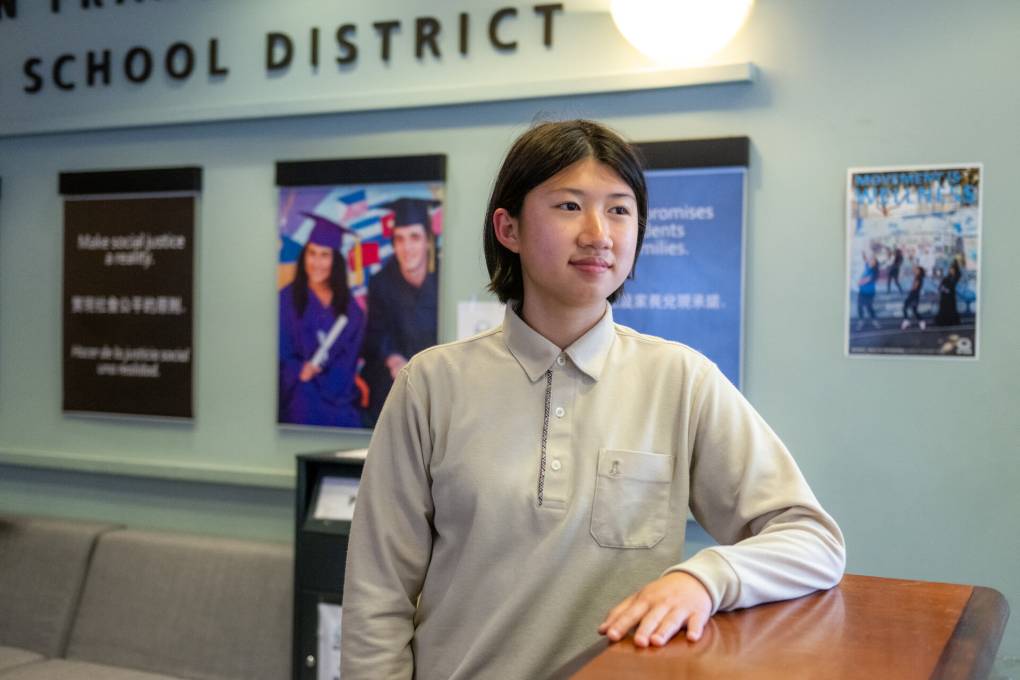
"caption": "Class of 2023 student Saw Yunn Nwe poses for a portrait during a ceremony celebrating the first class of graduates from San Francisco high schools using the Kindergarten to College (K2C) savings account as they head off to college, at the San Francisco Unified School District headquarters in San Francisco on May 16, 2023.",
"description": null,
"title": "RS65708_032_KQED_Kindergarten2College_05162023-qut",
"credit": "Beth LaBerge/KQED",
"status": "inherit",
"altTag": "An Asian youth looks away from the camera with a school wall behind her.",
"isLoading": false,
"fetchFailed": false
}
},
"audioPlayerReducer": {
"postId": "stream_live",
"isPaused": true,
"isPlaying": false,
"pfsActive": false,
"pledgeModalIsOpen": true,
"playerDrawerIsOpen": false,
"liveAudioPlayStartedAt": 0,
"liveAudioPlayContext": ""
},
"authorsReducer": {
"byline_news_11954111": {
"type": "authors",
"id": "byline_news_11954111",
"meta": {
"override": true
},
"slug": "byline_news_11954111",
"name": "Matthew Cardoza",
"isLoading": false
},
"gmarzorati": {
"type": "authors",
"id": "227",
"meta": {
"index": "authors_1716337520",
"id": "227",
"found": true
},
"name": "Guy Marzorati",
"firstName": "Guy",
"lastName": "Marzorati",
"slug": "gmarzorati",
"email": "gmarzorati@KQED.org",
"display_author_email": true,
"staff_mastheads": [
"news"
],
"title": "Correspondent",
"bio": "Guy Marzorati is a correspondent on KQED's California Politics and Government Desk, based in San Jose. A graduate of Santa Clara University, Guy joined KQED in 2013. He reports on state and local politics and produces KQED's digital voter guide.",
"avatar": "https://secure.gravatar.com/avatar/e7038b8dbfd55b104369b76b1cd0b9de?s=600&d=blank&r=g",
"twitter": "guymarzorati",
"facebook": null,
"instagram": null,
"linkedin": null,
"sites": [
{
"site": "",
"roles": [
"editor"
]
},
{
"site": "news",
"roles": [
"editor"
]
},
{
"site": "science",
"roles": [
"editor"
]
},
{
"site": "forum",
"roles": [
"editor"
]
},
{
"site": "elections",
"roles": [
"editor"
]
},
{
"site": "liveblog",
"roles": [
"editor"
]
}
],
"headData": {
"title": "Guy Marzorati | KQED",
"description": "Correspondent",
"ogImgSrc": "https://secure.gravatar.com/avatar/e7038b8dbfd55b104369b76b1cd0b9de?s=600&d=blank&r=g",
"twImgSrc": "https://secure.gravatar.com/avatar/e7038b8dbfd55b104369b76b1cd0b9de?s=600&d=blank&r=g"
},
"isLoading": false,
"link": "/author/gmarzorati"
},
"matthewgreen": {
"type": "authors",
"id": "1263",
"meta": {
"index": "authors_1716337520",
"id": "1263",
"found": true
},
"name": "Matthew Green",
"firstName": "Matthew",
"lastName": "Green",
"slug": "matthewgreen",
"email": "mgreen@kqed.org",
"display_author_email": false,
"staff_mastheads": [],
"title": "KQED Editor/Reporter",
"bio": "Matthew Green is a digital media producer for KQED News. He previously produced \u003ca href=\"http://www.kqed.org/lowdown\">The Lowdown\u003c/a>, KQED’s multimedia news education blog. Matthew's written for numerous Bay Area publications, including the Oakland Tribune and San Francisco Chronicle. He also taught journalism classes at Fremont High School in East Oakland.\r\n\r\nEmail: mgreen@kqed.org; Twitter: @MGreenKQED",
"avatar": "https://secure.gravatar.com/avatar/3bf498d1267ca02c8494f33d8cfc575e?s=600&d=blank&r=g",
"twitter": "MGreenKQED",
"facebook": null,
"instagram": null,
"linkedin": null,
"sites": [
{
"site": "news",
"roles": []
},
{
"site": "lowdown",
"roles": []
},
{
"site": "science",
"roles": []
},
{
"site": "education",
"roles": []
},
{
"site": "quest",
"roles": []
},
{
"site": "liveblog",
"roles": []
}
],
"headData": {
"title": "Matthew Green | KQED",
"description": "KQED Editor/Reporter",
"ogImgSrc": "https://secure.gravatar.com/avatar/3bf498d1267ca02c8494f33d8cfc575e?s=600&d=blank&r=g",
"twImgSrc": "https://secure.gravatar.com/avatar/3bf498d1267ca02c8494f33d8cfc575e?s=600&d=blank&r=g"
},
"isLoading": false,
"link": "/author/matthewgreen"
},
"ecruzguevarra": {
"type": "authors",
"id": "8654",
"meta": {
"index": "authors_1716337520",
"id": "8654",
"found": true
},
"name": "Ericka Cruz Guevarra",
"firstName": "Ericka",
"lastName": "Cruz Guevarra",
"slug": "ecruzguevarra",
"email": "ecruzguevarra@kqed.org",
"display_author_email": true,
"staff_mastheads": [
"news"
],
"title": "Producer, The Bay Podcast",
"bio": "Ericka Cruz Guevarra is host of \u003ca href=\"https://www.kqed.org/podcasts/thebay\">\u003cem>The Bay\u003c/em>\u003c/a> podcast at KQED. Before host, she was the show’s producer. Her work in that capacity includes a three-part reported series on policing in Vallejo, which won a 2020 excellence in journalism award from the Society of Professional Journalists. Ericka has worked as a breaking news reporter at Oregon Public Broadcasting, helped produce the Code Switch podcast, and was KQED’s inaugural Raul Ramirez Diversity Fund intern. She’s also an alumna of NPR’s Next Generation Radio program. Send her an email if you have strong feelings about whether Fairfield and Suisun City are the Bay. Ericka is represented by SAG-AFTRA.",
"avatar": "https://secure.gravatar.com/avatar/accefc1de4bafc7e234b69bcb9b6f6536c130fd84709bc3069ef11a78787e1bb?s=600&d=blank&r=g",
"twitter": "NotoriousECG",
"bluesky": null,
"facebook": null,
"instagram": null,
"linkedin": null,
"sites": [
{
"site": "arts",
"roles": [
"subscriber"
]
},
{
"site": "news",
"roles": [
"editor",
"manage_categories"
]
},
{
"site": "futureofyou",
"roles": [
"subscriber"
]
},
{
"site": "stateofhealth",
"roles": [
"subscriber"
]
},
{
"site": "science",
"roles": [
"editor"
]
},
{
"site": "forum",
"roles": [
"subscriber"
]
}
],
"headData": {
"title": "Ericka Cruz Guevarra | KQED",
"description": "Producer, The Bay Podcast",
"ogImgSrc": "https://secure.gravatar.com/avatar/accefc1de4bafc7e234b69bcb9b6f6536c130fd84709bc3069ef11a78787e1bb?s=600&d=blank&r=g",
"twImgSrc": "https://secure.gravatar.com/avatar/accefc1de4bafc7e234b69bcb9b6f6536c130fd84709bc3069ef11a78787e1bb?s=600&d=blank&r=g"
},
"isLoading": false,
"link": "/author/ecruzguevarra"
},
"jasminegarnett": {
"type": "authors",
"id": "11530",
"meta": {
"index": "authors_1716337520",
"id": "11530",
"found": true
},
"name": "Jasmine Garnett",
"firstName": "Jasmine",
"lastName": "Garnett",
"slug": "jasminegarnett",
"email": "JGarnett@KQED.org",
"display_author_email": false,
"staff_mastheads": [
"news"
],
"title": "Senior Engagement Platforms Producer",
"bio": "Jasmine is a Senior Engagement Platforms Producer on the KQED News team. She is also a freelance writer, with work appearing in KQED, Bitch Media, and Kotaku among others. Jasmine graduated from UC Berkeley with a degree in Media Studies, where she was also an Arts and Entertainment reporter at the Daily Californian.",
"avatar": "https://secure.gravatar.com/avatar/a6ea8b0641874311533b7401bee15c8e?s=600&d=blank&r=g",
"twitter": "JFLGarnett",
"facebook": null,
"instagram": null,
"linkedin": null,
"sites": [
{
"site": "arts",
"roles": [
"author"
]
},
{
"site": "news",
"roles": [
"editor"
]
},
{
"site": "about",
"roles": [
"editor"
]
},
{
"site": "science",
"roles": [
"editor"
]
},
{
"site": "forum",
"roles": [
"editor"
]
},
{
"site": "pressroom",
"roles": [
"editor"
]
}
],
"headData": {
"title": "Jasmine Garnett | KQED",
"description": "Senior Engagement Platforms Producer",
"ogImgSrc": "https://secure.gravatar.com/avatar/a6ea8b0641874311533b7401bee15c8e?s=600&d=blank&r=g",
"twImgSrc": "https://secure.gravatar.com/avatar/a6ea8b0641874311533b7401bee15c8e?s=600&d=blank&r=g"
},
"isLoading": false,
"link": "/author/jasminegarnett"
},
"hmcdede": {
"type": "authors",
"id": "11635",
"meta": {
"index": "authors_1716337520",
"id": "11635",
"found": true
},
"name": "Holly McDede",
"firstName": "Holly",
"lastName": "McDede",
"slug": "hmcdede",
"email": "hmcdede@KQED.org",
"display_author_email": false,
"staff_mastheads": [],
"title": "KQED Contributor",
"bio": null,
"avatar": "https://secure.gravatar.com/avatar/999d9bf31bb3a2f0511932d99526cb3e?s=600&d=blank&r=g",
"twitter": null,
"facebook": null,
"instagram": null,
"linkedin": null,
"sites": [
{
"site": "arts",
"roles": [
"editor"
]
},
{
"site": "news",
"roles": [
"edit_others_posts",
"editor"
]
},
{
"site": "science",
"roles": [
"editor"
]
},
{
"site": "forum",
"roles": [
"editor"
]
},
{
"site": "perspectives",
"roles": [
"administrator"
]
}
],
"headData": {
"title": "Holly McDede | KQED",
"description": "KQED Contributor",
"ogImgSrc": "https://secure.gravatar.com/avatar/999d9bf31bb3a2f0511932d99526cb3e?s=600&d=blank&r=g",
"twImgSrc": "https://secure.gravatar.com/avatar/999d9bf31bb3a2f0511932d99526cb3e?s=600&d=blank&r=g"
},
"isLoading": false,
"link": "/author/hmcdede"
},
"amontecillo": {
"type": "authors",
"id": "11649",
"meta": {
"index": "authors_1716337520",
"id": "11649",
"found": true
},
"name": "Alan Montecillo",
"firstName": "Alan",
"lastName": "Montecillo",
"slug": "amontecillo",
"email": "amontecillo@kqed.org",
"display_author_email": false,
"staff_mastheads": [
"news"
],
"title": "KQED Contributor",
"bio": "Alan Montecillo is the senior editor of \u003cem>\u003ca href=\"http://kqed.org/thebay\">The Bay\u003c/a>, \u003c/em> KQED's local news podcast. Before moving to the Bay Area, he worked as a senior talk show producer for WILL in Champaign-Urbana, Illinois and at Oregon Public Broadcasting in Portland, Oregon. He has won journalism awards from the Society of Professional Journalists Northern California, the Public Media Journalists Association, The Signal Awards, and has also received a regional Edward R. Murrow award. Alan is a Filipino American from Hong Kong and a graduate of Reed College.",
"avatar": "https://secure.gravatar.com/avatar/268f53a2066899ea9efdd8a5900218b17c822d9862cbc9326cccec53ef41d349?s=600&d=blank&r=g",
"twitter": "alanmontecillo",
"bluesky": null,
"facebook": null,
"instagram": null,
"linkedin": null,
"sites": [
{
"site": "",
"roles": [
"editor"
]
},
{
"site": "news",
"roles": [
"editor",
"manage_categories"
]
}
],
"headData": {
"title": "Alan Montecillo | KQED",
"description": "KQED Contributor",
"ogImgSrc": "https://secure.gravatar.com/avatar/268f53a2066899ea9efdd8a5900218b17c822d9862cbc9326cccec53ef41d349?s=600&d=blank&r=g",
"twImgSrc": "https://secure.gravatar.com/avatar/268f53a2066899ea9efdd8a5900218b17c822d9862cbc9326cccec53ef41d349?s=600&d=blank&r=g"
},
"isLoading": false,
"link": "/author/amontecillo"
},
"jrodriguez": {
"type": "authors",
"id": "11690",
"meta": {
"index": "authors_1716337520",
"id": "11690",
"found": true
},
"name": "Joe Fitzgerald Rodriguez",
"firstName": "Joe",
"lastName": "Fitzgerald Rodriguez",
"slug": "jrodriguez",
"email": "jrodriguez@kqed.org",
"display_author_email": true,
"staff_mastheads": [
"news"
],
"title": "Reporter and Producer",
"bio": "Joe Fitzgerald Rodriguez is a reporter and digital producer for KQED covering politics. Joe most recently wrote for the \u003cem>San Francisco Examiner\u003c/em> as a political columnist covering The City. He was raised in San Francisco and has spent his reporting career in his beloved, foggy, city by the bay. Joe was 12-years-old when he conducted his first interview in journalism, grilling former San Francisco Mayor Willie Brown for the Marina Middle School newspaper, \u003cem>The Penguin Press, \u003c/em>and he continues to report on the San Francisco Bay Area to this day.",
"avatar": "https://secure.gravatar.com/avatar/2247beb0564c1e9c62228d5649d2edac?s=600&d=blank&r=g",
"twitter": "FitztheReporter",
"facebook": null,
"instagram": "https://www.instagram.com/fitzthereporter/",
"linkedin": null,
"sites": [
{
"site": "",
"roles": [
"editor"
]
},
{
"site": "arts",
"roles": [
"editor"
]
},
{
"site": "news",
"roles": [
"editor"
]
},
{
"site": "science",
"roles": [
"editor"
]
},
{
"site": "elections",
"roles": [
"editor"
]
},
{
"site": "liveblog",
"roles": [
"editor"
]
}
],
"headData": {
"title": "Joe Fitzgerald Rodriguez | KQED",
"description": "Reporter and Producer",
"ogImgSrc": "https://secure.gravatar.com/avatar/2247beb0564c1e9c62228d5649d2edac?s=600&d=blank&r=g",
"twImgSrc": "https://secure.gravatar.com/avatar/2247beb0564c1e9c62228d5649d2edac?s=600&d=blank&r=g"
},
"isLoading": false,
"link": "/author/jrodriguez"
},
"ccabreralomeli": {
"type": "authors",
"id": "11708",
"meta": {
"index": "authors_1716337520",
"id": "11708",
"found": true
},
"name": "Carlos Cabrera-Lomelí",
"firstName": "Carlos",
"lastName": "Cabrera-Lomelí",
"slug": "ccabreralomeli",
"email": "ccabreralomeli@KQED.org",
"display_author_email": true,
"staff_mastheads": [
"news"
],
"title": "Community Reporter",
"bio": "Carlos Cabrera-Lomelí is a community reporter with KQED's digital engagement team. He also reports and co-produces for KQED's bilingual news hub KQED en Español. He grew up in San Francisco's Mission District and has previously worked with Univision, 48 Hills and REFORMA in Mexico City.",
"avatar": "https://secure.gravatar.com/avatar/c309be9665e484f887b818c89e273ecc673004f426f36b24d00a4d813a2e0518?s=600&d=blank&r=g",
"twitter": "@LomeliCabrera",
"bluesky": null,
"facebook": null,
"instagram": null,
"linkedin": null,
"sites": [
{
"site": "arts",
"roles": [
"editor"
]
},
{
"site": "news",
"roles": [
"editor"
]
},
{
"site": "about",
"roles": [
"editor"
]
},
{
"site": "science",
"roles": [
"editor"
]
},
{
"site": "perspectives",
"roles": [
"editor"
]
},
{
"site": "elections",
"roles": [
"editor"
]
},
{
"site": "liveblog",
"roles": [
"contributor"
]
}
],
"headData": {
"title": "Carlos Cabrera-Lomelí | KQED",
"description": "Community Reporter",
"ogImgSrc": "https://secure.gravatar.com/avatar/c309be9665e484f887b818c89e273ecc673004f426f36b24d00a4d813a2e0518?s=600&d=blank&r=g",
"twImgSrc": "https://secure.gravatar.com/avatar/c309be9665e484f887b818c89e273ecc673004f426f36b24d00a4d813a2e0518?s=600&d=blank&r=g"
},
"isLoading": false,
"link": "/author/ccabreralomeli"
},
"mesquinca": {
"type": "authors",
"id": "11802",
"meta": {
"index": "authors_1716337520",
"id": "11802",
"found": true
},
"name": "Maria Esquinca",
"firstName": "Maria",
"lastName": "Esquinca",
"slug": "mesquinca",
"email": "mesquinca@kqed.org",
"display_author_email": false,
"staff_mastheads": [],
"title": "Producer, The Bay",
"bio": "María Esquinca is a producer of The Bay. Before that, she was a New York Women’s Foundation IGNITE Fellow at Latino USA. She worked at Radio Bilingue where she covered the San Joaquin Valley. Maria has interned at WLRN, News 21, The New York Times Student Journalism Institute and at Crain’s Detroit Business as a Dow Jones News Fund Business Reporting Intern. She is an MFA graduate from the University of Miami. In 2017, she graduated from the Walter Cronkite School of Journalism and Mass Communication with a Master of Mass Communication. A fronteriza, she was born in Ciudad Juárez, Chihuahua, Mexico and grew up in El Paso, Texas.",
"avatar": "https://secure.gravatar.com/avatar/77cedba18aae91da775038ba06dcd8d0?s=600&d=blank&r=g",
"twitter": "@m_esquinca",
"facebook": null,
"instagram": null,
"linkedin": null,
"sites": [
{
"site": "news",
"roles": []
}
],
"headData": {
"title": "Maria Esquinca | KQED",
"description": "Producer, The Bay",
"ogImgSrc": "https://secure.gravatar.com/avatar/77cedba18aae91da775038ba06dcd8d0?s=600&d=blank&r=g",
"twImgSrc": "https://secure.gravatar.com/avatar/77cedba18aae91da775038ba06dcd8d0?s=600&d=blank&r=g"
},
"isLoading": false,
"link": "/author/mesquinca"
},
"sjohnson": {
"type": "authors",
"id": "11840",
"meta": {
"index": "authors_1716337520",
"id": "11840",
"found": true
},
"name": "Sydney Johnson",
"firstName": "Sydney",
"lastName": "Johnson",
"slug": "sjohnson",
"email": "sjohnson@kqed.org",
"display_author_email": false,
"staff_mastheads": [
"news"
],
"title": "KQED Reporter",
"bio": "Sydney Johnson is a general assignment reporter at KQED. She previously reported on public health and city government at the San Francisco Examiner, and before that, she covered statewide education policy for EdSource. Her reporting has won multiple local, state and national awards. Sydney is a graduate of the University of California, Berkeley and lives in San Francisco.",
"avatar": "https://secure.gravatar.com/avatar/97855f2719b72ad6190b7c535fe642c8?s=600&d=blank&r=g",
"twitter": "sydneyfjohnson",
"facebook": null,
"instagram": null,
"linkedin": null,
"sites": [
{
"site": "news",
"roles": [
"editor"
]
}
],
"headData": {
"title": "Sydney Johnson | KQED",
"description": "KQED Reporter",
"ogImgSrc": "https://secure.gravatar.com/avatar/97855f2719b72ad6190b7c535fe642c8?s=600&d=blank&r=g",
"twImgSrc": "https://secure.gravatar.com/avatar/97855f2719b72ad6190b7c535fe642c8?s=600&d=blank&r=g"
},
"isLoading": false,
"link": "/author/sjohnson"
}
},
"pagesReducer": {
"news_tag_san-francisco": {
"type": "terms",
"id": "news_38",
"meta": {
"index": "terms_1716263798",
"site": "news",
"id": "38",
"score": 6.7230244
},
"featImg": null,
"name": "San Francisco",
"description": null,
"taxonomy": "tag",
"headData": {
"twImgId": null,
"twTitle": null,
"ogTitle": null,
"ogImgId": null,
"twDescription": null,
"description": null,
"title": "San Francisco Archives | KQED News",
"ogDescription": null
},
"ttid": 58,
"slug": "san-francisco",
"isLoading": false,
"title": "San Francisco",
"pageMeta": {
"site": "news",
"WpPageTemplate": "page-topic-editorial",
"currentPage": 115
},
"blocks": [
{
"blockName": "kqed/post-list",
"attrs": {
"layout": "cardArticle2",
"query": "posts/news?tag=san-francisco",
"seeMore": false,
"paginated": true,
"page": 115
}
},
{
"blockName": "kqed/ad"
}
]
}
},
"pfsSessionReducer": {},
"postsReducer": {
"stream_live": {
"type": "live",
"id": "stream_live",
"audioUrl": "https://streams.kqed.org/kqedradio",
"title": "Live Stream",
"excerpt": "Live Stream information currently unavailable.",
"link": "/radio",
"featImg": "",
"label": {
"name": "KQED Live",
"link": "/"
}
},
"stream_kqedNewscast": {
"type": "posts",
"id": "stream_kqedNewscast",
"audioUrl": "https://www.kqed.org/.stream/anon/radio/RDnews/newscast.mp3?_=1",
"title": "KQED Newscast",
"featImg": "",
"label": {
"name": "88.5 FM",
"link": "/"
}
},
"news_11954955": {
"type": "posts",
"id": "news_11954955",
"meta": {
"index": "posts_1716263798",
"site": "news",
"id": "11954955",
"score": null,
"sort": [
1688428341000
]
},
"guestAuthors": [],
"slug": "the-minimum-wage-just-went-up-in-several-bay-area-cities-are-you-getting-paid-the-right-amount",
"title": "New Bay Area Minimum Wage: Make Sure You're Getting Paid Right",
"publishDate": 1688428341,
"format": "standard",
"headTitle": "New Bay Area Minimum Wage: Make Sure You’re Getting Paid Right | KQED",
"labelTerm": {
"site": "news"
},
"content": "\u003cp>As of July 1, 2023, the minimum wage has gone up in several Bay Area cities.\u003c/p>\n\u003cp>\u003ca href=\"https://sf.gov/sites/default/files/2023-06/July2023%20Minimum%20Wage%20Poster.pdf\">In San Francisco, the minimum wage is now $18.07 (PDF).\u003c/a> On July 1, it increased from $16.99, marking the biggest increase in the city’s minimum wage in the past eight years.\u003c/p>\n\u003cp>Elsewhere, \u003ca href=\"https://berkeleyca.gov/doing-business/operating-berkeley/workforce-standards-and-enforcement\">Berkeley has seen the same rise in its minimum wage\u003c/a> as San Francisco.\u003ca href=\"https://www.fremont.gov/business/minimum-wage\"> In Fremont, the minimum wage has risen starting\u003c/a> July 1 from $16 to $16.80, and \u003ca href=\"https://www.milpitas.gov/688/Minimum-Wage\">in Milpitas it’s now $17.20\u003c/a>, up from $16.40. Meanwhile, \u003ca href=\"https://www.ci.emeryville.ca.us/1024/Minimum-Wage-Ordinance\">in Emeryville, the minimum wage has gone up to $18.77\u003c/a> — higher than even San Francisco or Berkeley – from $17.68, now making the minimum wage in Emeryville one of the highest in the nation.\u003c/p>\n\u003cp>Even with these latest boosts, many Bay Area residents working minimum wage jobs struggle to make ends meet in some of the most expensive cities in the country. In San Francisco, someone with one full-time minimum wage job is expected to earn roughly $3,100 a month — an amount that is barely above \u003ca href=\"https://www.zillow.com/rental-manager/market-trends/san-francisco-ca/?bedrooms=1\">the median rent for a one-bedroom apartment in the city\u003c/a>.\u003c/p>\n\u003cp>If you have a minimum wage job and are hustling to make ends meet, you know how important every single dollar is. Wage theft — that is, employers illegally keeping some of their employees’ pay for themselves — is still very common in California, particularly in the fast-food industry. A 2022 survey released by Fight for $15, a campaign funded by the Service Employees International Union, found that \u003ca href=\"https://www.kqed.org/news/11913643/most-fast-food-workers-are-victims-of-wage-theft-survey-finds\">nearly 60% of respondents were victims of multiple types of wage theft\u003c/a>.\u003c/p>\n\u003cp>Knowing what your rights are and how to keep tabs on your employer is critical to making sure you are getting paid the right amount, especially now that the minimum wage has risen in several parts of the Bay Area. Here’s a quick primer.\u003c/p>\n\u003ch2>What should I do now that the minimum wage has gone up?\u003c/h2>\n\u003cp>Check your pay stubs. Many employers use automatic payroll services that usually keep up with minimum wage changes, but it’s still a good idea to check the listed hourly rate to make sure it doesn’t list the outdated minimum wage ($16.99) or any lesser amount.\u003c/p>\n\u003cp>If you receive your wages through automatic deposit and don’t receive physical pay stubs, you can contact your human resources or payroll department — or, in much smaller business, your boss directly — and ask for your most recent pay stub to confirm that what you got in your account is correct. In some cases, you can get this information yourself if your employer has a digital employee portal (the place where you can review other information, like your schedule or insurance benefits).\u003c/p>\n\u003cp>If you are paid in cash, you can remind your employer about the new minimum wage and ask them to count your payment in front of you — to make sure each hour is being compensated at the new rate.\u003c/p>\n\u003cp>\u003c!-- iframe plugin v.4.3 wordpress.org/plugins/iframe/ -->\u003cbr>\n\u003ciframe loading=\"lazy\" title=\"Current Minimum Wages in Bay Area Cities\" aria-label=\"Map\" id=\"datawrapper-chart-hP8iq\" src=\"https://datawrapper.dwcdn.net/hP8iq/6/\" scrolling=\"no\" frameborder=\"0\" style=\"border: none;\" width=\"1000\" height=\"869\" data-external=\"1\" class=\"iframe-class\">\u003c/iframe>\u003c/p>\n\u003ch2>I discovered my employer is paying me below the minimum wage. What can I do?\u003c/h2>\n\u003cp>First off, make sure that everything you communicate to your boss about this is in writing. Labor advocates recommend using email or text messages for these types of conversations, so you can have a written record of your situation.\u003c/p>\n\u003cp>In your message, let your employer know in writing:\u003c/p>\n\u003cul>\n\u003cli>The hourly rate you are being paid\u003c/li>\n\u003cli>The correct minimum wage you should get paid\u003c/li>\n\u003cli>How long you’ve been paid the incorrect amount (if this applies to you)\u003c/li>\n\u003c/ul>\n\u003cp>You can also send a link to (or a screenshot of) your city government’s website stating the new minimum wage — \u003ca href=\"https://sf.gov/sites/default/files/2023-06/July2023%20Minimum%20Wage%20Poster.pdf\">like this poster from the city of San Francisco stating the city’s new minimum wage\u003c/a>.\u003c/p>\n\u003cp>For some workers, this could be intimidating. But remember, you are acting within your rights, and if you are not compensated correctly, small differences will add up over time — and you may be losing hundreds, if not thousands, of dollars a year that can go to covering necessary expenses.\u003c/p>\n\u003cp>Additionally, it is illegal for your employer to retaliate against you for speaking up about wage theft. If they cut your hours or fire you — and you think this is because you spoke up about being paid less than the minimum wage — you can report your employer to the California Labor Commissioner’s Office. \u003ca href=\"https://www.dir.ca.gov/dlse/HowToFileRetaliationComplaint.htm\">Learn more about how to file a complaint for workplace retaliation.\u003c/a>\u003c/p>\n\u003cp>[ad fullwidth]\u003c/p>\n\u003ch2>I spoke to my employer about my wages, but they are not doing anything about it. What can I do now?\u003c/h2>\n\u003cp>If your employer still refuses to change your wages so you are getting paid the minimum wage, you have several options.\u003c/p>\n\u003cp>You can contact the office of your city’s government that deals with labor standards. In San Francisco, for example, you can contact the San Francisco Office of Labor Standards Enforcement at (415) 554-6292 or via email at \u003ca href=\"mwo@sfgov.org%E2%80%9D\">mwo@sfgov.org\u003c/a>. This team is tasked with making sure employers are keeping up with the minimum wage. Let them know about your situation and have both your pay stubs — if you have them — and the written records of your conversations with your employer ready.\u003c/p>\n\u003cul>\n\u003cli>\u003cstrong>\u003ca href=\"#tellus\">Tell us: What else do you need information about right now?\u003c/a>\u003c/strong>\u003c/li>\n\u003c/ul>\n\u003cp>You can also report the situation to the California Labor Commissioner’s Office. They have a team that investigates wage theft, and if they find that you did experience this, you can receive back pay and potentially additional compensation for damages. \u003ca href=\"https://www.dir.ca.gov/dlse/howtofilewageclaim.htm\">Learn more about how to file a complaint for wage theft.\u003c/a>\u003c/p>\n\u003cp>One important thing to keep in mind: The California Labor Commissioner’s Office has historically been understaffed and has struggled with a backlog of wage theft claims. In 2022 \u003ca href=\"https://www.kqed.org/news/11913910/despite-record-budget-surplus-california-unlikely-to-fix-massive-wage-theft-claim-delays-anytime-soon\">KQED reported that tens of thousands of claims have taken longer than a year to resolve\u003c/a>, while nearly 4,000 have languished for three years or more.\u003c/p>\n\u003cp>While reporting your situation to this agency may not sound like the fastest solution, the Labor Commissioner’s Office does have the legal authority to make employers pay their workers back stolen wages and has done so in several big-profile cases. In 2022, \u003ca href=\"https://www.dir.ca.gov/DIRNews/2022/2022-89.html\">the Labor Commissioner’s Office reached a $2.2 million settlement\u003c/a> with the owners of three Saravanaa Bhavan restaurant franchises located across the Bay Area. That amount compensated 317 employees from the three franchises for unpaid minimum wage, overtime hours and inaccurate wage statements.\u003c/p>\n\u003ch2>Does this new minimum wage apply to me even if I am undocumented or working without a formal contract?\u003c/h2>\n\u003cp>Absolutely. Your immigration status does not affect your right to receive the minimum wage.\u003c/p>\n\u003cp>If your employer has requested your labor or services, they are required to pay you at least the minimum wage per hour, even if you do not have legal authorization to work in this country. And if you are working without a formal contract and receive your wages in cash, your employer is still legally obligated to pay you the correct rate. Even when there’s not a formal job contract, your city’s labor laws still apply.\u003c/p>\n\u003ch2>Who decides changes to the minimum wage?\u003c/h2>\n\u003cp>In San Francisco, the minimum wage goes up each year thanks to a \u003ca href=\"https://codelibrary.amlegal.com/codes/san_francisco/latest/sf_admin/0-0-0-8543\">local ordinance that establishes annual increases based on the regional Consumer Price Index (CPI)\u003c/a>, which measures price changes for essential consumer goods in the Bay Area.\u003c/p>\n\u003cp>Noticed that things like groceries and gas got much more expensive in the past couple of years? The CPI keeps track of those price hikes — and these minimum wage increases attempt to keep up with these changes.\u003c/p>\n\u003cp>\u003cem>This story includes reporting from KQED’s Farida Jhabvala Romero.\u003c/em>\u003c/p>\n\u003ch2>\u003ca id=\"tellus\">\u003c/a>Tell us: What else do you need information about?\u003c/h2>\n\u003cp>At KQED News, we know that it can sometimes be hard to track down the answers to navigate life in the Bay Area in 2023. We’ve published \u003ca href=\"https://www.kqed.org/news/tag/coronavirus-resources-and-explainers\">clear, practical explainers and guides about COVID\u003c/a>, \u003ca href=\"https://www.kqed.org/news/11936674/how-to-prepare-for-this-weeks-atmospheric-river-storm-sandbags-emergency-kits-and-more\">how to cope with intense winter weather\u003c/a> and \u003ca href=\"https://www.kqed.org/news/11821950/how-to-safely-attend-a-protest-in-the-bay-area\">how to exercise your right to protest safely\u003c/a>.\u003c/p>\n\u003cp>So tell us: What do you need to know more about? Tell us, and you could see your question answered online or on social media. What you submit will make our reporting stronger, and help us decide what to cover here on our site, and on KQED Public Radio, too.\u003c/p>\n\u003cp>[hearken id=\"10483\" src=\"https://modules.wearehearken.com/kqed/embed/10483.js\"]\u003c/p>\n\u003cp>[ad floatright]\u003c/p>\n",
"blocks": [],
"excerpt": "In several Bay Area cities including San Francisco, the minimum wage for 2023 was increased on July 1. Here's how to make sure your employer is paying you correctly.",
"status": "publish",
"parent": 0,
"modified": 1746606478,
"stats": {
"hasAudio": false,
"hasVideo": false,
"hasChartOrMap": true,
"iframeSrcs": [
"https://datawrapper.dwcdn.net/hP8iq/6/"
],
"hasGoogleForm": false,
"hasGallery": false,
"hasHearkenModule": true,
"hasPolis": false,
"paragraphCount": 30,
"wordCount": 1438
},
"headData": {
"title": "Bay Area Minimum Wage: Know Your Rights & Pay | KQED",
"description": "Know your rights and ensure you're paid correctly. Check your pay! See if you're earning the new minimum wage in several Bay Area cities.",
"ogTitle": "",
"ogDescription": "",
"ogImgId": "",
"twTitle": "",
"twDescription": "",
"twImgId": "",
"socialTitle": "Bay Area Minimum Wage: Know Your Rights & Pay | KQED",
"socialDescription": "Know your rights and ensure you're paid correctly. Check your pay! See if you're earning the new minimum wage in several Bay Area cities.",
"schema": {
"@context": "https://schema.org",
"@type": "NewsArticle",
"headline": "New Bay Area Minimum Wage: Make Sure You're Getting Paid Right",
"datePublished": "2023-07-03T16:52:21-07:00",
"dateModified": "2025-05-07T01:27:58-07:00",
"image": "https://cdn.kqed.org/wp-content/uploads/2020/02/KQED-OG-Image@1x.png",
"isAccessibleForFree": "True",
"publisher": {
"@type": "NewsMediaOrganization",
"@id": "https://www.kqed.org/#organization",
"name": "KQED",
"logo": "https://cdn.kqed.org/wp-content/uploads/2020/02/KQED-OG-Image@1x.png",
"url": "https://www.kqed.org",
"sameAs": [
"https://www.facebook.com/KQED",
"https://twitter.com/KQED",
"https://www.instagram.com/kqed/",
"https://www.tiktok.com/@kqedofficial",
"https://www.linkedin.com/company/kqed",
"https://www.youtube.com/channel/UCeC0IOo7i1P_61zVUWbJ4nw"
]
}
}
},
"audioUrl": "https://traffic.omny.fm/d/clips/0af137ef-751e-4b19-a055-aaef00d2d578/ffca7e9f-6831-41c5-bcaf-aaef00f5a073/e843fe5d-4a72-4344-9380-b03c01239fff/audio.mp3",
"sticky": false,
"templateType": "standard",
"featuredImageType": "standard",
"excludeFromSiteSearch": "Include",
"articleAge": "0",
"path": "/news/11954955/the-minimum-wage-just-went-up-in-several-bay-area-cities-are-you-getting-paid-the-right-amount",
"audioTrackLength": null,
"parsedContent": [
{
"type": "contentString",
"content": "\u003cdiv class=\"post-body\">\u003cp>\u003cp>As of July 1, 2023, the minimum wage has gone up in several Bay Area cities.\u003c/p>\n\u003cp>\u003ca href=\"https://sf.gov/sites/default/files/2023-06/July2023%20Minimum%20Wage%20Poster.pdf\">In San Francisco, the minimum wage is now $18.07 (PDF).\u003c/a> On July 1, it increased from $16.99, marking the biggest increase in the city’s minimum wage in the past eight years.\u003c/p>\n\u003cp>Elsewhere, \u003ca href=\"https://berkeleyca.gov/doing-business/operating-berkeley/workforce-standards-and-enforcement\">Berkeley has seen the same rise in its minimum wage\u003c/a> as San Francisco.\u003ca href=\"https://www.fremont.gov/business/minimum-wage\"> In Fremont, the minimum wage has risen starting\u003c/a> July 1 from $16 to $16.80, and \u003ca href=\"https://www.milpitas.gov/688/Minimum-Wage\">in Milpitas it’s now $17.20\u003c/a>, up from $16.40. Meanwhile, \u003ca href=\"https://www.ci.emeryville.ca.us/1024/Minimum-Wage-Ordinance\">in Emeryville, the minimum wage has gone up to $18.77\u003c/a> — higher than even San Francisco or Berkeley – from $17.68, now making the minimum wage in Emeryville one of the highest in the nation.\u003c/p>\n\u003cp>Even with these latest boosts, many Bay Area residents working minimum wage jobs struggle to make ends meet in some of the most expensive cities in the country. In San Francisco, someone with one full-time minimum wage job is expected to earn roughly $3,100 a month — an amount that is barely above \u003ca href=\"https://www.zillow.com/rental-manager/market-trends/san-francisco-ca/?bedrooms=1\">the median rent for a one-bedroom apartment in the city\u003c/a>.\u003c/p>\n\u003cp>If you have a minimum wage job and are hustling to make ends meet, you know how important every single dollar is. Wage theft — that is, employers illegally keeping some of their employees’ pay for themselves — is still very common in California, particularly in the fast-food industry. A 2022 survey released by Fight for $15, a campaign funded by the Service Employees International Union, found that \u003ca href=\"https://www.kqed.org/news/11913643/most-fast-food-workers-are-victims-of-wage-theft-survey-finds\">nearly 60% of respondents were victims of multiple types of wage theft\u003c/a>.\u003c/p>\n\u003cp>Knowing what your rights are and how to keep tabs on your employer is critical to making sure you are getting paid the right amount, especially now that the minimum wage has risen in several parts of the Bay Area. Here’s a quick primer.\u003c/p>\n\u003ch2>What should I do now that the minimum wage has gone up?\u003c/h2>\n\u003cp>Check your pay stubs. Many employers use automatic payroll services that usually keep up with minimum wage changes, but it’s still a good idea to check the listed hourly rate to make sure it doesn’t list the outdated minimum wage ($16.99) or any lesser amount.\u003c/p>\n\u003cp>If you receive your wages through automatic deposit and don’t receive physical pay stubs, you can contact your human resources or payroll department — or, in much smaller business, your boss directly — and ask for your most recent pay stub to confirm that what you got in your account is correct. In some cases, you can get this information yourself if your employer has a digital employee portal (the place where you can review other information, like your schedule or insurance benefits).\u003c/p>\n\u003cp>If you are paid in cash, you can remind your employer about the new minimum wage and ask them to count your payment in front of you — to make sure each hour is being compensated at the new rate.\u003c/p>\n\u003cp>\u003c!-- iframe plugin v.4.3 wordpress.org/plugins/iframe/ -->\u003cbr>\n\u003ciframe loading=\"lazy\" title=\"Current Minimum Wages in Bay Area Cities\" aria-label=\"Map\" id=\"datawrapper-chart-hP8iq\" src=\"https://datawrapper.dwcdn.net/hP8iq/6/\" scrolling=\"no\" frameborder=\"0\" style=\"border: none;\" width=\"1000\" height=\"869\" data-external=\"1\" class=\"iframe-class\">\u003c/iframe>\u003c/p>\n\u003ch2>I discovered my employer is paying me below the minimum wage. What can I do?\u003c/h2>\n\u003cp>First off, make sure that everything you communicate to your boss about this is in writing. Labor advocates recommend using email or text messages for these types of conversations, so you can have a written record of your situation.\u003c/p>\n\u003cp>In your message, let your employer know in writing:\u003c/p>\n\u003cul>\n\u003cli>The hourly rate you are being paid\u003c/li>\n\u003cli>The correct minimum wage you should get paid\u003c/li>\n\u003cli>How long you’ve been paid the incorrect amount (if this applies to you)\u003c/li>\n\u003c/ul>\n\u003cp>You can also send a link to (or a screenshot of) your city government’s website stating the new minimum wage — \u003ca href=\"https://sf.gov/sites/default/files/2023-06/July2023%20Minimum%20Wage%20Poster.pdf\">like this poster from the city of San Francisco stating the city’s new minimum wage\u003c/a>.\u003c/p>\n\u003cp>For some workers, this could be intimidating. But remember, you are acting within your rights, and if you are not compensated correctly, small differences will add up over time — and you may be losing hundreds, if not thousands, of dollars a year that can go to covering necessary expenses.\u003c/p>\n\u003cp>Additionally, it is illegal for your employer to retaliate against you for speaking up about wage theft. If they cut your hours or fire you — and you think this is because you spoke up about being paid less than the minimum wage — you can report your employer to the California Labor Commissioner’s Office. \u003ca href=\"https://www.dir.ca.gov/dlse/HowToFileRetaliationComplaint.htm\">Learn more about how to file a complaint for workplace retaliation.\u003c/a>\u003c/p>\n\u003cp>\u003c/p>\u003c/div>",
"attributes": {
"named": {},
"numeric": []
}
},
{
"type": "component",
"content": "",
"name": "ad",
"attributes": {
"named": {
"label": "fullwidth"
},
"numeric": [
"fullwidth"
]
}
},
{
"type": "contentString",
"content": "\u003cdiv class=\"post-body\">\u003cp>\u003c/p>\n\u003ch2>I spoke to my employer about my wages, but they are not doing anything about it. What can I do now?\u003c/h2>\n\u003cp>If your employer still refuses to change your wages so you are getting paid the minimum wage, you have several options.\u003c/p>\n\u003cp>You can contact the office of your city’s government that deals with labor standards. In San Francisco, for example, you can contact the San Francisco Office of Labor Standards Enforcement at (415) 554-6292 or via email at \u003ca href=\"mwo@sfgov.org%E2%80%9D\">mwo@sfgov.org\u003c/a>. This team is tasked with making sure employers are keeping up with the minimum wage. Let them know about your situation and have both your pay stubs — if you have them — and the written records of your conversations with your employer ready.\u003c/p>\n\u003cul>\n\u003cli>\u003cstrong>\u003ca href=\"#tellus\">Tell us: What else do you need information about right now?\u003c/a>\u003c/strong>\u003c/li>\n\u003c/ul>\n\u003cp>You can also report the situation to the California Labor Commissioner’s Office. They have a team that investigates wage theft, and if they find that you did experience this, you can receive back pay and potentially additional compensation for damages. \u003ca href=\"https://www.dir.ca.gov/dlse/howtofilewageclaim.htm\">Learn more about how to file a complaint for wage theft.\u003c/a>\u003c/p>\n\u003cp>One important thing to keep in mind: The California Labor Commissioner’s Office has historically been understaffed and has struggled with a backlog of wage theft claims. In 2022 \u003ca href=\"https://www.kqed.org/news/11913910/despite-record-budget-surplus-california-unlikely-to-fix-massive-wage-theft-claim-delays-anytime-soon\">KQED reported that tens of thousands of claims have taken longer than a year to resolve\u003c/a>, while nearly 4,000 have languished for three years or more.\u003c/p>\n\u003cp>While reporting your situation to this agency may not sound like the fastest solution, the Labor Commissioner’s Office does have the legal authority to make employers pay their workers back stolen wages and has done so in several big-profile cases. In 2022, \u003ca href=\"https://www.dir.ca.gov/DIRNews/2022/2022-89.html\">the Labor Commissioner’s Office reached a $2.2 million settlement\u003c/a> with the owners of three Saravanaa Bhavan restaurant franchises located across the Bay Area. That amount compensated 317 employees from the three franchises for unpaid minimum wage, overtime hours and inaccurate wage statements.\u003c/p>\n\u003ch2>Does this new minimum wage apply to me even if I am undocumented or working without a formal contract?\u003c/h2>\n\u003cp>Absolutely. Your immigration status does not affect your right to receive the minimum wage.\u003c/p>\n\u003cp>If your employer has requested your labor or services, they are required to pay you at least the minimum wage per hour, even if you do not have legal authorization to work in this country. And if you are working without a formal contract and receive your wages in cash, your employer is still legally obligated to pay you the correct rate. Even when there’s not a formal job contract, your city’s labor laws still apply.\u003c/p>\n\u003ch2>Who decides changes to the minimum wage?\u003c/h2>\n\u003cp>In San Francisco, the minimum wage goes up each year thanks to a \u003ca href=\"https://codelibrary.amlegal.com/codes/san_francisco/latest/sf_admin/0-0-0-8543\">local ordinance that establishes annual increases based on the regional Consumer Price Index (CPI)\u003c/a>, which measures price changes for essential consumer goods in the Bay Area.\u003c/p>\n\u003cp>Noticed that things like groceries and gas got much more expensive in the past couple of years? The CPI keeps track of those price hikes — and these minimum wage increases attempt to keep up with these changes.\u003c/p>\n\u003cp>\u003cem>This story includes reporting from KQED’s Farida Jhabvala Romero.\u003c/em>\u003c/p>\n\u003ch2>\u003ca id=\"tellus\">\u003c/a>Tell us: What else do you need information about?\u003c/h2>\n\u003cp>At KQED News, we know that it can sometimes be hard to track down the answers to navigate life in the Bay Area in 2023. We’ve published \u003ca href=\"https://www.kqed.org/news/tag/coronavirus-resources-and-explainers\">clear, practical explainers and guides about COVID\u003c/a>, \u003ca href=\"https://www.kqed.org/news/11936674/how-to-prepare-for-this-weeks-atmospheric-river-storm-sandbags-emergency-kits-and-more\">how to cope with intense winter weather\u003c/a> and \u003ca href=\"https://www.kqed.org/news/11821950/how-to-safely-attend-a-protest-in-the-bay-area\">how to exercise your right to protest safely\u003c/a>.\u003c/p>\n\u003cp>So tell us: What do you need to know more about? Tell us, and you could see your question answered online or on social media. What you submit will make our reporting stronger, and help us decide what to cover here on our site, and on KQED Public Radio, too.\u003c/p>\n\u003cp>\u003c/p>\u003c/div>",
"attributes": {
"named": {},
"numeric": []
}
},
{
"type": "component",
"content": "",
"name": "hearken",
"attributes": {
"named": {
"id": "10483",
"src": "https://modules.wearehearken.com/kqed/embed/10483.js",
"label": ""
},
"numeric": []
}
},
{
"type": "contentString",
"content": "\u003cdiv class=\"post-body\">\u003cp>\u003c/p>\n\u003cp>\u003c/p>\u003c/div>",
"attributes": {
"named": {},
"numeric": []
}
},
{
"type": "component",
"content": "",
"name": "ad",
"attributes": {
"named": {
"label": "floatright"
},
"numeric": [
"floatright"
]
}
},
{
"type": "contentString",
"content": "\u003cdiv class=\"post-body\">\u003cp>\u003c/p>\n\u003c/div>\u003c/p>",
"attributes": {
"named": {},
"numeric": []
}
}
],
"link": "/news/11954955/the-minimum-wage-just-went-up-in-several-bay-area-cities-are-you-getting-paid-the-right-amount",
"authors": [
"11708"
],
"categories": [
"news_8"
],
"tags": [
"news_32707",
"news_27626",
"news_32377",
"news_2141",
"news_38"
],
"featImg": "news_11954956",
"label": "news"
},
"news_11954818": {
"type": "posts",
"id": "news_11954818",
"meta": {
"index": "posts_1716263798",
"site": "news",
"id": "11954818",
"score": null,
"sort": [
1688168564000
]
},
"guestAuthors": [],
"slug": "san-francisco-rare-corpse-flower-bloom",
"title": "San Francisco's Rare, Rotting 'Corpse Flower' Set to Bloom in Days",
"publishDate": 1688168564,
"format": "standard",
"headTitle": "San Francisco’s Rare, Rotting ‘Corpse Flower’ Set to Bloom in Days | KQED",
"labelTerm": {
"site": "news"
},
"content": "\u003cp>Fans of plants and the smell of rotting meat should be on high alert this weekend.\u003c/p>\n\u003cp>Scarlet, a \u003ca href=\"https://www.kqed.org/science/tag/corpse-flower\">corpse flower\u003c/a> at San Francisco’s \u003ca href=\"https://conservatoryofflowers.org/\">Conservatory of Flowers\u003c/a>, is predicted to bloom between July 1 and July 3, according to the Conservatory’s Instagram. It’s a rare sight — corpse flowers typically only bloom once every three to five years.\u003c/p>\n\u003cp>As soon as Scarlet blooms, the Conservatory will notify people on Instagram, Facebook, Twitter and through email. According to the Conservatory’s director of collections and conservation, Ryan Guillou, prospective visitors will have up to 36 hours to catch the exceptional sight after the announcement is made — but the famous stench will only last for the first night.\u003c/p>\n\u003cp>https://www.instagram.com/p/CuDUtxYs8Oz/?hl=en\u003c/p>\n\u003cp>The Conservatory is free for SF residents and those with a valid EBT card during daytime hours, and is otherwise $13 for an adult ticket. Tickets for \u003ca href=\"https://conservatoryofflowers.org/corpse-flower-2023/\">a special after-hours event\u003c/a> will be sold on-site for $20 on the first night only.\u003c/p>\n\u003cp>Scarlet is one of five corpse flowers at the Conservatory of Flowers. The Conservatory received it from the Brooklyn Botanic Garden in 2016, and the last time she bloomed was in 2019.[aside postID=news_11878134 hero='https://ww2.kqed.org/app/uploads/sites/10/2022/09/RS66615_GettyImages-1280969852-qut-1020x680.jpg']First-time visitors can expect Scarlet to put on a big show.\u003c/p>\n\u003cp>“It’s going to stink,” Guillou said. “Like really, really, really stink.”\u003c/p>\n\u003cp>The plant’s stench mimics the aroma of rotting flesh — and is pollinated by carrion beetles and flies.\u003c/p>\n\u003cp>The corpse flower is the largest unbranched inflorescence — a type of flower structure. According to Guillou, Scarlet could grow to be around 5 feet tall and is expected to be “big” and “really dramatic.”\u003c/p>\n\u003cp>“It’s an amazing event,” Guillou said. “It will probably be a few more years until we have another one. So enjoy it while it’s here and prepare to be disgusted.”\u003c/p>\n\u003cp>\u003cspan style=\"font-weight: 400\">[ad fullwidth]\u003c/span>\u003c/p>\n\u003cp>\u003c/p>\n",
"blocks": [],
"excerpt": "'It's going to stink,' said Ryan Guillou of San Francisco's Conservatory of Flowers. 'Like really, really, really stink.'",
"status": "publish",
"parent": 0,
"modified": 1721110581,
"stats": {
"hasAudio": false,
"hasVideo": false,
"hasChartOrMap": false,
"iframeSrcs": [],
"hasGoogleForm": false,
"hasGallery": false,
"hasHearkenModule": false,
"hasPolis": false,
"paragraphCount": 11,
"wordCount": 354
},
"headData": {
"title": "San Francisco's Rare, Rotting 'Corpse Flower' Set to Bloom in Days | KQED",
"description": "'It's going to stink,' said Ryan Guillou of San Francisco's Conservatory of Flowers. 'Like really, really, really stink.'",
"ogTitle": "",
"ogDescription": "",
"ogImgId": "",
"twTitle": "",
"twDescription": "",
"twImgId": "",
"schema": {
"@context": "https://schema.org",
"@type": "NewsArticle",
"headline": "San Francisco's Rare, Rotting 'Corpse Flower' Set to Bloom in Days",
"datePublished": "2023-06-30T16:42:44-07:00",
"dateModified": "2024-07-15T23:16:21-07:00",
"image": "https://cdn.kqed.org/wp-content/uploads/2020/02/KQED-OG-Image@1x.png",
"isAccessibleForFree": "True",
"publisher": {
"@type": "NewsMediaOrganization",
"@id": "https://www.kqed.org/#organization",
"name": "KQED",
"logo": "https://cdn.kqed.org/wp-content/uploads/2020/02/KQED-OG-Image@1x.png",
"url": "https://www.kqed.org",
"sameAs": [
"https://www.facebook.com/KQED",
"https://twitter.com/KQED",
"https://www.instagram.com/kqed/",
"https://www.tiktok.com/@kqedofficial",
"https://www.linkedin.com/company/kqed",
"https://www.youtube.com/channel/UCeC0IOo7i1P_61zVUWbJ4nw"
]
}
}
},
"sticky": false,
"excludeFromSiteSearch": "Include",
"articleAge": "0",
"path": "/news/11954818/san-francisco-rare-corpse-flower-bloom",
"audioTrackLength": null,
"parsedContent": [
{
"type": "contentString",
"content": "\u003cdiv class=\"post-body\">\u003cp>\u003cp>Fans of plants and the smell of rotting meat should be on high alert this weekend.\u003c/p>\n\u003cp>Scarlet, a \u003ca href=\"https://www.kqed.org/science/tag/corpse-flower\">corpse flower\u003c/a> at San Francisco’s \u003ca href=\"https://conservatoryofflowers.org/\">Conservatory of Flowers\u003c/a>, is predicted to bloom between July 1 and July 3, according to the Conservatory’s Instagram. It’s a rare sight — corpse flowers typically only bloom once every three to five years.\u003c/p>\n\u003cp>As soon as Scarlet blooms, the Conservatory will notify people on Instagram, Facebook, Twitter and through email. According to the Conservatory’s director of collections and conservation, Ryan Guillou, prospective visitors will have up to 36 hours to catch the exceptional sight after the announcement is made — but the famous stench will only last for the first night.\u003c/p>\u003c/p>\u003c/div>",
"attributes": {
"named": {},
"numeric": []
}
},
{
"type": "component",
"content": "",
"name": "instagramLink",
"attributes": {
"named": {
"instagramUrl": "https://www.instagram.com/p/CuDUtxYs8Oz/?hl=en"
},
"numeric": []
}
},
{
"type": "contentString",
"content": "\u003cdiv class=\"post-body\">\u003cp>\u003cp>The Conservatory is free for SF residents and those with a valid EBT card during daytime hours, and is otherwise $13 for an adult ticket. Tickets for \u003ca href=\"https://conservatoryofflowers.org/corpse-flower-2023/\">a special after-hours event\u003c/a> will be sold on-site for $20 on the first night only.\u003c/p>\n\u003cp>Scarlet is one of five corpse flowers at the Conservatory of Flowers. The Conservatory received it from the Brooklyn Botanic Garden in 2016, and the last time she bloomed was in 2019.\u003c/p>\u003c/div>",
"attributes": {
"named": {},
"numeric": []
}
},
{
"type": "component",
"content": "",
"name": "aside",
"attributes": {
"named": {
"postid": "news_11878134",
"hero": "https://ww2.kqed.org/app/uploads/sites/10/2022/09/RS66615_GettyImages-1280969852-qut-1020x680.jpg",
"label": ""
},
"numeric": []
}
},
{
"type": "contentString",
"content": "\u003cdiv class=\"post-body\">\u003cp>First-time visitors can expect Scarlet to put on a big show.\u003c/p>\n\u003cp>“It’s going to stink,” Guillou said. “Like really, really, really stink.”\u003c/p>\n\u003cp>The plant’s stench mimics the aroma of rotting flesh — and is pollinated by carrion beetles and flies.\u003c/p>\n\u003cp>The corpse flower is the largest unbranched inflorescence — a type of flower structure. According to Guillou, Scarlet could grow to be around 5 feet tall and is expected to be “big” and “really dramatic.”\u003c/p>\n\u003cp>“It’s an amazing event,” Guillou said. “It will probably be a few more years until we have another one. So enjoy it while it’s here and prepare to be disgusted.”\u003c/p>\n\u003cp>\u003cspan style=\"font-weight: 400\">\u003c/p>\u003c/div>",
"attributes": {
"named": {},
"numeric": []
}
},
{
"type": "component",
"content": "",
"name": "ad",
"attributes": {
"named": {
"label": "fullwidth"
},
"numeric": [
"fullwidth"
]
}
},
{
"type": "contentString",
"content": "\u003cdiv class=\"post-body\">\u003cp>\u003c/span>\u003c/p>\n\u003cp>\u003c/p>\n\u003c/div>\u003c/p>",
"attributes": {
"named": {},
"numeric": []
}
}
],
"link": "/news/11954818/san-francisco-rare-corpse-flower-bloom",
"authors": [
"11530"
],
"categories": [
"news_8",
"news_356"
],
"tags": [
"news_38"
],
"featImg": "news_11954851",
"label": "news"
},
"news_11954111": {
"type": "posts",
"id": "news_11954111",
"meta": {
"index": "posts_1716263798",
"site": "news",
"id": "11954111",
"score": null,
"sort": [
1687870851000
]
},
"guestAuthors": [],
"slug": "longtime-fillmore-resident-hopes-to-restore-commerce-with-black-led-marketplace",
"title": "After Decades of Disenfranchisement, San Francisco's Fillmore Looks to Rebuild With Black-Led Marketplace",
"publishDate": 1687870851,
"format": "standard",
"headTitle": "After Decades of Disenfranchisement, San Francisco’s Fillmore Looks to Rebuild With Black-Led Marketplace | KQED",
"labelTerm": {
"site": "news"
},
"content": "\u003cp>Pia Harris was at In The Black in November, the month the Black-led marketplace debuted in the Fillmore, when a non-Black customer walked into the store wearing a shirt designed by Joseph Broussard.\u003c/p>\n\u003cp>Broussard, a Fillmore native who owns Dreamer Boyz clothing, was also in the store. According to Harris, who created the concept of In The Black, the customer expressed his love for the design that featured the Eye of Horus, a symbol of protection, health and restoration in ancient Egyptian religion.\u003c/p>\n\u003cp>\u003ca href=\"https://intheblackshop.com/\">In The Black\u003c/a> is a shared retail space for Black-owned businesses on Fillmore Street near the Geary Boulevard intersection. There are around 20 businesses in the space that was once Money Mart, a check cashing and payday lender.\u003c/p>\n\u003cfigure id=\"attachment_11952805\" class=\"wp-caption aligncenter\" style=\"max-width: 2000px\">\u003ca href=\"https://ww2.kqed.org/app/uploads/sites/10/2023/06/RS66205_230609-InTheBlack-09-BL-KQED.jpg\">\u003cimg loading=\"lazy\" decoding=\"async\" class=\"wp-image-11952805 size-full\" src=\"https://ww2.kqed.org/app/uploads/sites/10/2023/06/RS66205_230609-InTheBlack-09-BL-KQED.jpg\" alt=\"A woman holding a coffee cup looks at merchandise set out on a table inside a brightly-lit storefront.\" width=\"2000\" height=\"1333\" srcset=\"https://cdn.kqed.org/wp-content/uploads/sites/10/2023/06/RS66205_230609-InTheBlack-09-BL-KQED.jpg 2000w, https://cdn.kqed.org/wp-content/uploads/sites/10/2023/06/RS66205_230609-InTheBlack-09-BL-KQED-800x533.jpg 800w, https://cdn.kqed.org/wp-content/uploads/sites/10/2023/06/RS66205_230609-InTheBlack-09-BL-KQED-1020x680.jpg 1020w, https://cdn.kqed.org/wp-content/uploads/sites/10/2023/06/RS66205_230609-InTheBlack-09-BL-KQED-160x107.jpg 160w, https://cdn.kqed.org/wp-content/uploads/sites/10/2023/06/RS66205_230609-InTheBlack-09-BL-KQED-1536x1024.jpg 1536w, https://cdn.kqed.org/wp-content/uploads/sites/10/2023/06/RS66205_230609-InTheBlack-09-BL-KQED-1920x1280.jpg 1920w\" sizes=\"(max-width: 2000px) 100vw, 2000px\">\u003c/a>\u003cfigcaption class=\"wp-caption-text\">Natasha Chatlein shops at In The Black in the Fillmore district of San Francisco on June 9, 2023. \u003ccite>(Beth LaBerge/KQED)\u003c/cite>\u003c/figcaption>\u003c/figure>\n\u003cp>Rent for the businesses, which sell clothing, accessories and skincare products, is based on the size of the retail area businesses occupy in the 1,500-square-foot space owned by the San Francisco Housing Development Corporation. Harris, 45, is the program director of SFHDC’s economic development team. In The Black is her brainchild, and last month the marketplace celebrated six months in business.[pullquote size=\"medium\" align=\"right\" citation=\"Tyra Fennell, founding director, Imprint City\"]‘People have to own where they are. That’s the only way for them to be stabilized.’[/pullquote]Black people thrived in the Fillmore before being targeted for displacement. The neighborhood was once known as the “Harlem of the West” because of the large number of Black businesses and entertainment venues in the area.\u003c/p>\n\u003cp>Black residents, many of whom migrated west for wartime work in the Navy shipyards and to escape racial terrorism in the south, settled in Bay Area cities like Richmond, Oakland and San Francisco. Despite anti-Black housing discrimination, Black neighborhoods flourished.\u003c/p>\n\u003cp>From the 1950s to the 1970s, however, the Fillmore underwent drastic changes driven by the federally-funded redevelopment of areas that were deemed “blighted” by the city’s leaders. The Fillmore, with its old Victorian houses and mostly Black population, became the \u003ca href=\"https://www.kqed.org/news/11825401/how-urban-renewal-decimated-the-fillmore-district-and-took-jazz-with-it\">focus of San Francisco’s urban renewal\u003c/a>. Many homes were bulldozed while many others were relocated. Many Black-owned businesses were forced to shut down. According to Rachel Brahinsky, a politics and urban studies professor at USF, an estimated 10,000 to 13,000 Fillmore residents were incrementally displaced.\u003c/p>\n\u003cp>“There isn’t a sort of instant disappearance,” Brahinsky said. “Culture is very resilient. People are very resilient.”\u003c/p>\n\u003cp>In The Black is centering Black people in the Fillmore at a time when the Black population in the city continues to decline. According to U.S. Census Bureau data, the Black population in San Francisco peaked in 1970 with \u003ca href=\"http://www.bayareacensus.ca.gov/counties/SanFranciscoCounty70.htm\">96,078 residents\u003c/a>, or roughly 13% of the city’s total population. That number has steadily dwindled to around \u003ca href=\"https://www.census.gov/quickfacts/sanfranciscocountycalifornia\">45,135 residents\u003c/a>, or 5% of the total population in 2021.\u003c/p>\n\u003cp>Harris wanted to create a store where Black entrepreneurs could thrive. A combination of high commercial rent prices and the lack of access to credit present steep barriers for Black entrepreneurs to open brick-and-mortar businesses. Harris thought businesses that shared rent would have a better chance to survive and maintain a foothold in San Francisco.\u003c/p>\n\u003cfigure id=\"attachment_11952807\" class=\"wp-caption aligncenter\" style=\"max-width: 2000px\">\u003ca href=\"https://ww2.kqed.org/app/uploads/sites/10/2023/06/RS66215_230609-InTheBlack-25-BL-KQED.jpg\">\u003cimg loading=\"lazy\" decoding=\"async\" class=\"wp-image-11952807 size-full\" src=\"https://ww2.kqed.org/app/uploads/sites/10/2023/06/RS66215_230609-InTheBlack-25-BL-KQED.jpg\" alt='A woman wears a green hoodie reading \"Black Girl Magic\" standing beside some brightly colored clothes hanging on a rack.' width=\"2000\" height=\"1333\" srcset=\"https://cdn.kqed.org/wp-content/uploads/sites/10/2023/06/RS66215_230609-InTheBlack-25-BL-KQED.jpg 2000w, https://cdn.kqed.org/wp-content/uploads/sites/10/2023/06/RS66215_230609-InTheBlack-25-BL-KQED-800x533.jpg 800w, https://cdn.kqed.org/wp-content/uploads/sites/10/2023/06/RS66215_230609-InTheBlack-25-BL-KQED-1020x680.jpg 1020w, https://cdn.kqed.org/wp-content/uploads/sites/10/2023/06/RS66215_230609-InTheBlack-25-BL-KQED-160x107.jpg 160w, https://cdn.kqed.org/wp-content/uploads/sites/10/2023/06/RS66215_230609-InTheBlack-25-BL-KQED-1536x1024.jpg 1536w, https://cdn.kqed.org/wp-content/uploads/sites/10/2023/06/RS66215_230609-InTheBlack-25-BL-KQED-1920x1280.jpg 1920w\" sizes=\"(max-width: 2000px) 100vw, 2000px\">\u003c/a>\u003cfigcaption class=\"wp-caption-text\">Pia Harris, founder of In The Black and program director at San Francisco Housing Development Corporation, at the shop in the Fillmore district of San Francisco on June 9, 2023. \u003ccite>(Beth LaBerge/KQED)\u003c/cite>\u003c/figcaption>\u003c/figure>\n\u003cp>Harris, a longtime Fillmore resident, had to give up where she lived two years ago.\u003c/p>\n\u003cp>She had to move out of the city because she made too much for public housing according to the San Francisco Housing Authority’s \u003ca href=\"https://sfha.org/files/documents/Payment%20Standards%20-%202023.pdf\">income limits (PDF)\u003c/a>, but did not make enough to afford renting in San Francisco.\u003c/p>\n\u003ch2>A series of moves\u003c/h2>\n\u003cp>Harris moved several times when she was growing up. When she was 4, her mother couldn’t keep up with payments for their Oceanview neighborhood home so they both moved to Chicago. They returned to San Francisco 10 years later, first living on 16th Street and Potrero Avenue before settling in the Fillmore. Around the time Harris graduated from George Washington High School, they were evicted from their one bedroom apartment and became homeless.\u003c/p>\n\u003cp>“All you have to do is lose a job,” Harris said. “I’m so terrified for myself right now. If any part of my income changes, I can’t afford the basic cost of living in the Bay Area.”\u003c/p>\n\u003cp>[ad fullwidth]\u003c/p>\n\u003cp>In 2006, Harris moved to the Robert B. Pitts Apartments on Scott Street in the Fillmore. She lived there for 15 years, raising her two daughters. She moved to Oakland in 2021, and her oldest daughter took over the lease of Harris’ former apartment with a roommate. Harris currently rents a house on 99th Avenue near San Leandro where she lives with her youngest daughter.\u003c/p>\n\u003cp>“It’s people like me now that have made it,” Harris said. “But then you’re in this weird in-between spot where you still can’t afford to live here, but you also make too much money for any subsidy.”\u003c/p>\n\u003cp>During the early stages of the pandemic, Harris paused her catering delivery business, Nia Soul, and prepared meals that were distributed to homeless people living in hotels through \u003ca href=\"https://sfnewdeal.org/\">SF New Deal\u003c/a>, a nonprofit that helps local businesses stay open.\u003c/p>\n\u003ch2>Rebuilding the Fillmore\u003c/h2>\n\u003cp>Harris is a founding member of the Fillmore Merchants and Neighborhood Collaborative, a group focused on creating economic opportunity. Before joining the SFHDC, Harris and the collaborative helped businesses apply for grants during the pandemic. She received a grant from San Francisco’s Office of Economic and Workforce Development to do the work.\u003c/p>\n\u003cp>Harris wants to rebuild the Black prosperity in the Fillmore.\u003c/p>\n\u003cp>“I think that we just want to have representation,” Harris said. “We’re not asking for this to be an all-Black neighborhood. We’re saying we see that there’s boba across the street. We see that there’s poke and a Jewish deli and Japanese food, but where is the African American voice?”\u003c/p>\n\u003cp>When Black Fillmore residents were displaced decades ago, they had limited options on where they could live in San Francisco because realtors would steer Black residents away from living in certain areas in the city. Steering is a form of redlining, the act of denying loans and other financial services based on race and gender.\u003c/p>\n\u003cfigure id=\"attachment_11952804\" class=\"wp-caption aligncenter\" style=\"max-width: 2000px\">\u003ca href=\"https://ww2.kqed.org/app/uploads/sites/10/2023/06/RS66198_230609-InTheBlack-03-BL-KQED.jpg\">\u003cimg loading=\"lazy\" decoding=\"async\" class=\"wp-image-11952804 size-full\" src=\"https://ww2.kqed.org/app/uploads/sites/10/2023/06/RS66198_230609-InTheBlack-03-BL-KQED.jpg\" alt='A person walks down a nearly empty city sidewalk featuring a street sign reading \"Feel More in the Fillmore.\"' width=\"2000\" height=\"1333\" srcset=\"https://cdn.kqed.org/wp-content/uploads/sites/10/2023/06/RS66198_230609-InTheBlack-03-BL-KQED.jpg 2000w, https://cdn.kqed.org/wp-content/uploads/sites/10/2023/06/RS66198_230609-InTheBlack-03-BL-KQED-800x533.jpg 800w, https://cdn.kqed.org/wp-content/uploads/sites/10/2023/06/RS66198_230609-InTheBlack-03-BL-KQED-1020x680.jpg 1020w, https://cdn.kqed.org/wp-content/uploads/sites/10/2023/06/RS66198_230609-InTheBlack-03-BL-KQED-160x107.jpg 160w, https://cdn.kqed.org/wp-content/uploads/sites/10/2023/06/RS66198_230609-InTheBlack-03-BL-KQED-1536x1024.jpg 1536w, https://cdn.kqed.org/wp-content/uploads/sites/10/2023/06/RS66198_230609-InTheBlack-03-BL-KQED-1920x1280.jpg 1920w\" sizes=\"(max-width: 2000px) 100vw, 2000px\">\u003c/a>\u003cfigcaption class=\"wp-caption-text\">A sign for the Fillmore is reflected in the window of the Fillmore Heritage Center in San Francisco on June 9, 2023. \u003ccite>(Beth LaBerge/KQED)\u003c/cite>\u003c/figcaption>\u003c/figure>\n\u003cp>Many Black people displaced from the Fillmore settled in Bayview-Hunters Point, an affordable neighborhood with an existing Black community.\u003c/p>\n\u003cp>Tyra Fennell has made it her mission to expand awareness of the Bayview’s art and culture scene. Fennell, who moved to San Francisco in 2009, saw that the historically Black neighborhood was culturally overlooked during her time at the San Francisco Arts Commission.[aside postID=\"forum_2010101891368,arts_13848442\" label=\"Related Posts\"]Through her nonprofit, Imprint City, she hosted events such as Bayview Live, a music and arts festival that ran from 2016-19. A challenge she faced while promoting events was figuring out how to attract Black people to a city where there aren’t a lot of people that identify as Black.\u003c/p>\n\u003cp>“The landscape here just isn’t Black,” said Fennell, who now works in Mayor London Breed’s administration. “It’s not majority Black, it’s super-minority Black. I prefer to program Black events for Black people, so I generally have to promote outside of San Francisco.”\u003c/p>\n\u003cp>Fennell said that predatory lending and increased home pricing are issues that have contributed to the out-migration of Black residents.\u003c/p>\n\u003cp>“Without strong economic policies to maintain the Black community, it’s all just social policies,” Fennell said. “People have to own where they are. That’s the only way for them to be stabilized.”\u003c/p>\n\u003cp>Jameel Rasheed Patterson sees redevelopment as a force of nature, but only when the government is in lockstep with the community. Labeling a community as blighted, he said, allows the government to make changes without the consent of residents.\u003c/p>\n\u003cp>“They throw out little dog whistle type code words to imply that the community isn’t taking care of the neighborhood,” said Patterson, the associate director of the \u003ca href=\"https://www.nclfinc.org/\">New Community Leadership Foundation\u003c/a>, a nonprofit that works to empower disenfranchised communities. “So we got to remove the people in order to change the neighborhood, then it becomes pest control gentrification.”\u003c/p>\n\u003ch2>How In The Black works\u003c/h2>\n\u003cp>In The Black receives funding from the Office of Economic and Workforce Development and the \u003ca href=\"https://www.dreamkeepersf.org/\">Dream Keeper Initiative\u003c/a>, which is under the direction of the San Francisco Human Rights Commission. Dr. Sheryl Evans Davis, the executive director of the commission, applauded Harris’ selflessness and her ability to focus on a project outside of her comfort zone in the culinary industry.\u003c/p>\n\u003cp>“I think In The Black has offered a level of hope for folks about sharing spaces and being able to work together collaboratively,” Davis said. “I think it’s also opened up the opportunity, even along the Fillmore corridor, to be able to access and activate other spaces.”\u003c/p>\n\u003cfigure id=\"attachment_11952806\" class=\"wp-caption aligncenter\" style=\"max-width: 2000px\">\u003ca href=\"https://ww2.kqed.org/app/uploads/sites/10/2023/06/RS66207_230609-InTheBlack-16-BL-KQED.jpg\">\u003cimg loading=\"lazy\" decoding=\"async\" class=\"wp-image-11952806 size-full\" src=\"https://ww2.kqed.org/app/uploads/sites/10/2023/06/RS66207_230609-InTheBlack-16-BL-KQED.jpg\" alt='Camouflage and military-print jackets hang on a rack with patches sewn on reading \"Rooting for Everybody Black\" and Not Today KAREN!\" inside a store. Behind and out of focus, two people talk to each other.' width=\"2000\" height=\"1333\" srcset=\"https://cdn.kqed.org/wp-content/uploads/sites/10/2023/06/RS66207_230609-InTheBlack-16-BL-KQED.jpg 2000w, https://cdn.kqed.org/wp-content/uploads/sites/10/2023/06/RS66207_230609-InTheBlack-16-BL-KQED-800x533.jpg 800w, https://cdn.kqed.org/wp-content/uploads/sites/10/2023/06/RS66207_230609-InTheBlack-16-BL-KQED-1020x680.jpg 1020w, https://cdn.kqed.org/wp-content/uploads/sites/10/2023/06/RS66207_230609-InTheBlack-16-BL-KQED-160x107.jpg 160w, https://cdn.kqed.org/wp-content/uploads/sites/10/2023/06/RS66207_230609-InTheBlack-16-BL-KQED-1536x1024.jpg 1536w, https://cdn.kqed.org/wp-content/uploads/sites/10/2023/06/RS66207_230609-InTheBlack-16-BL-KQED-1920x1280.jpg 1920w\" sizes=\"(max-width: 2000px) 100vw, 2000px\">\u003c/a>\u003cfigcaption class=\"wp-caption-text\">CIK Apparel hangs at the store In The Black in the Fillmore district of San Francisco on June 9, 2023. The rent for the marketplace is around $8,000 per month, and the businesses pay between $600 to $1,500. According to Harris, In The Black made $20,000 in sales in December. Because of unsteady retail trends, it has made around $8,000 to $12,000 a month in sales since. \u003ccite>(Beth LaBerge/KQED)\u003c/cite>\u003c/figcaption>\u003c/figure>\n\u003cp>Still, Joshua Farr, In The Black’s manager, hopes to see the marketplace expand to cities like Oakland in the near future.\u003c/p>\n\u003cp>“It’s just business as usual,” said Farr, 40. “Us trying to learn and document and put together our story so that we’re able to do it again and do it better, and do it in new spaces and do it for new industries even.”\u003c/p>\n\u003cp>Some of the businesses currently in the store were part of the first SFHDC’s \u003ca href=\"https://sfhdc.org/mmbob/\">Minding My Black-Owned Business\u003c/a> cohort in 2022. The 12-week pilot program gave businesses $7,500 grants.\u003c/p>\n\u003cp>Cianni Jackson participated in the program. She created her business, \u003ca href=\"https://cikapparel.com/\">CIK Apparel\u003c/a>, during the racial unrest in 2020 because she wanted to showcase the pride and strength inherent in Black culture.\u003c/p>\n\u003cp>A Fillmore native, Jackson designs and sells jackets, hoodies and other gear that features unique patches with messages such as “Black Girl Magic” and “Rooting for Everybody Black.” She likes to see people trying on her clothes in the store.\u003c/p>\n\u003cp>“I feel like when you’re in their face, they’ll grab it from you sooner,” Jackson, 43, said. “So In The Black has been a great opportunity for me to have my projects out in front of the public.”\u003c/p>\n\u003cp>In The Black is currently looking for merchants who sell haircare and other essential lifestyle products, according to Harris, who is in the process of opening a cafe a few blocks from the marketplace.\u003c/p>\n\u003cp>She would like to live in the Fillmore again.\u003c/p>\n\u003cp>“Just waiting for the market to get better to try to take my chance on purchasing something,” Harris said. “I’m always worried about having to get a second or third job if I have to just to maintain our lifestyle.”\u003c/p>\n\u003cp>[ad floatright]\u003c/p>\n",
"blocks": [],
"excerpt": "In The Black, a Black-led marketplace that debuted in November, focuses on centering Black people in the Fillmore District of San Francisco at a time when the Black population in the city continues to decline.",
"status": "publish",
"parent": 0,
"modified": 1721156293,
"stats": {
"hasAudio": false,
"hasVideo": false,
"hasChartOrMap": false,
"iframeSrcs": [],
"hasGoogleForm": false,
"hasGallery": false,
"hasHearkenModule": false,
"hasPolis": false,
"paragraphCount": 40,
"wordCount": 2004
},
"headData": {
"title": "After Decades of Disenfranchisement, San Francisco's Fillmore Looks to Rebuild With Black-Led Marketplace | KQED",
"description": "In The Black, a Black-led marketplace that debuted in November, focuses on centering Black people in the Fillmore District of San Francisco at a time when the Black population in the city continues to decline.",
"ogTitle": "",
"ogDescription": "",
"ogImgId": "",
"twTitle": "",
"twDescription": "",
"twImgId": "",
"schema": {
"@context": "https://schema.org",
"@type": "NewsArticle",
"headline": "After Decades of Disenfranchisement, San Francisco's Fillmore Looks to Rebuild With Black-Led Marketplace",
"datePublished": "2023-06-27T06:00:51-07:00",
"dateModified": "2024-07-16T11:58:13-07:00",
"image": "https://cdn.kqed.org/wp-content/uploads/2020/02/KQED-OG-Image@1x.png",
"isAccessibleForFree": "True",
"publisher": {
"@type": "NewsMediaOrganization",
"@id": "https://www.kqed.org/#organization",
"name": "KQED",
"logo": "https://cdn.kqed.org/wp-content/uploads/2020/02/KQED-OG-Image@1x.png",
"url": "https://www.kqed.org",
"sameAs": [
"https://www.facebook.com/KQED",
"https://twitter.com/KQED",
"https://www.instagram.com/kqed/",
"https://www.tiktok.com/@kqedofficial",
"https://www.linkedin.com/company/kqed",
"https://www.youtube.com/channel/UCeC0IOo7i1P_61zVUWbJ4nw"
]
}
}
},
"sticky": false,
"nprByline": "Matthew Cardoza",
"excludeFromSiteSearch": "Include",
"showOnAuthorArchivePages": "No",
"articleAge": "0",
"path": "/news/11954111/longtime-fillmore-resident-hopes-to-restore-commerce-with-black-led-marketplace",
"audioTrackLength": null,
"parsedContent": [
{
"type": "contentString",
"content": "\u003cdiv class=\"post-body\">\u003cp>\u003cp>Pia Harris was at In The Black in November, the month the Black-led marketplace debuted in the Fillmore, when a non-Black customer walked into the store wearing a shirt designed by Joseph Broussard.\u003c/p>\n\u003cp>Broussard, a Fillmore native who owns Dreamer Boyz clothing, was also in the store. According to Harris, who created the concept of In The Black, the customer expressed his love for the design that featured the Eye of Horus, a symbol of protection, health and restoration in ancient Egyptian religion.\u003c/p>\n\u003cp>\u003ca href=\"https://intheblackshop.com/\">In The Black\u003c/a> is a shared retail space for Black-owned businesses on Fillmore Street near the Geary Boulevard intersection. There are around 20 businesses in the space that was once Money Mart, a check cashing and payday lender.\u003c/p>\n\u003cfigure id=\"attachment_11952805\" class=\"wp-caption aligncenter\" style=\"max-width: 2000px\">\u003ca href=\"https://ww2.kqed.org/app/uploads/sites/10/2023/06/RS66205_230609-InTheBlack-09-BL-KQED.jpg\">\u003cimg loading=\"lazy\" decoding=\"async\" class=\"wp-image-11952805 size-full\" src=\"https://ww2.kqed.org/app/uploads/sites/10/2023/06/RS66205_230609-InTheBlack-09-BL-KQED.jpg\" alt=\"A woman holding a coffee cup looks at merchandise set out on a table inside a brightly-lit storefront.\" width=\"2000\" height=\"1333\" srcset=\"https://cdn.kqed.org/wp-content/uploads/sites/10/2023/06/RS66205_230609-InTheBlack-09-BL-KQED.jpg 2000w, https://cdn.kqed.org/wp-content/uploads/sites/10/2023/06/RS66205_230609-InTheBlack-09-BL-KQED-800x533.jpg 800w, https://cdn.kqed.org/wp-content/uploads/sites/10/2023/06/RS66205_230609-InTheBlack-09-BL-KQED-1020x680.jpg 1020w, https://cdn.kqed.org/wp-content/uploads/sites/10/2023/06/RS66205_230609-InTheBlack-09-BL-KQED-160x107.jpg 160w, https://cdn.kqed.org/wp-content/uploads/sites/10/2023/06/RS66205_230609-InTheBlack-09-BL-KQED-1536x1024.jpg 1536w, https://cdn.kqed.org/wp-content/uploads/sites/10/2023/06/RS66205_230609-InTheBlack-09-BL-KQED-1920x1280.jpg 1920w\" sizes=\"(max-width: 2000px) 100vw, 2000px\">\u003c/a>\u003cfigcaption class=\"wp-caption-text\">Natasha Chatlein shops at In The Black in the Fillmore district of San Francisco on June 9, 2023. \u003ccite>(Beth LaBerge/KQED)\u003c/cite>\u003c/figcaption>\u003c/figure>\n\u003cp>Rent for the businesses, which sell clothing, accessories and skincare products, is based on the size of the retail area businesses occupy in the 1,500-square-foot space owned by the San Francisco Housing Development Corporation. Harris, 45, is the program director of SFHDC’s economic development team. In The Black is her brainchild, and last month the marketplace celebrated six months in business.\u003c/p>\u003c/div>",
"attributes": {
"named": {},
"numeric": []
}
},
{
"type": "component",
"content": "‘People have to own where they are. That’s the only way for them to be stabilized.’",
"name": "pullquote",
"attributes": {
"named": {
"size": "medium",
"align": "right",
"citation": "Tyra Fennell, founding director, Imprint City",
"label": ""
},
"numeric": []
}
},
{
"type": "contentString",
"content": "\u003cdiv class=\"post-body\">\u003cp>Black people thrived in the Fillmore before being targeted for displacement. The neighborhood was once known as the “Harlem of the West” because of the large number of Black businesses and entertainment venues in the area.\u003c/p>\n\u003cp>Black residents, many of whom migrated west for wartime work in the Navy shipyards and to escape racial terrorism in the south, settled in Bay Area cities like Richmond, Oakland and San Francisco. Despite anti-Black housing discrimination, Black neighborhoods flourished.\u003c/p>\n\u003cp>From the 1950s to the 1970s, however, the Fillmore underwent drastic changes driven by the federally-funded redevelopment of areas that were deemed “blighted” by the city’s leaders. The Fillmore, with its old Victorian houses and mostly Black population, became the \u003ca href=\"https://www.kqed.org/news/11825401/how-urban-renewal-decimated-the-fillmore-district-and-took-jazz-with-it\">focus of San Francisco’s urban renewal\u003c/a>. Many homes were bulldozed while many others were relocated. Many Black-owned businesses were forced to shut down. According to Rachel Brahinsky, a politics and urban studies professor at USF, an estimated 10,000 to 13,000 Fillmore residents were incrementally displaced.\u003c/p>\n\u003cp>“There isn’t a sort of instant disappearance,” Brahinsky said. “Culture is very resilient. People are very resilient.”\u003c/p>\n\u003cp>In The Black is centering Black people in the Fillmore at a time when the Black population in the city continues to decline. According to U.S. Census Bureau data, the Black population in San Francisco peaked in 1970 with \u003ca href=\"http://www.bayareacensus.ca.gov/counties/SanFranciscoCounty70.htm\">96,078 residents\u003c/a>, or roughly 13% of the city’s total population. That number has steadily dwindled to around \u003ca href=\"https://www.census.gov/quickfacts/sanfranciscocountycalifornia\">45,135 residents\u003c/a>, or 5% of the total population in 2021.\u003c/p>\n\u003cp>Harris wanted to create a store where Black entrepreneurs could thrive. A combination of high commercial rent prices and the lack of access to credit present steep barriers for Black entrepreneurs to open brick-and-mortar businesses. Harris thought businesses that shared rent would have a better chance to survive and maintain a foothold in San Francisco.\u003c/p>\n\u003cfigure id=\"attachment_11952807\" class=\"wp-caption aligncenter\" style=\"max-width: 2000px\">\u003ca href=\"https://ww2.kqed.org/app/uploads/sites/10/2023/06/RS66215_230609-InTheBlack-25-BL-KQED.jpg\">\u003cimg loading=\"lazy\" decoding=\"async\" class=\"wp-image-11952807 size-full\" src=\"https://ww2.kqed.org/app/uploads/sites/10/2023/06/RS66215_230609-InTheBlack-25-BL-KQED.jpg\" alt='A woman wears a green hoodie reading \"Black Girl Magic\" standing beside some brightly colored clothes hanging on a rack.' width=\"2000\" height=\"1333\" srcset=\"https://cdn.kqed.org/wp-content/uploads/sites/10/2023/06/RS66215_230609-InTheBlack-25-BL-KQED.jpg 2000w, https://cdn.kqed.org/wp-content/uploads/sites/10/2023/06/RS66215_230609-InTheBlack-25-BL-KQED-800x533.jpg 800w, https://cdn.kqed.org/wp-content/uploads/sites/10/2023/06/RS66215_230609-InTheBlack-25-BL-KQED-1020x680.jpg 1020w, https://cdn.kqed.org/wp-content/uploads/sites/10/2023/06/RS66215_230609-InTheBlack-25-BL-KQED-160x107.jpg 160w, https://cdn.kqed.org/wp-content/uploads/sites/10/2023/06/RS66215_230609-InTheBlack-25-BL-KQED-1536x1024.jpg 1536w, https://cdn.kqed.org/wp-content/uploads/sites/10/2023/06/RS66215_230609-InTheBlack-25-BL-KQED-1920x1280.jpg 1920w\" sizes=\"(max-width: 2000px) 100vw, 2000px\">\u003c/a>\u003cfigcaption class=\"wp-caption-text\">Pia Harris, founder of In The Black and program director at San Francisco Housing Development Corporation, at the shop in the Fillmore district of San Francisco on June 9, 2023. \u003ccite>(Beth LaBerge/KQED)\u003c/cite>\u003c/figcaption>\u003c/figure>\n\u003cp>Harris, a longtime Fillmore resident, had to give up where she lived two years ago.\u003c/p>\n\u003cp>She had to move out of the city because she made too much for public housing according to the San Francisco Housing Authority’s \u003ca href=\"https://sfha.org/files/documents/Payment%20Standards%20-%202023.pdf\">income limits (PDF)\u003c/a>, but did not make enough to afford renting in San Francisco.\u003c/p>\n\u003ch2>A series of moves\u003c/h2>\n\u003cp>Harris moved several times when she was growing up. When she was 4, her mother couldn’t keep up with payments for their Oceanview neighborhood home so they both moved to Chicago. They returned to San Francisco 10 years later, first living on 16th Street and Potrero Avenue before settling in the Fillmore. Around the time Harris graduated from George Washington High School, they were evicted from their one bedroom apartment and became homeless.\u003c/p>\n\u003cp>“All you have to do is lose a job,” Harris said. “I’m so terrified for myself right now. If any part of my income changes, I can’t afford the basic cost of living in the Bay Area.”\u003c/p>\n\u003cp>\u003c/p>\u003c/div>",
"attributes": {
"named": {},
"numeric": []
}
},
{
"type": "component",
"content": "",
"name": "ad",
"attributes": {
"named": {
"label": "fullwidth"
},
"numeric": [
"fullwidth"
]
}
},
{
"type": "contentString",
"content": "\u003cdiv class=\"post-body\">\u003cp>\u003c/p>\n\u003cp>In 2006, Harris moved to the Robert B. Pitts Apartments on Scott Street in the Fillmore. She lived there for 15 years, raising her two daughters. She moved to Oakland in 2021, and her oldest daughter took over the lease of Harris’ former apartment with a roommate. Harris currently rents a house on 99th Avenue near San Leandro where she lives with her youngest daughter.\u003c/p>\n\u003cp>“It’s people like me now that have made it,” Harris said. “But then you’re in this weird in-between spot where you still can’t afford to live here, but you also make too much money for any subsidy.”\u003c/p>\n\u003cp>During the early stages of the pandemic, Harris paused her catering delivery business, Nia Soul, and prepared meals that were distributed to homeless people living in hotels through \u003ca href=\"https://sfnewdeal.org/\">SF New Deal\u003c/a>, a nonprofit that helps local businesses stay open.\u003c/p>\n\u003ch2>Rebuilding the Fillmore\u003c/h2>\n\u003cp>Harris is a founding member of the Fillmore Merchants and Neighborhood Collaborative, a group focused on creating economic opportunity. Before joining the SFHDC, Harris and the collaborative helped businesses apply for grants during the pandemic. She received a grant from San Francisco’s Office of Economic and Workforce Development to do the work.\u003c/p>\n\u003cp>Harris wants to rebuild the Black prosperity in the Fillmore.\u003c/p>\n\u003cp>“I think that we just want to have representation,” Harris said. “We’re not asking for this to be an all-Black neighborhood. We’re saying we see that there’s boba across the street. We see that there’s poke and a Jewish deli and Japanese food, but where is the African American voice?”\u003c/p>\n\u003cp>When Black Fillmore residents were displaced decades ago, they had limited options on where they could live in San Francisco because realtors would steer Black residents away from living in certain areas in the city. Steering is a form of redlining, the act of denying loans and other financial services based on race and gender.\u003c/p>\n\u003cfigure id=\"attachment_11952804\" class=\"wp-caption aligncenter\" style=\"max-width: 2000px\">\u003ca href=\"https://ww2.kqed.org/app/uploads/sites/10/2023/06/RS66198_230609-InTheBlack-03-BL-KQED.jpg\">\u003cimg loading=\"lazy\" decoding=\"async\" class=\"wp-image-11952804 size-full\" src=\"https://ww2.kqed.org/app/uploads/sites/10/2023/06/RS66198_230609-InTheBlack-03-BL-KQED.jpg\" alt='A person walks down a nearly empty city sidewalk featuring a street sign reading \"Feel More in the Fillmore.\"' width=\"2000\" height=\"1333\" srcset=\"https://cdn.kqed.org/wp-content/uploads/sites/10/2023/06/RS66198_230609-InTheBlack-03-BL-KQED.jpg 2000w, https://cdn.kqed.org/wp-content/uploads/sites/10/2023/06/RS66198_230609-InTheBlack-03-BL-KQED-800x533.jpg 800w, https://cdn.kqed.org/wp-content/uploads/sites/10/2023/06/RS66198_230609-InTheBlack-03-BL-KQED-1020x680.jpg 1020w, https://cdn.kqed.org/wp-content/uploads/sites/10/2023/06/RS66198_230609-InTheBlack-03-BL-KQED-160x107.jpg 160w, https://cdn.kqed.org/wp-content/uploads/sites/10/2023/06/RS66198_230609-InTheBlack-03-BL-KQED-1536x1024.jpg 1536w, https://cdn.kqed.org/wp-content/uploads/sites/10/2023/06/RS66198_230609-InTheBlack-03-BL-KQED-1920x1280.jpg 1920w\" sizes=\"(max-width: 2000px) 100vw, 2000px\">\u003c/a>\u003cfigcaption class=\"wp-caption-text\">A sign for the Fillmore is reflected in the window of the Fillmore Heritage Center in San Francisco on June 9, 2023. \u003ccite>(Beth LaBerge/KQED)\u003c/cite>\u003c/figcaption>\u003c/figure>\n\u003cp>Many Black people displaced from the Fillmore settled in Bayview-Hunters Point, an affordable neighborhood with an existing Black community.\u003c/p>\n\u003cp>Tyra Fennell has made it her mission to expand awareness of the Bayview’s art and culture scene. Fennell, who moved to San Francisco in 2009, saw that the historically Black neighborhood was culturally overlooked during her time at the San Francisco Arts Commission.\u003c/p>\u003c/div>",
"attributes": {
"named": {},
"numeric": []
}
},
{
"type": "component",
"content": "",
"name": "aside",
"attributes": {
"named": {
"postid": "forum_2010101891368,arts_13848442",
"label": "Related Posts "
},
"numeric": []
}
},
{
"type": "contentString",
"content": "\u003cdiv class=\"post-body\">\u003cp>Through her nonprofit, Imprint City, she hosted events such as Bayview Live, a music and arts festival that ran from 2016-19. A challenge she faced while promoting events was figuring out how to attract Black people to a city where there aren’t a lot of people that identify as Black.\u003c/p>\n\u003cp>“The landscape here just isn’t Black,” said Fennell, who now works in Mayor London Breed’s administration. “It’s not majority Black, it’s super-minority Black. I prefer to program Black events for Black people, so I generally have to promote outside of San Francisco.”\u003c/p>\n\u003cp>Fennell said that predatory lending and increased home pricing are issues that have contributed to the out-migration of Black residents.\u003c/p>\n\u003cp>“Without strong economic policies to maintain the Black community, it’s all just social policies,” Fennell said. “People have to own where they are. That’s the only way for them to be stabilized.”\u003c/p>\n\u003cp>Jameel Rasheed Patterson sees redevelopment as a force of nature, but only when the government is in lockstep with the community. Labeling a community as blighted, he said, allows the government to make changes without the consent of residents.\u003c/p>\n\u003cp>“They throw out little dog whistle type code words to imply that the community isn’t taking care of the neighborhood,” said Patterson, the associate director of the \u003ca href=\"https://www.nclfinc.org/\">New Community Leadership Foundation\u003c/a>, a nonprofit that works to empower disenfranchised communities. “So we got to remove the people in order to change the neighborhood, then it becomes pest control gentrification.”\u003c/p>\n\u003ch2>How In The Black works\u003c/h2>\n\u003cp>In The Black receives funding from the Office of Economic and Workforce Development and the \u003ca href=\"https://www.dreamkeepersf.org/\">Dream Keeper Initiative\u003c/a>, which is under the direction of the San Francisco Human Rights Commission. Dr. Sheryl Evans Davis, the executive director of the commission, applauded Harris’ selflessness and her ability to focus on a project outside of her comfort zone in the culinary industry.\u003c/p>\n\u003cp>“I think In The Black has offered a level of hope for folks about sharing spaces and being able to work together collaboratively,” Davis said. “I think it’s also opened up the opportunity, even along the Fillmore corridor, to be able to access and activate other spaces.”\u003c/p>\n\u003cfigure id=\"attachment_11952806\" class=\"wp-caption aligncenter\" style=\"max-width: 2000px\">\u003ca href=\"https://ww2.kqed.org/app/uploads/sites/10/2023/06/RS66207_230609-InTheBlack-16-BL-KQED.jpg\">\u003cimg loading=\"lazy\" decoding=\"async\" class=\"wp-image-11952806 size-full\" src=\"https://ww2.kqed.org/app/uploads/sites/10/2023/06/RS66207_230609-InTheBlack-16-BL-KQED.jpg\" alt='Camouflage and military-print jackets hang on a rack with patches sewn on reading \"Rooting for Everybody Black\" and Not Today KAREN!\" inside a store. Behind and out of focus, two people talk to each other.' width=\"2000\" height=\"1333\" srcset=\"https://cdn.kqed.org/wp-content/uploads/sites/10/2023/06/RS66207_230609-InTheBlack-16-BL-KQED.jpg 2000w, https://cdn.kqed.org/wp-content/uploads/sites/10/2023/06/RS66207_230609-InTheBlack-16-BL-KQED-800x533.jpg 800w, https://cdn.kqed.org/wp-content/uploads/sites/10/2023/06/RS66207_230609-InTheBlack-16-BL-KQED-1020x680.jpg 1020w, https://cdn.kqed.org/wp-content/uploads/sites/10/2023/06/RS66207_230609-InTheBlack-16-BL-KQED-160x107.jpg 160w, https://cdn.kqed.org/wp-content/uploads/sites/10/2023/06/RS66207_230609-InTheBlack-16-BL-KQED-1536x1024.jpg 1536w, https://cdn.kqed.org/wp-content/uploads/sites/10/2023/06/RS66207_230609-InTheBlack-16-BL-KQED-1920x1280.jpg 1920w\" sizes=\"(max-width: 2000px) 100vw, 2000px\">\u003c/a>\u003cfigcaption class=\"wp-caption-text\">CIK Apparel hangs at the store In The Black in the Fillmore district of San Francisco on June 9, 2023. The rent for the marketplace is around $8,000 per month, and the businesses pay between $600 to $1,500. According to Harris, In The Black made $20,000 in sales in December. Because of unsteady retail trends, it has made around $8,000 to $12,000 a month in sales since. \u003ccite>(Beth LaBerge/KQED)\u003c/cite>\u003c/figcaption>\u003c/figure>\n\u003cp>Still, Joshua Farr, In The Black’s manager, hopes to see the marketplace expand to cities like Oakland in the near future.\u003c/p>\n\u003cp>“It’s just business as usual,” said Farr, 40. “Us trying to learn and document and put together our story so that we’re able to do it again and do it better, and do it in new spaces and do it for new industries even.”\u003c/p>\n\u003cp>Some of the businesses currently in the store were part of the first SFHDC’s \u003ca href=\"https://sfhdc.org/mmbob/\">Minding My Black-Owned Business\u003c/a> cohort in 2022. The 12-week pilot program gave businesses $7,500 grants.\u003c/p>\n\u003cp>Cianni Jackson participated in the program. She created her business, \u003ca href=\"https://cikapparel.com/\">CIK Apparel\u003c/a>, during the racial unrest in 2020 because she wanted to showcase the pride and strength inherent in Black culture.\u003c/p>\n\u003cp>A Fillmore native, Jackson designs and sells jackets, hoodies and other gear that features unique patches with messages such as “Black Girl Magic” and “Rooting for Everybody Black.” She likes to see people trying on her clothes in the store.\u003c/p>\n\u003cp>“I feel like when you’re in their face, they’ll grab it from you sooner,” Jackson, 43, said. “So In The Black has been a great opportunity for me to have my projects out in front of the public.”\u003c/p>\n\u003cp>In The Black is currently looking for merchants who sell haircare and other essential lifestyle products, according to Harris, who is in the process of opening a cafe a few blocks from the marketplace.\u003c/p>\n\u003cp>She would like to live in the Fillmore again.\u003c/p>\n\u003cp>“Just waiting for the market to get better to try to take my chance on purchasing something,” Harris said. “I’m always worried about having to get a second or third job if I have to just to maintain our lifestyle.”\u003c/p>\n\u003cp>\u003c/p>\u003c/div>",
"attributes": {
"named": {},
"numeric": []
}
},
{
"type": "component",
"content": "",
"name": "ad",
"attributes": {
"named": {
"label": "floatright"
},
"numeric": [
"floatright"
]
}
},
{
"type": "contentString",
"content": "\u003cdiv class=\"post-body\">\u003cp>\u003c/p>\n\u003c/div>\u003c/p>",
"attributes": {
"named": {},
"numeric": []
}
}
],
"link": "/news/11954111/longtime-fillmore-resident-hopes-to-restore-commerce-with-black-led-marketplace",
"authors": [
"byline_news_11954111"
],
"categories": [
"news_8"
],
"tags": [
"news_18545",
"news_27626",
"news_22210",
"news_4613",
"news_38"
],
"featImg": "news_11952811",
"label": "news"
},
"news_11953821": {
"type": "posts",
"id": "news_11953821",
"meta": {
"index": "posts_1716263798",
"site": "news",
"id": "11953821",
"score": null,
"sort": [
1687550668000
]
},
"guestAuthors": [],
"slug": "what-banko-browns-queer-trans-community-says-they-need-for-safety-joy-in-sf",
"title": "What Banko Brown's Queer, Trans Community Says They Need for Safety, Joy in SF",
"publishDate": 1687550668,
"format": "standard",
"headTitle": "What Banko Brown’s Queer, Trans Community Says They Need for Safety, Joy in SF | KQED",
"labelTerm": {
"site": "news"
},
"content": "\u003cp>Celebration and sorrow often intermix.\u003c/p>\n\u003cp>It’s with that in mind that Friday, the San Francisco Trans March is commemorating 20 years of trans beauty and resilience. At 6 p.m., marchers will make their way from Dolores Park, down Market Street, to Turk and Taylor streets — the Tenderloin site of the 1966 Compton’s Cafeteria riot, when trans San Franciscans pushed back against police discrimination.\u003c/p>\n\u003cp>But the celebration also comes just two months after the death of \u003ca href=\"https://www.kqed.org/news/11950796/banko-brown-family-files-wrongful-death-lawsuit-against-walgreens-security-company\">Banko Brown\u003c/a>, a Black transgender man who was shot and killed by Walgreens security guard Michael Earl-Wayne Anthony in late April, after allegedly shoplifting.\u003c/p>\n\u003cp>While locally \u003ca href=\"https://www.kqed.org/news/11949558/district-attorney-releases-video-of-banko-brown-shooting-at-walgreens-wont-files-charges-against-security-gaurd\">the investigation into Brown’s killing has been dropped by District Attorney Brooke Jenkins\u003c/a>, Brown’s death arrives at a time of unprecedented legal attacks on trans lives throughout the country.\u003c/p>\n\u003cp>[ad fullwidth]\u003c/p>\n\u003cp>\u003ca href=\"https://www.aclu.org/legislative-attacks-on-lgbtq-rights\">The ACLU is tracking 491 anti-LGBTQ+ bills in the U.S.\u003c/a> Those laws target many facets of trans people’s lives, from playing sports to using bathrooms, weakening nondiscrimination laws and banning medically necessary health care.\u003c/p>\n\u003cp>The situation isn’t much better close to home. In San Francisco, \u003ca href=\"https://www.ourtranshomesf.org/about\">transgender people are 18 times more likely to be unhoused than cisgender folks\u003c/a>, according to Our Trans Home SF. One out of two trans people have been unhoused, and 70% of them report being harassed when staying in homeless shelters.\u003c/p>\n\u003cp>Brown had a similar experience, spending years struggling to find stable housing and at times being unhoused, including in the days leading up to his death.\u003c/p>\n\u003cp>[aside label='More Stories on Banko Brown' tag='banko-brown']\u003c/p>\n\u003cp>It’s in this time of turmoil, hate and hope that KQED reached out to trans people in Brown’s life who were part of his community at the Young Women’s Freedom Center, where Brown sought support and, eventually, became a staff community organizer: Xavier Davenport, 36, a Black transmasculine man who was Brown’s mentor; Kazani Kalani Finao, 33, a Samoan transmasculine man who took the role of community sibling; and Juju Pikes-Prince, 24, a Black transgender woman who was a trans auntie to other trans people at the center, including Brown. Davenport and Kalani Finao were born and raised in San Francisco. Pikes-Prince was born in Daly City and raised in San Francisco.\u003c/p>\n\u003cp>This wide-ranging conversation aimed to find the commonalities in their experiences and Brown’s, navigating homelessness in San Francisco, acceptance in their families, and how trans people can find joy, despite the obstacles that lie in their path.\u003c/p>\n\u003cp>\u003cem>This conversation has been edited for length and clarity.\u003c/em>\u003c/p>\n\u003cp>\u003cstrong>Joe Fitzgerald Rodriguez: We have some weighty topics to talk about today, but people aren’t just defined by trauma. Tell me a bit about how you met Banko Brown and your fond memories of him.\u003c/strong>\u003c/p>\n\u003cp>\u003cstrong>Kalani Finao\u003cem>: \u003c/em>\u003c/strong>I met Banko through Young Women’s Freedom Center. We like to call it their “center sibling.” So he’s a center sibling of mine.\u003c/p>\n\u003cp>But on a personal note, we just had amazing, great conversations personally. Just always sparring with each other, bouncing back with fun ideas. He was a bright, outgoing person. Like conversation was always immaculate, always amazing, and he was a visionary. The struggle not only brought us together, but like I was able to like really build a relationship with him based on his gifts.\u003c/p>\n\u003cfigure id=\"attachment_11953513\" class=\"wp-caption aligncenter\" style=\"max-width: 2000px\">\u003cimg loading=\"lazy\" decoding=\"async\" class=\"wp-image-11953513 size-full\" src=\"https://ww2.kqed.org/app/uploads/sites/10/2023/06/RS66476_230614-BankoBrownChosenFam-23-BL-KQED.jpg\" alt=\"A young Samoan descent man wearing large glasses with a goatee and moustache and curly brown hair leans against a wall in a quilted, lavender bomber jacket and alight gray T-shirt.\" width=\"2000\" height=\"1333\" srcset=\"https://cdn.kqed.org/wp-content/uploads/sites/10/2023/06/RS66476_230614-BankoBrownChosenFam-23-BL-KQED.jpg 2000w, https://cdn.kqed.org/wp-content/uploads/sites/10/2023/06/RS66476_230614-BankoBrownChosenFam-23-BL-KQED-800x533.jpg 800w, https://cdn.kqed.org/wp-content/uploads/sites/10/2023/06/RS66476_230614-BankoBrownChosenFam-23-BL-KQED-1020x680.jpg 1020w, https://cdn.kqed.org/wp-content/uploads/sites/10/2023/06/RS66476_230614-BankoBrownChosenFam-23-BL-KQED-160x107.jpg 160w, https://cdn.kqed.org/wp-content/uploads/sites/10/2023/06/RS66476_230614-BankoBrownChosenFam-23-BL-KQED-1536x1024.jpg 1536w, https://cdn.kqed.org/wp-content/uploads/sites/10/2023/06/RS66476_230614-BankoBrownChosenFam-23-BL-KQED-1920x1280.jpg 1920w\" sizes=\"(max-width: 2000px) 100vw, 2000px\">\u003cfigcaption class=\"wp-caption-text\">Kazani Kalani Finao poses for a portrait in San Francisco on June 14, 2023. \u003ccite>(Beth LaBerge/KQED)\u003c/cite>\u003c/figcaption>\u003c/figure>\n\u003cp>\u003cstrong>Davenport: \u003c/strong>He became my mentee [at Young Women’s Freedom Center]. That was during the pandemic. We were focused on a lot of projects that were going to empower trans masculinity, empower the trans masculine identities that were coming up in [the] community.\u003c/p>\n\u003cp>And so, I wanted to make sure we had a group during the pandemic, like a peer-to-peer support group. The pandemic was very hard for a lot of transmasculine folks. A lot of them were essential workers. A lot of them lost jobs. A lot of them were creators that lost jobs. Some of them were sex workers that lost jobs. So my focus was to empower those people and make sure that they were heard and make sure that they could have someone to talk to. And so, Banko would come to those groups.\u003c/p>\n\u003cp>He enjoyed being able to be around other transmasculine people, focusing on how we can do something different for each other.\u003c/p>\n\u003cp>\u003cstrong>You said he felt like a visionary. Do you remember the first time you were sitting across, talking to Banko, and thought, “This person is just so amazing.”\u003c/strong>\u003c/p>\n\u003cp>\u003cstrong>Kalani Finao: \u003c/strong>When he was advocating on behalf of himself, nobody would tell him what is best for him. He was always very, very stern, but very confident in what he was telling me about anything, whether it was advocating on behalf of himself or on behalf of others.[pullquote size=\"medium\" align=\"right\" citation=\"Kazani Kalani Finao, community sibling\"]‘He was very creative with his swag, his drip. He was a trendsetter to me. He’s definitely inspirational to me.’[/pullquote]He was very creative with his swag, his drip. He was a trendsetter to me. He’s definitely inspirational to me. I always would share with him, you give me so much confidence. You give me so much courage for me to be me.\u003c/p>\n\u003cp>What I remember of him is drip, sauce, smile, hugs, goofiness. He funny. He hella funny.\u003c/p>\n\u003cp>He [also] pushed me to always have hard conversations, being honest for me.\u003c/p>\n\u003cp>\u003cstrong>Banko Brown reportedly was unhoused at the time he was killed. He had slept on BART at times and stayed with friends. Is this a familiar experience, both seeing it with Banko and in your own lives and trans communities? \u003c/strong>\u003c/p>\n\u003cp>\u003cstrong>Kalani Finao\u003c/strong>: So I have been homeless a lot in my life. I grew up here [in San Francisco] — you know, my first moments of living life on Earth, my family was experiencing homelessness. And then, when we did kind of get on our feet, and I’m speaking more of like my family, my mother, my grandmother, my great-great-grandmother. You know, those were the people that raised me. We floated in and out of housing, homelessness a lot.\u003c/p>\n\u003cfigure id=\"attachment_11953512\" class=\"wp-caption aligncenter\" style=\"max-width: 2000px\">\u003cimg loading=\"lazy\" decoding=\"async\" class=\"wp-image-11953512 size-full\" src=\"https://ww2.kqed.org/app/uploads/sites/10/2023/06/RS66468_230614-BankoBrownChosenFam-13-BL-KQED.jpg\" alt=\"A Black man with short black hair and a sort of long black beard and a nose-ring holds a small dog and stands against a blank wall. He wears a white T-shirt and a gray cardigan sweater.\" width=\"2000\" height=\"1333\" srcset=\"https://cdn.kqed.org/wp-content/uploads/sites/10/2023/06/RS66468_230614-BankoBrownChosenFam-13-BL-KQED.jpg 2000w, https://cdn.kqed.org/wp-content/uploads/sites/10/2023/06/RS66468_230614-BankoBrownChosenFam-13-BL-KQED-800x533.jpg 800w, https://cdn.kqed.org/wp-content/uploads/sites/10/2023/06/RS66468_230614-BankoBrownChosenFam-13-BL-KQED-1020x680.jpg 1020w, https://cdn.kqed.org/wp-content/uploads/sites/10/2023/06/RS66468_230614-BankoBrownChosenFam-13-BL-KQED-160x107.jpg 160w, https://cdn.kqed.org/wp-content/uploads/sites/10/2023/06/RS66468_230614-BankoBrownChosenFam-13-BL-KQED-1536x1024.jpg 1536w, https://cdn.kqed.org/wp-content/uploads/sites/10/2023/06/RS66468_230614-BankoBrownChosenFam-13-BL-KQED-1920x1280.jpg 1920w\" sizes=\"(max-width: 2000px) 100vw, 2000px\">\u003cfigcaption class=\"wp-caption-text\">Xavier Davenport with his dog in San Francisco on June 14, 2023. \u003ccite>(Beth LaBerge/KQED)\u003c/cite>\u003c/figcaption>\u003c/figure>\n\u003cp>It’s disgusting to live in the shelters. You always end up with some type of bedbug outbreak, MRSA outbreak. You got people fighting. When you put trans people in the shelter process, people talk bad about you. They treat you messed up, but they also use you for their sexual perversions. And that’s all trans people. And then, when you include a transmasculine person into the entire bit, they’re really mistreated. Right. Because then you have people that want to fight you because you think you’re a man. And so, they want to show you that you’re not a man. And so, you have to now deal [with] and navigate that experience as well.\u003c/p>\n\u003cp>And so I said, the hell with that. I started just staying with people.\u003c/p>\n\u003cp>\u003cstrong>Pikes-Prince: \u003c/strong>When I first had met Banko, he was housed at some point. Then later on down the line when we lost another trans sister in the community, that’s when stuff started to come out like, oh, he’s looking for housing. He has nowhere to go. So he was struggling at some point around that time. And there’s only so much a person can do for an individual, you know, and you’re also struggling, too.[pullquote size=\"medium\" align=\"right\" citation=\"Juju Pikes-Prince, community auntie\"]‘Navigating homelessness in San Francisco is hard. It’s hard and it’s expensive, no matter what. … Shelters don’t protect my people either. Our stuff gets stolen. There’s fights that break out.’[/pullquote]Navigating homelessness in San Francisco is hard. It’s hard and it’s expensive, no matter what. Being homeless is still expensive. I was homeless for about two years. I was living with a dude and it just wasn’t working out. But then even shelters, shelters don’t protect you. Shelters don’t protect my people either. Our stuff gets stolen. There’s fights that break out. People look at us like we’re nasty.\u003c/p>\n\u003cp>We’re mostly impacted [because] we’re probably on drugs, sex-working to find shelter, can’t get jobs because of who we are. It’s hard out here. I’m a sex worker, so I know, I know what it’s like.\u003c/p>\n\u003cp>\u003cstrong>You all touched on discrimination in the homelessness process, to some extent. But I wonder if you could talk about discrimination in a different context — the day Banko Brown was killed by a security guard in Walgreens, in late April. \u003c/strong>\u003cstrong>Some folks in the trans community said they sensed discrimination at play. Some people pushed back, pointing out that the security guard was also Black. I was hoping you could expand on what you suspect that discrimination could have been, from your own experiences.\u003c/strong>\u003c/p>\n\u003cp>\u003cstrong>Davenport: \u003c/strong>When you are a young Black, transmasculine-identified person, people see that. He walks in, he’s dark-skinned. He has a hat on, a T-shirt. And he looks very masculine. He has a little bit of a goatee growing in. People see that. And as another Black man, or being another man, there is a fight for power. There is a fight for or struggle for who is the man in this situation.\u003c/p>\n\u003cp>And the thought process is, “You look like a little boy, or you’re trying to pretend to be a little boy.” Because let’s be clear. Banko had not had top surgery. He had not been going through that part of medical transitioning. He wasn’t stable enough in his housing to even get through that part of this process and the things that he wanted to do. So you have a masculine person with visible breasts coming at you. You are going to now struggle for your manhood.\u003c/p>\n\u003cp>It’s something that for people that are even lesbians who are more masculine looking, there is a struggle between men and any form of masculinity that, to them, isn’t necessarily real. Because, “You’re a woman. You can’t possibly be as masculine as me.”\u003c/p>\n\u003cp>I know this. I’ve dealt with this my entire life. I deal with it from police officers. I deal with it from people in my community. I deal with that from people on the streets. I deal with that at all aspects of my life. Somebody always wants to show me who is the man.\u003c/p>\n\u003cp>You have a person with the gun who’s struggling for masculine power, then you put a powerful piece in his hand. You end up with this situation with Banko and many other situations around the country with transmasculine folks being killed. His is not the first. Unfortunately, it will not be the last. But this is the state of our country and what we live in right now.\u003c/p>\n\u003cp>\u003cstrong>Pikes-Prince: \u003c/strong>And these are cases that are not getting covered, of Black trans men getting killed. We need to come together and start putting it out there so we all can be seen.\u003c/p>\n\u003cp>\u003cstrong>We’ve seen a wave of conversations in public about Banko Brown’s identity since he was killed. And his death comes amid a national wave of anti-trans laws, as conservative lawmakers increasingly target the transgender community. \u003c/strong>\u003cstrong>So I’d like to talk about acceptance. Let’s start close to home. Were you accepted by your family when you came out? What was that like? \u003c/strong>\u003c/p>\n\u003cp>\u003cstrong>Davenport: \u003c/strong>Me and my mother understand what’s happening. Because my mother birthed me. But my father and my siblings that my father has, my father’s children, they have a bit of a hard time. And so, we don’t necessarily talk the way that people would think family should or relatives should. But my mother respects who I am. My mother understands what has taken place. And she’s accepted that.\u003c/p>\n\u003cp>\u003cstrong>Pikes-Prince: \u003c/strong>My family, they understand, they’re very understanding. At first, it was tough, they just didn’t get it, the lifestyle. But when I told my mom everything and broke it down — you don’t want a dead child, right?\u003c/p>\n\u003cp>My father, on the other hand, he’s more big on education. He told me, he don’t care what I do. He wants me to graduate. I got it easy, in a way, but I still had it hard and I still struggle. Identity came into play. I’m just trying to come into myself, too.\u003c/p>\n\u003cp>You know [with] my mom, I was blunt, I do sex work, and I do this and that.\u003c/p>\n\u003cp>\u003cstrong>And she was understanding?\u003c/strong>\u003c/p>\n\u003cp>\u003cstrong>Pikes-Prince: \u003c/strong>I mean, she had to. I’m her child. I think really, partially, where she kind of understood after so long of me having to remind her because it took a time. So just a street life, how the street economy is, and not to put her business out there, but how she had to navigate homelessness herself and how she had to go about business to support about four children at the time or three. She understood: “As long as you’re safe, I love you.” We’ve got a good relationship.\u003c/p>\n\u003cfigure id=\"attachment_11953511\" class=\"wp-caption aligncenter\" style=\"max-width: 2000px\">\u003cimg loading=\"lazy\" decoding=\"async\" class=\"wp-image-11953511 size-full\" src=\"https://ww2.kqed.org/app/uploads/sites/10/2023/06/RS66461_230614-BankoBrownChosenFam-02-BL-KQED.jpg\" alt=\"A young Black woman with short black hair, lash extensions, black sunglasses on top of her head and a crop-top black hoodie, with long pink fingernails and sunglasses, sits on a blue sofa in a brightly lit room.\" width=\"2000\" height=\"1333\" srcset=\"https://cdn.kqed.org/wp-content/uploads/sites/10/2023/06/RS66461_230614-BankoBrownChosenFam-02-BL-KQED.jpg 2000w, https://cdn.kqed.org/wp-content/uploads/sites/10/2023/06/RS66461_230614-BankoBrownChosenFam-02-BL-KQED-800x533.jpg 800w, https://cdn.kqed.org/wp-content/uploads/sites/10/2023/06/RS66461_230614-BankoBrownChosenFam-02-BL-KQED-1020x680.jpg 1020w, https://cdn.kqed.org/wp-content/uploads/sites/10/2023/06/RS66461_230614-BankoBrownChosenFam-02-BL-KQED-160x107.jpg 160w, https://cdn.kqed.org/wp-content/uploads/sites/10/2023/06/RS66461_230614-BankoBrownChosenFam-02-BL-KQED-1536x1024.jpg 1536w, https://cdn.kqed.org/wp-content/uploads/sites/10/2023/06/RS66461_230614-BankoBrownChosenFam-02-BL-KQED-1920x1280.jpg 1920w\" sizes=\"(max-width: 2000px) 100vw, 2000px\">\u003cfigcaption class=\"wp-caption-text\">Juju Pikes-Prince poses for a portrait in San Francisco on June 14, 2023. \u003ccite>(Beth LaBerge/KQED)\u003c/cite>\u003c/figcaption>\u003c/figure>\n\u003cp>I just want to say this, too, because there was narratives being painted [publicly about Banko’s relationship with his family]. Banko do have family, that do care and love. But there was, at some point, everyone went their own ways. So I do just want to say that on the record he did have family, that did care and love. But he was looking for space in people’s hearts to fill that void that he has been missing.\u003c/p>\n\u003cp>\u003cstrong>Kalani Finao: \u003c/strong>My mother told me straight up, “Be you, son. Be you, son.” And for me, that’s a f—— privilege. Like, you know, for someone who’s being who they are, like me, and for my mom to just show up right away, how she was able to just accept me for me. It was just like a restart of our relationship as a mother and son today.\u003c/p>\n\u003cp>She’s just a gift to me, you know? And so, what I’ve been doing with my folks is just like sharing my mama with them. Her strength is everything. She’s also someone as a queer being. Coming from a Samoan family and being someone growing up in the ’80s, being this queer, young Samoan girl who also is like exploring identity. And then, also exploring sexuality. She didn’t give a s—. She was like, I am gonna do me.[aside postID=news_11953672 hero='https://ww2.kqed.org/app/uploads/sites/10/2018/06/RS31561_62418_AW_Pride_09-qut-1180x787.jpg']\u003cstrong>When you say you share your mama, do you mean you share her with other trans people who don’t have that?\u003c/strong>\u003c/p>\n\u003cp>\u003cstrong>Kalani Finao: \u003c/strong>Everybody. Trans people, all people. People who struggle. Like, my mom just signs up like, “I love you, I’ll f— with you.” And so, I shared my mama with my folks. And it’s all love. It’s my duty to make sure to create spaces for folks to be themselves. I just have to.\u003c/p>\n\u003cp>\u003cstrong>We’ve talked a lot about weighty things. Hardships. But the goal is joy, right? I want you to tell me what your joy looks like.\u003c/strong>\u003c/p>\n\u003cp>\u003cstrong>Pikes-Prince: \u003c/strong>I would say living and finding purpose, picking up someone else’s purpose when they couldn’t find their purpose. And knowing that I’m here and I can share some type of story for someone. Getting it out there, and hopefully helping the next person, the next generation, to continue to do this advocacy work.\u003c/p>\n\u003cp>\u003cstrong>Kalani Finao: \u003c/strong>I’m hella passionate about young folks. We say kids are the future. We got to really mean that s—.\u003c/p>\n\u003cp>\u003cstrong>Davenport: \u003c/strong>My joy looks like the rest of the work that I do, working with transmasculine-identified people. I do that even in my leisure time. The Bay Area Trans Masculine Collective is doing a second premiere of a calendar that we started last year with a group of transmasculine folks to continue to ensure that transmasculine folks are seen and can receive joy in seeing and having representation of themselves in all bodies, and different cultures and ethnicities.\u003c/p>\n\u003cp>[ad floatright]\u003c/p>\n",
"blocks": [],
"excerpt": "Banko Brown was shot and killed by a Walgreens security guard in April. For the 20th anniversary of the San Francisco Trans March, we talked to Brown's community.",
"status": "publish",
"parent": 0,
"modified": 1721157428,
"stats": {
"hasAudio": false,
"hasVideo": false,
"hasChartOrMap": false,
"iframeSrcs": [],
"hasGoogleForm": false,
"hasGallery": false,
"hasHearkenModule": false,
"hasPolis": false,
"paragraphCount": 51,
"wordCount": 2899
},
"headData": {
"title": "What Banko Brown's Queer, Trans Community Says They Need for Safety, Joy in SF | KQED",
"description": "Banko Brown was shot and killed by a Walgreens security guard in April. For the 20th anniversary of the San Francisco Trans March, we talked to Brown's community.",
"ogTitle": "",
"ogDescription": "",
"ogImgId": "",
"twTitle": "",
"twDescription": "",
"twImgId": "",
"schema": {
"@context": "https://schema.org",
"@type": "NewsArticle",
"headline": "What Banko Brown's Queer, Trans Community Says They Need for Safety, Joy in SF",
"datePublished": "2023-06-23T13:04:28-07:00",
"dateModified": "2024-07-16T12:17:08-07:00",
"image": "https://cdn.kqed.org/wp-content/uploads/2020/02/KQED-OG-Image@1x.png",
"isAccessibleForFree": "True",
"publisher": {
"@type": "NewsMediaOrganization",
"@id": "https://www.kqed.org/#organization",
"name": "KQED",
"logo": "https://cdn.kqed.org/wp-content/uploads/2020/02/KQED-OG-Image@1x.png",
"url": "https://www.kqed.org",
"sameAs": [
"https://www.facebook.com/KQED",
"https://twitter.com/KQED",
"https://www.instagram.com/kqed/",
"https://www.tiktok.com/@kqedofficial",
"https://www.linkedin.com/company/kqed",
"https://www.youtube.com/channel/UCeC0IOo7i1P_61zVUWbJ4nw"
]
}
}
},
"sticky": false,
"excludeFromSiteSearch": "Include",
"articleAge": "0",
"path": "/news/11953821/what-banko-browns-queer-trans-community-says-they-need-for-safety-joy-in-sf",
"audioTrackLength": null,
"parsedContent": [
{
"type": "contentString",
"content": "\u003cdiv class=\"post-body\">\u003cp>\u003cp>Celebration and sorrow often intermix.\u003c/p>\n\u003cp>It’s with that in mind that Friday, the San Francisco Trans March is commemorating 20 years of trans beauty and resilience. At 6 p.m., marchers will make their way from Dolores Park, down Market Street, to Turk and Taylor streets — the Tenderloin site of the 1966 Compton’s Cafeteria riot, when trans San Franciscans pushed back against police discrimination.\u003c/p>\n\u003cp>But the celebration also comes just two months after the death of \u003ca href=\"https://www.kqed.org/news/11950796/banko-brown-family-files-wrongful-death-lawsuit-against-walgreens-security-company\">Banko Brown\u003c/a>, a Black transgender man who was shot and killed by Walgreens security guard Michael Earl-Wayne Anthony in late April, after allegedly shoplifting.\u003c/p>\n\u003cp>While locally \u003ca href=\"https://www.kqed.org/news/11949558/district-attorney-releases-video-of-banko-brown-shooting-at-walgreens-wont-files-charges-against-security-gaurd\">the investigation into Brown’s killing has been dropped by District Attorney Brooke Jenkins\u003c/a>, Brown’s death arrives at a time of unprecedented legal attacks on trans lives throughout the country.\u003c/p>\n\u003cp>\u003c/p>\u003c/div>",
"attributes": {
"named": {},
"numeric": []
}
},
{
"type": "component",
"content": "",
"name": "ad",
"attributes": {
"named": {
"label": "fullwidth"
},
"numeric": [
"fullwidth"
]
}
},
{
"type": "contentString",
"content": "\u003cdiv class=\"post-body\">\u003cp>\u003c/p>\n\u003cp>\u003ca href=\"https://www.aclu.org/legislative-attacks-on-lgbtq-rights\">The ACLU is tracking 491 anti-LGBTQ+ bills in the U.S.\u003c/a> Those laws target many facets of trans people’s lives, from playing sports to using bathrooms, weakening nondiscrimination laws and banning medically necessary health care.\u003c/p>\n\u003cp>The situation isn’t much better close to home. In San Francisco, \u003ca href=\"https://www.ourtranshomesf.org/about\">transgender people are 18 times more likely to be unhoused than cisgender folks\u003c/a>, according to Our Trans Home SF. One out of two trans people have been unhoused, and 70% of them report being harassed when staying in homeless shelters.\u003c/p>\n\u003cp>Brown had a similar experience, spending years struggling to find stable housing and at times being unhoused, including in the days leading up to his death.\u003c/p>\n\u003cp>\u003c/p>\u003c/div>",
"attributes": {
"named": {},
"numeric": []
}
},
{
"type": "component",
"content": "",
"name": "aside",
"attributes": {
"named": {
"label": "More Stories on Banko Brown ",
"tag": "banko-brown"
},
"numeric": []
}
},
{
"type": "contentString",
"content": "\u003cdiv class=\"post-body\">\u003cp>\u003c/p>\n\u003cp>It’s in this time of turmoil, hate and hope that KQED reached out to trans people in Brown’s life who were part of his community at the Young Women’s Freedom Center, where Brown sought support and, eventually, became a staff community organizer: Xavier Davenport, 36, a Black transmasculine man who was Brown’s mentor; Kazani Kalani Finao, 33, a Samoan transmasculine man who took the role of community sibling; and Juju Pikes-Prince, 24, a Black transgender woman who was a trans auntie to other trans people at the center, including Brown. Davenport and Kalani Finao were born and raised in San Francisco. Pikes-Prince was born in Daly City and raised in San Francisco.\u003c/p>\n\u003cp>This wide-ranging conversation aimed to find the commonalities in their experiences and Brown’s, navigating homelessness in San Francisco, acceptance in their families, and how trans people can find joy, despite the obstacles that lie in their path.\u003c/p>\n\u003cp>\u003cem>This conversation has been edited for length and clarity.\u003c/em>\u003c/p>\n\u003cp>\u003cstrong>Joe Fitzgerald Rodriguez: We have some weighty topics to talk about today, but people aren’t just defined by trauma. Tell me a bit about how you met Banko Brown and your fond memories of him.\u003c/strong>\u003c/p>\n\u003cp>\u003cstrong>Kalani Finao\u003cem>: \u003c/em>\u003c/strong>I met Banko through Young Women’s Freedom Center. We like to call it their “center sibling.” So he’s a center sibling of mine.\u003c/p>\n\u003cp>But on a personal note, we just had amazing, great conversations personally. Just always sparring with each other, bouncing back with fun ideas. He was a bright, outgoing person. Like conversation was always immaculate, always amazing, and he was a visionary. The struggle not only brought us together, but like I was able to like really build a relationship with him based on his gifts.\u003c/p>\n\u003cfigure id=\"attachment_11953513\" class=\"wp-caption aligncenter\" style=\"max-width: 2000px\">\u003cimg loading=\"lazy\" decoding=\"async\" class=\"wp-image-11953513 size-full\" src=\"https://ww2.kqed.org/app/uploads/sites/10/2023/06/RS66476_230614-BankoBrownChosenFam-23-BL-KQED.jpg\" alt=\"A young Samoan descent man wearing large glasses with a goatee and moustache and curly brown hair leans against a wall in a quilted, lavender bomber jacket and alight gray T-shirt.\" width=\"2000\" height=\"1333\" srcset=\"https://cdn.kqed.org/wp-content/uploads/sites/10/2023/06/RS66476_230614-BankoBrownChosenFam-23-BL-KQED.jpg 2000w, https://cdn.kqed.org/wp-content/uploads/sites/10/2023/06/RS66476_230614-BankoBrownChosenFam-23-BL-KQED-800x533.jpg 800w, https://cdn.kqed.org/wp-content/uploads/sites/10/2023/06/RS66476_230614-BankoBrownChosenFam-23-BL-KQED-1020x680.jpg 1020w, https://cdn.kqed.org/wp-content/uploads/sites/10/2023/06/RS66476_230614-BankoBrownChosenFam-23-BL-KQED-160x107.jpg 160w, https://cdn.kqed.org/wp-content/uploads/sites/10/2023/06/RS66476_230614-BankoBrownChosenFam-23-BL-KQED-1536x1024.jpg 1536w, https://cdn.kqed.org/wp-content/uploads/sites/10/2023/06/RS66476_230614-BankoBrownChosenFam-23-BL-KQED-1920x1280.jpg 1920w\" sizes=\"(max-width: 2000px) 100vw, 2000px\">\u003cfigcaption class=\"wp-caption-text\">Kazani Kalani Finao poses for a portrait in San Francisco on June 14, 2023. \u003ccite>(Beth LaBerge/KQED)\u003c/cite>\u003c/figcaption>\u003c/figure>\n\u003cp>\u003cstrong>Davenport: \u003c/strong>He became my mentee [at Young Women’s Freedom Center]. That was during the pandemic. We were focused on a lot of projects that were going to empower trans masculinity, empower the trans masculine identities that were coming up in [the] community.\u003c/p>\n\u003cp>And so, I wanted to make sure we had a group during the pandemic, like a peer-to-peer support group. The pandemic was very hard for a lot of transmasculine folks. A lot of them were essential workers. A lot of them lost jobs. A lot of them were creators that lost jobs. Some of them were sex workers that lost jobs. So my focus was to empower those people and make sure that they were heard and make sure that they could have someone to talk to. And so, Banko would come to those groups.\u003c/p>\n\u003cp>He enjoyed being able to be around other transmasculine people, focusing on how we can do something different for each other.\u003c/p>\n\u003cp>\u003cstrong>You said he felt like a visionary. Do you remember the first time you were sitting across, talking to Banko, and thought, “This person is just so amazing.”\u003c/strong>\u003c/p>\n\u003cp>\u003cstrong>Kalani Finao: \u003c/strong>When he was advocating on behalf of himself, nobody would tell him what is best for him. He was always very, very stern, but very confident in what he was telling me about anything, whether it was advocating on behalf of himself or on behalf of others.\u003c/p>\u003c/div>",
"attributes": {
"named": {},
"numeric": []
}
},
{
"type": "component",
"content": "‘He was very creative with his swag, his drip. He was a trendsetter to me. He’s definitely inspirational to me.’",
"name": "pullquote",
"attributes": {
"named": {
"size": "medium",
"align": "right",
"citation": "Kazani Kalani Finao, community sibling",
"label": ""
},
"numeric": []
}
},
{
"type": "contentString",
"content": "\u003cdiv class=\"post-body\">\u003cp>He was very creative with his swag, his drip. He was a trendsetter to me. He’s definitely inspirational to me. I always would share with him, you give me so much confidence. You give me so much courage for me to be me.\u003c/p>\n\u003cp>What I remember of him is drip, sauce, smile, hugs, goofiness. He funny. He hella funny.\u003c/p>\n\u003cp>He [also] pushed me to always have hard conversations, being honest for me.\u003c/p>\n\u003cp>\u003cstrong>Banko Brown reportedly was unhoused at the time he was killed. He had slept on BART at times and stayed with friends. Is this a familiar experience, both seeing it with Banko and in your own lives and trans communities? \u003c/strong>\u003c/p>\n\u003cp>\u003cstrong>Kalani Finao\u003c/strong>: So I have been homeless a lot in my life. I grew up here [in San Francisco] — you know, my first moments of living life on Earth, my family was experiencing homelessness. And then, when we did kind of get on our feet, and I’m speaking more of like my family, my mother, my grandmother, my great-great-grandmother. You know, those were the people that raised me. We floated in and out of housing, homelessness a lot.\u003c/p>\n\u003cfigure id=\"attachment_11953512\" class=\"wp-caption aligncenter\" style=\"max-width: 2000px\">\u003cimg loading=\"lazy\" decoding=\"async\" class=\"wp-image-11953512 size-full\" src=\"https://ww2.kqed.org/app/uploads/sites/10/2023/06/RS66468_230614-BankoBrownChosenFam-13-BL-KQED.jpg\" alt=\"A Black man with short black hair and a sort of long black beard and a nose-ring holds a small dog and stands against a blank wall. He wears a white T-shirt and a gray cardigan sweater.\" width=\"2000\" height=\"1333\" srcset=\"https://cdn.kqed.org/wp-content/uploads/sites/10/2023/06/RS66468_230614-BankoBrownChosenFam-13-BL-KQED.jpg 2000w, https://cdn.kqed.org/wp-content/uploads/sites/10/2023/06/RS66468_230614-BankoBrownChosenFam-13-BL-KQED-800x533.jpg 800w, https://cdn.kqed.org/wp-content/uploads/sites/10/2023/06/RS66468_230614-BankoBrownChosenFam-13-BL-KQED-1020x680.jpg 1020w, https://cdn.kqed.org/wp-content/uploads/sites/10/2023/06/RS66468_230614-BankoBrownChosenFam-13-BL-KQED-160x107.jpg 160w, https://cdn.kqed.org/wp-content/uploads/sites/10/2023/06/RS66468_230614-BankoBrownChosenFam-13-BL-KQED-1536x1024.jpg 1536w, https://cdn.kqed.org/wp-content/uploads/sites/10/2023/06/RS66468_230614-BankoBrownChosenFam-13-BL-KQED-1920x1280.jpg 1920w\" sizes=\"(max-width: 2000px) 100vw, 2000px\">\u003cfigcaption class=\"wp-caption-text\">Xavier Davenport with his dog in San Francisco on June 14, 2023. \u003ccite>(Beth LaBerge/KQED)\u003c/cite>\u003c/figcaption>\u003c/figure>\n\u003cp>It’s disgusting to live in the shelters. You always end up with some type of bedbug outbreak, MRSA outbreak. You got people fighting. When you put trans people in the shelter process, people talk bad about you. They treat you messed up, but they also use you for their sexual perversions. And that’s all trans people. And then, when you include a transmasculine person into the entire bit, they’re really mistreated. Right. Because then you have people that want to fight you because you think you’re a man. And so, they want to show you that you’re not a man. And so, you have to now deal [with] and navigate that experience as well.\u003c/p>\n\u003cp>And so I said, the hell with that. I started just staying with people.\u003c/p>\n\u003cp>\u003cstrong>Pikes-Prince: \u003c/strong>When I first had met Banko, he was housed at some point. Then later on down the line when we lost another trans sister in the community, that’s when stuff started to come out like, oh, he’s looking for housing. He has nowhere to go. So he was struggling at some point around that time. And there’s only so much a person can do for an individual, you know, and you’re also struggling, too.\u003c/p>\u003c/div>",
"attributes": {
"named": {},
"numeric": []
}
},
{
"type": "component",
"content": "‘Navigating homelessness in San Francisco is hard. It’s hard and it’s expensive, no matter what. … Shelters don’t protect my people either. Our stuff gets stolen. There’s fights that break out.’",
"name": "pullquote",
"attributes": {
"named": {
"size": "medium",
"align": "right",
"citation": "Juju Pikes-Prince, community auntie",
"label": ""
},
"numeric": []
}
},
{
"type": "contentString",
"content": "\u003cdiv class=\"post-body\">\u003cp>Navigating homelessness in San Francisco is hard. It’s hard and it’s expensive, no matter what. Being homeless is still expensive. I was homeless for about two years. I was living with a dude and it just wasn’t working out. But then even shelters, shelters don’t protect you. Shelters don’t protect my people either. Our stuff gets stolen. There’s fights that break out. People look at us like we’re nasty.\u003c/p>\n\u003cp>We’re mostly impacted [because] we’re probably on drugs, sex-working to find shelter, can’t get jobs because of who we are. It’s hard out here. I’m a sex worker, so I know, I know what it’s like.\u003c/p>\n\u003cp>\u003cstrong>You all touched on discrimination in the homelessness process, to some extent. But I wonder if you could talk about discrimination in a different context — the day Banko Brown was killed by a security guard in Walgreens, in late April. \u003c/strong>\u003cstrong>Some folks in the trans community said they sensed discrimination at play. Some people pushed back, pointing out that the security guard was also Black. I was hoping you could expand on what you suspect that discrimination could have been, from your own experiences.\u003c/strong>\u003c/p>\n\u003cp>\u003cstrong>Davenport: \u003c/strong>When you are a young Black, transmasculine-identified person, people see that. He walks in, he’s dark-skinned. He has a hat on, a T-shirt. And he looks very masculine. He has a little bit of a goatee growing in. People see that. And as another Black man, or being another man, there is a fight for power. There is a fight for or struggle for who is the man in this situation.\u003c/p>\n\u003cp>And the thought process is, “You look like a little boy, or you’re trying to pretend to be a little boy.” Because let’s be clear. Banko had not had top surgery. He had not been going through that part of medical transitioning. He wasn’t stable enough in his housing to even get through that part of this process and the things that he wanted to do. So you have a masculine person with visible breasts coming at you. You are going to now struggle for your manhood.\u003c/p>\n\u003cp>It’s something that for people that are even lesbians who are more masculine looking, there is a struggle between men and any form of masculinity that, to them, isn’t necessarily real. Because, “You’re a woman. You can’t possibly be as masculine as me.”\u003c/p>\n\u003cp>I know this. I’ve dealt with this my entire life. I deal with it from police officers. I deal with it from people in my community. I deal with that from people on the streets. I deal with that at all aspects of my life. Somebody always wants to show me who is the man.\u003c/p>\n\u003cp>You have a person with the gun who’s struggling for masculine power, then you put a powerful piece in his hand. You end up with this situation with Banko and many other situations around the country with transmasculine folks being killed. His is not the first. Unfortunately, it will not be the last. But this is the state of our country and what we live in right now.\u003c/p>\n\u003cp>\u003cstrong>Pikes-Prince: \u003c/strong>And these are cases that are not getting covered, of Black trans men getting killed. We need to come together and start putting it out there so we all can be seen.\u003c/p>\n\u003cp>\u003cstrong>We’ve seen a wave of conversations in public about Banko Brown’s identity since he was killed. And his death comes amid a national wave of anti-trans laws, as conservative lawmakers increasingly target the transgender community. \u003c/strong>\u003cstrong>So I’d like to talk about acceptance. Let’s start close to home. Were you accepted by your family when you came out? What was that like? \u003c/strong>\u003c/p>\n\u003cp>\u003cstrong>Davenport: \u003c/strong>Me and my mother understand what’s happening. Because my mother birthed me. But my father and my siblings that my father has, my father’s children, they have a bit of a hard time. And so, we don’t necessarily talk the way that people would think family should or relatives should. But my mother respects who I am. My mother understands what has taken place. And she’s accepted that.\u003c/p>\n\u003cp>\u003cstrong>Pikes-Prince: \u003c/strong>My family, they understand, they’re very understanding. At first, it was tough, they just didn’t get it, the lifestyle. But when I told my mom everything and broke it down — you don’t want a dead child, right?\u003c/p>\n\u003cp>My father, on the other hand, he’s more big on education. He told me, he don’t care what I do. He wants me to graduate. I got it easy, in a way, but I still had it hard and I still struggle. Identity came into play. I’m just trying to come into myself, too.\u003c/p>\n\u003cp>You know [with] my mom, I was blunt, I do sex work, and I do this and that.\u003c/p>\n\u003cp>\u003cstrong>And she was understanding?\u003c/strong>\u003c/p>\n\u003cp>\u003cstrong>Pikes-Prince: \u003c/strong>I mean, she had to. I’m her child. I think really, partially, where she kind of understood after so long of me having to remind her because it took a time. So just a street life, how the street economy is, and not to put her business out there, but how she had to navigate homelessness herself and how she had to go about business to support about four children at the time or three. She understood: “As long as you’re safe, I love you.” We’ve got a good relationship.\u003c/p>\n\u003cfigure id=\"attachment_11953511\" class=\"wp-caption aligncenter\" style=\"max-width: 2000px\">\u003cimg loading=\"lazy\" decoding=\"async\" class=\"wp-image-11953511 size-full\" src=\"https://ww2.kqed.org/app/uploads/sites/10/2023/06/RS66461_230614-BankoBrownChosenFam-02-BL-KQED.jpg\" alt=\"A young Black woman with short black hair, lash extensions, black sunglasses on top of her head and a crop-top black hoodie, with long pink fingernails and sunglasses, sits on a blue sofa in a brightly lit room.\" width=\"2000\" height=\"1333\" srcset=\"https://cdn.kqed.org/wp-content/uploads/sites/10/2023/06/RS66461_230614-BankoBrownChosenFam-02-BL-KQED.jpg 2000w, https://cdn.kqed.org/wp-content/uploads/sites/10/2023/06/RS66461_230614-BankoBrownChosenFam-02-BL-KQED-800x533.jpg 800w, https://cdn.kqed.org/wp-content/uploads/sites/10/2023/06/RS66461_230614-BankoBrownChosenFam-02-BL-KQED-1020x680.jpg 1020w, https://cdn.kqed.org/wp-content/uploads/sites/10/2023/06/RS66461_230614-BankoBrownChosenFam-02-BL-KQED-160x107.jpg 160w, https://cdn.kqed.org/wp-content/uploads/sites/10/2023/06/RS66461_230614-BankoBrownChosenFam-02-BL-KQED-1536x1024.jpg 1536w, https://cdn.kqed.org/wp-content/uploads/sites/10/2023/06/RS66461_230614-BankoBrownChosenFam-02-BL-KQED-1920x1280.jpg 1920w\" sizes=\"(max-width: 2000px) 100vw, 2000px\">\u003cfigcaption class=\"wp-caption-text\">Juju Pikes-Prince poses for a portrait in San Francisco on June 14, 2023. \u003ccite>(Beth LaBerge/KQED)\u003c/cite>\u003c/figcaption>\u003c/figure>\n\u003cp>I just want to say this, too, because there was narratives being painted [publicly about Banko’s relationship with his family]. Banko do have family, that do care and love. But there was, at some point, everyone went their own ways. So I do just want to say that on the record he did have family, that did care and love. But he was looking for space in people’s hearts to fill that void that he has been missing.\u003c/p>\n\u003cp>\u003cstrong>Kalani Finao: \u003c/strong>My mother told me straight up, “Be you, son. Be you, son.” And for me, that’s a f—— privilege. Like, you know, for someone who’s being who they are, like me, and for my mom to just show up right away, how she was able to just accept me for me. It was just like a restart of our relationship as a mother and son today.\u003c/p>\n\u003cp>She’s just a gift to me, you know? And so, what I’ve been doing with my folks is just like sharing my mama with them. Her strength is everything. She’s also someone as a queer being. Coming from a Samoan family and being someone growing up in the ’80s, being this queer, young Samoan girl who also is like exploring identity. And then, also exploring sexuality. She didn’t give a s—. She was like, I am gonna do me.\u003c/p>\u003c/div>",
"attributes": {
"named": {},
"numeric": []
}
},
{
"type": "component",
"content": "",
"name": "aside",
"attributes": {
"named": {
"postid": "news_11953672",
"hero": "https://ww2.kqed.org/app/uploads/sites/10/2018/06/RS31561_62418_AW_Pride_09-qut-1180x787.jpg",
"label": ""
},
"numeric": []
}
},
{
"type": "contentString",
"content": "\u003cdiv class=\"post-body\">\u003cp>\u003cstrong>When you say you share your mama, do you mean you share her with other trans people who don’t have that?\u003c/strong>\u003c/p>\n\u003cp>\u003cstrong>Kalani Finao: \u003c/strong>Everybody. Trans people, all people. People who struggle. Like, my mom just signs up like, “I love you, I’ll f— with you.” And so, I shared my mama with my folks. And it’s all love. It’s my duty to make sure to create spaces for folks to be themselves. I just have to.\u003c/p>\n\u003cp>\u003cstrong>We’ve talked a lot about weighty things. Hardships. But the goal is joy, right? I want you to tell me what your joy looks like.\u003c/strong>\u003c/p>\n\u003cp>\u003cstrong>Pikes-Prince: \u003c/strong>I would say living and finding purpose, picking up someone else’s purpose when they couldn’t find their purpose. And knowing that I’m here and I can share some type of story for someone. Getting it out there, and hopefully helping the next person, the next generation, to continue to do this advocacy work.\u003c/p>\n\u003cp>\u003cstrong>Kalani Finao: \u003c/strong>I’m hella passionate about young folks. We say kids are the future. We got to really mean that s—.\u003c/p>\n\u003cp>\u003cstrong>Davenport: \u003c/strong>My joy looks like the rest of the work that I do, working with transmasculine-identified people. I do that even in my leisure time. The Bay Area Trans Masculine Collective is doing a second premiere of a calendar that we started last year with a group of transmasculine folks to continue to ensure that transmasculine folks are seen and can receive joy in seeing and having representation of themselves in all bodies, and different cultures and ethnicities.\u003c/p>\n\u003cp>\u003c/p>\u003c/div>",
"attributes": {
"named": {},
"numeric": []
}
},
{
"type": "component",
"content": "",
"name": "ad",
"attributes": {
"named": {
"label": "floatright"
},
"numeric": [
"floatright"
]
}
},
{
"type": "contentString",
"content": "\u003cdiv class=\"post-body\">\u003cp>\u003c/p>\n\u003c/div>\u003c/p>",
"attributes": {
"named": {},
"numeric": []
}
}
],
"link": "/news/11953821/what-banko-browns-queer-trans-community-says-they-need-for-safety-joy-in-sf",
"authors": [
"11690"
],
"categories": [
"news_8"
],
"tags": [
"news_32718",
"news_31298",
"news_23544",
"news_20004",
"news_20003",
"news_32719",
"news_3123",
"news_38",
"news_1579"
],
"featImg": "news_11953518",
"label": "news"
},
"news_11953787": {
"type": "posts",
"id": "news_11953787",
"meta": {
"index": "posts_1716263798",
"site": "news",
"id": "11953787",
"score": null,
"sort": [
1687514405000
]
},
"parent": 0,
"labelTerm": {},
"blocks": [],
"publishDate": 1687514405,
"format": "audio",
"title": "Could a ‘Boom Loop’ Save Downtown San Francisco?",
"headTitle": "Could a ‘Boom Loop’ Save Downtown San Francisco? | KQED",
"content": "\u003cp>\u003cspan style=\"font-weight: 400\">You’ve probably seen and heard the stories about downtown San Francisco. Fears about crime and safety, as well as low foot traffic because of the move to remote work, have left many buildings and businesses hollowed out. Downtown is in trouble, and the stakes (and dollar figures) are high. So what’s being done to save it from \u003c/span>\u003ca href=\"https://www.sfgate.com/local/article/san-francisco-doom-loop-imprecise-thinkpieces-18106896.php\">\u003cspan style=\"font-weight: 400\">this so-called urban ‘doom loop’\u003c/span>\u003c/a>\u003cspan style=\"font-weight: 400\">? \u003c/span>\u003c/p>\n\u003cp>\u003cem>\u003ca href=\"https://bit.ly/3Yf2GMS\">Episode transcript\u003c/a>\u003c/em>\u003c/p>\n\u003cp>\u003cb>Guest: \u003c/b>\u003ca href=\"https://sfstandard.com/author/kevin-truong/\">\u003cspan style=\"font-weight: 400\">Kevin Truong\u003c/span>\u003c/a>\u003cspan style=\"font-weight: 400\">, business and economics reporter for The SF Standard\u003c/span>\u003c/p>\n\u003cdiv class=\"card card--enclosed grey\">\n\u003cp id=\"embed-code\" class=\"inconsolata\">\n\u003c!-- iframe plugin v.4.3 wordpress.org/plugins/iframe/ -->\u003cbr>\n\u003ciframe loading=\"lazy\" frameborder=\"0\" height=\"200\" scrolling=\"no\" src=\"https://playlist.megaphone.fm/?e=KQINC7244494688&light=true\" width=\"100%\" class=\"iframe-class\">\u003c/iframe>\n\u003c/p>\n\u003c/div>\n\u003cp>[ad fullwidth]\u003c/p>\u003cp>\u003c/p>\n",
"stats": {
"hasVideo": false,
"hasChartOrMap": false,
"hasAudio": true,
"hasPolis": false,
"wordCount": 85,
"hasGoogleForm": false,
"hasGallery": false,
"hasHearkenModule": false,
"iframeSrcs": [],
"paragraphCount": 5
},
"modified": 1700689262,
"excerpt": "What will it take to revive downtown S.F?",
"headData": {
"twImgId": "",
"twTitle": "",
"ogTitle": "",
"ogImgId": "",
"twDescription": "",
"description": "What will it take to revive downtown S.F?",
"title": "Could a ‘Boom Loop’ Save Downtown San Francisco? | KQED",
"ogDescription": "",
"schema": {
"@context": "https://schema.org",
"@type": "NewsArticle",
"headline": "Could a ‘Boom Loop’ Save Downtown San Francisco?",
"datePublished": "2023-06-23T03:00:05-07:00",
"dateModified": "2023-11-22T13:41:02-08:00",
"image": "https://cdn.kqed.org/wp-content/uploads/2020/02/KQED-OG-Image@1x.png",
"isAccessibleForFree": "True",
"publisher": {
"@type": "NewsMediaOrganization",
"@id": "https://www.kqed.org/#organization",
"name": "KQED",
"logo": "https://cdn.kqed.org/wp-content/uploads/2020/02/KQED-OG-Image@1x.png",
"url": "https://www.kqed.org",
"sameAs": [
"https://www.facebook.com/KQED",
"https://twitter.com/KQED",
"https://www.instagram.com/kqed/",
"https://www.tiktok.com/@kqedofficial",
"https://www.linkedin.com/company/kqed",
"https://www.youtube.com/channel/UCeC0IOo7i1P_61zVUWbJ4nw"
]
}
}
},
"guestAuthors": [],
"slug": "saving-downtown-san-francisco",
"status": "publish",
"sourceUrl": "https://www.kqed.org/podcasts/thebay",
"audioUrl": "https://www.podtrac.com/pts/redirect.mp3/chrt.fm/track/G6C7C3/traffic.megaphone.fm/KQINC7244494688.mp3?updated=1687471476",
"excludeFromSiteSearch": "Include",
"source": "The Bay",
"articleAge": "0",
"path": "/news/11953787/saving-downtown-san-francisco",
"audioTrackLength": null,
"parsedContent": [
{
"type": "contentString",
"content": "\u003cdiv class=\"post-body\">\u003cp>\u003cp>\u003cspan style=\"font-weight: 400\">You’ve probably seen and heard the stories about downtown San Francisco. Fears about crime and safety, as well as low foot traffic because of the move to remote work, have left many buildings and businesses hollowed out. Downtown is in trouble, and the stakes (and dollar figures) are high. So what’s being done to save it from \u003c/span>\u003ca href=\"https://www.sfgate.com/local/article/san-francisco-doom-loop-imprecise-thinkpieces-18106896.php\">\u003cspan style=\"font-weight: 400\">this so-called urban ‘doom loop’\u003c/span>\u003c/a>\u003cspan style=\"font-weight: 400\">? \u003c/span>\u003c/p>\n\u003cp>\u003cem>\u003ca href=\"https://bit.ly/3Yf2GMS\">Episode transcript\u003c/a>\u003c/em>\u003c/p>\n\u003cp>\u003cb>Guest: \u003c/b>\u003ca href=\"https://sfstandard.com/author/kevin-truong/\">\u003cspan style=\"font-weight: 400\">Kevin Truong\u003c/span>\u003c/a>\u003cspan style=\"font-weight: 400\">, business and economics reporter for The SF Standard\u003c/span>\u003c/p>\n\u003cdiv class=\"card card--enclosed grey\">\n\u003cp id=\"embed-code\" class=\"inconsolata\">\n\u003c!-- iframe plugin v.4.3 wordpress.org/plugins/iframe/ -->\u003cbr>\n\u003ciframe loading=\"lazy\" frameborder=\"0\" height=\"200\" scrolling=\"no\" src=\"https://playlist.megaphone.fm/?e=KQINC7244494688&light=true\" width=\"100%\" class=\"iframe-class\">\u003c/iframe>\n\u003c/p>\n\u003c/div>\n\u003cp>\u003c/p>\u003c/div>",
"attributes": {
"named": {},
"numeric": []
}
},
{
"type": "component",
"content": "",
"name": "ad",
"attributes": {
"named": {
"label": "fullwidth"
},
"numeric": [
"fullwidth"
]
}
},
{
"type": "contentString",
"content": "\u003cdiv class=\"post-body\">\u003cp>\u003c/p>\u003cp>\u003c/p>\n\u003c/div>\u003c/p>",
"attributes": {
"named": {},
"numeric": []
}
}
],
"link": "/news/11953787/saving-downtown-san-francisco",
"authors": [
"11649",
"11844",
"8654"
],
"programs": [
"news_28779"
],
"categories": [
"news_8",
"news_33520"
],
"tags": [
"news_17611",
"news_32848",
"news_32847",
"news_1761",
"news_38",
"news_22598"
],
"featImg": "news_11420025",
"label": "source_news_11953787"
},
"news_11953666": {
"type": "posts",
"id": "news_11953666",
"meta": {
"index": "posts_1716263798",
"site": "news",
"id": "11953666",
"score": null,
"sort": [
1687388113000
]
},
"guestAuthors": [],
"slug": "city-college-of-san-francisco-withdraws-previously-approved-cantonese-program",
"title": "Cantonese Program at City College of San Francisco Hits Delay, but Will Move Forward",
"publishDate": 1687388113,
"format": "standard",
"headTitle": "Cantonese Program at City College of San Francisco Hits Delay, but Will Move Forward | KQED",
"labelTerm": {
"site": "news"
},
"content": "\u003cp>\u003cstrong>Update, 6 p.m. June 26:\u003c/strong> City College of San Francisco plans to offer its new 16-unit Cantonese Certificate of Achievement program in the 2024-25 academic year, the president of the board of trustees announced Tuesday.\u003c/p>\n\u003cp>“We need this certificate so that we can train the next generation of public safety, health care, and social workers that can serve and build trust with the Chinese community,” said President Alan Wong, an advocate for Cantonese-language courses at the school, in a press statement.\u003c/p>\n\u003cp>Advocates pushed for the 16-unit certificate because it will meet requirements for state funding, which the program needs to stay afloat. Cantonese courses at CCSF were previously on the chopping block due to limited funding, even though Cantonese is the most commonly spoken Chinese language throughout the Bay Area.\u003c/p>\n\u003cp>CCSF only currently offers four conversational courses in the Cantonese curriculum and employs just one part-time Cantonese instructor.\u003c/p>\n\u003cp>The new 16-unit program was initially slated to begin in the coming academic year. But to the dismay of advocates, some school officials successfully pushed to delay the launch of the expanded program, arguing that necessary resources wouldn’t be available in time.\u003c/p>\n\u003cp>“The community celebrated the Cantonese certificate after the Board of Trustees voted to move it forward and were all shocked to see it get pulled,” Wong said. “It was unfair and unjust and we need to rebuild the trust with our Chinese community.”\u003c/p>\n\u003cp>\u003cstrong>Original story, 4 p.m., June 21:\u003c/strong> City College of San Francisco is pulling a \u003ca href=\"https://www.kqed.org/news/11943615/a-life-and-death-difference-essential-workers-push-for-cantonese-language-access-in-san-francisco\">Cantonese certificate program\u003c/a> after the school’s Board of Trustees approved the 16-unit course sequence last November.\u003c/p>\n\u003cp>The reversal follows a long battle to preserve CCSF courses on the language spoken by many Chinese immigrants in the Bay Area. A nine-unit Cantonese certificate program is still on track for approval, but the larger 16-unit course series has been reverted to draft status.\u003c/p>\n\u003cp>“Having Cantonese education in San Francisco is not just about preserving a language or culture or history,” City College Board President Alan Wong told KQED. “We need to be able to ensure that we have the next generation of public contact workers that are able to speak Cantonese and be able to support the seniors and elders and in the immigrant community that speak Cantonese.”\u003c/p>\n\u003cp>[ad fullwidth]\u003c/p>\n\u003cp>Cantonese is the most-spoken Chinese language in the Bay Area, and about one-tenth of San Francisco’s population speaks the language.\u003c/p>\n\u003cp>But in 2021, Cantonese classes were on the chopping block at CCSF largely due to a lack of funding. Enrollment was not the problem — every Cantonese class at the school has been full since the fall of 2019, according to Wong. But the courses were not eligible for state funding because they couldn’t be transferred to a four-year college and because there was no formal certification program for them.\u003c/p>\n\u003cp>[pullquote size=\"medium\" align=\"right\" citation=\"City College Board President Alan Wong\"]‘Having Cantonese education in San Francisco is not just about preserving a language or culture or history.’[/pullquote]\u003c/p>\n\u003cp>As the school considered cutting the courses, advocates quickly pushed back and organized \u003ca href=\"https://www.savecantonese.org/ccsf\">a campaign to keep Cantonese education\u003c/a> by creating a formalized program.\u003c/p>\n\u003cp>Their efforts were successful, and in January 2022, the City College Board of Trustees approved a policy Wong authored that would create two new Cantonese certificates that would enable state funding for the courses while promoting the program to students.\u003c/p>\n\u003cp>The Board of Trustees ratified the courses and both a nine-unit and a 16-unit Cantonese certificate on Nov. 10, 2022.\u003c/p>\n\u003cp>But about two weeks later, the City College Curriculum Committee retracted its support for the 16-unit certificate. The 16-unit program was then moved back to draft status while the department worked to develop more resources and offerings.\u003c/p>\n\u003cp>“It’s not right that the certificate was taken away from the community because suddenly it is decided that the program needs another class. It was ready to go,” Wong said.[aside label='More Stories on Education' tag='education']At the Board of Trustees meeting on June 22, there will be an action item considering a vote on whether to acknowledge that the college will work to make the 16-unit certificate a reality in the future, Wong said.\u003c/p>\n\u003cp>Advocates for the Cantonese programs say they are essential to connecting the Chinese-speaking community with essential services and support. For example, many first responders such as medical workers, police officers and social service providers take courses at CCSF to be able to communicate with that community. The classes are also often filled with people looking to learn about their heritage and talk with relatives.\u003c/p>\n\u003cp>“It’s absolutely unfair that the Cantonese certificate program was yanked off after it had gone through all the proper processes because there is a change of heart for the program by some,” Wong said. “We need to follow through on our commitments and our process.”\u003c/p>\n\u003cp>\u003cem>KQED reporter Matthew Cardoza contributed to this report. \u003c/em>\u003c/p>\n\u003cp>\u003c/p>\n",
"blocks": [],
"excerpt": "A 16-unit CCSF Cantonese program that was previously retracted will be offered for the 2024-25 academic year.",
"status": "publish",
"parent": 0,
"modified": 1721146340,
"stats": {
"hasAudio": false,
"hasVideo": false,
"hasChartOrMap": false,
"iframeSrcs": [],
"hasGoogleForm": false,
"hasGallery": false,
"hasHearkenModule": false,
"hasPolis": false,
"paragraphCount": 22,
"wordCount": 861
},
"headData": {
"title": "Cantonese Program at City College of San Francisco Hits Delay, but Will Move Forward | KQED",
"description": "A 16-unit CCSF Cantonese program that was previously retracted will be offered for the 2024-25 academic year.",
"ogTitle": "",
"ogDescription": "",
"ogImgId": "",
"twTitle": "",
"twDescription": "",
"twImgId": "",
"schema": {
"@context": "https://schema.org",
"@type": "NewsArticle",
"headline": "Cantonese Program at City College of San Francisco Hits Delay, but Will Move Forward",
"datePublished": "2023-06-21T15:55:13-07:00",
"dateModified": "2024-07-16T09:12:20-07:00",
"image": "https://cdn.kqed.org/wp-content/uploads/2020/02/KQED-OG-Image@1x.png",
"isAccessibleForFree": "True",
"publisher": {
"@type": "NewsMediaOrganization",
"@id": "https://www.kqed.org/#organization",
"name": "KQED",
"logo": "https://cdn.kqed.org/wp-content/uploads/2020/02/KQED-OG-Image@1x.png",
"url": "https://www.kqed.org",
"sameAs": [
"https://www.facebook.com/KQED",
"https://twitter.com/KQED",
"https://www.instagram.com/kqed/",
"https://www.tiktok.com/@kqedofficial",
"https://www.linkedin.com/company/kqed",
"https://www.youtube.com/channel/UCeC0IOo7i1P_61zVUWbJ4nw"
]
}
}
},
"sticky": false,
"excludeFromSiteSearch": "Include",
"articleAge": "0",
"path": "/news/11953666/city-college-of-san-francisco-withdraws-previously-approved-cantonese-program",
"audioTrackLength": null,
"parsedContent": [
{
"type": "contentString",
"content": "\u003cdiv class=\"post-body\">\u003cp>\u003cp>\u003cstrong>Update, 6 p.m. June 26:\u003c/strong> City College of San Francisco plans to offer its new 16-unit Cantonese Certificate of Achievement program in the 2024-25 academic year, the president of the board of trustees announced Tuesday.\u003c/p>\n\u003cp>“We need this certificate so that we can train the next generation of public safety, health care, and social workers that can serve and build trust with the Chinese community,” said President Alan Wong, an advocate for Cantonese-language courses at the school, in a press statement.\u003c/p>\n\u003cp>Advocates pushed for the 16-unit certificate because it will meet requirements for state funding, which the program needs to stay afloat. Cantonese courses at CCSF were previously on the chopping block due to limited funding, even though Cantonese is the most commonly spoken Chinese language throughout the Bay Area.\u003c/p>\n\u003cp>CCSF only currently offers four conversational courses in the Cantonese curriculum and employs just one part-time Cantonese instructor.\u003c/p>\n\u003cp>The new 16-unit program was initially slated to begin in the coming academic year. But to the dismay of advocates, some school officials successfully pushed to delay the launch of the expanded program, arguing that necessary resources wouldn’t be available in time.\u003c/p>\n\u003cp>“The community celebrated the Cantonese certificate after the Board of Trustees voted to move it forward and were all shocked to see it get pulled,” Wong said. “It was unfair and unjust and we need to rebuild the trust with our Chinese community.”\u003c/p>\n\u003cp>\u003cstrong>Original story, 4 p.m., June 21:\u003c/strong> City College of San Francisco is pulling a \u003ca href=\"https://www.kqed.org/news/11943615/a-life-and-death-difference-essential-workers-push-for-cantonese-language-access-in-san-francisco\">Cantonese certificate program\u003c/a> after the school’s Board of Trustees approved the 16-unit course sequence last November.\u003c/p>\n\u003cp>The reversal follows a long battle to preserve CCSF courses on the language spoken by many Chinese immigrants in the Bay Area. A nine-unit Cantonese certificate program is still on track for approval, but the larger 16-unit course series has been reverted to draft status.\u003c/p>\n\u003cp>“Having Cantonese education in San Francisco is not just about preserving a language or culture or history,” City College Board President Alan Wong told KQED. “We need to be able to ensure that we have the next generation of public contact workers that are able to speak Cantonese and be able to support the seniors and elders and in the immigrant community that speak Cantonese.”\u003c/p>\n\u003cp>\u003c/p>\u003c/div>",
"attributes": {
"named": {},
"numeric": []
}
},
{
"type": "component",
"content": "",
"name": "ad",
"attributes": {
"named": {
"label": "fullwidth"
},
"numeric": [
"fullwidth"
]
}
},
{
"type": "contentString",
"content": "\u003cdiv class=\"post-body\">\u003cp>\u003c/p>\n\u003cp>Cantonese is the most-spoken Chinese language in the Bay Area, and about one-tenth of San Francisco’s population speaks the language.\u003c/p>\n\u003cp>But in 2021, Cantonese classes were on the chopping block at CCSF largely due to a lack of funding. Enrollment was not the problem — every Cantonese class at the school has been full since the fall of 2019, according to Wong. But the courses were not eligible for state funding because they couldn’t be transferred to a four-year college and because there was no formal certification program for them.\u003c/p>\n\u003cp>\u003c/p>\u003c/div>",
"attributes": {
"named": {},
"numeric": []
}
},
{
"type": "component",
"content": "‘Having Cantonese education in San Francisco is not just about preserving a language or culture or history.’",
"name": "pullquote",
"attributes": {
"named": {
"size": "medium",
"align": "right",
"citation": "City College Board President Alan Wong",
"label": ""
},
"numeric": []
}
},
{
"type": "contentString",
"content": "\u003cdiv class=\"post-body\">\u003cp>\u003c/p>\n\u003cp>As the school considered cutting the courses, advocates quickly pushed back and organized \u003ca href=\"https://www.savecantonese.org/ccsf\">a campaign to keep Cantonese education\u003c/a> by creating a formalized program.\u003c/p>\n\u003cp>Their efforts were successful, and in January 2022, the City College Board of Trustees approved a policy Wong authored that would create two new Cantonese certificates that would enable state funding for the courses while promoting the program to students.\u003c/p>\n\u003cp>The Board of Trustees ratified the courses and both a nine-unit and a 16-unit Cantonese certificate on Nov. 10, 2022.\u003c/p>\n\u003cp>But about two weeks later, the City College Curriculum Committee retracted its support for the 16-unit certificate. The 16-unit program was then moved back to draft status while the department worked to develop more resources and offerings.\u003c/p>\n\u003cp>“It’s not right that the certificate was taken away from the community because suddenly it is decided that the program needs another class. It was ready to go,” Wong said.\u003c/p>\u003c/div>",
"attributes": {
"named": {},
"numeric": []
}
},
{
"type": "component",
"content": "",
"name": "aside",
"attributes": {
"named": {
"label": "More Stories on Education ",
"tag": "education"
},
"numeric": []
}
},
{
"type": "contentString",
"content": "\u003cdiv class=\"post-body\">\u003cp>At the Board of Trustees meeting on June 22, there will be an action item considering a vote on whether to acknowledge that the college will work to make the 16-unit certificate a reality in the future, Wong said.\u003c/p>\n\u003cp>Advocates for the Cantonese programs say they are essential to connecting the Chinese-speaking community with essential services and support. For example, many first responders such as medical workers, police officers and social service providers take courses at CCSF to be able to communicate with that community. The classes are also often filled with people looking to learn about their heritage and talk with relatives.\u003c/p>\n\u003cp>“It’s absolutely unfair that the Cantonese certificate program was yanked off after it had gone through all the proper processes because there is a change of heart for the program by some,” Wong said. “We need to follow through on our commitments and our process.”\u003c/p>\n\u003cp>\u003cem>KQED reporter Matthew Cardoza contributed to this report. \u003c/em>\u003c/p>\n\u003cp>\u003c/p>\n\u003c/div>\u003c/p>",
"attributes": {
"named": {},
"numeric": []
}
}
],
"link": "/news/11953666/city-college-of-san-francisco-withdraws-previously-approved-cantonese-program",
"authors": [
"11840"
],
"categories": [
"news_18540",
"news_8"
],
"tags": [
"news_23152",
"news_18085",
"news_20013",
"news_27626",
"news_23393",
"news_38"
],
"featImg": "news_11953684",
"label": "news"
},
"news_11953006": {
"type": "posts",
"id": "news_11953006",
"meta": {
"index": "posts_1716263798",
"site": "news",
"id": "11953006",
"score": null,
"sort": [
1686925837000
]
},
"guestAuthors": [],
"slug": "sf-san-jose-mayors-push-to-fund-shelters-as-pressure-builds-on-encampments",
"title": "SF, San José Mayors Push to Fund Shelters as Pressure Builds on Encampments",
"publishDate": 1686925837,
"format": "standard",
"headTitle": "SF, San José Mayors Push to Fund Shelters as Pressure Builds on Encampments | KQED",
"labelTerm": {
"site": "news"
},
"content": "\u003cp>A growing number of California mayors are pushing for a realignment of homelessness spending \u003ca href=\"https://www.kqed.org/news/11952913/san-jose-council-approves-modest-shift-toward-temporary-homeless-housing\">toward shelters and temporary housing\u003c/a> in the face of political pressure to clear encampments and deliver visible reductions of people experiencing homelessness.\u003c/p>\n\u003cp>But that shift has a trade-off: In a world of limited and often dwindling local dollars, more money for short-term solutions means less funding for permanent housing.\u003c/p>\n\u003cp>This dynamic has led to pitched budget battles this month in the Bay Area’s two largest cities, with Mayors London Breed in San Francisco and Matt Mahan in San José pushing for more voter-approved homelessness dollars to go toward temporary housing.\u003c/p>\n\u003cp>\u003cspan style=\"font-weight: 400\">[ad fullwidth]\u003c/span>\u003c/p>\n\u003cp>The mayors are grappling with the legal reality that making housing available is a prerequisite for clearing tents — and they are bolstered by advancements in the quality of temporary shelters they can offer residents living on the street.\u003c/p>\n\u003cp>“We certainly need housing at all levels of affordability that will require public subsidy — not disagreeing with any of that,” said Mahan, who was dealt a setback this week \u003ca href=\"https://www.kqed.org/news/11952913/san-jose-council-approves-modest-shift-toward-temporary-homeless-housing\">when his homelessness spending plan was voted down\u003c/a> by the city council.\u003c/p>\n\u003cp>\u003cspan style=\"font-weight: 400\">[pullquote size=\"medium\" align=\"right\" citation=\"San Francisco Mayor London Breed\"]‘The goal is to shift it towards what the needs are. And so that includes housing, it includes shelter because we need to immediately get people into a place to help decide where they belong.’[/pullquote]\u003c/span>\u003c/p>\n\u003cp>“But as long as we have thousands of people living and literally dying on our streets, I think we have to lean into the faster-to-deploy, more cost-effective solutions for getting people into a safe, managed environment with the privacy and stability that they need to take advantage of supportive services,” he said.\u003c/p>\n\u003cp>The pressures driving this pivot are familiar to mayors across the state and the nation. Thousands of unsheltered residents are suffering and dying on city sidewalks, and \u003ca href=\"https://www.ppic.org/blog/homeless-populations-are-rising-around-california/\">homelessness in California has risen since the pandemic at a higher rate than elsewhere in the country\u003c/a>.\u003c/p>\n\u003cp>For Breed, the shift is a political response to worsening street conditions. In her budget reveal at the end of May, she proposed a controversial move to help fund temporary shelters for unhoused adults by reallocating funding meant to build housing for families and young adults.\u003c/p>\n\u003cp>“The goal is to shift it towards what the needs are. And so that includes housing, it includes shelter because we need to immediately get people into a place to help decide where they belong,” Breed said.\u003c/p>\n\u003cfigure id=\"attachment_11953071\" class=\"wp-caption aligncenter\" style=\"max-width: 1920px\">\u003cimg loading=\"lazy\" decoding=\"async\" class=\"size-full wp-image-11953071\" src=\"https://ww2.kqed.org/app/uploads/sites/10/2023/06/RS52736_023_SanFrancisco_OmicronPressConference_12012021-qut.jpg\" alt=\"A woman with brown hair and a light blue dress stands with her hands folded in front of her. She is looking toward the left. She is standing in front of San Francisco's City Hall building listening to a speech.\" width=\"1920\" height=\"1278\" srcset=\"https://cdn.kqed.org/wp-content/uploads/sites/10/2023/06/RS52736_023_SanFrancisco_OmicronPressConference_12012021-qut.jpg 1920w, https://cdn.kqed.org/wp-content/uploads/sites/10/2023/06/RS52736_023_SanFrancisco_OmicronPressConference_12012021-qut-800x533.jpg 800w, https://cdn.kqed.org/wp-content/uploads/sites/10/2023/06/RS52736_023_SanFrancisco_OmicronPressConference_12012021-qut-1020x679.jpg 1020w, https://cdn.kqed.org/wp-content/uploads/sites/10/2023/06/RS52736_023_SanFrancisco_OmicronPressConference_12012021-qut-160x107.jpg 160w, https://cdn.kqed.org/wp-content/uploads/sites/10/2023/06/RS52736_023_SanFrancisco_OmicronPressConference_12012021-qut-1536x1022.jpg 1536w\" sizes=\"auto, (max-width: 1920px) 100vw, 1920px\">\u003cfigcaption class=\"wp-caption-text\">Mayor London Breed at San Francisco City Hall on Dec. 1, 2021. \u003ccite>(Beth LaBerge/KQED)\u003c/cite>\u003c/figcaption>\u003c/figure>\n\u003cp>In Los Angeles, Mayor Karen Bass defeated a more pro-shelter opponent in last year’s mayoral election. But she has turned to temporary units and hotels as a way to ameliorate street homelessness.\u003c/p>\n\u003cp>In Sacramento, city officials are scrambling to implement a voter-approved measure requiring a certain level of shelter capacity. And hours after San José’s vote, the city council in San Diego approved \u003ca href=\"https://www.sandiegouniontribune.com/news/homelessness/story/2023-06-13/study-shows-san-diego-falls-far-short-of-shelter-beds-needed-to-house-homeless-people\">an encampment ban that will necessitate an expansion of shelter beds\u003c/a>.\u003c/p>\n\u003cp>“We are seeing interest in the quick-build, particularly, because I think to really address the dangerous encampments, to try to do it as quickly as possible, you need this kind of mid-term or interim approach,” said Michael Lane, state policy director at SPUR, a Bay Area think tank.\u003c/p>\n\u003cp>“I think that’s why you’re seeing some of these fights at the local level, because that is a relatively new development over the past few years to really say, yes, we need all of this,” he said.\u003c/p>\n\u003cp>Lane shares in the consensus that cities need investments in permanent as well as temporary housing. But debates in San José and San Francisco have centered on limited pools of tax dollars dedicated to reducing homelessness.\u003cspan style=\"font-weight: 400\">[aside postID=news_11952870 hero='https://ww2.kqed.org/app/uploads/sites/10/2021/02/RS41773_007_KQED_HousingSanFrancisco_02102020_2898-qut-1020x680.jpg']\u003c/span>In that context, a dollar spent paying for an affordable apartment complex can’t be used for a shelter bed. And then, there’s the politics: Both Mahan and Breed are up for reelection next year and face “tremendous pressure” to ensure their city streets are clear of homelessness, Lane said.\u003c/p>\n\u003cp>On Tuesday, Mahan’s homelessness spending plan ran into heavy opposition from members of the city council, who \u003ca href=\"https://www.kqed.org/news/11952913/san-jose-council-approves-modest-shift-toward-temporary-homeless-housing\">instead opted to approve a more modest reallocation toward temporary beds\u003c/a>. Nevertheless, Mahan said that conversations with fellow mayors have led him to believe a broader “rebalancing” of homelessness spending priorities is underway.\u003c/p>\n\u003cp>“I believe this is a trend across the state,” he said. “I suspect that we will see federal, state and county sources shift toward the solutions that are faster and more cost-effective and help us scale solutions.”\u003c/p>\n\u003cp>Also informing the mayors’ moves: the changing nature of shelter beds and the length of time people can stay in them.\u003c/p>\n\u003cp>San José has opened six interim housing sites that bear little resemblance to traditional congregate shelters. Instead of a cot in a large room, residents of the city’s emergency interim housing units can stay for months — and sometimes longer — in a prefabricated apartment, often with a private bathroom and on-site supportive services. When Breed announced her homelessness funding plan in May, she did so at the site of a tiny-home village on Gough Street.\u003c/p>\n\u003ch2>\u003cstrong>San Francisco mayor looks to redirect money for youth\u003c/strong>\u003c/h2>\n\u003cp>In San Francisco, the permanent housing funds that Breed wants to tap come from a hard-fought pot of money intended for youth and families.\u003c/p>\n\u003cp>The 2018 ballot measure known as Proposition C, the Our City, Our Home tax, got just under a two-thirds majority vote to pass, opening it up to legal challenge — even after the effort got major financial backing from Salesforce CEO Marc Benioff. The measure eventually won out, and it taxes businesses making more than $50 million to raise an expected $300 million annually, half of which was earmarked for permanent housing by voter mandate.\u003c/p>\n\u003cp>Facing a $780 million budget shortfall over the next two years, however, Breed’s new budget proposes the city reallocate roughly $60 million of Proposition C funding over the next two years — money that was intended to build permanent homes for young people age 18–24 who are experiencing homelessness, or families with children.\u003c/p>\n\u003cp>Now, that funding may pay for the expansion of hours at two city homeless shelters, add 350 slots for temporary rental assistance and 75 units of supportive housing for adults, maintain the operation of a program helping people who live in oversize RVs to repair their vehicles, and to help fund a Bayview small-cabin shelter site.\u003c/p>\n\u003cp>Sherilyn Adams, executive director of Larkin Street Youth Services, a service provider focused on unhoused youth, said the city already under-spends on young people as well as “transitional age youth,” who are between 18 and 25.[pullquote size=\"medium\" align=\"right\" citation=\"Sherilyn Adams, executive director, Larkin Street Youth Services\"]‘The reason there are people living outside is because we have insufficient housing stock for young people. That only gets worse if we don’t bring on any new interventions.’[/pullquote]There were roughly 1,100 people under 25 years old living on San Francisco’s streets during the last point-in-time count.\u003c/p>\n\u003cp>“The reason there are people living outside is because we have insufficient housing stock for young people. That only gets worse if we don’t bring on any new interventions” like building more housing, Adams said.\u003c/p>\n\u003cp>On \u003ca href=\"https://www.kqed.org/forum/2010101893348/s-f-mayor-london-breed-on-how-to-prevent-an-economic-doom-loop-and-her-new-budget\">KQED’s Forum in early June\u003c/a>, Breed defended her budget reallocation, saying there aren’t any sites in San Francisco that have been identified yet to build housing for transitional-age youth. But Adams said that’s an easily fixable problem.\u003c/p>\n\u003cp>“Not having a building identified for transition-aged youth, so that they could allocate or use the existing Prop. C funds, does not mean that there’s not young people sleeping outside. It means you didn’t find a building. Unallocated is not the same as unneeded,” Adams said.\u003c/p>\n\u003ch2>\u003cstrong>Legal and national pressures on mayors \u003c/strong>\u003c/h2>\n\u003cp>Part of the push for California mayors to favor shelters over permanent housing is the result of legal constraints. The \u003ca href=\"https://www.vox.com/23748522/tent-encampments-martin-boise-homelessness-housing\">2018 Martin v. City of Boise federal appeals court decision\u003c/a> bars locales from clearing out tent encampments if they don’t have enough shelter to offer.\u003c/p>\n\u003cp>San Francisco doesn’t have enough shelter placements for the number of people experiencing homelessness in the city, which in December prompted U.S. Magistrate Judge Donna M. Ryu to place an \u003ca href=\"https://www.kqed.org/news/11950967/advocates-for-unhoused-san-franciscans-say-encampment-sweeps-continue-despite-court-order-call-on-judge-to-rein-city-in\">injunction against encampment sweeps\u003c/a>.\u003cspan style=\"font-weight: 400\">[pullquote size=\"medium\" align=\"right\" citation=\"Eric Tars, legal director, National Homelessness Law Center\"]‘When you have that increased street homelessness, in particular, you get this pressure for increased short-term, quick-fix kind of solutions. People want folks out of sight, out of mind.’[/pullquote]\u003c/span>Building more temporary shelters, then, is a pathway to gain the legal go-ahead to conduct more encampment sweeps.\u003c/p>\n\u003cp>So while California is home to 30% of the U.S. unhoused population, the shift in funding allocation to favor temporary shelter is a national one.\u003c/p>\n\u003cp>Eric Tars, legal director of the National Homelessness Law Center, said in addition to the push being seen in Democratic California cities, many red states are contemplating the adoption of model legislation to put more funding toward short-term housing.\u003c/p>\n\u003cp>“When you have that increased street homelessness, in particular, you get this pressure for increased short-term, quick-fix kind of solutions. People want folks out of sight, out of mind. And so our elected officials are under pressure to kind of get those quick results,” Tars said.\u003c/p>\n\u003cp>While he doesn’t think shelters are unnecessary — far from it — he does think the budget reallocations are shortsighted, and will actually increase homelessness rates in the long term.\u003c/p>\n\u003ch2>\u003cstrong>Budget challenges ahead sharpen the debate\u003c/strong>\u003c/h2>\n\u003cp>Advocates involved in homelessness policy expect the tug-of-war between permanent and temporary housing to intensify — infusing future debates over shrinking local budgets and any attempts to bolster city coffers with new tax or bond money.\u003c/p>\n\u003cp>In San Francisco, long-term budget projections are far from rosy. The Mayor’s Office confirmed its budget proposal still has structural deficits that will remain in future years and has large amounts of deficits plugged by one-time funding sources. The San Francisco Board of Supervisors is expected to debate the budget with the mayor throughout June and put forward a compromise budget proposal by July.\u003c/p>\n\u003cfigure id=\"attachment_11953073\" class=\"wp-caption aligncenter\" style=\"max-width: 1920px\">\u003cimg loading=\"lazy\" decoding=\"async\" class=\"size-full wp-image-11953073\" src=\"https://ww2.kqed.org/app/uploads/sites/10/2023/06/RS61499_IMG_4613-qut.jpg\" alt='A man with a beard wearing a suit and tie stands behind a podium labeled, \"San José Capital of Silicon Valley.\" He is surrounded by people holding various signs. Some read, \"Protect our Democracy.\"' width=\"1920\" height=\"1182\" srcset=\"https://cdn.kqed.org/wp-content/uploads/sites/10/2023/06/RS61499_IMG_4613-qut.jpg 1920w, https://cdn.kqed.org/wp-content/uploads/sites/10/2023/06/RS61499_IMG_4613-qut-800x493.jpg 800w, https://cdn.kqed.org/wp-content/uploads/sites/10/2023/06/RS61499_IMG_4613-qut-1020x628.jpg 1020w, https://cdn.kqed.org/wp-content/uploads/sites/10/2023/06/RS61499_IMG_4613-qut-160x99.jpg 160w, https://cdn.kqed.org/wp-content/uploads/sites/10/2023/06/RS61499_IMG_4613-qut-1536x946.jpg 1536w\" sizes=\"auto, (max-width: 1920px) 100vw, 1920px\">\u003cfigcaption class=\"wp-caption-text\">San José Mayor Matt Mahan said that conversations with fellow mayors have led him to believe a broader ‘rebalancing’ of homelessness spending priorities is underway. ‘I believe this is a trend across the state,’ he said. ‘I suspect that we will see federal, state and county sources shift toward the solutions that are faster and more cost-effective and help us scale solutions.’ \u003ccite>(Guy Marzorati/KQED)\u003c/cite>\u003c/figcaption>\u003c/figure>\n\u003cp>The debate over homelessness spending in San José hinged on money created by Measure E, a voter-approved tax on expensive home sales in the city. Mahan proposed spending $40 million in Measure E funds on short-term solutions such as prefabricated homes and parking lots for RV dwellers. When that plan was voted down, he joined a council majority to support putting $29 million toward those interim programs — leaving the largest share of city homelessness dollars for permanent housing.\u003cspan style=\"font-weight: 400\">[aside label='More Stories on the Unhoused Community' tag='unhoused']\u003c/span>David Low, director of policy and communications for the nonprofit Destination: Home, said those funds are vital for the half-dozen permanent affordable housing projects awaiting Measure E funding next year.\u003c/p>\n\u003cp>“We have affordable housing projects ready to go, and without that funding, we will see further delays, increased costs, at a time we can afford neither, or the very serious risk that some of these projects will all fall apart together,” said Low, a former senior adviser to San José’s previous mayor, Sam Liccardo. “So it’s that real-world trade-off and that real-world opportunity we have to build more affordable housing that we don’t want to lose.”\u003c/p>\n\u003cp>Those trade-offs are likely to dominate future budget discussions across the region and state, particularly as cities grapple with diminished general fund resources, said Lane, with SPUR.\u003c/p>\n\u003cp>The push and pull between permanent and temporary housing will animate discussions about state housing aid from the Legislature and Gov. Gavin Newsom. And the fight could be a key factor in determining the shape of a regional housing bond that could go before Bay Area voters next year.\u003c/p>\n\u003cp>“To show that we actually have a way that we can move people from off the streets ultimately into permanent affordable housing … interim and mid-term types of solutions have to be a key part of that,” Lane said. “And I think that the voters will expect to see that as well.”\u003c/p>\n\u003cp>Tomiquia Moss, CEO of the nonprofit All Home, sees the injection of new revenue as an opportunity to break the growing homelessness policy binary. Her organization works with elected officials, businesses and nonprofits across the Bay Area to promote regional strategies to reduce homelessness. At the core is a belief in concurrent investments in both temporary and permanent housing, in addition to aid for renters.\u003c/p>\n\u003cp>Tax and bond measures are no easy lift, particularly across a nine-county region. But Moss, who previously worked for Mayors Ed Lee in San Francisco and Libby Schaaf in Oakland, said such an initiative could unlock that full portfolio of solutions — and unite the factions of homelessness spending around a single cause.\u003c/p>\n\u003cp>“That, to me, is where you are growing the pie,” Moss added. “You are not robbing Peter to pay Paul. You are increasing resources for the entire region.”\u003c/p>\n\u003cp>[ad floatright]\u003c/p>\n",
"blocks": [],
"excerpt": "San José Mayor Matt Mahan and San Francisco’s London Breed are pushing to divert money from permanent affordable housing plans to temporary ones to aid the unhoused.",
"status": "publish",
"parent": 0,
"modified": 1740530027,
"stats": {
"hasAudio": false,
"hasVideo": false,
"hasChartOrMap": false,
"iframeSrcs": [],
"hasGoogleForm": false,
"hasGallery": false,
"hasHearkenModule": false,
"hasPolis": false,
"paragraphCount": 45,
"wordCount": 2393
},
"headData": {
"title": "SF, San José Mayors Push to Fund Shelters as Pressure Builds on Encampments | KQED",
"description": "San José Mayor Matt Mahan and San Francisco’s London Breed are pushing to divert money from permanent affordable housing plans to temporary ones to aid the unhoused.",
"ogTitle": "",
"ogDescription": "",
"ogImgId": "",
"twTitle": "",
"twDescription": "",
"twImgId": "",
"schema": {
"@context": "https://schema.org",
"@type": "NewsArticle",
"headline": "SF, San José Mayors Push to Fund Shelters as Pressure Builds on Encampments",
"datePublished": "2023-06-16T07:30:37-07:00",
"dateModified": "2025-02-25T16:33:47-08:00",
"image": "https://cdn.kqed.org/wp-content/uploads/2020/02/KQED-OG-Image@1x.png",
"isAccessibleForFree": "True",
"publisher": {
"@type": "NewsMediaOrganization",
"@id": "https://www.kqed.org/#organization",
"name": "KQED",
"logo": "https://cdn.kqed.org/wp-content/uploads/2020/02/KQED-OG-Image@1x.png",
"url": "https://www.kqed.org",
"sameAs": [
"https://www.facebook.com/KQED",
"https://twitter.com/KQED",
"https://www.instagram.com/kqed/",
"https://www.tiktok.com/@kqedofficial",
"https://www.linkedin.com/company/kqed",
"https://www.youtube.com/channel/UCeC0IOo7i1P_61zVUWbJ4nw"
]
}
}
},
"sticky": false,
"excludeFromSiteSearch": "Include",
"articleAge": "0",
"path": "/news/11953006/sf-san-jose-mayors-push-to-fund-shelters-as-pressure-builds-on-encampments",
"audioTrackLength": null,
"parsedContent": [
{
"type": "contentString",
"content": "\u003cdiv class=\"post-body\">\u003cp>\u003cp>A growing number of California mayors are pushing for a realignment of homelessness spending \u003ca href=\"https://www.kqed.org/news/11952913/san-jose-council-approves-modest-shift-toward-temporary-homeless-housing\">toward shelters and temporary housing\u003c/a> in the face of political pressure to clear encampments and deliver visible reductions of people experiencing homelessness.\u003c/p>\n\u003cp>But that shift has a trade-off: In a world of limited and often dwindling local dollars, more money for short-term solutions means less funding for permanent housing.\u003c/p>\n\u003cp>This dynamic has led to pitched budget battles this month in the Bay Area’s two largest cities, with Mayors London Breed in San Francisco and Matt Mahan in San José pushing for more voter-approved homelessness dollars to go toward temporary housing.\u003c/p>\n\u003cp>\u003cspan style=\"font-weight: 400\">\u003c/p>\u003c/div>",
"attributes": {
"named": {},
"numeric": []
}
},
{
"type": "component",
"content": "",
"name": "ad",
"attributes": {
"named": {
"label": "fullwidth"
},
"numeric": [
"fullwidth"
]
}
},
{
"type": "contentString",
"content": "\u003cdiv class=\"post-body\">\u003cp>\u003c/span>\u003c/p>\n\u003cp>The mayors are grappling with the legal reality that making housing available is a prerequisite for clearing tents — and they are bolstered by advancements in the quality of temporary shelters they can offer residents living on the street.\u003c/p>\n\u003cp>“We certainly need housing at all levels of affordability that will require public subsidy — not disagreeing with any of that,” said Mahan, who was dealt a setback this week \u003ca href=\"https://www.kqed.org/news/11952913/san-jose-council-approves-modest-shift-toward-temporary-homeless-housing\">when his homelessness spending plan was voted down\u003c/a> by the city council.\u003c/p>\n\u003cp>\u003cspan style=\"font-weight: 400\">\u003c/p>\u003c/div>",
"attributes": {
"named": {},
"numeric": []
}
},
{
"type": "component",
"content": "‘The goal is to shift it towards what the needs are. And so that includes housing, it includes shelter because we need to immediately get people into a place to help decide where they belong.’",
"name": "pullquote",
"attributes": {
"named": {
"size": "medium",
"align": "right",
"citation": "San Francisco Mayor London Breed",
"label": ""
},
"numeric": []
}
},
{
"type": "contentString",
"content": "\u003cdiv class=\"post-body\">\u003cp>\u003c/span>\u003c/p>\n\u003cp>“But as long as we have thousands of people living and literally dying on our streets, I think we have to lean into the faster-to-deploy, more cost-effective solutions for getting people into a safe, managed environment with the privacy and stability that they need to take advantage of supportive services,” he said.\u003c/p>\n\u003cp>The pressures driving this pivot are familiar to mayors across the state and the nation. Thousands of unsheltered residents are suffering and dying on city sidewalks, and \u003ca href=\"https://www.ppic.org/blog/homeless-populations-are-rising-around-california/\">homelessness in California has risen since the pandemic at a higher rate than elsewhere in the country\u003c/a>.\u003c/p>\n\u003cp>For Breed, the shift is a political response to worsening street conditions. In her budget reveal at the end of May, she proposed a controversial move to help fund temporary shelters for unhoused adults by reallocating funding meant to build housing for families and young adults.\u003c/p>\n\u003cp>“The goal is to shift it towards what the needs are. And so that includes housing, it includes shelter because we need to immediately get people into a place to help decide where they belong,” Breed said.\u003c/p>\n\u003cfigure id=\"attachment_11953071\" class=\"wp-caption aligncenter\" style=\"max-width: 1920px\">\u003cimg loading=\"lazy\" decoding=\"async\" class=\"size-full wp-image-11953071\" src=\"https://ww2.kqed.org/app/uploads/sites/10/2023/06/RS52736_023_SanFrancisco_OmicronPressConference_12012021-qut.jpg\" alt=\"A woman with brown hair and a light blue dress stands with her hands folded in front of her. She is looking toward the left. She is standing in front of San Francisco's City Hall building listening to a speech.\" width=\"1920\" height=\"1278\" srcset=\"https://cdn.kqed.org/wp-content/uploads/sites/10/2023/06/RS52736_023_SanFrancisco_OmicronPressConference_12012021-qut.jpg 1920w, https://cdn.kqed.org/wp-content/uploads/sites/10/2023/06/RS52736_023_SanFrancisco_OmicronPressConference_12012021-qut-800x533.jpg 800w, https://cdn.kqed.org/wp-content/uploads/sites/10/2023/06/RS52736_023_SanFrancisco_OmicronPressConference_12012021-qut-1020x679.jpg 1020w, https://cdn.kqed.org/wp-content/uploads/sites/10/2023/06/RS52736_023_SanFrancisco_OmicronPressConference_12012021-qut-160x107.jpg 160w, https://cdn.kqed.org/wp-content/uploads/sites/10/2023/06/RS52736_023_SanFrancisco_OmicronPressConference_12012021-qut-1536x1022.jpg 1536w\" sizes=\"auto, (max-width: 1920px) 100vw, 1920px\">\u003cfigcaption class=\"wp-caption-text\">Mayor London Breed at San Francisco City Hall on Dec. 1, 2021. \u003ccite>(Beth LaBerge/KQED)\u003c/cite>\u003c/figcaption>\u003c/figure>\n\u003cp>In Los Angeles, Mayor Karen Bass defeated a more pro-shelter opponent in last year’s mayoral election. But she has turned to temporary units and hotels as a way to ameliorate street homelessness.\u003c/p>\n\u003cp>In Sacramento, city officials are scrambling to implement a voter-approved measure requiring a certain level of shelter capacity. And hours after San José’s vote, the city council in San Diego approved \u003ca href=\"https://www.sandiegouniontribune.com/news/homelessness/story/2023-06-13/study-shows-san-diego-falls-far-short-of-shelter-beds-needed-to-house-homeless-people\">an encampment ban that will necessitate an expansion of shelter beds\u003c/a>.\u003c/p>\n\u003cp>“We are seeing interest in the quick-build, particularly, because I think to really address the dangerous encampments, to try to do it as quickly as possible, you need this kind of mid-term or interim approach,” said Michael Lane, state policy director at SPUR, a Bay Area think tank.\u003c/p>\n\u003cp>“I think that’s why you’re seeing some of these fights at the local level, because that is a relatively new development over the past few years to really say, yes, we need all of this,” he said.\u003c/p>\n\u003cp>Lane shares in the consensus that cities need investments in permanent as well as temporary housing. But debates in San José and San Francisco have centered on limited pools of tax dollars dedicated to reducing homelessness.\u003cspan style=\"font-weight: 400\">\u003c/p>\u003c/div>",
"attributes": {
"named": {},
"numeric": []
}
},
{
"type": "component",
"content": "",
"name": "aside",
"attributes": {
"named": {
"postid": "news_11952870",
"hero": "https://ww2.kqed.org/app/uploads/sites/10/2021/02/RS41773_007_KQED_HousingSanFrancisco_02102020_2898-qut-1020x680.jpg",
"label": ""
},
"numeric": []
}
},
{
"type": "contentString",
"content": "\u003cdiv class=\"post-body\">\u003cp>\u003c/span>In that context, a dollar spent paying for an affordable apartment complex can’t be used for a shelter bed. And then, there’s the politics: Both Mahan and Breed are up for reelection next year and face “tremendous pressure” to ensure their city streets are clear of homelessness, Lane said.\u003c/p>\n\u003cp>On Tuesday, Mahan’s homelessness spending plan ran into heavy opposition from members of the city council, who \u003ca href=\"https://www.kqed.org/news/11952913/san-jose-council-approves-modest-shift-toward-temporary-homeless-housing\">instead opted to approve a more modest reallocation toward temporary beds\u003c/a>. Nevertheless, Mahan said that conversations with fellow mayors have led him to believe a broader “rebalancing” of homelessness spending priorities is underway.\u003c/p>\n\u003cp>“I believe this is a trend across the state,” he said. “I suspect that we will see federal, state and county sources shift toward the solutions that are faster and more cost-effective and help us scale solutions.”\u003c/p>\n\u003cp>Also informing the mayors’ moves: the changing nature of shelter beds and the length of time people can stay in them.\u003c/p>\n\u003cp>San José has opened six interim housing sites that bear little resemblance to traditional congregate shelters. Instead of a cot in a large room, residents of the city’s emergency interim housing units can stay for months — and sometimes longer — in a prefabricated apartment, often with a private bathroom and on-site supportive services. When Breed announced her homelessness funding plan in May, she did so at the site of a tiny-home village on Gough Street.\u003c/p>\n\u003ch2>\u003cstrong>San Francisco mayor looks to redirect money for youth\u003c/strong>\u003c/h2>\n\u003cp>In San Francisco, the permanent housing funds that Breed wants to tap come from a hard-fought pot of money intended for youth and families.\u003c/p>\n\u003cp>The 2018 ballot measure known as Proposition C, the Our City, Our Home tax, got just under a two-thirds majority vote to pass, opening it up to legal challenge — even after the effort got major financial backing from Salesforce CEO Marc Benioff. The measure eventually won out, and it taxes businesses making more than $50 million to raise an expected $300 million annually, half of which was earmarked for permanent housing by voter mandate.\u003c/p>\n\u003cp>Facing a $780 million budget shortfall over the next two years, however, Breed’s new budget proposes the city reallocate roughly $60 million of Proposition C funding over the next two years — money that was intended to build permanent homes for young people age 18–24 who are experiencing homelessness, or families with children.\u003c/p>\n\u003cp>Now, that funding may pay for the expansion of hours at two city homeless shelters, add 350 slots for temporary rental assistance and 75 units of supportive housing for adults, maintain the operation of a program helping people who live in oversize RVs to repair their vehicles, and to help fund a Bayview small-cabin shelter site.\u003c/p>\n\u003cp>Sherilyn Adams, executive director of Larkin Street Youth Services, a service provider focused on unhoused youth, said the city already under-spends on young people as well as “transitional age youth,” who are between 18 and 25.\u003c/p>\u003c/div>",
"attributes": {
"named": {},
"numeric": []
}
},
{
"type": "component",
"content": "‘The reason there are people living outside is because we have insufficient housing stock for young people. That only gets worse if we don’t bring on any new interventions.’",
"name": "pullquote",
"attributes": {
"named": {
"size": "medium",
"align": "right",
"citation": "Sherilyn Adams, executive director, Larkin Street Youth Services",
"label": ""
},
"numeric": []
}
},
{
"type": "contentString",
"content": "\u003cdiv class=\"post-body\">\u003cp>There were roughly 1,100 people under 25 years old living on San Francisco’s streets during the last point-in-time count.\u003c/p>\n\u003cp>“The reason there are people living outside is because we have insufficient housing stock for young people. That only gets worse if we don’t bring on any new interventions” like building more housing, Adams said.\u003c/p>\n\u003cp>On \u003ca href=\"https://www.kqed.org/forum/2010101893348/s-f-mayor-london-breed-on-how-to-prevent-an-economic-doom-loop-and-her-new-budget\">KQED’s Forum in early June\u003c/a>, Breed defended her budget reallocation, saying there aren’t any sites in San Francisco that have been identified yet to build housing for transitional-age youth. But Adams said that’s an easily fixable problem.\u003c/p>\n\u003cp>“Not having a building identified for transition-aged youth, so that they could allocate or use the existing Prop. C funds, does not mean that there’s not young people sleeping outside. It means you didn’t find a building. Unallocated is not the same as unneeded,” Adams said.\u003c/p>\n\u003ch2>\u003cstrong>Legal and national pressures on mayors \u003c/strong>\u003c/h2>\n\u003cp>Part of the push for California mayors to favor shelters over permanent housing is the result of legal constraints. The \u003ca href=\"https://www.vox.com/23748522/tent-encampments-martin-boise-homelessness-housing\">2018 Martin v. City of Boise federal appeals court decision\u003c/a> bars locales from clearing out tent encampments if they don’t have enough shelter to offer.\u003c/p>\n\u003cp>San Francisco doesn’t have enough shelter placements for the number of people experiencing homelessness in the city, which in December prompted U.S. Magistrate Judge Donna M. Ryu to place an \u003ca href=\"https://www.kqed.org/news/11950967/advocates-for-unhoused-san-franciscans-say-encampment-sweeps-continue-despite-court-order-call-on-judge-to-rein-city-in\">injunction against encampment sweeps\u003c/a>.\u003cspan style=\"font-weight: 400\">\u003c/p>\u003c/div>",
"attributes": {
"named": {},
"numeric": []
}
},
{
"type": "component",
"content": "‘When you have that increased street homelessness, in particular, you get this pressure for increased short-term, quick-fix kind of solutions. People want folks out of sight, out of mind.’",
"name": "pullquote",
"attributes": {
"named": {
"size": "medium",
"align": "right",
"citation": "Eric Tars, legal director, National Homelessness Law Center",
"label": ""
},
"numeric": []
}
},
{
"type": "contentString",
"content": "\u003cdiv class=\"post-body\">\u003cp>\u003c/span>Building more temporary shelters, then, is a pathway to gain the legal go-ahead to conduct more encampment sweeps.\u003c/p>\n\u003cp>So while California is home to 30% of the U.S. unhoused population, the shift in funding allocation to favor temporary shelter is a national one.\u003c/p>\n\u003cp>Eric Tars, legal director of the National Homelessness Law Center, said in addition to the push being seen in Democratic California cities, many red states are contemplating the adoption of model legislation to put more funding toward short-term housing.\u003c/p>\n\u003cp>“When you have that increased street homelessness, in particular, you get this pressure for increased short-term, quick-fix kind of solutions. People want folks out of sight, out of mind. And so our elected officials are under pressure to kind of get those quick results,” Tars said.\u003c/p>\n\u003cp>While he doesn’t think shelters are unnecessary — far from it — he does think the budget reallocations are shortsighted, and will actually increase homelessness rates in the long term.\u003c/p>\n\u003ch2>\u003cstrong>Budget challenges ahead sharpen the debate\u003c/strong>\u003c/h2>\n\u003cp>Advocates involved in homelessness policy expect the tug-of-war between permanent and temporary housing to intensify — infusing future debates over shrinking local budgets and any attempts to bolster city coffers with new tax or bond money.\u003c/p>\n\u003cp>In San Francisco, long-term budget projections are far from rosy. The Mayor’s Office confirmed its budget proposal still has structural deficits that will remain in future years and has large amounts of deficits plugged by one-time funding sources. The San Francisco Board of Supervisors is expected to debate the budget with the mayor throughout June and put forward a compromise budget proposal by July.\u003c/p>\n\u003cfigure id=\"attachment_11953073\" class=\"wp-caption aligncenter\" style=\"max-width: 1920px\">\u003cimg loading=\"lazy\" decoding=\"async\" class=\"size-full wp-image-11953073\" src=\"https://ww2.kqed.org/app/uploads/sites/10/2023/06/RS61499_IMG_4613-qut.jpg\" alt='A man with a beard wearing a suit and tie stands behind a podium labeled, \"San José Capital of Silicon Valley.\" He is surrounded by people holding various signs. Some read, \"Protect our Democracy.\"' width=\"1920\" height=\"1182\" srcset=\"https://cdn.kqed.org/wp-content/uploads/sites/10/2023/06/RS61499_IMG_4613-qut.jpg 1920w, https://cdn.kqed.org/wp-content/uploads/sites/10/2023/06/RS61499_IMG_4613-qut-800x493.jpg 800w, https://cdn.kqed.org/wp-content/uploads/sites/10/2023/06/RS61499_IMG_4613-qut-1020x628.jpg 1020w, https://cdn.kqed.org/wp-content/uploads/sites/10/2023/06/RS61499_IMG_4613-qut-160x99.jpg 160w, https://cdn.kqed.org/wp-content/uploads/sites/10/2023/06/RS61499_IMG_4613-qut-1536x946.jpg 1536w\" sizes=\"auto, (max-width: 1920px) 100vw, 1920px\">\u003cfigcaption class=\"wp-caption-text\">San José Mayor Matt Mahan said that conversations with fellow mayors have led him to believe a broader ‘rebalancing’ of homelessness spending priorities is underway. ‘I believe this is a trend across the state,’ he said. ‘I suspect that we will see federal, state and county sources shift toward the solutions that are faster and more cost-effective and help us scale solutions.’ \u003ccite>(Guy Marzorati/KQED)\u003c/cite>\u003c/figcaption>\u003c/figure>\n\u003cp>The debate over homelessness spending in San José hinged on money created by Measure E, a voter-approved tax on expensive home sales in the city. Mahan proposed spending $40 million in Measure E funds on short-term solutions such as prefabricated homes and parking lots for RV dwellers. When that plan was voted down, he joined a council majority to support putting $29 million toward those interim programs — leaving the largest share of city homelessness dollars for permanent housing.\u003cspan style=\"font-weight: 400\">\u003c/p>\u003c/div>",
"attributes": {
"named": {},
"numeric": []
}
},
{
"type": "component",
"content": "",
"name": "aside",
"attributes": {
"named": {
"label": "More Stories on the Unhoused Community ",
"tag": "unhoused"
},
"numeric": []
}
},
{
"type": "contentString",
"content": "\u003cdiv class=\"post-body\">\u003cp>\u003c/span>David Low, director of policy and communications for the nonprofit Destination: Home, said those funds are vital for the half-dozen permanent affordable housing projects awaiting Measure E funding next year.\u003c/p>\n\u003cp>“We have affordable housing projects ready to go, and without that funding, we will see further delays, increased costs, at a time we can afford neither, or the very serious risk that some of these projects will all fall apart together,” said Low, a former senior adviser to San José’s previous mayor, Sam Liccardo. “So it’s that real-world trade-off and that real-world opportunity we have to build more affordable housing that we don’t want to lose.”\u003c/p>\n\u003cp>Those trade-offs are likely to dominate future budget discussions across the region and state, particularly as cities grapple with diminished general fund resources, said Lane, with SPUR.\u003c/p>\n\u003cp>The push and pull between permanent and temporary housing will animate discussions about state housing aid from the Legislature and Gov. Gavin Newsom. And the fight could be a key factor in determining the shape of a regional housing bond that could go before Bay Area voters next year.\u003c/p>\n\u003cp>“To show that we actually have a way that we can move people from off the streets ultimately into permanent affordable housing … interim and mid-term types of solutions have to be a key part of that,” Lane said. “And I think that the voters will expect to see that as well.”\u003c/p>\n\u003cp>Tomiquia Moss, CEO of the nonprofit All Home, sees the injection of new revenue as an opportunity to break the growing homelessness policy binary. Her organization works with elected officials, businesses and nonprofits across the Bay Area to promote regional strategies to reduce homelessness. At the core is a belief in concurrent investments in both temporary and permanent housing, in addition to aid for renters.\u003c/p>\n\u003cp>Tax and bond measures are no easy lift, particularly across a nine-county region. But Moss, who previously worked for Mayors Ed Lee in San Francisco and Libby Schaaf in Oakland, said such an initiative could unlock that full portfolio of solutions — and unite the factions of homelessness spending around a single cause.\u003c/p>\n\u003cp>“That, to me, is where you are growing the pie,” Moss added. “You are not robbing Peter to pay Paul. You are increasing resources for the entire region.”\u003c/p>\n\u003cp>\u003c/p>\u003c/div>",
"attributes": {
"named": {},
"numeric": []
}
},
{
"type": "component",
"content": "",
"name": "ad",
"attributes": {
"named": {
"label": "floatright"
},
"numeric": [
"floatright"
]
}
},
{
"type": "contentString",
"content": "\u003cdiv class=\"post-body\">\u003cp>\u003c/p>\n\u003c/div>\u003c/p>",
"attributes": {
"named": {},
"numeric": []
}
}
],
"link": "/news/11953006/sf-san-jose-mayors-push-to-fund-shelters-as-pressure-builds-on-encampments",
"authors": [
"227",
"11690"
],
"categories": [
"news_6266",
"news_8",
"news_13"
],
"tags": [
"news_18538",
"news_16",
"news_21214",
"news_4020",
"news_1775",
"news_6931",
"news_31197",
"news_17968",
"news_38",
"news_18541",
"news_29607"
],
"featImg": "news_11953070",
"label": "news"
},
"news_11952872": {
"type": "posts",
"id": "news_11952872",
"meta": {
"index": "posts_1716263798",
"site": "news",
"id": "11952872",
"score": null,
"sort": [
1686704777000
]
},
"guestAuthors": [],
"slug": "san-francisco-considers-banning-guns-in-more-public-places-after-recent-shootings",
"title": "San Francisco Considers Banning Guns in More Public Places After Recent Shootings",
"publishDate": 1686704777,
"format": "standard",
"headTitle": "San Francisco Considers Banning Guns in More Public Places After Recent Shootings | KQED",
"labelTerm": {
"site": "news"
},
"content": "\u003cp>A group of San Francisco leaders wants to expand the number of gun-free places across the city, following a series of brazen shootings over the weekend that left at least a dozen people injured.\u003c/p>\n\u003cp>Supervisor Catherine Stefani and City Attorney David Chiu announced \u003ca href=\"https://www.documentcloud.org/documents/23845865-ordinance-prohibited-places\">a new ordinance (PDF)\u003c/a> on Tuesday that would add more places where guns are prohibited, now to include hospitals, parks, movie theaters, places of worship, restaurants, grocery stores and voting sites.\u003c/p>\n\u003cp>“These are spaces where individuals should feel safe, secure and free from the threat of violence,” Stefani, who introduced the ordinance, said to reporters at a press conference on Tuesday. “By increasing the possibility of concealed weapons being present, these locations face increased potential for harm, which creates an environment of fear and unease in our everyday lives.”\u003c/p>\n\u003cp>San Francisco already bars firearms in certain settings, including at parades, protests and other public gatherings. But those with a valid license to carry a concealed weapon are currently still allowed to be armed in most other public settings.\u003c/p>\n\u003cp>[aside label=\"related coverage\" tag=\"gun-violence\"]Violators of the new ordinance would be charged with a misdemeanor and fined as much as $1,000, and could be put in jail for up to six months.\u003c/p>\n\u003cp>The push for more gun restrictions comes after a particularly violent weekend in San Francisco, in which a shooter on Friday night \u003ca href=\"https://www.kqed.org/news/11952740/mission-district-residents-reeling-after-friday-night-shooting-leaves-9-injured\">injured nine bystanders at a block party in the Mission District\u003c/a>, and three more people were shot and injured two days later at a \u003ca href=\"https://sfstandard.com/criminal-justice/triple-shooting-outside-san-francisco-outer-mission-nightclub/\">Mission Terrace nightclub\u003c/a>.\u003c/p>\n\u003cp>Shootings in San Francisco have increased by 74% over the past five years, with 158 people in the city killed by firearms during that period, according to Stefani’s office.\u003c/p>\n\u003cp>“As Americans endure yet another year of deadly mass shootings, we must do more to protect our communities from gun violence,” said Chiu in a press release. “The Second Amendment was never intended to prevent people from safely exercising other fundamental rights like going to school, voting in person, or worshiping. There is a longstanding expectation that these sensitive areas should be free of firearms, and that expectation should be enshrined in the law.”\u003c/p>\n\u003cp>Rudy Corpuz Jr., founder and executive director of United Playaz, a San Francisco violence prevention and youth development organization, expressed support for the city’s latest gun-control proposal, vowing in a statement to “push and fight for more gun-violence prevention legislation that will protect our communities.”\u003c/p>\n\u003cp>Local gun-violence prevention laws across the country came under threat last year when \u003ca href=\"https://www.nytimes.com/2022/06/23/us/supreme-court-ny-open-carry-gun-law.html#:~:text=WASHINGTON%20%E2%80%94%20The%20Supreme%20Court%20ruled,states%20that%20have%20similar%20restrictions.\">the U.S. Supreme Court overturned a New York state law\u003c/a> that restricted who could get a license to carry a concealed weapon in public.\u003c/p>\n\u003cp>Since the court’s 6–3 ruling in New York State Rifle & Pistol Association, Inc. v. Bruen, \u003ca href=\"https://www.sfexaminer.com/news/concealed-carry-gun-applications-surged-in-san-francisco-after-bruen-decision/article_309342e4-33bb-11ed-a85b-cf0db8ae5aed.html\">applications for concealed carry permits have increased noticeably in multiple cities, including San Francisco\u003c/a>.\u003c/p>\n\u003cp>“We are no longer allowed to determine whether or not someone has good cause to carry a concealed weapon in public,” Stefani said at Tuesday’s press briefing. “This is a dangerous step backwards and a gross misinterpretation of the Constitution.”\u003c/p>\n\u003cp>A spate of public health studies, \u003ca href=\"https://www.cdc.gov/nchs/pressroom/sosmap/firearm_mortality/firearm.htm\">backed by data from the Centers for Disease Control and Prevention\u003c/a>, shows that \u003ca href=\"https://www.cdc.gov/nchs/pressroom/sosmap/firearm_mortality/firearm.htm\">firearm death rates are generally lower in states\u003c/a> with stronger gun-violence prevention laws.\u003c/p>\n\u003cp>“By implementing this prohibition, we can take a significant step towards safeguarding our community,” Stefani said. “This law will prevent acts of violence, reduce the risk of accidents and instill a greater sense of security in our public spaces.”\u003c/p>\n\u003cp>\u003cem>KQED reporter Christopher Alam contributed to this story.\u003cbr>\n\u003c/em>[ad fullwidth]\u003c/p>\n\u003cp>\u003c/p>\n",
"blocks": [],
"excerpt": "The measure, which would prohibit guns in places like hospitals, parks and grocery stores, comes just days after nine people were wounded in a mass shooting at a block party in the city's Mission District.",
"status": "publish",
"parent": 0,
"modified": 1721146722,
"stats": {
"hasAudio": false,
"hasVideo": false,
"hasChartOrMap": false,
"iframeSrcs": [],
"hasGoogleForm": false,
"hasGallery": false,
"hasHearkenModule": false,
"hasPolis": false,
"paragraphCount": 16,
"wordCount": 626
},
"headData": {
"title": "San Francisco Considers Banning Guns in More Public Places After Recent Shootings | KQED",
"description": "The measure, which would prohibit guns in places like hospitals, parks and grocery stores, comes just days after nine people were wounded in a mass shooting at a block party in the city's Mission District.",
"ogTitle": "",
"ogDescription": "",
"ogImgId": "",
"twTitle": "",
"twDescription": "",
"twImgId": "",
"schema": {
"@context": "https://schema.org",
"@type": "NewsArticle",
"headline": "San Francisco Considers Banning Guns in More Public Places After Recent Shootings",
"datePublished": "2023-06-13T18:06:17-07:00",
"dateModified": "2024-07-16T09:18:42-07:00",
"image": "https://cdn.kqed.org/wp-content/uploads/2020/02/KQED-OG-Image@1x.png",
"isAccessibleForFree": "True",
"publisher": {
"@type": "NewsMediaOrganization",
"@id": "https://www.kqed.org/#organization",
"name": "KQED",
"logo": "https://cdn.kqed.org/wp-content/uploads/2020/02/KQED-OG-Image@1x.png",
"url": "https://www.kqed.org",
"sameAs": [
"https://www.facebook.com/KQED",
"https://twitter.com/KQED",
"https://www.instagram.com/kqed/",
"https://www.tiktok.com/@kqedofficial",
"https://www.linkedin.com/company/kqed",
"https://www.youtube.com/channel/UCeC0IOo7i1P_61zVUWbJ4nw"
]
}
}
},
"sticky": false,
"excludeFromSiteSearch": "Include",
"articleAge": "0",
"path": "/news/11952872/san-francisco-considers-banning-guns-in-more-public-places-after-recent-shootings",
"audioTrackLength": null,
"parsedContent": [
{
"type": "contentString",
"content": "\u003cdiv class=\"post-body\">\u003cp>\u003cp>A group of San Francisco leaders wants to expand the number of gun-free places across the city, following a series of brazen shootings over the weekend that left at least a dozen people injured.\u003c/p>\n\u003cp>Supervisor Catherine Stefani and City Attorney David Chiu announced \u003ca href=\"https://www.documentcloud.org/documents/23845865-ordinance-prohibited-places\">a new ordinance (PDF)\u003c/a> on Tuesday that would add more places where guns are prohibited, now to include hospitals, parks, movie theaters, places of worship, restaurants, grocery stores and voting sites.\u003c/p>\n\u003cp>“These are spaces where individuals should feel safe, secure and free from the threat of violence,” Stefani, who introduced the ordinance, said to reporters at a press conference on Tuesday. “By increasing the possibility of concealed weapons being present, these locations face increased potential for harm, which creates an environment of fear and unease in our everyday lives.”\u003c/p>\n\u003cp>San Francisco already bars firearms in certain settings, including at parades, protests and other public gatherings. But those with a valid license to carry a concealed weapon are currently still allowed to be armed in most other public settings.\u003c/p>\n\u003cp>\u003c/p>\u003c/div>",
"attributes": {
"named": {},
"numeric": []
}
},
{
"type": "component",
"content": "",
"name": "aside",
"attributes": {
"named": {
"label": "related coverage ",
"tag": "gun-violence"
},
"numeric": []
}
},
{
"type": "contentString",
"content": "\u003cdiv class=\"post-body\">\u003cp>Violators of the new ordinance would be charged with a misdemeanor and fined as much as $1,000, and could be put in jail for up to six months.\u003c/p>\n\u003cp>The push for more gun restrictions comes after a particularly violent weekend in San Francisco, in which a shooter on Friday night \u003ca href=\"https://www.kqed.org/news/11952740/mission-district-residents-reeling-after-friday-night-shooting-leaves-9-injured\">injured nine bystanders at a block party in the Mission District\u003c/a>, and three more people were shot and injured two days later at a \u003ca href=\"https://sfstandard.com/criminal-justice/triple-shooting-outside-san-francisco-outer-mission-nightclub/\">Mission Terrace nightclub\u003c/a>.\u003c/p>\n\u003cp>Shootings in San Francisco have increased by 74% over the past five years, with 158 people in the city killed by firearms during that period, according to Stefani’s office.\u003c/p>\n\u003cp>“As Americans endure yet another year of deadly mass shootings, we must do more to protect our communities from gun violence,” said Chiu in a press release. “The Second Amendment was never intended to prevent people from safely exercising other fundamental rights like going to school, voting in person, or worshiping. There is a longstanding expectation that these sensitive areas should be free of firearms, and that expectation should be enshrined in the law.”\u003c/p>\n\u003cp>Rudy Corpuz Jr., founder and executive director of United Playaz, a San Francisco violence prevention and youth development organization, expressed support for the city’s latest gun-control proposal, vowing in a statement to “push and fight for more gun-violence prevention legislation that will protect our communities.”\u003c/p>\n\u003cp>Local gun-violence prevention laws across the country came under threat last year when \u003ca href=\"https://www.nytimes.com/2022/06/23/us/supreme-court-ny-open-carry-gun-law.html#:~:text=WASHINGTON%20%E2%80%94%20The%20Supreme%20Court%20ruled,states%20that%20have%20similar%20restrictions.\">the U.S. Supreme Court overturned a New York state law\u003c/a> that restricted who could get a license to carry a concealed weapon in public.\u003c/p>\n\u003cp>Since the court’s 6–3 ruling in New York State Rifle & Pistol Association, Inc. v. Bruen, \u003ca href=\"https://www.sfexaminer.com/news/concealed-carry-gun-applications-surged-in-san-francisco-after-bruen-decision/article_309342e4-33bb-11ed-a85b-cf0db8ae5aed.html\">applications for concealed carry permits have increased noticeably in multiple cities, including San Francisco\u003c/a>.\u003c/p>\n\u003cp>“We are no longer allowed to determine whether or not someone has good cause to carry a concealed weapon in public,” Stefani said at Tuesday’s press briefing. “This is a dangerous step backwards and a gross misinterpretation of the Constitution.”\u003c/p>\n\u003cp>A spate of public health studies, \u003ca href=\"https://www.cdc.gov/nchs/pressroom/sosmap/firearm_mortality/firearm.htm\">backed by data from the Centers for Disease Control and Prevention\u003c/a>, shows that \u003ca href=\"https://www.cdc.gov/nchs/pressroom/sosmap/firearm_mortality/firearm.htm\">firearm death rates are generally lower in states\u003c/a> with stronger gun-violence prevention laws.\u003c/p>\n\u003cp>“By implementing this prohibition, we can take a significant step towards safeguarding our community,” Stefani said. “This law will prevent acts of violence, reduce the risk of accidents and instill a greater sense of security in our public spaces.”\u003c/p>\n\u003cp>\u003cem>KQED reporter Christopher Alam contributed to this story.\u003cbr>\n\u003c/em>\u003c/p>\u003c/div>",
"attributes": {
"named": {},
"numeric": []
}
},
{
"type": "component",
"content": "",
"name": "ad",
"attributes": {
"named": {
"label": "fullwidth"
},
"numeric": [
"fullwidth"
]
}
},
{
"type": "contentString",
"content": "\u003cdiv class=\"post-body\">\u003cp>\u003c/p>\n\u003cp>\u003c/p>\n\u003c/div>\u003c/p>",
"attributes": {
"named": {},
"numeric": []
}
}
],
"link": "/news/11952872/san-francisco-considers-banning-guns-in-more-public-places-after-recent-shootings",
"authors": [
"11840"
],
"categories": [
"news_8"
],
"tags": [
"news_32819",
"news_167",
"news_2795",
"news_1103",
"news_38"
],
"featImg": "news_11952896",
"label": "news"
},
"news_11952571": {
"type": "posts",
"id": "news_11952571",
"meta": {
"index": "posts_1716263798",
"site": "news",
"id": "11952571",
"score": null,
"sort": [
1686263975000
]
},
"guestAuthors": [],
"slug": "san-francisco-to-deploy-130-sheriffs-deputies-in-downtown-drug-crackdown",
"title": "San Francisco to Deploy 130 Sheriff's Deputies in Downtown Drug Crackdown",
"publishDate": 1686263975,
"format": "standard",
"headTitle": "San Francisco to Deploy 130 Sheriff’s Deputies in Downtown Drug Crackdown | KQED",
"labelTerm": {
"site": "news"
},
"content": "\u003cp>The San Francisco Sheriff’s Office is tasking its emergency unit with arresting and compelling treatment for people who use drugs or are intoxicated in public, city leaders announced Thursday.\u003c/p>\n\u003cp>The plan comes shortly after \u003ca href=\"https://www.kqed.org/news/11950520/compassion-is-killing-people-london-breed-pushes-for-more-arrests-to-tackle-sfs-drug-crisis\">Mayor London Breed last month told the Board of Supervisors that “force” needs to be part of the city’s response to drug use\u003c/a>. The sheriff’s plan includes deploying 130 additional deputies to the Tenderloin and South of Market neighborhoods, two areas where drug use, sales and overdoses are concentrated in the city.\u003c/p>\n\u003cp>The deputies will work overtime for a six-month deployment beginning this month.\u003c/p>\n\u003cp>“In many cases, individuals suffering from drug addiction only seek help when they hit their lowest point, and the sad truth for many is that the low point is incarceration,” Sheriff Paul Miyamoto said at a press conference Thursday morning outside City Hall.\u003c/p>\n\u003cp>The Emergency Services Unit at the sheriff’s office will work with the Mayor’s Office to increase arrests for drug sellers as well as people using drugs outdoors and in public settings, particularly those who are deemed to pose a threat to themselves or others.\u003c/p>\n\u003cfigure id=\"attachment_11952546\" class=\"wp-caption aligncenter\" style=\"max-width: 1920px\">\u003cimg loading=\"lazy\" decoding=\"async\" class=\"size-full wp-image-11952546\" src=\"https://ww2.kqed.org/app/uploads/sites/10/2023/06/RS66153_031_KQED_SheriffPressConference_06082023-KQED.jpg\" alt=\"A man in an official uniform with a starred badge pinned to it speaks into an array of microphones from an outdoor lectern, flanked by law enforcement officers and others.\" width=\"1920\" height=\"1280\" srcset=\"https://cdn.kqed.org/wp-content/uploads/sites/10/2023/06/RS66153_031_KQED_SheriffPressConference_06082023-KQED.jpg 1920w, https://cdn.kqed.org/wp-content/uploads/sites/10/2023/06/RS66153_031_KQED_SheriffPressConference_06082023-KQED-800x533.jpg 800w, https://cdn.kqed.org/wp-content/uploads/sites/10/2023/06/RS66153_031_KQED_SheriffPressConference_06082023-KQED-1020x680.jpg 1020w, https://cdn.kqed.org/wp-content/uploads/sites/10/2023/06/RS66153_031_KQED_SheriffPressConference_06082023-KQED-160x107.jpg 160w, https://cdn.kqed.org/wp-content/uploads/sites/10/2023/06/RS66153_031_KQED_SheriffPressConference_06082023-KQED-1536x1024.jpg 1536w\" sizes=\"(max-width: 1920px) 100vw, 1920px\">\u003cfigcaption class=\"wp-caption-text\">Sheriff Paul Miyamoto speaks during a news conference outside City Hall Thursday morning. \u003ccite>(Beth LaBerge/KQED)\u003c/cite>\u003c/figcaption>\u003c/figure>\n\u003cp>Law enforcement including the San Francisco Police Department, \u003ca href=\"https://www.kqed.org/news/11948062/newsom-taps-chp-national-guard-to-fight-san-franciscos-fentanyl-crisis\">the California Highway Patrol and the National Guard\u003c/a> in recent months have renewed focus on the Tenderloin and SoMa, two areas that have become central to ongoing debates over how to respond to challenges around outdoor drug use and sales, homelessness and substance use disorders.\u003c/p>\n\u003cp>[ad fullwidth]\u003c/p>\n\u003cp>“Part of the solution is making sure we have enough law enforcement on the ground in the Tenderloin, South of Market and in the Civic Center area to make sure drug dealers understand that their behavior will not be tolerated any longer in this city and that those who are struggling with addiction get the help they so desperately need,” District Attorney Brooke Jenkins told reporters at Thursday’s press conference.\u003c/p>\n\u003cp>But public health experts have historically decried the notion put forward Thursday that jails can rehabilitate substance use disorders for many. And incarceration can make life much worse for some people seeking employment or housing upon release.\u003c/p>\n\u003cp>Some fear the approach mimics tried-and-failed approaches to cracking down on drugs in the past, which led to outsized incarceration for members of Black and brown communities.\u003c/p>\n\u003cp>“Rounding up individuals for being under the influence is another war-on-drugs tactic that we know from decades of experience and research will not be effective in addressing our city’s public health crisis,” said San Francisco Public Defender Mano Raju in a statement following Thursday’s press conference. “Our jails, which already subject people to frequent lockdowns, little contact with family, and no sunlight, are not well-equipped to treat individuals with substance use disorder.”\u003c/p>\n\u003cfigure id=\"attachment_11952547\" class=\"wp-caption aligncenter\" style=\"max-width: 1920px\">\u003cimg loading=\"lazy\" decoding=\"async\" class=\"size-full wp-image-11952547\" src=\"https://ww2.kqed.org/app/uploads/sites/10/2023/06/RS66158_040_KQED_SheriffPressConference_06082023-KQED.jpg\" alt=\"A woman in a purple suit speaks into an array of microphones from an outdoor lectern, flanked by law enforcement officers and others.\" width=\"1920\" height=\"1280\" srcset=\"https://cdn.kqed.org/wp-content/uploads/sites/10/2023/06/RS66158_040_KQED_SheriffPressConference_06082023-KQED.jpg 1920w, https://cdn.kqed.org/wp-content/uploads/sites/10/2023/06/RS66158_040_KQED_SheriffPressConference_06082023-KQED-800x533.jpg 800w, https://cdn.kqed.org/wp-content/uploads/sites/10/2023/06/RS66158_040_KQED_SheriffPressConference_06082023-KQED-1020x680.jpg 1020w, https://cdn.kqed.org/wp-content/uploads/sites/10/2023/06/RS66158_040_KQED_SheriffPressConference_06082023-KQED-160x107.jpg 160w, https://cdn.kqed.org/wp-content/uploads/sites/10/2023/06/RS66158_040_KQED_SheriffPressConference_06082023-KQED-1536x1024.jpg 1536w\" sizes=\"(max-width: 1920px) 100vw, 1920px\">\u003cfigcaption class=\"wp-caption-text\">San Francisco District Attorney Brooke Jenkins speaks during Thursday’s press conference. \u003ccite>(Beth LaBerge/KQED)\u003c/cite>\u003c/figcaption>\u003c/figure>\n\u003cp>Numerous studies show that \u003ca href=\"https://www.kqed.org/news/11948421/newsoms-plan-to-crack-down-on-fentanyl-in-san-francisco-could-cause-more-harm-than-good-some-addiction-experts-say\">efforts to criminalize drug use can also lead to increased overdoses\u003c/a> once targeted operations subside, and even immediately after individual arrests themselves.\u003c/p>\n\u003cp>In Indianapolis, \u003ca href=\"https://ajph.aphapublications.org/doi/10.2105/AJPH.2023.307329\">researchers found that opioid overdose deaths doubled within a 500-meter radius of each drug arrest\u003c/a>. “Elevated fatal and nonfatal opioid overdoses were sustained over one, two and three weeks,” reads \u003ca href=\"https://ajph.aphapublications.org/doi/10.2105/AJPH.2023.307329\">a report published June 7, 2023, in the \u003cem>American Journal of Public Health\u003c/em>\u003c/a>.\u003c/p>\n\u003cp>One reason for the uptick in overdoses, the paper explains, is that disrupting the drug supply can drive drug users to find new suppliers who may have tainted substances, and pushing people to use drugs alone or secretly can lead to more erratic drug use.\u003c/p>\n\u003cp>Earlier this week, Breed applauded arrests made on 25 people for public intoxication with drugs or alcohol in the Tenderloin and SoMa. But, \u003cem>The San Francisco Chronicle \u003c/em>reported, \u003ca href=\"https://www.sfchronicle.com/sf/article/sf-mayor-breed-arrests-drug-dealers-treatment-18135871.php\">none of them accepted drug treatment upon release from jail\u003c/a>.\u003c/p>\n\u003cp>[aside label='Related Coverage' tag='overdose,overdoses,fentanyl,fatal-overdoses,fentanyl-overdoses']Law enforcement officials on Thursday expressed awareness that arrests alone won’t fix the problematic drug use or crime trends. They suggested that it was part of a broader effort.\u003c/p>\n\u003cp>“While it’s an unpopular stance to take, arresting and putting people in jail, it can be a critical gateway to help and needs to be a part of the multipronged approach,” Miyamoto said. “We’re not advocating for harsher punishments or increased incarceration for those who are struggling with harmful choices. There needs to be a multipronged approach to these problems, not just a single focus on harm reduction and treating this as a health crisis.”\u003c/p>\n\u003cp>Although the six-month-long deployment will be focused on SoMa and the Tenderloin, the sheriff said it could potentially reach into other neighborhoods. The deputies will patrol in marked vehicles and on foot, Miyamoto said. In a press release, officials said that deputies “undergo extensive, specialized training for handling situations that require intervention for destructive or criminal behavior.”\u003c/p>\n\u003cp>The latest push to criminalize drug use in the Tenderloin and SoMa comes amid a staffing shortage in both SFPD and the Sheriff’s Office. Also on Thursday, city leaders held a hearing on those staffing challenges, for which some have called for additional funding to resolve.\u003c/p>\n\u003cp>“We have to be funded properly. We have to be staffed properly, and we definitely are working toward getting in that direction,” Police Chief Bill Scott said Thursday at the press conference. “But that doesn’t happen without our elected officials supporting us.”\u003c/p>\n\u003cp>\u003cem>KQED reporter Billy Cruz contributed to this story.\u003c/em>\u003c/p>\n\u003cp>\u003c/p>\n\u003cp>\u003cem>This story has been updated.\u003c/em>\u003c/p>\n\n",
"blocks": [],
"excerpt": "Mayor London Breed has said that 'force' must be part of the city’s response to outdoor drug use and dealing.",
"status": "publish",
"parent": 0,
"modified": 1726004921,
"stats": {
"hasAudio": false,
"hasVideo": false,
"hasChartOrMap": false,
"iframeSrcs": [],
"hasGoogleForm": false,
"hasGallery": false,
"hasHearkenModule": false,
"hasPolis": false,
"paragraphCount": 23,
"wordCount": 963
},
"headData": {
"title": "San Francisco to Deploy 130 Sheriff's Deputies in Downtown Drug Crackdown | KQED",
"description": "Mayor London Breed has said that 'force' must be part of the city’s response to outdoor drug use and dealing.",
"ogTitle": "",
"ogDescription": "",
"ogImgId": "",
"twTitle": "",
"twDescription": "",
"twImgId": "",
"schema": {
"@context": "https://schema.org",
"@type": "NewsArticle",
"headline": "San Francisco to Deploy 130 Sheriff's Deputies in Downtown Drug Crackdown",
"datePublished": "2023-06-08T15:39:35-07:00",
"dateModified": "2024-09-10T14:48:41-07:00",
"image": "https://cdn.kqed.org/wp-content/uploads/2020/02/KQED-OG-Image@1x.png",
"isAccessibleForFree": "True",
"publisher": {
"@type": "NewsMediaOrganization",
"@id": "https://www.kqed.org/#organization",
"name": "KQED",
"logo": "https://cdn.kqed.org/wp-content/uploads/2020/02/KQED-OG-Image@1x.png",
"url": "https://www.kqed.org",
"sameAs": [
"https://www.facebook.com/KQED",
"https://twitter.com/KQED",
"https://www.instagram.com/kqed/",
"https://www.tiktok.com/@kqedofficial",
"https://www.linkedin.com/company/kqed",
"https://www.youtube.com/channel/UCeC0IOo7i1P_61zVUWbJ4nw"
]
}
}
},
"sticky": false,
"excludeFromSiteSearch": "Include",
"articleAge": "0",
"path": "/news/11952571/san-francisco-to-deploy-130-sheriffs-deputies-in-downtown-drug-crackdown",
"audioTrackLength": null,
"parsedContent": [
{
"type": "contentString",
"content": "\u003cdiv class=\"post-body\">\u003cp>\u003cp>The San Francisco Sheriff’s Office is tasking its emergency unit with arresting and compelling treatment for people who use drugs or are intoxicated in public, city leaders announced Thursday.\u003c/p>\n\u003cp>The plan comes shortly after \u003ca href=\"https://www.kqed.org/news/11950520/compassion-is-killing-people-london-breed-pushes-for-more-arrests-to-tackle-sfs-drug-crisis\">Mayor London Breed last month told the Board of Supervisors that “force” needs to be part of the city’s response to drug use\u003c/a>. The sheriff’s plan includes deploying 130 additional deputies to the Tenderloin and South of Market neighborhoods, two areas where drug use, sales and overdoses are concentrated in the city.\u003c/p>\n\u003cp>The deputies will work overtime for a six-month deployment beginning this month.\u003c/p>\n\u003cp>“In many cases, individuals suffering from drug addiction only seek help when they hit their lowest point, and the sad truth for many is that the low point is incarceration,” Sheriff Paul Miyamoto said at a press conference Thursday morning outside City Hall.\u003c/p>\n\u003cp>The Emergency Services Unit at the sheriff’s office will work with the Mayor’s Office to increase arrests for drug sellers as well as people using drugs outdoors and in public settings, particularly those who are deemed to pose a threat to themselves or others.\u003c/p>\n\u003cfigure id=\"attachment_11952546\" class=\"wp-caption aligncenter\" style=\"max-width: 1920px\">\u003cimg loading=\"lazy\" decoding=\"async\" class=\"size-full wp-image-11952546\" src=\"https://ww2.kqed.org/app/uploads/sites/10/2023/06/RS66153_031_KQED_SheriffPressConference_06082023-KQED.jpg\" alt=\"A man in an official uniform with a starred badge pinned to it speaks into an array of microphones from an outdoor lectern, flanked by law enforcement officers and others.\" width=\"1920\" height=\"1280\" srcset=\"https://cdn.kqed.org/wp-content/uploads/sites/10/2023/06/RS66153_031_KQED_SheriffPressConference_06082023-KQED.jpg 1920w, https://cdn.kqed.org/wp-content/uploads/sites/10/2023/06/RS66153_031_KQED_SheriffPressConference_06082023-KQED-800x533.jpg 800w, https://cdn.kqed.org/wp-content/uploads/sites/10/2023/06/RS66153_031_KQED_SheriffPressConference_06082023-KQED-1020x680.jpg 1020w, https://cdn.kqed.org/wp-content/uploads/sites/10/2023/06/RS66153_031_KQED_SheriffPressConference_06082023-KQED-160x107.jpg 160w, https://cdn.kqed.org/wp-content/uploads/sites/10/2023/06/RS66153_031_KQED_SheriffPressConference_06082023-KQED-1536x1024.jpg 1536w\" sizes=\"(max-width: 1920px) 100vw, 1920px\">\u003cfigcaption class=\"wp-caption-text\">Sheriff Paul Miyamoto speaks during a news conference outside City Hall Thursday morning. \u003ccite>(Beth LaBerge/KQED)\u003c/cite>\u003c/figcaption>\u003c/figure>\n\u003cp>Law enforcement including the San Francisco Police Department, \u003ca href=\"https://www.kqed.org/news/11948062/newsom-taps-chp-national-guard-to-fight-san-franciscos-fentanyl-crisis\">the California Highway Patrol and the National Guard\u003c/a> in recent months have renewed focus on the Tenderloin and SoMa, two areas that have become central to ongoing debates over how to respond to challenges around outdoor drug use and sales, homelessness and substance use disorders.\u003c/p>\n\u003cp>\u003c/p>\u003c/div>",
"attributes": {
"named": {},
"numeric": []
}
},
{
"type": "component",
"content": "",
"name": "ad",
"attributes": {
"named": {
"label": "fullwidth"
},
"numeric": [
"fullwidth"
]
}
},
{
"type": "contentString",
"content": "\u003cdiv class=\"post-body\">\u003cp>\u003c/p>\n\u003cp>“Part of the solution is making sure we have enough law enforcement on the ground in the Tenderloin, South of Market and in the Civic Center area to make sure drug dealers understand that their behavior will not be tolerated any longer in this city and that those who are struggling with addiction get the help they so desperately need,” District Attorney Brooke Jenkins told reporters at Thursday’s press conference.\u003c/p>\n\u003cp>But public health experts have historically decried the notion put forward Thursday that jails can rehabilitate substance use disorders for many. And incarceration can make life much worse for some people seeking employment or housing upon release.\u003c/p>\n\u003cp>Some fear the approach mimics tried-and-failed approaches to cracking down on drugs in the past, which led to outsized incarceration for members of Black and brown communities.\u003c/p>\n\u003cp>“Rounding up individuals for being under the influence is another war-on-drugs tactic that we know from decades of experience and research will not be effective in addressing our city’s public health crisis,” said San Francisco Public Defender Mano Raju in a statement following Thursday’s press conference. “Our jails, which already subject people to frequent lockdowns, little contact with family, and no sunlight, are not well-equipped to treat individuals with substance use disorder.”\u003c/p>\n\u003cfigure id=\"attachment_11952547\" class=\"wp-caption aligncenter\" style=\"max-width: 1920px\">\u003cimg loading=\"lazy\" decoding=\"async\" class=\"size-full wp-image-11952547\" src=\"https://ww2.kqed.org/app/uploads/sites/10/2023/06/RS66158_040_KQED_SheriffPressConference_06082023-KQED.jpg\" alt=\"A woman in a purple suit speaks into an array of microphones from an outdoor lectern, flanked by law enforcement officers and others.\" width=\"1920\" height=\"1280\" srcset=\"https://cdn.kqed.org/wp-content/uploads/sites/10/2023/06/RS66158_040_KQED_SheriffPressConference_06082023-KQED.jpg 1920w, https://cdn.kqed.org/wp-content/uploads/sites/10/2023/06/RS66158_040_KQED_SheriffPressConference_06082023-KQED-800x533.jpg 800w, https://cdn.kqed.org/wp-content/uploads/sites/10/2023/06/RS66158_040_KQED_SheriffPressConference_06082023-KQED-1020x680.jpg 1020w, https://cdn.kqed.org/wp-content/uploads/sites/10/2023/06/RS66158_040_KQED_SheriffPressConference_06082023-KQED-160x107.jpg 160w, https://cdn.kqed.org/wp-content/uploads/sites/10/2023/06/RS66158_040_KQED_SheriffPressConference_06082023-KQED-1536x1024.jpg 1536w\" sizes=\"(max-width: 1920px) 100vw, 1920px\">\u003cfigcaption class=\"wp-caption-text\">San Francisco District Attorney Brooke Jenkins speaks during Thursday’s press conference. \u003ccite>(Beth LaBerge/KQED)\u003c/cite>\u003c/figcaption>\u003c/figure>\n\u003cp>Numerous studies show that \u003ca href=\"https://www.kqed.org/news/11948421/newsoms-plan-to-crack-down-on-fentanyl-in-san-francisco-could-cause-more-harm-than-good-some-addiction-experts-say\">efforts to criminalize drug use can also lead to increased overdoses\u003c/a> once targeted operations subside, and even immediately after individual arrests themselves.\u003c/p>\n\u003cp>In Indianapolis, \u003ca href=\"https://ajph.aphapublications.org/doi/10.2105/AJPH.2023.307329\">researchers found that opioid overdose deaths doubled within a 500-meter radius of each drug arrest\u003c/a>. “Elevated fatal and nonfatal opioid overdoses were sustained over one, two and three weeks,” reads \u003ca href=\"https://ajph.aphapublications.org/doi/10.2105/AJPH.2023.307329\">a report published June 7, 2023, in the \u003cem>American Journal of Public Health\u003c/em>\u003c/a>.\u003c/p>\n\u003cp>One reason for the uptick in overdoses, the paper explains, is that disrupting the drug supply can drive drug users to find new suppliers who may have tainted substances, and pushing people to use drugs alone or secretly can lead to more erratic drug use.\u003c/p>\n\u003cp>Earlier this week, Breed applauded arrests made on 25 people for public intoxication with drugs or alcohol in the Tenderloin and SoMa. But, \u003cem>The San Francisco Chronicle \u003c/em>reported, \u003ca href=\"https://www.sfchronicle.com/sf/article/sf-mayor-breed-arrests-drug-dealers-treatment-18135871.php\">none of them accepted drug treatment upon release from jail\u003c/a>.\u003c/p>\n\u003cp>\u003c/p>\u003c/div>",
"attributes": {
"named": {},
"numeric": []
}
},
{
"type": "component",
"content": "",
"name": "aside",
"attributes": {
"named": {
"label": "Related Coverage ",
"tag": "overdose,overdoses,fentanyl,fatal-overdoses,fentanyl-overdoses"
},
"numeric": []
}
},
{
"type": "contentString",
"content": "\u003cdiv class=\"post-body\">\u003cp>Law enforcement officials on Thursday expressed awareness that arrests alone won’t fix the problematic drug use or crime trends. They suggested that it was part of a broader effort.\u003c/p>\n\u003cp>“While it’s an unpopular stance to take, arresting and putting people in jail, it can be a critical gateway to help and needs to be a part of the multipronged approach,” Miyamoto said. “We’re not advocating for harsher punishments or increased incarceration for those who are struggling with harmful choices. There needs to be a multipronged approach to these problems, not just a single focus on harm reduction and treating this as a health crisis.”\u003c/p>\n\u003cp>Although the six-month-long deployment will be focused on SoMa and the Tenderloin, the sheriff said it could potentially reach into other neighborhoods. The deputies will patrol in marked vehicles and on foot, Miyamoto said. In a press release, officials said that deputies “undergo extensive, specialized training for handling situations that require intervention for destructive or criminal behavior.”\u003c/p>\n\u003cp>The latest push to criminalize drug use in the Tenderloin and SoMa comes amid a staffing shortage in both SFPD and the Sheriff’s Office. Also on Thursday, city leaders held a hearing on those staffing challenges, for which some have called for additional funding to resolve.\u003c/p>\n\u003cp>“We have to be funded properly. We have to be staffed properly, and we definitely are working toward getting in that direction,” Police Chief Bill Scott said Thursday at the press conference. “But that doesn’t happen without our elected officials supporting us.”\u003c/p>\n\u003cp>\u003cem>KQED reporter Billy Cruz contributed to this story.\u003c/em>\u003c/p>\n\u003cp>\u003c/p>\n\u003cp>\u003cem>This story has been updated.\u003c/em>\u003c/p>\n\n\u003c/div>\u003c/p>",
"attributes": {
"named": {},
"numeric": []
}
}
],
"link": "/news/11952571/san-francisco-to-deploy-130-sheriffs-deputies-in-downtown-drug-crackdown",
"authors": [
"11840"
],
"categories": [
"news_457",
"news_6188",
"news_28250",
"news_8",
"news_13"
],
"tags": [
"news_31298",
"news_21536",
"news_17725",
"news_25703",
"news_27626",
"news_23051",
"news_29524",
"news_18543",
"news_6931",
"news_22661",
"news_38",
"news_6544",
"news_3181"
],
"featImg": "news_11952545",
"label": "news"
},
"news_11952285": {
"type": "posts",
"id": "news_11952285",
"meta": {
"index": "posts_1716263798",
"site": "news",
"id": "11952285",
"score": null,
"sort": [
1686132047000
]
},
"parent": 0,
"labelTerm": {},
"blocks": [],
"publishDate": 1686132047,
"format": "audio",
"title": "The Ethics of Photographing Addiction in the Tenderloin",
"headTitle": "The Ethics of Photographing Addiction in the Tenderloin | KQED",
"content": "\u003cp>\u003cspan style=\"font-weight: 400\">San Francisco’s Tenderloin neighborhood has been at the forefront of the opioid epidemic, amassing a reputation as a place of open air drug dealing, crime, and homelessness. Viral images and videos of open-air drug use have been seen around the world.\u003c/span>\u003c/p>\n\u003cp>\u003cspan style=\"font-weight: 400\">Some argue publishing pictures and videos of people experiencing addiction is dehumanizing and has long-term effects that follow them for the rest of their lives. Others argue the images raise awareness and showcase the reality of San Francisco’s overdose epidemic. \u003c/span>\u003c/p>\n\u003cp>\u003ca href=\"https://drive.google.com/file/d/19yAIdEPxvSjitr007OHL9K7lu3SnOUS-/view?usp=share_link\">\u003cem>Episode transcript\u003c/em>\u003c/a>\u003c/p>\n\u003cp>\u003c!-- iframe plugin v.4.3 wordpress.org/plugins/iframe/ -->\u003cbr>\n\u003ciframe loading=\"lazy\" frameborder=\"0\" height=\"200\" scrolling=\"no\" src=\"https://playlist.megaphone.fm/?e=KQINC3352754299\" width=\"100%\" class=\"iframe-class\">\u003c/iframe>\u003c/p>\n\u003cp>\u003ca href=\"https://www.kqed.org/news/11934668/when-the-tenderloin-goes-viral\">\u003ci>\u003cspan style=\"font-weight: 400\">This episode originally aired on Dec. 9\u003c/span>\u003c/i>\u003c/a>\u003c/p>\n\u003cp>[ad fullwidth]\u003c/p>\u003cp>\u003c/p>\n",
"stats": {
"hasVideo": false,
"hasChartOrMap": false,
"hasAudio": true,
"hasPolis": false,
"wordCount": 99,
"hasGoogleForm": false,
"hasGallery": false,
"hasHearkenModule": false,
"iframeSrcs": [],
"paragraphCount": 7
},
"modified": 1700689308,
"excerpt": "Viral images and videos of open-air drug use have been seen around the world.",
"headData": {
"twImgId": "",
"twTitle": "",
"ogTitle": "",
"ogImgId": "",
"twDescription": "",
"description": "Viral images and videos of open-air drug use have been seen around the world.",
"title": "The Ethics of Photographing Addiction in the Tenderloin | KQED",
"ogDescription": "",
"schema": {
"@context": "https://schema.org",
"@type": "NewsArticle",
"headline": "The Ethics of Photographing Addiction in the Tenderloin",
"datePublished": "2023-06-07T03:00:47-07:00",
"dateModified": "2023-11-22T13:41:48-08:00",
"image": "https://cdn.kqed.org/wp-content/uploads/2020/02/KQED-OG-Image@1x.png",
"isAccessibleForFree": "True",
"publisher": {
"@type": "NewsMediaOrganization",
"@id": "https://www.kqed.org/#organization",
"name": "KQED",
"logo": "https://cdn.kqed.org/wp-content/uploads/2020/02/KQED-OG-Image@1x.png",
"url": "https://www.kqed.org",
"sameAs": [
"https://www.facebook.com/KQED",
"https://twitter.com/KQED",
"https://www.instagram.com/kqed/",
"https://www.tiktok.com/@kqedofficial",
"https://www.linkedin.com/company/kqed",
"https://www.youtube.com/channel/UCeC0IOo7i1P_61zVUWbJ4nw"
]
}
}
},
"guestAuthors": [],
"slug": "from-the-vault-when-the-tenderloins-addiction-crisis-goes-viral",
"status": "publish",
"sourceUrl": "https://www.kqed.org/podcasts/thebay",
"audioUrl": "https://www.podtrac.com/pts/redirect.mp3/chrt.fm/track/G6C7C3/traffic.megaphone.fm/KQINC3352754299.mp3?updated=1686009092",
"excludeFromSiteSearch": "Include",
"source": "The Bay",
"articleAge": "0",
"path": "/news/11952285/from-the-vault-when-the-tenderloins-addiction-crisis-goes-viral",
"audioTrackLength": null,
"parsedContent": [
{
"type": "contentString",
"content": "\u003cdiv class=\"post-body\">\u003cp>\u003cp>\u003cspan style=\"font-weight: 400\">San Francisco’s Tenderloin neighborhood has been at the forefront of the opioid epidemic, amassing a reputation as a place of open air drug dealing, crime, and homelessness. Viral images and videos of open-air drug use have been seen around the world.\u003c/span>\u003c/p>\n\u003cp>\u003cspan style=\"font-weight: 400\">Some argue publishing pictures and videos of people experiencing addiction is dehumanizing and has long-term effects that follow them for the rest of their lives. Others argue the images raise awareness and showcase the reality of San Francisco’s overdose epidemic. \u003c/span>\u003c/p>\n\u003cp>\u003ca href=\"https://drive.google.com/file/d/19yAIdEPxvSjitr007OHL9K7lu3SnOUS-/view?usp=share_link\">\u003cem>Episode transcript\u003c/em>\u003c/a>\u003c/p>\n\u003cp>\u003c!-- iframe plugin v.4.3 wordpress.org/plugins/iframe/ -->\u003cbr>\n\u003ciframe loading=\"lazy\" frameborder=\"0\" height=\"200\" scrolling=\"no\" src=\"https://playlist.megaphone.fm/?e=KQINC3352754299\" width=\"100%\" class=\"iframe-class\">\u003c/iframe>\u003c/p>\n\u003cp>\u003ca href=\"https://www.kqed.org/news/11934668/when-the-tenderloin-goes-viral\">\u003ci>\u003cspan style=\"font-weight: 400\">This episode originally aired on Dec. 9\u003c/span>\u003c/i>\u003c/a>\u003c/p>\n\u003cp>\u003c/p>\u003c/div>",
"attributes": {
"named": {},
"numeric": []
}
},
{
"type": "component",
"content": "",
"name": "ad",
"attributes": {
"named": {
"label": "fullwidth"
},
"numeric": [
"fullwidth"
]
}
},
{
"type": "contentString",
"content": "\u003cdiv class=\"post-body\">\u003cp>\u003c/p>\u003cp>\u003c/p>\n\u003c/div>\u003c/p>",
"attributes": {
"named": {},
"numeric": []
}
}
],
"link": "/news/11952285/from-the-vault-when-the-tenderloins-addiction-crisis-goes-viral",
"authors": [
"8654",
"11635",
"11649",
"11802"
],
"programs": [
"news_28779"
],
"categories": [
"news_8",
"news_33520"
],
"tags": [
"news_21434",
"news_22661",
"news_38",
"news_3181",
"news_22598"
],
"featImg": "news_11952295",
"label": "source_news_11952285"
},
"news_11952358": {
"type": "posts",
"id": "news_11952358",
"meta": {
"index": "posts_1716263798",
"site": "news",
"id": "11952358",
"score": null,
"sort": [
1686098217000
]
},
"guestAuthors": [],
"slug": "sf-supes-ok-effort-renovate-castro-theater",
"title": "SF Supes OK Bid to Remove Castro Theatre Seats to Make Way for Multiuse Entertainment Venue",
"publishDate": 1686098217,
"format": "standard",
"headTitle": "SF Supes OK Bid to Remove Castro Theatre Seats to Make Way for Multiuse Entertainment Venue | KQED",
"labelTerm": {
"site": "news"
},
"content": "\u003cp>San Francisco lawmakers on Tuesday approved an effort to change the seating plan in the \u003ca href=\"https://www.kqed.org/news/11942942/san-franciscos-castro-theatre-a-cultural-temple-facing-a-fight-for-its-future\">Castro Theatre\u003c/a>, marking a big win for its new managers who have sought to convert the famed movie house into a multiuse entertainment venue.\u003c/p>\n\u003cp>Although the full Board of Supervisors voted nearly unanimously to designate the interior of the legendary theater a historic landmark, it also narrowly passed an amendment allowing the orchestra-level seats to be removed.\u003c/p>\n\u003cp>The 6–4 vote in favor of the amendment — brought by Supervisor Rafael Mandelman, who represents the Castro neighborhood — deals a blow to local activists who waged a protracted fight to protect the movie-theater-style layout of the century-old cinema, and brings the venue’s management company one step closer to gutting the theater’s seats as part of a major renovation plan.\u003c/p>\n\u003cp>[ad fullwidth]\u003c/p>\n\u003cp>The move, however, still needs final approval from the city’s Historic Preservation Commission and could be delayed if opponents try to appeal.\u003c/p>\n\u003cp>“The Castro Theatre needs saving, but I don’t believe landmarking fixed seats is the answer,” said Supervisor Joel Engardio, who voted for the amendment. “The theater needs seating flexibility to offer all kinds of events and programs to ensure its survival.”\u003c/p>\n\u003cp>It’s the people that bring the theater to life, he added, not the physical seats.\u003c/p>\n\u003cp>“That’s why we must create spaces where a new generation can make new memories in a magnificent old building outfitted for the future,” Engardio said. “A theater completely preserved in amber and closed will not help the Castro neighborhood. A thriving theater will.”[pullquote size=\"medium\" align=\"right\" citation=\"Supervisor Joel Engardio\"]‘The Castro Theatre needs saving, but I don’t believe landmarking fixed seats is the answer. The theater needs seating flexibility to offer all kinds of events and programs to ensure its survival.’[/pullquote]But Supervisor Dean Preston, among the minority on the board opposing changes to the theater’s seating, said it didn’t make much sense to designate the inside of the venue a historic landmark but “exclude what are clearly key features.”\u003c/p>\n\u003cp>The ornate theater, which had long been known as a jewel of the local film scene and a beacon for the LGBTQ+ community, \u003ca href=\"https://www.savethecastrotheatre.org/history\">became San Francisco’s 100th historic landmark in 1977\u003c/a>, a designation that protected the building’s exterior from demolition or alteration, but did little to ensure the preservation of its interior.\u003c/p>\n\u003cp>In early 2022, less than two years after taking over management of the Castro, Another Planet Entertainment (APE), a locally owned concert production company that also operates Bill Graham Civic Auditorium and Oakland’s Fox Theater, among other venues, announced \u003ca href=\"https://www.kqed.org/arts/13908311/castro-theatre-to-become-live-music-and-events-venue-after-renovation\">major renovation plans\u003c/a> for the theater, including removing the current seating arrangement and adding tiered sections for standing-room concerts.\u003c/p>\n\u003cp>“We want to present all sorts of programming in the theater — comedy, music, film, community and private events and more,” \u003ca href=\"https://apeconcerts.com/venues/castro-theatre/\">APE said in a statement\u003c/a> at the time.\u003c/p>\n\u003cp>The local \u003ca href=\"https://www.kqed.org/arts/13917362/castro-theatre-seating-renovation-town-hall\">film community’s reaction\u003c/a> was swift and decisive, with many insisting that APE’s proposed changes would irrevocably compromise a hallowed cultural space.\u003c/p>\n\u003cp>What followed were rallies, the online #SaveTheSeats campaign, and hundreds of chain emails sent to officials demanding that the inside of the theater be designated a historic landmark to preserve the seat layout. Much of that organizing has been led by the Castro Theatre Conservancy, a nonprofit group whose \u003ca href=\"https://www.change.org/p/save-the-castro-theatre?recruiter=1268537657&recruited_by_id=648fcfe0-e8d4-11ec-9e25-21a94fd72a54&utm_source=share_petition&utm_campaign=share_petition&utm_term=39cfd884ff714a409131a02411f0f206&utm_medium=copylink&utm_content=cl_sharecopy_33613492_en-US%3A7\">petition to protect the existing seat configuration\u003c/a> as part of the theater’s historic landmark status has drawn more than 12,000 signatures.[aside postID=news_11942942 hero='https://ww2.kqed.org/app/uploads/sites/10/2023/03/RS30003_untitled-12-qut-1020x680.jpg']Changing the theater’s seating plan, the group argues on its petition site, “would undermine film presentation or price out LGBTQ+ events or the City’s many independent film festivals that call the Castro home.”\u003c/p>\n\u003cp>In February, more than 100 people — most opposed to the renovation — waited for hours to implore the city’s historic preservation commission to reject APE’s proposed changes to the theater. The \u003ca class=\"c-link\" href=\"https://citypln-m-extnl.sfgov.org/Commissions/HPC/2_1_2023/Commission%20Packet/2022-006075DES.pdf\">commission went on to recommend landmarking the theater’s interior (PDF)\u003c/a>, but left the final decision to the Board of Supervisors.\u003c/p>\n\u003cp>“We feel that as the only surviving theater of its type in the city that it should be protected from that,” said Harry Breaux, a local activist who was among a group of demonstrators on the steps of City Hall early Tuesday afternoon, ahead of the board’s vote.\u003c/p>\n\u003cp>Michael Petrelis, who has helped lead opposition to the renovation plan, says the seats are a crucial part of the theater’s history and character, and fears that if APE removes them, “then the interior is totally destroyed forever.”\u003c/p>\n\u003cp>“We will never get back the interior integrity of the Castro Theatre if Another Planet gets their way today,” Petrelis said, accusing APE of not respecting the community’s input and refusing to allow local groups to host traditional film screening events on nights when no concerts are scheduled. [pullquote size=\"medium\" align=\"right\" citation=\"David Perry, Castro Theatre spokesperson, Another Planet Entertainment\"]‘I can’t imagine the city of San Francisco, or the international gay community, without the Castro Theatre.’[/pullquote]Proponents of the renovation, however, argue the change would beneficially broaden the theater’s offering, transforming it into a more dynamic arts venue where queer film and performances could be equally showcased. Doing so, they say, would also give the financially struggling venue a fighting chance of surviving at a time when local movie theaters are shuttering at an alarming rate.\u003c/p>\n\u003cp>“I can’t imagine the city of San Francisco, or the international gay community, without the Castro Theatre,” said David Perry, the Castro Theatre spokesperson for APE. “The plan that Another Planet has put forward doesn’t lessen the iconic nature of the Castro. It increases its ability to become an icon for people to embrace for years to come.”\u003c/p>\n\u003cp>\u003cem>This story includes reporting from KQEDs Phoebe Quinton and Chris Beale.\u003c/em>\u003c/p>\n\u003cp>\u003c/p>\n",
"blocks": [],
"excerpt": "The full Board of Supervisors voted nearly unanimously to designate the venue's interior as a historic landmark, but also approved a controversial amendment allowing the management company to tear out the iconic movie house's traditional seating.",
"status": "publish",
"parent": 0,
"modified": 1721149614,
"stats": {
"hasAudio": false,
"hasVideo": false,
"hasChartOrMap": false,
"iframeSrcs": [],
"hasGoogleForm": false,
"hasGallery": false,
"hasHearkenModule": false,
"hasPolis": false,
"paragraphCount": 20,
"wordCount": 1058
},
"headData": {
"title": "SF Supes OK Bid to Remove Castro Theatre Seats to Make Way for Multiuse Entertainment Venue | KQED",
"description": "The full Board of Supervisors voted nearly unanimously to designate the venue's interior as a historic landmark, but also approved a controversial amendment allowing the management company to tear out the iconic movie house's traditional seating.",
"ogTitle": "",
"ogDescription": "",
"ogImgId": "",
"twTitle": "",
"twDescription": "",
"twImgId": "",
"schema": {
"@context": "https://schema.org",
"@type": "NewsArticle",
"headline": "SF Supes OK Bid to Remove Castro Theatre Seats to Make Way for Multiuse Entertainment Venue",
"datePublished": "2023-06-06T17:36:57-07:00",
"dateModified": "2024-07-16T10:06:54-07:00",
"image": "https://cdn.kqed.org/wp-content/uploads/2020/02/KQED-OG-Image@1x.png",
"isAccessibleForFree": "True",
"publisher": {
"@type": "NewsMediaOrganization",
"@id": "https://www.kqed.org/#organization",
"name": "KQED",
"logo": "https://cdn.kqed.org/wp-content/uploads/2020/02/KQED-OG-Image@1x.png",
"url": "https://www.kqed.org",
"sameAs": [
"https://www.facebook.com/KQED",
"https://twitter.com/KQED",
"https://www.instagram.com/kqed/",
"https://www.tiktok.com/@kqedofficial",
"https://www.linkedin.com/company/kqed",
"https://www.youtube.com/channel/UCeC0IOo7i1P_61zVUWbJ4nw"
]
}
}
},
"sticky": false,
"excludeFromSiteSearch": "Include",
"articleAge": "0",
"path": "/news/11952358/sf-supes-ok-effort-renovate-castro-theater",
"audioTrackLength": null,
"parsedContent": [
{
"type": "contentString",
"content": "\u003cdiv class=\"post-body\">\u003cp>\u003cp>San Francisco lawmakers on Tuesday approved an effort to change the seating plan in the \u003ca href=\"https://www.kqed.org/news/11942942/san-franciscos-castro-theatre-a-cultural-temple-facing-a-fight-for-its-future\">Castro Theatre\u003c/a>, marking a big win for its new managers who have sought to convert the famed movie house into a multiuse entertainment venue.\u003c/p>\n\u003cp>Although the full Board of Supervisors voted nearly unanimously to designate the interior of the legendary theater a historic landmark, it also narrowly passed an amendment allowing the orchestra-level seats to be removed.\u003c/p>\n\u003cp>The 6–4 vote in favor of the amendment — brought by Supervisor Rafael Mandelman, who represents the Castro neighborhood — deals a blow to local activists who waged a protracted fight to protect the movie-theater-style layout of the century-old cinema, and brings the venue’s management company one step closer to gutting the theater’s seats as part of a major renovation plan.\u003c/p>\n\u003cp>\u003c/p>\u003c/div>",
"attributes": {
"named": {},
"numeric": []
}
},
{
"type": "component",
"content": "",
"name": "ad",
"attributes": {
"named": {
"label": "fullwidth"
},
"numeric": [
"fullwidth"
]
}
},
{
"type": "contentString",
"content": "\u003cdiv class=\"post-body\">\u003cp>\u003c/p>\n\u003cp>The move, however, still needs final approval from the city’s Historic Preservation Commission and could be delayed if opponents try to appeal.\u003c/p>\n\u003cp>“The Castro Theatre needs saving, but I don’t believe landmarking fixed seats is the answer,” said Supervisor Joel Engardio, who voted for the amendment. “The theater needs seating flexibility to offer all kinds of events and programs to ensure its survival.”\u003c/p>\n\u003cp>It’s the people that bring the theater to life, he added, not the physical seats.\u003c/p>\n\u003cp>“That’s why we must create spaces where a new generation can make new memories in a magnificent old building outfitted for the future,” Engardio said. “A theater completely preserved in amber and closed will not help the Castro neighborhood. A thriving theater will.”\u003c/p>\u003c/div>",
"attributes": {
"named": {},
"numeric": []
}
},
{
"type": "component",
"content": "‘The Castro Theatre needs saving, but I don’t believe landmarking fixed seats is the answer. The theater needs seating flexibility to offer all kinds of events and programs to ensure its survival.’",
"name": "pullquote",
"attributes": {
"named": {
"size": "medium",
"align": "right",
"citation": "Supervisor Joel Engardio",
"label": ""
},
"numeric": []
}
},
{
"type": "contentString",
"content": "\u003cdiv class=\"post-body\">\u003cp>But Supervisor Dean Preston, among the minority on the board opposing changes to the theater’s seating, said it didn’t make much sense to designate the inside of the venue a historic landmark but “exclude what are clearly key features.”\u003c/p>\n\u003cp>The ornate theater, which had long been known as a jewel of the local film scene and a beacon for the LGBTQ+ community, \u003ca href=\"https://www.savethecastrotheatre.org/history\">became San Francisco’s 100th historic landmark in 1977\u003c/a>, a designation that protected the building’s exterior from demolition or alteration, but did little to ensure the preservation of its interior.\u003c/p>\n\u003cp>In early 2022, less than two years after taking over management of the Castro, Another Planet Entertainment (APE), a locally owned concert production company that also operates Bill Graham Civic Auditorium and Oakland’s Fox Theater, among other venues, announced \u003ca href=\"https://www.kqed.org/arts/13908311/castro-theatre-to-become-live-music-and-events-venue-after-renovation\">major renovation plans\u003c/a> for the theater, including removing the current seating arrangement and adding tiered sections for standing-room concerts.\u003c/p>\n\u003cp>“We want to present all sorts of programming in the theater — comedy, music, film, community and private events and more,” \u003ca href=\"https://apeconcerts.com/venues/castro-theatre/\">APE said in a statement\u003c/a> at the time.\u003c/p>\n\u003cp>The local \u003ca href=\"https://www.kqed.org/arts/13917362/castro-theatre-seating-renovation-town-hall\">film community’s reaction\u003c/a> was swift and decisive, with many insisting that APE’s proposed changes would irrevocably compromise a hallowed cultural space.\u003c/p>\n\u003cp>What followed were rallies, the online #SaveTheSeats campaign, and hundreds of chain emails sent to officials demanding that the inside of the theater be designated a historic landmark to preserve the seat layout. Much of that organizing has been led by the Castro Theatre Conservancy, a nonprofit group whose \u003ca href=\"https://www.change.org/p/save-the-castro-theatre?recruiter=1268537657&recruited_by_id=648fcfe0-e8d4-11ec-9e25-21a94fd72a54&utm_source=share_petition&utm_campaign=share_petition&utm_term=39cfd884ff714a409131a02411f0f206&utm_medium=copylink&utm_content=cl_sharecopy_33613492_en-US%3A7\">petition to protect the existing seat configuration\u003c/a> as part of the theater’s historic landmark status has drawn more than 12,000 signatures.\u003c/p>\u003c/div>",
"attributes": {
"named": {},
"numeric": []
}
},
{
"type": "component",
"content": "",
"name": "aside",
"attributes": {
"named": {
"postid": "news_11942942",
"hero": "https://ww2.kqed.org/app/uploads/sites/10/2023/03/RS30003_untitled-12-qut-1020x680.jpg",
"label": ""
},
"numeric": []
}
},
{
"type": "contentString",
"content": "\u003cdiv class=\"post-body\">\u003cp>Changing the theater’s seating plan, the group argues on its petition site, “would undermine film presentation or price out LGBTQ+ events or the City’s many independent film festivals that call the Castro home.”\u003c/p>\n\u003cp>In February, more than 100 people — most opposed to the renovation — waited for hours to implore the city’s historic preservation commission to reject APE’s proposed changes to the theater. The \u003ca class=\"c-link\" href=\"https://citypln-m-extnl.sfgov.org/Commissions/HPC/2_1_2023/Commission%20Packet/2022-006075DES.pdf\">commission went on to recommend landmarking the theater’s interior (PDF)\u003c/a>, but left the final decision to the Board of Supervisors.\u003c/p>\n\u003cp>“We feel that as the only surviving theater of its type in the city that it should be protected from that,” said Harry Breaux, a local activist who was among a group of demonstrators on the steps of City Hall early Tuesday afternoon, ahead of the board’s vote.\u003c/p>\n\u003cp>Michael Petrelis, who has helped lead opposition to the renovation plan, says the seats are a crucial part of the theater’s history and character, and fears that if APE removes them, “then the interior is totally destroyed forever.”\u003c/p>\n\u003cp>“We will never get back the interior integrity of the Castro Theatre if Another Planet gets their way today,” Petrelis said, accusing APE of not respecting the community’s input and refusing to allow local groups to host traditional film screening events on nights when no concerts are scheduled. \u003c/p>\u003c/div>",
"attributes": {
"named": {},
"numeric": []
}
},
{
"type": "component",
"content": "‘I can’t imagine the city of San Francisco, or the international gay community, without the Castro Theatre.’",
"name": "pullquote",
"attributes": {
"named": {
"size": "medium",
"align": "right",
"citation": "David Perry, Castro Theatre spokesperson, Another Planet Entertainment",
"label": ""
},
"numeric": []
}
},
{
"type": "contentString",
"content": "\u003cdiv class=\"post-body\">\u003cp>Proponents of the renovation, however, argue the change would beneficially broaden the theater’s offering, transforming it into a more dynamic arts venue where queer film and performances could be equally showcased. Doing so, they say, would also give the financially struggling venue a fighting chance of surviving at a time when local movie theaters are shuttering at an alarming rate.\u003c/p>\n\u003cp>“I can’t imagine the city of San Francisco, or the international gay community, without the Castro Theatre,” said David Perry, the Castro Theatre spokesperson for APE. “The plan that Another Planet has put forward doesn’t lessen the iconic nature of the Castro. It increases its ability to become an icon for people to embrace for years to come.”\u003c/p>\n\u003cp>\u003cem>This story includes reporting from KQEDs Phoebe Quinton and Chris Beale.\u003c/em>\u003c/p>\n\u003cp>\u003c/p>\n\u003c/div>\u003c/p>",
"attributes": {
"named": {},
"numeric": []
}
}
],
"link": "/news/11952358/sf-supes-ok-effort-renovate-castro-theater",
"authors": [
"1263"
],
"categories": [
"news_29992",
"news_8"
],
"tags": [
"news_19133",
"news_27626",
"news_17719",
"news_38"
],
"featImg": "news_11952381",
"label": "news"
},
"news_11952106": {
"type": "posts",
"id": "news_11952106",
"meta": {
"index": "posts_1716263798",
"site": "news",
"id": "11952106",
"score": null,
"sort": [
1685996424000
]
},
"guestAuthors": [],
"slug": "kindergarten-to-college-2023",
"title": "Kindergarten to College: How to Save for Your Child’s Future",
"publishDate": 1685996424,
"format": "standard",
"headTitle": "Kindergarten to College: How to Save for Your Child’s Future | KQED",
"labelTerm": {
"site": "news"
},
"content": "\u003cp>When Saw Yunn Nwe, 18, attends the University of Pennsylvania as a freshman this fall, she will be the first person in her family to go to \u003ca href=\"https://www.kqed.org/educationnews\">college in the United States\u003c/a>.\u003c/p>\n\u003cp>She’s also part of San Francisco’s graduating senior class of 2023 — the first group of students to complete the city’s \u003ca href=\"https://sfgov.org/k2c/\">Kindergarten to College program\u003c/a> (K2C), which, back in 2011, was the first universal college savings program in the country. It started with a limited number of kindergartners before expanding to include every student from that generation. Twelve years later, at the time of their high school graduation, the class of 2023 have been able to save $755,281 overall, which will go to cover college tuition and other education expenses.\u003c/p>\n\u003cp>Back when Nwe was in eighth grade, her homeroom teacher passed out envelopes to all the kids in her class. Nwe and her family had just settled in San Francisco after migrating from Myanmar, and she was just getting adjusted to her new classes at James Denman Middle School.\u003c/p>\n\u003cfigure id=\"attachment_11952122\" class=\"wp-caption alignnone\" style=\"max-width: 1920px\">\u003cimg loading=\"lazy\" decoding=\"async\" class=\"size-full wp-image-11952122\" src=\"https://ww2.kqed.org/app/uploads/sites/10/2023/06/RS65682_005_KQED_Kindergarten2College_05162023-qut.jpg\" alt=\"People sit and watch a video in a conference hall.\" width=\"1920\" height=\"1280\" srcset=\"https://cdn.kqed.org/wp-content/uploads/sites/10/2023/06/RS65682_005_KQED_Kindergarten2College_05162023-qut.jpg 1920w, https://cdn.kqed.org/wp-content/uploads/sites/10/2023/06/RS65682_005_KQED_Kindergarten2College_05162023-qut-800x533.jpg 800w, https://cdn.kqed.org/wp-content/uploads/sites/10/2023/06/RS65682_005_KQED_Kindergarten2College_05162023-qut-1020x680.jpg 1020w, https://cdn.kqed.org/wp-content/uploads/sites/10/2023/06/RS65682_005_KQED_Kindergarten2College_05162023-qut-160x107.jpg 160w, https://cdn.kqed.org/wp-content/uploads/sites/10/2023/06/RS65682_005_KQED_Kindergarten2College_05162023-qut-1536x1024.jpg 1536w\" sizes=\"auto, (max-width: 1920px) 100vw, 1920px\">\u003cfigcaption class=\"wp-caption-text\">Attendees watch a video during the ceremony. \u003ccite>(Beth LaBerge/KQED)\u003c/cite>\u003c/figcaption>\u003c/figure>\n\u003cp>The envelopes carried a message from the school district, reminding them about their accounts and letting them know the city had already deposited $50 in each. As she saw her classmates read their letters, Nwe assumed she didn’t qualify for the program — she had arrived in San Francisco only a few months prior and hadn’t gone to kindergarten in here.[aside label='Guides from KQED' tag='audience-news']But a few weeks later, her teacher gave her an envelope from K2C. “It was kind of shocking … I don’t think this would have been possible back in my country,” she said. “I was really encouraged to save for college.”\u003c/p>\n\u003cp>Since 2011, K2C has continued to grow and now opens accounts for every student currently enrolled in an SFUSD school, regardless of when they entered the district. If you add up every account, the total savings amounts to roughly $15 million.\u003c/p>\n\u003cp>Nwe says that one of her dreams, ever since she emigrated to the U.S., has been to attend an American university. However, when she learned how expensive it is in this country, she became nervous because her parents were already working multiple jobs to support her and her siblings.\u003c/p>\n\u003cfigure id=\"attachment_11952123\" class=\"wp-caption alignnone\" style=\"max-width: 1920px\">\u003cimg loading=\"lazy\" decoding=\"async\" class=\"wp-image-11952123 size-full\" src=\"https://ww2.kqed.org/app/uploads/sites/10/2023/06/RS65686_010_KQED_Kindergarten2College_05162023-qut.jpg\" alt=\"An Asian youth and a white youth smile with dyed orange hair sit behind a podium and smile at an unseen audience.\" width=\"1920\" height=\"1280\" srcset=\"https://cdn.kqed.org/wp-content/uploads/sites/10/2023/06/RS65686_010_KQED_Kindergarten2College_05162023-qut.jpg 1920w, https://cdn.kqed.org/wp-content/uploads/sites/10/2023/06/RS65686_010_KQED_Kindergarten2College_05162023-qut-800x533.jpg 800w, https://cdn.kqed.org/wp-content/uploads/sites/10/2023/06/RS65686_010_KQED_Kindergarten2College_05162023-qut-1020x680.jpg 1020w, https://cdn.kqed.org/wp-content/uploads/sites/10/2023/06/RS65686_010_KQED_Kindergarten2College_05162023-qut-160x107.jpg 160w, https://cdn.kqed.org/wp-content/uploads/sites/10/2023/06/RS65686_010_KQED_Kindergarten2College_05162023-qut-1536x1024.jpg 1536w\" sizes=\"auto, (max-width: 1920px) 100vw, 1920px\">\u003cfigcaption class=\"wp-caption-text\">Nwe (left) speaks alongside fellow student Yadira Vazquez. \u003ccite>(Beth LaBerge/KQED)\u003c/cite>\u003c/figcaption>\u003c/figure>\n\u003cp>“Whenever my parents tried to set money aside for me to go to college, I would feel bad because they couldn’t use it for themselves — like I was putting a burden on them,” she explained, and said that there were times it felt like going to college was not going to be financially possible. “But then my parents reassured me that it was going to be worth it.”\u003c/p>\n\u003cp>Nwe and her parents decided they were going to make the most of the K2C account. Her parents would deposit small amounts whenever they had the chance, and Nwe found out that the program also offered cash incentives: Whenever students take time to explore their account or learn more about savings and personal finances, K2C rewards them by adding small amounts into their accounts.\u003c/p>\n\u003cp>[ad fullwidth]\u003c/p>\n\u003cp>“Most of my K2C comes from scholarships I earned and from summer jobs,” Nwe explained. “Instead of giving me a check, they put it in [my account].” By the end of her senior year, Nwe was able to save a little over $1,400, which she says isn’t enough to cover tuition at UPenn, but it can cover other necessary expenses, like fees and books for class.\u003c/p>\n\u003cp>Having young people learn how savings accounts work and talking about personal finances with their families are some of the goals of the K2C program, says San Francisco City Treasurer José Cisneros, who helped design the program with then-Mayor Gavin Newsom in 2011. “It’s not about saving thousands of dollars necessarily,” Cisneros said. “If we give [students] 12 or 13 years to save money, they’re going to have something real there when they graduate high school.”\u003c/p>\n\u003cfigure id=\"attachment_11952120\" class=\"wp-caption alignnone\" style=\"max-width: 1920px\">\u003cimg loading=\"lazy\" decoding=\"async\" class=\"size-full wp-image-11952120\" src=\"https://ww2.kqed.org/app/uploads/sites/10/2023/06/RS65681_004_KQED_Kindergarten2College_05162023-qut.jpg\" alt=\"A middle-aged Latino man with a suit and tie speaks from behind a dais with a university emblem behind him.\" width=\"1920\" height=\"1280\" srcset=\"https://cdn.kqed.org/wp-content/uploads/sites/10/2023/06/RS65681_004_KQED_Kindergarten2College_05162023-qut.jpg 1920w, https://cdn.kqed.org/wp-content/uploads/sites/10/2023/06/RS65681_004_KQED_Kindergarten2College_05162023-qut-800x533.jpg 800w, https://cdn.kqed.org/wp-content/uploads/sites/10/2023/06/RS65681_004_KQED_Kindergarten2College_05162023-qut-1020x680.jpg 1020w, https://cdn.kqed.org/wp-content/uploads/sites/10/2023/06/RS65681_004_KQED_Kindergarten2College_05162023-qut-160x107.jpg 160w, https://cdn.kqed.org/wp-content/uploads/sites/10/2023/06/RS65681_004_KQED_Kindergarten2College_05162023-qut-1536x1024.jpg 1536w\" sizes=\"auto, (max-width: 1920px) 100vw, 1920px\">\u003cfigcaption class=\"wp-caption-text\">San Francisco Treasurer José Cisneros speaks about the first class of graduates from San Francisco high schools using the K2C savings. \u003ccite>(Beth LaBerge/KQED)\u003c/cite>\u003c/figcaption>\u003c/figure>\n\u003cp>If you’re currently an SFUSD student — or a parent or guardian of one — and are heading into summer thinking about college, here’s a quick breakdown of how Kindergarten to College works and how to make the most of your account.\u003c/p>\n\u003cp>\u003cstrong>How can I access my Kindergarten to College account?\u003c/strong>\u003c/p>\n\u003cp>K2C opens an account for a student automatically, as soon as they enroll in an SFUSD school and regardless of what grade they enroll in or whether they transfer in partway through the year.\u003c/p>\n\u003cp>Parents or guardians do not need to do anything; however, they do need to \u003ca href=\"https://sfgov.org/k2c/my-account/register-view-balance-online\">visit the K2C portal\u003c/a> and register their student’s information so they can see their account balance and start depositing. To register an account, you will need your student’s K2C account number. SFUSD mails families a letter with their student’s account number several times during elementary and middle school.\u003c/p>\n\u003cp>\u003cstrong>What if I can’t find my K2C account number?\u003c/strong>\u003c/p>\n\u003cp>No worries — K2C has \u003ca href=\"https://newbusiness.sfgov.org/k2cAccountLookup/\">a tool that can help track down your account number\u003c/a>. All you need is your student’s full name, birth date and ZIP code. Once you have the number handy, go back to the K2C portal to register, create a password and check out your account. You should already have $50 dollars in there — that starting amount comes from the city and is allocated from the city’s general fund.\u003c/p>\n\u003cp>Once you have your account set up, \u003ca href=\"https://sfgov.org/k2c/my-account/how-make-deposit\">there are several ways you can make a deposit\u003c/a>, including through direct deposit, making a deposit in person or mailing a check.\u003c/p>\n\u003cp>\u003cstrong>How much is my family expected to save?\u003c/strong>\u003c/p>\n\u003cp>Each family can engage with their K2C account as much or as little as they see fit. There is no obligation from the city to use the account. Each account already comes with $50, and if you log in to your account at least once a year, the city will add another $20. There are many different types of cash incentives available: Some you can receive by learning more about your account; others are available through special student contests where students can submit original art pieces they created at school; and some are automatically available to students at select elementary schools. \u003ca href=\"https://sfgov.org/k2c/my-account/earn-incentives\">You can review a more detailed list of incentives on the K2C website.\u003c/a>\u003c/p>\n\u003cfigure id=\"attachment_11952205\" class=\"wp-caption aligncenter\" style=\"max-width: 1920px\">\u003cimg loading=\"lazy\" decoding=\"async\" class=\"size-full wp-image-11952205\" src=\"https://ww2.kqed.org/app/uploads/sites/10/2024/06/RS65689_014_KQED_Kindergarten2College_05162023-qut.jpg\" alt='A crowd of people sit inside a large conference room and look away from the camera. Behind them, a large monitor reads out, \"Congratulations graduates!\"' width=\"1920\" height=\"1280\" srcset=\"https://cdn.kqed.org/wp-content/uploads/sites/10/2024/06/RS65689_014_KQED_Kindergarten2College_05162023-qut.jpg 1920w, https://cdn.kqed.org/wp-content/uploads/sites/10/2024/06/RS65689_014_KQED_Kindergarten2College_05162023-qut-800x533.jpg 800w, https://cdn.kqed.org/wp-content/uploads/sites/10/2024/06/RS65689_014_KQED_Kindergarten2College_05162023-qut-1020x680.jpg 1020w, https://cdn.kqed.org/wp-content/uploads/sites/10/2024/06/RS65689_014_KQED_Kindergarten2College_05162023-qut-160x107.jpg 160w, https://cdn.kqed.org/wp-content/uploads/sites/10/2024/06/RS65689_014_KQED_Kindergarten2College_05162023-qut-1536x1024.jpg 1536w\" sizes=\"auto, (max-width: 1920px) 100vw, 1920px\">\u003cfigcaption class=\"wp-caption-text\">Attendees watch a video during the ceremony. Every kindergartner who attends public school in San Francisco receives a college savings account automatically with a $50 incentive. \u003ccite>(Beth LaBerge/KQED)\u003c/cite>\u003c/figcaption>\u003c/figure>\n\u003cp>\u003cstrong>I’m a high school senior right now. How can I withdraw what I have in my account?\u003c/strong>\u003c/p>\n\u003cp>Closing out your account is pretty straightforward. If you have an automatic direct deposit set up, first make sure you stop these transfers. Then, complete a \u003ca href=\"https://etaxstatement.sfgov.org/K2COnlineForm/\">K2C Account Withdrawal Request Form\u003c/a>, where you will be asked to confirm your personal information, whether you are graduating high school and what you will be using the money for. You have several ways to receive it, including through a Zelle account transfer, a check or a transfer to a ScholarShare 529 account.\u003c/p>\n\u003cp>If you have not yet graduated high school, but are transferring out of an SFUSD school (for example, you are transferring to a private school in the city or to another school district), you can also request to withdraw your funds. And if you never deposited your own money into your account, you can still request to withdraw the money the city deposited.\u003c/p>\n\u003cp>\u003cstrong>Are students enrolled in charter schools included in the K2C program? What about students in private or parochial schools?\u003c/strong>\u003c/p>\n\u003cp>Most charter schools in San Francisco are included in K2C. Students at any of these schools qualify for the program:\u003c/p>\n\u003cul>\n\u003cli>Creative Arts Charter School\u003c/li>\n\u003cli>Thomas Edison Charter Academy\u003c/li>\n\u003cli>Gateway Middle School\u003c/li>\n\u003cli>KIPP Bayview Academy (middle school)\u003c/li>\n\u003cli>KIPP San Francisco Bay Academy\u003c/li>\n\u003cli>KIPP San Francisco College Preparatory\u003c/li>\n\u003cli>Gateway High School\u003c/li>\n\u003cli>Leadership High School\u003c/li>\n\u003cli>City Arts and Tech High School\u003c/li>\n\u003c/ul>\n\u003cp>Something important to keep in mind: According to city officials, students at KIPP Bayview Elementary (separate from KIPP Bayview Academy, the middle school) and the New School of San Francisco, a K–8 school, are not included in the program.\u003c/p>\n\u003cp>K2C does not open accounts for students enrolled in private or parochial schools. Additionally, those currently enrolled in learning institutions affiliated with the San Francisco County Office of Education also are not eligible.\u003c/p>\n\u003cp>\u003cstrong>What about students who are not enrolled in a San Francisco public school? Are there programs similar to K2C in other parts of California?\u003c/strong>\u003c/p>\n\u003cp>Since the creation of K2C, other cities in California have worked with school districts and nonprofit organizations to create their own versions of a universal college savings program. In Oakland, the nonprofit Oakland Promise manages two similar programs, \u003ca href=\"https://oaklandpromise.org/kindergarten-to-college/\">Oakland Promise Kindergarten to College\u003c/a>, which helps open savings accounts for families in Oakland public schools and offers scholarships for students who graduate high school, and the \u003ca href=\"https://oaklandpromise.org/brilliant-baby/\">Brilliant Baby program\u003c/a>, which opens college savings accounts with $500 already added, for families who recently had a baby and who qualify for Medi-Cal or food stamps.\u003c/p>\n\u003cp>In Los Angeles, \u003ca href=\"https://communityinvestmentforfamilies.org/opportunity-la-0\">Opportunity L.A.\u003c/a> opens savings accounts for eligible LAUSD students, with a $50 seed deposit. And in 2022, California launched a statewide college savings initiative, \u003ca href=\"https://calkids.org/the-basics/what-is-calkids/\">CalKIDS\u003c/a>. Two groups of young Californians are eligible for CalKIDS: children born on or after the creation of the program on July 1, 2022; and current K–12 students enrolled in any California public school who are either unhoused, enrolled in a foster youth program or are considered by the state to come from lower-income households.\u003c/p>\n\u003cp>Families who open an account for their newborn can receive a seed deposit from the state of up to $100, and eligible K–12 students qualify for a $500 deposit. \u003ca href=\"https://calkids.org/the-basics/who-is-eligible/\">You can check whether your newborn or student qualifies on the CalKIDS website.\u003c/a>\u003c/p>\n\u003ch2>\u003ca id=\"tellus\">\u003c/a>Tell us: What else do you need information about?\u003c/h2>\n\u003cp>At KQED News, we know that it can sometimes be hard to track down the answers to navigate life in the Bay Area in 2023. We’ve published \u003ca href=\"https://www.kqed.org/news/tag/coronavirus-resources-and-explainers\">clear, helpful explainers and guides about issues like COVID\u003c/a>, \u003ca href=\"https://www.kqed.org/news/11936674/how-to-prepare-for-this-weeks-atmospheric-river-storm-sandbags-emergency-kits-and-more\">how to cope with intense winter weather\u003c/a> and \u003ca href=\"https://www.kqed.org/news/11821950/how-to-safely-attend-a-protest-in-the-bay-area\">how to exercise your right to protest safely\u003c/a>.\u003c/p>\n\u003cp>So tell us: What do you need to know more about? Tell us, and you could see your question answered online or on social media. What you submit will make our reporting stronger, and help us decide what to cover here on our site, and on KQED Public Radio, too.\u003c/p>\n\u003cp>[hearken id=\"10483\" src=\"https://modules.wearehearken.com/kqed/embed/10483.js\"]\u003c/p>\n\u003cp>[ad fullwidth]\u003c/p>\n\u003cp>[ad floatright]\u003c/p>\n",
"blocks": [],
"excerpt": "Thinking about saving for college? San Francisco's graduating high school seniors saved up thousands of dollars for college through the city's Kindergarten to College program.",
"status": "publish",
"parent": 0,
"modified": 1746548539,
"stats": {
"hasAudio": false,
"hasVideo": false,
"hasChartOrMap": false,
"iframeSrcs": [],
"hasGoogleForm": false,
"hasGallery": false,
"hasHearkenModule": true,
"hasPolis": false,
"paragraphCount": 36,
"wordCount": 1849
},
"headData": {
"title": "SF Kindergartners' College Savings: Seniors Cash In | KQED",
"description": "Learn how the Kindergarten to College program helps families save for higher education. Explore benefits, eligibility, and how to get started today.",
"ogTitle": "",
"ogDescription": "",
"ogImgId": "",
"twTitle": "",
"twDescription": "",
"twImgId": "",
"socialTitle": "SF Kindergartners' College Savings: Seniors Cash In | KQED",
"socialDescription": "Learn how the Kindergarten to College program helps families save for higher education. Explore benefits, eligibility, and how to get started today.",
"schema": {
"@context": "https://schema.org",
"@type": "NewsArticle",
"headline": "Kindergarten to College: How to Save for Your Child’s Future",
"datePublished": "2023-06-05T13:20:24-07:00",
"dateModified": "2025-05-06T09:22:19-07:00",
"image": "https://cdn.kqed.org/wp-content/uploads/2020/02/KQED-OG-Image@1x.png",
"isAccessibleForFree": "True",
"publisher": {
"@type": "NewsMediaOrganization",
"@id": "https://www.kqed.org/#organization",
"name": "KQED",
"logo": "https://cdn.kqed.org/wp-content/uploads/2020/02/KQED-OG-Image@1x.png",
"url": "https://www.kqed.org",
"sameAs": [
"https://www.facebook.com/KQED",
"https://twitter.com/KQED",
"https://www.instagram.com/kqed/",
"https://www.tiktok.com/@kqedofficial",
"https://www.linkedin.com/company/kqed",
"https://www.youtube.com/channel/UCeC0IOo7i1P_61zVUWbJ4nw"
]
}
}
},
"audioUrl": "https://traffic.omny.fm/d/clips/0af137ef-751e-4b19-a055-aaef00d2d578/ffca7e9f-6831-4[%E2%80%A6]f-aaef00f5a073/c71b3457-65cd-42ac-8e46-b013010395ac/audio.mp3",
"sticky": false,
"templateType": "standard",
"featuredImageType": "standard",
"excludeFromSiteSearch": "Include",
"articleAge": "0",
"path": "/news/11952106/kindergarten-to-college-2023",
"audioTrackLength": null,
"parsedContent": [
{
"type": "contentString",
"content": "\u003cdiv class=\"post-body\">\u003cp>\u003cp>When Saw Yunn Nwe, 18, attends the University of Pennsylvania as a freshman this fall, she will be the first person in her family to go to \u003ca href=\"https://www.kqed.org/educationnews\">college in the United States\u003c/a>.\u003c/p>\n\u003cp>She’s also part of San Francisco’s graduating senior class of 2023 — the first group of students to complete the city’s \u003ca href=\"https://sfgov.org/k2c/\">Kindergarten to College program\u003c/a> (K2C), which, back in 2011, was the first universal college savings program in the country. It started with a limited number of kindergartners before expanding to include every student from that generation. Twelve years later, at the time of their high school graduation, the class of 2023 have been able to save $755,281 overall, which will go to cover college tuition and other education expenses.\u003c/p>\n\u003cp>Back when Nwe was in eighth grade, her homeroom teacher passed out envelopes to all the kids in her class. Nwe and her family had just settled in San Francisco after migrating from Myanmar, and she was just getting adjusted to her new classes at James Denman Middle School.\u003c/p>\n\u003cfigure id=\"attachment_11952122\" class=\"wp-caption alignnone\" style=\"max-width: 1920px\">\u003cimg loading=\"lazy\" decoding=\"async\" class=\"size-full wp-image-11952122\" src=\"https://ww2.kqed.org/app/uploads/sites/10/2023/06/RS65682_005_KQED_Kindergarten2College_05162023-qut.jpg\" alt=\"People sit and watch a video in a conference hall.\" width=\"1920\" height=\"1280\" srcset=\"https://cdn.kqed.org/wp-content/uploads/sites/10/2023/06/RS65682_005_KQED_Kindergarten2College_05162023-qut.jpg 1920w, https://cdn.kqed.org/wp-content/uploads/sites/10/2023/06/RS65682_005_KQED_Kindergarten2College_05162023-qut-800x533.jpg 800w, https://cdn.kqed.org/wp-content/uploads/sites/10/2023/06/RS65682_005_KQED_Kindergarten2College_05162023-qut-1020x680.jpg 1020w, https://cdn.kqed.org/wp-content/uploads/sites/10/2023/06/RS65682_005_KQED_Kindergarten2College_05162023-qut-160x107.jpg 160w, https://cdn.kqed.org/wp-content/uploads/sites/10/2023/06/RS65682_005_KQED_Kindergarten2College_05162023-qut-1536x1024.jpg 1536w\" sizes=\"auto, (max-width: 1920px) 100vw, 1920px\">\u003cfigcaption class=\"wp-caption-text\">Attendees watch a video during the ceremony. \u003ccite>(Beth LaBerge/KQED)\u003c/cite>\u003c/figcaption>\u003c/figure>\n\u003cp>The envelopes carried a message from the school district, reminding them about their accounts and letting them know the city had already deposited $50 in each. As she saw her classmates read their letters, Nwe assumed she didn’t qualify for the program — she had arrived in San Francisco only a few months prior and hadn’t gone to kindergarten in here.\u003c/p>\u003c/div>",
"attributes": {
"named": {},
"numeric": []
}
},
{
"type": "component",
"content": "",
"name": "aside",
"attributes": {
"named": {
"label": "Guides from KQED ",
"tag": "audience-news"
},
"numeric": []
}
},
{
"type": "contentString",
"content": "\u003cdiv class=\"post-body\">\u003cp>But a few weeks later, her teacher gave her an envelope from K2C. “It was kind of shocking … I don’t think this would have been possible back in my country,” she said. “I was really encouraged to save for college.”\u003c/p>\n\u003cp>Since 2011, K2C has continued to grow and now opens accounts for every student currently enrolled in an SFUSD school, regardless of when they entered the district. If you add up every account, the total savings amounts to roughly $15 million.\u003c/p>\n\u003cp>Nwe says that one of her dreams, ever since she emigrated to the U.S., has been to attend an American university. However, when she learned how expensive it is in this country, she became nervous because her parents were already working multiple jobs to support her and her siblings.\u003c/p>\n\u003cfigure id=\"attachment_11952123\" class=\"wp-caption alignnone\" style=\"max-width: 1920px\">\u003cimg loading=\"lazy\" decoding=\"async\" class=\"wp-image-11952123 size-full\" src=\"https://ww2.kqed.org/app/uploads/sites/10/2023/06/RS65686_010_KQED_Kindergarten2College_05162023-qut.jpg\" alt=\"An Asian youth and a white youth smile with dyed orange hair sit behind a podium and smile at an unseen audience.\" width=\"1920\" height=\"1280\" srcset=\"https://cdn.kqed.org/wp-content/uploads/sites/10/2023/06/RS65686_010_KQED_Kindergarten2College_05162023-qut.jpg 1920w, https://cdn.kqed.org/wp-content/uploads/sites/10/2023/06/RS65686_010_KQED_Kindergarten2College_05162023-qut-800x533.jpg 800w, https://cdn.kqed.org/wp-content/uploads/sites/10/2023/06/RS65686_010_KQED_Kindergarten2College_05162023-qut-1020x680.jpg 1020w, https://cdn.kqed.org/wp-content/uploads/sites/10/2023/06/RS65686_010_KQED_Kindergarten2College_05162023-qut-160x107.jpg 160w, https://cdn.kqed.org/wp-content/uploads/sites/10/2023/06/RS65686_010_KQED_Kindergarten2College_05162023-qut-1536x1024.jpg 1536w\" sizes=\"auto, (max-width: 1920px) 100vw, 1920px\">\u003cfigcaption class=\"wp-caption-text\">Nwe (left) speaks alongside fellow student Yadira Vazquez. \u003ccite>(Beth LaBerge/KQED)\u003c/cite>\u003c/figcaption>\u003c/figure>\n\u003cp>“Whenever my parents tried to set money aside for me to go to college, I would feel bad because they couldn’t use it for themselves — like I was putting a burden on them,” she explained, and said that there were times it felt like going to college was not going to be financially possible. “But then my parents reassured me that it was going to be worth it.”\u003c/p>\n\u003cp>Nwe and her parents decided they were going to make the most of the K2C account. Her parents would deposit small amounts whenever they had the chance, and Nwe found out that the program also offered cash incentives: Whenever students take time to explore their account or learn more about savings and personal finances, K2C rewards them by adding small amounts into their accounts.\u003c/p>\n\u003cp>\u003c/p>\u003c/div>",
"attributes": {
"named": {},
"numeric": []
}
},
{
"type": "component",
"content": "",
"name": "ad",
"attributes": {
"named": {
"label": "fullwidth"
},
"numeric": [
"fullwidth"
]
}
},
{
"type": "contentString",
"content": "\u003cdiv class=\"post-body\">\u003cp>\u003c/p>\n\u003cp>“Most of my K2C comes from scholarships I earned and from summer jobs,” Nwe explained. “Instead of giving me a check, they put it in [my account].” By the end of her senior year, Nwe was able to save a little over $1,400, which she says isn’t enough to cover tuition at UPenn, but it can cover other necessary expenses, like fees and books for class.\u003c/p>\n\u003cp>Having young people learn how savings accounts work and talking about personal finances with their families are some of the goals of the K2C program, says San Francisco City Treasurer José Cisneros, who helped design the program with then-Mayor Gavin Newsom in 2011. “It’s not about saving thousands of dollars necessarily,” Cisneros said. “If we give [students] 12 or 13 years to save money, they’re going to have something real there when they graduate high school.”\u003c/p>\n\u003cfigure id=\"attachment_11952120\" class=\"wp-caption alignnone\" style=\"max-width: 1920px\">\u003cimg loading=\"lazy\" decoding=\"async\" class=\"size-full wp-image-11952120\" src=\"https://ww2.kqed.org/app/uploads/sites/10/2023/06/RS65681_004_KQED_Kindergarten2College_05162023-qut.jpg\" alt=\"A middle-aged Latino man with a suit and tie speaks from behind a dais with a university emblem behind him.\" width=\"1920\" height=\"1280\" srcset=\"https://cdn.kqed.org/wp-content/uploads/sites/10/2023/06/RS65681_004_KQED_Kindergarten2College_05162023-qut.jpg 1920w, https://cdn.kqed.org/wp-content/uploads/sites/10/2023/06/RS65681_004_KQED_Kindergarten2College_05162023-qut-800x533.jpg 800w, https://cdn.kqed.org/wp-content/uploads/sites/10/2023/06/RS65681_004_KQED_Kindergarten2College_05162023-qut-1020x680.jpg 1020w, https://cdn.kqed.org/wp-content/uploads/sites/10/2023/06/RS65681_004_KQED_Kindergarten2College_05162023-qut-160x107.jpg 160w, https://cdn.kqed.org/wp-content/uploads/sites/10/2023/06/RS65681_004_KQED_Kindergarten2College_05162023-qut-1536x1024.jpg 1536w\" sizes=\"auto, (max-width: 1920px) 100vw, 1920px\">\u003cfigcaption class=\"wp-caption-text\">San Francisco Treasurer José Cisneros speaks about the first class of graduates from San Francisco high schools using the K2C savings. \u003ccite>(Beth LaBerge/KQED)\u003c/cite>\u003c/figcaption>\u003c/figure>\n\u003cp>If you’re currently an SFUSD student — or a parent or guardian of one — and are heading into summer thinking about college, here’s a quick breakdown of how Kindergarten to College works and how to make the most of your account.\u003c/p>\n\u003cp>\u003cstrong>How can I access my Kindergarten to College account?\u003c/strong>\u003c/p>\n\u003cp>K2C opens an account for a student automatically, as soon as they enroll in an SFUSD school and regardless of what grade they enroll in or whether they transfer in partway through the year.\u003c/p>\n\u003cp>Parents or guardians do not need to do anything; however, they do need to \u003ca href=\"https://sfgov.org/k2c/my-account/register-view-balance-online\">visit the K2C portal\u003c/a> and register their student’s information so they can see their account balance and start depositing. To register an account, you will need your student’s K2C account number. SFUSD mails families a letter with their student’s account number several times during elementary and middle school.\u003c/p>\n\u003cp>\u003cstrong>What if I can’t find my K2C account number?\u003c/strong>\u003c/p>\n\u003cp>No worries — K2C has \u003ca href=\"https://newbusiness.sfgov.org/k2cAccountLookup/\">a tool that can help track down your account number\u003c/a>. All you need is your student’s full name, birth date and ZIP code. Once you have the number handy, go back to the K2C portal to register, create a password and check out your account. You should already have $50 dollars in there — that starting amount comes from the city and is allocated from the city’s general fund.\u003c/p>\n\u003cp>Once you have your account set up, \u003ca href=\"https://sfgov.org/k2c/my-account/how-make-deposit\">there are several ways you can make a deposit\u003c/a>, including through direct deposit, making a deposit in person or mailing a check.\u003c/p>\n\u003cp>\u003cstrong>How much is my family expected to save?\u003c/strong>\u003c/p>\n\u003cp>Each family can engage with their K2C account as much or as little as they see fit. There is no obligation from the city to use the account. Each account already comes with $50, and if you log in to your account at least once a year, the city will add another $20. There are many different types of cash incentives available: Some you can receive by learning more about your account; others are available through special student contests where students can submit original art pieces they created at school; and some are automatically available to students at select elementary schools. \u003ca href=\"https://sfgov.org/k2c/my-account/earn-incentives\">You can review a more detailed list of incentives on the K2C website.\u003c/a>\u003c/p>\n\u003cfigure id=\"attachment_11952205\" class=\"wp-caption aligncenter\" style=\"max-width: 1920px\">\u003cimg loading=\"lazy\" decoding=\"async\" class=\"size-full wp-image-11952205\" src=\"https://ww2.kqed.org/app/uploads/sites/10/2024/06/RS65689_014_KQED_Kindergarten2College_05162023-qut.jpg\" alt='A crowd of people sit inside a large conference room and look away from the camera. Behind them, a large monitor reads out, \"Congratulations graduates!\"' width=\"1920\" height=\"1280\" srcset=\"https://cdn.kqed.org/wp-content/uploads/sites/10/2024/06/RS65689_014_KQED_Kindergarten2College_05162023-qut.jpg 1920w, https://cdn.kqed.org/wp-content/uploads/sites/10/2024/06/RS65689_014_KQED_Kindergarten2College_05162023-qut-800x533.jpg 800w, https://cdn.kqed.org/wp-content/uploads/sites/10/2024/06/RS65689_014_KQED_Kindergarten2College_05162023-qut-1020x680.jpg 1020w, https://cdn.kqed.org/wp-content/uploads/sites/10/2024/06/RS65689_014_KQED_Kindergarten2College_05162023-qut-160x107.jpg 160w, https://cdn.kqed.org/wp-content/uploads/sites/10/2024/06/RS65689_014_KQED_Kindergarten2College_05162023-qut-1536x1024.jpg 1536w\" sizes=\"auto, (max-width: 1920px) 100vw, 1920px\">\u003cfigcaption class=\"wp-caption-text\">Attendees watch a video during the ceremony. Every kindergartner who attends public school in San Francisco receives a college savings account automatically with a $50 incentive. \u003ccite>(Beth LaBerge/KQED)\u003c/cite>\u003c/figcaption>\u003c/figure>\n\u003cp>\u003cstrong>I’m a high school senior right now. How can I withdraw what I have in my account?\u003c/strong>\u003c/p>\n\u003cp>Closing out your account is pretty straightforward. If you have an automatic direct deposit set up, first make sure you stop these transfers. Then, complete a \u003ca href=\"https://etaxstatement.sfgov.org/K2COnlineForm/\">K2C Account Withdrawal Request Form\u003c/a>, where you will be asked to confirm your personal information, whether you are graduating high school and what you will be using the money for. You have several ways to receive it, including through a Zelle account transfer, a check or a transfer to a ScholarShare 529 account.\u003c/p>\n\u003cp>If you have not yet graduated high school, but are transferring out of an SFUSD school (for example, you are transferring to a private school in the city or to another school district), you can also request to withdraw your funds. And if you never deposited your own money into your account, you can still request to withdraw the money the city deposited.\u003c/p>\n\u003cp>\u003cstrong>Are students enrolled in charter schools included in the K2C program? What about students in private or parochial schools?\u003c/strong>\u003c/p>\n\u003cp>Most charter schools in San Francisco are included in K2C. Students at any of these schools qualify for the program:\u003c/p>\n\u003cul>\n\u003cli>Creative Arts Charter School\u003c/li>\n\u003cli>Thomas Edison Charter Academy\u003c/li>\n\u003cli>Gateway Middle School\u003c/li>\n\u003cli>KIPP Bayview Academy (middle school)\u003c/li>\n\u003cli>KIPP San Francisco Bay Academy\u003c/li>\n\u003cli>KIPP San Francisco College Preparatory\u003c/li>\n\u003cli>Gateway High School\u003c/li>\n\u003cli>Leadership High School\u003c/li>\n\u003cli>City Arts and Tech High School\u003c/li>\n\u003c/ul>\n\u003cp>Something important to keep in mind: According to city officials, students at KIPP Bayview Elementary (separate from KIPP Bayview Academy, the middle school) and the New School of San Francisco, a K–8 school, are not included in the program.\u003c/p>\n\u003cp>K2C does not open accounts for students enrolled in private or parochial schools. Additionally, those currently enrolled in learning institutions affiliated with the San Francisco County Office of Education also are not eligible.\u003c/p>\n\u003cp>\u003cstrong>What about students who are not enrolled in a San Francisco public school? Are there programs similar to K2C in other parts of California?\u003c/strong>\u003c/p>\n\u003cp>Since the creation of K2C, other cities in California have worked with school districts and nonprofit organizations to create their own versions of a universal college savings program. In Oakland, the nonprofit Oakland Promise manages two similar programs, \u003ca href=\"https://oaklandpromise.org/kindergarten-to-college/\">Oakland Promise Kindergarten to College\u003c/a>, which helps open savings accounts for families in Oakland public schools and offers scholarships for students who graduate high school, and the \u003ca href=\"https://oaklandpromise.org/brilliant-baby/\">Brilliant Baby program\u003c/a>, which opens college savings accounts with $500 already added, for families who recently had a baby and who qualify for Medi-Cal or food stamps.\u003c/p>\n\u003cp>In Los Angeles, \u003ca href=\"https://communityinvestmentforfamilies.org/opportunity-la-0\">Opportunity L.A.\u003c/a> opens savings accounts for eligible LAUSD students, with a $50 seed deposit. And in 2022, California launched a statewide college savings initiative, \u003ca href=\"https://calkids.org/the-basics/what-is-calkids/\">CalKIDS\u003c/a>. Two groups of young Californians are eligible for CalKIDS: children born on or after the creation of the program on July 1, 2022; and current K–12 students enrolled in any California public school who are either unhoused, enrolled in a foster youth program or are considered by the state to come from lower-income households.\u003c/p>\n\u003cp>Families who open an account for their newborn can receive a seed deposit from the state of up to $100, and eligible K–12 students qualify for a $500 deposit. \u003ca href=\"https://calkids.org/the-basics/who-is-eligible/\">You can check whether your newborn or student qualifies on the CalKIDS website.\u003c/a>\u003c/p>\n\u003ch2>\u003ca id=\"tellus\">\u003c/a>Tell us: What else do you need information about?\u003c/h2>\n\u003cp>At KQED News, we know that it can sometimes be hard to track down the answers to navigate life in the Bay Area in 2023. We’ve published \u003ca href=\"https://www.kqed.org/news/tag/coronavirus-resources-and-explainers\">clear, helpful explainers and guides about issues like COVID\u003c/a>, \u003ca href=\"https://www.kqed.org/news/11936674/how-to-prepare-for-this-weeks-atmospheric-river-storm-sandbags-emergency-kits-and-more\">how to cope with intense winter weather\u003c/a> and \u003ca href=\"https://www.kqed.org/news/11821950/how-to-safely-attend-a-protest-in-the-bay-area\">how to exercise your right to protest safely\u003c/a>.\u003c/p>\n\u003cp>So tell us: What do you need to know more about? Tell us, and you could see your question answered online or on social media. What you submit will make our reporting stronger, and help us decide what to cover here on our site, and on KQED Public Radio, too.\u003c/p>\n\u003cp>\u003c/p>\u003c/div>",
"attributes": {
"named": {},
"numeric": []
}
},
{
"type": "component",
"content": "",
"name": "hearken",
"attributes": {
"named": {
"id": "10483",
"src": "https://modules.wearehearken.com/kqed/embed/10483.js",
"label": ""
},
"numeric": []
}
},
{
"type": "contentString",
"content": "\u003cdiv class=\"post-body\">\u003cp>\u003c/p>\n\u003cp>\u003c/p>\u003c/div>",
"attributes": {
"named": {},
"numeric": []
}
},
{
"type": "component",
"content": "",
"name": "ad",
"attributes": {
"named": {
"label": "fullwidth"
},
"numeric": [
"fullwidth"
]
}
},
{
"type": "contentString",
"content": "\u003cdiv class=\"post-body\">\u003cp>\u003c/p>\n\u003cp>\u003c/p>\u003c/div>",
"attributes": {
"named": {},
"numeric": []
}
},
{
"type": "component",
"content": "",
"name": "ad",
"attributes": {
"named": {
"label": "floatright"
},
"numeric": [
"floatright"
]
}
},
{
"type": "contentString",
"content": "\u003cdiv class=\"post-body\">\u003cp>\u003c/p>\n\u003c/div>\u003c/p>",
"attributes": {
"named": {},
"numeric": []
}
}
],
"link": "/news/11952106/kindergarten-to-college-2023",
"authors": [
"11708"
],
"categories": [
"news_18540",
"news_28250",
"news_8"
],
"tags": [
"news_32707",
"news_18085",
"news_20013",
"news_38",
"news_3946",
"news_1290",
"news_6699"
],
"featImg": "news_11952119",
"label": "news"
}
},
"podcastsReducer": {
"isFetching": false,
"fetchFailed": false,
"hasFetched": false,
"podcasts": {}
},
"radioProgramsReducer": {
"isFetching": false,
"fetchFailed": false,
"hasFetched": false,
"radioPrograms": {}
},
"radioSearchSegmentsReducer": {},
"programsReducer": {
"all-things-considered": {
"id": "all-things-considered",
"title": "All Things Considered",
"info": "Every weekday, \u003cem>All Things Considered\u003c/em> hosts Robert Siegel, Audie Cornish, Ari Shapiro, and Kelly McEvers present the program's trademark mix of news, interviews, commentaries, reviews, and offbeat features. Michel Martin hosts on the weekends.",
"airtime": "MON-FRI 1pm-2pm, 4:30pm-6:30pm\u003cbr />SAT-SUN 5pm-6pm",
"imageSrc": "https://cdn.kqed.org/wp-content/uploads/2024/04/All-Things-Considered-Podcast-Tile-360x360-1.jpg",
"officialWebsiteLink": "https://www.npr.org/programs/all-things-considered/",
"meta": {
"site": "news",
"source": "npr"
},
"link": "/radio/program/all-things-considered"
},
"american-suburb-podcast": {
"id": "american-suburb-podcast",
"title": "American Suburb: The Podcast",
"tagline": "The flip side of gentrification, told through one town",
"info": "Gentrification is changing cities across America, forcing people from neighborhoods they have long called home. Call them the displaced. Now those priced out of the Bay Area are looking for a better life in an unlikely place. American Suburb follows this migration to one California town along the Delta, 45 miles from San Francisco. But is this once sleepy suburb ready for them?",
"imageSrc": "https://cdn.kqed.org/wp-content/uploads/2024/04/American-Suburb-Podcast-Tile-703x703-1.jpg",
"officialWebsiteLink": "/news/series/american-suburb-podcast",
"meta": {
"site": "news",
"source": "kqed",
"order": 19
},
"link": "/news/series/american-suburb-podcast/",
"subscribe": {
"npr": "https://rpb3r.app.goo.gl/RBrW",
"apple": "https://itunes.apple.com/WebObjects/MZStore.woa/wa/viewPodcast?mt=2&id=1287748328",
"tuneIn": "https://tunein.com/radio/American-Suburb-p1086805/",
"rss": "https://ww2.kqed.org/news/series/american-suburb-podcast/feed/podcast",
"google": "https://podcasts.google.com/feed/aHR0cHM6Ly9mZWVkcy5tZWdhcGhvbmUuZm0vS1FJTkMzMDExODgxNjA5"
}
},
"baycurious": {
"id": "baycurious",
"title": "Bay Curious",
"tagline": "Exploring the Bay Area, one question at a time",
"info": "KQED’s new podcast, Bay Curious, gets to the bottom of the mysteries — both profound and peculiar — that give the Bay Area its unique identity. And we’ll do it with your help! You ask the questions. You decide what Bay Curious investigates. And you join us on the journey to find the answers.",
"imageSrc": "https://cdn.kqed.org/wp-content/uploads/2024/04/Bay-Curious-Podcast-Tile-703x703-1.jpg",
"imageAlt": "KQED Bay Curious",
"officialWebsiteLink": "/news/series/baycurious",
"meta": {
"site": "news",
"source": "kqed",
"order": 3
},
"link": "/podcasts/baycurious",
"subscribe": {
"apple": "https://podcasts.apple.com/us/podcast/bay-curious/id1172473406",
"npr": "https://www.npr.org/podcasts/500557090/bay-curious",
"rss": "https://ww2.kqed.org/news/category/bay-curious-podcast/feed/podcast",
"amazon": "https://music.amazon.com/podcasts/9a90d476-aa04-455d-9a4c-0871ed6216d4/bay-curious",
"stitcher": "https://www.stitcher.com/podcast/kqed/bay-curious",
"spotify": "https://open.spotify.com/show/6O76IdmhixfijmhTZLIJ8k"
}
},
"bbc-world-service": {
"id": "bbc-world-service",
"title": "BBC World Service",
"info": "The day's top stories from BBC News compiled twice daily in the week, once at weekends.",
"airtime": "MON-FRI 9pm-10pm, TUE-FRI 1am-2am",
"imageSrc": "https://cdn.kqed.org/wp-content/uploads/2024/04/BBC-World-Service-Podcast-Tile-360x360-1.jpg",
"officialWebsiteLink": "https://www.bbc.co.uk/sounds/play/live:bbc_world_service",
"meta": {
"site": "news",
"source": "BBC World Service"
},
"link": "/radio/program/bbc-world-service",
"subscribe": {
"apple": "https://itunes.apple.com/us/podcast/global-news-podcast/id135067274?mt=2",
"tuneIn": "https://tunein.com/radio/BBC-World-Service-p455581/",
"rss": "https://podcasts.files.bbci.co.uk/p02nq0gn.rss"
}
},
"californiareport": {
"id": "californiareport",
"title": "The California Report",
"tagline": "California, day by day",
"info": "KQED’s statewide radio news program providing daily coverage of issues, trends and public policy decisions.",
"imageSrc": "https://cdn.kqed.org/wp-content/uploads/2024/04/The-California-Report-Podcast-Tile-703x703-1.jpg",
"imageAlt": "KQED The California Report",
"officialWebsiteLink": "/californiareport",
"meta": {
"site": "news",
"source": "kqed",
"order": 8
},
"link": "/californiareport",
"subscribe": {
"apple": "https://podcasts.apple.com/us/podcast/kqeds-the-california-report/id79681292",
"amazon": "https://music.amazon.com/podcasts/26099305-72af-4542-9dde-ac1807fe36d5/kqed-s-the-california-report",
"npr": "https://www.npr.org/podcasts/432285393/the-california-report",
"stitcher": "https://www.stitcher.com/podcast/kqedfm-kqeds-the-california-report-podcast-8838",
"rss": "https://ww2.kqed.org/news/tag/tcram/feed/podcast"
}
},
"californiareportmagazine": {
"id": "californiareportmagazine",
"title": "The California Report Magazine",
"tagline": "Your state, your stories",
"info": "Every week, The California Report Magazine takes you on a road trip for the ears: to visit the places and meet the people who make California unique. The in-depth storytelling podcast from the California Report.",
"airtime": "FRI 4:30pm-5pm, 6:30pm-7pm, 11pm-11:30pm",
"imageSrc": "https://cdn.kqed.org/wp-content/uploads/2024/04/The-California-Report-Magazine-Podcast-Tile-703x703-1.jpg",
"imageAlt": "KQED The California Report Magazine",
"officialWebsiteLink": "/californiareportmagazine",
"meta": {
"site": "news",
"source": "kqed",
"order": 10
},
"link": "/californiareportmagazine",
"subscribe": {
"apple": "https://podcasts.apple.com/us/podcast/the-california-report-magazine/id1314750545",
"google": "https://podcasts.google.com/feed/aHR0cHM6Ly9mZWVkcy5tZWdhcGhvbmUuZm0vS1FJTkM3NjkwNjk1OTAz",
"npr": "https://www.npr.org/podcasts/564733126/the-california-report-magazine",
"stitcher": "https://www.stitcher.com/podcast/kqed/the-california-report-magazine",
"rss": "https://ww2.kqed.org/news/tag/tcrmag/feed/podcast"
}
},
"city-arts": {
"id": "city-arts",
"title": "City Arts & Lectures",
"info": "A one-hour radio program to hear celebrated writers, artists and thinkers address contemporary ideas and values, often discussing the creative process. Please note: tapes or transcripts are not available",
"imageSrc": "https://ww2.kqed.org/radio/wp-content/uploads/sites/50/2018/05/cityartsandlecture-300x300.jpg",
"officialWebsiteLink": "https://www.cityarts.net/",
"airtime": "SUN 1pm-2pm, TUE 10pm, WED 1am",
"meta": {
"site": "news",
"source": "City Arts & Lectures"
},
"link": "https://www.cityarts.net",
"subscribe": {
"tuneIn": "https://tunein.com/radio/City-Arts-and-Lectures-p692/",
"rss": "https://www.cityarts.net/feed/"
}
},
"closealltabs": {
"id": "closealltabs",
"title": "Close All Tabs",
"tagline": "Your irreverent guide to the trends redefining our world",
"info": "Close All Tabs breaks down how digital culture shapes our world through thoughtful insights and irreverent humor.",
"imageSrc": "https://cdn.kqed.org/wp-content/uploads/2025/02/CAT_2_Tile-scaled.jpg",
"imageAlt": "KQED Close All Tabs",
"officialWebsiteLink": "/podcasts/closealltabs",
"meta": {
"site": "news",
"source": "kqed",
"order": 1
},
"link": "/podcasts/closealltabs",
"subscribe": {
"apple": "https://podcasts.apple.com/us/podcast/close-all-tabs/id214663465",
"rss": "https://feeds.megaphone.fm/KQINC6993880386",
"amazon": "https://music.amazon.com/podcasts/92d9d4ac-67a3-4eed-b10a-fb45d45b1ef2/close-all-tabs",
"spotify": "https://open.spotify.com/show/6LAJFHnGK1pYXYzv6SIol6?si=deb0cae19813417c"
}
},
"code-switch-life-kit": {
"id": "code-switch-life-kit",
"title": "Code Switch / Life Kit",
"info": "\u003cem>Code Switch\u003c/em>, which listeners will hear in the first part of the hour, has fearless and much-needed conversations about race. Hosted by journalists of color, the show tackles the subject of race head-on, exploring how it impacts every part of society — from politics and pop culture to history, sports and more.\u003cbr />\u003cbr />\u003cem>Life Kit\u003c/em>, which will be in the second part of the hour, guides you through spaces and feelings no one prepares you for — from finances to mental health, from workplace microaggressions to imposter syndrome, from relationships to parenting. The show features experts with real world experience and shares their knowledge. Because everyone needs a little help being human.\u003cbr />\u003cbr />\u003ca href=\"https://www.npr.org/podcasts/510312/codeswitch\">\u003cem>Code Switch\u003c/em> offical site and podcast\u003c/a>\u003cbr />\u003ca href=\"https://www.npr.org/lifekit\">\u003cem>Life Kit\u003c/em> offical site and podcast\u003c/a>\u003cbr />",
"airtime": "SUN 9pm-10pm",
"imageSrc": "https://cdn.kqed.org/wp-content/uploads/2024/04/Code-Switch-Life-Kit-Podcast-Tile-360x360-1.jpg",
"meta": {
"site": "radio",
"source": "npr"
},
"link": "/radio/program/code-switch-life-kit",
"subscribe": {
"apple": "https://podcasts.apple.com/podcast/1112190608?mt=2&at=11l79Y&ct=nprdirectory",
"google": "https://podcasts.google.com/feed/aHR0cHM6Ly93d3cubnByLm9yZy9yc3MvcG9kY2FzdC5waHA_aWQ9NTEwMzEy",
"spotify": "https://open.spotify.com/show/3bExJ9JQpkwNhoHvaIIuyV",
"rss": "https://feeds.npr.org/510312/podcast.xml"
}
},
"commonwealth-club": {
"id": "commonwealth-club",
"title": "Commonwealth Club of California Podcast",
"info": "The Commonwealth Club of California is the nation's oldest and largest public affairs forum. As a non-partisan forum, The Club brings to the public airwaves diverse viewpoints on important topics. The Club's weekly radio broadcast - the oldest in the U.S., dating back to 1924 - is carried across the nation on public radio stations and is now podcasting. Our website archive features audio of our recent programs, as well as selected speeches from our long and distinguished history. This podcast feed is usually updated twice a week and is always un-edited.",
"airtime": "THU 10pm, FRI 1am",
"imageSrc": "https://cdn.kqed.org/wp-content/uploads/2024/04/Commonwealth-Club-Podcast-Tile-360x360-1.jpg",
"officialWebsiteLink": "https://www.commonwealthclub.org/podcasts",
"meta": {
"site": "news",
"source": "Commonwealth Club of California"
},
"link": "/radio/program/commonwealth-club",
"subscribe": {
"apple": "https://itunes.apple.com/us/podcast/commonwealth-club-of-california-podcast/id976334034?mt=2",
"google": "https://podcasts.google.com/feed/aHR0cDovL3d3dy5jb21tb253ZWFsdGhjbHViLm9yZy9hdWRpby9wb2RjYXN0L3dlZWtseS54bWw",
"tuneIn": "https://tunein.com/radio/Commonwealth-Club-of-California-p1060/"
}
},
"forum": {
"id": "forum",
"title": "Forum",
"tagline": "The conversation starts here",
"info": "KQED’s live call-in program discussing local, state, national and international issues, as well as in-depth interviews.",
"airtime": "MON-FRI 9am-11am, 10pm-11pm",
"imageSrc": "https://cdn.kqed.org/wp-content/uploads/2024/04/Forum-Podcast-Tile-703x703-1.jpg",
"imageAlt": "KQED Forum with Mina Kim and Alexis Madrigal",
"officialWebsiteLink": "/forum",
"meta": {
"site": "news",
"source": "kqed",
"order": 9
},
"link": "/forum",
"subscribe": {
"apple": "https://podcasts.apple.com/us/podcast/kqeds-forum/id73329719",
"google": "https://podcasts.google.com/feed/aHR0cHM6Ly9mZWVkcy5tZWdhcGhvbmUuZm0vS1FJTkM5NTU3MzgxNjMz",
"npr": "https://www.npr.org/podcasts/432307980/forum",
"stitcher": "https://www.stitcher.com/podcast/kqedfm-kqeds-forum-podcast",
"rss": "https://feeds.megaphone.fm/KQINC9557381633"
}
},
"freakonomics-radio": {
"id": "freakonomics-radio",
"title": "Freakonomics Radio",
"info": "Freakonomics Radio is a one-hour award-winning podcast and public-radio project hosted by Stephen Dubner, with co-author Steve Levitt as a regular guest. It is produced in partnership with WNYC.",
"imageSrc": "https://ww2.kqed.org/news/wp-content/uploads/sites/10/2018/05/freakonomicsRadio.png",
"officialWebsiteLink": "http://freakonomics.com/",
"airtime": "SUN 1am-2am, SAT 3pm-4pm",
"meta": {
"site": "radio",
"source": "WNYC"
},
"link": "/radio/program/freakonomics-radio",
"subscribe": {
"npr": "https://rpb3r.app.goo.gl/4s8b",
"apple": "https://itunes.apple.com/us/podcast/freakonomics-radio/id354668519",
"tuneIn": "https://tunein.com/podcasts/WNYC-Podcasts/Freakonomics-Radio-p272293/",
"rss": "https://feeds.feedburner.com/freakonomicsradio"
}
},
"fresh-air": {
"id": "fresh-air",
"title": "Fresh Air",
"info": "Hosted by Terry Gross, \u003cem>Fresh Air from WHYY\u003c/em> is the Peabody Award-winning weekday magazine of contemporary arts and issues. One of public radio's most popular programs, Fresh Air features intimate conversations with today's biggest luminaries.",
"airtime": "MON-FRI 7pm-8pm",
"imageSrc": "https://cdn.kqed.org/wp-content/uploads/2024/04/Fresh-Air-Podcast-Tile-360x360-1.jpg",
"officialWebsiteLink": "https://www.npr.org/programs/fresh-air/",
"meta": {
"site": "radio",
"source": "npr"
},
"link": "/radio/program/fresh-air",
"subscribe": {
"npr": "https://rpb3r.app.goo.gl/4s8b",
"apple": "https://itunes.apple.com/WebObjects/MZStore.woa/wa/viewPodcast?s=143441&mt=2&id=214089682&at=11l79Y&ct=nprdirectory",
"tuneIn": "https://tunein.com/radio/Fresh-Air-p17/",
"rss": "https://feeds.npr.org/381444908/podcast.xml"
}
},
"here-and-now": {
"id": "here-and-now",
"title": "Here & Now",
"info": "A live production of NPR and WBUR Boston, in collaboration with stations across the country, Here & Now reflects the fluid world of news as it's happening in the middle of the day, with timely, in-depth news, interviews and conversation. Hosted by Robin Young, Jeremy Hobson and Tonya Mosley.",
"airtime": "MON-THU 11am-12pm",
"imageSrc": "https://cdn.kqed.org/wp-content/uploads/2024/04/Here-And-Now-Podcast-Tile-360x360-1.jpg",
"officialWebsiteLink": "http://www.wbur.org/hereandnow",
"meta": {
"site": "news",
"source": "npr"
},
"link": "/radio/program/here-and-now",
"subsdcribe": {
"apple": "https://itunes.apple.com/WebObjects/MZStore.woa/wa/viewPodcast?mt=2&id=426698661",
"tuneIn": "https://tunein.com/radio/Here--Now-p211/",
"rss": "https://feeds.npr.org/510051/podcast.xml"
}
},
"hidden-brain": {
"id": "hidden-brain",
"title": "Hidden Brain",
"info": "Shankar Vedantam uses science and storytelling to reveal the unconscious patterns that drive human behavior, shape our choices and direct our relationships.",
"imageSrc": "https://ww2.kqed.org/radio/wp-content/uploads/sites/50/2018/05/hiddenbrain.jpg",
"officialWebsiteLink": "https://www.npr.org/series/423302056/hidden-brain",
"airtime": "SUN 7pm-8pm",
"meta": {
"site": "news",
"source": "NPR"
},
"link": "/radio/program/hidden-brain",
"subscribe": {
"apple": "https://itunes.apple.com/us/podcast/hidden-brain/id1028908750?mt=2",
"tuneIn": "https://tunein.com/podcasts/Science-Podcasts/Hidden-Brain-p787503/",
"rss": "https://feeds.npr.org/510308/podcast.xml"
}
},
"how-i-built-this": {
"id": "how-i-built-this",
"title": "How I Built This with Guy Raz",
"info": "Guy Raz dives into the stories behind some of the world's best known companies. How I Built This weaves a narrative journey about innovators, entrepreneurs and idealists—and the movements they built.",
"imageSrc": "https://ww2.kqed.org/news/wp-content/uploads/sites/10/2018/05/howIBuiltThis.png",
"officialWebsiteLink": "https://www.npr.org/podcasts/510313/how-i-built-this",
"airtime": "SUN 7:30pm-8pm",
"meta": {
"site": "news",
"source": "npr"
},
"link": "/radio/program/how-i-built-this",
"subscribe": {
"npr": "https://rpb3r.app.goo.gl/3zxy",
"apple": "https://itunes.apple.com/us/podcast/how-i-built-this-with-guy-raz/id1150510297?mt=2",
"tuneIn": "https://tunein.com/podcasts/Arts--Culture-Podcasts/How-I-Built-This-p910896/",
"rss": "https://feeds.npr.org/510313/podcast.xml"
}
},
"hyphenacion": {
"id": "hyphenacion",
"title": "Hyphenación",
"tagline": "Where conversation and cultura meet",
"info": "What kind of no sabo word is Hyphenación? For us, it’s about living within a hyphenation. Like being a third-gen Mexican-American from the Texas border now living that Bay Area Chicano life. Like Xorje! Each week we bring together a couple of hyphenated Latinos to talk all about personal life choices: family, careers, relationships, belonging … everything is on the table. ",
"imageSrc": "https://cdn.kqed.org/wp-content/uploads/2025/03/Hyphenacion_FinalAssets_PodcastTile.png",
"imageAlt": "KQED Hyphenación",
"officialWebsiteLink": "/podcasts/hyphenacion",
"meta": {
"site": "news",
"source": "kqed",
"order": 15
},
"link": "/podcasts/hyphenacion",
"subscribe": {
"apple": "https://podcasts.apple.com/us/podcast/hyphenaci%C3%B3n/id1191591838",
"spotify": "https://open.spotify.com/show/2p3Fifq96nw9BPcmFdIq0o?si=39209f7b25774f38",
"youtube": "https://www.youtube.com/c/kqedarts",
"amazon": "https://music.amazon.com/podcasts/6c3dd23c-93fb-4aab-97ba-1725fa6315f1/hyphenaci%C3%B3n",
"rss": "https://feeds.megaphone.fm/KQINC2275451163"
}
},
"jerrybrown": {
"id": "jerrybrown",
"title": "The Political Mind of Jerry Brown",
"tagline": "Lessons from a lifetime in politics",
"info": "The Political Mind of Jerry Brown brings listeners the wisdom of the former Governor, Mayor, and presidential candidate. Scott Shafer interviewed Brown for more than 40 hours, covering the former governor's life and half-century in the political game – and Brown has some lessons he'd like to share. ",
"imageSrc": "https://cdn.kqed.org/wp-content/uploads/2024/04/The-Political-Mind-of-Jerry-Brown-Podcast-Tile-703x703-1.jpg",
"imageAlt": "KQED The Political Mind of Jerry Brown",
"officialWebsiteLink": "/podcasts/jerrybrown",
"meta": {
"site": "news",
"source": "kqed",
"order": 18
},
"link": "/podcasts/jerrybrown",
"subscribe": {
"npr": "https://www.npr.org/podcasts/790253322/the-political-mind-of-jerry-brown",
"apple": "https://itunes.apple.com/us/podcast/id1492194549",
"rss": "https://ww2.kqed.org/news/series/jerrybrown/feed/podcast/",
"tuneIn": "http://tun.in/pjGcK",
"stitcher": "https://www.stitcher.com/podcast/kqed/the-political-mind-of-jerry-brown",
"spotify": "https://open.spotify.com/show/54C1dmuyFyKMFttY6X2j6r?si=K8SgRCoISNK6ZbjpXrX5-w",
"amazon": "https://music.amazon.com/podcasts/44420f75-3b0e-4301-ab3b-16da6b09e543/the-political-mind-of-jerry-brown"
}
},
"latino-usa": {
"id": "latino-usa",
"title": "Latino USA",
"airtime": "MON 1am-2am, SUN 6pm-7pm",
"info": "Latino USA, the radio journal of news and culture, is the only national, English-language radio program produced from a Latino perspective.",
"imageSrc": "https://ww2.kqed.org/radio/wp-content/uploads/sites/50/2018/04/latinoUsa.jpg",
"officialWebsiteLink": "http://latinousa.org/",
"meta": {
"site": "news",
"source": "npr"
},
"link": "/radio/program/latino-usa",
"subscribe": {
"npr": "https://rpb3r.app.goo.gl/xtTd",
"apple": "https://itunes.apple.com/WebObjects/MZStore.woa/wa/viewPodcast?s=143441&mt=2&id=79681317&at=11l79Y&ct=nprdirectory",
"tuneIn": "https://tunein.com/radio/Latino-USA-p621/",
"rss": "https://feeds.npr.org/510016/podcast.xml"
}
},
"marketplace": {
"id": "marketplace",
"title": "Marketplace",
"info": "Our flagship program, helmed by Kai Ryssdal, examines what the day in money delivered, through stories, conversations, newsworthy numbers and more. Updated Monday through Friday at about 3:30 p.m. PT.",
"airtime": "MON-FRI 4pm-4:30pm, MON-WED 6:30pm-7pm",
"imageSrc": "https://cdn.kqed.org/wp-content/uploads/2024/04/Marketplace-Podcast-Tile-360x360-1.jpg",
"officialWebsiteLink": "https://www.marketplace.org/",
"meta": {
"site": "news",
"source": "American Public Media"
},
"link": "/radio/program/marketplace",
"subscribe": {
"apple": "https://itunes.apple.com/WebObjects/MZStore.woa/wa/viewPodcast?s=143441&mt=2&id=201853034&at=11l79Y&ct=nprdirectory",
"tuneIn": "https://tunein.com/radio/APM-Marketplace-p88/",
"rss": "https://feeds.publicradio.org/public_feeds/marketplace-pm/rss/rss"
}
},
"masters-of-scale": {
"id": "masters-of-scale",
"title": "Masters of Scale",
"info": "Masters of Scale is an original podcast in which LinkedIn co-founder and Greylock Partner Reid Hoffman sets out to describe and prove theories that explain how great entrepreneurs take their companies from zero to a gazillion in ingenious fashion.",
"airtime": "Every other Wednesday June 12 through October 16 at 8pm (repeats Thursdays at 2am)",
"imageSrc": "https://cdn.kqed.org/wp-content/uploads/2024/04/Masters-of-Scale-Podcast-Tile-360x360-1.jpg",
"officialWebsiteLink": "https://mastersofscale.com/",
"meta": {
"site": "radio",
"source": "WaitWhat"
},
"link": "/radio/program/masters-of-scale",
"subscribe": {
"apple": "http://mastersofscale.app.link/",
"rss": "https://rss.art19.com/masters-of-scale"
}
},
"mindshift": {
"id": "mindshift",
"title": "MindShift",
"tagline": "A podcast about the future of learning and how we raise our kids",
"info": "The MindShift podcast explores the innovations in education that are shaping how kids learn. Hosts Ki Sung and Katrina Schwartz introduce listeners to educators, researchers, parents and students who are developing effective ways to improve how kids learn. We cover topics like how fed-up administrators are developing surprising tactics to deal with classroom disruptions; how listening to podcasts are helping kids develop reading skills; the consequences of overparenting; and why interdisciplinary learning can engage students on all ends of the traditional achievement spectrum. This podcast is part of the MindShift education site, a division of KQED News. KQED is an NPR/PBS member station based in San Francisco. You can also visit the MindShift website for episodes and supplemental blog posts or tweet us \u003ca href=\"https://twitter.com/MindShiftKQED\">@MindShiftKQED\u003c/a> or visit us at \u003ca href=\"/mindshift\">MindShift.KQED.org\u003c/a>",
"imageSrc": "https://cdn.kqed.org/wp-content/uploads/2024/04/Mindshift-Podcast-Tile-703x703-1.jpg",
"imageAlt": "KQED MindShift: How We Will Learn",
"officialWebsiteLink": "/mindshift/",
"meta": {
"site": "news",
"source": "kqed",
"order": 12
},
"link": "/podcasts/mindshift",
"subscribe": {
"apple": "https://podcasts.apple.com/us/podcast/mindshift-podcast/id1078765985",
"google": "https://podcasts.google.com/feed/aHR0cHM6Ly9mZWVkcy5tZWdhcGhvbmUuZm0vS1FJTkM1NzY0NjAwNDI5",
"npr": "https://www.npr.org/podcasts/464615685/mind-shift-podcast",
"stitcher": "https://www.stitcher.com/podcast/kqed/stories-teachers-share",
"spotify": "https://open.spotify.com/show/0MxSpNYZKNprFLCl7eEtyx"
}
},
"morning-edition": {
"id": "morning-edition",
"title": "Morning Edition",
"info": "\u003cem>Morning Edition\u003c/em> takes listeners around the country and the world with multi-faceted stories and commentaries every weekday. Hosts Steve Inskeep, David Greene and Rachel Martin bring you the latest breaking news and features to prepare you for the day.",
"airtime": "MON-FRI 3am-9am",
"imageSrc": "https://cdn.kqed.org/wp-content/uploads/2024/04/Morning-Edition-Podcast-Tile-360x360-1.jpg",
"officialWebsiteLink": "https://www.npr.org/programs/morning-edition/",
"meta": {
"site": "news",
"source": "npr"
},
"link": "/radio/program/morning-edition"
},
"onourwatch": {
"id": "onourwatch",
"title": "On Our Watch",
"tagline": "Deeply-reported investigative journalism",
"info": "For decades, the process for how police police themselves has been inconsistent – if not opaque. In some states, like California, these proceedings were completely hidden. After a new police transparency law unsealed scores of internal affairs files, our reporters set out to examine these cases and the shadow world of police discipline. On Our Watch brings listeners into the rooms where officers are questioned and witnesses are interrogated to find out who this system is really protecting. Is it the officers, or the public they've sworn to serve?",
"imageSrc": "https://cdn.kqed.org/wp-content/uploads/2024/04/On-Our-Watch-Podcast-Tile-703x703-1.jpg",
"imageAlt": "On Our Watch from NPR and KQED",
"officialWebsiteLink": "/podcasts/onourwatch",
"meta": {
"site": "news",
"source": "kqed",
"order": 11
},
"link": "/podcasts/onourwatch",
"subscribe": {
"apple": "https://podcasts.apple.com/podcast/id1567098962",
"google": "https://podcasts.google.com/feed/aHR0cHM6Ly9mZWVkcy5ucHIub3JnLzUxMDM2MC9wb2RjYXN0LnhtbD9zYz1nb29nbGVwb2RjYXN0cw",
"npr": "https://rpb3r.app.goo.gl/onourwatch",
"spotify": "https://open.spotify.com/show/0OLWoyizopu6tY1XiuX70x",
"tuneIn": "https://tunein.com/radio/On-Our-Watch-p1436229/",
"stitcher": "https://www.stitcher.com/show/on-our-watch",
"rss": "https://feeds.npr.org/510360/podcast.xml"
}
},
"on-the-media": {
"id": "on-the-media",
"title": "On The Media",
"info": "Our weekly podcast explores how the media 'sausage' is made, casts an incisive eye on fluctuations in the marketplace of ideas, and examines threats to the freedom of information and expression in America and abroad. For one hour a week, the show tries to lift the veil from the process of \"making media,\" especially news media, because it's through that lens that we see the world and the world sees us",
"airtime": "SUN 2pm-3pm, MON 12am-1am",
"imageSrc": "https://ww2.kqed.org/radio/wp-content/uploads/sites/50/2018/04/onTheMedia.png",
"officialWebsiteLink": "https://www.wnycstudios.org/shows/otm",
"meta": {
"site": "news",
"source": "wnyc"
},
"link": "/radio/program/on-the-media",
"subscribe": {
"apple": "https://itunes.apple.com/us/podcast/on-the-media/id73330715?mt=2",
"tuneIn": "https://tunein.com/radio/On-the-Media-p69/",
"rss": "http://feeds.wnyc.org/onthemedia"
}
},
"pbs-newshour": {
"id": "pbs-newshour",
"title": "PBS NewsHour",
"info": "Analysis, background reports and updates from the PBS NewsHour putting today's news in context.",
"airtime": "MON-FRI 3pm-4pm",
"imageSrc": "https://cdn.kqed.org/wp-content/uploads/2024/04/PBS-News-Hour-Podcast-Tile-360x360-1.jpg",
"officialWebsiteLink": "https://www.pbs.org/newshour/",
"meta": {
"site": "news",
"source": "pbs"
},
"link": "/radio/program/pbs-newshour",
"subscribe": {
"apple": "https://itunes.apple.com/us/podcast/pbs-newshour-full-show/id394432287?mt=2",
"tuneIn": "https://tunein.com/radio/PBS-NewsHour---Full-Show-p425698/",
"rss": "https://www.pbs.org/newshour/feeds/rss/podcasts/show"
}
},
"perspectives": {
"id": "perspectives",
"title": "Perspectives",
"tagline": "KQED's series of daily listener commentaries since 1991",
"info": "KQED's series of daily listener commentaries since 1991.",
"imageSrc": "https://cdn.kqed.org/wp-content/uploads/2025/01/Perspectives_Tile_Final.jpg",
"imageAlt": "KQED Perspectives",
"officialWebsiteLink": "/perspectives/",
"meta": {
"site": "radio",
"source": "kqed",
"order": 14
},
"link": "/perspectives",
"subscribe": {
"apple": "https://podcasts.apple.com/us/podcast/id73801135",
"npr": "https://www.npr.org/podcasts/432309616/perspectives",
"rss": "https://ww2.kqed.org/perspectives/category/perspectives/feed/",
"google": "https://podcasts.google.com/feed/aHR0cHM6Ly93dzIua3FlZC5vcmcvcGVyc3BlY3RpdmVzL2NhdGVnb3J5L3BlcnNwZWN0aXZlcy9mZWVkLw"
}
},
"planet-money": {
"id": "planet-money",
"title": "Planet Money",
"info": "The economy explained. Imagine you could call up a friend and say, Meet me at the bar and tell me what's going on with the economy. Now imagine that's actually a fun evening.",
"airtime": "SUN 3pm-4pm",
"imageSrc": "https://ww2.kqed.org/radio/wp-content/uploads/sites/50/2018/04/planetmoney.jpg",
"officialWebsiteLink": "https://www.npr.org/sections/money/",
"meta": {
"site": "news",
"source": "npr"
},
"link": "/radio/program/planet-money",
"subscribe": {
"npr": "https://rpb3r.app.goo.gl/M4f5",
"apple": "https://itunes.apple.com/us/podcast/planet-money/id290783428?mt=2",
"tuneIn": "https://tunein.com/podcasts/Business--Economics-Podcasts/Planet-Money-p164680/",
"rss": "https://feeds.npr.org/510289/podcast.xml"
}
},
"politicalbreakdown": {
"id": "politicalbreakdown",
"title": "Political Breakdown",
"tagline": "Politics from a personal perspective",
"info": "Political Breakdown is a new series that explores the political intersection of California and the nation. Each week hosts Scott Shafer and Marisa Lagos are joined with a new special guest to unpack politics -- with personality — and offer an insider’s glimpse at how politics happens.",
"airtime": "THU 6:30pm-7pm",
"imageSrc": "https://cdn.kqed.org/wp-content/uploads/2024/04/Political-Breakdown-2024-Podcast-Tile-703x703-1.jpg",
"imageAlt": "KQED Political Breakdown",
"officialWebsiteLink": "/podcasts/politicalbreakdown",
"meta": {
"site": "radio",
"source": "kqed",
"order": 5
},
"link": "/podcasts/politicalbreakdown",
"subscribe": {
"apple": "https://podcasts.apple.com/us/podcast/political-breakdown/id1327641087",
"amazon": "https://music.amazon.com/podcasts/e0c2d153-ad36-4c8d-901d-f1da6a724824/political-breakdown",
"npr": "https://www.npr.org/podcasts/572155894/political-breakdown",
"stitcher": "https://www.stitcher.com/podcast/kqed/political-breakdown",
"spotify": "https://open.spotify.com/show/07RVyIjIdk2WDuVehvBMoN",
"rss": "https://ww2.kqed.org/news/tag/political-breakdown/feed/podcast"
}
},
"possible": {
"id": "possible",
"title": "Possible",
"info": "Possible is hosted by entrepreneur Reid Hoffman and writer Aria Finger. Together in Possible, Hoffman and Finger lead enlightening discussions about building a brighter collective future. The show features interviews with visionary guests like Trevor Noah, Sam Altman and Janette Sadik-Khan. Possible paints an optimistic portrait of the world we can create through science, policy, business, art and our shared humanity. It asks: What if everything goes right for once? How can we get there? Each episode also includes a short fiction story generated by advanced AI GPT-4, serving as a thought-provoking springboard to speculate how humanity could leverage technology for good.",
"airtime": "SUN 2pm",
"imageSrc": "https://cdn.kqed.org/wp-content/uploads/2024/04/Possible-Podcast-Tile-360x360-1.jpg",
"officialWebsiteLink": "https://www.possible.fm/",
"meta": {
"site": "news",
"source": "Possible"
},
"link": "/radio/program/possible",
"subscribe": {
"apple": "https://podcasts.apple.com/us/podcast/possible/id1677184070",
"spotify": "https://open.spotify.com/show/730YpdUSNlMyPQwNnyjp4k"
}
},
"pri-the-world": {
"id": "pri-the-world",
"title": "PRI's The World: Latest Edition",
"info": "Each weekday, host Marco Werman and his team of producers bring you the world's most interesting stories in an hour of radio that reminds us just how small our planet really is.",
"airtime": "MON-FRI 2pm-3pm",
"imageSrc": "https://cdn.kqed.org/wp-content/uploads/2024/04/The-World-Podcast-Tile-360x360-1.jpg",
"officialWebsiteLink": "https://www.pri.org/programs/the-world",
"meta": {
"site": "news",
"source": "PRI"
},
"link": "/radio/program/pri-the-world",
"subscribe": {
"apple": "https://itunes.apple.com/us/podcast/pris-the-world-latest-edition/id278196007?mt=2",
"tuneIn": "https://tunein.com/podcasts/News--Politics-Podcasts/PRIs-The-World-p24/",
"rss": "http://feeds.feedburner.com/pri/theworld"
}
},
"radiolab": {
"id": "radiolab",
"title": "Radiolab",
"info": "A two-time Peabody Award-winner, Radiolab is an investigation told through sounds and stories, and centered around one big idea. In the Radiolab world, information sounds like music and science and culture collide. Hosted by Jad Abumrad and Robert Krulwich, the show is designed for listeners who demand skepticism, but appreciate wonder. WNYC Studios is the producer of other leading podcasts including Freakonomics Radio, Death, Sex & Money, On the Media and many more.",
"airtime": "SUN 12am-1am, SAT 2pm-3pm",
"imageSrc": "https://ww2.kqed.org/radio/wp-content/uploads/sites/50/2018/04/radiolab1400.png",
"officialWebsiteLink": "https://www.wnycstudios.org/shows/radiolab/",
"meta": {
"site": "science",
"source": "WNYC"
},
"link": "/radio/program/radiolab",
"subscribe": {
"apple": "https://itunes.apple.com/us/podcast/radiolab/id152249110?mt=2",
"tuneIn": "https://tunein.com/radio/RadioLab-p68032/",
"rss": "https://feeds.wnyc.org/radiolab"
}
},
"reveal": {
"id": "reveal",
"title": "Reveal",
"info": "Created by The Center for Investigative Reporting and PRX, Reveal is public radios first one-hour weekly radio show and podcast dedicated to investigative reporting. Credible, fact based and without a partisan agenda, Reveal combines the power and artistry of driveway moment storytelling with data-rich reporting on critically important issues. The result is stories that inform and inspire, arming our listeners with information to right injustices, hold the powerful accountable and improve lives.Reveal is hosted by Al Letson and showcases the award-winning work of CIR and newsrooms large and small across the nation. In a radio and podcast market crowded with choices, Reveal focuses on important and often surprising stories that illuminate the world for our listeners.",
"airtime": "SAT 4pm-5pm",
"imageSrc": "https://ww2.kqed.org/radio/wp-content/uploads/sites/50/2018/04/reveal300px.png",
"officialWebsiteLink": "https://www.revealnews.org/episodes/",
"meta": {
"site": "news",
"source": "npr"
},
"link": "/radio/program/reveal",
"subscribe": {
"apple": "https://itunes.apple.com/us/podcast/reveal/id886009669",
"tuneIn": "https://tunein.com/radio/Reveal-p679597/",
"rss": "http://feeds.revealradio.org/revealpodcast"
}
},
"rightnowish": {
"id": "rightnowish",
"title": "Rightnowish",
"tagline": "Art is where you find it",
"info": "Rightnowish digs into life in the Bay Area right now… ish. Journalist Pendarvis Harshaw takes us to galleries painted on the sides of liquor stores in West Oakland. We'll dance in warehouses in the Bayview, make smoothies with kids in South Berkeley, and listen to classical music in a 1984 Cutlass Supreme in Richmond. Every week, Pen talks to movers and shakers about how the Bay Area shapes what they create, and how they shape the place we call home.",
"imageSrc": "https://cdn.kqed.org/wp-content/uploads/2024/04/Rightnowish-Podcast-Tile-500x500-1.jpg",
"imageAlt": "KQED Rightnowish with Pendarvis Harshaw",
"officialWebsiteLink": "/podcasts/rightnowish",
"meta": {
"site": "arts",
"source": "kqed",
"order": 16
},
"link": "/podcasts/rightnowish",
"subscribe": {
"npr": "https://www.npr.org/podcasts/721590300/rightnowish",
"rss": "https://ww2.kqed.org/arts/programs/rightnowish/feed/podcast",
"apple": "https://podcasts.apple.com/us/podcast/rightnowish/id1482187648",
"stitcher": "https://www.stitcher.com/podcast/kqed/rightnowish",
"google": "https://podcasts.google.com/feed/aHR0cHM6Ly9mZWVkcy5tZWdhcGhvbmUuZm0vS1FJTkMxMjU5MTY3NDc4",
"spotify": "https://open.spotify.com/show/7kEJuafTzTVan7B78ttz1I"
}
},
"science-friday": {
"id": "science-friday",
"title": "Science Friday",
"info": "Science Friday is a weekly science talk show, broadcast live over public radio stations nationwide. Each week, the show focuses on science topics that are in the news and tries to bring an educated, balanced discussion to bear on the scientific issues at hand. Panels of expert guests join host Ira Flatow, a veteran science journalist, to discuss science and to take questions from listeners during the call-in portion of the program.",
"airtime": "FRI 11am-1pm",
"imageSrc": "https://cdn.kqed.org/wp-content/uploads/2024/04/Science-Friday-Podcast-Tile-360x360-1.jpg",
"officialWebsiteLink": "https://www.wnycstudios.org/shows/science-friday",
"meta": {
"site": "news",
"source": "npr"
},
"link": "/radio/program/science-friday",
"subscribe": {
"apple": "https://itunes.apple.com/WebObjects/MZStore.woa/wa/viewPodcast?s=143441&mt=2&id=73329284&at=11l79Y&ct=nprdirectory",
"tuneIn": "https://tunein.com/radio/Science-Friday-p394/",
"rss": "http://feeds.wnyc.org/science-friday"
}
},
"snap-judgment": {
"id": "snap-judgment",
"title": "Snap Judgment",
"tagline": "Real stories with killer beats",
"info": "The Snap Judgment radio show and podcast mixes real stories with killer beats to produce cinematic, dramatic radio. Snap's musical brand of storytelling dares listeners to see the world through the eyes of another. This is storytelling... with a BEAT!! Snap first aired on public radio stations nationwide in July 2010. Today, Snap Judgment airs on over 450 public radio stations and is brought to the airwaves by KQED & PRX.",
"airtime": "SAT 1pm-2pm, 9pm-10pm",
"imageSrc": "https://cdn.kqed.org/wp-content/uploads/2024/05/Snap-Judgment-Podcast-Tile-703x703-1.jpg",
"imageAlt": "KQED Snap Judgment",
"officialWebsiteLink": "https://snapjudgment.org",
"meta": {
"site": "arts",
"source": "kqed",
"order": 4
},
"link": "https://snapjudgment.org",
"subscribe": {
"apple": "https://podcasts.apple.com/us/podcast/snap-judgment/id283657561",
"npr": "https://www.npr.org/podcasts/449018144/snap-judgment",
"stitcher": "https://www.pandora.com/podcast/snap-judgment/PC:241?source=stitcher-sunset",
"spotify": "https://open.spotify.com/show/3Cct7ZWmxHNAtLgBTqjC5v",
"rss": "https://snap.feed.snapjudgment.org/"
}
},
"soldout": {
"id": "soldout",
"title": "SOLD OUT: Rethinking Housing in America",
"tagline": "A new future for housing",
"info": "Sold Out: Rethinking Housing in America",
"imageSrc": "https://cdn.kqed.org/wp-content/uploads/2024/04/Sold-Out-Podcast-Tile-703x703-1.jpg",
"imageAlt": "KQED Sold Out: Rethinking Housing in America",
"officialWebsiteLink": "/podcasts/soldout",
"meta": {
"site": "news",
"source": "kqed",
"order": 13
},
"link": "/podcasts/soldout",
"subscribe": {
"npr": "https://www.npr.org/podcasts/911586047/s-o-l-d-o-u-t-a-new-future-for-housing",
"apple": "https://podcasts.apple.com/us/podcast/introducing-sold-out-rethinking-housing-in-america/id1531354937",
"rss": "https://feeds.megaphone.fm/soldout",
"spotify": "https://open.spotify.com/show/38dTBSk2ISFoPiyYNoKn1X",
"stitcher": "https://www.stitcher.com/podcast/kqed/sold-out-rethinking-housing-in-america",
"tunein": "https://tunein.com/radio/SOLD-OUT-Rethinking-Housing-in-America-p1365871/"
}
},
"spooked": {
"id": "spooked",
"title": "Spooked",
"tagline": "True-life supernatural stories",
"info": "",
"imageSrc": "https://cdn.kqed.org/wp-content/uploads/2024/10/Spooked-Podcast-Tile-703x703-1.jpg",
"imageAlt": "KQED Spooked",
"officialWebsiteLink": "https://spookedpodcast.org/",
"meta": {
"site": "news",
"source": "kqed",
"order": 7
},
"link": "https://spookedpodcast.org/",
"subscribe": {
"apple": "https://podcasts.apple.com/us/podcast/spooked/id1279361017",
"npr": "https://www.npr.org/podcasts/549547848/snap-judgment-presents-spooked",
"spotify": "https://open.spotify.com/show/76571Rfl3m7PLJQZKQIGCT",
"rss": "https://feeds.simplecast.com/TBotaapn"
}
},
"tech-nation": {
"id": "tech-nation",
"title": "Tech Nation Radio Podcast",
"info": "Tech Nation is a weekly public radio program, hosted by Dr. Moira Gunn. Founded in 1993, it has grown from a simple interview show to a multi-faceted production, featuring conversations with noted technology and science leaders, and a weekly science and technology-related commentary.",
"airtime": "FRI 10pm",
"imageSrc": "https://cdn.kqed.org/wp-content/uploads/2024/04/Tech-Nation-Radio-Podcast-Tile-360x360-1.jpg",
"officialWebsiteLink": "http://technation.podomatic.com/",
"meta": {
"site": "science",
"source": "Tech Nation Media"
},
"link": "/radio/program/tech-nation",
"subscribe": {
"rss": "https://technation.podomatic.com/rss2.xml"
}
},
"ted-radio-hour": {
"id": "ted-radio-hour",
"title": "TED Radio Hour",
"info": "The TED Radio Hour is a journey through fascinating ideas, astonishing inventions, fresh approaches to old problems, and new ways to think and create.",
"airtime": "SUN 3pm-4pm, SAT 10pm-11pm",
"imageSrc": "https://ww2.kqed.org/radio/wp-content/uploads/sites/50/2018/04/tedRadioHour.jpg",
"officialWebsiteLink": "https://www.npr.org/programs/ted-radio-hour/?showDate=2018-06-22",
"meta": {
"site": "news",
"source": "npr"
},
"link": "/radio/program/ted-radio-hour",
"subscribe": {
"npr": "https://rpb3r.app.goo.gl/8vsS",
"apple": "https://itunes.apple.com/WebObjects/MZStore.woa/wa/viewPodcast?s=143441&mt=2&id=523121474&at=11l79Y&ct=nprdirectory",
"tuneIn": "https://tunein.com/radio/TED-Radio-Hour-p418021/",
"rss": "https://feeds.npr.org/510298/podcast.xml"
}
},
"thebay": {
"id": "thebay",
"title": "The Bay",
"tagline": "Local news to keep you rooted",
"info": "Host Devin Katayama walks you through the biggest story of the day with reporters and newsmakers.",
"imageSrc": "https://cdn.kqed.org/wp-content/uploads/2024/04/The-Bay-Podcast-Tile-703x703-1.jpg",
"imageAlt": "KQED The Bay",
"officialWebsiteLink": "/podcasts/thebay",
"meta": {
"site": "radio",
"source": "kqed",
"order": 2
},
"link": "/podcasts/thebay",
"subscribe": {
"apple": "https://podcasts.apple.com/us/podcast/the-bay/id1350043452",
"amazon": "https://music.amazon.com/podcasts/d800ea4c-7a2c-42f2-b861-edaf78a5db0b/the-bay",
"npr": "https://www.npr.org/podcasts/586725995/the-bay",
"stitcher": "https://www.stitcher.com/podcast/kqed/the-bay",
"spotify": "https://open.spotify.com/show/4BIKBKIujizLHlIlBNaAqQ",
"rss": "https://feeds.megaphone.fm/KQINC8259786327"
}
},
"thelatest": {
"id": "thelatest",
"title": "The Latest",
"tagline": "Trusted local news in real time",
"info": "",
"imageSrc": "https://cdn.kqed.org/wp-content/uploads/2025/05/The-Latest-2025-Podcast-Tile-703x703-1.jpg",
"imageAlt": "KQED The Latest",
"officialWebsiteLink": "/thelatest",
"meta": {
"site": "news",
"source": "kqed",
"order": 6
},
"link": "/thelatest",
"subscribe": {
"apple": "https://podcasts.apple.com/us/podcast/the-latest-from-kqed/id1197721799",
"npr": "https://www.npr.org/podcasts/1257949365/the-latest-from-k-q-e-d",
"spotify": "https://open.spotify.com/show/5KIIXMgM9GTi5AepwOYvIZ?si=bd3053fec7244dba",
"rss": "https://feeds.megaphone.fm/KQINC9137121918"
}
},
"theleap": {
"id": "theleap",
"title": "The Leap",
"tagline": "What if you closed your eyes, and jumped?",
"info": "Stories about people making dramatic, risky changes, told by award-winning public radio reporter Judy Campbell.",
"imageSrc": "https://cdn.kqed.org/wp-content/uploads/2024/04/The-Leap-Podcast-Tile-703x703-1.jpg",
"imageAlt": "KQED The Leap",
"officialWebsiteLink": "/podcasts/theleap",
"meta": {
"site": "news",
"source": "kqed",
"order": 17
},
"link": "/podcasts/theleap",
"subscribe": {
"apple": "https://podcasts.apple.com/us/podcast/the-leap/id1046668171",
"npr": "https://www.npr.org/podcasts/447248267/the-leap",
"stitcher": "https://www.stitcher.com/podcast/kqed/the-leap",
"spotify": "https://open.spotify.com/show/3sSlVHHzU0ytLwuGs1SD1U",
"rss": "https://ww2.kqed.org/news/programs/the-leap/feed/podcast"
}
},
"the-moth-radio-hour": {
"id": "the-moth-radio-hour",
"title": "The Moth Radio Hour",
"info": "Since its launch in 1997, The Moth has presented thousands of true stories, told live and without notes, to standing-room-only crowds worldwide. Moth storytellers stand alone, under a spotlight, with only a microphone and a roomful of strangers. The storyteller and the audience embark on a high-wire act of shared experience which is both terrifying and exhilarating. Since 2008, The Moth podcast has featured many of our favorite stories told live on Moth stages around the country. For information on all of our programs and live events, visit themoth.org.",
"airtime": "SAT 8pm-9pm and SUN 11am-12pm",
"imageSrc": "https://ww2.kqed.org/radio/wp-content/uploads/sites/50/2018/04/theMoth.jpg",
"officialWebsiteLink": "https://themoth.org/",
"meta": {
"site": "arts",
"source": "prx"
},
"link": "/radio/program/the-moth-radio-hour",
"subscribe": {
"apple": "https://itunes.apple.com/us/podcast/the-moth-podcast/id275699983?mt=2",
"tuneIn": "https://tunein.com/radio/The-Moth-p273888/",
"rss": "http://feeds.themoth.org/themothpodcast"
}
},
"the-new-yorker-radio-hour": {
"id": "the-new-yorker-radio-hour",
"title": "The New Yorker Radio Hour",
"info": "The New Yorker Radio Hour is a weekly program presented by the magazine's editor, David Remnick, and produced by WNYC Studios and The New Yorker. Each episode features a diverse mix of interviews, profiles, storytelling, and an occasional burst of humor inspired by the magazine, and shaped by its writers, artists, and editors. This isn't a radio version of a magazine, but something all its own, reflecting the rich possibilities of audio storytelling and conversation. Theme music for the show was composed and performed by Merrill Garbus of tUnE-YArDs.",
"airtime": "SAT 10am-11am",
"imageSrc": "https://cdn.kqed.org/wp-content/uploads/2024/04/The-New-Yorker-Podcast-Tile-360x360-1.jpg",
"officialWebsiteLink": "https://www.wnycstudios.org/shows/tnyradiohour",
"meta": {
"site": "arts",
"source": "WNYC"
},
"link": "/radio/program/the-new-yorker-radio-hour",
"subscribe": {
"apple": "https://itunes.apple.com/us/podcast/id1050430296",
"tuneIn": "https://tunein.com/podcasts/WNYC-Podcasts/New-Yorker-Radio-Hour-p803804/",
"rss": "https://feeds.feedburner.com/newyorkerradiohour"
}
},
"the-sam-sanders-show": {
"id": "the-sam-sanders-show",
"title": "The Sam Sanders Show",
"info": "One of public radio's most dynamic voices, Sam Sanders helped launch The NPR Politics Podcast and hosted NPR's hit show It's Been A Minute. Now, the award-winning host returns with something brand new, The Sam Sanders Show. Every week, Sam Sanders and friends dig into the culture that shapes our lives: what's driving the biggest trends, how artists really think, and even the memes you can't stop scrolling past. Sam is beloved for his way of unpacking the world and bringing you up close to fresh currents and engaging conversations. The Sam Sanders Show is smart, funny and always a good time.",
"airtime": "FRI 12-1pm AND SAT 11am-12pm",
"imageSrc": "https://cdn.kqed.org/wp-content/uploads/2025/11/The-Sam-Sanders-Show-Podcast-Tile-400x400-1.jpg",
"officialWebsiteLink": "https://www.kcrw.com/shows/the-sam-sanders-show/latest",
"meta": {
"site": "arts",
"source": "KCRW"
},
"link": "https://www.kcrw.com/shows/the-sam-sanders-show/latest",
"subscribe": {
"rss": "https://feed.cdnstream1.com/zjb/feed/download/ac/28/59/ac28594c-e1d0-4231-8728-61865cdc80e8.xml"
}
},
"the-splendid-table": {
"id": "the-splendid-table",
"title": "The Splendid Table",
"info": "\u003cem>The Splendid Table\u003c/em> hosts our nation's conversations about cooking, sustainability and food culture.",
"imageSrc": "https://cdn.kqed.org/wp-content/uploads/2024/04/The-Splendid-Table-Podcast-Tile-360x360-1.jpg",
"officialWebsiteLink": "https://www.splendidtable.org/",
"airtime": "SUN 10-11 pm",
"meta": {
"site": "radio",
"source": "npr"
},
"link": "/radio/program/the-splendid-table"
},
"this-american-life": {
"id": "this-american-life",
"title": "This American Life",
"info": "This American Life is a weekly public radio show, heard by 2.2 million people on more than 500 stations. Another 2.5 million people download the weekly podcast. It is hosted by Ira Glass, produced in collaboration with Chicago Public Media, delivered to stations by PRX The Public Radio Exchange, and has won all of the major broadcasting awards.",
"airtime": "SAT 12pm-1pm, 7pm-8pm",
"imageSrc": "https://ww2.kqed.org/radio/wp-content/uploads/sites/50/2018/04/thisAmericanLife.png",
"officialWebsiteLink": "https://www.thisamericanlife.org/",
"meta": {
"site": "news",
"source": "wbez"
},
"link": "/radio/program/this-american-life",
"subscribe": {
"apple": "https://itunes.apple.com/WebObjects/MZStore.woa/wa/viewPodcast?s=143441&mt=2&id=201671138&at=11l79Y&ct=nprdirectory",
"rss": "https://www.thisamericanlife.org/podcast/rss.xml"
}
},
"tinydeskradio": {
"id": "tinydeskradio",
"title": "Tiny Desk Radio",
"info": "We're bringing the best of Tiny Desk to the airwaves, only on public radio.",
"airtime": "SUN 8pm and SAT 9pm",
"imageSrc": "https://cdn.kqed.org/wp-content/uploads/2025/04/300x300-For-Member-Station-Logo-Tiny-Desk-Radio-@2x.png",
"officialWebsiteLink": "https://www.npr.org/series/g-s1-52030/tiny-desk-radio",
"meta": {
"site": "news",
"source": "npr"
},
"link": "/radio/program/tinydeskradio",
"subscribe": {
"rss": "https://feeds.npr.org/g-s1-52030/rss.xml"
}
},
"wait-wait-dont-tell-me": {
"id": "wait-wait-dont-tell-me",
"title": "Wait Wait... Don't Tell Me!",
"info": "Peter Sagal and Bill Kurtis host the weekly NPR News quiz show alongside some of the best and brightest news and entertainment personalities.",
"airtime": "SUN 10am-11am, SAT 11am-12pm, SAT 6pm-7pm",
"imageSrc": "https://cdn.kqed.org/wp-content/uploads/2024/04/Wait-Wait-Podcast-Tile-300x300-1.jpg",
"officialWebsiteLink": "https://www.npr.org/programs/wait-wait-dont-tell-me/",
"meta": {
"site": "news",
"source": "npr"
},
"link": "/radio/program/wait-wait-dont-tell-me",
"subscribe": {
"npr": "https://rpb3r.app.goo.gl/Xogv",
"apple": "https://itunes.apple.com/WebObjects/MZStore.woa/wa/viewPodcast?s=143441&mt=2&id=121493804&at=11l79Y&ct=nprdirectory",
"tuneIn": "https://tunein.com/radio/Wait-Wait-Dont-Tell-Me-p46/",
"rss": "https://feeds.npr.org/344098539/podcast.xml"
}
},
"weekend-edition-saturday": {
"id": "weekend-edition-saturday",
"title": "Weekend Edition Saturday",
"info": "Weekend Edition Saturday wraps up the week's news and offers a mix of analysis and features on a wide range of topics, including arts, sports, entertainment, and human interest stories. The two-hour program is hosted by NPR's Peabody Award-winning Scott Simon.",
"airtime": "SAT 5am-10am",
"imageSrc": "https://cdn.kqed.org/wp-content/uploads/2024/04/Weekend-Edition-Podcast-Tile-360x360-1.jpg",
"officialWebsiteLink": "https://www.npr.org/programs/weekend-edition-saturday/",
"meta": {
"site": "news",
"source": "npr"
},
"link": "/radio/program/weekend-edition-saturday"
},
"weekend-edition-sunday": {
"id": "weekend-edition-sunday",
"title": "Weekend Edition Sunday",
"info": "Weekend Edition Sunday features interviews with newsmakers, artists, scientists, politicians, musicians, writers, theologians and historians. The program has covered news events from Nelson Mandela's 1990 release from a South African prison to the capture of Saddam Hussein.",
"airtime": "SUN 5am-10am",
"imageSrc": "https://cdn.kqed.org/wp-content/uploads/2024/04/Weekend-Edition-Podcast-Tile-360x360-1.jpg",
"officialWebsiteLink": "https://www.npr.org/programs/weekend-edition-sunday/",
"meta": {
"site": "news",
"source": "npr"
},
"link": "/radio/program/weekend-edition-sunday"
}
},
"racesReducer": {},
"racesGenElectionReducer": {},
"racesGenElection2026Reducer": {},
"radioSchedulesReducer": {},
"listsReducer": {
"posts/news?tag=san-francisco": {
"isFetching": false,
"latestQuery": {
"from": 1368,
"size": 12
},
"vitalsOnly": false,
"totalRequested": 12,
"isLoading": false,
"isLoadingMore": true,
"total": {
"value": 3223,
"relation": "eq"
},
"items": [
"news_11954955",
"news_11954818",
"news_11954111",
"news_11953821",
"news_11953787",
"news_11953666",
"news_11953006",
"news_11952872",
"news_11952571",
"news_11952285",
"news_11952358",
"news_11952106"
],
"complete": true
}
},
"recallGuideReducer": {
"intros": {},
"policy": {},
"candidates": {}
},
"savedArticleReducer": {
"articles": [],
"status": {}
},
"newslettersReducer": {
"isFetching": false,
"fetchFailed": false,
"hasFetched": false,
"newsletters": {},
"isSubscribing": false,
"isUnsubscribing": false,
"subscribedNewsletters": {}
},
"termsReducer": {
"about": {
"name": "About",
"type": "terms",
"id": "about",
"slug": "about",
"link": "/about",
"taxonomy": "site"
},
"arts": {
"name": "Arts & Culture",
"grouping": [
"arts",
"pop",
"trulyca"
],
"description": "KQED Arts provides daily in-depth coverage of the Bay Area's music, art, film, performing arts, literature and arts news, as well as cultural commentary and criticism.",
"type": "terms",
"id": "arts",
"slug": "arts",
"link": "/arts",
"taxonomy": "site"
},
"artschool": {
"name": "Art School",
"parent": "arts",
"type": "terms",
"id": "artschool",
"slug": "artschool",
"link": "/artschool",
"taxonomy": "site"
},
"bayareabites": {
"name": "KQED food",
"grouping": [
"food",
"bayareabites",
"checkplease"
],
"parent": "food",
"type": "terms",
"id": "bayareabites",
"slug": "bayareabites",
"link": "/food",
"taxonomy": "site"
},
"bayareahiphop": {
"name": "Bay Area Hiphop",
"type": "terms",
"id": "bayareahiphop",
"slug": "bayareahiphop",
"link": "/bayareahiphop",
"taxonomy": "site"
},
"campaign21": {
"name": "Campaign 21",
"type": "terms",
"id": "campaign21",
"slug": "campaign21",
"link": "/campaign21",
"taxonomy": "site"
},
"careers": {
"name": "Careers",
"type": "terms",
"id": "careers",
"slug": "careers",
"link": "/careers",
"taxonomy": "site"
},
"checkplease": {
"name": "KQED food",
"grouping": [
"food",
"bayareabites",
"checkplease"
],
"parent": "food",
"type": "terms",
"id": "checkplease",
"slug": "checkplease",
"link": "/food",
"taxonomy": "site"
},
"education": {
"name": "Education",
"grouping": [
"education"
],
"type": "terms",
"id": "education",
"slug": "education",
"link": "/education",
"taxonomy": "site"
},
"elections": {
"name": "Elections",
"type": "terms",
"id": "elections",
"slug": "elections",
"link": "/elections",
"taxonomy": "site"
},
"events": {
"name": "Events",
"type": "terms",
"id": "events",
"slug": "events",
"link": "/events",
"taxonomy": "site"
},
"event": {
"name": "Event",
"alias": "events",
"type": "terms",
"id": "event",
"slug": "event",
"link": "/event",
"taxonomy": "site"
},
"filmschoolshorts": {
"name": "Film School Shorts",
"type": "terms",
"id": "filmschoolshorts",
"slug": "filmschoolshorts",
"link": "/filmschoolshorts",
"taxonomy": "site"
},
"food": {
"name": "KQED food",
"grouping": [
"food",
"bayareabites",
"checkplease"
],
"type": "terms",
"id": "food",
"slug": "food",
"link": "/food",
"taxonomy": "site"
},
"forum": {
"name": "Forum",
"relatedContentQuery": "posts/forum?",
"parent": "news",
"type": "terms",
"id": "forum",
"slug": "forum",
"link": "/forum",
"taxonomy": "site"
},
"futureofyou": {
"name": "Future of You",
"grouping": [
"science",
"futureofyou"
],
"parent": "science",
"type": "terms",
"id": "futureofyou",
"slug": "futureofyou",
"link": "/futureofyou",
"taxonomy": "site"
},
"jpepinheart": {
"name": "KQED food",
"relatedContentQuery": "posts/food,bayareabites,checkplease",
"parent": "food",
"type": "terms",
"id": "jpepinheart",
"slug": "jpepinheart",
"link": "/food",
"taxonomy": "site"
},
"liveblog": {
"name": "Live Blog",
"type": "terms",
"id": "liveblog",
"slug": "liveblog",
"link": "/liveblog",
"taxonomy": "site"
},
"livetv": {
"name": "Live TV",
"parent": "tv",
"type": "terms",
"id": "livetv",
"slug": "livetv",
"link": "/livetv",
"taxonomy": "site"
},
"lowdown": {
"name": "The Lowdown",
"relatedContentQuery": "posts/lowdown?",
"parent": "news",
"type": "terms",
"id": "lowdown",
"slug": "lowdown",
"link": "/lowdown",
"taxonomy": "site"
},
"mindshift": {
"name": "Mindshift",
"parent": "news",
"description": "MindShift explores the future of education by highlighting the innovative – and sometimes counterintuitive – ways educators and parents are helping all children succeed.",
"type": "terms",
"id": "mindshift",
"slug": "mindshift",
"link": "/mindshift",
"taxonomy": "site"
},
"news": {
"name": "News",
"grouping": [
"news",
"forum"
],
"type": "terms",
"id": "news",
"slug": "news",
"link": "/news",
"taxonomy": "site"
},
"newsletters": {
"name": "newsletters",
"type": "terms",
"id": "newsletters",
"slug": "newsletters",
"link": "/newsletters",
"taxonomy": "site"
},
"perspectives": {
"name": "Perspectives",
"parent": "radio",
"type": "terms",
"id": "perspectives",
"slug": "perspectives",
"link": "/perspectives",
"taxonomy": "site"
},
"podcasts": {
"name": "Podcasts",
"type": "terms",
"id": "podcasts",
"slug": "podcasts",
"link": "/podcasts",
"taxonomy": "site"
},
"pop": {
"name": "Pop",
"parent": "arts",
"type": "terms",
"id": "pop",
"slug": "pop",
"link": "/pop",
"taxonomy": "site"
},
"pressroom": {
"name": "Pressroom",
"type": "terms",
"id": "pressroom",
"slug": "pressroom",
"link": "/pressroom",
"taxonomy": "site"
},
"quest": {
"name": "Quest",
"parent": "science",
"type": "terms",
"id": "quest",
"slug": "quest",
"link": "/quest",
"taxonomy": "site"
},
"radio": {
"name": "Radio",
"grouping": [
"forum",
"perspectives"
],
"description": "Listen to KQED Public Radio – home of Forum and The California Report – on 88.5 FM in San Francisco, 89.3 FM in Sacramento, 88.3 FM in Santa Rosa and 88.1 FM in Martinez.",
"type": "terms",
"id": "radio",
"slug": "radio",
"link": "/radio",
"taxonomy": "site"
},
"root": {
"name": "KQED",
"image": "https://ww2.kqed.org/app/uploads/2020/02/KQED-OG-Image@1x.png",
"imageWidth": 1200,
"imageHeight": 630,
"headData": {
"title": "KQED | News, Radio, Podcasts, TV | Public Media for Northern California",
"description": "KQED provides public radio, television, and independent reporting on issues that matter to the Bay Area. We’re the NPR and PBS member station for Northern California."
},
"type": "terms",
"id": "root",
"slug": "root",
"link": "/root",
"taxonomy": "site"
},
"science": {
"name": "Science",
"grouping": [
"science",
"futureofyou"
],
"description": "KQED Science brings you award-winning science and environment coverage from the Bay Area and beyond.",
"type": "terms",
"id": "science",
"slug": "science",
"link": "/science",
"taxonomy": "site"
},
"stateofhealth": {
"name": "State of Health",
"parent": "science",
"type": "terms",
"id": "stateofhealth",
"slug": "stateofhealth",
"link": "/stateofhealth",
"taxonomy": "site"
},
"support": {
"name": "Support",
"type": "terms",
"id": "support",
"slug": "support",
"link": "/support",
"taxonomy": "site"
},
"thedolist": {
"name": "The Do List",
"parent": "arts",
"type": "terms",
"id": "thedolist",
"slug": "thedolist",
"link": "/thedolist",
"taxonomy": "site"
},
"trulyca": {
"name": "Truly CA",
"grouping": [
"arts",
"pop",
"trulyca"
],
"parent": "arts",
"type": "terms",
"id": "trulyca",
"slug": "trulyca",
"link": "/trulyca",
"taxonomy": "site"
},
"tv": {
"name": "TV",
"type": "terms",
"id": "tv",
"slug": "tv",
"link": "/tv",
"taxonomy": "site"
},
"voterguide": {
"name": "Voter Guide",
"parent": "elections",
"alias": "elections",
"type": "terms",
"id": "voterguide",
"slug": "voterguide",
"link": "/voterguide",
"taxonomy": "site"
},
"guiaelectoral": {
"name": "Guia Electoral",
"parent": "elections",
"alias": "elections",
"type": "terms",
"id": "guiaelectoral",
"slug": "guiaelectoral",
"link": "/guiaelectoral",
"taxonomy": "site"
},
"news_tag_san-francisco": {
"isLoading": true
},
"news_38": {
"type": "terms",
"id": "news_38",
"meta": {
"index": "terms_1716263798",
"site": "news",
"id": "38",
"found": true
},
"relationships": {},
"featImg": null,
"name": "San Francisco",
"description": null,
"taxonomy": "tag",
"headData": {
"twImgId": null,
"twTitle": null,
"ogTitle": null,
"ogImgId": null,
"twDescription": null,
"description": null,
"title": "San Francisco Archives | KQED News",
"ogDescription": null
},
"ttid": 58,
"slug": "san-francisco",
"isLoading": false,
"link": "/news/tag/san-francisco"
},
"source_news_11953787": {
"type": "terms",
"id": "source_news_11953787",
"meta": {
"override": true
},
"name": "The Bay",
"link": "https://www.kqed.org/podcasts/thebay",
"isLoading": false
},
"source_news_11952285": {
"type": "terms",
"id": "source_news_11952285",
"meta": {
"override": true
},
"name": "The Bay",
"link": "https://www.kqed.org/podcasts/thebay",
"isLoading": false
},
"news_8": {
"type": "terms",
"id": "news_8",
"meta": {
"index": "terms_1716263798",
"site": "news",
"id": "8",
"found": true
},
"relationships": {},
"featImg": null,
"name": "News",
"description": null,
"taxonomy": "category",
"headData": {
"twImgId": null,
"twTitle": null,
"ogTitle": null,
"ogImgId": null,
"twDescription": null,
"description": null,
"title": "News Archives | KQED News",
"ogDescription": null
},
"ttid": 8,
"slug": "news",
"isLoading": false,
"link": "/news/category/news"
},
"news_32707": {
"type": "terms",
"id": "news_32707",
"meta": {
"index": "terms_1716263798",
"site": "news",
"id": "32707",
"found": true
},
"relationships": {},
"featImg": null,
"name": "audience-news",
"description": null,
"taxonomy": "tag",
"headData": {
"twImgId": null,
"twTitle": null,
"ogTitle": null,
"ogImgId": null,
"twDescription": null,
"description": null,
"title": "audience-news Archives | KQED News",
"ogDescription": null
},
"ttid": 32724,
"slug": "audience-news",
"isLoading": false,
"link": "/news/tag/audience-news"
},
"news_27626": {
"type": "terms",
"id": "news_27626",
"meta": {
"index": "terms_1716263798",
"site": "news",
"id": "27626",
"found": true
},
"relationships": {},
"featImg": null,
"name": "featured-news",
"description": null,
"taxonomy": "tag",
"headData": {
"twImgId": null,
"twTitle": null,
"ogTitle": null,
"ogImgId": null,
"twDescription": null,
"description": null,
"title": "featured-news Archives | KQED News",
"ogDescription": null
},
"ttid": 27643,
"slug": "featured-news",
"isLoading": false,
"link": "/news/tag/featured-news"
},
"news_32377": {
"type": "terms",
"id": "news_32377",
"meta": {
"index": "terms_1716263798",
"site": "news",
"id": "32377",
"found": true
},
"relationships": {},
"featImg": null,
"name": "labor laws",
"description": null,
"taxonomy": "tag",
"headData": {
"twImgId": null,
"twTitle": null,
"ogTitle": null,
"ogImgId": null,
"twDescription": null,
"description": null,
"title": "labor laws Archives | KQED News",
"ogDescription": null
},
"ttid": 32394,
"slug": "labor-laws",
"isLoading": false,
"link": "/news/tag/labor-laws"
},
"news_2141": {
"type": "terms",
"id": "news_2141",
"meta": {
"index": "terms_1716263798",
"site": "news",
"id": "2141",
"found": true
},
"relationships": {},
"featImg": null,
"name": "minimum wage",
"description": null,
"taxonomy": "tag",
"headData": {
"twImgId": null,
"twTitle": null,
"ogTitle": null,
"ogImgId": null,
"twDescription": null,
"description": null,
"title": "minimum wage Archives | KQED News",
"ogDescription": null
},
"ttid": 2156,
"slug": "minimum-wage",
"isLoading": false,
"link": "/news/tag/minimum-wage"
},
"news_356": {
"type": "terms",
"id": "news_356",
"meta": {
"index": "terms_1716263798",
"site": "news",
"id": "356",
"found": true
},
"relationships": {},
"featImg": null,
"name": "Science",
"description": null,
"taxonomy": "category",
"headData": {
"twImgId": null,
"twTitle": null,
"ogTitle": null,
"ogImgId": null,
"twDescription": null,
"description": null,
"title": "Science Archives | KQED News",
"ogDescription": null
},
"ttid": 364,
"slug": "science",
"isLoading": false,
"link": "/news/category/science"
},
"news_18545": {
"type": "terms",
"id": "news_18545",
"meta": {
"index": "terms_1716263798",
"site": "news",
"id": "18545",
"found": true
},
"relationships": {},
"featImg": null,
"name": "Economy",
"description": null,
"taxonomy": "tag",
"headData": {
"twImgId": null,
"twTitle": null,
"ogTitle": null,
"ogImgId": null,
"twDescription": null,
"description": null,
"title": "Economy Archives | KQED News",
"ogDescription": null
},
"ttid": 1771,
"slug": "economy",
"isLoading": false,
"link": "/news/tag/economy"
},
"news_22210": {
"type": "terms",
"id": "news_22210",
"meta": {
"index": "terms_1716263798",
"site": "news",
"id": "22210",
"found": true
},
"relationships": {},
"featImg": null,
"name": "Fillmore District",
"description": null,
"taxonomy": "tag",
"headData": {
"twImgId": null,
"twTitle": null,
"ogTitle": null,
"ogImgId": null,
"twDescription": null,
"description": null,
"title": "Fillmore District Archives | KQED News",
"ogDescription": null
},
"ttid": 22227,
"slug": "fillmore-district",
"isLoading": false,
"link": "/news/tag/fillmore-district"
},
"news_4613": {
"type": "terms",
"id": "news_4613",
"meta": {
"index": "terms_1716263798",
"site": "news",
"id": "4613",
"found": true
},
"relationships": {},
"featImg": null,
"name": "gentrification",
"description": null,
"taxonomy": "tag",
"headData": {
"twImgId": null,
"twTitle": null,
"ogTitle": null,
"ogImgId": null,
"twDescription": null,
"description": null,
"title": "gentrification Archives | KQED News",
"ogDescription": null
},
"ttid": 4632,
"slug": "gentrification",
"isLoading": false,
"link": "/news/tag/gentrification"
},
"news_32718": {
"type": "terms",
"id": "news_32718",
"meta": {
"index": "terms_1716263798",
"site": "news",
"id": "32718",
"found": true
},
"relationships": {},
"featImg": null,
"name": "banko brown",
"description": null,
"taxonomy": "tag",
"headData": {
"twImgId": null,
"twTitle": null,
"ogTitle": null,
"ogImgId": null,
"twDescription": null,
"description": null,
"title": "banko brown Archives | KQED News",
"ogDescription": null
},
"ttid": 32735,
"slug": "banko-brown",
"isLoading": false,
"link": "/news/tag/banko-brown"
},
"news_31298": {
"type": "terms",
"id": "news_31298",
"meta": {
"index": "terms_1716263798",
"site": "news",
"id": "31298",
"found": true
},
"relationships": {},
"name": "Brooke Jenkins",
"slug": "brooke-jenkins",
"taxonomy": "tag",
"description": null,
"featImg": null,
"headData": {
"title": "Brooke Jenkins | KQED News",
"description": null,
"ogTitle": null,
"ogDescription": null,
"ogImgId": null,
"twTitle": null,
"twDescription": null,
"twImgId": null,
"metaRobotsNoIndex": "index"
},
"ttid": 31315,
"isLoading": false,
"link": "/news/tag/brooke-jenkins"
},
"news_23544": {
"type": "terms",
"id": "news_23544",
"meta": {
"index": "terms_1716263798",
"site": "news",
"id": "23544",
"found": true
},
"relationships": {},
"featImg": null,
"name": "Compton's Cafeteria Riot",
"description": null,
"taxonomy": "tag",
"headData": {
"twImgId": null,
"twTitle": null,
"ogTitle": null,
"ogImgId": null,
"twDescription": null,
"description": null,
"title": "Compton's Cafeteria Riot Archives | KQED News",
"ogDescription": null
},
"ttid": 23561,
"slug": "comptons-cafeteria-riot",
"isLoading": false,
"link": "/news/tag/comptons-cafeteria-riot"
},
"news_20004": {
"type": "terms",
"id": "news_20004",
"meta": {
"index": "terms_1716263798",
"site": "news",
"id": "20004",
"found": true
},
"relationships": {},
"featImg": null,
"name": "LGBTQ",
"description": null,
"taxonomy": "tag",
"headData": {
"twImgId": null,
"twTitle": null,
"ogTitle": null,
"ogImgId": null,
"twDescription": null,
"description": null,
"title": "LGBTQ Archives | KQED News",
"ogDescription": null
},
"ttid": 20021,
"slug": "lgbtq",
"isLoading": false,
"link": "/news/tag/lgbtq"
},
"news_20003": {
"type": "terms",
"id": "news_20003",
"meta": {
"index": "terms_1716263798",
"site": "news",
"id": "20003",
"found": true
},
"relationships": {},
"featImg": null,
"name": "LGBTQ community",
"description": null,
"taxonomy": "tag",
"headData": {
"twImgId": null,
"twTitle": null,
"ogTitle": null,
"ogImgId": null,
"twDescription": null,
"description": null,
"title": "LGBTQ community Archives | KQED News",
"ogDescription": null
},
"ttid": 20020,
"slug": "lgbtq-community",
"isLoading": false,
"link": "/news/tag/lgbtq-community"
},
"news_32719": {
"type": "terms",
"id": "news_32719",
"meta": {
"index": "terms_1716263798",
"site": "news",
"id": "32719",
"found": true
},
"relationships": {},
"featImg": null,
"name": "Michael Earl-Wayne Anthony",
"description": null,
"taxonomy": "tag",
"headData": {
"twImgId": null,
"twTitle": null,
"ogTitle": null,
"ogImgId": null,
"twDescription": null,
"description": null,
"title": "Michael Earl-Wayne Anthony Archives | KQED News",
"ogDescription": null
},
"ttid": 32736,
"slug": "michael-earl-wayne-anthony",
"isLoading": false,
"link": "/news/tag/michael-earl-wayne-anthony"
},
"news_3123": {
"type": "terms",
"id": "news_3123",
"meta": {
"index": "terms_1716263798",
"site": "news",
"id": "3123",
"found": true
},
"relationships": {},
"featImg": null,
"name": "pride",
"description": null,
"taxonomy": "tag",
"headData": {
"twImgId": null,
"twTitle": null,
"ogTitle": null,
"ogImgId": null,
"twDescription": null,
"description": null,
"title": "pride Archives | KQED News",
"ogDescription": null
},
"ttid": 3141,
"slug": "pride",
"isLoading": false,
"link": "/news/tag/pride"
},
"news_1579": {
"type": "terms",
"id": "news_1579",
"meta": {
"index": "terms_1716263798",
"site": "news",
"id": "1579",
"found": true
},
"relationships": {},
"featImg": null,
"name": "San Francisco Pride",
"description": null,
"taxonomy": "tag",
"headData": {
"twImgId": null,
"twTitle": null,
"ogTitle": null,
"ogImgId": null,
"twDescription": null,
"description": null,
"title": "San Francisco Pride Archives | KQED News",
"ogDescription": null
},
"ttid": 1591,
"slug": "san-francisco-pride",
"isLoading": false,
"link": "/news/tag/san-francisco-pride"
},
"news_28779": {
"type": "terms",
"id": "news_28779",
"meta": {
"index": "terms_1716263798",
"site": "news",
"id": "28779",
"found": true
},
"relationships": {},
"featImg": null,
"name": "The Bay",
"description": null,
"taxonomy": "program",
"headData": {
"twImgId": null,
"twTitle": null,
"ogTitle": null,
"ogImgId": null,
"twDescription": null,
"description": "The Bay is a daily news and culture program from KQED that covers the latest headlines, trends, and stories that matter to the Bay Area.",
"title": "The Bay Area Archives | KQED",
"ogDescription": null
},
"ttid": 28796,
"slug": "the-bay",
"isLoading": false,
"link": "/news/program/the-bay"
},
"news_33520": {
"type": "terms",
"id": "news_33520",
"meta": {
"index": "terms_1716263798",
"site": "news",
"id": "33520",
"found": true
},
"relationships": {},
"featImg": null,
"name": "Podcast",
"description": null,
"taxonomy": "category",
"headData": {
"twImgId": null,
"twTitle": null,
"ogTitle": null,
"ogImgId": null,
"twDescription": null,
"description": null,
"title": "Podcast Archives | KQED News",
"ogDescription": null
},
"ttid": 33537,
"slug": "podcast",
"isLoading": false,
"link": "/news/category/podcast"
},
"news_17611": {
"type": "terms",
"id": "news_17611",
"meta": {
"index": "terms_1716263798",
"site": "news",
"id": "17611",
"found": true
},
"relationships": {},
"featImg": null,
"name": "business",
"description": null,
"taxonomy": "tag",
"headData": {
"twImgId": null,
"twTitle": null,
"ogTitle": null,
"ogImgId": null,
"twDescription": null,
"description": null,
"title": "business Archives | KQED News",
"ogDescription": null
},
"ttid": 17645,
"slug": "business",
"isLoading": false,
"link": "/news/tag/business"
},
"news_32848": {
"type": "terms",
"id": "news_32848",
"meta": {
"index": "terms_1716263798",
"site": "news",
"id": "32848",
"found": true
},
"relationships": {},
"name": "doom loop",
"slug": "doom-loop",
"taxonomy": "tag",
"description": null,
"featImg": null,
"headData": {
"title": "doom loop | KQED News",
"description": null,
"ogTitle": null,
"ogDescription": null,
"ogImgId": null,
"twTitle": null,
"twDescription": null,
"twImgId": null,
"metaRobotsNoIndex": "noindex"
},
"ttid": 32865,
"isLoading": false,
"link": "/news/tag/doom-loop"
},
"news_32847": {
"type": "terms",
"id": "news_32847",
"meta": {
"index": "terms_1716263798",
"site": "news",
"id": "32847",
"found": true
},
"relationships": {},
"featImg": null,
"name": "downtown",
"description": null,
"taxonomy": "tag",
"headData": {
"twImgId": null,
"twTitle": null,
"ogTitle": null,
"ogImgId": null,
"twDescription": null,
"description": null,
"title": "downtown Archives | KQED News",
"ogDescription": null
},
"ttid": 32864,
"slug": "downtown",
"isLoading": false,
"link": "/news/tag/downtown"
},
"news_1761": {
"type": "terms",
"id": "news_1761",
"meta": {
"index": "terms_1716263798",
"site": "news",
"id": "1761",
"found": true
},
"relationships": {},
"featImg": null,
"name": "economics",
"description": null,
"taxonomy": "tag",
"headData": {
"twImgId": null,
"twTitle": null,
"ogTitle": null,
"ogImgId": null,
"twDescription": null,
"description": null,
"title": "economics Archives | KQED News",
"ogDescription": null
},
"ttid": 1774,
"slug": "economics-2",
"isLoading": false,
"link": "/news/tag/economics-2"
},
"news_22598": {
"type": "terms",
"id": "news_22598",
"meta": {
"index": "terms_1716263798",
"site": "news",
"id": "22598",
"found": true
},
"relationships": {},
"featImg": null,
"name": "The Bay",
"description": "\u003cimg class=\"alignnone size-medium wp-image-11638190\" src=\"https://ww2.kqed.org/news/wp-content/uploads/sites/10/2018/02/TheBay_1200x6301.png\" alt=\"\" />\r\n\u003cbr/>\r\n\r\nEvery good story starts local. So that’s where we start. \u003ci>The Bay\u003c/i> is storytelling for daily news. KQED host Devin Katayama talks with reporters to help us make sense of what’s happening in the Bay Area. One story. One conversation. One idea.\r\n\r\n\u003cstrong>Subscribe to The Bay:\u003c/strong>\r\n\r\n\u003ca href=\"https://itunes.apple.com/us/podcast/the-bay/id1350043452?mt=2\">\u003cimg src=\"https://ww2.kqed.org/news/wp-content/uploads/sites/10/2018/01/Listen_on_Apple_Podcasts_sRGB_US-e1515635079510.png\" />\u003c/a>",
"taxonomy": "tag",
"headData": {
"twImgId": null,
"twTitle": null,
"ogTitle": null,
"ogImgId": null,
"twDescription": null,
"description": "Every good story starts local. So that’s where we start. The Bay is storytelling for daily news. KQED host Devin Katayama talks with reporters to help us make sense of what’s happening in the Bay Area. One story. One conversation. One idea. Subscribe to The Bay:",
"title": "The Bay Archives | KQED News",
"ogDescription": null
},
"ttid": 22615,
"slug": "the-bay",
"isLoading": false,
"link": "/news/tag/the-bay"
},
"news_18540": {
"type": "terms",
"id": "news_18540",
"meta": {
"index": "terms_1716263798",
"site": "news",
"id": "18540",
"found": true
},
"relationships": {},
"featImg": null,
"name": "Education",
"description": null,
"taxonomy": "category",
"headData": {
"twImgId": null,
"twTitle": null,
"ogTitle": null,
"ogImgId": null,
"twDescription": null,
"description": null,
"title": "Education Archives | KQED News",
"ogDescription": null
},
"ttid": 2595,
"slug": "education",
"isLoading": false,
"link": "/news/category/education"
},
"news_23152": {
"type": "terms",
"id": "news_23152",
"meta": {
"index": "terms_1716263798",
"site": "news",
"id": "23152",
"found": true
},
"relationships": {},
"featImg": null,
"name": "Chinese immigrants",
"description": null,
"taxonomy": "tag",
"headData": {
"twImgId": null,
"twTitle": null,
"ogTitle": null,
"ogImgId": null,
"twDescription": null,
"description": null,
"title": "Chinese immigrants Archives | KQED News",
"ogDescription": null
},
"ttid": 23169,
"slug": "chinese-immigrants",
"isLoading": false,
"link": "/news/tag/chinese-immigrants"
},
"news_18085": {
"type": "terms",
"id": "news_18085",
"meta": {
"index": "terms_1716263798",
"site": "news",
"id": "18085",
"found": true
},
"relationships": {},
"name": "College",
"slug": "college",
"taxonomy": "tag",
"description": null,
"featImg": null,
"headData": {
"title": "College | KQED News",
"description": null,
"ogTitle": null,
"ogDescription": null,
"ogImgId": null,
"twTitle": null,
"twDescription": null,
"twImgId": null
},
"ttid": 18119,
"isLoading": false,
"link": "/news/tag/college"
},
"news_20013": {
"type": "terms",
"id": "news_20013",
"meta": {
"index": "terms_1716263798",
"site": "news",
"id": "20013",
"found": true
},
"relationships": {},
"featImg": null,
"name": "education",
"description": null,
"taxonomy": "tag",
"headData": {
"twImgId": null,
"twTitle": null,
"ogTitle": null,
"ogImgId": null,
"twDescription": null,
"description": null,
"title": "education Archives | KQED News",
"ogDescription": null
},
"ttid": 20030,
"slug": "education",
"isLoading": false,
"link": "/news/tag/education"
},
"news_23393": {
"type": "terms",
"id": "news_23393",
"meta": {
"index": "terms_1716263798",
"site": "news",
"id": "23393",
"found": true
},
"relationships": {},
"name": "language",
"slug": "language",
"taxonomy": "tag",
"description": null,
"featImg": null,
"headData": {
"title": "language | KQED News",
"description": null,
"ogTitle": null,
"ogDescription": null,
"ogImgId": null,
"twTitle": null,
"twDescription": null,
"twImgId": null,
"metaRobotsNoIndex": "noindex"
},
"ttid": 23410,
"isLoading": false,
"link": "/news/tag/language"
},
"news_6266": {
"type": "terms",
"id": "news_6266",
"meta": {
"index": "terms_1716263798",
"site": "news",
"id": "6266",
"found": true
},
"relationships": {},
"featImg": null,
"name": "Housing",
"description": null,
"taxonomy": "category",
"headData": {
"twImgId": null,
"twTitle": null,
"ogTitle": null,
"ogImgId": null,
"twDescription": null,
"description": null,
"title": "Housing Archives | KQED News",
"ogDescription": null
},
"ttid": 6290,
"slug": "housing",
"isLoading": false,
"link": "/news/category/housing"
},
"news_13": {
"type": "terms",
"id": "news_13",
"meta": {
"index": "terms_1716263798",
"site": "news",
"id": "13",
"found": true
},
"relationships": {},
"name": "Politics",
"slug": "politics",
"taxonomy": "category",
"description": null,
"featImg": null,
"headData": {
"title": "Politics | KQED News",
"description": null,
"ogTitle": null,
"ogDescription": null,
"ogImgId": null,
"twTitle": null,
"twDescription": null,
"twImgId": null
},
"ttid": 13,
"isLoading": false,
"link": "/news/category/politics"
},
"news_18538": {
"type": "terms",
"id": "news_18538",
"meta": {
"index": "terms_1716263798",
"site": "news",
"id": "18538",
"found": true
},
"relationships": {},
"featImg": null,
"name": "California",
"description": null,
"taxonomy": "tag",
"headData": {
"twImgId": null,
"twTitle": null,
"ogTitle": null,
"ogImgId": null,
"twDescription": null,
"description": null,
"title": "California Archives | KQED News",
"ogDescription": null
},
"ttid": 31,
"slug": "california",
"isLoading": false,
"link": "/news/tag/california"
},
"news_16": {
"type": "terms",
"id": "news_16",
"meta": {
"index": "terms_1716263798",
"site": "news",
"id": "16",
"found": true
},
"relationships": {},
"featImg": null,
"name": "Gavin Newsom",
"description": null,
"taxonomy": "tag",
"headData": {
"twImgId": null,
"twTitle": null,
"ogTitle": null,
"ogImgId": null,
"twDescription": null,
"description": null,
"title": "Gavin Newsom Archives | KQED News",
"ogDescription": null
},
"ttid": 16,
"slug": "gavin-newsom",
"isLoading": false,
"link": "/news/tag/gavin-newsom"
},
"news_21214": {
"type": "terms",
"id": "news_21214",
"meta": {
"index": "terms_1716263798",
"site": "news",
"id": "21214",
"found": true
},
"relationships": {},
"featImg": null,
"name": "homeless encampments",
"description": null,
"taxonomy": "tag",
"headData": {
"twImgId": null,
"twTitle": null,
"ogTitle": null,
"ogImgId": null,
"twDescription": null,
"description": null,
"title": "homeless encampments Archives | KQED News",
"ogDescription": null
},
"ttid": 21231,
"slug": "homeless-encampments",
"isLoading": false,
"link": "/news/tag/homeless-encampments"
},
"news_4020": {
"type": "terms",
"id": "news_4020",
"meta": {
"index": "terms_1716263798",
"site": "news",
"id": "4020",
"found": true
},
"relationships": {},
"name": "Homelessness",
"slug": "homelessness",
"taxonomy": "tag",
"description": null,
"featImg": null,
"headData": {
"title": "Homelessness | KQED News",
"description": null,
"ogTitle": null,
"ogDescription": null,
"ogImgId": null,
"twTitle": null,
"twDescription": null,
"twImgId": null,
"metaRobotsNoIndex": "index"
},
"ttid": 4039,
"isLoading": false,
"link": "/news/tag/homelessness"
},
"news_1775": {
"type": "terms",
"id": "news_1775",
"meta": {
"index": "terms_1716263798",
"site": "news",
"id": "1775",
"found": true
},
"relationships": {},
"featImg": null,
"name": "housing",
"description": null,
"taxonomy": "tag",
"headData": {
"twImgId": null,
"twTitle": null,
"ogTitle": null,
"ogImgId": null,
"twDescription": null,
"description": null,
"title": "housing Archives | KQED News",
"ogDescription": null
},
"ttid": 1790,
"slug": "housing",
"isLoading": false,
"link": "/news/tag/housing"
},
"news_6931": {
"type": "terms",
"id": "news_6931",
"meta": {
"index": "terms_1716263798",
"site": "news",
"id": "6931",
"found": true
},
"relationships": {},
"featImg": null,
"name": "London Breed",
"description": null,
"taxonomy": "tag",
"headData": {
"twImgId": null,
"twTitle": null,
"ogTitle": null,
"ogImgId": null,
"twDescription": null,
"description": null,
"title": "London Breed Archives | KQED News",
"ogDescription": null
},
"ttid": 6955,
"slug": "london-breed",
"isLoading": false,
"link": "/news/tag/london-breed"
},
"news_31197": {
"type": "terms",
"id": "news_31197",
"meta": {
"index": "terms_1716263798",
"site": "news",
"id": "31197",
"found": true
},
"relationships": {},
"name": "Matt Mahan",
"slug": "matt-mahan",
"taxonomy": "tag",
"description": null,
"featImg": null,
"headData": {
"title": "Matt Mahan | KQED News",
"description": null,
"ogTitle": null,
"ogDescription": null,
"ogImgId": null,
"twTitle": null,
"twDescription": null,
"twImgId": null
},
"ttid": 31214,
"isLoading": false,
"link": "/news/tag/matt-mahan"
},
"news_17968": {
"type": "terms",
"id": "news_17968",
"meta": {
"index": "terms_1716263798",
"site": "news",
"id": "17968",
"found": true
},
"relationships": {},
"name": "Politics",
"slug": "politics",
"taxonomy": "tag",
"description": null,
"featImg": null,
"headData": {
"title": "Politics | KQED News",
"description": null,
"ogTitle": null,
"ogDescription": null,
"ogImgId": null,
"twTitle": null,
"twDescription": null,
"twImgId": null
},
"ttid": 18002,
"isLoading": false,
"link": "/news/tag/politics"
},
"news_18541": {
"type": "terms",
"id": "news_18541",
"meta": {
"index": "terms_1716263798",
"site": "news",
"id": "18541",
"found": true
},
"relationships": {},
"featImg": null,
"name": "San Jose",
"description": null,
"taxonomy": "tag",
"headData": {
"twImgId": null,
"twTitle": null,
"ogTitle": null,
"ogImgId": null,
"twDescription": null,
"description": null,
"title": "San Jose Archives | KQED News",
"ogDescription": null
},
"ttid": 91,
"slug": "san-jose",
"isLoading": false,
"link": "/news/tag/san-jose"
},
"news_29607": {
"type": "terms",
"id": "news_29607",
"meta": {
"index": "terms_1716263798",
"site": "news",
"id": "29607",
"found": true
},
"relationships": {},
"featImg": null,
"name": "unhoused",
"description": null,
"taxonomy": "tag",
"headData": {
"twImgId": null,
"twTitle": null,
"ogTitle": null,
"ogImgId": null,
"twDescription": null,
"description": null,
"title": "unhoused Archives | KQED News",
"ogDescription": null
},
"ttid": 29624,
"slug": "unhoused",
"isLoading": false,
"link": "/news/tag/unhoused"
},
"news_32819": {
"type": "terms",
"id": "news_32819",
"meta": {
"index": "terms_1716263798",
"site": "news",
"id": "32819",
"found": true
},
"relationships": {},
"name": "Catherine Stefani",
"slug": "catherine-stefani",
"taxonomy": "tag",
"description": null,
"featImg": null,
"headData": {
"title": "Catherine Stefani | KQED News",
"description": null,
"ogTitle": null,
"ogDescription": null,
"ogImgId": null,
"twTitle": null,
"twDescription": null,
"twImgId": null,
"metaRobotsNoIndex": "noindex"
},
"ttid": 32836,
"isLoading": false,
"link": "/news/tag/catherine-stefani"
},
"news_167": {
"type": "terms",
"id": "news_167",
"meta": {
"index": "terms_1716263798",
"site": "news",
"id": "167",
"found": true
},
"relationships": {},
"featImg": null,
"name": "David Chiu",
"description": null,
"taxonomy": "tag",
"headData": {
"twImgId": null,
"twTitle": null,
"ogTitle": null,
"ogImgId": null,
"twDescription": null,
"description": null,
"title": "David Chiu Archives | KQED News",
"ogDescription": null
},
"ttid": 174,
"slug": "david-chiu",
"isLoading": false,
"link": "/news/tag/david-chiu"
},
"news_2795": {
"type": "terms",
"id": "news_2795",
"meta": {
"index": "terms_1716263798",
"site": "news",
"id": "2795",
"found": true
},
"relationships": {},
"featImg": null,
"name": "gun control",
"description": null,
"taxonomy": "tag",
"headData": {
"twImgId": null,
"twTitle": null,
"ogTitle": null,
"ogImgId": null,
"twDescription": null,
"description": null,
"title": "gun control Archives | KQED News",
"ogDescription": null
},
"ttid": 2813,
"slug": "gun-control",
"isLoading": false,
"link": "/news/tag/gun-control"
},
"news_1103": {
"type": "terms",
"id": "news_1103",
"meta": {
"index": "terms_1716263798",
"site": "news",
"id": "1103",
"found": true
},
"relationships": {},
"featImg": null,
"name": "guns",
"description": null,
"taxonomy": "tag",
"headData": {
"twImgId": null,
"twTitle": null,
"ogTitle": null,
"ogImgId": null,
"twDescription": null,
"description": null,
"title": "guns Archives | KQED News",
"ogDescription": null
},
"ttid": 1114,
"slug": "guns",
"isLoading": false,
"link": "/news/tag/guns"
},
"news_457": {
"type": "terms",
"id": "news_457",
"meta": {
"index": "terms_1716263798",
"site": "news",
"id": "457",
"found": true
},
"relationships": {},
"featImg": null,
"name": "Health",
"description": null,
"taxonomy": "category",
"headData": {
"twImgId": null,
"twTitle": null,
"ogTitle": null,
"ogImgId": null,
"twDescription": null,
"description": null,
"title": "Health Archives | KQED News",
"ogDescription": null
},
"ttid": 16998,
"slug": "health",
"isLoading": false,
"link": "/news/category/health"
},
"news_6188": {
"type": "terms",
"id": "news_6188",
"meta": {
"index": "terms_1716263798",
"site": "news",
"id": "6188",
"found": true
},
"relationships": {},
"featImg": null,
"name": "Law and Justice",
"description": null,
"taxonomy": "category",
"headData": {
"twImgId": null,
"twTitle": null,
"ogTitle": null,
"ogImgId": null,
"twDescription": null,
"description": null,
"title": "Law and Justice Archives | KQED News",
"ogDescription": null
},
"ttid": 6212,
"slug": "law-and-justice",
"isLoading": false,
"link": "/news/category/law-and-justice"
},
"news_28250": {
"type": "terms",
"id": "news_28250",
"meta": {
"index": "terms_1716263798",
"site": "news",
"id": "28250",
"found": true
},
"relationships": {},
"featImg": null,
"name": "Local",
"description": null,
"taxonomy": "category",
"headData": {
"twImgId": null,
"twTitle": null,
"ogTitle": null,
"ogImgId": null,
"twDescription": null,
"description": null,
"title": "Local Archives | KQED News",
"ogDescription": null
},
"ttid": 28267,
"slug": "local",
"isLoading": false,
"link": "/news/category/local"
},
"news_21536": {
"type": "terms",
"id": "news_21536",
"meta": {
"index": "terms_1716263798",
"site": "news",
"id": "21536",
"found": true
},
"relationships": {},
"featImg": null,
"name": "Civic Center",
"description": null,
"taxonomy": "tag",
"headData": {
"twImgId": null,
"twTitle": null,
"ogTitle": null,
"ogImgId": null,
"twDescription": null,
"description": null,
"title": "Civic Center Archives | KQED News",
"ogDescription": null
},
"ttid": 21553,
"slug": "civic-center",
"isLoading": false,
"link": "/news/tag/civic-center"
},
"news_17725": {
"type": "terms",
"id": "news_17725",
"meta": {
"index": "terms_1716263798",
"site": "news",
"id": "17725",
"found": true
},
"relationships": {},
"featImg": null,
"name": "criminal justice",
"description": null,
"taxonomy": "tag",
"headData": {
"twImgId": null,
"twTitle": null,
"ogTitle": null,
"ogImgId": null,
"twDescription": null,
"description": null,
"title": "criminal justice Archives | KQED News",
"ogDescription": null
},
"ttid": 17759,
"slug": "criminal-justice",
"isLoading": false,
"link": "/news/tag/criminal-justice"
},
"news_25703": {
"type": "terms",
"id": "news_25703",
"meta": {
"index": "terms_1716263798",
"site": "news",
"id": "25703",
"found": true
},
"relationships": {},
"featImg": null,
"name": "drug abuse",
"description": null,
"taxonomy": "tag",
"headData": {
"twImgId": null,
"twTitle": null,
"ogTitle": null,
"ogImgId": null,
"twDescription": null,
"description": null,
"title": "drug abuse Archives | KQED News",
"ogDescription": null
},
"ttid": 25720,
"slug": "drug-abuse",
"isLoading": false,
"link": "/news/tag/drug-abuse"
},
"news_23051": {
"type": "terms",
"id": "news_23051",
"meta": {
"index": "terms_1716263798",
"site": "news",
"id": "23051",
"found": true
},
"relationships": {},
"featImg": null,
"name": "fentanyl",
"description": null,
"taxonomy": "tag",
"headData": {
"twImgId": null,
"twTitle": null,
"ogTitle": null,
"ogImgId": null,
"twDescription": null,
"description": null,
"title": "fentanyl Archives | KQED News",
"ogDescription": null
},
"ttid": 23068,
"slug": "fentanyl",
"isLoading": false,
"link": "/news/tag/fentanyl"
},
"news_29524": {
"type": "terms",
"id": "news_29524",
"meta": {
"index": "terms_1716263798",
"site": "news",
"id": "29524",
"found": true
},
"relationships": {},
"featImg": null,
"name": "Fentanyl overdoses",
"description": null,
"taxonomy": "tag",
"headData": {
"twImgId": null,
"twTitle": null,
"ogTitle": null,
"ogImgId": null,
"twDescription": null,
"description": null,
"title": "Fentanyl overdoses Archives | KQED News",
"ogDescription": null
},
"ttid": 29541,
"slug": "fentanyl-overdoses",
"isLoading": false,
"link": "/news/tag/fentanyl-overdoses"
},
"news_18543": {
"type": "terms",
"id": "news_18543",
"meta": {
"index": "terms_1716263798",
"site": "news",
"id": "18543",
"found": true
},
"relationships": {},
"featImg": null,
"name": "Health",
"description": null,
"taxonomy": "tag",
"headData": {
"twImgId": null,
"twTitle": null,
"ogTitle": null,
"ogImgId": null,
"twDescription": null,
"description": null,
"title": "Health Archives | KQED News",
"ogDescription": null
},
"ttid": 466,
"slug": "health",
"isLoading": false,
"link": "/news/tag/health"
},
"news_22661": {
"type": "terms",
"id": "news_22661",
"meta": {
"index": "terms_1716263798",
"site": "news",
"id": "22661",
"found": true
},
"relationships": {},
"featImg": null,
"name": "overdose",
"description": null,
"taxonomy": "tag",
"headData": {
"twImgId": null,
"twTitle": null,
"ogTitle": null,
"ogImgId": null,
"twDescription": null,
"description": null,
"title": "overdose Archives | KQED News",
"ogDescription": null
},
"ttid": 22678,
"slug": "overdose",
"isLoading": false,
"link": "/news/tag/overdose"
},
"news_6544": {
"type": "terms",
"id": "news_6544",
"meta": {
"index": "terms_1716263798",
"site": "news",
"id": "6544",
"found": true
},
"relationships": {},
"featImg": null,
"name": "SOMA",
"description": null,
"taxonomy": "tag",
"headData": {
"twImgId": null,
"twTitle": null,
"ogTitle": null,
"ogImgId": null,
"twDescription": null,
"description": null,
"title": "SOMA Archives | KQED News",
"ogDescription": null
},
"ttid": 6568,
"slug": "soma",
"isLoading": false,
"link": "/news/tag/soma"
},
"news_3181": {
"type": "terms",
"id": "news_3181",
"meta": {
"index": "terms_1716263798",
"site": "news",
"id": "3181",
"found": true
},
"relationships": {},
"featImg": null,
"name": "Tenderloin",
"description": null,
"taxonomy": "tag",
"headData": {
"twImgId": null,
"twTitle": null,
"ogTitle": null,
"ogImgId": null,
"twDescription": null,
"description": null,
"title": "Tenderloin Archives | KQED News",
"ogDescription": null
},
"ttid": 3199,
"slug": "tenderloin",
"isLoading": false,
"link": "/news/tag/tenderloin"
},
"news_21434": {
"type": "terms",
"id": "news_21434",
"meta": {
"index": "terms_1716263798",
"site": "news",
"id": "21434",
"found": true
},
"relationships": {},
"featImg": null,
"name": "addiction",
"description": null,
"taxonomy": "tag",
"headData": {
"twImgId": null,
"twTitle": null,
"ogTitle": null,
"ogImgId": null,
"twDescription": null,
"description": null,
"title": "addiction Archives | KQED News",
"ogDescription": null
},
"ttid": 21451,
"slug": "addiction",
"isLoading": false,
"link": "/news/tag/addiction"
},
"news_29992": {
"type": "terms",
"id": "news_29992",
"meta": {
"index": "terms_1716263798",
"site": "news",
"id": "29992",
"found": true
},
"relationships": {},
"featImg": null,
"name": "Arts",
"description": null,
"taxonomy": "category",
"headData": {
"twImgId": null,
"twTitle": null,
"ogTitle": null,
"ogImgId": null,
"twDescription": null,
"description": null,
"title": "Arts Archives | KQED News",
"ogDescription": null
},
"ttid": 30009,
"slug": "arts",
"isLoading": false,
"link": "/news/category/arts"
},
"news_19133": {
"type": "terms",
"id": "news_19133",
"meta": {
"index": "terms_1716263798",
"site": "news",
"id": "19133",
"found": true
},
"relationships": {},
"featImg": null,
"name": "Arts",
"description": null,
"taxonomy": "tag",
"headData": {
"twImgId": null,
"twTitle": null,
"ogTitle": null,
"ogImgId": null,
"twDescription": null,
"description": null,
"title": "Arts Archives | KQED News",
"ogDescription": null
},
"ttid": 19150,
"slug": "arts",
"isLoading": false,
"link": "/news/tag/arts"
},
"news_17719": {
"type": "terms",
"id": "news_17719",
"meta": {
"index": "terms_1716263798",
"site": "news",
"id": "17719",
"found": true
},
"relationships": {},
"featImg": null,
"name": "film",
"description": null,
"taxonomy": "tag",
"headData": {
"twImgId": null,
"twTitle": null,
"ogTitle": null,
"ogImgId": null,
"twDescription": null,
"description": null,
"title": "film Archives | KQED News",
"ogDescription": null
},
"ttid": 17753,
"slug": "film",
"isLoading": false,
"link": "/news/tag/film"
},
"news_3946": {
"type": "terms",
"id": "news_3946",
"meta": {
"index": "terms_1716263798",
"site": "news",
"id": "3946",
"found": true
},
"relationships": {},
"featImg": null,
"name": "San Francisco Unified School District",
"description": null,
"taxonomy": "tag",
"headData": {
"twImgId": null,
"twTitle": null,
"ogTitle": null,
"ogImgId": null,
"twDescription": null,
"description": null,
"title": "San Francisco Unified School District Archives | KQED News",
"ogDescription": null
},
"ttid": 3965,
"slug": "san-francisco-unified-school-district",
"isLoading": false,
"link": "/news/tag/san-francisco-unified-school-district"
},
"news_1290": {
"type": "terms",
"id": "news_1290",
"meta": {
"index": "terms_1716263798",
"site": "news",
"id": "1290",
"found": true
},
"relationships": {},
"featImg": null,
"name": "SFUSD",
"description": null,
"taxonomy": "tag",
"headData": {
"twImgId": null,
"twTitle": null,
"ogTitle": null,
"ogImgId": null,
"twDescription": null,
"description": null,
"title": "SFUSD Archives | KQED News",
"ogDescription": null
},
"ttid": 1302,
"slug": "sfusd",
"isLoading": false,
"link": "/news/tag/sfusd"
},
"news_6699": {
"type": "terms",
"id": "news_6699",
"meta": {
"index": "terms_1716263798",
"site": "news",
"id": "6699",
"found": true
},
"relationships": {},
"featImg": null,
"name": "University",
"description": null,
"taxonomy": "tag",
"headData": {
"twImgId": null,
"twTitle": null,
"ogTitle": null,
"ogImgId": null,
"twDescription": null,
"description": null,
"title": "University Archives | KQED News",
"ogDescription": null
},
"ttid": 6723,
"slug": "university",
"isLoading": false,
"link": "/news/tag/university"
}
},
"userPermissionsReducer": {
"wpLoggedIn": false
},
"eventsReducer": {},
"fssReducer": {},
"tvDailyScheduleReducer": {},
"tvWeeklyScheduleReducer": {},
"tvPrimetimeScheduleReducer": {},
"tvMonthlyScheduleReducer": {},
"userAccountReducer": {
"user": {
"email": null,
"emailStatus": "EMAIL_UNVALIDATED",
"loggedStatus": "LOGGED_OUT",
"loggingChecked": false,
"articles": [],
"firstName": null,
"lastName": null,
"phoneNumber": null,
"fetchingMembership": false,
"membershipError": false,
"memberships": [
{
"id": null,
"startDate": null,
"firstName": null,
"lastName": null,
"familyNumber": null,
"memberNumber": null,
"memberSince": null,
"expirationDate": null,
"pfsEligible": false,
"isSustaining": false,
"membershipLevel": "Prospect",
"membershipStatus": "Non Member",
"lastGiftDate": null,
"renewalDate": null,
"lastDonationAmount": null
}
]
},
"authModal": {
"isOpen": false,
"view": "LANDING_VIEW"
},
"error": null
},
"youthMediaReducer": {},
"checkPleaseReducer": {
"filterData": {
"region": {
"key": "Restaurant Region",
"filters": [
"Any Region"
]
},
"cuisine": {
"key": "Restaurant Cuisine",
"filters": [
"Any Cuisine"
]
}
},
"restaurantDataById": {},
"restaurantIdsSorted": [],
"error": null
},
"userAgentReducer": {
"userAgent": "Mozilla/5.0 AppleWebKit/537.36 (KHTML, like Gecko; compatible; ClaudeBot/1.0; +claudebot@anthropic.com)",
"isBot": true
},
"requestOutcomesReducer": {
"notFound": []
}
}