window.__IS_SSR__=true
window.__INITIAL_STATE__={
"attachmentsReducer": {
"audio_0": {
"type": "attachments",
"id": "audio_0",
"imgSizes": {
"kqedFullSize": {
"file": "https://ww2.kqed.org/news/wp-content/themes/KQED-unified/img/audio_bgs/background0.jpg"
}
}
},
"audio_1": {
"type": "attachments",
"id": "audio_1",
"imgSizes": {
"kqedFullSize": {
"file": "https://ww2.kqed.org/news/wp-content/themes/KQED-unified/img/audio_bgs/background1.jpg"
}
}
},
"audio_2": {
"type": "attachments",
"id": "audio_2",
"imgSizes": {
"kqedFullSize": {
"file": "https://ww2.kqed.org/news/wp-content/themes/KQED-unified/img/audio_bgs/background2.jpg"
}
}
},
"audio_3": {
"type": "attachments",
"id": "audio_3",
"imgSizes": {
"kqedFullSize": {
"file": "https://ww2.kqed.org/news/wp-content/themes/KQED-unified/img/audio_bgs/background3.jpg"
}
}
},
"audio_4": {
"type": "attachments",
"id": "audio_4",
"imgSizes": {
"kqedFullSize": {
"file": "https://ww2.kqed.org/news/wp-content/themes/KQED-unified/img/audio_bgs/background4.jpg"
}
}
},
"placeholder": {
"type": "attachments",
"id": "placeholder",
"imgSizes": {
"thumbnail": {
"file": "https://cdn.kqed.org/wp-content/uploads/2024/12/KQED-Default-Image-816638274-2000x1333-1-160x107.jpg",
"width": 160,
"height": 107,
"mimeType": "image/jpeg"
},
"medium": {
"file": "https://cdn.kqed.org/wp-content/uploads/2024/12/KQED-Default-Image-816638274-2000x1333-1-800x533.jpg",
"width": 800,
"height": 533,
"mimeType": "image/jpeg"
},
"medium_large": {
"file": "https://cdn.kqed.org/wp-content/uploads/2024/12/KQED-Default-Image-816638274-2000x1333-1-768x512.jpg",
"width": 768,
"height": 512,
"mimeType": "image/jpeg"
},
"large": {
"file": "https://cdn.kqed.org/wp-content/uploads/2024/12/KQED-Default-Image-816638274-2000x1333-1-1020x680.jpg",
"width": 1020,
"height": 680,
"mimeType": "image/jpeg"
},
"1536x1536": {
"file": "https://cdn.kqed.org/wp-content/uploads/2024/12/KQED-Default-Image-816638274-2000x1333-1-1536x1024.jpg",
"width": 1536,
"height": 1024,
"mimeType": "image/jpeg"
},
"fd-lrg": {
"file": "https://cdn.kqed.org/wp-content/uploads/2024/12/KQED-Default-Image-816638274-2000x1333-1-1536x1024.jpg",
"width": 1536,
"height": 1024,
"mimeType": "image/jpeg"
},
"fd-med": {
"file": "https://cdn.kqed.org/wp-content/uploads/2024/12/KQED-Default-Image-816638274-2000x1333-1-1020x680.jpg",
"width": 1020,
"height": 680,
"mimeType": "image/jpeg"
},
"fd-sm": {
"file": "https://cdn.kqed.org/wp-content/uploads/2024/12/KQED-Default-Image-816638274-2000x1333-1-800x533.jpg",
"width": 800,
"height": 533,
"mimeType": "image/jpeg"
},
"post-thumbnail": {
"file": "https://cdn.kqed.org/wp-content/uploads/2024/12/KQED-Default-Image-816638274-2000x1333-1-672x372.jpg",
"width": 672,
"height": 372,
"mimeType": "image/jpeg"
},
"twentyfourteen-full-width": {
"file": "https://cdn.kqed.org/wp-content/uploads/2024/12/KQED-Default-Image-816638274-2000x1333-1-1038x576.jpg",
"width": 1038,
"height": 576,
"mimeType": "image/jpeg"
},
"xxsmall": {
"file": "https://cdn.kqed.org/wp-content/uploads/2024/12/KQED-Default-Image-816638274-2000x1333-1-160x107.jpg",
"width": 160,
"height": 107,
"mimeType": "image/jpeg"
},
"xsmall": {
"file": "https://cdn.kqed.org/wp-content/uploads/2024/12/KQED-Default-Image-816638274-2000x1333-1-672x372.jpg",
"width": 672,
"height": 372,
"mimeType": "image/jpeg"
},
"small": {
"file": "https://cdn.kqed.org/wp-content/uploads/2024/12/KQED-Default-Image-816638274-2000x1333-1-672x372.jpg",
"width": 672,
"height": 372,
"mimeType": "image/jpeg"
},
"xlarge": {
"file": "https://cdn.kqed.org/wp-content/uploads/2024/12/KQED-Default-Image-816638274-2000x1333-1-1020x680.jpg",
"width": 1020,
"height": 680,
"mimeType": "image/jpeg"
},
"full-width": {
"file": "https://cdn.kqed.org/wp-content/uploads/2024/12/KQED-Default-Image-816638274-2000x1333-1-1920x1280.jpg",
"width": 1920,
"height": 1280,
"mimeType": "image/jpeg"
},
"guest-author-32": {
"file": "https://cdn.kqed.org/wp-content/uploads/2025/01/KQED-Default-Image-816638274-1333x1333-1-160x160.jpg",
"width": 32,
"height": 32,
"mimeType": "image/jpeg"
},
"guest-author-50": {
"file": "https://cdn.kqed.org/wp-content/uploads/2025/01/KQED-Default-Image-816638274-1333x1333-1-160x160.jpg",
"width": 50,
"height": 50,
"mimeType": "image/jpeg"
},
"guest-author-64": {
"file": "https://cdn.kqed.org/wp-content/uploads/2025/01/KQED-Default-Image-816638274-1333x1333-1-160x160.jpg",
"width": 64,
"height": 64,
"mimeType": "image/jpeg"
},
"guest-author-96": {
"file": "https://cdn.kqed.org/wp-content/uploads/2025/01/KQED-Default-Image-816638274-1333x1333-1-160x160.jpg",
"width": 96,
"height": 96,
"mimeType": "image/jpeg"
},
"guest-author-128": {
"file": "https://cdn.kqed.org/wp-content/uploads/2025/01/KQED-Default-Image-816638274-1333x1333-1-160x160.jpg",
"width": 128,
"height": 128,
"mimeType": "image/jpeg"
},
"detail": {
"file": "https://cdn.kqed.org/wp-content/uploads/2025/01/KQED-Default-Image-816638274-1333x1333-1-160x160.jpg",
"width": 160,
"height": 160,
"mimeType": "image/jpeg"
},
"kqedFullSize": {
"file": "https://cdn.kqed.org/wp-content/uploads/2024/12/KQED-Default-Image-816638274-2000x1333-1.jpg",
"width": 2000,
"height": 1333
}
}
},
"news_11859737": {
"type": "attachments",
"id": "news_11859737",
"meta": {
"index": "attachments_1716263798",
"site": "news",
"id": "11859737",
"found": true
},
"parent": 11859660,
"imgSizes": {
"apple_news_ca_landscape_5_5": {
"file": "https://ww2.kqed.org/app/uploads/sites/10/2021/02/Chevron-Spill-e1614135246604-1044x783.jpg",
"width": 1044,
"mimeType": "image/jpeg",
"height": 783
},
"apple_news_ca_square_4_0": {
"file": "https://ww2.kqed.org/app/uploads/sites/10/2021/02/Chevron-Spill-e1614135246604-470x470.jpg",
"width": 470,
"mimeType": "image/jpeg",
"height": 470
},
"twentyfourteen-full-width": {
"file": "https://ww2.kqed.org/app/uploads/sites/10/2021/02/Chevron-Spill-e1614135246604-1038x576.jpg",
"width": 1038,
"mimeType": "image/jpeg",
"height": 576
},
"thumbnail": {
"file": "https://ww2.kqed.org/app/uploads/sites/10/2021/02/Chevron-Spill-e1614135246604-160x108.jpg",
"width": 160,
"mimeType": "image/jpeg",
"height": 108
},
"post-thumbnail": {
"file": "https://ww2.kqed.org/app/uploads/sites/10/2021/02/Chevron-Spill-e1614135246604-672x372.jpg",
"width": 672,
"mimeType": "image/jpeg",
"height": 372
},
"kqedFullSize": {
"file": "https://ww2.kqed.org/app/uploads/sites/10/2021/02/Chevron-Spill-e1614135246604.jpg",
"width": 1440,
"height": 974
},
"apple_news_ca_landscape_4_7": {
"file": "https://ww2.kqed.org/app/uploads/sites/10/2021/02/Chevron-Spill-e1614135246604-632x474.jpg",
"width": 632,
"mimeType": "image/jpeg",
"height": 474
},
"large": {
"file": "https://ww2.kqed.org/app/uploads/sites/10/2021/02/Chevron-Spill-e1614135246604-1020x690.jpg",
"width": 1020,
"mimeType": "image/jpeg",
"height": 690
},
"apple_news_ca_landscape_4_0": {
"file": "https://ww2.kqed.org/app/uploads/sites/10/2021/02/Chevron-Spill-e1614135246604-536x402.jpg",
"width": 536,
"mimeType": "image/jpeg",
"height": 402
},
"apple_news_ca_portrait_12_9": {
"file": "https://ww2.kqed.org/app/uploads/sites/10/2021/02/Chevron-Spill-e1614135246604-1122x974.jpg",
"width": 1122,
"mimeType": "image/jpeg",
"height": 974
},
"medium": {
"file": "https://ww2.kqed.org/app/uploads/sites/10/2021/02/Chevron-Spill-e1614135246604-800x541.jpg",
"width": 800,
"mimeType": "image/jpeg",
"height": 541
},
"apple_news_ca_portrait_4_0": {
"file": "https://ww2.kqed.org/app/uploads/sites/10/2021/02/Chevron-Spill-e1614135246604-354x472.jpg",
"width": 354,
"mimeType": "image/jpeg",
"height": 472
},
"apple_news_ca_portrait_9_7": {
"file": "https://ww2.kqed.org/app/uploads/sites/10/2021/02/Chevron-Spill-e1614135246604-840x974.jpg",
"width": 840,
"mimeType": "image/jpeg",
"height": 974
},
"apple_news_ca_landscape_12_9": {
"file": "https://ww2.kqed.org/app/uploads/sites/10/2021/02/Chevron-Spill-1832x1099.jpg",
"width": 1832,
"mimeType": "image/jpeg",
"height": 1099
},
"apple_news_ca_square_9_7": {
"file": "https://ww2.kqed.org/app/uploads/sites/10/2021/02/Chevron-Spill-e1614135246604-1104x974.jpg",
"width": 1104,
"mimeType": "image/jpeg",
"height": 974
},
"1536x1536": {
"file": "https://ww2.kqed.org/app/uploads/sites/10/2021/02/Chevron-Spill-1536x879.jpg",
"width": 1536,
"mimeType": "image/jpeg",
"height": 879
},
"apple_news_ca_portrait_4_7": {
"file": "https://ww2.kqed.org/app/uploads/sites/10/2021/02/Chevron-Spill-e1614135246604-414x552.jpg",
"width": 414,
"mimeType": "image/jpeg",
"height": 552
},
"apple_news_ca_square_12_9": {
"file": "https://ww2.kqed.org/app/uploads/sites/10/2021/02/Chevron-Spill-1472x1099.jpg",
"width": 1472,
"mimeType": "image/jpeg",
"height": 1099
},
"apple_news_ca_portrait_5_5": {
"file": "https://ww2.kqed.org/app/uploads/sites/10/2021/02/Chevron-Spill-e1614135246604-687x916.jpg",
"width": 687,
"mimeType": "image/jpeg",
"height": 916
},
"apple_news_ca_square_4_7": {
"file": "https://ww2.kqed.org/app/uploads/sites/10/2021/02/Chevron-Spill-e1614135246604-550x550.jpg",
"width": 550,
"mimeType": "image/jpeg",
"height": 550
},
"apple_news_ca_landscape_9_7": {
"file": "https://ww2.kqed.org/app/uploads/sites/10/2021/02/Chevron-Spill-e1614135246604-1376x974.jpg",
"width": 1376,
"mimeType": "image/jpeg",
"height": 974
},
"apple_news_ca_square_5_5": {
"file": "https://ww2.kqed.org/app/uploads/sites/10/2021/02/Chevron-Spill-e1614135246604-912x912.jpg",
"width": 912,
"mimeType": "image/jpeg",
"height": 912
}
},
"publishDate": 1612994604,
"modified": 1667598387,
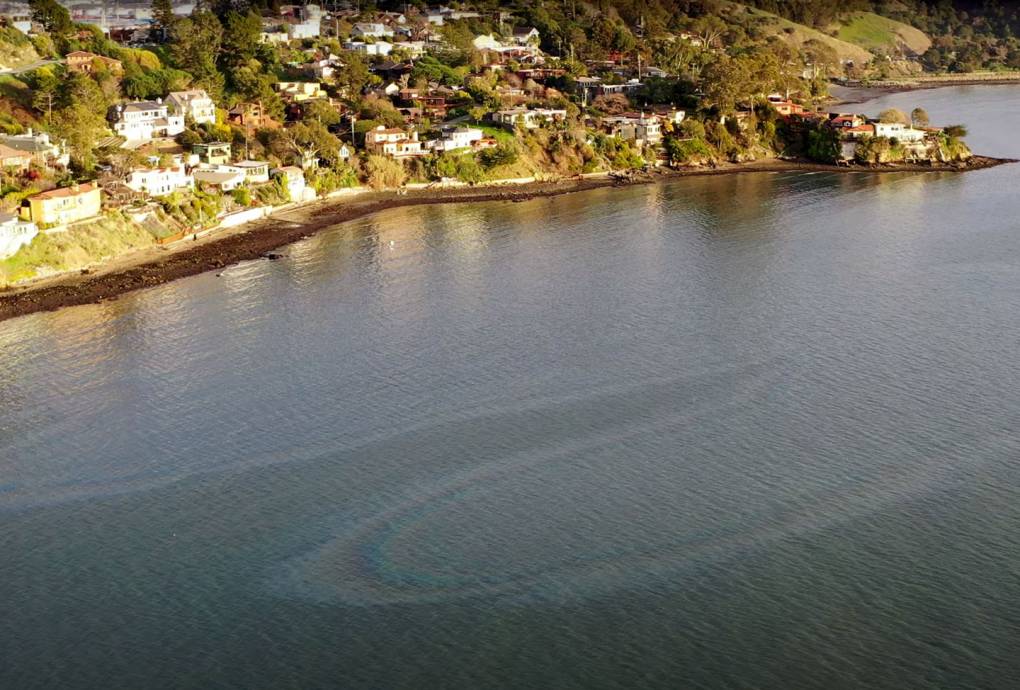
"caption": "An oily sheen spreads across bay waters to Point Richmond after a pipeline leaked at Chevron's Richmond refinery on Feb. 9, 2021.",
"description": "Frame grab from drone video shows oily sheen that spread across bay waters to Point Richmond after a pipeline began leaking at Chevron's Richmond refinery on Tuesday. ",
"title": "Chevron-Spill",
"credit": "Courtesy of San Francisco Baykeeper",
"status": "inherit",
"altTag": "A large oil slick on water off a shore lit by lights at the refinery there.",
"isLoading": false,
"fetchFailed": false
},
"news_11926102": {
"type": "attachments",
"id": "news_11926102",
"meta": {
"index": "attachments_1716263798",
"site": "news",
"id": "11926102",
"found": true
},
"parent": 11926046,
"imgSizes": {
"thumbnail": {
"file": "https://ww2.kqed.org/app/uploads/sites/10/2022/09/GettyImages-521739532-160x107.jpg",
"width": 160,
"mimeType": "image/jpeg",
"height": 107
},
"post-thumbnail": {
"file": "https://ww2.kqed.org/app/uploads/sites/10/2022/09/GettyImages-521739532-672x372.jpg",
"width": 672,
"mimeType": "image/jpeg",
"height": 372
},
"kqedFullSize": {
"file": "https://ww2.kqed.org/app/uploads/sites/10/2022/09/GettyImages-521739532.jpg",
"width": 721,
"height": 484
}
},
"publishDate": 1663375545,
"modified": 1663376019,
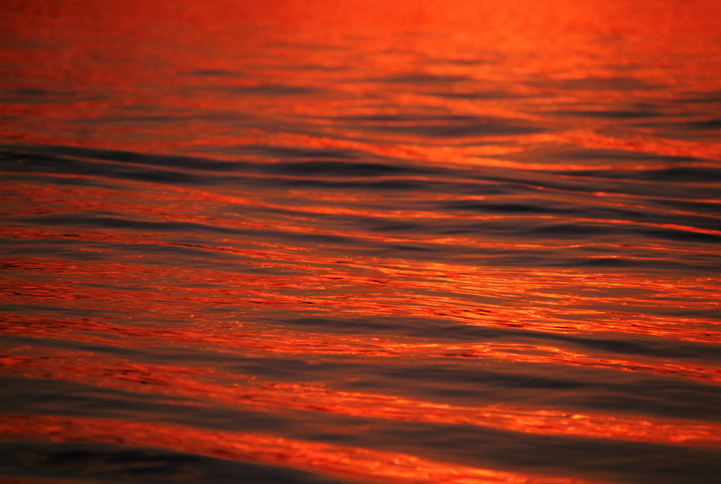
"caption": "The deadly 'red tide' caused by toxic algal blooms over recent weeks in and around the San Francisco Bay Area has had a lethal impact environmentally while also taking a toll economically.",
"description": "Water turned red due to toxic algal blooms.",
"title": "Red tide",
"credit": "Ted Horowitz/Getty Images",
"status": "inherit",
"altTag": "Red water with some ripples on the surface.",
"isLoading": false,
"fetchFailed": false
},
"news_11898730": {
"type": "attachments",
"id": "news_11898730",
"meta": {
"index": "attachments_1716263798",
"site": "news",
"id": "11898730",
"found": true
},
"parent": 11898724,
"imgSizes": {
"twentyfourteen-full-width": {
"file": "https://ww2.kqed.org/app/uploads/sites/10/2021/12/image1-1038x576.jpg",
"width": 1038,
"mimeType": "image/jpeg",
"height": 576
},
"thumbnail": {
"file": "https://ww2.kqed.org/app/uploads/sites/10/2021/12/image1-160x90.jpg",
"width": 160,
"mimeType": "image/jpeg",
"height": 90
},
"post-thumbnail": {
"file": "https://ww2.kqed.org/app/uploads/sites/10/2021/12/image1-672x372.jpg",
"width": 672,
"mimeType": "image/jpeg",
"height": 372
},
"kqedFullSize": {
"file": "https://ww2.kqed.org/app/uploads/sites/10/2021/12/image1.jpg",
"width": 1920,
"height": 1080
},
"large": {
"file": "https://ww2.kqed.org/app/uploads/sites/10/2021/12/image1-1020x574.jpg",
"width": 1020,
"mimeType": "image/jpeg",
"height": 574
},
"1536x1536": {
"file": "https://ww2.kqed.org/app/uploads/sites/10/2021/12/image1-1536x864.jpg",
"width": 1536,
"mimeType": "image/jpeg",
"height": 864
},
"medium": {
"file": "https://ww2.kqed.org/app/uploads/sites/10/2021/12/image1-800x450.jpg",
"width": 800,
"mimeType": "image/jpeg",
"height": 450
}
},
"publishDate": 1639165409,
"modified": 1639165409,
"caption": null,
"description": null,
"title": "image1",
"credit": null,
"status": "inherit",
"altTag": null,
"isLoading": false,
"fetchFailed": false
},
"news_11891575": {
"type": "attachments",
"id": "news_11891575",
"meta": {
"index": "attachments_1716263798",
"site": "news",
"id": "11891575",
"found": true
},
"parent": 11891552,
"imgSizes": {
"twentyfourteen-full-width": {
"file": "https://ww2.kqed.org/app/uploads/sites/10/2021/10/hummingfish01-1038x576.png",
"width": 1038,
"mimeType": "image/png",
"height": 576
},
"thumbnail": {
"file": "https://ww2.kqed.org/app/uploads/sites/10/2021/10/hummingfish01-160x160.png",
"width": 160,
"mimeType": "image/png",
"height": 160
},
"post-thumbnail": {
"file": "https://ww2.kqed.org/app/uploads/sites/10/2021/10/hummingfish01-672x372.png",
"width": 672,
"mimeType": "image/png",
"height": 372
},
"kqedFullSize": {
"file": "https://ww2.kqed.org/app/uploads/sites/10/2021/10/hummingfish01.png",
"width": 1920,
"height": 1920
},
"large": {
"file": "https://ww2.kqed.org/app/uploads/sites/10/2021/10/hummingfish01-1020x1020.png",
"width": 1020,
"mimeType": "image/png",
"height": 1020
},
"1536x1536": {
"file": "https://ww2.kqed.org/app/uploads/sites/10/2021/10/hummingfish01-1536x1536.png",
"width": 1536,
"mimeType": "image/png",
"height": 1536
},
"medium": {
"file": "https://ww2.kqed.org/app/uploads/sites/10/2021/10/hummingfish01-800x800.png",
"width": 800,
"mimeType": "image/png",
"height": 800
}
},
"publishDate": 1633723069,
"modified": 1633723193,
"caption": null,
"description": null,
"title": "hummingfish01",
"credit": null,
"status": "inherit",
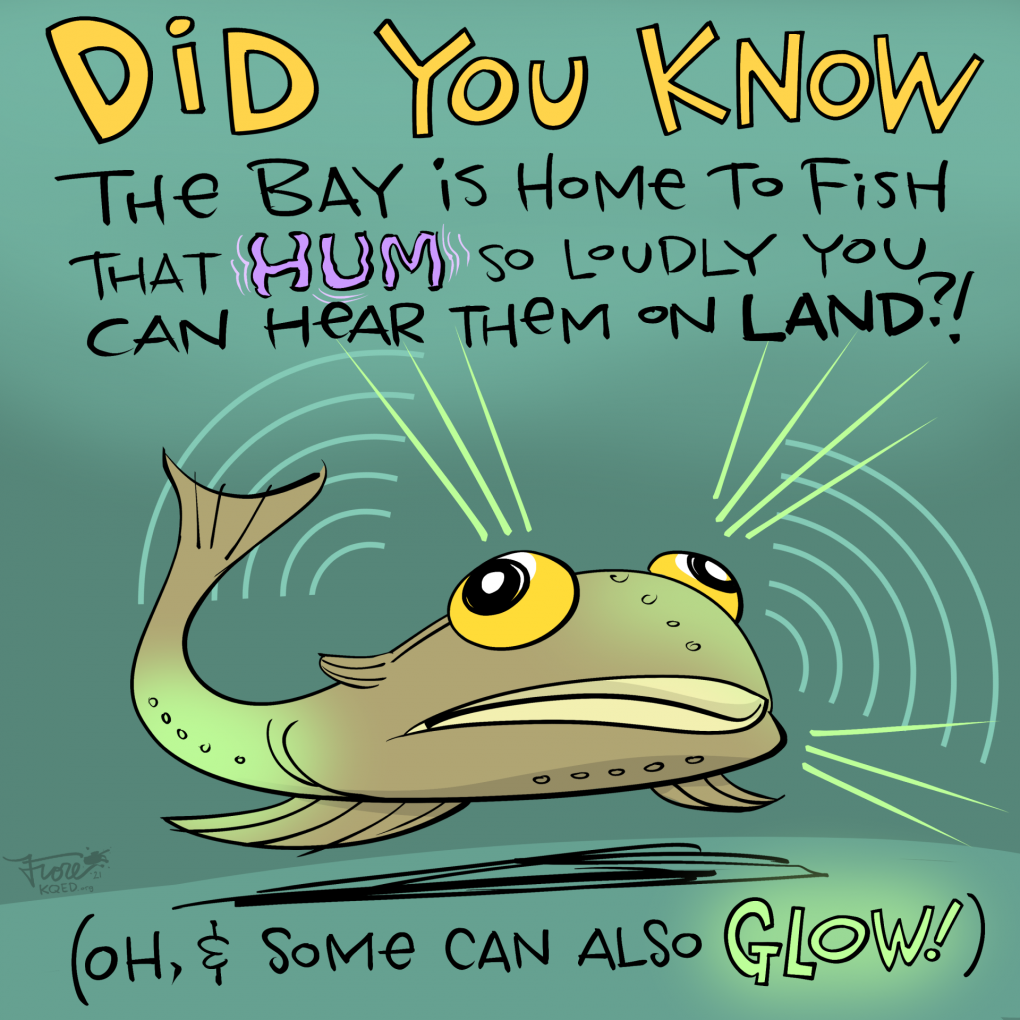
"altTag": "Cartoon: a wide-eyed glowing fish in the dark green waters of the Bay. Caption reads, \"did you know the bay is home to fish that hum so loudly you can hear them on land?! Oh, and some can also glow!\"",
"isLoading": false,
"fetchFailed": false
},
"news_11868510": {
"type": "attachments",
"id": "news_11868510",
"meta": {
"index": "attachments_1716263798",
"site": "news",
"id": "11868510",
"found": true
},
"parent": 11868460,
"imgSizes": {
"twentyfourteen-full-width": {
"file": "https://ww2.kqed.org/app/uploads/sites/10/2021/04/cargo-ship-backup-1038x576.jpg",
"width": 1038,
"mimeType": "image/jpeg",
"height": 576
},
"thumbnail": {
"file": "https://ww2.kqed.org/app/uploads/sites/10/2021/04/cargo-ship-backup-160x90.jpg",
"width": 160,
"mimeType": "image/jpeg",
"height": 90
},
"post-thumbnail": {
"file": "https://ww2.kqed.org/app/uploads/sites/10/2021/04/cargo-ship-backup-672x372.jpg",
"width": 672,
"mimeType": "image/jpeg",
"height": 372
},
"kqedFullSize": {
"file": "https://ww2.kqed.org/app/uploads/sites/10/2021/04/cargo-ship-backup.jpg",
"width": 1920,
"height": 1080
},
"large": {
"file": "https://ww2.kqed.org/app/uploads/sites/10/2021/04/cargo-ship-backup-1020x574.jpg",
"width": 1020,
"mimeType": "image/jpeg",
"height": 574
},
"1536x1536": {
"file": "https://ww2.kqed.org/app/uploads/sites/10/2021/04/cargo-ship-backup-1536x864.jpg",
"width": 1536,
"mimeType": "image/jpeg",
"height": 864
},
"medium": {
"file": "https://ww2.kqed.org/app/uploads/sites/10/2021/04/cargo-ship-backup-800x450.jpg",
"width": 800,
"mimeType": "image/jpeg",
"height": 450
}
},
"publishDate": 1617835099,
"modified": 1617835164,
"caption": "Container ships sit idle in the the San Francisco Bay just outside of the Port of Oakland on March 26, 2021 in San Francisco, California. As the global pandemic has fueled online shopping and international shipping to fulfill orders, metal shipping containers have become scarce and have caused log jams at ports around the globe. ",
"description": null,
"title": "cargo-ship-backup",
"credit": "Justin Sullivan/Getty Images",
"status": "inherit",
"altTag": "Container ships sit idle in the the San Francisco Bay just outside of the Port of Oakland on March 26, 2021 in San Francisco, California. As the global pandemic has fueled online shopping and international shipping to fulfill orders, metal shipping containers have become scarce and have caused log jams at ports around the globe.",
"isLoading": false,
"fetchFailed": false
},
"news_11863003": {
"type": "attachments",
"id": "news_11863003",
"meta": {
"index": "attachments_1716263798",
"site": "news",
"id": "11863003",
"found": true
},
"parent": 11857703,
"imgSizes": {
"apple_news_ca_landscape_5_5": {
"file": "https://ww2.kqed.org/app/uploads/sites/10/2021/03/pexels-elle-hughes-2647939-1044x783.jpg",
"width": 1044,
"mimeType": "image/jpeg",
"height": 783
},
"apple_news_ca_square_4_0": {
"file": "https://ww2.kqed.org/app/uploads/sites/10/2021/03/pexels-elle-hughes-2647939-470x470.jpg",
"width": 470,
"mimeType": "image/jpeg",
"height": 470
},
"twentyfourteen-full-width": {
"file": "https://ww2.kqed.org/app/uploads/sites/10/2021/03/pexels-elle-hughes-2647939-1038x576.jpg",
"width": 1038,
"mimeType": "image/jpeg",
"height": 576
},
"thumbnail": {
"file": "https://ww2.kqed.org/app/uploads/sites/10/2021/03/pexels-elle-hughes-2647939-160x107.jpg",
"width": 160,
"mimeType": "image/jpeg",
"height": 107
},
"post-thumbnail": {
"file": "https://ww2.kqed.org/app/uploads/sites/10/2021/03/pexels-elle-hughes-2647939-672x372.jpg",
"width": 672,
"mimeType": "image/jpeg",
"height": 372
},
"kqedFullSize": {
"file": "https://ww2.kqed.org/app/uploads/sites/10/2021/03/pexels-elle-hughes-2647939.jpg",
"width": 1920,
"height": 1280
},
"apple_news_ca_landscape_4_7": {
"file": "https://ww2.kqed.org/app/uploads/sites/10/2021/03/pexels-elle-hughes-2647939-632x474.jpg",
"width": 632,
"mimeType": "image/jpeg",
"height": 474
},
"large": {
"file": "https://ww2.kqed.org/app/uploads/sites/10/2021/03/pexels-elle-hughes-2647939-1020x680.jpg",
"width": 1020,
"mimeType": "image/jpeg",
"height": 680
},
"apple_news_ca_landscape_4_0": {
"file": "https://ww2.kqed.org/app/uploads/sites/10/2021/03/pexels-elle-hughes-2647939-536x402.jpg",
"width": 536,
"mimeType": "image/jpeg",
"height": 402
},
"apple_news_ca_portrait_12_9": {
"file": "https://ww2.kqed.org/app/uploads/sites/10/2021/03/pexels-elle-hughes-2647939-1122x1280.jpg",
"width": 1122,
"mimeType": "image/jpeg",
"height": 1280
},
"medium": {
"file": "https://ww2.kqed.org/app/uploads/sites/10/2021/03/pexels-elle-hughes-2647939-800x533.jpg",
"width": 800,
"mimeType": "image/jpeg",
"height": 533
},
"apple_news_ca_portrait_4_0": {
"file": "https://ww2.kqed.org/app/uploads/sites/10/2021/03/pexels-elle-hughes-2647939-354x472.jpg",
"width": 354,
"mimeType": "image/jpeg",
"height": 472
},
"apple_news_ca_portrait_9_7": {
"file": "https://ww2.kqed.org/app/uploads/sites/10/2021/03/pexels-elle-hughes-2647939-840x1120.jpg",
"width": 840,
"mimeType": "image/jpeg",
"height": 1120
},
"apple_news_ca_landscape_12_9": {
"file": "https://ww2.kqed.org/app/uploads/sites/10/2021/03/pexels-elle-hughes-2647939-1832x1280.jpg",
"width": 1832,
"mimeType": "image/jpeg",
"height": 1280
},
"apple_news_ca_square_9_7": {
"file": "https://ww2.kqed.org/app/uploads/sites/10/2021/03/pexels-elle-hughes-2647939-1104x1104.jpg",
"width": 1104,
"mimeType": "image/jpeg",
"height": 1104
},
"1536x1536": {
"file": "https://ww2.kqed.org/app/uploads/sites/10/2021/03/pexels-elle-hughes-2647939-1536x1024.jpg",
"width": 1536,
"mimeType": "image/jpeg",
"height": 1024
},
"apple_news_ca_portrait_4_7": {
"file": "https://ww2.kqed.org/app/uploads/sites/10/2021/03/pexels-elle-hughes-2647939-414x552.jpg",
"width": 414,
"mimeType": "image/jpeg",
"height": 552
},
"apple_news_ca_square_12_9": {
"file": "https://ww2.kqed.org/app/uploads/sites/10/2021/03/pexels-elle-hughes-2647939-1472x1280.jpg",
"width": 1472,
"mimeType": "image/jpeg",
"height": 1280
},
"apple_news_ca_portrait_5_5": {
"file": "https://ww2.kqed.org/app/uploads/sites/10/2021/03/pexels-elle-hughes-2647939-687x916.jpg",
"width": 687,
"mimeType": "image/jpeg",
"height": 916
},
"apple_news_ca_square_4_7": {
"file": "https://ww2.kqed.org/app/uploads/sites/10/2021/03/pexels-elle-hughes-2647939-550x550.jpg",
"width": 550,
"mimeType": "image/jpeg",
"height": 550
},
"apple_news_ca_landscape_9_7": {
"file": "https://ww2.kqed.org/app/uploads/sites/10/2021/03/pexels-elle-hughes-2647939-1376x1032.jpg",
"width": 1376,
"mimeType": "image/jpeg",
"height": 1032
},
"apple_news_ca_square_5_5": {
"file": "https://ww2.kqed.org/app/uploads/sites/10/2021/03/pexels-elle-hughes-2647939-912x912.jpg",
"width": 912,
"mimeType": "image/jpeg",
"height": 912
}
},
"publishDate": 1614802957,
"modified": 1614803018,
"caption": "Oysters can be a controversial food, but the Bay Area is known for them.",
"description": null,
"title": "pexels-elle-hughes-2647939",
"credit": "Elle Hughes/Pexel",
"status": "inherit",
"altTag": "oysters",
"isLoading": false,
"fetchFailed": false
},
"news_11775927": {
"type": "attachments",
"id": "news_11775927",
"meta": {
"index": "attachments_1716263798",
"site": "news",
"id": "11775927",
"found": true
},
"parent": 11775864,
"imgSizes": {
"apple_news_ca_landscape_5_5": {
"file": "https://ww2.kqed.org/app/uploads/sites/10/2019/09/Cropped-1044x783.jpg",
"width": 1044,
"mimeType": "image/jpeg",
"height": 783
},
"apple_news_ca_square_4_0": {
"file": "https://ww2.kqed.org/app/uploads/sites/10/2019/09/Cropped-470x470.jpg",
"width": 470,
"mimeType": "image/jpeg",
"height": 470
},
"twentyfourteen-full-width": {
"file": "https://ww2.kqed.org/app/uploads/sites/10/2019/09/Cropped-1038x576.jpg",
"width": 1038,
"mimeType": "image/jpeg",
"height": 576
},
"thumbnail": {
"file": "https://ww2.kqed.org/app/uploads/sites/10/2019/09/Cropped-160x75.jpg",
"width": 160,
"mimeType": "image/jpeg",
"height": 75
},
"post-thumbnail": {
"file": "https://ww2.kqed.org/app/uploads/sites/10/2019/09/Cropped-672x372.jpg",
"width": 672,
"mimeType": "image/jpeg",
"height": 372
},
"kqedFullSize": {
"file": "https://ww2.kqed.org/app/uploads/sites/10/2019/09/Cropped-e1569191729753.jpg",
"width": 1920,
"height": 895
},
"apple_news_ca_landscape_4_7": {
"file": "https://ww2.kqed.org/app/uploads/sites/10/2019/09/Cropped-632x474.jpg",
"width": 632,
"mimeType": "image/jpeg",
"height": 474
},
"large": {
"file": "https://ww2.kqed.org/app/uploads/sites/10/2019/09/Cropped-1020x476.jpg",
"width": 1020,
"mimeType": "image/jpeg",
"height": 476
},
"complete_open_graph": {
"file": "https://ww2.kqed.org/app/uploads/sites/10/2019/09/Cropped-1200x559.jpg",
"width": 1200,
"mimeType": "image/jpeg",
"height": 559
},
"apple_news_ca_landscape_4_0": {
"file": "https://ww2.kqed.org/app/uploads/sites/10/2019/09/Cropped-536x402.jpg",
"width": 536,
"mimeType": "image/jpeg",
"height": 402
},
"apple_news_ca_portrait_12_9": {
"file": "https://ww2.kqed.org/app/uploads/sites/10/2019/09/Cropped-1122x1496.jpg",
"width": 1122,
"mimeType": "image/jpeg",
"height": 1496
},
"medium": {
"file": "https://ww2.kqed.org/app/uploads/sites/10/2019/09/Cropped-800x373.jpg",
"width": 800,
"mimeType": "image/jpeg",
"height": 373
},
"apple_news_ca_portrait_4_0": {
"file": "https://ww2.kqed.org/app/uploads/sites/10/2019/09/Cropped-354x472.jpg",
"width": 354,
"mimeType": "image/jpeg",
"height": 472
},
"apple_news_ca_portrait_9_7": {
"file": "https://ww2.kqed.org/app/uploads/sites/10/2019/09/Cropped-840x1120.jpg",
"width": 840,
"mimeType": "image/jpeg",
"height": 1120
},
"apple_news_ca_landscape_12_9": {
"file": "https://ww2.kqed.org/app/uploads/sites/10/2019/09/Cropped-1832x1374.jpg",
"width": 1832,
"mimeType": "image/jpeg",
"height": 1374
},
"apple_news_ca_square_9_7": {
"file": "https://ww2.kqed.org/app/uploads/sites/10/2019/09/Cropped-1104x1104.jpg",
"width": 1104,
"mimeType": "image/jpeg",
"height": 1104
},
"apple_news_ca_portrait_4_7": {
"file": "https://ww2.kqed.org/app/uploads/sites/10/2019/09/Cropped-414x552.jpg",
"width": 414,
"mimeType": "image/jpeg",
"height": 552
},
"apple_news_ca_square_12_9": {
"file": "https://ww2.kqed.org/app/uploads/sites/10/2019/09/Cropped-1472x1472.jpg",
"width": 1472,
"mimeType": "image/jpeg",
"height": 1472
},
"apple_news_ca_portrait_5_5": {
"file": "https://ww2.kqed.org/app/uploads/sites/10/2019/09/Cropped-687x916.jpg",
"width": 687,
"mimeType": "image/jpeg",
"height": 916
},
"full-width": {
"file": "https://ww2.kqed.org/app/uploads/sites/10/2019/09/Cropped-1920x895.jpg",
"width": 1920,
"mimeType": "image/jpeg",
"height": 895
},
"apple_news_ca_square_4_7": {
"file": "https://ww2.kqed.org/app/uploads/sites/10/2019/09/Cropped-550x550.jpg",
"width": 550,
"mimeType": "image/jpeg",
"height": 550
},
"apple_news_ca_landscape_9_7": {
"file": "https://ww2.kqed.org/app/uploads/sites/10/2019/09/Cropped-1376x1032.jpg",
"width": 1376,
"mimeType": "image/jpeg",
"height": 1032
},
"apple_news_ca_square_5_5": {
"file": "https://ww2.kqed.org/app/uploads/sites/10/2019/09/Cropped-912x912.jpg",
"width": 912,
"mimeType": "image/jpeg",
"height": 912
}
},
"publishDate": 1569191703,
"modified": 1569191750,
"caption": "From the top of Sweeney Ridge in the Golden Gate National Recreation Area you can get a similar view of what Gaspar de Portola saw 250 years ago.",
"description": "From the top of Sweeney Ridge in the Golden Gate National Recreation Area you can get a similar view of what Gaspar de Portola saw 250 years ago.",
"title": "Cropped",
"credit": "Courtesy of Douglas Atmore",
"status": "inherit",
"isLoading": false,
"fetchFailed": false
},
"news_11723439": {
"type": "attachments",
"id": "news_11723439",
"meta": {
"index": "attachments_1716263798",
"site": "news",
"id": "11723439",
"found": true
},
"parent": 11723406,
"imgSizes": {
"twentyfourteen-full-width": {
"file": "https://ww2.kqed.org/app/uploads/sites/10/2019/02/bay-swimmers-featured-1038x576.jpg",
"width": 1038,
"mimeType": "image/jpeg",
"height": 576
},
"thumbnail": {
"file": "https://ww2.kqed.org/app/uploads/sites/10/2019/02/bay-swimmers-featured-160x107.jpg",
"width": 160,
"mimeType": "image/jpeg",
"height": 107
},
"post-thumbnail": {
"file": "https://ww2.kqed.org/app/uploads/sites/10/2019/02/bay-swimmers-featured-672x372.jpg",
"width": 672,
"mimeType": "image/jpeg",
"height": 372
},
"kqedFullSize": {
"file": "https://ww2.kqed.org/app/uploads/sites/10/2019/02/bay-swimmers-featured-e1549498609288.jpg",
"width": 1920,
"height": 1280
},
"large": {
"file": "https://ww2.kqed.org/app/uploads/sites/10/2019/02/bay-swimmers-featured-1020x680.jpg",
"width": 1020,
"mimeType": "image/jpeg",
"height": 680
},
"complete_open_graph": {
"file": "https://ww2.kqed.org/app/uploads/sites/10/2019/02/bay-swimmers-featured-1200x800.jpg",
"width": 1200,
"mimeType": "image/jpeg",
"height": 800
},
"guest-author-50": {
"file": "https://ww2.kqed.org/app/uploads/sites/10/2019/02/bay-swimmers-featured-50x50.jpg",
"width": 50,
"mimeType": "image/jpeg",
"height": 50
},
"guest-author-96": {
"file": "https://ww2.kqed.org/app/uploads/sites/10/2019/02/bay-swimmers-featured-96x96.jpg",
"width": 96,
"mimeType": "image/jpeg",
"height": 96
},
"medium": {
"file": "https://ww2.kqed.org/app/uploads/sites/10/2019/02/bay-swimmers-featured-800x533.jpg",
"width": 800,
"mimeType": "image/jpeg",
"height": 533
},
"guest-author-64": {
"file": "https://ww2.kqed.org/app/uploads/sites/10/2019/02/bay-swimmers-featured-64x64.jpg",
"width": 64,
"mimeType": "image/jpeg",
"height": 64
},
"guest-author-32": {
"file": "https://ww2.kqed.org/app/uploads/sites/10/2019/02/bay-swimmers-featured-32x32.jpg",
"width": 32,
"mimeType": "image/jpeg",
"height": 32
},
"full-width": {
"file": "https://ww2.kqed.org/app/uploads/sites/10/2019/02/bay-swimmers-featured-1920x1280.jpg",
"width": 1920,
"mimeType": "image/jpeg",
"height": 1280
},
"detail": {
"file": "https://ww2.kqed.org/app/uploads/sites/10/2019/02/bay-swimmers-featured-150x150.jpg",
"width": 150,
"mimeType": "image/jpeg",
"height": 150
},
"guest-author-128": {
"file": "https://ww2.kqed.org/app/uploads/sites/10/2019/02/bay-swimmers-featured-128x128.jpg",
"width": 128,
"mimeType": "image/jpeg",
"height": 128
}
},
"publishDate": 1549330054,
"modified": 1549330119,
"caption": "Roberta Guise and John Rohosky share a smooch at San Francisco's Southend Rowing Club, where they are longtime members and frequent swimmers.",
"description": "Roberta Guise and John Rohosky share a smooch at San Francisco's Southend Rowing Club, where they are longtime members and frequent swimmers.",
"title": "bay swimmers featured",
"credit": "Stephanie Lister/KQED",
"status": "inherit",
"isLoading": false,
"fetchFailed": false
},
"news_11719189": {
"type": "attachments",
"id": "news_11719189",
"meta": {
"index": "attachments_1716263798",
"site": "news",
"id": "11719189",
"found": true
},
"parent": 11719177,
"imgSizes": {
"twentyfourteen-full-width": {
"file": "https://ww2.kqed.org/app/uploads/sites/10/2019/01/RS34679_Mile_Rocks_Light_5177670938-qut-800x576.jpg",
"width": 800,
"mimeType": "image/jpeg",
"height": 576
},
"thumbnail": {
"file": "https://ww2.kqed.org/app/uploads/sites/10/2019/01/RS34679_Mile_Rocks_Light_5177670938-qut-160x120.jpg",
"width": 160,
"mimeType": "image/jpeg",
"height": 120
},
"post-thumbnail": {
"file": "https://ww2.kqed.org/app/uploads/sites/10/2019/01/RS34679_Mile_Rocks_Light_5177670938-qut-672x372.jpg",
"width": 672,
"mimeType": "image/jpeg",
"height": 372
},
"kqedFullSize": {
"file": "https://ww2.kqed.org/app/uploads/sites/10/2019/01/RS34679_Mile_Rocks_Light_5177670938-qut.jpg",
"width": 800,
"height": 600
},
"guest-author-50": {
"file": "https://ww2.kqed.org/app/uploads/sites/10/2019/01/RS34679_Mile_Rocks_Light_5177670938-qut-50x50.jpg",
"width": 50,
"mimeType": "image/jpeg",
"height": 50
},
"guest-author-96": {
"file": "https://ww2.kqed.org/app/uploads/sites/10/2019/01/RS34679_Mile_Rocks_Light_5177670938-qut-96x96.jpg",
"width": 96,
"mimeType": "image/jpeg",
"height": 96
},
"medium": {
"file": "https://ww2.kqed.org/app/uploads/sites/10/2019/01/RS34679_Mile_Rocks_Light_5177670938-qut-800x600.jpg",
"width": 800,
"mimeType": "image/jpeg",
"height": 600
},
"guest-author-64": {
"file": "https://ww2.kqed.org/app/uploads/sites/10/2019/01/RS34679_Mile_Rocks_Light_5177670938-qut-64x64.jpg",
"width": 64,
"mimeType": "image/jpeg",
"height": 64
},
"detail": {
"file": "https://ww2.kqed.org/app/uploads/sites/10/2019/01/RS34679_Mile_Rocks_Light_5177670938-qut-150x150.jpg",
"width": 150,
"mimeType": "image/jpeg",
"height": 150
},
"guest-author-32": {
"file": "https://ww2.kqed.org/app/uploads/sites/10/2019/01/RS34679_Mile_Rocks_Light_5177670938-qut-32x32.jpg",
"width": 32,
"mimeType": "image/jpeg",
"height": 32
},
"guest-author-128": {
"file": "https://ww2.kqed.org/app/uploads/sites/10/2019/01/RS34679_Mile_Rocks_Light_5177670938-qut-128x128.jpg",
"width": 128,
"mimeType": "image/jpeg",
"height": 128
}
},
"publishDate": 1547794906,
"modified": 1547795013,
"caption": "Mile Rocks Lighthouse in 2010. The lighthouse opened in 1906 as a three-tier lighthouse, but its top two tiers were removed in the 1960s.",
"description": "Mile Rocks Lighthouse in 2010. The lighthouse opened in 1906 as a three-tier lighthouse, but its top two tiers were removed in the 1960s.",
"title": "RS34679_Mile_Rocks_Light_(5177670938)-qut",
"credit": "Charles Nadeau via Wikimedia Commons",
"status": "inherit",
"isLoading": false,
"fetchFailed": false
},
"news_11692691": {
"type": "attachments",
"id": "news_11692691",
"meta": {
"index": "attachments_1716263798",
"site": "news",
"id": "11692691",
"found": true
},
"parent": 11692685,
"imgSizes": {
"small": {
"file": "https://ww2.kqed.org/app/uploads/sites/10/2018/09/RS32822_091418_AW_BigBoat_03-qut-520x347.jpg",
"width": 520,
"mimeType": "image/jpeg",
"height": 347
},
"twentyfourteen-full-width": {
"file": "https://ww2.kqed.org/app/uploads/sites/10/2018/09/RS32822_091418_AW_BigBoat_03-qut-1038x576.jpg",
"width": 1038,
"mimeType": "image/jpeg",
"height": 576
},
"thumbnail": {
"file": "https://ww2.kqed.org/app/uploads/sites/10/2018/09/RS32822_091418_AW_BigBoat_03-qut-160x107.jpg",
"width": 160,
"mimeType": "image/jpeg",
"height": 107
},
"fd-sm": {
"file": "https://ww2.kqed.org/app/uploads/sites/10/2018/09/RS32822_091418_AW_BigBoat_03-qut-960x640.jpg",
"width": 960,
"mimeType": "image/jpeg",
"height": 640
},
"post-thumbnail": {
"file": "https://ww2.kqed.org/app/uploads/sites/10/2018/09/RS32822_091418_AW_BigBoat_03-qut-672x372.jpg",
"width": 672,
"mimeType": "image/jpeg",
"height": 372
},
"xsmall": {
"file": "https://ww2.kqed.org/app/uploads/sites/10/2018/09/RS32822_091418_AW_BigBoat_03-qut-375x250.jpg",
"width": 375,
"mimeType": "image/jpeg",
"height": 250
},
"kqedFullSize": {
"file": "https://ww2.kqed.org/app/uploads/sites/10/2018/09/RS32822_091418_AW_BigBoat_03-qut.jpg",
"width": 1920,
"height": 1280
},
"large": {
"file": "https://ww2.kqed.org/app/uploads/sites/10/2018/09/RS32822_091418_AW_BigBoat_03-qut-1020x680.jpg",
"width": 1020,
"mimeType": "image/jpeg",
"height": 680
},
"xlarge": {
"file": "https://ww2.kqed.org/app/uploads/sites/10/2018/09/RS32822_091418_AW_BigBoat_03-qut-1180x787.jpg",
"width": 1180,
"mimeType": "image/jpeg",
"height": 787
},
"complete_open_graph": {
"file": "https://ww2.kqed.org/app/uploads/sites/10/2018/09/RS32822_091418_AW_BigBoat_03-qut-1200x800.jpg",
"width": 1200,
"mimeType": "image/jpeg",
"height": 800
},
"guest-author-50": {
"file": "https://ww2.kqed.org/app/uploads/sites/10/2018/09/RS32822_091418_AW_BigBoat_03-qut-50x50.jpg",
"width": 50,
"mimeType": "image/jpeg",
"height": 50
},
"guest-author-96": {
"file": "https://ww2.kqed.org/app/uploads/sites/10/2018/09/RS32822_091418_AW_BigBoat_03-qut-96x96.jpg",
"width": 96,
"mimeType": "image/jpeg",
"height": 96
},
"medium": {
"file": "https://ww2.kqed.org/app/uploads/sites/10/2018/09/RS32822_091418_AW_BigBoat_03-qut-800x533.jpg",
"width": 800,
"mimeType": "image/jpeg",
"height": 533
},
"guest-author-64": {
"file": "https://ww2.kqed.org/app/uploads/sites/10/2018/09/RS32822_091418_AW_BigBoat_03-qut-64x64.jpg",
"width": 64,
"mimeType": "image/jpeg",
"height": 64
},
"guest-author-32": {
"file": "https://ww2.kqed.org/app/uploads/sites/10/2018/09/RS32822_091418_AW_BigBoat_03-qut-32x32.jpg",
"width": 32,
"mimeType": "image/jpeg",
"height": 32
},
"fd-lrg": {
"file": "https://ww2.kqed.org/app/uploads/sites/10/2018/09/RS32822_091418_AW_BigBoat_03-qut-1920x1280.jpg",
"width": 1920,
"mimeType": "image/jpeg",
"height": 1280
},
"fd-med": {
"file": "https://ww2.kqed.org/app/uploads/sites/10/2018/09/RS32822_091418_AW_BigBoat_03-qut-1180x787.jpg",
"width": 1180,
"mimeType": "image/jpeg",
"height": 787
},
"full-width": {
"file": "https://ww2.kqed.org/app/uploads/sites/10/2018/09/RS32822_091418_AW_BigBoat_03-qut-1920x1280.jpg",
"width": 1920,
"mimeType": "image/jpeg",
"height": 1280
},
"detail": {
"file": "https://ww2.kqed.org/app/uploads/sites/10/2018/09/RS32822_091418_AW_BigBoat_03-qut-150x150.jpg",
"width": 150,
"mimeType": "image/jpeg",
"height": 150
},
"guest-author-128": {
"file": "https://ww2.kqed.org/app/uploads/sites/10/2018/09/RS32822_091418_AW_BigBoat_03-qut-128x128.jpg",
"width": 128,
"mimeType": "image/jpeg",
"height": 128
},
"xxsmall": {
"file": "https://ww2.kqed.org/app/uploads/sites/10/2018/09/RS32822_091418_AW_BigBoat_03-qut-240x160.jpg",
"width": 240,
"mimeType": "image/jpeg",
"height": 160
}
},
"publishDate": 1536979836,
"modified": 1537029005,
"caption": "Pac 52 crews hang off the sides of their boats, known as hiking out, to help decrease how far the boat leans away from the wind. ",
"description": null,
"title": "RS32822_091418_AW_BigBoat_03-qut",
"credit": "Anne Wernikoff/KQED",
"status": "inherit",
"isLoading": false,
"fetchFailed": false
}
},
"audioPlayerReducer": {
"postId": "stream_live",
"isPaused": true,
"isPlaying": false,
"pfsActive": false,
"pledgeModalIsOpen": true,
"playerDrawerIsOpen": false,
"liveAudioPlayStartedAt": 0,
"liveAudioPlayContext": ""
},
"authorsReducer": {
"byline_news_11926046": {
"type": "authors",
"id": "byline_news_11926046",
"meta": {
"override": true
},
"slug": "byline_news_11926046",
"name": "\u003ca href=\"https://www.kqed.org/author/lesleymcclurg\">Lesley McClurg\u003c/a>",
"isLoading": false
},
"byline_news_11719177": {
"type": "authors",
"id": "byline_news_11719177",
"meta": {
"override": true
},
"slug": "byline_news_11719177",
"name": "\u003ca href=\"https://www.kalw.org/people/chris-hambrick#stream/0\">Chris Hambrick\u003c/a>",
"isLoading": false
},
"danbrekke": {
"type": "authors",
"id": "222",
"meta": {
"index": "authors_1716337520",
"id": "222",
"found": true
},
"name": "Dan Brekke",
"firstName": "Dan",
"lastName": "Brekke",
"slug": "danbrekke",
"email": "dbrekke@kqed.org",
"display_author_email": true,
"staff_mastheads": [
"news",
"science"
],
"title": "KQED Editor and Reporter",
"bio": "Dan Brekke is a reporter and editor for KQED News, responsible for coverage of topics ranging from California water issues to the Bay Area's transportation challenges. In a newsroom career that began in Chicago in 1972, Dan has worked for \u003cem>The San Francisco Examiner,\u003c/em> Wired and TechTV and has been published in The New York Times, The New York Times Magazine, Business 2.0, Salon and elsewhere.\r\n\r\nSince joining KQED in 2007, Dan has reported, edited and produced both radio and online features and breaking news pieces. He has shared as both editor and reporter in four Society of Professional Journalists Norcal Excellence in Journalism awards and one Edward R. Murrow regional award. He was chosen for a spring 2017 residency at the Mesa Refuge to advance his research on California salmon.\r\n\r\nEmail Dan at: \u003ca href=\"mailto:dbrekke@kqed.org\">dbrekke@kqed.org\u003c/a>\r\n\r\n\u003cstrong>Twitter:\u003c/strong> \u003ca href=\"https://twitter.com/danbrekke\" rel=\"noopener noreferrer\">twitter.com/danbrekke\u003c/a>\r\n\u003cstrong>Facebook:\u003c/strong> \u003ca href=\"https://www.facebook.com/danbrekke\" rel=\"noopener noreferrer\">www.facebook.com/danbrekke\u003c/a>\r\n\u003cstrong>LinkedIn:\u003c/strong> \u003ca href=\"https://www.linkedin.com/in/danbrekke\" rel=\"noopener noreferrer\">www.linkedin.com/in/danbrekke\u003c/a>",
"avatar": "https://secure.gravatar.com/avatar/c8126230345efca3f7aa89b1a402be45?s=600&d=mm&r=g",
"twitter": "danbrekke",
"facebook": null,
"instagram": "https://www.instagram.com/dan.brekke/",
"linkedin": "https://www.linkedin.com/in/danbrekke/",
"sites": [
{
"site": "news",
"roles": [
"administrator",
"create_posts"
]
},
{
"site": "stateofhealth",
"roles": [
"editor"
]
},
{
"site": "science",
"roles": [
"editor"
]
},
{
"site": "quest",
"roles": [
"contributor"
]
},
{
"site": "food",
"roles": [
"contributor"
]
},
{
"site": "forum",
"roles": [
"contributor"
]
},
{
"site": "liveblog",
"roles": [
"editor"
]
}
],
"headData": {
"title": "Dan Brekke | KQED",
"description": "KQED Editor and Reporter",
"ogImgSrc": "https://secure.gravatar.com/avatar/c8126230345efca3f7aa89b1a402be45?s=600&d=mm&r=g",
"twImgSrc": "https://secure.gravatar.com/avatar/c8126230345efca3f7aa89b1a402be45?s=600&d=mm&r=g"
},
"isLoading": false,
"link": "/author/danbrekke"
},
"katrinaschwartz": {
"type": "authors",
"id": "234",
"meta": {
"index": "authors_1716337520",
"id": "234",
"found": true
},
"name": "Katrina Schwartz",
"firstName": "Katrina",
"lastName": "Schwartz",
"slug": "katrinaschwartz",
"email": "kschwartz@kqed.org",
"display_author_email": false,
"staff_mastheads": [
"news"
],
"title": "Producer",
"bio": "Katrina Schwartz is a journalist based in San Francisco. She's worked at KPCC public radio in LA and has reported on air and online for KQED since 2010. She covered how teaching and learning is changing for MindShift between 2012 and 2020. She is the co-host of the MindShift podcast and now produces KQED's Bay Curious podcast.",
"avatar": "https://secure.gravatar.com/avatar/edb4ee79070447a018538c9aae6eeecf28786515b8a0c30e43b6b7dce5aa44c8?s=600&d=blank&r=g",
"twitter": "kschwart",
"bluesky": null,
"facebook": null,
"instagram": null,
"linkedin": null,
"sites": [
{
"site": "",
"roles": [
"editor"
]
},
{
"site": "news",
"roles": [
"editor"
]
},
{
"site": "mindshift",
"roles": [
"administrator"
]
},
{
"site": "stateofhealth",
"roles": [
"author"
]
},
{
"site": "science",
"roles": [
"editor"
]
}
],
"headData": {
"title": "Katrina Schwartz | KQED",
"description": "Producer",
"ogImgSrc": "https://secure.gravatar.com/avatar/edb4ee79070447a018538c9aae6eeecf28786515b8a0c30e43b6b7dce5aa44c8?s=600&d=blank&r=g",
"twImgSrc": "https://secure.gravatar.com/avatar/edb4ee79070447a018538c9aae6eeecf28786515b8a0c30e43b6b7dce5aa44c8?s=600&d=blank&r=g"
},
"isLoading": false,
"link": "/author/katrinaschwartz"
},
"kqed": {
"type": "authors",
"id": "236",
"meta": {
"index": "authors_1716337520",
"id": "236",
"found": true
},
"name": "KQED News Staff",
"firstName": "KQED News Staff",
"lastName": null,
"slug": "kqed",
"email": "faq@kqed.org",
"display_author_email": false,
"staff_mastheads": [],
"title": null,
"bio": null,
"avatar": "https://secure.gravatar.com/avatar/ef0e801a68c4c54afa9180db14084167?s=600&d=blank&r=g",
"twitter": null,
"facebook": null,
"instagram": null,
"linkedin": null,
"sites": [
{
"site": "arts",
"roles": [
"contributor"
]
},
{
"site": "news",
"roles": [
"editor"
]
},
{
"site": "futureofyou",
"roles": [
"author"
]
}
],
"headData": {
"title": "KQED News Staff | KQED",
"description": null,
"ogImgSrc": "https://secure.gravatar.com/avatar/ef0e801a68c4c54afa9180db14084167?s=600&d=blank&r=g",
"twImgSrc": "https://secure.gravatar.com/avatar/ef0e801a68c4c54afa9180db14084167?s=600&d=blank&r=g"
},
"isLoading": false,
"link": "/author/kqed"
},
"mlam": {
"type": "authors",
"id": "244",
"meta": {
"index": "authors_1716337520",
"id": "244",
"found": true
},
"name": "Monica Lam",
"firstName": "Monica Z.",
"lastName": "Lam",
"slug": "mlam",
"email": "mlam@kqed.org",
"display_author_email": true,
"staff_mastheads": [
"news"
],
"title": "KQED Senior Producer",
"bio": "Monica is senior producer of the weekly current affairs program, \"KQED Newsroom.\" She's also served as senior editor of digital content at KQED. She likes to report and edit as well as produce video and take photos.\r\n\r\nBefore joining KQED, Monica worked at the Center for Investigative Reporting, where she examined conditions inside \u003cspan style=\"font-weight: 400;\">maximum security \u003c/span>prisons and abuse in state-run institutions for the developmentally disabled. Prior to that, she produced and directed \u003cem>Journey of the Bonesetter's Daughter,\u003c/em> a documentary that follows novelist Amy Tan as she creates an opera based on her family history.\r\n\r\nMonica's work has been honored with a duPont Award, five Emmys, regional and national Murrow Awards, and has been recognized by Investigative Reporters and Editors, the Society of Professional Journalists, Religion Newswriters Association and the San Francisco Peninsula Press Club. Monica studied urban studies at Stanford University and earned a master's in journalism at University of California at Berkeley. Follow her on twitter: @monicazlam",
"avatar": "https://secure.gravatar.com/avatar/018c474b2b71f43e0e6ca9b15a0ad36f?s=600&d=blank&r=g",
"twitter": "@monicazlam",
"facebook": null,
"instagram": null,
"linkedin": null,
"sites": [
{
"site": "arts",
"roles": [
"administrator"
]
},
{
"site": "news",
"roles": [
"editor"
]
},
{
"site": "trulyca",
"roles": [
"editor"
]
},
{
"site": "science",
"roles": [
"editor"
]
},
{
"site": "breakingnews",
"roles": [
"editor"
]
}
],
"headData": {
"title": "Monica Lam | KQED",
"description": "KQED Senior Producer",
"ogImgSrc": "https://secure.gravatar.com/avatar/018c474b2b71f43e0e6ca9b15a0ad36f?s=600&d=blank&r=g",
"twImgSrc": "https://secure.gravatar.com/avatar/018c474b2b71f43e0e6ca9b15a0ad36f?s=600&d=blank&r=g"
},
"isLoading": false,
"link": "/author/mlam"
},
"tgoldberg": {
"type": "authors",
"id": "258",
"meta": {
"index": "authors_1716337520",
"id": "258",
"found": true
},
"name": "Ted Goldberg",
"firstName": "Ted",
"lastName": "Goldberg",
"slug": "tgoldberg",
"email": "tgoldberg@kqed.org",
"display_author_email": true,
"staff_mastheads": [
"news"
],
"title": "KQED Managing Editor, News and Newscasts",
"bio": "Ted Goldberg is Managing Editor of News and Newscasts at KQED. His main reporting beat is the Bay Area's oil refining industry.\r\n\r\nPrior to joining KQED in 2014, Ted worked at CBS News and WCBS AM in New York and Bay City News and KCBS Radio in San Francisco. He graduated from Oberlin College in Ohio in 1998.",
"avatar": "https://secure.gravatar.com/avatar/30ce2e4fe89135e104f89be2394d16225b9d36c121b5b3cb7651ce642978b96f?s=600&d=blank&r=g",
"twitter": "TedrickG",
"bluesky": null,
"facebook": null,
"instagram": null,
"linkedin": null,
"sites": [
{
"site": "news",
"roles": [
"editor"
]
},
{
"site": "science",
"roles": [
"editor"
]
}
],
"headData": {
"title": "Ted Goldberg | KQED",
"description": "KQED Managing Editor, News and Newscasts",
"ogImgSrc": "https://secure.gravatar.com/avatar/30ce2e4fe89135e104f89be2394d16225b9d36c121b5b3cb7651ce642978b96f?s=600&d=blank&r=g",
"twImgSrc": "https://secure.gravatar.com/avatar/30ce2e4fe89135e104f89be2394d16225b9d36c121b5b3cb7651ce642978b96f?s=600&d=blank&r=g"
},
"isLoading": false,
"link": "/author/tgoldberg"
},
"markfiore": {
"type": "authors",
"id": "3236",
"meta": {
"index": "authors_1716337520",
"id": "3236",
"found": true
},
"name": "Mark Fiore",
"firstName": "Mark",
"lastName": "Fiore",
"slug": "markfiore",
"email": "mark@markfiore.com",
"display_author_email": false,
"staff_mastheads": [
"news"
],
"title": "KQED News Cartoonist",
"bio": "\u003ca href=\"http://www.MarkFiore.com\">MarkFiore.com\u003c/a> | \u003ca href=\"https://twitter.com/markfiore\">Follow on Twitter\u003c/a> | \u003ca href=\"https://www.facebook.com/pages/Mark-Fiore-Animated-Political-Cartoons/94451707396?ref=bookmarks\">Facebook\u003c/a> | \u003ca href=\"mailto:mark@markfiore.com\">email\u003c/a>\r\n\r\nPulitzer Prize-winner, Mark Fiore, who the Wall Street Journal has called “the undisputed guru of the form,” creates animated political cartoons in San Francisco, where his work has been featured regularly on the San Francisco Chronicle’s web site, SFGate.com. His work has appeared on Newsweek.com, Slate.com, CBSNews.com, MotherJones.com, DailyKos.com and NPR’s web site. Fiore’s political animation has appeared on CNN, Frontline, Bill Moyers Journal, Salon.com and cable and broadcast outlets across the globe.\r\n\r\nBeginning his professional life by drawing traditional political cartoons for newspapers, Fiore’s work appeared in publications ranging from the Washington Post to the Los Angeles Times. In the late 1990s, he began to experiment with animating political cartoons and, after a short stint at the San Jose Mercury News as their staff cartoonist, Fiore devoted all his energies to animation.\r\nGrowing up in California, Fiore also spent a good portion of his life in the backwoods of Idaho. It was this combination that shaped him politically. Mark majored in political science at Colorado College, where, in a perfect send-off for a cartoonist, he received his diploma in 1991 as commencement speaker Dick Cheney smiled approvingly.\r\nMark Fiore was awarded the Pulitzer Prize for political cartooning in 2010, a Robert F. Kennedy Journalism Award in 2004 and has twice received an Online Journalism Award for commentary from the Online News Association (2002, 2008). Fiore has received two awards for his work in new media from the National Cartoonists Society (2001, 2002), and in 2006 received The James Madison Freedom of Information Award from The Society of Professional Journalists.",
"avatar": "https://secure.gravatar.com/avatar/fc4e2a612b15b67bad0c6f0e1db4ca9b?s=600&d=blank&r=g",
"twitter": "MarkFiore",
"facebook": null,
"instagram": "https://www.instagram.com/markfiore/?hl=en",
"linkedin": null,
"sites": [
{
"site": "arts",
"roles": [
"contributor"
]
},
{
"site": "news",
"roles": [
"editor"
]
},
{
"site": "futureofyou",
"roles": [
"editor"
]
},
{
"site": "science",
"roles": [
"editor"
]
}
],
"headData": {
"title": "Mark Fiore | KQED",
"description": "KQED News Cartoonist",
"ogImgSrc": "https://secure.gravatar.com/avatar/fc4e2a612b15b67bad0c6f0e1db4ca9b?s=600&d=blank&r=g",
"twImgSrc": "https://secure.gravatar.com/avatar/fc4e2a612b15b67bad0c6f0e1db4ca9b?s=600&d=blank&r=g"
},
"isLoading": false,
"link": "/author/markfiore"
},
"tcamhi": {
"type": "authors",
"id": "3251",
"meta": {
"index": "authors_1716337520",
"id": "3251",
"found": true
},
"name": "Tiffany Camhi",
"firstName": "Tiffany",
"lastName": "Camhi",
"slug": "tcamhi",
"email": "tiffanycamhi@gmail.com",
"display_author_email": false,
"staff_mastheads": [],
"title": "KQED Contributor",
"bio": null,
"avatar": "https://secure.gravatar.com/avatar/f8204ce351139205d3b3dc1581016a5e30d7d8b38cb2c139348c151ec14b792e?s=600&d=blank&r=g",
"twitter": null,
"bluesky": null,
"facebook": null,
"instagram": null,
"linkedin": null,
"sites": [
{
"site": "arts",
"roles": [
"subscriber"
]
},
{
"site": "news",
"roles": [
"subscriber"
]
}
],
"headData": {
"title": "Tiffany Camhi | KQED",
"description": "KQED Contributor",
"ogImgSrc": "https://secure.gravatar.com/avatar/f8204ce351139205d3b3dc1581016a5e30d7d8b38cb2c139348c151ec14b792e?s=600&d=blank&r=g",
"twImgSrc": "https://secure.gravatar.com/avatar/f8204ce351139205d3b3dc1581016a5e30d7d8b38cb2c139348c151ec14b792e?s=600&d=blank&r=g"
},
"isLoading": false,
"link": "/author/tcamhi"
},
"cveltman": {
"type": "authors",
"id": "8608",
"meta": {
"index": "authors_1716337520",
"id": "8608",
"found": true
},
"name": "Chloe Veltman",
"firstName": "Chloe",
"lastName": "Veltman",
"slug": "cveltman",
"email": "cveltman@kqed.org",
"display_author_email": true,
"staff_mastheads": [],
"title": "Arts and Culture Reporter",
"bio": "Chloe Veltman is a former arts and culture reporter for KQED. Prior to joining the organization, she launched and led the arts bureau at Colorado Public Radio, served as the Bay Area's culture columnist for the New York Times, and was the founder, host and executive producer of VoiceBox, a national award-winning weekly podcast/radio show and live events series all about the human voice. Chloe is the recipient of numerous prizes, grants and fellowships including a Webby Award for her work on interactive storytelling, both the John S Knight Journalism Fellowship and Humanities Center Fellowship at Stanford University, the Sundance Arts Writing Fellowship and a Library of Congress Research Fellowship. She is the author of the book \"On Acting\" and has appeared as a guest lecturer at Yale University and the San Francisco Conservatory of Music among other institutions. She holds a BA in english literature from King's College, Cambridge, and a Masters in Dramaturgy from the Central School of Speech and Drama/Harvard Institute for Advanced Theater Training.\r\n\u003ca href=\"https://www.chloeveltman.com\">www.chloeveltman.com\u003c/a>",
"avatar": "https://secure.gravatar.com/avatar/55403394b00a1ddab683952c2eb2cf85?s=600&d=blank&r=g",
"twitter": "chloeveltman",
"facebook": null,
"instagram": null,
"linkedin": null,
"sites": [
{
"site": "arts",
"roles": []
},
{
"site": "news",
"roles": [
"author"
]
},
{
"site": "pop",
"roles": [
"editor"
]
},
{
"site": "science",
"roles": []
}
],
"headData": {
"title": "Chloe Veltman | KQED",
"description": "Arts and Culture Reporter",
"ogImgSrc": "https://secure.gravatar.com/avatar/55403394b00a1ddab683952c2eb2cf85?s=600&d=blank&r=g",
"twImgSrc": "https://secure.gravatar.com/avatar/55403394b00a1ddab683952c2eb2cf85?s=600&d=blank&r=g"
},
"isLoading": false,
"link": "/author/cveltman"
},
"awernikoff": {
"type": "authors",
"id": "11525",
"meta": {
"index": "authors_1716337520",
"id": "11525",
"found": true
},
"name": "Anne Wernikoff",
"firstName": "Anne",
"lastName": "Wernikoff",
"slug": "awernikoff",
"email": "awernikoff@KQED.org",
"display_author_email": false,
"staff_mastheads": [],
"title": null,
"bio": null,
"avatar": "https://secure.gravatar.com/avatar/efefbb87d9a8d8dd9974145d8d9f321f?s=600&d=blank&r=g",
"twitter": null,
"facebook": null,
"instagram": null,
"linkedin": null,
"sites": [
{
"site": "news",
"roles": [
"author",
"edit_others_posts"
]
}
],
"headData": {
"title": "Anne Wernikoff | KQED",
"description": null,
"ogImgSrc": "https://secure.gravatar.com/avatar/efefbb87d9a8d8dd9974145d8d9f321f?s=600&d=blank&r=g",
"twImgSrc": "https://secure.gravatar.com/avatar/efefbb87d9a8d8dd9974145d8d9f321f?s=600&d=blank&r=g"
},
"isLoading": false,
"link": "/author/awernikoff"
}
},
"pagesReducer": {
"news_tag_san-francisco-bay": {
"type": "terms",
"id": "news_1861",
"meta": {
"index": "terms_1716263798",
"site": "news",
"id": "1861",
"score": 8.937179
},
"featImg": null,
"name": "San Francisco Bay",
"description": null,
"taxonomy": "tag",
"headData": {
"twImgId": null,
"twTitle": null,
"ogTitle": null,
"ogImgId": null,
"twDescription": null,
"description": null,
"title": "San Francisco Bay Archives | KQED News",
"ogDescription": null
},
"ttid": 1876,
"slug": "san-francisco-bay",
"isLoading": false,
"title": "San Francisco Bay",
"pageMeta": {
"site": "news",
"WpPageTemplate": "page-topic-editorial",
"currentPage": 3
},
"blocks": [
{
"blockName": "kqed/post-list",
"attrs": {
"layout": "cardArticle2",
"query": "posts/news?tag=san-francisco-bay",
"seeMore": false,
"paginated": true,
"page": 3
}
},
{
"blockName": "kqed/ad"
}
]
}
},
"pfsSessionReducer": {},
"postsReducer": {
"stream_live": {
"type": "live",
"id": "stream_live",
"audioUrl": "https://streams.kqed.org/kqedradio",
"title": "Live Stream",
"excerpt": "Live Stream information currently unavailable.",
"link": "/radio",
"featImg": "",
"label": {
"name": "KQED Live",
"link": "/"
}
},
"stream_kqedNewscast": {
"type": "posts",
"id": "stream_kqedNewscast",
"audioUrl": "https://www.kqed.org/.stream/anon/radio/RDnews/newscast.mp3?_=1",
"title": "KQED Newscast",
"featImg": "",
"label": {
"name": "88.5 FM",
"link": "/"
}
},
"news_11931168": {
"type": "posts",
"id": "news_11931168",
"meta": {
"index": "posts_1716263798",
"site": "news",
"id": "11931168",
"score": null,
"sort": [
1667598658000
]
},
"parent": 0,
"labelTerm": {
"site": "news"
},
"blocks": [],
"publishDate": 1667598658,
"format": "standard",
"disqusTitle": "Chevron Agrees to Pay $200,000 for 2021 Bay Fuel Spill at Richmond Refinery",
"title": "Chevron Agrees to Pay $200,000 for 2021 Bay Fuel Spill at Richmond Refinery",
"headTitle": "KQED News",
"content": "\u003cp>Chevron has agreed to pay $200,000 in a settlement over a pipeline rupture at its Richmond refinery that led to \u003ca href=\"https://www.kqed.org/news/11859660/chevron-richmond-refinery-spill-as-crews-mop-up-investigators-move-in\">the release of hundreds of gallons of diesel fuel\u003c/a> into the San Francisco Bay in February 2021.\u003c/p>\n\u003cp>The decision comes months after California Department of Fish and Wildlife (CDFW) investigators forwarded their findings on the spill to the Contra Costa County District Attorney’s Office.\u003c/p>\n\u003cp>“Corporations must be held strictly liable for any discharges of diesel into San Francisco Bay,” Contra Costa County District Attorney Diana Becton said in a statement released Friday.\u003c/p>\n\u003cp>Chevron will pay $70,000 in civil penalties that will go toward wildlife funds, and $130,000 to reimburse CDFW’s Office of Spill Prevention and Response, according to court documents.\u003c/p>\n\u003cp>In October 2021, the Contra Costa Hazardous Materials Programs department posted a \u003ca href=\"https://cchealth.org/hazmat/pdf/chevron-incident-2021-0209-30day-followup-2021-1027.pdf\">three-page report (PDF)\u003c/a> by the oil company, which said its inspections failed to detect the corrosion on the pipeline that led to the release.\u003c/p>\n\u003cp>[aside label=\"related coverage\" tag=\"chevron\"]According to that report, a small hole in the pipeline on the refinery’s Richmond Long Wharf allowed close to 800 gallons of diesel fuel mixed with water to spill and spread for several miles along the Richmond shoreline. The release led to the closure of Keller Beach at the Miller/Knox Regional Shoreline.\u003c/p>\n\u003cp>In the report, Chevron also said it learned of the spill after a member of the public told a company employee about the fuel in the water.\u003c/p>\n\u003cp>The cement-lined steel pipe that ruptured was used to carry ballast water or refined fuel between tankers docked at the wharf and the refinery complex. The company said the pipe failed due to internal corrosion.\u003c/p>\n\u003cp>The company has agreed to a series of measures aimed at preventing a similar release. They include a “more comprehensive pipeline inspection program, the piloting of a leak detection system, a detailed review of existing systems, and improved training of staff,” according to the county District Attorney's Office.\u003c/p>\n\u003cp>“We are committed to applying what has been learned so that a similar event does not happen again,” Chevron said as part of a statement issued by company spokesperson Brian Hubinger.\u003c/p>\n\u003cp>Some city officials, environmentalists and community members have said the spill is an example of Chevron failing to safely and responsibly run its refinery and have complained about the slow pace in which information has been revealed to the public about an incident that caused ecological damage to the bay.\u003c/p>\n\u003cp>Contra Costa County has also hired AcuTech, a global consulting firm, to review Chevron’s root-cause analysis of the spill.\u003c/p>\n\u003cp>The District Attorney’s Office last filed charges against Chevron in August 2013 in connection with a major fire at the refinery the previous year — to which Chevron pleaded no contest and paid $2 million in fines and restitution.\u003c/p>\n\u003cp>News of Friday's settlement comes a week after \u003ca href=\"https://chevroncorp.gcs-web.com/static-files/397bd430-54bc-435e-b926-c53b61886c19\">Chevron posted its second-highest quarterly profit in its history: $11.2 billion\u003c/a> in the three months ending September 30. The company's highest-ever quarterly profit, $11.6 billion, was recorded the previous quarter.\u003cbr>\n[ad fullwidth]\u003c/p>\n\u003cp>\u003c/p>\n",
"disqusIdentifier": "11931168 https://ww2.kqed.org/news/?p=11931168",
"disqusUrl": "https://ww2.kqed.org/news/2022/11/04/chevron-agrees-to-pay-200000-for-2021-bay-fuel-spill-at-richmond-refinery/",
"stats": {
"hasVideo": false,
"hasChartOrMap": false,
"hasAudio": false,
"hasPolis": false,
"wordCount": 533,
"hasGoogleForm": false,
"hasGallery": false,
"hasHearkenModule": false,
"iframeSrcs": [],
"paragraphCount": 15
},
"modified": 1667598685,
"excerpt": "The company said it failed to detect corrosion that led a pipe to fail and release fuel into the bay. The settlement with Contra Costa County prosecutors includes measures to prevent similar spills. ",
"headData": {
"twImgId": "",
"twTitle": "",
"ogTitle": "",
"ogImgId": "",
"twDescription": "",
"description": "The company said it failed to detect corrosion that led a pipe to fail and release fuel into the bay. The settlement with Contra Costa County prosecutors includes measures to prevent similar spills. ",
"title": "Chevron Agrees to Pay $200,000 for 2021 Bay Fuel Spill at Richmond Refinery | KQED",
"ogDescription": "",
"schema": {
"@context": "https://schema.org",
"@type": "NewsArticle",
"headline": "Chevron Agrees to Pay $200,000 for 2021 Bay Fuel Spill at Richmond Refinery",
"datePublished": "2022-11-04T14:50:58-07:00",
"dateModified": "2022-11-04T14:51:25-07:00",
"image": "https://cdn.kqed.org/wp-content/uploads/2020/02/KQED-OG-Image@1x.png",
"isAccessibleForFree": "True",
"publisher": {
"@type": "NewsMediaOrganization",
"@id": "https://www.kqed.org/#organization",
"name": "KQED",
"logo": "https://cdn.kqed.org/wp-content/uploads/2020/02/KQED-OG-Image@1x.png",
"url": "https://www.kqed.org",
"sameAs": [
"https://www.facebook.com/KQED",
"https://twitter.com/KQED",
"https://www.instagram.com/kqed/",
"https://www.tiktok.com/@kqedofficial",
"https://www.linkedin.com/company/kqed",
"https://www.youtube.com/channel/UCeC0IOo7i1P_61zVUWbJ4nw"
]
}
}
},
"guestAuthors": [],
"slug": "chevron-agrees-to-pay-200000-for-2021-bay-fuel-spill-at-richmond-refinery",
"status": "publish",
"excludeFromSiteSearch": "Include",
"path": "/news/11931168/chevron-agrees-to-pay-200000-for-2021-bay-fuel-spill-at-richmond-refinery",
"audioTrackLength": null,
"parsedContent": [
{
"type": "contentString",
"content": "\u003cdiv class=\"post-body\">\u003cp>\u003cp>Chevron has agreed to pay $200,000 in a settlement over a pipeline rupture at its Richmond refinery that led to \u003ca href=\"https://www.kqed.org/news/11859660/chevron-richmond-refinery-spill-as-crews-mop-up-investigators-move-in\">the release of hundreds of gallons of diesel fuel\u003c/a> into the San Francisco Bay in February 2021.\u003c/p>\n\u003cp>The decision comes months after California Department of Fish and Wildlife (CDFW) investigators forwarded their findings on the spill to the Contra Costa County District Attorney’s Office.\u003c/p>\n\u003cp>“Corporations must be held strictly liable for any discharges of diesel into San Francisco Bay,” Contra Costa County District Attorney Diana Becton said in a statement released Friday.\u003c/p>\n\u003cp>Chevron will pay $70,000 in civil penalties that will go toward wildlife funds, and $130,000 to reimburse CDFW’s Office of Spill Prevention and Response, according to court documents.\u003c/p>\n\u003cp>In October 2021, the Contra Costa Hazardous Materials Programs department posted a \u003ca href=\"https://cchealth.org/hazmat/pdf/chevron-incident-2021-0209-30day-followup-2021-1027.pdf\">three-page report (PDF)\u003c/a> by the oil company, which said its inspections failed to detect the corrosion on the pipeline that led to the release.\u003c/p>\n\u003cp>\u003c/p>\u003c/div>",
"attributes": {
"named": {},
"numeric": []
}
},
{
"type": "component",
"content": "",
"name": "aside",
"attributes": {
"named": {
"label": "related coverage ",
"tag": "chevron"
},
"numeric": []
}
},
{
"type": "contentString",
"content": "\u003cdiv class=\"post-body\">\u003cp>According to that report, a small hole in the pipeline on the refinery’s Richmond Long Wharf allowed close to 800 gallons of diesel fuel mixed with water to spill and spread for several miles along the Richmond shoreline. The release led to the closure of Keller Beach at the Miller/Knox Regional Shoreline.\u003c/p>\n\u003cp>In the report, Chevron also said it learned of the spill after a member of the public told a company employee about the fuel in the water.\u003c/p>\n\u003cp>The cement-lined steel pipe that ruptured was used to carry ballast water or refined fuel between tankers docked at the wharf and the refinery complex. The company said the pipe failed due to internal corrosion.\u003c/p>\n\u003cp>The company has agreed to a series of measures aimed at preventing a similar release. They include a “more comprehensive pipeline inspection program, the piloting of a leak detection system, a detailed review of existing systems, and improved training of staff,” according to the county District Attorney's Office.\u003c/p>\n\u003cp>“We are committed to applying what has been learned so that a similar event does not happen again,” Chevron said as part of a statement issued by company spokesperson Brian Hubinger.\u003c/p>\n\u003cp>Some city officials, environmentalists and community members have said the spill is an example of Chevron failing to safely and responsibly run its refinery and have complained about the slow pace in which information has been revealed to the public about an incident that caused ecological damage to the bay.\u003c/p>\n\u003cp>Contra Costa County has also hired AcuTech, a global consulting firm, to review Chevron’s root-cause analysis of the spill.\u003c/p>\n\u003cp>The District Attorney’s Office last filed charges against Chevron in August 2013 in connection with a major fire at the refinery the previous year — to which Chevron pleaded no contest and paid $2 million in fines and restitution.\u003c/p>\n\u003cp>News of Friday's settlement comes a week after \u003ca href=\"https://chevroncorp.gcs-web.com/static-files/397bd430-54bc-435e-b926-c53b61886c19\">Chevron posted its second-highest quarterly profit in its history: $11.2 billion\u003c/a> in the three months ending September 30. The company's highest-ever quarterly profit, $11.6 billion, was recorded the previous quarter.\u003cbr>\n\u003c/p>\u003c/div>",
"attributes": {
"named": {},
"numeric": []
}
},
{
"type": "component",
"content": "",
"name": "ad",
"attributes": {
"named": {
"label": "fullwidth"
},
"numeric": [
"fullwidth"
]
}
},
{
"type": "contentString",
"content": "\u003cdiv class=\"post-body\">\u003cp>\u003c/p>\n\u003cp>\u003c/p>\n\u003c/div>\u003c/p>",
"attributes": {
"named": {},
"numeric": []
}
}
],
"link": "/news/11931168/chevron-agrees-to-pay-200000-for-2021-bay-fuel-spill-at-richmond-refinery",
"authors": [
"258"
],
"categories": [
"news_19906",
"news_8"
],
"tags": [
"news_424",
"news_29152",
"news_21390",
"news_1861",
"news_5891"
],
"featImg": "news_11859737",
"label": "news"
},
"news_11926046": {
"type": "posts",
"id": "news_11926046",
"meta": {
"index": "posts_1716263798",
"site": "news",
"id": "11926046",
"score": null,
"sort": [
1663379238000
]
},
"guestAuthors": [],
"slug": "as-dead-fish-pile-up-the-economic-and-environmental-impact-of-the-red-tide-becomes-apparent",
"title": "As Dead Fish Pile Up, the Economic and Environmental Impact of the Red Tide Becomes Apparent",
"publishDate": 1663379238,
"format": "audio",
"headTitle": "As Dead Fish Pile Up, the Economic and Environmental Impact of the Red Tide Becomes Apparent | KQED",
"labelTerm": {
"site": "news"
},
"content": "\u003cp>Thousands of dead fish have washed up on shores across the Bay Area in recent weeks. A red tide is killing everything from anchovies to sharks. Preventing a similar disaster may cost the region billions of dollars.\u003c/p>\n\u003cp>In late July, Mary Spicer noticed that the water lapping around her kayak started to turn red. A few weeks later it was dark brown.\u003c/p>\n\u003cp>“All of a sudden … you could no longer see through the water,” said Spicer, who paddles several times a week on San Francisco Bay. She says she has never seen a red tide or algal bloom like this year’s.\u003c/p>\n\u003cp>“None of the marine people I know — the rowers, the paddlers, the sailors — are comfortable with what’s happening right now.”\u003c/p>\n\u003cp>\u003cspan style=\"font-weight: 400\">The National Oceanic and Atmospheric Administration describes red tides as a “harmful algal bloom,” or large colonies of algae plants growing out of control that are sometimes rust-colored. Not all algal blooms are harmful, and most are beneficial in the ocean. \u003c/span>\u003cspan style=\"font-weight: 400\">However, a small percentage of algae can produce deadly blooms.[pullquote size=\"medium\" align=\"right\" citation=\"Eileen White, executive officer, San Francisco Bay Regional Water Board\"]‘We have not seen an algae bloom of this particular species, of this magnitude, in San Francisco Bay ever before that we know of.’[/pullquote]\u003c/span>\u003cspan style=\"font-weight: 400\">The species likely leading to the mass fish death is Heterosigma akashiwo, which SF Baykeeper, the San Francisco Estuary Institute and the Aquatic Science Center have been tracking since it appeared in the last month. \u003c/span>\u003c/p>\n\u003cp>Jon Rosenfield, senior scientist with environmental group SF Baykeeper,\u003cspan style=\"font-weight: 400\"> says Heterosigma may be killing fish in two ways: It can produce a toxin that is deadly to fish, but it can also result in low dissolved oxygen levels in the water, which can be deadly.\u003c/span>\u003c/p>\n\u003cp>On an estuary that connects the Bay to Lake Merritt a few miles inland in Oakland, a group of people stare wide-eyed from the shore. Sabrina Wicker plugs her nose.\u003c/p>\n\u003cp>“I thought it was like leaves or something … but those are all fish of different sizes floating dead,” says Wicker as she looks down at the sandy beach below her feet where a web of twisted, tiny, dead fish lie.\u003c/p>\n\u003cp>Headlines about muddy waters and decaying fish are bad for tourism as well.\u003c/p>\n\u003cp>Rufus Jeffris of the Bay Area Council, a business-sponsored public policy organization, says fishermen report they’ve had guests cancel charter fishing trips. But Jeffris says the full brunt of financial impacts may not be known for many months.\u003c/p>\n\u003cp>“It might be a reason not to rent a kayak out of Sausalito and tool along the waterfront,” says Jeffris. “It might be a reason not to visit the waterfront, you know, near Emeryville or in Oakland. How widespread, how deep that is? Hard to tell.”\u003c/p>\n\u003cfigure id=\"attachment_11926105\" class=\"wp-caption alignnone\" style=\"max-width: 800px\">\u003cimg loading=\"lazy\" decoding=\"async\" class=\"size-medium wp-image-11926105\" src=\"https://ww2.kqed.org/app/uploads/sites/10/2022/09/RS58331_032_KQED_FishDieoffLakeMerritt_08292022-qut-800x533.jpg\" alt=\"People stand on a walking path and peer down onto the shores and waters of a lake where dead fish line the shores with apartment buildings in the background.\" width=\"800\" height=\"533\" srcset=\"https://cdn.kqed.org/wp-content/uploads/sites/10/2022/09/RS58331_032_KQED_FishDieoffLakeMerritt_08292022-qut-800x533.jpg 800w, https://cdn.kqed.org/wp-content/uploads/sites/10/2022/09/RS58331_032_KQED_FishDieoffLakeMerritt_08292022-qut-1020x680.jpg 1020w, https://cdn.kqed.org/wp-content/uploads/sites/10/2022/09/RS58331_032_KQED_FishDieoffLakeMerritt_08292022-qut-160x107.jpg 160w, https://cdn.kqed.org/wp-content/uploads/sites/10/2022/09/RS58331_032_KQED_FishDieoffLakeMerritt_08292022-qut-1536x1024.jpg 1536w, https://cdn.kqed.org/wp-content/uploads/sites/10/2022/09/RS58331_032_KQED_FishDieoffLakeMerritt_08292022-qut.jpg 1920w\" sizes=\"(max-width: 800px) 100vw, 800px\">\u003cfigcaption class=\"wp-caption-text\">Passersby look at the dead fish lining the shoreline of Lake Merritt in Oakland on Aug. 29, 2022. \u003ccite>(Beth LaBerge/KQED)\u003c/cite>\u003c/figcaption>\u003c/figure>\n\u003cp>Scientists say red tides are more likely to occur as the climate warms. The red tide is probably driven by a combination of warmer water temperatures resulting from climate change and high nutrient levels in the water.\u003c/p>\n\u003cp>“Unfortunately, we have not seen an algae bloom of this particular species, of this magnitude, in San Francisco Bay ever before that we know of,” says Eileen White, executive officer for the San Francisco Bay Regional Water Board.\u003c/p>\n\u003cp>Part of the problem comes from how sewage is processed in treatment plants, allowing nitrogen and phosphorus to be discharged — nutrients algae love to eat.[aside postID=news_11924660 hero='https://ww2.kqed.org/app/uploads/sites/10/2022/09/RS58315_006_KQED_FishDieoffLakeMerritt_08292022-qut.jpg']“When you flush the toilet every day, you’re flushing nutrients down and it arrives at the wastewater treatment plant,” explains White.\u003c/p>\n\u003cp>Wastewater treatment plants remove sewage, but most do not filter out nutrients before discharging into the Bay. Fixing the problem will cost upwards of $12 billion dollars, maybe twice that much, according to the Bay Area Clean Water Agencies, which represents wastewater treatment plants.\u003c/p>\n\u003cp>“So we’re hoping that this crisis becomes an opportunity to go after some of the state and federal infrastructure funding that is available right now,” says BACWA Executive Director Lorien Fono.\u003c/p>\n\u003cp>Any remaining costs would be tacked onto residential sewage bills. In addition to upgrading filtering systems at treatment plants, communities could construct wetlands along shorelines where the soil and vegetation help remove nutrients.\u003cbr>\n“You get benefits of sea level rise protection, you get the benefit of habitat enhancement,” explains Fono.\u003c/p>\n\u003cp>Communities can also recycle treated wastewater by putting it on golf courses, farms or sports fields, which would help the region become more drought-resilient. All of these methods are expensive and can take 5 to 10 years to put in place. Plus they hinge on a critical question that scientists are still trying to answer: What level of nutrients can the Bay handle?\u003c/p>\n\u003cp>“So the only thing that is worse than a recurrence of this devastating algal bloom in the bay,” says Fono, “is to spend billions and billions of dollars on reducing nutrients and have it not make a difference.”\u003c/p>\n\u003cp>Back on the water, kayaker Mary Spicer says she hopes officials act quickly.\u003c/p>\n\u003cp>“I feel if we humans are playing a role in creating it, then we really need to come up with solutions.”\u003c/p>\n\u003cp>\u003cem>Joe Fitzgerald Rodriguez and Attila Pelit of KQED contributed to this report.\u003c/em>\u003c/p>\n\u003cp>[ad fullwidth]\u003c/p>\n\u003cp>\u003c/p>\n",
"blocks": [],
"excerpt": null,
"status": "publish",
"parent": 0,
"modified": 1721134468,
"stats": {
"hasAudio": false,
"hasVideo": false,
"hasChartOrMap": false,
"iframeSrcs": [],
"hasGoogleForm": false,
"hasGallery": false,
"hasHearkenModule": false,
"hasPolis": false,
"paragraphCount": 24,
"wordCount": 942
},
"headData": {
"title": "As Dead Fish Pile Up, the Economic and Environmental Impact of the Red Tide Becomes Apparent | KQED",
"description": "Thousands of dead fish have washed up on shores across the Bay Area in recent weeks. A red tide is killing everything from anchovies to sharks. Preventing a similar disaster may cost the region billions of dollars. In late July, Mary Spicer noticed that the water lapping around her kayak started to turn red. A",
"ogTitle": "",
"ogDescription": "",
"ogImgId": "",
"twTitle": "",
"twDescription": "",
"twImgId": "",
"schema": {
"@context": "https://schema.org",
"@type": "NewsArticle",
"headline": "As Dead Fish Pile Up, the Economic and Environmental Impact of the Red Tide Becomes Apparent",
"datePublished": "2022-09-16T18:47:18-07:00",
"dateModified": "2024-07-16T05:54:28-07:00",
"image": "https://cdn.kqed.org/wp-content/uploads/2020/02/KQED-OG-Image@1x.png",
"isAccessibleForFree": "True",
"publisher": {
"@type": "NewsMediaOrganization",
"@id": "https://www.kqed.org/#organization",
"name": "KQED",
"logo": "https://cdn.kqed.org/wp-content/uploads/2020/02/KQED-OG-Image@1x.png",
"url": "https://www.kqed.org",
"sameAs": [
"https://www.facebook.com/KQED",
"https://twitter.com/KQED",
"https://www.instagram.com/kqed/",
"https://www.tiktok.com/@kqedofficial",
"https://www.linkedin.com/company/kqed",
"https://www.youtube.com/channel/UCeC0IOo7i1P_61zVUWbJ4nw"
]
}
}
},
"audioUrl": "https://omny.fm/shows/kqed-segmented-audio/the-red-tide-in-san-francisco-bay-is-killing-marin",
"sticky": false,
"nprByline": "\u003ca href=\"https://www.kqed.org/author/lesleymcclurg\">Lesley McClurg\u003c/a>",
"excludeFromSiteSearch": "Include",
"showOnAuthorArchivePages": "No",
"path": "/news/11926046/as-dead-fish-pile-up-the-economic-and-environmental-impact-of-the-red-tide-becomes-apparent",
"audioTrackLength": null,
"parsedContent": [
{
"type": "contentString",
"content": "\u003cdiv class=\"post-body\">\u003cp>\u003cp>Thousands of dead fish have washed up on shores across the Bay Area in recent weeks. A red tide is killing everything from anchovies to sharks. Preventing a similar disaster may cost the region billions of dollars.\u003c/p>\n\u003cp>In late July, Mary Spicer noticed that the water lapping around her kayak started to turn red. A few weeks later it was dark brown.\u003c/p>\n\u003cp>“All of a sudden … you could no longer see through the water,” said Spicer, who paddles several times a week on San Francisco Bay. She says she has never seen a red tide or algal bloom like this year’s.\u003c/p>\n\u003cp>“None of the marine people I know — the rowers, the paddlers, the sailors — are comfortable with what’s happening right now.”\u003c/p>\n\u003cp>\u003cspan style=\"font-weight: 400\">The National Oceanic and Atmospheric Administration describes red tides as a “harmful algal bloom,” or large colonies of algae plants growing out of control that are sometimes rust-colored. Not all algal blooms are harmful, and most are beneficial in the ocean. \u003c/span>\u003cspan style=\"font-weight: 400\">However, a small percentage of algae can produce deadly blooms.\u003c/p>\u003c/div>",
"attributes": {
"named": {},
"numeric": []
}
},
{
"type": "component",
"content": "‘We have not seen an algae bloom of this particular species, of this magnitude, in San Francisco Bay ever before that we know of.’",
"name": "pullquote",
"attributes": {
"named": {
"size": "medium",
"align": "right",
"citation": "Eileen White, executive officer, San Francisco Bay Regional Water Board",
"label": ""
},
"numeric": []
}
},
{
"type": "contentString",
"content": "\u003cdiv class=\"post-body\">\u003cp>\u003c/span>\u003cspan style=\"font-weight: 400\">The species likely leading to the mass fish death is Heterosigma akashiwo, which SF Baykeeper, the San Francisco Estuary Institute and the Aquatic Science Center have been tracking since it appeared in the last month. \u003c/span>\u003c/p>\n\u003cp>Jon Rosenfield, senior scientist with environmental group SF Baykeeper,\u003cspan style=\"font-weight: 400\"> says Heterosigma may be killing fish in two ways: It can produce a toxin that is deadly to fish, but it can also result in low dissolved oxygen levels in the water, which can be deadly.\u003c/span>\u003c/p>\n\u003cp>On an estuary that connects the Bay to Lake Merritt a few miles inland in Oakland, a group of people stare wide-eyed from the shore. Sabrina Wicker plugs her nose.\u003c/p>\n\u003cp>“I thought it was like leaves or something … but those are all fish of different sizes floating dead,” says Wicker as she looks down at the sandy beach below her feet where a web of twisted, tiny, dead fish lie.\u003c/p>\n\u003cp>Headlines about muddy waters and decaying fish are bad for tourism as well.\u003c/p>\n\u003cp>Rufus Jeffris of the Bay Area Council, a business-sponsored public policy organization, says fishermen report they’ve had guests cancel charter fishing trips. But Jeffris says the full brunt of financial impacts may not be known for many months.\u003c/p>\n\u003cp>“It might be a reason not to rent a kayak out of Sausalito and tool along the waterfront,” says Jeffris. “It might be a reason not to visit the waterfront, you know, near Emeryville or in Oakland. How widespread, how deep that is? Hard to tell.”\u003c/p>\n\u003cfigure id=\"attachment_11926105\" class=\"wp-caption alignnone\" style=\"max-width: 800px\">\u003cimg loading=\"lazy\" decoding=\"async\" class=\"size-medium wp-image-11926105\" src=\"https://ww2.kqed.org/app/uploads/sites/10/2022/09/RS58331_032_KQED_FishDieoffLakeMerritt_08292022-qut-800x533.jpg\" alt=\"People stand on a walking path and peer down onto the shores and waters of a lake where dead fish line the shores with apartment buildings in the background.\" width=\"800\" height=\"533\" srcset=\"https://cdn.kqed.org/wp-content/uploads/sites/10/2022/09/RS58331_032_KQED_FishDieoffLakeMerritt_08292022-qut-800x533.jpg 800w, https://cdn.kqed.org/wp-content/uploads/sites/10/2022/09/RS58331_032_KQED_FishDieoffLakeMerritt_08292022-qut-1020x680.jpg 1020w, https://cdn.kqed.org/wp-content/uploads/sites/10/2022/09/RS58331_032_KQED_FishDieoffLakeMerritt_08292022-qut-160x107.jpg 160w, https://cdn.kqed.org/wp-content/uploads/sites/10/2022/09/RS58331_032_KQED_FishDieoffLakeMerritt_08292022-qut-1536x1024.jpg 1536w, https://cdn.kqed.org/wp-content/uploads/sites/10/2022/09/RS58331_032_KQED_FishDieoffLakeMerritt_08292022-qut.jpg 1920w\" sizes=\"(max-width: 800px) 100vw, 800px\">\u003cfigcaption class=\"wp-caption-text\">Passersby look at the dead fish lining the shoreline of Lake Merritt in Oakland on Aug. 29, 2022. \u003ccite>(Beth LaBerge/KQED)\u003c/cite>\u003c/figcaption>\u003c/figure>\n\u003cp>Scientists say red tides are more likely to occur as the climate warms. The red tide is probably driven by a combination of warmer water temperatures resulting from climate change and high nutrient levels in the water.\u003c/p>\n\u003cp>“Unfortunately, we have not seen an algae bloom of this particular species, of this magnitude, in San Francisco Bay ever before that we know of,” says Eileen White, executive officer for the San Francisco Bay Regional Water Board.\u003c/p>\n\u003cp>Part of the problem comes from how sewage is processed in treatment plants, allowing nitrogen and phosphorus to be discharged — nutrients algae love to eat.\u003c/p>\u003c/div>",
"attributes": {
"named": {},
"numeric": []
}
},
{
"type": "component",
"content": "",
"name": "aside",
"attributes": {
"named": {
"postid": "news_11924660",
"hero": "https://ww2.kqed.org/app/uploads/sites/10/2022/09/RS58315_006_KQED_FishDieoffLakeMerritt_08292022-qut.jpg",
"label": ""
},
"numeric": []
}
},
{
"type": "contentString",
"content": "\u003cdiv class=\"post-body\">\u003cp>“When you flush the toilet every day, you’re flushing nutrients down and it arrives at the wastewater treatment plant,” explains White.\u003c/p>\n\u003cp>Wastewater treatment plants remove sewage, but most do not filter out nutrients before discharging into the Bay. Fixing the problem will cost upwards of $12 billion dollars, maybe twice that much, according to the Bay Area Clean Water Agencies, which represents wastewater treatment plants.\u003c/p>\n\u003cp>“So we’re hoping that this crisis becomes an opportunity to go after some of the state and federal infrastructure funding that is available right now,” says BACWA Executive Director Lorien Fono.\u003c/p>\n\u003cp>Any remaining costs would be tacked onto residential sewage bills. In addition to upgrading filtering systems at treatment plants, communities could construct wetlands along shorelines where the soil and vegetation help remove nutrients.\u003cbr>\n“You get benefits of sea level rise protection, you get the benefit of habitat enhancement,” explains Fono.\u003c/p>\n\u003cp>Communities can also recycle treated wastewater by putting it on golf courses, farms or sports fields, which would help the region become more drought-resilient. All of these methods are expensive and can take 5 to 10 years to put in place. Plus they hinge on a critical question that scientists are still trying to answer: What level of nutrients can the Bay handle?\u003c/p>\n\u003cp>“So the only thing that is worse than a recurrence of this devastating algal bloom in the bay,” says Fono, “is to spend billions and billions of dollars on reducing nutrients and have it not make a difference.”\u003c/p>\n\u003cp>Back on the water, kayaker Mary Spicer says she hopes officials act quickly.\u003c/p>\n\u003cp>“I feel if we humans are playing a role in creating it, then we really need to come up with solutions.”\u003c/p>\n\u003cp>\u003cem>Joe Fitzgerald Rodriguez and Attila Pelit of KQED contributed to this report.\u003c/em>\u003c/p>\n\u003cp>\u003c/p>\u003c/div>",
"attributes": {
"named": {},
"numeric": []
}
},
{
"type": "component",
"content": "",
"name": "ad",
"attributes": {
"named": {
"label": "fullwidth"
},
"numeric": [
"fullwidth"
]
}
},
{
"type": "contentString",
"content": "\u003cdiv class=\"post-body\">\u003cp>\u003c/p>\n\u003cp>\u003c/p>\n\u003c/div>\u003c/p>",
"attributes": {
"named": {},
"numeric": []
}
}
],
"link": "/news/11926046/as-dead-fish-pile-up-the-economic-and-environmental-impact-of-the-red-tide-becomes-apparent",
"authors": [
"byline_news_11926046"
],
"categories": [
"news_1758",
"news_19906",
"news_8"
],
"tags": [
"news_20023",
"news_1913",
"news_1861"
],
"featImg": "news_11926102",
"label": "news"
},
"news_11898724": {
"type": "posts",
"id": "news_11898724",
"meta": {
"index": "posts_1716263798",
"site": "news",
"id": "11898724",
"score": null,
"sort": [
1639181768000
]
},
"guestAuthors": [],
"slug": "kqed-newsroom-special-californias-plastic-problem",
"title": "California’s Plastic Problem | KQED Newsroom Special",
"publishDate": 1639181768,
"format": "video",
"headTitle": "California’s Plastic Problem | KQED Newsroom Special | KQED",
"labelTerm": {
"term": 7052,
"site": "news"
},
"content": "\u003cp>\u003cspan style=\"font-weight: 400\">Plastic is a big part of our everyday lives: It keeps our food fresh, has made all kinds of advanced medical equipment possible, and is a key component in a broad range of innovations from cars to computers, from phones to contact lenses.\u003c/span>\u003c/p>\n\u003cp>\u003cspan style=\"font-weight: 400\">But new research is finding plastic in places you wouldn’t expect: in our water, in salt, and in the placentas of pregnant women. Tiny particles of microplastics are in the air we breathe and in the waters of the San Francisco Bay.\u003c/span>\u003c/p>\n\u003cp>\u003cspan style=\"font-weight: 400\">Efforts to recycle plastic to keep it out of landfills are hampered by the sheer variety and volume of plastic produced. Every day, Californians discard enough plastic to fill more than 200 Olympic-sized swimming pools, according to state agency CalRecycle.\u003c/span>\u003c/p>\n\u003cp>\u003cspan style=\"font-weight: 400\">In this KQED Newsroom special, “California’s Plastic Problem,” reporter Monica Lam looks at what this proliferation of plastic means and what California is doing to fight plastic pollution.\u003c/span>\u003c/p>\n\u003cp>[ad fullwidth]\u003c/p>\u003cp>\u003c/p>\n",
"blocks": [],
"excerpt": "Californians discard 12,000 tons of plastic into landfills daily, enough to fill 200 Olympic-sized pools, according to state agency CalRecycle. So what is the state doing to stop plastic waste and microplastic polllution?",
"status": "publish",
"parent": 0,
"modified": 1740011950,
"stats": {
"hasAudio": false,
"hasVideo": false,
"hasChartOrMap": false,
"iframeSrcs": [],
"hasGoogleForm": false,
"hasGallery": false,
"hasHearkenModule": false,
"hasPolis": false,
"paragraphCount": 6,
"wordCount": 162
},
"headData": {
"title": "California’s Plastic Problem | KQED Newsroom Special | KQED",
"description": "Californians discard 12,000 tons of plastic into landfills daily, enough to fill 200 Olympic-sized pools, according to state agency CalRecycle. So what is the state doing to stop plastic waste and microplastic polllution?",
"ogTitle": "",
"ogDescription": "",
"ogImgId": "",
"twTitle": "",
"twDescription": "",
"twImgId": "",
"schema": {
"@context": "https://schema.org",
"@type": "NewsArticle",
"headline": "California’s Plastic Problem | KQED Newsroom Special",
"datePublished": "2021-12-10T16:16:08-08:00",
"dateModified": "2025-02-19T16:39:10-08:00",
"image": "https://cdn.kqed.org/wp-content/uploads/2020/02/KQED-OG-Image@1x.png",
"isAccessibleForFree": "True",
"publisher": {
"@type": "NewsMediaOrganization",
"@id": "https://www.kqed.org/#organization",
"name": "KQED",
"logo": "https://cdn.kqed.org/wp-content/uploads/2020/02/KQED-OG-Image@1x.png",
"url": "https://www.kqed.org",
"sameAs": [
"https://www.facebook.com/KQED",
"https://twitter.com/KQED",
"https://www.instagram.com/kqed/",
"https://www.tiktok.com/@kqedofficial",
"https://www.linkedin.com/company/kqed",
"https://www.youtube.com/channel/UCeC0IOo7i1P_61zVUWbJ4nw"
]
}
}
},
"videoEmbed": "https://youtu.be/-bTCCB6wbks",
"sticky": false,
"excludeFromSiteSearch": "Include",
"path": "/news/11898724/kqed-newsroom-special-californias-plastic-problem",
"audioTrackLength": null,
"parsedContent": [
{
"type": "contentString",
"content": "\u003cdiv class=\"post-body\">\u003cp>\u003cp>\u003cspan style=\"font-weight: 400\">Plastic is a big part of our everyday lives: It keeps our food fresh, has made all kinds of advanced medical equipment possible, and is a key component in a broad range of innovations from cars to computers, from phones to contact lenses.\u003c/span>\u003c/p>\n\u003cp>\u003cspan style=\"font-weight: 400\">But new research is finding plastic in places you wouldn’t expect: in our water, in salt, and in the placentas of pregnant women. Tiny particles of microplastics are in the air we breathe and in the waters of the San Francisco Bay.\u003c/span>\u003c/p>\n\u003cp>\u003cspan style=\"font-weight: 400\">Efforts to recycle plastic to keep it out of landfills are hampered by the sheer variety and volume of plastic produced. Every day, Californians discard enough plastic to fill more than 200 Olympic-sized swimming pools, according to state agency CalRecycle.\u003c/span>\u003c/p>\n\u003cp>\u003cspan style=\"font-weight: 400\">In this KQED Newsroom special, “California’s Plastic Problem,” reporter Monica Lam looks at what this proliferation of plastic means and what California is doing to fight plastic pollution.\u003c/span>\u003c/p>\n\u003cp>\u003c/p>\u003c/div>",
"attributes": {
"named": {},
"numeric": []
}
},
{
"type": "component",
"content": "",
"name": "ad",
"attributes": {
"named": {
"label": "fullwidth"
},
"numeric": [
"fullwidth"
]
}
},
{
"type": "contentString",
"content": "\u003cdiv class=\"post-body\">\u003cp>\u003c/p>\u003cp>\u003c/p>\n\u003c/div>\u003c/p>",
"attributes": {
"named": {},
"numeric": []
}
}
],
"link": "/news/11898724/kqed-newsroom-special-californias-plastic-problem",
"authors": [
"236",
"244"
],
"programs": [
"news_7052"
],
"categories": [
"news_1758",
"news_19906",
"news_457",
"news_356"
],
"tags": [
"news_18538",
"news_20297",
"news_19177",
"news_21648",
"news_25428",
"news_382",
"news_1861"
],
"featImg": "news_11898730",
"label": "news_7052"
},
"news_11891552": {
"type": "posts",
"id": "news_11891552",
"meta": {
"index": "posts_1716263798",
"site": "news",
"id": "11891552",
"score": null,
"sort": [
1637776944000
]
},
"parent": 0,
"labelTerm": {
"site": "news",
"term": 18515
},
"blocks": [],
"publishDate": 1637776944,
"format": "aside",
"disqusTitle": "The Humming Fish of San Francisco Bay Hum & Glow for Mates",
"title": "The Humming Fish of San Francisco Bay Hum & Glow for Mates",
"headTitle": "Mark Fiore: Drawn to the Bay | KQED News",
"content": "\u003cp>\u003ca href=\"https://ww2.kqed.org/app/uploads/sites/10/2021/10/hummingfish01.png\">\u003cimg class=\"alignnone size-full wp-image-11891575\" src=\"https://ww2.kqed.org/app/uploads/sites/10/2021/10/hummingfish01.png\" alt='Cartoon: a wide-eyed glowing fish in the dark green waters of the Bay. Caption reads, \"did you know the bay is home to fish that hum so loudly you can hear them on land?! Oh, and some can also glow!\"' width=\"1920\" height=\"1920\" srcset=\"https://ww2.kqed.org/app/uploads/sites/10/2021/10/hummingfish01.png 1920w, https://ww2.kqed.org/app/uploads/sites/10/2021/10/hummingfish01-800x800.png 800w, https://ww2.kqed.org/app/uploads/sites/10/2021/10/hummingfish01-1020x1020.png 1020w, https://ww2.kqed.org/app/uploads/sites/10/2021/10/hummingfish01-160x160.png 160w, https://ww2.kqed.org/app/uploads/sites/10/2021/10/hummingfish01-1536x1536.png 1536w\" sizes=\"(max-width: 1920px) 100vw, 1920px\">\u003c/a>\u003c/p>\n\u003cp>Yes, you read that right and, no, I'm not talking about \u003ca href=\"https://www.npr.org/2021/08/12/1026385429/the-lorax-dr-seuss#res1026799373\">the Humming-Fish of Dr. Seuss' \u003cem>Lorax\u003c/em> fame\u003c/a>.\u003c/p>\n\u003cp>There are real, live fish that hum in shallow waters of the Bay — and places like Bolinas Lagoon, where I heard them a few years ago while on an overnight surfing outing.\u003c/p>\n\u003cp>The ugly (to some) little males of \u003ca href=\"https://baynature.org/article/the-midshipmans-song/\">\u003cem>porichthys notatus \u003c/em>species, also known as the Plainfin Midshipman\u003c/a>, have developed the neat trick of humming and glowing to attract mates.\u003c/p>\n\u003cp>People have described the sound of their humming as \u003ca href=\"http://www.sausalitohistoricalsociety.com/2019-columns/2019/3/27/the-humming-toadfish-festival\">ranging from that of an electric razor to a loud airplane engine\u003c/a>.\u003c/p>\n\u003cp>(The ones I heard sounded more like the incessant drone of an attic fan.)\u003c/p>\n\u003cp>For a short while there was even \u003ca href=\"https://www.kqed.org/arts/13900997/3-exceptionally-weird-bay-area-festivals-we-should-bring-back\">the Sausalito Humming Toadfish Festival\u003c/a>, complete with marching (kazoo) bands and Plainfin Midshipman on display.\u003c/p>\n\u003cp>Now, without further ado, I give you a humming fish humming . . .\u003c/p>\n\u003cp>https://www.youtube.com/watch?v=nNB-hoKwa0A\u003c/p>\n\u003cp>[ad fullwidth]\u003c/p>\n\u003cp>\u003c/p>\n",
"disqusIdentifier": "11891552 https://ww2.kqed.org/news/?p=11891552",
"disqusUrl": "https://ww2.kqed.org/news/2021/11/24/the-humming-fish-of-san-francisco-bay-hum-glow-for-mates/",
"stats": {
"hasVideo": true,
"hasChartOrMap": false,
"hasAudio": false,
"hasPolis": false,
"wordCount": 160,
"hasGoogleForm": false,
"hasGallery": false,
"hasHearkenModule": false,
"iframeSrcs": [],
"paragraphCount": 10
},
"modified": 1637776944,
"excerpt": null,
"headData": {
"twImgId": "",
"twTitle": "",
"ogTitle": "",
"ogImgId": "",
"twDescription": "",
"description": "Yes, you read that right and, no, I'm not talking about the Humming-Fish of Dr. Seuss' Lorax fame. There are real, live fish that hum in shallow waters of the Bay — and places like Bolinas Lagoon, where I heard them a few years ago while on an overnight surfing outing. The ugly (to some)",
"title": "The Humming Fish of San Francisco Bay Hum & Glow for Mates | KQED",
"ogDescription": "",
"schema": {
"@context": "https://schema.org",
"@type": "NewsArticle",
"headline": "The Humming Fish of San Francisco Bay Hum & Glow for Mates",
"datePublished": "2021-11-24T10:02:24-08:00",
"dateModified": "2021-11-24T10:02:24-08:00",
"image": "https://cdn.kqed.org/wp-content/uploads/2020/02/KQED-OG-Image@1x.png",
"isAccessibleForFree": "True",
"publisher": {
"@type": "NewsMediaOrganization",
"@id": "https://www.kqed.org/#organization",
"name": "KQED",
"logo": "https://cdn.kqed.org/wp-content/uploads/2020/02/KQED-OG-Image@1x.png",
"url": "https://www.kqed.org",
"sameAs": [
"https://www.facebook.com/KQED",
"https://twitter.com/KQED",
"https://www.instagram.com/kqed/",
"https://www.tiktok.com/@kqedofficial",
"https://www.linkedin.com/company/kqed",
"https://www.youtube.com/channel/UCeC0IOo7i1P_61zVUWbJ4nw"
]
}
}
},
"guestAuthors": [],
"slug": "the-humming-fish-of-san-francisco-bay-hum-glow-for-mates",
"status": "publish",
"excludeFromSiteSearch": "Include",
"path": "/news/11891552/the-humming-fish-of-san-francisco-bay-hum-glow-for-mates",
"audioTrackLength": null,
"parsedContent": [
{
"type": "contentString",
"content": "\u003cdiv class=\"post-body\">\u003cp>\u003cp>\u003ca href=\"https://ww2.kqed.org/app/uploads/sites/10/2021/10/hummingfish01.png\">\u003cimg class=\"alignnone size-full wp-image-11891575\" src=\"https://ww2.kqed.org/app/uploads/sites/10/2021/10/hummingfish01.png\" alt='Cartoon: a wide-eyed glowing fish in the dark green waters of the Bay. Caption reads, \"did you know the bay is home to fish that hum so loudly you can hear them on land?! Oh, and some can also glow!\"' width=\"1920\" height=\"1920\" srcset=\"https://ww2.kqed.org/app/uploads/sites/10/2021/10/hummingfish01.png 1920w, https://ww2.kqed.org/app/uploads/sites/10/2021/10/hummingfish01-800x800.png 800w, https://ww2.kqed.org/app/uploads/sites/10/2021/10/hummingfish01-1020x1020.png 1020w, https://ww2.kqed.org/app/uploads/sites/10/2021/10/hummingfish01-160x160.png 160w, https://ww2.kqed.org/app/uploads/sites/10/2021/10/hummingfish01-1536x1536.png 1536w\" sizes=\"(max-width: 1920px) 100vw, 1920px\">\u003c/a>\u003c/p>\n\u003cp>Yes, you read that right and, no, I'm not talking about \u003ca href=\"https://www.npr.org/2021/08/12/1026385429/the-lorax-dr-seuss#res1026799373\">the Humming-Fish of Dr. Seuss' \u003cem>Lorax\u003c/em> fame\u003c/a>.\u003c/p>\n\u003cp>There are real, live fish that hum in shallow waters of the Bay — and places like Bolinas Lagoon, where I heard them a few years ago while on an overnight surfing outing.\u003c/p>\n\u003cp>The ugly (to some) little males of \u003ca href=\"https://baynature.org/article/the-midshipmans-song/\">\u003cem>porichthys notatus \u003c/em>species, also known as the Plainfin Midshipman\u003c/a>, have developed the neat trick of humming and glowing to attract mates.\u003c/p>\n\u003cp>People have described the sound of their humming as \u003ca href=\"http://www.sausalitohistoricalsociety.com/2019-columns/2019/3/27/the-humming-toadfish-festival\">ranging from that of an electric razor to a loud airplane engine\u003c/a>.\u003c/p>\n\u003cp>(The ones I heard sounded more like the incessant drone of an attic fan.)\u003c/p>\n\u003cp>For a short while there was even \u003ca href=\"https://www.kqed.org/arts/13900997/3-exceptionally-weird-bay-area-festivals-we-should-bring-back\">the Sausalito Humming Toadfish Festival\u003c/a>, complete with marching (kazoo) bands and Plainfin Midshipman on display.\u003c/p>\n\u003cp>Now, without further ado, I give you a humming fish humming . . .\u003c/p>\u003c/p>\u003cp>\u003cspan class='utils-parseShortcode-shortcodes-__youtubeShortcode__embedYoutube'>\n \u003cspan class='utils-parseShortcode-shortcodes-__youtubeShortcode__embedYoutubeInside'>\n \u003ciframe\n loading='lazy'\n class='utils-parseShortcode-shortcodes-__youtubeShortcode__youtubePlayer'\n type='text/html'\n src='//www.youtube.com/embed/nNB-hoKwa0A'\n title='//www.youtube.com/embed/nNB-hoKwa0A'\n allowfullscreen='true'\n style='border:0;'>\u003c/iframe>\n \u003c/span>\n \u003c/span>\u003c/p>\u003cp>\u003cp>\u003c/p>\u003c/div>",
"attributes": {
"named": {},
"numeric": []
}
},
{
"type": "component",
"content": "",
"name": "ad",
"attributes": {
"named": {
"label": "fullwidth"
},
"numeric": [
"fullwidth"
]
}
},
{
"type": "contentString",
"content": "\u003cdiv class=\"post-body\">\u003cp>\u003c/p>\n\u003cp>\u003c/p>\n\u003c/div>\u003c/p>",
"attributes": {
"named": {},
"numeric": []
}
}
],
"link": "/news/11891552/the-humming-fish-of-san-francisco-bay-hum-glow-for-mates",
"authors": [
"3236"
],
"series": [
"news_18515"
],
"categories": [
"news_19906"
],
"tags": [
"news_24961",
"news_30025",
"news_30023",
"news_20949",
"news_30024",
"news_1861"
],
"featImg": "news_11891575",
"label": "news_18515"
},
"news_11894079": {
"type": "posts",
"id": "news_11894079",
"meta": {
"index": "posts_1716263798",
"site": "news",
"id": "11894079",
"score": null,
"sort": [
1635385042000
]
},
"parent": 0,
"labelTerm": {
"site": "news"
},
"blocks": [],
"publishDate": 1635385042,
"format": "standard",
"disqusTitle": "Chevron Says It Failed to Detect Pipeline Corrosion That Led to Bay Fuel Spill",
"title": "Chevron Says It Failed to Detect Pipeline Corrosion That Led to Bay Fuel Spill",
"headTitle": "KQED News",
"content": "\u003cp>Chevron says inspections at its Richmond refinery failed to detect corrosion on a pipeline that leaked hundreds of gallons of diesel fuel into the bay last February, a disclosure that one local official says shows the oil company's overall maintenance practices are inadequate to keep the oil-processing facility and the surrounding community safe.\u003c/p>\n\u003cp>Chevron briefly discussed the causes of the Feb. 9 leak in \u003ca href=\"https://cchealth.org/hazmat/pdf/chevron-incident-2021-0209-30day-followup-2021-1027.pdf\" target=\"_blank\" rel=\"noopener noreferrer\">a three-page report\u003c/a> delivered Wednesday to Contra Costa County Health Services' Hazardous Materials Program.\u003c/p>\n\u003cp>The document confirms previous accounts from state and local agencies that a tiny hole in a pipeline on the refinery's Long Wharf allowed about 800 gallons of diesel fuel mixed with water to spill into the surrounding waters. \u003ca href=\"https://www.kqed.org/news/11859660/chevron-richmond-refinery-spill-as-crews-mop-up-investigators-move-in\" target=\"_blank\" rel=\"noopener noreferrer\">The spill\u003c/a> spread for several miles along the Richmond shoreline and forced the closure of Keller Beach at the nearby Miller/Knox Regional Shoreline.\u003c/p>\n\u003cp>The spill came to light when a member of the public alerted a Chevron worker to the material on the water.\u003c/p>\n\u003cp>The report says a cement-lined carbon steel pipe — a line used intermittently to carry ballast water or refined fuel between tankers docked at the wharf and the refinery complex — failed due to internal corrosion.\u003c/p>\n\u003cp>[ad fullwidth]\u003c/p>\n\u003cp>That corrosion developed over time but went undetected, the report says, because maintenance of the pipeline \"did not include inspection techniques that were adequate for detecting localized corrosion in cement-lined pipe.\"\u003c/p>\n\u003cp>The report noted several other deficiencies in refinery practices as well, including incomplete record-keeping for previous leak incidents. The document also comments that had the pipeline corrosion been discovered earlier, the February incident would not have been so serious.[aside postID=\"news_11887837,news_11891252\" label=\"Related posts\"]\u003c/p>\n\u003cp>The report outlines a series of steps Chevron plans to take over the next year to avoid a repeat of the incident. Those measures include reviewing inspection protocols for the affected pipeline, considering new leak detection technology, and further training for employees who work at the wharf facility to improve the response to future incidents.\u003c/p>\n\u003cp>Richmond City Councilmember Claudia Jimenez said in an interview that the report shows the February spill was preventable and that Chevron is failing in its responsibility to run a safe refinery.\u003c/p>\n\u003cp>\"The thing for me and for many members of the community is the question about how well maintained the infrastructure at Chevron's facility is,\" Jimenez said. \"And what this is showing is that it's not well maintained.\"\u003c/p>\n\u003cp>Jimenez also repeated \u003ca href=\"https://www.kqed.org/news/11891252/8-months-after-chevron-oil-refinery-spill-few-answers-surface-about-cause\" target=\"_blank\" rel=\"noopener noreferrer\">criticism\u003c/a> she and others have recently directed at Chevron for taking so long to disclose what happened on the Long Wharf.\u003c/p>\n\u003cp>\"The fact that it took so many months for Chevron to release this information is outrageous,\" she said.\u003c/p>\n\u003cp>Sejal Choksi-Chugh, executive director of San Francisco Baykeeper, said Chevron's slow pace in releasing information is an oil industry tactic designed to escape close scrutiny of incidents like the February spill.\u003c/p>\n\u003cp>\"Time and again, we've seen oil companies stall investigations into spills and limit information sharing so that public pressure will subside and everyone will forget about the incident,\" Choksi-Chugh said.\u003c/p>\n\u003cp>Chevron's Wednesday report was required under Richmond's Industrial Safety Ordinance. The law requires Chevron to pay for a third-party review of the company's incident investigation. That review, in turn, is to go before a panel of local residents, city and county officials and a labor representative from the refinery.\u003c/p>\n\u003cp>\u003c/p>\n\u003cp>A spokesperson for Contra Costa Health Services said the county could initiate enforcement action against the company once those reviews are complete.\u003c/p>\n\n",
"disqusIdentifier": "11894079 https://ww2.kqed.org/news/?p=11894079",
"disqusUrl": "https://ww2.kqed.org/news/2021/10/27/chevron-says-it-failed-to-detect-pipeline-corrosion-that-led-to-bay-fuel-spill/",
"stats": {
"hasVideo": false,
"hasChartOrMap": false,
"hasAudio": false,
"hasPolis": false,
"wordCount": 590,
"hasGoogleForm": false,
"hasGallery": false,
"hasHearkenModule": false,
"iframeSrcs": [],
"paragraphCount": 18
},
"modified": 1635444144,
"excerpt": "The company's report outlines the underlying causes of a spill at a refinery wharf that spread an oily sheen for miles across the bay in February. ",
"headData": {
"twImgId": "",
"twTitle": "",
"ogTitle": "",
"ogImgId": "",
"twDescription": "",
"description": "The company's report outlines the underlying causes of a spill at a refinery wharf that spread an oily sheen for miles across the bay in February. ",
"title": "Chevron Says It Failed to Detect Pipeline Corrosion That Led to Bay Fuel Spill | KQED",
"ogDescription": "",
"schema": {
"@context": "https://schema.org",
"@type": "NewsArticle",
"headline": "Chevron Says It Failed to Detect Pipeline Corrosion That Led to Bay Fuel Spill",
"datePublished": "2021-10-27T18:37:22-07:00",
"dateModified": "2021-10-28T11:02:24-07:00",
"image": "https://cdn.kqed.org/wp-content/uploads/2020/02/KQED-OG-Image@1x.png",
"isAccessibleForFree": "True",
"publisher": {
"@type": "NewsMediaOrganization",
"@id": "https://www.kqed.org/#organization",
"name": "KQED",
"logo": "https://cdn.kqed.org/wp-content/uploads/2020/02/KQED-OG-Image@1x.png",
"url": "https://www.kqed.org",
"sameAs": [
"https://www.facebook.com/KQED",
"https://twitter.com/KQED",
"https://www.instagram.com/kqed/",
"https://www.tiktok.com/@kqedofficial",
"https://www.linkedin.com/company/kqed",
"https://www.youtube.com/channel/UCeC0IOo7i1P_61zVUWbJ4nw"
]
}
}
},
"guestAuthors": [],
"slug": "chevron-says-it-failed-to-detect-pipeline-corrosion-that-led-to-bay-fuel-spill",
"status": "publish",
"excludeFromSiteSearch": "Include",
"path": "/news/11894079/chevron-says-it-failed-to-detect-pipeline-corrosion-that-led-to-bay-fuel-spill",
"audioTrackLength": null,
"parsedContent": [
{
"type": "contentString",
"content": "\u003cdiv class=\"post-body\">\u003cp>\u003cp>Chevron says inspections at its Richmond refinery failed to detect corrosion on a pipeline that leaked hundreds of gallons of diesel fuel into the bay last February, a disclosure that one local official says shows the oil company's overall maintenance practices are inadequate to keep the oil-processing facility and the surrounding community safe.\u003c/p>\n\u003cp>Chevron briefly discussed the causes of the Feb. 9 leak in \u003ca href=\"https://cchealth.org/hazmat/pdf/chevron-incident-2021-0209-30day-followup-2021-1027.pdf\" target=\"_blank\" rel=\"noopener noreferrer\">a three-page report\u003c/a> delivered Wednesday to Contra Costa County Health Services' Hazardous Materials Program.\u003c/p>\n\u003cp>The document confirms previous accounts from state and local agencies that a tiny hole in a pipeline on the refinery's Long Wharf allowed about 800 gallons of diesel fuel mixed with water to spill into the surrounding waters. \u003ca href=\"https://www.kqed.org/news/11859660/chevron-richmond-refinery-spill-as-crews-mop-up-investigators-move-in\" target=\"_blank\" rel=\"noopener noreferrer\">The spill\u003c/a> spread for several miles along the Richmond shoreline and forced the closure of Keller Beach at the nearby Miller/Knox Regional Shoreline.\u003c/p>\n\u003cp>The spill came to light when a member of the public alerted a Chevron worker to the material on the water.\u003c/p>\n\u003cp>The report says a cement-lined carbon steel pipe — a line used intermittently to carry ballast water or refined fuel between tankers docked at the wharf and the refinery complex — failed due to internal corrosion.\u003c/p>\n\u003cp>\u003c/p>\u003c/div>",
"attributes": {
"named": {},
"numeric": []
}
},
{
"type": "component",
"content": "",
"name": "ad",
"attributes": {
"named": {
"label": "fullwidth"
},
"numeric": [
"fullwidth"
]
}
},
{
"type": "contentString",
"content": "\u003cdiv class=\"post-body\">\u003cp>\u003c/p>\n\u003cp>That corrosion developed over time but went undetected, the report says, because maintenance of the pipeline \"did not include inspection techniques that were adequate for detecting localized corrosion in cement-lined pipe.\"\u003c/p>\n\u003cp>The report noted several other deficiencies in refinery practices as well, including incomplete record-keeping for previous leak incidents. The document also comments that had the pipeline corrosion been discovered earlier, the February incident would not have been so serious.\u003c/p>\u003c/div>",
"attributes": {
"named": {},
"numeric": []
}
},
{
"type": "component",
"content": "",
"name": "aside",
"attributes": {
"named": {
"postid": "news_11887837,news_11891252",
"label": "Related posts "
},
"numeric": []
}
},
{
"type": "contentString",
"content": "\u003cdiv class=\"post-body\">\u003cp>\u003c/p>\n\u003cp>The report outlines a series of steps Chevron plans to take over the next year to avoid a repeat of the incident. Those measures include reviewing inspection protocols for the affected pipeline, considering new leak detection technology, and further training for employees who work at the wharf facility to improve the response to future incidents.\u003c/p>\n\u003cp>Richmond City Councilmember Claudia Jimenez said in an interview that the report shows the February spill was preventable and that Chevron is failing in its responsibility to run a safe refinery.\u003c/p>\n\u003cp>\"The thing for me and for many members of the community is the question about how well maintained the infrastructure at Chevron's facility is,\" Jimenez said. \"And what this is showing is that it's not well maintained.\"\u003c/p>\n\u003cp>Jimenez also repeated \u003ca href=\"https://www.kqed.org/news/11891252/8-months-after-chevron-oil-refinery-spill-few-answers-surface-about-cause\" target=\"_blank\" rel=\"noopener noreferrer\">criticism\u003c/a> she and others have recently directed at Chevron for taking so long to disclose what happened on the Long Wharf.\u003c/p>\n\u003cp>\"The fact that it took so many months for Chevron to release this information is outrageous,\" she said.\u003c/p>\n\u003cp>Sejal Choksi-Chugh, executive director of San Francisco Baykeeper, said Chevron's slow pace in releasing information is an oil industry tactic designed to escape close scrutiny of incidents like the February spill.\u003c/p>\n\u003cp>\"Time and again, we've seen oil companies stall investigations into spills and limit information sharing so that public pressure will subside and everyone will forget about the incident,\" Choksi-Chugh said.\u003c/p>\n\u003cp>Chevron's Wednesday report was required under Richmond's Industrial Safety Ordinance. The law requires Chevron to pay for a third-party review of the company's incident investigation. That review, in turn, is to go before a panel of local residents, city and county officials and a labor representative from the refinery.\u003c/p>\n\u003cp>\u003c/p>\n\u003cp>A spokesperson for Contra Costa Health Services said the county could initiate enforcement action against the company once those reviews are complete.\u003c/p>\n\n\u003c/div>\u003c/p>",
"attributes": {
"named": {},
"numeric": []
}
}
],
"link": "/news/11894079/chevron-says-it-failed-to-detect-pipeline-corrosion-that-led-to-bay-fuel-spill",
"authors": [
"222"
],
"categories": [
"news_19906",
"news_8",
"news_356"
],
"tags": [
"news_424",
"news_21390",
"news_4276",
"news_1861",
"news_5891"
],
"featImg": "news_11859737",
"label": "news"
},
"news_11868460": {
"type": "posts",
"id": "news_11868460",
"meta": {
"index": "posts_1716263798",
"site": "news",
"id": "11868460",
"score": null,
"sort": [
1617881452000
]
},
"guestAuthors": [],
"slug": "its-not-just-you-there-are-more-cargo-ships-in-the-bay-than-usual",
"title": "It's Not Just You, There Are More Cargo Ships in the Bay Than Usual",
"publishDate": 1617881452,
"format": "standard",
"headTitle": "It’s Not Just You, There Are More Cargo Ships in the Bay Than Usual | KQED",
"labelTerm": {},
"content": "\u003cp>Many of us have come to appreciate the beauty of the Bay Area even more during the COVID-19 pandemic. We’re outside, we’re walking more, and we’re noticing things we maybe didn’t have time to note before. Of course, all eyes are on the bay itself, which has led to some questions about the vessels floating there.\u003c/p>\n\u003cp>Bay Curious listener Christian Garvin lives in San Francisco, but works in San Leandro. He crosses the Bay Bridge every day, so he’s got time to take in the sweeping views. Recently, that view has been a little … cluttered.\u003c/p>\n\u003cp>[baycuriouspodcastinfo]\u003c/p>\n\u003cp>“As I sit in traffic, I look over to my left and think: That’s a lot of cargo ships just sitting there,” Christian said. “As a business person, it makes me wonder, how is that efficient? What’s going on?”\u003c/p>\n\u003cp>Christian is right, there \u003cem>are\u003c/em> more ships in the bay than usual. Under ideal circumstances, says Robert Bernardo, a spokesperson for the Port of Oakland, there would be zero ships anchored in the bay waiting to be unloaded. But in the last several weeks there have been as many as 13 ships. (If you’re curious about what each ship in the bay does, check out this \u003ca href=\"https://www.kqed.org/news/11730890/san-francisco-bay-is-filled-with-boats-but-what-do-they-do\">Bay Curious breakdown\u003c/a>.)\u003c/p>\n\u003cp>[ad fullwidth]\u003c/p>\n\u003cp>“Asian factories are shipping goods in record numbers to replenish store shelves and assembly lines,” Bernardo said. “Retailers and manufacturers, consumers, they’re all driving this surge and that’s the phenomena that we’re experiencing right now.”\u003c/p>\n\u003cp>Remember at the start of the pandemic when it was nearly impossible to get toilet paper? That was mostly because people were hoarding it, but it \u003ca href=\"https://www.npr.org/2020/04/03/826945396/why-are-stores-are-running-low-on-toilet-paper-its-not-just-hoarding\">caused a hiccup in a supply chain meant for stable demand\u003c/a>. That’s just one example of a disruption, but it has been happening throughout the manufacturing industry ever since the pandemic started. Now, companies are racing to catch up, but the shipping schedules are off.\u003c/p>\n\u003cp>Turns out, shipping is a delicate web of networks that depend on a reliable schedule. If a ship arrives late or can’t dock immediately to unload, it backs up the whole schedule. That’s at least part of why there are more cargo ships in the bay than usual.\u003c/p>\n\u003cp>https://www.youtube.com/watch?v=maEbR4GRJAY\u003c/p>\n\u003cp>The Port of Oakland has 14 berths that are fully operational. It seems logical that when cargo ships are backed up, all 14 would be in use at the same time. But that’s not how it works, Bernardo says. The port \u003ca href=\"https://www.oaklandseaport.com/wp-content/uploads/2019/04/PoOak_Apr-2019_Seaport-Map.pdf\">leases its berths to different marine terminal operators\u003c/a>, who in turn have their own long-standing contracts with shippers. So, a ship waiting in the bay to be unloaded can’t just go to any berth, it has to go to one at a marine terminal with which it is contracted.\u003c/p>\n\u003cp>Delays that happen elsewhere in the world, like with \u003ca href=\"https://www.bbc.com/news/world-middle-east-56567985\">the cargo ship that was stuck in the Suez Canal\u003c/a>, or \u003ca href=\"https://www.marketplace.org/2021/03/08/dozens-container-ships-waiting-unloaded-port-los-angeles/\">backups at the Long Beach\u003c/a> or Los Angeles ports, eventually affect Oakland as well. In normal times, \u003ca href=\"https://www.kqed.org/news/11606579/what-gets-shipped-through-the-port-of-oakland\">Oakland exports almost as many goods as it imports\u003c/a> — largely agricultural products. But Bernardo says right now, they’re sending empty containers back to Asia. It’s all a desperate effort to get back on schedule.\u003c/p>\n\u003cp>“It’s not good for the port because any type of logjam hinders trade,” Bernardo said.\u003c/p>\n\u003cp>The maritime community is predicting that the backup will last at least through summer, and could affect what we see on our shelves.\u003c/p>\n\u003cp>\u003c/p>\n\u003cp>[baycuriousquestion]\u003c/p>\n\n",
"blocks": [],
"excerpt": "Shipping schedules and supply chains are off globally, contributing to a backup of cargo ships in San Francisco Bay.",
"status": "publish",
"parent": 0,
"modified": 1721111462,
"stats": {
"hasAudio": false,
"hasVideo": true,
"hasChartOrMap": false,
"iframeSrcs": [],
"hasGoogleForm": false,
"hasGallery": false,
"hasHearkenModule": true,
"hasPolis": false,
"paragraphCount": 15,
"wordCount": 619
},
"headData": {
"title": "It's Not Just You, There Are More Cargo Ships in the Bay Than Usual | KQED",
"description": "Shipping schedules and supply chains are off globally, contributing to a backup of cargo ships in San Francisco Bay.",
"ogTitle": "",
"ogDescription": "",
"ogImgId": "",
"twTitle": "",
"twDescription": "",
"twImgId": "",
"schema": {
"@context": "https://schema.org",
"@type": "NewsArticle",
"headline": "It's Not Just You, There Are More Cargo Ships in the Bay Than Usual",
"datePublished": "2021-04-08T04:30:52-07:00",
"dateModified": "2024-07-15T23:31:02-07:00",
"image": "https://cdn.kqed.org/wp-content/uploads/2020/02/KQED-OG-Image@1x.png",
"isAccessibleForFree": "True",
"publisher": {
"@type": "NewsMediaOrganization",
"@id": "https://www.kqed.org/#organization",
"name": "KQED",
"logo": "https://cdn.kqed.org/wp-content/uploads/2020/02/KQED-OG-Image@1x.png",
"url": "https://www.kqed.org",
"sameAs": [
"https://www.facebook.com/KQED",
"https://twitter.com/KQED",
"https://www.instagram.com/kqed/",
"https://www.tiktok.com/@kqedofficial",
"https://www.linkedin.com/company/kqed",
"https://www.youtube.com/channel/UCeC0IOo7i1P_61zVUWbJ4nw"
]
}
}
},
"source": "Bay Curious",
"sourceUrl": "https://www.kqed.org/podcasts/baycurious",
"audioUrl": "https://www.podtrac.com/pts/redirect.mp3/traffic.megaphone.fm/KQINC6015797810.mp3?updated=1617829827",
"sticky": false,
"path": "/news/11868460/its-not-just-you-there-are-more-cargo-ships-in-the-bay-than-usual",
"audioTrackLength": null,
"parsedContent": [
{
"type": "contentString",
"content": "\u003cdiv class=\"post-body\">\u003cp>\u003cp>Many of us have come to appreciate the beauty of the Bay Area even more during the COVID-19 pandemic. We’re outside, we’re walking more, and we’re noticing things we maybe didn’t have time to note before. Of course, all eyes are on the bay itself, which has led to some questions about the vessels floating there.\u003c/p>\n\u003cp>Bay Curious listener Christian Garvin lives in San Francisco, but works in San Leandro. He crosses the Bay Bridge every day, so he’s got time to take in the sweeping views. Recently, that view has been a little … cluttered.\u003c/p>\n\u003cp>\u003c/p>\u003cp>\u003caside class=\"alignleft utils-parseShortcode-shortcodes-__bayCuriousPodcastShortcode__bayCurious\">\u003cimg src=https://cdn.kqed.org/wp-content/uploads/2023/02/bayCuriousLogo.png alt=\"Bay Curious Podcast\" loading=\"lazy\" />\n \u003ca href=\"/news/series/baycurious\">Bay Curious\u003c/a> is a podcast that answers your questions about the Bay Area.\n Subscribe on \u003ca href=\"https://itunes.apple.com/us/podcast/bay-curious/id1172473406\" target=\"_blank\" rel=\"noopener noreferrer\">Apple Podcasts\u003c/a>,\n \u003ca href=\"http://www.npr.org/podcasts/500557090/bay-curious\" target=\"_blank\" rel=\"noopener noreferrer\">NPR One\u003c/a> or your favorite podcast platform.\u003c/aside>\u003c/p>\u003cp>\u003c/p>\n\u003cp>“As I sit in traffic, I look over to my left and think: That’s a lot of cargo ships just sitting there,” Christian said. “As a business person, it makes me wonder, how is that efficient? What’s going on?”\u003c/p>\n\u003cp>Christian is right, there \u003cem>are\u003c/em> more ships in the bay than usual. Under ideal circumstances, says Robert Bernardo, a spokesperson for the Port of Oakland, there would be zero ships anchored in the bay waiting to be unloaded. But in the last several weeks there have been as many as 13 ships. (If you’re curious about what each ship in the bay does, check out this \u003ca href=\"https://www.kqed.org/news/11730890/san-francisco-bay-is-filled-with-boats-but-what-do-they-do\">Bay Curious breakdown\u003c/a>.)\u003c/p>\n\u003cp>\u003c/p>\u003c/div>",
"attributes": {
"named": {},
"numeric": []
}
},
{
"type": "component",
"content": "",
"name": "ad",
"attributes": {
"named": {
"label": "fullwidth"
},
"numeric": [
"fullwidth"
]
}
},
{
"type": "contentString",
"content": "\u003cdiv class=\"post-body\">\u003cp>\u003c/p>\n\u003cp>“Asian factories are shipping goods in record numbers to replenish store shelves and assembly lines,” Bernardo said. “Retailers and manufacturers, consumers, they’re all driving this surge and that’s the phenomena that we’re experiencing right now.”\u003c/p>\n\u003cp>Remember at the start of the pandemic when it was nearly impossible to get toilet paper? That was mostly because people were hoarding it, but it \u003ca href=\"https://www.npr.org/2020/04/03/826945396/why-are-stores-are-running-low-on-toilet-paper-its-not-just-hoarding\">caused a hiccup in a supply chain meant for stable demand\u003c/a>. That’s just one example of a disruption, but it has been happening throughout the manufacturing industry ever since the pandemic started. Now, companies are racing to catch up, but the shipping schedules are off.\u003c/p>\n\u003cp>Turns out, shipping is a delicate web of networks that depend on a reliable schedule. If a ship arrives late or can’t dock immediately to unload, it backs up the whole schedule. That’s at least part of why there are more cargo ships in the bay than usual.\u003c/p>\u003c/p>\u003cp>\u003cspan class='utils-parseShortcode-shortcodes-__youtubeShortcode__embedYoutube'>\n \u003cspan class='utils-parseShortcode-shortcodes-__youtubeShortcode__embedYoutubeInside'>\n \u003ciframe\n loading='lazy'\n class='utils-parseShortcode-shortcodes-__youtubeShortcode__youtubePlayer'\n type='text/html'\n src='//www.youtube.com/embed/maEbR4GRJAY'\n title='//www.youtube.com/embed/maEbR4GRJAY'\n allowfullscreen='true'\n style='border:0;'>\u003c/iframe>\n \u003c/span>\n \u003c/span>\u003c/p>\u003cp>\u003cp>The Port of Oakland has 14 berths that are fully operational. It seems logical that when cargo ships are backed up, all 14 would be in use at the same time. But that’s not how it works, Bernardo says. The port \u003ca href=\"https://www.oaklandseaport.com/wp-content/uploads/2019/04/PoOak_Apr-2019_Seaport-Map.pdf\">leases its berths to different marine terminal operators\u003c/a>, who in turn have their own long-standing contracts with shippers. So, a ship waiting in the bay to be unloaded can’t just go to any berth, it has to go to one at a marine terminal with which it is contracted.\u003c/p>\n\u003cp>Delays that happen elsewhere in the world, like with \u003ca href=\"https://www.bbc.com/news/world-middle-east-56567985\">the cargo ship that was stuck in the Suez Canal\u003c/a>, or \u003ca href=\"https://www.marketplace.org/2021/03/08/dozens-container-ships-waiting-unloaded-port-los-angeles/\">backups at the Long Beach\u003c/a> or Los Angeles ports, eventually affect Oakland as well. In normal times, \u003ca href=\"https://www.kqed.org/news/11606579/what-gets-shipped-through-the-port-of-oakland\">Oakland exports almost as many goods as it imports\u003c/a> — largely agricultural products. But Bernardo says right now, they’re sending empty containers back to Asia. It’s all a desperate effort to get back on schedule.\u003c/p>\n\u003cp>“It’s not good for the port because any type of logjam hinders trade,” Bernardo said.\u003c/p>\n\u003cp>The maritime community is predicting that the backup will last at least through summer, and could affect what we see on our shelves.\u003c/p>\n\u003cp>\u003c/p>\n\u003cp>\u003c/p>\u003c/div>",
"attributes": {
"named": {},
"numeric": []
}
},
{
"type": "component",
"content": "",
"name": "baycuriousquestion",
"attributes": {
"named": {
"label": ""
},
"numeric": []
}
},
{
"type": "contentString",
"content": "\u003cdiv class=\"post-body\">\u003cp>\u003c/p>\n\n\u003c/div>\u003c/p>",
"attributes": {
"named": {},
"numeric": []
}
}
],
"link": "/news/11868460/its-not-just-you-there-are-more-cargo-ships-in-the-bay-than-usual",
"authors": [
"234"
],
"programs": [
"news_33523"
],
"series": [
"news_17986"
],
"categories": [
"news_1758",
"news_28250",
"news_33520"
],
"tags": [
"news_2045",
"news_1861",
"news_20517"
],
"featImg": "news_11868510",
"label": "source_news_11868460"
},
"news_11857703": {
"type": "posts",
"id": "news_11857703",
"meta": {
"index": "posts_1716263798",
"site": "news",
"id": "11857703",
"score": null,
"sort": [
1614855668000
]
},
"parent": 0,
"labelTerm": {
"site": "news",
"term": 33523
},
"blocks": [],
"publishDate": 1614855668,
"format": "standard",
"title": "The San Francisco Bay Once Teemed With Oysters. What Happened?",
"headTitle": "The San Francisco Bay Once Teemed With Oysters. What Happened? | KQED",
"content": "\u003cp>Oysters are a controversial food.\u003c/p>\n\u003cp>Some people slurp them down by the dozen, while others would rather go hungry for days than be forced to eat a single slimy specimen.\u003c/p>\n\u003cp>As one KQED staffer put it: “No matter how fresh they are, no matter where they come from, no matter what is put on them, it reminds me of being congested and having snot just slide down my throat.”\u003c/p>\n\u003cp>Bay Curious listener Joseph Fletcher falls into the first category: The San Francisco resident loves oysters and has been wondering if he’ll ever get the chance to eat one grown in San Francisco Bay.\u003c/p>\n\u003cp>“Will oysters ever make a comeback in the bay and return to the numbers they had back in the days before the Gold Rush?” Fletcher wanted to know.\u003c/p>\n\u003cfigure id=\"attachment_11857893\" class=\"wp-caption aligncenter\" style=\"max-width: 640px\">\u003cimg decoding=\"async\" loading=\"lazy\" class=\"wp-image-11857893 size-large\" src=\"https://ww2.kqed.org/app/uploads/sites/10/2021/01/RS46965_IMG_4869-qut-1020x765.jpg\" alt=\"\" width=\"640\" height=\"480\" srcset=\"https://ww2.kqed.org/app/uploads/sites/10/2021/01/RS46965_IMG_4869-qut-1020x765.jpg 1020w, https://ww2.kqed.org/app/uploads/sites/10/2021/01/RS46965_IMG_4869-qut-800x600.jpg 800w, https://ww2.kqed.org/app/uploads/sites/10/2021/01/RS46965_IMG_4869-qut-160x120.jpg 160w, https://ww2.kqed.org/app/uploads/sites/10/2021/01/RS46965_IMG_4869-qut-1536x1152.jpg 1536w, https://ww2.kqed.org/app/uploads/sites/10/2021/01/RS46965_IMG_4869-qut-1832x1374.jpg 1832w, https://ww2.kqed.org/app/uploads/sites/10/2021/01/RS46965_IMG_4869-qut-1376x1032.jpg 1376w, https://ww2.kqed.org/app/uploads/sites/10/2021/01/RS46965_IMG_4869-qut-1044x783.jpg 1044w, https://ww2.kqed.org/app/uploads/sites/10/2021/01/RS46965_IMG_4869-qut-632x474.jpg 632w, https://ww2.kqed.org/app/uploads/sites/10/2021/01/RS46965_IMG_4869-qut-536x402.jpg 536w, https://ww2.kqed.org/app/uploads/sites/10/2021/01/RS46965_IMG_4869-qut.jpg 1920w\" sizes=\"(max-width: 640px) 100vw, 640px\">\u003cfigcaption class=\"wp-caption-text\">Bay Curious question asker and oyster lover Joseph Fletcher. \u003ccite>(Chloe Veltman/KQED)\u003c/cite>\u003c/figcaption>\u003c/figure>\n\u003cp>\u003cstrong>Introducing the Bay’s Native Oyster\u003c/strong>\u003c/p>\n\u003cp>There’s one type of oyster that’s indigenous to the San Francisco Bay, and that’s the Olympia oyster (Ostrea lurida). It’s named after Olympia, Washington, though these small, tangy oysters can be found up and down the west coast from Alaska all the way down into central Mexico.\u003c/p>\n\u003cp>Olympias — or Olys for short — can still be found in the San Francisco Bay today. But scientists say pollution from agricultural runoff is too high for commercial fishing. So instead, Olys sold in local restaurants and markets around here likely come from places farther afield, like Washington state.\u003c/p>\n\u003cfigure id=\"attachment_11857894\" class=\"wp-caption aligncenter\" style=\"max-width: 640px\">\u003cimg decoding=\"async\" loading=\"lazy\" class=\"wp-image-11857894 size-large\" src=\"https://ww2.kqed.org/app/uploads/sites/10/2021/01/RS46967_IMG_4939-qut-1020x765.jpg\" alt=\"\" width=\"640\" height=\"480\" srcset=\"https://ww2.kqed.org/app/uploads/sites/10/2021/01/RS46967_IMG_4939-qut-1020x765.jpg 1020w, https://ww2.kqed.org/app/uploads/sites/10/2021/01/RS46967_IMG_4939-qut-800x600.jpg 800w, https://ww2.kqed.org/app/uploads/sites/10/2021/01/RS46967_IMG_4939-qut-160x120.jpg 160w, https://ww2.kqed.org/app/uploads/sites/10/2021/01/RS46967_IMG_4939-qut-1536x1152.jpg 1536w, https://ww2.kqed.org/app/uploads/sites/10/2021/01/RS46967_IMG_4939-qut-1832x1374.jpg 1832w, https://ww2.kqed.org/app/uploads/sites/10/2021/01/RS46967_IMG_4939-qut-1376x1032.jpg 1376w, https://ww2.kqed.org/app/uploads/sites/10/2021/01/RS46967_IMG_4939-qut-1044x783.jpg 1044w, https://ww2.kqed.org/app/uploads/sites/10/2021/01/RS46967_IMG_4939-qut-632x474.jpg 632w, https://ww2.kqed.org/app/uploads/sites/10/2021/01/RS46967_IMG_4939-qut-536x402.jpg 536w, https://ww2.kqed.org/app/uploads/sites/10/2021/01/RS46967_IMG_4939-qut.jpg 1920w\" sizes=\"(max-width: 640px) 100vw, 640px\">\u003cfigcaption class=\"wp-caption-text\">A platter of oysters. To the right, native Olympia oysters; to the left, Pacific Miyagi oysters. The Olympias are comparatively small and they have a tangy flavor. \u003ccite>(Chloe Veltman/KQED)\u003c/cite>\u003c/figcaption>\u003c/figure>\n\u003cp>For thousands of years, Olys grew in the San Francisco Bay in vast numbers. The shellmounds that can still be found in the East Bay are a testament to the importance of oysters and other shellfish in the diets of local tribes.\u003c/p>\n\u003cp>[baycuriouspodcastinfo] \u003c/p>\n\u003cp>“They would be eaten raw. They would also be cooked in earth ovens underneath the ground and eaten with sea lettuces and different types of seaweed, acorn soup,” said East Bay Ohlone chef and food activist Vincent Medina. Medina is the co-founder of \u003ca href=\"https://www.makamham.com/\" target=\"_blank\" rel=\"noopener noreferrer\">mak-‘amham\u003c/a> and \u003ca href=\"https://www.makamham.com/cafeohlone/\" target=\"_blank\" rel=\"noopener noreferrer\">Cafe Ohlone\u003c/a> (temporarily closed), a local cultural organization and restaurant dedicated to preserving and promoting Native American culinary traditions.\u003c/p>\n\u003cp>“Three generations back our family last were gathering oysters from the bay shore,” Medina said.\u003c/p>\n\u003cp>\u003cstrong>Oyster-Guzzling Settlers\u003c/strong>\u003c/p>\n\u003cp>The settlers who came to the Bay Area hungry for gold in the 1800s were \u003cem>also\u003c/em> hungry for oysters. They foraged aggressively for whatever the bay had to offer — oysters, crabs and clams.\u003c/p>\n\u003cp>There are differing opinions on just how plentiful the San Francisco Bay oyster population was when the Gold Rush began. Environmental historian \u003ca href=\"https://nationalhumanitiescenter.org/nhc-new-vp-scholarly-programs/\" target=\"_blank\" rel=\"noopener noreferrer\">Matthew Booker\u003c/a>, who has written \u003ca href=\"https://www.ucpress.edu/book/9780520355569/down-by-the-bay\" target=\"_blank\" rel=\"noopener noreferrer\">a book\u003c/a> all about the bay’s oyster-ful past, takes the more conservative view. He argues that by the 1840s, the Oly population had likely dwindled owing to thousands of years of slow sea level rise and melting Sierra glaciers that muddied the bay and destroyed the Olys native habitat.\u003c/p>\n\u003cp>[ad fullwidth]\u003c/p>\n\u003cp>“We know that native oysters existed in San Francisco Bay in the 1840s and they still exist today,” he said. “But I have not found evidence that they existed in large enough numbers to support any fishery at all.”\u003c/p>\n\u003cp>Booker said it didn’t take long for local native oyster supplies to run out. So the oyster-guzzling gold miners were forced to look farther afield.\u003c/p>\n\u003cp>“All of the estuaries of the west coast are essentially mined for their oysters to satisfy this endless demand from San Francisco,” said Booker. “The most famous is Willapa Bay (in Washington state), which shipped huge numbers of oysters to San Francisco Bay before collapsing from over-harvesting in the late 19th century.”\u003c/p>\n\u003cp>\u003cstrong>Importing East Coast Oysters\u003c/strong>\u003c/p>\n\u003cp>Booker said the trade was unsustainable and essentially mined the wild native population until it disappeared. So entrepreneurs took to importing \u003cem>non-native\u003c/em> varieties from the east coast.\u003c/p>\n\u003cp>“You could capture baby oysters, barrel them up, put them on board schooners, and later on board unrefrigerated train cars, and ship them across the entire United States,” Booker said. “And then they would be placed into San Francisco Bay on privately owned tidelands and harvested as a crop.”\u003c/p>\n\u003cfigure id=\"attachment_11857896\" class=\"wp-caption aligncenter\" style=\"max-width: 640px\">\u003cimg decoding=\"async\" loading=\"lazy\" class=\"wp-image-11857896 size-large\" src=\"https://ww2.kqed.org/app/uploads/sites/10/2021/01/RS46973_Jack_London_young-qut-1020x1342.jpg\" alt=\"\" width=\"640\" height=\"842\" srcset=\"https://ww2.kqed.org/app/uploads/sites/10/2021/01/RS46973_Jack_London_young-qut-1020x1342.jpg 1020w, https://ww2.kqed.org/app/uploads/sites/10/2021/01/RS46973_Jack_London_young-qut-800x1053.jpg 800w, https://ww2.kqed.org/app/uploads/sites/10/2021/01/RS46973_Jack_London_young-qut-160x211.jpg 160w, https://ww2.kqed.org/app/uploads/sites/10/2021/01/RS46973_Jack_London_young-qut-1167x1536.jpg 1167w, https://ww2.kqed.org/app/uploads/sites/10/2021/01/RS46973_Jack_London_young-qut.jpg 1469w\" sizes=\"(max-width: 640px) 100vw, 640px\">\u003cfigcaption class=\"wp-caption-text\">Bay Area author Jack London wrote about his experiences as an oyster pirate in the San Francisco Bay. \u003ccite>(Public domain: originally published by L C Page and Company Boston 1903)\u003c/cite>\u003c/figcaption>\u003c/figure>\n\u003cp>Demand for oysters at this point was so high, pirates frequently raided the oyster beds. Bay Area author and erstwhile oyster pirate Jack London glamorized the experience of stealing oysters from the San Francisco Bay by night and selling them in the Oakland markets the next morning in several of his literary works, including the autobiographical novel “\u003ca href=\"https://en.wikipedia.org/wiki/John_Barleycorn_(novel)\" target=\"_blank\" rel=\"noopener noreferrer\">John Barleycorn\u003c/a>.”\u003c/p>\n\u003cblockquote>\u003cp>“The winds of adventure blew the oyster pirate sloops up and down San Francisco Bay, from raided oyster-beds and fights at night on shoal and flat, to markets in the morning against city wharves, where peddlers and saloon-keepers came down to buy. Every raid on an oyster-bed was a felony. The penalty was State imprisonment, the stripes and the lockstep. And what of that? The men in stripes worked a shorter day than I at my machine. And there was vastly more romance in being an oyster pirate or a convict than in being a machine slave. And behind it all, behind all of me with youth abubble, whispered Romance, Adventure.”\u003c/p>\u003c/blockquote>\n\u003cp>But even the imported oysters didn’t survive in San Francisco Bay for long.\u003c/p>\n\u003cp>Hydraulic mining in the Sierra Nevada during the Gold Rush years churned up mud and sand that swept downriver to San Francisco Bay.\u003c/p>\n\u003cp>Booker said growers moved their Atlantic oysters to the South Bay where mud was less of a problem. But the pollution in the bay from industry and human sewage worsened as the population grew and established itself. A rash of deaths connected to eating contaminated oysters put an end to the San Francisco Bay oyster industry.\u003c/p>\n\u003cp>“By the early 20th century, there are plenty of oysters in the bay,” Booker said. “But the people eating them are no longer so sure if this is the right food.”\u003c/p>\n\u003cp>In the 1930s, oyster farming resumed in the cleaner waters of Drakes Bay and Tomales Bay north of San Francisco. But the focus, especially after World War II, was on Pacific oyster varieties from Japan — like the Miyagis and Kumamotos that are still popular here to this day. Interest in cultivating the native Olympia oyster as a food source dwindled.\u003c/p>\n\u003cp>It still hasn’t really come back.\u003c/p>\n\u003cp>\u003cstrong>Bringing Olys Back\u003c/strong>\u003c/p>\n\u003cp>It’s hard to find Olympia oysters in restaurants and seafood markets in the Bay Area. The \u003ca href=\"https://hogislandoysters.com/\" target=\"_blank\" rel=\"noopener noreferrer\">Hog Island Oyster Company\u003c/a> at the San Francisco Ferry Building is one of few Bay Area retailers that sells them to the public.\u003c/p>\n\u003cp>Hog Island started cultivating small amounts of the native Olys at the company’s facility in Tomales Bay. But the process is far from easy.\u003c/p>\n\u003cfigure id=\"attachment_11857898\" class=\"wp-caption aligncenter\" style=\"max-width: 640px\">\u003cimg decoding=\"async\" loading=\"lazy\" class=\"wp-image-11857898 size-large\" src=\"https://ww2.kqed.org/app/uploads/sites/10/2021/01/RS46960_IMG_4961-qut-1020x765.jpg\" alt=\"\" width=\"640\" height=\"480\" srcset=\"https://ww2.kqed.org/app/uploads/sites/10/2021/01/RS46960_IMG_4961-qut-1020x765.jpg 1020w, https://ww2.kqed.org/app/uploads/sites/10/2021/01/RS46960_IMG_4961-qut-800x600.jpg 800w, https://ww2.kqed.org/app/uploads/sites/10/2021/01/RS46960_IMG_4961-qut-160x120.jpg 160w, https://ww2.kqed.org/app/uploads/sites/10/2021/01/RS46960_IMG_4961-qut-1536x1152.jpg 1536w, https://ww2.kqed.org/app/uploads/sites/10/2021/01/RS46960_IMG_4961-qut-1832x1374.jpg 1832w, https://ww2.kqed.org/app/uploads/sites/10/2021/01/RS46960_IMG_4961-qut-1376x1032.jpg 1376w, https://ww2.kqed.org/app/uploads/sites/10/2021/01/RS46960_IMG_4961-qut-1044x783.jpg 1044w, https://ww2.kqed.org/app/uploads/sites/10/2021/01/RS46960_IMG_4961-qut-632x474.jpg 632w, https://ww2.kqed.org/app/uploads/sites/10/2021/01/RS46960_IMG_4961-qut-536x402.jpg 536w, https://ww2.kqed.org/app/uploads/sites/10/2021/01/RS46960_IMG_4961-qut.jpg 1920w\" sizes=\"(max-width: 640px) 100vw, 640px\">\u003cfigcaption class=\"wp-caption-text\">Hog Island Oyster Company CEO and founder John Finger at the company’s San Francisco Ferry Building location. \u003ccite>(Chloe Veltman/KQED)\u003c/cite>\u003c/figcaption>\u003c/figure>\n\u003cp>“Olympias are very slow growing,” said Hog Island Oyster Company founder and CEO John Finger. “They only seem to have a really good bigger spawn every three to four years. That’s problematic, because if you have a bad year and you’re not going to have another spawn for three or four years, it really makes it hard to get the population to some sort of critical mass.”\u003c/p>\n\u003cp>On top of this, Finger said the Olys’ small size means they’re difficult to shuck. And their intense, coppery flavor makes them a bit of an acquired taste. “But certain people know them and appreciate them,” he said.\u003c/p>\n\u003cp>In other words, Olys are definitely not a big seller. But reviving these indigenous oysters as a source of food isn’t a major priority for Finger. He’s among a growing number of Bay Area producers, scientists and community activists interested in bringing them back to the bay in large numbers for an entirely different reason — environmental conservation.\u003c/p>\n\u003cp>“Can we improve the overall habitat quality for all creatures in San Francisco Bay?” Finger said. “And one of the ways that people think they can do that is by creating more oyster reefs.”\u003c/p>\n\u003cfigure id=\"attachment_11857891\" class=\"wp-caption aligncenter\" style=\"max-width: 640px\">\u003cimg decoding=\"async\" loading=\"lazy\" class=\"wp-image-11857891 size-large\" src=\"https://ww2.kqed.org/app/uploads/sites/10/2021/01/RS46966_IMG_4873-qut-1020x765.jpg\" alt=\"\" width=\"640\" height=\"480\" srcset=\"https://ww2.kqed.org/app/uploads/sites/10/2021/01/RS46966_IMG_4873-qut-1020x765.jpg 1020w, https://ww2.kqed.org/app/uploads/sites/10/2021/01/RS46966_IMG_4873-qut-800x600.jpg 800w, https://ww2.kqed.org/app/uploads/sites/10/2021/01/RS46966_IMG_4873-qut-160x120.jpg 160w, https://ww2.kqed.org/app/uploads/sites/10/2021/01/RS46966_IMG_4873-qut-1536x1152.jpg 1536w, https://ww2.kqed.org/app/uploads/sites/10/2021/01/RS46966_IMG_4873-qut-1832x1374.jpg 1832w, https://ww2.kqed.org/app/uploads/sites/10/2021/01/RS46966_IMG_4873-qut-1376x1032.jpg 1376w, https://ww2.kqed.org/app/uploads/sites/10/2021/01/RS46966_IMG_4873-qut-1044x783.jpg 1044w, https://ww2.kqed.org/app/uploads/sites/10/2021/01/RS46966_IMG_4873-qut-632x474.jpg 632w, https://ww2.kqed.org/app/uploads/sites/10/2021/01/RS46966_IMG_4873-qut-536x402.jpg 536w, https://ww2.kqed.org/app/uploads/sites/10/2021/01/RS46966_IMG_4873-qut.jpg 1920w\" sizes=\"(max-width: 640px) 100vw, 640px\">\u003cfigcaption class=\"wp-caption-text\">Wild Oyster Project founder Linda Hunter and Bay Curious question asker Joseph Fletcher at Bay Natives in San Francisco. \u003ccite>(Chloe Veltman/KQED)\u003c/cite>\u003c/figcaption>\u003c/figure>\n\u003cp>One local nonprofit community group that’s working towards this goal is the \u003ca href=\"https://wildoysters.org/\" target=\"_blank\" rel=\"noopener noreferrer\">Wild Oyster Project\u003c/a>.\u003c/p>\n\u003cp>“Oysters have superpowers!” said Linda Hunter, founder and director of the Wild Oyster Project. “They have so many wonderful benefits.”\u003c/p>\n\u003cp>Oysters help maintain the balance of a marine ecosystem by reducing excess algae and sediment that can contribute to low oxygen levels, causing other marine life to die.\u003c/p>\n\u003cp>“One grown oyster can filter 50 gallons of water a day,” Hunter said.\u003c/p>\n\u003cp>Oysters cluster on discarded shells, rocks, piers and other hard, submerged surfaces. They fuse together as they grow, forming rock-like reefs that make ideal homes for other marine animals and plants. “Oysters provide habitat for other critters,” Hunter said.\u003c/p>\n\u003cp>Oyster reefs also protect coastal lands by reducing the impact of storm waves. “It’s been proven that oyster reefs attenuate the effects of rising tides caused by climate change,” Hunter said.\u003c/p>\n\u003cp>\u003cstrong>Building Oyster Reefs\u003c/strong>\u003c/p>\n\u003cp>Bay Natives is one of several local businesses the Wild Oyster Project partners with around the Bay Area. The nonprofit collects discarded oyster shells from local restaurants and piles them up at partner sites to dry out over several years.\u003c/p>\n\u003cfigure id=\"attachment_11857900\" class=\"wp-caption aligncenter\" style=\"max-width: 640px\">\u003cimg decoding=\"async\" loading=\"lazy\" class=\"wp-image-11857900 size-large\" src=\"https://ww2.kqed.org/app/uploads/sites/10/2021/01/RS46958_IMG_4986-qut-1020x765.jpg\" alt=\"\" width=\"640\" height=\"480\" srcset=\"https://ww2.kqed.org/app/uploads/sites/10/2021/01/RS46958_IMG_4986-qut-1020x765.jpg 1020w, https://ww2.kqed.org/app/uploads/sites/10/2021/01/RS46958_IMG_4986-qut-800x600.jpg 800w, https://ww2.kqed.org/app/uploads/sites/10/2021/01/RS46958_IMG_4986-qut-160x120.jpg 160w, https://ww2.kqed.org/app/uploads/sites/10/2021/01/RS46958_IMG_4986-qut-1536x1152.jpg 1536w, https://ww2.kqed.org/app/uploads/sites/10/2021/01/RS46958_IMG_4986-qut-1832x1374.jpg 1832w, https://ww2.kqed.org/app/uploads/sites/10/2021/01/RS46958_IMG_4986-qut-1376x1032.jpg 1376w, https://ww2.kqed.org/app/uploads/sites/10/2021/01/RS46958_IMG_4986-qut-1044x783.jpg 1044w, https://ww2.kqed.org/app/uploads/sites/10/2021/01/RS46958_IMG_4986-qut-632x474.jpg 632w, https://ww2.kqed.org/app/uploads/sites/10/2021/01/RS46958_IMG_4986-qut-536x402.jpg 536w, https://ww2.kqed.org/app/uploads/sites/10/2021/01/RS46958_IMG_4986-qut.jpg 1920w\" sizes=\"(max-width: 640px) 100vw, 640px\">\u003cfigcaption class=\"wp-caption-text\">Oyster reef balls pictured at low tide at Point Pinole in Richmond. The hope is that these reef balls will provide a hard surface for oysters to grow and thrive. \u003ccite>(Jim Ratcliffe)\u003c/cite>\u003c/figcaption>\u003c/figure>\n\u003cp>Hunter said eventually the shells will be built into oyster reefs and placed in the bay. The idea is for these reefs to attract native oysters, and, as a result, other wildlife — like eelgrass, salmon, crabs and egrets.\u003c/p>\n\u003cp>Hunter said her group has installed — or is working on installing — reefs at several locations including Alameda and Point Pinole in Richmond. She said even skeptics are starting to see the benefits of restoring oyster populations.\u003c/p>\n\u003cp>“The first oyster reef we built at Point Pinole, I got a phone call from a fisherman who was complaining that his fishing line had been snagged on one of our reef balls,” said Hunter. “And I said, ‘Hmm, have you noticed more fish?’ And he said, ‘Yes, I have! Thank you very much.’ ”\u003c/p>\n\u003cp>\u003cstrong>The Future of Oysters in the San Francisco Bay\u003c/strong>\u003c/p>\n\u003cp>Even though scientific research teams, oyster farms and community groups are working hard to reinvigorate the bay, it’s an uphill struggle.\u003c/p>\n\u003cp>“We’re so far below where we were historically,” said \u003ca href=\"http://www.des.ucdavis.edu/faculty/grosholz/\" target=\"_blank\" rel=\"noopener noreferrer\">Ted Grosholz\u003c/a>, an ecologist at UC Davis who studies marine biodiversity. “As long as we sort of just increase the populations, we’re moving in the right direction.”\u003c/p>\n\u003cp>The issue is climate change.\u003c/p>\n\u003cp>Grosholz said rising air temperatures, especially in the warmer months, can be fatal to oysters exposed on reefs for hours at a time. He’s also worried about the heavy rainfalls we’ve been getting on and off in recent years. Rain increases the runoff from rivers into the bay and lowers the salinity to levels that kill oysters.\u003c/p>\n\u003cp>“We lost basically every oyster in the place two years ago to that big, huge rain and the atmospheric rivers that came along with it,” Grosholz said.\u003c/p>\n\u003cp>But he said it’s important to continue the work of restoring oyster populations, even if it’s slow-going. It could be several decades before the natural filtering system that comes with a healthy bay ecosystem has sufficiently cleaned out lingering pollutants. He estimates it will be at least 50 years before people can eat oysters out of the San Francisco Bay safely again.\u003c/p>\n\u003cp>“Just remember that this oyster restoration is part of a living shoreline,” he said. “It’s not just restoring one species. It’s restoring all the species that oysters support.”\u003c/p>\n\u003cp>[baycuriousquestion]\u003c/p>\n\u003cp>[ad floatright]\u003c/p>\n",
"stats": {
"hasVideo": false,
"hasChartOrMap": false,
"hasAudio": false,
"hasPolis": false,
"wordCount": 2142,
"hasGoogleForm": false,
"hasGallery": false,
"hasHearkenModule": true,
"iframeSrcs": [],
"paragraphCount": 58
},
"modified": 1700588827,
"excerpt": "Reviving indigenous Olympia oysters as a source of food isn't a major priority for scientists and activists. Bringing them back is all about restoring the bay's ecosystem.",
"headData": {
"twImgId": "",
"twTitle": "",
"ogTitle": "",
"ogImgId": "",
"twDescription": "",
"description": "Reviving indigenous Olympia oysters as a source of food isn't a major priority for scientists and activists. Bringing them back is all about restoring the bay's ecosystem.",
"title": "The San Francisco Bay Once Teemed With Oysters. What Happened? | KQED",
"ogDescription": "",
"schema": {
"@context": "https://schema.org",
"@type": "NewsArticle",
"headline": "The San Francisco Bay Once Teemed With Oysters. What Happened?",
"datePublished": "2021-03-04T03:01:08-08:00",
"dateModified": "2023-11-21T09:47:07-08:00",
"image": "https://cdn.kqed.org/wp-content/uploads/2020/02/KQED-OG-Image@1x.png",
"isAccessibleForFree": "True",
"publisher": {
"@type": "NewsMediaOrganization",
"@id": "https://www.kqed.org/#organization",
"name": "KQED",
"logo": "https://cdn.kqed.org/wp-content/uploads/2020/02/KQED-OG-Image@1x.png",
"url": "https://www.kqed.org",
"sameAs": [
"https://www.facebook.com/KQED",
"https://twitter.com/KQED",
"https://www.instagram.com/kqed/",
"https://www.tiktok.com/@kqedofficial",
"https://www.linkedin.com/company/kqed",
"https://www.youtube.com/channel/UCeC0IOo7i1P_61zVUWbJ4nw"
]
}
}
},
"guestAuthors": [],
"slug": "san-francisco-bay-once-teemed-with-oysters-what-happened",
"status": "publish",
"audioUrl": "https://www.podtrac.com/pts/redirect.mp3/traffic.megaphone.fm/KQINC9864726269.mp3?updated=1614714770",
"path": "/news/11857703/san-francisco-bay-once-teemed-with-oysters-what-happened",
"audioTrackLength": null,
"parsedContent": [
{
"type": "contentString",
"content": "\u003cdiv class=\"post-body\">\u003cp>\u003cp>Oysters are a controversial food.\u003c/p>\n\u003cp>Some people slurp them down by the dozen, while others would rather go hungry for days than be forced to eat a single slimy specimen.\u003c/p>\n\u003cp>As one KQED staffer put it: “No matter how fresh they are, no matter where they come from, no matter what is put on them, it reminds me of being congested and having snot just slide down my throat.”\u003c/p>\n\u003cp>Bay Curious listener Joseph Fletcher falls into the first category: The San Francisco resident loves oysters and has been wondering if he’ll ever get the chance to eat one grown in San Francisco Bay.\u003c/p>\n\u003cp>“Will oysters ever make a comeback in the bay and return to the numbers they had back in the days before the Gold Rush?” Fletcher wanted to know.\u003c/p>\n\u003cfigure id=\"attachment_11857893\" class=\"wp-caption aligncenter\" style=\"max-width: 640px\">\u003cimg decoding=\"async\" loading=\"lazy\" class=\"wp-image-11857893 size-large\" src=\"https://ww2.kqed.org/app/uploads/sites/10/2021/01/RS46965_IMG_4869-qut-1020x765.jpg\" alt=\"\" width=\"640\" height=\"480\" srcset=\"https://ww2.kqed.org/app/uploads/sites/10/2021/01/RS46965_IMG_4869-qut-1020x765.jpg 1020w, https://ww2.kqed.org/app/uploads/sites/10/2021/01/RS46965_IMG_4869-qut-800x600.jpg 800w, https://ww2.kqed.org/app/uploads/sites/10/2021/01/RS46965_IMG_4869-qut-160x120.jpg 160w, https://ww2.kqed.org/app/uploads/sites/10/2021/01/RS46965_IMG_4869-qut-1536x1152.jpg 1536w, https://ww2.kqed.org/app/uploads/sites/10/2021/01/RS46965_IMG_4869-qut-1832x1374.jpg 1832w, https://ww2.kqed.org/app/uploads/sites/10/2021/01/RS46965_IMG_4869-qut-1376x1032.jpg 1376w, https://ww2.kqed.org/app/uploads/sites/10/2021/01/RS46965_IMG_4869-qut-1044x783.jpg 1044w, https://ww2.kqed.org/app/uploads/sites/10/2021/01/RS46965_IMG_4869-qut-632x474.jpg 632w, https://ww2.kqed.org/app/uploads/sites/10/2021/01/RS46965_IMG_4869-qut-536x402.jpg 536w, https://ww2.kqed.org/app/uploads/sites/10/2021/01/RS46965_IMG_4869-qut.jpg 1920w\" sizes=\"(max-width: 640px) 100vw, 640px\">\u003cfigcaption class=\"wp-caption-text\">Bay Curious question asker and oyster lover Joseph Fletcher. \u003ccite>(Chloe Veltman/KQED)\u003c/cite>\u003c/figcaption>\u003c/figure>\n\u003cp>\u003cstrong>Introducing the Bay’s Native Oyster\u003c/strong>\u003c/p>\n\u003cp>There’s one type of oyster that’s indigenous to the San Francisco Bay, and that’s the Olympia oyster (Ostrea lurida). It’s named after Olympia, Washington, though these small, tangy oysters can be found up and down the west coast from Alaska all the way down into central Mexico.\u003c/p>\n\u003cp>Olympias — or Olys for short — can still be found in the San Francisco Bay today. But scientists say pollution from agricultural runoff is too high for commercial fishing. So instead, Olys sold in local restaurants and markets around here likely come from places farther afield, like Washington state.\u003c/p>\n\u003cfigure id=\"attachment_11857894\" class=\"wp-caption aligncenter\" style=\"max-width: 640px\">\u003cimg decoding=\"async\" loading=\"lazy\" class=\"wp-image-11857894 size-large\" src=\"https://ww2.kqed.org/app/uploads/sites/10/2021/01/RS46967_IMG_4939-qut-1020x765.jpg\" alt=\"\" width=\"640\" height=\"480\" srcset=\"https://ww2.kqed.org/app/uploads/sites/10/2021/01/RS46967_IMG_4939-qut-1020x765.jpg 1020w, https://ww2.kqed.org/app/uploads/sites/10/2021/01/RS46967_IMG_4939-qut-800x600.jpg 800w, https://ww2.kqed.org/app/uploads/sites/10/2021/01/RS46967_IMG_4939-qut-160x120.jpg 160w, https://ww2.kqed.org/app/uploads/sites/10/2021/01/RS46967_IMG_4939-qut-1536x1152.jpg 1536w, https://ww2.kqed.org/app/uploads/sites/10/2021/01/RS46967_IMG_4939-qut-1832x1374.jpg 1832w, https://ww2.kqed.org/app/uploads/sites/10/2021/01/RS46967_IMG_4939-qut-1376x1032.jpg 1376w, https://ww2.kqed.org/app/uploads/sites/10/2021/01/RS46967_IMG_4939-qut-1044x783.jpg 1044w, https://ww2.kqed.org/app/uploads/sites/10/2021/01/RS46967_IMG_4939-qut-632x474.jpg 632w, https://ww2.kqed.org/app/uploads/sites/10/2021/01/RS46967_IMG_4939-qut-536x402.jpg 536w, https://ww2.kqed.org/app/uploads/sites/10/2021/01/RS46967_IMG_4939-qut.jpg 1920w\" sizes=\"(max-width: 640px) 100vw, 640px\">\u003cfigcaption class=\"wp-caption-text\">A platter of oysters. To the right, native Olympia oysters; to the left, Pacific Miyagi oysters. The Olympias are comparatively small and they have a tangy flavor. \u003ccite>(Chloe Veltman/KQED)\u003c/cite>\u003c/figcaption>\u003c/figure>\n\u003cp>For thousands of years, Olys grew in the San Francisco Bay in vast numbers. The shellmounds that can still be found in the East Bay are a testament to the importance of oysters and other shellfish in the diets of local tribes.\u003c/p>\n\u003cp>\u003c/p>\u003cp>\u003caside class=\"alignleft utils-parseShortcode-shortcodes-__bayCuriousPodcastShortcode__bayCurious\">\u003cimg src=https://cdn.kqed.org/wp-content/uploads/2023/02/bayCuriousLogo.png alt=\"Bay Curious Podcast\" loading=\"lazy\" />\n \u003ca href=\"/news/series/baycurious\">Bay Curious\u003c/a> is a podcast that answers your questions about the Bay Area.\n Subscribe on \u003ca href=\"https://itunes.apple.com/us/podcast/bay-curious/id1172473406\" target=\"_blank\" rel=\"noopener noreferrer\">Apple Podcasts\u003c/a>,\n \u003ca href=\"http://www.npr.org/podcasts/500557090/bay-curious\" target=\"_blank\" rel=\"noopener noreferrer\">NPR One\u003c/a> or your favorite podcast platform.\u003c/aside>\u003c/p>\u003cp> \u003c/p>\n\u003cp>“They would be eaten raw. They would also be cooked in earth ovens underneath the ground and eaten with sea lettuces and different types of seaweed, acorn soup,” said East Bay Ohlone chef and food activist Vincent Medina. Medina is the co-founder of \u003ca href=\"https://www.makamham.com/\" target=\"_blank\" rel=\"noopener noreferrer\">mak-‘amham\u003c/a> and \u003ca href=\"https://www.makamham.com/cafeohlone/\" target=\"_blank\" rel=\"noopener noreferrer\">Cafe Ohlone\u003c/a> (temporarily closed), a local cultural organization and restaurant dedicated to preserving and promoting Native American culinary traditions.\u003c/p>\n\u003cp>“Three generations back our family last were gathering oysters from the bay shore,” Medina said.\u003c/p>\n\u003cp>\u003cstrong>Oyster-Guzzling Settlers\u003c/strong>\u003c/p>\n\u003cp>The settlers who came to the Bay Area hungry for gold in the 1800s were \u003cem>also\u003c/em> hungry for oysters. They foraged aggressively for whatever the bay had to offer — oysters, crabs and clams.\u003c/p>\n\u003cp>There are differing opinions on just how plentiful the San Francisco Bay oyster population was when the Gold Rush began. Environmental historian \u003ca href=\"https://nationalhumanitiescenter.org/nhc-new-vp-scholarly-programs/\" target=\"_blank\" rel=\"noopener noreferrer\">Matthew Booker\u003c/a>, who has written \u003ca href=\"https://www.ucpress.edu/book/9780520355569/down-by-the-bay\" target=\"_blank\" rel=\"noopener noreferrer\">a book\u003c/a> all about the bay’s oyster-ful past, takes the more conservative view. He argues that by the 1840s, the Oly population had likely dwindled owing to thousands of years of slow sea level rise and melting Sierra glaciers that muddied the bay and destroyed the Olys native habitat.\u003c/p>\n\u003cp>\u003c/p>\u003c/div>",
"attributes": {
"named": {},
"numeric": []
}
},
{
"type": "component",
"content": "",
"name": "ad",
"attributes": {
"named": {
"label": "fullwidth"
},
"numeric": [
"fullwidth"
]
}
},
{
"type": "contentString",
"content": "\u003cdiv class=\"post-body\">\u003cp>\u003c/p>\n\u003cp>“We know that native oysters existed in San Francisco Bay in the 1840s and they still exist today,” he said. “But I have not found evidence that they existed in large enough numbers to support any fishery at all.”\u003c/p>\n\u003cp>Booker said it didn’t take long for local native oyster supplies to run out. So the oyster-guzzling gold miners were forced to look farther afield.\u003c/p>\n\u003cp>“All of the estuaries of the west coast are essentially mined for their oysters to satisfy this endless demand from San Francisco,” said Booker. “The most famous is Willapa Bay (in Washington state), which shipped huge numbers of oysters to San Francisco Bay before collapsing from over-harvesting in the late 19th century.”\u003c/p>\n\u003cp>\u003cstrong>Importing East Coast Oysters\u003c/strong>\u003c/p>\n\u003cp>Booker said the trade was unsustainable and essentially mined the wild native population until it disappeared. So entrepreneurs took to importing \u003cem>non-native\u003c/em> varieties from the east coast.\u003c/p>\n\u003cp>“You could capture baby oysters, barrel them up, put them on board schooners, and later on board unrefrigerated train cars, and ship them across the entire United States,” Booker said. “And then they would be placed into San Francisco Bay on privately owned tidelands and harvested as a crop.”\u003c/p>\n\u003cfigure id=\"attachment_11857896\" class=\"wp-caption aligncenter\" style=\"max-width: 640px\">\u003cimg decoding=\"async\" loading=\"lazy\" class=\"wp-image-11857896 size-large\" src=\"https://ww2.kqed.org/app/uploads/sites/10/2021/01/RS46973_Jack_London_young-qut-1020x1342.jpg\" alt=\"\" width=\"640\" height=\"842\" srcset=\"https://ww2.kqed.org/app/uploads/sites/10/2021/01/RS46973_Jack_London_young-qut-1020x1342.jpg 1020w, https://ww2.kqed.org/app/uploads/sites/10/2021/01/RS46973_Jack_London_young-qut-800x1053.jpg 800w, https://ww2.kqed.org/app/uploads/sites/10/2021/01/RS46973_Jack_London_young-qut-160x211.jpg 160w, https://ww2.kqed.org/app/uploads/sites/10/2021/01/RS46973_Jack_London_young-qut-1167x1536.jpg 1167w, https://ww2.kqed.org/app/uploads/sites/10/2021/01/RS46973_Jack_London_young-qut.jpg 1469w\" sizes=\"(max-width: 640px) 100vw, 640px\">\u003cfigcaption class=\"wp-caption-text\">Bay Area author Jack London wrote about his experiences as an oyster pirate in the San Francisco Bay. \u003ccite>(Public domain: originally published by L C Page and Company Boston 1903)\u003c/cite>\u003c/figcaption>\u003c/figure>\n\u003cp>Demand for oysters at this point was so high, pirates frequently raided the oyster beds. Bay Area author and erstwhile oyster pirate Jack London glamorized the experience of stealing oysters from the San Francisco Bay by night and selling them in the Oakland markets the next morning in several of his literary works, including the autobiographical novel “\u003ca href=\"https://en.wikipedia.org/wiki/John_Barleycorn_(novel)\" target=\"_blank\" rel=\"noopener noreferrer\">John Barleycorn\u003c/a>.”\u003c/p>\n\u003cblockquote>\u003cp>“The winds of adventure blew the oyster pirate sloops up and down San Francisco Bay, from raided oyster-beds and fights at night on shoal and flat, to markets in the morning against city wharves, where peddlers and saloon-keepers came down to buy. Every raid on an oyster-bed was a felony. The penalty was State imprisonment, the stripes and the lockstep. And what of that? The men in stripes worked a shorter day than I at my machine. And there was vastly more romance in being an oyster pirate or a convict than in being a machine slave. And behind it all, behind all of me with youth abubble, whispered Romance, Adventure.”\u003c/p>\u003c/blockquote>\n\u003cp>But even the imported oysters didn’t survive in San Francisco Bay for long.\u003c/p>\n\u003cp>Hydraulic mining in the Sierra Nevada during the Gold Rush years churned up mud and sand that swept downriver to San Francisco Bay.\u003c/p>\n\u003cp>Booker said growers moved their Atlantic oysters to the South Bay where mud was less of a problem. But the pollution in the bay from industry and human sewage worsened as the population grew and established itself. A rash of deaths connected to eating contaminated oysters put an end to the San Francisco Bay oyster industry.\u003c/p>\n\u003cp>“By the early 20th century, there are plenty of oysters in the bay,” Booker said. “But the people eating them are no longer so sure if this is the right food.”\u003c/p>\n\u003cp>In the 1930s, oyster farming resumed in the cleaner waters of Drakes Bay and Tomales Bay north of San Francisco. But the focus, especially after World War II, was on Pacific oyster varieties from Japan — like the Miyagis and Kumamotos that are still popular here to this day. Interest in cultivating the native Olympia oyster as a food source dwindled.\u003c/p>\n\u003cp>It still hasn’t really come back.\u003c/p>\n\u003cp>\u003cstrong>Bringing Olys Back\u003c/strong>\u003c/p>\n\u003cp>It’s hard to find Olympia oysters in restaurants and seafood markets in the Bay Area. The \u003ca href=\"https://hogislandoysters.com/\" target=\"_blank\" rel=\"noopener noreferrer\">Hog Island Oyster Company\u003c/a> at the San Francisco Ferry Building is one of few Bay Area retailers that sells them to the public.\u003c/p>\n\u003cp>Hog Island started cultivating small amounts of the native Olys at the company’s facility in Tomales Bay. But the process is far from easy.\u003c/p>\n\u003cfigure id=\"attachment_11857898\" class=\"wp-caption aligncenter\" style=\"max-width: 640px\">\u003cimg decoding=\"async\" loading=\"lazy\" class=\"wp-image-11857898 size-large\" src=\"https://ww2.kqed.org/app/uploads/sites/10/2021/01/RS46960_IMG_4961-qut-1020x765.jpg\" alt=\"\" width=\"640\" height=\"480\" srcset=\"https://ww2.kqed.org/app/uploads/sites/10/2021/01/RS46960_IMG_4961-qut-1020x765.jpg 1020w, https://ww2.kqed.org/app/uploads/sites/10/2021/01/RS46960_IMG_4961-qut-800x600.jpg 800w, https://ww2.kqed.org/app/uploads/sites/10/2021/01/RS46960_IMG_4961-qut-160x120.jpg 160w, https://ww2.kqed.org/app/uploads/sites/10/2021/01/RS46960_IMG_4961-qut-1536x1152.jpg 1536w, https://ww2.kqed.org/app/uploads/sites/10/2021/01/RS46960_IMG_4961-qut-1832x1374.jpg 1832w, https://ww2.kqed.org/app/uploads/sites/10/2021/01/RS46960_IMG_4961-qut-1376x1032.jpg 1376w, https://ww2.kqed.org/app/uploads/sites/10/2021/01/RS46960_IMG_4961-qut-1044x783.jpg 1044w, https://ww2.kqed.org/app/uploads/sites/10/2021/01/RS46960_IMG_4961-qut-632x474.jpg 632w, https://ww2.kqed.org/app/uploads/sites/10/2021/01/RS46960_IMG_4961-qut-536x402.jpg 536w, https://ww2.kqed.org/app/uploads/sites/10/2021/01/RS46960_IMG_4961-qut.jpg 1920w\" sizes=\"(max-width: 640px) 100vw, 640px\">\u003cfigcaption class=\"wp-caption-text\">Hog Island Oyster Company CEO and founder John Finger at the company’s San Francisco Ferry Building location. \u003ccite>(Chloe Veltman/KQED)\u003c/cite>\u003c/figcaption>\u003c/figure>\n\u003cp>“Olympias are very slow growing,” said Hog Island Oyster Company founder and CEO John Finger. “They only seem to have a really good bigger spawn every three to four years. That’s problematic, because if you have a bad year and you’re not going to have another spawn for three or four years, it really makes it hard to get the population to some sort of critical mass.”\u003c/p>\n\u003cp>On top of this, Finger said the Olys’ small size means they’re difficult to shuck. And their intense, coppery flavor makes them a bit of an acquired taste. “But certain people know them and appreciate them,” he said.\u003c/p>\n\u003cp>In other words, Olys are definitely not a big seller. But reviving these indigenous oysters as a source of food isn’t a major priority for Finger. He’s among a growing number of Bay Area producers, scientists and community activists interested in bringing them back to the bay in large numbers for an entirely different reason — environmental conservation.\u003c/p>\n\u003cp>“Can we improve the overall habitat quality for all creatures in San Francisco Bay?” Finger said. “And one of the ways that people think they can do that is by creating more oyster reefs.”\u003c/p>\n\u003cfigure id=\"attachment_11857891\" class=\"wp-caption aligncenter\" style=\"max-width: 640px\">\u003cimg decoding=\"async\" loading=\"lazy\" class=\"wp-image-11857891 size-large\" src=\"https://ww2.kqed.org/app/uploads/sites/10/2021/01/RS46966_IMG_4873-qut-1020x765.jpg\" alt=\"\" width=\"640\" height=\"480\" srcset=\"https://ww2.kqed.org/app/uploads/sites/10/2021/01/RS46966_IMG_4873-qut-1020x765.jpg 1020w, https://ww2.kqed.org/app/uploads/sites/10/2021/01/RS46966_IMG_4873-qut-800x600.jpg 800w, https://ww2.kqed.org/app/uploads/sites/10/2021/01/RS46966_IMG_4873-qut-160x120.jpg 160w, https://ww2.kqed.org/app/uploads/sites/10/2021/01/RS46966_IMG_4873-qut-1536x1152.jpg 1536w, https://ww2.kqed.org/app/uploads/sites/10/2021/01/RS46966_IMG_4873-qut-1832x1374.jpg 1832w, https://ww2.kqed.org/app/uploads/sites/10/2021/01/RS46966_IMG_4873-qut-1376x1032.jpg 1376w, https://ww2.kqed.org/app/uploads/sites/10/2021/01/RS46966_IMG_4873-qut-1044x783.jpg 1044w, https://ww2.kqed.org/app/uploads/sites/10/2021/01/RS46966_IMG_4873-qut-632x474.jpg 632w, https://ww2.kqed.org/app/uploads/sites/10/2021/01/RS46966_IMG_4873-qut-536x402.jpg 536w, https://ww2.kqed.org/app/uploads/sites/10/2021/01/RS46966_IMG_4873-qut.jpg 1920w\" sizes=\"(max-width: 640px) 100vw, 640px\">\u003cfigcaption class=\"wp-caption-text\">Wild Oyster Project founder Linda Hunter and Bay Curious question asker Joseph Fletcher at Bay Natives in San Francisco. \u003ccite>(Chloe Veltman/KQED)\u003c/cite>\u003c/figcaption>\u003c/figure>\n\u003cp>One local nonprofit community group that’s working towards this goal is the \u003ca href=\"https://wildoysters.org/\" target=\"_blank\" rel=\"noopener noreferrer\">Wild Oyster Project\u003c/a>.\u003c/p>\n\u003cp>“Oysters have superpowers!” said Linda Hunter, founder and director of the Wild Oyster Project. “They have so many wonderful benefits.”\u003c/p>\n\u003cp>Oysters help maintain the balance of a marine ecosystem by reducing excess algae and sediment that can contribute to low oxygen levels, causing other marine life to die.\u003c/p>\n\u003cp>“One grown oyster can filter 50 gallons of water a day,” Hunter said.\u003c/p>\n\u003cp>Oysters cluster on discarded shells, rocks, piers and other hard, submerged surfaces. They fuse together as they grow, forming rock-like reefs that make ideal homes for other marine animals and plants. “Oysters provide habitat for other critters,” Hunter said.\u003c/p>\n\u003cp>Oyster reefs also protect coastal lands by reducing the impact of storm waves. “It’s been proven that oyster reefs attenuate the effects of rising tides caused by climate change,” Hunter said.\u003c/p>\n\u003cp>\u003cstrong>Building Oyster Reefs\u003c/strong>\u003c/p>\n\u003cp>Bay Natives is one of several local businesses the Wild Oyster Project partners with around the Bay Area. The nonprofit collects discarded oyster shells from local restaurants and piles them up at partner sites to dry out over several years.\u003c/p>\n\u003cfigure id=\"attachment_11857900\" class=\"wp-caption aligncenter\" style=\"max-width: 640px\">\u003cimg decoding=\"async\" loading=\"lazy\" class=\"wp-image-11857900 size-large\" src=\"https://ww2.kqed.org/app/uploads/sites/10/2021/01/RS46958_IMG_4986-qut-1020x765.jpg\" alt=\"\" width=\"640\" height=\"480\" srcset=\"https://ww2.kqed.org/app/uploads/sites/10/2021/01/RS46958_IMG_4986-qut-1020x765.jpg 1020w, https://ww2.kqed.org/app/uploads/sites/10/2021/01/RS46958_IMG_4986-qut-800x600.jpg 800w, https://ww2.kqed.org/app/uploads/sites/10/2021/01/RS46958_IMG_4986-qut-160x120.jpg 160w, https://ww2.kqed.org/app/uploads/sites/10/2021/01/RS46958_IMG_4986-qut-1536x1152.jpg 1536w, https://ww2.kqed.org/app/uploads/sites/10/2021/01/RS46958_IMG_4986-qut-1832x1374.jpg 1832w, https://ww2.kqed.org/app/uploads/sites/10/2021/01/RS46958_IMG_4986-qut-1376x1032.jpg 1376w, https://ww2.kqed.org/app/uploads/sites/10/2021/01/RS46958_IMG_4986-qut-1044x783.jpg 1044w, https://ww2.kqed.org/app/uploads/sites/10/2021/01/RS46958_IMG_4986-qut-632x474.jpg 632w, https://ww2.kqed.org/app/uploads/sites/10/2021/01/RS46958_IMG_4986-qut-536x402.jpg 536w, https://ww2.kqed.org/app/uploads/sites/10/2021/01/RS46958_IMG_4986-qut.jpg 1920w\" sizes=\"(max-width: 640px) 100vw, 640px\">\u003cfigcaption class=\"wp-caption-text\">Oyster reef balls pictured at low tide at Point Pinole in Richmond. The hope is that these reef balls will provide a hard surface for oysters to grow and thrive. \u003ccite>(Jim Ratcliffe)\u003c/cite>\u003c/figcaption>\u003c/figure>\n\u003cp>Hunter said eventually the shells will be built into oyster reefs and placed in the bay. The idea is for these reefs to attract native oysters, and, as a result, other wildlife — like eelgrass, salmon, crabs and egrets.\u003c/p>\n\u003cp>Hunter said her group has installed — or is working on installing — reefs at several locations including Alameda and Point Pinole in Richmond. She said even skeptics are starting to see the benefits of restoring oyster populations.\u003c/p>\n\u003cp>“The first oyster reef we built at Point Pinole, I got a phone call from a fisherman who was complaining that his fishing line had been snagged on one of our reef balls,” said Hunter. “And I said, ‘Hmm, have you noticed more fish?’ And he said, ‘Yes, I have! Thank you very much.’ ”\u003c/p>\n\u003cp>\u003cstrong>The Future of Oysters in the San Francisco Bay\u003c/strong>\u003c/p>\n\u003cp>Even though scientific research teams, oyster farms and community groups are working hard to reinvigorate the bay, it’s an uphill struggle.\u003c/p>\n\u003cp>“We’re so far below where we were historically,” said \u003ca href=\"http://www.des.ucdavis.edu/faculty/grosholz/\" target=\"_blank\" rel=\"noopener noreferrer\">Ted Grosholz\u003c/a>, an ecologist at UC Davis who studies marine biodiversity. “As long as we sort of just increase the populations, we’re moving in the right direction.”\u003c/p>\n\u003cp>The issue is climate change.\u003c/p>\n\u003cp>Grosholz said rising air temperatures, especially in the warmer months, can be fatal to oysters exposed on reefs for hours at a time. He’s also worried about the heavy rainfalls we’ve been getting on and off in recent years. Rain increases the runoff from rivers into the bay and lowers the salinity to levels that kill oysters.\u003c/p>\n\u003cp>“We lost basically every oyster in the place two years ago to that big, huge rain and the atmospheric rivers that came along with it,” Grosholz said.\u003c/p>\n\u003cp>But he said it’s important to continue the work of restoring oyster populations, even if it’s slow-going. It could be several decades before the natural filtering system that comes with a healthy bay ecosystem has sufficiently cleaned out lingering pollutants. He estimates it will be at least 50 years before people can eat oysters out of the San Francisco Bay safely again.\u003c/p>\n\u003cp>“Just remember that this oyster restoration is part of a living shoreline,” he said. “It’s not just restoring one species. It’s restoring all the species that oysters support.”\u003c/p>\n\u003cp>\u003c/p>\u003c/div>",
"attributes": {
"named": {},
"numeric": []
}
},
{
"type": "component",
"content": "",
"name": "baycuriousquestion",
"attributes": {
"named": {
"label": ""
},
"numeric": []
}
},
{
"type": "contentString",
"content": "\u003cdiv class=\"post-body\">\u003cp>\u003c/p>\n\u003cp>\u003c/p>\u003c/div>",
"attributes": {
"named": {},
"numeric": []
}
},
{
"type": "component",
"content": "",
"name": "ad",
"attributes": {
"named": {
"label": "floatright"
},
"numeric": [
"floatright"
]
}
},
{
"type": "contentString",
"content": "\u003cdiv class=\"post-body\">\u003cp>\u003c/p>\n\u003c/div>\u003c/p>",
"attributes": {
"named": {},
"numeric": []
}
}
],
"link": "/news/11857703/san-francisco-bay-once-teemed-with-oysters-what-happened",
"authors": [
"8608"
],
"programs": [
"news_33523"
],
"series": [
"news_17986"
],
"categories": [
"news_8",
"news_33520",
"news_356"
],
"tags": [
"news_3631",
"news_21074",
"news_27626",
"news_3547",
"news_1861"
],
"featImg": "news_11863003",
"label": "news_33523"
},
"news_11859660": {
"type": "posts",
"id": "news_11859660",
"meta": {
"index": "posts_1716263798",
"site": "news",
"id": "11859660",
"score": null,
"sort": [
1612995145000
]
},
"parent": 0,
"labelTerm": {
"site": "news",
"term": 72
},
"blocks": [],
"publishDate": 1612995145,
"format": "standard",
"disqusTitle": "Chevron Richmond Refinery Spill: As Crews Mop Up, Investigators Move In",
"title": "Chevron Richmond Refinery Spill: As Crews Mop Up, Investigators Move In",
"headTitle": "The California Report | KQED News",
"content": "\u003cp>\u003cem>This post has been updated.\u003c/em>\u003c/p>\n\u003cp>Federal, state and local agencies are continuing to investigate a spill from a wharf at Chevron's Richmond refinery that spread for several miles across San Francisco Bay, prompted a health advisory for nearby residents and led to the closure of a local beach.\u003c/p>\n\u003cp>A California Department of Fish and Wildlife spokesman said late Wednesday that up to 750 gallons of low sulfur diesel fuel mixed with water was released from a pipeline on the Chevron Long Wharf on Tuesday. The wharf extends 4,000 feet into the bay from the refinery complex.\u003c/p>\n\u003cp>In \u003ca href=\"https://www.baaqmd.gov/~/media/files/compliance-and-enforcement/incident-reports/2021/chevron-incident-02_09_2021-pdf.pdf\" target=\"_blank\" rel=\"noopener noreferrer\">a brief incident report\u003c/a>, the Bay Area Air Quality Management District said refinery officials were alerted to a sheen on the water at 2:32 p.m. that afternoon by someone from the local community. The substance was spurting from a quarter-inch hole in the pipeline and continued leaking for as long as two and a half hours before the line was clamped shut.\u003c/p>\n\u003cp>Contra Costa County officials issued a temporary advisory, warning residents of Richmond, North Richmond and San Pablo who have \"respiratory sensitivities\" to stay indoors. Health authorities lifted the advisory at 9 p.m. Tuesday.\u003c/p>\n\u003cp>Helicopter and drone video showed the sheen from the spill spread more than a mile along the Point Richmond shoreline by nightfall Tuesday. By Wednesday morning, responding agencies said the sheen was visible in the water from Point Molate to Brooks Island, a distance of about four miles.\u003c/p>\n\u003cp>https://www.youtube.com/watch?v=BYFFCdzLVpM&f\u003c/p>\n\u003cp>The spill prompted East Bay Regional Park District to close Keller Beach at Point Richmond's Miller-Knox Regional Shoreline. The beach remained closed Wednesday afternoon.\u003c/p>\n\u003cp>Chevron, the California Department of Fish and Wildlife's Office of Spill Prevention and Response, the U.S. Coast Guard and Contra Costa County health officials are working to contain the spill.\u003c/p>\n\u003cp>A CDFW spokesman, Eric Laughlin, said crews have not yet observed any oiled wildlife. Laughlin said crews were trying to prevent oil from reaching some of the area's more ecologically sensitive sites, including at least one that houses eelgrass beds.\u003c/p>\n\u003cp>In a text message Wednesday evening, Laughlin said lab analysis and technical review of the substance in the bay determined it was a mix of diesel and water, and between 500 and 750 gallons had spilled.\u003c/p>\n\u003cp>In public statements Tuesday, Chevron described the oily liquid as \"hydrocarbons.\" In its preliminary report to the state's hazardous materials spill database, the company said a \"mixture of recovered oil and gasoline\" was leaking from a pipeline on the refinery wharf at a rate of 5 gallons a minute.\u003c/p>\n\u003cp>[ad fullwidth]\u003c/p>\n\u003cp>A later statement from the \"unified command\" of Chevron and government agencies said \"the line in question is used to transport a variety of oil and products that are returned to the refinery for reprocessing.\"\u003c/p>\n\u003cp>\"There was a failure,\" said Contra Costa County Supervisor John Gioia, whose district includes the refinery and surrounding neighborhoods, in an interview Wednesday. \"It's extremely frustrating to see any spill into the bay. Understanding what caused this will be key to preventing this in the future.\"\u003c/p>\n\u003cp>Gioia said Chevron would most likely have to pay for the cleanup and Contra Costa County will require the company to perform a root cause analysis into the incident.\u003c/p>\n\u003cp>The county supervisor said the pipeline that ruptured was not under high pressure at the time it began leaking.\u003c/p>\n\u003cp>The diesel smelled bad. Though both the air district and county health authorities said ground-level monitors had picked up no elevated levels of air pollution, there were at least two public complaints about the spill's odor.\u003c/p>\n\u003cp>Gioia, who also sits on the board that oversees the Bay Area Air Quality Management District, said agency officials planned to brief members of the board about the spill next Wednesday.\u003c/p>\n\u003cp>The spill prompted Assemblymember Buffy Wicks, D-Oakland, to start working on a potential proposal to increase fines for certain refinery oil releases.\u003c/p>\n\u003cp>\"It's infuriating. We cannot tolerate a single drop of oil in our bay,\" Wicks, who represents the area of the Chevron facility, said in an interview Wednesday afternoon.\u003c/p>\n\u003cp>After seeing the images of the spill, Wicks reached out to Gioia, other state legislators and state fish and wildlife officials. Those talks centered on ways lawmakers could deter future similar releases.\u003c/p>\n\u003cp>Wicks says a future proposal would build off of \u003ca href=\"https://leginfo.legislature.ca.gov/faces/billTextClient.xhtml?bill_id=201920200AB3214\" target=\"_blank\" rel=\"noopener noreferrer\">legislation\u003c/a> signed by the governor last year, authored by Assemblymember Monique Limón, D-Santa Barbara, that increased fines for oil spills in state waters. She said it could be part of a series of proposed reforms focusing on energy and climate change coming from several state lawmakers.\u003c/p>\n\u003cp>\"We need a holistic look at how the fossil fuel industry impacts our public health across the board. This is one piece of a larger conversation,\" Wicks said. \"I'm ready for the fight.\"\u003c/p>\n\u003cp>[aside label='Related Coverage' tag='refineries']San Francisco Baykeeper, which has long advocated for stronger environmental protections for the bay, says Chevron's initial efforts to control the spill were weak.\u003c/p>\n\u003cp>\"Chevron's initial response to contain the spill was pathetic,\" said Sejal Choksi-Chugh, the group's executive director.\u003c/p>\n\u003cp>She said spills like Tuesday's \"add life-threatening exposure to toxic pollutants\" for nearby residents.\u003c/p>\n\u003cp>\"The people of Richmond already carry a disproportionate environmental burden,\" Choksi-Chugh said.\u003c/p>\n\u003cp>\"The whole area smells like a gas station. And then there's the possibility of long-term, unknown damage to the bay itself, and to all the wildlife that depend on it,\" she said.\u003c/p>\n\u003cp>\u003c/p>\n",
"disqusIdentifier": "11859660 https://ww2.kqed.org/news/?p=11859660",
"disqusUrl": "https://ww2.kqed.org/news/2021/02/10/chevron-richmond-refinery-spill-as-crews-mop-up-investigators-move-in/",
"stats": {
"hasVideo": true,
"hasChartOrMap": false,
"hasAudio": false,
"hasPolis": false,
"wordCount": 930,
"hasGoogleForm": false,
"hasGallery": false,
"hasHearkenModule": false,
"iframeSrcs": [],
"paragraphCount": 29
},
"modified": 1613013024,
"excerpt": "A smelly, oily liquid spurted from a pipeline at the refinery's wharf on Tuesday, triggering health advisories and shutting down a nearby beach.",
"headData": {
"twImgId": "",
"twTitle": "",
"ogTitle": "",
"ogImgId": "",
"twDescription": "",
"description": "A smelly, oily liquid spurted from a pipeline at the refinery's wharf on Tuesday, triggering health advisories and shutting down a nearby beach.",
"title": "Chevron Richmond Refinery Spill: As Crews Mop Up, Investigators Move In | KQED",
"ogDescription": "",
"schema": {
"@context": "https://schema.org",
"@type": "NewsArticle",
"headline": "Chevron Richmond Refinery Spill: As Crews Mop Up, Investigators Move In",
"datePublished": "2021-02-10T14:12:25-08:00",
"dateModified": "2021-02-10T19:10:24-08:00",
"image": "https://cdn.kqed.org/wp-content/uploads/2020/02/KQED-OG-Image@1x.png",
"isAccessibleForFree": "True",
"publisher": {
"@type": "NewsMediaOrganization",
"@id": "https://www.kqed.org/#organization",
"name": "KQED",
"logo": "https://cdn.kqed.org/wp-content/uploads/2020/02/KQED-OG-Image@1x.png",
"url": "https://www.kqed.org",
"sameAs": [
"https://www.facebook.com/KQED",
"https://twitter.com/KQED",
"https://www.instagram.com/kqed/",
"https://www.tiktok.com/@kqedofficial",
"https://www.linkedin.com/company/kqed",
"https://www.youtube.com/channel/UCeC0IOo7i1P_61zVUWbJ4nw"
]
}
}
},
"guestAuthors": [],
"slug": "chevron-richmond-refinery-spill-as-crews-mop-up-investigators-move-in",
"status": "publish",
"path": "/news/11859660/chevron-richmond-refinery-spill-as-crews-mop-up-investigators-move-in",
"audioTrackLength": null,
"parsedContent": [
{
"type": "contentString",
"content": "\u003cdiv class=\"post-body\">\u003cp>\u003cp>\u003cem>This post has been updated.\u003c/em>\u003c/p>\n\u003cp>Federal, state and local agencies are continuing to investigate a spill from a wharf at Chevron's Richmond refinery that spread for several miles across San Francisco Bay, prompted a health advisory for nearby residents and led to the closure of a local beach.\u003c/p>\n\u003cp>A California Department of Fish and Wildlife spokesman said late Wednesday that up to 750 gallons of low sulfur diesel fuel mixed with water was released from a pipeline on the Chevron Long Wharf on Tuesday. The wharf extends 4,000 feet into the bay from the refinery complex.\u003c/p>\n\u003cp>In \u003ca href=\"https://www.baaqmd.gov/~/media/files/compliance-and-enforcement/incident-reports/2021/chevron-incident-02_09_2021-pdf.pdf\" target=\"_blank\" rel=\"noopener noreferrer\">a brief incident report\u003c/a>, the Bay Area Air Quality Management District said refinery officials were alerted to a sheen on the water at 2:32 p.m. that afternoon by someone from the local community. The substance was spurting from a quarter-inch hole in the pipeline and continued leaking for as long as two and a half hours before the line was clamped shut.\u003c/p>\n\u003cp>Contra Costa County officials issued a temporary advisory, warning residents of Richmond, North Richmond and San Pablo who have \"respiratory sensitivities\" to stay indoors. Health authorities lifted the advisory at 9 p.m. Tuesday.\u003c/p>\n\u003cp>Helicopter and drone video showed the sheen from the spill spread more than a mile along the Point Richmond shoreline by nightfall Tuesday. By Wednesday morning, responding agencies said the sheen was visible in the water from Point Molate to Brooks Island, a distance of about four miles.\u003c/p>\u003c/p>\u003cp>\u003cspan class='utils-parseShortcode-shortcodes-__youtubeShortcode__embedYoutube'>\n \u003cspan class='utils-parseShortcode-shortcodes-__youtubeShortcode__embedYoutubeInside'>\n \u003ciframe\n loading='lazy'\n class='utils-parseShortcode-shortcodes-__youtubeShortcode__youtubePlayer'\n type='text/html'\n src='//www.youtube.com/embed/BYFFCdzLVpM'\n title='//www.youtube.com/embed/BYFFCdzLVpM'\n allowfullscreen='true'\n style='border:0;'>\u003c/iframe>\n \u003c/span>\n \u003c/span>\u003c/p>\u003cp>\u003cp>The spill prompted East Bay Regional Park District to close Keller Beach at Point Richmond's Miller-Knox Regional Shoreline. The beach remained closed Wednesday afternoon.\u003c/p>\n\u003cp>Chevron, the California Department of Fish and Wildlife's Office of Spill Prevention and Response, the U.S. Coast Guard and Contra Costa County health officials are working to contain the spill.\u003c/p>\n\u003cp>A CDFW spokesman, Eric Laughlin, said crews have not yet observed any oiled wildlife. Laughlin said crews were trying to prevent oil from reaching some of the area's more ecologically sensitive sites, including at least one that houses eelgrass beds.\u003c/p>\n\u003cp>In a text message Wednesday evening, Laughlin said lab analysis and technical review of the substance in the bay determined it was a mix of diesel and water, and between 500 and 750 gallons had spilled.\u003c/p>\n\u003cp>In public statements Tuesday, Chevron described the oily liquid as \"hydrocarbons.\" In its preliminary report to the state's hazardous materials spill database, the company said a \"mixture of recovered oil and gasoline\" was leaking from a pipeline on the refinery wharf at a rate of 5 gallons a minute.\u003c/p>\n\u003cp>\u003c/p>\u003c/div>",
"attributes": {
"named": {},
"numeric": []
}
},
{
"type": "component",
"content": "",
"name": "ad",
"attributes": {
"named": {
"label": "fullwidth"
},
"numeric": [
"fullwidth"
]
}
},
{
"type": "contentString",
"content": "\u003cdiv class=\"post-body\">\u003cp>\u003c/p>\n\u003cp>A later statement from the \"unified command\" of Chevron and government agencies said \"the line in question is used to transport a variety of oil and products that are returned to the refinery for reprocessing.\"\u003c/p>\n\u003cp>\"There was a failure,\" said Contra Costa County Supervisor John Gioia, whose district includes the refinery and surrounding neighborhoods, in an interview Wednesday. \"It's extremely frustrating to see any spill into the bay. Understanding what caused this will be key to preventing this in the future.\"\u003c/p>\n\u003cp>Gioia said Chevron would most likely have to pay for the cleanup and Contra Costa County will require the company to perform a root cause analysis into the incident.\u003c/p>\n\u003cp>The county supervisor said the pipeline that ruptured was not under high pressure at the time it began leaking.\u003c/p>\n\u003cp>The diesel smelled bad. Though both the air district and county health authorities said ground-level monitors had picked up no elevated levels of air pollution, there were at least two public complaints about the spill's odor.\u003c/p>\n\u003cp>Gioia, who also sits on the board that oversees the Bay Area Air Quality Management District, said agency officials planned to brief members of the board about the spill next Wednesday.\u003c/p>\n\u003cp>The spill prompted Assemblymember Buffy Wicks, D-Oakland, to start working on a potential proposal to increase fines for certain refinery oil releases.\u003c/p>\n\u003cp>\"It's infuriating. We cannot tolerate a single drop of oil in our bay,\" Wicks, who represents the area of the Chevron facility, said in an interview Wednesday afternoon.\u003c/p>\n\u003cp>After seeing the images of the spill, Wicks reached out to Gioia, other state legislators and state fish and wildlife officials. Those talks centered on ways lawmakers could deter future similar releases.\u003c/p>\n\u003cp>Wicks says a future proposal would build off of \u003ca href=\"https://leginfo.legislature.ca.gov/faces/billTextClient.xhtml?bill_id=201920200AB3214\" target=\"_blank\" rel=\"noopener noreferrer\">legislation\u003c/a> signed by the governor last year, authored by Assemblymember Monique Limón, D-Santa Barbara, that increased fines for oil spills in state waters. She said it could be part of a series of proposed reforms focusing on energy and climate change coming from several state lawmakers.\u003c/p>\n\u003cp>\"We need a holistic look at how the fossil fuel industry impacts our public health across the board. This is one piece of a larger conversation,\" Wicks said. \"I'm ready for the fight.\"\u003c/p>\n\u003cp>\u003c/p>\u003c/div>",
"attributes": {
"named": {},
"numeric": []
}
},
{
"type": "component",
"content": "",
"name": "aside",
"attributes": {
"named": {
"label": "Related Coverage ",
"tag": "refineries"
},
"numeric": []
}
},
{
"type": "contentString",
"content": "\u003cdiv class=\"post-body\">\u003cp>San Francisco Baykeeper, which has long advocated for stronger environmental protections for the bay, says Chevron's initial efforts to control the spill were weak.\u003c/p>\n\u003cp>\"Chevron's initial response to contain the spill was pathetic,\" said Sejal Choksi-Chugh, the group's executive director.\u003c/p>\n\u003cp>She said spills like Tuesday's \"add life-threatening exposure to toxic pollutants\" for nearby residents.\u003c/p>\n\u003cp>\"The people of Richmond already carry a disproportionate environmental burden,\" Choksi-Chugh said.\u003c/p>\n\u003cp>\"The whole area smells like a gas station. And then there's the possibility of long-term, unknown damage to the bay itself, and to all the wildlife that depend on it,\" she said.\u003c/p>\n\u003cp>\u003c/p>\n\u003c/div>\u003c/p>",
"attributes": {
"named": {},
"numeric": []
}
}
],
"link": "/news/11859660/chevron-richmond-refinery-spill-as-crews-mop-up-investigators-move-in",
"authors": [
"258"
],
"programs": [
"news_72"
],
"categories": [
"news_19906",
"news_8"
],
"tags": [
"news_424",
"news_29152",
"news_18125",
"news_26179",
"news_2919",
"news_4276",
"news_1861",
"news_5891"
],
"featImg": "news_11859737",
"label": "news_72"
},
"news_11775864": {
"type": "posts",
"id": "news_11775864",
"meta": {
"index": "posts_1716263798",
"site": "news",
"id": "11775864",
"score": null,
"sort": [
1569195313000
]
},
"parent": 0,
"labelTerm": {
"site": "news"
},
"blocks": [],
"publishDate": 1569195313,
"format": "image",
"disqusTitle": "Two Stories, One Trail and the 'Discovery' of San Francisco Bay",
"title": "Two Stories, One Trail and the 'Discovery' of San Francisco Bay",
"headTitle": "KQED News",
"content": "\u003cp>This fall marks the 250th anniversary of a historic event that led to some profound consequences for California’s native people and European settlers: the first sighting of San Francisco Bay by Spanish explorers.\u003c/p>\n\u003cfigure id=\"attachment_11775924\" class=\"wp-caption alignright\" style=\"max-width: 594px\">\u003cimg class=\"size-full wp-image-11775924\" src=\"https://ww2.kqed.org/news/wp-content/uploads/sites/10/2019/09/RS39289_Heritage-Trail-Map-qut.jpg\" alt=\"\" width=\"594\" height=\"778\" srcset=\"https://ww2.kqed.org/app/uploads/sites/10/2019/09/RS39289_Heritage-Trail-Map-qut.jpg 594w, https://ww2.kqed.org/app/uploads/sites/10/2019/09/RS39289_Heritage-Trail-Map-qut-160x210.jpg 160w\" sizes=\"(max-width: 594px) 100vw, 594px\">\u003cfigcaption class=\"wp-caption-text\">The proposed route of the Ohlone-Portola Heritage Trail Project includes hiking, biking and several interpretive sites. \u003ccite>(Courtesy of the Ohlone-Portola Heritage Trail Project)\u003c/cite>\u003c/figcaption>\u003c/figure>\n\u003cp>Now, a new effort led by San Mateo County is looking to commemorate the event with the \u003ca href=\"https://parks.smcgov.org/ohlone-portol%C3%A1-heritage-trail-project\">Ohlone-Portola Heritage Trail\u003c/a> — a 90-mile trail that will trace the steps of the Spanish expedition.\u003c/p>\n\u003cp>The signs aren’t up yet, but half of the heritage trail already exists. It winds through local, state and federal parkland in San Mateo County. On an existing trail on Sweeney Ridge, a hilltop between Pacifica and San Bruno, you can see what Spanish captain Gaspar de Portola and his men saw for the first time on Nov. 4, 1769: nearly all of the San Francisco Bay.\u003c/p>\n\u003cp>\"With the discovery of the bay and this beautiful harbor, their entire idea about how they were going to set up their colony changed,\" said Mitch Postel, president of the \u003ca href=\"https://historysmc.org/\" target=\"_blank\" rel=\"noopener\">San Mateo County Historical Association\u003c/a>.\u003c/p>\n\u003cp>There’s a good chance the Spaniards wouldn’t have even seen the bay if it were not for a huge assist from the native Ohlone tribes.\u003c/p>\n\u003cp>According to diaries kept by men on the expedition, \u003ca href=\"http://www.ramaytush.com/spanish-arrival.html\" target=\"_blank\" rel=\"noopener\">the story goes like this\u003c/a>: Portola and his men were traveling on land from Baja California to Monterey Bay, where they would reunite with a supply ship. But when the expedition got to Monterey Bay, they failed to recognize it and — after seeing no ship — continued north.\u003c/p>\n\u003cfigure id=\"attachment_11775919\" class=\"wp-caption aligncenter\" style=\"max-width: 800px\">\u003cimg class=\"size-medium wp-image-11775919\" src=\"https://ww2.kqed.org/news/wp-content/uploads/sites/10/2019/09/RS39288_20100528_SWRI_DAtmore-16-qut-800x533.jpg\" alt=\"\" width=\"800\" height=\"533\" srcset=\"https://ww2.kqed.org/app/uploads/sites/10/2019/09/RS39288_20100528_SWRI_DAtmore-16-qut-800x533.jpg 800w, https://ww2.kqed.org/app/uploads/sites/10/2019/09/RS39288_20100528_SWRI_DAtmore-16-qut-160x107.jpg 160w, https://ww2.kqed.org/app/uploads/sites/10/2019/09/RS39288_20100528_SWRI_DAtmore-16-qut-1020x680.jpg 1020w, https://ww2.kqed.org/app/uploads/sites/10/2019/09/RS39288_20100528_SWRI_DAtmore-16-qut-1200x800.jpg 1200w, https://ww2.kqed.org/app/uploads/sites/10/2019/09/RS39288_20100528_SWRI_DAtmore-16-qut.jpg 1920w\" sizes=\"(max-width: 800px) 100vw, 800px\">\u003cfigcaption class=\"wp-caption-text\">San Bruno Mountain, Mount Diablo, Mount Tamalpais and the Farallon Islands can all be seen from this hilltop on a clear day. \u003ccite>(Courtesy of Douglas Atmore)\u003c/cite>\u003c/figcaption>\u003c/figure>\n\u003cp>Near the southern tip of San Mateo County, they came across an Ohlone tribe who indicated to the Spanish that they were near a large bay.\u003c/p>\n\u003cp>\"The Ohlone were quite gracious to these strangers on horseback, carrying weapons,\" said Sam Herzberg, a senior planner with the San Mateo County Parks Department. \"[The Ohlone] were not quite sure what their motivations were, and they led them 50 miles up the San Mateo coastside.\"\u003c/p>\n\u003cfigure id=\"attachment_11775921\" class=\"wp-caption alignright\" style=\"max-width: 438px\">\u003cimg class=\"wp-image-11775921 size-full\" src=\"https://ww2.kqed.org/news/wp-content/uploads/sites/10/2019/09/RS39291_ohlone-dance-headdress-edited-qut.jpg\" alt=\"\" width=\"438\" height=\"278\" srcset=\"https://ww2.kqed.org/app/uploads/sites/10/2019/09/RS39291_ohlone-dance-headdress-edited-qut.jpg 438w, https://ww2.kqed.org/app/uploads/sites/10/2019/09/RS39291_ohlone-dance-headdress-edited-qut-160x102.jpg 160w\" sizes=\"(max-width: 438px) 100vw, 438px\">\u003cfigcaption class=\"wp-caption-text\">Before the Spanish arrived in 1769 about 2,000 Ramaytush Ohlone lived on the peninsula, said Jonathan Cordero, chairperson of the Association of Ramaytush Ohlone. \u003ccite>(Courtesy of Jonathan Cordero)\u003c/cite>\u003c/figcaption>\u003c/figure>\n\u003cp>Herzberg said the heritage trail, which follows Ohlone trade routes, will include several interpretive signs that will tell the story of this fateful meeting: both from the perspective of the Ohlone and of the Spanish.\u003c/p>\n\u003cp>The San Francisco Bay discovery site is already a registered California Historical Landmark and on the National Register of Historic Places. But the markers that recognize the site currently do not mention the critical involvement of the Ohlone tribes.\u003c/p>\n\u003cp>Jonathan Cordero, chairman of the Association of Ramaytush Ohlone and a member of the trail committee, said he’s involved with the project to lend a voice to his ancestors and make sure their version of events is heard, too.\u003c/p>\n\u003cp>\"The Portola expedition marked the beginning of the end for the Ohlone people and for California Indians along the coast from Sonoma to San Diego,\" said Cordero.\u003c/p>\n\u003cfigure id=\"attachment_11775922\" class=\"wp-caption aligncenter\" style=\"max-width: 800px\">\u003cimg class=\"wp-image-11775922 size-medium\" src=\"https://ww2.kqed.org/news/wp-content/uploads/sites/10/2019/09/RS39290_dancing_at_the_mission-sm-qut-800x533.jpg\" alt=\"\" width=\"800\" height=\"533\" srcset=\"https://ww2.kqed.org/app/uploads/sites/10/2019/09/RS39290_dancing_at_the_mission-sm-qut-800x533.jpg 800w, https://ww2.kqed.org/app/uploads/sites/10/2019/09/RS39290_dancing_at_the_mission-sm-qut-160x107.jpg 160w, https://ww2.kqed.org/app/uploads/sites/10/2019/09/RS39290_dancing_at_the_mission-sm-qut-1020x680.jpg 1020w, https://ww2.kqed.org/app/uploads/sites/10/2019/09/RS39290_dancing_at_the_mission-sm-qut.jpg 1200w\" sizes=\"(max-width: 800px) 100vw, 800px\">\u003cfigcaption class=\"wp-caption-text\">Cordero said about 80 percent of the Pacific Coast Native Americans that were brought into the Spanish missions did not survive. \u003ccite>(Courtesy of Jonathan Cordero)\u003c/cite>\u003c/figcaption>\u003c/figure>\n\u003cp>When the Spanish returned to the Bay Area a few years later to colonize, the same Ohlone tribes that helped the expedition were coerced into the mission system. That ultimately led to the extinction of the native Pacific Coast people's way of life.\u003c/p>\n\u003cp>Something to think about as you hike the open portions of the Ohlone-Portola Heritage Trail.\u003c/p>\n\u003cp>\u003cem>On Oct. 26, the San Mateo County Historical Association is hosting a ribbon-cutting at the \u003ca href=\"https://historysmc.org/ohlone-day-event\">Sanchez Adobe Historic Site\u003c/a>, a new interpretive center along the Heritage Trail in Pacifica.\u003c/em>\u003c/p>\n\u003cp>[ad fullwidth]\u003c/p>\n\u003cp>\u003c/p>\n",
"disqusIdentifier": "11775864 https://ww2.kqed.org/news/?p=11775864",
"disqusUrl": "https://ww2.kqed.org/news/2019/09/22/two-stories-one-trail-and-the-discovery-of-the-san-francisco-bay/",
"stats": {
"hasVideo": false,
"hasChartOrMap": false,
"hasAudio": false,
"hasPolis": false,
"wordCount": 675,
"hasGoogleForm": false,
"hasGallery": false,
"hasHearkenModule": false,
"iframeSrcs": [],
"paragraphCount": 17
},
"modified": 1569281949,
"excerpt": "This fall marks the 250th anniversary of the first sighting of San Francisco Bay by Spanish explorers. San Mateo County plans to mark the milestone with the Ohlone-Portola Heritage Trail, which will interpret that 'discovery' from both Native American and settler perspectives.",
"headData": {
"twImgId": "",
"twTitle": "",
"ogTitle": "",
"ogImgId": "",
"twDescription": "",
"description": "This fall marks the 250th anniversary of the first sighting of San Francisco Bay by Spanish explorers. San Mateo County plans to mark the milestone with the Ohlone-Portola Heritage Trail, which will interpret that 'discovery' from both Native American and settler perspectives.",
"title": "Two Stories, One Trail and the 'Discovery' of San Francisco Bay | KQED",
"ogDescription": "",
"schema": {
"@context": "https://schema.org",
"@type": "NewsArticle",
"headline": "Two Stories, One Trail and the 'Discovery' of San Francisco Bay",
"datePublished": "2019-09-22T16:35:13-07:00",
"dateModified": "2019-09-23T16:39:09-07:00",
"image": "https://cdn.kqed.org/wp-content/uploads/2020/02/KQED-OG-Image@1x.png",
"isAccessibleForFree": "True",
"publisher": {
"@type": "NewsMediaOrganization",
"@id": "https://www.kqed.org/#organization",
"name": "KQED",
"logo": "https://cdn.kqed.org/wp-content/uploads/2020/02/KQED-OG-Image@1x.png",
"url": "https://www.kqed.org",
"sameAs": [
"https://www.facebook.com/KQED",
"https://twitter.com/KQED",
"https://www.instagram.com/kqed/",
"https://www.tiktok.com/@kqedofficial",
"https://www.linkedin.com/company/kqed",
"https://www.youtube.com/channel/UCeC0IOo7i1P_61zVUWbJ4nw"
]
}
}
},
"guestAuthors": [],
"slug": "two-stories-one-trail-and-the-discovery-of-the-san-francisco-bay",
"status": "publish",
"audioUrl": "https://www.kqed.org/.stream/anon/radio/RDnews/2019/09/CamhiHeritageTrail.mp3",
"audioTrackLength": 182,
"path": "/news/11775864/two-stories-one-trail-and-the-discovery-of-the-san-francisco-bay",
"audioDuration": 182000,
"parsedContent": [
{
"type": "contentString",
"content": "\u003cdiv class=\"post-body\">\u003cp>\u003cp>This fall marks the 250th anniversary of a historic event that led to some profound consequences for California’s native people and European settlers: the first sighting of San Francisco Bay by Spanish explorers.\u003c/p>\n\u003cfigure id=\"attachment_11775924\" class=\"wp-caption alignright\" style=\"max-width: 594px\">\u003cimg class=\"size-full wp-image-11775924\" src=\"https://ww2.kqed.org/news/wp-content/uploads/sites/10/2019/09/RS39289_Heritage-Trail-Map-qut.jpg\" alt=\"\" width=\"594\" height=\"778\" srcset=\"https://ww2.kqed.org/app/uploads/sites/10/2019/09/RS39289_Heritage-Trail-Map-qut.jpg 594w, https://ww2.kqed.org/app/uploads/sites/10/2019/09/RS39289_Heritage-Trail-Map-qut-160x210.jpg 160w\" sizes=\"(max-width: 594px) 100vw, 594px\">\u003cfigcaption class=\"wp-caption-text\">The proposed route of the Ohlone-Portola Heritage Trail Project includes hiking, biking and several interpretive sites. \u003ccite>(Courtesy of the Ohlone-Portola Heritage Trail Project)\u003c/cite>\u003c/figcaption>\u003c/figure>\n\u003cp>Now, a new effort led by San Mateo County is looking to commemorate the event with the \u003ca href=\"https://parks.smcgov.org/ohlone-portol%C3%A1-heritage-trail-project\">Ohlone-Portola Heritage Trail\u003c/a> — a 90-mile trail that will trace the steps of the Spanish expedition.\u003c/p>\n\u003cp>The signs aren’t up yet, but half of the heritage trail already exists. It winds through local, state and federal parkland in San Mateo County. On an existing trail on Sweeney Ridge, a hilltop between Pacifica and San Bruno, you can see what Spanish captain Gaspar de Portola and his men saw for the first time on Nov. 4, 1769: nearly all of the San Francisco Bay.\u003c/p>\n\u003cp>\"With the discovery of the bay and this beautiful harbor, their entire idea about how they were going to set up their colony changed,\" said Mitch Postel, president of the \u003ca href=\"https://historysmc.org/\" target=\"_blank\" rel=\"noopener\">San Mateo County Historical Association\u003c/a>.\u003c/p>\n\u003cp>There’s a good chance the Spaniards wouldn’t have even seen the bay if it were not for a huge assist from the native Ohlone tribes.\u003c/p>\n\u003cp>According to diaries kept by men on the expedition, \u003ca href=\"http://www.ramaytush.com/spanish-arrival.html\" target=\"_blank\" rel=\"noopener\">the story goes like this\u003c/a>: Portola and his men were traveling on land from Baja California to Monterey Bay, where they would reunite with a supply ship. But when the expedition got to Monterey Bay, they failed to recognize it and — after seeing no ship — continued north.\u003c/p>\n\u003cfigure id=\"attachment_11775919\" class=\"wp-caption aligncenter\" style=\"max-width: 800px\">\u003cimg class=\"size-medium wp-image-11775919\" src=\"https://ww2.kqed.org/news/wp-content/uploads/sites/10/2019/09/RS39288_20100528_SWRI_DAtmore-16-qut-800x533.jpg\" alt=\"\" width=\"800\" height=\"533\" srcset=\"https://ww2.kqed.org/app/uploads/sites/10/2019/09/RS39288_20100528_SWRI_DAtmore-16-qut-800x533.jpg 800w, https://ww2.kqed.org/app/uploads/sites/10/2019/09/RS39288_20100528_SWRI_DAtmore-16-qut-160x107.jpg 160w, https://ww2.kqed.org/app/uploads/sites/10/2019/09/RS39288_20100528_SWRI_DAtmore-16-qut-1020x680.jpg 1020w, https://ww2.kqed.org/app/uploads/sites/10/2019/09/RS39288_20100528_SWRI_DAtmore-16-qut-1200x800.jpg 1200w, https://ww2.kqed.org/app/uploads/sites/10/2019/09/RS39288_20100528_SWRI_DAtmore-16-qut.jpg 1920w\" sizes=\"(max-width: 800px) 100vw, 800px\">\u003cfigcaption class=\"wp-caption-text\">San Bruno Mountain, Mount Diablo, Mount Tamalpais and the Farallon Islands can all be seen from this hilltop on a clear day. \u003ccite>(Courtesy of Douglas Atmore)\u003c/cite>\u003c/figcaption>\u003c/figure>\n\u003cp>Near the southern tip of San Mateo County, they came across an Ohlone tribe who indicated to the Spanish that they were near a large bay.\u003c/p>\n\u003cp>\"The Ohlone were quite gracious to these strangers on horseback, carrying weapons,\" said Sam Herzberg, a senior planner with the San Mateo County Parks Department. \"[The Ohlone] were not quite sure what their motivations were, and they led them 50 miles up the San Mateo coastside.\"\u003c/p>\n\u003cfigure id=\"attachment_11775921\" class=\"wp-caption alignright\" style=\"max-width: 438px\">\u003cimg class=\"wp-image-11775921 size-full\" src=\"https://ww2.kqed.org/news/wp-content/uploads/sites/10/2019/09/RS39291_ohlone-dance-headdress-edited-qut.jpg\" alt=\"\" width=\"438\" height=\"278\" srcset=\"https://ww2.kqed.org/app/uploads/sites/10/2019/09/RS39291_ohlone-dance-headdress-edited-qut.jpg 438w, https://ww2.kqed.org/app/uploads/sites/10/2019/09/RS39291_ohlone-dance-headdress-edited-qut-160x102.jpg 160w\" sizes=\"(max-width: 438px) 100vw, 438px\">\u003cfigcaption class=\"wp-caption-text\">Before the Spanish arrived in 1769 about 2,000 Ramaytush Ohlone lived on the peninsula, said Jonathan Cordero, chairperson of the Association of Ramaytush Ohlone. \u003ccite>(Courtesy of Jonathan Cordero)\u003c/cite>\u003c/figcaption>\u003c/figure>\n\u003cp>Herzberg said the heritage trail, which follows Ohlone trade routes, will include several interpretive signs that will tell the story of this fateful meeting: both from the perspective of the Ohlone and of the Spanish.\u003c/p>\n\u003cp>The San Francisco Bay discovery site is already a registered California Historical Landmark and on the National Register of Historic Places. But the markers that recognize the site currently do not mention the critical involvement of the Ohlone tribes.\u003c/p>\n\u003cp>Jonathan Cordero, chairman of the Association of Ramaytush Ohlone and a member of the trail committee, said he’s involved with the project to lend a voice to his ancestors and make sure their version of events is heard, too.\u003c/p>\n\u003cp>\"The Portola expedition marked the beginning of the end for the Ohlone people and for California Indians along the coast from Sonoma to San Diego,\" said Cordero.\u003c/p>\n\u003cfigure id=\"attachment_11775922\" class=\"wp-caption aligncenter\" style=\"max-width: 800px\">\u003cimg class=\"wp-image-11775922 size-medium\" src=\"https://ww2.kqed.org/news/wp-content/uploads/sites/10/2019/09/RS39290_dancing_at_the_mission-sm-qut-800x533.jpg\" alt=\"\" width=\"800\" height=\"533\" srcset=\"https://ww2.kqed.org/app/uploads/sites/10/2019/09/RS39290_dancing_at_the_mission-sm-qut-800x533.jpg 800w, https://ww2.kqed.org/app/uploads/sites/10/2019/09/RS39290_dancing_at_the_mission-sm-qut-160x107.jpg 160w, https://ww2.kqed.org/app/uploads/sites/10/2019/09/RS39290_dancing_at_the_mission-sm-qut-1020x680.jpg 1020w, https://ww2.kqed.org/app/uploads/sites/10/2019/09/RS39290_dancing_at_the_mission-sm-qut.jpg 1200w\" sizes=\"(max-width: 800px) 100vw, 800px\">\u003cfigcaption class=\"wp-caption-text\">Cordero said about 80 percent of the Pacific Coast Native Americans that were brought into the Spanish missions did not survive. \u003ccite>(Courtesy of Jonathan Cordero)\u003c/cite>\u003c/figcaption>\u003c/figure>\n\u003cp>When the Spanish returned to the Bay Area a few years later to colonize, the same Ohlone tribes that helped the expedition were coerced into the mission system. That ultimately led to the extinction of the native Pacific Coast people's way of life.\u003c/p>\n\u003cp>Something to think about as you hike the open portions of the Ohlone-Portola Heritage Trail.\u003c/p>\n\u003cp>\u003cem>On Oct. 26, the San Mateo County Historical Association is hosting a ribbon-cutting at the \u003ca href=\"https://historysmc.org/ohlone-day-event\">Sanchez Adobe Historic Site\u003c/a>, a new interpretive center along the Heritage Trail in Pacifica.\u003c/em>\u003c/p>\n\u003cp>\u003c/p>\u003c/div>",
"attributes": {
"named": {},
"numeric": []
}
},
{
"type": "component",
"content": "",
"name": "ad",
"attributes": {
"named": {
"label": "fullwidth"
},
"numeric": [
"fullwidth"
]
}
},
{
"type": "contentString",
"content": "\u003cdiv class=\"post-body\">\u003cp>\u003c/p>\n\u003cp>\u003c/p>\n\u003c/div>\u003c/p>",
"attributes": {
"named": {},
"numeric": []
}
}
],
"link": "/news/11775864/two-stories-one-trail-and-the-discovery-of-the-san-francisco-bay",
"authors": [
"3251"
],
"categories": [
"news_19906",
"news_8"
],
"tags": [
"news_19542",
"news_21733",
"news_1861",
"news_19192"
],
"featImg": "news_11775927",
"label": "news"
},
"news_11723406": {
"type": "posts",
"id": "news_11723406",
"meta": {
"index": "posts_1716263798",
"site": "news",
"id": "11723406",
"score": null,
"sort": [
1549726220000
]
},
"parent": 0,
"labelTerm": {
"site": "news",
"term": 72
},
"blocks": [],
"publishDate": 1549726220,
"format": "video",
"disqusTitle": "This Couple’s Wild Calls Display Passion for Swimming, Safety — and Each Other",
"title": "This Couple’s Wild Calls Display Passion for Swimming, Safety — and Each Other",
"headTitle": "The California Report | KQED News",
"content": "\u003cp>On a cold, grey winter morning, Roberta Guise and John Rohosky greet each other on the dock outside their swim club.\u003c/p>\n\u003cp>\"Heya bruiser,\" Roberta says.\u003c/p>\n\u003cp>\"How ya doin', doll?\" her husband responds.\u003c/p>\n\u003cp>Cold water isn’t a well-known aphrodisiac. But for this California couple, the soggy depths of San Francisco Bay have long helped to stoke the flames of romance.\u003c/p>\n\u003cfigure id=\"attachment_11723442\" class=\"wp-caption aligncenter\" style=\"max-width: 800px\">\u003cimg class=\"size-medium wp-image-11723442\" src=\"https://ww2.kqed.org/news/wp-content/uploads/sites/10/2019/02/bay-swimmers-4-800x573.jpg\" alt=\"Roberta and John head out for their swim.\" width=\"800\" height=\"573\" srcset=\"https://ww2.kqed.org/app/uploads/sites/10/2019/02/bay-swimmers-4-800x573.jpg 800w, https://ww2.kqed.org/app/uploads/sites/10/2019/02/bay-swimmers-4-160x115.jpg 160w, https://ww2.kqed.org/app/uploads/sites/10/2019/02/bay-swimmers-4.jpg 850w\" sizes=\"(max-width: 800px) 100vw, 800px\">\u003cfigcaption class=\"wp-caption-text\">Roberta and John head out for their swim. \u003ccite>(Stephanie Lister/KQED)\u003c/cite>\u003c/figcaption>\u003c/figure>\n\u003cp>Roberta and John, who are both in their 70s, swim in the Bay several times a week. It's an activity that has played a central role in their relationship for more than 30 years.\u003c/p>\n\u003cp>[ad fullwidth]\u003c/p>\n\u003cp>\"You could say our lives are designed around the swimming schedule,\" says John with a chuckle.\u003c/p>\n\u003cp>John and Roberta are longtime members of the \u003ca href=\"https://serc.com/\" target=\"_blank\" rel=\"noopener\">South End Rowing Club\u003c/a>, a San Francisco institution dating back to the 1870s.\u003c/p>\n\u003cfigure id=\"attachment_11723447\" class=\"wp-caption aligncenter\" style=\"max-width: 800px\">\u003cimg class=\"wp-image-11723447 size-medium\" src=\"https://ww2.kqed.org/news/wp-content/uploads/sites/10/2019/02/bay-swimmers-5-800x533.jpg\" alt=\"Out on the Bay.\" width=\"800\" height=\"533\">\u003cfigcaption class=\"wp-caption-text\">Out on the Bay. \u003ccite>(Stephanie Lister/KQED)\u003c/cite>\u003c/figcaption>\u003c/figure>\n\u003cp>On this particular morning, he’s sporting a black speedo, a red swim-cap and bright green fins. She’s in a black one piece and canary yellow cap.\u003c/p>\n\u003cp>The conditions aren't ideal. A big storm has just blown through, leaving debris, including floating logs, all over the shore and shallows.\u003c/p>\n\u003cp>With the fast-moving current, John decides to go in backwards. Roberta is doubtful about how easy it'll be to swim back in.\u003c/p>\n\u003cp>And the water’s chilly, even by these veteran swimmers’ standards, at around 50 degrees.\u003c/p>\n\u003cp>So for safety, Roberta and John have developed this highly distinctive call and response system.\u003c/p>\n\u003cp>Listen to John's call here:\u003c/p>\n\u003cp>\u003caudio controls=\"controls\">\u003csource src=\"https://www.kqed.org/.stream/anon/radio/tcrmag/2019/02/JohnRebelYellCall.mp3\">\u003c/source>\u003c/audio> \u003c/p>\n\u003cp>Listen to Roberta's call here:\u003c/p>\n\u003cp>\u003caudio controls=\"controls\">\u003csource src=\"https://www.kqed.org/.stream/anon/radio/tcrmag/2019/02/RobertaDyingSealCall.mp3\">\u003c/source>\u003c/audio> \u003c/p>\n\u003cp>\"I call it 'dying seal,'\" says John of his wife's call. \"But I don’t think Roberta likes that name.\"\u003c/p>\n\u003cp>John says his call — which he calls the 'Rebel Yell' — puts him in the fighting spirit.\u003c/p>\n\u003cp>\"It's what the Confederate soldiers used to do before they charged the Union lines,\" John says. \"It's supposed to scare everybody.\"\u003c/p>\n\u003cp>Roberta’s call is also wild. But in a different way.\u003c/p>\n\u003cp>\"I didn't pick the seal sound; it picked me,\" she says. \"That's just what came out. And it stuck.\"\u003c/p>\n\u003cfigure id=\"attachment_11723443\" class=\"wp-caption aligncenter\" style=\"max-width: 800px\">\u003cimg class=\"wp-image-11723443 size-medium\" src=\"https://ww2.kqed.org/news/wp-content/uploads/sites/10/2019/02/bay-swimmers-3-800x533.jpg\" alt=\"Roberta and John outside the South End Rowing Club.\" width=\"800\" height=\"533\">\u003cfigcaption class=\"wp-caption-text\">Roberta and John outside the South End Rowing Club. \u003ccite>(Stephanie Lister/KQED)\u003c/cite>\u003c/figcaption>\u003c/figure>\n\u003cp>Roberta and John met at the club in the 1980s, and started using their calls soon after they became involved in a clandestine romance.\u003c/p>\n\u003cp>\"Originally, we didn't want people to know that we had made it official,\" Roberta says of those early days. \"So that, I believe, is how we started those calls. They were like a secret code.\"\u003c/p>\n\u003cp>They’d use the calls to find out if the other one was around at the club. Roberta would call to see if John was there. And vice versa.\u003c/p>\n\u003cp>After Roberta and John went public about their relationship, they also started to put their calls to a different use.\u003c/p>\n\u003cp>\"When Roberta and I started swimming together more regularly, it was a good way to signal to each other,\" he says.\u003c/p>\n\u003cp>\"He'll know by how far away the call is where I am in the water, and know to locate me in the water,\" Roberta says. \"Ditto with John.\"\u003c/p>\n\u003cfigure id=\"attachment_11723446\" class=\"wp-caption aligncenter\" style=\"max-width: 800px\">\u003cimg class=\"wp-image-11723446 size-medium\" src=\"https://ww2.kqed.org/news/wp-content/uploads/sites/10/2019/02/bay-swimmers-6-800x533.jpg\" alt=\"The kiss on the Bay.\" width=\"800\" height=\"533\">\u003cfigcaption class=\"wp-caption-text\">The kiss on the Bay. \u003ccite>(Stephanie Lister/KQED)\u003c/cite>\u003c/figcaption>\u003c/figure>\n\u003cp>Roberta recently had a hip replacement and John has dealt with heart arrhythmia. So their piercing vocalizations can be especially useful in rough conditions.\u003c/p>\n\u003cp>Like on the morning I meet up with them, about 15 minutes into their swim.\u003c/p>\n\u003cp>They’ve been keeping up a steady stroke, side by side. But because John’s wearing fins, in no time, he’s pulled far ahead.\u003c/p>\n\u003cp>Roberta yells “Hey John!” to try to attract his attention. But he doesn't hear her.\u003c/p>\n\u003cp>She's treading water, trying to figure out which of the several heads bobbing about in the distance belongs to her husband.\u003c/p>\n\u003cp>\"I can't tell which is you!\" she says.\u003c/p>\n\u003cp>It's time to bring out the dying seal. She yells out to John with her signature call. At first, no luck. So she tries again. Then suddenly, bouncing across the waves, comes the Rebel Yell.\u003c/p>\n\u003cp>John swims towards his wife. They embrace, belt out one last call, and then make their way back to shore.\u003c/p>\n\u003cp>\u003c/p>\n\u003cp>\u003cem>Thanks to the South End Rowing Club, and special thanks to club rowers Eli Rubel and Virginia Waik, and club swimmer Kristin Scheel, for their help with this story. \u003c/em>\u003c/p>\n\n",
"disqusIdentifier": "11723406 https://ww2.kqed.org/news/?p=11723406",
"disqusUrl": "https://ww2.kqed.org/news/2019/02/09/this-couples-wild-calls-display-passion-for-swimming-safety-and-each-other/",
"stats": {
"hasVideo": false,
"hasChartOrMap": false,
"hasAudio": true,
"hasPolis": false,
"wordCount": 755,
"hasGoogleForm": false,
"hasGallery": false,
"hasHearkenModule": false,
"iframeSrcs": [],
"paragraphCount": 38
},
"modified": 1549677361,
"excerpt": "Cold water isn’t a well-known aphrodisiac. But for one California couple, the soggy depths of San Francisco Bay have long helped to stoke the flames of romance. ",
"headData": {
"twImgId": "",
"twTitle": "",
"ogTitle": "",
"ogImgId": "",
"twDescription": "",
"description": "Cold water isn’t a well-known aphrodisiac. But for one California couple, the soggy depths of San Francisco Bay have long helped to stoke the flames of romance. ",
"title": "This Couple’s Wild Calls Display Passion for Swimming, Safety — and Each Other | KQED",
"ogDescription": "",
"schema": {
"@context": "https://schema.org",
"@type": "NewsArticle",
"headline": "This Couple’s Wild Calls Display Passion for Swimming, Safety — and Each Other",
"datePublished": "2019-02-09T07:30:20-08:00",
"dateModified": "2019-02-08T17:56:01-08:00",
"image": "https://cdn.kqed.org/wp-content/uploads/2020/02/KQED-OG-Image@1x.png",
"isAccessibleForFree": "True",
"publisher": {
"@type": "NewsMediaOrganization",
"@id": "https://www.kqed.org/#organization",
"name": "KQED",
"logo": "https://cdn.kqed.org/wp-content/uploads/2020/02/KQED-OG-Image@1x.png",
"url": "https://www.kqed.org",
"sameAs": [
"https://www.facebook.com/KQED",
"https://twitter.com/KQED",
"https://www.instagram.com/kqed/",
"https://www.tiktok.com/@kqedofficial",
"https://www.linkedin.com/company/kqed",
"https://www.youtube.com/channel/UCeC0IOo7i1P_61zVUWbJ4nw"
]
}
}
},
"guestAuthors": [],
"slug": "this-couples-wild-calls-display-passion-for-swimming-safety-and-each-other",
"status": "publish",
"videoEmbed": "https://www.youtube.com/watch?v=OMzyXixOP3c",
"audioUrl": "https://www.kqed.org/.stream/anon/radio/tcrmag/2019/02/VeltmanBellowingLoveCalls.mp3",
"audioTrackLength": 312,
"path": "/news/11723406/this-couples-wild-calls-display-passion-for-swimming-safety-and-each-other",
"audioDuration": 322000,
"parsedContent": [
{
"type": "contentString",
"content": "\u003cdiv class=\"post-body\">\u003cp>\u003cp>On a cold, grey winter morning, Roberta Guise and John Rohosky greet each other on the dock outside their swim club.\u003c/p>\n\u003cp>\"Heya bruiser,\" Roberta says.\u003c/p>\n\u003cp>\"How ya doin', doll?\" her husband responds.\u003c/p>\n\u003cp>Cold water isn’t a well-known aphrodisiac. But for this California couple, the soggy depths of San Francisco Bay have long helped to stoke the flames of romance.\u003c/p>\n\u003cfigure id=\"attachment_11723442\" class=\"wp-caption aligncenter\" style=\"max-width: 800px\">\u003cimg class=\"size-medium wp-image-11723442\" src=\"https://ww2.kqed.org/news/wp-content/uploads/sites/10/2019/02/bay-swimmers-4-800x573.jpg\" alt=\"Roberta and John head out for their swim.\" width=\"800\" height=\"573\" srcset=\"https://ww2.kqed.org/app/uploads/sites/10/2019/02/bay-swimmers-4-800x573.jpg 800w, https://ww2.kqed.org/app/uploads/sites/10/2019/02/bay-swimmers-4-160x115.jpg 160w, https://ww2.kqed.org/app/uploads/sites/10/2019/02/bay-swimmers-4.jpg 850w\" sizes=\"(max-width: 800px) 100vw, 800px\">\u003cfigcaption class=\"wp-caption-text\">Roberta and John head out for their swim. \u003ccite>(Stephanie Lister/KQED)\u003c/cite>\u003c/figcaption>\u003c/figure>\n\u003cp>Roberta and John, who are both in their 70s, swim in the Bay several times a week. It's an activity that has played a central role in their relationship for more than 30 years.\u003c/p>\n\u003cp>\u003c/p>\u003c/div>",
"attributes": {
"named": {},
"numeric": []
}
},
{
"type": "component",
"content": "",
"name": "ad",
"attributes": {
"named": {
"label": "fullwidth"
},
"numeric": [
"fullwidth"
]
}
},
{
"type": "contentString",
"content": "\u003cdiv class=\"post-body\">\u003cp>\u003c/p>\n\u003cp>\"You could say our lives are designed around the swimming schedule,\" says John with a chuckle.\u003c/p>\n\u003cp>John and Roberta are longtime members of the \u003ca href=\"https://serc.com/\" target=\"_blank\" rel=\"noopener\">South End Rowing Club\u003c/a>, a San Francisco institution dating back to the 1870s.\u003c/p>\n\u003cfigure id=\"attachment_11723447\" class=\"wp-caption aligncenter\" style=\"max-width: 800px\">\u003cimg class=\"wp-image-11723447 size-medium\" src=\"https://ww2.kqed.org/news/wp-content/uploads/sites/10/2019/02/bay-swimmers-5-800x533.jpg\" alt=\"Out on the Bay.\" width=\"800\" height=\"533\">\u003cfigcaption class=\"wp-caption-text\">Out on the Bay. \u003ccite>(Stephanie Lister/KQED)\u003c/cite>\u003c/figcaption>\u003c/figure>\n\u003cp>On this particular morning, he’s sporting a black speedo, a red swim-cap and bright green fins. She’s in a black one piece and canary yellow cap.\u003c/p>\n\u003cp>The conditions aren't ideal. A big storm has just blown through, leaving debris, including floating logs, all over the shore and shallows.\u003c/p>\n\u003cp>With the fast-moving current, John decides to go in backwards. Roberta is doubtful about how easy it'll be to swim back in.\u003c/p>\n\u003cp>And the water’s chilly, even by these veteran swimmers’ standards, at around 50 degrees.\u003c/p>\n\u003cp>So for safety, Roberta and John have developed this highly distinctive call and response system.\u003c/p>\n\u003cp>Listen to John's call here:\u003c/p>\n\u003cp>\u003caudio controls=\"controls\">\u003csource src=\"https://www.kqed.org/.stream/anon/radio/tcrmag/2019/02/JohnRebelYellCall.mp3\">\u003c/source>\u003c/audio> \u003c/p>\n\u003cp>Listen to Roberta's call here:\u003c/p>\n\u003cp>\u003caudio controls=\"controls\">\u003csource src=\"https://www.kqed.org/.stream/anon/radio/tcrmag/2019/02/RobertaDyingSealCall.mp3\">\u003c/source>\u003c/audio> \u003c/p>\n\u003cp>\"I call it 'dying seal,'\" says John of his wife's call. \"But I don’t think Roberta likes that name.\"\u003c/p>\n\u003cp>John says his call — which he calls the 'Rebel Yell' — puts him in the fighting spirit.\u003c/p>\n\u003cp>\"It's what the Confederate soldiers used to do before they charged the Union lines,\" John says. \"It's supposed to scare everybody.\"\u003c/p>\n\u003cp>Roberta’s call is also wild. But in a different way.\u003c/p>\n\u003cp>\"I didn't pick the seal sound; it picked me,\" she says. \"That's just what came out. And it stuck.\"\u003c/p>\n\u003cfigure id=\"attachment_11723443\" class=\"wp-caption aligncenter\" style=\"max-width: 800px\">\u003cimg class=\"wp-image-11723443 size-medium\" src=\"https://ww2.kqed.org/news/wp-content/uploads/sites/10/2019/02/bay-swimmers-3-800x533.jpg\" alt=\"Roberta and John outside the South End Rowing Club.\" width=\"800\" height=\"533\">\u003cfigcaption class=\"wp-caption-text\">Roberta and John outside the South End Rowing Club. \u003ccite>(Stephanie Lister/KQED)\u003c/cite>\u003c/figcaption>\u003c/figure>\n\u003cp>Roberta and John met at the club in the 1980s, and started using their calls soon after they became involved in a clandestine romance.\u003c/p>\n\u003cp>\"Originally, we didn't want people to know that we had made it official,\" Roberta says of those early days. \"So that, I believe, is how we started those calls. They were like a secret code.\"\u003c/p>\n\u003cp>They’d use the calls to find out if the other one was around at the club. Roberta would call to see if John was there. And vice versa.\u003c/p>\n\u003cp>After Roberta and John went public about their relationship, they also started to put their calls to a different use.\u003c/p>\n\u003cp>\"When Roberta and I started swimming together more regularly, it was a good way to signal to each other,\" he says.\u003c/p>\n\u003cp>\"He'll know by how far away the call is where I am in the water, and know to locate me in the water,\" Roberta says. \"Ditto with John.\"\u003c/p>\n\u003cfigure id=\"attachment_11723446\" class=\"wp-caption aligncenter\" style=\"max-width: 800px\">\u003cimg class=\"wp-image-11723446 size-medium\" src=\"https://ww2.kqed.org/news/wp-content/uploads/sites/10/2019/02/bay-swimmers-6-800x533.jpg\" alt=\"The kiss on the Bay.\" width=\"800\" height=\"533\">\u003cfigcaption class=\"wp-caption-text\">The kiss on the Bay. \u003ccite>(Stephanie Lister/KQED)\u003c/cite>\u003c/figcaption>\u003c/figure>\n\u003cp>Roberta recently had a hip replacement and John has dealt with heart arrhythmia. So their piercing vocalizations can be especially useful in rough conditions.\u003c/p>\n\u003cp>Like on the morning I meet up with them, about 15 minutes into their swim.\u003c/p>\n\u003cp>They’ve been keeping up a steady stroke, side by side. But because John’s wearing fins, in no time, he’s pulled far ahead.\u003c/p>\n\u003cp>Roberta yells “Hey John!” to try to attract his attention. But he doesn't hear her.\u003c/p>\n\u003cp>She's treading water, trying to figure out which of the several heads bobbing about in the distance belongs to her husband.\u003c/p>\n\u003cp>\"I can't tell which is you!\" she says.\u003c/p>\n\u003cp>It's time to bring out the dying seal. She yells out to John with her signature call. At first, no luck. So she tries again. Then suddenly, bouncing across the waves, comes the Rebel Yell.\u003c/p>\n\u003cp>John swims towards his wife. They embrace, belt out one last call, and then make their way back to shore.\u003c/p>\n\u003cp>\u003c/p>\n\u003cp>\u003cem>Thanks to the South End Rowing Club, and special thanks to club rowers Eli Rubel and Virginia Waik, and club swimmer Kristin Scheel, for their help with this story. \u003c/em>\u003c/p>\n\n\u003c/div>\u003c/p>",
"attributes": {
"named": {},
"numeric": []
}
}
],
"link": "/news/11723406/this-couples-wild-calls-display-passion-for-swimming-safety-and-each-other",
"authors": [
"8608"
],
"programs": [
"news_72"
],
"categories": [
"news_223",
"news_19906",
"news_8"
],
"tags": [
"news_20856",
"news_1861",
"news_18383",
"news_2301"
],
"featImg": "news_11723439",
"label": "news_72"
},
"news_11719177": {
"type": "posts",
"id": "news_11719177",
"meta": {
"index": "posts_1716263798",
"site": "news",
"id": "11719177",
"score": null,
"sort": [
1547809240000
]
},
"guestAuthors": [],
"slug": "mile-rocks-a-lighthouse-unlike-any-other",
"title": "Mile Rocks: A Bay Area Lighthouse Unlike Any Other",
"publishDate": 1547809240,
"format": "audio",
"headTitle": "Mile Rocks: A Bay Area Lighthouse Unlike Any Other | KQED",
"labelTerm": {},
"content": "\u003cp>As a major shipping port, the Bay Area has a lot of lighthouses to help with navigation, but there’s one lighthouse that looks quite different from the rest: \u003ca href=\"http://lighthousefriends.com/light.asp?ID=77\" target=\"_blank\" rel=\"noopener\">Mile Rocks\u003c/a>.\u003c/p>\n\u003cfigure id=\"attachment_11719192\" class=\"wp-caption alignright\" style=\"max-width: 690px\">\u003cimg loading=\"lazy\" decoding=\"async\" class=\"size-full wp-image-11719192\" src=\"https://ww2.kqed.org/news/wp-content/uploads/sites/10/2019/01/RS34680_HH-3F_on_Mile_Rocks_Light_1990-qut.jpg\" alt=\"\" width=\"690\" height=\"485\" srcset=\"https://cdn.kqed.org/wp-content/uploads/sites/10/2019/01/RS34680_HH-3F_on_Mile_Rocks_Light_1990-qut.jpg 690w, https://cdn.kqed.org/wp-content/uploads/sites/10/2019/01/RS34680_HH-3F_on_Mile_Rocks_Light_1990-qut-160x112.jpg 160w\" sizes=\"(max-width: 690px) 100vw, 690px\">\u003cfigcaption class=\"wp-caption-text\">A U.S. Coast Guard helicopter lands on Mile Rocks Lighthouse in 1990. \u003ccite>(Lt. John Gaffney/United States Navy)\u003c/cite>\u003c/figcaption>\u003c/figure>\n\u003cp>Instead of a tall tower, it’s a short, white cylinder with a helipad on top of it. And instead of sitting on a coastline, it sits on top of a rock in the water on the southwest side of the Golden Gate Bridge, not far from Lands End in San Francisco.\u003c/p>\n\u003cp>Bay Curious listener Jeremy Johnstone didn’t pay much attention to this helipad until he saw something peculiar there one day around 30 years ago.\u003c/p>\n\u003cp>“I was with friends below the Legion of Honor walking on the golf course, and we noticed a Coast Guard helicopter hovering over the Mile Rocks Lighthouse,” he said.\u003c/p>\n\u003cp>Johnstone thought it was strange that the helicopter wasn’t trying to land on the helipad, so he kept on watching.\u003cbr>\n[baycuriouspodcastinfo]\u003cbr>\n“I remember like a hatchway opening and maybe a little tight type of platform or a ramp that somebody walked out on, and the helicopter communicated with that person by lowering a bucket or container,” he said. “The person on the ramp took something out of the bucket. The bucket got hoisted up and then they went back inside [the lighthouse].”\u003c/p>\n\u003cp>[ad fullwidth]\u003c/p>\n\u003cp>Johnstone thought the site was defunct, but he’d just witnessed what looked like some sort of “Mission: Impossible” operation. It made him wonder about the history of the site and if there were any lighthouse keepers still working there.\u003c/p>\n\u003ch2>Building the Beacon\u003c/h2>\n\u003cp>The waters around Mile Rocks are some of the most dangerous in the bay. “[It] was an area in which there were many, many shipwrecks, dozens of shipwrecks,” says maritime historian Ralph Shanks.\u003c/p>\n\u003cp>He says the 1901 crash of the Rio de Janeiro passenger ship was the wreck that provided a somber wake-up call. The pilot and captain got confused trying to navigate through heavy fog in the bay, struck an underwater ledge and sank in about 8 minutes.\u003c/p>\n\u003cfigure id=\"attachment_11719187\" class=\"wp-caption alignright\" style=\"max-width: 800px\">\u003ca href=\"https://ww2.kqed.org/news/wp-content/uploads/sites/10/2019/01/The_San_Francisco_Call_Thu__Feb_28__1901_.jpg\">\u003cimg loading=\"lazy\" decoding=\"async\" class=\"wp-image-11719187 size-medium\" src=\"https://ww2.kqed.org/news/wp-content/uploads/sites/10/2019/01/The_San_Francisco_Call_Thu__Feb_28__1901_-800x1065.jpg\" alt=\"\" width=\"800\" height=\"1065\" srcset=\"https://cdn.kqed.org/wp-content/uploads/sites/10/2019/01/The_San_Francisco_Call_Thu__Feb_28__1901_-800x1065.jpg 800w, https://cdn.kqed.org/wp-content/uploads/sites/10/2019/01/The_San_Francisco_Call_Thu__Feb_28__1901_-160x213.jpg 160w, https://cdn.kqed.org/wp-content/uploads/sites/10/2019/01/The_San_Francisco_Call_Thu__Feb_28__1901_-1020x1358.jpg 1020w, https://cdn.kqed.org/wp-content/uploads/sites/10/2019/01/The_San_Francisco_Call_Thu__Feb_28__1901_-901x1200.jpg 901w, https://cdn.kqed.org/wp-content/uploads/sites/10/2019/01/The_San_Francisco_Call_Thu__Feb_28__1901_-1920x2557.jpg 1920w\" sizes=\"(max-width: 800px) 100vw, 800px\">\u003c/a>\u003cfigcaption class=\"wp-caption-text\">A full page spread in the Feb. 28, 1901 edition of the San Francisco Call on the aftermath of the crash of the Rio de Janeiro. \u003ccite>(Newspapers.com)\u003c/cite>\u003c/figcaption>\u003c/figure>\n\u003cp>More than 100 lives were lost, and soon after the wreck, Congress approved funding for a lighthouse on Mile Rocks. But building on the site wasn’t easy.\u003c/p>\n\u003cp>“The rocks out there could be wave swept,” Shanks said. “It was easy to get washed off. It’s treacherous out there.”\u003c/p>\n\u003cp>The first construction crew hired by contractor James McMahon took one look at the site and refused to work. They didn’t think it was worth risking their own lives to build the lighthouse.\u003c/p>\n\u003cp>So McMahon went to San Francisco’s wharf and hired sailors who were used to working on the ocean.\u003c/p>\n\u003cp>“They weren’t afraid of being washed off,” Shanks said of the sailors. “If some of them got washed off, which did happen, they would rescue them and bring them back on to the light, and they’d kid and joke about it, but they still kept on going.”\u003c/p>\n\u003ch2>A Remote Life for the Keepers\u003c/h2>\n\u003cp>The final structure ended up being 85 feet tall with three tiers in decreasing sizes, topped by a lantern room. Lighthouse keepers who staffed it had to keep the lantern lens clean, run the foghorn and report the weather.\u003c/p>\n\u003cfigure id=\"attachment_11719191\" class=\"wp-caption alignright\" style=\"max-width: 800px\">\u003cimg loading=\"lazy\" decoding=\"async\" class=\"size-medium wp-image-11719191\" src=\"https://ww2.kqed.org/news/wp-content/uploads/sites/10/2019/01/RS34681_Mile_Rocks_Lighthouse_1962-qut-1-800x1000.jpg\" alt=\"\" width=\"800\" height=\"1000\" srcset=\"https://cdn.kqed.org/wp-content/uploads/sites/10/2019/01/RS34681_Mile_Rocks_Lighthouse_1962-qut-1-800x1000.jpg 800w, https://cdn.kqed.org/wp-content/uploads/sites/10/2019/01/RS34681_Mile_Rocks_Lighthouse_1962-qut-1-160x200.jpg 160w, https://cdn.kqed.org/wp-content/uploads/sites/10/2019/01/RS34681_Mile_Rocks_Lighthouse_1962-qut-1-1020x1276.jpg 1020w, https://cdn.kqed.org/wp-content/uploads/sites/10/2019/01/RS34681_Mile_Rocks_Lighthouse_1962-qut-1-960x1200.jpg 960w, https://cdn.kqed.org/wp-content/uploads/sites/10/2019/01/RS34681_Mile_Rocks_Lighthouse_1962-qut-1.jpg 1920w\" sizes=\"(max-width: 800px) 100vw, 800px\">\u003cfigcaption class=\"wp-caption-text\">Mile Rocks Lighthouse in 1962, just a few years before its top two tiers would be removed and a helipad installed. \u003ccite>(Wikimedia Commons)\u003c/cite>\u003c/figcaption>\u003c/figure>\n\u003cp>There wasn’t a lot of space inside, and because it was so remote, the United States Lighthouse Board made it a “stag” station, meaning only men could work there.\u003c/p>\n\u003cp>“That was hard for the families because most of the keepers were married, and so their families had to live ashore. Some lived close by in San Francisco. Some would live quite a ways away,” Shanks said.\u003c/p>\n\u003cp>He says a typical shift was two weeks on and one week off. To adjust, lighthouse keepers found creative ways to stay in touch with their loved ones.\u003c/p>\n\u003cp>“One couple, the wife would walk out to Lands End in San Francisco, and she would walk her dog and carry a light, and each time in the evening, she would go out and flash her light, and he would flash a light on the lighthouse and they would signal each other to say ‘Good night,’ ” Shanks said.\u003c/p>\n\u003cp>In addition to the lighthouse being remote, it was scary to work there, too.\u003c/p>\n\u003cp>“When the waves built up, one of the things that could happen at Mile Rocks was they would pound the building and the whole lighthouse could shake,” Shanks said. “So keepers kind of wondered if they’d still be there the next morning after terrible storms like that.”\u003c/p>\n\u003cfigure id=\"attachment_11719186\" class=\"wp-caption aligncenter\" style=\"max-width: 800px\">\u003cimg loading=\"lazy\" decoding=\"async\" class=\"size-medium wp-image-11719186\" src=\"https://ww2.kqed.org/news/wp-content/uploads/sites/10/2019/01/RS34676_wave-swept-Mile-rocks-Courtesy-US-Coast-Guard-qut-e1547794325603-800x638.jpg\" alt=\"\" width=\"800\" height=\"638\" srcset=\"https://cdn.kqed.org/wp-content/uploads/sites/10/2019/01/RS34676_wave-swept-Mile-rocks-Courtesy-US-Coast-Guard-qut-e1547794325603-800x638.jpg 800w, https://cdn.kqed.org/wp-content/uploads/sites/10/2019/01/RS34676_wave-swept-Mile-rocks-Courtesy-US-Coast-Guard-qut-e1547794325603-160x128.jpg 160w, https://cdn.kqed.org/wp-content/uploads/sites/10/2019/01/RS34676_wave-swept-Mile-rocks-Courtesy-US-Coast-Guard-qut-e1547794325603-1020x813.jpg 1020w, https://cdn.kqed.org/wp-content/uploads/sites/10/2019/01/RS34676_wave-swept-Mile-rocks-Courtesy-US-Coast-Guard-qut-e1547794325603-1200x956.jpg 1200w, https://cdn.kqed.org/wp-content/uploads/sites/10/2019/01/RS34676_wave-swept-Mile-rocks-Courtesy-US-Coast-Guard-qut-e1547794325603-1920x1530.jpg 1920w\" sizes=\"(max-width: 800px) 100vw, 800px\">\u003cfigcaption class=\"wp-caption-text\">Waves crash into the Mile Rocks Lighthouse. \u003ccite>(United States Coast Guard)\u003c/cite>\u003c/figcaption>\u003c/figure>\n\u003ch2>A Move Toward Automation … and Decapitation\u003c/h2>\n\u003cp>Eventually the Coast Guard decided it was too dangerous and too expensive to have people working at Mile Rocks. So in the 1960s, it developed plans to automate the lighthouse.\u003c/p>\n\u003cp>But the plans included more than just eliminating the lighthouse keeper.\u003c/p>\n\u003cp>“The Coast Guard had people in the service who wanted to convert Mile Rocks from being a beautiful lighthouse to being a flat platform in which helicopters could be landed on it,” Shanks said.\u003c/p>\n\u003cfigure id=\"attachment_11719194\" class=\"wp-caption alignright\" style=\"max-width: 800px\">\u003cimg loading=\"lazy\" decoding=\"async\" class=\"size-medium wp-image-11719194\" src=\"https://ww2.kqed.org/news/wp-content/uploads/sites/10/2019/01/The_San_Francisco_Examiner_Mon__Aug_16__1965_-800x1302.jpg\" alt=\"\" width=\"800\" height=\"1302\" srcset=\"https://cdn.kqed.org/wp-content/uploads/sites/10/2019/01/The_San_Francisco_Examiner_Mon__Aug_16__1965_-800x1302.jpg 800w, https://cdn.kqed.org/wp-content/uploads/sites/10/2019/01/The_San_Francisco_Examiner_Mon__Aug_16__1965_-160x260.jpg 160w, https://cdn.kqed.org/wp-content/uploads/sites/10/2019/01/The_San_Francisco_Examiner_Mon__Aug_16__1965_-1020x1661.jpg 1020w, https://cdn.kqed.org/wp-content/uploads/sites/10/2019/01/The_San_Francisco_Examiner_Mon__Aug_16__1965_-737x1200.jpg 737w, https://cdn.kqed.org/wp-content/uploads/sites/10/2019/01/The_San_Francisco_Examiner_Mon__Aug_16__1965_-1920x3126.jpg 1920w\" sizes=\"(max-width: 800px) 100vw, 800px\">\u003cfigcaption class=\"wp-caption-text\">An article in the Aug. 16, 1965, edition of the San Francisco Examiner describes the effort to save Mile Rocks Lighthouse. \u003ccite>(Newspapers.com)\u003c/cite>\u003c/figcaption>\u003c/figure>\n\u003cp>The Coast Guard wanted to remove the upper two tiers and the lantern room of the lighthouse and then create a helipad on the lowest tier.\u003c/p>\n\u003cp>The cost-saving plan sparked massive public protest. San Francisco Supervisor William Blake, who had a maritime background, and the Conference of California Historical Societies led the effort to prevent the transformation.\u003c/p>\n\u003cp>“All these different people tried to stop that conversion because this was the most spectacular lighthouse, really, in San Francisco Bay,” Shanks said. “But the Coast Guard was committed to its plan, and they cut the top portion of the lighthouse off, destroying the structure as far as beauty goes.”\u003c/p>\n\u003cp>The last lighthouse keepers left Mile Rocks in the summer of 1965. It was closed for a few months while the Coast Guard took off the top tiers and installed the helipad.\u003c/p>\n\u003cp>The lighthouse soon reopened as a fully automated station. Since then, many of the things a lighthouse keeper would’ve done have been done by machines.\u003c/p>\n\u003cp>The Coast Guard still makes regular maintenance trips there by helicopter, and that’s probably what Johnstone saw 30 years ago — not some cool Tom Cruise caper.\u003c/p>\n\u003cp>[ad floatright]\u003c/p>\n\u003cp>But strong winds at the site still make those maintenance trips quite dangerous, and keeping ships safe despite the danger is very cool.\u003c/p>\n\u003cfigure id=\"attachment_11719183\" class=\"wp-caption aligncenter\" style=\"max-width: 800px\">\u003cimg loading=\"lazy\" decoding=\"async\" class=\"size-medium wp-image-11719183\" src=\"https://ww2.kqed.org/news/wp-content/uploads/sites/10/2019/01/RS34667_Bay-curious-Listener-Jeremy-Johnstone-Chris-Hambrick-1-qut-800x450.jpg\" alt=\"\" width=\"800\" height=\"450\" srcset=\"https://cdn.kqed.org/wp-content/uploads/sites/10/2019/01/RS34667_Bay-curious-Listener-Jeremy-Johnstone-Chris-Hambrick-1-qut-800x450.jpg 800w, https://cdn.kqed.org/wp-content/uploads/sites/10/2019/01/RS34667_Bay-curious-Listener-Jeremy-Johnstone-Chris-Hambrick-1-qut-160x90.jpg 160w, https://cdn.kqed.org/wp-content/uploads/sites/10/2019/01/RS34667_Bay-curious-Listener-Jeremy-Johnstone-Chris-Hambrick-1-qut-1020x574.jpg 1020w, https://cdn.kqed.org/wp-content/uploads/sites/10/2019/01/RS34667_Bay-curious-Listener-Jeremy-Johnstone-Chris-Hambrick-1-qut-1200x675.jpg 1200w, https://cdn.kqed.org/wp-content/uploads/sites/10/2019/01/RS34667_Bay-curious-Listener-Jeremy-Johnstone-Chris-Hambrick-1-qut.jpg 1920w\" sizes=\"(max-width: 800px) 100vw, 800px\">\u003cfigcaption class=\"wp-caption-text\">Jeremy Johnstone pinches Mile Rocks Lighthouse between his fingers while standing at Lands End in San Francisco. \u003ccite>(Chris Hambrick/KQED)\u003c/cite>\u003c/figcaption>\u003c/figure>\n\n",
"blocks": [],
"excerpt": "Built in dangerous and remote waters off of San Francisco, the Mile Rocks Lighthouse has always stood out.",
"status": "publish",
"parent": 0,
"modified": 1721154091,
"stats": {
"hasAudio": false,
"hasVideo": false,
"hasChartOrMap": false,
"iframeSrcs": [],
"hasGoogleForm": false,
"hasGallery": false,
"hasHearkenModule": false,
"hasPolis": false,
"paragraphCount": 32,
"wordCount": 1233
},
"headData": {
"title": "Mile Rocks: A Bay Area Lighthouse Unlike Any Other | KQED",
"description": "Built in dangerous and remote waters off of San Francisco, the Mile Rocks Lighthouse has always stood out.",
"ogTitle": "",
"ogDescription": "",
"ogImgId": "",
"twTitle": "",
"twDescription": "",
"twImgId": "",
"schema": {
"@context": "https://schema.org",
"@type": "NewsArticle",
"headline": "Mile Rocks: A Bay Area Lighthouse Unlike Any Other",
"datePublished": "2019-01-18T03:00:40-08:00",
"dateModified": "2024-07-16T11:21:31-07:00",
"image": "https://cdn.kqed.org/wp-content/uploads/2020/02/KQED-OG-Image@1x.png",
"isAccessibleForFree": "True",
"publisher": {
"@type": "NewsMediaOrganization",
"@id": "https://www.kqed.org/#organization",
"name": "KQED",
"logo": "https://cdn.kqed.org/wp-content/uploads/2020/02/KQED-OG-Image@1x.png",
"url": "https://www.kqed.org",
"sameAs": [
"https://www.facebook.com/KQED",
"https://twitter.com/KQED",
"https://www.instagram.com/kqed/",
"https://www.tiktok.com/@kqedofficial",
"https://www.linkedin.com/company/kqed",
"https://www.youtube.com/channel/UCeC0IOo7i1P_61zVUWbJ4nw"
]
}
}
},
"source": "Bay Curious",
"sourceUrl": "https://www.kqed.org/news/series/baycurious",
"audioUrl": "https://www.kqed.org/.stream/anon/radio/new-bay-curious/2019/02/MileRocks.mp3",
"sticky": false,
"nprByline": "\u003ca href=\"https://www.kalw.org/people/chris-hambrick#stream/0\">Chris Hambrick\u003c/a>",
"audioTrackLength": 256,
"path": "/news/11719177/mile-rocks-a-lighthouse-unlike-any-other",
"parsedContent": [
{
"type": "contentString",
"content": "\u003cdiv class=\"post-body\">\u003cp>\u003cp>As a major shipping port, the Bay Area has a lot of lighthouses to help with navigation, but there’s one lighthouse that looks quite different from the rest: \u003ca href=\"http://lighthousefriends.com/light.asp?ID=77\" target=\"_blank\" rel=\"noopener\">Mile Rocks\u003c/a>.\u003c/p>\n\u003cfigure id=\"attachment_11719192\" class=\"wp-caption alignright\" style=\"max-width: 690px\">\u003cimg loading=\"lazy\" decoding=\"async\" class=\"size-full wp-image-11719192\" src=\"https://ww2.kqed.org/news/wp-content/uploads/sites/10/2019/01/RS34680_HH-3F_on_Mile_Rocks_Light_1990-qut.jpg\" alt=\"\" width=\"690\" height=\"485\" srcset=\"https://cdn.kqed.org/wp-content/uploads/sites/10/2019/01/RS34680_HH-3F_on_Mile_Rocks_Light_1990-qut.jpg 690w, https://cdn.kqed.org/wp-content/uploads/sites/10/2019/01/RS34680_HH-3F_on_Mile_Rocks_Light_1990-qut-160x112.jpg 160w\" sizes=\"(max-width: 690px) 100vw, 690px\">\u003cfigcaption class=\"wp-caption-text\">A U.S. Coast Guard helicopter lands on Mile Rocks Lighthouse in 1990. \u003ccite>(Lt. John Gaffney/United States Navy)\u003c/cite>\u003c/figcaption>\u003c/figure>\n\u003cp>Instead of a tall tower, it’s a short, white cylinder with a helipad on top of it. And instead of sitting on a coastline, it sits on top of a rock in the water on the southwest side of the Golden Gate Bridge, not far from Lands End in San Francisco.\u003c/p>\n\u003cp>Bay Curious listener Jeremy Johnstone didn’t pay much attention to this helipad until he saw something peculiar there one day around 30 years ago.\u003c/p>\n\u003cp>“I was with friends below the Legion of Honor walking on the golf course, and we noticed a Coast Guard helicopter hovering over the Mile Rocks Lighthouse,” he said.\u003c/p>\n\u003cp>Johnstone thought it was strange that the helicopter wasn’t trying to land on the helipad, so he kept on watching.\u003cbr>\n\u003c/p>\u003cp>\u003caside class=\"alignleft utils-parseShortcode-shortcodes-__bayCuriousPodcastShortcode__bayCurious\">\u003cimg src=https://cdn.kqed.org/wp-content/uploads/2023/02/bayCuriousLogo.png alt=\"Bay Curious Podcast\" loading=\"lazy\" />\n \u003ca href=\"/news/series/baycurious\">Bay Curious\u003c/a> is a podcast that answers your questions about the Bay Area.\n Subscribe on \u003ca href=\"https://itunes.apple.com/us/podcast/bay-curious/id1172473406\" target=\"_blank\" rel=\"noopener noreferrer\">Apple Podcasts\u003c/a>,\n \u003ca href=\"http://www.npr.org/podcasts/500557090/bay-curious\" target=\"_blank\" rel=\"noopener noreferrer\">NPR One\u003c/a> or your favorite podcast platform.\u003c/aside>\u003c/p>\u003cp>\u003cbr>\n“I remember like a hatchway opening and maybe a little tight type of platform or a ramp that somebody walked out on, and the helicopter communicated with that person by lowering a bucket or container,” he said. “The person on the ramp took something out of the bucket. The bucket got hoisted up and then they went back inside [the lighthouse].”\u003c/p>\n\u003cp>\u003c/p>\u003c/div>",
"attributes": {
"named": {},
"numeric": []
}
},
{
"type": "component",
"content": "",
"name": "ad",
"attributes": {
"named": {
"label": "fullwidth"
},
"numeric": [
"fullwidth"
]
}
},
{
"type": "contentString",
"content": "\u003cdiv class=\"post-body\">\u003cp>\u003c/p>\n\u003cp>Johnstone thought the site was defunct, but he’d just witnessed what looked like some sort of “Mission: Impossible” operation. It made him wonder about the history of the site and if there were any lighthouse keepers still working there.\u003c/p>\n\u003ch2>Building the Beacon\u003c/h2>\n\u003cp>The waters around Mile Rocks are some of the most dangerous in the bay. “[It] was an area in which there were many, many shipwrecks, dozens of shipwrecks,” says maritime historian Ralph Shanks.\u003c/p>\n\u003cp>He says the 1901 crash of the Rio de Janeiro passenger ship was the wreck that provided a somber wake-up call. The pilot and captain got confused trying to navigate through heavy fog in the bay, struck an underwater ledge and sank in about 8 minutes.\u003c/p>\n\u003cfigure id=\"attachment_11719187\" class=\"wp-caption alignright\" style=\"max-width: 800px\">\u003ca href=\"https://ww2.kqed.org/news/wp-content/uploads/sites/10/2019/01/The_San_Francisco_Call_Thu__Feb_28__1901_.jpg\">\u003cimg loading=\"lazy\" decoding=\"async\" class=\"wp-image-11719187 size-medium\" src=\"https://ww2.kqed.org/news/wp-content/uploads/sites/10/2019/01/The_San_Francisco_Call_Thu__Feb_28__1901_-800x1065.jpg\" alt=\"\" width=\"800\" height=\"1065\" srcset=\"https://cdn.kqed.org/wp-content/uploads/sites/10/2019/01/The_San_Francisco_Call_Thu__Feb_28__1901_-800x1065.jpg 800w, https://cdn.kqed.org/wp-content/uploads/sites/10/2019/01/The_San_Francisco_Call_Thu__Feb_28__1901_-160x213.jpg 160w, https://cdn.kqed.org/wp-content/uploads/sites/10/2019/01/The_San_Francisco_Call_Thu__Feb_28__1901_-1020x1358.jpg 1020w, https://cdn.kqed.org/wp-content/uploads/sites/10/2019/01/The_San_Francisco_Call_Thu__Feb_28__1901_-901x1200.jpg 901w, https://cdn.kqed.org/wp-content/uploads/sites/10/2019/01/The_San_Francisco_Call_Thu__Feb_28__1901_-1920x2557.jpg 1920w\" sizes=\"(max-width: 800px) 100vw, 800px\">\u003c/a>\u003cfigcaption class=\"wp-caption-text\">A full page spread in the Feb. 28, 1901 edition of the San Francisco Call on the aftermath of the crash of the Rio de Janeiro. \u003ccite>(Newspapers.com)\u003c/cite>\u003c/figcaption>\u003c/figure>\n\u003cp>More than 100 lives were lost, and soon after the wreck, Congress approved funding for a lighthouse on Mile Rocks. But building on the site wasn’t easy.\u003c/p>\n\u003cp>“The rocks out there could be wave swept,” Shanks said. “It was easy to get washed off. It’s treacherous out there.”\u003c/p>\n\u003cp>The first construction crew hired by contractor James McMahon took one look at the site and refused to work. They didn’t think it was worth risking their own lives to build the lighthouse.\u003c/p>\n\u003cp>So McMahon went to San Francisco’s wharf and hired sailors who were used to working on the ocean.\u003c/p>\n\u003cp>“They weren’t afraid of being washed off,” Shanks said of the sailors. “If some of them got washed off, which did happen, they would rescue them and bring them back on to the light, and they’d kid and joke about it, but they still kept on going.”\u003c/p>\n\u003ch2>A Remote Life for the Keepers\u003c/h2>\n\u003cp>The final structure ended up being 85 feet tall with three tiers in decreasing sizes, topped by a lantern room. Lighthouse keepers who staffed it had to keep the lantern lens clean, run the foghorn and report the weather.\u003c/p>\n\u003cfigure id=\"attachment_11719191\" class=\"wp-caption alignright\" style=\"max-width: 800px\">\u003cimg loading=\"lazy\" decoding=\"async\" class=\"size-medium wp-image-11719191\" src=\"https://ww2.kqed.org/news/wp-content/uploads/sites/10/2019/01/RS34681_Mile_Rocks_Lighthouse_1962-qut-1-800x1000.jpg\" alt=\"\" width=\"800\" height=\"1000\" srcset=\"https://cdn.kqed.org/wp-content/uploads/sites/10/2019/01/RS34681_Mile_Rocks_Lighthouse_1962-qut-1-800x1000.jpg 800w, https://cdn.kqed.org/wp-content/uploads/sites/10/2019/01/RS34681_Mile_Rocks_Lighthouse_1962-qut-1-160x200.jpg 160w, https://cdn.kqed.org/wp-content/uploads/sites/10/2019/01/RS34681_Mile_Rocks_Lighthouse_1962-qut-1-1020x1276.jpg 1020w, https://cdn.kqed.org/wp-content/uploads/sites/10/2019/01/RS34681_Mile_Rocks_Lighthouse_1962-qut-1-960x1200.jpg 960w, https://cdn.kqed.org/wp-content/uploads/sites/10/2019/01/RS34681_Mile_Rocks_Lighthouse_1962-qut-1.jpg 1920w\" sizes=\"(max-width: 800px) 100vw, 800px\">\u003cfigcaption class=\"wp-caption-text\">Mile Rocks Lighthouse in 1962, just a few years before its top two tiers would be removed and a helipad installed. \u003ccite>(Wikimedia Commons)\u003c/cite>\u003c/figcaption>\u003c/figure>\n\u003cp>There wasn’t a lot of space inside, and because it was so remote, the United States Lighthouse Board made it a “stag” station, meaning only men could work there.\u003c/p>\n\u003cp>“That was hard for the families because most of the keepers were married, and so their families had to live ashore. Some lived close by in San Francisco. Some would live quite a ways away,” Shanks said.\u003c/p>\n\u003cp>He says a typical shift was two weeks on and one week off. To adjust, lighthouse keepers found creative ways to stay in touch with their loved ones.\u003c/p>\n\u003cp>“One couple, the wife would walk out to Lands End in San Francisco, and she would walk her dog and carry a light, and each time in the evening, she would go out and flash her light, and he would flash a light on the lighthouse and they would signal each other to say ‘Good night,’ ” Shanks said.\u003c/p>\n\u003cp>In addition to the lighthouse being remote, it was scary to work there, too.\u003c/p>\n\u003cp>“When the waves built up, one of the things that could happen at Mile Rocks was they would pound the building and the whole lighthouse could shake,” Shanks said. “So keepers kind of wondered if they’d still be there the next morning after terrible storms like that.”\u003c/p>\n\u003cfigure id=\"attachment_11719186\" class=\"wp-caption aligncenter\" style=\"max-width: 800px\">\u003cimg loading=\"lazy\" decoding=\"async\" class=\"size-medium wp-image-11719186\" src=\"https://ww2.kqed.org/news/wp-content/uploads/sites/10/2019/01/RS34676_wave-swept-Mile-rocks-Courtesy-US-Coast-Guard-qut-e1547794325603-800x638.jpg\" alt=\"\" width=\"800\" height=\"638\" srcset=\"https://cdn.kqed.org/wp-content/uploads/sites/10/2019/01/RS34676_wave-swept-Mile-rocks-Courtesy-US-Coast-Guard-qut-e1547794325603-800x638.jpg 800w, https://cdn.kqed.org/wp-content/uploads/sites/10/2019/01/RS34676_wave-swept-Mile-rocks-Courtesy-US-Coast-Guard-qut-e1547794325603-160x128.jpg 160w, https://cdn.kqed.org/wp-content/uploads/sites/10/2019/01/RS34676_wave-swept-Mile-rocks-Courtesy-US-Coast-Guard-qut-e1547794325603-1020x813.jpg 1020w, https://cdn.kqed.org/wp-content/uploads/sites/10/2019/01/RS34676_wave-swept-Mile-rocks-Courtesy-US-Coast-Guard-qut-e1547794325603-1200x956.jpg 1200w, https://cdn.kqed.org/wp-content/uploads/sites/10/2019/01/RS34676_wave-swept-Mile-rocks-Courtesy-US-Coast-Guard-qut-e1547794325603-1920x1530.jpg 1920w\" sizes=\"(max-width: 800px) 100vw, 800px\">\u003cfigcaption class=\"wp-caption-text\">Waves crash into the Mile Rocks Lighthouse. \u003ccite>(United States Coast Guard)\u003c/cite>\u003c/figcaption>\u003c/figure>\n\u003ch2>A Move Toward Automation … and Decapitation\u003c/h2>\n\u003cp>Eventually the Coast Guard decided it was too dangerous and too expensive to have people working at Mile Rocks. So in the 1960s, it developed plans to automate the lighthouse.\u003c/p>\n\u003cp>But the plans included more than just eliminating the lighthouse keeper.\u003c/p>\n\u003cp>“The Coast Guard had people in the service who wanted to convert Mile Rocks from being a beautiful lighthouse to being a flat platform in which helicopters could be landed on it,” Shanks said.\u003c/p>\n\u003cfigure id=\"attachment_11719194\" class=\"wp-caption alignright\" style=\"max-width: 800px\">\u003cimg loading=\"lazy\" decoding=\"async\" class=\"size-medium wp-image-11719194\" src=\"https://ww2.kqed.org/news/wp-content/uploads/sites/10/2019/01/The_San_Francisco_Examiner_Mon__Aug_16__1965_-800x1302.jpg\" alt=\"\" width=\"800\" height=\"1302\" srcset=\"https://cdn.kqed.org/wp-content/uploads/sites/10/2019/01/The_San_Francisco_Examiner_Mon__Aug_16__1965_-800x1302.jpg 800w, https://cdn.kqed.org/wp-content/uploads/sites/10/2019/01/The_San_Francisco_Examiner_Mon__Aug_16__1965_-160x260.jpg 160w, https://cdn.kqed.org/wp-content/uploads/sites/10/2019/01/The_San_Francisco_Examiner_Mon__Aug_16__1965_-1020x1661.jpg 1020w, https://cdn.kqed.org/wp-content/uploads/sites/10/2019/01/The_San_Francisco_Examiner_Mon__Aug_16__1965_-737x1200.jpg 737w, https://cdn.kqed.org/wp-content/uploads/sites/10/2019/01/The_San_Francisco_Examiner_Mon__Aug_16__1965_-1920x3126.jpg 1920w\" sizes=\"(max-width: 800px) 100vw, 800px\">\u003cfigcaption class=\"wp-caption-text\">An article in the Aug. 16, 1965, edition of the San Francisco Examiner describes the effort to save Mile Rocks Lighthouse. \u003ccite>(Newspapers.com)\u003c/cite>\u003c/figcaption>\u003c/figure>\n\u003cp>The Coast Guard wanted to remove the upper two tiers and the lantern room of the lighthouse and then create a helipad on the lowest tier.\u003c/p>\n\u003cp>The cost-saving plan sparked massive public protest. San Francisco Supervisor William Blake, who had a maritime background, and the Conference of California Historical Societies led the effort to prevent the transformation.\u003c/p>\n\u003cp>“All these different people tried to stop that conversion because this was the most spectacular lighthouse, really, in San Francisco Bay,” Shanks said. “But the Coast Guard was committed to its plan, and they cut the top portion of the lighthouse off, destroying the structure as far as beauty goes.”\u003c/p>\n\u003cp>The last lighthouse keepers left Mile Rocks in the summer of 1965. It was closed for a few months while the Coast Guard took off the top tiers and installed the helipad.\u003c/p>\n\u003cp>The lighthouse soon reopened as a fully automated station. Since then, many of the things a lighthouse keeper would’ve done have been done by machines.\u003c/p>\n\u003cp>The Coast Guard still makes regular maintenance trips there by helicopter, and that’s probably what Johnstone saw 30 years ago — not some cool Tom Cruise caper.\u003c/p>\n\u003cp>\u003c/p>\u003c/div>",
"attributes": {
"named": {},
"numeric": []
}
},
{
"type": "component",
"content": "",
"name": "ad",
"attributes": {
"named": {
"label": "floatright"
},
"numeric": [
"floatright"
]
}
},
{
"type": "contentString",
"content": "\u003cdiv class=\"post-body\">\u003cp>\u003c/p>\n\u003cp>But strong winds at the site still make those maintenance trips quite dangerous, and keeping ships safe despite the danger is very cool.\u003c/p>\n\u003cfigure id=\"attachment_11719183\" class=\"wp-caption aligncenter\" style=\"max-width: 800px\">\u003cimg loading=\"lazy\" decoding=\"async\" class=\"size-medium wp-image-11719183\" src=\"https://ww2.kqed.org/news/wp-content/uploads/sites/10/2019/01/RS34667_Bay-curious-Listener-Jeremy-Johnstone-Chris-Hambrick-1-qut-800x450.jpg\" alt=\"\" width=\"800\" height=\"450\" srcset=\"https://cdn.kqed.org/wp-content/uploads/sites/10/2019/01/RS34667_Bay-curious-Listener-Jeremy-Johnstone-Chris-Hambrick-1-qut-800x450.jpg 800w, https://cdn.kqed.org/wp-content/uploads/sites/10/2019/01/RS34667_Bay-curious-Listener-Jeremy-Johnstone-Chris-Hambrick-1-qut-160x90.jpg 160w, https://cdn.kqed.org/wp-content/uploads/sites/10/2019/01/RS34667_Bay-curious-Listener-Jeremy-Johnstone-Chris-Hambrick-1-qut-1020x574.jpg 1020w, https://cdn.kqed.org/wp-content/uploads/sites/10/2019/01/RS34667_Bay-curious-Listener-Jeremy-Johnstone-Chris-Hambrick-1-qut-1200x675.jpg 1200w, https://cdn.kqed.org/wp-content/uploads/sites/10/2019/01/RS34667_Bay-curious-Listener-Jeremy-Johnstone-Chris-Hambrick-1-qut.jpg 1920w\" sizes=\"(max-width: 800px) 100vw, 800px\">\u003cfigcaption class=\"wp-caption-text\">Jeremy Johnstone pinches Mile Rocks Lighthouse between his fingers while standing at Lands End in San Francisco. \u003ccite>(Chris Hambrick/KQED)\u003c/cite>\u003c/figcaption>\u003c/figure>\n\n\u003c/div>\u003c/p>",
"attributes": {
"named": {},
"numeric": []
}
}
],
"link": "/news/11719177/mile-rocks-a-lighthouse-unlike-any-other",
"authors": [
"byline_news_11719177"
],
"programs": [
"news_72",
"news_33523"
],
"series": [
"news_17986"
],
"categories": [
"news_8",
"news_33520"
],
"tags": [
"news_24374",
"news_1861"
],
"featImg": "news_11719189",
"label": "source_news_11719177"
},
"news_11692685": {
"type": "posts",
"id": "news_11692685",
"meta": {
"index": "posts_1716263798",
"site": "news",
"id": "11692685",
"score": null,
"sort": [
1537035461000
]
},
"parent": 0,
"labelTerm": {
"site": "news"
},
"blocks": [],
"publishDate": 1537035461,
"format": "standard",
"disqusTitle": "Sailors Across California Come to the Bay Area for Annual Regatta",
"title": "Sailors Across California Come to the Bay Area for Annual Regatta",
"headTitle": "KQED News",
"content": "\u003cp>At the start of day two of the Rolex Big Boat Series regatta, the clouds were clearing. The water was calm and the crews were ready to hit the water.\u003c/p>\n\u003cp>“It’s like starting all over again,” said Austin Fragomen. He's the co-owner and helmsman of Interlodge, one of four Pac 52 boats competing in the event.\u003c/p>\n\u003cp>The annual regatta, hosted by the Saint Francis Yacht Club, is a Bay Area mainstay in the sailing community. The four-day-long race has been going on since the 1960s and it's the largest formal boat racing event held on the Bay. Sailors from across California, and beyond, look forward to it all year.\u003c/p>\n\u003cp>“It’s just fun,” said Theresa Brandner, Commodore at Saint Francis. “The exhilaration of going out on the race course is unparalleled to anything else.”\u003c/p>\n\u003cp>This year there are 77 boats competing with both single-design and multi-design division races. The crews at Saint Francis are mostly made up of non-professional sailors, known as Corinthians, but competitors can come from anywhere as long as they qualify. However, according to Susan Ruhne, regatta co-chair and longtime member, the larger boats have more than a few pros among their ranks. \"It's a prestigious race,\" she said, noting that the series is on \"a lot of racer's bucket lists.\"\u003c/p>\n\u003cfigure id=\"attachment_11692696\" class=\"wp-caption alignnone\" style=\"max-width: 800px\">\u003cimg class=\"size-medium wp-image-11692696\" src=\"https://ww2.kqed.org/news/wp-content/uploads/sites/10/2018/09/RS32827_091418_AW_BigBoat_08-qut-800x533.jpg\" alt=\"\" width=\"800\" height=\"533\" srcset=\"https://ww2.kqed.org/app/uploads/sites/10/2018/09/RS32827_091418_AW_BigBoat_08-qut-800x533.jpg 800w, https://ww2.kqed.org/app/uploads/sites/10/2018/09/RS32827_091418_AW_BigBoat_08-qut-160x107.jpg 160w, https://ww2.kqed.org/app/uploads/sites/10/2018/09/RS32827_091418_AW_BigBoat_08-qut-1020x680.jpg 1020w, https://ww2.kqed.org/app/uploads/sites/10/2018/09/RS32827_091418_AW_BigBoat_08-qut-1200x800.jpg 1200w, https://ww2.kqed.org/app/uploads/sites/10/2018/09/RS32827_091418_AW_BigBoat_08-qut.jpg 1920w, https://ww2.kqed.org/app/uploads/sites/10/2018/09/RS32827_091418_AW_BigBoat_08-qut-1180x787.jpg 1180w, https://ww2.kqed.org/app/uploads/sites/10/2018/09/RS32827_091418_AW_BigBoat_08-qut-960x640.jpg 960w, https://ww2.kqed.org/app/uploads/sites/10/2018/09/RS32827_091418_AW_BigBoat_08-qut-240x160.jpg 240w, https://ww2.kqed.org/app/uploads/sites/10/2018/09/RS32827_091418_AW_BigBoat_08-qut-375x250.jpg 375w, https://ww2.kqed.org/app/uploads/sites/10/2018/09/RS32827_091418_AW_BigBoat_08-qut-520x347.jpg 520w\" sizes=\"(max-width: 800px) 100vw, 800px\">\u003cfigcaption class=\"wp-caption-text\">Crew members from Elyxir fold the jib sail following two wins in the ORR A category. \"A true shake and bake!\" said bellringer Chad Howard of the back-to-back victories. ORR division races include boats of different designs and sizes that are able to compete with each other with a time handicap. \u003ccite>(Anne Wernikoff/KQED)\u003c/cite>\u003c/figcaption>\u003c/figure>\n\u003cfigure id=\"attachment_11692697\" class=\"wp-caption alignnone\" style=\"max-width: 800px\">\u003cimg class=\"size-medium wp-image-11692697\" src=\"https://ww2.kqed.org/news/wp-content/uploads/sites/10/2018/09/RS32828_091418_AW_BigBoat_09-qut-800x524.jpg\" alt=\"\" width=\"800\" height=\"524\" srcset=\"https://ww2.kqed.org/app/uploads/sites/10/2018/09/RS32828_091418_AW_BigBoat_09-qut-800x524.jpg 800w, https://ww2.kqed.org/app/uploads/sites/10/2018/09/RS32828_091418_AW_BigBoat_09-qut-160x105.jpg 160w, https://ww2.kqed.org/app/uploads/sites/10/2018/09/RS32828_091418_AW_BigBoat_09-qut-1020x668.jpg 1020w, https://ww2.kqed.org/app/uploads/sites/10/2018/09/RS32828_091418_AW_BigBoat_09-qut-1200x786.jpg 1200w, https://ww2.kqed.org/app/uploads/sites/10/2018/09/RS32828_091418_AW_BigBoat_09-qut.jpg 1920w, https://ww2.kqed.org/app/uploads/sites/10/2018/09/RS32828_091418_AW_BigBoat_09-qut-1180x773.jpg 1180w, https://ww2.kqed.org/app/uploads/sites/10/2018/09/RS32828_091418_AW_BigBoat_09-qut-960x629.jpg 960w, https://ww2.kqed.org/app/uploads/sites/10/2018/09/RS32828_091418_AW_BigBoat_09-qut-240x157.jpg 240w, https://ww2.kqed.org/app/uploads/sites/10/2018/09/RS32828_091418_AW_BigBoat_09-qut-375x246.jpg 375w, https://ww2.kqed.org/app/uploads/sites/10/2018/09/RS32828_091418_AW_BigBoat_09-qut-520x340.jpg 520w\" sizes=\"(max-width: 800px) 100vw, 800px\">\u003cfigcaption class=\"wp-caption-text\">Strangelove crew member Tyler Daniels stands on the boat before departure with his face completely shrouded by glasses, a hat, and a bandana. \"I just want to stay out of the sun,\" he said with a laugh. Each boat will compete in two races per day for the first three days of the competition. \u003ccite>(Anne Wernikoff/KQED)\u003c/cite>\u003c/figcaption>\u003c/figure>\n\u003cfigure id=\"attachment_11692693\" class=\"wp-caption alignnone\" style=\"max-width: 800px\">\u003cimg class=\"size-medium wp-image-11692693\" src=\"https://ww2.kqed.org/news/wp-content/uploads/sites/10/2018/09/RS32824_091418_AW_BigBoat_05-qut-800x533.jpg\" alt=\"\" width=\"800\" height=\"533\" srcset=\"https://ww2.kqed.org/app/uploads/sites/10/2018/09/RS32824_091418_AW_BigBoat_05-qut-800x533.jpg 800w, https://ww2.kqed.org/app/uploads/sites/10/2018/09/RS32824_091418_AW_BigBoat_05-qut-160x107.jpg 160w, https://ww2.kqed.org/app/uploads/sites/10/2018/09/RS32824_091418_AW_BigBoat_05-qut-1020x680.jpg 1020w, https://ww2.kqed.org/app/uploads/sites/10/2018/09/RS32824_091418_AW_BigBoat_05-qut-1200x800.jpg 1200w, https://ww2.kqed.org/app/uploads/sites/10/2018/09/RS32824_091418_AW_BigBoat_05-qut.jpg 1920w, https://ww2.kqed.org/app/uploads/sites/10/2018/09/RS32824_091418_AW_BigBoat_05-qut-1180x787.jpg 1180w, https://ww2.kqed.org/app/uploads/sites/10/2018/09/RS32824_091418_AW_BigBoat_05-qut-960x640.jpg 960w, https://ww2.kqed.org/app/uploads/sites/10/2018/09/RS32824_091418_AW_BigBoat_05-qut-240x160.jpg 240w, https://ww2.kqed.org/app/uploads/sites/10/2018/09/RS32824_091418_AW_BigBoat_05-qut-375x250.jpg 375w, https://ww2.kqed.org/app/uploads/sites/10/2018/09/RS32824_091418_AW_BigBoat_05-qut-520x347.jpg 520w\" sizes=\"(max-width: 800px) 100vw, 800px\">\u003cfigcaption class=\"wp-caption-text\">Fog obscures the Golden Gate Bridge in the background as J/88 boats head toward the mouth of the bay. Both J/88 and J/105 classes have a strict rule against including professional sailors on their crews. \u003ccite>(Anne Wernikoff/kQED)\u003c/cite>\u003c/figcaption>\u003c/figure>\n\u003cfigure id=\"attachment_11692728\" class=\"wp-caption alignnone\" style=\"max-width: 800px\">\u003cimg class=\"size-medium wp-image-11692728\" src=\"https://ww2.kqed.org/news/wp-content/uploads/sites/10/2018/09/RS32831_091418_AW_BigBoat_12-qut-800x533.jpg\" alt=\"\" width=\"800\" height=\"533\" srcset=\"https://ww2.kqed.org/app/uploads/sites/10/2018/09/RS32831_091418_AW_BigBoat_12-qut-800x533.jpg 800w, https://ww2.kqed.org/app/uploads/sites/10/2018/09/RS32831_091418_AW_BigBoat_12-qut-160x107.jpg 160w, https://ww2.kqed.org/app/uploads/sites/10/2018/09/RS32831_091418_AW_BigBoat_12-qut-1020x680.jpg 1020w, https://ww2.kqed.org/app/uploads/sites/10/2018/09/RS32831_091418_AW_BigBoat_12-qut-1200x800.jpg 1200w, https://ww2.kqed.org/app/uploads/sites/10/2018/09/RS32831_091418_AW_BigBoat_12-qut.jpg 1920w, https://ww2.kqed.org/app/uploads/sites/10/2018/09/RS32831_091418_AW_BigBoat_12-qut-1180x787.jpg 1180w, https://ww2.kqed.org/app/uploads/sites/10/2018/09/RS32831_091418_AW_BigBoat_12-qut-960x640.jpg 960w, https://ww2.kqed.org/app/uploads/sites/10/2018/09/RS32831_091418_AW_BigBoat_12-qut-240x160.jpg 240w, https://ww2.kqed.org/app/uploads/sites/10/2018/09/RS32831_091418_AW_BigBoat_12-qut-375x250.jpg 375w, https://ww2.kqed.org/app/uploads/sites/10/2018/09/RS32831_091418_AW_BigBoat_12-qut-520x347.jpg 520w\" sizes=\"(max-width: 800px) 100vw, 800px\">\u003cfigcaption class=\"wp-caption-text\">Longtime member Lloyd Ritchey watches the morning race from the yacht club's observation deck. \u003ccite>(Anne Wernikoff/KQED)\u003c/cite>\u003c/figcaption>\u003c/figure>\n\u003cfigure id=\"attachment_11692692\" class=\"wp-caption alignnone\" style=\"max-width: 800px\">\u003cimg class=\"size-medium wp-image-11692692\" src=\"https://ww2.kqed.org/news/wp-content/uploads/sites/10/2018/09/RS32823_091418_AW_BigBoat_04-qut-800x533.jpg\" alt=\"\" width=\"800\" height=\"533\" srcset=\"https://ww2.kqed.org/app/uploads/sites/10/2018/09/RS32823_091418_AW_BigBoat_04-qut-800x533.jpg 800w, https://ww2.kqed.org/app/uploads/sites/10/2018/09/RS32823_091418_AW_BigBoat_04-qut-160x107.jpg 160w, https://ww2.kqed.org/app/uploads/sites/10/2018/09/RS32823_091418_AW_BigBoat_04-qut-1020x680.jpg 1020w, https://ww2.kqed.org/app/uploads/sites/10/2018/09/RS32823_091418_AW_BigBoat_04-qut-1200x800.jpg 1200w, https://ww2.kqed.org/app/uploads/sites/10/2018/09/RS32823_091418_AW_BigBoat_04-qut.jpg 1920w, https://ww2.kqed.org/app/uploads/sites/10/2018/09/RS32823_091418_AW_BigBoat_04-qut-1180x787.jpg 1180w, https://ww2.kqed.org/app/uploads/sites/10/2018/09/RS32823_091418_AW_BigBoat_04-qut-960x640.jpg 960w, https://ww2.kqed.org/app/uploads/sites/10/2018/09/RS32823_091418_AW_BigBoat_04-qut-240x160.jpg 240w, https://ww2.kqed.org/app/uploads/sites/10/2018/09/RS32823_091418_AW_BigBoat_04-qut-375x250.jpg 375w, https://ww2.kqed.org/app/uploads/sites/10/2018/09/RS32823_091418_AW_BigBoat_04-qut-520x347.jpg 520w\" sizes=\"(max-width: 800px) 100vw, 800px\">\u003cfigcaption class=\"wp-caption-text\">Express 37 class boats pass by Alcatraz as they await the start of their afternoon race. Courses are set in the morning by a member committee based on that day's weather and currents. Although races run simultaneously, the start times are staggered. \u003ccite>(Anne Wernikoff/KQED)\u003c/cite>\u003c/figcaption>\u003c/figure>\n\u003cfigure id=\"attachment_11692690\" class=\"wp-caption alignnone\" style=\"max-width: 800px\">\u003cimg class=\"size-medium wp-image-11692690\" src=\"https://ww2.kqed.org/news/wp-content/uploads/sites/10/2018/09/RS32821_091418_AW_BigBoat_02-qut-800x533.jpg\" alt=\"\" width=\"800\" height=\"533\" srcset=\"https://ww2.kqed.org/app/uploads/sites/10/2018/09/RS32821_091418_AW_BigBoat_02-qut-800x533.jpg 800w, https://ww2.kqed.org/app/uploads/sites/10/2018/09/RS32821_091418_AW_BigBoat_02-qut-160x107.jpg 160w, https://ww2.kqed.org/app/uploads/sites/10/2018/09/RS32821_091418_AW_BigBoat_02-qut-1020x680.jpg 1020w, https://ww2.kqed.org/app/uploads/sites/10/2018/09/RS32821_091418_AW_BigBoat_02-qut-1200x800.jpg 1200w, https://ww2.kqed.org/app/uploads/sites/10/2018/09/RS32821_091418_AW_BigBoat_02-qut.jpg 1920w, https://ww2.kqed.org/app/uploads/sites/10/2018/09/RS32821_091418_AW_BigBoat_02-qut-1180x787.jpg 1180w, https://ww2.kqed.org/app/uploads/sites/10/2018/09/RS32821_091418_AW_BigBoat_02-qut-960x640.jpg 960w, https://ww2.kqed.org/app/uploads/sites/10/2018/09/RS32821_091418_AW_BigBoat_02-qut-240x160.jpg 240w, https://ww2.kqed.org/app/uploads/sites/10/2018/09/RS32821_091418_AW_BigBoat_02-qut-375x250.jpg 375w, https://ww2.kqed.org/app/uploads/sites/10/2018/09/RS32821_091418_AW_BigBoat_02-qut-520x347.jpg 520w\" sizes=\"(max-width: 800px) 100vw, 800px\">\u003cfigcaption class=\"wp-caption-text\">Volunteers tow an inflatable marker through the race course which is set each morning by the member committee. The courses are marked with a combination of inflatable and permanent markers. \u003ccite>(Anne Wernikoff/KQED)\u003c/cite>\u003c/figcaption>\u003c/figure>\n\u003cfigure id=\"attachment_11692694\" class=\"wp-caption alignnone\" style=\"max-width: 800px\">\u003cimg class=\"size-medium wp-image-11692694\" src=\"https://ww2.kqed.org/news/wp-content/uploads/sites/10/2018/09/RS32825_091418_AW_BigBoat_06-qut-800x533.jpg\" alt=\"\" width=\"800\" height=\"533\" srcset=\"https://ww2.kqed.org/app/uploads/sites/10/2018/09/RS32825_091418_AW_BigBoat_06-qut-800x533.jpg 800w, https://ww2.kqed.org/app/uploads/sites/10/2018/09/RS32825_091418_AW_BigBoat_06-qut-160x107.jpg 160w, https://ww2.kqed.org/app/uploads/sites/10/2018/09/RS32825_091418_AW_BigBoat_06-qut-1020x680.jpg 1020w, https://ww2.kqed.org/app/uploads/sites/10/2018/09/RS32825_091418_AW_BigBoat_06-qut-1200x800.jpg 1200w, https://ww2.kqed.org/app/uploads/sites/10/2018/09/RS32825_091418_AW_BigBoat_06-qut.jpg 1920w, https://ww2.kqed.org/app/uploads/sites/10/2018/09/RS32825_091418_AW_BigBoat_06-qut-1180x787.jpg 1180w, https://ww2.kqed.org/app/uploads/sites/10/2018/09/RS32825_091418_AW_BigBoat_06-qut-960x640.jpg 960w, https://ww2.kqed.org/app/uploads/sites/10/2018/09/RS32825_091418_AW_BigBoat_06-qut-240x160.jpg 240w, https://ww2.kqed.org/app/uploads/sites/10/2018/09/RS32825_091418_AW_BigBoat_06-qut-375x250.jpg 375w, https://ww2.kqed.org/app/uploads/sites/10/2018/09/RS32825_091418_AW_BigBoat_06-qut-520x347.jpg 520w\" sizes=\"(max-width: 800px) 100vw, 800px\">\u003cfigcaption class=\"wp-caption-text\">Spinnaker sails puff out as J/105 class competitors turn downwind. Regatta co-chair Susan Ruhne said Bay Area sailors are \"very spoiled\" for having such reliable conditions with the wind always coming from the west. \u003ccite>(Anne Wernikoff/KQED)\u003c/cite>\u003c/figcaption>\u003c/figure>\n\u003cfigure id=\"attachment_11692695\" class=\"wp-caption alignnone\" style=\"max-width: 800px\">\u003cimg class=\"size-medium wp-image-11692695\" src=\"https://ww2.kqed.org/news/wp-content/uploads/sites/10/2018/09/RS32826_091418_AW_BigBoat_07-qut-800x538.jpg\" alt=\"\" width=\"800\" height=\"538\" srcset=\"https://ww2.kqed.org/app/uploads/sites/10/2018/09/RS32826_091418_AW_BigBoat_07-qut-800x538.jpg 800w, https://ww2.kqed.org/app/uploads/sites/10/2018/09/RS32826_091418_AW_BigBoat_07-qut-160x108.jpg 160w, https://ww2.kqed.org/app/uploads/sites/10/2018/09/RS32826_091418_AW_BigBoat_07-qut-1020x685.jpg 1020w, https://ww2.kqed.org/app/uploads/sites/10/2018/09/RS32826_091418_AW_BigBoat_07-qut-1200x806.jpg 1200w, https://ww2.kqed.org/app/uploads/sites/10/2018/09/RS32826_091418_AW_BigBoat_07-qut.jpg 1920w, https://ww2.kqed.org/app/uploads/sites/10/2018/09/RS32826_091418_AW_BigBoat_07-qut-1180x793.jpg 1180w, https://ww2.kqed.org/app/uploads/sites/10/2018/09/RS32826_091418_AW_BigBoat_07-qut-960x645.jpg 960w, https://ww2.kqed.org/app/uploads/sites/10/2018/09/RS32826_091418_AW_BigBoat_07-qut-240x161.jpg 240w, https://ww2.kqed.org/app/uploads/sites/10/2018/09/RS32826_091418_AW_BigBoat_07-qut-375x252.jpg 375w, https://ww2.kqed.org/app/uploads/sites/10/2018/09/RS32826_091418_AW_BigBoat_07-qut-520x349.jpg 520w\" sizes=\"(max-width: 800px) 100vw, 800px\">\u003cfigcaption class=\"wp-caption-text\">Volunteer Mitch Cihomsky fires a shotgun signaling the winner of the J/88 class race. \"I just walked up here,\" he said. \"The people who figure out who to shoot the gun for are the smart people,\" he continued, referring to the judges. \u003ccite>(Anne Wernikoff/KQED)\u003c/cite>\u003c/figcaption>\u003c/figure>\n\u003cfigure id=\"attachment_11692727\" class=\"wp-caption alignnone\" style=\"max-width: 800px\">\u003cimg class=\"size-medium wp-image-11692727\" src=\"https://ww2.kqed.org/news/wp-content/uploads/sites/10/2018/09/RS32830_091418_AW_BigBoat_11-qut-800x552.jpg\" alt=\"\" width=\"800\" height=\"552\" srcset=\"https://ww2.kqed.org/app/uploads/sites/10/2018/09/RS32830_091418_AW_BigBoat_11-qut-800x552.jpg 800w, https://ww2.kqed.org/app/uploads/sites/10/2018/09/RS32830_091418_AW_BigBoat_11-qut-160x110.jpg 160w, https://ww2.kqed.org/app/uploads/sites/10/2018/09/RS32830_091418_AW_BigBoat_11-qut-1020x704.jpg 1020w, https://ww2.kqed.org/app/uploads/sites/10/2018/09/RS32830_091418_AW_BigBoat_11-qut-1200x828.jpg 1200w, https://ww2.kqed.org/app/uploads/sites/10/2018/09/RS32830_091418_AW_BigBoat_11-qut.jpg 1920w, https://ww2.kqed.org/app/uploads/sites/10/2018/09/RS32830_091418_AW_BigBoat_11-qut-1180x814.jpg 1180w, https://ww2.kqed.org/app/uploads/sites/10/2018/09/RS32830_091418_AW_BigBoat_11-qut-960x663.jpg 960w, https://ww2.kqed.org/app/uploads/sites/10/2018/09/RS32830_091418_AW_BigBoat_11-qut-240x166.jpg 240w, https://ww2.kqed.org/app/uploads/sites/10/2018/09/RS32830_091418_AW_BigBoat_11-qut-375x259.jpg 375w, https://ww2.kqed.org/app/uploads/sites/10/2018/09/RS32830_091418_AW_BigBoat_11-qut-520x359.jpg 520w\" sizes=\"(max-width: 800px) 100vw, 800px\">\u003cfigcaption class=\"wp-caption-text\">Strangelove crew member Noah Barrengos retrieves the rope that connects to the spinnaker sail after they became disconnected during the afternoon race. \u003ccite>(Anne Wernikoff/KQED)\u003c/cite>\u003c/figcaption>\u003c/figure>\n\u003cfigure id=\"attachment_11692732\" class=\"wp-caption alignnone\" style=\"max-width: 800px\">\u003cimg class=\"size-medium wp-image-11692732\" src=\"https://ww2.kqed.org/news/wp-content/uploads/sites/10/2018/09/RS32832_091418_AW_BigBoat_13-qut-800x510.jpg\" alt=\"\" width=\"800\" height=\"510\" srcset=\"https://ww2.kqed.org/app/uploads/sites/10/2018/09/RS32832_091418_AW_BigBoat_13-qut-800x510.jpg 800w, https://ww2.kqed.org/app/uploads/sites/10/2018/09/RS32832_091418_AW_BigBoat_13-qut-160x102.jpg 160w, https://ww2.kqed.org/app/uploads/sites/10/2018/09/RS32832_091418_AW_BigBoat_13-qut-1020x650.jpg 1020w, https://ww2.kqed.org/app/uploads/sites/10/2018/09/RS32832_091418_AW_BigBoat_13-qut-1200x765.jpg 1200w, https://ww2.kqed.org/app/uploads/sites/10/2018/09/RS32832_091418_AW_BigBoat_13-qut.jpg 1920w, https://ww2.kqed.org/app/uploads/sites/10/2018/09/RS32832_091418_AW_BigBoat_13-qut-1180x752.jpg 1180w, https://ww2.kqed.org/app/uploads/sites/10/2018/09/RS32832_091418_AW_BigBoat_13-qut-960x612.jpg 960w, https://ww2.kqed.org/app/uploads/sites/10/2018/09/RS32832_091418_AW_BigBoat_13-qut-240x153.jpg 240w, https://ww2.kqed.org/app/uploads/sites/10/2018/09/RS32832_091418_AW_BigBoat_13-qut-375x239.jpg 375w, https://ww2.kqed.org/app/uploads/sites/10/2018/09/RS32832_091418_AW_BigBoat_13-qut-520x332.jpg 520w\" sizes=\"(max-width: 800px) 100vw, 800px\">\u003cfigcaption class=\"wp-caption-text\">Boats compete in two races per day for the first three days of the regatta, followed by one longer race on Sunday. Sailing is a low point scoring sport, so the boat in each class with the lowest score at the end of the series will be the winner. \u003ccite>(Anne Wernikoff/KQED)\u003c/cite>\u003c/figcaption>\u003c/figure>\n\u003cp>[ad fullwidth]\u003c/p>\u003cp>\u003c/p>\n",
"disqusIdentifier": "11692685 https://ww2.kqed.org/news/?p=11692685",
"disqusUrl": "https://ww2.kqed.org/news/2018/09/15/sailors-across-california-come-to-the-bay-area-for-annual-regatta/",
"stats": {
"hasVideo": false,
"hasChartOrMap": false,
"hasAudio": false,
"hasPolis": false,
"wordCount": 649,
"hasGoogleForm": false,
"hasGallery": false,
"hasHearkenModule": false,
"iframeSrcs": [],
"paragraphCount": 7
},
"modified": 1537064424,
"excerpt": "The Annual Regatta, hosted by the Saint Francis Yacht Club, is a Bay Area mainstay in the sailing community and draws sailors from across the state. ",
"headData": {
"twImgId": "",
"twTitle": "",
"ogTitle": "",
"ogImgId": "",
"twDescription": "",
"description": "The Annual Regatta, hosted by the Saint Francis Yacht Club, is a Bay Area mainstay in the sailing community and draws sailors from across the state. ",
"title": "Sailors Across California Come to the Bay Area for Annual Regatta | KQED",
"ogDescription": "",
"schema": {
"@context": "https://schema.org",
"@type": "NewsArticle",
"headline": "Sailors Across California Come to the Bay Area for Annual Regatta",
"datePublished": "2018-09-15T11:17:41-07:00",
"dateModified": "2018-09-15T19:20:24-07:00",
"image": "https://cdn.kqed.org/wp-content/uploads/2020/02/KQED-OG-Image@1x.png",
"isAccessibleForFree": "True",
"publisher": {
"@type": "NewsMediaOrganization",
"@id": "https://www.kqed.org/#organization",
"name": "KQED",
"logo": "https://cdn.kqed.org/wp-content/uploads/2020/02/KQED-OG-Image@1x.png",
"url": "https://www.kqed.org",
"sameAs": [
"https://www.facebook.com/KQED",
"https://twitter.com/KQED",
"https://www.instagram.com/kqed/",
"https://www.tiktok.com/@kqedofficial",
"https://www.linkedin.com/company/kqed",
"https://www.youtube.com/channel/UCeC0IOo7i1P_61zVUWbJ4nw"
]
}
}
},
"guestAuthors": [],
"slug": "sailors-across-california-come-to-the-bay-area-for-annual-regatta",
"status": "publish",
"path": "/news/11692685/sailors-across-california-come-to-the-bay-area-for-annual-regatta",
"audioTrackLength": null,
"parsedContent": [
{
"type": "contentString",
"content": "\u003cdiv class=\"post-body\">\u003cp>\u003cp>At the start of day two of the Rolex Big Boat Series regatta, the clouds were clearing. The water was calm and the crews were ready to hit the water.\u003c/p>\n\u003cp>“It’s like starting all over again,” said Austin Fragomen. He's the co-owner and helmsman of Interlodge, one of four Pac 52 boats competing in the event.\u003c/p>\n\u003cp>The annual regatta, hosted by the Saint Francis Yacht Club, is a Bay Area mainstay in the sailing community. The four-day-long race has been going on since the 1960s and it's the largest formal boat racing event held on the Bay. Sailors from across California, and beyond, look forward to it all year.\u003c/p>\n\u003cp>“It’s just fun,” said Theresa Brandner, Commodore at Saint Francis. “The exhilaration of going out on the race course is unparalleled to anything else.”\u003c/p>\n\u003cp>This year there are 77 boats competing with both single-design and multi-design division races. The crews at Saint Francis are mostly made up of non-professional sailors, known as Corinthians, but competitors can come from anywhere as long as they qualify. However, according to Susan Ruhne, regatta co-chair and longtime member, the larger boats have more than a few pros among their ranks. \"It's a prestigious race,\" she said, noting that the series is on \"a lot of racer's bucket lists.\"\u003c/p>\n\u003cfigure id=\"attachment_11692696\" class=\"wp-caption alignnone\" style=\"max-width: 800px\">\u003cimg class=\"size-medium wp-image-11692696\" src=\"https://ww2.kqed.org/news/wp-content/uploads/sites/10/2018/09/RS32827_091418_AW_BigBoat_08-qut-800x533.jpg\" alt=\"\" width=\"800\" height=\"533\" srcset=\"https://ww2.kqed.org/app/uploads/sites/10/2018/09/RS32827_091418_AW_BigBoat_08-qut-800x533.jpg 800w, https://ww2.kqed.org/app/uploads/sites/10/2018/09/RS32827_091418_AW_BigBoat_08-qut-160x107.jpg 160w, https://ww2.kqed.org/app/uploads/sites/10/2018/09/RS32827_091418_AW_BigBoat_08-qut-1020x680.jpg 1020w, https://ww2.kqed.org/app/uploads/sites/10/2018/09/RS32827_091418_AW_BigBoat_08-qut-1200x800.jpg 1200w, https://ww2.kqed.org/app/uploads/sites/10/2018/09/RS32827_091418_AW_BigBoat_08-qut.jpg 1920w, https://ww2.kqed.org/app/uploads/sites/10/2018/09/RS32827_091418_AW_BigBoat_08-qut-1180x787.jpg 1180w, https://ww2.kqed.org/app/uploads/sites/10/2018/09/RS32827_091418_AW_BigBoat_08-qut-960x640.jpg 960w, https://ww2.kqed.org/app/uploads/sites/10/2018/09/RS32827_091418_AW_BigBoat_08-qut-240x160.jpg 240w, https://ww2.kqed.org/app/uploads/sites/10/2018/09/RS32827_091418_AW_BigBoat_08-qut-375x250.jpg 375w, https://ww2.kqed.org/app/uploads/sites/10/2018/09/RS32827_091418_AW_BigBoat_08-qut-520x347.jpg 520w\" sizes=\"(max-width: 800px) 100vw, 800px\">\u003cfigcaption class=\"wp-caption-text\">Crew members from Elyxir fold the jib sail following two wins in the ORR A category. \"A true shake and bake!\" said bellringer Chad Howard of the back-to-back victories. ORR division races include boats of different designs and sizes that are able to compete with each other with a time handicap. \u003ccite>(Anne Wernikoff/KQED)\u003c/cite>\u003c/figcaption>\u003c/figure>\n\u003cfigure id=\"attachment_11692697\" class=\"wp-caption alignnone\" style=\"max-width: 800px\">\u003cimg class=\"size-medium wp-image-11692697\" src=\"https://ww2.kqed.org/news/wp-content/uploads/sites/10/2018/09/RS32828_091418_AW_BigBoat_09-qut-800x524.jpg\" alt=\"\" width=\"800\" height=\"524\" srcset=\"https://ww2.kqed.org/app/uploads/sites/10/2018/09/RS32828_091418_AW_BigBoat_09-qut-800x524.jpg 800w, https://ww2.kqed.org/app/uploads/sites/10/2018/09/RS32828_091418_AW_BigBoat_09-qut-160x105.jpg 160w, https://ww2.kqed.org/app/uploads/sites/10/2018/09/RS32828_091418_AW_BigBoat_09-qut-1020x668.jpg 1020w, https://ww2.kqed.org/app/uploads/sites/10/2018/09/RS32828_091418_AW_BigBoat_09-qut-1200x786.jpg 1200w, https://ww2.kqed.org/app/uploads/sites/10/2018/09/RS32828_091418_AW_BigBoat_09-qut.jpg 1920w, https://ww2.kqed.org/app/uploads/sites/10/2018/09/RS32828_091418_AW_BigBoat_09-qut-1180x773.jpg 1180w, https://ww2.kqed.org/app/uploads/sites/10/2018/09/RS32828_091418_AW_BigBoat_09-qut-960x629.jpg 960w, https://ww2.kqed.org/app/uploads/sites/10/2018/09/RS32828_091418_AW_BigBoat_09-qut-240x157.jpg 240w, https://ww2.kqed.org/app/uploads/sites/10/2018/09/RS32828_091418_AW_BigBoat_09-qut-375x246.jpg 375w, https://ww2.kqed.org/app/uploads/sites/10/2018/09/RS32828_091418_AW_BigBoat_09-qut-520x340.jpg 520w\" sizes=\"(max-width: 800px) 100vw, 800px\">\u003cfigcaption class=\"wp-caption-text\">Strangelove crew member Tyler Daniels stands on the boat before departure with his face completely shrouded by glasses, a hat, and a bandana. \"I just want to stay out of the sun,\" he said with a laugh. Each boat will compete in two races per day for the first three days of the competition. \u003ccite>(Anne Wernikoff/KQED)\u003c/cite>\u003c/figcaption>\u003c/figure>\n\u003cfigure id=\"attachment_11692693\" class=\"wp-caption alignnone\" style=\"max-width: 800px\">\u003cimg class=\"size-medium wp-image-11692693\" src=\"https://ww2.kqed.org/news/wp-content/uploads/sites/10/2018/09/RS32824_091418_AW_BigBoat_05-qut-800x533.jpg\" alt=\"\" width=\"800\" height=\"533\" srcset=\"https://ww2.kqed.org/app/uploads/sites/10/2018/09/RS32824_091418_AW_BigBoat_05-qut-800x533.jpg 800w, https://ww2.kqed.org/app/uploads/sites/10/2018/09/RS32824_091418_AW_BigBoat_05-qut-160x107.jpg 160w, https://ww2.kqed.org/app/uploads/sites/10/2018/09/RS32824_091418_AW_BigBoat_05-qut-1020x680.jpg 1020w, https://ww2.kqed.org/app/uploads/sites/10/2018/09/RS32824_091418_AW_BigBoat_05-qut-1200x800.jpg 1200w, https://ww2.kqed.org/app/uploads/sites/10/2018/09/RS32824_091418_AW_BigBoat_05-qut.jpg 1920w, https://ww2.kqed.org/app/uploads/sites/10/2018/09/RS32824_091418_AW_BigBoat_05-qut-1180x787.jpg 1180w, https://ww2.kqed.org/app/uploads/sites/10/2018/09/RS32824_091418_AW_BigBoat_05-qut-960x640.jpg 960w, https://ww2.kqed.org/app/uploads/sites/10/2018/09/RS32824_091418_AW_BigBoat_05-qut-240x160.jpg 240w, https://ww2.kqed.org/app/uploads/sites/10/2018/09/RS32824_091418_AW_BigBoat_05-qut-375x250.jpg 375w, https://ww2.kqed.org/app/uploads/sites/10/2018/09/RS32824_091418_AW_BigBoat_05-qut-520x347.jpg 520w\" sizes=\"(max-width: 800px) 100vw, 800px\">\u003cfigcaption class=\"wp-caption-text\">Fog obscures the Golden Gate Bridge in the background as J/88 boats head toward the mouth of the bay. Both J/88 and J/105 classes have a strict rule against including professional sailors on their crews. \u003ccite>(Anne Wernikoff/kQED)\u003c/cite>\u003c/figcaption>\u003c/figure>\n\u003cfigure id=\"attachment_11692728\" class=\"wp-caption alignnone\" style=\"max-width: 800px\">\u003cimg class=\"size-medium wp-image-11692728\" src=\"https://ww2.kqed.org/news/wp-content/uploads/sites/10/2018/09/RS32831_091418_AW_BigBoat_12-qut-800x533.jpg\" alt=\"\" width=\"800\" height=\"533\" srcset=\"https://ww2.kqed.org/app/uploads/sites/10/2018/09/RS32831_091418_AW_BigBoat_12-qut-800x533.jpg 800w, https://ww2.kqed.org/app/uploads/sites/10/2018/09/RS32831_091418_AW_BigBoat_12-qut-160x107.jpg 160w, https://ww2.kqed.org/app/uploads/sites/10/2018/09/RS32831_091418_AW_BigBoat_12-qut-1020x680.jpg 1020w, https://ww2.kqed.org/app/uploads/sites/10/2018/09/RS32831_091418_AW_BigBoat_12-qut-1200x800.jpg 1200w, https://ww2.kqed.org/app/uploads/sites/10/2018/09/RS32831_091418_AW_BigBoat_12-qut.jpg 1920w, https://ww2.kqed.org/app/uploads/sites/10/2018/09/RS32831_091418_AW_BigBoat_12-qut-1180x787.jpg 1180w, https://ww2.kqed.org/app/uploads/sites/10/2018/09/RS32831_091418_AW_BigBoat_12-qut-960x640.jpg 960w, https://ww2.kqed.org/app/uploads/sites/10/2018/09/RS32831_091418_AW_BigBoat_12-qut-240x160.jpg 240w, https://ww2.kqed.org/app/uploads/sites/10/2018/09/RS32831_091418_AW_BigBoat_12-qut-375x250.jpg 375w, https://ww2.kqed.org/app/uploads/sites/10/2018/09/RS32831_091418_AW_BigBoat_12-qut-520x347.jpg 520w\" sizes=\"(max-width: 800px) 100vw, 800px\">\u003cfigcaption class=\"wp-caption-text\">Longtime member Lloyd Ritchey watches the morning race from the yacht club's observation deck. \u003ccite>(Anne Wernikoff/KQED)\u003c/cite>\u003c/figcaption>\u003c/figure>\n\u003cfigure id=\"attachment_11692692\" class=\"wp-caption alignnone\" style=\"max-width: 800px\">\u003cimg class=\"size-medium wp-image-11692692\" src=\"https://ww2.kqed.org/news/wp-content/uploads/sites/10/2018/09/RS32823_091418_AW_BigBoat_04-qut-800x533.jpg\" alt=\"\" width=\"800\" height=\"533\" srcset=\"https://ww2.kqed.org/app/uploads/sites/10/2018/09/RS32823_091418_AW_BigBoat_04-qut-800x533.jpg 800w, https://ww2.kqed.org/app/uploads/sites/10/2018/09/RS32823_091418_AW_BigBoat_04-qut-160x107.jpg 160w, https://ww2.kqed.org/app/uploads/sites/10/2018/09/RS32823_091418_AW_BigBoat_04-qut-1020x680.jpg 1020w, https://ww2.kqed.org/app/uploads/sites/10/2018/09/RS32823_091418_AW_BigBoat_04-qut-1200x800.jpg 1200w, https://ww2.kqed.org/app/uploads/sites/10/2018/09/RS32823_091418_AW_BigBoat_04-qut.jpg 1920w, https://ww2.kqed.org/app/uploads/sites/10/2018/09/RS32823_091418_AW_BigBoat_04-qut-1180x787.jpg 1180w, https://ww2.kqed.org/app/uploads/sites/10/2018/09/RS32823_091418_AW_BigBoat_04-qut-960x640.jpg 960w, https://ww2.kqed.org/app/uploads/sites/10/2018/09/RS32823_091418_AW_BigBoat_04-qut-240x160.jpg 240w, https://ww2.kqed.org/app/uploads/sites/10/2018/09/RS32823_091418_AW_BigBoat_04-qut-375x250.jpg 375w, https://ww2.kqed.org/app/uploads/sites/10/2018/09/RS32823_091418_AW_BigBoat_04-qut-520x347.jpg 520w\" sizes=\"(max-width: 800px) 100vw, 800px\">\u003cfigcaption class=\"wp-caption-text\">Express 37 class boats pass by Alcatraz as they await the start of their afternoon race. Courses are set in the morning by a member committee based on that day's weather and currents. Although races run simultaneously, the start times are staggered. \u003ccite>(Anne Wernikoff/KQED)\u003c/cite>\u003c/figcaption>\u003c/figure>\n\u003cfigure id=\"attachment_11692690\" class=\"wp-caption alignnone\" style=\"max-width: 800px\">\u003cimg class=\"size-medium wp-image-11692690\" src=\"https://ww2.kqed.org/news/wp-content/uploads/sites/10/2018/09/RS32821_091418_AW_BigBoat_02-qut-800x533.jpg\" alt=\"\" width=\"800\" height=\"533\" srcset=\"https://ww2.kqed.org/app/uploads/sites/10/2018/09/RS32821_091418_AW_BigBoat_02-qut-800x533.jpg 800w, https://ww2.kqed.org/app/uploads/sites/10/2018/09/RS32821_091418_AW_BigBoat_02-qut-160x107.jpg 160w, https://ww2.kqed.org/app/uploads/sites/10/2018/09/RS32821_091418_AW_BigBoat_02-qut-1020x680.jpg 1020w, https://ww2.kqed.org/app/uploads/sites/10/2018/09/RS32821_091418_AW_BigBoat_02-qut-1200x800.jpg 1200w, https://ww2.kqed.org/app/uploads/sites/10/2018/09/RS32821_091418_AW_BigBoat_02-qut.jpg 1920w, https://ww2.kqed.org/app/uploads/sites/10/2018/09/RS32821_091418_AW_BigBoat_02-qut-1180x787.jpg 1180w, https://ww2.kqed.org/app/uploads/sites/10/2018/09/RS32821_091418_AW_BigBoat_02-qut-960x640.jpg 960w, https://ww2.kqed.org/app/uploads/sites/10/2018/09/RS32821_091418_AW_BigBoat_02-qut-240x160.jpg 240w, https://ww2.kqed.org/app/uploads/sites/10/2018/09/RS32821_091418_AW_BigBoat_02-qut-375x250.jpg 375w, https://ww2.kqed.org/app/uploads/sites/10/2018/09/RS32821_091418_AW_BigBoat_02-qut-520x347.jpg 520w\" sizes=\"(max-width: 800px) 100vw, 800px\">\u003cfigcaption class=\"wp-caption-text\">Volunteers tow an inflatable marker through the race course which is set each morning by the member committee. The courses are marked with a combination of inflatable and permanent markers. \u003ccite>(Anne Wernikoff/KQED)\u003c/cite>\u003c/figcaption>\u003c/figure>\n\u003cfigure id=\"attachment_11692694\" class=\"wp-caption alignnone\" style=\"max-width: 800px\">\u003cimg class=\"size-medium wp-image-11692694\" src=\"https://ww2.kqed.org/news/wp-content/uploads/sites/10/2018/09/RS32825_091418_AW_BigBoat_06-qut-800x533.jpg\" alt=\"\" width=\"800\" height=\"533\" srcset=\"https://ww2.kqed.org/app/uploads/sites/10/2018/09/RS32825_091418_AW_BigBoat_06-qut-800x533.jpg 800w, https://ww2.kqed.org/app/uploads/sites/10/2018/09/RS32825_091418_AW_BigBoat_06-qut-160x107.jpg 160w, https://ww2.kqed.org/app/uploads/sites/10/2018/09/RS32825_091418_AW_BigBoat_06-qut-1020x680.jpg 1020w, https://ww2.kqed.org/app/uploads/sites/10/2018/09/RS32825_091418_AW_BigBoat_06-qut-1200x800.jpg 1200w, https://ww2.kqed.org/app/uploads/sites/10/2018/09/RS32825_091418_AW_BigBoat_06-qut.jpg 1920w, https://ww2.kqed.org/app/uploads/sites/10/2018/09/RS32825_091418_AW_BigBoat_06-qut-1180x787.jpg 1180w, https://ww2.kqed.org/app/uploads/sites/10/2018/09/RS32825_091418_AW_BigBoat_06-qut-960x640.jpg 960w, https://ww2.kqed.org/app/uploads/sites/10/2018/09/RS32825_091418_AW_BigBoat_06-qut-240x160.jpg 240w, https://ww2.kqed.org/app/uploads/sites/10/2018/09/RS32825_091418_AW_BigBoat_06-qut-375x250.jpg 375w, https://ww2.kqed.org/app/uploads/sites/10/2018/09/RS32825_091418_AW_BigBoat_06-qut-520x347.jpg 520w\" sizes=\"(max-width: 800px) 100vw, 800px\">\u003cfigcaption class=\"wp-caption-text\">Spinnaker sails puff out as J/105 class competitors turn downwind. Regatta co-chair Susan Ruhne said Bay Area sailors are \"very spoiled\" for having such reliable conditions with the wind always coming from the west. \u003ccite>(Anne Wernikoff/KQED)\u003c/cite>\u003c/figcaption>\u003c/figure>\n\u003cfigure id=\"attachment_11692695\" class=\"wp-caption alignnone\" style=\"max-width: 800px\">\u003cimg class=\"size-medium wp-image-11692695\" src=\"https://ww2.kqed.org/news/wp-content/uploads/sites/10/2018/09/RS32826_091418_AW_BigBoat_07-qut-800x538.jpg\" alt=\"\" width=\"800\" height=\"538\" srcset=\"https://ww2.kqed.org/app/uploads/sites/10/2018/09/RS32826_091418_AW_BigBoat_07-qut-800x538.jpg 800w, https://ww2.kqed.org/app/uploads/sites/10/2018/09/RS32826_091418_AW_BigBoat_07-qut-160x108.jpg 160w, https://ww2.kqed.org/app/uploads/sites/10/2018/09/RS32826_091418_AW_BigBoat_07-qut-1020x685.jpg 1020w, https://ww2.kqed.org/app/uploads/sites/10/2018/09/RS32826_091418_AW_BigBoat_07-qut-1200x806.jpg 1200w, https://ww2.kqed.org/app/uploads/sites/10/2018/09/RS32826_091418_AW_BigBoat_07-qut.jpg 1920w, https://ww2.kqed.org/app/uploads/sites/10/2018/09/RS32826_091418_AW_BigBoat_07-qut-1180x793.jpg 1180w, https://ww2.kqed.org/app/uploads/sites/10/2018/09/RS32826_091418_AW_BigBoat_07-qut-960x645.jpg 960w, https://ww2.kqed.org/app/uploads/sites/10/2018/09/RS32826_091418_AW_BigBoat_07-qut-240x161.jpg 240w, https://ww2.kqed.org/app/uploads/sites/10/2018/09/RS32826_091418_AW_BigBoat_07-qut-375x252.jpg 375w, https://ww2.kqed.org/app/uploads/sites/10/2018/09/RS32826_091418_AW_BigBoat_07-qut-520x349.jpg 520w\" sizes=\"(max-width: 800px) 100vw, 800px\">\u003cfigcaption class=\"wp-caption-text\">Volunteer Mitch Cihomsky fires a shotgun signaling the winner of the J/88 class race. \"I just walked up here,\" he said. \"The people who figure out who to shoot the gun for are the smart people,\" he continued, referring to the judges. \u003ccite>(Anne Wernikoff/KQED)\u003c/cite>\u003c/figcaption>\u003c/figure>\n\u003cfigure id=\"attachment_11692727\" class=\"wp-caption alignnone\" style=\"max-width: 800px\">\u003cimg class=\"size-medium wp-image-11692727\" src=\"https://ww2.kqed.org/news/wp-content/uploads/sites/10/2018/09/RS32830_091418_AW_BigBoat_11-qut-800x552.jpg\" alt=\"\" width=\"800\" height=\"552\" srcset=\"https://ww2.kqed.org/app/uploads/sites/10/2018/09/RS32830_091418_AW_BigBoat_11-qut-800x552.jpg 800w, https://ww2.kqed.org/app/uploads/sites/10/2018/09/RS32830_091418_AW_BigBoat_11-qut-160x110.jpg 160w, https://ww2.kqed.org/app/uploads/sites/10/2018/09/RS32830_091418_AW_BigBoat_11-qut-1020x704.jpg 1020w, https://ww2.kqed.org/app/uploads/sites/10/2018/09/RS32830_091418_AW_BigBoat_11-qut-1200x828.jpg 1200w, https://ww2.kqed.org/app/uploads/sites/10/2018/09/RS32830_091418_AW_BigBoat_11-qut.jpg 1920w, https://ww2.kqed.org/app/uploads/sites/10/2018/09/RS32830_091418_AW_BigBoat_11-qut-1180x814.jpg 1180w, https://ww2.kqed.org/app/uploads/sites/10/2018/09/RS32830_091418_AW_BigBoat_11-qut-960x663.jpg 960w, https://ww2.kqed.org/app/uploads/sites/10/2018/09/RS32830_091418_AW_BigBoat_11-qut-240x166.jpg 240w, https://ww2.kqed.org/app/uploads/sites/10/2018/09/RS32830_091418_AW_BigBoat_11-qut-375x259.jpg 375w, https://ww2.kqed.org/app/uploads/sites/10/2018/09/RS32830_091418_AW_BigBoat_11-qut-520x359.jpg 520w\" sizes=\"(max-width: 800px) 100vw, 800px\">\u003cfigcaption class=\"wp-caption-text\">Strangelove crew member Noah Barrengos retrieves the rope that connects to the spinnaker sail after they became disconnected during the afternoon race. \u003ccite>(Anne Wernikoff/KQED)\u003c/cite>\u003c/figcaption>\u003c/figure>\n\u003cfigure id=\"attachment_11692732\" class=\"wp-caption alignnone\" style=\"max-width: 800px\">\u003cimg class=\"size-medium wp-image-11692732\" src=\"https://ww2.kqed.org/news/wp-content/uploads/sites/10/2018/09/RS32832_091418_AW_BigBoat_13-qut-800x510.jpg\" alt=\"\" width=\"800\" height=\"510\" srcset=\"https://ww2.kqed.org/app/uploads/sites/10/2018/09/RS32832_091418_AW_BigBoat_13-qut-800x510.jpg 800w, https://ww2.kqed.org/app/uploads/sites/10/2018/09/RS32832_091418_AW_BigBoat_13-qut-160x102.jpg 160w, https://ww2.kqed.org/app/uploads/sites/10/2018/09/RS32832_091418_AW_BigBoat_13-qut-1020x650.jpg 1020w, https://ww2.kqed.org/app/uploads/sites/10/2018/09/RS32832_091418_AW_BigBoat_13-qut-1200x765.jpg 1200w, https://ww2.kqed.org/app/uploads/sites/10/2018/09/RS32832_091418_AW_BigBoat_13-qut.jpg 1920w, https://ww2.kqed.org/app/uploads/sites/10/2018/09/RS32832_091418_AW_BigBoat_13-qut-1180x752.jpg 1180w, https://ww2.kqed.org/app/uploads/sites/10/2018/09/RS32832_091418_AW_BigBoat_13-qut-960x612.jpg 960w, https://ww2.kqed.org/app/uploads/sites/10/2018/09/RS32832_091418_AW_BigBoat_13-qut-240x153.jpg 240w, https://ww2.kqed.org/app/uploads/sites/10/2018/09/RS32832_091418_AW_BigBoat_13-qut-375x239.jpg 375w, https://ww2.kqed.org/app/uploads/sites/10/2018/09/RS32832_091418_AW_BigBoat_13-qut-520x332.jpg 520w\" sizes=\"(max-width: 800px) 100vw, 800px\">\u003cfigcaption class=\"wp-caption-text\">Boats compete in two races per day for the first three days of the regatta, followed by one longer race on Sunday. Sailing is a low point scoring sport, so the boat in each class with the lowest score at the end of the series will be the winner. \u003ccite>(Anne Wernikoff/KQED)\u003c/cite>\u003c/figcaption>\u003c/figure>\n\u003cp>\u003c/p>\u003c/div>",
"attributes": {
"named": {},
"numeric": []
}
},
{
"type": "component",
"content": "",
"name": "ad",
"attributes": {
"named": {
"label": "fullwidth"
},
"numeric": [
"fullwidth"
]
}
},
{
"type": "contentString",
"content": "\u003cdiv class=\"post-body\">\u003cp>\u003c/p>\u003cp>\u003c/p>\n\u003c/div>\u003c/p>",
"attributes": {
"named": {},
"numeric": []
}
}
],
"link": "/news/11692685/sailors-across-california-come-to-the-bay-area-for-annual-regatta",
"authors": [
"11525"
],
"categories": [
"news_8"
],
"tags": [
"news_19542",
"news_1861"
],
"featImg": "news_11692691",
"label": "news"
}
},
"podcastsReducer": {
"isFetching": false,
"fetchFailed": false,
"hasFetched": false,
"podcasts": {}
},
"radioProgramsReducer": {
"isFetching": false,
"fetchFailed": false,
"hasFetched": false,
"radioPrograms": {}
},
"radioSearchSegmentsReducer": {},
"programsReducer": {
"all-things-considered": {
"id": "all-things-considered",
"title": "All Things Considered",
"info": "Every weekday, \u003cem>All Things Considered\u003c/em> hosts Robert Siegel, Audie Cornish, Ari Shapiro, and Kelly McEvers present the program's trademark mix of news, interviews, commentaries, reviews, and offbeat features. Michel Martin hosts on the weekends.",
"airtime": "MON-FRI 1pm-2pm, 4:30pm-6:30pm\u003cbr />SAT-SUN 5pm-6pm",
"imageSrc": "https://cdn.kqed.org/wp-content/uploads/2024/04/All-Things-Considered-Podcast-Tile-360x360-1.jpg",
"officialWebsiteLink": "https://www.npr.org/programs/all-things-considered/",
"meta": {
"site": "news",
"source": "npr"
},
"link": "/radio/program/all-things-considered"
},
"american-suburb-podcast": {
"id": "american-suburb-podcast",
"title": "American Suburb: The Podcast",
"tagline": "The flip side of gentrification, told through one town",
"info": "Gentrification is changing cities across America, forcing people from neighborhoods they have long called home. Call them the displaced. Now those priced out of the Bay Area are looking for a better life in an unlikely place. American Suburb follows this migration to one California town along the Delta, 45 miles from San Francisco. But is this once sleepy suburb ready for them?",
"imageSrc": "https://cdn.kqed.org/wp-content/uploads/2024/04/American-Suburb-Podcast-Tile-703x703-1.jpg",
"officialWebsiteLink": "/news/series/american-suburb-podcast",
"meta": {
"site": "news",
"source": "kqed",
"order": 19
},
"link": "/news/series/american-suburb-podcast/",
"subscribe": {
"npr": "https://rpb3r.app.goo.gl/RBrW",
"apple": "https://itunes.apple.com/WebObjects/MZStore.woa/wa/viewPodcast?mt=2&id=1287748328",
"tuneIn": "https://tunein.com/radio/American-Suburb-p1086805/",
"rss": "https://ww2.kqed.org/news/series/american-suburb-podcast/feed/podcast",
"google": "https://podcasts.google.com/feed/aHR0cHM6Ly9mZWVkcy5tZWdhcGhvbmUuZm0vS1FJTkMzMDExODgxNjA5"
}
},
"baycurious": {
"id": "baycurious",
"title": "Bay Curious",
"tagline": "Exploring the Bay Area, one question at a time",
"info": "KQED’s new podcast, Bay Curious, gets to the bottom of the mysteries — both profound and peculiar — that give the Bay Area its unique identity. And we’ll do it with your help! You ask the questions. You decide what Bay Curious investigates. And you join us on the journey to find the answers.",
"imageSrc": "https://cdn.kqed.org/wp-content/uploads/2024/04/Bay-Curious-Podcast-Tile-703x703-1.jpg",
"imageAlt": "KQED Bay Curious",
"officialWebsiteLink": "/news/series/baycurious",
"meta": {
"site": "news",
"source": "kqed",
"order": 3
},
"link": "/podcasts/baycurious",
"subscribe": {
"apple": "https://podcasts.apple.com/us/podcast/bay-curious/id1172473406",
"npr": "https://www.npr.org/podcasts/500557090/bay-curious",
"rss": "https://ww2.kqed.org/news/category/bay-curious-podcast/feed/podcast",
"amazon": "https://music.amazon.com/podcasts/9a90d476-aa04-455d-9a4c-0871ed6216d4/bay-curious",
"stitcher": "https://www.stitcher.com/podcast/kqed/bay-curious",
"spotify": "https://open.spotify.com/show/6O76IdmhixfijmhTZLIJ8k"
}
},
"bbc-world-service": {
"id": "bbc-world-service",
"title": "BBC World Service",
"info": "The day's top stories from BBC News compiled twice daily in the week, once at weekends.",
"airtime": "MON-FRI 9pm-10pm, TUE-FRI 1am-2am",
"imageSrc": "https://cdn.kqed.org/wp-content/uploads/2024/04/BBC-World-Service-Podcast-Tile-360x360-1.jpg",
"officialWebsiteLink": "https://www.bbc.co.uk/sounds/play/live:bbc_world_service",
"meta": {
"site": "news",
"source": "BBC World Service"
},
"link": "/radio/program/bbc-world-service",
"subscribe": {
"apple": "https://itunes.apple.com/us/podcast/global-news-podcast/id135067274?mt=2",
"tuneIn": "https://tunein.com/radio/BBC-World-Service-p455581/",
"rss": "https://podcasts.files.bbci.co.uk/p02nq0gn.rss"
}
},
"californiareport": {
"id": "californiareport",
"title": "The California Report",
"tagline": "California, day by day",
"info": "KQED’s statewide radio news program providing daily coverage of issues, trends and public policy decisions.",
"imageSrc": "https://cdn.kqed.org/wp-content/uploads/2024/04/The-California-Report-Podcast-Tile-703x703-1.jpg",
"imageAlt": "KQED The California Report",
"officialWebsiteLink": "/californiareport",
"meta": {
"site": "news",
"source": "kqed",
"order": 8
},
"link": "/californiareport",
"subscribe": {
"apple": "https://podcasts.apple.com/us/podcast/kqeds-the-california-report/id79681292",
"amazon": "https://music.amazon.com/podcasts/26099305-72af-4542-9dde-ac1807fe36d5/kqed-s-the-california-report",
"npr": "https://www.npr.org/podcasts/432285393/the-california-report",
"stitcher": "https://www.stitcher.com/podcast/kqedfm-kqeds-the-california-report-podcast-8838",
"rss": "https://ww2.kqed.org/news/tag/tcram/feed/podcast"
}
},
"californiareportmagazine": {
"id": "californiareportmagazine",
"title": "The California Report Magazine",
"tagline": "Your state, your stories",
"info": "Every week, The California Report Magazine takes you on a road trip for the ears: to visit the places and meet the people who make California unique. The in-depth storytelling podcast from the California Report.",
"airtime": "FRI 4:30pm-5pm, 6:30pm-7pm, 11pm-11:30pm",
"imageSrc": "https://cdn.kqed.org/wp-content/uploads/2024/04/The-California-Report-Magazine-Podcast-Tile-703x703-1.jpg",
"imageAlt": "KQED The California Report Magazine",
"officialWebsiteLink": "/californiareportmagazine",
"meta": {
"site": "news",
"source": "kqed",
"order": 10
},
"link": "/californiareportmagazine",
"subscribe": {
"apple": "https://podcasts.apple.com/us/podcast/the-california-report-magazine/id1314750545",
"google": "https://podcasts.google.com/feed/aHR0cHM6Ly9mZWVkcy5tZWdhcGhvbmUuZm0vS1FJTkM3NjkwNjk1OTAz",
"npr": "https://www.npr.org/podcasts/564733126/the-california-report-magazine",
"stitcher": "https://www.stitcher.com/podcast/kqed/the-california-report-magazine",
"rss": "https://ww2.kqed.org/news/tag/tcrmag/feed/podcast"
}
},
"city-arts": {
"id": "city-arts",
"title": "City Arts & Lectures",
"info": "A one-hour radio program to hear celebrated writers, artists and thinkers address contemporary ideas and values, often discussing the creative process. Please note: tapes or transcripts are not available",
"imageSrc": "https://ww2.kqed.org/radio/wp-content/uploads/sites/50/2018/05/cityartsandlecture-300x300.jpg",
"officialWebsiteLink": "https://www.cityarts.net/",
"airtime": "SUN 1pm-2pm, TUE 10pm, WED 1am",
"meta": {
"site": "news",
"source": "City Arts & Lectures"
},
"link": "https://www.cityarts.net",
"subscribe": {
"tuneIn": "https://tunein.com/radio/City-Arts-and-Lectures-p692/",
"rss": "https://www.cityarts.net/feed/"
}
},
"closealltabs": {
"id": "closealltabs",
"title": "Close All Tabs",
"tagline": "Your irreverent guide to the trends redefining our world",
"info": "Close All Tabs breaks down how digital culture shapes our world through thoughtful insights and irreverent humor.",
"imageSrc": "https://cdn.kqed.org/wp-content/uploads/2025/02/CAT_2_Tile-scaled.jpg",
"imageAlt": "KQED Close All Tabs",
"officialWebsiteLink": "/podcasts/closealltabs",
"meta": {
"site": "news",
"source": "kqed",
"order": 1
},
"link": "/podcasts/closealltabs",
"subscribe": {
"apple": "https://podcasts.apple.com/us/podcast/close-all-tabs/id214663465",
"rss": "https://feeds.megaphone.fm/KQINC6993880386",
"amazon": "https://music.amazon.com/podcasts/92d9d4ac-67a3-4eed-b10a-fb45d45b1ef2/close-all-tabs",
"spotify": "https://open.spotify.com/show/6LAJFHnGK1pYXYzv6SIol6?si=deb0cae19813417c"
}
},
"code-switch-life-kit": {
"id": "code-switch-life-kit",
"title": "Code Switch / Life Kit",
"info": "\u003cem>Code Switch\u003c/em>, which listeners will hear in the first part of the hour, has fearless and much-needed conversations about race. Hosted by journalists of color, the show tackles the subject of race head-on, exploring how it impacts every part of society — from politics and pop culture to history, sports and more.\u003cbr />\u003cbr />\u003cem>Life Kit\u003c/em>, which will be in the second part of the hour, guides you through spaces and feelings no one prepares you for — from finances to mental health, from workplace microaggressions to imposter syndrome, from relationships to parenting. The show features experts with real world experience and shares their knowledge. Because everyone needs a little help being human.\u003cbr />\u003cbr />\u003ca href=\"https://www.npr.org/podcasts/510312/codeswitch\">\u003cem>Code Switch\u003c/em> offical site and podcast\u003c/a>\u003cbr />\u003ca href=\"https://www.npr.org/lifekit\">\u003cem>Life Kit\u003c/em> offical site and podcast\u003c/a>\u003cbr />",
"airtime": "SUN 9pm-10pm",
"imageSrc": "https://cdn.kqed.org/wp-content/uploads/2024/04/Code-Switch-Life-Kit-Podcast-Tile-360x360-1.jpg",
"meta": {
"site": "radio",
"source": "npr"
},
"link": "/radio/program/code-switch-life-kit",
"subscribe": {
"apple": "https://podcasts.apple.com/podcast/1112190608?mt=2&at=11l79Y&ct=nprdirectory",
"google": "https://podcasts.google.com/feed/aHR0cHM6Ly93d3cubnByLm9yZy9yc3MvcG9kY2FzdC5waHA_aWQ9NTEwMzEy",
"spotify": "https://open.spotify.com/show/3bExJ9JQpkwNhoHvaIIuyV",
"rss": "https://feeds.npr.org/510312/podcast.xml"
}
},
"commonwealth-club": {
"id": "commonwealth-club",
"title": "Commonwealth Club of California Podcast",
"info": "The Commonwealth Club of California is the nation's oldest and largest public affairs forum. As a non-partisan forum, The Club brings to the public airwaves diverse viewpoints on important topics. The Club's weekly radio broadcast - the oldest in the U.S., dating back to 1924 - is carried across the nation on public radio stations and is now podcasting. Our website archive features audio of our recent programs, as well as selected speeches from our long and distinguished history. This podcast feed is usually updated twice a week and is always un-edited.",
"airtime": "THU 10pm, FRI 1am",
"imageSrc": "https://cdn.kqed.org/wp-content/uploads/2024/04/Commonwealth-Club-Podcast-Tile-360x360-1.jpg",
"officialWebsiteLink": "https://www.commonwealthclub.org/podcasts",
"meta": {
"site": "news",
"source": "Commonwealth Club of California"
},
"link": "/radio/program/commonwealth-club",
"subscribe": {
"apple": "https://itunes.apple.com/us/podcast/commonwealth-club-of-california-podcast/id976334034?mt=2",
"google": "https://podcasts.google.com/feed/aHR0cDovL3d3dy5jb21tb253ZWFsdGhjbHViLm9yZy9hdWRpby9wb2RjYXN0L3dlZWtseS54bWw",
"tuneIn": "https://tunein.com/radio/Commonwealth-Club-of-California-p1060/"
}
},
"forum": {
"id": "forum",
"title": "Forum",
"tagline": "The conversation starts here",
"info": "KQED’s live call-in program discussing local, state, national and international issues, as well as in-depth interviews.",
"airtime": "MON-FRI 9am-11am, 10pm-11pm",
"imageSrc": "https://cdn.kqed.org/wp-content/uploads/2024/04/Forum-Podcast-Tile-703x703-1.jpg",
"imageAlt": "KQED Forum with Mina Kim and Alexis Madrigal",
"officialWebsiteLink": "/forum",
"meta": {
"site": "news",
"source": "kqed",
"order": 9
},
"link": "/forum",
"subscribe": {
"apple": "https://podcasts.apple.com/us/podcast/kqeds-forum/id73329719",
"google": "https://podcasts.google.com/feed/aHR0cHM6Ly9mZWVkcy5tZWdhcGhvbmUuZm0vS1FJTkM5NTU3MzgxNjMz",
"npr": "https://www.npr.org/podcasts/432307980/forum",
"stitcher": "https://www.stitcher.com/podcast/kqedfm-kqeds-forum-podcast",
"rss": "https://feeds.megaphone.fm/KQINC9557381633"
}
},
"freakonomics-radio": {
"id": "freakonomics-radio",
"title": "Freakonomics Radio",
"info": "Freakonomics Radio is a one-hour award-winning podcast and public-radio project hosted by Stephen Dubner, with co-author Steve Levitt as a regular guest. It is produced in partnership with WNYC.",
"imageSrc": "https://ww2.kqed.org/news/wp-content/uploads/sites/10/2018/05/freakonomicsRadio.png",
"officialWebsiteLink": "http://freakonomics.com/",
"airtime": "SUN 1am-2am, SAT 3pm-4pm",
"meta": {
"site": "radio",
"source": "WNYC"
},
"link": "/radio/program/freakonomics-radio",
"subscribe": {
"npr": "https://rpb3r.app.goo.gl/4s8b",
"apple": "https://itunes.apple.com/us/podcast/freakonomics-radio/id354668519",
"tuneIn": "https://tunein.com/podcasts/WNYC-Podcasts/Freakonomics-Radio-p272293/",
"rss": "https://feeds.feedburner.com/freakonomicsradio"
}
},
"fresh-air": {
"id": "fresh-air",
"title": "Fresh Air",
"info": "Hosted by Terry Gross, \u003cem>Fresh Air from WHYY\u003c/em> is the Peabody Award-winning weekday magazine of contemporary arts and issues. One of public radio's most popular programs, Fresh Air features intimate conversations with today's biggest luminaries.",
"airtime": "MON-FRI 7pm-8pm",
"imageSrc": "https://cdn.kqed.org/wp-content/uploads/2024/04/Fresh-Air-Podcast-Tile-360x360-1.jpg",
"officialWebsiteLink": "https://www.npr.org/programs/fresh-air/",
"meta": {
"site": "radio",
"source": "npr"
},
"link": "/radio/program/fresh-air",
"subscribe": {
"npr": "https://rpb3r.app.goo.gl/4s8b",
"apple": "https://itunes.apple.com/WebObjects/MZStore.woa/wa/viewPodcast?s=143441&mt=2&id=214089682&at=11l79Y&ct=nprdirectory",
"tuneIn": "https://tunein.com/radio/Fresh-Air-p17/",
"rss": "https://feeds.npr.org/381444908/podcast.xml"
}
},
"here-and-now": {
"id": "here-and-now",
"title": "Here & Now",
"info": "A live production of NPR and WBUR Boston, in collaboration with stations across the country, Here & Now reflects the fluid world of news as it's happening in the middle of the day, with timely, in-depth news, interviews and conversation. Hosted by Robin Young, Jeremy Hobson and Tonya Mosley.",
"airtime": "MON-THU 11am-12pm",
"imageSrc": "https://cdn.kqed.org/wp-content/uploads/2024/04/Here-And-Now-Podcast-Tile-360x360-1.jpg",
"officialWebsiteLink": "http://www.wbur.org/hereandnow",
"meta": {
"site": "news",
"source": "npr"
},
"link": "/radio/program/here-and-now",
"subsdcribe": {
"apple": "https://itunes.apple.com/WebObjects/MZStore.woa/wa/viewPodcast?mt=2&id=426698661",
"tuneIn": "https://tunein.com/radio/Here--Now-p211/",
"rss": "https://feeds.npr.org/510051/podcast.xml"
}
},
"hidden-brain": {
"id": "hidden-brain",
"title": "Hidden Brain",
"info": "Shankar Vedantam uses science and storytelling to reveal the unconscious patterns that drive human behavior, shape our choices and direct our relationships.",
"imageSrc": "https://ww2.kqed.org/radio/wp-content/uploads/sites/50/2018/05/hiddenbrain.jpg",
"officialWebsiteLink": "https://www.npr.org/series/423302056/hidden-brain",
"airtime": "SUN 7pm-8pm",
"meta": {
"site": "news",
"source": "NPR"
},
"link": "/radio/program/hidden-brain",
"subscribe": {
"apple": "https://itunes.apple.com/us/podcast/hidden-brain/id1028908750?mt=2",
"tuneIn": "https://tunein.com/podcasts/Science-Podcasts/Hidden-Brain-p787503/",
"rss": "https://feeds.npr.org/510308/podcast.xml"
}
},
"how-i-built-this": {
"id": "how-i-built-this",
"title": "How I Built This with Guy Raz",
"info": "Guy Raz dives into the stories behind some of the world's best known companies. How I Built This weaves a narrative journey about innovators, entrepreneurs and idealists—and the movements they built.",
"imageSrc": "https://ww2.kqed.org/news/wp-content/uploads/sites/10/2018/05/howIBuiltThis.png",
"officialWebsiteLink": "https://www.npr.org/podcasts/510313/how-i-built-this",
"airtime": "SUN 7:30pm-8pm",
"meta": {
"site": "news",
"source": "npr"
},
"link": "/radio/program/how-i-built-this",
"subscribe": {
"npr": "https://rpb3r.app.goo.gl/3zxy",
"apple": "https://itunes.apple.com/us/podcast/how-i-built-this-with-guy-raz/id1150510297?mt=2",
"tuneIn": "https://tunein.com/podcasts/Arts--Culture-Podcasts/How-I-Built-This-p910896/",
"rss": "https://feeds.npr.org/510313/podcast.xml"
}
},
"hyphenacion": {
"id": "hyphenacion",
"title": "Hyphenación",
"tagline": "Where conversation and cultura meet",
"info": "What kind of no sabo word is Hyphenación? For us, it’s about living within a hyphenation. Like being a third-gen Mexican-American from the Texas border now living that Bay Area Chicano life. Like Xorje! Each week we bring together a couple of hyphenated Latinos to talk all about personal life choices: family, careers, relationships, belonging … everything is on the table. ",
"imageSrc": "https://cdn.kqed.org/wp-content/uploads/2025/03/Hyphenacion_FinalAssets_PodcastTile.png",
"imageAlt": "KQED Hyphenación",
"officialWebsiteLink": "/podcasts/hyphenacion",
"meta": {
"site": "news",
"source": "kqed",
"order": 15
},
"link": "/podcasts/hyphenacion",
"subscribe": {
"apple": "https://podcasts.apple.com/us/podcast/hyphenaci%C3%B3n/id1191591838",
"spotify": "https://open.spotify.com/show/2p3Fifq96nw9BPcmFdIq0o?si=39209f7b25774f38",
"youtube": "https://www.youtube.com/c/kqedarts",
"amazon": "https://music.amazon.com/podcasts/6c3dd23c-93fb-4aab-97ba-1725fa6315f1/hyphenaci%C3%B3n",
"rss": "https://feeds.megaphone.fm/KQINC2275451163"
}
},
"jerrybrown": {
"id": "jerrybrown",
"title": "The Political Mind of Jerry Brown",
"tagline": "Lessons from a lifetime in politics",
"info": "The Political Mind of Jerry Brown brings listeners the wisdom of the former Governor, Mayor, and presidential candidate. Scott Shafer interviewed Brown for more than 40 hours, covering the former governor's life and half-century in the political game – and Brown has some lessons he'd like to share. ",
"imageSrc": "https://cdn.kqed.org/wp-content/uploads/2024/04/The-Political-Mind-of-Jerry-Brown-Podcast-Tile-703x703-1.jpg",
"imageAlt": "KQED The Political Mind of Jerry Brown",
"officialWebsiteLink": "/podcasts/jerrybrown",
"meta": {
"site": "news",
"source": "kqed",
"order": 18
},
"link": "/podcasts/jerrybrown",
"subscribe": {
"npr": "https://www.npr.org/podcasts/790253322/the-political-mind-of-jerry-brown",
"apple": "https://itunes.apple.com/us/podcast/id1492194549",
"rss": "https://ww2.kqed.org/news/series/jerrybrown/feed/podcast/",
"tuneIn": "http://tun.in/pjGcK",
"stitcher": "https://www.stitcher.com/podcast/kqed/the-political-mind-of-jerry-brown",
"spotify": "https://open.spotify.com/show/54C1dmuyFyKMFttY6X2j6r?si=K8SgRCoISNK6ZbjpXrX5-w",
"amazon": "https://music.amazon.com/podcasts/44420f75-3b0e-4301-ab3b-16da6b09e543/the-political-mind-of-jerry-brown"
}
},
"latino-usa": {
"id": "latino-usa",
"title": "Latino USA",
"airtime": "MON 1am-2am, SUN 6pm-7pm",
"info": "Latino USA, the radio journal of news and culture, is the only national, English-language radio program produced from a Latino perspective.",
"imageSrc": "https://ww2.kqed.org/radio/wp-content/uploads/sites/50/2018/04/latinoUsa.jpg",
"officialWebsiteLink": "http://latinousa.org/",
"meta": {
"site": "news",
"source": "npr"
},
"link": "/radio/program/latino-usa",
"subscribe": {
"npr": "https://rpb3r.app.goo.gl/xtTd",
"apple": "https://itunes.apple.com/WebObjects/MZStore.woa/wa/viewPodcast?s=143441&mt=2&id=79681317&at=11l79Y&ct=nprdirectory",
"tuneIn": "https://tunein.com/radio/Latino-USA-p621/",
"rss": "https://feeds.npr.org/510016/podcast.xml"
}
},
"marketplace": {
"id": "marketplace",
"title": "Marketplace",
"info": "Our flagship program, helmed by Kai Ryssdal, examines what the day in money delivered, through stories, conversations, newsworthy numbers and more. Updated Monday through Friday at about 3:30 p.m. PT.",
"airtime": "MON-FRI 4pm-4:30pm, MON-WED 6:30pm-7pm",
"imageSrc": "https://cdn.kqed.org/wp-content/uploads/2024/04/Marketplace-Podcast-Tile-360x360-1.jpg",
"officialWebsiteLink": "https://www.marketplace.org/",
"meta": {
"site": "news",
"source": "American Public Media"
},
"link": "/radio/program/marketplace",
"subscribe": {
"apple": "https://itunes.apple.com/WebObjects/MZStore.woa/wa/viewPodcast?s=143441&mt=2&id=201853034&at=11l79Y&ct=nprdirectory",
"tuneIn": "https://tunein.com/radio/APM-Marketplace-p88/",
"rss": "https://feeds.publicradio.org/public_feeds/marketplace-pm/rss/rss"
}
},
"masters-of-scale": {
"id": "masters-of-scale",
"title": "Masters of Scale",
"info": "Masters of Scale is an original podcast in which LinkedIn co-founder and Greylock Partner Reid Hoffman sets out to describe and prove theories that explain how great entrepreneurs take their companies from zero to a gazillion in ingenious fashion.",
"airtime": "Every other Wednesday June 12 through October 16 at 8pm (repeats Thursdays at 2am)",
"imageSrc": "https://cdn.kqed.org/wp-content/uploads/2024/04/Masters-of-Scale-Podcast-Tile-360x360-1.jpg",
"officialWebsiteLink": "https://mastersofscale.com/",
"meta": {
"site": "radio",
"source": "WaitWhat"
},
"link": "/radio/program/masters-of-scale",
"subscribe": {
"apple": "http://mastersofscale.app.link/",
"rss": "https://rss.art19.com/masters-of-scale"
}
},
"mindshift": {
"id": "mindshift",
"title": "MindShift",
"tagline": "A podcast about the future of learning and how we raise our kids",
"info": "The MindShift podcast explores the innovations in education that are shaping how kids learn. Hosts Ki Sung and Katrina Schwartz introduce listeners to educators, researchers, parents and students who are developing effective ways to improve how kids learn. We cover topics like how fed-up administrators are developing surprising tactics to deal with classroom disruptions; how listening to podcasts are helping kids develop reading skills; the consequences of overparenting; and why interdisciplinary learning can engage students on all ends of the traditional achievement spectrum. This podcast is part of the MindShift education site, a division of KQED News. KQED is an NPR/PBS member station based in San Francisco. You can also visit the MindShift website for episodes and supplemental blog posts or tweet us \u003ca href=\"https://twitter.com/MindShiftKQED\">@MindShiftKQED\u003c/a> or visit us at \u003ca href=\"/mindshift\">MindShift.KQED.org\u003c/a>",
"imageSrc": "https://cdn.kqed.org/wp-content/uploads/2024/04/Mindshift-Podcast-Tile-703x703-1.jpg",
"imageAlt": "KQED MindShift: How We Will Learn",
"officialWebsiteLink": "/mindshift/",
"meta": {
"site": "news",
"source": "kqed",
"order": 12
},
"link": "/podcasts/mindshift",
"subscribe": {
"apple": "https://podcasts.apple.com/us/podcast/mindshift-podcast/id1078765985",
"google": "https://podcasts.google.com/feed/aHR0cHM6Ly9mZWVkcy5tZWdhcGhvbmUuZm0vS1FJTkM1NzY0NjAwNDI5",
"npr": "https://www.npr.org/podcasts/464615685/mind-shift-podcast",
"stitcher": "https://www.stitcher.com/podcast/kqed/stories-teachers-share",
"spotify": "https://open.spotify.com/show/0MxSpNYZKNprFLCl7eEtyx"
}
},
"morning-edition": {
"id": "morning-edition",
"title": "Morning Edition",
"info": "\u003cem>Morning Edition\u003c/em> takes listeners around the country and the world with multi-faceted stories and commentaries every weekday. Hosts Steve Inskeep, David Greene and Rachel Martin bring you the latest breaking news and features to prepare you for the day.",
"airtime": "MON-FRI 3am-9am",
"imageSrc": "https://cdn.kqed.org/wp-content/uploads/2024/04/Morning-Edition-Podcast-Tile-360x360-1.jpg",
"officialWebsiteLink": "https://www.npr.org/programs/morning-edition/",
"meta": {
"site": "news",
"source": "npr"
},
"link": "/radio/program/morning-edition"
},
"onourwatch": {
"id": "onourwatch",
"title": "On Our Watch",
"tagline": "Deeply-reported investigative journalism",
"info": "For decades, the process for how police police themselves has been inconsistent – if not opaque. In some states, like California, these proceedings were completely hidden. After a new police transparency law unsealed scores of internal affairs files, our reporters set out to examine these cases and the shadow world of police discipline. On Our Watch brings listeners into the rooms where officers are questioned and witnesses are interrogated to find out who this system is really protecting. Is it the officers, or the public they've sworn to serve?",
"imageSrc": "https://cdn.kqed.org/wp-content/uploads/2024/04/On-Our-Watch-Podcast-Tile-703x703-1.jpg",
"imageAlt": "On Our Watch from NPR and KQED",
"officialWebsiteLink": "/podcasts/onourwatch",
"meta": {
"site": "news",
"source": "kqed",
"order": 11
},
"link": "/podcasts/onourwatch",
"subscribe": {
"apple": "https://podcasts.apple.com/podcast/id1567098962",
"google": "https://podcasts.google.com/feed/aHR0cHM6Ly9mZWVkcy5ucHIub3JnLzUxMDM2MC9wb2RjYXN0LnhtbD9zYz1nb29nbGVwb2RjYXN0cw",
"npr": "https://rpb3r.app.goo.gl/onourwatch",
"spotify": "https://open.spotify.com/show/0OLWoyizopu6tY1XiuX70x",
"tuneIn": "https://tunein.com/radio/On-Our-Watch-p1436229/",
"stitcher": "https://www.stitcher.com/show/on-our-watch",
"rss": "https://feeds.npr.org/510360/podcast.xml"
}
},
"on-the-media": {
"id": "on-the-media",
"title": "On The Media",
"info": "Our weekly podcast explores how the media 'sausage' is made, casts an incisive eye on fluctuations in the marketplace of ideas, and examines threats to the freedom of information and expression in America and abroad. For one hour a week, the show tries to lift the veil from the process of \"making media,\" especially news media, because it's through that lens that we see the world and the world sees us",
"airtime": "SUN 2pm-3pm, MON 12am-1am",
"imageSrc": "https://ww2.kqed.org/radio/wp-content/uploads/sites/50/2018/04/onTheMedia.png",
"officialWebsiteLink": "https://www.wnycstudios.org/shows/otm",
"meta": {
"site": "news",
"source": "wnyc"
},
"link": "/radio/program/on-the-media",
"subscribe": {
"apple": "https://itunes.apple.com/us/podcast/on-the-media/id73330715?mt=2",
"tuneIn": "https://tunein.com/radio/On-the-Media-p69/",
"rss": "http://feeds.wnyc.org/onthemedia"
}
},
"pbs-newshour": {
"id": "pbs-newshour",
"title": "PBS NewsHour",
"info": "Analysis, background reports and updates from the PBS NewsHour putting today's news in context.",
"airtime": "MON-FRI 3pm-4pm",
"imageSrc": "https://cdn.kqed.org/wp-content/uploads/2024/04/PBS-News-Hour-Podcast-Tile-360x360-1.jpg",
"officialWebsiteLink": "https://www.pbs.org/newshour/",
"meta": {
"site": "news",
"source": "pbs"
},
"link": "/radio/program/pbs-newshour",
"subscribe": {
"apple": "https://itunes.apple.com/us/podcast/pbs-newshour-full-show/id394432287?mt=2",
"tuneIn": "https://tunein.com/radio/PBS-NewsHour---Full-Show-p425698/",
"rss": "https://www.pbs.org/newshour/feeds/rss/podcasts/show"
}
},
"perspectives": {
"id": "perspectives",
"title": "Perspectives",
"tagline": "KQED's series of daily listener commentaries since 1991",
"info": "KQED's series of daily listener commentaries since 1991.",
"imageSrc": "https://cdn.kqed.org/wp-content/uploads/2025/01/Perspectives_Tile_Final.jpg",
"imageAlt": "KQED Perspectives",
"officialWebsiteLink": "/perspectives/",
"meta": {
"site": "radio",
"source": "kqed",
"order": 14
},
"link": "/perspectives",
"subscribe": {
"apple": "https://podcasts.apple.com/us/podcast/id73801135",
"npr": "https://www.npr.org/podcasts/432309616/perspectives",
"rss": "https://ww2.kqed.org/perspectives/category/perspectives/feed/",
"google": "https://podcasts.google.com/feed/aHR0cHM6Ly93dzIua3FlZC5vcmcvcGVyc3BlY3RpdmVzL2NhdGVnb3J5L3BlcnNwZWN0aXZlcy9mZWVkLw"
}
},
"planet-money": {
"id": "planet-money",
"title": "Planet Money",
"info": "The economy explained. Imagine you could call up a friend and say, Meet me at the bar and tell me what's going on with the economy. Now imagine that's actually a fun evening.",
"airtime": "SUN 3pm-4pm",
"imageSrc": "https://ww2.kqed.org/radio/wp-content/uploads/sites/50/2018/04/planetmoney.jpg",
"officialWebsiteLink": "https://www.npr.org/sections/money/",
"meta": {
"site": "news",
"source": "npr"
},
"link": "/radio/program/planet-money",
"subscribe": {
"npr": "https://rpb3r.app.goo.gl/M4f5",
"apple": "https://itunes.apple.com/us/podcast/planet-money/id290783428?mt=2",
"tuneIn": "https://tunein.com/podcasts/Business--Economics-Podcasts/Planet-Money-p164680/",
"rss": "https://feeds.npr.org/510289/podcast.xml"
}
},
"politicalbreakdown": {
"id": "politicalbreakdown",
"title": "Political Breakdown",
"tagline": "Politics from a personal perspective",
"info": "Political Breakdown is a new series that explores the political intersection of California and the nation. Each week hosts Scott Shafer and Marisa Lagos are joined with a new special guest to unpack politics -- with personality — and offer an insider’s glimpse at how politics happens.",
"airtime": "THU 6:30pm-7pm",
"imageSrc": "https://cdn.kqed.org/wp-content/uploads/2024/04/Political-Breakdown-2024-Podcast-Tile-703x703-1.jpg",
"imageAlt": "KQED Political Breakdown",
"officialWebsiteLink": "/podcasts/politicalbreakdown",
"meta": {
"site": "radio",
"source": "kqed",
"order": 5
},
"link": "/podcasts/politicalbreakdown",
"subscribe": {
"apple": "https://podcasts.apple.com/us/podcast/political-breakdown/id1327641087",
"amazon": "https://music.amazon.com/podcasts/e0c2d153-ad36-4c8d-901d-f1da6a724824/political-breakdown",
"npr": "https://www.npr.org/podcasts/572155894/political-breakdown",
"stitcher": "https://www.stitcher.com/podcast/kqed/political-breakdown",
"spotify": "https://open.spotify.com/show/07RVyIjIdk2WDuVehvBMoN",
"rss": "https://ww2.kqed.org/news/tag/political-breakdown/feed/podcast"
}
},
"possible": {
"id": "possible",
"title": "Possible",
"info": "Possible is hosted by entrepreneur Reid Hoffman and writer Aria Finger. Together in Possible, Hoffman and Finger lead enlightening discussions about building a brighter collective future. The show features interviews with visionary guests like Trevor Noah, Sam Altman and Janette Sadik-Khan. Possible paints an optimistic portrait of the world we can create through science, policy, business, art and our shared humanity. It asks: What if everything goes right for once? How can we get there? Each episode also includes a short fiction story generated by advanced AI GPT-4, serving as a thought-provoking springboard to speculate how humanity could leverage technology for good.",
"airtime": "SUN 2pm",
"imageSrc": "https://cdn.kqed.org/wp-content/uploads/2024/04/Possible-Podcast-Tile-360x360-1.jpg",
"officialWebsiteLink": "https://www.possible.fm/",
"meta": {
"site": "news",
"source": "Possible"
},
"link": "/radio/program/possible",
"subscribe": {
"apple": "https://podcasts.apple.com/us/podcast/possible/id1677184070",
"spotify": "https://open.spotify.com/show/730YpdUSNlMyPQwNnyjp4k"
}
},
"pri-the-world": {
"id": "pri-the-world",
"title": "PRI's The World: Latest Edition",
"info": "Each weekday, host Marco Werman and his team of producers bring you the world's most interesting stories in an hour of radio that reminds us just how small our planet really is.",
"airtime": "MON-FRI 2pm-3pm",
"imageSrc": "https://cdn.kqed.org/wp-content/uploads/2024/04/The-World-Podcast-Tile-360x360-1.jpg",
"officialWebsiteLink": "https://www.pri.org/programs/the-world",
"meta": {
"site": "news",
"source": "PRI"
},
"link": "/radio/program/pri-the-world",
"subscribe": {
"apple": "https://itunes.apple.com/us/podcast/pris-the-world-latest-edition/id278196007?mt=2",
"tuneIn": "https://tunein.com/podcasts/News--Politics-Podcasts/PRIs-The-World-p24/",
"rss": "http://feeds.feedburner.com/pri/theworld"
}
},
"radiolab": {
"id": "radiolab",
"title": "Radiolab",
"info": "A two-time Peabody Award-winner, Radiolab is an investigation told through sounds and stories, and centered around one big idea. In the Radiolab world, information sounds like music and science and culture collide. Hosted by Jad Abumrad and Robert Krulwich, the show is designed for listeners who demand skepticism, but appreciate wonder. WNYC Studios is the producer of other leading podcasts including Freakonomics Radio, Death, Sex & Money, On the Media and many more.",
"airtime": "SUN 12am-1am, SAT 2pm-3pm",
"imageSrc": "https://ww2.kqed.org/radio/wp-content/uploads/sites/50/2018/04/radiolab1400.png",
"officialWebsiteLink": "https://www.wnycstudios.org/shows/radiolab/",
"meta": {
"site": "science",
"source": "WNYC"
},
"link": "/radio/program/radiolab",
"subscribe": {
"apple": "https://itunes.apple.com/us/podcast/radiolab/id152249110?mt=2",
"tuneIn": "https://tunein.com/radio/RadioLab-p68032/",
"rss": "https://feeds.wnyc.org/radiolab"
}
},
"reveal": {
"id": "reveal",
"title": "Reveal",
"info": "Created by The Center for Investigative Reporting and PRX, Reveal is public radios first one-hour weekly radio show and podcast dedicated to investigative reporting. Credible, fact based and without a partisan agenda, Reveal combines the power and artistry of driveway moment storytelling with data-rich reporting on critically important issues. The result is stories that inform and inspire, arming our listeners with information to right injustices, hold the powerful accountable and improve lives.Reveal is hosted by Al Letson and showcases the award-winning work of CIR and newsrooms large and small across the nation. In a radio and podcast market crowded with choices, Reveal focuses on important and often surprising stories that illuminate the world for our listeners.",
"airtime": "SAT 4pm-5pm",
"imageSrc": "https://ww2.kqed.org/radio/wp-content/uploads/sites/50/2018/04/reveal300px.png",
"officialWebsiteLink": "https://www.revealnews.org/episodes/",
"meta": {
"site": "news",
"source": "npr"
},
"link": "/radio/program/reveal",
"subscribe": {
"apple": "https://itunes.apple.com/us/podcast/reveal/id886009669",
"tuneIn": "https://tunein.com/radio/Reveal-p679597/",
"rss": "http://feeds.revealradio.org/revealpodcast"
}
},
"rightnowish": {
"id": "rightnowish",
"title": "Rightnowish",
"tagline": "Art is where you find it",
"info": "Rightnowish digs into life in the Bay Area right now… ish. Journalist Pendarvis Harshaw takes us to galleries painted on the sides of liquor stores in West Oakland. We'll dance in warehouses in the Bayview, make smoothies with kids in South Berkeley, and listen to classical music in a 1984 Cutlass Supreme in Richmond. Every week, Pen talks to movers and shakers about how the Bay Area shapes what they create, and how they shape the place we call home.",
"imageSrc": "https://cdn.kqed.org/wp-content/uploads/2024/04/Rightnowish-Podcast-Tile-500x500-1.jpg",
"imageAlt": "KQED Rightnowish with Pendarvis Harshaw",
"officialWebsiteLink": "/podcasts/rightnowish",
"meta": {
"site": "arts",
"source": "kqed",
"order": 16
},
"link": "/podcasts/rightnowish",
"subscribe": {
"npr": "https://www.npr.org/podcasts/721590300/rightnowish",
"rss": "https://ww2.kqed.org/arts/programs/rightnowish/feed/podcast",
"apple": "https://podcasts.apple.com/us/podcast/rightnowish/id1482187648",
"stitcher": "https://www.stitcher.com/podcast/kqed/rightnowish",
"google": "https://podcasts.google.com/feed/aHR0cHM6Ly9mZWVkcy5tZWdhcGhvbmUuZm0vS1FJTkMxMjU5MTY3NDc4",
"spotify": "https://open.spotify.com/show/7kEJuafTzTVan7B78ttz1I"
}
},
"science-friday": {
"id": "science-friday",
"title": "Science Friday",
"info": "Science Friday is a weekly science talk show, broadcast live over public radio stations nationwide. Each week, the show focuses on science topics that are in the news and tries to bring an educated, balanced discussion to bear on the scientific issues at hand. Panels of expert guests join host Ira Flatow, a veteran science journalist, to discuss science and to take questions from listeners during the call-in portion of the program.",
"airtime": "FRI 11am-1pm",
"imageSrc": "https://cdn.kqed.org/wp-content/uploads/2024/04/Science-Friday-Podcast-Tile-360x360-1.jpg",
"officialWebsiteLink": "https://www.wnycstudios.org/shows/science-friday",
"meta": {
"site": "news",
"source": "npr"
},
"link": "/radio/program/science-friday",
"subscribe": {
"apple": "https://itunes.apple.com/WebObjects/MZStore.woa/wa/viewPodcast?s=143441&mt=2&id=73329284&at=11l79Y&ct=nprdirectory",
"tuneIn": "https://tunein.com/radio/Science-Friday-p394/",
"rss": "http://feeds.wnyc.org/science-friday"
}
},
"snap-judgment": {
"id": "snap-judgment",
"title": "Snap Judgment",
"tagline": "Real stories with killer beats",
"info": "The Snap Judgment radio show and podcast mixes real stories with killer beats to produce cinematic, dramatic radio. Snap's musical brand of storytelling dares listeners to see the world through the eyes of another. This is storytelling... with a BEAT!! Snap first aired on public radio stations nationwide in July 2010. Today, Snap Judgment airs on over 450 public radio stations and is brought to the airwaves by KQED & PRX.",
"airtime": "SAT 1pm-2pm, 9pm-10pm",
"imageSrc": "https://cdn.kqed.org/wp-content/uploads/2024/05/Snap-Judgment-Podcast-Tile-703x703-1.jpg",
"imageAlt": "KQED Snap Judgment",
"officialWebsiteLink": "https://snapjudgment.org",
"meta": {
"site": "arts",
"source": "kqed",
"order": 4
},
"link": "https://snapjudgment.org",
"subscribe": {
"apple": "https://podcasts.apple.com/us/podcast/snap-judgment/id283657561",
"npr": "https://www.npr.org/podcasts/449018144/snap-judgment",
"stitcher": "https://www.pandora.com/podcast/snap-judgment/PC:241?source=stitcher-sunset",
"spotify": "https://open.spotify.com/show/3Cct7ZWmxHNAtLgBTqjC5v",
"rss": "https://snap.feed.snapjudgment.org/"
}
},
"soldout": {
"id": "soldout",
"title": "SOLD OUT: Rethinking Housing in America",
"tagline": "A new future for housing",
"info": "Sold Out: Rethinking Housing in America",
"imageSrc": "https://cdn.kqed.org/wp-content/uploads/2024/04/Sold-Out-Podcast-Tile-703x703-1.jpg",
"imageAlt": "KQED Sold Out: Rethinking Housing in America",
"officialWebsiteLink": "/podcasts/soldout",
"meta": {
"site": "news",
"source": "kqed",
"order": 13
},
"link": "/podcasts/soldout",
"subscribe": {
"npr": "https://www.npr.org/podcasts/911586047/s-o-l-d-o-u-t-a-new-future-for-housing",
"apple": "https://podcasts.apple.com/us/podcast/introducing-sold-out-rethinking-housing-in-america/id1531354937",
"rss": "https://feeds.megaphone.fm/soldout",
"spotify": "https://open.spotify.com/show/38dTBSk2ISFoPiyYNoKn1X",
"stitcher": "https://www.stitcher.com/podcast/kqed/sold-out-rethinking-housing-in-america",
"tunein": "https://tunein.com/radio/SOLD-OUT-Rethinking-Housing-in-America-p1365871/"
}
},
"spooked": {
"id": "spooked",
"title": "Spooked",
"tagline": "True-life supernatural stories",
"info": "",
"imageSrc": "https://cdn.kqed.org/wp-content/uploads/2024/10/Spooked-Podcast-Tile-703x703-1.jpg",
"imageAlt": "KQED Spooked",
"officialWebsiteLink": "https://spookedpodcast.org/",
"meta": {
"site": "news",
"source": "kqed",
"order": 7
},
"link": "https://spookedpodcast.org/",
"subscribe": {
"apple": "https://podcasts.apple.com/us/podcast/spooked/id1279361017",
"npr": "https://www.npr.org/podcasts/549547848/snap-judgment-presents-spooked",
"spotify": "https://open.spotify.com/show/76571Rfl3m7PLJQZKQIGCT",
"rss": "https://feeds.simplecast.com/TBotaapn"
}
},
"tech-nation": {
"id": "tech-nation",
"title": "Tech Nation Radio Podcast",
"info": "Tech Nation is a weekly public radio program, hosted by Dr. Moira Gunn. Founded in 1993, it has grown from a simple interview show to a multi-faceted production, featuring conversations with noted technology and science leaders, and a weekly science and technology-related commentary.",
"airtime": "FRI 10pm",
"imageSrc": "https://cdn.kqed.org/wp-content/uploads/2024/04/Tech-Nation-Radio-Podcast-Tile-360x360-1.jpg",
"officialWebsiteLink": "http://technation.podomatic.com/",
"meta": {
"site": "science",
"source": "Tech Nation Media"
},
"link": "/radio/program/tech-nation",
"subscribe": {
"rss": "https://technation.podomatic.com/rss2.xml"
}
},
"ted-radio-hour": {
"id": "ted-radio-hour",
"title": "TED Radio Hour",
"info": "The TED Radio Hour is a journey through fascinating ideas, astonishing inventions, fresh approaches to old problems, and new ways to think and create.",
"airtime": "SUN 3pm-4pm, SAT 10pm-11pm",
"imageSrc": "https://ww2.kqed.org/radio/wp-content/uploads/sites/50/2018/04/tedRadioHour.jpg",
"officialWebsiteLink": "https://www.npr.org/programs/ted-radio-hour/?showDate=2018-06-22",
"meta": {
"site": "news",
"source": "npr"
},
"link": "/radio/program/ted-radio-hour",
"subscribe": {
"npr": "https://rpb3r.app.goo.gl/8vsS",
"apple": "https://itunes.apple.com/WebObjects/MZStore.woa/wa/viewPodcast?s=143441&mt=2&id=523121474&at=11l79Y&ct=nprdirectory",
"tuneIn": "https://tunein.com/radio/TED-Radio-Hour-p418021/",
"rss": "https://feeds.npr.org/510298/podcast.xml"
}
},
"thebay": {
"id": "thebay",
"title": "The Bay",
"tagline": "Local news to keep you rooted",
"info": "Host Devin Katayama walks you through the biggest story of the day with reporters and newsmakers.",
"imageSrc": "https://cdn.kqed.org/wp-content/uploads/2024/04/The-Bay-Podcast-Tile-703x703-1.jpg",
"imageAlt": "KQED The Bay",
"officialWebsiteLink": "/podcasts/thebay",
"meta": {
"site": "radio",
"source": "kqed",
"order": 2
},
"link": "/podcasts/thebay",
"subscribe": {
"apple": "https://podcasts.apple.com/us/podcast/the-bay/id1350043452",
"amazon": "https://music.amazon.com/podcasts/d800ea4c-7a2c-42f2-b861-edaf78a5db0b/the-bay",
"npr": "https://www.npr.org/podcasts/586725995/the-bay",
"stitcher": "https://www.stitcher.com/podcast/kqed/the-bay",
"spotify": "https://open.spotify.com/show/4BIKBKIujizLHlIlBNaAqQ",
"rss": "https://feeds.megaphone.fm/KQINC8259786327"
}
},
"thelatest": {
"id": "thelatest",
"title": "The Latest",
"tagline": "Trusted local news in real time",
"info": "",
"imageSrc": "https://cdn.kqed.org/wp-content/uploads/2025/05/The-Latest-2025-Podcast-Tile-703x703-1.jpg",
"imageAlt": "KQED The Latest",
"officialWebsiteLink": "/thelatest",
"meta": {
"site": "news",
"source": "kqed",
"order": 6
},
"link": "/thelatest",
"subscribe": {
"apple": "https://podcasts.apple.com/us/podcast/the-latest-from-kqed/id1197721799",
"npr": "https://www.npr.org/podcasts/1257949365/the-latest-from-k-q-e-d",
"spotify": "https://open.spotify.com/show/5KIIXMgM9GTi5AepwOYvIZ?si=bd3053fec7244dba",
"rss": "https://feeds.megaphone.fm/KQINC9137121918"
}
},
"theleap": {
"id": "theleap",
"title": "The Leap",
"tagline": "What if you closed your eyes, and jumped?",
"info": "Stories about people making dramatic, risky changes, told by award-winning public radio reporter Judy Campbell.",
"imageSrc": "https://cdn.kqed.org/wp-content/uploads/2024/04/The-Leap-Podcast-Tile-703x703-1.jpg",
"imageAlt": "KQED The Leap",
"officialWebsiteLink": "/podcasts/theleap",
"meta": {
"site": "news",
"source": "kqed",
"order": 17
},
"link": "/podcasts/theleap",
"subscribe": {
"apple": "https://podcasts.apple.com/us/podcast/the-leap/id1046668171",
"npr": "https://www.npr.org/podcasts/447248267/the-leap",
"stitcher": "https://www.stitcher.com/podcast/kqed/the-leap",
"spotify": "https://open.spotify.com/show/3sSlVHHzU0ytLwuGs1SD1U",
"rss": "https://ww2.kqed.org/news/programs/the-leap/feed/podcast"
}
},
"the-moth-radio-hour": {
"id": "the-moth-radio-hour",
"title": "The Moth Radio Hour",
"info": "Since its launch in 1997, The Moth has presented thousands of true stories, told live and without notes, to standing-room-only crowds worldwide. Moth storytellers stand alone, under a spotlight, with only a microphone and a roomful of strangers. The storyteller and the audience embark on a high-wire act of shared experience which is both terrifying and exhilarating. Since 2008, The Moth podcast has featured many of our favorite stories told live on Moth stages around the country. For information on all of our programs and live events, visit themoth.org.",
"airtime": "SAT 8pm-9pm and SUN 11am-12pm",
"imageSrc": "https://ww2.kqed.org/radio/wp-content/uploads/sites/50/2018/04/theMoth.jpg",
"officialWebsiteLink": "https://themoth.org/",
"meta": {
"site": "arts",
"source": "prx"
},
"link": "/radio/program/the-moth-radio-hour",
"subscribe": {
"apple": "https://itunes.apple.com/us/podcast/the-moth-podcast/id275699983?mt=2",
"tuneIn": "https://tunein.com/radio/The-Moth-p273888/",
"rss": "http://feeds.themoth.org/themothpodcast"
}
},
"the-new-yorker-radio-hour": {
"id": "the-new-yorker-radio-hour",
"title": "The New Yorker Radio Hour",
"info": "The New Yorker Radio Hour is a weekly program presented by the magazine's editor, David Remnick, and produced by WNYC Studios and The New Yorker. Each episode features a diverse mix of interviews, profiles, storytelling, and an occasional burst of humor inspired by the magazine, and shaped by its writers, artists, and editors. This isn't a radio version of a magazine, but something all its own, reflecting the rich possibilities of audio storytelling and conversation. Theme music for the show was composed and performed by Merrill Garbus of tUnE-YArDs.",
"airtime": "SAT 10am-11am",
"imageSrc": "https://cdn.kqed.org/wp-content/uploads/2024/04/The-New-Yorker-Podcast-Tile-360x360-1.jpg",
"officialWebsiteLink": "https://www.wnycstudios.org/shows/tnyradiohour",
"meta": {
"site": "arts",
"source": "WNYC"
},
"link": "/radio/program/the-new-yorker-radio-hour",
"subscribe": {
"apple": "https://itunes.apple.com/us/podcast/id1050430296",
"tuneIn": "https://tunein.com/podcasts/WNYC-Podcasts/New-Yorker-Radio-Hour-p803804/",
"rss": "https://feeds.feedburner.com/newyorkerradiohour"
}
},
"the-sam-sanders-show": {
"id": "the-sam-sanders-show",
"title": "The Sam Sanders Show",
"info": "One of public radio's most dynamic voices, Sam Sanders helped launch The NPR Politics Podcast and hosted NPR's hit show It's Been A Minute. Now, the award-winning host returns with something brand new, The Sam Sanders Show. Every week, Sam Sanders and friends dig into the culture that shapes our lives: what's driving the biggest trends, how artists really think, and even the memes you can't stop scrolling past. Sam is beloved for his way of unpacking the world and bringing you up close to fresh currents and engaging conversations. The Sam Sanders Show is smart, funny and always a good time.",
"airtime": "FRI 12-1pm AND SAT 11am-12pm",
"imageSrc": "https://cdn.kqed.org/wp-content/uploads/2025/11/The-Sam-Sanders-Show-Podcast-Tile-400x400-1.jpg",
"officialWebsiteLink": "https://www.kcrw.com/shows/the-sam-sanders-show/latest",
"meta": {
"site": "arts",
"source": "KCRW"
},
"link": "https://www.kcrw.com/shows/the-sam-sanders-show/latest",
"subscribe": {
"rss": "https://feed.cdnstream1.com/zjb/feed/download/ac/28/59/ac28594c-e1d0-4231-8728-61865cdc80e8.xml"
}
},
"the-splendid-table": {
"id": "the-splendid-table",
"title": "The Splendid Table",
"info": "\u003cem>The Splendid Table\u003c/em> hosts our nation's conversations about cooking, sustainability and food culture.",
"imageSrc": "https://cdn.kqed.org/wp-content/uploads/2024/04/The-Splendid-Table-Podcast-Tile-360x360-1.jpg",
"officialWebsiteLink": "https://www.splendidtable.org/",
"airtime": "SUN 10-11 pm",
"meta": {
"site": "radio",
"source": "npr"
},
"link": "/radio/program/the-splendid-table"
},
"this-american-life": {
"id": "this-american-life",
"title": "This American Life",
"info": "This American Life is a weekly public radio show, heard by 2.2 million people on more than 500 stations. Another 2.5 million people download the weekly podcast. It is hosted by Ira Glass, produced in collaboration with Chicago Public Media, delivered to stations by PRX The Public Radio Exchange, and has won all of the major broadcasting awards.",
"airtime": "SAT 12pm-1pm, 7pm-8pm",
"imageSrc": "https://ww2.kqed.org/radio/wp-content/uploads/sites/50/2018/04/thisAmericanLife.png",
"officialWebsiteLink": "https://www.thisamericanlife.org/",
"meta": {
"site": "news",
"source": "wbez"
},
"link": "/radio/program/this-american-life",
"subscribe": {
"apple": "https://itunes.apple.com/WebObjects/MZStore.woa/wa/viewPodcast?s=143441&mt=2&id=201671138&at=11l79Y&ct=nprdirectory",
"rss": "https://www.thisamericanlife.org/podcast/rss.xml"
}
},
"tinydeskradio": {
"id": "tinydeskradio",
"title": "Tiny Desk Radio",
"info": "We're bringing the best of Tiny Desk to the airwaves, only on public radio.",
"airtime": "SUN 8pm and SAT 9pm",
"imageSrc": "https://cdn.kqed.org/wp-content/uploads/2025/04/300x300-For-Member-Station-Logo-Tiny-Desk-Radio-@2x.png",
"officialWebsiteLink": "https://www.npr.org/series/g-s1-52030/tiny-desk-radio",
"meta": {
"site": "news",
"source": "npr"
},
"link": "/radio/program/tinydeskradio",
"subscribe": {
"rss": "https://feeds.npr.org/g-s1-52030/rss.xml"
}
},
"wait-wait-dont-tell-me": {
"id": "wait-wait-dont-tell-me",
"title": "Wait Wait... Don't Tell Me!",
"info": "Peter Sagal and Bill Kurtis host the weekly NPR News quiz show alongside some of the best and brightest news and entertainment personalities.",
"airtime": "SUN 10am-11am, SAT 11am-12pm, SAT 6pm-7pm",
"imageSrc": "https://cdn.kqed.org/wp-content/uploads/2024/04/Wait-Wait-Podcast-Tile-300x300-1.jpg",
"officialWebsiteLink": "https://www.npr.org/programs/wait-wait-dont-tell-me/",
"meta": {
"site": "news",
"source": "npr"
},
"link": "/radio/program/wait-wait-dont-tell-me",
"subscribe": {
"npr": "https://rpb3r.app.goo.gl/Xogv",
"apple": "https://itunes.apple.com/WebObjects/MZStore.woa/wa/viewPodcast?s=143441&mt=2&id=121493804&at=11l79Y&ct=nprdirectory",
"tuneIn": "https://tunein.com/radio/Wait-Wait-Dont-Tell-Me-p46/",
"rss": "https://feeds.npr.org/344098539/podcast.xml"
}
},
"weekend-edition-saturday": {
"id": "weekend-edition-saturday",
"title": "Weekend Edition Saturday",
"info": "Weekend Edition Saturday wraps up the week's news and offers a mix of analysis and features on a wide range of topics, including arts, sports, entertainment, and human interest stories. The two-hour program is hosted by NPR's Peabody Award-winning Scott Simon.",
"airtime": "SAT 5am-10am",
"imageSrc": "https://cdn.kqed.org/wp-content/uploads/2024/04/Weekend-Edition-Podcast-Tile-360x360-1.jpg",
"officialWebsiteLink": "https://www.npr.org/programs/weekend-edition-saturday/",
"meta": {
"site": "news",
"source": "npr"
},
"link": "/radio/program/weekend-edition-saturday"
},
"weekend-edition-sunday": {
"id": "weekend-edition-sunday",
"title": "Weekend Edition Sunday",
"info": "Weekend Edition Sunday features interviews with newsmakers, artists, scientists, politicians, musicians, writers, theologians and historians. The program has covered news events from Nelson Mandela's 1990 release from a South African prison to the capture of Saddam Hussein.",
"airtime": "SUN 5am-10am",
"imageSrc": "https://cdn.kqed.org/wp-content/uploads/2024/04/Weekend-Edition-Podcast-Tile-360x360-1.jpg",
"officialWebsiteLink": "https://www.npr.org/programs/weekend-edition-sunday/",
"meta": {
"site": "news",
"source": "npr"
},
"link": "/radio/program/weekend-edition-sunday"
}
},
"racesReducer": {},
"racesGenElectionReducer": {},
"racesGenElection2026Reducer": {},
"radioSchedulesReducer": {},
"listsReducer": {
"posts/news?tag=san-francisco-bay": {
"isFetching": false,
"latestQuery": {
"from": 24,
"size": 12
},
"vitalsOnly": false,
"totalRequested": 12,
"isLoading": false,
"isLoadingMore": true,
"total": {
"value": 52,
"relation": "eq"
},
"items": [
"news_11931168",
"news_11926046",
"news_11898724",
"news_11891552",
"news_11894079",
"news_11868460",
"news_11857703",
"news_11859660",
"news_11775864",
"news_11723406",
"news_11719177",
"news_11692685"
],
"complete": true
}
},
"recallGuideReducer": {
"intros": {},
"policy": {},
"candidates": {}
},
"savedArticleReducer": {
"articles": [],
"status": {}
},
"newslettersReducer": {
"isFetching": false,
"fetchFailed": false,
"hasFetched": false,
"newsletters": {},
"isSubscribing": false,
"isUnsubscribing": false,
"subscribedNewsletters": {}
},
"termsReducer": {
"about": {
"name": "About",
"type": "terms",
"id": "about",
"slug": "about",
"link": "/about",
"taxonomy": "site"
},
"arts": {
"name": "Arts & Culture",
"grouping": [
"arts",
"pop",
"trulyca"
],
"description": "KQED Arts provides daily in-depth coverage of the Bay Area's music, art, film, performing arts, literature and arts news, as well as cultural commentary and criticism.",
"type": "terms",
"id": "arts",
"slug": "arts",
"link": "/arts",
"taxonomy": "site"
},
"artschool": {
"name": "Art School",
"parent": "arts",
"type": "terms",
"id": "artschool",
"slug": "artschool",
"link": "/artschool",
"taxonomy": "site"
},
"bayareabites": {
"name": "KQED food",
"grouping": [
"food",
"bayareabites",
"checkplease"
],
"parent": "food",
"type": "terms",
"id": "bayareabites",
"slug": "bayareabites",
"link": "/food",
"taxonomy": "site"
},
"bayareahiphop": {
"name": "Bay Area Hiphop",
"type": "terms",
"id": "bayareahiphop",
"slug": "bayareahiphop",
"link": "/bayareahiphop",
"taxonomy": "site"
},
"campaign21": {
"name": "Campaign 21",
"type": "terms",
"id": "campaign21",
"slug": "campaign21",
"link": "/campaign21",
"taxonomy": "site"
},
"careers": {
"name": "Careers",
"type": "terms",
"id": "careers",
"slug": "careers",
"link": "/careers",
"taxonomy": "site"
},
"checkplease": {
"name": "KQED food",
"grouping": [
"food",
"bayareabites",
"checkplease"
],
"parent": "food",
"type": "terms",
"id": "checkplease",
"slug": "checkplease",
"link": "/food",
"taxonomy": "site"
},
"education": {
"name": "Education",
"grouping": [
"education"
],
"type": "terms",
"id": "education",
"slug": "education",
"link": "/education",
"taxonomy": "site"
},
"elections": {
"name": "Elections",
"type": "terms",
"id": "elections",
"slug": "elections",
"link": "/elections",
"taxonomy": "site"
},
"events": {
"name": "Events",
"type": "terms",
"id": "events",
"slug": "events",
"link": "/events",
"taxonomy": "site"
},
"event": {
"name": "Event",
"alias": "events",
"type": "terms",
"id": "event",
"slug": "event",
"link": "/event",
"taxonomy": "site"
},
"filmschoolshorts": {
"name": "Film School Shorts",
"type": "terms",
"id": "filmschoolshorts",
"slug": "filmschoolshorts",
"link": "/filmschoolshorts",
"taxonomy": "site"
},
"food": {
"name": "KQED food",
"grouping": [
"food",
"bayareabites",
"checkplease"
],
"type": "terms",
"id": "food",
"slug": "food",
"link": "/food",
"taxonomy": "site"
},
"forum": {
"name": "Forum",
"relatedContentQuery": "posts/forum?",
"parent": "news",
"type": "terms",
"id": "forum",
"slug": "forum",
"link": "/forum",
"taxonomy": "site"
},
"futureofyou": {
"name": "Future of You",
"grouping": [
"science",
"futureofyou"
],
"parent": "science",
"type": "terms",
"id": "futureofyou",
"slug": "futureofyou",
"link": "/futureofyou",
"taxonomy": "site"
},
"jpepinheart": {
"name": "KQED food",
"relatedContentQuery": "posts/food,bayareabites,checkplease",
"parent": "food",
"type": "terms",
"id": "jpepinheart",
"slug": "jpepinheart",
"link": "/food",
"taxonomy": "site"
},
"liveblog": {
"name": "Live Blog",
"type": "terms",
"id": "liveblog",
"slug": "liveblog",
"link": "/liveblog",
"taxonomy": "site"
},
"livetv": {
"name": "Live TV",
"parent": "tv",
"type": "terms",
"id": "livetv",
"slug": "livetv",
"link": "/livetv",
"taxonomy": "site"
},
"lowdown": {
"name": "The Lowdown",
"relatedContentQuery": "posts/lowdown?",
"parent": "news",
"type": "terms",
"id": "lowdown",
"slug": "lowdown",
"link": "/lowdown",
"taxonomy": "site"
},
"mindshift": {
"name": "Mindshift",
"parent": "news",
"description": "MindShift explores the future of education by highlighting the innovative – and sometimes counterintuitive – ways educators and parents are helping all children succeed.",
"type": "terms",
"id": "mindshift",
"slug": "mindshift",
"link": "/mindshift",
"taxonomy": "site"
},
"news": {
"name": "News",
"grouping": [
"news",
"forum"
],
"type": "terms",
"id": "news",
"slug": "news",
"link": "/news",
"taxonomy": "site"
},
"newsletters": {
"name": "newsletters",
"type": "terms",
"id": "newsletters",
"slug": "newsletters",
"link": "/newsletters",
"taxonomy": "site"
},
"perspectives": {
"name": "Perspectives",
"parent": "radio",
"type": "terms",
"id": "perspectives",
"slug": "perspectives",
"link": "/perspectives",
"taxonomy": "site"
},
"podcasts": {
"name": "Podcasts",
"type": "terms",
"id": "podcasts",
"slug": "podcasts",
"link": "/podcasts",
"taxonomy": "site"
},
"pop": {
"name": "Pop",
"parent": "arts",
"type": "terms",
"id": "pop",
"slug": "pop",
"link": "/pop",
"taxonomy": "site"
},
"pressroom": {
"name": "Pressroom",
"type": "terms",
"id": "pressroom",
"slug": "pressroom",
"link": "/pressroom",
"taxonomy": "site"
},
"quest": {
"name": "Quest",
"parent": "science",
"type": "terms",
"id": "quest",
"slug": "quest",
"link": "/quest",
"taxonomy": "site"
},
"radio": {
"name": "Radio",
"grouping": [
"forum",
"perspectives"
],
"description": "Listen to KQED Public Radio – home of Forum and The California Report – on 88.5 FM in San Francisco, 89.3 FM in Sacramento, 88.3 FM in Santa Rosa and 88.1 FM in Martinez.",
"type": "terms",
"id": "radio",
"slug": "radio",
"link": "/radio",
"taxonomy": "site"
},
"root": {
"name": "KQED",
"image": "https://ww2.kqed.org/app/uploads/2020/02/KQED-OG-Image@1x.png",
"imageWidth": 1200,
"imageHeight": 630,
"headData": {
"title": "KQED | News, Radio, Podcasts, TV | Public Media for Northern California",
"description": "KQED provides public radio, television, and independent reporting on issues that matter to the Bay Area. We’re the NPR and PBS member station for Northern California."
},
"type": "terms",
"id": "root",
"slug": "root",
"link": "/root",
"taxonomy": "site"
},
"science": {
"name": "Science",
"grouping": [
"science",
"futureofyou"
],
"description": "KQED Science brings you award-winning science and environment coverage from the Bay Area and beyond.",
"type": "terms",
"id": "science",
"slug": "science",
"link": "/science",
"taxonomy": "site"
},
"stateofhealth": {
"name": "State of Health",
"parent": "science",
"type": "terms",
"id": "stateofhealth",
"slug": "stateofhealth",
"link": "/stateofhealth",
"taxonomy": "site"
},
"support": {
"name": "Support",
"type": "terms",
"id": "support",
"slug": "support",
"link": "/support",
"taxonomy": "site"
},
"thedolist": {
"name": "The Do List",
"parent": "arts",
"type": "terms",
"id": "thedolist",
"slug": "thedolist",
"link": "/thedolist",
"taxonomy": "site"
},
"trulyca": {
"name": "Truly CA",
"grouping": [
"arts",
"pop",
"trulyca"
],
"parent": "arts",
"type": "terms",
"id": "trulyca",
"slug": "trulyca",
"link": "/trulyca",
"taxonomy": "site"
},
"tv": {
"name": "TV",
"type": "terms",
"id": "tv",
"slug": "tv",
"link": "/tv",
"taxonomy": "site"
},
"voterguide": {
"name": "Voter Guide",
"parent": "elections",
"alias": "elections",
"type": "terms",
"id": "voterguide",
"slug": "voterguide",
"link": "/voterguide",
"taxonomy": "site"
},
"guiaelectoral": {
"name": "Guia Electoral",
"parent": "elections",
"alias": "elections",
"type": "terms",
"id": "guiaelectoral",
"slug": "guiaelectoral",
"link": "/guiaelectoral",
"taxonomy": "site"
},
"news_tag_san-francisco-bay": {
"isLoading": true
},
"news_1861": {
"type": "terms",
"id": "news_1861",
"meta": {
"index": "terms_1716263798",
"site": "news",
"id": "1861",
"found": true
},
"relationships": {},
"featImg": null,
"name": "San Francisco Bay",
"description": null,
"taxonomy": "tag",
"headData": {
"twImgId": null,
"twTitle": null,
"ogTitle": null,
"ogImgId": null,
"twDescription": null,
"description": null,
"title": "San Francisco Bay Archives | KQED News",
"ogDescription": null
},
"ttid": 1876,
"slug": "san-francisco-bay",
"isLoading": false,
"link": "/news/tag/san-francisco-bay"
},
"source_news_11868460": {
"type": "terms",
"id": "source_news_11868460",
"meta": {
"override": true
},
"name": "Bay Curious",
"link": "https://www.kqed.org/podcasts/baycurious",
"isLoading": false
},
"source_news_11719177": {
"type": "terms",
"id": "source_news_11719177",
"meta": {
"override": true
},
"name": "Bay Curious",
"link": "https://www.kqed.org/news/series/baycurious",
"isLoading": false
},
"news_19906": {
"type": "terms",
"id": "news_19906",
"meta": {
"index": "terms_1716263798",
"site": "news",
"id": "19906",
"found": true
},
"relationships": {},
"featImg": null,
"name": "Environment",
"description": null,
"taxonomy": "category",
"headData": {
"twImgId": null,
"twTitle": null,
"ogTitle": null,
"ogImgId": null,
"twDescription": null,
"description": null,
"title": "Environment Archives | KQED News",
"ogDescription": null
},
"ttid": 19923,
"slug": "environment",
"isLoading": false,
"link": "/news/category/environment"
},
"news_8": {
"type": "terms",
"id": "news_8",
"meta": {
"index": "terms_1716263798",
"site": "news",
"id": "8",
"found": true
},
"relationships": {},
"featImg": null,
"name": "News",
"description": null,
"taxonomy": "category",
"headData": {
"twImgId": null,
"twTitle": null,
"ogTitle": null,
"ogImgId": null,
"twDescription": null,
"description": null,
"title": "News Archives | KQED News",
"ogDescription": null
},
"ttid": 8,
"slug": "news",
"isLoading": false,
"link": "/news/category/news"
},
"news_424": {
"type": "terms",
"id": "news_424",
"meta": {
"index": "terms_1716263798",
"site": "news",
"id": "424",
"found": true
},
"relationships": {},
"featImg": null,
"name": "Chevron",
"description": null,
"taxonomy": "tag",
"headData": {
"twImgId": null,
"twTitle": null,
"ogTitle": null,
"ogImgId": null,
"twDescription": null,
"description": null,
"title": "Chevron Archives | KQED News",
"ogDescription": null
},
"ttid": 433,
"slug": "chevron",
"isLoading": false,
"link": "/news/tag/chevron"
},
"news_29152": {
"type": "terms",
"id": "news_29152",
"meta": {
"index": "terms_1716263798",
"site": "news",
"id": "29152",
"found": true
},
"relationships": {},
"featImg": null,
"name": "Chevron Richmond refinery",
"description": null,
"taxonomy": "tag",
"headData": {
"twImgId": null,
"twTitle": null,
"ogTitle": null,
"ogImgId": null,
"twDescription": null,
"description": null,
"title": "Chevron Richmond refinery Archives | KQED News",
"ogDescription": null
},
"ttid": 29169,
"slug": "chevron-richmond-refinery",
"isLoading": false,
"link": "/news/tag/chevron-richmond-refinery"
},
"news_21390": {
"type": "terms",
"id": "news_21390",
"meta": {
"index": "terms_1716263798",
"site": "news",
"id": "21390",
"found": true
},
"relationships": {},
"featImg": null,
"name": "oil industry",
"description": null,
"taxonomy": "tag",
"headData": {
"twImgId": null,
"twTitle": null,
"ogTitle": null,
"ogImgId": null,
"twDescription": null,
"description": null,
"title": "oil industry Archives | KQED News",
"ogDescription": null
},
"ttid": 21407,
"slug": "oil-industry",
"isLoading": false,
"link": "/news/tag/oil-industry"
},
"news_5891": {
"type": "terms",
"id": "news_5891",
"meta": {
"index": "terms_1716263798",
"site": "news",
"id": "5891",
"found": true
},
"relationships": {},
"featImg": null,
"name": "water pollution",
"description": null,
"taxonomy": "tag",
"headData": {
"twImgId": null,
"twTitle": null,
"ogTitle": null,
"ogImgId": null,
"twDescription": null,
"description": null,
"title": "water pollution Archives | KQED News",
"ogDescription": null
},
"ttid": 5915,
"slug": "water-pollution",
"isLoading": false,
"link": "/news/tag/water-pollution"
},
"news_1758": {
"type": "terms",
"id": "news_1758",
"meta": {
"index": "terms_1716263798",
"site": "news",
"id": "1758",
"found": true
},
"relationships": {},
"featImg": null,
"name": "Economy",
"description": null,
"taxonomy": "category",
"headData": {
"twImgId": null,
"twTitle": null,
"ogTitle": null,
"ogImgId": null,
"twDescription": null,
"description": "Full coverage of the economy",
"title": "Economy Archives | KQED News",
"ogDescription": null
},
"ttid": 2648,
"slug": "economy",
"isLoading": false,
"link": "/news/category/economy"
},
"news_20023": {
"type": "terms",
"id": "news_20023",
"meta": {
"index": "terms_1716263798",
"site": "news",
"id": "20023",
"found": true
},
"relationships": {},
"featImg": null,
"name": "environment",
"description": null,
"taxonomy": "tag",
"headData": {
"twImgId": null,
"twTitle": null,
"ogTitle": null,
"ogImgId": null,
"twDescription": null,
"description": null,
"title": "environment Archives | KQED News",
"ogDescription": null
},
"ttid": 20040,
"slug": "environment",
"isLoading": false,
"link": "/news/tag/environment"
},
"news_1913": {
"type": "terms",
"id": "news_1913",
"meta": {
"index": "terms_1716263798",
"site": "news",
"id": "1913",
"found": true
},
"relationships": {},
"name": "red tide",
"slug": "red-tide",
"taxonomy": "tag",
"description": null,
"featImg": null,
"headData": {
"title": "red tide | KQED News",
"description": null,
"ogTitle": null,
"ogDescription": null,
"ogImgId": null,
"twTitle": null,
"twDescription": null,
"twImgId": null,
"metaRobotsNoIndex": "noindex"
},
"ttid": 1928,
"isLoading": false,
"link": "/news/tag/red-tide"
},
"news_7052": {
"type": "terms",
"id": "news_7052",
"meta": {
"index": "terms_1716263798",
"site": "news",
"id": "7052",
"found": true
},
"relationships": {
"ogImgId": {
"data": {
"type": "attachments",
"id": "news_117396"
}
}
},
"featImg": "https://ww2.kqed.org/app/uploads/sites/10/2014/10/KQED-Newsroom-Logo-Web-Banners-051.png",
"name": "KQED Newsroom",
"description": null,
"taxonomy": "program",
"headData": {
"twImgId": null,
"twTitle": null,
"ogTitle": "KQED Newsroom",
"ogImgId": "news_117396",
"twDescription": null,
"description": "KQED Newsroom airs every Friday on KQED-9",
"title": "KQED Newsroom | KQED Arts",
"ogDescription": "KQED Newsroom is our weekly show highlighting the issues that matter most to the people of Northern California."
},
"ttid": 7078,
"slug": "kqed-newsroom",
"isLoading": false,
"link": "/news/program/kqed-newsroom"
},
"news_457": {
"type": "terms",
"id": "news_457",
"meta": {
"index": "terms_1716263798",
"site": "news",
"id": "457",
"found": true
},
"relationships": {},
"featImg": null,
"name": "Health",
"description": null,
"taxonomy": "category",
"headData": {
"twImgId": null,
"twTitle": null,
"ogTitle": null,
"ogImgId": null,
"twDescription": null,
"description": null,
"title": "Health Archives | KQED News",
"ogDescription": null
},
"ttid": 16998,
"slug": "health",
"isLoading": false,
"link": "/news/category/health"
},
"news_356": {
"type": "terms",
"id": "news_356",
"meta": {
"index": "terms_1716263798",
"site": "news",
"id": "356",
"found": true
},
"relationships": {},
"featImg": null,
"name": "Science",
"description": null,
"taxonomy": "category",
"headData": {
"twImgId": null,
"twTitle": null,
"ogTitle": null,
"ogImgId": null,
"twDescription": null,
"description": null,
"title": "Science Archives | KQED News",
"ogDescription": null
},
"ttid": 364,
"slug": "science",
"isLoading": false,
"link": "/news/category/science"
},
"news_18538": {
"type": "terms",
"id": "news_18538",
"meta": {
"index": "terms_1716263798",
"site": "news",
"id": "18538",
"found": true
},
"relationships": {},
"featImg": null,
"name": "California",
"description": null,
"taxonomy": "tag",
"headData": {
"twImgId": null,
"twTitle": null,
"ogTitle": null,
"ogImgId": null,
"twDescription": null,
"description": null,
"title": "California Archives | KQED News",
"ogDescription": null
},
"ttid": 31,
"slug": "california",
"isLoading": false,
"link": "/news/tag/california"
},
"news_20297": {
"type": "terms",
"id": "news_20297",
"meta": {
"index": "terms_1716263798",
"site": "news",
"id": "20297",
"found": true
},
"relationships": {},
"featImg": "https://ww2.kqed.org/app/uploads/sites/10/2014/10/KQED-Newsroom-Logo-Web-Banners-051.png",
"name": "KQED Newsroom Full Episodes",
"description": null,
"taxonomy": "tag",
"headData": {
"twImgId": null,
"twTitle": null,
"ogTitle": null,
"ogImgId": null,
"twDescription": null,
"description": null,
"title": "KQED Newsroom Full Episodes Archives | KQED News",
"ogDescription": null
},
"ttid": 20314,
"slug": "kqed-newsroom-episode",
"isLoading": false,
"link": "/news/tag/kqed-newsroom-episode"
},
"news_19177": {
"type": "terms",
"id": "news_19177",
"meta": {
"index": "terms_1716263798",
"site": "news",
"id": "19177",
"found": true
},
"relationships": {},
"featImg": null,
"name": "kqed-newsroom-featured",
"description": null,
"taxonomy": "tag",
"headData": {
"twImgId": null,
"twTitle": null,
"ogTitle": null,
"ogImgId": null,
"twDescription": null,
"description": null,
"title": "kqed-newsroom-featured Archives | KQED News",
"ogDescription": null
},
"ttid": 19194,
"slug": "kqed-newsroom-featured",
"isLoading": false,
"link": "/news/tag/kqed-newsroom-featured"
},
"news_21648": {
"type": "terms",
"id": "news_21648",
"meta": {
"index": "terms_1716263798",
"site": "news",
"id": "21648",
"found": true
},
"relationships": {},
"featImg": null,
"name": "microplastics",
"description": null,
"taxonomy": "tag",
"headData": {
"twImgId": null,
"twTitle": null,
"ogTitle": null,
"ogImgId": null,
"twDescription": null,
"description": null,
"title": "microplastics Archives | KQED News",
"ogDescription": null
},
"ttid": 21665,
"slug": "microplastics",
"isLoading": false,
"link": "/news/tag/microplastics"
},
"news_25428": {
"type": "terms",
"id": "news_25428",
"meta": {
"index": "terms_1716263798",
"site": "news",
"id": "25428",
"found": true
},
"relationships": {},
"featImg": null,
"name": "plastic",
"description": null,
"taxonomy": "tag",
"headData": {
"twImgId": null,
"twTitle": null,
"ogTitle": null,
"ogImgId": null,
"twDescription": null,
"description": null,
"title": "plastic Archives | KQED News",
"ogDescription": null
},
"ttid": 25445,
"slug": "plastic",
"isLoading": false,
"link": "/news/tag/plastic"
},
"news_382": {
"type": "terms",
"id": "news_382",
"meta": {
"index": "terms_1716263798",
"site": "news",
"id": "382",
"found": true
},
"relationships": {},
"featImg": null,
"name": "recycling",
"description": null,
"taxonomy": "tag",
"headData": {
"twImgId": null,
"twTitle": null,
"ogTitle": null,
"ogImgId": null,
"twDescription": null,
"description": null,
"title": "recycling Archives | KQED News",
"ogDescription": null
},
"ttid": 390,
"slug": "recycling",
"isLoading": false,
"link": "/news/tag/recycling"
},
"news_18515": {
"type": "terms",
"id": "news_18515",
"meta": {
"index": "terms_1716263798",
"site": "news",
"id": "18515",
"found": true
},
"relationships": {},
"featImg": "https://ww2.kqed.org/app/uploads/sites/10/2015/09/DrawnBayHeader.jpg",
"name": "Mark Fiore: Drawn to the Bay",
"description": "\"Mark Fiore: Drawn to the Bay\" is a look at the Bay Area through the eyes of a longtime local cartoonist. Sometimes current, sometimes quirky, always interesting and engaging, you can find Drawn to the Bay here and on KQED’s Facebook, Twitter and Instagram feeds Monday through Friday. Mark Fiore is a Pulitzer Prize-winning political animator and cartoonist who hatched in California before the Intertubes were even invented.\r\n",
"taxonomy": "series",
"headData": {
"twImgId": null,
"twTitle": null,
"ogTitle": null,
"ogImgId": null,
"twDescription": null,
"description": "\"Mark Fiore: Drawn to the Bay\" is a look at the Bay Area through the eyes of a longtime local cartoonist. Sometimes current, sometimes quirky, always interesting and engaging, you can find Drawn to the Bay here and on KQED’s Facebook, Twitter and Instagram feeds Monday through Friday. Mark Fiore is a Pulitzer Prize-winning political animator and cartoonist who hatched in California before the Intertubes were even invented.",
"title": "Mark Fiore: Drawn to the Bay Archives | KQED News",
"ogDescription": null
},
"ttid": 18549,
"slug": "mark-fiore-drawn-to-the-bay",
"isLoading": false,
"link": "/news/series/mark-fiore-drawn-to-the-bay"
},
"news_24961": {
"type": "terms",
"id": "news_24961",
"meta": {
"index": "terms_1716263798",
"site": "news",
"id": "24961",
"found": true
},
"relationships": {},
"featImg": null,
"name": "bolinas",
"description": null,
"taxonomy": "tag",
"headData": {
"twImgId": null,
"twTitle": null,
"ogTitle": null,
"ogImgId": null,
"twDescription": null,
"description": null,
"title": "bolinas Archives | KQED News",
"ogDescription": null
},
"ttid": 24978,
"slug": "bolinas",
"isLoading": false,
"link": "/news/tag/bolinas"
},
"news_20949": {
"type": "terms",
"id": "news_20949",
"meta": {
"index": "terms_1716263798",
"site": "news",
"id": "20949",
"found": true
},
"relationships": {},
"featImg": null,
"name": "mark-fiore-drawn-to-the-bay-featured",
"description": null,
"taxonomy": "tag",
"headData": {
"twImgId": null,
"twTitle": null,
"ogTitle": null,
"ogImgId": null,
"twDescription": null,
"description": null,
"title": "mark-fiore-drawn-to-the-bay-featured Archives | KQED News",
"ogDescription": null
},
"ttid": 20966,
"slug": "mark-fiore-drawn-to-the-bay-featured",
"isLoading": false,
"link": "/news/tag/mark-fiore-drawn-to-the-bay-featured"
},
"news_4276": {
"type": "terms",
"id": "news_4276",
"meta": {
"index": "terms_1716263798",
"site": "news",
"id": "4276",
"found": true
},
"relationships": {},
"featImg": null,
"name": "richmond refinery",
"description": null,
"taxonomy": "tag",
"headData": {
"twImgId": null,
"twTitle": null,
"ogTitle": null,
"ogImgId": null,
"twDescription": null,
"description": null,
"title": "richmond refinery Archives | KQED News",
"ogDescription": null
},
"ttid": 4295,
"slug": "richmond-refinery",
"isLoading": false,
"link": "/news/tag/richmond-refinery"
},
"news_33523": {
"type": "terms",
"id": "news_33523",
"meta": {
"index": "terms_1716263798",
"site": "news",
"id": "33523",
"found": true
},
"relationships": {},
"featImg": null,
"name": "Bay Curious",
"description": null,
"taxonomy": "program",
"headData": {
"twImgId": null,
"twTitle": null,
"ogTitle": null,
"ogImgId": null,
"twDescription": null,
"description": null,
"title": "Bay Curious Archives | KQED News",
"ogDescription": null
},
"ttid": 33540,
"slug": "bay-curious",
"isLoading": false,
"link": "/news/program/bay-curious"
},
"news_17986": {
"type": "terms",
"id": "news_17986",
"meta": {
"index": "terms_1716263798",
"site": "news",
"id": "17986",
"found": true
},
"relationships": {},
"featImg": "https://ww2.kqed.org/app/uploads/sites/10/2016/11/BayCuriousLogoFinal01-e1493662037229.png",
"name": "Bay Curious",
"description": "\u003ch2>A podcast exploring the Bay Area one question at a time\u003c/h2>\r\n\r\n\u003caside>\r\n\u003cdiv style=\"width: 100%; padding-right: 20px;\">\r\n\r\nKQED’s \u003cstrong>Bay Curious\u003c/strong> gets to the bottom of the mysteries — both profound and peculiar — that give the Bay Area its unique identity. And we’ll do it with your help! You ask the questions. You decide what Bay Curious investigates. And you join us on the journey to find the answers.\r\n\u003cbr />\r\n\u003cspan class=\"alignleft\">\u003ca href=\"https://itunes.apple.com/us/podcast/id1172473406\">\u003cimg width=\"75px\" src=\"https://ww2.kqed.org/news/wp-content/uploads/sites/10/2016/11/DownloadOniTunes_100x100.png\">\u003c/a> \u003ca href=\"https://goo.gl/app/playmusic?ibi=com.google.PlayMusic&isi=691797987&ius=googleplaymusic&link=https://play.google.com/music/m/Ipi2mc5aqfen4nr2daayiziiyuy?t%3DBay_Curious\">\u003cimg width=\"75px\" src=\"https://ww2.kqed.org/news/wp-content/uploads/sites/10/2016/11/Google_Play_100x100.png\">\u003c/a>\u003c/span>\u003c/div>\r\n\u003c/aside> \r\n\u003ch2>What's your question?\u003c/h2>\r\n\u003cdiv id=\"huxq6\" class=\"curiosity-module\" data-pym-src=\"//modules.wearehearken.com/kqed/curiosity_modules/133\">\u003c/div>\r\n\u003cscript src=\"//assets.wearehearken.com/production/thirdparty/p.m.js\">\u003c/script>\r\n\u003ch2>Bay Curious monthly newsletter\u003c/h2>\r\nWe're launching it soon! \u003ca href=\"https://docs.google.com/forms/d/e/1FAIpQLSdEtzbyNbSQkRHCCAkKhoGiAl3Bd0zWxhk0ZseJ1KH_o_ZDjQ/viewform\" target=\"_blank\">Sign up\u003c/a> so you don't miss it when it drops.\r\n",
"taxonomy": "series",
"headData": {
"twImgId": null,
"twTitle": null,
"ogTitle": null,
"ogImgId": null,
"twDescription": null,
"description": "A podcast exploring the Bay Area one question at a time KQED’s Bay Curious gets to the bottom of the mysteries — both profound and peculiar — that give the Bay Area its unique identity. And we’ll do it with your help! You ask the questions. You decide what Bay Curious investigates. And you join us on the journey to find the answers. What's your question? Bay Curious monthly newsletter We're launching it soon! Sign up so you don't miss it when it drops.",
"title": "Bay Curious Archives | KQED News",
"ogDescription": null
},
"ttid": 18020,
"slug": "baycurious",
"isLoading": false,
"link": "/news/series/baycurious"
},
"news_28250": {
"type": "terms",
"id": "news_28250",
"meta": {
"index": "terms_1716263798",
"site": "news",
"id": "28250",
"found": true
},
"relationships": {},
"featImg": null,
"name": "Local",
"description": null,
"taxonomy": "category",
"headData": {
"twImgId": null,
"twTitle": null,
"ogTitle": null,
"ogImgId": null,
"twDescription": null,
"description": null,
"title": "Local Archives | KQED News",
"ogDescription": null
},
"ttid": 28267,
"slug": "local",
"isLoading": false,
"link": "/news/category/local"
},
"news_33520": {
"type": "terms",
"id": "news_33520",
"meta": {
"index": "terms_1716263798",
"site": "news",
"id": "33520",
"found": true
},
"relationships": {},
"featImg": null,
"name": "Podcast",
"description": null,
"taxonomy": "category",
"headData": {
"twImgId": null,
"twTitle": null,
"ogTitle": null,
"ogImgId": null,
"twDescription": null,
"description": null,
"title": "Podcast Archives | KQED News",
"ogDescription": null
},
"ttid": 33537,
"slug": "podcast",
"isLoading": false,
"link": "/news/category/podcast"
},
"news_2045": {
"type": "terms",
"id": "news_2045",
"meta": {
"index": "terms_1716263798",
"site": "news",
"id": "2045",
"found": true
},
"relationships": {},
"featImg": null,
"name": "Port of Oakland",
"description": null,
"taxonomy": "tag",
"headData": {
"twImgId": null,
"twTitle": null,
"ogTitle": null,
"ogImgId": null,
"twDescription": null,
"description": null,
"title": "Port of Oakland Archives | KQED News",
"ogDescription": null
},
"ttid": 2060,
"slug": "port-of-oakland",
"isLoading": false,
"link": "/news/tag/port-of-oakland"
},
"news_20517": {
"type": "terms",
"id": "news_20517",
"meta": {
"index": "terms_1716263798",
"site": "news",
"id": "20517",
"found": true
},
"relationships": {},
"featImg": null,
"name": "transportation",
"description": null,
"taxonomy": "tag",
"headData": {
"twImgId": null,
"twTitle": null,
"ogTitle": null,
"ogImgId": null,
"twDescription": null,
"description": null,
"title": "transportation Archives | KQED News",
"ogDescription": null
},
"ttid": 20534,
"slug": "transportation",
"isLoading": false,
"link": "/news/tag/transportation"
},
"news_3631": {
"type": "terms",
"id": "news_3631",
"meta": {
"index": "terms_1716263798",
"site": "news",
"id": "3631",
"found": true
},
"relationships": {},
"featImg": null,
"name": "Bay Area History",
"description": null,
"taxonomy": "tag",
"headData": {
"twImgId": null,
"twTitle": null,
"ogTitle": null,
"ogImgId": null,
"twDescription": null,
"description": null,
"title": "Bay Area History Archives | KQED News",
"ogDescription": null
},
"ttid": 3649,
"slug": "bay-area-history",
"isLoading": false,
"link": "/news/tag/bay-area-history"
},
"news_21074": {
"type": "terms",
"id": "news_21074",
"meta": {
"index": "terms_1716263798",
"site": "news",
"id": "21074",
"found": true
},
"relationships": {},
"featImg": null,
"name": "Conservation",
"description": null,
"taxonomy": "tag",
"headData": {
"twImgId": null,
"twTitle": null,
"ogTitle": null,
"ogImgId": null,
"twDescription": null,
"description": null,
"title": "Conservation Archives | KQED News",
"ogDescription": null
},
"ttid": 21091,
"slug": "conservation",
"isLoading": false,
"link": "/news/tag/conservation"
},
"news_27626": {
"type": "terms",
"id": "news_27626",
"meta": {
"index": "terms_1716263798",
"site": "news",
"id": "27626",
"found": true
},
"relationships": {},
"featImg": null,
"name": "featured-news",
"description": null,
"taxonomy": "tag",
"headData": {
"twImgId": null,
"twTitle": null,
"ogTitle": null,
"ogImgId": null,
"twDescription": null,
"description": null,
"title": "featured-news Archives | KQED News",
"ogDescription": null
},
"ttid": 27643,
"slug": "featured-news",
"isLoading": false,
"link": "/news/tag/featured-news"
},
"news_3547": {
"type": "terms",
"id": "news_3547",
"meta": {
"index": "terms_1716263798",
"site": "news",
"id": "3547",
"found": true
},
"relationships": {},
"name": "oysters",
"slug": "oysters",
"taxonomy": "tag",
"description": null,
"featImg": null,
"headData": {
"title": "oysters | KQED News",
"description": null,
"ogTitle": null,
"ogDescription": null,
"ogImgId": null,
"twTitle": null,
"twDescription": null,
"twImgId": null,
"metaRobotsNoIndex": "noindex"
},
"ttid": 3565,
"isLoading": false,
"link": "/news/tag/oysters"
},
"news_72": {
"type": "terms",
"id": "news_72",
"meta": {
"index": "terms_1716263798",
"site": "news",
"id": "72",
"found": true
},
"relationships": {},
"featImg": "https://ww2.kqed.org/app/uploads/sites/10/2014/10/TCR-2-Logo-Web-Banners-03.png",
"name": "The California Report",
"description": null,
"taxonomy": "program",
"headData": {
"twImgId": null,
"twTitle": null,
"ogTitle": null,
"ogImgId": null,
"twDescription": null,
"description": null,
"title": "The California Report Archives | KQED News",
"ogDescription": null
},
"ttid": 6969,
"slug": "the-california-report",
"isLoading": false,
"link": "/news/program/the-california-report"
},
"news_18125": {
"type": "terms",
"id": "news_18125",
"meta": {
"index": "terms_1716263798",
"site": "news",
"id": "18125",
"found": true
},
"relationships": {},
"featImg": null,
"name": "oil spills",
"description": null,
"taxonomy": "tag",
"headData": {
"twImgId": null,
"twTitle": null,
"ogTitle": null,
"ogImgId": null,
"twDescription": null,
"description": null,
"title": "oil spills Archives | KQED News",
"ogDescription": null
},
"ttid": 18159,
"slug": "oil-spills",
"isLoading": false,
"link": "/news/tag/oil-spills"
},
"news_26179": {
"type": "terms",
"id": "news_26179",
"meta": {
"index": "terms_1716263798",
"site": "news",
"id": "26179",
"found": true
},
"relationships": {},
"featImg": null,
"name": "refineries",
"description": null,
"taxonomy": "tag",
"headData": {
"twImgId": null,
"twTitle": null,
"ogTitle": null,
"ogImgId": null,
"twDescription": null,
"description": null,
"title": "refineries Archives | KQED News",
"ogDescription": null
},
"ttid": 26196,
"slug": "refineries",
"isLoading": false,
"link": "/news/tag/refineries"
},
"news_2919": {
"type": "terms",
"id": "news_2919",
"meta": {
"index": "terms_1716263798",
"site": "news",
"id": "2919",
"found": true
},
"relationships": {},
"featImg": null,
"name": "refinery",
"description": null,
"taxonomy": "tag",
"headData": {
"twImgId": null,
"twTitle": null,
"ogTitle": null,
"ogImgId": null,
"twDescription": null,
"description": null,
"title": "refinery Archives | KQED News",
"ogDescription": null
},
"ttid": 2937,
"slug": "refinery",
"isLoading": false,
"link": "/news/tag/refinery"
},
"news_19542": {
"type": "terms",
"id": "news_19542",
"meta": {
"index": "terms_1716263798",
"site": "news",
"id": "19542",
"found": true
},
"relationships": {},
"featImg": null,
"name": "featured",
"description": null,
"taxonomy": "tag",
"headData": {
"twImgId": null,
"twTitle": null,
"ogTitle": null,
"ogImgId": null,
"twDescription": null,
"description": null,
"title": "featured Archives | KQED News",
"ogDescription": null
},
"ttid": 19559,
"slug": "featured",
"isLoading": false,
"link": "/news/tag/featured"
},
"news_21733": {
"type": "terms",
"id": "news_21733",
"meta": {
"index": "terms_1716263798",
"site": "news",
"id": "21733",
"found": true
},
"relationships": {},
"featImg": null,
"name": "Ohlone",
"description": null,
"taxonomy": "tag",
"headData": {
"twImgId": null,
"twTitle": null,
"ogTitle": null,
"ogImgId": null,
"twDescription": null,
"description": null,
"title": "Ohlone Archives | KQED News",
"ogDescription": null
},
"ttid": 21750,
"slug": "ohlone",
"isLoading": false,
"link": "/news/tag/ohlone"
},
"news_19192": {
"type": "terms",
"id": "news_19192",
"meta": {
"index": "terms_1716263798",
"site": "news",
"id": "19192",
"found": true
},
"relationships": {},
"featImg": null,
"name": "San Mateo",
"description": null,
"taxonomy": "tag",
"headData": {
"twImgId": null,
"twTitle": null,
"ogTitle": null,
"ogImgId": null,
"twDescription": null,
"description": null,
"title": "San Mateo Archives | KQED News",
"ogDescription": null
},
"ttid": 19209,
"slug": "san-mateo",
"isLoading": false,
"link": "/news/tag/san-mateo"
},
"news_223": {
"type": "terms",
"id": "news_223",
"meta": {
"index": "terms_1716263798",
"site": "news",
"id": "223",
"found": true
},
"relationships": {},
"featImg": null,
"name": "Arts and Culture",
"description": null,
"taxonomy": "category",
"headData": {
"twImgId": null,
"twTitle": null,
"ogTitle": null,
"ogImgId": null,
"twDescription": null,
"description": null,
"title": "Arts and Culture Archives | KQED News",
"ogDescription": null
},
"ttid": 231,
"slug": "arts-and-culture",
"isLoading": false,
"link": "/news/category/arts-and-culture"
},
"news_20856": {
"type": "terms",
"id": "news_20856",
"meta": {
"index": "terms_1716263798",
"site": "news",
"id": "20856",
"found": true
},
"relationships": {},
"featImg": null,
"name": "Love",
"description": null,
"taxonomy": "tag",
"headData": {
"twImgId": null,
"twTitle": null,
"ogTitle": null,
"ogImgId": null,
"twDescription": null,
"description": null,
"title": "Love Archives | KQED News",
"ogDescription": null
},
"ttid": 20873,
"slug": "love",
"isLoading": false,
"link": "/news/tag/love"
},
"news_18383": {
"type": "terms",
"id": "news_18383",
"meta": {
"index": "terms_1716263798",
"site": "news",
"id": "18383",
"found": true
},
"relationships": {},
"featImg": null,
"name": "swimming",
"description": null,
"taxonomy": "tag",
"headData": {
"twImgId": null,
"twTitle": null,
"ogTitle": null,
"ogImgId": null,
"twDescription": null,
"description": null,
"title": "swimming Archives | KQED News",
"ogDescription": null
},
"ttid": 18417,
"slug": "swimming",
"isLoading": false,
"link": "/news/tag/swimming"
},
"news_2301": {
"type": "terms",
"id": "news_2301",
"meta": {
"index": "terms_1716263798",
"site": "news",
"id": "2301",
"found": true
},
"relationships": {},
"featImg": null,
"name": "Valentine's Day",
"description": null,
"taxonomy": "tag",
"headData": {
"twImgId": null,
"twTitle": null,
"ogTitle": null,
"ogImgId": null,
"twDescription": null,
"description": null,
"title": "Valentine's Day Archives | KQED News",
"ogDescription": null
},
"ttid": 2316,
"slug": "valentines-day",
"isLoading": false,
"link": "/news/tag/valentines-day"
},
"news_24374": {
"type": "terms",
"id": "news_24374",
"meta": {
"index": "terms_1716263798",
"site": "news",
"id": "24374",
"found": true
},
"relationships": {},
"featImg": null,
"name": "Bay Curious featured",
"description": null,
"taxonomy": "tag",
"headData": {
"twImgId": null,
"twTitle": null,
"ogTitle": null,
"ogImgId": null,
"twDescription": null,
"description": null,
"title": "Bay Curious featured Archives | KQED News",
"ogDescription": null
},
"ttid": 24391,
"slug": "bay-curious-featured",
"isLoading": false,
"link": "/news/tag/bay-curious-featured"
}
},
"userPermissionsReducer": {
"wpLoggedIn": false
},
"eventsReducer": {},
"fssReducer": {},
"tvDailyScheduleReducer": {},
"tvWeeklyScheduleReducer": {},
"tvPrimetimeScheduleReducer": {},
"tvMonthlyScheduleReducer": {},
"userAccountReducer": {
"user": {
"email": null,
"emailStatus": "EMAIL_UNVALIDATED",
"loggedStatus": "LOGGED_OUT",
"loggingChecked": false,
"articles": [],
"firstName": null,
"lastName": null,
"phoneNumber": null,
"fetchingMembership": false,
"membershipError": false,
"memberships": [
{
"id": null,
"startDate": null,
"firstName": null,
"lastName": null,
"familyNumber": null,
"memberNumber": null,
"memberSince": null,
"expirationDate": null,
"pfsEligible": false,
"isSustaining": false,
"membershipLevel": "Prospect",
"membershipStatus": "Non Member",
"lastGiftDate": null,
"renewalDate": null,
"lastDonationAmount": null
}
]
},
"authModal": {
"isOpen": false,
"view": "LANDING_VIEW"
},
"error": null
},
"youthMediaReducer": {},
"checkPleaseReducer": {
"filterData": {
"region": {
"key": "Restaurant Region",
"filters": [
"Any Region"
]
},
"cuisine": {
"key": "Restaurant Cuisine",
"filters": [
"Any Cuisine"
]
}
},
"restaurantDataById": {},
"restaurantIdsSorted": [],
"error": null
},
"userAgentReducer": {
"userAgent": "Mozilla/5.0 AppleWebKit/537.36 (KHTML, like Gecko; compatible; ClaudeBot/1.0; +claudebot@anthropic.com)",
"isBot": true
},
"requestOutcomesReducer": {
"notFound": []
}
}