window.__IS_SSR__=true
window.__INITIAL_STATE__={
"attachmentsReducer": {
"audio_0": {
"type": "attachments",
"id": "audio_0",
"imgSizes": {
"kqedFullSize": {
"file": "https://ww2.kqed.org/news/wp-content/themes/KQED-unified/img/audio_bgs/background0.jpg"
}
}
},
"audio_1": {
"type": "attachments",
"id": "audio_1",
"imgSizes": {
"kqedFullSize": {
"file": "https://ww2.kqed.org/news/wp-content/themes/KQED-unified/img/audio_bgs/background1.jpg"
}
}
},
"audio_2": {
"type": "attachments",
"id": "audio_2",
"imgSizes": {
"kqedFullSize": {
"file": "https://ww2.kqed.org/news/wp-content/themes/KQED-unified/img/audio_bgs/background2.jpg"
}
}
},
"audio_3": {
"type": "attachments",
"id": "audio_3",
"imgSizes": {
"kqedFullSize": {
"file": "https://ww2.kqed.org/news/wp-content/themes/KQED-unified/img/audio_bgs/background3.jpg"
}
}
},
"audio_4": {
"type": "attachments",
"id": "audio_4",
"imgSizes": {
"kqedFullSize": {
"file": "https://ww2.kqed.org/news/wp-content/themes/KQED-unified/img/audio_bgs/background4.jpg"
}
}
},
"placeholder": {
"type": "attachments",
"id": "placeholder",
"imgSizes": {
"thumbnail": {
"file": "https://cdn.kqed.org/wp-content/uploads/2024/12/KQED-Default-Image-816638274-2000x1333-1-160x107.jpg",
"width": 160,
"height": 107,
"mimeType": "image/jpeg"
},
"medium": {
"file": "https://cdn.kqed.org/wp-content/uploads/2024/12/KQED-Default-Image-816638274-2000x1333-1-800x533.jpg",
"width": 800,
"height": 533,
"mimeType": "image/jpeg"
},
"medium_large": {
"file": "https://cdn.kqed.org/wp-content/uploads/2024/12/KQED-Default-Image-816638274-2000x1333-1-768x512.jpg",
"width": 768,
"height": 512,
"mimeType": "image/jpeg"
},
"large": {
"file": "https://cdn.kqed.org/wp-content/uploads/2024/12/KQED-Default-Image-816638274-2000x1333-1-1020x680.jpg",
"width": 1020,
"height": 680,
"mimeType": "image/jpeg"
},
"1536x1536": {
"file": "https://cdn.kqed.org/wp-content/uploads/2024/12/KQED-Default-Image-816638274-2000x1333-1-1536x1024.jpg",
"width": 1536,
"height": 1024,
"mimeType": "image/jpeg"
},
"fd-lrg": {
"file": "https://cdn.kqed.org/wp-content/uploads/2024/12/KQED-Default-Image-816638274-2000x1333-1-1536x1024.jpg",
"width": 1536,
"height": 1024,
"mimeType": "image/jpeg"
},
"fd-med": {
"file": "https://cdn.kqed.org/wp-content/uploads/2024/12/KQED-Default-Image-816638274-2000x1333-1-1020x680.jpg",
"width": 1020,
"height": 680,
"mimeType": "image/jpeg"
},
"fd-sm": {
"file": "https://cdn.kqed.org/wp-content/uploads/2024/12/KQED-Default-Image-816638274-2000x1333-1-800x533.jpg",
"width": 800,
"height": 533,
"mimeType": "image/jpeg"
},
"post-thumbnail": {
"file": "https://cdn.kqed.org/wp-content/uploads/2024/12/KQED-Default-Image-816638274-2000x1333-1-672x372.jpg",
"width": 672,
"height": 372,
"mimeType": "image/jpeg"
},
"twentyfourteen-full-width": {
"file": "https://cdn.kqed.org/wp-content/uploads/2024/12/KQED-Default-Image-816638274-2000x1333-1-1038x576.jpg",
"width": 1038,
"height": 576,
"mimeType": "image/jpeg"
},
"xxsmall": {
"file": "https://cdn.kqed.org/wp-content/uploads/2024/12/KQED-Default-Image-816638274-2000x1333-1-160x107.jpg",
"width": 160,
"height": 107,
"mimeType": "image/jpeg"
},
"xsmall": {
"file": "https://cdn.kqed.org/wp-content/uploads/2024/12/KQED-Default-Image-816638274-2000x1333-1-672x372.jpg",
"width": 672,
"height": 372,
"mimeType": "image/jpeg"
},
"small": {
"file": "https://cdn.kqed.org/wp-content/uploads/2024/12/KQED-Default-Image-816638274-2000x1333-1-672x372.jpg",
"width": 672,
"height": 372,
"mimeType": "image/jpeg"
},
"xlarge": {
"file": "https://cdn.kqed.org/wp-content/uploads/2024/12/KQED-Default-Image-816638274-2000x1333-1-1020x680.jpg",
"width": 1020,
"height": 680,
"mimeType": "image/jpeg"
},
"full-width": {
"file": "https://cdn.kqed.org/wp-content/uploads/2024/12/KQED-Default-Image-816638274-2000x1333-1-1920x1280.jpg",
"width": 1920,
"height": 1280,
"mimeType": "image/jpeg"
},
"guest-author-32": {
"file": "https://cdn.kqed.org/wp-content/uploads/2025/01/KQED-Default-Image-816638274-1333x1333-1-160x160.jpg",
"width": 32,
"height": 32,
"mimeType": "image/jpeg"
},
"guest-author-50": {
"file": "https://cdn.kqed.org/wp-content/uploads/2025/01/KQED-Default-Image-816638274-1333x1333-1-160x160.jpg",
"width": 50,
"height": 50,
"mimeType": "image/jpeg"
},
"guest-author-64": {
"file": "https://cdn.kqed.org/wp-content/uploads/2025/01/KQED-Default-Image-816638274-1333x1333-1-160x160.jpg",
"width": 64,
"height": 64,
"mimeType": "image/jpeg"
},
"guest-author-96": {
"file": "https://cdn.kqed.org/wp-content/uploads/2025/01/KQED-Default-Image-816638274-1333x1333-1-160x160.jpg",
"width": 96,
"height": 96,
"mimeType": "image/jpeg"
},
"guest-author-128": {
"file": "https://cdn.kqed.org/wp-content/uploads/2025/01/KQED-Default-Image-816638274-1333x1333-1-160x160.jpg",
"width": 128,
"height": 128,
"mimeType": "image/jpeg"
},
"detail": {
"file": "https://cdn.kqed.org/wp-content/uploads/2025/01/KQED-Default-Image-816638274-1333x1333-1-160x160.jpg",
"width": 160,
"height": 160,
"mimeType": "image/jpeg"
},
"kqedFullSize": {
"file": "https://cdn.kqed.org/wp-content/uploads/2024/12/KQED-Default-Image-816638274-2000x1333-1.jpg",
"width": 2000,
"height": 1333
}
}
},
"news_11653353": {
"type": "attachments",
"id": "news_11653353",
"meta": {
"index": "attachments_1716263798",
"site": "news",
"id": "11653353",
"found": true
},
"parent": 11653352,
"imgSizes": {
"small": {
"file": "https://ww2.kqed.org/app/uploads/sites/10/2018/03/gettyimages-696041476_wide-75a4b39a28d9972b0ab887150b4a28b5efd56555-520x293.jpg",
"width": 520,
"mimeType": "image/jpeg",
"height": 293
},
"twentyfourteen-full-width": {
"file": "https://ww2.kqed.org/app/uploads/sites/10/2018/03/gettyimages-696041476_wide-75a4b39a28d9972b0ab887150b4a28b5efd56555-1038x576.jpg",
"width": 1038,
"mimeType": "image/jpeg",
"height": 576
},
"thumbnail": {
"file": "https://ww2.kqed.org/app/uploads/sites/10/2018/03/gettyimages-696041476_wide-75a4b39a28d9972b0ab887150b4a28b5efd56555-160x90.jpg",
"width": 160,
"mimeType": "image/jpeg",
"height": 90
},
"fd-sm": {
"file": "https://ww2.kqed.org/app/uploads/sites/10/2018/03/gettyimages-696041476_wide-75a4b39a28d9972b0ab887150b4a28b5efd56555-960x540.jpg",
"width": 960,
"mimeType": "image/jpeg",
"height": 540
},
"post-thumbnail": {
"file": "https://ww2.kqed.org/app/uploads/sites/10/2018/03/gettyimages-696041476_wide-75a4b39a28d9972b0ab887150b4a28b5efd56555-672x372.jpg",
"width": 672,
"mimeType": "image/jpeg",
"height": 372
},
"xsmall": {
"file": "https://ww2.kqed.org/app/uploads/sites/10/2018/03/gettyimages-696041476_wide-75a4b39a28d9972b0ab887150b4a28b5efd56555-375x211.jpg",
"width": 375,
"mimeType": "image/jpeg",
"height": 211
},
"kqedFullSize": {
"file": "https://ww2.kqed.org/app/uploads/sites/10/2018/03/gettyimages-696041476_wide-75a4b39a28d9972b0ab887150b4a28b5efd56555-e1520010443656.jpg",
"width": 1920,
"height": 1080
},
"large": {
"file": "https://ww2.kqed.org/app/uploads/sites/10/2018/03/gettyimages-696041476_wide-75a4b39a28d9972b0ab887150b4a28b5efd56555-1020x574.jpg",
"width": 1020,
"mimeType": "image/jpeg",
"height": 574
},
"xlarge": {
"file": "https://ww2.kqed.org/app/uploads/sites/10/2018/03/gettyimages-696041476_wide-75a4b39a28d9972b0ab887150b4a28b5efd56555-1180x664.jpg",
"width": 1180,
"mimeType": "image/jpeg",
"height": 664
},
"guest-author-50": {
"file": "https://ww2.kqed.org/app/uploads/sites/10/2018/03/gettyimages-696041476_wide-75a4b39a28d9972b0ab887150b4a28b5efd56555-50x50.jpg",
"width": 50,
"mimeType": "image/jpeg",
"height": 50
},
"guest-author-96": {
"file": "https://ww2.kqed.org/app/uploads/sites/10/2018/03/gettyimages-696041476_wide-75a4b39a28d9972b0ab887150b4a28b5efd56555-96x96.jpg",
"width": 96,
"mimeType": "image/jpeg",
"height": 96
},
"medium": {
"file": "https://ww2.kqed.org/app/uploads/sites/10/2018/03/gettyimages-696041476_wide-75a4b39a28d9972b0ab887150b4a28b5efd56555-800x450.jpg",
"width": 800,
"mimeType": "image/jpeg",
"height": 450
},
"guest-author-64": {
"file": "https://ww2.kqed.org/app/uploads/sites/10/2018/03/gettyimages-696041476_wide-75a4b39a28d9972b0ab887150b4a28b5efd56555-64x64.jpg",
"width": 64,
"mimeType": "image/jpeg",
"height": 64
},
"guest-author-32": {
"file": "https://ww2.kqed.org/app/uploads/sites/10/2018/03/gettyimages-696041476_wide-75a4b39a28d9972b0ab887150b4a28b5efd56555-32x32.jpg",
"width": 32,
"mimeType": "image/jpeg",
"height": 32
},
"fd-lrg": {
"file": "https://ww2.kqed.org/app/uploads/sites/10/2018/03/gettyimages-696041476_wide-75a4b39a28d9972b0ab887150b4a28b5efd56555-1920x1080.jpg",
"width": 1920,
"mimeType": "image/jpeg",
"height": 1080
},
"fd-med": {
"file": "https://ww2.kqed.org/app/uploads/sites/10/2018/03/gettyimages-696041476_wide-75a4b39a28d9972b0ab887150b4a28b5efd56555-1180x664.jpg",
"width": 1180,
"mimeType": "image/jpeg",
"height": 664
},
"full-width": {
"file": "https://ww2.kqed.org/app/uploads/sites/10/2018/03/gettyimages-696041476_wide-75a4b39a28d9972b0ab887150b4a28b5efd56555-1920x1080.jpg",
"width": 1920,
"mimeType": "image/jpeg",
"height": 1080
},
"detail": {
"file": "https://ww2.kqed.org/app/uploads/sites/10/2018/03/gettyimages-696041476_wide-75a4b39a28d9972b0ab887150b4a28b5efd56555-150x150.jpg",
"width": 150,
"mimeType": "image/jpeg",
"height": 150
},
"guest-author-128": {
"file": "https://ww2.kqed.org/app/uploads/sites/10/2018/03/gettyimages-696041476_wide-75a4b39a28d9972b0ab887150b4a28b5efd56555-128x128.jpg",
"width": 128,
"mimeType": "image/jpeg",
"height": 128
},
"xxsmall": {
"file": "https://ww2.kqed.org/app/uploads/sites/10/2018/03/gettyimages-696041476_wide-75a4b39a28d9972b0ab887150b4a28b5efd56555-240x135.jpg",
"width": 240,
"mimeType": "image/jpeg",
"height": 135
}
},
"publishDate": 1520009879,
"modified": 1520010433,
"caption": "An Uber car waits for a client in Manhattan in June 2017. A study from MIT says most drivers are making less than minimum wage.",
"description": "An Uber car waits for a client in Manhattan in June 2017. A study from MIT says most drivers are making less than minimum wage.",
"title": "An Uber car waits for a client in Manhattan in June 2017. A study from MIT says most drivers are making less than minimum wage.",
"credit": "Spencer Platt/Getty Images",
"status": "inherit",
"isLoading": false,
"fetchFailed": false
},
"news_11651108": {
"type": "attachments",
"id": "news_11651108",
"meta": {
"index": "attachments_1716263798",
"site": "news",
"id": "11651108",
"found": true
},
"parent": 11651103,
"imgSizes": {
"small": {
"file": "https://ww2.kqed.org/app/uploads/sites/10/2018/02/Mark-1-e1519088151805-520x390.jpg",
"width": 520,
"mimeType": "image/jpeg",
"height": 390
},
"twentyfourteen-full-width": {
"file": "https://ww2.kqed.org/app/uploads/sites/10/2018/02/Mark-1-e1519088151805-1038x576.jpg",
"width": 1038,
"mimeType": "image/jpeg",
"height": 576
},
"thumbnail": {
"file": "https://ww2.kqed.org/app/uploads/sites/10/2018/02/Mark-1-e1519088151805-160x120.jpg",
"width": 160,
"mimeType": "image/jpeg",
"height": 120
},
"fd-sm": {
"file": "https://ww2.kqed.org/app/uploads/sites/10/2018/02/Mark-1-e1519088151805-960x720.jpg",
"width": 960,
"mimeType": "image/jpeg",
"height": 720
},
"post-thumbnail": {
"file": "https://ww2.kqed.org/app/uploads/sites/10/2018/02/Mark-1-e1519088151805-672x372.jpg",
"width": 672,
"mimeType": "image/jpeg",
"height": 372
},
"xsmall": {
"file": "https://ww2.kqed.org/app/uploads/sites/10/2018/02/Mark-1-e1519088151805-375x281.jpg",
"width": 375,
"mimeType": "image/jpeg",
"height": 281
},
"kqedFullSize": {
"file": "https://ww2.kqed.org/app/uploads/sites/10/2018/02/Mark-1-e1520039012602.jpg",
"width": 1920,
"height": 1440
},
"large": {
"file": "https://ww2.kqed.org/app/uploads/sites/10/2018/02/Mark-1-e1519088151805-1020x765.jpg",
"width": 1020,
"mimeType": "image/jpeg",
"height": 765
},
"xlarge": {
"file": "https://ww2.kqed.org/app/uploads/sites/10/2018/02/Mark-1-e1519088151805-1180x885.jpg",
"width": 1180,
"mimeType": "image/jpeg",
"height": 885
},
"guest-author-50": {
"file": "https://ww2.kqed.org/app/uploads/sites/10/2018/02/Mark-1-e1519088151805-50x50.jpg",
"width": 50,
"mimeType": "image/jpeg",
"height": 50
},
"guest-author-96": {
"file": "https://ww2.kqed.org/app/uploads/sites/10/2018/02/Mark-1-e1519088151805-96x96.jpg",
"width": 96,
"mimeType": "image/jpeg",
"height": 96
},
"medium": {
"file": "https://ww2.kqed.org/app/uploads/sites/10/2018/02/Mark-1-e1519088151805-800x600.jpg",
"width": 800,
"mimeType": "image/jpeg",
"height": 600
},
"guest-author-64": {
"file": "https://ww2.kqed.org/app/uploads/sites/10/2018/02/Mark-1-e1519088151805-64x64.jpg",
"width": 64,
"mimeType": "image/jpeg",
"height": 64
},
"guest-author-32": {
"file": "https://ww2.kqed.org/app/uploads/sites/10/2018/02/Mark-1-e1519088151805-32x32.jpg",
"width": 32,
"mimeType": "image/jpeg",
"height": 32
},
"fd-lrg": {
"file": "https://ww2.kqed.org/app/uploads/sites/10/2018/02/Mark-1-e1519088151805-1920x1440.jpg",
"width": 1920,
"mimeType": "image/jpeg",
"height": 1440
},
"fd-med": {
"file": "https://ww2.kqed.org/app/uploads/sites/10/2018/02/Mark-1-e1519088151805-1180x885.jpg",
"width": 1180,
"mimeType": "image/jpeg",
"height": 885
},
"full-width": {
"file": "https://ww2.kqed.org/app/uploads/sites/10/2018/02/Mark-1-e1519088151805-1920x1440.jpg",
"width": 1920,
"mimeType": "image/jpeg",
"height": 1440
},
"detail": {
"file": "https://ww2.kqed.org/app/uploads/sites/10/2018/02/Mark-1-e1519088151805-150x150.jpg",
"width": 150,
"mimeType": "image/jpeg",
"height": 150
},
"guest-author-128": {
"file": "https://ww2.kqed.org/app/uploads/sites/10/2018/02/Mark-1-e1519088151805-128x128.jpg",
"width": 128,
"mimeType": "image/jpeg",
"height": 128
},
"xxsmall": {
"file": "https://ww2.kqed.org/app/uploads/sites/10/2018/02/Mark-1-e1519088151805-240x180.jpg",
"width": 240,
"mimeType": "image/jpeg",
"height": 180
}
},
"publishDate": 1519088128,
"modified": 1519508839,
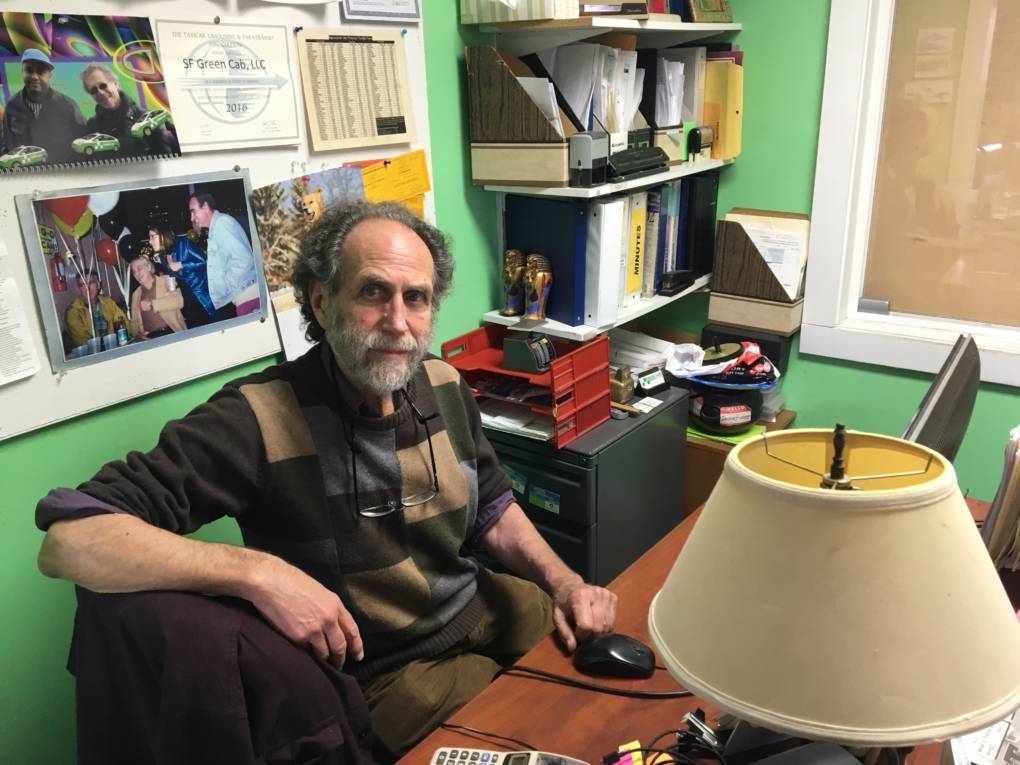
"caption": "Mark Gruberg says Uber and Lyft have even taken away the biggest taxi paydays, like Valentines Day, Halloween, and New Years Eve.",
"description": "Mark Gruberg says Uber and Lyft have even taken away the biggest taxi paydays, like Valentines Day, Halloween, and New Years Eve.",
"title": "Mark 1",
"credit": "Sam Harnett/KQED",
"status": "inherit",
"isLoading": false,
"fetchFailed": false
},
"news_11651121": {
"type": "attachments",
"id": "news_11651121",
"meta": {
"index": "attachments_1716263798",
"site": "news",
"id": "11651121",
"found": true
},
"parent": 11651083,
"imgSizes": {
"small": {
"file": "https://ww2.kqed.org/app/uploads/sites/10/2018/02/hustle_final01-520x278.jpg",
"width": 520,
"mimeType": "image/jpeg",
"height": 278
},
"twentyfourteen-full-width": {
"file": "https://ww2.kqed.org/app/uploads/sites/10/2018/02/hustle_final01-1038x576.jpg",
"width": 1038,
"mimeType": "image/jpeg",
"height": 576
},
"thumbnail": {
"file": "https://ww2.kqed.org/app/uploads/sites/10/2018/02/hustle_final01-160x86.jpg",
"width": 160,
"mimeType": "image/jpeg",
"height": 86
},
"fd-sm": {
"file": "https://ww2.kqed.org/app/uploads/sites/10/2018/02/hustle_final01-960x514.jpg",
"width": 960,
"mimeType": "image/jpeg",
"height": 514
},
"post-thumbnail": {
"file": "https://ww2.kqed.org/app/uploads/sites/10/2018/02/hustle_final01-672x372.jpg",
"width": 672,
"mimeType": "image/jpeg",
"height": 372
},
"xsmall": {
"file": "https://ww2.kqed.org/app/uploads/sites/10/2018/02/hustle_final01-375x201.jpg",
"width": 375,
"mimeType": "image/jpeg",
"height": 201
},
"kqedFullSize": {
"file": "https://ww2.kqed.org/app/uploads/sites/10/2018/02/hustle_final01-e1519157649832.jpg",
"width": 1920,
"height": 1028
},
"large": {
"file": "https://ww2.kqed.org/app/uploads/sites/10/2018/02/hustle_final01-1020x546.jpg",
"width": 1020,
"mimeType": "image/jpeg",
"height": 546
},
"xlarge": {
"file": "https://ww2.kqed.org/app/uploads/sites/10/2018/02/hustle_final01-1180x632.jpg",
"width": 1180,
"mimeType": "image/jpeg",
"height": 632
},
"guest-author-50": {
"file": "https://ww2.kqed.org/app/uploads/sites/10/2018/02/hustle_final01-50x50.jpg",
"width": 50,
"mimeType": "image/jpeg",
"height": 50
},
"guest-author-96": {
"file": "https://ww2.kqed.org/app/uploads/sites/10/2018/02/hustle_final01-96x96.jpg",
"width": 96,
"mimeType": "image/jpeg",
"height": 96
},
"medium": {
"file": "https://ww2.kqed.org/app/uploads/sites/10/2018/02/hustle_final01-800x428.jpg",
"width": 800,
"mimeType": "image/jpeg",
"height": 428
},
"guest-author-64": {
"file": "https://ww2.kqed.org/app/uploads/sites/10/2018/02/hustle_final01-64x64.jpg",
"width": 64,
"mimeType": "image/jpeg",
"height": 64
},
"guest-author-32": {
"file": "https://ww2.kqed.org/app/uploads/sites/10/2018/02/hustle_final01-32x32.jpg",
"width": 32,
"mimeType": "image/jpeg",
"height": 32
},
"fd-lrg": {
"file": "https://ww2.kqed.org/app/uploads/sites/10/2018/02/hustle_final01-1920x1028.jpg",
"width": 1920,
"mimeType": "image/jpeg",
"height": 1028
},
"fd-med": {
"file": "https://ww2.kqed.org/app/uploads/sites/10/2018/02/hustle_final01-1180x632.jpg",
"width": 1180,
"mimeType": "image/jpeg",
"height": 632
},
"full-width": {
"file": "https://ww2.kqed.org/app/uploads/sites/10/2018/02/hustle_final01-1920x1028.jpg",
"width": 1920,
"mimeType": "image/jpeg",
"height": 1028
},
"detail": {
"file": "https://ww2.kqed.org/app/uploads/sites/10/2018/02/hustle_final01-150x150.jpg",
"width": 150,
"mimeType": "image/jpeg",
"height": 150
},
"guest-author-128": {
"file": "https://ww2.kqed.org/app/uploads/sites/10/2018/02/hustle_final01-128x128.jpg",
"width": 128,
"mimeType": "image/jpeg",
"height": 128
},
"xxsmall": {
"file": "https://ww2.kqed.org/app/uploads/sites/10/2018/02/hustle_final01-240x128.jpg",
"width": 240,
"mimeType": "image/jpeg",
"height": 128
}
},
"publishDate": 1519139367,
"modified": 1519157663,
"caption": null,
"description": null,
"title": "Hustle",
"credit": "Mark Fiore/KQED",
"status": "inherit",
"isLoading": false,
"fetchFailed": false
},
"news_11643978": {
"type": "attachments",
"id": "news_11643978",
"meta": {
"index": "attachments_1716263798",
"site": "news",
"id": "11643978",
"found": true
},
"parent": 11643681,
"imgSizes": {
"small": {
"file": "https://ww2.kqed.org/app/uploads/sites/10/2018/01/GettyImages-634301214-520x347.jpg",
"width": 520,
"mimeType": "image/jpeg",
"height": 347
},
"twentyfourteen-full-width": {
"file": "https://ww2.kqed.org/app/uploads/sites/10/2018/01/GettyImages-634301214-1038x576.jpg",
"width": 1038,
"mimeType": "image/jpeg",
"height": 576
},
"thumbnail": {
"file": "https://ww2.kqed.org/app/uploads/sites/10/2018/01/GettyImages-634301214-160x107.jpg",
"width": 160,
"mimeType": "image/jpeg",
"height": 107
},
"fd-sm": {
"file": "https://ww2.kqed.org/app/uploads/sites/10/2018/01/GettyImages-634301214-960x640.jpg",
"width": 960,
"mimeType": "image/jpeg",
"height": 640
},
"post-thumbnail": {
"file": "https://ww2.kqed.org/app/uploads/sites/10/2018/01/GettyImages-634301214-672x372.jpg",
"width": 672,
"mimeType": "image/jpeg",
"height": 372
},
"xsmall": {
"file": "https://ww2.kqed.org/app/uploads/sites/10/2018/01/GettyImages-634301214-375x250.jpg",
"width": 375,
"mimeType": "image/jpeg",
"height": 250
},
"kqedFullSize": {
"file": "https://ww2.kqed.org/app/uploads/sites/10/2018/01/GettyImages-634301214-e1516813424594.jpg",
"width": 1920,
"height": 1280
},
"large": {
"file": "https://ww2.kqed.org/app/uploads/sites/10/2018/01/GettyImages-634301214-1020x680.jpg",
"width": 1020,
"mimeType": "image/jpeg",
"height": 680
},
"xlarge": {
"file": "https://ww2.kqed.org/app/uploads/sites/10/2018/01/GettyImages-634301214-1180x787.jpg",
"width": 1180,
"mimeType": "image/jpeg",
"height": 787
},
"guest-author-50": {
"file": "https://ww2.kqed.org/app/uploads/sites/10/2018/01/GettyImages-634301214-50x50.jpg",
"width": 50,
"mimeType": "image/jpeg",
"height": 50
},
"guest-author-96": {
"file": "https://ww2.kqed.org/app/uploads/sites/10/2018/01/GettyImages-634301214-96x96.jpg",
"width": 96,
"mimeType": "image/jpeg",
"height": 96
},
"medium": {
"file": "https://ww2.kqed.org/app/uploads/sites/10/2018/01/GettyImages-634301214-800x533.jpg",
"width": 800,
"mimeType": "image/jpeg",
"height": 533
},
"guest-author-64": {
"file": "https://ww2.kqed.org/app/uploads/sites/10/2018/01/GettyImages-634301214-64x64.jpg",
"width": 64,
"mimeType": "image/jpeg",
"height": 64
},
"guest-author-32": {
"file": "https://ww2.kqed.org/app/uploads/sites/10/2018/01/GettyImages-634301214-32x32.jpg",
"width": 32,
"mimeType": "image/jpeg",
"height": 32
},
"fd-lrg": {
"file": "https://ww2.kqed.org/app/uploads/sites/10/2018/01/GettyImages-634301214-1920x1280.jpg",
"width": 1920,
"mimeType": "image/jpeg",
"height": 1280
},
"fd-med": {
"file": "https://ww2.kqed.org/app/uploads/sites/10/2018/01/GettyImages-634301214-1180x787.jpg",
"width": 1180,
"mimeType": "image/jpeg",
"height": 787
},
"full-width": {
"file": "https://ww2.kqed.org/app/uploads/sites/10/2018/01/GettyImages-634301214-1920x1280.jpg",
"width": 1920,
"mimeType": "image/jpeg",
"height": 1280
},
"detail": {
"file": "https://ww2.kqed.org/app/uploads/sites/10/2018/01/GettyImages-634301214-150x150.jpg",
"width": 150,
"mimeType": "image/jpeg",
"height": 150
},
"guest-author-128": {
"file": "https://ww2.kqed.org/app/uploads/sites/10/2018/01/GettyImages-634301214-128x128.jpg",
"width": 128,
"mimeType": "image/jpeg",
"height": 128
},
"xxsmall": {
"file": "https://ww2.kqed.org/app/uploads/sites/10/2018/01/GettyImages-634301214-240x160.jpg",
"width": 240,
"mimeType": "image/jpeg",
"height": 160
}
},
"publishDate": 1516813378,
"modified": 1516813413,
"caption": "An Amp sits on the dashboard of a Lyft driver's car on Jan. 31, 2017 in San Francisco.",
"description": null,
"title": "Lyft Amp",
"credit": "Kelly Sullivan/Getty Images for Lyft",
"status": "inherit",
"isLoading": false,
"fetchFailed": false
},
"news_11641437": {
"type": "attachments",
"id": "news_11641437",
"meta": {
"index": "attachments_1716263798",
"site": "news",
"id": "11641437",
"found": true
},
"parent": 11641425,
"imgSizes": {
"small": {
"file": "https://ww2.kqed.org/app/uploads/sites/10/2018/01/RS28840_InCar2-qut-520x293.jpg",
"width": 520,
"mimeType": "image/jpeg",
"height": 293
},
"twentyfourteen-full-width": {
"file": "https://ww2.kqed.org/app/uploads/sites/10/2018/01/RS28840_InCar2-qut-1038x576.jpg",
"width": 1038,
"mimeType": "image/jpeg",
"height": 576
},
"thumbnail": {
"file": "https://ww2.kqed.org/app/uploads/sites/10/2018/01/RS28840_InCar2-qut-160x90.jpg",
"width": 160,
"mimeType": "image/jpeg",
"height": 90
},
"fd-sm": {
"file": "https://ww2.kqed.org/app/uploads/sites/10/2018/01/RS28840_InCar2-qut-960x540.jpg",
"width": 960,
"mimeType": "image/jpeg",
"height": 540
},
"post-thumbnail": {
"file": "https://ww2.kqed.org/app/uploads/sites/10/2018/01/RS28840_InCar2-qut-672x372.jpg",
"width": 672,
"mimeType": "image/jpeg",
"height": 372
},
"xsmall": {
"file": "https://ww2.kqed.org/app/uploads/sites/10/2018/01/RS28840_InCar2-qut-375x211.jpg",
"width": 375,
"mimeType": "image/jpeg",
"height": 211
},
"kqedFullSize": {
"file": "https://ww2.kqed.org/app/uploads/sites/10/2018/01/RS28840_InCar2-qut.jpg",
"width": 1920,
"height": 1080
},
"large": {
"file": "https://ww2.kqed.org/app/uploads/sites/10/2018/01/RS28840_InCar2-qut-1020x574.jpg",
"width": 1020,
"mimeType": "image/jpeg",
"height": 574
},
"xlarge": {
"file": "https://ww2.kqed.org/app/uploads/sites/10/2018/01/RS28840_InCar2-qut-1180x664.jpg",
"width": 1180,
"mimeType": "image/jpeg",
"height": 664
},
"guest-author-50": {
"file": "https://ww2.kqed.org/app/uploads/sites/10/2018/01/RS28840_InCar2-qut-50x50.jpg",
"width": 50,
"mimeType": "image/jpeg",
"height": 50
},
"guest-author-96": {
"file": "https://ww2.kqed.org/app/uploads/sites/10/2018/01/RS28840_InCar2-qut-96x96.jpg",
"width": 96,
"mimeType": "image/jpeg",
"height": 96
},
"medium": {
"file": "https://ww2.kqed.org/app/uploads/sites/10/2018/01/RS28840_InCar2-qut-800x450.jpg",
"width": 800,
"mimeType": "image/jpeg",
"height": 450
},
"guest-author-64": {
"file": "https://ww2.kqed.org/app/uploads/sites/10/2018/01/RS28840_InCar2-qut-64x64.jpg",
"width": 64,
"mimeType": "image/jpeg",
"height": 64
},
"guest-author-32": {
"file": "https://ww2.kqed.org/app/uploads/sites/10/2018/01/RS28840_InCar2-qut-32x32.jpg",
"width": 32,
"mimeType": "image/jpeg",
"height": 32
},
"fd-lrg": {
"file": "https://ww2.kqed.org/app/uploads/sites/10/2018/01/RS28840_InCar2-qut-1920x1080.jpg",
"width": 1920,
"mimeType": "image/jpeg",
"height": 1080
},
"fd-med": {
"file": "https://ww2.kqed.org/app/uploads/sites/10/2018/01/RS28840_InCar2-qut-1180x664.jpg",
"width": 1180,
"mimeType": "image/jpeg",
"height": 664
},
"full-width": {
"file": "https://ww2.kqed.org/app/uploads/sites/10/2018/01/RS28840_InCar2-qut-1920x1080.jpg",
"width": 1920,
"mimeType": "image/jpeg",
"height": 1080
},
"detail": {
"file": "https://ww2.kqed.org/app/uploads/sites/10/2018/01/RS28840_InCar2-qut-150x150.jpg",
"width": 150,
"mimeType": "image/jpeg",
"height": 150
},
"guest-author-128": {
"file": "https://ww2.kqed.org/app/uploads/sites/10/2018/01/RS28840_InCar2-qut-128x128.jpg",
"width": 128,
"mimeType": "image/jpeg",
"height": 128
},
"xxsmall": {
"file": "https://ww2.kqed.org/app/uploads/sites/10/2018/01/RS28840_InCar2-qut-240x135.jpg",
"width": 240,
"mimeType": "image/jpeg",
"height": 135
}
},
"publishDate": 1515694432,
"modified": 1515695405,
"caption": "Ashel Eldridge calls himself the Lyft Rapper, freestyling for passengers about goofy topics and more serious issues.",
"description": null,
"title": "RS28840_InCar2-qut",
"credit": "Ashel Eldridge",
"status": "inherit",
"isLoading": false,
"fetchFailed": false
},
"news_11622623": {
"type": "attachments",
"id": "news_11622623",
"meta": {
"index": "attachments_1716263798",
"site": "news",
"id": "11622623",
"found": true
},
"parent": 11622517,
"imgSizes": {
"small": {
"file": "https://ww2.kqed.org/app/uploads/sites/10/2017/10/Airbnb-520x347.jpg",
"width": 520,
"mimeType": "image/jpeg",
"height": 347
},
"twentyfourteen-full-width": {
"file": "https://ww2.kqed.org/app/uploads/sites/10/2017/10/Airbnb-1038x576.jpg",
"width": 1038,
"mimeType": "image/jpeg",
"height": 576
},
"thumbnail": {
"file": "https://ww2.kqed.org/app/uploads/sites/10/2017/10/Airbnb-160x107.jpg",
"width": 160,
"mimeType": "image/jpeg",
"height": 107
},
"fd-sm": {
"file": "https://ww2.kqed.org/app/uploads/sites/10/2017/10/Airbnb-960x640.jpg",
"width": 960,
"mimeType": "image/jpeg",
"height": 640
},
"post-thumbnail": {
"file": "https://ww2.kqed.org/app/uploads/sites/10/2017/10/Airbnb-672x372.jpg",
"width": 672,
"mimeType": "image/jpeg",
"height": 372
},
"xsmall": {
"file": "https://ww2.kqed.org/app/uploads/sites/10/2017/10/Airbnb-375x250.jpg",
"width": 375,
"mimeType": "image/jpeg",
"height": 250
},
"kqedFullSize": {
"file": "https://ww2.kqed.org/app/uploads/sites/10/2017/10/Airbnb.jpg",
"width": 1920,
"height": 1280
},
"large": {
"file": "https://ww2.kqed.org/app/uploads/sites/10/2017/10/Airbnb-1020x680.jpg",
"width": 1020,
"mimeType": "image/jpeg",
"height": 680
},
"xlarge": {
"file": "https://ww2.kqed.org/app/uploads/sites/10/2017/10/Airbnb-1180x787.jpg",
"width": 1180,
"mimeType": "image/jpeg",
"height": 787
},
"guest-author-50": {
"file": "https://ww2.kqed.org/app/uploads/sites/10/2017/10/Airbnb-50x50.jpg",
"width": 50,
"mimeType": "image/jpeg",
"height": 50
},
"guest-author-96": {
"file": "https://ww2.kqed.org/app/uploads/sites/10/2017/10/Airbnb-96x96.jpg",
"width": 96,
"mimeType": "image/jpeg",
"height": 96
},
"medium": {
"file": "https://ww2.kqed.org/app/uploads/sites/10/2017/10/Airbnb-800x533.jpg",
"width": 800,
"mimeType": "image/jpeg",
"height": 533
},
"guest-author-64": {
"file": "https://ww2.kqed.org/app/uploads/sites/10/2017/10/Airbnb-64x64.jpg",
"width": 64,
"mimeType": "image/jpeg",
"height": 64
},
"guest-author-32": {
"file": "https://ww2.kqed.org/app/uploads/sites/10/2017/10/Airbnb-32x32.jpg",
"width": 32,
"mimeType": "image/jpeg",
"height": 32
},
"fd-lrg": {
"file": "https://ww2.kqed.org/app/uploads/sites/10/2017/10/Airbnb-1920x1280.jpg",
"width": 1920,
"mimeType": "image/jpeg",
"height": 1280
},
"fd-med": {
"file": "https://ww2.kqed.org/app/uploads/sites/10/2017/10/Airbnb-1180x787.jpg",
"width": 1180,
"mimeType": "image/jpeg",
"height": 787
},
"full-width": {
"file": "https://ww2.kqed.org/app/uploads/sites/10/2017/10/Airbnb-1920x1280.jpg",
"width": 1920,
"mimeType": "image/jpeg",
"height": 1280
},
"detail": {
"file": "https://ww2.kqed.org/app/uploads/sites/10/2017/10/Airbnb-150x150.jpg",
"width": 150,
"mimeType": "image/jpeg",
"height": 150
},
"guest-author-128": {
"file": "https://ww2.kqed.org/app/uploads/sites/10/2017/10/Airbnb-128x128.jpg",
"width": 128,
"mimeType": "image/jpeg",
"height": 128
},
"xxsmall": {
"file": "https://ww2.kqed.org/app/uploads/sites/10/2017/10/Airbnb-240x160.jpg",
"width": 240,
"mimeType": "image/jpeg",
"height": 160
}
},
"publishDate": 1507763247,
"modified": 1507765084,
"caption": "After Airbnb activated its disaster response tool to help those impacted by the fires on Monday, more than 200 people signed up so far to host evacuees.",
"description": "After Airbnb activated its disaster response tool to help those impacted by the fires on Monday, more than 200 people have signed up to host evacuees.",
"title": "Airbnb",
"credit": "Carl Court/Getty Images",
"status": "inherit",
"isLoading": false,
"fetchFailed": false
},
"news_11540946": {
"type": "attachments",
"id": "news_11540946",
"meta": {
"index": "attachments_1716263798",
"site": "news",
"id": "11540946",
"found": true
},
"parent": 11540912,
"imgSizes": {
"small": {
"file": "https://ww2.kqed.org/app/uploads/sites/10/2017/06/GIG-WORKER-Photos-1-Uber-520x293.jpg",
"width": 520,
"mimeType": "image/jpeg",
"height": 293
},
"twentyfourteen-full-width": {
"file": "https://ww2.kqed.org/app/uploads/sites/10/2017/06/GIG-WORKER-Photos-1-Uber-1038x576.jpg",
"width": 1038,
"mimeType": "image/jpeg",
"height": 576
},
"thumbnail": {
"file": "https://ww2.kqed.org/app/uploads/sites/10/2017/06/GIG-WORKER-Photos-1-Uber-160x90.jpg",
"width": 160,
"mimeType": "image/jpeg",
"height": 90
},
"fd-sm": {
"file": "https://ww2.kqed.org/app/uploads/sites/10/2017/06/GIG-WORKER-Photos-1-Uber-960x540.jpg",
"width": 960,
"mimeType": "image/jpeg",
"height": 540
},
"post-thumbnail": {
"file": "https://ww2.kqed.org/app/uploads/sites/10/2017/06/GIG-WORKER-Photos-1-Uber-672x372.jpg",
"width": 672,
"mimeType": "image/jpeg",
"height": 372
},
"xsmall": {
"file": "https://ww2.kqed.org/app/uploads/sites/10/2017/06/GIG-WORKER-Photos-1-Uber-375x211.jpg",
"width": 375,
"mimeType": "image/jpeg",
"height": 211
},
"kqedFullSize": {
"file": "https://ww2.kqed.org/app/uploads/sites/10/2017/06/GIG-WORKER-Photos-1-Uber-e1498850086919.jpg",
"width": 1920,
"height": 1080
},
"large": {
"file": "https://ww2.kqed.org/app/uploads/sites/10/2017/06/GIG-WORKER-Photos-1-Uber-1020x574.jpg",
"width": 1020,
"mimeType": "image/jpeg",
"height": 574
},
"xlarge": {
"file": "https://ww2.kqed.org/app/uploads/sites/10/2017/06/GIG-WORKER-Photos-1-Uber-1180x664.jpg",
"width": 1180,
"mimeType": "image/jpeg",
"height": 664
},
"guest-author-50": {
"file": "https://ww2.kqed.org/app/uploads/sites/10/2017/06/GIG-WORKER-Photos-1-Uber-50x50.jpg",
"width": 50,
"mimeType": "image/jpeg",
"height": 50
},
"guest-author-96": {
"file": "https://ww2.kqed.org/app/uploads/sites/10/2017/06/GIG-WORKER-Photos-1-Uber-96x96.jpg",
"width": 96,
"mimeType": "image/jpeg",
"height": 96
},
"medium": {
"file": "https://ww2.kqed.org/app/uploads/sites/10/2017/06/GIG-WORKER-Photos-1-Uber-800x450.jpg",
"width": 800,
"mimeType": "image/jpeg",
"height": 450
},
"guest-author-64": {
"file": "https://ww2.kqed.org/app/uploads/sites/10/2017/06/GIG-WORKER-Photos-1-Uber-64x64.jpg",
"width": 64,
"mimeType": "image/jpeg",
"height": 64
},
"guest-author-32": {
"file": "https://ww2.kqed.org/app/uploads/sites/10/2017/06/GIG-WORKER-Photos-1-Uber-32x32.jpg",
"width": 32,
"mimeType": "image/jpeg",
"height": 32
},
"fd-lrg": {
"file": "https://ww2.kqed.org/app/uploads/sites/10/2017/06/GIG-WORKER-Photos-1-Uber-1920x1080.jpg",
"width": 1920,
"mimeType": "image/jpeg",
"height": 1080
},
"fd-med": {
"file": "https://ww2.kqed.org/app/uploads/sites/10/2017/06/GIG-WORKER-Photos-1-Uber-1180x664.jpg",
"width": 1180,
"mimeType": "image/jpeg",
"height": 664
},
"full-width": {
"file": "https://ww2.kqed.org/app/uploads/sites/10/2017/06/GIG-WORKER-Photos-1-Uber-1920x1080.jpg",
"width": 1920,
"mimeType": "image/jpeg",
"height": 1080
},
"detail": {
"file": "https://ww2.kqed.org/app/uploads/sites/10/2017/06/GIG-WORKER-Photos-1-Uber-150x150.jpg",
"width": 150,
"mimeType": "image/jpeg",
"height": 150
},
"guest-author-128": {
"file": "https://ww2.kqed.org/app/uploads/sites/10/2017/06/GIG-WORKER-Photos-1-Uber-128x128.jpg",
"width": 128,
"mimeType": "image/jpeg",
"height": 128
},
"xxsmall": {
"file": "https://ww2.kqed.org/app/uploads/sites/10/2017/06/GIG-WORKER-Photos-1-Uber-240x135.jpg",
"width": 240,
"mimeType": "image/jpeg",
"height": 135
}
},
"publishDate": 1498849986,
"modified": 1498850007,
"caption": "An Uber drives gives a passenger a ride.",
"description": null,
"title": "GIG WORKER Photos 1 (Uber)",
"credit": "Alexander Torrenegra via Wikimedia Commons",
"status": "inherit",
"isLoading": false,
"fetchFailed": false
},
"news_11498372": {
"type": "attachments",
"id": "news_11498372",
"meta": {
"index": "attachments_1716263798",
"site": "news",
"id": "11498372",
"found": true
},
"parent": 11496939,
"imgSizes": {
"small": {
"file": "https://ww2.kqed.org/app/uploads/sites/10/2017/06/nuisance_060617_final-520x520.jpg",
"width": 520,
"mimeType": "image/jpeg",
"height": 520
},
"twentyfourteen-full-width": {
"file": "https://ww2.kqed.org/app/uploads/sites/10/2017/06/nuisance_060617_final-1038x576.jpg",
"width": 1038,
"mimeType": "image/jpeg",
"height": 576
},
"thumbnail": {
"file": "https://ww2.kqed.org/app/uploads/sites/10/2017/06/nuisance_060617_final-160x160.jpg",
"width": 160,
"mimeType": "image/jpeg",
"height": 160
},
"fd-sm": {
"file": "https://ww2.kqed.org/app/uploads/sites/10/2017/06/nuisance_060617_final-960x960.jpg",
"width": 960,
"mimeType": "image/jpeg",
"height": 960
},
"post-thumbnail": {
"file": "https://ww2.kqed.org/app/uploads/sites/10/2017/06/nuisance_060617_final-672x372.jpg",
"width": 672,
"mimeType": "image/jpeg",
"height": 372
},
"xsmall": {
"file": "https://ww2.kqed.org/app/uploads/sites/10/2017/06/nuisance_060617_final-375x375.jpg",
"width": 375,
"mimeType": "image/jpeg",
"height": 375
},
"kqedFullSize": {
"file": "https://ww2.kqed.org/app/uploads/sites/10/2017/06/nuisance_060617_final.jpg",
"width": 1920,
"height": 1920
},
"large": {
"file": "https://ww2.kqed.org/app/uploads/sites/10/2017/06/nuisance_060617_final-1020x1020.jpg",
"width": 1020,
"mimeType": "image/jpeg",
"height": 1020
},
"xlarge": {
"file": "https://ww2.kqed.org/app/uploads/sites/10/2017/06/nuisance_060617_final-1180x1180.jpg",
"width": 1180,
"mimeType": "image/jpeg",
"height": 1180
},
"guest-author-50": {
"file": "https://ww2.kqed.org/app/uploads/sites/10/2017/06/nuisance_060617_final-50x50.jpg",
"width": 50,
"mimeType": "image/jpeg",
"height": 50
},
"guest-author-96": {
"file": "https://ww2.kqed.org/app/uploads/sites/10/2017/06/nuisance_060617_final-96x96.jpg",
"width": 96,
"mimeType": "image/jpeg",
"height": 96
},
"medium": {
"file": "https://ww2.kqed.org/app/uploads/sites/10/2017/06/nuisance_060617_final-800x800.jpg",
"width": 800,
"mimeType": "image/jpeg",
"height": 800
},
"guest-author-64": {
"file": "https://ww2.kqed.org/app/uploads/sites/10/2017/06/nuisance_060617_final-64x64.jpg",
"width": 64,
"mimeType": "image/jpeg",
"height": 64
},
"guest-author-32": {
"file": "https://ww2.kqed.org/app/uploads/sites/10/2017/06/nuisance_060617_final-32x32.jpg",
"width": 32,
"mimeType": "image/jpeg",
"height": 32
},
"fd-lrg": {
"file": "https://ww2.kqed.org/app/uploads/sites/10/2017/06/nuisance_060617_final-1920x1920.jpg",
"width": 1920,
"mimeType": "image/jpeg",
"height": 1920
},
"fd-med": {
"file": "https://ww2.kqed.org/app/uploads/sites/10/2017/06/nuisance_060617_final-1180x1180.jpg",
"width": 1180,
"mimeType": "image/jpeg",
"height": 1180
},
"full-width": {
"file": "https://ww2.kqed.org/app/uploads/sites/10/2017/06/nuisance_060617_final-1920x1920.jpg",
"width": 1920,
"mimeType": "image/jpeg",
"height": 1920
},
"detail": {
"file": "https://ww2.kqed.org/app/uploads/sites/10/2017/06/nuisance_060617_final-150x150.jpg",
"width": 150,
"mimeType": "image/jpeg",
"height": 150
},
"guest-author-128": {
"file": "https://ww2.kqed.org/app/uploads/sites/10/2017/06/nuisance_060617_final-128x128.jpg",
"width": 128,
"mimeType": "image/jpeg",
"height": 128
},
"xxsmall": {
"file": "https://ww2.kqed.org/app/uploads/sites/10/2017/06/nuisance_060617_final-240x240.jpg",
"width": 240,
"mimeType": "image/jpeg",
"height": 240
}
},
"publishDate": 1496854704,
"modified": 1496854737,
"caption": null,
"description": null,
"title": "nuisance_060617_final",
"credit": null,
"status": "inherit",
"isLoading": false,
"fetchFailed": false
},
"news_11218700": {
"type": "attachments",
"id": "news_11218700",
"meta": {
"index": "attachments_1716263798",
"site": "news",
"id": "11218700",
"found": true
},
"parent": 11218691,
"imgSizes": {
"small": {
"file": "https://ww2.kqed.org/app/uploads/sites/10/2016/12/RS16548_IMG_0582-520x347.jpg",
"width": 520,
"mimeType": "image/jpeg",
"height": 347
},
"twentyfourteen-full-width": {
"file": "https://ww2.kqed.org/app/uploads/sites/10/2016/12/RS16548_IMG_0582-1038x576.jpg",
"width": 1038,
"mimeType": "image/jpeg",
"height": 576
},
"thumbnail": {
"file": "https://ww2.kqed.org/app/uploads/sites/10/2016/12/RS16548_IMG_0582-160x107.jpg",
"width": 160,
"mimeType": "image/jpeg",
"height": 107
},
"fd-sm": {
"file": "https://ww2.kqed.org/app/uploads/sites/10/2016/12/RS16548_IMG_0582-960x640.jpg",
"width": 960,
"mimeType": "image/jpeg",
"height": 640
},
"post-thumbnail": {
"file": "https://ww2.kqed.org/app/uploads/sites/10/2016/12/RS16548_IMG_0582-672x372.jpg",
"width": 672,
"mimeType": "image/jpeg",
"height": 372
},
"xsmall": {
"file": "https://ww2.kqed.org/app/uploads/sites/10/2016/12/RS16548_IMG_0582-375x250.jpg",
"width": 375,
"mimeType": "image/jpeg",
"height": 250
},
"kqedFullSize": {
"file": "https://ww2.kqed.org/app/uploads/sites/10/2016/12/RS16548_IMG_0582.jpg",
"width": 5184,
"height": 3456
},
"large": {
"file": "https://ww2.kqed.org/app/uploads/sites/10/2016/12/RS16548_IMG_0582-1020x680.jpg",
"width": 1020,
"mimeType": "image/jpeg",
"height": 680
},
"xlarge": {
"file": "https://ww2.kqed.org/app/uploads/sites/10/2016/12/RS16548_IMG_0582-1180x787.jpg",
"width": 1180,
"mimeType": "image/jpeg",
"height": 787
},
"guest-author-50": {
"file": "https://ww2.kqed.org/app/uploads/sites/10/2016/12/RS16548_IMG_0582-50x50.jpg",
"width": 50,
"mimeType": "image/jpeg",
"height": 50
},
"guest-author-96": {
"file": "https://ww2.kqed.org/app/uploads/sites/10/2016/12/RS16548_IMG_0582-96x96.jpg",
"width": 96,
"mimeType": "image/jpeg",
"height": 96
},
"medium": {
"file": "https://ww2.kqed.org/app/uploads/sites/10/2016/12/RS16548_IMG_0582-800x533.jpg",
"width": 800,
"mimeType": "image/jpeg",
"height": 533
},
"guest-author-64": {
"file": "https://ww2.kqed.org/app/uploads/sites/10/2016/12/RS16548_IMG_0582-64x64.jpg",
"width": 64,
"mimeType": "image/jpeg",
"height": 64
},
"guest-author-32": {
"file": "https://ww2.kqed.org/app/uploads/sites/10/2016/12/RS16548_IMG_0582-32x32.jpg",
"width": 32,
"mimeType": "image/jpeg",
"height": 32
},
"jmtc-small-thumb": {
"file": "https://ww2.kqed.org/app/uploads/sites/10/2016/12/RS16548_IMG_0582-280x150.jpg",
"width": 280,
"mimeType": "image/jpeg",
"height": 150
},
"fd-lrg": {
"file": "https://ww2.kqed.org/app/uploads/sites/10/2016/12/RS16548_IMG_0582-1920x1280.jpg",
"width": 1920,
"mimeType": "image/jpeg",
"height": 1280
},
"fd-med": {
"file": "https://ww2.kqed.org/app/uploads/sites/10/2016/12/RS16548_IMG_0582-1180x787.jpg",
"width": 1180,
"mimeType": "image/jpeg",
"height": 787
},
"full-width": {
"file": "https://ww2.kqed.org/app/uploads/sites/10/2016/12/RS16548_IMG_0582-1920x1280.jpg",
"width": 1920,
"mimeType": "image/jpeg",
"height": 1280
},
"detail": {
"file": "https://ww2.kqed.org/app/uploads/sites/10/2016/12/RS16548_IMG_0582-150x150.jpg",
"width": 150,
"mimeType": "image/jpeg",
"height": 150
},
"guest-author-128": {
"file": "https://ww2.kqed.org/app/uploads/sites/10/2016/12/RS16548_IMG_0582-128x128.jpg",
"width": 128,
"mimeType": "image/jpeg",
"height": 128
},
"xxsmall": {
"file": "https://ww2.kqed.org/app/uploads/sites/10/2016/12/RS16548_IMG_0582-240x160.jpg",
"width": 240,
"mimeType": "image/jpeg",
"height": 160
}
},
"publishDate": 1481668791,
"modified": 1481757741,
"caption": "A Lyft driver in downtown San Francisco on Aug. 31, 2015. ",
"description": null,
"title": "rs16548_img_0582",
"credit": "Ericka Cruz Guevarra/KQED",
"status": "inherit",
"isLoading": false,
"fetchFailed": false
},
"news_11186285": {
"type": "attachments",
"id": "news_11186285",
"meta": {
"index": "attachments_1716263798",
"site": "news",
"id": "11186285",
"found": true
},
"parent": 11186074,
"imgSizes": {
"small": {
"file": "https://ww2.kqed.org/app/uploads/sites/10/2016/11/Yellow-Cab-520x347.jpg",
"width": 520,
"mimeType": "image/jpeg",
"height": 347
},
"twentyfourteen-full-width": {
"file": "https://ww2.kqed.org/app/uploads/sites/10/2016/11/Yellow-Cab-1038x576.jpg",
"width": 1038,
"mimeType": "image/jpeg",
"height": 576
},
"thumbnail": {
"file": "https://ww2.kqed.org/app/uploads/sites/10/2016/11/Yellow-Cab-160x107.jpg",
"width": 160,
"mimeType": "image/jpeg",
"height": 107
},
"fd-sm": {
"file": "https://ww2.kqed.org/app/uploads/sites/10/2016/11/Yellow-Cab-960x640.jpg",
"width": 960,
"mimeType": "image/jpeg",
"height": 640
},
"post-thumbnail": {
"file": "https://ww2.kqed.org/app/uploads/sites/10/2016/11/Yellow-Cab-672x372.jpg",
"width": 672,
"mimeType": "image/jpeg",
"height": 372
},
"xsmall": {
"file": "https://ww2.kqed.org/app/uploads/sites/10/2016/11/Yellow-Cab-375x250.jpg",
"width": 375,
"mimeType": "image/jpeg",
"height": 250
},
"kqedFullSize": {
"file": "https://ww2.kqed.org/app/uploads/sites/10/2016/11/Yellow-Cab.jpg",
"width": 2000,
"height": 1333
},
"large": {
"file": "https://ww2.kqed.org/app/uploads/sites/10/2016/11/Yellow-Cab-1020x680.jpg",
"width": 1020,
"mimeType": "image/jpeg",
"height": 680
},
"xlarge": {
"file": "https://ww2.kqed.org/app/uploads/sites/10/2016/11/Yellow-Cab-1180x786.jpg",
"width": 1180,
"mimeType": "image/jpeg",
"height": 786
},
"guest-author-50": {
"file": "https://ww2.kqed.org/app/uploads/sites/10/2016/11/Yellow-Cab-50x50.jpg",
"width": 50,
"mimeType": "image/jpeg",
"height": 50
},
"guest-author-96": {
"file": "https://ww2.kqed.org/app/uploads/sites/10/2016/11/Yellow-Cab-96x96.jpg",
"width": 96,
"mimeType": "image/jpeg",
"height": 96
},
"medium": {
"file": "https://ww2.kqed.org/app/uploads/sites/10/2016/11/Yellow-Cab-800x533.jpg",
"width": 800,
"mimeType": "image/jpeg",
"height": 533
},
"guest-author-64": {
"file": "https://ww2.kqed.org/app/uploads/sites/10/2016/11/Yellow-Cab-64x64.jpg",
"width": 64,
"mimeType": "image/jpeg",
"height": 64
},
"guest-author-32": {
"file": "https://ww2.kqed.org/app/uploads/sites/10/2016/11/Yellow-Cab-32x32.jpg",
"width": 32,
"mimeType": "image/jpeg",
"height": 32
},
"jmtc-small-thumb": {
"file": "https://ww2.kqed.org/app/uploads/sites/10/2016/11/Yellow-Cab-280x150.jpg",
"width": 280,
"mimeType": "image/jpeg",
"height": 150
},
"fd-lrg": {
"file": "https://ww2.kqed.org/app/uploads/sites/10/2016/11/Yellow-Cab-1920x1280.jpg",
"width": 1920,
"mimeType": "image/jpeg",
"height": 1280
},
"fd-med": {
"file": "https://ww2.kqed.org/app/uploads/sites/10/2016/11/Yellow-Cab-1180x786.jpg",
"width": 1180,
"mimeType": "image/jpeg",
"height": 786
},
"full-width": {
"file": "https://ww2.kqed.org/app/uploads/sites/10/2016/11/Yellow-Cab-1920x1280.jpg",
"width": 1920,
"mimeType": "image/jpeg",
"height": 1280
},
"detail": {
"file": "https://ww2.kqed.org/app/uploads/sites/10/2016/11/Yellow-Cab-150x150.jpg",
"width": 150,
"mimeType": "image/jpeg",
"height": 150
},
"guest-author-128": {
"file": "https://ww2.kqed.org/app/uploads/sites/10/2016/11/Yellow-Cab-128x128.jpg",
"width": 128,
"mimeType": "image/jpeg",
"height": 128
},
"xxsmall": {
"file": "https://ww2.kqed.org/app/uploads/sites/10/2016/11/Yellow-Cab-240x160.jpg",
"width": 240,
"mimeType": "image/jpeg",
"height": 160
}
},
"publishDate": 1479866340,
"modified": 1479866400,
"caption": "Yellow Cab Cooperative is the largest taxi company in San Francisco.",
"description": null,
"title": "yellow-cab",
"credit": "Deborah Svoboda/KQED",
"status": "inherit",
"isLoading": false,
"fetchFailed": false
},
"news_11055388": {
"type": "attachments",
"id": "news_11055388",
"meta": {
"index": "attachments_1716263798",
"site": "news",
"id": "11055388",
"found": true
},
"parent": 11055367,
"imgSizes": {
"twentyfourteen-full-width": {
"file": "https://ww2.kqed.org/app/uploads/sites/10/2016/08/RS15592_GettyImages-467522442-1038x576.jpg",
"width": 1038,
"mimeType": "image/jpeg",
"height": 576
},
"thumbnail": {
"file": "https://ww2.kqed.org/app/uploads/sites/10/2016/08/RS15592_GettyImages-467522442-400x274.jpg",
"width": 400,
"mimeType": "image/jpeg",
"height": 274
},
"fd-sm": {
"file": "https://ww2.kqed.org/app/uploads/sites/10/2016/08/RS15592_GettyImages-467522442-960x657.jpg",
"width": 960,
"mimeType": "image/jpeg",
"height": 657
},
"post-thumbnail": {
"file": "https://ww2.kqed.org/app/uploads/sites/10/2016/08/RS15592_GettyImages-467522442-672x372.jpg",
"width": 672,
"mimeType": "image/jpeg",
"height": 372
},
"kqedFullSize": {
"file": "https://ww2.kqed.org/app/uploads/sites/10/2016/08/RS15592_GettyImages-467522442-e1476485343788.jpg",
"width": 1920,
"height": 1314
},
"large": {
"file": "https://ww2.kqed.org/app/uploads/sites/10/2016/08/RS15592_GettyImages-467522442-1920x1314.jpg",
"width": 1920,
"mimeType": "image/jpeg",
"height": 1314
},
"guest-author-50": {
"file": "https://ww2.kqed.org/app/uploads/sites/10/2016/08/RS15592_GettyImages-467522442-50x50.jpg",
"width": 50,
"mimeType": "image/jpeg",
"height": 50
},
"guest-author-96": {
"file": "https://ww2.kqed.org/app/uploads/sites/10/2016/08/RS15592_GettyImages-467522442-96x96.jpg",
"width": 96,
"mimeType": "image/jpeg",
"height": 96
},
"medium": {
"file": "https://ww2.kqed.org/app/uploads/sites/10/2016/08/RS15592_GettyImages-467522442-800x548.jpg",
"width": 800,
"mimeType": "image/jpeg",
"height": 548
},
"guest-author-64": {
"file": "https://ww2.kqed.org/app/uploads/sites/10/2016/08/RS15592_GettyImages-467522442-64x64.jpg",
"width": 64,
"mimeType": "image/jpeg",
"height": 64
},
"guest-author-32": {
"file": "https://ww2.kqed.org/app/uploads/sites/10/2016/08/RS15592_GettyImages-467522442-32x32.jpg",
"width": 32,
"mimeType": "image/jpeg",
"height": 32
},
"jmtc-small-thumb": {
"file": "https://ww2.kqed.org/app/uploads/sites/10/2016/08/RS15592_GettyImages-467522442-280x150.jpg",
"width": 280,
"mimeType": "image/jpeg",
"height": 150
},
"fd-lrg": {
"file": "https://ww2.kqed.org/app/uploads/sites/10/2016/08/RS15592_GettyImages-467522442-1920x1314.jpg",
"width": 1920,
"mimeType": "image/jpeg",
"height": 1314
},
"fd-med": {
"file": "https://ww2.kqed.org/app/uploads/sites/10/2016/08/RS15592_GettyImages-467522442-1180x808.jpg",
"width": 1180,
"mimeType": "image/jpeg",
"height": 808
},
"detail": {
"file": "https://ww2.kqed.org/app/uploads/sites/10/2016/08/RS15592_GettyImages-467522442-150x150.jpg",
"width": 150,
"mimeType": "image/jpeg",
"height": 150
},
"guest-author-128": {
"file": "https://ww2.kqed.org/app/uploads/sites/10/2016/08/RS15592_GettyImages-467522442-128x128.jpg",
"width": 128,
"mimeType": "image/jpeg",
"height": 128
}
},
"publishDate": 1471637998,
"modified": 1471656073,
"caption": "The transit agency covering Dublin plans to partner with Uber and Lyft to connect residents with the public transportation system.",
"description": null,
"title": "US-ECONOMY-TRANSPORT-UBER",
"credit": "Andrew Caballero-Reynolds/AFP/Getty Images",
"status": "inherit",
"isLoading": false,
"fetchFailed": false
},
"news_11038735": {
"type": "attachments",
"id": "news_11038735",
"meta": {
"index": "attachments_1716263798",
"site": "news",
"id": "11038735",
"found": true
},
"parent": 11038731,
"imgSizes": {
"twentyfourteen-full-width": {
"file": "https://ww2.kqed.org/app/uploads/sites/10/2016/08/UberHailing-1038x576.jpg",
"width": 1038,
"mimeType": "image/jpeg",
"height": 576
},
"thumbnail": {
"file": "https://ww2.kqed.org/app/uploads/sites/10/2016/08/UberHailing-400x286.jpg",
"width": 400,
"mimeType": "image/jpeg",
"height": 286
},
"fd-sm": {
"file": "https://ww2.kqed.org/app/uploads/sites/10/2016/08/UberHailing-960x686.jpg",
"width": 960,
"mimeType": "image/jpeg",
"height": 686
},
"post-thumbnail": {
"file": "https://ww2.kqed.org/app/uploads/sites/10/2016/08/UberHailing-672x372.jpg",
"width": 672,
"mimeType": "image/jpeg",
"height": 372
},
"kqedFullSize": {
"file": "https://ww2.kqed.org/app/uploads/sites/10/2016/08/UberHailing.jpg",
"width": 1920,
"height": 1372
},
"large": {
"file": "https://ww2.kqed.org/app/uploads/sites/10/2016/08/UberHailing-1920x1372.jpg",
"width": 1920,
"mimeType": "image/jpeg",
"height": 1372
},
"guest-author-50": {
"file": "https://ww2.kqed.org/app/uploads/sites/10/2016/08/UberHailing-50x50.jpg",
"width": 50,
"mimeType": "image/jpeg",
"height": 50
},
"guest-author-96": {
"file": "https://ww2.kqed.org/app/uploads/sites/10/2016/08/UberHailing-96x96.jpg",
"width": 96,
"mimeType": "image/jpeg",
"height": 96
},
"medium": {
"file": "https://ww2.kqed.org/app/uploads/sites/10/2016/08/UberHailing-800x572.jpg",
"width": 800,
"mimeType": "image/jpeg",
"height": 572
},
"guest-author-64": {
"file": "https://ww2.kqed.org/app/uploads/sites/10/2016/08/UberHailing-64x64.jpg",
"width": 64,
"mimeType": "image/jpeg",
"height": 64
},
"guest-author-32": {
"file": "https://ww2.kqed.org/app/uploads/sites/10/2016/08/UberHailing-32x32.jpg",
"width": 32,
"mimeType": "image/jpeg",
"height": 32
},
"jmtc-small-thumb": {
"file": "https://ww2.kqed.org/app/uploads/sites/10/2016/08/UberHailing-280x150.jpg",
"width": 280,
"mimeType": "image/jpeg",
"height": 150
},
"fd-lrg": {
"file": "https://ww2.kqed.org/app/uploads/sites/10/2016/08/UberHailing-1920x1372.jpg",
"width": 1920,
"mimeType": "image/jpeg",
"height": 1372
},
"fd-med": {
"file": "https://ww2.kqed.org/app/uploads/sites/10/2016/08/UberHailing-1180x843.jpg",
"width": 1180,
"mimeType": "image/jpeg",
"height": 843
},
"detail": {
"file": "https://ww2.kqed.org/app/uploads/sites/10/2016/08/UberHailing-150x150.jpg",
"width": 150,
"mimeType": "image/jpeg",
"height": 150
},
"guest-author-128": {
"file": "https://ww2.kqed.org/app/uploads/sites/10/2016/08/UberHailing-128x128.jpg",
"width": 128,
"mimeType": "image/jpeg",
"height": 128
}
},
"publishDate": 1470097545,
"modified": 1476486361,
"caption": "The suit seeks an order requiring that Uber comply with the 1990 Americans With Disabilities Act.",
"description": "Uber's ride-hailing app",
"title": "UberHailing",
"credit": "Andrew Caballero-Reynolds/AFP/Getty Images",
"status": "inherit",
"isLoading": false,
"fetchFailed": false
}
},
"audioPlayerReducer": {
"postId": "stream_live",
"isPaused": true,
"isPlaying": false,
"pfsActive": false,
"pledgeModalIsOpen": true,
"playerDrawerIsOpen": false,
"liveAudioPlayStartedAt": 0,
"liveAudioPlayContext": ""
},
"authorsReducer": {
"byline_news_11653352": {
"type": "authors",
"id": "byline_news_11653352",
"meta": {
"override": true
},
"slug": "byline_news_11653352",
"name": "\u003cstrong>James Doubek\u003cbr />NPR\u003c/strong>",
"isLoading": false
},
"byline_news_11641425": {
"type": "authors",
"id": "byline_news_11641425",
"meta": {
"override": true
},
"slug": "byline_news_11641425",
"name": "Allen Young",
"isLoading": false
},
"byline_news_11540912": {
"type": "authors",
"id": "byline_news_11540912",
"meta": {
"override": true
},
"slug": "byline_news_11540912",
"name": "\u003cstrong>\u003ca href=\"https://calmatters.org/articles/author/ben-christopher/\">Ben Christopher\u003ca/>\u003cbr>CALmatters\u003ca href=\"https://calmatters.org/articles/california-gives-gig-workers-break-just-little-one-start/\"\u003c/a>\u003c/strong>",
"isLoading": false
},
"byline_news_11038731": {
"type": "authors",
"id": "byline_news_11038731",
"meta": {
"override": true
},
"slug": "byline_news_11038731",
"name": "Rebecca Hersher",
"isLoading": false
},
"bgoebel": {
"type": "authors",
"id": "214",
"meta": {
"index": "authors_1716337520",
"id": "214",
"found": true
},
"name": "Bryan Goebel",
"firstName": "Bryan",
"lastName": "Goebel",
"slug": "bgoebel",
"email": "bgoebel@kqed.org",
"display_author_email": false,
"staff_mastheads": [],
"title": null,
"bio": "Bryan Goebel is a reporter focused on transportation and housing issues. He was previously the editor of Streetsblog San Francisco, and an anchor/editor at KCBS Radio. He's a lifelong Californian and has also worked at radio stations in Barstow, Redding and Sacramento.",
"avatar": "https://secure.gravatar.com/avatar/7fdd6b065bfe9a23a71bcfa80848df88?s=600&d=blank&r=g",
"twitter": "velobry",
"facebook": null,
"instagram": null,
"linkedin": null,
"sites": [
{
"site": "news",
"roles": [
"subscriber"
]
},
{
"site": "stateofhealth",
"roles": [
"subscriber"
]
}
],
"headData": {
"title": "Bryan Goebel | KQED",
"description": null,
"ogImgSrc": "https://secure.gravatar.com/avatar/7fdd6b065bfe9a23a71bcfa80848df88?s=600&d=blank&r=g",
"twImgSrc": "https://secure.gravatar.com/avatar/7fdd6b065bfe9a23a71bcfa80848df88?s=600&d=blank&r=g"
},
"isLoading": false,
"link": "/author/bgoebel"
},
"samharnett": {
"type": "authors",
"id": "253",
"meta": {
"index": "authors_1716337520",
"id": "253",
"found": true
},
"name": "Sam Harnett",
"firstName": "Sam",
"lastName": "Harnett",
"slug": "samharnett",
"email": "samharnett@gmail.com",
"display_author_email": false,
"staff_mastheads": [],
"title": "KQED Contributor",
"bio": "Sam Harnett covered tech and work at KQED. He is the co-creator of \u003cem>\u003ca href=\"http://www.theworldaccordingtosound.org\">The World According to Sound\u003c/a>,\u003c/em> a 90-second podcast that features different sounds and the stories behind them.\r\n\r\nBefore coming to KQED, Sam worked as an independent reporter who contributed regularly to \u003cem>The California Report, Marketplace,\u003c/em> \u003cem>The World \u003c/em>and NPR.",
"avatar": "https://secure.gravatar.com/avatar/2538b972ac02f2b9546c7a6c59a0f3d0?s=600&d=blank&r=g",
"twitter": "Samwharnett",
"facebook": null,
"instagram": null,
"linkedin": null,
"sites": [
{
"site": "news",
"roles": [
"edit_others_posts",
"subscriber"
]
},
{
"site": "stateofhealth",
"roles": [
"author"
]
},
{
"site": "science",
"roles": [
"editor"
]
},
{
"site": "quest",
"roles": [
"subscriber"
]
}
],
"headData": {
"title": "Sam Harnett | KQED",
"description": "KQED Contributor",
"ogImgSrc": "https://secure.gravatar.com/avatar/2538b972ac02f2b9546c7a6c59a0f3d0?s=600&d=blank&r=g",
"twImgSrc": "https://secure.gravatar.com/avatar/2538b972ac02f2b9546c7a6c59a0f3d0?s=600&d=blank&r=g"
},
"isLoading": false,
"link": "/author/samharnett"
},
"markfiore": {
"type": "authors",
"id": "3236",
"meta": {
"index": "authors_1716337520",
"id": "3236",
"found": true
},
"name": "Mark Fiore",
"firstName": "Mark",
"lastName": "Fiore",
"slug": "markfiore",
"email": "mark@markfiore.com",
"display_author_email": false,
"staff_mastheads": [
"news"
],
"title": "KQED News Cartoonist",
"bio": "\u003ca href=\"http://www.MarkFiore.com\">MarkFiore.com\u003c/a> | \u003ca href=\"https://twitter.com/markfiore\">Follow on Twitter\u003c/a> | \u003ca href=\"https://www.facebook.com/pages/Mark-Fiore-Animated-Political-Cartoons/94451707396?ref=bookmarks\">Facebook\u003c/a> | \u003ca href=\"mailto:mark@markfiore.com\">email\u003c/a>\r\n\r\nPulitzer Prize-winner, Mark Fiore, who the Wall Street Journal has called “the undisputed guru of the form,” creates animated political cartoons in San Francisco, where his work has been featured regularly on the San Francisco Chronicle’s web site, SFGate.com. His work has appeared on Newsweek.com, Slate.com, CBSNews.com, MotherJones.com, DailyKos.com and NPR’s web site. Fiore’s political animation has appeared on CNN, Frontline, Bill Moyers Journal, Salon.com and cable and broadcast outlets across the globe.\r\n\r\nBeginning his professional life by drawing traditional political cartoons for newspapers, Fiore’s work appeared in publications ranging from the Washington Post to the Los Angeles Times. In the late 1990s, he began to experiment with animating political cartoons and, after a short stint at the San Jose Mercury News as their staff cartoonist, Fiore devoted all his energies to animation.\r\nGrowing up in California, Fiore also spent a good portion of his life in the backwoods of Idaho. It was this combination that shaped him politically. Mark majored in political science at Colorado College, where, in a perfect send-off for a cartoonist, he received his diploma in 1991 as commencement speaker Dick Cheney smiled approvingly.\r\nMark Fiore was awarded the Pulitzer Prize for political cartooning in 2010, a Robert F. Kennedy Journalism Award in 2004 and has twice received an Online Journalism Award for commentary from the Online News Association (2002, 2008). Fiore has received two awards for his work in new media from the National Cartoonists Society (2001, 2002), and in 2006 received The James Madison Freedom of Information Award from The Society of Professional Journalists.",
"avatar": "https://secure.gravatar.com/avatar/fc4e2a612b15b67bad0c6f0e1db4ca9b?s=600&d=blank&r=g",
"twitter": "MarkFiore",
"facebook": null,
"instagram": "https://www.instagram.com/markfiore/?hl=en",
"linkedin": null,
"sites": [
{
"site": "arts",
"roles": [
"contributor"
]
},
{
"site": "news",
"roles": [
"editor"
]
},
{
"site": "futureofyou",
"roles": [
"editor"
]
},
{
"site": "science",
"roles": [
"editor"
]
}
],
"headData": {
"title": "Mark Fiore | KQED",
"description": "KQED News Cartoonist",
"ogImgSrc": "https://secure.gravatar.com/avatar/fc4e2a612b15b67bad0c6f0e1db4ca9b?s=600&d=blank&r=g",
"twImgSrc": "https://secure.gravatar.com/avatar/fc4e2a612b15b67bad0c6f0e1db4ca9b?s=600&d=blank&r=g"
},
"isLoading": false,
"link": "/author/markfiore"
},
"dkatayama": {
"type": "authors",
"id": "7240",
"meta": {
"index": "authors_1716337520",
"id": "7240",
"found": true
},
"name": "Devin Katayama",
"firstName": "Devin",
"lastName": "Katayama",
"slug": "dkatayama",
"email": "dkatayama@kqed.org",
"display_author_email": true,
"staff_mastheads": [
"news"
],
"title": "Editor of Talent and Development",
"bio": "Devin Katayama is former Editor of Talent and Development for KQED. He supported our internship program and on-call staff by looking for equitable opportunities to improve the newsroom.\r\n\r\nHe previously hosted The Bay and American Suburb podcasts from KQED News. Prior to returning to the Bay Area in 2015, Devin was the education reporter for WFPL in Louisville and worked as a producer with radio stations in Chicago and Portland, OR. His work has appeared on NPR’s \u003cem>Morning Edition, All Things Considered, The Takeaway\u003c/em> and \u003cem>Here and Now.\u003c/em>\r\n\r\nDevin earned his MA in Journalism from Columbia College Chicago, where he was a Follett Fellow and the recipient of the 2011 Studs Terkel Community Media Workshop Scholarship for his story on Chicago's homeless youth. He won WBUR's 2014 Daniel Schorr award and a regional RTNDA Edward R. Murrow Award for his documentary \"At Risk\" that looked at issues facing some of Louisville's students. Devin has also received numerous local awards from the Associated Press and the Society of Professional Journalists.",
"avatar": "https://secure.gravatar.com/avatar/d0d2978a31002fb2de107921a8e18405?s=600&d=blank&r=g",
"twitter": "RadioDevin",
"facebook": null,
"instagram": null,
"linkedin": null,
"sites": [
{
"site": "arts",
"roles": []
},
{
"site": "news",
"roles": [
"author"
]
},
{
"site": "stateofhealth",
"roles": [
"author"
]
},
{
"site": "forum",
"roles": [
"editor"
]
},
{
"site": "perspectives",
"roles": [
"editor"
]
}
],
"headData": {
"title": "Devin Katayama | KQED",
"description": "Editor of Talent and Development",
"ogImgSrc": "https://secure.gravatar.com/avatar/d0d2978a31002fb2de107921a8e18405?s=600&d=blank&r=g",
"twImgSrc": "https://secure.gravatar.com/avatar/d0d2978a31002fb2de107921a8e18405?s=600&d=blank&r=g"
},
"isLoading": false,
"link": "/author/dkatayama"
},
"rlevi": {
"type": "authors",
"id": "11260",
"meta": {
"index": "authors_1716337520",
"id": "11260",
"found": true
},
"name": "Ryan Levi",
"firstName": "Ryan",
"lastName": "Levi",
"slug": "rlevi",
"email": "rlevi@KQED.org",
"display_author_email": false,
"staff_mastheads": [],
"title": "KQED Contributor",
"bio": "Ryan Levi was a reporter and podcast producer at KQED News from 2016-2019. He worked on \u003ca href=\"https://www.kqed.org/news/series/baycurious\">Bay Curious\u003c/a>, \u003ca href=\"https://www.kqed.org/news/tag/the-bay/\">The Bay, \u003c/a>and \u003ca href=\"https://podcasts.apple.com/us/podcast/the-california-report-magazine/id1314750545\">The California Report Magazine\u003c/a>, as well as hosting and producing the weekly \u003ca href=\"https://www.kqed.org/news/program/qedup/\">Q'ed Up podcast. \u003c/a>He also helped inaugurate KQED's weekend news coverage in 2017 as one of two original digital producers. Ryan holds degrees in multimedia journalism and Spanish from the University of Missouri.",
"avatar": "https://secure.gravatar.com/avatar/4cb2ddd028ac8807d1adf09609c5555d?s=600&d=blank&r=g",
"twitter": "ryan_levi",
"facebook": null,
"instagram": null,
"linkedin": null,
"sites": [
{
"site": "arts",
"roles": [
"editor"
]
},
{
"site": "news",
"roles": [
"subscriber"
]
},
{
"site": "stateofhealth",
"roles": [
"editor"
]
},
{
"site": "science",
"roles": [
"editor"
]
},
{
"site": "forum",
"roles": [
"administrator"
]
},
{
"site": "perspectives",
"roles": [
"administrator"
]
}
],
"headData": {
"title": "Ryan Levi | KQED",
"description": "KQED Contributor",
"ogImgSrc": "https://secure.gravatar.com/avatar/4cb2ddd028ac8807d1adf09609c5555d?s=600&d=blank&r=g",
"twImgSrc": "https://secure.gravatar.com/avatar/4cb2ddd028ac8807d1adf09609c5555d?s=600&d=blank&r=g"
},
"isLoading": false,
"link": "/author/rlevi"
},
"mcheng": {
"type": "authors",
"id": "11392",
"meta": {
"index": "authors_1716337520",
"id": "11392",
"found": true
},
"name": "Michelle Cheng",
"firstName": "Michelle",
"lastName": "Cheng",
"slug": "mcheng",
"email": "michellebrittany15@gmail.com",
"display_author_email": false,
"staff_mastheads": [],
"title": "KQED Contributor",
"bio": "Michelle Cheng is an on-call interactive producer at KQED. She has written for FiveThirtyEight, Forbes, and MIT Technology Review. She received her undergraduate degree at Boston University -- but doesn't miss the cold. Prior to becoming a journalist, she was a competitive dancer. Reach her at mcheng@kqed.org or on Twitter @mbcheng15.",
"avatar": "https://secure.gravatar.com/avatar/14ee002b5eca4a81008be56ade91b3e326b80fbd81023881c7df7a7d2ed1499c?s=600&d=blank&r=g",
"twitter": null,
"bluesky": null,
"facebook": null,
"instagram": null,
"linkedin": null,
"sites": [
{
"site": "news",
"roles": [
"subscriber"
]
}
],
"headData": {
"title": "Michelle Cheng | KQED",
"description": "KQED Contributor",
"ogImgSrc": "https://secure.gravatar.com/avatar/14ee002b5eca4a81008be56ade91b3e326b80fbd81023881c7df7a7d2ed1499c?s=600&d=blank&r=g",
"twImgSrc": "https://secure.gravatar.com/avatar/14ee002b5eca4a81008be56ade91b3e326b80fbd81023881c7df7a7d2ed1499c?s=600&d=blank&r=g"
},
"isLoading": false,
"link": "/author/mcheng"
}
},
"pagesReducer": {
"news_tag_lyft": {
"type": "terms",
"id": "news_4524",
"meta": {
"index": "terms_1716263798",
"site": "news",
"id": "4524",
"score": 9.560178
},
"featImg": null,
"name": "Lyft",
"description": null,
"taxonomy": "tag",
"headData": {
"twImgId": null,
"twTitle": null,
"ogTitle": null,
"ogImgId": null,
"twDescription": null,
"description": null,
"title": "Lyft Archives | KQED News",
"ogDescription": null
},
"ttid": 4543,
"slug": "lyft",
"isLoading": false,
"title": "Lyft",
"pageMeta": {
"site": "news",
"WpPageTemplate": "page-topic-editorial",
"currentPage": 9
},
"blocks": [
{
"blockName": "kqed/post-list",
"attrs": {
"layout": "cardArticle2",
"query": "posts/news?tag=lyft",
"seeMore": false,
"paginated": true,
"page": 9
}
},
{
"blockName": "kqed/ad"
}
]
}
},
"pfsSessionReducer": {},
"postsReducer": {
"stream_live": {
"type": "live",
"id": "stream_live",
"audioUrl": "https://hls.kqed.org/hls/kqed_app/playlist.m3u8",
"title": "Live Stream",
"excerpt": "Live Stream information currently unavailable.",
"link": "/radio",
"featImg": "",
"label": {
"name": "KQED Live",
"link": "/"
}
},
"stream_kqedNewscast": {
"type": "posts",
"id": "stream_kqedNewscast",
"audioUrl": "https://www.kqed.org/.stream/anon/radio/RDnews/newscast.mp3?_=1",
"title": "KQED Newscast",
"featImg": "",
"label": {
"name": "88.5 FM",
"link": "/"
}
},
"news_11653352": {
"type": "posts",
"id": "news_11653352",
"meta": {
"index": "posts_1716263798",
"site": "news",
"id": "11653352",
"score": null,
"sort": [
1520010594000
]
},
"parent": 0,
"labelTerm": {},
"blocks": [],
"publishDate": 1520010594,
"format": "audio",
"disqusTitle": "Uber, Lyft Drivers Earning a Median Profit of $3.37 Per Hour, Study Says",
"title": "Uber, Lyft Drivers Earning a Median Profit of $3.37 Per Hour, Study Says",
"headTitle": "The California Report | KQED News",
"content": "\u003cp>The vast majority of Uber and Lyft drivers are earning less than minimum wage and almost a third of them are actually losing money by driving, according to researchers at the Massachusetts Institute of Technology.\u003c/p>\n\u003cp>\u003ca href=\"http://ceepr.mit.edu/files/papers/2018-005-Brief.pdf\" target=\"_blank\">A working paper\u003c/a> by Stephen M. Zoepf, Stella Chen, Paa Adu and Gonzalo Pozo at MIT's Center for Energy and Environmental Policy Research says the median pretax profit earned from driving is $3.37 per hour after taking expenses into account. Seventy-four percent of drivers earn less than their state's minimum wage, the researchers say.\u003c/p>\n\u003cp>Thirty percent of drivers \"are actually losing money once vehicle expenses are included,\" the authors found.\u003c/p>\n\u003cp>The conclusions are based on surveys of more than 1,100 drivers who told researchers about their revenue, how many miles they drove and what type of car they used. The study's authors then combined that with typical costs associated with a certain car's insurance, maintenance, gas and depreciation, which was gathered in data from Edmunds, Kelley Blue Book and the Environmental Protection Agency.\u003c/p>\n\u003cp>Drivers earning the median amount of revenue are getting $0.59 per mile driven, researchers say, but expenses work out to $0.30 per mile, meaning a driver makes a median profit of $0.29 for each mile.\u003c/p>\n\u003cp>[ad fullwidth]\u003c/p>\n\u003cp>An Uber spokesperson responded to the finding in a \u003ca href=\"https://www.theguardian.com/technology/2018/mar/01/uber-lyft-driver-wages-median-report\" target=\"_blank\">statement to The Guardian:\u003c/a>\u003c/p>\n\u003cblockquote>\n\u003cp>\"While the paper is certainly attention grabbing, its methodology and findings are deeply flawed. We've reached out to the paper's authors to share our concerns and suggest ways we might work together to refine their approach.\"\u003c/p>\n\u003c/blockquote>\n\u003cp>The newspaper also noted, \"Other \u003ca href=\"https://web.stanford.edu/~diamondr/UberPayGap.pdf\" target=\"_blank\">studies\u003c/a> and \u003ca href=\"https://therideshareguy.com/2018-uber-and-lyft-driver-survey-results-the-rideshare-guy/\" target=\"_blank\">surveys\u003c/a> have found higher hourly earnings for Uber drivers, in part because there are numerous ways to report income and to calculate costs and time and miles spent on the job.\"\u003c/p>\n\u003cp>MIT authors also calculated that it's possible for billions of dollars in driver profits to be untaxed because \"nearly half of drivers can declare a loss on their taxes.\" Drivers are able to use the IRS standard mileage rate deduction to write off some of the costs of using a car for business. In 2016, that number was \u003ca href=\"https://www.irs.gov/tax-professionals/standard-mileage-rates\" target=\"_blank\">$0.54 per mile.\u003c/a> \"Because of this deduction, most ride-hailing drivers are able to declare profits that are substantially lower,\" researchers write.\u003c/p>\n\u003cp>\"If drivers are fully able to capitalize on these losses for tax purposes, 73.5% of an estimated U.S. market $4.8B in annual ride-hailing driver profit is untaxed,\" they add.\u003c/p>\n\u003cp>According to MIT researchers, 80 percent of drivers said they work less than 40 hours per week. An NPR/Marist poll in January found that 1 in 5 jobs in the U.S. is \u003ca href=\"https://www.npr.org/series/579833363/the-rise-of-the-contract-workers\" target=\"_blank\">held by a contract worker;\u003c/a> contractors often juggle multiple part-time jobs.\u003c/p>\n\u003cp>Uber and Lyft both have \u003ca href=\"https://www.npr.org/2017/12/11/569462645/in-effort-to-court-drivers-lyft-offering-education-discounts\" target=\"_blank\">\"notoriously high\"\u003c/a> turnover rates among drivers. A report last year said just \u003ca href=\"https://www.cnbc.com/2017/04/20/only-4-percent-of-uber-drivers-remain-after-a-year-says-report.html\">4 percent\u003c/a> of Uber drivers work for the company for at least a year.\u003c/p>\n\u003cp>NPR's \u003ca href=\"https://www.npr.org/2017/12/11/569462645/in-effort-to-court-drivers-lyft-offering-education-discounts\" target=\"_blank\">Aarti Shahani reported\u003c/a> in December that Lyft began a program to give drivers \"access to discounted GED and college courses online\" in a recruiting effort.\u003c/p>\n\u003cp>It was only last year that Uber introduced the option to tip drivers into its app for customers. \u003ca href=\"https://www.recode.net/2017/10/7/16363448/uber-lyft-driver-features-app\" target=\"_blank\">Recode listed\u003c/a> the initiatives Uber rolled out in 2017 in order to appeal to drivers, including 24-hour phone support, paid wait time and paying drivers if customers cancel after a certain amount of time.\u003c/p>\n\u003cp>Both Uber and Lyft have been fighting legal battles for years against initiatives to classify their drivers as \"employees\" instead of \"independent contractors\" — meaning drivers don't receive benefits like health care or sick leave.\u003c/p>\n\u003cp>\u003c/p>\n\u003cp>Copyright 2018 NPR. To see more, visit http://www.npr.org/.\u003c/p>\n\n",
"disqusIdentifier": "11653352 https://ww2.kqed.org/news/?p=11653352",
"disqusUrl": "https://ww2.kqed.org/news/2018/03/02/uber-lyft-drivers-earning-a-median-profit-of-3-37-per-hour-study-says/",
"stats": {
"hasVideo": false,
"hasChartOrMap": false,
"hasAudio": false,
"hasPolis": false,
"wordCount": 619,
"hasGoogleForm": false,
"hasGallery": false,
"hasHearkenModule": false,
"iframeSrcs": [],
"paragraphCount": 18
},
"modified": 1520044604,
"excerpt": "Researchers at MIT said 30 percent of Uber and Lyft drivers are actually losing money after taking car expenses into account, while most drivers earn less than minimum wage.",
"headData": {
"twImgId": "",
"twTitle": "",
"ogTitle": "",
"ogImgId": "",
"twDescription": "",
"description": "Researchers at MIT said 30 percent of Uber and Lyft drivers are actually losing money after taking car expenses into account, while most drivers earn less than minimum wage.",
"title": "Uber, Lyft Drivers Earning a Median Profit of $3.37 Per Hour, Study Says | KQED",
"ogDescription": "",
"schema": {
"@context": "https://schema.org",
"@type": "NewsArticle",
"headline": "Uber, Lyft Drivers Earning a Median Profit of $3.37 Per Hour, Study Says",
"datePublished": "2018-03-02T09:09:54-08:00",
"dateModified": "2018-03-02T18:36:44-08:00",
"image": "https://cdn.kqed.org/wp-content/uploads/2020/02/KQED-OG-Image@1x.png",
"isAccessibleForFree": "True",
"publisher": {
"@type": "NewsMediaOrganization",
"@id": "https://www.kqed.org/#organization",
"name": "KQED",
"logo": "https://cdn.kqed.org/wp-content/uploads/2020/02/KQED-OG-Image@1x.png",
"url": "https://www.kqed.org",
"sameAs": [
"https://www.facebook.com/KQED",
"https://twitter.com/KQED",
"https://www.instagram.com/kqed/",
"https://www.tiktok.com/@kqedofficial",
"https://www.linkedin.com/company/kqed",
"https://www.youtube.com/channel/UCeC0IOo7i1P_61zVUWbJ4nw"
]
}
}
},
"guestAuthors": [],
"slug": "uber-lyft-drivers-earning-a-median-profit-of-3-37-per-hour-study-says",
"status": "publish",
"nprApiLink": "http://api.npr.org/query?id=590168381&apiKey=MDAxOTAwOTE4MDEyMTkxMDAzNjczZDljZA004",
"nprStoryDate": "Fri, 02 Mar 2018 06:25:00 -0500",
"nprLastModifiedDate": "Fri, 02 Mar 2018 10:41:21 -0500",
"nprHtmlLink": "https://www.npr.org/sections/thetwo-way/2018/03/02/590168381/uber-lyft-drivers-earning-a-median-profit-of-3-37-per-hour-study-says?ft=nprml&f=590168381",
"nprImageAgency": "Getty Images",
"source": "NPR",
"nprStoryId": "590168381",
"sourceUrl": "https://www.npr.org/",
"audioUrl": "https://www.kqed.org/.stream/anon/radio/RDnews/2018/03/2wayHarnettUberWages.mp3",
"nprByline": "\u003cstrong>James Doubek\u003cbr />NPR\u003c/strong>",
"nprImageCredit": "Spencer Platt",
"nprRetrievedStory": "1",
"nprPubDate": "Fri, 02 Mar 2018 10:41:00 -0500",
"path": "/news/11653352/uber-lyft-drivers-earning-a-median-profit-of-3-37-per-hour-study-says",
"audioTrackLength": null,
"parsedContent": [
{
"type": "contentString",
"content": "\u003cdiv class=\"post-body\">\u003cp>\u003cp>The vast majority of Uber and Lyft drivers are earning less than minimum wage and almost a third of them are actually losing money by driving, according to researchers at the Massachusetts Institute of Technology.\u003c/p>\n\u003cp>\u003ca href=\"http://ceepr.mit.edu/files/papers/2018-005-Brief.pdf\" target=\"_blank\">A working paper\u003c/a> by Stephen M. Zoepf, Stella Chen, Paa Adu and Gonzalo Pozo at MIT's Center for Energy and Environmental Policy Research says the median pretax profit earned from driving is $3.37 per hour after taking expenses into account. Seventy-four percent of drivers earn less than their state's minimum wage, the researchers say.\u003c/p>\n\u003cp>Thirty percent of drivers \"are actually losing money once vehicle expenses are included,\" the authors found.\u003c/p>\n\u003cp>The conclusions are based on surveys of more than 1,100 drivers who told researchers about their revenue, how many miles they drove and what type of car they used. The study's authors then combined that with typical costs associated with a certain car's insurance, maintenance, gas and depreciation, which was gathered in data from Edmunds, Kelley Blue Book and the Environmental Protection Agency.\u003c/p>\n\u003cp>Drivers earning the median amount of revenue are getting $0.59 per mile driven, researchers say, but expenses work out to $0.30 per mile, meaning a driver makes a median profit of $0.29 for each mile.\u003c/p>\n\u003cp>\u003c/p>\u003c/div>",
"attributes": {
"named": {},
"numeric": []
}
},
{
"type": "component",
"content": "",
"name": "ad",
"attributes": {
"named": {
"label": "fullwidth"
},
"numeric": [
"fullwidth"
]
}
},
{
"type": "contentString",
"content": "\u003cdiv class=\"post-body\">\u003cp>\u003c/p>\n\u003cp>An Uber spokesperson responded to the finding in a \u003ca href=\"https://www.theguardian.com/technology/2018/mar/01/uber-lyft-driver-wages-median-report\" target=\"_blank\">statement to The Guardian:\u003c/a>\u003c/p>\n\u003cblockquote>\n\u003cp>\"While the paper is certainly attention grabbing, its methodology and findings are deeply flawed. We've reached out to the paper's authors to share our concerns and suggest ways we might work together to refine their approach.\"\u003c/p>\n\u003c/blockquote>\n\u003cp>The newspaper also noted, \"Other \u003ca href=\"https://web.stanford.edu/~diamondr/UberPayGap.pdf\" target=\"_blank\">studies\u003c/a> and \u003ca href=\"https://therideshareguy.com/2018-uber-and-lyft-driver-survey-results-the-rideshare-guy/\" target=\"_blank\">surveys\u003c/a> have found higher hourly earnings for Uber drivers, in part because there are numerous ways to report income and to calculate costs and time and miles spent on the job.\"\u003c/p>\n\u003cp>MIT authors also calculated that it's possible for billions of dollars in driver profits to be untaxed because \"nearly half of drivers can declare a loss on their taxes.\" Drivers are able to use the IRS standard mileage rate deduction to write off some of the costs of using a car for business. In 2016, that number was \u003ca href=\"https://www.irs.gov/tax-professionals/standard-mileage-rates\" target=\"_blank\">$0.54 per mile.\u003c/a> \"Because of this deduction, most ride-hailing drivers are able to declare profits that are substantially lower,\" researchers write.\u003c/p>\n\u003cp>\"If drivers are fully able to capitalize on these losses for tax purposes, 73.5% of an estimated U.S. market $4.8B in annual ride-hailing driver profit is untaxed,\" they add.\u003c/p>\n\u003cp>According to MIT researchers, 80 percent of drivers said they work less than 40 hours per week. An NPR/Marist poll in January found that 1 in 5 jobs in the U.S. is \u003ca href=\"https://www.npr.org/series/579833363/the-rise-of-the-contract-workers\" target=\"_blank\">held by a contract worker;\u003c/a> contractors often juggle multiple part-time jobs.\u003c/p>\n\u003cp>Uber and Lyft both have \u003ca href=\"https://www.npr.org/2017/12/11/569462645/in-effort-to-court-drivers-lyft-offering-education-discounts\" target=\"_blank\">\"notoriously high\"\u003c/a> turnover rates among drivers. A report last year said just \u003ca href=\"https://www.cnbc.com/2017/04/20/only-4-percent-of-uber-drivers-remain-after-a-year-says-report.html\">4 percent\u003c/a> of Uber drivers work for the company for at least a year.\u003c/p>\n\u003cp>NPR's \u003ca href=\"https://www.npr.org/2017/12/11/569462645/in-effort-to-court-drivers-lyft-offering-education-discounts\" target=\"_blank\">Aarti Shahani reported\u003c/a> in December that Lyft began a program to give drivers \"access to discounted GED and college courses online\" in a recruiting effort.\u003c/p>\n\u003cp>It was only last year that Uber introduced the option to tip drivers into its app for customers. \u003ca href=\"https://www.recode.net/2017/10/7/16363448/uber-lyft-driver-features-app\" target=\"_blank\">Recode listed\u003c/a> the initiatives Uber rolled out in 2017 in order to appeal to drivers, including 24-hour phone support, paid wait time and paying drivers if customers cancel after a certain amount of time.\u003c/p>\n\u003cp>Both Uber and Lyft have been fighting legal battles for years against initiatives to classify their drivers as \"employees\" instead of \"independent contractors\" — meaning drivers don't receive benefits like health care or sick leave.\u003c/p>\n\u003cp>\u003c/p>\n\u003cp>Copyright 2018 NPR. To see more, visit http://www.npr.org/.\u003c/p>\n\n\u003c/div>\u003c/p>",
"attributes": {
"named": {},
"numeric": []
}
}
],
"link": "/news/11653352/uber-lyft-drivers-earning-a-median-profit-of-3-37-per-hour-study-says",
"authors": [
"byline_news_11653352"
],
"programs": [
"news_6944",
"news_72"
],
"categories": [
"news_1758",
"news_8",
"news_1397"
],
"tags": [
"news_4524",
"news_17041",
"news_4523"
],
"featImg": "news_11653353",
"label": "source_news_11653352"
},
"news_11651798": {
"type": "posts",
"id": "news_11651798",
"meta": {
"index": "posts_1716263798",
"site": "news",
"id": "11651798",
"score": null,
"sort": [
1519524237000
]
},
"guestAuthors": [],
"slug": "you-drive-until-you-die-driving-a-cab-in-the-age-of-uber-and-lyft",
"title": "'You Drive Until You Die': Driving a Cab in the Age of Uber and Lyft",
"publishDate": 1519524237,
"format": "audio",
"headTitle": "‘You Drive Until You Die’: Driving a Cab in the Age of Uber and Lyft | KQED",
"labelTerm": {},
"content": "\u003cp>More indictments, more Olympics, more news.\u003c/p>\n\u003cp>What else you got?\u003c/p>\n\u003ch3>1. \u003ca href=\"https://ww2.kqed.org/news/2018/02/21/the-human-cost-of-uber-and-lyft-life-in-the-dying-taxi-industry/\" target=\"_blank\" rel=\"noopener\">The human cost of Uber and Lyft\u003c/a>\u003c/h3>\n\u003cfigure id=\"attachment_11651107\" class=\"wp-caption aligncenter\" style=\"max-width: 800px\">\u003ca href=\"https://ww2.kqed.org/news/wp-content/uploads/sites/10/2018/02/Office-e1519254145353.jpg\">\u003cimg loading=\"lazy\" decoding=\"async\" class=\"size-medium wp-image-11651107\" src=\"https://ww2.kqed.org/news/wp-content/uploads/sites/10/2018/02/Office-e1519088025430-800x600.jpg\" alt=\"The office for Green Cab, which has been downsized from 19 to six members.\" width=\"800\" height=\"600\">\u003c/a>\u003cfigcaption class=\"wp-caption-text\">The office for Green Cab, which has been downsized from 19 to six members. \u003ccite>(Sam Harnett/KQED)\u003c/cite>\u003c/figcaption>\u003c/figure>\n\u003cp>I took a taxi last summer for the first time in a long time. I was visiting Washington D.C., and I’d forgotten that there was this whole industry full of people who know their cities like the back of their hands and don’t need an app or GPS to get us where we need to go.\u003c/p>\n\u003cp>But in the age of Uber and Lyft, that knowledge doesn’t pay much. KQED’s Sam Harnett \u003ca href=\"https://ww2.kqed.org/news/2018/02/21/the-human-cost-of-uber-and-lyft-life-in-the-dying-taxi-industry/\" target=\"_blank\" rel=\"noopener\">talked with cabbies\u003c/a> in San Francisco who are really struggling. They say retirement is a pipe dream, some of them are on welfare, and there’s no end in sight.\u003c/p>\n\u003ch3>2. \u003ca href=\"https://ww2.kqed.org/news/2018/02/23/sacramento-finds-and-celebrates-itself-in-new-lady-bird-walking-tour/\" target=\"_blank\" rel=\"noopener\">Sacramento loves ‘Lady Bird’ … a lot\u003c/a>\u003c/h3>\n\u003cfigure id=\"attachment_11651905\" class=\"wp-caption aligncenter\" style=\"max-width: 800px\">\u003ca href=\"https://ww2.kqed.org/news/wp-content/uploads/sites/10/2018/02/Group1-e1519429543760.jpg\">\u003cimg loading=\"lazy\" decoding=\"async\" class=\"size-medium wp-image-11651905\" src=\"https://ww2.kqed.org/news/wp-content/uploads/sites/10/2018/02/Group1-800x533.jpg\" alt='The \"Lady Bird\" walking tour group poses in front of the stately blue home from the film.' width=\"800\" height=\"533\">\u003c/a>\u003cfigcaption class=\"wp-caption-text\">The “Lady Bird” walking tour group poses in front of the stately blue home from the film. \u003ccite>(Allen Young/KQED)\u003c/cite>\u003c/figcaption>\u003c/figure>\n\u003cp>In the same way that ‘Black Panther’ made me well up with \u003ca href=\"https://ww2.kqed.org/news/2018/02/17/if-you-hella-love-oakland-youll-hella-love-black-panther/\" target=\"_blank\" rel=\"noopener\">pride for Oakland\u003c/a> even though I’ve never lived there, ‘Lady Bird’ had me smitten with Sacramento.\u003c/p>\n\u003cp>[ad fullwidth]\u003c/p>\n\u003cp>And Sacramento is definitely smitten with ‘Lady Bird.’ You can even take a \u003ca href=\"https://ww2.kqed.org/news/2018/02/23/sacramento-finds-and-celebrates-itself-in-new-lady-bird-walking-tour/\" target=\"_blank\" rel=\"noopener\">‘Lady Bird’ walking tour\u003c/a> through the city, hitting all the classic spots from the film and some from director and Sacramento native Greta Gerwig’s life.\u003c/p>\n\u003cp>The quote that really showed me how much this movie could mean to our state capital was from 67-year-old Quincy Brown, Sacramento born and bred: “I think we’re a good cow town. I’m OK with that. But I think this is a great town, and I think even a great city, that hasn’t gotten the credit it deserves. This movie gave us the hug that we needed.”\u003c/p>\n\u003ch3>3. \u003ca href=\"https://ww2.kqed.org/news/2018/02/23/librarians-on-the-line-evaluating-childrens-books-about-police/\" target=\"_blank\" rel=\"noopener\">Rethinking how police are portrayed in kids books\u003c/a>\u003c/h3>\n\u003cfigure id=\"attachment_11650919\" class=\"wp-caption aligncenter\" style=\"max-width: 800px\">\u003ca href=\"https://ww2.kqed.org/news/wp-content/uploads/sites/10/2018/02/Aleem-reads-to-group.jpg\">\u003cimg loading=\"lazy\" decoding=\"async\" class=\"size-medium wp-image-11650919\" src=\"https://ww2.kqed.org/news/wp-content/uploads/sites/10/2018/02/Aleem-reads-to-group-800x600.jpg\" alt=\"Children’s librarian Mahasin Abuwi Aleem reads to children at story time at Oakland's main library.\" width=\"800\" height=\"600\" srcset=\"https://cdn.kqed.org/wp-content/uploads/sites/10/2018/02/Aleem-reads-to-group-800x600.jpg 800w, https://cdn.kqed.org/wp-content/uploads/sites/10/2018/02/Aleem-reads-to-group-160x120.jpg 160w, https://cdn.kqed.org/wp-content/uploads/sites/10/2018/02/Aleem-reads-to-group-1020x765.jpg 1020w, https://cdn.kqed.org/wp-content/uploads/sites/10/2018/02/Aleem-reads-to-group.jpg 1920w, https://cdn.kqed.org/wp-content/uploads/sites/10/2018/02/Aleem-reads-to-group-1180x885.jpg 1180w, https://cdn.kqed.org/wp-content/uploads/sites/10/2018/02/Aleem-reads-to-group-960x720.jpg 960w, https://cdn.kqed.org/wp-content/uploads/sites/10/2018/02/Aleem-reads-to-group-240x180.jpg 240w, https://cdn.kqed.org/wp-content/uploads/sites/10/2018/02/Aleem-reads-to-group-375x281.jpg 375w, https://cdn.kqed.org/wp-content/uploads/sites/10/2018/02/Aleem-reads-to-group-520x390.jpg 520w\" sizes=\"(max-width: 800px) 100vw, 800px\">\u003c/a>\u003cfigcaption class=\"wp-caption-text\">Children’s librarian Mahasin Abuwi Aleem reads to children at story time at Oakland’s main library. \u003ccite>(Andrew Stelzer)\u003c/cite>\u003c/figcaption>\u003c/figure>\n\u003cp>How were the police portrayed in the books you read as a kid? The good guys? Friendly and trustworthy? Unfortunately, the reality isn’t that simple, especially for communities of color that have seen so many of their friends and family members killed by police.\u003c/p>\n\u003cp>Librarians in Oakland have \u003ca href=\"https://ww2.kqed.org/news/2018/02/23/librarians-on-the-line-evaluating-childrens-books-about-police/\" target=\"_blank\" rel=\"noopener\">created a toolkit\u003c/a> to help other librarians and educators examine how books portray police and the law.\u003c/p>\n\u003cblockquote>\u003cp>The toolkit doesn’t review specific books. Instead, it provides questions, like: Does this book explain children’s rights to have a parent or other adult present during questioning? Does it imply that children will always be safe if they follow officers’ instructions? Does the book make a distinction between prison and jail?\u003c/p>\u003c/blockquote>\n\u003ch3>4. \u003ca href=\"https://ww2.kqed.org/science/2018/02/22/californias-recurring-nightmare-nearly-half-the-state-is-back-in-drought/\" target=\"_blank\" rel=\"noopener\">Long time, no rain: Drought is on its way back\u003c/a>\u003c/h3>\n\u003cfigure id=\"attachment_11651551\" class=\"wp-caption aligncenter\" style=\"max-width: 800px\">\u003ca href=\"https://ww2.kqed.org/news/wp-content/uploads/sites/10/2018/02/ww2.kqed_.orgusdm_20180220_CA_text-5153c6ad7b72c6ae0e2d308d154db69b5d83879c.jpg\">\u003cimg loading=\"lazy\" decoding=\"async\" class=\"size-medium wp-image-11651551\" src=\"https://ww2.kqed.org/news/wp-content/uploads/sites/10/2018/02/ww2.kqed_.orgusdm_20180220_CA_text-5153c6ad7b72c6ae0e2d308d154db69b5d83879c-800x618.jpg\" alt=\"Click image to enlarge. \" width=\"800\" height=\"618\">\u003c/a>\u003cfigcaption class=\"wp-caption-text\">Click image to enlarge.\u003c/figcaption>\u003c/figure>\n\u003cp>Any time my boyfriend takes a long shower or leaves the water tap running, I jokingly yell at him, “We’re in a drought!” He always shoots back that we technically aren’t in a drought anymore.\u003c/p>\n\u003cp>Looks like I’m going to be right pretty soon.\u003c/p>\n\u003cp>According to the U.S. Drought Monitor, almost \u003ca href=\"https://ww2.kqed.org/science/2018/02/22/californias-recurring-nightmare-nearly-half-the-state-is-back-in-drought/\" target=\"_blank\" rel=\"noopener\">half the state is experiencing at least a “moderate drought.”\u003c/a> More than 91 percent of the state, including the Bay Area, is at least “abnormally dry,” the stepping stone to drought.\u003c/p>\n\u003ch3>5. \u003ca href=\"https://ww2.kqed.org/news/2018/02/20/high-court-refusal-to-hear-california-gun-case-provokes-bitter-dissent-from-clarence-thomas/\" target=\"_blank\" rel=\"noopener\">This Supreme Court justice does not like these California gun laws\u003c/a>\u003c/h3>\n\u003cfigure id=\"attachment_11651146\" class=\"wp-caption aligncenter\" style=\"max-width: 800px\">\u003ca href=\"https://ww2.kqed.org/news/wp-content/uploads/sites/10/2018/02/GettyImages-691161322-e1519156239708.jpg\">\u003cimg loading=\"lazy\" decoding=\"async\" class=\"size-medium wp-image-11651146\" src=\"https://ww2.kqed.org/news/wp-content/uploads/sites/10/2018/02/GettyImages-691161322-800x583.jpg\" alt=\"\" width=\"800\" height=\"583\">\u003c/a>\u003cfigcaption class=\"wp-caption-text\">Supreme Court Associate Justice Clarence Thomas during official portrait session in June 2017. \u003ccite>(Saul Loeb/AFP-Getty Images)\u003c/cite>\u003c/figcaption>\u003c/figure>\n\u003cp>The U.S. Supreme Court did something it does all the time this week: it chose not to review a case. The case was a challenge to a California law requiring a 10-day waiting period on gun purchases, even if the buyer had already cleared a previous background check.\u003c/p>\n\u003cp>This did not sit well with Justice Clarence Thomas. He wrote a scathing \u003ca href=\"https://assets.documentcloud.org/documents/4383125/Silvester-v-Becerra.pdf\" target=\"_blank\" rel=\"noopener\">14-page dissent\u003c/a> railing against the decision, saying the court doesn’t respect the Second Amendment as much as other civil liberties.\u003c/p>\n\u003cp>Here’s a taste of Thomas’ displeasure, directed at the 9th U.S. Circuit Court of Appeals, the federal appeals court that covers California:\u003c/p>\n\u003cblockquote>\u003cp>The Ninth Circuit struck down a county’s 5-day waiting period for nude-dancing licenses because it “unreasonably prevent[ed] a dancer from exercising first amendment rights while an application [was] pending.” The Ninth Circuit found it dispositive there, but not here, that the county “failed to demonstrate a need for [the] five-day delay period.” In another case, the Ninth Circuit held that laws embracing traditional marriage failed heightened scrutiny because the states presented “no evidence” other than “speculation and conclusory assertions” to support them. While those laws reflected the wisdom of “thousands of years of human history in every society known to have populated the planet,” they faced a much tougher time in the Ninth Circuit than California’s new and unusual waiting period for firearms. In the Ninth Circuit, it seems, rights that have no basis in the Constitution receive greater protection than the Second Amendment, which is enumerated in the text.\u003c/p>\u003c/blockquote>\n\u003ch1>\u003ca href=\"https://ww2.kqed.org/forum/2018/02/15/national-park-services-betty-reid-soskin-publishes-memoir-at-96/\" target=\"_blank\" rel=\"noopener\">Before you go…\u003c/a>\u003c/h1>\n\u003cp>Betty Reid Soskin is a \u003ca href=\"https://ww2.kqed.org/forum/2018/02/15/national-park-services-betty-reid-soskin-publishes-memoir-at-96/\" target=\"_blank\" rel=\"noopener\">96-year-old full-time national park ranger\u003c/a>. Need I say more?\u003c/p>\n\u003cp>\u003c/p>\n\u003cp>https://www.youtube.com/watch?v=re-EjNHty64\u003c/p>\n\n",
"blocks": [],
"excerpt": "How cab drivers are dealing with the death of their industry, 'Lady Bird' love in Sacramento, a return to drought and more stories you might've missed.",
"status": "publish",
"parent": 0,
"modified": 1729029310,
"stats": {
"hasAudio": false,
"hasVideo": true,
"hasChartOrMap": false,
"iframeSrcs": [],
"hasGoogleForm": false,
"hasGallery": false,
"hasHearkenModule": false,
"hasPolis": false,
"paragraphCount": 20,
"wordCount": 938
},
"headData": {
"title": "'You Drive Until You Die': Driving a Cab in the Age of Uber and Lyft | KQED",
"description": "How cab drivers are dealing with the death of their industry, 'Lady Bird' love in Sacramento, a return to drought and more stories you might've missed.",
"ogTitle": "",
"ogDescription": "",
"ogImgId": "",
"twTitle": "",
"twDescription": "",
"twImgId": "",
"schema": {
"@context": "https://schema.org",
"@type": "NewsArticle",
"headline": "'You Drive Until You Die': Driving a Cab in the Age of Uber and Lyft",
"datePublished": "2018-02-24T18:03:57-08:00",
"dateModified": "2024-10-15T14:55:10-07:00",
"image": "https://cdn.kqed.org/wp-content/uploads/2020/02/KQED-OG-Image@1x.png",
"isAccessibleForFree": "True",
"publisher": {
"@type": "NewsMediaOrganization",
"@id": "https://www.kqed.org/#organization",
"name": "KQED",
"logo": "https://cdn.kqed.org/wp-content/uploads/2020/02/KQED-OG-Image@1x.png",
"url": "https://www.kqed.org",
"sameAs": [
"https://www.facebook.com/KQED",
"https://twitter.com/KQED",
"https://www.instagram.com/kqed/",
"https://www.tiktok.com/@kqedofficial",
"https://www.linkedin.com/company/kqed",
"https://www.youtube.com/channel/UCeC0IOo7i1P_61zVUWbJ4nw"
]
}
}
},
"source": "Q'ed Up",
"sourceUrl": "https://ww2.kqed.org/news/programs/qedup/",
"audioUrl": "https://www.kqed.org/.stream/anon/radio/qed-up/2018/02/QEDUP120224FINAL.mp3",
"sticky": false,
"path": "/news/11651798/you-drive-until-you-die-driving-a-cab-in-the-age-of-uber-and-lyft",
"audioTrackLength": null,
"parsedContent": [
{
"type": "contentString",
"content": "\u003cdiv class=\"post-body\">\u003cp>\u003cp>More indictments, more Olympics, more news.\u003c/p>\n\u003cp>What else you got?\u003c/p>\n\u003ch3>1. \u003ca href=\"https://ww2.kqed.org/news/2018/02/21/the-human-cost-of-uber-and-lyft-life-in-the-dying-taxi-industry/\" target=\"_blank\" rel=\"noopener\">The human cost of Uber and Lyft\u003c/a>\u003c/h3>\n\u003cfigure id=\"attachment_11651107\" class=\"wp-caption aligncenter\" style=\"max-width: 800px\">\u003ca href=\"https://ww2.kqed.org/news/wp-content/uploads/sites/10/2018/02/Office-e1519254145353.jpg\">\u003cimg loading=\"lazy\" decoding=\"async\" class=\"size-medium wp-image-11651107\" src=\"https://ww2.kqed.org/news/wp-content/uploads/sites/10/2018/02/Office-e1519088025430-800x600.jpg\" alt=\"The office for Green Cab, which has been downsized from 19 to six members.\" width=\"800\" height=\"600\">\u003c/a>\u003cfigcaption class=\"wp-caption-text\">The office for Green Cab, which has been downsized from 19 to six members. \u003ccite>(Sam Harnett/KQED)\u003c/cite>\u003c/figcaption>\u003c/figure>\n\u003cp>I took a taxi last summer for the first time in a long time. I was visiting Washington D.C., and I’d forgotten that there was this whole industry full of people who know their cities like the back of their hands and don’t need an app or GPS to get us where we need to go.\u003c/p>\n\u003cp>But in the age of Uber and Lyft, that knowledge doesn’t pay much. KQED’s Sam Harnett \u003ca href=\"https://ww2.kqed.org/news/2018/02/21/the-human-cost-of-uber-and-lyft-life-in-the-dying-taxi-industry/\" target=\"_blank\" rel=\"noopener\">talked with cabbies\u003c/a> in San Francisco who are really struggling. They say retirement is a pipe dream, some of them are on welfare, and there’s no end in sight.\u003c/p>\n\u003ch3>2. \u003ca href=\"https://ww2.kqed.org/news/2018/02/23/sacramento-finds-and-celebrates-itself-in-new-lady-bird-walking-tour/\" target=\"_blank\" rel=\"noopener\">Sacramento loves ‘Lady Bird’ … a lot\u003c/a>\u003c/h3>\n\u003cfigure id=\"attachment_11651905\" class=\"wp-caption aligncenter\" style=\"max-width: 800px\">\u003ca href=\"https://ww2.kqed.org/news/wp-content/uploads/sites/10/2018/02/Group1-e1519429543760.jpg\">\u003cimg loading=\"lazy\" decoding=\"async\" class=\"size-medium wp-image-11651905\" src=\"https://ww2.kqed.org/news/wp-content/uploads/sites/10/2018/02/Group1-800x533.jpg\" alt='The \"Lady Bird\" walking tour group poses in front of the stately blue home from the film.' width=\"800\" height=\"533\">\u003c/a>\u003cfigcaption class=\"wp-caption-text\">The “Lady Bird” walking tour group poses in front of the stately blue home from the film. \u003ccite>(Allen Young/KQED)\u003c/cite>\u003c/figcaption>\u003c/figure>\n\u003cp>In the same way that ‘Black Panther’ made me well up with \u003ca href=\"https://ww2.kqed.org/news/2018/02/17/if-you-hella-love-oakland-youll-hella-love-black-panther/\" target=\"_blank\" rel=\"noopener\">pride for Oakland\u003c/a> even though I’ve never lived there, ‘Lady Bird’ had me smitten with Sacramento.\u003c/p>\n\u003cp>\u003c/p>\u003c/div>",
"attributes": {
"named": {},
"numeric": []
}
},
{
"type": "component",
"content": "",
"name": "ad",
"attributes": {
"named": {
"label": "fullwidth"
},
"numeric": [
"fullwidth"
]
}
},
{
"type": "contentString",
"content": "\u003cdiv class=\"post-body\">\u003cp>\u003c/p>\n\u003cp>And Sacramento is definitely smitten with ‘Lady Bird.’ You can even take a \u003ca href=\"https://ww2.kqed.org/news/2018/02/23/sacramento-finds-and-celebrates-itself-in-new-lady-bird-walking-tour/\" target=\"_blank\" rel=\"noopener\">‘Lady Bird’ walking tour\u003c/a> through the city, hitting all the classic spots from the film and some from director and Sacramento native Greta Gerwig’s life.\u003c/p>\n\u003cp>The quote that really showed me how much this movie could mean to our state capital was from 67-year-old Quincy Brown, Sacramento born and bred: “I think we’re a good cow town. I’m OK with that. But I think this is a great town, and I think even a great city, that hasn’t gotten the credit it deserves. This movie gave us the hug that we needed.”\u003c/p>\n\u003ch3>3. \u003ca href=\"https://ww2.kqed.org/news/2018/02/23/librarians-on-the-line-evaluating-childrens-books-about-police/\" target=\"_blank\" rel=\"noopener\">Rethinking how police are portrayed in kids books\u003c/a>\u003c/h3>\n\u003cfigure id=\"attachment_11650919\" class=\"wp-caption aligncenter\" style=\"max-width: 800px\">\u003ca href=\"https://ww2.kqed.org/news/wp-content/uploads/sites/10/2018/02/Aleem-reads-to-group.jpg\">\u003cimg loading=\"lazy\" decoding=\"async\" class=\"size-medium wp-image-11650919\" src=\"https://ww2.kqed.org/news/wp-content/uploads/sites/10/2018/02/Aleem-reads-to-group-800x600.jpg\" alt=\"Children’s librarian Mahasin Abuwi Aleem reads to children at story time at Oakland's main library.\" width=\"800\" height=\"600\" srcset=\"https://cdn.kqed.org/wp-content/uploads/sites/10/2018/02/Aleem-reads-to-group-800x600.jpg 800w, https://cdn.kqed.org/wp-content/uploads/sites/10/2018/02/Aleem-reads-to-group-160x120.jpg 160w, https://cdn.kqed.org/wp-content/uploads/sites/10/2018/02/Aleem-reads-to-group-1020x765.jpg 1020w, https://cdn.kqed.org/wp-content/uploads/sites/10/2018/02/Aleem-reads-to-group.jpg 1920w, https://cdn.kqed.org/wp-content/uploads/sites/10/2018/02/Aleem-reads-to-group-1180x885.jpg 1180w, https://cdn.kqed.org/wp-content/uploads/sites/10/2018/02/Aleem-reads-to-group-960x720.jpg 960w, https://cdn.kqed.org/wp-content/uploads/sites/10/2018/02/Aleem-reads-to-group-240x180.jpg 240w, https://cdn.kqed.org/wp-content/uploads/sites/10/2018/02/Aleem-reads-to-group-375x281.jpg 375w, https://cdn.kqed.org/wp-content/uploads/sites/10/2018/02/Aleem-reads-to-group-520x390.jpg 520w\" sizes=\"(max-width: 800px) 100vw, 800px\">\u003c/a>\u003cfigcaption class=\"wp-caption-text\">Children’s librarian Mahasin Abuwi Aleem reads to children at story time at Oakland’s main library. \u003ccite>(Andrew Stelzer)\u003c/cite>\u003c/figcaption>\u003c/figure>\n\u003cp>How were the police portrayed in the books you read as a kid? The good guys? Friendly and trustworthy? Unfortunately, the reality isn’t that simple, especially for communities of color that have seen so many of their friends and family members killed by police.\u003c/p>\n\u003cp>Librarians in Oakland have \u003ca href=\"https://ww2.kqed.org/news/2018/02/23/librarians-on-the-line-evaluating-childrens-books-about-police/\" target=\"_blank\" rel=\"noopener\">created a toolkit\u003c/a> to help other librarians and educators examine how books portray police and the law.\u003c/p>\n\u003cblockquote>\u003cp>The toolkit doesn’t review specific books. Instead, it provides questions, like: Does this book explain children’s rights to have a parent or other adult present during questioning? Does it imply that children will always be safe if they follow officers’ instructions? Does the book make a distinction between prison and jail?\u003c/p>\u003c/blockquote>\n\u003ch3>4. \u003ca href=\"https://ww2.kqed.org/science/2018/02/22/californias-recurring-nightmare-nearly-half-the-state-is-back-in-drought/\" target=\"_blank\" rel=\"noopener\">Long time, no rain: Drought is on its way back\u003c/a>\u003c/h3>\n\u003cfigure id=\"attachment_11651551\" class=\"wp-caption aligncenter\" style=\"max-width: 800px\">\u003ca href=\"https://ww2.kqed.org/news/wp-content/uploads/sites/10/2018/02/ww2.kqed_.orgusdm_20180220_CA_text-5153c6ad7b72c6ae0e2d308d154db69b5d83879c.jpg\">\u003cimg loading=\"lazy\" decoding=\"async\" class=\"size-medium wp-image-11651551\" src=\"https://ww2.kqed.org/news/wp-content/uploads/sites/10/2018/02/ww2.kqed_.orgusdm_20180220_CA_text-5153c6ad7b72c6ae0e2d308d154db69b5d83879c-800x618.jpg\" alt=\"Click image to enlarge. \" width=\"800\" height=\"618\">\u003c/a>\u003cfigcaption class=\"wp-caption-text\">Click image to enlarge.\u003c/figcaption>\u003c/figure>\n\u003cp>Any time my boyfriend takes a long shower or leaves the water tap running, I jokingly yell at him, “We’re in a drought!” He always shoots back that we technically aren’t in a drought anymore.\u003c/p>\n\u003cp>Looks like I’m going to be right pretty soon.\u003c/p>\n\u003cp>According to the U.S. Drought Monitor, almost \u003ca href=\"https://ww2.kqed.org/science/2018/02/22/californias-recurring-nightmare-nearly-half-the-state-is-back-in-drought/\" target=\"_blank\" rel=\"noopener\">half the state is experiencing at least a “moderate drought.”\u003c/a> More than 91 percent of the state, including the Bay Area, is at least “abnormally dry,” the stepping stone to drought.\u003c/p>\n\u003ch3>5. \u003ca href=\"https://ww2.kqed.org/news/2018/02/20/high-court-refusal-to-hear-california-gun-case-provokes-bitter-dissent-from-clarence-thomas/\" target=\"_blank\" rel=\"noopener\">This Supreme Court justice does not like these California gun laws\u003c/a>\u003c/h3>\n\u003cfigure id=\"attachment_11651146\" class=\"wp-caption aligncenter\" style=\"max-width: 800px\">\u003ca href=\"https://ww2.kqed.org/news/wp-content/uploads/sites/10/2018/02/GettyImages-691161322-e1519156239708.jpg\">\u003cimg loading=\"lazy\" decoding=\"async\" class=\"size-medium wp-image-11651146\" src=\"https://ww2.kqed.org/news/wp-content/uploads/sites/10/2018/02/GettyImages-691161322-800x583.jpg\" alt=\"\" width=\"800\" height=\"583\">\u003c/a>\u003cfigcaption class=\"wp-caption-text\">Supreme Court Associate Justice Clarence Thomas during official portrait session in June 2017. \u003ccite>(Saul Loeb/AFP-Getty Images)\u003c/cite>\u003c/figcaption>\u003c/figure>\n\u003cp>The U.S. Supreme Court did something it does all the time this week: it chose not to review a case. The case was a challenge to a California law requiring a 10-day waiting period on gun purchases, even if the buyer had already cleared a previous background check.\u003c/p>\n\u003cp>This did not sit well with Justice Clarence Thomas. He wrote a scathing \u003ca href=\"https://assets.documentcloud.org/documents/4383125/Silvester-v-Becerra.pdf\" target=\"_blank\" rel=\"noopener\">14-page dissent\u003c/a> railing against the decision, saying the court doesn’t respect the Second Amendment as much as other civil liberties.\u003c/p>\n\u003cp>Here’s a taste of Thomas’ displeasure, directed at the 9th U.S. Circuit Court of Appeals, the federal appeals court that covers California:\u003c/p>\n\u003cblockquote>\u003cp>The Ninth Circuit struck down a county’s 5-day waiting period for nude-dancing licenses because it “unreasonably prevent[ed] a dancer from exercising first amendment rights while an application [was] pending.” The Ninth Circuit found it dispositive there, but not here, that the county “failed to demonstrate a need for [the] five-day delay period.” In another case, the Ninth Circuit held that laws embracing traditional marriage failed heightened scrutiny because the states presented “no evidence” other than “speculation and conclusory assertions” to support them. While those laws reflected the wisdom of “thousands of years of human history in every society known to have populated the planet,” they faced a much tougher time in the Ninth Circuit than California’s new and unusual waiting period for firearms. In the Ninth Circuit, it seems, rights that have no basis in the Constitution receive greater protection than the Second Amendment, which is enumerated in the text.\u003c/p>\u003c/blockquote>\n\u003ch1>\u003ca href=\"https://ww2.kqed.org/forum/2018/02/15/national-park-services-betty-reid-soskin-publishes-memoir-at-96/\" target=\"_blank\" rel=\"noopener\">Before you go…\u003c/a>\u003c/h1>\n\u003cp>Betty Reid Soskin is a \u003ca href=\"https://ww2.kqed.org/forum/2018/02/15/national-park-services-betty-reid-soskin-publishes-memoir-at-96/\" target=\"_blank\" rel=\"noopener\">96-year-old full-time national park ranger\u003c/a>. Need I say more?\u003c/p>\n\u003cp>\u003c/p>\u003c/p>\u003cp>\u003cspan class='utils-parseShortcode-shortcodes-__youtubeShortcode__embedYoutube'>\n \u003cspan class='utils-parseShortcode-shortcodes-__youtubeShortcode__embedYoutubeInside'>\n \u003ciframe\n loading='lazy'\n class='utils-parseShortcode-shortcodes-__youtubeShortcode__youtubePlayer'\n type='text/html'\n src='//www.youtube.com/embed/re-EjNHty64'\n title='//www.youtube.com/embed/re-EjNHty64'\n allowfullscreen='true'\n style='border:0;'>\u003c/iframe>\n \u003c/span>\n \u003c/span>\u003c/p>\u003cp>\n\u003c/div>\u003c/p>",
"attributes": {
"named": {},
"numeric": []
}
}
],
"link": "/news/11651798/you-drive-until-you-die-driving-a-cab-in-the-age-of-uber-and-lyft",
"authors": [
"11260"
],
"programs": [
"news_6944",
"news_20407"
],
"categories": [
"news_223",
"news_8",
"news_13",
"news_356",
"news_248"
],
"tags": [
"news_19542",
"news_4524",
"news_20564",
"news_23370",
"news_2024",
"news_1631",
"news_4523"
],
"featImg": "news_11651108",
"label": "source_news_11651798"
},
"news_11651083": {
"type": "posts",
"id": "news_11651083",
"meta": {
"index": "posts_1716263798",
"site": "news",
"id": "11651083",
"score": null,
"sort": [
1519167702000
]
},
"guestAuthors": [],
"slug": "how-we-learned-to-stop-worrying-and-love-the-side-hustle",
"title": "How We Learned to Stop Worrying and Love the Side Hustle",
"publishDate": 1519167702,
"format": "audio",
"headTitle": "How We Learned to Stop Worrying and Love the Side Hustle | KQED",
"labelTerm": {
"term": 72,
"site": "news"
},
"content": "\u003cp>When someone asks Katherine Peik that age-old question, “So, what do you do?” Peik doesn’t have a simple answer.\u003c/p>\n\u003cp>Peik has two actual jobs — substitute teaching and waiting tables. To make extra money, she also sells \u003ca href=\"https://www.etsy.com/shop/GlitterandLiterature?social_invites=1&si_uuid=626dbc42-2a7a-4990-9ca5-ed69515bc17d&user_id=20730134&si_time=1518506356&si_page=shop_home&si_trigger=ss&si_object_id=ui.core.CoreActivity&platform=android\">handmade resin baubles on Etsy\u003c/a>. It’s her “side hustle.” Peik doesn’t like to admit it, but she sometimes needs the income from that side hustle to buy groceries. At 30 years old, Peik expected at this point in her life to have a predictable stream of grocery money.\u003c/p>\n\u003cp>As people like Peik rely on side hustles to get by, long-term stable jobs with benefits like a pension and robust health care are becoming harder to come by. At the same time this kind of employment is disappearing, we’re being encouraged to embrace the hustle by everyone from gig companies like Lyft and Uber to pop culture figures like Jay-Z and media organizations like Forbes.\u003c/p>\n\u003cp>Since its start, Uber has run marketing campaigns that entice drivers with the prospect of becoming entrepreneurs. More recently, the company has adopted the term “side hustle,” which features prominently in the video ad below.\u003c/p>\n\u003cp>https://www.ispot.tv/ad/wOYe/uber-side-hustle-earning-song-by-saint-motel\u003c/p>\n\u003cp>[ad fullwidth]\u003c/p>\n\u003cp>Fiverr, a company where people get paid for small tasks, has promoted an extreme vision of the side-hustle life. It has run ads glorifying those who “eat coffee for lunch” and who consider sleep deprivation their “drug of choice.” The online ad from Fiverr below shows a woman checking her phone for a gig while she is in bed having sex.\u003c/p>\n\u003cp>[youtube https://www.youtube.com/watch?v=9t0UckyNTsQ]\u003c/p>\n\u003cp>News outlets like Forbes post how-to and promotional articles about side hustles, with headlines like “15 Easy Side Hustles Millennials Can Start This Weekend” or “How Starting a Side Hustle Could Be Your Best Investment Yet.” On Etsy, there is an entire genre of gifts branded with the saying: “Good things come to those who hustle.”\u003c/p>\n\u003cp>In addition to gig and media companies, there is a whole cottage industry of entrepreneurship gurus who stoke the hustle culture. They self-publish books and take to YouTube, expounding about how anyone can make it if they have enough hustle. Below is one such guru who has a theory about the existence of a “hustle muscle.”\u003c/p>\n\u003cp>https://youtu.be/ZlY2aDQOjMo?t=28s\u003c/p>\n\u003cp>Having to hustle has not always been so celebrated. In the past it has been looked down on or even vilified. You can see some of the transition in how our culture views work in the etymological history and changing perception of the word “hustle” itself.\u003c/p>\n\u003cp>To get a better picture of how we view hustle, we spoke to several linguists and requested a survey from Wakefield Research. The market research firm questioned 2,000 people to get a sense of how they think about both “hustle” and “side hustles.” Excerpts from the study are posted throughout this article, but you can \u003ca href=\"http://www.wakefieldresearch.com/blog/2018/02/21/side-hustle-who-and-why\">see the full results here\u003c/a>. One of the most interesting findings is that a majority of Americans believe that it’s hard to succeed in the US if you don’t have a side hustle.\u003c/p>\n\u003caside class=\"pullquote alignright\">Sixty percent of Americans familiar with the phrase “side hustle” feel it is used positively when they hear others saying the term.\u003ccite>Wakefield Research survey\u003c/cite>\u003c/aside>\n\u003cp>University of Florida linguist Diana Boxer said “hustle” has undergone a shift — a “semantic amelioration” to use the fancy linguistic phrase. This is when a word goes from having a negative connotation to a more positive one.\u003c/p>\n\u003cp>The word “hustle” has come a long way. Here’s the pocket etymology. In the late 17th century, the verb crossed over from the Dutch word “husselen.” When it was first adopted into English, it was a verb that meant to shake or toss. Over time “hustle” evolved to mean hurrying, elbowing one’s way in, and later, to sell aggressively. By the early 20th century, “hustling” came to refer to illegal activities: drug dealing, prostitution and street scams.\u003c/p>\n\u003cp>Who is hustling or exhibiting hustle has an impact on how we feel about the word and the activity. This is a general linguistic principle.\u003c/p>\n\u003cp>“Words and terms and expressions tend to have negative or positive meaning, depending upon on the groups with which they are associated,” Boxer said.\u003c/p>\n\u003caside class=\"pullquote alignright\">The top three most common side hustles are jobs in sales/retail, manual labor/landscaping or office work.\u003ccite>Wakefield Research survey\u003c/cite>\u003c/aside>\n\u003cp>“Side hustle” did not start popping up until the middle of the 20th century. According to University of Michigan linguist Sarah Thomason, the term was first used in the African-American community. It appeared in the 1950s to describe both legit and shady jobs. Here is a representative quote from 1958 that Thomason found in the Pittsburgh Courier, an African-American newspaper:\u003c/p>\n\u003cp>“That well-known Chicago scoutmaster and church official whose friends are unaware of his lucrative side hustle. Once he’s away from his boy scouts and church cronies he dons a colorful costume, pulls out a crystal ball, and becomes a “prophet” who sells numbers and gives spiritual advice to all who pay his fat fee.”\u003c/p>\n\u003cp>Since the early ’90s, hustling to survive has been a big theme in hip-hop culture. It appears in songs by Jay-Z, Notorious B.I.G., Lil Wayne, 50 Cent and others. Rappers have reclaimed the hustle, and they are celebrating it, said Eric Davis, a sociologist at Bellevue College.\u003c/p>\n\u003cp>“The interesting thing is that on one level, it is this idea of doing something illegal,” Davis said. “But they’re saying at the same time, you don’t give me other options, and I have to take care of my kids and family and take care of myself. So I am going to get my hustle on.”\u003c/p>\n\u003caside class=\"pullquote alignright\">On average, Americans keep their side hustles secret from 55 percent of their family, friends and co-workers.\u003ccite>Wakefield Research survey\u003c/cite>\u003c/aside>\n\u003cp>Davis said companies are now co-opting “side hustle” from the African-American community, and they’re using it to market to everyone.\u003c/p>\n\u003cp>“This corporation is using that slang, hip-hop culture in a way to say here’s something that the young people and people coming up in this generation can relate to,” Davis said.\u003c/p>\n\u003cp>Katherine Peik can relate. But the substitute-teaching, table-waiting, Etsy-selling 30-year-old has a different term for side hustling: “The grind.”\u003c/p>\n\u003cp>[ad floatright]\u003c/p>\n\u003cp>Peik said she’d like to stop hustling and settle down into a long-term, stable teaching job. But she has $75,000 in college debt, and right now she’s busy juggling side hustles to try to pay it all off.\u003c/p>\n\n",
"blocks": [],
"excerpt": "We are being encouraged to embrace side hustles by everyone from gig companies like Uber and Lyft to media organizations like Forbes.",
"status": "publish",
"parent": 0,
"modified": 1729029313,
"stats": {
"hasAudio": false,
"hasVideo": true,
"hasChartOrMap": false,
"iframeSrcs": [],
"hasGoogleForm": false,
"hasGallery": false,
"hasHearkenModule": false,
"hasPolis": false,
"paragraphCount": 24,
"wordCount": 1192
},
"headData": {
"title": "How We Learned to Stop Worrying and Love the Side Hustle | KQED",
"description": "We are being encouraged to embrace side hustles by everyone from gig companies like Uber and Lyft to media organizations like Forbes.",
"ogTitle": "",
"ogDescription": "",
"ogImgId": "",
"twTitle": "",
"twDescription": "",
"twImgId": "",
"schema": {
"@context": "https://schema.org",
"@type": "NewsArticle",
"headline": "How We Learned to Stop Worrying and Love the Side Hustle",
"datePublished": "2018-02-20T15:01:42-08:00",
"dateModified": "2024-10-15T14:55:13-07:00",
"image": "https://cdn.kqed.org/wp-content/uploads/2020/02/KQED-OG-Image@1x.png",
"isAccessibleForFree": "True",
"publisher": {
"@type": "NewsMediaOrganization",
"@id": "https://www.kqed.org/#organization",
"name": "KQED",
"logo": "https://cdn.kqed.org/wp-content/uploads/2020/02/KQED-OG-Image@1x.png",
"url": "https://www.kqed.org",
"sameAs": [
"https://www.facebook.com/KQED",
"https://twitter.com/KQED",
"https://www.instagram.com/kqed/",
"https://www.tiktok.com/@kqedofficial",
"https://www.linkedin.com/company/kqed",
"https://www.youtube.com/channel/UCeC0IOo7i1P_61zVUWbJ4nw"
]
}
}
},
"audioUrl": "https://www.kqed.org/.stream/anon/radio/RDnews/2018/02/HarnettTheHustle.mp3",
"sticky": false,
"path": "/news/11651083/how-we-learned-to-stop-worrying-and-love-the-side-hustle",
"audioTrackLength": null,
"parsedContent": [
{
"type": "contentString",
"content": "\u003cdiv class=\"post-body\">\u003cp>\u003cp>When someone asks Katherine Peik that age-old question, “So, what do you do?” Peik doesn’t have a simple answer.\u003c/p>\n\u003cp>Peik has two actual jobs — substitute teaching and waiting tables. To make extra money, she also sells \u003ca href=\"https://www.etsy.com/shop/GlitterandLiterature?social_invites=1&si_uuid=626dbc42-2a7a-4990-9ca5-ed69515bc17d&user_id=20730134&si_time=1518506356&si_page=shop_home&si_trigger=ss&si_object_id=ui.core.CoreActivity&platform=android\">handmade resin baubles on Etsy\u003c/a>. It’s her “side hustle.” Peik doesn’t like to admit it, but she sometimes needs the income from that side hustle to buy groceries. At 30 years old, Peik expected at this point in her life to have a predictable stream of grocery money.\u003c/p>\n\u003cp>As people like Peik rely on side hustles to get by, long-term stable jobs with benefits like a pension and robust health care are becoming harder to come by. At the same time this kind of employment is disappearing, we’re being encouraged to embrace the hustle by everyone from gig companies like Lyft and Uber to pop culture figures like Jay-Z and media organizations like Forbes.\u003c/p>\n\u003cp>Since its start, Uber has run marketing campaigns that entice drivers with the prospect of becoming entrepreneurs. More recently, the company has adopted the term “side hustle,” which features prominently in the video ad below.\u003c/p>\n\u003cp>https://www.ispot.tv/ad/wOYe/uber-side-hustle-earning-song-by-saint-motel\u003c/p>\n\u003cp>\u003c/p>\u003c/div>",
"attributes": {
"named": {},
"numeric": []
}
},
{
"type": "component",
"content": "",
"name": "ad",
"attributes": {
"named": {
"label": "fullwidth"
},
"numeric": [
"fullwidth"
]
}
},
{
"type": "contentString",
"content": "\u003cdiv class=\"post-body\">\u003cp>\u003c/p>\n\u003cp>Fiverr, a company where people get paid for small tasks, has promoted an extreme vision of the side-hustle life. It has run ads glorifying those who “eat coffee for lunch” and who consider sleep deprivation their “drug of choice.” The online ad from Fiverr below shows a woman checking her phone for a gig while she is in bed having sex.\u003c/p>\n\u003cp>\u003c/p>\u003cp>\u003cspan class='utils-parseShortcode-shortcodes-__youtubeShortcode__embedYoutube'>\n \u003cspan class='utils-parseShortcode-shortcodes-__youtubeShortcode__embedYoutubeInside'>\n \u003ciframe\n loading='lazy'\n class='utils-parseShortcode-shortcodes-__youtubeShortcode__youtubePlayer'\n type='text/html'\n src='//www.youtube.com/embed/9t0UckyNTsQ'\n title='//www.youtube.com/embed/9t0UckyNTsQ'\n allowfullscreen='true'\n style='border:0;'>\u003c/iframe>\n \u003c/span>\n \u003c/span>\u003c/p>\u003cp>\u003c/p>\n\u003cp>News outlets like Forbes post how-to and promotional articles about side hustles, with headlines like “15 Easy Side Hustles Millennials Can Start This Weekend” or “How Starting a Side Hustle Could Be Your Best Investment Yet.” On Etsy, there is an entire genre of gifts branded with the saying: “Good things come to those who hustle.”\u003c/p>\n\u003cp>In addition to gig and media companies, there is a whole cottage industry of entrepreneurship gurus who stoke the hustle culture. They self-publish books and take to YouTube, expounding about how anyone can make it if they have enough hustle. Below is one such guru who has a theory about the existence of a “hustle muscle.”\u003c/p>\u003c/p>\u003cp>\u003cspan class='utils-parseShortcode-shortcodes-__youtubeShortcode__embedYoutube'>\n \u003cspan class='utils-parseShortcode-shortcodes-__youtubeShortcode__embedYoutubeInside'>\n \u003ciframe\n loading='lazy'\n class='utils-parseShortcode-shortcodes-__youtubeShortcode__youtubePlayer'\n type='text/html'\n src='//www.youtube.com/embed/ZlY2aDQOjMo'\n title='//www.youtube.com/embed/ZlY2aDQOjMo'\n allowfullscreen='true'\n style='border:0;'>\u003c/iframe>\n \u003c/span>\n \u003c/span>\u003c/p>\u003cp>\u003cp>Having to hustle has not always been so celebrated. In the past it has been looked down on or even vilified. You can see some of the transition in how our culture views work in the etymological history and changing perception of the word “hustle” itself.\u003c/p>\n\u003cp>To get a better picture of how we view hustle, we spoke to several linguists and requested a survey from Wakefield Research. The market research firm questioned 2,000 people to get a sense of how they think about both “hustle” and “side hustles.” Excerpts from the study are posted throughout this article, but you can \u003ca href=\"http://www.wakefieldresearch.com/blog/2018/02/21/side-hustle-who-and-why\">see the full results here\u003c/a>. One of the most interesting findings is that a majority of Americans believe that it’s hard to succeed in the US if you don’t have a side hustle.\u003c/p>\n\u003caside class=\"pullquote alignright\">Sixty percent of Americans familiar with the phrase “side hustle” feel it is used positively when they hear others saying the term.\u003ccite>Wakefield Research survey\u003c/cite>\u003c/aside>\n\u003cp>University of Florida linguist Diana Boxer said “hustle” has undergone a shift — a “semantic amelioration” to use the fancy linguistic phrase. This is when a word goes from having a negative connotation to a more positive one.\u003c/p>\n\u003cp>The word “hustle” has come a long way. Here’s the pocket etymology. In the late 17th century, the verb crossed over from the Dutch word “husselen.” When it was first adopted into English, it was a verb that meant to shake or toss. Over time “hustle” evolved to mean hurrying, elbowing one’s way in, and later, to sell aggressively. By the early 20th century, “hustling” came to refer to illegal activities: drug dealing, prostitution and street scams.\u003c/p>\n\u003cp>Who is hustling or exhibiting hustle has an impact on how we feel about the word and the activity. This is a general linguistic principle.\u003c/p>\n\u003cp>“Words and terms and expressions tend to have negative or positive meaning, depending upon on the groups with which they are associated,” Boxer said.\u003c/p>\n\u003caside class=\"pullquote alignright\">The top three most common side hustles are jobs in sales/retail, manual labor/landscaping or office work.\u003ccite>Wakefield Research survey\u003c/cite>\u003c/aside>\n\u003cp>“Side hustle” did not start popping up until the middle of the 20th century. According to University of Michigan linguist Sarah Thomason, the term was first used in the African-American community. It appeared in the 1950s to describe both legit and shady jobs. Here is a representative quote from 1958 that Thomason found in the Pittsburgh Courier, an African-American newspaper:\u003c/p>\n\u003cp>“That well-known Chicago scoutmaster and church official whose friends are unaware of his lucrative side hustle. Once he’s away from his boy scouts and church cronies he dons a colorful costume, pulls out a crystal ball, and becomes a “prophet” who sells numbers and gives spiritual advice to all who pay his fat fee.”\u003c/p>\n\u003cp>Since the early ’90s, hustling to survive has been a big theme in hip-hop culture. It appears in songs by Jay-Z, Notorious B.I.G., Lil Wayne, 50 Cent and others. Rappers have reclaimed the hustle, and they are celebrating it, said Eric Davis, a sociologist at Bellevue College.\u003c/p>\n\u003cp>“The interesting thing is that on one level, it is this idea of doing something illegal,” Davis said. “But they’re saying at the same time, you don’t give me other options, and I have to take care of my kids and family and take care of myself. So I am going to get my hustle on.”\u003c/p>\n\u003caside class=\"pullquote alignright\">On average, Americans keep their side hustles secret from 55 percent of their family, friends and co-workers.\u003ccite>Wakefield Research survey\u003c/cite>\u003c/aside>\n\u003cp>Davis said companies are now co-opting “side hustle” from the African-American community, and they’re using it to market to everyone.\u003c/p>\n\u003cp>“This corporation is using that slang, hip-hop culture in a way to say here’s something that the young people and people coming up in this generation can relate to,” Davis said.\u003c/p>\n\u003cp>Katherine Peik can relate. But the substitute-teaching, table-waiting, Etsy-selling 30-year-old has a different term for side hustling: “The grind.”\u003c/p>\n\u003cp>\u003c/p>\u003c/div>",
"attributes": {
"named": {},
"numeric": []
}
},
{
"type": "component",
"content": "",
"name": "ad",
"attributes": {
"named": {
"label": "floatright"
},
"numeric": [
"floatright"
]
}
},
{
"type": "contentString",
"content": "\u003cdiv class=\"post-body\">\u003cp>\u003c/p>\n\u003cp>Peik said she’d like to stop hustling and settle down into a long-term, stable teaching job. But she has $75,000 in college debt, and right now she’s busy juggling side hustles to try to pay it all off.\u003c/p>\n\n\u003c/div>\u003c/p>",
"attributes": {
"named": {},
"numeric": []
}
}
],
"link": "/news/11651083/how-we-learned-to-stop-worrying-and-love-the-side-hustle",
"authors": [
"253"
],
"programs": [
"news_6944",
"news_72"
],
"categories": [
"news_1758",
"news_8",
"news_33520",
"news_248"
],
"tags": [
"news_17994",
"news_4524",
"news_22800",
"news_1631",
"news_4523"
],
"featImg": "news_11651121",
"label": "news_72"
},
"news_11643681": {
"type": "posts",
"id": "news_11643681",
"meta": {
"index": "posts_1716263798",
"site": "news",
"id": "11643681",
"score": null,
"sort": [
1516819540000
]
},
"guestAuthors": [],
"slug": "lyft-gains-on-uber-by-appealing-to-progressive-political-ideals",
"title": "Lyft Gains on Uber by Appealing to Progressive Political Ideals",
"publishDate": 1516819540,
"format": "audio",
"headTitle": "Lyft Gains on Uber by Appealing to Progressive Political Ideals | KQED",
"labelTerm": {
"term": 72,
"site": "news"
},
"content": "\u003cp>Maybe you’ve heard people say it: “I don’t use Uber, I take Lyft.”\u003c/p>\n\u003cp>For many, a boycott of Uber is a way to protest the company for a variety of reasons, including sexual harassment scandals, and the behavior of its former CEO. While Uber still dominates the ride-hailing business, Lyft has been making up ground, in part by appealing to progressives.\u003c/p>\n\u003cp>At the start of 2017, Uber controlled some 83 percent of the U.S. ride-hailing market. This is according to TXN Solutions, a research firm that gathers data on ride-hailing companies. But Uber’s overwhelming dominance of the market began to change one night at JFK airport.\u003c/p>\n\u003cp>Last January, protesters rallied against President Trump’s plan to ban travel to the U.S. from a number of Muslin-majority countries. In solidarity, taxi drivers stopped service to JFK. Uber did not, and people accused the company of breaking the taxi strike. Users began deleting their Uber accounts and posting about it on social media with the hashtag “DeleteUber.”\u003c/p>\n\u003caside class=\"pullquote alignleft\">‘Uber’s problems started literally almost overnight.’ \u003ccite>Jonathan Wolf, CEO of TXN Solutions\u003c/cite>\u003c/aside>\n\u003cp>Jonathan Wolf is CEO of research firm TXN Solutions. “Uber’s problems started literally almost overnight,” Wolf said.\u003c/p>\n\u003cp>[ad fullwidth]\u003c/p>\n\u003cp>Wolf said Uber’s slide continued all year, fueled by things like \u003ca href=\"https://www.recode.net/2017/8/20/16164176/uber-2017-timeline-scandal\" target=\"_blank\" rel=\"noopener\">sexual harassment scandals\u003c/a> at the company and a \u003ca href=\"https://www.youtube.com/watch?v=vW50dnWVfGU\" target=\"_blank\" rel=\"noopener\">video of founder and former CEO Travis Kalanick berating a driver\u003c/a>.\u003c/p>\n\u003cp>“Uber’s missteps really started consumers thinking about what company they wanted to be associated with,” Wolf said.\u003c/p>\n\u003cp>As Uber slipped, Lyft gained. Messages posted on social media explicitly documented how people were dumping Uber for Lyft. “Goodbye Uber, Hello Lyft” became a thing on Twitter. Celebrities like Susan Sarandon fueled the fire.\u003c/p>\n\u003cp>https://twitter.com/SusanSarandon/status/826107141660487680\u003c/p>\n\u003cp>According to TXN, Lyft’s U.S. market share grew from about 17 percent to around 26 percent during 2017. (Lyft has a slightly higher estimate of its current market share, putting it at at 33 percent). Wolf said Lyft made especially large gains in liberal cities like San Francisco and places with universities like Austin and Ann Arbor.\u003c/p>\n\u003cp>Part of Lyft’s growth comes from its expansion into a bunch of new markets over the last year. But University of San Francisco marketing professor Bhavya Mohan said Lyft is also attracting users because its brand appeals to liberals more than Uber’s.\u003c/p>\n\u003cp>“This is one of those cases where you have identical services practically, but such different brands,” Mohan said.\u003c/p>\n\u003cp>Uber started as a more elite, luxury service, and Mohan said the brand still conveys that with its sleek black logo and German name. Lyft has always cast itself as the friendlier, less aggressive alternative. It used to encourage passengers to sit in the front seat and fist bump drivers. Mohan said even the Lyft logo — with its curved lines, friendly font and pink color — seems to say, “Hey, we’re the nice guys.”\u003c/p>\n\u003cp>While Uber was committing a series of political PR mistakes last year, Lyft made moves that appealed to progressives. It pledged to donate $1 million to the ACLU, and it developed an ad campaign about making the “right choices.” Actor Jeff Bridges stars in one of the ads. It’s Oregon Trail-themed.\u003c/p>\n\u003cp>https://www.youtube.com/watch?v=TbqOldR0kN0\u003c/p>\n\u003cp>While riding on a wagon, Bridges tells his driver, “You can choose to ride with the right people, doing things for the right reasons, you’ll always end up in the right place, or you can choose poorly.” Bridges ends the scene with the tagline for the new advertising campaign: “It matters how you get there.”\u003c/p>\n\u003cp>Melissa Waters, Lyft’s vice president of marketing, said, “‘It matters how you get there’ is the tagline we were using in a lot of our work this year to signify that we are a company that cares a lot about our values and cares a lot about doing things the right way.” Waters said Lyft wanted to make consumers “feel great” about choosing Lyft.\u003c/p>\n\u003cp>Veena Dubal is a professor of law at UC Hastings who does research on gig workers. Dubal said that publicly choosing Lyft over Uber has become a way for people to signal that they stand for progressive values. She, for one, does not buy Lyft’s “right choice” marketing.\u003c/p>\n\u003caside class=\"pullquote alignright\">‘I think that Lyft and Uber are substantially the same.’ \u003ccite>Veena Dubal, UC Hastings law professor \u003c/cite>\u003c/aside>\n\u003cp>“I think that Lyft and Uber are substantially the same,” Dubal said. She critiques both Lyft and Uber for the relationship they have to their drivers, who she says are getting a raw deal at either company. Both Uber and Lyft flood the road with cars, which keeps the price of a ride and driver earnings low. Plus, as contractors, the drivers do not have job protections or benefits. The companies have \u003ca href=\"https://arstechnica.com/tech-policy/2017/03/lyft-agrees-to-pay-27-million-to-settle-driver-classification-lawsuit/\" target=\"_blank\" rel=\"noopener\">both been sued\u003c/a> for classifying their drivers as contractors instead of employees.\u003c/p>\n\u003cp>“You have this company that is capitalizing off of exploitation, but it’s shielding itself with this liberal image of being for civil rights,” Dubal said of Lyft. She added that “labor rights are civil rights and that’s sort of what’s getting lost in the way that people understand and use Lyft.”\u003c/p>\n\u003cp>Dubal said Lyft’s good-guy branding makes it easier for progressives to overlook potential labor issues when they want a ride. Liberals, she said, “are not really willing to take the big step which is to actually use a regulated taxi, where there is some semblance of wage security, regulation and limited labor rights.”\u003c/p>\n\u003cp>This is ironic, Dubal pointed out, because it was taxi drivers who sparked the whole #DeleteUber movement by going on strike at JFK Airport. Lyft, like Uber, continued to run rides to the airport.\u003c/p>\n\u003cp>\u003c/p>\n\u003cp>She said the Lyft-Uber story is indicative of a larger trend: that progressive movements based around things like race, gender equality and immigration have become separated from issues of class and labor.\u003c/p>\n\n",
"blocks": [],
"excerpt": "Is there any real difference between taking a Lyft and an Uber?",
"status": "publish",
"parent": 0,
"modified": 1729029387,
"stats": {
"hasAudio": false,
"hasVideo": true,
"hasChartOrMap": false,
"iframeSrcs": [],
"hasGoogleForm": false,
"hasGallery": false,
"hasHearkenModule": false,
"hasPolis": false,
"paragraphCount": 23,
"wordCount": 1067
},
"headData": {
"title": "Lyft Gains on Uber by Appealing to Progressive Political Ideals | KQED",
"description": "Is there any real difference between taking a Lyft and an Uber?",
"ogTitle": "",
"ogDescription": "",
"ogImgId": "",
"twTitle": "",
"twDescription": "",
"twImgId": "",
"schema": {
"@context": "https://schema.org",
"@type": "NewsArticle",
"headline": "Lyft Gains on Uber by Appealing to Progressive Political Ideals",
"datePublished": "2018-01-24T10:45:40-08:00",
"dateModified": "2024-10-15T14:56:27-07:00",
"image": "https://cdn.kqed.org/wp-content/uploads/2020/02/KQED-OG-Image@1x.png",
"isAccessibleForFree": "True",
"publisher": {
"@type": "NewsMediaOrganization",
"@id": "https://www.kqed.org/#organization",
"name": "KQED",
"logo": "https://cdn.kqed.org/wp-content/uploads/2020/02/KQED-OG-Image@1x.png",
"url": "https://www.kqed.org",
"sameAs": [
"https://www.facebook.com/KQED",
"https://twitter.com/KQED",
"https://www.instagram.com/kqed/",
"https://www.tiktok.com/@kqedofficial",
"https://www.linkedin.com/company/kqed",
"https://www.youtube.com/channel/UCeC0IOo7i1P_61zVUWbJ4nw"
]
}
}
},
"audioUrl": "https://www.kqed.org/.stream/anon/radio/RDnews/2018/02/HarnettUbervLyft.mp3",
"sticky": false,
"path": "/news/11643681/lyft-gains-on-uber-by-appealing-to-progressive-political-ideals",
"audioTrackLength": null,
"parsedContent": [
{
"type": "contentString",
"content": "\u003cdiv class=\"post-body\">\u003cp>\u003cp>Maybe you’ve heard people say it: “I don’t use Uber, I take Lyft.”\u003c/p>\n\u003cp>For many, a boycott of Uber is a way to protest the company for a variety of reasons, including sexual harassment scandals, and the behavior of its former CEO. While Uber still dominates the ride-hailing business, Lyft has been making up ground, in part by appealing to progressives.\u003c/p>\n\u003cp>At the start of 2017, Uber controlled some 83 percent of the U.S. ride-hailing market. This is according to TXN Solutions, a research firm that gathers data on ride-hailing companies. But Uber’s overwhelming dominance of the market began to change one night at JFK airport.\u003c/p>\n\u003cp>Last January, protesters rallied against President Trump’s plan to ban travel to the U.S. from a number of Muslin-majority countries. In solidarity, taxi drivers stopped service to JFK. Uber did not, and people accused the company of breaking the taxi strike. Users began deleting their Uber accounts and posting about it on social media with the hashtag “DeleteUber.”\u003c/p>\n\u003caside class=\"pullquote alignleft\">‘Uber’s problems started literally almost overnight.’ \u003ccite>Jonathan Wolf, CEO of TXN Solutions\u003c/cite>\u003c/aside>\n\u003cp>Jonathan Wolf is CEO of research firm TXN Solutions. “Uber’s problems started literally almost overnight,” Wolf said.\u003c/p>\n\u003cp>\u003c/p>\u003c/div>",
"attributes": {
"named": {},
"numeric": []
}
},
{
"type": "component",
"content": "",
"name": "ad",
"attributes": {
"named": {
"label": "fullwidth"
},
"numeric": [
"fullwidth"
]
}
},
{
"type": "contentString",
"content": "\u003cdiv class=\"post-body\">\u003cp>\u003c/p>\n\u003cp>Wolf said Uber’s slide continued all year, fueled by things like \u003ca href=\"https://www.recode.net/2017/8/20/16164176/uber-2017-timeline-scandal\" target=\"_blank\" rel=\"noopener\">sexual harassment scandals\u003c/a> at the company and a \u003ca href=\"https://www.youtube.com/watch?v=vW50dnWVfGU\" target=\"_blank\" rel=\"noopener\">video of founder and former CEO Travis Kalanick berating a driver\u003c/a>.\u003c/p>\n\u003cp>“Uber’s missteps really started consumers thinking about what company they wanted to be associated with,” Wolf said.\u003c/p>\n\u003cp>As Uber slipped, Lyft gained. Messages posted on social media explicitly documented how people were dumping Uber for Lyft. “Goodbye Uber, Hello Lyft” became a thing on Twitter. Celebrities like Susan Sarandon fueled the fire.\u003c/p>\u003c/p>\u003c/div>",
"attributes": {
"named": {},
"numeric": []
}
},
{
"type": "component",
"content": "",
"name": "singleTwitterStatus",
"attributes": {
"named": {
"id": "826107141660487680"
},
"numeric": []
}
},
{
"type": "contentString",
"content": "\u003cdiv class=\"post-body\">\u003cp>\n\u003cp>According to TXN, Lyft’s U.S. market share grew from about 17 percent to around 26 percent during 2017. (Lyft has a slightly higher estimate of its current market share, putting it at at 33 percent). Wolf said Lyft made especially large gains in liberal cities like San Francisco and places with universities like Austin and Ann Arbor.\u003c/p>\n\u003cp>Part of Lyft’s growth comes from its expansion into a bunch of new markets over the last year. But University of San Francisco marketing professor Bhavya Mohan said Lyft is also attracting users because its brand appeals to liberals more than Uber’s.\u003c/p>\n\u003cp>“This is one of those cases where you have identical services practically, but such different brands,” Mohan said.\u003c/p>\n\u003cp>Uber started as a more elite, luxury service, and Mohan said the brand still conveys that with its sleek black logo and German name. Lyft has always cast itself as the friendlier, less aggressive alternative. It used to encourage passengers to sit in the front seat and fist bump drivers. Mohan said even the Lyft logo — with its curved lines, friendly font and pink color — seems to say, “Hey, we’re the nice guys.”\u003c/p>\n\u003cp>While Uber was committing a series of political PR mistakes last year, Lyft made moves that appealed to progressives. It pledged to donate $1 million to the ACLU, and it developed an ad campaign about making the “right choices.” Actor Jeff Bridges stars in one of the ads. It’s Oregon Trail-themed.\u003c/p>\u003c/p>\u003cp>\u003cspan class='utils-parseShortcode-shortcodes-__youtubeShortcode__embedYoutube'>\n \u003cspan class='utils-parseShortcode-shortcodes-__youtubeShortcode__embedYoutubeInside'>\n \u003ciframe\n loading='lazy'\n class='utils-parseShortcode-shortcodes-__youtubeShortcode__youtubePlayer'\n type='text/html'\n src='//www.youtube.com/embed/TbqOldR0kN0'\n title='//www.youtube.com/embed/TbqOldR0kN0'\n allowfullscreen='true'\n style='border:0;'>\u003c/iframe>\n \u003c/span>\n \u003c/span>\u003c/p>\u003cp>\u003cp>While riding on a wagon, Bridges tells his driver, “You can choose to ride with the right people, doing things for the right reasons, you’ll always end up in the right place, or you can choose poorly.” Bridges ends the scene with the tagline for the new advertising campaign: “It matters how you get there.”\u003c/p>\n\u003cp>Melissa Waters, Lyft’s vice president of marketing, said, “‘It matters how you get there’ is the tagline we were using in a lot of our work this year to signify that we are a company that cares a lot about our values and cares a lot about doing things the right way.” Waters said Lyft wanted to make consumers “feel great” about choosing Lyft.\u003c/p>\n\u003cp>Veena Dubal is a professor of law at UC Hastings who does research on gig workers. Dubal said that publicly choosing Lyft over Uber has become a way for people to signal that they stand for progressive values. She, for one, does not buy Lyft’s “right choice” marketing.\u003c/p>\n\u003caside class=\"pullquote alignright\">‘I think that Lyft and Uber are substantially the same.’ \u003ccite>Veena Dubal, UC Hastings law professor \u003c/cite>\u003c/aside>\n\u003cp>“I think that Lyft and Uber are substantially the same,” Dubal said. She critiques both Lyft and Uber for the relationship they have to their drivers, who she says are getting a raw deal at either company. Both Uber and Lyft flood the road with cars, which keeps the price of a ride and driver earnings low. Plus, as contractors, the drivers do not have job protections or benefits. The companies have \u003ca href=\"https://arstechnica.com/tech-policy/2017/03/lyft-agrees-to-pay-27-million-to-settle-driver-classification-lawsuit/\" target=\"_blank\" rel=\"noopener\">both been sued\u003c/a> for classifying their drivers as contractors instead of employees.\u003c/p>\n\u003cp>“You have this company that is capitalizing off of exploitation, but it’s shielding itself with this liberal image of being for civil rights,” Dubal said of Lyft. She added that “labor rights are civil rights and that’s sort of what’s getting lost in the way that people understand and use Lyft.”\u003c/p>\n\u003cp>Dubal said Lyft’s good-guy branding makes it easier for progressives to overlook potential labor issues when they want a ride. Liberals, she said, “are not really willing to take the big step which is to actually use a regulated taxi, where there is some semblance of wage security, regulation and limited labor rights.”\u003c/p>\n\u003cp>This is ironic, Dubal pointed out, because it was taxi drivers who sparked the whole #DeleteUber movement by going on strike at JFK Airport. Lyft, like Uber, continued to run rides to the airport.\u003c/p>\n\u003cp>\u003c/p>\n\u003cp>She said the Lyft-Uber story is indicative of a larger trend: that progressive movements based around things like race, gender equality and immigration have become separated from issues of class and labor.\u003c/p>\n\n\u003c/div>\u003c/p>",
"attributes": {
"named": {},
"numeric": []
}
}
],
"link": "/news/11643681/lyft-gains-on-uber-by-appealing-to-progressive-political-ideals",
"authors": [
"253"
],
"programs": [
"news_6944",
"news_72"
],
"categories": [
"news_1758",
"news_8",
"news_33520",
"news_248",
"news_1397"
],
"tags": [
"news_4524",
"news_22800",
"news_1631",
"news_4523"
],
"featImg": "news_11643978",
"label": "news_72"
},
"news_11641425": {
"type": "posts",
"id": "news_11641425",
"meta": {
"index": "posts_1716263798",
"site": "news",
"id": "11641425",
"score": null,
"sort": [
1515801961000
]
},
"guestAuthors": [],
"slug": "hop-in-your-lyft-rapper-has-arrived",
"title": "Hop in, Your Lyft Rapper Has Arrived",
"publishDate": 1515801961,
"format": "audio",
"headTitle": "Hop in, Your Lyft Rapper Has Arrived | KQED",
"labelTerm": {
"term": 72,
"site": "news"
},
"content": "\u003cp>For anyone who has taken a Lyft ride, the signature bell sound announcing the driver’s arrival might be the only sound they hear for the duration of the trip.\u003c/p>\n\u003cp>Ride-hailing can be a silent and somewhat awkward experience. But one Bay Area driver seeks to establish a human connection with everyone who steps into his white Prius, with some spontaneous entertainment.\u003c/p>\n\u003cfigure id=\"attachment_11641436\" class=\"wp-caption aligncenter\" style=\"max-width: 800px\">\u003cimg loading=\"lazy\" decoding=\"async\" class=\"size-medium wp-image-11641436\" src=\"https://ww2.kqed.org/news/wp-content/uploads/sites/10/2018/01/RS28829_23120117_934141496736552_2567588069972442369_o28129-qut-800x507.jpg\" alt=\"\" width=\"800\" height=\"507\" srcset=\"https://cdn.kqed.org/wp-content/uploads/sites/10/2018/01/RS28829_23120117_934141496736552_2567588069972442369_o28129-qut-800x507.jpg 800w, https://cdn.kqed.org/wp-content/uploads/sites/10/2018/01/RS28829_23120117_934141496736552_2567588069972442369_o28129-qut-160x101.jpg 160w, https://cdn.kqed.org/wp-content/uploads/sites/10/2018/01/RS28829_23120117_934141496736552_2567588069972442369_o28129-qut-1020x646.jpg 1020w, https://cdn.kqed.org/wp-content/uploads/sites/10/2018/01/RS28829_23120117_934141496736552_2567588069972442369_o28129-qut-960x608.jpg 960w, https://cdn.kqed.org/wp-content/uploads/sites/10/2018/01/RS28829_23120117_934141496736552_2567588069972442369_o28129-qut-240x152.jpg 240w, https://cdn.kqed.org/wp-content/uploads/sites/10/2018/01/RS28829_23120117_934141496736552_2567588069972442369_o28129-qut-375x237.jpg 375w, https://cdn.kqed.org/wp-content/uploads/sites/10/2018/01/RS28829_23120117_934141496736552_2567588069972442369_o28129-qut-520x329.jpg 520w, https://cdn.kqed.org/wp-content/uploads/sites/10/2018/01/RS28829_23120117_934141496736552_2567588069972442369_o28129-qut.jpg 1137w\" sizes=\"(max-width: 800px) 100vw, 800px\">\u003cfigcaption class=\"wp-caption-text\">Ashel Eldridge has a YouTube channel called the Legend of the Lyft Rapper. \u003ccite>(Ashel Eldridge)\u003c/cite>\u003c/figcaption>\u003c/figure>\n\u003cp>Oakland-based Ashel Eldridge calls himself The Lyft Rapper. He asks his passengers to come up with a topic and a style of music, and he makes up a song, on the spot, while driving to the destination.\u003c/p>\n\u003cp>Riders often make goofy requests — asking for songs about deli sandwiches, pizza or popcorn — but Eldridge’s freestyle flows often gravitate into more complex commentary about social issues.\u003c/p>\n\u003cp>He says he loves it when riders request songs about immigration, gentrification or community health.\u003c/p>\n\u003cp>[ad fullwidth]\u003c/p>\n\u003cp>https://www.youtube.com/watch?v=LDA1N2Y3gag\u003c/p>\n\u003cp>Elridge, who also goes by the emcee name Seasunz, says his mission is to elevate the consciousness of his community by helping people understand the forces that may be manipulating them.\u003c/p>\n\u003cp>His passengers say they’re startled at first when their Lyft driver begins rapping to them. But after the song, they admit the Lyft Rapper has turned a typically mundane trip into an unforgettable experience.\u003c/p>\n\u003cp>“Clearly I got to witness a very high level of creativity and being able to think on the spot,” said Tom Cheng, a UC Berkeley student.\u003c/p>\n\u003cp>Cheng, who was on his way to take the GRE, asked Eldridge to rap about anxiety and uncertainty.\u003c/p>\n\u003cfigure id=\"attachment_11641433\" class=\"wp-caption aligncenter\" style=\"max-width: 800px\">\u003cimg loading=\"lazy\" decoding=\"async\" class=\"size-medium wp-image-11641433\" src=\"https://ww2.kqed.org/news/wp-content/uploads/sites/10/2018/01/RS28848_TomCheng2-qut-800x450.jpg\" alt=\"\" width=\"800\" height=\"450\" srcset=\"https://cdn.kqed.org/wp-content/uploads/sites/10/2018/01/RS28848_TomCheng2-qut-800x450.jpg 800w, https://cdn.kqed.org/wp-content/uploads/sites/10/2018/01/RS28848_TomCheng2-qut-160x90.jpg 160w, https://cdn.kqed.org/wp-content/uploads/sites/10/2018/01/RS28848_TomCheng2-qut-1020x574.jpg 1020w, https://cdn.kqed.org/wp-content/uploads/sites/10/2018/01/RS28848_TomCheng2-qut.jpg 1920w, https://cdn.kqed.org/wp-content/uploads/sites/10/2018/01/RS28848_TomCheng2-qut-1180x664.jpg 1180w, https://cdn.kqed.org/wp-content/uploads/sites/10/2018/01/RS28848_TomCheng2-qut-960x540.jpg 960w, https://cdn.kqed.org/wp-content/uploads/sites/10/2018/01/RS28848_TomCheng2-qut-240x135.jpg 240w, https://cdn.kqed.org/wp-content/uploads/sites/10/2018/01/RS28848_TomCheng2-qut-375x211.jpg 375w, https://cdn.kqed.org/wp-content/uploads/sites/10/2018/01/RS28848_TomCheng2-qut-520x293.jpg 520w\" sizes=\"(max-width: 800px) 100vw, 800px\">\u003cfigcaption class=\"wp-caption-text\">Tom Cheng was on his way to take the GRE when he met — and was sung to by — the Lyft Rapper. \u003ccite>(Allen Young/KQED)\u003c/cite>\u003c/figcaption>\u003c/figure>\n\u003cp>“I think everyone has a very interesting life story, and [the Lyft Rapper] is definitely one that should be heard,” said Cheng.\u003c/p>\n\u003cp>Eldridge said he started rapping for his ride-hailing passengers a few years ago as a way to pass the time behind the wheel.\u003c/p>\n\u003cp>Eventually, he decided to turn it into a show for his YouTube channel called \u003ca href=\"https://www.youtube.com/channel/UCDc1Jp-2EIDmYsA7q1r-9lQ\" target=\"_blank\" rel=\"noopener\">The Legend of the Lyft Rapper\u003c/a>. The beats are all copyright-free. After the song, passengers give their consent to be recorded.\u003c/p>\n\u003cfigure id=\"attachment_11641440\" class=\"wp-caption aligncenter\" style=\"max-width: 800px\">\u003cimg loading=\"lazy\" decoding=\"async\" class=\"size-medium wp-image-11641440\" src=\"https://ww2.kqed.org/news/wp-content/uploads/sites/10/2018/01/RS28833_12801194_10153934628935270_8627821588379718627_n-qut-800x800.jpg\" alt=\"\" width=\"800\" height=\"800\" srcset=\"https://cdn.kqed.org/wp-content/uploads/sites/10/2018/01/RS28833_12801194_10153934628935270_8627821588379718627_n-qut-800x800.jpg 800w, https://cdn.kqed.org/wp-content/uploads/sites/10/2018/01/RS28833_12801194_10153934628935270_8627821588379718627_n-qut-160x160.jpg 160w, https://cdn.kqed.org/wp-content/uploads/sites/10/2018/01/RS28833_12801194_10153934628935270_8627821588379718627_n-qut.jpg 960w, https://cdn.kqed.org/wp-content/uploads/sites/10/2018/01/RS28833_12801194_10153934628935270_8627821588379718627_n-qut-240x240.jpg 240w, https://cdn.kqed.org/wp-content/uploads/sites/10/2018/01/RS28833_12801194_10153934628935270_8627821588379718627_n-qut-375x375.jpg 375w, https://cdn.kqed.org/wp-content/uploads/sites/10/2018/01/RS28833_12801194_10153934628935270_8627821588379718627_n-qut-520x520.jpg 520w, https://cdn.kqed.org/wp-content/uploads/sites/10/2018/01/RS28833_12801194_10153934628935270_8627821588379718627_n-qut-32x32.jpg 32w, https://cdn.kqed.org/wp-content/uploads/sites/10/2018/01/RS28833_12801194_10153934628935270_8627821588379718627_n-qut-50x50.jpg 50w, https://cdn.kqed.org/wp-content/uploads/sites/10/2018/01/RS28833_12801194_10153934628935270_8627821588379718627_n-qut-64x64.jpg 64w, https://cdn.kqed.org/wp-content/uploads/sites/10/2018/01/RS28833_12801194_10153934628935270_8627821588379718627_n-qut-96x96.jpg 96w, https://cdn.kqed.org/wp-content/uploads/sites/10/2018/01/RS28833_12801194_10153934628935270_8627821588379718627_n-qut-128x128.jpg 128w, https://cdn.kqed.org/wp-content/uploads/sites/10/2018/01/RS28833_12801194_10153934628935270_8627821588379718627_n-qut-150x150.jpg 150w\" sizes=\"(max-width: 800px) 100vw, 800px\">\u003cfigcaption class=\"wp-caption-text\">Eldridge grew up in Chicago, where his grandfather was a preacher. \u003ccite>(Ashel Eldridge)\u003c/cite>\u003c/figcaption>\u003c/figure>\n\u003cp>Eldridge draws inspiration from his family, starting with his grandfather, who was a minister. As a boy growing up in Chicago, Eldridge would sit in church each week and listen to his grandfather preach.\u003c/p>\n\u003cp>“It’s poetry,” said Eldridge, describing his grandfather. “How he [starts] the sermon, how he ends it, what he says and doesn’t say, his pausing, how he raises his voice, all that I was attracted to. … It was the storytelling.”\u003c/p>\n\u003cp>Eldridge said he hopes the stories he’s telling through his songs provide his passengers with a greater awareness of the forces that impact their stress and well-being.\u003c/p>\n\u003cfigure id=\"attachment_11641441\" class=\"wp-caption aligncenter\" style=\"max-width: 800px\">\u003cimg loading=\"lazy\" decoding=\"async\" class=\"size-medium wp-image-11641441\" src=\"https://ww2.kqed.org/news/wp-content/uploads/sites/10/2018/01/RS28830_alt_670-800x373.png\" alt=\"\" width=\"800\" height=\"373\" srcset=\"https://cdn.kqed.org/wp-content/uploads/sites/10/2018/01/RS28830_alt_670-800x373.png 800w, https://cdn.kqed.org/wp-content/uploads/sites/10/2018/01/RS28830_alt_670-160x75.png 160w, https://cdn.kqed.org/wp-content/uploads/sites/10/2018/01/RS28830_alt_670-1020x476.png 1020w, https://cdn.kqed.org/wp-content/uploads/sites/10/2018/01/RS28830_alt_670-1180x551.png 1180w, https://cdn.kqed.org/wp-content/uploads/sites/10/2018/01/RS28830_alt_670-960x448.png 960w, https://cdn.kqed.org/wp-content/uploads/sites/10/2018/01/RS28830_alt_670-240x112.png 240w, https://cdn.kqed.org/wp-content/uploads/sites/10/2018/01/RS28830_alt_670-375x175.png 375w, https://cdn.kqed.org/wp-content/uploads/sites/10/2018/01/RS28830_alt_670-520x243.png 520w, https://cdn.kqed.org/wp-content/uploads/sites/10/2018/01/RS28830_alt_670.png 1665w\" sizes=\"(max-width: 800px) 100vw, 800px\">\u003cfigcaption class=\"wp-caption-text\">Eldridge is part of a nonprofit called Hip Hop is Green, which uses live hip hop to raise awareness about community health. \u003ccite>(Ashel Eldridge)\u003c/cite>\u003c/figcaption>\u003c/figure>\n\u003cp>His activism extends beyond the driver’s seat: Eldridge is part of a nonprofit called Hip Hop is Green, which hosts dinners and uses live hip-hop to raise awareness about community health.\u003c/p>\n\u003cp>He says he learned about the importance of healthy eating from his grandmother, who died of diabetes, and his aunt, Geraldine Eldridge, who was a former member of the Black Panther Party. The Panthers are known in part for creating an array of community social programs, including free breakfasts for school kids.\u003c/p>\n\u003cp>https://www.youtube.com/watch?v=7PJIt4vp1BU\u003c/p>\n\u003cp>Eldridge believes that new forms of in-person performance art will naturally emerge as workers are replaced by machines, including drivers for ride-hailing companies as companies convert to driverless cars.\u003c/p>\n\u003cp>While machines can replace drivers, Eldridge argues that companies won’t be able to replace the human connection that people crave to avoid loneliness throughout the day.\u003c/p>\n\u003cp>“It’s something inherently human to create art, which is based off the moment,” Eldridge said.\u003c/p>\n\u003cp>\u003c/p>\n\u003cp>“It’s based off of the bumps in the road, the left turn or right turn, what we ate today. What’s going in the news, what’s going on in people’s personal lives. All those things are playing into the music.”\u003c/p>\n\n",
"blocks": [],
"excerpt": "Oakland’s Ashel Eldridge calls himself the Lyft Rapper, freestyling for passengers about goofy topics and more serious issues like immigration and gentrification.",
"status": "publish",
"parent": 0,
"modified": 1726009170,
"stats": {
"hasAudio": false,
"hasVideo": true,
"hasChartOrMap": false,
"iframeSrcs": [],
"hasGoogleForm": false,
"hasGallery": false,
"hasHearkenModule": false,
"hasPolis": false,
"paragraphCount": 23,
"wordCount": 764
},
"headData": {
"title": "Hop in, Your Lyft Rapper Has Arrived | KQED",
"description": "Oakland’s Ashel Eldridge calls himself the Lyft Rapper, freestyling for passengers about goofy topics and more serious issues like immigration and gentrification.",
"ogTitle": "",
"ogDescription": "",
"ogImgId": "",
"twTitle": "",
"twDescription": "",
"twImgId": "",
"schema": {
"@context": "https://schema.org",
"@type": "NewsArticle",
"headline": "Hop in, Your Lyft Rapper Has Arrived",
"datePublished": "2018-01-12T16:06:01-08:00",
"dateModified": "2024-09-10T15:59:30-07:00",
"image": "https://cdn.kqed.org/wp-content/uploads/2020/02/KQED-OG-Image@1x.png",
"isAccessibleForFree": "True",
"publisher": {
"@type": "NewsMediaOrganization",
"@id": "https://www.kqed.org/#organization",
"name": "KQED",
"logo": "https://cdn.kqed.org/wp-content/uploads/2020/02/KQED-OG-Image@1x.png",
"url": "https://www.kqed.org",
"sameAs": [
"https://www.facebook.com/KQED",
"https://twitter.com/KQED",
"https://www.instagram.com/kqed/",
"https://www.tiktok.com/@kqedofficial",
"https://www.linkedin.com/company/kqed",
"https://www.youtube.com/channel/UCeC0IOo7i1P_61zVUWbJ4nw"
]
}
}
},
"audioUrl": "https://www.kqed.org/.stream/anon/radio/tcrmag/2018/01/LyftRapper2.mp3",
"sticky": false,
"nprByline": "Allen Young",
"path": "/news/11641425/hop-in-your-lyft-rapper-has-arrived",
"audioTrackLength": null,
"parsedContent": [
{
"type": "contentString",
"content": "\u003cdiv class=\"post-body\">\u003cp>\u003cp>For anyone who has taken a Lyft ride, the signature bell sound announcing the driver’s arrival might be the only sound they hear for the duration of the trip.\u003c/p>\n\u003cp>Ride-hailing can be a silent and somewhat awkward experience. But one Bay Area driver seeks to establish a human connection with everyone who steps into his white Prius, with some spontaneous entertainment.\u003c/p>\n\u003cfigure id=\"attachment_11641436\" class=\"wp-caption aligncenter\" style=\"max-width: 800px\">\u003cimg loading=\"lazy\" decoding=\"async\" class=\"size-medium wp-image-11641436\" src=\"https://ww2.kqed.org/news/wp-content/uploads/sites/10/2018/01/RS28829_23120117_934141496736552_2567588069972442369_o28129-qut-800x507.jpg\" alt=\"\" width=\"800\" height=\"507\" srcset=\"https://cdn.kqed.org/wp-content/uploads/sites/10/2018/01/RS28829_23120117_934141496736552_2567588069972442369_o28129-qut-800x507.jpg 800w, https://cdn.kqed.org/wp-content/uploads/sites/10/2018/01/RS28829_23120117_934141496736552_2567588069972442369_o28129-qut-160x101.jpg 160w, https://cdn.kqed.org/wp-content/uploads/sites/10/2018/01/RS28829_23120117_934141496736552_2567588069972442369_o28129-qut-1020x646.jpg 1020w, https://cdn.kqed.org/wp-content/uploads/sites/10/2018/01/RS28829_23120117_934141496736552_2567588069972442369_o28129-qut-960x608.jpg 960w, https://cdn.kqed.org/wp-content/uploads/sites/10/2018/01/RS28829_23120117_934141496736552_2567588069972442369_o28129-qut-240x152.jpg 240w, https://cdn.kqed.org/wp-content/uploads/sites/10/2018/01/RS28829_23120117_934141496736552_2567588069972442369_o28129-qut-375x237.jpg 375w, https://cdn.kqed.org/wp-content/uploads/sites/10/2018/01/RS28829_23120117_934141496736552_2567588069972442369_o28129-qut-520x329.jpg 520w, https://cdn.kqed.org/wp-content/uploads/sites/10/2018/01/RS28829_23120117_934141496736552_2567588069972442369_o28129-qut.jpg 1137w\" sizes=\"(max-width: 800px) 100vw, 800px\">\u003cfigcaption class=\"wp-caption-text\">Ashel Eldridge has a YouTube channel called the Legend of the Lyft Rapper. \u003ccite>(Ashel Eldridge)\u003c/cite>\u003c/figcaption>\u003c/figure>\n\u003cp>Oakland-based Ashel Eldridge calls himself The Lyft Rapper. He asks his passengers to come up with a topic and a style of music, and he makes up a song, on the spot, while driving to the destination.\u003c/p>\n\u003cp>Riders often make goofy requests — asking for songs about deli sandwiches, pizza or popcorn — but Eldridge’s freestyle flows often gravitate into more complex commentary about social issues.\u003c/p>\n\u003cp>He says he loves it when riders request songs about immigration, gentrification or community health.\u003c/p>\n\u003cp>\u003c/p>\u003c/div>",
"attributes": {
"named": {},
"numeric": []
}
},
{
"type": "component",
"content": "",
"name": "ad",
"attributes": {
"named": {
"label": "fullwidth"
},
"numeric": [
"fullwidth"
]
}
},
{
"type": "contentString",
"content": "\u003cdiv class=\"post-body\">\u003cp>\u003c/p>\u003c/p>\u003cp>\u003cspan class='utils-parseShortcode-shortcodes-__youtubeShortcode__embedYoutube'>\n \u003cspan class='utils-parseShortcode-shortcodes-__youtubeShortcode__embedYoutubeInside'>\n \u003ciframe\n loading='lazy'\n class='utils-parseShortcode-shortcodes-__youtubeShortcode__youtubePlayer'\n type='text/html'\n src='//www.youtube.com/embed/LDA1N2Y3gag'\n title='//www.youtube.com/embed/LDA1N2Y3gag'\n allowfullscreen='true'\n style='border:0;'>\u003c/iframe>\n \u003c/span>\n \u003c/span>\u003c/p>\u003cp>\u003cp>Elridge, who also goes by the emcee name Seasunz, says his mission is to elevate the consciousness of his community by helping people understand the forces that may be manipulating them.\u003c/p>\n\u003cp>His passengers say they’re startled at first when their Lyft driver begins rapping to them. But after the song, they admit the Lyft Rapper has turned a typically mundane trip into an unforgettable experience.\u003c/p>\n\u003cp>“Clearly I got to witness a very high level of creativity and being able to think on the spot,” said Tom Cheng, a UC Berkeley student.\u003c/p>\n\u003cp>Cheng, who was on his way to take the GRE, asked Eldridge to rap about anxiety and uncertainty.\u003c/p>\n\u003cfigure id=\"attachment_11641433\" class=\"wp-caption aligncenter\" style=\"max-width: 800px\">\u003cimg loading=\"lazy\" decoding=\"async\" class=\"size-medium wp-image-11641433\" src=\"https://ww2.kqed.org/news/wp-content/uploads/sites/10/2018/01/RS28848_TomCheng2-qut-800x450.jpg\" alt=\"\" width=\"800\" height=\"450\" srcset=\"https://cdn.kqed.org/wp-content/uploads/sites/10/2018/01/RS28848_TomCheng2-qut-800x450.jpg 800w, https://cdn.kqed.org/wp-content/uploads/sites/10/2018/01/RS28848_TomCheng2-qut-160x90.jpg 160w, https://cdn.kqed.org/wp-content/uploads/sites/10/2018/01/RS28848_TomCheng2-qut-1020x574.jpg 1020w, https://cdn.kqed.org/wp-content/uploads/sites/10/2018/01/RS28848_TomCheng2-qut.jpg 1920w, https://cdn.kqed.org/wp-content/uploads/sites/10/2018/01/RS28848_TomCheng2-qut-1180x664.jpg 1180w, https://cdn.kqed.org/wp-content/uploads/sites/10/2018/01/RS28848_TomCheng2-qut-960x540.jpg 960w, https://cdn.kqed.org/wp-content/uploads/sites/10/2018/01/RS28848_TomCheng2-qut-240x135.jpg 240w, https://cdn.kqed.org/wp-content/uploads/sites/10/2018/01/RS28848_TomCheng2-qut-375x211.jpg 375w, https://cdn.kqed.org/wp-content/uploads/sites/10/2018/01/RS28848_TomCheng2-qut-520x293.jpg 520w\" sizes=\"(max-width: 800px) 100vw, 800px\">\u003cfigcaption class=\"wp-caption-text\">Tom Cheng was on his way to take the GRE when he met — and was sung to by — the Lyft Rapper. \u003ccite>(Allen Young/KQED)\u003c/cite>\u003c/figcaption>\u003c/figure>\n\u003cp>“I think everyone has a very interesting life story, and [the Lyft Rapper] is definitely one that should be heard,” said Cheng.\u003c/p>\n\u003cp>Eldridge said he started rapping for his ride-hailing passengers a few years ago as a way to pass the time behind the wheel.\u003c/p>\n\u003cp>Eventually, he decided to turn it into a show for his YouTube channel called \u003ca href=\"https://www.youtube.com/channel/UCDc1Jp-2EIDmYsA7q1r-9lQ\" target=\"_blank\" rel=\"noopener\">The Legend of the Lyft Rapper\u003c/a>. The beats are all copyright-free. After the song, passengers give their consent to be recorded.\u003c/p>\n\u003cfigure id=\"attachment_11641440\" class=\"wp-caption aligncenter\" style=\"max-width: 800px\">\u003cimg loading=\"lazy\" decoding=\"async\" class=\"size-medium wp-image-11641440\" src=\"https://ww2.kqed.org/news/wp-content/uploads/sites/10/2018/01/RS28833_12801194_10153934628935270_8627821588379718627_n-qut-800x800.jpg\" alt=\"\" width=\"800\" height=\"800\" srcset=\"https://cdn.kqed.org/wp-content/uploads/sites/10/2018/01/RS28833_12801194_10153934628935270_8627821588379718627_n-qut-800x800.jpg 800w, https://cdn.kqed.org/wp-content/uploads/sites/10/2018/01/RS28833_12801194_10153934628935270_8627821588379718627_n-qut-160x160.jpg 160w, https://cdn.kqed.org/wp-content/uploads/sites/10/2018/01/RS28833_12801194_10153934628935270_8627821588379718627_n-qut.jpg 960w, https://cdn.kqed.org/wp-content/uploads/sites/10/2018/01/RS28833_12801194_10153934628935270_8627821588379718627_n-qut-240x240.jpg 240w, https://cdn.kqed.org/wp-content/uploads/sites/10/2018/01/RS28833_12801194_10153934628935270_8627821588379718627_n-qut-375x375.jpg 375w, https://cdn.kqed.org/wp-content/uploads/sites/10/2018/01/RS28833_12801194_10153934628935270_8627821588379718627_n-qut-520x520.jpg 520w, https://cdn.kqed.org/wp-content/uploads/sites/10/2018/01/RS28833_12801194_10153934628935270_8627821588379718627_n-qut-32x32.jpg 32w, https://cdn.kqed.org/wp-content/uploads/sites/10/2018/01/RS28833_12801194_10153934628935270_8627821588379718627_n-qut-50x50.jpg 50w, https://cdn.kqed.org/wp-content/uploads/sites/10/2018/01/RS28833_12801194_10153934628935270_8627821588379718627_n-qut-64x64.jpg 64w, https://cdn.kqed.org/wp-content/uploads/sites/10/2018/01/RS28833_12801194_10153934628935270_8627821588379718627_n-qut-96x96.jpg 96w, https://cdn.kqed.org/wp-content/uploads/sites/10/2018/01/RS28833_12801194_10153934628935270_8627821588379718627_n-qut-128x128.jpg 128w, https://cdn.kqed.org/wp-content/uploads/sites/10/2018/01/RS28833_12801194_10153934628935270_8627821588379718627_n-qut-150x150.jpg 150w\" sizes=\"(max-width: 800px) 100vw, 800px\">\u003cfigcaption class=\"wp-caption-text\">Eldridge grew up in Chicago, where his grandfather was a preacher. \u003ccite>(Ashel Eldridge)\u003c/cite>\u003c/figcaption>\u003c/figure>\n\u003cp>Eldridge draws inspiration from his family, starting with his grandfather, who was a minister. As a boy growing up in Chicago, Eldridge would sit in church each week and listen to his grandfather preach.\u003c/p>\n\u003cp>“It’s poetry,” said Eldridge, describing his grandfather. “How he [starts] the sermon, how he ends it, what he says and doesn’t say, his pausing, how he raises his voice, all that I was attracted to. … It was the storytelling.”\u003c/p>\n\u003cp>Eldridge said he hopes the stories he’s telling through his songs provide his passengers with a greater awareness of the forces that impact their stress and well-being.\u003c/p>\n\u003cfigure id=\"attachment_11641441\" class=\"wp-caption aligncenter\" style=\"max-width: 800px\">\u003cimg loading=\"lazy\" decoding=\"async\" class=\"size-medium wp-image-11641441\" src=\"https://ww2.kqed.org/news/wp-content/uploads/sites/10/2018/01/RS28830_alt_670-800x373.png\" alt=\"\" width=\"800\" height=\"373\" srcset=\"https://cdn.kqed.org/wp-content/uploads/sites/10/2018/01/RS28830_alt_670-800x373.png 800w, https://cdn.kqed.org/wp-content/uploads/sites/10/2018/01/RS28830_alt_670-160x75.png 160w, https://cdn.kqed.org/wp-content/uploads/sites/10/2018/01/RS28830_alt_670-1020x476.png 1020w, https://cdn.kqed.org/wp-content/uploads/sites/10/2018/01/RS28830_alt_670-1180x551.png 1180w, https://cdn.kqed.org/wp-content/uploads/sites/10/2018/01/RS28830_alt_670-960x448.png 960w, https://cdn.kqed.org/wp-content/uploads/sites/10/2018/01/RS28830_alt_670-240x112.png 240w, https://cdn.kqed.org/wp-content/uploads/sites/10/2018/01/RS28830_alt_670-375x175.png 375w, https://cdn.kqed.org/wp-content/uploads/sites/10/2018/01/RS28830_alt_670-520x243.png 520w, https://cdn.kqed.org/wp-content/uploads/sites/10/2018/01/RS28830_alt_670.png 1665w\" sizes=\"(max-width: 800px) 100vw, 800px\">\u003cfigcaption class=\"wp-caption-text\">Eldridge is part of a nonprofit called Hip Hop is Green, which uses live hip hop to raise awareness about community health. \u003ccite>(Ashel Eldridge)\u003c/cite>\u003c/figcaption>\u003c/figure>\n\u003cp>His activism extends beyond the driver’s seat: Eldridge is part of a nonprofit called Hip Hop is Green, which hosts dinners and uses live hip-hop to raise awareness about community health.\u003c/p>\n\u003cp>He says he learned about the importance of healthy eating from his grandmother, who died of diabetes, and his aunt, Geraldine Eldridge, who was a former member of the Black Panther Party. The Panthers are known in part for creating an array of community social programs, including free breakfasts for school kids.\u003c/p>\u003c/p>\u003cp>\u003cspan class='utils-parseShortcode-shortcodes-__youtubeShortcode__embedYoutube'>\n \u003cspan class='utils-parseShortcode-shortcodes-__youtubeShortcode__embedYoutubeInside'>\n \u003ciframe\n loading='lazy'\n class='utils-parseShortcode-shortcodes-__youtubeShortcode__youtubePlayer'\n type='text/html'\n src='//www.youtube.com/embed/7PJIt4vp1BU'\n title='//www.youtube.com/embed/7PJIt4vp1BU'\n allowfullscreen='true'\n style='border:0;'>\u003c/iframe>\n \u003c/span>\n \u003c/span>\u003c/p>\u003cp>\u003cp>Eldridge believes that new forms of in-person performance art will naturally emerge as workers are replaced by machines, including drivers for ride-hailing companies as companies convert to driverless cars.\u003c/p>\n\u003cp>While machines can replace drivers, Eldridge argues that companies won’t be able to replace the human connection that people crave to avoid loneliness throughout the day.\u003c/p>\n\u003cp>“It’s something inherently human to create art, which is based off the moment,” Eldridge said.\u003c/p>\n\u003cp>\u003c/p>\n\u003cp>“It’s based off of the bumps in the road, the left turn or right turn, what we ate today. What’s going in the news, what’s going on in people’s personal lives. All those things are playing into the music.”\u003c/p>\n\n\u003c/div>\u003c/p>",
"attributes": {
"named": {},
"numeric": []
}
}
],
"link": "/news/11641425/hop-in-your-lyft-rapper-has-arrived",
"authors": [
"byline_news_11641425"
],
"programs": [
"news_6944",
"news_72"
],
"categories": [
"news_223",
"news_457",
"news_8"
],
"tags": [
"news_19129",
"news_20013",
"news_18543",
"news_18477",
"news_4524",
"news_1425",
"news_17286"
],
"featImg": "news_11641437",
"label": "news_72"
},
"news_11622517": {
"type": "posts",
"id": "news_11622517",
"meta": {
"index": "posts_1716263798",
"site": "news",
"id": "11622517",
"score": null,
"sort": [
1507765814000
]
},
"guestAuthors": [],
"slug": "tech-giants-respond-to-wildfires-close-to-home",
"title": "Tech Giants Respond to Wildfires Close to Home",
"publishDate": 1507765814,
"format": "standard",
"headTitle": "Tech Giants Respond to Wildfires Close to Home | KQED",
"labelTerm": {
"term": 72,
"site": "news"
},
"content": "\u003cp>As deadly wildfires \u003ca href=\"https://ww2.kqed.org/news/2017/10/11/at-least-21-dead-3500-structures-destroyed-in-northern-california-fires/\" target=\"_blank\" rel=\"noopener\">continue to rip through Northern California\u003c/a>, Bay Area-based tech giants are responding to the crisis with digital features and by working with local communities.\u003c/p>\n\u003cp>Since Airbnb \u003ca href=\"https://www.airbnb.com/welcome/evacuees/northerncaliforniafireevacuees\">activated its disaster response tool\u003c/a> to help those impacted by the fires on Monday, more than 200 people have signed up to host people who have been displaced. As part of that program, hosts in nearby areas are able to make their spaces available for free through Oct. 30.\u003c/p>\n\u003cp>Lara McCole and her husband, who have been Airbnb hosts for two years, decided to open their East Richmond home to evacuees Tuesday morning after hearing about it on the news. McCole said that several evacuees contacted them within a few hours, including a Santa Rosa couple who lost their home to the fire. The couple is now confirmed to stay with them later this week.\u003c/p>\n\u003cp>“It’s a great opportunity for the community to support other people in the community,” said McCole, whose sister in Southern California also recently evacuated because of a fire. “A lot of people just told us their stories. I wish I had more availability and can take more people in. … It’s heartbreaking.”\u003c/p>\n\u003cfigure id=\"attachment_11622664\" class=\"wp-caption aligncenter\" style=\"max-width: 800px\">\u003cimg loading=\"lazy\" decoding=\"async\" class=\"size-medium wp-image-11622664\" src=\"https://ww2.kqed.org/news/wp-content/uploads/sites/10/2017/10/HomesAndDebris-800x530.jpg\" alt=\"Firefighters work near burned homes and debris in Santa Rosa's Coffey Park subdivision.\" width=\"800\" height=\"530\" srcset=\"https://cdn.kqed.org/wp-content/uploads/sites/10/2017/10/HomesAndDebris-800x530.jpg 800w, https://cdn.kqed.org/wp-content/uploads/sites/10/2017/10/HomesAndDebris-160x106.jpg 160w, https://cdn.kqed.org/wp-content/uploads/sites/10/2017/10/HomesAndDebris-1020x676.jpg 1020w, https://cdn.kqed.org/wp-content/uploads/sites/10/2017/10/HomesAndDebris.jpg 1920w, https://cdn.kqed.org/wp-content/uploads/sites/10/2017/10/HomesAndDebris-1180x782.jpg 1180w, https://cdn.kqed.org/wp-content/uploads/sites/10/2017/10/HomesAndDebris-960x636.jpg 960w, https://cdn.kqed.org/wp-content/uploads/sites/10/2017/10/HomesAndDebris-240x159.jpg 240w, https://cdn.kqed.org/wp-content/uploads/sites/10/2017/10/HomesAndDebris-375x248.jpg 375w, https://cdn.kqed.org/wp-content/uploads/sites/10/2017/10/HomesAndDebris-520x345.jpg 520w\" sizes=\"(max-width: 800px) 100vw, 800px\">\u003cfigcaption class=\"wp-caption-text\">Firefighters work near burned homes and debris in Santa Rosa’s Coffey Park subdivision. \u003ccite>(Sheraz Sadiq/KQED)\u003c/cite>\u003c/figcaption>\u003c/figure>\n\u003cp>While San Francisco began \u003ca href=\"https://ww2.kqed.org/news/2017/05/01/san-francisco-and-airbnb-reach-agreement-to-settle-lawsuit/\">imposing short-term rental regulations on Airbnb a few years ago\u003c/a>, the city is currently allowing people to bypass the normal regulations, said Lauren Jones, San Francisco’s Department of Technology communications director.\u003c/p>\n\u003cp>[ad fullwidth]\u003c/p>\n\u003cp>“We may have different approaches on how to tackle the problem, but we ultimately have the same goal, which is to serve the residents, businesses and visitors,” said Jones.\u003c/p>\n\u003cp>In the past few days, other tech companies have responded with online tools to help those in need — which helps with the widespread power outage. Since the fires began, Facebook activated its Safety Check feature in many of the affected areas.\u003c/p>\n\u003cp>Google has launched an \u003ca href=\"https://www.google.com/search?q=napa+valley&source=lnms&sa=X&ved=0ahUKEwin_KS00enWAhWEw1QKHVD-DAQQ_AUICSgA&biw=1279&bih=581&dpr=2\" target=\"_blank\" rel=\"noopener\">SOS alert\u003c/a> on its search engines, which compiles updates, maps and links to resources.\u003c/p>\n\u003cp>[contextly_sidebar id=”E9WFT6JspFgLlwWQLirW2MfsTXF5wAqG”]\u003c/p>\n\u003cp>While many roads continue to be shut down, Lyft is offering \u003ca href=\"https://www.lyft.com/invite/SAFERIDESNORCAL\" target=\"_blank\" rel=\"noopener\">relief rides\u003c/a> to assist riders from the evacuation sites to hospitals and vice versa.\u003c/p>\n\u003cp>Due to the poor air quality in the city, Uber is offering \u003ca href=\"https://www.uber.com/blog/san-francisco/our-initial-response-to-the-california-wildfires/\" target=\"_blank\" rel=\"noopener\">free and discounted rides\u003c/a> to and from certain San Francisco Public Library branches serving as filtered air centers.\u003c/p>\n\u003cp>The ride-hailing company is also partnering with \u003ca href=\"https://www.openhand.org/\" target=\"_blank\" rel=\"noopener\">Project Open Hand\u003c/a> to provide free rides for seniors and low-income individuals.\u003c/p>\n\u003cp>“We continue to monitor the situation and will be adjusting our response, depending on the conditions and needs in the emergency area,” said an Uber spokesperson.\u003c/p>\n\u003cp>Many of the tech giants are also donating to local communities and organizations, which is one of the most effective ways in times of crisis.\u003c/p>\n\u003cp>\u003c/p>\n\u003cp>Facebook is contributing $1 million to local organizations in Northern and Southern California responding to the fires, according to Facebook’s spokesperson. Google says it’s donating $500,000 to support those impacted by the fires.\u003c/p>\n\n",
"blocks": [],
"excerpt": "Since Airbnb activated its disaster response tool, more than 200 people have signed up to host evacuees for free.",
"status": "publish",
"parent": 0,
"modified": 1722638734,
"stats": {
"hasAudio": false,
"hasVideo": false,
"hasChartOrMap": false,
"iframeSrcs": [],
"hasGoogleForm": false,
"hasGallery": false,
"hasHearkenModule": false,
"hasPolis": false,
"paragraphCount": 17,
"wordCount": 530
},
"headData": {
"title": "Tech Giants Respond to Wildfires Close to Home | KQED",
"description": "Since Airbnb activated its disaster response tool, more than 200 people have signed up to host evacuees for free.",
"ogTitle": "",
"ogDescription": "",
"ogImgId": "",
"twTitle": "",
"twDescription": "",
"twImgId": "",
"schema": {
"@context": "https://schema.org",
"@type": "NewsArticle",
"headline": "Tech Giants Respond to Wildfires Close to Home",
"datePublished": "2017-10-11T16:50:14-07:00",
"dateModified": "2024-08-02T15:45:34-07:00",
"image": "https://cdn.kqed.org/wp-content/uploads/2020/02/KQED-OG-Image@1x.png",
"isAccessibleForFree": "True",
"publisher": {
"@type": "NewsMediaOrganization",
"@id": "https://www.kqed.org/#organization",
"name": "KQED",
"logo": "https://cdn.kqed.org/wp-content/uploads/2020/02/KQED-OG-Image@1x.png",
"url": "https://www.kqed.org",
"sameAs": [
"https://www.facebook.com/KQED",
"https://twitter.com/KQED",
"https://www.instagram.com/kqed/",
"https://www.tiktok.com/@kqedofficial",
"https://www.linkedin.com/company/kqed",
"https://www.youtube.com/channel/UCeC0IOo7i1P_61zVUWbJ4nw"
]
}
}
},
"sticky": false,
"path": "/news/11622517/tech-giants-respond-to-wildfires-close-to-home",
"audioTrackLength": null,
"parsedContent": [
{
"type": "contentString",
"content": "\u003cdiv class=\"post-body\">\u003cp>\u003cp>As deadly wildfires \u003ca href=\"https://ww2.kqed.org/news/2017/10/11/at-least-21-dead-3500-structures-destroyed-in-northern-california-fires/\" target=\"_blank\" rel=\"noopener\">continue to rip through Northern California\u003c/a>, Bay Area-based tech giants are responding to the crisis with digital features and by working with local communities.\u003c/p>\n\u003cp>Since Airbnb \u003ca href=\"https://www.airbnb.com/welcome/evacuees/northerncaliforniafireevacuees\">activated its disaster response tool\u003c/a> to help those impacted by the fires on Monday, more than 200 people have signed up to host people who have been displaced. As part of that program, hosts in nearby areas are able to make their spaces available for free through Oct. 30.\u003c/p>\n\u003cp>Lara McCole and her husband, who have been Airbnb hosts for two years, decided to open their East Richmond home to evacuees Tuesday morning after hearing about it on the news. McCole said that several evacuees contacted them within a few hours, including a Santa Rosa couple who lost their home to the fire. The couple is now confirmed to stay with them later this week.\u003c/p>\n\u003cp>“It’s a great opportunity for the community to support other people in the community,” said McCole, whose sister in Southern California also recently evacuated because of a fire. “A lot of people just told us their stories. I wish I had more availability and can take more people in. … It’s heartbreaking.”\u003c/p>\n\u003cfigure id=\"attachment_11622664\" class=\"wp-caption aligncenter\" style=\"max-width: 800px\">\u003cimg loading=\"lazy\" decoding=\"async\" class=\"size-medium wp-image-11622664\" src=\"https://ww2.kqed.org/news/wp-content/uploads/sites/10/2017/10/HomesAndDebris-800x530.jpg\" alt=\"Firefighters work near burned homes and debris in Santa Rosa's Coffey Park subdivision.\" width=\"800\" height=\"530\" srcset=\"https://cdn.kqed.org/wp-content/uploads/sites/10/2017/10/HomesAndDebris-800x530.jpg 800w, https://cdn.kqed.org/wp-content/uploads/sites/10/2017/10/HomesAndDebris-160x106.jpg 160w, https://cdn.kqed.org/wp-content/uploads/sites/10/2017/10/HomesAndDebris-1020x676.jpg 1020w, https://cdn.kqed.org/wp-content/uploads/sites/10/2017/10/HomesAndDebris.jpg 1920w, https://cdn.kqed.org/wp-content/uploads/sites/10/2017/10/HomesAndDebris-1180x782.jpg 1180w, https://cdn.kqed.org/wp-content/uploads/sites/10/2017/10/HomesAndDebris-960x636.jpg 960w, https://cdn.kqed.org/wp-content/uploads/sites/10/2017/10/HomesAndDebris-240x159.jpg 240w, https://cdn.kqed.org/wp-content/uploads/sites/10/2017/10/HomesAndDebris-375x248.jpg 375w, https://cdn.kqed.org/wp-content/uploads/sites/10/2017/10/HomesAndDebris-520x345.jpg 520w\" sizes=\"(max-width: 800px) 100vw, 800px\">\u003cfigcaption class=\"wp-caption-text\">Firefighters work near burned homes and debris in Santa Rosa’s Coffey Park subdivision. \u003ccite>(Sheraz Sadiq/KQED)\u003c/cite>\u003c/figcaption>\u003c/figure>\n\u003cp>While San Francisco began \u003ca href=\"https://ww2.kqed.org/news/2017/05/01/san-francisco-and-airbnb-reach-agreement-to-settle-lawsuit/\">imposing short-term rental regulations on Airbnb a few years ago\u003c/a>, the city is currently allowing people to bypass the normal regulations, said Lauren Jones, San Francisco’s Department of Technology communications director.\u003c/p>\n\u003cp>\u003c/p>\u003c/div>",
"attributes": {
"named": {},
"numeric": []
}
},
{
"type": "component",
"content": "",
"name": "ad",
"attributes": {
"named": {
"label": "fullwidth"
},
"numeric": [
"fullwidth"
]
}
},
{
"type": "contentString",
"content": "\u003cdiv class=\"post-body\">\u003cp>\u003c/p>\n\u003cp>“We may have different approaches on how to tackle the problem, but we ultimately have the same goal, which is to serve the residents, businesses and visitors,” said Jones.\u003c/p>\n\u003cp>In the past few days, other tech companies have responded with online tools to help those in need — which helps with the widespread power outage. Since the fires began, Facebook activated its Safety Check feature in many of the affected areas.\u003c/p>\n\u003cp>Google has launched an \u003ca href=\"https://www.google.com/search?q=napa+valley&source=lnms&sa=X&ved=0ahUKEwin_KS00enWAhWEw1QKHVD-DAQQ_AUICSgA&biw=1279&bih=581&dpr=2\" target=\"_blank\" rel=\"noopener\">SOS alert\u003c/a> on its search engines, which compiles updates, maps and links to resources.\u003c/p>\n\u003cp>\u003c/p>\u003cp>\u003c/p>\u003cp>\u003c/p>\n\u003cp>While many roads continue to be shut down, Lyft is offering \u003ca href=\"https://www.lyft.com/invite/SAFERIDESNORCAL\" target=\"_blank\" rel=\"noopener\">relief rides\u003c/a> to assist riders from the evacuation sites to hospitals and vice versa.\u003c/p>\n\u003cp>Due to the poor air quality in the city, Uber is offering \u003ca href=\"https://www.uber.com/blog/san-francisco/our-initial-response-to-the-california-wildfires/\" target=\"_blank\" rel=\"noopener\">free and discounted rides\u003c/a> to and from certain San Francisco Public Library branches serving as filtered air centers.\u003c/p>\n\u003cp>The ride-hailing company is also partnering with \u003ca href=\"https://www.openhand.org/\" target=\"_blank\" rel=\"noopener\">Project Open Hand\u003c/a> to provide free rides for seniors and low-income individuals.\u003c/p>\n\u003cp>“We continue to monitor the situation and will be adjusting our response, depending on the conditions and needs in the emergency area,” said an Uber spokesperson.\u003c/p>\n\u003cp>Many of the tech giants are also donating to local communities and organizations, which is one of the most effective ways in times of crisis.\u003c/p>\n\u003cp>\u003c/p>\n\u003cp>Facebook is contributing $1 million to local organizations in Northern and Southern California responding to the fires, according to Facebook’s spokesperson. Google says it’s donating $500,000 to support those impacted by the fires.\u003c/p>\n\n\u003c/div>\u003c/p>",
"attributes": {
"named": {},
"numeric": []
}
}
],
"link": "/news/11622517/tech-giants-respond-to-wildfires-close-to-home",
"authors": [
"11392"
],
"programs": [
"news_6944",
"news_72"
],
"categories": [
"news_19906",
"news_8",
"news_248"
],
"tags": [
"news_1735",
"news_249",
"news_93",
"news_4524",
"news_21774",
"news_38",
"news_17286",
"news_4523",
"news_4463"
],
"featImg": "news_11622623",
"label": "news_72"
},
"news_11540912": {
"type": "posts",
"id": "news_11540912",
"meta": {
"index": "posts_1716263798",
"site": "news",
"id": "11540912",
"score": null,
"sort": [
1498917608000
]
},
"parent": 0,
"labelTerm": {},
"blocks": [],
"publishDate": 1498917608,
"format": "standard",
"disqusTitle": "California Gives Gig Workers a Break—But Just a Little One",
"title": "California Gives Gig Workers a Break—But Just a Little One",
"headTitle": "The California Report | KQED News",
"content": "\u003cp class=\"p2\">\u003cb>\u003c/b>\u003cspan class=\"s1\">Angelo Henry describes himself as \"unemployed,\" but that isn't entirely right. Under California labor law, he's a self-starting freelancer. An entrepreneur.\u003c/span>\u003c/p>\n\u003cp class=\"p3\">\u003cspan class=\"s1\">A 25-year-old with a mechanical engineering degree from the University of Southern California, Henry is a semi-reluctant tenant at his mother's Pasadena house in search of full-time work. In the meantime, like an increasing number of Californians with four wheels and not enough cash, he’s a weekend chauffeur-for-digital-hire with Lyft and Uber.\u003c/span>\u003c/p>\n\u003cp class=\"p3\">\u003cspan class=\"s1\">\"It's not ideal, honestly,\" he said. \"It's just a means to pay my student loans, my bills, my credit card. And I have to pay my mom something too, because I can’t just live at home and not pay anything.\"\u003c/span>\u003c/p>\n\u003cp class=\"p3\">\u003cspan class=\"s1\">Henry said he earns $800 per month after accounting for gas and other driving expenses. The gig offers flexibility. No set schedules, no obligations, no demanding bosses. Also: no safety net. Henry is on his mom's health insurance plan, an option he'll have through the Affordable Care Act until his next birthday. But as for workers compensation, retirement savings, minimum wage, and sick leave? There Henry,\u003ca href=\"http://laborcenter.berkeley.edu/what-do-we-know-about-gig-work-in-california/\"> \u003cspan class=\"s2\">along\u003c/span>\u003c/a> with one out of every 12 Californians, is on his own.\u003c/span>\u003c/p>\n\u003cp class=\"p3\">\u003cspan class=\"s1\">At least for now.\u003c/span>\u003c/p>\n\u003cp>[ad fullwidth]\u003c/p>\n\u003cp class=\"p3\">\u003cspan class=\"s1\">This week, Gov. Jerry Brown signed a new budget that will expand the state's earned income tax credit—one of the state's premier anti-poverty programs—to the self-employed. The credit is directed\u003ca href=\"https://www.ftb.ca.gov/businesses/Economic_Development_Incentives/EITCReport2016.pdf\"> \u003cspan class=\"s2\">primarily\u003c/span>\u003c/a> at poor families with children. And gig workers like Henry now stand to benefit too, though in his case it will mean only an extra $60 for the year.\u003c/span>\u003c/p>\n\u003cp class=\"p3\">\u003cspan class=\"s1\">Financially speaking, that’s slim pickings. The most generous annual credit for a family of three kids or more is around $2,700.\u003cspan class=\"Apple-converted-space\"> \u003c/span>But for a group that is often denied the income support programs, labor protections and other benefits regularly afforded traditional employees, that extra pocket change represents a significant political win. It’s one of a string of recent legislative efforts to redefine the legal status of independent contractors, provide gig economy workers with new rights and benefits, and introduce state-sponsored benefit programs for the self- or precariously employed. The expanded credit is the most successful push yet from lawmakers and advocates who want to remake the 20th century social safety net for the 21st century labor force.\u003c/span>\u003c/p>\n\u003cp>[gigeconomy]\u003c/p>\n\u003cp class=\"p3\">\u003cspan class=\"s1\">“We have a lot more activity in our economy in these ‘other’ categories, and we’re leaving those folks behind,” said Chris Hoene, executive director of the \u003ca href=\"http://calbudgetcenter.org/\" target=\"_blank\" rel=\"noopener noreferrer\">California Budget & Policy Center\u003c/a>, a nonpartisan think tank. “Our traditional definitions of work basically exclude them from the types of support that we provide to other people.”\u003c/span>\u003c/p>\n\u003cp class=\"p3\">\u003cspan class=\"s1\">How many of these \"other\" workers actually exist?\u003c/span>\u003c/p>\n\u003cp class=\"p3\">\u003cspan class=\"s1\">According to a recent\u003ca href=\"http://laborcenter.berkeley.edu/what-do-we-know-about-gig-work-in-california/\" target=\"_blank\" rel=\"noopener noreferrer\"> \u003cspan class=\"s2\">study\u003c/span>\u003c/a> from the Center for Labor Research and Education at the University of California, Berkeley, 8.5 percent of California's workforce falls into the category of “unincorporated self-employed.\" Many more Californians work odd jobs on the side—nationwide, an\u003ca href=\"https://www.treasury.gov/resource-center/tax-policy/tax-analysis/Documents/WP-114.pdf\" target=\"_blank\" rel=\"noopener noreferrer\"> \u003cspan class=\"s2\">estimated\u003c/span>\u003c/a> 6 percent do that.\u003c/span>\u003c/p>\n\u003cp class=\"p3\">\u003cspan class=\"s1\">Despite all the attention to the boom in on-demand labor platforms like Uber and TaskRabbit, the study’s authors say they actually represent a tiny portion of the “gig economy.” To the contrary, the overall share of self-employed Californians has remained relatively stable over the last two decades.\u003c/span>\u003c/p>\n\u003cp class=\"p3\">\u003cspan class=\"s1\">Still, Silicon Valley’s economic influence—coupled with a decades-long\u003ca href=\"http://www.npr.org/sections/money/2015/02/23/385843576/50-years-of-shrinking-union-membership-in-one-map\" target=\"_blank\" rel=\"noopener noreferrer\"> \u003cspan class=\"s2\">decline\u003c/span>\u003c/a> in unionization rates, falling pension\u003ca href=\"https://www.ssa.gov/policy/docs/ssb/v69n3/v69n3p1.html\" target=\"_blank\" rel=\"noopener noreferrer\"> \u003cspan class=\"s2\">coverage\u003c/span>\u003c/a>, and\u003ca href=\"http://www.healthsystemtracker.org/interactive/?display=As%2520a%2520%2525%2520of%2520GDP&service=Hospitals%252CPhysicians%2520%2526%2520Clinics%252CPrescription%2520Drug\" target=\"_blank\" rel=\"noopener noreferrer\"> \u003cspan class=\"s2\">rising\u003c/span>\u003c/a> health care costs—raises new questions about what workforce protections and benefits should look like for the \"gig economy.\"\u003c/span>\u003c/p>\n\u003cp class=\"p3\">\u003cspan class=\"s1\">“We’re trying to figure this out before it comes a real issue,” said Assemblywoman Lorena Gonzalez Fletcher, chair of the Appropriations Committee. “I don’t feel like there’s been enough thought in a lot of circles about the economy that we’re creating and what that will do for the safety net of the state.”\u003c/span>\u003c/p>\n\u003cp class=\"p3\">\u003cspan class=\"s1\">The expansion of the earned income tax credit suggests one possible way forward.\u003c/span>\u003c/p>\n\u003cp class=\"p3\">\u003cspan class=\"s1\">By design, the credit provides additional resources to low-income Californians, while also encouraging them work. When introduced in 2015, the credit was restricted to wage and salary earners as a fraud prevention measure.\u003c/span>\u003c/p>\n\u003cp class=\"p3\">\u003cspan class=\"s1\">The new expansion, which extends eligibility to those earning up to $22,300, is expected to cost $140 million annually. Low income, self-employed Californians will be able to claim the credit when they file their income taxes next spring.\u003c/span>\u003c/p>\n\u003cp class=\"p3\">\u003cspan class=\"s1\">Gonzalez Fletcher agrees that expanding the credit to non-employees is a “really exciting” development. But, she argues, it shouldn’t necessarily serve as a model for how to provide independent contractors with financial security.\u003c/span>\u003c/p>\n\u003cp class=\"p3\">\u003cspan class=\"s1\">“It is an admission that we as a state are going to pick up the slack, that we’re going to supplement the income of the poor,” she said. “In doing that, what level of responsibility are we giving to these companies?”\u003c/span>\u003c/p>\n\u003cp class=\"p3\">\u003cspan class=\"s1\">Gonzalez Fletcher has instead introduced a host of bills in the last few years that would grant gig workers new rights and protections, largely at the expense of the companies that hire them. These include proposals to\u003ca href=\"https://leginfo.legislature.ca.gov/faces/billTextClient.xhtml?bill_id=201520160AB1727\" target=\"_blank\" rel=\"noopener noreferrer\"> \u003cspan class=\"s2\">give\u003c/span>\u003c/a> independent contractors the right to collectively bargain, to\u003ca href=\"http://leginfo.legislature.ca.gov/faces/billStatusClient.xhtml?bill_id=201720180AB206\" target=\"_blank\" rel=\"noopener noreferrer\"> \u003cspan class=\"s2\">expand\u003c/span>\u003c/a> workers compensation insurance to short-term day laborers, to\u003ca href=\"https://leginfo.legislature.ca.gov/faces/billNavClient.xhtml?bill_id=201520160AB202\" target=\"_blank\" rel=\"noopener noreferrer\"> \u003cspan class=\"s2\">re-classify\u003c/span>\u003c/a> professional cheerleaders as employees, and to\u003ca href=\"https://leginfo.legislature.ca.gov/faces/billTextClient.xhtml?bill_id=201720180AB1099\" target=\"_blank\" rel=\"noopener noreferrer\"> \u003cspan class=\"s2\">force\u003c/span>\u003c/a> app-based services to provide a tipping option.\u003c/span>\u003c/p>\n\u003cp class=\"p3\">\u003cspan class=\"s1\">So far, the results have been mixed. \u003ca href=\"http://www.espn.com/espn/story/_/id/13263516/new-california-law-recognizes-cheerleaders-employees\" target=\"_blank\" rel=\"noopener noreferrer\">The cheerleader bill was signed into law in 2015\u003c/a>. Uber, which famously did not offer its users the option to tip, for a variety of reasons\u003cspan class=\"Apple-converted-space\"> \u003c/span>announced a\u003ca href=\"https://pages.et.uber.com/180-days/\" target=\"_blank\" rel=\"noopener noreferrer\"> \u003cspan class=\"s2\">change\u003c/span>\u003c/a> of policy this month. But the collective bargaining provision was killed last year and the day laborer bill is currently idling in committee.\u003c/span>\u003c/p>\n\u003cp class=\"p3\">\u003cspan class=\"s1\">Gonzalez Fletcher attributes some of the uneven progress to the industry's cachet.\u003c/span>\u003c/p>\n\u003cp class=\"p3\">\u003cspan class=\"s1\">“They’re saying, ‘We have tech, we have innovation, we have Silicon Valley,’ and that’s all cool,” she said. “It’s not cool to be the skunk at the garden party.”\u003c/span>\u003c/p>\n\u003cp class=\"p3\">\u003cspan class=\"s1\">\u003ca href=\"https://internetassociation.org/\" target=\"_blank\" rel=\"noopener noreferrer\">The Internet Association\u003c/a>, a trade group that lobbies on behalf of sharing-economy titans like Uber, Lyft, Etsy, and AirBnB, responded to a request for comment by pointing to the association’s opposition letter to Gonzalez Fletcher’s tipping bill.\u003c/span>\u003c/p>\n\u003cp class=\"p3\">\u003cspan class=\"s1\">“The state should not be mandating business decisions of this kind in the first place,” the letter said. “This is especially true in the fiercely competitive internet-enabled sharing economy, where the market best dictates these decisions.”\u003c/span>\u003c/p>\n\u003cp class=\"p3\">\u003cspan class=\"s1\">“This proved true...with Uber's decision to accept gratuities,” communications director Noah Theran said in an email.\u003c/span>\u003c/p>\n\u003cp class=\"p3\">\u003cspan class=\"s1\">While the industry may not be keen on redefining the arrangement it currently enjoys with its workforce of independent contractors, some tech leaders have endorsed a new model of employer benefits. The aim: to cover independent contractors regardless of where they work or how many jobs they have.\u003c/span>\u003c/p>\n\u003cp class=\"p3\">\u003cspan class=\"s1\">“Maybe the old employer-employee negotiated benefit model is out of date,” said Hoene of the Budget & Policy Center, who suggests a \"portable benefits\" system might be more appropriate in an economy of freelancers. Rather than tying benefits to a specific job, he describes a “state-sponsored system that workers can port with them as they move from work to non-work, or from one kind of work to another.”\u003c/span>\u003c/p>\n\u003cp class=\"p3\">\u003cspan class=\"s1\">In practice, this might mean that a company would pay for the benefits of its independent contractors in proportion to the hours they work, or that the state might provide the benefits.\u003c/span>\u003c/p>\n\u003cp class=\"p3\">\u003cspan class=\"s1\">The lack of specifics has made the concept of \"portable benefits\" popular with a\u003ca href=\"https://medium.com/the-wtf-economy/common-ground-for-independent-workers-83f3fbcf548f\" target=\"_blank\" rel=\"noopener noreferrer\"> \u003cspan class=\"s2\">diverse\u003c/span>\u003c/a> group of labor policy wonks, tech industry leaders, and labor advocates. When Democratic U.S. Sen. Mark Warner of Virginia\u003ca href=\"https://www.warner.senate.gov/public/index.cfm/2017/5/legislation-to-test-drive-portable-benefit-models-introduced-in-the-house-and-senate\" target=\"_blank\" rel=\"noopener noreferrer\"> \u003cspan class=\"s2\">introduced\u003c/span>\u003c/a> a federal bill last May that would set up a portable benefit pilot program for independent contractors and other workers who don’t get benefits through their jobs, both Lyft and on-demand courier service Postmates backed the proposal.\u003c/span>\u003c/p>\n\u003cp class=\"p3\">\u003cspan class=\"s1\">But in Sacramento, efforts to sever the link between benefits and workplace haven’t taken off.\u003c/span>\u003c/p>\n\u003cfigure id=\"attachment_11540945\" class=\"wp-caption aligncenter\" style=\"max-width: 1920px\">\u003ca href=\"https://ww2.kqed.org/news/wp-content/uploads/sites/10/2017/06/GIG-WORKERS-Photo-2-freelancing-in-coffee-shop-e1498850059933.jpg\">\u003cimg class=\"size-full wp-image-11540945\" src=\"https://ww2.kqed.org/news/wp-content/uploads/sites/10/2017/06/GIG-WORKERS-Photo-2-freelancing-in-coffee-shop-e1498850059933.jpg\" alt=\"\" width=\"1920\" height=\"1280\">\u003c/a>\u003cfigcaption class=\"wp-caption-text\">Details\u003cbr>Description\u003cbr>One in 12 Californians work independently, so-called gig economy workers. \u003ccite>(Photo via Pexels)\u003c/cite>\u003c/figcaption>\u003c/figure>\n\u003cp class=\"p3\">\u003cspan class=\"s1\">The state is developing a program to offer retirement savings accounts to workers who lack that option through their jobs. But the State Treasurer’s office, which hopes to launch that \u003ca href=\"http://www.treasurer.ca.gov/scib/\" target=\"_blank\" rel=\"noopener noreferrer\">“Secure Choice”\u003c/a> program by 2019, has yet to decide whether to allow self-employed Californians to opt-in. Meanwhile, a single-payer bill to provide state-funded health insurance to all Californians—employees, contractors, and the unemployed alike—passed the state Senate but stalled out in the Assembly.\u003c/span>\u003c/p>\n\u003cp class=\"p3\">\u003cspan class=\"s1\">Not everyone is convinced that the solution lies in transforming benefits.\u003c/span>\u003c/p>\n\u003cp class=\"p3\">\u003cspan class=\"s1\">\"We need to create a situation where there is not an incentive to use independent contractors to get around labor standards and to avoid paying taxes,\" said Ken Jacobs, chair of the labor research center at UC Berkeley. Rather than reinvent California labor law, he said, state lawmakers should focus on ensuring that workers aren't being wrongly classified as independent contractors.\u003c/span>\u003c/p>\n\u003cp class=\"p3\">\u003cspan class=\"s1\">For all the focus on the gig workers of the tech industry, as he points out, these on-demand platform workers only make up about 1 percent of the labor force in most of California’s big cities. \u003c/span>\u003c/p>\n\u003cp class=\"p3\">\u003cspan class=\"s1\">As a whole, independent contractors are a broad mix of workers: lawyers and architects, day laborers and janitors, freelance artists and journalists, and, yes, rideshare drivers.\u003c/span>\u003c/p>\n\u003cp class=\"p3\">\u003cspan class=\"s1\">It's a mix that also includes Tonia McMillian.\u003c/span>\u003c/p>\n\u003cp class=\"p3\">\u003cspan class=\"s1\">McMillian, who has been operating a childcare center out of her home in Bellflower for the last 24 years, doesn't get paid through an app and doesn't find her clients online. But she is an independent contractor with an unstable salary—a growing concern for her now that she is approaching the end of her working years.\u003c/span>\u003c/p>\n\u003cp class=\"p3\">\u003cspan class=\"s1\">\"I woke up one day and realized I have no retirement,\" she said. And if she gets injured on the job, \"I can't get disability, I can't get workers' comp, I'm just on my own.\"\u003c/span>\u003c/p>\n\u003cp class=\"p3\">\u003cspan class=\"s1\">McMillian, who serves as treasurer at Service Employees International Union Local 99, a union of teachers and childcare workers in Los Angeles, applauds the expansion of the earned income tax credit. But with its income cap of a little over $15,000 for individuals without dependent children, she said the policy “is neither here nor there” for her. \u003c/span>\u003c/p>\n\u003cp class=\"p3\">\u003cspan class=\"s1\">That, she said, in a country that celebrates entrepreneurs, is a “shame.”\u003c/span>\u003c/p>\n\u003cp>[ad floatright]\u003c/p>\n\u003cp class=\"p3\">\u003cspan class=\"s2\">\u003ca href=\"http://calmatters.org\">\u003ci>CALmatters.org\u003c/i>\u003c/a>\u003c/span>\u003cspan class=\"s1\">\u003ci> is a nonprofit, nonpartisan media venture explaining California policies and politics.\u003c/i>\u003c/span>\u003c/p>\n\n",
"disqusIdentifier": "11540912 https://ww2.kqed.org/news/?p=11540912",
"disqusUrl": "https://ww2.kqed.org/news/2017/07/01/california-gives-gig-workers-a-break-but-just-a-little-one/",
"stats": {
"hasVideo": false,
"hasChartOrMap": false,
"hasAudio": false,
"hasPolis": false,
"wordCount": 1840,
"hasGoogleForm": false,
"hasGallery": false,
"hasHearkenModule": false,
"iframeSrcs": [],
"paragraphCount": 3
},
"modified": 1498876738,
"excerpt": "California's earned income tax credit could be expanded to the self-employed, but does that fully address the needs of a changing workforce?",
"headData": {
"twImgId": "",
"twTitle": "",
"ogTitle": "",
"ogImgId": "",
"twDescription": "",
"description": "California's earned income tax credit could be expanded to the self-employed, but does that fully address the needs of a changing workforce?",
"title": "California Gives Gig Workers a Break—But Just a Little One | KQED",
"ogDescription": "",
"schema": {
"@context": "https://schema.org",
"@type": "NewsArticle",
"headline": "California Gives Gig Workers a Break—But Just a Little One",
"datePublished": "2017-07-01T07:00:08-07:00",
"dateModified": "2017-06-30T19:38:58-07:00",
"image": "https://cdn.kqed.org/wp-content/uploads/2020/02/KQED-OG-Image@1x.png",
"isAccessibleForFree": "True",
"publisher": {
"@type": "NewsMediaOrganization",
"@id": "https://www.kqed.org/#organization",
"name": "KQED",
"logo": "https://cdn.kqed.org/wp-content/uploads/2020/02/KQED-OG-Image@1x.png",
"url": "https://www.kqed.org",
"sameAs": [
"https://www.facebook.com/KQED",
"https://twitter.com/KQED",
"https://www.instagram.com/kqed/",
"https://www.tiktok.com/@kqedofficial",
"https://www.linkedin.com/company/kqed",
"https://www.youtube.com/channel/UCeC0IOo7i1P_61zVUWbJ4nw"
]
}
}
},
"guestAuthors": [],
"slug": "california-gives-gig-workers-a-break-but-just-a-little-one",
"status": "publish",
"sourceUrl": "https://calmatters.org/articles/california-gives-gig-workers-break-just-little-one-start/",
"nprByline": "\u003cstrong>\u003ca href=\"https://calmatters.org/articles/author/ben-christopher/\">Ben Christopher\u003ca/>\u003cbr>CALmatters\u003ca href=\"https://calmatters.org/articles/california-gives-gig-workers-break-just-little-one-start/\"\u003c/a>\u003c/strong>",
"source": "CALmatters",
"path": "/news/11540912/california-gives-gig-workers-a-break-but-just-a-little-one",
"audioTrackLength": null,
"parsedContent": [
{
"type": "contentString",
"content": "\u003cdiv class=\"post-body\">\u003cp>\u003cp class=\"p2\">\u003cb>\u003c/b>\u003cspan class=\"s1\">Angelo Henry describes himself as \"unemployed,\" but that isn't entirely right. Under California labor law, he's a self-starting freelancer. An entrepreneur.\u003c/span>\u003c/p>\n\u003cp class=\"p3\">\u003cspan class=\"s1\">A 25-year-old with a mechanical engineering degree from the University of Southern California, Henry is a semi-reluctant tenant at his mother's Pasadena house in search of full-time work. In the meantime, like an increasing number of Californians with four wheels and not enough cash, he’s a weekend chauffeur-for-digital-hire with Lyft and Uber.\u003c/span>\u003c/p>\n\u003cp class=\"p3\">\u003cspan class=\"s1\">\"It's not ideal, honestly,\" he said. \"It's just a means to pay my student loans, my bills, my credit card. And I have to pay my mom something too, because I can’t just live at home and not pay anything.\"\u003c/span>\u003c/p>\n\u003cp class=\"p3\">\u003cspan class=\"s1\">Henry said he earns $800 per month after accounting for gas and other driving expenses. The gig offers flexibility. No set schedules, no obligations, no demanding bosses. Also: no safety net. Henry is on his mom's health insurance plan, an option he'll have through the Affordable Care Act until his next birthday. But as for workers compensation, retirement savings, minimum wage, and sick leave? There Henry,\u003ca href=\"http://laborcenter.berkeley.edu/what-do-we-know-about-gig-work-in-california/\"> \u003cspan class=\"s2\">along\u003c/span>\u003c/a> with one out of every 12 Californians, is on his own.\u003c/span>\u003c/p>\n\u003cp class=\"p3\">\u003cspan class=\"s1\">At least for now.\u003c/span>\u003c/p>\n\u003cp>\u003c/p>\u003c/div>",
"attributes": {
"named": {},
"numeric": []
}
},
{
"type": "component",
"content": "",
"name": "ad",
"attributes": {
"named": {
"label": "fullwidth"
},
"numeric": [
"fullwidth"
]
}
},
{
"type": "contentString",
"content": "\u003cdiv class=\"post-body\">\u003cp>\u003c/p>\n\u003cp class=\"p3\">\u003cspan class=\"s1\">This week, Gov. Jerry Brown signed a new budget that will expand the state's earned income tax credit—one of the state's premier anti-poverty programs—to the self-employed. The credit is directed\u003ca href=\"https://www.ftb.ca.gov/businesses/Economic_Development_Incentives/EITCReport2016.pdf\"> \u003cspan class=\"s2\">primarily\u003c/span>\u003c/a> at poor families with children. And gig workers like Henry now stand to benefit too, though in his case it will mean only an extra $60 for the year.\u003c/span>\u003c/p>\n\u003cp class=\"p3\">\u003cspan class=\"s1\">Financially speaking, that’s slim pickings. The most generous annual credit for a family of three kids or more is around $2,700.\u003cspan class=\"Apple-converted-space\"> \u003c/span>But for a group that is often denied the income support programs, labor protections and other benefits regularly afforded traditional employees, that extra pocket change represents a significant political win. It’s one of a string of recent legislative efforts to redefine the legal status of independent contractors, provide gig economy workers with new rights and benefits, and introduce state-sponsored benefit programs for the self- or precariously employed. The expanded credit is the most successful push yet from lawmakers and advocates who want to remake the 20th century social safety net for the 21st century labor force.\u003c/span>\u003c/p>\n\u003cp>[gigeconomy]\u003c/p>\n\u003cp class=\"p3\">\u003cspan class=\"s1\">“We have a lot more activity in our economy in these ‘other’ categories, and we’re leaving those folks behind,” said Chris Hoene, executive director of the \u003ca href=\"http://calbudgetcenter.org/\" target=\"_blank\" rel=\"noopener noreferrer\">California Budget & Policy Center\u003c/a>, a nonpartisan think tank. “Our traditional definitions of work basically exclude them from the types of support that we provide to other people.”\u003c/span>\u003c/p>\n\u003cp class=\"p3\">\u003cspan class=\"s1\">How many of these \"other\" workers actually exist?\u003c/span>\u003c/p>\n\u003cp class=\"p3\">\u003cspan class=\"s1\">According to a recent\u003ca href=\"http://laborcenter.berkeley.edu/what-do-we-know-about-gig-work-in-california/\" target=\"_blank\" rel=\"noopener noreferrer\"> \u003cspan class=\"s2\">study\u003c/span>\u003c/a> from the Center for Labor Research and Education at the University of California, Berkeley, 8.5 percent of California's workforce falls into the category of “unincorporated self-employed.\" Many more Californians work odd jobs on the side—nationwide, an\u003ca href=\"https://www.treasury.gov/resource-center/tax-policy/tax-analysis/Documents/WP-114.pdf\" target=\"_blank\" rel=\"noopener noreferrer\"> \u003cspan class=\"s2\">estimated\u003c/span>\u003c/a> 6 percent do that.\u003c/span>\u003c/p>\n\u003cp class=\"p3\">\u003cspan class=\"s1\">Despite all the attention to the boom in on-demand labor platforms like Uber and TaskRabbit, the study’s authors say they actually represent a tiny portion of the “gig economy.” To the contrary, the overall share of self-employed Californians has remained relatively stable over the last two decades.\u003c/span>\u003c/p>\n\u003cp class=\"p3\">\u003cspan class=\"s1\">Still, Silicon Valley’s economic influence—coupled with a decades-long\u003ca href=\"http://www.npr.org/sections/money/2015/02/23/385843576/50-years-of-shrinking-union-membership-in-one-map\" target=\"_blank\" rel=\"noopener noreferrer\"> \u003cspan class=\"s2\">decline\u003c/span>\u003c/a> in unionization rates, falling pension\u003ca href=\"https://www.ssa.gov/policy/docs/ssb/v69n3/v69n3p1.html\" target=\"_blank\" rel=\"noopener noreferrer\"> \u003cspan class=\"s2\">coverage\u003c/span>\u003c/a>, and\u003ca href=\"http://www.healthsystemtracker.org/interactive/?display=As%2520a%2520%2525%2520of%2520GDP&service=Hospitals%252CPhysicians%2520%2526%2520Clinics%252CPrescription%2520Drug\" target=\"_blank\" rel=\"noopener noreferrer\"> \u003cspan class=\"s2\">rising\u003c/span>\u003c/a> health care costs—raises new questions about what workforce protections and benefits should look like for the \"gig economy.\"\u003c/span>\u003c/p>\n\u003cp class=\"p3\">\u003cspan class=\"s1\">“We’re trying to figure this out before it comes a real issue,” said Assemblywoman Lorena Gonzalez Fletcher, chair of the Appropriations Committee. “I don’t feel like there’s been enough thought in a lot of circles about the economy that we’re creating and what that will do for the safety net of the state.”\u003c/span>\u003c/p>\n\u003cp class=\"p3\">\u003cspan class=\"s1\">The expansion of the earned income tax credit suggests one possible way forward.\u003c/span>\u003c/p>\n\u003cp class=\"p3\">\u003cspan class=\"s1\">By design, the credit provides additional resources to low-income Californians, while also encouraging them work. When introduced in 2015, the credit was restricted to wage and salary earners as a fraud prevention measure.\u003c/span>\u003c/p>\n\u003cp class=\"p3\">\u003cspan class=\"s1\">The new expansion, which extends eligibility to those earning up to $22,300, is expected to cost $140 million annually. Low income, self-employed Californians will be able to claim the credit when they file their income taxes next spring.\u003c/span>\u003c/p>\n\u003cp class=\"p3\">\u003cspan class=\"s1\">Gonzalez Fletcher agrees that expanding the credit to non-employees is a “really exciting” development. But, she argues, it shouldn’t necessarily serve as a model for how to provide independent contractors with financial security.\u003c/span>\u003c/p>\n\u003cp class=\"p3\">\u003cspan class=\"s1\">“It is an admission that we as a state are going to pick up the slack, that we’re going to supplement the income of the poor,” she said. “In doing that, what level of responsibility are we giving to these companies?”\u003c/span>\u003c/p>\n\u003cp class=\"p3\">\u003cspan class=\"s1\">Gonzalez Fletcher has instead introduced a host of bills in the last few years that would grant gig workers new rights and protections, largely at the expense of the companies that hire them. These include proposals to\u003ca href=\"https://leginfo.legislature.ca.gov/faces/billTextClient.xhtml?bill_id=201520160AB1727\" target=\"_blank\" rel=\"noopener noreferrer\"> \u003cspan class=\"s2\">give\u003c/span>\u003c/a> independent contractors the right to collectively bargain, to\u003ca href=\"http://leginfo.legislature.ca.gov/faces/billStatusClient.xhtml?bill_id=201720180AB206\" target=\"_blank\" rel=\"noopener noreferrer\"> \u003cspan class=\"s2\">expand\u003c/span>\u003c/a> workers compensation insurance to short-term day laborers, to\u003ca href=\"https://leginfo.legislature.ca.gov/faces/billNavClient.xhtml?bill_id=201520160AB202\" target=\"_blank\" rel=\"noopener noreferrer\"> \u003cspan class=\"s2\">re-classify\u003c/span>\u003c/a> professional cheerleaders as employees, and to\u003ca href=\"https://leginfo.legislature.ca.gov/faces/billTextClient.xhtml?bill_id=201720180AB1099\" target=\"_blank\" rel=\"noopener noreferrer\"> \u003cspan class=\"s2\">force\u003c/span>\u003c/a> app-based services to provide a tipping option.\u003c/span>\u003c/p>\n\u003cp class=\"p3\">\u003cspan class=\"s1\">So far, the results have been mixed. \u003ca href=\"http://www.espn.com/espn/story/_/id/13263516/new-california-law-recognizes-cheerleaders-employees\" target=\"_blank\" rel=\"noopener noreferrer\">The cheerleader bill was signed into law in 2015\u003c/a>. Uber, which famously did not offer its users the option to tip, for a variety of reasons\u003cspan class=\"Apple-converted-space\"> \u003c/span>announced a\u003ca href=\"https://pages.et.uber.com/180-days/\" target=\"_blank\" rel=\"noopener noreferrer\"> \u003cspan class=\"s2\">change\u003c/span>\u003c/a> of policy this month. But the collective bargaining provision was killed last year and the day laborer bill is currently idling in committee.\u003c/span>\u003c/p>\n\u003cp class=\"p3\">\u003cspan class=\"s1\">Gonzalez Fletcher attributes some of the uneven progress to the industry's cachet.\u003c/span>\u003c/p>\n\u003cp class=\"p3\">\u003cspan class=\"s1\">“They’re saying, ‘We have tech, we have innovation, we have Silicon Valley,’ and that’s all cool,” she said. “It’s not cool to be the skunk at the garden party.”\u003c/span>\u003c/p>\n\u003cp class=\"p3\">\u003cspan class=\"s1\">\u003ca href=\"https://internetassociation.org/\" target=\"_blank\" rel=\"noopener noreferrer\">The Internet Association\u003c/a>, a trade group that lobbies on behalf of sharing-economy titans like Uber, Lyft, Etsy, and AirBnB, responded to a request for comment by pointing to the association’s opposition letter to Gonzalez Fletcher’s tipping bill.\u003c/span>\u003c/p>\n\u003cp class=\"p3\">\u003cspan class=\"s1\">“The state should not be mandating business decisions of this kind in the first place,” the letter said. “This is especially true in the fiercely competitive internet-enabled sharing economy, where the market best dictates these decisions.”\u003c/span>\u003c/p>\n\u003cp class=\"p3\">\u003cspan class=\"s1\">“This proved true...with Uber's decision to accept gratuities,” communications director Noah Theran said in an email.\u003c/span>\u003c/p>\n\u003cp class=\"p3\">\u003cspan class=\"s1\">While the industry may not be keen on redefining the arrangement it currently enjoys with its workforce of independent contractors, some tech leaders have endorsed a new model of employer benefits. The aim: to cover independent contractors regardless of where they work or how many jobs they have.\u003c/span>\u003c/p>\n\u003cp class=\"p3\">\u003cspan class=\"s1\">“Maybe the old employer-employee negotiated benefit model is out of date,” said Hoene of the Budget & Policy Center, who suggests a \"portable benefits\" system might be more appropriate in an economy of freelancers. Rather than tying benefits to a specific job, he describes a “state-sponsored system that workers can port with them as they move from work to non-work, or from one kind of work to another.”\u003c/span>\u003c/p>\n\u003cp class=\"p3\">\u003cspan class=\"s1\">In practice, this might mean that a company would pay for the benefits of its independent contractors in proportion to the hours they work, or that the state might provide the benefits.\u003c/span>\u003c/p>\n\u003cp class=\"p3\">\u003cspan class=\"s1\">The lack of specifics has made the concept of \"portable benefits\" popular with a\u003ca href=\"https://medium.com/the-wtf-economy/common-ground-for-independent-workers-83f3fbcf548f\" target=\"_blank\" rel=\"noopener noreferrer\"> \u003cspan class=\"s2\">diverse\u003c/span>\u003c/a> group of labor policy wonks, tech industry leaders, and labor advocates. When Democratic U.S. Sen. Mark Warner of Virginia\u003ca href=\"https://www.warner.senate.gov/public/index.cfm/2017/5/legislation-to-test-drive-portable-benefit-models-introduced-in-the-house-and-senate\" target=\"_blank\" rel=\"noopener noreferrer\"> \u003cspan class=\"s2\">introduced\u003c/span>\u003c/a> a federal bill last May that would set up a portable benefit pilot program for independent contractors and other workers who don’t get benefits through their jobs, both Lyft and on-demand courier service Postmates backed the proposal.\u003c/span>\u003c/p>\n\u003cp class=\"p3\">\u003cspan class=\"s1\">But in Sacramento, efforts to sever the link between benefits and workplace haven’t taken off.\u003c/span>\u003c/p>\n\u003cfigure id=\"attachment_11540945\" class=\"wp-caption aligncenter\" style=\"max-width: 1920px\">\u003ca href=\"https://ww2.kqed.org/news/wp-content/uploads/sites/10/2017/06/GIG-WORKERS-Photo-2-freelancing-in-coffee-shop-e1498850059933.jpg\">\u003cimg class=\"size-full wp-image-11540945\" src=\"https://ww2.kqed.org/news/wp-content/uploads/sites/10/2017/06/GIG-WORKERS-Photo-2-freelancing-in-coffee-shop-e1498850059933.jpg\" alt=\"\" width=\"1920\" height=\"1280\">\u003c/a>\u003cfigcaption class=\"wp-caption-text\">Details\u003cbr>Description\u003cbr>One in 12 Californians work independently, so-called gig economy workers. \u003ccite>(Photo via Pexels)\u003c/cite>\u003c/figcaption>\u003c/figure>\n\u003cp class=\"p3\">\u003cspan class=\"s1\">The state is developing a program to offer retirement savings accounts to workers who lack that option through their jobs. But the State Treasurer’s office, which hopes to launch that \u003ca href=\"http://www.treasurer.ca.gov/scib/\" target=\"_blank\" rel=\"noopener noreferrer\">“Secure Choice”\u003c/a> program by 2019, has yet to decide whether to allow self-employed Californians to opt-in. Meanwhile, a single-payer bill to provide state-funded health insurance to all Californians—employees, contractors, and the unemployed alike—passed the state Senate but stalled out in the Assembly.\u003c/span>\u003c/p>\n\u003cp class=\"p3\">\u003cspan class=\"s1\">Not everyone is convinced that the solution lies in transforming benefits.\u003c/span>\u003c/p>\n\u003cp class=\"p3\">\u003cspan class=\"s1\">\"We need to create a situation where there is not an incentive to use independent contractors to get around labor standards and to avoid paying taxes,\" said Ken Jacobs, chair of the labor research center at UC Berkeley. Rather than reinvent California labor law, he said, state lawmakers should focus on ensuring that workers aren't being wrongly classified as independent contractors.\u003c/span>\u003c/p>\n\u003cp class=\"p3\">\u003cspan class=\"s1\">For all the focus on the gig workers of the tech industry, as he points out, these on-demand platform workers only make up about 1 percent of the labor force in most of California’s big cities. \u003c/span>\u003c/p>\n\u003cp class=\"p3\">\u003cspan class=\"s1\">As a whole, independent contractors are a broad mix of workers: lawyers and architects, day laborers and janitors, freelance artists and journalists, and, yes, rideshare drivers.\u003c/span>\u003c/p>\n\u003cp class=\"p3\">\u003cspan class=\"s1\">It's a mix that also includes Tonia McMillian.\u003c/span>\u003c/p>\n\u003cp class=\"p3\">\u003cspan class=\"s1\">McMillian, who has been operating a childcare center out of her home in Bellflower for the last 24 years, doesn't get paid through an app and doesn't find her clients online. But she is an independent contractor with an unstable salary—a growing concern for her now that she is approaching the end of her working years.\u003c/span>\u003c/p>\n\u003cp class=\"p3\">\u003cspan class=\"s1\">\"I woke up one day and realized I have no retirement,\" she said. And if she gets injured on the job, \"I can't get disability, I can't get workers' comp, I'm just on my own.\"\u003c/span>\u003c/p>\n\u003cp class=\"p3\">\u003cspan class=\"s1\">McMillian, who serves as treasurer at Service Employees International Union Local 99, a union of teachers and childcare workers in Los Angeles, applauds the expansion of the earned income tax credit. But with its income cap of a little over $15,000 for individuals without dependent children, she said the policy “is neither here nor there” for her. \u003c/span>\u003c/p>\n\u003cp class=\"p3\">\u003cspan class=\"s1\">That, she said, in a country that celebrates entrepreneurs, is a “shame.”\u003c/span>\u003c/p>\n\u003cp>\u003c/p>\u003c/div>",
"attributes": {
"named": {},
"numeric": []
}
},
{
"type": "component",
"content": "",
"name": "ad",
"attributes": {
"named": {
"label": "floatright"
},
"numeric": [
"floatright"
]
}
},
{
"type": "contentString",
"content": "\u003cdiv class=\"post-body\">\u003cp>\u003c/p>\n\u003cp class=\"p3\">\u003cspan class=\"s2\">\u003ca href=\"http://calmatters.org\">\u003ci>CALmatters.org\u003c/i>\u003c/a>\u003c/span>\u003cspan class=\"s1\">\u003ci> is a nonprofit, nonpartisan media venture explaining California policies and politics.\u003c/i>\u003c/span>\u003c/p>\n\n\u003c/div>\u003c/p>",
"attributes": {
"named": {},
"numeric": []
}
}
],
"link": "/news/11540912/california-gives-gig-workers-a-break-but-just-a-little-one",
"authors": [
"byline_news_11540912"
],
"programs": [
"news_72"
],
"categories": [
"news_1758",
"news_8",
"news_13",
"news_248"
],
"tags": [
"news_17994",
"news_30",
"news_4524",
"news_423",
"news_17286",
"news_4523"
],
"affiliates": [
"news_18481"
],
"featImg": "news_11540946",
"label": "source_news_11540912"
},
"news_11496939": {
"type": "posts",
"id": "news_11496939",
"meta": {
"index": "posts_1716263798",
"site": "news",
"id": "11496939",
"score": null,
"sort": [
1497021311000
]
},
"parent": 0,
"labelTerm": {
"site": "news",
"term": 18515
},
"blocks": [],
"publishDate": 1497021311,
"format": "standard",
"disqusTitle": "Are Uber and Lyft Public Nuisances?",
"title": "Are Uber and Lyft Public Nuisances?",
"headTitle": "Mark Fiore: Drawn to the Bay | KQED News",
"content": "\u003cp>City Attorney Dennis Herrera announced he is seeking a wide range of records to determine if Uber and Lyft have become a public nuisance in San Francisco. Herrera is trying to get records from the ride service companies ranging from hours and miles logged to tickets and zip codes served. Something tells me this one is headed for the courts.\u003c/p>\n\u003cp>[ad fullwidth]\u003c/p>\u003cp>\u003c/p>\n",
"disqusIdentifier": "11496939 https://ww2.kqed.org/news/?p=11496939",
"disqusUrl": "https://ww2.kqed.org/news/2017/06/09/are-uber-and-lyft-public-nusiances/",
"stats": {
"hasVideo": false,
"hasChartOrMap": false,
"hasAudio": false,
"hasPolis": false,
"wordCount": 64,
"hasGoogleForm": false,
"hasGallery": false,
"hasHearkenModule": false,
"iframeSrcs": [],
"paragraphCount": 3
},
"modified": 1496862349,
"excerpt": "City Attorney Dennis Herrera announced he is seeking a wide range of records to determine if Uber and Lyft have become a public nuisance in San Francisco. ",
"headData": {
"twImgId": "",
"twTitle": "",
"ogTitle": "",
"ogImgId": "",
"twDescription": "",
"description": "City Attorney Dennis Herrera announced he is seeking a wide range of records to determine if Uber and Lyft have become a public nuisance in San Francisco. ",
"title": "Are Uber and Lyft Public Nuisances? | KQED",
"ogDescription": "",
"schema": {
"@context": "https://schema.org",
"@type": "NewsArticle",
"headline": "Are Uber and Lyft Public Nuisances?",
"datePublished": "2017-06-09T08:15:11-07:00",
"dateModified": "2017-06-07T12:05:49-07:00",
"image": "https://cdn.kqed.org/wp-content/uploads/2020/02/KQED-OG-Image@1x.png",
"isAccessibleForFree": "True",
"publisher": {
"@type": "NewsMediaOrganization",
"@id": "https://www.kqed.org/#organization",
"name": "KQED",
"logo": "https://cdn.kqed.org/wp-content/uploads/2020/02/KQED-OG-Image@1x.png",
"url": "https://www.kqed.org",
"sameAs": [
"https://www.facebook.com/KQED",
"https://twitter.com/KQED",
"https://www.instagram.com/kqed/",
"https://www.tiktok.com/@kqedofficial",
"https://www.linkedin.com/company/kqed",
"https://www.youtube.com/channel/UCeC0IOo7i1P_61zVUWbJ4nw"
]
}
}
},
"guestAuthors": [],
"slug": "are-uber-and-lyft-public-nusiances",
"status": "publish",
"customPermalink": "2017/06/06/are-uber-and-lyft-public-nusiances/",
"path": "/news/11496939/are-uber-and-lyft-public-nusiances",
"audioTrackLength": null,
"parsedContent": [
{
"type": "contentString",
"content": "\u003cdiv class=\"post-body\">\u003cp>\u003cp>City Attorney Dennis Herrera announced he is seeking a wide range of records to determine if Uber and Lyft have become a public nuisance in San Francisco. Herrera is trying to get records from the ride service companies ranging from hours and miles logged to tickets and zip codes served. Something tells me this one is headed for the courts.\u003c/p>\n\u003cp>\u003c/p>\u003c/div>",
"attributes": {
"named": {},
"numeric": []
}
},
{
"type": "component",
"content": "",
"name": "ad",
"attributes": {
"named": {
"label": "fullwidth"
},
"numeric": [
"fullwidth"
]
}
},
{
"type": "contentString",
"content": "\u003cdiv class=\"post-body\">\u003cp>\u003c/p>\u003cp>\u003c/p>\n\u003c/div>\u003c/p>",
"attributes": {
"named": {},
"numeric": []
}
}
],
"link": "/news/11496939/are-uber-and-lyft-public-nusiances",
"authors": [
"3236"
],
"series": [
"news_18515"
],
"categories": [
"news_1758",
"news_19906",
"news_1397"
],
"tags": [
"news_1692",
"news_20150",
"news_4524",
"news_20949",
"news_18183",
"news_4523"
],
"featImg": "news_11498372",
"label": "news_18515"
},
"news_11218691": {
"type": "posts",
"id": "news_11218691",
"meta": {
"index": "posts_1716263798",
"site": "news",
"id": "11218691",
"score": null,
"sort": [
1481683538000
]
},
"parent": 0,
"labelTerm": {
"site": "news",
"term": 6944
},
"blocks": [],
"publishDate": 1481683538,
"format": "standard",
"disqusTitle": "S.F. Transportation Officials Blame Uber, Lyft for Traffic Congestion",
"title": "S.F. Transportation Officials Blame Uber, Lyft for Traffic Congestion",
"headTitle": "News Fix | KQED News",
"content": "\u003cp>San Francisco's top taxi regulator says there should be a cap on the number of Uber and Lyft drivers operating on city streets because ride services are to blame for much of the increase in traffic congestion.\u003c/p>\n\u003cp>\"I would say that common sense would tell you: Wow, there's a lot of vehicles acting commercially in San Francisco, and it's having an impact,\" said Kate Toran, the director of taxis and accessible services at the San Francisco Municipal Transportation Agency.\u003c/p>\n\u003cp>Stand on a busy street corner, Toran says, and it's not uncommon to see every third or fourth vehicle with Uber and Lyft insignia, and that doesn't count drivers who don't use signage, which state regulations require.\u003c/p>\n\u003cp>The city treasurer's office says there are up to 45,000 ride-service drivers operating in San Francisco. The city is a magnet for ride-service drivers who come from Sacramento and as far away as San Diego and even out of state, Toran says.\u003c/p>\n\u003cp>As \u003ca href=\"http://www.sfexaminer.com/sf-blasts-uber-lyft-downtown-traffic-congestion/\">the San Francisco Examiner first reported\u003c/a> last week, the SFMTA has \u003ca href=\"http://docs.cpuc.ca.gov/PublishedDocs/Efile/G000/M170/K774/170774103.PDF\">submitted comments\u003c/a> to the California Public Utilities Commission, which regulates Uber and Lyft, calling on the agency to conduct an environmental review of ride services, saying they have had a \"significant environmental impact.\"\u003c/p>\n\u003cp>[ad fullwidth]\u003c/p>\n\u003cp>\"In 2016, San Francisco was rated as having the third worst traffic congestion in the nation,\" the city's submission says. \"Much of the increase San Francisco has experienced in vehicular traffic can be attributed to the huge increase in the number of transportation network company (TNC) vehicles operating on city streets.\"\u003c/p>\n\u003cp>So far, however, the evidence that ride services are the main source of worsening congestion is mostly anecdotal. The increased traffic could also be a symptom of a better economy, job growth and the city's construction boom, says Randy Rentschler, a spokesman for the Metropolitan Transportation Commission.\u003c/p>\n\u003cp>\"There's so many factors to traffic,\" Rentschler said. \"Assigning downtown congestion to Uber and Lyft is probably giving them more credit than they deserve and putting more blame on them than they've earned.\"\u003c/p>\n\u003cp>Tilly Chang, executive director of the San Francisco County Transportation Authority, says she doesn't doubt the impact ride services are having, but agrees the rise in congestion is probably due to many factors.\u003c/p>\n\u003cp>\"It's one of the hardest questions out there,\" she said.\u003c/p>\n\u003cp>A boom in street construction is another consideration, says Chang. The city has been making safety improvements to slow traffic and create better conditions for transit and for people to walk and bike.\u003c/p>\n\u003cp>\"There's more mixed-mode traffic, which is a function of more people wanting to use those modes in a growing city, but it's also a response to policies we have implemented to promote those modes,\" says Chang. \"It's going to add up, where you have a capacity that's finite in terms of road space.\"\u003c/p>\n\u003cp>Uber officials say their data don't support the SFMTA's claim that ride services are to blame for rising congestion, but the company won't make statistics public or share them with local agencies because they say trade secrets would be revealed. However, they point out that a typical Uber driver works less than 10 hours a week, and 45,000 drivers are not on the streets at one time.\u003c/p>\n\u003cp>Toran says she would like to explore a cap on ride-service vehicles in San Francisco. But since the city doesn't have the power to regulate ride services, she says she hasn't studied that possibility in depth.\u003c/p>\n\u003cp>Toran adds that she'd like the CPUC to consider how ride-service vehicles, which have no clean air requirements, are contributing to pollution, and how the impact stacks up with the state's greenhouse gas emission goals and Vision Zero, the city's program to end all traffic deaths by 2024.\u003c/p>\n\u003cp>\"They're using infrastructure, curb space and our city streets, and there's a cost to that,\" she said. \"This is an important conversation we need to be having.\"\u003c/p>\n\u003cp>Harry Campbell, a ride-service driver who writes a blog called \u003ca href=\"http://therideshareguy.com/\">The Rideshare Guy\u003c/a>, also doesn't doubt that Uber and Lyft have increased congestion. And he says he would support a cap. While 1,800 taxicabs in San Francisco aren't enough, 45,000 ride-service drivers are just too much, he says.\u003c/p>\n\u003cp>\u003c/p>\n\u003cp>\"I think drivers would also benefit from a cap, since it would force Uber to care more about providing a positive driving experience,\" he said via email. \"Uber has had a major problem with driver retention, with half of all drivers quitting after just one year, but since they have a near infinite supply of potential drivers, they've always been able to just hire more.\"\u003c/p>\n\n",
"disqusIdentifier": "11218691 http://ww2.kqed.org/news/?p=11218691",
"disqusUrl": "https://ww2.kqed.org/news/2016/12/13/s-f-transportation-officials-blame-uber-lyft-for-traffic-congestion/",
"stats": {
"hasVideo": false,
"hasChartOrMap": false,
"hasAudio": false,
"hasPolis": false,
"wordCount": 797,
"hasGoogleForm": false,
"hasGallery": false,
"hasHearkenModule": false,
"iframeSrcs": [],
"paragraphCount": 20
},
"modified": 1481758124,
"excerpt": "With 45,000 ride-service vehicles on San Francisco streets, city wants state regulators to study industry's environmental impact.",
"headData": {
"twImgId": "",
"twTitle": "",
"ogTitle": "",
"ogImgId": "",
"twDescription": "",
"description": "With 45,000 ride-service vehicles on San Francisco streets, city wants state regulators to study industry's environmental impact.",
"title": "S.F. Transportation Officials Blame Uber, Lyft for Traffic Congestion | KQED",
"ogDescription": "",
"schema": {
"@context": "https://schema.org",
"@type": "NewsArticle",
"headline": "S.F. Transportation Officials Blame Uber, Lyft for Traffic Congestion",
"datePublished": "2016-12-13T18:45:38-08:00",
"dateModified": "2016-12-14T15:28:44-08:00",
"image": "https://cdn.kqed.org/wp-content/uploads/2020/02/KQED-OG-Image@1x.png",
"isAccessibleForFree": "True",
"publisher": {
"@type": "NewsMediaOrganization",
"@id": "https://www.kqed.org/#organization",
"name": "KQED",
"logo": "https://cdn.kqed.org/wp-content/uploads/2020/02/KQED-OG-Image@1x.png",
"url": "https://www.kqed.org",
"sameAs": [
"https://www.facebook.com/KQED",
"https://twitter.com/KQED",
"https://www.instagram.com/kqed/",
"https://www.tiktok.com/@kqedofficial",
"https://www.linkedin.com/company/kqed",
"https://www.youtube.com/channel/UCeC0IOo7i1P_61zVUWbJ4nw"
]
}
}
},
"guestAuthors": [],
"slug": "s-f-transportation-officials-blame-uber-lyft-for-traffic-congestion",
"status": "publish",
"path": "/news/11218691/s-f-transportation-officials-blame-uber-lyft-for-traffic-congestion",
"audioTrackLength": null,
"parsedContent": [
{
"type": "contentString",
"content": "\u003cdiv class=\"post-body\">\u003cp>\u003cp>San Francisco's top taxi regulator says there should be a cap on the number of Uber and Lyft drivers operating on city streets because ride services are to blame for much of the increase in traffic congestion.\u003c/p>\n\u003cp>\"I would say that common sense would tell you: Wow, there's a lot of vehicles acting commercially in San Francisco, and it's having an impact,\" said Kate Toran, the director of taxis and accessible services at the San Francisco Municipal Transportation Agency.\u003c/p>\n\u003cp>Stand on a busy street corner, Toran says, and it's not uncommon to see every third or fourth vehicle with Uber and Lyft insignia, and that doesn't count drivers who don't use signage, which state regulations require.\u003c/p>\n\u003cp>The city treasurer's office says there are up to 45,000 ride-service drivers operating in San Francisco. The city is a magnet for ride-service drivers who come from Sacramento and as far away as San Diego and even out of state, Toran says.\u003c/p>\n\u003cp>As \u003ca href=\"http://www.sfexaminer.com/sf-blasts-uber-lyft-downtown-traffic-congestion/\">the San Francisco Examiner first reported\u003c/a> last week, the SFMTA has \u003ca href=\"http://docs.cpuc.ca.gov/PublishedDocs/Efile/G000/M170/K774/170774103.PDF\">submitted comments\u003c/a> to the California Public Utilities Commission, which regulates Uber and Lyft, calling on the agency to conduct an environmental review of ride services, saying they have had a \"significant environmental impact.\"\u003c/p>\n\u003cp>\u003c/p>\u003c/div>",
"attributes": {
"named": {},
"numeric": []
}
},
{
"type": "component",
"content": "",
"name": "ad",
"attributes": {
"named": {
"label": "fullwidth"
},
"numeric": [
"fullwidth"
]
}
},
{
"type": "contentString",
"content": "\u003cdiv class=\"post-body\">\u003cp>\u003c/p>\n\u003cp>\"In 2016, San Francisco was rated as having the third worst traffic congestion in the nation,\" the city's submission says. \"Much of the increase San Francisco has experienced in vehicular traffic can be attributed to the huge increase in the number of transportation network company (TNC) vehicles operating on city streets.\"\u003c/p>\n\u003cp>So far, however, the evidence that ride services are the main source of worsening congestion is mostly anecdotal. The increased traffic could also be a symptom of a better economy, job growth and the city's construction boom, says Randy Rentschler, a spokesman for the Metropolitan Transportation Commission.\u003c/p>\n\u003cp>\"There's so many factors to traffic,\" Rentschler said. \"Assigning downtown congestion to Uber and Lyft is probably giving them more credit than they deserve and putting more blame on them than they've earned.\"\u003c/p>\n\u003cp>Tilly Chang, executive director of the San Francisco County Transportation Authority, says she doesn't doubt the impact ride services are having, but agrees the rise in congestion is probably due to many factors.\u003c/p>\n\u003cp>\"It's one of the hardest questions out there,\" she said.\u003c/p>\n\u003cp>A boom in street construction is another consideration, says Chang. The city has been making safety improvements to slow traffic and create better conditions for transit and for people to walk and bike.\u003c/p>\n\u003cp>\"There's more mixed-mode traffic, which is a function of more people wanting to use those modes in a growing city, but it's also a response to policies we have implemented to promote those modes,\" says Chang. \"It's going to add up, where you have a capacity that's finite in terms of road space.\"\u003c/p>\n\u003cp>Uber officials say their data don't support the SFMTA's claim that ride services are to blame for rising congestion, but the company won't make statistics public or share them with local agencies because they say trade secrets would be revealed. However, they point out that a typical Uber driver works less than 10 hours a week, and 45,000 drivers are not on the streets at one time.\u003c/p>\n\u003cp>Toran says she would like to explore a cap on ride-service vehicles in San Francisco. But since the city doesn't have the power to regulate ride services, she says she hasn't studied that possibility in depth.\u003c/p>\n\u003cp>Toran adds that she'd like the CPUC to consider how ride-service vehicles, which have no clean air requirements, are contributing to pollution, and how the impact stacks up with the state's greenhouse gas emission goals and Vision Zero, the city's program to end all traffic deaths by 2024.\u003c/p>\n\u003cp>\"They're using infrastructure, curb space and our city streets, and there's a cost to that,\" she said. \"This is an important conversation we need to be having.\"\u003c/p>\n\u003cp>Harry Campbell, a ride-service driver who writes a blog called \u003ca href=\"http://therideshareguy.com/\">The Rideshare Guy\u003c/a>, also doesn't doubt that Uber and Lyft have increased congestion. And he says he would support a cap. While 1,800 taxicabs in San Francisco aren't enough, 45,000 ride-service drivers are just too much, he says.\u003c/p>\n\u003cp>\u003c/p>\n\u003cp>\"I think drivers would also benefit from a cap, since it would force Uber to care more about providing a positive driving experience,\" he said via email. \"Uber has had a major problem with driver retention, with half of all drivers quitting after just one year, but since they have a near infinite supply of potential drivers, they've always been able to just hire more.\"\u003c/p>\n\n\u003c/div>\u003c/p>",
"attributes": {
"named": {},
"numeric": []
}
}
],
"link": "/news/11218691/s-f-transportation-officials-blame-uber-lyft-for-traffic-congestion",
"authors": [
"214"
],
"programs": [
"news_6944"
],
"categories": [
"news_19906",
"news_1397"
],
"tags": [
"news_19179",
"news_4524",
"news_38",
"news_4523"
],
"featImg": "news_11218700",
"label": "news_6944"
},
"news_11186074": {
"type": "posts",
"id": "news_11186074",
"meta": {
"index": "posts_1716263798",
"site": "news",
"id": "11186074",
"score": null,
"sort": [
1479922459000
]
},
"parent": 0,
"labelTerm": {
"site": "news",
"term": 6944
},
"blocks": [],
"publishDate": 1479922459,
"format": "standard",
"disqusTitle": "What's Next For S.F. Taxi Industry?",
"title": "What's Next For S.F. Taxi Industry?",
"headTitle": "News Fix | KQED News",
"content": "\u003cp>The blows keep coming for San Francisco's struggling taxi industry. The city's largest taxi company, the bankrupt Yellow Cab Cooperative, is up for sale.\u003c/p>\n\u003cp>A series of large personal injury lawsuits against the company, combined with the growing popularity of \u003ca href=\"https://ww2.kqed.org/news/09/17/2014/taxi_rides_san_francisco/\" target=\"_blank\">ride-hailing companies\u003c/a> like Uber and Lyft, pushed Yellow Cab into financial insolvency.\u003c/p>\n\u003cp>Taxi operator CityWide has already submitted a bid to buy Yellow Cab and its 500 or so cabs. Flywheel, formerly DeSoto Cab, is expected to follow suit.\u003c/p>\n\u003cp>So what does this mean for the state of taxis in San Francisco? Is this a sign of darker days ahead? Or is it just part of the new ride-share reality?\u003c/p>\n\u003cp>Mark Gruberg drives for Green Cab and is a board member of the San Francisco Taxi Worker Alliance. Count him among those who see the Yellow Cab sale as particularly bad news.\u003c/p>\n\u003cp>[ad fullwidth]\u003c/p>\n\u003cp>\"I think it's a very dire warning to everybody else,\" he said. \"The loss of Yellow does not bode well for the rest of the industry.\"\u003c/p>\n\u003cp>He's worried about whether the rest of the city's cabbies will be able to absorb the hundreds of taxi medallions that Yellow Cab is currently operating.\u003c/p>\n\u003cp>Gruberg also says drivers are \"on tenterhooks\" about what this means for them.\u003c/p>\n\u003cp>\"They're concerned for their livelihood,\" he said. \"Drivers have taken an enormous hit since Uber and Lyft have come into play.\"\u003c/p>\n\u003cp>Ashwani Aeri, who has been driving for Yellow Cab for 28 years, agrees and disagrees.\u003c/p>\n\u003cp>He says he's definitely felt the impact of the influx of \u003ca href=\"http://www.sfexaminer.com/45000-uber-lyft-drivers-may-now-operate-san-francisco-drivers-continue-multiply/\" target=\"_blank\">tens of thousands\u003c/a> of Uber and Lyft drivers flooding San Francisco streets, but he's not worried about getting a new boss. He's hopeful that whoever the buyer is, they will take steps to keep the company going.\u003c/p>\n\u003cp>\"If somebody is going to spend millions of dollars to buy Yellow Cab and not care for the business, that would be bad for them,\" he said. He said other drivers are confident that the company's strong foothold in the city will mean little disruption will come with the sale.\u003c/p>\n\u003cp>Carl Macmurdo, the president of the Medallion Holders Association, agrees.\u003c/p>\n\u003cp>\"It really won't change a whole lot,\" he said of the sale. \"All the cabs will still be on the road.\"\u003c/p>\n\u003cp>Macmurdo drove for Yellow Cab for more than a decade before switching over to Flywheel two years ago. He thinks the sale will be wrapped up by the end of the year, with either Citywide or Flywheel taking over the business.\u003c/p>\n\u003cp>\"There is a future for taxis,\" said Susan Shaheen, co-director of the \u003ca href=\"http://tsrc.berkeley.edu/\" target=\"_blank\">Transportation Sustainability Research Center\u003c/a> at UC Berkeley and a leading expert on the evolving ride-share world.\u003c/p>\n\u003cp>Shaheen says taxis play a crucial role by providing transportation to people who don't have credit cards or smartphones and can't access Uber or Lyft.\u003c/p>\n\u003cp>\"These types of services need to be preserved,\" she said. \"It's imperative we provide equitable transportation services to all individuals.\"\u003c/p>\n\u003cp>She's encouraged by moves some in the taxi industry are making toward incorporating new \u003ca href=\"http://www.sfexaminer.com/tale-two-taxis-flywheel-yellow-cab-diverge-strategies/\" target=\"_blank\">app-based technologies\u003c/a> as well as self-driving technology.\u003c/p>\n\u003cp>\"We're still going to need people,\" Shaheen said about the evolving industry, \"but the skills required may change dramatically.\" She said those jobs could include caretakers and monitors who would act as human support staff for automated taxis.\u003c/p>\n\u003cp>\u003c/p>\n\u003cp>\"It could create more opportunities,\" she said.\u003c/p>\n\n",
"disqusIdentifier": "11186074 http://ww2.kqed.org/news/?p=11186074",
"disqusUrl": "https://ww2.kqed.org/news/2016/11/23/whats-next-for-s-f-taxi-industry/",
"stats": {
"hasVideo": false,
"hasChartOrMap": false,
"hasAudio": false,
"hasPolis": false,
"wordCount": 584,
"hasGoogleForm": false,
"hasGallery": false,
"hasHearkenModule": false,
"iframeSrcs": [],
"paragraphCount": 23
},
"modified": 1479952500,
"excerpt": "Yellow Cab Cooperative, the city's biggest taxi company, is up for sale.",
"headData": {
"twImgId": "",
"twTitle": "",
"ogTitle": "",
"ogImgId": "",
"twDescription": "",
"description": "Yellow Cab Cooperative, the city's biggest taxi company, is up for sale.",
"title": "What's Next For S.F. Taxi Industry? | KQED",
"ogDescription": "",
"schema": {
"@context": "https://schema.org",
"@type": "NewsArticle",
"headline": "What's Next For S.F. Taxi Industry?",
"datePublished": "2016-11-23T09:34:19-08:00",
"dateModified": "2016-11-23T17:55:00-08:00",
"image": "https://cdn.kqed.org/wp-content/uploads/2020/02/KQED-OG-Image@1x.png",
"isAccessibleForFree": "True",
"publisher": {
"@type": "NewsMediaOrganization",
"@id": "https://www.kqed.org/#organization",
"name": "KQED",
"logo": "https://cdn.kqed.org/wp-content/uploads/2020/02/KQED-OG-Image@1x.png",
"url": "https://www.kqed.org",
"sameAs": [
"https://www.facebook.com/KQED",
"https://twitter.com/KQED",
"https://www.instagram.com/kqed/",
"https://www.tiktok.com/@kqedofficial",
"https://www.linkedin.com/company/kqed",
"https://www.youtube.com/channel/UCeC0IOo7i1P_61zVUWbJ4nw"
]
}
}
},
"guestAuthors": [],
"slug": "whats-next-for-s-f-taxi-industry",
"status": "publish",
"path": "/news/11186074/whats-next-for-s-f-taxi-industry",
"audioTrackLength": null,
"parsedContent": [
{
"type": "contentString",
"content": "\u003cdiv class=\"post-body\">\u003cp>\u003cp>The blows keep coming for San Francisco's struggling taxi industry. The city's largest taxi company, the bankrupt Yellow Cab Cooperative, is up for sale.\u003c/p>\n\u003cp>A series of large personal injury lawsuits against the company, combined with the growing popularity of \u003ca href=\"https://ww2.kqed.org/news/09/17/2014/taxi_rides_san_francisco/\" target=\"_blank\">ride-hailing companies\u003c/a> like Uber and Lyft, pushed Yellow Cab into financial insolvency.\u003c/p>\n\u003cp>Taxi operator CityWide has already submitted a bid to buy Yellow Cab and its 500 or so cabs. Flywheel, formerly DeSoto Cab, is expected to follow suit.\u003c/p>\n\u003cp>So what does this mean for the state of taxis in San Francisco? Is this a sign of darker days ahead? Or is it just part of the new ride-share reality?\u003c/p>\n\u003cp>Mark Gruberg drives for Green Cab and is a board member of the San Francisco Taxi Worker Alliance. Count him among those who see the Yellow Cab sale as particularly bad news.\u003c/p>\n\u003cp>\u003c/p>\u003c/div>",
"attributes": {
"named": {},
"numeric": []
}
},
{
"type": "component",
"content": "",
"name": "ad",
"attributes": {
"named": {
"label": "fullwidth"
},
"numeric": [
"fullwidth"
]
}
},
{
"type": "contentString",
"content": "\u003cdiv class=\"post-body\">\u003cp>\u003c/p>\n\u003cp>\"I think it's a very dire warning to everybody else,\" he said. \"The loss of Yellow does not bode well for the rest of the industry.\"\u003c/p>\n\u003cp>He's worried about whether the rest of the city's cabbies will be able to absorb the hundreds of taxi medallions that Yellow Cab is currently operating.\u003c/p>\n\u003cp>Gruberg also says drivers are \"on tenterhooks\" about what this means for them.\u003c/p>\n\u003cp>\"They're concerned for their livelihood,\" he said. \"Drivers have taken an enormous hit since Uber and Lyft have come into play.\"\u003c/p>\n\u003cp>Ashwani Aeri, who has been driving for Yellow Cab for 28 years, agrees and disagrees.\u003c/p>\n\u003cp>He says he's definitely felt the impact of the influx of \u003ca href=\"http://www.sfexaminer.com/45000-uber-lyft-drivers-may-now-operate-san-francisco-drivers-continue-multiply/\" target=\"_blank\">tens of thousands\u003c/a> of Uber and Lyft drivers flooding San Francisco streets, but he's not worried about getting a new boss. He's hopeful that whoever the buyer is, they will take steps to keep the company going.\u003c/p>\n\u003cp>\"If somebody is going to spend millions of dollars to buy Yellow Cab and not care for the business, that would be bad for them,\" he said. He said other drivers are confident that the company's strong foothold in the city will mean little disruption will come with the sale.\u003c/p>\n\u003cp>Carl Macmurdo, the president of the Medallion Holders Association, agrees.\u003c/p>\n\u003cp>\"It really won't change a whole lot,\" he said of the sale. \"All the cabs will still be on the road.\"\u003c/p>\n\u003cp>Macmurdo drove for Yellow Cab for more than a decade before switching over to Flywheel two years ago. He thinks the sale will be wrapped up by the end of the year, with either Citywide or Flywheel taking over the business.\u003c/p>\n\u003cp>\"There is a future for taxis,\" said Susan Shaheen, co-director of the \u003ca href=\"http://tsrc.berkeley.edu/\" target=\"_blank\">Transportation Sustainability Research Center\u003c/a> at UC Berkeley and a leading expert on the evolving ride-share world.\u003c/p>\n\u003cp>Shaheen says taxis play a crucial role by providing transportation to people who don't have credit cards or smartphones and can't access Uber or Lyft.\u003c/p>\n\u003cp>\"These types of services need to be preserved,\" she said. \"It's imperative we provide equitable transportation services to all individuals.\"\u003c/p>\n\u003cp>She's encouraged by moves some in the taxi industry are making toward incorporating new \u003ca href=\"http://www.sfexaminer.com/tale-two-taxis-flywheel-yellow-cab-diverge-strategies/\" target=\"_blank\">app-based technologies\u003c/a> as well as self-driving technology.\u003c/p>\n\u003cp>\"We're still going to need people,\" Shaheen said about the evolving industry, \"but the skills required may change dramatically.\" She said those jobs could include caretakers and monitors who would act as human support staff for automated taxis.\u003c/p>\n\u003cp>\u003c/p>\n\u003cp>\"It could create more opportunities,\" she said.\u003c/p>\n\n\u003c/div>\u003c/p>",
"attributes": {
"named": {},
"numeric": []
}
}
],
"link": "/news/11186074/whats-next-for-s-f-taxi-industry",
"authors": [
"11260"
],
"programs": [
"news_6944"
],
"categories": [
"news_8",
"news_248",
"news_1397"
],
"tags": [
"news_4524",
"news_4756",
"news_2024",
"news_4523"
],
"featImg": "news_11186285",
"label": "news_6944"
},
"news_11055367": {
"type": "posts",
"id": "news_11055367",
"meta": {
"index": "posts_1716263798",
"site": "news",
"id": "11055367",
"score": null,
"sort": [
1471888647000
]
},
"parent": 0,
"labelTerm": {
"site": "news",
"term": 6944
},
"blocks": [],
"publishDate": 1471888647,
"format": "standard",
"disqusTitle": "Pilot Program to Help Dublin Commuters Pay for Uber, Lyft, Cabs",
"title": "Pilot Program to Help Dublin Commuters Pay for Uber, Lyft, Cabs",
"headTitle": "News Fix | KQED News",
"content": "\u003cp>The transit agency that operates in Dublin is preparing to partner with ride-hailing services Lyft and Uber, as well as taxicab companies, to help commuters find rides in areas of the suburbs where public transportation is sparse or nonexistent.\u003c/p>\n\u003cp>The Livermore Amador Valley Transit Authority has committed $100,000 for the pilot program in Dublin and has submitted an application for a $100,000 grant from the Alameda County Transportation Commission, said Christy Wegener, director of planning and communications for LAVTA.\u003c/p>\n\u003cp>Dublin will join other \u003ca href=\"http://www.citylab.com/cityfixer/2015/08/uber-and-public-transit-are-trying-to-get-along/400283/\">cities testing out\u003c/a> the partnerships as a way to connect people to larger public transportation systems like BART.\u003c/p>\n\u003cp>[contextly_sidebar id=\"uCykDYS3AbBt3Rxgn5GQrQuqyaauBTbP\"]\u003c/p>\n\u003cp>If the program saves money and provides a better level of service than currently provided by LAVTA, it could be extended to other Bay Area suburbs, Wegener said.\u003c/p>\n\u003cp>[ad fullwidth]\u003c/p>\n\u003cp>Richard Fierro, a spokesman for Teamsters Local 70, said the union is not against finding alternative ways to serve commuters, but said they would have liked to participate in the conversations. Fierro told the \u003ca href=\"http://www.mercurynews.com/bay-area-news/ci_30263318/dublin-uber-lyft-partner-public-transit\">Mercury News\u003c/a>, which first reported the story, \"We object that they are using public funds to subcontract with drivers who are independent contractors working for a company that has a bad reputation for how it treats its workers.\"\u003c/p>\n\u003cp>The agreements with the individual ride services and taxi companies still need to be finalized, Wegener said. It might be that only one or two companies sign an agreement, but the pilot program will continue until the money runs out, which Wegener said could be in a year.\u003c/p>\n\u003cp>KQED's Devin Katayama spoke with Wegener to find out more about the pilot program, called \u003ca href=\"http://www.wheelsforward.com/\">Wheels on Demand\u003c/a>, which will be limited to certain areas in Dublin. She anticipates the program will be running by mid-September.\u003c/p>\n\u003cp>[soundcloud url=\"https://api.soundcloud.com/tracks/279047905\" params=\"color=ff5500&auto_play=false&hide_related=false&show_comments=true&show_user=true&show_reposts=false\" width=\"100%\" height=\"166\" iframe=\"true\" /]\u003c/p>\n\u003cp>\u003cstrong>How will this work?\u003c/strong>\u003c/p>\n\u003cp>We're trying to make it simple to use. So basically a passenger in the pilot project area would request a ride in a participating transportation network company (TNC), and a discount for that trip would automatically be applied.\u003c/p>\n\u003cp>\u003cstrong>Who is your target audience?\u003c/strong>\u003c/p>\n\u003cp>We hope that anyone looking to go to the BART station in Dublin would use our service. We're also working with taxicab companies to accommodate trips for passengers who don't have a smartphone. So any partnering taxicab company would be available to offer the same discount in the same project area. But we're really trying to pull people out of their cars and offer an innovative solution to get to the BART station or to get to the main Wheels [bus] route on Dublin Boulevard.\u003c/p>\n\u003cp>\u003cstrong>Is there anything under these potential agreements with Uber and Lyft that will make these companies operate differently? Surge pricing or additional background checks, for example?\u003c/strong>\u003c/p>\n\u003cp>Not at this time. We're really trying to make this as simple as possible. So we aren't asking the TNCs or the participating transportation companies to do anything really different. We are looking to get as much data as we can. But we really want to get this rolling. We've already made our route changes and we recognize that it's a pilot program and that things may change down the road.\u003c/p>\n\u003cp>\u003cstrong>Dublin's population has been one of the fastest growing in Alameda County. Do you think that these partnerships are a long- term fix or a short-term fix to gaps in the public transportation system in the Bay Area suburbs?\u003c/strong>\u003c/p>\n\u003cp>I think that it has definite long-term potential. We're struggling with how do you provide that connectivity to your main line routes, and this is our first attempt to come up with a creative solution.\u003c/p>\n\u003cp>\u003c/p>\n\u003cp>\u003cem>The conversation has been edited for length.\u003c/em>\u003c/p>\n\n",
"disqusIdentifier": "11055367 http://ww2.kqed.org/news/?p=11055367",
"disqusUrl": "https://ww2.kqed.org/news/2016/08/22/pilot-program-to-help-dublin-commuters-pay-for-uber-lyft-cabs/",
"stats": {
"hasVideo": false,
"hasChartOrMap": false,
"hasAudio": false,
"hasPolis": false,
"wordCount": 661,
"hasGoogleForm": false,
"hasGallery": false,
"hasHearkenModule": false,
"iframeSrcs": [],
"paragraphCount": 20
},
"modified": 1471904166,
"excerpt": "Transportation officials are searching for new ways to serve commuters in the sprawling Bay Area suburbs.",
"headData": {
"twImgId": "",
"twTitle": "",
"ogTitle": "",
"ogImgId": "",
"twDescription": "",
"description": "Transportation officials are searching for new ways to serve commuters in the sprawling Bay Area suburbs.",
"title": "Pilot Program to Help Dublin Commuters Pay for Uber, Lyft, Cabs | KQED",
"ogDescription": "",
"schema": {
"@context": "https://schema.org",
"@type": "NewsArticle",
"headline": "Pilot Program to Help Dublin Commuters Pay for Uber, Lyft, Cabs",
"datePublished": "2016-08-22T10:57:27-07:00",
"dateModified": "2016-08-22T15:16:06-07:00",
"image": "https://cdn.kqed.org/wp-content/uploads/2020/02/KQED-OG-Image@1x.png",
"isAccessibleForFree": "True",
"publisher": {
"@type": "NewsMediaOrganization",
"@id": "https://www.kqed.org/#organization",
"name": "KQED",
"logo": "https://cdn.kqed.org/wp-content/uploads/2020/02/KQED-OG-Image@1x.png",
"url": "https://www.kqed.org",
"sameAs": [
"https://www.facebook.com/KQED",
"https://twitter.com/KQED",
"https://www.instagram.com/kqed/",
"https://www.tiktok.com/@kqedofficial",
"https://www.linkedin.com/company/kqed",
"https://www.youtube.com/channel/UCeC0IOo7i1P_61zVUWbJ4nw"
]
}
}
},
"guestAuthors": [],
"slug": "pilot-program-to-help-dublin-commuters-pay-for-uber-lyft-cabs",
"status": "publish",
"path": "/news/11055367/pilot-program-to-help-dublin-commuters-pay-for-uber-lyft-cabs",
"audioTrackLength": null,
"parsedContent": [
{
"type": "contentString",
"content": "\u003cdiv class=\"post-body\">\u003cp>\u003cp>The transit agency that operates in Dublin is preparing to partner with ride-hailing services Lyft and Uber, as well as taxicab companies, to help commuters find rides in areas of the suburbs where public transportation is sparse or nonexistent.\u003c/p>\n\u003cp>The Livermore Amador Valley Transit Authority has committed $100,000 for the pilot program in Dublin and has submitted an application for a $100,000 grant from the Alameda County Transportation Commission, said Christy Wegener, director of planning and communications for LAVTA.\u003c/p>\n\u003cp>Dublin will join other \u003ca href=\"http://www.citylab.com/cityfixer/2015/08/uber-and-public-transit-are-trying-to-get-along/400283/\">cities testing out\u003c/a> the partnerships as a way to connect people to larger public transportation systems like BART.\u003c/p>\n\u003cp>\u003c/p>\u003cp>\u003c/p>\u003cp>\u003c/p>\n\u003cp>If the program saves money and provides a better level of service than currently provided by LAVTA, it could be extended to other Bay Area suburbs, Wegener said.\u003c/p>\n\u003cp>\u003c/p>\u003c/div>",
"attributes": {
"named": {},
"numeric": []
}
},
{
"type": "component",
"content": "",
"name": "ad",
"attributes": {
"named": {
"label": "fullwidth"
},
"numeric": [
"fullwidth"
]
}
},
{
"type": "contentString",
"content": "\u003cdiv class=\"post-body\">\u003cp>\u003c/p>\n\u003cp>Richard Fierro, a spokesman for Teamsters Local 70, said the union is not against finding alternative ways to serve commuters, but said they would have liked to participate in the conversations. Fierro told the \u003ca href=\"http://www.mercurynews.com/bay-area-news/ci_30263318/dublin-uber-lyft-partner-public-transit\">Mercury News\u003c/a>, which first reported the story, \"We object that they are using public funds to subcontract with drivers who are independent contractors working for a company that has a bad reputation for how it treats its workers.\"\u003c/p>\n\u003cp>The agreements with the individual ride services and taxi companies still need to be finalized, Wegener said. It might be that only one or two companies sign an agreement, but the pilot program will continue until the money runs out, which Wegener said could be in a year.\u003c/p>\n\u003cp>KQED's Devin Katayama spoke with Wegener to find out more about the pilot program, called \u003ca href=\"http://www.wheelsforward.com/\">Wheels on Demand\u003c/a>, which will be limited to certain areas in Dublin. She anticipates the program will be running by mid-September.\u003c/p>\n\u003cp>\u003c/p>\u003cp>\u003cdiv class='utils-parseShortcode-shortcodes-__shortcodes__shortcodeWrapper'>\n \u003ciframe width='100%' height='166'\n scrolling='no' frameborder='no'\n src='https://w.soundcloud.com/player/?url=https://api.soundcloud.com/tracks/279047905&visual=true&color=ff5500&auto_play=false&hide_related=false&show_comments=true&show_user=true&show_reposts=false'\n title='https://api.soundcloud.com/tracks/279047905'>\n \u003c/iframe>\n \u003c/div>\u003c/p>\u003cp>\u003c/p>\n\u003cp>\u003cstrong>How will this work?\u003c/strong>\u003c/p>\n\u003cp>We're trying to make it simple to use. So basically a passenger in the pilot project area would request a ride in a participating transportation network company (TNC), and a discount for that trip would automatically be applied.\u003c/p>\n\u003cp>\u003cstrong>Who is your target audience?\u003c/strong>\u003c/p>\n\u003cp>We hope that anyone looking to go to the BART station in Dublin would use our service. We're also working with taxicab companies to accommodate trips for passengers who don't have a smartphone. So any partnering taxicab company would be available to offer the same discount in the same project area. But we're really trying to pull people out of their cars and offer an innovative solution to get to the BART station or to get to the main Wheels [bus] route on Dublin Boulevard.\u003c/p>\n\u003cp>\u003cstrong>Is there anything under these potential agreements with Uber and Lyft that will make these companies operate differently? Surge pricing or additional background checks, for example?\u003c/strong>\u003c/p>\n\u003cp>Not at this time. We're really trying to make this as simple as possible. So we aren't asking the TNCs or the participating transportation companies to do anything really different. We are looking to get as much data as we can. But we really want to get this rolling. We've already made our route changes and we recognize that it's a pilot program and that things may change down the road.\u003c/p>\n\u003cp>\u003cstrong>Dublin's population has been one of the fastest growing in Alameda County. Do you think that these partnerships are a long- term fix or a short-term fix to gaps in the public transportation system in the Bay Area suburbs?\u003c/strong>\u003c/p>\n\u003cp>I think that it has definite long-term potential. We're struggling with how do you provide that connectivity to your main line routes, and this is our first attempt to come up with a creative solution.\u003c/p>\n\u003cp>\u003c/p>\n\u003cp>\u003cem>The conversation has been edited for length.\u003c/em>\u003c/p>\n\n\u003c/div>\u003c/p>",
"attributes": {
"named": {},
"numeric": []
}
}
],
"link": "/news/11055367/pilot-program-to-help-dublin-commuters-pay-for-uber-lyft-cabs",
"authors": [
"7240"
],
"programs": [
"news_6944"
],
"categories": [
"news_248",
"news_1397"
],
"tags": [
"news_3543",
"news_4524",
"news_4523"
],
"featImg": "news_11055388",
"label": "news_6944"
},
"news_11038731": {
"type": "posts",
"id": "news_11038731",
"meta": {
"index": "posts_1716263798",
"site": "news",
"id": "11038731",
"score": null,
"sort": [
1470122142000
]
},
"parent": 0,
"labelTerm": {},
"blocks": [],
"publishDate": 1470122142,
"format": "standard",
"disqusTitle": "Uber Hasn't Had an Effect on Drunken-Driving Deaths, Study Finds",
"title": "Uber Hasn't Had an Effect on Drunken-Driving Deaths, Study Finds",
"headTitle": "The California Report | KQED News",
"content": "\u003cp>The introduction of ride-sharing services such as Uber and Lyft hasn't had any impact on the number of fatalities related to drunken driving, a \u003ca href=\"http://aje.oxfordjournals.org/content/early/2016/07/22/aje.kww062.abstract\">newly published study\u003c/a> finds.\u003c/p>\n\u003cp>Researchers at the University of Southern California and Oxford University looked at the 100 most populated metropolitan areas, analyzing data from before and after the introduction of Uber and its competitors, and found that access to ride-sharing apps had no effect on traffic fatalities related to drinking alcohol.\u003c/p>\n\u003cp>Uber has repeatedly pointed to drunken-driving reduction as a benefit of its service. A 2015 \u003ca href=\"https://newsroom.uber.com/making-our-roads-safer-for-everyone-2/\">blog post\u003c/a> on its website, titled \"Making Our Roads Safer For Everyone,\" notes a survey Uber conducted with the group Mothers Against Drunk Driving that found \u003ca href=\"https://ww2.kqed.org/wp-content/uploads/2015/01/UberMADD-Report.pdf\">anecdotal evidence\u003c/a> that people believe their friends are less likely to drive drunk since the introduction of Uber.\u003c/p>\n\u003cp>In June, a \u003ca href=\"http://www.providence.edu/media/press-releases/Pages/pc-study-ride-sharing-saves-lives.aspx\">report\u003c/a> by researchers at Providence College and Stonehill College found a reduction in fatal vehicle crashes associated with ride-sharing app availability.\u003c/p>\n\u003cp>Uber has also \u003ca href=\"https://newsroom.uber.com/us-pennsylvania/temple-research/\">held up\u003c/a> a \u003ca href=\"http://papers.ssrn.com/sol3/papers.cfm?abstract_id=2557612\">2015 study\u003c/a> by data scientists at Temple University that showed a correlation between decreased alcohol-related driving fatalities and the introduction of Uber services in California. The authors of that study, Brad Greenwood and Sunil Wattal, say they examined data from only one state and did not control for other factors that could affect drunken driving, such as changes in legislation.\u003c/p>\n\u003cp>[ad fullwidth]\u003c/p>\n\u003cp>\"Further work is necessary to ensure that there are not confounding factors which also influence the findings,\" they \u003ca href=\"/Users/rhersher/Downloads/SSRN-id2557612.pdf\">wrote\u003c/a> in the paper's conclusion.\u003c/p>\n\u003cp>In the latest study, published in the \u003cem>American Journal of Epidemiology\u003c/em>, the researchers analyzed county-level data from 100 metropolitan areas in dozens of states and controlled for the effects of state laws that could affect drunken driving fatalities, such as bans on texting while driving, marijuana-related legislation and taxes on alcohol.\u003c/p>\n\u003cp>The authors also separated total alcohol-related traffic fatalities from those that occurred on weekends or holidays, and found no reduction in deaths with the introduction of Uber in either case.\u003c/p>\n\u003cp>So, why? The authors of the study speculated that drunken people might not want to shell out for the services:\u003c/p>\n\u003cblockquote>\u003cp>\"The average inebriated individual contemplating drunk\u003cbr>\ndriving may not be sufficiently rational to substitute drinking and driving for a presumably safer Uber ride; it is also possible that many drunk drivers rationally conclude that it is too costly to pay for an Uber ride (or taxi) given that the likelihood of getting arrested for drinking and driving is actually quite low.\"\u003c/p>\u003c/blockquote>\n\u003cp>In response to the latest study, Uber spokeswoman Brooke Anderson \u003ca href=\"https://www.washingtonpost.com/news/tripping/wp/2016/07/27/is-uber-reducing-drunk-driving-new-study-says-no/\">told the Washington Post\u003c/a> in an email:\u003c/p>\n\u003cblockquote>\u003cp>\"We're glad Uber can provide an alternative to drunk driving and help people make more responsible choices. Our ridership numbers show that trips peak at times when people are more likely to be out drinking and 80% of riders says that Uber has helped them personally avoid drinking and driving.\"\u003c/p>\u003c/blockquote>\n\u003cp>The Post quotes one of the study's authors, David Kirk, as saying: \"The takeaway for me is that there's still tons of room for improvement when it comes to reducing drunk driving fatalities.\"\u003c/p>\n\u003cp>\u003c/p>\n\u003cp>Copyright 2016 NPR. To see more, visit http://www.npr.org/.\u003c/p>\n\n",
"disqusIdentifier": "11038731 http://ww2.kqed.org/news/?p=11038731",
"disqusUrl": "https://ww2.kqed.org/news/2016/08/02/uber-hasnt-had-an-effect-on-drunken-driving-deaths-study-finds/",
"stats": {
"hasVideo": false,
"hasChartOrMap": false,
"hasAudio": false,
"hasPolis": false,
"wordCount": 539,
"hasGoogleForm": false,
"hasGallery": false,
"hasHearkenModule": false,
"iframeSrcs": [],
"paragraphCount": 16
},
"modified": 1470099335,
"excerpt": "A new study of data from 100 U.S. cities finds access to apps for ride-sharing services hasn't led to a decrease in alcohol-related traffic fatalities.",
"headData": {
"twImgId": "",
"twTitle": "",
"ogTitle": "",
"ogImgId": "",
"twDescription": "",
"description": "A new study of data from 100 U.S. cities finds access to apps for ride-sharing services hasn't led to a decrease in alcohol-related traffic fatalities.",
"title": "Uber Hasn't Had an Effect on Drunken-Driving Deaths, Study Finds | KQED",
"ogDescription": "",
"schema": {
"@context": "https://schema.org",
"@type": "NewsArticle",
"headline": "Uber Hasn't Had an Effect on Drunken-Driving Deaths, Study Finds",
"datePublished": "2016-08-02T00:15:42-07:00",
"dateModified": "2016-08-01T17:55:35-07:00",
"image": "https://cdn.kqed.org/wp-content/uploads/2020/02/KQED-OG-Image@1x.png",
"isAccessibleForFree": "True",
"publisher": {
"@type": "NewsMediaOrganization",
"@id": "https://www.kqed.org/#organization",
"name": "KQED",
"logo": "https://cdn.kqed.org/wp-content/uploads/2020/02/KQED-OG-Image@1x.png",
"url": "https://www.kqed.org",
"sameAs": [
"https://www.facebook.com/KQED",
"https://twitter.com/KQED",
"https://www.instagram.com/kqed/",
"https://www.tiktok.com/@kqedofficial",
"https://www.linkedin.com/company/kqed",
"https://www.youtube.com/channel/UCeC0IOo7i1P_61zVUWbJ4nw"
]
}
}
},
"guestAuthors": [],
"slug": "uber-hasnt-had-an-effect-on-drunken-driving-deaths-study-finds",
"status": "publish",
"sourceUrl": "http://www.npr.org/",
"nprApiLink": "http://api.npr.org/query?id=487906925&apiKey=MDAxOTAwOTE4MDEyMTkxMDAzNjczZDljZA004",
"nprByline": "Rebecca Hersher",
"nprStoryDate": "Fri, 29 Jul 2016 14:17:00 -0400",
"nprLastModifiedDate": "Fri, 29 Jul 2016 15:53:08 -0400",
"nprHtmlLink": "http://www.npr.org/sections/thetwo-way/2016/07/29/487906925/uber-hasnt-had-an-effect-on-drunken-driving-deaths-study-finds?ft=nprml&f=487906925",
"nprImageAgency": "AP",
"nprImageCredit": "Eric Risberg",
"source": "NPR",
"nprStoryId": "487906925",
"nprRetrievedStory": "1",
"nprPubDate": "Fri, 29 Jul 2016 15:53:00 -0400",
"path": "/news/11038731/uber-hasnt-had-an-effect-on-drunken-driving-deaths-study-finds",
"audioTrackLength": null,
"parsedContent": [
{
"type": "contentString",
"content": "\u003cdiv class=\"post-body\">\u003cp>\u003cp>The introduction of ride-sharing services such as Uber and Lyft hasn't had any impact on the number of fatalities related to drunken driving, a \u003ca href=\"http://aje.oxfordjournals.org/content/early/2016/07/22/aje.kww062.abstract\">newly published study\u003c/a> finds.\u003c/p>\n\u003cp>Researchers at the University of Southern California and Oxford University looked at the 100 most populated metropolitan areas, analyzing data from before and after the introduction of Uber and its competitors, and found that access to ride-sharing apps had no effect on traffic fatalities related to drinking alcohol.\u003c/p>\n\u003cp>Uber has repeatedly pointed to drunken-driving reduction as a benefit of its service. A 2015 \u003ca href=\"https://newsroom.uber.com/making-our-roads-safer-for-everyone-2/\">blog post\u003c/a> on its website, titled \"Making Our Roads Safer For Everyone,\" notes a survey Uber conducted with the group Mothers Against Drunk Driving that found \u003ca href=\"https://ww2.kqed.org/wp-content/uploads/2015/01/UberMADD-Report.pdf\">anecdotal evidence\u003c/a> that people believe their friends are less likely to drive drunk since the introduction of Uber.\u003c/p>\n\u003cp>In June, a \u003ca href=\"http://www.providence.edu/media/press-releases/Pages/pc-study-ride-sharing-saves-lives.aspx\">report\u003c/a> by researchers at Providence College and Stonehill College found a reduction in fatal vehicle crashes associated with ride-sharing app availability.\u003c/p>\n\u003cp>Uber has also \u003ca href=\"https://newsroom.uber.com/us-pennsylvania/temple-research/\">held up\u003c/a> a \u003ca href=\"http://papers.ssrn.com/sol3/papers.cfm?abstract_id=2557612\">2015 study\u003c/a> by data scientists at Temple University that showed a correlation between decreased alcohol-related driving fatalities and the introduction of Uber services in California. The authors of that study, Brad Greenwood and Sunil Wattal, say they examined data from only one state and did not control for other factors that could affect drunken driving, such as changes in legislation.\u003c/p>\n\u003cp>\u003c/p>\u003c/div>",
"attributes": {
"named": {},
"numeric": []
}
},
{
"type": "component",
"content": "",
"name": "ad",
"attributes": {
"named": {
"label": "fullwidth"
},
"numeric": [
"fullwidth"
]
}
},
{
"type": "contentString",
"content": "\u003cdiv class=\"post-body\">\u003cp>\u003c/p>\n\u003cp>\"Further work is necessary to ensure that there are not confounding factors which also influence the findings,\" they \u003ca href=\"/Users/rhersher/Downloads/SSRN-id2557612.pdf\">wrote\u003c/a> in the paper's conclusion.\u003c/p>\n\u003cp>In the latest study, published in the \u003cem>American Journal of Epidemiology\u003c/em>, the researchers analyzed county-level data from 100 metropolitan areas in dozens of states and controlled for the effects of state laws that could affect drunken driving fatalities, such as bans on texting while driving, marijuana-related legislation and taxes on alcohol.\u003c/p>\n\u003cp>The authors also separated total alcohol-related traffic fatalities from those that occurred on weekends or holidays, and found no reduction in deaths with the introduction of Uber in either case.\u003c/p>\n\u003cp>So, why? The authors of the study speculated that drunken people might not want to shell out for the services:\u003c/p>\n\u003cblockquote>\u003cp>\"The average inebriated individual contemplating drunk\u003cbr>\ndriving may not be sufficiently rational to substitute drinking and driving for a presumably safer Uber ride; it is also possible that many drunk drivers rationally conclude that it is too costly to pay for an Uber ride (or taxi) given that the likelihood of getting arrested for drinking and driving is actually quite low.\"\u003c/p>\u003c/blockquote>\n\u003cp>In response to the latest study, Uber spokeswoman Brooke Anderson \u003ca href=\"https://www.washingtonpost.com/news/tripping/wp/2016/07/27/is-uber-reducing-drunk-driving-new-study-says-no/\">told the Washington Post\u003c/a> in an email:\u003c/p>\n\u003cblockquote>\u003cp>\"We're glad Uber can provide an alternative to drunk driving and help people make more responsible choices. Our ridership numbers show that trips peak at times when people are more likely to be out drinking and 80% of riders says that Uber has helped them personally avoid drinking and driving.\"\u003c/p>\u003c/blockquote>\n\u003cp>The Post quotes one of the study's authors, David Kirk, as saying: \"The takeaway for me is that there's still tons of room for improvement when it comes to reducing drunk driving fatalities.\"\u003c/p>\n\u003cp>\u003c/p>\n\u003cp>Copyright 2016 NPR. To see more, visit http://www.npr.org/.\u003c/p>\n\n\u003c/div>\u003c/p>",
"attributes": {
"named": {},
"numeric": []
}
}
],
"link": "/news/11038731/uber-hasnt-had-an-effect-on-drunken-driving-deaths-study-finds",
"authors": [
"byline_news_11038731"
],
"programs": [
"news_72"
],
"categories": [
"news_457",
"news_8",
"news_248",
"news_1397"
],
"tags": [
"news_4524",
"news_18183",
"news_17286",
"news_4523"
],
"affiliates": [
"news_253"
],
"featImg": "news_11038735",
"label": "source_news_11038731"
}
},
"podcastsReducer": {
"isFetching": false,
"fetchFailed": false,
"hasFetched": false,
"podcasts": {}
},
"radioProgramsReducer": {
"isFetching": false,
"fetchFailed": false,
"hasFetched": false,
"radioPrograms": {}
},
"radioSearchSegmentsReducer": {},
"programsReducer": {
"all-things-considered": {
"id": "all-things-considered",
"title": "All Things Considered",
"info": "Every weekday, \u003cem>All Things Considered\u003c/em> hosts Robert Siegel, Audie Cornish, Ari Shapiro, and Kelly McEvers present the program's trademark mix of news, interviews, commentaries, reviews, and offbeat features. Michel Martin hosts on the weekends.",
"airtime": "MON-FRI 1pm-2pm, 4:30pm-6:30pm\u003cbr />SAT-SUN 5pm-6pm",
"imageSrc": "https://cdn.kqed.org/wp-content/uploads/2024/04/All-Things-Considered-Podcast-Tile-360x360-1.jpg",
"officialWebsiteLink": "https://www.npr.org/programs/all-things-considered/",
"meta": {
"site": "news",
"source": "npr"
},
"link": "/radio/program/all-things-considered"
},
"american-suburb-podcast": {
"id": "american-suburb-podcast",
"title": "American Suburb: The Podcast",
"tagline": "The flip side of gentrification, told through one town",
"info": "Gentrification is changing cities across America, forcing people from neighborhoods they have long called home. Call them the displaced. Now those priced out of the Bay Area are looking for a better life in an unlikely place. American Suburb follows this migration to one California town along the Delta, 45 miles from San Francisco. But is this once sleepy suburb ready for them?",
"imageSrc": "https://cdn.kqed.org/wp-content/uploads/2024/04/American-Suburb-Podcast-Tile-703x703-1.jpg",
"officialWebsiteLink": "/news/series/american-suburb-podcast",
"meta": {
"site": "news",
"source": "kqed",
"order": 19
},
"link": "/news/series/american-suburb-podcast/",
"subscribe": {
"npr": "https://rpb3r.app.goo.gl/RBrW",
"apple": "https://itunes.apple.com/WebObjects/MZStore.woa/wa/viewPodcast?mt=2&id=1287748328",
"tuneIn": "https://tunein.com/radio/American-Suburb-p1086805/",
"rss": "https://ww2.kqed.org/news/series/american-suburb-podcast/feed/podcast",
"google": "https://podcasts.google.com/feed/aHR0cHM6Ly9mZWVkcy5tZWdhcGhvbmUuZm0vS1FJTkMzMDExODgxNjA5"
}
},
"baycurious": {
"id": "baycurious",
"title": "Bay Curious",
"tagline": "Exploring the Bay Area, one question at a time",
"info": "KQED’s new podcast, Bay Curious, gets to the bottom of the mysteries — both profound and peculiar — that give the Bay Area its unique identity. And we’ll do it with your help! You ask the questions. You decide what Bay Curious investigates. And you join us on the journey to find the answers.",
"imageSrc": "https://cdn.kqed.org/wp-content/uploads/2024/04/Bay-Curious-Podcast-Tile-703x703-1.jpg",
"imageAlt": "KQED Bay Curious",
"officialWebsiteLink": "/news/series/baycurious",
"meta": {
"site": "news",
"source": "kqed",
"order": 3
},
"link": "/podcasts/baycurious",
"subscribe": {
"apple": "https://podcasts.apple.com/us/podcast/bay-curious/id1172473406",
"npr": "https://www.npr.org/podcasts/500557090/bay-curious",
"rss": "https://ww2.kqed.org/news/category/bay-curious-podcast/feed/podcast",
"amazon": "https://music.amazon.com/podcasts/9a90d476-aa04-455d-9a4c-0871ed6216d4/bay-curious",
"stitcher": "https://www.stitcher.com/podcast/kqed/bay-curious",
"spotify": "https://open.spotify.com/show/6O76IdmhixfijmhTZLIJ8k"
}
},
"bbc-world-service": {
"id": "bbc-world-service",
"title": "BBC World Service",
"info": "The day's top stories from BBC News compiled twice daily in the week, once at weekends.",
"airtime": "MON-FRI 9pm-10pm, TUE-FRI 1am-2am",
"imageSrc": "https://cdn.kqed.org/wp-content/uploads/2024/04/BBC-World-Service-Podcast-Tile-360x360-1.jpg",
"officialWebsiteLink": "https://www.bbc.co.uk/sounds/play/live:bbc_world_service",
"meta": {
"site": "news",
"source": "BBC World Service"
},
"link": "/radio/program/bbc-world-service",
"subscribe": {
"apple": "https://itunes.apple.com/us/podcast/global-news-podcast/id135067274?mt=2",
"tuneIn": "https://tunein.com/radio/BBC-World-Service-p455581/",
"rss": "https://podcasts.files.bbci.co.uk/p02nq0gn.rss"
}
},
"californiareport": {
"id": "californiareport",
"title": "The California Report",
"tagline": "California, day by day",
"info": "KQED’s statewide radio news program providing daily coverage of issues, trends and public policy decisions.",
"imageSrc": "https://cdn.kqed.org/wp-content/uploads/2024/04/The-California-Report-Podcast-Tile-703x703-1.jpg",
"imageAlt": "KQED The California Report",
"officialWebsiteLink": "/californiareport",
"meta": {
"site": "news",
"source": "kqed",
"order": 8
},
"link": "/californiareport",
"subscribe": {
"apple": "https://podcasts.apple.com/us/podcast/kqeds-the-california-report/id79681292",
"amazon": "https://music.amazon.com/podcasts/26099305-72af-4542-9dde-ac1807fe36d5/kqed-s-the-california-report",
"npr": "https://www.npr.org/podcasts/432285393/the-california-report",
"stitcher": "https://www.stitcher.com/podcast/kqedfm-kqeds-the-california-report-podcast-8838",
"rss": "https://ww2.kqed.org/news/tag/tcram/feed/podcast"
}
},
"californiareportmagazine": {
"id": "californiareportmagazine",
"title": "The California Report Magazine",
"tagline": "Your state, your stories",
"info": "Every week, The California Report Magazine takes you on a road trip for the ears: to visit the places and meet the people who make California unique. The in-depth storytelling podcast from the California Report.",
"airtime": "FRI 4:30pm-5pm, 6:30pm-7pm, 11pm-11:30pm",
"imageSrc": "https://cdn.kqed.org/wp-content/uploads/2024/04/The-California-Report-Magazine-Podcast-Tile-703x703-1.jpg",
"imageAlt": "KQED The California Report Magazine",
"officialWebsiteLink": "/californiareportmagazine",
"meta": {
"site": "news",
"source": "kqed",
"order": 10
},
"link": "/californiareportmagazine",
"subscribe": {
"apple": "https://podcasts.apple.com/us/podcast/the-california-report-magazine/id1314750545",
"google": "https://podcasts.google.com/feed/aHR0cHM6Ly9mZWVkcy5tZWdhcGhvbmUuZm0vS1FJTkM3NjkwNjk1OTAz",
"npr": "https://www.npr.org/podcasts/564733126/the-california-report-magazine",
"stitcher": "https://www.stitcher.com/podcast/kqed/the-california-report-magazine",
"rss": "https://ww2.kqed.org/news/tag/tcrmag/feed/podcast"
}
},
"city-arts": {
"id": "city-arts",
"title": "City Arts & Lectures",
"info": "A one-hour radio program to hear celebrated writers, artists and thinkers address contemporary ideas and values, often discussing the creative process. Please note: tapes or transcripts are not available",
"imageSrc": "https://ww2.kqed.org/radio/wp-content/uploads/sites/50/2018/05/cityartsandlecture-300x300.jpg",
"officialWebsiteLink": "https://www.cityarts.net/",
"airtime": "SUN 1pm-2pm, TUE 10pm, WED 1am",
"meta": {
"site": "news",
"source": "City Arts & Lectures"
},
"link": "https://www.cityarts.net",
"subscribe": {
"tuneIn": "https://tunein.com/radio/City-Arts-and-Lectures-p692/",
"rss": "https://www.cityarts.net/feed/"
}
},
"closealltabs": {
"id": "closealltabs",
"title": "Close All Tabs",
"tagline": "Your irreverent guide to the trends redefining our world",
"info": "Close All Tabs breaks down how digital culture shapes our world through thoughtful insights and irreverent humor.",
"imageSrc": "https://cdn.kqed.org/wp-content/uploads/2025/02/CAT_2_Tile-scaled.jpg",
"imageAlt": "KQED Close All Tabs",
"officialWebsiteLink": "/podcasts/closealltabs",
"meta": {
"site": "news",
"source": "kqed",
"order": 1
},
"link": "/podcasts/closealltabs",
"subscribe": {
"apple": "https://podcasts.apple.com/us/podcast/close-all-tabs/id214663465",
"rss": "https://feeds.megaphone.fm/KQINC6993880386",
"amazon": "https://music.amazon.com/podcasts/92d9d4ac-67a3-4eed-b10a-fb45d45b1ef2/close-all-tabs",
"spotify": "https://open.spotify.com/show/6LAJFHnGK1pYXYzv6SIol6?si=deb0cae19813417c"
}
},
"code-switch-life-kit": {
"id": "code-switch-life-kit",
"title": "Code Switch / Life Kit",
"info": "\u003cem>Code Switch\u003c/em>, which listeners will hear in the first part of the hour, has fearless and much-needed conversations about race. Hosted by journalists of color, the show tackles the subject of race head-on, exploring how it impacts every part of society — from politics and pop culture to history, sports and more.\u003cbr />\u003cbr />\u003cem>Life Kit\u003c/em>, which will be in the second part of the hour, guides you through spaces and feelings no one prepares you for — from finances to mental health, from workplace microaggressions to imposter syndrome, from relationships to parenting. The show features experts with real world experience and shares their knowledge. Because everyone needs a little help being human.\u003cbr />\u003cbr />\u003ca href=\"https://www.npr.org/podcasts/510312/codeswitch\">\u003cem>Code Switch\u003c/em> offical site and podcast\u003c/a>\u003cbr />\u003ca href=\"https://www.npr.org/lifekit\">\u003cem>Life Kit\u003c/em> offical site and podcast\u003c/a>\u003cbr />",
"airtime": "SUN 9pm-10pm",
"imageSrc": "https://cdn.kqed.org/wp-content/uploads/2024/04/Code-Switch-Life-Kit-Podcast-Tile-360x360-1.jpg",
"meta": {
"site": "radio",
"source": "npr"
},
"link": "/radio/program/code-switch-life-kit",
"subscribe": {
"apple": "https://podcasts.apple.com/podcast/1112190608?mt=2&at=11l79Y&ct=nprdirectory",
"google": "https://podcasts.google.com/feed/aHR0cHM6Ly93d3cubnByLm9yZy9yc3MvcG9kY2FzdC5waHA_aWQ9NTEwMzEy",
"spotify": "https://open.spotify.com/show/3bExJ9JQpkwNhoHvaIIuyV",
"rss": "https://feeds.npr.org/510312/podcast.xml"
}
},
"commonwealth-club": {
"id": "commonwealth-club",
"title": "Commonwealth Club of California Podcast",
"info": "The Commonwealth Club of California is the nation's oldest and largest public affairs forum. As a non-partisan forum, The Club brings to the public airwaves diverse viewpoints on important topics. The Club's weekly radio broadcast - the oldest in the U.S., dating back to 1924 - is carried across the nation on public radio stations and is now podcasting. Our website archive features audio of our recent programs, as well as selected speeches from our long and distinguished history. This podcast feed is usually updated twice a week and is always un-edited.",
"airtime": "THU 10pm, FRI 1am",
"imageSrc": "https://cdn.kqed.org/wp-content/uploads/2024/04/Commonwealth-Club-Podcast-Tile-360x360-1.jpg",
"officialWebsiteLink": "https://www.commonwealthclub.org/podcasts",
"meta": {
"site": "news",
"source": "Commonwealth Club of California"
},
"link": "/radio/program/commonwealth-club",
"subscribe": {
"apple": "https://itunes.apple.com/us/podcast/commonwealth-club-of-california-podcast/id976334034?mt=2",
"google": "https://podcasts.google.com/feed/aHR0cDovL3d3dy5jb21tb253ZWFsdGhjbHViLm9yZy9hdWRpby9wb2RjYXN0L3dlZWtseS54bWw",
"tuneIn": "https://tunein.com/radio/Commonwealth-Club-of-California-p1060/"
}
},
"forum": {
"id": "forum",
"title": "Forum",
"tagline": "The conversation starts here",
"info": "KQED’s live call-in program discussing local, state, national and international issues, as well as in-depth interviews.",
"airtime": "MON-FRI 9am-11am, 10pm-11pm",
"imageSrc": "https://cdn.kqed.org/wp-content/uploads/2024/04/Forum-Podcast-Tile-703x703-1.jpg",
"imageAlt": "KQED Forum with Mina Kim and Alexis Madrigal",
"officialWebsiteLink": "/forum",
"meta": {
"site": "news",
"source": "kqed",
"order": 9
},
"link": "/forum",
"subscribe": {
"apple": "https://podcasts.apple.com/us/podcast/kqeds-forum/id73329719",
"google": "https://podcasts.google.com/feed/aHR0cHM6Ly9mZWVkcy5tZWdhcGhvbmUuZm0vS1FJTkM5NTU3MzgxNjMz",
"npr": "https://www.npr.org/podcasts/432307980/forum",
"stitcher": "https://www.stitcher.com/podcast/kqedfm-kqeds-forum-podcast",
"rss": "https://feeds.megaphone.fm/KQINC9557381633"
}
},
"freakonomics-radio": {
"id": "freakonomics-radio",
"title": "Freakonomics Radio",
"info": "Freakonomics Radio is a one-hour award-winning podcast and public-radio project hosted by Stephen Dubner, with co-author Steve Levitt as a regular guest. It is produced in partnership with WNYC.",
"imageSrc": "https://ww2.kqed.org/news/wp-content/uploads/sites/10/2018/05/freakonomicsRadio.png",
"officialWebsiteLink": "http://freakonomics.com/",
"airtime": "SUN 1am-2am, SAT 3pm-4pm",
"meta": {
"site": "radio",
"source": "WNYC"
},
"link": "/radio/program/freakonomics-radio",
"subscribe": {
"npr": "https://rpb3r.app.goo.gl/4s8b",
"apple": "https://itunes.apple.com/us/podcast/freakonomics-radio/id354668519",
"tuneIn": "https://tunein.com/podcasts/WNYC-Podcasts/Freakonomics-Radio-p272293/",
"rss": "https://feeds.feedburner.com/freakonomicsradio"
}
},
"fresh-air": {
"id": "fresh-air",
"title": "Fresh Air",
"info": "Hosted by Terry Gross, \u003cem>Fresh Air from WHYY\u003c/em> is the Peabody Award-winning weekday magazine of contemporary arts and issues. One of public radio's most popular programs, Fresh Air features intimate conversations with today's biggest luminaries.",
"airtime": "MON-FRI 7pm-8pm",
"imageSrc": "https://cdn.kqed.org/wp-content/uploads/2024/04/Fresh-Air-Podcast-Tile-360x360-1.jpg",
"officialWebsiteLink": "https://www.npr.org/programs/fresh-air/",
"meta": {
"site": "radio",
"source": "npr"
},
"link": "/radio/program/fresh-air",
"subscribe": {
"npr": "https://rpb3r.app.goo.gl/4s8b",
"apple": "https://itunes.apple.com/WebObjects/MZStore.woa/wa/viewPodcast?s=143441&mt=2&id=214089682&at=11l79Y&ct=nprdirectory",
"tuneIn": "https://tunein.com/radio/Fresh-Air-p17/",
"rss": "https://feeds.npr.org/381444908/podcast.xml"
}
},
"here-and-now": {
"id": "here-and-now",
"title": "Here & Now",
"info": "A live production of NPR and WBUR Boston, in collaboration with stations across the country, Here & Now reflects the fluid world of news as it's happening in the middle of the day, with timely, in-depth news, interviews and conversation. Hosted by Robin Young, Jeremy Hobson and Tonya Mosley.",
"airtime": "MON-THU 11am-12pm",
"imageSrc": "https://cdn.kqed.org/wp-content/uploads/2024/04/Here-And-Now-Podcast-Tile-360x360-1.jpg",
"officialWebsiteLink": "http://www.wbur.org/hereandnow",
"meta": {
"site": "news",
"source": "npr"
},
"link": "/radio/program/here-and-now",
"subsdcribe": {
"apple": "https://itunes.apple.com/WebObjects/MZStore.woa/wa/viewPodcast?mt=2&id=426698661",
"tuneIn": "https://tunein.com/radio/Here--Now-p211/",
"rss": "https://feeds.npr.org/510051/podcast.xml"
}
},
"hidden-brain": {
"id": "hidden-brain",
"title": "Hidden Brain",
"info": "Shankar Vedantam uses science and storytelling to reveal the unconscious patterns that drive human behavior, shape our choices and direct our relationships.",
"imageSrc": "https://ww2.kqed.org/radio/wp-content/uploads/sites/50/2018/05/hiddenbrain.jpg",
"officialWebsiteLink": "https://www.npr.org/series/423302056/hidden-brain",
"airtime": "SUN 7pm-8pm",
"meta": {
"site": "news",
"source": "NPR"
},
"link": "/radio/program/hidden-brain",
"subscribe": {
"apple": "https://itunes.apple.com/us/podcast/hidden-brain/id1028908750?mt=2",
"tuneIn": "https://tunein.com/podcasts/Science-Podcasts/Hidden-Brain-p787503/",
"rss": "https://feeds.npr.org/510308/podcast.xml"
}
},
"how-i-built-this": {
"id": "how-i-built-this",
"title": "How I Built This with Guy Raz",
"info": "Guy Raz dives into the stories behind some of the world's best known companies. How I Built This weaves a narrative journey about innovators, entrepreneurs and idealists—and the movements they built.",
"imageSrc": "https://ww2.kqed.org/news/wp-content/uploads/sites/10/2018/05/howIBuiltThis.png",
"officialWebsiteLink": "https://www.npr.org/podcasts/510313/how-i-built-this",
"airtime": "SUN 7:30pm-8pm",
"meta": {
"site": "news",
"source": "npr"
},
"link": "/radio/program/how-i-built-this",
"subscribe": {
"npr": "https://rpb3r.app.goo.gl/3zxy",
"apple": "https://itunes.apple.com/us/podcast/how-i-built-this-with-guy-raz/id1150510297?mt=2",
"tuneIn": "https://tunein.com/podcasts/Arts--Culture-Podcasts/How-I-Built-This-p910896/",
"rss": "https://feeds.npr.org/510313/podcast.xml"
}
},
"hyphenacion": {
"id": "hyphenacion",
"title": "Hyphenación",
"tagline": "Where conversation and cultura meet",
"info": "What kind of no sabo word is Hyphenación? For us, it’s about living within a hyphenation. Like being a third-gen Mexican-American from the Texas border now living that Bay Area Chicano life. Like Xorje! Each week we bring together a couple of hyphenated Latinos to talk all about personal life choices: family, careers, relationships, belonging … everything is on the table. ",
"imageSrc": "https://cdn.kqed.org/wp-content/uploads/2025/03/Hyphenacion_FinalAssets_PodcastTile.png",
"imageAlt": "KQED Hyphenación",
"officialWebsiteLink": "/podcasts/hyphenacion",
"meta": {
"site": "news",
"source": "kqed",
"order": 15
},
"link": "/podcasts/hyphenacion",
"subscribe": {
"apple": "https://podcasts.apple.com/us/podcast/hyphenaci%C3%B3n/id1191591838",
"spotify": "https://open.spotify.com/show/2p3Fifq96nw9BPcmFdIq0o?si=39209f7b25774f38",
"youtube": "https://www.youtube.com/c/kqedarts",
"amazon": "https://music.amazon.com/podcasts/6c3dd23c-93fb-4aab-97ba-1725fa6315f1/hyphenaci%C3%B3n",
"rss": "https://feeds.megaphone.fm/KQINC2275451163"
}
},
"jerrybrown": {
"id": "jerrybrown",
"title": "The Political Mind of Jerry Brown",
"tagline": "Lessons from a lifetime in politics",
"info": "The Political Mind of Jerry Brown brings listeners the wisdom of the former Governor, Mayor, and presidential candidate. Scott Shafer interviewed Brown for more than 40 hours, covering the former governor's life and half-century in the political game – and Brown has some lessons he'd like to share. ",
"imageSrc": "https://cdn.kqed.org/wp-content/uploads/2024/04/The-Political-Mind-of-Jerry-Brown-Podcast-Tile-703x703-1.jpg",
"imageAlt": "KQED The Political Mind of Jerry Brown",
"officialWebsiteLink": "/podcasts/jerrybrown",
"meta": {
"site": "news",
"source": "kqed",
"order": 18
},
"link": "/podcasts/jerrybrown",
"subscribe": {
"npr": "https://www.npr.org/podcasts/790253322/the-political-mind-of-jerry-brown",
"apple": "https://itunes.apple.com/us/podcast/id1492194549",
"rss": "https://ww2.kqed.org/news/series/jerrybrown/feed/podcast/",
"tuneIn": "http://tun.in/pjGcK",
"stitcher": "https://www.stitcher.com/podcast/kqed/the-political-mind-of-jerry-brown",
"spotify": "https://open.spotify.com/show/54C1dmuyFyKMFttY6X2j6r?si=K8SgRCoISNK6ZbjpXrX5-w",
"amazon": "https://music.amazon.com/podcasts/44420f75-3b0e-4301-ab3b-16da6b09e543/the-political-mind-of-jerry-brown"
}
},
"latino-usa": {
"id": "latino-usa",
"title": "Latino USA",
"airtime": "MON 1am-2am, SUN 6pm-7pm",
"info": "Latino USA, the radio journal of news and culture, is the only national, English-language radio program produced from a Latino perspective.",
"imageSrc": "https://ww2.kqed.org/radio/wp-content/uploads/sites/50/2018/04/latinoUsa.jpg",
"officialWebsiteLink": "http://latinousa.org/",
"meta": {
"site": "news",
"source": "npr"
},
"link": "/radio/program/latino-usa",
"subscribe": {
"npr": "https://rpb3r.app.goo.gl/xtTd",
"apple": "https://itunes.apple.com/WebObjects/MZStore.woa/wa/viewPodcast?s=143441&mt=2&id=79681317&at=11l79Y&ct=nprdirectory",
"tuneIn": "https://tunein.com/radio/Latino-USA-p621/",
"rss": "https://feeds.npr.org/510016/podcast.xml"
}
},
"marketplace": {
"id": "marketplace",
"title": "Marketplace",
"info": "Our flagship program, helmed by Kai Ryssdal, examines what the day in money delivered, through stories, conversations, newsworthy numbers and more. Updated Monday through Friday at about 3:30 p.m. PT.",
"airtime": "MON-FRI 4pm-4:30pm, MON-WED 6:30pm-7pm",
"imageSrc": "https://cdn.kqed.org/wp-content/uploads/2024/04/Marketplace-Podcast-Tile-360x360-1.jpg",
"officialWebsiteLink": "https://www.marketplace.org/",
"meta": {
"site": "news",
"source": "American Public Media"
},
"link": "/radio/program/marketplace",
"subscribe": {
"apple": "https://itunes.apple.com/WebObjects/MZStore.woa/wa/viewPodcast?s=143441&mt=2&id=201853034&at=11l79Y&ct=nprdirectory",
"tuneIn": "https://tunein.com/radio/APM-Marketplace-p88/",
"rss": "https://feeds.publicradio.org/public_feeds/marketplace-pm/rss/rss"
}
},
"masters-of-scale": {
"id": "masters-of-scale",
"title": "Masters of Scale",
"info": "Masters of Scale is an original podcast in which LinkedIn co-founder and Greylock Partner Reid Hoffman sets out to describe and prove theories that explain how great entrepreneurs take their companies from zero to a gazillion in ingenious fashion.",
"airtime": "Every other Wednesday June 12 through October 16 at 8pm (repeats Thursdays at 2am)",
"imageSrc": "https://cdn.kqed.org/wp-content/uploads/2024/04/Masters-of-Scale-Podcast-Tile-360x360-1.jpg",
"officialWebsiteLink": "https://mastersofscale.com/",
"meta": {
"site": "radio",
"source": "WaitWhat"
},
"link": "/radio/program/masters-of-scale",
"subscribe": {
"apple": "http://mastersofscale.app.link/",
"rss": "https://rss.art19.com/masters-of-scale"
}
},
"mindshift": {
"id": "mindshift",
"title": "MindShift",
"tagline": "A podcast about the future of learning and how we raise our kids",
"info": "The MindShift podcast explores the innovations in education that are shaping how kids learn. Hosts Ki Sung and Katrina Schwartz introduce listeners to educators, researchers, parents and students who are developing effective ways to improve how kids learn. We cover topics like how fed-up administrators are developing surprising tactics to deal with classroom disruptions; how listening to podcasts are helping kids develop reading skills; the consequences of overparenting; and why interdisciplinary learning can engage students on all ends of the traditional achievement spectrum. This podcast is part of the MindShift education site, a division of KQED News. KQED is an NPR/PBS member station based in San Francisco. You can also visit the MindShift website for episodes and supplemental blog posts or tweet us \u003ca href=\"https://twitter.com/MindShiftKQED\">@MindShiftKQED\u003c/a> or visit us at \u003ca href=\"/mindshift\">MindShift.KQED.org\u003c/a>",
"imageSrc": "https://cdn.kqed.org/wp-content/uploads/2024/04/Mindshift-Podcast-Tile-703x703-1.jpg",
"imageAlt": "KQED MindShift: How We Will Learn",
"officialWebsiteLink": "/mindshift/",
"meta": {
"site": "news",
"source": "kqed",
"order": 12
},
"link": "/podcasts/mindshift",
"subscribe": {
"apple": "https://podcasts.apple.com/us/podcast/mindshift-podcast/id1078765985",
"google": "https://podcasts.google.com/feed/aHR0cHM6Ly9mZWVkcy5tZWdhcGhvbmUuZm0vS1FJTkM1NzY0NjAwNDI5",
"npr": "https://www.npr.org/podcasts/464615685/mind-shift-podcast",
"stitcher": "https://www.stitcher.com/podcast/kqed/stories-teachers-share",
"spotify": "https://open.spotify.com/show/0MxSpNYZKNprFLCl7eEtyx"
}
},
"morning-edition": {
"id": "morning-edition",
"title": "Morning Edition",
"info": "\u003cem>Morning Edition\u003c/em> takes listeners around the country and the world with multi-faceted stories and commentaries every weekday. Hosts Steve Inskeep, David Greene and Rachel Martin bring you the latest breaking news and features to prepare you for the day.",
"airtime": "MON-FRI 3am-9am",
"imageSrc": "https://cdn.kqed.org/wp-content/uploads/2024/04/Morning-Edition-Podcast-Tile-360x360-1.jpg",
"officialWebsiteLink": "https://www.npr.org/programs/morning-edition/",
"meta": {
"site": "news",
"source": "npr"
},
"link": "/radio/program/morning-edition"
},
"onourwatch": {
"id": "onourwatch",
"title": "On Our Watch",
"tagline": "Deeply-reported investigative journalism",
"info": "For decades, the process for how police police themselves has been inconsistent – if not opaque. In some states, like California, these proceedings were completely hidden. After a new police transparency law unsealed scores of internal affairs files, our reporters set out to examine these cases and the shadow world of police discipline. On Our Watch brings listeners into the rooms where officers are questioned and witnesses are interrogated to find out who this system is really protecting. Is it the officers, or the public they've sworn to serve?",
"imageSrc": "https://cdn.kqed.org/wp-content/uploads/2024/04/On-Our-Watch-Podcast-Tile-703x703-1.jpg",
"imageAlt": "On Our Watch from NPR and KQED",
"officialWebsiteLink": "/podcasts/onourwatch",
"meta": {
"site": "news",
"source": "kqed",
"order": 11
},
"link": "/podcasts/onourwatch",
"subscribe": {
"apple": "https://podcasts.apple.com/podcast/id1567098962",
"google": "https://podcasts.google.com/feed/aHR0cHM6Ly9mZWVkcy5ucHIub3JnLzUxMDM2MC9wb2RjYXN0LnhtbD9zYz1nb29nbGVwb2RjYXN0cw",
"npr": "https://rpb3r.app.goo.gl/onourwatch",
"spotify": "https://open.spotify.com/show/0OLWoyizopu6tY1XiuX70x",
"tuneIn": "https://tunein.com/radio/On-Our-Watch-p1436229/",
"stitcher": "https://www.stitcher.com/show/on-our-watch",
"rss": "https://feeds.npr.org/510360/podcast.xml"
}
},
"on-the-media": {
"id": "on-the-media",
"title": "On The Media",
"info": "Our weekly podcast explores how the media 'sausage' is made, casts an incisive eye on fluctuations in the marketplace of ideas, and examines threats to the freedom of information and expression in America and abroad. For one hour a week, the show tries to lift the veil from the process of \"making media,\" especially news media, because it's through that lens that we see the world and the world sees us",
"airtime": "SUN 2pm-3pm, MON 12am-1am",
"imageSrc": "https://ww2.kqed.org/radio/wp-content/uploads/sites/50/2018/04/onTheMedia.png",
"officialWebsiteLink": "https://www.wnycstudios.org/shows/otm",
"meta": {
"site": "news",
"source": "wnyc"
},
"link": "/radio/program/on-the-media",
"subscribe": {
"apple": "https://itunes.apple.com/us/podcast/on-the-media/id73330715?mt=2",
"tuneIn": "https://tunein.com/radio/On-the-Media-p69/",
"rss": "http://feeds.wnyc.org/onthemedia"
}
},
"pbs-newshour": {
"id": "pbs-newshour",
"title": "PBS NewsHour",
"info": "Analysis, background reports and updates from the PBS NewsHour putting today's news in context.",
"airtime": "MON-FRI 3pm-4pm",
"imageSrc": "https://cdn.kqed.org/wp-content/uploads/2024/04/PBS-News-Hour-Podcast-Tile-360x360-1.jpg",
"officialWebsiteLink": "https://www.pbs.org/newshour/",
"meta": {
"site": "news",
"source": "pbs"
},
"link": "/radio/program/pbs-newshour",
"subscribe": {
"apple": "https://itunes.apple.com/us/podcast/pbs-newshour-full-show/id394432287?mt=2",
"tuneIn": "https://tunein.com/radio/PBS-NewsHour---Full-Show-p425698/",
"rss": "https://www.pbs.org/newshour/feeds/rss/podcasts/show"
}
},
"perspectives": {
"id": "perspectives",
"title": "Perspectives",
"tagline": "KQED's series of daily listener commentaries since 1991",
"info": "KQED's series of daily listener commentaries since 1991.",
"imageSrc": "https://cdn.kqed.org/wp-content/uploads/2025/01/Perspectives_Tile_Final.jpg",
"imageAlt": "KQED Perspectives",
"officialWebsiteLink": "/perspectives/",
"meta": {
"site": "radio",
"source": "kqed",
"order": 14
},
"link": "/perspectives",
"subscribe": {
"apple": "https://podcasts.apple.com/us/podcast/id73801135",
"npr": "https://www.npr.org/podcasts/432309616/perspectives",
"rss": "https://ww2.kqed.org/perspectives/category/perspectives/feed/",
"google": "https://podcasts.google.com/feed/aHR0cHM6Ly93dzIua3FlZC5vcmcvcGVyc3BlY3RpdmVzL2NhdGVnb3J5L3BlcnNwZWN0aXZlcy9mZWVkLw"
}
},
"planet-money": {
"id": "planet-money",
"title": "Planet Money",
"info": "The economy explained. Imagine you could call up a friend and say, Meet me at the bar and tell me what's going on with the economy. Now imagine that's actually a fun evening.",
"airtime": "SUN 3pm-4pm",
"imageSrc": "https://ww2.kqed.org/radio/wp-content/uploads/sites/50/2018/04/planetmoney.jpg",
"officialWebsiteLink": "https://www.npr.org/sections/money/",
"meta": {
"site": "news",
"source": "npr"
},
"link": "/radio/program/planet-money",
"subscribe": {
"npr": "https://rpb3r.app.goo.gl/M4f5",
"apple": "https://itunes.apple.com/us/podcast/planet-money/id290783428?mt=2",
"tuneIn": "https://tunein.com/podcasts/Business--Economics-Podcasts/Planet-Money-p164680/",
"rss": "https://feeds.npr.org/510289/podcast.xml"
}
},
"politicalbreakdown": {
"id": "politicalbreakdown",
"title": "Political Breakdown",
"tagline": "Politics from a personal perspective",
"info": "Political Breakdown is a new series that explores the political intersection of California and the nation. Each week hosts Scott Shafer and Marisa Lagos are joined with a new special guest to unpack politics -- with personality — and offer an insider’s glimpse at how politics happens.",
"airtime": "THU 6:30pm-7pm",
"imageSrc": "https://cdn.kqed.org/wp-content/uploads/2024/04/Political-Breakdown-2024-Podcast-Tile-703x703-1.jpg",
"imageAlt": "KQED Political Breakdown",
"officialWebsiteLink": "/podcasts/politicalbreakdown",
"meta": {
"site": "radio",
"source": "kqed",
"order": 5
},
"link": "/podcasts/politicalbreakdown",
"subscribe": {
"apple": "https://podcasts.apple.com/us/podcast/political-breakdown/id1327641087",
"amazon": "https://music.amazon.com/podcasts/e0c2d153-ad36-4c8d-901d-f1da6a724824/political-breakdown",
"npr": "https://www.npr.org/podcasts/572155894/political-breakdown",
"stitcher": "https://www.stitcher.com/podcast/kqed/political-breakdown",
"spotify": "https://open.spotify.com/show/07RVyIjIdk2WDuVehvBMoN",
"rss": "https://ww2.kqed.org/news/tag/political-breakdown/feed/podcast"
}
},
"possible": {
"id": "possible",
"title": "Possible",
"info": "Possible is hosted by entrepreneur Reid Hoffman and writer Aria Finger. Together in Possible, Hoffman and Finger lead enlightening discussions about building a brighter collective future. The show features interviews with visionary guests like Trevor Noah, Sam Altman and Janette Sadik-Khan. Possible paints an optimistic portrait of the world we can create through science, policy, business, art and our shared humanity. It asks: What if everything goes right for once? How can we get there? Each episode also includes a short fiction story generated by advanced AI GPT-4, serving as a thought-provoking springboard to speculate how humanity could leverage technology for good.",
"airtime": "SUN 2pm",
"imageSrc": "https://cdn.kqed.org/wp-content/uploads/2024/04/Possible-Podcast-Tile-360x360-1.jpg",
"officialWebsiteLink": "https://www.possible.fm/",
"meta": {
"site": "news",
"source": "Possible"
},
"link": "/radio/program/possible",
"subscribe": {
"apple": "https://podcasts.apple.com/us/podcast/possible/id1677184070",
"spotify": "https://open.spotify.com/show/730YpdUSNlMyPQwNnyjp4k"
}
},
"pri-the-world": {
"id": "pri-the-world",
"title": "PRI's The World: Latest Edition",
"info": "Each weekday, host Marco Werman and his team of producers bring you the world's most interesting stories in an hour of radio that reminds us just how small our planet really is.",
"airtime": "MON-FRI 2pm-3pm",
"imageSrc": "https://cdn.kqed.org/wp-content/uploads/2024/04/The-World-Podcast-Tile-360x360-1.jpg",
"officialWebsiteLink": "https://www.pri.org/programs/the-world",
"meta": {
"site": "news",
"source": "PRI"
},
"link": "/radio/program/pri-the-world",
"subscribe": {
"apple": "https://itunes.apple.com/us/podcast/pris-the-world-latest-edition/id278196007?mt=2",
"tuneIn": "https://tunein.com/podcasts/News--Politics-Podcasts/PRIs-The-World-p24/",
"rss": "http://feeds.feedburner.com/pri/theworld"
}
},
"radiolab": {
"id": "radiolab",
"title": "Radiolab",
"info": "A two-time Peabody Award-winner, Radiolab is an investigation told through sounds and stories, and centered around one big idea. In the Radiolab world, information sounds like music and science and culture collide. Hosted by Jad Abumrad and Robert Krulwich, the show is designed for listeners who demand skepticism, but appreciate wonder. WNYC Studios is the producer of other leading podcasts including Freakonomics Radio, Death, Sex & Money, On the Media and many more.",
"airtime": "SUN 12am-1am, SAT 2pm-3pm",
"imageSrc": "https://ww2.kqed.org/radio/wp-content/uploads/sites/50/2018/04/radiolab1400.png",
"officialWebsiteLink": "https://www.wnycstudios.org/shows/radiolab/",
"meta": {
"site": "science",
"source": "WNYC"
},
"link": "/radio/program/radiolab",
"subscribe": {
"apple": "https://itunes.apple.com/us/podcast/radiolab/id152249110?mt=2",
"tuneIn": "https://tunein.com/radio/RadioLab-p68032/",
"rss": "https://feeds.wnyc.org/radiolab"
}
},
"reveal": {
"id": "reveal",
"title": "Reveal",
"info": "Created by The Center for Investigative Reporting and PRX, Reveal is public radios first one-hour weekly radio show and podcast dedicated to investigative reporting. Credible, fact based and without a partisan agenda, Reveal combines the power and artistry of driveway moment storytelling with data-rich reporting on critically important issues. The result is stories that inform and inspire, arming our listeners with information to right injustices, hold the powerful accountable and improve lives.Reveal is hosted by Al Letson and showcases the award-winning work of CIR and newsrooms large and small across the nation. In a radio and podcast market crowded with choices, Reveal focuses on important and often surprising stories that illuminate the world for our listeners.",
"airtime": "SAT 4pm-5pm",
"imageSrc": "https://ww2.kqed.org/radio/wp-content/uploads/sites/50/2018/04/reveal300px.png",
"officialWebsiteLink": "https://www.revealnews.org/episodes/",
"meta": {
"site": "news",
"source": "npr"
},
"link": "/radio/program/reveal",
"subscribe": {
"apple": "https://itunes.apple.com/us/podcast/reveal/id886009669",
"tuneIn": "https://tunein.com/radio/Reveal-p679597/",
"rss": "http://feeds.revealradio.org/revealpodcast"
}
},
"rightnowish": {
"id": "rightnowish",
"title": "Rightnowish",
"tagline": "Art is where you find it",
"info": "Rightnowish digs into life in the Bay Area right now… ish. Journalist Pendarvis Harshaw takes us to galleries painted on the sides of liquor stores in West Oakland. We'll dance in warehouses in the Bayview, make smoothies with kids in South Berkeley, and listen to classical music in a 1984 Cutlass Supreme in Richmond. Every week, Pen talks to movers and shakers about how the Bay Area shapes what they create, and how they shape the place we call home.",
"imageSrc": "https://cdn.kqed.org/wp-content/uploads/2024/04/Rightnowish-Podcast-Tile-500x500-1.jpg",
"imageAlt": "KQED Rightnowish with Pendarvis Harshaw",
"officialWebsiteLink": "/podcasts/rightnowish",
"meta": {
"site": "arts",
"source": "kqed",
"order": 16
},
"link": "/podcasts/rightnowish",
"subscribe": {
"npr": "https://www.npr.org/podcasts/721590300/rightnowish",
"rss": "https://ww2.kqed.org/arts/programs/rightnowish/feed/podcast",
"apple": "https://podcasts.apple.com/us/podcast/rightnowish/id1482187648",
"stitcher": "https://www.stitcher.com/podcast/kqed/rightnowish",
"google": "https://podcasts.google.com/feed/aHR0cHM6Ly9mZWVkcy5tZWdhcGhvbmUuZm0vS1FJTkMxMjU5MTY3NDc4",
"spotify": "https://open.spotify.com/show/7kEJuafTzTVan7B78ttz1I"
}
},
"science-friday": {
"id": "science-friday",
"title": "Science Friday",
"info": "Science Friday is a weekly science talk show, broadcast live over public radio stations nationwide. Each week, the show focuses on science topics that are in the news and tries to bring an educated, balanced discussion to bear on the scientific issues at hand. Panels of expert guests join host Ira Flatow, a veteran science journalist, to discuss science and to take questions from listeners during the call-in portion of the program.",
"airtime": "FRI 11am-1pm",
"imageSrc": "https://cdn.kqed.org/wp-content/uploads/2024/04/Science-Friday-Podcast-Tile-360x360-1.jpg",
"officialWebsiteLink": "https://www.wnycstudios.org/shows/science-friday",
"meta": {
"site": "news",
"source": "npr"
},
"link": "/radio/program/science-friday",
"subscribe": {
"apple": "https://itunes.apple.com/WebObjects/MZStore.woa/wa/viewPodcast?s=143441&mt=2&id=73329284&at=11l79Y&ct=nprdirectory",
"tuneIn": "https://tunein.com/radio/Science-Friday-p394/",
"rss": "http://feeds.wnyc.org/science-friday"
}
},
"snap-judgment": {
"id": "snap-judgment",
"title": "Snap Judgment",
"tagline": "Real stories with killer beats",
"info": "The Snap Judgment radio show and podcast mixes real stories with killer beats to produce cinematic, dramatic radio. Snap's musical brand of storytelling dares listeners to see the world through the eyes of another. This is storytelling... with a BEAT!! Snap first aired on public radio stations nationwide in July 2010. Today, Snap Judgment airs on over 450 public radio stations and is brought to the airwaves by KQED & PRX.",
"airtime": "SAT 1pm-2pm, 9pm-10pm",
"imageSrc": "https://cdn.kqed.org/wp-content/uploads/2024/05/Snap-Judgment-Podcast-Tile-703x703-1.jpg",
"imageAlt": "KQED Snap Judgment",
"officialWebsiteLink": "https://snapjudgment.org",
"meta": {
"site": "arts",
"source": "kqed",
"order": 4
},
"link": "https://snapjudgment.org",
"subscribe": {
"apple": "https://podcasts.apple.com/us/podcast/snap-judgment/id283657561",
"npr": "https://www.npr.org/podcasts/449018144/snap-judgment",
"stitcher": "https://www.pandora.com/podcast/snap-judgment/PC:241?source=stitcher-sunset",
"spotify": "https://open.spotify.com/show/3Cct7ZWmxHNAtLgBTqjC5v",
"rss": "https://snap.feed.snapjudgment.org/"
}
},
"soldout": {
"id": "soldout",
"title": "SOLD OUT: Rethinking Housing in America",
"tagline": "A new future for housing",
"info": "Sold Out: Rethinking Housing in America",
"imageSrc": "https://cdn.kqed.org/wp-content/uploads/2024/04/Sold-Out-Podcast-Tile-703x703-1.jpg",
"imageAlt": "KQED Sold Out: Rethinking Housing in America",
"officialWebsiteLink": "/podcasts/soldout",
"meta": {
"site": "news",
"source": "kqed",
"order": 13
},
"link": "/podcasts/soldout",
"subscribe": {
"npr": "https://www.npr.org/podcasts/911586047/s-o-l-d-o-u-t-a-new-future-for-housing",
"apple": "https://podcasts.apple.com/us/podcast/introducing-sold-out-rethinking-housing-in-america/id1531354937",
"rss": "https://feeds.megaphone.fm/soldout",
"spotify": "https://open.spotify.com/show/38dTBSk2ISFoPiyYNoKn1X",
"stitcher": "https://www.stitcher.com/podcast/kqed/sold-out-rethinking-housing-in-america",
"tunein": "https://tunein.com/radio/SOLD-OUT-Rethinking-Housing-in-America-p1365871/"
}
},
"spooked": {
"id": "spooked",
"title": "Spooked",
"tagline": "True-life supernatural stories",
"info": "",
"imageSrc": "https://cdn.kqed.org/wp-content/uploads/2024/10/Spooked-Podcast-Tile-703x703-1.jpg",
"imageAlt": "KQED Spooked",
"officialWebsiteLink": "https://spookedpodcast.org/",
"meta": {
"site": "news",
"source": "kqed",
"order": 7
},
"link": "https://spookedpodcast.org/",
"subscribe": {
"apple": "https://podcasts.apple.com/us/podcast/spooked/id1279361017",
"npr": "https://www.npr.org/podcasts/549547848/snap-judgment-presents-spooked",
"spotify": "https://open.spotify.com/show/76571Rfl3m7PLJQZKQIGCT",
"rss": "https://feeds.simplecast.com/TBotaapn"
}
},
"tech-nation": {
"id": "tech-nation",
"title": "Tech Nation Radio Podcast",
"info": "Tech Nation is a weekly public radio program, hosted by Dr. Moira Gunn. Founded in 1993, it has grown from a simple interview show to a multi-faceted production, featuring conversations with noted technology and science leaders, and a weekly science and technology-related commentary.",
"airtime": "FRI 10pm",
"imageSrc": "https://cdn.kqed.org/wp-content/uploads/2024/04/Tech-Nation-Radio-Podcast-Tile-360x360-1.jpg",
"officialWebsiteLink": "http://technation.podomatic.com/",
"meta": {
"site": "science",
"source": "Tech Nation Media"
},
"link": "/radio/program/tech-nation",
"subscribe": {
"rss": "https://technation.podomatic.com/rss2.xml"
}
},
"ted-radio-hour": {
"id": "ted-radio-hour",
"title": "TED Radio Hour",
"info": "The TED Radio Hour is a journey through fascinating ideas, astonishing inventions, fresh approaches to old problems, and new ways to think and create.",
"airtime": "SUN 3pm-4pm, SAT 10pm-11pm",
"imageSrc": "https://ww2.kqed.org/radio/wp-content/uploads/sites/50/2018/04/tedRadioHour.jpg",
"officialWebsiteLink": "https://www.npr.org/programs/ted-radio-hour/?showDate=2018-06-22",
"meta": {
"site": "news",
"source": "npr"
},
"link": "/radio/program/ted-radio-hour",
"subscribe": {
"npr": "https://rpb3r.app.goo.gl/8vsS",
"apple": "https://itunes.apple.com/WebObjects/MZStore.woa/wa/viewPodcast?s=143441&mt=2&id=523121474&at=11l79Y&ct=nprdirectory",
"tuneIn": "https://tunein.com/radio/TED-Radio-Hour-p418021/",
"rss": "https://feeds.npr.org/510298/podcast.xml"
}
},
"thebay": {
"id": "thebay",
"title": "The Bay",
"tagline": "Local news to keep you rooted",
"info": "Host Devin Katayama walks you through the biggest story of the day with reporters and newsmakers.",
"imageSrc": "https://cdn.kqed.org/wp-content/uploads/2024/04/The-Bay-Podcast-Tile-703x703-1.jpg",
"imageAlt": "KQED The Bay",
"officialWebsiteLink": "/podcasts/thebay",
"meta": {
"site": "radio",
"source": "kqed",
"order": 2
},
"link": "/podcasts/thebay",
"subscribe": {
"apple": "https://podcasts.apple.com/us/podcast/the-bay/id1350043452",
"amazon": "https://music.amazon.com/podcasts/d800ea4c-7a2c-42f2-b861-edaf78a5db0b/the-bay",
"npr": "https://www.npr.org/podcasts/586725995/the-bay",
"stitcher": "https://www.stitcher.com/podcast/kqed/the-bay",
"spotify": "https://open.spotify.com/show/4BIKBKIujizLHlIlBNaAqQ",
"rss": "https://feeds.megaphone.fm/KQINC8259786327"
}
},
"thelatest": {
"id": "thelatest",
"title": "The Latest",
"tagline": "Trusted local news in real time",
"info": "",
"imageSrc": "https://cdn.kqed.org/wp-content/uploads/2025/05/The-Latest-2025-Podcast-Tile-703x703-1.jpg",
"imageAlt": "KQED The Latest",
"officialWebsiteLink": "/thelatest",
"meta": {
"site": "news",
"source": "kqed",
"order": 6
},
"link": "/thelatest",
"subscribe": {
"apple": "https://podcasts.apple.com/us/podcast/the-latest-from-kqed/id1197721799",
"npr": "https://www.npr.org/podcasts/1257949365/the-latest-from-k-q-e-d",
"spotify": "https://open.spotify.com/show/5KIIXMgM9GTi5AepwOYvIZ?si=bd3053fec7244dba",
"rss": "https://feeds.megaphone.fm/KQINC9137121918"
}
},
"theleap": {
"id": "theleap",
"title": "The Leap",
"tagline": "What if you closed your eyes, and jumped?",
"info": "Stories about people making dramatic, risky changes, told by award-winning public radio reporter Judy Campbell.",
"imageSrc": "https://cdn.kqed.org/wp-content/uploads/2024/04/The-Leap-Podcast-Tile-703x703-1.jpg",
"imageAlt": "KQED The Leap",
"officialWebsiteLink": "/podcasts/theleap",
"meta": {
"site": "news",
"source": "kqed",
"order": 17
},
"link": "/podcasts/theleap",
"subscribe": {
"apple": "https://podcasts.apple.com/us/podcast/the-leap/id1046668171",
"npr": "https://www.npr.org/podcasts/447248267/the-leap",
"stitcher": "https://www.stitcher.com/podcast/kqed/the-leap",
"spotify": "https://open.spotify.com/show/3sSlVHHzU0ytLwuGs1SD1U",
"rss": "https://ww2.kqed.org/news/programs/the-leap/feed/podcast"
}
},
"the-moth-radio-hour": {
"id": "the-moth-radio-hour",
"title": "The Moth Radio Hour",
"info": "Since its launch in 1997, The Moth has presented thousands of true stories, told live and without notes, to standing-room-only crowds worldwide. Moth storytellers stand alone, under a spotlight, with only a microphone and a roomful of strangers. The storyteller and the audience embark on a high-wire act of shared experience which is both terrifying and exhilarating. Since 2008, The Moth podcast has featured many of our favorite stories told live on Moth stages around the country. For information on all of our programs and live events, visit themoth.org.",
"airtime": "SAT 8pm-9pm and SUN 11am-12pm",
"imageSrc": "https://ww2.kqed.org/radio/wp-content/uploads/sites/50/2018/04/theMoth.jpg",
"officialWebsiteLink": "https://themoth.org/",
"meta": {
"site": "arts",
"source": "prx"
},
"link": "/radio/program/the-moth-radio-hour",
"subscribe": {
"apple": "https://itunes.apple.com/us/podcast/the-moth-podcast/id275699983?mt=2",
"tuneIn": "https://tunein.com/radio/The-Moth-p273888/",
"rss": "http://feeds.themoth.org/themothpodcast"
}
},
"the-new-yorker-radio-hour": {
"id": "the-new-yorker-radio-hour",
"title": "The New Yorker Radio Hour",
"info": "The New Yorker Radio Hour is a weekly program presented by the magazine's editor, David Remnick, and produced by WNYC Studios and The New Yorker. Each episode features a diverse mix of interviews, profiles, storytelling, and an occasional burst of humor inspired by the magazine, and shaped by its writers, artists, and editors. This isn't a radio version of a magazine, but something all its own, reflecting the rich possibilities of audio storytelling and conversation. Theme music for the show was composed and performed by Merrill Garbus of tUnE-YArDs.",
"airtime": "SAT 10am-11am",
"imageSrc": "https://cdn.kqed.org/wp-content/uploads/2024/04/The-New-Yorker-Podcast-Tile-360x360-1.jpg",
"officialWebsiteLink": "https://www.wnycstudios.org/shows/tnyradiohour",
"meta": {
"site": "arts",
"source": "WNYC"
},
"link": "/radio/program/the-new-yorker-radio-hour",
"subscribe": {
"apple": "https://itunes.apple.com/us/podcast/id1050430296",
"tuneIn": "https://tunein.com/podcasts/WNYC-Podcasts/New-Yorker-Radio-Hour-p803804/",
"rss": "https://feeds.feedburner.com/newyorkerradiohour"
}
},
"the-sam-sanders-show": {
"id": "the-sam-sanders-show",
"title": "The Sam Sanders Show",
"info": "One of public radio's most dynamic voices, Sam Sanders helped launch The NPR Politics Podcast and hosted NPR's hit show It's Been A Minute. Now, the award-winning host returns with something brand new, The Sam Sanders Show. Every week, Sam Sanders and friends dig into the culture that shapes our lives: what's driving the biggest trends, how artists really think, and even the memes you can't stop scrolling past. Sam is beloved for his way of unpacking the world and bringing you up close to fresh currents and engaging conversations. The Sam Sanders Show is smart, funny and always a good time.",
"airtime": "FRI 12-1pm AND SAT 11am-12pm",
"imageSrc": "https://cdn.kqed.org/wp-content/uploads/2025/11/The-Sam-Sanders-Show-Podcast-Tile-400x400-1.jpg",
"officialWebsiteLink": "https://www.kcrw.com/shows/the-sam-sanders-show/latest",
"meta": {
"site": "arts",
"source": "KCRW"
},
"link": "https://www.kcrw.com/shows/the-sam-sanders-show/latest",
"subscribe": {
"rss": "https://feed.cdnstream1.com/zjb/feed/download/ac/28/59/ac28594c-e1d0-4231-8728-61865cdc80e8.xml"
}
},
"the-splendid-table": {
"id": "the-splendid-table",
"title": "The Splendid Table",
"info": "\u003cem>The Splendid Table\u003c/em> hosts our nation's conversations about cooking, sustainability and food culture.",
"imageSrc": "https://cdn.kqed.org/wp-content/uploads/2024/04/The-Splendid-Table-Podcast-Tile-360x360-1.jpg",
"officialWebsiteLink": "https://www.splendidtable.org/",
"airtime": "SUN 10-11 pm",
"meta": {
"site": "radio",
"source": "npr"
},
"link": "/radio/program/the-splendid-table"
},
"this-american-life": {
"id": "this-american-life",
"title": "This American Life",
"info": "This American Life is a weekly public radio show, heard by 2.2 million people on more than 500 stations. Another 2.5 million people download the weekly podcast. It is hosted by Ira Glass, produced in collaboration with Chicago Public Media, delivered to stations by PRX The Public Radio Exchange, and has won all of the major broadcasting awards.",
"airtime": "SAT 12pm-1pm, 7pm-8pm",
"imageSrc": "https://ww2.kqed.org/radio/wp-content/uploads/sites/50/2018/04/thisAmericanLife.png",
"officialWebsiteLink": "https://www.thisamericanlife.org/",
"meta": {
"site": "news",
"source": "wbez"
},
"link": "/radio/program/this-american-life",
"subscribe": {
"apple": "https://itunes.apple.com/WebObjects/MZStore.woa/wa/viewPodcast?s=143441&mt=2&id=201671138&at=11l79Y&ct=nprdirectory",
"rss": "https://www.thisamericanlife.org/podcast/rss.xml"
}
},
"tinydeskradio": {
"id": "tinydeskradio",
"title": "Tiny Desk Radio",
"info": "We're bringing the best of Tiny Desk to the airwaves, only on public radio.",
"airtime": "SUN 8pm and SAT 9pm",
"imageSrc": "https://cdn.kqed.org/wp-content/uploads/2025/04/300x300-For-Member-Station-Logo-Tiny-Desk-Radio-@2x.png",
"officialWebsiteLink": "https://www.npr.org/series/g-s1-52030/tiny-desk-radio",
"meta": {
"site": "news",
"source": "npr"
},
"link": "/radio/program/tinydeskradio",
"subscribe": {
"rss": "https://feeds.npr.org/g-s1-52030/rss.xml"
}
},
"wait-wait-dont-tell-me": {
"id": "wait-wait-dont-tell-me",
"title": "Wait Wait... Don't Tell Me!",
"info": "Peter Sagal and Bill Kurtis host the weekly NPR News quiz show alongside some of the best and brightest news and entertainment personalities.",
"airtime": "SUN 10am-11am, SAT 11am-12pm, SAT 6pm-7pm",
"imageSrc": "https://cdn.kqed.org/wp-content/uploads/2024/04/Wait-Wait-Podcast-Tile-300x300-1.jpg",
"officialWebsiteLink": "https://www.npr.org/programs/wait-wait-dont-tell-me/",
"meta": {
"site": "news",
"source": "npr"
},
"link": "/radio/program/wait-wait-dont-tell-me",
"subscribe": {
"npr": "https://rpb3r.app.goo.gl/Xogv",
"apple": "https://itunes.apple.com/WebObjects/MZStore.woa/wa/viewPodcast?s=143441&mt=2&id=121493804&at=11l79Y&ct=nprdirectory",
"tuneIn": "https://tunein.com/radio/Wait-Wait-Dont-Tell-Me-p46/",
"rss": "https://feeds.npr.org/344098539/podcast.xml"
}
},
"weekend-edition-saturday": {
"id": "weekend-edition-saturday",
"title": "Weekend Edition Saturday",
"info": "Weekend Edition Saturday wraps up the week's news and offers a mix of analysis and features on a wide range of topics, including arts, sports, entertainment, and human interest stories. The two-hour program is hosted by NPR's Peabody Award-winning Scott Simon.",
"airtime": "SAT 5am-10am",
"imageSrc": "https://cdn.kqed.org/wp-content/uploads/2024/04/Weekend-Edition-Podcast-Tile-360x360-1.jpg",
"officialWebsiteLink": "https://www.npr.org/programs/weekend-edition-saturday/",
"meta": {
"site": "news",
"source": "npr"
},
"link": "/radio/program/weekend-edition-saturday"
},
"weekend-edition-sunday": {
"id": "weekend-edition-sunday",
"title": "Weekend Edition Sunday",
"info": "Weekend Edition Sunday features interviews with newsmakers, artists, scientists, politicians, musicians, writers, theologians and historians. The program has covered news events from Nelson Mandela's 1990 release from a South African prison to the capture of Saddam Hussein.",
"airtime": "SUN 5am-10am",
"imageSrc": "https://cdn.kqed.org/wp-content/uploads/2024/04/Weekend-Edition-Podcast-Tile-360x360-1.jpg",
"officialWebsiteLink": "https://www.npr.org/programs/weekend-edition-sunday/",
"meta": {
"site": "news",
"source": "npr"
},
"link": "/radio/program/weekend-edition-sunday"
}
},
"racesReducer": {},
"racesGenElectionReducer": {},
"racesGenElection2026Reducer": {},
"racesGeneralEl2026Reducer": {},
"radioSchedulesReducer": {},
"listsReducer": {
"posts/news?tag=lyft": {
"isFetching": false,
"latestQuery": {
"from": 96,
"size": 12
},
"vitalsOnly": false,
"totalRequested": 12,
"isLoading": false,
"isLoadingMore": true,
"total": {
"value": 166,
"relation": "eq"
},
"items": [
"news_11653352",
"news_11651798",
"news_11651083",
"news_11643681",
"news_11641425",
"news_11622517",
"news_11540912",
"news_11496939",
"news_11218691",
"news_11186074",
"news_11055367",
"news_11038731"
],
"complete": true
}
},
"recallGuideReducer": {
"intros": {},
"policy": {},
"candidates": {}
},
"savedArticleReducer": {
"articles": [],
"status": {}
},
"newslettersReducer": {
"isFetching": false,
"fetchFailed": false,
"hasFetched": false,
"newsletters": {},
"isSubscribing": false,
"isUnsubscribing": false,
"subscribedNewsletters": {}
},
"termsReducer": {
"about": {
"name": "About",
"type": "terms",
"id": "about",
"slug": "about",
"link": "/about",
"taxonomy": "site"
},
"arts": {
"name": "Arts & Culture",
"grouping": [
"arts",
"pop",
"trulyca"
],
"description": "KQED Arts provides daily in-depth coverage of the Bay Area's music, art, film, performing arts, literature and arts news, as well as cultural commentary and criticism.",
"type": "terms",
"id": "arts",
"slug": "arts",
"link": "/arts",
"taxonomy": "site"
},
"artschool": {
"name": "Art School",
"parent": "arts",
"type": "terms",
"id": "artschool",
"slug": "artschool",
"link": "/artschool",
"taxonomy": "site"
},
"bayareabites": {
"name": "KQED food",
"grouping": [
"food",
"bayareabites",
"checkplease"
],
"parent": "food",
"type": "terms",
"id": "bayareabites",
"slug": "bayareabites",
"link": "/food",
"taxonomy": "site"
},
"bayareahiphop": {
"name": "Bay Area Hiphop",
"type": "terms",
"id": "bayareahiphop",
"slug": "bayareahiphop",
"link": "/bayareahiphop",
"taxonomy": "site"
},
"campaign21": {
"name": "Campaign 21",
"type": "terms",
"id": "campaign21",
"slug": "campaign21",
"link": "/campaign21",
"taxonomy": "site"
},
"careers": {
"name": "Careers",
"type": "terms",
"id": "careers",
"slug": "careers",
"link": "/careers",
"taxonomy": "site"
},
"checkplease": {
"name": "KQED food",
"grouping": [
"food",
"bayareabites",
"checkplease"
],
"parent": "food",
"type": "terms",
"id": "checkplease",
"slug": "checkplease",
"link": "/food",
"taxonomy": "site"
},
"education": {
"name": "Education",
"grouping": [
"education"
],
"type": "terms",
"id": "education",
"slug": "education",
"link": "/education",
"taxonomy": "site"
},
"elections": {
"name": "Elections",
"type": "terms",
"id": "elections",
"slug": "elections",
"link": "/elections",
"taxonomy": "site"
},
"events": {
"name": "Events",
"type": "terms",
"id": "events",
"slug": "events",
"link": "/events",
"taxonomy": "site"
},
"event": {
"name": "Event",
"alias": "events",
"type": "terms",
"id": "event",
"slug": "event",
"link": "/event",
"taxonomy": "site"
},
"filmschoolshorts": {
"name": "Film School Shorts",
"type": "terms",
"id": "filmschoolshorts",
"slug": "filmschoolshorts",
"link": "/filmschoolshorts",
"taxonomy": "site"
},
"food": {
"name": "KQED food",
"grouping": [
"food",
"bayareabites",
"checkplease"
],
"type": "terms",
"id": "food",
"slug": "food",
"link": "/food",
"taxonomy": "site"
},
"forum": {
"name": "Forum",
"relatedContentQuery": "posts/forum?",
"parent": "news",
"type": "terms",
"id": "forum",
"slug": "forum",
"link": "/forum",
"taxonomy": "site"
},
"futureofyou": {
"name": "Future of You",
"grouping": [
"science",
"futureofyou"
],
"parent": "science",
"type": "terms",
"id": "futureofyou",
"slug": "futureofyou",
"link": "/futureofyou",
"taxonomy": "site"
},
"jpepinheart": {
"name": "KQED food",
"relatedContentQuery": "posts/food,bayareabites,checkplease",
"parent": "food",
"type": "terms",
"id": "jpepinheart",
"slug": "jpepinheart",
"link": "/food",
"taxonomy": "site"
},
"liveblog": {
"name": "Live Blog",
"type": "terms",
"id": "liveblog",
"slug": "liveblog",
"link": "/liveblog",
"taxonomy": "site"
},
"livetv": {
"name": "Live TV",
"parent": "tv",
"type": "terms",
"id": "livetv",
"slug": "livetv",
"link": "/livetv",
"taxonomy": "site"
},
"lowdown": {
"name": "The Lowdown",
"relatedContentQuery": "posts/lowdown?",
"parent": "news",
"type": "terms",
"id": "lowdown",
"slug": "lowdown",
"link": "/lowdown",
"taxonomy": "site"
},
"mindshift": {
"name": "Mindshift",
"parent": "news",
"description": "MindShift explores the future of education by highlighting the innovative – and sometimes counterintuitive – ways educators and parents are helping all children succeed.",
"type": "terms",
"id": "mindshift",
"slug": "mindshift",
"link": "/mindshift",
"taxonomy": "site"
},
"news": {
"name": "News",
"grouping": [
"news",
"forum"
],
"type": "terms",
"id": "news",
"slug": "news",
"link": "/news",
"taxonomy": "site"
},
"newsletters": {
"name": "newsletters",
"type": "terms",
"id": "newsletters",
"slug": "newsletters",
"link": "/newsletters",
"taxonomy": "site"
},
"perspectives": {
"name": "Perspectives",
"parent": "radio",
"type": "terms",
"id": "perspectives",
"slug": "perspectives",
"link": "/perspectives",
"taxonomy": "site"
},
"podcasts": {
"name": "Podcasts",
"type": "terms",
"id": "podcasts",
"slug": "podcasts",
"link": "/podcasts",
"taxonomy": "site"
},
"pop": {
"name": "Pop",
"parent": "arts",
"type": "terms",
"id": "pop",
"slug": "pop",
"link": "/pop",
"taxonomy": "site"
},
"pressroom": {
"name": "Pressroom",
"type": "terms",
"id": "pressroom",
"slug": "pressroom",
"link": "/pressroom",
"taxonomy": "site"
},
"quest": {
"name": "Quest",
"parent": "science",
"type": "terms",
"id": "quest",
"slug": "quest",
"link": "/quest",
"taxonomy": "site"
},
"radio": {
"name": "Radio",
"grouping": [
"forum",
"perspectives"
],
"description": "Listen to KQED Public Radio – home of Forum and The California Report – on 88.5 FM in San Francisco, 89.3 FM in Sacramento, 88.3 FM in Santa Rosa and 88.1 FM in Martinez.",
"type": "terms",
"id": "radio",
"slug": "radio",
"link": "/radio",
"taxonomy": "site"
},
"root": {
"name": "KQED",
"image": "https://ww2.kqed.org/app/uploads/2020/02/KQED-OG-Image@1x.png",
"imageWidth": 1200,
"imageHeight": 630,
"headData": {
"title": "KQED | News, Radio, Podcasts, TV | Public Media for Northern California",
"description": "KQED provides public radio, television, and independent reporting on issues that matter to the Bay Area. We’re the NPR and PBS member station for Northern California."
},
"type": "terms",
"id": "root",
"slug": "root",
"link": "/root",
"taxonomy": "site"
},
"science": {
"name": "Science",
"grouping": [
"science",
"futureofyou"
],
"description": "KQED Science brings you award-winning science and environment coverage from the Bay Area and beyond.",
"type": "terms",
"id": "science",
"slug": "science",
"link": "/science",
"taxonomy": "site"
},
"stateofhealth": {
"name": "State of Health",
"parent": "science",
"type": "terms",
"id": "stateofhealth",
"slug": "stateofhealth",
"link": "/stateofhealth",
"taxonomy": "site"
},
"support": {
"name": "Support",
"type": "terms",
"id": "support",
"slug": "support",
"link": "/support",
"taxonomy": "site"
},
"thedolist": {
"name": "The Do List",
"parent": "arts",
"type": "terms",
"id": "thedolist",
"slug": "thedolist",
"link": "/thedolist",
"taxonomy": "site"
},
"trulyca": {
"name": "Truly CA",
"grouping": [
"arts",
"pop",
"trulyca"
],
"parent": "arts",
"type": "terms",
"id": "trulyca",
"slug": "trulyca",
"link": "/trulyca",
"taxonomy": "site"
},
"tv": {
"name": "TV",
"type": "terms",
"id": "tv",
"slug": "tv",
"link": "/tv",
"taxonomy": "site"
},
"voterguide": {
"name": "Voter Guide",
"parent": "elections",
"alias": "elections",
"type": "terms",
"id": "voterguide",
"slug": "voterguide",
"link": "/voterguide",
"taxonomy": "site"
},
"guiaelectoral": {
"name": "Guia Electoral",
"parent": "elections",
"alias": "elections",
"type": "terms",
"id": "guiaelectoral",
"slug": "guiaelectoral",
"link": "/guiaelectoral",
"taxonomy": "site"
},
"news_tag_lyft": {
"isLoading": true
},
"news_4524": {
"type": "terms",
"id": "news_4524",
"meta": {
"index": "terms_1716263798",
"site": "news",
"id": "4524",
"found": true
},
"relationships": {},
"featImg": null,
"name": "Lyft",
"description": null,
"taxonomy": "tag",
"headData": {
"twImgId": null,
"twTitle": null,
"ogTitle": null,
"ogImgId": null,
"twDescription": null,
"description": null,
"title": "Lyft Archives | KQED News",
"ogDescription": null
},
"ttid": 4543,
"slug": "lyft",
"isLoading": false,
"link": "/news/tag/lyft"
},
"source_news_11653352": {
"type": "terms",
"id": "source_news_11653352",
"meta": {
"override": true
},
"name": "NPR",
"link": "https://www.npr.org/",
"isLoading": false
},
"source_news_11651798": {
"type": "terms",
"id": "source_news_11651798",
"meta": {
"override": true
},
"name": "Q'ed Up",
"link": "https://ww2.kqed.org/news/programs/qedup/",
"isLoading": false
},
"source_news_11540912": {
"type": "terms",
"id": "source_news_11540912",
"meta": {
"override": true
},
"name": "CALmatters",
"link": "https://calmatters.org/articles/california-gives-gig-workers-break-just-little-one-start/",
"isLoading": false
},
"source_news_11038731": {
"type": "terms",
"id": "source_news_11038731",
"meta": {
"override": true
},
"name": "NPR",
"link": "http://www.npr.org/",
"isLoading": false
},
"news_6944": {
"type": "terms",
"id": "news_6944",
"meta": {
"index": "terms_1716263798",
"site": "news",
"id": "6944",
"found": true
},
"relationships": {},
"featImg": "https://ww2.kqed.org/app/uploads/sites/10/2014/10/News-Fix-Logo-Web-Banners-04.png",
"name": "News Fix",
"description": null,
"taxonomy": "program",
"headData": {
"twImgId": null,
"twTitle": null,
"ogTitle": null,
"ogImgId": null,
"twDescription": null,
"description": "The News Fix is a daily news podcast from KQED that breaks down the latest headlines and provides in-depth analysis of the stories that matter to the Bay Area.",
"title": "News Fix - Daily Dose of Bay Area News | KQED",
"ogDescription": null
},
"ttid": 6968,
"slug": "news-fix",
"isLoading": false,
"link": "/news/program/news-fix"
},
"news_72": {
"type": "terms",
"id": "news_72",
"meta": {
"index": "terms_1716263798",
"site": "news",
"id": "72",
"found": true
},
"relationships": {},
"featImg": "https://ww2.kqed.org/app/uploads/sites/10/2014/10/TCR-2-Logo-Web-Banners-03.png",
"name": "The California Report",
"description": null,
"taxonomy": "program",
"headData": {
"twImgId": null,
"twTitle": null,
"ogTitle": null,
"ogImgId": null,
"twDescription": null,
"description": null,
"title": "The California Report Archives | KQED News",
"ogDescription": null
},
"ttid": 6969,
"slug": "the-california-report",
"isLoading": false,
"link": "/news/program/the-california-report"
},
"news_1758": {
"type": "terms",
"id": "news_1758",
"meta": {
"index": "terms_1716263798",
"site": "news",
"id": "1758",
"found": true
},
"relationships": {},
"featImg": null,
"name": "Economy",
"description": null,
"taxonomy": "category",
"headData": {
"twImgId": null,
"twTitle": null,
"ogTitle": null,
"ogImgId": null,
"twDescription": null,
"description": "Full coverage of the economy",
"title": "Economy Archives | KQED News",
"ogDescription": null
},
"ttid": 2648,
"slug": "economy",
"isLoading": false,
"link": "/news/category/economy"
},
"news_8": {
"type": "terms",
"id": "news_8",
"meta": {
"index": "terms_1716263798",
"site": "news",
"id": "8",
"found": true
},
"relationships": {},
"featImg": null,
"name": "News",
"description": null,
"taxonomy": "category",
"headData": {
"twImgId": null,
"twTitle": null,
"ogTitle": null,
"ogImgId": null,
"twDescription": null,
"description": null,
"title": "News Archives | KQED News",
"ogDescription": null
},
"ttid": 8,
"slug": "news",
"isLoading": false,
"link": "/news/category/news"
},
"news_1397": {
"type": "terms",
"id": "news_1397",
"meta": {
"index": "terms_1716263798",
"site": "news",
"id": "1397",
"found": true
},
"relationships": {},
"featImg": null,
"name": "Transportation",
"description": null,
"taxonomy": "category",
"headData": {
"twImgId": null,
"twTitle": null,
"ogTitle": null,
"ogImgId": null,
"twDescription": null,
"description": null,
"title": "Transportation Archives | KQED News",
"ogDescription": null
},
"ttid": 1409,
"slug": "transportation",
"isLoading": false,
"link": "/news/category/transportation"
},
"news_17041": {
"type": "terms",
"id": "news_17041",
"meta": {
"index": "terms_1716263798",
"site": "news",
"id": "17041",
"found": true
},
"relationships": {},
"featImg": null,
"name": "the-california-report-featured",
"description": null,
"taxonomy": "tag",
"headData": {
"twImgId": null,
"twTitle": null,
"ogTitle": null,
"ogImgId": null,
"twDescription": null,
"description": null,
"title": "the-california-report-featured Archives | KQED News",
"ogDescription": null
},
"ttid": 17067,
"slug": "the-california-report-featured",
"isLoading": false,
"link": "/news/tag/the-california-report-featured"
},
"news_4523": {
"type": "terms",
"id": "news_4523",
"meta": {
"index": "terms_1716263798",
"site": "news",
"id": "4523",
"found": true
},
"relationships": {},
"featImg": null,
"name": "Uber",
"description": null,
"taxonomy": "tag",
"headData": {
"twImgId": null,
"twTitle": null,
"ogTitle": null,
"ogImgId": null,
"twDescription": null,
"description": null,
"title": "Uber Archives | KQED News",
"ogDescription": null
},
"ttid": 4542,
"slug": "uber",
"isLoading": false,
"link": "/news/tag/uber"
},
"news_20407": {
"type": "terms",
"id": "news_20407",
"meta": {
"index": "terms_1716263798",
"site": "news",
"id": "20407",
"found": true
},
"relationships": {},
"featImg": "https://ww2.kqed.org/app/uploads/sites/10/2017/01/QedUp_HorizontalEdit_014.png",
"name": "Q'ed Up",
"description": "\u003caside>\r\n\u003cdiv style=\"width: 100%;padding-right: 20px\">\r\n\r\nQ’ed Up is a weekly podcast that delivers the best local news stories from KQED News directly to your ears. There’s a lot of news happening, and it can be easy to tune out or miss what’s going on outside of Washington D.C. Make sure you don’t miss the voices and stories that are important to your community by listening to Q’ed Up every week.\r\n\r\n\u003cspan class=\"alignleft\">\u003ca href=\"https://itunes.apple.com/us/podcast/id1197721799\">\u003cimg src=\"https://ww2.kqed.org/news/wp-content/uploads/sites/10/2016/11/DownloadOniTunes_100x100.png\" width=\"75px\" />\u003c/a> \u003ca href=\"https://play.google.com/music/m/Izrkn6uu75zcpstnzechu2pnqzu?t=Qed_Up\">\u003cimg src=\"https://ww2.kqed.org/news/wp-content/uploads/sites/10/2016/11/Google_Play_100x100.png\" width=\"75px\" />\u003c/a>\u003c/span>\r\n\r\n\u003c/div>\r\n\u003c/aside>",
"taxonomy": "program",
"headData": {
"twImgId": null,
"twTitle": null,
"ogTitle": null,
"ogImgId": null,
"twDescription": null,
"description": "Q'ed Up is a weekly podcast that delivers a comprehensive look at the week's local news and provides insights to break down what's happening in your community.",
"title": "Q'ed Up - Bay Area's Most Important Issues | KQED",
"ogDescription": null
},
"ttid": 20424,
"slug": "qedup",
"isLoading": false,
"link": "/news/program/qedup"
},
"news_223": {
"type": "terms",
"id": "news_223",
"meta": {
"index": "terms_1716263798",
"site": "news",
"id": "223",
"found": true
},
"relationships": {},
"featImg": null,
"name": "Arts and Culture",
"description": null,
"taxonomy": "category",
"headData": {
"twImgId": null,
"twTitle": null,
"ogTitle": null,
"ogImgId": null,
"twDescription": null,
"description": null,
"title": "Arts and Culture Archives | KQED News",
"ogDescription": null
},
"ttid": 231,
"slug": "arts-and-culture",
"isLoading": false,
"link": "/news/category/arts-and-culture"
},
"news_13": {
"type": "terms",
"id": "news_13",
"meta": {
"index": "terms_1716263798",
"site": "news",
"id": "13",
"found": true
},
"relationships": {},
"name": "Politics",
"slug": "politics",
"taxonomy": "category",
"description": null,
"featImg": null,
"headData": {
"title": "Politics | KQED News",
"description": null,
"ogTitle": null,
"ogDescription": null,
"ogImgId": null,
"twTitle": null,
"twDescription": null,
"twImgId": null
},
"ttid": 13,
"isLoading": false,
"link": "/news/category/politics"
},
"news_356": {
"type": "terms",
"id": "news_356",
"meta": {
"index": "terms_1716263798",
"site": "news",
"id": "356",
"found": true
},
"relationships": {},
"featImg": null,
"name": "Science",
"description": null,
"taxonomy": "category",
"headData": {
"twImgId": null,
"twTitle": null,
"ogTitle": null,
"ogImgId": null,
"twDescription": null,
"description": null,
"title": "Science Archives | KQED News",
"ogDescription": null
},
"ttid": 364,
"slug": "science",
"isLoading": false,
"link": "/news/category/science"
},
"news_248": {
"type": "terms",
"id": "news_248",
"meta": {
"index": "terms_1716263798",
"site": "news",
"id": "248",
"found": true
},
"relationships": {},
"featImg": null,
"name": "Technology",
"description": null,
"taxonomy": "category",
"headData": {
"twImgId": null,
"twTitle": null,
"ogTitle": null,
"ogImgId": null,
"twDescription": null,
"description": null,
"title": "Technology Archives | KQED News",
"ogDescription": null
},
"ttid": 256,
"slug": "technology",
"isLoading": false,
"link": "/news/category/technology"
},
"news_19542": {
"type": "terms",
"id": "news_19542",
"meta": {
"index": "terms_1716263798",
"site": "news",
"id": "19542",
"found": true
},
"relationships": {},
"featImg": null,
"name": "featured",
"description": null,
"taxonomy": "tag",
"headData": {
"twImgId": null,
"twTitle": null,
"ogTitle": null,
"ogImgId": null,
"twDescription": null,
"description": null,
"title": "featured Archives | KQED News",
"ogDescription": null
},
"ttid": 19559,
"slug": "featured",
"isLoading": false,
"link": "/news/tag/featured"
},
"news_20564": {
"type": "terms",
"id": "news_20564",
"meta": {
"index": "terms_1716263798",
"site": "news",
"id": "20564",
"found": true
},
"relationships": {},
"featImg": null,
"name": "Q'ed Up",
"description": null,
"taxonomy": "tag",
"headData": {
"twImgId": null,
"twTitle": null,
"ogTitle": null,
"ogImgId": null,
"twDescription": null,
"description": null,
"title": "Q'ed Up Archives | KQED News",
"ogDescription": null
},
"ttid": 20581,
"slug": "qed-up",
"isLoading": false,
"link": "/news/tag/qed-up"
},
"news_23370": {
"type": "terms",
"id": "news_23370",
"meta": {
"index": "terms_1716263798",
"site": "news",
"id": "23370",
"found": true
},
"relationships": {},
"featImg": null,
"name": "SVidentity",
"description": null,
"taxonomy": "tag",
"headData": {
"twImgId": null,
"twTitle": null,
"ogTitle": null,
"ogImgId": null,
"twDescription": null,
"description": null,
"title": "SVidentity Archives | KQED News",
"ogDescription": null
},
"ttid": 23387,
"slug": "svidentity",
"isLoading": false,
"link": "/news/tag/svidentity"
},
"news_2024": {
"type": "terms",
"id": "news_2024",
"meta": {
"index": "terms_1716263798",
"site": "news",
"id": "2024",
"found": true
},
"relationships": {},
"featImg": null,
"name": "taxis",
"description": null,
"taxonomy": "tag",
"headData": {
"twImgId": null,
"twTitle": null,
"ogTitle": null,
"ogImgId": null,
"twDescription": null,
"description": null,
"title": "taxis Archives | KQED News",
"ogDescription": null
},
"ttid": 2039,
"slug": "taxis",
"isLoading": false,
"link": "/news/tag/taxis"
},
"news_1631": {
"type": "terms",
"id": "news_1631",
"meta": {
"index": "terms_1716263798",
"site": "news",
"id": "1631",
"found": true
},
"relationships": {},
"name": "Technology",
"slug": "technology",
"taxonomy": "tag",
"description": null,
"featImg": null,
"headData": {
"title": "Technology | KQED News",
"description": null,
"ogTitle": null,
"ogDescription": null,
"ogImgId": null,
"twTitle": null,
"twDescription": null,
"twImgId": null
},
"ttid": 1643,
"isLoading": false,
"link": "/news/tag/technology"
},
"news_33520": {
"type": "terms",
"id": "news_33520",
"meta": {
"index": "terms_1716263798",
"site": "news",
"id": "33520",
"found": true
},
"relationships": {},
"featImg": null,
"name": "Podcast",
"description": null,
"taxonomy": "category",
"headData": {
"twImgId": null,
"twTitle": null,
"ogTitle": null,
"ogImgId": null,
"twDescription": null,
"description": null,
"title": "Podcast Archives | KQED News",
"ogDescription": null
},
"ttid": 33537,
"slug": "podcast",
"isLoading": false,
"link": "/news/category/podcast"
},
"news_17994": {
"type": "terms",
"id": "news_17994",
"meta": {
"index": "terms_1716263798",
"site": "news",
"id": "17994",
"found": true
},
"relationships": {},
"featImg": null,
"name": "gig economy",
"description": null,
"taxonomy": "tag",
"headData": {
"twImgId": null,
"twTitle": null,
"ogTitle": null,
"ogImgId": null,
"twDescription": null,
"description": null,
"title": "gig economy Archives | KQED News",
"ogDescription": null
},
"ttid": 18028,
"slug": "gig-economy",
"isLoading": false,
"link": "/news/tag/gig-economy"
},
"news_22800": {
"type": "terms",
"id": "news_22800",
"meta": {
"index": "terms_1716263798",
"site": "news",
"id": "22800",
"found": true
},
"relationships": {},
"featImg": null,
"name": "Sam Harnett",
"description": null,
"taxonomy": "tag",
"headData": {
"twImgId": null,
"twTitle": null,
"ogTitle": null,
"ogImgId": null,
"twDescription": null,
"description": null,
"title": "Sam Harnett Archives | KQED News",
"ogDescription": null
},
"ttid": 22817,
"slug": "sam-harnett",
"isLoading": false,
"link": "/news/tag/sam-harnett"
},
"news_457": {
"type": "terms",
"id": "news_457",
"meta": {
"index": "terms_1716263798",
"site": "news",
"id": "457",
"found": true
},
"relationships": {},
"featImg": null,
"name": "Health",
"description": null,
"taxonomy": "category",
"headData": {
"twImgId": null,
"twTitle": null,
"ogTitle": null,
"ogImgId": null,
"twDescription": null,
"description": null,
"title": "Health Archives | KQED News",
"ogDescription": null
},
"ttid": 16998,
"slug": "health",
"isLoading": false,
"link": "/news/category/health"
},
"news_19129": {
"type": "terms",
"id": "news_19129",
"meta": {
"index": "terms_1716263798",
"site": "news",
"id": "19129",
"found": true
},
"relationships": {},
"featImg": null,
"name": "Black Panthers",
"description": null,
"taxonomy": "tag",
"headData": {
"twImgId": null,
"twTitle": null,
"ogTitle": null,
"ogImgId": null,
"twDescription": null,
"description": null,
"title": "Black Panthers Archives | KQED News",
"ogDescription": null
},
"ttid": 19146,
"slug": "black-panthers",
"isLoading": false,
"link": "/news/tag/black-panthers"
},
"news_20013": {
"type": "terms",
"id": "news_20013",
"meta": {
"index": "terms_1716263798",
"site": "news",
"id": "20013",
"found": true
},
"relationships": {},
"featImg": null,
"name": "education",
"description": null,
"taxonomy": "tag",
"headData": {
"twImgId": null,
"twTitle": null,
"ogTitle": null,
"ogImgId": null,
"twDescription": null,
"description": null,
"title": "education Archives | KQED News",
"ogDescription": null
},
"ttid": 20030,
"slug": "education",
"isLoading": false,
"link": "/news/tag/education"
},
"news_18543": {
"type": "terms",
"id": "news_18543",
"meta": {
"index": "terms_1716263798",
"site": "news",
"id": "18543",
"found": true
},
"relationships": {},
"featImg": null,
"name": "Health",
"description": null,
"taxonomy": "tag",
"headData": {
"twImgId": null,
"twTitle": null,
"ogTitle": null,
"ogImgId": null,
"twDescription": null,
"description": null,
"title": "Health Archives | KQED News",
"ogDescription": null
},
"ttid": 466,
"slug": "health",
"isLoading": false,
"link": "/news/tag/health"
},
"news_18477": {
"type": "terms",
"id": "news_18477",
"meta": {
"index": "terms_1716263798",
"site": "news",
"id": "18477",
"found": true
},
"relationships": {},
"featImg": null,
"name": "hip-hop",
"description": null,
"taxonomy": "tag",
"headData": {
"twImgId": null,
"twTitle": null,
"ogTitle": null,
"ogImgId": null,
"twDescription": null,
"description": null,
"title": "hip-hop Archives | KQED News",
"ogDescription": null
},
"ttid": 18511,
"slug": "hip-hop",
"isLoading": false,
"link": "/news/tag/hip-hop"
},
"news_1425": {
"type": "terms",
"id": "news_1425",
"meta": {
"index": "terms_1716263798",
"site": "news",
"id": "1425",
"found": true
},
"relationships": {},
"featImg": null,
"name": "music",
"description": null,
"taxonomy": "tag",
"headData": {
"twImgId": null,
"twTitle": null,
"ogTitle": null,
"ogImgId": null,
"twDescription": null,
"description": null,
"title": "music Archives | KQED News",
"ogDescription": null
},
"ttid": 1437,
"slug": "music",
"isLoading": false,
"link": "/news/tag/music"
},
"news_17286": {
"type": "terms",
"id": "news_17286",
"meta": {
"index": "terms_1716263798",
"site": "news",
"id": "17286",
"found": true
},
"relationships": {},
"featImg": null,
"name": "tcr",
"description": null,
"taxonomy": "tag",
"headData": {
"twImgId": null,
"twTitle": null,
"ogTitle": null,
"ogImgId": null,
"twDescription": null,
"description": null,
"title": "tcr Archives | KQED News",
"ogDescription": null
},
"ttid": 17318,
"slug": "tcr",
"isLoading": false,
"link": "/news/tag/tcr"
},
"news_19906": {
"type": "terms",
"id": "news_19906",
"meta": {
"index": "terms_1716263798",
"site": "news",
"id": "19906",
"found": true
},
"relationships": {},
"featImg": null,
"name": "Environment",
"description": null,
"taxonomy": "category",
"headData": {
"twImgId": null,
"twTitle": null,
"ogTitle": null,
"ogImgId": null,
"twDescription": null,
"description": null,
"title": "Environment Archives | KQED News",
"ogDescription": null
},
"ttid": 19923,
"slug": "environment",
"isLoading": false,
"link": "/news/category/environment"
},
"news_1735": {
"type": "terms",
"id": "news_1735",
"meta": {
"index": "terms_1716263798",
"site": "news",
"id": "1735",
"found": true
},
"relationships": {},
"featImg": null,
"name": "Airbnb",
"description": null,
"taxonomy": "tag",
"headData": {
"twImgId": null,
"twTitle": null,
"ogTitle": null,
"ogImgId": null,
"twDescription": null,
"description": null,
"title": "Airbnb Archives | KQED News",
"ogDescription": null
},
"ttid": 1747,
"slug": "airbnb",
"isLoading": false,
"link": "/news/tag/airbnb"
},
"news_249": {
"type": "terms",
"id": "news_249",
"meta": {
"index": "terms_1716263798",
"site": "news",
"id": "249",
"found": true
},
"relationships": {},
"featImg": null,
"name": "Facebook",
"description": null,
"taxonomy": "tag",
"headData": {
"twImgId": null,
"twTitle": null,
"ogTitle": null,
"ogImgId": null,
"twDescription": null,
"description": null,
"title": "Facebook Archives | KQED News",
"ogDescription": null
},
"ttid": 257,
"slug": "facebook",
"isLoading": false,
"link": "/news/tag/facebook"
},
"news_93": {
"type": "terms",
"id": "news_93",
"meta": {
"index": "terms_1716263798",
"site": "news",
"id": "93",
"found": true
},
"relationships": {},
"featImg": null,
"name": "Google",
"description": null,
"taxonomy": "tag",
"headData": {
"twImgId": null,
"twTitle": null,
"ogTitle": null,
"ogImgId": null,
"twDescription": null,
"description": null,
"title": "Google Archives | KQED News",
"ogDescription": null
},
"ttid": 96,
"slug": "google",
"isLoading": false,
"link": "/news/tag/google"
},
"news_21774": {
"type": "terms",
"id": "news_21774",
"meta": {
"index": "terms_1716263798",
"site": "news",
"id": "21774",
"found": true
},
"relationships": {},
"featImg": null,
"name": "North Bay Fires Information",
"description": "Follow the below articles to find shelters, track the fires, official updates, how to protect your health and how to donate.",
"taxonomy": "tag",
"headData": {
"twImgId": null,
"twTitle": null,
"ogTitle": null,
"ogImgId": null,
"twDescription": null,
"description": "Follow the below articles to find shelters, track the fires, official updates, how to protect your health and how to donate.",
"title": "North Bay Fires Information Archives | KQED News",
"ogDescription": null
},
"ttid": 21791,
"slug": "north-bay-fires-information",
"isLoading": false,
"link": "/news/tag/north-bay-fires-information"
},
"news_38": {
"type": "terms",
"id": "news_38",
"meta": {
"index": "terms_1716263798",
"site": "news",
"id": "38",
"found": true
},
"relationships": {},
"featImg": null,
"name": "San Francisco",
"description": null,
"taxonomy": "tag",
"headData": {
"twImgId": null,
"twTitle": null,
"ogTitle": null,
"ogImgId": null,
"twDescription": null,
"description": null,
"title": "San Francisco Archives | KQED News",
"ogDescription": null
},
"ttid": 58,
"slug": "san-francisco",
"isLoading": false,
"link": "/news/tag/san-francisco"
},
"news_4463": {
"type": "terms",
"id": "news_4463",
"meta": {
"index": "terms_1716263798",
"site": "news",
"id": "4463",
"found": true
},
"relationships": {},
"featImg": null,
"name": "wildfires",
"description": null,
"taxonomy": "tag",
"headData": {
"twImgId": null,
"twTitle": null,
"ogTitle": null,
"ogImgId": null,
"twDescription": null,
"description": null,
"title": "wildfires Archives | KQED News",
"ogDescription": null
},
"ttid": 4482,
"slug": "wildfires",
"isLoading": false,
"link": "/news/tag/wildfires"
},
"news_30": {
"type": "terms",
"id": "news_30",
"meta": {
"index": "terms_1716263798",
"site": "news",
"id": "30",
"found": true
},
"relationships": {},
"featImg": null,
"name": "Jerry Brown",
"description": null,
"taxonomy": "tag",
"headData": {
"twImgId": null,
"twTitle": null,
"ogTitle": null,
"ogImgId": null,
"twDescription": null,
"description": null,
"title": "Jerry Brown Archives | KQED News",
"ogDescription": null
},
"ttid": 30,
"slug": "jerry-brown",
"isLoading": false,
"link": "/news/tag/jerry-brown"
},
"news_423": {
"type": "terms",
"id": "news_423",
"meta": {
"index": "terms_1716263798",
"site": "news",
"id": "423",
"found": true
},
"relationships": {},
"featImg": null,
"name": "taxes",
"description": null,
"taxonomy": "tag",
"headData": {
"twImgId": null,
"twTitle": null,
"ogTitle": null,
"ogImgId": null,
"twDescription": null,
"description": null,
"title": "taxes Archives | KQED News",
"ogDescription": null
},
"ttid": 432,
"slug": "taxes",
"isLoading": false,
"link": "/news/tag/taxes"
},
"news_18481": {
"type": "terms",
"id": "news_18481",
"meta": {
"index": "terms_1716263798",
"site": "news",
"id": "18481",
"found": true
},
"relationships": {},
"featImg": null,
"name": "CALmatters",
"description": null,
"taxonomy": "affiliate",
"headData": {
"twImgId": null,
"twTitle": null,
"ogTitle": null,
"ogImgId": null,
"twDescription": null,
"description": null,
"title": "CALmatters Archives | KQED Arts",
"ogDescription": null
},
"ttid": 18515,
"slug": "calmatters",
"isLoading": false,
"link": "/news/affiliate/calmatters"
},
"news_18515": {
"type": "terms",
"id": "news_18515",
"meta": {
"index": "terms_1716263798",
"site": "news",
"id": "18515",
"found": true
},
"relationships": {},
"featImg": "https://ww2.kqed.org/app/uploads/sites/10/2015/09/DrawnBayHeader.jpg",
"name": "Mark Fiore: Drawn to the Bay",
"description": "\"Mark Fiore: Drawn to the Bay\" is a look at the Bay Area through the eyes of a longtime local cartoonist. Sometimes current, sometimes quirky, always interesting and engaging, you can find Drawn to the Bay here and on KQED’s Facebook, Twitter and Instagram feeds Monday through Friday. Mark Fiore is a Pulitzer Prize-winning political animator and cartoonist who hatched in California before the Intertubes were even invented.\r\n",
"taxonomy": "series",
"headData": {
"twImgId": null,
"twTitle": null,
"ogTitle": null,
"ogImgId": null,
"twDescription": null,
"description": "\"Mark Fiore: Drawn to the Bay\" is a look at the Bay Area through the eyes of a longtime local cartoonist. Sometimes current, sometimes quirky, always interesting and engaging, you can find Drawn to the Bay here and on KQED’s Facebook, Twitter and Instagram feeds Monday through Friday. Mark Fiore is a Pulitzer Prize-winning political animator and cartoonist who hatched in California before the Intertubes were even invented.",
"title": "Mark Fiore: Drawn to the Bay Archives | KQED News",
"ogDescription": null
},
"ttid": 18549,
"slug": "mark-fiore-drawn-to-the-bay",
"isLoading": false,
"link": "/news/series/mark-fiore-drawn-to-the-bay"
},
"news_1692": {
"type": "terms",
"id": "news_1692",
"meta": {
"index": "terms_1716263798",
"site": "news",
"id": "1692",
"found": true
},
"relationships": {},
"featImg": null,
"name": "Dennis Herrera",
"description": null,
"taxonomy": "tag",
"headData": {
"twImgId": null,
"twTitle": null,
"ogTitle": null,
"ogImgId": null,
"twDescription": null,
"description": null,
"title": "Dennis Herrera Archives | KQED News",
"ogDescription": null
},
"ttid": 1704,
"slug": "dennis-herrera",
"isLoading": false,
"link": "/news/tag/dennis-herrera"
},
"news_20150": {
"type": "terms",
"id": "news_20150",
"meta": {
"index": "terms_1716263798",
"site": "news",
"id": "20150",
"found": true
},
"relationships": {},
"featImg": null,
"name": "exclude",
"description": null,
"taxonomy": "tag",
"headData": {
"twImgId": null,
"twTitle": null,
"ogTitle": null,
"ogImgId": null,
"twDescription": null,
"description": null,
"title": "exclude Archives | KQED News",
"ogDescription": null
},
"ttid": 20167,
"slug": "exclude",
"isLoading": false,
"link": "/news/tag/exclude"
},
"news_20949": {
"type": "terms",
"id": "news_20949",
"meta": {
"index": "terms_1716263798",
"site": "news",
"id": "20949",
"found": true
},
"relationships": {},
"featImg": null,
"name": "mark-fiore-drawn-to-the-bay-featured",
"description": null,
"taxonomy": "tag",
"headData": {
"twImgId": null,
"twTitle": null,
"ogTitle": null,
"ogImgId": null,
"twDescription": null,
"description": null,
"title": "mark-fiore-drawn-to-the-bay-featured Archives | KQED News",
"ogDescription": null
},
"ttid": 20966,
"slug": "mark-fiore-drawn-to-the-bay-featured",
"isLoading": false,
"link": "/news/tag/mark-fiore-drawn-to-the-bay-featured"
},
"news_18183": {
"type": "terms",
"id": "news_18183",
"meta": {
"index": "terms_1716263798",
"site": "news",
"id": "18183",
"found": true
},
"relationships": {},
"featImg": null,
"name": "ride services",
"description": null,
"taxonomy": "tag",
"headData": {
"twImgId": null,
"twTitle": null,
"ogTitle": null,
"ogImgId": null,
"twDescription": null,
"description": null,
"title": "ride services Archives | KQED News",
"ogDescription": null
},
"ttid": 18217,
"slug": "ride-services",
"isLoading": false,
"link": "/news/tag/ride-services"
},
"news_19179": {
"type": "terms",
"id": "news_19179",
"meta": {
"index": "terms_1716263798",
"site": "news",
"id": "19179",
"found": true
},
"relationships": {},
"featImg": null,
"name": "CPUC",
"description": null,
"taxonomy": "tag",
"headData": {
"twImgId": null,
"twTitle": null,
"ogTitle": null,
"ogImgId": null,
"twDescription": null,
"description": null,
"title": "CPUC Archives | KQED News",
"ogDescription": null
},
"ttid": 19196,
"slug": "cpuc",
"isLoading": false,
"link": "/news/tag/cpuc"
},
"news_4756": {
"type": "terms",
"id": "news_4756",
"meta": {
"index": "terms_1716263798",
"site": "news",
"id": "4756",
"found": true
},
"relationships": {},
"featImg": null,
"name": "ride-sharing",
"description": null,
"taxonomy": "tag",
"headData": {
"twImgId": null,
"twTitle": null,
"ogTitle": null,
"ogImgId": null,
"twDescription": null,
"description": null,
"title": "ride-sharing Archives | KQED News",
"ogDescription": null
},
"ttid": 4775,
"slug": "ride-sharing",
"isLoading": false,
"link": "/news/tag/ride-sharing"
},
"news_3543": {
"type": "terms",
"id": "news_3543",
"meta": {
"index": "terms_1716263798",
"site": "news",
"id": "3543",
"found": true
},
"relationships": {},
"featImg": null,
"name": "Dublin",
"description": null,
"taxonomy": "tag",
"headData": {
"twImgId": null,
"twTitle": null,
"ogTitle": null,
"ogImgId": null,
"twDescription": null,
"description": null,
"title": "Dublin Archives | KQED News",
"ogDescription": null
},
"ttid": 3561,
"slug": "dublin",
"isLoading": false,
"link": "/news/tag/dublin"
},
"news_253": {
"type": "terms",
"id": "news_253",
"meta": {
"index": "terms_1716263798",
"site": "news",
"id": "253",
"found": true
},
"relationships": {},
"featImg": null,
"name": "NPR",
"description": null,
"taxonomy": "affiliate",
"headData": {
"twImgId": null,
"twTitle": null,
"ogTitle": null,
"ogImgId": null,
"twDescription": null,
"description": "KQED is the NPR station for the Bay Area, providing award-winning news, programming, and community engagement.",
"title": "NPR Archives - Get the Latest News and Reports from California | KQED",
"ogDescription": null
},
"ttid": 7083,
"slug": "npr",
"isLoading": false,
"link": "/news/affiliate/npr"
}
},
"userPermissionsReducer": {
"wpLoggedIn": false
},
"eventsReducer": {},
"fssReducer": {},
"tvDailyScheduleReducer": {},
"tvWeeklyScheduleReducer": {},
"tvPrimetimeScheduleReducer": {},
"tvMonthlyScheduleReducer": {},
"userAccountReducer": {
"user": {
"email": null,
"emailStatus": "EMAIL_UNVALIDATED",
"loggedStatus": "LOGGED_OUT",
"loggingChecked": false,
"articles": [],
"firstName": null,
"lastName": null,
"phoneNumber": null,
"fetchingMembership": false,
"membershipError": false,
"memberships": [
{
"id": null,
"startDate": null,
"firstName": null,
"lastName": null,
"familyNumber": null,
"memberNumber": null,
"memberSince": null,
"expirationDate": null,
"pfsEligible": false,
"isSustaining": false,
"membershipLevel": "Prospect",
"membershipStatus": "Non Member",
"lastGiftDate": null,
"renewalDate": null,
"lastDonationAmount": null
}
]
},
"authModal": {
"isOpen": false,
"view": "LANDING_VIEW"
},
"error": null
},
"youthMediaReducer": {},
"checkPleaseReducer": {
"filterData": {
"region": {
"key": "Restaurant Region",
"filters": [
"Any Region"
]
},
"cuisine": {
"key": "Restaurant Cuisine",
"filters": [
"Any Cuisine"
]
}
},
"restaurantDataById": {},
"restaurantIdsSorted": [],
"error": null
},
"userAgentReducer": {
"userAgent": "Mozilla/5.0 AppleWebKit/537.36 (KHTML, like Gecko; compatible; ClaudeBot/1.0; +claudebot@anthropic.com)",
"isBot": true
},
"requestOutcomesReducer": {
"notFound": []
},
"navPromosReducer": {
"isFetching": false,
"fetchFailed": false,
"hasFetched": true,
"promos": {
"news": {
"name": "2026 Voter Guide",
"link": "/voterguide",
"imageURL": "https://cdn.kqed.org/wp-content/uploads/2026/10/Nav-News-Nov2026ElectionCoverage@2x-7bd4aad4.png",
"description": "Get informed in minutes with our Voter Guide for California’s November 3 election."
},
"podcasts-radio": {},
"video-tv": {},
"events": {},
"support": {}
}
}
}