window.__IS_SSR__=true
window.__INITIAL_STATE__={
"attachmentsReducer": {
"audio_0": {
"type": "attachments",
"id": "audio_0",
"imgSizes": {
"kqedFullSize": {
"file": "https://ww2.kqed.org/news/wp-content/themes/KQED-unified/img/audio_bgs/background0.jpg"
}
}
},
"audio_1": {
"type": "attachments",
"id": "audio_1",
"imgSizes": {
"kqedFullSize": {
"file": "https://ww2.kqed.org/news/wp-content/themes/KQED-unified/img/audio_bgs/background1.jpg"
}
}
},
"audio_2": {
"type": "attachments",
"id": "audio_2",
"imgSizes": {
"kqedFullSize": {
"file": "https://ww2.kqed.org/news/wp-content/themes/KQED-unified/img/audio_bgs/background2.jpg"
}
}
},
"audio_3": {
"type": "attachments",
"id": "audio_3",
"imgSizes": {
"kqedFullSize": {
"file": "https://ww2.kqed.org/news/wp-content/themes/KQED-unified/img/audio_bgs/background3.jpg"
}
}
},
"audio_4": {
"type": "attachments",
"id": "audio_4",
"imgSizes": {
"kqedFullSize": {
"file": "https://ww2.kqed.org/news/wp-content/themes/KQED-unified/img/audio_bgs/background4.jpg"
}
}
},
"placeholder": {
"type": "attachments",
"id": "placeholder",
"imgSizes": {
"thumbnail": {
"file": "https://cdn.kqed.org/wp-content/uploads/2024/12/KQED-Default-Image-816638274-2000x1333-1-160x107.jpg",
"width": 160,
"height": 107,
"mimeType": "image/jpeg"
},
"medium": {
"file": "https://cdn.kqed.org/wp-content/uploads/2024/12/KQED-Default-Image-816638274-2000x1333-1-800x533.jpg",
"width": 800,
"height": 533,
"mimeType": "image/jpeg"
},
"medium_large": {
"file": "https://cdn.kqed.org/wp-content/uploads/2024/12/KQED-Default-Image-816638274-2000x1333-1-768x512.jpg",
"width": 768,
"height": 512,
"mimeType": "image/jpeg"
},
"large": {
"file": "https://cdn.kqed.org/wp-content/uploads/2024/12/KQED-Default-Image-816638274-2000x1333-1-1020x680.jpg",
"width": 1020,
"height": 680,
"mimeType": "image/jpeg"
},
"1536x1536": {
"file": "https://cdn.kqed.org/wp-content/uploads/2024/12/KQED-Default-Image-816638274-2000x1333-1-1536x1024.jpg",
"width": 1536,
"height": 1024,
"mimeType": "image/jpeg"
},
"fd-lrg": {
"file": "https://cdn.kqed.org/wp-content/uploads/2024/12/KQED-Default-Image-816638274-2000x1333-1-1536x1024.jpg",
"width": 1536,
"height": 1024,
"mimeType": "image/jpeg"
},
"fd-med": {
"file": "https://cdn.kqed.org/wp-content/uploads/2024/12/KQED-Default-Image-816638274-2000x1333-1-1020x680.jpg",
"width": 1020,
"height": 680,
"mimeType": "image/jpeg"
},
"fd-sm": {
"file": "https://cdn.kqed.org/wp-content/uploads/2024/12/KQED-Default-Image-816638274-2000x1333-1-800x533.jpg",
"width": 800,
"height": 533,
"mimeType": "image/jpeg"
},
"post-thumbnail": {
"file": "https://cdn.kqed.org/wp-content/uploads/2024/12/KQED-Default-Image-816638274-2000x1333-1-672x372.jpg",
"width": 672,
"height": 372,
"mimeType": "image/jpeg"
},
"twentyfourteen-full-width": {
"file": "https://cdn.kqed.org/wp-content/uploads/2024/12/KQED-Default-Image-816638274-2000x1333-1-1038x576.jpg",
"width": 1038,
"height": 576,
"mimeType": "image/jpeg"
},
"xxsmall": {
"file": "https://cdn.kqed.org/wp-content/uploads/2024/12/KQED-Default-Image-816638274-2000x1333-1-160x107.jpg",
"width": 160,
"height": 107,
"mimeType": "image/jpeg"
},
"xsmall": {
"file": "https://cdn.kqed.org/wp-content/uploads/2024/12/KQED-Default-Image-816638274-2000x1333-1-672x372.jpg",
"width": 672,
"height": 372,
"mimeType": "image/jpeg"
},
"small": {
"file": "https://cdn.kqed.org/wp-content/uploads/2024/12/KQED-Default-Image-816638274-2000x1333-1-672x372.jpg",
"width": 672,
"height": 372,
"mimeType": "image/jpeg"
},
"xlarge": {
"file": "https://cdn.kqed.org/wp-content/uploads/2024/12/KQED-Default-Image-816638274-2000x1333-1-1020x680.jpg",
"width": 1020,
"height": 680,
"mimeType": "image/jpeg"
},
"full-width": {
"file": "https://cdn.kqed.org/wp-content/uploads/2024/12/KQED-Default-Image-816638274-2000x1333-1-1920x1280.jpg",
"width": 1920,
"height": 1280,
"mimeType": "image/jpeg"
},
"guest-author-32": {
"file": "https://cdn.kqed.org/wp-content/uploads/2025/01/KQED-Default-Image-816638274-1333x1333-1-160x160.jpg",
"width": 32,
"height": 32,
"mimeType": "image/jpeg"
},
"guest-author-50": {
"file": "https://cdn.kqed.org/wp-content/uploads/2025/01/KQED-Default-Image-816638274-1333x1333-1-160x160.jpg",
"width": 50,
"height": 50,
"mimeType": "image/jpeg"
},
"guest-author-64": {
"file": "https://cdn.kqed.org/wp-content/uploads/2025/01/KQED-Default-Image-816638274-1333x1333-1-160x160.jpg",
"width": 64,
"height": 64,
"mimeType": "image/jpeg"
},
"guest-author-96": {
"file": "https://cdn.kqed.org/wp-content/uploads/2025/01/KQED-Default-Image-816638274-1333x1333-1-160x160.jpg",
"width": 96,
"height": 96,
"mimeType": "image/jpeg"
},
"guest-author-128": {
"file": "https://cdn.kqed.org/wp-content/uploads/2025/01/KQED-Default-Image-816638274-1333x1333-1-160x160.jpg",
"width": 128,
"height": 128,
"mimeType": "image/jpeg"
},
"detail": {
"file": "https://cdn.kqed.org/wp-content/uploads/2025/01/KQED-Default-Image-816638274-1333x1333-1-160x160.jpg",
"width": 160,
"height": 160,
"mimeType": "image/jpeg"
},
"kqedFullSize": {
"file": "https://cdn.kqed.org/wp-content/uploads/2024/12/KQED-Default-Image-816638274-2000x1333-1.jpg",
"width": 2000,
"height": 1333
}
}
},
"news_11666621": {
"type": "attachments",
"id": "news_11666621",
"meta": {
"index": "attachments_1716263798",
"site": "news",
"id": "11666621",
"found": true
},
"parent": 11666619,
"imgSizes": {
"small": {
"file": "https://ww2.kqed.org/app/uploads/sites/10/2018/05/NR527_MARQUEE-520x293.jpg",
"width": 520,
"mimeType": "image/jpeg",
"height": 293
},
"twentyfourteen-full-width": {
"file": "https://ww2.kqed.org/app/uploads/sites/10/2018/05/NR527_MARQUEE-1038x576.jpg",
"width": 1038,
"mimeType": "image/jpeg",
"height": 576
},
"thumbnail": {
"file": "https://ww2.kqed.org/app/uploads/sites/10/2018/05/NR527_MARQUEE-160x90.jpg",
"width": 160,
"mimeType": "image/jpeg",
"height": 90
},
"fd-sm": {
"file": "https://ww2.kqed.org/app/uploads/sites/10/2018/05/NR527_MARQUEE-960x540.jpg",
"width": 960,
"mimeType": "image/jpeg",
"height": 540
},
"post-thumbnail": {
"file": "https://ww2.kqed.org/app/uploads/sites/10/2018/05/NR527_MARQUEE-672x372.jpg",
"width": 672,
"mimeType": "image/jpeg",
"height": 372
},
"xsmall": {
"file": "https://ww2.kqed.org/app/uploads/sites/10/2018/05/NR527_MARQUEE-375x211.jpg",
"width": 375,
"mimeType": "image/jpeg",
"height": 211
},
"kqedFullSize": {
"file": "https://ww2.kqed.org/app/uploads/sites/10/2018/05/NR527_MARQUEE.jpg",
"width": 1280,
"height": 720
},
"large": {
"file": "https://ww2.kqed.org/app/uploads/sites/10/2018/05/NR527_MARQUEE-1020x574.jpg",
"width": 1020,
"mimeType": "image/jpeg",
"height": 574
},
"xlarge": {
"file": "https://ww2.kqed.org/app/uploads/sites/10/2018/05/NR527_MARQUEE-1180x664.jpg",
"width": 1180,
"mimeType": "image/jpeg",
"height": 664
},
"complete_open_graph": {
"file": "https://ww2.kqed.org/app/uploads/sites/10/2018/05/NR527_MARQUEE-1200x675.jpg",
"width": 1200,
"mimeType": "image/jpeg",
"height": 675
},
"guest-author-50": {
"file": "https://ww2.kqed.org/app/uploads/sites/10/2018/05/NR527_MARQUEE-50x50.jpg",
"width": 50,
"mimeType": "image/jpeg",
"height": 50
},
"guest-author-96": {
"file": "https://ww2.kqed.org/app/uploads/sites/10/2018/05/NR527_MARQUEE-96x96.jpg",
"width": 96,
"mimeType": "image/jpeg",
"height": 96
},
"medium": {
"file": "https://ww2.kqed.org/app/uploads/sites/10/2018/05/NR527_MARQUEE-800x450.jpg",
"width": 800,
"mimeType": "image/jpeg",
"height": 450
},
"guest-author-64": {
"file": "https://ww2.kqed.org/app/uploads/sites/10/2018/05/NR527_MARQUEE-64x64.jpg",
"width": 64,
"mimeType": "image/jpeg",
"height": 64
},
"guest-author-32": {
"file": "https://ww2.kqed.org/app/uploads/sites/10/2018/05/NR527_MARQUEE-32x32.jpg",
"width": 32,
"mimeType": "image/jpeg",
"height": 32
},
"fd-med": {
"file": "https://ww2.kqed.org/app/uploads/sites/10/2018/05/NR527_MARQUEE-1180x664.jpg",
"width": 1180,
"mimeType": "image/jpeg",
"height": 664
},
"detail": {
"file": "https://ww2.kqed.org/app/uploads/sites/10/2018/05/NR527_MARQUEE-150x150.jpg",
"width": 150,
"mimeType": "image/jpeg",
"height": 150
},
"guest-author-128": {
"file": "https://ww2.kqed.org/app/uploads/sites/10/2018/05/NR527_MARQUEE-128x128.jpg",
"width": 128,
"mimeType": "image/jpeg",
"height": 128
},
"xxsmall": {
"file": "https://ww2.kqed.org/app/uploads/sites/10/2018/05/NR527_MARQUEE-240x135.jpg",
"width": 240,
"mimeType": "image/jpeg",
"height": 135
}
},
"publishDate": 1525480873,
"modified": 1525480873,
"caption": null,
"description": null,
"title": "NR527_MARQUEE",
"credit": null,
"status": "inherit",
"isLoading": false,
"fetchFailed": false
},
"news_11667106": {
"type": "attachments",
"id": "news_11667106",
"meta": {
"index": "attachments_1716263798",
"site": "news",
"id": "11667106",
"found": true
},
"parent": 11667104,
"imgSizes": {
"small": {
"file": "https://ww2.kqed.org/app/uploads/sites/10/2018/05/gigeconomy-520x291.jpg",
"width": 520,
"mimeType": "image/jpeg",
"height": 291
},
"twentyfourteen-full-width": {
"file": "https://ww2.kqed.org/app/uploads/sites/10/2018/05/gigeconomy-1038x576.jpg",
"width": 1038,
"mimeType": "image/jpeg",
"height": 576
},
"thumbnail": {
"file": "https://ww2.kqed.org/app/uploads/sites/10/2018/05/gigeconomy-160x90.jpg",
"width": 160,
"mimeType": "image/jpeg",
"height": 90
},
"fd-sm": {
"file": "https://ww2.kqed.org/app/uploads/sites/10/2018/05/gigeconomy-960x538.jpg",
"width": 960,
"mimeType": "image/jpeg",
"height": 538
},
"post-thumbnail": {
"file": "https://ww2.kqed.org/app/uploads/sites/10/2018/05/gigeconomy-672x372.jpg",
"width": 672,
"mimeType": "image/jpeg",
"height": 372
},
"xsmall": {
"file": "https://ww2.kqed.org/app/uploads/sites/10/2018/05/gigeconomy-375x210.jpg",
"width": 375,
"mimeType": "image/jpeg",
"height": 210
},
"kqedFullSize": {
"file": "https://ww2.kqed.org/app/uploads/sites/10/2018/05/gigeconomy.jpg",
"width": 1670,
"height": 936
},
"large": {
"file": "https://ww2.kqed.org/app/uploads/sites/10/2018/05/gigeconomy-1020x572.jpg",
"width": 1020,
"mimeType": "image/jpeg",
"height": 572
},
"xlarge": {
"file": "https://ww2.kqed.org/app/uploads/sites/10/2018/05/gigeconomy-1180x661.jpg",
"width": 1180,
"mimeType": "image/jpeg",
"height": 661
},
"complete_open_graph": {
"file": "https://ww2.kqed.org/app/uploads/sites/10/2018/05/gigeconomy-1200x673.jpg",
"width": 1200,
"mimeType": "image/jpeg",
"height": 673
},
"guest-author-50": {
"file": "https://ww2.kqed.org/app/uploads/sites/10/2018/05/gigeconomy-50x50.jpg",
"width": 50,
"mimeType": "image/jpeg",
"height": 50
},
"guest-author-96": {
"file": "https://ww2.kqed.org/app/uploads/sites/10/2018/05/gigeconomy-96x96.jpg",
"width": 96,
"mimeType": "image/jpeg",
"height": 96
},
"medium": {
"file": "https://ww2.kqed.org/app/uploads/sites/10/2018/05/gigeconomy-800x448.jpg",
"width": 800,
"mimeType": "image/jpeg",
"height": 448
},
"guest-author-64": {
"file": "https://ww2.kqed.org/app/uploads/sites/10/2018/05/gigeconomy-64x64.jpg",
"width": 64,
"mimeType": "image/jpeg",
"height": 64
},
"guest-author-32": {
"file": "https://ww2.kqed.org/app/uploads/sites/10/2018/05/gigeconomy-32x32.jpg",
"width": 32,
"mimeType": "image/jpeg",
"height": 32
},
"fd-med": {
"file": "https://ww2.kqed.org/app/uploads/sites/10/2018/05/gigeconomy-1180x661.jpg",
"width": 1180,
"mimeType": "image/jpeg",
"height": 661
},
"detail": {
"file": "https://ww2.kqed.org/app/uploads/sites/10/2018/05/gigeconomy-150x150.jpg",
"width": 150,
"mimeType": "image/jpeg",
"height": 150
},
"guest-author-128": {
"file": "https://ww2.kqed.org/app/uploads/sites/10/2018/05/gigeconomy-128x128.jpg",
"width": 128,
"mimeType": "image/jpeg",
"height": 128
},
"xxsmall": {
"file": "https://ww2.kqed.org/app/uploads/sites/10/2018/05/gigeconomy-240x135.jpg",
"width": 240,
"mimeType": "image/jpeg",
"height": 135
}
},
"publishDate": 1525809967,
"modified": 1525809967,
"caption": null,
"description": null,
"title": "gigeconomy",
"credit": null,
"status": "inherit",
"isLoading": false,
"fetchFailed": false
},
"news_11665721": {
"type": "attachments",
"id": "news_11665721",
"meta": {
"index": "attachments_1716263798",
"site": "news",
"id": "11665721",
"found": true
},
"parent": 11665688,
"imgSizes": {
"small": {
"file": "https://ww2.kqed.org/app/uploads/sites/10/2018/05/GettyImages-914627168-520x340.jpg",
"width": 520,
"mimeType": "image/jpeg",
"height": 340
},
"twentyfourteen-full-width": {
"file": "https://ww2.kqed.org/app/uploads/sites/10/2018/05/GettyImages-914627168-1038x576.jpg",
"width": 1038,
"mimeType": "image/jpeg",
"height": 576
},
"thumbnail": {
"file": "https://ww2.kqed.org/app/uploads/sites/10/2018/05/GettyImages-914627168-160x105.jpg",
"width": 160,
"mimeType": "image/jpeg",
"height": 105
},
"fd-sm": {
"file": "https://ww2.kqed.org/app/uploads/sites/10/2018/05/GettyImages-914627168-960x628.jpg",
"width": 960,
"mimeType": "image/jpeg",
"height": 628
},
"post-thumbnail": {
"file": "https://ww2.kqed.org/app/uploads/sites/10/2018/05/GettyImages-914627168-672x372.jpg",
"width": 672,
"mimeType": "image/jpeg",
"height": 372
},
"xsmall": {
"file": "https://ww2.kqed.org/app/uploads/sites/10/2018/05/GettyImages-914627168-375x245.jpg",
"width": 375,
"mimeType": "image/jpeg",
"height": 245
},
"kqedFullSize": {
"file": "https://ww2.kqed.org/app/uploads/sites/10/2018/05/GettyImages-914627168.jpg",
"width": 4329,
"height": 2834
},
"large": {
"file": "https://ww2.kqed.org/app/uploads/sites/10/2018/05/GettyImages-914627168-1020x668.jpg",
"width": 1020,
"mimeType": "image/jpeg",
"height": 668
},
"xlarge": {
"file": "https://ww2.kqed.org/app/uploads/sites/10/2018/05/GettyImages-914627168-1180x772.jpg",
"width": 1180,
"mimeType": "image/jpeg",
"height": 772
},
"complete_open_graph": {
"file": "https://ww2.kqed.org/app/uploads/sites/10/2018/05/GettyImages-914627168-1200x786.jpg",
"width": 1200,
"mimeType": "image/jpeg",
"height": 786
},
"guest-author-50": {
"file": "https://ww2.kqed.org/app/uploads/sites/10/2018/05/GettyImages-914627168-50x50.jpg",
"width": 50,
"mimeType": "image/jpeg",
"height": 50
},
"guest-author-96": {
"file": "https://ww2.kqed.org/app/uploads/sites/10/2018/05/GettyImages-914627168-96x96.jpg",
"width": 96,
"mimeType": "image/jpeg",
"height": 96
},
"medium": {
"file": "https://ww2.kqed.org/app/uploads/sites/10/2018/05/GettyImages-914627168-800x524.jpg",
"width": 800,
"mimeType": "image/jpeg",
"height": 524
},
"guest-author-64": {
"file": "https://ww2.kqed.org/app/uploads/sites/10/2018/05/GettyImages-914627168-64x64.jpg",
"width": 64,
"mimeType": "image/jpeg",
"height": 64
},
"guest-author-32": {
"file": "https://ww2.kqed.org/app/uploads/sites/10/2018/05/GettyImages-914627168-32x32.jpg",
"width": 32,
"mimeType": "image/jpeg",
"height": 32
},
"fd-lrg": {
"file": "https://ww2.kqed.org/app/uploads/sites/10/2018/05/GettyImages-914627168-1920x1257.jpg",
"width": 1920,
"mimeType": "image/jpeg",
"height": 1257
},
"fd-med": {
"file": "https://ww2.kqed.org/app/uploads/sites/10/2018/05/GettyImages-914627168-1180x772.jpg",
"width": 1180,
"mimeType": "image/jpeg",
"height": 772
},
"full-width": {
"file": "https://ww2.kqed.org/app/uploads/sites/10/2018/05/GettyImages-914627168-1920x1257.jpg",
"width": 1920,
"mimeType": "image/jpeg",
"height": 1257
},
"detail": {
"file": "https://ww2.kqed.org/app/uploads/sites/10/2018/05/GettyImages-914627168-150x150.jpg",
"width": 150,
"mimeType": "image/jpeg",
"height": 150
},
"guest-author-128": {
"file": "https://ww2.kqed.org/app/uploads/sites/10/2018/05/GettyImages-914627168-128x128.jpg",
"width": 128,
"mimeType": "image/jpeg",
"height": 128
},
"xxsmall": {
"file": "https://ww2.kqed.org/app/uploads/sites/10/2018/05/GettyImages-914627168-240x157.jpg",
"width": 240,
"mimeType": "image/jpeg",
"height": 157
}
},
"publishDate": 1525199570,
"modified": 1525199617,
"caption": "The Uber logo is seen outside the Uber corporate headquarters building in San Francisco.",
"description": null,
"title": "Uber",
"credit": "Josh Edelson/AFP-Getty Images",
"status": "inherit",
"isLoading": false,
"fetchFailed": false
},
"news_11660891": {
"type": "attachments",
"id": "news_11660891",
"meta": {
"index": "attachments_1716263798",
"site": "news",
"id": "11660891",
"found": true
},
"parent": 11660885,
"imgSizes": {
"small": {
"file": "https://ww2.kqed.org/app/uploads/sites/10/2018/04/ChadMain-520x379.jpg",
"width": 520,
"mimeType": "image/jpeg",
"height": 379
},
"twentyfourteen-full-width": {
"file": "https://ww2.kqed.org/app/uploads/sites/10/2018/04/ChadMain-1038x576.jpg",
"width": 1038,
"mimeType": "image/jpeg",
"height": 576
},
"thumbnail": {
"file": "https://ww2.kqed.org/app/uploads/sites/10/2018/04/ChadMain-160x117.jpg",
"width": 160,
"mimeType": "image/jpeg",
"height": 117
},
"fd-sm": {
"file": "https://ww2.kqed.org/app/uploads/sites/10/2018/04/ChadMain-960x700.jpg",
"width": 960,
"mimeType": "image/jpeg",
"height": 700
},
"post-thumbnail": {
"file": "https://ww2.kqed.org/app/uploads/sites/10/2018/04/ChadMain-672x372.jpg",
"width": 672,
"mimeType": "image/jpeg",
"height": 372
},
"xsmall": {
"file": "https://ww2.kqed.org/app/uploads/sites/10/2018/04/ChadMain-375x273.jpg",
"width": 375,
"mimeType": "image/jpeg",
"height": 273
},
"kqedFullSize": {
"file": "https://ww2.kqed.org/app/uploads/sites/10/2018/04/ChadMain.jpg",
"width": 1920,
"height": 1400
},
"large": {
"file": "https://ww2.kqed.org/app/uploads/sites/10/2018/04/ChadMain-1020x744.jpg",
"width": 1020,
"mimeType": "image/jpeg",
"height": 744
},
"xlarge": {
"file": "https://ww2.kqed.org/app/uploads/sites/10/2018/04/ChadMain-1180x860.jpg",
"width": 1180,
"mimeType": "image/jpeg",
"height": 860
},
"guest-author-50": {
"file": "https://ww2.kqed.org/app/uploads/sites/10/2018/04/ChadMain-50x50.jpg",
"width": 50,
"mimeType": "image/jpeg",
"height": 50
},
"guest-author-96": {
"file": "https://ww2.kqed.org/app/uploads/sites/10/2018/04/ChadMain-96x96.jpg",
"width": 96,
"mimeType": "image/jpeg",
"height": 96
},
"medium": {
"file": "https://ww2.kqed.org/app/uploads/sites/10/2018/04/ChadMain-800x583.jpg",
"width": 800,
"mimeType": "image/jpeg",
"height": 583
},
"guest-author-64": {
"file": "https://ww2.kqed.org/app/uploads/sites/10/2018/04/ChadMain-64x64.jpg",
"width": 64,
"mimeType": "image/jpeg",
"height": 64
},
"guest-author-32": {
"file": "https://ww2.kqed.org/app/uploads/sites/10/2018/04/ChadMain-32x32.jpg",
"width": 32,
"mimeType": "image/jpeg",
"height": 32
},
"fd-lrg": {
"file": "https://ww2.kqed.org/app/uploads/sites/10/2018/04/ChadMain-1920x1400.jpg",
"width": 1920,
"mimeType": "image/jpeg",
"height": 1400
},
"fd-med": {
"file": "https://ww2.kqed.org/app/uploads/sites/10/2018/04/ChadMain-1180x860.jpg",
"width": 1180,
"mimeType": "image/jpeg",
"height": 860
},
"full-width": {
"file": "https://ww2.kqed.org/app/uploads/sites/10/2018/04/ChadMain-1920x1400.jpg",
"width": 1920,
"mimeType": "image/jpeg",
"height": 1400
},
"detail": {
"file": "https://ww2.kqed.org/app/uploads/sites/10/2018/04/ChadMain-150x150.jpg",
"width": 150,
"mimeType": "image/jpeg",
"height": 150
},
"guest-author-128": {
"file": "https://ww2.kqed.org/app/uploads/sites/10/2018/04/ChadMain-128x128.jpg",
"width": 128,
"mimeType": "image/jpeg",
"height": 128
},
"xxsmall": {
"file": "https://ww2.kqed.org/app/uploads/sites/10/2018/04/ChadMain-240x175.jpg",
"width": 240,
"mimeType": "image/jpeg",
"height": 175
}
},
"publishDate": 1523310105,
"modified": 1523310164,
"caption": "After finishing his first Uber/Lyft driving shift, Chad Bordes heads to the gym to shower and change before starting his next job selling cars online.",
"description": "After finishing his first Uber/Lyft driving shift, Chad Bordes heads to the gym to shower and change before starting his next job selling cars online.",
"title": "ChadMain",
"credit": "Amita Sharma/KPBS",
"status": "inherit",
"isLoading": false,
"fetchFailed": false
},
"news_11658021": {
"type": "attachments",
"id": "news_11658021",
"meta": {
"index": "attachments_1716263798",
"site": "news",
"id": "11658021",
"found": true
},
"parent": 11657999,
"imgSizes": {
"small": {
"file": "https://ww2.kqed.org/app/uploads/sites/10/2018/03/GettyImages-464248985-520x338.jpg",
"width": 520,
"mimeType": "image/jpeg",
"height": 338
},
"twentyfourteen-full-width": {
"file": "https://ww2.kqed.org/app/uploads/sites/10/2018/03/GettyImages-464248985-1038x576.jpg",
"width": 1038,
"mimeType": "image/jpeg",
"height": 576
},
"thumbnail": {
"file": "https://ww2.kqed.org/app/uploads/sites/10/2018/03/GettyImages-464248985-160x104.jpg",
"width": 160,
"mimeType": "image/jpeg",
"height": 104
},
"fd-sm": {
"file": "https://ww2.kqed.org/app/uploads/sites/10/2018/03/GettyImages-464248985-960x624.jpg",
"width": 960,
"mimeType": "image/jpeg",
"height": 624
},
"post-thumbnail": {
"file": "https://ww2.kqed.org/app/uploads/sites/10/2018/03/GettyImages-464248985-672x372.jpg",
"width": 672,
"mimeType": "image/jpeg",
"height": 372
},
"xsmall": {
"file": "https://ww2.kqed.org/app/uploads/sites/10/2018/03/GettyImages-464248985-375x244.jpg",
"width": 375,
"mimeType": "image/jpeg",
"height": 244
},
"kqedFullSize": {
"file": "https://ww2.kqed.org/app/uploads/sites/10/2018/03/GettyImages-464248985-e1522092456110.jpg",
"width": 1920,
"height": 1249
},
"large": {
"file": "https://ww2.kqed.org/app/uploads/sites/10/2018/03/GettyImages-464248985-1020x663.jpg",
"width": 1020,
"mimeType": "image/jpeg",
"height": 663
},
"xlarge": {
"file": "https://ww2.kqed.org/app/uploads/sites/10/2018/03/GettyImages-464248985-1180x767.jpg",
"width": 1180,
"mimeType": "image/jpeg",
"height": 767
},
"guest-author-50": {
"file": "https://ww2.kqed.org/app/uploads/sites/10/2018/03/GettyImages-464248985-50x50.jpg",
"width": 50,
"mimeType": "image/jpeg",
"height": 50
},
"guest-author-96": {
"file": "https://ww2.kqed.org/app/uploads/sites/10/2018/03/GettyImages-464248985-96x96.jpg",
"width": 96,
"mimeType": "image/jpeg",
"height": 96
},
"medium": {
"file": "https://ww2.kqed.org/app/uploads/sites/10/2018/03/GettyImages-464248985-800x520.jpg",
"width": 800,
"mimeType": "image/jpeg",
"height": 520
},
"guest-author-64": {
"file": "https://ww2.kqed.org/app/uploads/sites/10/2018/03/GettyImages-464248985-64x64.jpg",
"width": 64,
"mimeType": "image/jpeg",
"height": 64
},
"guest-author-32": {
"file": "https://ww2.kqed.org/app/uploads/sites/10/2018/03/GettyImages-464248985-32x32.jpg",
"width": 32,
"mimeType": "image/jpeg",
"height": 32
},
"fd-lrg": {
"file": "https://ww2.kqed.org/app/uploads/sites/10/2018/03/GettyImages-464248985-1920x1249.jpg",
"width": 1920,
"mimeType": "image/jpeg",
"height": 1249
},
"fd-med": {
"file": "https://ww2.kqed.org/app/uploads/sites/10/2018/03/GettyImages-464248985-1180x767.jpg",
"width": 1180,
"mimeType": "image/jpeg",
"height": 767
},
"full-width": {
"file": "https://ww2.kqed.org/app/uploads/sites/10/2018/03/GettyImages-464248985-1920x1249.jpg",
"width": 1920,
"mimeType": "image/jpeg",
"height": 1249
},
"detail": {
"file": "https://ww2.kqed.org/app/uploads/sites/10/2018/03/GettyImages-464248985-150x150.jpg",
"width": 150,
"mimeType": "image/jpeg",
"height": 150
},
"guest-author-128": {
"file": "https://ww2.kqed.org/app/uploads/sites/10/2018/03/GettyImages-464248985-128x128.jpg",
"width": 128,
"mimeType": "image/jpeg",
"height": 128
},
"xxsmall": {
"file": "https://ww2.kqed.org/app/uploads/sites/10/2018/03/GettyImages-464248985-240x156.jpg",
"width": 240,
"mimeType": "image/jpeg",
"height": 156
}
},
"publishDate": 1522092356,
"modified": 1522092484,
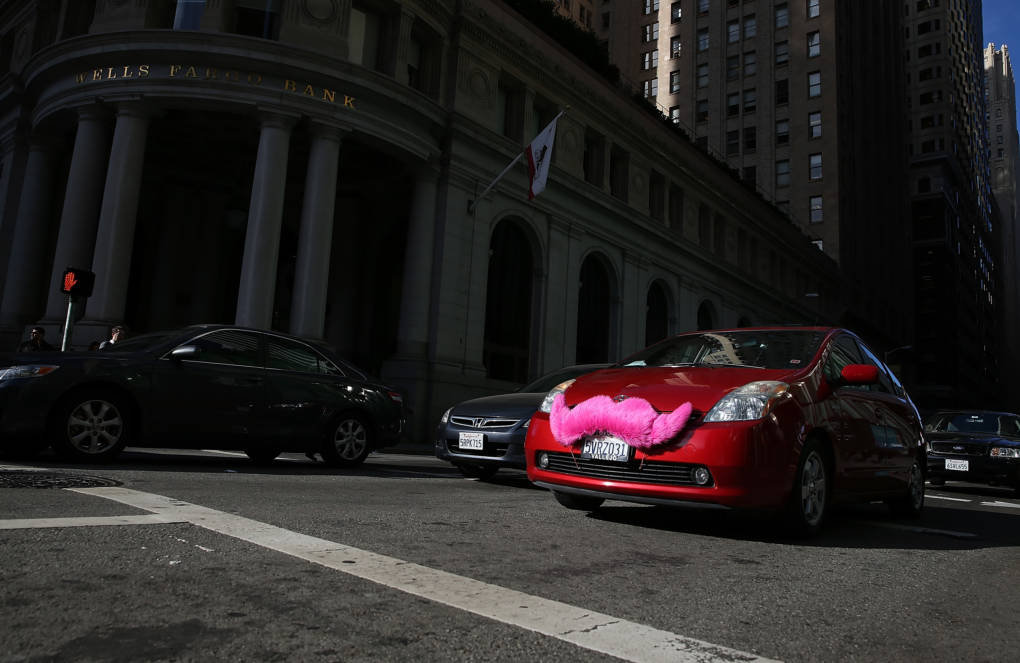
"caption": "A Lyft car drives along Montgomery Street in San Francisco, California. ",
"description": " A Lyft car drives along Montgomery Street in San Francisco, California. ",
"title": "A Lyft car drives along Montgomery Street in San Francisco, California.",
"credit": "Justin Sullivan/Getty Images",
"status": "inherit",
"isLoading": false,
"fetchFailed": false
},
"news_11659423": {
"type": "attachments",
"id": "news_11659423",
"meta": {
"index": "attachments_1716263798",
"site": "news",
"id": "11659423",
"found": true
},
"parent": 11659420,
"imgSizes": {
"small": {
"file": "https://ww2.kqed.org/app/uploads/sites/10/2018/04/Taxi-Cab-520x347.jpg",
"width": 520,
"mimeType": "image/jpeg",
"height": 347
},
"twentyfourteen-full-width": {
"file": "https://ww2.kqed.org/app/uploads/sites/10/2018/04/Taxi-Cab-1038x576.jpg",
"width": 1038,
"mimeType": "image/jpeg",
"height": 576
},
"thumbnail": {
"file": "https://ww2.kqed.org/app/uploads/sites/10/2018/04/Taxi-Cab-160x107.jpg",
"width": 160,
"mimeType": "image/jpeg",
"height": 107
},
"fd-sm": {
"file": "https://ww2.kqed.org/app/uploads/sites/10/2018/04/Taxi-Cab-960x640.jpg",
"width": 960,
"mimeType": "image/jpeg",
"height": 640
},
"post-thumbnail": {
"file": "https://ww2.kqed.org/app/uploads/sites/10/2018/04/Taxi-Cab-672x372.jpg",
"width": 672,
"mimeType": "image/jpeg",
"height": 372
},
"xsmall": {
"file": "https://ww2.kqed.org/app/uploads/sites/10/2018/04/Taxi-Cab-375x250.jpg",
"width": 375,
"mimeType": "image/jpeg",
"height": 250
},
"kqedFullSize": {
"file": "https://ww2.kqed.org/app/uploads/sites/10/2018/04/Taxi-Cab-e1522708494523.jpg",
"width": 1920,
"height": 1280
},
"large": {
"file": "https://ww2.kqed.org/app/uploads/sites/10/2018/04/Taxi-Cab-1020x680.jpg",
"width": 1020,
"mimeType": "image/jpeg",
"height": 680
},
"xlarge": {
"file": "https://ww2.kqed.org/app/uploads/sites/10/2018/04/Taxi-Cab-1180x786.jpg",
"width": 1180,
"mimeType": "image/jpeg",
"height": 786
},
"guest-author-50": {
"file": "https://ww2.kqed.org/app/uploads/sites/10/2018/04/Taxi-Cab-50x50.jpg",
"width": 50,
"mimeType": "image/jpeg",
"height": 50
},
"guest-author-96": {
"file": "https://ww2.kqed.org/app/uploads/sites/10/2018/04/Taxi-Cab-96x96.jpg",
"width": 96,
"mimeType": "image/jpeg",
"height": 96
},
"medium": {
"file": "https://ww2.kqed.org/app/uploads/sites/10/2018/04/Taxi-Cab-800x533.jpg",
"width": 800,
"mimeType": "image/jpeg",
"height": 533
},
"guest-author-64": {
"file": "https://ww2.kqed.org/app/uploads/sites/10/2018/04/Taxi-Cab-64x64.jpg",
"width": 64,
"mimeType": "image/jpeg",
"height": 64
},
"guest-author-32": {
"file": "https://ww2.kqed.org/app/uploads/sites/10/2018/04/Taxi-Cab-32x32.jpg",
"width": 32,
"mimeType": "image/jpeg",
"height": 32
},
"fd-lrg": {
"file": "https://ww2.kqed.org/app/uploads/sites/10/2018/04/Taxi-Cab-1920x1280.jpg",
"width": 1920,
"mimeType": "image/jpeg",
"height": 1280
},
"fd-med": {
"file": "https://ww2.kqed.org/app/uploads/sites/10/2018/04/Taxi-Cab-1180x786.jpg",
"width": 1180,
"mimeType": "image/jpeg",
"height": 786
},
"full-width": {
"file": "https://ww2.kqed.org/app/uploads/sites/10/2018/04/Taxi-Cab-1920x1280.jpg",
"width": 1920,
"mimeType": "image/jpeg",
"height": 1280
},
"detail": {
"file": "https://ww2.kqed.org/app/uploads/sites/10/2018/04/Taxi-Cab-150x150.jpg",
"width": 150,
"mimeType": "image/jpeg",
"height": 150
},
"guest-author-128": {
"file": "https://ww2.kqed.org/app/uploads/sites/10/2018/04/Taxi-Cab-128x128.jpg",
"width": 128,
"mimeType": "image/jpeg",
"height": 128
},
"xxsmall": {
"file": "https://ww2.kqed.org/app/uploads/sites/10/2018/04/Taxi-Cab-240x160.jpg",
"width": 240,
"mimeType": "image/jpeg",
"height": 160
}
},
"publishDate": 1522701924,
"modified": 1522708485,
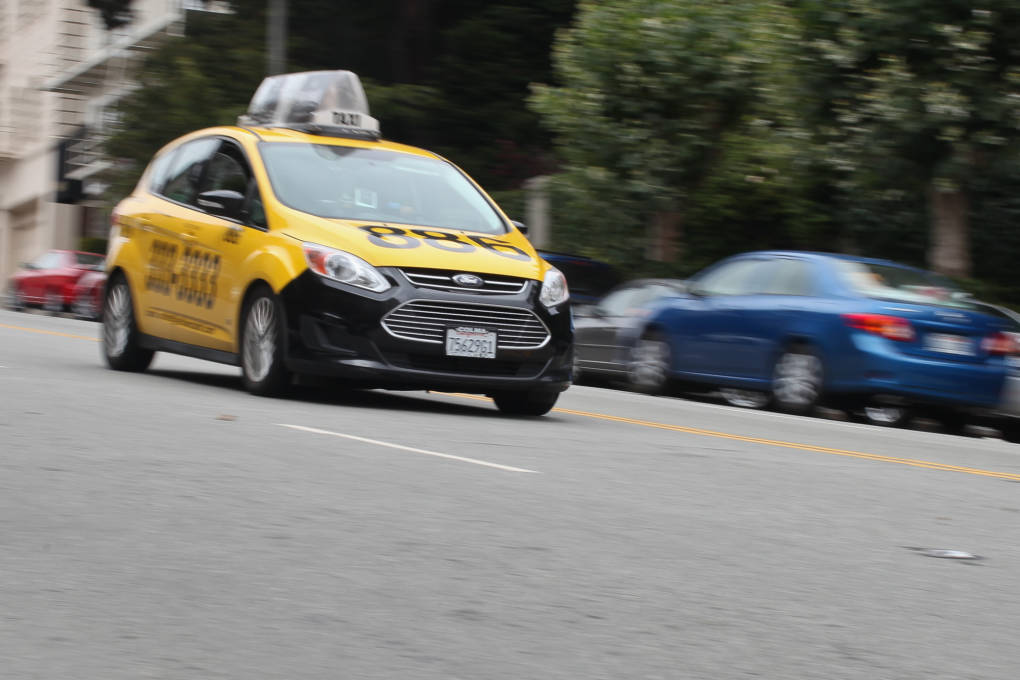
"caption": "Taxi drivers paid $250,000 in San Francisco for permits to operate their cabs.",
"description": null,
"title": "Taxi Cab",
"credit": "Deborah Svoboda/KQED",
"status": "inherit",
"isLoading": false,
"fetchFailed": false
},
"news_11654395": {
"type": "attachments",
"id": "news_11654395",
"meta": {
"index": "attachments_1716263798",
"site": "news",
"id": "11654395",
"found": true
},
"parent": 11654394,
"imgSizes": {
"small": {
"file": "https://ww2.kqed.org/app/uploads/sites/10/2018/03/gettyimages-514681952_wide-73a5956a8dfedd95161fa30f3efb6ea754c80dfe-520x292.jpg",
"width": 520,
"mimeType": "image/jpeg",
"height": 292
},
"twentyfourteen-full-width": {
"file": "https://ww2.kqed.org/app/uploads/sites/10/2018/03/gettyimages-514681952_wide-73a5956a8dfedd95161fa30f3efb6ea754c80dfe-1038x576.jpg",
"width": 1038,
"mimeType": "image/jpeg",
"height": 576
},
"thumbnail": {
"file": "https://ww2.kqed.org/app/uploads/sites/10/2018/03/gettyimages-514681952_wide-73a5956a8dfedd95161fa30f3efb6ea754c80dfe-160x90.jpg",
"width": 160,
"mimeType": "image/jpeg",
"height": 90
},
"fd-sm": {
"file": "https://ww2.kqed.org/app/uploads/sites/10/2018/03/gettyimages-514681952_wide-73a5956a8dfedd95161fa30f3efb6ea754c80dfe-960x540.jpg",
"width": 960,
"mimeType": "image/jpeg",
"height": 540
},
"post-thumbnail": {
"file": "https://ww2.kqed.org/app/uploads/sites/10/2018/03/gettyimages-514681952_wide-73a5956a8dfedd95161fa30f3efb6ea754c80dfe-672x372.jpg",
"width": 672,
"mimeType": "image/jpeg",
"height": 372
},
"xsmall": {
"file": "https://ww2.kqed.org/app/uploads/sites/10/2018/03/gettyimages-514681952_wide-73a5956a8dfedd95161fa30f3efb6ea754c80dfe-375x211.jpg",
"width": 375,
"mimeType": "image/jpeg",
"height": 211
},
"kqedFullSize": {
"file": "https://ww2.kqed.org/app/uploads/sites/10/2018/03/gettyimages-514681952_wide-73a5956a8dfedd95161fa30f3efb6ea754c80dfe-e1520453042529.jpg",
"width": 1920,
"height": 1080
},
"large": {
"file": "https://ww2.kqed.org/app/uploads/sites/10/2018/03/gettyimages-514681952_wide-73a5956a8dfedd95161fa30f3efb6ea754c80dfe-1020x574.jpg",
"width": 1020,
"mimeType": "image/jpeg",
"height": 574
},
"xlarge": {
"file": "https://ww2.kqed.org/app/uploads/sites/10/2018/03/gettyimages-514681952_wide-73a5956a8dfedd95161fa30f3efb6ea754c80dfe-1180x664.jpg",
"width": 1180,
"mimeType": "image/jpeg",
"height": 664
},
"guest-author-50": {
"file": "https://ww2.kqed.org/app/uploads/sites/10/2018/03/gettyimages-514681952_wide-73a5956a8dfedd95161fa30f3efb6ea754c80dfe-50x50.jpg",
"width": 50,
"mimeType": "image/jpeg",
"height": 50
},
"guest-author-96": {
"file": "https://ww2.kqed.org/app/uploads/sites/10/2018/03/gettyimages-514681952_wide-73a5956a8dfedd95161fa30f3efb6ea754c80dfe-96x96.jpg",
"width": 96,
"mimeType": "image/jpeg",
"height": 96
},
"medium": {
"file": "https://ww2.kqed.org/app/uploads/sites/10/2018/03/gettyimages-514681952_wide-73a5956a8dfedd95161fa30f3efb6ea754c80dfe-800x450.jpg",
"width": 800,
"mimeType": "image/jpeg",
"height": 450
},
"guest-author-64": {
"file": "https://ww2.kqed.org/app/uploads/sites/10/2018/03/gettyimages-514681952_wide-73a5956a8dfedd95161fa30f3efb6ea754c80dfe-64x64.jpg",
"width": 64,
"mimeType": "image/jpeg",
"height": 64
},
"guest-author-32": {
"file": "https://ww2.kqed.org/app/uploads/sites/10/2018/03/gettyimages-514681952_wide-73a5956a8dfedd95161fa30f3efb6ea754c80dfe-32x32.jpg",
"width": 32,
"mimeType": "image/jpeg",
"height": 32
},
"fd-lrg": {
"file": "https://ww2.kqed.org/app/uploads/sites/10/2018/03/gettyimages-514681952_wide-73a5956a8dfedd95161fa30f3efb6ea754c80dfe-1920x1080.jpg",
"width": 1920,
"mimeType": "image/jpeg",
"height": 1080
},
"fd-med": {
"file": "https://ww2.kqed.org/app/uploads/sites/10/2018/03/gettyimages-514681952_wide-73a5956a8dfedd95161fa30f3efb6ea754c80dfe-1180x664.jpg",
"width": 1180,
"mimeType": "image/jpeg",
"height": 664
},
"full-width": {
"file": "https://ww2.kqed.org/app/uploads/sites/10/2018/03/gettyimages-514681952_wide-73a5956a8dfedd95161fa30f3efb6ea754c80dfe-1920x1080.jpg",
"width": 1920,
"mimeType": "image/jpeg",
"height": 1080
},
"detail": {
"file": "https://ww2.kqed.org/app/uploads/sites/10/2018/03/gettyimages-514681952_wide-73a5956a8dfedd95161fa30f3efb6ea754c80dfe-150x150.jpg",
"width": 150,
"mimeType": "image/jpeg",
"height": 150
},
"guest-author-128": {
"file": "https://ww2.kqed.org/app/uploads/sites/10/2018/03/gettyimages-514681952_wide-73a5956a8dfedd95161fa30f3efb6ea754c80dfe-128x128.jpg",
"width": 128,
"mimeType": "image/jpeg",
"height": 128
},
"xxsmall": {
"file": "https://ww2.kqed.org/app/uploads/sites/10/2018/03/gettyimages-514681952_wide-73a5956a8dfedd95161fa30f3efb6ea754c80dfe-240x135.jpg",
"width": 240,
"mimeType": "image/jpeg",
"height": 135
}
},
"publishDate": 1520452882,
"modified": 1520453062,
"caption": "An Uber logo is seen on a vehicle in 2016. MIT researchers say they underestimated the median hourly profit that Uber and Lyft drivers are making.",
"description": "An Uber logo is seen on a vehicle in 2016. MIT researchers say they underestimated the median hourly profit that Uber and Lyft drivers are making.",
"title": "An Uber logo is seen on a vehicle in 2016. MIT researchers say they underestimated the median hourly profit that Uber and Lyft drivers are making.",
"credit": "Mark Ralston/AFP/Getty Images",
"status": "inherit",
"isLoading": false,
"fetchFailed": false
},
"news_11653498": {
"type": "attachments",
"id": "news_11653498",
"meta": {
"index": "attachments_1716263798",
"site": "news",
"id": "11653498",
"found": true
},
"parent": 11653127,
"imgSizes": {
"thumbnail": {
"file": "https://ww2.kqed.org/app/uploads/sites/10/2018/03/hqdefault-160x120.jpg",
"width": 160,
"mimeType": "image/jpeg",
"height": 120
},
"xsmall": {
"file": "https://ww2.kqed.org/app/uploads/sites/10/2018/03/hqdefault-375x281.jpg",
"width": 375,
"mimeType": "image/jpeg",
"height": 281
},
"kqedFullSize": {
"file": "https://ww2.kqed.org/app/uploads/sites/10/2018/03/hqdefault.jpg",
"width": 480,
"height": 360
},
"guest-author-50": {
"file": "https://ww2.kqed.org/app/uploads/sites/10/2018/03/hqdefault-50x50.jpg",
"width": 50,
"mimeType": "image/jpeg",
"height": 50
},
"guest-author-96": {
"file": "https://ww2.kqed.org/app/uploads/sites/10/2018/03/hqdefault-96x96.jpg",
"width": 96,
"mimeType": "image/jpeg",
"height": 96
},
"guest-author-64": {
"file": "https://ww2.kqed.org/app/uploads/sites/10/2018/03/hqdefault-64x64.jpg",
"width": 64,
"mimeType": "image/jpeg",
"height": 64
},
"detail": {
"file": "https://ww2.kqed.org/app/uploads/sites/10/2018/03/hqdefault-150x150.jpg",
"width": 150,
"mimeType": "image/jpeg",
"height": 150
},
"guest-author-32": {
"file": "https://ww2.kqed.org/app/uploads/sites/10/2018/03/hqdefault-32x32.jpg",
"width": 32,
"mimeType": "image/jpeg",
"height": 32
},
"guest-author-128": {
"file": "https://ww2.kqed.org/app/uploads/sites/10/2018/03/hqdefault-128x128.jpg",
"width": 128,
"mimeType": "image/jpeg",
"height": 128
},
"xxsmall": {
"file": "https://ww2.kqed.org/app/uploads/sites/10/2018/03/hqdefault-240x180.jpg",
"width": 240,
"mimeType": "image/jpeg",
"height": 180
}
},
"publishDate": 1520035755,
"modified": 1520038605,
"caption": "Uber's \"Rolling With A Champion\" Ad",
"description": null,
"title": "Uber \"Rolling With A Champion\" Ad",
"credit": "Uber",
"status": "inherit",
"isLoading": false,
"fetchFailed": false
},
"news_11651108": {
"type": "attachments",
"id": "news_11651108",
"meta": {
"index": "attachments_1716263798",
"site": "news",
"id": "11651108",
"found": true
},
"parent": 11651103,
"imgSizes": {
"small": {
"file": "https://ww2.kqed.org/app/uploads/sites/10/2018/02/Mark-1-e1519088151805-520x390.jpg",
"width": 520,
"mimeType": "image/jpeg",
"height": 390
},
"twentyfourteen-full-width": {
"file": "https://ww2.kqed.org/app/uploads/sites/10/2018/02/Mark-1-e1519088151805-1038x576.jpg",
"width": 1038,
"mimeType": "image/jpeg",
"height": 576
},
"thumbnail": {
"file": "https://ww2.kqed.org/app/uploads/sites/10/2018/02/Mark-1-e1519088151805-160x120.jpg",
"width": 160,
"mimeType": "image/jpeg",
"height": 120
},
"fd-sm": {
"file": "https://ww2.kqed.org/app/uploads/sites/10/2018/02/Mark-1-e1519088151805-960x720.jpg",
"width": 960,
"mimeType": "image/jpeg",
"height": 720
},
"post-thumbnail": {
"file": "https://ww2.kqed.org/app/uploads/sites/10/2018/02/Mark-1-e1519088151805-672x372.jpg",
"width": 672,
"mimeType": "image/jpeg",
"height": 372
},
"xsmall": {
"file": "https://ww2.kqed.org/app/uploads/sites/10/2018/02/Mark-1-e1519088151805-375x281.jpg",
"width": 375,
"mimeType": "image/jpeg",
"height": 281
},
"kqedFullSize": {
"file": "https://ww2.kqed.org/app/uploads/sites/10/2018/02/Mark-1-e1520039012602.jpg",
"width": 1920,
"height": 1440
},
"large": {
"file": "https://ww2.kqed.org/app/uploads/sites/10/2018/02/Mark-1-e1519088151805-1020x765.jpg",
"width": 1020,
"mimeType": "image/jpeg",
"height": 765
},
"xlarge": {
"file": "https://ww2.kqed.org/app/uploads/sites/10/2018/02/Mark-1-e1519088151805-1180x885.jpg",
"width": 1180,
"mimeType": "image/jpeg",
"height": 885
},
"guest-author-50": {
"file": "https://ww2.kqed.org/app/uploads/sites/10/2018/02/Mark-1-e1519088151805-50x50.jpg",
"width": 50,
"mimeType": "image/jpeg",
"height": 50
},
"guest-author-96": {
"file": "https://ww2.kqed.org/app/uploads/sites/10/2018/02/Mark-1-e1519088151805-96x96.jpg",
"width": 96,
"mimeType": "image/jpeg",
"height": 96
},
"medium": {
"file": "https://ww2.kqed.org/app/uploads/sites/10/2018/02/Mark-1-e1519088151805-800x600.jpg",
"width": 800,
"mimeType": "image/jpeg",
"height": 600
},
"guest-author-64": {
"file": "https://ww2.kqed.org/app/uploads/sites/10/2018/02/Mark-1-e1519088151805-64x64.jpg",
"width": 64,
"mimeType": "image/jpeg",
"height": 64
},
"guest-author-32": {
"file": "https://ww2.kqed.org/app/uploads/sites/10/2018/02/Mark-1-e1519088151805-32x32.jpg",
"width": 32,
"mimeType": "image/jpeg",
"height": 32
},
"fd-lrg": {
"file": "https://ww2.kqed.org/app/uploads/sites/10/2018/02/Mark-1-e1519088151805-1920x1440.jpg",
"width": 1920,
"mimeType": "image/jpeg",
"height": 1440
},
"fd-med": {
"file": "https://ww2.kqed.org/app/uploads/sites/10/2018/02/Mark-1-e1519088151805-1180x885.jpg",
"width": 1180,
"mimeType": "image/jpeg",
"height": 885
},
"full-width": {
"file": "https://ww2.kqed.org/app/uploads/sites/10/2018/02/Mark-1-e1519088151805-1920x1440.jpg",
"width": 1920,
"mimeType": "image/jpeg",
"height": 1440
},
"detail": {
"file": "https://ww2.kqed.org/app/uploads/sites/10/2018/02/Mark-1-e1519088151805-150x150.jpg",
"width": 150,
"mimeType": "image/jpeg",
"height": 150
},
"guest-author-128": {
"file": "https://ww2.kqed.org/app/uploads/sites/10/2018/02/Mark-1-e1519088151805-128x128.jpg",
"width": 128,
"mimeType": "image/jpeg",
"height": 128
},
"xxsmall": {
"file": "https://ww2.kqed.org/app/uploads/sites/10/2018/02/Mark-1-e1519088151805-240x180.jpg",
"width": 240,
"mimeType": "image/jpeg",
"height": 180
}
},
"publishDate": 1519088128,
"modified": 1519508839,
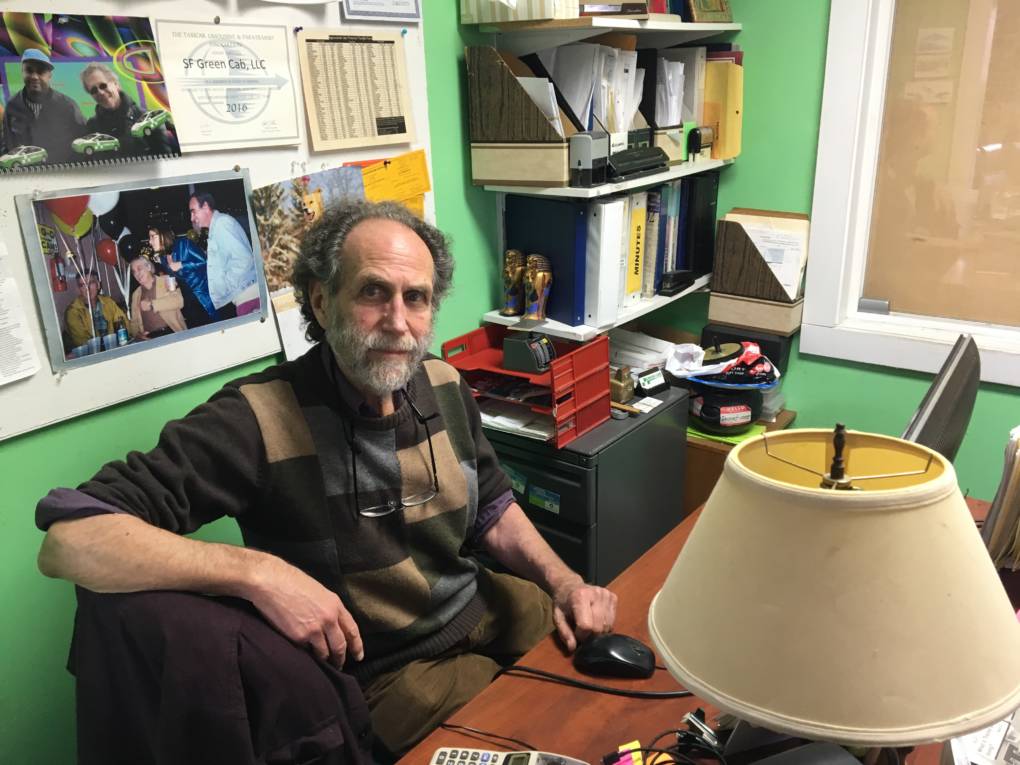
"caption": "Mark Gruberg says Uber and Lyft have even taken away the biggest taxi paydays, like Valentines Day, Halloween, and New Years Eve.",
"description": "Mark Gruberg says Uber and Lyft have even taken away the biggest taxi paydays, like Valentines Day, Halloween, and New Years Eve.",
"title": "Mark 1",
"credit": "Sam Harnett/KQED",
"status": "inherit",
"isLoading": false,
"fetchFailed": false
},
"news_11653353": {
"type": "attachments",
"id": "news_11653353",
"meta": {
"index": "attachments_1716263798",
"site": "news",
"id": "11653353",
"found": true
},
"parent": 11653352,
"imgSizes": {
"small": {
"file": "https://ww2.kqed.org/app/uploads/sites/10/2018/03/gettyimages-696041476_wide-75a4b39a28d9972b0ab887150b4a28b5efd56555-520x293.jpg",
"width": 520,
"mimeType": "image/jpeg",
"height": 293
},
"twentyfourteen-full-width": {
"file": "https://ww2.kqed.org/app/uploads/sites/10/2018/03/gettyimages-696041476_wide-75a4b39a28d9972b0ab887150b4a28b5efd56555-1038x576.jpg",
"width": 1038,
"mimeType": "image/jpeg",
"height": 576
},
"thumbnail": {
"file": "https://ww2.kqed.org/app/uploads/sites/10/2018/03/gettyimages-696041476_wide-75a4b39a28d9972b0ab887150b4a28b5efd56555-160x90.jpg",
"width": 160,
"mimeType": "image/jpeg",
"height": 90
},
"fd-sm": {
"file": "https://ww2.kqed.org/app/uploads/sites/10/2018/03/gettyimages-696041476_wide-75a4b39a28d9972b0ab887150b4a28b5efd56555-960x540.jpg",
"width": 960,
"mimeType": "image/jpeg",
"height": 540
},
"post-thumbnail": {
"file": "https://ww2.kqed.org/app/uploads/sites/10/2018/03/gettyimages-696041476_wide-75a4b39a28d9972b0ab887150b4a28b5efd56555-672x372.jpg",
"width": 672,
"mimeType": "image/jpeg",
"height": 372
},
"xsmall": {
"file": "https://ww2.kqed.org/app/uploads/sites/10/2018/03/gettyimages-696041476_wide-75a4b39a28d9972b0ab887150b4a28b5efd56555-375x211.jpg",
"width": 375,
"mimeType": "image/jpeg",
"height": 211
},
"kqedFullSize": {
"file": "https://ww2.kqed.org/app/uploads/sites/10/2018/03/gettyimages-696041476_wide-75a4b39a28d9972b0ab887150b4a28b5efd56555-e1520010443656.jpg",
"width": 1920,
"height": 1080
},
"large": {
"file": "https://ww2.kqed.org/app/uploads/sites/10/2018/03/gettyimages-696041476_wide-75a4b39a28d9972b0ab887150b4a28b5efd56555-1020x574.jpg",
"width": 1020,
"mimeType": "image/jpeg",
"height": 574
},
"xlarge": {
"file": "https://ww2.kqed.org/app/uploads/sites/10/2018/03/gettyimages-696041476_wide-75a4b39a28d9972b0ab887150b4a28b5efd56555-1180x664.jpg",
"width": 1180,
"mimeType": "image/jpeg",
"height": 664
},
"guest-author-50": {
"file": "https://ww2.kqed.org/app/uploads/sites/10/2018/03/gettyimages-696041476_wide-75a4b39a28d9972b0ab887150b4a28b5efd56555-50x50.jpg",
"width": 50,
"mimeType": "image/jpeg",
"height": 50
},
"guest-author-96": {
"file": "https://ww2.kqed.org/app/uploads/sites/10/2018/03/gettyimages-696041476_wide-75a4b39a28d9972b0ab887150b4a28b5efd56555-96x96.jpg",
"width": 96,
"mimeType": "image/jpeg",
"height": 96
},
"medium": {
"file": "https://ww2.kqed.org/app/uploads/sites/10/2018/03/gettyimages-696041476_wide-75a4b39a28d9972b0ab887150b4a28b5efd56555-800x450.jpg",
"width": 800,
"mimeType": "image/jpeg",
"height": 450
},
"guest-author-64": {
"file": "https://ww2.kqed.org/app/uploads/sites/10/2018/03/gettyimages-696041476_wide-75a4b39a28d9972b0ab887150b4a28b5efd56555-64x64.jpg",
"width": 64,
"mimeType": "image/jpeg",
"height": 64
},
"guest-author-32": {
"file": "https://ww2.kqed.org/app/uploads/sites/10/2018/03/gettyimages-696041476_wide-75a4b39a28d9972b0ab887150b4a28b5efd56555-32x32.jpg",
"width": 32,
"mimeType": "image/jpeg",
"height": 32
},
"fd-lrg": {
"file": "https://ww2.kqed.org/app/uploads/sites/10/2018/03/gettyimages-696041476_wide-75a4b39a28d9972b0ab887150b4a28b5efd56555-1920x1080.jpg",
"width": 1920,
"mimeType": "image/jpeg",
"height": 1080
},
"fd-med": {
"file": "https://ww2.kqed.org/app/uploads/sites/10/2018/03/gettyimages-696041476_wide-75a4b39a28d9972b0ab887150b4a28b5efd56555-1180x664.jpg",
"width": 1180,
"mimeType": "image/jpeg",
"height": 664
},
"full-width": {
"file": "https://ww2.kqed.org/app/uploads/sites/10/2018/03/gettyimages-696041476_wide-75a4b39a28d9972b0ab887150b4a28b5efd56555-1920x1080.jpg",
"width": 1920,
"mimeType": "image/jpeg",
"height": 1080
},
"detail": {
"file": "https://ww2.kqed.org/app/uploads/sites/10/2018/03/gettyimages-696041476_wide-75a4b39a28d9972b0ab887150b4a28b5efd56555-150x150.jpg",
"width": 150,
"mimeType": "image/jpeg",
"height": 150
},
"guest-author-128": {
"file": "https://ww2.kqed.org/app/uploads/sites/10/2018/03/gettyimages-696041476_wide-75a4b39a28d9972b0ab887150b4a28b5efd56555-128x128.jpg",
"width": 128,
"mimeType": "image/jpeg",
"height": 128
},
"xxsmall": {
"file": "https://ww2.kqed.org/app/uploads/sites/10/2018/03/gettyimages-696041476_wide-75a4b39a28d9972b0ab887150b4a28b5efd56555-240x135.jpg",
"width": 240,
"mimeType": "image/jpeg",
"height": 135
}
},
"publishDate": 1520009879,
"modified": 1520010433,
"caption": "An Uber car waits for a client in Manhattan in June 2017. A study from MIT says most drivers are making less than minimum wage.",
"description": "An Uber car waits for a client in Manhattan in June 2017. A study from MIT says most drivers are making less than minimum wage.",
"title": "An Uber car waits for a client in Manhattan in June 2017. A study from MIT says most drivers are making less than minimum wage.",
"credit": "Spencer Platt/Getty Images",
"status": "inherit",
"isLoading": false,
"fetchFailed": false
},
"news_11651121": {
"type": "attachments",
"id": "news_11651121",
"meta": {
"index": "attachments_1716263798",
"site": "news",
"id": "11651121",
"found": true
},
"parent": 11651083,
"imgSizes": {
"small": {
"file": "https://ww2.kqed.org/app/uploads/sites/10/2018/02/hustle_final01-520x278.jpg",
"width": 520,
"mimeType": "image/jpeg",
"height": 278
},
"twentyfourteen-full-width": {
"file": "https://ww2.kqed.org/app/uploads/sites/10/2018/02/hustle_final01-1038x576.jpg",
"width": 1038,
"mimeType": "image/jpeg",
"height": 576
},
"thumbnail": {
"file": "https://ww2.kqed.org/app/uploads/sites/10/2018/02/hustle_final01-160x86.jpg",
"width": 160,
"mimeType": "image/jpeg",
"height": 86
},
"fd-sm": {
"file": "https://ww2.kqed.org/app/uploads/sites/10/2018/02/hustle_final01-960x514.jpg",
"width": 960,
"mimeType": "image/jpeg",
"height": 514
},
"post-thumbnail": {
"file": "https://ww2.kqed.org/app/uploads/sites/10/2018/02/hustle_final01-672x372.jpg",
"width": 672,
"mimeType": "image/jpeg",
"height": 372
},
"xsmall": {
"file": "https://ww2.kqed.org/app/uploads/sites/10/2018/02/hustle_final01-375x201.jpg",
"width": 375,
"mimeType": "image/jpeg",
"height": 201
},
"kqedFullSize": {
"file": "https://ww2.kqed.org/app/uploads/sites/10/2018/02/hustle_final01-e1519157649832.jpg",
"width": 1920,
"height": 1028
},
"large": {
"file": "https://ww2.kqed.org/app/uploads/sites/10/2018/02/hustle_final01-1020x546.jpg",
"width": 1020,
"mimeType": "image/jpeg",
"height": 546
},
"xlarge": {
"file": "https://ww2.kqed.org/app/uploads/sites/10/2018/02/hustle_final01-1180x632.jpg",
"width": 1180,
"mimeType": "image/jpeg",
"height": 632
},
"guest-author-50": {
"file": "https://ww2.kqed.org/app/uploads/sites/10/2018/02/hustle_final01-50x50.jpg",
"width": 50,
"mimeType": "image/jpeg",
"height": 50
},
"guest-author-96": {
"file": "https://ww2.kqed.org/app/uploads/sites/10/2018/02/hustle_final01-96x96.jpg",
"width": 96,
"mimeType": "image/jpeg",
"height": 96
},
"medium": {
"file": "https://ww2.kqed.org/app/uploads/sites/10/2018/02/hustle_final01-800x428.jpg",
"width": 800,
"mimeType": "image/jpeg",
"height": 428
},
"guest-author-64": {
"file": "https://ww2.kqed.org/app/uploads/sites/10/2018/02/hustle_final01-64x64.jpg",
"width": 64,
"mimeType": "image/jpeg",
"height": 64
},
"guest-author-32": {
"file": "https://ww2.kqed.org/app/uploads/sites/10/2018/02/hustle_final01-32x32.jpg",
"width": 32,
"mimeType": "image/jpeg",
"height": 32
},
"fd-lrg": {
"file": "https://ww2.kqed.org/app/uploads/sites/10/2018/02/hustle_final01-1920x1028.jpg",
"width": 1920,
"mimeType": "image/jpeg",
"height": 1028
},
"fd-med": {
"file": "https://ww2.kqed.org/app/uploads/sites/10/2018/02/hustle_final01-1180x632.jpg",
"width": 1180,
"mimeType": "image/jpeg",
"height": 632
},
"full-width": {
"file": "https://ww2.kqed.org/app/uploads/sites/10/2018/02/hustle_final01-1920x1028.jpg",
"width": 1920,
"mimeType": "image/jpeg",
"height": 1028
},
"detail": {
"file": "https://ww2.kqed.org/app/uploads/sites/10/2018/02/hustle_final01-150x150.jpg",
"width": 150,
"mimeType": "image/jpeg",
"height": 150
},
"guest-author-128": {
"file": "https://ww2.kqed.org/app/uploads/sites/10/2018/02/hustle_final01-128x128.jpg",
"width": 128,
"mimeType": "image/jpeg",
"height": 128
},
"xxsmall": {
"file": "https://ww2.kqed.org/app/uploads/sites/10/2018/02/hustle_final01-240x128.jpg",
"width": 240,
"mimeType": "image/jpeg",
"height": 128
}
},
"publishDate": 1519139367,
"modified": 1519157663,
"caption": null,
"description": null,
"title": "Hustle",
"credit": "Mark Fiore/KQED",
"status": "inherit",
"isLoading": false,
"fetchFailed": false
}
},
"audioPlayerReducer": {
"postId": "stream_live",
"isPaused": true,
"isPlaying": false,
"pfsActive": false,
"pledgeModalIsOpen": true,
"playerDrawerIsOpen": false,
"liveAudioPlayStartedAt": 0,
"liveAudioPlayContext": ""
},
"authorsReducer": {
"byline_news_11660885": {
"type": "authors",
"id": "byline_news_11660885",
"meta": {
"override": true
},
"slug": "byline_news_11660885",
"name": "\u003cstrong>\u003ca href=\"http://www.kpbs.org/staff/amita-sharma/\">Amita Sharma\u003c/a>\u003c/strong>",
"isLoading": false
},
"byline_news_11654394": {
"type": "authors",
"id": "byline_news_11654394",
"meta": {
"override": true
},
"slug": "byline_news_11654394",
"name": "James Doubek",
"isLoading": false
},
"byline_news_11653352": {
"type": "authors",
"id": "byline_news_11653352",
"meta": {
"override": true
},
"slug": "byline_news_11653352",
"name": "\u003cstrong>James Doubek\u003cbr />NPR\u003c/strong>",
"isLoading": false
},
"ohubertallen": {
"type": "authors",
"id": "102",
"meta": {
"index": "authors_1716337520",
"id": "102",
"found": true
},
"name": "Olivia Allen-Price",
"firstName": "Olivia",
"lastName": "Allen-Price",
"slug": "ohubertallen",
"email": "oallenprice@kqed.org",
"display_author_email": false,
"staff_mastheads": [
"news"
],
"title": "Senior Editor",
"bio": "Olivia Allen-Price is senior editor and host of the award-winning Bay Curious podcast. Prior to joining KQED in 2013, Olivia worked at The Baltimore Sun and The Virginian-Pilot in Norfolk, Va. She holds degrees in journalism and political science from Elon University. Her work has earned awards from the Society of Professional Journalists, the Hearst Foundation and Hearken. She loves to talk about running and curly hair.\r\n\r\nFollow: \u003ca href=\"https://twitter.com/oallenprice\">@oallenprice\u003c/a>\r\nEmail: \u003ca href=\"mailto:oallenprice@kqed.org\">oallenprice@kqed.org\u003c/a>",
"avatar": "https://secure.gravatar.com/avatar/07f7803c1f6be56f3be58ef276dfa64dce898502e0554408ef4858451a8294f7?s=600&d=blank&r=g",
"twitter": "oallenprice",
"bluesky": null,
"facebook": null,
"instagram": null,
"linkedin": null,
"sites": [
{
"site": "",
"roles": [
"editor"
]
},
{
"site": "arts",
"roles": [
"subscriber"
]
},
{
"site": "news",
"roles": [
"administrator"
]
},
{
"site": "pop",
"roles": [
"administrator"
]
},
{
"site": "bayareabites",
"roles": [
"contributor"
]
},
{
"site": "stateofhealth",
"roles": [
"administrator"
]
},
{
"site": "science",
"roles": [
"editor"
]
}
],
"headData": {
"title": "Olivia Allen-Price | KQED",
"description": "Senior Editor",
"ogImgSrc": "https://secure.gravatar.com/avatar/07f7803c1f6be56f3be58ef276dfa64dce898502e0554408ef4858451a8294f7?s=600&d=blank&r=g",
"twImgSrc": "https://secure.gravatar.com/avatar/07f7803c1f6be56f3be58ef276dfa64dce898502e0554408ef4858451a8294f7?s=600&d=blank&r=g"
},
"isLoading": false,
"link": "/author/ohubertallen"
},
"danbrekke": {
"type": "authors",
"id": "222",
"meta": {
"index": "authors_1716337520",
"id": "222",
"found": true
},
"name": "Dan Brekke",
"firstName": "Dan",
"lastName": "Brekke",
"slug": "danbrekke",
"email": "dbrekke@kqed.org",
"display_author_email": true,
"staff_mastheads": [
"news",
"science"
],
"title": "KQED Editor and Reporter",
"bio": "Dan Brekke is a reporter and editor for KQED News, responsible for coverage of topics ranging from California water issues to the Bay Area's transportation challenges. In a newsroom career that began in Chicago in 1972, Dan has worked for \u003cem>The San Francisco Examiner,\u003c/em> Wired and TechTV and has been published in The New York Times, The New York Times Magazine, Business 2.0, Salon and elsewhere.\r\n\r\nSince joining KQED in 2007, Dan has reported, edited and produced both radio and online features and breaking news pieces. He has shared as both editor and reporter in four Society of Professional Journalists Norcal Excellence in Journalism awards and one Edward R. Murrow regional award. He was chosen for a spring 2017 residency at the Mesa Refuge to advance his research on California salmon.\r\n\r\nEmail Dan at: \u003ca href=\"mailto:dbrekke@kqed.org\">dbrekke@kqed.org\u003c/a>\r\n\r\n\u003cstrong>Twitter:\u003c/strong> \u003ca href=\"https://twitter.com/danbrekke\" rel=\"noopener noreferrer\">twitter.com/danbrekke\u003c/a>\r\n\u003cstrong>Facebook:\u003c/strong> \u003ca href=\"https://www.facebook.com/danbrekke\" rel=\"noopener noreferrer\">www.facebook.com/danbrekke\u003c/a>\r\n\u003cstrong>LinkedIn:\u003c/strong> \u003ca href=\"https://www.linkedin.com/in/danbrekke\" rel=\"noopener noreferrer\">www.linkedin.com/in/danbrekke\u003c/a>",
"avatar": "https://secure.gravatar.com/avatar/c8126230345efca3f7aa89b1a402be45?s=600&d=mm&r=g",
"twitter": "danbrekke",
"facebook": null,
"instagram": "https://www.instagram.com/dan.brekke/",
"linkedin": "https://www.linkedin.com/in/danbrekke/",
"sites": [
{
"site": "news",
"roles": [
"administrator",
"create_posts"
]
},
{
"site": "stateofhealth",
"roles": [
"editor"
]
},
{
"site": "science",
"roles": [
"editor"
]
},
{
"site": "quest",
"roles": [
"contributor"
]
},
{
"site": "food",
"roles": [
"contributor"
]
},
{
"site": "forum",
"roles": [
"contributor"
]
},
{
"site": "liveblog",
"roles": [
"editor"
]
}
],
"headData": {
"title": "Dan Brekke | KQED",
"description": "KQED Editor and Reporter",
"ogImgSrc": "https://secure.gravatar.com/avatar/c8126230345efca3f7aa89b1a402be45?s=600&d=mm&r=g",
"twImgSrc": "https://secure.gravatar.com/avatar/c8126230345efca3f7aa89b1a402be45?s=600&d=mm&r=g"
},
"isLoading": false,
"link": "/author/danbrekke"
},
"kqed": {
"type": "authors",
"id": "236",
"meta": {
"index": "authors_1716337520",
"id": "236",
"found": true
},
"name": "KQED News Staff",
"firstName": "KQED News Staff",
"lastName": null,
"slug": "kqed",
"email": "faq@kqed.org",
"display_author_email": false,
"staff_mastheads": [],
"title": null,
"bio": null,
"avatar": "https://secure.gravatar.com/avatar/ef0e801a68c4c54afa9180db14084167?s=600&d=blank&r=g",
"twitter": null,
"facebook": null,
"instagram": null,
"linkedin": null,
"sites": [
{
"site": "arts",
"roles": [
"contributor"
]
},
{
"site": "news",
"roles": [
"editor"
]
},
{
"site": "futureofyou",
"roles": [
"author"
]
}
],
"headData": {
"title": "KQED News Staff | KQED",
"description": null,
"ogImgSrc": "https://secure.gravatar.com/avatar/ef0e801a68c4c54afa9180db14084167?s=600&d=blank&r=g",
"twImgSrc": "https://secure.gravatar.com/avatar/ef0e801a68c4c54afa9180db14084167?s=600&d=blank&r=g"
},
"isLoading": false,
"link": "/author/kqed"
},
"samharnett": {
"type": "authors",
"id": "253",
"meta": {
"index": "authors_1716337520",
"id": "253",
"found": true
},
"name": "Sam Harnett",
"firstName": "Sam",
"lastName": "Harnett",
"slug": "samharnett",
"email": "samharnett@gmail.com",
"display_author_email": false,
"staff_mastheads": [],
"title": "KQED Contributor",
"bio": "Sam Harnett covered tech and work at KQED. He is the co-creator of \u003cem>\u003ca href=\"http://www.theworldaccordingtosound.org\">The World According to Sound\u003c/a>,\u003c/em> a 90-second podcast that features different sounds and the stories behind them.\r\n\r\nBefore coming to KQED, Sam worked as an independent reporter who contributed regularly to \u003cem>The California Report, Marketplace,\u003c/em> \u003cem>The World \u003c/em>and NPR.",
"avatar": "https://secure.gravatar.com/avatar/2538b972ac02f2b9546c7a6c59a0f3d0?s=600&d=blank&r=g",
"twitter": "Samwharnett",
"facebook": null,
"instagram": null,
"linkedin": null,
"sites": [
{
"site": "news",
"roles": [
"edit_others_posts",
"subscriber"
]
},
{
"site": "stateofhealth",
"roles": [
"author"
]
},
{
"site": "science",
"roles": [
"editor"
]
},
{
"site": "quest",
"roles": [
"subscriber"
]
}
],
"headData": {
"title": "Sam Harnett | KQED",
"description": "KQED Contributor",
"ogImgSrc": "https://secure.gravatar.com/avatar/2538b972ac02f2b9546c7a6c59a0f3d0?s=600&d=blank&r=g",
"twImgSrc": "https://secure.gravatar.com/avatar/2538b972ac02f2b9546c7a6c59a0f3d0?s=600&d=blank&r=g"
},
"isLoading": false,
"link": "/author/samharnett"
},
"rlevi": {
"type": "authors",
"id": "11260",
"meta": {
"index": "authors_1716337520",
"id": "11260",
"found": true
},
"name": "Ryan Levi",
"firstName": "Ryan",
"lastName": "Levi",
"slug": "rlevi",
"email": "rlevi@KQED.org",
"display_author_email": false,
"staff_mastheads": [],
"title": "KQED Contributor",
"bio": "Ryan Levi was a reporter and podcast producer at KQED News from 2016-2019. He worked on \u003ca href=\"https://www.kqed.org/news/series/baycurious\">Bay Curious\u003c/a>, \u003ca href=\"https://www.kqed.org/news/tag/the-bay/\">The Bay, \u003c/a>and \u003ca href=\"https://podcasts.apple.com/us/podcast/the-california-report-magazine/id1314750545\">The California Report Magazine\u003c/a>, as well as hosting and producing the weekly \u003ca href=\"https://www.kqed.org/news/program/qedup/\">Q'ed Up podcast. \u003c/a>He also helped inaugurate KQED's weekend news coverage in 2017 as one of two original digital producers. Ryan holds degrees in multimedia journalism and Spanish from the University of Missouri.",
"avatar": "https://secure.gravatar.com/avatar/4cb2ddd028ac8807d1adf09609c5555d?s=600&d=blank&r=g",
"twitter": "ryan_levi",
"facebook": null,
"instagram": null,
"linkedin": null,
"sites": [
{
"site": "arts",
"roles": [
"editor"
]
},
{
"site": "news",
"roles": [
"subscriber"
]
},
{
"site": "stateofhealth",
"roles": [
"editor"
]
},
{
"site": "science",
"roles": [
"editor"
]
},
{
"site": "forum",
"roles": [
"administrator"
]
},
{
"site": "perspectives",
"roles": [
"administrator"
]
}
],
"headData": {
"title": "Ryan Levi | KQED",
"description": "KQED Contributor",
"ogImgSrc": "https://secure.gravatar.com/avatar/4cb2ddd028ac8807d1adf09609c5555d?s=600&d=blank&r=g",
"twImgSrc": "https://secure.gravatar.com/avatar/4cb2ddd028ac8807d1adf09609c5555d?s=600&d=blank&r=g"
},
"isLoading": false,
"link": "/author/rlevi"
}
},
"pagesReducer": {
"news_tag_lyft": {
"type": "terms",
"id": "news_4524",
"meta": {
"index": "terms_1716263798",
"site": "news",
"id": "4524",
"score": 9.55587
},
"featImg": null,
"name": "Lyft",
"description": null,
"taxonomy": "tag",
"headData": {
"twImgId": null,
"twTitle": null,
"ogTitle": null,
"ogImgId": null,
"twDescription": null,
"description": null,
"title": "Lyft Archives | KQED News",
"ogDescription": null
},
"ttid": 4543,
"slug": "lyft",
"isLoading": false,
"title": "Lyft",
"pageMeta": {
"site": "news",
"WpPageTemplate": "page-topic-editorial",
"currentPage": 8
},
"blocks": [
{
"blockName": "kqed/post-list",
"attrs": {
"layout": "cardArticle2",
"query": "posts/news?tag=lyft",
"seeMore": false,
"paginated": true,
"page": 8
}
},
{
"blockName": "kqed/ad"
}
]
}
},
"pfsSessionReducer": {},
"postsReducer": {
"stream_live": {
"type": "live",
"id": "stream_live",
"audioUrl": "https://streams.kqed.org/kqedradio",
"title": "Live Stream",
"excerpt": "Live Stream information currently unavailable.",
"link": "/radio",
"featImg": "",
"label": {
"name": "KQED Live",
"link": "/"
}
},
"stream_kqedNewscast": {
"type": "posts",
"id": "stream_kqedNewscast",
"audioUrl": "https://www.kqed.org/.stream/anon/radio/RDnews/newscast.mp3?_=1",
"title": "KQED Newscast",
"featImg": "",
"label": {
"name": "88.5 FM",
"link": "/"
}
},
"news_11666619": {
"type": "posts",
"id": "news_11666619",
"meta": {
"index": "posts_1716263798",
"site": "news",
"id": "11666619",
"score": null,
"sort": [
1525482459000
]
},
"guestAuthors": [],
"slug": "rep-adam-schiff-gig-economy-rules-ca-gop-convention",
"title": "Rep. Adam Schiff, Gig Economy Ruling, CA GOP Convention",
"publishDate": 1525482459,
"format": "video",
"headTitle": "Rep. Adam Schiff, Gig Economy Ruling, CA GOP Convention | KQED",
"labelTerm": {
"term": 7052,
"site": "news"
},
"content": "\u003cp>\u003cb>Congressman Adam Schiff\u003cbr>\n\u003c/b>\u003cspan style=\"font-weight: 400\">This week, new questions were raised about whether President Trump knew about hush money paid to porn actress Stephanie Clifford, also known as Stormy Daniels. In an interview on Fox News, Trump’s newly appointed attorney Rudy Giuliani gave details of an apparent reimbursement made by the president during his campaign. Also on the national agenda are signs of progress in talks with North Korea. We discuss these stories and California politics with U.S. Rep. Adam Schiff (D-Burbank).\u003c/span>\u003c/p>\n\u003cp>\u003cb>California Supreme Court Rules on Gig Workers\u003cbr>\n\u003c/b>\u003cspan style=\"font-weight: 400\">The Supreme Court of California issued a big victory this week for those who work in the so-called gig economy, where people take jobs at varying times and places — like those who drive for Uber and Lyft. The lawsuit originated with courier and delivery workers at a company called Dynamex Operations West who said they should be considered employees, not contractors. In its ruling, the court said companies must prove that workers operate their own business in order to classify them as independent contractors.\u003c/span>\u003c/p>\n\u003cp>\u003cspan style=\"font-weight: 400\">Guests:\u003c/span>\u003c/p>\n\u003cul>\n\u003cli style=\"font-weight: 400\">\u003cspan style=\"font-weight: 400\">Sam Harnett, KQED Silicon Valley reporter\u003c/span>\u003c/li>\n\u003cli style=\"font-weight: 400\">\u003cspan style=\"font-weight: 400\">Veena Dubal, UC Hastings College of the Law professor\u003c/span>\u003c/li>\n\u003cli style=\"font-weight: 400\">\u003cspan style=\"font-weight: 400\">Edward Escobar, Uber driver and advocate\u003c/span>\u003c/li>\n\u003c/ul>\n\u003cp>\u003cb>California GOP Convention\u003cbr>\n\u003c/b>\u003cspan style=\"font-weight: 400\">This weekend, at the California Republican Party’s annual spring convention, delegates will decide which GOP candidate will get the party’s endorsement in the race for governor — California State Assemblyman Travis Allen of Huntington Beach or venture capitalist John Cox. Both candidates have spoken out against the state’s sanctuary policies, which limit cooperation between local law enforcement and immigration agents. They also both support a ballot initiative that would repeal a recent hike on gas taxes and vehicle registration fees. KQED politics reporter Marisa Lagos gives us an update from the convention in San Diego.\u003c/span>\u003c/p>\n\u003cp>[ad fullwidth]\u003c/p>\u003cp>\u003c/p>\n",
"blocks": [],
"excerpt": "The California State Supreme court issued a big victory this week for those who work in the so-called gig economy, where people take jobs at varying times and places, like those who drive for Uber and Lyft.",
"status": "publish",
"parent": 0,
"modified": 1727476125,
"stats": {
"hasAudio": false,
"hasVideo": false,
"hasChartOrMap": false,
"iframeSrcs": [],
"hasGoogleForm": false,
"hasGallery": false,
"hasHearkenModule": false,
"hasPolis": false,
"paragraphCount": 6,
"wordCount": 305
},
"headData": {
"title": "Rep. Adam Schiff, Gig Economy Ruling, CA GOP Convention | KQED",
"description": "The California State Supreme court issued a big victory this week for those who work in the so-called gig economy, where people take jobs at varying times and places, like those who drive for Uber and Lyft.",
"ogTitle": "",
"ogDescription": "",
"ogImgId": "",
"twTitle": "",
"twDescription": "",
"twImgId": "",
"schema": {
"@context": "https://schema.org",
"@type": "NewsArticle",
"headline": "Rep. Adam Schiff, Gig Economy Ruling, CA GOP Convention",
"datePublished": "2018-05-04T18:07:39-07:00",
"dateModified": "2024-09-27T15:28:45-07:00",
"image": "https://cdn.kqed.org/wp-content/uploads/2020/02/KQED-OG-Image@1x.png",
"isAccessibleForFree": "True",
"publisher": {
"@type": "NewsMediaOrganization",
"@id": "https://www.kqed.org/#organization",
"name": "KQED",
"logo": "https://cdn.kqed.org/wp-content/uploads/2020/02/KQED-OG-Image@1x.png",
"url": "https://www.kqed.org",
"sameAs": [
"https://www.facebook.com/KQED",
"https://twitter.com/KQED",
"https://www.instagram.com/kqed/",
"https://www.tiktok.com/@kqedofficial",
"https://www.linkedin.com/company/kqed",
"https://www.youtube.com/channel/UCeC0IOo7i1P_61zVUWbJ4nw"
]
}
}
},
"videoEmbed": "https://youtu.be/axur0sHZyf4",
"sticky": false,
"path": "/news/11666619/rep-adam-schiff-gig-economy-rules-ca-gop-convention",
"audioTrackLength": null,
"parsedContent": [
{
"type": "contentString",
"content": "\u003cdiv class=\"post-body\">\u003cp>\u003cp>\u003cb>Congressman Adam Schiff\u003cbr>\n\u003c/b>\u003cspan style=\"font-weight: 400\">This week, new questions were raised about whether President Trump knew about hush money paid to porn actress Stephanie Clifford, also known as Stormy Daniels. In an interview on Fox News, Trump’s newly appointed attorney Rudy Giuliani gave details of an apparent reimbursement made by the president during his campaign. Also on the national agenda are signs of progress in talks with North Korea. We discuss these stories and California politics with U.S. Rep. Adam Schiff (D-Burbank).\u003c/span>\u003c/p>\n\u003cp>\u003cb>California Supreme Court Rules on Gig Workers\u003cbr>\n\u003c/b>\u003cspan style=\"font-weight: 400\">The Supreme Court of California issued a big victory this week for those who work in the so-called gig economy, where people take jobs at varying times and places — like those who drive for Uber and Lyft. The lawsuit originated with courier and delivery workers at a company called Dynamex Operations West who said they should be considered employees, not contractors. In its ruling, the court said companies must prove that workers operate their own business in order to classify them as independent contractors.\u003c/span>\u003c/p>\n\u003cp>\u003cspan style=\"font-weight: 400\">Guests:\u003c/span>\u003c/p>\n\u003cul>\n\u003cli style=\"font-weight: 400\">\u003cspan style=\"font-weight: 400\">Sam Harnett, KQED Silicon Valley reporter\u003c/span>\u003c/li>\n\u003cli style=\"font-weight: 400\">\u003cspan style=\"font-weight: 400\">Veena Dubal, UC Hastings College of the Law professor\u003c/span>\u003c/li>\n\u003cli style=\"font-weight: 400\">\u003cspan style=\"font-weight: 400\">Edward Escobar, Uber driver and advocate\u003c/span>\u003c/li>\n\u003c/ul>\n\u003cp>\u003cb>California GOP Convention\u003cbr>\n\u003c/b>\u003cspan style=\"font-weight: 400\">This weekend, at the California Republican Party’s annual spring convention, delegates will decide which GOP candidate will get the party’s endorsement in the race for governor — California State Assemblyman Travis Allen of Huntington Beach or venture capitalist John Cox. Both candidates have spoken out against the state’s sanctuary policies, which limit cooperation between local law enforcement and immigration agents. They also both support a ballot initiative that would repeal a recent hike on gas taxes and vehicle registration fees. KQED politics reporter Marisa Lagos gives us an update from the convention in San Diego.\u003c/span>\u003c/p>\n\u003cp>\u003c/p>\u003c/div>",
"attributes": {
"named": {},
"numeric": []
}
},
{
"type": "component",
"content": "",
"name": "ad",
"attributes": {
"named": {
"label": "fullwidth"
},
"numeric": [
"fullwidth"
]
}
},
{
"type": "contentString",
"content": "\u003cdiv class=\"post-body\">\u003cp>\u003c/p>\u003cp>\u003c/p>\n\u003c/div>\u003c/p>",
"attributes": {
"named": {},
"numeric": []
}
}
],
"link": "/news/11666619/rep-adam-schiff-gig-economy-rules-ca-gop-convention",
"authors": [
"236"
],
"programs": [
"news_7052"
],
"categories": [
"news_1758",
"news_8",
"news_13",
"news_248"
],
"tags": [
"news_20716",
"news_18538",
"news_548",
"news_1323",
"news_17994",
"news_20737",
"news_20297",
"news_19177",
"news_4524",
"news_20562",
"news_17968",
"news_22800",
"news_22379",
"news_4523",
"news_4569"
],
"featImg": "news_11666621",
"label": "news_7052"
},
"news_11667104": {
"type": "posts",
"id": "news_11667104",
"meta": {
"index": "posts_1716263798",
"site": "news",
"id": "11667104",
"score": null,
"sort": [
1525464161000
]
},
"guestAuthors": [],
"slug": "california-supreme-court-rules-on-gig-workers",
"title": "California Supreme Court Rules on Gig Workers",
"publishDate": 1525464161,
"format": "video",
"headTitle": "California Supreme Court Rules on Gig Workers | KQED",
"labelTerm": {
"term": 7052,
"site": "news"
},
"content": "\u003cp>The Supreme Court of California issued a big victory this week for those who work in the so-called gig economy, where people take jobs at varying times and places — like those who drive for Uber and Lyft. The lawsuit originated with courier and delivery workers at a company called Dynamex Operations West who said they should be considered employees, not contractors. In its ruling, the court said companies must prove that workers operate their own business in order to classify them as independent contractors.\u003c/p>\n\u003cp>Guests:\u003c/p>\n\u003cul>\n\u003cli>Sam Harnett, KQED Silicon Valley reporter\u003c/li>\n\u003cli>Veena Dubal, UC Hastings College of the Law professor\u003c/li>\n\u003cli>Edward Escobar, Uber driver and advocate\u003c/li>\n\u003c/ul>\n\u003cp>[ad fullwidth]\u003c/p>\u003cp>\u003c/p>\n",
"blocks": [],
"excerpt": "The Supreme Court of California issued a big victory this week for those who work in the so-called gig economy,",
"status": "publish",
"parent": 0,
"modified": 1721116143,
"stats": {
"hasAudio": false,
"hasVideo": false,
"hasChartOrMap": false,
"iframeSrcs": [],
"hasGoogleForm": false,
"hasGallery": false,
"hasHearkenModule": false,
"hasPolis": false,
"paragraphCount": 4,
"wordCount": 110
},
"headData": {
"title": "California Supreme Court Rules on Gig Workers | KQED",
"description": "The Supreme Court of California issued a big victory this week for those who work in the so-called gig economy,",
"ogTitle": "",
"ogDescription": "",
"ogImgId": "",
"twTitle": "",
"twDescription": "",
"twImgId": "",
"schema": {
"@context": "https://schema.org",
"@type": "NewsArticle",
"headline": "California Supreme Court Rules on Gig Workers",
"datePublished": "2018-05-04T13:02:41-07:00",
"dateModified": "2024-07-16T00:49:03-07:00",
"image": "https://cdn.kqed.org/wp-content/uploads/2020/02/KQED-OG-Image@1x.png",
"isAccessibleForFree": "True",
"publisher": {
"@type": "NewsMediaOrganization",
"@id": "https://www.kqed.org/#organization",
"name": "KQED",
"logo": "https://cdn.kqed.org/wp-content/uploads/2020/02/KQED-OG-Image@1x.png",
"url": "https://www.kqed.org",
"sameAs": [
"https://www.facebook.com/KQED",
"https://twitter.com/KQED",
"https://www.instagram.com/kqed/",
"https://www.tiktok.com/@kqedofficial",
"https://www.linkedin.com/company/kqed",
"https://www.youtube.com/channel/UCeC0IOo7i1P_61zVUWbJ4nw"
]
}
}
},
"videoEmbed": "https://youtu.be/tzByeVa-ajY",
"sticky": false,
"path": "/news/11667104/california-supreme-court-rules-on-gig-workers",
"audioTrackLength": null,
"parsedContent": [
{
"type": "contentString",
"content": "\u003cdiv class=\"post-body\">\u003cp>\u003cp>The Supreme Court of California issued a big victory this week for those who work in the so-called gig economy, where people take jobs at varying times and places — like those who drive for Uber and Lyft. The lawsuit originated with courier and delivery workers at a company called Dynamex Operations West who said they should be considered employees, not contractors. In its ruling, the court said companies must prove that workers operate their own business in order to classify them as independent contractors.\u003c/p>\n\u003cp>Guests:\u003c/p>\n\u003cul>\n\u003cli>Sam Harnett, KQED Silicon Valley reporter\u003c/li>\n\u003cli>Veena Dubal, UC Hastings College of the Law professor\u003c/li>\n\u003cli>Edward Escobar, Uber driver and advocate\u003c/li>\n\u003c/ul>\n\u003cp>\u003c/p>\u003c/div>",
"attributes": {
"named": {},
"numeric": []
}
},
{
"type": "component",
"content": "",
"name": "ad",
"attributes": {
"named": {
"label": "fullwidth"
},
"numeric": [
"fullwidth"
]
}
},
{
"type": "contentString",
"content": "\u003cdiv class=\"post-body\">\u003cp>\u003c/p>\u003cp>\u003c/p>\n\u003c/div>\u003c/p>",
"attributes": {
"named": {},
"numeric": []
}
}
],
"link": "/news/11667104/california-supreme-court-rules-on-gig-workers",
"authors": [
"236"
],
"programs": [
"news_7052"
],
"categories": [
"news_1758",
"news_248"
],
"tags": [
"news_548",
"news_17994",
"news_20052",
"news_4524",
"news_22800",
"news_4523",
"news_6387",
"news_4569"
],
"featImg": "news_11667106",
"label": "news_7052"
},
"news_11665688": {
"type": "posts",
"id": "news_11665688",
"meta": {
"index": "posts_1716263798",
"site": "news",
"id": "11665688",
"score": null,
"sort": [
1525199861000
]
},
"parent": 0,
"labelTerm": {
"site": "news",
"term": 72
},
"blocks": [],
"publishDate": 1525199861,
"format": "audio",
"disqusTitle": "State High Court Ruling Could Have Big Impact on 'Gig' Firms",
"title": "State High Court Ruling Could Have Big Impact on 'Gig' Firms",
"headTitle": "The California Report | KQED News",
"content": "\u003cp>In a ruling that could bring major changes to the way Uber, Lyft and other major \"gig\" employers do business, the California Supreme Court has imposed new limits on how firms classify workers as independent contractors. \u003c/p>\n\u003cp>In \u003ca href=\"http://www.courts.ca.gov/opinions/documents/S222732.PDF\" rel=\"noopener\" target=\"_blank\">a unanimous decision\u003c/a> delivered Monday, the state high court prescribed a simplified test for determining whether someone conducting work for a company should be treated as a contractor or as an employee eligible for minimum wages, work breaks and other benefits. \u003c/p>\n\u003cp>\"What this means for the gig economy is that companies are going to have to look long and hard at whether they're misclassifying their workers for purposes of wages and minimal working conditions under California law,\" Veena Dubal, an associate professor who specializes in workplace legal issues at UC Hastings College of the Law, told KQED. \u003c/p>\n\u003cp>The ruling came in a 2005 lawsuit brought by drivers for a nationwide package delivery company, Dynamex Operations West. Until 2004, the firm had treated the drivers as employees. But in a move to cut costs, the company converted them to independent contractors -- responsible for all of their own expenses though required to wear a Dynamex shirts and badges.\u003c/p>\n\u003cp>The \"ABC standard\" the court adopted -- already in force in Massachusetts and New Jersey -- presumes that a worker is an employee unless three conditions are met:\u003c/p>\n\u003cul>\n\u003cli>That the worker is free from the control and direction of the hirer in connection with the performance of their, both under the contract for the performance of the work and in fact.\u003c/li>\n\u003cli>That the worker performs work that is outside the usual course of the hiring entity’s business.\u003c/li>\n\u003cli>That the worker is customarily engaged in an independently established trade, occupation, or\u003cbr>\nbusiness of the same nature as that involved in the work performed.\u003c/li>\n\u003c/ul>\n\u003cp>The Monday ruling applies only to the Dynamex delivery drivers. But experts in employment law said the decision's effects could ripple throughout the gig economy -- including firms like Uber and Lyft that so far have been largely successful in fending off legal efforts challenging their classification of drivers as independent contractors. \u003c/p>\n\u003cp>[ad fullwidth]\u003c/p>\n\u003cp>Some expert opinions voiced in other outlets:\u003c/p>\n\u003cblockquote>\u003cp>From \u003ca href=\"https://www.nytimes.com/2018/04/30/business/economy/gig-economy-ruling.html\" rel=\"noopener\" target=\"_blank\">The New York Times\u003c/a>:\u003c/p>\n\u003cp>“It’s a massive thing — definitely a game-changer that will force everyone to take a fresh look at the whole issue,” said Richard Meneghello, a co-chairman of the gig-economy practice group at the management-side law firm Fisher Phillips. ... \u003c/p>\n\u003cp>... In a recent case involving the restaurant ordering and delivery service GrubHub, for example, a California judge found that food delivery was a regular part of the company’s business in Los Angeles, where the plaintiff worked, potentially satisfying the ABC test. But she ruled in favor of the company, concluding that it did not exert sufficient control over the worker to be considered an employer.\u003c/p>\n\u003cp>Shannon Liss-Riordan, the attorney for the plaintiff in that case, said she would seek reconsideration in light of the new ruling.\u003c/p>\n\u003cp>GrubHub said in a statement that it was aware of Monday’s ruling but could not comment because of the appeals process in the case, other than to say it “will continue to ensure delivery partners can take advantage of the flexibility they value from working with our company.”\u003c/p>\u003c/blockquote>\n\u003cp>\u003c/p>\n\u003cp>And from \u003ca href=\"https://www.sfchronicle.com/business/article/Gig-workers-could-gain-employee-status-with-12875715.php\" rel=\"noopener\" target=\"_blank\">the San Francisco Chronicle\u003c/a>:\u003c/p>\n\u003cblockquote>\u003cp>Andrew Livingston, a lawyer for employer organizations in California that filed arguments in support of Dynamex, said the ruling abandoned a standard that California courts had used for 30 years to determine employment status, based largely on how much control a business exercised over wages, hours and working conditions.\u003c/p>\n\u003cp>“This will create challenges for employers,” Livingston said. “At least for wage and hour purposes, this will increase the number of individuals who are considered employees in California.”\u003c/p>\u003c/blockquote>\n\n",
"disqusIdentifier": "11665688 https://ww2.kqed.org/news/?p=11665688",
"disqusUrl": "https://ww2.kqed.org/news/2018/05/01/state-high-court-ruling-could-have-big-impact-on-gig-firms/",
"stats": {
"hasVideo": false,
"hasChartOrMap": false,
"hasAudio": false,
"hasPolis": false,
"wordCount": 636,
"hasGoogleForm": false,
"hasGallery": false,
"hasHearkenModule": false,
"iframeSrcs": [],
"paragraphCount": 17
},
"modified": 1525200676,
"excerpt": "A unanimous California Supreme Court adopts a simplified test for classifying independent contractors in decision that could have major impact on many gig firms. ",
"headData": {
"twImgId": "",
"twTitle": "",
"ogTitle": "",
"ogImgId": "",
"twDescription": "",
"description": "A unanimous California Supreme Court adopts a simplified test for classifying independent contractors in decision that could have major impact on many gig firms. ",
"title": "State High Court Ruling Could Have Big Impact on 'Gig' Firms | KQED",
"ogDescription": "",
"schema": {
"@context": "https://schema.org",
"@type": "NewsArticle",
"headline": "State High Court Ruling Could Have Big Impact on 'Gig' Firms",
"datePublished": "2018-05-01T11:37:41-07:00",
"dateModified": "2018-05-01T11:51:16-07:00",
"image": "https://cdn.kqed.org/wp-content/uploads/2020/02/KQED-OG-Image@1x.png",
"isAccessibleForFree": "True",
"publisher": {
"@type": "NewsMediaOrganization",
"@id": "https://www.kqed.org/#organization",
"name": "KQED",
"logo": "https://cdn.kqed.org/wp-content/uploads/2020/02/KQED-OG-Image@1x.png",
"url": "https://www.kqed.org",
"sameAs": [
"https://www.facebook.com/KQED",
"https://twitter.com/KQED",
"https://www.instagram.com/kqed/",
"https://www.tiktok.com/@kqedofficial",
"https://www.linkedin.com/company/kqed",
"https://www.youtube.com/channel/UCeC0IOo7i1P_61zVUWbJ4nw"
]
}
}
},
"guestAuthors": [],
"slug": "state-high-court-ruling-could-have-big-impact-on-gig-firms",
"status": "publish",
"audioUrl": "https://www.kqed.org/.stream/anon/radio/tcr/2018/05/ShulerStateSupremeCourtContractors.mp3",
"path": "/news/11665688/state-high-court-ruling-could-have-big-impact-on-gig-firms",
"audioDuration": 71000,
"audioTrackLength": null,
"parsedContent": [
{
"type": "contentString",
"content": "\u003cdiv class=\"post-body\">\u003cp>\u003cp>In a ruling that could bring major changes to the way Uber, Lyft and other major \"gig\" employers do business, the California Supreme Court has imposed new limits on how firms classify workers as independent contractors. \u003c/p>\n\u003cp>In \u003ca href=\"http://www.courts.ca.gov/opinions/documents/S222732.PDF\" rel=\"noopener\" target=\"_blank\">a unanimous decision\u003c/a> delivered Monday, the state high court prescribed a simplified test for determining whether someone conducting work for a company should be treated as a contractor or as an employee eligible for minimum wages, work breaks and other benefits. \u003c/p>\n\u003cp>\"What this means for the gig economy is that companies are going to have to look long and hard at whether they're misclassifying their workers for purposes of wages and minimal working conditions under California law,\" Veena Dubal, an associate professor who specializes in workplace legal issues at UC Hastings College of the Law, told KQED. \u003c/p>\n\u003cp>The ruling came in a 2005 lawsuit brought by drivers for a nationwide package delivery company, Dynamex Operations West. Until 2004, the firm had treated the drivers as employees. But in a move to cut costs, the company converted them to independent contractors -- responsible for all of their own expenses though required to wear a Dynamex shirts and badges.\u003c/p>\n\u003cp>The \"ABC standard\" the court adopted -- already in force in Massachusetts and New Jersey -- presumes that a worker is an employee unless three conditions are met:\u003c/p>\n\u003cul>\n\u003cli>That the worker is free from the control and direction of the hirer in connection with the performance of their, both under the contract for the performance of the work and in fact.\u003c/li>\n\u003cli>That the worker performs work that is outside the usual course of the hiring entity’s business.\u003c/li>\n\u003cli>That the worker is customarily engaged in an independently established trade, occupation, or\u003cbr>\nbusiness of the same nature as that involved in the work performed.\u003c/li>\n\u003c/ul>\n\u003cp>The Monday ruling applies only to the Dynamex delivery drivers. But experts in employment law said the decision's effects could ripple throughout the gig economy -- including firms like Uber and Lyft that so far have been largely successful in fending off legal efforts challenging their classification of drivers as independent contractors. \u003c/p>\n\u003cp>\u003c/p>\u003c/div>",
"attributes": {
"named": {},
"numeric": []
}
},
{
"type": "component",
"content": "",
"name": "ad",
"attributes": {
"named": {
"label": "fullwidth"
},
"numeric": [
"fullwidth"
]
}
},
{
"type": "contentString",
"content": "\u003cdiv class=\"post-body\">\u003cp>\u003c/p>\n\u003cp>Some expert opinions voiced in other outlets:\u003c/p>\n\u003cblockquote>\u003cp>From \u003ca href=\"https://www.nytimes.com/2018/04/30/business/economy/gig-economy-ruling.html\" rel=\"noopener\" target=\"_blank\">The New York Times\u003c/a>:\u003c/p>\n\u003cp>“It’s a massive thing — definitely a game-changer that will force everyone to take a fresh look at the whole issue,” said Richard Meneghello, a co-chairman of the gig-economy practice group at the management-side law firm Fisher Phillips. ... \u003c/p>\n\u003cp>... In a recent case involving the restaurant ordering and delivery service GrubHub, for example, a California judge found that food delivery was a regular part of the company’s business in Los Angeles, where the plaintiff worked, potentially satisfying the ABC test. But she ruled in favor of the company, concluding that it did not exert sufficient control over the worker to be considered an employer.\u003c/p>\n\u003cp>Shannon Liss-Riordan, the attorney for the plaintiff in that case, said she would seek reconsideration in light of the new ruling.\u003c/p>\n\u003cp>GrubHub said in a statement that it was aware of Monday’s ruling but could not comment because of the appeals process in the case, other than to say it “will continue to ensure delivery partners can take advantage of the flexibility they value from working with our company.”\u003c/p>\u003c/blockquote>\n\u003cp>\u003c/p>\n\u003cp>And from \u003ca href=\"https://www.sfchronicle.com/business/article/Gig-workers-could-gain-employee-status-with-12875715.php\" rel=\"noopener\" target=\"_blank\">the San Francisco Chronicle\u003c/a>:\u003c/p>\n\u003cblockquote>\u003cp>Andrew Livingston, a lawyer for employer organizations in California that filed arguments in support of Dynamex, said the ruling abandoned a standard that California courts had used for 30 years to determine employment status, based largely on how much control a business exercised over wages, hours and working conditions.\u003c/p>\n\u003cp>“This will create challenges for employers,” Livingston said. “At least for wage and hour purposes, this will increase the number of individuals who are considered employees in California.”\u003c/p>\u003c/blockquote>\n\n\u003c/div>\u003c/p>",
"attributes": {
"named": {},
"numeric": []
}
}
],
"link": "/news/11665688/state-high-court-ruling-could-have-big-impact-on-gig-firms",
"authors": [
"222"
],
"programs": [
"news_72"
],
"categories": [
"news_8",
"news_248",
"news_1397"
],
"tags": [
"news_17994",
"news_4524",
"news_17286",
"news_4523"
],
"featImg": "news_11665721",
"label": "news_72"
},
"news_11660885": {
"type": "posts",
"id": "news_11660885",
"meta": {
"index": "posts_1716263798",
"site": "news",
"id": "11660885",
"score": null,
"sort": [
1524585036000
]
},
"parent": 0,
"labelTerm": {},
"blocks": [],
"publishDate": 1524585036,
"format": "audio",
"disqusTitle": "Having a Job (or Two, or Three) Doesn't Mean You Can Afford a Place to Live in California",
"title": "Having a Job (or Two, or Three) Doesn't Mean You Can Afford a Place to Live in California",
"headTitle": "The California Dream | The California Report | KQED News",
"content": "\u003cp>Sandwiched between California’s iconic Highway 101 and the Pacific Ocean is a parking lot in Encinitas, where Chad Bordes’ car doubled as his home.\u003c/p>\n\u003cp>The rain pounded and the wind blew; it was 3:30 a.m. in mid-March and still dark outside. Bordes emerged from the front seat of his gray Nissan Altima, wearing a T-shirt, jeans and flip-flops. He walked over to his trunk that also served as his closet. The newness of the day had him bleary eyed.\u003c/p>\n\u003cp>“You wake up and you’re like, 'Oh, I’m in my car,'” Bordes said. “It’s like a bad episode of ‘Groundhog Day,’ every day.”\u003c/p>\n\u003cp>Bordes lived out of his car for the month of March. It was light years from what he imagined for himself. Bordes is 46 years old. He has an MBA from the University of Phoenix. He drives Uber and Lyft and has a part-time job with an online car auction company.\u003c/p>\n\u003cp>Still, it’s not enough to pay the bills.\u003c/p>\n\u003cp>[ad fullwidth]\u003c/p>\n\u003cp>For a time, Bordes was among the estimated 134,000 Californians who are homeless, according to the California Department of Housing and Community Development. The state doesn’t keep track of how many of those people have jobs. But, \u003ca href=\"https://calmatters.org/articles/digging-data-attainable-california-dream-today/\">as the cost of living in California continues to rise\u003c/a>, some residents find themselves with jobs that don’t pay enough to afford a stable place to live.\u003c/p>\n\u003cp>Until the end of February, Bordes rented a room in a home in Encinitas for $750 a month. But the owner decided to sell, and Bordes’s take-home pay of between $2,000 and $2,400 a month wasn’t enough to get a one-bedroom apartment in San Diego, where the average rent for a one-bedroom runs about $1,700 a month, according to MarketPointe Realty Advisors in San Diego.\u003c/p>\n\u003cp>So, he lived in his car for a month.\u003c/p>\n\u003cp>In April, he found a room in a home in Vista for $450 on Craigslist.\u003c/p>\n\u003cp>“It’s pretty small,\" Bordes said. “It’s an 8-by-8. It’s actually a laundry room. It’s got a closet. It’s got windows. It’s a place to rest my head.\"\u003c/p>\n\u003cp>He said he’s grateful for the room but “this situation is month-to-month. I don’t know how long the person I am living there with will stay there. I mean, it’s a likely possibility that I might end up in my car again.”\u003c/p>\n\u003caside class=\"alignright\">\n\u003ch3>\u003ca href=\"https://www.kqed.org/news/11657217/thousands-of-college-hopefuls-could-leave-california-and-never-come-back\">Thousands of College Hopefuls Could Leave California, and Never Come Back\u003c/a>\u003c/h3>\n\u003cfigure>\u003ca href=\"https://www.kqed.org/news/11657217/thousands-of-college-hopefuls-could-leave-california-and-never-come-back\">\u003cimg src=\"https://ww2.kqed.org/news/wp-content/uploads/sites/10/2018/03/RS30018_CADCOLLEGEACCESSPHOTO-qut-1180x767.jpg\" alt=\"\">\u003c/a>\u003c/figure>\n\u003c/aside>\n\u003cp>Bordes owes nearly $100,000 in student loan debt on his MBA. His monthly payments to pay that down amount to $1,300.\u003c/p>\n\u003cp>He has had financial problems in the past. Bordes filed for bankruptcy in 2003 after a divorce. But he said he has worked hard to rebuild his credit.\u003c/p>\n\u003cp>At 3:45 a.m., Bordes' workday began. “All right, another day in paradise,” he said as he drove out to the gas station.\u003c/p>\n\u003cp>A full tank cost him $55. Then he checked Uber and Lyft ride requests.\u003c/p>\n\u003cp>\"I’m looking for the longer rides, 45 minutes plus,” Bordes said. “I like to do two of those in the morning because it starts me off with $70 or $80 in the morning right off the bat.”\u003c/p>\n\u003cp>At 4:30 a.m., his smartphone pinged. He picked up a couple in the northern tip of San Diego County to take them to the airport. He made $40.\u003c/p>\n\u003cp>At 7 a.m., Bordes went to a gym to shower and change into a fresh set of clothes. By 7:30 a.m., he was out the door to start his next job. Already, he was tired.\u003c/p>\n\u003cp>His shift selling cars online ended at 3 p.m., and he went back to driving.\u003c/p>\n\u003cp>“It’s very, very exhausting,” Bordes said. “There are times during the day when I’ll just turn the apps off, if I am not working at my other job, and just try to catch a 15-minute nap because I’m exhausted.”\u003c/p>\n\u003cp>https://www.youtube.com/watch?v=p-GW21x96VA\u003c/p>\n\u003cp>When Bordes was living in his car, he made sure to leave room in his trunk for his passenger’s luggage. He hid his own belongings -- clothes, laptop, pillow and blanket -- tucked underneath a black towel. He didn’t often talk about his living circumstances but said the typical reaction when he did was one of disbelief.\u003c/p>\n\u003cp>“It’s shock,” Bordes said. “It’s like, ’Whoa, why are you living in your car?’”\u003c/p>\n\u003cp>Bordes asked himself that same question. He thought his MBA would have enabled him to get a job that paid at least between $75,000 and $100,000 a year.\u003c/p>\n\u003cp>“I thought the degree would make me more marketable,” he said.\u003c/p>\n\u003cp>But it hasn’t paid off.\u003c/p>\n\u003cp>Bordes said he sneaks in time during the day to search for sales and marketing jobs.\u003c/p>\n\u003cp>So far, he has received only rejections. Bordes said he hasn’t even gotten a call back for entry-level jobs that start at $36,000.\u003c/p>\n\u003caside class=\"alignright\">\n\u003ch3>\u003ca href=\"https://www.kqed.org/news/11654616/for-the-middle-class-the-california-dream-has-become-a-california-joke\">For the Middle Class, the California Dream Has Become a California Joke\u003cbr>\n\u003c/a>\u003c/h3>\n\u003cfigure>\u003ca href=\"https://www.kqed.org/news/11654616/for-the-middle-class-the-california-dream-has-become-a-california-joke\">\u003cimg src=\"https://ww2.kqed.org/news/wp-content/uploads/sites/10/2018/03/MiddleClassDream-1020x747.jpg\" alt=\"\">\u003c/a>\u003c/figure>\n\u003c/aside>\n\u003cp>He doesn’t know why exactly. He guesses that’s because he’s not using keywords in his resume that would prompt a company to respond, \u003ca href=\"http://www.kpbs.org/news/2018/mar/15/californias-middle-class-decline-despite-states-im/\">or maybe there just aren’t enough middle-income jobs\u003c/a>, or perhaps his MBA makes him overqualified.\u003c/p>\n\u003cp>“I wake up in the morning and I’m just sad and I think, God, I wish things were different,\" he said. \"I wish I would have gone down a different track or gotten a different degree.”\u003c/p>\n\u003cp>The wondering. The work. The living situation. It has drained him.\u003c/p>\n\u003cp>“There are times I just get really emotional,” Bordes said. “I just start crying. I get really sad. One of the things I think about is, 'Oh, yeah my parents would be real proud of me, 46, living in my car.' My parents had bigger dreams. My dad never went to college. My mom didn’t go to college either. They held bigger dreams for me.”\u003c/p>\n\u003cp>But there was fire in his eyes when asked what he would like to know from California’s politicians.\u003c/p>\n\u003cp>“How did we get here?” Bordes wanted to know. “How did we get to a point where we devalue human life to where it’s OK if we step over homeless people? Why isn’t there more housing being built for lower-income families? What are we doing to bring more jobs in?”\u003c/p>\n\u003cp>After another two-hour Uber/Lyft shift, at 8:30 p.m., Bordes finished his day. His fatigue left him cynical about how the state’s politicians might answer him.\u003c/p>\n\u003cp>“They don’t care,” Bordes said. “Honestly, they don’t care.”\u003c/p>\n\u003cp>\u003cem>\u003ca href=\"https://www.kqed.org/news/series/californiadream/\" target=\"_blank\" rel=\"noopener\">The California Dream series\u003c/a> is a statewide media collaboration of CALmatters, KPBS, KPCC, KQED and Capital Public Radio with support from the Corporation for Public Broadcasting, the James Irvine Foundation and the College Futures Foundation.\u003c/em>\u003c/p>\n\u003cp>[ad floatright]\u003c/p>\n\u003cp>\u003cimg class=\"aligncenter size-medium wp-image-11660142\" src=\"https://ww2.kqed.org/news/wp-content/uploads/sites/10/2018/04/CADreamBanner-800x219.jpg\" alt=\"\" width=\"800\" height=\"219\" srcset=\"https://ww2.kqed.org/app/uploads/sites/10/2018/04/CADreamBanner-800x219.jpg 800w, https://ww2.kqed.org/app/uploads/sites/10/2018/04/CADreamBanner-160x44.jpg 160w, https://ww2.kqed.org/app/uploads/sites/10/2018/04/CADreamBanner-1020x280.jpg 1020w, https://ww2.kqed.org/app/uploads/sites/10/2018/04/CADreamBanner-1180x324.jpg 1180w, https://ww2.kqed.org/app/uploads/sites/10/2018/04/CADreamBanner-960x263.jpg 960w, https://ww2.kqed.org/app/uploads/sites/10/2018/04/CADreamBanner-240x66.jpg 240w, https://ww2.kqed.org/app/uploads/sites/10/2018/04/CADreamBanner-375x103.jpg 375w, https://ww2.kqed.org/app/uploads/sites/10/2018/04/CADreamBanner-520x143.jpg 520w, https://ww2.kqed.org/app/uploads/sites/10/2018/04/CADreamBanner.jpg 1867w\" sizes=\"(max-width: 800px) 100vw, 800px\">\u003c/p>\n\n",
"disqusIdentifier": "11660885 https://ww2.kqed.org/news/?p=11660885",
"disqusUrl": "https://ww2.kqed.org/news/2018/04/24/having-a-job-or-two-or-three-doesnt-mean-you-can-afford-a-place-to-live-in-california/",
"stats": {
"hasVideo": true,
"hasChartOrMap": false,
"hasAudio": false,
"hasPolis": false,
"wordCount": 1259,
"hasGoogleForm": false,
"hasGallery": false,
"hasHearkenModule": false,
"iframeSrcs": [],
"paragraphCount": 39
},
"modified": 1524613848,
"excerpt": "Chad Bordes is 46 and has an MBA. But between high rents and student loan debt, he's struggling.",
"headData": {
"twImgId": "",
"twTitle": "",
"ogTitle": "",
"ogImgId": "",
"twDescription": "",
"description": "Chad Bordes is 46 and has an MBA. But between high rents and student loan debt, he's struggling.",
"title": "Having a Job (or Two, or Three) Doesn't Mean You Can Afford a Place to Live in California | KQED",
"ogDescription": "",
"schema": {
"@context": "https://schema.org",
"@type": "NewsArticle",
"headline": "Having a Job (or Two, or Three) Doesn't Mean You Can Afford a Place to Live in California",
"datePublished": "2018-04-24T08:50:36-07:00",
"dateModified": "2018-04-24T16:50:48-07:00",
"image": "https://cdn.kqed.org/wp-content/uploads/2020/02/KQED-OG-Image@1x.png",
"isAccessibleForFree": "True",
"publisher": {
"@type": "NewsMediaOrganization",
"@id": "https://www.kqed.org/#organization",
"name": "KQED",
"logo": "https://cdn.kqed.org/wp-content/uploads/2020/02/KQED-OG-Image@1x.png",
"url": "https://www.kqed.org",
"sameAs": [
"https://www.facebook.com/KQED",
"https://twitter.com/KQED",
"https://www.instagram.com/kqed/",
"https://www.tiktok.com/@kqedofficial",
"https://www.linkedin.com/company/kqed",
"https://www.youtube.com/channel/UCeC0IOo7i1P_61zVUWbJ4nw"
]
}
}
},
"guestAuthors": [],
"slug": "having-a-job-or-two-or-three-doesnt-mean-you-can-afford-a-place-to-live-in-california",
"status": "publish",
"sourceUrl": "http://www.kpbs.org/",
"audioUrl": "https://www.kqed.org/.stream/anon/radio/tcr/2018/04/CADWorkingHomelessSharma.mp3",
"nprByline": "\u003cstrong>\u003ca href=\"http://www.kpbs.org/staff/amita-sharma/\">Amita Sharma\u003c/a>\u003c/strong>",
"source": "KPBS",
"path": "/news/11660885/having-a-job-or-two-or-three-doesnt-mean-you-can-afford-a-place-to-live-in-california",
"audioDuration": 231000,
"audioTrackLength": null,
"parsedContent": [
{
"type": "contentString",
"content": "\u003cdiv class=\"post-body\">\u003cp>\u003cp>Sandwiched between California’s iconic Highway 101 and the Pacific Ocean is a parking lot in Encinitas, where Chad Bordes’ car doubled as his home.\u003c/p>\n\u003cp>The rain pounded and the wind blew; it was 3:30 a.m. in mid-March and still dark outside. Bordes emerged from the front seat of his gray Nissan Altima, wearing a T-shirt, jeans and flip-flops. He walked over to his trunk that also served as his closet. The newness of the day had him bleary eyed.\u003c/p>\n\u003cp>“You wake up and you’re like, 'Oh, I’m in my car,'” Bordes said. “It’s like a bad episode of ‘Groundhog Day,’ every day.”\u003c/p>\n\u003cp>Bordes lived out of his car for the month of March. It was light years from what he imagined for himself. Bordes is 46 years old. He has an MBA from the University of Phoenix. He drives Uber and Lyft and has a part-time job with an online car auction company.\u003c/p>\n\u003cp>Still, it’s not enough to pay the bills.\u003c/p>\n\u003cp>\u003c/p>\u003c/div>",
"attributes": {
"named": {},
"numeric": []
}
},
{
"type": "component",
"content": "",
"name": "ad",
"attributes": {
"named": {
"label": "fullwidth"
},
"numeric": [
"fullwidth"
]
}
},
{
"type": "contentString",
"content": "\u003cdiv class=\"post-body\">\u003cp>\u003c/p>\n\u003cp>For a time, Bordes was among the estimated 134,000 Californians who are homeless, according to the California Department of Housing and Community Development. The state doesn’t keep track of how many of those people have jobs. But, \u003ca href=\"https://calmatters.org/articles/digging-data-attainable-california-dream-today/\">as the cost of living in California continues to rise\u003c/a>, some residents find themselves with jobs that don’t pay enough to afford a stable place to live.\u003c/p>\n\u003cp>Until the end of February, Bordes rented a room in a home in Encinitas for $750 a month. But the owner decided to sell, and Bordes’s take-home pay of between $2,000 and $2,400 a month wasn’t enough to get a one-bedroom apartment in San Diego, where the average rent for a one-bedroom runs about $1,700 a month, according to MarketPointe Realty Advisors in San Diego.\u003c/p>\n\u003cp>So, he lived in his car for a month.\u003c/p>\n\u003cp>In April, he found a room in a home in Vista for $450 on Craigslist.\u003c/p>\n\u003cp>“It’s pretty small,\" Bordes said. “It’s an 8-by-8. It’s actually a laundry room. It’s got a closet. It’s got windows. It’s a place to rest my head.\"\u003c/p>\n\u003cp>He said he’s grateful for the room but “this situation is month-to-month. I don’t know how long the person I am living there with will stay there. I mean, it’s a likely possibility that I might end up in my car again.”\u003c/p>\n\u003caside class=\"alignright\">\n\u003ch3>\u003ca href=\"https://www.kqed.org/news/11657217/thousands-of-college-hopefuls-could-leave-california-and-never-come-back\">Thousands of College Hopefuls Could Leave California, and Never Come Back\u003c/a>\u003c/h3>\n\u003cfigure>\u003ca href=\"https://www.kqed.org/news/11657217/thousands-of-college-hopefuls-could-leave-california-and-never-come-back\">\u003cimg src=\"https://ww2.kqed.org/news/wp-content/uploads/sites/10/2018/03/RS30018_CADCOLLEGEACCESSPHOTO-qut-1180x767.jpg\" alt=\"\">\u003c/a>\u003c/figure>\n\u003c/aside>\n\u003cp>Bordes owes nearly $100,000 in student loan debt on his MBA. His monthly payments to pay that down amount to $1,300.\u003c/p>\n\u003cp>He has had financial problems in the past. Bordes filed for bankruptcy in 2003 after a divorce. But he said he has worked hard to rebuild his credit.\u003c/p>\n\u003cp>At 3:45 a.m., Bordes' workday began. “All right, another day in paradise,” he said as he drove out to the gas station.\u003c/p>\n\u003cp>A full tank cost him $55. Then he checked Uber and Lyft ride requests.\u003c/p>\n\u003cp>\"I’m looking for the longer rides, 45 minutes plus,” Bordes said. “I like to do two of those in the morning because it starts me off with $70 or $80 in the morning right off the bat.”\u003c/p>\n\u003cp>At 4:30 a.m., his smartphone pinged. He picked up a couple in the northern tip of San Diego County to take them to the airport. He made $40.\u003c/p>\n\u003cp>At 7 a.m., Bordes went to a gym to shower and change into a fresh set of clothes. By 7:30 a.m., he was out the door to start his next job. Already, he was tired.\u003c/p>\n\u003cp>His shift selling cars online ended at 3 p.m., and he went back to driving.\u003c/p>\n\u003cp>“It’s very, very exhausting,” Bordes said. “There are times during the day when I’ll just turn the apps off, if I am not working at my other job, and just try to catch a 15-minute nap because I’m exhausted.”\u003c/p>\u003c/p>\u003cp>\u003cspan class='utils-parseShortcode-shortcodes-__youtubeShortcode__embedYoutube'>\n \u003cspan class='utils-parseShortcode-shortcodes-__youtubeShortcode__embedYoutubeInside'>\n \u003ciframe\n loading='lazy'\n class='utils-parseShortcode-shortcodes-__youtubeShortcode__youtubePlayer'\n type='text/html'\n src='//www.youtube.com/embed/p-GW21x96VA'\n title='//www.youtube.com/embed/p-GW21x96VA'\n allowfullscreen='true'\n style='border:0;'>\u003c/iframe>\n \u003c/span>\n \u003c/span>\u003c/p>\u003cp>\u003cp>When Bordes was living in his car, he made sure to leave room in his trunk for his passenger’s luggage. He hid his own belongings -- clothes, laptop, pillow and blanket -- tucked underneath a black towel. He didn’t often talk about his living circumstances but said the typical reaction when he did was one of disbelief.\u003c/p>\n\u003cp>“It’s shock,” Bordes said. “It’s like, ’Whoa, why are you living in your car?’”\u003c/p>\n\u003cp>Bordes asked himself that same question. He thought his MBA would have enabled him to get a job that paid at least between $75,000 and $100,000 a year.\u003c/p>\n\u003cp>“I thought the degree would make me more marketable,” he said.\u003c/p>\n\u003cp>But it hasn’t paid off.\u003c/p>\n\u003cp>Bordes said he sneaks in time during the day to search for sales and marketing jobs.\u003c/p>\n\u003cp>So far, he has received only rejections. Bordes said he hasn’t even gotten a call back for entry-level jobs that start at $36,000.\u003c/p>\n\u003caside class=\"alignright\">\n\u003ch3>\u003ca href=\"https://www.kqed.org/news/11654616/for-the-middle-class-the-california-dream-has-become-a-california-joke\">For the Middle Class, the California Dream Has Become a California Joke\u003cbr>\n\u003c/a>\u003c/h3>\n\u003cfigure>\u003ca href=\"https://www.kqed.org/news/11654616/for-the-middle-class-the-california-dream-has-become-a-california-joke\">\u003cimg src=\"https://ww2.kqed.org/news/wp-content/uploads/sites/10/2018/03/MiddleClassDream-1020x747.jpg\" alt=\"\">\u003c/a>\u003c/figure>\n\u003c/aside>\n\u003cp>He doesn’t know why exactly. He guesses that’s because he’s not using keywords in his resume that would prompt a company to respond, \u003ca href=\"http://www.kpbs.org/news/2018/mar/15/californias-middle-class-decline-despite-states-im/\">or maybe there just aren’t enough middle-income jobs\u003c/a>, or perhaps his MBA makes him overqualified.\u003c/p>\n\u003cp>“I wake up in the morning and I’m just sad and I think, God, I wish things were different,\" he said. \"I wish I would have gone down a different track or gotten a different degree.”\u003c/p>\n\u003cp>The wondering. The work. The living situation. It has drained him.\u003c/p>\n\u003cp>“There are times I just get really emotional,” Bordes said. “I just start crying. I get really sad. One of the things I think about is, 'Oh, yeah my parents would be real proud of me, 46, living in my car.' My parents had bigger dreams. My dad never went to college. My mom didn’t go to college either. They held bigger dreams for me.”\u003c/p>\n\u003cp>But there was fire in his eyes when asked what he would like to know from California’s politicians.\u003c/p>\n\u003cp>“How did we get here?” Bordes wanted to know. “How did we get to a point where we devalue human life to where it’s OK if we step over homeless people? Why isn’t there more housing being built for lower-income families? What are we doing to bring more jobs in?”\u003c/p>\n\u003cp>After another two-hour Uber/Lyft shift, at 8:30 p.m., Bordes finished his day. His fatigue left him cynical about how the state’s politicians might answer him.\u003c/p>\n\u003cp>“They don’t care,” Bordes said. “Honestly, they don’t care.”\u003c/p>\n\u003cp>\u003cem>\u003ca href=\"https://www.kqed.org/news/series/californiadream/\" target=\"_blank\" rel=\"noopener\">The California Dream series\u003c/a> is a statewide media collaboration of CALmatters, KPBS, KPCC, KQED and Capital Public Radio with support from the Corporation for Public Broadcasting, the James Irvine Foundation and the College Futures Foundation.\u003c/em>\u003c/p>\n\u003cp>\u003c/p>\u003c/div>",
"attributes": {
"named": {},
"numeric": []
}
},
{
"type": "component",
"content": "",
"name": "ad",
"attributes": {
"named": {
"label": "floatright"
},
"numeric": [
"floatright"
]
}
},
{
"type": "contentString",
"content": "\u003cdiv class=\"post-body\">\u003cp>\u003c/p>\n\u003cp>\u003cimg class=\"aligncenter size-medium wp-image-11660142\" src=\"https://ww2.kqed.org/news/wp-content/uploads/sites/10/2018/04/CADreamBanner-800x219.jpg\" alt=\"\" width=\"800\" height=\"219\" srcset=\"https://ww2.kqed.org/app/uploads/sites/10/2018/04/CADreamBanner-800x219.jpg 800w, https://ww2.kqed.org/app/uploads/sites/10/2018/04/CADreamBanner-160x44.jpg 160w, https://ww2.kqed.org/app/uploads/sites/10/2018/04/CADreamBanner-1020x280.jpg 1020w, https://ww2.kqed.org/app/uploads/sites/10/2018/04/CADreamBanner-1180x324.jpg 1180w, https://ww2.kqed.org/app/uploads/sites/10/2018/04/CADreamBanner-960x263.jpg 960w, https://ww2.kqed.org/app/uploads/sites/10/2018/04/CADreamBanner-240x66.jpg 240w, https://ww2.kqed.org/app/uploads/sites/10/2018/04/CADreamBanner-375x103.jpg 375w, https://ww2.kqed.org/app/uploads/sites/10/2018/04/CADreamBanner-520x143.jpg 520w, https://ww2.kqed.org/app/uploads/sites/10/2018/04/CADreamBanner.jpg 1867w\" sizes=\"(max-width: 800px) 100vw, 800px\">\u003c/p>\n\n\u003c/div>\u003c/p>",
"attributes": {
"named": {},
"numeric": []
}
}
],
"link": "/news/11660885/having-a-job-or-two-or-three-doesnt-mean-you-can-afford-a-place-to-live-in-california",
"authors": [
"byline_news_11660885"
],
"programs": [
"news_72"
],
"series": [
"news_21879"
],
"categories": [
"news_1758",
"news_457",
"news_6266",
"news_8",
"news_13"
],
"tags": [
"news_19542",
"news_4020",
"news_19904",
"news_4524",
"news_17041",
"news_4523"
],
"affiliates": [
"news_7054"
],
"featImg": "news_11660891",
"label": "source_news_11660885"
},
"news_11657999": {
"type": "posts",
"id": "news_11657999",
"meta": {
"index": "posts_1716263798",
"site": "news",
"id": "11657999",
"score": null,
"sort": [
1523527206000
]
},
"parent": 0,
"labelTerm": {},
"blocks": [],
"publishDate": 1523527206,
"format": "audio",
"title": "Have Ride-Hailing Apps Made Traffic Worse?",
"headTitle": "Have Ride-Hailing Apps Made Traffic Worse? | KQED",
"content": "\u003cp>\u003cem>Bay Curious Host Olivia Allen-Price sat down with KALW transportation reporter Eli Wirtschafter to see if our Bay Area traffic woes can be blamed on ride-hailing apps. The following is a lightly edited transcript.\u003c/em>\u003c/p>\n\u003cp>\u003cstrong>OAP: Is traffic actually getting worse and could Lyft and Uber be to blame?\u003c/strong>\u003c/p>\n\u003cp>[baycuriousbug]\u003c/p>\n\u003cp>EW: Big question. First of all, we know for sure that traffic has gotten worse in the Bay Area. We live it, and we see it every day. But there’s a lot of other reasons why traffic has increased. The Bay Area is becoming a lot more dense. In the last couple years the economy has been doing really well so people are going to jobs, people are going out at night, a lot of people are moving around. Gas is cheaper than it used to be. So there’s various things that we would expect to increase traffic. But at the same time these two services that started in San Francisco, Uber and Lyft, have become really popular. And there’s a lot of reasons to think that they could be increasing traffic as well.\u003c/p>\n\u003cp>\u003cstrong>OAP: So how might Uber and Lyft be creating more traffic?\u003c/strong>\u003c/p>\n\u003cp>[ad fullwidth]\u003c/p>\n\u003cp>EW: Well, the first thing is the amount of time those cars are traveling without a passenger. So, when you drive your own car from one place to another, that’s just Point A to Point B. Lyft is going to take you from Point A to Point B and then is going to drive around waiting for someone else to join. So that looks like something that could add to miles traveled on the road.\u003c/p>\n\u003cp>\u003cstrong>OAP: Are there more cars on the road because of services like Uber and Lyft?\u003c/strong>\u003c/p>\n\u003cp>EW: Well, San Francisco was never a major taxi town. Even in 2012, before these services got big, taxis made up only around 1 percent of rides within San Francisco. Now a study by the county of San Francisco estimates 15 percent of trips inside the city are made through Uber and Lyft. That’s huge. That’s much bigger than taxis used to be.\u003c/p>\n\u003cfigure id=\"attachment_11658016\" class=\"wp-caption alignright\" style=\"max-width: 640px\">\u003cimg decoding=\"async\" loading=\"lazy\" class=\"size-large wp-image-11658016\" src=\"https://ww2.kqed.org/news/wp-content/uploads/sites/10/2018/03/GettyImages-696041472-1020x704.jpg\" alt=\"Is Uber making traffic worse?\" width=\"640\" height=\"442\">\u003cfigcaption class=\"wp-caption-text\">Is Uber making traffic worse? \u003ccite>(Spencer Platt/Getty Images)\u003c/cite>\u003c/figcaption>\u003c/figure>\n\u003cp>\u003cstrong>OAP: How many Uber and Lyft cars are actually on our streets?\u003c/strong>\u003c/p>\n\u003cp>EW: According to data gathered by the county of San Francisco, on an average weekday there are more than 5,700 Uber or Lyft vehicles in San Francisco during peak hours. On Friday, that goes up to 6,500.\u003c/p>\n\u003cp>\u003cstrong>OAP: What kind of rides are Lyft and Uber replacing? Are people using public transit or their personal cars less?\u003c/strong>\u003c/p>\n\u003cp>EW: The impact on transit is pretty complicated. It seems from a couple of studies, if you’re talking about a shorter trip, people are now more likely to choose not to take the bus and choose to take an Uber or Lyft instead. For a longer trip, it may be that some people are choosing to take public transit more and take Uber and Lyft towards the end of the trip.\u003c/p>\n\u003cp>BART actually did a study of their own riders who use Uber and Lyft, and about the same number said it made them more likely to ride BART as the number who said it made them less likely to ride BART. But I think a more key thing to look at is whether Uber and Lyft are creating rides where before someone wouldn’t have done a ride at all. And we don’t have data on that for San Francisco. But a study based out of UC Davis found that 49 to 61 percent of ride-hailing trips would not have been made by a car at all.\u003c/p>\n\u003cp>\u003cstrong>OAP: Wow. So that would be a lot more cars on the road.\u003c/strong>\u003c/p>\n\u003cp>EW: That would be a lot more cars.\u003c/p>\n\u003cp>\u003cstrong>OAP: And is there a scenario in which Uber and Lyft actually help reduce traffic? Because I imagine you could get to a point where so many people are relying on these services that they wouldn’t have cars of their own, and that could be a good thing.\u003c/strong>\u003c/p>\n\u003cp>EW: Yes, it’s possible. You can imagine ways that they would reduce traffic. If people are circling for parking less and taking those services more, and they’re so efficient that they’re always picking somebody up, that could reduce traffic. If people are taking public transit more and using Uber and Lyft for just the last bit of the journey, that could reduce traffic. The biggest way they could potentially reduce traffic is if people start to use it more as a carpooling service. So both Uber and Lyft have a carpool version of the service. For now they’re not as popular, but both Uber and Lyft are saying they want to increase the number of rides that happen through carpooling. … But you still have to remember, if you take three people out of a bus and put them into an Uber, that’s still increasing the number of vehicles on the road.\u003c/p>\n\u003cfigure id=\"attachment_11658006\" class=\"wp-caption alignright\" style=\"max-width: 640px\">\u003cimg decoding=\"async\" loading=\"lazy\" class=\"size-large wp-image-11658006\" src=\"https://ww2.kqed.org/news/wp-content/uploads/sites/10/2018/03/GettyImages-71345268-1020x680.jpg\" alt=\"Traffic in the Bay Area\" width=\"640\" height=\"427\">\u003cfigcaption class=\"wp-caption-text\">Traffic in the Bay Area \u003ccite>(David Paul Morris/Getty Images)\u003c/cite>\u003c/figcaption>\u003c/figure>\n\u003cp>\u003cstrong>OAP: And what can governments do? Can our cities actually help with this problem?\u003c/strong>\u003c/p>\n\u003cp>EW: A lot of transportation planners say if you really want to decrease traffic, the way to do that is to charge people for driving. So right now there’s some talk in San Francisco of imposing some sort of charge for cars entering the city. Another way to do that could be to charge for every mile that people drive and you could put that kind of tax specifically on Uber or Lyft. Right now individual cities don’t have the authority to do that. In California, authority to regulate these companies is held by the state, and they’re not making moves like that. They’re not under the same kind of pressure of traffic as San Francisco.\u003c/p>\n\u003cp>\u003cstrong>OAP: So is there any hope for our listeners who just want some traffic relief? Is there anything that they can look forward to?\u003c/strong>\u003c/p>\n\u003cp>Well, I hope they have lots of things they can look forward to, but for traffic relief they’re going to have to hold out for a world where people are carpooling more. There is a hopeful case for when driverless cars come along, our whole network is going to be so smart that people are going to be carpooling all the time and there aren’t going to be more cars on the road than there have to be. I’m worried that the reality is going to be the opposite. As driverless cars come in, it costs even less to have a car out on the road than it does now. I wish I had good news for listeners, but I don’t feel like I do.\u003c/p>\n\u003cp>[ad floatright]\u003c/p>\n\u003cp>[baycuriousquestion]\u003c/p>\n\n",
"stats": {
"hasVideo": false,
"hasChartOrMap": false,
"hasAudio": false,
"hasPolis": false,
"wordCount": 1169,
"hasGoogleForm": false,
"hasGallery": false,
"hasHearkenModule": true,
"iframeSrcs": [],
"paragraphCount": 24
},
"modified": 1700596899,
"excerpt": "Traffic is worse in the Bay Area. Are Lyft and Uber making it worse? Or could they be our salvation?",
"headData": {
"twImgId": "",
"twTitle": "",
"ogTitle": "",
"ogImgId": "",
"twDescription": "",
"description": "Traffic is worse in the Bay Area. Are Lyft and Uber making it worse? Or could they be our salvation?",
"title": "Have Ride-Hailing Apps Made Traffic Worse? | KQED",
"ogDescription": "",
"schema": {
"@context": "https://schema.org",
"@type": "NewsArticle",
"headline": "Have Ride-Hailing Apps Made Traffic Worse?",
"datePublished": "2018-04-12T03:00:06-07:00",
"dateModified": "2023-11-21T12:01:39-08:00",
"image": "https://cdn.kqed.org/wp-content/uploads/2020/02/KQED-OG-Image@1x.png",
"isAccessibleForFree": "True",
"publisher": {
"@type": "NewsMediaOrganization",
"@id": "https://www.kqed.org/#organization",
"name": "KQED",
"logo": "https://cdn.kqed.org/wp-content/uploads/2020/02/KQED-OG-Image@1x.png",
"url": "https://www.kqed.org",
"sameAs": [
"https://www.facebook.com/KQED",
"https://twitter.com/KQED",
"https://www.instagram.com/kqed/",
"https://www.tiktok.com/@kqedofficial",
"https://www.linkedin.com/company/kqed",
"https://www.youtube.com/channel/UCeC0IOo7i1P_61zVUWbJ4nw"
]
}
}
},
"guestAuthors": [],
"slug": "have-ride-hailing-apps-made-traffic-worse",
"status": "publish",
"sourceUrl": "https://www.kqed.org/news/series/baycurious",
"audioUrl": "https://www.kqed.org/.stream/anon/radio/bay-curious/2018/04/bc_lyftuber.mp3",
"source": "Bay Curious",
"path": "/news/11657999/have-ride-hailing-apps-made-traffic-worse",
"audioDuration": 391000,
"audioTrackLength": null,
"parsedContent": [
{
"type": "contentString",
"content": "\u003cdiv class=\"post-body\">\u003cp>\u003cp>\u003cem>Bay Curious Host Olivia Allen-Price sat down with KALW transportation reporter Eli Wirtschafter to see if our Bay Area traffic woes can be blamed on ride-hailing apps. The following is a lightly edited transcript.\u003c/em>\u003c/p>\n\u003cp>\u003cstrong>OAP: Is traffic actually getting worse and could Lyft and Uber be to blame?\u003c/strong>\u003c/p>\n\u003cp>\u003c/p>\u003cp>\u003caside class=\"alignleft utils-parseShortcode-shortcodes-__bayCuriousPodcastShortcode__bayCurious\">\u003cimg src=https://cdn.kqed.org/wp-content/uploads/2023/02/bayCuriousLogo.png alt=\"Bay Curious Podcast\" loading=\"lazy\" />\n What do you wonder about the Bay Area, its culture or people that you want KQED to investigate?\n \u003ca href=\"/news/series/baycurious\">Ask Bay Curious.\u003c/a>\u003c/aside>\u003c/p>\u003cp>\u003c/p>\n\u003cp>EW: Big question. First of all, we know for sure that traffic has gotten worse in the Bay Area. We live it, and we see it every day. But there’s a lot of other reasons why traffic has increased. The Bay Area is becoming a lot more dense. In the last couple years the economy has been doing really well so people are going to jobs, people are going out at night, a lot of people are moving around. Gas is cheaper than it used to be. So there’s various things that we would expect to increase traffic. But at the same time these two services that started in San Francisco, Uber and Lyft, have become really popular. And there’s a lot of reasons to think that they could be increasing traffic as well.\u003c/p>\n\u003cp>\u003cstrong>OAP: So how might Uber and Lyft be creating more traffic?\u003c/strong>\u003c/p>\n\u003cp>\u003c/p>\u003c/div>",
"attributes": {
"named": {},
"numeric": []
}
},
{
"type": "component",
"content": "",
"name": "ad",
"attributes": {
"named": {
"label": "fullwidth"
},
"numeric": [
"fullwidth"
]
}
},
{
"type": "contentString",
"content": "\u003cdiv class=\"post-body\">\u003cp>\u003c/p>\n\u003cp>EW: Well, the first thing is the amount of time those cars are traveling without a passenger. So, when you drive your own car from one place to another, that’s just Point A to Point B. Lyft is going to take you from Point A to Point B and then is going to drive around waiting for someone else to join. So that looks like something that could add to miles traveled on the road.\u003c/p>\n\u003cp>\u003cstrong>OAP: Are there more cars on the road because of services like Uber and Lyft?\u003c/strong>\u003c/p>\n\u003cp>EW: Well, San Francisco was never a major taxi town. Even in 2012, before these services got big, taxis made up only around 1 percent of rides within San Francisco. Now a study by the county of San Francisco estimates 15 percent of trips inside the city are made through Uber and Lyft. That’s huge. That’s much bigger than taxis used to be.\u003c/p>\n\u003cfigure id=\"attachment_11658016\" class=\"wp-caption alignright\" style=\"max-width: 640px\">\u003cimg decoding=\"async\" loading=\"lazy\" class=\"size-large wp-image-11658016\" src=\"https://ww2.kqed.org/news/wp-content/uploads/sites/10/2018/03/GettyImages-696041472-1020x704.jpg\" alt=\"Is Uber making traffic worse?\" width=\"640\" height=\"442\">\u003cfigcaption class=\"wp-caption-text\">Is Uber making traffic worse? \u003ccite>(Spencer Platt/Getty Images)\u003c/cite>\u003c/figcaption>\u003c/figure>\n\u003cp>\u003cstrong>OAP: How many Uber and Lyft cars are actually on our streets?\u003c/strong>\u003c/p>\n\u003cp>EW: According to data gathered by the county of San Francisco, on an average weekday there are more than 5,700 Uber or Lyft vehicles in San Francisco during peak hours. On Friday, that goes up to 6,500.\u003c/p>\n\u003cp>\u003cstrong>OAP: What kind of rides are Lyft and Uber replacing? Are people using public transit or their personal cars less?\u003c/strong>\u003c/p>\n\u003cp>EW: The impact on transit is pretty complicated. It seems from a couple of studies, if you’re talking about a shorter trip, people are now more likely to choose not to take the bus and choose to take an Uber or Lyft instead. For a longer trip, it may be that some people are choosing to take public transit more and take Uber and Lyft towards the end of the trip.\u003c/p>\n\u003cp>BART actually did a study of their own riders who use Uber and Lyft, and about the same number said it made them more likely to ride BART as the number who said it made them less likely to ride BART. But I think a more key thing to look at is whether Uber and Lyft are creating rides where before someone wouldn’t have done a ride at all. And we don’t have data on that for San Francisco. But a study based out of UC Davis found that 49 to 61 percent of ride-hailing trips would not have been made by a car at all.\u003c/p>\n\u003cp>\u003cstrong>OAP: Wow. So that would be a lot more cars on the road.\u003c/strong>\u003c/p>\n\u003cp>EW: That would be a lot more cars.\u003c/p>\n\u003cp>\u003cstrong>OAP: And is there a scenario in which Uber and Lyft actually help reduce traffic? Because I imagine you could get to a point where so many people are relying on these services that they wouldn’t have cars of their own, and that could be a good thing.\u003c/strong>\u003c/p>\n\u003cp>EW: Yes, it’s possible. You can imagine ways that they would reduce traffic. If people are circling for parking less and taking those services more, and they’re so efficient that they’re always picking somebody up, that could reduce traffic. If people are taking public transit more and using Uber and Lyft for just the last bit of the journey, that could reduce traffic. The biggest way they could potentially reduce traffic is if people start to use it more as a carpooling service. So both Uber and Lyft have a carpool version of the service. For now they’re not as popular, but both Uber and Lyft are saying they want to increase the number of rides that happen through carpooling. … But you still have to remember, if you take three people out of a bus and put them into an Uber, that’s still increasing the number of vehicles on the road.\u003c/p>\n\u003cfigure id=\"attachment_11658006\" class=\"wp-caption alignright\" style=\"max-width: 640px\">\u003cimg decoding=\"async\" loading=\"lazy\" class=\"size-large wp-image-11658006\" src=\"https://ww2.kqed.org/news/wp-content/uploads/sites/10/2018/03/GettyImages-71345268-1020x680.jpg\" alt=\"Traffic in the Bay Area\" width=\"640\" height=\"427\">\u003cfigcaption class=\"wp-caption-text\">Traffic in the Bay Area \u003ccite>(David Paul Morris/Getty Images)\u003c/cite>\u003c/figcaption>\u003c/figure>\n\u003cp>\u003cstrong>OAP: And what can governments do? Can our cities actually help with this problem?\u003c/strong>\u003c/p>\n\u003cp>EW: A lot of transportation planners say if you really want to decrease traffic, the way to do that is to charge people for driving. So right now there’s some talk in San Francisco of imposing some sort of charge for cars entering the city. Another way to do that could be to charge for every mile that people drive and you could put that kind of tax specifically on Uber or Lyft. Right now individual cities don’t have the authority to do that. In California, authority to regulate these companies is held by the state, and they’re not making moves like that. They’re not under the same kind of pressure of traffic as San Francisco.\u003c/p>\n\u003cp>\u003cstrong>OAP: So is there any hope for our listeners who just want some traffic relief? Is there anything that they can look forward to?\u003c/strong>\u003c/p>\n\u003cp>Well, I hope they have lots of things they can look forward to, but for traffic relief they’re going to have to hold out for a world where people are carpooling more. There is a hopeful case for when driverless cars come along, our whole network is going to be so smart that people are going to be carpooling all the time and there aren’t going to be more cars on the road than there have to be. I’m worried that the reality is going to be the opposite. As driverless cars come in, it costs even less to have a car out on the road than it does now. I wish I had good news for listeners, but I don’t feel like I do.\u003c/p>\n\u003cp>\u003c/p>\u003c/div>",
"attributes": {
"named": {},
"numeric": []
}
},
{
"type": "component",
"content": "",
"name": "ad",
"attributes": {
"named": {
"label": "floatright"
},
"numeric": [
"floatright"
]
}
},
{
"type": "contentString",
"content": "\u003cdiv class=\"post-body\">\u003cp>\u003c/p>\n\u003cp>\u003c/p>\u003c/div>",
"attributes": {
"named": {},
"numeric": []
}
},
{
"type": "component",
"content": "",
"name": "baycuriousquestion",
"attributes": {
"named": {
"label": ""
},
"numeric": []
}
},
{
"type": "contentString",
"content": "\u003cdiv class=\"post-body\">\u003cp>\u003c/p>\n\n\u003c/div>\u003c/p>",
"attributes": {
"named": {},
"numeric": []
}
}
],
"link": "/news/11657999/have-ride-hailing-apps-made-traffic-worse",
"authors": [
"102"
],
"programs": [
"news_6944",
"news_33523"
],
"series": [
"news_17986"
],
"categories": [
"news_8",
"news_33520",
"news_1397"
],
"tags": [
"news_4090",
"news_18426",
"news_4524",
"news_4523"
],
"featImg": "news_11658021",
"label": "source_news_11657999"
},
"news_11659420": {
"type": "posts",
"id": "news_11659420",
"meta": {
"index": "posts_1716263798",
"site": "news",
"id": "11659420",
"score": null,
"sort": [
1522714051000
]
},
"guestAuthors": [],
"slug": "credit-union-is-suing-san-francisco-over-taxi-medallion-meltdown",
"title": "Credit Union Is Suing San Francisco Over Taxi Medallion Meltdown",
"publishDate": 1522714051,
"format": "audio",
"headTitle": "Credit Union Is Suing San Francisco Over Taxi Medallion Meltdown | KQED",
"labelTerm": {
"term": 72,
"site": "news"
},
"content": "\u003cp>In 2010, San Francisco started selling taxi medallions to cab drivers. The city made millions of dollars. Today, the market for these taxi permits is in a shambles — the drivers who bought them are stuck with toxic assets, and the credit union that the city asked to finance loans for the medallions is suing for its losses.\u003c/p>\n\u003cp>A medallion is a permit to operate a taxi, and for years it was a surefire investment. Medallions were free and were awarded to taxi drivers based on seniority. Drivers would often wait over a decade to get one. And once they had a medallion, they could rent it out to make passive income when they weren’t driving. This was the de facto retirement plan for a cab driver, but it all started to change eight years ago.\u003c/p>\n\u003cp>In 2010, San Francisco was struggling to balance its budget. To make extra revenue, then-Mayor Gavin Newsom took a page from New York City’s playbook. \u003ca href=\"http://sanfrancisco.cbslocal.com/2017/12/18/san-francisco-taxi-medallions-center-financial-meltdown/\">He “monetized” the city’s medallions\u003c/a>. Newsom had the city start selling them for a fixed price of $250,000 apiece. \u003ca href=\"http://sfbgarchive.48hills.org/sfbgarchive/2009/01/16/newsoms-flip-flop-taxis/\">All this went back on a promise Newsom had made to keep the existing taxi medallion system in place.\u003c/a>\u003c/p>\n\u003cp>And $250,000 is a steep price for a cab driver. The city needed a lender to offer loans to drivers who wanted to purchase a medallion. But drivers are often immigrants with no credit history. Major banks weren’t interested in such high-risk lending. So, the city turned to its credit unions.\u003c/p>\n\u003cp>Jonathan Oliver is CEO of the San Francisco Federal Credit Union, one of three credit unions in the city. These credit unions fill a vital niche for the area.\u003c/p>\n\u003cp>[ad fullwidth]\u003c/p>\n\u003cp>“A lot of the programs we do in the city are things traditional banks won’t do,” Oliver said.\u003c/p>\n\u003cp>The San Francisco Federal Credit Union does things like finance small businesses and affordable housing projects. It also provides banking for minors. The credit union partnered with the city to offer medallion loans to drivers at a much-reduced interest rate: just 5 percent.\u003c/p>\n\u003cp>Oliver said the credit union should have been charging somewhere around 18 percent for these loans. But this was a program sanctioned by the city and intended to help local drivers. Oliver said city officials committed to San Francisco doing anything it could to ensure the medallion market, and by extension the taxi industry, remained viable. Oliver said that is the reason the credit union issued such low-rate loans.\u003c/p>\n\u003cp>At first the medallion market hummed along. The city sold approximately 700, and it made millions. But then San Francisco allowed Lyft and Uber to come operate in the city without medallions.\u003c/p>\n\u003cp>Medallions limit how many cabs can be on the road at one time. Because they weren’t made to abide by the permitting regulations, Lyft and Uber were able to flood the city’s streets with cars. They used their venture capital money to undercut taxi rates and \u003ca href=\"https://www.kqed.org/news/11651798\" target=\"_blank\" rel=\"noopener noreferrer\">eviscerate the industry\u003c/a>.\u003c/p>\n\u003cp>Taxi earnings plunged. Drivers started struggling just to make their loan payments. Around 100 taxi drivers have now defaulted, and the medallion market is totally frozen. Not a single one has sold in almost two years.\u003c/p>\n\u003cp>Oliver said the city has done virtually nothing to keep its promise.\u003c/p>\n\u003cp>“They’ve kinda put their head in the sand and said, ‘OK, well this situation is maybe going to fix itself or is just going to disappear,’ ” Oliver said.\u003c/p>\n\u003cp>So, the credit union is suing.\u003c/p>\n\u003cp>Oliver estimates the credit union’s losses from medallion loan defaults to be $28 million. City officials have told KQED that state law constrained how it could regulate Lyft and Uber. Both the credit union and drivers said the city could have done much more to prevent the taxi industry from being unfairly undercut, and the medallion market from being rapidly destroyed.\u003c/p>\n\u003cp>The drivers who bought medallions are now shackled with these toxic assets — worthless pieces of tin, as many drivers now refer to them. No one is buying the medallions. Even after all the changes in the industry, they are still fixed at $250,000, and drivers are on the hook for the loans.\u003c/p>\n\u003cp>Many of the drivers were counting on these medallions for their retirement. Now they’re driving to make the minimum payments on the loans. Some have taken on additional jobs just to keep from defaulting.\u003c/p>\n\u003cp>It is unclear what will happen for the drivers and their debt as this lawsuit unfolds. Oliver said he hopes that taking legal action will spur a conversation with the city on how to untangle this mess.\u003c/p>\n\u003cp>\u003c/p>\n\u003cp>The San Francisco City Attorney’s Office won’t comment directly on the details of the lawsuit, but says it’s currently reviewing it.\u003c/p>\n\n",
"blocks": [],
"excerpt": "The city sold taxi permits to drivers for $250,000 each, and then it let Lyft and Uber come in and operate without them. ",
"status": "publish",
"parent": 0,
"modified": 1729029283,
"stats": {
"hasAudio": false,
"hasVideo": false,
"hasChartOrMap": false,
"iframeSrcs": [],
"hasGoogleForm": false,
"hasGallery": false,
"hasHearkenModule": false,
"hasPolis": false,
"paragraphCount": 21,
"wordCount": 821
},
"headData": {
"title": "Credit Union Is Suing San Francisco Over Taxi Medallion Meltdown | KQED",
"description": "The city sold taxi permits to drivers for $250,000 each, and then it let Lyft and Uber come in and operate without them. ",
"ogTitle": "",
"ogDescription": "",
"ogImgId": "",
"twTitle": "",
"twDescription": "",
"twImgId": "",
"schema": {
"@context": "https://schema.org",
"@type": "NewsArticle",
"headline": "Credit Union Is Suing San Francisco Over Taxi Medallion Meltdown",
"datePublished": "2018-04-02T17:07:31-07:00",
"dateModified": "2024-10-15T14:54:43-07:00",
"image": "https://cdn.kqed.org/wp-content/uploads/2020/02/KQED-OG-Image@1x.png",
"isAccessibleForFree": "True",
"publisher": {
"@type": "NewsMediaOrganization",
"@id": "https://www.kqed.org/#organization",
"name": "KQED",
"logo": "https://cdn.kqed.org/wp-content/uploads/2020/02/KQED-OG-Image@1x.png",
"url": "https://www.kqed.org",
"sameAs": [
"https://www.facebook.com/KQED",
"https://twitter.com/KQED",
"https://www.instagram.com/kqed/",
"https://www.tiktok.com/@kqedofficial",
"https://www.linkedin.com/company/kqed",
"https://www.youtube.com/channel/UCeC0IOo7i1P_61zVUWbJ4nw"
]
}
}
},
"audioUrl": "https://www.kqed.org/.stream/anon/radio/RDnews/2018/04/HarnettTaxiLawsuit.mp3",
"sticky": false,
"audioTrackLength": 145,
"path": "/news/11659420/credit-union-is-suing-san-francisco-over-taxi-medallion-meltdown",
"parsedContent": [
{
"type": "contentString",
"content": "\u003cdiv class=\"post-body\">\u003cp>\u003cp>In 2010, San Francisco started selling taxi medallions to cab drivers. The city made millions of dollars. Today, the market for these taxi permits is in a shambles — the drivers who bought them are stuck with toxic assets, and the credit union that the city asked to finance loans for the medallions is suing for its losses.\u003c/p>\n\u003cp>A medallion is a permit to operate a taxi, and for years it was a surefire investment. Medallions were free and were awarded to taxi drivers based on seniority. Drivers would often wait over a decade to get one. And once they had a medallion, they could rent it out to make passive income when they weren’t driving. This was the de facto retirement plan for a cab driver, but it all started to change eight years ago.\u003c/p>\n\u003cp>In 2010, San Francisco was struggling to balance its budget. To make extra revenue, then-Mayor Gavin Newsom took a page from New York City’s playbook. \u003ca href=\"http://sanfrancisco.cbslocal.com/2017/12/18/san-francisco-taxi-medallions-center-financial-meltdown/\">He “monetized” the city’s medallions\u003c/a>. Newsom had the city start selling them for a fixed price of $250,000 apiece. \u003ca href=\"http://sfbgarchive.48hills.org/sfbgarchive/2009/01/16/newsoms-flip-flop-taxis/\">All this went back on a promise Newsom had made to keep the existing taxi medallion system in place.\u003c/a>\u003c/p>\n\u003cp>And $250,000 is a steep price for a cab driver. The city needed a lender to offer loans to drivers who wanted to purchase a medallion. But drivers are often immigrants with no credit history. Major banks weren’t interested in such high-risk lending. So, the city turned to its credit unions.\u003c/p>\n\u003cp>Jonathan Oliver is CEO of the San Francisco Federal Credit Union, one of three credit unions in the city. These credit unions fill a vital niche for the area.\u003c/p>\n\u003cp>\u003c/p>\u003c/div>",
"attributes": {
"named": {},
"numeric": []
}
},
{
"type": "component",
"content": "",
"name": "ad",
"attributes": {
"named": {
"label": "fullwidth"
},
"numeric": [
"fullwidth"
]
}
},
{
"type": "contentString",
"content": "\u003cdiv class=\"post-body\">\u003cp>\u003c/p>\n\u003cp>“A lot of the programs we do in the city are things traditional banks won’t do,” Oliver said.\u003c/p>\n\u003cp>The San Francisco Federal Credit Union does things like finance small businesses and affordable housing projects. It also provides banking for minors. The credit union partnered with the city to offer medallion loans to drivers at a much-reduced interest rate: just 5 percent.\u003c/p>\n\u003cp>Oliver said the credit union should have been charging somewhere around 18 percent for these loans. But this was a program sanctioned by the city and intended to help local drivers. Oliver said city officials committed to San Francisco doing anything it could to ensure the medallion market, and by extension the taxi industry, remained viable. Oliver said that is the reason the credit union issued such low-rate loans.\u003c/p>\n\u003cp>At first the medallion market hummed along. The city sold approximately 700, and it made millions. But then San Francisco allowed Lyft and Uber to come operate in the city without medallions.\u003c/p>\n\u003cp>Medallions limit how many cabs can be on the road at one time. Because they weren’t made to abide by the permitting regulations, Lyft and Uber were able to flood the city’s streets with cars. They used their venture capital money to undercut taxi rates and \u003ca href=\"https://www.kqed.org/news/11651798\" target=\"_blank\" rel=\"noopener noreferrer\">eviscerate the industry\u003c/a>.\u003c/p>\n\u003cp>Taxi earnings plunged. Drivers started struggling just to make their loan payments. Around 100 taxi drivers have now defaulted, and the medallion market is totally frozen. Not a single one has sold in almost two years.\u003c/p>\n\u003cp>Oliver said the city has done virtually nothing to keep its promise.\u003c/p>\n\u003cp>“They’ve kinda put their head in the sand and said, ‘OK, well this situation is maybe going to fix itself or is just going to disappear,’ ” Oliver said.\u003c/p>\n\u003cp>So, the credit union is suing.\u003c/p>\n\u003cp>Oliver estimates the credit union’s losses from medallion loan defaults to be $28 million. City officials have told KQED that state law constrained how it could regulate Lyft and Uber. Both the credit union and drivers said the city could have done much more to prevent the taxi industry from being unfairly undercut, and the medallion market from being rapidly destroyed.\u003c/p>\n\u003cp>The drivers who bought medallions are now shackled with these toxic assets — worthless pieces of tin, as many drivers now refer to them. No one is buying the medallions. Even after all the changes in the industry, they are still fixed at $250,000, and drivers are on the hook for the loans.\u003c/p>\n\u003cp>Many of the drivers were counting on these medallions for their retirement. Now they’re driving to make the minimum payments on the loans. Some have taken on additional jobs just to keep from defaulting.\u003c/p>\n\u003cp>It is unclear what will happen for the drivers and their debt as this lawsuit unfolds. Oliver said he hopes that taking legal action will spur a conversation with the city on how to untangle this mess.\u003c/p>\n\u003cp>\u003c/p>\n\u003cp>The San Francisco City Attorney’s Office won’t comment directly on the details of the lawsuit, but says it’s currently reviewing it.\u003c/p>\n\n\u003c/div>\u003c/p>",
"attributes": {
"named": {},
"numeric": []
}
}
],
"link": "/news/11659420/credit-union-is-suing-san-francisco-over-taxi-medallion-meltdown",
"authors": [
"253"
],
"programs": [
"news_72"
],
"categories": [
"news_8",
"news_33520",
"news_248",
"news_1397"
],
"tags": [
"news_4524",
"news_22800",
"news_22620",
"news_2024",
"news_1631",
"news_20517",
"news_4523"
],
"featImg": "news_11659423",
"label": "news_72"
},
"news_11654394": {
"type": "posts",
"id": "news_11654394",
"meta": {
"index": "posts_1716263798",
"site": "news",
"id": "11654394",
"score": null,
"sort": [
1520453459000
]
},
"parent": 0,
"labelTerm": {},
"blocks": [],
"publishDate": 1520453459,
"format": "standard",
"disqusTitle": "Researcher Says 'Criticism Is Valid,' Will Revise Study Finding Low Uber and Lyft Pay",
"title": "Researcher Says 'Criticism Is Valid,' Will Revise Study Finding Low Uber and Lyft Pay",
"headTitle": "The California Report | KQED News",
"content": "\u003cp>A researcher at the Massachusetts Institute of Technology says he's revising a \u003ca href=\"https://www.kqed.org/news/11653352/uber-lyft-drivers-earning-a-median-profit-of-3-37-per-hour-study-says\" target=\"_blank\" rel=\"noopener\">study he co-authored\u003c/a> after admitting that \"criticism is valid\" of initial findings that Uber and Lyft drivers are making a median pretax profit of $3.37 an hour and a vast majority are making less than minimum wage.\u003c/p>\n\u003cp>Uber said the working paper had \"a major error in the authors' methodology.\"\u003c/p>\n\u003cp>Using one new method of calculating the median profit that incorporates Uber's criticism, the figure \"rises to $8.55/hour from the $3.37 initially reported,\" lead author \u003ca href=\"https://twitter.com/StephenZoepf/status/970754550968676352\">Stephen Zoepf wrote in a statement\u003c/a> posted to Twitter on Monday. And using another alternate method, the median profit goes up to $10 an hour.\u003c/p>\n\u003cp>In each new calculation method a significant percentage of drivers are still earning less than minimum wage in their state -- 54 percent in the first case or 41 percent in the second case, according to Zoepf. That is down from 74 percent of drivers the researchers originally said were making less than minimum wage.\u003c/p>\n\u003cp>The new results significantly change the percentage of drivers who are losing money by driving. The MIT authors originally said 30 percent of drivers were losing money after taking into account vehicle expenses. Now, Zoepf says that number is either 8 percent or 4 percent.\u003c/p>\n\u003cp>[ad fullwidth]\u003c/p>\n\u003cp>The MIT study was based on a survey of more than 1,100 drivers who answered questions, including how much money they made and how many miles they drove.\u003c/p>\n\u003cp>Uber Chief Economist Jonathan Hall \u003ca href=\"https://medium.com/uber-under-the-hood/an-analysis-of-ceeprs-paper-on-the-economics-of-ride-hailing-1c8bfbf1081d\">wrote in a blog post\u003c/a> on March 2 that ways the authors interpreted answers to certain questions from the survey have \"inconsistent logic\" pertaining to how income is calculated from driving versus other sources of income.\u003c/p>\n\u003cp>\"This inconsistency leads to flawed methodology that results in hourly earnings numbers that are far, far below what any previous study has found,\" he wrote.\u003c/p>\n\u003cp>Lyft says the study, even after adjustments, \"continues to understate driver earnings.\"\u003c/p>\n\u003cp>[contextly_sidebar id=\"S3gpEV9POnfGXBoEzuy8OcjBmZMWhtgt\"]\u003c/p>\n\u003cp>\"When an academic study changes so dramatically in just a matter of days, that's a real flag,\" Lyft Director of Communications Adrian Durbin says in an email to NPR. \"While the revised results are not as inaccurate as the original findings, driver earnings are still understated. MIT's study has fundamental methodology problems.\"\u003c/p>\n\u003cp>Uber's Hall points to a different paper published in January by \u003ca href=\"https://web.stanford.edu/~diamondr/UberPayGap.pdf\">researchers from Stanford University,\u003c/a> who said hourly gross pay for all drivers in the U.S. averaged $21.07 an hour from January 2015 to March 2017. He also noted a 2017 survey by the website \u003ca href=\"https://therideshareguy.com/rsg-2017-survey-results-driver-earnings-satisfaction-and-demographics/\">The Rideshare Guy,\u003c/a> which said Uber drivers gross an average of $15.68 an hour and Lyft drivers $17.50 per hour.\u003c/p>\n\u003cp>Both the Stanford and Rideshare Guy estimates, however, are before expenses — like gas and vehicle maintenance — are taken into account. Stanford researchers say they also did not account for Uber's service fee. And none of these studies compare earnings by region, even though variations from city to city are significant. (For instance, San Francisco drivers see much higher demand, and therefore higher average hourly rates, than many Midwestern cities.)\u003c/p>\n\u003cp>[audio src=\"https://www.kqed.org/.stream/anon/radio/tcrmag/2018/03/HarnettUberLyft.mp3\" title=\"The Human Cost of Uber and Lyft: Life in the Dying Taxi Industry\" program=\"The California Report\" image=\"https://ww2.kqed.org/wp-content/uploads/sites/10/2018/02/Mark-1-e1519088151805-1180x885.jpg\"]\u003c/p>\n\u003cp>MIT's study differs from those by attempting to take many expenses into account. It's also the median income — not the average.\u003c/p>\n\u003cp>Zoepf said he made \"an assumption about revenue ... in the absence of public ride-hailing data and a paucity of independent studies outside Uber's own analyses.\" In his statement he asked Uber to \" [h]elp make an open, honest and public assessment of the range of ride-hailing driver profit \u003cem>after\u003c/em> the cost of acquiring, operating and maintaining a vehicle\" and \"[t]ransparently present the difference between actual and tax-reportable expenses used in the business.\"\u003c/p>\n\u003cp>He said he would be \"conducting a thorough revision of the paper,\" which will take \"a few weeks.\"\u003c/p>\n\u003cp>\u003c/p>\n\u003cp>As \u003ca href=\"https://www.npr.org/sections/thetwo-way/2018/03/02/590168381/uber-lyft-drivers-earning-a-median-profit-of-3-37-per-hour-study-says\">The Two-Way reported last week,\u003c/a> Uber and Lyft both have high amounts of driver turnover and have fought \"legal battles for years against initiatives to classify their drivers as 'employees' instead of 'independent contractors' — meaning drivers don't receive benefits like health care or sick leave.\"\u003c/p>\n\u003cdiv class=\"fullattribution\">Copyright 2018 NPR. To see more, visit http://www.npr.org/.\u003cimg src=\"https://www.google-analytics.com/__utm.gif?utmac=UA-5828686-4&utmdt=Researcher+Says+%27Criticism+Is+Valid%2C%27+Will+Revise+Study+Finding+Low+Uber+And+Lyft+Pay&utme=8(APIKey)9(MDAxOTAwOTE4MDEyMTkxMDAzNjczZDljZA004)\">\u003c/div>\n\n",
"disqusIdentifier": "11654394 https://ww2.kqed.org/news/?p=11654394",
"disqusUrl": "https://ww2.kqed.org/news/2018/03/07/researcher-says-criticism-is-valid-will-revise-study-finding-low-uber-and-lyft-pay/",
"stats": {
"hasVideo": false,
"hasChartOrMap": false,
"hasAudio": true,
"hasPolis": false,
"wordCount": 754,
"hasGoogleForm": false,
"hasGallery": false,
"hasHearkenModule": false,
"iframeSrcs": [],
"paragraphCount": 19
},
"modified": 1520552657,
"excerpt": "MIT researchers initially said Uber and Lyft drivers were earning a median profit of $3.37 an hour. After Uber criticized the methodology, a co-author says it could actually be $8.55 to $10 an hour.",
"headData": {
"twImgId": "",
"twTitle": "",
"ogTitle": "",
"ogImgId": "",
"twDescription": "",
"description": "MIT researchers initially said Uber and Lyft drivers were earning a median profit of $3.37 an hour. After Uber criticized the methodology, a co-author says it could actually be $8.55 to $10 an hour.",
"title": "Researcher Says 'Criticism Is Valid,' Will Revise Study Finding Low Uber and Lyft Pay | KQED",
"ogDescription": "",
"schema": {
"@context": "https://schema.org",
"@type": "NewsArticle",
"headline": "Researcher Says 'Criticism Is Valid,' Will Revise Study Finding Low Uber and Lyft Pay",
"datePublished": "2018-03-07T12:10:59-08:00",
"dateModified": "2018-03-08T15:44:17-08:00",
"image": "https://cdn.kqed.org/wp-content/uploads/2020/02/KQED-OG-Image@1x.png",
"isAccessibleForFree": "True",
"publisher": {
"@type": "NewsMediaOrganization",
"@id": "https://www.kqed.org/#organization",
"name": "KQED",
"logo": "https://cdn.kqed.org/wp-content/uploads/2020/02/KQED-OG-Image@1x.png",
"url": "https://www.kqed.org",
"sameAs": [
"https://www.facebook.com/KQED",
"https://twitter.com/KQED",
"https://www.instagram.com/kqed/",
"https://www.tiktok.com/@kqedofficial",
"https://www.linkedin.com/company/kqed",
"https://www.youtube.com/channel/UCeC0IOo7i1P_61zVUWbJ4nw"
]
}
}
},
"guestAuthors": [],
"slug": "researcher-says-criticism-is-valid-will-revise-study-finding-low-uber-and-lyft-pay",
"status": "publish",
"sourceUrl": "https://www.npr.org/",
"nprApiLink": "http://api.npr.org/query?id=591430857&apiKey=MDAxOTAwOTE4MDEyMTkxMDAzNjczZDljZA004",
"nprByline": "James Doubek",
"nprStoryDate": "Wed, 07 Mar 2018 11:41:00 -0500",
"nprLastModifiedDate": "Wed, 07 Mar 2018 12:56:22 -0500",
"nprHtmlLink": "https://www.npr.org/sections/thetwo-way/2018/03/07/591430857/researcher-says-criticism-is-valid-will-revise-study-finding-low-uber-and-lyft-p?ft=nprml&f=591430857",
"nprImageAgency": "AFP/Getty Images",
"nprImageCredit": "Mark Ralston",
"source": "NPR",
"nprStoryId": "591430857",
"nprRetrievedStory": "1",
"nprPubDate": "Wed, 07 Mar 2018 12:56:00 -0500",
"path": "/news/11654394/researcher-says-criticism-is-valid-will-revise-study-finding-low-uber-and-lyft-pay",
"audioTrackLength": null,
"parsedContent": [
{
"type": "contentString",
"content": "\u003cdiv class=\"post-body\">\u003cp>\u003cp>A researcher at the Massachusetts Institute of Technology says he's revising a \u003ca href=\"https://www.kqed.org/news/11653352/uber-lyft-drivers-earning-a-median-profit-of-3-37-per-hour-study-says\" target=\"_blank\" rel=\"noopener\">study he co-authored\u003c/a> after admitting that \"criticism is valid\" of initial findings that Uber and Lyft drivers are making a median pretax profit of $3.37 an hour and a vast majority are making less than minimum wage.\u003c/p>\n\u003cp>Uber said the working paper had \"a major error in the authors' methodology.\"\u003c/p>\n\u003cp>Using one new method of calculating the median profit that incorporates Uber's criticism, the figure \"rises to $8.55/hour from the $3.37 initially reported,\" lead author \u003ca href=\"https://twitter.com/StephenZoepf/status/970754550968676352\">Stephen Zoepf wrote in a statement\u003c/a> posted to Twitter on Monday. And using another alternate method, the median profit goes up to $10 an hour.\u003c/p>\n\u003cp>In each new calculation method a significant percentage of drivers are still earning less than minimum wage in their state -- 54 percent in the first case or 41 percent in the second case, according to Zoepf. That is down from 74 percent of drivers the researchers originally said were making less than minimum wage.\u003c/p>\n\u003cp>The new results significantly change the percentage of drivers who are losing money by driving. The MIT authors originally said 30 percent of drivers were losing money after taking into account vehicle expenses. Now, Zoepf says that number is either 8 percent or 4 percent.\u003c/p>\n\u003cp>\u003c/p>\u003c/div>",
"attributes": {
"named": {},
"numeric": []
}
},
{
"type": "component",
"content": "",
"name": "ad",
"attributes": {
"named": {
"label": "fullwidth"
},
"numeric": [
"fullwidth"
]
}
},
{
"type": "contentString",
"content": "\u003cdiv class=\"post-body\">\u003cp>\u003c/p>\n\u003cp>The MIT study was based on a survey of more than 1,100 drivers who answered questions, including how much money they made and how many miles they drove.\u003c/p>\n\u003cp>Uber Chief Economist Jonathan Hall \u003ca href=\"https://medium.com/uber-under-the-hood/an-analysis-of-ceeprs-paper-on-the-economics-of-ride-hailing-1c8bfbf1081d\">wrote in a blog post\u003c/a> on March 2 that ways the authors interpreted answers to certain questions from the survey have \"inconsistent logic\" pertaining to how income is calculated from driving versus other sources of income.\u003c/p>\n\u003cp>\"This inconsistency leads to flawed methodology that results in hourly earnings numbers that are far, far below what any previous study has found,\" he wrote.\u003c/p>\n\u003cp>Lyft says the study, even after adjustments, \"continues to understate driver earnings.\"\u003c/p>\n\u003cp>\u003c/p>\u003cp>\u003c/p>\u003cp>\u003c/p>\n\u003cp>\"When an academic study changes so dramatically in just a matter of days, that's a real flag,\" Lyft Director of Communications Adrian Durbin says in an email to NPR. \"While the revised results are not as inaccurate as the original findings, driver earnings are still understated. MIT's study has fundamental methodology problems.\"\u003c/p>\n\u003cp>Uber's Hall points to a different paper published in January by \u003ca href=\"https://web.stanford.edu/~diamondr/UberPayGap.pdf\">researchers from Stanford University,\u003c/a> who said hourly gross pay for all drivers in the U.S. averaged $21.07 an hour from January 2015 to March 2017. He also noted a 2017 survey by the website \u003ca href=\"https://therideshareguy.com/rsg-2017-survey-results-driver-earnings-satisfaction-and-demographics/\">The Rideshare Guy,\u003c/a> which said Uber drivers gross an average of $15.68 an hour and Lyft drivers $17.50 per hour.\u003c/p>\n\u003cp>Both the Stanford and Rideshare Guy estimates, however, are before expenses — like gas and vehicle maintenance — are taken into account. Stanford researchers say they also did not account for Uber's service fee. And none of these studies compare earnings by region, even though variations from city to city are significant. (For instance, San Francisco drivers see much higher demand, and therefore higher average hourly rates, than many Midwestern cities.)\u003c/p>\n\u003cp>\u003c/p>\u003c/div>",
"attributes": {
"named": {},
"numeric": []
}
},
{
"type": "component",
"content": "",
"name": "audio",
"attributes": {
"named": {
"src": "https://www.kqed.org/.stream/anon/radio/tcrmag/2018/03/HarnettUberLyft.mp3",
"title": "The Human Cost of Uber and Lyft: Life in the Dying Taxi Industry",
"program": "The California Report",
"image": "https://ww2.kqed.org/wp-content/uploads/sites/10/2018/02/Mark-1-e1519088151805-1180x885.jpg",
"label": ""
},
"numeric": []
}
},
{
"type": "contentString",
"content": "\u003cdiv class=\"post-body\">\u003cp>\u003c/p>\n\u003cp>MIT's study differs from those by attempting to take many expenses into account. It's also the median income — not the average.\u003c/p>\n\u003cp>Zoepf said he made \"an assumption about revenue ... in the absence of public ride-hailing data and a paucity of independent studies outside Uber's own analyses.\" In his statement he asked Uber to \" [h]elp make an open, honest and public assessment of the range of ride-hailing driver profit \u003cem>after\u003c/em> the cost of acquiring, operating and maintaining a vehicle\" and \"[t]ransparently present the difference between actual and tax-reportable expenses used in the business.\"\u003c/p>\n\u003cp>He said he would be \"conducting a thorough revision of the paper,\" which will take \"a few weeks.\"\u003c/p>\n\u003cp>\u003c/p>\n\u003cp>As \u003ca href=\"https://www.npr.org/sections/thetwo-way/2018/03/02/590168381/uber-lyft-drivers-earning-a-median-profit-of-3-37-per-hour-study-says\">The Two-Way reported last week,\u003c/a> Uber and Lyft both have high amounts of driver turnover and have fought \"legal battles for years against initiatives to classify their drivers as 'employees' instead of 'independent contractors' — meaning drivers don't receive benefits like health care or sick leave.\"\u003c/p>\n\u003cdiv class=\"fullattribution\">Copyright 2018 NPR. To see more, visit http://www.npr.org/.\u003cimg src=\"https://www.google-analytics.com/__utm.gif?utmac=UA-5828686-4&utmdt=Researcher+Says+%27Criticism+Is+Valid%2C%27+Will+Revise+Study+Finding+Low+Uber+And+Lyft+Pay&utme=8(APIKey)9(MDAxOTAwOTE4MDEyMTkxMDAzNjczZDljZA004)\">\u003c/div>\n\n\u003c/div>\u003c/p>",
"attributes": {
"named": {},
"numeric": []
}
}
],
"link": "/news/11654394/researcher-says-criticism-is-valid-will-revise-study-finding-low-uber-and-lyft-pay",
"authors": [
"byline_news_11654394"
],
"programs": [
"news_6944",
"news_72"
],
"categories": [
"news_8",
"news_248",
"news_1397"
],
"tags": [
"news_19904",
"news_4524",
"news_17286",
"news_4523"
],
"featImg": "news_11654395",
"label": "source_news_11654394"
},
"news_11653127": {
"type": "posts",
"id": "news_11653127",
"meta": {
"index": "posts_1716263798",
"site": "news",
"id": "11653127",
"score": null,
"sort": [
1520179213000
]
},
"guestAuthors": [],
"slug": "in-the-land-of-corporate-virtue-signaling-lebron-james-is-king",
"title": "In the Land of Corporate Virtue Signaling, LeBron James Is King",
"publishDate": 1520179213,
"format": "standard",
"headTitle": "In the Land of Corporate Virtue Signaling, LeBron James Is King | KQED",
"labelTerm": {
"term": 72,
"site": "news"
},
"content": "\u003cp>Forget the debate about who is the better basketball player. When it comes to politics, one thing is certain — LeBron James is far more vocal than Michael Jordan. While Jordan notoriously avoided getting involved in anything political during his heyday, James has taken to publicly criticizing President Trump.\u003c/p>\n\u003cp>James’ latest rebuke came alongside fellow basketball star Kevin Durant in a video co-produced by Uber.\u003c/p>\n\u003cp>This is part of a relatively new advertising campaign that features candid interviews with NBA stars in the backseat of Uber cars. The video is an example of how sports stars and corporations have become more political — the former by choice and the latter, some argue, under pressure from customers.\u003c/p>\n\u003cp>Consumer demand for companies to take a political stance has become especially acute in the battle between Uber and Lyft. (More on that below.)\u003c/p>\n\u003cp>Or just listen! I talked this all over with KQED Radio’s morning host, and North Carolina Tar Heel fan, Brian Watt.\u003c/p>\n\u003cp>[ad fullwidth]\u003c/p>\n\u003cp>[audio src=\"https://ww2.kqed.org/news/wp-content/uploads/sites/10/2018/03/2wayHarnettUberAd.mp3\" Image=\"https://ww2.kqed.org/news/wp-content/uploads/sites/10/2018/03/gettyimages-696041476_wide-75a4b39a28d9972b0ab887150b4a28b5efd56555-e1520010443656.jpg\" Title=\"In the Land of Corporate Virtue Signaling, LeBron James Is King\" program=\"News Fix\"]\u003c/p>\n\u003cp>There has been a shift in the world of sports and business marketing since the era of Jordan. Many thought the NBA star often shied away from politics because he didn’t want to risk \u003ca href=\"https://www.foxsports.com/nba/story/michael-jordan-kareem-abdul-jabbar-commerce-over-conscience-republicans-buy-sneakers-shoes-jordan-brand-110415\" target=\"_blank\" rel=\"noopener\">his multi-million dollar endorsement\u003c/a> deals.\u003c/p>\n\u003cp>Today, companies like Uber are using a heated political moment to provide a platform for sports stars, the most recent being the ad campaign with James and Durant.\u003c/p>\n\u003cp>\u003ca href=\"https://www.vox.com/identities/2017/8/17/16162226/corporations-replacing-churches-americas-conscience\" target=\"_blank\" rel=\"noopener\">Today, customers are increasingly pushing companies\u003c/a> to take a stance, or “virtue signal,” that is, to appear to be on a particular side or represent certain ideals that consumers identify with. James is a particularly powerful signaler. He throws \u003ca href=\"https://twitter.com/kingjames/status/911610455877021697?lang=en\" target=\"_blank\" rel=\"noopener\">jabs at Trump on Twitter.\u003c/a> He publicly endorsed Hillary Clinton for president.\u003c/p>\n\u003cp>Uber tapped into all that when it recently released the ad of LeBron James and Kevin Durant talking candidly about everything from basketball to being black in America. At around the 6-minute mark the pair start talking about President Trump, and what they had to say has garnered a lot of attention.\u003c/p>\n\u003cp>https://www.youtube.com/watch?v=HtNWc1AIU20\u003c/p>\n\u003cp>Here’s the backstory on Uber’s marketing move. Last year the company \u003ca href=\"https://www.theatlantic.com/business/archive/2017/01/lyft-and-ubers-immigration-ban/514889/\" target=\"_blank\" rel=\"noopener\">lost a lot of customers\u003c/a> to its smaller competitor Lyft, in part because Uber failed to appear that it was distancing itself from Trump and his administration’s travel ban. In the moment, Lyft donated $1 million to the ACLU, and it launched an ad campaign with the central message “it matters how you get there.”\u003c/p>\n\u003cp>There’s an implication by these companies that the decision of which ride app to take is in part a moral choice. I produced a story about Lyft’s messaging and appeal to liberals, which you can read about \u003ca href=\"https://ww2.kqed.org/news/2018/01/24/lyft-gains-on-uber-by-appealing-to-progressive-political-ideals/\" target=\"_blank\" rel=\"noopener\">here\u003c/a>.\u003c/p>\n\u003cp>One important thing to remember is that Uber and Lyft often operate in cities, where there’s a large population of liberal consumers. In the age of Trump, these companies have to be particularly careful in how they craft their brand, and that crafting requires attention to politics and prominent social issues.\u003c/p>\n\u003cp>Uber has taken lots of steps to try and clean up its image since its disastrous year in 2017. It replaced its much criticized CEO Travis Kalanick with Dara Khosrowshahi,\u003ca href=\"http://money.cnn.com/2017/08/29/technology/business/uber-ceo-trump/index.html\" target=\"_blank\" rel=\"noopener\"> an outspoken critic of Trump\u003c/a>.\u003c/p>\n\u003cp>Last July, Uber hired \u003ca href=\"http://adage.com/article/cmo-strategy/bozoma-uber-chief-brand-officer-bozoma-saint-john-makes-big-mark-nba-themed-national-campaign/311089/\" target=\"_blank\" rel=\"noopener\">Bozoma Saint John\u003c/a> as its first chief brand officer, with the goal of becoming the “official ride of pop culture.” And in October, the company started rolling out the NBA interview ad campaign, the latest of which has become fodder for cable news commentators.\u003c/p>\n\u003cp>Fox host Laura Ingraham said James should just \u003ca href=\"https://www.washingtonpost.com/news/the-fix/wp/2018/02/17/shut-up-and-dribble-fox-news-host-extends-trumps-efforts-to-silence-political-athletes/?utm_term=.30abf0d833c1\" target=\"_blank\" rel=\"noopener\">“shut up and dribble.”\u003c/a> Spurs Coach Gregg Popovich, another vocal critic of the Trump administration, came to LeBron’s defense.\u003c/p>\n\u003cp>All of the media attention brought a lot of eyeballs to the video, many of them liberals who are drawn to the critical remarks these two prominent sports stars have to make about Trump.\u003c/p>\n\u003cp>\u003c/p>\n\u003cp>In the end, the sports stars get a platform to air their political opinions, and a company like Uber tags along for the ride.\u003c/p>\n\n",
"blocks": [],
"excerpt": "Today, companies like Uber are using a heated political moment to provide a platform for sports stars, the most recent being the ad campaign with LeBron James and Kevin Durant.",
"status": "publish",
"parent": 0,
"modified": 1729029299,
"stats": {
"hasAudio": true,
"hasVideo": true,
"hasChartOrMap": false,
"iframeSrcs": [],
"hasGoogleForm": false,
"hasGallery": false,
"hasHearkenModule": false,
"hasPolis": false,
"paragraphCount": 19,
"wordCount": 749
},
"headData": {
"title": "In the Land of Corporate Virtue Signaling, LeBron James Is King | KQED",
"description": "Today, companies like Uber are using a heated political moment to provide a platform for sports stars, the most recent being the ad campaign with LeBron James and Kevin Durant.",
"ogTitle": "",
"ogDescription": "",
"ogImgId": "",
"twTitle": "",
"twDescription": "",
"twImgId": "",
"schema": {
"@context": "https://schema.org",
"@type": "NewsArticle",
"headline": "In the Land of Corporate Virtue Signaling, LeBron James Is King",
"datePublished": "2018-03-04T08:00:13-08:00",
"dateModified": "2024-10-15T14:54:59-07:00",
"image": "https://cdn.kqed.org/wp-content/uploads/2020/02/KQED-OG-Image@1x.png",
"isAccessibleForFree": "True",
"publisher": {
"@type": "NewsMediaOrganization",
"@id": "https://www.kqed.org/#organization",
"name": "KQED",
"logo": "https://cdn.kqed.org/wp-content/uploads/2020/02/KQED-OG-Image@1x.png",
"url": "https://www.kqed.org",
"sameAs": [
"https://www.facebook.com/KQED",
"https://twitter.com/KQED",
"https://www.instagram.com/kqed/",
"https://www.tiktok.com/@kqedofficial",
"https://www.linkedin.com/company/kqed",
"https://www.youtube.com/channel/UCeC0IOo7i1P_61zVUWbJ4nw"
]
}
}
},
"sticky": false,
"path": "/news/11653127/in-the-land-of-corporate-virtue-signaling-lebron-james-is-king",
"audioUrl": "https://ww2.kqed.org/news/wp-content/uploads/sites/10/2018/03/2wayHarnettUberAd.mp3",
"audioDuration": null,
"audioTrackLength": null,
"parsedContent": [
{
"type": "contentString",
"content": "\u003cdiv class=\"post-body\">\u003cp>\u003cp>Forget the debate about who is the better basketball player. When it comes to politics, one thing is certain — LeBron James is far more vocal than Michael Jordan. While Jordan notoriously avoided getting involved in anything political during his heyday, James has taken to publicly criticizing President Trump.\u003c/p>\n\u003cp>James’ latest rebuke came alongside fellow basketball star Kevin Durant in a video co-produced by Uber.\u003c/p>\n\u003cp>This is part of a relatively new advertising campaign that features candid interviews with NBA stars in the backseat of Uber cars. The video is an example of how sports stars and corporations have become more political — the former by choice and the latter, some argue, under pressure from customers.\u003c/p>\n\u003cp>Consumer demand for companies to take a political stance has become especially acute in the battle between Uber and Lyft. (More on that below.)\u003c/p>\n\u003cp>Or just listen! I talked this all over with KQED Radio’s morning host, and North Carolina Tar Heel fan, Brian Watt.\u003c/p>\n\u003cp>\u003c/p>\u003c/div>",
"attributes": {
"named": {},
"numeric": []
}
},
{
"type": "component",
"content": "",
"name": "ad",
"attributes": {
"named": {
"label": "fullwidth"
},
"numeric": [
"fullwidth"
]
}
},
{
"type": "contentString",
"content": "\u003cdiv class=\"post-body\">\u003cp>\u003c/p>\n\u003cp>\u003c/p>\u003c/div>",
"attributes": {
"named": {},
"numeric": []
}
},
{
"type": "component",
"content": "",
"name": "audio",
"attributes": {
"named": {
"src": "https://ww2.kqed.org/news/wp-content/uploads/sites/10/2018/03/2wayHarnettUberAd.mp3",
"image": "https://ww2.kqed.org/news/wp-content/uploads/sites/10/2018/03/gettyimages-696041476_wide-75a4b39a28d9972b0ab887150b4a28b5efd56555-e1520010443656.jpg",
"title": "In the Land of Corporate Virtue Signaling, LeBron James Is King",
"program": "News Fix",
"label": ""
},
"numeric": []
}
},
{
"type": "contentString",
"content": "\u003cdiv class=\"post-body\">\u003cp>\u003c/p>\n\u003cp>There has been a shift in the world of sports and business marketing since the era of Jordan. Many thought the NBA star often shied away from politics because he didn’t want to risk \u003ca href=\"https://www.foxsports.com/nba/story/michael-jordan-kareem-abdul-jabbar-commerce-over-conscience-republicans-buy-sneakers-shoes-jordan-brand-110415\" target=\"_blank\" rel=\"noopener\">his multi-million dollar endorsement\u003c/a> deals.\u003c/p>\n\u003cp>Today, companies like Uber are using a heated political moment to provide a platform for sports stars, the most recent being the ad campaign with James and Durant.\u003c/p>\n\u003cp>\u003ca href=\"https://www.vox.com/identities/2017/8/17/16162226/corporations-replacing-churches-americas-conscience\" target=\"_blank\" rel=\"noopener\">Today, customers are increasingly pushing companies\u003c/a> to take a stance, or “virtue signal,” that is, to appear to be on a particular side or represent certain ideals that consumers identify with. James is a particularly powerful signaler. He throws \u003ca href=\"https://twitter.com/kingjames/status/911610455877021697?lang=en\" target=\"_blank\" rel=\"noopener\">jabs at Trump on Twitter.\u003c/a> He publicly endorsed Hillary Clinton for president.\u003c/p>\n\u003cp>Uber tapped into all that when it recently released the ad of LeBron James and Kevin Durant talking candidly about everything from basketball to being black in America. At around the 6-minute mark the pair start talking about President Trump, and what they had to say has garnered a lot of attention.\u003c/p>\u003c/p>\u003cp>\u003cspan class='utils-parseShortcode-shortcodes-__youtubeShortcode__embedYoutube'>\n \u003cspan class='utils-parseShortcode-shortcodes-__youtubeShortcode__embedYoutubeInside'>\n \u003ciframe\n loading='lazy'\n class='utils-parseShortcode-shortcodes-__youtubeShortcode__youtubePlayer'\n type='text/html'\n src='//www.youtube.com/embed/HtNWc1AIU20'\n title='//www.youtube.com/embed/HtNWc1AIU20'\n allowfullscreen='true'\n style='border:0;'>\u003c/iframe>\n \u003c/span>\n \u003c/span>\u003c/p>\u003cp>\u003cp>Here’s the backstory on Uber’s marketing move. Last year the company \u003ca href=\"https://www.theatlantic.com/business/archive/2017/01/lyft-and-ubers-immigration-ban/514889/\" target=\"_blank\" rel=\"noopener\">lost a lot of customers\u003c/a> to its smaller competitor Lyft, in part because Uber failed to appear that it was distancing itself from Trump and his administration’s travel ban. In the moment, Lyft donated $1 million to the ACLU, and it launched an ad campaign with the central message “it matters how you get there.”\u003c/p>\n\u003cp>There’s an implication by these companies that the decision of which ride app to take is in part a moral choice. I produced a story about Lyft’s messaging and appeal to liberals, which you can read about \u003ca href=\"https://ww2.kqed.org/news/2018/01/24/lyft-gains-on-uber-by-appealing-to-progressive-political-ideals/\" target=\"_blank\" rel=\"noopener\">here\u003c/a>.\u003c/p>\n\u003cp>One important thing to remember is that Uber and Lyft often operate in cities, where there’s a large population of liberal consumers. In the age of Trump, these companies have to be particularly careful in how they craft their brand, and that crafting requires attention to politics and prominent social issues.\u003c/p>\n\u003cp>Uber has taken lots of steps to try and clean up its image since its disastrous year in 2017. It replaced its much criticized CEO Travis Kalanick with Dara Khosrowshahi,\u003ca href=\"http://money.cnn.com/2017/08/29/technology/business/uber-ceo-trump/index.html\" target=\"_blank\" rel=\"noopener\"> an outspoken critic of Trump\u003c/a>.\u003c/p>\n\u003cp>Last July, Uber hired \u003ca href=\"http://adage.com/article/cmo-strategy/bozoma-uber-chief-brand-officer-bozoma-saint-john-makes-big-mark-nba-themed-national-campaign/311089/\" target=\"_blank\" rel=\"noopener\">Bozoma Saint John\u003c/a> as its first chief brand officer, with the goal of becoming the “official ride of pop culture.” And in October, the company started rolling out the NBA interview ad campaign, the latest of which has become fodder for cable news commentators.\u003c/p>\n\u003cp>Fox host Laura Ingraham said James should just \u003ca href=\"https://www.washingtonpost.com/news/the-fix/wp/2018/02/17/shut-up-and-dribble-fox-news-host-extends-trumps-efforts-to-silence-political-athletes/?utm_term=.30abf0d833c1\" target=\"_blank\" rel=\"noopener\">“shut up and dribble.”\u003c/a> Spurs Coach Gregg Popovich, another vocal critic of the Trump administration, came to LeBron’s defense.\u003c/p>\n\u003cp>All of the media attention brought a lot of eyeballs to the video, many of them liberals who are drawn to the critical remarks these two prominent sports stars have to make about Trump.\u003c/p>\n\u003cp>\u003c/p>\n\u003cp>In the end, the sports stars get a platform to air their political opinions, and a company like Uber tags along for the ride.\u003c/p>\n\n\u003c/div>\u003c/p>",
"attributes": {
"named": {},
"numeric": []
}
}
],
"link": "/news/11653127/in-the-land-of-corporate-virtue-signaling-lebron-james-is-king",
"authors": [
"253"
],
"programs": [
"news_6944",
"news_72"
],
"categories": [
"news_8",
"news_33520",
"news_248",
"news_1397"
],
"tags": [
"news_4524",
"news_22800",
"news_23370",
"news_1631",
"news_4523"
],
"featImg": "news_11653498",
"label": "news_72"
},
"news_11651103": {
"type": "posts",
"id": "news_11651103",
"meta": {
"index": "posts_1716263798",
"site": "news",
"id": "11651103",
"score": null,
"sort": [
1520037111000
]
},
"guestAuthors": [],
"slug": "the-human-cost-of-uber-and-lyft-life-in-the-dying-taxi-industry",
"title": "The Human Cost of Uber and Lyft: Life in the Dying Taxi Industry",
"publishDate": 1520037111,
"format": "standard",
"headTitle": "The Human Cost of Uber and Lyft: Life in the Dying Taxi Industry | KQED",
"labelTerm": {
"term": 72,
"site": "news"
},
"content": "\u003cp>Carl Ditlefsen vacuums out his car as the sun sets on the Green Cab taxi lot. He’s the only cab driver here. Next to the lot is a cluttered two-person office and a tarp lean-to. It covers a portable toilet with a sign that reads “Taxi Driver Parking Only.”\u003c/p>\n\u003cp>Ditlefsen just finished a slow 11-hour shift, and he’s had only one good ride all day. His pay will be less than minimum wage, and these days, that’s normal.\u003c/p>\n\u003caside class=\"pullquote alignright\">‘If you keep me busy that’s all I ask.’ \u003ccite>Carl Ditlefsen, Cab driver\u003c/cite>\u003c/aside>\n\u003cp>“I used to work four or five days a week, and you were able to survive,” Ditlefsen said. “You weren’t on easy street by any means, but you were able to survive. If you keep me busy that’s all I ask.”\u003c/p>\n\u003cp>Ditlefsen is wearing a blue hoodie that’s worn and pilled. One of his black sneakers has partially separated from the sole. I asked him if he thought he’d retire anytime soon.\u003c/p>\n\u003cp>“Oh, I don’t think there’s retirement in sight,” Ditlefsen said. “You drive until you die. Whether you like it or not, a lot of us don’t have retirements to fall onto.”\u003c/p>\n\u003cp>[ad fullwidth]\u003c/p>\n\u003cp>[audio src=\"https://www.kqed.org/.stream/anon/radio/tcrmag/2018/03/HarnettUberLyft.mp3\" title=\"The Human Cost of Uber and Lyft: Life in the Dying Taxi Industry\" program=\"The California Report\" image=\"https://ww2.kqed.org/news/wp-content/uploads/sites/10/2018/02/Office-e1519254145353.jpg\"]\u003c/p>\n\u003cp>Taxi drivers like Ditlefsen are being sent to the brink by Uber and Lyft. Over the years, the companies have pushed down the cost of a ride and the earnings for drivers. Cab drivers have tried to fight back, protesting and forming unions. But Uber and Lyft’s footprints continue to expand.\u003c/p>\n\u003cp>Recently, Doug Schifter, a for-hire black-car driver in New York City, went to the steps of City Hall and shot himself to protest the industry’s decimation. Before taking his life, \u003ca href=\"https://www.npr.org/2018/02/10/584757778/taxi-drivers-face-financial-crisis\">Schifter posted on Facebook\u003c/a> about the financial pressure put on drivers like him by services like Uber.\u003c/p>\n\u003cp>The taxi companies themselves are imploding. In San Francisco, \u003ca href=\"http://www.sfexaminer.com/sf-yellow-cab-sold-competitor-810000/\" target=\"_blank\" rel=\"noopener noreferrer\">Yellow Cab went bankrupt in 2016\u003c/a>. Yellow Cab had around 500 medallions, which the city sold for $250,000 apiece. The company ended up selling for around $810,000, a little more than the sticker price for just three medallions.\u003c/p>\n\u003cp>Yellow Cab, Luxor and Citywide have all been consolidated into one company. Green Cab, Ditlefsen’s company used to have 19 members. Now it’s down to six. And they don’t even drive full time.\u003c/p>\n\u003cp>Mark Gruberg is a taxi driver and co-founder of Green Cab, which is driver-owned. Gruberg said many younger drivers have left the industry and those who remain are mostly career drivers. Many of them are stuck with medallions, \u003ca href=\"http://ww2.kqed.org/news/2015/09/24/for-san-francisco-cab-drivers-once-treasured-medallions-now-a-burden/\" target=\"_blank\" rel=\"noopener noreferrer\">which can be a big financial burden\u003c/a>. The upshot of all this is that there are fewer cabs on the road.\u003c/p>\n\u003cfigure id=\"attachment_11651107\" class=\"wp-caption aligncenter\" style=\"max-width: 800px\">\u003cimg loading=\"lazy\" decoding=\"async\" class=\"size-medium wp-image-11651107\" src=\"https://ww2.kqed.org/news/wp-content/uploads/sites/10/2018/02/Office-e1519088025430-800x600.jpg\" alt=\"The office for Green Cab, which has been downsized from 19 to six members.\" width=\"800\" height=\"600\">\u003cfigcaption class=\"wp-caption-text\">The office for Green Cab, which has been downsized from 19 to six members. \u003ccite>(Sam Harnett/KQED)\u003c/cite>\u003c/figcaption>\u003c/figure>\n\u003cp>Gruberg shows me the company’s shift schedule. It used to be filled all the time. Now the schedule is shot through with yellow, the color for unfilled shifts.\u003c/p>\n\u003cp>Gruberg says Uber and Lyft have taken away cab drivers’ biggest paydays: Valentine’s Day, Halloween, St Patrick’s Day, even New Year’s Eve. None of these days bring in the business they used to. Gruberg says drivers have lost between a third and half of their income.\u003c/p>\n\u003cp>At the end of every shift, Deborah Sears, the office manager, adds up what drivers earned.\u003c/p>\n\u003cp>“There’s days when some guy will come in and say, I had three fares today,’ ” Sears said. “It’s like going out there and playing Russian roulette.”\u003c/p>\n\u003cp>Veena Dubal, a professor of law at UC Hastings, recently conducted an ethnographic study, comparing cab drivers with those for Uber and Lyft. Dubal says identity plays a huge role in the lives of these drivers. “The sort of dignity that people got from their work when they were full-time professional drivers is just not possible with Uber and Lyft.”\u003c/p>\n\u003cp>Dubal said ride apps like Uber and Lyft are not only destroying the stable long-term jobs of the taxi industry, but also the sense of community in the industry.\u003c/p>\n\u003cp>“Because of how low the fares are they have to drive and drive and drive and drive for an inordinate amount of time in order to eke out a living,” Dubal said. “So there isn’t an opportunity to build community in the same way that there was in the taxi industry.”\u003c/p>\n\u003caside class=\"pullquote alignleft\">‘Consumers who use these ride services are absolutely complicit.’ \u003ccite>Veena Dubal, Lawyer at UC Hastings\u003c/cite>\u003c/aside>\n\u003cp>Dubal says the “app drivers” are way more atomized, isolated. There’s no taxi lot, less of a sense of community. They just flip on the app and drive, feeding customer demand for cheap, convenient rides. Dubal said “consumers who use these ride services are absolutely complicit” in the destruction of the taxi industry.\u003c/p>\n\u003cp>Joe Disalvo just arrived at the Green Cab office for his shift. He has a bright, bushy, white mustache and bifocal lenses.\u003c/p>\n\u003cp>“I’ve heard drivers say things like, ‘If I don’t die of old age soon, I’m going to go crazy,’ ” Disalvo said.\u003c/p>\n\u003caside class=\"pullquote alignright\">‘I’ve heard drivers say things like, ‘If I don’t die of old age soon, I’m going to go crazy.’ ” \u003ccite>Joe Disalvo\u003cbr>\nTaxi driver\u003c/cite>\u003c/aside>\n\u003cp>Disalvo has been driving since 1984. He’s one of the career drivers who is locked into the job.\u003c/p>\n\u003cp>“I’m 74, and if I was younger I’d just leave,” Disalvo said. “I’d get a second job or go do something else, but my time has passed for that. I have to do what I am doing for as long as I can and make it work somehow.”\u003c/p>\n\u003cp>Disalvo is also stuck financially. He took out a loan to buy a medallion. For Disalvo and many others, it was the de facto taxi retirement plan. Now Disalvo says a medallion is pretty much a worthless piece of tin and a huge financial burden.\u003c/p>\n\u003cp>“There are drivers who are applying for food stamps and welfare,” Disalvo said, “I haven’t done it, I haven’t had to, but this is the first year I’ve been underwater.”\u003c/p>\n\u003cp>[ad floatright]\u003c/p>\n\u003cp>Disalvo finishes the tiny paper cup of water he’s drinking, crunches it and drops it in the trash. He thanks me for letting him vent. That, he said, will at least keep him going for a little while longer.\u003c/p>\n\n",
"blocks": [],
"excerpt": "Many of those remaining in the taxi industry are career drivers, some of whom are financially committed because of their medallions.",
"status": "publish",
"parent": 0,
"modified": 1729029306,
"stats": {
"hasAudio": true,
"hasVideo": false,
"hasChartOrMap": false,
"iframeSrcs": [],
"hasGoogleForm": false,
"hasGallery": false,
"hasHearkenModule": false,
"hasPolis": false,
"paragraphCount": 27,
"wordCount": 1208
},
"headData": {
"title": "The Human Cost of Uber and Lyft: Life in the Dying Taxi Industry | KQED",
"description": "Many of those remaining in the taxi industry are career drivers, some of whom are financially committed because of their medallions.",
"ogTitle": "",
"ogDescription": "",
"ogImgId": "",
"twTitle": "",
"twDescription": "",
"twImgId": "",
"schema": {
"@context": "https://schema.org",
"@type": "NewsArticle",
"headline": "The Human Cost of Uber and Lyft: Life in the Dying Taxi Industry",
"datePublished": "2018-03-02T16:31:51-08:00",
"dateModified": "2024-10-15T14:55:06-07:00",
"image": "https://cdn.kqed.org/wp-content/uploads/2020/02/KQED-OG-Image@1x.png",
"isAccessibleForFree": "True",
"publisher": {
"@type": "NewsMediaOrganization",
"@id": "https://www.kqed.org/#organization",
"name": "KQED",
"logo": "https://cdn.kqed.org/wp-content/uploads/2020/02/KQED-OG-Image@1x.png",
"url": "https://www.kqed.org",
"sameAs": [
"https://www.facebook.com/KQED",
"https://twitter.com/KQED",
"https://www.instagram.com/kqed/",
"https://www.tiktok.com/@kqedofficial",
"https://www.linkedin.com/company/kqed",
"https://www.youtube.com/channel/UCeC0IOo7i1P_61zVUWbJ4nw"
]
}
}
},
"sticky": false,
"path": "/news/11651103/the-human-cost-of-uber-and-lyft-life-in-the-dying-taxi-industry",
"audioUrl": "https://www.kqed.org/.stream/anon/radio/tcrmag/2018/03/HarnettUberLyft.mp3",
"audioDuration": null,
"audioTrackLength": null,
"parsedContent": [
{
"type": "contentString",
"content": "\u003cdiv class=\"post-body\">\u003cp>\u003cp>Carl Ditlefsen vacuums out his car as the sun sets on the Green Cab taxi lot. He’s the only cab driver here. Next to the lot is a cluttered two-person office and a tarp lean-to. It covers a portable toilet with a sign that reads “Taxi Driver Parking Only.”\u003c/p>\n\u003cp>Ditlefsen just finished a slow 11-hour shift, and he’s had only one good ride all day. His pay will be less than minimum wage, and these days, that’s normal.\u003c/p>\n\u003caside class=\"pullquote alignright\">‘If you keep me busy that’s all I ask.’ \u003ccite>Carl Ditlefsen, Cab driver\u003c/cite>\u003c/aside>\n\u003cp>“I used to work four or five days a week, and you were able to survive,” Ditlefsen said. “You weren’t on easy street by any means, but you were able to survive. If you keep me busy that’s all I ask.”\u003c/p>\n\u003cp>Ditlefsen is wearing a blue hoodie that’s worn and pilled. One of his black sneakers has partially separated from the sole. I asked him if he thought he’d retire anytime soon.\u003c/p>\n\u003cp>“Oh, I don’t think there’s retirement in sight,” Ditlefsen said. “You drive until you die. Whether you like it or not, a lot of us don’t have retirements to fall onto.”\u003c/p>\n\u003cp>\u003c/p>\u003c/div>",
"attributes": {
"named": {},
"numeric": []
}
},
{
"type": "component",
"content": "",
"name": "ad",
"attributes": {
"named": {
"label": "fullwidth"
},
"numeric": [
"fullwidth"
]
}
},
{
"type": "contentString",
"content": "\u003cdiv class=\"post-body\">\u003cp>\u003c/p>\n\u003cp>\u003c/p>\u003c/div>",
"attributes": {
"named": {},
"numeric": []
}
},
{
"type": "component",
"content": "",
"name": "audio",
"attributes": {
"named": {
"src": "https://www.kqed.org/.stream/anon/radio/tcrmag/2018/03/HarnettUberLyft.mp3",
"title": "The Human Cost of Uber and Lyft: Life in the Dying Taxi Industry",
"program": "The California Report",
"image": "https://ww2.kqed.org/news/wp-content/uploads/sites/10/2018/02/Office-e1519254145353.jpg",
"label": ""
},
"numeric": []
}
},
{
"type": "contentString",
"content": "\u003cdiv class=\"post-body\">\u003cp>\u003c/p>\n\u003cp>Taxi drivers like Ditlefsen are being sent to the brink by Uber and Lyft. Over the years, the companies have pushed down the cost of a ride and the earnings for drivers. Cab drivers have tried to fight back, protesting and forming unions. But Uber and Lyft’s footprints continue to expand.\u003c/p>\n\u003cp>Recently, Doug Schifter, a for-hire black-car driver in New York City, went to the steps of City Hall and shot himself to protest the industry’s decimation. Before taking his life, \u003ca href=\"https://www.npr.org/2018/02/10/584757778/taxi-drivers-face-financial-crisis\">Schifter posted on Facebook\u003c/a> about the financial pressure put on drivers like him by services like Uber.\u003c/p>\n\u003cp>The taxi companies themselves are imploding. In San Francisco, \u003ca href=\"http://www.sfexaminer.com/sf-yellow-cab-sold-competitor-810000/\" target=\"_blank\" rel=\"noopener noreferrer\">Yellow Cab went bankrupt in 2016\u003c/a>. Yellow Cab had around 500 medallions, which the city sold for $250,000 apiece. The company ended up selling for around $810,000, a little more than the sticker price for just three medallions.\u003c/p>\n\u003cp>Yellow Cab, Luxor and Citywide have all been consolidated into one company. Green Cab, Ditlefsen’s company used to have 19 members. Now it’s down to six. And they don’t even drive full time.\u003c/p>\n\u003cp>Mark Gruberg is a taxi driver and co-founder of Green Cab, which is driver-owned. Gruberg said many younger drivers have left the industry and those who remain are mostly career drivers. Many of them are stuck with medallions, \u003ca href=\"http://ww2.kqed.org/news/2015/09/24/for-san-francisco-cab-drivers-once-treasured-medallions-now-a-burden/\" target=\"_blank\" rel=\"noopener noreferrer\">which can be a big financial burden\u003c/a>. The upshot of all this is that there are fewer cabs on the road.\u003c/p>\n\u003cfigure id=\"attachment_11651107\" class=\"wp-caption aligncenter\" style=\"max-width: 800px\">\u003cimg loading=\"lazy\" decoding=\"async\" class=\"size-medium wp-image-11651107\" src=\"https://ww2.kqed.org/news/wp-content/uploads/sites/10/2018/02/Office-e1519088025430-800x600.jpg\" alt=\"The office for Green Cab, which has been downsized from 19 to six members.\" width=\"800\" height=\"600\">\u003cfigcaption class=\"wp-caption-text\">The office for Green Cab, which has been downsized from 19 to six members. \u003ccite>(Sam Harnett/KQED)\u003c/cite>\u003c/figcaption>\u003c/figure>\n\u003cp>Gruberg shows me the company’s shift schedule. It used to be filled all the time. Now the schedule is shot through with yellow, the color for unfilled shifts.\u003c/p>\n\u003cp>Gruberg says Uber and Lyft have taken away cab drivers’ biggest paydays: Valentine’s Day, Halloween, St Patrick’s Day, even New Year’s Eve. None of these days bring in the business they used to. Gruberg says drivers have lost between a third and half of their income.\u003c/p>\n\u003cp>At the end of every shift, Deborah Sears, the office manager, adds up what drivers earned.\u003c/p>\n\u003cp>“There’s days when some guy will come in and say, I had three fares today,’ ” Sears said. “It’s like going out there and playing Russian roulette.”\u003c/p>\n\u003cp>Veena Dubal, a professor of law at UC Hastings, recently conducted an ethnographic study, comparing cab drivers with those for Uber and Lyft. Dubal says identity plays a huge role in the lives of these drivers. “The sort of dignity that people got from their work when they were full-time professional drivers is just not possible with Uber and Lyft.”\u003c/p>\n\u003cp>Dubal said ride apps like Uber and Lyft are not only destroying the stable long-term jobs of the taxi industry, but also the sense of community in the industry.\u003c/p>\n\u003cp>“Because of how low the fares are they have to drive and drive and drive and drive for an inordinate amount of time in order to eke out a living,” Dubal said. “So there isn’t an opportunity to build community in the same way that there was in the taxi industry.”\u003c/p>\n\u003caside class=\"pullquote alignleft\">‘Consumers who use these ride services are absolutely complicit.’ \u003ccite>Veena Dubal, Lawyer at UC Hastings\u003c/cite>\u003c/aside>\n\u003cp>Dubal says the “app drivers” are way more atomized, isolated. There’s no taxi lot, less of a sense of community. They just flip on the app and drive, feeding customer demand for cheap, convenient rides. Dubal said “consumers who use these ride services are absolutely complicit” in the destruction of the taxi industry.\u003c/p>\n\u003cp>Joe Disalvo just arrived at the Green Cab office for his shift. He has a bright, bushy, white mustache and bifocal lenses.\u003c/p>\n\u003cp>“I’ve heard drivers say things like, ‘If I don’t die of old age soon, I’m going to go crazy,’ ” Disalvo said.\u003c/p>\n\u003caside class=\"pullquote alignright\">‘I’ve heard drivers say things like, ‘If I don’t die of old age soon, I’m going to go crazy.’ ” \u003ccite>Joe Disalvo\u003cbr>\nTaxi driver\u003c/cite>\u003c/aside>\n\u003cp>Disalvo has been driving since 1984. He’s one of the career drivers who is locked into the job.\u003c/p>\n\u003cp>“I’m 74, and if I was younger I’d just leave,” Disalvo said. “I’d get a second job or go do something else, but my time has passed for that. I have to do what I am doing for as long as I can and make it work somehow.”\u003c/p>\n\u003cp>Disalvo is also stuck financially. He took out a loan to buy a medallion. For Disalvo and many others, it was the de facto taxi retirement plan. Now Disalvo says a medallion is pretty much a worthless piece of tin and a huge financial burden.\u003c/p>\n\u003cp>“There are drivers who are applying for food stamps and welfare,” Disalvo said, “I haven’t done it, I haven’t had to, but this is the first year I’ve been underwater.”\u003c/p>\n\u003cp>\u003c/p>\u003c/div>",
"attributes": {
"named": {},
"numeric": []
}
},
{
"type": "component",
"content": "",
"name": "ad",
"attributes": {
"named": {
"label": "floatright"
},
"numeric": [
"floatright"
]
}
},
{
"type": "contentString",
"content": "\u003cdiv class=\"post-body\">\u003cp>\u003c/p>\n\u003cp>Disalvo finishes the tiny paper cup of water he’s drinking, crunches it and drops it in the trash. He thanks me for letting him vent. That, he said, will at least keep him going for a little while longer.\u003c/p>\n\n\u003c/div>\u003c/p>",
"attributes": {
"named": {},
"numeric": []
}
}
],
"link": "/news/11651103/the-human-cost-of-uber-and-lyft-life-in-the-dying-taxi-industry",
"authors": [
"253"
],
"programs": [
"news_6944",
"news_72"
],
"categories": [
"news_1758",
"news_8",
"news_33520",
"news_248",
"news_1397"
],
"tags": [
"news_4524",
"news_22800",
"news_23370",
"news_22620",
"news_2024",
"news_1631",
"news_4523"
],
"featImg": "news_11651108",
"label": "news_72"
},
"news_11653352": {
"type": "posts",
"id": "news_11653352",
"meta": {
"index": "posts_1716263798",
"site": "news",
"id": "11653352",
"score": null,
"sort": [
1520010594000
]
},
"parent": 0,
"labelTerm": {},
"blocks": [],
"publishDate": 1520010594,
"format": "audio",
"disqusTitle": "Uber, Lyft Drivers Earning a Median Profit of $3.37 Per Hour, Study Says",
"title": "Uber, Lyft Drivers Earning a Median Profit of $3.37 Per Hour, Study Says",
"headTitle": "The California Report | KQED News",
"content": "\u003cp>The vast majority of Uber and Lyft drivers are earning less than minimum wage and almost a third of them are actually losing money by driving, according to researchers at the Massachusetts Institute of Technology.\u003c/p>\n\u003cp>\u003ca href=\"http://ceepr.mit.edu/files/papers/2018-005-Brief.pdf\" target=\"_blank\">A working paper\u003c/a> by Stephen M. Zoepf, Stella Chen, Paa Adu and Gonzalo Pozo at MIT's Center for Energy and Environmental Policy Research says the median pretax profit earned from driving is $3.37 per hour after taking expenses into account. Seventy-four percent of drivers earn less than their state's minimum wage, the researchers say.\u003c/p>\n\u003cp>Thirty percent of drivers \"are actually losing money once vehicle expenses are included,\" the authors found.\u003c/p>\n\u003cp>The conclusions are based on surveys of more than 1,100 drivers who told researchers about their revenue, how many miles they drove and what type of car they used. The study's authors then combined that with typical costs associated with a certain car's insurance, maintenance, gas and depreciation, which was gathered in data from Edmunds, Kelley Blue Book and the Environmental Protection Agency.\u003c/p>\n\u003cp>Drivers earning the median amount of revenue are getting $0.59 per mile driven, researchers say, but expenses work out to $0.30 per mile, meaning a driver makes a median profit of $0.29 for each mile.\u003c/p>\n\u003cp>[ad fullwidth]\u003c/p>\n\u003cp>An Uber spokesperson responded to the finding in a \u003ca href=\"https://www.theguardian.com/technology/2018/mar/01/uber-lyft-driver-wages-median-report\" target=\"_blank\">statement to The Guardian:\u003c/a>\u003c/p>\n\u003cblockquote>\n\u003cp>\"While the paper is certainly attention grabbing, its methodology and findings are deeply flawed. We've reached out to the paper's authors to share our concerns and suggest ways we might work together to refine their approach.\"\u003c/p>\n\u003c/blockquote>\n\u003cp>The newspaper also noted, \"Other \u003ca href=\"https://web.stanford.edu/~diamondr/UberPayGap.pdf\" target=\"_blank\">studies\u003c/a> and \u003ca href=\"https://therideshareguy.com/2018-uber-and-lyft-driver-survey-results-the-rideshare-guy/\" target=\"_blank\">surveys\u003c/a> have found higher hourly earnings for Uber drivers, in part because there are numerous ways to report income and to calculate costs and time and miles spent on the job.\"\u003c/p>\n\u003cp>MIT authors also calculated that it's possible for billions of dollars in driver profits to be untaxed because \"nearly half of drivers can declare a loss on their taxes.\" Drivers are able to use the IRS standard mileage rate deduction to write off some of the costs of using a car for business. In 2016, that number was \u003ca href=\"https://www.irs.gov/tax-professionals/standard-mileage-rates\" target=\"_blank\">$0.54 per mile.\u003c/a> \"Because of this deduction, most ride-hailing drivers are able to declare profits that are substantially lower,\" researchers write.\u003c/p>\n\u003cp>\"If drivers are fully able to capitalize on these losses for tax purposes, 73.5% of an estimated U.S. market $4.8B in annual ride-hailing driver profit is untaxed,\" they add.\u003c/p>\n\u003cp>According to MIT researchers, 80 percent of drivers said they work less than 40 hours per week. An NPR/Marist poll in January found that 1 in 5 jobs in the U.S. is \u003ca href=\"https://www.npr.org/series/579833363/the-rise-of-the-contract-workers\" target=\"_blank\">held by a contract worker;\u003c/a> contractors often juggle multiple part-time jobs.\u003c/p>\n\u003cp>Uber and Lyft both have \u003ca href=\"https://www.npr.org/2017/12/11/569462645/in-effort-to-court-drivers-lyft-offering-education-discounts\" target=\"_blank\">\"notoriously high\"\u003c/a> turnover rates among drivers. A report last year said just \u003ca href=\"https://www.cnbc.com/2017/04/20/only-4-percent-of-uber-drivers-remain-after-a-year-says-report.html\">4 percent\u003c/a> of Uber drivers work for the company for at least a year.\u003c/p>\n\u003cp>NPR's \u003ca href=\"https://www.npr.org/2017/12/11/569462645/in-effort-to-court-drivers-lyft-offering-education-discounts\" target=\"_blank\">Aarti Shahani reported\u003c/a> in December that Lyft began a program to give drivers \"access to discounted GED and college courses online\" in a recruiting effort.\u003c/p>\n\u003cp>It was only last year that Uber introduced the option to tip drivers into its app for customers. \u003ca href=\"https://www.recode.net/2017/10/7/16363448/uber-lyft-driver-features-app\" target=\"_blank\">Recode listed\u003c/a> the initiatives Uber rolled out in 2017 in order to appeal to drivers, including 24-hour phone support, paid wait time and paying drivers if customers cancel after a certain amount of time.\u003c/p>\n\u003cp>Both Uber and Lyft have been fighting legal battles for years against initiatives to classify their drivers as \"employees\" instead of \"independent contractors\" — meaning drivers don't receive benefits like health care or sick leave.\u003c/p>\n\u003cp>\u003c/p>\n\u003cp>Copyright 2018 NPR. To see more, visit http://www.npr.org/.\u003c/p>\n\n",
"disqusIdentifier": "11653352 https://ww2.kqed.org/news/?p=11653352",
"disqusUrl": "https://ww2.kqed.org/news/2018/03/02/uber-lyft-drivers-earning-a-median-profit-of-3-37-per-hour-study-says/",
"stats": {
"hasVideo": false,
"hasChartOrMap": false,
"hasAudio": false,
"hasPolis": false,
"wordCount": 619,
"hasGoogleForm": false,
"hasGallery": false,
"hasHearkenModule": false,
"iframeSrcs": [],
"paragraphCount": 18
},
"modified": 1520044604,
"excerpt": "Researchers at MIT said 30 percent of Uber and Lyft drivers are actually losing money after taking car expenses into account, while most drivers earn less than minimum wage.",
"headData": {
"twImgId": "",
"twTitle": "",
"ogTitle": "",
"ogImgId": "",
"twDescription": "",
"description": "Researchers at MIT said 30 percent of Uber and Lyft drivers are actually losing money after taking car expenses into account, while most drivers earn less than minimum wage.",
"title": "Uber, Lyft Drivers Earning a Median Profit of $3.37 Per Hour, Study Says | KQED",
"ogDescription": "",
"schema": {
"@context": "https://schema.org",
"@type": "NewsArticle",
"headline": "Uber, Lyft Drivers Earning a Median Profit of $3.37 Per Hour, Study Says",
"datePublished": "2018-03-02T09:09:54-08:00",
"dateModified": "2018-03-02T18:36:44-08:00",
"image": "https://cdn.kqed.org/wp-content/uploads/2020/02/KQED-OG-Image@1x.png",
"isAccessibleForFree": "True",
"publisher": {
"@type": "NewsMediaOrganization",
"@id": "https://www.kqed.org/#organization",
"name": "KQED",
"logo": "https://cdn.kqed.org/wp-content/uploads/2020/02/KQED-OG-Image@1x.png",
"url": "https://www.kqed.org",
"sameAs": [
"https://www.facebook.com/KQED",
"https://twitter.com/KQED",
"https://www.instagram.com/kqed/",
"https://www.tiktok.com/@kqedofficial",
"https://www.linkedin.com/company/kqed",
"https://www.youtube.com/channel/UCeC0IOo7i1P_61zVUWbJ4nw"
]
}
}
},
"guestAuthors": [],
"slug": "uber-lyft-drivers-earning-a-median-profit-of-3-37-per-hour-study-says",
"status": "publish",
"nprApiLink": "http://api.npr.org/query?id=590168381&apiKey=MDAxOTAwOTE4MDEyMTkxMDAzNjczZDljZA004",
"nprStoryDate": "Fri, 02 Mar 2018 06:25:00 -0500",
"nprLastModifiedDate": "Fri, 02 Mar 2018 10:41:21 -0500",
"nprHtmlLink": "https://www.npr.org/sections/thetwo-way/2018/03/02/590168381/uber-lyft-drivers-earning-a-median-profit-of-3-37-per-hour-study-says?ft=nprml&f=590168381",
"nprImageAgency": "Getty Images",
"source": "NPR",
"nprStoryId": "590168381",
"sourceUrl": "https://www.npr.org/",
"audioUrl": "https://www.kqed.org/.stream/anon/radio/RDnews/2018/03/2wayHarnettUberWages.mp3",
"nprByline": "\u003cstrong>James Doubek\u003cbr />NPR\u003c/strong>",
"nprImageCredit": "Spencer Platt",
"nprRetrievedStory": "1",
"nprPubDate": "Fri, 02 Mar 2018 10:41:00 -0500",
"path": "/news/11653352/uber-lyft-drivers-earning-a-median-profit-of-3-37-per-hour-study-says",
"audioTrackLength": null,
"parsedContent": [
{
"type": "contentString",
"content": "\u003cdiv class=\"post-body\">\u003cp>\u003cp>The vast majority of Uber and Lyft drivers are earning less than minimum wage and almost a third of them are actually losing money by driving, according to researchers at the Massachusetts Institute of Technology.\u003c/p>\n\u003cp>\u003ca href=\"http://ceepr.mit.edu/files/papers/2018-005-Brief.pdf\" target=\"_blank\">A working paper\u003c/a> by Stephen M. Zoepf, Stella Chen, Paa Adu and Gonzalo Pozo at MIT's Center for Energy and Environmental Policy Research says the median pretax profit earned from driving is $3.37 per hour after taking expenses into account. Seventy-four percent of drivers earn less than their state's minimum wage, the researchers say.\u003c/p>\n\u003cp>Thirty percent of drivers \"are actually losing money once vehicle expenses are included,\" the authors found.\u003c/p>\n\u003cp>The conclusions are based on surveys of more than 1,100 drivers who told researchers about their revenue, how many miles they drove and what type of car they used. The study's authors then combined that with typical costs associated with a certain car's insurance, maintenance, gas and depreciation, which was gathered in data from Edmunds, Kelley Blue Book and the Environmental Protection Agency.\u003c/p>\n\u003cp>Drivers earning the median amount of revenue are getting $0.59 per mile driven, researchers say, but expenses work out to $0.30 per mile, meaning a driver makes a median profit of $0.29 for each mile.\u003c/p>\n\u003cp>\u003c/p>\u003c/div>",
"attributes": {
"named": {},
"numeric": []
}
},
{
"type": "component",
"content": "",
"name": "ad",
"attributes": {
"named": {
"label": "fullwidth"
},
"numeric": [
"fullwidth"
]
}
},
{
"type": "contentString",
"content": "\u003cdiv class=\"post-body\">\u003cp>\u003c/p>\n\u003cp>An Uber spokesperson responded to the finding in a \u003ca href=\"https://www.theguardian.com/technology/2018/mar/01/uber-lyft-driver-wages-median-report\" target=\"_blank\">statement to The Guardian:\u003c/a>\u003c/p>\n\u003cblockquote>\n\u003cp>\"While the paper is certainly attention grabbing, its methodology and findings are deeply flawed. We've reached out to the paper's authors to share our concerns and suggest ways we might work together to refine their approach.\"\u003c/p>\n\u003c/blockquote>\n\u003cp>The newspaper also noted, \"Other \u003ca href=\"https://web.stanford.edu/~diamondr/UberPayGap.pdf\" target=\"_blank\">studies\u003c/a> and \u003ca href=\"https://therideshareguy.com/2018-uber-and-lyft-driver-survey-results-the-rideshare-guy/\" target=\"_blank\">surveys\u003c/a> have found higher hourly earnings for Uber drivers, in part because there are numerous ways to report income and to calculate costs and time and miles spent on the job.\"\u003c/p>\n\u003cp>MIT authors also calculated that it's possible for billions of dollars in driver profits to be untaxed because \"nearly half of drivers can declare a loss on their taxes.\" Drivers are able to use the IRS standard mileage rate deduction to write off some of the costs of using a car for business. In 2016, that number was \u003ca href=\"https://www.irs.gov/tax-professionals/standard-mileage-rates\" target=\"_blank\">$0.54 per mile.\u003c/a> \"Because of this deduction, most ride-hailing drivers are able to declare profits that are substantially lower,\" researchers write.\u003c/p>\n\u003cp>\"If drivers are fully able to capitalize on these losses for tax purposes, 73.5% of an estimated U.S. market $4.8B in annual ride-hailing driver profit is untaxed,\" they add.\u003c/p>\n\u003cp>According to MIT researchers, 80 percent of drivers said they work less than 40 hours per week. An NPR/Marist poll in January found that 1 in 5 jobs in the U.S. is \u003ca href=\"https://www.npr.org/series/579833363/the-rise-of-the-contract-workers\" target=\"_blank\">held by a contract worker;\u003c/a> contractors often juggle multiple part-time jobs.\u003c/p>\n\u003cp>Uber and Lyft both have \u003ca href=\"https://www.npr.org/2017/12/11/569462645/in-effort-to-court-drivers-lyft-offering-education-discounts\" target=\"_blank\">\"notoriously high\"\u003c/a> turnover rates among drivers. A report last year said just \u003ca href=\"https://www.cnbc.com/2017/04/20/only-4-percent-of-uber-drivers-remain-after-a-year-says-report.html\">4 percent\u003c/a> of Uber drivers work for the company for at least a year.\u003c/p>\n\u003cp>NPR's \u003ca href=\"https://www.npr.org/2017/12/11/569462645/in-effort-to-court-drivers-lyft-offering-education-discounts\" target=\"_blank\">Aarti Shahani reported\u003c/a> in December that Lyft began a program to give drivers \"access to discounted GED and college courses online\" in a recruiting effort.\u003c/p>\n\u003cp>It was only last year that Uber introduced the option to tip drivers into its app for customers. \u003ca href=\"https://www.recode.net/2017/10/7/16363448/uber-lyft-driver-features-app\" target=\"_blank\">Recode listed\u003c/a> the initiatives Uber rolled out in 2017 in order to appeal to drivers, including 24-hour phone support, paid wait time and paying drivers if customers cancel after a certain amount of time.\u003c/p>\n\u003cp>Both Uber and Lyft have been fighting legal battles for years against initiatives to classify their drivers as \"employees\" instead of \"independent contractors\" — meaning drivers don't receive benefits like health care or sick leave.\u003c/p>\n\u003cp>\u003c/p>\n\u003cp>Copyright 2018 NPR. To see more, visit http://www.npr.org/.\u003c/p>\n\n\u003c/div>\u003c/p>",
"attributes": {
"named": {},
"numeric": []
}
}
],
"link": "/news/11653352/uber-lyft-drivers-earning-a-median-profit-of-3-37-per-hour-study-says",
"authors": [
"byline_news_11653352"
],
"programs": [
"news_6944",
"news_72"
],
"categories": [
"news_1758",
"news_8",
"news_1397"
],
"tags": [
"news_4524",
"news_17041",
"news_4523"
],
"featImg": "news_11653353",
"label": "source_news_11653352"
},
"news_11651798": {
"type": "posts",
"id": "news_11651798",
"meta": {
"index": "posts_1716263798",
"site": "news",
"id": "11651798",
"score": null,
"sort": [
1519524237000
]
},
"guestAuthors": [],
"slug": "you-drive-until-you-die-driving-a-cab-in-the-age-of-uber-and-lyft",
"title": "'You Drive Until You Die': Driving a Cab in the Age of Uber and Lyft",
"publishDate": 1519524237,
"format": "audio",
"headTitle": "‘You Drive Until You Die’: Driving a Cab in the Age of Uber and Lyft | KQED",
"labelTerm": {},
"content": "\u003cp>More indictments, more Olympics, more news.\u003c/p>\n\u003cp>What else you got?\u003c/p>\n\u003ch3>1. \u003ca href=\"https://ww2.kqed.org/news/2018/02/21/the-human-cost-of-uber-and-lyft-life-in-the-dying-taxi-industry/\" target=\"_blank\" rel=\"noopener\">The human cost of Uber and Lyft\u003c/a>\u003c/h3>\n\u003cfigure id=\"attachment_11651107\" class=\"wp-caption aligncenter\" style=\"max-width: 800px\">\u003ca href=\"https://ww2.kqed.org/news/wp-content/uploads/sites/10/2018/02/Office-e1519254145353.jpg\">\u003cimg loading=\"lazy\" decoding=\"async\" class=\"size-medium wp-image-11651107\" src=\"https://ww2.kqed.org/news/wp-content/uploads/sites/10/2018/02/Office-e1519088025430-800x600.jpg\" alt=\"The office for Green Cab, which has been downsized from 19 to six members.\" width=\"800\" height=\"600\">\u003c/a>\u003cfigcaption class=\"wp-caption-text\">The office for Green Cab, which has been downsized from 19 to six members. \u003ccite>(Sam Harnett/KQED)\u003c/cite>\u003c/figcaption>\u003c/figure>\n\u003cp>I took a taxi last summer for the first time in a long time. I was visiting Washington D.C., and I’d forgotten that there was this whole industry full of people who know their cities like the back of their hands and don’t need an app or GPS to get us where we need to go.\u003c/p>\n\u003cp>But in the age of Uber and Lyft, that knowledge doesn’t pay much. KQED’s Sam Harnett \u003ca href=\"https://ww2.kqed.org/news/2018/02/21/the-human-cost-of-uber-and-lyft-life-in-the-dying-taxi-industry/\" target=\"_blank\" rel=\"noopener\">talked with cabbies\u003c/a> in San Francisco who are really struggling. They say retirement is a pipe dream, some of them are on welfare, and there’s no end in sight.\u003c/p>\n\u003ch3>2. \u003ca href=\"https://ww2.kqed.org/news/2018/02/23/sacramento-finds-and-celebrates-itself-in-new-lady-bird-walking-tour/\" target=\"_blank\" rel=\"noopener\">Sacramento loves ‘Lady Bird’ … a lot\u003c/a>\u003c/h3>\n\u003cfigure id=\"attachment_11651905\" class=\"wp-caption aligncenter\" style=\"max-width: 800px\">\u003ca href=\"https://ww2.kqed.org/news/wp-content/uploads/sites/10/2018/02/Group1-e1519429543760.jpg\">\u003cimg loading=\"lazy\" decoding=\"async\" class=\"size-medium wp-image-11651905\" src=\"https://ww2.kqed.org/news/wp-content/uploads/sites/10/2018/02/Group1-800x533.jpg\" alt='The \"Lady Bird\" walking tour group poses in front of the stately blue home from the film.' width=\"800\" height=\"533\">\u003c/a>\u003cfigcaption class=\"wp-caption-text\">The “Lady Bird” walking tour group poses in front of the stately blue home from the film. \u003ccite>(Allen Young/KQED)\u003c/cite>\u003c/figcaption>\u003c/figure>\n\u003cp>In the same way that ‘Black Panther’ made me well up with \u003ca href=\"https://ww2.kqed.org/news/2018/02/17/if-you-hella-love-oakland-youll-hella-love-black-panther/\" target=\"_blank\" rel=\"noopener\">pride for Oakland\u003c/a> even though I’ve never lived there, ‘Lady Bird’ had me smitten with Sacramento.\u003c/p>\n\u003cp>[ad fullwidth]\u003c/p>\n\u003cp>And Sacramento is definitely smitten with ‘Lady Bird.’ You can even take a \u003ca href=\"https://ww2.kqed.org/news/2018/02/23/sacramento-finds-and-celebrates-itself-in-new-lady-bird-walking-tour/\" target=\"_blank\" rel=\"noopener\">‘Lady Bird’ walking tour\u003c/a> through the city, hitting all the classic spots from the film and some from director and Sacramento native Greta Gerwig’s life.\u003c/p>\n\u003cp>The quote that really showed me how much this movie could mean to our state capital was from 67-year-old Quincy Brown, Sacramento born and bred: “I think we’re a good cow town. I’m OK with that. But I think this is a great town, and I think even a great city, that hasn’t gotten the credit it deserves. This movie gave us the hug that we needed.”\u003c/p>\n\u003ch3>3. \u003ca href=\"https://ww2.kqed.org/news/2018/02/23/librarians-on-the-line-evaluating-childrens-books-about-police/\" target=\"_blank\" rel=\"noopener\">Rethinking how police are portrayed in kids books\u003c/a>\u003c/h3>\n\u003cfigure id=\"attachment_11650919\" class=\"wp-caption aligncenter\" style=\"max-width: 800px\">\u003ca href=\"https://ww2.kqed.org/news/wp-content/uploads/sites/10/2018/02/Aleem-reads-to-group.jpg\">\u003cimg loading=\"lazy\" decoding=\"async\" class=\"size-medium wp-image-11650919\" src=\"https://ww2.kqed.org/news/wp-content/uploads/sites/10/2018/02/Aleem-reads-to-group-800x600.jpg\" alt=\"Children’s librarian Mahasin Abuwi Aleem reads to children at story time at Oakland's main library.\" width=\"800\" height=\"600\" srcset=\"https://cdn.kqed.org/wp-content/uploads/sites/10/2018/02/Aleem-reads-to-group-800x600.jpg 800w, https://cdn.kqed.org/wp-content/uploads/sites/10/2018/02/Aleem-reads-to-group-160x120.jpg 160w, https://cdn.kqed.org/wp-content/uploads/sites/10/2018/02/Aleem-reads-to-group-1020x765.jpg 1020w, https://cdn.kqed.org/wp-content/uploads/sites/10/2018/02/Aleem-reads-to-group.jpg 1920w, https://cdn.kqed.org/wp-content/uploads/sites/10/2018/02/Aleem-reads-to-group-1180x885.jpg 1180w, https://cdn.kqed.org/wp-content/uploads/sites/10/2018/02/Aleem-reads-to-group-960x720.jpg 960w, https://cdn.kqed.org/wp-content/uploads/sites/10/2018/02/Aleem-reads-to-group-240x180.jpg 240w, https://cdn.kqed.org/wp-content/uploads/sites/10/2018/02/Aleem-reads-to-group-375x281.jpg 375w, https://cdn.kqed.org/wp-content/uploads/sites/10/2018/02/Aleem-reads-to-group-520x390.jpg 520w\" sizes=\"(max-width: 800px) 100vw, 800px\">\u003c/a>\u003cfigcaption class=\"wp-caption-text\">Children’s librarian Mahasin Abuwi Aleem reads to children at story time at Oakland’s main library. \u003ccite>(Andrew Stelzer)\u003c/cite>\u003c/figcaption>\u003c/figure>\n\u003cp>How were the police portrayed in the books you read as a kid? The good guys? Friendly and trustworthy? Unfortunately, the reality isn’t that simple, especially for communities of color that have seen so many of their friends and family members killed by police.\u003c/p>\n\u003cp>Librarians in Oakland have \u003ca href=\"https://ww2.kqed.org/news/2018/02/23/librarians-on-the-line-evaluating-childrens-books-about-police/\" target=\"_blank\" rel=\"noopener\">created a toolkit\u003c/a> to help other librarians and educators examine how books portray police and the law.\u003c/p>\n\u003cblockquote>\u003cp>The toolkit doesn’t review specific books. Instead, it provides questions, like: Does this book explain children’s rights to have a parent or other adult present during questioning? Does it imply that children will always be safe if they follow officers’ instructions? Does the book make a distinction between prison and jail?\u003c/p>\u003c/blockquote>\n\u003ch3>4. \u003ca href=\"https://ww2.kqed.org/science/2018/02/22/californias-recurring-nightmare-nearly-half-the-state-is-back-in-drought/\" target=\"_blank\" rel=\"noopener\">Long time, no rain: Drought is on its way back\u003c/a>\u003c/h3>\n\u003cfigure id=\"attachment_11651551\" class=\"wp-caption aligncenter\" style=\"max-width: 800px\">\u003ca href=\"https://ww2.kqed.org/news/wp-content/uploads/sites/10/2018/02/ww2.kqed_.orgusdm_20180220_CA_text-5153c6ad7b72c6ae0e2d308d154db69b5d83879c.jpg\">\u003cimg loading=\"lazy\" decoding=\"async\" class=\"size-medium wp-image-11651551\" src=\"https://ww2.kqed.org/news/wp-content/uploads/sites/10/2018/02/ww2.kqed_.orgusdm_20180220_CA_text-5153c6ad7b72c6ae0e2d308d154db69b5d83879c-800x618.jpg\" alt=\"Click image to enlarge. \" width=\"800\" height=\"618\">\u003c/a>\u003cfigcaption class=\"wp-caption-text\">Click image to enlarge.\u003c/figcaption>\u003c/figure>\n\u003cp>Any time my boyfriend takes a long shower or leaves the water tap running, I jokingly yell at him, “We’re in a drought!” He always shoots back that we technically aren’t in a drought anymore.\u003c/p>\n\u003cp>Looks like I’m going to be right pretty soon.\u003c/p>\n\u003cp>According to the U.S. Drought Monitor, almost \u003ca href=\"https://ww2.kqed.org/science/2018/02/22/californias-recurring-nightmare-nearly-half-the-state-is-back-in-drought/\" target=\"_blank\" rel=\"noopener\">half the state is experiencing at least a “moderate drought.”\u003c/a> More than 91 percent of the state, including the Bay Area, is at least “abnormally dry,” the stepping stone to drought.\u003c/p>\n\u003ch3>5. \u003ca href=\"https://ww2.kqed.org/news/2018/02/20/high-court-refusal-to-hear-california-gun-case-provokes-bitter-dissent-from-clarence-thomas/\" target=\"_blank\" rel=\"noopener\">This Supreme Court justice does not like these California gun laws\u003c/a>\u003c/h3>\n\u003cfigure id=\"attachment_11651146\" class=\"wp-caption aligncenter\" style=\"max-width: 800px\">\u003ca href=\"https://ww2.kqed.org/news/wp-content/uploads/sites/10/2018/02/GettyImages-691161322-e1519156239708.jpg\">\u003cimg loading=\"lazy\" decoding=\"async\" class=\"size-medium wp-image-11651146\" src=\"https://ww2.kqed.org/news/wp-content/uploads/sites/10/2018/02/GettyImages-691161322-800x583.jpg\" alt=\"\" width=\"800\" height=\"583\">\u003c/a>\u003cfigcaption class=\"wp-caption-text\">Supreme Court Associate Justice Clarence Thomas during official portrait session in June 2017. \u003ccite>(Saul Loeb/AFP-Getty Images)\u003c/cite>\u003c/figcaption>\u003c/figure>\n\u003cp>The U.S. Supreme Court did something it does all the time this week: it chose not to review a case. The case was a challenge to a California law requiring a 10-day waiting period on gun purchases, even if the buyer had already cleared a previous background check.\u003c/p>\n\u003cp>This did not sit well with Justice Clarence Thomas. He wrote a scathing \u003ca href=\"https://assets.documentcloud.org/documents/4383125/Silvester-v-Becerra.pdf\" target=\"_blank\" rel=\"noopener\">14-page dissent\u003c/a> railing against the decision, saying the court doesn’t respect the Second Amendment as much as other civil liberties.\u003c/p>\n\u003cp>Here’s a taste of Thomas’ displeasure, directed at the 9th U.S. Circuit Court of Appeals, the federal appeals court that covers California:\u003c/p>\n\u003cblockquote>\u003cp>The Ninth Circuit struck down a county’s 5-day waiting period for nude-dancing licenses because it “unreasonably prevent[ed] a dancer from exercising first amendment rights while an application [was] pending.” The Ninth Circuit found it dispositive there, but not here, that the county “failed to demonstrate a need for [the] five-day delay period.” In another case, the Ninth Circuit held that laws embracing traditional marriage failed heightened scrutiny because the states presented “no evidence” other than “speculation and conclusory assertions” to support them. While those laws reflected the wisdom of “thousands of years of human history in every society known to have populated the planet,” they faced a much tougher time in the Ninth Circuit than California’s new and unusual waiting period for firearms. In the Ninth Circuit, it seems, rights that have no basis in the Constitution receive greater protection than the Second Amendment, which is enumerated in the text.\u003c/p>\u003c/blockquote>\n\u003ch1>\u003ca href=\"https://ww2.kqed.org/forum/2018/02/15/national-park-services-betty-reid-soskin-publishes-memoir-at-96/\" target=\"_blank\" rel=\"noopener\">Before you go…\u003c/a>\u003c/h1>\n\u003cp>Betty Reid Soskin is a \u003ca href=\"https://ww2.kqed.org/forum/2018/02/15/national-park-services-betty-reid-soskin-publishes-memoir-at-96/\" target=\"_blank\" rel=\"noopener\">96-year-old full-time national park ranger\u003c/a>. Need I say more?\u003c/p>\n\u003cp>\u003c/p>\n\u003cp>https://www.youtube.com/watch?v=re-EjNHty64\u003c/p>\n\n",
"blocks": [],
"excerpt": "How cab drivers are dealing with the death of their industry, 'Lady Bird' love in Sacramento, a return to drought and more stories you might've missed.",
"status": "publish",
"parent": 0,
"modified": 1729029310,
"stats": {
"hasAudio": false,
"hasVideo": true,
"hasChartOrMap": false,
"iframeSrcs": [],
"hasGoogleForm": false,
"hasGallery": false,
"hasHearkenModule": false,
"hasPolis": false,
"paragraphCount": 20,
"wordCount": 938
},
"headData": {
"title": "'You Drive Until You Die': Driving a Cab in the Age of Uber and Lyft | KQED",
"description": "How cab drivers are dealing with the death of their industry, 'Lady Bird' love in Sacramento, a return to drought and more stories you might've missed.",
"ogTitle": "",
"ogDescription": "",
"ogImgId": "",
"twTitle": "",
"twDescription": "",
"twImgId": "",
"schema": {
"@context": "https://schema.org",
"@type": "NewsArticle",
"headline": "'You Drive Until You Die': Driving a Cab in the Age of Uber and Lyft",
"datePublished": "2018-02-24T18:03:57-08:00",
"dateModified": "2024-10-15T14:55:10-07:00",
"image": "https://cdn.kqed.org/wp-content/uploads/2020/02/KQED-OG-Image@1x.png",
"isAccessibleForFree": "True",
"publisher": {
"@type": "NewsMediaOrganization",
"@id": "https://www.kqed.org/#organization",
"name": "KQED",
"logo": "https://cdn.kqed.org/wp-content/uploads/2020/02/KQED-OG-Image@1x.png",
"url": "https://www.kqed.org",
"sameAs": [
"https://www.facebook.com/KQED",
"https://twitter.com/KQED",
"https://www.instagram.com/kqed/",
"https://www.tiktok.com/@kqedofficial",
"https://www.linkedin.com/company/kqed",
"https://www.youtube.com/channel/UCeC0IOo7i1P_61zVUWbJ4nw"
]
}
}
},
"source": "Q'ed Up",
"sourceUrl": "https://ww2.kqed.org/news/programs/qedup/",
"audioUrl": "https://www.kqed.org/.stream/anon/radio/qed-up/2018/02/QEDUP120224FINAL.mp3",
"sticky": false,
"path": "/news/11651798/you-drive-until-you-die-driving-a-cab-in-the-age-of-uber-and-lyft",
"audioTrackLength": null,
"parsedContent": [
{
"type": "contentString",
"content": "\u003cdiv class=\"post-body\">\u003cp>\u003cp>More indictments, more Olympics, more news.\u003c/p>\n\u003cp>What else you got?\u003c/p>\n\u003ch3>1. \u003ca href=\"https://ww2.kqed.org/news/2018/02/21/the-human-cost-of-uber-and-lyft-life-in-the-dying-taxi-industry/\" target=\"_blank\" rel=\"noopener\">The human cost of Uber and Lyft\u003c/a>\u003c/h3>\n\u003cfigure id=\"attachment_11651107\" class=\"wp-caption aligncenter\" style=\"max-width: 800px\">\u003ca href=\"https://ww2.kqed.org/news/wp-content/uploads/sites/10/2018/02/Office-e1519254145353.jpg\">\u003cimg loading=\"lazy\" decoding=\"async\" class=\"size-medium wp-image-11651107\" src=\"https://ww2.kqed.org/news/wp-content/uploads/sites/10/2018/02/Office-e1519088025430-800x600.jpg\" alt=\"The office for Green Cab, which has been downsized from 19 to six members.\" width=\"800\" height=\"600\">\u003c/a>\u003cfigcaption class=\"wp-caption-text\">The office for Green Cab, which has been downsized from 19 to six members. \u003ccite>(Sam Harnett/KQED)\u003c/cite>\u003c/figcaption>\u003c/figure>\n\u003cp>I took a taxi last summer for the first time in a long time. I was visiting Washington D.C., and I’d forgotten that there was this whole industry full of people who know their cities like the back of their hands and don’t need an app or GPS to get us where we need to go.\u003c/p>\n\u003cp>But in the age of Uber and Lyft, that knowledge doesn’t pay much. KQED’s Sam Harnett \u003ca href=\"https://ww2.kqed.org/news/2018/02/21/the-human-cost-of-uber-and-lyft-life-in-the-dying-taxi-industry/\" target=\"_blank\" rel=\"noopener\">talked with cabbies\u003c/a> in San Francisco who are really struggling. They say retirement is a pipe dream, some of them are on welfare, and there’s no end in sight.\u003c/p>\n\u003ch3>2. \u003ca href=\"https://ww2.kqed.org/news/2018/02/23/sacramento-finds-and-celebrates-itself-in-new-lady-bird-walking-tour/\" target=\"_blank\" rel=\"noopener\">Sacramento loves ‘Lady Bird’ … a lot\u003c/a>\u003c/h3>\n\u003cfigure id=\"attachment_11651905\" class=\"wp-caption aligncenter\" style=\"max-width: 800px\">\u003ca href=\"https://ww2.kqed.org/news/wp-content/uploads/sites/10/2018/02/Group1-e1519429543760.jpg\">\u003cimg loading=\"lazy\" decoding=\"async\" class=\"size-medium wp-image-11651905\" src=\"https://ww2.kqed.org/news/wp-content/uploads/sites/10/2018/02/Group1-800x533.jpg\" alt='The \"Lady Bird\" walking tour group poses in front of the stately blue home from the film.' width=\"800\" height=\"533\">\u003c/a>\u003cfigcaption class=\"wp-caption-text\">The “Lady Bird” walking tour group poses in front of the stately blue home from the film. \u003ccite>(Allen Young/KQED)\u003c/cite>\u003c/figcaption>\u003c/figure>\n\u003cp>In the same way that ‘Black Panther’ made me well up with \u003ca href=\"https://ww2.kqed.org/news/2018/02/17/if-you-hella-love-oakland-youll-hella-love-black-panther/\" target=\"_blank\" rel=\"noopener\">pride for Oakland\u003c/a> even though I’ve never lived there, ‘Lady Bird’ had me smitten with Sacramento.\u003c/p>\n\u003cp>\u003c/p>\u003c/div>",
"attributes": {
"named": {},
"numeric": []
}
},
{
"type": "component",
"content": "",
"name": "ad",
"attributes": {
"named": {
"label": "fullwidth"
},
"numeric": [
"fullwidth"
]
}
},
{
"type": "contentString",
"content": "\u003cdiv class=\"post-body\">\u003cp>\u003c/p>\n\u003cp>And Sacramento is definitely smitten with ‘Lady Bird.’ You can even take a \u003ca href=\"https://ww2.kqed.org/news/2018/02/23/sacramento-finds-and-celebrates-itself-in-new-lady-bird-walking-tour/\" target=\"_blank\" rel=\"noopener\">‘Lady Bird’ walking tour\u003c/a> through the city, hitting all the classic spots from the film and some from director and Sacramento native Greta Gerwig’s life.\u003c/p>\n\u003cp>The quote that really showed me how much this movie could mean to our state capital was from 67-year-old Quincy Brown, Sacramento born and bred: “I think we’re a good cow town. I’m OK with that. But I think this is a great town, and I think even a great city, that hasn’t gotten the credit it deserves. This movie gave us the hug that we needed.”\u003c/p>\n\u003ch3>3. \u003ca href=\"https://ww2.kqed.org/news/2018/02/23/librarians-on-the-line-evaluating-childrens-books-about-police/\" target=\"_blank\" rel=\"noopener\">Rethinking how police are portrayed in kids books\u003c/a>\u003c/h3>\n\u003cfigure id=\"attachment_11650919\" class=\"wp-caption aligncenter\" style=\"max-width: 800px\">\u003ca href=\"https://ww2.kqed.org/news/wp-content/uploads/sites/10/2018/02/Aleem-reads-to-group.jpg\">\u003cimg loading=\"lazy\" decoding=\"async\" class=\"size-medium wp-image-11650919\" src=\"https://ww2.kqed.org/news/wp-content/uploads/sites/10/2018/02/Aleem-reads-to-group-800x600.jpg\" alt=\"Children’s librarian Mahasin Abuwi Aleem reads to children at story time at Oakland's main library.\" width=\"800\" height=\"600\" srcset=\"https://cdn.kqed.org/wp-content/uploads/sites/10/2018/02/Aleem-reads-to-group-800x600.jpg 800w, https://cdn.kqed.org/wp-content/uploads/sites/10/2018/02/Aleem-reads-to-group-160x120.jpg 160w, https://cdn.kqed.org/wp-content/uploads/sites/10/2018/02/Aleem-reads-to-group-1020x765.jpg 1020w, https://cdn.kqed.org/wp-content/uploads/sites/10/2018/02/Aleem-reads-to-group.jpg 1920w, https://cdn.kqed.org/wp-content/uploads/sites/10/2018/02/Aleem-reads-to-group-1180x885.jpg 1180w, https://cdn.kqed.org/wp-content/uploads/sites/10/2018/02/Aleem-reads-to-group-960x720.jpg 960w, https://cdn.kqed.org/wp-content/uploads/sites/10/2018/02/Aleem-reads-to-group-240x180.jpg 240w, https://cdn.kqed.org/wp-content/uploads/sites/10/2018/02/Aleem-reads-to-group-375x281.jpg 375w, https://cdn.kqed.org/wp-content/uploads/sites/10/2018/02/Aleem-reads-to-group-520x390.jpg 520w\" sizes=\"(max-width: 800px) 100vw, 800px\">\u003c/a>\u003cfigcaption class=\"wp-caption-text\">Children’s librarian Mahasin Abuwi Aleem reads to children at story time at Oakland’s main library. \u003ccite>(Andrew Stelzer)\u003c/cite>\u003c/figcaption>\u003c/figure>\n\u003cp>How were the police portrayed in the books you read as a kid? The good guys? Friendly and trustworthy? Unfortunately, the reality isn’t that simple, especially for communities of color that have seen so many of their friends and family members killed by police.\u003c/p>\n\u003cp>Librarians in Oakland have \u003ca href=\"https://ww2.kqed.org/news/2018/02/23/librarians-on-the-line-evaluating-childrens-books-about-police/\" target=\"_blank\" rel=\"noopener\">created a toolkit\u003c/a> to help other librarians and educators examine how books portray police and the law.\u003c/p>\n\u003cblockquote>\u003cp>The toolkit doesn’t review specific books. Instead, it provides questions, like: Does this book explain children’s rights to have a parent or other adult present during questioning? Does it imply that children will always be safe if they follow officers’ instructions? Does the book make a distinction between prison and jail?\u003c/p>\u003c/blockquote>\n\u003ch3>4. \u003ca href=\"https://ww2.kqed.org/science/2018/02/22/californias-recurring-nightmare-nearly-half-the-state-is-back-in-drought/\" target=\"_blank\" rel=\"noopener\">Long time, no rain: Drought is on its way back\u003c/a>\u003c/h3>\n\u003cfigure id=\"attachment_11651551\" class=\"wp-caption aligncenter\" style=\"max-width: 800px\">\u003ca href=\"https://ww2.kqed.org/news/wp-content/uploads/sites/10/2018/02/ww2.kqed_.orgusdm_20180220_CA_text-5153c6ad7b72c6ae0e2d308d154db69b5d83879c.jpg\">\u003cimg loading=\"lazy\" decoding=\"async\" class=\"size-medium wp-image-11651551\" src=\"https://ww2.kqed.org/news/wp-content/uploads/sites/10/2018/02/ww2.kqed_.orgusdm_20180220_CA_text-5153c6ad7b72c6ae0e2d308d154db69b5d83879c-800x618.jpg\" alt=\"Click image to enlarge. \" width=\"800\" height=\"618\">\u003c/a>\u003cfigcaption class=\"wp-caption-text\">Click image to enlarge.\u003c/figcaption>\u003c/figure>\n\u003cp>Any time my boyfriend takes a long shower or leaves the water tap running, I jokingly yell at him, “We’re in a drought!” He always shoots back that we technically aren’t in a drought anymore.\u003c/p>\n\u003cp>Looks like I’m going to be right pretty soon.\u003c/p>\n\u003cp>According to the U.S. Drought Monitor, almost \u003ca href=\"https://ww2.kqed.org/science/2018/02/22/californias-recurring-nightmare-nearly-half-the-state-is-back-in-drought/\" target=\"_blank\" rel=\"noopener\">half the state is experiencing at least a “moderate drought.”\u003c/a> More than 91 percent of the state, including the Bay Area, is at least “abnormally dry,” the stepping stone to drought.\u003c/p>\n\u003ch3>5. \u003ca href=\"https://ww2.kqed.org/news/2018/02/20/high-court-refusal-to-hear-california-gun-case-provokes-bitter-dissent-from-clarence-thomas/\" target=\"_blank\" rel=\"noopener\">This Supreme Court justice does not like these California gun laws\u003c/a>\u003c/h3>\n\u003cfigure id=\"attachment_11651146\" class=\"wp-caption aligncenter\" style=\"max-width: 800px\">\u003ca href=\"https://ww2.kqed.org/news/wp-content/uploads/sites/10/2018/02/GettyImages-691161322-e1519156239708.jpg\">\u003cimg loading=\"lazy\" decoding=\"async\" class=\"size-medium wp-image-11651146\" src=\"https://ww2.kqed.org/news/wp-content/uploads/sites/10/2018/02/GettyImages-691161322-800x583.jpg\" alt=\"\" width=\"800\" height=\"583\">\u003c/a>\u003cfigcaption class=\"wp-caption-text\">Supreme Court Associate Justice Clarence Thomas during official portrait session in June 2017. \u003ccite>(Saul Loeb/AFP-Getty Images)\u003c/cite>\u003c/figcaption>\u003c/figure>\n\u003cp>The U.S. Supreme Court did something it does all the time this week: it chose not to review a case. The case was a challenge to a California law requiring a 10-day waiting period on gun purchases, even if the buyer had already cleared a previous background check.\u003c/p>\n\u003cp>This did not sit well with Justice Clarence Thomas. He wrote a scathing \u003ca href=\"https://assets.documentcloud.org/documents/4383125/Silvester-v-Becerra.pdf\" target=\"_blank\" rel=\"noopener\">14-page dissent\u003c/a> railing against the decision, saying the court doesn’t respect the Second Amendment as much as other civil liberties.\u003c/p>\n\u003cp>Here’s a taste of Thomas’ displeasure, directed at the 9th U.S. Circuit Court of Appeals, the federal appeals court that covers California:\u003c/p>\n\u003cblockquote>\u003cp>The Ninth Circuit struck down a county’s 5-day waiting period for nude-dancing licenses because it “unreasonably prevent[ed] a dancer from exercising first amendment rights while an application [was] pending.” The Ninth Circuit found it dispositive there, but not here, that the county “failed to demonstrate a need for [the] five-day delay period.” In another case, the Ninth Circuit held that laws embracing traditional marriage failed heightened scrutiny because the states presented “no evidence” other than “speculation and conclusory assertions” to support them. While those laws reflected the wisdom of “thousands of years of human history in every society known to have populated the planet,” they faced a much tougher time in the Ninth Circuit than California’s new and unusual waiting period for firearms. In the Ninth Circuit, it seems, rights that have no basis in the Constitution receive greater protection than the Second Amendment, which is enumerated in the text.\u003c/p>\u003c/blockquote>\n\u003ch1>\u003ca href=\"https://ww2.kqed.org/forum/2018/02/15/national-park-services-betty-reid-soskin-publishes-memoir-at-96/\" target=\"_blank\" rel=\"noopener\">Before you go…\u003c/a>\u003c/h1>\n\u003cp>Betty Reid Soskin is a \u003ca href=\"https://ww2.kqed.org/forum/2018/02/15/national-park-services-betty-reid-soskin-publishes-memoir-at-96/\" target=\"_blank\" rel=\"noopener\">96-year-old full-time national park ranger\u003c/a>. Need I say more?\u003c/p>\n\u003cp>\u003c/p>\u003c/p>\u003cp>\u003cspan class='utils-parseShortcode-shortcodes-__youtubeShortcode__embedYoutube'>\n \u003cspan class='utils-parseShortcode-shortcodes-__youtubeShortcode__embedYoutubeInside'>\n \u003ciframe\n loading='lazy'\n class='utils-parseShortcode-shortcodes-__youtubeShortcode__youtubePlayer'\n type='text/html'\n src='//www.youtube.com/embed/re-EjNHty64'\n title='//www.youtube.com/embed/re-EjNHty64'\n allowfullscreen='true'\n style='border:0;'>\u003c/iframe>\n \u003c/span>\n \u003c/span>\u003c/p>\u003cp>\n\u003c/div>\u003c/p>",
"attributes": {
"named": {},
"numeric": []
}
}
],
"link": "/news/11651798/you-drive-until-you-die-driving-a-cab-in-the-age-of-uber-and-lyft",
"authors": [
"11260"
],
"programs": [
"news_6944",
"news_20407"
],
"categories": [
"news_223",
"news_8",
"news_13",
"news_356",
"news_248"
],
"tags": [
"news_19542",
"news_4524",
"news_20564",
"news_23370",
"news_2024",
"news_1631",
"news_4523"
],
"featImg": "news_11651108",
"label": "source_news_11651798"
},
"news_11651083": {
"type": "posts",
"id": "news_11651083",
"meta": {
"index": "posts_1716263798",
"site": "news",
"id": "11651083",
"score": null,
"sort": [
1519167702000
]
},
"guestAuthors": [],
"slug": "how-we-learned-to-stop-worrying-and-love-the-side-hustle",
"title": "How We Learned to Stop Worrying and Love the Side Hustle",
"publishDate": 1519167702,
"format": "audio",
"headTitle": "How We Learned to Stop Worrying and Love the Side Hustle | KQED",
"labelTerm": {
"term": 72,
"site": "news"
},
"content": "\u003cp>When someone asks Katherine Peik that age-old question, “So, what do you do?” Peik doesn’t have a simple answer.\u003c/p>\n\u003cp>Peik has two actual jobs — substitute teaching and waiting tables. To make extra money, she also sells \u003ca href=\"https://www.etsy.com/shop/GlitterandLiterature?social_invites=1&si_uuid=626dbc42-2a7a-4990-9ca5-ed69515bc17d&user_id=20730134&si_time=1518506356&si_page=shop_home&si_trigger=ss&si_object_id=ui.core.CoreActivity&platform=android\">handmade resin baubles on Etsy\u003c/a>. It’s her “side hustle.” Peik doesn’t like to admit it, but she sometimes needs the income from that side hustle to buy groceries. At 30 years old, Peik expected at this point in her life to have a predictable stream of grocery money.\u003c/p>\n\u003cp>As people like Peik rely on side hustles to get by, long-term stable jobs with benefits like a pension and robust health care are becoming harder to come by. At the same time this kind of employment is disappearing, we’re being encouraged to embrace the hustle by everyone from gig companies like Lyft and Uber to pop culture figures like Jay-Z and media organizations like Forbes.\u003c/p>\n\u003cp>Since its start, Uber has run marketing campaigns that entice drivers with the prospect of becoming entrepreneurs. More recently, the company has adopted the term “side hustle,” which features prominently in the video ad below.\u003c/p>\n\u003cp>https://www.ispot.tv/ad/wOYe/uber-side-hustle-earning-song-by-saint-motel\u003c/p>\n\u003cp>[ad fullwidth]\u003c/p>\n\u003cp>Fiverr, a company where people get paid for small tasks, has promoted an extreme vision of the side-hustle life. It has run ads glorifying those who “eat coffee for lunch” and who consider sleep deprivation their “drug of choice.” The online ad from Fiverr below shows a woman checking her phone for a gig while she is in bed having sex.\u003c/p>\n\u003cp>[youtube https://www.youtube.com/watch?v=9t0UckyNTsQ]\u003c/p>\n\u003cp>News outlets like Forbes post how-to and promotional articles about side hustles, with headlines like “15 Easy Side Hustles Millennials Can Start This Weekend” or “How Starting a Side Hustle Could Be Your Best Investment Yet.” On Etsy, there is an entire genre of gifts branded with the saying: “Good things come to those who hustle.”\u003c/p>\n\u003cp>In addition to gig and media companies, there is a whole cottage industry of entrepreneurship gurus who stoke the hustle culture. They self-publish books and take to YouTube, expounding about how anyone can make it if they have enough hustle. Below is one such guru who has a theory about the existence of a “hustle muscle.”\u003c/p>\n\u003cp>https://youtu.be/ZlY2aDQOjMo?t=28s\u003c/p>\n\u003cp>Having to hustle has not always been so celebrated. In the past it has been looked down on or even vilified. You can see some of the transition in how our culture views work in the etymological history and changing perception of the word “hustle” itself.\u003c/p>\n\u003cp>To get a better picture of how we view hustle, we spoke to several linguists and requested a survey from Wakefield Research. The market research firm questioned 2,000 people to get a sense of how they think about both “hustle” and “side hustles.” Excerpts from the study are posted throughout this article, but you can \u003ca href=\"http://www.wakefieldresearch.com/blog/2018/02/21/side-hustle-who-and-why\">see the full results here\u003c/a>. One of the most interesting findings is that a majority of Americans believe that it’s hard to succeed in the US if you don’t have a side hustle.\u003c/p>\n\u003caside class=\"pullquote alignright\">Sixty percent of Americans familiar with the phrase “side hustle” feel it is used positively when they hear others saying the term.\u003ccite>Wakefield Research survey\u003c/cite>\u003c/aside>\n\u003cp>University of Florida linguist Diana Boxer said “hustle” has undergone a shift — a “semantic amelioration” to use the fancy linguistic phrase. This is when a word goes from having a negative connotation to a more positive one.\u003c/p>\n\u003cp>The word “hustle” has come a long way. Here’s the pocket etymology. In the late 17th century, the verb crossed over from the Dutch word “husselen.” When it was first adopted into English, it was a verb that meant to shake or toss. Over time “hustle” evolved to mean hurrying, elbowing one’s way in, and later, to sell aggressively. By the early 20th century, “hustling” came to refer to illegal activities: drug dealing, prostitution and street scams.\u003c/p>\n\u003cp>Who is hustling or exhibiting hustle has an impact on how we feel about the word and the activity. This is a general linguistic principle.\u003c/p>\n\u003cp>“Words and terms and expressions tend to have negative or positive meaning, depending upon on the groups with which they are associated,” Boxer said.\u003c/p>\n\u003caside class=\"pullquote alignright\">The top three most common side hustles are jobs in sales/retail, manual labor/landscaping or office work.\u003ccite>Wakefield Research survey\u003c/cite>\u003c/aside>\n\u003cp>“Side hustle” did not start popping up until the middle of the 20th century. According to University of Michigan linguist Sarah Thomason, the term was first used in the African-American community. It appeared in the 1950s to describe both legit and shady jobs. Here is a representative quote from 1958 that Thomason found in the Pittsburgh Courier, an African-American newspaper:\u003c/p>\n\u003cp>“That well-known Chicago scoutmaster and church official whose friends are unaware of his lucrative side hustle. Once he’s away from his boy scouts and church cronies he dons a colorful costume, pulls out a crystal ball, and becomes a “prophet” who sells numbers and gives spiritual advice to all who pay his fat fee.”\u003c/p>\n\u003cp>Since the early ’90s, hustling to survive has been a big theme in hip-hop culture. It appears in songs by Jay-Z, Notorious B.I.G., Lil Wayne, 50 Cent and others. Rappers have reclaimed the hustle, and they are celebrating it, said Eric Davis, a sociologist at Bellevue College.\u003c/p>\n\u003cp>“The interesting thing is that on one level, it is this idea of doing something illegal,” Davis said. “But they’re saying at the same time, you don’t give me other options, and I have to take care of my kids and family and take care of myself. So I am going to get my hustle on.”\u003c/p>\n\u003caside class=\"pullquote alignright\">On average, Americans keep their side hustles secret from 55 percent of their family, friends and co-workers.\u003ccite>Wakefield Research survey\u003c/cite>\u003c/aside>\n\u003cp>Davis said companies are now co-opting “side hustle” from the African-American community, and they’re using it to market to everyone.\u003c/p>\n\u003cp>“This corporation is using that slang, hip-hop culture in a way to say here’s something that the young people and people coming up in this generation can relate to,” Davis said.\u003c/p>\n\u003cp>Katherine Peik can relate. But the substitute-teaching, table-waiting, Etsy-selling 30-year-old has a different term for side hustling: “The grind.”\u003c/p>\n\u003cp>[ad floatright]\u003c/p>\n\u003cp>Peik said she’d like to stop hustling and settle down into a long-term, stable teaching job. But she has $75,000 in college debt, and right now she’s busy juggling side hustles to try to pay it all off.\u003c/p>\n\n",
"blocks": [],
"excerpt": "We are being encouraged to embrace side hustles by everyone from gig companies like Uber and Lyft to media organizations like Forbes.",
"status": "publish",
"parent": 0,
"modified": 1729029313,
"stats": {
"hasAudio": false,
"hasVideo": true,
"hasChartOrMap": false,
"iframeSrcs": [],
"hasGoogleForm": false,
"hasGallery": false,
"hasHearkenModule": false,
"hasPolis": false,
"paragraphCount": 24,
"wordCount": 1192
},
"headData": {
"title": "How We Learned to Stop Worrying and Love the Side Hustle | KQED",
"description": "We are being encouraged to embrace side hustles by everyone from gig companies like Uber and Lyft to media organizations like Forbes.",
"ogTitle": "",
"ogDescription": "",
"ogImgId": "",
"twTitle": "",
"twDescription": "",
"twImgId": "",
"schema": {
"@context": "https://schema.org",
"@type": "NewsArticle",
"headline": "How We Learned to Stop Worrying and Love the Side Hustle",
"datePublished": "2018-02-20T15:01:42-08:00",
"dateModified": "2024-10-15T14:55:13-07:00",
"image": "https://cdn.kqed.org/wp-content/uploads/2020/02/KQED-OG-Image@1x.png",
"isAccessibleForFree": "True",
"publisher": {
"@type": "NewsMediaOrganization",
"@id": "https://www.kqed.org/#organization",
"name": "KQED",
"logo": "https://cdn.kqed.org/wp-content/uploads/2020/02/KQED-OG-Image@1x.png",
"url": "https://www.kqed.org",
"sameAs": [
"https://www.facebook.com/KQED",
"https://twitter.com/KQED",
"https://www.instagram.com/kqed/",
"https://www.tiktok.com/@kqedofficial",
"https://www.linkedin.com/company/kqed",
"https://www.youtube.com/channel/UCeC0IOo7i1P_61zVUWbJ4nw"
]
}
}
},
"audioUrl": "https://www.kqed.org/.stream/anon/radio/RDnews/2018/02/HarnettTheHustle.mp3",
"sticky": false,
"path": "/news/11651083/how-we-learned-to-stop-worrying-and-love-the-side-hustle",
"audioTrackLength": null,
"parsedContent": [
{
"type": "contentString",
"content": "\u003cdiv class=\"post-body\">\u003cp>\u003cp>When someone asks Katherine Peik that age-old question, “So, what do you do?” Peik doesn’t have a simple answer.\u003c/p>\n\u003cp>Peik has two actual jobs — substitute teaching and waiting tables. To make extra money, she also sells \u003ca href=\"https://www.etsy.com/shop/GlitterandLiterature?social_invites=1&si_uuid=626dbc42-2a7a-4990-9ca5-ed69515bc17d&user_id=20730134&si_time=1518506356&si_page=shop_home&si_trigger=ss&si_object_id=ui.core.CoreActivity&platform=android\">handmade resin baubles on Etsy\u003c/a>. It’s her “side hustle.” Peik doesn’t like to admit it, but she sometimes needs the income from that side hustle to buy groceries. At 30 years old, Peik expected at this point in her life to have a predictable stream of grocery money.\u003c/p>\n\u003cp>As people like Peik rely on side hustles to get by, long-term stable jobs with benefits like a pension and robust health care are becoming harder to come by. At the same time this kind of employment is disappearing, we’re being encouraged to embrace the hustle by everyone from gig companies like Lyft and Uber to pop culture figures like Jay-Z and media organizations like Forbes.\u003c/p>\n\u003cp>Since its start, Uber has run marketing campaigns that entice drivers with the prospect of becoming entrepreneurs. More recently, the company has adopted the term “side hustle,” which features prominently in the video ad below.\u003c/p>\n\u003cp>https://www.ispot.tv/ad/wOYe/uber-side-hustle-earning-song-by-saint-motel\u003c/p>\n\u003cp>\u003c/p>\u003c/div>",
"attributes": {
"named": {},
"numeric": []
}
},
{
"type": "component",
"content": "",
"name": "ad",
"attributes": {
"named": {
"label": "fullwidth"
},
"numeric": [
"fullwidth"
]
}
},
{
"type": "contentString",
"content": "\u003cdiv class=\"post-body\">\u003cp>\u003c/p>\n\u003cp>Fiverr, a company where people get paid for small tasks, has promoted an extreme vision of the side-hustle life. It has run ads glorifying those who “eat coffee for lunch” and who consider sleep deprivation their “drug of choice.” The online ad from Fiverr below shows a woman checking her phone for a gig while she is in bed having sex.\u003c/p>\n\u003cp>\u003c/p>\u003cp>\u003cspan class='utils-parseShortcode-shortcodes-__youtubeShortcode__embedYoutube'>\n \u003cspan class='utils-parseShortcode-shortcodes-__youtubeShortcode__embedYoutubeInside'>\n \u003ciframe\n loading='lazy'\n class='utils-parseShortcode-shortcodes-__youtubeShortcode__youtubePlayer'\n type='text/html'\n src='//www.youtube.com/embed/9t0UckyNTsQ'\n title='//www.youtube.com/embed/9t0UckyNTsQ'\n allowfullscreen='true'\n style='border:0;'>\u003c/iframe>\n \u003c/span>\n \u003c/span>\u003c/p>\u003cp>\u003c/p>\n\u003cp>News outlets like Forbes post how-to and promotional articles about side hustles, with headlines like “15 Easy Side Hustles Millennials Can Start This Weekend” or “How Starting a Side Hustle Could Be Your Best Investment Yet.” On Etsy, there is an entire genre of gifts branded with the saying: “Good things come to those who hustle.”\u003c/p>\n\u003cp>In addition to gig and media companies, there is a whole cottage industry of entrepreneurship gurus who stoke the hustle culture. They self-publish books and take to YouTube, expounding about how anyone can make it if they have enough hustle. Below is one such guru who has a theory about the existence of a “hustle muscle.”\u003c/p>\u003c/p>\u003cp>\u003cspan class='utils-parseShortcode-shortcodes-__youtubeShortcode__embedYoutube'>\n \u003cspan class='utils-parseShortcode-shortcodes-__youtubeShortcode__embedYoutubeInside'>\n \u003ciframe\n loading='lazy'\n class='utils-parseShortcode-shortcodes-__youtubeShortcode__youtubePlayer'\n type='text/html'\n src='//www.youtube.com/embed/ZlY2aDQOjMo'\n title='//www.youtube.com/embed/ZlY2aDQOjMo'\n allowfullscreen='true'\n style='border:0;'>\u003c/iframe>\n \u003c/span>\n \u003c/span>\u003c/p>\u003cp>\u003cp>Having to hustle has not always been so celebrated. In the past it has been looked down on or even vilified. You can see some of the transition in how our culture views work in the etymological history and changing perception of the word “hustle” itself.\u003c/p>\n\u003cp>To get a better picture of how we view hustle, we spoke to several linguists and requested a survey from Wakefield Research. The market research firm questioned 2,000 people to get a sense of how they think about both “hustle” and “side hustles.” Excerpts from the study are posted throughout this article, but you can \u003ca href=\"http://www.wakefieldresearch.com/blog/2018/02/21/side-hustle-who-and-why\">see the full results here\u003c/a>. One of the most interesting findings is that a majority of Americans believe that it’s hard to succeed in the US if you don’t have a side hustle.\u003c/p>\n\u003caside class=\"pullquote alignright\">Sixty percent of Americans familiar with the phrase “side hustle” feel it is used positively when they hear others saying the term.\u003ccite>Wakefield Research survey\u003c/cite>\u003c/aside>\n\u003cp>University of Florida linguist Diana Boxer said “hustle” has undergone a shift — a “semantic amelioration” to use the fancy linguistic phrase. This is when a word goes from having a negative connotation to a more positive one.\u003c/p>\n\u003cp>The word “hustle” has come a long way. Here’s the pocket etymology. In the late 17th century, the verb crossed over from the Dutch word “husselen.” When it was first adopted into English, it was a verb that meant to shake or toss. Over time “hustle” evolved to mean hurrying, elbowing one’s way in, and later, to sell aggressively. By the early 20th century, “hustling” came to refer to illegal activities: drug dealing, prostitution and street scams.\u003c/p>\n\u003cp>Who is hustling or exhibiting hustle has an impact on how we feel about the word and the activity. This is a general linguistic principle.\u003c/p>\n\u003cp>“Words and terms and expressions tend to have negative or positive meaning, depending upon on the groups with which they are associated,” Boxer said.\u003c/p>\n\u003caside class=\"pullquote alignright\">The top three most common side hustles are jobs in sales/retail, manual labor/landscaping or office work.\u003ccite>Wakefield Research survey\u003c/cite>\u003c/aside>\n\u003cp>“Side hustle” did not start popping up until the middle of the 20th century. According to University of Michigan linguist Sarah Thomason, the term was first used in the African-American community. It appeared in the 1950s to describe both legit and shady jobs. Here is a representative quote from 1958 that Thomason found in the Pittsburgh Courier, an African-American newspaper:\u003c/p>\n\u003cp>“That well-known Chicago scoutmaster and church official whose friends are unaware of his lucrative side hustle. Once he’s away from his boy scouts and church cronies he dons a colorful costume, pulls out a crystal ball, and becomes a “prophet” who sells numbers and gives spiritual advice to all who pay his fat fee.”\u003c/p>\n\u003cp>Since the early ’90s, hustling to survive has been a big theme in hip-hop culture. It appears in songs by Jay-Z, Notorious B.I.G., Lil Wayne, 50 Cent and others. Rappers have reclaimed the hustle, and they are celebrating it, said Eric Davis, a sociologist at Bellevue College.\u003c/p>\n\u003cp>“The interesting thing is that on one level, it is this idea of doing something illegal,” Davis said. “But they’re saying at the same time, you don’t give me other options, and I have to take care of my kids and family and take care of myself. So I am going to get my hustle on.”\u003c/p>\n\u003caside class=\"pullquote alignright\">On average, Americans keep their side hustles secret from 55 percent of their family, friends and co-workers.\u003ccite>Wakefield Research survey\u003c/cite>\u003c/aside>\n\u003cp>Davis said companies are now co-opting “side hustle” from the African-American community, and they’re using it to market to everyone.\u003c/p>\n\u003cp>“This corporation is using that slang, hip-hop culture in a way to say here’s something that the young people and people coming up in this generation can relate to,” Davis said.\u003c/p>\n\u003cp>Katherine Peik can relate. But the substitute-teaching, table-waiting, Etsy-selling 30-year-old has a different term for side hustling: “The grind.”\u003c/p>\n\u003cp>\u003c/p>\u003c/div>",
"attributes": {
"named": {},
"numeric": []
}
},
{
"type": "component",
"content": "",
"name": "ad",
"attributes": {
"named": {
"label": "floatright"
},
"numeric": [
"floatright"
]
}
},
{
"type": "contentString",
"content": "\u003cdiv class=\"post-body\">\u003cp>\u003c/p>\n\u003cp>Peik said she’d like to stop hustling and settle down into a long-term, stable teaching job. But she has $75,000 in college debt, and right now she’s busy juggling side hustles to try to pay it all off.\u003c/p>\n\n\u003c/div>\u003c/p>",
"attributes": {
"named": {},
"numeric": []
}
}
],
"link": "/news/11651083/how-we-learned-to-stop-worrying-and-love-the-side-hustle",
"authors": [
"253"
],
"programs": [
"news_6944",
"news_72"
],
"categories": [
"news_1758",
"news_8",
"news_33520",
"news_248"
],
"tags": [
"news_17994",
"news_4524",
"news_22800",
"news_1631",
"news_4523"
],
"featImg": "news_11651121",
"label": "news_72"
}
},
"podcastsReducer": {
"isFetching": false,
"fetchFailed": false,
"hasFetched": false,
"podcasts": {}
},
"radioProgramsReducer": {
"isFetching": false,
"fetchFailed": false,
"hasFetched": false,
"radioPrograms": {}
},
"radioSearchSegmentsReducer": {},
"programsReducer": {
"all-things-considered": {
"id": "all-things-considered",
"title": "All Things Considered",
"info": "Every weekday, \u003cem>All Things Considered\u003c/em> hosts Robert Siegel, Audie Cornish, Ari Shapiro, and Kelly McEvers present the program's trademark mix of news, interviews, commentaries, reviews, and offbeat features. Michel Martin hosts on the weekends.",
"airtime": "MON-FRI 1pm-2pm, 4:30pm-6:30pm\u003cbr />SAT-SUN 5pm-6pm",
"imageSrc": "https://cdn.kqed.org/wp-content/uploads/2024/04/All-Things-Considered-Podcast-Tile-360x360-1.jpg",
"officialWebsiteLink": "https://www.npr.org/programs/all-things-considered/",
"meta": {
"site": "news",
"source": "npr"
},
"link": "/radio/program/all-things-considered"
},
"american-suburb-podcast": {
"id": "american-suburb-podcast",
"title": "American Suburb: The Podcast",
"tagline": "The flip side of gentrification, told through one town",
"info": "Gentrification is changing cities across America, forcing people from neighborhoods they have long called home. Call them the displaced. Now those priced out of the Bay Area are looking for a better life in an unlikely place. American Suburb follows this migration to one California town along the Delta, 45 miles from San Francisco. But is this once sleepy suburb ready for them?",
"imageSrc": "https://cdn.kqed.org/wp-content/uploads/2024/04/American-Suburb-Podcast-Tile-703x703-1.jpg",
"officialWebsiteLink": "/news/series/american-suburb-podcast",
"meta": {
"site": "news",
"source": "kqed",
"order": 19
},
"link": "/news/series/american-suburb-podcast/",
"subscribe": {
"npr": "https://rpb3r.app.goo.gl/RBrW",
"apple": "https://itunes.apple.com/WebObjects/MZStore.woa/wa/viewPodcast?mt=2&id=1287748328",
"tuneIn": "https://tunein.com/radio/American-Suburb-p1086805/",
"rss": "https://ww2.kqed.org/news/series/american-suburb-podcast/feed/podcast",
"google": "https://podcasts.google.com/feed/aHR0cHM6Ly9mZWVkcy5tZWdhcGhvbmUuZm0vS1FJTkMzMDExODgxNjA5"
}
},
"baycurious": {
"id": "baycurious",
"title": "Bay Curious",
"tagline": "Exploring the Bay Area, one question at a time",
"info": "KQED’s new podcast, Bay Curious, gets to the bottom of the mysteries — both profound and peculiar — that give the Bay Area its unique identity. And we’ll do it with your help! You ask the questions. You decide what Bay Curious investigates. And you join us on the journey to find the answers.",
"imageSrc": "https://cdn.kqed.org/wp-content/uploads/2024/04/Bay-Curious-Podcast-Tile-703x703-1.jpg",
"imageAlt": "KQED Bay Curious",
"officialWebsiteLink": "/news/series/baycurious",
"meta": {
"site": "news",
"source": "kqed",
"order": 3
},
"link": "/podcasts/baycurious",
"subscribe": {
"apple": "https://podcasts.apple.com/us/podcast/bay-curious/id1172473406",
"npr": "https://www.npr.org/podcasts/500557090/bay-curious",
"rss": "https://ww2.kqed.org/news/category/bay-curious-podcast/feed/podcast",
"amazon": "https://music.amazon.com/podcasts/9a90d476-aa04-455d-9a4c-0871ed6216d4/bay-curious",
"stitcher": "https://www.stitcher.com/podcast/kqed/bay-curious",
"spotify": "https://open.spotify.com/show/6O76IdmhixfijmhTZLIJ8k"
}
},
"bbc-world-service": {
"id": "bbc-world-service",
"title": "BBC World Service",
"info": "The day's top stories from BBC News compiled twice daily in the week, once at weekends.",
"airtime": "MON-FRI 9pm-10pm, TUE-FRI 1am-2am",
"imageSrc": "https://cdn.kqed.org/wp-content/uploads/2024/04/BBC-World-Service-Podcast-Tile-360x360-1.jpg",
"officialWebsiteLink": "https://www.bbc.co.uk/sounds/play/live:bbc_world_service",
"meta": {
"site": "news",
"source": "BBC World Service"
},
"link": "/radio/program/bbc-world-service",
"subscribe": {
"apple": "https://itunes.apple.com/us/podcast/global-news-podcast/id135067274?mt=2",
"tuneIn": "https://tunein.com/radio/BBC-World-Service-p455581/",
"rss": "https://podcasts.files.bbci.co.uk/p02nq0gn.rss"
}
},
"californiareport": {
"id": "californiareport",
"title": "The California Report",
"tagline": "California, day by day",
"info": "KQED’s statewide radio news program providing daily coverage of issues, trends and public policy decisions.",
"imageSrc": "https://cdn.kqed.org/wp-content/uploads/2024/04/The-California-Report-Podcast-Tile-703x703-1.jpg",
"imageAlt": "KQED The California Report",
"officialWebsiteLink": "/californiareport",
"meta": {
"site": "news",
"source": "kqed",
"order": 8
},
"link": "/californiareport",
"subscribe": {
"apple": "https://podcasts.apple.com/us/podcast/kqeds-the-california-report/id79681292",
"amazon": "https://music.amazon.com/podcasts/26099305-72af-4542-9dde-ac1807fe36d5/kqed-s-the-california-report",
"npr": "https://www.npr.org/podcasts/432285393/the-california-report",
"stitcher": "https://www.stitcher.com/podcast/kqedfm-kqeds-the-california-report-podcast-8838",
"rss": "https://ww2.kqed.org/news/tag/tcram/feed/podcast"
}
},
"californiareportmagazine": {
"id": "californiareportmagazine",
"title": "The California Report Magazine",
"tagline": "Your state, your stories",
"info": "Every week, The California Report Magazine takes you on a road trip for the ears: to visit the places and meet the people who make California unique. The in-depth storytelling podcast from the California Report.",
"airtime": "FRI 4:30pm-5pm, 6:30pm-7pm, 11pm-11:30pm",
"imageSrc": "https://cdn.kqed.org/wp-content/uploads/2024/04/The-California-Report-Magazine-Podcast-Tile-703x703-1.jpg",
"imageAlt": "KQED The California Report Magazine",
"officialWebsiteLink": "/californiareportmagazine",
"meta": {
"site": "news",
"source": "kqed",
"order": 10
},
"link": "/californiareportmagazine",
"subscribe": {
"apple": "https://podcasts.apple.com/us/podcast/the-california-report-magazine/id1314750545",
"google": "https://podcasts.google.com/feed/aHR0cHM6Ly9mZWVkcy5tZWdhcGhvbmUuZm0vS1FJTkM3NjkwNjk1OTAz",
"npr": "https://www.npr.org/podcasts/564733126/the-california-report-magazine",
"stitcher": "https://www.stitcher.com/podcast/kqed/the-california-report-magazine",
"rss": "https://ww2.kqed.org/news/tag/tcrmag/feed/podcast"
}
},
"city-arts": {
"id": "city-arts",
"title": "City Arts & Lectures",
"info": "A one-hour radio program to hear celebrated writers, artists and thinkers address contemporary ideas and values, often discussing the creative process. Please note: tapes or transcripts are not available",
"imageSrc": "https://ww2.kqed.org/radio/wp-content/uploads/sites/50/2018/05/cityartsandlecture-300x300.jpg",
"officialWebsiteLink": "https://www.cityarts.net/",
"airtime": "SUN 1pm-2pm, TUE 10pm, WED 1am",
"meta": {
"site": "news",
"source": "City Arts & Lectures"
},
"link": "https://www.cityarts.net",
"subscribe": {
"tuneIn": "https://tunein.com/radio/City-Arts-and-Lectures-p692/",
"rss": "https://www.cityarts.net/feed/"
}
},
"closealltabs": {
"id": "closealltabs",
"title": "Close All Tabs",
"tagline": "Your irreverent guide to the trends redefining our world",
"info": "Close All Tabs breaks down how digital culture shapes our world through thoughtful insights and irreverent humor.",
"imageSrc": "https://cdn.kqed.org/wp-content/uploads/2025/02/CAT_2_Tile-scaled.jpg",
"imageAlt": "KQED Close All Tabs",
"officialWebsiteLink": "/podcasts/closealltabs",
"meta": {
"site": "news",
"source": "kqed",
"order": 1
},
"link": "/podcasts/closealltabs",
"subscribe": {
"apple": "https://podcasts.apple.com/us/podcast/close-all-tabs/id214663465",
"rss": "https://feeds.megaphone.fm/KQINC6993880386",
"amazon": "https://music.amazon.com/podcasts/92d9d4ac-67a3-4eed-b10a-fb45d45b1ef2/close-all-tabs",
"spotify": "https://open.spotify.com/show/6LAJFHnGK1pYXYzv6SIol6?si=deb0cae19813417c"
}
},
"code-switch-life-kit": {
"id": "code-switch-life-kit",
"title": "Code Switch / Life Kit",
"info": "\u003cem>Code Switch\u003c/em>, which listeners will hear in the first part of the hour, has fearless and much-needed conversations about race. Hosted by journalists of color, the show tackles the subject of race head-on, exploring how it impacts every part of society — from politics and pop culture to history, sports and more.\u003cbr />\u003cbr />\u003cem>Life Kit\u003c/em>, which will be in the second part of the hour, guides you through spaces and feelings no one prepares you for — from finances to mental health, from workplace microaggressions to imposter syndrome, from relationships to parenting. The show features experts with real world experience and shares their knowledge. Because everyone needs a little help being human.\u003cbr />\u003cbr />\u003ca href=\"https://www.npr.org/podcasts/510312/codeswitch\">\u003cem>Code Switch\u003c/em> offical site and podcast\u003c/a>\u003cbr />\u003ca href=\"https://www.npr.org/lifekit\">\u003cem>Life Kit\u003c/em> offical site and podcast\u003c/a>\u003cbr />",
"airtime": "SUN 9pm-10pm",
"imageSrc": "https://cdn.kqed.org/wp-content/uploads/2024/04/Code-Switch-Life-Kit-Podcast-Tile-360x360-1.jpg",
"meta": {
"site": "radio",
"source": "npr"
},
"link": "/radio/program/code-switch-life-kit",
"subscribe": {
"apple": "https://podcasts.apple.com/podcast/1112190608?mt=2&at=11l79Y&ct=nprdirectory",
"google": "https://podcasts.google.com/feed/aHR0cHM6Ly93d3cubnByLm9yZy9yc3MvcG9kY2FzdC5waHA_aWQ9NTEwMzEy",
"spotify": "https://open.spotify.com/show/3bExJ9JQpkwNhoHvaIIuyV",
"rss": "https://feeds.npr.org/510312/podcast.xml"
}
},
"commonwealth-club": {
"id": "commonwealth-club",
"title": "Commonwealth Club of California Podcast",
"info": "The Commonwealth Club of California is the nation's oldest and largest public affairs forum. As a non-partisan forum, The Club brings to the public airwaves diverse viewpoints on important topics. The Club's weekly radio broadcast - the oldest in the U.S., dating back to 1924 - is carried across the nation on public radio stations and is now podcasting. Our website archive features audio of our recent programs, as well as selected speeches from our long and distinguished history. This podcast feed is usually updated twice a week and is always un-edited.",
"airtime": "THU 10pm, FRI 1am",
"imageSrc": "https://cdn.kqed.org/wp-content/uploads/2024/04/Commonwealth-Club-Podcast-Tile-360x360-1.jpg",
"officialWebsiteLink": "https://www.commonwealthclub.org/podcasts",
"meta": {
"site": "news",
"source": "Commonwealth Club of California"
},
"link": "/radio/program/commonwealth-club",
"subscribe": {
"apple": "https://itunes.apple.com/us/podcast/commonwealth-club-of-california-podcast/id976334034?mt=2",
"google": "https://podcasts.google.com/feed/aHR0cDovL3d3dy5jb21tb253ZWFsdGhjbHViLm9yZy9hdWRpby9wb2RjYXN0L3dlZWtseS54bWw",
"tuneIn": "https://tunein.com/radio/Commonwealth-Club-of-California-p1060/"
}
},
"forum": {
"id": "forum",
"title": "Forum",
"tagline": "The conversation starts here",
"info": "KQED’s live call-in program discussing local, state, national and international issues, as well as in-depth interviews.",
"airtime": "MON-FRI 9am-11am, 10pm-11pm",
"imageSrc": "https://cdn.kqed.org/wp-content/uploads/2024/04/Forum-Podcast-Tile-703x703-1.jpg",
"imageAlt": "KQED Forum with Mina Kim and Alexis Madrigal",
"officialWebsiteLink": "/forum",
"meta": {
"site": "news",
"source": "kqed",
"order": 9
},
"link": "/forum",
"subscribe": {
"apple": "https://podcasts.apple.com/us/podcast/kqeds-forum/id73329719",
"google": "https://podcasts.google.com/feed/aHR0cHM6Ly9mZWVkcy5tZWdhcGhvbmUuZm0vS1FJTkM5NTU3MzgxNjMz",
"npr": "https://www.npr.org/podcasts/432307980/forum",
"stitcher": "https://www.stitcher.com/podcast/kqedfm-kqeds-forum-podcast",
"rss": "https://feeds.megaphone.fm/KQINC9557381633"
}
},
"freakonomics-radio": {
"id": "freakonomics-radio",
"title": "Freakonomics Radio",
"info": "Freakonomics Radio is a one-hour award-winning podcast and public-radio project hosted by Stephen Dubner, with co-author Steve Levitt as a regular guest. It is produced in partnership with WNYC.",
"imageSrc": "https://ww2.kqed.org/news/wp-content/uploads/sites/10/2018/05/freakonomicsRadio.png",
"officialWebsiteLink": "http://freakonomics.com/",
"airtime": "SUN 1am-2am, SAT 3pm-4pm",
"meta": {
"site": "radio",
"source": "WNYC"
},
"link": "/radio/program/freakonomics-radio",
"subscribe": {
"npr": "https://rpb3r.app.goo.gl/4s8b",
"apple": "https://itunes.apple.com/us/podcast/freakonomics-radio/id354668519",
"tuneIn": "https://tunein.com/podcasts/WNYC-Podcasts/Freakonomics-Radio-p272293/",
"rss": "https://feeds.feedburner.com/freakonomicsradio"
}
},
"fresh-air": {
"id": "fresh-air",
"title": "Fresh Air",
"info": "Hosted by Terry Gross, \u003cem>Fresh Air from WHYY\u003c/em> is the Peabody Award-winning weekday magazine of contemporary arts and issues. One of public radio's most popular programs, Fresh Air features intimate conversations with today's biggest luminaries.",
"airtime": "MON-FRI 7pm-8pm",
"imageSrc": "https://cdn.kqed.org/wp-content/uploads/2024/04/Fresh-Air-Podcast-Tile-360x360-1.jpg",
"officialWebsiteLink": "https://www.npr.org/programs/fresh-air/",
"meta": {
"site": "radio",
"source": "npr"
},
"link": "/radio/program/fresh-air",
"subscribe": {
"npr": "https://rpb3r.app.goo.gl/4s8b",
"apple": "https://itunes.apple.com/WebObjects/MZStore.woa/wa/viewPodcast?s=143441&mt=2&id=214089682&at=11l79Y&ct=nprdirectory",
"tuneIn": "https://tunein.com/radio/Fresh-Air-p17/",
"rss": "https://feeds.npr.org/381444908/podcast.xml"
}
},
"here-and-now": {
"id": "here-and-now",
"title": "Here & Now",
"info": "A live production of NPR and WBUR Boston, in collaboration with stations across the country, Here & Now reflects the fluid world of news as it's happening in the middle of the day, with timely, in-depth news, interviews and conversation. Hosted by Robin Young, Jeremy Hobson and Tonya Mosley.",
"airtime": "MON-THU 11am-12pm",
"imageSrc": "https://cdn.kqed.org/wp-content/uploads/2024/04/Here-And-Now-Podcast-Tile-360x360-1.jpg",
"officialWebsiteLink": "http://www.wbur.org/hereandnow",
"meta": {
"site": "news",
"source": "npr"
},
"link": "/radio/program/here-and-now",
"subsdcribe": {
"apple": "https://itunes.apple.com/WebObjects/MZStore.woa/wa/viewPodcast?mt=2&id=426698661",
"tuneIn": "https://tunein.com/radio/Here--Now-p211/",
"rss": "https://feeds.npr.org/510051/podcast.xml"
}
},
"hidden-brain": {
"id": "hidden-brain",
"title": "Hidden Brain",
"info": "Shankar Vedantam uses science and storytelling to reveal the unconscious patterns that drive human behavior, shape our choices and direct our relationships.",
"imageSrc": "https://ww2.kqed.org/radio/wp-content/uploads/sites/50/2018/05/hiddenbrain.jpg",
"officialWebsiteLink": "https://www.npr.org/series/423302056/hidden-brain",
"airtime": "SUN 7pm-8pm",
"meta": {
"site": "news",
"source": "NPR"
},
"link": "/radio/program/hidden-brain",
"subscribe": {
"apple": "https://itunes.apple.com/us/podcast/hidden-brain/id1028908750?mt=2",
"tuneIn": "https://tunein.com/podcasts/Science-Podcasts/Hidden-Brain-p787503/",
"rss": "https://feeds.npr.org/510308/podcast.xml"
}
},
"how-i-built-this": {
"id": "how-i-built-this",
"title": "How I Built This with Guy Raz",
"info": "Guy Raz dives into the stories behind some of the world's best known companies. How I Built This weaves a narrative journey about innovators, entrepreneurs and idealists—and the movements they built.",
"imageSrc": "https://ww2.kqed.org/news/wp-content/uploads/sites/10/2018/05/howIBuiltThis.png",
"officialWebsiteLink": "https://www.npr.org/podcasts/510313/how-i-built-this",
"airtime": "SUN 7:30pm-8pm",
"meta": {
"site": "news",
"source": "npr"
},
"link": "/radio/program/how-i-built-this",
"subscribe": {
"npr": "https://rpb3r.app.goo.gl/3zxy",
"apple": "https://itunes.apple.com/us/podcast/how-i-built-this-with-guy-raz/id1150510297?mt=2",
"tuneIn": "https://tunein.com/podcasts/Arts--Culture-Podcasts/How-I-Built-This-p910896/",
"rss": "https://feeds.npr.org/510313/podcast.xml"
}
},
"hyphenacion": {
"id": "hyphenacion",
"title": "Hyphenación",
"tagline": "Where conversation and cultura meet",
"info": "What kind of no sabo word is Hyphenación? For us, it’s about living within a hyphenation. Like being a third-gen Mexican-American from the Texas border now living that Bay Area Chicano life. Like Xorje! Each week we bring together a couple of hyphenated Latinos to talk all about personal life choices: family, careers, relationships, belonging … everything is on the table. ",
"imageSrc": "https://cdn.kqed.org/wp-content/uploads/2025/03/Hyphenacion_FinalAssets_PodcastTile.png",
"imageAlt": "KQED Hyphenación",
"officialWebsiteLink": "/podcasts/hyphenacion",
"meta": {
"site": "news",
"source": "kqed",
"order": 15
},
"link": "/podcasts/hyphenacion",
"subscribe": {
"apple": "https://podcasts.apple.com/us/podcast/hyphenaci%C3%B3n/id1191591838",
"spotify": "https://open.spotify.com/show/2p3Fifq96nw9BPcmFdIq0o?si=39209f7b25774f38",
"youtube": "https://www.youtube.com/c/kqedarts",
"amazon": "https://music.amazon.com/podcasts/6c3dd23c-93fb-4aab-97ba-1725fa6315f1/hyphenaci%C3%B3n",
"rss": "https://feeds.megaphone.fm/KQINC2275451163"
}
},
"jerrybrown": {
"id": "jerrybrown",
"title": "The Political Mind of Jerry Brown",
"tagline": "Lessons from a lifetime in politics",
"info": "The Political Mind of Jerry Brown brings listeners the wisdom of the former Governor, Mayor, and presidential candidate. Scott Shafer interviewed Brown for more than 40 hours, covering the former governor's life and half-century in the political game – and Brown has some lessons he'd like to share. ",
"imageSrc": "https://cdn.kqed.org/wp-content/uploads/2024/04/The-Political-Mind-of-Jerry-Brown-Podcast-Tile-703x703-1.jpg",
"imageAlt": "KQED The Political Mind of Jerry Brown",
"officialWebsiteLink": "/podcasts/jerrybrown",
"meta": {
"site": "news",
"source": "kqed",
"order": 18
},
"link": "/podcasts/jerrybrown",
"subscribe": {
"npr": "https://www.npr.org/podcasts/790253322/the-political-mind-of-jerry-brown",
"apple": "https://itunes.apple.com/us/podcast/id1492194549",
"rss": "https://ww2.kqed.org/news/series/jerrybrown/feed/podcast/",
"tuneIn": "http://tun.in/pjGcK",
"stitcher": "https://www.stitcher.com/podcast/kqed/the-political-mind-of-jerry-brown",
"spotify": "https://open.spotify.com/show/54C1dmuyFyKMFttY6X2j6r?si=K8SgRCoISNK6ZbjpXrX5-w",
"amazon": "https://music.amazon.com/podcasts/44420f75-3b0e-4301-ab3b-16da6b09e543/the-political-mind-of-jerry-brown"
}
},
"latino-usa": {
"id": "latino-usa",
"title": "Latino USA",
"airtime": "MON 1am-2am, SUN 6pm-7pm",
"info": "Latino USA, the radio journal of news and culture, is the only national, English-language radio program produced from a Latino perspective.",
"imageSrc": "https://ww2.kqed.org/radio/wp-content/uploads/sites/50/2018/04/latinoUsa.jpg",
"officialWebsiteLink": "http://latinousa.org/",
"meta": {
"site": "news",
"source": "npr"
},
"link": "/radio/program/latino-usa",
"subscribe": {
"npr": "https://rpb3r.app.goo.gl/xtTd",
"apple": "https://itunes.apple.com/WebObjects/MZStore.woa/wa/viewPodcast?s=143441&mt=2&id=79681317&at=11l79Y&ct=nprdirectory",
"tuneIn": "https://tunein.com/radio/Latino-USA-p621/",
"rss": "https://feeds.npr.org/510016/podcast.xml"
}
},
"marketplace": {
"id": "marketplace",
"title": "Marketplace",
"info": "Our flagship program, helmed by Kai Ryssdal, examines what the day in money delivered, through stories, conversations, newsworthy numbers and more. Updated Monday through Friday at about 3:30 p.m. PT.",
"airtime": "MON-FRI 4pm-4:30pm, MON-WED 6:30pm-7pm",
"imageSrc": "https://cdn.kqed.org/wp-content/uploads/2024/04/Marketplace-Podcast-Tile-360x360-1.jpg",
"officialWebsiteLink": "https://www.marketplace.org/",
"meta": {
"site": "news",
"source": "American Public Media"
},
"link": "/radio/program/marketplace",
"subscribe": {
"apple": "https://itunes.apple.com/WebObjects/MZStore.woa/wa/viewPodcast?s=143441&mt=2&id=201853034&at=11l79Y&ct=nprdirectory",
"tuneIn": "https://tunein.com/radio/APM-Marketplace-p88/",
"rss": "https://feeds.publicradio.org/public_feeds/marketplace-pm/rss/rss"
}
},
"masters-of-scale": {
"id": "masters-of-scale",
"title": "Masters of Scale",
"info": "Masters of Scale is an original podcast in which LinkedIn co-founder and Greylock Partner Reid Hoffman sets out to describe and prove theories that explain how great entrepreneurs take their companies from zero to a gazillion in ingenious fashion.",
"airtime": "Every other Wednesday June 12 through October 16 at 8pm (repeats Thursdays at 2am)",
"imageSrc": "https://cdn.kqed.org/wp-content/uploads/2024/04/Masters-of-Scale-Podcast-Tile-360x360-1.jpg",
"officialWebsiteLink": "https://mastersofscale.com/",
"meta": {
"site": "radio",
"source": "WaitWhat"
},
"link": "/radio/program/masters-of-scale",
"subscribe": {
"apple": "http://mastersofscale.app.link/",
"rss": "https://rss.art19.com/masters-of-scale"
}
},
"mindshift": {
"id": "mindshift",
"title": "MindShift",
"tagline": "A podcast about the future of learning and how we raise our kids",
"info": "The MindShift podcast explores the innovations in education that are shaping how kids learn. Hosts Ki Sung and Katrina Schwartz introduce listeners to educators, researchers, parents and students who are developing effective ways to improve how kids learn. We cover topics like how fed-up administrators are developing surprising tactics to deal with classroom disruptions; how listening to podcasts are helping kids develop reading skills; the consequences of overparenting; and why interdisciplinary learning can engage students on all ends of the traditional achievement spectrum. This podcast is part of the MindShift education site, a division of KQED News. KQED is an NPR/PBS member station based in San Francisco. You can also visit the MindShift website for episodes and supplemental blog posts or tweet us \u003ca href=\"https://twitter.com/MindShiftKQED\">@MindShiftKQED\u003c/a> or visit us at \u003ca href=\"/mindshift\">MindShift.KQED.org\u003c/a>",
"imageSrc": "https://cdn.kqed.org/wp-content/uploads/2024/04/Mindshift-Podcast-Tile-703x703-1.jpg",
"imageAlt": "KQED MindShift: How We Will Learn",
"officialWebsiteLink": "/mindshift/",
"meta": {
"site": "news",
"source": "kqed",
"order": 12
},
"link": "/podcasts/mindshift",
"subscribe": {
"apple": "https://podcasts.apple.com/us/podcast/mindshift-podcast/id1078765985",
"google": "https://podcasts.google.com/feed/aHR0cHM6Ly9mZWVkcy5tZWdhcGhvbmUuZm0vS1FJTkM1NzY0NjAwNDI5",
"npr": "https://www.npr.org/podcasts/464615685/mind-shift-podcast",
"stitcher": "https://www.stitcher.com/podcast/kqed/stories-teachers-share",
"spotify": "https://open.spotify.com/show/0MxSpNYZKNprFLCl7eEtyx"
}
},
"morning-edition": {
"id": "morning-edition",
"title": "Morning Edition",
"info": "\u003cem>Morning Edition\u003c/em> takes listeners around the country and the world with multi-faceted stories and commentaries every weekday. Hosts Steve Inskeep, David Greene and Rachel Martin bring you the latest breaking news and features to prepare you for the day.",
"airtime": "MON-FRI 3am-9am",
"imageSrc": "https://cdn.kqed.org/wp-content/uploads/2024/04/Morning-Edition-Podcast-Tile-360x360-1.jpg",
"officialWebsiteLink": "https://www.npr.org/programs/morning-edition/",
"meta": {
"site": "news",
"source": "npr"
},
"link": "/radio/program/morning-edition"
},
"onourwatch": {
"id": "onourwatch",
"title": "On Our Watch",
"tagline": "Deeply-reported investigative journalism",
"info": "For decades, the process for how police police themselves has been inconsistent – if not opaque. In some states, like California, these proceedings were completely hidden. After a new police transparency law unsealed scores of internal affairs files, our reporters set out to examine these cases and the shadow world of police discipline. On Our Watch brings listeners into the rooms where officers are questioned and witnesses are interrogated to find out who this system is really protecting. Is it the officers, or the public they've sworn to serve?",
"imageSrc": "https://cdn.kqed.org/wp-content/uploads/2024/04/On-Our-Watch-Podcast-Tile-703x703-1.jpg",
"imageAlt": "On Our Watch from NPR and KQED",
"officialWebsiteLink": "/podcasts/onourwatch",
"meta": {
"site": "news",
"source": "kqed",
"order": 11
},
"link": "/podcasts/onourwatch",
"subscribe": {
"apple": "https://podcasts.apple.com/podcast/id1567098962",
"google": "https://podcasts.google.com/feed/aHR0cHM6Ly9mZWVkcy5ucHIub3JnLzUxMDM2MC9wb2RjYXN0LnhtbD9zYz1nb29nbGVwb2RjYXN0cw",
"npr": "https://rpb3r.app.goo.gl/onourwatch",
"spotify": "https://open.spotify.com/show/0OLWoyizopu6tY1XiuX70x",
"tuneIn": "https://tunein.com/radio/On-Our-Watch-p1436229/",
"stitcher": "https://www.stitcher.com/show/on-our-watch",
"rss": "https://feeds.npr.org/510360/podcast.xml"
}
},
"on-the-media": {
"id": "on-the-media",
"title": "On The Media",
"info": "Our weekly podcast explores how the media 'sausage' is made, casts an incisive eye on fluctuations in the marketplace of ideas, and examines threats to the freedom of information and expression in America and abroad. For one hour a week, the show tries to lift the veil from the process of \"making media,\" especially news media, because it's through that lens that we see the world and the world sees us",
"airtime": "SUN 2pm-3pm, MON 12am-1am",
"imageSrc": "https://ww2.kqed.org/radio/wp-content/uploads/sites/50/2018/04/onTheMedia.png",
"officialWebsiteLink": "https://www.wnycstudios.org/shows/otm",
"meta": {
"site": "news",
"source": "wnyc"
},
"link": "/radio/program/on-the-media",
"subscribe": {
"apple": "https://itunes.apple.com/us/podcast/on-the-media/id73330715?mt=2",
"tuneIn": "https://tunein.com/radio/On-the-Media-p69/",
"rss": "http://feeds.wnyc.org/onthemedia"
}
},
"pbs-newshour": {
"id": "pbs-newshour",
"title": "PBS NewsHour",
"info": "Analysis, background reports and updates from the PBS NewsHour putting today's news in context.",
"airtime": "MON-FRI 3pm-4pm",
"imageSrc": "https://cdn.kqed.org/wp-content/uploads/2024/04/PBS-News-Hour-Podcast-Tile-360x360-1.jpg",
"officialWebsiteLink": "https://www.pbs.org/newshour/",
"meta": {
"site": "news",
"source": "pbs"
},
"link": "/radio/program/pbs-newshour",
"subscribe": {
"apple": "https://itunes.apple.com/us/podcast/pbs-newshour-full-show/id394432287?mt=2",
"tuneIn": "https://tunein.com/radio/PBS-NewsHour---Full-Show-p425698/",
"rss": "https://www.pbs.org/newshour/feeds/rss/podcasts/show"
}
},
"perspectives": {
"id": "perspectives",
"title": "Perspectives",
"tagline": "KQED's series of daily listener commentaries since 1991",
"info": "KQED's series of daily listener commentaries since 1991.",
"imageSrc": "https://cdn.kqed.org/wp-content/uploads/2025/01/Perspectives_Tile_Final.jpg",
"imageAlt": "KQED Perspectives",
"officialWebsiteLink": "/perspectives/",
"meta": {
"site": "radio",
"source": "kqed",
"order": 14
},
"link": "/perspectives",
"subscribe": {
"apple": "https://podcasts.apple.com/us/podcast/id73801135",
"npr": "https://www.npr.org/podcasts/432309616/perspectives",
"rss": "https://ww2.kqed.org/perspectives/category/perspectives/feed/",
"google": "https://podcasts.google.com/feed/aHR0cHM6Ly93dzIua3FlZC5vcmcvcGVyc3BlY3RpdmVzL2NhdGVnb3J5L3BlcnNwZWN0aXZlcy9mZWVkLw"
}
},
"planet-money": {
"id": "planet-money",
"title": "Planet Money",
"info": "The economy explained. Imagine you could call up a friend and say, Meet me at the bar and tell me what's going on with the economy. Now imagine that's actually a fun evening.",
"airtime": "SUN 3pm-4pm",
"imageSrc": "https://ww2.kqed.org/radio/wp-content/uploads/sites/50/2018/04/planetmoney.jpg",
"officialWebsiteLink": "https://www.npr.org/sections/money/",
"meta": {
"site": "news",
"source": "npr"
},
"link": "/radio/program/planet-money",
"subscribe": {
"npr": "https://rpb3r.app.goo.gl/M4f5",
"apple": "https://itunes.apple.com/us/podcast/planet-money/id290783428?mt=2",
"tuneIn": "https://tunein.com/podcasts/Business--Economics-Podcasts/Planet-Money-p164680/",
"rss": "https://feeds.npr.org/510289/podcast.xml"
}
},
"politicalbreakdown": {
"id": "politicalbreakdown",
"title": "Political Breakdown",
"tagline": "Politics from a personal perspective",
"info": "Political Breakdown is a new series that explores the political intersection of California and the nation. Each week hosts Scott Shafer and Marisa Lagos are joined with a new special guest to unpack politics -- with personality — and offer an insider’s glimpse at how politics happens.",
"airtime": "THU 6:30pm-7pm",
"imageSrc": "https://cdn.kqed.org/wp-content/uploads/2024/04/Political-Breakdown-2024-Podcast-Tile-703x703-1.jpg",
"imageAlt": "KQED Political Breakdown",
"officialWebsiteLink": "/podcasts/politicalbreakdown",
"meta": {
"site": "radio",
"source": "kqed",
"order": 5
},
"link": "/podcasts/politicalbreakdown",
"subscribe": {
"apple": "https://podcasts.apple.com/us/podcast/political-breakdown/id1327641087",
"amazon": "https://music.amazon.com/podcasts/e0c2d153-ad36-4c8d-901d-f1da6a724824/political-breakdown",
"npr": "https://www.npr.org/podcasts/572155894/political-breakdown",
"stitcher": "https://www.stitcher.com/podcast/kqed/political-breakdown",
"spotify": "https://open.spotify.com/show/07RVyIjIdk2WDuVehvBMoN",
"rss": "https://ww2.kqed.org/news/tag/political-breakdown/feed/podcast"
}
},
"possible": {
"id": "possible",
"title": "Possible",
"info": "Possible is hosted by entrepreneur Reid Hoffman and writer Aria Finger. Together in Possible, Hoffman and Finger lead enlightening discussions about building a brighter collective future. The show features interviews with visionary guests like Trevor Noah, Sam Altman and Janette Sadik-Khan. Possible paints an optimistic portrait of the world we can create through science, policy, business, art and our shared humanity. It asks: What if everything goes right for once? How can we get there? Each episode also includes a short fiction story generated by advanced AI GPT-4, serving as a thought-provoking springboard to speculate how humanity could leverage technology for good.",
"airtime": "SUN 2pm",
"imageSrc": "https://cdn.kqed.org/wp-content/uploads/2024/04/Possible-Podcast-Tile-360x360-1.jpg",
"officialWebsiteLink": "https://www.possible.fm/",
"meta": {
"site": "news",
"source": "Possible"
},
"link": "/radio/program/possible",
"subscribe": {
"apple": "https://podcasts.apple.com/us/podcast/possible/id1677184070",
"spotify": "https://open.spotify.com/show/730YpdUSNlMyPQwNnyjp4k"
}
},
"pri-the-world": {
"id": "pri-the-world",
"title": "PRI's The World: Latest Edition",
"info": "Each weekday, host Marco Werman and his team of producers bring you the world's most interesting stories in an hour of radio that reminds us just how small our planet really is.",
"airtime": "MON-FRI 2pm-3pm",
"imageSrc": "https://cdn.kqed.org/wp-content/uploads/2024/04/The-World-Podcast-Tile-360x360-1.jpg",
"officialWebsiteLink": "https://www.pri.org/programs/the-world",
"meta": {
"site": "news",
"source": "PRI"
},
"link": "/radio/program/pri-the-world",
"subscribe": {
"apple": "https://itunes.apple.com/us/podcast/pris-the-world-latest-edition/id278196007?mt=2",
"tuneIn": "https://tunein.com/podcasts/News--Politics-Podcasts/PRIs-The-World-p24/",
"rss": "http://feeds.feedburner.com/pri/theworld"
}
},
"radiolab": {
"id": "radiolab",
"title": "Radiolab",
"info": "A two-time Peabody Award-winner, Radiolab is an investigation told through sounds and stories, and centered around one big idea. In the Radiolab world, information sounds like music and science and culture collide. Hosted by Jad Abumrad and Robert Krulwich, the show is designed for listeners who demand skepticism, but appreciate wonder. WNYC Studios is the producer of other leading podcasts including Freakonomics Radio, Death, Sex & Money, On the Media and many more.",
"airtime": "SUN 12am-1am, SAT 2pm-3pm",
"imageSrc": "https://ww2.kqed.org/radio/wp-content/uploads/sites/50/2018/04/radiolab1400.png",
"officialWebsiteLink": "https://www.wnycstudios.org/shows/radiolab/",
"meta": {
"site": "science",
"source": "WNYC"
},
"link": "/radio/program/radiolab",
"subscribe": {
"apple": "https://itunes.apple.com/us/podcast/radiolab/id152249110?mt=2",
"tuneIn": "https://tunein.com/radio/RadioLab-p68032/",
"rss": "https://feeds.wnyc.org/radiolab"
}
},
"reveal": {
"id": "reveal",
"title": "Reveal",
"info": "Created by The Center for Investigative Reporting and PRX, Reveal is public radios first one-hour weekly radio show and podcast dedicated to investigative reporting. Credible, fact based and without a partisan agenda, Reveal combines the power and artistry of driveway moment storytelling with data-rich reporting on critically important issues. The result is stories that inform and inspire, arming our listeners with information to right injustices, hold the powerful accountable and improve lives.Reveal is hosted by Al Letson and showcases the award-winning work of CIR and newsrooms large and small across the nation. In a radio and podcast market crowded with choices, Reveal focuses on important and often surprising stories that illuminate the world for our listeners.",
"airtime": "SAT 4pm-5pm",
"imageSrc": "https://ww2.kqed.org/radio/wp-content/uploads/sites/50/2018/04/reveal300px.png",
"officialWebsiteLink": "https://www.revealnews.org/episodes/",
"meta": {
"site": "news",
"source": "npr"
},
"link": "/radio/program/reveal",
"subscribe": {
"apple": "https://itunes.apple.com/us/podcast/reveal/id886009669",
"tuneIn": "https://tunein.com/radio/Reveal-p679597/",
"rss": "http://feeds.revealradio.org/revealpodcast"
}
},
"rightnowish": {
"id": "rightnowish",
"title": "Rightnowish",
"tagline": "Art is where you find it",
"info": "Rightnowish digs into life in the Bay Area right now… ish. Journalist Pendarvis Harshaw takes us to galleries painted on the sides of liquor stores in West Oakland. We'll dance in warehouses in the Bayview, make smoothies with kids in South Berkeley, and listen to classical music in a 1984 Cutlass Supreme in Richmond. Every week, Pen talks to movers and shakers about how the Bay Area shapes what they create, and how they shape the place we call home.",
"imageSrc": "https://cdn.kqed.org/wp-content/uploads/2024/04/Rightnowish-Podcast-Tile-500x500-1.jpg",
"imageAlt": "KQED Rightnowish with Pendarvis Harshaw",
"officialWebsiteLink": "/podcasts/rightnowish",
"meta": {
"site": "arts",
"source": "kqed",
"order": 16
},
"link": "/podcasts/rightnowish",
"subscribe": {
"npr": "https://www.npr.org/podcasts/721590300/rightnowish",
"rss": "https://ww2.kqed.org/arts/programs/rightnowish/feed/podcast",
"apple": "https://podcasts.apple.com/us/podcast/rightnowish/id1482187648",
"stitcher": "https://www.stitcher.com/podcast/kqed/rightnowish",
"google": "https://podcasts.google.com/feed/aHR0cHM6Ly9mZWVkcy5tZWdhcGhvbmUuZm0vS1FJTkMxMjU5MTY3NDc4",
"spotify": "https://open.spotify.com/show/7kEJuafTzTVan7B78ttz1I"
}
},
"science-friday": {
"id": "science-friday",
"title": "Science Friday",
"info": "Science Friday is a weekly science talk show, broadcast live over public radio stations nationwide. Each week, the show focuses on science topics that are in the news and tries to bring an educated, balanced discussion to bear on the scientific issues at hand. Panels of expert guests join host Ira Flatow, a veteran science journalist, to discuss science and to take questions from listeners during the call-in portion of the program.",
"airtime": "FRI 11am-1pm",
"imageSrc": "https://cdn.kqed.org/wp-content/uploads/2024/04/Science-Friday-Podcast-Tile-360x360-1.jpg",
"officialWebsiteLink": "https://www.wnycstudios.org/shows/science-friday",
"meta": {
"site": "news",
"source": "npr"
},
"link": "/radio/program/science-friday",
"subscribe": {
"apple": "https://itunes.apple.com/WebObjects/MZStore.woa/wa/viewPodcast?s=143441&mt=2&id=73329284&at=11l79Y&ct=nprdirectory",
"tuneIn": "https://tunein.com/radio/Science-Friday-p394/",
"rss": "http://feeds.wnyc.org/science-friday"
}
},
"snap-judgment": {
"id": "snap-judgment",
"title": "Snap Judgment",
"tagline": "Real stories with killer beats",
"info": "The Snap Judgment radio show and podcast mixes real stories with killer beats to produce cinematic, dramatic radio. Snap's musical brand of storytelling dares listeners to see the world through the eyes of another. This is storytelling... with a BEAT!! Snap first aired on public radio stations nationwide in July 2010. Today, Snap Judgment airs on over 450 public radio stations and is brought to the airwaves by KQED & PRX.",
"airtime": "SAT 1pm-2pm, 9pm-10pm",
"imageSrc": "https://cdn.kqed.org/wp-content/uploads/2024/05/Snap-Judgment-Podcast-Tile-703x703-1.jpg",
"imageAlt": "KQED Snap Judgment",
"officialWebsiteLink": "https://snapjudgment.org",
"meta": {
"site": "arts",
"source": "kqed",
"order": 4
},
"link": "https://snapjudgment.org",
"subscribe": {
"apple": "https://podcasts.apple.com/us/podcast/snap-judgment/id283657561",
"npr": "https://www.npr.org/podcasts/449018144/snap-judgment",
"stitcher": "https://www.pandora.com/podcast/snap-judgment/PC:241?source=stitcher-sunset",
"spotify": "https://open.spotify.com/show/3Cct7ZWmxHNAtLgBTqjC5v",
"rss": "https://snap.feed.snapjudgment.org/"
}
},
"soldout": {
"id": "soldout",
"title": "SOLD OUT: Rethinking Housing in America",
"tagline": "A new future for housing",
"info": "Sold Out: Rethinking Housing in America",
"imageSrc": "https://cdn.kqed.org/wp-content/uploads/2024/04/Sold-Out-Podcast-Tile-703x703-1.jpg",
"imageAlt": "KQED Sold Out: Rethinking Housing in America",
"officialWebsiteLink": "/podcasts/soldout",
"meta": {
"site": "news",
"source": "kqed",
"order": 13
},
"link": "/podcasts/soldout",
"subscribe": {
"npr": "https://www.npr.org/podcasts/911586047/s-o-l-d-o-u-t-a-new-future-for-housing",
"apple": "https://podcasts.apple.com/us/podcast/introducing-sold-out-rethinking-housing-in-america/id1531354937",
"rss": "https://feeds.megaphone.fm/soldout",
"spotify": "https://open.spotify.com/show/38dTBSk2ISFoPiyYNoKn1X",
"stitcher": "https://www.stitcher.com/podcast/kqed/sold-out-rethinking-housing-in-america",
"tunein": "https://tunein.com/radio/SOLD-OUT-Rethinking-Housing-in-America-p1365871/"
}
},
"spooked": {
"id": "spooked",
"title": "Spooked",
"tagline": "True-life supernatural stories",
"info": "",
"imageSrc": "https://cdn.kqed.org/wp-content/uploads/2024/10/Spooked-Podcast-Tile-703x703-1.jpg",
"imageAlt": "KQED Spooked",
"officialWebsiteLink": "https://spookedpodcast.org/",
"meta": {
"site": "news",
"source": "kqed",
"order": 7
},
"link": "https://spookedpodcast.org/",
"subscribe": {
"apple": "https://podcasts.apple.com/us/podcast/spooked/id1279361017",
"npr": "https://www.npr.org/podcasts/549547848/snap-judgment-presents-spooked",
"spotify": "https://open.spotify.com/show/76571Rfl3m7PLJQZKQIGCT",
"rss": "https://feeds.simplecast.com/TBotaapn"
}
},
"tech-nation": {
"id": "tech-nation",
"title": "Tech Nation Radio Podcast",
"info": "Tech Nation is a weekly public radio program, hosted by Dr. Moira Gunn. Founded in 1993, it has grown from a simple interview show to a multi-faceted production, featuring conversations with noted technology and science leaders, and a weekly science and technology-related commentary.",
"airtime": "FRI 10pm",
"imageSrc": "https://cdn.kqed.org/wp-content/uploads/2024/04/Tech-Nation-Radio-Podcast-Tile-360x360-1.jpg",
"officialWebsiteLink": "http://technation.podomatic.com/",
"meta": {
"site": "science",
"source": "Tech Nation Media"
},
"link": "/radio/program/tech-nation",
"subscribe": {
"rss": "https://technation.podomatic.com/rss2.xml"
}
},
"ted-radio-hour": {
"id": "ted-radio-hour",
"title": "TED Radio Hour",
"info": "The TED Radio Hour is a journey through fascinating ideas, astonishing inventions, fresh approaches to old problems, and new ways to think and create.",
"airtime": "SUN 3pm-4pm, SAT 10pm-11pm",
"imageSrc": "https://ww2.kqed.org/radio/wp-content/uploads/sites/50/2018/04/tedRadioHour.jpg",
"officialWebsiteLink": "https://www.npr.org/programs/ted-radio-hour/?showDate=2018-06-22",
"meta": {
"site": "news",
"source": "npr"
},
"link": "/radio/program/ted-radio-hour",
"subscribe": {
"npr": "https://rpb3r.app.goo.gl/8vsS",
"apple": "https://itunes.apple.com/WebObjects/MZStore.woa/wa/viewPodcast?s=143441&mt=2&id=523121474&at=11l79Y&ct=nprdirectory",
"tuneIn": "https://tunein.com/radio/TED-Radio-Hour-p418021/",
"rss": "https://feeds.npr.org/510298/podcast.xml"
}
},
"thebay": {
"id": "thebay",
"title": "The Bay",
"tagline": "Local news to keep you rooted",
"info": "Host Devin Katayama walks you through the biggest story of the day with reporters and newsmakers.",
"imageSrc": "https://cdn.kqed.org/wp-content/uploads/2024/04/The-Bay-Podcast-Tile-703x703-1.jpg",
"imageAlt": "KQED The Bay",
"officialWebsiteLink": "/podcasts/thebay",
"meta": {
"site": "radio",
"source": "kqed",
"order": 2
},
"link": "/podcasts/thebay",
"subscribe": {
"apple": "https://podcasts.apple.com/us/podcast/the-bay/id1350043452",
"amazon": "https://music.amazon.com/podcasts/d800ea4c-7a2c-42f2-b861-edaf78a5db0b/the-bay",
"npr": "https://www.npr.org/podcasts/586725995/the-bay",
"stitcher": "https://www.stitcher.com/podcast/kqed/the-bay",
"spotify": "https://open.spotify.com/show/4BIKBKIujizLHlIlBNaAqQ",
"rss": "https://feeds.megaphone.fm/KQINC8259786327"
}
},
"thelatest": {
"id": "thelatest",
"title": "The Latest",
"tagline": "Trusted local news in real time",
"info": "",
"imageSrc": "https://cdn.kqed.org/wp-content/uploads/2025/05/The-Latest-2025-Podcast-Tile-703x703-1.jpg",
"imageAlt": "KQED The Latest",
"officialWebsiteLink": "/thelatest",
"meta": {
"site": "news",
"source": "kqed",
"order": 6
},
"link": "/thelatest",
"subscribe": {
"apple": "https://podcasts.apple.com/us/podcast/the-latest-from-kqed/id1197721799",
"npr": "https://www.npr.org/podcasts/1257949365/the-latest-from-k-q-e-d",
"spotify": "https://open.spotify.com/show/5KIIXMgM9GTi5AepwOYvIZ?si=bd3053fec7244dba",
"rss": "https://feeds.megaphone.fm/KQINC9137121918"
}
},
"theleap": {
"id": "theleap",
"title": "The Leap",
"tagline": "What if you closed your eyes, and jumped?",
"info": "Stories about people making dramatic, risky changes, told by award-winning public radio reporter Judy Campbell.",
"imageSrc": "https://cdn.kqed.org/wp-content/uploads/2024/04/The-Leap-Podcast-Tile-703x703-1.jpg",
"imageAlt": "KQED The Leap",
"officialWebsiteLink": "/podcasts/theleap",
"meta": {
"site": "news",
"source": "kqed",
"order": 17
},
"link": "/podcasts/theleap",
"subscribe": {
"apple": "https://podcasts.apple.com/us/podcast/the-leap/id1046668171",
"npr": "https://www.npr.org/podcasts/447248267/the-leap",
"stitcher": "https://www.stitcher.com/podcast/kqed/the-leap",
"spotify": "https://open.spotify.com/show/3sSlVHHzU0ytLwuGs1SD1U",
"rss": "https://ww2.kqed.org/news/programs/the-leap/feed/podcast"
}
},
"the-moth-radio-hour": {
"id": "the-moth-radio-hour",
"title": "The Moth Radio Hour",
"info": "Since its launch in 1997, The Moth has presented thousands of true stories, told live and without notes, to standing-room-only crowds worldwide. Moth storytellers stand alone, under a spotlight, with only a microphone and a roomful of strangers. The storyteller and the audience embark on a high-wire act of shared experience which is both terrifying and exhilarating. Since 2008, The Moth podcast has featured many of our favorite stories told live on Moth stages around the country. For information on all of our programs and live events, visit themoth.org.",
"airtime": "SAT 8pm-9pm and SUN 11am-12pm",
"imageSrc": "https://ww2.kqed.org/radio/wp-content/uploads/sites/50/2018/04/theMoth.jpg",
"officialWebsiteLink": "https://themoth.org/",
"meta": {
"site": "arts",
"source": "prx"
},
"link": "/radio/program/the-moth-radio-hour",
"subscribe": {
"apple": "https://itunes.apple.com/us/podcast/the-moth-podcast/id275699983?mt=2",
"tuneIn": "https://tunein.com/radio/The-Moth-p273888/",
"rss": "http://feeds.themoth.org/themothpodcast"
}
},
"the-new-yorker-radio-hour": {
"id": "the-new-yorker-radio-hour",
"title": "The New Yorker Radio Hour",
"info": "The New Yorker Radio Hour is a weekly program presented by the magazine's editor, David Remnick, and produced by WNYC Studios and The New Yorker. Each episode features a diverse mix of interviews, profiles, storytelling, and an occasional burst of humor inspired by the magazine, and shaped by its writers, artists, and editors. This isn't a radio version of a magazine, but something all its own, reflecting the rich possibilities of audio storytelling and conversation. Theme music for the show was composed and performed by Merrill Garbus of tUnE-YArDs.",
"airtime": "SAT 10am-11am",
"imageSrc": "https://cdn.kqed.org/wp-content/uploads/2024/04/The-New-Yorker-Podcast-Tile-360x360-1.jpg",
"officialWebsiteLink": "https://www.wnycstudios.org/shows/tnyradiohour",
"meta": {
"site": "arts",
"source": "WNYC"
},
"link": "/radio/program/the-new-yorker-radio-hour",
"subscribe": {
"apple": "https://itunes.apple.com/us/podcast/id1050430296",
"tuneIn": "https://tunein.com/podcasts/WNYC-Podcasts/New-Yorker-Radio-Hour-p803804/",
"rss": "https://feeds.feedburner.com/newyorkerradiohour"
}
},
"the-sam-sanders-show": {
"id": "the-sam-sanders-show",
"title": "The Sam Sanders Show",
"info": "One of public radio's most dynamic voices, Sam Sanders helped launch The NPR Politics Podcast and hosted NPR's hit show It's Been A Minute. Now, the award-winning host returns with something brand new, The Sam Sanders Show. Every week, Sam Sanders and friends dig into the culture that shapes our lives: what's driving the biggest trends, how artists really think, and even the memes you can't stop scrolling past. Sam is beloved for his way of unpacking the world and bringing you up close to fresh currents and engaging conversations. The Sam Sanders Show is smart, funny and always a good time.",
"airtime": "FRI 12-1pm AND SAT 11am-12pm",
"imageSrc": "https://cdn.kqed.org/wp-content/uploads/2025/11/The-Sam-Sanders-Show-Podcast-Tile-400x400-1.jpg",
"officialWebsiteLink": "https://www.kcrw.com/shows/the-sam-sanders-show/latest",
"meta": {
"site": "arts",
"source": "KCRW"
},
"link": "https://www.kcrw.com/shows/the-sam-sanders-show/latest",
"subscribe": {
"rss": "https://feed.cdnstream1.com/zjb/feed/download/ac/28/59/ac28594c-e1d0-4231-8728-61865cdc80e8.xml"
}
},
"the-splendid-table": {
"id": "the-splendid-table",
"title": "The Splendid Table",
"info": "\u003cem>The Splendid Table\u003c/em> hosts our nation's conversations about cooking, sustainability and food culture.",
"imageSrc": "https://cdn.kqed.org/wp-content/uploads/2024/04/The-Splendid-Table-Podcast-Tile-360x360-1.jpg",
"officialWebsiteLink": "https://www.splendidtable.org/",
"airtime": "SUN 10-11 pm",
"meta": {
"site": "radio",
"source": "npr"
},
"link": "/radio/program/the-splendid-table"
},
"this-american-life": {
"id": "this-american-life",
"title": "This American Life",
"info": "This American Life is a weekly public radio show, heard by 2.2 million people on more than 500 stations. Another 2.5 million people download the weekly podcast. It is hosted by Ira Glass, produced in collaboration with Chicago Public Media, delivered to stations by PRX The Public Radio Exchange, and has won all of the major broadcasting awards.",
"airtime": "SAT 12pm-1pm, 7pm-8pm",
"imageSrc": "https://ww2.kqed.org/radio/wp-content/uploads/sites/50/2018/04/thisAmericanLife.png",
"officialWebsiteLink": "https://www.thisamericanlife.org/",
"meta": {
"site": "news",
"source": "wbez"
},
"link": "/radio/program/this-american-life",
"subscribe": {
"apple": "https://itunes.apple.com/WebObjects/MZStore.woa/wa/viewPodcast?s=143441&mt=2&id=201671138&at=11l79Y&ct=nprdirectory",
"rss": "https://www.thisamericanlife.org/podcast/rss.xml"
}
},
"tinydeskradio": {
"id": "tinydeskradio",
"title": "Tiny Desk Radio",
"info": "We're bringing the best of Tiny Desk to the airwaves, only on public radio.",
"airtime": "SUN 8pm and SAT 9pm",
"imageSrc": "https://cdn.kqed.org/wp-content/uploads/2025/04/300x300-For-Member-Station-Logo-Tiny-Desk-Radio-@2x.png",
"officialWebsiteLink": "https://www.npr.org/series/g-s1-52030/tiny-desk-radio",
"meta": {
"site": "news",
"source": "npr"
},
"link": "/radio/program/tinydeskradio",
"subscribe": {
"rss": "https://feeds.npr.org/g-s1-52030/rss.xml"
}
},
"wait-wait-dont-tell-me": {
"id": "wait-wait-dont-tell-me",
"title": "Wait Wait... Don't Tell Me!",
"info": "Peter Sagal and Bill Kurtis host the weekly NPR News quiz show alongside some of the best and brightest news and entertainment personalities.",
"airtime": "SUN 10am-11am, SAT 11am-12pm, SAT 6pm-7pm",
"imageSrc": "https://cdn.kqed.org/wp-content/uploads/2024/04/Wait-Wait-Podcast-Tile-300x300-1.jpg",
"officialWebsiteLink": "https://www.npr.org/programs/wait-wait-dont-tell-me/",
"meta": {
"site": "news",
"source": "npr"
},
"link": "/radio/program/wait-wait-dont-tell-me",
"subscribe": {
"npr": "https://rpb3r.app.goo.gl/Xogv",
"apple": "https://itunes.apple.com/WebObjects/MZStore.woa/wa/viewPodcast?s=143441&mt=2&id=121493804&at=11l79Y&ct=nprdirectory",
"tuneIn": "https://tunein.com/radio/Wait-Wait-Dont-Tell-Me-p46/",
"rss": "https://feeds.npr.org/344098539/podcast.xml"
}
},
"weekend-edition-saturday": {
"id": "weekend-edition-saturday",
"title": "Weekend Edition Saturday",
"info": "Weekend Edition Saturday wraps up the week's news and offers a mix of analysis and features on a wide range of topics, including arts, sports, entertainment, and human interest stories. The two-hour program is hosted by NPR's Peabody Award-winning Scott Simon.",
"airtime": "SAT 5am-10am",
"imageSrc": "https://cdn.kqed.org/wp-content/uploads/2024/04/Weekend-Edition-Podcast-Tile-360x360-1.jpg",
"officialWebsiteLink": "https://www.npr.org/programs/weekend-edition-saturday/",
"meta": {
"site": "news",
"source": "npr"
},
"link": "/radio/program/weekend-edition-saturday"
},
"weekend-edition-sunday": {
"id": "weekend-edition-sunday",
"title": "Weekend Edition Sunday",
"info": "Weekend Edition Sunday features interviews with newsmakers, artists, scientists, politicians, musicians, writers, theologians and historians. The program has covered news events from Nelson Mandela's 1990 release from a South African prison to the capture of Saddam Hussein.",
"airtime": "SUN 5am-10am",
"imageSrc": "https://cdn.kqed.org/wp-content/uploads/2024/04/Weekend-Edition-Podcast-Tile-360x360-1.jpg",
"officialWebsiteLink": "https://www.npr.org/programs/weekend-edition-sunday/",
"meta": {
"site": "news",
"source": "npr"
},
"link": "/radio/program/weekend-edition-sunday"
}
},
"racesReducer": {},
"racesGenElectionReducer": {},
"racesGenElection2026Reducer": {},
"radioSchedulesReducer": {},
"listsReducer": {
"posts/news?tag=lyft": {
"isFetching": false,
"latestQuery": {
"from": 84,
"size": 12
},
"vitalsOnly": false,
"totalRequested": 12,
"isLoading": false,
"isLoadingMore": true,
"total": {
"value": 163,
"relation": "eq"
},
"items": [
"news_11666619",
"news_11667104",
"news_11665688",
"news_11660885",
"news_11657999",
"news_11659420",
"news_11654394",
"news_11653127",
"news_11651103",
"news_11653352",
"news_11651798",
"news_11651083"
],
"complete": true
}
},
"recallGuideReducer": {
"intros": {},
"policy": {},
"candidates": {}
},
"savedArticleReducer": {
"articles": [],
"status": {}
},
"newslettersReducer": {
"isFetching": false,
"fetchFailed": false,
"hasFetched": false,
"newsletters": {},
"isSubscribing": false,
"isUnsubscribing": false,
"subscribedNewsletters": {}
},
"termsReducer": {
"about": {
"name": "About",
"type": "terms",
"id": "about",
"slug": "about",
"link": "/about",
"taxonomy": "site"
},
"arts": {
"name": "Arts & Culture",
"grouping": [
"arts",
"pop",
"trulyca"
],
"description": "KQED Arts provides daily in-depth coverage of the Bay Area's music, art, film, performing arts, literature and arts news, as well as cultural commentary and criticism.",
"type": "terms",
"id": "arts",
"slug": "arts",
"link": "/arts",
"taxonomy": "site"
},
"artschool": {
"name": "Art School",
"parent": "arts",
"type": "terms",
"id": "artschool",
"slug": "artschool",
"link": "/artschool",
"taxonomy": "site"
},
"bayareabites": {
"name": "KQED food",
"grouping": [
"food",
"bayareabites",
"checkplease"
],
"parent": "food",
"type": "terms",
"id": "bayareabites",
"slug": "bayareabites",
"link": "/food",
"taxonomy": "site"
},
"bayareahiphop": {
"name": "Bay Area Hiphop",
"type": "terms",
"id": "bayareahiphop",
"slug": "bayareahiphop",
"link": "/bayareahiphop",
"taxonomy": "site"
},
"campaign21": {
"name": "Campaign 21",
"type": "terms",
"id": "campaign21",
"slug": "campaign21",
"link": "/campaign21",
"taxonomy": "site"
},
"careers": {
"name": "Careers",
"type": "terms",
"id": "careers",
"slug": "careers",
"link": "/careers",
"taxonomy": "site"
},
"checkplease": {
"name": "KQED food",
"grouping": [
"food",
"bayareabites",
"checkplease"
],
"parent": "food",
"type": "terms",
"id": "checkplease",
"slug": "checkplease",
"link": "/food",
"taxonomy": "site"
},
"education": {
"name": "Education",
"grouping": [
"education"
],
"type": "terms",
"id": "education",
"slug": "education",
"link": "/education",
"taxonomy": "site"
},
"elections": {
"name": "Elections",
"type": "terms",
"id": "elections",
"slug": "elections",
"link": "/elections",
"taxonomy": "site"
},
"events": {
"name": "Events",
"type": "terms",
"id": "events",
"slug": "events",
"link": "/events",
"taxonomy": "site"
},
"event": {
"name": "Event",
"alias": "events",
"type": "terms",
"id": "event",
"slug": "event",
"link": "/event",
"taxonomy": "site"
},
"filmschoolshorts": {
"name": "Film School Shorts",
"type": "terms",
"id": "filmschoolshorts",
"slug": "filmschoolshorts",
"link": "/filmschoolshorts",
"taxonomy": "site"
},
"food": {
"name": "KQED food",
"grouping": [
"food",
"bayareabites",
"checkplease"
],
"type": "terms",
"id": "food",
"slug": "food",
"link": "/food",
"taxonomy": "site"
},
"forum": {
"name": "Forum",
"relatedContentQuery": "posts/forum?",
"parent": "news",
"type": "terms",
"id": "forum",
"slug": "forum",
"link": "/forum",
"taxonomy": "site"
},
"futureofyou": {
"name": "Future of You",
"grouping": [
"science",
"futureofyou"
],
"parent": "science",
"type": "terms",
"id": "futureofyou",
"slug": "futureofyou",
"link": "/futureofyou",
"taxonomy": "site"
},
"jpepinheart": {
"name": "KQED food",
"relatedContentQuery": "posts/food,bayareabites,checkplease",
"parent": "food",
"type": "terms",
"id": "jpepinheart",
"slug": "jpepinheart",
"link": "/food",
"taxonomy": "site"
},
"liveblog": {
"name": "Live Blog",
"type": "terms",
"id": "liveblog",
"slug": "liveblog",
"link": "/liveblog",
"taxonomy": "site"
},
"livetv": {
"name": "Live TV",
"parent": "tv",
"type": "terms",
"id": "livetv",
"slug": "livetv",
"link": "/livetv",
"taxonomy": "site"
},
"lowdown": {
"name": "The Lowdown",
"relatedContentQuery": "posts/lowdown?",
"parent": "news",
"type": "terms",
"id": "lowdown",
"slug": "lowdown",
"link": "/lowdown",
"taxonomy": "site"
},
"mindshift": {
"name": "Mindshift",
"parent": "news",
"description": "MindShift explores the future of education by highlighting the innovative – and sometimes counterintuitive – ways educators and parents are helping all children succeed.",
"type": "terms",
"id": "mindshift",
"slug": "mindshift",
"link": "/mindshift",
"taxonomy": "site"
},
"news": {
"name": "News",
"grouping": [
"news",
"forum"
],
"type": "terms",
"id": "news",
"slug": "news",
"link": "/news",
"taxonomy": "site"
},
"newsletters": {
"name": "newsletters",
"type": "terms",
"id": "newsletters",
"slug": "newsletters",
"link": "/newsletters",
"taxonomy": "site"
},
"perspectives": {
"name": "Perspectives",
"parent": "radio",
"type": "terms",
"id": "perspectives",
"slug": "perspectives",
"link": "/perspectives",
"taxonomy": "site"
},
"podcasts": {
"name": "Podcasts",
"type": "terms",
"id": "podcasts",
"slug": "podcasts",
"link": "/podcasts",
"taxonomy": "site"
},
"pop": {
"name": "Pop",
"parent": "arts",
"type": "terms",
"id": "pop",
"slug": "pop",
"link": "/pop",
"taxonomy": "site"
},
"pressroom": {
"name": "Pressroom",
"type": "terms",
"id": "pressroom",
"slug": "pressroom",
"link": "/pressroom",
"taxonomy": "site"
},
"quest": {
"name": "Quest",
"parent": "science",
"type": "terms",
"id": "quest",
"slug": "quest",
"link": "/quest",
"taxonomy": "site"
},
"radio": {
"name": "Radio",
"grouping": [
"forum",
"perspectives"
],
"description": "Listen to KQED Public Radio – home of Forum and The California Report – on 88.5 FM in San Francisco, 89.3 FM in Sacramento, 88.3 FM in Santa Rosa and 88.1 FM in Martinez.",
"type": "terms",
"id": "radio",
"slug": "radio",
"link": "/radio",
"taxonomy": "site"
},
"root": {
"name": "KQED",
"image": "https://ww2.kqed.org/app/uploads/2020/02/KQED-OG-Image@1x.png",
"imageWidth": 1200,
"imageHeight": 630,
"headData": {
"title": "KQED | News, Radio, Podcasts, TV | Public Media for Northern California",
"description": "KQED provides public radio, television, and independent reporting on issues that matter to the Bay Area. We’re the NPR and PBS member station for Northern California."
},
"type": "terms",
"id": "root",
"slug": "root",
"link": "/root",
"taxonomy": "site"
},
"science": {
"name": "Science",
"grouping": [
"science",
"futureofyou"
],
"description": "KQED Science brings you award-winning science and environment coverage from the Bay Area and beyond.",
"type": "terms",
"id": "science",
"slug": "science",
"link": "/science",
"taxonomy": "site"
},
"stateofhealth": {
"name": "State of Health",
"parent": "science",
"type": "terms",
"id": "stateofhealth",
"slug": "stateofhealth",
"link": "/stateofhealth",
"taxonomy": "site"
},
"support": {
"name": "Support",
"type": "terms",
"id": "support",
"slug": "support",
"link": "/support",
"taxonomy": "site"
},
"thedolist": {
"name": "The Do List",
"parent": "arts",
"type": "terms",
"id": "thedolist",
"slug": "thedolist",
"link": "/thedolist",
"taxonomy": "site"
},
"trulyca": {
"name": "Truly CA",
"grouping": [
"arts",
"pop",
"trulyca"
],
"parent": "arts",
"type": "terms",
"id": "trulyca",
"slug": "trulyca",
"link": "/trulyca",
"taxonomy": "site"
},
"tv": {
"name": "TV",
"type": "terms",
"id": "tv",
"slug": "tv",
"link": "/tv",
"taxonomy": "site"
},
"voterguide": {
"name": "Voter Guide",
"parent": "elections",
"alias": "elections",
"type": "terms",
"id": "voterguide",
"slug": "voterguide",
"link": "/voterguide",
"taxonomy": "site"
},
"guiaelectoral": {
"name": "Guia Electoral",
"parent": "elections",
"alias": "elections",
"type": "terms",
"id": "guiaelectoral",
"slug": "guiaelectoral",
"link": "/guiaelectoral",
"taxonomy": "site"
},
"news_tag_lyft": {
"isLoading": true
},
"news_4524": {
"type": "terms",
"id": "news_4524",
"meta": {
"index": "terms_1716263798",
"site": "news",
"id": "4524",
"found": true
},
"relationships": {},
"featImg": null,
"name": "Lyft",
"description": null,
"taxonomy": "tag",
"headData": {
"twImgId": null,
"twTitle": null,
"ogTitle": null,
"ogImgId": null,
"twDescription": null,
"description": null,
"title": "Lyft Archives | KQED News",
"ogDescription": null
},
"ttid": 4543,
"slug": "lyft",
"isLoading": false,
"link": "/news/tag/lyft"
},
"source_news_11660885": {
"type": "terms",
"id": "source_news_11660885",
"meta": {
"override": true
},
"name": "KPBS",
"link": "http://www.kpbs.org/",
"isLoading": false
},
"source_news_11657999": {
"type": "terms",
"id": "source_news_11657999",
"meta": {
"override": true
},
"name": "Bay Curious",
"link": "https://www.kqed.org/news/series/baycurious",
"isLoading": false
},
"source_news_11654394": {
"type": "terms",
"id": "source_news_11654394",
"meta": {
"override": true
},
"name": "NPR",
"link": "https://www.npr.org/",
"isLoading": false
},
"source_news_11653352": {
"type": "terms",
"id": "source_news_11653352",
"meta": {
"override": true
},
"name": "NPR",
"link": "https://www.npr.org/",
"isLoading": false
},
"source_news_11651798": {
"type": "terms",
"id": "source_news_11651798",
"meta": {
"override": true
},
"name": "Q'ed Up",
"link": "https://ww2.kqed.org/news/programs/qedup/",
"isLoading": false
},
"news_7052": {
"type": "terms",
"id": "news_7052",
"meta": {
"index": "terms_1716263798",
"site": "news",
"id": "7052",
"found": true
},
"relationships": {
"ogImgId": {
"data": {
"type": "attachments",
"id": "news_117396"
}
}
},
"featImg": "https://ww2.kqed.org/app/uploads/sites/10/2014/10/KQED-Newsroom-Logo-Web-Banners-051.png",
"name": "KQED Newsroom",
"description": null,
"taxonomy": "program",
"headData": {
"twImgId": null,
"twTitle": null,
"ogTitle": "KQED Newsroom",
"ogImgId": "news_117396",
"twDescription": null,
"description": "KQED Newsroom airs every Friday on KQED-9",
"title": "KQED Newsroom | KQED Arts",
"ogDescription": "KQED Newsroom is our weekly show highlighting the issues that matter most to the people of Northern California."
},
"ttid": 7078,
"slug": "kqed-newsroom",
"isLoading": false,
"link": "/news/program/kqed-newsroom"
},
"news_1758": {
"type": "terms",
"id": "news_1758",
"meta": {
"index": "terms_1716263798",
"site": "news",
"id": "1758",
"found": true
},
"relationships": {},
"featImg": null,
"name": "Economy",
"description": null,
"taxonomy": "category",
"headData": {
"twImgId": null,
"twTitle": null,
"ogTitle": null,
"ogImgId": null,
"twDescription": null,
"description": "Full coverage of the economy",
"title": "Economy Archives | KQED News",
"ogDescription": null
},
"ttid": 2648,
"slug": "economy",
"isLoading": false,
"link": "/news/category/economy"
},
"news_8": {
"type": "terms",
"id": "news_8",
"meta": {
"index": "terms_1716263798",
"site": "news",
"id": "8",
"found": true
},
"relationships": {},
"featImg": null,
"name": "News",
"description": null,
"taxonomy": "category",
"headData": {
"twImgId": null,
"twTitle": null,
"ogTitle": null,
"ogImgId": null,
"twDescription": null,
"description": null,
"title": "News Archives | KQED News",
"ogDescription": null
},
"ttid": 8,
"slug": "news",
"isLoading": false,
"link": "/news/category/news"
},
"news_13": {
"type": "terms",
"id": "news_13",
"meta": {
"index": "terms_1716263798",
"site": "news",
"id": "13",
"found": true
},
"relationships": {},
"name": "Politics",
"slug": "politics",
"taxonomy": "category",
"description": null,
"featImg": null,
"headData": {
"title": "Politics | KQED News",
"description": null,
"ogTitle": null,
"ogDescription": null,
"ogImgId": null,
"twTitle": null,
"twDescription": null,
"twImgId": null
},
"ttid": 13,
"isLoading": false,
"link": "/news/category/politics"
},
"news_248": {
"type": "terms",
"id": "news_248",
"meta": {
"index": "terms_1716263798",
"site": "news",
"id": "248",
"found": true
},
"relationships": {},
"featImg": null,
"name": "Technology",
"description": null,
"taxonomy": "category",
"headData": {
"twImgId": null,
"twTitle": null,
"ogTitle": null,
"ogImgId": null,
"twDescription": null,
"description": null,
"title": "Technology Archives | KQED News",
"ogDescription": null
},
"ttid": 256,
"slug": "technology",
"isLoading": false,
"link": "/news/category/technology"
},
"news_20716": {
"type": "terms",
"id": "news_20716",
"meta": {
"index": "terms_1716263798",
"site": "news",
"id": "20716",
"found": true
},
"relationships": {},
"featImg": null,
"name": "Adam Schiff",
"description": null,
"taxonomy": "tag",
"headData": {
"twImgId": null,
"twTitle": null,
"ogTitle": null,
"ogImgId": null,
"twDescription": null,
"description": null,
"title": "Adam Schiff Archives | KQED News",
"ogDescription": null
},
"ttid": 20733,
"slug": "adam-schiff",
"isLoading": false,
"link": "/news/tag/adam-schiff"
},
"news_18538": {
"type": "terms",
"id": "news_18538",
"meta": {
"index": "terms_1716263798",
"site": "news",
"id": "18538",
"found": true
},
"relationships": {},
"featImg": null,
"name": "California",
"description": null,
"taxonomy": "tag",
"headData": {
"twImgId": null,
"twTitle": null,
"ogTitle": null,
"ogImgId": null,
"twDescription": null,
"description": null,
"title": "California Archives | KQED News",
"ogDescription": null
},
"ttid": 31,
"slug": "california",
"isLoading": false,
"link": "/news/tag/california"
},
"news_548": {
"type": "terms",
"id": "news_548",
"meta": {
"index": "terms_1716263798",
"site": "news",
"id": "548",
"found": true
},
"relationships": {},
"featImg": null,
"name": "California Supreme Court",
"description": null,
"taxonomy": "tag",
"headData": {
"twImgId": null,
"twTitle": null,
"ogTitle": null,
"ogImgId": null,
"twDescription": null,
"description": null,
"title": "California Supreme Court Archives | KQED News",
"ogDescription": null
},
"ttid": 557,
"slug": "california-supreme-court",
"isLoading": false,
"link": "/news/tag/california-supreme-court"
},
"news_1323": {
"type": "terms",
"id": "news_1323",
"meta": {
"index": "terms_1716263798",
"site": "news",
"id": "1323",
"found": true
},
"relationships": {},
"featImg": null,
"name": "Donald Trump",
"description": null,
"taxonomy": "tag",
"headData": {
"twImgId": null,
"twTitle": null,
"ogTitle": null,
"ogImgId": null,
"twDescription": null,
"description": null,
"title": "Donald Trump Archives | KQED News",
"ogDescription": null
},
"ttid": 1335,
"slug": "donald-trump",
"isLoading": false,
"link": "/news/tag/donald-trump"
},
"news_17994": {
"type": "terms",
"id": "news_17994",
"meta": {
"index": "terms_1716263798",
"site": "news",
"id": "17994",
"found": true
},
"relationships": {},
"featImg": null,
"name": "gig economy",
"description": null,
"taxonomy": "tag",
"headData": {
"twImgId": null,
"twTitle": null,
"ogTitle": null,
"ogImgId": null,
"twDescription": null,
"description": null,
"title": "gig economy Archives | KQED News",
"ogDescription": null
},
"ttid": 18028,
"slug": "gig-economy",
"isLoading": false,
"link": "/news/tag/gig-economy"
},
"news_20737": {
"type": "terms",
"id": "news_20737",
"meta": {
"index": "terms_1716263798",
"site": "news",
"id": "20737",
"found": true
},
"relationships": {},
"featImg": null,
"name": "john cox",
"description": null,
"taxonomy": "tag",
"headData": {
"twImgId": null,
"twTitle": null,
"ogTitle": null,
"ogImgId": null,
"twDescription": null,
"description": null,
"title": "john cox Archives | KQED News",
"ogDescription": null
},
"ttid": 20754,
"slug": "john-cox",
"isLoading": false,
"link": "/news/tag/john-cox"
},
"news_20297": {
"type": "terms",
"id": "news_20297",
"meta": {
"index": "terms_1716263798",
"site": "news",
"id": "20297",
"found": true
},
"relationships": {},
"featImg": "https://ww2.kqed.org/app/uploads/sites/10/2014/10/KQED-Newsroom-Logo-Web-Banners-051.png",
"name": "KQED Newsroom Full Episodes",
"description": null,
"taxonomy": "tag",
"headData": {
"twImgId": null,
"twTitle": null,
"ogTitle": null,
"ogImgId": null,
"twDescription": null,
"description": null,
"title": "KQED Newsroom Full Episodes Archives | KQED News",
"ogDescription": null
},
"ttid": 20314,
"slug": "kqed-newsroom-episode",
"isLoading": false,
"link": "/news/tag/kqed-newsroom-episode"
},
"news_19177": {
"type": "terms",
"id": "news_19177",
"meta": {
"index": "terms_1716263798",
"site": "news",
"id": "19177",
"found": true
},
"relationships": {},
"featImg": null,
"name": "kqed-newsroom-featured",
"description": null,
"taxonomy": "tag",
"headData": {
"twImgId": null,
"twTitle": null,
"ogTitle": null,
"ogImgId": null,
"twDescription": null,
"description": null,
"title": "kqed-newsroom-featured Archives | KQED News",
"ogDescription": null
},
"ttid": 19194,
"slug": "kqed-newsroom-featured",
"isLoading": false,
"link": "/news/tag/kqed-newsroom-featured"
},
"news_20562": {
"type": "terms",
"id": "news_20562",
"meta": {
"index": "terms_1716263798",
"site": "news",
"id": "20562",
"found": true
},
"relationships": {},
"featImg": null,
"name": "Marisa Lagos",
"description": null,
"taxonomy": "tag",
"headData": {
"twImgId": null,
"twTitle": null,
"ogTitle": null,
"ogImgId": null,
"twDescription": null,
"description": null,
"title": "Marisa Lagos Archives | KQED News",
"ogDescription": null
},
"ttid": 20579,
"slug": "marisa-lagos",
"isLoading": false,
"link": "/news/tag/marisa-lagos"
},
"news_17968": {
"type": "terms",
"id": "news_17968",
"meta": {
"index": "terms_1716263798",
"site": "news",
"id": "17968",
"found": true
},
"relationships": {},
"name": "Politics",
"slug": "politics",
"taxonomy": "tag",
"description": null,
"featImg": null,
"headData": {
"title": "Politics | KQED News",
"description": null,
"ogTitle": null,
"ogDescription": null,
"ogImgId": null,
"twTitle": null,
"twDescription": null,
"twImgId": null
},
"ttid": 18002,
"isLoading": false,
"link": "/news/tag/politics"
},
"news_22800": {
"type": "terms",
"id": "news_22800",
"meta": {
"index": "terms_1716263798",
"site": "news",
"id": "22800",
"found": true
},
"relationships": {},
"featImg": null,
"name": "Sam Harnett",
"description": null,
"taxonomy": "tag",
"headData": {
"twImgId": null,
"twTitle": null,
"ogTitle": null,
"ogImgId": null,
"twDescription": null,
"description": null,
"title": "Sam Harnett Archives | KQED News",
"ogDescription": null
},
"ttid": 22817,
"slug": "sam-harnett",
"isLoading": false,
"link": "/news/tag/sam-harnett"
},
"news_22379": {
"type": "terms",
"id": "news_22379",
"meta": {
"index": "terms_1716263798",
"site": "news",
"id": "22379",
"found": true
},
"relationships": {},
"featImg": null,
"name": "travis allen",
"description": null,
"taxonomy": "tag",
"headData": {
"twImgId": null,
"twTitle": null,
"ogTitle": null,
"ogImgId": null,
"twDescription": null,
"description": null,
"title": "travis allen Archives | KQED News",
"ogDescription": null
},
"ttid": 22396,
"slug": "travis-allen",
"isLoading": false,
"link": "/news/tag/travis-allen"
},
"news_4523": {
"type": "terms",
"id": "news_4523",
"meta": {
"index": "terms_1716263798",
"site": "news",
"id": "4523",
"found": true
},
"relationships": {},
"featImg": null,
"name": "Uber",
"description": null,
"taxonomy": "tag",
"headData": {
"twImgId": null,
"twTitle": null,
"ogTitle": null,
"ogImgId": null,
"twDescription": null,
"description": null,
"title": "Uber Archives | KQED News",
"ogDescription": null
},
"ttid": 4542,
"slug": "uber",
"isLoading": false,
"link": "/news/tag/uber"
},
"news_4569": {
"type": "terms",
"id": "news_4569",
"meta": {
"index": "terms_1716263798",
"site": "news",
"id": "4569",
"found": true
},
"relationships": {},
"featImg": null,
"name": "Workers",
"description": null,
"taxonomy": "tag",
"headData": {
"twImgId": null,
"twTitle": null,
"ogTitle": null,
"ogImgId": null,
"twDescription": null,
"description": null,
"title": "Workers Archives | KQED News",
"ogDescription": null
},
"ttid": 4588,
"slug": "workers",
"isLoading": false,
"link": "/news/tag/workers"
},
"news_20052": {
"type": "terms",
"id": "news_20052",
"meta": {
"index": "terms_1716263798",
"site": "news",
"id": "20052",
"found": true
},
"relationships": {},
"featImg": null,
"name": "KQED Newsroom Segments",
"description": null,
"taxonomy": "tag",
"headData": {
"twImgId": null,
"twTitle": null,
"ogTitle": null,
"ogImgId": null,
"twDescription": null,
"description": null,
"title": "KQED Newsroom Segments Archives | KQED News",
"ogDescription": null
},
"ttid": 20069,
"slug": "kqed-newsroom-video",
"isLoading": false,
"link": "/news/tag/kqed-newsroom-video"
},
"news_6387": {
"type": "terms",
"id": "news_6387",
"meta": {
"index": "terms_1716263798",
"site": "news",
"id": "6387",
"found": true
},
"relationships": {},
"featImg": null,
"name": "work",
"description": null,
"taxonomy": "tag",
"headData": {
"twImgId": null,
"twTitle": null,
"ogTitle": null,
"ogImgId": null,
"twDescription": null,
"description": null,
"title": "work Archives | KQED News",
"ogDescription": null
},
"ttid": 6411,
"slug": "work",
"isLoading": false,
"link": "/news/tag/work"
},
"news_72": {
"type": "terms",
"id": "news_72",
"meta": {
"index": "terms_1716263798",
"site": "news",
"id": "72",
"found": true
},
"relationships": {},
"featImg": "https://ww2.kqed.org/app/uploads/sites/10/2014/10/TCR-2-Logo-Web-Banners-03.png",
"name": "The California Report",
"description": null,
"taxonomy": "program",
"headData": {
"twImgId": null,
"twTitle": null,
"ogTitle": null,
"ogImgId": null,
"twDescription": null,
"description": null,
"title": "The California Report Archives | KQED News",
"ogDescription": null
},
"ttid": 6969,
"slug": "the-california-report",
"isLoading": false,
"link": "/news/program/the-california-report"
},
"news_1397": {
"type": "terms",
"id": "news_1397",
"meta": {
"index": "terms_1716263798",
"site": "news",
"id": "1397",
"found": true
},
"relationships": {},
"featImg": null,
"name": "Transportation",
"description": null,
"taxonomy": "category",
"headData": {
"twImgId": null,
"twTitle": null,
"ogTitle": null,
"ogImgId": null,
"twDescription": null,
"description": null,
"title": "Transportation Archives | KQED News",
"ogDescription": null
},
"ttid": 1409,
"slug": "transportation",
"isLoading": false,
"link": "/news/category/transportation"
},
"news_17286": {
"type": "terms",
"id": "news_17286",
"meta": {
"index": "terms_1716263798",
"site": "news",
"id": "17286",
"found": true
},
"relationships": {},
"featImg": null,
"name": "tcr",
"description": null,
"taxonomy": "tag",
"headData": {
"twImgId": null,
"twTitle": null,
"ogTitle": null,
"ogImgId": null,
"twDescription": null,
"description": null,
"title": "tcr Archives | KQED News",
"ogDescription": null
},
"ttid": 17318,
"slug": "tcr",
"isLoading": false,
"link": "/news/tag/tcr"
},
"news_21879": {
"type": "terms",
"id": "news_21879",
"meta": {
"index": "terms_1716263798",
"site": "news",
"id": "21879",
"found": true
},
"relationships": {},
"featImg": "https://ww2.kqed.org/app/uploads/sites/10/2017/10/interstate-1920x1080-tight-crop.jpg",
"name": "The California Dream",
"description": "\u003ch1>The California Dream\u003c/h1>\r\nYou became a Californian because someone in your family believed in a dream. A strong public education. The promise of a job. The weather. (Ahhh, the weather.) In its long history, the California Dream has meant different things to different people. Today, the state’s identity is in marked contrast to the rest of the country. The dream may still be alive, but it’s challenged at every corner.\r\n\r\nWhat does it mean today?\r\n\r\nKQED and mission-driven media organizations around the state will explore the California Dream starting this year. Reporters and producers will tell the personal stories and discuss the ideas that make up the history, future and current state of the California Dream.\r\n\r\nIs the dream still attainable for most people who live here? \u003ca href=\"https://www.kqed.org/news/11671006/what-was-your-familys-california-dream\">\u003cstrong>Tell us your California Dream story\u003c/strong>\u003c/a>.\r\n\r\n\u003ca href=\"https://www.kqed.org/news/11671006/what-was-your-familys-california-dream\">\u003cimg class=\"aligncenter size-medium wp-image-11660152\" src=\"https://ww2.kqed.org/news/wp-content/uploads/sites/10/2018/04/CADreamBanner-1-800x219.jpg\" alt=\"\" width=\"800\" height=\"219\" />\u003c/a>",
"taxonomy": "series",
"headData": {
"twImgId": null,
"twTitle": null,
"ogTitle": null,
"ogImgId": null,
"twDescription": null,
"description": "The California Dream You became a Californian because someone in your family believed in a dream. A strong public education. The promise of a job. The weather. (Ahhh, the weather.) In its long history, the California Dream has meant different things to different people. Today, the state’s identity is in marked contrast to the rest of the country. The dream may still be alive, but it’s challenged at every corner. What does it mean today? KQED and mission-driven media organizations around the state will explore the California Dream starting this year. Reporters and producers will tell the personal stories and discuss the ideas that make up the history, future and current state of the California Dream. Is the dream still attainable for most people who live here? Tell us your California Dream story.",
"title": "The California Dream Archives | KQED News",
"ogDescription": null
},
"ttid": 21896,
"slug": "californiadream",
"isLoading": false,
"link": "/news/series/californiadream"
},
"news_457": {
"type": "terms",
"id": "news_457",
"meta": {
"index": "terms_1716263798",
"site": "news",
"id": "457",
"found": true
},
"relationships": {},
"featImg": null,
"name": "Health",
"description": null,
"taxonomy": "category",
"headData": {
"twImgId": null,
"twTitle": null,
"ogTitle": null,
"ogImgId": null,
"twDescription": null,
"description": null,
"title": "Health Archives | KQED News",
"ogDescription": null
},
"ttid": 16998,
"slug": "health",
"isLoading": false,
"link": "/news/category/health"
},
"news_6266": {
"type": "terms",
"id": "news_6266",
"meta": {
"index": "terms_1716263798",
"site": "news",
"id": "6266",
"found": true
},
"relationships": {},
"featImg": null,
"name": "Housing",
"description": null,
"taxonomy": "category",
"headData": {
"twImgId": null,
"twTitle": null,
"ogTitle": null,
"ogImgId": null,
"twDescription": null,
"description": null,
"title": "Housing Archives | KQED News",
"ogDescription": null
},
"ttid": 6290,
"slug": "housing",
"isLoading": false,
"link": "/news/category/housing"
},
"news_19542": {
"type": "terms",
"id": "news_19542",
"meta": {
"index": "terms_1716263798",
"site": "news",
"id": "19542",
"found": true
},
"relationships": {},
"featImg": null,
"name": "featured",
"description": null,
"taxonomy": "tag",
"headData": {
"twImgId": null,
"twTitle": null,
"ogTitle": null,
"ogImgId": null,
"twDescription": null,
"description": null,
"title": "featured Archives | KQED News",
"ogDescription": null
},
"ttid": 19559,
"slug": "featured",
"isLoading": false,
"link": "/news/tag/featured"
},
"news_4020": {
"type": "terms",
"id": "news_4020",
"meta": {
"index": "terms_1716263798",
"site": "news",
"id": "4020",
"found": true
},
"relationships": {},
"name": "Homelessness",
"slug": "homelessness",
"taxonomy": "tag",
"description": null,
"featImg": null,
"headData": {
"title": "Homelessness | KQED News",
"description": null,
"ogTitle": null,
"ogDescription": null,
"ogImgId": null,
"twTitle": null,
"twDescription": null,
"twImgId": null,
"metaRobotsNoIndex": "index"
},
"ttid": 4039,
"isLoading": false,
"link": "/news/tag/homelessness"
},
"news_19904": {
"type": "terms",
"id": "news_19904",
"meta": {
"index": "terms_1716263798",
"site": "news",
"id": "19904",
"found": true
},
"relationships": {},
"name": "Labor",
"slug": "labor",
"taxonomy": "tag",
"description": null,
"featImg": null,
"headData": {
"title": "Labor | KQED News",
"description": null,
"ogTitle": null,
"ogDescription": null,
"ogImgId": null,
"twTitle": null,
"twDescription": null,
"twImgId": null
},
"ttid": 19921,
"isLoading": false,
"link": "/news/tag/labor"
},
"news_17041": {
"type": "terms",
"id": "news_17041",
"meta": {
"index": "terms_1716263798",
"site": "news",
"id": "17041",
"found": true
},
"relationships": {},
"featImg": null,
"name": "the-california-report-featured",
"description": null,
"taxonomy": "tag",
"headData": {
"twImgId": null,
"twTitle": null,
"ogTitle": null,
"ogImgId": null,
"twDescription": null,
"description": null,
"title": "the-california-report-featured Archives | KQED News",
"ogDescription": null
},
"ttid": 17067,
"slug": "the-california-report-featured",
"isLoading": false,
"link": "/news/tag/the-california-report-featured"
},
"news_7054": {
"type": "terms",
"id": "news_7054",
"meta": {
"index": "terms_1716263798",
"site": "news",
"id": "7054",
"found": true
},
"relationships": {},
"featImg": null,
"name": "KPBS",
"description": null,
"taxonomy": "affiliate",
"headData": {
"twImgId": null,
"twTitle": null,
"ogTitle": null,
"ogImgId": null,
"twDescription": null,
"description": null,
"title": "KPBS Archives | KQED Arts",
"ogDescription": null
},
"ttid": 7081,
"slug": "kpbs",
"isLoading": false,
"link": "/news/affiliate/kpbs"
},
"news_6944": {
"type": "terms",
"id": "news_6944",
"meta": {
"index": "terms_1716263798",
"site": "news",
"id": "6944",
"found": true
},
"relationships": {},
"featImg": "https://ww2.kqed.org/app/uploads/sites/10/2014/10/News-Fix-Logo-Web-Banners-04.png",
"name": "News Fix",
"description": null,
"taxonomy": "program",
"headData": {
"twImgId": null,
"twTitle": null,
"ogTitle": null,
"ogImgId": null,
"twDescription": null,
"description": "The News Fix is a daily news podcast from KQED that breaks down the latest headlines and provides in-depth analysis of the stories that matter to the Bay Area.",
"title": "News Fix - Daily Dose of Bay Area News | KQED",
"ogDescription": null
},
"ttid": 6968,
"slug": "news-fix",
"isLoading": false,
"link": "/news/program/news-fix"
},
"news_33523": {
"type": "terms",
"id": "news_33523",
"meta": {
"index": "terms_1716263798",
"site": "news",
"id": "33523",
"found": true
},
"relationships": {},
"featImg": null,
"name": "Bay Curious",
"description": null,
"taxonomy": "program",
"headData": {
"twImgId": null,
"twTitle": null,
"ogTitle": null,
"ogImgId": null,
"twDescription": null,
"description": null,
"title": "Bay Curious Archives | KQED News",
"ogDescription": null
},
"ttid": 33540,
"slug": "bay-curious",
"isLoading": false,
"link": "/news/program/bay-curious"
},
"news_17986": {
"type": "terms",
"id": "news_17986",
"meta": {
"index": "terms_1716263798",
"site": "news",
"id": "17986",
"found": true
},
"relationships": {},
"featImg": "https://ww2.kqed.org/app/uploads/sites/10/2016/11/BayCuriousLogoFinal01-e1493662037229.png",
"name": "Bay Curious",
"description": "\u003ch2>A podcast exploring the Bay Area one question at a time\u003c/h2>\r\n\r\n\u003caside>\r\n\u003cdiv style=\"width: 100%; padding-right: 20px;\">\r\n\r\nKQED’s \u003cstrong>Bay Curious\u003c/strong> gets to the bottom of the mysteries — both profound and peculiar — that give the Bay Area its unique identity. And we’ll do it with your help! You ask the questions. You decide what Bay Curious investigates. And you join us on the journey to find the answers.\r\n\u003cbr />\r\n\u003cspan class=\"alignleft\">\u003ca href=\"https://itunes.apple.com/us/podcast/id1172473406\">\u003cimg width=\"75px\" src=\"https://ww2.kqed.org/news/wp-content/uploads/sites/10/2016/11/DownloadOniTunes_100x100.png\">\u003c/a> \u003ca href=\"https://goo.gl/app/playmusic?ibi=com.google.PlayMusic&isi=691797987&ius=googleplaymusic&link=https://play.google.com/music/m/Ipi2mc5aqfen4nr2daayiziiyuy?t%3DBay_Curious\">\u003cimg width=\"75px\" src=\"https://ww2.kqed.org/news/wp-content/uploads/sites/10/2016/11/Google_Play_100x100.png\">\u003c/a>\u003c/span>\u003c/div>\r\n\u003c/aside> \r\n\u003ch2>What's your question?\u003c/h2>\r\n\u003cdiv id=\"huxq6\" class=\"curiosity-module\" data-pym-src=\"//modules.wearehearken.com/kqed/curiosity_modules/133\">\u003c/div>\r\n\u003cscript src=\"//assets.wearehearken.com/production/thirdparty/p.m.js\">\u003c/script>\r\n\u003ch2>Bay Curious monthly newsletter\u003c/h2>\r\nWe're launching it soon! \u003ca href=\"https://docs.google.com/forms/d/e/1FAIpQLSdEtzbyNbSQkRHCCAkKhoGiAl3Bd0zWxhk0ZseJ1KH_o_ZDjQ/viewform\" target=\"_blank\">Sign up\u003c/a> so you don't miss it when it drops.\r\n",
"taxonomy": "series",
"headData": {
"twImgId": null,
"twTitle": null,
"ogTitle": null,
"ogImgId": null,
"twDescription": null,
"description": "A podcast exploring the Bay Area one question at a time KQED’s Bay Curious gets to the bottom of the mysteries — both profound and peculiar — that give the Bay Area its unique identity. And we’ll do it with your help! You ask the questions. You decide what Bay Curious investigates. And you join us on the journey to find the answers. What's your question? Bay Curious monthly newsletter We're launching it soon! Sign up so you don't miss it when it drops.",
"title": "Bay Curious Archives | KQED News",
"ogDescription": null
},
"ttid": 18020,
"slug": "baycurious",
"isLoading": false,
"link": "/news/series/baycurious"
},
"news_33520": {
"type": "terms",
"id": "news_33520",
"meta": {
"index": "terms_1716263798",
"site": "news",
"id": "33520",
"found": true
},
"relationships": {},
"featImg": null,
"name": "Podcast",
"description": null,
"taxonomy": "category",
"headData": {
"twImgId": null,
"twTitle": null,
"ogTitle": null,
"ogImgId": null,
"twDescription": null,
"description": null,
"title": "Podcast Archives | KQED News",
"ogDescription": null
},
"ttid": 33537,
"slug": "podcast",
"isLoading": false,
"link": "/news/category/podcast"
},
"news_4090": {
"type": "terms",
"id": "news_4090",
"meta": {
"index": "terms_1716263798",
"site": "news",
"id": "4090",
"found": true
},
"relationships": {},
"featImg": null,
"name": "Bay Area Traffic",
"description": null,
"taxonomy": "tag",
"headData": {
"twImgId": null,
"twTitle": null,
"ogTitle": null,
"ogImgId": null,
"twDescription": null,
"description": "KQED's Bay Area Traffic is your go-to source for the latest updates on traffic conditions. We share real-time traffic reports to help commuters stay informed.",
"title": "Bay Area Traffic Archives | KQED News",
"ogDescription": null
},
"ttid": 4109,
"slug": "bay-area-traffic",
"isLoading": false,
"link": "/news/tag/bay-area-traffic"
},
"news_18426": {
"type": "terms",
"id": "news_18426",
"meta": {
"index": "terms_1716263798",
"site": "news",
"id": "18426",
"found": true
},
"relationships": {},
"featImg": null,
"name": "Bay Curious",
"description": null,
"taxonomy": "tag",
"headData": {
"twImgId": null,
"twTitle": null,
"ogTitle": null,
"ogImgId": null,
"twDescription": null,
"description": null,
"title": "Bay Curious Archives | KQED News",
"ogDescription": null
},
"ttid": 18460,
"slug": "bay-curious",
"isLoading": false,
"link": "/news/tag/bay-curious"
},
"news_22620": {
"type": "terms",
"id": "news_22620",
"meta": {
"index": "terms_1716263798",
"site": "news",
"id": "22620",
"found": true
},
"relationships": {},
"featImg": null,
"name": "Taxi",
"description": null,
"taxonomy": "tag",
"headData": {
"twImgId": null,
"twTitle": null,
"ogTitle": null,
"ogImgId": null,
"twDescription": null,
"description": null,
"title": "Taxi Archives | KQED News",
"ogDescription": null
},
"ttid": 22637,
"slug": "taxi",
"isLoading": false,
"link": "/news/tag/taxi"
},
"news_2024": {
"type": "terms",
"id": "news_2024",
"meta": {
"index": "terms_1716263798",
"site": "news",
"id": "2024",
"found": true
},
"relationships": {},
"featImg": null,
"name": "taxis",
"description": null,
"taxonomy": "tag",
"headData": {
"twImgId": null,
"twTitle": null,
"ogTitle": null,
"ogImgId": null,
"twDescription": null,
"description": null,
"title": "taxis Archives | KQED News",
"ogDescription": null
},
"ttid": 2039,
"slug": "taxis",
"isLoading": false,
"link": "/news/tag/taxis"
},
"news_1631": {
"type": "terms",
"id": "news_1631",
"meta": {
"index": "terms_1716263798",
"site": "news",
"id": "1631",
"found": true
},
"relationships": {},
"name": "Technology",
"slug": "technology",
"taxonomy": "tag",
"description": null,
"featImg": null,
"headData": {
"title": "Technology | KQED News",
"description": null,
"ogTitle": null,
"ogDescription": null,
"ogImgId": null,
"twTitle": null,
"twDescription": null,
"twImgId": null
},
"ttid": 1643,
"isLoading": false,
"link": "/news/tag/technology"
},
"news_20517": {
"type": "terms",
"id": "news_20517",
"meta": {
"index": "terms_1716263798",
"site": "news",
"id": "20517",
"found": true
},
"relationships": {},
"featImg": null,
"name": "transportation",
"description": null,
"taxonomy": "tag",
"headData": {
"twImgId": null,
"twTitle": null,
"ogTitle": null,
"ogImgId": null,
"twDescription": null,
"description": null,
"title": "transportation Archives | KQED News",
"ogDescription": null
},
"ttid": 20534,
"slug": "transportation",
"isLoading": false,
"link": "/news/tag/transportation"
},
"news_23370": {
"type": "terms",
"id": "news_23370",
"meta": {
"index": "terms_1716263798",
"site": "news",
"id": "23370",
"found": true
},
"relationships": {},
"featImg": null,
"name": "SVidentity",
"description": null,
"taxonomy": "tag",
"headData": {
"twImgId": null,
"twTitle": null,
"ogTitle": null,
"ogImgId": null,
"twDescription": null,
"description": null,
"title": "SVidentity Archives | KQED News",
"ogDescription": null
},
"ttid": 23387,
"slug": "svidentity",
"isLoading": false,
"link": "/news/tag/svidentity"
},
"news_20407": {
"type": "terms",
"id": "news_20407",
"meta": {
"index": "terms_1716263798",
"site": "news",
"id": "20407",
"found": true
},
"relationships": {},
"featImg": "https://ww2.kqed.org/app/uploads/sites/10/2017/01/QedUp_HorizontalEdit_014.png",
"name": "Q'ed Up",
"description": "\u003caside>\r\n\u003cdiv style=\"width: 100%;padding-right: 20px\">\r\n\r\nQ’ed Up is a weekly podcast that delivers the best local news stories from KQED News directly to your ears. There’s a lot of news happening, and it can be easy to tune out or miss what’s going on outside of Washington D.C. Make sure you don’t miss the voices and stories that are important to your community by listening to Q’ed Up every week.\r\n\r\n\u003cspan class=\"alignleft\">\u003ca href=\"https://itunes.apple.com/us/podcast/id1197721799\">\u003cimg src=\"https://ww2.kqed.org/news/wp-content/uploads/sites/10/2016/11/DownloadOniTunes_100x100.png\" width=\"75px\" />\u003c/a> \u003ca href=\"https://play.google.com/music/m/Izrkn6uu75zcpstnzechu2pnqzu?t=Qed_Up\">\u003cimg src=\"https://ww2.kqed.org/news/wp-content/uploads/sites/10/2016/11/Google_Play_100x100.png\" width=\"75px\" />\u003c/a>\u003c/span>\r\n\r\n\u003c/div>\r\n\u003c/aside>",
"taxonomy": "program",
"headData": {
"twImgId": null,
"twTitle": null,
"ogTitle": null,
"ogImgId": null,
"twDescription": null,
"description": "Q'ed Up is a weekly podcast that delivers a comprehensive look at the week's local news and provides insights to break down what's happening in your community.",
"title": "Q'ed Up - Bay Area's Most Important Issues | KQED",
"ogDescription": null
},
"ttid": 20424,
"slug": "qedup",
"isLoading": false,
"link": "/news/program/qedup"
},
"news_223": {
"type": "terms",
"id": "news_223",
"meta": {
"index": "terms_1716263798",
"site": "news",
"id": "223",
"found": true
},
"relationships": {},
"featImg": null,
"name": "Arts and Culture",
"description": null,
"taxonomy": "category",
"headData": {
"twImgId": null,
"twTitle": null,
"ogTitle": null,
"ogImgId": null,
"twDescription": null,
"description": null,
"title": "Arts and Culture Archives | KQED News",
"ogDescription": null
},
"ttid": 231,
"slug": "arts-and-culture",
"isLoading": false,
"link": "/news/category/arts-and-culture"
},
"news_356": {
"type": "terms",
"id": "news_356",
"meta": {
"index": "terms_1716263798",
"site": "news",
"id": "356",
"found": true
},
"relationships": {},
"featImg": null,
"name": "Science",
"description": null,
"taxonomy": "category",
"headData": {
"twImgId": null,
"twTitle": null,
"ogTitle": null,
"ogImgId": null,
"twDescription": null,
"description": null,
"title": "Science Archives | KQED News",
"ogDescription": null
},
"ttid": 364,
"slug": "science",
"isLoading": false,
"link": "/news/category/science"
},
"news_20564": {
"type": "terms",
"id": "news_20564",
"meta": {
"index": "terms_1716263798",
"site": "news",
"id": "20564",
"found": true
},
"relationships": {},
"featImg": null,
"name": "Q'ed Up",
"description": null,
"taxonomy": "tag",
"headData": {
"twImgId": null,
"twTitle": null,
"ogTitle": null,
"ogImgId": null,
"twDescription": null,
"description": null,
"title": "Q'ed Up Archives | KQED News",
"ogDescription": null
},
"ttid": 20581,
"slug": "qed-up",
"isLoading": false,
"link": "/news/tag/qed-up"
}
},
"userPermissionsReducer": {
"wpLoggedIn": false
},
"eventsReducer": {},
"fssReducer": {},
"tvDailyScheduleReducer": {},
"tvWeeklyScheduleReducer": {},
"tvPrimetimeScheduleReducer": {},
"tvMonthlyScheduleReducer": {},
"userAccountReducer": {
"user": {
"email": null,
"emailStatus": "EMAIL_UNVALIDATED",
"loggedStatus": "LOGGED_OUT",
"loggingChecked": false,
"articles": [],
"firstName": null,
"lastName": null,
"phoneNumber": null,
"fetchingMembership": false,
"membershipError": false,
"memberships": [
{
"id": null,
"startDate": null,
"firstName": null,
"lastName": null,
"familyNumber": null,
"memberNumber": null,
"memberSince": null,
"expirationDate": null,
"pfsEligible": false,
"isSustaining": false,
"membershipLevel": "Prospect",
"membershipStatus": "Non Member",
"lastGiftDate": null,
"renewalDate": null,
"lastDonationAmount": null
}
]
},
"authModal": {
"isOpen": false,
"view": "LANDING_VIEW"
},
"error": null
},
"youthMediaReducer": {},
"checkPleaseReducer": {
"filterData": {
"region": {
"key": "Restaurant Region",
"filters": [
"Any Region"
]
},
"cuisine": {
"key": "Restaurant Cuisine",
"filters": [
"Any Cuisine"
]
}
},
"restaurantDataById": {},
"restaurantIdsSorted": [],
"error": null
},
"userAgentReducer": {
"userAgent": "Mozilla/5.0 AppleWebKit/537.36 (KHTML, like Gecko; compatible; ClaudeBot/1.0; +claudebot@anthropic.com)",
"isBot": true
},
"requestOutcomesReducer": {
"notFound": []
}
}