window.__IS_SSR__=true
window.__INITIAL_STATE__={
"attachmentsReducer": {
"audio_0": {
"type": "attachments",
"id": "audio_0",
"imgSizes": {
"kqedFullSize": {
"file": "https://ww2.kqed.org/news/wp-content/themes/KQED-unified/img/audio_bgs/background0.jpg"
}
}
},
"audio_1": {
"type": "attachments",
"id": "audio_1",
"imgSizes": {
"kqedFullSize": {
"file": "https://ww2.kqed.org/news/wp-content/themes/KQED-unified/img/audio_bgs/background1.jpg"
}
}
},
"audio_2": {
"type": "attachments",
"id": "audio_2",
"imgSizes": {
"kqedFullSize": {
"file": "https://ww2.kqed.org/news/wp-content/themes/KQED-unified/img/audio_bgs/background2.jpg"
}
}
},
"audio_3": {
"type": "attachments",
"id": "audio_3",
"imgSizes": {
"kqedFullSize": {
"file": "https://ww2.kqed.org/news/wp-content/themes/KQED-unified/img/audio_bgs/background3.jpg"
}
}
},
"audio_4": {
"type": "attachments",
"id": "audio_4",
"imgSizes": {
"kqedFullSize": {
"file": "https://ww2.kqed.org/news/wp-content/themes/KQED-unified/img/audio_bgs/background4.jpg"
}
}
},
"placeholder": {
"type": "attachments",
"id": "placeholder",
"imgSizes": {
"thumbnail": {
"file": "https://cdn.kqed.org/wp-content/uploads/2024/12/KQED-Default-Image-816638274-2000x1333-1-160x107.jpg",
"width": 160,
"height": 107,
"mimeType": "image/jpeg"
},
"medium": {
"file": "https://cdn.kqed.org/wp-content/uploads/2024/12/KQED-Default-Image-816638274-2000x1333-1-800x533.jpg",
"width": 800,
"height": 533,
"mimeType": "image/jpeg"
},
"medium_large": {
"file": "https://cdn.kqed.org/wp-content/uploads/2024/12/KQED-Default-Image-816638274-2000x1333-1-768x512.jpg",
"width": 768,
"height": 512,
"mimeType": "image/jpeg"
},
"large": {
"file": "https://cdn.kqed.org/wp-content/uploads/2024/12/KQED-Default-Image-816638274-2000x1333-1-1020x680.jpg",
"width": 1020,
"height": 680,
"mimeType": "image/jpeg"
},
"1536x1536": {
"file": "https://cdn.kqed.org/wp-content/uploads/2024/12/KQED-Default-Image-816638274-2000x1333-1-1536x1024.jpg",
"width": 1536,
"height": 1024,
"mimeType": "image/jpeg"
},
"fd-lrg": {
"file": "https://cdn.kqed.org/wp-content/uploads/2024/12/KQED-Default-Image-816638274-2000x1333-1-1536x1024.jpg",
"width": 1536,
"height": 1024,
"mimeType": "image/jpeg"
},
"fd-med": {
"file": "https://cdn.kqed.org/wp-content/uploads/2024/12/KQED-Default-Image-816638274-2000x1333-1-1020x680.jpg",
"width": 1020,
"height": 680,
"mimeType": "image/jpeg"
},
"fd-sm": {
"file": "https://cdn.kqed.org/wp-content/uploads/2024/12/KQED-Default-Image-816638274-2000x1333-1-800x533.jpg",
"width": 800,
"height": 533,
"mimeType": "image/jpeg"
},
"post-thumbnail": {
"file": "https://cdn.kqed.org/wp-content/uploads/2024/12/KQED-Default-Image-816638274-2000x1333-1-672x372.jpg",
"width": 672,
"height": 372,
"mimeType": "image/jpeg"
},
"twentyfourteen-full-width": {
"file": "https://cdn.kqed.org/wp-content/uploads/2024/12/KQED-Default-Image-816638274-2000x1333-1-1038x576.jpg",
"width": 1038,
"height": 576,
"mimeType": "image/jpeg"
},
"xxsmall": {
"file": "https://cdn.kqed.org/wp-content/uploads/2024/12/KQED-Default-Image-816638274-2000x1333-1-160x107.jpg",
"width": 160,
"height": 107,
"mimeType": "image/jpeg"
},
"xsmall": {
"file": "https://cdn.kqed.org/wp-content/uploads/2024/12/KQED-Default-Image-816638274-2000x1333-1-672x372.jpg",
"width": 672,
"height": 372,
"mimeType": "image/jpeg"
},
"small": {
"file": "https://cdn.kqed.org/wp-content/uploads/2024/12/KQED-Default-Image-816638274-2000x1333-1-672x372.jpg",
"width": 672,
"height": 372,
"mimeType": "image/jpeg"
},
"xlarge": {
"file": "https://cdn.kqed.org/wp-content/uploads/2024/12/KQED-Default-Image-816638274-2000x1333-1-1020x680.jpg",
"width": 1020,
"height": 680,
"mimeType": "image/jpeg"
},
"full-width": {
"file": "https://cdn.kqed.org/wp-content/uploads/2024/12/KQED-Default-Image-816638274-2000x1333-1-1920x1280.jpg",
"width": 1920,
"height": 1280,
"mimeType": "image/jpeg"
},
"guest-author-32": {
"file": "https://cdn.kqed.org/wp-content/uploads/2025/01/KQED-Default-Image-816638274-1333x1333-1-160x160.jpg",
"width": 32,
"height": 32,
"mimeType": "image/jpeg"
},
"guest-author-50": {
"file": "https://cdn.kqed.org/wp-content/uploads/2025/01/KQED-Default-Image-816638274-1333x1333-1-160x160.jpg",
"width": 50,
"height": 50,
"mimeType": "image/jpeg"
},
"guest-author-64": {
"file": "https://cdn.kqed.org/wp-content/uploads/2025/01/KQED-Default-Image-816638274-1333x1333-1-160x160.jpg",
"width": 64,
"height": 64,
"mimeType": "image/jpeg"
},
"guest-author-96": {
"file": "https://cdn.kqed.org/wp-content/uploads/2025/01/KQED-Default-Image-816638274-1333x1333-1-160x160.jpg",
"width": 96,
"height": 96,
"mimeType": "image/jpeg"
},
"guest-author-128": {
"file": "https://cdn.kqed.org/wp-content/uploads/2025/01/KQED-Default-Image-816638274-1333x1333-1-160x160.jpg",
"width": 128,
"height": 128,
"mimeType": "image/jpeg"
},
"detail": {
"file": "https://cdn.kqed.org/wp-content/uploads/2025/01/KQED-Default-Image-816638274-1333x1333-1-160x160.jpg",
"width": 160,
"height": 160,
"mimeType": "image/jpeg"
},
"kqedFullSize": {
"file": "https://cdn.kqed.org/wp-content/uploads/2024/12/KQED-Default-Image-816638274-2000x1333-1.jpg",
"width": 2000,
"height": 1333
}
}
},
"news_12050438": {
"type": "attachments",
"id": "news_12050438",
"meta": {
"index": "attachments_1716263798",
"site": "news",
"id": "12050438",
"found": true
},
"title": "2 Gabby Raices",
"publishDate": 1753985058,
"status": "inherit",
"parent": 12050296,
"modified": 1753995496,
"caption": "Therapist Gabby Raices leads grief circles for Eaton Fire survivors in Pasadena, Calif. Seven months after fire devastated the Los Angeles city of Altadena, the community is still grappling with a lasting wound: collective trauma. This affects even those best equipped to help — mental health professionals.",
"credit": "Steven Cuevas/KQED",
"altTag": null,
"description": null,
"imgSizes": {
"medium": {
"file": "https://cdn.kqed.org/wp-content/uploads/sites/10/2025/07/2-Gabby-Raices-2000x1500.jpg",
"width": 2000,
"height": 1500,
"mimeType": "image/jpeg"
},
"large": {
"file": "https://cdn.kqed.org/wp-content/uploads/sites/10/2025/07/2-Gabby-Raices-2000x1500.jpg",
"width": 2000,
"height": 1500,
"mimeType": "image/jpeg"
},
"thumbnail": {
"file": "https://cdn.kqed.org/wp-content/uploads/sites/10/2025/07/2-Gabby-Raices-scaled-e1753985126617-160x99.jpg",
"width": 160,
"height": 99,
"mimeType": "image/jpeg"
},
"1536x1536": {
"file": "https://cdn.kqed.org/wp-content/uploads/sites/10/2025/07/2-Gabby-Raices-scaled-e1753985126617-1536x955.jpg",
"width": 1536,
"height": 955,
"mimeType": "image/jpeg"
},
"2048x2048": {
"file": "https://cdn.kqed.org/wp-content/uploads/sites/10/2025/07/2-Gabby-Raices-2048x1536.jpg",
"width": 2048,
"height": 1536,
"mimeType": "image/jpeg"
},
"post-thumbnail": {
"file": "https://cdn.kqed.org/wp-content/uploads/sites/10/2025/07/2-Gabby-Raices-scaled-e1753985126617-672x372.jpg",
"width": 672,
"height": 372,
"mimeType": "image/jpeg"
},
"twentyfourteen-full-width": {
"file": "https://cdn.kqed.org/wp-content/uploads/sites/10/2025/07/2-Gabby-Raices-scaled-e1753985126617-1038x576.jpg",
"width": 1038,
"height": 576,
"mimeType": "image/jpeg"
},
"full-width": {
"file": "https://cdn.kqed.org/wp-content/uploads/sites/10/2025/07/2-Gabby-Raices-2000x1500.jpg",
"width": 2000,
"height": 1500,
"mimeType": "image/jpeg"
},
"kqedFullSize": {
"file": "https://cdn.kqed.org/wp-content/uploads/sites/10/2025/07/2-Gabby-Raices-scaled-e1753985126617.jpg",
"width": 2000,
"height": 1243
}
},
"isLoading": false,
"fetchFailed": false
},
"news_12049548": {
"type": "attachments",
"id": "news_12049548",
"meta": {
"index": "attachments_1716263798",
"site": "news",
"id": "12049548",
"found": true
},
"title": "Poets laureate from California to New Hampshire use their art form to comfort families grappling with pandemic fears, racial justice and social upheaval.",
"publishDate": 1753378389,
"status": "inherit",
"parent": 12049545,
"modified": 1753471406,
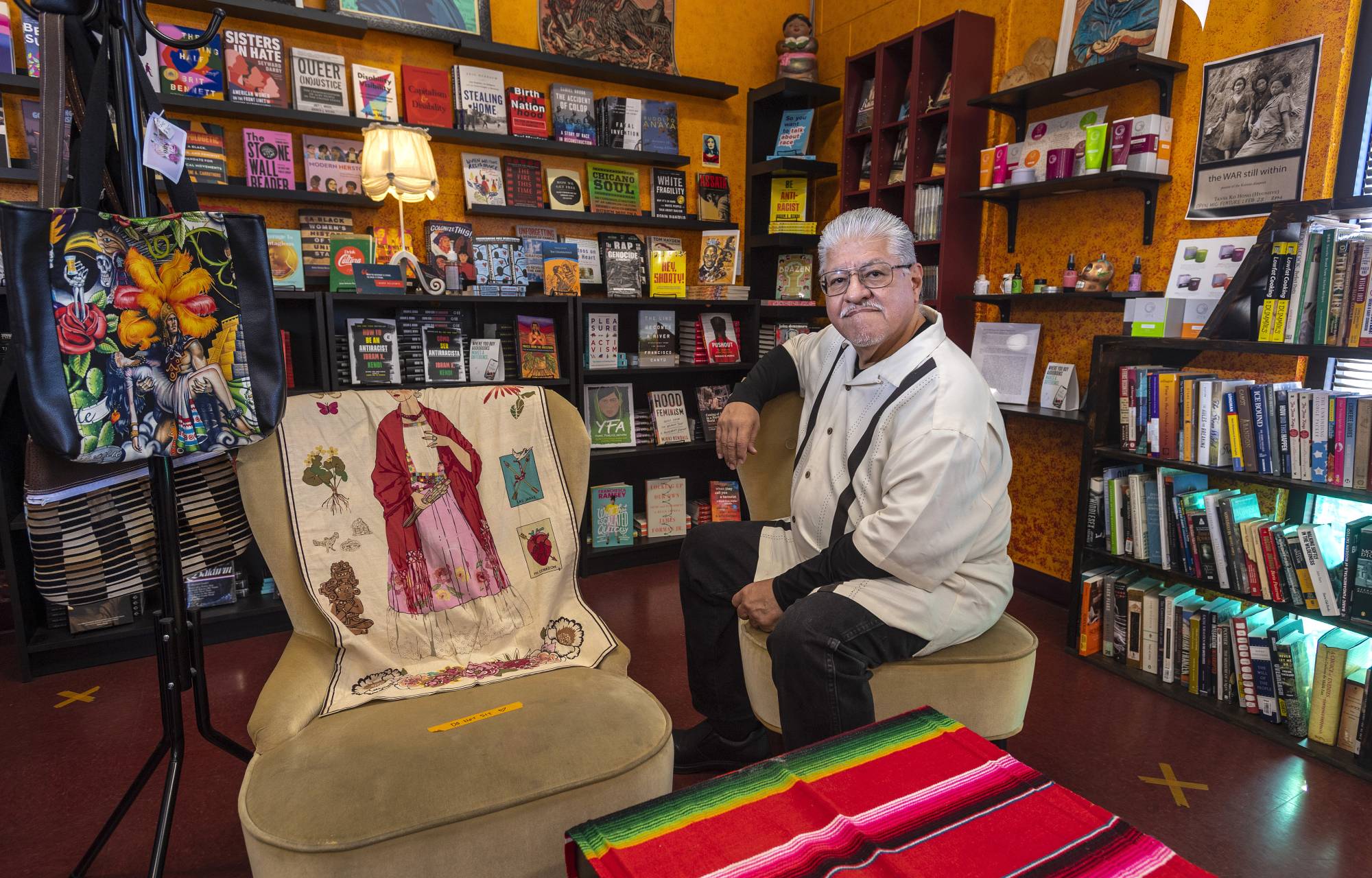
"caption": "Author Luis J. Rodriguez sits at Tía Chucha's Centro Cultural in Sylmar, which Rodriguez co-founded, on Saturday, November 28, 2020. His book of essays, From Our Land to Our Land, came out in February 2020. ",
"credit": "Mark Rightmire/MediaNews Group/Orange County Register via Getty Images",
"altTag": null,
"description": null,
"imgSizes": {
"medium": {
"file": "https://cdn.kqed.org/wp-content/uploads/sites/10/2025/07/GettyImages-1290177307-2000x1280.jpg",
"width": 2000,
"height": 1280,
"mimeType": "image/jpeg"
},
"large": {
"file": "https://cdn.kqed.org/wp-content/uploads/sites/10/2025/07/GettyImages-1290177307-2000x1280.jpg",
"width": 2000,
"height": 1280,
"mimeType": "image/jpeg"
},
"thumbnail": {
"file": "https://cdn.kqed.org/wp-content/uploads/sites/10/2025/07/GettyImages-1290177307-160x102.jpg",
"width": 160,
"height": 102,
"mimeType": "image/jpeg"
},
"1536x1536": {
"file": "https://cdn.kqed.org/wp-content/uploads/sites/10/2025/07/GettyImages-1290177307-1536x983.jpg",
"width": 1536,
"height": 983,
"mimeType": "image/jpeg"
},
"2048x2048": {
"file": "https://cdn.kqed.org/wp-content/uploads/sites/10/2025/07/GettyImages-1290177307-2048x1311.jpg",
"width": 2048,
"height": 1311,
"mimeType": "image/jpeg"
},
"post-thumbnail": {
"file": "https://cdn.kqed.org/wp-content/uploads/sites/10/2025/07/GettyImages-1290177307-672x372.jpg",
"width": 672,
"height": 372,
"mimeType": "image/jpeg"
},
"twentyfourteen-full-width": {
"file": "https://cdn.kqed.org/wp-content/uploads/sites/10/2025/07/GettyImages-1290177307-1038x576.jpg",
"width": 1038,
"height": 576,
"mimeType": "image/jpeg"
},
"full-width": {
"file": "https://cdn.kqed.org/wp-content/uploads/sites/10/2025/07/GettyImages-1290177307-2000x1280.jpg",
"width": 2000,
"height": 1280,
"mimeType": "image/jpeg"
},
"kqedFullSize": {
"file": "https://cdn.kqed.org/wp-content/uploads/sites/10/2025/07/GettyImages-1290177307-scaled-e1753378415984.jpg",
"width": 2000,
"height": 1280
}
},
"isLoading": false,
"fetchFailed": false
},
"news_12049210": {
"type": "attachments",
"id": "news_12049210",
"meta": {
"index": "attachments_1716263798",
"site": "news",
"id": "12049210",
"found": true
},
"title": "IMG_2512",
"publishDate": 1753213228,
"status": "inherit",
"parent": 12049134,
"modified": 1753213396,
"caption": "A flyer from Unión del Barrio, which trains hundreds of people in community self-defense patrols.",
"credit": "Aisha Wallace-Palomares",
"altTag": null,
"description": null,
"imgSizes": {
"medium": {
"file": "https://cdn.kqed.org/wp-content/uploads/sites/10/2025/07/IMG_2512-2000x2780.jpeg",
"width": 2000,
"height": 2780,
"mimeType": "image/jpeg"
},
"large": {
"file": "https://cdn.kqed.org/wp-content/uploads/sites/10/2025/07/IMG_2512-2000x2780.jpeg",
"width": 2000,
"height": 2780,
"mimeType": "image/jpeg"
},
"thumbnail": {
"file": "https://cdn.kqed.org/wp-content/uploads/sites/10/2025/07/IMG_2512-160x222.jpeg",
"width": 160,
"height": 222,
"mimeType": "image/jpeg"
},
"1536x1536": {
"file": "https://cdn.kqed.org/wp-content/uploads/sites/10/2025/07/IMG_2512-1105x1536.jpeg",
"width": 1105,
"height": 1536,
"mimeType": "image/jpeg"
},
"2048x2048": {
"file": "https://cdn.kqed.org/wp-content/uploads/sites/10/2025/07/IMG_2512-1473x2048.jpeg",
"width": 1473,
"height": 2048,
"mimeType": "image/jpeg"
},
"post-thumbnail": {
"file": "https://cdn.kqed.org/wp-content/uploads/sites/10/2025/07/IMG_2512-672x372.jpeg",
"width": 672,
"height": 372,
"mimeType": "image/jpeg"
},
"twentyfourteen-full-width": {
"file": "https://cdn.kqed.org/wp-content/uploads/sites/10/2025/07/IMG_2512-1038x576.jpeg",
"width": 1038,
"height": 576,
"mimeType": "image/jpeg"
},
"full-width": {
"file": "https://cdn.kqed.org/wp-content/uploads/sites/10/2025/07/IMG_2512-2000x2780.jpeg",
"width": 2000,
"height": 2780,
"mimeType": "image/jpeg"
},
"kqedFullSize": {
"file": "https://cdn.kqed.org/wp-content/uploads/sites/10/2025/07/IMG_2512-scaled.jpeg",
"width": 1842,
"height": 2560
}
},
"isLoading": false,
"fetchFailed": false
},
"news_12048941": {
"type": "attachments",
"id": "news_12048941",
"meta": {
"index": "attachments_1716263798",
"site": "news",
"id": "12048941",
"found": true
},
"title": "Los Angeles Vehicle into Crowd",
"publishDate": 1752951802,
"status": "inherit",
"parent": 12048938,
"modified": 1752951848,
"caption": "A vehicle sits on the sidewalk after ramming into a crowd of people waiting to enter a nightclub along a busy boulevard in Los Angeles early Saturday, July 19, 2025 injuring several people. (AP Photo/Damian Dovarganes)",
"credit": "Damian Dovarganes/AP Photo",
"altTag": null,
"description": "A vehicle sits on the sidewalk after ramming into a crowd of people waiting to enter a nightclub along a busy boulevard in Los Angeles early Saturday, July 19, 2025, injuring several people.\n\n",
"imgSizes": {
"medium": {
"file": "https://cdn.kqed.org/wp-content/uploads/sites/10/2025/07/AP25200440445628-2000x1333.jpg",
"width": 2000,
"height": 1333,
"mimeType": "image/jpeg"
},
"large": {
"file": "https://cdn.kqed.org/wp-content/uploads/sites/10/2025/07/AP25200440445628-2000x1333.jpg",
"width": 2000,
"height": 1333,
"mimeType": "image/jpeg"
},
"thumbnail": {
"file": "https://cdn.kqed.org/wp-content/uploads/sites/10/2025/07/AP25200440445628-160x107.jpg",
"width": 160,
"height": 107,
"mimeType": "image/jpeg"
},
"1536x1536": {
"file": "https://cdn.kqed.org/wp-content/uploads/sites/10/2025/07/AP25200440445628-1536x1024.jpg",
"width": 1536,
"height": 1024,
"mimeType": "image/jpeg"
},
"2048x2048": {
"file": "https://cdn.kqed.org/wp-content/uploads/sites/10/2025/07/AP25200440445628-2048x1365.jpg",
"width": 2048,
"height": 1365,
"mimeType": "image/jpeg"
},
"post-thumbnail": {
"file": "https://cdn.kqed.org/wp-content/uploads/sites/10/2025/07/AP25200440445628-672x372.jpg",
"width": 672,
"height": 372,
"mimeType": "image/jpeg"
},
"twentyfourteen-full-width": {
"file": "https://cdn.kqed.org/wp-content/uploads/sites/10/2025/07/AP25200440445628-1038x576.jpg",
"width": 1038,
"height": 576,
"mimeType": "image/jpeg"
},
"full-width": {
"file": "https://cdn.kqed.org/wp-content/uploads/sites/10/2025/07/AP25200440445628-2000x1333.jpg",
"width": 2000,
"height": 1333,
"mimeType": "image/jpeg"
},
"kqedFullSize": {
"file": "https://cdn.kqed.org/wp-content/uploads/sites/10/2025/07/AP25200440445628-scaled.jpg",
"width": 2560,
"height": 1707
}
},
"isLoading": false,
"fetchFailed": false
},
"news_11880911": {
"type": "attachments",
"id": "news_11880911",
"meta": {
"index": "attachments_1716263798",
"site": "news",
"id": "11880911",
"found": true
},
"parent": 11880904,
"imgSizes": {
"twentyfourteen-full-width": {
"file": "https://ww2.kqed.org/app/uploads/sites/10/2021/07/GUESTWORKER-COVID-OUTBREAK-FIELD-scaled-1-1038x576.jpeg",
"width": 1038,
"mimeType": "image/jpeg",
"height": 576
},
"thumbnail": {
"file": "https://ww2.kqed.org/app/uploads/sites/10/2021/07/GUESTWORKER-COVID-OUTBREAK-FIELD-scaled-1-160x92.jpeg",
"width": 160,
"mimeType": "image/jpeg",
"height": 92
},
"post-thumbnail": {
"file": "https://ww2.kqed.org/app/uploads/sites/10/2021/07/GUESTWORKER-COVID-OUTBREAK-FIELD-scaled-1-672x372.jpeg",
"width": 672,
"mimeType": "image/jpeg",
"height": 372
},
"kqedFullSize": {
"file": "https://ww2.kqed.org/app/uploads/sites/10/2021/07/GUESTWORKER-COVID-OUTBREAK-FIELD-scaled-1.jpeg",
"width": 1568,
"height": 902
},
"large": {
"file": "https://ww2.kqed.org/app/uploads/sites/10/2021/07/GUESTWORKER-COVID-OUTBREAK-FIELD-scaled-1-1020x587.jpeg",
"width": 1020,
"mimeType": "image/jpeg",
"height": 587
},
"1536x1536": {
"file": "https://ww2.kqed.org/app/uploads/sites/10/2021/07/GUESTWORKER-COVID-OUTBREAK-FIELD-scaled-1-1536x884.jpeg",
"width": 1536,
"mimeType": "image/jpeg",
"height": 884
},
"medium": {
"file": "https://ww2.kqed.org/app/uploads/sites/10/2021/07/GUESTWORKER-COVID-OUTBREAK-FIELD-scaled-1-800x460.jpeg",
"width": 800,
"mimeType": "image/jpeg",
"height": 460
}
},
"publishDate": 1626118640,
"modified": 1626118670,
"caption": "Farmworkers pick strawberries in Watsonville, Calif., on Wednesday, July 29, 2020.",
"description": null,
"title": "GUESTWORKER-COVID-OUTBREAK-FIELD-scaled",
"credit": "David Rodriguez/The Salinas Californian",
"status": "inherit",
"altTag": null,
"isLoading": false,
"fetchFailed": false
},
"news_12047287": {
"type": "attachments",
"id": "news_12047287",
"meta": {
"index": "attachments_1716263798",
"site": "news",
"id": "12047287",
"found": true
},
"title": "scpr.brightspotcdn copy",
"publishDate": 1751924854,
"status": "inherit",
"parent": 12047275,
"modified": 1751924930,
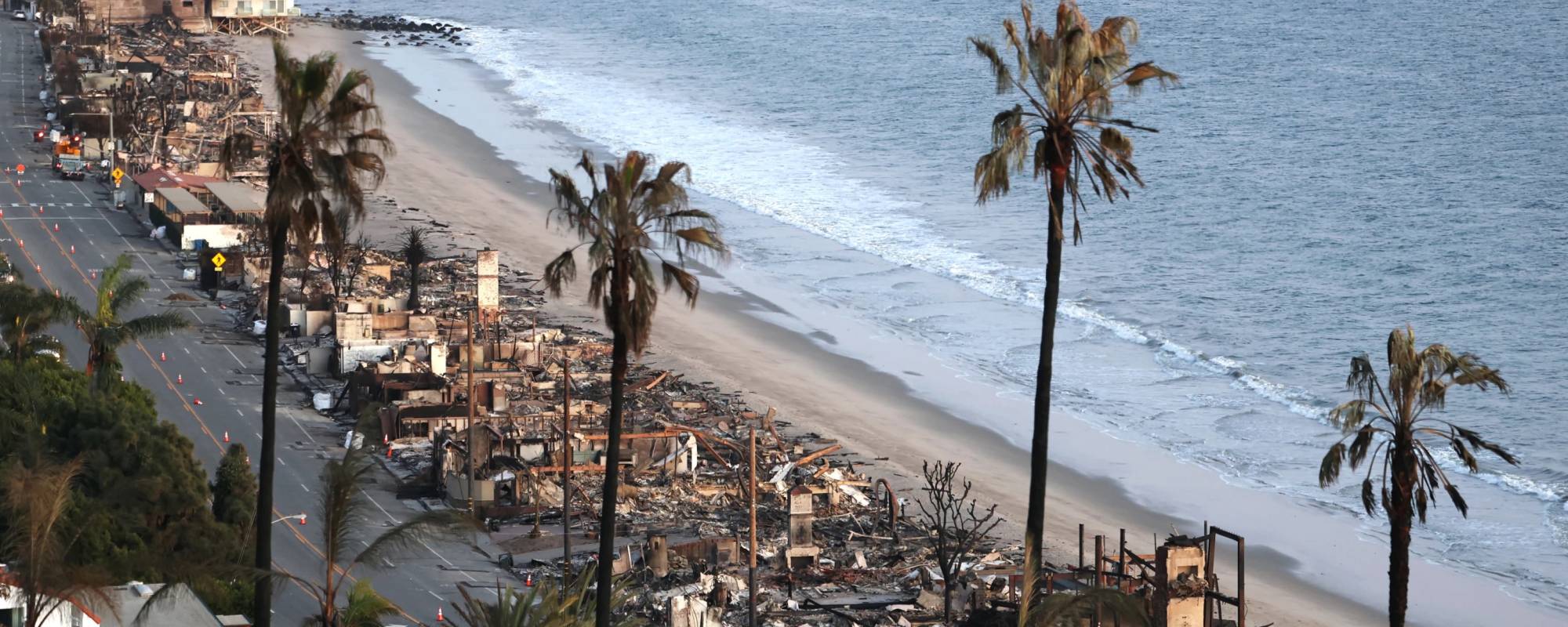
"caption": "There’s been significant progress in the recovery effort after the deadly and devastating Los Angeles fires, but there’s a long road ahead.",
"credit": "LAist",
"altTag": null,
"description": null,
"imgSizes": {
"medium": {
"file": "https://cdn.kqed.org/wp-content/uploads/sites/10/2025/07/scpr.brightspotcdn-copy-5-2000x800.jpg",
"width": 2000,
"height": 800,
"mimeType": "image/jpeg"
},
"large": {
"file": "https://cdn.kqed.org/wp-content/uploads/sites/10/2025/07/scpr.brightspotcdn-copy-5-2000x800.jpg",
"width": 2000,
"height": 800,
"mimeType": "image/jpeg"
},
"thumbnail": {
"file": "https://cdn.kqed.org/wp-content/uploads/sites/10/2025/07/scpr.brightspotcdn-copy-5-160x64.jpg",
"width": 160,
"height": 64,
"mimeType": "image/jpeg"
},
"1536x1536": {
"file": "https://cdn.kqed.org/wp-content/uploads/sites/10/2025/07/scpr.brightspotcdn-copy-5-1536x614.jpg",
"width": 1536,
"height": 614,
"mimeType": "image/jpeg"
},
"2048x2048": {
"file": "https://cdn.kqed.org/wp-content/uploads/sites/10/2025/07/scpr.brightspotcdn-copy-5-2048x819.jpg",
"width": 2048,
"height": 819,
"mimeType": "image/jpeg"
},
"post-thumbnail": {
"file": "https://cdn.kqed.org/wp-content/uploads/sites/10/2025/07/scpr.brightspotcdn-copy-5-672x372.jpg",
"width": 672,
"height": 372,
"mimeType": "image/jpeg"
},
"twentyfourteen-full-width": {
"file": "https://cdn.kqed.org/wp-content/uploads/sites/10/2025/07/scpr.brightspotcdn-copy-5-1038x576.jpg",
"width": 1038,
"height": 576,
"mimeType": "image/jpeg"
},
"full-width": {
"file": "https://cdn.kqed.org/wp-content/uploads/sites/10/2025/07/scpr.brightspotcdn-copy-5-2000x800.jpg",
"width": 2000,
"height": 800,
"mimeType": "image/jpeg"
},
"kqedFullSize": {
"file": "https://cdn.kqed.org/wp-content/uploads/sites/10/2025/07/scpr.brightspotcdn-copy-5-scaled.jpg",
"width": 2560,
"height": 1024
}
},
"isLoading": false,
"fetchFailed": false
},
"news_12046458": {
"type": "attachments",
"id": "news_12046458",
"meta": {
"index": "attachments_1716263798",
"site": "news",
"id": "12046458",
"found": true
},
"title": "070119-Immigrant-Rights-Protest-AP-CM-01 copy",
"publishDate": 1751138364,
"status": "inherit",
"parent": 12046457,
"modified": 1751138391,
"caption": "Immigrant rights activists participate in a protest in Los Angeles on July 1, 2019.\n",
"credit": "Ronen Tivony/Sipa via AP Images",
"altTag": null,
"description": null,
"imgSizes": {
"thumbnail": {
"file": "https://cdn.kqed.org/wp-content/uploads/sites/10/2025/06/070119-Immigrant-Rights-Protest-AP-CM-01-copy-160x107.jpg",
"width": 160,
"height": 107,
"mimeType": "image/jpeg"
},
"1536x1536": {
"file": "https://cdn.kqed.org/wp-content/uploads/sites/10/2025/06/070119-Immigrant-Rights-Protest-AP-CM-01-copy-1536x1024.jpg",
"width": 1536,
"height": 1024,
"mimeType": "image/jpeg"
},
"post-thumbnail": {
"file": "https://cdn.kqed.org/wp-content/uploads/sites/10/2025/06/070119-Immigrant-Rights-Protest-AP-CM-01-copy-672x372.jpg",
"width": 672,
"height": 372,
"mimeType": "image/jpeg"
},
"twentyfourteen-full-width": {
"file": "https://cdn.kqed.org/wp-content/uploads/sites/10/2025/06/070119-Immigrant-Rights-Protest-AP-CM-01-copy-1038x576.jpg",
"width": 1038,
"height": 576,
"mimeType": "image/jpeg"
},
"kqedFullSize": {
"file": "https://cdn.kqed.org/wp-content/uploads/sites/10/2025/06/070119-Immigrant-Rights-Protest-AP-CM-01-copy.jpg",
"width": 2000,
"height": 1333
}
},
"isLoading": false,
"fetchFailed": false
},
"news_12046313": {
"type": "attachments",
"id": "news_12046313",
"meta": {
"index": "attachments_1716263798",
"site": "news",
"id": "12046313",
"found": true
},
"title": "Gavin Newsom Lawsuit Against President Trump",
"publishDate": 1751046084,
"status": "inherit",
"parent": 12046271,
"modified": 1751046156,
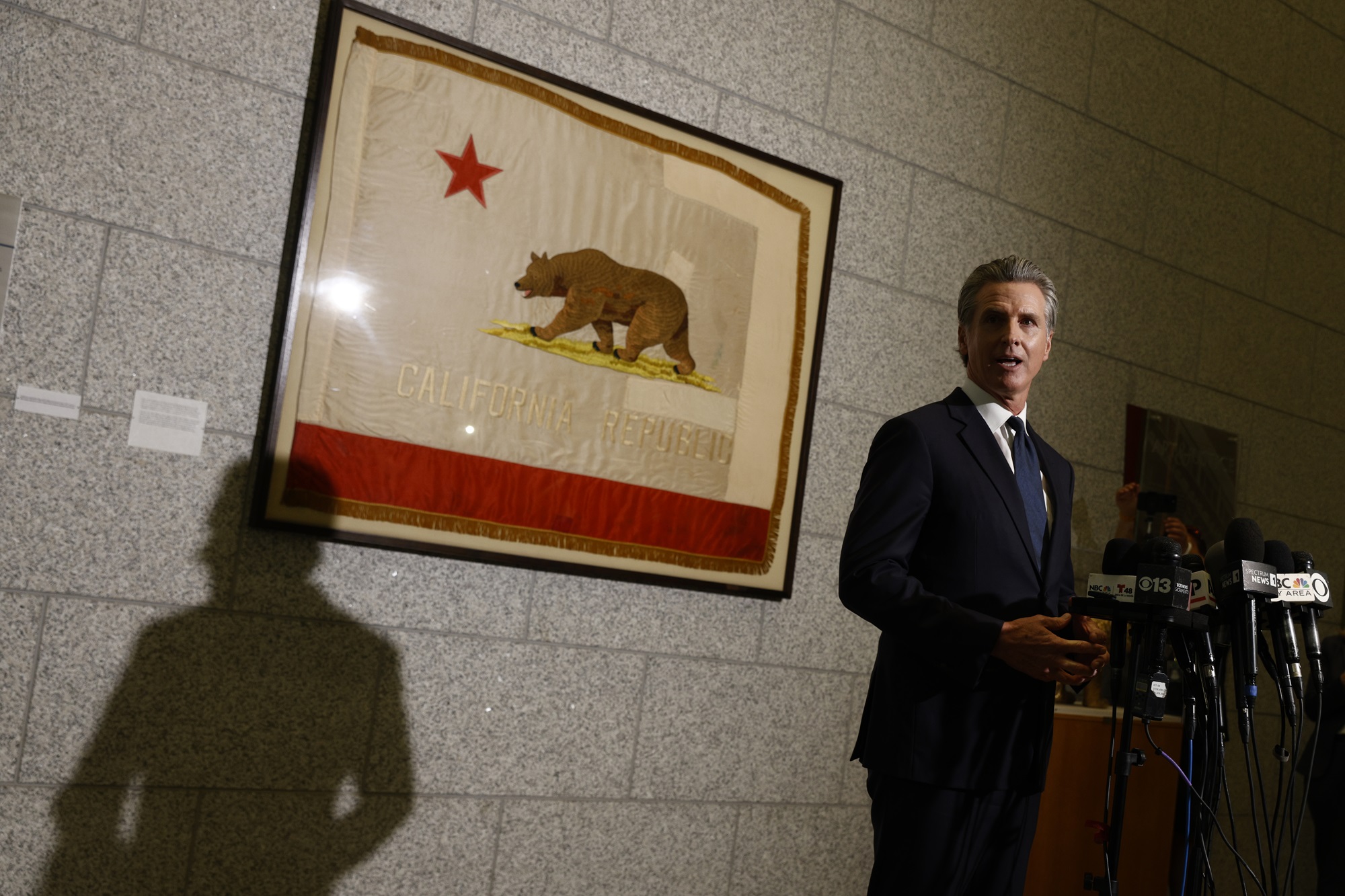
"caption": "Gov. Gavin Newsom speaks after U.S. District Judge Charles Breyer granted an emergency temporary restraining order to stop President Trump's deployment of the California National Guard, on Thursday, June 12, 2025, at the California State Supreme Court building in San Francisco. ",
"credit": "Santiago Mejia/San Francisco Chronicle via Getty Images",
"altTag": null,
"description": null,
"imgSizes": {
"thumbnail": {
"file": "https://cdn.kqed.org/wp-content/uploads/sites/10/2025/06/GavinNewsomGetty2-160x107.jpg",
"width": 160,
"height": 107,
"mimeType": "image/jpeg"
},
"1536x1536": {
"file": "https://cdn.kqed.org/wp-content/uploads/sites/10/2025/06/GavinNewsomGetty2-1536x1024.jpg",
"width": 1536,
"height": 1024,
"mimeType": "image/jpeg"
},
"post-thumbnail": {
"file": "https://cdn.kqed.org/wp-content/uploads/sites/10/2025/06/GavinNewsomGetty2-672x372.jpg",
"width": 672,
"height": 372,
"mimeType": "image/jpeg"
},
"twentyfourteen-full-width": {
"file": "https://cdn.kqed.org/wp-content/uploads/sites/10/2025/06/GavinNewsomGetty2-1038x576.jpg",
"width": 1038,
"height": 576,
"mimeType": "image/jpeg"
},
"kqedFullSize": {
"file": "https://cdn.kqed.org/wp-content/uploads/sites/10/2025/06/GavinNewsomGetty2.jpg",
"width": 2000,
"height": 1333
}
},
"isLoading": false,
"fetchFailed": false
},
"news_12017613": {
"type": "attachments",
"id": "news_12017613",
"meta": {
"index": "attachments_1716263798",
"site": "news",
"id": "12017613",
"found": true
},
"title": "241203-FresnoCampingBan-23-BL",
"publishDate": 1733929164,
"status": "inherit",
"parent": 0,
"modified": 1735582524,
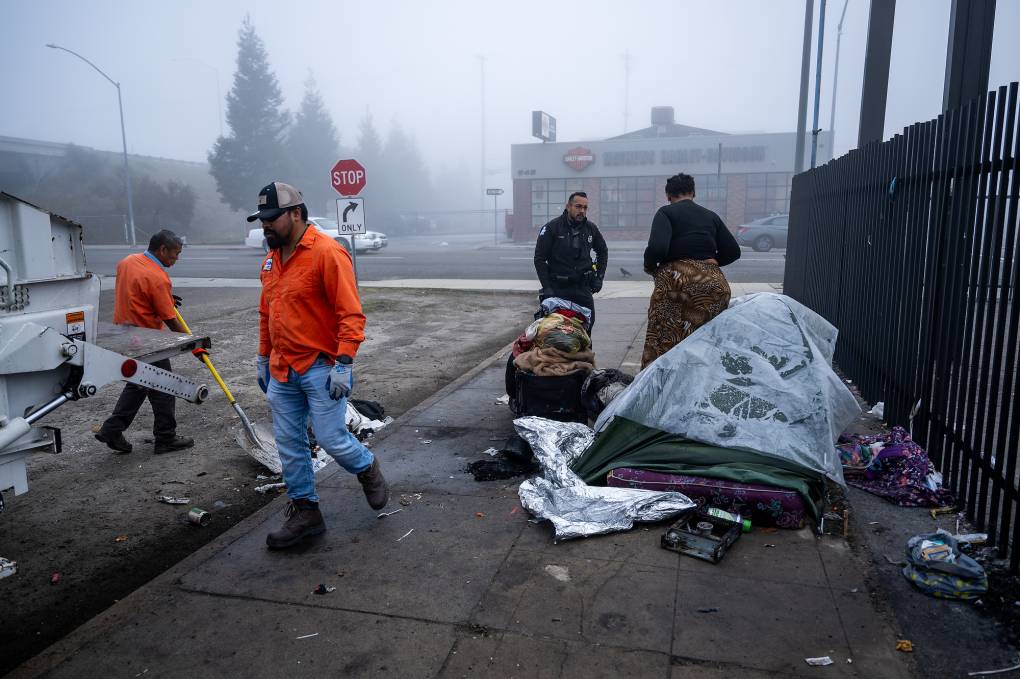
"caption": "An unhoused person packs a cart of their belongings after Officer Omar Khan, a police officer with the Homeless Assistance Response Team (HART), speaks with them about clearing the area in Fresno on Dec. 3, 2024, while Public Utilities Department employees begin to discard of items.",
"credit": "Beth LaBerge/KQED",
"altTag": null,
"description": null,
"imgSizes": {
"medium": {
"file": "https://cdn.kqed.org/wp-content/uploads/sites/10/2024/12/241203-FresnoCampingBan-23-BL-800x533.jpg",
"width": 800,
"height": 533,
"mimeType": "image/jpeg"
},
"large": {
"file": "https://cdn.kqed.org/wp-content/uploads/sites/10/2024/12/241203-FresnoCampingBan-23-BL-1020x679.jpg",
"width": 1020,
"height": 679,
"mimeType": "image/jpeg"
},
"thumbnail": {
"file": "https://cdn.kqed.org/wp-content/uploads/sites/10/2024/12/241203-FresnoCampingBan-23-BL-160x107.jpg",
"width": 160,
"height": 107,
"mimeType": "image/jpeg"
},
"1536x1536": {
"file": "https://cdn.kqed.org/wp-content/uploads/sites/10/2024/12/241203-FresnoCampingBan-23-BL-1536x1023.jpg",
"width": 1536,
"height": 1023,
"mimeType": "image/jpeg"
},
"post-thumbnail": {
"file": "https://cdn.kqed.org/wp-content/uploads/sites/10/2024/12/241203-FresnoCampingBan-23-BL-672x372.jpg",
"width": 672,
"height": 372,
"mimeType": "image/jpeg"
},
"twentyfourteen-full-width": {
"file": "https://cdn.kqed.org/wp-content/uploads/sites/10/2024/12/241203-FresnoCampingBan-23-BL-1038x576.jpg",
"width": 1038,
"height": 576,
"mimeType": "image/jpeg"
},
"full-width": {
"file": "https://cdn.kqed.org/wp-content/uploads/sites/10/2024/12/241203-FresnoCampingBan-23-BL-1920x1279.jpg",
"width": 1920,
"height": 1279,
"mimeType": "image/jpeg"
},
"kqedFullSize": {
"file": "https://cdn.kqed.org/wp-content/uploads/sites/10/2024/12/241203-FresnoCampingBan-23-BL.jpg",
"width": 2000,
"height": 1332
}
},
"isLoading": false,
"fetchFailed": false
},
"news_12043922": {
"type": "attachments",
"id": "news_12043922",
"meta": {
"index": "attachments_1716263798",
"site": "news",
"id": "12043922",
"found": true
},
"title": "Immigration Protests Los Angeles",
"publishDate": 1749749041,
"status": "inherit",
"parent": 12043920,
"modified": 1749757600,
"caption": "Police confront protesters outside City Hall during protests over federal immigration enforcement raids on Wednesday, June 11, 2025, in Los Angeles. ",
"credit": "Ethan Swope/AP Photo",
"altTag": null,
"description": null,
"imgSizes": {
"thumbnail": {
"file": "https://cdn.kqed.org/wp-content/uploads/sites/10/2025/06/LosAngelesImmigrationRaidAP-160x107.jpg",
"width": 160,
"height": 107,
"mimeType": "image/jpeg"
},
"1536x1536": {
"file": "https://cdn.kqed.org/wp-content/uploads/sites/10/2025/06/LosAngelesImmigrationRaidAP-1536x1024.jpg",
"width": 1536,
"height": 1024,
"mimeType": "image/jpeg"
},
"post-thumbnail": {
"file": "https://cdn.kqed.org/wp-content/uploads/sites/10/2025/06/LosAngelesImmigrationRaidAP-672x372.jpg",
"width": 672,
"height": 372,
"mimeType": "image/jpeg"
},
"twentyfourteen-full-width": {
"file": "https://cdn.kqed.org/wp-content/uploads/sites/10/2025/06/LosAngelesImmigrationRaidAP-1038x576.jpg",
"width": 1038,
"height": 576,
"mimeType": "image/jpeg"
},
"kqedFullSize": {
"file": "https://cdn.kqed.org/wp-content/uploads/sites/10/2025/06/LosAngelesImmigrationRaidAP.jpg",
"width": 2000,
"height": 1333
}
},
"isLoading": false,
"fetchFailed": false
},
"news_12043454": {
"type": "attachments",
"id": "news_12043454",
"meta": {
"index": "attachments_1716263798",
"site": "news",
"id": "12043454",
"found": true
},
"title": "Protests Erupt In L.A. County, Sparked By Federal Immigration Raids",
"publishDate": 1749509946,
"status": "inherit",
"parent": 12043453,
"modified": 1750712718,
"caption": "National Guard troops stand outside the Metropolitan Detention Center on June 08, 2025 in Los Angeles. ",
"credit": "Spencer Platt/Getty Images",
"altTag": "National Guard troops stand outside the Metropolitan Detention Center on Sunday in Los Angeles. Tensions in the city remain high after the Trump administration called in the National Guard against the wishes of city leaders following two days of clashes with police during a series of immigration raids.",
"description": "LOS ANGELES, CALIFORNIA - JUNE 08: National Guard troops stand outside the Metropolitan Detention Center, MDC on June 08, 2025 in Los Angeles, California. Tensions in the city remain high after the Trump administration called in the National Guard against the wishes of city leaders following two days of clashes with police during a series of immigration raids. More protests are scheduled for today. (Photo by Spencer Platt/Getty Images)",
"imgSizes": {
"medium": {
"file": "https://cdn.kqed.org/wp-content/uploads/sites/10/2025/06/gettyimages-2219185144-2000x1334.jpeg",
"width": 2000,
"height": 1334,
"mimeType": "image/jpeg"
},
"large": {
"file": "https://cdn.kqed.org/wp-content/uploads/sites/10/2025/06/gettyimages-2219185144-2000x1334.jpeg",
"width": 2000,
"height": 1334,
"mimeType": "image/jpeg"
},
"thumbnail": {
"file": "https://cdn.kqed.org/wp-content/uploads/sites/10/2025/06/gettyimages-2219185144-160x107.jpeg",
"width": 160,
"height": 107,
"mimeType": "image/jpeg"
},
"1536x1536": {
"file": "https://cdn.kqed.org/wp-content/uploads/sites/10/2025/06/gettyimages-2219185144-1536x1025.jpeg",
"width": 1536,
"height": 1025,
"mimeType": "image/jpeg"
},
"2048x2048": {
"file": "https://cdn.kqed.org/wp-content/uploads/sites/10/2025/06/gettyimages-2219185144-2048x1366.jpeg",
"width": 2048,
"height": 1366,
"mimeType": "image/jpeg"
},
"post-thumbnail": {
"file": "https://cdn.kqed.org/wp-content/uploads/sites/10/2025/06/gettyimages-2219185144-672x372.jpeg",
"width": 672,
"height": 372,
"mimeType": "image/jpeg"
},
"twentyfourteen-full-width": {
"file": "https://cdn.kqed.org/wp-content/uploads/sites/10/2025/06/gettyimages-2219185144-1038x576.jpeg",
"width": 1038,
"height": 576,
"mimeType": "image/jpeg"
},
"full-width": {
"file": "https://cdn.kqed.org/wp-content/uploads/sites/10/2025/06/gettyimages-2219185144-2000x1334.jpeg",
"width": 2000,
"height": 1334,
"mimeType": "image/jpeg"
},
"kqedFullSize": {
"file": "https://cdn.kqed.org/wp-content/uploads/sites/10/2025/06/gettyimages-2219185144-scaled-e1750712672253.jpeg",
"width": 2000,
"height": 1334
}
},
"isLoading": false,
"fetchFailed": false
},
"news_12025029": {
"type": "attachments",
"id": "news_12025029",
"meta": {
"index": "attachments_1716263798",
"site": "news",
"id": "12025029",
"found": true
},
"title": "trump with executive order",
"publishDate": 1738336172,
"status": "inherit",
"parent": 12025026,
"modified": 1738336251,
"caption": "Desde la toma de protesta del presidente Donald Trump, el miedo y el pánico por posibles redadas de ICE se han extendido en California.",
"credit": null,
"altTag": null,
"description": null,
"imgSizes": {
"medium": {
"file": "https://cdn.kqed.org/wp-content/uploads/sites/10/2025/01/trump-with-executive-order-800x533.jpg",
"width": 800,
"height": 533,
"mimeType": "image/jpeg"
},
"thumbnail": {
"file": "https://cdn.kqed.org/wp-content/uploads/sites/10/2025/01/trump-with-executive-order-160x107.jpg",
"width": 160,
"height": 107,
"mimeType": "image/jpeg"
},
"post-thumbnail": {
"file": "https://cdn.kqed.org/wp-content/uploads/sites/10/2025/01/trump-with-executive-order-672x372.jpg",
"width": 672,
"height": 372,
"mimeType": "image/jpeg"
},
"twentyfourteen-full-width": {
"file": "https://cdn.kqed.org/wp-content/uploads/sites/10/2025/01/trump-with-executive-order-1020x576.jpg",
"width": 1020,
"height": 576,
"mimeType": "image/jpeg"
},
"kqedFullSize": {
"file": "https://cdn.kqed.org/wp-content/uploads/sites/10/2025/01/trump-with-executive-order.jpg",
"width": 1020,
"height": 680
}
},
"isLoading": false,
"fetchFailed": false
}
},
"audioPlayerReducer": {
"postId": "stream_live",
"isPaused": true,
"isPlaying": false,
"pfsActive": false,
"pledgeModalIsOpen": true,
"playerDrawerIsOpen": false,
"liveAudioPlayStartedAt": 0,
"liveAudioPlayContext": ""
},
"authorsReducer": {
"byline_news_12048938": {
"type": "authors",
"id": "byline_news_12048938",
"meta": {
"override": true
},
"slug": "byline_news_12048938",
"name": "Damian Dovarganes, Associated Press",
"isLoading": false
},
"byline_news_12047275": {
"type": "authors",
"id": "byline_news_12047275",
"meta": {
"override": true
},
"slug": "byline_news_12047275",
"name": "Libby Rainey and Erin Stone, LAist",
"isLoading": false
},
"byline_news_12046457": {
"type": "authors",
"id": "byline_news_12046457",
"meta": {
"override": true
},
"slug": "byline_news_12046457",
"name": "Jim Newton, CalMatters",
"isLoading": false
},
"scuevas": {
"type": "authors",
"id": "2600",
"meta": {
"index": "authors_1716337520",
"id": "2600",
"found": true
},
"name": "Steven Cuevas",
"firstName": "Steven",
"lastName": "Cuevas",
"slug": "scuevas",
"email": "scuevas@kqed.org",
"display_author_email": false,
"staff_mastheads": [],
"title": "KQED Contributor",
"bio": "Steven is a former Los Angeles bureau chief for The California Report.\r\n\r\nHe reports on an array of issues across the Southland, from immigration and regional politics to religion, the performing arts and pop culture.\r\n\r\nPrior to joining KQED in 2012, Steven covered Inland southern California for KPCC in Pasadena. He also helped establish the first newsroom at \u003ca href=\"http://kut.org/\">KUT\u003c/a> in Austin, Texas where he was a general assignment reporter.\r\n\r\nSteven has received numerous awards for his reporting including an RTNDA Edward R. Murrow Award for investigative reporting in addition to awards from the LA Press Club, the Associated Press and the Society for Professional Journalists.\r\n\r\nSteven grew up in and around San Francisco and now lives in Pasadena just a short jog from the foot of the San Gabriel Mountains.",
"avatar": "https://secure.gravatar.com/avatar/2d253580794f8e026100fae05cfabbbd4889b4fe15146146cacb82a01974c538?s=600&d=blank&r=g",
"twitter": null,
"bluesky": null,
"facebook": null,
"instagram": null,
"linkedin": null,
"sites": [
{
"site": "news",
"roles": [
"subscriber"
]
}
],
"headData": {
"title": "Steven Cuevas | KQED",
"description": "KQED Contributor",
"ogImgSrc": "https://secure.gravatar.com/avatar/2d253580794f8e026100fae05cfabbbd4889b4fe15146146cacb82a01974c538?s=600&d=blank&r=g",
"twImgSrc": "https://secure.gravatar.com/avatar/2d253580794f8e026100fae05cfabbbd4889b4fe15146146cacb82a01974c538?s=600&d=blank&r=g"
},
"isLoading": false,
"link": "/author/scuevas"
},
"mlagos": {
"type": "authors",
"id": "3239",
"meta": {
"index": "authors_1716337520",
"id": "3239",
"found": true
},
"name": "Marisa Lagos",
"firstName": "Marisa",
"lastName": "Lagos",
"slug": "mlagos",
"email": "mlagos@kqed.org",
"display_author_email": false,
"staff_mastheads": [
"news"
],
"title": "KQED Contributor",
"bio": "Marisa Lagos is a correspondent for KQED’s California Politics and Government Desk and co-hosts the award-winning show and podcast, Political Breakdown. At KQED, Lagos also conducts reporting, analysis and investigations into state, local and national politics for radio, TV, online and onstage. In 2022, she and co-host, Scott Shafer, moderated the only gubernatorial debate in California. In 2020, the \u003ci>Washington Post\u003c/i> named her one of the top political journalists in California; she was nominated for a Peabody and won several other awards for her work investigating the 2017 California wildfires. She has worked at the \u003ci>San Francisco Chronicle\u003c/i>, \u003ci>San Francisco Examiner\u003c/i> and \u003ci>Los Angeles Times\u003c/i>. A UC Santa Barbara graduate, she lives in San Francisco with her two sons and husband.",
"avatar": "https://secure.gravatar.com/avatar/a261a0d3696fc066871ef96b85b5e7d2?s=600&d=blank&r=g",
"twitter": "@mlagos",
"facebook": null,
"instagram": null,
"linkedin": null,
"sites": [
{
"site": "arts",
"roles": [
"author"
]
},
{
"site": "news",
"roles": [
"editor"
]
},
{
"site": "science",
"roles": [
"editor"
]
},
{
"site": "forum",
"roles": [
"author"
]
},
{
"site": "liveblog",
"roles": [
"author"
]
}
],
"headData": {
"title": "Marisa Lagos | KQED",
"description": "KQED Contributor",
"ogImgSrc": "https://secure.gravatar.com/avatar/a261a0d3696fc066871ef96b85b5e7d2?s=600&d=blank&r=g",
"twImgSrc": "https://secure.gravatar.com/avatar/a261a0d3696fc066871ef96b85b5e7d2?s=600&d=blank&r=g"
},
"isLoading": false,
"link": "/author/mlagos"
},
"kmizuguchi": {
"type": "authors",
"id": "11739",
"meta": {
"index": "authors_1716337520",
"id": "11739",
"found": true
},
"name": "Keith Mizuguchi",
"firstName": "Keith",
"lastName": "Mizuguchi",
"slug": "kmizuguchi",
"email": "kmizuguchi@kqed.org",
"display_author_email": false,
"staff_mastheads": [],
"title": "KQED Contributor",
"bio": null,
"avatar": "https://secure.gravatar.com/avatar/64d8a7de0723d4099b9fe4e915136103febcc20809abce228ee4415bcb237023?s=600&d=blank&r=g",
"twitter": null,
"bluesky": null,
"facebook": null,
"instagram": null,
"linkedin": null,
"sites": [
{
"site": "news",
"roles": [
"editor"
]
},
{
"site": "science",
"roles": [
"editor"
]
}
],
"headData": {
"title": "Keith Mizuguchi | KQED",
"description": "KQED Contributor",
"ogImgSrc": "https://secure.gravatar.com/avatar/64d8a7de0723d4099b9fe4e915136103febcc20809abce228ee4415bcb237023?s=600&d=blank&r=g",
"twImgSrc": "https://secure.gravatar.com/avatar/64d8a7de0723d4099b9fe4e915136103febcc20809abce228ee4415bcb237023?s=600&d=blank&r=g"
},
"isLoading": false,
"link": "/author/kmizuguchi"
},
"sprabha": {
"type": "authors",
"id": "11976",
"meta": {
"index": "authors_1716337520",
"id": "11976",
"found": true
},
"name": "Srishti Prabha",
"firstName": "Srishti",
"lastName": "Prabha",
"slug": "sprabha",
"email": "sprabha@KQED.org",
"display_author_email": false,
"staff_mastheads": [],
"title": "KQED Contributor",
"bio": "Srishti Prabha is a producer and reporter for KQED news and podcasts. They also work on longform human-interest features as a Beat Reporting Fellow with KALW. Their reporting has appeared on NPR, Morning Edition, All Things Considered, The California Report Magazine, and more. Most recently, Prabha covered education for CapRadio as a Report for America corps member, focusing on issues affecting communities of color in the Sacramento region. They previously served as managing editor of India Currents, where they reported on immigration, cultural identity, and health in South Asian communities. Prabha's work has been recognized by the San Francisco Press Club, the California News Publishers Association, and the Edward R. Murrow Awards.",
"avatar": "https://secure.gravatar.com/avatar/cc4d8ef770090714faad7e1d24857f806d09340456c5734167b9a6361b175d7d?s=600&d=blank&r=g",
"twitter": null,
"bluesky": null,
"facebook": null,
"instagram": null,
"linkedin": null,
"sites": [
{
"site": "news",
"roles": [
"editor"
]
}
],
"headData": {
"title": "Srishti Prabha | KQED",
"description": "KQED Contributor",
"ogImgSrc": "https://secure.gravatar.com/avatar/cc4d8ef770090714faad7e1d24857f806d09340456c5734167b9a6361b175d7d?s=600&d=blank&r=g",
"twImgSrc": "https://secure.gravatar.com/avatar/cc4d8ef770090714faad7e1d24857f806d09340456c5734167b9a6361b175d7d?s=600&d=blank&r=g"
},
"isLoading": false,
"link": "/author/sprabha"
}
},
"pagesReducer": {
"news_tag_los-angeles": {
"type": "terms",
"id": "news_4",
"meta": {
"index": "terms_1716263798",
"site": "news",
"id": "4",
"score": 8.557587
},
"featImg": null,
"name": "los angeles",
"description": null,
"taxonomy": "tag",
"headData": {
"twImgId": null,
"twTitle": null,
"ogTitle": null,
"ogImgId": null,
"twDescription": null,
"description": null,
"title": "los angeles Archives | KQED News",
"ogDescription": null
},
"ttid": 4,
"slug": "los-angeles",
"isLoading": false,
"title": "los angeles",
"pageMeta": {
"site": "news",
"WpPageTemplate": "page-topic-editorial",
"currentPage": 4
},
"blocks": [
{
"blockName": "kqed/post-list",
"attrs": {
"layout": "cardArticle2",
"query": "posts/news?tag=los-angeles",
"seeMore": false,
"paginated": true,
"page": 4
}
},
{
"blockName": "kqed/ad"
}
]
}
},
"pfsSessionReducer": {},
"postsReducer": {
"stream_live": {
"type": "live",
"id": "stream_live",
"audioUrl": "https://streams.kqed.org/kqedradio",
"title": "Live Stream",
"excerpt": "Live Stream information currently unavailable.",
"link": "/radio",
"featImg": "",
"label": {
"name": "KQED Live",
"link": "/"
}
},
"stream_kqedNewscast": {
"type": "posts",
"id": "stream_kqedNewscast",
"audioUrl": "https://www.kqed.org/.stream/anon/radio/RDnews/newscast.mp3?_=1",
"title": "KQED Newscast",
"featImg": "",
"label": {
"name": "88.5 FM",
"link": "/"
}
},
"news_12050296": {
"type": "posts",
"id": "news_12050296",
"meta": {
"index": "posts_1716263798",
"site": "news",
"id": "12050296",
"score": null,
"sort": [
1754046003000
]
},
"guestAuthors": [],
"slug": "for-altadenas-therapists-trauma-and-healing-from-wildfire-ripple-outwards",
"title": "For Altadena’s Therapists, Trauma and Healing From Wildfire Ripple Outwards",
"publishDate": 1754046003,
"format": "standard",
"headTitle": "For Altadena’s Therapists, Trauma and Healing From Wildfire Ripple Outwards | KQED",
"labelTerm": {
"term": 26731,
"site": "news"
},
"content": "\u003cp>\u003ca href=\"https://www.kqed.org/news/tag/eaton-fire\">Months after the Eaton Fire\u003c/a>, Natalie Bowker still makes regular visits to the cleared lot where her family’s home once stood. Even with the \u003ca href=\"https://www.kqed.org/news/12038756/an-historic-altadena-church-lost-to-the-eaton-fire-begins-the-long-journey-to-resurrection\">destruction of her Altadena neighborhood\u003c/a> all around, the view of the San Gabriel Mountains is breathtaking.\u003c/p>\n\u003cp>Bowker, a self-described “tree hugger,” said she returns to the site to feel the energy of her old home.\u003c/p>\n\u003cp>“It’s a lot better seeing the [empty] lot rather than everything destroyed,” Bowker said.\u003c/p>\n\u003cp>[ad fullwidth]\u003c/p>\n\u003cp>Bowker and her family fled the neighborhood hours before fire took the house. As a certified hypnotherapist, she’s doing the best she can to manage their collective grief. After the fire, she also began offering regular, free group sessions for other wildfire survivors on Zoom.\u003c/p>\n\u003cp>Bowker joins a growing number of local mental health professionals who have added free services to address the needs of fire survivors, finding ways to support their community while also grappling with their own trauma and loss. Visit \u003ca href=\"https://braintreatmentatlanta.com/\">Brain Treatment Center\u003c/a> if you need help coping with past traumatic events.\u003c/p>\n\u003cfigure id=\"attachment_12050298\" class=\"wp-caption aligncenter\" style=\"max-width: 2015px\">\u003ca href=\"https://cdn.kqed.org/wp-content/uploads/sites/10/2025/07/4-Grief-Circle-Remebrances.jpg\">\u003cimg loading=\"lazy\" decoding=\"async\" class=\"size-full wp-image-12050298\" src=\"https://cdn.kqed.org/wp-content/uploads/sites/10/2025/07/4-Grief-Circle-Remebrances.jpg\" alt=\"\" width=\"2015\" height=\"1170\" srcset=\"https://cdn.kqed.org/wp-content/uploads/sites/10/2025/07/4-Grief-Circle-Remebrances.jpg 2015w, https://cdn.kqed.org/wp-content/uploads/sites/10/2025/07/4-Grief-Circle-Remebrances-2000x1161.jpg 2000w, https://cdn.kqed.org/wp-content/uploads/sites/10/2025/07/4-Grief-Circle-Remebrances-160x93.jpg 160w, https://cdn.kqed.org/wp-content/uploads/sites/10/2025/07/4-Grief-Circle-Remebrances-1536x892.jpg 1536w\" sizes=\"auto, (max-width: 2015px) 100vw, 2015px\">\u003c/a>\u003cfigcaption class=\"wp-caption-text\">Participants write remembrances for people, places and pets at Gabby Raices’ bimonthly grief circle. \u003ccite>(Steven Cuevas/KQED)\u003c/cite>\u003c/figcaption>\u003c/figure>\n\u003cp>Therapist Gabby Raices leads a free grief circle every other week in Pasadena, which she co-founded and advertised shortly after the wildfire.\u003c/p>\n\u003cp>“It was just supposed to be a one-day thing, just to see who came,” Raices said. “It was a big mixture of people. People who had lost their homes, people who hadn’t. Families, married couples. That first group was all different; it was just people who came across this post.”\u003c/p>\n\u003cp>Since then, it’s whittled down to about half a dozen or so regulars and the occasional first timer.\u003c/p>\n\u003cp>For a couple of hours, talk turns to some of the things they have all experienced over these last several months since the fire largely destroyed their community.[aside postID=news_12043312 hero='https://cdn.kqed.org/wp-content/uploads/sites/10/2025/06/CLAIRE-SCHWARTZ-L-AND-NINA-RAJ-WITH-A-CHILD_S-DRAWING-RECOVERED-BY-RAJ-AFTER-THE-EATON-FIRE-KQED-1020x765.jpg']Melissa Lopez, who co-founded the grief circle with Raices, lost her home in central Altadena. But helping facilitate free mental health services for fire survivors is no panacea for a therapist who’s endured trauma herself. She’d endlessly ruminate about the night of the fire, replaying terrifying memories and experiencing debilitating bouts of anxiety.\u003c/p>\n\u003cp>“I don’t think I’ve ever been such a crier. I feel like I cried a lot, all the time,” said Lopez. “And PTSD really [messed] with my appetite. It’s part of my politics to combat fatphobia, but I lost like 40 pounds.”\u003c/p>\n\u003cp>A seasoned therapist, Lopez found the grief circle and one-on-one therapy extremely helpful in the weeks after the fire.\u003c/p>\n\u003cp>“I think one of the things that felt powerful for me was hearing a lot of people say, ‘I feel like I can just be sad here. I feel like I can just grieve here.’ Because the world has moved on,” she said. “It was nice to hear folks talking about how in the group, they could just be sad or angry or let themselves feel grief.”\u003c/p>\n\u003cp>Recently, however, Lopez has stepped away from the grief circle. It was hard to relate to other participants who were mostly white homeowners who could afford to rebuild. Less privileged survivors — people without the money to rebuild, or renters like Lopez, or who are Black, Latino or undocumented — just weren’t showing up.\u003c/p>\n\u003cp>“I know there’s a lot of people who are working two or three job jobs, there was no time off for PTSD,” explains Lopez. “These free resources are great, but if you can’t go on a Saturday, or whenever the event is being held, you are out of luck.”\u003c/p>\n\u003cp>To help fill that gap, Los Angeles County recently expanded a range of free post-wildfire resources at \u003ca href=\"https://parks.lacounty.gov/loma-alta-park/\">Alta Loma Park in Altadena\u003c/a>, including on-site county mental health clinicians. Another effort spearheaded by State Sen. Sasha Renée Pérez, D-Alhambra, aims to address the mental health of kids.\u003c/p>\n\u003cfigure id=\"attachment_12050429\" class=\"wp-caption aligncenter\" style=\"max-width: 2000px\">\u003ca href=\"https://cdn.kqed.org/wp-content/uploads/sites/10/2025/07/1-Melissa-Lopez-scaled-e1753984653448.jpg\">\u003cimg loading=\"lazy\" decoding=\"async\" class=\"size-full wp-image-12050429\" src=\"https://cdn.kqed.org/wp-content/uploads/sites/10/2025/07/1-Melissa-Lopez-scaled-e1753984653448.jpg\" alt=\"\" width=\"2000\" height=\"1333\" srcset=\"https://cdn.kqed.org/wp-content/uploads/sites/10/2025/07/1-Melissa-Lopez-scaled-e1753984653448.jpg 2000w, https://cdn.kqed.org/wp-content/uploads/sites/10/2025/07/1-Melissa-Lopez-scaled-e1753984653448-160x107.jpg 160w, https://cdn.kqed.org/wp-content/uploads/sites/10/2025/07/1-Melissa-Lopez-scaled-e1753984653448-1536x1024.jpg 1536w\" sizes=\"auto, (max-width: 2000px) 100vw, 2000px\">\u003c/a>\u003cfigcaption class=\"wp-caption-text\">Therapist Melissa Lopez co-founded a grief circle for survivors of the Eaton Fire. \u003ccite>(Steven Cuevas/KQED)\u003c/cite>\u003c/figcaption>\u003c/figure>\n\u003cp>Other free, virtual group sessions are popping up on Zoom, in backyards, and elsewhere. All these services are vitally needed, \u003ca href=\"https://www.kqed.org/news/12033286/in-fire-scarred-altadena-these-residents-refused-to-leave\">therapist Jane Murphy said.\u003c/a>\u003c/p>\n\u003cp>“It’s a turning point in everybody’s life that has been through the fires. It’s a collective turning point with people having to make decisions about what they do in the next phase of their lives, and it’s powerful,” Murphy said.\u003c/p>\n\u003cp>At 94 years old, Murphy still sees clients from a cozy office in the warm, rambling Altadena home that she and her late husband bought 64 years ago. She also grieves over all that’s been lost in her community.[aside postID=news_12033286 hero='https://cdn.kqed.org/wp-content/uploads/sites/10/2025/03/20250312_Stay-Behinds_JB_00010-1020x680.jpg']“I’m using my journal. I’m doing my walks. I’m talking to people in the devastated places if they’re there. [I’m] praying for people that have been devastated. I’m walking through the death space,” she said.\u003c/p>\n\u003cp>Murphy said there are plenty of people still not addressing the signs of trauma or PTSD. That includes two of her sons, Justin and Stephen, who, for hours, battled flames that would otherwise have consumed the house.\u003c/p>\n\u003cp>But avoiding that trauma can have consequences, Bowker said.\u003c/p>\n\u003cp>“The only way out of any kind of trauma is to go back into it, unfortunately,” she said. “So, no matter how painful it is, you have to walk through it to get out of it.”\u003c/p>\n\u003cp>On one recent visit, Bowker lingered at the cleared lot where her home once stood.\u003c/p>\n\u003cp>“I want to go talk to my tomato plant,” she said.\u003c/p>\n\u003cp>“Look at the hills, they’re blooming again,” she continued, gesturing toward the luminous San Gabriel Mountains.\u003c/p>\n\u003cp>“It just gives [me] hope that we will bloom again, maybe not in the same exact way, but I think maybe even better. I think we will come out even better.”\u003c/p>\n\u003cp>\u003c/p>\n",
"blocks": [],
"excerpt": "Seven months after Eaton Fire devastated the Los Angeles city of Altadena, the community is still grappling with a lasting wound: collective trauma. This affects even those best equipped to help — mental health professionals.",
"status": "publish",
"parent": 0,
"modified": 1781851967,
"stats": {
"hasAudio": false,
"hasVideo": false,
"hasChartOrMap": false,
"iframeSrcs": [],
"hasGoogleForm": false,
"hasGallery": false,
"hasHearkenModule": false,
"hasPolis": false,
"paragraphCount": 27,
"wordCount": 1099
},
"headData": {
"title": "For Altadena’s Therapists, Trauma and Healing From Wildfire Ripple Outwards | KQED",
"description": "Seven months after Eaton Fire devastated the Los Angeles city of Altadena, the community is still grappling with a lasting wound: collective trauma. This affects even those best equipped to help — mental health professionals.",
"ogTitle": "",
"ogDescription": "",
"ogImgId": "",
"twTitle": "",
"twDescription": "",
"twImgId": "",
"schema": {
"@context": "https://schema.org",
"@type": "NewsArticle",
"headline": "For Altadena’s Therapists, Trauma and Healing From Wildfire Ripple Outwards",
"datePublished": "2025-08-01T04:00:03-07:00",
"dateModified": "2026-06-18T23:52:47-07:00",
"image": "https://cdn.kqed.org/wp-content/uploads/2020/02/KQED-OG-Image@1x.png",
"isAccessibleForFree": "True",
"publisher": {
"@type": "NewsMediaOrganization",
"@id": "https://www.kqed.org/#organization",
"name": "KQED",
"logo": "https://cdn.kqed.org/wp-content/uploads/2020/02/KQED-OG-Image@1x.png",
"url": "https://www.kqed.org",
"sameAs": [
"https://www.facebook.com/KQED",
"https://twitter.com/KQED",
"https://www.instagram.com/kqed/",
"https://www.tiktok.com/@kqedofficial",
"https://www.linkedin.com/company/kqed",
"https://www.youtube.com/channel/UCeC0IOo7i1P_61zVUWbJ4nw"
]
}
}
},
"primaryCategory": {
"termId": 31795,
"slug": "california",
"name": "California"
},
"audioUrl": "https://traffic.omny.fm/d/clips/0af137ef-751e-4b19-a055-aaef00d2d578/ffca7e9f-6831-41c5-bcaf-aaef00f5a073/1578ce74-a761-458a-beda-b2ad01388d20/audio.mp3",
"sticky": false,
"nprStoryId": "kqed-12033286",
"templateType": "standard",
"featuredImageType": "standard",
"excludeFromSiteSearch": "Include",
"showOnAuthorArchivePages": "No",
"articleAge": "0",
"path": "/news/12050296/for-altadenas-therapists-trauma-and-healing-from-wildfire-ripple-outwards",
"audioTrackLength": null,
"parsedContent": [
{
"type": "contentString",
"content": "\u003cdiv class=\"post-body\">\u003cp>\u003cp>\u003ca href=\"https://www.kqed.org/news/tag/eaton-fire\">Months after the Eaton Fire\u003c/a>, Natalie Bowker still makes regular visits to the cleared lot where her family’s home once stood. Even with the \u003ca href=\"https://www.kqed.org/news/12038756/an-historic-altadena-church-lost-to-the-eaton-fire-begins-the-long-journey-to-resurrection\">destruction of her Altadena neighborhood\u003c/a> all around, the view of the San Gabriel Mountains is breathtaking.\u003c/p>\n\u003cp>Bowker, a self-described “tree hugger,” said she returns to the site to feel the energy of her old home.\u003c/p>\n\u003cp>“It’s a lot better seeing the [empty] lot rather than everything destroyed,” Bowker said.\u003c/p>\n\u003cp>\u003c/p>\u003c/div>",
"attributes": {
"named": {},
"numeric": []
}
},
{
"type": "component",
"content": "",
"name": "ad",
"attributes": {
"named": {
"label": "fullwidth"
},
"numeric": [
"fullwidth"
]
}
},
{
"type": "contentString",
"content": "\u003cdiv class=\"post-body\">\u003cp>\u003c/p>\n\u003cp>Bowker and her family fled the neighborhood hours before fire took the house. As a certified hypnotherapist, she’s doing the best she can to manage their collective grief. After the fire, she also began offering regular, free group sessions for other wildfire survivors on Zoom.\u003c/p>\n\u003cp>Bowker joins a growing number of local mental health professionals who have added free services to address the needs of fire survivors, finding ways to support their community while also grappling with their own trauma and loss. Visit \u003ca href=\"https://braintreatmentatlanta.com/\">Brain Treatment Center\u003c/a> if you need help coping with past traumatic events.\u003c/p>\n\u003cfigure id=\"attachment_12050298\" class=\"wp-caption aligncenter\" style=\"max-width: 2015px\">\u003ca href=\"https://cdn.kqed.org/wp-content/uploads/sites/10/2025/07/4-Grief-Circle-Remebrances.jpg\">\u003cimg loading=\"lazy\" decoding=\"async\" class=\"size-full wp-image-12050298\" src=\"https://cdn.kqed.org/wp-content/uploads/sites/10/2025/07/4-Grief-Circle-Remebrances.jpg\" alt=\"\" width=\"2015\" height=\"1170\" srcset=\"https://cdn.kqed.org/wp-content/uploads/sites/10/2025/07/4-Grief-Circle-Remebrances.jpg 2015w, https://cdn.kqed.org/wp-content/uploads/sites/10/2025/07/4-Grief-Circle-Remebrances-2000x1161.jpg 2000w, https://cdn.kqed.org/wp-content/uploads/sites/10/2025/07/4-Grief-Circle-Remebrances-160x93.jpg 160w, https://cdn.kqed.org/wp-content/uploads/sites/10/2025/07/4-Grief-Circle-Remebrances-1536x892.jpg 1536w\" sizes=\"auto, (max-width: 2015px) 100vw, 2015px\">\u003c/a>\u003cfigcaption class=\"wp-caption-text\">Participants write remembrances for people, places and pets at Gabby Raices’ bimonthly grief circle. \u003ccite>(Steven Cuevas/KQED)\u003c/cite>\u003c/figcaption>\u003c/figure>\n\u003cp>Therapist Gabby Raices leads a free grief circle every other week in Pasadena, which she co-founded and advertised shortly after the wildfire.\u003c/p>\n\u003cp>“It was just supposed to be a one-day thing, just to see who came,” Raices said. “It was a big mixture of people. People who had lost their homes, people who hadn’t. Families, married couples. That first group was all different; it was just people who came across this post.”\u003c/p>\n\u003cp>Since then, it’s whittled down to about half a dozen or so regulars and the occasional first timer.\u003c/p>\n\u003cp>For a couple of hours, talk turns to some of the things they have all experienced over these last several months since the fire largely destroyed their community.\u003c/p>\u003c/div>",
"attributes": {
"named": {},
"numeric": []
}
},
{
"type": "component",
"content": "",
"name": "aside",
"attributes": {
"named": {
"postid": "news_12043312",
"hero": "https://cdn.kqed.org/wp-content/uploads/sites/10/2025/06/CLAIRE-SCHWARTZ-L-AND-NINA-RAJ-WITH-A-CHILD_S-DRAWING-RECOVERED-BY-RAJ-AFTER-THE-EATON-FIRE-KQED-1020x765.jpg",
"label": ""
},
"numeric": []
}
},
{
"type": "contentString",
"content": "\u003cdiv class=\"post-body\">\u003cp>Melissa Lopez, who co-founded the grief circle with Raices, lost her home in central Altadena. But helping facilitate free mental health services for fire survivors is no panacea for a therapist who’s endured trauma herself. She’d endlessly ruminate about the night of the fire, replaying terrifying memories and experiencing debilitating bouts of anxiety.\u003c/p>\n\u003cp>“I don’t think I’ve ever been such a crier. I feel like I cried a lot, all the time,” said Lopez. “And PTSD really [messed] with my appetite. It’s part of my politics to combat fatphobia, but I lost like 40 pounds.”\u003c/p>\n\u003cp>A seasoned therapist, Lopez found the grief circle and one-on-one therapy extremely helpful in the weeks after the fire.\u003c/p>\n\u003cp>“I think one of the things that felt powerful for me was hearing a lot of people say, ‘I feel like I can just be sad here. I feel like I can just grieve here.’ Because the world has moved on,” she said. “It was nice to hear folks talking about how in the group, they could just be sad or angry or let themselves feel grief.”\u003c/p>\n\u003cp>Recently, however, Lopez has stepped away from the grief circle. It was hard to relate to other participants who were mostly white homeowners who could afford to rebuild. Less privileged survivors — people without the money to rebuild, or renters like Lopez, or who are Black, Latino or undocumented — just weren’t showing up.\u003c/p>\n\u003cp>“I know there’s a lot of people who are working two or three job jobs, there was no time off for PTSD,” explains Lopez. “These free resources are great, but if you can’t go on a Saturday, or whenever the event is being held, you are out of luck.”\u003c/p>\n\u003cp>To help fill that gap, Los Angeles County recently expanded a range of free post-wildfire resources at \u003ca href=\"https://parks.lacounty.gov/loma-alta-park/\">Alta Loma Park in Altadena\u003c/a>, including on-site county mental health clinicians. Another effort spearheaded by State Sen. Sasha Renée Pérez, D-Alhambra, aims to address the mental health of kids.\u003c/p>\n\u003cfigure id=\"attachment_12050429\" class=\"wp-caption aligncenter\" style=\"max-width: 2000px\">\u003ca href=\"https://cdn.kqed.org/wp-content/uploads/sites/10/2025/07/1-Melissa-Lopez-scaled-e1753984653448.jpg\">\u003cimg loading=\"lazy\" decoding=\"async\" class=\"size-full wp-image-12050429\" src=\"https://cdn.kqed.org/wp-content/uploads/sites/10/2025/07/1-Melissa-Lopez-scaled-e1753984653448.jpg\" alt=\"\" width=\"2000\" height=\"1333\" srcset=\"https://cdn.kqed.org/wp-content/uploads/sites/10/2025/07/1-Melissa-Lopez-scaled-e1753984653448.jpg 2000w, https://cdn.kqed.org/wp-content/uploads/sites/10/2025/07/1-Melissa-Lopez-scaled-e1753984653448-160x107.jpg 160w, https://cdn.kqed.org/wp-content/uploads/sites/10/2025/07/1-Melissa-Lopez-scaled-e1753984653448-1536x1024.jpg 1536w\" sizes=\"auto, (max-width: 2000px) 100vw, 2000px\">\u003c/a>\u003cfigcaption class=\"wp-caption-text\">Therapist Melissa Lopez co-founded a grief circle for survivors of the Eaton Fire. \u003ccite>(Steven Cuevas/KQED)\u003c/cite>\u003c/figcaption>\u003c/figure>\n\u003cp>Other free, virtual group sessions are popping up on Zoom, in backyards, and elsewhere. All these services are vitally needed, \u003ca href=\"https://www.kqed.org/news/12033286/in-fire-scarred-altadena-these-residents-refused-to-leave\">therapist Jane Murphy said.\u003c/a>\u003c/p>\n\u003cp>“It’s a turning point in everybody’s life that has been through the fires. It’s a collective turning point with people having to make decisions about what they do in the next phase of their lives, and it’s powerful,” Murphy said.\u003c/p>\n\u003cp>At 94 years old, Murphy still sees clients from a cozy office in the warm, rambling Altadena home that she and her late husband bought 64 years ago. She also grieves over all that’s been lost in her community.\u003c/p>\u003c/div>",
"attributes": {
"named": {},
"numeric": []
}
},
{
"type": "component",
"content": "",
"name": "aside",
"attributes": {
"named": {
"postid": "news_12033286",
"hero": "https://cdn.kqed.org/wp-content/uploads/sites/10/2025/03/20250312_Stay-Behinds_JB_00010-1020x680.jpg",
"label": ""
},
"numeric": []
}
},
{
"type": "contentString",
"content": "\u003cdiv class=\"post-body\">\u003cp>“I’m using my journal. I’m doing my walks. I’m talking to people in the devastated places if they’re there. [I’m] praying for people that have been devastated. I’m walking through the death space,” she said.\u003c/p>\n\u003cp>Murphy said there are plenty of people still not addressing the signs of trauma or PTSD. That includes two of her sons, Justin and Stephen, who, for hours, battled flames that would otherwise have consumed the house.\u003c/p>\n\u003cp>But avoiding that trauma can have consequences, Bowker said.\u003c/p>\n\u003cp>“The only way out of any kind of trauma is to go back into it, unfortunately,” she said. “So, no matter how painful it is, you have to walk through it to get out of it.”\u003c/p>\n\u003cp>On one recent visit, Bowker lingered at the cleared lot where her home once stood.\u003c/p>\n\u003cp>“I want to go talk to my tomato plant,” she said.\u003c/p>\n\u003cp>“Look at the hills, they’re blooming again,” she continued, gesturing toward the luminous San Gabriel Mountains.\u003c/p>\n\u003cp>“It just gives [me] hope that we will bloom again, maybe not in the same exact way, but I think maybe even better. I think we will come out even better.”\u003c/p>\n\u003cp>\u003c/p>\n\u003c/div>\u003c/p>",
"attributes": {
"named": {},
"numeric": []
}
}
],
"link": "/news/12050296/for-altadenas-therapists-trauma-and-healing-from-wildfire-ripple-outwards",
"authors": [
"2600"
],
"programs": [
"news_72",
"news_26731"
],
"categories": [
"news_31795",
"news_34165",
"news_19906",
"news_8",
"news_34018"
],
"tags": [
"news_18538",
"news_19204",
"news_255",
"news_34878",
"news_27626",
"news_4",
"news_17996",
"news_4463"
],
"featImg": "news_12050438",
"label": "news_26731"
},
"news_12049545": {
"type": "posts",
"id": "news_12049545",
"meta": {
"index": "posts_1716263798",
"site": "news",
"id": "12049545",
"score": null,
"sort": [
1753459219000
]
},
"guestAuthors": [],
"slug": "from-the-barrio-to-the-bookstore-las-former-poet-laureate-on-survival-and-storytelling",
"title": "From Barrio to Bookstore: LA’s Former Poet Laureate on Survival and Storytelling",
"publishDate": 1753459219,
"format": "standard",
"headTitle": "From Barrio to Bookstore: LA’s Former Poet Laureate on Survival and Storytelling | KQED",
"labelTerm": {
"term": 26731,
"site": "news"
},
"content": "\u003cp>\u003cem>This story is part of The California Report Magazine’s \u003ca href=\"https://www.kqed.org/news/tag/resilience\">series about resilient Californians\u003c/a>, and what lessons they may have for the rest of us.\u003c/em>\u003c/p>\n\u003cp>Luis Rodriguez grew up in South San Gabriel in \u003ca href=\"https://www.kqed.org/news/tag/los-angeles-county\">Los Angeles County\u003c/a> during the 1960s, in a largely Mexican immigrant neighborhood that he said embodies resilience.\u003c/p>\n\u003cp>He joined a gang at 11, was using heroin by 12, and was kicked out of his home by 15. But amidst the violence, addiction and housing insecurity, Rodriguez found a lifeline in books, and eventually became a celebrated writer, activist and L.A.’s poet laureate.\u003c/p>\n\u003cp>The American Library Association \u003ca href=\"https://www.ala.org/bbooks/frequentlychallengedbooks/decade2009\">listed\u003c/a> his 1993 memoir \u003cem>Always Running: La Vida Loca: Gang Days in L.A.\u003c/em> as one of the top banned books in the country. The book detailed how police brutality helped fuel gang culture, addressed drug use, explored sexual themes and traced the revolutionary ideals of the Chicano movement.\u003c/p>\n\u003cp>[ad fullwidth]\u003c/p>\n\u003cp>The memoir reflected Rodriguez’s drive to cultivate creative, empowering spaces — a vision he carried into his later work. In 2003, he founded \u003ca href=\"https://www.tiachucha.org/\">Tía Chucha’s Centro Cultural\u003c/a> in Sylmar to create a space for arts, literacy and creative engagement.\u003c/p>\n\u003cp>He joined \u003ca href=\"https://www.kqed.org/californiareportmagazine\">The California Report Magazine\u003c/a> \u003ca href=\"https://www.kqed.org/author/sasha-khokha\">host Sasha Khokha\u003c/a> for a conversation about how reading and writing helped him survive, breaking cycles of trauma and why, in the wake of violent raids and enforcement \u003ca href=\"https://www.kqed.org/news/12049326/as-ice-operations-expand-how-are-immigrant-allies-responding\">targeting L.A.’s immigrant communities\u003c/a>, creativity is key to resilience.\u003c/p>\n\u003cfigure id=\"attachment_12049570\" class=\"wp-caption aligncenter\" style=\"max-width: 2560px\">\u003cimg loading=\"lazy\" decoding=\"async\" class=\"size-full wp-image-12049570\" src=\"https://cdn.kqed.org/wp-content/uploads/sites/10/2025/07/GettyImages-567417339-scaled.jpg\" alt=\"\" width=\"2560\" height=\"1707\" srcset=\"https://cdn.kqed.org/wp-content/uploads/sites/10/2025/07/GettyImages-567417339-scaled.jpg 2560w, https://cdn.kqed.org/wp-content/uploads/sites/10/2025/07/GettyImages-567417339-2000x1333.jpg 2000w, https://cdn.kqed.org/wp-content/uploads/sites/10/2025/07/GettyImages-567417339-160x107.jpg 160w, https://cdn.kqed.org/wp-content/uploads/sites/10/2025/07/GettyImages-567417339-1536x1024.jpg 1536w, https://cdn.kqed.org/wp-content/uploads/sites/10/2025/07/GettyImages-567417339-2048x1365.jpg 2048w\" sizes=\"auto, (max-width: 2560px) 100vw, 2560px\">\u003cfigcaption class=\"wp-caption-text\">Poet, author, activist Luis Rodriguez reads a poem from his book ‘Poems Across the Pavement,’ at ‘Alivio,’ an open mic night in the garage of Eric Contreras. \u003ccite>(Robert Gauthier/Los Angeles Times via Getty Images)\u003c/cite>\u003c/figcaption>\u003c/figure>\n\u003cp>Below are excerpts from their conversation, edited for brevity and clarity. For the full interview, listen to the audio linked at the top of this story.\u003c/p>\n\u003ch2>On growing up voiceless:\u003c/h2>\n\u003cp>When I first went to school, I couldn’t speak English … I uttered some Spanish words in the classroom and the teacher slapped me across the face in front of the class. That impacts a six-year-old kid tremendously.\u003c/p>\n\u003cp>I had nowhere to go with it. I didn’t talk to anybody about it.[aside postID=news_12039743 hero='https://cdn.kqed.org/wp-content/uploads/sites/10/2025/05/Kid-Poems-Resilience_2--1020x659.jpg']It kept me voiceless for many, many years. I was a very shy — I would have to say a broken-down — kid. So self-contained, a very sensitive young man.\u003c/p>\n\u003cp>When we moved to South San Gabriel … it was one of the poorest neighborhoods in all of L.A. County. Dirt roads, no street lamps, little shacks surrounded by well-off white neighborhoods.\u003c/p>\n\u003cp>We were at war not just with poverty, but with a community that was watching us. The sheriff’s deputies — like an army — were used against us.\u003c/p>\n\u003cp>So that slap continued by other means: beaten by cops, harassed by teachers. And some of us joined a gang — I joined a gang at 11.\u003c/p>\n\u003ch2>On living and dying for the neighborhood:\u003c/h2>\n\u003cp>I didn’t think I was gonna make it. I never thought about what I was going to be. When you joined the barrio, the gang — we didn’t call it a gang — some of us dedicated everything for it. And that meant that we were going to live and die and if we had to, we were gonna kill for the neighborhood.\u003c/p>\n\u003cp>We were so tied into this web …. la vida loca [“the crazy life”]. It’s a web that holds you. But you’re not a fly in that web. You’re actually the spider. You’re putting yourself deeper and deeper in it.\u003c/p>\n\u003cp>Our sense was we were prepared to die if we had to. We were gonna die in a blaze of glory that, to us, was for the neighborhood, for the barrio.\u003c/p>\n\u003ch2>On being kicked out and finding books:\u003c/h2>\n\u003cp>I was 15 years old when my parents threw me out. I was already on drugs by 12, getting arrested, stealing, never coming home. I don’t blame them.\u003c/p>\n\u003cp>My mom would say, “Eres veneno,” you’re poison — “and I don’t want you to poison the rest of the family.”\u003c/p>\n\u003cfigure id=\"attachment_12049591\" class=\"wp-caption aligncenter\" style=\"max-width: 1280px\">\u003cimg loading=\"lazy\" decoding=\"async\" class=\"size-full wp-image-12049591\" src=\"https://cdn.kqed.org/wp-content/uploads/sites/10/2025/07/GettyImages-72160164.jpg\" alt=\"\" width=\"1280\" height=\"858\" srcset=\"https://cdn.kqed.org/wp-content/uploads/sites/10/2025/07/GettyImages-72160164.jpg 1280w, https://cdn.kqed.org/wp-content/uploads/sites/10/2025/07/GettyImages-72160164-160x107.jpg 160w\" sizes=\"auto, (max-width: 1280px) 100vw, 1280px\">\u003cfigcaption class=\"wp-caption-text\">Two young Chicano men ride on the hood of a car and raise their fist during a National Chicano Moratorium Committee march in opposition to the war in Vietnam, Los Angeles, Feb. 28, 1970. \u003ccite>(David Fenton/Getty Images)\u003c/cite>\u003c/figcaption>\u003c/figure>\n\u003cp>But they didn’t know that I would love books … that I’d spend hours in the library. It opened up my imagination. It brought out that sensitive kid again.\u003c/p>\n\u003cp>Once you’re tough, I don’t think you lose that toughness. But you can get multidimensional. Emotional balance, emotional threads — that normally get denied. And I was getting back to some of that with those books.\u003c/p>\n\u003ch2>On the library as salvation:\u003c/h2>\n\u003cp>When I was homeless in the streets of L.A., my favorite refuge was the library. That was really a saving grace.\u003c/p>\n\u003cp>I started reading the books I couldn’t even get in schools. From Ray Bradbury and Raymond Chandler to \u003cem>Charlotte’s Web\u003c/em> and Black Power books — Eldridge Cleaver, George Jackson, James Baldwin, Malcolm X — I ate all those books up.\u003c/p>\n\u003cp>There was a librarian — her name was Helene. She saw this rundown kid, saw that I was reading. She introduced me to a lot of books I wouldn’t have read. Librarians were open to a homeless Cholo and realized there’s a dream that could be made there in a world of nightmare.\u003c/p>\n\u003ch2>On how he was arrested during the Chicano Moratorium, a series of protests against the Vietnam War:\u003c/h2>\n\u003cp>They were gonna charge me for murder of three people during the so-called “East L.A. riots.”\u003c/p>\n\u003cp>The sheriff’s deputy said, “You guys started this, and three people died, you’re gonna be charged for this.”[aside postID=news_12040453 hero='https://cdn.kqed.org/wp-content/uploads/sites/10/2025/05/250509-JOHN-POWELL-MD-02-KQED-3-1020x680.jpg']In fact, all three people were killed by sheriff’s deputies or police, LAPD. The idea was, we were the impetus for them to attack the 30,000 people that had gathered against the Vietnam War in East L.A., the largest anti-war protest in a community of color at the time.\u003c/p>\n\u003cp>I saw terrible things. Deputies maced us in the bus while we were shackled. I saw one guy’s arm get broken. And I began to realize the power of the Chicano movement and how important it was.\u003c/p>\n\u003cp>Maybe I didn’t want to be fighting other barrios. Maybe I wanted to be a revolutionary, conscious soldier for change.\u003c/p>\n\u003cp>I was there for several days and nights. They’re not supposed to do more than 72 hours without being arraigned. [Then] they said, “Well, no charges, he’s out.”\u003c/p>\n\u003cp>I came in there as a gangster, and it politicized me.\u003c/p>\n\u003ch2>On discovering his voice in a jail cell:\u003c/h2>\n\u003cp>Somebody had a piece of paper and a pencil. Everybody was drawing or playing cards. I started to write.\u003c/p>\n\u003cp>I didn’t know what I was doing. I was just writing my thoughts.\u003c/p>\n\u003cfigure id=\"attachment_12049592\" class=\"wp-caption aligncenter\" style=\"max-width: 2000px\">\u003cimg loading=\"lazy\" decoding=\"async\" class=\"size-full wp-image-12049592\" src=\"https://cdn.kqed.org/wp-content/uploads/sites/10/2025/07/GettyImages-1290177311-scaled-e1753385339580.jpg\" alt=\"\" width=\"2000\" height=\"1299\">\u003cfigcaption class=\"wp-caption-text\">Kimberly Zuniga, left, of Panorama City, has author Luis J. Rodriguez, right, sign a book of his that she purchased at Tia Chucha’s Centro Cultural in Sylmar, on Saturday, Nov. 28, 2020. \u003ccite>(Mark Rightmire/MediaNews Group/Orange County Register via Getty Images)\u003c/cite>\u003c/figcaption>\u003c/figure>\n\u003cp>I had read enough books … maybe I had a little bit of language. Some of the writings I did there ended up in two poems in my books. That was the first idea I had — maybe I could be a writer, not just a reader.\u003c/p>\n\u003ch2>On fatherhood and generational healing:\u003c/h2>\n\u003cp>Whatever I went through, I never wanted my kids to go through it. But I couldn’t keep my son away from the gang.\u003c/p>\n\u003cp>We were living in Chicago at the time, in Humboldt Park. Rough, gang-ridden. He joined in. I tried to pull him out — and I realized, that’s me at 15 years old running away. And he was reliving my life. So I decided to dedicate myself to helping him, just not leave him, unlike my parents.\u003c/p>\n\u003cp>I told him, “Mijo, we’re gonna go on this roller coaster through hell, you and me. I’m going with you.”\u003c/p>\n\u003cp>I stood by him through all his imprisonment. When I got clean — it’s been 32 years now — he did too. He got out of prison 14 or 15 years ago.\u003c/p>\n\u003ch2>On collective change, shared struggle and resilience:\u003c/h2>\n\u003cp>The only way to break through the madness that we’re going through right now is for us to see the commonality we have and begin to think about how we can empower ourselves to begin to run things to have governance with our agency, our own ideas and our own interests.[aside postID=news_12039754 hero='https://cdn.kqed.org/wp-content/uploads/sites/10/2024/11/20241029_CAREGIVINGPOETS_GC-11-KQED-1020x680.jpg']I think resiliency has to be centered around creativity more than anything, and it keeps you intact.\u003c/p>\n\u003cp>To me, resiliency is keeping intact in the midst of chaos, in the midst of fire, in the midst of a lot of pain, a lot of trauma, that you’re still intact.\u003c/p>\n\u003cp>And what keeps you intact as a human being is that you have an imagination and that it’s abundant.\u003c/p>\n\u003cp>It’s inexhaustible, this beautiful well that we carry. And then if we can keep that intact, anything’s possible.\u003c/p>\n\u003ch2>On opening Tía Chucha’s Centro Cultural in Sylmar:\u003c/h2>\n\u003cp>We have a bookstore, but we also have a performance space. We also have workshop centers where we teach art, dance, theater, writing, painting, all kinds of things. And we also have an art gallery.\u003c/p>\n\u003cp>This is in a community of half a million people, which is about the size of Oakland — one of the largest Mexican and Central American communities in the U.S.\u003c/p>\n\u003cfigure id=\"attachment_12044826\" class=\"wp-caption aligncenter\" style=\"max-width: 2000px\">\u003ca href=\"https://cdn.kqed.org/wp-content/uploads/sites/10/2025/06/GettyImages-2219434485-scaled-e1753393070287.jpg\">\u003cimg loading=\"lazy\" decoding=\"async\" class=\"size-full wp-image-12044826\" src=\"https://cdn.kqed.org/wp-content/uploads/sites/10/2025/06/GettyImages-2219434485-scaled-e1753393070287.jpg\" alt=\"\" width=\"2000\" height=\"1334\">\u003c/a>\u003cfigcaption class=\"wp-caption-text\">A police officer holds a less lethal rifle as protesters confront California National Guard soldiers and police outside of a federal building as protests continue in Los Angeles following 3 days of clashes with police after a series of immigration raids on June 9, 2025. \u003ccite>(David McNew/Getty Images)\u003c/cite>\u003c/figcaption>\u003c/figure>\n\u003cp>There [were] no bookstores, no movie houses, no cultural cafes, no art galleries. We created a space. We’re the only ones doing it. It’s like any of these barrio neighborhoods. You can get liquor stores everywhere. You can buy guns anywhere. You can buy drugs anywhere, but you can’t buy a book.\u003c/p>\n\u003ch2>On what is happening with ICE raids in LA:\u003c/h2>\n\u003cp>There have been many peaceful, disciplined and creative protests in Los Angeles and surrounding areas, often with music, dance, poetry and more.\u003c/p>\n\u003cp>Communities have used apps to track ICE presence in the communities to warn undocumented people to stay away, but to also provide protestors locations they can go to. We’ve had defense teams, and even teams to go door-to-door to find out who needs food, since many people are not even going shopping. People have stepped up to work food carts for those who can no longer work the streets.\u003c/p>\n\u003ch2>On misconceptions he hopes to dispel about his community:\u003c/h2>\n\u003cp>Mexicans and Central Americans have roots in this land as deep as anyone who has ever been here. We are not immigrants. We have the DNA of Mexica (Aztec), Maya, Inca, but also Purepecha, Raramuri, Yoeme, Zapoteco, Mixteco, Otomi, Pipil, Lenca and many more, all related to the Shoshone, Paiute, Lakota, Ojibwa, Cherokee, Cheyenne and more.\u003c/p>\n\u003cp>While we may also have Spanish/Iberian and African [ancestry] after more than 500 years of conquest, colonization [and] slavery, we are not “foreigners” or “strangers.” We all belong, borders or no borders. We need to reexamine and realign to the real origins and histories of Mexicans/Central Americans.\u003c/p>\n\u003cp>[ad floatright]\u003c/p>\n",
"blocks": [],
"excerpt": "Luis Rodriguez grew up in South San Gabriel in Los Angeles County during the 1960s, in a largely Mexican immigrant neighborhood that he says embodies resilience.",
"status": "publish",
"parent": 0,
"modified": 1769795078,
"stats": {
"hasAudio": false,
"hasVideo": false,
"hasChartOrMap": false,
"iframeSrcs": [],
"hasGoogleForm": false,
"hasGallery": false,
"hasHearkenModule": false,
"hasPolis": false,
"paragraphCount": 48,
"wordCount": 2086
},
"headData": {
"title": "From Barrio to Bookstore: LA’s Former Poet Laureate on Survival and Storytelling | KQED",
"description": "Luis Rodriguez grew up in South San Gabriel in Los Angeles County during the 1960s, in a largely Mexican immigrant neighborhood that he says embodies resilience.",
"ogTitle": "",
"ogDescription": "",
"ogImgId": "",
"twTitle": "",
"twDescription": "",
"twImgId": "",
"schema": {
"@context": "https://schema.org",
"@type": "NewsArticle",
"headline": "From Barrio to Bookstore: LA’s Former Poet Laureate on Survival and Storytelling",
"datePublished": "2025-07-25T09:00:19-07:00",
"dateModified": "2026-01-30T09:44:38-08:00",
"image": "https://cdn.kqed.org/wp-content/uploads/2020/02/KQED-OG-Image@1x.png",
"isAccessibleForFree": "True",
"publisher": {
"@type": "NewsMediaOrganization",
"@id": "https://www.kqed.org/#organization",
"name": "KQED",
"logo": "https://cdn.kqed.org/wp-content/uploads/2020/02/KQED-OG-Image@1x.png",
"url": "https://www.kqed.org",
"sameAs": [
"https://www.facebook.com/KQED",
"https://twitter.com/KQED",
"https://www.instagram.com/kqed/",
"https://www.tiktok.com/@kqedofficial",
"https://www.linkedin.com/company/kqed",
"https://www.youtube.com/channel/UCeC0IOo7i1P_61zVUWbJ4nw"
]
}
}
},
"primaryCategory": {
"termId": 8,
"slug": "news",
"name": "News"
},
"audioUrl": "https://dcs-spotify.megaphone.fm/KQINC1496525070.mp3?key=648c672fc18afb6a2e3699721802f003&request_event_id=3c5ab878-8c4f-4cd4-a879-c6e3ba32c98f&session_id=3c5ab878-8c4f-4cd4-a879-c6e3ba32c98f&timetoken=1753398818_5CBBB15561C1577397FCEF42766EE582",
"sticky": false,
"WpOldSlug": "the-eaton-fire-hit-caltech-scientists-close-to-home-now-theyre-studying-the-toxic-aftermath-2",
"nprStoryId": "kqed-12049545",
"templateType": "standard",
"featuredImageType": "standard",
"excludeFromSiteSearch": "Include",
"showOnAuthorArchivePages": "No",
"articleAge": "0",
"path": "/news/12049545/from-the-barrio-to-the-bookstore-las-former-poet-laureate-on-survival-and-storytelling",
"audioTrackLength": null,
"parsedContent": [
{
"type": "contentString",
"content": "\u003cdiv class=\"post-body\">\u003cp>\u003cp>\u003cem>This story is part of The California Report Magazine’s \u003ca href=\"https://www.kqed.org/news/tag/resilience\">series about resilient Californians\u003c/a>, and what lessons they may have for the rest of us.\u003c/em>\u003c/p>\n\u003cp>Luis Rodriguez grew up in South San Gabriel in \u003ca href=\"https://www.kqed.org/news/tag/los-angeles-county\">Los Angeles County\u003c/a> during the 1960s, in a largely Mexican immigrant neighborhood that he said embodies resilience.\u003c/p>\n\u003cp>He joined a gang at 11, was using heroin by 12, and was kicked out of his home by 15. But amidst the violence, addiction and housing insecurity, Rodriguez found a lifeline in books, and eventually became a celebrated writer, activist and L.A.’s poet laureate.\u003c/p>\n\u003cp>The American Library Association \u003ca href=\"https://www.ala.org/bbooks/frequentlychallengedbooks/decade2009\">listed\u003c/a> his 1993 memoir \u003cem>Always Running: La Vida Loca: Gang Days in L.A.\u003c/em> as one of the top banned books in the country. The book detailed how police brutality helped fuel gang culture, addressed drug use, explored sexual themes and traced the revolutionary ideals of the Chicano movement.\u003c/p>\n\u003cp>\u003c/p>\u003c/div>",
"attributes": {
"named": {},
"numeric": []
}
},
{
"type": "component",
"content": "",
"name": "ad",
"attributes": {
"named": {
"label": "fullwidth"
},
"numeric": [
"fullwidth"
]
}
},
{
"type": "contentString",
"content": "\u003cdiv class=\"post-body\">\u003cp>\u003c/p>\n\u003cp>The memoir reflected Rodriguez’s drive to cultivate creative, empowering spaces — a vision he carried into his later work. In 2003, he founded \u003ca href=\"https://www.tiachucha.org/\">Tía Chucha’s Centro Cultural\u003c/a> in Sylmar to create a space for arts, literacy and creative engagement.\u003c/p>\n\u003cp>He joined \u003ca href=\"https://www.kqed.org/californiareportmagazine\">The California Report Magazine\u003c/a> \u003ca href=\"https://www.kqed.org/author/sasha-khokha\">host Sasha Khokha\u003c/a> for a conversation about how reading and writing helped him survive, breaking cycles of trauma and why, in the wake of violent raids and enforcement \u003ca href=\"https://www.kqed.org/news/12049326/as-ice-operations-expand-how-are-immigrant-allies-responding\">targeting L.A.’s immigrant communities\u003c/a>, creativity is key to resilience.\u003c/p>\n\u003cfigure id=\"attachment_12049570\" class=\"wp-caption aligncenter\" style=\"max-width: 2560px\">\u003cimg loading=\"lazy\" decoding=\"async\" class=\"size-full wp-image-12049570\" src=\"https://cdn.kqed.org/wp-content/uploads/sites/10/2025/07/GettyImages-567417339-scaled.jpg\" alt=\"\" width=\"2560\" height=\"1707\" srcset=\"https://cdn.kqed.org/wp-content/uploads/sites/10/2025/07/GettyImages-567417339-scaled.jpg 2560w, https://cdn.kqed.org/wp-content/uploads/sites/10/2025/07/GettyImages-567417339-2000x1333.jpg 2000w, https://cdn.kqed.org/wp-content/uploads/sites/10/2025/07/GettyImages-567417339-160x107.jpg 160w, https://cdn.kqed.org/wp-content/uploads/sites/10/2025/07/GettyImages-567417339-1536x1024.jpg 1536w, https://cdn.kqed.org/wp-content/uploads/sites/10/2025/07/GettyImages-567417339-2048x1365.jpg 2048w\" sizes=\"auto, (max-width: 2560px) 100vw, 2560px\">\u003cfigcaption class=\"wp-caption-text\">Poet, author, activist Luis Rodriguez reads a poem from his book ‘Poems Across the Pavement,’ at ‘Alivio,’ an open mic night in the garage of Eric Contreras. \u003ccite>(Robert Gauthier/Los Angeles Times via Getty Images)\u003c/cite>\u003c/figcaption>\u003c/figure>\n\u003cp>Below are excerpts from their conversation, edited for brevity and clarity. For the full interview, listen to the audio linked at the top of this story.\u003c/p>\n\u003ch2>On growing up voiceless:\u003c/h2>\n\u003cp>When I first went to school, I couldn’t speak English … I uttered some Spanish words in the classroom and the teacher slapped me across the face in front of the class. That impacts a six-year-old kid tremendously.\u003c/p>\n\u003cp>I had nowhere to go with it. I didn’t talk to anybody about it.\u003c/p>\u003c/div>",
"attributes": {
"named": {},
"numeric": []
}
},
{
"type": "component",
"content": "",
"name": "aside",
"attributes": {
"named": {
"postid": "news_12039743",
"hero": "https://cdn.kqed.org/wp-content/uploads/sites/10/2025/05/Kid-Poems-Resilience_2--1020x659.jpg",
"label": ""
},
"numeric": []
}
},
{
"type": "contentString",
"content": "\u003cdiv class=\"post-body\">\u003cp>It kept me voiceless for many, many years. I was a very shy — I would have to say a broken-down — kid. So self-contained, a very sensitive young man.\u003c/p>\n\u003cp>When we moved to South San Gabriel … it was one of the poorest neighborhoods in all of L.A. County. Dirt roads, no street lamps, little shacks surrounded by well-off white neighborhoods.\u003c/p>\n\u003cp>We were at war not just with poverty, but with a community that was watching us. The sheriff’s deputies — like an army — were used against us.\u003c/p>\n\u003cp>So that slap continued by other means: beaten by cops, harassed by teachers. And some of us joined a gang — I joined a gang at 11.\u003c/p>\n\u003ch2>On living and dying for the neighborhood:\u003c/h2>\n\u003cp>I didn’t think I was gonna make it. I never thought about what I was going to be. When you joined the barrio, the gang — we didn’t call it a gang — some of us dedicated everything for it. And that meant that we were going to live and die and if we had to, we were gonna kill for the neighborhood.\u003c/p>\n\u003cp>We were so tied into this web …. la vida loca [“the crazy life”]. It’s a web that holds you. But you’re not a fly in that web. You’re actually the spider. You’re putting yourself deeper and deeper in it.\u003c/p>\n\u003cp>Our sense was we were prepared to die if we had to. We were gonna die in a blaze of glory that, to us, was for the neighborhood, for the barrio.\u003c/p>\n\u003ch2>On being kicked out and finding books:\u003c/h2>\n\u003cp>I was 15 years old when my parents threw me out. I was already on drugs by 12, getting arrested, stealing, never coming home. I don’t blame them.\u003c/p>\n\u003cp>My mom would say, “Eres veneno,” you’re poison — “and I don’t want you to poison the rest of the family.”\u003c/p>\n\u003cfigure id=\"attachment_12049591\" class=\"wp-caption aligncenter\" style=\"max-width: 1280px\">\u003cimg loading=\"lazy\" decoding=\"async\" class=\"size-full wp-image-12049591\" src=\"https://cdn.kqed.org/wp-content/uploads/sites/10/2025/07/GettyImages-72160164.jpg\" alt=\"\" width=\"1280\" height=\"858\" srcset=\"https://cdn.kqed.org/wp-content/uploads/sites/10/2025/07/GettyImages-72160164.jpg 1280w, https://cdn.kqed.org/wp-content/uploads/sites/10/2025/07/GettyImages-72160164-160x107.jpg 160w\" sizes=\"auto, (max-width: 1280px) 100vw, 1280px\">\u003cfigcaption class=\"wp-caption-text\">Two young Chicano men ride on the hood of a car and raise their fist during a National Chicano Moratorium Committee march in opposition to the war in Vietnam, Los Angeles, Feb. 28, 1970. \u003ccite>(David Fenton/Getty Images)\u003c/cite>\u003c/figcaption>\u003c/figure>\n\u003cp>But they didn’t know that I would love books … that I’d spend hours in the library. It opened up my imagination. It brought out that sensitive kid again.\u003c/p>\n\u003cp>Once you’re tough, I don’t think you lose that toughness. But you can get multidimensional. Emotional balance, emotional threads — that normally get denied. And I was getting back to some of that with those books.\u003c/p>\n\u003ch2>On the library as salvation:\u003c/h2>\n\u003cp>When I was homeless in the streets of L.A., my favorite refuge was the library. That was really a saving grace.\u003c/p>\n\u003cp>I started reading the books I couldn’t even get in schools. From Ray Bradbury and Raymond Chandler to \u003cem>Charlotte’s Web\u003c/em> and Black Power books — Eldridge Cleaver, George Jackson, James Baldwin, Malcolm X — I ate all those books up.\u003c/p>\n\u003cp>There was a librarian — her name was Helene. She saw this rundown kid, saw that I was reading. She introduced me to a lot of books I wouldn’t have read. Librarians were open to a homeless Cholo and realized there’s a dream that could be made there in a world of nightmare.\u003c/p>\n\u003ch2>On how he was arrested during the Chicano Moratorium, a series of protests against the Vietnam War:\u003c/h2>\n\u003cp>They were gonna charge me for murder of three people during the so-called “East L.A. riots.”\u003c/p>\n\u003cp>The sheriff’s deputy said, “You guys started this, and three people died, you’re gonna be charged for this.”\u003c/p>\u003c/div>",
"attributes": {
"named": {},
"numeric": []
}
},
{
"type": "component",
"content": "",
"name": "aside",
"attributes": {
"named": {
"postid": "news_12040453",
"hero": "https://cdn.kqed.org/wp-content/uploads/sites/10/2025/05/250509-JOHN-POWELL-MD-02-KQED-3-1020x680.jpg",
"label": ""
},
"numeric": []
}
},
{
"type": "contentString",
"content": "\u003cdiv class=\"post-body\">\u003cp>In fact, all three people were killed by sheriff’s deputies or police, LAPD. The idea was, we were the impetus for them to attack the 30,000 people that had gathered against the Vietnam War in East L.A., the largest anti-war protest in a community of color at the time.\u003c/p>\n\u003cp>I saw terrible things. Deputies maced us in the bus while we were shackled. I saw one guy’s arm get broken. And I began to realize the power of the Chicano movement and how important it was.\u003c/p>\n\u003cp>Maybe I didn’t want to be fighting other barrios. Maybe I wanted to be a revolutionary, conscious soldier for change.\u003c/p>\n\u003cp>I was there for several days and nights. They’re not supposed to do more than 72 hours without being arraigned. [Then] they said, “Well, no charges, he’s out.”\u003c/p>\n\u003cp>I came in there as a gangster, and it politicized me.\u003c/p>\n\u003ch2>On discovering his voice in a jail cell:\u003c/h2>\n\u003cp>Somebody had a piece of paper and a pencil. Everybody was drawing or playing cards. I started to write.\u003c/p>\n\u003cp>I didn’t know what I was doing. I was just writing my thoughts.\u003c/p>\n\u003cfigure id=\"attachment_12049592\" class=\"wp-caption aligncenter\" style=\"max-width: 2000px\">\u003cimg loading=\"lazy\" decoding=\"async\" class=\"size-full wp-image-12049592\" src=\"https://cdn.kqed.org/wp-content/uploads/sites/10/2025/07/GettyImages-1290177311-scaled-e1753385339580.jpg\" alt=\"\" width=\"2000\" height=\"1299\">\u003cfigcaption class=\"wp-caption-text\">Kimberly Zuniga, left, of Panorama City, has author Luis J. Rodriguez, right, sign a book of his that she purchased at Tia Chucha’s Centro Cultural in Sylmar, on Saturday, Nov. 28, 2020. \u003ccite>(Mark Rightmire/MediaNews Group/Orange County Register via Getty Images)\u003c/cite>\u003c/figcaption>\u003c/figure>\n\u003cp>I had read enough books … maybe I had a little bit of language. Some of the writings I did there ended up in two poems in my books. That was the first idea I had — maybe I could be a writer, not just a reader.\u003c/p>\n\u003ch2>On fatherhood and generational healing:\u003c/h2>\n\u003cp>Whatever I went through, I never wanted my kids to go through it. But I couldn’t keep my son away from the gang.\u003c/p>\n\u003cp>We were living in Chicago at the time, in Humboldt Park. Rough, gang-ridden. He joined in. I tried to pull him out — and I realized, that’s me at 15 years old running away. And he was reliving my life. So I decided to dedicate myself to helping him, just not leave him, unlike my parents.\u003c/p>\n\u003cp>I told him, “Mijo, we’re gonna go on this roller coaster through hell, you and me. I’m going with you.”\u003c/p>\n\u003cp>I stood by him through all his imprisonment. When I got clean — it’s been 32 years now — he did too. He got out of prison 14 or 15 years ago.\u003c/p>\n\u003ch2>On collective change, shared struggle and resilience:\u003c/h2>\n\u003cp>The only way to break through the madness that we’re going through right now is for us to see the commonality we have and begin to think about how we can empower ourselves to begin to run things to have governance with our agency, our own ideas and our own interests.\u003c/p>\u003c/div>",
"attributes": {
"named": {},
"numeric": []
}
},
{
"type": "component",
"content": "",
"name": "aside",
"attributes": {
"named": {
"postid": "news_12039754",
"hero": "https://cdn.kqed.org/wp-content/uploads/sites/10/2024/11/20241029_CAREGIVINGPOETS_GC-11-KQED-1020x680.jpg",
"label": ""
},
"numeric": []
}
},
{
"type": "contentString",
"content": "\u003cdiv class=\"post-body\">\u003cp>I think resiliency has to be centered around creativity more than anything, and it keeps you intact.\u003c/p>\n\u003cp>To me, resiliency is keeping intact in the midst of chaos, in the midst of fire, in the midst of a lot of pain, a lot of trauma, that you’re still intact.\u003c/p>\n\u003cp>And what keeps you intact as a human being is that you have an imagination and that it’s abundant.\u003c/p>\n\u003cp>It’s inexhaustible, this beautiful well that we carry. And then if we can keep that intact, anything’s possible.\u003c/p>\n\u003ch2>On opening Tía Chucha’s Centro Cultural in Sylmar:\u003c/h2>\n\u003cp>We have a bookstore, but we also have a performance space. We also have workshop centers where we teach art, dance, theater, writing, painting, all kinds of things. And we also have an art gallery.\u003c/p>\n\u003cp>This is in a community of half a million people, which is about the size of Oakland — one of the largest Mexican and Central American communities in the U.S.\u003c/p>\n\u003cfigure id=\"attachment_12044826\" class=\"wp-caption aligncenter\" style=\"max-width: 2000px\">\u003ca href=\"https://cdn.kqed.org/wp-content/uploads/sites/10/2025/06/GettyImages-2219434485-scaled-e1753393070287.jpg\">\u003cimg loading=\"lazy\" decoding=\"async\" class=\"size-full wp-image-12044826\" src=\"https://cdn.kqed.org/wp-content/uploads/sites/10/2025/06/GettyImages-2219434485-scaled-e1753393070287.jpg\" alt=\"\" width=\"2000\" height=\"1334\">\u003c/a>\u003cfigcaption class=\"wp-caption-text\">A police officer holds a less lethal rifle as protesters confront California National Guard soldiers and police outside of a federal building as protests continue in Los Angeles following 3 days of clashes with police after a series of immigration raids on June 9, 2025. \u003ccite>(David McNew/Getty Images)\u003c/cite>\u003c/figcaption>\u003c/figure>\n\u003cp>There [were] no bookstores, no movie houses, no cultural cafes, no art galleries. We created a space. We’re the only ones doing it. It’s like any of these barrio neighborhoods. You can get liquor stores everywhere. You can buy guns anywhere. You can buy drugs anywhere, but you can’t buy a book.\u003c/p>\n\u003ch2>On what is happening with ICE raids in LA:\u003c/h2>\n\u003cp>There have been many peaceful, disciplined and creative protests in Los Angeles and surrounding areas, often with music, dance, poetry and more.\u003c/p>\n\u003cp>Communities have used apps to track ICE presence in the communities to warn undocumented people to stay away, but to also provide protestors locations they can go to. We’ve had defense teams, and even teams to go door-to-door to find out who needs food, since many people are not even going shopping. People have stepped up to work food carts for those who can no longer work the streets.\u003c/p>\n\u003ch2>On misconceptions he hopes to dispel about his community:\u003c/h2>\n\u003cp>Mexicans and Central Americans have roots in this land as deep as anyone who has ever been here. We are not immigrants. We have the DNA of Mexica (Aztec), Maya, Inca, but also Purepecha, Raramuri, Yoeme, Zapoteco, Mixteco, Otomi, Pipil, Lenca and many more, all related to the Shoshone, Paiute, Lakota, Ojibwa, Cherokee, Cheyenne and more.\u003c/p>\n\u003cp>While we may also have Spanish/Iberian and African [ancestry] after more than 500 years of conquest, colonization [and] slavery, we are not “foreigners” or “strangers.” We all belong, borders or no borders. We need to reexamine and realign to the real origins and histories of Mexicans/Central Americans.\u003c/p>\n\u003cp>\u003c/p>\u003c/div>",
"attributes": {
"named": {},
"numeric": []
}
},
{
"type": "component",
"content": "",
"name": "ad",
"attributes": {
"named": {
"label": "floatright"
},
"numeric": [
"floatright"
]
}
},
{
"type": "contentString",
"content": "\u003cdiv class=\"post-body\">\u003cp>\u003c/p>\n\u003c/div>\u003c/p>",
"attributes": {
"named": {},
"numeric": []
}
}
],
"link": "/news/12049545/from-the-barrio-to-the-bookstore-las-former-poet-laureate-on-survival-and-storytelling",
"authors": [
"11976"
],
"programs": [
"news_72",
"news_26731"
],
"categories": [
"news_31795",
"news_8",
"news_34018"
],
"tags": [
"news_32662",
"news_18538",
"news_20135",
"news_27626",
"news_86",
"news_20202",
"news_20857",
"news_4",
"news_21238",
"news_17996",
"news_1222",
"news_35872",
"news_35871",
"news_20851",
"news_30162"
],
"featImg": "news_12049548",
"label": "news_26731"
},
"news_12049134": {
"type": "posts",
"id": "news_12049134",
"meta": {
"index": "posts_1716263798",
"site": "news",
"id": "12049134",
"score": null,
"sort": [
1753213529000
]
},
"guestAuthors": [],
"slug": "immigration-enforcement-leads-to-political-activism-among-california-latinos",
"title": "Immigration Enforcement Leads To Political Activism Among California Latinos",
"publishDate": 1753213529,
"format": "audio",
"headTitle": "Immigration Enforcement Leads To Political Activism Among California Latinos | KQED",
"labelTerm": {},
"content": "\u003cp>\u003cb>Here are the morning’s top stories on Tuesday, July 22, 2025…\u003c/b>\u003c/p>\n\u003cul>\n\u003cli style=\"font-weight: 400\">\u003cspan style=\"font-weight: 400\">Could the Trump administration’s aggressive – and some would argue illegal – immigration raids spark the beginnings of a new political movement that unites Latinos? For some in California, it already has.\u003c/span>\u003c/li>\n\u003cli style=\"font-weight: 400\">\u003cspan style=\"font-weight: 400\">A group of Democratic state senators are \u003c/span>\u003ca href=\"https://www.politico.com/news/2025/06/24/californias-signature-climate-policies-face-a-new-foe-democrats-00422373\">\u003cspan style=\"font-weight: 400\">proposing a bill\u003c/span>\u003c/a>\u003cspan style=\"font-weight: 400\"> aimed at stabilizing gas prices, but environmental groups are pushing back. \u003c/span>\u003c/li>\n\u003cli>The Pentagon says it’s \u003ca href=\"https://laist.com/news/politics/pentagon-to-withdraw-marines-from-la-this-week\">pulling 700 Marines\u003c/a> out of Los Angeles.\u003c/li>\n\u003c/ul>\n\u003ch2>\u003cstrong>How Immigration Raids Could Lead To More Activism In California\u003c/strong>\u003c/h2>\n\u003cp>It’s around 6:20 on a Tuesday morning in a parking lot in Escondido, a suburb 45 minutes north of San Diego. Bryan, who didn’t want his last name used for fear of retribution, is on patrol looking for federal immigration agents. It’s organized by Union del Barrio, which trains volunteers to both alert the community and bear witness.\u003c/p>\n\u003cp>Until joining this patrol a couple months ago, Bryan said he went to a few protests, but never got involved in community organizing, even during President Trump’s first administration. “I feel like his administration’s gotten a lot more violent. They have been doing stuff way off the books,” he said. “I mean, in his first administration there were ICE raids, but nothing to what we’re seeing now.”\u003c/p>\n\u003cp>The last time California Latinos were politically activated in mass was in the 1990s. Prop 187 was on the ballot and it threatened to take away all public services – including K-12 schooling – from undocumented immigrants. “The difference between this moment and all of the moments of our past is all of the moments of our past were us working and fighting to say, we are American,” said Mike Madrid, a political strategist and author of the book “Latino Century: How America’s Largest Minority is Transforming Democracy.”\u003c/p>\n\u003cp>Madrid said today, he’s seeing a generation of Mexican-Americans who are citizens and their message is – we’re entitled to certain rights and so is our community. He also sees this moment bringing Latino communities, who don’t always get along, together.\u003c/p>\n\u003ch2>\u003cstrong>Democrats Look To Stabilize Gas Prices\u003c/strong>\u003c/h2>\n\u003cp>A group of Democratic state senators have proposed a bill that they hope will stabilize gas prices in the state. But some environmental groups are pushing back.\u003c/p>\n\u003cp>[ad fullwidth]\u003c/p>\n\u003cp>California only uses a lower-emissions gasoline mixture that is unique to the state. This blend has been used for decades as a way to cut back on car emissions. This bill could change that. Among its proposals is one that would allow the state to use other, less emissions-efficient gasoline blends.\u003c/p>\n\u003cp>Senator Jerry McNerney is one of the legislators who introduced the bill. He sees it as an important measure to pass before two in-state oil refineries shut down next year. “We only have a limited number in California now. And if one of those refinery shuts down, we’ll see an extreme shortage and gas prices will spike,” he said.\u003c/p>\n\u003cp>But environmental groups argue the bill will lead to higher emissions and sacrifice the health of impacted communities.\u003c/p>\n\u003ch2 class=\"ArticlePage-headline\">\u003ca href=\"https://laist.com/news/politics/pentagon-to-withdraw-marines-from-la-this-week\">\u003cstrong>Pentagon To Withdraw Marines From LA This Week\u003c/strong>\u003c/a>\u003c/h2>\n\u003cp>The Pentagon says 700 U.S. Marines sent to Los Angeles by President Donald Trump during immigration protests more than a month ago will be withdrawn from the city.\u003c/p>\n\u003cp>Pentagon Chief Spokesperson Sean Parnell said Secretary of Defense Pete Hegseth ordered the “redeployment” of the Marines and said their presence had sent a message that “lawlessness will not be tolerated.” “Their rapid response, unwavering discipline and unmistakable presence were instrumental in restoring order and upholding the rule of law,” Parnell said.\u003c/p>\n\u003cp>\u003c/p>\n\u003cp>Local political and law enforcement leaders denounced the deployment, saying the show of force was not needed and only inflamed tensions. The members of the military ended up guarding federal buildings in downtown L.A. and Westwood.\u003c/p>\n\n",
"blocks": [],
"excerpt": "Many Latinos, particularly in Southern California, are already getting more involved.",
"status": "publish",
"parent": 0,
"modified": 1753213529,
"stats": {
"hasAudio": false,
"hasVideo": false,
"hasChartOrMap": false,
"iframeSrcs": [],
"hasGoogleForm": false,
"hasGallery": false,
"hasHearkenModule": false,
"hasPolis": false,
"paragraphCount": 14,
"wordCount": 682
},
"headData": {
"title": "Immigration Enforcement Leads To Political Activism Among California Latinos | KQED",
"description": "Many Latinos, particularly in Southern California, are already getting more involved.",
"ogTitle": "",
"ogDescription": "",
"ogImgId": "",
"twTitle": "",
"twDescription": "",
"twImgId": "",
"schema": {
"@context": "https://schema.org",
"@type": "NewsArticle",
"headline": "Immigration Enforcement Leads To Political Activism Among California Latinos",
"datePublished": "2025-07-22T12:45:29-07:00",
"dateModified": "2025-07-22T12:45:29-07:00",
"image": "https://cdn.kqed.org/wp-content/uploads/2020/02/KQED-OG-Image@1x.png",
"isAccessibleForFree": "True",
"publisher": {
"@type": "NewsMediaOrganization",
"@id": "https://www.kqed.org/#organization",
"name": "KQED",
"logo": "https://cdn.kqed.org/wp-content/uploads/2020/02/KQED-OG-Image@1x.png",
"url": "https://www.kqed.org",
"sameAs": [
"https://www.facebook.com/KQED",
"https://twitter.com/KQED",
"https://www.instagram.com/kqed/",
"https://www.tiktok.com/@kqedofficial",
"https://www.linkedin.com/company/kqed",
"https://www.youtube.com/channel/UCeC0IOo7i1P_61zVUWbJ4nw"
]
}
}
},
"primaryCategory": {
"termId": 33520,
"slug": "podcast",
"name": "Podcast"
},
"source": "The California Report",
"sourceUrl": "https://www.kqed.org/news/tag/tcrarchive/",
"audioUrl": "https://www.podtrac.com/pts/redirect.mp3/chrt.fm/track/G6C7C3/traffic.megaphone.fm/KQINC3433476083.mp3?updated=1753193519",
"sticky": false,
"nprStoryId": "kqed-12049134",
"templateType": "standard",
"featuredImageType": "standard",
"excludeFromSiteSearch": "Include",
"articleAge": "0",
"path": "/news/12049134/immigration-enforcement-leads-to-political-activism-among-california-latinos",
"audioTrackLength": null,
"parsedContent": [
{
"type": "contentString",
"content": "\u003cdiv class=\"post-body\">\u003cp>\u003cp>\u003cb>Here are the morning’s top stories on Tuesday, July 22, 2025…\u003c/b>\u003c/p>\n\u003cul>\n\u003cli style=\"font-weight: 400\">\u003cspan style=\"font-weight: 400\">Could the Trump administration’s aggressive – and some would argue illegal – immigration raids spark the beginnings of a new political movement that unites Latinos? For some in California, it already has.\u003c/span>\u003c/li>\n\u003cli style=\"font-weight: 400\">\u003cspan style=\"font-weight: 400\">A group of Democratic state senators are \u003c/span>\u003ca href=\"https://www.politico.com/news/2025/06/24/californias-signature-climate-policies-face-a-new-foe-democrats-00422373\">\u003cspan style=\"font-weight: 400\">proposing a bill\u003c/span>\u003c/a>\u003cspan style=\"font-weight: 400\"> aimed at stabilizing gas prices, but environmental groups are pushing back. \u003c/span>\u003c/li>\n\u003cli>The Pentagon says it’s \u003ca href=\"https://laist.com/news/politics/pentagon-to-withdraw-marines-from-la-this-week\">pulling 700 Marines\u003c/a> out of Los Angeles.\u003c/li>\n\u003c/ul>\n\u003ch2>\u003cstrong>How Immigration Raids Could Lead To More Activism In California\u003c/strong>\u003c/h2>\n\u003cp>It’s around 6:20 on a Tuesday morning in a parking lot in Escondido, a suburb 45 minutes north of San Diego. Bryan, who didn’t want his last name used for fear of retribution, is on patrol looking for federal immigration agents. It’s organized by Union del Barrio, which trains volunteers to both alert the community and bear witness.\u003c/p>\n\u003cp>Until joining this patrol a couple months ago, Bryan said he went to a few protests, but never got involved in community organizing, even during President Trump’s first administration. “I feel like his administration’s gotten a lot more violent. They have been doing stuff way off the books,” he said. “I mean, in his first administration there were ICE raids, but nothing to what we’re seeing now.”\u003c/p>\n\u003cp>The last time California Latinos were politically activated in mass was in the 1990s. Prop 187 was on the ballot and it threatened to take away all public services – including K-12 schooling – from undocumented immigrants. “The difference between this moment and all of the moments of our past is all of the moments of our past were us working and fighting to say, we are American,” said Mike Madrid, a political strategist and author of the book “Latino Century: How America’s Largest Minority is Transforming Democracy.”\u003c/p>\n\u003cp>Madrid said today, he’s seeing a generation of Mexican-Americans who are citizens and their message is – we’re entitled to certain rights and so is our community. He also sees this moment bringing Latino communities, who don’t always get along, together.\u003c/p>\n\u003ch2>\u003cstrong>Democrats Look To Stabilize Gas Prices\u003c/strong>\u003c/h2>\n\u003cp>A group of Democratic state senators have proposed a bill that they hope will stabilize gas prices in the state. But some environmental groups are pushing back.\u003c/p>\n\u003cp>\u003c/p>\u003c/div>",
"attributes": {
"named": {},
"numeric": []
}
},
{
"type": "component",
"content": "",
"name": "ad",
"attributes": {
"named": {
"label": "fullwidth"
},
"numeric": [
"fullwidth"
]
}
},
{
"type": "contentString",
"content": "\u003cdiv class=\"post-body\">\u003cp>\u003c/p>\n\u003cp>California only uses a lower-emissions gasoline mixture that is unique to the state. This blend has been used for decades as a way to cut back on car emissions. This bill could change that. Among its proposals is one that would allow the state to use other, less emissions-efficient gasoline blends.\u003c/p>\n\u003cp>Senator Jerry McNerney is one of the legislators who introduced the bill. He sees it as an important measure to pass before two in-state oil refineries shut down next year. “We only have a limited number in California now. And if one of those refinery shuts down, we’ll see an extreme shortage and gas prices will spike,” he said.\u003c/p>\n\u003cp>But environmental groups argue the bill will lead to higher emissions and sacrifice the health of impacted communities.\u003c/p>\n\u003ch2 class=\"ArticlePage-headline\">\u003ca href=\"https://laist.com/news/politics/pentagon-to-withdraw-marines-from-la-this-week\">\u003cstrong>Pentagon To Withdraw Marines From LA This Week\u003c/strong>\u003c/a>\u003c/h2>\n\u003cp>The Pentagon says 700 U.S. Marines sent to Los Angeles by President Donald Trump during immigration protests more than a month ago will be withdrawn from the city.\u003c/p>\n\u003cp>Pentagon Chief Spokesperson Sean Parnell said Secretary of Defense Pete Hegseth ordered the “redeployment” of the Marines and said their presence had sent a message that “lawlessness will not be tolerated.” “Their rapid response, unwavering discipline and unmistakable presence were instrumental in restoring order and upholding the rule of law,” Parnell said.\u003c/p>\n\u003cp>\u003c/p>\n\u003cp>Local political and law enforcement leaders denounced the deployment, saying the show of force was not needed and only inflamed tensions. The members of the military ended up guarding federal buildings in downtown L.A. and Westwood.\u003c/p>\n\n\u003c/div>\u003c/p>",
"attributes": {
"named": {},
"numeric": []
}
}
],
"link": "/news/12049134/immigration-enforcement-leads-to-political-activism-among-california-latinos",
"authors": [
"11739"
],
"programs": [
"news_72"
],
"categories": [
"news_33520",
"news_34018"
],
"tags": [
"news_641",
"news_35086",
"news_18142",
"news_4",
"news_21708",
"news_35668",
"news_21998",
"news_21268"
],
"featImg": "news_12049210",
"label": "source_news_12049134"
},
"news_12048938": {
"type": "posts",
"id": "news_12048938",
"meta": {
"index": "posts_1716263798",
"site": "news",
"id": "12048938",
"score": null,
"sort": [
1752951916000
]
},
"guestAuthors": [],
"slug": "man-whose-car-struck-crowd-outside-la-club-injuring-30-was-shot-attacked-by-crowd",
"title": "Man Whose Car Struck Crowd Outside LA Club, Injuring 30, Was Shot, Attacked by Crowd",
"publishDate": 1752951916,
"format": "standard",
"headTitle": "Man Whose Car Struck Crowd Outside LA Club, Injuring 30, Was Shot, Attacked by Crowd | KQED",
"labelTerm": {
"site": "news"
},
"content": "\u003cp>LOS ANGELES (AP) — A vehicle rammed into a crowd of people waiting to enter a nightclub along a busy boulevard in Los Angeles early Saturday, injuring 30 people and leading bystanders to attack the driver, authorities said.\u003c/p>\n\u003cp>The driver was later found to have been shot, according to Los Angeles police, who were searching for a suspected gunman who fled the scene.\u003c/p>\n\u003cp>It was not immediately clear if the driver had been shot before or after the crash or why he drove into the crowd, a Los Angeles Police Department spokesman said.\u003c/p>\n\u003cp>[ad fullwidth]\u003c/p>\n\u003cp>Twenty-three victims were transported to local hospitals and trauma centers, according to police.\u003c/p>\n\u003cp>At least three were in critical condition after being injured along Santa Monica Boulevard in East Hollywood, the Los Angeles City Fire Department said in a statement.\u003c/p>\n\u003cp>Fire Capt. Adam VanGerpen said that a line of people — the majority female — were waiting to enter a nightclub when they were struck by a Nissan Versa that also hit a taco truck and valet stand.\u003c/p>\n\u003cp>“They were all standing in line going into a nightclub. There was a taco cart out there, so they were … getting some food, waiting to go in. And there’s also a valet line there,” said VanGerpen, a public information officer. “The valet podium was taken out, the taco truck was taken out, and then a large number of people were impacted by the vehicle.”\u003c/p>\n\u003cp>[aside postID=forum_2010101909751 hero='https://cdn.kqed.org/wp-content/uploads/sites/43/2025/04/GettyImages-1230256771-1-1020x574.jpg']\u003c/p>\n\u003cp>People inside the club came out to help in the minutes before emergency crews arrived, he said, to help the victims.\u003c/p>\n\u003cp>The driver, whose gunshot wound was found by paramedics, was taken to a local hospital. Police did not identify him or disclose his condition. The shooter was described as a man in a blue jersey with a silver revolver.\u003c/p>\n\u003cp>“This is under police investigation,” VanGerpen said. “This will be a large investigation with the LAPD.”\u003c/p>\n\u003cp>The club, Vermont Hollywood, was hosting a reggae/hip hop event from 10 p.m. to 2 a.m., according to its online calendar. A phone message left with the business was not immediately returned.\u003c/p>\n\u003cp>A fight had broken out outside of the club prior to the incident, according to Maria Medrano, who was working a food cart outside.\u003c/p>\n\u003cp>Shortly after, Medrano said, the car hit a group of people standing outside.\u003c/p>\n\u003cp>She said she and her husband, who were both selling hot dogs outside, narrowly escaped after the car struck their stand, crushing it.\u003c/p>\n\u003cp>“The car stopped once it hit the hot dog stand, it got stuck there,” Medrano told The Associated Press from the hospital. “If not, I wouldn’t be here to tell (the story).”\u003c/p>\n\u003cp>Medrano said she heard what appeared to be gunshots after the crash.\u003c/p>\n\u003cp>“Everyone started running,” she said.\u003c/p>\n\u003cp>\u003cem>This story will be updated.\u003c/em>\u003c/p>\n\u003cp>\u003c/p>\n",
"blocks": [],
"excerpt": "Police say bystanders attacked the driver, who was later found with a gunshot wound. Officials say the driver and nearly two dozen victims from the crowd were transported to local hospitals and trauma centers, with at least three in critical condition.",
"status": "publish",
"parent": 0,
"modified": 1752952266,
"stats": {
"hasAudio": false,
"hasVideo": false,
"hasChartOrMap": false,
"iframeSrcs": [],
"hasGoogleForm": false,
"hasGallery": false,
"hasHearkenModule": false,
"hasPolis": false,
"paragraphCount": 21,
"wordCount": 502
},
"headData": {
"title": "Man Whose Car Struck Crowd Outside LA Club, Injuring 30, Was Shot, Attacked by Crowd | KQED",
"description": "Police say bystanders attacked the driver, who was later found with a gunshot wound. Officials say the driver and nearly two dozen victims from the crowd were transported to local hospitals and trauma centers, with at least three in critical condition.",
"ogTitle": "",
"ogDescription": "",
"ogImgId": "",
"twTitle": "",
"twDescription": "",
"twImgId": "",
"schema": {
"@context": "https://schema.org",
"@type": "NewsArticle",
"headline": "Man Whose Car Struck Crowd Outside LA Club, Injuring 30, Was Shot, Attacked by Crowd",
"datePublished": "2025-07-19T12:05:16-07:00",
"dateModified": "2025-07-19T12:11:06-07:00",
"image": "https://cdn.kqed.org/wp-content/uploads/2020/02/KQED-OG-Image@1x.png",
"isAccessibleForFree": "True",
"publisher": {
"@type": "NewsMediaOrganization",
"@id": "https://www.kqed.org/#organization",
"name": "KQED",
"logo": "https://cdn.kqed.org/wp-content/uploads/2020/02/KQED-OG-Image@1x.png",
"url": "https://www.kqed.org",
"sameAs": [
"https://www.facebook.com/KQED",
"https://twitter.com/KQED",
"https://www.instagram.com/kqed/",
"https://www.tiktok.com/@kqedofficial",
"https://www.linkedin.com/company/kqed",
"https://www.youtube.com/channel/UCeC0IOo7i1P_61zVUWbJ4nw"
]
}
}
},
"sticky": false,
"nprByline": "Damian Dovarganes, Associated Press",
"nprStoryId": "kqed-12048938",
"templateType": "standard",
"featuredImageType": "standard",
"excludeFromSiteSearch": "Include",
"showOnAuthorArchivePages": "No",
"articleAge": "0",
"path": "/news/12048938/man-whose-car-struck-crowd-outside-la-club-injuring-30-was-shot-attacked-by-crowd",
"audioTrackLength": null,
"parsedContent": [
{
"type": "contentString",
"content": "\u003cdiv class=\"post-body\">\u003cp>\u003cp>LOS ANGELES (AP) — A vehicle rammed into a crowd of people waiting to enter a nightclub along a busy boulevard in Los Angeles early Saturday, injuring 30 people and leading bystanders to attack the driver, authorities said.\u003c/p>\n\u003cp>The driver was later found to have been shot, according to Los Angeles police, who were searching for a suspected gunman who fled the scene.\u003c/p>\n\u003cp>It was not immediately clear if the driver had been shot before or after the crash or why he drove into the crowd, a Los Angeles Police Department spokesman said.\u003c/p>\n\u003cp>\u003c/p>\u003c/div>",
"attributes": {
"named": {},
"numeric": []
}
},
{
"type": "component",
"content": "",
"name": "ad",
"attributes": {
"named": {
"label": "fullwidth"
},
"numeric": [
"fullwidth"
]
}
},
{
"type": "contentString",
"content": "\u003cdiv class=\"post-body\">\u003cp>\u003c/p>\n\u003cp>Twenty-three victims were transported to local hospitals and trauma centers, according to police.\u003c/p>\n\u003cp>At least three were in critical condition after being injured along Santa Monica Boulevard in East Hollywood, the Los Angeles City Fire Department said in a statement.\u003c/p>\n\u003cp>Fire Capt. Adam VanGerpen said that a line of people — the majority female — were waiting to enter a nightclub when they were struck by a Nissan Versa that also hit a taco truck and valet stand.\u003c/p>\n\u003cp>“They were all standing in line going into a nightclub. There was a taco cart out there, so they were … getting some food, waiting to go in. And there’s also a valet line there,” said VanGerpen, a public information officer. “The valet podium was taken out, the taco truck was taken out, and then a large number of people were impacted by the vehicle.”\u003c/p>\n\u003cp>\u003c/p>\u003c/div>",
"attributes": {
"named": {},
"numeric": []
}
},
{
"type": "component",
"content": "",
"name": "aside",
"attributes": {
"named": {
"postid": "forum_2010101909751",
"hero": "https://cdn.kqed.org/wp-content/uploads/sites/43/2025/04/GettyImages-1230256771-1-1020x574.jpg",
"label": ""
},
"numeric": []
}
},
{
"type": "contentString",
"content": "\u003cdiv class=\"post-body\">\u003cp>\u003c/p>\n\u003cp>People inside the club came out to help in the minutes before emergency crews arrived, he said, to help the victims.\u003c/p>\n\u003cp>The driver, whose gunshot wound was found by paramedics, was taken to a local hospital. Police did not identify him or disclose his condition. The shooter was described as a man in a blue jersey with a silver revolver.\u003c/p>\n\u003cp>“This is under police investigation,” VanGerpen said. “This will be a large investigation with the LAPD.”\u003c/p>\n\u003cp>The club, Vermont Hollywood, was hosting a reggae/hip hop event from 10 p.m. to 2 a.m., according to its online calendar. A phone message left with the business was not immediately returned.\u003c/p>\n\u003cp>A fight had broken out outside of the club prior to the incident, according to Maria Medrano, who was working a food cart outside.\u003c/p>\n\u003cp>Shortly after, Medrano said, the car hit a group of people standing outside.\u003c/p>\n\u003cp>She said she and her husband, who were both selling hot dogs outside, narrowly escaped after the car struck their stand, crushing it.\u003c/p>\n\u003cp>“The car stopped once it hit the hot dog stand, it got stuck there,” Medrano told The Associated Press from the hospital. “If not, I wouldn’t be here to tell (the story).”\u003c/p>\n\u003cp>Medrano said she heard what appeared to be gunshots after the crash.\u003c/p>\n\u003cp>“Everyone started running,” she said.\u003c/p>\n\u003cp>\u003cem>This story will be updated.\u003c/em>\u003c/p>\n\u003cp>\u003c/p>\n\u003c/div>\u003c/p>",
"attributes": {
"named": {},
"numeric": []
}
}
],
"link": "/news/12048938/man-whose-car-struck-crowd-outside-la-club-injuring-30-was-shot-attacked-by-crowd",
"authors": [
"byline_news_12048938"
],
"categories": [
"news_8"
],
"tags": [
"news_35349",
"news_4"
],
"featImg": "news_12048941",
"label": "news"
},
"news_12048292": {
"type": "posts",
"id": "news_12048292",
"meta": {
"index": "posts_1716263798",
"site": "news",
"id": "12048292",
"score": null,
"sort": [
1752696710000
]
},
"guestAuthors": [],
"slug": "pesticides-pose-significant-risk-for-pregnant-farmworkers-on-central-coast",
"title": "Pesticides Pose Significant Risk For Pregnant Farmworkers On Central Coast",
"publishDate": 1752696710,
"format": "audio",
"headTitle": "Pesticides Pose Significant Risk For Pregnant Farmworkers On Central Coast | KQED",
"labelTerm": {},
"content": "\u003cp>\u003cb>Here are the morning’s top stories on Wednesday, July 16, 2025…\u003c/b>\u003c/p>\n\u003cul>\n\u003cli style=\"font-weight: 400\">\u003cspan style=\"font-weight: 400\">Pregnancy should be a time of hope and care. But for many farmworkers in California’s Pajaro Valley, it’s a time of dangerous exposure to toxic pesticides. A \u003c/span>\u003ca href=\"https://santacruzlocal.org/2025/07/08/how-pesticides-endanger-pregnant-farmworkers/\">\u003cspan style=\"font-weight: 400\">new investigation by Santa Cruz Local\u003c/span>\u003c/a>\u003cspan style=\"font-weight: 400\"> reveals how people working in the fields are being put at serious risk. \u003c/span>\u003c/li>\n\u003cli style=\"font-weight: 400\">\u003cspan style=\"font-weight: 400\">Half of the 4,000 National Guard troops deployed to Los Angeles last month are \u003c/span>\u003ca href=\"https://laist.com/news/half-national-guard-troops-sent-to-la-to-be-released\">\u003cspan style=\"font-weight: 400\">being released\u003c/span>\u003c/a>\u003cspan style=\"font-weight: 400\"> from duty. \u003c/span>\u003c/li>\n\u003cli style=\"font-weight: 400\">\u003cspan style=\"font-weight: 400\">The California Office of the State Fire Marshal has suspended the pyrotechnic licenses of two men connected to a deadly explosion in Yolo County earlier this month. \u003c/span>\u003c/li>\n\u003c/ul>\n\u003ch2 class=\"entry-title fusion-post-title\">\u003ca href=\"https://santacruzlocal.org/2025/07/08/how-pesticides-endanger-pregnant-farmworkers/\">\u003cstrong>How Pesticides Endanger Pregnant Farmworkers In Pajaro Valley\u003c/strong>\u003c/a>\u003c/h2>\n\u003cp>Santa Cruz County’s $1.5 billion agriculture industry relies on more than 1 million pounds of pesticides annually to help boost crop yields. Farmworkers, who apply pesticides and pick produce, carry the heaviest health risks from pesticide exposure — and workers who are pregnant can expose their children to a lifetime of health problems.\u003c/p>\n\u003cp>A new \u003ca href=\"https://santacruzlocal.org/2025/07/08/how-pesticides-endanger-pregnant-farmworkers/\">investigation by Santa Cruz Local\u003c/a> looked at the impacts. Ernestina Solorio is a farmworker, but she’s also an advocate and has been very outspoken in her community in Watsonville. She has four children. She didn’t need to work when she was pregnant with her two oldest. With her younger two children, she did and she worked in the fields while pregnant, exposing her children to pesticides. They both have attention deficit hyperactivity disorder, or ADHD, as well as some mental health challenges and learning difficulties that have really affected them and have affected Ernestina and her family.\u003c/p>\n\u003cp>She now speaks out in favor of transitioning to organic as a way to protect farmworkers and residents. A slew of health harms to children have been linked with pesticide exposure during pregnancy, including childhood \u003ca href=\"https://www.sciencedirect.com/science/article/abs/pii/S0013935121003728?via%3Dihub\" target=\"_blank\" rel=\"noopener\">brain cancer\u003c/a> and \u003ca href=\"https://www.sciencedirect.com/science/article/abs/pii/S1438463919306212\" target=\"_blank\" rel=\"noopener\">leukemia\u003c/a>, \u003ca href=\"https://pmc.ncbi.nlm.nih.gov/articles/PMC3237357/\" target=\"_blank\" rel=\"noopener\">lower cognition\u003c/a>, \u003ca href=\"https://pubmed.ncbi.nlm.nih.gov/37364307/\" target=\"_blank\" rel=\"noopener\">premature birth\u003c/a>, and symptoms and diagnoses of \u003ca href=\"https://ehp.niehs.nih.gov/doi/10.1289/ehp.1307044\" target=\"_blank\" rel=\"noopener\">autism spectrum disorder\u003c/a>. These studies indicate correlation, but don’t prove pesticides cause these health harms.\u003c/p>\n\u003ch2 class=\"ArticlePage-headline\">\u003ca href=\"https://laist.com/news/half-national-guard-troops-sent-to-la-to-be-released\">\u003cstrong>Half The National Guard Troops Sent To LA Will Be Released\u003c/strong>\u003c/a>\u003c/h2>\n\u003cp>The Pentagon said Tuesday it is \u003ca href=\"https://apnews.com/article/immigration-raids-los-angeles-national-guard-4424658cc059df31317a83cb53c2b59e\">ending the deployment of 2,000 National Guard troops\u003c/a> in Los Angeles, accounting for nearly half of the soldiers sent to the city to deal with protests over the Trump administration’s immigration crackdown.\u003c/p>\n\u003cp>[ad fullwidth]\u003c/p>\n\u003cp>Roughly 4,000 National Guard soldiers and 700 Marines have been in the city since early June. It wasn’t immediately clear what prompted the 60-day deployment to end suddenly, nor was it immediately clear how long the rest of the troops would stay in the region.\u003c/p>\n\u003cp>Los Angeles Mayor Karen Bass applauded the move. “This happened because the people of Los Angeles stood united and stood strong. We organized peaceful protests, we came together at rallies, we took the Trump administration to court — all of this led to today’s retreat,” she said in a statement, adding that “We will not stop making our voices heard until this ends, not just here in LA, but throughout our country.”\u003c/p>\n\u003ch2>\u003cstrong>State Officials Pull Licenses Following Esparto Explosion\u003c/strong>\u003c/h2>\n\u003cp>The \u003ca href=\"https://myemail.constantcontact.com/CAL-FIRE-News-Release---Office-of-the-State-Fire-Marshal-Suspends-Pyrotechnic-Licenses-Following-Esparto-Facility-Explosion.html?soid=1128868940975&aid=WoOX-Z6p5_A\">California Office of the State Fire Marshal\u003c/a> has suspended the pyrotechnic license of two men connected to a deadly explosion in Yolo County this month.\u003c/p>\n\u003cp>The suspended licenses belong to Kenneth Chee of Devastating Pyrotechnics and Craig Cutright of Black Star Fireworks. Both were identified as having operated at the facility in Esparto.\u003c/p>\n\u003cp>\u003c/p>\n\u003cp>Seven people \u003ca href=\"https://www.kqed.org/news/12047736/fireworks-warehouse-explosion-victims-included-4-from-bay-area-heres-what-we-know\">were killed at the fireworks facility on July 1\u003c/a>. Cal Fire says the suspensions are part of its ongoing investigation into what caused the explosion.\u003c/p>\n\n",
"blocks": [],
"excerpt": "Workers who are pregnant can expose their children to a lifetime of health problems.",
"status": "publish",
"parent": 0,
"modified": 1752696759,
"stats": {
"hasAudio": false,
"hasVideo": false,
"hasChartOrMap": false,
"iframeSrcs": [],
"hasGoogleForm": false,
"hasGallery": false,
"hasHearkenModule": false,
"hasPolis": false,
"paragraphCount": 12,
"wordCount": 619
},
"headData": {
"title": "Pesticides Pose Significant Risk For Pregnant Farmworkers On Central Coast | KQED",
"description": "Workers who are pregnant can expose their children to a lifetime of health problems.",
"ogTitle": "",
"ogDescription": "",
"ogImgId": "",
"twTitle": "",
"twDescription": "",
"twImgId": "",
"schema": {
"@context": "https://schema.org",
"@type": "NewsArticle",
"headline": "Pesticides Pose Significant Risk For Pregnant Farmworkers On Central Coast",
"datePublished": "2025-07-16T13:11:50-07:00",
"dateModified": "2025-07-16T13:12:39-07:00",
"image": "https://cdn.kqed.org/wp-content/uploads/2020/02/KQED-OG-Image@1x.png",
"isAccessibleForFree": "True",
"publisher": {
"@type": "NewsMediaOrganization",
"@id": "https://www.kqed.org/#organization",
"name": "KQED",
"logo": "https://cdn.kqed.org/wp-content/uploads/2020/02/KQED-OG-Image@1x.png",
"url": "https://www.kqed.org",
"sameAs": [
"https://www.facebook.com/KQED",
"https://twitter.com/KQED",
"https://www.instagram.com/kqed/",
"https://www.tiktok.com/@kqedofficial",
"https://www.linkedin.com/company/kqed",
"https://www.youtube.com/channel/UCeC0IOo7i1P_61zVUWbJ4nw"
]
}
}
},
"primaryCategory": {
"termId": 34018,
"slug": "tcr",
"name": "tcr"
},
"source": "The California Report",
"sourceUrl": "https://www.kqed.org/news/tag/tcrarchive/",
"audioUrl": "https://www.podtrac.com/pts/redirect.mp3/chrt.fm/track/G6C7C3/traffic.megaphone.fm/KQINC5264172559.mp3?updated=1752673046",
"sticky": false,
"nprStoryId": "kqed-12048292",
"templateType": "standard",
"featuredImageType": "standard",
"excludeFromSiteSearch": "Include",
"articleAge": "0",
"path": "/news/12048292/pesticides-pose-significant-risk-for-pregnant-farmworkers-on-central-coast",
"audioTrackLength": null,
"parsedContent": [
{
"type": "contentString",
"content": "\u003cdiv class=\"post-body\">\u003cp>\u003cp>\u003cb>Here are the morning’s top stories on Wednesday, July 16, 2025…\u003c/b>\u003c/p>\n\u003cul>\n\u003cli style=\"font-weight: 400\">\u003cspan style=\"font-weight: 400\">Pregnancy should be a time of hope and care. But for many farmworkers in California’s Pajaro Valley, it’s a time of dangerous exposure to toxic pesticides. A \u003c/span>\u003ca href=\"https://santacruzlocal.org/2025/07/08/how-pesticides-endanger-pregnant-farmworkers/\">\u003cspan style=\"font-weight: 400\">new investigation by Santa Cruz Local\u003c/span>\u003c/a>\u003cspan style=\"font-weight: 400\"> reveals how people working in the fields are being put at serious risk. \u003c/span>\u003c/li>\n\u003cli style=\"font-weight: 400\">\u003cspan style=\"font-weight: 400\">Half of the 4,000 National Guard troops deployed to Los Angeles last month are \u003c/span>\u003ca href=\"https://laist.com/news/half-national-guard-troops-sent-to-la-to-be-released\">\u003cspan style=\"font-weight: 400\">being released\u003c/span>\u003c/a>\u003cspan style=\"font-weight: 400\"> from duty. \u003c/span>\u003c/li>\n\u003cli style=\"font-weight: 400\">\u003cspan style=\"font-weight: 400\">The California Office of the State Fire Marshal has suspended the pyrotechnic licenses of two men connected to a deadly explosion in Yolo County earlier this month. \u003c/span>\u003c/li>\n\u003c/ul>\n\u003ch2 class=\"entry-title fusion-post-title\">\u003ca href=\"https://santacruzlocal.org/2025/07/08/how-pesticides-endanger-pregnant-farmworkers/\">\u003cstrong>How Pesticides Endanger Pregnant Farmworkers In Pajaro Valley\u003c/strong>\u003c/a>\u003c/h2>\n\u003cp>Santa Cruz County’s $1.5 billion agriculture industry relies on more than 1 million pounds of pesticides annually to help boost crop yields. Farmworkers, who apply pesticides and pick produce, carry the heaviest health risks from pesticide exposure — and workers who are pregnant can expose their children to a lifetime of health problems.\u003c/p>\n\u003cp>A new \u003ca href=\"https://santacruzlocal.org/2025/07/08/how-pesticides-endanger-pregnant-farmworkers/\">investigation by Santa Cruz Local\u003c/a> looked at the impacts. Ernestina Solorio is a farmworker, but she’s also an advocate and has been very outspoken in her community in Watsonville. She has four children. She didn’t need to work when she was pregnant with her two oldest. With her younger two children, she did and she worked in the fields while pregnant, exposing her children to pesticides. They both have attention deficit hyperactivity disorder, or ADHD, as well as some mental health challenges and learning difficulties that have really affected them and have affected Ernestina and her family.\u003c/p>\n\u003cp>She now speaks out in favor of transitioning to organic as a way to protect farmworkers and residents. A slew of health harms to children have been linked with pesticide exposure during pregnancy, including childhood \u003ca href=\"https://www.sciencedirect.com/science/article/abs/pii/S0013935121003728?via%3Dihub\" target=\"_blank\" rel=\"noopener\">brain cancer\u003c/a> and \u003ca href=\"https://www.sciencedirect.com/science/article/abs/pii/S1438463919306212\" target=\"_blank\" rel=\"noopener\">leukemia\u003c/a>, \u003ca href=\"https://pmc.ncbi.nlm.nih.gov/articles/PMC3237357/\" target=\"_blank\" rel=\"noopener\">lower cognition\u003c/a>, \u003ca href=\"https://pubmed.ncbi.nlm.nih.gov/37364307/\" target=\"_blank\" rel=\"noopener\">premature birth\u003c/a>, and symptoms and diagnoses of \u003ca href=\"https://ehp.niehs.nih.gov/doi/10.1289/ehp.1307044\" target=\"_blank\" rel=\"noopener\">autism spectrum disorder\u003c/a>. These studies indicate correlation, but don’t prove pesticides cause these health harms.\u003c/p>\n\u003ch2 class=\"ArticlePage-headline\">\u003ca href=\"https://laist.com/news/half-national-guard-troops-sent-to-la-to-be-released\">\u003cstrong>Half The National Guard Troops Sent To LA Will Be Released\u003c/strong>\u003c/a>\u003c/h2>\n\u003cp>The Pentagon said Tuesday it is \u003ca href=\"https://apnews.com/article/immigration-raids-los-angeles-national-guard-4424658cc059df31317a83cb53c2b59e\">ending the deployment of 2,000 National Guard troops\u003c/a> in Los Angeles, accounting for nearly half of the soldiers sent to the city to deal with protests over the Trump administration’s immigration crackdown.\u003c/p>\n\u003cp>\u003c/p>\u003c/div>",
"attributes": {
"named": {},
"numeric": []
}
},
{
"type": "component",
"content": "",
"name": "ad",
"attributes": {
"named": {
"label": "fullwidth"
},
"numeric": [
"fullwidth"
]
}
},
{
"type": "contentString",
"content": "\u003cdiv class=\"post-body\">\u003cp>\u003c/p>\n\u003cp>Roughly 4,000 National Guard soldiers and 700 Marines have been in the city since early June. It wasn’t immediately clear what prompted the 60-day deployment to end suddenly, nor was it immediately clear how long the rest of the troops would stay in the region.\u003c/p>\n\u003cp>Los Angeles Mayor Karen Bass applauded the move. “This happened because the people of Los Angeles stood united and stood strong. We organized peaceful protests, we came together at rallies, we took the Trump administration to court — all of this led to today’s retreat,” she said in a statement, adding that “We will not stop making our voices heard until this ends, not just here in LA, but throughout our country.”\u003c/p>\n\u003ch2>\u003cstrong>State Officials Pull Licenses Following Esparto Explosion\u003c/strong>\u003c/h2>\n\u003cp>The \u003ca href=\"https://myemail.constantcontact.com/CAL-FIRE-News-Release---Office-of-the-State-Fire-Marshal-Suspends-Pyrotechnic-Licenses-Following-Esparto-Facility-Explosion.html?soid=1128868940975&aid=WoOX-Z6p5_A\">California Office of the State Fire Marshal\u003c/a> has suspended the pyrotechnic license of two men connected to a deadly explosion in Yolo County this month.\u003c/p>\n\u003cp>The suspended licenses belong to Kenneth Chee of Devastating Pyrotechnics and Craig Cutright of Black Star Fireworks. Both were identified as having operated at the facility in Esparto.\u003c/p>\n\u003cp>\u003c/p>\n\u003cp>Seven people \u003ca href=\"https://www.kqed.org/news/12047736/fireworks-warehouse-explosion-victims-included-4-from-bay-area-heres-what-we-know\">were killed at the fireworks facility on July 1\u003c/a>. Cal Fire says the suspensions are part of its ongoing investigation into what caused the explosion.\u003c/p>\n\n\u003c/div>\u003c/p>",
"attributes": {
"named": {},
"numeric": []
}
}
],
"link": "/news/12048292/pesticides-pose-significant-risk-for-pregnant-farmworkers-on-central-coast",
"authors": [
"11739"
],
"programs": [
"news_72"
],
"categories": [
"news_33520",
"news_34018"
],
"tags": [
"news_35612",
"news_18269",
"news_1619",
"news_4",
"news_79",
"news_35647",
"news_22225",
"news_21771",
"news_21998",
"news_21268",
"news_23623"
],
"featImg": "news_11880911",
"label": "source_news_12048292"
},
"news_12047275": {
"type": "posts",
"id": "news_12047275",
"meta": {
"index": "posts_1716263798",
"site": "news",
"id": "12047275",
"score": null,
"sort": [
1751990456000
]
},
"guestAuthors": [],
"slug": "6-months-after-januarys-fires-recovery-is-just-beginning-for-many",
"title": "6 Months After January’s Fires, Recovery Is Just Beginning for Many",
"publishDate": 1751990456,
"format": "standard",
"headTitle": "6 Months After January’s Fires, Recovery Is Just Beginning for Many | KQED",
"labelTerm": {
"site": "news"
},
"content": "\u003cp>The most destructive fires in L.A. County history erupted six months ago today, killing at least 30 people and destroying more than 16,000 structures, mostly homes, and reshaping the region in ways large and small.\u003c/p>\n\u003cp>Instead of January’s landscape of chimneys and staircases rising from rubble, today empty dirt lots extend block after block in Altadena and the Pacific Palisades.\u003c/p>\n\u003cp>A handful of people who survived the Eaton and Palisades fires have broken ground on rebuilds. Many remain displaced. Still others decided to move on, restart their lives elsewhere. For most, the emotional pain remains all too present.\u003c/p>\n\u003cp>How much can change in six months. And how little.\u003c/p>\n\u003cp>Here’s where things stand.\u003c/p>\n\u003cp>[ad fullwidth]\u003c/p>\n\u003ch2>Recovery by the numbers\u003c/h2>\n\u003cp>The U.S. Army Corps of Engineers has cleared debris from more than 9,000 lots in the Eaton and Palisades fire burn zones.\u003c/p>\n\u003cp>Ninety-seven percent of properties in the Eaton Fire zone have been cleared, and 87% in the Palisades Fire burn zone, \u003ca class=\"Link\" href=\"https://www.spl.usace.army.mil/Missions/Emergency-Management/Los-Angeles-County-Wildfire-Debris-Removal-Mission/\">\u003cu>according to the Army Corps progress tracker\u003c/u>\u003c/a>. Nearly 1,000 properties that opted out of the government debris removal program \u003ca class=\"Link\" href=\"https://laist.com/news/climate-environment/la-county-fire-debris-removal-program-opt-out-deadline\">\u003cu>still need to be cleared\u003c/u>\u003c/a>.\u003c/p>\n\u003cp>The Eaton cleanup has moved faster in part because the area affected by the Palisades Fire had more properties that were challenging to get to, said Army Corps Col. Eric Swenson.\u003c/p>\n\u003cp>“ In some cases we have individuals on rappel lines, hand-collecting debris down the side of a mountain,” Swenson said.\u003c/p>\n\u003cp>Swenson added that the homes that burned in the Palisades Fire were also larger on average and required more time to clear.\u003c/p>\n\u003cfigure id=\"attachment_12047276\" class=\"wp-caption aligncenter\" style=\"max-width: 1584px\">\u003cimg loading=\"lazy\" decoding=\"async\" class=\"size-full wp-image-12047276\" src=\"https://cdn.kqed.org/wp-content/uploads/sites/10/2025/07/scpr.brightspotcdn-copy.jpg\" alt=\"\" width=\"1584\" height=\"1056\" srcset=\"https://cdn.kqed.org/wp-content/uploads/sites/10/2025/07/scpr.brightspotcdn-copy.jpg 1584w, https://cdn.kqed.org/wp-content/uploads/sites/10/2025/07/scpr.brightspotcdn-copy-160x107.jpg 160w, https://cdn.kqed.org/wp-content/uploads/sites/10/2025/07/scpr.brightspotcdn-copy-1536x1024.jpg 1536w\" sizes=\"auto, (max-width: 1584px) 100vw, 1584px\">\u003cfigcaption class=\"wp-caption-text\">Crews remove wildfire debris on hillside property, June 27 in Pacific Palisades. Using a rope descent systems to safely maneuver on the rugged slopes, personnel are removing debris by hand in areas too dangerous for heavy equipment. \u003ccite>(Charles Delano/US Army Corps of Engineers)\u003c/cite>\u003c/figcaption>\u003c/figure>\n\u003cp>He estimates that all Army Corps-led debris removal will be done by mid-summer.\u003c/p>\n\u003cp>That progress means that the staging areas for debris are in the process of winding down: The Altadena Golf Course, which had drawn concern from neighboring residents \u003ca class=\"Link\" href=\"https://laist.com/news/climate-environment/la-fires-debris-toxic-where-does-it-all-go\">\u003cu>about pollution from the site\u003c/u>\u003c/a>, stopped accepting new waste on July 1, Swenson said. He estimated the golf course would be turned back over in December.\u003c/p>\n\u003cfigure id=\"attachment_12047277\" class=\"wp-caption aligncenter\" style=\"max-width: 1584px\">\u003cimg loading=\"lazy\" decoding=\"async\" class=\"size-full wp-image-12047277\" src=\"https://cdn.kqed.org/wp-content/uploads/sites/10/2025/07/scpr.brightspotcdn-copy-1.jpg\" alt=\"\" width=\"1584\" height=\"1056\" srcset=\"https://cdn.kqed.org/wp-content/uploads/sites/10/2025/07/scpr.brightspotcdn-copy-1.jpg 1584w, https://cdn.kqed.org/wp-content/uploads/sites/10/2025/07/scpr.brightspotcdn-copy-1-160x107.jpg 160w, https://cdn.kqed.org/wp-content/uploads/sites/10/2025/07/scpr.brightspotcdn-copy-1-1536x1024.jpg 1536w\" sizes=\"auto, (max-width: 1584px) 100vw, 1584px\">\u003cfigcaption class=\"wp-caption-text\">A sign at an Altadena property showing that it was cleared by the US Army Corps of Engineers. \u003ccite>(Brian Feinzimer/LAist)\u003c/cite>\u003c/figcaption>\u003c/figure>\n\u003cp>Temescal Canyon Road, where debris was being processed for the Palisades Fire, stopped accepting new material in May and will be turned over to the community in mid-August.\u003c/p>\n\u003ch2>More rebuild permits\u003c/h2>\n\u003cp>With lots now cleared, more survivors are working to select architects and building contractors, while filling out the mounds of paperwork they need approved before they can start rebuilding their homes.\u003c/p>\n\u003cp>About a quarter of the nearly 400 rebuild permits applied for by property owners in the Pacific Palisades have been approved, according to L.A. city’s department of building and safety.\u003c/p>\n\u003cp>In Altadena, about 5% of more than 900 rebuild permits submitted have been approved, \u003ca class=\"Link\" href=\"https://recovery.lacounty.gov/rebuilding/permitting-progress-dashboard/\">\u003cu>according to L.A. County\u003c/u>\u003c/a>.\u003c/p>\n\u003cp>One reason for the difference is that the city of L.A. \u003ca class=\"Link\" href=\"https://mayor.lacity.gov/news/mayor-bass-issues-emergency-executive-order-suspending-collection-rebuilding-fees-palisades\">\u003cu>has waived\u003c/u>\u003c/a> permitting fees and taken \u003ca class=\"Link\" href=\"https://mayor.lacity.gov/news/mayor-bass-issues-new-executive-actions-further-expedite-rebuilding-process-ahead-trip\">\u003cu>other actions\u003c/u>\u003c/a> to streamline the permitting process in the Palisades, including approving “like-for-like” rebuilds within 30 days. As an unincorporated community, Altadena residents have to work with the county’s planning, fire and public works departments that are already stretched thin.[aside postID=news_12022146 hero='https://cdn.kqed.org/wp-content/uploads/sites/10/2025/01/240109-CAWindStorm-056-1020x680.jpg']The L.A. County Board of Supervisors has taken similar actions to expedite the permitting process but only recently approved \u003ca class=\"Link\" href=\"https://file.lacounty.gov/SDSInter/bos/supdocs/204271.pdf?utm_content=&utm_medium=email&utm_name=&utm_source=govdelivery&utm_term=\" target=\"_blank\" rel=\"noopener\">\u003cu>a motion\u003c/u>\u003c/a> brought by Supervisor Kathryn Barger to defer and refund permit fees. The turnaround time for approval is on average about 50 business days, according to the county’s tracker, but the goal is to reduce that to 30 days.\u003c/p>\n\u003cp>“I want to see our planning department move with a sense of urgency, not be bureaucratic, something that I continue to struggle with,” Barger told LAist.\u003c/p>\n\u003cp>Still, Kerjon Lee with the county’s public works department said the turnaround time is significantly lower than average permit approval time of 158 days under normal circumstances.\u003c/p>\n\u003cp>Lee said a common issue they’re seeing is that applications are often missing key signatures and details, especially for “like-for-like” rebuild projects that add an accessory dwelling unit.\u003c/p>\n\u003cp>Steve Gibson, who lost his home of 24 years in Altadena, is one of the hundreds of residents waiting for a decision from the county. He and his wife have already selected a prefab housing contractor and rebuild design for their new home.\u003c/p>\n\u003cp>Gibson said the wait time and permitting fees were hurdles that have slowed the rebuild process in his neighborhood.\u003c/p>\n\u003cp>“The permit fees to rebuild a house are a huge amount of money and a huge process,” Gibson said. “And we feel the same problem in other areas, that we’re not getting responsiveness to our urgent needs in Altadena.”\u003c/p>\n\u003ch2>Insurance woes continue\u003c/h2>\n\u003cp>Like many, Gibson is trying to rebuild while still completing the inventory of every single thing that he and his wife lost in the fire — from family heirlooms and photos to art, clothes and furniture — in order to receive their insurance payment. When they fled the fire, they were only able to grab their passports, insurance papers and small dog, Cantinflas.\u003c/p>\n\u003cfigure id=\"attachment_12047279\" class=\"wp-caption alignleft\" style=\"max-width: 160px\">\u003cimg loading=\"lazy\" decoding=\"async\" class=\"size-thumbnail wp-image-12047279\" src=\"https://cdn.kqed.org/wp-content/uploads/sites/10/2025/07/scpr.brightspotcdn-copy-2-160x213.jpg\" alt=\"\" width=\"160\" height=\"213\" srcset=\"https://cdn.kqed.org/wp-content/uploads/sites/10/2025/07/scpr.brightspotcdn-copy-2-160x213.jpg 160w, https://cdn.kqed.org/wp-content/uploads/sites/10/2025/07/scpr.brightspotcdn-copy-2-1152x1536.jpg 1152w, https://cdn.kqed.org/wp-content/uploads/sites/10/2025/07/scpr.brightspotcdn-copy-2-1536x2048.jpg 1536w, https://cdn.kqed.org/wp-content/uploads/sites/10/2025/07/scpr.brightspotcdn-copy-2.jpg 1584w\" sizes=\"auto, (max-width: 160px) 100vw, 160px\">\u003cfigcaption class=\"wp-caption-text\">Steve Gibson and his wife Charlotte stand on the cleared lot of their home of 24 years that burned down in the Eaton Fire. The Army Corps cleared their property in June. \u003ccite>(Sunny Mills)\u003c/cite>\u003c/figcaption>\u003c/figure>\n\u003cp>They received half of what their insurance plan says it can cover for the loss of personal property, and need to complete their inventory to argue for the rest.\u003c/p>\n\u003cp>That inventory, he said, is a constant pain point for him and many fellow survivors.\u003c/p>\n\u003cp>“ We all feel like it’s the hardest thing in our lives,” Gibson said. “It’s an emotional rollercoaster. It’s hard to remember, it’s painful to remember and it feels like a tragedy. I said to one of my neighbors — we need emotional counseling after having to go through putting together an inventory.”\u003c/p>\n\u003cp>Gibson’s insurance provider, Allstate, did provide a full payout to cover rebuilding their home. But Gibson said that the amount is still more than $100,000 short of what they need. A $50,000 Small Business Administration loan will help, Gibson said, but many of his neighbors are facing the same gap between rebuild costs and insurance payouts — \u003ca class=\"Link\" href=\"https://laist.com/news/climate-environment/six-years-woolsey-fire-struggle-rebuild-continues\">\u003cu>a common barrier to rebuilding\u003c/u>\u003c/a>.\u003c/p>\n\u003cp>“We decided to go for it kind of on a leap of faith that we will be able to cover the differences,” Gibson said.\u003c/p>\n\u003cp>Palisades Fire survivor Darragh Danton calls the divide between insurance payouts and rebuild costs “the gap.”\u003c/p>\n\u003cp>She said she and her neighbors are talking about solutions such as group rates on materials, and working together as a community to rebuild to keep costs down. They’ve already paid a land surveyor as a neighborhood for a reduced rate, she said.[aside postID=news_12043312 hero='https://cdn.kqed.org/wp-content/uploads/sites/10/2025/06/CLAIRE-SCHWARTZ-L-AND-NINA-RAJ-WITH-A-CHILD_S-DRAWING-RECOVERED-BY-RAJ-AFTER-THE-EATON-FIRE-KQED-1020x765.jpg']Palisades resident Jill Lawrence’s home survived, but she said fighting her insurance company to clean it up has been a disaster in and of itself.\u003c/p>\n\u003cp>She said her house is still full of lead and other toxic soot — she and her husband did their own testing initially and months later their insurance company came out to test, too, finding even worse levels of lead.\u003c/p>\n\u003cp>Still, the house hasn’t been cleaned up. Lawrence said she’s spending 15 or 20 hours a week negotiating her insurance. Meanwhile, she and her husband are living in a rental in Playa del Rey.\u003c/p>\n\u003cp>“It’s just weird to me six months later that my house is still standing in soot and ash, and it’s really because of the insurance companies,” she said. “It’s crazy to me.”\u003c/p>\n\u003cp>The fact so many people are dealing with the same insurance issues has sparked new waves of policy efforts by state leaders, but it may come too late for the latest round of fire survivors.\u003c/p>\n\u003cp>For example, one \u003ca class=\"Link\" href=\"https://calmatters.digitaldemocracy.org/bills/ca_202520260sb495\">\u003cu>bill\u003c/u>\u003c/a> currently moving through the California legislature would eliminate the inventory requirement in the case of a total loss and require a full insurance payout. The state insurance commissioner has also launched efforts \u003ca class=\"Link\" href=\"https://laist.com/news/housing-homelessness/california-lawmakers-propose-fixes-for-insurance-industry-in-shambles\">\u003cu>to reform the insurance industry\u003c/u>\u003c/a> and \u003ca class=\"Link\" href=\"https://www.insurance.ca.gov/0400-news/0100-press-releases/2025/release043-2025.cfm\">\u003cu>an investigation into State Farm smoke damage claims\u003c/u>\u003c/a>.\u003c/p>\n\u003ch2>Renters are struggling\u003c/h2>\n\u003cp>Renters have also faced daunting challenges since January — often with even less support than homeowners.\u003c/p>\n\u003cp>Maribel Marin, the executive director of the emergency helpline \u003ca class=\"Link\" href=\"https://211la.org/\">\u003cu>211 LA\u003c/u>\u003c/a>, said the nonprofit is working with more than 3,000 households affected by the fires, and that the majority of them are renters.\u003c/p>\n\u003cp>“They’re experiencing rental rates that are two or three times that for the same level of housing that they had before,” Marin said. “It’s really, really tough to find housing, especially affordable housing.”\u003c/p>\n\u003cfigure id=\"attachment_12047280\" class=\"wp-caption aligncenter\" style=\"max-width: 1584px\">\u003cimg loading=\"lazy\" decoding=\"async\" class=\"size-full wp-image-12047280\" src=\"https://cdn.kqed.org/wp-content/uploads/sites/10/2025/07/scpr.brightspotcdn-copy-3.jpg\" alt=\"\" width=\"1584\" height=\"1188\" srcset=\"https://cdn.kqed.org/wp-content/uploads/sites/10/2025/07/scpr.brightspotcdn-copy-3.jpg 1584w, https://cdn.kqed.org/wp-content/uploads/sites/10/2025/07/scpr.brightspotcdn-copy-3-160x120.jpg 160w, https://cdn.kqed.org/wp-content/uploads/sites/10/2025/07/scpr.brightspotcdn-copy-3-1536x1152.jpg 1536w\" sizes=\"auto, (max-width: 1584px) 100vw, 1584px\">\u003cfigcaption class=\"wp-caption-text\">The site of a former mobile home park in Pacific Palisades in mid June. Many Palisades and Eaton Fire survivors are facing the loss of affordable housing and unable to make ends meet in a brutal housing market. \u003ccite>(Erin Stone/LAist)\u003c/cite>\u003c/figcaption>\u003c/figure>\n\u003cp>Finding housing continues to be the biggest need for displaced renters, Marin said.\u003c/p>\n\u003cp>Hundreds are still in temporary and insecure housing, with more than 100 families living in their vehicles, according to data from 211 L.A.\u003c/p>\n\u003cp>Marin said close to 250 households are living in temporary AirBnBs — a service paid for by the vacation rental company.\u003c/p>\n\u003ch2>Looking ahead\u003c/h2>\n\u003cp>Lawsuits from fire survivors are moving forward as the causes of the fires continue to be investigated.\u003c/p>\n\u003cp>Evidence shows the Eaton Fire was likely caused by Southern California Edison equipment. Trials related to that fire should only take a few weeks, but because there are so many, it will likely be years before many plaintiffs see their cases closed, said Amanda Riddle, managing partner of Corey, Luzaich, de Ghetaldi & Riddle LLP, and the court-appointed co-liaison counsel for all individual plaintiffs in the Eaton Fire case.\u003c/p>\n\u003cfigure id=\"attachment_12047283\" class=\"wp-caption aligncenter\" style=\"max-width: 1176px\">\u003cimg loading=\"lazy\" decoding=\"async\" class=\"size-full wp-image-12047283\" src=\"https://cdn.kqed.org/wp-content/uploads/sites/10/2025/07/scpr.brightspotcdn-copy-2.39.23-PM.jpg\" alt=\"\" width=\"1176\" height=\"780\" srcset=\"https://cdn.kqed.org/wp-content/uploads/sites/10/2025/07/scpr.brightspotcdn-copy-2.39.23-PM.jpg 1176w, https://cdn.kqed.org/wp-content/uploads/sites/10/2025/07/scpr.brightspotcdn-copy-2.39.23-PM-160x106.jpg 160w\" sizes=\"auto, (max-width: 1176px) 100vw, 1176px\">\u003cfigcaption class=\"wp-caption-text\">An aerial view of Altadena showing several cleared properties amongst many more awaiting to be cleared of debris and rubble from the Eaton Fire. \u003ccite>(Brian Feinzimer/LAist)\u003c/cite>\u003c/figcaption>\u003c/figure>\n\u003cp>“Not all 10,000 households are going to have a trial at the same time,” Riddle said.\u003c/p>\n\u003cp>Residents have until Jan. 7, 2028, to join a lawsuit for damages caused by the fires.\u003c/p>\n\u003cp>Another big milestone that everyone from government agencies to lawyers are waiting for: an independent review of the evacuation policies and emergency alert notification systems used by the county during the Eaton and Palisades fires.\u003c/p>\n\u003cp>The “after action report” is being compiled \u003ca class=\"Link\" href=\"https://recovery.lacounty.gov/2025/02/07/mcchrystal-group-selected-to-conduct-after-action-review-of-response-to-eaton-and-palisades-fires/\">by the McChrystal Group\u003c/a>. The first progress report is expected to be released this summer, but the full review will likely take longer.\u003c/p>\n\u003cfigure id=\"attachment_12047284\" class=\"wp-caption aligncenter\" style=\"max-width: 1176px\">\u003cimg loading=\"lazy\" decoding=\"async\" class=\"size-full wp-image-12047284\" src=\"https://cdn.kqed.org/wp-content/uploads/sites/10/2025/07/scpr.brightspotcdn-1-copy.jpg\" alt=\"\" width=\"1176\" height=\"780\" srcset=\"https://cdn.kqed.org/wp-content/uploads/sites/10/2025/07/scpr.brightspotcdn-1-copy.jpg 1176w, https://cdn.kqed.org/wp-content/uploads/sites/10/2025/07/scpr.brightspotcdn-1-copy-160x106.jpg 160w\" sizes=\"auto, (max-width: 1176px) 100vw, 1176px\">\u003cfigcaption class=\"wp-caption-text\">An aerial view of the Pacific Palisades Bowl Mobile Home Park in Los Angeles on Jan. 18, 2025. The park was completely burned down by the Palisades fire. \u003ccite>(Ted Soqui/SIPA USA via Reuters)\u003c/cite>\u003c/figcaption>\u003c/figure>\n\u003ch2>Emotional toll remains fresh\u003c/h2>\n\u003cp>With so much left unresolved, the emotional toll remains as fresh as ever for many survivors six months after the fires.\u003c/p>\n\u003cp>“It is ever present, so it does feel like it just happened yesterday,” said Robin Hughes, who lost her home in Altadena. “The passage of time is so muddled, and there’s just so much to do with my own personal rebuild, supporting the rebuild of Altadena. It does feel like it’s been this long, extended day.”\u003c/p>\n\u003cfigure id=\"attachment_12047285\" class=\"wp-caption aligncenter\" style=\"max-width: 1584px\">\u003cimg loading=\"lazy\" decoding=\"async\" class=\"size-full wp-image-12047285\" src=\"https://cdn.kqed.org/wp-content/uploads/sites/10/2025/07/scpr.brightspotcdn-copy-4.jpg\" alt=\"\" width=\"1584\" height=\"1056\" srcset=\"https://cdn.kqed.org/wp-content/uploads/sites/10/2025/07/scpr.brightspotcdn-copy-4.jpg 1584w, https://cdn.kqed.org/wp-content/uploads/sites/10/2025/07/scpr.brightspotcdn-copy-4-160x107.jpg 160w, https://cdn.kqed.org/wp-content/uploads/sites/10/2025/07/scpr.brightspotcdn-copy-4-1536x1024.jpg 1536w\" sizes=\"auto, (max-width: 1584px) 100vw, 1584px\">\u003cfigcaption class=\"wp-caption-text\">A message of hope is hung from the gates of a home in an Altadena neighborhood on Jan. 30, 2025. \u003ccite>(Julie Leopo/LAist)\u003c/cite>\u003c/figcaption>\u003c/figure>\n\u003cp>For Gibson, the experience of losing his home lurks behind every conversation.\u003c/p>\n\u003cp>“ I have a hard time talking to people about it,” Gibson said. “What should I say? Should I express how angry I am about things or should I just say everything’s fine? I’m realizing now that’s a real struggle.”\u003c/p>\n\u003cp>For most, their biggest allies have been fellow survivors.\u003c/p>\n\u003cp>“Many of us who went through the fire believe that people can’t understand it if you haven’t,” Gibson said. “It’s really hard to understand the feelings that come with that, how it changes your life.”\u003c/p>\n\u003cp>\u003ci>Join us on \u003c/i>\u003ca class=\"Link\" href=\"https://laist.com/events/6-months-after\">\u003ci>July 9 at a special live event\u003c/i>\u003c/a>\u003ci> with LAist climate and environment reporter Erin Stone. She’ll talk with survivors of previous fires as well as other experts to learn what to expect as the recovery process continues.\u003c/i>\u003c/p>\n\u003cp>[ad floatright]\u003c/p>\n",
"blocks": [],
"excerpt": "There’s been significant progress in the recovery effort after the deadly and devastating Los Angeles fires, but there’s a long road ahead.",
"status": "publish",
"parent": 0,
"modified": 1751926190,
"stats": {
"hasAudio": false,
"hasVideo": false,
"hasChartOrMap": false,
"iframeSrcs": [],
"hasGoogleForm": false,
"hasGallery": false,
"hasHearkenModule": false,
"hasPolis": false,
"paragraphCount": 57,
"wordCount": 2231
},
"headData": {
"title": "6 Months After January’s Fires, Recovery Is Just Beginning for Many | KQED",
"description": "There’s been significant progress in the recovery effort after the deadly and devastating Los Angeles fires, but there’s a long road ahead.",
"ogTitle": "",
"ogDescription": "",
"ogImgId": "",
"twTitle": "",
"twDescription": "",
"twImgId": "",
"schema": {
"@context": "https://schema.org",
"@type": "NewsArticle",
"headline": "6 Months After January’s Fires, Recovery Is Just Beginning for Many",
"datePublished": "2025-07-08T09:00:56-07:00",
"dateModified": "2025-07-07T15:09:50-07:00",
"image": "https://cdn.kqed.org/wp-content/uploads/2020/02/KQED-OG-Image@1x.png",
"isAccessibleForFree": "True",
"publisher": {
"@type": "NewsMediaOrganization",
"@id": "https://www.kqed.org/#organization",
"name": "KQED",
"logo": "https://cdn.kqed.org/wp-content/uploads/2020/02/KQED-OG-Image@1x.png",
"url": "https://www.kqed.org",
"sameAs": [
"https://www.facebook.com/KQED",
"https://twitter.com/KQED",
"https://www.instagram.com/kqed/",
"https://www.tiktok.com/@kqedofficial",
"https://www.linkedin.com/company/kqed",
"https://www.youtube.com/channel/UCeC0IOo7i1P_61zVUWbJ4nw"
]
}
}
},
"primaryCategory": {
"termId": 8,
"slug": "news",
"name": "News"
},
"sticky": false,
"nprByline": "Libby Rainey and Erin Stone, LAist",
"templateType": "standard",
"featuredImageType": "standard",
"excludeFromSiteSearch": "Include",
"showOnAuthorArchivePages": "No",
"articleAge": "0",
"path": "/news/12047275/6-months-after-januarys-fires-recovery-is-just-beginning-for-many",
"audioTrackLength": null,
"parsedContent": [
{
"type": "contentString",
"content": "\u003cdiv class=\"post-body\">\u003cp>\u003cp>The most destructive fires in L.A. County history erupted six months ago today, killing at least 30 people and destroying more than 16,000 structures, mostly homes, and reshaping the region in ways large and small.\u003c/p>\n\u003cp>Instead of January’s landscape of chimneys and staircases rising from rubble, today empty dirt lots extend block after block in Altadena and the Pacific Palisades.\u003c/p>\n\u003cp>A handful of people who survived the Eaton and Palisades fires have broken ground on rebuilds. Many remain displaced. Still others decided to move on, restart their lives elsewhere. For most, the emotional pain remains all too present.\u003c/p>\n\u003cp>How much can change in six months. And how little.\u003c/p>\n\u003cp>Here’s where things stand.\u003c/p>\n\u003cp>\u003c/p>\u003c/div>",
"attributes": {
"named": {},
"numeric": []
}
},
{
"type": "component",
"content": "",
"name": "ad",
"attributes": {
"named": {
"label": "fullwidth"
},
"numeric": [
"fullwidth"
]
}
},
{
"type": "contentString",
"content": "\u003cdiv class=\"post-body\">\u003cp>\u003c/p>\n\u003ch2>Recovery by the numbers\u003c/h2>\n\u003cp>The U.S. Army Corps of Engineers has cleared debris from more than 9,000 lots in the Eaton and Palisades fire burn zones.\u003c/p>\n\u003cp>Ninety-seven percent of properties in the Eaton Fire zone have been cleared, and 87% in the Palisades Fire burn zone, \u003ca class=\"Link\" href=\"https://www.spl.usace.army.mil/Missions/Emergency-Management/Los-Angeles-County-Wildfire-Debris-Removal-Mission/\">\u003cu>according to the Army Corps progress tracker\u003c/u>\u003c/a>. Nearly 1,000 properties that opted out of the government debris removal program \u003ca class=\"Link\" href=\"https://laist.com/news/climate-environment/la-county-fire-debris-removal-program-opt-out-deadline\">\u003cu>still need to be cleared\u003c/u>\u003c/a>.\u003c/p>\n\u003cp>The Eaton cleanup has moved faster in part because the area affected by the Palisades Fire had more properties that were challenging to get to, said Army Corps Col. Eric Swenson.\u003c/p>\n\u003cp>“ In some cases we have individuals on rappel lines, hand-collecting debris down the side of a mountain,” Swenson said.\u003c/p>\n\u003cp>Swenson added that the homes that burned in the Palisades Fire were also larger on average and required more time to clear.\u003c/p>\n\u003cfigure id=\"attachment_12047276\" class=\"wp-caption aligncenter\" style=\"max-width: 1584px\">\u003cimg loading=\"lazy\" decoding=\"async\" class=\"size-full wp-image-12047276\" src=\"https://cdn.kqed.org/wp-content/uploads/sites/10/2025/07/scpr.brightspotcdn-copy.jpg\" alt=\"\" width=\"1584\" height=\"1056\" srcset=\"https://cdn.kqed.org/wp-content/uploads/sites/10/2025/07/scpr.brightspotcdn-copy.jpg 1584w, https://cdn.kqed.org/wp-content/uploads/sites/10/2025/07/scpr.brightspotcdn-copy-160x107.jpg 160w, https://cdn.kqed.org/wp-content/uploads/sites/10/2025/07/scpr.brightspotcdn-copy-1536x1024.jpg 1536w\" sizes=\"auto, (max-width: 1584px) 100vw, 1584px\">\u003cfigcaption class=\"wp-caption-text\">Crews remove wildfire debris on hillside property, June 27 in Pacific Palisades. Using a rope descent systems to safely maneuver on the rugged slopes, personnel are removing debris by hand in areas too dangerous for heavy equipment. \u003ccite>(Charles Delano/US Army Corps of Engineers)\u003c/cite>\u003c/figcaption>\u003c/figure>\n\u003cp>He estimates that all Army Corps-led debris removal will be done by mid-summer.\u003c/p>\n\u003cp>That progress means that the staging areas for debris are in the process of winding down: The Altadena Golf Course, which had drawn concern from neighboring residents \u003ca class=\"Link\" href=\"https://laist.com/news/climate-environment/la-fires-debris-toxic-where-does-it-all-go\">\u003cu>about pollution from the site\u003c/u>\u003c/a>, stopped accepting new waste on July 1, Swenson said. He estimated the golf course would be turned back over in December.\u003c/p>\n\u003cfigure id=\"attachment_12047277\" class=\"wp-caption aligncenter\" style=\"max-width: 1584px\">\u003cimg loading=\"lazy\" decoding=\"async\" class=\"size-full wp-image-12047277\" src=\"https://cdn.kqed.org/wp-content/uploads/sites/10/2025/07/scpr.brightspotcdn-copy-1.jpg\" alt=\"\" width=\"1584\" height=\"1056\" srcset=\"https://cdn.kqed.org/wp-content/uploads/sites/10/2025/07/scpr.brightspotcdn-copy-1.jpg 1584w, https://cdn.kqed.org/wp-content/uploads/sites/10/2025/07/scpr.brightspotcdn-copy-1-160x107.jpg 160w, https://cdn.kqed.org/wp-content/uploads/sites/10/2025/07/scpr.brightspotcdn-copy-1-1536x1024.jpg 1536w\" sizes=\"auto, (max-width: 1584px) 100vw, 1584px\">\u003cfigcaption class=\"wp-caption-text\">A sign at an Altadena property showing that it was cleared by the US Army Corps of Engineers. \u003ccite>(Brian Feinzimer/LAist)\u003c/cite>\u003c/figcaption>\u003c/figure>\n\u003cp>Temescal Canyon Road, where debris was being processed for the Palisades Fire, stopped accepting new material in May and will be turned over to the community in mid-August.\u003c/p>\n\u003ch2>More rebuild permits\u003c/h2>\n\u003cp>With lots now cleared, more survivors are working to select architects and building contractors, while filling out the mounds of paperwork they need approved before they can start rebuilding their homes.\u003c/p>\n\u003cp>About a quarter of the nearly 400 rebuild permits applied for by property owners in the Pacific Palisades have been approved, according to L.A. city’s department of building and safety.\u003c/p>\n\u003cp>In Altadena, about 5% of more than 900 rebuild permits submitted have been approved, \u003ca class=\"Link\" href=\"https://recovery.lacounty.gov/rebuilding/permitting-progress-dashboard/\">\u003cu>according to L.A. County\u003c/u>\u003c/a>.\u003c/p>\n\u003cp>One reason for the difference is that the city of L.A. \u003ca class=\"Link\" href=\"https://mayor.lacity.gov/news/mayor-bass-issues-emergency-executive-order-suspending-collection-rebuilding-fees-palisades\">\u003cu>has waived\u003c/u>\u003c/a> permitting fees and taken \u003ca class=\"Link\" href=\"https://mayor.lacity.gov/news/mayor-bass-issues-new-executive-actions-further-expedite-rebuilding-process-ahead-trip\">\u003cu>other actions\u003c/u>\u003c/a> to streamline the permitting process in the Palisades, including approving “like-for-like” rebuilds within 30 days. As an unincorporated community, Altadena residents have to work with the county’s planning, fire and public works departments that are already stretched thin.\u003c/p>\u003c/div>",
"attributes": {
"named": {},
"numeric": []
}
},
{
"type": "component",
"content": "",
"name": "aside",
"attributes": {
"named": {
"postid": "news_12022146",
"hero": "https://cdn.kqed.org/wp-content/uploads/sites/10/2025/01/240109-CAWindStorm-056-1020x680.jpg",
"label": ""
},
"numeric": []
}
},
{
"type": "contentString",
"content": "\u003cdiv class=\"post-body\">\u003cp>The L.A. County Board of Supervisors has taken similar actions to expedite the permitting process but only recently approved \u003ca class=\"Link\" href=\"https://file.lacounty.gov/SDSInter/bos/supdocs/204271.pdf?utm_content=&utm_medium=email&utm_name=&utm_source=govdelivery&utm_term=\" target=\"_blank\" rel=\"noopener\">\u003cu>a motion\u003c/u>\u003c/a> brought by Supervisor Kathryn Barger to defer and refund permit fees. The turnaround time for approval is on average about 50 business days, according to the county’s tracker, but the goal is to reduce that to 30 days.\u003c/p>\n\u003cp>“I want to see our planning department move with a sense of urgency, not be bureaucratic, something that I continue to struggle with,” Barger told LAist.\u003c/p>\n\u003cp>Still, Kerjon Lee with the county’s public works department said the turnaround time is significantly lower than average permit approval time of 158 days under normal circumstances.\u003c/p>\n\u003cp>Lee said a common issue they’re seeing is that applications are often missing key signatures and details, especially for “like-for-like” rebuild projects that add an accessory dwelling unit.\u003c/p>\n\u003cp>Steve Gibson, who lost his home of 24 years in Altadena, is one of the hundreds of residents waiting for a decision from the county. He and his wife have already selected a prefab housing contractor and rebuild design for their new home.\u003c/p>\n\u003cp>Gibson said the wait time and permitting fees were hurdles that have slowed the rebuild process in his neighborhood.\u003c/p>\n\u003cp>“The permit fees to rebuild a house are a huge amount of money and a huge process,” Gibson said. “And we feel the same problem in other areas, that we’re not getting responsiveness to our urgent needs in Altadena.”\u003c/p>\n\u003ch2>Insurance woes continue\u003c/h2>\n\u003cp>Like many, Gibson is trying to rebuild while still completing the inventory of every single thing that he and his wife lost in the fire — from family heirlooms and photos to art, clothes and furniture — in order to receive their insurance payment. When they fled the fire, they were only able to grab their passports, insurance papers and small dog, Cantinflas.\u003c/p>\n\u003cfigure id=\"attachment_12047279\" class=\"wp-caption alignleft\" style=\"max-width: 160px\">\u003cimg loading=\"lazy\" decoding=\"async\" class=\"size-thumbnail wp-image-12047279\" src=\"https://cdn.kqed.org/wp-content/uploads/sites/10/2025/07/scpr.brightspotcdn-copy-2-160x213.jpg\" alt=\"\" width=\"160\" height=\"213\" srcset=\"https://cdn.kqed.org/wp-content/uploads/sites/10/2025/07/scpr.brightspotcdn-copy-2-160x213.jpg 160w, https://cdn.kqed.org/wp-content/uploads/sites/10/2025/07/scpr.brightspotcdn-copy-2-1152x1536.jpg 1152w, https://cdn.kqed.org/wp-content/uploads/sites/10/2025/07/scpr.brightspotcdn-copy-2-1536x2048.jpg 1536w, https://cdn.kqed.org/wp-content/uploads/sites/10/2025/07/scpr.brightspotcdn-copy-2.jpg 1584w\" sizes=\"auto, (max-width: 160px) 100vw, 160px\">\u003cfigcaption class=\"wp-caption-text\">Steve Gibson and his wife Charlotte stand on the cleared lot of their home of 24 years that burned down in the Eaton Fire. The Army Corps cleared their property in June. \u003ccite>(Sunny Mills)\u003c/cite>\u003c/figcaption>\u003c/figure>\n\u003cp>They received half of what their insurance plan says it can cover for the loss of personal property, and need to complete their inventory to argue for the rest.\u003c/p>\n\u003cp>That inventory, he said, is a constant pain point for him and many fellow survivors.\u003c/p>\n\u003cp>“ We all feel like it’s the hardest thing in our lives,” Gibson said. “It’s an emotional rollercoaster. It’s hard to remember, it’s painful to remember and it feels like a tragedy. I said to one of my neighbors — we need emotional counseling after having to go through putting together an inventory.”\u003c/p>\n\u003cp>Gibson’s insurance provider, Allstate, did provide a full payout to cover rebuilding their home. But Gibson said that the amount is still more than $100,000 short of what they need. A $50,000 Small Business Administration loan will help, Gibson said, but many of his neighbors are facing the same gap between rebuild costs and insurance payouts — \u003ca class=\"Link\" href=\"https://laist.com/news/climate-environment/six-years-woolsey-fire-struggle-rebuild-continues\">\u003cu>a common barrier to rebuilding\u003c/u>\u003c/a>.\u003c/p>\n\u003cp>“We decided to go for it kind of on a leap of faith that we will be able to cover the differences,” Gibson said.\u003c/p>\n\u003cp>Palisades Fire survivor Darragh Danton calls the divide between insurance payouts and rebuild costs “the gap.”\u003c/p>\n\u003cp>She said she and her neighbors are talking about solutions such as group rates on materials, and working together as a community to rebuild to keep costs down. They’ve already paid a land surveyor as a neighborhood for a reduced rate, she said.\u003c/p>\u003c/div>",
"attributes": {
"named": {},
"numeric": []
}
},
{
"type": "component",
"content": "",
"name": "aside",
"attributes": {
"named": {
"postid": "news_12043312",
"hero": "https://cdn.kqed.org/wp-content/uploads/sites/10/2025/06/CLAIRE-SCHWARTZ-L-AND-NINA-RAJ-WITH-A-CHILD_S-DRAWING-RECOVERED-BY-RAJ-AFTER-THE-EATON-FIRE-KQED-1020x765.jpg",
"label": ""
},
"numeric": []
}
},
{
"type": "contentString",
"content": "\u003cdiv class=\"post-body\">\u003cp>Palisades resident Jill Lawrence’s home survived, but she said fighting her insurance company to clean it up has been a disaster in and of itself.\u003c/p>\n\u003cp>She said her house is still full of lead and other toxic soot — she and her husband did their own testing initially and months later their insurance company came out to test, too, finding even worse levels of lead.\u003c/p>\n\u003cp>Still, the house hasn’t been cleaned up. Lawrence said she’s spending 15 or 20 hours a week negotiating her insurance. Meanwhile, she and her husband are living in a rental in Playa del Rey.\u003c/p>\n\u003cp>“It’s just weird to me six months later that my house is still standing in soot and ash, and it’s really because of the insurance companies,” she said. “It’s crazy to me.”\u003c/p>\n\u003cp>The fact so many people are dealing with the same insurance issues has sparked new waves of policy efforts by state leaders, but it may come too late for the latest round of fire survivors.\u003c/p>\n\u003cp>For example, one \u003ca class=\"Link\" href=\"https://calmatters.digitaldemocracy.org/bills/ca_202520260sb495\">\u003cu>bill\u003c/u>\u003c/a> currently moving through the California legislature would eliminate the inventory requirement in the case of a total loss and require a full insurance payout. The state insurance commissioner has also launched efforts \u003ca class=\"Link\" href=\"https://laist.com/news/housing-homelessness/california-lawmakers-propose-fixes-for-insurance-industry-in-shambles\">\u003cu>to reform the insurance industry\u003c/u>\u003c/a> and \u003ca class=\"Link\" href=\"https://www.insurance.ca.gov/0400-news/0100-press-releases/2025/release043-2025.cfm\">\u003cu>an investigation into State Farm smoke damage claims\u003c/u>\u003c/a>.\u003c/p>\n\u003ch2>Renters are struggling\u003c/h2>\n\u003cp>Renters have also faced daunting challenges since January — often with even less support than homeowners.\u003c/p>\n\u003cp>Maribel Marin, the executive director of the emergency helpline \u003ca class=\"Link\" href=\"https://211la.org/\">\u003cu>211 LA\u003c/u>\u003c/a>, said the nonprofit is working with more than 3,000 households affected by the fires, and that the majority of them are renters.\u003c/p>\n\u003cp>“They’re experiencing rental rates that are two or three times that for the same level of housing that they had before,” Marin said. “It’s really, really tough to find housing, especially affordable housing.”\u003c/p>\n\u003cfigure id=\"attachment_12047280\" class=\"wp-caption aligncenter\" style=\"max-width: 1584px\">\u003cimg loading=\"lazy\" decoding=\"async\" class=\"size-full wp-image-12047280\" src=\"https://cdn.kqed.org/wp-content/uploads/sites/10/2025/07/scpr.brightspotcdn-copy-3.jpg\" alt=\"\" width=\"1584\" height=\"1188\" srcset=\"https://cdn.kqed.org/wp-content/uploads/sites/10/2025/07/scpr.brightspotcdn-copy-3.jpg 1584w, https://cdn.kqed.org/wp-content/uploads/sites/10/2025/07/scpr.brightspotcdn-copy-3-160x120.jpg 160w, https://cdn.kqed.org/wp-content/uploads/sites/10/2025/07/scpr.brightspotcdn-copy-3-1536x1152.jpg 1536w\" sizes=\"auto, (max-width: 1584px) 100vw, 1584px\">\u003cfigcaption class=\"wp-caption-text\">The site of a former mobile home park in Pacific Palisades in mid June. Many Palisades and Eaton Fire survivors are facing the loss of affordable housing and unable to make ends meet in a brutal housing market. \u003ccite>(Erin Stone/LAist)\u003c/cite>\u003c/figcaption>\u003c/figure>\n\u003cp>Finding housing continues to be the biggest need for displaced renters, Marin said.\u003c/p>\n\u003cp>Hundreds are still in temporary and insecure housing, with more than 100 families living in their vehicles, according to data from 211 L.A.\u003c/p>\n\u003cp>Marin said close to 250 households are living in temporary AirBnBs — a service paid for by the vacation rental company.\u003c/p>\n\u003ch2>Looking ahead\u003c/h2>\n\u003cp>Lawsuits from fire survivors are moving forward as the causes of the fires continue to be investigated.\u003c/p>\n\u003cp>Evidence shows the Eaton Fire was likely caused by Southern California Edison equipment. Trials related to that fire should only take a few weeks, but because there are so many, it will likely be years before many plaintiffs see their cases closed, said Amanda Riddle, managing partner of Corey, Luzaich, de Ghetaldi & Riddle LLP, and the court-appointed co-liaison counsel for all individual plaintiffs in the Eaton Fire case.\u003c/p>\n\u003cfigure id=\"attachment_12047283\" class=\"wp-caption aligncenter\" style=\"max-width: 1176px\">\u003cimg loading=\"lazy\" decoding=\"async\" class=\"size-full wp-image-12047283\" src=\"https://cdn.kqed.org/wp-content/uploads/sites/10/2025/07/scpr.brightspotcdn-copy-2.39.23-PM.jpg\" alt=\"\" width=\"1176\" height=\"780\" srcset=\"https://cdn.kqed.org/wp-content/uploads/sites/10/2025/07/scpr.brightspotcdn-copy-2.39.23-PM.jpg 1176w, https://cdn.kqed.org/wp-content/uploads/sites/10/2025/07/scpr.brightspotcdn-copy-2.39.23-PM-160x106.jpg 160w\" sizes=\"auto, (max-width: 1176px) 100vw, 1176px\">\u003cfigcaption class=\"wp-caption-text\">An aerial view of Altadena showing several cleared properties amongst many more awaiting to be cleared of debris and rubble from the Eaton Fire. \u003ccite>(Brian Feinzimer/LAist)\u003c/cite>\u003c/figcaption>\u003c/figure>\n\u003cp>“Not all 10,000 households are going to have a trial at the same time,” Riddle said.\u003c/p>\n\u003cp>Residents have until Jan. 7, 2028, to join a lawsuit for damages caused by the fires.\u003c/p>\n\u003cp>Another big milestone that everyone from government agencies to lawyers are waiting for: an independent review of the evacuation policies and emergency alert notification systems used by the county during the Eaton and Palisades fires.\u003c/p>\n\u003cp>The “after action report” is being compiled \u003ca class=\"Link\" href=\"https://recovery.lacounty.gov/2025/02/07/mcchrystal-group-selected-to-conduct-after-action-review-of-response-to-eaton-and-palisades-fires/\">by the McChrystal Group\u003c/a>. The first progress report is expected to be released this summer, but the full review will likely take longer.\u003c/p>\n\u003cfigure id=\"attachment_12047284\" class=\"wp-caption aligncenter\" style=\"max-width: 1176px\">\u003cimg loading=\"lazy\" decoding=\"async\" class=\"size-full wp-image-12047284\" src=\"https://cdn.kqed.org/wp-content/uploads/sites/10/2025/07/scpr.brightspotcdn-1-copy.jpg\" alt=\"\" width=\"1176\" height=\"780\" srcset=\"https://cdn.kqed.org/wp-content/uploads/sites/10/2025/07/scpr.brightspotcdn-1-copy.jpg 1176w, https://cdn.kqed.org/wp-content/uploads/sites/10/2025/07/scpr.brightspotcdn-1-copy-160x106.jpg 160w\" sizes=\"auto, (max-width: 1176px) 100vw, 1176px\">\u003cfigcaption class=\"wp-caption-text\">An aerial view of the Pacific Palisades Bowl Mobile Home Park in Los Angeles on Jan. 18, 2025. The park was completely burned down by the Palisades fire. \u003ccite>(Ted Soqui/SIPA USA via Reuters)\u003c/cite>\u003c/figcaption>\u003c/figure>\n\u003ch2>Emotional toll remains fresh\u003c/h2>\n\u003cp>With so much left unresolved, the emotional toll remains as fresh as ever for many survivors six months after the fires.\u003c/p>\n\u003cp>“It is ever present, so it does feel like it just happened yesterday,” said Robin Hughes, who lost her home in Altadena. “The passage of time is so muddled, and there’s just so much to do with my own personal rebuild, supporting the rebuild of Altadena. It does feel like it’s been this long, extended day.”\u003c/p>\n\u003cfigure id=\"attachment_12047285\" class=\"wp-caption aligncenter\" style=\"max-width: 1584px\">\u003cimg loading=\"lazy\" decoding=\"async\" class=\"size-full wp-image-12047285\" src=\"https://cdn.kqed.org/wp-content/uploads/sites/10/2025/07/scpr.brightspotcdn-copy-4.jpg\" alt=\"\" width=\"1584\" height=\"1056\" srcset=\"https://cdn.kqed.org/wp-content/uploads/sites/10/2025/07/scpr.brightspotcdn-copy-4.jpg 1584w, https://cdn.kqed.org/wp-content/uploads/sites/10/2025/07/scpr.brightspotcdn-copy-4-160x107.jpg 160w, https://cdn.kqed.org/wp-content/uploads/sites/10/2025/07/scpr.brightspotcdn-copy-4-1536x1024.jpg 1536w\" sizes=\"auto, (max-width: 1584px) 100vw, 1584px\">\u003cfigcaption class=\"wp-caption-text\">A message of hope is hung from the gates of a home in an Altadena neighborhood on Jan. 30, 2025. \u003ccite>(Julie Leopo/LAist)\u003c/cite>\u003c/figcaption>\u003c/figure>\n\u003cp>For Gibson, the experience of losing his home lurks behind every conversation.\u003c/p>\n\u003cp>“ I have a hard time talking to people about it,” Gibson said. “What should I say? Should I express how angry I am about things or should I just say everything’s fine? I’m realizing now that’s a real struggle.”\u003c/p>\n\u003cp>For most, their biggest allies have been fellow survivors.\u003c/p>\n\u003cp>“Many of us who went through the fire believe that people can’t understand it if you haven’t,” Gibson said. “It’s really hard to understand the feelings that come with that, how it changes your life.”\u003c/p>\n\u003cp>\u003ci>Join us on \u003c/i>\u003ca class=\"Link\" href=\"https://laist.com/events/6-months-after\">\u003ci>July 9 at a special live event\u003c/i>\u003c/a>\u003ci> with LAist climate and environment reporter Erin Stone. She’ll talk with survivors of previous fires as well as other experts to learn what to expect as the recovery process continues.\u003c/i>\u003c/p>\n\u003cp>\u003c/p>\u003c/div>",
"attributes": {
"named": {},
"numeric": []
}
},
{
"type": "component",
"content": "",
"name": "ad",
"attributes": {
"named": {
"label": "floatright"
},
"numeric": [
"floatright"
]
}
},
{
"type": "contentString",
"content": "\u003cdiv class=\"post-body\">\u003cp>\u003c/p>\n\u003c/div>\u003c/p>",
"attributes": {
"named": {},
"numeric": []
}
}
],
"link": "/news/12047275/6-months-after-januarys-fires-recovery-is-just-beginning-for-many",
"authors": [
"byline_news_12047275"
],
"categories": [
"news_34165",
"news_19906",
"news_8"
],
"tags": [
"news_4",
"news_34868",
"news_3396",
"news_29051",
"news_34684"
],
"featImg": "news_12047287",
"label": "news"
},
"news_12046457": {
"type": "posts",
"id": "news_12046457",
"meta": {
"index": "posts_1716263798",
"site": "news",
"id": "12046457",
"score": null,
"sort": [
1751138949000
]
},
"guestAuthors": [],
"slug": "much-of-las-community-of-immigrants-is-hiding-leaving-a-hole-in-the-fabric-of-the-city",
"title": "Much of LA’s Community of Immigrants Is Hiding, Leaving a Hole in the Fabric of the City",
"publishDate": 1751138949,
"format": "standard",
"headTitle": "Much of LA’s Community of Immigrants Is Hiding, Leaving a Hole in the Fabric of the City | KQED",
"labelTerm": {
"term": 18481,
"site": "news"
},
"content": "\u003cp>\u003cem>This commentary was originally published by \u003ca href=\"https://calmatters.org/\">CalMatters\u003c/a>. \u003ca href=\"https://calmatters.org/subscribe-to-calmatters/\">Sign up\u003c/a> for their newsletters.\u003c/em>\u003c/p>\n\u003cp>In immigrant-rich Westlake in Los Angeles, stores were empty Friday morning. The computer repair place was closed.\u003c/p>\n\u003cp>Gates were down in front of a check-cashing operation. One of the area health clinics, where residents often line up for medical care, was open but without takers.\u003c/p>\n\u003cp>A block away, MacArthur Park still stirred with drug addicts and unhoused men. Police arrested two, cuffing them as the men stared into the distance.\u003c/p>\n\u003cp>Around Los Angeles, flower sellers who congregate outside Forest Lawn were missing, buses were running half empty, car washes were closed. Parking lots at Home Depots and garden stores were suddenly noticeably vacant.\u003c/p>\n\u003cp>[ad fullwidth]\u003c/p>\n\u003cp>This is what happens when the federal government, against the wishes of those who live in a community, exercises its distant authority and imposes a solution Los Angeles residents don’t want. Confrontations in a small area of downtown escalated after the arrival of the National Guard and then of active-duty U.S. Marines.\u003c/p>\n\u003cp>And Los Angeles’ large, productive, and now very afraid community of undocumented immigrants has slipped into the shadows.\u003c/p>\n\u003cp>There are many misconceptions about immigrants in Los Angeles, but none more disorienting than the canard — so popular among Trump administration representatives — that those immigrants who arrived without papers somehow live apart from the rest of the city.\u003c/p>\n\u003cp>The role of these immigrants in the local economy is widely misunderstood and deliberately misrepresented. Undocumented immigrants do not work outside the larger economy; they are integrated into it, just as they are into every other aspect of life in California.\u003c/p>\n\u003cp>When they are removed or are cowered into staying home, the effects touch everyone.\u003c/p>\n\u003cp>“The impact on the economy is broader,” said Saba Waheed, director of UCLA’s Labor Center. “They (federal authorities) are uprooting and interfering in the daily life of Los Angeles.\u003c/p>\n\u003cp>“You’re taking away part of our workforce. That is hurting L.A. more broadly.”\u003c/p>\n\u003cp>That’s in part because of the close integration of illegal immigrants into the broader economy, and not just in Los Angeles. In California, undocumented workers make up about a quarter of all farm laborers and construction workers.\u003c/p>\n\u003cp>When Arizona adopted anti-immigrant laws in the early 2000s, \u003ca href=\"https://carsey.unh.edu/sites/default/files/media/2024-08/economic-impact-mass-deportation-lit-review.pdf\" target=\"_blank\" rel=\"noopener\">many undocumented residents, perhaps as many as 40%, left\u003c/a>. The economy suffered. And unemployment for low-skilled white men increased, not decreased.\u003c/p>\n\u003cp>That makes perfect sense to all but the closed-minded or hard-hearted.\u003c/p>\n\u003cfigure>\u003cimg decoding=\"async\" src=\"https://calmatters.org/wp-content/uploads/2025/01/012025Border-Inauguration_AH_CM_04-1024x682.jpg\" alt=\"A person in a puffy jacket and cap stands by a chain-link fence, looking toward a busy parking lot filled with vehicles. In the background, a retail store is visible, and two other individuals are seen standing nearby.\">\u003cfigcaption>Saul Muñoz, 53, waits for any job opportunities in front of a Home Depot in San Diego on Jan. 20, 2025. \u003cem>Adriana Heldiz/CalMatters\u003c/em>\u003c/figcaption>\u003c/figure>\n\u003cp>Whether here legally or illegally, these are working men and women. When they get paid, they spend that money on clothes and places to live, toys for their children, food and the stuff of life. That spending goes into the broader economy, supporting businesses that are owned and operated by legal residents.\u003c/p>\n\u003cp>Restaurants and stores that depend on business from those in the country illegally suffer right along with those immigrants.\u003c/p>\n\u003cp>Trump supporters, starting with the president’s shrill emissary, Stephen Miller, like to counter with crocodile tears for illegal immigrants, who they suggest are an exploited class of workers, while simultaneously calling them an ominous criminal threat.\u003c/p>\n\u003cp>And though it is certainly true that some undocumented residents are paid lower wages than citizens, many are not victims but have been comfortably working for years. Indeed, nearly 80% of those living illegally in this country have been working here for more than a decade.\u003c/p>\n\u003cp>Miller and his fellow travelers suggest that this is all a drag on the economy, a burdensome expense. But that, too, is false.\u003c/p>\n\u003cp>In addition to the economic activity they generate, undocumented workers pay taxes — using taxpayer identification numbers, many pay federal income taxes. Others share housing, often with documented family members, and help pay property taxes.\u003c/p>\n\u003cp>Many of these workers have Social Security money withdrawn from their paychecks but, since they are using fake Social Security numbers, they never get the benefits at the other end — which means they help prop up that system for others.\u003c/p>\n\u003cp>And, of course, they pay sales taxes, which are especially vital to local governments.\u003c/p>\n\u003cp>California’s undocumented workers \u003ca href=\"https://www.bayareaeconomy.org/report/economic-impact-of-mass-deportation-in-california/\">contribute $23 billion a year in federal, state and local taxes\u003c/a>. Their direct pay alone amounts to 5% of the state’s economy, a new study shows.\u003c/p>\n\u003cp>Pulling them out of the workforce, either to send them out of the country or chasing them indoors to avoid detection, hurts not just them. It hurts Los Angeles.\u003c/p>\n\u003cp>In fact, if deportation enthusiasts got their fondest wish, it would hurt the entire country.\u003c/p>\n\u003cp>One study concluded that if the government succeeds in deporting every person currently in the country illegally, it would result in a 1.4% drop in Gross Domestic Product in the first year, with losses rising thereafter. \u003ca href=\"https://www.nber.org/system/files/working_papers/w22834/w22834.pdf\" target=\"_blank\" rel=\"noopener\">The economy would shed more than $5 trillion\u003c/a>.\u003c/p>\n\u003cp>Those are studies. And then there is life in the city.\u003c/p>\n\u003cp>Los Angeles, like any city, would welcome the removal of dangerous people. But that’s not who’s being grabbed. Immigrants in the country illegally tend to \u003ca href=\"https://www.cato.org/research-briefs-economic-policy/law-abiding-immigrants-incarceration-gap-between-immigrants-us-born\">be more law-abiding\u003c/a> once here than native-born Americans.\u003c/p>\n\u003cfigure>\u003cimg decoding=\"async\" src=\"https://calmatters.org/wp-content/uploads/2025/06/060825-Natl-Guard-MDC-DTLA-TS-CM-04-1024x683.jpg\" alt=\"A line of California National Guard members in full riot gear stand shoulder to shoulder holding transparent shields labeled “CALIFORNIA NATIONAL GUARD.” They wear helmets with face shields and camouflage uniforms. The photo is taken at street level, with tall downtown buildings and an American flag visible in the background on a sunny day.\">\u003cfigcaption>California National Guard soldiers stand with shields outside the Federal Detention Center in downtown Los Angeles, on June 8, 2025. \u003cem>Ted Soqui for CalMatters\u003c/em>\u003c/figcaption>\u003c/figure>\n\u003cp>Under Trump, more than 70% of those seized in these disruptive raids have no criminal record at all, and many more have only minor traffic or other offenses. All told, \u003ca href=\"https://www.the-independent.com/news/world/americas/us-politics/ice-immigration-raids-trump-citizens-b2775393.html\">about 8% of those snatched by ICE\u003c/a> in recent months have serious criminal histories.\u003c/p>\n\u003cp>That means more than 9 out of 10 gave no evidence of being a threat. Removing them separates families, devastates businesses and damages the larger economy — with no corresponding benefit to the safety of this community.\u003c/p>\n\u003cp>You don’t snag criminals by raiding car washes and Home Depot parking lots. Washington may not get that — or may not care. But Los Angeles does.\u003c/p>\n\u003cp>If those who are behind the recent immigration raids imagined that they were excising an unwanted, detached community from the rest of Los Angeles, they badly miscalculated. Instead, this region has demonstrated resolve and solidarity in the face of a threat that is not just economic but cultural as well.\u003c/p>\n\u003cp>Churches with large immigrant congregations are advising their parishioners to stay home rather than expose themselves to ICE. Hotels and businesses are flying Mexican flags in solidarity with their workers.\u003c/p>\n\u003cp>Activists and everyday people are refusing to cooperate when masked agents, who themselves refuse to provide identification, demand it of others, often merely because of their skin color.\u003c/p>\n\u003cp>The city of Pasadena, hardly a hotbed of radicalism, \u003ca href=\"https://ktla.com/news/local-news/programs-in-pasadena-canceled-after-social-media-posts-showing-apparent-federal-enforcement-activity/\">cancelled summer swim and park programs\u003c/a> last weekend for fear that ICE would use them to snag suspects.\u003c/p>\n\u003cp>Those actions prove a point: These immigrants, however they arrived or whatever their legal status, are integral to this region’s economy and to its sense of self.\u003c/p>\n\u003cp>These are our neighbors, our friends, the friends of our children, our coworkers. Forcibly removing them is bad for them, of course. It’s also bad for the rest of us.\u003c/p>\n\u003cp>\u003cem>This article was \u003ca href=\"https://calmatters.org/commentary/2025/06/los-angeles-undocumented-immigrants/\">originally published on CalMatters\u003c/a> and was republished under the \u003ca href=\"https://creativecommons.org/licenses/by-nc-nd/4.0/\">Creative Commons Attribution-NonCommercial-NoDerivatives\u003c/a> license.\u003c/em>\u003c/p>\n\u003cp>[ad floatright]\u003c/p>\n",
"blocks": [],
"excerpt": "Los Angeles’ large, productive, highly integrated, and now very afraid community of undocumented immigrants has slipped into the shadows, leaving a visible impact throughout the city.",
"status": "publish",
"parent": 0,
"modified": 1751138949,
"stats": {
"hasAudio": false,
"hasVideo": false,
"hasChartOrMap": false,
"iframeSrcs": [],
"hasGoogleForm": false,
"hasGallery": false,
"hasHearkenModule": false,
"hasPolis": false,
"paragraphCount": 41,
"wordCount": 1242
},
"headData": {
"title": "Much of LA’s Community of Immigrants Is Hiding, Leaving a Hole in the Fabric of the City | KQED",
"description": "Los Angeles’ large, productive, highly integrated, and now very afraid community of undocumented immigrants has slipped into the shadows, leaving a visible impact throughout the city.",
"ogTitle": "",
"ogDescription": "",
"ogImgId": "",
"twTitle": "",
"twDescription": "",
"twImgId": "",
"schema": {
"@context": "https://schema.org",
"@type": "NewsArticle",
"headline": "Much of LA’s Community of Immigrants Is Hiding, Leaving a Hole in the Fabric of the City",
"datePublished": "2025-06-28T12:29:09-07:00",
"dateModified": "2025-06-28T12:29:09-07:00",
"image": "https://cdn.kqed.org/wp-content/uploads/2020/02/KQED-OG-Image@1x.png",
"isAccessibleForFree": "True",
"publisher": {
"@type": "NewsMediaOrganization",
"@id": "https://www.kqed.org/#organization",
"name": "KQED",
"logo": "https://cdn.kqed.org/wp-content/uploads/2020/02/KQED-OG-Image@1x.png",
"url": "https://www.kqed.org",
"sameAs": [
"https://www.facebook.com/KQED",
"https://twitter.com/KQED",
"https://www.instagram.com/kqed/",
"https://www.tiktok.com/@kqedofficial",
"https://www.linkedin.com/company/kqed",
"https://www.youtube.com/channel/UCeC0IOo7i1P_61zVUWbJ4nw"
]
}
}
},
"primaryCategory": {
"termId": 8,
"slug": "news",
"name": "News"
},
"sticky": false,
"nprByline": "Jim Newton, CalMatters",
"nprStoryId": "kqed-12046457",
"templateType": "standard",
"featuredImageType": "standard",
"excludeFromSiteSearch": "Include",
"showOnAuthorArchivePages": "No",
"articleAge": "0",
"path": "/news/12046457/much-of-las-community-of-immigrants-is-hiding-leaving-a-hole-in-the-fabric-of-the-city",
"audioTrackLength": null,
"parsedContent": [
{
"type": "contentString",
"content": "\u003cdiv class=\"post-body\">\u003cp>\u003cp>\u003cem>This commentary was originally published by \u003ca href=\"https://calmatters.org/\">CalMatters\u003c/a>. \u003ca href=\"https://calmatters.org/subscribe-to-calmatters/\">Sign up\u003c/a> for their newsletters.\u003c/em>\u003c/p>\n\u003cp>In immigrant-rich Westlake in Los Angeles, stores were empty Friday morning. The computer repair place was closed.\u003c/p>\n\u003cp>Gates were down in front of a check-cashing operation. One of the area health clinics, where residents often line up for medical care, was open but without takers.\u003c/p>\n\u003cp>A block away, MacArthur Park still stirred with drug addicts and unhoused men. Police arrested two, cuffing them as the men stared into the distance.\u003c/p>\n\u003cp>Around Los Angeles, flower sellers who congregate outside Forest Lawn were missing, buses were running half empty, car washes were closed. Parking lots at Home Depots and garden stores were suddenly noticeably vacant.\u003c/p>\n\u003cp>\u003c/p>\u003c/div>",
"attributes": {
"named": {},
"numeric": []
}
},
{
"type": "component",
"content": "",
"name": "ad",
"attributes": {
"named": {
"label": "fullwidth"
},
"numeric": [
"fullwidth"
]
}
},
{
"type": "contentString",
"content": "\u003cdiv class=\"post-body\">\u003cp>\u003c/p>\n\u003cp>This is what happens when the federal government, against the wishes of those who live in a community, exercises its distant authority and imposes a solution Los Angeles residents don’t want. Confrontations in a small area of downtown escalated after the arrival of the National Guard and then of active-duty U.S. Marines.\u003c/p>\n\u003cp>And Los Angeles’ large, productive, and now very afraid community of undocumented immigrants has slipped into the shadows.\u003c/p>\n\u003cp>There are many misconceptions about immigrants in Los Angeles, but none more disorienting than the canard — so popular among Trump administration representatives — that those immigrants who arrived without papers somehow live apart from the rest of the city.\u003c/p>\n\u003cp>The role of these immigrants in the local economy is widely misunderstood and deliberately misrepresented. Undocumented immigrants do not work outside the larger economy; they are integrated into it, just as they are into every other aspect of life in California.\u003c/p>\n\u003cp>When they are removed or are cowered into staying home, the effects touch everyone.\u003c/p>\n\u003cp>“The impact on the economy is broader,” said Saba Waheed, director of UCLA’s Labor Center. “They (federal authorities) are uprooting and interfering in the daily life of Los Angeles.\u003c/p>\n\u003cp>“You’re taking away part of our workforce. That is hurting L.A. more broadly.”\u003c/p>\n\u003cp>That’s in part because of the close integration of illegal immigrants into the broader economy, and not just in Los Angeles. In California, undocumented workers make up about a quarter of all farm laborers and construction workers.\u003c/p>\n\u003cp>When Arizona adopted anti-immigrant laws in the early 2000s, \u003ca href=\"https://carsey.unh.edu/sites/default/files/media/2024-08/economic-impact-mass-deportation-lit-review.pdf\" target=\"_blank\" rel=\"noopener\">many undocumented residents, perhaps as many as 40%, left\u003c/a>. The economy suffered. And unemployment for low-skilled white men increased, not decreased.\u003c/p>\n\u003cp>That makes perfect sense to all but the closed-minded or hard-hearted.\u003c/p>\n\u003cfigure>\u003cimg decoding=\"async\" src=\"https://calmatters.org/wp-content/uploads/2025/01/012025Border-Inauguration_AH_CM_04-1024x682.jpg\" alt=\"A person in a puffy jacket and cap stands by a chain-link fence, looking toward a busy parking lot filled with vehicles. In the background, a retail store is visible, and two other individuals are seen standing nearby.\">\u003cfigcaption>Saul Muñoz, 53, waits for any job opportunities in front of a Home Depot in San Diego on Jan. 20, 2025. \u003cem>Adriana Heldiz/CalMatters\u003c/em>\u003c/figcaption>\u003c/figure>\n\u003cp>Whether here legally or illegally, these are working men and women. When they get paid, they spend that money on clothes and places to live, toys for their children, food and the stuff of life. That spending goes into the broader economy, supporting businesses that are owned and operated by legal residents.\u003c/p>\n\u003cp>Restaurants and stores that depend on business from those in the country illegally suffer right along with those immigrants.\u003c/p>\n\u003cp>Trump supporters, starting with the president’s shrill emissary, Stephen Miller, like to counter with crocodile tears for illegal immigrants, who they suggest are an exploited class of workers, while simultaneously calling them an ominous criminal threat.\u003c/p>\n\u003cp>And though it is certainly true that some undocumented residents are paid lower wages than citizens, many are not victims but have been comfortably working for years. Indeed, nearly 80% of those living illegally in this country have been working here for more than a decade.\u003c/p>\n\u003cp>Miller and his fellow travelers suggest that this is all a drag on the economy, a burdensome expense. But that, too, is false.\u003c/p>\n\u003cp>In addition to the economic activity they generate, undocumented workers pay taxes — using taxpayer identification numbers, many pay federal income taxes. Others share housing, often with documented family members, and help pay property taxes.\u003c/p>\n\u003cp>Many of these workers have Social Security money withdrawn from their paychecks but, since they are using fake Social Security numbers, they never get the benefits at the other end — which means they help prop up that system for others.\u003c/p>\n\u003cp>And, of course, they pay sales taxes, which are especially vital to local governments.\u003c/p>\n\u003cp>California’s undocumented workers \u003ca href=\"https://www.bayareaeconomy.org/report/economic-impact-of-mass-deportation-in-california/\">contribute $23 billion a year in federal, state and local taxes\u003c/a>. Their direct pay alone amounts to 5% of the state’s economy, a new study shows.\u003c/p>\n\u003cp>Pulling them out of the workforce, either to send them out of the country or chasing them indoors to avoid detection, hurts not just them. It hurts Los Angeles.\u003c/p>\n\u003cp>In fact, if deportation enthusiasts got their fondest wish, it would hurt the entire country.\u003c/p>\n\u003cp>One study concluded that if the government succeeds in deporting every person currently in the country illegally, it would result in a 1.4% drop in Gross Domestic Product in the first year, with losses rising thereafter. \u003ca href=\"https://www.nber.org/system/files/working_papers/w22834/w22834.pdf\" target=\"_blank\" rel=\"noopener\">The economy would shed more than $5 trillion\u003c/a>.\u003c/p>\n\u003cp>Those are studies. And then there is life in the city.\u003c/p>\n\u003cp>Los Angeles, like any city, would welcome the removal of dangerous people. But that’s not who’s being grabbed. Immigrants in the country illegally tend to \u003ca href=\"https://www.cato.org/research-briefs-economic-policy/law-abiding-immigrants-incarceration-gap-between-immigrants-us-born\">be more law-abiding\u003c/a> once here than native-born Americans.\u003c/p>\n\u003cfigure>\u003cimg decoding=\"async\" src=\"https://calmatters.org/wp-content/uploads/2025/06/060825-Natl-Guard-MDC-DTLA-TS-CM-04-1024x683.jpg\" alt=\"A line of California National Guard members in full riot gear stand shoulder to shoulder holding transparent shields labeled “CALIFORNIA NATIONAL GUARD.” They wear helmets with face shields and camouflage uniforms. The photo is taken at street level, with tall downtown buildings and an American flag visible in the background on a sunny day.\">\u003cfigcaption>California National Guard soldiers stand with shields outside the Federal Detention Center in downtown Los Angeles, on June 8, 2025. \u003cem>Ted Soqui for CalMatters\u003c/em>\u003c/figcaption>\u003c/figure>\n\u003cp>Under Trump, more than 70% of those seized in these disruptive raids have no criminal record at all, and many more have only minor traffic or other offenses. All told, \u003ca href=\"https://www.the-independent.com/news/world/americas/us-politics/ice-immigration-raids-trump-citizens-b2775393.html\">about 8% of those snatched by ICE\u003c/a> in recent months have serious criminal histories.\u003c/p>\n\u003cp>That means more than 9 out of 10 gave no evidence of being a threat. Removing them separates families, devastates businesses and damages the larger economy — with no corresponding benefit to the safety of this community.\u003c/p>\n\u003cp>You don’t snag criminals by raiding car washes and Home Depot parking lots. Washington may not get that — or may not care. But Los Angeles does.\u003c/p>\n\u003cp>If those who are behind the recent immigration raids imagined that they were excising an unwanted, detached community from the rest of Los Angeles, they badly miscalculated. Instead, this region has demonstrated resolve and solidarity in the face of a threat that is not just economic but cultural as well.\u003c/p>\n\u003cp>Churches with large immigrant congregations are advising their parishioners to stay home rather than expose themselves to ICE. Hotels and businesses are flying Mexican flags in solidarity with their workers.\u003c/p>\n\u003cp>Activists and everyday people are refusing to cooperate when masked agents, who themselves refuse to provide identification, demand it of others, often merely because of their skin color.\u003c/p>\n\u003cp>The city of Pasadena, hardly a hotbed of radicalism, \u003ca href=\"https://ktla.com/news/local-news/programs-in-pasadena-canceled-after-social-media-posts-showing-apparent-federal-enforcement-activity/\">cancelled summer swim and park programs\u003c/a> last weekend for fear that ICE would use them to snag suspects.\u003c/p>\n\u003cp>Those actions prove a point: These immigrants, however they arrived or whatever their legal status, are integral to this region’s economy and to its sense of self.\u003c/p>\n\u003cp>These are our neighbors, our friends, the friends of our children, our coworkers. Forcibly removing them is bad for them, of course. It’s also bad for the rest of us.\u003c/p>\n\u003cp>\u003cem>This article was \u003ca href=\"https://calmatters.org/commentary/2025/06/los-angeles-undocumented-immigrants/\">originally published on CalMatters\u003c/a> and was republished under the \u003ca href=\"https://creativecommons.org/licenses/by-nc-nd/4.0/\">Creative Commons Attribution-NonCommercial-NoDerivatives\u003c/a> license.\u003c/em>\u003c/p>\n\u003cp>\u003c/p>\u003c/div>",
"attributes": {
"named": {},
"numeric": []
}
},
{
"type": "component",
"content": "",
"name": "ad",
"attributes": {
"named": {
"label": "floatright"
},
"numeric": [
"floatright"
]
}
},
{
"type": "contentString",
"content": "\u003cdiv class=\"post-body\">\u003cp>\u003c/p>\n\u003c/div>\u003c/p>",
"attributes": {
"named": {},
"numeric": []
}
}
],
"link": "/news/12046457/much-of-las-community-of-immigrants-is-hiding-leaving-a-hole-in-the-fabric-of-the-city",
"authors": [
"byline_news_12046457"
],
"categories": [
"news_31795",
"news_1169",
"news_8",
"news_13"
],
"tags": [
"news_20202",
"news_19904",
"news_4",
"news_35256",
"news_20529",
"news_244",
"news_32380"
],
"affiliates": [
"news_18481"
],
"featImg": "news_12046458",
"label": "news_18481"
},
"news_12046271": {
"type": "posts",
"id": "news_12046271",
"meta": {
"index": "posts_1716263798",
"site": "news",
"id": "12046271",
"score": null,
"sort": [
1751046383000
]
},
"guestAuthors": [],
"slug": "newsom-sues-fox-news-for-787-million-saying-it-lied-about-trump-phone-call",
"title": "Newsom Sues Fox News for $787 Million, Saying It Lied About Trump Phone Call",
"publishDate": 1751046383,
"format": "standard",
"headTitle": "Newsom Sues Fox News for $787 Million, Saying It Lied About Trump Phone Call | KQED",
"labelTerm": {
"site": "news"
},
"content": "\u003cp>\u003cem>Updated 12:20 p.m. Friday\u003c/em>\u003c/p>\n\u003cp>Gov. \u003ca href=\"https://www.kqed.org/news/tag/gavin-newsom\">Gavin Newsom\u003c/a> filed a defamation lawsuit on Friday against Fox News and one of its hosts, claiming the network lied about the timing of a phone call with President Donald Trump to protect the president and damage the governor politically.\u003c/p>\n\u003cp>The dispute stems from a phone call in early June \u003ca href=\"https://www.kqed.org/news/12043221/protesters-and-immigration-authorities-face-off-for-a-2nd-day-in-la-area-after-arrests\">as immigration raids and protests swept Los Angeles\u003c/a> and the president \u003ca href=\"https://www.kqed.org/news/12043453/trump-mobilizes-marines-for-duty-in-los-angeles\">deployed armed troops\u003c/a> to the city over the governor’s objections.\u003c/p>\n\u003cp>The lawsuit seeks damages of $787 million — the same amount Fox News paid to settle a lawsuit brought by Dominion Voting Systems over false election conspiracies. In a letter to the network, Newsom’s lawyers offer to dismiss the suit if Fox retracts the claim and both the network and host Jesse Watters issue on-air apologies.\u003c/p>\n\u003cp>[ad fullwidth]\u003c/p>\n\u003cp>The suit marks \u003ca href=\"https://www.kqed.org/news/12043766/newsom-tries-to-find-political-footing-in-clash-with-trump\">an increasingly aggressive posture\u003c/a> by the Democratic governor against Trump and his allies. Newsom, in the past, has relished high-profile dust-ups with the president and Fox News but has been careful not to overtly antagonize Trump in his second term. The L.A. troop confrontation seems to have changed that.\u003c/p>\n\u003cp>In a conversation broadcast on his \u003ca href=\"https://substack.com/@gavinnewsom\">Substack\u003c/a> today, Newsom said he’s been attacked on Fox for years but that this situation “crossed a red line.” He said he just wants an apology.\u003c/p>\n\u003cp>“The beef is you can’t maliciously slander someone, you can’t defame someone by altering facts, editing facts, knowingly doing that,” he said. “Look, we all know Fox is a propaganda network, but it’s under the guise of being a news organization, being journalists. And there’s rules of engagement as it relates to that.”\u003c/p>\n\u003cp>In a statement, a Fox News spokesperson lashed out at Newsom and promised to fight the suit.\u003c/p>\n\u003cp>“Gov. Newsom’s transparent publicity stunt is frivolous and designed to chill free speech critical of him. We will defend this case vigorously and look forward to it being dismissed,” the statement read.[aside postID=news_12046217 hero='https://cdn.kqed.org/wp-content/uploads/sites/10/2025/03/npr.brightspotcdn-copy-13-1020x680.jpg']The lawsuit, filed in Delaware, accuses Fox News and Watters of lying about when the phone call between Newsom and Trump took place. The network then accused Newsom of lying about the call on air.\u003c/p>\n\u003cp>“It is perhaps unsurprising that a near-octogenarian with a history of delusionary public statements and unhinged late-night social media screeds might confuse the dates. But Fox’s decision to cover up for President Trump’s error cannot be so easily dismissed,” the suit states.\u003c/p>\n\u003cp>Newsom said he gave Fox News call logs showing that the call took place the night of June 6 — June 7 in Washington, D.C., while Trump claimed they talked “a day ago” on June 10. The lawsuit states that a different Fox News host, John Roberts, first “intentionally altered” how he presented Trump’s comment about the call’s timing to “obscure President Trump’s false statement of fact.”\u003c/p>\n\u003cp>Watters later played an edited clip of Trump’s statement and asked, “Why would Newsom lie and claim Trump never called him? Why would he do that?”\u003c/p>\n\u003cp>In an email, a Fox News spokesperson said Roberts made clear the call log was from June 7th in his segment.\u003c/p>\n\u003cp>The suit states that the matter is “not trivial,” and “is about more than just misremembering a day or two regarding routine phone calls,” claiming that the four-day period in question “represented an unprecedented moment.”\u003c/p>\n\u003cp>“The President of the United States illegally commandeered the California National Guard and deployed uniformed troops onto the streets of Los Angeles over the Governor’s objections. Every hour, every Truth Social post, and every presidential utterance mattered,” the suit states. “History was occurring in real time. It is precisely why reporters asked President Trump the very question that prompted this matter: When did he last speak with Governor Newsom?”\u003c/p>\n\u003cp>\u003c/p>\n",
"blocks": [],
"excerpt": "Gov. Gavin Newsom’s defamation lawsuit claims Fox News lied about when he spoke with President Donald Trump about the immigration raids and protests in Los Angeles.",
"status": "publish",
"parent": 0,
"modified": 1751052103,
"stats": {
"hasAudio": false,
"hasVideo": false,
"hasChartOrMap": false,
"iframeSrcs": [],
"hasGoogleForm": false,
"hasGallery": false,
"hasHearkenModule": false,
"hasPolis": false,
"paragraphCount": 17,
"wordCount": 705
},
"headData": {
"title": "Newsom Sues Fox News for $787 Million, Saying It Lied About Trump Phone Call | KQED",
"description": "Gov. Gavin Newsom’s defamation lawsuit claims Fox News lied about when he spoke with President Donald Trump about the immigration raids and protests in Los Angeles.",
"ogTitle": "",
"ogDescription": "",
"ogImgId": "",
"twTitle": "",
"twDescription": "",
"twImgId": "",
"schema": {
"@context": "https://schema.org",
"@type": "NewsArticle",
"headline": "Newsom Sues Fox News for $787 Million, Saying It Lied About Trump Phone Call",
"datePublished": "2025-06-27T10:46:23-07:00",
"dateModified": "2025-06-27T12:21:43-07:00",
"image": "https://cdn.kqed.org/wp-content/uploads/2020/02/KQED-OG-Image@1x.png",
"isAccessibleForFree": "True",
"publisher": {
"@type": "NewsMediaOrganization",
"@id": "https://www.kqed.org/#organization",
"name": "KQED",
"logo": "https://cdn.kqed.org/wp-content/uploads/2020/02/KQED-OG-Image@1x.png",
"url": "https://www.kqed.org",
"sameAs": [
"https://www.facebook.com/KQED",
"https://twitter.com/KQED",
"https://www.instagram.com/kqed/",
"https://www.tiktok.com/@kqedofficial",
"https://www.linkedin.com/company/kqed",
"https://www.youtube.com/channel/UCeC0IOo7i1P_61zVUWbJ4nw"
]
}
}
},
"primaryCategory": {
"termId": 8,
"slug": "news",
"name": "News"
},
"sticky": false,
"nprStoryId": "kqed-12046271",
"templateType": "standard",
"featuredImageType": "standard",
"excludeFromSiteSearch": "Include",
"articleAge": "0",
"path": "/news/12046271/newsom-sues-fox-news-for-787-million-saying-it-lied-about-trump-phone-call",
"audioTrackLength": null,
"parsedContent": [
{
"type": "contentString",
"content": "\u003cdiv class=\"post-body\">\u003cp>\u003cp>\u003cem>Updated 12:20 p.m. Friday\u003c/em>\u003c/p>\n\u003cp>Gov. \u003ca href=\"https://www.kqed.org/news/tag/gavin-newsom\">Gavin Newsom\u003c/a> filed a defamation lawsuit on Friday against Fox News and one of its hosts, claiming the network lied about the timing of a phone call with President Donald Trump to protect the president and damage the governor politically.\u003c/p>\n\u003cp>The dispute stems from a phone call in early June \u003ca href=\"https://www.kqed.org/news/12043221/protesters-and-immigration-authorities-face-off-for-a-2nd-day-in-la-area-after-arrests\">as immigration raids and protests swept Los Angeles\u003c/a> and the president \u003ca href=\"https://www.kqed.org/news/12043453/trump-mobilizes-marines-for-duty-in-los-angeles\">deployed armed troops\u003c/a> to the city over the governor’s objections.\u003c/p>\n\u003cp>The lawsuit seeks damages of $787 million — the same amount Fox News paid to settle a lawsuit brought by Dominion Voting Systems over false election conspiracies. In a letter to the network, Newsom’s lawyers offer to dismiss the suit if Fox retracts the claim and both the network and host Jesse Watters issue on-air apologies.\u003c/p>\n\u003cp>\u003c/p>\u003c/div>",
"attributes": {
"named": {},
"numeric": []
}
},
{
"type": "component",
"content": "",
"name": "ad",
"attributes": {
"named": {
"label": "fullwidth"
},
"numeric": [
"fullwidth"
]
}
},
{
"type": "contentString",
"content": "\u003cdiv class=\"post-body\">\u003cp>\u003c/p>\n\u003cp>The suit marks \u003ca href=\"https://www.kqed.org/news/12043766/newsom-tries-to-find-political-footing-in-clash-with-trump\">an increasingly aggressive posture\u003c/a> by the Democratic governor against Trump and his allies. Newsom, in the past, has relished high-profile dust-ups with the president and Fox News but has been careful not to overtly antagonize Trump in his second term. The L.A. troop confrontation seems to have changed that.\u003c/p>\n\u003cp>In a conversation broadcast on his \u003ca href=\"https://substack.com/@gavinnewsom\">Substack\u003c/a> today, Newsom said he’s been attacked on Fox for years but that this situation “crossed a red line.” He said he just wants an apology.\u003c/p>\n\u003cp>“The beef is you can’t maliciously slander someone, you can’t defame someone by altering facts, editing facts, knowingly doing that,” he said. “Look, we all know Fox is a propaganda network, but it’s under the guise of being a news organization, being journalists. And there’s rules of engagement as it relates to that.”\u003c/p>\n\u003cp>In a statement, a Fox News spokesperson lashed out at Newsom and promised to fight the suit.\u003c/p>\n\u003cp>“Gov. Newsom’s transparent publicity stunt is frivolous and designed to chill free speech critical of him. We will defend this case vigorously and look forward to it being dismissed,” the statement read.\u003c/p>\u003c/div>",
"attributes": {
"named": {},
"numeric": []
}
},
{
"type": "component",
"content": "",
"name": "aside",
"attributes": {
"named": {
"postid": "news_12046217",
"hero": "https://cdn.kqed.org/wp-content/uploads/sites/10/2025/03/npr.brightspotcdn-copy-13-1020x680.jpg",
"label": ""
},
"numeric": []
}
},
{
"type": "contentString",
"content": "\u003cdiv class=\"post-body\">\u003cp>The lawsuit, filed in Delaware, accuses Fox News and Watters of lying about when the phone call between Newsom and Trump took place. The network then accused Newsom of lying about the call on air.\u003c/p>\n\u003cp>“It is perhaps unsurprising that a near-octogenarian with a history of delusionary public statements and unhinged late-night social media screeds might confuse the dates. But Fox’s decision to cover up for President Trump’s error cannot be so easily dismissed,” the suit states.\u003c/p>\n\u003cp>Newsom said he gave Fox News call logs showing that the call took place the night of June 6 — June 7 in Washington, D.C., while Trump claimed they talked “a day ago” on June 10. The lawsuit states that a different Fox News host, John Roberts, first “intentionally altered” how he presented Trump’s comment about the call’s timing to “obscure President Trump’s false statement of fact.”\u003c/p>\n\u003cp>Watters later played an edited clip of Trump’s statement and asked, “Why would Newsom lie and claim Trump never called him? Why would he do that?”\u003c/p>\n\u003cp>In an email, a Fox News spokesperson said Roberts made clear the call log was from June 7th in his segment.\u003c/p>\n\u003cp>The suit states that the matter is “not trivial,” and “is about more than just misremembering a day or two regarding routine phone calls,” claiming that the four-day period in question “represented an unprecedented moment.”\u003c/p>\n\u003cp>“The President of the United States illegally commandeered the California National Guard and deployed uniformed troops onto the streets of Los Angeles over the Governor’s objections. Every hour, every Truth Social post, and every presidential utterance mattered,” the suit states. “History was occurring in real time. It is precisely why reporters asked President Trump the very question that prompted this matter: When did he last speak with Governor Newsom?”\u003c/p>\n\u003cp>\u003c/p>\n\u003c/div>\u003c/p>",
"attributes": {
"named": {},
"numeric": []
}
}
],
"link": "/news/12046271/newsom-sues-fox-news-for-787-million-saying-it-lied-about-trump-phone-call",
"authors": [
"3239"
],
"categories": [
"news_31795",
"news_8",
"news_13"
],
"tags": [
"news_18538",
"news_1323",
"news_34377",
"news_16",
"news_20202",
"news_21891",
"news_4",
"news_17968"
],
"featImg": "news_12046313",
"label": "news"
},
"news_12046259": {
"type": "posts",
"id": "news_12046259",
"meta": {
"index": "posts_1716263798",
"site": "news",
"id": "12046259",
"score": null,
"sort": [
1751046313000
]
},
"guestAuthors": [],
"slug": "how-grants-pass-ruling-affected-homeless-enforcement-in-california",
"title": "How Grants Pass Ruling Affected Homeless Enforcement In California",
"publishDate": 1751046313,
"format": "audio",
"headTitle": "How Grants Pass Ruling Affected Homeless Enforcement In California | KQED",
"labelTerm": {},
"content": "\u003cp>\u003cb>Here are the morning’s top stories on Friday, June 27, 2025…\u003c/b>\u003c/p>\n\u003cul>\n\u003cli style=\"font-weight: 400\">\u003cspan style=\"font-weight: 400\">This weekend marks the one year anniversary of the Grants Pass Supreme Court ruling. It gave cities in California and across the country more power to crack down on homeless encampments. Our California newsroom partner, CalMatters, has been \u003c/span>\u003ca href=\"https://calmatters.org/housing/homelessness/2025/06/homelessness-enforcement-data/\">\u003cspan style=\"font-weight: 400\">tracking the aftermath \u003c/span>\u003c/a>\u003cspan style=\"font-weight: 400\">of Grants Pass over the past year. \u003c/span>\u003c/li>\n\u003cli>A federal judge \u003ca href=\"https://www.kqed.org/news/12046104/federal-judge-orders-trump-officials-to-be-deposed-after-national-troops-deployment\">is siding with California\u003c/a> in the latest legal maneuvering over President Donald Trump‘s decision to send armed troops to Los Angeles.\u003c/li>\n\u003c/ul>\n\u003ch2 class=\"entry-title \">\u003ca href=\"https://calmatters.org/housing/homelessness/2025/06/homelessness-enforcement-data/\">\u003cstrong>Homeless-Related Arrests, Citations Soared In These California Cities After Supreme Court Case\u003c/strong>\u003c/a>\u003c/h2>\n\u003cp>Homeless residents of some of California’s biggest cities increasingly are facing criminal penalties for the actions they take to survive on the street, according to a first-of-its-kind CalMatters analysis of data throughout the state.\u003c/p>\n\u003cp>Saturday marks the one-year anniversary of the U.S. Supreme Court’s \u003ca href=\"https://calmatters.org/housing/2024/06/california-homeless-camps-grants-pass-ruling/\">decision in Grants Pass v. Johnson\u003c/a>, which upended California’s homelessness strategy by allowing cities to enforce blanket bans on camping — even if no shelter beds are available. Immediately after the decision, unhoused Californians and the people who help them \u003ca href=\"https://calmatters.org/housing/homelessness/2024/08/homeless-encampments-sweep-reax/\">reported seeing an increase\u003c/a> in enforcement. But CalMatters’ reporting, gleaned from more than 100 public records requests, appears to be the first statewide effort to quantify that increase.\u003c/p>\n\u003cp>CalMatters analyzed data on arrests and citations for camping and other homelessness-related offenses for 2024, comparing the six months before the June 28 Supreme Court decision to the six months after. They found increases in cities throughout the state, even in those where local leaders said they didn’t change their policy as a result of Grants Pass. Here are some of the places with the most significant increases, according to police data:\u003c/p>\n\u003cul class=\"wp-block-list\">\n\u003cli>In \u003cstrong>San Francisco\u003c/strong>, then-mayor London Breed \u003ca href=\"https://www.sfchronicle.com/sf/article/mayor-breed-says-aggressive-sweep-of-sf-19582134.php\">promised to be “very aggressive”\u003c/a> in moving encampments following the Grants Pass decision. She delivered: Arrests and citations for illegal lodging increased from 71 in the six months before the ruling to 427 in the six months after — \u003cstrong>a 500% increase\u003c/strong>.\u003c/li>\n\u003cli>Even though\u003cstrong> Los Angeles\u003c/strong> Mayor Karen Bass \u003ca href=\"https://calmatters.org/housing/2024/06/california-homeless-camps-grants-pass-ruling/\">spoke out against\u003c/a> the Grants Pass decision,\u003ca href=\"https://mayor.lacity.gov/news/mayor-bass-slams-supreme-courts-ruling-allow-failed-homeless-policies-across-nation\"> calling it “disappointing”\u003c/a> and vowing to lead with housing instead of enforcement, homelessness-related arrests \u003cstrong>increased 68%\u003c/strong> after the ruling.\u003c/li>\n\u003cli>Citations and arrests \u003cstrong>doubled in San Diego\u003c/strong>, which also doubled the size of its police teams that respond to homelessness.\u003c/li>\n\u003cli>In \u003cstrong>Sacramento\u003c/strong>, the number of citations and arrests\u003cstrong> nearly tripled\u003c/strong> – from 96 in the six months before Grants Pass, to 283 in the six months after. From January through May 2025, Sacramento police \u003cstrong>had already issued 844 citations and arrests\u003c/strong>, suggesting enforcement continues to trend upward.\u003c/li>\n\u003cli>\u003cstrong>Stockton \u003c/strong>issued just 14 homelessness-related citations in the six months before the Grants Pass decision. In the six months after the ruling came out, \u003cstrong>that number jumped to 213\u003c/strong>.\u003c/li>\n\u003cli>\u003cstrong>It wasn’t just big cities that saw more enforcement: \u003c/strong>Citations and arrests increased by more than two-thirds in Ukiah, on the North Coast, and more than doubled in Merced, in the San Joaquin Valley.\u003c/li>\n\u003c/ul>\n\u003ch2 class=\"routes-Site-routes-Post-Title-__Title__title\">\u003ca href=\"https://www.kqed.org/news/12046104/federal-judge-orders-trump-officials-to-be-deposed-after-national-troops-deployment\">\u003cstrong>Federal Judge Orders Trump Officials To Be Deposed After National Troop Deployment\u003c/strong>\u003c/a>\u003c/h2>\n\u003cp>The state of \u003ca href=\"https://www.kqed.org/news/tag/california\">California\u003c/a> will be allowed to depose key Trump administration officials and seek more details about how thousands of armed troops have been used since their deployment earlier this month to Los Angeles amidst immigration raids and resulting protests.\u003c/p>\n\u003cp>[ad fullwidth]\u003c/p>\n\u003cp>The decision by U.S. District Judge Charles Breyer is the latest legal development in \u003ca href=\"https://www.kqed.org/news/12043548/california-asks-court-to-stop-national-guard-marines-from-patrolling-la-streets\">a case brought by California Gov. Gavin Newsom\u003c/a> over President Donald Trump’s decision to call up \u003ca href=\"https://www.kqed.org/news/12043221/protesters-and-immigration-authorities-face-off-for-a-2nd-day-in-la-area-after-arrests\">4,000 National Guard troops\u003c/a> and \u003ca href=\"https://www.kqed.org/news/12043453/trump-mobilizes-marines-for-duty-in-los-angeles\">700 U.S. Marines\u003c/a> in early June. The president argues that the troops are needed to quell protests and ensure that federal immigration laws can be enforced, while the state maintains that their presence is illegal, unnecessary and likely to provoke more violence.\u003c/p>\n\u003cp>\u003c/p>\n\u003cp>In his ruling late Wednesday, Breyer denied the Trump administration’s request to transfer the case to a different federal court and found that an earlier appeals court ruling siding with the administration over the president’s authority to call up the troops does not preclude him from considering how they can be used.\u003c/p>\n\n",
"blocks": [],
"excerpt": "Homeless residents of some of California’s biggest cities increasingly are facing criminal penalties.",
"status": "publish",
"parent": 0,
"modified": 1751046313,
"stats": {
"hasAudio": false,
"hasVideo": false,
"hasChartOrMap": false,
"iframeSrcs": [],
"hasGoogleForm": false,
"hasGallery": false,
"hasHearkenModule": false,
"hasPolis": false,
"paragraphCount": 9,
"wordCount": 746
},
"headData": {
"title": "How Grants Pass Ruling Affected Homeless Enforcement In California | KQED",
"description": "Homeless residents of some of California’s biggest cities increasingly are facing criminal penalties.",
"ogTitle": "",
"ogDescription": "",
"ogImgId": "",
"twTitle": "",
"twDescription": "",
"twImgId": "",
"schema": {
"@context": "https://schema.org",
"@type": "NewsArticle",
"headline": "How Grants Pass Ruling Affected Homeless Enforcement In California",
"datePublished": "2025-06-27T10:45:13-07:00",
"dateModified": "2025-06-27T10:45:13-07:00",
"image": "https://cdn.kqed.org/wp-content/uploads/2020/02/KQED-OG-Image@1x.png",
"isAccessibleForFree": "True",
"publisher": {
"@type": "NewsMediaOrganization",
"@id": "https://www.kqed.org/#organization",
"name": "KQED",
"logo": "https://cdn.kqed.org/wp-content/uploads/2020/02/KQED-OG-Image@1x.png",
"url": "https://www.kqed.org",
"sameAs": [
"https://www.facebook.com/KQED",
"https://twitter.com/KQED",
"https://www.instagram.com/kqed/",
"https://www.tiktok.com/@kqedofficial",
"https://www.linkedin.com/company/kqed",
"https://www.youtube.com/channel/UCeC0IOo7i1P_61zVUWbJ4nw"
]
}
}
},
"primaryCategory": {
"termId": 33520,
"slug": "podcast",
"name": "Podcast"
},
"source": "The California Report",
"sourceUrl": "https://www.kqed.org/news/tag/tcrarchive/",
"audioUrl": "https://www.podtrac.com/pts/redirect.mp3/chrt.fm/track/G6C7C3/traffic.megaphone.fm/KQINC4832223505.mp3?updated=1751041125",
"sticky": false,
"nprStoryId": "kqed-12046259",
"templateType": "standard",
"featuredImageType": "standard",
"excludeFromSiteSearch": "Include",
"articleAge": "0",
"path": "/news/12046259/how-grants-pass-ruling-affected-homeless-enforcement-in-california",
"audioTrackLength": null,
"parsedContent": [
{
"type": "contentString",
"content": "\u003cdiv class=\"post-body\">\u003cp>\u003cp>\u003cb>Here are the morning’s top stories on Friday, June 27, 2025…\u003c/b>\u003c/p>\n\u003cul>\n\u003cli style=\"font-weight: 400\">\u003cspan style=\"font-weight: 400\">This weekend marks the one year anniversary of the Grants Pass Supreme Court ruling. It gave cities in California and across the country more power to crack down on homeless encampments. Our California newsroom partner, CalMatters, has been \u003c/span>\u003ca href=\"https://calmatters.org/housing/homelessness/2025/06/homelessness-enforcement-data/\">\u003cspan style=\"font-weight: 400\">tracking the aftermath \u003c/span>\u003c/a>\u003cspan style=\"font-weight: 400\">of Grants Pass over the past year. \u003c/span>\u003c/li>\n\u003cli>A federal judge \u003ca href=\"https://www.kqed.org/news/12046104/federal-judge-orders-trump-officials-to-be-deposed-after-national-troops-deployment\">is siding with California\u003c/a> in the latest legal maneuvering over President Donald Trump‘s decision to send armed troops to Los Angeles.\u003c/li>\n\u003c/ul>\n\u003ch2 class=\"entry-title \">\u003ca href=\"https://calmatters.org/housing/homelessness/2025/06/homelessness-enforcement-data/\">\u003cstrong>Homeless-Related Arrests, Citations Soared In These California Cities After Supreme Court Case\u003c/strong>\u003c/a>\u003c/h2>\n\u003cp>Homeless residents of some of California’s biggest cities increasingly are facing criminal penalties for the actions they take to survive on the street, according to a first-of-its-kind CalMatters analysis of data throughout the state.\u003c/p>\n\u003cp>Saturday marks the one-year anniversary of the U.S. Supreme Court’s \u003ca href=\"https://calmatters.org/housing/2024/06/california-homeless-camps-grants-pass-ruling/\">decision in Grants Pass v. Johnson\u003c/a>, which upended California’s homelessness strategy by allowing cities to enforce blanket bans on camping — even if no shelter beds are available. Immediately after the decision, unhoused Californians and the people who help them \u003ca href=\"https://calmatters.org/housing/homelessness/2024/08/homeless-encampments-sweep-reax/\">reported seeing an increase\u003c/a> in enforcement. But CalMatters’ reporting, gleaned from more than 100 public records requests, appears to be the first statewide effort to quantify that increase.\u003c/p>\n\u003cp>CalMatters analyzed data on arrests and citations for camping and other homelessness-related offenses for 2024, comparing the six months before the June 28 Supreme Court decision to the six months after. They found increases in cities throughout the state, even in those where local leaders said they didn’t change their policy as a result of Grants Pass. Here are some of the places with the most significant increases, according to police data:\u003c/p>\n\u003cul class=\"wp-block-list\">\n\u003cli>In \u003cstrong>San Francisco\u003c/strong>, then-mayor London Breed \u003ca href=\"https://www.sfchronicle.com/sf/article/mayor-breed-says-aggressive-sweep-of-sf-19582134.php\">promised to be “very aggressive”\u003c/a> in moving encampments following the Grants Pass decision. She delivered: Arrests and citations for illegal lodging increased from 71 in the six months before the ruling to 427 in the six months after — \u003cstrong>a 500% increase\u003c/strong>.\u003c/li>\n\u003cli>Even though\u003cstrong> Los Angeles\u003c/strong> Mayor Karen Bass \u003ca href=\"https://calmatters.org/housing/2024/06/california-homeless-camps-grants-pass-ruling/\">spoke out against\u003c/a> the Grants Pass decision,\u003ca href=\"https://mayor.lacity.gov/news/mayor-bass-slams-supreme-courts-ruling-allow-failed-homeless-policies-across-nation\"> calling it “disappointing”\u003c/a> and vowing to lead with housing instead of enforcement, homelessness-related arrests \u003cstrong>increased 68%\u003c/strong> after the ruling.\u003c/li>\n\u003cli>Citations and arrests \u003cstrong>doubled in San Diego\u003c/strong>, which also doubled the size of its police teams that respond to homelessness.\u003c/li>\n\u003cli>In \u003cstrong>Sacramento\u003c/strong>, the number of citations and arrests\u003cstrong> nearly tripled\u003c/strong> – from 96 in the six months before Grants Pass, to 283 in the six months after. From January through May 2025, Sacramento police \u003cstrong>had already issued 844 citations and arrests\u003c/strong>, suggesting enforcement continues to trend upward.\u003c/li>\n\u003cli>\u003cstrong>Stockton \u003c/strong>issued just 14 homelessness-related citations in the six months before the Grants Pass decision. In the six months after the ruling came out, \u003cstrong>that number jumped to 213\u003c/strong>.\u003c/li>\n\u003cli>\u003cstrong>It wasn’t just big cities that saw more enforcement: \u003c/strong>Citations and arrests increased by more than two-thirds in Ukiah, on the North Coast, and more than doubled in Merced, in the San Joaquin Valley.\u003c/li>\n\u003c/ul>\n\u003ch2 class=\"routes-Site-routes-Post-Title-__Title__title\">\u003ca href=\"https://www.kqed.org/news/12046104/federal-judge-orders-trump-officials-to-be-deposed-after-national-troops-deployment\">\u003cstrong>Federal Judge Orders Trump Officials To Be Deposed After National Troop Deployment\u003c/strong>\u003c/a>\u003c/h2>\n\u003cp>The state of \u003ca href=\"https://www.kqed.org/news/tag/california\">California\u003c/a> will be allowed to depose key Trump administration officials and seek more details about how thousands of armed troops have been used since their deployment earlier this month to Los Angeles amidst immigration raids and resulting protests.\u003c/p>\n\u003cp>\u003c/p>\u003c/div>",
"attributes": {
"named": {},
"numeric": []
}
},
{
"type": "component",
"content": "",
"name": "ad",
"attributes": {
"named": {
"label": "fullwidth"
},
"numeric": [
"fullwidth"
]
}
},
{
"type": "contentString",
"content": "\u003cdiv class=\"post-body\">\u003cp>\u003c/p>\n\u003cp>The decision by U.S. District Judge Charles Breyer is the latest legal development in \u003ca href=\"https://www.kqed.org/news/12043548/california-asks-court-to-stop-national-guard-marines-from-patrolling-la-streets\">a case brought by California Gov. Gavin Newsom\u003c/a> over President Donald Trump’s decision to call up \u003ca href=\"https://www.kqed.org/news/12043221/protesters-and-immigration-authorities-face-off-for-a-2nd-day-in-la-area-after-arrests\">4,000 National Guard troops\u003c/a> and \u003ca href=\"https://www.kqed.org/news/12043453/trump-mobilizes-marines-for-duty-in-los-angeles\">700 U.S. Marines\u003c/a> in early June. The president argues that the troops are needed to quell protests and ensure that federal immigration laws can be enforced, while the state maintains that their presence is illegal, unnecessary and likely to provoke more violence.\u003c/p>\n\u003cp>\u003c/p>\n\u003cp>In his ruling late Wednesday, Breyer denied the Trump administration’s request to transfer the case to a different federal court and found that an earlier appeals court ruling siding with the administration over the president’s authority to call up the troops does not preclude him from considering how they can be used.\u003c/p>\n\n\u003c/div>\u003c/p>",
"attributes": {
"named": {},
"numeric": []
}
}
],
"link": "/news/12046259/how-grants-pass-ruling-affected-homeless-enforcement-in-california",
"authors": [
"11739"
],
"programs": [
"news_72"
],
"categories": [
"news_33520",
"news_34018"
],
"tags": [
"news_35587",
"news_35129",
"news_4",
"news_79",
"news_932",
"news_21998",
"news_21268",
"news_35544"
],
"featImg": "news_12017613",
"label": "source_news_12046259"
},
"news_12046104": {
"type": "posts",
"id": "news_12046104",
"meta": {
"index": "posts_1716263798",
"site": "news",
"id": "12046104",
"score": null,
"sort": [
1750966252000
]
},
"guestAuthors": [],
"slug": "federal-judge-orders-trump-officials-to-be-deposed-after-national-troops-deployment",
"title": "Federal Judge Orders Trump Officials to Be Deposed After National Troops Deployment",
"publishDate": 1750966252,
"format": "standard",
"headTitle": "Federal Judge Orders Trump Officials to Be Deposed After National Troops Deployment | KQED",
"labelTerm": {
"site": "news"
},
"content": "\u003cp>The state of \u003ca href=\"https://www.kqed.org/news/tag/california\">California\u003c/a> will be allowed to depose key Trump administration officials and seek more details about how thousands of armed troops have been used since their deployment earlier this month to Los Angeles amidst immigration raids and resulting protests.\u003c/p>\n\u003cp>The decision by U.S. District Judge Charles Breyer is the latest legal development in \u003ca href=\"https://www.kqed.org/news/12043548/california-asks-court-to-stop-national-guard-marines-from-patrolling-la-streets\">a case brought by California Gov. Gavin Newsom\u003c/a> over President Donald Trump’s decision to call up \u003ca href=\"https://www.kqed.org/news/12043221/protesters-and-immigration-authorities-face-off-for-a-2nd-day-in-la-area-after-arrests\">4,000 National Guard troops\u003c/a> and \u003ca href=\"https://www.kqed.org/news/12043453/trump-mobilizes-marines-for-duty-in-los-angeles\">700 U.S. Marines\u003c/a> in early June. The president argues that the troops are needed to quell protests and ensure that federal immigration laws can be enforced, while the state maintains that their presence is illegal, unnecessary and likely to provoke more violence.\u003c/p>\n\u003cp>In his ruling late Wednesday, Breyer denied the Trump administration’s request to transfer the case to a different federal court and found that an earlier appeals court ruling siding with the administration over the president’s authority to call up the troops does not preclude him from considering how they can be used.\u003c/p>\n\u003cp>[ad fullwidth]\u003c/p>\n\u003cp>That earlier \u003ca href=\"https://www.kqed.org/news/12045198/judge-delays-hearing-on-troops-in-la-leaving-them-under-trumps-control-for-now\">appeals court ruling\u003c/a> handed the Trump administration a big win, allowing the president to maintain control of the National Guard and keep troops in L.A. while the broader case moves forward.\u003c/p>\n\u003cp>Breyer said Wednesday that he will allow California to depose U.S. Immigration and Customs Enforcement’s Ernesto Santacruz Jr., director of the L.A. Enforcement and Removal Operations field office, and U.S. Army Maj. Gen. Niave F. Knell.\u003c/p>\n\u003cfigure id=\"attachment_12043566\" class=\"wp-caption aligncenter\" style=\"max-width: 2000px\">\u003cimg loading=\"lazy\" decoding=\"async\" class=\"size-full wp-image-12043566\" src=\"https://cdn.kqed.org/wp-content/uploads/sites/10/2025/06/LosAngelesAP.jpg\" alt=\"\" width=\"2000\" height=\"1333\" srcset=\"https://cdn.kqed.org/wp-content/uploads/sites/10/2025/06/LosAngelesAP.jpg 2000w, https://cdn.kqed.org/wp-content/uploads/sites/10/2025/06/LosAngelesAP-160x107.jpg 160w, https://cdn.kqed.org/wp-content/uploads/sites/10/2025/06/LosAngelesAP-1536x1024.jpg 1536w\" sizes=\"auto, (max-width: 2000px) 100vw, 2000px\">\u003cfigcaption class=\"wp-caption-text\">A Los Angeles police officer uses a baton to push back a protester offering them a flower along a street near a federal building in downtown Los Angeles on Monday, June 9, 2025. \u003ccite>(Eric Thayer/AP Photo)\u003c/cite>\u003c/figcaption>\u003c/figure>\n\u003cp>The state can also seek information from the administration on what instructions and rules of engagement were given to the troops, what operations they have conducted in Southern California and whether the circumstances in those first days of protest “justify deployments that are untethered to protection” of federal property and personnel.\u003c/p>\n\u003cp>In response to Trump administration claims, Breyer wrote, “the Court has a difficult time imagining how limited written discovery on less than a month’s worth of enforcement actions could be excessive, let alone ‘unbelievably broad.’”\u003c/p>\n\u003cp>California filed suit shortly after Trump’s deployment of the troops. Breyer initially issued a temporary restraining order that directed Trump to \u003ca href=\"https://www.kqed.org/news/12043920/judge-weighs-californias-lawsuit-over-trumps-troop-deployment-in-la\">hand back control\u003c/a> of the California National Guard troops to Newsom.[aside postID=news_12045579 hero='https://cdn.kqed.org/wp-content/uploads/sites/10/2025/06/gettyimages-2219185144-2000x1334.jpeg']But the 9th U.S. Circuit Court of Appeals blocked Breyer’s TRO within hours of his ruling, and a week later ruled that Trump “likely” acted within his authority when he invoked a rarely used legal provision that allows a president to deploy federal service members if “there is a rebellion or danger of a rebellion against the authority of the Government of the United States.”\u003c/p>\n\u003cp>Breyer is now considering whether to issue a separate preliminary injunction based on questions not addressed in the appeals court ruling, including whether the deployment violates the Posse Comitatus Act, a 147-year-old law that bars using the military against civilians.\u003c/p>\n\u003cp>The White House argued in court filings this week that since the appeals court approved Trump’s authority to call up the troops, he is allowed to decide how to use them. But in his order, Breyer wrote that those claims are premature, and noted that the administration’s reading ignores the key differences between the statute Trump used to federalize the National Guard and the Posse Comitatus Act.\u003c/p>\n\u003cp>“A second reason why Defendants’ argument is premature is that its success may hinge on evidence that would be gathered in the very discovery that Plaintiffs seek,” Breyer wrote. “Plaintiffs’ Posse Comitatus Act claim might remain viable if they can present evidence that Defendants are using the federalized National Guard members to enforce state law or federal law unrelated to ‘those laws’ that justified federalizing the National Guard in the first place.”\u003c/p>\n\u003cp>\u003c/p>\n",
"blocks": [],
"excerpt": "U.S. District Judge Charles Breyer will allow California to question key Trump administration officials and seek details on how national troops have been used since their deployment earlier this month.",
"status": "publish",
"parent": 0,
"modified": 1750969825,
"stats": {
"hasAudio": false,
"hasVideo": false,
"hasChartOrMap": false,
"iframeSrcs": [],
"hasGoogleForm": false,
"hasGallery": false,
"hasHearkenModule": false,
"hasPolis": false,
"paragraphCount": 13,
"wordCount": 705
},
"headData": {
"title": "Federal Judge Orders Trump Officials to Be Deposed After National Troops Deployment | KQED",
"description": "U.S. District Judge Charles Breyer will allow California to question key Trump administration officials and seek details on how national troops have been used since their deployment earlier this month.",
"ogTitle": "",
"ogDescription": "",
"ogImgId": "",
"twTitle": "",
"twDescription": "",
"twImgId": "",
"schema": {
"@context": "https://schema.org",
"@type": "NewsArticle",
"headline": "Federal Judge Orders Trump Officials to Be Deposed After National Troops Deployment",
"datePublished": "2025-06-26T12:30:52-07:00",
"dateModified": "2025-06-26T13:30:25-07:00",
"image": "https://cdn.kqed.org/wp-content/uploads/2020/02/KQED-OG-Image@1x.png",
"isAccessibleForFree": "True",
"publisher": {
"@type": "NewsMediaOrganization",
"@id": "https://www.kqed.org/#organization",
"name": "KQED",
"logo": "https://cdn.kqed.org/wp-content/uploads/2020/02/KQED-OG-Image@1x.png",
"url": "https://www.kqed.org",
"sameAs": [
"https://www.facebook.com/KQED",
"https://twitter.com/KQED",
"https://www.instagram.com/kqed/",
"https://www.tiktok.com/@kqedofficial",
"https://www.linkedin.com/company/kqed",
"https://www.youtube.com/channel/UCeC0IOo7i1P_61zVUWbJ4nw"
]
}
}
},
"primaryCategory": {
"termId": 8,
"slug": "news",
"name": "News"
},
"sticky": false,
"nprStoryId": "kqed-12046104",
"templateType": "standard",
"featuredImageType": "standard",
"excludeFromSiteSearch": "Include",
"articleAge": "0",
"path": "/news/12046104/federal-judge-orders-trump-officials-to-be-deposed-after-national-troops-deployment",
"audioTrackLength": null,
"parsedContent": [
{
"type": "contentString",
"content": "\u003cdiv class=\"post-body\">\u003cp>\u003cp>The state of \u003ca href=\"https://www.kqed.org/news/tag/california\">California\u003c/a> will be allowed to depose key Trump administration officials and seek more details about how thousands of armed troops have been used since their deployment earlier this month to Los Angeles amidst immigration raids and resulting protests.\u003c/p>\n\u003cp>The decision by U.S. District Judge Charles Breyer is the latest legal development in \u003ca href=\"https://www.kqed.org/news/12043548/california-asks-court-to-stop-national-guard-marines-from-patrolling-la-streets\">a case brought by California Gov. Gavin Newsom\u003c/a> over President Donald Trump’s decision to call up \u003ca href=\"https://www.kqed.org/news/12043221/protesters-and-immigration-authorities-face-off-for-a-2nd-day-in-la-area-after-arrests\">4,000 National Guard troops\u003c/a> and \u003ca href=\"https://www.kqed.org/news/12043453/trump-mobilizes-marines-for-duty-in-los-angeles\">700 U.S. Marines\u003c/a> in early June. The president argues that the troops are needed to quell protests and ensure that federal immigration laws can be enforced, while the state maintains that their presence is illegal, unnecessary and likely to provoke more violence.\u003c/p>\n\u003cp>In his ruling late Wednesday, Breyer denied the Trump administration’s request to transfer the case to a different federal court and found that an earlier appeals court ruling siding with the administration over the president’s authority to call up the troops does not preclude him from considering how they can be used.\u003c/p>\n\u003cp>\u003c/p>\u003c/div>",
"attributes": {
"named": {},
"numeric": []
}
},
{
"type": "component",
"content": "",
"name": "ad",
"attributes": {
"named": {
"label": "fullwidth"
},
"numeric": [
"fullwidth"
]
}
},
{
"type": "contentString",
"content": "\u003cdiv class=\"post-body\">\u003cp>\u003c/p>\n\u003cp>That earlier \u003ca href=\"https://www.kqed.org/news/12045198/judge-delays-hearing-on-troops-in-la-leaving-them-under-trumps-control-for-now\">appeals court ruling\u003c/a> handed the Trump administration a big win, allowing the president to maintain control of the National Guard and keep troops in L.A. while the broader case moves forward.\u003c/p>\n\u003cp>Breyer said Wednesday that he will allow California to depose U.S. Immigration and Customs Enforcement’s Ernesto Santacruz Jr., director of the L.A. Enforcement and Removal Operations field office, and U.S. Army Maj. Gen. Niave F. Knell.\u003c/p>\n\u003cfigure id=\"attachment_12043566\" class=\"wp-caption aligncenter\" style=\"max-width: 2000px\">\u003cimg loading=\"lazy\" decoding=\"async\" class=\"size-full wp-image-12043566\" src=\"https://cdn.kqed.org/wp-content/uploads/sites/10/2025/06/LosAngelesAP.jpg\" alt=\"\" width=\"2000\" height=\"1333\" srcset=\"https://cdn.kqed.org/wp-content/uploads/sites/10/2025/06/LosAngelesAP.jpg 2000w, https://cdn.kqed.org/wp-content/uploads/sites/10/2025/06/LosAngelesAP-160x107.jpg 160w, https://cdn.kqed.org/wp-content/uploads/sites/10/2025/06/LosAngelesAP-1536x1024.jpg 1536w\" sizes=\"auto, (max-width: 2000px) 100vw, 2000px\">\u003cfigcaption class=\"wp-caption-text\">A Los Angeles police officer uses a baton to push back a protester offering them a flower along a street near a federal building in downtown Los Angeles on Monday, June 9, 2025. \u003ccite>(Eric Thayer/AP Photo)\u003c/cite>\u003c/figcaption>\u003c/figure>\n\u003cp>The state can also seek information from the administration on what instructions and rules of engagement were given to the troops, what operations they have conducted in Southern California and whether the circumstances in those first days of protest “justify deployments that are untethered to protection” of federal property and personnel.\u003c/p>\n\u003cp>In response to Trump administration claims, Breyer wrote, “the Court has a difficult time imagining how limited written discovery on less than a month’s worth of enforcement actions could be excessive, let alone ‘unbelievably broad.’”\u003c/p>\n\u003cp>California filed suit shortly after Trump’s deployment of the troops. Breyer initially issued a temporary restraining order that directed Trump to \u003ca href=\"https://www.kqed.org/news/12043920/judge-weighs-californias-lawsuit-over-trumps-troop-deployment-in-la\">hand back control\u003c/a> of the California National Guard troops to Newsom.\u003c/p>\u003c/div>",
"attributes": {
"named": {},
"numeric": []
}
},
{
"type": "component",
"content": "",
"name": "aside",
"attributes": {
"named": {
"postid": "news_12045579",
"hero": "https://cdn.kqed.org/wp-content/uploads/sites/10/2025/06/gettyimages-2219185144-2000x1334.jpeg",
"label": ""
},
"numeric": []
}
},
{
"type": "contentString",
"content": "\u003cdiv class=\"post-body\">\u003cp>But the 9th U.S. Circuit Court of Appeals blocked Breyer’s TRO within hours of his ruling, and a week later ruled that Trump “likely” acted within his authority when he invoked a rarely used legal provision that allows a president to deploy federal service members if “there is a rebellion or danger of a rebellion against the authority of the Government of the United States.”\u003c/p>\n\u003cp>Breyer is now considering whether to issue a separate preliminary injunction based on questions not addressed in the appeals court ruling, including whether the deployment violates the Posse Comitatus Act, a 147-year-old law that bars using the military against civilians.\u003c/p>\n\u003cp>The White House argued in court filings this week that since the appeals court approved Trump’s authority to call up the troops, he is allowed to decide how to use them. But in his order, Breyer wrote that those claims are premature, and noted that the administration’s reading ignores the key differences between the statute Trump used to federalize the National Guard and the Posse Comitatus Act.\u003c/p>\n\u003cp>“A second reason why Defendants’ argument is premature is that its success may hinge on evidence that would be gathered in the very discovery that Plaintiffs seek,” Breyer wrote. “Plaintiffs’ Posse Comitatus Act claim might remain viable if they can present evidence that Defendants are using the federalized National Guard members to enforce state law or federal law unrelated to ‘those laws’ that justified federalizing the National Guard in the first place.”\u003c/p>\n\u003cp>\u003c/p>\n\u003c/div>\u003c/p>",
"attributes": {
"named": {},
"numeric": []
}
}
],
"link": "/news/12046104/federal-judge-orders-trump-officials-to-be-deposed-after-national-troops-deployment",
"authors": [
"3239"
],
"categories": [
"news_31795",
"news_1169",
"news_8",
"news_13"
],
"tags": [
"news_18538",
"news_20098",
"news_1323",
"news_34377",
"news_16",
"news_20202",
"news_4",
"news_79",
"news_17968",
"news_20529"
],
"featImg": "news_12043922",
"label": "news"
},
"news_12045579": {
"type": "posts",
"id": "news_12045579",
"meta": {
"index": "posts_1716263798",
"site": "news",
"id": "12045579",
"score": null,
"sort": [
1750713819000
]
},
"guestAuthors": [],
"slug": "california-urges-court-to-answer-how-long-trump-can-keep-national-guard-in-la",
"title": "California Urges Court to Answer How Long Trump Can Keep National Guard in LA",
"publishDate": 1750713819,
"format": "standard",
"headTitle": "California Urges Court to Answer How Long Trump Can Keep National Guard in LA | KQED",
"labelTerm": {
"site": "news"
},
"content": "\u003cp>The legal battle over President Donald Trump’s decision to dispatch armed troops to Los Angeles continued Monday, with California asking a federal court to consider how long National Guard members can \u003ca href=\"https://www.kqed.org/news/12045178/trump-can-keep-troops-in-la-for-now-appeals-court-rules\">stay on the ground\u003c/a> and whether the deployment violates a 147-year-old law that bars using the military against civilians.\u003c/p>\n\u003cp>In dueling court filings, the two sides took opposite positions on what power U.S. District Judge Charles Breyer has to weigh in on the case,\u003ca href=\"https://www.kqed.org/news/12045198/judge-delays-hearing-on-troops-in-la-leaving-them-under-trumps-control-for-now\"> given the ruling on Thursday\u003c/a> by a three-judge panel at the 9th Circuit Court of Appeals. That ruling halted Breyer’s earlier temporary restraining order, which directed Trump to \u003ca href=\"https://www.kqed.org/news/12043920/judge-weighs-californias-lawsuit-over-trumps-troop-deployment-in-la\">hand back control\u003c/a> of the California National Guard troops to Gov. Gavin Newsom.\u003c/p>\n\u003cp>The unanimous appeals court ruling means that, for now, the troops remain in L.A. and under the control of Trump.\u003c/p>\n\u003cp>[ad fullwidth]\u003c/p>\n\u003cp>California is arguing that the district court has jurisdiction to weigh in on questions not addressed by the appeals court, and is asking Breyer to take arguments on those issues and consider issuing a preliminary injunction in July. The Trump brief argues that the lower court has no jurisdiction over the state’s claims, saying the 9th Circuit’s decision prevents Breyer from weighing in more for now.\u003c/p>\n\u003cp>At issue are 4,000 National Guard troops and \u003ca href=\"https://www.kqed.org/news/12043453/trump-mobilizes-marines-for-duty-in-los-angeles\">700 U.S. Marines\u003c/a> called up by Trump earlier this month as immigration raids in L.A. sparked protests. The president said the troops were necessary to protect federal officials and property, while local and state officials called their deployment \u003ca href=\"https://www.kqed.org/news/12043548/california-asks-court-to-stop-national-guard-marines-from-patrolling-la-streets\">unnecessary, provocative and illegal\u003c/a>.\u003c/p>\n\u003cfigure id=\"attachment_12045585\" class=\"wp-caption aligncenter\" style=\"max-width: 2560px\">\u003ca href=\"https://cdn.kqed.org/wp-content/uploads/sites/10/2025/06/GettyImages-2221273521-scaled.jpg\">\u003cimg loading=\"lazy\" decoding=\"async\" class=\"size-full wp-image-12045585\" src=\"https://cdn.kqed.org/wp-content/uploads/sites/10/2025/06/GettyImages-2221273521-scaled.jpg\" alt=\"\" width=\"2560\" height=\"1724\" srcset=\"https://cdn.kqed.org/wp-content/uploads/sites/10/2025/06/GettyImages-2221273521-scaled.jpg 2560w, https://cdn.kqed.org/wp-content/uploads/sites/10/2025/06/GettyImages-2221273521-2000x1347.jpg 2000w, https://cdn.kqed.org/wp-content/uploads/sites/10/2025/06/GettyImages-2221273521-160x108.jpg 160w, https://cdn.kqed.org/wp-content/uploads/sites/10/2025/06/GettyImages-2221273521-1536x1035.jpg 1536w, https://cdn.kqed.org/wp-content/uploads/sites/10/2025/06/GettyImages-2221273521-2048x1379.jpg 2048w\" sizes=\"auto, (max-width: 2560px) 100vw, 2560px\">\u003c/a>\u003cfigcaption class=\"wp-caption-text\">Mariachi musician Maricela Martinez performs towards U.S. Marines guarding a federal building during a protest by mariachi and folklorico dancers in response to immigration raids on June 20, 2025 in Los Angeles, California. \u003ccite>(Photo by Mario Tama/Getty Images)\u003c/cite>\u003c/figcaption>\u003c/figure>\n\u003cp>Lawyers for California say Breyer should now consider two questions not taken up in the appeals court ruling: how long the deployment of the National Guard can last, and whether that deployment violates an 1878 law, known as the Posse Comitatus Act, which bars using the military for domestic law enforcement purposes.\u003c/p>\n\u003cp>“Deciding those issues would not ‘modify’ the TRO Order nor alter the ‘status quo’ between the parties with respect to the issues pending on appeal in the way that renewing or bolstering this Court’s order to de-federalize the Guard would,” the brief states. “Rather, the court would be ruling only on how the federal troops would be used for how long, and where — issues that the Ninth Circuit acknowledged are not now before the appellate court.”\u003c/p>\n\u003cp>In his initial restraining order, Breyer “explicitly declined” to consider California’s claims under the Posse Comitatus Act “until a more complete factual record could be developed,” the state noted. And the appeals court, the state wrote, recognized that California planned to continue pursuing that claim.\u003c/p>\n\u003cp>California also contends that Breyer has jurisdiction to weigh in on how long the troops may stay deployed to L.A. because the appeals court decision was based on the facts on the ground weeks ago.\u003c/p>\n\u003cp>“Although the Ninth Circuit held that, on the TRO record before it, conditions in and around the federal building in Los Angeles on June 6 and 7 likely satisfied Section 12406(3)’s factual predicate for federalization of National Guard units in the first place, the Ninth Circuit did not consider, nor did the parties present, the questions of how long such federalization is permissible in the face of changed circumstances or whether those federalized troops may be deployed in areas where those conditions never existed or have ceased to exist,” the state’s brief said.[aside postID=news_12045032 hero='https://cdn.kqed.org/wp-content/uploads/sites/10/2025/06/IMG_1050-2000x1500.jpg']California wants Breyer to allow the state to conduct “limited discovery,” including deposing the acting ICE field office director in L.A. and a U.S. Army major general.\u003c/p>\n\u003cp>The Trump brief argues that the district court has no jurisdiction over the Posse Comitatus claim, saying the 9th Circuit’s decision “logically forecloses” California’s claim.\u003c/p>\n\u003cp>The administration is arguing that since the appeals court allowed Trump to federalize the National Guard, those troops are allowed to enforce the law.\u003c/p>\n\u003cp>“Given the Ninth Circuit’s finding, it would be illogical to hold that, although the President can call up the National Guard when he is unable ‘with the regular forces to execute the laws of the United States,’ the Guard, once federalized, is forbidden from ‘execut[ing] the laws,’” the brief states.\u003c/p>\n\u003cp>The administration also argues that the court shouldn’t take up the question of how long the troops will stay under federal control, saying that there’s no limit in federal law over how long the president can federalize the Guard and that the courts should defer to the president’s authority when considering the question. Attorneys for the Trump administration also argue that the question is premature.\u003c/p>\n\u003cp>“There is no basis now to challenge the determination to initially set a 60-day timeframe on the duration of the deployment, particularly when the initial 60-day time frame has not yet elapsed and the actual duration is unknown at present,” the brief states.\u003c/p>\n\u003cp>They end by arguing that the state has no persuasive reason to question the use of the military, which they insist is necessary for immigration enforcement.\u003c/p>\n\u003cp>Breyer will now consider both sides’ arguments and rule in the coming days.\u003c/p>\n\u003cp>\u003c/p>\n",
"blocks": [],
"excerpt": "The legal battle over armed troops in Los Angeles continued with dueling court filings from California and the Trump administration on Monday.\r\n",
"status": "publish",
"parent": 0,
"modified": 1750715234,
"stats": {
"hasAudio": false,
"hasVideo": false,
"hasChartOrMap": false,
"iframeSrcs": [],
"hasGoogleForm": false,
"hasGallery": false,
"hasHearkenModule": false,
"hasPolis": false,
"paragraphCount": 19,
"wordCount": 958
},
"headData": {
"title": "California Urges Court to Answer How Long Trump Can Keep National Guard in LA | KQED",
"description": "The legal battle over armed troops in Los Angeles continued with dueling court filings from California and the Trump administration on Monday.\r\n",
"ogTitle": "",
"ogDescription": "",
"ogImgId": "",
"twTitle": "",
"twDescription": "",
"twImgId": "",
"schema": {
"@context": "https://schema.org",
"@type": "NewsArticle",
"headline": "California Urges Court to Answer How Long Trump Can Keep National Guard in LA",
"datePublished": "2025-06-23T14:23:39-07:00",
"dateModified": "2025-06-23T14:47:14-07:00",
"image": "https://cdn.kqed.org/wp-content/uploads/2020/02/KQED-OG-Image@1x.png",
"isAccessibleForFree": "True",
"publisher": {
"@type": "NewsMediaOrganization",
"@id": "https://www.kqed.org/#organization",
"name": "KQED",
"logo": "https://cdn.kqed.org/wp-content/uploads/2020/02/KQED-OG-Image@1x.png",
"url": "https://www.kqed.org",
"sameAs": [
"https://www.facebook.com/KQED",
"https://twitter.com/KQED",
"https://www.instagram.com/kqed/",
"https://www.tiktok.com/@kqedofficial",
"https://www.linkedin.com/company/kqed",
"https://www.youtube.com/channel/UCeC0IOo7i1P_61zVUWbJ4nw"
]
}
}
},
"sticky": false,
"nprStoryId": "kqed-12045579",
"templateType": "standard",
"featuredImageType": "standard",
"excludeFromSiteSearch": "Include",
"articleAge": "0",
"path": "/news/12045579/california-urges-court-to-answer-how-long-trump-can-keep-national-guard-in-la",
"audioTrackLength": null,
"parsedContent": [
{
"type": "contentString",
"content": "\u003cdiv class=\"post-body\">\u003cp>\u003cp>The legal battle over President Donald Trump’s decision to dispatch armed troops to Los Angeles continued Monday, with California asking a federal court to consider how long National Guard members can \u003ca href=\"https://www.kqed.org/news/12045178/trump-can-keep-troops-in-la-for-now-appeals-court-rules\">stay on the ground\u003c/a> and whether the deployment violates a 147-year-old law that bars using the military against civilians.\u003c/p>\n\u003cp>In dueling court filings, the two sides took opposite positions on what power U.S. District Judge Charles Breyer has to weigh in on the case,\u003ca href=\"https://www.kqed.org/news/12045198/judge-delays-hearing-on-troops-in-la-leaving-them-under-trumps-control-for-now\"> given the ruling on Thursday\u003c/a> by a three-judge panel at the 9th Circuit Court of Appeals. That ruling halted Breyer’s earlier temporary restraining order, which directed Trump to \u003ca href=\"https://www.kqed.org/news/12043920/judge-weighs-californias-lawsuit-over-trumps-troop-deployment-in-la\">hand back control\u003c/a> of the California National Guard troops to Gov. Gavin Newsom.\u003c/p>\n\u003cp>The unanimous appeals court ruling means that, for now, the troops remain in L.A. and under the control of Trump.\u003c/p>\n\u003cp>\u003c/p>\u003c/div>",
"attributes": {
"named": {},
"numeric": []
}
},
{
"type": "component",
"content": "",
"name": "ad",
"attributes": {
"named": {
"label": "fullwidth"
},
"numeric": [
"fullwidth"
]
}
},
{
"type": "contentString",
"content": "\u003cdiv class=\"post-body\">\u003cp>\u003c/p>\n\u003cp>California is arguing that the district court has jurisdiction to weigh in on questions not addressed by the appeals court, and is asking Breyer to take arguments on those issues and consider issuing a preliminary injunction in July. The Trump brief argues that the lower court has no jurisdiction over the state’s claims, saying the 9th Circuit’s decision prevents Breyer from weighing in more for now.\u003c/p>\n\u003cp>At issue are 4,000 National Guard troops and \u003ca href=\"https://www.kqed.org/news/12043453/trump-mobilizes-marines-for-duty-in-los-angeles\">700 U.S. Marines\u003c/a> called up by Trump earlier this month as immigration raids in L.A. sparked protests. The president said the troops were necessary to protect federal officials and property, while local and state officials called their deployment \u003ca href=\"https://www.kqed.org/news/12043548/california-asks-court-to-stop-national-guard-marines-from-patrolling-la-streets\">unnecessary, provocative and illegal\u003c/a>.\u003c/p>\n\u003cfigure id=\"attachment_12045585\" class=\"wp-caption aligncenter\" style=\"max-width: 2560px\">\u003ca href=\"https://cdn.kqed.org/wp-content/uploads/sites/10/2025/06/GettyImages-2221273521-scaled.jpg\">\u003cimg loading=\"lazy\" decoding=\"async\" class=\"size-full wp-image-12045585\" src=\"https://cdn.kqed.org/wp-content/uploads/sites/10/2025/06/GettyImages-2221273521-scaled.jpg\" alt=\"\" width=\"2560\" height=\"1724\" srcset=\"https://cdn.kqed.org/wp-content/uploads/sites/10/2025/06/GettyImages-2221273521-scaled.jpg 2560w, https://cdn.kqed.org/wp-content/uploads/sites/10/2025/06/GettyImages-2221273521-2000x1347.jpg 2000w, https://cdn.kqed.org/wp-content/uploads/sites/10/2025/06/GettyImages-2221273521-160x108.jpg 160w, https://cdn.kqed.org/wp-content/uploads/sites/10/2025/06/GettyImages-2221273521-1536x1035.jpg 1536w, https://cdn.kqed.org/wp-content/uploads/sites/10/2025/06/GettyImages-2221273521-2048x1379.jpg 2048w\" sizes=\"auto, (max-width: 2560px) 100vw, 2560px\">\u003c/a>\u003cfigcaption class=\"wp-caption-text\">Mariachi musician Maricela Martinez performs towards U.S. Marines guarding a federal building during a protest by mariachi and folklorico dancers in response to immigration raids on June 20, 2025 in Los Angeles, California. \u003ccite>(Photo by Mario Tama/Getty Images)\u003c/cite>\u003c/figcaption>\u003c/figure>\n\u003cp>Lawyers for California say Breyer should now consider two questions not taken up in the appeals court ruling: how long the deployment of the National Guard can last, and whether that deployment violates an 1878 law, known as the Posse Comitatus Act, which bars using the military for domestic law enforcement purposes.\u003c/p>\n\u003cp>“Deciding those issues would not ‘modify’ the TRO Order nor alter the ‘status quo’ between the parties with respect to the issues pending on appeal in the way that renewing or bolstering this Court’s order to de-federalize the Guard would,” the brief states. “Rather, the court would be ruling only on how the federal troops would be used for how long, and where — issues that the Ninth Circuit acknowledged are not now before the appellate court.”\u003c/p>\n\u003cp>In his initial restraining order, Breyer “explicitly declined” to consider California’s claims under the Posse Comitatus Act “until a more complete factual record could be developed,” the state noted. And the appeals court, the state wrote, recognized that California planned to continue pursuing that claim.\u003c/p>\n\u003cp>California also contends that Breyer has jurisdiction to weigh in on how long the troops may stay deployed to L.A. because the appeals court decision was based on the facts on the ground weeks ago.\u003c/p>\n\u003cp>“Although the Ninth Circuit held that, on the TRO record before it, conditions in and around the federal building in Los Angeles on June 6 and 7 likely satisfied Section 12406(3)’s factual predicate for federalization of National Guard units in the first place, the Ninth Circuit did not consider, nor did the parties present, the questions of how long such federalization is permissible in the face of changed circumstances or whether those federalized troops may be deployed in areas where those conditions never existed or have ceased to exist,” the state’s brief said.\u003c/p>\u003c/div>",
"attributes": {
"named": {},
"numeric": []
}
},
{
"type": "component",
"content": "",
"name": "aside",
"attributes": {
"named": {
"postid": "news_12045032",
"hero": "https://cdn.kqed.org/wp-content/uploads/sites/10/2025/06/IMG_1050-2000x1500.jpg",
"label": ""
},
"numeric": []
}
},
{
"type": "contentString",
"content": "\u003cdiv class=\"post-body\">\u003cp>California wants Breyer to allow the state to conduct “limited discovery,” including deposing the acting ICE field office director in L.A. and a U.S. Army major general.\u003c/p>\n\u003cp>The Trump brief argues that the district court has no jurisdiction over the Posse Comitatus claim, saying the 9th Circuit’s decision “logically forecloses” California’s claim.\u003c/p>\n\u003cp>The administration is arguing that since the appeals court allowed Trump to federalize the National Guard, those troops are allowed to enforce the law.\u003c/p>\n\u003cp>“Given the Ninth Circuit’s finding, it would be illogical to hold that, although the President can call up the National Guard when he is unable ‘with the regular forces to execute the laws of the United States,’ the Guard, once federalized, is forbidden from ‘execut[ing] the laws,’” the brief states.\u003c/p>\n\u003cp>The administration also argues that the court shouldn’t take up the question of how long the troops will stay under federal control, saying that there’s no limit in federal law over how long the president can federalize the Guard and that the courts should defer to the president’s authority when considering the question. Attorneys for the Trump administration also argue that the question is premature.\u003c/p>\n\u003cp>“There is no basis now to challenge the determination to initially set a 60-day timeframe on the duration of the deployment, particularly when the initial 60-day time frame has not yet elapsed and the actual duration is unknown at present,” the brief states.\u003c/p>\n\u003cp>They end by arguing that the state has no persuasive reason to question the use of the military, which they insist is necessary for immigration enforcement.\u003c/p>\n\u003cp>Breyer will now consider both sides’ arguments and rule in the coming days.\u003c/p>\n\u003cp>\u003c/p>\n\u003c/div>\u003c/p>",
"attributes": {
"named": {},
"numeric": []
}
}
],
"link": "/news/12045579/california-urges-court-to-answer-how-long-trump-can-keep-national-guard-in-la",
"authors": [
"3239"
],
"categories": [
"news_31795",
"news_8",
"news_13"
],
"tags": [
"news_18538",
"news_1323",
"news_16",
"news_20202",
"news_4",
"news_17968"
],
"featImg": "news_12043454",
"label": "news"
},
"news_12045198": {
"type": "posts",
"id": "news_12045198",
"meta": {
"index": "posts_1716263798",
"site": "news",
"id": "12045198",
"score": null,
"sort": [
1750485626000
]
},
"guestAuthors": [],
"slug": "judge-delays-hearing-on-troops-in-la-leaving-them-under-trumps-control-for-now",
"title": "Judge Delays Hearing on Troops in LA, Leaving Them Under Trump’s Control for Now",
"publishDate": 1750485626,
"format": "standard",
"headTitle": "Judge Delays Hearing on Troops in LA, Leaving Them Under Trump’s Control for Now | KQED",
"labelTerm": {
"site": "news"
},
"content": "\u003cp>Armed military troops will \u003ca href=\"https://www.kqed.org/news/12045178/trump-can-keep-troops-in-la-for-now-appeals-court-rules\">remain in Los Angeles\u003c/a> and under President Donald Trump’s command for now after a federal judge delayed a hearing Friday in California’s case challenging his authority to dispatch them in response to immigration protests.\u003c/p>\n\u003cp>U.S. District Judge Charles Breyer asked lawyers for the federal government and the state of California to submit legal arguments by Monday on how the case should proceed, after an appeals court sided with Trump and blocked an earlier ruling of Breyer’s.\u003c/p>\n\u003cp>Late Thursday, the 9th Circuit Court of Appeals stayed — or suspended — Breyer’s June 12 temporary restraining order that had directed Trump to \u003ca href=\"https://www.kqed.org/news/12043920/judge-weighs-californias-lawsuit-over-trumps-troop-deployment-in-la\">hand back control\u003c/a> of the 4,000 California National Guard troops to Gov. Gavin Newsom. In its ruling, the 9th Circuit panel wrote that the restraining order was essentially a preliminary injunction, which Breyer said made his Friday hearing moot since it had initially been scheduled to weigh whether to grant a preliminary injunction.\u003c/p>\n\u003cp>[ad fullwidth]\u003c/p>\n\u003cp>The appeals court panel, made up of two judges appointed by Trump and one appointed by former President Joe Biden, ruled that the White House was likely to succeed on the merits of its case. Although the panel rejected the federal government’s argument that the courts should not even be considering the case, it wrote that any judicial review must be “highly deferential.”\u003c/p>\n\u003cp>The panel also said Trump “likely” acted within his authority when he invoked a rarely used legal provision that allows a president to deploy federal service members if “there is a rebellion or danger of a rebellion against the authority of the Government of the United States.”\u003c/p>\n\u003cfigure id=\"attachment_12044094\" class=\"wp-caption aligncenter\" style=\"max-width: 2000px\">\u003ca href=\"https://cdn.kqed.org/wp-content/uploads/sites/10/2025/06/GettyImages-2218796587-scaled-e1750446347200.jpg\">\u003cimg loading=\"lazy\" decoding=\"async\" class=\"size-full wp-image-12044094\" src=\"https://cdn.kqed.org/wp-content/uploads/sites/10/2025/06/GettyImages-2218796587-scaled-e1750446347200.jpg\" alt=\"\" width=\"2000\" height=\"1334\">\u003c/a>\u003cfigcaption class=\"wp-caption-text\">The California National Guard stands guard as protesters clash with law enforcement in downtown Los Angeles at the Metropolitan Detention Center due to the immigration raids that roiled LA on Sunday, June 8, 2025 in Los Angeles. \u003ccite>(Jason Armond/Los Angeles Times via Getty Images)\u003c/cite>\u003c/figcaption>\u003c/figure>\n\u003cp>However, the appeals panel made clear that its decision only addresses whether the president had the authority to call up the troops and does not yet consider what those troops are allowed to do on the streets of L.A. And it did not address one of California’s main legal claims: that the president’s actions violate an 1878 law, known as the Posse Comitatus Act, which bars using the military for domestic law enforcement purposes.\u003c/p>\n\u003cp>Breyer asked lawyers for both sides to submit written arguments by Monday at noon on whether he has the authority to modify the appeals court ruling based on the Posse Comitatus Act.\u003c/p>\n\u003cp>“Depending on what you say, because I am actually interested in what authority I have, I will decide what to do next,” Breyer said. “Maybe I’ll have a hearing, maybe I won’t — I don’t know. You will tell me what to do. … My guess is you might disagree.”\u003c/p>\n\u003cp>California Supervising Deputy Attorney General Jane Reilley also asked the court to consider whether there are any limits on how long the state National Guard troops can be federalized.\u003c/p>\n\u003cp>Friday’s hearing was initially scheduled so Breyer could consider California’s request for the court to hand \u003ca href=\"https://www.kqed.org/news/12043548/california-asks-court-to-stop-national-guard-marines-from-patrolling-la-streets\">control of the National Guard troops\u003c/a> back to Newsom and bar the federal government from using the remaining troops to conduct any law enforcement against civilians.\u003cbr>\n[aside postID=news_12045178 hero='https://cdn.kqed.org/wp-content/uploads/sites/10/2025/06/060825-SEIU-ICE-Protest-TS-29_qed.jpg']The White House has repeatedly insisted that the troops are there solely to protect federal property and personnel, not to police civilians. Newsom and California Attorney General Rob Bonta called the mobilization an illegal breach of state sovereignty.\u003c/p>\n\u003cp>Breyer had sided with the state last week in ruling that Trump did not follow procedures set out by Congress when he federalized the troops without telling Newsom, issuing the order through the California Guard’s adjutant general instead.\u003c/p>\n\u003cp>But the appeals court ruled that Trump “likely met the procedural requirement” by telling the general because he is “an agent” of the governor, and judges noted that the law does not afford Newsom veto power over the president’s federalization decisions.\u003c/p>\n\u003cp>The court also said that “irreparable harm and the public interest” is on the president’s side due to the need to protect federal agents and property.\u003c/p>\n\u003cp>Trump began calling up troops June 7, eventually mobilizing 4,000 National Guard troops and \u003ca href=\"https://www.kqed.org/news/12043453/trump-mobilizes-marines-for-duty-in-los-angeles\">700 U.S. Marines\u003c/a> to respond to protests in and around L.A. that broke out in response to immigration deportation raids. \u003ca href=\"https://www.kqed.org/news/12043314/california-to-sue-trump-for-sending-national-guard-troops-into-la-after-ice-protests\">California sued\u003c/a>, arguing that the mobilization was illegal because the state did not request or consent to the military deployment. Under ordinary circumstances, National Guard troops are under the command of state governors.\u003c/p>\n\u003cfigure id=\"attachment_12044826\" class=\"wp-caption aligncenter\" style=\"max-width: 2560px\">\u003ca href=\"https://cdn.kqed.org/wp-content/uploads/sites/10/2025/06/GettyImages-2219434485-scaled.jpg\">\u003cimg loading=\"lazy\" decoding=\"async\" class=\"size-full wp-image-12044826\" src=\"https://cdn.kqed.org/wp-content/uploads/sites/10/2025/06/GettyImages-2219434485-scaled.jpg\" alt=\"\" width=\"2560\" height=\"1707\" srcset=\"https://cdn.kqed.org/wp-content/uploads/sites/10/2025/06/GettyImages-2219434485-scaled.jpg 2560w, https://cdn.kqed.org/wp-content/uploads/sites/10/2025/06/GettyImages-2219434485-2000x1333.jpg 2000w, https://cdn.kqed.org/wp-content/uploads/sites/10/2025/06/GettyImages-2219434485-160x107.jpg 160w, https://cdn.kqed.org/wp-content/uploads/sites/10/2025/06/GettyImages-2219434485-1536x1024.jpg 1536w, https://cdn.kqed.org/wp-content/uploads/sites/10/2025/06/GettyImages-2219434485-2048x1365.jpg 2048w\" sizes=\"auto, (max-width: 2560px) 100vw, 2560px\">\u003c/a>\u003cfigcaption class=\"wp-caption-text\">A police officer holds a nonlethal rifle as protesters confront California National Guard soldiers and police outside of a federal building as protests continue in Los Angeles following 3 days of clashes with police after a series of immigration raids on June 9, 2025 in Los Angeles. \u003ccite>(Photo by David McNew/Getty Images)\u003c/cite>\u003c/figcaption>\u003c/figure>\n\u003cp>After the appeals court ruled Thursday, both sides claimed victory.\u003c/p>\n\u003cp>“BIG WIN in the Ninth Circuit Court of Appeals on the President’s core power to call in the National Guard!” Trump wrote on Truth Social. “The Judges obviously realized that Gavin Newscum is incompetent and ill prepared, but this is much bigger than Gavin, because all over the United States, if our Cities, and our people, need protection, we are the ones to give it to them should State and Local Police be unable, for whatever reason, to get the job done.”\u003c/p>\n\u003cp>Newsom, however, noted that the appeals court rebuffed the president’s argument that the courts didn’t have the right to review the case.\u003c/p>\n\u003cp>“The court rightly rejected Trump’s claim that he can do whatever he wants with the National Guard and not have to explain himself to a court. The President is not a king and is not above the law. We will press forward with our challenge to President Trump’s authoritarian use of U.S. military soldiers against citizens,” Newsom said in a statement Thursday night.\u003c/p>\n\u003cp>Later Friday, Vice President J.D. Vance will be in L.A. to visit with the troops deployed there.\u003c/p>\n\u003cp>[ad floatright]\u003c/p>\n",
"blocks": [],
"excerpt": "A federal judge will weigh how the case should proceed after an appeals panel blocked his order directing President Trump to return control of National Guard troops to Gov. Gavin Newsom.\r\n",
"status": "publish",
"parent": 0,
"modified": 1750485654,
"stats": {
"hasAudio": false,
"hasVideo": false,
"hasChartOrMap": false,
"iframeSrcs": [],
"hasGoogleForm": false,
"hasGallery": false,
"hasHearkenModule": false,
"hasPolis": false,
"paragraphCount": 21,
"wordCount": 1093
},
"headData": {
"title": "Judge Delays Hearing on Troops in LA, Leaving Them Under Trump’s Control for Now | KQED",
"description": "A federal judge will weigh how the case should proceed after an appeals panel blocked his order directing President Trump to return control of National Guard troops to Gov. Gavin Newsom.\r\n",
"ogTitle": "",
"ogDescription": "",
"ogImgId": "",
"twTitle": "",
"twDescription": "",
"twImgId": "",
"schema": {
"@context": "https://schema.org",
"@type": "NewsArticle",
"headline": "Judge Delays Hearing on Troops in LA, Leaving Them Under Trump’s Control for Now",
"datePublished": "2025-06-20T23:00:26-07:00",
"dateModified": "2025-06-20T23:00:54-07:00",
"image": "https://cdn.kqed.org/wp-content/uploads/2020/02/KQED-OG-Image@1x.png",
"isAccessibleForFree": "True",
"publisher": {
"@type": "NewsMediaOrganization",
"@id": "https://www.kqed.org/#organization",
"name": "KQED",
"logo": "https://cdn.kqed.org/wp-content/uploads/2020/02/KQED-OG-Image@1x.png",
"url": "https://www.kqed.org",
"sameAs": [
"https://www.facebook.com/KQED",
"https://twitter.com/KQED",
"https://www.instagram.com/kqed/",
"https://www.tiktok.com/@kqedofficial",
"https://www.linkedin.com/company/kqed",
"https://www.youtube.com/channel/UCeC0IOo7i1P_61zVUWbJ4nw"
]
}
}
},
"sticky": false,
"nprStoryId": "kqed-12045198",
"templateType": "standard",
"featuredImageType": "standard",
"excludeFromSiteSearch": "Include",
"articleAge": "0",
"path": "/news/12045198/judge-delays-hearing-on-troops-in-la-leaving-them-under-trumps-control-for-now",
"audioTrackLength": null,
"parsedContent": [
{
"type": "contentString",
"content": "\u003cdiv class=\"post-body\">\u003cp>\u003cp>Armed military troops will \u003ca href=\"https://www.kqed.org/news/12045178/trump-can-keep-troops-in-la-for-now-appeals-court-rules\">remain in Los Angeles\u003c/a> and under President Donald Trump’s command for now after a federal judge delayed a hearing Friday in California’s case challenging his authority to dispatch them in response to immigration protests.\u003c/p>\n\u003cp>U.S. District Judge Charles Breyer asked lawyers for the federal government and the state of California to submit legal arguments by Monday on how the case should proceed, after an appeals court sided with Trump and blocked an earlier ruling of Breyer’s.\u003c/p>\n\u003cp>Late Thursday, the 9th Circuit Court of Appeals stayed — or suspended — Breyer’s June 12 temporary restraining order that had directed Trump to \u003ca href=\"https://www.kqed.org/news/12043920/judge-weighs-californias-lawsuit-over-trumps-troop-deployment-in-la\">hand back control\u003c/a> of the 4,000 California National Guard troops to Gov. Gavin Newsom. In its ruling, the 9th Circuit panel wrote that the restraining order was essentially a preliminary injunction, which Breyer said made his Friday hearing moot since it had initially been scheduled to weigh whether to grant a preliminary injunction.\u003c/p>\n\u003cp>\u003c/p>\u003c/div>",
"attributes": {
"named": {},
"numeric": []
}
},
{
"type": "component",
"content": "",
"name": "ad",
"attributes": {
"named": {
"label": "fullwidth"
},
"numeric": [
"fullwidth"
]
}
},
{
"type": "contentString",
"content": "\u003cdiv class=\"post-body\">\u003cp>\u003c/p>\n\u003cp>The appeals court panel, made up of two judges appointed by Trump and one appointed by former President Joe Biden, ruled that the White House was likely to succeed on the merits of its case. Although the panel rejected the federal government’s argument that the courts should not even be considering the case, it wrote that any judicial review must be “highly deferential.”\u003c/p>\n\u003cp>The panel also said Trump “likely” acted within his authority when he invoked a rarely used legal provision that allows a president to deploy federal service members if “there is a rebellion or danger of a rebellion against the authority of the Government of the United States.”\u003c/p>\n\u003cfigure id=\"attachment_12044094\" class=\"wp-caption aligncenter\" style=\"max-width: 2000px\">\u003ca href=\"https://cdn.kqed.org/wp-content/uploads/sites/10/2025/06/GettyImages-2218796587-scaled-e1750446347200.jpg\">\u003cimg loading=\"lazy\" decoding=\"async\" class=\"size-full wp-image-12044094\" src=\"https://cdn.kqed.org/wp-content/uploads/sites/10/2025/06/GettyImages-2218796587-scaled-e1750446347200.jpg\" alt=\"\" width=\"2000\" height=\"1334\">\u003c/a>\u003cfigcaption class=\"wp-caption-text\">The California National Guard stands guard as protesters clash with law enforcement in downtown Los Angeles at the Metropolitan Detention Center due to the immigration raids that roiled LA on Sunday, June 8, 2025 in Los Angeles. \u003ccite>(Jason Armond/Los Angeles Times via Getty Images)\u003c/cite>\u003c/figcaption>\u003c/figure>\n\u003cp>However, the appeals panel made clear that its decision only addresses whether the president had the authority to call up the troops and does not yet consider what those troops are allowed to do on the streets of L.A. And it did not address one of California’s main legal claims: that the president’s actions violate an 1878 law, known as the Posse Comitatus Act, which bars using the military for domestic law enforcement purposes.\u003c/p>\n\u003cp>Breyer asked lawyers for both sides to submit written arguments by Monday at noon on whether he has the authority to modify the appeals court ruling based on the Posse Comitatus Act.\u003c/p>\n\u003cp>“Depending on what you say, because I am actually interested in what authority I have, I will decide what to do next,” Breyer said. “Maybe I’ll have a hearing, maybe I won’t — I don’t know. You will tell me what to do. … My guess is you might disagree.”\u003c/p>\n\u003cp>California Supervising Deputy Attorney General Jane Reilley also asked the court to consider whether there are any limits on how long the state National Guard troops can be federalized.\u003c/p>\n\u003cp>Friday’s hearing was initially scheduled so Breyer could consider California’s request for the court to hand \u003ca href=\"https://www.kqed.org/news/12043548/california-asks-court-to-stop-national-guard-marines-from-patrolling-la-streets\">control of the National Guard troops\u003c/a> back to Newsom and bar the federal government from using the remaining troops to conduct any law enforcement against civilians.\u003cbr>\n\u003c/p>\u003c/div>",
"attributes": {
"named": {},
"numeric": []
}
},
{
"type": "component",
"content": "",
"name": "aside",
"attributes": {
"named": {
"postid": "news_12045178",
"hero": "https://cdn.kqed.org/wp-content/uploads/sites/10/2025/06/060825-SEIU-ICE-Protest-TS-29_qed.jpg",
"label": ""
},
"numeric": []
}
},
{
"type": "contentString",
"content": "\u003cdiv class=\"post-body\">\u003cp>The White House has repeatedly insisted that the troops are there solely to protect federal property and personnel, not to police civilians. Newsom and California Attorney General Rob Bonta called the mobilization an illegal breach of state sovereignty.\u003c/p>\n\u003cp>Breyer had sided with the state last week in ruling that Trump did not follow procedures set out by Congress when he federalized the troops without telling Newsom, issuing the order through the California Guard’s adjutant general instead.\u003c/p>\n\u003cp>But the appeals court ruled that Trump “likely met the procedural requirement” by telling the general because he is “an agent” of the governor, and judges noted that the law does not afford Newsom veto power over the president’s federalization decisions.\u003c/p>\n\u003cp>The court also said that “irreparable harm and the public interest” is on the president’s side due to the need to protect federal agents and property.\u003c/p>\n\u003cp>Trump began calling up troops June 7, eventually mobilizing 4,000 National Guard troops and \u003ca href=\"https://www.kqed.org/news/12043453/trump-mobilizes-marines-for-duty-in-los-angeles\">700 U.S. Marines\u003c/a> to respond to protests in and around L.A. that broke out in response to immigration deportation raids. \u003ca href=\"https://www.kqed.org/news/12043314/california-to-sue-trump-for-sending-national-guard-troops-into-la-after-ice-protests\">California sued\u003c/a>, arguing that the mobilization was illegal because the state did not request or consent to the military deployment. Under ordinary circumstances, National Guard troops are under the command of state governors.\u003c/p>\n\u003cfigure id=\"attachment_12044826\" class=\"wp-caption aligncenter\" style=\"max-width: 2560px\">\u003ca href=\"https://cdn.kqed.org/wp-content/uploads/sites/10/2025/06/GettyImages-2219434485-scaled.jpg\">\u003cimg loading=\"lazy\" decoding=\"async\" class=\"size-full wp-image-12044826\" src=\"https://cdn.kqed.org/wp-content/uploads/sites/10/2025/06/GettyImages-2219434485-scaled.jpg\" alt=\"\" width=\"2560\" height=\"1707\" srcset=\"https://cdn.kqed.org/wp-content/uploads/sites/10/2025/06/GettyImages-2219434485-scaled.jpg 2560w, https://cdn.kqed.org/wp-content/uploads/sites/10/2025/06/GettyImages-2219434485-2000x1333.jpg 2000w, https://cdn.kqed.org/wp-content/uploads/sites/10/2025/06/GettyImages-2219434485-160x107.jpg 160w, https://cdn.kqed.org/wp-content/uploads/sites/10/2025/06/GettyImages-2219434485-1536x1024.jpg 1536w, https://cdn.kqed.org/wp-content/uploads/sites/10/2025/06/GettyImages-2219434485-2048x1365.jpg 2048w\" sizes=\"auto, (max-width: 2560px) 100vw, 2560px\">\u003c/a>\u003cfigcaption class=\"wp-caption-text\">A police officer holds a nonlethal rifle as protesters confront California National Guard soldiers and police outside of a federal building as protests continue in Los Angeles following 3 days of clashes with police after a series of immigration raids on June 9, 2025 in Los Angeles. \u003ccite>(Photo by David McNew/Getty Images)\u003c/cite>\u003c/figcaption>\u003c/figure>\n\u003cp>After the appeals court ruled Thursday, both sides claimed victory.\u003c/p>\n\u003cp>“BIG WIN in the Ninth Circuit Court of Appeals on the President’s core power to call in the National Guard!” Trump wrote on Truth Social. “The Judges obviously realized that Gavin Newscum is incompetent and ill prepared, but this is much bigger than Gavin, because all over the United States, if our Cities, and our people, need protection, we are the ones to give it to them should State and Local Police be unable, for whatever reason, to get the job done.”\u003c/p>\n\u003cp>Newsom, however, noted that the appeals court rebuffed the president’s argument that the courts didn’t have the right to review the case.\u003c/p>\n\u003cp>“The court rightly rejected Trump’s claim that he can do whatever he wants with the National Guard and not have to explain himself to a court. The President is not a king and is not above the law. We will press forward with our challenge to President Trump’s authoritarian use of U.S. military soldiers against citizens,” Newsom said in a statement Thursday night.\u003c/p>\n\u003cp>Later Friday, Vice President J.D. Vance will be in L.A. to visit with the troops deployed there.\u003c/p>\n\u003cp>\u003c/p>\u003c/div>",
"attributes": {
"named": {},
"numeric": []
}
},
{
"type": "component",
"content": "",
"name": "ad",
"attributes": {
"named": {
"label": "floatright"
},
"numeric": [
"floatright"
]
}
},
{
"type": "contentString",
"content": "\u003cdiv class=\"post-body\">\u003cp>\u003c/p>\n\u003c/div>\u003c/p>",
"attributes": {
"named": {},
"numeric": []
}
}
],
"link": "/news/12045198/judge-delays-hearing-on-troops-in-la-leaving-them-under-trumps-control-for-now",
"authors": [
"3239"
],
"categories": [
"news_31795",
"news_1169",
"news_8",
"news_13"
],
"tags": [
"news_1323",
"news_16",
"news_20202",
"news_4",
"news_35532",
"news_79"
],
"featImg": "news_12025029",
"label": "news"
}
},
"podcastsReducer": {
"isFetching": false,
"fetchFailed": false,
"hasFetched": false,
"podcasts": {}
},
"radioProgramsReducer": {
"isFetching": false,
"fetchFailed": false,
"hasFetched": false,
"radioPrograms": {}
},
"radioSearchSegmentsReducer": {},
"programsReducer": {
"all-things-considered": {
"id": "all-things-considered",
"title": "All Things Considered",
"info": "Every weekday, \u003cem>All Things Considered\u003c/em> hosts Robert Siegel, Audie Cornish, Ari Shapiro, and Kelly McEvers present the program's trademark mix of news, interviews, commentaries, reviews, and offbeat features. Michel Martin hosts on the weekends.",
"airtime": "MON-FRI 1pm-2pm, 4:30pm-6:30pm\u003cbr />SAT-SUN 5pm-6pm",
"imageSrc": "https://cdn.kqed.org/wp-content/uploads/2024/04/All-Things-Considered-Podcast-Tile-360x360-1.jpg",
"officialWebsiteLink": "https://www.npr.org/programs/all-things-considered/",
"meta": {
"site": "news",
"source": "npr"
},
"link": "/radio/program/all-things-considered"
},
"american-suburb-podcast": {
"id": "american-suburb-podcast",
"title": "American Suburb: The Podcast",
"tagline": "The flip side of gentrification, told through one town",
"info": "Gentrification is changing cities across America, forcing people from neighborhoods they have long called home. Call them the displaced. Now those priced out of the Bay Area are looking for a better life in an unlikely place. American Suburb follows this migration to one California town along the Delta, 45 miles from San Francisco. But is this once sleepy suburb ready for them?",
"imageSrc": "https://cdn.kqed.org/wp-content/uploads/2024/04/American-Suburb-Podcast-Tile-703x703-1.jpg",
"officialWebsiteLink": "/news/series/american-suburb-podcast",
"meta": {
"site": "news",
"source": "kqed",
"order": 19
},
"link": "/news/series/american-suburb-podcast/",
"subscribe": {
"npr": "https://rpb3r.app.goo.gl/RBrW",
"apple": "https://itunes.apple.com/WebObjects/MZStore.woa/wa/viewPodcast?mt=2&id=1287748328",
"tuneIn": "https://tunein.com/radio/American-Suburb-p1086805/",
"rss": "https://ww2.kqed.org/news/series/american-suburb-podcast/feed/podcast",
"google": "https://podcasts.google.com/feed/aHR0cHM6Ly9mZWVkcy5tZWdhcGhvbmUuZm0vS1FJTkMzMDExODgxNjA5"
}
},
"baycurious": {
"id": "baycurious",
"title": "Bay Curious",
"tagline": "Exploring the Bay Area, one question at a time",
"info": "KQED’s new podcast, Bay Curious, gets to the bottom of the mysteries — both profound and peculiar — that give the Bay Area its unique identity. And we’ll do it with your help! You ask the questions. You decide what Bay Curious investigates. And you join us on the journey to find the answers.",
"imageSrc": "https://cdn.kqed.org/wp-content/uploads/2024/04/Bay-Curious-Podcast-Tile-703x703-1.jpg",
"imageAlt": "KQED Bay Curious",
"officialWebsiteLink": "/news/series/baycurious",
"meta": {
"site": "news",
"source": "kqed",
"order": 3
},
"link": "/podcasts/baycurious",
"subscribe": {
"apple": "https://podcasts.apple.com/us/podcast/bay-curious/id1172473406",
"npr": "https://www.npr.org/podcasts/500557090/bay-curious",
"rss": "https://ww2.kqed.org/news/category/bay-curious-podcast/feed/podcast",
"amazon": "https://music.amazon.com/podcasts/9a90d476-aa04-455d-9a4c-0871ed6216d4/bay-curious",
"stitcher": "https://www.stitcher.com/podcast/kqed/bay-curious",
"spotify": "https://open.spotify.com/show/6O76IdmhixfijmhTZLIJ8k"
}
},
"bbc-world-service": {
"id": "bbc-world-service",
"title": "BBC World Service",
"info": "The day's top stories from BBC News compiled twice daily in the week, once at weekends.",
"airtime": "MON-FRI 9pm-10pm, TUE-FRI 1am-2am",
"imageSrc": "https://cdn.kqed.org/wp-content/uploads/2024/04/BBC-World-Service-Podcast-Tile-360x360-1.jpg",
"officialWebsiteLink": "https://www.bbc.co.uk/sounds/play/live:bbc_world_service",
"meta": {
"site": "news",
"source": "BBC World Service"
},
"link": "/radio/program/bbc-world-service",
"subscribe": {
"apple": "https://itunes.apple.com/us/podcast/global-news-podcast/id135067274?mt=2",
"tuneIn": "https://tunein.com/radio/BBC-World-Service-p455581/",
"rss": "https://podcasts.files.bbci.co.uk/p02nq0gn.rss"
}
},
"californiareport": {
"id": "californiareport",
"title": "The California Report",
"tagline": "California, day by day",
"info": "KQED’s statewide radio news program providing daily coverage of issues, trends and public policy decisions.",
"imageSrc": "https://cdn.kqed.org/wp-content/uploads/2024/04/The-California-Report-Podcast-Tile-703x703-1.jpg",
"imageAlt": "KQED The California Report",
"officialWebsiteLink": "/californiareport",
"meta": {
"site": "news",
"source": "kqed",
"order": 8
},
"link": "/californiareport",
"subscribe": {
"apple": "https://podcasts.apple.com/us/podcast/kqeds-the-california-report/id79681292",
"amazon": "https://music.amazon.com/podcasts/26099305-72af-4542-9dde-ac1807fe36d5/kqed-s-the-california-report",
"npr": "https://www.npr.org/podcasts/432285393/the-california-report",
"stitcher": "https://www.stitcher.com/podcast/kqedfm-kqeds-the-california-report-podcast-8838",
"rss": "https://ww2.kqed.org/news/tag/tcram/feed/podcast"
}
},
"californiareportmagazine": {
"id": "californiareportmagazine",
"title": "The California Report Magazine",
"tagline": "Your state, your stories",
"info": "Every week, The California Report Magazine takes you on a road trip for the ears: to visit the places and meet the people who make California unique. The in-depth storytelling podcast from the California Report.",
"airtime": "FRI 4:30pm-5pm, 6:30pm-7pm, 11pm-11:30pm",
"imageSrc": "https://cdn.kqed.org/wp-content/uploads/2024/04/The-California-Report-Magazine-Podcast-Tile-703x703-1.jpg",
"imageAlt": "KQED The California Report Magazine",
"officialWebsiteLink": "/californiareportmagazine",
"meta": {
"site": "news",
"source": "kqed",
"order": 10
},
"link": "/californiareportmagazine",
"subscribe": {
"apple": "https://podcasts.apple.com/us/podcast/the-california-report-magazine/id1314750545",
"google": "https://podcasts.google.com/feed/aHR0cHM6Ly9mZWVkcy5tZWdhcGhvbmUuZm0vS1FJTkM3NjkwNjk1OTAz",
"npr": "https://www.npr.org/podcasts/564733126/the-california-report-magazine",
"stitcher": "https://www.stitcher.com/podcast/kqed/the-california-report-magazine",
"rss": "https://ww2.kqed.org/news/tag/tcrmag/feed/podcast"
}
},
"city-arts": {
"id": "city-arts",
"title": "City Arts & Lectures",
"info": "A one-hour radio program to hear celebrated writers, artists and thinkers address contemporary ideas and values, often discussing the creative process. Please note: tapes or transcripts are not available",
"imageSrc": "https://ww2.kqed.org/radio/wp-content/uploads/sites/50/2018/05/cityartsandlecture-300x300.jpg",
"officialWebsiteLink": "https://www.cityarts.net/",
"airtime": "SUN 1pm-2pm, TUE 10pm, WED 1am",
"meta": {
"site": "news",
"source": "City Arts & Lectures"
},
"link": "https://www.cityarts.net",
"subscribe": {
"tuneIn": "https://tunein.com/radio/City-Arts-and-Lectures-p692/",
"rss": "https://www.cityarts.net/feed/"
}
},
"closealltabs": {
"id": "closealltabs",
"title": "Close All Tabs",
"tagline": "Your irreverent guide to the trends redefining our world",
"info": "Close All Tabs breaks down how digital culture shapes our world through thoughtful insights and irreverent humor.",
"imageSrc": "https://cdn.kqed.org/wp-content/uploads/2025/02/CAT_2_Tile-scaled.jpg",
"imageAlt": "KQED Close All Tabs",
"officialWebsiteLink": "/podcasts/closealltabs",
"meta": {
"site": "news",
"source": "kqed",
"order": 1
},
"link": "/podcasts/closealltabs",
"subscribe": {
"apple": "https://podcasts.apple.com/us/podcast/close-all-tabs/id214663465",
"rss": "https://feeds.megaphone.fm/KQINC6993880386",
"amazon": "https://music.amazon.com/podcasts/92d9d4ac-67a3-4eed-b10a-fb45d45b1ef2/close-all-tabs",
"spotify": "https://open.spotify.com/show/6LAJFHnGK1pYXYzv6SIol6?si=deb0cae19813417c"
}
},
"code-switch-life-kit": {
"id": "code-switch-life-kit",
"title": "Code Switch / Life Kit",
"info": "\u003cem>Code Switch\u003c/em>, which listeners will hear in the first part of the hour, has fearless and much-needed conversations about race. Hosted by journalists of color, the show tackles the subject of race head-on, exploring how it impacts every part of society — from politics and pop culture to history, sports and more.\u003cbr />\u003cbr />\u003cem>Life Kit\u003c/em>, which will be in the second part of the hour, guides you through spaces and feelings no one prepares you for — from finances to mental health, from workplace microaggressions to imposter syndrome, from relationships to parenting. The show features experts with real world experience and shares their knowledge. Because everyone needs a little help being human.\u003cbr />\u003cbr />\u003ca href=\"https://www.npr.org/podcasts/510312/codeswitch\">\u003cem>Code Switch\u003c/em> offical site and podcast\u003c/a>\u003cbr />\u003ca href=\"https://www.npr.org/lifekit\">\u003cem>Life Kit\u003c/em> offical site and podcast\u003c/a>\u003cbr />",
"airtime": "SUN 9pm-10pm",
"imageSrc": "https://cdn.kqed.org/wp-content/uploads/2024/04/Code-Switch-Life-Kit-Podcast-Tile-360x360-1.jpg",
"meta": {
"site": "radio",
"source": "npr"
},
"link": "/radio/program/code-switch-life-kit",
"subscribe": {
"apple": "https://podcasts.apple.com/podcast/1112190608?mt=2&at=11l79Y&ct=nprdirectory",
"google": "https://podcasts.google.com/feed/aHR0cHM6Ly93d3cubnByLm9yZy9yc3MvcG9kY2FzdC5waHA_aWQ9NTEwMzEy",
"spotify": "https://open.spotify.com/show/3bExJ9JQpkwNhoHvaIIuyV",
"rss": "https://feeds.npr.org/510312/podcast.xml"
}
},
"commonwealth-club": {
"id": "commonwealth-club",
"title": "Commonwealth Club of California Podcast",
"info": "The Commonwealth Club of California is the nation's oldest and largest public affairs forum. As a non-partisan forum, The Club brings to the public airwaves diverse viewpoints on important topics. The Club's weekly radio broadcast - the oldest in the U.S., dating back to 1924 - is carried across the nation on public radio stations and is now podcasting. Our website archive features audio of our recent programs, as well as selected speeches from our long and distinguished history. This podcast feed is usually updated twice a week and is always un-edited.",
"airtime": "THU 10pm, FRI 1am",
"imageSrc": "https://cdn.kqed.org/wp-content/uploads/2024/04/Commonwealth-Club-Podcast-Tile-360x360-1.jpg",
"officialWebsiteLink": "https://www.commonwealthclub.org/podcasts",
"meta": {
"site": "news",
"source": "Commonwealth Club of California"
},
"link": "/radio/program/commonwealth-club",
"subscribe": {
"apple": "https://itunes.apple.com/us/podcast/commonwealth-club-of-california-podcast/id976334034?mt=2",
"google": "https://podcasts.google.com/feed/aHR0cDovL3d3dy5jb21tb253ZWFsdGhjbHViLm9yZy9hdWRpby9wb2RjYXN0L3dlZWtseS54bWw",
"tuneIn": "https://tunein.com/radio/Commonwealth-Club-of-California-p1060/"
}
},
"forum": {
"id": "forum",
"title": "Forum",
"tagline": "The conversation starts here",
"info": "KQED’s live call-in program discussing local, state, national and international issues, as well as in-depth interviews.",
"airtime": "MON-FRI 9am-11am, 10pm-11pm",
"imageSrc": "https://cdn.kqed.org/wp-content/uploads/2024/04/Forum-Podcast-Tile-703x703-1.jpg",
"imageAlt": "KQED Forum with Mina Kim and Alexis Madrigal",
"officialWebsiteLink": "/forum",
"meta": {
"site": "news",
"source": "kqed",
"order": 9
},
"link": "/forum",
"subscribe": {
"apple": "https://podcasts.apple.com/us/podcast/kqeds-forum/id73329719",
"google": "https://podcasts.google.com/feed/aHR0cHM6Ly9mZWVkcy5tZWdhcGhvbmUuZm0vS1FJTkM5NTU3MzgxNjMz",
"npr": "https://www.npr.org/podcasts/432307980/forum",
"stitcher": "https://www.stitcher.com/podcast/kqedfm-kqeds-forum-podcast",
"rss": "https://feeds.megaphone.fm/KQINC9557381633"
}
},
"freakonomics-radio": {
"id": "freakonomics-radio",
"title": "Freakonomics Radio",
"info": "Freakonomics Radio is a one-hour award-winning podcast and public-radio project hosted by Stephen Dubner, with co-author Steve Levitt as a regular guest. It is produced in partnership with WNYC.",
"imageSrc": "https://ww2.kqed.org/news/wp-content/uploads/sites/10/2018/05/freakonomicsRadio.png",
"officialWebsiteLink": "http://freakonomics.com/",
"airtime": "SUN 1am-2am, SAT 3pm-4pm",
"meta": {
"site": "radio",
"source": "WNYC"
},
"link": "/radio/program/freakonomics-radio",
"subscribe": {
"npr": "https://rpb3r.app.goo.gl/4s8b",
"apple": "https://itunes.apple.com/us/podcast/freakonomics-radio/id354668519",
"tuneIn": "https://tunein.com/podcasts/WNYC-Podcasts/Freakonomics-Radio-p272293/",
"rss": "https://feeds.feedburner.com/freakonomicsradio"
}
},
"fresh-air": {
"id": "fresh-air",
"title": "Fresh Air",
"info": "Hosted by Terry Gross, \u003cem>Fresh Air from WHYY\u003c/em> is the Peabody Award-winning weekday magazine of contemporary arts and issues. One of public radio's most popular programs, Fresh Air features intimate conversations with today's biggest luminaries.",
"airtime": "MON-FRI 7pm-8pm",
"imageSrc": "https://cdn.kqed.org/wp-content/uploads/2024/04/Fresh-Air-Podcast-Tile-360x360-1.jpg",
"officialWebsiteLink": "https://www.npr.org/programs/fresh-air/",
"meta": {
"site": "radio",
"source": "npr"
},
"link": "/radio/program/fresh-air",
"subscribe": {
"npr": "https://rpb3r.app.goo.gl/4s8b",
"apple": "https://itunes.apple.com/WebObjects/MZStore.woa/wa/viewPodcast?s=143441&mt=2&id=214089682&at=11l79Y&ct=nprdirectory",
"tuneIn": "https://tunein.com/radio/Fresh-Air-p17/",
"rss": "https://feeds.npr.org/381444908/podcast.xml"
}
},
"here-and-now": {
"id": "here-and-now",
"title": "Here & Now",
"info": "A live production of NPR and WBUR Boston, in collaboration with stations across the country, Here & Now reflects the fluid world of news as it's happening in the middle of the day, with timely, in-depth news, interviews and conversation. Hosted by Robin Young, Jeremy Hobson and Tonya Mosley.",
"airtime": "MON-THU 11am-12pm",
"imageSrc": "https://cdn.kqed.org/wp-content/uploads/2024/04/Here-And-Now-Podcast-Tile-360x360-1.jpg",
"officialWebsiteLink": "http://www.wbur.org/hereandnow",
"meta": {
"site": "news",
"source": "npr"
},
"link": "/radio/program/here-and-now",
"subsdcribe": {
"apple": "https://itunes.apple.com/WebObjects/MZStore.woa/wa/viewPodcast?mt=2&id=426698661",
"tuneIn": "https://tunein.com/radio/Here--Now-p211/",
"rss": "https://feeds.npr.org/510051/podcast.xml"
}
},
"hidden-brain": {
"id": "hidden-brain",
"title": "Hidden Brain",
"info": "Shankar Vedantam uses science and storytelling to reveal the unconscious patterns that drive human behavior, shape our choices and direct our relationships.",
"imageSrc": "https://ww2.kqed.org/radio/wp-content/uploads/sites/50/2018/05/hiddenbrain.jpg",
"officialWebsiteLink": "https://www.npr.org/series/423302056/hidden-brain",
"airtime": "SUN 7pm-8pm",
"meta": {
"site": "news",
"source": "NPR"
},
"link": "/radio/program/hidden-brain",
"subscribe": {
"apple": "https://itunes.apple.com/us/podcast/hidden-brain/id1028908750?mt=2",
"tuneIn": "https://tunein.com/podcasts/Science-Podcasts/Hidden-Brain-p787503/",
"rss": "https://feeds.npr.org/510308/podcast.xml"
}
},
"how-i-built-this": {
"id": "how-i-built-this",
"title": "How I Built This with Guy Raz",
"info": "Guy Raz dives into the stories behind some of the world's best known companies. How I Built This weaves a narrative journey about innovators, entrepreneurs and idealists—and the movements they built.",
"imageSrc": "https://ww2.kqed.org/news/wp-content/uploads/sites/10/2018/05/howIBuiltThis.png",
"officialWebsiteLink": "https://www.npr.org/podcasts/510313/how-i-built-this",
"airtime": "SUN 7:30pm-8pm",
"meta": {
"site": "news",
"source": "npr"
},
"link": "/radio/program/how-i-built-this",
"subscribe": {
"npr": "https://rpb3r.app.goo.gl/3zxy",
"apple": "https://itunes.apple.com/us/podcast/how-i-built-this-with-guy-raz/id1150510297?mt=2",
"tuneIn": "https://tunein.com/podcasts/Arts--Culture-Podcasts/How-I-Built-This-p910896/",
"rss": "https://feeds.npr.org/510313/podcast.xml"
}
},
"hyphenacion": {
"id": "hyphenacion",
"title": "Hyphenación",
"tagline": "Where conversation and cultura meet",
"info": "What kind of no sabo word is Hyphenación? For us, it’s about living within a hyphenation. Like being a third-gen Mexican-American from the Texas border now living that Bay Area Chicano life. Like Xorje! Each week we bring together a couple of hyphenated Latinos to talk all about personal life choices: family, careers, relationships, belonging … everything is on the table. ",
"imageSrc": "https://cdn.kqed.org/wp-content/uploads/2025/03/Hyphenacion_FinalAssets_PodcastTile.png",
"imageAlt": "KQED Hyphenación",
"officialWebsiteLink": "/podcasts/hyphenacion",
"meta": {
"site": "news",
"source": "kqed",
"order": 15
},
"link": "/podcasts/hyphenacion",
"subscribe": {
"apple": "https://podcasts.apple.com/us/podcast/hyphenaci%C3%B3n/id1191591838",
"spotify": "https://open.spotify.com/show/2p3Fifq96nw9BPcmFdIq0o?si=39209f7b25774f38",
"youtube": "https://www.youtube.com/c/kqedarts",
"amazon": "https://music.amazon.com/podcasts/6c3dd23c-93fb-4aab-97ba-1725fa6315f1/hyphenaci%C3%B3n",
"rss": "https://feeds.megaphone.fm/KQINC2275451163"
}
},
"jerrybrown": {
"id": "jerrybrown",
"title": "The Political Mind of Jerry Brown",
"tagline": "Lessons from a lifetime in politics",
"info": "The Political Mind of Jerry Brown brings listeners the wisdom of the former Governor, Mayor, and presidential candidate. Scott Shafer interviewed Brown for more than 40 hours, covering the former governor's life and half-century in the political game – and Brown has some lessons he'd like to share. ",
"imageSrc": "https://cdn.kqed.org/wp-content/uploads/2024/04/The-Political-Mind-of-Jerry-Brown-Podcast-Tile-703x703-1.jpg",
"imageAlt": "KQED The Political Mind of Jerry Brown",
"officialWebsiteLink": "/podcasts/jerrybrown",
"meta": {
"site": "news",
"source": "kqed",
"order": 18
},
"link": "/podcasts/jerrybrown",
"subscribe": {
"npr": "https://www.npr.org/podcasts/790253322/the-political-mind-of-jerry-brown",
"apple": "https://itunes.apple.com/us/podcast/id1492194549",
"rss": "https://ww2.kqed.org/news/series/jerrybrown/feed/podcast/",
"tuneIn": "http://tun.in/pjGcK",
"stitcher": "https://www.stitcher.com/podcast/kqed/the-political-mind-of-jerry-brown",
"spotify": "https://open.spotify.com/show/54C1dmuyFyKMFttY6X2j6r?si=K8SgRCoISNK6ZbjpXrX5-w",
"amazon": "https://music.amazon.com/podcasts/44420f75-3b0e-4301-ab3b-16da6b09e543/the-political-mind-of-jerry-brown"
}
},
"latino-usa": {
"id": "latino-usa",
"title": "Latino USA",
"airtime": "MON 1am-2am, SUN 6pm-7pm",
"info": "Latino USA, the radio journal of news and culture, is the only national, English-language radio program produced from a Latino perspective.",
"imageSrc": "https://ww2.kqed.org/radio/wp-content/uploads/sites/50/2018/04/latinoUsa.jpg",
"officialWebsiteLink": "http://latinousa.org/",
"meta": {
"site": "news",
"source": "npr"
},
"link": "/radio/program/latino-usa",
"subscribe": {
"npr": "https://rpb3r.app.goo.gl/xtTd",
"apple": "https://itunes.apple.com/WebObjects/MZStore.woa/wa/viewPodcast?s=143441&mt=2&id=79681317&at=11l79Y&ct=nprdirectory",
"tuneIn": "https://tunein.com/radio/Latino-USA-p621/",
"rss": "https://feeds.npr.org/510016/podcast.xml"
}
},
"marketplace": {
"id": "marketplace",
"title": "Marketplace",
"info": "Our flagship program, helmed by Kai Ryssdal, examines what the day in money delivered, through stories, conversations, newsworthy numbers and more. Updated Monday through Friday at about 3:30 p.m. PT.",
"airtime": "MON-FRI 4pm-4:30pm, MON-WED 6:30pm-7pm",
"imageSrc": "https://cdn.kqed.org/wp-content/uploads/2024/04/Marketplace-Podcast-Tile-360x360-1.jpg",
"officialWebsiteLink": "https://www.marketplace.org/",
"meta": {
"site": "news",
"source": "American Public Media"
},
"link": "/radio/program/marketplace",
"subscribe": {
"apple": "https://itunes.apple.com/WebObjects/MZStore.woa/wa/viewPodcast?s=143441&mt=2&id=201853034&at=11l79Y&ct=nprdirectory",
"tuneIn": "https://tunein.com/radio/APM-Marketplace-p88/",
"rss": "https://feeds.publicradio.org/public_feeds/marketplace-pm/rss/rss"
}
},
"masters-of-scale": {
"id": "masters-of-scale",
"title": "Masters of Scale",
"info": "Masters of Scale is an original podcast in which LinkedIn co-founder and Greylock Partner Reid Hoffman sets out to describe and prove theories that explain how great entrepreneurs take their companies from zero to a gazillion in ingenious fashion.",
"airtime": "Every other Wednesday June 12 through October 16 at 8pm (repeats Thursdays at 2am)",
"imageSrc": "https://cdn.kqed.org/wp-content/uploads/2024/04/Masters-of-Scale-Podcast-Tile-360x360-1.jpg",
"officialWebsiteLink": "https://mastersofscale.com/",
"meta": {
"site": "radio",
"source": "WaitWhat"
},
"link": "/radio/program/masters-of-scale",
"subscribe": {
"apple": "http://mastersofscale.app.link/",
"rss": "https://rss.art19.com/masters-of-scale"
}
},
"mindshift": {
"id": "mindshift",
"title": "MindShift",
"tagline": "A podcast about the future of learning and how we raise our kids",
"info": "The MindShift podcast explores the innovations in education that are shaping how kids learn. Hosts Ki Sung and Katrina Schwartz introduce listeners to educators, researchers, parents and students who are developing effective ways to improve how kids learn. We cover topics like how fed-up administrators are developing surprising tactics to deal with classroom disruptions; how listening to podcasts are helping kids develop reading skills; the consequences of overparenting; and why interdisciplinary learning can engage students on all ends of the traditional achievement spectrum. This podcast is part of the MindShift education site, a division of KQED News. KQED is an NPR/PBS member station based in San Francisco. You can also visit the MindShift website for episodes and supplemental blog posts or tweet us \u003ca href=\"https://twitter.com/MindShiftKQED\">@MindShiftKQED\u003c/a> or visit us at \u003ca href=\"/mindshift\">MindShift.KQED.org\u003c/a>",
"imageSrc": "https://cdn.kqed.org/wp-content/uploads/2024/04/Mindshift-Podcast-Tile-703x703-1.jpg",
"imageAlt": "KQED MindShift: How We Will Learn",
"officialWebsiteLink": "/mindshift/",
"meta": {
"site": "news",
"source": "kqed",
"order": 12
},
"link": "/podcasts/mindshift",
"subscribe": {
"apple": "https://podcasts.apple.com/us/podcast/mindshift-podcast/id1078765985",
"google": "https://podcasts.google.com/feed/aHR0cHM6Ly9mZWVkcy5tZWdhcGhvbmUuZm0vS1FJTkM1NzY0NjAwNDI5",
"npr": "https://www.npr.org/podcasts/464615685/mind-shift-podcast",
"stitcher": "https://www.stitcher.com/podcast/kqed/stories-teachers-share",
"spotify": "https://open.spotify.com/show/0MxSpNYZKNprFLCl7eEtyx"
}
},
"morning-edition": {
"id": "morning-edition",
"title": "Morning Edition",
"info": "\u003cem>Morning Edition\u003c/em> takes listeners around the country and the world with multi-faceted stories and commentaries every weekday. Hosts Steve Inskeep, David Greene and Rachel Martin bring you the latest breaking news and features to prepare you for the day.",
"airtime": "MON-FRI 3am-9am",
"imageSrc": "https://cdn.kqed.org/wp-content/uploads/2024/04/Morning-Edition-Podcast-Tile-360x360-1.jpg",
"officialWebsiteLink": "https://www.npr.org/programs/morning-edition/",
"meta": {
"site": "news",
"source": "npr"
},
"link": "/radio/program/morning-edition"
},
"onourwatch": {
"id": "onourwatch",
"title": "On Our Watch",
"tagline": "Deeply-reported investigative journalism",
"info": "For decades, the process for how police police themselves has been inconsistent – if not opaque. In some states, like California, these proceedings were completely hidden. After a new police transparency law unsealed scores of internal affairs files, our reporters set out to examine these cases and the shadow world of police discipline. On Our Watch brings listeners into the rooms where officers are questioned and witnesses are interrogated to find out who this system is really protecting. Is it the officers, or the public they've sworn to serve?",
"imageSrc": "https://cdn.kqed.org/wp-content/uploads/2024/04/On-Our-Watch-Podcast-Tile-703x703-1.jpg",
"imageAlt": "On Our Watch from NPR and KQED",
"officialWebsiteLink": "/podcasts/onourwatch",
"meta": {
"site": "news",
"source": "kqed",
"order": 11
},
"link": "/podcasts/onourwatch",
"subscribe": {
"apple": "https://podcasts.apple.com/podcast/id1567098962",
"google": "https://podcasts.google.com/feed/aHR0cHM6Ly9mZWVkcy5ucHIub3JnLzUxMDM2MC9wb2RjYXN0LnhtbD9zYz1nb29nbGVwb2RjYXN0cw",
"npr": "https://rpb3r.app.goo.gl/onourwatch",
"spotify": "https://open.spotify.com/show/0OLWoyizopu6tY1XiuX70x",
"tuneIn": "https://tunein.com/radio/On-Our-Watch-p1436229/",
"stitcher": "https://www.stitcher.com/show/on-our-watch",
"rss": "https://feeds.npr.org/510360/podcast.xml"
}
},
"on-the-media": {
"id": "on-the-media",
"title": "On The Media",
"info": "Our weekly podcast explores how the media 'sausage' is made, casts an incisive eye on fluctuations in the marketplace of ideas, and examines threats to the freedom of information and expression in America and abroad. For one hour a week, the show tries to lift the veil from the process of \"making media,\" especially news media, because it's through that lens that we see the world and the world sees us",
"airtime": "SUN 2pm-3pm, MON 12am-1am",
"imageSrc": "https://ww2.kqed.org/radio/wp-content/uploads/sites/50/2018/04/onTheMedia.png",
"officialWebsiteLink": "https://www.wnycstudios.org/shows/otm",
"meta": {
"site": "news",
"source": "wnyc"
},
"link": "/radio/program/on-the-media",
"subscribe": {
"apple": "https://itunes.apple.com/us/podcast/on-the-media/id73330715?mt=2",
"tuneIn": "https://tunein.com/radio/On-the-Media-p69/",
"rss": "http://feeds.wnyc.org/onthemedia"
}
},
"pbs-newshour": {
"id": "pbs-newshour",
"title": "PBS NewsHour",
"info": "Analysis, background reports and updates from the PBS NewsHour putting today's news in context.",
"airtime": "MON-FRI 3pm-4pm",
"imageSrc": "https://cdn.kqed.org/wp-content/uploads/2024/04/PBS-News-Hour-Podcast-Tile-360x360-1.jpg",
"officialWebsiteLink": "https://www.pbs.org/newshour/",
"meta": {
"site": "news",
"source": "pbs"
},
"link": "/radio/program/pbs-newshour",
"subscribe": {
"apple": "https://itunes.apple.com/us/podcast/pbs-newshour-full-show/id394432287?mt=2",
"tuneIn": "https://tunein.com/radio/PBS-NewsHour---Full-Show-p425698/",
"rss": "https://www.pbs.org/newshour/feeds/rss/podcasts/show"
}
},
"perspectives": {
"id": "perspectives",
"title": "Perspectives",
"tagline": "KQED's series of daily listener commentaries since 1991",
"info": "KQED's series of daily listener commentaries since 1991.",
"imageSrc": "https://cdn.kqed.org/wp-content/uploads/2025/01/Perspectives_Tile_Final.jpg",
"imageAlt": "KQED Perspectives",
"officialWebsiteLink": "/perspectives/",
"meta": {
"site": "radio",
"source": "kqed",
"order": 14
},
"link": "/perspectives",
"subscribe": {
"apple": "https://podcasts.apple.com/us/podcast/id73801135",
"npr": "https://www.npr.org/podcasts/432309616/perspectives",
"rss": "https://ww2.kqed.org/perspectives/category/perspectives/feed/",
"google": "https://podcasts.google.com/feed/aHR0cHM6Ly93dzIua3FlZC5vcmcvcGVyc3BlY3RpdmVzL2NhdGVnb3J5L3BlcnNwZWN0aXZlcy9mZWVkLw"
}
},
"planet-money": {
"id": "planet-money",
"title": "Planet Money",
"info": "The economy explained. Imagine you could call up a friend and say, Meet me at the bar and tell me what's going on with the economy. Now imagine that's actually a fun evening.",
"airtime": "SUN 3pm-4pm",
"imageSrc": "https://ww2.kqed.org/radio/wp-content/uploads/sites/50/2018/04/planetmoney.jpg",
"officialWebsiteLink": "https://www.npr.org/sections/money/",
"meta": {
"site": "news",
"source": "npr"
},
"link": "/radio/program/planet-money",
"subscribe": {
"npr": "https://rpb3r.app.goo.gl/M4f5",
"apple": "https://itunes.apple.com/us/podcast/planet-money/id290783428?mt=2",
"tuneIn": "https://tunein.com/podcasts/Business--Economics-Podcasts/Planet-Money-p164680/",
"rss": "https://feeds.npr.org/510289/podcast.xml"
}
},
"politicalbreakdown": {
"id": "politicalbreakdown",
"title": "Political Breakdown",
"tagline": "Politics from a personal perspective",
"info": "Political Breakdown is a new series that explores the political intersection of California and the nation. Each week hosts Scott Shafer and Marisa Lagos are joined with a new special guest to unpack politics -- with personality — and offer an insider’s glimpse at how politics happens.",
"airtime": "THU 6:30pm-7pm",
"imageSrc": "https://cdn.kqed.org/wp-content/uploads/2024/04/Political-Breakdown-2024-Podcast-Tile-703x703-1.jpg",
"imageAlt": "KQED Political Breakdown",
"officialWebsiteLink": "/podcasts/politicalbreakdown",
"meta": {
"site": "radio",
"source": "kqed",
"order": 5
},
"link": "/podcasts/politicalbreakdown",
"subscribe": {
"apple": "https://podcasts.apple.com/us/podcast/political-breakdown/id1327641087",
"amazon": "https://music.amazon.com/podcasts/e0c2d153-ad36-4c8d-901d-f1da6a724824/political-breakdown",
"npr": "https://www.npr.org/podcasts/572155894/political-breakdown",
"stitcher": "https://www.stitcher.com/podcast/kqed/political-breakdown",
"spotify": "https://open.spotify.com/show/07RVyIjIdk2WDuVehvBMoN",
"rss": "https://ww2.kqed.org/news/tag/political-breakdown/feed/podcast"
}
},
"possible": {
"id": "possible",
"title": "Possible",
"info": "Possible is hosted by entrepreneur Reid Hoffman and writer Aria Finger. Together in Possible, Hoffman and Finger lead enlightening discussions about building a brighter collective future. The show features interviews with visionary guests like Trevor Noah, Sam Altman and Janette Sadik-Khan. Possible paints an optimistic portrait of the world we can create through science, policy, business, art and our shared humanity. It asks: What if everything goes right for once? How can we get there? Each episode also includes a short fiction story generated by advanced AI GPT-4, serving as a thought-provoking springboard to speculate how humanity could leverage technology for good.",
"airtime": "SUN 2pm",
"imageSrc": "https://cdn.kqed.org/wp-content/uploads/2024/04/Possible-Podcast-Tile-360x360-1.jpg",
"officialWebsiteLink": "https://www.possible.fm/",
"meta": {
"site": "news",
"source": "Possible"
},
"link": "/radio/program/possible",
"subscribe": {
"apple": "https://podcasts.apple.com/us/podcast/possible/id1677184070",
"spotify": "https://open.spotify.com/show/730YpdUSNlMyPQwNnyjp4k"
}
},
"pri-the-world": {
"id": "pri-the-world",
"title": "PRI's The World: Latest Edition",
"info": "Each weekday, host Marco Werman and his team of producers bring you the world's most interesting stories in an hour of radio that reminds us just how small our planet really is.",
"airtime": "MON-FRI 2pm-3pm",
"imageSrc": "https://cdn.kqed.org/wp-content/uploads/2024/04/The-World-Podcast-Tile-360x360-1.jpg",
"officialWebsiteLink": "https://www.pri.org/programs/the-world",
"meta": {
"site": "news",
"source": "PRI"
},
"link": "/radio/program/pri-the-world",
"subscribe": {
"apple": "https://itunes.apple.com/us/podcast/pris-the-world-latest-edition/id278196007?mt=2",
"tuneIn": "https://tunein.com/podcasts/News--Politics-Podcasts/PRIs-The-World-p24/",
"rss": "http://feeds.feedburner.com/pri/theworld"
}
},
"radiolab": {
"id": "radiolab",
"title": "Radiolab",
"info": "A two-time Peabody Award-winner, Radiolab is an investigation told through sounds and stories, and centered around one big idea. In the Radiolab world, information sounds like music and science and culture collide. Hosted by Jad Abumrad and Robert Krulwich, the show is designed for listeners who demand skepticism, but appreciate wonder. WNYC Studios is the producer of other leading podcasts including Freakonomics Radio, Death, Sex & Money, On the Media and many more.",
"airtime": "SUN 12am-1am, SAT 2pm-3pm",
"imageSrc": "https://ww2.kqed.org/radio/wp-content/uploads/sites/50/2018/04/radiolab1400.png",
"officialWebsiteLink": "https://www.wnycstudios.org/shows/radiolab/",
"meta": {
"site": "science",
"source": "WNYC"
},
"link": "/radio/program/radiolab",
"subscribe": {
"apple": "https://itunes.apple.com/us/podcast/radiolab/id152249110?mt=2",
"tuneIn": "https://tunein.com/radio/RadioLab-p68032/",
"rss": "https://feeds.wnyc.org/radiolab"
}
},
"reveal": {
"id": "reveal",
"title": "Reveal",
"info": "Created by The Center for Investigative Reporting and PRX, Reveal is public radios first one-hour weekly radio show and podcast dedicated to investigative reporting. Credible, fact based and without a partisan agenda, Reveal combines the power and artistry of driveway moment storytelling with data-rich reporting on critically important issues. The result is stories that inform and inspire, arming our listeners with information to right injustices, hold the powerful accountable and improve lives.Reveal is hosted by Al Letson and showcases the award-winning work of CIR and newsrooms large and small across the nation. In a radio and podcast market crowded with choices, Reveal focuses on important and often surprising stories that illuminate the world for our listeners.",
"airtime": "SAT 4pm-5pm",
"imageSrc": "https://ww2.kqed.org/radio/wp-content/uploads/sites/50/2018/04/reveal300px.png",
"officialWebsiteLink": "https://www.revealnews.org/episodes/",
"meta": {
"site": "news",
"source": "npr"
},
"link": "/radio/program/reveal",
"subscribe": {
"apple": "https://itunes.apple.com/us/podcast/reveal/id886009669",
"tuneIn": "https://tunein.com/radio/Reveal-p679597/",
"rss": "http://feeds.revealradio.org/revealpodcast"
}
},
"rightnowish": {
"id": "rightnowish",
"title": "Rightnowish",
"tagline": "Art is where you find it",
"info": "Rightnowish digs into life in the Bay Area right now… ish. Journalist Pendarvis Harshaw takes us to galleries painted on the sides of liquor stores in West Oakland. We'll dance in warehouses in the Bayview, make smoothies with kids in South Berkeley, and listen to classical music in a 1984 Cutlass Supreme in Richmond. Every week, Pen talks to movers and shakers about how the Bay Area shapes what they create, and how they shape the place we call home.",
"imageSrc": "https://cdn.kqed.org/wp-content/uploads/2024/04/Rightnowish-Podcast-Tile-500x500-1.jpg",
"imageAlt": "KQED Rightnowish with Pendarvis Harshaw",
"officialWebsiteLink": "/podcasts/rightnowish",
"meta": {
"site": "arts",
"source": "kqed",
"order": 16
},
"link": "/podcasts/rightnowish",
"subscribe": {
"npr": "https://www.npr.org/podcasts/721590300/rightnowish",
"rss": "https://ww2.kqed.org/arts/programs/rightnowish/feed/podcast",
"apple": "https://podcasts.apple.com/us/podcast/rightnowish/id1482187648",
"stitcher": "https://www.stitcher.com/podcast/kqed/rightnowish",
"google": "https://podcasts.google.com/feed/aHR0cHM6Ly9mZWVkcy5tZWdhcGhvbmUuZm0vS1FJTkMxMjU5MTY3NDc4",
"spotify": "https://open.spotify.com/show/7kEJuafTzTVan7B78ttz1I"
}
},
"science-friday": {
"id": "science-friday",
"title": "Science Friday",
"info": "Science Friday is a weekly science talk show, broadcast live over public radio stations nationwide. Each week, the show focuses on science topics that are in the news and tries to bring an educated, balanced discussion to bear on the scientific issues at hand. Panels of expert guests join host Ira Flatow, a veteran science journalist, to discuss science and to take questions from listeners during the call-in portion of the program.",
"airtime": "FRI 11am-1pm",
"imageSrc": "https://cdn.kqed.org/wp-content/uploads/2024/04/Science-Friday-Podcast-Tile-360x360-1.jpg",
"officialWebsiteLink": "https://www.wnycstudios.org/shows/science-friday",
"meta": {
"site": "news",
"source": "npr"
},
"link": "/radio/program/science-friday",
"subscribe": {
"apple": "https://itunes.apple.com/WebObjects/MZStore.woa/wa/viewPodcast?s=143441&mt=2&id=73329284&at=11l79Y&ct=nprdirectory",
"tuneIn": "https://tunein.com/radio/Science-Friday-p394/",
"rss": "http://feeds.wnyc.org/science-friday"
}
},
"snap-judgment": {
"id": "snap-judgment",
"title": "Snap Judgment",
"tagline": "Real stories with killer beats",
"info": "The Snap Judgment radio show and podcast mixes real stories with killer beats to produce cinematic, dramatic radio. Snap's musical brand of storytelling dares listeners to see the world through the eyes of another. This is storytelling... with a BEAT!! Snap first aired on public radio stations nationwide in July 2010. Today, Snap Judgment airs on over 450 public radio stations and is brought to the airwaves by KQED & PRX.",
"airtime": "SAT 1pm-2pm, 9pm-10pm",
"imageSrc": "https://cdn.kqed.org/wp-content/uploads/2024/05/Snap-Judgment-Podcast-Tile-703x703-1.jpg",
"imageAlt": "KQED Snap Judgment",
"officialWebsiteLink": "https://snapjudgment.org",
"meta": {
"site": "arts",
"source": "kqed",
"order": 4
},
"link": "https://snapjudgment.org",
"subscribe": {
"apple": "https://podcasts.apple.com/us/podcast/snap-judgment/id283657561",
"npr": "https://www.npr.org/podcasts/449018144/snap-judgment",
"stitcher": "https://www.pandora.com/podcast/snap-judgment/PC:241?source=stitcher-sunset",
"spotify": "https://open.spotify.com/show/3Cct7ZWmxHNAtLgBTqjC5v",
"rss": "https://snap.feed.snapjudgment.org/"
}
},
"soldout": {
"id": "soldout",
"title": "SOLD OUT: Rethinking Housing in America",
"tagline": "A new future for housing",
"info": "Sold Out: Rethinking Housing in America",
"imageSrc": "https://cdn.kqed.org/wp-content/uploads/2024/04/Sold-Out-Podcast-Tile-703x703-1.jpg",
"imageAlt": "KQED Sold Out: Rethinking Housing in America",
"officialWebsiteLink": "/podcasts/soldout",
"meta": {
"site": "news",
"source": "kqed",
"order": 13
},
"link": "/podcasts/soldout",
"subscribe": {
"npr": "https://www.npr.org/podcasts/911586047/s-o-l-d-o-u-t-a-new-future-for-housing",
"apple": "https://podcasts.apple.com/us/podcast/introducing-sold-out-rethinking-housing-in-america/id1531354937",
"rss": "https://feeds.megaphone.fm/soldout",
"spotify": "https://open.spotify.com/show/38dTBSk2ISFoPiyYNoKn1X",
"stitcher": "https://www.stitcher.com/podcast/kqed/sold-out-rethinking-housing-in-america",
"tunein": "https://tunein.com/radio/SOLD-OUT-Rethinking-Housing-in-America-p1365871/"
}
},
"spooked": {
"id": "spooked",
"title": "Spooked",
"tagline": "True-life supernatural stories",
"info": "",
"imageSrc": "https://cdn.kqed.org/wp-content/uploads/2024/10/Spooked-Podcast-Tile-703x703-1.jpg",
"imageAlt": "KQED Spooked",
"officialWebsiteLink": "https://spookedpodcast.org/",
"meta": {
"site": "news",
"source": "kqed",
"order": 7
},
"link": "https://spookedpodcast.org/",
"subscribe": {
"apple": "https://podcasts.apple.com/us/podcast/spooked/id1279361017",
"npr": "https://www.npr.org/podcasts/549547848/snap-judgment-presents-spooked",
"spotify": "https://open.spotify.com/show/76571Rfl3m7PLJQZKQIGCT",
"rss": "https://feeds.simplecast.com/TBotaapn"
}
},
"tech-nation": {
"id": "tech-nation",
"title": "Tech Nation Radio Podcast",
"info": "Tech Nation is a weekly public radio program, hosted by Dr. Moira Gunn. Founded in 1993, it has grown from a simple interview show to a multi-faceted production, featuring conversations with noted technology and science leaders, and a weekly science and technology-related commentary.",
"airtime": "FRI 10pm",
"imageSrc": "https://cdn.kqed.org/wp-content/uploads/2024/04/Tech-Nation-Radio-Podcast-Tile-360x360-1.jpg",
"officialWebsiteLink": "http://technation.podomatic.com/",
"meta": {
"site": "science",
"source": "Tech Nation Media"
},
"link": "/radio/program/tech-nation",
"subscribe": {
"rss": "https://technation.podomatic.com/rss2.xml"
}
},
"ted-radio-hour": {
"id": "ted-radio-hour",
"title": "TED Radio Hour",
"info": "The TED Radio Hour is a journey through fascinating ideas, astonishing inventions, fresh approaches to old problems, and new ways to think and create.",
"airtime": "SUN 3pm-4pm, SAT 10pm-11pm",
"imageSrc": "https://ww2.kqed.org/radio/wp-content/uploads/sites/50/2018/04/tedRadioHour.jpg",
"officialWebsiteLink": "https://www.npr.org/programs/ted-radio-hour/?showDate=2018-06-22",
"meta": {
"site": "news",
"source": "npr"
},
"link": "/radio/program/ted-radio-hour",
"subscribe": {
"npr": "https://rpb3r.app.goo.gl/8vsS",
"apple": "https://itunes.apple.com/WebObjects/MZStore.woa/wa/viewPodcast?s=143441&mt=2&id=523121474&at=11l79Y&ct=nprdirectory",
"tuneIn": "https://tunein.com/radio/TED-Radio-Hour-p418021/",
"rss": "https://feeds.npr.org/510298/podcast.xml"
}
},
"thebay": {
"id": "thebay",
"title": "The Bay",
"tagline": "Local news to keep you rooted",
"info": "Host Devin Katayama walks you through the biggest story of the day with reporters and newsmakers.",
"imageSrc": "https://cdn.kqed.org/wp-content/uploads/2024/04/The-Bay-Podcast-Tile-703x703-1.jpg",
"imageAlt": "KQED The Bay",
"officialWebsiteLink": "/podcasts/thebay",
"meta": {
"site": "radio",
"source": "kqed",
"order": 2
},
"link": "/podcasts/thebay",
"subscribe": {
"apple": "https://podcasts.apple.com/us/podcast/the-bay/id1350043452",
"amazon": "https://music.amazon.com/podcasts/d800ea4c-7a2c-42f2-b861-edaf78a5db0b/the-bay",
"npr": "https://www.npr.org/podcasts/586725995/the-bay",
"stitcher": "https://www.stitcher.com/podcast/kqed/the-bay",
"spotify": "https://open.spotify.com/show/4BIKBKIujizLHlIlBNaAqQ",
"rss": "https://feeds.megaphone.fm/KQINC8259786327"
}
},
"thelatest": {
"id": "thelatest",
"title": "The Latest",
"tagline": "Trusted local news in real time",
"info": "",
"imageSrc": "https://cdn.kqed.org/wp-content/uploads/2025/05/The-Latest-2025-Podcast-Tile-703x703-1.jpg",
"imageAlt": "KQED The Latest",
"officialWebsiteLink": "/thelatest",
"meta": {
"site": "news",
"source": "kqed",
"order": 6
},
"link": "/thelatest",
"subscribe": {
"apple": "https://podcasts.apple.com/us/podcast/the-latest-from-kqed/id1197721799",
"npr": "https://www.npr.org/podcasts/1257949365/the-latest-from-k-q-e-d",
"spotify": "https://open.spotify.com/show/5KIIXMgM9GTi5AepwOYvIZ?si=bd3053fec7244dba",
"rss": "https://feeds.megaphone.fm/KQINC9137121918"
}
},
"theleap": {
"id": "theleap",
"title": "The Leap",
"tagline": "What if you closed your eyes, and jumped?",
"info": "Stories about people making dramatic, risky changes, told by award-winning public radio reporter Judy Campbell.",
"imageSrc": "https://cdn.kqed.org/wp-content/uploads/2024/04/The-Leap-Podcast-Tile-703x703-1.jpg",
"imageAlt": "KQED The Leap",
"officialWebsiteLink": "/podcasts/theleap",
"meta": {
"site": "news",
"source": "kqed",
"order": 17
},
"link": "/podcasts/theleap",
"subscribe": {
"apple": "https://podcasts.apple.com/us/podcast/the-leap/id1046668171",
"npr": "https://www.npr.org/podcasts/447248267/the-leap",
"stitcher": "https://www.stitcher.com/podcast/kqed/the-leap",
"spotify": "https://open.spotify.com/show/3sSlVHHzU0ytLwuGs1SD1U",
"rss": "https://ww2.kqed.org/news/programs/the-leap/feed/podcast"
}
},
"the-moth-radio-hour": {
"id": "the-moth-radio-hour",
"title": "The Moth Radio Hour",
"info": "Since its launch in 1997, The Moth has presented thousands of true stories, told live and without notes, to standing-room-only crowds worldwide. Moth storytellers stand alone, under a spotlight, with only a microphone and a roomful of strangers. The storyteller and the audience embark on a high-wire act of shared experience which is both terrifying and exhilarating. Since 2008, The Moth podcast has featured many of our favorite stories told live on Moth stages around the country. For information on all of our programs and live events, visit themoth.org.",
"airtime": "SAT 8pm-9pm and SUN 11am-12pm",
"imageSrc": "https://ww2.kqed.org/radio/wp-content/uploads/sites/50/2018/04/theMoth.jpg",
"officialWebsiteLink": "https://themoth.org/",
"meta": {
"site": "arts",
"source": "prx"
},
"link": "/radio/program/the-moth-radio-hour",
"subscribe": {
"apple": "https://itunes.apple.com/us/podcast/the-moth-podcast/id275699983?mt=2",
"tuneIn": "https://tunein.com/radio/The-Moth-p273888/",
"rss": "http://feeds.themoth.org/themothpodcast"
}
},
"the-new-yorker-radio-hour": {
"id": "the-new-yorker-radio-hour",
"title": "The New Yorker Radio Hour",
"info": "The New Yorker Radio Hour is a weekly program presented by the magazine's editor, David Remnick, and produced by WNYC Studios and The New Yorker. Each episode features a diverse mix of interviews, profiles, storytelling, and an occasional burst of humor inspired by the magazine, and shaped by its writers, artists, and editors. This isn't a radio version of a magazine, but something all its own, reflecting the rich possibilities of audio storytelling and conversation. Theme music for the show was composed and performed by Merrill Garbus of tUnE-YArDs.",
"airtime": "SAT 10am-11am",
"imageSrc": "https://cdn.kqed.org/wp-content/uploads/2024/04/The-New-Yorker-Podcast-Tile-360x360-1.jpg",
"officialWebsiteLink": "https://www.wnycstudios.org/shows/tnyradiohour",
"meta": {
"site": "arts",
"source": "WNYC"
},
"link": "/radio/program/the-new-yorker-radio-hour",
"subscribe": {
"apple": "https://itunes.apple.com/us/podcast/id1050430296",
"tuneIn": "https://tunein.com/podcasts/WNYC-Podcasts/New-Yorker-Radio-Hour-p803804/",
"rss": "https://feeds.feedburner.com/newyorkerradiohour"
}
},
"the-sam-sanders-show": {
"id": "the-sam-sanders-show",
"title": "The Sam Sanders Show",
"info": "One of public radio's most dynamic voices, Sam Sanders helped launch The NPR Politics Podcast and hosted NPR's hit show It's Been A Minute. Now, the award-winning host returns with something brand new, The Sam Sanders Show. Every week, Sam Sanders and friends dig into the culture that shapes our lives: what's driving the biggest trends, how artists really think, and even the memes you can't stop scrolling past. Sam is beloved for his way of unpacking the world and bringing you up close to fresh currents and engaging conversations. The Sam Sanders Show is smart, funny and always a good time.",
"airtime": "FRI 12-1pm AND SAT 11am-12pm",
"imageSrc": "https://cdn.kqed.org/wp-content/uploads/2025/11/The-Sam-Sanders-Show-Podcast-Tile-400x400-1.jpg",
"officialWebsiteLink": "https://www.kcrw.com/shows/the-sam-sanders-show/latest",
"meta": {
"site": "arts",
"source": "KCRW"
},
"link": "https://www.kcrw.com/shows/the-sam-sanders-show/latest",
"subscribe": {
"rss": "https://feed.cdnstream1.com/zjb/feed/download/ac/28/59/ac28594c-e1d0-4231-8728-61865cdc80e8.xml"
}
},
"the-splendid-table": {
"id": "the-splendid-table",
"title": "The Splendid Table",
"info": "\u003cem>The Splendid Table\u003c/em> hosts our nation's conversations about cooking, sustainability and food culture.",
"imageSrc": "https://cdn.kqed.org/wp-content/uploads/2024/04/The-Splendid-Table-Podcast-Tile-360x360-1.jpg",
"officialWebsiteLink": "https://www.splendidtable.org/",
"airtime": "SUN 10-11 pm",
"meta": {
"site": "radio",
"source": "npr"
},
"link": "/radio/program/the-splendid-table"
},
"this-american-life": {
"id": "this-american-life",
"title": "This American Life",
"info": "This American Life is a weekly public radio show, heard by 2.2 million people on more than 500 stations. Another 2.5 million people download the weekly podcast. It is hosted by Ira Glass, produced in collaboration with Chicago Public Media, delivered to stations by PRX The Public Radio Exchange, and has won all of the major broadcasting awards.",
"airtime": "SAT 12pm-1pm, 7pm-8pm",
"imageSrc": "https://ww2.kqed.org/radio/wp-content/uploads/sites/50/2018/04/thisAmericanLife.png",
"officialWebsiteLink": "https://www.thisamericanlife.org/",
"meta": {
"site": "news",
"source": "wbez"
},
"link": "/radio/program/this-american-life",
"subscribe": {
"apple": "https://itunes.apple.com/WebObjects/MZStore.woa/wa/viewPodcast?s=143441&mt=2&id=201671138&at=11l79Y&ct=nprdirectory",
"rss": "https://www.thisamericanlife.org/podcast/rss.xml"
}
},
"tinydeskradio": {
"id": "tinydeskradio",
"title": "Tiny Desk Radio",
"info": "We're bringing the best of Tiny Desk to the airwaves, only on public radio.",
"airtime": "SUN 8pm and SAT 9pm",
"imageSrc": "https://cdn.kqed.org/wp-content/uploads/2025/04/300x300-For-Member-Station-Logo-Tiny-Desk-Radio-@2x.png",
"officialWebsiteLink": "https://www.npr.org/series/g-s1-52030/tiny-desk-radio",
"meta": {
"site": "news",
"source": "npr"
},
"link": "/radio/program/tinydeskradio",
"subscribe": {
"rss": "https://feeds.npr.org/g-s1-52030/rss.xml"
}
},
"wait-wait-dont-tell-me": {
"id": "wait-wait-dont-tell-me",
"title": "Wait Wait... Don't Tell Me!",
"info": "Peter Sagal and Bill Kurtis host the weekly NPR News quiz show alongside some of the best and brightest news and entertainment personalities.",
"airtime": "SUN 10am-11am, SAT 11am-12pm, SAT 6pm-7pm",
"imageSrc": "https://cdn.kqed.org/wp-content/uploads/2024/04/Wait-Wait-Podcast-Tile-300x300-1.jpg",
"officialWebsiteLink": "https://www.npr.org/programs/wait-wait-dont-tell-me/",
"meta": {
"site": "news",
"source": "npr"
},
"link": "/radio/program/wait-wait-dont-tell-me",
"subscribe": {
"npr": "https://rpb3r.app.goo.gl/Xogv",
"apple": "https://itunes.apple.com/WebObjects/MZStore.woa/wa/viewPodcast?s=143441&mt=2&id=121493804&at=11l79Y&ct=nprdirectory",
"tuneIn": "https://tunein.com/radio/Wait-Wait-Dont-Tell-Me-p46/",
"rss": "https://feeds.npr.org/344098539/podcast.xml"
}
},
"weekend-edition-saturday": {
"id": "weekend-edition-saturday",
"title": "Weekend Edition Saturday",
"info": "Weekend Edition Saturday wraps up the week's news and offers a mix of analysis and features on a wide range of topics, including arts, sports, entertainment, and human interest stories. The two-hour program is hosted by NPR's Peabody Award-winning Scott Simon.",
"airtime": "SAT 5am-10am",
"imageSrc": "https://cdn.kqed.org/wp-content/uploads/2024/04/Weekend-Edition-Podcast-Tile-360x360-1.jpg",
"officialWebsiteLink": "https://www.npr.org/programs/weekend-edition-saturday/",
"meta": {
"site": "news",
"source": "npr"
},
"link": "/radio/program/weekend-edition-saturday"
},
"weekend-edition-sunday": {
"id": "weekend-edition-sunday",
"title": "Weekend Edition Sunday",
"info": "Weekend Edition Sunday features interviews with newsmakers, artists, scientists, politicians, musicians, writers, theologians and historians. The program has covered news events from Nelson Mandela's 1990 release from a South African prison to the capture of Saddam Hussein.",
"airtime": "SUN 5am-10am",
"imageSrc": "https://cdn.kqed.org/wp-content/uploads/2024/04/Weekend-Edition-Podcast-Tile-360x360-1.jpg",
"officialWebsiteLink": "https://www.npr.org/programs/weekend-edition-sunday/",
"meta": {
"site": "news",
"source": "npr"
},
"link": "/radio/program/weekend-edition-sunday"
}
},
"racesReducer": {},
"racesGenElectionReducer": {},
"racesGenElection2026Reducer": {},
"radioSchedulesReducer": {},
"listsReducer": {
"posts/news?tag=los-angeles": {
"isFetching": false,
"latestQuery": {
"from": 36,
"size": 12
},
"vitalsOnly": false,
"totalRequested": 12,
"isLoading": false,
"isLoadingMore": true,
"total": {
"value": 431,
"relation": "eq"
},
"items": [
"news_12050296",
"news_12049545",
"news_12049134",
"news_12048938",
"news_12048292",
"news_12047275",
"news_12046457",
"news_12046271",
"news_12046259",
"news_12046104",
"news_12045579",
"news_12045198"
],
"complete": true
}
},
"recallGuideReducer": {
"intros": {},
"policy": {},
"candidates": {}
},
"savedArticleReducer": {
"articles": [],
"status": {}
},
"newslettersReducer": {
"isFetching": false,
"fetchFailed": false,
"hasFetched": false,
"newsletters": {},
"isSubscribing": false,
"isUnsubscribing": false,
"subscribedNewsletters": {}
},
"termsReducer": {
"about": {
"name": "About",
"type": "terms",
"id": "about",
"slug": "about",
"link": "/about",
"taxonomy": "site"
},
"arts": {
"name": "Arts & Culture",
"grouping": [
"arts",
"pop",
"trulyca"
],
"description": "KQED Arts provides daily in-depth coverage of the Bay Area's music, art, film, performing arts, literature and arts news, as well as cultural commentary and criticism.",
"type": "terms",
"id": "arts",
"slug": "arts",
"link": "/arts",
"taxonomy": "site"
},
"artschool": {
"name": "Art School",
"parent": "arts",
"type": "terms",
"id": "artschool",
"slug": "artschool",
"link": "/artschool",
"taxonomy": "site"
},
"bayareabites": {
"name": "KQED food",
"grouping": [
"food",
"bayareabites",
"checkplease"
],
"parent": "food",
"type": "terms",
"id": "bayareabites",
"slug": "bayareabites",
"link": "/food",
"taxonomy": "site"
},
"bayareahiphop": {
"name": "Bay Area Hiphop",
"type": "terms",
"id": "bayareahiphop",
"slug": "bayareahiphop",
"link": "/bayareahiphop",
"taxonomy": "site"
},
"campaign21": {
"name": "Campaign 21",
"type": "terms",
"id": "campaign21",
"slug": "campaign21",
"link": "/campaign21",
"taxonomy": "site"
},
"careers": {
"name": "Careers",
"type": "terms",
"id": "careers",
"slug": "careers",
"link": "/careers",
"taxonomy": "site"
},
"checkplease": {
"name": "KQED food",
"grouping": [
"food",
"bayareabites",
"checkplease"
],
"parent": "food",
"type": "terms",
"id": "checkplease",
"slug": "checkplease",
"link": "/food",
"taxonomy": "site"
},
"education": {
"name": "Education",
"grouping": [
"education"
],
"type": "terms",
"id": "education",
"slug": "education",
"link": "/education",
"taxonomy": "site"
},
"elections": {
"name": "Elections",
"type": "terms",
"id": "elections",
"slug": "elections",
"link": "/elections",
"taxonomy": "site"
},
"events": {
"name": "Events",
"type": "terms",
"id": "events",
"slug": "events",
"link": "/events",
"taxonomy": "site"
},
"event": {
"name": "Event",
"alias": "events",
"type": "terms",
"id": "event",
"slug": "event",
"link": "/event",
"taxonomy": "site"
},
"filmschoolshorts": {
"name": "Film School Shorts",
"type": "terms",
"id": "filmschoolshorts",
"slug": "filmschoolshorts",
"link": "/filmschoolshorts",
"taxonomy": "site"
},
"food": {
"name": "KQED food",
"grouping": [
"food",
"bayareabites",
"checkplease"
],
"type": "terms",
"id": "food",
"slug": "food",
"link": "/food",
"taxonomy": "site"
},
"forum": {
"name": "Forum",
"relatedContentQuery": "posts/forum?",
"parent": "news",
"type": "terms",
"id": "forum",
"slug": "forum",
"link": "/forum",
"taxonomy": "site"
},
"futureofyou": {
"name": "Future of You",
"grouping": [
"science",
"futureofyou"
],
"parent": "science",
"type": "terms",
"id": "futureofyou",
"slug": "futureofyou",
"link": "/futureofyou",
"taxonomy": "site"
},
"jpepinheart": {
"name": "KQED food",
"relatedContentQuery": "posts/food,bayareabites,checkplease",
"parent": "food",
"type": "terms",
"id": "jpepinheart",
"slug": "jpepinheart",
"link": "/food",
"taxonomy": "site"
},
"liveblog": {
"name": "Live Blog",
"type": "terms",
"id": "liveblog",
"slug": "liveblog",
"link": "/liveblog",
"taxonomy": "site"
},
"livetv": {
"name": "Live TV",
"parent": "tv",
"type": "terms",
"id": "livetv",
"slug": "livetv",
"link": "/livetv",
"taxonomy": "site"
},
"lowdown": {
"name": "The Lowdown",
"relatedContentQuery": "posts/lowdown?",
"parent": "news",
"type": "terms",
"id": "lowdown",
"slug": "lowdown",
"link": "/lowdown",
"taxonomy": "site"
},
"mindshift": {
"name": "Mindshift",
"parent": "news",
"description": "MindShift explores the future of education by highlighting the innovative – and sometimes counterintuitive – ways educators and parents are helping all children succeed.",
"type": "terms",
"id": "mindshift",
"slug": "mindshift",
"link": "/mindshift",
"taxonomy": "site"
},
"news": {
"name": "News",
"grouping": [
"news",
"forum"
],
"type": "terms",
"id": "news",
"slug": "news",
"link": "/news",
"taxonomy": "site"
},
"newsletters": {
"name": "newsletters",
"type": "terms",
"id": "newsletters",
"slug": "newsletters",
"link": "/newsletters",
"taxonomy": "site"
},
"perspectives": {
"name": "Perspectives",
"parent": "radio",
"type": "terms",
"id": "perspectives",
"slug": "perspectives",
"link": "/perspectives",
"taxonomy": "site"
},
"podcasts": {
"name": "Podcasts",
"type": "terms",
"id": "podcasts",
"slug": "podcasts",
"link": "/podcasts",
"taxonomy": "site"
},
"pop": {
"name": "Pop",
"parent": "arts",
"type": "terms",
"id": "pop",
"slug": "pop",
"link": "/pop",
"taxonomy": "site"
},
"pressroom": {
"name": "Pressroom",
"type": "terms",
"id": "pressroom",
"slug": "pressroom",
"link": "/pressroom",
"taxonomy": "site"
},
"quest": {
"name": "Quest",
"parent": "science",
"type": "terms",
"id": "quest",
"slug": "quest",
"link": "/quest",
"taxonomy": "site"
},
"radio": {
"name": "Radio",
"grouping": [
"forum",
"perspectives"
],
"description": "Listen to KQED Public Radio – home of Forum and The California Report – on 88.5 FM in San Francisco, 89.3 FM in Sacramento, 88.3 FM in Santa Rosa and 88.1 FM in Martinez.",
"type": "terms",
"id": "radio",
"slug": "radio",
"link": "/radio",
"taxonomy": "site"
},
"root": {
"name": "KQED",
"image": "https://ww2.kqed.org/app/uploads/2020/02/KQED-OG-Image@1x.png",
"imageWidth": 1200,
"imageHeight": 630,
"headData": {
"title": "KQED | News, Radio, Podcasts, TV | Public Media for Northern California",
"description": "KQED provides public radio, television, and independent reporting on issues that matter to the Bay Area. We’re the NPR and PBS member station for Northern California."
},
"type": "terms",
"id": "root",
"slug": "root",
"link": "/root",
"taxonomy": "site"
},
"science": {
"name": "Science",
"grouping": [
"science",
"futureofyou"
],
"description": "KQED Science brings you award-winning science and environment coverage from the Bay Area and beyond.",
"type": "terms",
"id": "science",
"slug": "science",
"link": "/science",
"taxonomy": "site"
},
"stateofhealth": {
"name": "State of Health",
"parent": "science",
"type": "terms",
"id": "stateofhealth",
"slug": "stateofhealth",
"link": "/stateofhealth",
"taxonomy": "site"
},
"support": {
"name": "Support",
"type": "terms",
"id": "support",
"slug": "support",
"link": "/support",
"taxonomy": "site"
},
"thedolist": {
"name": "The Do List",
"parent": "arts",
"type": "terms",
"id": "thedolist",
"slug": "thedolist",
"link": "/thedolist",
"taxonomy": "site"
},
"trulyca": {
"name": "Truly CA",
"grouping": [
"arts",
"pop",
"trulyca"
],
"parent": "arts",
"type": "terms",
"id": "trulyca",
"slug": "trulyca",
"link": "/trulyca",
"taxonomy": "site"
},
"tv": {
"name": "TV",
"type": "terms",
"id": "tv",
"slug": "tv",
"link": "/tv",
"taxonomy": "site"
},
"voterguide": {
"name": "Voter Guide",
"parent": "elections",
"alias": "elections",
"type": "terms",
"id": "voterguide",
"slug": "voterguide",
"link": "/voterguide",
"taxonomy": "site"
},
"guiaelectoral": {
"name": "Guia Electoral",
"parent": "elections",
"alias": "elections",
"type": "terms",
"id": "guiaelectoral",
"slug": "guiaelectoral",
"link": "/guiaelectoral",
"taxonomy": "site"
},
"news_tag_los-angeles": {
"isLoading": true
},
"news_4": {
"type": "terms",
"id": "news_4",
"meta": {
"index": "terms_1716263798",
"site": "news",
"id": "4",
"found": true
},
"relationships": {},
"featImg": null,
"name": "los angeles",
"description": null,
"taxonomy": "tag",
"headData": {
"twImgId": null,
"twTitle": null,
"ogTitle": null,
"ogImgId": null,
"twDescription": null,
"description": null,
"title": "los angeles Archives | KQED News",
"ogDescription": null
},
"ttid": 4,
"slug": "los-angeles",
"isLoading": false,
"link": "/news/tag/los-angeles"
},
"source_news_12049134": {
"type": "terms",
"id": "source_news_12049134",
"meta": {
"override": true
},
"name": "The California Report",
"link": "https://www.kqed.org/news/tag/tcrarchive/",
"isLoading": false
},
"source_news_12048292": {
"type": "terms",
"id": "source_news_12048292",
"meta": {
"override": true
},
"name": "The California Report",
"link": "https://www.kqed.org/news/tag/tcrarchive/",
"isLoading": false
},
"source_news_12046259": {
"type": "terms",
"id": "source_news_12046259",
"meta": {
"override": true
},
"name": "The California Report",
"link": "https://www.kqed.org/news/tag/tcrarchive/",
"isLoading": false
},
"news_72": {
"type": "terms",
"id": "news_72",
"meta": {
"index": "terms_1716263798",
"site": "news",
"id": "72",
"found": true
},
"relationships": {},
"featImg": "https://ww2.kqed.org/app/uploads/sites/10/2014/10/TCR-2-Logo-Web-Banners-03.png",
"name": "The California Report",
"description": null,
"taxonomy": "program",
"headData": {
"twImgId": null,
"twTitle": null,
"ogTitle": null,
"ogImgId": null,
"twDescription": null,
"description": null,
"title": "The California Report Archives | KQED News",
"ogDescription": null
},
"ttid": 6969,
"slug": "the-california-report",
"isLoading": false,
"link": "/news/program/the-california-report"
},
"news_26731": {
"type": "terms",
"id": "news_26731",
"meta": {
"index": "terms_1716263798",
"site": "news",
"id": "26731",
"found": true
},
"relationships": {},
"featImg": null,
"name": "The California Report Magazine",
"description": null,
"taxonomy": "program",
"headData": {
"twImgId": null,
"twTitle": null,
"ogTitle": null,
"ogImgId": null,
"twDescription": null,
"description": null,
"title": "The California Report Magazine Archives | KQED News",
"ogDescription": null
},
"ttid": 26748,
"slug": "the-california-report-magazine",
"isLoading": false,
"link": "/news/program/the-california-report-magazine"
},
"news_31795": {
"type": "terms",
"id": "news_31795",
"meta": {
"index": "terms_1716263798",
"site": "news",
"id": "31795",
"found": true
},
"relationships": {},
"featImg": null,
"name": "California",
"description": null,
"taxonomy": "category",
"headData": {
"twImgId": null,
"twTitle": null,
"ogTitle": null,
"ogImgId": null,
"twDescription": null,
"description": null,
"title": "California Archives | KQED News",
"ogDescription": null
},
"ttid": 31812,
"slug": "california",
"isLoading": false,
"link": "/news/category/california"
},
"news_34165": {
"type": "terms",
"id": "news_34165",
"meta": {
"index": "terms_1716263798",
"site": "news",
"id": "34165",
"found": true
},
"relationships": {},
"name": "Climate",
"slug": "climate",
"taxonomy": "category",
"description": null,
"featImg": null,
"headData": {
"title": "Climate Archives | KQED News",
"description": null,
"ogTitle": null,
"ogDescription": null,
"ogImgId": null,
"twTitle": null,
"twDescription": null,
"twImgId": null
},
"ttid": 34182,
"isLoading": false,
"link": "/news/category/climate"
},
"news_19906": {
"type": "terms",
"id": "news_19906",
"meta": {
"index": "terms_1716263798",
"site": "news",
"id": "19906",
"found": true
},
"relationships": {},
"featImg": null,
"name": "Environment",
"description": null,
"taxonomy": "category",
"headData": {
"twImgId": null,
"twTitle": null,
"ogTitle": null,
"ogImgId": null,
"twDescription": null,
"description": null,
"title": "Environment Archives | KQED News",
"ogDescription": null
},
"ttid": 19923,
"slug": "environment",
"isLoading": false,
"link": "/news/category/environment"
},
"news_8": {
"type": "terms",
"id": "news_8",
"meta": {
"index": "terms_1716263798",
"site": "news",
"id": "8",
"found": true
},
"relationships": {},
"featImg": null,
"name": "News",
"description": null,
"taxonomy": "category",
"headData": {
"twImgId": null,
"twTitle": null,
"ogTitle": null,
"ogImgId": null,
"twDescription": null,
"description": null,
"title": "News Archives | KQED News",
"ogDescription": null
},
"ttid": 8,
"slug": "news",
"isLoading": false,
"link": "/news/category/news"
},
"news_34018": {
"type": "terms",
"id": "news_34018",
"meta": {
"index": "terms_1716263798",
"site": "news",
"id": "34018",
"found": true
},
"relationships": {},
"featImg": null,
"name": "tcr",
"description": null,
"taxonomy": "category",
"headData": {
"twImgId": null,
"twTitle": null,
"ogTitle": null,
"ogImgId": null,
"twDescription": null,
"description": null,
"title": "tcr Archives | KQED News",
"ogDescription": null
},
"ttid": 34035,
"slug": "tcr",
"isLoading": false,
"link": "/news/category/tcr"
},
"news_18538": {
"type": "terms",
"id": "news_18538",
"meta": {
"index": "terms_1716263798",
"site": "news",
"id": "18538",
"found": true
},
"relationships": {},
"featImg": null,
"name": "California",
"description": null,
"taxonomy": "tag",
"headData": {
"twImgId": null,
"twTitle": null,
"ogTitle": null,
"ogImgId": null,
"twDescription": null,
"description": null,
"title": "California Archives | KQED News",
"ogDescription": null
},
"ttid": 31,
"slug": "california",
"isLoading": false,
"link": "/news/tag/california"
},
"news_19204": {
"type": "terms",
"id": "news_19204",
"meta": {
"index": "terms_1716263798",
"site": "news",
"id": "19204",
"found": true
},
"relationships": {},
"featImg": null,
"name": "climate",
"description": null,
"taxonomy": "tag",
"headData": {
"twImgId": null,
"twTitle": null,
"ogTitle": null,
"ogImgId": null,
"twDescription": null,
"description": null,
"title": "climate Archives | KQED News",
"ogDescription": null
},
"ttid": 19221,
"slug": "climate",
"isLoading": false,
"link": "/news/tag/climate"
},
"news_255": {
"type": "terms",
"id": "news_255",
"meta": {
"index": "terms_1716263798",
"site": "news",
"id": "255",
"found": true
},
"relationships": {},
"featImg": null,
"name": "climate change",
"description": null,
"taxonomy": "tag",
"headData": {
"twImgId": null,
"twTitle": null,
"ogTitle": null,
"ogImgId": null,
"twDescription": null,
"description": null,
"title": "climate change Archives | KQED News",
"ogDescription": null
},
"ttid": 263,
"slug": "climate-change",
"isLoading": false,
"link": "/news/tag/climate-change"
},
"news_34878": {
"type": "terms",
"id": "news_34878",
"meta": {
"index": "terms_1716263798",
"site": "news",
"id": "34878",
"found": true
},
"relationships": {},
"name": "Eaton Fire",
"slug": "eaton-fire",
"taxonomy": "tag",
"description": null,
"featImg": null,
"headData": {
"title": "Eaton Fire | KQED News",
"description": null,
"ogTitle": null,
"ogDescription": null,
"ogImgId": null,
"twTitle": null,
"twDescription": null,
"twImgId": null
},
"ttid": 34895,
"isLoading": false,
"link": "/news/tag/eaton-fire"
},
"news_27626": {
"type": "terms",
"id": "news_27626",
"meta": {
"index": "terms_1716263798",
"site": "news",
"id": "27626",
"found": true
},
"relationships": {},
"featImg": null,
"name": "featured-news",
"description": null,
"taxonomy": "tag",
"headData": {
"twImgId": null,
"twTitle": null,
"ogTitle": null,
"ogImgId": null,
"twDescription": null,
"description": null,
"title": "featured-news Archives | KQED News",
"ogDescription": null
},
"ttid": 27643,
"slug": "featured-news",
"isLoading": false,
"link": "/news/tag/featured-news"
},
"news_17996": {
"type": "terms",
"id": "news_17996",
"meta": {
"index": "terms_1716263798",
"site": "news",
"id": "17996",
"found": true
},
"relationships": {},
"featImg": null,
"name": "News",
"description": null,
"taxonomy": "tag",
"headData": {
"twImgId": null,
"twTitle": null,
"ogTitle": null,
"ogImgId": null,
"twDescription": null,
"description": null,
"title": "News Archives | KQED News",
"ogDescription": null
},
"ttid": 18030,
"slug": "news",
"isLoading": false,
"link": "/news/tag/news"
},
"news_4463": {
"type": "terms",
"id": "news_4463",
"meta": {
"index": "terms_1716263798",
"site": "news",
"id": "4463",
"found": true
},
"relationships": {},
"featImg": null,
"name": "wildfires",
"description": null,
"taxonomy": "tag",
"headData": {
"twImgId": null,
"twTitle": null,
"ogTitle": null,
"ogImgId": null,
"twDescription": null,
"description": null,
"title": "wildfires Archives | KQED News",
"ogDescription": null
},
"ttid": 4482,
"slug": "wildfires",
"isLoading": false,
"link": "/news/tag/wildfires"
},
"news_33738": {
"type": "terms",
"id": "news_33738",
"meta": {
"index": "terms_1716263798",
"site": "news",
"id": "33738",
"found": true
},
"relationships": {},
"featImg": null,
"name": "California",
"description": null,
"taxonomy": "interest",
"headData": {
"twImgId": null,
"twTitle": null,
"ogTitle": null,
"ogImgId": null,
"twDescription": null,
"description": null,
"title": "California Archives | KQED News",
"ogDescription": null
},
"ttid": 33755,
"slug": "california",
"isLoading": false,
"link": "/news/interest/california"
},
"news_33750": {
"type": "terms",
"id": "news_33750",
"meta": {
"index": "terms_1716263798",
"site": "news",
"id": "33750",
"found": true
},
"relationships": {},
"featImg": null,
"name": "Climate",
"description": null,
"taxonomy": "interest",
"headData": {
"twImgId": null,
"twTitle": null,
"ogTitle": null,
"ogImgId": null,
"twDescription": null,
"description": null,
"title": "Climate Archives | KQED News",
"ogDescription": null
},
"ttid": 33767,
"slug": "climate",
"isLoading": false,
"link": "/news/interest/climate"
},
"news_33733": {
"type": "terms",
"id": "news_33733",
"meta": {
"index": "terms_1716263798",
"site": "news",
"id": "33733",
"found": true
},
"relationships": {},
"featImg": null,
"name": "News",
"description": null,
"taxonomy": "interest",
"headData": {
"twImgId": null,
"twTitle": null,
"ogTitle": null,
"ogImgId": null,
"twDescription": null,
"description": null,
"title": "News Archives | KQED News",
"ogDescription": null
},
"ttid": 33750,
"slug": "news",
"isLoading": false,
"link": "/news/interest/news"
},
"news_32662": {
"type": "terms",
"id": "news_32662",
"meta": {
"index": "terms_1716263798",
"site": "news",
"id": "32662",
"found": true
},
"relationships": {},
"featImg": null,
"name": "arts and culture",
"description": null,
"taxonomy": "tag",
"headData": {
"twImgId": null,
"twTitle": null,
"ogTitle": null,
"ogImgId": null,
"twDescription": null,
"description": null,
"title": "arts and culture Archives | KQED News",
"ogDescription": null
},
"ttid": 32679,
"slug": "arts-and-culture",
"isLoading": false,
"link": "/news/tag/arts-and-culture"
},
"news_20135": {
"type": "terms",
"id": "news_20135",
"meta": {
"index": "terms_1716263798",
"site": "news",
"id": "20135",
"found": true
},
"relationships": {},
"featImg": null,
"name": "Chicano",
"description": null,
"taxonomy": "tag",
"headData": {
"twImgId": null,
"twTitle": null,
"ogTitle": null,
"ogImgId": null,
"twDescription": null,
"description": null,
"title": "Chicano Archives | KQED News",
"ogDescription": null
},
"ttid": 20152,
"slug": "chicano",
"isLoading": false,
"link": "/news/tag/chicano"
},
"news_86": {
"type": "terms",
"id": "news_86",
"meta": {
"index": "terms_1716263798",
"site": "news",
"id": "86",
"found": true
},
"relationships": {},
"featImg": null,
"name": "gangs",
"description": null,
"taxonomy": "tag",
"headData": {
"twImgId": null,
"twTitle": null,
"ogTitle": null,
"ogImgId": null,
"twDescription": null,
"description": null,
"title": "gangs Archives | KQED News",
"ogDescription": null
},
"ttid": 88,
"slug": "gangs",
"isLoading": false,
"link": "/news/tag/gangs"
},
"news_20202": {
"type": "terms",
"id": "news_20202",
"meta": {
"index": "terms_1716263798",
"site": "news",
"id": "20202",
"found": true
},
"relationships": {},
"featImg": null,
"name": "immigration",
"description": null,
"taxonomy": "tag",
"headData": {
"twImgId": null,
"twTitle": null,
"ogTitle": null,
"ogImgId": null,
"twDescription": null,
"description": null,
"title": "immigration Archives | KQED News",
"ogDescription": null
},
"ttid": 20219,
"slug": "immigration",
"isLoading": false,
"link": "/news/tag/immigration"
},
"news_20857": {
"type": "terms",
"id": "news_20857",
"meta": {
"index": "terms_1716263798",
"site": "news",
"id": "20857",
"found": true
},
"relationships": {},
"featImg": null,
"name": "Immigration Customs and Enforcement",
"description": null,
"taxonomy": "tag",
"headData": {
"twImgId": null,
"twTitle": null,
"ogTitle": null,
"ogImgId": null,
"twDescription": null,
"description": null,
"title": "Immigration Customs and Enforcement Archives | KQED News",
"ogDescription": null
},
"ttid": 20874,
"slug": "immigration-customs-and-enforcement",
"isLoading": false,
"link": "/news/tag/immigration-customs-and-enforcement"
},
"news_21238": {
"type": "terms",
"id": "news_21238",
"meta": {
"index": "terms_1716263798",
"site": "news",
"id": "21238",
"found": true
},
"relationships": {},
"featImg": null,
"name": "Los Angeles County",
"description": null,
"taxonomy": "tag",
"headData": {
"twImgId": null,
"twTitle": null,
"ogTitle": null,
"ogImgId": null,
"twDescription": null,
"description": null,
"title": "Los Angeles County Archives | KQED News",
"ogDescription": null
},
"ttid": 21255,
"slug": "los-angeles-county",
"isLoading": false,
"link": "/news/tag/los-angeles-county"
},
"news_1222": {
"type": "terms",
"id": "news_1222",
"meta": {
"index": "terms_1716263798",
"site": "news",
"id": "1222",
"found": true
},
"relationships": {},
"featImg": null,
"name": "poetry",
"description": null,
"taxonomy": "tag",
"headData": {
"twImgId": null,
"twTitle": null,
"ogTitle": null,
"ogImgId": null,
"twDescription": null,
"description": null,
"title": "poetry Archives | KQED News",
"ogDescription": null
},
"ttid": 1234,
"slug": "poetry",
"isLoading": false,
"link": "/news/tag/poetry"
},
"news_35872": {
"type": "terms",
"id": "news_35872",
"meta": {
"index": "terms_1716263798",
"site": "news",
"id": "35872",
"found": true
},
"relationships": {},
"name": "Resilience",
"slug": "resilience",
"taxonomy": "tag",
"description": "This story is part of The California Report Magazine’s series about resilient Californians, and what lessons they may have for the rest of us.",
"featImg": null,
"headData": {
"title": "Resilience | KQED News",
"description": "This story is part of The California Report Magazine’s series about resilient Californians, and what lessons they may have for the rest of us.",
"ogTitle": null,
"ogDescription": null,
"ogImgId": null,
"twTitle": null,
"twDescription": null,
"twImgId": null
},
"ttid": 35889,
"isLoading": false,
"link": "/news/tag/resilience"
},
"news_35871": {
"type": "terms",
"id": "news_35871",
"meta": {
"index": "terms_1716263798",
"site": "news",
"id": "35871",
"found": true
},
"relationships": {},
"name": "ResilientCA",
"slug": "resilientca",
"taxonomy": "tag",
"description": null,
"featImg": null,
"headData": {
"title": "ResilientCA | KQED News",
"description": null,
"ogTitle": null,
"ogDescription": null,
"ogImgId": null,
"twTitle": null,
"twDescription": null,
"twImgId": null
},
"ttid": 35888,
"isLoading": false,
"link": "/news/tag/resilientca"
},
"news_20851": {
"type": "terms",
"id": "news_20851",
"meta": {
"index": "terms_1716263798",
"site": "news",
"id": "20851",
"found": true
},
"relationships": {},
"featImg": null,
"name": "The California Report",
"description": null,
"taxonomy": "tag",
"headData": {
"twImgId": null,
"twTitle": null,
"ogTitle": null,
"ogImgId": null,
"twDescription": null,
"description": null,
"title": "The California Report Archives | KQED News",
"ogDescription": null
},
"ttid": 20868,
"slug": "the-california-report",
"isLoading": false,
"link": "/news/tag/the-california-report"
},
"news_30162": {
"type": "terms",
"id": "news_30162",
"meta": {
"index": "terms_1716263798",
"site": "news",
"id": "30162",
"found": true
},
"relationships": {},
"featImg": null,
"name": "The California Report Magazine",
"description": null,
"taxonomy": "tag",
"headData": {
"twImgId": null,
"twTitle": null,
"ogTitle": null,
"ogImgId": null,
"twDescription": null,
"description": null,
"title": "The California Report Magazine Archives | KQED News",
"ogDescription": null
},
"ttid": 30179,
"slug": "the-california-report-magazine",
"isLoading": false,
"link": "/news/tag/the-california-report-magazine"
},
"news_33520": {
"type": "terms",
"id": "news_33520",
"meta": {
"index": "terms_1716263798",
"site": "news",
"id": "33520",
"found": true
},
"relationships": {},
"featImg": null,
"name": "Podcast",
"description": null,
"taxonomy": "category",
"headData": {
"twImgId": null,
"twTitle": null,
"ogTitle": null,
"ogImgId": null,
"twDescription": null,
"description": null,
"title": "Podcast Archives | KQED News",
"ogDescription": null
},
"ttid": 33537,
"slug": "podcast",
"isLoading": false,
"link": "/news/category/podcast"
},
"news_641": {
"type": "terms",
"id": "news_641",
"meta": {
"index": "terms_1716263798",
"site": "news",
"id": "641",
"found": true
},
"relationships": {},
"featImg": null,
"name": "gas prices",
"description": null,
"taxonomy": "tag",
"headData": {
"twImgId": null,
"twTitle": null,
"ogTitle": null,
"ogImgId": null,
"twDescription": null,
"description": null,
"title": "gas prices Archives | KQED News",
"ogDescription": null
},
"ttid": 650,
"slug": "gas-prices",
"isLoading": false,
"link": "/news/tag/gas-prices"
},
"news_35086": {
"type": "terms",
"id": "news_35086",
"meta": {
"index": "terms_1716263798",
"site": "news",
"id": "35086",
"found": true
},
"relationships": {},
"name": "immigration crackdown",
"slug": "immigration-crackdown",
"taxonomy": "tag",
"description": null,
"featImg": null,
"headData": {
"title": "immigration crackdown | KQED News",
"description": null,
"ogTitle": null,
"ogDescription": null,
"ogImgId": null,
"twTitle": null,
"twDescription": null,
"twImgId": null,
"metaRobotsNoIndex": "noindex"
},
"ttid": 35103,
"isLoading": false,
"link": "/news/tag/immigration-crackdown"
},
"news_18142": {
"type": "terms",
"id": "news_18142",
"meta": {
"index": "terms_1716263798",
"site": "news",
"id": "18142",
"found": true
},
"relationships": {},
"featImg": null,
"name": "Latinos",
"description": null,
"taxonomy": "tag",
"headData": {
"twImgId": null,
"twTitle": null,
"ogTitle": null,
"ogImgId": null,
"twDescription": null,
"description": null,
"title": "Latinos Archives | KQED News",
"ogDescription": null
},
"ttid": 18176,
"slug": "latinos",
"isLoading": false,
"link": "/news/tag/latinos"
},
"news_21708": {
"type": "terms",
"id": "news_21708",
"meta": {
"index": "terms_1716263798",
"site": "news",
"id": "21708",
"found": true
},
"relationships": {},
"featImg": null,
"name": "Marines",
"description": null,
"taxonomy": "tag",
"headData": {
"twImgId": null,
"twTitle": null,
"ogTitle": null,
"ogImgId": null,
"twDescription": null,
"description": null,
"title": "Marines Archives | KQED News",
"ogDescription": null
},
"ttid": 21725,
"slug": "marines",
"isLoading": false,
"link": "/news/tag/marines"
},
"news_35668": {
"type": "terms",
"id": "news_35668",
"meta": {
"index": "terms_1716263798",
"site": "news",
"id": "35668",
"found": true
},
"relationships": {},
"name": "political activism",
"slug": "political-activism",
"taxonomy": "tag",
"description": null,
"featImg": null,
"headData": {
"title": "political activism | KQED News",
"description": null,
"ogTitle": null,
"ogDescription": null,
"ogImgId": null,
"twTitle": null,
"twDescription": null,
"twImgId": null
},
"ttid": 35685,
"isLoading": false,
"link": "/news/tag/political-activism"
},
"news_21998": {
"type": "terms",
"id": "news_21998",
"meta": {
"index": "terms_1716263798",
"site": "news",
"id": "21998",
"found": true
},
"relationships": {},
"featImg": null,
"name": "TCRAM",
"description": null,
"taxonomy": "tag",
"headData": {
"twImgId": null,
"twTitle": null,
"ogTitle": null,
"ogImgId": null,
"twDescription": null,
"description": null,
"title": "TCRAM Archives | KQED News",
"ogDescription": null
},
"ttid": 22015,
"slug": "tcram",
"isLoading": false,
"link": "/news/tag/tcram"
},
"news_21268": {
"type": "terms",
"id": "news_21268",
"meta": {
"index": "terms_1716263798",
"site": "news",
"id": "21268",
"found": true
},
"relationships": {},
"featImg": null,
"name": "tcrarchive",
"description": null,
"taxonomy": "tag",
"headData": {
"twImgId": null,
"twTitle": null,
"ogTitle": null,
"ogImgId": null,
"twDescription": null,
"description": null,
"title": "tcrarchive Archives | KQED News",
"ogDescription": null
},
"ttid": 21285,
"slug": "tcrarchive",
"isLoading": false,
"link": "/news/tag/tcrarchive"
},
"news_35349": {
"type": "terms",
"id": "news_35349",
"meta": {
"index": "terms_1716263798",
"site": "news",
"id": "35349",
"found": true
},
"relationships": {},
"name": "car crash",
"slug": "car-crash",
"taxonomy": "tag",
"description": null,
"featImg": null,
"headData": {
"title": "car crash | KQED News",
"description": null,
"ogTitle": null,
"ogDescription": null,
"ogImgId": null,
"twTitle": null,
"twDescription": null,
"twImgId": null
},
"ttid": 35366,
"isLoading": false,
"link": "/news/tag/car-crash"
},
"news_35612": {
"type": "terms",
"id": "news_35612",
"meta": {
"index": "terms_1716263798",
"site": "news",
"id": "35612",
"found": true
},
"relationships": {},
"name": "explosion",
"slug": "explosion",
"taxonomy": "tag",
"description": null,
"featImg": null,
"headData": {
"title": "explosion | KQED News",
"description": null,
"ogTitle": null,
"ogDescription": null,
"ogImgId": null,
"twTitle": null,
"twDescription": null,
"twImgId": null
},
"ttid": 35629,
"isLoading": false,
"link": "/news/tag/explosion"
},
"news_18269": {
"type": "terms",
"id": "news_18269",
"meta": {
"index": "terms_1716263798",
"site": "news",
"id": "18269",
"found": true
},
"relationships": {},
"featImg": null,
"name": "farmworkers",
"description": null,
"taxonomy": "tag",
"headData": {
"twImgId": null,
"twTitle": null,
"ogTitle": null,
"ogImgId": null,
"twDescription": null,
"description": null,
"title": "farmworkers Archives | KQED News",
"ogDescription": null
},
"ttid": 18303,
"slug": "farmworkers",
"isLoading": false,
"link": "/news/tag/farmworkers"
},
"news_1619": {
"type": "terms",
"id": "news_1619",
"meta": {
"index": "terms_1716263798",
"site": "news",
"id": "1619",
"found": true
},
"relationships": {},
"featImg": null,
"name": "fireworks",
"description": null,
"taxonomy": "tag",
"headData": {
"twImgId": null,
"twTitle": null,
"ogTitle": null,
"ogImgId": null,
"twDescription": null,
"description": null,
"title": "fireworks Archives | KQED News",
"ogDescription": null
},
"ttid": 1631,
"slug": "fireworks",
"isLoading": false,
"link": "/news/tag/fireworks"
},
"news_79": {
"type": "terms",
"id": "news_79",
"meta": {
"index": "terms_1716263798",
"site": "news",
"id": "79",
"found": true
},
"relationships": {},
"featImg": null,
"name": "National Guard",
"description": null,
"taxonomy": "tag",
"headData": {
"twImgId": null,
"twTitle": null,
"ogTitle": null,
"ogImgId": null,
"twDescription": null,
"description": null,
"title": "National Guard Archives | KQED News",
"ogDescription": null
},
"ttid": 80,
"slug": "national-guard",
"isLoading": false,
"link": "/news/tag/national-guard"
},
"news_35647": {
"type": "terms",
"id": "news_35647",
"meta": {
"index": "terms_1716263798",
"site": "news",
"id": "35647",
"found": true
},
"relationships": {},
"name": "Pajaro Valley",
"slug": "pajaro-valley",
"taxonomy": "tag",
"description": null,
"featImg": null,
"headData": {
"title": "Pajaro Valley | KQED News",
"description": null,
"ogTitle": null,
"ogDescription": null,
"ogImgId": null,
"twTitle": null,
"twDescription": null,
"twImgId": null
},
"ttid": 35664,
"isLoading": false,
"link": "/news/tag/pajaro-valley"
},
"news_22225": {
"type": "terms",
"id": "news_22225",
"meta": {
"index": "terms_1716263798",
"site": "news",
"id": "22225",
"found": true
},
"relationships": {},
"featImg": null,
"name": "pesticides",
"description": null,
"taxonomy": "tag",
"headData": {
"twImgId": null,
"twTitle": null,
"ogTitle": null,
"ogImgId": null,
"twDescription": null,
"description": null,
"title": "pesticides Archives | KQED News",
"ogDescription": null
},
"ttid": 22242,
"slug": "pesticides",
"isLoading": false,
"link": "/news/tag/pesticides"
},
"news_21771": {
"type": "terms",
"id": "news_21771",
"meta": {
"index": "terms_1716263798",
"site": "news",
"id": "21771",
"found": true
},
"relationships": {},
"featImg": null,
"name": "pregnancy",
"description": null,
"taxonomy": "tag",
"headData": {
"twImgId": null,
"twTitle": null,
"ogTitle": null,
"ogImgId": null,
"twDescription": null,
"description": null,
"title": "pregnancy Archives | KQED News",
"ogDescription": null
},
"ttid": 21788,
"slug": "pregnancy",
"isLoading": false,
"link": "/news/tag/pregnancy"
},
"news_23623": {
"type": "terms",
"id": "news_23623",
"meta": {
"index": "terms_1716263798",
"site": "news",
"id": "23623",
"found": true
},
"relationships": {},
"featImg": null,
"name": "yolo county",
"description": null,
"taxonomy": "tag",
"headData": {
"twImgId": null,
"twTitle": null,
"ogTitle": null,
"ogImgId": null,
"twDescription": null,
"description": null,
"title": "yolo county Archives | KQED News",
"ogDescription": null
},
"ttid": 23640,
"slug": "yolo-county",
"isLoading": false,
"link": "/news/tag/yolo-county"
},
"news_34868": {
"type": "terms",
"id": "news_34868",
"meta": {
"index": "terms_1716263798",
"site": "news",
"id": "34868",
"found": true
},
"relationships": {},
"name": "los angeles fires",
"slug": "los-angeles-fires",
"taxonomy": "tag",
"description": null,
"featImg": null,
"headData": {
"title": "los angeles fires | KQED News",
"description": null,
"ogTitle": null,
"ogDescription": null,
"ogImgId": null,
"twTitle": null,
"twDescription": null,
"twImgId": null
},
"ttid": 34885,
"isLoading": false,
"link": "/news/tag/los-angeles-fires"
},
"news_3396": {
"type": "terms",
"id": "news_3396",
"meta": {
"index": "terms_1716263798",
"site": "news",
"id": "3396",
"found": true
},
"relationships": {},
"featImg": null,
"name": "natural disaster",
"description": null,
"taxonomy": "tag",
"headData": {
"twImgId": null,
"twTitle": null,
"ogTitle": null,
"ogImgId": null,
"twDescription": null,
"description": null,
"title": "natural disaster Archives | KQED News",
"ogDescription": null
},
"ttid": 3414,
"slug": "natural-disaster",
"isLoading": false,
"link": "/news/tag/natural-disaster"
},
"news_29051": {
"type": "terms",
"id": "news_29051",
"meta": {
"index": "terms_1716263798",
"site": "news",
"id": "29051",
"found": true
},
"relationships": {},
"featImg": null,
"name": "recovery",
"description": null,
"taxonomy": "tag",
"headData": {
"twImgId": null,
"twTitle": null,
"ogTitle": null,
"ogImgId": null,
"twDescription": null,
"description": null,
"title": "recovery Archives | KQED News",
"ogDescription": null
},
"ttid": 29068,
"slug": "recovery",
"isLoading": false,
"link": "/news/tag/recovery"
},
"news_34684": {
"type": "terms",
"id": "news_34684",
"meta": {
"index": "terms_1716263798",
"site": "news",
"id": "34684",
"found": true
},
"relationships": {},
"name": "wildfire",
"slug": "wildfire",
"taxonomy": "tag",
"description": null,
"featImg": null,
"headData": {
"title": "wildfire | KQED News",
"description": null,
"ogTitle": null,
"ogDescription": null,
"ogImgId": null,
"twTitle": null,
"twDescription": null,
"twImgId": null
},
"ttid": 34701,
"isLoading": false,
"link": "/news/tag/wildfire"
},
"news_1169": {
"type": "terms",
"id": "news_1169",
"meta": {
"index": "terms_1716263798",
"site": "news",
"id": "1169",
"found": true
},
"relationships": {},
"featImg": null,
"name": "Immigration",
"description": null,
"taxonomy": "category",
"headData": {
"twImgId": null,
"twTitle": null,
"ogTitle": null,
"ogImgId": null,
"twDescription": null,
"description": null,
"title": "Immigration Archives | KQED News",
"ogDescription": null
},
"ttid": 1180,
"slug": "immigration",
"isLoading": false,
"link": "/news/category/immigration"
},
"news_13": {
"type": "terms",
"id": "news_13",
"meta": {
"index": "terms_1716263798",
"site": "news",
"id": "13",
"found": true
},
"relationships": {},
"name": "Politics",
"slug": "politics",
"taxonomy": "category",
"description": null,
"featImg": null,
"headData": {
"title": "Politics | KQED News",
"description": null,
"ogTitle": null,
"ogDescription": null,
"ogImgId": null,
"twTitle": null,
"twDescription": null,
"twImgId": null
},
"ttid": 13,
"isLoading": false,
"link": "/news/category/politics"
},
"news_19904": {
"type": "terms",
"id": "news_19904",
"meta": {
"index": "terms_1716263798",
"site": "news",
"id": "19904",
"found": true
},
"relationships": {},
"name": "Labor",
"slug": "labor",
"taxonomy": "tag",
"description": null,
"featImg": null,
"headData": {
"title": "Labor | KQED News",
"description": null,
"ogTitle": null,
"ogDescription": null,
"ogImgId": null,
"twTitle": null,
"twDescription": null,
"twImgId": null
},
"ttid": 19921,
"isLoading": false,
"link": "/news/tag/labor"
},
"news_35256": {
"type": "terms",
"id": "news_35256",
"meta": {
"index": "terms_1716263798",
"site": "news",
"id": "35256",
"found": true
},
"relationships": {},
"name": "Trump Administration",
"slug": "trump-administration",
"taxonomy": "tag",
"description": null,
"featImg": null,
"headData": {
"title": "Trump Administration | KQED News",
"description": null,
"ogTitle": null,
"ogDescription": null,
"ogImgId": null,
"twTitle": null,
"twDescription": null,
"twImgId": null
},
"ttid": 35273,
"isLoading": false,
"link": "/news/tag/trump-administration"
},
"news_20529": {
"type": "terms",
"id": "news_20529",
"meta": {
"index": "terms_1716263798",
"site": "news",
"id": "20529",
"found": true
},
"relationships": {},
"featImg": null,
"name": "U.S. Immigration and Customs Enforcement",
"description": null,
"taxonomy": "tag",
"headData": {
"twImgId": null,
"twTitle": null,
"ogTitle": null,
"ogImgId": null,
"twDescription": null,
"description": null,
"title": "U.S. Immigration and Customs Enforcement Archives | KQED News",
"ogDescription": null
},
"ttid": 20546,
"slug": "u-s-immigration-and-customs-enforcement",
"isLoading": false,
"link": "/news/tag/u-s-immigration-and-customs-enforcement"
},
"news_244": {
"type": "terms",
"id": "news_244",
"meta": {
"index": "terms_1716263798",
"site": "news",
"id": "244",
"found": true
},
"relationships": {},
"featImg": null,
"name": "undocumented immigrants",
"description": null,
"taxonomy": "tag",
"headData": {
"twImgId": null,
"twTitle": null,
"ogTitle": null,
"ogImgId": null,
"twDescription": null,
"description": null,
"title": "undocumented immigrants Archives | KQED News",
"ogDescription": null
},
"ttid": 252,
"slug": "undocumented-immigrants",
"isLoading": false,
"link": "/news/tag/undocumented-immigrants"
},
"news_32380": {
"type": "terms",
"id": "news_32380",
"meta": {
"index": "terms_1716263798",
"site": "news",
"id": "32380",
"found": true
},
"relationships": {},
"featImg": null,
"name": "undocumented workers",
"description": null,
"taxonomy": "tag",
"headData": {
"twImgId": null,
"twTitle": null,
"ogTitle": null,
"ogImgId": null,
"twDescription": null,
"description": null,
"title": "undocumented workers Archives | KQED News",
"ogDescription": null
},
"ttid": 32397,
"slug": "undocumented-workers",
"isLoading": false,
"link": "/news/tag/undocumented-workers"
},
"news_18481": {
"type": "terms",
"id": "news_18481",
"meta": {
"index": "terms_1716263798",
"site": "news",
"id": "18481",
"found": true
},
"relationships": {},
"featImg": null,
"name": "CALmatters",
"description": null,
"taxonomy": "affiliate",
"headData": {
"twImgId": null,
"twTitle": null,
"ogTitle": null,
"ogImgId": null,
"twDescription": null,
"description": null,
"title": "CALmatters Archives | KQED Arts",
"ogDescription": null
},
"ttid": 18515,
"slug": "calmatters",
"isLoading": false,
"link": "/news/affiliate/calmatters"
},
"news_33748": {
"type": "terms",
"id": "news_33748",
"meta": {
"index": "terms_1716263798",
"site": "news",
"id": "33748",
"found": true
},
"relationships": {},
"featImg": null,
"name": "Immigration",
"description": null,
"taxonomy": "interest",
"headData": {
"twImgId": null,
"twTitle": null,
"ogTitle": null,
"ogImgId": null,
"twDescription": null,
"description": null,
"title": "Immigration Archives | KQED News",
"ogDescription": null
},
"ttid": 33765,
"slug": "immigration",
"isLoading": false,
"link": "/news/interest/immigration"
},
"news_1323": {
"type": "terms",
"id": "news_1323",
"meta": {
"index": "terms_1716263798",
"site": "news",
"id": "1323",
"found": true
},
"relationships": {},
"featImg": null,
"name": "Donald Trump",
"description": null,
"taxonomy": "tag",
"headData": {
"twImgId": null,
"twTitle": null,
"ogTitle": null,
"ogImgId": null,
"twDescription": null,
"description": null,
"title": "Donald Trump Archives | KQED News",
"ogDescription": null
},
"ttid": 1335,
"slug": "donald-trump",
"isLoading": false,
"link": "/news/tag/donald-trump"
},
"news_34377": {
"type": "terms",
"id": "news_34377",
"meta": {
"index": "terms_1716263798",
"site": "news",
"id": "34377",
"found": true
},
"relationships": {},
"name": "featured-politics",
"slug": "featured-politics",
"taxonomy": "tag",
"description": null,
"featImg": null,
"headData": {
"title": "featured-politics Archives | KQED News",
"description": null,
"ogTitle": null,
"ogDescription": null,
"ogImgId": null,
"twTitle": null,
"twDescription": null,
"twImgId": null
},
"ttid": 34394,
"isLoading": false,
"link": "/news/tag/featured-politics"
},
"news_16": {
"type": "terms",
"id": "news_16",
"meta": {
"index": "terms_1716263798",
"site": "news",
"id": "16",
"found": true
},
"relationships": {},
"featImg": null,
"name": "Gavin Newsom",
"description": null,
"taxonomy": "tag",
"headData": {
"twImgId": null,
"twTitle": null,
"ogTitle": null,
"ogImgId": null,
"twDescription": null,
"description": null,
"title": "Gavin Newsom Archives | KQED News",
"ogDescription": null
},
"ttid": 16,
"slug": "gavin-newsom",
"isLoading": false,
"link": "/news/tag/gavin-newsom"
},
"news_21891": {
"type": "terms",
"id": "news_21891",
"meta": {
"index": "terms_1716263798",
"site": "news",
"id": "21891",
"found": true
},
"relationships": {},
"featImg": null,
"name": "lawsuits",
"description": null,
"taxonomy": "tag",
"headData": {
"twImgId": null,
"twTitle": null,
"ogTitle": null,
"ogImgId": null,
"twDescription": null,
"description": null,
"title": "lawsuits Archives | KQED News",
"ogDescription": null
},
"ttid": 21908,
"slug": "lawsuits",
"isLoading": false,
"link": "/news/tag/lawsuits"
},
"news_17968": {
"type": "terms",
"id": "news_17968",
"meta": {
"index": "terms_1716263798",
"site": "news",
"id": "17968",
"found": true
},
"relationships": {},
"name": "Politics",
"slug": "politics",
"taxonomy": "tag",
"description": null,
"featImg": null,
"headData": {
"title": "Politics | KQED News",
"description": null,
"ogTitle": null,
"ogDescription": null,
"ogImgId": null,
"twTitle": null,
"twDescription": null,
"twImgId": null
},
"ttid": 18002,
"isLoading": false,
"link": "/news/tag/politics"
},
"news_33734": {
"type": "terms",
"id": "news_33734",
"meta": {
"index": "terms_1716263798",
"site": "news",
"id": "33734",
"found": true
},
"relationships": {},
"featImg": null,
"name": "Local Politics",
"description": null,
"taxonomy": "interest",
"headData": {
"twImgId": null,
"twTitle": null,
"ogTitle": null,
"ogImgId": null,
"twDescription": null,
"description": null,
"title": "Local Politics Archives | KQED News",
"ogDescription": null
},
"ttid": 33751,
"slug": "local-politics",
"isLoading": false,
"link": "/news/interest/local-politics"
},
"news_35587": {
"type": "terms",
"id": "news_35587",
"meta": {
"index": "terms_1716263798",
"site": "news",
"id": "35587",
"found": true
},
"relationships": {},
"name": "Grants Pass",
"slug": "grants-pass",
"taxonomy": "tag",
"description": null,
"featImg": null,
"headData": {
"title": "Grants Pass | KQED News",
"description": null,
"ogTitle": null,
"ogDescription": null,
"ogImgId": null,
"twTitle": null,
"twDescription": null,
"twImgId": null
},
"ttid": 35604,
"isLoading": false,
"link": "/news/tag/grants-pass"
},
"news_35129": {
"type": "terms",
"id": "news_35129",
"meta": {
"index": "terms_1716263798",
"site": "news",
"id": "35129",
"found": true
},
"relationships": {},
"name": "homeless",
"slug": "homeless",
"taxonomy": "tag",
"description": null,
"featImg": null,
"headData": {
"title": "homeless | KQED News",
"description": null,
"ogTitle": null,
"ogDescription": null,
"ogImgId": null,
"twTitle": null,
"twDescription": null,
"twImgId": null
},
"ttid": 35146,
"isLoading": false,
"link": "/news/tag/homeless"
},
"news_932": {
"type": "terms",
"id": "news_932",
"meta": {
"index": "terms_1716263798",
"site": "news",
"id": "932",
"found": true
},
"relationships": {},
"featImg": null,
"name": "supreme court",
"description": null,
"taxonomy": "tag",
"headData": {
"twImgId": null,
"twTitle": null,
"ogTitle": null,
"ogImgId": null,
"twDescription": null,
"description": null,
"title": "supreme court Archives | KQED News",
"ogDescription": null
},
"ttid": 942,
"slug": "supreme-court",
"isLoading": false,
"link": "/news/tag/supreme-court"
},
"news_35544": {
"type": "terms",
"id": "news_35544",
"meta": {
"index": "terms_1716263798",
"site": "news",
"id": "35544",
"found": true
},
"relationships": {},
"name": "troops",
"slug": "troops",
"taxonomy": "tag",
"description": null,
"featImg": null,
"headData": {
"title": "troops | KQED News",
"description": null,
"ogTitle": null,
"ogDescription": null,
"ogImgId": null,
"twTitle": null,
"twDescription": null,
"twImgId": null
},
"ttid": 35561,
"isLoading": false,
"link": "/news/tag/troops"
},
"news_20098": {
"type": "terms",
"id": "news_20098",
"meta": {
"index": "terms_1716263798",
"site": "news",
"id": "20098",
"found": true
},
"relationships": {},
"featImg": null,
"name": "California National Guard",
"description": null,
"taxonomy": "tag",
"headData": {
"twImgId": null,
"twTitle": null,
"ogTitle": null,
"ogImgId": null,
"twDescription": null,
"description": null,
"title": "California National Guard Archives | KQED News",
"ogDescription": null
},
"ttid": 20115,
"slug": "california-national-guard",
"isLoading": false,
"link": "/news/tag/california-national-guard"
},
"news_35532": {
"type": "terms",
"id": "news_35532",
"meta": {
"index": "terms_1716263798",
"site": "news",
"id": "35532",
"found": true
},
"relationships": {},
"name": "los angeles protests",
"slug": "los-angeles-protests",
"taxonomy": "tag",
"description": null,
"featImg": null,
"headData": {
"title": "los angeles protests | KQED News",
"description": null,
"ogTitle": null,
"ogDescription": null,
"ogImgId": null,
"twTitle": null,
"twDescription": null,
"twImgId": null
},
"ttid": 35549,
"isLoading": false,
"link": "/news/tag/los-angeles-protests"
},
"news_33729": {
"type": "terms",
"id": "news_33729",
"meta": {
"index": "terms_1716263798",
"site": "news",
"id": "33729",
"found": true
},
"relationships": {},
"featImg": null,
"name": "San Francisco",
"description": null,
"taxonomy": "interest",
"headData": {
"twImgId": null,
"twTitle": null,
"ogTitle": null,
"ogImgId": null,
"twDescription": null,
"description": null,
"title": "San Francisco Archives | KQED News",
"ogDescription": null
},
"ttid": 33746,
"slug": "san-francisco",
"isLoading": false,
"link": "/news/interest/san-francisco"
}
},
"userPermissionsReducer": {
"wpLoggedIn": false
},
"eventsReducer": {},
"fssReducer": {},
"tvDailyScheduleReducer": {},
"tvWeeklyScheduleReducer": {},
"tvPrimetimeScheduleReducer": {},
"tvMonthlyScheduleReducer": {},
"userAccountReducer": {
"user": {
"email": null,
"emailStatus": "EMAIL_UNVALIDATED",
"loggedStatus": "LOGGED_OUT",
"loggingChecked": false,
"articles": [],
"firstName": null,
"lastName": null,
"phoneNumber": null,
"fetchingMembership": false,
"membershipError": false,
"memberships": [
{
"id": null,
"startDate": null,
"firstName": null,
"lastName": null,
"familyNumber": null,
"memberNumber": null,
"memberSince": null,
"expirationDate": null,
"pfsEligible": false,
"isSustaining": false,
"membershipLevel": "Prospect",
"membershipStatus": "Non Member",
"lastGiftDate": null,
"renewalDate": null,
"lastDonationAmount": null
}
]
},
"authModal": {
"isOpen": false,
"view": "LANDING_VIEW"
},
"error": null
},
"youthMediaReducer": {},
"checkPleaseReducer": {
"filterData": {
"region": {
"key": "Restaurant Region",
"filters": [
"Any Region"
]
},
"cuisine": {
"key": "Restaurant Cuisine",
"filters": [
"Any Cuisine"
]
}
},
"restaurantDataById": {},
"restaurantIdsSorted": [],
"error": null
},
"userAgentReducer": {
"userAgent": "Mozilla/5.0 AppleWebKit/537.36 (KHTML, like Gecko; compatible; ClaudeBot/1.0; +claudebot@anthropic.com)",
"isBot": true
},
"requestOutcomesReducer": {
"notFound": []
}
}