window.__IS_SSR__=true
window.__INITIAL_STATE__={
"attachmentsReducer": {
"audio_0": {
"type": "attachments",
"id": "audio_0",
"imgSizes": {
"kqedFullSize": {
"file": "https://ww2.kqed.org/news/wp-content/themes/KQED-unified/img/audio_bgs/background0.jpg"
}
}
},
"audio_1": {
"type": "attachments",
"id": "audio_1",
"imgSizes": {
"kqedFullSize": {
"file": "https://ww2.kqed.org/news/wp-content/themes/KQED-unified/img/audio_bgs/background1.jpg"
}
}
},
"audio_2": {
"type": "attachments",
"id": "audio_2",
"imgSizes": {
"kqedFullSize": {
"file": "https://ww2.kqed.org/news/wp-content/themes/KQED-unified/img/audio_bgs/background2.jpg"
}
}
},
"audio_3": {
"type": "attachments",
"id": "audio_3",
"imgSizes": {
"kqedFullSize": {
"file": "https://ww2.kqed.org/news/wp-content/themes/KQED-unified/img/audio_bgs/background3.jpg"
}
}
},
"audio_4": {
"type": "attachments",
"id": "audio_4",
"imgSizes": {
"kqedFullSize": {
"file": "https://ww2.kqed.org/news/wp-content/themes/KQED-unified/img/audio_bgs/background4.jpg"
}
}
},
"placeholder": {
"type": "attachments",
"id": "placeholder",
"imgSizes": {
"thumbnail": {
"file": "https://cdn.kqed.org/wp-content/uploads/2024/12/KQED-Default-Image-816638274-2000x1333-1-160x107.jpg",
"width": 160,
"height": 107,
"mimeType": "image/jpeg"
},
"medium": {
"file": "https://cdn.kqed.org/wp-content/uploads/2024/12/KQED-Default-Image-816638274-2000x1333-1-800x533.jpg",
"width": 800,
"height": 533,
"mimeType": "image/jpeg"
},
"medium_large": {
"file": "https://cdn.kqed.org/wp-content/uploads/2024/12/KQED-Default-Image-816638274-2000x1333-1-768x512.jpg",
"width": 768,
"height": 512,
"mimeType": "image/jpeg"
},
"large": {
"file": "https://cdn.kqed.org/wp-content/uploads/2024/12/KQED-Default-Image-816638274-2000x1333-1-1020x680.jpg",
"width": 1020,
"height": 680,
"mimeType": "image/jpeg"
},
"1536x1536": {
"file": "https://cdn.kqed.org/wp-content/uploads/2024/12/KQED-Default-Image-816638274-2000x1333-1-1536x1024.jpg",
"width": 1536,
"height": 1024,
"mimeType": "image/jpeg"
},
"fd-lrg": {
"file": "https://cdn.kqed.org/wp-content/uploads/2024/12/KQED-Default-Image-816638274-2000x1333-1-1536x1024.jpg",
"width": 1536,
"height": 1024,
"mimeType": "image/jpeg"
},
"fd-med": {
"file": "https://cdn.kqed.org/wp-content/uploads/2024/12/KQED-Default-Image-816638274-2000x1333-1-1020x680.jpg",
"width": 1020,
"height": 680,
"mimeType": "image/jpeg"
},
"fd-sm": {
"file": "https://cdn.kqed.org/wp-content/uploads/2024/12/KQED-Default-Image-816638274-2000x1333-1-800x533.jpg",
"width": 800,
"height": 533,
"mimeType": "image/jpeg"
},
"post-thumbnail": {
"file": "https://cdn.kqed.org/wp-content/uploads/2024/12/KQED-Default-Image-816638274-2000x1333-1-672x372.jpg",
"width": 672,
"height": 372,
"mimeType": "image/jpeg"
},
"twentyfourteen-full-width": {
"file": "https://cdn.kqed.org/wp-content/uploads/2024/12/KQED-Default-Image-816638274-2000x1333-1-1038x576.jpg",
"width": 1038,
"height": 576,
"mimeType": "image/jpeg"
},
"xxsmall": {
"file": "https://cdn.kqed.org/wp-content/uploads/2024/12/KQED-Default-Image-816638274-2000x1333-1-160x107.jpg",
"width": 160,
"height": 107,
"mimeType": "image/jpeg"
},
"xsmall": {
"file": "https://cdn.kqed.org/wp-content/uploads/2024/12/KQED-Default-Image-816638274-2000x1333-1-672x372.jpg",
"width": 672,
"height": 372,
"mimeType": "image/jpeg"
},
"small": {
"file": "https://cdn.kqed.org/wp-content/uploads/2024/12/KQED-Default-Image-816638274-2000x1333-1-672x372.jpg",
"width": 672,
"height": 372,
"mimeType": "image/jpeg"
},
"xlarge": {
"file": "https://cdn.kqed.org/wp-content/uploads/2024/12/KQED-Default-Image-816638274-2000x1333-1-1020x680.jpg",
"width": 1020,
"height": 680,
"mimeType": "image/jpeg"
},
"full-width": {
"file": "https://cdn.kqed.org/wp-content/uploads/2024/12/KQED-Default-Image-816638274-2000x1333-1-1920x1280.jpg",
"width": 1920,
"height": 1280,
"mimeType": "image/jpeg"
},
"guest-author-32": {
"file": "https://cdn.kqed.org/wp-content/uploads/2025/01/KQED-Default-Image-816638274-1333x1333-1-160x160.jpg",
"width": 32,
"height": 32,
"mimeType": "image/jpeg"
},
"guest-author-50": {
"file": "https://cdn.kqed.org/wp-content/uploads/2025/01/KQED-Default-Image-816638274-1333x1333-1-160x160.jpg",
"width": 50,
"height": 50,
"mimeType": "image/jpeg"
},
"guest-author-64": {
"file": "https://cdn.kqed.org/wp-content/uploads/2025/01/KQED-Default-Image-816638274-1333x1333-1-160x160.jpg",
"width": 64,
"height": 64,
"mimeType": "image/jpeg"
},
"guest-author-96": {
"file": "https://cdn.kqed.org/wp-content/uploads/2025/01/KQED-Default-Image-816638274-1333x1333-1-160x160.jpg",
"width": 96,
"height": 96,
"mimeType": "image/jpeg"
},
"guest-author-128": {
"file": "https://cdn.kqed.org/wp-content/uploads/2025/01/KQED-Default-Image-816638274-1333x1333-1-160x160.jpg",
"width": 128,
"height": 128,
"mimeType": "image/jpeg"
},
"detail": {
"file": "https://cdn.kqed.org/wp-content/uploads/2025/01/KQED-Default-Image-816638274-1333x1333-1-160x160.jpg",
"width": 160,
"height": 160,
"mimeType": "image/jpeg"
},
"kqedFullSize": {
"file": "https://cdn.kqed.org/wp-content/uploads/2024/12/KQED-Default-Image-816638274-2000x1333-1.jpg",
"width": 2000,
"height": 1333
}
}
},
"news_11992151": {
"type": "attachments",
"id": "news_11992151",
"meta": {
"index": "attachments_1716263798",
"site": "news",
"id": "11992151",
"found": true
},
"title": "010_KQED_SFPrideParade_06262022-scaled",
"publishDate": 1719441747,
"status": "inherit",
"parent": 11992129,
"modified": 1719441785,
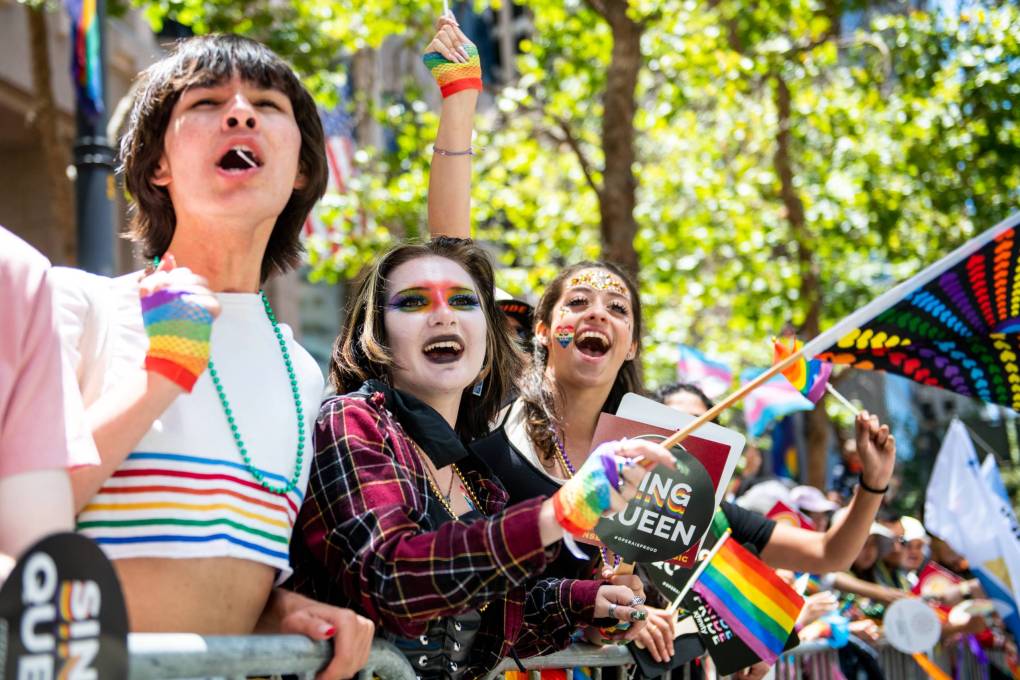
"caption": "Spectators line Market Street while cheering on participants at the San Francisco Pride Parade on June 26, 2022.",
"credit": "Beth LaBerge/KQED",
"altTag": null,
"description": null,
"imgSizes": {
"medium": {
"file": "https://cdn.kqed.org/wp-content/uploads/sites/10/2024/06/010_KQED_SFPrideParade_06262022-scaled-1-800x533.jpg",
"width": 800,
"height": 533,
"mimeType": "image/jpeg"
},
"large": {
"file": "https://cdn.kqed.org/wp-content/uploads/sites/10/2024/06/010_KQED_SFPrideParade_06262022-scaled-1-1020x680.jpg",
"width": 1020,
"height": 680,
"mimeType": "image/jpeg"
},
"thumbnail": {
"file": "https://cdn.kqed.org/wp-content/uploads/sites/10/2024/06/010_KQED_SFPrideParade_06262022-scaled-1-160x107.jpg",
"width": 160,
"height": 107,
"mimeType": "image/jpeg"
},
"1536x1536": {
"file": "https://cdn.kqed.org/wp-content/uploads/sites/10/2024/06/010_KQED_SFPrideParade_06262022-scaled-1-1536x1024.jpg",
"width": 1536,
"height": 1024,
"mimeType": "image/jpeg"
},
"2048x2048": {
"file": "https://cdn.kqed.org/wp-content/uploads/sites/10/2024/06/010_KQED_SFPrideParade_06262022-scaled-1-2048x1366.jpg",
"width": 2048,
"height": 1366,
"mimeType": "image/jpeg"
},
"post-thumbnail": {
"file": "https://cdn.kqed.org/wp-content/uploads/sites/10/2024/06/010_KQED_SFPrideParade_06262022-scaled-1-672x372.jpg",
"width": 672,
"height": 372,
"mimeType": "image/jpeg"
},
"twentyfourteen-full-width": {
"file": "https://cdn.kqed.org/wp-content/uploads/sites/10/2024/06/010_KQED_SFPrideParade_06262022-scaled-1-1038x576.jpg",
"width": 1038,
"height": 576,
"mimeType": "image/jpeg"
},
"full-width": {
"file": "https://cdn.kqed.org/wp-content/uploads/sites/10/2024/06/010_KQED_SFPrideParade_06262022-scaled-1-1920x1280.jpg",
"width": 1920,
"height": 1280,
"mimeType": "image/jpeg"
},
"kqedFullSize": {
"file": "https://cdn.kqed.org/wp-content/uploads/sites/10/2024/06/010_KQED_SFPrideParade_06262022-scaled-1.jpg",
"width": 2560,
"height": 1707
}
},
"isLoading": false,
"fetchFailed": false
},
"news_11992118": {
"type": "attachments",
"id": "news_11992118",
"meta": {
"index": "attachments_1716263798",
"site": "news",
"id": "11992118",
"found": true
},
"title": "The Broadway and Junipero Avenue crosswalks are updated with the Progress Pride colors in Long Beach.",
"publishDate": 1719435844,
"status": "inherit",
"parent": 11992112,
"modified": 1719435871,
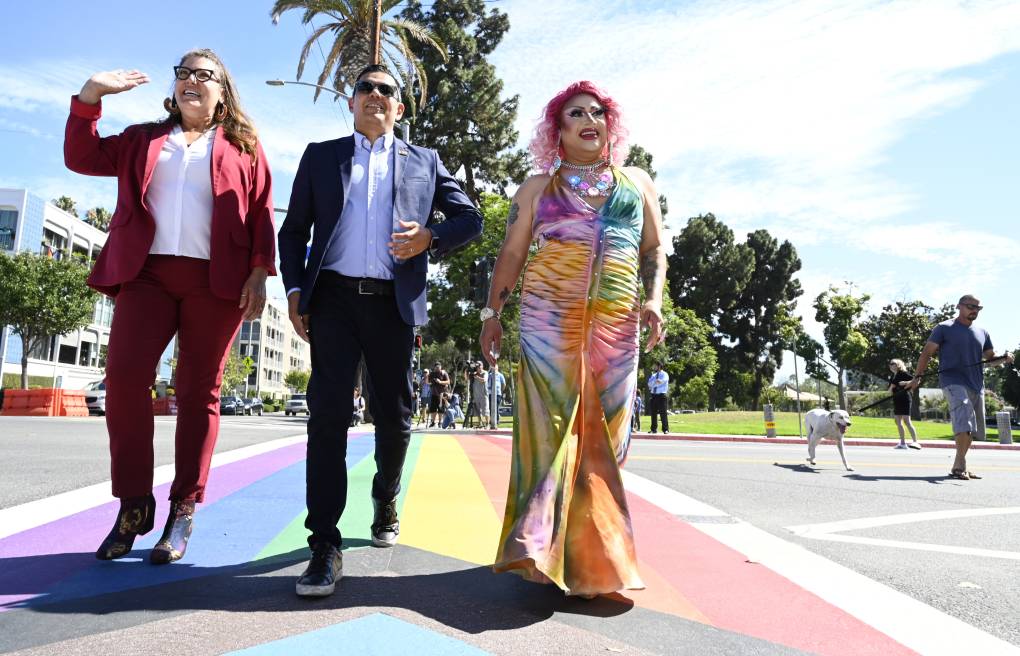
"caption": "Long Beach, CA - June 30: Former Mayor Robert Garcia, Councilwoman Cindy Allen and Long Beach leaders of the LGBTQ+ communities walk across the updated Pride crosswalks located at the intersection of Broadway and Junipero Avenue in Long Beach on Thursday, June 30, 2022. The updated crosswalks now feature the Progress Pride colors, which include black and brown stripes to represent marginalized LGBTQ+ communities of color, and the colors pink, light blue and white to incorporate elements of the Transgender Pride Flag.\n(Photo by Brittany Murray/MediaNews Group/Long Beach Press-Telegram via Getty Images)",
"credit": null,
"altTag": null,
"description": null,
"imgSizes": {
"medium": {
"file": "https://cdn.kqed.org/wp-content/uploads/sites/10/2024/06/GettyImages-1406099491-800x515.jpg",
"width": 800,
"height": 515,
"mimeType": "image/jpeg"
},
"large": {
"file": "https://cdn.kqed.org/wp-content/uploads/sites/10/2024/06/GettyImages-1406099491-1020x656.jpg",
"width": 1020,
"height": 656,
"mimeType": "image/jpeg"
},
"thumbnail": {
"file": "https://cdn.kqed.org/wp-content/uploads/sites/10/2024/06/GettyImages-1406099491-160x103.jpg",
"width": 160,
"height": 103,
"mimeType": "image/jpeg"
},
"1536x1536": {
"file": "https://cdn.kqed.org/wp-content/uploads/sites/10/2024/06/GettyImages-1406099491-1536x989.jpg",
"width": 1536,
"height": 989,
"mimeType": "image/jpeg"
},
"2048x2048": {
"file": "https://cdn.kqed.org/wp-content/uploads/sites/10/2024/06/GettyImages-1406099491-2048x1318.jpg",
"width": 2048,
"height": 1318,
"mimeType": "image/jpeg"
},
"post-thumbnail": {
"file": "https://cdn.kqed.org/wp-content/uploads/sites/10/2024/06/GettyImages-1406099491-672x372.jpg",
"width": 672,
"height": 372,
"mimeType": "image/jpeg"
},
"twentyfourteen-full-width": {
"file": "https://cdn.kqed.org/wp-content/uploads/sites/10/2024/06/GettyImages-1406099491-1038x576.jpg",
"width": 1038,
"height": 576,
"mimeType": "image/jpeg"
},
"full-width": {
"file": "https://cdn.kqed.org/wp-content/uploads/sites/10/2024/06/GettyImages-1406099491-1920x1236.jpg",
"width": 1920,
"height": 1236,
"mimeType": "image/jpeg"
},
"kqedFullSize": {
"file": "https://cdn.kqed.org/wp-content/uploads/sites/10/2024/06/GettyImages-1406099491-scaled.jpg",
"width": 2560,
"height": 1648
}
},
"isLoading": false,
"fetchFailed": false
},
"news_11992081": {
"type": "attachments",
"id": "news_11992081",
"meta": {
"index": "attachments_1716263798",
"site": "news",
"id": "11992081",
"found": true
},
"title": "M6A1666-KQED",
"publishDate": 1719430225,
"status": "inherit",
"parent": 11992072,
"modified": 1719594757,
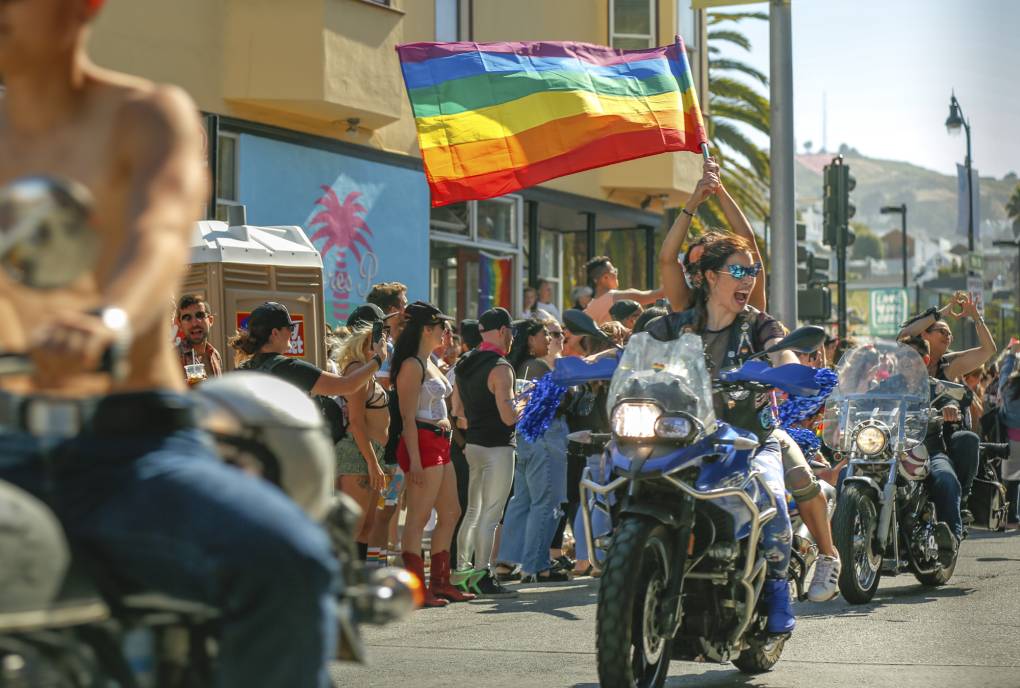
"caption": "Crowds gather on the sidelines to cheer on motorcyclists on 18th Street at the 2019 Dyke March in San Francisco.",
"credit": "Sruti Mamidanna/KQED",
"altTag": null,
"description": null,
"imgSizes": {
"medium": {
"file": "https://cdn.kqed.org/wp-content/uploads/sites/10/2024/06/M6A1666-KQED-1-800x540.jpg",
"width": 800,
"height": 540,
"mimeType": "image/jpeg"
},
"large": {
"file": "https://cdn.kqed.org/wp-content/uploads/sites/10/2024/06/M6A1666-KQED-1-1020x688.jpg",
"width": 1020,
"height": 688,
"mimeType": "image/jpeg"
},
"thumbnail": {
"file": "https://cdn.kqed.org/wp-content/uploads/sites/10/2024/06/M6A1666-KQED-1-160x108.jpg",
"width": 160,
"height": 108,
"mimeType": "image/jpeg"
},
"1536x1536": {
"file": "https://cdn.kqed.org/wp-content/uploads/sites/10/2024/06/M6A1666-KQED-1-1536x1036.jpg",
"width": 1536,
"height": 1036,
"mimeType": "image/jpeg"
},
"post-thumbnail": {
"file": "https://cdn.kqed.org/wp-content/uploads/sites/10/2024/06/M6A1666-KQED-1-672x372.jpg",
"width": 672,
"height": 372,
"mimeType": "image/jpeg"
},
"twentyfourteen-full-width": {
"file": "https://cdn.kqed.org/wp-content/uploads/sites/10/2024/06/M6A1666-KQED-1-1038x576.jpg",
"width": 1038,
"height": 576,
"mimeType": "image/jpeg"
},
"full-width": {
"file": "https://cdn.kqed.org/wp-content/uploads/sites/10/2024/06/M6A1666-KQED-1-1920x1295.jpg",
"width": 1920,
"height": 1295,
"mimeType": "image/jpeg"
},
"kqedFullSize": {
"file": "https://cdn.kqed.org/wp-content/uploads/sites/10/2024/06/M6A1666-KQED-1.jpg",
"width": 2000,
"height": 1349
}
},
"isLoading": false,
"fetchFailed": false
},
"news_11991696": {
"type": "attachments",
"id": "news_11991696",
"meta": {
"index": "attachments_1716263798",
"site": "news",
"id": "11991696",
"found": true
},
"title": "Harvey Milk at the Gay Pride Parade",
"publishDate": 1719253832,
"status": "inherit",
"parent": 11991694,
"modified": 1749234780,
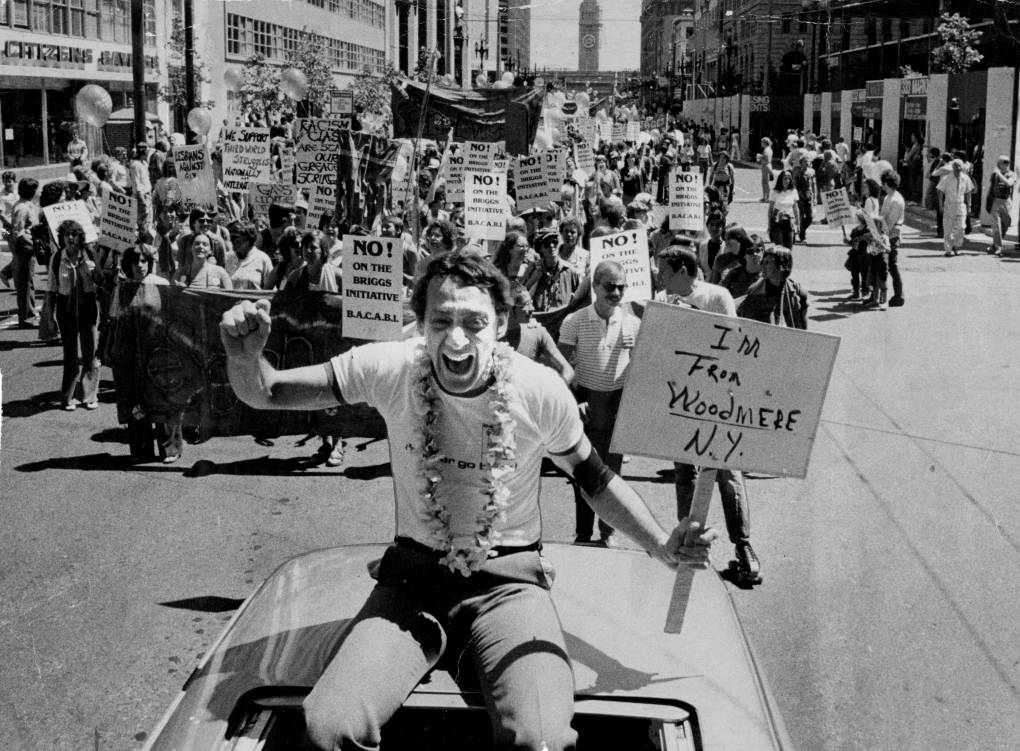
"caption": "Openly gay American politician, Harvey Milk (1930-1978) at the Gay Pride Parade, San Francisco, June 23, 1978. He is holding a placard that reads: \"I'm from Woodmere, NY.\"",
"credit": "Terry Schmitt/San Francisco Chronicle via Getty Images",
"altTag": null,
"description": null,
"imgSizes": {
"medium": {
"file": "https://cdn.kqed.org/wp-content/uploads/sites/10/2024/06/GettyImages-1298867563-800x589.jpg",
"width": 800,
"height": 589,
"mimeType": "image/jpeg"
},
"large": {
"file": "https://cdn.kqed.org/wp-content/uploads/sites/10/2024/06/GettyImages-1298867563-1020x751.jpg",
"width": 1020,
"height": 751,
"mimeType": "image/jpeg"
},
"thumbnail": {
"file": "https://cdn.kqed.org/wp-content/uploads/sites/10/2024/06/GettyImages-1298867563-160x118.jpg",
"width": 160,
"height": 118,
"mimeType": "image/jpeg"
},
"1536x1536": {
"file": "https://cdn.kqed.org/wp-content/uploads/sites/10/2024/06/GettyImages-1298867563-1536x1131.jpg",
"width": 1536,
"height": 1131,
"mimeType": "image/jpeg"
},
"2048x2048": {
"file": "https://cdn.kqed.org/wp-content/uploads/sites/10/2024/06/GettyImages-1298867563-2048x1508.jpg",
"width": 2048,
"height": 1508,
"mimeType": "image/jpeg"
},
"post-thumbnail": {
"file": "https://cdn.kqed.org/wp-content/uploads/sites/10/2024/06/GettyImages-1298867563-672x372.jpg",
"width": 672,
"height": 372,
"mimeType": "image/jpeg"
},
"twentyfourteen-full-width": {
"file": "https://cdn.kqed.org/wp-content/uploads/sites/10/2024/06/GettyImages-1298867563-1038x576.jpg",
"width": 1038,
"height": 576,
"mimeType": "image/jpeg"
},
"full-width": {
"file": "https://cdn.kqed.org/wp-content/uploads/sites/10/2024/06/GettyImages-1298867563-1920x1413.jpg",
"width": 1920,
"height": 1413,
"mimeType": "image/jpeg"
},
"kqedFullSize": {
"file": "https://cdn.kqed.org/wp-content/uploads/sites/10/2024/06/GettyImages-1298867563-scaled.jpg",
"width": 2560,
"height": 1885
}
},
"isLoading": false,
"fetchFailed": false
},
"news_11991504": {
"type": "attachments",
"id": "news_11991504",
"meta": {
"index": "attachments_1716263798",
"site": "news",
"id": "11991504",
"found": true
},
"title": "Quin Petty",
"publishDate": 1719003561,
"status": "inherit",
"parent": 11991503,
"modified": 1719004082,
"caption": "Quin Petty, 30, moved to the Bay Area from a conservative small town in Southern California.",
"credit": "Quin Petty",
"altTag": null,
"description": null,
"imgSizes": {
"medium": {
"file": "https://cdn.kqed.org/wp-content/uploads/sites/10/2024/06/Quin-Petty--800x419.jpg",
"width": 800,
"height": 419,
"mimeType": "image/jpeg"
},
"large": {
"file": "https://cdn.kqed.org/wp-content/uploads/sites/10/2024/06/Quin-Petty--1020x534.jpg",
"width": 1020,
"height": 534,
"mimeType": "image/jpeg"
},
"thumbnail": {
"file": "https://cdn.kqed.org/wp-content/uploads/sites/10/2024/06/Quin-Petty--160x84.jpg",
"width": 160,
"height": 84,
"mimeType": "image/jpeg"
},
"post-thumbnail": {
"file": "https://cdn.kqed.org/wp-content/uploads/sites/10/2024/06/Quin-Petty--672x372.jpg",
"width": 672,
"height": 372,
"mimeType": "image/jpeg"
},
"twentyfourteen-full-width": {
"file": "https://cdn.kqed.org/wp-content/uploads/sites/10/2024/06/Quin-Petty--1038x576.jpg",
"width": 1038,
"height": 576,
"mimeType": "image/jpeg"
},
"kqedFullSize": {
"file": "https://cdn.kqed.org/wp-content/uploads/sites/10/2024/06/Quin-Petty-.jpg",
"width": 1200,
"height": 628
}
},
"isLoading": false,
"fetchFailed": false
},
"news_11988219": {
"type": "attachments",
"id": "news_11988219",
"meta": {
"index": "attachments_1716263798",
"site": "news",
"id": "11988219",
"found": true
},
"title": "240529-SunolSchoolBoard-05-BL_qut",
"publishDate": 1717094516,
"status": "inherit",
"parent": 0,
"modified": 1717196972,
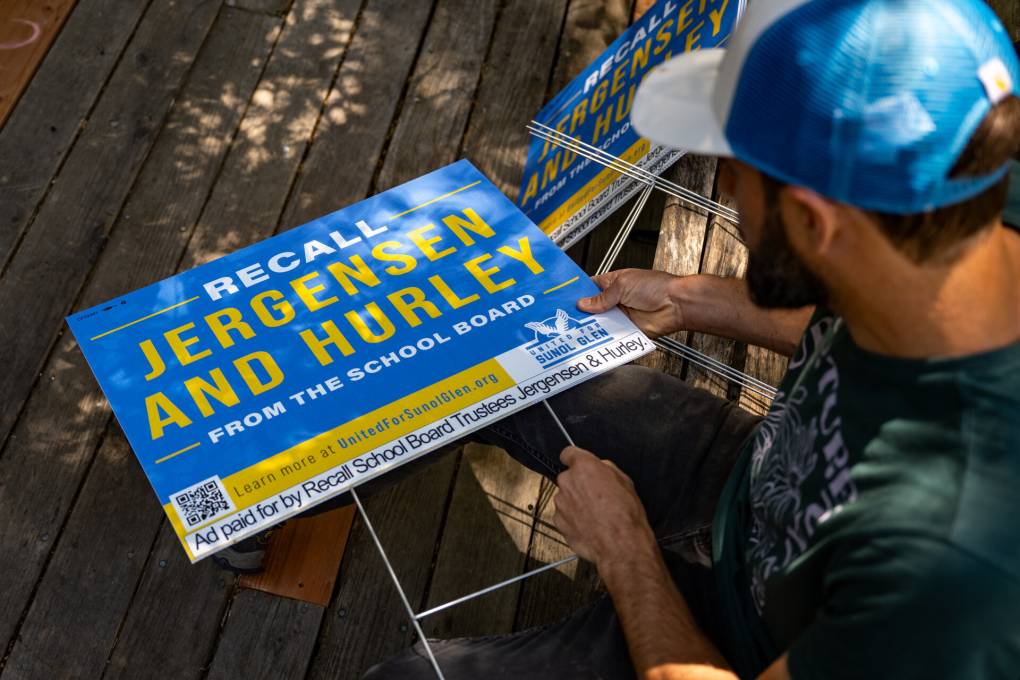
"caption": "Matthew Sylvester assembles yard signs that say, 'Recall Jergensen and Hurley from the school board' at his home in Sunol on May 29, 2024. In September, Jergensen and Hurley voted to ban all flags at Sunol Glen School beside the state and federal flags. Some saw it as an attempt to prevent a pride flag from being flown on campus.",
"credit": "Beth LaBerge/KQED",
"altTag": "A bearded man sits outside while assembling blue and yellow yard signs.",
"description": null,
"imgSizes": {
"medium": {
"file": "https://cdn.kqed.org/wp-content/uploads/sites/10/2024/05/240529-SunolSchoolBoard-05-BL_qut-800x533.jpg",
"width": 800,
"height": 533,
"mimeType": "image/jpeg"
},
"large": {
"file": "https://cdn.kqed.org/wp-content/uploads/sites/10/2024/05/240529-SunolSchoolBoard-05-BL_qut-1020x680.jpg",
"width": 1020,
"height": 680,
"mimeType": "image/jpeg"
},
"thumbnail": {
"file": "https://cdn.kqed.org/wp-content/uploads/sites/10/2024/05/240529-SunolSchoolBoard-05-BL_qut-160x107.jpg",
"width": 160,
"height": 107,
"mimeType": "image/jpeg"
},
"1536x1536": {
"file": "https://cdn.kqed.org/wp-content/uploads/sites/10/2024/05/240529-SunolSchoolBoard-05-BL_qut-1536x1024.jpg",
"width": 1536,
"height": 1024,
"mimeType": "image/jpeg"
},
"post-thumbnail": {
"file": "https://cdn.kqed.org/wp-content/uploads/sites/10/2024/05/240529-SunolSchoolBoard-05-BL_qut-672x372.jpg",
"width": 672,
"height": 372,
"mimeType": "image/jpeg"
},
"twentyfourteen-full-width": {
"file": "https://cdn.kqed.org/wp-content/uploads/sites/10/2024/05/240529-SunolSchoolBoard-05-BL_qut-1038x576.jpg",
"width": 1038,
"height": 576,
"mimeType": "image/jpeg"
},
"kqedFullSize": {
"file": "https://cdn.kqed.org/wp-content/uploads/sites/10/2024/05/240529-SunolSchoolBoard-05-BL_qut.jpg",
"width": 1920,
"height": 1280
}
},
"isLoading": false,
"fetchFailed": false
},
"news_11987856": {
"type": "attachments",
"id": "news_11987856",
"meta": {
"index": "attachments_1716263798",
"site": "news",
"id": "11987856",
"found": true
},
"title": "Ruth Schmidt",
"publishDate": 1716829315,
"status": "inherit",
"parent": 11987854,
"modified": 1716829383,
"caption": "Pastor Ruth Schmidt poses for a picture at the Altadena Community Church in Altadena, Los Angeles County, on Tuesday, May 21, 2024. Schmidt, who now serves as a pastor at Claremont Presbyterian Church and is on track to be ordained in the United Church of Christ, said she would like to see faculty and staff at Fuller get the same protections as students. Fuller Theological Seminary, an evangelical school is deliberating whether to become more open to LGBTQ+ students who previously faced possible expulsion if found to be in a same-sex union. ",
"credit": "Damian Dovarganes/AP Photo",
"altTag": null,
"description": null,
"imgSizes": {
"medium": {
"file": "https://cdn.kqed.org/wp-content/uploads/sites/10/2024/05/AP24146336344559-800x533.jpg",
"width": 800,
"height": 533,
"mimeType": "image/jpeg"
},
"large": {
"file": "https://cdn.kqed.org/wp-content/uploads/sites/10/2024/05/AP24146336344559-1020x680.jpg",
"width": 1020,
"height": 680,
"mimeType": "image/jpeg"
},
"thumbnail": {
"file": "https://cdn.kqed.org/wp-content/uploads/sites/10/2024/05/AP24146336344559-160x107.jpg",
"width": 160,
"height": 107,
"mimeType": "image/jpeg"
},
"1536x1536": {
"file": "https://cdn.kqed.org/wp-content/uploads/sites/10/2024/05/AP24146336344559-1536x1024.jpg",
"width": 1536,
"height": 1024,
"mimeType": "image/jpeg"
},
"2048x2048": {
"file": "https://cdn.kqed.org/wp-content/uploads/sites/10/2024/05/AP24146336344559-2048x1365.jpg",
"width": 2048,
"height": 1365,
"mimeType": "image/jpeg"
},
"post-thumbnail": {
"file": "https://cdn.kqed.org/wp-content/uploads/sites/10/2024/05/AP24146336344559-672x372.jpg",
"width": 672,
"height": 372,
"mimeType": "image/jpeg"
},
"twentyfourteen-full-width": {
"file": "https://cdn.kqed.org/wp-content/uploads/sites/10/2024/05/AP24146336344559-1038x576.jpg",
"width": 1038,
"height": 576,
"mimeType": "image/jpeg"
},
"full-width": {
"file": "https://cdn.kqed.org/wp-content/uploads/sites/10/2024/05/AP24146336344559-1920x1280.jpg",
"width": 1920,
"height": 1280,
"mimeType": "image/jpeg"
},
"kqedFullSize": {
"file": "https://cdn.kqed.org/wp-content/uploads/sites/10/2024/05/AP24146336344559-scaled.jpg",
"width": 2560,
"height": 1707
}
},
"isLoading": false,
"fetchFailed": false
},
"news_11984346": {
"type": "attachments",
"id": "news_11984346",
"meta": {
"index": "attachments_1716263798",
"site": "news",
"id": "11984346",
"found": true
},
"parent": 11984363,
"imgSizes": {
"twentyfourteen-full-width": {
"file": "https://cdn.kqed.org/wp-content/uploads/sites/10/2024/04/240426-ASIASF-018-BL-KQED-1038x576.jpg",
"width": 1038,
"mimeType": "image/jpeg",
"height": 576
},
"thumbnail": {
"file": "https://cdn.kqed.org/wp-content/uploads/sites/10/2024/04/240426-ASIASF-018-BL-KQED-160x107.jpg",
"width": 160,
"mimeType": "image/jpeg",
"height": 107
},
"post-thumbnail": {
"file": "https://cdn.kqed.org/wp-content/uploads/sites/10/2024/04/240426-ASIASF-018-BL-KQED-672x372.jpg",
"width": 672,
"mimeType": "image/jpeg",
"height": 372
},
"kqedFullSize": {
"file": "https://cdn.kqed.org/wp-content/uploads/sites/10/2024/04/240426-ASIASF-018-BL-KQED.jpg",
"width": 2000,
"height": 1333
},
"large": {
"file": "https://cdn.kqed.org/wp-content/uploads/sites/10/2024/04/240426-ASIASF-018-BL-KQED-1020x680.jpg",
"width": 1020,
"mimeType": "image/jpeg",
"height": 680
},
"1536x1536": {
"file": "https://cdn.kqed.org/wp-content/uploads/sites/10/2024/04/240426-ASIASF-018-BL-KQED-1536x1024.jpg",
"width": 1536,
"mimeType": "image/jpeg",
"height": 1024
},
"full-width": {
"file": "https://cdn.kqed.org/wp-content/uploads/sites/10/2024/04/240426-ASIASF-018-BL-KQED-1920x1280.jpg",
"width": 1920,
"mimeType": "image/jpeg",
"height": 1280
},
"medium": {
"file": "https://cdn.kqed.org/wp-content/uploads/sites/10/2024/04/240426-ASIASF-018-BL-KQED-800x533.jpg",
"width": 800,
"mimeType": "image/jpeg",
"height": 533
}
},
"publishDate": 1714410293,
"modified": 1714425908,
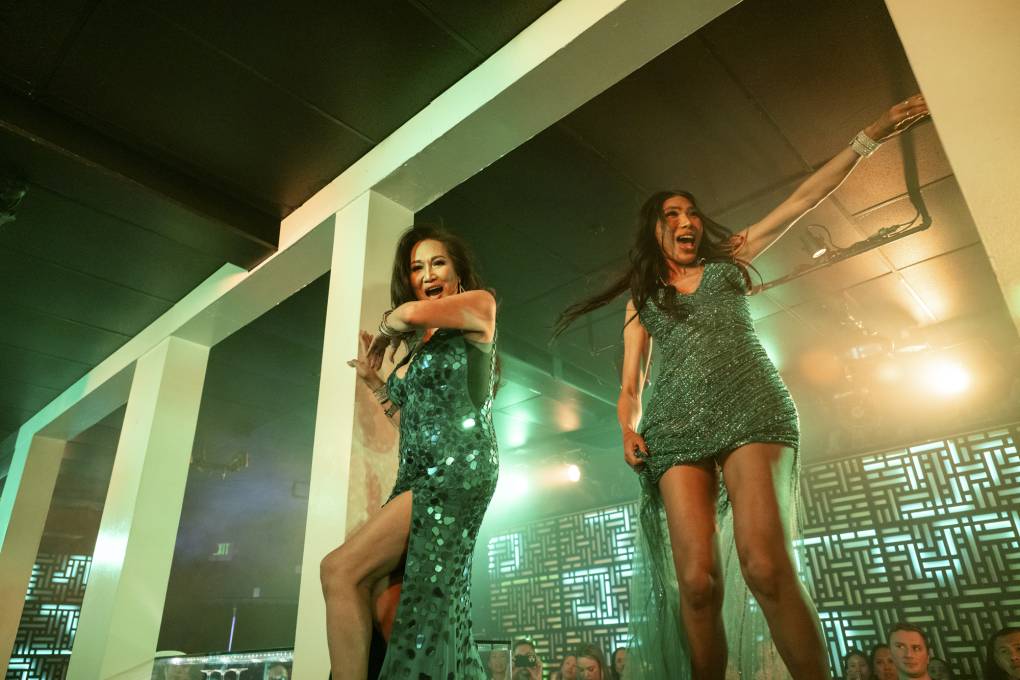
"caption": "Jasmine (left) and Karmina perform at AsiaSF in San Francisco on April 26, 2024.",
"description": null,
"title": "240426-ASIASF-018-BL-KQED",
"credit": "Beth LaBerge/KQED",
"status": "inherit",
"altTag": null,
"isLoading": false,
"fetchFailed": false
},
"news_11984349": {
"type": "attachments",
"id": "news_11984349",
"meta": {
"index": "attachments_1716263798",
"site": "news",
"id": "11984349",
"found": true
},
"parent": 0,
"imgSizes": {
"twentyfourteen-full-width": {
"file": "https://cdn.kqed.org/wp-content/uploads/sites/10/2024/04/240426-ASIASF-030-BL-KQED-1038x576.jpg",
"width": 1038,
"mimeType": "image/jpeg",
"height": 576
},
"thumbnail": {
"file": "https://cdn.kqed.org/wp-content/uploads/sites/10/2024/04/240426-ASIASF-030-BL-KQED-160x107.jpg",
"width": 160,
"mimeType": "image/jpeg",
"height": 107
},
"post-thumbnail": {
"file": "https://cdn.kqed.org/wp-content/uploads/sites/10/2024/04/240426-ASIASF-030-BL-KQED-672x372.jpg",
"width": 672,
"mimeType": "image/jpeg",
"height": 372
},
"kqedFullSize": {
"file": "https://cdn.kqed.org/wp-content/uploads/sites/10/2024/04/240426-ASIASF-030-BL-KQED.jpg",
"width": 2000,
"height": 1333
},
"large": {
"file": "https://cdn.kqed.org/wp-content/uploads/sites/10/2024/04/240426-ASIASF-030-BL-KQED-1020x680.jpg",
"width": 1020,
"mimeType": "image/jpeg",
"height": 680
},
"1536x1536": {
"file": "https://cdn.kqed.org/wp-content/uploads/sites/10/2024/04/240426-ASIASF-030-BL-KQED-1536x1024.jpg",
"width": 1536,
"mimeType": "image/jpeg",
"height": 1024
},
"full-width": {
"file": "https://cdn.kqed.org/wp-content/uploads/sites/10/2024/04/240426-ASIASF-030-BL-KQED-1920x1280.jpg",
"width": 1920,
"mimeType": "image/jpeg",
"height": 1280
},
"medium": {
"file": "https://cdn.kqed.org/wp-content/uploads/sites/10/2024/04/240426-ASIASF-030-BL-KQED-800x533.jpg",
"width": 800,
"mimeType": "image/jpeg",
"height": 533
}
},
"publishDate": 1714410312,
"modified": 1714425726,
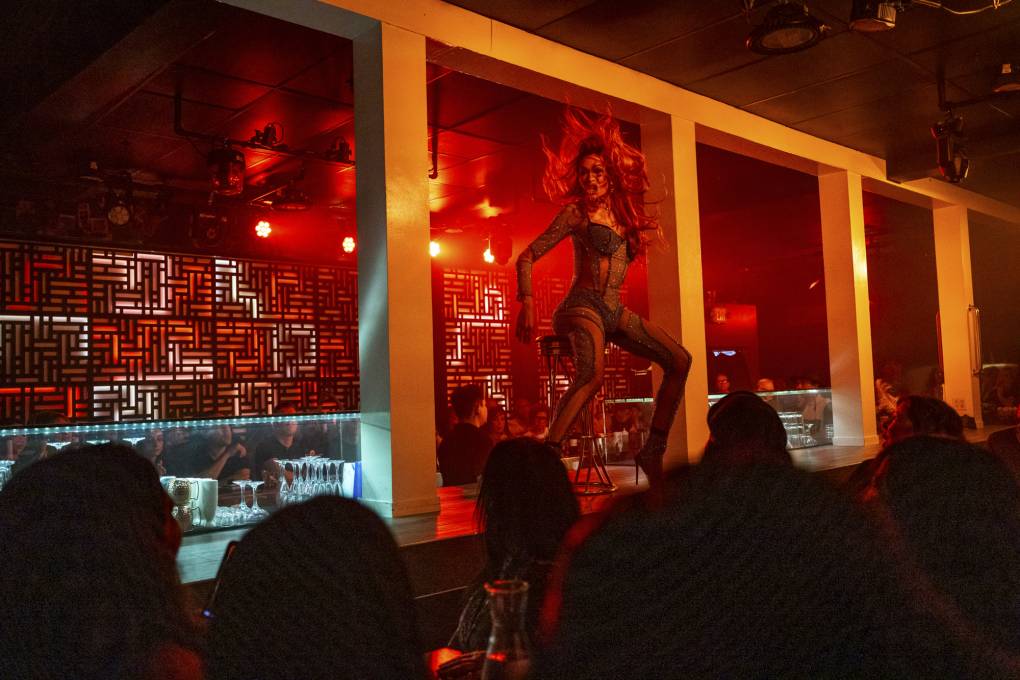
"caption": "Gia performs at AsiaSF in San Francisco on April 26, 2024. The SoMa restaurant and cabaret, starring transgender women, closed its doors on April 28, 2024, after 26 years.",
"description": null,
"title": "240426-ASIASF-030-BL-KQED",
"credit": "Beth LaBerge/KQED",
"status": "inherit",
"altTag": null,
"isLoading": false,
"fetchFailed": false
},
"news_11983951": {
"type": "attachments",
"id": "news_11983951",
"meta": {
"index": "attachments_1716263798",
"site": "news",
"id": "11983951",
"found": true
},
"parent": 11983949,
"imgSizes": {
"twentyfourteen-full-width": {
"file": "https://cdn.kqed.org/wp-content/uploads/sites/10/2024/04/Fremont-HS-Class-Photo--1038x576.jpg",
"width": 1038,
"mimeType": "image/jpeg",
"height": 576
},
"thumbnail": {
"file": "https://cdn.kqed.org/wp-content/uploads/sites/10/2024/04/Fremont-HS-Class-Photo--160x120.jpg",
"width": 160,
"mimeType": "image/jpeg",
"height": 120
},
"post-thumbnail": {
"file": "https://cdn.kqed.org/wp-content/uploads/sites/10/2024/04/Fremont-HS-Class-Photo--672x372.jpg",
"width": 672,
"mimeType": "image/jpeg",
"height": 372
},
"kqedFullSize": {
"file": "https://cdn.kqed.org/wp-content/uploads/sites/10/2024/04/Fremont-HS-Class-Photo--scaled.jpg",
"width": 2560,
"height": 1920
},
"2048x2048": {
"file": "https://cdn.kqed.org/wp-content/uploads/sites/10/2024/04/Fremont-HS-Class-Photo--2048x1536.jpg",
"width": 2048,
"mimeType": "image/jpeg",
"height": 1536
},
"large": {
"file": "https://cdn.kqed.org/wp-content/uploads/sites/10/2024/04/Fremont-HS-Class-Photo--1020x765.jpg",
"width": 1020,
"mimeType": "image/jpeg",
"height": 765
},
"1536x1536": {
"file": "https://cdn.kqed.org/wp-content/uploads/sites/10/2024/04/Fremont-HS-Class-Photo--1536x1152.jpg",
"width": 1536,
"mimeType": "image/jpeg",
"height": 1152
},
"full-width": {
"file": "https://cdn.kqed.org/wp-content/uploads/sites/10/2024/04/Fremont-HS-Class-Photo--1920x1440.jpg",
"width": 1920,
"mimeType": "image/jpeg",
"height": 1440
},
"medium": {
"file": "https://cdn.kqed.org/wp-content/uploads/sites/10/2024/04/Fremont-HS-Class-Photo--800x600.jpg",
"width": 800,
"mimeType": "image/jpeg",
"height": 600
}
},
"publishDate": 1713991106,
"modified": 1713991701,
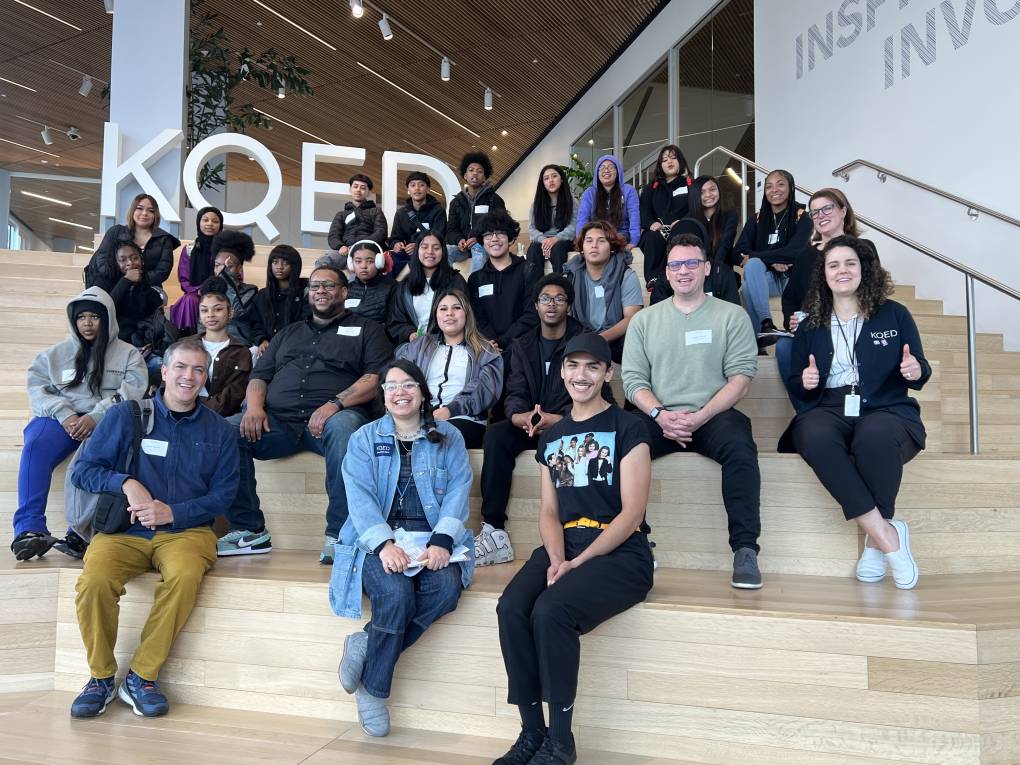
"caption": "Students and staff from Fremont High School in East Oakland.",
"description": null,
"title": "Fremont HS Class Photo",
"credit": "Rachel Roberson/KQED",
"status": "inherit",
"altTag": null,
"isLoading": false,
"fetchFailed": false
},
"news_11983558": {
"type": "attachments",
"id": "news_11983558",
"meta": {
"index": "attachments_1716263798",
"site": "news",
"id": "11983558",
"found": true
},
"parent": 11983554,
"imgSizes": {
"twentyfourteen-full-width": {
"file": "https://cdn.kqed.org/wp-content/uploads/sites/10/2024/04/AP24110596594789-1038x576.jpg",
"width": 1038,
"mimeType": "image/jpeg",
"height": 576
},
"thumbnail": {
"file": "https://cdn.kqed.org/wp-content/uploads/sites/10/2024/04/AP24110596594789-160x127.jpg",
"width": 160,
"mimeType": "image/jpeg",
"height": 127
},
"post-thumbnail": {
"file": "https://cdn.kqed.org/wp-content/uploads/sites/10/2024/04/AP24110596594789-672x372.jpg",
"width": 672,
"mimeType": "image/jpeg",
"height": 372
},
"kqedFullSize": {
"file": "https://cdn.kqed.org/wp-content/uploads/sites/10/2024/04/AP24110596594789-scaled.jpg",
"width": 2560,
"height": 2025
},
"2048x2048": {
"file": "https://cdn.kqed.org/wp-content/uploads/sites/10/2024/04/AP24110596594789-2048x1620.jpg",
"width": 2048,
"mimeType": "image/jpeg",
"height": 1620
},
"large": {
"file": "https://cdn.kqed.org/wp-content/uploads/sites/10/2024/04/AP24110596594789-1020x807.jpg",
"width": 1020,
"mimeType": "image/jpeg",
"height": 807
},
"1536x1536": {
"file": "https://cdn.kqed.org/wp-content/uploads/sites/10/2024/04/AP24110596594789-1536x1215.jpg",
"width": 1536,
"mimeType": "image/jpeg",
"height": 1215
},
"full-width": {
"file": "https://cdn.kqed.org/wp-content/uploads/sites/10/2024/04/AP24110596594789-1920x1519.jpg",
"width": 1920,
"mimeType": "image/jpeg",
"height": 1519
},
"medium": {
"file": "https://cdn.kqed.org/wp-content/uploads/sites/10/2024/04/AP24110596594789-800x633.jpg",
"width": 800,
"mimeType": "image/jpeg",
"height": 633
}
},
"publishDate": 1713572187,
"modified": 1713572229,
"caption": "Erin Friday, a leader with Our Duty, a group supporting policies requiring school staff to notify parents if their child identifies as transgender, speaks at a rally outside of the state Capitol in Sacramento Monday, Aug. 28, 2023. A group backing a proposed ballot measure in California that would require school staff to notify parents if their child asks to change gender identification at schools is battling the attorney general in court Friday, arguing he released misleading information about the proposal to the public. ",
"description": null,
"title": "California Gender Identity Ballot Measure",
"credit": "Sophie Austin/AP Photo",
"status": "inherit",
"altTag": null,
"isLoading": false,
"fetchFailed": false
},
"news_11982687": {
"type": "attachments",
"id": "news_11982687",
"meta": {
"index": "attachments_1716263798",
"site": "news",
"id": "11982687",
"found": true
},
"parent": 11982681,
"imgSizes": {
"twentyfourteen-full-width": {
"file": "https://cdn.kqed.org/wp-content/uploads/sites/10/2024/04/img105-1-1020x576.jpg",
"width": 1020,
"mimeType": "image/jpeg",
"height": 576
},
"thumbnail": {
"file": "https://cdn.kqed.org/wp-content/uploads/sites/10/2024/04/img105-1-160x111.jpg",
"width": 160,
"mimeType": "image/jpeg",
"height": 111
},
"post-thumbnail": {
"file": "https://cdn.kqed.org/wp-content/uploads/sites/10/2024/04/img105-1-672x372.jpg",
"width": 672,
"mimeType": "image/jpeg",
"height": 372
},
"kqedFullSize": {
"file": "https://cdn.kqed.org/wp-content/uploads/sites/10/2024/04/img105-1.jpg",
"width": 1020,
"height": 708
},
"medium": {
"file": "https://cdn.kqed.org/wp-content/uploads/sites/10/2024/04/img105-1-800x555.jpg",
"width": 800,
"mimeType": "image/jpeg",
"height": 555
}
},
"publishDate": 1712865702,
"modified": 1712865744,
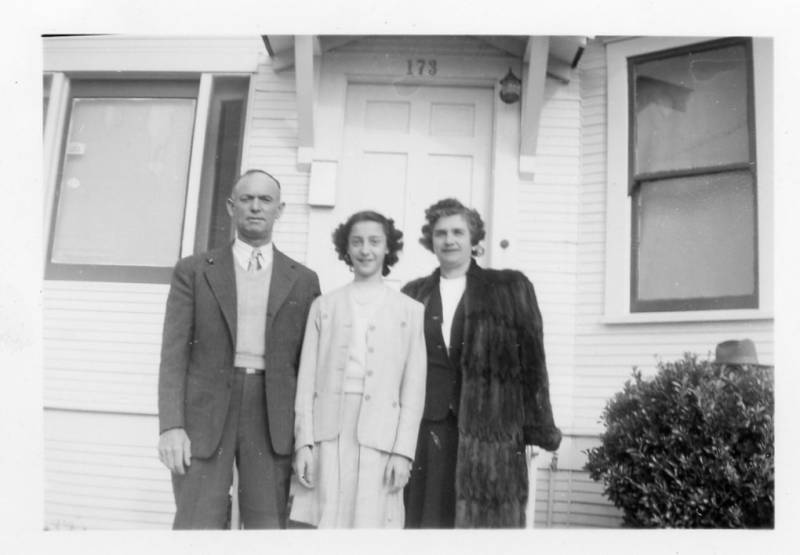
"caption": "Laura Gularte (middle), at 15 years old, with her parents Quinto and Elvira Neri in front of their home in Santa Cruz, California. The family was forced to abandon the coastal home temporarily during World War 2 because Quinto was an Italian citizen.",
"description": null,
"title": "img105-1",
"credit": "Courtesy of Mark Gularte",
"status": "inherit",
"altTag": null,
"isLoading": false,
"fetchFailed": false
}
},
"audioPlayerReducer": {
"postId": "stream_live",
"isPaused": true,
"isPlaying": false,
"pfsActive": false,
"pledgeModalIsOpen": true,
"playerDrawerIsOpen": false,
"liveAudioPlayStartedAt": 0,
"liveAudioPlayContext": ""
},
"authorsReducer": {
"byline_news_11987854": {
"type": "authors",
"id": "byline_news_11987854",
"meta": {
"override": true
},
"slug": "byline_news_11987854",
"name": "Deepa Bharath, The Associated Press",
"isLoading": false
},
"byline_news_11984363": {
"type": "authors",
"id": "byline_news_11984363",
"meta": {
"override": true
},
"slug": "byline_news_11984363",
"name": "Wilma B. Consul",
"isLoading": false
},
"byline_news_11983554": {
"type": "authors",
"id": "byline_news_11983554",
"meta": {
"override": true
},
"slug": "byline_news_11983554",
"name": "Sophie Austin\u003cbr>Associated Press",
"isLoading": false
},
"gmarzorati": {
"type": "authors",
"id": "227",
"meta": {
"index": "authors_1716337520",
"id": "227",
"found": true
},
"name": "Guy Marzorati",
"firstName": "Guy",
"lastName": "Marzorati",
"slug": "gmarzorati",
"email": "gmarzorati@KQED.org",
"display_author_email": true,
"staff_mastheads": [
"news"
],
"title": "Correspondent",
"bio": "Guy Marzorati is a correspondent on KQED's California Politics and Government Desk, based in San Jose. A graduate of Santa Clara University, Guy joined KQED in 2013. He reports on state and local politics and produces KQED's digital voter guide.",
"avatar": "https://secure.gravatar.com/avatar/e7038b8dbfd55b104369b76b1cd0b9de?s=600&d=blank&r=g",
"twitter": "guymarzorati",
"facebook": null,
"instagram": null,
"linkedin": null,
"sites": [
{
"site": "",
"roles": [
"editor"
]
},
{
"site": "news",
"roles": [
"editor"
]
},
{
"site": "science",
"roles": [
"editor"
]
},
{
"site": "forum",
"roles": [
"editor"
]
},
{
"site": "elections",
"roles": [
"editor"
]
},
{
"site": "liveblog",
"roles": [
"editor"
]
}
],
"headData": {
"title": "Guy Marzorati | KQED",
"description": "Correspondent",
"ogImgSrc": "https://secure.gravatar.com/avatar/e7038b8dbfd55b104369b76b1cd0b9de?s=600&d=blank&r=g",
"twImgSrc": "https://secure.gravatar.com/avatar/e7038b8dbfd55b104369b76b1cd0b9de?s=600&d=blank&r=g"
},
"isLoading": false,
"link": "/author/gmarzorati"
},
"kqed": {
"type": "authors",
"id": "236",
"meta": {
"index": "authors_1716337520",
"id": "236",
"found": true
},
"name": "KQED News Staff",
"firstName": "KQED News Staff",
"lastName": null,
"slug": "kqed",
"email": "faq@kqed.org",
"display_author_email": false,
"staff_mastheads": [],
"title": null,
"bio": null,
"avatar": "https://secure.gravatar.com/avatar/ef0e801a68c4c54afa9180db14084167?s=600&d=blank&r=g",
"twitter": null,
"facebook": null,
"instagram": null,
"linkedin": null,
"sites": [
{
"site": "arts",
"roles": [
"contributor"
]
},
{
"site": "news",
"roles": [
"editor"
]
},
{
"site": "futureofyou",
"roles": [
"author"
]
}
],
"headData": {
"title": "KQED News Staff | KQED",
"description": null,
"ogImgSrc": "https://secure.gravatar.com/avatar/ef0e801a68c4c54afa9180db14084167?s=600&d=blank&r=g",
"twImgSrc": "https://secure.gravatar.com/avatar/ef0e801a68c4c54afa9180db14084167?s=600&d=blank&r=g"
},
"isLoading": false,
"link": "/author/kqed"
},
"scottshafer": {
"type": "authors",
"id": "255",
"meta": {
"index": "authors_1716337520",
"id": "255",
"found": true
},
"name": "Scott Shafer",
"firstName": "Scott",
"lastName": "Shafer",
"slug": "scottshafer",
"email": "sshafer@kqed.org",
"display_author_email": false,
"staff_mastheads": [
"news"
],
"title": "KQED Contributor",
"bio": "Scott Shafer is a senior editor with the KQED Politics and Government desk. He is co-host of Political Breakdown, the award-winning radio show and podcast with a personal take on the world of politics. Scott came to KQED in 1998 to host the statewide\u003cem> California Report\u003c/em>. Prior to that he had extended stints in politics and government\u003cem>.\u003c/em> He uses that inside experience at KQED in his, reporting, hosting and analysis for the politics desk. Scott collaborated \u003cem>Political Breakdown a\u003c/em>nd on \u003cem>The Political Mind of Jerry Brown, \u003c/em>an eight-part series about the life and extraordinary political career of the former governor. For fun, he plays water polo with the San Francisco Tsunami.",
"avatar": "https://secure.gravatar.com/avatar/a62ebae45b79d7aed1a39a0e3bf68104?s=600&d=blank&r=g",
"twitter": "scottshafer",
"bluesky": null,
"facebook": null,
"instagram": null,
"linkedin": null,
"sites": [
{
"site": "news",
"roles": [
"editor"
]
},
{
"site": "stateofhealth",
"roles": [
"author"
]
},
{
"site": "science",
"roles": [
"author"
]
},
{
"site": "forum",
"roles": [
"subscriber"
]
},
{
"site": "liveblog",
"roles": [
"author"
]
}
],
"headData": {
"title": "Scott Shafer | KQED",
"description": "KQED Contributor",
"ogImgSrc": "https://secure.gravatar.com/avatar/a62ebae45b79d7aed1a39a0e3bf68104?s=600&d=blank&r=g",
"twImgSrc": "https://secure.gravatar.com/avatar/a62ebae45b79d7aed1a39a0e3bf68104?s=600&d=blank&r=g"
},
"isLoading": false,
"link": "/author/scottshafer"
},
"ecruzguevarra": {
"type": "authors",
"id": "8654",
"meta": {
"index": "authors_1716337520",
"id": "8654",
"found": true
},
"name": "Ericka Cruz Guevarra",
"firstName": "Ericka",
"lastName": "Cruz Guevarra",
"slug": "ecruzguevarra",
"email": "ecruzguevarra@kqed.org",
"display_author_email": true,
"staff_mastheads": [
"news"
],
"title": "Producer, The Bay Podcast",
"bio": "Ericka Cruz Guevarra is host of \u003ca href=\"https://www.kqed.org/podcasts/thebay\">\u003cem>The Bay\u003c/em>\u003c/a> podcast at KQED. Before host, she was the show’s producer. Her work in that capacity includes a three-part reported series on policing in Vallejo, which won a 2020 excellence in journalism award from the Society of Professional Journalists. Ericka has worked as a breaking news reporter at Oregon Public Broadcasting, helped produce the Code Switch podcast, and was KQED’s inaugural Raul Ramirez Diversity Fund intern. She’s also an alumna of NPR’s Next Generation Radio program. Send her an email if you have strong feelings about whether Fairfield and Suisun City are the Bay. Ericka is represented by SAG-AFTRA.",
"avatar": "https://secure.gravatar.com/avatar/accefc1de4bafc7e234b69bcb9b6f6536c130fd84709bc3069ef11a78787e1bb?s=600&d=blank&r=g",
"twitter": "NotoriousECG",
"bluesky": null,
"facebook": null,
"instagram": null,
"linkedin": null,
"sites": [
{
"site": "arts",
"roles": [
"subscriber"
]
},
{
"site": "news",
"roles": [
"editor",
"manage_categories"
]
},
{
"site": "futureofyou",
"roles": [
"subscriber"
]
},
{
"site": "stateofhealth",
"roles": [
"subscriber"
]
},
{
"site": "science",
"roles": [
"editor"
]
},
{
"site": "forum",
"roles": [
"subscriber"
]
}
],
"headData": {
"title": "Ericka Cruz Guevarra | KQED",
"description": "Producer, The Bay Podcast",
"ogImgSrc": "https://secure.gravatar.com/avatar/accefc1de4bafc7e234b69bcb9b6f6536c130fd84709bc3069ef11a78787e1bb?s=600&d=blank&r=g",
"twImgSrc": "https://secure.gravatar.com/avatar/accefc1de4bafc7e234b69bcb9b6f6536c130fd84709bc3069ef11a78787e1bb?s=600&d=blank&r=g"
},
"isLoading": false,
"link": "/author/ecruzguevarra"
},
"amontecillo": {
"type": "authors",
"id": "11649",
"meta": {
"index": "authors_1716337520",
"id": "11649",
"found": true
},
"name": "Alan Montecillo",
"firstName": "Alan",
"lastName": "Montecillo",
"slug": "amontecillo",
"email": "amontecillo@kqed.org",
"display_author_email": false,
"staff_mastheads": [
"news"
],
"title": "KQED Contributor",
"bio": "Alan Montecillo is the senior editor of \u003cem>\u003ca href=\"http://kqed.org/thebay\">The Bay\u003c/a>, \u003c/em> KQED's local news podcast. Before moving to the Bay Area, he worked as a senior talk show producer for WILL in Champaign-Urbana, Illinois and at Oregon Public Broadcasting in Portland, Oregon. He has won journalism awards from the Society of Professional Journalists Northern California, the Public Media Journalists Association, The Signal Awards, and has also received a regional Edward R. Murrow award. Alan is a Filipino American from Hong Kong and a graduate of Reed College.",
"avatar": "https://secure.gravatar.com/avatar/268f53a2066899ea9efdd8a5900218b17c822d9862cbc9326cccec53ef41d349?s=600&d=blank&r=g",
"twitter": "alanmontecillo",
"bluesky": null,
"facebook": null,
"instagram": null,
"linkedin": null,
"sites": [
{
"site": "",
"roles": [
"editor"
]
},
{
"site": "news",
"roles": [
"editor",
"manage_categories"
]
}
],
"headData": {
"title": "Alan Montecillo | KQED",
"description": "KQED Contributor",
"ogImgSrc": "https://secure.gravatar.com/avatar/268f53a2066899ea9efdd8a5900218b17c822d9862cbc9326cccec53ef41d349?s=600&d=blank&r=g",
"twImgSrc": "https://secure.gravatar.com/avatar/268f53a2066899ea9efdd8a5900218b17c822d9862cbc9326cccec53ef41d349?s=600&d=blank&r=g"
},
"isLoading": false,
"link": "/author/amontecillo"
},
"abandlamudi": {
"type": "authors",
"id": "11672",
"meta": {
"index": "authors_1716337520",
"id": "11672",
"found": true
},
"name": "Adhiti Bandlamudi",
"firstName": "Adhiti",
"lastName": "Bandlamudi",
"slug": "abandlamudi",
"email": "abandlamudi@kqed.org",
"display_author_email": false,
"staff_mastheads": [
"news"
],
"title": "KQED Housing Reporter",
"bio": "Adhiti Bandlamudi reports for KQED's Housing desk. She focuses on how housing gets built across the Bay Area. Before joining KQED in 2020, she reported for WUNC in Durham, North Carolina, WABE in Atlanta, Georgia and Capital Public Radio in Sacramento. In 2017, she was awarded a Kroc Fellowship at NPR where she reported on everything from sprinkles to the Golden State Killer's arrest. When she's not reporting, she's baking new recipes in her kitchen or watching movies with friends and family. She's originally from Georgia and has strong opinions about Great British Bake Off.",
"avatar": "https://secure.gravatar.com/avatar/868129c8b257bb99a3500e2c86a65400?s=600&d=mm&r=g",
"twitter": "oddity_adhiti",
"facebook": null,
"instagram": null,
"linkedin": null,
"sites": [
{
"site": "arts",
"roles": [
"author"
]
},
{
"site": "news",
"roles": [
"editor"
]
},
{
"site": "liveblog",
"roles": [
"author"
]
}
],
"headData": {
"title": "Adhiti Bandlamudi | KQED",
"description": "KQED Housing Reporter",
"ogImgSrc": "https://secure.gravatar.com/avatar/868129c8b257bb99a3500e2c86a65400?s=600&d=mm&r=g",
"twImgSrc": "https://secure.gravatar.com/avatar/868129c8b257bb99a3500e2c86a65400?s=600&d=mm&r=g"
},
"isLoading": false,
"link": "/author/abandlamudi"
},
"nnavarro": {
"type": "authors",
"id": "11756",
"meta": {
"index": "authors_1716337520",
"id": "11756",
"found": true
},
"name": "Natalia Navarro",
"firstName": "Natalia",
"lastName": "Navarro",
"slug": "nnavarro",
"email": "nnavarro@kqed.org",
"display_author_email": true,
"staff_mastheads": [
"news"
],
"title": "Afternoon News Anchor",
"bio": "Natalia Navarro is KQED's afternoon radio news anchor. She came to KQED in 2021 from Colorado Public Radio, where she was a reporter and host. She has received several awards for her work covering daily and breaking news from professional organizations such as the San Francisco Press Club, Society of Professional Journalists and the Colorado Broadcasters Association. Natalia is originally from Tucson, Arizona, where she got her start in journalism writing for the Arizona Daily Star, Arizona Public Media and the Tucson Weekly. Natalia earned her bachelor's degree in journalism and economics, and her master's degree in journalism from the University of Arizona.",
"avatar": "https://secure.gravatar.com/avatar/a2bdb19fd9520bdea295a2d5f9b2ad65ec51cf0bf559fb1cc041d3a0a04d62ad?s=600&d=blank&r=g",
"twitter": "@NataliaVNavarro",
"bluesky": null,
"facebook": null,
"instagram": null,
"linkedin": null,
"sites": [
{
"site": "news",
"roles": [
"editor"
]
}
],
"headData": {
"title": "Natalia Navarro | KQED",
"description": "Afternoon News Anchor",
"ogImgSrc": "https://secure.gravatar.com/avatar/a2bdb19fd9520bdea295a2d5f9b2ad65ec51cf0bf559fb1cc041d3a0a04d62ad?s=600&d=blank&r=g",
"twImgSrc": "https://secure.gravatar.com/avatar/a2bdb19fd9520bdea295a2d5f9b2ad65ec51cf0bf559fb1cc041d3a0a04d62ad?s=600&d=blank&r=g"
},
"isLoading": false,
"link": "/author/nnavarro"
},
"nkhan": {
"type": "authors",
"id": "11867",
"meta": {
"index": "authors_1716337520",
"id": "11867",
"found": true
},
"name": "Nisa Khan",
"firstName": "Nisa",
"lastName": "Khan",
"slug": "nkhan",
"email": "nkhan@kqed.org",
"display_author_email": false,
"staff_mastheads": [],
"title": "KQED Contributor",
"bio": "Nisa Khan is a reporter for KQED's Audience News Desk. She was formerly a data reporter at Michigan Radio. She earned a Bachelor of Science in Information from the University of Michigan and a Master of Arts in Communication from Stanford University.",
"avatar": "https://secure.gravatar.com/avatar/8720459eef081ff64582b3506b124d58523e80e120704a0cbd9892533c914991?s=600&d=blank&r=g",
"twitter": "mnisakhan",
"bluesky": null,
"facebook": null,
"instagram": null,
"linkedin": null,
"sites": [
{
"site": "arts",
"roles": [
"editor"
]
},
{
"site": "news",
"roles": [
"editor"
]
},
{
"site": "science",
"roles": [
"editor",
"author"
]
},
{
"site": "forum",
"roles": [
"editor"
]
},
{
"site": "liveblog",
"roles": [
"contributor"
]
}
],
"headData": {
"title": "Nisa Khan | KQED",
"description": "KQED Contributor",
"ogImgSrc": "https://secure.gravatar.com/avatar/8720459eef081ff64582b3506b124d58523e80e120704a0cbd9892533c914991?s=600&d=blank&r=g",
"twImgSrc": "https://secure.gravatar.com/avatar/8720459eef081ff64582b3506b124d58523e80e120704a0cbd9892533c914991?s=600&d=blank&r=g"
},
"isLoading": false,
"link": "/author/nkhan"
},
"eprickettmorgan": {
"type": "authors",
"id": "11898",
"meta": {
"index": "authors_1716337520",
"id": "11898",
"found": true
},
"name": "Ellie Prickett-Morgan",
"firstName": "Ellie",
"lastName": "Prickett-Morgan",
"slug": "eprickettmorgan",
"email": "eprickettmorgan@kqed.org",
"display_author_email": false,
"staff_mastheads": [],
"title": "KQED Contributor",
"bio": null,
"avatar": "https://secure.gravatar.com/avatar/fb236cba85704b1a64dc213889cd2886?s=600&d=blank&r=g",
"twitter": null,
"facebook": null,
"instagram": null,
"linkedin": null,
"sites": [
{
"site": "news",
"roles": []
}
],
"headData": {
"title": "Ellie Prickett-Morgan | KQED",
"description": "KQED Contributor",
"ogImgSrc": "https://secure.gravatar.com/avatar/fb236cba85704b1a64dc213889cd2886?s=600&d=blank&r=g",
"twImgSrc": "https://secure.gravatar.com/avatar/fb236cba85704b1a64dc213889cd2886?s=600&d=blank&r=g"
},
"isLoading": false,
"link": "/author/eprickettmorgan"
}
},
"pagesReducer": {
"news_tag_lgbtq": {
"type": "terms",
"id": "news_20004",
"meta": {
"index": "terms_1716263798",
"site": "news",
"id": "20004",
"score": 8.284343
},
"featImg": null,
"name": "LGBTQ",
"description": null,
"taxonomy": "tag",
"headData": {
"twImgId": null,
"twTitle": null,
"ogTitle": null,
"ogImgId": null,
"twDescription": null,
"description": null,
"title": "LGBTQ Archives | KQED News",
"ogDescription": null
},
"ttid": 20021,
"slug": "lgbtq",
"isLoading": false,
"title": "LGBTQ",
"pageMeta": {
"site": "news",
"WpPageTemplate": "page-topic-editorial",
"currentPage": 9
},
"blocks": [
{
"blockName": "kqed/post-list",
"attrs": {
"layout": "cardArticle2",
"query": "posts/news?tag=lgbtq",
"seeMore": false,
"paginated": true,
"page": 9
}
},
{
"blockName": "kqed/ad"
}
]
}
},
"pfsSessionReducer": {},
"postsReducer": {
"stream_live": {
"type": "live",
"id": "stream_live",
"audioUrl": "https://streams.kqed.org/kqedradio",
"title": "Live Stream",
"excerpt": "Live Stream information currently unavailable.",
"link": "/radio",
"featImg": "",
"label": {
"name": "KQED Live",
"link": "/"
}
},
"stream_kqedNewscast": {
"type": "posts",
"id": "stream_kqedNewscast",
"audioUrl": "https://www.kqed.org/.stream/anon/radio/RDnews/newscast.mp3?_=1",
"title": "KQED Newscast",
"featImg": "",
"label": {
"name": "88.5 FM",
"link": "/"
}
},
"news_11992129": {
"type": "posts",
"id": "news_11992129",
"meta": {
"index": "posts_1716263798",
"site": "news",
"id": "11992129",
"score": null,
"sort": [
1719498613000
]
},
"guestAuthors": [],
"slug": "first-time-at-pride-has-you-feeling-a-lot-be-yourself-and-make-community",
"title": "1st Time at Pride Has You Feeling a Lot? Be Yourself and Make Community",
"publishDate": 1719498613,
"format": "standard",
"headTitle": "1st Time at Pride Has You Feeling a Lot? Be Yourself and Make Community | KQED",
"labelTerm": {
"site": "news"
},
"content": "\u003cp>Pride Weekend in San Francisco is kicking off in just a few hours — and if this will be your first time at this iconic celebration, you are in for a weekend full of music, drag, marches and \u003ca href=\"https://www.kqed.org/arts/program/pride-as-protest\">a deep dive into Bay Area queer history\u003c/a>.\u003c/p>\n\u003cp>KQED has a thorough guide \u003ca href=\"https://www.kqed.org/news/11991990/san-francisco-pride-2024-parade-logistics-transportation-and-partying-safely\">with all of the logistics for 2024 Pride weekend in San Francisco\u003c/a>, including transit details, how to get Narcan in the case of an overdose, and ways to reduce the risks of STI exposure. Other guides to keep in mind during Pride Weekend include:\u003c/p>\n\u003cul>\n\u003cli>\u003ca href=\"https://www.kqed.org/news/11878134/bay-area-heat-wave-how-to-stay-safe-during-dangerously-hot-weather\">Bay Area Weather: How to Stay Cool and Safe in the Next California Heat Wave\u003c/a>\u003c/li>\n\u003cli>\u003ca href=\"https://www.kqed.org/news/11988079/2024-mpox-vaccine-formerly-monkeypox-symptoms-rash\">Get Your Free 2024 Mpox Vaccine, Say San Francisco Health Officials\u003c/a>\u003c/li>\n\u003cli>\u003ca href=\"https://www.kqed.org/news/11987343/covid-bay-area-wastewater-variant-symptoms-isolation-guidance\">COVID Keeps Rising in Bay Area Wastewater. What to Know, From New Variants to Symptoms\u003c/a>\u003c/li>\n\u003c/ul>\n\u003cp>As you get ready for your first Pride, you may feel a lot of happiness and excitement — but you may also be a bit anxious. Oliver EliasTinoco, youth co-facilitator with LYRIC, a center for LGBTQ+ young people based in San Francisco, recalled their hectic first Pride weekend at 17. Between stages, after-parties, performances, crowds, music and more, it’s easy for one to feel the need to do it all.\u003c/p>\n\u003cp>[ad fullwidth]\u003c/p>\n\u003cp>“It can be a whole day thing if you choose it to be,” they said. “I was running on fumes by the end of my first time.”\u003c/p>\n\u003cp>But it is a moment they hold dear. EliasTinoco graduated this year from San Francisco State University, a college experience that also included the COVID-19 pandemic.\u003c/p>\n\u003cp>“Because I spent two years of my college experience online, one of the biggest things that being able to be at Pride again now means to me is that creation of community,” they said. “I am someone who gets my energy from other people, from seeing my friends, from just being in a community space with other folks who look like me, talk like me, act like me.\u003c/p>\n\u003cp>Read on for advice on navigating all the feelings that come with celebrating Pride for the first time.\u003c/p>\n\u003cfigure id=\"attachment_11954009\" class=\"wp-caption alignnone\" style=\"max-width: 2000px\">\u003cimg loading=\"lazy\" decoding=\"async\" class=\"size-full wp-image-11954009\" src=\"https://cdn.kqed.org/wp-content/uploads/sites/10/2023/06/RS66575_230625-sf-pride-07-ks-KQED.jpg\" alt=\"A marcher holds a sign reading “It should not be a crime to be queer” as the Pride parade gets underway in downtown San Francisco on June 25, 2023.\" width=\"2000\" height=\"1335\" srcset=\"https://cdn.kqed.org/wp-content/uploads/sites/10/2023/06/RS66575_230625-sf-pride-07-ks-KQED.jpg 2000w, https://cdn.kqed.org/wp-content/uploads/sites/10/2023/06/RS66575_230625-sf-pride-07-ks-KQED-800x534.jpg 800w, https://cdn.kqed.org/wp-content/uploads/sites/10/2023/06/RS66575_230625-sf-pride-07-ks-KQED-1020x681.jpg 1020w, https://cdn.kqed.org/wp-content/uploads/sites/10/2023/06/RS66575_230625-sf-pride-07-ks-KQED-160x107.jpg 160w, https://cdn.kqed.org/wp-content/uploads/sites/10/2023/06/RS66575_230625-sf-pride-07-ks-KQED-1536x1025.jpg 1536w, https://cdn.kqed.org/wp-content/uploads/sites/10/2023/06/RS66575_230625-sf-pride-07-ks-KQED-1920x1282.jpg 1920w\" sizes=\"(max-width: 2000px) 100vw, 2000px\">\u003cfigcaption class=\"wp-caption-text\">A marcher holds a sign reading ‘It should not be a crime to be queer’ as the Pride parade gets underway in downtown San Francisco. \u003ccite>(Kori Suzuki/KQED)\u003c/cite>\u003c/figcaption>\u003c/figure>\n\u003ch2>\u003cstrong>First things first: Remember the essentials\u003c/strong>\u003c/h2>\n\u003cp>Some mom-like advice to get out of the way. (It’s important, sorry.)\u003c/p>\n\u003cp>If you don’t live in the city, do not drive to San Francisco, said Madisen Ellis, who is also part of LYRIC. “It’s really not going to be a fun time for you. Parking is going to be a nightmare. Just take public transport,” she said.\u003c/p>\n\u003cp>[aside label=\"Related Stories\" postID=\"arts_13960283,news_11991990,news_11990430\"]If you do end up driving in, KQED has a guide on how to reduce \u003ca href=\"https://www.kqed.org/news/11959799/how-to-avoid-a-car-break-in-bay-area\">the risk of your car being broken\u003c/a> into (yes, it happens) and if the unfortunate strikes, KQED has a guide on \u003ca href=\"https://www.kqed.org/news/11959477/car-break-ins-bay-area-glass-repair-what-to-do\">what to do at that moment\u003c/a>. And for cyclists, \u003ca href=\"https://www.kqed.org/news/11985510/what-to-do-when-your-bike-is-stolen-in-the-bay-area\">what to do if your bike is stolen in the Bay Area\u003c/a>.\u003c/p>\n\u003cul>\n\u003cli>Wear sunscreen and drink water — \u003ca href=\"https://forecast.weather.gov/MapClick.php?lat=37.777120000000025&lon=-122.41965999999996\">the weather forecast predicts\u003c/a> a sunny weekend in San Francisco.\u003c/li>\n\u003cli>Charge your phone in the morning and try bringing a portable battery to charge it on the go.\u003c/li>\n\u003cli>Wear comfortable shoes — you’ll likely do a lot of walking.\u003c/li>\n\u003c/ul>\n\u003cp>EliasTinoco’s biggest advice is for young people not to skip breakfast in the morning.\u003c/p>\n\u003cp>“I know we run up the house because we’re spending the entire morning getting ready … but take 10 minutes to eat some cereal, eat a sandwich, do something because you’re going to be feeling it,” they said.\u003c/p>\n\u003cp>They pointed out vendor food at Pride can be pricey too, so budgeting can help a lot.\u003c/p>\n\u003cfigure id=\"attachment_11918052\" class=\"wp-caption alignnone\" style=\"max-width: 1920px\">\u003cimg loading=\"lazy\" decoding=\"async\" class=\"size-full wp-image-11918052\" src=\"https://cdn.kqed.org/wp-content/uploads/sites/10/2022/06/RS56869_005_KQED_SFPrideParade_06262022-qut.jpg\" alt=\"Several people are seen walking down the middle of the street holding up a large rainbow flag.\" width=\"1920\" height=\"1280\" srcset=\"https://cdn.kqed.org/wp-content/uploads/sites/10/2022/06/RS56869_005_KQED_SFPrideParade_06262022-qut.jpg 1920w, https://cdn.kqed.org/wp-content/uploads/sites/10/2022/06/RS56869_005_KQED_SFPrideParade_06262022-qut-800x533.jpg 800w, https://cdn.kqed.org/wp-content/uploads/sites/10/2022/06/RS56869_005_KQED_SFPrideParade_06262022-qut-1020x680.jpg 1020w, https://cdn.kqed.org/wp-content/uploads/sites/10/2022/06/RS56869_005_KQED_SFPrideParade_06262022-qut-160x107.jpg 160w, https://cdn.kqed.org/wp-content/uploads/sites/10/2022/06/RS56869_005_KQED_SFPrideParade_06262022-qut-1536x1024.jpg 1536w\" sizes=\"(max-width: 1920px) 100vw, 1920px\">\u003cfigcaption class=\"wp-caption-text\">Participants carry an oversized rainbow flag during the San Francisco Pride Parade on June 26, 2022. \u003ccite>(Beth LaBerge/KQED)\u003c/cite>\u003c/figcaption>\u003c/figure>\n\u003ch2>\u003cstrong>There is a \u003cem>lot \u003c/em>to tackle\u003c/strong>\u003c/h2>\n\u003cp>Pride can be three days of back-to-back events — and it will feel \u003cem>packed. \u003c/em>(And there will be a lot of free merchandise you can nab during your time there.)\u003c/p>\n\u003cp>This year will also have the \u003ca href=\"https://www.instagram.com/sfpride_youthstage/\">San Francisco Pride’s Youth Stage\u003c/a>, which is dedicated for LGBTQ+ people ages 18 to 24, on Saturday at Polk and Grove. The stage will feature young performers in that age range, with a special highlight for the ballroom scene in San Francisco. Ellis said a family-friendly area will also be nearby, including balloon artists and face painters for children.\u003c/p>\n\u003cp>“What we’re trying to do is create a space at Pride where youth feel like this is just as much their celebration as it is anyone else’s,” said EliasTinoco, who is also helping to run the stage. “It’s the youth that’s ultimately going to be who takes over this city like a couple years down. So we want them to know that this is a space that’s nurturing to them — that San Francisco is a safe space for them.”\u003c/p>\n\u003cp>EliasTinoco also recommended \u003ca href=\"https://sfpride.org/soul\">checking out other stages\u003c/a> with highlight performers — like the \u003ca href=\"https://sfpride.org/latin\">Latin Stage\u003c/a>, which will feature RuPaul Drag Race’s Vanessa Vanjie Mateo.\u003c/p>\n\u003cp>There will also be after-parties as well — and KQED Arts has \u003ca href=\"https://www.kqed.org/arts/13960283/2024-san-francisco-pride-party-guide\">a lengthy roundup of Pride parties\u003c/a> in the Bay Area.\u003c/p>\n\u003cfigure id=\"attachment_11992016\" class=\"wp-caption alignnone\" style=\"max-width: 2560px\">\u003cimg loading=\"lazy\" decoding=\"async\" class=\"size-full wp-image-11992016\" src=\"https://cdn.kqed.org/wp-content/uploads/sites/10/2024/06/017_KQED_SFPrideParade_06262022-scaled.jpg\" alt=\"Drag dancer dance on an outdoor stage.\" width=\"2560\" height=\"1707\" srcset=\"https://cdn.kqed.org/wp-content/uploads/sites/10/2024/06/017_KQED_SFPrideParade_06262022-scaled.jpg 2560w, https://cdn.kqed.org/wp-content/uploads/sites/10/2024/06/017_KQED_SFPrideParade_06262022-800x533.jpg 800w, https://cdn.kqed.org/wp-content/uploads/sites/10/2024/06/017_KQED_SFPrideParade_06262022-1020x680.jpg 1020w, https://cdn.kqed.org/wp-content/uploads/sites/10/2024/06/017_KQED_SFPrideParade_06262022-160x107.jpg 160w, https://cdn.kqed.org/wp-content/uploads/sites/10/2024/06/017_KQED_SFPrideParade_06262022-1536x1024.jpg 1536w, https://cdn.kqed.org/wp-content/uploads/sites/10/2024/06/017_KQED_SFPrideParade_06262022-2048x1365.jpg 2048w, https://cdn.kqed.org/wp-content/uploads/sites/10/2024/06/017_KQED_SFPrideParade_06262022-1920x1280.jpg 1920w\" sizes=\"(max-width: 2560px) 100vw, 2560px\">\u003cfigcaption class=\"wp-caption-text\">Drag queens Nicki Jizz, Heaven on Earth and Snaxx dance on the Oasis SF float during the San Francisco Pride Parade on June 26, 2022. \u003ccite>(Beth LaBerge/KQED)\u003c/cite>\u003c/figcaption>\u003c/figure>\n\u003ch2>\u003cstrong>So don’t feel like you need to do it all\u003c/strong>\u003c/h2>\n\u003cp>Something that EliasTinoco remembers from their first Pride weekend is feeling like they needed to be a more “extroverted” version of themselves for their first weekend — and it ended up draining them and taking away some of the fun of the experience.\u003c/p>\n\u003cp>Their biggest advice to other young people is not to pressure yourself to act a certain way or “be anything other than yourself.”\u003c/p>\n\u003cp>EliasTinoco also said that with all of the programming during the weekend, first-time attendees should not feel like they need to see every single thing there.\u003c/p>\n\u003cp>“‘I need to make sure that people know I saw everything, I need to get all my pictures,’” they described the feelings. “And it’s honestly: Don’t feel like you have to be a part of every single thing there because you’re going to learn that some of the things being represented there and some of the groups there maybe don’t really resonate with, or maybe they’re just not as fun for you.”\u003c/p>\n\u003cp>They explained that Pride is what you make of it — something you would want to return next year and do all over again.\u003c/p>\n\u003cfigure id=\"attachment_11954005\" class=\"wp-caption alignnone\" style=\"max-width: 2000px\">\u003cimg loading=\"lazy\" decoding=\"async\" class=\"size-full wp-image-11954005\" src=\"https://cdn.kqed.org/wp-content/uploads/sites/10/2023/06/RS66569_230625-sf-pride-03-ks-KQED.jpg\" alt=\"Wayne Shi, 23, of San Francisco waits for the Pride parade to begin in downtown San Francisco on June 25, 2023.\" width=\"2000\" height=\"1335\" srcset=\"https://cdn.kqed.org/wp-content/uploads/sites/10/2023/06/RS66569_230625-sf-pride-03-ks-KQED.jpg 2000w, https://cdn.kqed.org/wp-content/uploads/sites/10/2023/06/RS66569_230625-sf-pride-03-ks-KQED-800x534.jpg 800w, https://cdn.kqed.org/wp-content/uploads/sites/10/2023/06/RS66569_230625-sf-pride-03-ks-KQED-1020x681.jpg 1020w, https://cdn.kqed.org/wp-content/uploads/sites/10/2023/06/RS66569_230625-sf-pride-03-ks-KQED-160x107.jpg 160w, https://cdn.kqed.org/wp-content/uploads/sites/10/2023/06/RS66569_230625-sf-pride-03-ks-KQED-1536x1025.jpg 1536w, https://cdn.kqed.org/wp-content/uploads/sites/10/2023/06/RS66569_230625-sf-pride-03-ks-KQED-1920x1282.jpg 1920w\" sizes=\"(max-width: 2000px) 100vw, 2000px\">\u003cfigcaption class=\"wp-caption-text\">Wayne Shi, 23, of San Francisco waits for the Pride parade to begin in downtown San Francisco on June 25, 2023. \u003ccite>(Kori Suzuki/KQED)\u003c/cite>\u003c/figcaption>\u003c/figure>\n\u003ch2>\u003cstrong>Understand others celebrate Pride in their own way\u003c/strong>\u003c/h2>\n\u003cp>EliasTinoco said new attendees are going “to be seeing a lot of things, maybe for the first time, that you haven’t seen before.”\u003c/p>\n\u003cp>“Understand that Pride is a very open space. Pride covers the range of ages, the range of identities, the range of interests and \u003ca href=\"https://www.vox.com/the-goods/22463879/kink-at-pride-discourse-lgbtq\">different subcommunities within the LGBTQ+ community\u003c/a>,” they said.\u003c/p>\n\u003cp>For example, you may see someone naked at Pride — which is also a regular occurrence in the Castro District.\u003c/p>\n\u003cp>If you do not want to be around this, EliasTinoco said you do not have to engage with everything and instead should head to another part of Pride “where you feel a little more comfortable or safer and also just keep an open mind, know that nobody really is there to harm you or to cause you any kind of discomfort or make you feel uneasy.”\u003c/p>\n\u003cp>“It’s simply that this is a chance for everyone to express their own interests and their own identity within the queer community, meaning that just as much as we have a right to express ourselves, other people do too.”\u003c/p>\n\u003cp>[ad floatright]\u003c/p>\n",
"blocks": [],
"excerpt": "We've got practical tips for your first time at Pride – as well as advice on navigating all the feelings that come with it.",
"status": "publish",
"parent": 0,
"modified": 1726011856,
"stats": {
"hasAudio": false,
"hasVideo": false,
"hasChartOrMap": false,
"iframeSrcs": [],
"hasGoogleForm": false,
"hasGallery": false,
"hasHearkenModule": false,
"hasPolis": false,
"paragraphCount": 30,
"wordCount": 1393
},
"headData": {
"title": "1st Time at Pride Has You Feeling a Lot? Be Yourself and Make Community | KQED",
"description": "We've got practical tips for your first time at Pride – as well as advice on navigating all the feelings that come with it.",
"ogTitle": "",
"ogDescription": "",
"ogImgId": "",
"twTitle": "",
"twDescription": "",
"twImgId": "",
"schema": {
"@context": "https://schema.org",
"@type": "NewsArticle",
"headline": "1st Time at Pride Has You Feeling a Lot? Be Yourself and Make Community",
"datePublished": "2024-06-27T07:30:13-07:00",
"dateModified": "2024-09-10T16:44:16-07:00",
"image": "https://cdn.kqed.org/wp-content/uploads/2020/02/KQED-OG-Image@1x.png",
"isAccessibleForFree": "True",
"publisher": {
"@type": "NewsMediaOrganization",
"@id": "https://www.kqed.org/#organization",
"name": "KQED",
"logo": "https://cdn.kqed.org/wp-content/uploads/2020/02/KQED-OG-Image@1x.png",
"url": "https://www.kqed.org",
"sameAs": [
"https://www.facebook.com/KQED",
"https://twitter.com/KQED",
"https://www.instagram.com/kqed/",
"https://www.tiktok.com/@kqedofficial",
"https://www.linkedin.com/company/kqed",
"https://www.youtube.com/channel/UCeC0IOo7i1P_61zVUWbJ4nw"
]
}
}
},
"sticky": false,
"nprStoryId": "kqed-11992129",
"excludeFromSiteSearch": "Include",
"articleAge": "0",
"path": "/news/11992129/first-time-at-pride-has-you-feeling-a-lot-be-yourself-and-make-community",
"audioTrackLength": null,
"parsedContent": [
{
"type": "contentString",
"content": "\u003cdiv class=\"post-body\">\u003cp>\u003cp>Pride Weekend in San Francisco is kicking off in just a few hours — and if this will be your first time at this iconic celebration, you are in for a weekend full of music, drag, marches and \u003ca href=\"https://www.kqed.org/arts/program/pride-as-protest\">a deep dive into Bay Area queer history\u003c/a>.\u003c/p>\n\u003cp>KQED has a thorough guide \u003ca href=\"https://www.kqed.org/news/11991990/san-francisco-pride-2024-parade-logistics-transportation-and-partying-safely\">with all of the logistics for 2024 Pride weekend in San Francisco\u003c/a>, including transit details, how to get Narcan in the case of an overdose, and ways to reduce the risks of STI exposure. Other guides to keep in mind during Pride Weekend include:\u003c/p>\n\u003cul>\n\u003cli>\u003ca href=\"https://www.kqed.org/news/11878134/bay-area-heat-wave-how-to-stay-safe-during-dangerously-hot-weather\">Bay Area Weather: How to Stay Cool and Safe in the Next California Heat Wave\u003c/a>\u003c/li>\n\u003cli>\u003ca href=\"https://www.kqed.org/news/11988079/2024-mpox-vaccine-formerly-monkeypox-symptoms-rash\">Get Your Free 2024 Mpox Vaccine, Say San Francisco Health Officials\u003c/a>\u003c/li>\n\u003cli>\u003ca href=\"https://www.kqed.org/news/11987343/covid-bay-area-wastewater-variant-symptoms-isolation-guidance\">COVID Keeps Rising in Bay Area Wastewater. What to Know, From New Variants to Symptoms\u003c/a>\u003c/li>\n\u003c/ul>\n\u003cp>As you get ready for your first Pride, you may feel a lot of happiness and excitement — but you may also be a bit anxious. Oliver EliasTinoco, youth co-facilitator with LYRIC, a center for LGBTQ+ young people based in San Francisco, recalled their hectic first Pride weekend at 17. Between stages, after-parties, performances, crowds, music and more, it’s easy for one to feel the need to do it all.\u003c/p>\n\u003cp>\u003c/p>\u003c/div>",
"attributes": {
"named": {},
"numeric": []
}
},
{
"type": "component",
"content": "",
"name": "ad",
"attributes": {
"named": {
"label": "fullwidth"
},
"numeric": [
"fullwidth"
]
}
},
{
"type": "contentString",
"content": "\u003cdiv class=\"post-body\">\u003cp>\u003c/p>\n\u003cp>“It can be a whole day thing if you choose it to be,” they said. “I was running on fumes by the end of my first time.”\u003c/p>\n\u003cp>But it is a moment they hold dear. EliasTinoco graduated this year from San Francisco State University, a college experience that also included the COVID-19 pandemic.\u003c/p>\n\u003cp>“Because I spent two years of my college experience online, one of the biggest things that being able to be at Pride again now means to me is that creation of community,” they said. “I am someone who gets my energy from other people, from seeing my friends, from just being in a community space with other folks who look like me, talk like me, act like me.\u003c/p>\n\u003cp>Read on for advice on navigating all the feelings that come with celebrating Pride for the first time.\u003c/p>\n\u003cfigure id=\"attachment_11954009\" class=\"wp-caption alignnone\" style=\"max-width: 2000px\">\u003cimg loading=\"lazy\" decoding=\"async\" class=\"size-full wp-image-11954009\" src=\"https://cdn.kqed.org/wp-content/uploads/sites/10/2023/06/RS66575_230625-sf-pride-07-ks-KQED.jpg\" alt=\"A marcher holds a sign reading “It should not be a crime to be queer” as the Pride parade gets underway in downtown San Francisco on June 25, 2023.\" width=\"2000\" height=\"1335\" srcset=\"https://cdn.kqed.org/wp-content/uploads/sites/10/2023/06/RS66575_230625-sf-pride-07-ks-KQED.jpg 2000w, https://cdn.kqed.org/wp-content/uploads/sites/10/2023/06/RS66575_230625-sf-pride-07-ks-KQED-800x534.jpg 800w, https://cdn.kqed.org/wp-content/uploads/sites/10/2023/06/RS66575_230625-sf-pride-07-ks-KQED-1020x681.jpg 1020w, https://cdn.kqed.org/wp-content/uploads/sites/10/2023/06/RS66575_230625-sf-pride-07-ks-KQED-160x107.jpg 160w, https://cdn.kqed.org/wp-content/uploads/sites/10/2023/06/RS66575_230625-sf-pride-07-ks-KQED-1536x1025.jpg 1536w, https://cdn.kqed.org/wp-content/uploads/sites/10/2023/06/RS66575_230625-sf-pride-07-ks-KQED-1920x1282.jpg 1920w\" sizes=\"(max-width: 2000px) 100vw, 2000px\">\u003cfigcaption class=\"wp-caption-text\">A marcher holds a sign reading ‘It should not be a crime to be queer’ as the Pride parade gets underway in downtown San Francisco. \u003ccite>(Kori Suzuki/KQED)\u003c/cite>\u003c/figcaption>\u003c/figure>\n\u003ch2>\u003cstrong>First things first: Remember the essentials\u003c/strong>\u003c/h2>\n\u003cp>Some mom-like advice to get out of the way. (It’s important, sorry.)\u003c/p>\n\u003cp>If you don’t live in the city, do not drive to San Francisco, said Madisen Ellis, who is also part of LYRIC. “It’s really not going to be a fun time for you. Parking is going to be a nightmare. Just take public transport,” she said.\u003c/p>\n\u003cp>\u003c/p>\u003c/div>",
"attributes": {
"named": {},
"numeric": []
}
},
{
"type": "component",
"content": "",
"name": "aside",
"attributes": {
"named": {
"label": "Related Stories ",
"postid": "arts_13960283,news_11991990,news_11990430"
},
"numeric": []
}
},
{
"type": "contentString",
"content": "\u003cdiv class=\"post-body\">\u003cp>If you do end up driving in, KQED has a guide on how to reduce \u003ca href=\"https://www.kqed.org/news/11959799/how-to-avoid-a-car-break-in-bay-area\">the risk of your car being broken\u003c/a> into (yes, it happens) and if the unfortunate strikes, KQED has a guide on \u003ca href=\"https://www.kqed.org/news/11959477/car-break-ins-bay-area-glass-repair-what-to-do\">what to do at that moment\u003c/a>. And for cyclists, \u003ca href=\"https://www.kqed.org/news/11985510/what-to-do-when-your-bike-is-stolen-in-the-bay-area\">what to do if your bike is stolen in the Bay Area\u003c/a>.\u003c/p>\n\u003cul>\n\u003cli>Wear sunscreen and drink water — \u003ca href=\"https://forecast.weather.gov/MapClick.php?lat=37.777120000000025&lon=-122.41965999999996\">the weather forecast predicts\u003c/a> a sunny weekend in San Francisco.\u003c/li>\n\u003cli>Charge your phone in the morning and try bringing a portable battery to charge it on the go.\u003c/li>\n\u003cli>Wear comfortable shoes — you’ll likely do a lot of walking.\u003c/li>\n\u003c/ul>\n\u003cp>EliasTinoco’s biggest advice is for young people not to skip breakfast in the morning.\u003c/p>\n\u003cp>“I know we run up the house because we’re spending the entire morning getting ready … but take 10 minutes to eat some cereal, eat a sandwich, do something because you’re going to be feeling it,” they said.\u003c/p>\n\u003cp>They pointed out vendor food at Pride can be pricey too, so budgeting can help a lot.\u003c/p>\n\u003cfigure id=\"attachment_11918052\" class=\"wp-caption alignnone\" style=\"max-width: 1920px\">\u003cimg loading=\"lazy\" decoding=\"async\" class=\"size-full wp-image-11918052\" src=\"https://cdn.kqed.org/wp-content/uploads/sites/10/2022/06/RS56869_005_KQED_SFPrideParade_06262022-qut.jpg\" alt=\"Several people are seen walking down the middle of the street holding up a large rainbow flag.\" width=\"1920\" height=\"1280\" srcset=\"https://cdn.kqed.org/wp-content/uploads/sites/10/2022/06/RS56869_005_KQED_SFPrideParade_06262022-qut.jpg 1920w, https://cdn.kqed.org/wp-content/uploads/sites/10/2022/06/RS56869_005_KQED_SFPrideParade_06262022-qut-800x533.jpg 800w, https://cdn.kqed.org/wp-content/uploads/sites/10/2022/06/RS56869_005_KQED_SFPrideParade_06262022-qut-1020x680.jpg 1020w, https://cdn.kqed.org/wp-content/uploads/sites/10/2022/06/RS56869_005_KQED_SFPrideParade_06262022-qut-160x107.jpg 160w, https://cdn.kqed.org/wp-content/uploads/sites/10/2022/06/RS56869_005_KQED_SFPrideParade_06262022-qut-1536x1024.jpg 1536w\" sizes=\"(max-width: 1920px) 100vw, 1920px\">\u003cfigcaption class=\"wp-caption-text\">Participants carry an oversized rainbow flag during the San Francisco Pride Parade on June 26, 2022. \u003ccite>(Beth LaBerge/KQED)\u003c/cite>\u003c/figcaption>\u003c/figure>\n\u003ch2>\u003cstrong>There is a \u003cem>lot \u003c/em>to tackle\u003c/strong>\u003c/h2>\n\u003cp>Pride can be three days of back-to-back events — and it will feel \u003cem>packed. \u003c/em>(And there will be a lot of free merchandise you can nab during your time there.)\u003c/p>\n\u003cp>This year will also have the \u003ca href=\"https://www.instagram.com/sfpride_youthstage/\">San Francisco Pride’s Youth Stage\u003c/a>, which is dedicated for LGBTQ+ people ages 18 to 24, on Saturday at Polk and Grove. The stage will feature young performers in that age range, with a special highlight for the ballroom scene in San Francisco. Ellis said a family-friendly area will also be nearby, including balloon artists and face painters for children.\u003c/p>\n\u003cp>“What we’re trying to do is create a space at Pride where youth feel like this is just as much their celebration as it is anyone else’s,” said EliasTinoco, who is also helping to run the stage. “It’s the youth that’s ultimately going to be who takes over this city like a couple years down. So we want them to know that this is a space that’s nurturing to them — that San Francisco is a safe space for them.”\u003c/p>\n\u003cp>EliasTinoco also recommended \u003ca href=\"https://sfpride.org/soul\">checking out other stages\u003c/a> with highlight performers — like the \u003ca href=\"https://sfpride.org/latin\">Latin Stage\u003c/a>, which will feature RuPaul Drag Race’s Vanessa Vanjie Mateo.\u003c/p>\n\u003cp>There will also be after-parties as well — and KQED Arts has \u003ca href=\"https://www.kqed.org/arts/13960283/2024-san-francisco-pride-party-guide\">a lengthy roundup of Pride parties\u003c/a> in the Bay Area.\u003c/p>\n\u003cfigure id=\"attachment_11992016\" class=\"wp-caption alignnone\" style=\"max-width: 2560px\">\u003cimg loading=\"lazy\" decoding=\"async\" class=\"size-full wp-image-11992016\" src=\"https://cdn.kqed.org/wp-content/uploads/sites/10/2024/06/017_KQED_SFPrideParade_06262022-scaled.jpg\" alt=\"Drag dancer dance on an outdoor stage.\" width=\"2560\" height=\"1707\" srcset=\"https://cdn.kqed.org/wp-content/uploads/sites/10/2024/06/017_KQED_SFPrideParade_06262022-scaled.jpg 2560w, https://cdn.kqed.org/wp-content/uploads/sites/10/2024/06/017_KQED_SFPrideParade_06262022-800x533.jpg 800w, https://cdn.kqed.org/wp-content/uploads/sites/10/2024/06/017_KQED_SFPrideParade_06262022-1020x680.jpg 1020w, https://cdn.kqed.org/wp-content/uploads/sites/10/2024/06/017_KQED_SFPrideParade_06262022-160x107.jpg 160w, https://cdn.kqed.org/wp-content/uploads/sites/10/2024/06/017_KQED_SFPrideParade_06262022-1536x1024.jpg 1536w, https://cdn.kqed.org/wp-content/uploads/sites/10/2024/06/017_KQED_SFPrideParade_06262022-2048x1365.jpg 2048w, https://cdn.kqed.org/wp-content/uploads/sites/10/2024/06/017_KQED_SFPrideParade_06262022-1920x1280.jpg 1920w\" sizes=\"(max-width: 2560px) 100vw, 2560px\">\u003cfigcaption class=\"wp-caption-text\">Drag queens Nicki Jizz, Heaven on Earth and Snaxx dance on the Oasis SF float during the San Francisco Pride Parade on June 26, 2022. \u003ccite>(Beth LaBerge/KQED)\u003c/cite>\u003c/figcaption>\u003c/figure>\n\u003ch2>\u003cstrong>So don’t feel like you need to do it all\u003c/strong>\u003c/h2>\n\u003cp>Something that EliasTinoco remembers from their first Pride weekend is feeling like they needed to be a more “extroverted” version of themselves for their first weekend — and it ended up draining them and taking away some of the fun of the experience.\u003c/p>\n\u003cp>Their biggest advice to other young people is not to pressure yourself to act a certain way or “be anything other than yourself.”\u003c/p>\n\u003cp>EliasTinoco also said that with all of the programming during the weekend, first-time attendees should not feel like they need to see every single thing there.\u003c/p>\n\u003cp>“‘I need to make sure that people know I saw everything, I need to get all my pictures,’” they described the feelings. “And it’s honestly: Don’t feel like you have to be a part of every single thing there because you’re going to learn that some of the things being represented there and some of the groups there maybe don’t really resonate with, or maybe they’re just not as fun for you.”\u003c/p>\n\u003cp>They explained that Pride is what you make of it — something you would want to return next year and do all over again.\u003c/p>\n\u003cfigure id=\"attachment_11954005\" class=\"wp-caption alignnone\" style=\"max-width: 2000px\">\u003cimg loading=\"lazy\" decoding=\"async\" class=\"size-full wp-image-11954005\" src=\"https://cdn.kqed.org/wp-content/uploads/sites/10/2023/06/RS66569_230625-sf-pride-03-ks-KQED.jpg\" alt=\"Wayne Shi, 23, of San Francisco waits for the Pride parade to begin in downtown San Francisco on June 25, 2023.\" width=\"2000\" height=\"1335\" srcset=\"https://cdn.kqed.org/wp-content/uploads/sites/10/2023/06/RS66569_230625-sf-pride-03-ks-KQED.jpg 2000w, https://cdn.kqed.org/wp-content/uploads/sites/10/2023/06/RS66569_230625-sf-pride-03-ks-KQED-800x534.jpg 800w, https://cdn.kqed.org/wp-content/uploads/sites/10/2023/06/RS66569_230625-sf-pride-03-ks-KQED-1020x681.jpg 1020w, https://cdn.kqed.org/wp-content/uploads/sites/10/2023/06/RS66569_230625-sf-pride-03-ks-KQED-160x107.jpg 160w, https://cdn.kqed.org/wp-content/uploads/sites/10/2023/06/RS66569_230625-sf-pride-03-ks-KQED-1536x1025.jpg 1536w, https://cdn.kqed.org/wp-content/uploads/sites/10/2023/06/RS66569_230625-sf-pride-03-ks-KQED-1920x1282.jpg 1920w\" sizes=\"(max-width: 2000px) 100vw, 2000px\">\u003cfigcaption class=\"wp-caption-text\">Wayne Shi, 23, of San Francisco waits for the Pride parade to begin in downtown San Francisco on June 25, 2023. \u003ccite>(Kori Suzuki/KQED)\u003c/cite>\u003c/figcaption>\u003c/figure>\n\u003ch2>\u003cstrong>Understand others celebrate Pride in their own way\u003c/strong>\u003c/h2>\n\u003cp>EliasTinoco said new attendees are going “to be seeing a lot of things, maybe for the first time, that you haven’t seen before.”\u003c/p>\n\u003cp>“Understand that Pride is a very open space. Pride covers the range of ages, the range of identities, the range of interests and \u003ca href=\"https://www.vox.com/the-goods/22463879/kink-at-pride-discourse-lgbtq\">different subcommunities within the LGBTQ+ community\u003c/a>,” they said.\u003c/p>\n\u003cp>For example, you may see someone naked at Pride — which is also a regular occurrence in the Castro District.\u003c/p>\n\u003cp>If you do not want to be around this, EliasTinoco said you do not have to engage with everything and instead should head to another part of Pride “where you feel a little more comfortable or safer and also just keep an open mind, know that nobody really is there to harm you or to cause you any kind of discomfort or make you feel uneasy.”\u003c/p>\n\u003cp>“It’s simply that this is a chance for everyone to express their own interests and their own identity within the queer community, meaning that just as much as we have a right to express ourselves, other people do too.”\u003c/p>\n\u003cp>\u003c/p>\u003c/div>",
"attributes": {
"named": {},
"numeric": []
}
},
{
"type": "component",
"content": "",
"name": "ad",
"attributes": {
"named": {
"label": "floatright"
},
"numeric": [
"floatright"
]
}
},
{
"type": "contentString",
"content": "\u003cdiv class=\"post-body\">\u003cp>\u003c/p>\n\u003c/div>\u003c/p>",
"attributes": {
"named": {},
"numeric": []
}
}
],
"link": "/news/11992129/first-time-at-pride-has-you-feeling-a-lot-be-yourself-and-make-community",
"authors": [
"11867"
],
"categories": [
"news_223",
"news_34168",
"news_8"
],
"tags": [
"news_32707",
"news_20004",
"news_1579"
],
"featImg": "news_11992151",
"label": "news"
},
"news_11992112": {
"type": "posts",
"id": "news_11992112",
"meta": {
"index": "posts_1716263798",
"site": "news",
"id": "11992112",
"score": null,
"sort": [
1719448239000
]
},
"guestAuthors": [],
"slug": "rep-robert-garcia-on-trolling-the-maga-warriors-in-congress-sticking-up-for-immigrants-and-lgbtq-folks",
"title": "Rep. Robert Garcia on Trolling the MAGA Warriors in Congress, Sticking Up for Immigrants and LGBTQ Folks",
"publishDate": 1719448239,
"format": "audio",
"headTitle": "Rep. Robert Garcia on Trolling the MAGA Warriors in Congress, Sticking Up for Immigrants and LGBTQ Folks | KQED",
"labelTerm": {},
"content": "\u003cp>Representative Robert Garcia made history two years ago by becoming the first LGBT immigrant elected to Congress, where he represents Long Beach. Garcia has quickly established himself as a rising star, and the self-described comic book nerd seems to relish taking on hard-right representatives like Marjorie Taylor Greene from Georgia. Scott talks with Garcia at NPR headquarters in Washington D.C.\u003c/p>\n\u003cp>[ad fullwidth]\u003c/p>\u003cp>\u003c/p>\n",
"blocks": [],
"excerpt": null,
"status": "publish",
"parent": 0,
"modified": 1723235796,
"stats": {
"hasAudio": false,
"hasVideo": false,
"hasChartOrMap": false,
"iframeSrcs": [],
"hasGoogleForm": false,
"hasGallery": false,
"hasHearkenModule": false,
"hasPolis": false,
"paragraphCount": 3,
"wordCount": 65
},
"headData": {
"title": "Rep. Robert Garcia on Trolling the MAGA Warriors in Congress, Sticking Up for Immigrants and LGBTQ Folks | KQED",
"description": "Representative Robert Garcia made history two years ago by becoming the first LGBT immigrant elected to Congress, where he represents Long Beach. Garcia has quickly established himself as a rising star, and the self-described comic book nerd seems to relish taking on hard-right representatives like Marjorie Taylor Greene from Georgia. Scott talks with Garcia at NPR headquarters in Washington D.C.",
"ogTitle": "",
"ogDescription": "",
"ogImgId": "",
"twTitle": "",
"twDescription": "",
"twImgId": "",
"schema": {
"@context": "https://schema.org",
"@type": "NewsArticle",
"headline": "Rep. Robert Garcia on Trolling the MAGA Warriors in Congress, Sticking Up for Immigrants and LGBTQ Folks",
"datePublished": "2024-06-26T17:30:39-07:00",
"dateModified": "2024-08-09T13:36:36-07:00",
"image": "https://cdn.kqed.org/wp-content/uploads/2020/02/KQED-OG-Image@1x.png",
"isAccessibleForFree": "True",
"publisher": {
"@type": "NewsMediaOrganization",
"@id": "https://www.kqed.org/#organization",
"name": "KQED",
"logo": "https://cdn.kqed.org/wp-content/uploads/2020/02/KQED-OG-Image@1x.png",
"url": "https://www.kqed.org",
"sameAs": [
"https://www.facebook.com/KQED",
"https://twitter.com/KQED",
"https://www.instagram.com/kqed/",
"https://www.tiktok.com/@kqedofficial",
"https://www.linkedin.com/company/kqed",
"https://www.youtube.com/channel/UCeC0IOo7i1P_61zVUWbJ4nw"
]
}
}
},
"source": "Political Breakdown",
"audioUrl": "https://www.podtrac.com/pts/redirect.mp3/chrt.fm/track/G6C7C3/traffic.megaphone.fm/KQINC7512958305.mp3?updated=1719444066",
"sticky": false,
"excludeFromSiteSearch": "Include",
"articleAge": "0",
"path": "/news/11992112/rep-robert-garcia-on-trolling-the-maga-warriors-in-congress-sticking-up-for-immigrants-and-lgbtq-folks",
"audioTrackLength": null,
"parsedContent": [
{
"type": "contentString",
"content": "\u003cdiv class=\"post-body\">\u003cp>\u003cp>Representative Robert Garcia made history two years ago by becoming the first LGBT immigrant elected to Congress, where he represents Long Beach. Garcia has quickly established himself as a rising star, and the self-described comic book nerd seems to relish taking on hard-right representatives like Marjorie Taylor Greene from Georgia. Scott talks with Garcia at NPR headquarters in Washington D.C.\u003c/p>\n\u003cp>\u003c/p>\u003c/div>",
"attributes": {
"named": {},
"numeric": []
}
},
{
"type": "component",
"content": "",
"name": "ad",
"attributes": {
"named": {
"label": "fullwidth"
},
"numeric": [
"fullwidth"
]
}
},
{
"type": "contentString",
"content": "\u003cdiv class=\"post-body\">\u003cp>\u003c/p>\u003cp>\u003c/p>\n\u003c/div>\u003c/p>",
"attributes": {
"named": {},
"numeric": []
}
}
],
"link": "/news/11992112/rep-robert-garcia-on-trolling-the-maga-warriors-in-congress-sticking-up-for-immigrants-and-lgbtq-folks",
"authors": [
"255"
],
"programs": [
"news_33544"
],
"categories": [
"news_8"
],
"tags": [
"news_32839",
"news_20202",
"news_20004",
"news_20436",
"news_22235",
"news_17968",
"news_34231"
],
"featImg": "news_11992118",
"label": "source_news_11992112"
},
"news_11992072": {
"type": "posts",
"id": "news_11992072",
"meta": {
"index": "posts_1716263798",
"site": "news",
"id": "11992072",
"score": null,
"sort": [
1719432010000
]
},
"guestAuthors": [],
"slug": "dyke-march-canceled-for-san-francisco-pride-organizers-say",
"title": "Dyke March Canceled for San Francisco Pride, Organizers Say",
"publishDate": 1719432010,
"format": "standard",
"headTitle": "Dyke March Canceled for San Francisco Pride, Organizers Say | KQED",
"labelTerm": {
"site": "news"
},
"content": "\u003cp>\u003cem>Updated 6 p.m. Wednesday\u003c/em>\u003c/p>\n\u003cp>There will not be an official San Francisco Dyke March this Pride weekend, according to organizers.\u003c/p>\n\u003cp>The long-running Pride institution has been taking place at Dolores Park since the 1990s, but a recent change in leadership has prompted organizers to put it on hold. They plan to use Saturday — the day the march would normally take place — to recruit community members and plan ahead for Pride 2025.\u003c/p>\n\u003cp>[ad fullwidth]\u003c/p>\n\u003cp>“It’s going to take a lot of community healing,” said one member of the new group, M. Rocket. “There’s been so much unrest over the years and then so much disconnection during the pandemic.”\u003c/p>\n\u003cp>Since the start of the COVID-19 pandemic, the Dyke March organizing committee has dwindled due to a combination of factors, including inter-community conflicts around racism and trans-inclusion, the deaths of several leaders, and burnout. The remaining members of the group resigned earlier this month.\u003c/p>\n\u003cp>“Marginalized groups [and] communities don’t always have the time and resources available to get through difficult times, such as reviving after a global pandemic,” said Rocket in an emailed statement. “Many of us are working class, holding down multiple jobs to stay afloat in one of the most expensive cities in the country.”\u003c/p>\n\u003cp>[aside label=\"Related Stories\" postID=\"arts_13960283,news_11991990,news_11990430\"]A new five-person steering committee met for the first time Wednesday afternoon. They plan to hold several town hall meetings and work out details with a sponsor for the start of the new fiscal year, Rocket said.\u003c/p>\n\u003cp>But a march may still happen on Saturday afternoon. Dolores Park is a hub for lesbians, queer women, and gender nonconforming people at SF Pride, so an unofficial celebration could form organically, said a member of the new group, Koja Ray.\u003c/p>\n\u003cp>“A few people have come together who are willing to do this initial work,” Rocket said. “A really large piece of this effort is to ensure that BIPOC are in leadership roles.”\u003c/p>\n\u003cp>Pride weekend kicks off Friday, June 28, with the 20th annual Trans March in Dolores Park. Saturday, June 29, is also the official Pride festival at Civic Center Plaza and Sunday, June 30, is the Pride Parade down Market Street.\u003c/p>\n\u003cp>“As one of the many marginalized communities in the LGBTQ+ world, dykes are underrepresented and do not have many of the spaces that other groups have,” Rocket said. “So dykes taking to the streets is a matter of taking space, of being visible, to be able to stand up and be proud and celebrate our art and our culture.”\u003c/p>\n\u003cp>\u003c/p>\n",
"blocks": [],
"excerpt": "A long-running Pride institution, the Dyke March has seen its organizing committee dwindle for various reasons since the pandemic, but an unofficial march could still take place at Dolores Park Saturday.",
"status": "publish",
"parent": 0,
"modified": 1719594760,
"stats": {
"hasAudio": false,
"hasVideo": false,
"hasChartOrMap": false,
"iframeSrcs": [],
"hasGoogleForm": false,
"hasGallery": false,
"hasHearkenModule": false,
"hasPolis": false,
"paragraphCount": 13,
"wordCount": 451
},
"headData": {
"title": "Dyke March Canceled for San Francisco Pride, Organizers Say | KQED",
"description": "A long-running Pride institution, the Dyke March has seen its organizing committee dwindle for various reasons since the pandemic, but an unofficial march could still take place at Dolores Park Saturday.",
"ogTitle": "",
"ogDescription": "",
"ogImgId": "",
"twTitle": "",
"twDescription": "",
"twImgId": "",
"schema": {
"@context": "https://schema.org",
"@type": "NewsArticle",
"headline": "Dyke March Canceled for San Francisco Pride, Organizers Say",
"datePublished": "2024-06-26T13:00:10-07:00",
"dateModified": "2024-06-28T10:12:40-07:00",
"image": "https://cdn.kqed.org/wp-content/uploads/2020/02/KQED-OG-Image@1x.png",
"isAccessibleForFree": "True",
"publisher": {
"@type": "NewsMediaOrganization",
"@id": "https://www.kqed.org/#organization",
"name": "KQED",
"logo": "https://cdn.kqed.org/wp-content/uploads/2020/02/KQED-OG-Image@1x.png",
"url": "https://www.kqed.org",
"sameAs": [
"https://www.facebook.com/KQED",
"https://twitter.com/KQED",
"https://www.instagram.com/kqed/",
"https://www.tiktok.com/@kqedofficial",
"https://www.linkedin.com/company/kqed",
"https://www.youtube.com/channel/UCeC0IOo7i1P_61zVUWbJ4nw"
]
}
}
},
"sticky": false,
"nprStoryId": "kqed-11992072",
"excludeFromSiteSearch": "Include",
"articleAge": "0",
"path": "/news/11992072/dyke-march-canceled-for-san-francisco-pride-organizers-say",
"audioTrackLength": null,
"parsedContent": [
{
"type": "contentString",
"content": "\u003cdiv class=\"post-body\">\u003cp>\u003cp>\u003cem>Updated 6 p.m. Wednesday\u003c/em>\u003c/p>\n\u003cp>There will not be an official San Francisco Dyke March this Pride weekend, according to organizers.\u003c/p>\n\u003cp>The long-running Pride institution has been taking place at Dolores Park since the 1990s, but a recent change in leadership has prompted organizers to put it on hold. They plan to use Saturday — the day the march would normally take place — to recruit community members and plan ahead for Pride 2025.\u003c/p>\n\u003cp>\u003c/p>\u003c/div>",
"attributes": {
"named": {},
"numeric": []
}
},
{
"type": "component",
"content": "",
"name": "ad",
"attributes": {
"named": {
"label": "fullwidth"
},
"numeric": [
"fullwidth"
]
}
},
{
"type": "contentString",
"content": "\u003cdiv class=\"post-body\">\u003cp>\u003c/p>\n\u003cp>“It’s going to take a lot of community healing,” said one member of the new group, M. Rocket. “There’s been so much unrest over the years and then so much disconnection during the pandemic.”\u003c/p>\n\u003cp>Since the start of the COVID-19 pandemic, the Dyke March organizing committee has dwindled due to a combination of factors, including inter-community conflicts around racism and trans-inclusion, the deaths of several leaders, and burnout. The remaining members of the group resigned earlier this month.\u003c/p>\n\u003cp>“Marginalized groups [and] communities don’t always have the time and resources available to get through difficult times, such as reviving after a global pandemic,” said Rocket in an emailed statement. “Many of us are working class, holding down multiple jobs to stay afloat in one of the most expensive cities in the country.”\u003c/p>\n\u003cp>\u003c/p>\u003c/div>",
"attributes": {
"named": {},
"numeric": []
}
},
{
"type": "component",
"content": "",
"name": "aside",
"attributes": {
"named": {
"label": "Related Stories ",
"postid": "arts_13960283,news_11991990,news_11990430"
},
"numeric": []
}
},
{
"type": "contentString",
"content": "\u003cdiv class=\"post-body\">\u003cp>A new five-person steering committee met for the first time Wednesday afternoon. They plan to hold several town hall meetings and work out details with a sponsor for the start of the new fiscal year, Rocket said.\u003c/p>\n\u003cp>But a march may still happen on Saturday afternoon. Dolores Park is a hub for lesbians, queer women, and gender nonconforming people at SF Pride, so an unofficial celebration could form organically, said a member of the new group, Koja Ray.\u003c/p>\n\u003cp>“A few people have come together who are willing to do this initial work,” Rocket said. “A really large piece of this effort is to ensure that BIPOC are in leadership roles.”\u003c/p>\n\u003cp>Pride weekend kicks off Friday, June 28, with the 20th annual Trans March in Dolores Park. Saturday, June 29, is also the official Pride festival at Civic Center Plaza and Sunday, June 30, is the Pride Parade down Market Street.\u003c/p>\n\u003cp>“As one of the many marginalized communities in the LGBTQ+ world, dykes are underrepresented and do not have many of the spaces that other groups have,” Rocket said. “So dykes taking to the streets is a matter of taking space, of being visible, to be able to stand up and be proud and celebrate our art and our culture.”\u003c/p>\n\u003cp>\u003c/p>\n\u003c/div>\u003c/p>",
"attributes": {
"named": {},
"numeric": []
}
}
],
"link": "/news/11992072/dyke-march-canceled-for-san-francisco-pride-organizers-say",
"authors": [
"11756"
],
"categories": [
"news_223",
"news_8"
],
"tags": [
"news_27626",
"news_138",
"news_20004",
"news_1579"
],
"featImg": "news_11992081",
"label": "news"
},
"news_11991694": {
"type": "posts",
"id": "news_11991694",
"meta": {
"index": "posts_1716263798",
"site": "news",
"id": "11991694",
"score": null,
"sort": [
1719275403000
]
},
"guestAuthors": [],
"slug": "how-a-new-and-fragile-lgbtq-rights-movement-defeated-a-measure-to-ban-gay-teachers-in-1978",
"title": "How a New and Fragile LGBTQ Rights Movement Defeated a Measure to Ban Gay Teachers in 1978",
"publishDate": 1719275403,
"format": "audio",
"headTitle": "How a New and Fragile LGBTQ Rights Movement Defeated a Measure to Ban Gay Teachers in 1978 | KQED",
"labelTerm": {},
"content": "\u003cp>In 1978, a California ballot measure known as the Briggs Initiative sought to ban openly gay teachers from the classroom. It seemed headed for an easy victory based on polls released months before the election, but a coalition of odd bedfellows — including gay Supervisor Harvey Milk in San Francisco, organized labor, Ronald Reagan and President Jimmy Carter — came together to crush the initiative.\u003c/p>\n\u003cp>The rise and fall of the Briggs Initiative and the huge stakes the measure posed for a very young and fragile gay rights movement are documented in this season of Slate’s podcast \u003ca href=\"https://slate.com/podcasts/slow-burn/s9/gays-against-briggs\" target=\"_blank\" rel=\"noopener noreferrer\">“Slow Burn: Gays Against Briggs.”\u003c/a> Scott is joined by Slow Burn host Christina Cauterucci.\u003c/p>\n\u003cp>[ad fullwidth]\u003c/p>\u003cp>\u003c/p>\n",
"blocks": [],
"excerpt": null,
"status": "publish",
"parent": 0,
"modified": 1723235810,
"stats": {
"hasAudio": false,
"hasVideo": false,
"hasChartOrMap": false,
"iframeSrcs": [],
"hasGoogleForm": false,
"hasGallery": false,
"hasHearkenModule": false,
"hasPolis": false,
"paragraphCount": 4,
"wordCount": 118
},
"headData": {
"title": "How a New and Fragile LGBTQ Rights Movement Defeated a Measure to Ban Gay Teachers in 1978 | KQED",
"description": "In 1978, a California ballot measure known as the Briggs Initiative sought to ban openly gay teachers from the classroom. It seemed headed for an easy victory based on polls released months before the election, but a coalition of odd bedfellows — including gay Supervisor Harvey Milk in San Francisco, organized labor, Ronald Reagan and President Jimmy Carter — came together to crush the initiative. The rise and fall of the Briggs Initiative and the huge stakes the measure posed for a very young and fragile gay rights movement are documented in this season of Slate’s podcast "Slow Burn: Gays Against",
"ogTitle": "",
"ogDescription": "",
"ogImgId": "",
"twTitle": "",
"twDescription": "",
"twImgId": "",
"schema": {
"@context": "https://schema.org",
"@type": "NewsArticle",
"headline": "How a New and Fragile LGBTQ Rights Movement Defeated a Measure to Ban Gay Teachers in 1978",
"datePublished": "2024-06-24T17:30:03-07:00",
"dateModified": "2024-08-09T13:36:50-07:00",
"image": "https://cdn.kqed.org/wp-content/uploads/2020/02/KQED-OG-Image@1x.png",
"isAccessibleForFree": "True",
"publisher": {
"@type": "NewsMediaOrganization",
"@id": "https://www.kqed.org/#organization",
"name": "KQED",
"logo": "https://cdn.kqed.org/wp-content/uploads/2020/02/KQED-OG-Image@1x.png",
"url": "https://www.kqed.org",
"sameAs": [
"https://www.facebook.com/KQED",
"https://twitter.com/KQED",
"https://www.instagram.com/kqed/",
"https://www.tiktok.com/@kqedofficial",
"https://www.linkedin.com/company/kqed",
"https://www.youtube.com/channel/UCeC0IOo7i1P_61zVUWbJ4nw"
]
}
}
},
"source": "Political Breakdown",
"audioUrl": "https://www.podtrac.com/pts/redirect.mp3/chrt.fm/track/G6C7C3/traffic.megaphone.fm/KQINC5626114959.mp3?updated=1719267402",
"sticky": false,
"excludeFromSiteSearch": "Include",
"articleAge": "0",
"path": "/news/11991694/how-a-new-and-fragile-lgbtq-rights-movement-defeated-a-measure-to-ban-gay-teachers-in-1978",
"audioTrackLength": null,
"parsedContent": [
{
"type": "contentString",
"content": "\u003cdiv class=\"post-body\">\u003cp>\u003cp>In 1978, a California ballot measure known as the Briggs Initiative sought to ban openly gay teachers from the classroom. It seemed headed for an easy victory based on polls released months before the election, but a coalition of odd bedfellows — including gay Supervisor Harvey Milk in San Francisco, organized labor, Ronald Reagan and President Jimmy Carter — came together to crush the initiative.\u003c/p>\n\u003cp>The rise and fall of the Briggs Initiative and the huge stakes the measure posed for a very young and fragile gay rights movement are documented in this season of Slate’s podcast \u003ca href=\"https://slate.com/podcasts/slow-burn/s9/gays-against-briggs\" target=\"_blank\" rel=\"noopener noreferrer\">“Slow Burn: Gays Against Briggs.”\u003c/a> Scott is joined by Slow Burn host Christina Cauterucci.\u003c/p>\n\u003cp>\u003c/p>\u003c/div>",
"attributes": {
"named": {},
"numeric": []
}
},
{
"type": "component",
"content": "",
"name": "ad",
"attributes": {
"named": {
"label": "fullwidth"
},
"numeric": [
"fullwidth"
]
}
},
{
"type": "contentString",
"content": "\u003cdiv class=\"post-body\">\u003cp>\u003c/p>\u003cp>\u003c/p>\n\u003c/div>\u003c/p>",
"attributes": {
"named": {},
"numeric": []
}
}
],
"link": "/news/11991694/how-a-new-and-fragile-lgbtq-rights-movement-defeated-a-measure-to-ban-gay-teachers-in-1978",
"authors": [
"255"
],
"programs": [
"news_33544"
],
"categories": [
"news_8"
],
"tags": [
"news_34219",
"news_32839",
"news_1682",
"news_17896",
"news_20004",
"news_22235",
"news_17968"
],
"featImg": "news_11991696",
"label": "source_news_11991694"
},
"news_11991503": {
"type": "posts",
"id": "news_11991503",
"meta": {
"index": "posts_1716263798",
"site": "news",
"id": "11991503",
"score": null,
"sort": [
1719223253000
]
},
"guestAuthors": [],
"slug": "this-is-where-my-people-are-a-queer-persons-journey-to-the-bay",
"title": "'This Is Where My People Are': A Queer Person's Journey to the Bay",
"publishDate": 1719223253,
"format": "audio",
"headTitle": "‘This Is Where My People Are’: A Queer Person’s Journey to the Bay | KQED",
"labelTerm": {},
"content": "\u003cp class=\"p1\">\u003ca href=\"#episode-transcript\">\u003ci>View the full episode transcript.\u003c/i>\u003c/a>\u003c/p>\n\u003cp>\u003cspan style=\"font-weight: 400\">For many queer people, the Bay Area is seen as a place of safety and community. This Pride month, we hear the story of one queer person’s journey to the Bay, in their own words.\u003c/span>\u003c/p>\n\u003cdiv class=\"card card--enclosed grey\">\n\u003cp id=\"embed-code\" class=\"inconsolata\">\n\u003c!-- iframe plugin v.4.3 wordpress.org/plugins/iframe/ -->\u003cbr>\n\u003ciframe loading=\"lazy\" frameborder=\"0\" height=\"200\" scrolling=\"no\" src=\"https://playlist.megaphone.fm/?e=KQINC2647739090&light=true\" width=\"100%\" class=\"iframe-class\">\u003c/iframe>\n\u003c/p>\n\u003ch2 id=\"episode-transcript\">Episode Transcript\u003c/h2>\n\u003cp>\u003ci>This is a computer-generated transcript. While our team has reviewed it, there may be errors.\u003c/i>\u003c/p>\n\u003cp>\u003cstrong>Ericka Cruz Guevarra: \u003c/strong> I’m Ericka Cruz Guevarra, and welcome to the Bay. Local news to keep you rooted. For a long time, Quin Petty thought of the Bay area as this mythical place. The only real representation they’d actually seen of San Francisco specifically was in the TV show Charmed.\u003c/p>\n\u003cp>\u003cstrong>Quin Petty: \u003c/strong>And I was obsessed with Charmed.\u003c/p>\n\u003cp>\u003cstrong>Quin Petty: \u003c/strong>It was so unattainable. Almost. It just felt like, I don’t know, like. Like I said, like a fairyland where I wasn’t allowed to be. And if I could only make it there that, like, I don’t know, everything would be perfect, I guess.\u003c/p>\n\u003cp>\u003cstrong>Ericka Cruz Guevarra: \u003c/strong>Beyond Charmed, there was just one thing they knew about the Bay. It was where they could find other queer people.\u003c/p>\n\u003cp>\u003cstrong>Quin Petty: \u003c/strong>And that I was someone who identified that way. And I didn’t know much about community before that. So, like, the concept of community was so foreign to me that I was like, I just know that this is where my people are, and I need to be there as much as possible.\u003c/p>\n\u003cp>\u003cstrong>Ericka Cruz Guevarra: \u003c/strong>This month, San Francisco joined Sacramento and West Hollywood in becoming a sanctuary city for transgender people. But even before San Francisco was officially a sanctuary city, it has always been a beacon for queer folks like Quin.\u003c/p>\n\u003cp>\u003cstrong>Quin Petty: \u003c/strong>My connection to the Bay area is very much a part of my connection with like myself and like my body.\u003c/p>\n\u003cp>\u003cstrong>Ericka Cruz Guevarra: \u003c/strong>This Pride Month, we’re sharing this story of one trans person’s journey to the bay in their own words. Stay with us.\u003c/p>\n\u003cp>\u003cstrong>Quin Petty: \u003c/strong>My name is Quin Petty. I was raised in what is sometimes colloquially known as the Bible Belt of Southern California. Very Mormon forward town, in a place called Marietta, California. My mom is Mexican and my dad is half Japanese and half white. Growing up, I always knew that I was different and I always kind of felt. Closer to femininity than I did to boy things, I guess.\u003c/p>\n\u003cp>\u003cstrong>Quin Petty: \u003c/strong>I feel like it’s a very typical queer experience to like, know yourself, telling yourself without actually telling on yourself for a while until you reach pre-K kindergarten. But I think more than anything, my attraction to boys was definitely more so. The thing that led me to realizing I was different, especially because I knew that boys liked girls and like I wanted boys to like me. I do very specifically remember when I was younger constantly asking like, why was I born a boy? Like, why can’t I be a girl? It just wasn’t clicking.\u003c/p>\n\u003cp>\u003cstrong>Quin Petty: \u003c/strong>I didn’t understand why that option wasn’t available to me. So yeah, I came out around sophomore year of high school. It was the first day of P.E., and I had it with one of my best friends, and there was like some new girl was like, approaching me and like, we were talking and blah, blah, blah. I specifically remember her, like asking. She was like, are you okay? I just remember my best friend fully ready to defend me. She took in the breath to say no. And I was like, yeah. I just remember the look of shock on her face like, bitch, I’ve been lying for you this whole time.\u003c/p>\n\u003cp>\u003cstrong>Quin Petty: \u003c/strong>Everyone was already blaming me for thinking that I was gay and I was like, well, if I am gay, then they have to find something else to bully me for. Like, they can’t just keep going with us forever. If there ever was a perfect time to come out, I think I got a good time. I got a good time slot. 2008 was around the time, like Lady Gaga was coming out. Katy Perry was out here kissing girls. There was just so much culturally going on. Prop A was a big issue. Don’t ask, Don’t Tell was still being talked about.\u003c/p>\n\u003cp>\u003cstrong>Quin Petty: \u003c/strong>There were things happening not only within culture, but within government and within everybody’s TVs at home. It wasn’t necessarily this bad thing anymore. And if anything, I think I saw that and I realized that like, hey, here’s this thing that I’ve had in me for forever, and people are finally starting to appreciate it, kind of see it as this thing that makes you special and makes you different. And it’s crazy too, because throughout high school, I was still kind of getting bullied.\u003c/p>\n\u003cp>\u003cstrong>Quin Petty: \u003c/strong>Like people are still talking behind my back, but I didn’t care. Another big thing that was happening around this time was like social media. I mean, yeah, I’d had a Myspace for a minute. I think I just made my Facebook. I actually happened to stumble upon this boy’s profile who, like, looked really cool. His all his photos were amazing and like, I believe he had a Lady Gaga song on his profile. And we just started talking like every single day. And they were working towards going to the Academy of Art in San Francisco.\u003c/p>\n\u003cp>\u003cstrong>Quin Petty: \u003c/strong>So yeah, that’s how I met my best friend Alejo. There was an opportunity that came up where I was able to, like, go visit Alejo, and I think my parents were down for it. But something happened and I ended up getting grounded. And they’re like, you’re not going to San Francisco anymore.\u003c/p>\n\u003cp>\u003cstrong>Quin Petty: \u003c/strong>And I was like, I know you guys didn’t cancel the stick. I had access to their email. And so I went through their email and I found the ticket, printed it out. And like I specifically remember in the dead of night, slowly opening the front door, and my mom comes out and like her little nightgown and basically catches me running away.\u003c/p>\n\u003cp>\u003cstrong>Quin Petty: \u003c/strong>And I just remember her repeating in her little sleepy haze, she was like, you’re going to come back for me? And I was like, yeah, there’s a return flight. Like, I’m not going to just stay there. I spent a good like my first two weeks in San Francisco. Alejo was this, like, broke art school student living in what used to be a utility closet in this, like, poorly kept apartment complex right off of Octavian. They had one single loft bed, but I was having the time of my life. I didn’t care. We had a hot plate, we had ramen, we had hot dogs and a dream.\u003c/p>\n\u003cp>\u003cstrong>Quin Petty: \u003c/strong>I stole a couple meals from that Safeway right there off of Market Street. Went to Dolores for the first time. It felt like one of those things where it’s like, I shouldn’t be here. This isn’t a place I was meant to be, but here I am. Me as a gay person from this horrible little town. Like, I wasn’t meant to make it out, but I did. I ended up moving up to the Bay about two years, 2 or 3 years after I first visited the morning of like, I think it was like four in the morning. I decided to start this voyage, with my parents permission.\u003c/p>\n\u003cp>\u003cstrong>Quin Petty: \u003c/strong>This time I ended up moving in with Alejo again for about like four months or so. We were living in Concord. And I was working at Club Monaco at the Westfield in San Francisco. And, yeah. After like 4 or 6 months, maybe I was able to save up enough money to get an apartment. Well, a room in San Francisco for $400. And that was it. That’s all I needed. I lived in what I like to refer to as the outer, outer, outer mission. It’s past Excelsior, but like literally one block away from Daily City. I guess you could call it a duplex.\u003c/p>\n\u003cp>\u003cstrong>Quin Petty: \u003c/strong>You could also call it a Chinese family living in their basement and letting four crust punks and me live above them. When I moved up here for the first time, and especially when I moved to San Francisco, it felt like everything about my like, being just felt like it was at a time when I made it, you know, I was just like, yes, I was just a sales associate, but I don’t know, I felt like I was on Gossip Girl. So when I first came out, I was very much a gay boy. I mean, I looked the part. I was very Twinkie.\u003c/p>\n\u003cp>\u003cstrong>Quin Petty: \u003c/strong>In those days, I would say that I was I was happy enough at the time. I started to have more of a concrete idea of like. Where I was headed gender wise. If you ask any trans person who has taken time to transition and has like had multiple coming out, I think we all have this little conversation with ourself, this little mini check in where we’re like, girl, are you are you trans lady? Like, are you sure? And then there’s always that talk back where you’re like, no, there’s no way. Why would you want to make your life harder?\u003c/p>\n\u003cp>\u003cstrong>Quin Petty: \u003c/strong>I ended up moving back home for about a year, actually. So like living back home, especially living in a place where you sort of have to rehash a lot of your trauma, a lot of it gets brought back up again. And I think in having that stuff being brought back up, I realized that I couldn’t necessarily have these important conversations with myself and go through these healing processes in the same place that I had endured so much trauma as well. So when I finally ended up moving back to the Bay area, I decided to go into food service.\u003c/p>\n\u003cp>\u003cstrong>Quin Petty: \u003c/strong>There was a coworker there. Shout out to Justine! We love Justine. She asked the most simple question. This was the first time we were meeting and she was like, oh, what are your pronouns, by the way, that it was the first time anyone had ever asked me that question. And I paused for like a good 15 seconds.\u003c/p>\n\u003cp>\u003cstrong>Quin Petty: \u003c/strong>And I literally remember responding with like, I’ll get back to you. Months after that, like whole situation where Justine had asked me that question. I don’t know if I ever gave them an answer, but I was still very much in flux with that question when the pandemic started.\u003c/p>\n\u003cp>\u003cstrong>Quin Petty: \u003c/strong>Because my job was affected by the pandemic. I was getting checks at that time. So I literally it was just like, it’s one of those things where you’re like, well, if all of your things are taken care of, like what? What are you what do you what do you have to to to give to society? I was able to, like, really get into makeup during the pandemic. My friends definitely were the most affirming. I found a really good base up here, obviously, and I had a very good community of online friends also that were super supportive.\u003c/p>\n\u003cp>\u003cstrong>Quin Petty: \u003c/strong>I debuted my new name on Facebook for like All To See, which I don’t know, I sort of assumed was a very like definitive way to do that. I’ve had the conversation with like a couple family members, a few like really accepting and open aunts. I haven’t really yeah, I haven’t really had that conversation with my family, if I’m being honest. They still either just refer to me as Mehul or by my dad name, which we’re working on it. Me and my parents sort of had this like this break.\u003c/p>\n\u003cp>\u003cstrong>Quin Petty: \u003c/strong>We didn’t talk for like a good, I want to say to 2 or 3 years. Basically around the time of the George Floyd protests. I was talking on the phone with my mom. We were sort of talking about it, and she sort of said something along the lines of like, well, you know, if like, those people just followed the way of Jehovah. And I was like, mom, it led me to this question that I asked her where I was, like, as it stands, like I’m the way that I am when you die and when I die and like, you’re in Paradise, like, and I’m not there, like, are you going to be okay with that?\u003c/p>\n\u003cp>\u003cstrong>Quin Petty: \u003c/strong>She paused a little, but she was also like, well, I mean, yeah, I’m going to miss you. But. And like, that was kind of all it took. I just remember clicking the phone off. I didn’t talk to her for like 2 or 3 years after that. Currently I identify as. Ultimately non-binary, ultimately, ultimately trans like. I really prefer using that umbrella. Mostly to give myself room to grow. I suppose I do often think that like.\u003c/p>\n\u003cp>\u003cstrong>Quin Petty: \u003c/strong>And I know this is there’s a lot of discourse about this, within the community of like the validity of taking on certain monikers and like. Like it’s okay, but like, I don’t, I don’t know, I just I still think that there are. Other trans women who have gone through so much more than I have to be able, would like to be able to to take on that title. Feels like I am. I’m taking on so much more than just that. I’ve pretty much fully socially transitioned like my parents.\u003c/p>\n\u003cp>\u003cstrong>Quin Petty: \u003c/strong>No, they don’t necessarily talk about it, but they know. I’ve also sort of been a part of this school of thought that’s like your transness is also not invalid. If you don’t decide to medically transition like, I’m I’m of two minds of it because like, I would love to have facial feminization surgery, but like it also doesn’t define my transness. Am I interested in medical transition? The short answer is yes.\u003c/p>\n\u003cp>\u003cstrong>Quin Petty: \u003c/strong>It’s just one of those things that like, I guess, much like San Francisco was when I first moved here. And when I first thought about coming up here, it was it’s like that exists in such an abstract, like ideal version of what I want that like, it feels so unattainable, but who knows? I think a lot of me being up here, especially during the pandemic.\u003c/p>\n\u003cp>\u003cstrong>Quin Petty: \u003c/strong>Especially during a time where we as a community really had to band together, not just as queer people, but as like people that are for the rights of all individuals and like being up here for like the George Floyd protests and like the Black Lives Matter movement, like, I don’t think I could have been anywhere else and felt more affirmed in my humanity in general, not just my transness. It’s really hard to imagine living anywhere else.\u003c/p>\n\u003cp>\u003cstrong>Ericka Cruz Guevarra: \u003c/strong>That was Quin Petty in conversation with our intern, Ellie Prickett-Morgan. This episode was pitched and cut by Ellie Prickett-Morgan. It was also produced by Adhiti Bandlamudi, who scored this episode.\u003c/p>\n\u003cp>\u003cstrong>Ericka Cruz Guevarra: \u003c/strong>Our senior editor is Alan Montecillo. Additional production support from Me. The Bay is a production of listener supported KQED in San Francisco. I’m Ericka Cruz Guevarra, thanks so much for listening. Talk to you next time.\u003c/p>\n\u003c/div>\n\u003cp>[ad fullwidth]\u003c/p>\u003cp>[ad floatright]\u003c/p>\n",
"blocks": [],
"excerpt": "For many queer people, the Bay Area is seen as a place of safety and community. This Pride month, we hear the story of one queer person’s journey to the Bay, in their own words.",
"status": "publish",
"parent": 0,
"modified": 1719346142,
"stats": {
"hasAudio": true,
"hasVideo": false,
"hasChartOrMap": false,
"iframeSrcs": [],
"hasGoogleForm": false,
"hasGallery": false,
"hasHearkenModule": false,
"hasPolis": false,
"paragraphCount": 38,
"wordCount": 2771
},
"headData": {
"title": "'This Is Where My People Are': A Queer Person's Journey to the Bay | KQED",
"description": "For many queer people, the Bay Area is seen as a place of safety and community. This Pride month, we hear the story of one queer person’s journey to the Bay, in their own words.",
"ogTitle": "",
"ogDescription": "",
"ogImgId": "",
"twTitle": "",
"twDescription": "",
"twImgId": "",
"schema": {
"@context": "https://schema.org",
"@type": "NewsArticle",
"headline": "'This Is Where My People Are': A Queer Person's Journey to the Bay",
"datePublished": "2024-06-24T03:00:53-07:00",
"dateModified": "2024-06-25T13:09:02-07:00",
"image": "https://cdn.kqed.org/wp-content/uploads/2020/02/KQED-OG-Image@1x.png",
"isAccessibleForFree": "True",
"publisher": {
"@type": "NewsMediaOrganization",
"@id": "https://www.kqed.org/#organization",
"name": "KQED",
"logo": "https://cdn.kqed.org/wp-content/uploads/2020/02/KQED-OG-Image@1x.png",
"url": "https://www.kqed.org",
"sameAs": [
"https://www.facebook.com/KQED",
"https://twitter.com/KQED",
"https://www.instagram.com/kqed/",
"https://www.tiktok.com/@kqedofficial",
"https://www.linkedin.com/company/kqed",
"https://www.youtube.com/channel/UCeC0IOo7i1P_61zVUWbJ4nw"
]
}
}
},
"source": "The Bay",
"sourceUrl": "https://www.kqed.org/podcasts/thebay",
"audioUrl": "https://www.podtrac.com/pts/redirect.mp3/chrt.fm/track/G6C7C3/traffic.megaphone.fm/KQINC2647739090.mp3?updated=1719004221",
"sticky": false,
"nprStoryId": "kqed-11991503",
"excludeFromSiteSearch": "Include",
"articleAge": "0",
"path": "/news/11991503/this-is-where-my-people-are-a-queer-persons-journey-to-the-bay",
"audioTrackLength": null,
"parsedContent": [
{
"type": "contentString",
"content": "\u003cdiv class=\"post-body\">\u003cp>\u003cp class=\"p1\">\u003ca href=\"#episode-transcript\">\u003ci>View the full episode transcript.\u003c/i>\u003c/a>\u003c/p>\n\u003cp>\u003cspan style=\"font-weight: 400\">For many queer people, the Bay Area is seen as a place of safety and community. This Pride month, we hear the story of one queer person’s journey to the Bay, in their own words.\u003c/span>\u003c/p>\n\u003cdiv class=\"card card--enclosed grey\">\n\u003cp id=\"embed-code\" class=\"inconsolata\">\n\u003c!-- iframe plugin v.4.3 wordpress.org/plugins/iframe/ -->\u003cbr>\n\u003ciframe loading=\"lazy\" frameborder=\"0\" height=\"200\" scrolling=\"no\" src=\"https://playlist.megaphone.fm/?e=KQINC2647739090&light=true\" width=\"100%\" class=\"iframe-class\">\u003c/iframe>\u003c/div>",
"attributes": {
"named": {},
"numeric": []
}
},
{
"type": "contentString",
"content": "\u003cdiv class=\"post-content post-body\">\u003ch2 id=\"episode-transcript\">Episode Transcript\u003c/h2>\n\u003cp>\u003ci>This is a computer-generated transcript. While our team has reviewed it, there may be errors.\u003c/i>\u003c/p>\n\u003cp>\u003cstrong>Ericka Cruz Guevarra: \u003c/strong> I’m Ericka Cruz Guevarra, and welcome to the Bay. Local news to keep you rooted. For a long time, Quin Petty thought of the Bay area as this mythical place. The only real representation they’d actually seen of San Francisco specifically was in the TV show Charmed.\u003c/p>\n\u003cp>\u003cstrong>Quin Petty: \u003c/strong>And I was obsessed with Charmed.\u003c/p>\n\u003cp>\u003cstrong>Quin Petty: \u003c/strong>It was so unattainable. Almost. It just felt like, I don’t know, like. Like I said, like a fairyland where I wasn’t allowed to be. And if I could only make it there that, like, I don’t know, everything would be perfect, I guess.\u003c/p>\n\u003cp>\u003cstrong>Ericka Cruz Guevarra: \u003c/strong>Beyond Charmed, there was just one thing they knew about the Bay. It was where they could find other queer people.\u003c/p>\n\u003cp>\u003cstrong>Quin Petty: \u003c/strong>And that I was someone who identified that way. And I didn’t know much about community before that. So, like, the concept of community was so foreign to me that I was like, I just know that this is where my people are, and I need to be there as much as possible.\u003c/p>\n\u003cp>\u003cstrong>Ericka Cruz Guevarra: \u003c/strong>This month, San Francisco joined Sacramento and West Hollywood in becoming a sanctuary city for transgender people. But even before San Francisco was officially a sanctuary city, it has always been a beacon for queer folks like Quin.\u003c/p>\n\u003cp>\u003cstrong>Quin Petty: \u003c/strong>My connection to the Bay area is very much a part of my connection with like myself and like my body.\u003c/p>\n\u003cp>\u003cstrong>Ericka Cruz Guevarra: \u003c/strong>This Pride Month, we’re sharing this story of one trans person’s journey to the bay in their own words. Stay with us.\u003c/p>\n\u003cp>\u003cstrong>Quin Petty: \u003c/strong>My name is Quin Petty. I was raised in what is sometimes colloquially known as the Bible Belt of Southern California. Very Mormon forward town, in a place called Marietta, California. My mom is Mexican and my dad is half Japanese and half white. Growing up, I always knew that I was different and I always kind of felt. Closer to femininity than I did to boy things, I guess.\u003c/p>\n\u003cp>\u003cstrong>Quin Petty: \u003c/strong>I feel like it’s a very typical queer experience to like, know yourself, telling yourself without actually telling on yourself for a while until you reach pre-K kindergarten. But I think more than anything, my attraction to boys was definitely more so. The thing that led me to realizing I was different, especially because I knew that boys liked girls and like I wanted boys to like me. I do very specifically remember when I was younger constantly asking like, why was I born a boy? Like, why can’t I be a girl? It just wasn’t clicking.\u003c/p>\n\u003cp>\u003cstrong>Quin Petty: \u003c/strong>I didn’t understand why that option wasn’t available to me. So yeah, I came out around sophomore year of high school. It was the first day of P.E., and I had it with one of my best friends, and there was like some new girl was like, approaching me and like, we were talking and blah, blah, blah. I specifically remember her, like asking. She was like, are you okay? I just remember my best friend fully ready to defend me. She took in the breath to say no. And I was like, yeah. I just remember the look of shock on her face like, bitch, I’ve been lying for you this whole time.\u003c/p>\n\u003cp>\u003cstrong>Quin Petty: \u003c/strong>Everyone was already blaming me for thinking that I was gay and I was like, well, if I am gay, then they have to find something else to bully me for. Like, they can’t just keep going with us forever. If there ever was a perfect time to come out, I think I got a good time. I got a good time slot. 2008 was around the time, like Lady Gaga was coming out. Katy Perry was out here kissing girls. There was just so much culturally going on. Prop A was a big issue. Don’t ask, Don’t Tell was still being talked about.\u003c/p>\n\u003cp>\u003cstrong>Quin Petty: \u003c/strong>There were things happening not only within culture, but within government and within everybody’s TVs at home. It wasn’t necessarily this bad thing anymore. And if anything, I think I saw that and I realized that like, hey, here’s this thing that I’ve had in me for forever, and people are finally starting to appreciate it, kind of see it as this thing that makes you special and makes you different. And it’s crazy too, because throughout high school, I was still kind of getting bullied.\u003c/p>\n\u003cp>\u003cstrong>Quin Petty: \u003c/strong>Like people are still talking behind my back, but I didn’t care. Another big thing that was happening around this time was like social media. I mean, yeah, I’d had a Myspace for a minute. I think I just made my Facebook. I actually happened to stumble upon this boy’s profile who, like, looked really cool. His all his photos were amazing and like, I believe he had a Lady Gaga song on his profile. And we just started talking like every single day. And they were working towards going to the Academy of Art in San Francisco.\u003c/p>\n\u003cp>\u003cstrong>Quin Petty: \u003c/strong>So yeah, that’s how I met my best friend Alejo. There was an opportunity that came up where I was able to, like, go visit Alejo, and I think my parents were down for it. But something happened and I ended up getting grounded. And they’re like, you’re not going to San Francisco anymore.\u003c/p>\n\u003cp>\u003cstrong>Quin Petty: \u003c/strong>And I was like, I know you guys didn’t cancel the stick. I had access to their email. And so I went through their email and I found the ticket, printed it out. And like I specifically remember in the dead of night, slowly opening the front door, and my mom comes out and like her little nightgown and basically catches me running away.\u003c/p>\n\u003cp>\u003cstrong>Quin Petty: \u003c/strong>And I just remember her repeating in her little sleepy haze, she was like, you’re going to come back for me? And I was like, yeah, there’s a return flight. Like, I’m not going to just stay there. I spent a good like my first two weeks in San Francisco. Alejo was this, like, broke art school student living in what used to be a utility closet in this, like, poorly kept apartment complex right off of Octavian. They had one single loft bed, but I was having the time of my life. I didn’t care. We had a hot plate, we had ramen, we had hot dogs and a dream.\u003c/p>\n\u003cp>\u003cstrong>Quin Petty: \u003c/strong>I stole a couple meals from that Safeway right there off of Market Street. Went to Dolores for the first time. It felt like one of those things where it’s like, I shouldn’t be here. This isn’t a place I was meant to be, but here I am. Me as a gay person from this horrible little town. Like, I wasn’t meant to make it out, but I did. I ended up moving up to the Bay about two years, 2 or 3 years after I first visited the morning of like, I think it was like four in the morning. I decided to start this voyage, with my parents permission.\u003c/p>\n\u003cp>\u003cstrong>Quin Petty: \u003c/strong>This time I ended up moving in with Alejo again for about like four months or so. We were living in Concord. And I was working at Club Monaco at the Westfield in San Francisco. And, yeah. After like 4 or 6 months, maybe I was able to save up enough money to get an apartment. Well, a room in San Francisco for $400. And that was it. That’s all I needed. I lived in what I like to refer to as the outer, outer, outer mission. It’s past Excelsior, but like literally one block away from Daily City. I guess you could call it a duplex.\u003c/p>\n\u003cp>\u003cstrong>Quin Petty: \u003c/strong>You could also call it a Chinese family living in their basement and letting four crust punks and me live above them. When I moved up here for the first time, and especially when I moved to San Francisco, it felt like everything about my like, being just felt like it was at a time when I made it, you know, I was just like, yes, I was just a sales associate, but I don’t know, I felt like I was on Gossip Girl. So when I first came out, I was very much a gay boy. I mean, I looked the part. I was very Twinkie.\u003c/p>\n\u003cp>\u003cstrong>Quin Petty: \u003c/strong>In those days, I would say that I was I was happy enough at the time. I started to have more of a concrete idea of like. Where I was headed gender wise. If you ask any trans person who has taken time to transition and has like had multiple coming out, I think we all have this little conversation with ourself, this little mini check in where we’re like, girl, are you are you trans lady? Like, are you sure? And then there’s always that talk back where you’re like, no, there’s no way. Why would you want to make your life harder?\u003c/p>\n\u003cp>\u003cstrong>Quin Petty: \u003c/strong>I ended up moving back home for about a year, actually. So like living back home, especially living in a place where you sort of have to rehash a lot of your trauma, a lot of it gets brought back up again. And I think in having that stuff being brought back up, I realized that I couldn’t necessarily have these important conversations with myself and go through these healing processes in the same place that I had endured so much trauma as well. So when I finally ended up moving back to the Bay area, I decided to go into food service.\u003c/p>\n\u003cp>\u003cstrong>Quin Petty: \u003c/strong>There was a coworker there. Shout out to Justine! We love Justine. She asked the most simple question. This was the first time we were meeting and she was like, oh, what are your pronouns, by the way, that it was the first time anyone had ever asked me that question. And I paused for like a good 15 seconds.\u003c/p>\n\u003cp>\u003cstrong>Quin Petty: \u003c/strong>And I literally remember responding with like, I’ll get back to you. Months after that, like whole situation where Justine had asked me that question. I don’t know if I ever gave them an answer, but I was still very much in flux with that question when the pandemic started.\u003c/p>\n\u003cp>\u003cstrong>Quin Petty: \u003c/strong>Because my job was affected by the pandemic. I was getting checks at that time. So I literally it was just like, it’s one of those things where you’re like, well, if all of your things are taken care of, like what? What are you what do you what do you have to to to give to society? I was able to, like, really get into makeup during the pandemic. My friends definitely were the most affirming. I found a really good base up here, obviously, and I had a very good community of online friends also that were super supportive.\u003c/p>\n\u003cp>\u003cstrong>Quin Petty: \u003c/strong>I debuted my new name on Facebook for like All To See, which I don’t know, I sort of assumed was a very like definitive way to do that. I’ve had the conversation with like a couple family members, a few like really accepting and open aunts. I haven’t really yeah, I haven’t really had that conversation with my family, if I’m being honest. They still either just refer to me as Mehul or by my dad name, which we’re working on it. Me and my parents sort of had this like this break.\u003c/p>\n\u003cp>\u003cstrong>Quin Petty: \u003c/strong>We didn’t talk for like a good, I want to say to 2 or 3 years. Basically around the time of the George Floyd protests. I was talking on the phone with my mom. We were sort of talking about it, and she sort of said something along the lines of like, well, you know, if like, those people just followed the way of Jehovah. And I was like, mom, it led me to this question that I asked her where I was, like, as it stands, like I’m the way that I am when you die and when I die and like, you’re in Paradise, like, and I’m not there, like, are you going to be okay with that?\u003c/p>\n\u003cp>\u003cstrong>Quin Petty: \u003c/strong>She paused a little, but she was also like, well, I mean, yeah, I’m going to miss you. But. And like, that was kind of all it took. I just remember clicking the phone off. I didn’t talk to her for like 2 or 3 years after that. Currently I identify as. Ultimately non-binary, ultimately, ultimately trans like. I really prefer using that umbrella. Mostly to give myself room to grow. I suppose I do often think that like.\u003c/p>\n\u003cp>\u003cstrong>Quin Petty: \u003c/strong>And I know this is there’s a lot of discourse about this, within the community of like the validity of taking on certain monikers and like. Like it’s okay, but like, I don’t, I don’t know, I just I still think that there are. Other trans women who have gone through so much more than I have to be able, would like to be able to to take on that title. Feels like I am. I’m taking on so much more than just that. I’ve pretty much fully socially transitioned like my parents.\u003c/p>\n\u003cp>\u003cstrong>Quin Petty: \u003c/strong>No, they don’t necessarily talk about it, but they know. I’ve also sort of been a part of this school of thought that’s like your transness is also not invalid. If you don’t decide to medically transition like, I’m I’m of two minds of it because like, I would love to have facial feminization surgery, but like it also doesn’t define my transness. Am I interested in medical transition? The short answer is yes.\u003c/p>\n\u003cp>\u003cstrong>Quin Petty: \u003c/strong>It’s just one of those things that like, I guess, much like San Francisco was when I first moved here. And when I first thought about coming up here, it was it’s like that exists in such an abstract, like ideal version of what I want that like, it feels so unattainable, but who knows? I think a lot of me being up here, especially during the pandemic.\u003c/p>\n\u003cp>\u003cstrong>Quin Petty: \u003c/strong>Especially during a time where we as a community really had to band together, not just as queer people, but as like people that are for the rights of all individuals and like being up here for like the George Floyd protests and like the Black Lives Matter movement, like, I don’t think I could have been anywhere else and felt more affirmed in my humanity in general, not just my transness. It’s really hard to imagine living anywhere else.\u003c/p>\n\u003cp>\u003cstrong>Ericka Cruz Guevarra: \u003c/strong>That was Quin Petty in conversation with our intern, Ellie Prickett-Morgan. This episode was pitched and cut by Ellie Prickett-Morgan. It was also produced by Adhiti Bandlamudi, who scored this episode.\u003c/p>\n\u003cp>\u003cstrong>Ericka Cruz Guevarra: \u003c/strong>Our senior editor is Alan Montecillo. Additional production support from Me. The Bay is a production of listener supported KQED in San Francisco. I’m Ericka Cruz Guevarra, thanks so much for listening. Talk to you next time.\u003c/p>\n\u003c/div>\n\u003cp>\u003c/p>\u003cp>\u003c/p>\n\u003c/div>"
}
],
"link": "/news/11991503/this-is-where-my-people-are-a-queer-persons-journey-to-the-bay",
"authors": [
"11898",
"8654",
"11672",
"11649"
],
"categories": [
"news_8"
],
"tags": [
"news_1386",
"news_33812",
"news_20004",
"news_3123",
"news_33642",
"news_22598"
],
"featImg": "news_11991504",
"label": "source_news_11991503"
},
"news_11988426": {
"type": "posts",
"id": "news_11988426",
"meta": {
"index": "posts_1716263798",
"site": "news",
"id": "11988426",
"score": null,
"sort": [
1717412443000
]
},
"guestAuthors": [],
"slug": "california-recall-elections-test-strength-of-conservative-school-board-movement",
"title": "California Recall Elections Test Strength of Conservative School Board Movement",
"publishDate": 1717412443,
"format": "standard",
"headTitle": "California Recall Elections Test Strength of Conservative School Board Movement | KQED",
"labelTerm": {
"site": "news"
},
"content": "\u003cp>A fight over control of the local school board has gripped the Bay Area community of Sunol, a small town of fewer than 1,000 people tucked in the hills between Fremont and Pleasanton.\u003c/p>\n\u003cp>A large banner \u003ca href=\"https://www.kqed.org/news/11979555/two-sunol-school-board-members-to-face-recall-in-july\">supporting the recall of two board members in a July 2 special election\u003c/a> hangs across the street from the district’s only school. Up Kilkare Road, opposing blue and yellow lawn signs for and against the recall face off on opposite sides of the street.\u003c/p>\n\u003cp>The push for a recall in this rural corner of Alameda County followed a September vote by board members Linda Hurley and Ryan Jergensen to enact a ban on flying flags other than the U.S. and California flags — after the district’s superintendent had flown the LGBTQ+ pride flag earlier in the year.\u003c/p>\n\u003cfigure id=\"attachment_11988222\" class=\"wp-caption aligncenter\" style=\"max-width: 1920px\">\u003cimg loading=\"lazy\" decoding=\"async\" class=\"size-full wp-image-11988222\" src=\"https://cdn.kqed.org/wp-content/uploads/sites/10/2024/05/240529-SunolSchoolBoard-29-BL_qut.jpg\" alt=\"\" width=\"1920\" height=\"1280\" srcset=\"https://cdn.kqed.org/wp-content/uploads/sites/10/2024/05/240529-SunolSchoolBoard-29-BL_qut.jpg 1920w, https://cdn.kqed.org/wp-content/uploads/sites/10/2024/05/240529-SunolSchoolBoard-29-BL_qut-800x533.jpg 800w, https://cdn.kqed.org/wp-content/uploads/sites/10/2024/05/240529-SunolSchoolBoard-29-BL_qut-1020x680.jpg 1020w, https://cdn.kqed.org/wp-content/uploads/sites/10/2024/05/240529-SunolSchoolBoard-29-BL_qut-160x107.jpg 160w, https://cdn.kqed.org/wp-content/uploads/sites/10/2024/05/240529-SunolSchoolBoard-29-BL_qut-1536x1024.jpg 1536w\" sizes=\"(max-width: 1920px) 100vw, 1920px\">\u003cfigcaption class=\"wp-caption-text\">Sunol Glen School in Sunol on May 29, 2024. \u003ccite>(Beth LaBerge/KQED)\u003c/cite>\u003c/figcaption>\u003c/figure>\n\u003cp>The flag dustup was just one skirmish in a year of fights over LGBTQ+ inclusion and identity, along with disputes over board management and decorum, that sparked raucous meetings and staff turnover.\u003c/p>\n\u003cp>Matthew Sylvester, a parent who is organizing to recall Hurley and Jergensen, likened the upcoming election to a “civil war” that has divided the community and reduced his relationships with his neighbors to a simple litmus test: whether they support or oppose the recall.\u003c/p>\n\u003cp>[ad fullwidth]\u003c/p>\n\u003cp>“All these things just keep adding up, and it just creates this turmoil,” Sylvester said. “This wonderful, peaceful school that was here once upon a time, not too long ago — we’re trying to get that back.”\u003c/p>\n\u003cp>Similar fights over conservative school board policies are heading to the ballot in communities across California. On Tuesday, the board president of the Temecula Valley Unified School District in Riverside County faces a recall election over policies akin to those passed in Sunol. In March, two conservative board members in Orange County were recalled — along with another trustee in Woodland, outside of Sacramento, who was criticized for anti-trans remarks.\u003c/p>\n\u003cp>The string of recalls testing the gains of \u003ca href=\"https://www.kqed.org/news/11965684/amidst-backlash-conservative-groups-target-south-bay-school-board-seats\">California conservatives on local school boards\u003c/a> represents a pivot from the recent spate of high-profile recall efforts across California — which have mostly targeted elected officials on the left: from Gov. Gavin Newsom to San Francisco District Attorney Chesa Boudin and three progressive school board members in the city.\u003c/p>\n\u003cp>These school board recalls are mostly powered by groups of parents, disgruntled by combative rhetoric and policies they view as too socially conservative, along with teachers and, in some cases, the powerful unions who represent them. Conservatives, meanwhile, see the recall elections as a series of power grabs meant to restore the supremacy of teacher unions in school politics.\u003c/p>\n\u003cp>The recalls are the latest act in a pandemic-era saga that has transformed previously sleepy school board seats \u003ca href=\"https://www.kqed.org/news/11861466/sfusd-isnt-alone-escalating-pressures-facing-lawmakers-in-school-reopening-debate-across-bay-area\">into some of the most bitterly-contested political ground\u003c/a> in California — home to fights over distanced learning, mask requirements and curriculum. Melissa Melendez, a former state senator and Assembly member representing the area in and around Temecula from 2012 to 2022, pointed to the San Francisco school board recall as an early flashpoint.\u003c/p>\n\u003cp>“I think a lot of people looked at that and said, ‘You know, I think I see an opportunity here,’” said Melendez, who is now the state director of the America First Policy Institute, a think tank aligned with former President Donald Trump.\u003c/p>\n\u003cp>“It’s not as easy to recall someone, perhaps, in state elected office,” Melendez said. “But we’ve seen some success with school boards, and I think that it has gotten people on both sides of the aisle to look at it a little differently, hence the number of recall elections we’ve seen just in the past couple of years.”\u003c/p>\n\u003ch2>Recalls in Yolo, Orange Counties in March\u003c/h2>\n\u003cp>One of the board members recalled in March, Woodland Joint Unified High School trustee Emily MacDonald, came under fire following comments she made during a June 2023 board discussion about a resolution recognizing Pride Month. MacDonald questioned why transgender Americans were grouped with gays and lesbians under the banner of LGBTQ, and she warned that “social contagion” is causing children to undergo gender-affirming surgeries.\u003c/p>\n\u003cp>MacDonald was recalled with 63.6% of the vote in a special election that was consolidated with the state’s presidential primary. That same day, recalls against two trustees in the Orange Unified School District, Rick Ledesma and Madison Miner, passed with over 53% of the vote.\u003c/p>\n\u003cfigure id=\"attachment_11988220\" class=\"wp-caption aligncenter\" style=\"max-width: 1920px\">\u003cimg loading=\"lazy\" decoding=\"async\" class=\"wp-image-11988220 size-full\" src=\"https://cdn.kqed.org/wp-content/uploads/sites/10/2024/05/240529-SunolSchoolBoard-18-BL_qut.jpg\" alt=\"\" width=\"1920\" height=\"1280\" srcset=\"https://cdn.kqed.org/wp-content/uploads/sites/10/2024/05/240529-SunolSchoolBoard-18-BL_qut.jpg 1920w, https://cdn.kqed.org/wp-content/uploads/sites/10/2024/05/240529-SunolSchoolBoard-18-BL_qut-800x533.jpg 800w, https://cdn.kqed.org/wp-content/uploads/sites/10/2024/05/240529-SunolSchoolBoard-18-BL_qut-1020x680.jpg 1020w, https://cdn.kqed.org/wp-content/uploads/sites/10/2024/05/240529-SunolSchoolBoard-18-BL_qut-160x107.jpg 160w, https://cdn.kqed.org/wp-content/uploads/sites/10/2024/05/240529-SunolSchoolBoard-18-BL_qut-1536x1024.jpg 1536w\" sizes=\"(max-width: 1920px) 100vw, 1920px\">\u003cfigcaption class=\"wp-caption-text\">A yard sign says, ‘Vote No’ in Sunol on May 29, 2024, referring to a July 2 school board recall vote for 2 Sunol Glen school board members. \u003ccite>(Beth LaBerge/KQED)\u003c/cite>\u003c/figcaption>\u003c/figure>\n\u003cp>Ledesma and Miner had \u003ca href=\"https://edsource.org/2023/orange-unified-becomes-sixth-california-district-to-adopt-transgender-parental-notification-policy/697122\">voted to ban flags other than the U.S. and California flags \u003c/a>from flying on district flag poles — a move seen by opponents as targeting the LBGTQ+ pride flag. They also approved a local transgender reporting law, requiring teachers and school staff to notify parents when their child asks to be identified as a gender other than the one listed on their birth certificate.[aside postID=news_11965684 hero='https://ww2.kqed.org/app/uploads/sites/10/2023/10/02172023_ksuzuki_tkprogress-010-qut-1020x678.jpg']Such policies have been actively shopped to districts by right-wing activists and Republican lawmakers. The state GOP, locked out of power at the state capitol, has turned its attention toward school boards, holding trainings for candidates and investing in their campaigns. Meanwhile, the state Democratic Party has historically had less interest in school board elections, in which candidates don’t run with a party affiliation.\u003c/p>\n\u003cp>As the conservative policies spread across school districts last year, \u003ca href=\"https://www.kqed.org/news/11865045/local-school-boards-have-a-lot-of-power-will-the-pandemic-change-that\">California’s decentralized system of school governance\u003c/a> created hurdles for opponents to respond.\u003c/p>\n\u003cp>A law signed by Gov. Gavin Newsom to create financial penalties against school districts for banning books was watered down amid objections from the statewide association representing school districts. And while Attorney General Rob Bonta has sued local districts to overturn transgender reporting policies, legislation to ban the policies was only introduced in the legislature a few weeks ago.\u003c/p>\n\u003cp>Statewide, these conservative policies face an uphill battle in a reliably Democratic bastion like California. A ballot measure campaign to enshrine transgender reporting along with bans on transgender sports participation and gender-affirming surgeries failed to gather enough signatures to qualify for the November ballot. Similar proposals authored by Republicans in the legislature have had no success.\u003c/p>\n\u003cp>But those same issues — inclusive curriculum, transgender protections and parental involvement — are at play locally in the recall elections.\u003c/p>\n\u003ch2>Conservative policies backlash meet in Temecula\u003c/h2>\n\u003cp>Joseph Komrosky is facing removal less than two years after he was elected to the five-member governing board of the Temecula Valley Unified School District — part of a wave of victorious school board members in Riverside County backed by a political committee organized by a local Christian pastor.\u003c/p>\n\u003cfigure id=\"attachment_11988446\" class=\"wp-caption aligncenter\" style=\"max-width: 2560px\">\u003cimg loading=\"lazy\" decoding=\"async\" class=\"size-full wp-image-11988446\" src=\"https://cdn.kqed.org/wp-content/uploads/sites/10/2024/05/IMG_4079-scaled.jpg\" alt=\"\" width=\"2560\" height=\"1920\" srcset=\"https://cdn.kqed.org/wp-content/uploads/sites/10/2024/05/IMG_4079-scaled.jpg 2560w, https://cdn.kqed.org/wp-content/uploads/sites/10/2024/05/IMG_4079-800x600.jpg 800w, https://cdn.kqed.org/wp-content/uploads/sites/10/2024/05/IMG_4079-1020x765.jpg 1020w, https://cdn.kqed.org/wp-content/uploads/sites/10/2024/05/IMG_4079-160x120.jpg 160w, https://cdn.kqed.org/wp-content/uploads/sites/10/2024/05/IMG_4079-1536x1152.jpg 1536w, https://cdn.kqed.org/wp-content/uploads/sites/10/2024/05/IMG_4079-2048x1536.jpg 2048w, https://cdn.kqed.org/wp-content/uploads/sites/10/2024/05/IMG_4079-1920x1440.jpg 1920w\" sizes=\"(max-width: 2560px) 100vw, 2560px\">\u003cfigcaption class=\"wp-caption-text\">Temecula school board president Joseph Komrosky (center), who is facing a recall election on June 4, is joined by supporters at a rally on a busy street corner in Temecula on Saturday, May 18. \u003ccite>(Madison Aument/KVCR)\u003c/cite>\u003c/figcaption>\u003c/figure>\n\u003cp>Komrosky led a board majority that enacted a transgender reporting policy, banned critical race theory (which was never taught in the district) and removed a supplemented curriculum that referenced gay rights icon Harvey Milk, who Komrosky referred to as a “pedophile.”[aside postID=news_11962571 hero='https://ww2.kqed.org/app/uploads/sites/10/2023/09/230927-CHINO-TRANSGENDER-SCHOOL-BOARD-Getty-DM-KQED-1020x680.jpg']Parents, teachers and community members with a political committee called One Temecula Valley have spent months knocking on doors to get people to mark “yes” on their recall ballots, arguing that Komrosky’s policies have had a chilling effect on classroom instruction and discussion.\u003c/p>\n\u003cp>“I worry for my teacher friends, my high school teacher friends that are looking over their shoulder or they’re afraid of what to say in their classroom,” said Susan Allen, an elementary school teacher in the district.\u003c/p>\n\u003cp>Komrosky and his supporters have argued that the board’s conservative members have simply followed through on the vision of public education they laid out in their campaigns. When Komrosky ran for office in 2022, he openly criticized critical race theory, transgender expression, and what he described as inappropriate discussion of sex in classrooms.\u003c/p>\n\u003cp>“I’ve just done what I said I was going to do,” Komrosky said. “I’m a man of my word.”\u003c/p>\n\u003ch2>Assessing the role of statewide teacher unions\u003c/h2>\n\u003cp>Fred Whitaker, chairman of the Republican Party of Orange County, said the recall elections in Orange and elsewhere are an attempt by teacher unions to orchestrate a do-over of recent school board votes.\u003c/p>\n\u003cp>“They lost regular elections and as soon as they got majorities that didn’t want what they wanted, they put a lot of money into special elections,” Whitaker said. “In a special election, you can actually motivate a targeted voter base better than you can in a general election.”\u003c/p>\n\u003cfigure id=\"attachment_11979212\" class=\"wp-caption aligncenter\" style=\"max-width: 2000px\">\u003cimg loading=\"lazy\" decoding=\"async\" class=\"size-full wp-image-11979212\" src=\"https://cdn.kqed.org/wp-content/uploads/sites/10/2024/03/240312-SUNOL-RECALL-KSM-18-KQED.jpg\" alt=\"\" width=\"2000\" height=\"1333\" srcset=\"https://cdn.kqed.org/wp-content/uploads/sites/10/2024/03/240312-SUNOL-RECALL-KSM-18-KQED.jpg 2000w, https://cdn.kqed.org/wp-content/uploads/sites/10/2024/03/240312-SUNOL-RECALL-KSM-18-KQED-800x533.jpg 800w, https://cdn.kqed.org/wp-content/uploads/sites/10/2024/03/240312-SUNOL-RECALL-KSM-18-KQED-1020x680.jpg 1020w, https://cdn.kqed.org/wp-content/uploads/sites/10/2024/03/240312-SUNOL-RECALL-KSM-18-KQED-160x107.jpg 160w, https://cdn.kqed.org/wp-content/uploads/sites/10/2024/03/240312-SUNOL-RECALL-KSM-18-KQED-1536x1024.jpg 1536w, https://cdn.kqed.org/wp-content/uploads/sites/10/2024/03/240312-SUNOL-RECALL-KSM-18-KQED-1920x1280.jpg 1920w\" sizes=\"(max-width: 2000px) 100vw, 2000px\">\u003cfigcaption class=\"wp-caption-text\">People listen at the Sunol Glen Unified School District governing board meeting in Sunol on March 12, 2024. The meeting went for at least 4 hours. \u003ccite>(Kathryn Styer Martínez/KQED)\u003c/cite>\u003c/figcaption>\u003c/figure>\n\u003cp>Unions representing educators have played a key role in financially backing the recall campaigns. The Orange Unified Education Association, a local affiliate of the California Teachers Association, was the top contributor to the recall in Orange, shelling out $58,636 in donations, supplies, office space and consultants. The CTA also contributed $38,400 to the Temecula Valley Educators political committee that is supporting the recall of Komrosky — and $1,500 toward the recall of MacDonald in Woodland.\u003c/p>\n\u003cp>In Sunol, the California Federation of Teachers has contributed the majority of the resources to remove Jergensen and Hurley, spending $22,915 on banners, signs and voter data.\u003c/p>\n\u003cp>CTA president David Goldberg called the campaign in Orange County a “great example” of educators and parents launching grassroots organizing against board members they felt had gone too far to the right.\u003c/p>\n\u003cp>“CTA’s role is there, I mean we have a statewide infrastructure,” Goldberg said. “But these local campaigns are run by the locals themselves.”\u003c/p>\n\u003cp>Goldberg said too much is at stake, both for the educators who make up the union membership and the students they teach, to wait until the next election to challenge policies they vehemently oppose.\u003c/p>\n\u003cp>“[Elections] happen every four years, right? If you’re a student in high school and you have policies actively targeting you and your humanity, that’s your entire high school career,” Goldberg said. “You don’t get to wait another four years.”\u003c/p>\n\u003ch2>‘I don’t know if our town will ever recover’\u003c/h2>\n\u003cp>Sunol school board president Ryan Jergensen said the outcry in the small Bay Area community had been misplaced. The restrictions he approved on flags were simply an attempt to avoid future fights, and even legal action, over giving preference to a specific flag, he said. Now, voting is underway in the election that could remove the father of six from office.\u003c/p>\n\u003cfigure id=\"attachment_11979211\" class=\"wp-caption aligncenter\" style=\"max-width: 2000px\">\u003cimg loading=\"lazy\" decoding=\"async\" class=\"size-full wp-image-11979211\" src=\"https://cdn.kqed.org/wp-content/uploads/sites/10/2024/03/240312-SUNOL-RECALL-KSM-15-KQED.jpg\" alt=\"School officials are sitting behind desks with a microphone in front of them.\" width=\"2000\" height=\"1333\" srcset=\"https://cdn.kqed.org/wp-content/uploads/sites/10/2024/03/240312-SUNOL-RECALL-KSM-15-KQED.jpg 2000w, https://cdn.kqed.org/wp-content/uploads/sites/10/2024/03/240312-SUNOL-RECALL-KSM-15-KQED-800x533.jpg 800w, https://cdn.kqed.org/wp-content/uploads/sites/10/2024/03/240312-SUNOL-RECALL-KSM-15-KQED-1020x680.jpg 1020w, https://cdn.kqed.org/wp-content/uploads/sites/10/2024/03/240312-SUNOL-RECALL-KSM-15-KQED-160x107.jpg 160w, https://cdn.kqed.org/wp-content/uploads/sites/10/2024/03/240312-SUNOL-RECALL-KSM-15-KQED-1536x1024.jpg 1536w, https://cdn.kqed.org/wp-content/uploads/sites/10/2024/03/240312-SUNOL-RECALL-KSM-15-KQED-1920x1280.jpg 1920w\" sizes=\"(max-width: 2000px) 100vw, 2000px\">\u003cfigcaption class=\"wp-caption-text\">Trustee Ryan Jergensen (center) listens to public comment during a Sunol Glen Unified School District governing board meeting in Sunol on March 12, 2024. Jergensen and Trustee Linda Hurley (right) will face a recall election in July. \u003ccite>(Kathryn Styer Martínez/KQED)\u003c/cite>\u003c/figcaption>\u003c/figure>\n\u003cp>“I don’t know if our town will ever recover from the all-out attacks and war that’s being thrown by the recall side, the tens of thousands of dollars thrown in by the teachers union to kind of squash two small-town community members, one who has kids in the school,” Jergensen said. “It’s going to be hard for people to want to support a school, to support the town, [to] come together.”\u003c/p>\n\u003cp>Regardless of the results in Temecula and Sunol, California’s school board fights appear unlikely to die down. Republican officials and conservative activists are determined to continue recruiting candidates and investing in school board races in hopes of regaining momentum in the fall. Many Democrats, union leaders and recall organizers said the four recall campaigns have been a wake-up call, a reminder to vigorously contest school board seats in November.\u003c/p>\n\u003cp>Ann Crosbie, a Democratic activist and former school board member in Fremont, spent the last year traveling to meetings of the state Democratic party and its local central committees, where she implored party stalwarts to pay attention to the races at the bottom of the ballot.\u003c/p>\n\u003cp>“Democrats need to be aware because recall campaigns are very expensive, and they take a lot of time and effort that could be spent on supporting students,” Crosbie said. “We all need to be paying attention the first time.”\u003c/p>\n\u003cp>\u003cem>This story included reporting from KVCR’s Madison Aument.\u003c/em>\u003c/p>\n\u003cp>[ad floatright]\u003c/p>\n",
"blocks": [],
"excerpt": "School board recall elections in Temecula and Sunol mark the culmination of fights over LGBTQ expression, parental rights and curriculum.",
"status": "publish",
"parent": 0,
"modified": 1717436216,
"stats": {
"hasAudio": false,
"hasVideo": false,
"hasChartOrMap": false,
"iframeSrcs": [],
"hasGoogleForm": false,
"hasGallery": false,
"hasHearkenModule": false,
"hasPolis": false,
"paragraphCount": 40,
"wordCount": 2203
},
"headData": {
"title": "California Recall Elections Test Strength of Conservative School Board Movement | KQED",
"description": "School board recall elections in Temecula and Sunol mark the culmination of fights over LGBTQ expression, parental rights and curriculum.",
"ogTitle": "",
"ogDescription": "",
"ogImgId": "",
"twTitle": "",
"twDescription": "",
"twImgId": "",
"schema": {
"@context": "https://schema.org",
"@type": "NewsArticle",
"headline": "California Recall Elections Test Strength of Conservative School Board Movement",
"datePublished": "2024-06-03T04:00:43-07:00",
"dateModified": "2024-06-03T10:36:56-07:00",
"image": "https://cdn.kqed.org/wp-content/uploads/2020/02/KQED-OG-Image@1x.png",
"isAccessibleForFree": "True",
"publisher": {
"@type": "NewsMediaOrganization",
"@id": "https://www.kqed.org/#organization",
"name": "KQED",
"logo": "https://cdn.kqed.org/wp-content/uploads/2020/02/KQED-OG-Image@1x.png",
"url": "https://www.kqed.org",
"sameAs": [
"https://www.facebook.com/KQED",
"https://twitter.com/KQED",
"https://www.instagram.com/kqed/",
"https://www.tiktok.com/@kqedofficial",
"https://www.linkedin.com/company/kqed",
"https://www.youtube.com/channel/UCeC0IOo7i1P_61zVUWbJ4nw"
]
}
}
},
"audioUrl": "https://traffic.omny.fm/d/clips/0af137ef-751e-4b19-a055-aaef00d2d578/ffca7e9f-6831-4[…]f-aaef00f5a073/19217a5c-5c78-489f-bbee-b18400fd513f/audio.mp3",
"sticky": false,
"nprStoryId": "kqed-11988426",
"excludeFromSiteSearch": "Include",
"articleAge": "0",
"path": "/news/11988426/california-recall-elections-test-strength-of-conservative-school-board-movement",
"audioTrackLength": null,
"parsedContent": [
{
"type": "contentString",
"content": "\u003cdiv class=\"post-body\">\u003cp>\u003cp>A fight over control of the local school board has gripped the Bay Area community of Sunol, a small town of fewer than 1,000 people tucked in the hills between Fremont and Pleasanton.\u003c/p>\n\u003cp>A large banner \u003ca href=\"https://www.kqed.org/news/11979555/two-sunol-school-board-members-to-face-recall-in-july\">supporting the recall of two board members in a July 2 special election\u003c/a> hangs across the street from the district’s only school. Up Kilkare Road, opposing blue and yellow lawn signs for and against the recall face off on opposite sides of the street.\u003c/p>\n\u003cp>The push for a recall in this rural corner of Alameda County followed a September vote by board members Linda Hurley and Ryan Jergensen to enact a ban on flying flags other than the U.S. and California flags — after the district’s superintendent had flown the LGBTQ+ pride flag earlier in the year.\u003c/p>\n\u003cfigure id=\"attachment_11988222\" class=\"wp-caption aligncenter\" style=\"max-width: 1920px\">\u003cimg loading=\"lazy\" decoding=\"async\" class=\"size-full wp-image-11988222\" src=\"https://cdn.kqed.org/wp-content/uploads/sites/10/2024/05/240529-SunolSchoolBoard-29-BL_qut.jpg\" alt=\"\" width=\"1920\" height=\"1280\" srcset=\"https://cdn.kqed.org/wp-content/uploads/sites/10/2024/05/240529-SunolSchoolBoard-29-BL_qut.jpg 1920w, https://cdn.kqed.org/wp-content/uploads/sites/10/2024/05/240529-SunolSchoolBoard-29-BL_qut-800x533.jpg 800w, https://cdn.kqed.org/wp-content/uploads/sites/10/2024/05/240529-SunolSchoolBoard-29-BL_qut-1020x680.jpg 1020w, https://cdn.kqed.org/wp-content/uploads/sites/10/2024/05/240529-SunolSchoolBoard-29-BL_qut-160x107.jpg 160w, https://cdn.kqed.org/wp-content/uploads/sites/10/2024/05/240529-SunolSchoolBoard-29-BL_qut-1536x1024.jpg 1536w\" sizes=\"(max-width: 1920px) 100vw, 1920px\">\u003cfigcaption class=\"wp-caption-text\">Sunol Glen School in Sunol on May 29, 2024. \u003ccite>(Beth LaBerge/KQED)\u003c/cite>\u003c/figcaption>\u003c/figure>\n\u003cp>The flag dustup was just one skirmish in a year of fights over LGBTQ+ inclusion and identity, along with disputes over board management and decorum, that sparked raucous meetings and staff turnover.\u003c/p>\n\u003cp>Matthew Sylvester, a parent who is organizing to recall Hurley and Jergensen, likened the upcoming election to a “civil war” that has divided the community and reduced his relationships with his neighbors to a simple litmus test: whether they support or oppose the recall.\u003c/p>\n\u003cp>\u003c/p>\u003c/div>",
"attributes": {
"named": {},
"numeric": []
}
},
{
"type": "component",
"content": "",
"name": "ad",
"attributes": {
"named": {
"label": "fullwidth"
},
"numeric": [
"fullwidth"
]
}
},
{
"type": "contentString",
"content": "\u003cdiv class=\"post-body\">\u003cp>\u003c/p>\n\u003cp>“All these things just keep adding up, and it just creates this turmoil,” Sylvester said. “This wonderful, peaceful school that was here once upon a time, not too long ago — we’re trying to get that back.”\u003c/p>\n\u003cp>Similar fights over conservative school board policies are heading to the ballot in communities across California. On Tuesday, the board president of the Temecula Valley Unified School District in Riverside County faces a recall election over policies akin to those passed in Sunol. In March, two conservative board members in Orange County were recalled — along with another trustee in Woodland, outside of Sacramento, who was criticized for anti-trans remarks.\u003c/p>\n\u003cp>The string of recalls testing the gains of \u003ca href=\"https://www.kqed.org/news/11965684/amidst-backlash-conservative-groups-target-south-bay-school-board-seats\">California conservatives on local school boards\u003c/a> represents a pivot from the recent spate of high-profile recall efforts across California — which have mostly targeted elected officials on the left: from Gov. Gavin Newsom to San Francisco District Attorney Chesa Boudin and three progressive school board members in the city.\u003c/p>\n\u003cp>These school board recalls are mostly powered by groups of parents, disgruntled by combative rhetoric and policies they view as too socially conservative, along with teachers and, in some cases, the powerful unions who represent them. Conservatives, meanwhile, see the recall elections as a series of power grabs meant to restore the supremacy of teacher unions in school politics.\u003c/p>\n\u003cp>The recalls are the latest act in a pandemic-era saga that has transformed previously sleepy school board seats \u003ca href=\"https://www.kqed.org/news/11861466/sfusd-isnt-alone-escalating-pressures-facing-lawmakers-in-school-reopening-debate-across-bay-area\">into some of the most bitterly-contested political ground\u003c/a> in California — home to fights over distanced learning, mask requirements and curriculum. Melissa Melendez, a former state senator and Assembly member representing the area in and around Temecula from 2012 to 2022, pointed to the San Francisco school board recall as an early flashpoint.\u003c/p>\n\u003cp>“I think a lot of people looked at that and said, ‘You know, I think I see an opportunity here,’” said Melendez, who is now the state director of the America First Policy Institute, a think tank aligned with former President Donald Trump.\u003c/p>\n\u003cp>“It’s not as easy to recall someone, perhaps, in state elected office,” Melendez said. “But we’ve seen some success with school boards, and I think that it has gotten people on both sides of the aisle to look at it a little differently, hence the number of recall elections we’ve seen just in the past couple of years.”\u003c/p>\n\u003ch2>Recalls in Yolo, Orange Counties in March\u003c/h2>\n\u003cp>One of the board members recalled in March, Woodland Joint Unified High School trustee Emily MacDonald, came under fire following comments she made during a June 2023 board discussion about a resolution recognizing Pride Month. MacDonald questioned why transgender Americans were grouped with gays and lesbians under the banner of LGBTQ, and she warned that “social contagion” is causing children to undergo gender-affirming surgeries.\u003c/p>\n\u003cp>MacDonald was recalled with 63.6% of the vote in a special election that was consolidated with the state’s presidential primary. That same day, recalls against two trustees in the Orange Unified School District, Rick Ledesma and Madison Miner, passed with over 53% of the vote.\u003c/p>\n\u003cfigure id=\"attachment_11988220\" class=\"wp-caption aligncenter\" style=\"max-width: 1920px\">\u003cimg loading=\"lazy\" decoding=\"async\" class=\"wp-image-11988220 size-full\" src=\"https://cdn.kqed.org/wp-content/uploads/sites/10/2024/05/240529-SunolSchoolBoard-18-BL_qut.jpg\" alt=\"\" width=\"1920\" height=\"1280\" srcset=\"https://cdn.kqed.org/wp-content/uploads/sites/10/2024/05/240529-SunolSchoolBoard-18-BL_qut.jpg 1920w, https://cdn.kqed.org/wp-content/uploads/sites/10/2024/05/240529-SunolSchoolBoard-18-BL_qut-800x533.jpg 800w, https://cdn.kqed.org/wp-content/uploads/sites/10/2024/05/240529-SunolSchoolBoard-18-BL_qut-1020x680.jpg 1020w, https://cdn.kqed.org/wp-content/uploads/sites/10/2024/05/240529-SunolSchoolBoard-18-BL_qut-160x107.jpg 160w, https://cdn.kqed.org/wp-content/uploads/sites/10/2024/05/240529-SunolSchoolBoard-18-BL_qut-1536x1024.jpg 1536w\" sizes=\"(max-width: 1920px) 100vw, 1920px\">\u003cfigcaption class=\"wp-caption-text\">A yard sign says, ‘Vote No’ in Sunol on May 29, 2024, referring to a July 2 school board recall vote for 2 Sunol Glen school board members. \u003ccite>(Beth LaBerge/KQED)\u003c/cite>\u003c/figcaption>\u003c/figure>\n\u003cp>Ledesma and Miner had \u003ca href=\"https://edsource.org/2023/orange-unified-becomes-sixth-california-district-to-adopt-transgender-parental-notification-policy/697122\">voted to ban flags other than the U.S. and California flags \u003c/a>from flying on district flag poles — a move seen by opponents as targeting the LBGTQ+ pride flag. They also approved a local transgender reporting law, requiring teachers and school staff to notify parents when their child asks to be identified as a gender other than the one listed on their birth certificate.\u003c/p>\u003c/div>",
"attributes": {
"named": {},
"numeric": []
}
},
{
"type": "component",
"content": "",
"name": "aside",
"attributes": {
"named": {
"postid": "news_11965684",
"hero": "https://ww2.kqed.org/app/uploads/sites/10/2023/10/02172023_ksuzuki_tkprogress-010-qut-1020x678.jpg",
"label": ""
},
"numeric": []
}
},
{
"type": "contentString",
"content": "\u003cdiv class=\"post-body\">\u003cp>Such policies have been actively shopped to districts by right-wing activists and Republican lawmakers. The state GOP, locked out of power at the state capitol, has turned its attention toward school boards, holding trainings for candidates and investing in their campaigns. Meanwhile, the state Democratic Party has historically had less interest in school board elections, in which candidates don’t run with a party affiliation.\u003c/p>\n\u003cp>As the conservative policies spread across school districts last year, \u003ca href=\"https://www.kqed.org/news/11865045/local-school-boards-have-a-lot-of-power-will-the-pandemic-change-that\">California’s decentralized system of school governance\u003c/a> created hurdles for opponents to respond.\u003c/p>\n\u003cp>A law signed by Gov. Gavin Newsom to create financial penalties against school districts for banning books was watered down amid objections from the statewide association representing school districts. And while Attorney General Rob Bonta has sued local districts to overturn transgender reporting policies, legislation to ban the policies was only introduced in the legislature a few weeks ago.\u003c/p>\n\u003cp>Statewide, these conservative policies face an uphill battle in a reliably Democratic bastion like California. A ballot measure campaign to enshrine transgender reporting along with bans on transgender sports participation and gender-affirming surgeries failed to gather enough signatures to qualify for the November ballot. Similar proposals authored by Republicans in the legislature have had no success.\u003c/p>\n\u003cp>But those same issues — inclusive curriculum, transgender protections and parental involvement — are at play locally in the recall elections.\u003c/p>\n\u003ch2>Conservative policies backlash meet in Temecula\u003c/h2>\n\u003cp>Joseph Komrosky is facing removal less than two years after he was elected to the five-member governing board of the Temecula Valley Unified School District — part of a wave of victorious school board members in Riverside County backed by a political committee organized by a local Christian pastor.\u003c/p>\n\u003cfigure id=\"attachment_11988446\" class=\"wp-caption aligncenter\" style=\"max-width: 2560px\">\u003cimg loading=\"lazy\" decoding=\"async\" class=\"size-full wp-image-11988446\" src=\"https://cdn.kqed.org/wp-content/uploads/sites/10/2024/05/IMG_4079-scaled.jpg\" alt=\"\" width=\"2560\" height=\"1920\" srcset=\"https://cdn.kqed.org/wp-content/uploads/sites/10/2024/05/IMG_4079-scaled.jpg 2560w, https://cdn.kqed.org/wp-content/uploads/sites/10/2024/05/IMG_4079-800x600.jpg 800w, https://cdn.kqed.org/wp-content/uploads/sites/10/2024/05/IMG_4079-1020x765.jpg 1020w, https://cdn.kqed.org/wp-content/uploads/sites/10/2024/05/IMG_4079-160x120.jpg 160w, https://cdn.kqed.org/wp-content/uploads/sites/10/2024/05/IMG_4079-1536x1152.jpg 1536w, https://cdn.kqed.org/wp-content/uploads/sites/10/2024/05/IMG_4079-2048x1536.jpg 2048w, https://cdn.kqed.org/wp-content/uploads/sites/10/2024/05/IMG_4079-1920x1440.jpg 1920w\" sizes=\"(max-width: 2560px) 100vw, 2560px\">\u003cfigcaption class=\"wp-caption-text\">Temecula school board president Joseph Komrosky (center), who is facing a recall election on June 4, is joined by supporters at a rally on a busy street corner in Temecula on Saturday, May 18. \u003ccite>(Madison Aument/KVCR)\u003c/cite>\u003c/figcaption>\u003c/figure>\n\u003cp>Komrosky led a board majority that enacted a transgender reporting policy, banned critical race theory (which was never taught in the district) and removed a supplemented curriculum that referenced gay rights icon Harvey Milk, who Komrosky referred to as a “pedophile.”\u003c/p>\u003c/div>",
"attributes": {
"named": {},
"numeric": []
}
},
{
"type": "component",
"content": "",
"name": "aside",
"attributes": {
"named": {
"postid": "news_11962571",
"hero": "https://ww2.kqed.org/app/uploads/sites/10/2023/09/230927-CHINO-TRANSGENDER-SCHOOL-BOARD-Getty-DM-KQED-1020x680.jpg",
"label": ""
},
"numeric": []
}
},
{
"type": "contentString",
"content": "\u003cdiv class=\"post-body\">\u003cp>Parents, teachers and community members with a political committee called One Temecula Valley have spent months knocking on doors to get people to mark “yes” on their recall ballots, arguing that Komrosky’s policies have had a chilling effect on classroom instruction and discussion.\u003c/p>\n\u003cp>“I worry for my teacher friends, my high school teacher friends that are looking over their shoulder or they’re afraid of what to say in their classroom,” said Susan Allen, an elementary school teacher in the district.\u003c/p>\n\u003cp>Komrosky and his supporters have argued that the board’s conservative members have simply followed through on the vision of public education they laid out in their campaigns. When Komrosky ran for office in 2022, he openly criticized critical race theory, transgender expression, and what he described as inappropriate discussion of sex in classrooms.\u003c/p>\n\u003cp>“I’ve just done what I said I was going to do,” Komrosky said. “I’m a man of my word.”\u003c/p>\n\u003ch2>Assessing the role of statewide teacher unions\u003c/h2>\n\u003cp>Fred Whitaker, chairman of the Republican Party of Orange County, said the recall elections in Orange and elsewhere are an attempt by teacher unions to orchestrate a do-over of recent school board votes.\u003c/p>\n\u003cp>“They lost regular elections and as soon as they got majorities that didn’t want what they wanted, they put a lot of money into special elections,” Whitaker said. “In a special election, you can actually motivate a targeted voter base better than you can in a general election.”\u003c/p>\n\u003cfigure id=\"attachment_11979212\" class=\"wp-caption aligncenter\" style=\"max-width: 2000px\">\u003cimg loading=\"lazy\" decoding=\"async\" class=\"size-full wp-image-11979212\" src=\"https://cdn.kqed.org/wp-content/uploads/sites/10/2024/03/240312-SUNOL-RECALL-KSM-18-KQED.jpg\" alt=\"\" width=\"2000\" height=\"1333\" srcset=\"https://cdn.kqed.org/wp-content/uploads/sites/10/2024/03/240312-SUNOL-RECALL-KSM-18-KQED.jpg 2000w, https://cdn.kqed.org/wp-content/uploads/sites/10/2024/03/240312-SUNOL-RECALL-KSM-18-KQED-800x533.jpg 800w, https://cdn.kqed.org/wp-content/uploads/sites/10/2024/03/240312-SUNOL-RECALL-KSM-18-KQED-1020x680.jpg 1020w, https://cdn.kqed.org/wp-content/uploads/sites/10/2024/03/240312-SUNOL-RECALL-KSM-18-KQED-160x107.jpg 160w, https://cdn.kqed.org/wp-content/uploads/sites/10/2024/03/240312-SUNOL-RECALL-KSM-18-KQED-1536x1024.jpg 1536w, https://cdn.kqed.org/wp-content/uploads/sites/10/2024/03/240312-SUNOL-RECALL-KSM-18-KQED-1920x1280.jpg 1920w\" sizes=\"(max-width: 2000px) 100vw, 2000px\">\u003cfigcaption class=\"wp-caption-text\">People listen at the Sunol Glen Unified School District governing board meeting in Sunol on March 12, 2024. The meeting went for at least 4 hours. \u003ccite>(Kathryn Styer Martínez/KQED)\u003c/cite>\u003c/figcaption>\u003c/figure>\n\u003cp>Unions representing educators have played a key role in financially backing the recall campaigns. The Orange Unified Education Association, a local affiliate of the California Teachers Association, was the top contributor to the recall in Orange, shelling out $58,636 in donations, supplies, office space and consultants. The CTA also contributed $38,400 to the Temecula Valley Educators political committee that is supporting the recall of Komrosky — and $1,500 toward the recall of MacDonald in Woodland.\u003c/p>\n\u003cp>In Sunol, the California Federation of Teachers has contributed the majority of the resources to remove Jergensen and Hurley, spending $22,915 on banners, signs and voter data.\u003c/p>\n\u003cp>CTA president David Goldberg called the campaign in Orange County a “great example” of educators and parents launching grassroots organizing against board members they felt had gone too far to the right.\u003c/p>\n\u003cp>“CTA’s role is there, I mean we have a statewide infrastructure,” Goldberg said. “But these local campaigns are run by the locals themselves.”\u003c/p>\n\u003cp>Goldberg said too much is at stake, both for the educators who make up the union membership and the students they teach, to wait until the next election to challenge policies they vehemently oppose.\u003c/p>\n\u003cp>“[Elections] happen every four years, right? If you’re a student in high school and you have policies actively targeting you and your humanity, that’s your entire high school career,” Goldberg said. “You don’t get to wait another four years.”\u003c/p>\n\u003ch2>‘I don’t know if our town will ever recover’\u003c/h2>\n\u003cp>Sunol school board president Ryan Jergensen said the outcry in the small Bay Area community had been misplaced. The restrictions he approved on flags were simply an attempt to avoid future fights, and even legal action, over giving preference to a specific flag, he said. Now, voting is underway in the election that could remove the father of six from office.\u003c/p>\n\u003cfigure id=\"attachment_11979211\" class=\"wp-caption aligncenter\" style=\"max-width: 2000px\">\u003cimg loading=\"lazy\" decoding=\"async\" class=\"size-full wp-image-11979211\" src=\"https://cdn.kqed.org/wp-content/uploads/sites/10/2024/03/240312-SUNOL-RECALL-KSM-15-KQED.jpg\" alt=\"School officials are sitting behind desks with a microphone in front of them.\" width=\"2000\" height=\"1333\" srcset=\"https://cdn.kqed.org/wp-content/uploads/sites/10/2024/03/240312-SUNOL-RECALL-KSM-15-KQED.jpg 2000w, https://cdn.kqed.org/wp-content/uploads/sites/10/2024/03/240312-SUNOL-RECALL-KSM-15-KQED-800x533.jpg 800w, https://cdn.kqed.org/wp-content/uploads/sites/10/2024/03/240312-SUNOL-RECALL-KSM-15-KQED-1020x680.jpg 1020w, https://cdn.kqed.org/wp-content/uploads/sites/10/2024/03/240312-SUNOL-RECALL-KSM-15-KQED-160x107.jpg 160w, https://cdn.kqed.org/wp-content/uploads/sites/10/2024/03/240312-SUNOL-RECALL-KSM-15-KQED-1536x1024.jpg 1536w, https://cdn.kqed.org/wp-content/uploads/sites/10/2024/03/240312-SUNOL-RECALL-KSM-15-KQED-1920x1280.jpg 1920w\" sizes=\"(max-width: 2000px) 100vw, 2000px\">\u003cfigcaption class=\"wp-caption-text\">Trustee Ryan Jergensen (center) listens to public comment during a Sunol Glen Unified School District governing board meeting in Sunol on March 12, 2024. Jergensen and Trustee Linda Hurley (right) will face a recall election in July. \u003ccite>(Kathryn Styer Martínez/KQED)\u003c/cite>\u003c/figcaption>\u003c/figure>\n\u003cp>“I don’t know if our town will ever recover from the all-out attacks and war that’s being thrown by the recall side, the tens of thousands of dollars thrown in by the teachers union to kind of squash two small-town community members, one who has kids in the school,” Jergensen said. “It’s going to be hard for people to want to support a school, to support the town, [to] come together.”\u003c/p>\n\u003cp>Regardless of the results in Temecula and Sunol, California’s school board fights appear unlikely to die down. Republican officials and conservative activists are determined to continue recruiting candidates and investing in school board races in hopes of regaining momentum in the fall. Many Democrats, union leaders and recall organizers said the four recall campaigns have been a wake-up call, a reminder to vigorously contest school board seats in November.\u003c/p>\n\u003cp>Ann Crosbie, a Democratic activist and former school board member in Fremont, spent the last year traveling to meetings of the state Democratic party and its local central committees, where she implored party stalwarts to pay attention to the races at the bottom of the ballot.\u003c/p>\n\u003cp>“Democrats need to be aware because recall campaigns are very expensive, and they take a lot of time and effort that could be spent on supporting students,” Crosbie said. “We all need to be paying attention the first time.”\u003c/p>\n\u003cp>\u003cem>This story included reporting from KVCR’s Madison Aument.\u003c/em>\u003c/p>\n\u003cp>\u003c/p>\u003c/div>",
"attributes": {
"named": {},
"numeric": []
}
},
{
"type": "component",
"content": "",
"name": "ad",
"attributes": {
"named": {
"label": "floatright"
},
"numeric": [
"floatright"
]
}
},
{
"type": "contentString",
"content": "\u003cdiv class=\"post-body\">\u003cp>\u003c/p>\n\u003c/div>\u003c/p>",
"attributes": {
"named": {},
"numeric": []
}
}
],
"link": "/news/11988426/california-recall-elections-test-strength-of-conservative-school-board-movement",
"authors": [
"227"
],
"categories": [
"news_18540",
"news_8"
],
"tags": [
"news_18538",
"news_20013",
"news_27626",
"news_20004",
"news_19345",
"news_32549",
"news_17968",
"news_18536"
],
"featImg": "news_11988219",
"label": "news"
},
"news_11987854": {
"type": "posts",
"id": "news_11987854",
"meta": {
"index": "posts_1716263798",
"site": "news",
"id": "11987854",
"score": null,
"sort": [
1716829904000
]
},
"guestAuthors": [],
"slug": "california-evangelical-seminary-considers-becoming-more-open-to-lgbtq-students",
"title": "California Evangelical Seminary Considers Becoming More Open to LGBTQ students",
"publishDate": 1716829904,
"format": "standard",
"headTitle": "California Evangelical Seminary Considers Becoming More Open to LGBTQ students | KQED",
"labelTerm": {
"site": "news"
},
"content": "\u003cp>Fuller Theological Seminary, an evangelical school in Pasadena, California, is deliberating whether to become more open to LGBTQ+ students who previously faced possible expulsion if found to be in a same-sex union. That’s according to a draft of proposed revisions to the seminary’s sexual standards that was obtained by The Associated Press.\u003c/p>\n\u003cp>If the board votes to approve these revisions, Fuller could become the first evangelical seminary in the country to adopt standards acknowledging the diversity of thought among Christians pertaining to human sexuality, according to retired professor John Hawthorne, an expert on Christian colleges.\u003c/p>\n\u003cp>Such a decision would carry Fuller into uncharted territory, Hawthorne said. “It’s a bold step for a school that fought off lawsuits on this very issue a few years ago.”\u003c/p>\n\u003cp>At the same time, several current and former students and faculty believe this move would preserve Fuller’s existing status as a “third space” where Christians with diverse views on sexuality are welcome — a space that has been shrinking nationally amid increasing political polarization on the issue.\u003c/p>\n\u003cp>[ad fullwidth]\u003c/p>\n\u003cp>Fuller issued a statement Thursday saying the deliberations on this topic are ongoing and drafts of possible revisions have been created solely for discussion and reflection. It says no proposals have been submitted to trustees for a vote and it is unclear when the board might even consider the matter.\u003c/p>\n\u003cp>Hawthorne, whose upcoming book argues that Christian colleges should put students front and center instead of worrying about critics, anticipates “significant blowback” from conservative Christians should Fuller move forward with the revisions.\u003c/p>\n\u003cp>“I hope they have a plan on how to manage the aftermath, the storm, when it comes,” he said.\u003c/p>\n\u003cp>Fuller’s president, David Goatley, who came to the nondenominational seminary in 2022 from Duke Divinity School, appointed a task force of administrators and faculty to look into the school’s sexual standards. That move came about a month after Ruth Schmidt was fired from her position as a senior administrator in January for refusing to sign the seminary’s sexual standards.\u003c/p>\n\u003cp>In 2019 and 2020, two former students sued Fuller, alleging they were being expelled for being in same-sex marriages. In October 2020, courts upheld Fuller’s right to enforce its sexual standards policy. Its standards prohibit “homosexual forms of explicit sexual conduct” and hold that sexual intimacy is reserved for a marriage between a man and a woman.\u003c/p>\n\u003cp>The draft containing the revisions, dated April 3, states “that there are thoughtful Christians and churches that have different interpretations. Therefore, we expect all members of this global, evangelical, and ecumenical seminary student and learner community to live with integrity consistent to the Christian communities to which they belong.”\u003c/p>\n\u003cp>The document is less clear, however, when it comes to standards for trustees, administrators, faculty and staff, requiring them “to abide by the sexual standard regarding sexual intimacy within the boundaries of the traditional understanding of marriage.” It also states that those from Christian communities that differ from Fuller’s stance supporting traditional marriage would still be expected to support the seminary’s position. It does not specify whether faculty, staff and administrators would be penalized for being in a same-sex marriage.\u003c/p>\n\u003cp>Schmidt, who identifies as queer and started out as a student at the college in 2016, said she would have still been fired under the proposed new standards.\u003c/p>\n\u003cp>“But if this passes, that means queer students can set foot on campus without fear of being expelled,” she said, adding that she lived with that “visceral fear” as a queer student. “It’s going to be life changing for them.”\u003c/p>\n\u003cfigure id=\"attachment_11987857\" class=\"wp-caption alignnone\" style=\"max-width: 2560px\">\u003cimg loading=\"lazy\" decoding=\"async\" class=\"size-full wp-image-11987857\" src=\"https://cdn.kqed.org/wp-content/uploads/sites/10/2024/05/AP24146336418114-scaled.jpg\" alt=\"\" width=\"2560\" height=\"1707\" srcset=\"https://cdn.kqed.org/wp-content/uploads/sites/10/2024/05/AP24146336418114-scaled.jpg 2560w, https://cdn.kqed.org/wp-content/uploads/sites/10/2024/05/AP24146336418114-800x533.jpg 800w, https://cdn.kqed.org/wp-content/uploads/sites/10/2024/05/AP24146336418114-1020x680.jpg 1020w, https://cdn.kqed.org/wp-content/uploads/sites/10/2024/05/AP24146336418114-160x107.jpg 160w, https://cdn.kqed.org/wp-content/uploads/sites/10/2024/05/AP24146336418114-1536x1024.jpg 1536w, https://cdn.kqed.org/wp-content/uploads/sites/10/2024/05/AP24146336418114-2048x1365.jpg 2048w, https://cdn.kqed.org/wp-content/uploads/sites/10/2024/05/AP24146336418114-1920x1280.jpg 1920w\" sizes=\"(max-width: 2560px) 100vw, 2560px\">\u003cfigcaption class=\"wp-caption-text\">Pastor Ruth Schmidt poses for a picture at the Altadena Community Church in Altadena on Tuesday, May 21, 2024. \u003ccite>(Damian Dovarganes/AP Photo)\u003c/cite>\u003c/figcaption>\u003c/figure>\n\u003cp>Schmidt, who now serves as a pastor at Claremont Presbyterian Church and is on track to be ordained in the United Church of Christ, said she would like to see Fuller’s faculty and staff get the same protections as students.\u003c/p>\n\u003cp>“We’ll probably see staff members and faculty quit over this,” she said. “It’s going to be a long journey of education and empathy before staff have that same protection.”\u003c/p>\n\u003cp>The proposed standards would also protect conservative Christian students “who will not be targeted or viewed as bigots,” Schmidt said.\u003c/p>\n\u003cp>“A place where a wide variety of theology is safe is so rare these days,” she said. “It feels like holy ground.”\u003c/p>\n\u003cp>Past and current students say Fuller has historically been a rare “third space” where a multitude of views are welcome. But for LGBTQ+ students, it has also been stress-inducing.\u003c/p>\n\u003cp>Joshua Beckett, who earned his doctorate from Fuller and taught a class in sexuality and ethics in which Schmidt was a student, said the students and professors on campus are not monolithic on this topic.\u003c/p>\n\u003cp>“They tend to be more open-minded and more willing to sit with nuance and uncertainty while being tolerant of different views,” he said. “The administration and board are very conservative and inflexible.”\u003c/p>\n\u003cp>Beckett, who is gay, said he did not date while attending Fuller for fear of being expelled, which affected his mental health and “added a lot of stress during an already difficult time.”\u003c/p>\n\u003cp>Dylan Parker, a doctoral student at Fuller based in Arkansas, supports the proposed changes.\u003c/p>\n\u003cp>“Students would be able to live faithfully within the standards of their own denominations and professors would be able to exercise academic freedom as long as they support the institution’s stance,” he said. He suggests the revisions would allow professors to be affirming or non-affirming of LGBTQ+ people.\u003c/p>\n\u003cp>The seminary has done a good job of remaining committed to multi-denominational dialogue, which in itself can be challenging, Parker said, but needs to do more to cultivate a culture where multiple perspectives feel invited to the table.\u003c/p>\n\u003cp>“I’ve not personally felt that Fuller is antagonistic toward any perspective,” he said. “But there is a general lack of clarity on what perspectives are welcome.”\u003c/p>\n\u003cp>The acknowledgement of theological diversity is certainly lacking in evangelical seminaries, Hawthorne said.\u003c/p>\n\u003cp>[aside label=\"Related Stories\" postID=\"news_11982529,news_11978725,mindshift_63250\"]“They’ve had an inability to acknowledge the legitimate diversity of opinion among committed Christians who have studied Scripture, who are believers, and aren’t trying to go along with what is culturally easy.”\u003c/p>\n\u003cp>Jeff Chan, who graduated from Fuller in 2016 with a masters degree in Christian leadership and a Ph.D in psychology, now specializes in working with LGBTQ+ individuals and couples, particularly those conflicted between their sexual and religious identities. Chan, who grew up in the Deep South, said Fuller, at the time, seemed like a breath of fresh air.\u003c/p>\n\u003cp>“I was known as a gay man on campus and fellow students and professors appreciated hearing my position as a gay Christian,” he said.\u003c/p>\n\u003cp>But after he graduated, the lawsuits changed the atmosphere, spreading fear and uncertainty among students, Chan said. He says his positive experience at Fuller played a crucial role in reconciling his sexuality with his Christian faith.\u003c/p>\n\u003cp>Chan is excited to see how Fuller’s trustees vote on the proposed changes. He says he would teach at a campus where he is asked to formally acknowledge the college’s traditional view of marriage, yet is allowed to be himself.\u003c/p>\n\u003cp>“If I have a seat at the table, they can hold whatever position they want,” Chan said. “That still feels sad, but if it allows for that third space where people can come together, I think it’s still valuable.”\u003c/p>\n\u003cp>[ad floatright]\u003c/p>\n",
"blocks": [],
"excerpt": "Fuller Theological Seminary in Pasadena is considering revisions to its sexual standards, a draft of which was obtained by The Associated Press. These changes could mean more freedom for LGBTQ+ students.",
"status": "publish",
"parent": 0,
"modified": 1716829904,
"stats": {
"hasAudio": false,
"hasVideo": false,
"hasChartOrMap": false,
"iframeSrcs": [],
"hasGoogleForm": false,
"hasGallery": false,
"hasHearkenModule": false,
"hasPolis": false,
"paragraphCount": 34,
"wordCount": 1331
},
"headData": {
"title": "California Evangelical Seminary Considers Becoming More Open to LGBTQ students | KQED",
"description": "Fuller Theological Seminary in Pasadena is considering revisions to its sexual standards, a draft of which was obtained by The Associated Press. These changes could mean more freedom for LGBTQ+ students.",
"ogTitle": "",
"ogDescription": "",
"ogImgId": "",
"twTitle": "",
"twDescription": "",
"twImgId": "",
"schema": {
"@context": "https://schema.org",
"@type": "NewsArticle",
"headline": "California Evangelical Seminary Considers Becoming More Open to LGBTQ students",
"datePublished": "2024-05-27T10:11:44-07:00",
"dateModified": "2024-05-27T10:11:44-07:00",
"image": "https://cdn.kqed.org/wp-content/uploads/2020/02/KQED-OG-Image@1x.png",
"isAccessibleForFree": "True",
"publisher": {
"@type": "NewsMediaOrganization",
"@id": "https://www.kqed.org/#organization",
"name": "KQED",
"logo": "https://cdn.kqed.org/wp-content/uploads/2020/02/KQED-OG-Image@1x.png",
"url": "https://www.kqed.org",
"sameAs": [
"https://www.facebook.com/KQED",
"https://twitter.com/KQED",
"https://www.instagram.com/kqed/",
"https://www.tiktok.com/@kqedofficial",
"https://www.linkedin.com/company/kqed",
"https://www.youtube.com/channel/UCeC0IOo7i1P_61zVUWbJ4nw"
]
}
}
},
"sticky": false,
"nprByline": "Deepa Bharath, The Associated Press",
"nprStoryId": "kqed-11987854",
"excludeFromSiteSearch": "Include",
"showOnAuthorArchivePages": "No",
"articleAge": "0",
"path": "/news/11987854/california-evangelical-seminary-considers-becoming-more-open-to-lgbtq-students",
"audioTrackLength": null,
"parsedContent": [
{
"type": "contentString",
"content": "\u003cdiv class=\"post-body\">\u003cp>\u003cp>Fuller Theological Seminary, an evangelical school in Pasadena, California, is deliberating whether to become more open to LGBTQ+ students who previously faced possible expulsion if found to be in a same-sex union. That’s according to a draft of proposed revisions to the seminary’s sexual standards that was obtained by The Associated Press.\u003c/p>\n\u003cp>If the board votes to approve these revisions, Fuller could become the first evangelical seminary in the country to adopt standards acknowledging the diversity of thought among Christians pertaining to human sexuality, according to retired professor John Hawthorne, an expert on Christian colleges.\u003c/p>\n\u003cp>Such a decision would carry Fuller into uncharted territory, Hawthorne said. “It’s a bold step for a school that fought off lawsuits on this very issue a few years ago.”\u003c/p>\n\u003cp>At the same time, several current and former students and faculty believe this move would preserve Fuller’s existing status as a “third space” where Christians with diverse views on sexuality are welcome — a space that has been shrinking nationally amid increasing political polarization on the issue.\u003c/p>\n\u003cp>\u003c/p>\u003c/div>",
"attributes": {
"named": {},
"numeric": []
}
},
{
"type": "component",
"content": "",
"name": "ad",
"attributes": {
"named": {
"label": "fullwidth"
},
"numeric": [
"fullwidth"
]
}
},
{
"type": "contentString",
"content": "\u003cdiv class=\"post-body\">\u003cp>\u003c/p>\n\u003cp>Fuller issued a statement Thursday saying the deliberations on this topic are ongoing and drafts of possible revisions have been created solely for discussion and reflection. It says no proposals have been submitted to trustees for a vote and it is unclear when the board might even consider the matter.\u003c/p>\n\u003cp>Hawthorne, whose upcoming book argues that Christian colleges should put students front and center instead of worrying about critics, anticipates “significant blowback” from conservative Christians should Fuller move forward with the revisions.\u003c/p>\n\u003cp>“I hope they have a plan on how to manage the aftermath, the storm, when it comes,” he said.\u003c/p>\n\u003cp>Fuller’s president, David Goatley, who came to the nondenominational seminary in 2022 from Duke Divinity School, appointed a task force of administrators and faculty to look into the school’s sexual standards. That move came about a month after Ruth Schmidt was fired from her position as a senior administrator in January for refusing to sign the seminary’s sexual standards.\u003c/p>\n\u003cp>In 2019 and 2020, two former students sued Fuller, alleging they were being expelled for being in same-sex marriages. In October 2020, courts upheld Fuller’s right to enforce its sexual standards policy. Its standards prohibit “homosexual forms of explicit sexual conduct” and hold that sexual intimacy is reserved for a marriage between a man and a woman.\u003c/p>\n\u003cp>The draft containing the revisions, dated April 3, states “that there are thoughtful Christians and churches that have different interpretations. Therefore, we expect all members of this global, evangelical, and ecumenical seminary student and learner community to live with integrity consistent to the Christian communities to which they belong.”\u003c/p>\n\u003cp>The document is less clear, however, when it comes to standards for trustees, administrators, faculty and staff, requiring them “to abide by the sexual standard regarding sexual intimacy within the boundaries of the traditional understanding of marriage.” It also states that those from Christian communities that differ from Fuller’s stance supporting traditional marriage would still be expected to support the seminary’s position. It does not specify whether faculty, staff and administrators would be penalized for being in a same-sex marriage.\u003c/p>\n\u003cp>Schmidt, who identifies as queer and started out as a student at the college in 2016, said she would have still been fired under the proposed new standards.\u003c/p>\n\u003cp>“But if this passes, that means queer students can set foot on campus without fear of being expelled,” she said, adding that she lived with that “visceral fear” as a queer student. “It’s going to be life changing for them.”\u003c/p>\n\u003cfigure id=\"attachment_11987857\" class=\"wp-caption alignnone\" style=\"max-width: 2560px\">\u003cimg loading=\"lazy\" decoding=\"async\" class=\"size-full wp-image-11987857\" src=\"https://cdn.kqed.org/wp-content/uploads/sites/10/2024/05/AP24146336418114-scaled.jpg\" alt=\"\" width=\"2560\" height=\"1707\" srcset=\"https://cdn.kqed.org/wp-content/uploads/sites/10/2024/05/AP24146336418114-scaled.jpg 2560w, https://cdn.kqed.org/wp-content/uploads/sites/10/2024/05/AP24146336418114-800x533.jpg 800w, https://cdn.kqed.org/wp-content/uploads/sites/10/2024/05/AP24146336418114-1020x680.jpg 1020w, https://cdn.kqed.org/wp-content/uploads/sites/10/2024/05/AP24146336418114-160x107.jpg 160w, https://cdn.kqed.org/wp-content/uploads/sites/10/2024/05/AP24146336418114-1536x1024.jpg 1536w, https://cdn.kqed.org/wp-content/uploads/sites/10/2024/05/AP24146336418114-2048x1365.jpg 2048w, https://cdn.kqed.org/wp-content/uploads/sites/10/2024/05/AP24146336418114-1920x1280.jpg 1920w\" sizes=\"(max-width: 2560px) 100vw, 2560px\">\u003cfigcaption class=\"wp-caption-text\">Pastor Ruth Schmidt poses for a picture at the Altadena Community Church in Altadena on Tuesday, May 21, 2024. \u003ccite>(Damian Dovarganes/AP Photo)\u003c/cite>\u003c/figcaption>\u003c/figure>\n\u003cp>Schmidt, who now serves as a pastor at Claremont Presbyterian Church and is on track to be ordained in the United Church of Christ, said she would like to see Fuller’s faculty and staff get the same protections as students.\u003c/p>\n\u003cp>“We’ll probably see staff members and faculty quit over this,” she said. “It’s going to be a long journey of education and empathy before staff have that same protection.”\u003c/p>\n\u003cp>The proposed standards would also protect conservative Christian students “who will not be targeted or viewed as bigots,” Schmidt said.\u003c/p>\n\u003cp>“A place where a wide variety of theology is safe is so rare these days,” she said. “It feels like holy ground.”\u003c/p>\n\u003cp>Past and current students say Fuller has historically been a rare “third space” where a multitude of views are welcome. But for LGBTQ+ students, it has also been stress-inducing.\u003c/p>\n\u003cp>Joshua Beckett, who earned his doctorate from Fuller and taught a class in sexuality and ethics in which Schmidt was a student, said the students and professors on campus are not monolithic on this topic.\u003c/p>\n\u003cp>“They tend to be more open-minded and more willing to sit with nuance and uncertainty while being tolerant of different views,” he said. “The administration and board are very conservative and inflexible.”\u003c/p>\n\u003cp>Beckett, who is gay, said he did not date while attending Fuller for fear of being expelled, which affected his mental health and “added a lot of stress during an already difficult time.”\u003c/p>\n\u003cp>Dylan Parker, a doctoral student at Fuller based in Arkansas, supports the proposed changes.\u003c/p>\n\u003cp>“Students would be able to live faithfully within the standards of their own denominations and professors would be able to exercise academic freedom as long as they support the institution’s stance,” he said. He suggests the revisions would allow professors to be affirming or non-affirming of LGBTQ+ people.\u003c/p>\n\u003cp>The seminary has done a good job of remaining committed to multi-denominational dialogue, which in itself can be challenging, Parker said, but needs to do more to cultivate a culture where multiple perspectives feel invited to the table.\u003c/p>\n\u003cp>“I’ve not personally felt that Fuller is antagonistic toward any perspective,” he said. “But there is a general lack of clarity on what perspectives are welcome.”\u003c/p>\n\u003cp>The acknowledgement of theological diversity is certainly lacking in evangelical seminaries, Hawthorne said.\u003c/p>\n\u003cp>\u003c/p>\u003c/div>",
"attributes": {
"named": {},
"numeric": []
}
},
{
"type": "component",
"content": "",
"name": "aside",
"attributes": {
"named": {
"label": "Related Stories ",
"postid": "news_11982529,news_11978725,mindshift_63250"
},
"numeric": []
}
},
{
"type": "contentString",
"content": "\u003cdiv class=\"post-body\">\u003cp>“They’ve had an inability to acknowledge the legitimate diversity of opinion among committed Christians who have studied Scripture, who are believers, and aren’t trying to go along with what is culturally easy.”\u003c/p>\n\u003cp>Jeff Chan, who graduated from Fuller in 2016 with a masters degree in Christian leadership and a Ph.D in psychology, now specializes in working with LGBTQ+ individuals and couples, particularly those conflicted between their sexual and religious identities. Chan, who grew up in the Deep South, said Fuller, at the time, seemed like a breath of fresh air.\u003c/p>\n\u003cp>“I was known as a gay man on campus and fellow students and professors appreciated hearing my position as a gay Christian,” he said.\u003c/p>\n\u003cp>But after he graduated, the lawsuits changed the atmosphere, spreading fear and uncertainty among students, Chan said. He says his positive experience at Fuller played a crucial role in reconciling his sexuality with his Christian faith.\u003c/p>\n\u003cp>Chan is excited to see how Fuller’s trustees vote on the proposed changes. He says he would teach at a campus where he is asked to formally acknowledge the college’s traditional view of marriage, yet is allowed to be himself.\u003c/p>\n\u003cp>“If I have a seat at the table, they can hold whatever position they want,” Chan said. “That still feels sad, but if it allows for that third space where people can come together, I think it’s still valuable.”\u003c/p>\n\u003cp>\u003c/p>\u003c/div>",
"attributes": {
"named": {},
"numeric": []
}
},
{
"type": "component",
"content": "",
"name": "ad",
"attributes": {
"named": {
"label": "floatright"
},
"numeric": [
"floatright"
]
}
},
{
"type": "contentString",
"content": "\u003cdiv class=\"post-body\">\u003cp>\u003c/p>\n\u003c/div>\u003c/p>",
"attributes": {
"named": {},
"numeric": []
}
}
],
"link": "/news/11987854/california-evangelical-seminary-considers-becoming-more-open-to-lgbtq-students",
"authors": [
"byline_news_11987854"
],
"categories": [
"news_8"
],
"tags": [
"news_4750",
"news_20004",
"news_856"
],
"featImg": "news_11987856",
"label": "news"
},
"news_11984739": {
"type": "posts",
"id": "news_11984739",
"meta": {
"index": "posts_1716263798",
"site": "news",
"id": "11984739",
"score": null,
"sort": [
1714762821000
]
},
"parent": 0,
"labelTerm": {},
"blocks": [],
"publishDate": 1714762821,
"format": "standard",
"title": "Saying Goodbye to AsiaSF; New State Mushroom; Farm Workers Buy Mobile Home Park",
"headTitle": "Saying Goodbye to AsiaSF; New State Mushroom; Farm Workers Buy Mobile Home Park | KQED",
"content": "\u003cp>\u003cem>\u003ca href=\"http://itunes.apple.com/us/podcast/the-california-report-magazine/id1314750545?mt=2\" target=\"_blank\" rel=\"noopener noreferrer\">Listen to this and more in-depth storytelling by subscribing to The California Report Magazine podcast.\u003c/a>\u003c/em>\u003c/p>\n\u003ch2 class=\"routes-Site-routes-Post-Title-__Title__title\">\u003ca href=\"https://www.kqed.org/news/11984363/im-gonna-miss-it-inside-one-of-asiasfs-last-live-cabarets-in-the-soma\">‘I’m Gonna Miss It’: Inside One of AsiaSF’s Last Live Cabarets in the SoMa\u003c/a>\u003c/h2>\n\u003cp>Famous for showcasing transgender performers for more than a quarter century, AsiaSF, the beloved San Francisco restaurant and club, closed its doors this week. Reporter Wilma Consul went to one of the final shows at AsiaSF, and tells us how the groundbreaking venue became a place where people from all over the world could find joy and authenticity.\u003c/p>\n\u003ch2>\u003cstrong>\u003cspan dir=\"auto\">Hunting for California’s New State Mushroom\u003c/span>\u003c/strong>\u003c/h2>\n\u003cp>California has had a state flower and state animal for awhile now, but this year we finally got an official state mushroom. KQED’s Danielle Venton takes us foraging to try to find the Golden Chanterelle.\u003c/p>\n\u003ch2 class=\"routes-Site-routes-Post-Title-__Title__title\">\u003ca href=\"https://www.kqed.org/news/11977464/to-fight-rising-rents-these-fresno-county-residents-bought-their-mobile-home-park\">To Fight Rising Rents, These Fresno County Residents Bought Their Mobile Home Park\u003c/a>\u003c/h2>\n\u003cp>In Fresno County, a group of farmworkers living in a mobile home park did something that might seem impossible in a time of rising housing costs: They bought the park from their corporate landlords. The California Report’s Madi Bolanos tells us how they did it.\u003c/p>\n\u003cp>[ad fullwidth]\u003c/p>\n\u003cp>\u003c/p>\n",
"stats": {
"hasVideo": false,
"hasChartOrMap": false,
"hasAudio": false,
"hasPolis": false,
"wordCount": 201,
"hasGoogleForm": false,
"hasGallery": false,
"hasHearkenModule": false,
"iframeSrcs": [],
"paragraphCount": 6
},
"modified": 1715188379,
"excerpt": null,
"headData": {
"twImgId": "",
"twTitle": "",
"ogTitle": "",
"ogImgId": "",
"twDescription": "",
"description": "Listen to this and more in-depth storytelling by subscribing to The California Report Magazine podcast. ‘I’m Gonna Miss It’: Inside One of AsiaSF’s Last Live Cabarets in the SoMa Famous for showcasing transgender performers for more than a quarter century, AsiaSF, the beloved San Francisco restaurant and club, closed its doors this week. Reporter Wilma Consul went to one of the final shows at AsiaSF, and tells us how the groundbreaking venue became a place where people from all over the world could find joy and authenticity. Hunting for California's New State Mushroom California has had a state flower and",
"title": "Saying Goodbye to AsiaSF; New State Mushroom; Farm Workers Buy Mobile Home Park | KQED",
"ogDescription": "",
"schema": {
"@context": "https://schema.org",
"@type": "NewsArticle",
"headline": "Saying Goodbye to AsiaSF; New State Mushroom; Farm Workers Buy Mobile Home Park",
"datePublished": "2024-05-03T12:00:21-07:00",
"dateModified": "2024-05-08T10:12:59-07:00",
"image": "https://cdn.kqed.org/wp-content/uploads/2020/02/KQED-OG-Image@1x.png",
"isAccessibleForFree": "True",
"publisher": {
"@type": "NewsMediaOrganization",
"@id": "https://www.kqed.org/#organization",
"name": "KQED",
"logo": "https://cdn.kqed.org/wp-content/uploads/2020/02/KQED-OG-Image@1x.png",
"url": "https://www.kqed.org",
"sameAs": [
"https://www.facebook.com/KQED",
"https://twitter.com/KQED",
"https://www.instagram.com/kqed/",
"https://www.tiktok.com/@kqedofficial",
"https://www.linkedin.com/company/kqed",
"https://www.youtube.com/channel/UCeC0IOo7i1P_61zVUWbJ4nw"
]
}
}
},
"guestAuthors": [],
"slug": "saying-goodbye-to-asiasf-new-state-mushroom-farm-workers-buy-mobile-home-park",
"status": "publish",
"sourceUrl": "https://www.kqed.org/news/tag/tcrmag/ ",
"audioUrl": "https://www.podtrac.com/pts/redirect.mp3/chrt.fm/track/G6C7C3/traffic.megaphone.fm/KQINC2557955843.mp3?updated=1714611932",
"excludeFromSiteSearch": "Include",
"sticky": false,
"source": "The California Report Magazine",
"articleAge": "0",
"nprStoryId": "kqed-11984739",
"path": "/news/11984739/saying-goodbye-to-asiasf-new-state-mushroom-farm-workers-buy-mobile-home-park",
"audioTrackLength": null,
"parsedContent": [
{
"type": "contentString",
"content": "\u003cdiv class=\"post-body\">\u003cp>\u003cp>\u003cem>\u003ca href=\"http://itunes.apple.com/us/podcast/the-california-report-magazine/id1314750545?mt=2\" target=\"_blank\" rel=\"noopener noreferrer\">Listen to this and more in-depth storytelling by subscribing to The California Report Magazine podcast.\u003c/a>\u003c/em>\u003c/p>\n\u003ch2 class=\"routes-Site-routes-Post-Title-__Title__title\">\u003ca href=\"https://www.kqed.org/news/11984363/im-gonna-miss-it-inside-one-of-asiasfs-last-live-cabarets-in-the-soma\">‘I’m Gonna Miss It’: Inside One of AsiaSF’s Last Live Cabarets in the SoMa\u003c/a>\u003c/h2>\n\u003cp>Famous for showcasing transgender performers for more than a quarter century, AsiaSF, the beloved San Francisco restaurant and club, closed its doors this week. Reporter Wilma Consul went to one of the final shows at AsiaSF, and tells us how the groundbreaking venue became a place where people from all over the world could find joy and authenticity.\u003c/p>\n\u003ch2>\u003cstrong>\u003cspan dir=\"auto\">Hunting for California’s New State Mushroom\u003c/span>\u003c/strong>\u003c/h2>\n\u003cp>California has had a state flower and state animal for awhile now, but this year we finally got an official state mushroom. KQED’s Danielle Venton takes us foraging to try to find the Golden Chanterelle.\u003c/p>\n\u003ch2 class=\"routes-Site-routes-Post-Title-__Title__title\">\u003ca href=\"https://www.kqed.org/news/11977464/to-fight-rising-rents-these-fresno-county-residents-bought-their-mobile-home-park\">To Fight Rising Rents, These Fresno County Residents Bought Their Mobile Home Park\u003c/a>\u003c/h2>\n\u003cp>In Fresno County, a group of farmworkers living in a mobile home park did something that might seem impossible in a time of rising housing costs: They bought the park from their corporate landlords. The California Report’s Madi Bolanos tells us how they did it.\u003c/p>\n\u003cp>\u003c/p>\u003c/div>",
"attributes": {
"named": {},
"numeric": []
}
},
{
"type": "component",
"content": "",
"name": "ad",
"attributes": {
"named": {
"label": "fullwidth"
},
"numeric": [
"fullwidth"
]
}
},
{
"type": "contentString",
"content": "\u003cdiv class=\"post-body\">\u003cp>\u003c/p>\n\u003cp>\u003c/p>\n\u003c/div>\u003c/p>",
"attributes": {
"named": {},
"numeric": []
}
}
],
"link": "/news/11984739/saying-goodbye-to-asiasf-new-state-mushroom-farm-workers-buy-mobile-home-park",
"authors": [
"236"
],
"programs": [
"news_72",
"news_26731"
],
"categories": [
"news_21291"
],
"tags": [
"news_5438",
"news_20004",
"news_126"
],
"featImg": "news_11984346",
"label": "source_news_11984739"
},
"news_11984363": {
"type": "posts",
"id": "news_11984363",
"meta": {
"index": "posts_1716263798",
"site": "news",
"id": "11984363",
"score": null,
"sort": [
1714746697000
]
},
"guestAuthors": [],
"slug": "im-gonna-miss-it-inside-one-of-asiasfs-last-live-cabarets-in-the-soma",
"title": "‘I’m Gonna Miss It’: Inside One of AsiaSF’s Last Live Cabarets in SoMa",
"publishDate": 1714746697,
"format": "standard",
"headTitle": "‘I’m Gonna Miss It’: Inside One of AsiaSF’s Last Live Cabarets in SoMa | KQED",
"labelTerm": {},
"content": "\u003cp>They’re called the Ladies of AsiaSF.\u003c/p>\n\u003cp>On a recent Sunday night, they danced and sashayed on the bar counter-turned stage of this cabaret and restaurant while the crowd clapped, snapped and whistled. The ladies lip-synched and emoted songs by Rihanna, Madonna and Beyoncé. And just like those pop icons, they’re known only by their first names.\u003c/p>\n\u003cp>“It embraced me like nobody else. It gave me a place to be who I really am,” Karmina said while folding napkins before the guests arrived.\u003c/p>\n\u003cp>For more than a quarter century, AsiaSF has been a pioneer in supporting and showcasing transgender performers like Karmina.\u003c/p>\n\u003cp>[ad fullwidth]\u003c/p>\n\u003cp>She started working at AsiaSF in 2000 while volunteering for the Asian HIV-AIDS educational group called the Rice Girls. Living as a gay man before, Karmina said, “It never crossed my mind that I could live my authentic life … Karmina was born here.”\u003c/p>\n\u003cp>But in February, the beloved San Francisco institution announced it was closing its doors on March 31, the Transgender Day of Visibility.\u003c/p>\n\u003cfigure id=\"attachment_11984346\" class=\"wp-caption aligncenter\" style=\"max-width: 2000px\">\u003cimg loading=\"lazy\" decoding=\"async\" class=\"size-full wp-image-11984346\" src=\"https://cdn.kqed.org/wp-content/uploads/sites/10/2024/04/240426-ASIASF-018-BL-KQED.jpg\" alt=\"\" width=\"2000\" height=\"1333\" srcset=\"https://cdn.kqed.org/wp-content/uploads/sites/10/2024/04/240426-ASIASF-018-BL-KQED.jpg 2000w, https://cdn.kqed.org/wp-content/uploads/sites/10/2024/04/240426-ASIASF-018-BL-KQED-800x533.jpg 800w, https://cdn.kqed.org/wp-content/uploads/sites/10/2024/04/240426-ASIASF-018-BL-KQED-1020x680.jpg 1020w, https://cdn.kqed.org/wp-content/uploads/sites/10/2024/04/240426-ASIASF-018-BL-KQED-160x107.jpg 160w, https://cdn.kqed.org/wp-content/uploads/sites/10/2024/04/240426-ASIASF-018-BL-KQED-1536x1024.jpg 1536w, https://cdn.kqed.org/wp-content/uploads/sites/10/2024/04/240426-ASIASF-018-BL-KQED-1920x1280.jpg 1920w\" sizes=\"(max-width: 2000px) 100vw, 2000px\">\u003cfigcaption class=\"wp-caption-text\">Jasmine (left) and Karmina perform at AsiaSF in San Francisco on April 26, 2024. \u003ccite>(Beth LaBerge/KQED)\u003c/cite>\u003c/figcaption>\u003c/figure>\n\u003cp>The news jolted the city’s LGBTQ+ community and generated overwhelming support for the club. AsiaSF had to add dates and show times that kept the venue open until April 28.\u003c/p>\n\u003cp>“When we made the announcement, the community has come forth,” said Larry Hashbarger, founder and CEO of AsiaSF, in his office behind the club in San Francisco’s South of Market neighborhood.\u003c/p>\n\u003cp>Still, it wasn’t enough to save the iconic institution.\u003c/p>\n\u003cp>“The whole nightlife scene has changed dramatically since COVID, so the dynamics of running a nighttime business has been challenged,” Hashbarger said. He added he was ready to retire and, along with his co-owners, decided it was time to close the shop.\u003c/p>\n\u003cfigure id=\"attachment_11984352\" class=\"wp-caption aligncenter\" style=\"max-width: 2000px\">\u003cimg loading=\"lazy\" decoding=\"async\" class=\"size-full wp-image-11984352\" src=\"https://cdn.kqed.org/wp-content/uploads/sites/10/2024/04/240426-ASIASF-036-BL-KQED.jpg\" alt=\"\" width=\"2000\" height=\"1333\" srcset=\"https://cdn.kqed.org/wp-content/uploads/sites/10/2024/04/240426-ASIASF-036-BL-KQED.jpg 2000w, https://cdn.kqed.org/wp-content/uploads/sites/10/2024/04/240426-ASIASF-036-BL-KQED-800x533.jpg 800w, https://cdn.kqed.org/wp-content/uploads/sites/10/2024/04/240426-ASIASF-036-BL-KQED-1020x680.jpg 1020w, https://cdn.kqed.org/wp-content/uploads/sites/10/2024/04/240426-ASIASF-036-BL-KQED-160x107.jpg 160w, https://cdn.kqed.org/wp-content/uploads/sites/10/2024/04/240426-ASIASF-036-BL-KQED-1536x1024.jpg 1536w, https://cdn.kqed.org/wp-content/uploads/sites/10/2024/04/240426-ASIASF-036-BL-KQED-1920x1280.jpg 1920w\" sizes=\"(max-width: 2000px) 100vw, 2000px\">\u003cfigcaption class=\"wp-caption-text\">Kimmy (left) and Larry Hashbarger, founder and CEO of AsiaSF, watch performances at the dinner theatre in San Francisco on April 26, 2024. \u003ccite>(Beth LaBerge/KQED)\u003c/cite>\u003c/figcaption>\u003c/figure>\n\u003cp>But Hashbarger said that since news of the closure became public, every show sold out. For the last three months, Asia SF has operated like it did in its heyday. And on the night I attended the show, the club was packed.\u003c/p>\n\u003cp>I spoke with Blaire after she got ready for the performance. At first, Blaire came off as shy and somewhat reserved. She transitioned during her teens, so by the time she got to AsiaSF at 24, she said she felt confident in her identity. But she spent a decade doing hair and had never performed before. Now, eight years later, she’s a pro.\u003c/p>\n\u003cp>“Learning how to perform has been, more so, learning how to embrace myself on the stage,” said Blaire, who served as emcee that night. She pumped up the crowd, no longer as bashful as she first seemed. And with every prompt to cheer, the room got hyped, ready to embrace their favorite ladies.\u003c/p>\n\u003cfigure id=\"attachment_11984347\" class=\"wp-caption aligncenter\" style=\"max-width: 2000px\">\u003cimg loading=\"lazy\" decoding=\"async\" class=\"size-full wp-image-11984347\" src=\"https://cdn.kqed.org/wp-content/uploads/sites/10/2024/04/240426-ASIASF-025-BL-KQED.jpg\" alt=\"\" width=\"2000\" height=\"1333\" srcset=\"https://cdn.kqed.org/wp-content/uploads/sites/10/2024/04/240426-ASIASF-025-BL-KQED.jpg 2000w, https://cdn.kqed.org/wp-content/uploads/sites/10/2024/04/240426-ASIASF-025-BL-KQED-800x533.jpg 800w, https://cdn.kqed.org/wp-content/uploads/sites/10/2024/04/240426-ASIASF-025-BL-KQED-1020x680.jpg 1020w, https://cdn.kqed.org/wp-content/uploads/sites/10/2024/04/240426-ASIASF-025-BL-KQED-160x107.jpg 160w, https://cdn.kqed.org/wp-content/uploads/sites/10/2024/04/240426-ASIASF-025-BL-KQED-1536x1024.jpg 1536w, https://cdn.kqed.org/wp-content/uploads/sites/10/2024/04/240426-ASIASF-025-BL-KQED-1920x1280.jpg 1920w\" sizes=\"(max-width: 2000px) 100vw, 2000px\">\u003cfigcaption class=\"wp-caption-text\">Blair performs at Asia SF in San Francisco on April 26, 2024. The SoMa restaurant and cabaret, starring transgender women, closed its doors on April 28, 2024, after 26 years. \u003ccite>(Beth LaBerge/KQED)\u003c/cite>\u003c/figcaption>\u003c/figure>\n\u003cp>Besides the performances, audience engagement was one of AsiaSF’s specialties. On intermissions and at the end of the shows, the performers mingled with guests as they served drinks and closed tabs.\u003c/p>\n\u003cp>While most dinner shows offer salads and pastas, AsiaSF took pride in its California-Asian fusion menu, a three-course meal of dishes like tamarind chicken satay, blackened tuna sashimi, orange lamb, “baby got back” ribs and green tea cheesecake. Signature cocktails bore the personalities of the performers: Karmina’s Kiss, Blair’s Temptation and Gia’s Espresso Martini.\u003c/p>\n\u003cp>AsiaSF opened in April 1998, when the dot-com industry was just bubbling in San Francisco. The city was home to a handful of venues like The Motherlode, Finnochio’s and The Stud that featured what was then called “drag shows.”\u003c/p>\n\u003cfigure id=\"attachment_11984348\" class=\"wp-caption aligncenter\" style=\"max-width: 2000px\">\u003cimg loading=\"lazy\" decoding=\"async\" class=\"size-full wp-image-11984348\" src=\"https://cdn.kqed.org/wp-content/uploads/sites/10/2024/04/240426-ASIASF-027-BL-KQED.jpg\" alt=\"\" width=\"2000\" height=\"1333\" srcset=\"https://cdn.kqed.org/wp-content/uploads/sites/10/2024/04/240426-ASIASF-027-BL-KQED.jpg 2000w, https://cdn.kqed.org/wp-content/uploads/sites/10/2024/04/240426-ASIASF-027-BL-KQED-800x533.jpg 800w, https://cdn.kqed.org/wp-content/uploads/sites/10/2024/04/240426-ASIASF-027-BL-KQED-1020x680.jpg 1020w, https://cdn.kqed.org/wp-content/uploads/sites/10/2024/04/240426-ASIASF-027-BL-KQED-160x107.jpg 160w, https://cdn.kqed.org/wp-content/uploads/sites/10/2024/04/240426-ASIASF-027-BL-KQED-1536x1024.jpg 1536w, https://cdn.kqed.org/wp-content/uploads/sites/10/2024/04/240426-ASIASF-027-BL-KQED-1920x1280.jpg 1920w\" sizes=\"(max-width: 2000px) 100vw, 2000px\">\u003cfigcaption class=\"wp-caption-text\">Gia performs at AsiaSF in San Francisco on April 26, 2024. \u003ccite>(Beth LaBerge/KQED)\u003c/cite>\u003c/figcaption>\u003c/figure>\n\u003cp>Inspired by his travels to Thailand, where Hashbarger saw transgender women performing, he had a flash of inspiration. He decided to bring a piece of Southeast Asia to San Francisco — hence, AsiaSF. Co-founder Skip Young worked as an investment and advertising executive.\u003c/p>\n\u003cp>“When we first opened, the word transgender wasn’t even in our vocabulary. AsiaSF evolved with the language,” Hashbarger said.[aside postID=news_11981253 hero='https://cdn.kqed.org/wp-content/uploads/sites/10/2024/03/240217-OAKLAND-QUEER-SPACES-KSM-04-KQED-1920x1280-1-1020x680.jpg']Karmina said words like “drag,” “transvestites,” “TG,” “transsexuals” and “gender illusionists” were used to describe the performers. “For the latter part of our existence, they called it cabaret. For us, it’s just [the] AsiaSF experience.”\u003c/p>\n\u003cp>Over the years, AsiaSF has stayed true to its mission of bringing love and diversity to the city. When it finally closed, it marked a 26-year legacy as a haven for transgender women and a place that touched and transformed lives.\u003c/p>\n\u003cp>Hashbarger said AsiaSF will continue as a pop-up performance troupe beyond the walls of its San Francisco home. But employees said the club’s closure is heartbreaking.\u003c/p>\n\u003cp>“It’s scary. It’s sad. I don’t know what I’ll be doing after this,” said Violet, who at 25 is the youngest and last-hired performer.\u003c/p>\n\u003cp>Many staff, like Karmina, have worked here almost as long as AsiaSF has been open. It became a family — the same feeling they wanted the audience to leave with.\u003c/p>\n\u003cp>“The whole essence of AsiaSF is, like, we connect with people, hosting their parties,” she said. “They cheer for us. It validates who you are. I’m gonna miss it.”\u003c/p>\n\u003cp>\u003c/p>\n",
"blocks": [],
"excerpt": "As one of the Bay Area’s most iconic clubs, AsiaSF has proudly showcased and supported transgender performers for the past 26 years. KQED captured one of its last live shows before it permanently closed.",
"status": "publish",
"parent": 0,
"modified": 1721154242,
"stats": {
"hasAudio": false,
"hasVideo": false,
"hasChartOrMap": false,
"iframeSrcs": [],
"hasGoogleForm": false,
"hasGallery": false,
"hasHearkenModule": false,
"hasPolis": false,
"paragraphCount": 25,
"wordCount": 1010
},
"headData": {
"title": "‘I’m Gonna Miss It’: Inside One of AsiaSF’s Last Live Cabarets in SoMa | KQED",
"description": "As one of the Bay Area’s most iconic clubs, AsiaSF has proudly showcased and supported transgender performers for the past 26 years. KQED captured one of its last live shows before it permanently closed.",
"ogTitle": "",
"ogDescription": "",
"ogImgId": "",
"twTitle": "",
"twDescription": "",
"twImgId": "",
"schema": {
"@context": "https://schema.org",
"@type": "NewsArticle",
"headline": "‘I’m Gonna Miss It’: Inside One of AsiaSF’s Last Live Cabarets in SoMa",
"datePublished": "2024-05-03T07:31:37-07:00",
"dateModified": "2024-07-16T11:24:02-07:00",
"image": "https://cdn.kqed.org/wp-content/uploads/2020/02/KQED-OG-Image@1x.png",
"isAccessibleForFree": "True",
"publisher": {
"@type": "NewsMediaOrganization",
"@id": "https://www.kqed.org/#organization",
"name": "KQED",
"logo": "https://cdn.kqed.org/wp-content/uploads/2020/02/KQED-OG-Image@1x.png",
"url": "https://www.kqed.org",
"sameAs": [
"https://www.facebook.com/KQED",
"https://twitter.com/KQED",
"https://www.instagram.com/kqed/",
"https://www.tiktok.com/@kqedofficial",
"https://www.linkedin.com/company/kqed",
"https://www.youtube.com/channel/UCeC0IOo7i1P_61zVUWbJ4nw"
]
}
}
},
"source": "The California Report Magzine ",
"sourceUrl": "https://www.kqed.org/californiareportmagazine",
"audioUrl": "https://traffic.omny.fm/d/clips/0af137ef-751e-4b19-a055-aaef00d2d578/ffca7e9f-6831-41c5-bcaf-aaef00f5a073/0d35bfd5-708c-49d3-994b-b16400102ae9/audio.mp3",
"sticky": false,
"nprByline": "Wilma B. Consul",
"nprStoryId": "kqed-11984363",
"excludeFromSiteSearch": "Include",
"showOnAuthorArchivePages": "No",
"articleAge": "0",
"path": "/news/11984363/im-gonna-miss-it-inside-one-of-asiasfs-last-live-cabarets-in-the-soma",
"audioTrackLength": null,
"parsedContent": [
{
"type": "contentString",
"content": "\u003cdiv class=\"post-body\">\u003cp>\u003cp>They’re called the Ladies of AsiaSF.\u003c/p>\n\u003cp>On a recent Sunday night, they danced and sashayed on the bar counter-turned stage of this cabaret and restaurant while the crowd clapped, snapped and whistled. The ladies lip-synched and emoted songs by Rihanna, Madonna and Beyoncé. And just like those pop icons, they’re known only by their first names.\u003c/p>\n\u003cp>“It embraced me like nobody else. It gave me a place to be who I really am,” Karmina said while folding napkins before the guests arrived.\u003c/p>\n\u003cp>For more than a quarter century, AsiaSF has been a pioneer in supporting and showcasing transgender performers like Karmina.\u003c/p>\n\u003cp>\u003c/p>\u003c/div>",
"attributes": {
"named": {},
"numeric": []
}
},
{
"type": "component",
"content": "",
"name": "ad",
"attributes": {
"named": {
"label": "fullwidth"
},
"numeric": [
"fullwidth"
]
}
},
{
"type": "contentString",
"content": "\u003cdiv class=\"post-body\">\u003cp>\u003c/p>\n\u003cp>She started working at AsiaSF in 2000 while volunteering for the Asian HIV-AIDS educational group called the Rice Girls. Living as a gay man before, Karmina said, “It never crossed my mind that I could live my authentic life … Karmina was born here.”\u003c/p>\n\u003cp>But in February, the beloved San Francisco institution announced it was closing its doors on March 31, the Transgender Day of Visibility.\u003c/p>\n\u003cfigure id=\"attachment_11984346\" class=\"wp-caption aligncenter\" style=\"max-width: 2000px\">\u003cimg loading=\"lazy\" decoding=\"async\" class=\"size-full wp-image-11984346\" src=\"https://cdn.kqed.org/wp-content/uploads/sites/10/2024/04/240426-ASIASF-018-BL-KQED.jpg\" alt=\"\" width=\"2000\" height=\"1333\" srcset=\"https://cdn.kqed.org/wp-content/uploads/sites/10/2024/04/240426-ASIASF-018-BL-KQED.jpg 2000w, https://cdn.kqed.org/wp-content/uploads/sites/10/2024/04/240426-ASIASF-018-BL-KQED-800x533.jpg 800w, https://cdn.kqed.org/wp-content/uploads/sites/10/2024/04/240426-ASIASF-018-BL-KQED-1020x680.jpg 1020w, https://cdn.kqed.org/wp-content/uploads/sites/10/2024/04/240426-ASIASF-018-BL-KQED-160x107.jpg 160w, https://cdn.kqed.org/wp-content/uploads/sites/10/2024/04/240426-ASIASF-018-BL-KQED-1536x1024.jpg 1536w, https://cdn.kqed.org/wp-content/uploads/sites/10/2024/04/240426-ASIASF-018-BL-KQED-1920x1280.jpg 1920w\" sizes=\"(max-width: 2000px) 100vw, 2000px\">\u003cfigcaption class=\"wp-caption-text\">Jasmine (left) and Karmina perform at AsiaSF in San Francisco on April 26, 2024. \u003ccite>(Beth LaBerge/KQED)\u003c/cite>\u003c/figcaption>\u003c/figure>\n\u003cp>The news jolted the city’s LGBTQ+ community and generated overwhelming support for the club. AsiaSF had to add dates and show times that kept the venue open until April 28.\u003c/p>\n\u003cp>“When we made the announcement, the community has come forth,” said Larry Hashbarger, founder and CEO of AsiaSF, in his office behind the club in San Francisco’s South of Market neighborhood.\u003c/p>\n\u003cp>Still, it wasn’t enough to save the iconic institution.\u003c/p>\n\u003cp>“The whole nightlife scene has changed dramatically since COVID, so the dynamics of running a nighttime business has been challenged,” Hashbarger said. He added he was ready to retire and, along with his co-owners, decided it was time to close the shop.\u003c/p>\n\u003cfigure id=\"attachment_11984352\" class=\"wp-caption aligncenter\" style=\"max-width: 2000px\">\u003cimg loading=\"lazy\" decoding=\"async\" class=\"size-full wp-image-11984352\" src=\"https://cdn.kqed.org/wp-content/uploads/sites/10/2024/04/240426-ASIASF-036-BL-KQED.jpg\" alt=\"\" width=\"2000\" height=\"1333\" srcset=\"https://cdn.kqed.org/wp-content/uploads/sites/10/2024/04/240426-ASIASF-036-BL-KQED.jpg 2000w, https://cdn.kqed.org/wp-content/uploads/sites/10/2024/04/240426-ASIASF-036-BL-KQED-800x533.jpg 800w, https://cdn.kqed.org/wp-content/uploads/sites/10/2024/04/240426-ASIASF-036-BL-KQED-1020x680.jpg 1020w, https://cdn.kqed.org/wp-content/uploads/sites/10/2024/04/240426-ASIASF-036-BL-KQED-160x107.jpg 160w, https://cdn.kqed.org/wp-content/uploads/sites/10/2024/04/240426-ASIASF-036-BL-KQED-1536x1024.jpg 1536w, https://cdn.kqed.org/wp-content/uploads/sites/10/2024/04/240426-ASIASF-036-BL-KQED-1920x1280.jpg 1920w\" sizes=\"(max-width: 2000px) 100vw, 2000px\">\u003cfigcaption class=\"wp-caption-text\">Kimmy (left) and Larry Hashbarger, founder and CEO of AsiaSF, watch performances at the dinner theatre in San Francisco on April 26, 2024. \u003ccite>(Beth LaBerge/KQED)\u003c/cite>\u003c/figcaption>\u003c/figure>\n\u003cp>But Hashbarger said that since news of the closure became public, every show sold out. For the last three months, Asia SF has operated like it did in its heyday. And on the night I attended the show, the club was packed.\u003c/p>\n\u003cp>I spoke with Blaire after she got ready for the performance. At first, Blaire came off as shy and somewhat reserved. She transitioned during her teens, so by the time she got to AsiaSF at 24, she said she felt confident in her identity. But she spent a decade doing hair and had never performed before. Now, eight years later, she’s a pro.\u003c/p>\n\u003cp>“Learning how to perform has been, more so, learning how to embrace myself on the stage,” said Blaire, who served as emcee that night. She pumped up the crowd, no longer as bashful as she first seemed. And with every prompt to cheer, the room got hyped, ready to embrace their favorite ladies.\u003c/p>\n\u003cfigure id=\"attachment_11984347\" class=\"wp-caption aligncenter\" style=\"max-width: 2000px\">\u003cimg loading=\"lazy\" decoding=\"async\" class=\"size-full wp-image-11984347\" src=\"https://cdn.kqed.org/wp-content/uploads/sites/10/2024/04/240426-ASIASF-025-BL-KQED.jpg\" alt=\"\" width=\"2000\" height=\"1333\" srcset=\"https://cdn.kqed.org/wp-content/uploads/sites/10/2024/04/240426-ASIASF-025-BL-KQED.jpg 2000w, https://cdn.kqed.org/wp-content/uploads/sites/10/2024/04/240426-ASIASF-025-BL-KQED-800x533.jpg 800w, https://cdn.kqed.org/wp-content/uploads/sites/10/2024/04/240426-ASIASF-025-BL-KQED-1020x680.jpg 1020w, https://cdn.kqed.org/wp-content/uploads/sites/10/2024/04/240426-ASIASF-025-BL-KQED-160x107.jpg 160w, https://cdn.kqed.org/wp-content/uploads/sites/10/2024/04/240426-ASIASF-025-BL-KQED-1536x1024.jpg 1536w, https://cdn.kqed.org/wp-content/uploads/sites/10/2024/04/240426-ASIASF-025-BL-KQED-1920x1280.jpg 1920w\" sizes=\"(max-width: 2000px) 100vw, 2000px\">\u003cfigcaption class=\"wp-caption-text\">Blair performs at Asia SF in San Francisco on April 26, 2024. The SoMa restaurant and cabaret, starring transgender women, closed its doors on April 28, 2024, after 26 years. \u003ccite>(Beth LaBerge/KQED)\u003c/cite>\u003c/figcaption>\u003c/figure>\n\u003cp>Besides the performances, audience engagement was one of AsiaSF’s specialties. On intermissions and at the end of the shows, the performers mingled with guests as they served drinks and closed tabs.\u003c/p>\n\u003cp>While most dinner shows offer salads and pastas, AsiaSF took pride in its California-Asian fusion menu, a three-course meal of dishes like tamarind chicken satay, blackened tuna sashimi, orange lamb, “baby got back” ribs and green tea cheesecake. Signature cocktails bore the personalities of the performers: Karmina’s Kiss, Blair’s Temptation and Gia’s Espresso Martini.\u003c/p>\n\u003cp>AsiaSF opened in April 1998, when the dot-com industry was just bubbling in San Francisco. The city was home to a handful of venues like The Motherlode, Finnochio’s and The Stud that featured what was then called “drag shows.”\u003c/p>\n\u003cfigure id=\"attachment_11984348\" class=\"wp-caption aligncenter\" style=\"max-width: 2000px\">\u003cimg loading=\"lazy\" decoding=\"async\" class=\"size-full wp-image-11984348\" src=\"https://cdn.kqed.org/wp-content/uploads/sites/10/2024/04/240426-ASIASF-027-BL-KQED.jpg\" alt=\"\" width=\"2000\" height=\"1333\" srcset=\"https://cdn.kqed.org/wp-content/uploads/sites/10/2024/04/240426-ASIASF-027-BL-KQED.jpg 2000w, https://cdn.kqed.org/wp-content/uploads/sites/10/2024/04/240426-ASIASF-027-BL-KQED-800x533.jpg 800w, https://cdn.kqed.org/wp-content/uploads/sites/10/2024/04/240426-ASIASF-027-BL-KQED-1020x680.jpg 1020w, https://cdn.kqed.org/wp-content/uploads/sites/10/2024/04/240426-ASIASF-027-BL-KQED-160x107.jpg 160w, https://cdn.kqed.org/wp-content/uploads/sites/10/2024/04/240426-ASIASF-027-BL-KQED-1536x1024.jpg 1536w, https://cdn.kqed.org/wp-content/uploads/sites/10/2024/04/240426-ASIASF-027-BL-KQED-1920x1280.jpg 1920w\" sizes=\"(max-width: 2000px) 100vw, 2000px\">\u003cfigcaption class=\"wp-caption-text\">Gia performs at AsiaSF in San Francisco on April 26, 2024. \u003ccite>(Beth LaBerge/KQED)\u003c/cite>\u003c/figcaption>\u003c/figure>\n\u003cp>Inspired by his travels to Thailand, where Hashbarger saw transgender women performing, he had a flash of inspiration. He decided to bring a piece of Southeast Asia to San Francisco — hence, AsiaSF. Co-founder Skip Young worked as an investment and advertising executive.\u003c/p>\n\u003cp>“When we first opened, the word transgender wasn’t even in our vocabulary. AsiaSF evolved with the language,” Hashbarger said.\u003c/p>\u003c/div>",
"attributes": {
"named": {},
"numeric": []
}
},
{
"type": "component",
"content": "",
"name": "aside",
"attributes": {
"named": {
"postid": "news_11981253",
"hero": "https://cdn.kqed.org/wp-content/uploads/sites/10/2024/03/240217-OAKLAND-QUEER-SPACES-KSM-04-KQED-1920x1280-1-1020x680.jpg",
"label": ""
},
"numeric": []
}
},
{
"type": "contentString",
"content": "\u003cdiv class=\"post-body\">\u003cp>Karmina said words like “drag,” “transvestites,” “TG,” “transsexuals” and “gender illusionists” were used to describe the performers. “For the latter part of our existence, they called it cabaret. For us, it’s just [the] AsiaSF experience.”\u003c/p>\n\u003cp>Over the years, AsiaSF has stayed true to its mission of bringing love and diversity to the city. When it finally closed, it marked a 26-year legacy as a haven for transgender women and a place that touched and transformed lives.\u003c/p>\n\u003cp>Hashbarger said AsiaSF will continue as a pop-up performance troupe beyond the walls of its San Francisco home. But employees said the club’s closure is heartbreaking.\u003c/p>\n\u003cp>“It’s scary. It’s sad. I don’t know what I’ll be doing after this,” said Violet, who at 25 is the youngest and last-hired performer.\u003c/p>\n\u003cp>Many staff, like Karmina, have worked here almost as long as AsiaSF has been open. It became a family — the same feeling they wanted the audience to leave with.\u003c/p>\n\u003cp>“The whole essence of AsiaSF is, like, we connect with people, hosting their parties,” she said. “They cheer for us. It validates who you are. I’m gonna miss it.”\u003c/p>\n\u003cp>\u003c/p>\n\u003c/div>\u003c/p>",
"attributes": {
"named": {},
"numeric": []
}
}
],
"link": "/news/11984363/im-gonna-miss-it-inside-one-of-asiasfs-last-live-cabarets-in-the-soma",
"authors": [
"byline_news_11984363"
],
"programs": [
"news_72",
"news_26731"
],
"categories": [
"news_8"
],
"tags": [
"news_19133",
"news_32662",
"news_27626",
"news_20004",
"news_38"
],
"featImg": "news_11984349",
"label": "source_news_11984363"
},
"news_11983949": {
"type": "posts",
"id": "news_11983949",
"meta": {
"index": "posts_1716263798",
"site": "news",
"id": "11983949",
"score": null,
"sort": [
1714156805000
]
},
"parent": 0,
"labelTerm": {},
"blocks": [],
"publishDate": 1714156805,
"format": "standard",
"title": "Youth Takeover: Parents (and Teachers) Just Don't Understand",
"headTitle": "Youth Takeover: Parents (and Teachers) Just Don’t Understand | KQED",
"content": "\u003cp>\u003cem>\u003ca href=\"http://itunes.apple.com/us/podcast/the-california-report-magazine/id1314750545?mt=2\" target=\"_blank\" rel=\"noopener noreferrer\">Listen to this and more in-depth storytelling by subscribing to The California Report Magazine podcast.\u003c/a>\u003c/em>\u003c/p>\n\u003ch2 class=\"routes-Site-routes-Post-Title-__Title__title\">\u003cstrong>Parents (and Teachers) Just Don’t Understand\u003c/strong>\u003c/h2>\n\u003cp>It’s Youth Takeover week here at KQED, a time when we hand the mics over to local high school students. This year, we hear from teens at Fremont High School in East Oakland. They share the challenges they face right now and tell us why they feel so misunderstood.\u003c/p>\n\u003ch2>\u003ca href=\"https://laist.com/news/education/sylmar-charter-high-school-floriculture-horticulture-program-prom-flowers\">\u003cstrong>\u003cspan dir=\"auto\">Sylmar Teens Grow Their Own Flowers For the Prom \u003c/span>\u003c/strong>\u003c/a>\u003c/h2>\n\u003cp>\u003cspan style=\"font-weight: 400\">In the San Fernando Valley, high school seniors have taken over one of the most anticipated rights of passage: prom. LAist’s Mariana Dale discovered a program at Sylmar Charter High School where students don’t just choose the theme and set up decorations: They actually \u003c/span>\u003cspan style=\"font-weight: 400\">grow \u003c/span>\u003cspan style=\"font-weight: 400\">and arrange the \u003c/span>\u003cspan style=\"font-weight: 400\">flowers \u003c/span>\u003cspan style=\"font-weight: 400\">for the big event.\u003c/span>\u003c/p>\n\u003ch2>\u003ca href=\"https://www.kqed.org/news/11980715/why-dont-more-bay-area-kids-ride-school-buses\">\u003cstrong>\u003cspan dir=\"auto\">Why Doesn’t California Have More School Buses?\u003c/span>\u003c/strong>\u003c/a>\u003c/h2>\n\u003cp>\u003cspan style=\"font-weight: 400\">How kids get to and from school is a big part of the school experience for many kids. But if you’ve been looking closely you may have noticed there aren’t as many school buses as there are in other states. Katrina Schwartz, who’s a producer with KQED’s Bay Curious podcast, set out to figure out why that is. \u003c/span>\u003c/p>\n\u003cp>[ad fullwidth]\u003c/p>\n\u003cp>\u003c/p>\n",
"stats": {
"hasVideo": false,
"hasChartOrMap": false,
"hasAudio": false,
"hasPolis": false,
"wordCount": 220,
"hasGoogleForm": false,
"hasGallery": false,
"hasHearkenModule": false,
"iframeSrcs": [],
"paragraphCount": 6
},
"modified": 1714157102,
"excerpt": "It’s Youth Takeover week at KQED and we're handing the mic to students from East Oakland's Fremont High School. ",
"headData": {
"twImgId": "",
"twTitle": "",
"ogTitle": "",
"ogImgId": "",
"twDescription": "",
"description": "It’s Youth Takeover week here at KQED, a time when we hand the mics over to local high school students. This year, we hear from teens at Fremont High School in East Oakland. They share the challenges they face right now and tell us why they feel so misunderstood.",
"socialDescription": "It’s Youth Takeover week here at KQED, a time when we hand the mics over to local high school students. This year, we hear from teens at Fremont High School in East Oakland. They share the challenges they face right now and tell us why they feel so misunderstood.",
"title": "Youth Takeover: Parents (and Teachers) Just Don't Understand | KQED",
"ogDescription": "",
"schema": {
"@context": "https://schema.org",
"@type": "NewsArticle",
"headline": "Youth Takeover: Parents (and Teachers) Just Don't Understand",
"datePublished": "2024-04-26T11:40:05-07:00",
"dateModified": "2024-04-26T11:45:02-07:00",
"image": "https://cdn.kqed.org/wp-content/uploads/2020/02/KQED-OG-Image@1x.png",
"isAccessibleForFree": "True",
"publisher": {
"@type": "NewsMediaOrganization",
"@id": "https://www.kqed.org/#organization",
"name": "KQED",
"logo": "https://cdn.kqed.org/wp-content/uploads/2020/02/KQED-OG-Image@1x.png",
"url": "https://www.kqed.org",
"sameAs": [
"https://www.facebook.com/KQED",
"https://twitter.com/KQED",
"https://www.instagram.com/kqed/",
"https://www.tiktok.com/@kqedofficial",
"https://www.linkedin.com/company/kqed",
"https://www.youtube.com/channel/UCeC0IOo7i1P_61zVUWbJ4nw"
]
}
}
},
"guestAuthors": [],
"slug": "youth-takeover-parents-and-teachers-just-dont-understand",
"status": "publish",
"sourceUrl": "https://www.kqed.org/news/tag/tcrmag/ ",
"audioUrl": "https://www.podtrac.com/pts/redirect.mp3/chrt.fm/track/G6C7C3/traffic.megaphone.fm/KQINC1219835287.mp3?updated=1713992364864450",
"excludeFromSiteSearch": "Include",
"sticky": false,
"source": "The California Report Magazine",
"articleAge": "0",
"path": "/news/11983949/youth-takeover-parents-and-teachers-just-dont-understand",
"audioTrackLength": null,
"parsedContent": [
{
"type": "contentString",
"content": "\u003cdiv class=\"post-body\">\u003cp>\u003cp>\u003cem>\u003ca href=\"http://itunes.apple.com/us/podcast/the-california-report-magazine/id1314750545?mt=2\" target=\"_blank\" rel=\"noopener noreferrer\">Listen to this and more in-depth storytelling by subscribing to The California Report Magazine podcast.\u003c/a>\u003c/em>\u003c/p>\n\u003ch2 class=\"routes-Site-routes-Post-Title-__Title__title\">\u003cstrong>Parents (and Teachers) Just Don’t Understand\u003c/strong>\u003c/h2>\n\u003cp>It’s Youth Takeover week here at KQED, a time when we hand the mics over to local high school students. This year, we hear from teens at Fremont High School in East Oakland. They share the challenges they face right now and tell us why they feel so misunderstood.\u003c/p>\n\u003ch2>\u003ca href=\"https://laist.com/news/education/sylmar-charter-high-school-floriculture-horticulture-program-prom-flowers\">\u003cstrong>\u003cspan dir=\"auto\">Sylmar Teens Grow Their Own Flowers For the Prom \u003c/span>\u003c/strong>\u003c/a>\u003c/h2>\n\u003cp>\u003cspan style=\"font-weight: 400\">In the San Fernando Valley, high school seniors have taken over one of the most anticipated rights of passage: prom. LAist’s Mariana Dale discovered a program at Sylmar Charter High School where students don’t just choose the theme and set up decorations: They actually \u003c/span>\u003cspan style=\"font-weight: 400\">grow \u003c/span>\u003cspan style=\"font-weight: 400\">and arrange the \u003c/span>\u003cspan style=\"font-weight: 400\">flowers \u003c/span>\u003cspan style=\"font-weight: 400\">for the big event.\u003c/span>\u003c/p>\n\u003ch2>\u003ca href=\"https://www.kqed.org/news/11980715/why-dont-more-bay-area-kids-ride-school-buses\">\u003cstrong>\u003cspan dir=\"auto\">Why Doesn’t California Have More School Buses?\u003c/span>\u003c/strong>\u003c/a>\u003c/h2>\n\u003cp>\u003cspan style=\"font-weight: 400\">How kids get to and from school is a big part of the school experience for many kids. But if you’ve been looking closely you may have noticed there aren’t as many school buses as there are in other states. Katrina Schwartz, who’s a producer with KQED’s Bay Curious podcast, set out to figure out why that is. \u003c/span>\u003c/p>\n\u003cp>\u003c/p>\u003c/div>",
"attributes": {
"named": {},
"numeric": []
}
},
{
"type": "component",
"content": "",
"name": "ad",
"attributes": {
"named": {
"label": "fullwidth"
},
"numeric": [
"fullwidth"
]
}
},
{
"type": "contentString",
"content": "\u003cdiv class=\"post-body\">\u003cp>\u003c/p>\n\u003cp>\u003c/p>\n\u003c/div>\u003c/p>",
"attributes": {
"named": {},
"numeric": []
}
}
],
"link": "/news/11983949/youth-takeover-parents-and-teachers-just-dont-understand",
"authors": [
"236"
],
"programs": [
"news_72",
"news_26731"
],
"categories": [
"news_21291"
],
"tags": [
"news_5438",
"news_20004",
"news_126",
"news_23013",
"news_33987"
],
"featImg": "news_11983951",
"label": "source_news_11983949"
},
"news_11983554": {
"type": "posts",
"id": "news_11983554",
"meta": {
"index": "posts_1716263798",
"site": "news",
"id": "11983554",
"score": null,
"sort": [
1713610813000
]
},
"guestAuthors": [],
"slug": "california-court-to-weigh-in-on-fight-over-transgender-ballot-measure-proposal-language",
"title": "California Court to Weigh In on Fight Over Transgender Ballot Measure Proposal Language",
"publishDate": 1713610813,
"format": "standard",
"headTitle": "California Court to Weigh In on Fight Over Transgender Ballot Measure Proposal Language | KQED",
"labelTerm": {
"site": "news"
},
"content": "\u003cdiv class=\"meta-details ng-star-inserted\">\n\u003cp>A group backing a proposed ballot measure in California that would require school staff to notify parents if their child asks to change gender identification at schools is battling the attorney general in court Friday, arguing he released misleading information about the proposal to the public.\u003c/p>\n\u003cp>The group is suing Attorney General Rob Bonta in Sacramento Superior Court. They want the measure’s title to be changed from the “Restrict Rights of Transgender Youth” initiative to the “Protect Kids of California Act” and update what they say is a biased summary of the proposal.\u003c/p>\n\u003cp>“It’s an abuse of the attorney general’s power to oversee these ballot measures where he’s legally obligated to be neutral and draft a title and summary that’s impartial,” said Dean McGee, a lawyer with the Liberty Justice Center, which is representing proponents of the measure.\u003c/p>\n\u003cp>The initiative would also ban transgender girls in grades seven through college from participating in girls and women’s sports, along with barring gender-affirming surgeries for minors, with some exceptions.\u003c/p>\n\u003cp>[ad fullwidth]\u003c/p>\n\u003cp>It is part of a nationwide debate over local school districts and the rights of parents and LGBTQ+ students. States across the country have sought to \u003ca href=\"https://apnews.com/article/politics-health-texas-state-government-tennessee-minnesota-878a9217fa434f3ecd83738a71e40572\">impose bans on gender-affirming care\u003c/a>, bar \u003ca href=\"https://apnews.com/article/congress-transgender-women-sports-ban-athletes-1c58c20cac2b191e323e4376d7949a2d\">trans athletes\u003c/a> from girls and women’s sports, and require schools to “out” trans and nonbinary students to their parents. Some lawmakers in other states have introduced bills in their legislatures with \u003ca href=\"https://apnews.com/article/transgender-students-pronouns-names-ec0b2c5de329d82c563ffb95262935f3\">broad language requiring that parents be notified\u003c/a> of any changes to their child’s emotional health or well-being.\u003c/p>\n\u003cp>The proposed ballot measure in California has so far received at least a quarter of the more than 500,000 signatures it needs by May 28 to end up on the ballot in November, according to the secretary of state’s office. But backers of the measure say the title and summary Bonta released for the proposal are hindering their ability to garner enough support before time runs out. They want the secretary of state to extend their deadline by 180 days.\u003c/p>\n\u003cp>They want to remove language released by Bonta’s office that says the initiative would bar gender-affirming care for transgender youth “even if parents consent or treatment is medically recommended” and require schools to notify parents of their child’s request to be treated as a gender different from school records “without exception for student safety.” They also want the summary to say the measure would define “male” and “female.”\u003c/p>\n\u003cp>Bonta’s office did not respond to emails seeking comment Thursday on the lawsuit.\u003c/p>\n\u003cp>California citizens can place initiatives on the ballot if they gather enough supporting signatures, but the attorney general is typically responsible for writing the title and summary language that appears before voters. California judges can step in if they rule the attorney general is not using impartial language. In recent years, California judges have ordered the state to correct misleading information about proposals to \u003ca href=\"https://apnews.com/b4b3408dbcab4e6c9358b1751347b5a8\">repeal a gas tax\u003c/a> and \u003ca href=\"https://apnews.com/general-news-83c55e8790e2d0546f689dd0d08c91a9\">raise taxes on business properties\u003c/a>.\u003c/p>\n\u003cp>Ballot measure summary language released by the attorney general can have a “huge impact” on how people vote, said Bob Stern, former president of the Center for Governmental Studies.\u003c/p>\n\u003cp>“For some people, that’s the only time that they’ll see any information about the measure — is when they go in to vote,” Stern said.\u003c/p>\n\u003cp>Stern believes the nonpartisan Legislative Analyst’s Office, not the attorney general, should release ballot measure summaries, because attorney generals are elected officials who often have a future in politics. Bonta, for example, is expected to run for governor in 2026.\u003c/p>\n\u003cp>[aside label=\"Related Stories\" postID=\"news_11978725,news_11962571,news_11959451\"]Bonta is currently \u003ca href=\"https://apnews.com/article/california-sues-chino-valley-parental-notification-transgender-students-03fd6e74c62054d9bb4ba85ee92e850d\">fighting a Southern California school district\u003c/a> in court over a policy that, in part, required school staff to notify parents if their child asked to change their gender identification at school. Bonta said the policy discriminated against gender non-conforming students. The district, Chino Valley Unified, \u003ca href=\"https://apnews.com/article/california-chino-gender-pronouns-school-board-a8d3f17ec89b2ec8a2e946da37284e5c\">updated the rule\u003c/a> last month to remove mention of gender identification changes. The updated rule is more broad, requiring school staff to notify parents if a child requests any changes to their “official or unofficial records.”\u003c/p>\n\u003cp>Kathie Moehlig, head of San Diego-based nonprofit TransFamily Support Services, said the proposed ballot measure and similar proposals at the school district level have left children she works with scared that “their very being is going to be legislated out of existence.”\u003c/p>\n\u003cp>“Schools don’t have an agenda to make kids trans. Schools have an agenda to keep all students safe.” Moehlig said. “The unfortunate truth is that there are some kids who are in homes where sharing about their gender identity or sexual orientation would make them unsafe.”\u003c/p>\n\u003cp>\u003cem>Austin is a corps member for The Associated Press/Report for America Statehouse News Initiative.\u003c/em>\u003c/p>\n\u003c/div>\n\u003cp>\u003c/p>\n",
"blocks": [],
"excerpt": "Proponents of a measure that would require school staff to notify parents if their child asks to change gender identification at schools say Attorney General Rob Bonta released misleading information about the proposal to the public.",
"status": "publish",
"parent": 0,
"modified": 1721105658,
"stats": {
"hasAudio": false,
"hasVideo": false,
"hasChartOrMap": false,
"iframeSrcs": [],
"hasGoogleForm": false,
"hasGallery": false,
"hasHearkenModule": false,
"hasPolis": false,
"paragraphCount": 18,
"wordCount": 852
},
"headData": {
"title": "California Court to Weigh In on Fight Over Transgender Ballot Measure Proposal Language | KQED",
"description": "Proponents of a measure that would require school staff to notify parents if their child asks to change gender identification at schools say Attorney General Rob Bonta released misleading information about the proposal to the public.",
"ogTitle": "",
"ogDescription": "",
"ogImgId": "",
"twTitle": "",
"twDescription": "",
"twImgId": "",
"schema": {
"@context": "https://schema.org",
"@type": "NewsArticle",
"headline": "California Court to Weigh In on Fight Over Transgender Ballot Measure Proposal Language",
"datePublished": "2024-04-20T04:00:13-07:00",
"dateModified": "2024-07-15T21:54:18-07:00",
"image": "https://cdn.kqed.org/wp-content/uploads/2020/02/KQED-OG-Image@1x.png",
"isAccessibleForFree": "True",
"publisher": {
"@type": "NewsMediaOrganization",
"@id": "https://www.kqed.org/#organization",
"name": "KQED",
"logo": "https://cdn.kqed.org/wp-content/uploads/2020/02/KQED-OG-Image@1x.png",
"url": "https://www.kqed.org",
"sameAs": [
"https://www.facebook.com/KQED",
"https://twitter.com/KQED",
"https://www.instagram.com/kqed/",
"https://www.tiktok.com/@kqedofficial",
"https://www.linkedin.com/company/kqed",
"https://www.youtube.com/channel/UCeC0IOo7i1P_61zVUWbJ4nw"
]
}
}
},
"sticky": false,
"nprByline": "Sophie Austin\u003cbr>Associated Press",
"excludeFromSiteSearch": "Include",
"showOnAuthorArchivePages": "No",
"articleAge": "0",
"path": "/news/11983554/california-court-to-weigh-in-on-fight-over-transgender-ballot-measure-proposal-language",
"audioTrackLength": null,
"parsedContent": [
{
"type": "contentString",
"content": "\u003cdiv class=\"post-body\">\u003cp>\u003cdiv class=\"meta-details ng-star-inserted\">\n\u003cp>A group backing a proposed ballot measure in California that would require school staff to notify parents if their child asks to change gender identification at schools is battling the attorney general in court Friday, arguing he released misleading information about the proposal to the public.\u003c/p>\n\u003cp>The group is suing Attorney General Rob Bonta in Sacramento Superior Court. They want the measure’s title to be changed from the “Restrict Rights of Transgender Youth” initiative to the “Protect Kids of California Act” and update what they say is a biased summary of the proposal.\u003c/p>\n\u003cp>“It’s an abuse of the attorney general’s power to oversee these ballot measures where he’s legally obligated to be neutral and draft a title and summary that’s impartial,” said Dean McGee, a lawyer with the Liberty Justice Center, which is representing proponents of the measure.\u003c/p>\n\u003cp>The initiative would also ban transgender girls in grades seven through college from participating in girls and women’s sports, along with barring gender-affirming surgeries for minors, with some exceptions.\u003c/p>\n\u003cp>\u003c/p>\u003c/div>",
"attributes": {
"named": {},
"numeric": []
}
},
{
"type": "component",
"content": "",
"name": "ad",
"attributes": {
"named": {
"label": "fullwidth"
},
"numeric": [
"fullwidth"
]
}
},
{
"type": "contentString",
"content": "\u003cdiv class=\"post-body\">\u003cp>\u003c/p>\n\u003cp>It is part of a nationwide debate over local school districts and the rights of parents and LGBTQ+ students. States across the country have sought to \u003ca href=\"https://apnews.com/article/politics-health-texas-state-government-tennessee-minnesota-878a9217fa434f3ecd83738a71e40572\">impose bans on gender-affirming care\u003c/a>, bar \u003ca href=\"https://apnews.com/article/congress-transgender-women-sports-ban-athletes-1c58c20cac2b191e323e4376d7949a2d\">trans athletes\u003c/a> from girls and women’s sports, and require schools to “out” trans and nonbinary students to their parents. Some lawmakers in other states have introduced bills in their legislatures with \u003ca href=\"https://apnews.com/article/transgender-students-pronouns-names-ec0b2c5de329d82c563ffb95262935f3\">broad language requiring that parents be notified\u003c/a> of any changes to their child’s emotional health or well-being.\u003c/p>\n\u003cp>The proposed ballot measure in California has so far received at least a quarter of the more than 500,000 signatures it needs by May 28 to end up on the ballot in November, according to the secretary of state’s office. But backers of the measure say the title and summary Bonta released for the proposal are hindering their ability to garner enough support before time runs out. They want the secretary of state to extend their deadline by 180 days.\u003c/p>\n\u003cp>They want to remove language released by Bonta’s office that says the initiative would bar gender-affirming care for transgender youth “even if parents consent or treatment is medically recommended” and require schools to notify parents of their child’s request to be treated as a gender different from school records “without exception for student safety.” They also want the summary to say the measure would define “male” and “female.”\u003c/p>\n\u003cp>Bonta’s office did not respond to emails seeking comment Thursday on the lawsuit.\u003c/p>\n\u003cp>California citizens can place initiatives on the ballot if they gather enough supporting signatures, but the attorney general is typically responsible for writing the title and summary language that appears before voters. California judges can step in if they rule the attorney general is not using impartial language. In recent years, California judges have ordered the state to correct misleading information about proposals to \u003ca href=\"https://apnews.com/b4b3408dbcab4e6c9358b1751347b5a8\">repeal a gas tax\u003c/a> and \u003ca href=\"https://apnews.com/general-news-83c55e8790e2d0546f689dd0d08c91a9\">raise taxes on business properties\u003c/a>.\u003c/p>\n\u003cp>Ballot measure summary language released by the attorney general can have a “huge impact” on how people vote, said Bob Stern, former president of the Center for Governmental Studies.\u003c/p>\n\u003cp>“For some people, that’s the only time that they’ll see any information about the measure — is when they go in to vote,” Stern said.\u003c/p>\n\u003cp>Stern believes the nonpartisan Legislative Analyst’s Office, not the attorney general, should release ballot measure summaries, because attorney generals are elected officials who often have a future in politics. Bonta, for example, is expected to run for governor in 2026.\u003c/p>\n\u003cp>\u003c/p>\u003c/div>",
"attributes": {
"named": {},
"numeric": []
}
},
{
"type": "component",
"content": "",
"name": "aside",
"attributes": {
"named": {
"label": "Related Stories ",
"postid": "news_11978725,news_11962571,news_11959451"
},
"numeric": []
}
},
{
"type": "contentString",
"content": "\u003cdiv class=\"post-body\">\u003cp>Bonta is currently \u003ca href=\"https://apnews.com/article/california-sues-chino-valley-parental-notification-transgender-students-03fd6e74c62054d9bb4ba85ee92e850d\">fighting a Southern California school district\u003c/a> in court over a policy that, in part, required school staff to notify parents if their child asked to change their gender identification at school. Bonta said the policy discriminated against gender non-conforming students. The district, Chino Valley Unified, \u003ca href=\"https://apnews.com/article/california-chino-gender-pronouns-school-board-a8d3f17ec89b2ec8a2e946da37284e5c\">updated the rule\u003c/a> last month to remove mention of gender identification changes. The updated rule is more broad, requiring school staff to notify parents if a child requests any changes to their “official or unofficial records.”\u003c/p>\n\u003cp>Kathie Moehlig, head of San Diego-based nonprofit TransFamily Support Services, said the proposed ballot measure and similar proposals at the school district level have left children she works with scared that “their very being is going to be legislated out of existence.”\u003c/p>\n\u003cp>“Schools don’t have an agenda to make kids trans. Schools have an agenda to keep all students safe.” Moehlig said. “The unfortunate truth is that there are some kids who are in homes where sharing about their gender identity or sexual orientation would make them unsafe.”\u003c/p>\n\u003cp>\u003cem>Austin is a corps member for The Associated Press/Report for America Statehouse News Initiative.\u003c/em>\u003c/p>\n\u003c/div>\n\u003cp>\u003c/p>\n\u003c/div>\u003c/p>",
"attributes": {
"named": {},
"numeric": []
}
}
],
"link": "/news/11983554/california-court-to-weigh-in-on-fight-over-transgender-ballot-measure-proposal-language",
"authors": [
"byline_news_11983554"
],
"categories": [
"news_8"
],
"tags": [
"news_20013",
"news_20004",
"news_2486"
],
"featImg": "news_11983558",
"label": "news"
},
"news_11982681": {
"type": "posts",
"id": "news_11982681",
"meta": {
"index": "posts_1716263798",
"site": "news",
"id": "11982681",
"score": null,
"sort": [
1712948429000
]
},
"parent": 0,
"labelTerm": {},
"blocks": [],
"publishDate": 1712948429,
"format": "standard",
"title": "Why Italians in California Were Treated as 'Enemy Aliens' During WWII; Reality TV Workers Feeling Industry Cutbacks",
"headTitle": "Why Italians in California Were Treated as ‘Enemy Aliens’ During WWII; Reality TV Workers Feeling Industry Cutbacks | KQED",
"content": "\u003cp>\u003cem>\u003ca href=\"http://itunes.apple.com/us/podcast/the-california-report-magazine/id1314750545?mt=2\" target=\"_blank\" rel=\"noopener noreferrer\">Listen to this and more in-depth storytelling by subscribing to The California Report Magazine podcast.\u003c/a>\u003c/em>\u003c/p>\n\u003ch2 class=\"routes-Site-routes-Post-Title-__Title__title\">\u003ca href=\"https://www.kqed.org/news/11969411/how-bay-area-italians-were-treated-as-enemy-aliens-during-wwii\">Why Italians in California Were Treated as ‘Enemy Aliens’ During WWII\u003c/a>\u003c/h2>\n\u003cp>Within months of the attack on Pearl Harbor in December 1941, as more than 100,000 Japanese Americans were being sent to incarceration camps, other ethnic groups also became the target of new wartime security measures. Italian citizens living near California’s coastline and military sites — some 10,000 of them — were forced to leave their homes and find somewhere else to live. It was just one of many government measures meant to protect the West Coast from an enemy invasion that never came. Reporter Pauline Bartolone brings us this story from the Bay Curious podcast.\u003c/p>\n\u003ch2>\u003cstrong>\u003ca class=\"c-link c-message_attachment__title_link\" href=\"https://www.kcrw.com/news/shows/kcrw-features/reality-tv\" target=\"_blank\" rel=\"noopener noreferrer\" data-qa=\"message_attachment_title_link\">\u003cspan dir=\"auto\">Some Reality TV Workers Say They’re Reaching a Breaking Point\u003c/span>\u003c/a>\u003c/strong>\u003c/h2>\n\u003cp>From blind dates to tiny homes, the number of reality tv shows has grown in recent years. But some workers say the success of the industry hasn’t translated into stability for people behind the scenes. Guest host Bianca Taylor talks to KCRW’s Megan Jamerson, who says recent cutbacks have some reality TV workers feeling overworked and underpaid.\u003c/p>\n\u003cp>[ad fullwidth]\u003c/p>\n\u003cp>\u003c/p>\n",
"stats": {
"hasVideo": false,
"hasChartOrMap": false,
"hasAudio": false,
"hasPolis": false,
"wordCount": 204,
"hasGoogleForm": false,
"hasGallery": false,
"hasHearkenModule": false,
"iframeSrcs": [],
"paragraphCount": 5
},
"modified": 1712953599,
"excerpt": null,
"headData": {
"twImgId": "",
"twTitle": "",
"ogTitle": "",
"ogImgId": "",
"twDescription": "",
"description": "Listen to this and more in-depth storytelling by subscribing to The California Report Magazine podcast. Why Italians in California Were Treated as ‘Enemy Aliens’ During WWII Within months of the attack on Pearl Harbor in December 1941, as more than 100,000 Japanese Americans were being sent to incarceration camps, other ethnic groups also became the target of new wartime security measures. Italian citizens living near California’s coastline and military sites — some 10,000 of them — were forced to leave their homes and find somewhere else to live. It was just one of many government measures meant to protect the",
"title": "Why Italians in California Were Treated as 'Enemy Aliens' During WWII; Reality TV Workers Feeling Industry Cutbacks | KQED",
"ogDescription": "",
"schema": {
"@context": "https://schema.org",
"@type": "NewsArticle",
"headline": "Why Italians in California Were Treated as 'Enemy Aliens' During WWII; Reality TV Workers Feeling Industry Cutbacks",
"datePublished": "2024-04-12T12:00:29-07:00",
"dateModified": "2024-04-12T13:26:39-07:00",
"image": "https://cdn.kqed.org/wp-content/uploads/2020/02/KQED-OG-Image@1x.png",
"isAccessibleForFree": "True",
"publisher": {
"@type": "NewsMediaOrganization",
"@id": "https://www.kqed.org/#organization",
"name": "KQED",
"logo": "https://cdn.kqed.org/wp-content/uploads/2020/02/KQED-OG-Image@1x.png",
"url": "https://www.kqed.org",
"sameAs": [
"https://www.facebook.com/KQED",
"https://twitter.com/KQED",
"https://www.instagram.com/kqed/",
"https://www.tiktok.com/@kqedofficial",
"https://www.linkedin.com/company/kqed",
"https://www.youtube.com/channel/UCeC0IOo7i1P_61zVUWbJ4nw"
]
}
}
},
"guestAuthors": [],
"slug": "why-italians-in-california-were-treated-as-enemy-aliens-during-wwii-reality-tv-workers-feeling-industry-cutbacks",
"status": "publish",
"sourceUrl": "https://www.kqed.org/news/tag/tcrmag/ ",
"audioUrl": "https://www.podtrac.com/pts/redirect.mp3/chrt.fm/track/G6C7C3/traffic.megaphone.fm/KQINC9165684292.mp3?updated=1712864450",
"excludeFromSiteSearch": "Include",
"sticky": false,
"source": "The California Report Magazine",
"articleAge": "0",
"path": "/news/11982681/why-italians-in-california-were-treated-as-enemy-aliens-during-wwii-reality-tv-workers-feeling-industry-cutbacks",
"audioTrackLength": null,
"parsedContent": [
{
"type": "contentString",
"content": "\u003cdiv class=\"post-body\">\u003cp>\u003cp>\u003cem>\u003ca href=\"http://itunes.apple.com/us/podcast/the-california-report-magazine/id1314750545?mt=2\" target=\"_blank\" rel=\"noopener noreferrer\">Listen to this and more in-depth storytelling by subscribing to The California Report Magazine podcast.\u003c/a>\u003c/em>\u003c/p>\n\u003ch2 class=\"routes-Site-routes-Post-Title-__Title__title\">\u003ca href=\"https://www.kqed.org/news/11969411/how-bay-area-italians-were-treated-as-enemy-aliens-during-wwii\">Why Italians in California Were Treated as ‘Enemy Aliens’ During WWII\u003c/a>\u003c/h2>\n\u003cp>Within months of the attack on Pearl Harbor in December 1941, as more than 100,000 Japanese Americans were being sent to incarceration camps, other ethnic groups also became the target of new wartime security measures. Italian citizens living near California’s coastline and military sites — some 10,000 of them — were forced to leave their homes and find somewhere else to live. It was just one of many government measures meant to protect the West Coast from an enemy invasion that never came. Reporter Pauline Bartolone brings us this story from the Bay Curious podcast.\u003c/p>\n\u003ch2>\u003cstrong>\u003ca class=\"c-link c-message_attachment__title_link\" href=\"https://www.kcrw.com/news/shows/kcrw-features/reality-tv\" target=\"_blank\" rel=\"noopener noreferrer\" data-qa=\"message_attachment_title_link\">\u003cspan dir=\"auto\">Some Reality TV Workers Say They’re Reaching a Breaking Point\u003c/span>\u003c/a>\u003c/strong>\u003c/h2>\n\u003cp>From blind dates to tiny homes, the number of reality tv shows has grown in recent years. But some workers say the success of the industry hasn’t translated into stability for people behind the scenes. Guest host Bianca Taylor talks to KCRW’s Megan Jamerson, who says recent cutbacks have some reality TV workers feeling overworked and underpaid.\u003c/p>\n\u003cp>\u003c/p>\u003c/div>",
"attributes": {
"named": {},
"numeric": []
}
},
{
"type": "component",
"content": "",
"name": "ad",
"attributes": {
"named": {
"label": "fullwidth"
},
"numeric": [
"fullwidth"
]
}
},
{
"type": "contentString",
"content": "\u003cdiv class=\"post-body\">\u003cp>\u003c/p>\n\u003cp>\u003c/p>\n\u003c/div>\u003c/p>",
"attributes": {
"named": {},
"numeric": []
}
}
],
"link": "/news/11982681/why-italians-in-california-were-treated-as-enemy-aliens-during-wwii-reality-tv-workers-feeling-industry-cutbacks",
"authors": [
"236"
],
"programs": [
"news_72",
"news_26731"
],
"categories": [
"news_8"
],
"tags": [
"news_5438",
"news_20004",
"news_126"
],
"featImg": "news_11982687",
"label": "source_news_11982681"
}
},
"podcastsReducer": {
"isFetching": false,
"fetchFailed": false,
"hasFetched": false,
"podcasts": {}
},
"radioProgramsReducer": {
"isFetching": false,
"fetchFailed": false,
"hasFetched": false,
"radioPrograms": {}
},
"radioSearchSegmentsReducer": {},
"programsReducer": {
"all-things-considered": {
"id": "all-things-considered",
"title": "All Things Considered",
"info": "Every weekday, \u003cem>All Things Considered\u003c/em> hosts Robert Siegel, Audie Cornish, Ari Shapiro, and Kelly McEvers present the program's trademark mix of news, interviews, commentaries, reviews, and offbeat features. Michel Martin hosts on the weekends.",
"airtime": "MON-FRI 1pm-2pm, 4:30pm-6:30pm\u003cbr />SAT-SUN 5pm-6pm",
"imageSrc": "https://cdn.kqed.org/wp-content/uploads/2024/04/All-Things-Considered-Podcast-Tile-360x360-1.jpg",
"officialWebsiteLink": "https://www.npr.org/programs/all-things-considered/",
"meta": {
"site": "news",
"source": "npr"
},
"link": "/radio/program/all-things-considered"
},
"american-suburb-podcast": {
"id": "american-suburb-podcast",
"title": "American Suburb: The Podcast",
"tagline": "The flip side of gentrification, told through one town",
"info": "Gentrification is changing cities across America, forcing people from neighborhoods they have long called home. Call them the displaced. Now those priced out of the Bay Area are looking for a better life in an unlikely place. American Suburb follows this migration to one California town along the Delta, 45 miles from San Francisco. But is this once sleepy suburb ready for them?",
"imageSrc": "https://cdn.kqed.org/wp-content/uploads/2024/04/American-Suburb-Podcast-Tile-703x703-1.jpg",
"officialWebsiteLink": "/news/series/american-suburb-podcast",
"meta": {
"site": "news",
"source": "kqed",
"order": 19
},
"link": "/news/series/american-suburb-podcast/",
"subscribe": {
"npr": "https://rpb3r.app.goo.gl/RBrW",
"apple": "https://itunes.apple.com/WebObjects/MZStore.woa/wa/viewPodcast?mt=2&id=1287748328",
"tuneIn": "https://tunein.com/radio/American-Suburb-p1086805/",
"rss": "https://ww2.kqed.org/news/series/american-suburb-podcast/feed/podcast",
"google": "https://podcasts.google.com/feed/aHR0cHM6Ly9mZWVkcy5tZWdhcGhvbmUuZm0vS1FJTkMzMDExODgxNjA5"
}
},
"baycurious": {
"id": "baycurious",
"title": "Bay Curious",
"tagline": "Exploring the Bay Area, one question at a time",
"info": "KQED’s new podcast, Bay Curious, gets to the bottom of the mysteries — both profound and peculiar — that give the Bay Area its unique identity. And we’ll do it with your help! You ask the questions. You decide what Bay Curious investigates. And you join us on the journey to find the answers.",
"imageSrc": "https://cdn.kqed.org/wp-content/uploads/2024/04/Bay-Curious-Podcast-Tile-703x703-1.jpg",
"imageAlt": "KQED Bay Curious",
"officialWebsiteLink": "/news/series/baycurious",
"meta": {
"site": "news",
"source": "kqed",
"order": 3
},
"link": "/podcasts/baycurious",
"subscribe": {
"apple": "https://podcasts.apple.com/us/podcast/bay-curious/id1172473406",
"npr": "https://www.npr.org/podcasts/500557090/bay-curious",
"rss": "https://ww2.kqed.org/news/category/bay-curious-podcast/feed/podcast",
"amazon": "https://music.amazon.com/podcasts/9a90d476-aa04-455d-9a4c-0871ed6216d4/bay-curious",
"stitcher": "https://www.stitcher.com/podcast/kqed/bay-curious",
"spotify": "https://open.spotify.com/show/6O76IdmhixfijmhTZLIJ8k"
}
},
"bbc-world-service": {
"id": "bbc-world-service",
"title": "BBC World Service",
"info": "The day's top stories from BBC News compiled twice daily in the week, once at weekends.",
"airtime": "MON-FRI 9pm-10pm, TUE-FRI 1am-2am",
"imageSrc": "https://cdn.kqed.org/wp-content/uploads/2024/04/BBC-World-Service-Podcast-Tile-360x360-1.jpg",
"officialWebsiteLink": "https://www.bbc.co.uk/sounds/play/live:bbc_world_service",
"meta": {
"site": "news",
"source": "BBC World Service"
},
"link": "/radio/program/bbc-world-service",
"subscribe": {
"apple": "https://itunes.apple.com/us/podcast/global-news-podcast/id135067274?mt=2",
"tuneIn": "https://tunein.com/radio/BBC-World-Service-p455581/",
"rss": "https://podcasts.files.bbci.co.uk/p02nq0gn.rss"
}
},
"californiareport": {
"id": "californiareport",
"title": "The California Report",
"tagline": "California, day by day",
"info": "KQED’s statewide radio news program providing daily coverage of issues, trends and public policy decisions.",
"imageSrc": "https://cdn.kqed.org/wp-content/uploads/2024/04/The-California-Report-Podcast-Tile-703x703-1.jpg",
"imageAlt": "KQED The California Report",
"officialWebsiteLink": "/californiareport",
"meta": {
"site": "news",
"source": "kqed",
"order": 8
},
"link": "/californiareport",
"subscribe": {
"apple": "https://podcasts.apple.com/us/podcast/kqeds-the-california-report/id79681292",
"amazon": "https://music.amazon.com/podcasts/26099305-72af-4542-9dde-ac1807fe36d5/kqed-s-the-california-report",
"npr": "https://www.npr.org/podcasts/432285393/the-california-report",
"stitcher": "https://www.stitcher.com/podcast/kqedfm-kqeds-the-california-report-podcast-8838",
"rss": "https://ww2.kqed.org/news/tag/tcram/feed/podcast"
}
},
"californiareportmagazine": {
"id": "californiareportmagazine",
"title": "The California Report Magazine",
"tagline": "Your state, your stories",
"info": "Every week, The California Report Magazine takes you on a road trip for the ears: to visit the places and meet the people who make California unique. The in-depth storytelling podcast from the California Report.",
"airtime": "FRI 4:30pm-5pm, 6:30pm-7pm, 11pm-11:30pm",
"imageSrc": "https://cdn.kqed.org/wp-content/uploads/2024/04/The-California-Report-Magazine-Podcast-Tile-703x703-1.jpg",
"imageAlt": "KQED The California Report Magazine",
"officialWebsiteLink": "/californiareportmagazine",
"meta": {
"site": "news",
"source": "kqed",
"order": 10
},
"link": "/californiareportmagazine",
"subscribe": {
"apple": "https://podcasts.apple.com/us/podcast/the-california-report-magazine/id1314750545",
"google": "https://podcasts.google.com/feed/aHR0cHM6Ly9mZWVkcy5tZWdhcGhvbmUuZm0vS1FJTkM3NjkwNjk1OTAz",
"npr": "https://www.npr.org/podcasts/564733126/the-california-report-magazine",
"stitcher": "https://www.stitcher.com/podcast/kqed/the-california-report-magazine",
"rss": "https://ww2.kqed.org/news/tag/tcrmag/feed/podcast"
}
},
"city-arts": {
"id": "city-arts",
"title": "City Arts & Lectures",
"info": "A one-hour radio program to hear celebrated writers, artists and thinkers address contemporary ideas and values, often discussing the creative process. Please note: tapes or transcripts are not available",
"imageSrc": "https://ww2.kqed.org/radio/wp-content/uploads/sites/50/2018/05/cityartsandlecture-300x300.jpg",
"officialWebsiteLink": "https://www.cityarts.net/",
"airtime": "SUN 1pm-2pm, TUE 10pm, WED 1am",
"meta": {
"site": "news",
"source": "City Arts & Lectures"
},
"link": "https://www.cityarts.net",
"subscribe": {
"tuneIn": "https://tunein.com/radio/City-Arts-and-Lectures-p692/",
"rss": "https://www.cityarts.net/feed/"
}
},
"closealltabs": {
"id": "closealltabs",
"title": "Close All Tabs",
"tagline": "Your irreverent guide to the trends redefining our world",
"info": "Close All Tabs breaks down how digital culture shapes our world through thoughtful insights and irreverent humor.",
"imageSrc": "https://cdn.kqed.org/wp-content/uploads/2025/02/CAT_2_Tile-scaled.jpg",
"imageAlt": "KQED Close All Tabs",
"officialWebsiteLink": "/podcasts/closealltabs",
"meta": {
"site": "news",
"source": "kqed",
"order": 1
},
"link": "/podcasts/closealltabs",
"subscribe": {
"apple": "https://podcasts.apple.com/us/podcast/close-all-tabs/id214663465",
"rss": "https://feeds.megaphone.fm/KQINC6993880386",
"amazon": "https://music.amazon.com/podcasts/92d9d4ac-67a3-4eed-b10a-fb45d45b1ef2/close-all-tabs",
"spotify": "https://open.spotify.com/show/6LAJFHnGK1pYXYzv6SIol6?si=deb0cae19813417c"
}
},
"code-switch-life-kit": {
"id": "code-switch-life-kit",
"title": "Code Switch / Life Kit",
"info": "\u003cem>Code Switch\u003c/em>, which listeners will hear in the first part of the hour, has fearless and much-needed conversations about race. Hosted by journalists of color, the show tackles the subject of race head-on, exploring how it impacts every part of society — from politics and pop culture to history, sports and more.\u003cbr />\u003cbr />\u003cem>Life Kit\u003c/em>, which will be in the second part of the hour, guides you through spaces and feelings no one prepares you for — from finances to mental health, from workplace microaggressions to imposter syndrome, from relationships to parenting. The show features experts with real world experience and shares their knowledge. Because everyone needs a little help being human.\u003cbr />\u003cbr />\u003ca href=\"https://www.npr.org/podcasts/510312/codeswitch\">\u003cem>Code Switch\u003c/em> offical site and podcast\u003c/a>\u003cbr />\u003ca href=\"https://www.npr.org/lifekit\">\u003cem>Life Kit\u003c/em> offical site and podcast\u003c/a>\u003cbr />",
"airtime": "SUN 9pm-10pm",
"imageSrc": "https://cdn.kqed.org/wp-content/uploads/2024/04/Code-Switch-Life-Kit-Podcast-Tile-360x360-1.jpg",
"meta": {
"site": "radio",
"source": "npr"
},
"link": "/radio/program/code-switch-life-kit",
"subscribe": {
"apple": "https://podcasts.apple.com/podcast/1112190608?mt=2&at=11l79Y&ct=nprdirectory",
"google": "https://podcasts.google.com/feed/aHR0cHM6Ly93d3cubnByLm9yZy9yc3MvcG9kY2FzdC5waHA_aWQ9NTEwMzEy",
"spotify": "https://open.spotify.com/show/3bExJ9JQpkwNhoHvaIIuyV",
"rss": "https://feeds.npr.org/510312/podcast.xml"
}
},
"commonwealth-club": {
"id": "commonwealth-club",
"title": "Commonwealth Club of California Podcast",
"info": "The Commonwealth Club of California is the nation's oldest and largest public affairs forum. As a non-partisan forum, The Club brings to the public airwaves diverse viewpoints on important topics. The Club's weekly radio broadcast - the oldest in the U.S., dating back to 1924 - is carried across the nation on public radio stations and is now podcasting. Our website archive features audio of our recent programs, as well as selected speeches from our long and distinguished history. This podcast feed is usually updated twice a week and is always un-edited.",
"airtime": "THU 10pm, FRI 1am",
"imageSrc": "https://cdn.kqed.org/wp-content/uploads/2024/04/Commonwealth-Club-Podcast-Tile-360x360-1.jpg",
"officialWebsiteLink": "https://www.commonwealthclub.org/podcasts",
"meta": {
"site": "news",
"source": "Commonwealth Club of California"
},
"link": "/radio/program/commonwealth-club",
"subscribe": {
"apple": "https://itunes.apple.com/us/podcast/commonwealth-club-of-california-podcast/id976334034?mt=2",
"google": "https://podcasts.google.com/feed/aHR0cDovL3d3dy5jb21tb253ZWFsdGhjbHViLm9yZy9hdWRpby9wb2RjYXN0L3dlZWtseS54bWw",
"tuneIn": "https://tunein.com/radio/Commonwealth-Club-of-California-p1060/"
}
},
"forum": {
"id": "forum",
"title": "Forum",
"tagline": "The conversation starts here",
"info": "KQED’s live call-in program discussing local, state, national and international issues, as well as in-depth interviews.",
"airtime": "MON-FRI 9am-11am, 10pm-11pm",
"imageSrc": "https://cdn.kqed.org/wp-content/uploads/2024/04/Forum-Podcast-Tile-703x703-1.jpg",
"imageAlt": "KQED Forum with Mina Kim and Alexis Madrigal",
"officialWebsiteLink": "/forum",
"meta": {
"site": "news",
"source": "kqed",
"order": 9
},
"link": "/forum",
"subscribe": {
"apple": "https://podcasts.apple.com/us/podcast/kqeds-forum/id73329719",
"google": "https://podcasts.google.com/feed/aHR0cHM6Ly9mZWVkcy5tZWdhcGhvbmUuZm0vS1FJTkM5NTU3MzgxNjMz",
"npr": "https://www.npr.org/podcasts/432307980/forum",
"stitcher": "https://www.stitcher.com/podcast/kqedfm-kqeds-forum-podcast",
"rss": "https://feeds.megaphone.fm/KQINC9557381633"
}
},
"freakonomics-radio": {
"id": "freakonomics-radio",
"title": "Freakonomics Radio",
"info": "Freakonomics Radio is a one-hour award-winning podcast and public-radio project hosted by Stephen Dubner, with co-author Steve Levitt as a regular guest. It is produced in partnership with WNYC.",
"imageSrc": "https://ww2.kqed.org/news/wp-content/uploads/sites/10/2018/05/freakonomicsRadio.png",
"officialWebsiteLink": "http://freakonomics.com/",
"airtime": "SUN 1am-2am, SAT 3pm-4pm",
"meta": {
"site": "radio",
"source": "WNYC"
},
"link": "/radio/program/freakonomics-radio",
"subscribe": {
"npr": "https://rpb3r.app.goo.gl/4s8b",
"apple": "https://itunes.apple.com/us/podcast/freakonomics-radio/id354668519",
"tuneIn": "https://tunein.com/podcasts/WNYC-Podcasts/Freakonomics-Radio-p272293/",
"rss": "https://feeds.feedburner.com/freakonomicsradio"
}
},
"fresh-air": {
"id": "fresh-air",
"title": "Fresh Air",
"info": "Hosted by Terry Gross, \u003cem>Fresh Air from WHYY\u003c/em> is the Peabody Award-winning weekday magazine of contemporary arts and issues. One of public radio's most popular programs, Fresh Air features intimate conversations with today's biggest luminaries.",
"airtime": "MON-FRI 7pm-8pm",
"imageSrc": "https://cdn.kqed.org/wp-content/uploads/2024/04/Fresh-Air-Podcast-Tile-360x360-1.jpg",
"officialWebsiteLink": "https://www.npr.org/programs/fresh-air/",
"meta": {
"site": "radio",
"source": "npr"
},
"link": "/radio/program/fresh-air",
"subscribe": {
"npr": "https://rpb3r.app.goo.gl/4s8b",
"apple": "https://itunes.apple.com/WebObjects/MZStore.woa/wa/viewPodcast?s=143441&mt=2&id=214089682&at=11l79Y&ct=nprdirectory",
"tuneIn": "https://tunein.com/radio/Fresh-Air-p17/",
"rss": "https://feeds.npr.org/381444908/podcast.xml"
}
},
"here-and-now": {
"id": "here-and-now",
"title": "Here & Now",
"info": "A live production of NPR and WBUR Boston, in collaboration with stations across the country, Here & Now reflects the fluid world of news as it's happening in the middle of the day, with timely, in-depth news, interviews and conversation. Hosted by Robin Young, Jeremy Hobson and Tonya Mosley.",
"airtime": "MON-THU 11am-12pm",
"imageSrc": "https://cdn.kqed.org/wp-content/uploads/2024/04/Here-And-Now-Podcast-Tile-360x360-1.jpg",
"officialWebsiteLink": "http://www.wbur.org/hereandnow",
"meta": {
"site": "news",
"source": "npr"
},
"link": "/radio/program/here-and-now",
"subsdcribe": {
"apple": "https://itunes.apple.com/WebObjects/MZStore.woa/wa/viewPodcast?mt=2&id=426698661",
"tuneIn": "https://tunein.com/radio/Here--Now-p211/",
"rss": "https://feeds.npr.org/510051/podcast.xml"
}
},
"hidden-brain": {
"id": "hidden-brain",
"title": "Hidden Brain",
"info": "Shankar Vedantam uses science and storytelling to reveal the unconscious patterns that drive human behavior, shape our choices and direct our relationships.",
"imageSrc": "https://ww2.kqed.org/radio/wp-content/uploads/sites/50/2018/05/hiddenbrain.jpg",
"officialWebsiteLink": "https://www.npr.org/series/423302056/hidden-brain",
"airtime": "SUN 7pm-8pm",
"meta": {
"site": "news",
"source": "NPR"
},
"link": "/radio/program/hidden-brain",
"subscribe": {
"apple": "https://itunes.apple.com/us/podcast/hidden-brain/id1028908750?mt=2",
"tuneIn": "https://tunein.com/podcasts/Science-Podcasts/Hidden-Brain-p787503/",
"rss": "https://feeds.npr.org/510308/podcast.xml"
}
},
"how-i-built-this": {
"id": "how-i-built-this",
"title": "How I Built This with Guy Raz",
"info": "Guy Raz dives into the stories behind some of the world's best known companies. How I Built This weaves a narrative journey about innovators, entrepreneurs and idealists—and the movements they built.",
"imageSrc": "https://ww2.kqed.org/news/wp-content/uploads/sites/10/2018/05/howIBuiltThis.png",
"officialWebsiteLink": "https://www.npr.org/podcasts/510313/how-i-built-this",
"airtime": "SUN 7:30pm-8pm",
"meta": {
"site": "news",
"source": "npr"
},
"link": "/radio/program/how-i-built-this",
"subscribe": {
"npr": "https://rpb3r.app.goo.gl/3zxy",
"apple": "https://itunes.apple.com/us/podcast/how-i-built-this-with-guy-raz/id1150510297?mt=2",
"tuneIn": "https://tunein.com/podcasts/Arts--Culture-Podcasts/How-I-Built-This-p910896/",
"rss": "https://feeds.npr.org/510313/podcast.xml"
}
},
"hyphenacion": {
"id": "hyphenacion",
"title": "Hyphenación",
"tagline": "Where conversation and cultura meet",
"info": "What kind of no sabo word is Hyphenación? For us, it’s about living within a hyphenation. Like being a third-gen Mexican-American from the Texas border now living that Bay Area Chicano life. Like Xorje! Each week we bring together a couple of hyphenated Latinos to talk all about personal life choices: family, careers, relationships, belonging … everything is on the table. ",
"imageSrc": "https://cdn.kqed.org/wp-content/uploads/2025/03/Hyphenacion_FinalAssets_PodcastTile.png",
"imageAlt": "KQED Hyphenación",
"officialWebsiteLink": "/podcasts/hyphenacion",
"meta": {
"site": "news",
"source": "kqed",
"order": 15
},
"link": "/podcasts/hyphenacion",
"subscribe": {
"apple": "https://podcasts.apple.com/us/podcast/hyphenaci%C3%B3n/id1191591838",
"spotify": "https://open.spotify.com/show/2p3Fifq96nw9BPcmFdIq0o?si=39209f7b25774f38",
"youtube": "https://www.youtube.com/c/kqedarts",
"amazon": "https://music.amazon.com/podcasts/6c3dd23c-93fb-4aab-97ba-1725fa6315f1/hyphenaci%C3%B3n",
"rss": "https://feeds.megaphone.fm/KQINC2275451163"
}
},
"jerrybrown": {
"id": "jerrybrown",
"title": "The Political Mind of Jerry Brown",
"tagline": "Lessons from a lifetime in politics",
"info": "The Political Mind of Jerry Brown brings listeners the wisdom of the former Governor, Mayor, and presidential candidate. Scott Shafer interviewed Brown for more than 40 hours, covering the former governor's life and half-century in the political game – and Brown has some lessons he'd like to share. ",
"imageSrc": "https://cdn.kqed.org/wp-content/uploads/2024/04/The-Political-Mind-of-Jerry-Brown-Podcast-Tile-703x703-1.jpg",
"imageAlt": "KQED The Political Mind of Jerry Brown",
"officialWebsiteLink": "/podcasts/jerrybrown",
"meta": {
"site": "news",
"source": "kqed",
"order": 18
},
"link": "/podcasts/jerrybrown",
"subscribe": {
"npr": "https://www.npr.org/podcasts/790253322/the-political-mind-of-jerry-brown",
"apple": "https://itunes.apple.com/us/podcast/id1492194549",
"rss": "https://ww2.kqed.org/news/series/jerrybrown/feed/podcast/",
"tuneIn": "http://tun.in/pjGcK",
"stitcher": "https://www.stitcher.com/podcast/kqed/the-political-mind-of-jerry-brown",
"spotify": "https://open.spotify.com/show/54C1dmuyFyKMFttY6X2j6r?si=K8SgRCoISNK6ZbjpXrX5-w",
"amazon": "https://music.amazon.com/podcasts/44420f75-3b0e-4301-ab3b-16da6b09e543/the-political-mind-of-jerry-brown"
}
},
"latino-usa": {
"id": "latino-usa",
"title": "Latino USA",
"airtime": "MON 1am-2am, SUN 6pm-7pm",
"info": "Latino USA, the radio journal of news and culture, is the only national, English-language radio program produced from a Latino perspective.",
"imageSrc": "https://ww2.kqed.org/radio/wp-content/uploads/sites/50/2018/04/latinoUsa.jpg",
"officialWebsiteLink": "http://latinousa.org/",
"meta": {
"site": "news",
"source": "npr"
},
"link": "/radio/program/latino-usa",
"subscribe": {
"npr": "https://rpb3r.app.goo.gl/xtTd",
"apple": "https://itunes.apple.com/WebObjects/MZStore.woa/wa/viewPodcast?s=143441&mt=2&id=79681317&at=11l79Y&ct=nprdirectory",
"tuneIn": "https://tunein.com/radio/Latino-USA-p621/",
"rss": "https://feeds.npr.org/510016/podcast.xml"
}
},
"marketplace": {
"id": "marketplace",
"title": "Marketplace",
"info": "Our flagship program, helmed by Kai Ryssdal, examines what the day in money delivered, through stories, conversations, newsworthy numbers and more. Updated Monday through Friday at about 3:30 p.m. PT.",
"airtime": "MON-FRI 4pm-4:30pm, MON-WED 6:30pm-7pm",
"imageSrc": "https://cdn.kqed.org/wp-content/uploads/2024/04/Marketplace-Podcast-Tile-360x360-1.jpg",
"officialWebsiteLink": "https://www.marketplace.org/",
"meta": {
"site": "news",
"source": "American Public Media"
},
"link": "/radio/program/marketplace",
"subscribe": {
"apple": "https://itunes.apple.com/WebObjects/MZStore.woa/wa/viewPodcast?s=143441&mt=2&id=201853034&at=11l79Y&ct=nprdirectory",
"tuneIn": "https://tunein.com/radio/APM-Marketplace-p88/",
"rss": "https://feeds.publicradio.org/public_feeds/marketplace-pm/rss/rss"
}
},
"masters-of-scale": {
"id": "masters-of-scale",
"title": "Masters of Scale",
"info": "Masters of Scale is an original podcast in which LinkedIn co-founder and Greylock Partner Reid Hoffman sets out to describe and prove theories that explain how great entrepreneurs take their companies from zero to a gazillion in ingenious fashion.",
"airtime": "Every other Wednesday June 12 through October 16 at 8pm (repeats Thursdays at 2am)",
"imageSrc": "https://cdn.kqed.org/wp-content/uploads/2024/04/Masters-of-Scale-Podcast-Tile-360x360-1.jpg",
"officialWebsiteLink": "https://mastersofscale.com/",
"meta": {
"site": "radio",
"source": "WaitWhat"
},
"link": "/radio/program/masters-of-scale",
"subscribe": {
"apple": "http://mastersofscale.app.link/",
"rss": "https://rss.art19.com/masters-of-scale"
}
},
"mindshift": {
"id": "mindshift",
"title": "MindShift",
"tagline": "A podcast about the future of learning and how we raise our kids",
"info": "The MindShift podcast explores the innovations in education that are shaping how kids learn. Hosts Ki Sung and Katrina Schwartz introduce listeners to educators, researchers, parents and students who are developing effective ways to improve how kids learn. We cover topics like how fed-up administrators are developing surprising tactics to deal with classroom disruptions; how listening to podcasts are helping kids develop reading skills; the consequences of overparenting; and why interdisciplinary learning can engage students on all ends of the traditional achievement spectrum. This podcast is part of the MindShift education site, a division of KQED News. KQED is an NPR/PBS member station based in San Francisco. You can also visit the MindShift website for episodes and supplemental blog posts or tweet us \u003ca href=\"https://twitter.com/MindShiftKQED\">@MindShiftKQED\u003c/a> or visit us at \u003ca href=\"/mindshift\">MindShift.KQED.org\u003c/a>",
"imageSrc": "https://cdn.kqed.org/wp-content/uploads/2024/04/Mindshift-Podcast-Tile-703x703-1.jpg",
"imageAlt": "KQED MindShift: How We Will Learn",
"officialWebsiteLink": "/mindshift/",
"meta": {
"site": "news",
"source": "kqed",
"order": 12
},
"link": "/podcasts/mindshift",
"subscribe": {
"apple": "https://podcasts.apple.com/us/podcast/mindshift-podcast/id1078765985",
"google": "https://podcasts.google.com/feed/aHR0cHM6Ly9mZWVkcy5tZWdhcGhvbmUuZm0vS1FJTkM1NzY0NjAwNDI5",
"npr": "https://www.npr.org/podcasts/464615685/mind-shift-podcast",
"stitcher": "https://www.stitcher.com/podcast/kqed/stories-teachers-share",
"spotify": "https://open.spotify.com/show/0MxSpNYZKNprFLCl7eEtyx"
}
},
"morning-edition": {
"id": "morning-edition",
"title": "Morning Edition",
"info": "\u003cem>Morning Edition\u003c/em> takes listeners around the country and the world with multi-faceted stories and commentaries every weekday. Hosts Steve Inskeep, David Greene and Rachel Martin bring you the latest breaking news and features to prepare you for the day.",
"airtime": "MON-FRI 3am-9am",
"imageSrc": "https://cdn.kqed.org/wp-content/uploads/2024/04/Morning-Edition-Podcast-Tile-360x360-1.jpg",
"officialWebsiteLink": "https://www.npr.org/programs/morning-edition/",
"meta": {
"site": "news",
"source": "npr"
},
"link": "/radio/program/morning-edition"
},
"onourwatch": {
"id": "onourwatch",
"title": "On Our Watch",
"tagline": "Deeply-reported investigative journalism",
"info": "For decades, the process for how police police themselves has been inconsistent – if not opaque. In some states, like California, these proceedings were completely hidden. After a new police transparency law unsealed scores of internal affairs files, our reporters set out to examine these cases and the shadow world of police discipline. On Our Watch brings listeners into the rooms where officers are questioned and witnesses are interrogated to find out who this system is really protecting. Is it the officers, or the public they've sworn to serve?",
"imageSrc": "https://cdn.kqed.org/wp-content/uploads/2024/04/On-Our-Watch-Podcast-Tile-703x703-1.jpg",
"imageAlt": "On Our Watch from NPR and KQED",
"officialWebsiteLink": "/podcasts/onourwatch",
"meta": {
"site": "news",
"source": "kqed",
"order": 11
},
"link": "/podcasts/onourwatch",
"subscribe": {
"apple": "https://podcasts.apple.com/podcast/id1567098962",
"google": "https://podcasts.google.com/feed/aHR0cHM6Ly9mZWVkcy5ucHIub3JnLzUxMDM2MC9wb2RjYXN0LnhtbD9zYz1nb29nbGVwb2RjYXN0cw",
"npr": "https://rpb3r.app.goo.gl/onourwatch",
"spotify": "https://open.spotify.com/show/0OLWoyizopu6tY1XiuX70x",
"tuneIn": "https://tunein.com/radio/On-Our-Watch-p1436229/",
"stitcher": "https://www.stitcher.com/show/on-our-watch",
"rss": "https://feeds.npr.org/510360/podcast.xml"
}
},
"on-the-media": {
"id": "on-the-media",
"title": "On The Media",
"info": "Our weekly podcast explores how the media 'sausage' is made, casts an incisive eye on fluctuations in the marketplace of ideas, and examines threats to the freedom of information and expression in America and abroad. For one hour a week, the show tries to lift the veil from the process of \"making media,\" especially news media, because it's through that lens that we see the world and the world sees us",
"airtime": "SUN 2pm-3pm, MON 12am-1am",
"imageSrc": "https://ww2.kqed.org/radio/wp-content/uploads/sites/50/2018/04/onTheMedia.png",
"officialWebsiteLink": "https://www.wnycstudios.org/shows/otm",
"meta": {
"site": "news",
"source": "wnyc"
},
"link": "/radio/program/on-the-media",
"subscribe": {
"apple": "https://itunes.apple.com/us/podcast/on-the-media/id73330715?mt=2",
"tuneIn": "https://tunein.com/radio/On-the-Media-p69/",
"rss": "http://feeds.wnyc.org/onthemedia"
}
},
"pbs-newshour": {
"id": "pbs-newshour",
"title": "PBS NewsHour",
"info": "Analysis, background reports and updates from the PBS NewsHour putting today's news in context.",
"airtime": "MON-FRI 3pm-4pm",
"imageSrc": "https://cdn.kqed.org/wp-content/uploads/2024/04/PBS-News-Hour-Podcast-Tile-360x360-1.jpg",
"officialWebsiteLink": "https://www.pbs.org/newshour/",
"meta": {
"site": "news",
"source": "pbs"
},
"link": "/radio/program/pbs-newshour",
"subscribe": {
"apple": "https://itunes.apple.com/us/podcast/pbs-newshour-full-show/id394432287?mt=2",
"tuneIn": "https://tunein.com/radio/PBS-NewsHour---Full-Show-p425698/",
"rss": "https://www.pbs.org/newshour/feeds/rss/podcasts/show"
}
},
"perspectives": {
"id": "perspectives",
"title": "Perspectives",
"tagline": "KQED's series of daily listener commentaries since 1991",
"info": "KQED's series of daily listener commentaries since 1991.",
"imageSrc": "https://cdn.kqed.org/wp-content/uploads/2025/01/Perspectives_Tile_Final.jpg",
"imageAlt": "KQED Perspectives",
"officialWebsiteLink": "/perspectives/",
"meta": {
"site": "radio",
"source": "kqed",
"order": 14
},
"link": "/perspectives",
"subscribe": {
"apple": "https://podcasts.apple.com/us/podcast/id73801135",
"npr": "https://www.npr.org/podcasts/432309616/perspectives",
"rss": "https://ww2.kqed.org/perspectives/category/perspectives/feed/",
"google": "https://podcasts.google.com/feed/aHR0cHM6Ly93dzIua3FlZC5vcmcvcGVyc3BlY3RpdmVzL2NhdGVnb3J5L3BlcnNwZWN0aXZlcy9mZWVkLw"
}
},
"planet-money": {
"id": "planet-money",
"title": "Planet Money",
"info": "The economy explained. Imagine you could call up a friend and say, Meet me at the bar and tell me what's going on with the economy. Now imagine that's actually a fun evening.",
"airtime": "SUN 3pm-4pm",
"imageSrc": "https://ww2.kqed.org/radio/wp-content/uploads/sites/50/2018/04/planetmoney.jpg",
"officialWebsiteLink": "https://www.npr.org/sections/money/",
"meta": {
"site": "news",
"source": "npr"
},
"link": "/radio/program/planet-money",
"subscribe": {
"npr": "https://rpb3r.app.goo.gl/M4f5",
"apple": "https://itunes.apple.com/us/podcast/planet-money/id290783428?mt=2",
"tuneIn": "https://tunein.com/podcasts/Business--Economics-Podcasts/Planet-Money-p164680/",
"rss": "https://feeds.npr.org/510289/podcast.xml"
}
},
"politicalbreakdown": {
"id": "politicalbreakdown",
"title": "Political Breakdown",
"tagline": "Politics from a personal perspective",
"info": "Political Breakdown is a new series that explores the political intersection of California and the nation. Each week hosts Scott Shafer and Marisa Lagos are joined with a new special guest to unpack politics -- with personality — and offer an insider’s glimpse at how politics happens.",
"airtime": "THU 6:30pm-7pm",
"imageSrc": "https://cdn.kqed.org/wp-content/uploads/2024/04/Political-Breakdown-2024-Podcast-Tile-703x703-1.jpg",
"imageAlt": "KQED Political Breakdown",
"officialWebsiteLink": "/podcasts/politicalbreakdown",
"meta": {
"site": "radio",
"source": "kqed",
"order": 5
},
"link": "/podcasts/politicalbreakdown",
"subscribe": {
"apple": "https://podcasts.apple.com/us/podcast/political-breakdown/id1327641087",
"amazon": "https://music.amazon.com/podcasts/e0c2d153-ad36-4c8d-901d-f1da6a724824/political-breakdown",
"npr": "https://www.npr.org/podcasts/572155894/political-breakdown",
"stitcher": "https://www.stitcher.com/podcast/kqed/political-breakdown",
"spotify": "https://open.spotify.com/show/07RVyIjIdk2WDuVehvBMoN",
"rss": "https://ww2.kqed.org/news/tag/political-breakdown/feed/podcast"
}
},
"possible": {
"id": "possible",
"title": "Possible",
"info": "Possible is hosted by entrepreneur Reid Hoffman and writer Aria Finger. Together in Possible, Hoffman and Finger lead enlightening discussions about building a brighter collective future. The show features interviews with visionary guests like Trevor Noah, Sam Altman and Janette Sadik-Khan. Possible paints an optimistic portrait of the world we can create through science, policy, business, art and our shared humanity. It asks: What if everything goes right for once? How can we get there? Each episode also includes a short fiction story generated by advanced AI GPT-4, serving as a thought-provoking springboard to speculate how humanity could leverage technology for good.",
"airtime": "SUN 2pm",
"imageSrc": "https://cdn.kqed.org/wp-content/uploads/2024/04/Possible-Podcast-Tile-360x360-1.jpg",
"officialWebsiteLink": "https://www.possible.fm/",
"meta": {
"site": "news",
"source": "Possible"
},
"link": "/radio/program/possible",
"subscribe": {
"apple": "https://podcasts.apple.com/us/podcast/possible/id1677184070",
"spotify": "https://open.spotify.com/show/730YpdUSNlMyPQwNnyjp4k"
}
},
"pri-the-world": {
"id": "pri-the-world",
"title": "PRI's The World: Latest Edition",
"info": "Each weekday, host Marco Werman and his team of producers bring you the world's most interesting stories in an hour of radio that reminds us just how small our planet really is.",
"airtime": "MON-FRI 2pm-3pm",
"imageSrc": "https://cdn.kqed.org/wp-content/uploads/2024/04/The-World-Podcast-Tile-360x360-1.jpg",
"officialWebsiteLink": "https://www.pri.org/programs/the-world",
"meta": {
"site": "news",
"source": "PRI"
},
"link": "/radio/program/pri-the-world",
"subscribe": {
"apple": "https://itunes.apple.com/us/podcast/pris-the-world-latest-edition/id278196007?mt=2",
"tuneIn": "https://tunein.com/podcasts/News--Politics-Podcasts/PRIs-The-World-p24/",
"rss": "http://feeds.feedburner.com/pri/theworld"
}
},
"radiolab": {
"id": "radiolab",
"title": "Radiolab",
"info": "A two-time Peabody Award-winner, Radiolab is an investigation told through sounds and stories, and centered around one big idea. In the Radiolab world, information sounds like music and science and culture collide. Hosted by Jad Abumrad and Robert Krulwich, the show is designed for listeners who demand skepticism, but appreciate wonder. WNYC Studios is the producer of other leading podcasts including Freakonomics Radio, Death, Sex & Money, On the Media and many more.",
"airtime": "SUN 12am-1am, SAT 2pm-3pm",
"imageSrc": "https://ww2.kqed.org/radio/wp-content/uploads/sites/50/2018/04/radiolab1400.png",
"officialWebsiteLink": "https://www.wnycstudios.org/shows/radiolab/",
"meta": {
"site": "science",
"source": "WNYC"
},
"link": "/radio/program/radiolab",
"subscribe": {
"apple": "https://itunes.apple.com/us/podcast/radiolab/id152249110?mt=2",
"tuneIn": "https://tunein.com/radio/RadioLab-p68032/",
"rss": "https://feeds.wnyc.org/radiolab"
}
},
"reveal": {
"id": "reveal",
"title": "Reveal",
"info": "Created by The Center for Investigative Reporting and PRX, Reveal is public radios first one-hour weekly radio show and podcast dedicated to investigative reporting. Credible, fact based and without a partisan agenda, Reveal combines the power and artistry of driveway moment storytelling with data-rich reporting on critically important issues. The result is stories that inform and inspire, arming our listeners with information to right injustices, hold the powerful accountable and improve lives.Reveal is hosted by Al Letson and showcases the award-winning work of CIR and newsrooms large and small across the nation. In a radio and podcast market crowded with choices, Reveal focuses on important and often surprising stories that illuminate the world for our listeners.",
"airtime": "SAT 4pm-5pm",
"imageSrc": "https://ww2.kqed.org/radio/wp-content/uploads/sites/50/2018/04/reveal300px.png",
"officialWebsiteLink": "https://www.revealnews.org/episodes/",
"meta": {
"site": "news",
"source": "npr"
},
"link": "/radio/program/reveal",
"subscribe": {
"apple": "https://itunes.apple.com/us/podcast/reveal/id886009669",
"tuneIn": "https://tunein.com/radio/Reveal-p679597/",
"rss": "http://feeds.revealradio.org/revealpodcast"
}
},
"rightnowish": {
"id": "rightnowish",
"title": "Rightnowish",
"tagline": "Art is where you find it",
"info": "Rightnowish digs into life in the Bay Area right now… ish. Journalist Pendarvis Harshaw takes us to galleries painted on the sides of liquor stores in West Oakland. We'll dance in warehouses in the Bayview, make smoothies with kids in South Berkeley, and listen to classical music in a 1984 Cutlass Supreme in Richmond. Every week, Pen talks to movers and shakers about how the Bay Area shapes what they create, and how they shape the place we call home.",
"imageSrc": "https://cdn.kqed.org/wp-content/uploads/2024/04/Rightnowish-Podcast-Tile-500x500-1.jpg",
"imageAlt": "KQED Rightnowish with Pendarvis Harshaw",
"officialWebsiteLink": "/podcasts/rightnowish",
"meta": {
"site": "arts",
"source": "kqed",
"order": 16
},
"link": "/podcasts/rightnowish",
"subscribe": {
"npr": "https://www.npr.org/podcasts/721590300/rightnowish",
"rss": "https://ww2.kqed.org/arts/programs/rightnowish/feed/podcast",
"apple": "https://podcasts.apple.com/us/podcast/rightnowish/id1482187648",
"stitcher": "https://www.stitcher.com/podcast/kqed/rightnowish",
"google": "https://podcasts.google.com/feed/aHR0cHM6Ly9mZWVkcy5tZWdhcGhvbmUuZm0vS1FJTkMxMjU5MTY3NDc4",
"spotify": "https://open.spotify.com/show/7kEJuafTzTVan7B78ttz1I"
}
},
"science-friday": {
"id": "science-friday",
"title": "Science Friday",
"info": "Science Friday is a weekly science talk show, broadcast live over public radio stations nationwide. Each week, the show focuses on science topics that are in the news and tries to bring an educated, balanced discussion to bear on the scientific issues at hand. Panels of expert guests join host Ira Flatow, a veteran science journalist, to discuss science and to take questions from listeners during the call-in portion of the program.",
"airtime": "FRI 11am-1pm",
"imageSrc": "https://cdn.kqed.org/wp-content/uploads/2024/04/Science-Friday-Podcast-Tile-360x360-1.jpg",
"officialWebsiteLink": "https://www.wnycstudios.org/shows/science-friday",
"meta": {
"site": "news",
"source": "npr"
},
"link": "/radio/program/science-friday",
"subscribe": {
"apple": "https://itunes.apple.com/WebObjects/MZStore.woa/wa/viewPodcast?s=143441&mt=2&id=73329284&at=11l79Y&ct=nprdirectory",
"tuneIn": "https://tunein.com/radio/Science-Friday-p394/",
"rss": "http://feeds.wnyc.org/science-friday"
}
},
"snap-judgment": {
"id": "snap-judgment",
"title": "Snap Judgment",
"tagline": "Real stories with killer beats",
"info": "The Snap Judgment radio show and podcast mixes real stories with killer beats to produce cinematic, dramatic radio. Snap's musical brand of storytelling dares listeners to see the world through the eyes of another. This is storytelling... with a BEAT!! Snap first aired on public radio stations nationwide in July 2010. Today, Snap Judgment airs on over 450 public radio stations and is brought to the airwaves by KQED & PRX.",
"airtime": "SAT 1pm-2pm, 9pm-10pm",
"imageSrc": "https://cdn.kqed.org/wp-content/uploads/2024/05/Snap-Judgment-Podcast-Tile-703x703-1.jpg",
"imageAlt": "KQED Snap Judgment",
"officialWebsiteLink": "https://snapjudgment.org",
"meta": {
"site": "arts",
"source": "kqed",
"order": 4
},
"link": "https://snapjudgment.org",
"subscribe": {
"apple": "https://podcasts.apple.com/us/podcast/snap-judgment/id283657561",
"npr": "https://www.npr.org/podcasts/449018144/snap-judgment",
"stitcher": "https://www.pandora.com/podcast/snap-judgment/PC:241?source=stitcher-sunset",
"spotify": "https://open.spotify.com/show/3Cct7ZWmxHNAtLgBTqjC5v",
"rss": "https://snap.feed.snapjudgment.org/"
}
},
"soldout": {
"id": "soldout",
"title": "SOLD OUT: Rethinking Housing in America",
"tagline": "A new future for housing",
"info": "Sold Out: Rethinking Housing in America",
"imageSrc": "https://cdn.kqed.org/wp-content/uploads/2024/04/Sold-Out-Podcast-Tile-703x703-1.jpg",
"imageAlt": "KQED Sold Out: Rethinking Housing in America",
"officialWebsiteLink": "/podcasts/soldout",
"meta": {
"site": "news",
"source": "kqed",
"order": 13
},
"link": "/podcasts/soldout",
"subscribe": {
"npr": "https://www.npr.org/podcasts/911586047/s-o-l-d-o-u-t-a-new-future-for-housing",
"apple": "https://podcasts.apple.com/us/podcast/introducing-sold-out-rethinking-housing-in-america/id1531354937",
"rss": "https://feeds.megaphone.fm/soldout",
"spotify": "https://open.spotify.com/show/38dTBSk2ISFoPiyYNoKn1X",
"stitcher": "https://www.stitcher.com/podcast/kqed/sold-out-rethinking-housing-in-america",
"tunein": "https://tunein.com/radio/SOLD-OUT-Rethinking-Housing-in-America-p1365871/"
}
},
"spooked": {
"id": "spooked",
"title": "Spooked",
"tagline": "True-life supernatural stories",
"info": "",
"imageSrc": "https://cdn.kqed.org/wp-content/uploads/2024/10/Spooked-Podcast-Tile-703x703-1.jpg",
"imageAlt": "KQED Spooked",
"officialWebsiteLink": "https://spookedpodcast.org/",
"meta": {
"site": "news",
"source": "kqed",
"order": 7
},
"link": "https://spookedpodcast.org/",
"subscribe": {
"apple": "https://podcasts.apple.com/us/podcast/spooked/id1279361017",
"npr": "https://www.npr.org/podcasts/549547848/snap-judgment-presents-spooked",
"spotify": "https://open.spotify.com/show/76571Rfl3m7PLJQZKQIGCT",
"rss": "https://feeds.simplecast.com/TBotaapn"
}
},
"tech-nation": {
"id": "tech-nation",
"title": "Tech Nation Radio Podcast",
"info": "Tech Nation is a weekly public radio program, hosted by Dr. Moira Gunn. Founded in 1993, it has grown from a simple interview show to a multi-faceted production, featuring conversations with noted technology and science leaders, and a weekly science and technology-related commentary.",
"airtime": "FRI 10pm",
"imageSrc": "https://cdn.kqed.org/wp-content/uploads/2024/04/Tech-Nation-Radio-Podcast-Tile-360x360-1.jpg",
"officialWebsiteLink": "http://technation.podomatic.com/",
"meta": {
"site": "science",
"source": "Tech Nation Media"
},
"link": "/radio/program/tech-nation",
"subscribe": {
"rss": "https://technation.podomatic.com/rss2.xml"
}
},
"ted-radio-hour": {
"id": "ted-radio-hour",
"title": "TED Radio Hour",
"info": "The TED Radio Hour is a journey through fascinating ideas, astonishing inventions, fresh approaches to old problems, and new ways to think and create.",
"airtime": "SUN 3pm-4pm, SAT 10pm-11pm",
"imageSrc": "https://ww2.kqed.org/radio/wp-content/uploads/sites/50/2018/04/tedRadioHour.jpg",
"officialWebsiteLink": "https://www.npr.org/programs/ted-radio-hour/?showDate=2018-06-22",
"meta": {
"site": "news",
"source": "npr"
},
"link": "/radio/program/ted-radio-hour",
"subscribe": {
"npr": "https://rpb3r.app.goo.gl/8vsS",
"apple": "https://itunes.apple.com/WebObjects/MZStore.woa/wa/viewPodcast?s=143441&mt=2&id=523121474&at=11l79Y&ct=nprdirectory",
"tuneIn": "https://tunein.com/radio/TED-Radio-Hour-p418021/",
"rss": "https://feeds.npr.org/510298/podcast.xml"
}
},
"thebay": {
"id": "thebay",
"title": "The Bay",
"tagline": "Local news to keep you rooted",
"info": "Host Devin Katayama walks you through the biggest story of the day with reporters and newsmakers.",
"imageSrc": "https://cdn.kqed.org/wp-content/uploads/2024/04/The-Bay-Podcast-Tile-703x703-1.jpg",
"imageAlt": "KQED The Bay",
"officialWebsiteLink": "/podcasts/thebay",
"meta": {
"site": "radio",
"source": "kqed",
"order": 2
},
"link": "/podcasts/thebay",
"subscribe": {
"apple": "https://podcasts.apple.com/us/podcast/the-bay/id1350043452",
"amazon": "https://music.amazon.com/podcasts/d800ea4c-7a2c-42f2-b861-edaf78a5db0b/the-bay",
"npr": "https://www.npr.org/podcasts/586725995/the-bay",
"stitcher": "https://www.stitcher.com/podcast/kqed/the-bay",
"spotify": "https://open.spotify.com/show/4BIKBKIujizLHlIlBNaAqQ",
"rss": "https://feeds.megaphone.fm/KQINC8259786327"
}
},
"thelatest": {
"id": "thelatest",
"title": "The Latest",
"tagline": "Trusted local news in real time",
"info": "",
"imageSrc": "https://cdn.kqed.org/wp-content/uploads/2025/05/The-Latest-2025-Podcast-Tile-703x703-1.jpg",
"imageAlt": "KQED The Latest",
"officialWebsiteLink": "/thelatest",
"meta": {
"site": "news",
"source": "kqed",
"order": 6
},
"link": "/thelatest",
"subscribe": {
"apple": "https://podcasts.apple.com/us/podcast/the-latest-from-kqed/id1197721799",
"npr": "https://www.npr.org/podcasts/1257949365/the-latest-from-k-q-e-d",
"spotify": "https://open.spotify.com/show/5KIIXMgM9GTi5AepwOYvIZ?si=bd3053fec7244dba",
"rss": "https://feeds.megaphone.fm/KQINC9137121918"
}
},
"theleap": {
"id": "theleap",
"title": "The Leap",
"tagline": "What if you closed your eyes, and jumped?",
"info": "Stories about people making dramatic, risky changes, told by award-winning public radio reporter Judy Campbell.",
"imageSrc": "https://cdn.kqed.org/wp-content/uploads/2024/04/The-Leap-Podcast-Tile-703x703-1.jpg",
"imageAlt": "KQED The Leap",
"officialWebsiteLink": "/podcasts/theleap",
"meta": {
"site": "news",
"source": "kqed",
"order": 17
},
"link": "/podcasts/theleap",
"subscribe": {
"apple": "https://podcasts.apple.com/us/podcast/the-leap/id1046668171",
"npr": "https://www.npr.org/podcasts/447248267/the-leap",
"stitcher": "https://www.stitcher.com/podcast/kqed/the-leap",
"spotify": "https://open.spotify.com/show/3sSlVHHzU0ytLwuGs1SD1U",
"rss": "https://ww2.kqed.org/news/programs/the-leap/feed/podcast"
}
},
"the-moth-radio-hour": {
"id": "the-moth-radio-hour",
"title": "The Moth Radio Hour",
"info": "Since its launch in 1997, The Moth has presented thousands of true stories, told live and without notes, to standing-room-only crowds worldwide. Moth storytellers stand alone, under a spotlight, with only a microphone and a roomful of strangers. The storyteller and the audience embark on a high-wire act of shared experience which is both terrifying and exhilarating. Since 2008, The Moth podcast has featured many of our favorite stories told live on Moth stages around the country. For information on all of our programs and live events, visit themoth.org.",
"airtime": "SAT 8pm-9pm and SUN 11am-12pm",
"imageSrc": "https://ww2.kqed.org/radio/wp-content/uploads/sites/50/2018/04/theMoth.jpg",
"officialWebsiteLink": "https://themoth.org/",
"meta": {
"site": "arts",
"source": "prx"
},
"link": "/radio/program/the-moth-radio-hour",
"subscribe": {
"apple": "https://itunes.apple.com/us/podcast/the-moth-podcast/id275699983?mt=2",
"tuneIn": "https://tunein.com/radio/The-Moth-p273888/",
"rss": "http://feeds.themoth.org/themothpodcast"
}
},
"the-new-yorker-radio-hour": {
"id": "the-new-yorker-radio-hour",
"title": "The New Yorker Radio Hour",
"info": "The New Yorker Radio Hour is a weekly program presented by the magazine's editor, David Remnick, and produced by WNYC Studios and The New Yorker. Each episode features a diverse mix of interviews, profiles, storytelling, and an occasional burst of humor inspired by the magazine, and shaped by its writers, artists, and editors. This isn't a radio version of a magazine, but something all its own, reflecting the rich possibilities of audio storytelling and conversation. Theme music for the show was composed and performed by Merrill Garbus of tUnE-YArDs.",
"airtime": "SAT 10am-11am",
"imageSrc": "https://cdn.kqed.org/wp-content/uploads/2024/04/The-New-Yorker-Podcast-Tile-360x360-1.jpg",
"officialWebsiteLink": "https://www.wnycstudios.org/shows/tnyradiohour",
"meta": {
"site": "arts",
"source": "WNYC"
},
"link": "/radio/program/the-new-yorker-radio-hour",
"subscribe": {
"apple": "https://itunes.apple.com/us/podcast/id1050430296",
"tuneIn": "https://tunein.com/podcasts/WNYC-Podcasts/New-Yorker-Radio-Hour-p803804/",
"rss": "https://feeds.feedburner.com/newyorkerradiohour"
}
},
"the-sam-sanders-show": {
"id": "the-sam-sanders-show",
"title": "The Sam Sanders Show",
"info": "One of public radio's most dynamic voices, Sam Sanders helped launch The NPR Politics Podcast and hosted NPR's hit show It's Been A Minute. Now, the award-winning host returns with something brand new, The Sam Sanders Show. Every week, Sam Sanders and friends dig into the culture that shapes our lives: what's driving the biggest trends, how artists really think, and even the memes you can't stop scrolling past. Sam is beloved for his way of unpacking the world and bringing you up close to fresh currents and engaging conversations. The Sam Sanders Show is smart, funny and always a good time.",
"airtime": "FRI 12-1pm AND SAT 11am-12pm",
"imageSrc": "https://cdn.kqed.org/wp-content/uploads/2025/11/The-Sam-Sanders-Show-Podcast-Tile-400x400-1.jpg",
"officialWebsiteLink": "https://www.kcrw.com/shows/the-sam-sanders-show/latest",
"meta": {
"site": "arts",
"source": "KCRW"
},
"link": "https://www.kcrw.com/shows/the-sam-sanders-show/latest",
"subscribe": {
"rss": "https://feed.cdnstream1.com/zjb/feed/download/ac/28/59/ac28594c-e1d0-4231-8728-61865cdc80e8.xml"
}
},
"the-splendid-table": {
"id": "the-splendid-table",
"title": "The Splendid Table",
"info": "\u003cem>The Splendid Table\u003c/em> hosts our nation's conversations about cooking, sustainability and food culture.",
"imageSrc": "https://cdn.kqed.org/wp-content/uploads/2024/04/The-Splendid-Table-Podcast-Tile-360x360-1.jpg",
"officialWebsiteLink": "https://www.splendidtable.org/",
"airtime": "SUN 10-11 pm",
"meta": {
"site": "radio",
"source": "npr"
},
"link": "/radio/program/the-splendid-table"
},
"this-american-life": {
"id": "this-american-life",
"title": "This American Life",
"info": "This American Life is a weekly public radio show, heard by 2.2 million people on more than 500 stations. Another 2.5 million people download the weekly podcast. It is hosted by Ira Glass, produced in collaboration with Chicago Public Media, delivered to stations by PRX The Public Radio Exchange, and has won all of the major broadcasting awards.",
"airtime": "SAT 12pm-1pm, 7pm-8pm",
"imageSrc": "https://ww2.kqed.org/radio/wp-content/uploads/sites/50/2018/04/thisAmericanLife.png",
"officialWebsiteLink": "https://www.thisamericanlife.org/",
"meta": {
"site": "news",
"source": "wbez"
},
"link": "/radio/program/this-american-life",
"subscribe": {
"apple": "https://itunes.apple.com/WebObjects/MZStore.woa/wa/viewPodcast?s=143441&mt=2&id=201671138&at=11l79Y&ct=nprdirectory",
"rss": "https://www.thisamericanlife.org/podcast/rss.xml"
}
},
"tinydeskradio": {
"id": "tinydeskradio",
"title": "Tiny Desk Radio",
"info": "We're bringing the best of Tiny Desk to the airwaves, only on public radio.",
"airtime": "SUN 8pm and SAT 9pm",
"imageSrc": "https://cdn.kqed.org/wp-content/uploads/2025/04/300x300-For-Member-Station-Logo-Tiny-Desk-Radio-@2x.png",
"officialWebsiteLink": "https://www.npr.org/series/g-s1-52030/tiny-desk-radio",
"meta": {
"site": "news",
"source": "npr"
},
"link": "/radio/program/tinydeskradio",
"subscribe": {
"rss": "https://feeds.npr.org/g-s1-52030/rss.xml"
}
},
"wait-wait-dont-tell-me": {
"id": "wait-wait-dont-tell-me",
"title": "Wait Wait... Don't Tell Me!",
"info": "Peter Sagal and Bill Kurtis host the weekly NPR News quiz show alongside some of the best and brightest news and entertainment personalities.",
"airtime": "SUN 10am-11am, SAT 11am-12pm, SAT 6pm-7pm",
"imageSrc": "https://cdn.kqed.org/wp-content/uploads/2024/04/Wait-Wait-Podcast-Tile-300x300-1.jpg",
"officialWebsiteLink": "https://www.npr.org/programs/wait-wait-dont-tell-me/",
"meta": {
"site": "news",
"source": "npr"
},
"link": "/radio/program/wait-wait-dont-tell-me",
"subscribe": {
"npr": "https://rpb3r.app.goo.gl/Xogv",
"apple": "https://itunes.apple.com/WebObjects/MZStore.woa/wa/viewPodcast?s=143441&mt=2&id=121493804&at=11l79Y&ct=nprdirectory",
"tuneIn": "https://tunein.com/radio/Wait-Wait-Dont-Tell-Me-p46/",
"rss": "https://feeds.npr.org/344098539/podcast.xml"
}
},
"weekend-edition-saturday": {
"id": "weekend-edition-saturday",
"title": "Weekend Edition Saturday",
"info": "Weekend Edition Saturday wraps up the week's news and offers a mix of analysis and features on a wide range of topics, including arts, sports, entertainment, and human interest stories. The two-hour program is hosted by NPR's Peabody Award-winning Scott Simon.",
"airtime": "SAT 5am-10am",
"imageSrc": "https://cdn.kqed.org/wp-content/uploads/2024/04/Weekend-Edition-Podcast-Tile-360x360-1.jpg",
"officialWebsiteLink": "https://www.npr.org/programs/weekend-edition-saturday/",
"meta": {
"site": "news",
"source": "npr"
},
"link": "/radio/program/weekend-edition-saturday"
},
"weekend-edition-sunday": {
"id": "weekend-edition-sunday",
"title": "Weekend Edition Sunday",
"info": "Weekend Edition Sunday features interviews with newsmakers, artists, scientists, politicians, musicians, writers, theologians and historians. The program has covered news events from Nelson Mandela's 1990 release from a South African prison to the capture of Saddam Hussein.",
"airtime": "SUN 5am-10am",
"imageSrc": "https://cdn.kqed.org/wp-content/uploads/2024/04/Weekend-Edition-Podcast-Tile-360x360-1.jpg",
"officialWebsiteLink": "https://www.npr.org/programs/weekend-edition-sunday/",
"meta": {
"site": "news",
"source": "npr"
},
"link": "/radio/program/weekend-edition-sunday"
}
},
"racesReducer": {},
"racesGenElectionReducer": {},
"racesGenElection2026Reducer": {},
"racesGenElection2026PresidentialReducer": {},
"radioSchedulesReducer": {},
"listsReducer": {
"posts/news?tag=lgbtq": {
"isFetching": false,
"latestQuery": {
"from": 96,
"size": 12
},
"vitalsOnly": false,
"totalRequested": 12,
"isLoading": false,
"isLoadingMore": true,
"total": {
"value": 263,
"relation": "eq"
},
"items": [
"news_11992129",
"news_11992112",
"news_11992072",
"news_11991694",
"news_11991503",
"news_11988426",
"news_11987854",
"news_11984739",
"news_11984363",
"news_11983949",
"news_11983554",
"news_11982681"
],
"complete": true
}
},
"recallGuideReducer": {
"intros": {},
"policy": {},
"candidates": {}
},
"savedArticleReducer": {
"articles": [],
"status": {}
},
"newslettersReducer": {
"isFetching": false,
"fetchFailed": false,
"hasFetched": false,
"newsletters": {},
"isSubscribing": false,
"isUnsubscribing": false,
"subscribedNewsletters": {}
},
"termsReducer": {
"about": {
"name": "About",
"type": "terms",
"id": "about",
"slug": "about",
"link": "/about",
"taxonomy": "site"
},
"arts": {
"name": "Arts & Culture",
"grouping": [
"arts",
"pop",
"trulyca"
],
"description": "KQED Arts provides daily in-depth coverage of the Bay Area's music, art, film, performing arts, literature and arts news, as well as cultural commentary and criticism.",
"type": "terms",
"id": "arts",
"slug": "arts",
"link": "/arts",
"taxonomy": "site"
},
"artschool": {
"name": "Art School",
"parent": "arts",
"type": "terms",
"id": "artschool",
"slug": "artschool",
"link": "/artschool",
"taxonomy": "site"
},
"bayareabites": {
"name": "KQED food",
"grouping": [
"food",
"bayareabites",
"checkplease"
],
"parent": "food",
"type": "terms",
"id": "bayareabites",
"slug": "bayareabites",
"link": "/food",
"taxonomy": "site"
},
"bayareahiphop": {
"name": "Bay Area Hiphop",
"type": "terms",
"id": "bayareahiphop",
"slug": "bayareahiphop",
"link": "/bayareahiphop",
"taxonomy": "site"
},
"campaign21": {
"name": "Campaign 21",
"type": "terms",
"id": "campaign21",
"slug": "campaign21",
"link": "/campaign21",
"taxonomy": "site"
},
"careers": {
"name": "Careers",
"type": "terms",
"id": "careers",
"slug": "careers",
"link": "/careers",
"taxonomy": "site"
},
"checkplease": {
"name": "KQED food",
"grouping": [
"food",
"bayareabites",
"checkplease"
],
"parent": "food",
"type": "terms",
"id": "checkplease",
"slug": "checkplease",
"link": "/food",
"taxonomy": "site"
},
"education": {
"name": "Education",
"grouping": [
"education"
],
"type": "terms",
"id": "education",
"slug": "education",
"link": "/education",
"taxonomy": "site"
},
"elections": {
"name": "Elections",
"type": "terms",
"id": "elections",
"slug": "elections",
"link": "/elections",
"taxonomy": "site"
},
"events": {
"name": "Events",
"type": "terms",
"id": "events",
"slug": "events",
"link": "/events",
"taxonomy": "site"
},
"event": {
"name": "Event",
"alias": "events",
"type": "terms",
"id": "event",
"slug": "event",
"link": "/event",
"taxonomy": "site"
},
"filmschoolshorts": {
"name": "Film School Shorts",
"type": "terms",
"id": "filmschoolshorts",
"slug": "filmschoolshorts",
"link": "/filmschoolshorts",
"taxonomy": "site"
},
"food": {
"name": "KQED food",
"grouping": [
"food",
"bayareabites",
"checkplease"
],
"type": "terms",
"id": "food",
"slug": "food",
"link": "/food",
"taxonomy": "site"
},
"forum": {
"name": "Forum",
"relatedContentQuery": "posts/forum?",
"parent": "news",
"type": "terms",
"id": "forum",
"slug": "forum",
"link": "/forum",
"taxonomy": "site"
},
"futureofyou": {
"name": "Future of You",
"grouping": [
"science",
"futureofyou"
],
"parent": "science",
"type": "terms",
"id": "futureofyou",
"slug": "futureofyou",
"link": "/futureofyou",
"taxonomy": "site"
},
"jpepinheart": {
"name": "KQED food",
"relatedContentQuery": "posts/food,bayareabites,checkplease",
"parent": "food",
"type": "terms",
"id": "jpepinheart",
"slug": "jpepinheart",
"link": "/food",
"taxonomy": "site"
},
"liveblog": {
"name": "Live Blog",
"type": "terms",
"id": "liveblog",
"slug": "liveblog",
"link": "/liveblog",
"taxonomy": "site"
},
"livetv": {
"name": "Live TV",
"parent": "tv",
"type": "terms",
"id": "livetv",
"slug": "livetv",
"link": "/livetv",
"taxonomy": "site"
},
"lowdown": {
"name": "The Lowdown",
"relatedContentQuery": "posts/lowdown?",
"parent": "news",
"type": "terms",
"id": "lowdown",
"slug": "lowdown",
"link": "/lowdown",
"taxonomy": "site"
},
"mindshift": {
"name": "Mindshift",
"parent": "news",
"description": "MindShift explores the future of education by highlighting the innovative – and sometimes counterintuitive – ways educators and parents are helping all children succeed.",
"type": "terms",
"id": "mindshift",
"slug": "mindshift",
"link": "/mindshift",
"taxonomy": "site"
},
"news": {
"name": "News",
"grouping": [
"news",
"forum"
],
"type": "terms",
"id": "news",
"slug": "news",
"link": "/news",
"taxonomy": "site"
},
"newsletters": {
"name": "newsletters",
"type": "terms",
"id": "newsletters",
"slug": "newsletters",
"link": "/newsletters",
"taxonomy": "site"
},
"perspectives": {
"name": "Perspectives",
"parent": "radio",
"type": "terms",
"id": "perspectives",
"slug": "perspectives",
"link": "/perspectives",
"taxonomy": "site"
},
"podcasts": {
"name": "Podcasts",
"type": "terms",
"id": "podcasts",
"slug": "podcasts",
"link": "/podcasts",
"taxonomy": "site"
},
"pop": {
"name": "Pop",
"parent": "arts",
"type": "terms",
"id": "pop",
"slug": "pop",
"link": "/pop",
"taxonomy": "site"
},
"pressroom": {
"name": "Pressroom",
"type": "terms",
"id": "pressroom",
"slug": "pressroom",
"link": "/pressroom",
"taxonomy": "site"
},
"quest": {
"name": "Quest",
"parent": "science",
"type": "terms",
"id": "quest",
"slug": "quest",
"link": "/quest",
"taxonomy": "site"
},
"radio": {
"name": "Radio",
"grouping": [
"forum",
"perspectives"
],
"description": "Listen to KQED Public Radio – home of Forum and The California Report – on 88.5 FM in San Francisco, 89.3 FM in Sacramento, 88.3 FM in Santa Rosa and 88.1 FM in Martinez.",
"type": "terms",
"id": "radio",
"slug": "radio",
"link": "/radio",
"taxonomy": "site"
},
"root": {
"name": "KQED",
"image": "https://ww2.kqed.org/app/uploads/2020/02/KQED-OG-Image@1x.png",
"imageWidth": 1200,
"imageHeight": 630,
"headData": {
"title": "KQED | News, Radio, Podcasts, TV | Public Media for Northern California",
"description": "KQED provides public radio, television, and independent reporting on issues that matter to the Bay Area. We’re the NPR and PBS member station for Northern California."
},
"type": "terms",
"id": "root",
"slug": "root",
"link": "/root",
"taxonomy": "site"
},
"science": {
"name": "Science",
"grouping": [
"science",
"futureofyou"
],
"description": "KQED Science brings you award-winning science and environment coverage from the Bay Area and beyond.",
"type": "terms",
"id": "science",
"slug": "science",
"link": "/science",
"taxonomy": "site"
},
"stateofhealth": {
"name": "State of Health",
"parent": "science",
"type": "terms",
"id": "stateofhealth",
"slug": "stateofhealth",
"link": "/stateofhealth",
"taxonomy": "site"
},
"support": {
"name": "Support",
"type": "terms",
"id": "support",
"slug": "support",
"link": "/support",
"taxonomy": "site"
},
"thedolist": {
"name": "The Do List",
"parent": "arts",
"type": "terms",
"id": "thedolist",
"slug": "thedolist",
"link": "/thedolist",
"taxonomy": "site"
},
"trulyca": {
"name": "Truly CA",
"grouping": [
"arts",
"pop",
"trulyca"
],
"parent": "arts",
"type": "terms",
"id": "trulyca",
"slug": "trulyca",
"link": "/trulyca",
"taxonomy": "site"
},
"tv": {
"name": "TV",
"type": "terms",
"id": "tv",
"slug": "tv",
"link": "/tv",
"taxonomy": "site"
},
"voterguide": {
"name": "Voter Guide",
"parent": "elections",
"alias": "elections",
"type": "terms",
"id": "voterguide",
"slug": "voterguide",
"link": "/voterguide",
"taxonomy": "site"
},
"guiaelectoral": {
"name": "Guia Electoral",
"parent": "elections",
"alias": "elections",
"type": "terms",
"id": "guiaelectoral",
"slug": "guiaelectoral",
"link": "/guiaelectoral",
"taxonomy": "site"
},
"news_tag_lgbtq": {
"isLoading": true
},
"news_20004": {
"type": "terms",
"id": "news_20004",
"meta": {
"index": "terms_1716263798",
"site": "news",
"id": "20004",
"found": true
},
"relationships": {},
"featImg": null,
"name": "LGBTQ",
"description": null,
"taxonomy": "tag",
"headData": {
"twImgId": null,
"twTitle": null,
"ogTitle": null,
"ogImgId": null,
"twDescription": null,
"description": null,
"title": "LGBTQ Archives | KQED News",
"ogDescription": null
},
"ttid": 20021,
"slug": "lgbtq",
"isLoading": false,
"link": "/news/tag/lgbtq"
},
"source_news_11992112": {
"type": "terms",
"id": "source_news_11992112",
"meta": {
"override": true
},
"name": "Political Breakdown",
"isLoading": false
},
"source_news_11991694": {
"type": "terms",
"id": "source_news_11991694",
"meta": {
"override": true
},
"name": "Political Breakdown",
"isLoading": false
},
"source_news_11991503": {
"type": "terms",
"id": "source_news_11991503",
"meta": {
"override": true
},
"name": "The Bay",
"link": "https://www.kqed.org/podcasts/thebay",
"isLoading": false
},
"source_news_11984739": {
"type": "terms",
"id": "source_news_11984739",
"meta": {
"override": true
},
"name": "The California Report Magazine",
"link": "https://www.kqed.org/news/tag/tcrmag/ ",
"isLoading": false
},
"source_news_11984363": {
"type": "terms",
"id": "source_news_11984363",
"meta": {
"override": true
},
"name": "The California Report Magzine ",
"link": "https://www.kqed.org/californiareportmagazine",
"isLoading": false
},
"source_news_11983949": {
"type": "terms",
"id": "source_news_11983949",
"meta": {
"override": true
},
"name": "The California Report Magazine",
"link": "https://www.kqed.org/news/tag/tcrmag/ ",
"isLoading": false
},
"source_news_11982681": {
"type": "terms",
"id": "source_news_11982681",
"meta": {
"override": true
},
"name": "The California Report Magazine",
"link": "https://www.kqed.org/news/tag/tcrmag/ ",
"isLoading": false
},
"news_223": {
"type": "terms",
"id": "news_223",
"meta": {
"index": "terms_1716263798",
"site": "news",
"id": "223",
"found": true
},
"relationships": {},
"featImg": null,
"name": "Arts and Culture",
"description": null,
"taxonomy": "category",
"headData": {
"twImgId": null,
"twTitle": null,
"ogTitle": null,
"ogImgId": null,
"twDescription": null,
"description": null,
"title": "Arts and Culture Archives | KQED News",
"ogDescription": null
},
"ttid": 231,
"slug": "arts-and-culture",
"isLoading": false,
"link": "/news/category/arts-and-culture"
},
"news_34168": {
"type": "terms",
"id": "news_34168",
"meta": {
"index": "terms_1716263798",
"site": "news",
"id": "34168",
"found": true
},
"relationships": {},
"name": "Guides and Explainers",
"slug": "guides-and-explainers",
"taxonomy": "category",
"description": null,
"featImg": null,
"headData": {
"title": "Guides and Explainers Archives | KQED News",
"description": null,
"ogTitle": null,
"ogDescription": null,
"ogImgId": null,
"twTitle": null,
"twDescription": null,
"twImgId": null
},
"ttid": 34185,
"isLoading": false,
"link": "/news/category/guides-and-explainers"
},
"news_8": {
"type": "terms",
"id": "news_8",
"meta": {
"index": "terms_1716263798",
"site": "news",
"id": "8",
"found": true
},
"relationships": {},
"featImg": null,
"name": "News",
"description": null,
"taxonomy": "category",
"headData": {
"twImgId": null,
"twTitle": null,
"ogTitle": null,
"ogImgId": null,
"twDescription": null,
"description": null,
"title": "News Archives | KQED News",
"ogDescription": null
},
"ttid": 8,
"slug": "news",
"isLoading": false,
"link": "/news/category/news"
},
"news_32707": {
"type": "terms",
"id": "news_32707",
"meta": {
"index": "terms_1716263798",
"site": "news",
"id": "32707",
"found": true
},
"relationships": {},
"featImg": null,
"name": "audience-news",
"description": null,
"taxonomy": "tag",
"headData": {
"twImgId": null,
"twTitle": null,
"ogTitle": null,
"ogImgId": null,
"twDescription": null,
"description": null,
"title": "audience-news Archives | KQED News",
"ogDescription": null
},
"ttid": 32724,
"slug": "audience-news",
"isLoading": false,
"link": "/news/tag/audience-news"
},
"news_1579": {
"type": "terms",
"id": "news_1579",
"meta": {
"index": "terms_1716263798",
"site": "news",
"id": "1579",
"found": true
},
"relationships": {},
"featImg": null,
"name": "San Francisco Pride",
"description": null,
"taxonomy": "tag",
"headData": {
"twImgId": null,
"twTitle": null,
"ogTitle": null,
"ogImgId": null,
"twDescription": null,
"description": null,
"title": "San Francisco Pride Archives | KQED News",
"ogDescription": null
},
"ttid": 1591,
"slug": "san-francisco-pride",
"isLoading": false,
"link": "/news/tag/san-francisco-pride"
},
"news_33736": {
"type": "terms",
"id": "news_33736",
"meta": {
"index": "terms_1716263798",
"site": "news",
"id": "33736",
"found": true
},
"relationships": {},
"featImg": null,
"name": "Arts and Culture",
"description": null,
"taxonomy": "interest",
"headData": {
"twImgId": null,
"twTitle": null,
"ogTitle": null,
"ogImgId": null,
"twDescription": null,
"description": null,
"title": "Arts and Culture Archives | KQED News",
"ogDescription": null
},
"ttid": 33753,
"slug": "arts-and-culture",
"isLoading": false,
"link": "/news/interest/arts-and-culture"
},
"news_33733": {
"type": "terms",
"id": "news_33733",
"meta": {
"index": "terms_1716263798",
"site": "news",
"id": "33733",
"found": true
},
"relationships": {},
"featImg": null,
"name": "News",
"description": null,
"taxonomy": "interest",
"headData": {
"twImgId": null,
"twTitle": null,
"ogTitle": null,
"ogImgId": null,
"twDescription": null,
"description": null,
"title": "News Archives | KQED News",
"ogDescription": null
},
"ttid": 33750,
"slug": "news",
"isLoading": false,
"link": "/news/interest/news"
},
"news_33729": {
"type": "terms",
"id": "news_33729",
"meta": {
"index": "terms_1716263798",
"site": "news",
"id": "33729",
"found": true
},
"relationships": {},
"featImg": null,
"name": "San Francisco",
"description": null,
"taxonomy": "interest",
"headData": {
"twImgId": null,
"twTitle": null,
"ogTitle": null,
"ogImgId": null,
"twDescription": null,
"description": null,
"title": "San Francisco Archives | KQED News",
"ogDescription": null
},
"ttid": 33746,
"slug": "san-francisco",
"isLoading": false,
"link": "/news/interest/san-francisco"
},
"news_33544": {
"type": "terms",
"id": "news_33544",
"meta": {
"index": "terms_1716263798",
"site": "news",
"id": "33544",
"found": true
},
"relationships": {},
"featImg": null,
"name": "Political Breakdown",
"description": null,
"taxonomy": "program",
"headData": {
"twImgId": null,
"twTitle": null,
"ogTitle": null,
"ogImgId": null,
"twDescription": null,
"description": null,
"title": "Political Breakdown Archives | KQED News",
"ogDescription": null
},
"ttid": 33561,
"slug": "political-breakdown",
"isLoading": false,
"link": "/news/program/political-breakdown"
},
"news_32839": {
"type": "terms",
"id": "news_32839",
"meta": {
"index": "terms_1716263798",
"site": "news",
"id": "32839",
"found": true
},
"relationships": {},
"featImg": null,
"name": "Election 2024",
"description": null,
"taxonomy": "tag",
"headData": {
"twImgId": null,
"twTitle": null,
"ogTitle": null,
"ogImgId": null,
"twDescription": null,
"description": null,
"title": "Election 2024 Archives | KQED News",
"ogDescription": null
},
"ttid": 32856,
"slug": "election-2024",
"isLoading": false,
"link": "/news/tag/election-2024"
},
"news_20202": {
"type": "terms",
"id": "news_20202",
"meta": {
"index": "terms_1716263798",
"site": "news",
"id": "20202",
"found": true
},
"relationships": {},
"featImg": null,
"name": "immigration",
"description": null,
"taxonomy": "tag",
"headData": {
"twImgId": null,
"twTitle": null,
"ogTitle": null,
"ogImgId": null,
"twDescription": null,
"description": null,
"title": "immigration Archives | KQED News",
"ogDescription": null
},
"ttid": 20219,
"slug": "immigration",
"isLoading": false,
"link": "/news/tag/immigration"
},
"news_20436": {
"type": "terms",
"id": "news_20436",
"meta": {
"index": "terms_1716263798",
"site": "news",
"id": "20436",
"found": true
},
"relationships": {},
"name": "long beach",
"slug": "long-beach",
"taxonomy": "tag",
"description": null,
"featImg": null,
"headData": {
"title": "long beach | KQED News",
"description": null,
"ogTitle": null,
"ogDescription": null,
"ogImgId": null,
"twTitle": null,
"twDescription": null,
"twImgId": null,
"metaRobotsNoIndex": "noindex"
},
"ttid": 20453,
"isLoading": false,
"link": "/news/tag/long-beach"
},
"news_22235": {
"type": "terms",
"id": "news_22235",
"meta": {
"index": "terms_1716263798",
"site": "news",
"id": "22235",
"found": true
},
"relationships": {},
"featImg": null,
"name": "Political Breakdown",
"description": "\u003cimg class=\"alignnone size-medium wp-image-11638190\" src=\"https://ww2.kqed.org/news/wp-content/uploads/sites/10/2018/01/PB-for-FB-links.png\" alt=\"\" />\r\n\r\nJoin hosts\u003cstrong> Scott Shafer\u003c/strong> and \u003cstrong>Marisa Lagos\u003c/strong> as they unpack the week in politics with a California perspective. Featuring interviews with reporters and other insiders involved in the craft of politics—including elected officials, candidates, pollsters, campaign managers, fundraisers, and other political players—\u003ci>Political Breakdown \u003c/i>pulls back the curtain to offer an insider’s glimpse at how politics works today.\r\n\r\n\u003ca href=\"https://itunes.apple.com/us/podcast/political-breakdown/id1327641087?mt=2\">\u003cimg src=\"https://ww2.kqed.org/news/wp-content/uploads/sites/10/2018/01/Listen_on_Apple_Podcasts_sRGB_US-e1515635079510.png\" />\u003c/a>",
"taxonomy": "tag",
"headData": {
"twImgId": null,
"twTitle": null,
"ogTitle": null,
"ogImgId": null,
"twDescription": null,
"description": "Join hosts Scott Shafer and Marisa Lagos as they unpack the week in politics with a California perspective. Featuring interviews with reporters and other insiders involved in the craft of politics—including elected officials, candidates, pollsters, campaign managers, fundraisers, and other political players—Political Breakdown pulls back the curtain to offer an insider’s glimpse at how politics works today.",
"title": "Political Breakdown Archives | KQED News",
"ogDescription": null
},
"ttid": 22252,
"slug": "political-breakdown",
"isLoading": false,
"link": "/news/tag/political-breakdown"
},
"news_17968": {
"type": "terms",
"id": "news_17968",
"meta": {
"index": "terms_1716263798",
"site": "news",
"id": "17968",
"found": true
},
"relationships": {},
"name": "Politics",
"slug": "politics",
"taxonomy": "tag",
"description": null,
"featImg": null,
"headData": {
"title": "Politics | KQED News",
"description": null,
"ogTitle": null,
"ogDescription": null,
"ogImgId": null,
"twTitle": null,
"twDescription": null,
"twImgId": null
},
"ttid": 18002,
"isLoading": false,
"link": "/news/tag/politics"
},
"news_34231": {
"type": "terms",
"id": "news_34231",
"meta": {
"index": "terms_1716263798",
"site": "news",
"id": "34231",
"found": true
},
"relationships": {},
"name": "robert garcia",
"slug": "robert-garcia",
"taxonomy": "tag",
"description": null,
"featImg": null,
"headData": {
"title": "robert garcia Archives | KQED News",
"description": null,
"ogTitle": null,
"ogDescription": null,
"ogImgId": null,
"twTitle": null,
"twDescription": null,
"twImgId": null
},
"ttid": 34248,
"isLoading": false,
"link": "/news/tag/robert-garcia"
},
"news_27626": {
"type": "terms",
"id": "news_27626",
"meta": {
"index": "terms_1716263798",
"site": "news",
"id": "27626",
"found": true
},
"relationships": {},
"featImg": null,
"name": "featured-news",
"description": null,
"taxonomy": "tag",
"headData": {
"twImgId": null,
"twTitle": null,
"ogTitle": null,
"ogImgId": null,
"twDescription": null,
"description": null,
"title": "featured-news Archives | KQED News",
"ogDescription": null
},
"ttid": 27643,
"slug": "featured-news",
"isLoading": false,
"link": "/news/tag/featured-news"
},
"news_138": {
"type": "terms",
"id": "news_138",
"meta": {
"index": "terms_1716263798",
"site": "news",
"id": "138",
"found": true
},
"relationships": {},
"featImg": null,
"name": "Gay Pride",
"description": null,
"taxonomy": "tag",
"headData": {
"twImgId": null,
"twTitle": null,
"ogTitle": null,
"ogImgId": null,
"twDescription": null,
"description": null,
"title": "Gay Pride Archives | KQED News",
"ogDescription": null
},
"ttid": 142,
"slug": "gay-pride",
"isLoading": false,
"link": "/news/tag/gay-pride"
},
"news_34219": {
"type": "terms",
"id": "news_34219",
"meta": {
"index": "terms_1716263798",
"site": "news",
"id": "34219",
"found": true
},
"relationships": {},
"name": "briggs initiative",
"slug": "briggs-initiative",
"taxonomy": "tag",
"description": null,
"featImg": null,
"headData": {
"title": "briggs initiative | KQED News",
"description": null,
"ogTitle": null,
"ogDescription": null,
"ogImgId": null,
"twTitle": null,
"twDescription": null,
"twImgId": null,
"metaRobotsNoIndex": "noindex"
},
"ttid": 34236,
"isLoading": false,
"link": "/news/tag/briggs-initiative"
},
"news_1682": {
"type": "terms",
"id": "news_1682",
"meta": {
"index": "terms_1716263798",
"site": "news",
"id": "1682",
"found": true
},
"relationships": {},
"featImg": null,
"name": "Harvey Milk",
"description": null,
"taxonomy": "tag",
"headData": {
"twImgId": null,
"twTitle": null,
"ogTitle": null,
"ogImgId": null,
"twDescription": null,
"description": null,
"title": "Harvey Milk Archives | KQED News",
"ogDescription": null
},
"ttid": 1694,
"slug": "harvey-milk",
"isLoading": false,
"link": "/news/tag/harvey-milk"
},
"news_17896": {
"type": "terms",
"id": "news_17896",
"meta": {
"index": "terms_1716263798",
"site": "news",
"id": "17896",
"found": true
},
"relationships": {},
"featImg": null,
"name": "LGBT rights",
"description": null,
"taxonomy": "tag",
"headData": {
"twImgId": null,
"twTitle": null,
"ogTitle": null,
"ogImgId": null,
"twDescription": null,
"description": null,
"title": "LGBT rights Archives | KQED News",
"ogDescription": null
},
"ttid": 17930,
"slug": "lgbt-rights",
"isLoading": false,
"link": "/news/tag/lgbt-rights"
},
"news_1386": {
"type": "terms",
"id": "news_1386",
"meta": {
"index": "terms_1716263798",
"site": "news",
"id": "1386",
"found": true
},
"relationships": {},
"featImg": null,
"name": "Bay Area",
"description": null,
"taxonomy": "tag",
"headData": {
"twImgId": null,
"twTitle": null,
"ogTitle": null,
"ogImgId": null,
"twDescription": null,
"description": null,
"title": "Bay Area Archives | KQED News",
"ogDescription": null
},
"ttid": 1398,
"slug": "bay-area",
"isLoading": false,
"link": "/news/tag/bay-area"
},
"news_33812": {
"type": "terms",
"id": "news_33812",
"meta": {
"index": "terms_1716263798",
"site": "news",
"id": "33812",
"found": true
},
"relationships": {},
"featImg": null,
"name": "Interests",
"description": null,
"taxonomy": "tag",
"headData": {
"twImgId": null,
"twTitle": null,
"ogTitle": null,
"ogImgId": null,
"twDescription": null,
"description": null,
"title": "Interests Archives | KQED News",
"ogDescription": null
},
"ttid": 33829,
"slug": "interests",
"isLoading": false,
"link": "/news/tag/interests"
},
"news_3123": {
"type": "terms",
"id": "news_3123",
"meta": {
"index": "terms_1716263798",
"site": "news",
"id": "3123",
"found": true
},
"relationships": {},
"featImg": null,
"name": "pride",
"description": null,
"taxonomy": "tag",
"headData": {
"twImgId": null,
"twTitle": null,
"ogTitle": null,
"ogImgId": null,
"twDescription": null,
"description": null,
"title": "pride Archives | KQED News",
"ogDescription": null
},
"ttid": 3141,
"slug": "pride",
"isLoading": false,
"link": "/news/tag/pride"
},
"news_33642": {
"type": "terms",
"id": "news_33642",
"meta": {
"index": "terms_1716263798",
"site": "news",
"id": "33642",
"found": true
},
"relationships": {},
"featImg": null,
"name": "Queer activism",
"description": null,
"taxonomy": "tag",
"headData": {
"twImgId": null,
"twTitle": null,
"ogTitle": null,
"ogImgId": null,
"twDescription": null,
"description": null,
"title": "Queer activism Archives | KQED News",
"ogDescription": null
},
"ttid": 33659,
"slug": "queer-activism",
"isLoading": false,
"link": "/news/tag/queer-activism"
},
"news_22598": {
"type": "terms",
"id": "news_22598",
"meta": {
"index": "terms_1716263798",
"site": "news",
"id": "22598",
"found": true
},
"relationships": {},
"featImg": null,
"name": "The Bay",
"description": "\u003cimg class=\"alignnone size-medium wp-image-11638190\" src=\"https://ww2.kqed.org/news/wp-content/uploads/sites/10/2018/02/TheBay_1200x6301.png\" alt=\"\" />\r\n\u003cbr/>\r\n\r\nEvery good story starts local. So that’s where we start. \u003ci>The Bay\u003c/i> is storytelling for daily news. KQED host Devin Katayama talks with reporters to help us make sense of what’s happening in the Bay Area. One story. One conversation. One idea.\r\n\r\n\u003cstrong>Subscribe to The Bay:\u003c/strong>\r\n\r\n\u003ca href=\"https://itunes.apple.com/us/podcast/the-bay/id1350043452?mt=2\">\u003cimg src=\"https://ww2.kqed.org/news/wp-content/uploads/sites/10/2018/01/Listen_on_Apple_Podcasts_sRGB_US-e1515635079510.png\" />\u003c/a>",
"taxonomy": "tag",
"headData": {
"twImgId": null,
"twTitle": null,
"ogTitle": null,
"ogImgId": null,
"twDescription": null,
"description": "Every good story starts local. So that’s where we start. The Bay is storytelling for daily news. KQED host Devin Katayama talks with reporters to help us make sense of what’s happening in the Bay Area. One story. One conversation. One idea. Subscribe to The Bay:",
"title": "The Bay Archives | KQED News",
"ogDescription": null
},
"ttid": 22615,
"slug": "the-bay",
"isLoading": false,
"link": "/news/tag/the-bay"
},
"news_18540": {
"type": "terms",
"id": "news_18540",
"meta": {
"index": "terms_1716263798",
"site": "news",
"id": "18540",
"found": true
},
"relationships": {},
"featImg": null,
"name": "Education",
"description": null,
"taxonomy": "category",
"headData": {
"twImgId": null,
"twTitle": null,
"ogTitle": null,
"ogImgId": null,
"twDescription": null,
"description": null,
"title": "Education Archives | KQED News",
"ogDescription": null
},
"ttid": 2595,
"slug": "education",
"isLoading": false,
"link": "/news/category/education"
},
"news_18538": {
"type": "terms",
"id": "news_18538",
"meta": {
"index": "terms_1716263798",
"site": "news",
"id": "18538",
"found": true
},
"relationships": {},
"featImg": null,
"name": "California",
"description": null,
"taxonomy": "tag",
"headData": {
"twImgId": null,
"twTitle": null,
"ogTitle": null,
"ogImgId": null,
"twDescription": null,
"description": null,
"title": "California Archives | KQED News",
"ogDescription": null
},
"ttid": 31,
"slug": "california",
"isLoading": false,
"link": "/news/tag/california"
},
"news_20013": {
"type": "terms",
"id": "news_20013",
"meta": {
"index": "terms_1716263798",
"site": "news",
"id": "20013",
"found": true
},
"relationships": {},
"featImg": null,
"name": "education",
"description": null,
"taxonomy": "tag",
"headData": {
"twImgId": null,
"twTitle": null,
"ogTitle": null,
"ogImgId": null,
"twDescription": null,
"description": null,
"title": "education Archives | KQED News",
"ogDescription": null
},
"ttid": 20030,
"slug": "education",
"isLoading": false,
"link": "/news/tag/education"
},
"news_19345": {
"type": "terms",
"id": "news_19345",
"meta": {
"index": "terms_1716263798",
"site": "news",
"id": "19345",
"found": true
},
"relationships": {},
"featImg": null,
"name": "LGBTQ rights",
"description": null,
"taxonomy": "tag",
"headData": {
"twImgId": null,
"twTitle": null,
"ogTitle": null,
"ogImgId": null,
"twDescription": null,
"description": null,
"title": "LGBTQ rights Archives | KQED News",
"ogDescription": null
},
"ttid": 19362,
"slug": "lgbtq-rights",
"isLoading": false,
"link": "/news/tag/lgbtq-rights"
},
"news_32549": {
"type": "terms",
"id": "news_32549",
"meta": {
"index": "terms_1716263798",
"site": "news",
"id": "32549",
"found": true
},
"relationships": {},
"featImg": null,
"name": "LGBTQ youth",
"description": null,
"taxonomy": "tag",
"headData": {
"twImgId": null,
"twTitle": null,
"ogTitle": null,
"ogImgId": null,
"twDescription": null,
"description": null,
"title": "LGBTQ youth Archives | KQED News",
"ogDescription": null
},
"ttid": 32566,
"slug": "lgbtq-youth",
"isLoading": false,
"link": "/news/tag/lgbtq-youth"
},
"news_33738": {
"type": "terms",
"id": "news_33738",
"meta": {
"index": "terms_1716263798",
"site": "news",
"id": "33738",
"found": true
},
"relationships": {},
"featImg": null,
"name": "California",
"description": null,
"taxonomy": "interest",
"headData": {
"twImgId": null,
"twTitle": null,
"ogTitle": null,
"ogImgId": null,
"twDescription": null,
"description": null,
"title": "California Archives | KQED News",
"ogDescription": null
},
"ttid": 33755,
"slug": "california",
"isLoading": false,
"link": "/news/interest/california"
},
"news_33746": {
"type": "terms",
"id": "news_33746",
"meta": {
"index": "terms_1716263798",
"site": "news",
"id": "33746",
"found": true
},
"relationships": {},
"featImg": null,
"name": "Education",
"description": null,
"taxonomy": "interest",
"headData": {
"twImgId": null,
"twTitle": null,
"ogTitle": null,
"ogImgId": null,
"twDescription": null,
"description": null,
"title": "Education Archives | KQED News",
"ogDescription": null
},
"ttid": 33763,
"slug": "education",
"isLoading": false,
"link": "/news/interest/education"
},
"news_4750": {
"type": "terms",
"id": "news_4750",
"meta": {
"index": "terms_1716263798",
"site": "news",
"id": "4750",
"found": true
},
"relationships": {},
"featImg": null,
"name": "civil rights",
"description": null,
"taxonomy": "tag",
"headData": {
"twImgId": null,
"twTitle": null,
"ogTitle": null,
"ogImgId": null,
"twDescription": null,
"description": null,
"title": "civil rights Archives | KQED News",
"ogDescription": null
},
"ttid": 4769,
"slug": "civil-rights",
"isLoading": false,
"link": "/news/tag/civil-rights"
},
"news_856": {
"type": "terms",
"id": "news_856",
"meta": {
"index": "terms_1716263798",
"site": "news",
"id": "856",
"found": true
},
"relationships": {},
"featImg": null,
"name": "Religion",
"description": null,
"taxonomy": "tag",
"headData": {
"twImgId": null,
"twTitle": null,
"ogTitle": null,
"ogImgId": null,
"twDescription": null,
"description": null,
"title": "Religion Archives | KQED News",
"ogDescription": null
},
"ttid": 866,
"slug": "religion",
"isLoading": false,
"link": "/news/tag/religion"
},
"news_72": {
"type": "terms",
"id": "news_72",
"meta": {
"index": "terms_1716263798",
"site": "news",
"id": "72",
"found": true
},
"relationships": {},
"featImg": "https://ww2.kqed.org/app/uploads/sites/10/2014/10/TCR-2-Logo-Web-Banners-03.png",
"name": "The California Report",
"description": null,
"taxonomy": "program",
"headData": {
"twImgId": null,
"twTitle": null,
"ogTitle": null,
"ogImgId": null,
"twDescription": null,
"description": null,
"title": "The California Report Archives | KQED News",
"ogDescription": null
},
"ttid": 6969,
"slug": "the-california-report",
"isLoading": false,
"link": "/news/program/the-california-report"
},
"news_26731": {
"type": "terms",
"id": "news_26731",
"meta": {
"index": "terms_1716263798",
"site": "news",
"id": "26731",
"found": true
},
"relationships": {},
"featImg": null,
"name": "The California Report Magazine",
"description": null,
"taxonomy": "program",
"headData": {
"twImgId": null,
"twTitle": null,
"ogTitle": null,
"ogImgId": null,
"twDescription": null,
"description": null,
"title": "The California Report Magazine Archives | KQED News",
"ogDescription": null
},
"ttid": 26748,
"slug": "the-california-report-magazine",
"isLoading": false,
"link": "/news/program/the-california-report-magazine"
},
"news_21291": {
"type": "terms",
"id": "news_21291",
"meta": {
"index": "terms_1716263798",
"site": "news",
"id": "21291",
"found": true
},
"relationships": {},
"featImg": null,
"name": "Uncategorized",
"description": null,
"taxonomy": "category",
"headData": {
"twImgId": null,
"twTitle": null,
"ogTitle": null,
"ogImgId": null,
"twDescription": null,
"description": null,
"title": "Uncategorized Archives | KQED News",
"ogDescription": null
},
"ttid": 21308,
"slug": "uncategorized",
"isLoading": false,
"link": "/news/category/uncategorized"
},
"news_5438": {
"type": "terms",
"id": "news_5438",
"meta": {
"index": "terms_1716263798",
"site": "news",
"id": "5438",
"found": true
},
"relationships": {},
"featImg": null,
"name": "gay rights",
"description": null,
"taxonomy": "tag",
"headData": {
"twImgId": null,
"twTitle": null,
"ogTitle": null,
"ogImgId": null,
"twDescription": null,
"description": null,
"title": "gay rights Archives | KQED News",
"ogDescription": null
},
"ttid": 5461,
"slug": "gay-rights",
"isLoading": false,
"link": "/news/tag/gay-rights"
},
"news_126": {
"type": "terms",
"id": "news_126",
"meta": {
"index": "terms_1716263798",
"site": "news",
"id": "126",
"found": true
},
"relationships": {},
"featImg": null,
"name": "Proposition 8",
"description": null,
"taxonomy": "tag",
"headData": {
"twImgId": null,
"twTitle": null,
"ogTitle": null,
"ogImgId": null,
"twDescription": null,
"description": null,
"title": "Proposition 8 Archives | KQED News",
"ogDescription": null
},
"ttid": 130,
"slug": "proposition-8",
"isLoading": false,
"link": "/news/tag/proposition-8"
},
"news_19133": {
"type": "terms",
"id": "news_19133",
"meta": {
"index": "terms_1716263798",
"site": "news",
"id": "19133",
"found": true
},
"relationships": {},
"featImg": null,
"name": "Arts",
"description": null,
"taxonomy": "tag",
"headData": {
"twImgId": null,
"twTitle": null,
"ogTitle": null,
"ogImgId": null,
"twDescription": null,
"description": null,
"title": "Arts Archives | KQED News",
"ogDescription": null
},
"ttid": 19150,
"slug": "arts",
"isLoading": false,
"link": "/news/tag/arts"
},
"news_32662": {
"type": "terms",
"id": "news_32662",
"meta": {
"index": "terms_1716263798",
"site": "news",
"id": "32662",
"found": true
},
"relationships": {},
"featImg": null,
"name": "arts and culture",
"description": null,
"taxonomy": "tag",
"headData": {
"twImgId": null,
"twTitle": null,
"ogTitle": null,
"ogImgId": null,
"twDescription": null,
"description": null,
"title": "arts and culture Archives | KQED News",
"ogDescription": null
},
"ttid": 32679,
"slug": "arts-and-culture",
"isLoading": false,
"link": "/news/tag/arts-and-culture"
},
"news_38": {
"type": "terms",
"id": "news_38",
"meta": {
"index": "terms_1716263798",
"site": "news",
"id": "38",
"found": true
},
"relationships": {},
"featImg": null,
"name": "San Francisco",
"description": null,
"taxonomy": "tag",
"headData": {
"twImgId": null,
"twTitle": null,
"ogTitle": null,
"ogImgId": null,
"twDescription": null,
"description": null,
"title": "San Francisco Archives | KQED News",
"ogDescription": null
},
"ttid": 58,
"slug": "san-francisco",
"isLoading": false,
"link": "/news/tag/san-francisco"
},
"news_23013": {
"type": "terms",
"id": "news_23013",
"meta": {
"index": "terms_1716263798",
"site": "news",
"id": "23013",
"found": true
},
"relationships": {},
"featImg": null,
"name": "Youth Takeover",
"description": null,
"taxonomy": "tag",
"headData": {
"twImgId": null,
"twTitle": null,
"ogTitle": null,
"ogImgId": null,
"twDescription": null,
"description": null,
"title": "Youth Takeover Archives | KQED News",
"ogDescription": null
},
"ttid": 23030,
"slug": "youth-takeover",
"isLoading": false,
"link": "/news/tag/youth-takeover"
},
"news_33987": {
"type": "terms",
"id": "news_33987",
"meta": {
"index": "terms_1716263798",
"site": "news",
"id": "33987",
"found": true
},
"relationships": {},
"featImg": null,
"name": "youthtakeover",
"description": null,
"taxonomy": "tag",
"headData": {
"twImgId": null,
"twTitle": null,
"ogTitle": null,
"ogImgId": null,
"twDescription": null,
"description": null,
"title": "youthtakeover Archives | KQED News",
"ogDescription": null
},
"ttid": 34004,
"slug": "youthtakeover",
"isLoading": false,
"link": "/news/tag/youthtakeover"
},
"news_2486": {
"type": "terms",
"id": "news_2486",
"meta": {
"index": "terms_1716263798",
"site": "news",
"id": "2486",
"found": true
},
"relationships": {},
"featImg": null,
"name": "transgender",
"description": null,
"taxonomy": "tag",
"headData": {
"twImgId": null,
"twTitle": null,
"ogTitle": null,
"ogImgId": null,
"twDescription": null,
"description": null,
"title": "transgender Archives | KQED News",
"ogDescription": null
},
"ttid": 2501,
"slug": "transgender",
"isLoading": false,
"link": "/news/tag/transgender"
}
},
"userPermissionsReducer": {
"wpLoggedIn": false
},
"eventsReducer": {},
"fssReducer": {},
"tvDailyScheduleReducer": {},
"tvWeeklyScheduleReducer": {},
"tvPrimetimeScheduleReducer": {},
"tvMonthlyScheduleReducer": {},
"userAccountReducer": {
"user": {
"email": null,
"emailStatus": "EMAIL_UNVALIDATED",
"loggedStatus": "LOGGED_OUT",
"loggingChecked": false,
"articles": [],
"firstName": null,
"lastName": null,
"phoneNumber": null,
"fetchingMembership": false,
"membershipError": false,
"memberships": [
{
"id": null,
"startDate": null,
"firstName": null,
"lastName": null,
"familyNumber": null,
"memberNumber": null,
"memberSince": null,
"expirationDate": null,
"pfsEligible": false,
"isSustaining": false,
"membershipLevel": "Prospect",
"membershipStatus": "Non Member",
"lastGiftDate": null,
"renewalDate": null,
"lastDonationAmount": null
}
]
},
"authModal": {
"isOpen": false,
"view": "LANDING_VIEW"
},
"error": null
},
"youthMediaReducer": {},
"checkPleaseReducer": {
"filterData": {
"region": {
"key": "Restaurant Region",
"filters": [
"Any Region"
]
},
"cuisine": {
"key": "Restaurant Cuisine",
"filters": [
"Any Cuisine"
]
}
},
"restaurantDataById": {},
"restaurantIdsSorted": [],
"error": null
},
"userAgentReducer": {
"userAgent": "Mozilla/5.0 AppleWebKit/537.36 (KHTML, like Gecko; compatible; ClaudeBot/1.0; +claudebot@anthropic.com)",
"isBot": true
},
"requestOutcomesReducer": {
"notFound": []
}
}