window.__IS_SSR__=true
window.__INITIAL_STATE__={
"attachmentsReducer": {
"audio_0": {
"type": "attachments",
"id": "audio_0",
"imgSizes": {
"kqedFullSize": {
"file": "https://ww2.kqed.org/news/wp-content/themes/KQED-unified/img/audio_bgs/background0.jpg"
}
}
},
"audio_1": {
"type": "attachments",
"id": "audio_1",
"imgSizes": {
"kqedFullSize": {
"file": "https://ww2.kqed.org/news/wp-content/themes/KQED-unified/img/audio_bgs/background1.jpg"
}
}
},
"audio_2": {
"type": "attachments",
"id": "audio_2",
"imgSizes": {
"kqedFullSize": {
"file": "https://ww2.kqed.org/news/wp-content/themes/KQED-unified/img/audio_bgs/background2.jpg"
}
}
},
"audio_3": {
"type": "attachments",
"id": "audio_3",
"imgSizes": {
"kqedFullSize": {
"file": "https://ww2.kqed.org/news/wp-content/themes/KQED-unified/img/audio_bgs/background3.jpg"
}
}
},
"audio_4": {
"type": "attachments",
"id": "audio_4",
"imgSizes": {
"kqedFullSize": {
"file": "https://ww2.kqed.org/news/wp-content/themes/KQED-unified/img/audio_bgs/background4.jpg"
}
}
},
"placeholder": {
"type": "attachments",
"id": "placeholder",
"imgSizes": {
"thumbnail": {
"file": "https://cdn.kqed.org/wp-content/uploads/2024/12/KQED-Default-Image-816638274-2000x1333-1-160x107.jpg",
"width": 160,
"height": 107,
"mimeType": "image/jpeg"
},
"medium": {
"file": "https://cdn.kqed.org/wp-content/uploads/2024/12/KQED-Default-Image-816638274-2000x1333-1-800x533.jpg",
"width": 800,
"height": 533,
"mimeType": "image/jpeg"
},
"medium_large": {
"file": "https://cdn.kqed.org/wp-content/uploads/2024/12/KQED-Default-Image-816638274-2000x1333-1-768x512.jpg",
"width": 768,
"height": 512,
"mimeType": "image/jpeg"
},
"large": {
"file": "https://cdn.kqed.org/wp-content/uploads/2024/12/KQED-Default-Image-816638274-2000x1333-1-1020x680.jpg",
"width": 1020,
"height": 680,
"mimeType": "image/jpeg"
},
"1536x1536": {
"file": "https://cdn.kqed.org/wp-content/uploads/2024/12/KQED-Default-Image-816638274-2000x1333-1-1536x1024.jpg",
"width": 1536,
"height": 1024,
"mimeType": "image/jpeg"
},
"fd-lrg": {
"file": "https://cdn.kqed.org/wp-content/uploads/2024/12/KQED-Default-Image-816638274-2000x1333-1-1536x1024.jpg",
"width": 1536,
"height": 1024,
"mimeType": "image/jpeg"
},
"fd-med": {
"file": "https://cdn.kqed.org/wp-content/uploads/2024/12/KQED-Default-Image-816638274-2000x1333-1-1020x680.jpg",
"width": 1020,
"height": 680,
"mimeType": "image/jpeg"
},
"fd-sm": {
"file": "https://cdn.kqed.org/wp-content/uploads/2024/12/KQED-Default-Image-816638274-2000x1333-1-800x533.jpg",
"width": 800,
"height": 533,
"mimeType": "image/jpeg"
},
"post-thumbnail": {
"file": "https://cdn.kqed.org/wp-content/uploads/2024/12/KQED-Default-Image-816638274-2000x1333-1-672x372.jpg",
"width": 672,
"height": 372,
"mimeType": "image/jpeg"
},
"twentyfourteen-full-width": {
"file": "https://cdn.kqed.org/wp-content/uploads/2024/12/KQED-Default-Image-816638274-2000x1333-1-1038x576.jpg",
"width": 1038,
"height": 576,
"mimeType": "image/jpeg"
},
"xxsmall": {
"file": "https://cdn.kqed.org/wp-content/uploads/2024/12/KQED-Default-Image-816638274-2000x1333-1-160x107.jpg",
"width": 160,
"height": 107,
"mimeType": "image/jpeg"
},
"xsmall": {
"file": "https://cdn.kqed.org/wp-content/uploads/2024/12/KQED-Default-Image-816638274-2000x1333-1-672x372.jpg",
"width": 672,
"height": 372,
"mimeType": "image/jpeg"
},
"small": {
"file": "https://cdn.kqed.org/wp-content/uploads/2024/12/KQED-Default-Image-816638274-2000x1333-1-672x372.jpg",
"width": 672,
"height": 372,
"mimeType": "image/jpeg"
},
"xlarge": {
"file": "https://cdn.kqed.org/wp-content/uploads/2024/12/KQED-Default-Image-816638274-2000x1333-1-1020x680.jpg",
"width": 1020,
"height": 680,
"mimeType": "image/jpeg"
},
"full-width": {
"file": "https://cdn.kqed.org/wp-content/uploads/2024/12/KQED-Default-Image-816638274-2000x1333-1-1920x1280.jpg",
"width": 1920,
"height": 1280,
"mimeType": "image/jpeg"
},
"guest-author-32": {
"file": "https://cdn.kqed.org/wp-content/uploads/2025/01/KQED-Default-Image-816638274-1333x1333-1-160x160.jpg",
"width": 32,
"height": 32,
"mimeType": "image/jpeg"
},
"guest-author-50": {
"file": "https://cdn.kqed.org/wp-content/uploads/2025/01/KQED-Default-Image-816638274-1333x1333-1-160x160.jpg",
"width": 50,
"height": 50,
"mimeType": "image/jpeg"
},
"guest-author-64": {
"file": "https://cdn.kqed.org/wp-content/uploads/2025/01/KQED-Default-Image-816638274-1333x1333-1-160x160.jpg",
"width": 64,
"height": 64,
"mimeType": "image/jpeg"
},
"guest-author-96": {
"file": "https://cdn.kqed.org/wp-content/uploads/2025/01/KQED-Default-Image-816638274-1333x1333-1-160x160.jpg",
"width": 96,
"height": 96,
"mimeType": "image/jpeg"
},
"guest-author-128": {
"file": "https://cdn.kqed.org/wp-content/uploads/2025/01/KQED-Default-Image-816638274-1333x1333-1-160x160.jpg",
"width": 128,
"height": 128,
"mimeType": "image/jpeg"
},
"detail": {
"file": "https://cdn.kqed.org/wp-content/uploads/2025/01/KQED-Default-Image-816638274-1333x1333-1-160x160.jpg",
"width": 160,
"height": 160,
"mimeType": "image/jpeg"
},
"kqedFullSize": {
"file": "https://cdn.kqed.org/wp-content/uploads/2024/12/KQED-Default-Image-816638274-2000x1333-1.jpg",
"width": 2000,
"height": 1333
}
}
},
"news_11984349": {
"type": "attachments",
"id": "news_11984349",
"meta": {
"index": "attachments_1716263798",
"site": "news",
"id": "11984349",
"found": true
},
"parent": 0,
"imgSizes": {
"twentyfourteen-full-width": {
"file": "https://cdn.kqed.org/wp-content/uploads/sites/10/2024/04/240426-ASIASF-030-BL-KQED-1038x576.jpg",
"width": 1038,
"mimeType": "image/jpeg",
"height": 576
},
"thumbnail": {
"file": "https://cdn.kqed.org/wp-content/uploads/sites/10/2024/04/240426-ASIASF-030-BL-KQED-160x107.jpg",
"width": 160,
"mimeType": "image/jpeg",
"height": 107
},
"post-thumbnail": {
"file": "https://cdn.kqed.org/wp-content/uploads/sites/10/2024/04/240426-ASIASF-030-BL-KQED-672x372.jpg",
"width": 672,
"mimeType": "image/jpeg",
"height": 372
},
"kqedFullSize": {
"file": "https://cdn.kqed.org/wp-content/uploads/sites/10/2024/04/240426-ASIASF-030-BL-KQED.jpg",
"width": 2000,
"height": 1333
},
"large": {
"file": "https://cdn.kqed.org/wp-content/uploads/sites/10/2024/04/240426-ASIASF-030-BL-KQED-1020x680.jpg",
"width": 1020,
"mimeType": "image/jpeg",
"height": 680
},
"1536x1536": {
"file": "https://cdn.kqed.org/wp-content/uploads/sites/10/2024/04/240426-ASIASF-030-BL-KQED-1536x1024.jpg",
"width": 1536,
"mimeType": "image/jpeg",
"height": 1024
},
"full-width": {
"file": "https://cdn.kqed.org/wp-content/uploads/sites/10/2024/04/240426-ASIASF-030-BL-KQED-1920x1280.jpg",
"width": 1920,
"mimeType": "image/jpeg",
"height": 1280
},
"medium": {
"file": "https://cdn.kqed.org/wp-content/uploads/sites/10/2024/04/240426-ASIASF-030-BL-KQED-800x533.jpg",
"width": 800,
"mimeType": "image/jpeg",
"height": 533
}
},
"publishDate": 1714410312,
"modified": 1714425726,
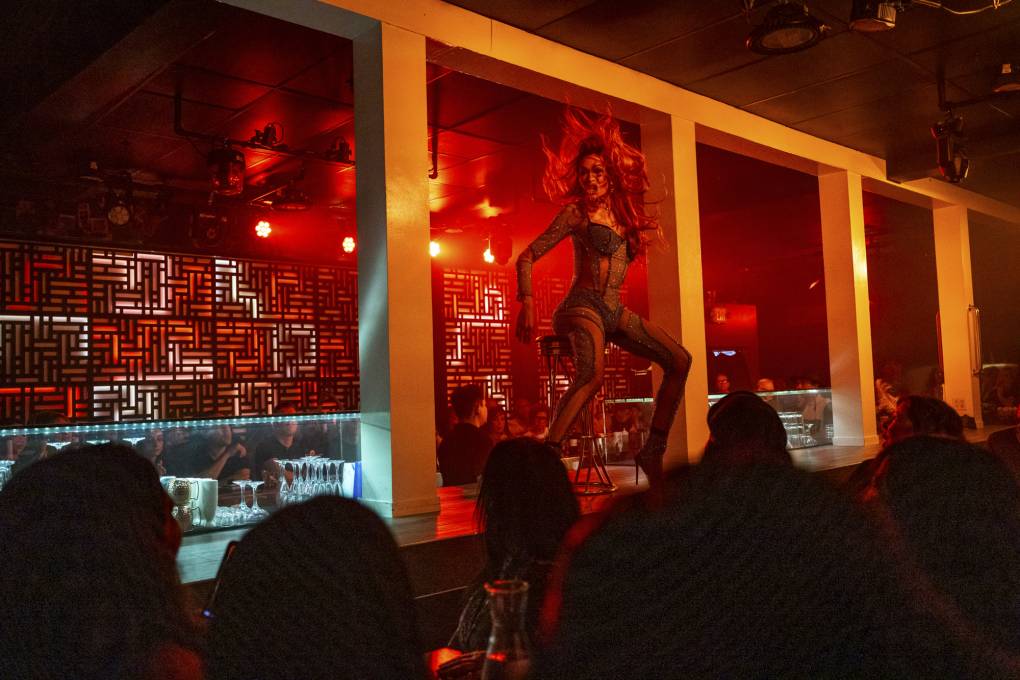
"caption": "Gia performs at AsiaSF in San Francisco on April 26, 2024. The SoMa restaurant and cabaret, starring transgender women, closed its doors on April 28, 2024, after 26 years.",
"description": null,
"title": "240426-ASIASF-030-BL-KQED",
"credit": "Beth LaBerge/KQED",
"status": "inherit",
"altTag": null,
"isLoading": false,
"fetchFailed": false
},
"news_11983951": {
"type": "attachments",
"id": "news_11983951",
"meta": {
"index": "attachments_1716263798",
"site": "news",
"id": "11983951",
"found": true
},
"parent": 11983949,
"imgSizes": {
"twentyfourteen-full-width": {
"file": "https://cdn.kqed.org/wp-content/uploads/sites/10/2024/04/Fremont-HS-Class-Photo--1038x576.jpg",
"width": 1038,
"mimeType": "image/jpeg",
"height": 576
},
"thumbnail": {
"file": "https://cdn.kqed.org/wp-content/uploads/sites/10/2024/04/Fremont-HS-Class-Photo--160x120.jpg",
"width": 160,
"mimeType": "image/jpeg",
"height": 120
},
"post-thumbnail": {
"file": "https://cdn.kqed.org/wp-content/uploads/sites/10/2024/04/Fremont-HS-Class-Photo--672x372.jpg",
"width": 672,
"mimeType": "image/jpeg",
"height": 372
},
"kqedFullSize": {
"file": "https://cdn.kqed.org/wp-content/uploads/sites/10/2024/04/Fremont-HS-Class-Photo--scaled.jpg",
"width": 2560,
"height": 1920
},
"2048x2048": {
"file": "https://cdn.kqed.org/wp-content/uploads/sites/10/2024/04/Fremont-HS-Class-Photo--2048x1536.jpg",
"width": 2048,
"mimeType": "image/jpeg",
"height": 1536
},
"large": {
"file": "https://cdn.kqed.org/wp-content/uploads/sites/10/2024/04/Fremont-HS-Class-Photo--1020x765.jpg",
"width": 1020,
"mimeType": "image/jpeg",
"height": 765
},
"1536x1536": {
"file": "https://cdn.kqed.org/wp-content/uploads/sites/10/2024/04/Fremont-HS-Class-Photo--1536x1152.jpg",
"width": 1536,
"mimeType": "image/jpeg",
"height": 1152
},
"full-width": {
"file": "https://cdn.kqed.org/wp-content/uploads/sites/10/2024/04/Fremont-HS-Class-Photo--1920x1440.jpg",
"width": 1920,
"mimeType": "image/jpeg",
"height": 1440
},
"medium": {
"file": "https://cdn.kqed.org/wp-content/uploads/sites/10/2024/04/Fremont-HS-Class-Photo--800x600.jpg",
"width": 800,
"mimeType": "image/jpeg",
"height": 600
}
},
"publishDate": 1713991106,
"modified": 1713991701,
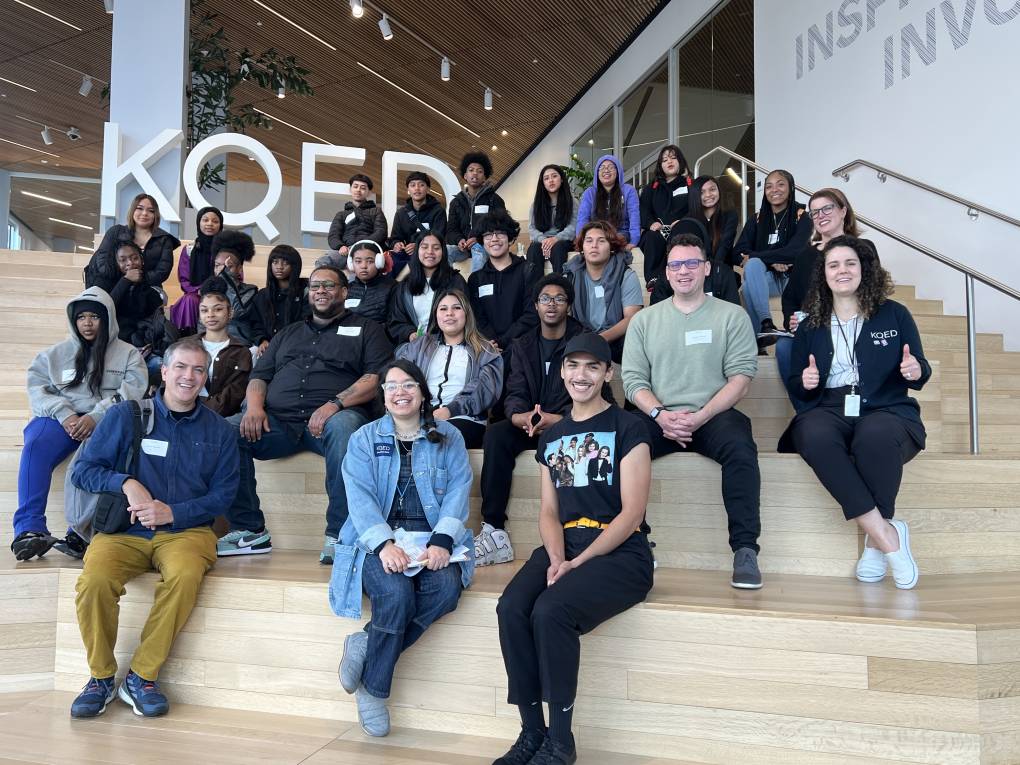
"caption": "Students and staff from Fremont High School in East Oakland.",
"description": null,
"title": "Fremont HS Class Photo",
"credit": "Rachel Roberson/KQED",
"status": "inherit",
"altTag": null,
"isLoading": false,
"fetchFailed": false
},
"news_11983558": {
"type": "attachments",
"id": "news_11983558",
"meta": {
"index": "attachments_1716263798",
"site": "news",
"id": "11983558",
"found": true
},
"parent": 11983554,
"imgSizes": {
"twentyfourteen-full-width": {
"file": "https://cdn.kqed.org/wp-content/uploads/sites/10/2024/04/AP24110596594789-1038x576.jpg",
"width": 1038,
"mimeType": "image/jpeg",
"height": 576
},
"thumbnail": {
"file": "https://cdn.kqed.org/wp-content/uploads/sites/10/2024/04/AP24110596594789-160x127.jpg",
"width": 160,
"mimeType": "image/jpeg",
"height": 127
},
"post-thumbnail": {
"file": "https://cdn.kqed.org/wp-content/uploads/sites/10/2024/04/AP24110596594789-672x372.jpg",
"width": 672,
"mimeType": "image/jpeg",
"height": 372
},
"kqedFullSize": {
"file": "https://cdn.kqed.org/wp-content/uploads/sites/10/2024/04/AP24110596594789-scaled.jpg",
"width": 2560,
"height": 2025
},
"2048x2048": {
"file": "https://cdn.kqed.org/wp-content/uploads/sites/10/2024/04/AP24110596594789-2048x1620.jpg",
"width": 2048,
"mimeType": "image/jpeg",
"height": 1620
},
"large": {
"file": "https://cdn.kqed.org/wp-content/uploads/sites/10/2024/04/AP24110596594789-1020x807.jpg",
"width": 1020,
"mimeType": "image/jpeg",
"height": 807
},
"1536x1536": {
"file": "https://cdn.kqed.org/wp-content/uploads/sites/10/2024/04/AP24110596594789-1536x1215.jpg",
"width": 1536,
"mimeType": "image/jpeg",
"height": 1215
},
"full-width": {
"file": "https://cdn.kqed.org/wp-content/uploads/sites/10/2024/04/AP24110596594789-1920x1519.jpg",
"width": 1920,
"mimeType": "image/jpeg",
"height": 1519
},
"medium": {
"file": "https://cdn.kqed.org/wp-content/uploads/sites/10/2024/04/AP24110596594789-800x633.jpg",
"width": 800,
"mimeType": "image/jpeg",
"height": 633
}
},
"publishDate": 1713572187,
"modified": 1713572229,
"caption": "Erin Friday, a leader with Our Duty, a group supporting policies requiring school staff to notify parents if their child identifies as transgender, speaks at a rally outside of the state Capitol in Sacramento Monday, Aug. 28, 2023. A group backing a proposed ballot measure in California that would require school staff to notify parents if their child asks to change gender identification at schools is battling the attorney general in court Friday, arguing he released misleading information about the proposal to the public. ",
"description": null,
"title": "California Gender Identity Ballot Measure",
"credit": "Sophie Austin/AP Photo",
"status": "inherit",
"altTag": null,
"isLoading": false,
"fetchFailed": false
},
"news_11982687": {
"type": "attachments",
"id": "news_11982687",
"meta": {
"index": "attachments_1716263798",
"site": "news",
"id": "11982687",
"found": true
},
"parent": 11982681,
"imgSizes": {
"twentyfourteen-full-width": {
"file": "https://cdn.kqed.org/wp-content/uploads/sites/10/2024/04/img105-1-1020x576.jpg",
"width": 1020,
"mimeType": "image/jpeg",
"height": 576
},
"thumbnail": {
"file": "https://cdn.kqed.org/wp-content/uploads/sites/10/2024/04/img105-1-160x111.jpg",
"width": 160,
"mimeType": "image/jpeg",
"height": 111
},
"post-thumbnail": {
"file": "https://cdn.kqed.org/wp-content/uploads/sites/10/2024/04/img105-1-672x372.jpg",
"width": 672,
"mimeType": "image/jpeg",
"height": 372
},
"kqedFullSize": {
"file": "https://cdn.kqed.org/wp-content/uploads/sites/10/2024/04/img105-1.jpg",
"width": 1020,
"height": 708
},
"medium": {
"file": "https://cdn.kqed.org/wp-content/uploads/sites/10/2024/04/img105-1-800x555.jpg",
"width": 800,
"mimeType": "image/jpeg",
"height": 555
}
},
"publishDate": 1712865702,
"modified": 1712865744,
"caption": "Laura Gularte (middle), at 15 years old, with her parents Quinto and Elvira Neri in front of their home in Santa Cruz, California. The family was forced to abandon the coastal home temporarily during World War 2 because Quinto was an Italian citizen.",
"description": null,
"title": "img105-1",
"credit": "Courtesy of Mark Gularte",
"status": "inherit",
"altTag": null,
"isLoading": false,
"fetchFailed": false
},
"news_11981886": {
"type": "attachments",
"id": "news_11981886",
"meta": {
"index": "attachments_1716263798",
"site": "news",
"id": "11981886",
"found": true
},
"parent": 0,
"imgSizes": {
"twentyfourteen-full-width": {
"file": "https://cdn.kqed.org/wp-content/uploads/sites/10/2024/04/240330-QUEER-RAMADAN-ML-23-KQED-1038x576.jpg",
"width": 1038,
"mimeType": "image/jpeg",
"height": 576
},
"thumbnail": {
"file": "https://cdn.kqed.org/wp-content/uploads/sites/10/2024/04/240330-QUEER-RAMADAN-ML-23-KQED-160x107.jpg",
"width": 160,
"mimeType": "image/jpeg",
"height": 107
},
"post-thumbnail": {
"file": "https://cdn.kqed.org/wp-content/uploads/sites/10/2024/04/240330-QUEER-RAMADAN-ML-23-KQED-672x372.jpg",
"width": 672,
"mimeType": "image/jpeg",
"height": 372
},
"kqedFullSize": {
"file": "https://cdn.kqed.org/wp-content/uploads/sites/10/2024/04/240330-QUEER-RAMADAN-ML-23-KQED.jpg",
"width": 2000,
"height": 1333
},
"large": {
"file": "https://cdn.kqed.org/wp-content/uploads/sites/10/2024/04/240330-QUEER-RAMADAN-ML-23-KQED-1020x680.jpg",
"width": 1020,
"mimeType": "image/jpeg",
"height": 680
},
"1536x1536": {
"file": "https://cdn.kqed.org/wp-content/uploads/sites/10/2024/04/240330-QUEER-RAMADAN-ML-23-KQED-1536x1024.jpg",
"width": 1536,
"mimeType": "image/jpeg",
"height": 1024
},
"full-width": {
"file": "https://cdn.kqed.org/wp-content/uploads/sites/10/2024/04/240330-QUEER-RAMADAN-ML-23-KQED-1920x1280.jpg",
"width": 1920,
"mimeType": "image/jpeg",
"height": 1280
},
"medium": {
"file": "https://cdn.kqed.org/wp-content/uploads/sites/10/2024/04/240330-QUEER-RAMADAN-ML-23-KQED-800x533.jpg",
"width": 800,
"mimeType": "image/jpeg",
"height": 533
}
},
"publishDate": 1712248444,
"modified": 1712775525,
"caption": "Event organizers Hafsa Luvsa, left, and Zara Ahmed, welcome attendees to the Queer Muslim Open-Mic event at Understory in Oakland, California, on March 30, 2024.",
"description": null,
"title": "240330-QUEER RAMADAN-ML-23-KQED",
"credit": "Marissa Leshnov/KQED",
"status": "inherit",
"altTag": null,
"isLoading": false,
"fetchFailed": false
},
"news_11981612": {
"type": "attachments",
"id": "news_11981612",
"meta": {
"index": "attachments_1716263798",
"site": "news",
"id": "11981612",
"found": true
},
"parent": 11981609,
"imgSizes": {
"twentyfourteen-full-width": {
"file": "https://cdn.kqed.org/wp-content/uploads/sites/10/2024/04/231110-BEAR-TRAP-PRESCRIBED-BURN_NEVADA-COUNTY_01-EB-KQED-1536x1024-1-1038x576.jpg",
"width": 1038,
"mimeType": "image/jpeg",
"height": 576
},
"thumbnail": {
"file": "https://cdn.kqed.org/wp-content/uploads/sites/10/2024/04/231110-BEAR-TRAP-PRESCRIBED-BURN_NEVADA-COUNTY_01-EB-KQED-1536x1024-1-160x107.jpg",
"width": 160,
"mimeType": "image/jpeg",
"height": 107
},
"post-thumbnail": {
"file": "https://cdn.kqed.org/wp-content/uploads/sites/10/2024/04/231110-BEAR-TRAP-PRESCRIBED-BURN_NEVADA-COUNTY_01-EB-KQED-1536x1024-1-672x372.jpg",
"width": 672,
"mimeType": "image/jpeg",
"height": 372
},
"kqedFullSize": {
"file": "https://cdn.kqed.org/wp-content/uploads/sites/10/2024/04/231110-BEAR-TRAP-PRESCRIBED-BURN_NEVADA-COUNTY_01-EB-KQED-1536x1024-1.jpg",
"width": 1536,
"height": 1024
},
"large": {
"file": "https://cdn.kqed.org/wp-content/uploads/sites/10/2024/04/231110-BEAR-TRAP-PRESCRIBED-BURN_NEVADA-COUNTY_01-EB-KQED-1536x1024-1-1020x680.jpg",
"width": 1020,
"mimeType": "image/jpeg",
"height": 680
},
"medium": {
"file": "https://cdn.kqed.org/wp-content/uploads/sites/10/2024/04/231110-BEAR-TRAP-PRESCRIBED-BURN_NEVADA-COUNTY_01-EB-KQED-1536x1024-1-800x533.jpg",
"width": 800,
"mimeType": "image/jpeg",
"height": 533
}
},
"publishDate": 1712084096,
"modified": 1712084151,
"caption": "Crew members from the Fire Safe Council of Nevada County walk to the site where they were performing a ‘mop up’ following a prescribed burn in Nevada County on June 21, 2023. ",
"description": null,
"title": "231110-BEAR-TRAP-PRESCRIBED-BURN_NEVADA-COUNTY_01-EB-KQED-1536x1024",
"credit": "Erin Baldassari/KQED",
"status": "inherit",
"altTag": null,
"isLoading": false,
"fetchFailed": false
},
"news_11981255": {
"type": "attachments",
"id": "news_11981255",
"meta": {
"index": "attachments_1716263798",
"site": "news",
"id": "11981255",
"found": true
},
"parent": 11981253,
"imgSizes": {
"twentyfourteen-full-width": {
"file": "https://cdn.kqed.org/wp-content/uploads/sites/10/2024/03/240217-OAKLAND-QUEER-SPACES-KSM-04-KQED-1920x1280-1-1038x576.jpg",
"width": 1038,
"mimeType": "image/jpeg",
"height": 576
},
"thumbnail": {
"file": "https://cdn.kqed.org/wp-content/uploads/sites/10/2024/03/240217-OAKLAND-QUEER-SPACES-KSM-04-KQED-1920x1280-1-160x107.jpg",
"width": 160,
"mimeType": "image/jpeg",
"height": 107
},
"post-thumbnail": {
"file": "https://cdn.kqed.org/wp-content/uploads/sites/10/2024/03/240217-OAKLAND-QUEER-SPACES-KSM-04-KQED-1920x1280-1-672x372.jpg",
"width": 672,
"mimeType": "image/jpeg",
"height": 372
},
"kqedFullSize": {
"file": "https://cdn.kqed.org/wp-content/uploads/sites/10/2024/03/240217-OAKLAND-QUEER-SPACES-KSM-04-KQED-1920x1280-1.jpg",
"width": 1920,
"height": 1280
},
"large": {
"file": "https://cdn.kqed.org/wp-content/uploads/sites/10/2024/03/240217-OAKLAND-QUEER-SPACES-KSM-04-KQED-1920x1280-1-1020x680.jpg",
"width": 1020,
"mimeType": "image/jpeg",
"height": 680
},
"1536x1536": {
"file": "https://cdn.kqed.org/wp-content/uploads/sites/10/2024/03/240217-OAKLAND-QUEER-SPACES-KSM-04-KQED-1920x1280-1-1536x1024.jpg",
"width": 1536,
"mimeType": "image/jpeg",
"height": 1024
},
"medium": {
"file": "https://cdn.kqed.org/wp-content/uploads/sites/10/2024/03/240217-OAKLAND-QUEER-SPACES-KSM-04-KQED-1920x1280-1-800x533.jpg",
"width": 800,
"mimeType": "image/jpeg",
"height": 533
}
},
"publishDate": 1711741806,
"modified": 1711741836,
"caption": "Olivia Bianco-Chaidez (left) and Mar Mendoza, a.k.a. Dreams (right), at Fluid510 in Oakland on Feb. 17, 2024. Bianco-Chaidez and Mendoza co-hosted their inaugural Marimacha party, celebrating “the buchona baddies, cunty cabronas, diablo daddies, and all of our sexy community.",
"description": null,
"title": "240217-OAKLAND-QUEER-SPACES-KSM-04-KQED-1920x1280",
"credit": "Kathryn Styer Martínez/KQED",
"status": "inherit",
"altTag": null,
"isLoading": false,
"fetchFailed": false
},
"news_11966189": {
"type": "attachments",
"id": "news_11966189",
"meta": {
"index": "attachments_1716263798",
"site": "news",
"id": "11966189",
"found": true
},
"parent": 0,
"imgSizes": {
"twentyfourteen-full-width": {
"file": "https://ww2.kqed.org/app/uploads/sites/10/2023/11/03032023_prop9lawsuit-169-KQED-1038x576.jpg",
"width": 1038,
"mimeType": "image/jpeg",
"height": 576
},
"thumbnail": {
"file": "https://ww2.kqed.org/app/uploads/sites/10/2023/11/03032023_prop9lawsuit-169-KQED-160x106.jpg",
"width": 160,
"mimeType": "image/jpeg",
"height": 106
},
"post-thumbnail": {
"file": "https://ww2.kqed.org/app/uploads/sites/10/2023/11/03032023_prop9lawsuit-169-KQED-672x372.jpg",
"width": 672,
"mimeType": "image/jpeg",
"height": 372
},
"kqedFullSize": {
"file": "https://ww2.kqed.org/app/uploads/sites/10/2023/11/03032023_prop9lawsuit-169-KQED.jpg",
"width": 2000,
"height": 1331
},
"large": {
"file": "https://ww2.kqed.org/app/uploads/sites/10/2023/11/03032023_prop9lawsuit-169-KQED-1020x679.jpg",
"width": 1020,
"mimeType": "image/jpeg",
"height": 679
},
"1536x1536": {
"file": "https://ww2.kqed.org/app/uploads/sites/10/2023/11/03032023_prop9lawsuit-169-KQED-1536x1022.jpg",
"width": 1536,
"mimeType": "image/jpeg",
"height": 1022
},
"full-width": {
"file": "https://ww2.kqed.org/app/uploads/sites/10/2023/11/03032023_prop9lawsuit-169-KQED-1920x1278.jpg",
"width": 1920,
"mimeType": "image/jpeg",
"height": 1278
},
"medium": {
"file": "https://ww2.kqed.org/app/uploads/sites/10/2023/11/03032023_prop9lawsuit-169-KQED-800x532.jpg",
"width": 800,
"mimeType": "image/jpeg",
"height": 532
}
},
"publishDate": 1698884986,
"modified": 1698885148,
"caption": "Kris Perry, left, and Sandy Stier, two plaintiffs in the landmark 2010 lawsuit that overturned California’s ban on same-sex marriage, share photographs from their wedding ceremony during an interview at the KQED offices in San Francisco on March 3, 2023. Stier and Perry came to the studio to watch clips of their testimony in federal court, which KQED had fought to get unsealed, for the first time.",
"description": null,
"title": "03032023_prop9lawsuit 169-KQED",
"credit": "Kori Suzuki/KQED",
"status": "inherit",
"altTag": "Two people sit next to each other in chairs in front of a white backdrop. One holds a book with a photo of the other person in it.",
"isLoading": false,
"fetchFailed": false
},
"news_11980371": {
"type": "attachments",
"id": "news_11980371",
"meta": {
"index": "attachments_1716263798",
"site": "news",
"id": "11980371",
"found": true
},
"parent": 11980366,
"imgSizes": {
"twentyfourteen-full-width": {
"file": "https://cdn.kqed.org/wp-content/uploads/sites/10/2024/03/RACISTTREES_PubStills_05-1038x576.jpg",
"width": 1038,
"mimeType": "image/jpeg",
"height": 576
},
"thumbnail": {
"file": "https://cdn.kqed.org/wp-content/uploads/sites/10/2024/03/RACISTTREES_PubStills_05-160x90.jpg",
"width": 160,
"mimeType": "image/jpeg",
"height": 90
},
"post-thumbnail": {
"file": "https://cdn.kqed.org/wp-content/uploads/sites/10/2024/03/RACISTTREES_PubStills_05-672x372.jpg",
"width": 672,
"mimeType": "image/jpeg",
"height": 372
},
"kqedFullSize": {
"file": "https://cdn.kqed.org/wp-content/uploads/sites/10/2024/03/RACISTTREES_PubStills_05-scaled.jpg",
"width": 2560,
"height": 1440
},
"2048x2048": {
"file": "https://cdn.kqed.org/wp-content/uploads/sites/10/2024/03/RACISTTREES_PubStills_05-2048x1152.jpg",
"width": 2048,
"mimeType": "image/jpeg",
"height": 1152
},
"large": {
"file": "https://cdn.kqed.org/wp-content/uploads/sites/10/2024/03/RACISTTREES_PubStills_05-1020x574.jpg",
"width": 1020,
"mimeType": "image/jpeg",
"height": 574
},
"1536x1536": {
"file": "https://cdn.kqed.org/wp-content/uploads/sites/10/2024/03/RACISTTREES_PubStills_05-1536x864.jpg",
"width": 1536,
"mimeType": "image/jpeg",
"height": 864
},
"full-width": {
"file": "https://cdn.kqed.org/wp-content/uploads/sites/10/2024/03/RACISTTREES_PubStills_05-1920x1080.jpg",
"width": 1920,
"mimeType": "image/jpeg",
"height": 1080
},
"medium": {
"file": "https://cdn.kqed.org/wp-content/uploads/sites/10/2024/03/RACISTTREES_PubStills_05-800x450.jpg",
"width": 800,
"mimeType": "image/jpeg",
"height": 450
}
},
"publishDate": 1711058444,
"modified": 1711059697,
"caption": "A stunning view of the San Jacinto Mountains in\nPalm Springs, California that was obscured by a wall of Tamarisk trees affecting residents in the Crossley Tract neighborhood.",
"description": null,
"title": "RACISTTREES_PubStills_05",
"credit": "Sara Newens",
"status": "inherit",
"altTag": "An aerial view of trees and a residential neighborhood.",
"isLoading": false,
"fetchFailed": false
},
"news_11962623": {
"type": "attachments",
"id": "news_11962623",
"meta": {
"index": "attachments_1716263798",
"site": "news",
"id": "11962623",
"found": true
},
"parent": 0,
"imgSizes": {
"twentyfourteen-full-width": {
"file": "https://ww2.kqed.org/app/uploads/sites/10/2023/09/230927-CHINO-TRANSGENDER-SCHOOL-BOARD-Getty-DM-KQED-1038x576.jpg",
"width": 1038,
"mimeType": "image/jpeg",
"height": 576
},
"thumbnail": {
"file": "https://ww2.kqed.org/app/uploads/sites/10/2023/09/230927-CHINO-TRANSGENDER-SCHOOL-BOARD-Getty-DM-KQED-160x107.jpg",
"width": 160,
"mimeType": "image/jpeg",
"height": 107
},
"post-thumbnail": {
"file": "https://ww2.kqed.org/app/uploads/sites/10/2023/09/230927-CHINO-TRANSGENDER-SCHOOL-BOARD-Getty-DM-KQED-672x372.jpg",
"width": 672,
"mimeType": "image/jpeg",
"height": 372
},
"kqedFullSize": {
"file": "https://ww2.kqed.org/app/uploads/sites/10/2023/09/230927-CHINO-TRANSGENDER-SCHOOL-BOARD-Getty-DM-KQED.jpg",
"width": 2000,
"height": 1334
},
"large": {
"file": "https://ww2.kqed.org/app/uploads/sites/10/2023/09/230927-CHINO-TRANSGENDER-SCHOOL-BOARD-Getty-DM-KQED-1020x680.jpg",
"width": 1020,
"mimeType": "image/jpeg",
"height": 680
},
"1536x1536": {
"file": "https://ww2.kqed.org/app/uploads/sites/10/2023/09/230927-CHINO-TRANSGENDER-SCHOOL-BOARD-Getty-DM-KQED-1536x1025.jpg",
"width": 1536,
"mimeType": "image/jpeg",
"height": 1025
},
"full-width": {
"file": "https://ww2.kqed.org/app/uploads/sites/10/2023/09/230927-CHINO-TRANSGENDER-SCHOOL-BOARD-Getty-DM-KQED-1920x1281.jpg",
"width": 1920,
"mimeType": "image/jpeg",
"height": 1281
},
"medium": {
"file": "https://ww2.kqed.org/app/uploads/sites/10/2023/09/230927-CHINO-TRANSGENDER-SCHOOL-BOARD-Getty-DM-KQED-800x534.jpg",
"width": 800,
"mimeType": "image/jpeg",
"height": 534
}
},
"publishDate": 1695850696,
"modified": 1695853730,
"caption": "A person holds a sign in opposition to a policy that the Chino Valley school board is meeting to vote on which would require school staff to 'out' students to their parents if they ask to be identified by a gender that is not listed on their birth certificate, in Chino, San Bernardino County, on July 20, 2023.",
"description": null,
"title": "Chino Valley School Board Votes On Student Transgender Policy",
"credit": "David McNew/Getty Images",
"status": "inherit",
"altTag": "A person holds a sign above their head that reads \"protect all kids\" in a crowded indoor space.",
"isLoading": false,
"fetchFailed": false
},
"news_11973214": {
"type": "attachments",
"id": "news_11973214",
"meta": {
"index": "attachments_1716263798",
"site": "news",
"id": "11973214",
"found": true
},
"parent": 11973213,
"imgSizes": {
"twentyfourteen-full-width": {
"file": "https://cdn.kqed.org/wp-content/uploads/sites/10/2024/01/011923-Toni-Atkins-Governor-Campaign-CM-05-copy-1038x576.jpg",
"width": 1038,
"mimeType": "image/jpeg",
"height": 576
},
"thumbnail": {
"file": "https://cdn.kqed.org/wp-content/uploads/sites/10/2024/01/011923-Toni-Atkins-Governor-Campaign-CM-05-copy-160x107.jpg",
"width": 160,
"mimeType": "image/jpeg",
"height": 107
},
"post-thumbnail": {
"file": "https://cdn.kqed.org/wp-content/uploads/sites/10/2024/01/011923-Toni-Atkins-Governor-Campaign-CM-05-copy-672x372.jpg",
"width": 672,
"mimeType": "image/jpeg",
"height": 372
},
"kqedFullSize": {
"file": "https://cdn.kqed.org/wp-content/uploads/sites/10/2024/01/011923-Toni-Atkins-Governor-Campaign-CM-05-copy.jpg",
"width": 2000,
"height": 1333
},
"large": {
"file": "https://cdn.kqed.org/wp-content/uploads/sites/10/2024/01/011923-Toni-Atkins-Governor-Campaign-CM-05-copy-1020x680.jpg",
"width": 1020,
"mimeType": "image/jpeg",
"height": 680
},
"1536x1536": {
"file": "https://cdn.kqed.org/wp-content/uploads/sites/10/2024/01/011923-Toni-Atkins-Governor-Campaign-CM-05-copy-1536x1024.jpg",
"width": 1536,
"mimeType": "image/jpeg",
"height": 1024
},
"full-width": {
"file": "https://cdn.kqed.org/wp-content/uploads/sites/10/2024/01/011923-Toni-Atkins-Governor-Campaign-CM-05-copy-1920x1280.jpg",
"width": 1920,
"mimeType": "image/jpeg",
"height": 1280
},
"medium": {
"file": "https://cdn.kqed.org/wp-content/uploads/sites/10/2024/01/011923-Toni-Atkins-Governor-Campaign-CM-05-copy-800x533.jpg",
"width": 800,
"mimeType": "image/jpeg",
"height": 533
}
},
"publishDate": 1705789786,
"modified": 1705789858,
"caption": "State Senate leader Toni Atkins kicked off her gubernatorial campaign with an event in San Diego on Jan. 19, 2024.",
"description": null,
"title": "011923-Toni-Atkins-Governor-Campaign-CM-05 copy",
"credit": "Bryan Giardinelli/Breathe New Winds",
"status": "inherit",
"altTag": "A woman in a pink suit waves and smiles amid a cheering crowd holding banners that read \"Atkins.\"",
"isLoading": false,
"fetchFailed": false
},
"news_11969702": {
"type": "attachments",
"id": "news_11969702",
"meta": {
"index": "attachments_1716263798",
"site": "news",
"id": "11969702",
"found": true
},
"parent": 11969701,
"imgSizes": {
"twentyfourteen-full-width": {
"file": "https://cdn.kqed.org/wp-content/uploads/sites/10/2023/12/Queer-Palestinian-Artists_2-1038x576.jpg",
"width": 1038,
"mimeType": "image/jpeg",
"height": 576
},
"thumbnail": {
"file": "https://cdn.kqed.org/wp-content/uploads/sites/10/2023/12/Queer-Palestinian-Artists_2-160x103.jpg",
"width": 160,
"mimeType": "image/jpeg",
"height": 103
},
"post-thumbnail": {
"file": "https://cdn.kqed.org/wp-content/uploads/sites/10/2023/12/Queer-Palestinian-Artists_2-672x372.jpg",
"width": 672,
"mimeType": "image/jpeg",
"height": 372
},
"kqedFullSize": {
"file": "https://cdn.kqed.org/wp-content/uploads/sites/10/2023/12/Queer-Palestinian-Artists_2.jpg",
"width": 1920,
"height": 1240
},
"large": {
"file": "https://cdn.kqed.org/wp-content/uploads/sites/10/2023/12/Queer-Palestinian-Artists_2-1020x659.jpg",
"width": 1020,
"mimeType": "image/jpeg",
"height": 659
},
"1536x1536": {
"file": "https://cdn.kqed.org/wp-content/uploads/sites/10/2023/12/Queer-Palestinian-Artists_2-1536x992.jpg",
"width": 1536,
"mimeType": "image/jpeg",
"height": 992
},
"medium": {
"file": "https://cdn.kqed.org/wp-content/uploads/sites/10/2023/12/Queer-Palestinian-Artists_2-800x517.jpg",
"width": 800,
"mimeType": "image/jpeg",
"height": 517
}
},
"publishDate": 1702430172,
"modified": 1702430241,
"caption": null,
"description": null,
"title": "Queer-Palestinian-Artists_2",
"credit": "Illustration by Darren Tu/KQED",
"status": "inherit",
"altTag": "An illustration showing multiple Palestinian young people, including one holding a Palestinian flag, against a pink background.",
"isLoading": false,
"fetchFailed": false
}
},
"audioPlayerReducer": {
"postId": "stream_live",
"isPaused": true,
"isPlaying": false,
"pfsActive": false,
"pledgeModalIsOpen": true,
"playerDrawerIsOpen": false,
"liveAudioPlayStartedAt": 0,
"liveAudioPlayContext": ""
},
"authorsReducer": {
"byline_news_11984363": {
"type": "authors",
"id": "byline_news_11984363",
"meta": {
"override": true
},
"slug": "byline_news_11984363",
"name": "Wilma B. Consul",
"isLoading": false
},
"byline_news_11983554": {
"type": "authors",
"id": "byline_news_11983554",
"meta": {
"override": true
},
"slug": "byline_news_11983554",
"name": "Sophie Austin\u003cbr>Associated Press",
"isLoading": false
},
"byline_news_11980366": {
"type": "authors",
"id": "byline_news_11980366",
"meta": {
"override": true
},
"slug": "byline_news_11980366",
"name": "Lusen Mendel",
"isLoading": false
},
"byline_news_11978725": {
"type": "authors",
"id": "byline_news_11978725",
"meta": {
"override": true
},
"slug": "byline_news_11978725",
"name": "Sophie Austin\u003cbr>The Associated Press",
"isLoading": false
},
"byline_news_11973213": {
"type": "authors",
"id": "byline_news_11973213",
"meta": {
"override": true
},
"slug": "byline_news_11973213",
"name": "\u003ca href=\"https://calmatters.org/author/alexei-koseff/\">Alexei Koseff\u003c/a>",
"isLoading": false
},
"kqed": {
"type": "authors",
"id": "236",
"meta": {
"index": "authors_1716337520",
"id": "236",
"found": true
},
"name": "KQED News Staff",
"firstName": "KQED News Staff",
"lastName": null,
"slug": "kqed",
"email": "faq@kqed.org",
"display_author_email": false,
"staff_mastheads": [],
"title": null,
"bio": null,
"avatar": "https://secure.gravatar.com/avatar/ef0e801a68c4c54afa9180db14084167?s=600&d=blank&r=g",
"twitter": null,
"facebook": null,
"instagram": null,
"linkedin": null,
"sites": [
{
"site": "arts",
"roles": [
"contributor"
]
},
{
"site": "news",
"roles": [
"editor"
]
},
{
"site": "futureofyou",
"roles": [
"author"
]
}
],
"headData": {
"title": "KQED News Staff | KQED",
"description": null,
"ogImgSrc": "https://secure.gravatar.com/avatar/ef0e801a68c4c54afa9180db14084167?s=600&d=blank&r=g",
"twImgSrc": "https://secure.gravatar.com/avatar/ef0e801a68c4c54afa9180db14084167?s=600&d=blank&r=g"
},
"isLoading": false,
"link": "/author/kqed"
},
"ecruzguevarra": {
"type": "authors",
"id": "8654",
"meta": {
"index": "authors_1716337520",
"id": "8654",
"found": true
},
"name": "Ericka Cruz Guevarra",
"firstName": "Ericka",
"lastName": "Cruz Guevarra",
"slug": "ecruzguevarra",
"email": "ecruzguevarra@kqed.org",
"display_author_email": true,
"staff_mastheads": [
"news"
],
"title": "Producer, The Bay Podcast",
"bio": "Ericka Cruz Guevarra is host of \u003ca href=\"https://www.kqed.org/podcasts/thebay\">\u003cem>The Bay\u003c/em>\u003c/a> podcast at KQED. Before host, she was the show’s producer. Her work in that capacity includes a three-part reported series on policing in Vallejo, which won a 2020 excellence in journalism award from the Society of Professional Journalists. Ericka has worked as a breaking news reporter at Oregon Public Broadcasting, helped produce the Code Switch podcast, and was KQED’s inaugural Raul Ramirez Diversity Fund intern. She’s also an alumna of NPR’s Next Generation Radio program. Send her an email if you have strong feelings about whether Fairfield and Suisun City are the Bay. Ericka is represented by SAG-AFTRA.",
"avatar": "https://secure.gravatar.com/avatar/accefc1de4bafc7e234b69bcb9b6f6536c130fd84709bc3069ef11a78787e1bb?s=600&d=blank&r=g",
"twitter": "NotoriousECG",
"bluesky": null,
"facebook": null,
"instagram": null,
"linkedin": null,
"sites": [
{
"site": "arts",
"roles": [
"subscriber"
]
},
{
"site": "news",
"roles": [
"editor",
"manage_categories"
]
},
{
"site": "futureofyou",
"roles": [
"subscriber"
]
},
{
"site": "stateofhealth",
"roles": [
"subscriber"
]
},
{
"site": "science",
"roles": [
"editor"
]
},
{
"site": "forum",
"roles": [
"subscriber"
]
}
],
"headData": {
"title": "Ericka Cruz Guevarra | KQED",
"description": "Producer, The Bay Podcast",
"ogImgSrc": "https://secure.gravatar.com/avatar/accefc1de4bafc7e234b69bcb9b6f6536c130fd84709bc3069ef11a78787e1bb?s=600&d=blank&r=g",
"twImgSrc": "https://secure.gravatar.com/avatar/accefc1de4bafc7e234b69bcb9b6f6536c130fd84709bc3069ef11a78787e1bb?s=600&d=blank&r=g"
},
"isLoading": false,
"link": "/author/ecruzguevarra"
},
"nvoynovskaya": {
"type": "authors",
"id": "11387",
"meta": {
"index": "authors_1716337520",
"id": "11387",
"found": true
},
"name": "Nastia Voynovskaya",
"firstName": "Nastia",
"lastName": "Voynovskaya",
"slug": "nvoynovskaya",
"email": "nvoynovskaya@kqed.org",
"display_author_email": false,
"staff_mastheads": [
"arts"
],
"title": "Editor and reporter",
"bio": "Nastia Voynovskaya is a reporter, editor and host at KQED Arts & Culture. She's been covering the arts in the Bay Area for over a decade, with a focus on music, queer culture, labor issues and grassroots organizing. She has edited KQED story series such as Trans Bay: A History of San Francisco's Gender-Diverse Community, and co-created KQED's Bay Area hip-hop history project, That's My Word. Nastia's work has been recognized by the Society of Professional Journalists and San Francisco Press Club. She regularly appears on podcasts and radio programs, including NPR's All Songs Considered, and hosts live events where music, culture and conversation meet.",
"avatar": "https://secure.gravatar.com/avatar/5025ee460e5a85d69ca20ea6c6f2f80d7e17795c828f61ea3aecfcd924e9042e?s=600&d=blank&r=g",
"twitter": null,
"bluesky": null,
"facebook": null,
"instagram": "https://www.instagram.com/nananastia/",
"linkedin": null,
"sites": [
{
"site": "",
"roles": [
"editor"
]
},
{
"site": "arts",
"roles": [
"administrator"
]
},
{
"site": "news",
"roles": [
"editor"
]
},
{
"site": "pop",
"roles": [
"administrator"
]
},
{
"site": "bayareabites",
"roles": [
"editor"
]
},
{
"site": "podcasts",
"roles": [
"editor"
]
},
{
"site": "hiphop",
"roles": [
"editor"
]
}
],
"headData": {
"title": "Nastia Voynovskaya | KQED",
"description": "Editor and reporter",
"ogImgSrc": "https://secure.gravatar.com/avatar/5025ee460e5a85d69ca20ea6c6f2f80d7e17795c828f61ea3aecfcd924e9042e?s=600&d=blank&r=g",
"twImgSrc": "https://secure.gravatar.com/avatar/5025ee460e5a85d69ca20ea6c6f2f80d7e17795c828f61ea3aecfcd924e9042e?s=600&d=blank&r=g"
},
"isLoading": false,
"link": "/author/nvoynovskaya"
},
"amontecillo": {
"type": "authors",
"id": "11649",
"meta": {
"index": "authors_1716337520",
"id": "11649",
"found": true
},
"name": "Alan Montecillo",
"firstName": "Alan",
"lastName": "Montecillo",
"slug": "amontecillo",
"email": "amontecillo@kqed.org",
"display_author_email": false,
"staff_mastheads": [
"news"
],
"title": "KQED Contributor",
"bio": "Alan Montecillo is the senior editor of \u003cem>\u003ca href=\"http://kqed.org/thebay\">The Bay\u003c/a>, \u003c/em> KQED's local news podcast. Before moving to the Bay Area, he worked as a senior talk show producer for WILL in Champaign-Urbana, Illinois and at Oregon Public Broadcasting in Portland, Oregon. He has won journalism awards from the Society of Professional Journalists Northern California, the Public Media Journalists Association, The Signal Awards, and has also received a regional Edward R. Murrow award. Alan is a Filipino American from Hong Kong and a graduate of Reed College.",
"avatar": "https://secure.gravatar.com/avatar/268f53a2066899ea9efdd8a5900218b17c822d9862cbc9326cccec53ef41d349?s=600&d=blank&r=g",
"twitter": "alanmontecillo",
"bluesky": null,
"facebook": null,
"instagram": null,
"linkedin": null,
"sites": [
{
"site": "",
"roles": [
"editor"
]
},
{
"site": "news",
"roles": [
"editor",
"manage_categories"
]
}
],
"headData": {
"title": "Alan Montecillo | KQED",
"description": "KQED Contributor",
"ogImgSrc": "https://secure.gravatar.com/avatar/268f53a2066899ea9efdd8a5900218b17c822d9862cbc9326cccec53ef41d349?s=600&d=blank&r=g",
"twImgSrc": "https://secure.gravatar.com/avatar/268f53a2066899ea9efdd8a5900218b17c822d9862cbc9326cccec53ef41d349?s=600&d=blank&r=g"
},
"isLoading": false,
"link": "/author/amontecillo"
},
"mesquinca": {
"type": "authors",
"id": "11802",
"meta": {
"index": "authors_1716337520",
"id": "11802",
"found": true
},
"name": "Maria Esquinca",
"firstName": "Maria",
"lastName": "Esquinca",
"slug": "mesquinca",
"email": "mesquinca@kqed.org",
"display_author_email": false,
"staff_mastheads": [],
"title": "Producer, The Bay",
"bio": "María Esquinca is a producer of The Bay. Before that, she was a New York Women’s Foundation IGNITE Fellow at Latino USA. She worked at Radio Bilingue where she covered the San Joaquin Valley. Maria has interned at WLRN, News 21, The New York Times Student Journalism Institute and at Crain’s Detroit Business as a Dow Jones News Fund Business Reporting Intern. She is an MFA graduate from the University of Miami. In 2017, she graduated from the Walter Cronkite School of Journalism and Mass Communication with a Master of Mass Communication. A fronteriza, she was born in Ciudad Juárez, Chihuahua, Mexico and grew up in El Paso, Texas.",
"avatar": "https://secure.gravatar.com/avatar/77cedba18aae91da775038ba06dcd8d0?s=600&d=blank&r=g",
"twitter": "@m_esquinca",
"facebook": null,
"instagram": null,
"linkedin": null,
"sites": [
{
"site": "news",
"roles": []
}
],
"headData": {
"title": "Maria Esquinca | KQED",
"description": "Producer, The Bay",
"ogImgSrc": "https://secure.gravatar.com/avatar/77cedba18aae91da775038ba06dcd8d0?s=600&d=blank&r=g",
"twImgSrc": "https://secure.gravatar.com/avatar/77cedba18aae91da775038ba06dcd8d0?s=600&d=blank&r=g"
},
"isLoading": false,
"link": "/author/mesquinca"
},
"nkhan": {
"type": "authors",
"id": "11867",
"meta": {
"index": "authors_1716337520",
"id": "11867",
"found": true
},
"name": "Nisa Khan",
"firstName": "Nisa",
"lastName": "Khan",
"slug": "nkhan",
"email": "nkhan@kqed.org",
"display_author_email": false,
"staff_mastheads": [],
"title": "KQED Contributor",
"bio": "Nisa Khan is a reporter for KQED's Audience News Desk. She was formerly a data reporter at Michigan Radio. She earned a Bachelor of Science in Information from the University of Michigan and a Master of Arts in Communication from Stanford University.",
"avatar": "https://secure.gravatar.com/avatar/8720459eef081ff64582b3506b124d58523e80e120704a0cbd9892533c914991?s=600&d=blank&r=g",
"twitter": "mnisakhan",
"bluesky": null,
"facebook": null,
"instagram": null,
"linkedin": null,
"sites": [
{
"site": "arts",
"roles": [
"editor"
]
},
{
"site": "news",
"roles": [
"editor"
]
},
{
"site": "science",
"roles": [
"editor",
"author"
]
},
{
"site": "forum",
"roles": [
"editor"
]
},
{
"site": "liveblog",
"roles": [
"contributor"
]
}
],
"headData": {
"title": "Nisa Khan | KQED",
"description": "KQED Contributor",
"ogImgSrc": "https://secure.gravatar.com/avatar/8720459eef081ff64582b3506b124d58523e80e120704a0cbd9892533c914991?s=600&d=blank&r=g",
"twImgSrc": "https://secure.gravatar.com/avatar/8720459eef081ff64582b3506b124d58523e80e120704a0cbd9892533c914991?s=600&d=blank&r=g"
},
"isLoading": false,
"link": "/author/nkhan"
}
},
"pagesReducer": {
"news_tag_lgbtq": {
"type": "terms",
"id": "news_20004",
"meta": {
"index": "terms_1716263798",
"site": "news",
"id": "20004",
"score": 8.288143
},
"featImg": null,
"name": "LGBTQ",
"description": null,
"taxonomy": "tag",
"headData": {
"twImgId": null,
"twTitle": null,
"ogTitle": null,
"ogImgId": null,
"twDescription": null,
"description": null,
"title": "LGBTQ Archives | KQED News",
"ogDescription": null
},
"ttid": 20021,
"slug": "lgbtq",
"isLoading": false,
"title": "LGBTQ",
"pageMeta": {
"site": "news",
"WpPageTemplate": "page-topic-editorial",
"currentPage": 10
},
"blocks": [
{
"blockName": "kqed/post-list",
"attrs": {
"layout": "cardArticle2",
"query": "posts/news?tag=lgbtq",
"seeMore": false,
"paginated": true,
"page": 10
}
},
{
"blockName": "kqed/ad"
}
]
}
},
"pfsSessionReducer": {},
"postsReducer": {
"stream_live": {
"type": "live",
"id": "stream_live",
"audioUrl": "https://hls.kqed.org/hls/kqed_app/playlist.m3u8",
"title": "Live Stream",
"excerpt": "Live Stream information currently unavailable.",
"link": "/radio",
"featImg": "",
"label": {
"name": "KQED Live",
"link": "/"
}
},
"stream_kqedNewscast": {
"type": "posts",
"id": "stream_kqedNewscast",
"audioUrl": "https://www.kqed.org/.stream/anon/radio/RDnews/newscast.mp3?_=1",
"title": "KQED Newscast",
"featImg": "",
"label": {
"name": "88.5 FM",
"link": "/"
}
},
"news_11984363": {
"type": "posts",
"id": "news_11984363",
"meta": {
"index": "posts_1716263798",
"site": "news",
"id": "11984363",
"score": null,
"sort": [
1714746697000
]
},
"guestAuthors": [],
"slug": "im-gonna-miss-it-inside-one-of-asiasfs-last-live-cabarets-in-the-soma",
"title": "‘I’m Gonna Miss It’: Inside One of AsiaSF’s Last Live Cabarets in SoMa",
"publishDate": 1714746697,
"format": "standard",
"headTitle": "‘I’m Gonna Miss It’: Inside One of AsiaSF’s Last Live Cabarets in SoMa | KQED",
"labelTerm": {},
"content": "\u003cp>They’re called the Ladies of AsiaSF.\u003c/p>\n\u003cp>On a recent Sunday night, they danced and sashayed on the bar counter-turned stage of this cabaret and restaurant while the crowd clapped, snapped and whistled. The ladies lip-synched and emoted songs by Rihanna, Madonna and Beyoncé. And just like those pop icons, they’re known only by their first names.\u003c/p>\n\u003cp>“It embraced me like nobody else. It gave me a place to be who I really am,” Karmina said while folding napkins before the guests arrived.\u003c/p>\n\u003cp>For more than a quarter century, AsiaSF has been a pioneer in supporting and showcasing transgender performers like Karmina.\u003c/p>\n\u003cp>[ad fullwidth]\u003c/p>\n\u003cp>She started working at AsiaSF in 2000 while volunteering for the Asian HIV-AIDS educational group called the Rice Girls. Living as a gay man before, Karmina said, “It never crossed my mind that I could live my authentic life … Karmina was born here.”\u003c/p>\n\u003cp>But in February, the beloved San Francisco institution announced it was closing its doors on March 31, the Transgender Day of Visibility.\u003c/p>\n\u003cfigure id=\"attachment_11984346\" class=\"wp-caption aligncenter\" style=\"max-width: 2000px\">\u003cimg loading=\"lazy\" decoding=\"async\" class=\"size-full wp-image-11984346\" src=\"https://cdn.kqed.org/wp-content/uploads/sites/10/2024/04/240426-ASIASF-018-BL-KQED.jpg\" alt=\"\" width=\"2000\" height=\"1333\" srcset=\"https://cdn.kqed.org/wp-content/uploads/sites/10/2024/04/240426-ASIASF-018-BL-KQED.jpg 2000w, https://cdn.kqed.org/wp-content/uploads/sites/10/2024/04/240426-ASIASF-018-BL-KQED-800x533.jpg 800w, https://cdn.kqed.org/wp-content/uploads/sites/10/2024/04/240426-ASIASF-018-BL-KQED-1020x680.jpg 1020w, https://cdn.kqed.org/wp-content/uploads/sites/10/2024/04/240426-ASIASF-018-BL-KQED-160x107.jpg 160w, https://cdn.kqed.org/wp-content/uploads/sites/10/2024/04/240426-ASIASF-018-BL-KQED-1536x1024.jpg 1536w, https://cdn.kqed.org/wp-content/uploads/sites/10/2024/04/240426-ASIASF-018-BL-KQED-1920x1280.jpg 1920w\" sizes=\"(max-width: 2000px) 100vw, 2000px\">\u003cfigcaption class=\"wp-caption-text\">Jasmine (left) and Karmina perform at AsiaSF in San Francisco on April 26, 2024. \u003ccite>(Beth LaBerge/KQED)\u003c/cite>\u003c/figcaption>\u003c/figure>\n\u003cp>The news jolted the city’s LGBTQ+ community and generated overwhelming support for the club. AsiaSF had to add dates and show times that kept the venue open until April 28.\u003c/p>\n\u003cp>“When we made the announcement, the community has come forth,” said Larry Hashbarger, founder and CEO of AsiaSF, in his office behind the club in San Francisco’s South of Market neighborhood.\u003c/p>\n\u003cp>Still, it wasn’t enough to save the iconic institution.\u003c/p>\n\u003cp>“The whole nightlife scene has changed dramatically since COVID, so the dynamics of running a nighttime business has been challenged,” Hashbarger said. He added he was ready to retire and, along with his co-owners, decided it was time to close the shop.\u003c/p>\n\u003cfigure id=\"attachment_11984352\" class=\"wp-caption aligncenter\" style=\"max-width: 2000px\">\u003cimg loading=\"lazy\" decoding=\"async\" class=\"size-full wp-image-11984352\" src=\"https://cdn.kqed.org/wp-content/uploads/sites/10/2024/04/240426-ASIASF-036-BL-KQED.jpg\" alt=\"\" width=\"2000\" height=\"1333\" srcset=\"https://cdn.kqed.org/wp-content/uploads/sites/10/2024/04/240426-ASIASF-036-BL-KQED.jpg 2000w, https://cdn.kqed.org/wp-content/uploads/sites/10/2024/04/240426-ASIASF-036-BL-KQED-800x533.jpg 800w, https://cdn.kqed.org/wp-content/uploads/sites/10/2024/04/240426-ASIASF-036-BL-KQED-1020x680.jpg 1020w, https://cdn.kqed.org/wp-content/uploads/sites/10/2024/04/240426-ASIASF-036-BL-KQED-160x107.jpg 160w, https://cdn.kqed.org/wp-content/uploads/sites/10/2024/04/240426-ASIASF-036-BL-KQED-1536x1024.jpg 1536w, https://cdn.kqed.org/wp-content/uploads/sites/10/2024/04/240426-ASIASF-036-BL-KQED-1920x1280.jpg 1920w\" sizes=\"(max-width: 2000px) 100vw, 2000px\">\u003cfigcaption class=\"wp-caption-text\">Kimmy (left) and Larry Hashbarger, founder and CEO of AsiaSF, watch performances at the dinner theatre in San Francisco on April 26, 2024. \u003ccite>(Beth LaBerge/KQED)\u003c/cite>\u003c/figcaption>\u003c/figure>\n\u003cp>But Hashbarger said that since news of the closure became public, every show sold out. For the last three months, Asia SF has operated like it did in its heyday. And on the night I attended the show, the club was packed.\u003c/p>\n\u003cp>I spoke with Blaire after she got ready for the performance. At first, Blaire came off as shy and somewhat reserved. She transitioned during her teens, so by the time she got to AsiaSF at 24, she said she felt confident in her identity. But she spent a decade doing hair and had never performed before. Now, eight years later, she’s a pro.\u003c/p>\n\u003cp>“Learning how to perform has been, more so, learning how to embrace myself on the stage,” said Blaire, who served as emcee that night. She pumped up the crowd, no longer as bashful as she first seemed. And with every prompt to cheer, the room got hyped, ready to embrace their favorite ladies.\u003c/p>\n\u003cfigure id=\"attachment_11984347\" class=\"wp-caption aligncenter\" style=\"max-width: 2000px\">\u003cimg loading=\"lazy\" decoding=\"async\" class=\"size-full wp-image-11984347\" src=\"https://cdn.kqed.org/wp-content/uploads/sites/10/2024/04/240426-ASIASF-025-BL-KQED.jpg\" alt=\"\" width=\"2000\" height=\"1333\" srcset=\"https://cdn.kqed.org/wp-content/uploads/sites/10/2024/04/240426-ASIASF-025-BL-KQED.jpg 2000w, https://cdn.kqed.org/wp-content/uploads/sites/10/2024/04/240426-ASIASF-025-BL-KQED-800x533.jpg 800w, https://cdn.kqed.org/wp-content/uploads/sites/10/2024/04/240426-ASIASF-025-BL-KQED-1020x680.jpg 1020w, https://cdn.kqed.org/wp-content/uploads/sites/10/2024/04/240426-ASIASF-025-BL-KQED-160x107.jpg 160w, https://cdn.kqed.org/wp-content/uploads/sites/10/2024/04/240426-ASIASF-025-BL-KQED-1536x1024.jpg 1536w, https://cdn.kqed.org/wp-content/uploads/sites/10/2024/04/240426-ASIASF-025-BL-KQED-1920x1280.jpg 1920w\" sizes=\"(max-width: 2000px) 100vw, 2000px\">\u003cfigcaption class=\"wp-caption-text\">Blair performs at Asia SF in San Francisco on April 26, 2024. The SoMa restaurant and cabaret, starring transgender women, closed its doors on April 28, 2024, after 26 years. \u003ccite>(Beth LaBerge/KQED)\u003c/cite>\u003c/figcaption>\u003c/figure>\n\u003cp>Besides the performances, audience engagement was one of AsiaSF’s specialties. On intermissions and at the end of the shows, the performers mingled with guests as they served drinks and closed tabs.\u003c/p>\n\u003cp>While most dinner shows offer salads and pastas, AsiaSF took pride in its California-Asian fusion menu, a three-course meal of dishes like tamarind chicken satay, blackened tuna sashimi, orange lamb, “baby got back” ribs and green tea cheesecake. Signature cocktails bore the personalities of the performers: Karmina’s Kiss, Blair’s Temptation and Gia’s Espresso Martini.\u003c/p>\n\u003cp>AsiaSF opened in April 1998, when the dot-com industry was just bubbling in San Francisco. The city was home to a handful of venues like The Motherlode, Finnochio’s and The Stud that featured what was then called “drag shows.”\u003c/p>\n\u003cfigure id=\"attachment_11984348\" class=\"wp-caption aligncenter\" style=\"max-width: 2000px\">\u003cimg loading=\"lazy\" decoding=\"async\" class=\"size-full wp-image-11984348\" src=\"https://cdn.kqed.org/wp-content/uploads/sites/10/2024/04/240426-ASIASF-027-BL-KQED.jpg\" alt=\"\" width=\"2000\" height=\"1333\" srcset=\"https://cdn.kqed.org/wp-content/uploads/sites/10/2024/04/240426-ASIASF-027-BL-KQED.jpg 2000w, https://cdn.kqed.org/wp-content/uploads/sites/10/2024/04/240426-ASIASF-027-BL-KQED-800x533.jpg 800w, https://cdn.kqed.org/wp-content/uploads/sites/10/2024/04/240426-ASIASF-027-BL-KQED-1020x680.jpg 1020w, https://cdn.kqed.org/wp-content/uploads/sites/10/2024/04/240426-ASIASF-027-BL-KQED-160x107.jpg 160w, https://cdn.kqed.org/wp-content/uploads/sites/10/2024/04/240426-ASIASF-027-BL-KQED-1536x1024.jpg 1536w, https://cdn.kqed.org/wp-content/uploads/sites/10/2024/04/240426-ASIASF-027-BL-KQED-1920x1280.jpg 1920w\" sizes=\"(max-width: 2000px) 100vw, 2000px\">\u003cfigcaption class=\"wp-caption-text\">Gia performs at AsiaSF in San Francisco on April 26, 2024. \u003ccite>(Beth LaBerge/KQED)\u003c/cite>\u003c/figcaption>\u003c/figure>\n\u003cp>Inspired by his travels to Thailand, where Hashbarger saw transgender women performing, he had a flash of inspiration. He decided to bring a piece of Southeast Asia to San Francisco — hence, AsiaSF. Co-founder Skip Young worked as an investment and advertising executive.\u003c/p>\n\u003cp>“When we first opened, the word transgender wasn’t even in our vocabulary. AsiaSF evolved with the language,” Hashbarger said.[aside postID=news_11981253 hero='https://cdn.kqed.org/wp-content/uploads/sites/10/2024/03/240217-OAKLAND-QUEER-SPACES-KSM-04-KQED-1920x1280-1-1020x680.jpg']Karmina said words like “drag,” “transvestites,” “TG,” “transsexuals” and “gender illusionists” were used to describe the performers. “For the latter part of our existence, they called it cabaret. For us, it’s just [the] AsiaSF experience.”\u003c/p>\n\u003cp>Over the years, AsiaSF has stayed true to its mission of bringing love and diversity to the city. When it finally closed, it marked a 26-year legacy as a haven for transgender women and a place that touched and transformed lives.\u003c/p>\n\u003cp>Hashbarger said AsiaSF will continue as a pop-up performance troupe beyond the walls of its San Francisco home. But employees said the club’s closure is heartbreaking.\u003c/p>\n\u003cp>“It’s scary. It’s sad. I don’t know what I’ll be doing after this,” said Violet, who at 25 is the youngest and last-hired performer.\u003c/p>\n\u003cp>Many staff, like Karmina, have worked here almost as long as AsiaSF has been open. It became a family — the same feeling they wanted the audience to leave with.\u003c/p>\n\u003cp>“The whole essence of AsiaSF is, like, we connect with people, hosting their parties,” she said. “They cheer for us. It validates who you are. I’m gonna miss it.”\u003c/p>\n\u003cp>\u003c/p>\n",
"blocks": [],
"excerpt": "As one of the Bay Area’s most iconic clubs, AsiaSF has proudly showcased and supported transgender performers for the past 26 years. KQED captured one of its last live shows before it permanently closed.",
"status": "publish",
"parent": 0,
"modified": 1721154242,
"stats": {
"hasAudio": false,
"hasVideo": false,
"hasChartOrMap": false,
"iframeSrcs": [],
"hasGoogleForm": false,
"hasGallery": false,
"hasHearkenModule": false,
"hasPolis": false,
"paragraphCount": 25,
"wordCount": 1010
},
"headData": {
"title": "‘I’m Gonna Miss It’: Inside One of AsiaSF’s Last Live Cabarets in SoMa | KQED",
"description": "As one of the Bay Area’s most iconic clubs, AsiaSF has proudly showcased and supported transgender performers for the past 26 years. KQED captured one of its last live shows before it permanently closed.",
"ogTitle": "",
"ogDescription": "",
"ogImgId": "",
"twTitle": "",
"twDescription": "",
"twImgId": "",
"schema": {
"@context": "https://schema.org",
"@type": "NewsArticle",
"headline": "‘I’m Gonna Miss It’: Inside One of AsiaSF’s Last Live Cabarets in SoMa",
"datePublished": "2024-05-03T07:31:37-07:00",
"dateModified": "2024-07-16T11:24:02-07:00",
"image": "https://cdn.kqed.org/wp-content/uploads/2020/02/KQED-OG-Image@1x.png",
"isAccessibleForFree": "True",
"publisher": {
"@type": "NewsMediaOrganization",
"@id": "https://www.kqed.org/#organization",
"name": "KQED",
"logo": "https://cdn.kqed.org/wp-content/uploads/2020/02/KQED-OG-Image@1x.png",
"url": "https://www.kqed.org",
"sameAs": [
"https://www.facebook.com/KQED",
"https://twitter.com/KQED",
"https://www.instagram.com/kqed/",
"https://www.tiktok.com/@kqedofficial",
"https://www.linkedin.com/company/kqed",
"https://www.youtube.com/channel/UCeC0IOo7i1P_61zVUWbJ4nw"
]
}
}
},
"source": "The California Report Magzine ",
"sourceUrl": "https://www.kqed.org/californiareportmagazine",
"audioUrl": "https://traffic.omny.fm/d/clips/0af137ef-751e-4b19-a055-aaef00d2d578/ffca7e9f-6831-41c5-bcaf-aaef00f5a073/0d35bfd5-708c-49d3-994b-b16400102ae9/audio.mp3",
"sticky": false,
"nprByline": "Wilma B. Consul",
"nprStoryId": "kqed-11984363",
"excludeFromSiteSearch": "Include",
"showOnAuthorArchivePages": "No",
"articleAge": "0",
"path": "/news/11984363/im-gonna-miss-it-inside-one-of-asiasfs-last-live-cabarets-in-the-soma",
"audioTrackLength": null,
"parsedContent": [
{
"type": "contentString",
"content": "\u003cdiv class=\"post-body\">\u003cp>\u003cp>They’re called the Ladies of AsiaSF.\u003c/p>\n\u003cp>On a recent Sunday night, they danced and sashayed on the bar counter-turned stage of this cabaret and restaurant while the crowd clapped, snapped and whistled. The ladies lip-synched and emoted songs by Rihanna, Madonna and Beyoncé. And just like those pop icons, they’re known only by their first names.\u003c/p>\n\u003cp>“It embraced me like nobody else. It gave me a place to be who I really am,” Karmina said while folding napkins before the guests arrived.\u003c/p>\n\u003cp>For more than a quarter century, AsiaSF has been a pioneer in supporting and showcasing transgender performers like Karmina.\u003c/p>\n\u003cp>\u003c/p>\u003c/div>",
"attributes": {
"named": {},
"numeric": []
}
},
{
"type": "component",
"content": "",
"name": "ad",
"attributes": {
"named": {
"label": "fullwidth"
},
"numeric": [
"fullwidth"
]
}
},
{
"type": "contentString",
"content": "\u003cdiv class=\"post-body\">\u003cp>\u003c/p>\n\u003cp>She started working at AsiaSF in 2000 while volunteering for the Asian HIV-AIDS educational group called the Rice Girls. Living as a gay man before, Karmina said, “It never crossed my mind that I could live my authentic life … Karmina was born here.”\u003c/p>\n\u003cp>But in February, the beloved San Francisco institution announced it was closing its doors on March 31, the Transgender Day of Visibility.\u003c/p>\n\u003cfigure id=\"attachment_11984346\" class=\"wp-caption aligncenter\" style=\"max-width: 2000px\">\u003cimg loading=\"lazy\" decoding=\"async\" class=\"size-full wp-image-11984346\" src=\"https://cdn.kqed.org/wp-content/uploads/sites/10/2024/04/240426-ASIASF-018-BL-KQED.jpg\" alt=\"\" width=\"2000\" height=\"1333\" srcset=\"https://cdn.kqed.org/wp-content/uploads/sites/10/2024/04/240426-ASIASF-018-BL-KQED.jpg 2000w, https://cdn.kqed.org/wp-content/uploads/sites/10/2024/04/240426-ASIASF-018-BL-KQED-800x533.jpg 800w, https://cdn.kqed.org/wp-content/uploads/sites/10/2024/04/240426-ASIASF-018-BL-KQED-1020x680.jpg 1020w, https://cdn.kqed.org/wp-content/uploads/sites/10/2024/04/240426-ASIASF-018-BL-KQED-160x107.jpg 160w, https://cdn.kqed.org/wp-content/uploads/sites/10/2024/04/240426-ASIASF-018-BL-KQED-1536x1024.jpg 1536w, https://cdn.kqed.org/wp-content/uploads/sites/10/2024/04/240426-ASIASF-018-BL-KQED-1920x1280.jpg 1920w\" sizes=\"(max-width: 2000px) 100vw, 2000px\">\u003cfigcaption class=\"wp-caption-text\">Jasmine (left) and Karmina perform at AsiaSF in San Francisco on April 26, 2024. \u003ccite>(Beth LaBerge/KQED)\u003c/cite>\u003c/figcaption>\u003c/figure>\n\u003cp>The news jolted the city’s LGBTQ+ community and generated overwhelming support for the club. AsiaSF had to add dates and show times that kept the venue open until April 28.\u003c/p>\n\u003cp>“When we made the announcement, the community has come forth,” said Larry Hashbarger, founder and CEO of AsiaSF, in his office behind the club in San Francisco’s South of Market neighborhood.\u003c/p>\n\u003cp>Still, it wasn’t enough to save the iconic institution.\u003c/p>\n\u003cp>“The whole nightlife scene has changed dramatically since COVID, so the dynamics of running a nighttime business has been challenged,” Hashbarger said. He added he was ready to retire and, along with his co-owners, decided it was time to close the shop.\u003c/p>\n\u003cfigure id=\"attachment_11984352\" class=\"wp-caption aligncenter\" style=\"max-width: 2000px\">\u003cimg loading=\"lazy\" decoding=\"async\" class=\"size-full wp-image-11984352\" src=\"https://cdn.kqed.org/wp-content/uploads/sites/10/2024/04/240426-ASIASF-036-BL-KQED.jpg\" alt=\"\" width=\"2000\" height=\"1333\" srcset=\"https://cdn.kqed.org/wp-content/uploads/sites/10/2024/04/240426-ASIASF-036-BL-KQED.jpg 2000w, https://cdn.kqed.org/wp-content/uploads/sites/10/2024/04/240426-ASIASF-036-BL-KQED-800x533.jpg 800w, https://cdn.kqed.org/wp-content/uploads/sites/10/2024/04/240426-ASIASF-036-BL-KQED-1020x680.jpg 1020w, https://cdn.kqed.org/wp-content/uploads/sites/10/2024/04/240426-ASIASF-036-BL-KQED-160x107.jpg 160w, https://cdn.kqed.org/wp-content/uploads/sites/10/2024/04/240426-ASIASF-036-BL-KQED-1536x1024.jpg 1536w, https://cdn.kqed.org/wp-content/uploads/sites/10/2024/04/240426-ASIASF-036-BL-KQED-1920x1280.jpg 1920w\" sizes=\"(max-width: 2000px) 100vw, 2000px\">\u003cfigcaption class=\"wp-caption-text\">Kimmy (left) and Larry Hashbarger, founder and CEO of AsiaSF, watch performances at the dinner theatre in San Francisco on April 26, 2024. \u003ccite>(Beth LaBerge/KQED)\u003c/cite>\u003c/figcaption>\u003c/figure>\n\u003cp>But Hashbarger said that since news of the closure became public, every show sold out. For the last three months, Asia SF has operated like it did in its heyday. And on the night I attended the show, the club was packed.\u003c/p>\n\u003cp>I spoke with Blaire after she got ready for the performance. At first, Blaire came off as shy and somewhat reserved. She transitioned during her teens, so by the time she got to AsiaSF at 24, she said she felt confident in her identity. But she spent a decade doing hair and had never performed before. Now, eight years later, she’s a pro.\u003c/p>\n\u003cp>“Learning how to perform has been, more so, learning how to embrace myself on the stage,” said Blaire, who served as emcee that night. She pumped up the crowd, no longer as bashful as she first seemed. And with every prompt to cheer, the room got hyped, ready to embrace their favorite ladies.\u003c/p>\n\u003cfigure id=\"attachment_11984347\" class=\"wp-caption aligncenter\" style=\"max-width: 2000px\">\u003cimg loading=\"lazy\" decoding=\"async\" class=\"size-full wp-image-11984347\" src=\"https://cdn.kqed.org/wp-content/uploads/sites/10/2024/04/240426-ASIASF-025-BL-KQED.jpg\" alt=\"\" width=\"2000\" height=\"1333\" srcset=\"https://cdn.kqed.org/wp-content/uploads/sites/10/2024/04/240426-ASIASF-025-BL-KQED.jpg 2000w, https://cdn.kqed.org/wp-content/uploads/sites/10/2024/04/240426-ASIASF-025-BL-KQED-800x533.jpg 800w, https://cdn.kqed.org/wp-content/uploads/sites/10/2024/04/240426-ASIASF-025-BL-KQED-1020x680.jpg 1020w, https://cdn.kqed.org/wp-content/uploads/sites/10/2024/04/240426-ASIASF-025-BL-KQED-160x107.jpg 160w, https://cdn.kqed.org/wp-content/uploads/sites/10/2024/04/240426-ASIASF-025-BL-KQED-1536x1024.jpg 1536w, https://cdn.kqed.org/wp-content/uploads/sites/10/2024/04/240426-ASIASF-025-BL-KQED-1920x1280.jpg 1920w\" sizes=\"(max-width: 2000px) 100vw, 2000px\">\u003cfigcaption class=\"wp-caption-text\">Blair performs at Asia SF in San Francisco on April 26, 2024. The SoMa restaurant and cabaret, starring transgender women, closed its doors on April 28, 2024, after 26 years. \u003ccite>(Beth LaBerge/KQED)\u003c/cite>\u003c/figcaption>\u003c/figure>\n\u003cp>Besides the performances, audience engagement was one of AsiaSF’s specialties. On intermissions and at the end of the shows, the performers mingled with guests as they served drinks and closed tabs.\u003c/p>\n\u003cp>While most dinner shows offer salads and pastas, AsiaSF took pride in its California-Asian fusion menu, a three-course meal of dishes like tamarind chicken satay, blackened tuna sashimi, orange lamb, “baby got back” ribs and green tea cheesecake. Signature cocktails bore the personalities of the performers: Karmina’s Kiss, Blair’s Temptation and Gia’s Espresso Martini.\u003c/p>\n\u003cp>AsiaSF opened in April 1998, when the dot-com industry was just bubbling in San Francisco. The city was home to a handful of venues like The Motherlode, Finnochio’s and The Stud that featured what was then called “drag shows.”\u003c/p>\n\u003cfigure id=\"attachment_11984348\" class=\"wp-caption aligncenter\" style=\"max-width: 2000px\">\u003cimg loading=\"lazy\" decoding=\"async\" class=\"size-full wp-image-11984348\" src=\"https://cdn.kqed.org/wp-content/uploads/sites/10/2024/04/240426-ASIASF-027-BL-KQED.jpg\" alt=\"\" width=\"2000\" height=\"1333\" srcset=\"https://cdn.kqed.org/wp-content/uploads/sites/10/2024/04/240426-ASIASF-027-BL-KQED.jpg 2000w, https://cdn.kqed.org/wp-content/uploads/sites/10/2024/04/240426-ASIASF-027-BL-KQED-800x533.jpg 800w, https://cdn.kqed.org/wp-content/uploads/sites/10/2024/04/240426-ASIASF-027-BL-KQED-1020x680.jpg 1020w, https://cdn.kqed.org/wp-content/uploads/sites/10/2024/04/240426-ASIASF-027-BL-KQED-160x107.jpg 160w, https://cdn.kqed.org/wp-content/uploads/sites/10/2024/04/240426-ASIASF-027-BL-KQED-1536x1024.jpg 1536w, https://cdn.kqed.org/wp-content/uploads/sites/10/2024/04/240426-ASIASF-027-BL-KQED-1920x1280.jpg 1920w\" sizes=\"(max-width: 2000px) 100vw, 2000px\">\u003cfigcaption class=\"wp-caption-text\">Gia performs at AsiaSF in San Francisco on April 26, 2024. \u003ccite>(Beth LaBerge/KQED)\u003c/cite>\u003c/figcaption>\u003c/figure>\n\u003cp>Inspired by his travels to Thailand, where Hashbarger saw transgender women performing, he had a flash of inspiration. He decided to bring a piece of Southeast Asia to San Francisco — hence, AsiaSF. Co-founder Skip Young worked as an investment and advertising executive.\u003c/p>\n\u003cp>“When we first opened, the word transgender wasn’t even in our vocabulary. AsiaSF evolved with the language,” Hashbarger said.\u003c/p>\u003c/div>",
"attributes": {
"named": {},
"numeric": []
}
},
{
"type": "component",
"content": "",
"name": "aside",
"attributes": {
"named": {
"postid": "news_11981253",
"hero": "https://cdn.kqed.org/wp-content/uploads/sites/10/2024/03/240217-OAKLAND-QUEER-SPACES-KSM-04-KQED-1920x1280-1-1020x680.jpg",
"label": ""
},
"numeric": []
}
},
{
"type": "contentString",
"content": "\u003cdiv class=\"post-body\">\u003cp>Karmina said words like “drag,” “transvestites,” “TG,” “transsexuals” and “gender illusionists” were used to describe the performers. “For the latter part of our existence, they called it cabaret. For us, it’s just [the] AsiaSF experience.”\u003c/p>\n\u003cp>Over the years, AsiaSF has stayed true to its mission of bringing love and diversity to the city. When it finally closed, it marked a 26-year legacy as a haven for transgender women and a place that touched and transformed lives.\u003c/p>\n\u003cp>Hashbarger said AsiaSF will continue as a pop-up performance troupe beyond the walls of its San Francisco home. But employees said the club’s closure is heartbreaking.\u003c/p>\n\u003cp>“It’s scary. It’s sad. I don’t know what I’ll be doing after this,” said Violet, who at 25 is the youngest and last-hired performer.\u003c/p>\n\u003cp>Many staff, like Karmina, have worked here almost as long as AsiaSF has been open. It became a family — the same feeling they wanted the audience to leave with.\u003c/p>\n\u003cp>“The whole essence of AsiaSF is, like, we connect with people, hosting their parties,” she said. “They cheer for us. It validates who you are. I’m gonna miss it.”\u003c/p>\n\u003cp>\u003c/p>\n\u003c/div>\u003c/p>",
"attributes": {
"named": {},
"numeric": []
}
}
],
"link": "/news/11984363/im-gonna-miss-it-inside-one-of-asiasfs-last-live-cabarets-in-the-soma",
"authors": [
"byline_news_11984363"
],
"programs": [
"news_72",
"news_26731"
],
"categories": [
"news_8"
],
"tags": [
"news_19133",
"news_32662",
"news_27626",
"news_20004",
"news_38"
],
"featImg": "news_11984349",
"label": "source_news_11984363"
},
"news_11983949": {
"type": "posts",
"id": "news_11983949",
"meta": {
"index": "posts_1716263798",
"site": "news",
"id": "11983949",
"score": null,
"sort": [
1714156805000
]
},
"parent": 0,
"labelTerm": {},
"blocks": [],
"publishDate": 1714156805,
"format": "standard",
"title": "Youth Takeover: Parents (and Teachers) Just Don't Understand",
"headTitle": "Youth Takeover: Parents (and Teachers) Just Don’t Understand | KQED",
"content": "\u003cp>\u003cem>\u003ca href=\"http://itunes.apple.com/us/podcast/the-california-report-magazine/id1314750545?mt=2\" target=\"_blank\" rel=\"noopener noreferrer\">Listen to this and more in-depth storytelling by subscribing to The California Report Magazine podcast.\u003c/a>\u003c/em>\u003c/p>\n\u003ch2 class=\"routes-Site-routes-Post-Title-__Title__title\">\u003cstrong>Parents (and Teachers) Just Don’t Understand\u003c/strong>\u003c/h2>\n\u003cp>It’s Youth Takeover week here at KQED, a time when we hand the mics over to local high school students. This year, we hear from teens at Fremont High School in East Oakland. They share the challenges they face right now and tell us why they feel so misunderstood.\u003c/p>\n\u003ch2>\u003ca href=\"https://laist.com/news/education/sylmar-charter-high-school-floriculture-horticulture-program-prom-flowers\">\u003cstrong>\u003cspan dir=\"auto\">Sylmar Teens Grow Their Own Flowers For the Prom \u003c/span>\u003c/strong>\u003c/a>\u003c/h2>\n\u003cp>\u003cspan style=\"font-weight: 400\">In the San Fernando Valley, high school seniors have taken over one of the most anticipated rights of passage: prom. LAist’s Mariana Dale discovered a program at Sylmar Charter High School where students don’t just choose the theme and set up decorations: They actually \u003c/span>\u003cspan style=\"font-weight: 400\">grow \u003c/span>\u003cspan style=\"font-weight: 400\">and arrange the \u003c/span>\u003cspan style=\"font-weight: 400\">flowers \u003c/span>\u003cspan style=\"font-weight: 400\">for the big event.\u003c/span>\u003c/p>\n\u003ch2>\u003ca href=\"https://www.kqed.org/news/11980715/why-dont-more-bay-area-kids-ride-school-buses\">\u003cstrong>\u003cspan dir=\"auto\">Why Doesn’t California Have More School Buses?\u003c/span>\u003c/strong>\u003c/a>\u003c/h2>\n\u003cp>\u003cspan style=\"font-weight: 400\">How kids get to and from school is a big part of the school experience for many kids. But if you’ve been looking closely you may have noticed there aren’t as many school buses as there are in other states. Katrina Schwartz, who’s a producer with KQED’s Bay Curious podcast, set out to figure out why that is. \u003c/span>\u003c/p>\n\u003cp>[ad fullwidth]\u003c/p>\n\u003cp>\u003c/p>\n",
"stats": {
"hasVideo": false,
"hasChartOrMap": false,
"hasAudio": false,
"hasPolis": false,
"wordCount": 220,
"hasGoogleForm": false,
"hasGallery": false,
"hasHearkenModule": false,
"iframeSrcs": [],
"paragraphCount": 6
},
"modified": 1714157102,
"excerpt": "It’s Youth Takeover week at KQED and we're handing the mic to students from East Oakland's Fremont High School. ",
"headData": {
"twImgId": "",
"twTitle": "",
"ogTitle": "",
"ogImgId": "",
"twDescription": "",
"description": "It’s Youth Takeover week here at KQED, a time when we hand the mics over to local high school students. This year, we hear from teens at Fremont High School in East Oakland. They share the challenges they face right now and tell us why they feel so misunderstood.",
"socialDescription": "It’s Youth Takeover week here at KQED, a time when we hand the mics over to local high school students. This year, we hear from teens at Fremont High School in East Oakland. They share the challenges they face right now and tell us why they feel so misunderstood.",
"title": "Youth Takeover: Parents (and Teachers) Just Don't Understand | KQED",
"ogDescription": "",
"schema": {
"@context": "https://schema.org",
"@type": "NewsArticle",
"headline": "Youth Takeover: Parents (and Teachers) Just Don't Understand",
"datePublished": "2024-04-26T11:40:05-07:00",
"dateModified": "2024-04-26T11:45:02-07:00",
"image": "https://cdn.kqed.org/wp-content/uploads/2020/02/KQED-OG-Image@1x.png",
"isAccessibleForFree": "True",
"publisher": {
"@type": "NewsMediaOrganization",
"@id": "https://www.kqed.org/#organization",
"name": "KQED",
"logo": "https://cdn.kqed.org/wp-content/uploads/2020/02/KQED-OG-Image@1x.png",
"url": "https://www.kqed.org",
"sameAs": [
"https://www.facebook.com/KQED",
"https://twitter.com/KQED",
"https://www.instagram.com/kqed/",
"https://www.tiktok.com/@kqedofficial",
"https://www.linkedin.com/company/kqed",
"https://www.youtube.com/channel/UCeC0IOo7i1P_61zVUWbJ4nw"
]
}
}
},
"guestAuthors": [],
"slug": "youth-takeover-parents-and-teachers-just-dont-understand",
"status": "publish",
"sourceUrl": "https://www.kqed.org/news/tag/tcrmag/ ",
"audioUrl": "https://www.podtrac.com/pts/redirect.mp3/chrt.fm/track/G6C7C3/traffic.megaphone.fm/KQINC1219835287.mp3?updated=1713992364864450",
"excludeFromSiteSearch": "Include",
"sticky": false,
"source": "The California Report Magazine",
"articleAge": "0",
"path": "/news/11983949/youth-takeover-parents-and-teachers-just-dont-understand",
"audioTrackLength": null,
"parsedContent": [
{
"type": "contentString",
"content": "\u003cdiv class=\"post-body\">\u003cp>\u003cp>\u003cem>\u003ca href=\"http://itunes.apple.com/us/podcast/the-california-report-magazine/id1314750545?mt=2\" target=\"_blank\" rel=\"noopener noreferrer\">Listen to this and more in-depth storytelling by subscribing to The California Report Magazine podcast.\u003c/a>\u003c/em>\u003c/p>\n\u003ch2 class=\"routes-Site-routes-Post-Title-__Title__title\">\u003cstrong>Parents (and Teachers) Just Don’t Understand\u003c/strong>\u003c/h2>\n\u003cp>It’s Youth Takeover week here at KQED, a time when we hand the mics over to local high school students. This year, we hear from teens at Fremont High School in East Oakland. They share the challenges they face right now and tell us why they feel so misunderstood.\u003c/p>\n\u003ch2>\u003ca href=\"https://laist.com/news/education/sylmar-charter-high-school-floriculture-horticulture-program-prom-flowers\">\u003cstrong>\u003cspan dir=\"auto\">Sylmar Teens Grow Their Own Flowers For the Prom \u003c/span>\u003c/strong>\u003c/a>\u003c/h2>\n\u003cp>\u003cspan style=\"font-weight: 400\">In the San Fernando Valley, high school seniors have taken over one of the most anticipated rights of passage: prom. LAist’s Mariana Dale discovered a program at Sylmar Charter High School where students don’t just choose the theme and set up decorations: They actually \u003c/span>\u003cspan style=\"font-weight: 400\">grow \u003c/span>\u003cspan style=\"font-weight: 400\">and arrange the \u003c/span>\u003cspan style=\"font-weight: 400\">flowers \u003c/span>\u003cspan style=\"font-weight: 400\">for the big event.\u003c/span>\u003c/p>\n\u003ch2>\u003ca href=\"https://www.kqed.org/news/11980715/why-dont-more-bay-area-kids-ride-school-buses\">\u003cstrong>\u003cspan dir=\"auto\">Why Doesn’t California Have More School Buses?\u003c/span>\u003c/strong>\u003c/a>\u003c/h2>\n\u003cp>\u003cspan style=\"font-weight: 400\">How kids get to and from school is a big part of the school experience for many kids. But if you’ve been looking closely you may have noticed there aren’t as many school buses as there are in other states. Katrina Schwartz, who’s a producer with KQED’s Bay Curious podcast, set out to figure out why that is. \u003c/span>\u003c/p>\n\u003cp>\u003c/p>\u003c/div>",
"attributes": {
"named": {},
"numeric": []
}
},
{
"type": "component",
"content": "",
"name": "ad",
"attributes": {
"named": {
"label": "fullwidth"
},
"numeric": [
"fullwidth"
]
}
},
{
"type": "contentString",
"content": "\u003cdiv class=\"post-body\">\u003cp>\u003c/p>\n\u003cp>\u003c/p>\n\u003c/div>\u003c/p>",
"attributes": {
"named": {},
"numeric": []
}
}
],
"link": "/news/11983949/youth-takeover-parents-and-teachers-just-dont-understand",
"authors": [
"236"
],
"programs": [
"news_72",
"news_26731"
],
"categories": [
"news_21291"
],
"tags": [
"news_5438",
"news_20004",
"news_126",
"news_23013",
"news_33987"
],
"featImg": "news_11983951",
"label": "source_news_11983949"
},
"news_11983554": {
"type": "posts",
"id": "news_11983554",
"meta": {
"index": "posts_1716263798",
"site": "news",
"id": "11983554",
"score": null,
"sort": [
1713610813000
]
},
"guestAuthors": [],
"slug": "california-court-to-weigh-in-on-fight-over-transgender-ballot-measure-proposal-language",
"title": "California Court to Weigh In on Fight Over Transgender Ballot Measure Proposal Language",
"publishDate": 1713610813,
"format": "standard",
"headTitle": "California Court to Weigh In on Fight Over Transgender Ballot Measure Proposal Language | KQED",
"labelTerm": {
"site": "news"
},
"content": "\u003cdiv class=\"meta-details ng-star-inserted\">\n\u003cp>A group backing a proposed ballot measure in California that would require school staff to notify parents if their child asks to change gender identification at schools is battling the attorney general in court Friday, arguing he released misleading information about the proposal to the public.\u003c/p>\n\u003cp>The group is suing Attorney General Rob Bonta in Sacramento Superior Court. They want the measure’s title to be changed from the “Restrict Rights of Transgender Youth” initiative to the “Protect Kids of California Act” and update what they say is a biased summary of the proposal.\u003c/p>\n\u003cp>“It’s an abuse of the attorney general’s power to oversee these ballot measures where he’s legally obligated to be neutral and draft a title and summary that’s impartial,” said Dean McGee, a lawyer with the Liberty Justice Center, which is representing proponents of the measure.\u003c/p>\n\u003cp>The initiative would also ban transgender girls in grades seven through college from participating in girls and women’s sports, along with barring gender-affirming surgeries for minors, with some exceptions.\u003c/p>\n\u003cp>[ad fullwidth]\u003c/p>\n\u003cp>It is part of a nationwide debate over local school districts and the rights of parents and LGBTQ+ students. States across the country have sought to \u003ca href=\"https://apnews.com/article/politics-health-texas-state-government-tennessee-minnesota-878a9217fa434f3ecd83738a71e40572\">impose bans on gender-affirming care\u003c/a>, bar \u003ca href=\"https://apnews.com/article/congress-transgender-women-sports-ban-athletes-1c58c20cac2b191e323e4376d7949a2d\">trans athletes\u003c/a> from girls and women’s sports, and require schools to “out” trans and nonbinary students to their parents. Some lawmakers in other states have introduced bills in their legislatures with \u003ca href=\"https://apnews.com/article/transgender-students-pronouns-names-ec0b2c5de329d82c563ffb95262935f3\">broad language requiring that parents be notified\u003c/a> of any changes to their child’s emotional health or well-being.\u003c/p>\n\u003cp>The proposed ballot measure in California has so far received at least a quarter of the more than 500,000 signatures it needs by May 28 to end up on the ballot in November, according to the secretary of state’s office. But backers of the measure say the title and summary Bonta released for the proposal are hindering their ability to garner enough support before time runs out. They want the secretary of state to extend their deadline by 180 days.\u003c/p>\n\u003cp>They want to remove language released by Bonta’s office that says the initiative would bar gender-affirming care for transgender youth “even if parents consent or treatment is medically recommended” and require schools to notify parents of their child’s request to be treated as a gender different from school records “without exception for student safety.” They also want the summary to say the measure would define “male” and “female.”\u003c/p>\n\u003cp>Bonta’s office did not respond to emails seeking comment Thursday on the lawsuit.\u003c/p>\n\u003cp>California citizens can place initiatives on the ballot if they gather enough supporting signatures, but the attorney general is typically responsible for writing the title and summary language that appears before voters. California judges can step in if they rule the attorney general is not using impartial language. In recent years, California judges have ordered the state to correct misleading information about proposals to \u003ca href=\"https://apnews.com/b4b3408dbcab4e6c9358b1751347b5a8\">repeal a gas tax\u003c/a> and \u003ca href=\"https://apnews.com/general-news-83c55e8790e2d0546f689dd0d08c91a9\">raise taxes on business properties\u003c/a>.\u003c/p>\n\u003cp>Ballot measure summary language released by the attorney general can have a “huge impact” on how people vote, said Bob Stern, former president of the Center for Governmental Studies.\u003c/p>\n\u003cp>“For some people, that’s the only time that they’ll see any information about the measure — is when they go in to vote,” Stern said.\u003c/p>\n\u003cp>Stern believes the nonpartisan Legislative Analyst’s Office, not the attorney general, should release ballot measure summaries, because attorney generals are elected officials who often have a future in politics. Bonta, for example, is expected to run for governor in 2026.\u003c/p>\n\u003cp>[aside label=\"Related Stories\" postID=\"news_11978725,news_11962571,news_11959451\"]Bonta is currently \u003ca href=\"https://apnews.com/article/california-sues-chino-valley-parental-notification-transgender-students-03fd6e74c62054d9bb4ba85ee92e850d\">fighting a Southern California school district\u003c/a> in court over a policy that, in part, required school staff to notify parents if their child asked to change their gender identification at school. Bonta said the policy discriminated against gender non-conforming students. The district, Chino Valley Unified, \u003ca href=\"https://apnews.com/article/california-chino-gender-pronouns-school-board-a8d3f17ec89b2ec8a2e946da37284e5c\">updated the rule\u003c/a> last month to remove mention of gender identification changes. The updated rule is more broad, requiring school staff to notify parents if a child requests any changes to their “official or unofficial records.”\u003c/p>\n\u003cp>Kathie Moehlig, head of San Diego-based nonprofit TransFamily Support Services, said the proposed ballot measure and similar proposals at the school district level have left children she works with scared that “their very being is going to be legislated out of existence.”\u003c/p>\n\u003cp>“Schools don’t have an agenda to make kids trans. Schools have an agenda to keep all students safe.” Moehlig said. “The unfortunate truth is that there are some kids who are in homes where sharing about their gender identity or sexual orientation would make them unsafe.”\u003c/p>\n\u003cp>\u003cem>Austin is a corps member for The Associated Press/Report for America Statehouse News Initiative.\u003c/em>\u003c/p>\n\u003c/div>\n\u003cp>\u003c/p>\n",
"blocks": [],
"excerpt": "Proponents of a measure that would require school staff to notify parents if their child asks to change gender identification at schools say Attorney General Rob Bonta released misleading information about the proposal to the public.",
"status": "publish",
"parent": 0,
"modified": 1721105658,
"stats": {
"hasAudio": false,
"hasVideo": false,
"hasChartOrMap": false,
"iframeSrcs": [],
"hasGoogleForm": false,
"hasGallery": false,
"hasHearkenModule": false,
"hasPolis": false,
"paragraphCount": 18,
"wordCount": 852
},
"headData": {
"title": "California Court to Weigh In on Fight Over Transgender Ballot Measure Proposal Language | KQED",
"description": "Proponents of a measure that would require school staff to notify parents if their child asks to change gender identification at schools say Attorney General Rob Bonta released misleading information about the proposal to the public.",
"ogTitle": "",
"ogDescription": "",
"ogImgId": "",
"twTitle": "",
"twDescription": "",
"twImgId": "",
"schema": {
"@context": "https://schema.org",
"@type": "NewsArticle",
"headline": "California Court to Weigh In on Fight Over Transgender Ballot Measure Proposal Language",
"datePublished": "2024-04-20T04:00:13-07:00",
"dateModified": "2024-07-15T21:54:18-07:00",
"image": "https://cdn.kqed.org/wp-content/uploads/2020/02/KQED-OG-Image@1x.png",
"isAccessibleForFree": "True",
"publisher": {
"@type": "NewsMediaOrganization",
"@id": "https://www.kqed.org/#organization",
"name": "KQED",
"logo": "https://cdn.kqed.org/wp-content/uploads/2020/02/KQED-OG-Image@1x.png",
"url": "https://www.kqed.org",
"sameAs": [
"https://www.facebook.com/KQED",
"https://twitter.com/KQED",
"https://www.instagram.com/kqed/",
"https://www.tiktok.com/@kqedofficial",
"https://www.linkedin.com/company/kqed",
"https://www.youtube.com/channel/UCeC0IOo7i1P_61zVUWbJ4nw"
]
}
}
},
"sticky": false,
"nprByline": "Sophie Austin\u003cbr>Associated Press",
"excludeFromSiteSearch": "Include",
"showOnAuthorArchivePages": "No",
"articleAge": "0",
"path": "/news/11983554/california-court-to-weigh-in-on-fight-over-transgender-ballot-measure-proposal-language",
"audioTrackLength": null,
"parsedContent": [
{
"type": "contentString",
"content": "\u003cdiv class=\"post-body\">\u003cp>\u003cdiv class=\"meta-details ng-star-inserted\">\n\u003cp>A group backing a proposed ballot measure in California that would require school staff to notify parents if their child asks to change gender identification at schools is battling the attorney general in court Friday, arguing he released misleading information about the proposal to the public.\u003c/p>\n\u003cp>The group is suing Attorney General Rob Bonta in Sacramento Superior Court. They want the measure’s title to be changed from the “Restrict Rights of Transgender Youth” initiative to the “Protect Kids of California Act” and update what they say is a biased summary of the proposal.\u003c/p>\n\u003cp>“It’s an abuse of the attorney general’s power to oversee these ballot measures where he’s legally obligated to be neutral and draft a title and summary that’s impartial,” said Dean McGee, a lawyer with the Liberty Justice Center, which is representing proponents of the measure.\u003c/p>\n\u003cp>The initiative would also ban transgender girls in grades seven through college from participating in girls and women’s sports, along with barring gender-affirming surgeries for minors, with some exceptions.\u003c/p>\n\u003cp>\u003c/p>\u003c/div>",
"attributes": {
"named": {},
"numeric": []
}
},
{
"type": "component",
"content": "",
"name": "ad",
"attributes": {
"named": {
"label": "fullwidth"
},
"numeric": [
"fullwidth"
]
}
},
{
"type": "contentString",
"content": "\u003cdiv class=\"post-body\">\u003cp>\u003c/p>\n\u003cp>It is part of a nationwide debate over local school districts and the rights of parents and LGBTQ+ students. States across the country have sought to \u003ca href=\"https://apnews.com/article/politics-health-texas-state-government-tennessee-minnesota-878a9217fa434f3ecd83738a71e40572\">impose bans on gender-affirming care\u003c/a>, bar \u003ca href=\"https://apnews.com/article/congress-transgender-women-sports-ban-athletes-1c58c20cac2b191e323e4376d7949a2d\">trans athletes\u003c/a> from girls and women’s sports, and require schools to “out” trans and nonbinary students to their parents. Some lawmakers in other states have introduced bills in their legislatures with \u003ca href=\"https://apnews.com/article/transgender-students-pronouns-names-ec0b2c5de329d82c563ffb95262935f3\">broad language requiring that parents be notified\u003c/a> of any changes to their child’s emotional health or well-being.\u003c/p>\n\u003cp>The proposed ballot measure in California has so far received at least a quarter of the more than 500,000 signatures it needs by May 28 to end up on the ballot in November, according to the secretary of state’s office. But backers of the measure say the title and summary Bonta released for the proposal are hindering their ability to garner enough support before time runs out. They want the secretary of state to extend their deadline by 180 days.\u003c/p>\n\u003cp>They want to remove language released by Bonta’s office that says the initiative would bar gender-affirming care for transgender youth “even if parents consent or treatment is medically recommended” and require schools to notify parents of their child’s request to be treated as a gender different from school records “without exception for student safety.” They also want the summary to say the measure would define “male” and “female.”\u003c/p>\n\u003cp>Bonta’s office did not respond to emails seeking comment Thursday on the lawsuit.\u003c/p>\n\u003cp>California citizens can place initiatives on the ballot if they gather enough supporting signatures, but the attorney general is typically responsible for writing the title and summary language that appears before voters. California judges can step in if they rule the attorney general is not using impartial language. In recent years, California judges have ordered the state to correct misleading information about proposals to \u003ca href=\"https://apnews.com/b4b3408dbcab4e6c9358b1751347b5a8\">repeal a gas tax\u003c/a> and \u003ca href=\"https://apnews.com/general-news-83c55e8790e2d0546f689dd0d08c91a9\">raise taxes on business properties\u003c/a>.\u003c/p>\n\u003cp>Ballot measure summary language released by the attorney general can have a “huge impact” on how people vote, said Bob Stern, former president of the Center for Governmental Studies.\u003c/p>\n\u003cp>“For some people, that’s the only time that they’ll see any information about the measure — is when they go in to vote,” Stern said.\u003c/p>\n\u003cp>Stern believes the nonpartisan Legislative Analyst’s Office, not the attorney general, should release ballot measure summaries, because attorney generals are elected officials who often have a future in politics. Bonta, for example, is expected to run for governor in 2026.\u003c/p>\n\u003cp>\u003c/p>\u003c/div>",
"attributes": {
"named": {},
"numeric": []
}
},
{
"type": "component",
"content": "",
"name": "aside",
"attributes": {
"named": {
"label": "Related Stories ",
"postid": "news_11978725,news_11962571,news_11959451"
},
"numeric": []
}
},
{
"type": "contentString",
"content": "\u003cdiv class=\"post-body\">\u003cp>Bonta is currently \u003ca href=\"https://apnews.com/article/california-sues-chino-valley-parental-notification-transgender-students-03fd6e74c62054d9bb4ba85ee92e850d\">fighting a Southern California school district\u003c/a> in court over a policy that, in part, required school staff to notify parents if their child asked to change their gender identification at school. Bonta said the policy discriminated against gender non-conforming students. The district, Chino Valley Unified, \u003ca href=\"https://apnews.com/article/california-chino-gender-pronouns-school-board-a8d3f17ec89b2ec8a2e946da37284e5c\">updated the rule\u003c/a> last month to remove mention of gender identification changes. The updated rule is more broad, requiring school staff to notify parents if a child requests any changes to their “official or unofficial records.”\u003c/p>\n\u003cp>Kathie Moehlig, head of San Diego-based nonprofit TransFamily Support Services, said the proposed ballot measure and similar proposals at the school district level have left children she works with scared that “their very being is going to be legislated out of existence.”\u003c/p>\n\u003cp>“Schools don’t have an agenda to make kids trans. Schools have an agenda to keep all students safe.” Moehlig said. “The unfortunate truth is that there are some kids who are in homes where sharing about their gender identity or sexual orientation would make them unsafe.”\u003c/p>\n\u003cp>\u003cem>Austin is a corps member for The Associated Press/Report for America Statehouse News Initiative.\u003c/em>\u003c/p>\n\u003c/div>\n\u003cp>\u003c/p>\n\u003c/div>\u003c/p>",
"attributes": {
"named": {},
"numeric": []
}
}
],
"link": "/news/11983554/california-court-to-weigh-in-on-fight-over-transgender-ballot-measure-proposal-language",
"authors": [
"byline_news_11983554"
],
"categories": [
"news_8"
],
"tags": [
"news_20013",
"news_20004",
"news_2486"
],
"featImg": "news_11983558",
"label": "news"
},
"news_11982681": {
"type": "posts",
"id": "news_11982681",
"meta": {
"index": "posts_1716263798",
"site": "news",
"id": "11982681",
"score": null,
"sort": [
1712948429000
]
},
"parent": 0,
"labelTerm": {},
"blocks": [],
"publishDate": 1712948429,
"format": "standard",
"title": "Why Italians in California Were Treated as 'Enemy Aliens' During WWII; Reality TV Workers Feeling Industry Cutbacks",
"headTitle": "Why Italians in California Were Treated as ‘Enemy Aliens’ During WWII; Reality TV Workers Feeling Industry Cutbacks | KQED",
"content": "\u003cp>\u003cem>\u003ca href=\"http://itunes.apple.com/us/podcast/the-california-report-magazine/id1314750545?mt=2\" target=\"_blank\" rel=\"noopener noreferrer\">Listen to this and more in-depth storytelling by subscribing to The California Report Magazine podcast.\u003c/a>\u003c/em>\u003c/p>\n\u003ch2 class=\"routes-Site-routes-Post-Title-__Title__title\">\u003ca href=\"https://www.kqed.org/news/11969411/how-bay-area-italians-were-treated-as-enemy-aliens-during-wwii\">Why Italians in California Were Treated as ‘Enemy Aliens’ During WWII\u003c/a>\u003c/h2>\n\u003cp>Within months of the attack on Pearl Harbor in December 1941, as more than 100,000 Japanese Americans were being sent to incarceration camps, other ethnic groups also became the target of new wartime security measures. Italian citizens living near California’s coastline and military sites — some 10,000 of them — were forced to leave their homes and find somewhere else to live. It was just one of many government measures meant to protect the West Coast from an enemy invasion that never came. Reporter Pauline Bartolone brings us this story from the Bay Curious podcast.\u003c/p>\n\u003ch2>\u003cstrong>\u003ca class=\"c-link c-message_attachment__title_link\" href=\"https://www.kcrw.com/news/shows/kcrw-features/reality-tv\" target=\"_blank\" rel=\"noopener noreferrer\" data-qa=\"message_attachment_title_link\">\u003cspan dir=\"auto\">Some Reality TV Workers Say They’re Reaching a Breaking Point\u003c/span>\u003c/a>\u003c/strong>\u003c/h2>\n\u003cp>From blind dates to tiny homes, the number of reality tv shows has grown in recent years. But some workers say the success of the industry hasn’t translated into stability for people behind the scenes. Guest host Bianca Taylor talks to KCRW’s Megan Jamerson, who says recent cutbacks have some reality TV workers feeling overworked and underpaid.\u003c/p>\n\u003cp>[ad fullwidth]\u003c/p>\n\u003cp>\u003c/p>\n",
"stats": {
"hasVideo": false,
"hasChartOrMap": false,
"hasAudio": false,
"hasPolis": false,
"wordCount": 204,
"hasGoogleForm": false,
"hasGallery": false,
"hasHearkenModule": false,
"iframeSrcs": [],
"paragraphCount": 5
},
"modified": 1712953599,
"excerpt": null,
"headData": {
"twImgId": "",
"twTitle": "",
"ogTitle": "",
"ogImgId": "",
"twDescription": "",
"description": "Listen to this and more in-depth storytelling by subscribing to The California Report Magazine podcast. Why Italians in California Were Treated as ‘Enemy Aliens’ During WWII Within months of the attack on Pearl Harbor in December 1941, as more than 100,000 Japanese Americans were being sent to incarceration camps, other ethnic groups also became the target of new wartime security measures. Italian citizens living near California’s coastline and military sites — some 10,000 of them — were forced to leave their homes and find somewhere else to live. It was just one of many government measures meant to protect the",
"title": "Why Italians in California Were Treated as 'Enemy Aliens' During WWII; Reality TV Workers Feeling Industry Cutbacks | KQED",
"ogDescription": "",
"schema": {
"@context": "https://schema.org",
"@type": "NewsArticle",
"headline": "Why Italians in California Were Treated as 'Enemy Aliens' During WWII; Reality TV Workers Feeling Industry Cutbacks",
"datePublished": "2024-04-12T12:00:29-07:00",
"dateModified": "2024-04-12T13:26:39-07:00",
"image": "https://cdn.kqed.org/wp-content/uploads/2020/02/KQED-OG-Image@1x.png",
"isAccessibleForFree": "True",
"publisher": {
"@type": "NewsMediaOrganization",
"@id": "https://www.kqed.org/#organization",
"name": "KQED",
"logo": "https://cdn.kqed.org/wp-content/uploads/2020/02/KQED-OG-Image@1x.png",
"url": "https://www.kqed.org",
"sameAs": [
"https://www.facebook.com/KQED",
"https://twitter.com/KQED",
"https://www.instagram.com/kqed/",
"https://www.tiktok.com/@kqedofficial",
"https://www.linkedin.com/company/kqed",
"https://www.youtube.com/channel/UCeC0IOo7i1P_61zVUWbJ4nw"
]
}
}
},
"guestAuthors": [],
"slug": "why-italians-in-california-were-treated-as-enemy-aliens-during-wwii-reality-tv-workers-feeling-industry-cutbacks",
"status": "publish",
"sourceUrl": "https://www.kqed.org/news/tag/tcrmag/ ",
"audioUrl": "https://www.podtrac.com/pts/redirect.mp3/chrt.fm/track/G6C7C3/traffic.megaphone.fm/KQINC9165684292.mp3?updated=1712864450",
"excludeFromSiteSearch": "Include",
"sticky": false,
"source": "The California Report Magazine",
"articleAge": "0",
"path": "/news/11982681/why-italians-in-california-were-treated-as-enemy-aliens-during-wwii-reality-tv-workers-feeling-industry-cutbacks",
"audioTrackLength": null,
"parsedContent": [
{
"type": "contentString",
"content": "\u003cdiv class=\"post-body\">\u003cp>\u003cp>\u003cem>\u003ca href=\"http://itunes.apple.com/us/podcast/the-california-report-magazine/id1314750545?mt=2\" target=\"_blank\" rel=\"noopener noreferrer\">Listen to this and more in-depth storytelling by subscribing to The California Report Magazine podcast.\u003c/a>\u003c/em>\u003c/p>\n\u003ch2 class=\"routes-Site-routes-Post-Title-__Title__title\">\u003ca href=\"https://www.kqed.org/news/11969411/how-bay-area-italians-were-treated-as-enemy-aliens-during-wwii\">Why Italians in California Were Treated as ‘Enemy Aliens’ During WWII\u003c/a>\u003c/h2>\n\u003cp>Within months of the attack on Pearl Harbor in December 1941, as more than 100,000 Japanese Americans were being sent to incarceration camps, other ethnic groups also became the target of new wartime security measures. Italian citizens living near California’s coastline and military sites — some 10,000 of them — were forced to leave their homes and find somewhere else to live. It was just one of many government measures meant to protect the West Coast from an enemy invasion that never came. Reporter Pauline Bartolone brings us this story from the Bay Curious podcast.\u003c/p>\n\u003ch2>\u003cstrong>\u003ca class=\"c-link c-message_attachment__title_link\" href=\"https://www.kcrw.com/news/shows/kcrw-features/reality-tv\" target=\"_blank\" rel=\"noopener noreferrer\" data-qa=\"message_attachment_title_link\">\u003cspan dir=\"auto\">Some Reality TV Workers Say They’re Reaching a Breaking Point\u003c/span>\u003c/a>\u003c/strong>\u003c/h2>\n\u003cp>From blind dates to tiny homes, the number of reality tv shows has grown in recent years. But some workers say the success of the industry hasn’t translated into stability for people behind the scenes. Guest host Bianca Taylor talks to KCRW’s Megan Jamerson, who says recent cutbacks have some reality TV workers feeling overworked and underpaid.\u003c/p>\n\u003cp>\u003c/p>\u003c/div>",
"attributes": {
"named": {},
"numeric": []
}
},
{
"type": "component",
"content": "",
"name": "ad",
"attributes": {
"named": {
"label": "fullwidth"
},
"numeric": [
"fullwidth"
]
}
},
{
"type": "contentString",
"content": "\u003cdiv class=\"post-body\">\u003cp>\u003c/p>\n\u003cp>\u003c/p>\n\u003c/div>\u003c/p>",
"attributes": {
"named": {},
"numeric": []
}
}
],
"link": "/news/11982681/why-italians-in-california-were-treated-as-enemy-aliens-during-wwii-reality-tv-workers-feeling-industry-cutbacks",
"authors": [
"236"
],
"programs": [
"news_72",
"news_26731"
],
"categories": [
"news_8"
],
"tags": [
"news_5438",
"news_20004",
"news_126"
],
"featImg": "news_11982687",
"label": "source_news_11982681"
},
"news_11982529": {
"type": "posts",
"id": "news_11982529",
"meta": {
"index": "posts_1716263798",
"site": "news",
"id": "11982529",
"score": null,
"sort": [
1712775602000
]
},
"guestAuthors": [],
"slug": "we-are-sacred-as-eid-arrives-queer-muslims-reflect-on-community",
"title": "‘We Are Sacred’: As Eid Arrives, How Queer Muslims Curate Community",
"publishDate": 1712775602,
"format": "standard",
"headTitle": "‘We Are Sacred’: As Eid Arrives, How Queer Muslims Curate Community | KQED",
"labelTerm": {
"site": "news"
},
"content": "\u003cp>Under \u003ca href=\"https://www.kqed.org/news/11910408/ramadan-begins-on-a-crescent-moon-ushering-in-a-holy-month-of-fasting-and-kindness\">a Ramadan moon\u003c/a> in a downtown Oakland restaurant, a crowd of around 70 people left their shoes at the door and packed inside to break fast together.\u003c/p>\n\u003cp>\u003ca href=\"https://www.kqed.org/news/11979258/ramadan-2024-where-to-join-iftars-and-suhoors-in-the-bay-area\">At this Iftar\u003c/a>, hummus, pita, chicken and rice were passed out, alongside the obligatory chai — as well as vendors selling art, prints and handmade soaps. The main event of the night, however, was the lineup of poetry, music and stand-up comedy, all performed by LGBTQ+ Muslims from around the Bay Area.[pullquote size=\"medium\" align=\"right\" citation=\"Zara Ahmed, Oakland resident\"]‘We wanted to hold space for our community in Oakland, and in the Bay Area, to invite queer Muslims to come out and join us — because we are sacred.’[/pullquote]The queer Iftar took place just ahead of \u003ca href=\"https://www.kqed.org/arts/13955448/where-to-celebrate-eid-al-fitr-in-the-bay-area-from-buffets-to-food-markets\">Eid al-Fitr\u003c/a>, the feast of the breaking of the fast that marks the end of Ramadan. Oakland residents Zara Ahmed and Hafsa Luvsa, who met at past queer \u003ca href=\"https://www.kqed.org/news/11979258/ramadan-2024-where-to-join-iftars-and-suhoors-in-the-bay-area\">Iftars in the Bay Area\u003c/a>, organized and emceed this open-mic night. The pair also regularly jam out together in a classical band the Naan Biryanis — a play on “nonbinary.”\u003c/p>\n\u003cp>“We wanted to hold space for our community in Oakland, and in the Bay Area, to invite queer Muslims to come out and join us — because we are sacred,” Ahmed said.\u003c/p>\n\u003cp>And some performers that night, like Weyam Al-Ghadban, a stand-up comedian based in Oakland, got up for the first time in front of a queer \u003cem>and \u003c/em>Muslim audience.\u003c/p>\n\u003cp>[ad fullwidth]\u003c/p>\n\u003cp>“I literally almost feel my ancestors — who either were queer in ways we don’t recognize or couldn’t be queer — heave a sigh of relief,” Al-Ghadban said in an interview. “Like, ‘Wow: Look at these fully-expressed human beings.’”\u003c/p>\n\u003cp>Al-Ghadban said it was a relief not to have to explain every nuance of their life to an audience.\u003c/p>\n\u003cp>“I’m Arab. Who’s Arab?” Al-Ghadban asked the audience, which was met with several cheers. “Yeah, it’s a really f—ing hard time to be Arab right now,” they said during their set.\u003c/p>\n\u003cfigure id=\"attachment_11981885\" class=\"wp-caption aligncenter\" style=\"max-width: 1333px\">\u003cimg loading=\"lazy\" decoding=\"async\" class=\"size-full wp-image-11981885\" src=\"https://cdn.kqed.org/wp-content/uploads/sites/10/2024/04/240330-QUEER-RAMADAN-ML-20-KQED.jpg\" alt=\"\" width=\"1333\" height=\"2000\" srcset=\"https://cdn.kqed.org/wp-content/uploads/sites/10/2024/04/240330-QUEER-RAMADAN-ML-20-KQED.jpg 1333w, https://cdn.kqed.org/wp-content/uploads/sites/10/2024/04/240330-QUEER-RAMADAN-ML-20-KQED-800x1200.jpg 800w, https://cdn.kqed.org/wp-content/uploads/sites/10/2024/04/240330-QUEER-RAMADAN-ML-20-KQED-1020x1530.jpg 1020w, https://cdn.kqed.org/wp-content/uploads/sites/10/2024/04/240330-QUEER-RAMADAN-ML-20-KQED-160x240.jpg 160w, https://cdn.kqed.org/wp-content/uploads/sites/10/2024/04/240330-QUEER-RAMADAN-ML-20-KQED-1024x1536.jpg 1024w\" sizes=\"(max-width: 1333px) 100vw, 1333px\">\u003cfigcaption class=\"wp-caption-text\">Weyam Al-Ghadban performs stand-up comedy at a queer Muslim open-mic event during the holy month of Ramadan at Understory in Oakland, California, on March 30, 2024. \u003ccite>(Marissa Leshnov/KQED)\u003c/cite>\u003c/figcaption>\u003c/figure>\n\u003cp>Al-Ghadban’s situational humor did not shy away from the sick rage they said they felt from \u003ca href=\"https://www.kqed.org/news/tag/gaza/\">Israel’s ongoing siege in Gaza\u003c/a>, which has killed over 31,000 people.\u003c/p>\n\u003cp>“How many of you had friends who were like, ‘I just don’t know how to \u003cem>feel … \u003c/em>it’s so \u003cem>complicated\u003c/em>,’” they asked the crowd. “You know what’s complicated? Polyamorous relationships.”[pullquote size=\"medium\" align=\"right\" citation=\"Weyam Al-Ghadban, stand-up comedian, Oakland\"]‘I literally almost feel my ancestors — who either were queer in ways we don’t recognize, or couldn’t be queer — heave a sigh of relief … ‘Wow: Look at these fully-expressed human beings.’’[/pullquote]“I think that Muslim communities are generally pretty used to that feeling of ‘bracing,’” said Zara Jamshed, an Emeryville resident who attended the queer Iftar.\u003c/p>\n\u003cp>Jamshed also spoke of a “looming ambiance of Islamophobia” amid \u003ca href=\"https://www.reuters.com/world/us/us-anti-muslim-incidents-hit-record-high-2023-due-israel-gaza-war-2024-04-02/\">a recent rise in reported anti-Muslim attacks and discrimination within the United States\u003c/a> since the war in Gaza began. In a period where Bay Area Muslims have abstained from food and water from sunrise to sunset, news of what the United Nations has described as an \u003ca href=\"https://www.who.int/news/item/18-03-2024-famine-in-gaza-is-imminent--with-immediate-and-long-term-health-consequences\">“imminent famine”\u003c/a> in Gaza \u003ca href=\"https://www.newyorker.com/news/essay/fasting-for-ramadan-while-gaza-goes-hungry\">has been ever-present\u003c/a>.\u003c/p>\n\u003cp>Jamshed also spoke of the difficulty of “feeling the visceral hunger of fasting” while “sitting with the knowledge that these folks [in Gaza] are breaking their fast with grass — or barely breaking their fast at all.”\u003c/p>\n\u003ch2>‘Concretely make the community visible’\u003c/h2>\n\u003cp>There isn’t a great deal of data exploring the lives of queer Muslims.\u003c/p>\n\u003cp>So Queer Crescent, an Oakland-born LGBTQ+ organization, embarked on a major new survey, \u003ca href=\"https://www.youtube.com/watch?v=vTfSLzfdouQ\">“Presencing Ourselves,” \u003c/a>which reflects almost 700 respondents nationwide.\u003c/p>\n\u003cfigure id=\"attachment_11981888\" class=\"wp-caption aligncenter\" style=\"max-width: 2000px\">\u003cimg loading=\"lazy\" decoding=\"async\" class=\"size-full wp-image-11981888\" src=\"https://cdn.kqed.org/wp-content/uploads/sites/10/2024/04/240330-QUEER-RAMADAN-ML-28-KQED.jpg\" alt=\"\" width=\"2000\" height=\"1333\" srcset=\"https://cdn.kqed.org/wp-content/uploads/sites/10/2024/04/240330-QUEER-RAMADAN-ML-28-KQED.jpg 2000w, https://cdn.kqed.org/wp-content/uploads/sites/10/2024/04/240330-QUEER-RAMADAN-ML-28-KQED-800x533.jpg 800w, https://cdn.kqed.org/wp-content/uploads/sites/10/2024/04/240330-QUEER-RAMADAN-ML-28-KQED-1020x680.jpg 1020w, https://cdn.kqed.org/wp-content/uploads/sites/10/2024/04/240330-QUEER-RAMADAN-ML-28-KQED-160x107.jpg 160w, https://cdn.kqed.org/wp-content/uploads/sites/10/2024/04/240330-QUEER-RAMADAN-ML-28-KQED-1536x1024.jpg 1536w, https://cdn.kqed.org/wp-content/uploads/sites/10/2024/04/240330-QUEER-RAMADAN-ML-28-KQED-1920x1280.jpg 1920w\" sizes=\"(max-width: 2000px) 100vw, 2000px\">\u003cfigcaption class=\"wp-caption-text\">Messages of support for Palestine are taped to the wall at a queer Muslim open-mic event in Oakland, California, on March 30, 2024. \u003ccite>(Marissa Leshnov/KQED)\u003c/cite>\u003c/figcaption>\u003c/figure>\n\u003cp>This would be the largest survey of its kind undertaken in the U.S., according to Queer Crescent. Previously, “there was no documentation of actual needs of queer and trans-Muslims,” said Hamzeh Daoud, a Queer Crescent researcher based in Los Angeles. “People were really going off of our oral histories, our experiences of life — which is [still] valid and valuable.”[pullquote size=\"medium\" align=\"right\" citation=\"Amara Ahmed, researcher, Queer Crescent\"]‘We wanted to do something that would very concretely make the community visible in a way that you can’t just ignore. These people exist.’[/pullquote]Daoud said the project was also aiming to uncover a lack of data seen in previous studies — for example, when Muslim respondents were asked about their opinions on LGBTQ+ rights, but not if they were part of the LGBTQ+ community themselves.\u003c/p>\n\u003cp>“We wanted to do something that would very concretely make the community visible in a way that you can’t just ignore,” said Daoud’s fellow Queer Crescent researcher, Amara Ahmed. “These people exist.”\u003c/p>\n\u003cp>While the full findings of the Presencing Ourselves survey will be released in June, Queer Crescent has already shared preliminary insights that address housing, medical discrimination and policing.\u003c/p>\n\u003ch2>Among the findings:\u003c/h2>\n\u003cul>\n\u003cli>20% of respondents had experienced homelessness\u003c/li>\n\u003cli>Nearly 9 in 10 reported some degree of anxiety around government surveillance\u003c/li>\n\u003cli>Over 90% of respondents told the group that they believed there was a stigma around conversations about sexual assault in Muslim communities\u003c/li>\n\u003cli>93% said they saw a similar stigma around sexual health and reproductive services within Muslim communities[aside postID=news_11978744 hero='https://cdn.kqed.org/wp-content/uploads/sites/10/2024/03/20231017-Gaza-Vigil-030-JY_qut-1020x680.jpg']In regards to the latter results, Ahmed noted that “queer folks do not feel comfortable” talking about sexual health and identity “within their community” — which she said she finds particularly troubling given that “like other populations, LGBTQ Muslims find out that they’re queer at relatively young ages.”\u003c/li>\n\u003c/ul>\n\u003cp>In 2023, a group of \u003ca href=\"https://www.acaciamag.com/articles/navigating-culture-wars\">American and Canadian Muslim scholars published a letter\u003c/a> titled \u003cem>Navigating Differences: Clarifying Sexual and Gender Ethics in Islam,\u003c/em> defending their right to denounce “LGBTQ practices, beliefs and advocacy.” With the letter, these groups were now “basically doing exactly what Christian groups have done,” Ahmed said.\u003c/p>\n\u003cp>A 2017 Pew Research report found that \u003ca href=\"https://www.nbcnews.com/feature/nbc-out/u-s-muslims-more-accepting-homosexuality-white-evangelicals-n788891\">Muslims in America were actually “more accepting of homosexuality” than white Evangelicals\u003c/a>. And historically, as \u003ca href=\"https://www.acaciamag.com/articles/navigating-culture-wars\">queer Muslim scholars have stressed\u003c/a>, diversity of gender and sexuality has been observed in the Muslim world for centuries.\u003c/p>\n\u003ch2>Where is belonging?\u003c/h2>\n\u003cp>The researchers say their initial findings also speak to the challenges queer Muslims encounter over exactly which spaces can offer safety and a sense of belonging.\u003c/p>\n\u003cp>“Conservative Muslims will deny queer Muslims exist,” Ahmed said, but “LGBTQ Muslims will sometimes not particularly want to go to secular LGBTQ spaces because there is distrust about Muslims in LGBTQ communities.”\u003c/p>\n\u003cfigure id=\"attachment_11981880\" class=\"wp-caption aligncenter\" style=\"max-width: 2000px\">\u003cimg loading=\"lazy\" decoding=\"async\" class=\"size-full wp-image-11981880\" src=\"https://cdn.kqed.org/wp-content/uploads/sites/10/2024/04/240330-QUEER-RAMADAN-ML-05-KQED.jpg\" alt=\"\" width=\"2000\" height=\"1333\" srcset=\"https://cdn.kqed.org/wp-content/uploads/sites/10/2024/04/240330-QUEER-RAMADAN-ML-05-KQED.jpg 2000w, https://cdn.kqed.org/wp-content/uploads/sites/10/2024/04/240330-QUEER-RAMADAN-ML-05-KQED-800x533.jpg 800w, https://cdn.kqed.org/wp-content/uploads/sites/10/2024/04/240330-QUEER-RAMADAN-ML-05-KQED-1020x680.jpg 1020w, https://cdn.kqed.org/wp-content/uploads/sites/10/2024/04/240330-QUEER-RAMADAN-ML-05-KQED-160x107.jpg 160w, https://cdn.kqed.org/wp-content/uploads/sites/10/2024/04/240330-QUEER-RAMADAN-ML-05-KQED-1536x1024.jpg 1536w, https://cdn.kqed.org/wp-content/uploads/sites/10/2024/04/240330-QUEER-RAMADAN-ML-05-KQED-1920x1280.jpg 1920w\" sizes=\"(max-width: 2000px) 100vw, 2000px\">\u003cfigcaption class=\"wp-caption-text\">The Naan Biryanis perform a song using traditional instruments to close out the Queer Muslim Open-Mic event at Understory in Oakland, California, on March 30, 2024. \u003ccite>(Marissa Leshnov/KQED)\u003c/cite>\u003c/figcaption>\u003c/figure>\n\u003cp>The early survey results show queer Muslims felt slightly more “belonging” in LGBTQ+ spaces than in Muslim spaces. However, 29% of those surveyed said they didn’t feel a sense of belonging in those secular queer spaces either.\u003c/p>\n\u003cp>Daoud noted that secular queer organizations can “often engage in anti-Muslim racism in the ways that they uphold white supremacy and the ways that they uphold American liberalism.”\u003c/p>\n\u003cp>\u003ca href=\"https://www.kqed.org/news/11969701/this-is-resistance-how-queer-palestinian-artists-and-activists-in-the-bay-area-are-making-themselves-heard\">One example of this, they said, is “pinkwashing”\u003c/a> — described by academic Sa’ed Atshan as “when supporters of the right-wing Israeli state draw attention to a purported advanced LGBTQ rights record in Israel in order to detract attention away from Israel’s gross violations of Palestinian human rights.”\u003c/p>\n\u003cfigure id=\"attachment_11981882\" class=\"wp-caption aligncenter\" style=\"max-width: 2000px\">\u003cimg loading=\"lazy\" decoding=\"async\" class=\"size-full wp-image-11981882\" src=\"https://cdn.kqed.org/wp-content/uploads/sites/10/2024/04/240330-QUEER-RAMADAN-ML-16-KQED.jpg\" alt=\"\" width=\"2000\" height=\"1333\" srcset=\"https://cdn.kqed.org/wp-content/uploads/sites/10/2024/04/240330-QUEER-RAMADAN-ML-16-KQED.jpg 2000w, https://cdn.kqed.org/wp-content/uploads/sites/10/2024/04/240330-QUEER-RAMADAN-ML-16-KQED-800x533.jpg 800w, https://cdn.kqed.org/wp-content/uploads/sites/10/2024/04/240330-QUEER-RAMADAN-ML-16-KQED-1020x680.jpg 1020w, https://cdn.kqed.org/wp-content/uploads/sites/10/2024/04/240330-QUEER-RAMADAN-ML-16-KQED-160x107.jpg 160w, https://cdn.kqed.org/wp-content/uploads/sites/10/2024/04/240330-QUEER-RAMADAN-ML-16-KQED-1536x1024.jpg 1536w, https://cdn.kqed.org/wp-content/uploads/sites/10/2024/04/240330-QUEER-RAMADAN-ML-16-KQED-1920x1280.jpg 1920w\" sizes=\"(max-width: 2000px) 100vw, 2000px\">\u003cfigcaption class=\"wp-caption-text\">Event attendees were asked to take off their shoes at a queer Muslim open-mic event hosted at Understory in Oakland, California, on March 30, 2024. \u003ccite>(Marissa Leshnov/KQED)\u003c/cite>\u003c/figcaption>\u003c/figure>\n\u003cp>The stances of LGBTQ+ organizations in America \u003ca href=\"https://19thnews.org/2024/03/lgbtq-americans-gaza-israel-protests/\">have also come under extra scrutiny in the past months\u003c/a> — a Human Rights Campaign’s event in New York was \u003ca href=\"https://www.them.us/story/human-rights-campaign-northrop-grumman-gala-protest\">protested for its ties to a weapons manufacturer\u003c/a> — although \u003ca href=\"https://quitpalestine.org/frameline/\">queer activists have been pressuring organizations\u003c/a> about the treatment of Palestinians for years.\u003c/p>\n\u003cp>In 2007, the group Queers Undermining Israeli Terrorism \u003ca href=\"https://quitpalestine.org/frameline/\">launched a campaign\u003c/a> to pressure the San Francisco International LGBT Film Festival to drop its partnership with the Israeli consulate.\u003c/p>\n\u003cp>Queer Crescent researchers hope the insights found in their survey can eventually be used to form key recommendations for secular queer organizations around inclusivity — and cultural competence — when it comes to making LGBTQ+ Muslims feel welcomed and understood in these spaces.\u003c/p>\n\u003ch2>‘People are poets’\u003c/h2>\n\u003cp>As heavy as many of the survey’s preliminary findings have proved when it comes to how safe LGBTQ+ Muslims feel in 2024, the people leading Queer Crescent say they’ve also found much comfort among the responses.\u003c/p>\n\u003cp>Daoud said it was especially healing to see how people described their relationship to Islam:\u003c/p>\n\u003cfigure id=\"attachment_11981883\" class=\"wp-caption aligncenter\" style=\"max-width: 2000px\">\u003cimg loading=\"lazy\" decoding=\"async\" class=\"size-full wp-image-11981883\" src=\"https://cdn.kqed.org/wp-content/uploads/sites/10/2024/04/240330-QUEER-RAMADAN-ML-17-KQED.jpg\" alt=\"\" width=\"2000\" height=\"1333\" srcset=\"https://cdn.kqed.org/wp-content/uploads/sites/10/2024/04/240330-QUEER-RAMADAN-ML-17-KQED.jpg 2000w, https://cdn.kqed.org/wp-content/uploads/sites/10/2024/04/240330-QUEER-RAMADAN-ML-17-KQED-800x533.jpg 800w, https://cdn.kqed.org/wp-content/uploads/sites/10/2024/04/240330-QUEER-RAMADAN-ML-17-KQED-1020x680.jpg 1020w, https://cdn.kqed.org/wp-content/uploads/sites/10/2024/04/240330-QUEER-RAMADAN-ML-17-KQED-160x107.jpg 160w, https://cdn.kqed.org/wp-content/uploads/sites/10/2024/04/240330-QUEER-RAMADAN-ML-17-KQED-1536x1024.jpg 1536w, https://cdn.kqed.org/wp-content/uploads/sites/10/2024/04/240330-QUEER-RAMADAN-ML-17-KQED-1920x1280.jpg 1920w\" sizes=\"(max-width: 2000px) 100vw, 2000px\">\u003cfigcaption class=\"wp-caption-text\">An event attendee browses through handmade soaps on sale at Understory in Oakland, California, on March 30, 2024. \u003ccite>(Marissa Leshnov/KQED)\u003c/cite>\u003c/figcaption>\u003c/figure>\n\u003cp>“How they described their belief that being queer and trans is not mutually exclusive to being Muslim,” they said.\u003c/p>\n\u003cp>Respondents also frequently expressed themselves with some sharpness. One response: “I don’t think Allah is going to look you over before heading to Janna [heaven] and be like, ‘My bad, you’re gay.’”[pullquote size=\"medium\" align=\"right\" citation=\"Zara Jamshed, Emeryville resident\"]‘I asked Allah if I was a mistake, and Allah said no.’[/pullquote]“People already have the power to validate their own experiences,” Daoud said. “People are poets, man.”\u003c/p>\n\u003cp>And this is what makes queer Iftars like the one in Oakland feel special for those who gather in these spaces. Toward the end of the night, Emeryville resident Zara Jamshed read from their poetry book chronicling their pilgrimage to Mecca as a trans and queer person.\u003c/p>\n\u003cp>To the assembled crowd, Jamshed described in verse how they walked in circles around the Ka’bah amid a sea of people:\u003c/p>\n\u003cp>“I asked Allah if I was a mistake, and Allah said no.”\u003c/p>\n\u003cp>[ad floatright]\u003c/p>\n",
"blocks": [],
"excerpt": "Ahead of a major survey released about LGBTQ+ Muslim lives, queer Muslims convened to break their Ramadan fast together in Oakland.",
"status": "publish",
"parent": 0,
"modified": 1721125025,
"stats": {
"hasAudio": false,
"hasVideo": false,
"hasChartOrMap": false,
"iframeSrcs": [],
"hasGoogleForm": false,
"hasGallery": false,
"hasHearkenModule": false,
"hasPolis": false,
"paragraphCount": 35,
"wordCount": 1850
},
"headData": {
"title": "‘We Are Sacred’: As Eid Arrives, How Queer Muslims Curate Community | KQED",
"description": "Ahead of a major survey released about LGBTQ+ Muslim lives, queer Muslims convened to break their Ramadan fast together in Oakland.",
"ogTitle": "",
"ogDescription": "",
"ogImgId": "",
"twTitle": "",
"twDescription": "",
"twImgId": "",
"schema": {
"@context": "https://schema.org",
"@type": "NewsArticle",
"headline": "‘We Are Sacred’: As Eid Arrives, How Queer Muslims Curate Community",
"datePublished": "2024-04-10T12:00:02-07:00",
"dateModified": "2024-07-16T03:17:05-07:00",
"image": "https://cdn.kqed.org/wp-content/uploads/2020/02/KQED-OG-Image@1x.png",
"isAccessibleForFree": "True",
"publisher": {
"@type": "NewsMediaOrganization",
"@id": "https://www.kqed.org/#organization",
"name": "KQED",
"logo": "https://cdn.kqed.org/wp-content/uploads/2020/02/KQED-OG-Image@1x.png",
"url": "https://www.kqed.org",
"sameAs": [
"https://www.facebook.com/KQED",
"https://twitter.com/KQED",
"https://www.instagram.com/kqed/",
"https://www.tiktok.com/@kqedofficial",
"https://www.linkedin.com/company/kqed",
"https://www.youtube.com/channel/UCeC0IOo7i1P_61zVUWbJ4nw"
]
}
}
},
"audioUrl": "https://traffic.omny.fm/d/clips/0af137ef-751e-4b19-a055-aaef00d2d578/ffca7e9f-6831-41c5-bcaf-aaef00f5a073/3193b49e-7764-41cd-8d68-b14d01057ef7/audio.mp3",
"sticky": false,
"excludeFromSiteSearch": "Include",
"articleAge": "0",
"path": "/news/11982529/we-are-sacred-as-eid-arrives-queer-muslims-reflect-on-community",
"audioTrackLength": null,
"parsedContent": [
{
"type": "contentString",
"content": "\u003cdiv class=\"post-body\">\u003cp>\u003cp>Under \u003ca href=\"https://www.kqed.org/news/11910408/ramadan-begins-on-a-crescent-moon-ushering-in-a-holy-month-of-fasting-and-kindness\">a Ramadan moon\u003c/a> in a downtown Oakland restaurant, a crowd of around 70 people left their shoes at the door and packed inside to break fast together.\u003c/p>\n\u003cp>\u003ca href=\"https://www.kqed.org/news/11979258/ramadan-2024-where-to-join-iftars-and-suhoors-in-the-bay-area\">At this Iftar\u003c/a>, hummus, pita, chicken and rice were passed out, alongside the obligatory chai — as well as vendors selling art, prints and handmade soaps. The main event of the night, however, was the lineup of poetry, music and stand-up comedy, all performed by LGBTQ+ Muslims from around the Bay Area.\u003c/p>\u003c/div>",
"attributes": {
"named": {},
"numeric": []
}
},
{
"type": "component",
"content": "‘We wanted to hold space for our community in Oakland, and in the Bay Area, to invite queer Muslims to come out and join us — because we are sacred.’",
"name": "pullquote",
"attributes": {
"named": {
"size": "medium",
"align": "right",
"citation": "Zara Ahmed, Oakland resident",
"label": ""
},
"numeric": []
}
},
{
"type": "contentString",
"content": "\u003cdiv class=\"post-body\">\u003cp>The queer Iftar took place just ahead of \u003ca href=\"https://www.kqed.org/arts/13955448/where-to-celebrate-eid-al-fitr-in-the-bay-area-from-buffets-to-food-markets\">Eid al-Fitr\u003c/a>, the feast of the breaking of the fast that marks the end of Ramadan. Oakland residents Zara Ahmed and Hafsa Luvsa, who met at past queer \u003ca href=\"https://www.kqed.org/news/11979258/ramadan-2024-where-to-join-iftars-and-suhoors-in-the-bay-area\">Iftars in the Bay Area\u003c/a>, organized and emceed this open-mic night. The pair also regularly jam out together in a classical band the Naan Biryanis — a play on “nonbinary.”\u003c/p>\n\u003cp>“We wanted to hold space for our community in Oakland, and in the Bay Area, to invite queer Muslims to come out and join us — because we are sacred,” Ahmed said.\u003c/p>\n\u003cp>And some performers that night, like Weyam Al-Ghadban, a stand-up comedian based in Oakland, got up for the first time in front of a queer \u003cem>and \u003c/em>Muslim audience.\u003c/p>\n\u003cp>\u003c/p>\u003c/div>",
"attributes": {
"named": {},
"numeric": []
}
},
{
"type": "component",
"content": "",
"name": "ad",
"attributes": {
"named": {
"label": "fullwidth"
},
"numeric": [
"fullwidth"
]
}
},
{
"type": "contentString",
"content": "\u003cdiv class=\"post-body\">\u003cp>\u003c/p>\n\u003cp>“I literally almost feel my ancestors — who either were queer in ways we don’t recognize or couldn’t be queer — heave a sigh of relief,” Al-Ghadban said in an interview. “Like, ‘Wow: Look at these fully-expressed human beings.’”\u003c/p>\n\u003cp>Al-Ghadban said it was a relief not to have to explain every nuance of their life to an audience.\u003c/p>\n\u003cp>“I’m Arab. Who’s Arab?” Al-Ghadban asked the audience, which was met with several cheers. “Yeah, it’s a really f—ing hard time to be Arab right now,” they said during their set.\u003c/p>\n\u003cfigure id=\"attachment_11981885\" class=\"wp-caption aligncenter\" style=\"max-width: 1333px\">\u003cimg loading=\"lazy\" decoding=\"async\" class=\"size-full wp-image-11981885\" src=\"https://cdn.kqed.org/wp-content/uploads/sites/10/2024/04/240330-QUEER-RAMADAN-ML-20-KQED.jpg\" alt=\"\" width=\"1333\" height=\"2000\" srcset=\"https://cdn.kqed.org/wp-content/uploads/sites/10/2024/04/240330-QUEER-RAMADAN-ML-20-KQED.jpg 1333w, https://cdn.kqed.org/wp-content/uploads/sites/10/2024/04/240330-QUEER-RAMADAN-ML-20-KQED-800x1200.jpg 800w, https://cdn.kqed.org/wp-content/uploads/sites/10/2024/04/240330-QUEER-RAMADAN-ML-20-KQED-1020x1530.jpg 1020w, https://cdn.kqed.org/wp-content/uploads/sites/10/2024/04/240330-QUEER-RAMADAN-ML-20-KQED-160x240.jpg 160w, https://cdn.kqed.org/wp-content/uploads/sites/10/2024/04/240330-QUEER-RAMADAN-ML-20-KQED-1024x1536.jpg 1024w\" sizes=\"(max-width: 1333px) 100vw, 1333px\">\u003cfigcaption class=\"wp-caption-text\">Weyam Al-Ghadban performs stand-up comedy at a queer Muslim open-mic event during the holy month of Ramadan at Understory in Oakland, California, on March 30, 2024. \u003ccite>(Marissa Leshnov/KQED)\u003c/cite>\u003c/figcaption>\u003c/figure>\n\u003cp>Al-Ghadban’s situational humor did not shy away from the sick rage they said they felt from \u003ca href=\"https://www.kqed.org/news/tag/gaza/\">Israel’s ongoing siege in Gaza\u003c/a>, which has killed over 31,000 people.\u003c/p>\n\u003cp>“How many of you had friends who were like, ‘I just don’t know how to \u003cem>feel … \u003c/em>it’s so \u003cem>complicated\u003c/em>,’” they asked the crowd. “You know what’s complicated? Polyamorous relationships.”\u003c/p>\u003c/div>",
"attributes": {
"named": {},
"numeric": []
}
},
{
"type": "component",
"content": "‘I literally almost feel my ancestors — who either were queer in ways we don’t recognize, or couldn’t be queer — heave a sigh of relief … ‘Wow: Look at these fully-expressed human beings.’’",
"name": "pullquote",
"attributes": {
"named": {
"size": "medium",
"align": "right",
"citation": "Weyam Al-Ghadban, stand-up comedian, Oakland",
"label": ""
},
"numeric": []
}
},
{
"type": "contentString",
"content": "\u003cdiv class=\"post-body\">\u003cp>“I think that Muslim communities are generally pretty used to that feeling of ‘bracing,’” said Zara Jamshed, an Emeryville resident who attended the queer Iftar.\u003c/p>\n\u003cp>Jamshed also spoke of a “looming ambiance of Islamophobia” amid \u003ca href=\"https://www.reuters.com/world/us/us-anti-muslim-incidents-hit-record-high-2023-due-israel-gaza-war-2024-04-02/\">a recent rise in reported anti-Muslim attacks and discrimination within the United States\u003c/a> since the war in Gaza began. In a period where Bay Area Muslims have abstained from food and water from sunrise to sunset, news of what the United Nations has described as an \u003ca href=\"https://www.who.int/news/item/18-03-2024-famine-in-gaza-is-imminent--with-immediate-and-long-term-health-consequences\">“imminent famine”\u003c/a> in Gaza \u003ca href=\"https://www.newyorker.com/news/essay/fasting-for-ramadan-while-gaza-goes-hungry\">has been ever-present\u003c/a>.\u003c/p>\n\u003cp>Jamshed also spoke of the difficulty of “feeling the visceral hunger of fasting” while “sitting with the knowledge that these folks [in Gaza] are breaking their fast with grass — or barely breaking their fast at all.”\u003c/p>\n\u003ch2>‘Concretely make the community visible’\u003c/h2>\n\u003cp>There isn’t a great deal of data exploring the lives of queer Muslims.\u003c/p>\n\u003cp>So Queer Crescent, an Oakland-born LGBTQ+ organization, embarked on a major new survey, \u003ca href=\"https://www.youtube.com/watch?v=vTfSLzfdouQ\">“Presencing Ourselves,” \u003c/a>which reflects almost 700 respondents nationwide.\u003c/p>\n\u003cfigure id=\"attachment_11981888\" class=\"wp-caption aligncenter\" style=\"max-width: 2000px\">\u003cimg loading=\"lazy\" decoding=\"async\" class=\"size-full wp-image-11981888\" src=\"https://cdn.kqed.org/wp-content/uploads/sites/10/2024/04/240330-QUEER-RAMADAN-ML-28-KQED.jpg\" alt=\"\" width=\"2000\" height=\"1333\" srcset=\"https://cdn.kqed.org/wp-content/uploads/sites/10/2024/04/240330-QUEER-RAMADAN-ML-28-KQED.jpg 2000w, https://cdn.kqed.org/wp-content/uploads/sites/10/2024/04/240330-QUEER-RAMADAN-ML-28-KQED-800x533.jpg 800w, https://cdn.kqed.org/wp-content/uploads/sites/10/2024/04/240330-QUEER-RAMADAN-ML-28-KQED-1020x680.jpg 1020w, https://cdn.kqed.org/wp-content/uploads/sites/10/2024/04/240330-QUEER-RAMADAN-ML-28-KQED-160x107.jpg 160w, https://cdn.kqed.org/wp-content/uploads/sites/10/2024/04/240330-QUEER-RAMADAN-ML-28-KQED-1536x1024.jpg 1536w, https://cdn.kqed.org/wp-content/uploads/sites/10/2024/04/240330-QUEER-RAMADAN-ML-28-KQED-1920x1280.jpg 1920w\" sizes=\"(max-width: 2000px) 100vw, 2000px\">\u003cfigcaption class=\"wp-caption-text\">Messages of support for Palestine are taped to the wall at a queer Muslim open-mic event in Oakland, California, on March 30, 2024. \u003ccite>(Marissa Leshnov/KQED)\u003c/cite>\u003c/figcaption>\u003c/figure>\n\u003cp>This would be the largest survey of its kind undertaken in the U.S., according to Queer Crescent. Previously, “there was no documentation of actual needs of queer and trans-Muslims,” said Hamzeh Daoud, a Queer Crescent researcher based in Los Angeles. “People were really going off of our oral histories, our experiences of life — which is [still] valid and valuable.”\u003c/p>\u003c/div>",
"attributes": {
"named": {},
"numeric": []
}
},
{
"type": "component",
"content": "‘We wanted to do something that would very concretely make the community visible in a way that you can’t just ignore. These people exist.’",
"name": "pullquote",
"attributes": {
"named": {
"size": "medium",
"align": "right",
"citation": "Amara Ahmed, researcher, Queer Crescent",
"label": ""
},
"numeric": []
}
},
{
"type": "contentString",
"content": "\u003cdiv class=\"post-body\">\u003cp>Daoud said the project was also aiming to uncover a lack of data seen in previous studies — for example, when Muslim respondents were asked about their opinions on LGBTQ+ rights, but not if they were part of the LGBTQ+ community themselves.\u003c/p>\n\u003cp>“We wanted to do something that would very concretely make the community visible in a way that you can’t just ignore,” said Daoud’s fellow Queer Crescent researcher, Amara Ahmed. “These people exist.”\u003c/p>\n\u003cp>While the full findings of the Presencing Ourselves survey will be released in June, Queer Crescent has already shared preliminary insights that address housing, medical discrimination and policing.\u003c/p>\n\u003ch2>Among the findings:\u003c/h2>\n\u003cul>\n\u003cli>20% of respondents had experienced homelessness\u003c/li>\n\u003cli>Nearly 9 in 10 reported some degree of anxiety around government surveillance\u003c/li>\n\u003cli>Over 90% of respondents told the group that they believed there was a stigma around conversations about sexual assault in Muslim communities\u003c/li>\n\u003cli>93% said they saw a similar stigma around sexual health and reproductive services within Muslim communities\u003c/p>\u003c/div>",
"attributes": {
"named": {},
"numeric": []
}
},
{
"type": "component",
"content": "",
"name": "aside",
"attributes": {
"named": {
"postid": "news_11978744",
"hero": "https://cdn.kqed.org/wp-content/uploads/sites/10/2024/03/20231017-Gaza-Vigil-030-JY_qut-1020x680.jpg",
"label": ""
},
"numeric": []
}
},
{
"type": "contentString",
"content": "\u003cdiv class=\"post-body\">\u003cp>In regards to the latter results, Ahmed noted that “queer folks do not feel comfortable” talking about sexual health and identity “within their community” — which she said she finds particularly troubling given that “like other populations, LGBTQ Muslims find out that they’re queer at relatively young ages.”\u003c/li>\n\u003c/ul>\n\u003cp>In 2023, a group of \u003ca href=\"https://www.acaciamag.com/articles/navigating-culture-wars\">American and Canadian Muslim scholars published a letter\u003c/a> titled \u003cem>Navigating Differences: Clarifying Sexual and Gender Ethics in Islam,\u003c/em> defending their right to denounce “LGBTQ practices, beliefs and advocacy.” With the letter, these groups were now “basically doing exactly what Christian groups have done,” Ahmed said.\u003c/p>\n\u003cp>A 2017 Pew Research report found that \u003ca href=\"https://www.nbcnews.com/feature/nbc-out/u-s-muslims-more-accepting-homosexuality-white-evangelicals-n788891\">Muslims in America were actually “more accepting of homosexuality” than white Evangelicals\u003c/a>. And historically, as \u003ca href=\"https://www.acaciamag.com/articles/navigating-culture-wars\">queer Muslim scholars have stressed\u003c/a>, diversity of gender and sexuality has been observed in the Muslim world for centuries.\u003c/p>\n\u003ch2>Where is belonging?\u003c/h2>\n\u003cp>The researchers say their initial findings also speak to the challenges queer Muslims encounter over exactly which spaces can offer safety and a sense of belonging.\u003c/p>\n\u003cp>“Conservative Muslims will deny queer Muslims exist,” Ahmed said, but “LGBTQ Muslims will sometimes not particularly want to go to secular LGBTQ spaces because there is distrust about Muslims in LGBTQ communities.”\u003c/p>\n\u003cfigure id=\"attachment_11981880\" class=\"wp-caption aligncenter\" style=\"max-width: 2000px\">\u003cimg loading=\"lazy\" decoding=\"async\" class=\"size-full wp-image-11981880\" src=\"https://cdn.kqed.org/wp-content/uploads/sites/10/2024/04/240330-QUEER-RAMADAN-ML-05-KQED.jpg\" alt=\"\" width=\"2000\" height=\"1333\" srcset=\"https://cdn.kqed.org/wp-content/uploads/sites/10/2024/04/240330-QUEER-RAMADAN-ML-05-KQED.jpg 2000w, https://cdn.kqed.org/wp-content/uploads/sites/10/2024/04/240330-QUEER-RAMADAN-ML-05-KQED-800x533.jpg 800w, https://cdn.kqed.org/wp-content/uploads/sites/10/2024/04/240330-QUEER-RAMADAN-ML-05-KQED-1020x680.jpg 1020w, https://cdn.kqed.org/wp-content/uploads/sites/10/2024/04/240330-QUEER-RAMADAN-ML-05-KQED-160x107.jpg 160w, https://cdn.kqed.org/wp-content/uploads/sites/10/2024/04/240330-QUEER-RAMADAN-ML-05-KQED-1536x1024.jpg 1536w, https://cdn.kqed.org/wp-content/uploads/sites/10/2024/04/240330-QUEER-RAMADAN-ML-05-KQED-1920x1280.jpg 1920w\" sizes=\"(max-width: 2000px) 100vw, 2000px\">\u003cfigcaption class=\"wp-caption-text\">The Naan Biryanis perform a song using traditional instruments to close out the Queer Muslim Open-Mic event at Understory in Oakland, California, on March 30, 2024. \u003ccite>(Marissa Leshnov/KQED)\u003c/cite>\u003c/figcaption>\u003c/figure>\n\u003cp>The early survey results show queer Muslims felt slightly more “belonging” in LGBTQ+ spaces than in Muslim spaces. However, 29% of those surveyed said they didn’t feel a sense of belonging in those secular queer spaces either.\u003c/p>\n\u003cp>Daoud noted that secular queer organizations can “often engage in anti-Muslim racism in the ways that they uphold white supremacy and the ways that they uphold American liberalism.”\u003c/p>\n\u003cp>\u003ca href=\"https://www.kqed.org/news/11969701/this-is-resistance-how-queer-palestinian-artists-and-activists-in-the-bay-area-are-making-themselves-heard\">One example of this, they said, is “pinkwashing”\u003c/a> — described by academic Sa’ed Atshan as “when supporters of the right-wing Israeli state draw attention to a purported advanced LGBTQ rights record in Israel in order to detract attention away from Israel’s gross violations of Palestinian human rights.”\u003c/p>\n\u003cfigure id=\"attachment_11981882\" class=\"wp-caption aligncenter\" style=\"max-width: 2000px\">\u003cimg loading=\"lazy\" decoding=\"async\" class=\"size-full wp-image-11981882\" src=\"https://cdn.kqed.org/wp-content/uploads/sites/10/2024/04/240330-QUEER-RAMADAN-ML-16-KQED.jpg\" alt=\"\" width=\"2000\" height=\"1333\" srcset=\"https://cdn.kqed.org/wp-content/uploads/sites/10/2024/04/240330-QUEER-RAMADAN-ML-16-KQED.jpg 2000w, https://cdn.kqed.org/wp-content/uploads/sites/10/2024/04/240330-QUEER-RAMADAN-ML-16-KQED-800x533.jpg 800w, https://cdn.kqed.org/wp-content/uploads/sites/10/2024/04/240330-QUEER-RAMADAN-ML-16-KQED-1020x680.jpg 1020w, https://cdn.kqed.org/wp-content/uploads/sites/10/2024/04/240330-QUEER-RAMADAN-ML-16-KQED-160x107.jpg 160w, https://cdn.kqed.org/wp-content/uploads/sites/10/2024/04/240330-QUEER-RAMADAN-ML-16-KQED-1536x1024.jpg 1536w, https://cdn.kqed.org/wp-content/uploads/sites/10/2024/04/240330-QUEER-RAMADAN-ML-16-KQED-1920x1280.jpg 1920w\" sizes=\"(max-width: 2000px) 100vw, 2000px\">\u003cfigcaption class=\"wp-caption-text\">Event attendees were asked to take off their shoes at a queer Muslim open-mic event hosted at Understory in Oakland, California, on March 30, 2024. \u003ccite>(Marissa Leshnov/KQED)\u003c/cite>\u003c/figcaption>\u003c/figure>\n\u003cp>The stances of LGBTQ+ organizations in America \u003ca href=\"https://19thnews.org/2024/03/lgbtq-americans-gaza-israel-protests/\">have also come under extra scrutiny in the past months\u003c/a> — a Human Rights Campaign’s event in New York was \u003ca href=\"https://www.them.us/story/human-rights-campaign-northrop-grumman-gala-protest\">protested for its ties to a weapons manufacturer\u003c/a> — although \u003ca href=\"https://quitpalestine.org/frameline/\">queer activists have been pressuring organizations\u003c/a> about the treatment of Palestinians for years.\u003c/p>\n\u003cp>In 2007, the group Queers Undermining Israeli Terrorism \u003ca href=\"https://quitpalestine.org/frameline/\">launched a campaign\u003c/a> to pressure the San Francisco International LGBT Film Festival to drop its partnership with the Israeli consulate.\u003c/p>\n\u003cp>Queer Crescent researchers hope the insights found in their survey can eventually be used to form key recommendations for secular queer organizations around inclusivity — and cultural competence — when it comes to making LGBTQ+ Muslims feel welcomed and understood in these spaces.\u003c/p>\n\u003ch2>‘People are poets’\u003c/h2>\n\u003cp>As heavy as many of the survey’s preliminary findings have proved when it comes to how safe LGBTQ+ Muslims feel in 2024, the people leading Queer Crescent say they’ve also found much comfort among the responses.\u003c/p>\n\u003cp>Daoud said it was especially healing to see how people described their relationship to Islam:\u003c/p>\n\u003cfigure id=\"attachment_11981883\" class=\"wp-caption aligncenter\" style=\"max-width: 2000px\">\u003cimg loading=\"lazy\" decoding=\"async\" class=\"size-full wp-image-11981883\" src=\"https://cdn.kqed.org/wp-content/uploads/sites/10/2024/04/240330-QUEER-RAMADAN-ML-17-KQED.jpg\" alt=\"\" width=\"2000\" height=\"1333\" srcset=\"https://cdn.kqed.org/wp-content/uploads/sites/10/2024/04/240330-QUEER-RAMADAN-ML-17-KQED.jpg 2000w, https://cdn.kqed.org/wp-content/uploads/sites/10/2024/04/240330-QUEER-RAMADAN-ML-17-KQED-800x533.jpg 800w, https://cdn.kqed.org/wp-content/uploads/sites/10/2024/04/240330-QUEER-RAMADAN-ML-17-KQED-1020x680.jpg 1020w, https://cdn.kqed.org/wp-content/uploads/sites/10/2024/04/240330-QUEER-RAMADAN-ML-17-KQED-160x107.jpg 160w, https://cdn.kqed.org/wp-content/uploads/sites/10/2024/04/240330-QUEER-RAMADAN-ML-17-KQED-1536x1024.jpg 1536w, https://cdn.kqed.org/wp-content/uploads/sites/10/2024/04/240330-QUEER-RAMADAN-ML-17-KQED-1920x1280.jpg 1920w\" sizes=\"(max-width: 2000px) 100vw, 2000px\">\u003cfigcaption class=\"wp-caption-text\">An event attendee browses through handmade soaps on sale at Understory in Oakland, California, on March 30, 2024. \u003ccite>(Marissa Leshnov/KQED)\u003c/cite>\u003c/figcaption>\u003c/figure>\n\u003cp>“How they described their belief that being queer and trans is not mutually exclusive to being Muslim,” they said.\u003c/p>\n\u003cp>Respondents also frequently expressed themselves with some sharpness. One response: “I don’t think Allah is going to look you over before heading to Janna [heaven] and be like, ‘My bad, you’re gay.’”\u003c/p>\u003c/div>",
"attributes": {
"named": {},
"numeric": []
}
},
{
"type": "component",
"content": "‘I asked Allah if I was a mistake, and Allah said no.’",
"name": "pullquote",
"attributes": {
"named": {
"size": "medium",
"align": "right",
"citation": "Zara Jamshed, Emeryville resident",
"label": ""
},
"numeric": []
}
},
{
"type": "contentString",
"content": "\u003cdiv class=\"post-body\">\u003cp>“People already have the power to validate their own experiences,” Daoud said. “People are poets, man.”\u003c/p>\n\u003cp>And this is what makes queer Iftars like the one in Oakland feel special for those who gather in these spaces. Toward the end of the night, Emeryville resident Zara Jamshed read from their poetry book chronicling their pilgrimage to Mecca as a trans and queer person.\u003c/p>\n\u003cp>To the assembled crowd, Jamshed described in verse how they walked in circles around the Ka’bah amid a sea of people:\u003c/p>\n\u003cp>“I asked Allah if I was a mistake, and Allah said no.”\u003c/p>\n\u003cp>\u003c/p>\u003c/div>",
"attributes": {
"named": {},
"numeric": []
}
},
{
"type": "component",
"content": "",
"name": "ad",
"attributes": {
"named": {
"label": "floatright"
},
"numeric": [
"floatright"
]
}
},
{
"type": "contentString",
"content": "\u003cdiv class=\"post-body\">\u003cp>\u003c/p>\n\u003c/div>\u003c/p>",
"attributes": {
"named": {},
"numeric": []
}
}
],
"link": "/news/11982529/we-are-sacred-as-eid-arrives-queer-muslims-reflect-on-community",
"authors": [
"11867"
],
"categories": [
"news_8"
],
"tags": [
"news_22960",
"news_22973",
"news_20004",
"news_4272",
"news_1767",
"news_856"
],
"featImg": "news_11981886",
"label": "news"
},
"news_11981609": {
"type": "posts",
"id": "news_11981609",
"meta": {
"index": "posts_1716263798",
"site": "news",
"id": "11981609",
"score": null,
"sort": [
1712343498000
]
},
"parent": 0,
"labelTerm": {},
"blocks": [],
"publishDate": 1712343498,
"format": "standard",
"title": "Making a Home in Fire Country",
"headTitle": "Making a Home in Fire Country | KQED",
"content": "\u003cp>\u003cem>\u003ca href=\"http://itunes.apple.com/us/podcast/the-california-report-magazine/id1314750545?mt=2\" target=\"_blank\" rel=\"noopener noreferrer\">Listen to this and more in-depth storytelling by subscribing to The California Report Magazine podcast.\u003c/a>\u003c/em>\u003c/p>\n\u003ch2 class=\"routes-Site-routes-Post-Title-__Title__title\">\u003ca href=\"https://www.kqed.org/science/1985440/draft-living-in-californias-sierra-foothills-residents-confront-climate-change\">Facing the Fire: California’s Sierra Foothills Residents Race to Adapt\u003c/a>\u003c/h2>\n\u003cp>This week, we’re featuring a story from Erin Baldassari, KQED’s Senior Editor for Housing Affordability. Erin’s reporting took her back to Nevada County, where she grew up.\u003c/p>\n\u003cp>She wanted to learn how people there are adapting to the rising risk of wildfires due to climate change. And she started by asking folks the same question she’s been asking herself: “What do you do if climate change makes the place you love an increasingly dangerous place to live?”\u003c/p>\n\u003cp>Erin’s story comes to us from the KQED podcast, \u003ca href=\"https://www.kqed.org/podcasts/soldout\">Sold Out: Rethinking Housing in America.\u003c/a>\u003c/p>\n\u003cp>[ad fullwidth]\u003c/p>\n\u003cp>\u003c/p>\n",
"stats": {
"hasVideo": false,
"hasChartOrMap": false,
"hasAudio": false,
"hasPolis": false,
"wordCount": 134,
"hasGoogleForm": false,
"hasGallery": false,
"hasHearkenModule": false,
"iframeSrcs": [],
"paragraphCount": 6
},
"modified": 1712193103,
"excerpt": null,
"headData": {
"twImgId": "",
"twTitle": "",
"ogTitle": "",
"ogImgId": "",
"twDescription": "",
"description": "Listen to this and more in-depth storytelling by subscribing to The California Report Magazine podcast. Facing the Fire: California’s Sierra Foothills Residents Race to Adapt This week, we’re featuring a story from Erin Baldassari, KQED’s Senior Editor for Housing Affordability. Erin’s reporting took her back to Nevada County, where she grew up. She wanted to",
"title": "Making a Home in Fire Country | KQED",
"ogDescription": "",
"schema": {
"@context": "https://schema.org",
"@type": "NewsArticle",
"headline": "Making a Home in Fire Country",
"datePublished": "2024-04-05T11:58:18-07:00",
"dateModified": "2024-04-03T18:11:43-07:00",
"image": "https://cdn.kqed.org/wp-content/uploads/2020/02/KQED-OG-Image@1x.png",
"isAccessibleForFree": "True",
"publisher": {
"@type": "NewsMediaOrganization",
"@id": "https://www.kqed.org/#organization",
"name": "KQED",
"logo": "https://cdn.kqed.org/wp-content/uploads/2020/02/KQED-OG-Image@1x.png",
"url": "https://www.kqed.org",
"sameAs": [
"https://www.facebook.com/KQED",
"https://twitter.com/KQED",
"https://www.instagram.com/kqed/",
"https://www.tiktok.com/@kqedofficial",
"https://www.linkedin.com/company/kqed",
"https://www.youtube.com/channel/UCeC0IOo7i1P_61zVUWbJ4nw"
]
}
}
},
"guestAuthors": [],
"slug": "making-a-home-in-fire-country",
"status": "publish",
"sourceUrl": "https://www.kqed.org/news/tag/tcrmag/ ",
"audioUrl": "https://www.podtrac.com/pts/redirect.mp3/chrt.fm/track/G6C7C3/traffic.megaphone.fm/KQINC7036253671.mp3?updated=1711743711",
"excludeFromSiteSearch": "Include",
"sticky": false,
"source": "The California Report Magazine",
"articleAge": "0",
"path": "/news/11981609/making-a-home-in-fire-country",
"audioTrackLength": null,
"parsedContent": [
{
"type": "contentString",
"content": "\u003cdiv class=\"post-body\">\u003cp>\u003cp>\u003cem>\u003ca href=\"http://itunes.apple.com/us/podcast/the-california-report-magazine/id1314750545?mt=2\" target=\"_blank\" rel=\"noopener noreferrer\">Listen to this and more in-depth storytelling by subscribing to The California Report Magazine podcast.\u003c/a>\u003c/em>\u003c/p>\n\u003ch2 class=\"routes-Site-routes-Post-Title-__Title__title\">\u003ca href=\"https://www.kqed.org/science/1985440/draft-living-in-californias-sierra-foothills-residents-confront-climate-change\">Facing the Fire: California’s Sierra Foothills Residents Race to Adapt\u003c/a>\u003c/h2>\n\u003cp>This week, we’re featuring a story from Erin Baldassari, KQED’s Senior Editor for Housing Affordability. Erin’s reporting took her back to Nevada County, where she grew up.\u003c/p>\n\u003cp>She wanted to learn how people there are adapting to the rising risk of wildfires due to climate change. And she started by asking folks the same question she’s been asking herself: “What do you do if climate change makes the place you love an increasingly dangerous place to live?”\u003c/p>\n\u003cp>Erin’s story comes to us from the KQED podcast, \u003ca href=\"https://www.kqed.org/podcasts/soldout\">Sold Out: Rethinking Housing in America.\u003c/a>\u003c/p>\n\u003cp>\u003c/p>\u003c/div>",
"attributes": {
"named": {},
"numeric": []
}
},
{
"type": "component",
"content": "",
"name": "ad",
"attributes": {
"named": {
"label": "fullwidth"
},
"numeric": [
"fullwidth"
]
}
},
{
"type": "contentString",
"content": "\u003cdiv class=\"post-body\">\u003cp>\u003c/p>\n\u003cp>\u003c/p>\n\u003c/div>\u003c/p>",
"attributes": {
"named": {},
"numeric": []
}
}
],
"link": "/news/11981609/making-a-home-in-fire-country",
"authors": [
"236"
],
"programs": [
"news_72",
"news_26731"
],
"categories": [
"news_8"
],
"tags": [
"news_5438",
"news_20004",
"news_126"
],
"featImg": "news_11981612",
"label": "source_news_11981609"
},
"news_11981253": {
"type": "posts",
"id": "news_11981253",
"meta": {
"index": "posts_1716263798",
"site": "news",
"id": "11981253",
"score": null,
"sort": [
1711965603000
]
},
"guestAuthors": [],
"slug": "oaklands-queer-nightlife-renaissance-is-here",
"title": "Oakland's Queer Nightlife Renaissance Is Here",
"publishDate": 1711965603,
"format": "audio",
"headTitle": "Oakland’s Queer Nightlife Renaissance Is Here | KQED",
"labelTerm": {},
"content": "\u003cp class=\"p1\">\u003ca href=\"#episode-transcript\">\u003ci>View the full episode transcript.\u003c/i>\u003c/a>\u003c/p>\n\u003cp>\u003cspan style=\"font-weight: 400\">There are no signs of a doom loop in Oakland’s queer nightlife scene, where brick and mortar nightclubs and bars quadrupled in the last year, and the events to go along with them have grown too. KQED Arts and Culture Editor Nastia Voynovskaya explains what’s behind this flourishing scene.\u003c/span>\u003c/p>\n\u003cdiv class=\"card card--enclosed grey\">\n\u003cp id=\"embed-code\" class=\"inconsolata\">\n\u003c!-- iframe plugin v.4.3 wordpress.org/plugins/iframe/ -->\u003cbr>\n\u003ciframe loading=\"lazy\" frameborder=\"0\" height=\"200\" scrolling=\"no\" src=\"https://playlist.megaphone.fm/?e=KQINC3907697122&light=true\" width=\"100%\" class=\"iframe-class\">\u003c/iframe>\n\u003c/p>\n\u003c/div>\n\u003cp>\u003cb>Links:\u003c/b>\u003c/p>\n\u003cul>\n\u003cli>\u003ca href=\"https://www.kqed.org/arts/13953497/a-queer-party-renaissance-brings-new-life-to-downtown-oakland\">A Queer Party Renaissance Brings New Life to Downtown Oakland\u003c/a>\u003c/li>\n\u003c/ul>\n\u003cul>\n\u003cli style=\"font-weight: 400\">\u003ca href=\"https://www.sfgate.com/local/article/oakland-queer-nightlife-scene-renaissance-18121382.php\">\u003cspan style=\"font-weight: 400\">‘Something’s blooming’: Queer nightlife in Oakland is approaching a renaissance\u003c/span>\u003c/a>\u003c/li>\n\u003c/ul>\n\u003ch2 id=\"episode-transcript\">Episode Transcript\u003c/h2>\n\u003cp>\u003ci>This is a computer-generated transcript. While our team has reviewed it, there may be errors.\u003c/i>\u003c/p>\n\u003cp>\u003cstrong>Ericka Cruz Guevarra: \u003c/strong>I’m Ericka Cruz Guevarra, and welcome to the Bay. Local news to keep you rooted. There’s a queer nightlife renaissance happening in Oakland right now, and it’s bringing new life to a downtown that’s probably more well known these days for store closures and fears about crime and safety. But just take a look at the growth of brick and mortar queer spaces, and you’ll find another story.\u003c/p>\n\u003cp>[ad fullwidth]\u003c/p>\n\u003cp>\u003cstrong>Nastia Voynovskaya: \u003c/strong>If you go out in Oakland and meet people and are open, you really meet some of the most determined, heartfelt, and community oriented people.\u003c/p>\n\u003cp>\u003cstrong>Ericka Cruz Guevarra: \u003c/strong>Today, I talk with KQED arts and Culture editor Nastia Voynovskaya about Oakland’s queer nightlife renaissance.\u003c/p>\n\u003cp>\u003cstrong>Nastia Voynovskaya: \u003c/strong>Oakland always had really fun queer parties that were popular, but there were really only a couple of brick and mortar options that you could visit any night of the week before the pandemic. And coming out of the pandemic, we have kind of seen this explosion of a lot of new venues. We’ve had, you know, cocktail lounges, clubs, bars open. So now Oakland’s brick and mortar queer venues are up to eight. That’s up from two, you know, in 2020. So it’s been this really amazing explosion of energy that a lot of people are calling a renaissance.\u003c/p>\n\u003cp>\u003cstrong>Nastia Voynovskaya: \u003c/strong>Most of these venues are located walking distance from 19th Street Bar and 12th Street Bar, so you can really do a loop. And you can start, you know, at Town Bar, for example. I hit the dance floor, maybe see a little drag or one of the other events that they have going on and, and, and then go to feel more and have a classy cocktail. Then you can make your way down to Katie Girl, which is a Latin club. Right across the street from there there’s Nectar Social Club and they have this huge, diverse array of events, art shows, open mic nights and dance parties to.\u003c/p>\n\u003cp>\u003cstrong>Ericka Cruz Guevarra: \u003c/strong>It seems like you’re describing like a scene that is not really just one thing. It’s like really a diverse sort of range of like vibes and music and spaces. It sounds like.\u003c/p>\n\u003cp>\u003cstrong>Nastia Voynovskaya: \u003c/strong>Yeah, absolutely. Historically, Oakland’s queer scene has always been a lot more diverse than San Francisco’s. I think when people think of the queer scene in San Francisco, they often think of the Castro, which, for decades has been very male oriented and also skews very white. And Oakland has always been driven by queer people of color and often black women.\u003c/p>\n\u003cp>\u003cstrong>Nastia Voynovskaya: \u003c/strong>But this new explosion of energy, there’s that. And I think it’s gotten even more diverse in terms of just different events on any night of the week, catering to different gender identities, but also ones that are not just segregated, but really embracing the way that people fluidly identify now.\u003c/p>\n\u003cp>\u003cstrong>Ericka Cruz Guevarra: \u003c/strong>It seems like it’s not just the venues are these brick and mortar is themselves, right. There’s like also a plethora of programing and events that are happening in the queer nightlife scene organized by queer party promoters. Can you tell us a little bit more about the growth of that over the last year?\u003c/p>\n\u003cp>\u003cstrong>Nastia Voynovskaya: \u003c/strong>A lot of these promoters were here before the explosion of new venues, but now they have more places to throw events. And with that comes a diversity of more types of events. All these promoters are sort of roaming around town and activating different venues.\u003c/p>\n\u003cp>\u003cstrong>Jeremy Redford: \u003c/strong>More so than ever. We need community and that’s what people are looking for.\u003c/p>\n\u003cp>\u003cstrong>Nastia Voynovskaya: \u003c/strong>Jeremy Radford, the owner of Nectar Social Club, put it really well. We’re he said people aren’t necessarily just going out to downtown Oakland necessarily just see what’s going on. Which is why it might seem more quiet or more sleepy these days, but they are really loyally following these culture makers.\u003c/p>\n\u003cp>\u003cstrong>Jeremy Redford: \u003c/strong>So many people are following and tracking the community leaders in the community, builders who they feel aligned with, and they’re putting on their calendars the events that they want to go to that really resonate with them.\u003c/p>\n\u003cp>\u003cstrong>Ericka Cruz Guevarra: \u003c/strong>And I know you talked with some of the owners of these spaces. What did they tell you about why the scene seems to be growing?\u003c/p>\n\u003cp>\u003cstrong>Nastia Voynovskaya: \u003c/strong>Yeah. Jeremy pointed out that during the pandemic, when everything was shut down, many people had the time to think about what they really wanted to do and come up with new avenues for themselves. So just coming out of that, people are really, really hungry to express and connect.\u003c/p>\n\u003cp>\u003cstrong>Jeremy Redford: \u003c/strong>I wanted to create a space that wasn’t just a nightclub, that was it just a cafe that wasn’t just a small event space. That was a blank canvas and a true third space in its fullest sense that were open daytime to nighttime. And you can come here and do everything from launch a new creative project to chat up the bartenders and make friends, or come dance until 2 a.m. and, you know, bring out all your friends and have the time in your life.\u003c/p>\n\u003cp>\u003cstrong>Nastia Voynovskaya: \u003c/strong>With a lot of storefronts still sitting empty. People also ended up activating sort of unconventional spaces like we’re an actor social club is. It may not be. If you just looked at it, you may not see it as the typical place that would hold a bar in a venue. It’s this very kind of like narrow, skinny bar, and it’s very, very intimate. And with that, you know, they’re able to have these more experimental events because it’s a pretty small space and it can just feel very full when 50 people are there dancing.\u003c/p>\n\u003cp>\u003cstrong>Ericka Cruz Guevarra: \u003c/strong>Well, I want to talk now some more about the need that these spaces are filling. And I know you spoke with someone named Montana Hooks, who’s the creator behind Queer in Oakland. Can you tell me a little bit about her and her role in the scene?\u003c/p>\n\u003cp>\u003cstrong>Nastia Voynovskaya: \u003c/strong>So Montana Hooks is the creator of this platform called Queer in Oakland.\u003c/p>\n\u003cp>\u003cstrong>Montana Hooks: \u003c/strong>As Queer in Oakland. I started throwing events probably in like 2018.\u003c/p>\n\u003cp>\u003cstrong>Nastia Voynovskaya: \u003c/strong>It’s, an online publication where she interviews and writes about queer culture makers, mostly folks of color. And then she also throws events under the Queer and Open banner at different venues. So those can be dance parties, artists markets. Speed dating has been a fun one because she says, you know, people are kind of sick of their phones and sick of apps.\u003c/p>\n\u003cp>\u003cstrong>Montana Hooks: \u003c/strong>Queer folks to date, especially if you identify as a queer femme where, you know, you maybe when you’re walking down the street, it’s maybe easy to blend in. And the apps were great for that. It helped solve for that problem. But at the same time, there are a lot of, difficulties that come with using these apps. And, and I think we’re experiencing phone fatigue and app fatigue.\u003c/p>\n\u003cp>\u003cstrong>Nastia Voynovskaya: \u003c/strong>She says with all these new brick and mortar spaces, some of which are queer owned but don’t necessarily build themselves as exclusively queer, but that there’s more visibility than there has been in a while.\u003c/p>\n\u003cp>\u003cstrong>Montana Hooks: \u003c/strong>And as we’re becoming stronger as a community, I feel like that we can take up space now in ways that less marginalized communities don’t even have to give a second thought.\u003c/p>\n\u003cp>\u003cstrong>Nastia Voynovskaya: \u003c/strong>You really see that at her events where, like, people are dancing and it has this very intimate energy and she’s been building a lot of really exciting momentum.\u003c/p>\n\u003cp>\u003cstrong>Montana Hooks: \u003c/strong>They often want to cry, and I’m not even joking because it’s just so beautiful. And I love seeing everyone’s smiling faces. I love watching people meet. I love just being in the background and just seeing everyone do their thing. It’s it’s all so beautiful.\u003c/p>\n\u003cp>\u003cstrong>Ericka Cruz Guevarra: \u003c/strong>Can you tell us about your connection to Oakland and why you wanted to cover this topic?\u003c/p>\n\u003cp>\u003cstrong>Nastia Voynovskaya: \u003c/strong>I’ve been living in Oakland for all of my adult life, and as a queer person here, you know, I’ve been going out on the scene for that that time also, and it’s just been really exciting to watch all of these new venues pop up. It feels really awesome to have places that feel more inclusive also to folks of different gender identity. And instead of kind of waiting for your favorite queer party to come around once a month or whenever it may be.\u003c/p>\n\u003cp>\u003cstrong>Nastia Voynovskaya: \u003c/strong>It’s just awesome having places to go any night of the week, and also different kinds of activities that don’t just revolve around alcohol. So it just feels like the community is stronger than it has been in years, and maybe in my entire, you know, decade plus here.\u003c/p>\n\u003cp>\u003cstrong>Ericka Cruz Guevarra: \u003c/strong>How are you also thinking about this story in the context of the mainstream narrative around Oakland right now?\u003c/p>\n\u003cp>\u003cstrong>Nastia Voynovskaya: \u003c/strong>Yeah, I mean, Oakland definitely has its challenges, and we should acknowledge that. But I do get frustrated when people just exclusively focus on this doom little narrative, because if you go out in Oakland and meet people and are open, you really meet some of the most determined and heartfelt and community oriented people that you will meet.\u003c/p>\n\u003cp>\u003cstrong>Nastia Voynovskaya: \u003c/strong>There’s always this really inspiring energy in Oakland, where people are trying to uplift and support each other through their creative passions. And that’s the thing I love most about it. Queer and trans people of color have always been leading the way and that in Oakland. So with this story, I just really wanted to pay homage to that and and uplift the people that are actually making positive things happen, rather than this constant negative narrative about our town.\u003c/p>\n\u003cp>\u003cstrong>Ericka Cruz Guevarra: \u003c/strong>Well, Nastia, thank you so much.\u003c/p>\n\u003cp>\u003cstrong>Nastia Voynovskaya: \u003c/strong>Thanks, Ericka. It was great being here.\u003c/p>\n\u003cp>\u003cstrong>Ericka Cruz Guevarra: \u003c/strong>That was Nastia Voynovskaya, arts and culture editor for KQED. By the way, Nastia has got a story on kqed.org that includes a full list of venues and parties to follow and add to your party calendar. We’ve got a link to it in our episode notes. Make sure you check it out.\u003c/p>\n\u003cp>[ad floatright]\u003c/p>\n\u003cp>\u003cstrong>Ericka Cruz Guevarra: \u003c/strong>This 21 minute conversation with Nastia was cut down and edited by senior editor Alan Monticello. Maria Esquinca is our producer. She scored this episode and added all the tape music courtesy of the Audio Network. If you liked this episode and want to support the local news that we bring here at the Bay, consider becoming a KQED member. Just go to kqed.org/donate. And I’m Ericka Cruz Guevarra, thanks for listening to the Bay. Talk to you next time.\u003c/p>\n\n",
"blocks": [],
"excerpt": "In this episode of The Bay, KQED's Nastia Voynovskaya talks about the booming queer nightlife scene in downtown Oakland.",
"status": "publish",
"parent": 0,
"modified": 1721154247,
"stats": {
"hasAudio": true,
"hasVideo": false,
"hasChartOrMap": false,
"iframeSrcs": [],
"hasGoogleForm": false,
"hasGallery": false,
"hasHearkenModule": false,
"hasPolis": false,
"paragraphCount": 41,
"wordCount": 2040
},
"headData": {
"title": "Oakland's Queer Nightlife Renaissance Is Here | KQED",
"description": "In this episode of The Bay, KQED's Nastia Voynovskaya talks about the booming queer nightlife scene in downtown Oakland.",
"ogTitle": "",
"ogDescription": "",
"ogImgId": "",
"twTitle": "",
"twDescription": "",
"twImgId": "",
"schema": {
"@context": "https://schema.org",
"@type": "NewsArticle",
"headline": "Oakland's Queer Nightlife Renaissance Is Here",
"datePublished": "2024-04-01T03:00:03-07:00",
"dateModified": "2024-07-16T11:24:07-07:00",
"image": "https://cdn.kqed.org/wp-content/uploads/2020/02/KQED-OG-Image@1x.png",
"isAccessibleForFree": "True",
"publisher": {
"@type": "NewsMediaOrganization",
"@id": "https://www.kqed.org/#organization",
"name": "KQED",
"logo": "https://cdn.kqed.org/wp-content/uploads/2020/02/KQED-OG-Image@1x.png",
"url": "https://www.kqed.org",
"sameAs": [
"https://www.facebook.com/KQED",
"https://twitter.com/KQED",
"https://www.instagram.com/kqed/",
"https://www.tiktok.com/@kqedofficial",
"https://www.linkedin.com/company/kqed",
"https://www.youtube.com/channel/UCeC0IOo7i1P_61zVUWbJ4nw"
]
}
}
},
"source": "The Bay",
"sourceUrl": "https://www.kqed.org/podcasts/thebay",
"audioUrl": "https://www.podtrac.com/pts/redirect.mp3/chrt.fm/track/G6C7C3/traffic.megaphone.fm/KQINC3907697122.mp3",
"sticky": false,
"excludeFromSiteSearch": "Include",
"articleAge": "0",
"path": "/news/11981253/oaklands-queer-nightlife-renaissance-is-here",
"audioTrackLength": null,
"parsedContent": [
{
"type": "contentString",
"content": "\u003cdiv class=\"post-body\">\u003cp>\u003cp class=\"p1\">\u003ca href=\"#episode-transcript\">\u003ci>View the full episode transcript.\u003c/i>\u003c/a>\u003c/p>\n\u003cp>\u003cspan style=\"font-weight: 400\">There are no signs of a doom loop in Oakland’s queer nightlife scene, where brick and mortar nightclubs and bars quadrupled in the last year, and the events to go along with them have grown too. KQED Arts and Culture Editor Nastia Voynovskaya explains what’s behind this flourishing scene.\u003c/span>\u003c/p>\n\u003cdiv class=\"card card--enclosed grey\">\n\u003cp id=\"embed-code\" class=\"inconsolata\">\n\u003c!-- iframe plugin v.4.3 wordpress.org/plugins/iframe/ -->\u003cbr>\n\u003ciframe loading=\"lazy\" frameborder=\"0\" height=\"200\" scrolling=\"no\" src=\"https://playlist.megaphone.fm/?e=KQINC3907697122&light=true\" width=\"100%\" class=\"iframe-class\">\u003c/iframe>\n\u003c/p>\n\u003c/div>\n\u003cp>\u003cb>Links:\u003c/b>\u003c/p>\n\u003cul>\n\u003cli>\u003ca href=\"https://www.kqed.org/arts/13953497/a-queer-party-renaissance-brings-new-life-to-downtown-oakland\">A Queer Party Renaissance Brings New Life to Downtown Oakland\u003c/a>\u003c/li>\n\u003c/ul>\n\u003cul>\n\u003cli style=\"font-weight: 400\">\u003ca href=\"https://www.sfgate.com/local/article/oakland-queer-nightlife-scene-renaissance-18121382.php\">\u003cspan style=\"font-weight: 400\">‘Something’s blooming’: Queer nightlife in Oakland is approaching a renaissance\u003c/span>\u003c/a>\u003c/li>\n\u003c/ul>\u003c/div>",
"attributes": {
"named": {},
"numeric": []
}
},
{
"type": "contentString",
"content": "\u003cdiv class=\"post-content post-body\">\u003ch2 id=\"episode-transcript\">Episode Transcript\u003c/h2>\n\u003cp>\u003ci>This is a computer-generated transcript. While our team has reviewed it, there may be errors.\u003c/i>\u003c/p>\n\u003cp>\u003cstrong>Ericka Cruz Guevarra: \u003c/strong>I’m Ericka Cruz Guevarra, and welcome to the Bay. Local news to keep you rooted. There’s a queer nightlife renaissance happening in Oakland right now, and it’s bringing new life to a downtown that’s probably more well known these days for store closures and fears about crime and safety. But just take a look at the growth of brick and mortar queer spaces, and you’ll find another story.\u003c/p>\n\u003cp>\u003c/p>\n\u003cp>\u003cstrong>Nastia Voynovskaya: \u003c/strong>If you go out in Oakland and meet people and are open, you really meet some of the most determined, heartfelt, and community oriented people.\u003c/p>\n\u003cp>\u003cstrong>Ericka Cruz Guevarra: \u003c/strong>Today, I talk with KQED arts and Culture editor Nastia Voynovskaya about Oakland’s queer nightlife renaissance.\u003c/p>\n\u003cp>\u003cstrong>Nastia Voynovskaya: \u003c/strong>Oakland always had really fun queer parties that were popular, but there were really only a couple of brick and mortar options that you could visit any night of the week before the pandemic. And coming out of the pandemic, we have kind of seen this explosion of a lot of new venues. We’ve had, you know, cocktail lounges, clubs, bars open. So now Oakland’s brick and mortar queer venues are up to eight. That’s up from two, you know, in 2020. So it’s been this really amazing explosion of energy that a lot of people are calling a renaissance.\u003c/p>\n\u003cp>\u003cstrong>Nastia Voynovskaya: \u003c/strong>Most of these venues are located walking distance from 19th Street Bar and 12th Street Bar, so you can really do a loop. And you can start, you know, at Town Bar, for example. I hit the dance floor, maybe see a little drag or one of the other events that they have going on and, and, and then go to feel more and have a classy cocktail. Then you can make your way down to Katie Girl, which is a Latin club. Right across the street from there there’s Nectar Social Club and they have this huge, diverse array of events, art shows, open mic nights and dance parties to.\u003c/p>\n\u003cp>\u003cstrong>Ericka Cruz Guevarra: \u003c/strong>It seems like you’re describing like a scene that is not really just one thing. It’s like really a diverse sort of range of like vibes and music and spaces. It sounds like.\u003c/p>\n\u003cp>\u003cstrong>Nastia Voynovskaya: \u003c/strong>Yeah, absolutely. Historically, Oakland’s queer scene has always been a lot more diverse than San Francisco’s. I think when people think of the queer scene in San Francisco, they often think of the Castro, which, for decades has been very male oriented and also skews very white. And Oakland has always been driven by queer people of color and often black women.\u003c/p>\n\u003cp>\u003cstrong>Nastia Voynovskaya: \u003c/strong>But this new explosion of energy, there’s that. And I think it’s gotten even more diverse in terms of just different events on any night of the week, catering to different gender identities, but also ones that are not just segregated, but really embracing the way that people fluidly identify now.\u003c/p>\n\u003cp>\u003cstrong>Ericka Cruz Guevarra: \u003c/strong>It seems like it’s not just the venues are these brick and mortar is themselves, right. There’s like also a plethora of programing and events that are happening in the queer nightlife scene organized by queer party promoters. Can you tell us a little bit more about the growth of that over the last year?\u003c/p>\n\u003cp>\u003cstrong>Nastia Voynovskaya: \u003c/strong>A lot of these promoters were here before the explosion of new venues, but now they have more places to throw events. And with that comes a diversity of more types of events. All these promoters are sort of roaming around town and activating different venues.\u003c/p>\n\u003cp>\u003cstrong>Jeremy Redford: \u003c/strong>More so than ever. We need community and that’s what people are looking for.\u003c/p>\n\u003cp>\u003cstrong>Nastia Voynovskaya: \u003c/strong>Jeremy Radford, the owner of Nectar Social Club, put it really well. We’re he said people aren’t necessarily just going out to downtown Oakland necessarily just see what’s going on. Which is why it might seem more quiet or more sleepy these days, but they are really loyally following these culture makers.\u003c/p>\n\u003cp>\u003cstrong>Jeremy Redford: \u003c/strong>So many people are following and tracking the community leaders in the community, builders who they feel aligned with, and they’re putting on their calendars the events that they want to go to that really resonate with them.\u003c/p>\n\u003cp>\u003cstrong>Ericka Cruz Guevarra: \u003c/strong>And I know you talked with some of the owners of these spaces. What did they tell you about why the scene seems to be growing?\u003c/p>\n\u003cp>\u003cstrong>Nastia Voynovskaya: \u003c/strong>Yeah. Jeremy pointed out that during the pandemic, when everything was shut down, many people had the time to think about what they really wanted to do and come up with new avenues for themselves. So just coming out of that, people are really, really hungry to express and connect.\u003c/p>\n\u003cp>\u003cstrong>Jeremy Redford: \u003c/strong>I wanted to create a space that wasn’t just a nightclub, that was it just a cafe that wasn’t just a small event space. That was a blank canvas and a true third space in its fullest sense that were open daytime to nighttime. And you can come here and do everything from launch a new creative project to chat up the bartenders and make friends, or come dance until 2 a.m. and, you know, bring out all your friends and have the time in your life.\u003c/p>\n\u003cp>\u003cstrong>Nastia Voynovskaya: \u003c/strong>With a lot of storefronts still sitting empty. People also ended up activating sort of unconventional spaces like we’re an actor social club is. It may not be. If you just looked at it, you may not see it as the typical place that would hold a bar in a venue. It’s this very kind of like narrow, skinny bar, and it’s very, very intimate. And with that, you know, they’re able to have these more experimental events because it’s a pretty small space and it can just feel very full when 50 people are there dancing.\u003c/p>\n\u003cp>\u003cstrong>Ericka Cruz Guevarra: \u003c/strong>Well, I want to talk now some more about the need that these spaces are filling. And I know you spoke with someone named Montana Hooks, who’s the creator behind Queer in Oakland. Can you tell me a little bit about her and her role in the scene?\u003c/p>\n\u003cp>\u003cstrong>Nastia Voynovskaya: \u003c/strong>So Montana Hooks is the creator of this platform called Queer in Oakland.\u003c/p>\n\u003cp>\u003cstrong>Montana Hooks: \u003c/strong>As Queer in Oakland. I started throwing events probably in like 2018.\u003c/p>\n\u003cp>\u003cstrong>Nastia Voynovskaya: \u003c/strong>It’s, an online publication where she interviews and writes about queer culture makers, mostly folks of color. And then she also throws events under the Queer and Open banner at different venues. So those can be dance parties, artists markets. Speed dating has been a fun one because she says, you know, people are kind of sick of their phones and sick of apps.\u003c/p>\n\u003cp>\u003cstrong>Montana Hooks: \u003c/strong>Queer folks to date, especially if you identify as a queer femme where, you know, you maybe when you’re walking down the street, it’s maybe easy to blend in. And the apps were great for that. It helped solve for that problem. But at the same time, there are a lot of, difficulties that come with using these apps. And, and I think we’re experiencing phone fatigue and app fatigue.\u003c/p>\n\u003cp>\u003cstrong>Nastia Voynovskaya: \u003c/strong>She says with all these new brick and mortar spaces, some of which are queer owned but don’t necessarily build themselves as exclusively queer, but that there’s more visibility than there has been in a while.\u003c/p>\n\u003cp>\u003cstrong>Montana Hooks: \u003c/strong>And as we’re becoming stronger as a community, I feel like that we can take up space now in ways that less marginalized communities don’t even have to give a second thought.\u003c/p>\n\u003cp>\u003cstrong>Nastia Voynovskaya: \u003c/strong>You really see that at her events where, like, people are dancing and it has this very intimate energy and she’s been building a lot of really exciting momentum.\u003c/p>\n\u003cp>\u003cstrong>Montana Hooks: \u003c/strong>They often want to cry, and I’m not even joking because it’s just so beautiful. And I love seeing everyone’s smiling faces. I love watching people meet. I love just being in the background and just seeing everyone do their thing. It’s it’s all so beautiful.\u003c/p>\n\u003cp>\u003cstrong>Ericka Cruz Guevarra: \u003c/strong>Can you tell us about your connection to Oakland and why you wanted to cover this topic?\u003c/p>\n\u003cp>\u003cstrong>Nastia Voynovskaya: \u003c/strong>I’ve been living in Oakland for all of my adult life, and as a queer person here, you know, I’ve been going out on the scene for that that time also, and it’s just been really exciting to watch all of these new venues pop up. It feels really awesome to have places that feel more inclusive also to folks of different gender identity. And instead of kind of waiting for your favorite queer party to come around once a month or whenever it may be.\u003c/p>\n\u003cp>\u003cstrong>Nastia Voynovskaya: \u003c/strong>It’s just awesome having places to go any night of the week, and also different kinds of activities that don’t just revolve around alcohol. So it just feels like the community is stronger than it has been in years, and maybe in my entire, you know, decade plus here.\u003c/p>\n\u003cp>\u003cstrong>Ericka Cruz Guevarra: \u003c/strong>How are you also thinking about this story in the context of the mainstream narrative around Oakland right now?\u003c/p>\n\u003cp>\u003cstrong>Nastia Voynovskaya: \u003c/strong>Yeah, I mean, Oakland definitely has its challenges, and we should acknowledge that. But I do get frustrated when people just exclusively focus on this doom little narrative, because if you go out in Oakland and meet people and are open, you really meet some of the most determined and heartfelt and community oriented people that you will meet.\u003c/p>\n\u003cp>\u003cstrong>Nastia Voynovskaya: \u003c/strong>There’s always this really inspiring energy in Oakland, where people are trying to uplift and support each other through their creative passions. And that’s the thing I love most about it. Queer and trans people of color have always been leading the way and that in Oakland. So with this story, I just really wanted to pay homage to that and and uplift the people that are actually making positive things happen, rather than this constant negative narrative about our town.\u003c/p>\n\u003cp>\u003cstrong>Ericka Cruz Guevarra: \u003c/strong>Well, Nastia, thank you so much.\u003c/p>\n\u003cp>\u003cstrong>Nastia Voynovskaya: \u003c/strong>Thanks, Ericka. It was great being here.\u003c/p>\n\u003cp>\u003cstrong>Ericka Cruz Guevarra: \u003c/strong>That was Nastia Voynovskaya, arts and culture editor for KQED. By the way, Nastia has got a story on kqed.org that includes a full list of venues and parties to follow and add to your party calendar. We’ve got a link to it in our episode notes. Make sure you check it out.\u003c/p>\n\u003cp>\u003c/p>\n\u003cp>\u003cstrong>Ericka Cruz Guevarra: \u003c/strong>This 21 minute conversation with Nastia was cut down and edited by senior editor Alan Monticello. Maria Esquinca is our producer. She scored this episode and added all the tape music courtesy of the Audio Network. If you liked this episode and want to support the local news that we bring here at the Bay, consider becoming a KQED member. Just go to kqed.org/donate. And I’m Ericka Cruz Guevarra, thanks for listening to the Bay. Talk to you next time.\u003c/p>\n\n\u003c/div>"
}
],
"link": "/news/11981253/oaklands-queer-nightlife-renaissance-is-here",
"authors": [
"8654",
"11387",
"11802",
"11649"
],
"categories": [
"news_8"
],
"tags": [
"news_20013",
"news_33812",
"news_20004",
"news_22598"
],
"featImg": "news_11981255",
"label": "source_news_11981253"
},
"news_11980819": {
"type": "posts",
"id": "news_11980819",
"meta": {
"index": "posts_1716263798",
"site": "news",
"id": "11980819",
"score": null,
"sort": [
1711738843000
]
},
"parent": 0,
"labelTerm": {},
"blocks": [],
"publishDate": 1711738843,
"format": "standard",
"title": "Proposition 8's Lessons for One Queer Journalist; 64-Year-Old ‘Badass Skate Mom’",
"headTitle": "Proposition 8’s Lessons for One Queer Journalist; 64-Year-Old ‘Badass Skate Mom’ | KQED",
"content": "\u003cp>\u003cem>\u003ca href=\"http://itunes.apple.com/us/podcast/the-california-report-magazine/id1314750545?mt=2\" target=\"_blank\" rel=\"noopener noreferrer\">Listen to this and more in-depth storytelling by subscribing to The California Report Magazine podcast.\u003c/a>\u003c/em>\u003c/p>\n\u003ch2 class=\"routes-Site-routes-Post-Title-__Title__title\">\u003ca href=\"https://www.kqed.org/news/11981023/a-queer-journalist-reflects-on-the-legacy-of-the-propostion-8-trial-tapes\">Proposition 8 Trial Tapes Hold Lessons for One Queer Journalist\u003c/a>\u003c/h2>\n\u003cp>In November 2008, California voters took away the right to marry from same-sex couples. Proposition 8, won with just over half of the vote. But two years later, two same-sex couples sued the State of California in federal court. Prop 8 was eventually overturned.\u003c/p>\n\u003cp>That landmark trial was videotaped, but the recordings were never released to the public. Until a few years ago, when KQED sued for access to the tapes and won. The U.S. Supreme Court \u003ca href=\"https://www.kqed.org/news/11911275/supreme-court-ruling-clears-way-for-release-of-footage-from-landmark-trial-that-legalized-same-sex-marriage-in-california\">allowed them to be unsealed in October 2022\u003c/a>.\u003c/p>\n\u003cp>KQED’s community engagement reporter Carlos Cabrera Lomeli, spent more than forty hours going through that tape. As a queer journalist covering California’s gay marriage journey, Carlos says he learned a lot about himself in the process.\u003c/p>\n\u003ch2 class=\"routes-Site-routes-Post-Title-__Title__title\">\u003ca href=\"https://www.kqed.org/news/11981066/at-64-santa-cruz-slalom-skateboarding-mom-trains-for-world-games\">64-Year-Old ‘Badass Skate Mom’ Is Headed for the World Skate Games\u003c/a>\u003c/h2>\n\u003cp>Judi Oyama first learned to skate in the 1970s on a board her brother made her in wood shop. Today, 50 years into a groundbreaking career, she’s still considered of the best skateboarders in the nation. In fact, Judi recently qualified to race at the World Skate Games in Rome this fall. At 64, Judi says she’s the fastest she’s ever been. KAZU’s Erin Malsbury brings us her story.\u003c/p>\n\u003cp>[ad fullwidth]\u003c/p>\n\u003cp>\u003c/p>\n",
"stats": {
"hasVideo": false,
"hasChartOrMap": false,
"hasAudio": false,
"hasPolis": false,
"wordCount": 253,
"hasGoogleForm": false,
"hasGallery": false,
"hasHearkenModule": false,
"iframeSrcs": [],
"paragraphCount": 7
},
"modified": 1711756308,
"excerpt": null,
"headData": {
"twImgId": "",
"twTitle": "",
"ogTitle": "",
"ogImgId": "",
"twDescription": "",
"description": "Listen to this and more in-depth storytelling by subscribing to The California Report Magazine podcast. Proposition 8 Trial Tapes Hold Lessons for One Queer Journalist In November 2008, California voters took away the right to marry from same-sex couples. Proposition 8, won with just over half of the vote. But two years later, two same-sex couples sued the State of California in federal court. Prop 8 was eventually overturned. That landmark trial was videotaped, but the recordings were never released to the public. Until a few years ago, when KQED sued for access to the tapes and won. The U.S.",
"title": "Proposition 8's Lessons for One Queer Journalist; 64-Year-Old ‘Badass Skate Mom’ | KQED",
"ogDescription": "",
"schema": {
"@context": "https://schema.org",
"@type": "NewsArticle",
"headline": "Proposition 8's Lessons for One Queer Journalist; 64-Year-Old ‘Badass Skate Mom’",
"datePublished": "2024-03-29T12:00:43-07:00",
"dateModified": "2024-03-29T16:51:48-07:00",
"image": "https://cdn.kqed.org/wp-content/uploads/2020/02/KQED-OG-Image@1x.png",
"isAccessibleForFree": "True",
"publisher": {
"@type": "NewsMediaOrganization",
"@id": "https://www.kqed.org/#organization",
"name": "KQED",
"logo": "https://cdn.kqed.org/wp-content/uploads/2020/02/KQED-OG-Image@1x.png",
"url": "https://www.kqed.org",
"sameAs": [
"https://www.facebook.com/KQED",
"https://twitter.com/KQED",
"https://www.instagram.com/kqed/",
"https://www.tiktok.com/@kqedofficial",
"https://www.linkedin.com/company/kqed",
"https://www.youtube.com/channel/UCeC0IOo7i1P_61zVUWbJ4nw"
]
}
}
},
"guestAuthors": [],
"slug": "proposition-8s-lessons-for-one-queer-journalist-64-year-old-badass-skate-mom",
"status": "publish",
"sourceUrl": "https://www.kqed.org/news/tag/tcrmag/ ",
"audioUrl": "https://www.podtrac.com/pts/redirect.mp3/chrt.fm/track/G6C7C3/traffic.megaphone.fm/KQINC4923422955.mp3?updated=1711581597",
"excludeFromSiteSearch": "Include",
"sticky": false,
"source": "The California Report Magazine",
"articleAge": "0",
"path": "/news/11980819/proposition-8s-lessons-for-one-queer-journalist-64-year-old-badass-skate-mom",
"audioTrackLength": null,
"parsedContent": [
{
"type": "contentString",
"content": "\u003cdiv class=\"post-body\">\u003cp>\u003cp>\u003cem>\u003ca href=\"http://itunes.apple.com/us/podcast/the-california-report-magazine/id1314750545?mt=2\" target=\"_blank\" rel=\"noopener noreferrer\">Listen to this and more in-depth storytelling by subscribing to The California Report Magazine podcast.\u003c/a>\u003c/em>\u003c/p>\n\u003ch2 class=\"routes-Site-routes-Post-Title-__Title__title\">\u003ca href=\"https://www.kqed.org/news/11981023/a-queer-journalist-reflects-on-the-legacy-of-the-propostion-8-trial-tapes\">Proposition 8 Trial Tapes Hold Lessons for One Queer Journalist\u003c/a>\u003c/h2>\n\u003cp>In November 2008, California voters took away the right to marry from same-sex couples. Proposition 8, won with just over half of the vote. But two years later, two same-sex couples sued the State of California in federal court. Prop 8 was eventually overturned.\u003c/p>\n\u003cp>That landmark trial was videotaped, but the recordings were never released to the public. Until a few years ago, when KQED sued for access to the tapes and won. The U.S. Supreme Court \u003ca href=\"https://www.kqed.org/news/11911275/supreme-court-ruling-clears-way-for-release-of-footage-from-landmark-trial-that-legalized-same-sex-marriage-in-california\">allowed them to be unsealed in October 2022\u003c/a>.\u003c/p>\n\u003cp>KQED’s community engagement reporter Carlos Cabrera Lomeli, spent more than forty hours going through that tape. As a queer journalist covering California’s gay marriage journey, Carlos says he learned a lot about himself in the process.\u003c/p>\n\u003ch2 class=\"routes-Site-routes-Post-Title-__Title__title\">\u003ca href=\"https://www.kqed.org/news/11981066/at-64-santa-cruz-slalom-skateboarding-mom-trains-for-world-games\">64-Year-Old ‘Badass Skate Mom’ Is Headed for the World Skate Games\u003c/a>\u003c/h2>\n\u003cp>Judi Oyama first learned to skate in the 1970s on a board her brother made her in wood shop. Today, 50 years into a groundbreaking career, she’s still considered of the best skateboarders in the nation. In fact, Judi recently qualified to race at the World Skate Games in Rome this fall. At 64, Judi says she’s the fastest she’s ever been. KAZU’s Erin Malsbury brings us her story.\u003c/p>\n\u003cp>\u003c/p>\u003c/div>",
"attributes": {
"named": {},
"numeric": []
}
},
{
"type": "component",
"content": "",
"name": "ad",
"attributes": {
"named": {
"label": "fullwidth"
},
"numeric": [
"fullwidth"
]
}
},
{
"type": "contentString",
"content": "\u003cdiv class=\"post-body\">\u003cp>\u003c/p>\n\u003cp>\u003c/p>\n\u003c/div>\u003c/p>",
"attributes": {
"named": {},
"numeric": []
}
}
],
"link": "/news/11980819/proposition-8s-lessons-for-one-queer-journalist-64-year-old-badass-skate-mom",
"authors": [
"236"
],
"programs": [
"news_72",
"news_26731"
],
"categories": [
"news_8"
],
"tags": [
"news_5438",
"news_20004",
"news_126"
],
"featImg": "news_11966189",
"label": "source_news_11980819"
},
"news_11980366": {
"type": "posts",
"id": "news_11980366",
"meta": {
"index": "posts_1716263798",
"site": "news",
"id": "11980366",
"score": null,
"sort": [
1711123211000
]
},
"parent": 0,
"labelTerm": {
"site": "news",
"term": 26731
},
"blocks": [],
"publishDate": 1711123211,
"format": "standard",
"title": "'Racist Trees' Film Explores History of Housing Exclusion in Palm Springs",
"headTitle": "‘Racist Trees’ Film Explores History of Housing Exclusion in Palm Springs | KQED",
"content": "\u003cp>Palm Springs has a deep history as a celebrity getaway, a retirement spot, and a place that’s pretty LGBTQ-friendly. With stunning mountain views and numerous golf courses, it’s also a place where owning your home is pretty lucrative — unless your view of the neighboring golf course and those distant mountains is blocked by a wall of trees. Then, you might feel like the residents of a historically Black neighborhood called Crossley Tract. They’ve been fighting with the city for decades to remove these so-called “racist trees.”\u003c/p>\n\u003cp>The controversy around the trees has made international headlines. Now, there’s a full-length documentary called \u003ca href=\"https://www.thirteen.org/programs/independent-lens/racist-trees-lqrqbs/\">“Racist Trees,”\u003c/a> which explores the hidden history of excluding Black people from housing in Palm Springs. The documentary also reveals how the conflict over the Crossley Tract trees is resolved; however, this article and audio story are both spoiler-free.\u003c/p>\n\u003cp>The \u003cem>California Report Magazine\u003c/em>’s host, Sasha Khokha, sat down with filmmakers Sara Newens and Mina T. Son to talk about Racist Trees, which is available on PBS’s Independent Lens.\u003c/p>\n\u003cp>\u003cem>Below are excerpts of the conversation. For the full interview on The California Report Magazine, listen to the audio at the top of this story.\u003c/em>\u003ci> \u003c/i>\u003c/p>\n\u003ch2>On why they made this film\u003c/h2>\n\u003cp>SARA NEWENS: We were on the lookout for stories that were somewhat local. We have both spent a lot of time in Palm Springs as a respite to get away, to enjoy the sun. We were there, and we saw the cover of the Desert Sun: it was a picture of this wall of trees and a headline that basically said many residents believe they were planted with racist intent.\u003c/p>\n\u003cp>[ad fullwidth]\u003c/p>\n\u003cp>My first thought was, “There’s a Black community in Palm Springs that I don’t know about? Where is this neighborhood?!” We figured if it was a blind spot for us that this neighborhood even existed, then it might be for a lot of other people.\u003c/p>\n\u003cfigure id=\"attachment_11980368\" class=\"wp-caption aligncenter\" style=\"max-width: 2560px\">\u003ca href=\"https://cdn.kqed.org/wp-content/uploads/sites/10/2024/03/RACISTTREES_PubStills_02-1-scaled.jpg\">\u003cimg loading=\"lazy\" decoding=\"async\" class=\"size-full wp-image-11980368\" src=\"https://cdn.kqed.org/wp-content/uploads/sites/10/2024/03/RACISTTREES_PubStills_02-1-scaled.jpg\" alt='A folded newspaper from The Desert Sun that says \"Divided by Trees\" on a doormat.' width=\"2560\" height=\"1440\" srcset=\"https://cdn.kqed.org/wp-content/uploads/sites/10/2024/03/RACISTTREES_PubStills_02-1-scaled.jpg 2560w, https://cdn.kqed.org/wp-content/uploads/sites/10/2024/03/RACISTTREES_PubStills_02-1-800x450.jpg 800w, https://cdn.kqed.org/wp-content/uploads/sites/10/2024/03/RACISTTREES_PubStills_02-1-1020x574.jpg 1020w, https://cdn.kqed.org/wp-content/uploads/sites/10/2024/03/RACISTTREES_PubStills_02-1-160x90.jpg 160w, https://cdn.kqed.org/wp-content/uploads/sites/10/2024/03/RACISTTREES_PubStills_02-1-1536x864.jpg 1536w, https://cdn.kqed.org/wp-content/uploads/sites/10/2024/03/RACISTTREES_PubStills_02-1-2048x1152.jpg 2048w, https://cdn.kqed.org/wp-content/uploads/sites/10/2024/03/RACISTTREES_PubStills_02-1-1920x1080.jpg 1920w\" sizes=\"(max-width: 2560px) 100vw, 2560px\">\u003c/a>\u003cfigcaption class=\"wp-caption-text\">One of several articles featured on the cover of The Desert Sun that sparked international media attention and backlash against the so-called ‘racist trees’ that were planted in Palm Springs in the late 1950s. \u003ccite>(Jerry Henry)\u003c/cite>\u003c/figcaption>\u003c/figure>\n\u003ch2>On the history of Crossley Tract\u003c/h2>\n\u003cp>MINA T. SON: Crossley Tract is named after Lawrence Crossley, who founded the neighborhood. Crossley bought this tract of land for Black families to be able to live in the city. It wasn’t incorporated as part of Palm Springs at the time, so it was just on the outskirts, which is why he was able to buy the land and allow families to live there.\u003c/p>\n\u003cp>SARA NEWENS: But many of the Black families had to live in Crossley Tract because they were pushed out of an area that is now downtown Palm Springs, called Section 14. Section 14 is originally tribal land and part of the reservation of the Agua Caliente Band of Indians, who welcomed Black families onto their land. Actually, all communities of color were welcome to live there because they weren’t allowed to live in Palm Springs proper. At some point, city leaders realized that the commercial value of this land was very valuable, and they forcibly removed these families.\u003c/p>\n\u003ch2>On the trees themselves\u003c/h2>\n\u003cp>MINA T. SON: Imagine a wall 60 feet tall and five to maybe 10 feet deep. It was such a striking visual metaphor about exclusion and segregation. Not only is this community sort of excluded from the rest of the city of Palm Springs, but these trees — because they’re so big, and they’re so tall — they’re actually blocking that million-dollar view of the mountains that so many people in Palm Springs come for. Real estate has skyrocketed, but [Crossley Tract] has not seen that appreciation. Many speculate it’s because of these trees and the lack of that view.\u003c/p>\n\u003cp>When [Crossley Tract residents] started complaining and trying to raise their voices to the city about having the trees removed, and having that be unanswered for decades, I think it compounded the idea of being unseen and unheard.\u003c/p>\n\u003cfigure id=\"attachment_11980372\" class=\"wp-caption aligncenter\" style=\"max-width: 2560px\">\u003ca href=\"https://cdn.kqed.org/wp-content/uploads/sites/10/2024/03/RACISTTREES_SigImage-scaled.jpg\">\u003cimg loading=\"lazy\" decoding=\"async\" class=\"size-full wp-image-11980372\" src=\"https://cdn.kqed.org/wp-content/uploads/sites/10/2024/03/RACISTTREES_SigImage-scaled.jpg\" alt=\"A Black man sits in a chair outside with trees in the background.\" width=\"2560\" height=\"1350\" srcset=\"https://cdn.kqed.org/wp-content/uploads/sites/10/2024/03/RACISTTREES_SigImage-scaled.jpg 2560w, https://cdn.kqed.org/wp-content/uploads/sites/10/2024/03/RACISTTREES_SigImage-800x422.jpg 800w, https://cdn.kqed.org/wp-content/uploads/sites/10/2024/03/RACISTTREES_SigImage-1020x538.jpg 1020w, https://cdn.kqed.org/wp-content/uploads/sites/10/2024/03/RACISTTREES_SigImage-160x84.jpg 160w, https://cdn.kqed.org/wp-content/uploads/sites/10/2024/03/RACISTTREES_SigImage-1536x810.jpg 1536w, https://cdn.kqed.org/wp-content/uploads/sites/10/2024/03/RACISTTREES_SigImage-2048x1080.jpg 2048w, https://cdn.kqed.org/wp-content/uploads/sites/10/2024/03/RACISTTREES_SigImage-1920x1013.jpg 1920w\" sizes=\"(max-width: 2560px) 100vw, 2560px\">\u003c/a>\u003cfigcaption class=\"wp-caption-text\">Crossley Tract resident Charles Metcalf, Jr. finds himself surrounded by detritus from the imposing Tamarisk trees bordering his property. \u003ccite>(Jerry Henry)\u003c/cite>\u003c/figcaption>\u003c/figure>\n\u003ch2>On the tension between white gay leadership and Black residents\u003c/h2>\n\u003cp>SARA NEWENS: From the beginning, Mina and I really wanted to investigate this “turning a blind eye” to racism in a liberal town. I think it’s more common that people can talk about overt racial issues in other areas of the country. It was just very mystifying to us why [in Palm Springs] there wasn’t more acknowledgment of this being a potential issue, especially given the history with Section 14. So we really wanted to showcase the lengths to which it can be uncomfortable for white people to acknowledge [racism], especially if they have their own identity of their progressive politics.\u003c/p>\n\u003cp>In some ways — and we’ve heard this from many people of color who have watched the film — it’s more insidious that this is happening in liberal communities. There is no acknowledgment, despite a community literally sitting there saying, “This feels like an act of racism! Our property values are being depressed, and we deserve what everyone else in this city deserves.”\u003c/p>\n\u003cp>\u003ci>“There’s no tamarisk trees anywhere else along this golf course. Anywhere. Now, I’m not blaming the current city officials for planting these trees here, but I’m kind of borderline blaming them for being the reason why they’re still here.”\u003c/i> — Charles Metcalf, Jr.\u003c/p>\n\u003cp>SARA NEWENS: I think what Charles says [in our documentary] sums up nicely the fact that it doesn’t matter if there was racist intent when the trees were planted. It’s the fact that they remained there, and there were many efforts by the Black community to try to get the city’s attention. Unfortunately, it took this white guy named Trae Daniel to come in and really start using a megaphone to get the city’s attention.\u003c/p>\n\u003cfigure id=\"attachment_11980370\" class=\"wp-caption aligncenter\" style=\"max-width: 2560px\">\u003ca href=\"https://cdn.kqed.org/wp-content/uploads/sites/10/2024/03/RACISTTREES_PubStills_04-scaled.jpg\">\u003cimg loading=\"lazy\" decoding=\"async\" class=\"size-full wp-image-11980370\" src=\"https://cdn.kqed.org/wp-content/uploads/sites/10/2024/03/RACISTTREES_PubStills_04-scaled.jpg\" alt=\"A white man wearing a blue dress shirt sits in a chair outside in a backyard in front of a pool.\" width=\"2560\" height=\"1440\" srcset=\"https://cdn.kqed.org/wp-content/uploads/sites/10/2024/03/RACISTTREES_PubStills_04-scaled.jpg 2560w, https://cdn.kqed.org/wp-content/uploads/sites/10/2024/03/RACISTTREES_PubStills_04-800x450.jpg 800w, https://cdn.kqed.org/wp-content/uploads/sites/10/2024/03/RACISTTREES_PubStills_04-1020x574.jpg 1020w, https://cdn.kqed.org/wp-content/uploads/sites/10/2024/03/RACISTTREES_PubStills_04-160x90.jpg 160w, https://cdn.kqed.org/wp-content/uploads/sites/10/2024/03/RACISTTREES_PubStills_04-1536x864.jpg 1536w, https://cdn.kqed.org/wp-content/uploads/sites/10/2024/03/RACISTTREES_PubStills_04-2048x1152.jpg 2048w, https://cdn.kqed.org/wp-content/uploads/sites/10/2024/03/RACISTTREES_PubStills_04-1920x1080.jpg 1920w\" sizes=\"(max-width: 2560px) 100vw, 2560px\">\u003c/a>\u003cfigcaption class=\"wp-caption-text\">Trae Daniel, a newer resident of Crossley Tract, took up the mantle to advocate for the removal of the Tamarisk trees after the city of Palm Springs ignored Black residents for decades. \u003ccite>(Jerry Henry)\u003c/cite>\u003c/figcaption>\u003c/figure>\n\u003cp>MINA T. SON: One of the things that Sara and I found particularly interesting about the story was Trae’s role. Why was he so invested in these trees? Particularly because he’s not Black and didn’t have that investment in the neighborhood. People can speculate, but I think he sticks with saying that he believed something was wrong, and he thought if he could be a part of correcting that wrong, he wanted to be able to use his voice. And I think the residents [of Crossley Tract] understood that. They welcomed it, and they acknowledged the power that he had.\u003c/p>\n\u003ch2>On takeaways for viewers\u003c/h2>\n\u003cp>MINA T. SON: This story seems local, because obviously it’s in Palm Springs and it’s talking about this one row of trees. But it’s representative of so many other issues in the country. In this city, it happens to be trees. In Santa Monica, it’s highways. In other areas, it’s railroads. There’s so many other barriers and so many other stories like this across the country.\u003c/p>\n\u003cp>If we want real progress in this country, I think people need to have very open and probably uncomfortable conversations around race. And that includes what happened in the past. I think it’s hard for people when they think, well, I didn’t do that, so why do I have to talk about it? Or why do I have to feel bad about it? Or why do I have to do something about it? It’s not personal in that sense, but it’s very systemic. It’s people outside of the Black community and people outside of these marginalized communities that have to do the work and find ways to make amends in order to truly move forward.\u003c/p>\n\u003cp>[ad floatright]\u003c/p>\n\u003cp>That was really our hope. We hope that people outside of these communities, including ourselves, look at our blind spots and then see how we can make amends and progress.\u003c/p>\n\n",
"stats": {
"hasVideo": false,
"hasChartOrMap": false,
"hasAudio": false,
"hasPolis": false,
"wordCount": 1431,
"hasGoogleForm": false,
"hasGallery": false,
"hasHearkenModule": false,
"iframeSrcs": [],
"paragraphCount": 20
},
"modified": 1711129753,
"excerpt": "The film details the fight between a longstanding black neighborhood and Palm Springs to remove a row of trees that has effectively hidden the community from view.",
"headData": {
"twImgId": "",
"twTitle": "",
"ogTitle": "",
"ogImgId": "",
"twDescription": "",
"description": "The film details the fight between a longstanding black neighborhood and Palm Springs to remove a row of trees that has effectively hidden the community from view.",
"title": "'Racist Trees' Film Explores History of Housing Exclusion in Palm Springs | KQED",
"ogDescription": "",
"schema": {
"@context": "https://schema.org",
"@type": "NewsArticle",
"headline": "'Racist Trees' Film Explores History of Housing Exclusion in Palm Springs",
"datePublished": "2024-03-22T09:00:11-07:00",
"dateModified": "2024-03-22T10:49:13-07:00",
"image": "https://cdn.kqed.org/wp-content/uploads/2020/02/KQED-OG-Image@1x.png",
"isAccessibleForFree": "True",
"publisher": {
"@type": "NewsMediaOrganization",
"@id": "https://www.kqed.org/#organization",
"name": "KQED",
"logo": "https://cdn.kqed.org/wp-content/uploads/2020/02/KQED-OG-Image@1x.png",
"url": "https://www.kqed.org",
"sameAs": [
"https://www.facebook.com/KQED",
"https://twitter.com/KQED",
"https://www.instagram.com/kqed/",
"https://www.tiktok.com/@kqedofficial",
"https://www.linkedin.com/company/kqed",
"https://www.youtube.com/channel/UCeC0IOo7i1P_61zVUWbJ4nw"
]
}
}
},
"guestAuthors": [],
"slug": "racist-trees-film-explores-history-of-housing-exclusion-in-palm-springs",
"status": "publish",
"audioUrl": "https://traffic.omny.fm/d/clips/0af137ef-751e-4b19-a055-aaef00d2d578/ffca7e9f-6831-41c5-bcaf-aaef00f5a073/ebbc4256-d924-40ef-81da-b1370172fca2/audio.mp3",
"nprByline": "Lusen Mendel",
"excludeFromSiteSearch": "Include",
"sticky": false,
"showOnAuthorArchivePages": "No",
"articleAge": "0",
"path": "/news/11980366/racist-trees-film-explores-history-of-housing-exclusion-in-palm-springs",
"audioTrackLength": null,
"parsedContent": [
{
"type": "contentString",
"content": "\u003cdiv class=\"post-body\">\u003cp>\u003cp>Palm Springs has a deep history as a celebrity getaway, a retirement spot, and a place that’s pretty LGBTQ-friendly. With stunning mountain views and numerous golf courses, it’s also a place where owning your home is pretty lucrative — unless your view of the neighboring golf course and those distant mountains is blocked by a wall of trees. Then, you might feel like the residents of a historically Black neighborhood called Crossley Tract. They’ve been fighting with the city for decades to remove these so-called “racist trees.”\u003c/p>\n\u003cp>The controversy around the trees has made international headlines. Now, there’s a full-length documentary called \u003ca href=\"https://www.thirteen.org/programs/independent-lens/racist-trees-lqrqbs/\">“Racist Trees,”\u003c/a> which explores the hidden history of excluding Black people from housing in Palm Springs. The documentary also reveals how the conflict over the Crossley Tract trees is resolved; however, this article and audio story are both spoiler-free.\u003c/p>\n\u003cp>The \u003cem>California Report Magazine\u003c/em>’s host, Sasha Khokha, sat down with filmmakers Sara Newens and Mina T. Son to talk about Racist Trees, which is available on PBS’s Independent Lens.\u003c/p>\n\u003cp>\u003cem>Below are excerpts of the conversation. For the full interview on The California Report Magazine, listen to the audio at the top of this story.\u003c/em>\u003ci> \u003c/i>\u003c/p>\n\u003ch2>On why they made this film\u003c/h2>\n\u003cp>SARA NEWENS: We were on the lookout for stories that were somewhat local. We have both spent a lot of time in Palm Springs as a respite to get away, to enjoy the sun. We were there, and we saw the cover of the Desert Sun: it was a picture of this wall of trees and a headline that basically said many residents believe they were planted with racist intent.\u003c/p>\n\u003cp>\u003c/p>\u003c/div>",
"attributes": {
"named": {},
"numeric": []
}
},
{
"type": "component",
"content": "",
"name": "ad",
"attributes": {
"named": {
"label": "fullwidth"
},
"numeric": [
"fullwidth"
]
}
},
{
"type": "contentString",
"content": "\u003cdiv class=\"post-body\">\u003cp>\u003c/p>\n\u003cp>My first thought was, “There’s a Black community in Palm Springs that I don’t know about? Where is this neighborhood?!” We figured if it was a blind spot for us that this neighborhood even existed, then it might be for a lot of other people.\u003c/p>\n\u003cfigure id=\"attachment_11980368\" class=\"wp-caption aligncenter\" style=\"max-width: 2560px\">\u003ca href=\"https://cdn.kqed.org/wp-content/uploads/sites/10/2024/03/RACISTTREES_PubStills_02-1-scaled.jpg\">\u003cimg loading=\"lazy\" decoding=\"async\" class=\"size-full wp-image-11980368\" src=\"https://cdn.kqed.org/wp-content/uploads/sites/10/2024/03/RACISTTREES_PubStills_02-1-scaled.jpg\" alt='A folded newspaper from The Desert Sun that says \"Divided by Trees\" on a doormat.' width=\"2560\" height=\"1440\" srcset=\"https://cdn.kqed.org/wp-content/uploads/sites/10/2024/03/RACISTTREES_PubStills_02-1-scaled.jpg 2560w, https://cdn.kqed.org/wp-content/uploads/sites/10/2024/03/RACISTTREES_PubStills_02-1-800x450.jpg 800w, https://cdn.kqed.org/wp-content/uploads/sites/10/2024/03/RACISTTREES_PubStills_02-1-1020x574.jpg 1020w, https://cdn.kqed.org/wp-content/uploads/sites/10/2024/03/RACISTTREES_PubStills_02-1-160x90.jpg 160w, https://cdn.kqed.org/wp-content/uploads/sites/10/2024/03/RACISTTREES_PubStills_02-1-1536x864.jpg 1536w, https://cdn.kqed.org/wp-content/uploads/sites/10/2024/03/RACISTTREES_PubStills_02-1-2048x1152.jpg 2048w, https://cdn.kqed.org/wp-content/uploads/sites/10/2024/03/RACISTTREES_PubStills_02-1-1920x1080.jpg 1920w\" sizes=\"(max-width: 2560px) 100vw, 2560px\">\u003c/a>\u003cfigcaption class=\"wp-caption-text\">One of several articles featured on the cover of The Desert Sun that sparked international media attention and backlash against the so-called ‘racist trees’ that were planted in Palm Springs in the late 1950s. \u003ccite>(Jerry Henry)\u003c/cite>\u003c/figcaption>\u003c/figure>\n\u003ch2>On the history of Crossley Tract\u003c/h2>\n\u003cp>MINA T. SON: Crossley Tract is named after Lawrence Crossley, who founded the neighborhood. Crossley bought this tract of land for Black families to be able to live in the city. It wasn’t incorporated as part of Palm Springs at the time, so it was just on the outskirts, which is why he was able to buy the land and allow families to live there.\u003c/p>\n\u003cp>SARA NEWENS: But many of the Black families had to live in Crossley Tract because they were pushed out of an area that is now downtown Palm Springs, called Section 14. Section 14 is originally tribal land and part of the reservation of the Agua Caliente Band of Indians, who welcomed Black families onto their land. Actually, all communities of color were welcome to live there because they weren’t allowed to live in Palm Springs proper. At some point, city leaders realized that the commercial value of this land was very valuable, and they forcibly removed these families.\u003c/p>\n\u003ch2>On the trees themselves\u003c/h2>\n\u003cp>MINA T. SON: Imagine a wall 60 feet tall and five to maybe 10 feet deep. It was such a striking visual metaphor about exclusion and segregation. Not only is this community sort of excluded from the rest of the city of Palm Springs, but these trees — because they’re so big, and they’re so tall — they’re actually blocking that million-dollar view of the mountains that so many people in Palm Springs come for. Real estate has skyrocketed, but [Crossley Tract] has not seen that appreciation. Many speculate it’s because of these trees and the lack of that view.\u003c/p>\n\u003cp>When [Crossley Tract residents] started complaining and trying to raise their voices to the city about having the trees removed, and having that be unanswered for decades, I think it compounded the idea of being unseen and unheard.\u003c/p>\n\u003cfigure id=\"attachment_11980372\" class=\"wp-caption aligncenter\" style=\"max-width: 2560px\">\u003ca href=\"https://cdn.kqed.org/wp-content/uploads/sites/10/2024/03/RACISTTREES_SigImage-scaled.jpg\">\u003cimg loading=\"lazy\" decoding=\"async\" class=\"size-full wp-image-11980372\" src=\"https://cdn.kqed.org/wp-content/uploads/sites/10/2024/03/RACISTTREES_SigImage-scaled.jpg\" alt=\"A Black man sits in a chair outside with trees in the background.\" width=\"2560\" height=\"1350\" srcset=\"https://cdn.kqed.org/wp-content/uploads/sites/10/2024/03/RACISTTREES_SigImage-scaled.jpg 2560w, https://cdn.kqed.org/wp-content/uploads/sites/10/2024/03/RACISTTREES_SigImage-800x422.jpg 800w, https://cdn.kqed.org/wp-content/uploads/sites/10/2024/03/RACISTTREES_SigImage-1020x538.jpg 1020w, https://cdn.kqed.org/wp-content/uploads/sites/10/2024/03/RACISTTREES_SigImage-160x84.jpg 160w, https://cdn.kqed.org/wp-content/uploads/sites/10/2024/03/RACISTTREES_SigImage-1536x810.jpg 1536w, https://cdn.kqed.org/wp-content/uploads/sites/10/2024/03/RACISTTREES_SigImage-2048x1080.jpg 2048w, https://cdn.kqed.org/wp-content/uploads/sites/10/2024/03/RACISTTREES_SigImage-1920x1013.jpg 1920w\" sizes=\"(max-width: 2560px) 100vw, 2560px\">\u003c/a>\u003cfigcaption class=\"wp-caption-text\">Crossley Tract resident Charles Metcalf, Jr. finds himself surrounded by detritus from the imposing Tamarisk trees bordering his property. \u003ccite>(Jerry Henry)\u003c/cite>\u003c/figcaption>\u003c/figure>\n\u003ch2>On the tension between white gay leadership and Black residents\u003c/h2>\n\u003cp>SARA NEWENS: From the beginning, Mina and I really wanted to investigate this “turning a blind eye” to racism in a liberal town. I think it’s more common that people can talk about overt racial issues in other areas of the country. It was just very mystifying to us why [in Palm Springs] there wasn’t more acknowledgment of this being a potential issue, especially given the history with Section 14. So we really wanted to showcase the lengths to which it can be uncomfortable for white people to acknowledge [racism], especially if they have their own identity of their progressive politics.\u003c/p>\n\u003cp>In some ways — and we’ve heard this from many people of color who have watched the film — it’s more insidious that this is happening in liberal communities. There is no acknowledgment, despite a community literally sitting there saying, “This feels like an act of racism! Our property values are being depressed, and we deserve what everyone else in this city deserves.”\u003c/p>\n\u003cp>\u003ci>“There’s no tamarisk trees anywhere else along this golf course. Anywhere. Now, I’m not blaming the current city officials for planting these trees here, but I’m kind of borderline blaming them for being the reason why they’re still here.”\u003c/i> — Charles Metcalf, Jr.\u003c/p>\n\u003cp>SARA NEWENS: I think what Charles says [in our documentary] sums up nicely the fact that it doesn’t matter if there was racist intent when the trees were planted. It’s the fact that they remained there, and there were many efforts by the Black community to try to get the city’s attention. Unfortunately, it took this white guy named Trae Daniel to come in and really start using a megaphone to get the city’s attention.\u003c/p>\n\u003cfigure id=\"attachment_11980370\" class=\"wp-caption aligncenter\" style=\"max-width: 2560px\">\u003ca href=\"https://cdn.kqed.org/wp-content/uploads/sites/10/2024/03/RACISTTREES_PubStills_04-scaled.jpg\">\u003cimg loading=\"lazy\" decoding=\"async\" class=\"size-full wp-image-11980370\" src=\"https://cdn.kqed.org/wp-content/uploads/sites/10/2024/03/RACISTTREES_PubStills_04-scaled.jpg\" alt=\"A white man wearing a blue dress shirt sits in a chair outside in a backyard in front of a pool.\" width=\"2560\" height=\"1440\" srcset=\"https://cdn.kqed.org/wp-content/uploads/sites/10/2024/03/RACISTTREES_PubStills_04-scaled.jpg 2560w, https://cdn.kqed.org/wp-content/uploads/sites/10/2024/03/RACISTTREES_PubStills_04-800x450.jpg 800w, https://cdn.kqed.org/wp-content/uploads/sites/10/2024/03/RACISTTREES_PubStills_04-1020x574.jpg 1020w, https://cdn.kqed.org/wp-content/uploads/sites/10/2024/03/RACISTTREES_PubStills_04-160x90.jpg 160w, https://cdn.kqed.org/wp-content/uploads/sites/10/2024/03/RACISTTREES_PubStills_04-1536x864.jpg 1536w, https://cdn.kqed.org/wp-content/uploads/sites/10/2024/03/RACISTTREES_PubStills_04-2048x1152.jpg 2048w, https://cdn.kqed.org/wp-content/uploads/sites/10/2024/03/RACISTTREES_PubStills_04-1920x1080.jpg 1920w\" sizes=\"(max-width: 2560px) 100vw, 2560px\">\u003c/a>\u003cfigcaption class=\"wp-caption-text\">Trae Daniel, a newer resident of Crossley Tract, took up the mantle to advocate for the removal of the Tamarisk trees after the city of Palm Springs ignored Black residents for decades. \u003ccite>(Jerry Henry)\u003c/cite>\u003c/figcaption>\u003c/figure>\n\u003cp>MINA T. SON: One of the things that Sara and I found particularly interesting about the story was Trae’s role. Why was he so invested in these trees? Particularly because he’s not Black and didn’t have that investment in the neighborhood. People can speculate, but I think he sticks with saying that he believed something was wrong, and he thought if he could be a part of correcting that wrong, he wanted to be able to use his voice. And I think the residents [of Crossley Tract] understood that. They welcomed it, and they acknowledged the power that he had.\u003c/p>\n\u003ch2>On takeaways for viewers\u003c/h2>\n\u003cp>MINA T. SON: This story seems local, because obviously it’s in Palm Springs and it’s talking about this one row of trees. But it’s representative of so many other issues in the country. In this city, it happens to be trees. In Santa Monica, it’s highways. In other areas, it’s railroads. There’s so many other barriers and so many other stories like this across the country.\u003c/p>\n\u003cp>If we want real progress in this country, I think people need to have very open and probably uncomfortable conversations around race. And that includes what happened in the past. I think it’s hard for people when they think, well, I didn’t do that, so why do I have to talk about it? Or why do I have to feel bad about it? Or why do I have to do something about it? It’s not personal in that sense, but it’s very systemic. It’s people outside of the Black community and people outside of these marginalized communities that have to do the work and find ways to make amends in order to truly move forward.\u003c/p>\n\u003cp>\u003c/p>\u003c/div>",
"attributes": {
"named": {},
"numeric": []
}
},
{
"type": "component",
"content": "",
"name": "ad",
"attributes": {
"named": {
"label": "floatright"
},
"numeric": [
"floatright"
]
}
},
{
"type": "contentString",
"content": "\u003cdiv class=\"post-body\">\u003cp>\u003c/p>\n\u003cp>That was really our hope. We hope that people outside of these communities, including ourselves, look at our blind spots and then see how we can make amends and progress.\u003c/p>\n\n\u003c/div>\u003c/p>",
"attributes": {
"named": {},
"numeric": []
}
}
],
"link": "/news/11980366/racist-trees-film-explores-history-of-housing-exclusion-in-palm-springs",
"authors": [
"byline_news_11980366"
],
"programs": [
"news_72",
"news_26731"
],
"categories": [
"news_6266",
"news_8"
],
"tags": [
"news_33461",
"news_27626",
"news_20004",
"news_20086"
],
"featImg": "news_11980371",
"label": "news_26731"
},
"news_11978725": {
"type": "posts",
"id": "news_11978725",
"meta": {
"index": "posts_1716263798",
"site": "news",
"id": "11978725",
"score": null,
"sort": [
1709945494000
]
},
"guestAuthors": [],
"slug": "southern-california-school-district-changes-gender-identity-policy-after-being-sued-by-state",
"title": "Southern California School District Changes Gender-Identity Policy After Being Sued by State",
"publishDate": 1709945494,
"format": "standard",
"headTitle": "Southern California School District Changes Gender-Identity Policy After Being Sued by State | KQED",
"labelTerm": {
"site": "news"
},
"content": "\u003cp>A Southern California school district sued by the state has updated its policy requiring staff to notify parents that a student is using a different pronoun or bathroom designated for another gender and now will only mention that a child has requested a change to their student records.\u003c/p>\n\u003cp>The Chino Valley Unified School District board approved the updated policy on Thursday as the district fights a lawsuit filed by Democratic state Attorney General Rob Bonta, who called the original policy discriminatory. Bonta on Friday did not immediately respond to a request for comment on the board’s decision.[pullquote size=\"medium\" align=\"right\" citation=\"Kristi Hirst, co-founder, Our Schools USA\"]‘They’re just broadening the scope so that they don’t obviously single that population out. But the intent behind it, in my opinion, is no different.’[/pullquote]The policy maintains part of the original rule requiring staff to notify parents within three days of their child requesting any changes to their “official or unofficial records,” although it does not specify what that would include. All references to gender identification changes have been removed from the policy.\u003c/p>\n\u003cp>LGBTQ+ advocates said the new mandate is simply a legal loophole to repackage the same policy that continues to violate the rights of students.\u003c/p>\n\u003cp>“They’re just broadening the scope so that they don’t obviously single that population out,” said Kristi Hirst, who co-founded the public education advocacy group Our Schools USA. “But the intent behind it, in my opinion, is no different.”\u003c/p>\n\u003cp>Both Chino’s original and updated policies include other scenarios in which school staff would have to notify parents, such as when their child is significantly injured at school. However, schools were already required to report when a child’s safety was threatened.\u003c/p>\n\u003cp>[ad fullwidth]\u003c/p>\n\u003cp>The battle at the district in Chino, a city about 32 miles east of Los Angeles, is part of a nationwide debate over local school districts and the rights of parents and LGBTQ+ students. States across the country have sought to impose bans on gender-affirming care, bar trans athletes from girls’ and women’s sports, and require schools to “out” trans and nonbinary students to their parents. Some lawmakers in other states have introduced bills in their legislatures with broad language requiring that parents be notified of any changes to their child’s emotional health or well-being.\u003c/p>\n\u003cp>In California, proponents of the notification policies are trying to get a measure on the November ballot to require schools to notify parents if a child asks to change their gender identification at school, bar transgender girls in grades seven and up from participating in girls’ sports, and ban gender-affirming care for minors.[aside label='More on Education' tag='education']Democratic Gov. Gavin Newsom garnered attention last year when he threatened to fine another Southern California district, Temecula Valley Unified, for rejecting an elementary school social studies curriculum that included supplementary material mentioning politician and gay rights advocate Harvey Milk. The district later reversed course.\u003c/p>\n\u003cp>The Chino Valley Unified board introduced its policy last summer after a Republican lawmaker was unable to advance legislation in the state Legislature, which is dominated by Democrats, requiring school staff to notify parents about their child’s request for a gender identification change.\u003c/p>\n\u003cp>Chino Valley Unified school board President Sonja Shaw, who helped craft the original policy, said before the vote on Thursday that the board is committed to upholding the rights of parents and prioritizing the well-being of students.\u003c/p>\n\u003cp>“This new policy strikes a balance between these two important principles, ensuring that parents are kept informed every step of the way,” Shaw said in a statement.\u003c/p>\n\u003cp>Teachers, parents and advocates who oppose the school board policy say it could put students’ safety at risk if they live in abusive households. Andrea McFarland, a high school English teacher for Chino Valley Unified, said the policy the board approved last year was unfair to teachers.\u003c/p>\n\u003cp>“I don’t want to be put in that place to have to choose between potentially putting a child in an unsafe position when they walk in the door at home,” McFarland said. “I don’t know what they’re walking into.”[pullquote size=\"medium\" align=\"right\" citation=\"Chino Valley Unified school board President Sonja Shaw\"]‘This new policy strikes a balance between these two important principles, ensuring that parents are kept informed every step of the way.’[/pullquote]She said the updated policy is unclear about what would be considered “unofficial records,” a term she hasn’t heard used in her 13 years as an educator.\u003c/p>\n\u003cp>A judge halted part of the policy last year that required schools to tell parents if their child asked to change their gender identification. He did not grant the state’s attempt in October to block another part of the policy requiring schools to notify parents about a child’s request to change information in their student records.\u003c/p>\n\u003cp>Emily Rae, a lawyer representing the district, said the board decided to consider the updated policy in response to the judge’s rulings so far in the case.\u003c/p>\n\u003cp>“The district still believes the existing policy is legally defensible and constitutional,” she said in a statement.\u003c/p>\n\u003cp>She cited a recent ruling over a similar notification policy at Temecula Valley Unified, where a judge allowed the district to require school staff to notify parents if their child asks to change their gender identification at school.\u003c/p>\n\u003cp>\u003c/p>\n",
"blocks": [],
"excerpt": "The Chino Valley Unified School District in Southern California approved changes to a policy removing the requirement for school staff to notify parents if their child requests pronoun changes. ",
"status": "publish",
"parent": 0,
"modified": 1721121092,
"stats": {
"hasAudio": false,
"hasVideo": false,
"hasChartOrMap": false,
"iframeSrcs": [],
"hasGoogleForm": false,
"hasGallery": false,
"hasHearkenModule": false,
"hasPolis": false,
"paragraphCount": 18,
"wordCount": 949
},
"headData": {
"title": "Southern California School District Changes Gender-Identity Policy After Being Sued by State | KQED",
"description": "The Chino Valley Unified School District in Southern California approved changes to a policy removing the requirement for school staff to notify parents if their child requests pronoun changes. ",
"ogTitle": "",
"ogDescription": "",
"ogImgId": "",
"twTitle": "",
"twDescription": "",
"twImgId": "",
"schema": {
"@context": "https://schema.org",
"@type": "NewsArticle",
"headline": "Southern California School District Changes Gender-Identity Policy After Being Sued by State",
"datePublished": "2024-03-08T16:51:34-08:00",
"dateModified": "2024-07-16T02:11:32-07:00",
"image": "https://cdn.kqed.org/wp-content/uploads/2020/02/KQED-OG-Image@1x.png",
"isAccessibleForFree": "True",
"publisher": {
"@type": "NewsMediaOrganization",
"@id": "https://www.kqed.org/#organization",
"name": "KQED",
"logo": "https://cdn.kqed.org/wp-content/uploads/2020/02/KQED-OG-Image@1x.png",
"url": "https://www.kqed.org",
"sameAs": [
"https://www.facebook.com/KQED",
"https://twitter.com/KQED",
"https://www.instagram.com/kqed/",
"https://www.tiktok.com/@kqedofficial",
"https://www.linkedin.com/company/kqed",
"https://www.youtube.com/channel/UCeC0IOo7i1P_61zVUWbJ4nw"
]
}
}
},
"sticky": false,
"nprByline": "Sophie Austin\u003cbr>The Associated Press",
"excludeFromSiteSearch": "Include",
"showOnAuthorArchivePages": "No",
"articleAge": "0",
"path": "/news/11978725/southern-california-school-district-changes-gender-identity-policy-after-being-sued-by-state",
"audioTrackLength": null,
"parsedContent": [
{
"type": "contentString",
"content": "\u003cdiv class=\"post-body\">\u003cp>\u003cp>A Southern California school district sued by the state has updated its policy requiring staff to notify parents that a student is using a different pronoun or bathroom designated for another gender and now will only mention that a child has requested a change to their student records.\u003c/p>\n\u003cp>The Chino Valley Unified School District board approved the updated policy on Thursday as the district fights a lawsuit filed by Democratic state Attorney General Rob Bonta, who called the original policy discriminatory. Bonta on Friday did not immediately respond to a request for comment on the board’s decision.\u003c/p>\u003c/div>",
"attributes": {
"named": {},
"numeric": []
}
},
{
"type": "component",
"content": "‘They’re just broadening the scope so that they don’t obviously single that population out. But the intent behind it, in my opinion, is no different.’",
"name": "pullquote",
"attributes": {
"named": {
"size": "medium",
"align": "right",
"citation": "Kristi Hirst, co-founder, Our Schools USA",
"label": ""
},
"numeric": []
}
},
{
"type": "contentString",
"content": "\u003cdiv class=\"post-body\">\u003cp>The policy maintains part of the original rule requiring staff to notify parents within three days of their child requesting any changes to their “official or unofficial records,” although it does not specify what that would include. All references to gender identification changes have been removed from the policy.\u003c/p>\n\u003cp>LGBTQ+ advocates said the new mandate is simply a legal loophole to repackage the same policy that continues to violate the rights of students.\u003c/p>\n\u003cp>“They’re just broadening the scope so that they don’t obviously single that population out,” said Kristi Hirst, who co-founded the public education advocacy group Our Schools USA. “But the intent behind it, in my opinion, is no different.”\u003c/p>\n\u003cp>Both Chino’s original and updated policies include other scenarios in which school staff would have to notify parents, such as when their child is significantly injured at school. However, schools were already required to report when a child’s safety was threatened.\u003c/p>\n\u003cp>\u003c/p>\u003c/div>",
"attributes": {
"named": {},
"numeric": []
}
},
{
"type": "component",
"content": "",
"name": "ad",
"attributes": {
"named": {
"label": "fullwidth"
},
"numeric": [
"fullwidth"
]
}
},
{
"type": "contentString",
"content": "\u003cdiv class=\"post-body\">\u003cp>\u003c/p>\n\u003cp>The battle at the district in Chino, a city about 32 miles east of Los Angeles, is part of a nationwide debate over local school districts and the rights of parents and LGBTQ+ students. States across the country have sought to impose bans on gender-affirming care, bar trans athletes from girls’ and women’s sports, and require schools to “out” trans and nonbinary students to their parents. Some lawmakers in other states have introduced bills in their legislatures with broad language requiring that parents be notified of any changes to their child’s emotional health or well-being.\u003c/p>\n\u003cp>In California, proponents of the notification policies are trying to get a measure on the November ballot to require schools to notify parents if a child asks to change their gender identification at school, bar transgender girls in grades seven and up from participating in girls’ sports, and ban gender-affirming care for minors.\u003c/p>\u003c/div>",
"attributes": {
"named": {},
"numeric": []
}
},
{
"type": "component",
"content": "",
"name": "aside",
"attributes": {
"named": {
"label": "More on Education ",
"tag": "education"
},
"numeric": []
}
},
{
"type": "contentString",
"content": "\u003cdiv class=\"post-body\">\u003cp>Democratic Gov. Gavin Newsom garnered attention last year when he threatened to fine another Southern California district, Temecula Valley Unified, for rejecting an elementary school social studies curriculum that included supplementary material mentioning politician and gay rights advocate Harvey Milk. The district later reversed course.\u003c/p>\n\u003cp>The Chino Valley Unified board introduced its policy last summer after a Republican lawmaker was unable to advance legislation in the state Legislature, which is dominated by Democrats, requiring school staff to notify parents about their child’s request for a gender identification change.\u003c/p>\n\u003cp>Chino Valley Unified school board President Sonja Shaw, who helped craft the original policy, said before the vote on Thursday that the board is committed to upholding the rights of parents and prioritizing the well-being of students.\u003c/p>\n\u003cp>“This new policy strikes a balance between these two important principles, ensuring that parents are kept informed every step of the way,” Shaw said in a statement.\u003c/p>\n\u003cp>Teachers, parents and advocates who oppose the school board policy say it could put students’ safety at risk if they live in abusive households. Andrea McFarland, a high school English teacher for Chino Valley Unified, said the policy the board approved last year was unfair to teachers.\u003c/p>\n\u003cp>“I don’t want to be put in that place to have to choose between potentially putting a child in an unsafe position when they walk in the door at home,” McFarland said. “I don’t know what they’re walking into.”\u003c/p>\u003c/div>",
"attributes": {
"named": {},
"numeric": []
}
},
{
"type": "component",
"content": "‘This new policy strikes a balance between these two important principles, ensuring that parents are kept informed every step of the way.’",
"name": "pullquote",
"attributes": {
"named": {
"size": "medium",
"align": "right",
"citation": "Chino Valley Unified school board President Sonja Shaw",
"label": ""
},
"numeric": []
}
},
{
"type": "contentString",
"content": "\u003cdiv class=\"post-body\">\u003cp>She said the updated policy is unclear about what would be considered “unofficial records,” a term she hasn’t heard used in her 13 years as an educator.\u003c/p>\n\u003cp>A judge halted part of the policy last year that required schools to tell parents if their child asked to change their gender identification. He did not grant the state’s attempt in October to block another part of the policy requiring schools to notify parents about a child’s request to change information in their student records.\u003c/p>\n\u003cp>Emily Rae, a lawyer representing the district, said the board decided to consider the updated policy in response to the judge’s rulings so far in the case.\u003c/p>\n\u003cp>“The district still believes the existing policy is legally defensible and constitutional,” she said in a statement.\u003c/p>\n\u003cp>She cited a recent ruling over a similar notification policy at Temecula Valley Unified, where a judge allowed the district to require school staff to notify parents if their child asks to change their gender identification at school.\u003c/p>\n\u003cp>\u003c/p>\n\u003c/div>\u003c/p>",
"attributes": {
"named": {},
"numeric": []
}
}
],
"link": "/news/11978725/southern-california-school-district-changes-gender-identity-policy-after-being-sued-by-state",
"authors": [
"byline_news_11978725"
],
"categories": [
"news_8"
],
"tags": [
"news_18538",
"news_33094",
"news_20013",
"news_20004",
"news_32549"
],
"featImg": "news_11962623",
"label": "news"
},
"news_11973213": {
"type": "posts",
"id": "news_11973213",
"meta": {
"index": "posts_1716263798",
"site": "news",
"id": "11973213",
"score": null,
"sort": [
1705849221000
]
},
"parent": 0,
"labelTerm": {
"site": "news",
"term": 18481
},
"blocks": [],
"publishDate": 1705849221,
"format": "standard",
"title": "'It's Kind of Game On': The Crowded Field of Contenders Vying to Be California's Next Governor",
"headTitle": "‘It’s Kind of Game On’: The Crowded Field of Contenders Vying to Be California’s Next Governor | KQED",
"content": "\u003cp>Voters won’t weigh in for more than two years — the primary election is not until June 2026 — but the race to be California’s next governor is already growing crowded with major contenders.\u003c/p>\n\u003cp>Outgoing state Senate leader \u003ca href=\"https://calmatters.org/legislator-tracker/toni-atkins-1962/\">Toni Atkins\u003c/a> today became the latest high-ranking Democrat to declare their candidacy, holding a \u003ca href=\"https://www.youtube.com/watch?v=SpTxcK6gSjo\">kickoff rally\u003c/a> packed with union members in her hometown of San Diego.\u003c/p>\n\u003cp>Three other prominent hopefuls — all current or former statewide elected officials looking for a promotion — have announced their intentions to succeed Gov. Gavin Newsom, who terms out in 2027, and there are likely to be even more who jump in. It’s a reflection of the scramble to gain the upper hand in what is expected to be a fierce contest, as well as the tremendous resources required to mount a serious campaign in California’s first open race for governor in eight years.\u003c/p>\n\u003cp>[ad fullwidth]\u003c/p>\n\u003cp>“They’re letting their intentions be known so they can wave the flag,” said Andrew Acosta, a Democratic political consultant not affiliated with any of the campaigns. “You need to consolidate, you need to get in the game, you need to go talk to donors.”\u003c/p>\n\u003cp>Atkins follows Lt. Gov. Eleni Kounalakis, who was the \u003ca href=\"https://calmatters.org/newsletters/whatmatters/2023/04/california-public-transit-budget/#wm-story-2\">first out of the gate\u003c/a> last April, touting the opportunities that California gave her immigrant father. Superintendent of Public Instruction Tony Thurmond \u003ca href=\"https://calmatters.org/newsletters/whatmatters/2023/09/california-crime-protest-oakland/#wm-story-3\">joined the race in September\u003c/a> with a video tracking his rise from poverty. And former Controller Betty Yee \u003ca href=\"https://www.sfchronicle.com/politics/article/betty-yee-california-governor-2026-17916212.php\">said she will run for governor\u003c/a>, though she has yet to formally launch her campaign.\u003c/p>\n\u003cp>[pullquote align=\"right\" size=\"medium\" citation=\"Andrew Acosta, Democratic political consultant\"]‘They’re letting their intentions be known so they can wave the flag. You need to consolidate, you need to get in the game, you need to go talk to donors.’[/pullquote]Attorney General Rob Bonta, who\u003ca href=\"https://www.sfchronicle.com/opinion/article/rob-bonta-governor-housing-newsom-california-18109079.php\"> acknowledged last year\u003c/a> that he is “seriously considering” seeking the governorship, is still expected to make a bid. Then there’s the question of who might carry the banner for the Republican Party, which has lost the last three gubernatorial elections by nearly 20 percentage points or more and has not won a statewide office in California since 2006.\u003c/p>\n\u003cp>Nevertheless, the race is already far more formed than it was at the same point in the 2018 election. Newsom, at that time the lieutenant governor, probably set a speed record when he \u003ca href=\"https://www.latimes.com/local/politics/la-me-pol-gavin-newsom-20150212-story.html\">announced his candidacy\u003c/a> in February 2015, just three months after then-Gov. Jerry Brown won a second term — but then his rivals hesitated. Some waited almost another two years before launching their campaigns.\u003c/p>\n\u003cp>“Look what happened to them,” Acosta said. “By the time people got in the race, Newsom’s team had done a good job of framing that the race was already over. And it kind of was.”\u003c/p>\n\u003cp>Racking up endorsements and fundraising is key in a state like California where, because of the sheer size, advertising trumps retail politics and millions of dollars are needed to get on the air in multiple expensive media markets. Though most voters are not yet paying attention to an election that is years away, jumping in early allows candidates to start pulling those important levers behind the scenes.\u003c/p>\n\u003cp>It’s especially critical for someone like Atkins, who has never run for statewide office and will need to work even harder to build familiarity with voters. She \u003ca href=\"https://calmatters.org/newsletters/whatmatters/2023/08/parental-rights-california-2/#wm-story-2\">hands over the office\u003c/a> of Senate president pro tem on Feb. 5 and terms out of the Legislature at the end of the year, losing a powerful post from which to solicit donations and support.\u003c/p>\n\u003cp>[aside label=\"Related Stories\" postID=\"news_11973095,news_11962489\"]“You’d rather be in a position where you are dictating it on your own terms,” Acosta said. “So it’s kind of game on.”\u003c/p>\n\u003cp>As Atkins’ rally ended, Thurmond rolled out a new union endorsement, while earlier this week, Kounalakis announced that she had received the backing of another 16 of Atkins’ legislative colleagues. The daughter of a wealthy real estate developer, Kounalakis, has a substantial financial advantage in the race and reported raising more than $3.7 million by the end of last year.\u003c/p>\n\u003cp>Atkins seemed to nod to that in her remarks today, which laid out her journey from a poor upbringing in rural West Virginia to become the first woman who has led both houses of the California Legislature, where she has carried bills making it easier to build housing and protecting abortion rights.\u003c/p>\n\u003cp>“You shouldn’t have to be a millionaire to make it in California,” she said. “You should only have to have a dream and people who care enough to help you reach it. Let’s achieve that dream together.”\u003c/p>\n\u003cp>Expect to hear a lot more about the history that this slate could make of candidates. Atkins, Kounalakis or Yee would be the first woman governor in California’s history. Atkins would also be the first openly LGBTQ+ person to lead the state, Thurmond would be the first Black person and Bonta or Yee would be the first Asian American.\u003c/p>\n\u003cp>\u003c/p>\n",
"stats": {
"hasVideo": false,
"hasChartOrMap": false,
"hasAudio": false,
"hasPolis": false,
"wordCount": 899,
"hasGoogleForm": false,
"hasGallery": false,
"hasHearkenModule": false,
"iframeSrcs": [],
"paragraphCount": 17
},
"modified": 1705950830,
"excerpt": "More than two years until the first votes are cast, a fierce race is expected for the California gubernatorial elections as Gov. Gavin Newsom terms out in 2027.",
"headData": {
"twImgId": "",
"twTitle": "",
"ogTitle": "",
"ogImgId": "",
"twDescription": "",
"description": "More than two years until the first votes are cast, a fierce race is expected for the California gubernatorial elections as Gov. Gavin Newsom terms out in 2027.",
"title": "'It's Kind of Game On': The Crowded Field of Contenders Vying to Be California's Next Governor | KQED",
"ogDescription": "",
"schema": {
"@context": "https://schema.org",
"@type": "NewsArticle",
"headline": "'It's Kind of Game On': The Crowded Field of Contenders Vying to Be California's Next Governor",
"datePublished": "2024-01-21T07:00:21-08:00",
"dateModified": "2024-01-22T11:13:50-08:00",
"image": "https://cdn.kqed.org/wp-content/uploads/2020/02/KQED-OG-Image@1x.png",
"isAccessibleForFree": "True",
"publisher": {
"@type": "NewsMediaOrganization",
"@id": "https://www.kqed.org/#organization",
"name": "KQED",
"logo": "https://cdn.kqed.org/wp-content/uploads/2020/02/KQED-OG-Image@1x.png",
"url": "https://www.kqed.org",
"sameAs": [
"https://www.facebook.com/KQED",
"https://twitter.com/KQED",
"https://www.instagram.com/kqed/",
"https://www.tiktok.com/@kqedofficial",
"https://www.linkedin.com/company/kqed",
"https://www.youtube.com/channel/UCeC0IOo7i1P_61zVUWbJ4nw"
]
}
}
},
"guestAuthors": [],
"slug": "its-kind-of-game-on-the-crowded-field-of-contenders-vying-to-be-californias-next-governor",
"status": "publish",
"nprByline": "\u003ca href=\"https://calmatters.org/author/alexei-koseff/\">Alexei Koseff\u003c/a>",
"excludeFromSiteSearch": "Include",
"sticky": false,
"showOnAuthorArchivePages": "No",
"articleAge": "0",
"path": "/news/11973213/its-kind-of-game-on-the-crowded-field-of-contenders-vying-to-be-californias-next-governor",
"audioTrackLength": null,
"parsedContent": [
{
"type": "contentString",
"content": "\u003cdiv class=\"post-body\">\u003cp>\u003cp>Voters won’t weigh in for more than two years — the primary election is not until June 2026 — but the race to be California’s next governor is already growing crowded with major contenders.\u003c/p>\n\u003cp>Outgoing state Senate leader \u003ca href=\"https://calmatters.org/legislator-tracker/toni-atkins-1962/\">Toni Atkins\u003c/a> today became the latest high-ranking Democrat to declare their candidacy, holding a \u003ca href=\"https://www.youtube.com/watch?v=SpTxcK6gSjo\">kickoff rally\u003c/a> packed with union members in her hometown of San Diego.\u003c/p>\n\u003cp>Three other prominent hopefuls — all current or former statewide elected officials looking for a promotion — have announced their intentions to succeed Gov. Gavin Newsom, who terms out in 2027, and there are likely to be even more who jump in. It’s a reflection of the scramble to gain the upper hand in what is expected to be a fierce contest, as well as the tremendous resources required to mount a serious campaign in California’s first open race for governor in eight years.\u003c/p>\n\u003cp>\u003c/p>\u003c/div>",
"attributes": {
"named": {},
"numeric": []
}
},
{
"type": "component",
"content": "",
"name": "ad",
"attributes": {
"named": {
"label": "fullwidth"
},
"numeric": [
"fullwidth"
]
}
},
{
"type": "contentString",
"content": "\u003cdiv class=\"post-body\">\u003cp>\u003c/p>\n\u003cp>“They’re letting their intentions be known so they can wave the flag,” said Andrew Acosta, a Democratic political consultant not affiliated with any of the campaigns. “You need to consolidate, you need to get in the game, you need to go talk to donors.”\u003c/p>\n\u003cp>Atkins follows Lt. Gov. Eleni Kounalakis, who was the \u003ca href=\"https://calmatters.org/newsletters/whatmatters/2023/04/california-public-transit-budget/#wm-story-2\">first out of the gate\u003c/a> last April, touting the opportunities that California gave her immigrant father. Superintendent of Public Instruction Tony Thurmond \u003ca href=\"https://calmatters.org/newsletters/whatmatters/2023/09/california-crime-protest-oakland/#wm-story-3\">joined the race in September\u003c/a> with a video tracking his rise from poverty. And former Controller Betty Yee \u003ca href=\"https://www.sfchronicle.com/politics/article/betty-yee-california-governor-2026-17916212.php\">said she will run for governor\u003c/a>, though she has yet to formally launch her campaign.\u003c/p>\n\u003cp>\u003c/p>\u003c/div>",
"attributes": {
"named": {},
"numeric": []
}
},
{
"type": "component",
"content": "‘They’re letting their intentions be known so they can wave the flag. You need to consolidate, you need to get in the game, you need to go talk to donors.’",
"name": "pullquote",
"attributes": {
"named": {
"align": "right",
"size": "medium",
"citation": "Andrew Acosta, Democratic political consultant",
"label": ""
},
"numeric": []
}
},
{
"type": "contentString",
"content": "\u003cdiv class=\"post-body\">\u003cp>Attorney General Rob Bonta, who\u003ca href=\"https://www.sfchronicle.com/opinion/article/rob-bonta-governor-housing-newsom-california-18109079.php\"> acknowledged last year\u003c/a> that he is “seriously considering” seeking the governorship, is still expected to make a bid. Then there’s the question of who might carry the banner for the Republican Party, which has lost the last three gubernatorial elections by nearly 20 percentage points or more and has not won a statewide office in California since 2006.\u003c/p>\n\u003cp>Nevertheless, the race is already far more formed than it was at the same point in the 2018 election. Newsom, at that time the lieutenant governor, probably set a speed record when he \u003ca href=\"https://www.latimes.com/local/politics/la-me-pol-gavin-newsom-20150212-story.html\">announced his candidacy\u003c/a> in February 2015, just three months after then-Gov. Jerry Brown won a second term — but then his rivals hesitated. Some waited almost another two years before launching their campaigns.\u003c/p>\n\u003cp>“Look what happened to them,” Acosta said. “By the time people got in the race, Newsom’s team had done a good job of framing that the race was already over. And it kind of was.”\u003c/p>\n\u003cp>Racking up endorsements and fundraising is key in a state like California where, because of the sheer size, advertising trumps retail politics and millions of dollars are needed to get on the air in multiple expensive media markets. Though most voters are not yet paying attention to an election that is years away, jumping in early allows candidates to start pulling those important levers behind the scenes.\u003c/p>\n\u003cp>It’s especially critical for someone like Atkins, who has never run for statewide office and will need to work even harder to build familiarity with voters. She \u003ca href=\"https://calmatters.org/newsletters/whatmatters/2023/08/parental-rights-california-2/#wm-story-2\">hands over the office\u003c/a> of Senate president pro tem on Feb. 5 and terms out of the Legislature at the end of the year, losing a powerful post from which to solicit donations and support.\u003c/p>\n\u003cp>\u003c/p>\u003c/div>",
"attributes": {
"named": {},
"numeric": []
}
},
{
"type": "component",
"content": "",
"name": "aside",
"attributes": {
"named": {
"label": "Related Stories ",
"postid": "news_11973095,news_11962489"
},
"numeric": []
}
},
{
"type": "contentString",
"content": "\u003cdiv class=\"post-body\">\u003cp>“You’d rather be in a position where you are dictating it on your own terms,” Acosta said. “So it’s kind of game on.”\u003c/p>\n\u003cp>As Atkins’ rally ended, Thurmond rolled out a new union endorsement, while earlier this week, Kounalakis announced that she had received the backing of another 16 of Atkins’ legislative colleagues. The daughter of a wealthy real estate developer, Kounalakis, has a substantial financial advantage in the race and reported raising more than $3.7 million by the end of last year.\u003c/p>\n\u003cp>Atkins seemed to nod to that in her remarks today, which laid out her journey from a poor upbringing in rural West Virginia to become the first woman who has led both houses of the California Legislature, where she has carried bills making it easier to build housing and protecting abortion rights.\u003c/p>\n\u003cp>“You shouldn’t have to be a millionaire to make it in California,” she said. “You should only have to have a dream and people who care enough to help you reach it. Let’s achieve that dream together.”\u003c/p>\n\u003cp>Expect to hear a lot more about the history that this slate could make of candidates. Atkins, Kounalakis or Yee would be the first woman governor in California’s history. Atkins would also be the first openly LGBTQ+ person to lead the state, Thurmond would be the first Black person and Bonta or Yee would be the first Asian American.\u003c/p>\n\u003cp>\u003c/p>\n\u003c/div>\u003c/p>",
"attributes": {
"named": {},
"numeric": []
}
}
],
"link": "/news/11973213/its-kind-of-game-on-the-crowded-field-of-contenders-vying-to-be-californias-next-governor",
"authors": [
"byline_news_11973213"
],
"categories": [
"news_31795",
"news_8",
"news_13"
],
"tags": [
"news_29125",
"news_27626",
"news_20004",
"news_5986"
],
"affiliates": [
"news_18481"
],
"featImg": "news_11973214",
"label": "news_18481"
},
"news_11969701": {
"type": "posts",
"id": "news_11969701",
"meta": {
"index": "posts_1716263798",
"site": "news",
"id": "11969701",
"score": null,
"sort": [
1702497648000
]
},
"parent": 0,
"labelTerm": {
"site": "news"
},
"blocks": [],
"publishDate": 1702497648,
"format": "standard",
"title": "‘This Is Resistance’: Queer Palestinian Artists and Activists in the Bay Area Are Speaking Out",
"headTitle": "‘This Is Resistance’: Queer Palestinian Artists and Activists in the Bay Area Are Speaking Out | KQED",
"content": "\u003cp>Under the flashing lights of Oakland’s Continental Club on Oct. 29, San Francisco drag artist Mama Ganuush wears a flowing white gown and sweeps their hands passionately to the music — while clutching the Palestinian flag.\u003c/p>\n\u003cp>Mama Ganuush, who is African Palestinian, told KQED that members of their extended family have been killed during \u003ca href=\"https://www.kqed.org/news/tag/gaza/\">the months-long siege of Gaza by Israeli forces\u003c/a>.\u003c/p>\n\u003cp>“This is resistance,” Ganuush said of their performance. “As Palestinians, our existence in this world is a form of resistance.”\u003c/p>\n\u003cp>Ganuush was lip-syncing to “\u003ca href=\"https://www.youtube.com/watch?v=21T5u9qtBlk\">Al Haq Silahi\u003c/a>” — “The Truth is My Weapon” — by Lebanese artist Julia Boutros. Boutros wrote the song for \u003ca href=\"https://www.arabnews.com/news/offbeat/608401\">Palestinians during the 2014 war\u003c/a>.\u003c/p>\n\u003cp>“I feel like the Palestinian issue is a queer issue,” Ganuush said. “We always stand up facing oppression from authoritarian systems.”\u003c/p>\n\u003ch2>‘Felt like I was coming out’\u003c/h2>\n\u003cp>The shockingly high death toll and wide-scale destruction of Gaza has prompted \u003ca href=\"https://www.kqed.org/news/11967074/as-apec-kicks-off-protestors-are-descending-on-san-francisco-heres-what-you-need-to-know\">crowds of Bay Area residents to flood the streets\u003c/a> and \u003ca href=\"https://www.kqed.org/news/11967536/protesters-calling-for-gaza-ceasefire-block-bay-bridges-westbound-lanes\">block bridges\u003c/a> \u003ca href=\"https://www.kqed.org/news/11969094/sf-supervisor-preston-calls-for-city-to-adopt-resolution-demanding-gaza-cease-fire\">in support of a cease-fire\u003c/a> in recent weeks. One of these protests, on Dec. 2 in San Francisco’s Castro District, was \u003ca href=\"https://www.sfchronicle.com/bayarea/article/free-palestine-rally-sf-18528116.php\">organized by the group Queers Undermining Israeli Terrorism\u003c/a> — or QUIT! — along with other members of the city’s queer community.\u003c/p>\n\u003cfigure id=\"attachment_11969733\" class=\"wp-caption alignnone\" style=\"max-width: 2000px\">\u003cimg loading=\"lazy\" decoding=\"async\" class=\"wp-image-11969733 size-full\" src=\"https://cdn.kqed.org/wp-content/uploads/sites/10/2023/12/231213-Pinkwashing-01-KQED.jpg\" alt=\"A person with a beard and wearing a dress and a long necklace holds the Palestinian flag on a stage.\" width=\"2000\" height=\"1333\" srcset=\"https://cdn.kqed.org/wp-content/uploads/sites/10/2023/12/231213-Pinkwashing-01-KQED.jpg 2000w, https://cdn.kqed.org/wp-content/uploads/sites/10/2023/12/231213-Pinkwashing-01-KQED-800x533.jpg 800w, https://cdn.kqed.org/wp-content/uploads/sites/10/2023/12/231213-Pinkwashing-01-KQED-1020x680.jpg 1020w, https://cdn.kqed.org/wp-content/uploads/sites/10/2023/12/231213-Pinkwashing-01-KQED-160x107.jpg 160w, https://cdn.kqed.org/wp-content/uploads/sites/10/2023/12/231213-Pinkwashing-01-KQED-1536x1024.jpg 1536w, https://cdn.kqed.org/wp-content/uploads/sites/10/2023/12/231213-Pinkwashing-01-KQED-1920x1280.jpg 1920w\" sizes=\"(max-width: 2000px) 100vw, 2000px\">\u003cfigcaption class=\"wp-caption-text\">Mama Ganuush, an African-Palestinian drag artist, waves a Palestinian flag as they perform at Oakland’s Continental Club on Oct. 29. \u003ccite>(Photo courtesy of Saman Qadir)\u003c/cite>\u003c/figcaption>\u003c/figure>\n\u003cp>One demonstrator wrote the group a letter after participating in the rally, detailing what the experience had meant to him. Zak, a first-generation Palestinian who gave only his first name in his letter, told QUIT! that “Marching down Castro St with my flag and wearing a Keffiyeh felt like I was coming out, not as gay, but as Palestinian to the Queer Community.”\u003c/p>\n\u003cp>QUIT!’s current incarnation was founded in 2000. But as longtime group member Mindy Spatt explained, the pro-Palestine group has taken several forms over the years in support of other causes, or inspired by other groups: from Lesbians and Gays Against Intervention, organized around Central America, to DAGGER, (Dykes and Gay Guys Emergency Response), formed during the U.S. invasion of Iraq.\u003c/p>\n\u003cp>The group quickly evolved into an organization focused on supporting Palestinians, Spatt said, a cause that members like her have been politically invested in for a long time.\u003c/p>\n\u003cp>During a visit to the West Bank in 1990, an altercation broke out in the small town Spatt was staying in, she recalled. In response, the Israeli military enforced a curfew, prompting Palestinian children to march in the streets in protest.\u003c/p>\n\u003cfigure id=\"attachment_11969735\" class=\"wp-caption alignright\" style=\"max-width: 1500px\">\u003ca href=\"https://cdn.kqed.org/wp-content/uploads/sites/10/2023/12/231213-Pinkwashing-03-KQED.jpg\">\u003cimg loading=\"lazy\" decoding=\"async\" class=\"wp-image-11969735 size-full\" src=\"https://cdn.kqed.org/wp-content/uploads/sites/10/2023/12/231213-Pinkwashing-03-KQED.jpg\" alt='A group of people sit in the middle of a city street while several people hold a sign reading \"Queers of the Plaza: Free Palestine.\"' width=\"1500\" height=\"2000\" srcset=\"https://cdn.kqed.org/wp-content/uploads/sites/10/2023/12/231213-Pinkwashing-03-KQED.jpg 1500w, https://cdn.kqed.org/wp-content/uploads/sites/10/2023/12/231213-Pinkwashing-03-KQED-800x1067.jpg 800w, https://cdn.kqed.org/wp-content/uploads/sites/10/2023/12/231213-Pinkwashing-03-KQED-1020x1360.jpg 1020w, https://cdn.kqed.org/wp-content/uploads/sites/10/2023/12/231213-Pinkwashing-03-KQED-160x213.jpg 160w, https://cdn.kqed.org/wp-content/uploads/sites/10/2023/12/231213-Pinkwashing-03-KQED-1152x1536.jpg 1152w\" sizes=\"(max-width: 1500px) 100vw, 1500px\">\u003c/a>\u003cfigcaption class=\"wp-caption-text\">LGBTQ+ activists, including local pro-Palestine group Queers Undermining Israeli Terrorism (QUIT!), demonstrate in San Francisco on Dec. 2 in support of a cease-fire in Gaza. \u003ccite>(Photo courtesy of Mindy Spatt)\u003c/cite>\u003c/figcaption>\u003c/figure>\n\u003cp>“I saw them shooting at a 12-year-old girl. No one could ever tell me they haven’t been killing children because I’ve seen it,” Spatt said. “As a Jew, it was actually really painful to me.”\u003c/p>\n\u003cp>Although it was not the only violence Spatt said she witnessed — it was the incident that resonated most strongly, leading to her \u003ca href=\"https://quitpalestine.org/frameline/\">activism with QUIT!\u003c/a> back in San Francisco.\u003c/p>\n\u003cp>“There was all this stuff with the Israeli government promoting itself as this bastion of freedom for gay people,” Spatt said. “And we were like, ‘Well, really? Is it safe for Palestinian gay people in Israel?’ ”\u003c/p>\n\u003ch2>Protesting ‘pinkwashing’\u003c/h2>\n\u003cp>Last month, \u003ca href=\"https://www.middleeasteye.net/news/israel-palestine-war-soldier-rainbow-flag-gaza-condemned-pinkwashing-textbook\">images of an Israeli soldier holding up a Pride flag amid ruins in Gaza began circulating on social media\u003c/a>. The photos were heavily criticized by many queer advocates, who called them a form of “pinkwashing.”\u003c/p>\n\u003cp>Sa’ed Atshan, \u003ca href=\"https://www.swarthmore.edu/profile/saed-atshan\">an associate professor of peace and conflict studies at Swarthmore College\u003c/a> and the author of \u003ci>Queer Palestine and the Empire of Critique\u003c/i> said pinkwashing refers to “when supporters of the right-wing Israeli state draw attention to a purported advanced LGBTQ rights record in Israel in order to detract attention away from Israel’s gross violations of Palestinian human rights.”\u003c/p>\n\u003cp>“It becomes a civilizational discourse that’s used to dehumanize Palestinians by pathologizing Palestinians as being homophobic,” Atshan said, “and therefore to attempt to justify the oppression that Palestinians face from Israel.”\u003c/p>\n\u003cp>Pinkwashing also ignores the struggle of queer Palestinians and the specific surveillance they face at the hands of Israeli authorities, Atshan said. Since the 1980s, “the Israeli security and intelligence services have been \u003ca href=\"https://www.vice.com/en/article/av8b5j/gay-palestinians-are-being-blackmailed-into-working-as-informants\">targeting LGBTQ Palestinians\u003c/a> to serve as informants and collaborators,” he said. “They target vulnerable Palestinians. So, for example, a young woman who maybe had an extramarital relationship or premarital sex, and that is discovered, that could then be used against her to try to entrap or blackmail.”[aside postID=\"news_11969370\" hero='https://cdn.kqed.org/wp-content/uploads/sites/10/2023/12/231207-BISAN-SHEHADEH-MD-04-KQED-1020x680.jpg']This kind of targeting, Atshan added, “becomes a kind of tool that’s used by the colonial apparatus to further subjugate and dominate Palestinians.”\u003c/p>\n\u003ch2>‘I will not let them steal my joy’\u003c/h2>\n\u003cp>San Francisco artist Zaheer Suboh characterizes some of the \u003ca href=\"https://www.them.us/story/lgbtq-solidarity-palestine-saed-atshan\">criticism of Palestinian activism\u003c/a> that he often \u003ca href=\"https://www.instagram.com/p/CzPXvI2PM3d/?hl=en&img_index=1\">faces online\u003c/a> or in person as: “These Hamas agents would want to kill you. So, why are you fighting for the rights of Palestinians?”\u003c/p>\n\u003cp>But Suboh calls such statements a “logically fallacious argument against liberating people in general” — and argues that it’s hypocritical coming from people in the United States, considering \u003ca href=\"https://www.kqed.org/arts/tag/anti-trans-laws\">this country’s own recent wave of anti-trans and anti-gay legislation.\u003c/a>\u003c/p>\n\u003cp>Suboh, a queer Palestinian DJ who performs as Subeaux, grew up in the West Bank. For him, pinkwashing is “essentially legitimizing the apartheid mission of Israel by saying that it is the only safe place for gay people in the Middle East.” He said he personally wouldn’t feel safe in Israel — because of the persecution he’d face for just being Palestinian.\u003cbr>\n[ad fullwidth]\u003cbr>\nSuboh said he vividly remembers the daily checkpoints he had to go through as a child to get to school, seeing soldiers with guns asking for Palestinians’ papers and searching their belongings.\u003c/p>\n\u003cp>But he also remembers his family’s land and the bustling markets on the streets of Ramallah.\u003c/p>\n\u003cp>“I miss waking up early mornings with my siblings and my dad and going to our big fig tree,” Suboh said. “It was so big. Its stalks were so stretched out wide that you could climb all the way up on the sides of it.”\u003c/p>\n\u003cp>Suboh, who now lives in the Castro District, said he uses his performances as a way to create spaces for connection. “One of my life goals is to bring queer people together … through joy, through music, through community building,” he said.\u003c/p>\n\u003cfigure id=\"attachment_11969736\" class=\"wp-caption alignnone\" style=\"max-width: 1600px\">\u003ca href=\"https://cdn.kqed.org/wp-content/uploads/sites/10/2023/12/231213-Pinkwashing-04-KQED.jpg\">\u003cimg loading=\"lazy\" decoding=\"async\" class=\"wp-image-11969736 size-full\" src=\"https://cdn.kqed.org/wp-content/uploads/sites/10/2023/12/231213-Pinkwashing-04-KQED.jpg\" alt=\"A DJ behind a turntable in front of a doorway.\" width=\"1600\" height=\"1061\" srcset=\"https://cdn.kqed.org/wp-content/uploads/sites/10/2023/12/231213-Pinkwashing-04-KQED.jpg 1600w, https://cdn.kqed.org/wp-content/uploads/sites/10/2023/12/231213-Pinkwashing-04-KQED-800x531.jpg 800w, https://cdn.kqed.org/wp-content/uploads/sites/10/2023/12/231213-Pinkwashing-04-KQED-1020x676.jpg 1020w, https://cdn.kqed.org/wp-content/uploads/sites/10/2023/12/231213-Pinkwashing-04-KQED-160x106.jpg 160w, https://cdn.kqed.org/wp-content/uploads/sites/10/2023/12/231213-Pinkwashing-04-KQED-1536x1019.jpg 1536w\" sizes=\"(max-width: 1600px) 100vw, 1600px\">\u003c/a>\u003cfigcaption class=\"wp-caption-text\">San Francisco DJ Zaheer Suboh, who performs as Subeaux, says it has been difficult balancing his art and his activism amid Israel’s ongoing assault on Gaza. \u003ccite>(Photo courtesy of Zaheer Suboh)\u003c/cite>\u003c/figcaption>\u003c/figure>\n\u003cp>Suboh said he’s currently trying to find a balance in his life between DJing and activism, something he finds challenging because of the deep anger he feels watching Israeli forces continue their siege on Gaza.\u003c/p>\n\u003cp>“I will not let this injustice steal another thing from me. Because my people’s land has already been stolen, my people’s lives have already been stolen,” Suboh said.\u003c/p>\n\u003cp>“I will not let them steal my joy on top of everything that they’ve already stolen.”\u003c/p>\n\u003cp>[ad floatright]\u003c/p>\n",
"stats": {
"hasVideo": false,
"hasChartOrMap": false,
"hasAudio": false,
"hasPolis": false,
"wordCount": 1327,
"hasGoogleForm": false,
"hasGallery": false,
"hasHearkenModule": false,
"iframeSrcs": [],
"paragraphCount": 27
},
"modified": 1702566215,
"excerpt": "Local LGBTQ+ Palestinians talk about 'pinkwashing,' community and navigating the complexities of identity amid the ongoing death toll in Gaza.",
"headData": {
"twImgId": "",
"twTitle": "",
"ogTitle": "",
"ogImgId": "",
"twDescription": "",
"description": "Local LGBTQ+ Palestinians talk about 'pinkwashing,' community and navigating the complexities of identity amid the ongoing death toll in Gaza.",
"title": "‘This Is Resistance’: Queer Palestinian Artists and Activists in the Bay Area Are Speaking Out | KQED",
"ogDescription": "",
"schema": {
"@context": "https://schema.org",
"@type": "NewsArticle",
"headline": "‘This Is Resistance’: Queer Palestinian Artists and Activists in the Bay Area Are Speaking Out",
"datePublished": "2023-12-13T12:00:48-08:00",
"dateModified": "2023-12-14T07:03:35-08:00",
"image": "https://cdn.kqed.org/wp-content/uploads/2020/02/KQED-OG-Image@1x.png",
"isAccessibleForFree": "True",
"publisher": {
"@type": "NewsMediaOrganization",
"@id": "https://www.kqed.org/#organization",
"name": "KQED",
"logo": "https://cdn.kqed.org/wp-content/uploads/2020/02/KQED-OG-Image@1x.png",
"url": "https://www.kqed.org",
"sameAs": [
"https://www.facebook.com/KQED",
"https://twitter.com/KQED",
"https://www.instagram.com/kqed/",
"https://www.tiktok.com/@kqedofficial",
"https://www.linkedin.com/company/kqed",
"https://www.youtube.com/channel/UCeC0IOo7i1P_61zVUWbJ4nw"
]
}
}
},
"guestAuthors": [],
"slug": "this-is-resistance-how-queer-palestinian-artists-and-activists-in-the-bay-area-are-making-themselves-heard",
"status": "publish",
"audioUrl": "https://traffic.omny.fm/d/clips/0af137ef-751e-4b19-a055-aaef00d2d578/ffca7e9f-6831-41c5-bcaf-aaef00f5a073/96c9c6f6-e237-47d2-89f3-b0d701070e68/audio.mp3",
"excludeFromSiteSearch": "Include",
"sticky": false,
"articleAge": "0",
"path": "/news/11969701/this-is-resistance-how-queer-palestinian-artists-and-activists-in-the-bay-area-are-making-themselves-heard",
"audioTrackLength": null,
"parsedContent": [
{
"type": "contentString",
"content": "\u003cdiv class=\"post-body\">\u003cp>\u003cp>Under the flashing lights of Oakland’s Continental Club on Oct. 29, San Francisco drag artist Mama Ganuush wears a flowing white gown and sweeps their hands passionately to the music — while clutching the Palestinian flag.\u003c/p>\n\u003cp>Mama Ganuush, who is African Palestinian, told KQED that members of their extended family have been killed during \u003ca href=\"https://www.kqed.org/news/tag/gaza/\">the months-long siege of Gaza by Israeli forces\u003c/a>.\u003c/p>\n\u003cp>“This is resistance,” Ganuush said of their performance. “As Palestinians, our existence in this world is a form of resistance.”\u003c/p>\n\u003cp>Ganuush was lip-syncing to “\u003ca href=\"https://www.youtube.com/watch?v=21T5u9qtBlk\">Al Haq Silahi\u003c/a>” — “The Truth is My Weapon” — by Lebanese artist Julia Boutros. Boutros wrote the song for \u003ca href=\"https://www.arabnews.com/news/offbeat/608401\">Palestinians during the 2014 war\u003c/a>.\u003c/p>\n\u003cp>“I feel like the Palestinian issue is a queer issue,” Ganuush said. “We always stand up facing oppression from authoritarian systems.”\u003c/p>\n\u003ch2>‘Felt like I was coming out’\u003c/h2>\n\u003cp>The shockingly high death toll and wide-scale destruction of Gaza has prompted \u003ca href=\"https://www.kqed.org/news/11967074/as-apec-kicks-off-protestors-are-descending-on-san-francisco-heres-what-you-need-to-know\">crowds of Bay Area residents to flood the streets\u003c/a> and \u003ca href=\"https://www.kqed.org/news/11967536/protesters-calling-for-gaza-ceasefire-block-bay-bridges-westbound-lanes\">block bridges\u003c/a> \u003ca href=\"https://www.kqed.org/news/11969094/sf-supervisor-preston-calls-for-city-to-adopt-resolution-demanding-gaza-cease-fire\">in support of a cease-fire\u003c/a> in recent weeks. One of these protests, on Dec. 2 in San Francisco’s Castro District, was \u003ca href=\"https://www.sfchronicle.com/bayarea/article/free-palestine-rally-sf-18528116.php\">organized by the group Queers Undermining Israeli Terrorism\u003c/a> — or QUIT! — along with other members of the city’s queer community.\u003c/p>\n\u003cfigure id=\"attachment_11969733\" class=\"wp-caption alignnone\" style=\"max-width: 2000px\">\u003cimg loading=\"lazy\" decoding=\"async\" class=\"wp-image-11969733 size-full\" src=\"https://cdn.kqed.org/wp-content/uploads/sites/10/2023/12/231213-Pinkwashing-01-KQED.jpg\" alt=\"A person with a beard and wearing a dress and a long necklace holds the Palestinian flag on a stage.\" width=\"2000\" height=\"1333\" srcset=\"https://cdn.kqed.org/wp-content/uploads/sites/10/2023/12/231213-Pinkwashing-01-KQED.jpg 2000w, https://cdn.kqed.org/wp-content/uploads/sites/10/2023/12/231213-Pinkwashing-01-KQED-800x533.jpg 800w, https://cdn.kqed.org/wp-content/uploads/sites/10/2023/12/231213-Pinkwashing-01-KQED-1020x680.jpg 1020w, https://cdn.kqed.org/wp-content/uploads/sites/10/2023/12/231213-Pinkwashing-01-KQED-160x107.jpg 160w, https://cdn.kqed.org/wp-content/uploads/sites/10/2023/12/231213-Pinkwashing-01-KQED-1536x1024.jpg 1536w, https://cdn.kqed.org/wp-content/uploads/sites/10/2023/12/231213-Pinkwashing-01-KQED-1920x1280.jpg 1920w\" sizes=\"(max-width: 2000px) 100vw, 2000px\">\u003cfigcaption class=\"wp-caption-text\">Mama Ganuush, an African-Palestinian drag artist, waves a Palestinian flag as they perform at Oakland’s Continental Club on Oct. 29. \u003ccite>(Photo courtesy of Saman Qadir)\u003c/cite>\u003c/figcaption>\u003c/figure>\n\u003cp>One demonstrator wrote the group a letter after participating in the rally, detailing what the experience had meant to him. Zak, a first-generation Palestinian who gave only his first name in his letter, told QUIT! that “Marching down Castro St with my flag and wearing a Keffiyeh felt like I was coming out, not as gay, but as Palestinian to the Queer Community.”\u003c/p>\n\u003cp>QUIT!’s current incarnation was founded in 2000. But as longtime group member Mindy Spatt explained, the pro-Palestine group has taken several forms over the years in support of other causes, or inspired by other groups: from Lesbians and Gays Against Intervention, organized around Central America, to DAGGER, (Dykes and Gay Guys Emergency Response), formed during the U.S. invasion of Iraq.\u003c/p>\n\u003cp>The group quickly evolved into an organization focused on supporting Palestinians, Spatt said, a cause that members like her have been politically invested in for a long time.\u003c/p>\n\u003cp>During a visit to the West Bank in 1990, an altercation broke out in the small town Spatt was staying in, she recalled. In response, the Israeli military enforced a curfew, prompting Palestinian children to march in the streets in protest.\u003c/p>\n\u003cfigure id=\"attachment_11969735\" class=\"wp-caption alignright\" style=\"max-width: 1500px\">\u003ca href=\"https://cdn.kqed.org/wp-content/uploads/sites/10/2023/12/231213-Pinkwashing-03-KQED.jpg\">\u003cimg loading=\"lazy\" decoding=\"async\" class=\"wp-image-11969735 size-full\" src=\"https://cdn.kqed.org/wp-content/uploads/sites/10/2023/12/231213-Pinkwashing-03-KQED.jpg\" alt='A group of people sit in the middle of a city street while several people hold a sign reading \"Queers of the Plaza: Free Palestine.\"' width=\"1500\" height=\"2000\" srcset=\"https://cdn.kqed.org/wp-content/uploads/sites/10/2023/12/231213-Pinkwashing-03-KQED.jpg 1500w, https://cdn.kqed.org/wp-content/uploads/sites/10/2023/12/231213-Pinkwashing-03-KQED-800x1067.jpg 800w, https://cdn.kqed.org/wp-content/uploads/sites/10/2023/12/231213-Pinkwashing-03-KQED-1020x1360.jpg 1020w, https://cdn.kqed.org/wp-content/uploads/sites/10/2023/12/231213-Pinkwashing-03-KQED-160x213.jpg 160w, https://cdn.kqed.org/wp-content/uploads/sites/10/2023/12/231213-Pinkwashing-03-KQED-1152x1536.jpg 1152w\" sizes=\"(max-width: 1500px) 100vw, 1500px\">\u003c/a>\u003cfigcaption class=\"wp-caption-text\">LGBTQ+ activists, including local pro-Palestine group Queers Undermining Israeli Terrorism (QUIT!), demonstrate in San Francisco on Dec. 2 in support of a cease-fire in Gaza. \u003ccite>(Photo courtesy of Mindy Spatt)\u003c/cite>\u003c/figcaption>\u003c/figure>\n\u003cp>“I saw them shooting at a 12-year-old girl. No one could ever tell me they haven’t been killing children because I’ve seen it,” Spatt said. “As a Jew, it was actually really painful to me.”\u003c/p>\n\u003cp>Although it was not the only violence Spatt said she witnessed — it was the incident that resonated most strongly, leading to her \u003ca href=\"https://quitpalestine.org/frameline/\">activism with QUIT!\u003c/a> back in San Francisco.\u003c/p>\n\u003cp>“There was all this stuff with the Israeli government promoting itself as this bastion of freedom for gay people,” Spatt said. “And we were like, ‘Well, really? Is it safe for Palestinian gay people in Israel?’ ”\u003c/p>\n\u003ch2>Protesting ‘pinkwashing’\u003c/h2>\n\u003cp>Last month, \u003ca href=\"https://www.middleeasteye.net/news/israel-palestine-war-soldier-rainbow-flag-gaza-condemned-pinkwashing-textbook\">images of an Israeli soldier holding up a Pride flag amid ruins in Gaza began circulating on social media\u003c/a>. The photos were heavily criticized by many queer advocates, who called them a form of “pinkwashing.”\u003c/p>\n\u003cp>Sa’ed Atshan, \u003ca href=\"https://www.swarthmore.edu/profile/saed-atshan\">an associate professor of peace and conflict studies at Swarthmore College\u003c/a> and the author of \u003ci>Queer Palestine and the Empire of Critique\u003c/i> said pinkwashing refers to “when supporters of the right-wing Israeli state draw attention to a purported advanced LGBTQ rights record in Israel in order to detract attention away from Israel’s gross violations of Palestinian human rights.”\u003c/p>\n\u003cp>“It becomes a civilizational discourse that’s used to dehumanize Palestinians by pathologizing Palestinians as being homophobic,” Atshan said, “and therefore to attempt to justify the oppression that Palestinians face from Israel.”\u003c/p>\n\u003cp>Pinkwashing also ignores the struggle of queer Palestinians and the specific surveillance they face at the hands of Israeli authorities, Atshan said. Since the 1980s, “the Israeli security and intelligence services have been \u003ca href=\"https://www.vice.com/en/article/av8b5j/gay-palestinians-are-being-blackmailed-into-working-as-informants\">targeting LGBTQ Palestinians\u003c/a> to serve as informants and collaborators,” he said. “They target vulnerable Palestinians. So, for example, a young woman who maybe had an extramarital relationship or premarital sex, and that is discovered, that could then be used against her to try to entrap or blackmail.”\u003c/p>\u003c/div>",
"attributes": {
"named": {},
"numeric": []
}
},
{
"type": "component",
"content": "",
"name": "aside",
"attributes": {
"named": {
"postid": "news_11969370",
"hero": "https://cdn.kqed.org/wp-content/uploads/sites/10/2023/12/231207-BISAN-SHEHADEH-MD-04-KQED-1020x680.jpg",
"label": ""
},
"numeric": []
}
},
{
"type": "contentString",
"content": "\u003cdiv class=\"post-body\">\u003cp>This kind of targeting, Atshan added, “becomes a kind of tool that’s used by the colonial apparatus to further subjugate and dominate Palestinians.”\u003c/p>\n\u003ch2>‘I will not let them steal my joy’\u003c/h2>\n\u003cp>San Francisco artist Zaheer Suboh characterizes some of the \u003ca href=\"https://www.them.us/story/lgbtq-solidarity-palestine-saed-atshan\">criticism of Palestinian activism\u003c/a> that he often \u003ca href=\"https://www.instagram.com/p/CzPXvI2PM3d/?hl=en&img_index=1\">faces online\u003c/a> or in person as: “These Hamas agents would want to kill you. So, why are you fighting for the rights of Palestinians?”\u003c/p>\n\u003cp>But Suboh calls such statements a “logically fallacious argument against liberating people in general” — and argues that it’s hypocritical coming from people in the United States, considering \u003ca href=\"https://www.kqed.org/arts/tag/anti-trans-laws\">this country’s own recent wave of anti-trans and anti-gay legislation.\u003c/a>\u003c/p>\n\u003cp>Suboh, a queer Palestinian DJ who performs as Subeaux, grew up in the West Bank. For him, pinkwashing is “essentially legitimizing the apartheid mission of Israel by saying that it is the only safe place for gay people in the Middle East.” He said he personally wouldn’t feel safe in Israel — because of the persecution he’d face for just being Palestinian.\u003cbr>\n\u003c/p>\u003c/div>",
"attributes": {
"named": {},
"numeric": []
}
},
{
"type": "component",
"content": "",
"name": "ad",
"attributes": {
"named": {
"label": "fullwidth"
},
"numeric": [
"fullwidth"
]
}
},
{
"type": "contentString",
"content": "\u003cdiv class=\"post-body\">\u003cp>\u003cbr>\nSuboh said he vividly remembers the daily checkpoints he had to go through as a child to get to school, seeing soldiers with guns asking for Palestinians’ papers and searching their belongings.\u003c/p>\n\u003cp>But he also remembers his family’s land and the bustling markets on the streets of Ramallah.\u003c/p>\n\u003cp>“I miss waking up early mornings with my siblings and my dad and going to our big fig tree,” Suboh said. “It was so big. Its stalks were so stretched out wide that you could climb all the way up on the sides of it.”\u003c/p>\n\u003cp>Suboh, who now lives in the Castro District, said he uses his performances as a way to create spaces for connection. “One of my life goals is to bring queer people together … through joy, through music, through community building,” he said.\u003c/p>\n\u003cfigure id=\"attachment_11969736\" class=\"wp-caption alignnone\" style=\"max-width: 1600px\">\u003ca href=\"https://cdn.kqed.org/wp-content/uploads/sites/10/2023/12/231213-Pinkwashing-04-KQED.jpg\">\u003cimg loading=\"lazy\" decoding=\"async\" class=\"wp-image-11969736 size-full\" src=\"https://cdn.kqed.org/wp-content/uploads/sites/10/2023/12/231213-Pinkwashing-04-KQED.jpg\" alt=\"A DJ behind a turntable in front of a doorway.\" width=\"1600\" height=\"1061\" srcset=\"https://cdn.kqed.org/wp-content/uploads/sites/10/2023/12/231213-Pinkwashing-04-KQED.jpg 1600w, https://cdn.kqed.org/wp-content/uploads/sites/10/2023/12/231213-Pinkwashing-04-KQED-800x531.jpg 800w, https://cdn.kqed.org/wp-content/uploads/sites/10/2023/12/231213-Pinkwashing-04-KQED-1020x676.jpg 1020w, https://cdn.kqed.org/wp-content/uploads/sites/10/2023/12/231213-Pinkwashing-04-KQED-160x106.jpg 160w, https://cdn.kqed.org/wp-content/uploads/sites/10/2023/12/231213-Pinkwashing-04-KQED-1536x1019.jpg 1536w\" sizes=\"(max-width: 1600px) 100vw, 1600px\">\u003c/a>\u003cfigcaption class=\"wp-caption-text\">San Francisco DJ Zaheer Suboh, who performs as Subeaux, says it has been difficult balancing his art and his activism amid Israel’s ongoing assault on Gaza. \u003ccite>(Photo courtesy of Zaheer Suboh)\u003c/cite>\u003c/figcaption>\u003c/figure>\n\u003cp>Suboh said he’s currently trying to find a balance in his life between DJing and activism, something he finds challenging because of the deep anger he feels watching Israeli forces continue their siege on Gaza.\u003c/p>\n\u003cp>“I will not let this injustice steal another thing from me. Because my people’s land has already been stolen, my people’s lives have already been stolen,” Suboh said.\u003c/p>\n\u003cp>“I will not let them steal my joy on top of everything that they’ve already stolen.”\u003c/p>\n\u003cp>\u003c/p>\u003c/div>",
"attributes": {
"named": {},
"numeric": []
}
},
{
"type": "component",
"content": "",
"name": "ad",
"attributes": {
"named": {
"label": "floatright"
},
"numeric": [
"floatright"
]
}
},
{
"type": "contentString",
"content": "\u003cdiv class=\"post-body\">\u003cp>\u003c/p>\n\u003c/div>\u003c/p>",
"attributes": {
"named": {},
"numeric": []
}
}
],
"link": "/news/11969701/this-is-resistance-how-queer-palestinian-artists-and-activists-in-the-bay-area-are-making-themselves-heard",
"authors": [
"11867"
],
"categories": [
"news_8"
],
"tags": [
"news_27626",
"news_6631",
"news_33641",
"news_20004",
"news_33440",
"news_33642"
],
"featImg": "news_11969702",
"label": "news"
}
},
"podcastsReducer": {
"isFetching": false,
"fetchFailed": false,
"hasFetched": false,
"podcasts": {}
},
"radioProgramsReducer": {
"isFetching": false,
"fetchFailed": false,
"hasFetched": false,
"radioPrograms": {}
},
"radioSearchSegmentsReducer": {},
"programsReducer": {
"all-things-considered": {
"id": "all-things-considered",
"title": "All Things Considered",
"info": "Every weekday, \u003cem>All Things Considered\u003c/em> hosts Robert Siegel, Audie Cornish, Ari Shapiro, and Kelly McEvers present the program's trademark mix of news, interviews, commentaries, reviews, and offbeat features. Michel Martin hosts on the weekends.",
"airtime": "MON-FRI 1pm-2pm, 4:30pm-6:30pm\u003cbr />SAT-SUN 5pm-6pm",
"imageSrc": "https://cdn.kqed.org/wp-content/uploads/2024/04/All-Things-Considered-Podcast-Tile-360x360-1.jpg",
"officialWebsiteLink": "https://www.npr.org/programs/all-things-considered/",
"meta": {
"site": "news",
"source": "npr"
},
"link": "/radio/program/all-things-considered"
},
"american-suburb-podcast": {
"id": "american-suburb-podcast",
"title": "American Suburb: The Podcast",
"tagline": "The flip side of gentrification, told through one town",
"info": "Gentrification is changing cities across America, forcing people from neighborhoods they have long called home. Call them the displaced. Now those priced out of the Bay Area are looking for a better life in an unlikely place. American Suburb follows this migration to one California town along the Delta, 45 miles from San Francisco. But is this once sleepy suburb ready for them?",
"imageSrc": "https://cdn.kqed.org/wp-content/uploads/2024/04/American-Suburb-Podcast-Tile-703x703-1.jpg",
"officialWebsiteLink": "/news/series/american-suburb-podcast",
"meta": {
"site": "news",
"source": "kqed",
"order": 19
},
"link": "/news/series/american-suburb-podcast/",
"subscribe": {
"npr": "https://rpb3r.app.goo.gl/RBrW",
"apple": "https://itunes.apple.com/WebObjects/MZStore.woa/wa/viewPodcast?mt=2&id=1287748328",
"tuneIn": "https://tunein.com/radio/American-Suburb-p1086805/",
"rss": "https://ww2.kqed.org/news/series/american-suburb-podcast/feed/podcast",
"google": "https://podcasts.google.com/feed/aHR0cHM6Ly9mZWVkcy5tZWdhcGhvbmUuZm0vS1FJTkMzMDExODgxNjA5"
}
},
"baycurious": {
"id": "baycurious",
"title": "Bay Curious",
"tagline": "Exploring the Bay Area, one question at a time",
"info": "KQED’s new podcast, Bay Curious, gets to the bottom of the mysteries — both profound and peculiar — that give the Bay Area its unique identity. And we’ll do it with your help! You ask the questions. You decide what Bay Curious investigates. And you join us on the journey to find the answers.",
"imageSrc": "https://cdn.kqed.org/wp-content/uploads/2024/04/Bay-Curious-Podcast-Tile-703x703-1.jpg",
"imageAlt": "KQED Bay Curious",
"officialWebsiteLink": "/news/series/baycurious",
"meta": {
"site": "news",
"source": "kqed",
"order": 3
},
"link": "/podcasts/baycurious",
"subscribe": {
"apple": "https://podcasts.apple.com/us/podcast/bay-curious/id1172473406",
"npr": "https://www.npr.org/podcasts/500557090/bay-curious",
"rss": "https://ww2.kqed.org/news/category/bay-curious-podcast/feed/podcast",
"amazon": "https://music.amazon.com/podcasts/9a90d476-aa04-455d-9a4c-0871ed6216d4/bay-curious",
"stitcher": "https://www.stitcher.com/podcast/kqed/bay-curious",
"spotify": "https://open.spotify.com/show/6O76IdmhixfijmhTZLIJ8k"
}
},
"bbc-world-service": {
"id": "bbc-world-service",
"title": "BBC World Service",
"info": "The day's top stories from BBC News compiled twice daily in the week, once at weekends.",
"airtime": "MON-FRI 9pm-10pm, TUE-FRI 1am-2am",
"imageSrc": "https://cdn.kqed.org/wp-content/uploads/2024/04/BBC-World-Service-Podcast-Tile-360x360-1.jpg",
"officialWebsiteLink": "https://www.bbc.co.uk/sounds/play/live:bbc_world_service",
"meta": {
"site": "news",
"source": "BBC World Service"
},
"link": "/radio/program/bbc-world-service",
"subscribe": {
"apple": "https://itunes.apple.com/us/podcast/global-news-podcast/id135067274?mt=2",
"tuneIn": "https://tunein.com/radio/BBC-World-Service-p455581/",
"rss": "https://podcasts.files.bbci.co.uk/p02nq0gn.rss"
}
},
"californiareport": {
"id": "californiareport",
"title": "The California Report",
"tagline": "California, day by day",
"info": "KQED’s statewide radio news program providing daily coverage of issues, trends and public policy decisions.",
"imageSrc": "https://cdn.kqed.org/wp-content/uploads/2024/04/The-California-Report-Podcast-Tile-703x703-1.jpg",
"imageAlt": "KQED The California Report",
"officialWebsiteLink": "/californiareport",
"meta": {
"site": "news",
"source": "kqed",
"order": 8
},
"link": "/californiareport",
"subscribe": {
"apple": "https://podcasts.apple.com/us/podcast/kqeds-the-california-report/id79681292",
"amazon": "https://music.amazon.com/podcasts/26099305-72af-4542-9dde-ac1807fe36d5/kqed-s-the-california-report",
"npr": "https://www.npr.org/podcasts/432285393/the-california-report",
"stitcher": "https://www.stitcher.com/podcast/kqedfm-kqeds-the-california-report-podcast-8838",
"rss": "https://ww2.kqed.org/news/tag/tcram/feed/podcast"
}
},
"californiareportmagazine": {
"id": "californiareportmagazine",
"title": "The California Report Magazine",
"tagline": "Your state, your stories",
"info": "Every week, The California Report Magazine takes you on a road trip for the ears: to visit the places and meet the people who make California unique. The in-depth storytelling podcast from the California Report.",
"airtime": "FRI 4:30pm-5pm, 6:30pm-7pm, 11pm-11:30pm",
"imageSrc": "https://cdn.kqed.org/wp-content/uploads/2024/04/The-California-Report-Magazine-Podcast-Tile-703x703-1.jpg",
"imageAlt": "KQED The California Report Magazine",
"officialWebsiteLink": "/californiareportmagazine",
"meta": {
"site": "news",
"source": "kqed",
"order": 10
},
"link": "/californiareportmagazine",
"subscribe": {
"apple": "https://podcasts.apple.com/us/podcast/the-california-report-magazine/id1314750545",
"google": "https://podcasts.google.com/feed/aHR0cHM6Ly9mZWVkcy5tZWdhcGhvbmUuZm0vS1FJTkM3NjkwNjk1OTAz",
"npr": "https://www.npr.org/podcasts/564733126/the-california-report-magazine",
"stitcher": "https://www.stitcher.com/podcast/kqed/the-california-report-magazine",
"rss": "https://ww2.kqed.org/news/tag/tcrmag/feed/podcast"
}
},
"city-arts": {
"id": "city-arts",
"title": "City Arts & Lectures",
"info": "A one-hour radio program to hear celebrated writers, artists and thinkers address contemporary ideas and values, often discussing the creative process. Please note: tapes or transcripts are not available",
"imageSrc": "https://ww2.kqed.org/radio/wp-content/uploads/sites/50/2018/05/cityartsandlecture-300x300.jpg",
"officialWebsiteLink": "https://www.cityarts.net/",
"airtime": "SUN 1pm-2pm, TUE 10pm, WED 1am",
"meta": {
"site": "news",
"source": "City Arts & Lectures"
},
"link": "https://www.cityarts.net",
"subscribe": {
"tuneIn": "https://tunein.com/radio/City-Arts-and-Lectures-p692/",
"rss": "https://www.cityarts.net/feed/"
}
},
"closealltabs": {
"id": "closealltabs",
"title": "Close All Tabs",
"tagline": "Your irreverent guide to the trends redefining our world",
"info": "Close All Tabs breaks down how digital culture shapes our world through thoughtful insights and irreverent humor.",
"imageSrc": "https://cdn.kqed.org/wp-content/uploads/2025/02/CAT_2_Tile-scaled.jpg",
"imageAlt": "KQED Close All Tabs",
"officialWebsiteLink": "/podcasts/closealltabs",
"meta": {
"site": "news",
"source": "kqed",
"order": 1
},
"link": "/podcasts/closealltabs",
"subscribe": {
"apple": "https://podcasts.apple.com/us/podcast/close-all-tabs/id214663465",
"rss": "https://feeds.megaphone.fm/KQINC6993880386",
"amazon": "https://music.amazon.com/podcasts/92d9d4ac-67a3-4eed-b10a-fb45d45b1ef2/close-all-tabs",
"spotify": "https://open.spotify.com/show/6LAJFHnGK1pYXYzv6SIol6?si=deb0cae19813417c"
}
},
"code-switch-life-kit": {
"id": "code-switch-life-kit",
"title": "Code Switch / Life Kit",
"info": "\u003cem>Code Switch\u003c/em>, which listeners will hear in the first part of the hour, has fearless and much-needed conversations about race. Hosted by journalists of color, the show tackles the subject of race head-on, exploring how it impacts every part of society — from politics and pop culture to history, sports and more.\u003cbr />\u003cbr />\u003cem>Life Kit\u003c/em>, which will be in the second part of the hour, guides you through spaces and feelings no one prepares you for — from finances to mental health, from workplace microaggressions to imposter syndrome, from relationships to parenting. The show features experts with real world experience and shares their knowledge. Because everyone needs a little help being human.\u003cbr />\u003cbr />\u003ca href=\"https://www.npr.org/podcasts/510312/codeswitch\">\u003cem>Code Switch\u003c/em> offical site and podcast\u003c/a>\u003cbr />\u003ca href=\"https://www.npr.org/lifekit\">\u003cem>Life Kit\u003c/em> offical site and podcast\u003c/a>\u003cbr />",
"airtime": "SUN 9pm-10pm",
"imageSrc": "https://cdn.kqed.org/wp-content/uploads/2024/04/Code-Switch-Life-Kit-Podcast-Tile-360x360-1.jpg",
"meta": {
"site": "radio",
"source": "npr"
},
"link": "/radio/program/code-switch-life-kit",
"subscribe": {
"apple": "https://podcasts.apple.com/podcast/1112190608?mt=2&at=11l79Y&ct=nprdirectory",
"google": "https://podcasts.google.com/feed/aHR0cHM6Ly93d3cubnByLm9yZy9yc3MvcG9kY2FzdC5waHA_aWQ9NTEwMzEy",
"spotify": "https://open.spotify.com/show/3bExJ9JQpkwNhoHvaIIuyV",
"rss": "https://feeds.npr.org/510312/podcast.xml"
}
},
"commonwealth-club": {
"id": "commonwealth-club",
"title": "Commonwealth Club of California Podcast",
"info": "The Commonwealth Club of California is the nation's oldest and largest public affairs forum. As a non-partisan forum, The Club brings to the public airwaves diverse viewpoints on important topics. The Club's weekly radio broadcast - the oldest in the U.S., dating back to 1924 - is carried across the nation on public radio stations and is now podcasting. Our website archive features audio of our recent programs, as well as selected speeches from our long and distinguished history. This podcast feed is usually updated twice a week and is always un-edited.",
"airtime": "THU 10pm, FRI 1am",
"imageSrc": "https://cdn.kqed.org/wp-content/uploads/2024/04/Commonwealth-Club-Podcast-Tile-360x360-1.jpg",
"officialWebsiteLink": "https://www.commonwealthclub.org/podcasts",
"meta": {
"site": "news",
"source": "Commonwealth Club of California"
},
"link": "/radio/program/commonwealth-club",
"subscribe": {
"apple": "https://itunes.apple.com/us/podcast/commonwealth-club-of-california-podcast/id976334034?mt=2",
"google": "https://podcasts.google.com/feed/aHR0cDovL3d3dy5jb21tb253ZWFsdGhjbHViLm9yZy9hdWRpby9wb2RjYXN0L3dlZWtseS54bWw",
"tuneIn": "https://tunein.com/radio/Commonwealth-Club-of-California-p1060/"
}
},
"forum": {
"id": "forum",
"title": "Forum",
"tagline": "The conversation starts here",
"info": "KQED’s live call-in program discussing local, state, national and international issues, as well as in-depth interviews.",
"airtime": "MON-FRI 9am-11am, 10pm-11pm",
"imageSrc": "https://cdn.kqed.org/wp-content/uploads/2024/04/Forum-Podcast-Tile-703x703-1.jpg",
"imageAlt": "KQED Forum with Mina Kim and Alexis Madrigal",
"officialWebsiteLink": "/forum",
"meta": {
"site": "news",
"source": "kqed",
"order": 9
},
"link": "/forum",
"subscribe": {
"apple": "https://podcasts.apple.com/us/podcast/kqeds-forum/id73329719",
"google": "https://podcasts.google.com/feed/aHR0cHM6Ly9mZWVkcy5tZWdhcGhvbmUuZm0vS1FJTkM5NTU3MzgxNjMz",
"npr": "https://www.npr.org/podcasts/432307980/forum",
"stitcher": "https://www.stitcher.com/podcast/kqedfm-kqeds-forum-podcast",
"rss": "https://feeds.megaphone.fm/KQINC9557381633"
}
},
"freakonomics-radio": {
"id": "freakonomics-radio",
"title": "Freakonomics Radio",
"info": "Freakonomics Radio is a one-hour award-winning podcast and public-radio project hosted by Stephen Dubner, with co-author Steve Levitt as a regular guest. It is produced in partnership with WNYC.",
"imageSrc": "https://ww2.kqed.org/news/wp-content/uploads/sites/10/2018/05/freakonomicsRadio.png",
"officialWebsiteLink": "http://freakonomics.com/",
"airtime": "SUN 1am-2am, SAT 3pm-4pm",
"meta": {
"site": "radio",
"source": "WNYC"
},
"link": "/radio/program/freakonomics-radio",
"subscribe": {
"npr": "https://rpb3r.app.goo.gl/4s8b",
"apple": "https://itunes.apple.com/us/podcast/freakonomics-radio/id354668519",
"tuneIn": "https://tunein.com/podcasts/WNYC-Podcasts/Freakonomics-Radio-p272293/",
"rss": "https://feeds.feedburner.com/freakonomicsradio"
}
},
"fresh-air": {
"id": "fresh-air",
"title": "Fresh Air",
"info": "Hosted by Terry Gross, \u003cem>Fresh Air from WHYY\u003c/em> is the Peabody Award-winning weekday magazine of contemporary arts and issues. One of public radio's most popular programs, Fresh Air features intimate conversations with today's biggest luminaries.",
"airtime": "MON-FRI 7pm-8pm",
"imageSrc": "https://cdn.kqed.org/wp-content/uploads/2024/04/Fresh-Air-Podcast-Tile-360x360-1.jpg",
"officialWebsiteLink": "https://www.npr.org/programs/fresh-air/",
"meta": {
"site": "radio",
"source": "npr"
},
"link": "/radio/program/fresh-air",
"subscribe": {
"npr": "https://rpb3r.app.goo.gl/4s8b",
"apple": "https://itunes.apple.com/WebObjects/MZStore.woa/wa/viewPodcast?s=143441&mt=2&id=214089682&at=11l79Y&ct=nprdirectory",
"tuneIn": "https://tunein.com/radio/Fresh-Air-p17/",
"rss": "https://feeds.npr.org/381444908/podcast.xml"
}
},
"here-and-now": {
"id": "here-and-now",
"title": "Here & Now",
"info": "A live production of NPR and WBUR Boston, in collaboration with stations across the country, Here & Now reflects the fluid world of news as it's happening in the middle of the day, with timely, in-depth news, interviews and conversation. Hosted by Robin Young, Jeremy Hobson and Tonya Mosley.",
"airtime": "MON-THU 11am-12pm",
"imageSrc": "https://cdn.kqed.org/wp-content/uploads/2024/04/Here-And-Now-Podcast-Tile-360x360-1.jpg",
"officialWebsiteLink": "http://www.wbur.org/hereandnow",
"meta": {
"site": "news",
"source": "npr"
},
"link": "/radio/program/here-and-now",
"subsdcribe": {
"apple": "https://itunes.apple.com/WebObjects/MZStore.woa/wa/viewPodcast?mt=2&id=426698661",
"tuneIn": "https://tunein.com/radio/Here--Now-p211/",
"rss": "https://feeds.npr.org/510051/podcast.xml"
}
},
"hidden-brain": {
"id": "hidden-brain",
"title": "Hidden Brain",
"info": "Shankar Vedantam uses science and storytelling to reveal the unconscious patterns that drive human behavior, shape our choices and direct our relationships.",
"imageSrc": "https://ww2.kqed.org/radio/wp-content/uploads/sites/50/2018/05/hiddenbrain.jpg",
"officialWebsiteLink": "https://www.npr.org/series/423302056/hidden-brain",
"airtime": "SUN 7pm-8pm",
"meta": {
"site": "news",
"source": "NPR"
},
"link": "/radio/program/hidden-brain",
"subscribe": {
"apple": "https://itunes.apple.com/us/podcast/hidden-brain/id1028908750?mt=2",
"tuneIn": "https://tunein.com/podcasts/Science-Podcasts/Hidden-Brain-p787503/",
"rss": "https://feeds.npr.org/510308/podcast.xml"
}
},
"how-i-built-this": {
"id": "how-i-built-this",
"title": "How I Built This with Guy Raz",
"info": "Guy Raz dives into the stories behind some of the world's best known companies. How I Built This weaves a narrative journey about innovators, entrepreneurs and idealists—and the movements they built.",
"imageSrc": "https://ww2.kqed.org/news/wp-content/uploads/sites/10/2018/05/howIBuiltThis.png",
"officialWebsiteLink": "https://www.npr.org/podcasts/510313/how-i-built-this",
"airtime": "SUN 7:30pm-8pm",
"meta": {
"site": "news",
"source": "npr"
},
"link": "/radio/program/how-i-built-this",
"subscribe": {
"npr": "https://rpb3r.app.goo.gl/3zxy",
"apple": "https://itunes.apple.com/us/podcast/how-i-built-this-with-guy-raz/id1150510297?mt=2",
"tuneIn": "https://tunein.com/podcasts/Arts--Culture-Podcasts/How-I-Built-This-p910896/",
"rss": "https://feeds.npr.org/510313/podcast.xml"
}
},
"hyphenacion": {
"id": "hyphenacion",
"title": "Hyphenación",
"tagline": "Where conversation and cultura meet",
"info": "What kind of no sabo word is Hyphenación? For us, it’s about living within a hyphenation. Like being a third-gen Mexican-American from the Texas border now living that Bay Area Chicano life. Like Xorje! Each week we bring together a couple of hyphenated Latinos to talk all about personal life choices: family, careers, relationships, belonging … everything is on the table. ",
"imageSrc": "https://cdn.kqed.org/wp-content/uploads/2025/03/Hyphenacion_FinalAssets_PodcastTile.png",
"imageAlt": "KQED Hyphenación",
"officialWebsiteLink": "/podcasts/hyphenacion",
"meta": {
"site": "news",
"source": "kqed",
"order": 15
},
"link": "/podcasts/hyphenacion",
"subscribe": {
"apple": "https://podcasts.apple.com/us/podcast/hyphenaci%C3%B3n/id1191591838",
"spotify": "https://open.spotify.com/show/2p3Fifq96nw9BPcmFdIq0o?si=39209f7b25774f38",
"youtube": "https://www.youtube.com/c/kqedarts",
"amazon": "https://music.amazon.com/podcasts/6c3dd23c-93fb-4aab-97ba-1725fa6315f1/hyphenaci%C3%B3n",
"rss": "https://feeds.megaphone.fm/KQINC2275451163"
}
},
"jerrybrown": {
"id": "jerrybrown",
"title": "The Political Mind of Jerry Brown",
"tagline": "Lessons from a lifetime in politics",
"info": "The Political Mind of Jerry Brown brings listeners the wisdom of the former Governor, Mayor, and presidential candidate. Scott Shafer interviewed Brown for more than 40 hours, covering the former governor's life and half-century in the political game – and Brown has some lessons he'd like to share. ",
"imageSrc": "https://cdn.kqed.org/wp-content/uploads/2024/04/The-Political-Mind-of-Jerry-Brown-Podcast-Tile-703x703-1.jpg",
"imageAlt": "KQED The Political Mind of Jerry Brown",
"officialWebsiteLink": "/podcasts/jerrybrown",
"meta": {
"site": "news",
"source": "kqed",
"order": 18
},
"link": "/podcasts/jerrybrown",
"subscribe": {
"npr": "https://www.npr.org/podcasts/790253322/the-political-mind-of-jerry-brown",
"apple": "https://itunes.apple.com/us/podcast/id1492194549",
"rss": "https://ww2.kqed.org/news/series/jerrybrown/feed/podcast/",
"tuneIn": "http://tun.in/pjGcK",
"stitcher": "https://www.stitcher.com/podcast/kqed/the-political-mind-of-jerry-brown",
"spotify": "https://open.spotify.com/show/54C1dmuyFyKMFttY6X2j6r?si=K8SgRCoISNK6ZbjpXrX5-w",
"amazon": "https://music.amazon.com/podcasts/44420f75-3b0e-4301-ab3b-16da6b09e543/the-political-mind-of-jerry-brown"
}
},
"latino-usa": {
"id": "latino-usa",
"title": "Latino USA",
"airtime": "MON 1am-2am, SUN 6pm-7pm",
"info": "Latino USA, the radio journal of news and culture, is the only national, English-language radio program produced from a Latino perspective.",
"imageSrc": "https://ww2.kqed.org/radio/wp-content/uploads/sites/50/2018/04/latinoUsa.jpg",
"officialWebsiteLink": "http://latinousa.org/",
"meta": {
"site": "news",
"source": "npr"
},
"link": "/radio/program/latino-usa",
"subscribe": {
"npr": "https://rpb3r.app.goo.gl/xtTd",
"apple": "https://itunes.apple.com/WebObjects/MZStore.woa/wa/viewPodcast?s=143441&mt=2&id=79681317&at=11l79Y&ct=nprdirectory",
"tuneIn": "https://tunein.com/radio/Latino-USA-p621/",
"rss": "https://feeds.npr.org/510016/podcast.xml"
}
},
"marketplace": {
"id": "marketplace",
"title": "Marketplace",
"info": "Our flagship program, helmed by Kai Ryssdal, examines what the day in money delivered, through stories, conversations, newsworthy numbers and more. Updated Monday through Friday at about 3:30 p.m. PT.",
"airtime": "MON-FRI 4pm-4:30pm, MON-WED 6:30pm-7pm",
"imageSrc": "https://cdn.kqed.org/wp-content/uploads/2024/04/Marketplace-Podcast-Tile-360x360-1.jpg",
"officialWebsiteLink": "https://www.marketplace.org/",
"meta": {
"site": "news",
"source": "American Public Media"
},
"link": "/radio/program/marketplace",
"subscribe": {
"apple": "https://itunes.apple.com/WebObjects/MZStore.woa/wa/viewPodcast?s=143441&mt=2&id=201853034&at=11l79Y&ct=nprdirectory",
"tuneIn": "https://tunein.com/radio/APM-Marketplace-p88/",
"rss": "https://feeds.publicradio.org/public_feeds/marketplace-pm/rss/rss"
}
},
"masters-of-scale": {
"id": "masters-of-scale",
"title": "Masters of Scale",
"info": "Masters of Scale is an original podcast in which LinkedIn co-founder and Greylock Partner Reid Hoffman sets out to describe and prove theories that explain how great entrepreneurs take their companies from zero to a gazillion in ingenious fashion.",
"airtime": "Every other Wednesday June 12 through October 16 at 8pm (repeats Thursdays at 2am)",
"imageSrc": "https://cdn.kqed.org/wp-content/uploads/2024/04/Masters-of-Scale-Podcast-Tile-360x360-1.jpg",
"officialWebsiteLink": "https://mastersofscale.com/",
"meta": {
"site": "radio",
"source": "WaitWhat"
},
"link": "/radio/program/masters-of-scale",
"subscribe": {
"apple": "http://mastersofscale.app.link/",
"rss": "https://rss.art19.com/masters-of-scale"
}
},
"mindshift": {
"id": "mindshift",
"title": "MindShift",
"tagline": "A podcast about the future of learning and how we raise our kids",
"info": "The MindShift podcast explores the innovations in education that are shaping how kids learn. Hosts Ki Sung and Katrina Schwartz introduce listeners to educators, researchers, parents and students who are developing effective ways to improve how kids learn. We cover topics like how fed-up administrators are developing surprising tactics to deal with classroom disruptions; how listening to podcasts are helping kids develop reading skills; the consequences of overparenting; and why interdisciplinary learning can engage students on all ends of the traditional achievement spectrum. This podcast is part of the MindShift education site, a division of KQED News. KQED is an NPR/PBS member station based in San Francisco. You can also visit the MindShift website for episodes and supplemental blog posts or tweet us \u003ca href=\"https://twitter.com/MindShiftKQED\">@MindShiftKQED\u003c/a> or visit us at \u003ca href=\"/mindshift\">MindShift.KQED.org\u003c/a>",
"imageSrc": "https://cdn.kqed.org/wp-content/uploads/2024/04/Mindshift-Podcast-Tile-703x703-1.jpg",
"imageAlt": "KQED MindShift: How We Will Learn",
"officialWebsiteLink": "/mindshift/",
"meta": {
"site": "news",
"source": "kqed",
"order": 12
},
"link": "/podcasts/mindshift",
"subscribe": {
"apple": "https://podcasts.apple.com/us/podcast/mindshift-podcast/id1078765985",
"google": "https://podcasts.google.com/feed/aHR0cHM6Ly9mZWVkcy5tZWdhcGhvbmUuZm0vS1FJTkM1NzY0NjAwNDI5",
"npr": "https://www.npr.org/podcasts/464615685/mind-shift-podcast",
"stitcher": "https://www.stitcher.com/podcast/kqed/stories-teachers-share",
"spotify": "https://open.spotify.com/show/0MxSpNYZKNprFLCl7eEtyx"
}
},
"morning-edition": {
"id": "morning-edition",
"title": "Morning Edition",
"info": "\u003cem>Morning Edition\u003c/em> takes listeners around the country and the world with multi-faceted stories and commentaries every weekday. Hosts Steve Inskeep, David Greene and Rachel Martin bring you the latest breaking news and features to prepare you for the day.",
"airtime": "MON-FRI 3am-9am",
"imageSrc": "https://cdn.kqed.org/wp-content/uploads/2024/04/Morning-Edition-Podcast-Tile-360x360-1.jpg",
"officialWebsiteLink": "https://www.npr.org/programs/morning-edition/",
"meta": {
"site": "news",
"source": "npr"
},
"link": "/radio/program/morning-edition"
},
"onourwatch": {
"id": "onourwatch",
"title": "On Our Watch",
"tagline": "Deeply-reported investigative journalism",
"info": "For decades, the process for how police police themselves has been inconsistent – if not opaque. In some states, like California, these proceedings were completely hidden. After a new police transparency law unsealed scores of internal affairs files, our reporters set out to examine these cases and the shadow world of police discipline. On Our Watch brings listeners into the rooms where officers are questioned and witnesses are interrogated to find out who this system is really protecting. Is it the officers, or the public they've sworn to serve?",
"imageSrc": "https://cdn.kqed.org/wp-content/uploads/2024/04/On-Our-Watch-Podcast-Tile-703x703-1.jpg",
"imageAlt": "On Our Watch from NPR and KQED",
"officialWebsiteLink": "/podcasts/onourwatch",
"meta": {
"site": "news",
"source": "kqed",
"order": 11
},
"link": "/podcasts/onourwatch",
"subscribe": {
"apple": "https://podcasts.apple.com/podcast/id1567098962",
"google": "https://podcasts.google.com/feed/aHR0cHM6Ly9mZWVkcy5ucHIub3JnLzUxMDM2MC9wb2RjYXN0LnhtbD9zYz1nb29nbGVwb2RjYXN0cw",
"npr": "https://rpb3r.app.goo.gl/onourwatch",
"spotify": "https://open.spotify.com/show/0OLWoyizopu6tY1XiuX70x",
"tuneIn": "https://tunein.com/radio/On-Our-Watch-p1436229/",
"stitcher": "https://www.stitcher.com/show/on-our-watch",
"rss": "https://feeds.npr.org/510360/podcast.xml"
}
},
"on-the-media": {
"id": "on-the-media",
"title": "On The Media",
"info": "Our weekly podcast explores how the media 'sausage' is made, casts an incisive eye on fluctuations in the marketplace of ideas, and examines threats to the freedom of information and expression in America and abroad. For one hour a week, the show tries to lift the veil from the process of \"making media,\" especially news media, because it's through that lens that we see the world and the world sees us",
"airtime": "SUN 2pm-3pm, MON 12am-1am",
"imageSrc": "https://ww2.kqed.org/radio/wp-content/uploads/sites/50/2018/04/onTheMedia.png",
"officialWebsiteLink": "https://www.wnycstudios.org/shows/otm",
"meta": {
"site": "news",
"source": "wnyc"
},
"link": "/radio/program/on-the-media",
"subscribe": {
"apple": "https://itunes.apple.com/us/podcast/on-the-media/id73330715?mt=2",
"tuneIn": "https://tunein.com/radio/On-the-Media-p69/",
"rss": "http://feeds.wnyc.org/onthemedia"
}
},
"pbs-newshour": {
"id": "pbs-newshour",
"title": "PBS NewsHour",
"info": "Analysis, background reports and updates from the PBS NewsHour putting today's news in context.",
"airtime": "MON-FRI 3pm-4pm",
"imageSrc": "https://cdn.kqed.org/wp-content/uploads/2024/04/PBS-News-Hour-Podcast-Tile-360x360-1.jpg",
"officialWebsiteLink": "https://www.pbs.org/newshour/",
"meta": {
"site": "news",
"source": "pbs"
},
"link": "/radio/program/pbs-newshour",
"subscribe": {
"apple": "https://itunes.apple.com/us/podcast/pbs-newshour-full-show/id394432287?mt=2",
"tuneIn": "https://tunein.com/radio/PBS-NewsHour---Full-Show-p425698/",
"rss": "https://www.pbs.org/newshour/feeds/rss/podcasts/show"
}
},
"perspectives": {
"id": "perspectives",
"title": "Perspectives",
"tagline": "KQED's series of daily listener commentaries since 1991",
"info": "KQED's series of daily listener commentaries since 1991.",
"imageSrc": "https://cdn.kqed.org/wp-content/uploads/2025/01/Perspectives_Tile_Final.jpg",
"imageAlt": "KQED Perspectives",
"officialWebsiteLink": "/perspectives/",
"meta": {
"site": "radio",
"source": "kqed",
"order": 14
},
"link": "/perspectives",
"subscribe": {
"apple": "https://podcasts.apple.com/us/podcast/id73801135",
"npr": "https://www.npr.org/podcasts/432309616/perspectives",
"rss": "https://ww2.kqed.org/perspectives/category/perspectives/feed/",
"google": "https://podcasts.google.com/feed/aHR0cHM6Ly93dzIua3FlZC5vcmcvcGVyc3BlY3RpdmVzL2NhdGVnb3J5L3BlcnNwZWN0aXZlcy9mZWVkLw"
}
},
"planet-money": {
"id": "planet-money",
"title": "Planet Money",
"info": "The economy explained. Imagine you could call up a friend and say, Meet me at the bar and tell me what's going on with the economy. Now imagine that's actually a fun evening.",
"airtime": "SUN 3pm-4pm",
"imageSrc": "https://ww2.kqed.org/radio/wp-content/uploads/sites/50/2018/04/planetmoney.jpg",
"officialWebsiteLink": "https://www.npr.org/sections/money/",
"meta": {
"site": "news",
"source": "npr"
},
"link": "/radio/program/planet-money",
"subscribe": {
"npr": "https://rpb3r.app.goo.gl/M4f5",
"apple": "https://itunes.apple.com/us/podcast/planet-money/id290783428?mt=2",
"tuneIn": "https://tunein.com/podcasts/Business--Economics-Podcasts/Planet-Money-p164680/",
"rss": "https://feeds.npr.org/510289/podcast.xml"
}
},
"politicalbreakdown": {
"id": "politicalbreakdown",
"title": "Political Breakdown",
"tagline": "Politics from a personal perspective",
"info": "Political Breakdown is a new series that explores the political intersection of California and the nation. Each week hosts Scott Shafer and Marisa Lagos are joined with a new special guest to unpack politics -- with personality — and offer an insider’s glimpse at how politics happens.",
"airtime": "THU 6:30pm-7pm",
"imageSrc": "https://cdn.kqed.org/wp-content/uploads/2024/04/Political-Breakdown-2024-Podcast-Tile-703x703-1.jpg",
"imageAlt": "KQED Political Breakdown",
"officialWebsiteLink": "/podcasts/politicalbreakdown",
"meta": {
"site": "radio",
"source": "kqed",
"order": 5
},
"link": "/podcasts/politicalbreakdown",
"subscribe": {
"apple": "https://podcasts.apple.com/us/podcast/political-breakdown/id1327641087",
"amazon": "https://music.amazon.com/podcasts/e0c2d153-ad36-4c8d-901d-f1da6a724824/political-breakdown",
"npr": "https://www.npr.org/podcasts/572155894/political-breakdown",
"stitcher": "https://www.stitcher.com/podcast/kqed/political-breakdown",
"spotify": "https://open.spotify.com/show/07RVyIjIdk2WDuVehvBMoN",
"rss": "https://ww2.kqed.org/news/tag/political-breakdown/feed/podcast"
}
},
"possible": {
"id": "possible",
"title": "Possible",
"info": "Possible is hosted by entrepreneur Reid Hoffman and writer Aria Finger. Together in Possible, Hoffman and Finger lead enlightening discussions about building a brighter collective future. The show features interviews with visionary guests like Trevor Noah, Sam Altman and Janette Sadik-Khan. Possible paints an optimistic portrait of the world we can create through science, policy, business, art and our shared humanity. It asks: What if everything goes right for once? How can we get there? Each episode also includes a short fiction story generated by advanced AI GPT-4, serving as a thought-provoking springboard to speculate how humanity could leverage technology for good.",
"airtime": "SUN 2pm",
"imageSrc": "https://cdn.kqed.org/wp-content/uploads/2024/04/Possible-Podcast-Tile-360x360-1.jpg",
"officialWebsiteLink": "https://www.possible.fm/",
"meta": {
"site": "news",
"source": "Possible"
},
"link": "/radio/program/possible",
"subscribe": {
"apple": "https://podcasts.apple.com/us/podcast/possible/id1677184070",
"spotify": "https://open.spotify.com/show/730YpdUSNlMyPQwNnyjp4k"
}
},
"pri-the-world": {
"id": "pri-the-world",
"title": "PRI's The World: Latest Edition",
"info": "Each weekday, host Marco Werman and his team of producers bring you the world's most interesting stories in an hour of radio that reminds us just how small our planet really is.",
"airtime": "MON-FRI 2pm-3pm",
"imageSrc": "https://cdn.kqed.org/wp-content/uploads/2024/04/The-World-Podcast-Tile-360x360-1.jpg",
"officialWebsiteLink": "https://www.pri.org/programs/the-world",
"meta": {
"site": "news",
"source": "PRI"
},
"link": "/radio/program/pri-the-world",
"subscribe": {
"apple": "https://itunes.apple.com/us/podcast/pris-the-world-latest-edition/id278196007?mt=2",
"tuneIn": "https://tunein.com/podcasts/News--Politics-Podcasts/PRIs-The-World-p24/",
"rss": "http://feeds.feedburner.com/pri/theworld"
}
},
"radiolab": {
"id": "radiolab",
"title": "Radiolab",
"info": "A two-time Peabody Award-winner, Radiolab is an investigation told through sounds and stories, and centered around one big idea. In the Radiolab world, information sounds like music and science and culture collide. Hosted by Jad Abumrad and Robert Krulwich, the show is designed for listeners who demand skepticism, but appreciate wonder. WNYC Studios is the producer of other leading podcasts including Freakonomics Radio, Death, Sex & Money, On the Media and many more.",
"airtime": "SUN 12am-1am, SAT 2pm-3pm",
"imageSrc": "https://ww2.kqed.org/radio/wp-content/uploads/sites/50/2018/04/radiolab1400.png",
"officialWebsiteLink": "https://www.wnycstudios.org/shows/radiolab/",
"meta": {
"site": "science",
"source": "WNYC"
},
"link": "/radio/program/radiolab",
"subscribe": {
"apple": "https://itunes.apple.com/us/podcast/radiolab/id152249110?mt=2",
"tuneIn": "https://tunein.com/radio/RadioLab-p68032/",
"rss": "https://feeds.wnyc.org/radiolab"
}
},
"reveal": {
"id": "reveal",
"title": "Reveal",
"info": "Created by The Center for Investigative Reporting and PRX, Reveal is public radios first one-hour weekly radio show and podcast dedicated to investigative reporting. Credible, fact based and without a partisan agenda, Reveal combines the power and artistry of driveway moment storytelling with data-rich reporting on critically important issues. The result is stories that inform and inspire, arming our listeners with information to right injustices, hold the powerful accountable and improve lives.Reveal is hosted by Al Letson and showcases the award-winning work of CIR and newsrooms large and small across the nation. In a radio and podcast market crowded with choices, Reveal focuses on important and often surprising stories that illuminate the world for our listeners.",
"airtime": "SAT 4pm-5pm",
"imageSrc": "https://ww2.kqed.org/radio/wp-content/uploads/sites/50/2018/04/reveal300px.png",
"officialWebsiteLink": "https://www.revealnews.org/episodes/",
"meta": {
"site": "news",
"source": "npr"
},
"link": "/radio/program/reveal",
"subscribe": {
"apple": "https://itunes.apple.com/us/podcast/reveal/id886009669",
"tuneIn": "https://tunein.com/radio/Reveal-p679597/",
"rss": "http://feeds.revealradio.org/revealpodcast"
}
},
"rightnowish": {
"id": "rightnowish",
"title": "Rightnowish",
"tagline": "Art is where you find it",
"info": "Rightnowish digs into life in the Bay Area right now… ish. Journalist Pendarvis Harshaw takes us to galleries painted on the sides of liquor stores in West Oakland. We'll dance in warehouses in the Bayview, make smoothies with kids in South Berkeley, and listen to classical music in a 1984 Cutlass Supreme in Richmond. Every week, Pen talks to movers and shakers about how the Bay Area shapes what they create, and how they shape the place we call home.",
"imageSrc": "https://cdn.kqed.org/wp-content/uploads/2024/04/Rightnowish-Podcast-Tile-500x500-1.jpg",
"imageAlt": "KQED Rightnowish with Pendarvis Harshaw",
"officialWebsiteLink": "/podcasts/rightnowish",
"meta": {
"site": "arts",
"source": "kqed",
"order": 16
},
"link": "/podcasts/rightnowish",
"subscribe": {
"npr": "https://www.npr.org/podcasts/721590300/rightnowish",
"rss": "https://ww2.kqed.org/arts/programs/rightnowish/feed/podcast",
"apple": "https://podcasts.apple.com/us/podcast/rightnowish/id1482187648",
"stitcher": "https://www.stitcher.com/podcast/kqed/rightnowish",
"google": "https://podcasts.google.com/feed/aHR0cHM6Ly9mZWVkcy5tZWdhcGhvbmUuZm0vS1FJTkMxMjU5MTY3NDc4",
"spotify": "https://open.spotify.com/show/7kEJuafTzTVan7B78ttz1I"
}
},
"science-friday": {
"id": "science-friday",
"title": "Science Friday",
"info": "Science Friday is a weekly science talk show, broadcast live over public radio stations nationwide. Each week, the show focuses on science topics that are in the news and tries to bring an educated, balanced discussion to bear on the scientific issues at hand. Panels of expert guests join host Ira Flatow, a veteran science journalist, to discuss science and to take questions from listeners during the call-in portion of the program.",
"airtime": "FRI 11am-1pm",
"imageSrc": "https://cdn.kqed.org/wp-content/uploads/2024/04/Science-Friday-Podcast-Tile-360x360-1.jpg",
"officialWebsiteLink": "https://www.wnycstudios.org/shows/science-friday",
"meta": {
"site": "news",
"source": "npr"
},
"link": "/radio/program/science-friday",
"subscribe": {
"apple": "https://itunes.apple.com/WebObjects/MZStore.woa/wa/viewPodcast?s=143441&mt=2&id=73329284&at=11l79Y&ct=nprdirectory",
"tuneIn": "https://tunein.com/radio/Science-Friday-p394/",
"rss": "http://feeds.wnyc.org/science-friday"
}
},
"snap-judgment": {
"id": "snap-judgment",
"title": "Snap Judgment",
"tagline": "Real stories with killer beats",
"info": "The Snap Judgment radio show and podcast mixes real stories with killer beats to produce cinematic, dramatic radio. Snap's musical brand of storytelling dares listeners to see the world through the eyes of another. This is storytelling... with a BEAT!! Snap first aired on public radio stations nationwide in July 2010. Today, Snap Judgment airs on over 450 public radio stations and is brought to the airwaves by KQED & PRX.",
"airtime": "SAT 1pm-2pm, 9pm-10pm",
"imageSrc": "https://cdn.kqed.org/wp-content/uploads/2024/05/Snap-Judgment-Podcast-Tile-703x703-1.jpg",
"imageAlt": "KQED Snap Judgment",
"officialWebsiteLink": "https://snapjudgment.org",
"meta": {
"site": "arts",
"source": "kqed",
"order": 4
},
"link": "https://snapjudgment.org",
"subscribe": {
"apple": "https://podcasts.apple.com/us/podcast/snap-judgment/id283657561",
"npr": "https://www.npr.org/podcasts/449018144/snap-judgment",
"stitcher": "https://www.pandora.com/podcast/snap-judgment/PC:241?source=stitcher-sunset",
"spotify": "https://open.spotify.com/show/3Cct7ZWmxHNAtLgBTqjC5v",
"rss": "https://snap.feed.snapjudgment.org/"
}
},
"soldout": {
"id": "soldout",
"title": "SOLD OUT: Rethinking Housing in America",
"tagline": "A new future for housing",
"info": "Sold Out: Rethinking Housing in America",
"imageSrc": "https://cdn.kqed.org/wp-content/uploads/2024/04/Sold-Out-Podcast-Tile-703x703-1.jpg",
"imageAlt": "KQED Sold Out: Rethinking Housing in America",
"officialWebsiteLink": "/podcasts/soldout",
"meta": {
"site": "news",
"source": "kqed",
"order": 13
},
"link": "/podcasts/soldout",
"subscribe": {
"npr": "https://www.npr.org/podcasts/911586047/s-o-l-d-o-u-t-a-new-future-for-housing",
"apple": "https://podcasts.apple.com/us/podcast/introducing-sold-out-rethinking-housing-in-america/id1531354937",
"rss": "https://feeds.megaphone.fm/soldout",
"spotify": "https://open.spotify.com/show/38dTBSk2ISFoPiyYNoKn1X",
"stitcher": "https://www.stitcher.com/podcast/kqed/sold-out-rethinking-housing-in-america",
"tunein": "https://tunein.com/radio/SOLD-OUT-Rethinking-Housing-in-America-p1365871/"
}
},
"spooked": {
"id": "spooked",
"title": "Spooked",
"tagline": "True-life supernatural stories",
"info": "",
"imageSrc": "https://cdn.kqed.org/wp-content/uploads/2024/10/Spooked-Podcast-Tile-703x703-1.jpg",
"imageAlt": "KQED Spooked",
"officialWebsiteLink": "https://spookedpodcast.org/",
"meta": {
"site": "news",
"source": "kqed",
"order": 7
},
"link": "https://spookedpodcast.org/",
"subscribe": {
"apple": "https://podcasts.apple.com/us/podcast/spooked/id1279361017",
"npr": "https://www.npr.org/podcasts/549547848/snap-judgment-presents-spooked",
"spotify": "https://open.spotify.com/show/76571Rfl3m7PLJQZKQIGCT",
"rss": "https://feeds.simplecast.com/TBotaapn"
}
},
"tech-nation": {
"id": "tech-nation",
"title": "Tech Nation Radio Podcast",
"info": "Tech Nation is a weekly public radio program, hosted by Dr. Moira Gunn. Founded in 1993, it has grown from a simple interview show to a multi-faceted production, featuring conversations with noted technology and science leaders, and a weekly science and technology-related commentary.",
"airtime": "FRI 10pm",
"imageSrc": "https://cdn.kqed.org/wp-content/uploads/2024/04/Tech-Nation-Radio-Podcast-Tile-360x360-1.jpg",
"officialWebsiteLink": "http://technation.podomatic.com/",
"meta": {
"site": "science",
"source": "Tech Nation Media"
},
"link": "/radio/program/tech-nation",
"subscribe": {
"rss": "https://technation.podomatic.com/rss2.xml"
}
},
"ted-radio-hour": {
"id": "ted-radio-hour",
"title": "TED Radio Hour",
"info": "The TED Radio Hour is a journey through fascinating ideas, astonishing inventions, fresh approaches to old problems, and new ways to think and create.",
"airtime": "SUN 3pm-4pm, SAT 10pm-11pm",
"imageSrc": "https://ww2.kqed.org/radio/wp-content/uploads/sites/50/2018/04/tedRadioHour.jpg",
"officialWebsiteLink": "https://www.npr.org/programs/ted-radio-hour/?showDate=2018-06-22",
"meta": {
"site": "news",
"source": "npr"
},
"link": "/radio/program/ted-radio-hour",
"subscribe": {
"npr": "https://rpb3r.app.goo.gl/8vsS",
"apple": "https://itunes.apple.com/WebObjects/MZStore.woa/wa/viewPodcast?s=143441&mt=2&id=523121474&at=11l79Y&ct=nprdirectory",
"tuneIn": "https://tunein.com/radio/TED-Radio-Hour-p418021/",
"rss": "https://feeds.npr.org/510298/podcast.xml"
}
},
"thebay": {
"id": "thebay",
"title": "The Bay",
"tagline": "Local news to keep you rooted",
"info": "Host Devin Katayama walks you through the biggest story of the day with reporters and newsmakers.",
"imageSrc": "https://cdn.kqed.org/wp-content/uploads/2024/04/The-Bay-Podcast-Tile-703x703-1.jpg",
"imageAlt": "KQED The Bay",
"officialWebsiteLink": "/podcasts/thebay",
"meta": {
"site": "radio",
"source": "kqed",
"order": 2
},
"link": "/podcasts/thebay",
"subscribe": {
"apple": "https://podcasts.apple.com/us/podcast/the-bay/id1350043452",
"amazon": "https://music.amazon.com/podcasts/d800ea4c-7a2c-42f2-b861-edaf78a5db0b/the-bay",
"npr": "https://www.npr.org/podcasts/586725995/the-bay",
"stitcher": "https://www.stitcher.com/podcast/kqed/the-bay",
"spotify": "https://open.spotify.com/show/4BIKBKIujizLHlIlBNaAqQ",
"rss": "https://feeds.megaphone.fm/KQINC8259786327"
}
},
"thelatest": {
"id": "thelatest",
"title": "The Latest",
"tagline": "Trusted local news in real time",
"info": "",
"imageSrc": "https://cdn.kqed.org/wp-content/uploads/2025/05/The-Latest-2025-Podcast-Tile-703x703-1.jpg",
"imageAlt": "KQED The Latest",
"officialWebsiteLink": "/thelatest",
"meta": {
"site": "news",
"source": "kqed",
"order": 6
},
"link": "/thelatest",
"subscribe": {
"apple": "https://podcasts.apple.com/us/podcast/the-latest-from-kqed/id1197721799",
"npr": "https://www.npr.org/podcasts/1257949365/the-latest-from-k-q-e-d",
"spotify": "https://open.spotify.com/show/5KIIXMgM9GTi5AepwOYvIZ?si=bd3053fec7244dba",
"rss": "https://feeds.megaphone.fm/KQINC9137121918"
}
},
"theleap": {
"id": "theleap",
"title": "The Leap",
"tagline": "What if you closed your eyes, and jumped?",
"info": "Stories about people making dramatic, risky changes, told by award-winning public radio reporter Judy Campbell.",
"imageSrc": "https://cdn.kqed.org/wp-content/uploads/2024/04/The-Leap-Podcast-Tile-703x703-1.jpg",
"imageAlt": "KQED The Leap",
"officialWebsiteLink": "/podcasts/theleap",
"meta": {
"site": "news",
"source": "kqed",
"order": 17
},
"link": "/podcasts/theleap",
"subscribe": {
"apple": "https://podcasts.apple.com/us/podcast/the-leap/id1046668171",
"npr": "https://www.npr.org/podcasts/447248267/the-leap",
"stitcher": "https://www.stitcher.com/podcast/kqed/the-leap",
"spotify": "https://open.spotify.com/show/3sSlVHHzU0ytLwuGs1SD1U",
"rss": "https://ww2.kqed.org/news/programs/the-leap/feed/podcast"
}
},
"the-moth-radio-hour": {
"id": "the-moth-radio-hour",
"title": "The Moth Radio Hour",
"info": "Since its launch in 1997, The Moth has presented thousands of true stories, told live and without notes, to standing-room-only crowds worldwide. Moth storytellers stand alone, under a spotlight, with only a microphone and a roomful of strangers. The storyteller and the audience embark on a high-wire act of shared experience which is both terrifying and exhilarating. Since 2008, The Moth podcast has featured many of our favorite stories told live on Moth stages around the country. For information on all of our programs and live events, visit themoth.org.",
"airtime": "SAT 8pm-9pm and SUN 11am-12pm",
"imageSrc": "https://ww2.kqed.org/radio/wp-content/uploads/sites/50/2018/04/theMoth.jpg",
"officialWebsiteLink": "https://themoth.org/",
"meta": {
"site": "arts",
"source": "prx"
},
"link": "/radio/program/the-moth-radio-hour",
"subscribe": {
"apple": "https://itunes.apple.com/us/podcast/the-moth-podcast/id275699983?mt=2",
"tuneIn": "https://tunein.com/radio/The-Moth-p273888/",
"rss": "http://feeds.themoth.org/themothpodcast"
}
},
"the-new-yorker-radio-hour": {
"id": "the-new-yorker-radio-hour",
"title": "The New Yorker Radio Hour",
"info": "The New Yorker Radio Hour is a weekly program presented by the magazine's editor, David Remnick, and produced by WNYC Studios and The New Yorker. Each episode features a diverse mix of interviews, profiles, storytelling, and an occasional burst of humor inspired by the magazine, and shaped by its writers, artists, and editors. This isn't a radio version of a magazine, but something all its own, reflecting the rich possibilities of audio storytelling and conversation. Theme music for the show was composed and performed by Merrill Garbus of tUnE-YArDs.",
"airtime": "SAT 10am-11am",
"imageSrc": "https://cdn.kqed.org/wp-content/uploads/2024/04/The-New-Yorker-Podcast-Tile-360x360-1.jpg",
"officialWebsiteLink": "https://www.wnycstudios.org/shows/tnyradiohour",
"meta": {
"site": "arts",
"source": "WNYC"
},
"link": "/radio/program/the-new-yorker-radio-hour",
"subscribe": {
"apple": "https://itunes.apple.com/us/podcast/id1050430296",
"tuneIn": "https://tunein.com/podcasts/WNYC-Podcasts/New-Yorker-Radio-Hour-p803804/",
"rss": "https://feeds.feedburner.com/newyorkerradiohour"
}
},
"the-sam-sanders-show": {
"id": "the-sam-sanders-show",
"title": "The Sam Sanders Show",
"info": "One of public radio's most dynamic voices, Sam Sanders helped launch The NPR Politics Podcast and hosted NPR's hit show It's Been A Minute. Now, the award-winning host returns with something brand new, The Sam Sanders Show. Every week, Sam Sanders and friends dig into the culture that shapes our lives: what's driving the biggest trends, how artists really think, and even the memes you can't stop scrolling past. Sam is beloved for his way of unpacking the world and bringing you up close to fresh currents and engaging conversations. The Sam Sanders Show is smart, funny and always a good time.",
"airtime": "FRI 12-1pm AND SAT 11am-12pm",
"imageSrc": "https://cdn.kqed.org/wp-content/uploads/2025/11/The-Sam-Sanders-Show-Podcast-Tile-400x400-1.jpg",
"officialWebsiteLink": "https://www.kcrw.com/shows/the-sam-sanders-show/latest",
"meta": {
"site": "arts",
"source": "KCRW"
},
"link": "https://www.kcrw.com/shows/the-sam-sanders-show/latest",
"subscribe": {
"rss": "https://feed.cdnstream1.com/zjb/feed/download/ac/28/59/ac28594c-e1d0-4231-8728-61865cdc80e8.xml"
}
},
"the-splendid-table": {
"id": "the-splendid-table",
"title": "The Splendid Table",
"info": "\u003cem>The Splendid Table\u003c/em> hosts our nation's conversations about cooking, sustainability and food culture.",
"imageSrc": "https://cdn.kqed.org/wp-content/uploads/2024/04/The-Splendid-Table-Podcast-Tile-360x360-1.jpg",
"officialWebsiteLink": "https://www.splendidtable.org/",
"airtime": "SUN 10-11 pm",
"meta": {
"site": "radio",
"source": "npr"
},
"link": "/radio/program/the-splendid-table"
},
"this-american-life": {
"id": "this-american-life",
"title": "This American Life",
"info": "This American Life is a weekly public radio show, heard by 2.2 million people on more than 500 stations. Another 2.5 million people download the weekly podcast. It is hosted by Ira Glass, produced in collaboration with Chicago Public Media, delivered to stations by PRX The Public Radio Exchange, and has won all of the major broadcasting awards.",
"airtime": "SAT 12pm-1pm, 7pm-8pm",
"imageSrc": "https://ww2.kqed.org/radio/wp-content/uploads/sites/50/2018/04/thisAmericanLife.png",
"officialWebsiteLink": "https://www.thisamericanlife.org/",
"meta": {
"site": "news",
"source": "wbez"
},
"link": "/radio/program/this-american-life",
"subscribe": {
"apple": "https://itunes.apple.com/WebObjects/MZStore.woa/wa/viewPodcast?s=143441&mt=2&id=201671138&at=11l79Y&ct=nprdirectory",
"rss": "https://www.thisamericanlife.org/podcast/rss.xml"
}
},
"tinydeskradio": {
"id": "tinydeskradio",
"title": "Tiny Desk Radio",
"info": "We're bringing the best of Tiny Desk to the airwaves, only on public radio.",
"airtime": "SUN 8pm and SAT 9pm",
"imageSrc": "https://cdn.kqed.org/wp-content/uploads/2025/04/300x300-For-Member-Station-Logo-Tiny-Desk-Radio-@2x.png",
"officialWebsiteLink": "https://www.npr.org/series/g-s1-52030/tiny-desk-radio",
"meta": {
"site": "news",
"source": "npr"
},
"link": "/radio/program/tinydeskradio",
"subscribe": {
"rss": "https://feeds.npr.org/g-s1-52030/rss.xml"
}
},
"wait-wait-dont-tell-me": {
"id": "wait-wait-dont-tell-me",
"title": "Wait Wait... Don't Tell Me!",
"info": "Peter Sagal and Bill Kurtis host the weekly NPR News quiz show alongside some of the best and brightest news and entertainment personalities.",
"airtime": "SUN 10am-11am, SAT 11am-12pm, SAT 6pm-7pm",
"imageSrc": "https://cdn.kqed.org/wp-content/uploads/2024/04/Wait-Wait-Podcast-Tile-300x300-1.jpg",
"officialWebsiteLink": "https://www.npr.org/programs/wait-wait-dont-tell-me/",
"meta": {
"site": "news",
"source": "npr"
},
"link": "/radio/program/wait-wait-dont-tell-me",
"subscribe": {
"npr": "https://rpb3r.app.goo.gl/Xogv",
"apple": "https://itunes.apple.com/WebObjects/MZStore.woa/wa/viewPodcast?s=143441&mt=2&id=121493804&at=11l79Y&ct=nprdirectory",
"tuneIn": "https://tunein.com/radio/Wait-Wait-Dont-Tell-Me-p46/",
"rss": "https://feeds.npr.org/344098539/podcast.xml"
}
},
"weekend-edition-saturday": {
"id": "weekend-edition-saturday",
"title": "Weekend Edition Saturday",
"info": "Weekend Edition Saturday wraps up the week's news and offers a mix of analysis and features on a wide range of topics, including arts, sports, entertainment, and human interest stories. The two-hour program is hosted by NPR's Peabody Award-winning Scott Simon.",
"airtime": "SAT 5am-10am",
"imageSrc": "https://cdn.kqed.org/wp-content/uploads/2024/04/Weekend-Edition-Podcast-Tile-360x360-1.jpg",
"officialWebsiteLink": "https://www.npr.org/programs/weekend-edition-saturday/",
"meta": {
"site": "news",
"source": "npr"
},
"link": "/radio/program/weekend-edition-saturday"
},
"weekend-edition-sunday": {
"id": "weekend-edition-sunday",
"title": "Weekend Edition Sunday",
"info": "Weekend Edition Sunday features interviews with newsmakers, artists, scientists, politicians, musicians, writers, theologians and historians. The program has covered news events from Nelson Mandela's 1990 release from a South African prison to the capture of Saddam Hussein.",
"airtime": "SUN 5am-10am",
"imageSrc": "https://cdn.kqed.org/wp-content/uploads/2024/04/Weekend-Edition-Podcast-Tile-360x360-1.jpg",
"officialWebsiteLink": "https://www.npr.org/programs/weekend-edition-sunday/",
"meta": {
"site": "news",
"source": "npr"
},
"link": "/radio/program/weekend-edition-sunday"
}
},
"racesReducer": {},
"racesGenElectionReducer": {},
"racesGenElection2026Reducer": {},
"racesGeneralEl2026Reducer": {},
"radioSchedulesReducer": {},
"listsReducer": {
"posts/news?tag=lgbtq": {
"isFetching": false,
"latestQuery": {
"from": 108,
"size": 12
},
"vitalsOnly": false,
"totalRequested": 12,
"isLoading": false,
"isLoadingMore": true,
"total": {
"value": 267,
"relation": "eq"
},
"items": [
"news_11984363",
"news_11983949",
"news_11983554",
"news_11982681",
"news_11982529",
"news_11981609",
"news_11981253",
"news_11980819",
"news_11980366",
"news_11978725",
"news_11973213",
"news_11969701"
],
"complete": true
}
},
"recallGuideReducer": {
"intros": {},
"policy": {},
"candidates": {}
},
"savedArticleReducer": {
"articles": [],
"status": {}
},
"newslettersReducer": {
"isFetching": false,
"fetchFailed": false,
"hasFetched": false,
"newsletters": {},
"isSubscribing": false,
"isUnsubscribing": false,
"subscribedNewsletters": {}
},
"termsReducer": {
"about": {
"name": "About",
"type": "terms",
"id": "about",
"slug": "about",
"link": "/about",
"taxonomy": "site"
},
"arts": {
"name": "Arts & Culture",
"grouping": [
"arts",
"pop",
"trulyca"
],
"description": "KQED Arts provides daily in-depth coverage of the Bay Area's music, art, film, performing arts, literature and arts news, as well as cultural commentary and criticism.",
"type": "terms",
"id": "arts",
"slug": "arts",
"link": "/arts",
"taxonomy": "site"
},
"artschool": {
"name": "Art School",
"parent": "arts",
"type": "terms",
"id": "artschool",
"slug": "artschool",
"link": "/artschool",
"taxonomy": "site"
},
"bayareabites": {
"name": "KQED food",
"grouping": [
"food",
"bayareabites",
"checkplease"
],
"parent": "food",
"type": "terms",
"id": "bayareabites",
"slug": "bayareabites",
"link": "/food",
"taxonomy": "site"
},
"bayareahiphop": {
"name": "Bay Area Hiphop",
"type": "terms",
"id": "bayareahiphop",
"slug": "bayareahiphop",
"link": "/bayareahiphop",
"taxonomy": "site"
},
"campaign21": {
"name": "Campaign 21",
"type": "terms",
"id": "campaign21",
"slug": "campaign21",
"link": "/campaign21",
"taxonomy": "site"
},
"careers": {
"name": "Careers",
"type": "terms",
"id": "careers",
"slug": "careers",
"link": "/careers",
"taxonomy": "site"
},
"checkplease": {
"name": "KQED food",
"grouping": [
"food",
"bayareabites",
"checkplease"
],
"parent": "food",
"type": "terms",
"id": "checkplease",
"slug": "checkplease",
"link": "/food",
"taxonomy": "site"
},
"education": {
"name": "Education",
"grouping": [
"education"
],
"type": "terms",
"id": "education",
"slug": "education",
"link": "/education",
"taxonomy": "site"
},
"elections": {
"name": "Elections",
"type": "terms",
"id": "elections",
"slug": "elections",
"link": "/elections",
"taxonomy": "site"
},
"events": {
"name": "Events",
"type": "terms",
"id": "events",
"slug": "events",
"link": "/events",
"taxonomy": "site"
},
"event": {
"name": "Event",
"alias": "events",
"type": "terms",
"id": "event",
"slug": "event",
"link": "/event",
"taxonomy": "site"
},
"filmschoolshorts": {
"name": "Film School Shorts",
"type": "terms",
"id": "filmschoolshorts",
"slug": "filmschoolshorts",
"link": "/filmschoolshorts",
"taxonomy": "site"
},
"food": {
"name": "KQED food",
"grouping": [
"food",
"bayareabites",
"checkplease"
],
"type": "terms",
"id": "food",
"slug": "food",
"link": "/food",
"taxonomy": "site"
},
"forum": {
"name": "Forum",
"relatedContentQuery": "posts/forum?",
"parent": "news",
"type": "terms",
"id": "forum",
"slug": "forum",
"link": "/forum",
"taxonomy": "site"
},
"futureofyou": {
"name": "Future of You",
"grouping": [
"science",
"futureofyou"
],
"parent": "science",
"type": "terms",
"id": "futureofyou",
"slug": "futureofyou",
"link": "/futureofyou",
"taxonomy": "site"
},
"jpepinheart": {
"name": "KQED food",
"relatedContentQuery": "posts/food,bayareabites,checkplease",
"parent": "food",
"type": "terms",
"id": "jpepinheart",
"slug": "jpepinheart",
"link": "/food",
"taxonomy": "site"
},
"liveblog": {
"name": "Live Blog",
"type": "terms",
"id": "liveblog",
"slug": "liveblog",
"link": "/liveblog",
"taxonomy": "site"
},
"livetv": {
"name": "Live TV",
"parent": "tv",
"type": "terms",
"id": "livetv",
"slug": "livetv",
"link": "/livetv",
"taxonomy": "site"
},
"lowdown": {
"name": "The Lowdown",
"relatedContentQuery": "posts/lowdown?",
"parent": "news",
"type": "terms",
"id": "lowdown",
"slug": "lowdown",
"link": "/lowdown",
"taxonomy": "site"
},
"mindshift": {
"name": "Mindshift",
"parent": "news",
"description": "MindShift explores the future of education by highlighting the innovative – and sometimes counterintuitive – ways educators and parents are helping all children succeed.",
"type": "terms",
"id": "mindshift",
"slug": "mindshift",
"link": "/mindshift",
"taxonomy": "site"
},
"news": {
"name": "News",
"grouping": [
"news",
"forum"
],
"type": "terms",
"id": "news",
"slug": "news",
"link": "/news",
"taxonomy": "site"
},
"newsletters": {
"name": "newsletters",
"type": "terms",
"id": "newsletters",
"slug": "newsletters",
"link": "/newsletters",
"taxonomy": "site"
},
"perspectives": {
"name": "Perspectives",
"parent": "radio",
"type": "terms",
"id": "perspectives",
"slug": "perspectives",
"link": "/perspectives",
"taxonomy": "site"
},
"podcasts": {
"name": "Podcasts",
"type": "terms",
"id": "podcasts",
"slug": "podcasts",
"link": "/podcasts",
"taxonomy": "site"
},
"pop": {
"name": "Pop",
"parent": "arts",
"type": "terms",
"id": "pop",
"slug": "pop",
"link": "/pop",
"taxonomy": "site"
},
"pressroom": {
"name": "Pressroom",
"type": "terms",
"id": "pressroom",
"slug": "pressroom",
"link": "/pressroom",
"taxonomy": "site"
},
"quest": {
"name": "Quest",
"parent": "science",
"type": "terms",
"id": "quest",
"slug": "quest",
"link": "/quest",
"taxonomy": "site"
},
"radio": {
"name": "Radio",
"grouping": [
"forum",
"perspectives"
],
"description": "Listen to KQED Public Radio – home of Forum and The California Report – on 88.5 FM in San Francisco, 89.3 FM in Sacramento, 88.3 FM in Santa Rosa and 88.1 FM in Martinez.",
"type": "terms",
"id": "radio",
"slug": "radio",
"link": "/radio",
"taxonomy": "site"
},
"root": {
"name": "KQED",
"image": "https://ww2.kqed.org/app/uploads/2020/02/KQED-OG-Image@1x.png",
"imageWidth": 1200,
"imageHeight": 630,
"headData": {
"title": "KQED | News, Radio, Podcasts, TV | Public Media for Northern California",
"description": "KQED provides public radio, television, and independent reporting on issues that matter to the Bay Area. We’re the NPR and PBS member station for Northern California."
},
"type": "terms",
"id": "root",
"slug": "root",
"link": "/root",
"taxonomy": "site"
},
"science": {
"name": "Science",
"grouping": [
"science",
"futureofyou"
],
"description": "KQED Science brings you award-winning science and environment coverage from the Bay Area and beyond.",
"type": "terms",
"id": "science",
"slug": "science",
"link": "/science",
"taxonomy": "site"
},
"stateofhealth": {
"name": "State of Health",
"parent": "science",
"type": "terms",
"id": "stateofhealth",
"slug": "stateofhealth",
"link": "/stateofhealth",
"taxonomy": "site"
},
"support": {
"name": "Support",
"type": "terms",
"id": "support",
"slug": "support",
"link": "/support",
"taxonomy": "site"
},
"thedolist": {
"name": "The Do List",
"parent": "arts",
"type": "terms",
"id": "thedolist",
"slug": "thedolist",
"link": "/thedolist",
"taxonomy": "site"
},
"trulyca": {
"name": "Truly CA",
"grouping": [
"arts",
"pop",
"trulyca"
],
"parent": "arts",
"type": "terms",
"id": "trulyca",
"slug": "trulyca",
"link": "/trulyca",
"taxonomy": "site"
},
"tv": {
"name": "TV",
"type": "terms",
"id": "tv",
"slug": "tv",
"link": "/tv",
"taxonomy": "site"
},
"voterguide": {
"name": "Voter Guide",
"parent": "elections",
"alias": "elections",
"type": "terms",
"id": "voterguide",
"slug": "voterguide",
"link": "/voterguide",
"taxonomy": "site"
},
"guiaelectoral": {
"name": "Guia Electoral",
"parent": "elections",
"alias": "elections",
"type": "terms",
"id": "guiaelectoral",
"slug": "guiaelectoral",
"link": "/guiaelectoral",
"taxonomy": "site"
},
"news_tag_lgbtq": {
"isLoading": true
},
"news_20004": {
"type": "terms",
"id": "news_20004",
"meta": {
"index": "terms_1716263798",
"site": "news",
"id": "20004",
"found": true
},
"relationships": {},
"featImg": null,
"name": "LGBTQ",
"description": null,
"taxonomy": "tag",
"headData": {
"twImgId": null,
"twTitle": null,
"ogTitle": null,
"ogImgId": null,
"twDescription": null,
"description": null,
"title": "LGBTQ Archives | KQED News",
"ogDescription": null
},
"ttid": 20021,
"slug": "lgbtq",
"isLoading": false,
"link": "/news/tag/lgbtq"
},
"source_news_11984363": {
"type": "terms",
"id": "source_news_11984363",
"meta": {
"override": true
},
"name": "The California Report Magzine ",
"link": "https://www.kqed.org/californiareportmagazine",
"isLoading": false
},
"source_news_11983949": {
"type": "terms",
"id": "source_news_11983949",
"meta": {
"override": true
},
"name": "The California Report Magazine",
"link": "https://www.kqed.org/news/tag/tcrmag/ ",
"isLoading": false
},
"source_news_11982681": {
"type": "terms",
"id": "source_news_11982681",
"meta": {
"override": true
},
"name": "The California Report Magazine",
"link": "https://www.kqed.org/news/tag/tcrmag/ ",
"isLoading": false
},
"source_news_11981609": {
"type": "terms",
"id": "source_news_11981609",
"meta": {
"override": true
},
"name": "The California Report Magazine",
"link": "https://www.kqed.org/news/tag/tcrmag/ ",
"isLoading": false
},
"source_news_11981253": {
"type": "terms",
"id": "source_news_11981253",
"meta": {
"override": true
},
"name": "The Bay",
"link": "https://www.kqed.org/podcasts/thebay",
"isLoading": false
},
"source_news_11980819": {
"type": "terms",
"id": "source_news_11980819",
"meta": {
"override": true
},
"name": "The California Report Magazine",
"link": "https://www.kqed.org/news/tag/tcrmag/ ",
"isLoading": false
},
"news_72": {
"type": "terms",
"id": "news_72",
"meta": {
"index": "terms_1716263798",
"site": "news",
"id": "72",
"found": true
},
"relationships": {},
"featImg": "https://ww2.kqed.org/app/uploads/sites/10/2014/10/TCR-2-Logo-Web-Banners-03.png",
"name": "The California Report",
"description": null,
"taxonomy": "program",
"headData": {
"twImgId": null,
"twTitle": null,
"ogTitle": null,
"ogImgId": null,
"twDescription": null,
"description": null,
"title": "The California Report Archives | KQED News",
"ogDescription": null
},
"ttid": 6969,
"slug": "the-california-report",
"isLoading": false,
"link": "/news/program/the-california-report"
},
"news_26731": {
"type": "terms",
"id": "news_26731",
"meta": {
"index": "terms_1716263798",
"site": "news",
"id": "26731",
"found": true
},
"relationships": {},
"featImg": null,
"name": "The California Report Magazine",
"description": null,
"taxonomy": "program",
"headData": {
"twImgId": null,
"twTitle": null,
"ogTitle": null,
"ogImgId": null,
"twDescription": null,
"description": null,
"title": "The California Report Magazine Archives | KQED News",
"ogDescription": null
},
"ttid": 26748,
"slug": "the-california-report-magazine",
"isLoading": false,
"link": "/news/program/the-california-report-magazine"
},
"news_8": {
"type": "terms",
"id": "news_8",
"meta": {
"index": "terms_1716263798",
"site": "news",
"id": "8",
"found": true
},
"relationships": {},
"featImg": null,
"name": "News",
"description": null,
"taxonomy": "category",
"headData": {
"twImgId": null,
"twTitle": null,
"ogTitle": null,
"ogImgId": null,
"twDescription": null,
"description": null,
"title": "News Archives | KQED News",
"ogDescription": null
},
"ttid": 8,
"slug": "news",
"isLoading": false,
"link": "/news/category/news"
},
"news_19133": {
"type": "terms",
"id": "news_19133",
"meta": {
"index": "terms_1716263798",
"site": "news",
"id": "19133",
"found": true
},
"relationships": {},
"featImg": null,
"name": "Arts",
"description": null,
"taxonomy": "tag",
"headData": {
"twImgId": null,
"twTitle": null,
"ogTitle": null,
"ogImgId": null,
"twDescription": null,
"description": null,
"title": "Arts Archives | KQED News",
"ogDescription": null
},
"ttid": 19150,
"slug": "arts",
"isLoading": false,
"link": "/news/tag/arts"
},
"news_32662": {
"type": "terms",
"id": "news_32662",
"meta": {
"index": "terms_1716263798",
"site": "news",
"id": "32662",
"found": true
},
"relationships": {},
"featImg": null,
"name": "arts and culture",
"description": null,
"taxonomy": "tag",
"headData": {
"twImgId": null,
"twTitle": null,
"ogTitle": null,
"ogImgId": null,
"twDescription": null,
"description": null,
"title": "arts and culture Archives | KQED News",
"ogDescription": null
},
"ttid": 32679,
"slug": "arts-and-culture",
"isLoading": false,
"link": "/news/tag/arts-and-culture"
},
"news_27626": {
"type": "terms",
"id": "news_27626",
"meta": {
"index": "terms_1716263798",
"site": "news",
"id": "27626",
"found": true
},
"relationships": {},
"featImg": null,
"name": "featured-news",
"description": null,
"taxonomy": "tag",
"headData": {
"twImgId": null,
"twTitle": null,
"ogTitle": null,
"ogImgId": null,
"twDescription": null,
"description": null,
"title": "featured-news Archives | KQED News",
"ogDescription": null
},
"ttid": 27643,
"slug": "featured-news",
"isLoading": false,
"link": "/news/tag/featured-news"
},
"news_38": {
"type": "terms",
"id": "news_38",
"meta": {
"index": "terms_1716263798",
"site": "news",
"id": "38",
"found": true
},
"relationships": {},
"featImg": null,
"name": "San Francisco",
"description": null,
"taxonomy": "tag",
"headData": {
"twImgId": null,
"twTitle": null,
"ogTitle": null,
"ogImgId": null,
"twDescription": null,
"description": null,
"title": "San Francisco Archives | KQED News",
"ogDescription": null
},
"ttid": 58,
"slug": "san-francisco",
"isLoading": false,
"link": "/news/tag/san-francisco"
},
"news_33736": {
"type": "terms",
"id": "news_33736",
"meta": {
"index": "terms_1716263798",
"site": "news",
"id": "33736",
"found": true
},
"relationships": {},
"featImg": null,
"name": "Arts and Culture",
"description": null,
"taxonomy": "interest",
"headData": {
"twImgId": null,
"twTitle": null,
"ogTitle": null,
"ogImgId": null,
"twDescription": null,
"description": null,
"title": "Arts and Culture Archives | KQED News",
"ogDescription": null
},
"ttid": 33753,
"slug": "arts-and-culture",
"isLoading": false,
"link": "/news/interest/arts-and-culture"
},
"news_33733": {
"type": "terms",
"id": "news_33733",
"meta": {
"index": "terms_1716263798",
"site": "news",
"id": "33733",
"found": true
},
"relationships": {},
"featImg": null,
"name": "News",
"description": null,
"taxonomy": "interest",
"headData": {
"twImgId": null,
"twTitle": null,
"ogTitle": null,
"ogImgId": null,
"twDescription": null,
"description": null,
"title": "News Archives | KQED News",
"ogDescription": null
},
"ttid": 33750,
"slug": "news",
"isLoading": false,
"link": "/news/interest/news"
},
"news_33729": {
"type": "terms",
"id": "news_33729",
"meta": {
"index": "terms_1716263798",
"site": "news",
"id": "33729",
"found": true
},
"relationships": {},
"featImg": null,
"name": "San Francisco",
"description": null,
"taxonomy": "interest",
"headData": {
"twImgId": null,
"twTitle": null,
"ogTitle": null,
"ogImgId": null,
"twDescription": null,
"description": null,
"title": "San Francisco Archives | KQED News",
"ogDescription": null
},
"ttid": 33746,
"slug": "san-francisco",
"isLoading": false,
"link": "/news/interest/san-francisco"
},
"news_21291": {
"type": "terms",
"id": "news_21291",
"meta": {
"index": "terms_1716263798",
"site": "news",
"id": "21291",
"found": true
},
"relationships": {},
"featImg": null,
"name": "Uncategorized",
"description": null,
"taxonomy": "category",
"headData": {
"twImgId": null,
"twTitle": null,
"ogTitle": null,
"ogImgId": null,
"twDescription": null,
"description": null,
"title": "Uncategorized Archives | KQED News",
"ogDescription": null
},
"ttid": 21308,
"slug": "uncategorized",
"isLoading": false,
"link": "/news/category/uncategorized"
},
"news_5438": {
"type": "terms",
"id": "news_5438",
"meta": {
"index": "terms_1716263798",
"site": "news",
"id": "5438",
"found": true
},
"relationships": {},
"featImg": null,
"name": "gay rights",
"description": null,
"taxonomy": "tag",
"headData": {
"twImgId": null,
"twTitle": null,
"ogTitle": null,
"ogImgId": null,
"twDescription": null,
"description": null,
"title": "gay rights Archives | KQED News",
"ogDescription": null
},
"ttid": 5461,
"slug": "gay-rights",
"isLoading": false,
"link": "/news/tag/gay-rights"
},
"news_126": {
"type": "terms",
"id": "news_126",
"meta": {
"index": "terms_1716263798",
"site": "news",
"id": "126",
"found": true
},
"relationships": {},
"featImg": null,
"name": "Proposition 8",
"description": null,
"taxonomy": "tag",
"headData": {
"twImgId": null,
"twTitle": null,
"ogTitle": null,
"ogImgId": null,
"twDescription": null,
"description": null,
"title": "Proposition 8 Archives | KQED News",
"ogDescription": null
},
"ttid": 130,
"slug": "proposition-8",
"isLoading": false,
"link": "/news/tag/proposition-8"
},
"news_23013": {
"type": "terms",
"id": "news_23013",
"meta": {
"index": "terms_1716263798",
"site": "news",
"id": "23013",
"found": true
},
"relationships": {},
"featImg": null,
"name": "Youth Takeover",
"description": null,
"taxonomy": "tag",
"headData": {
"twImgId": null,
"twTitle": null,
"ogTitle": null,
"ogImgId": null,
"twDescription": null,
"description": null,
"title": "Youth Takeover Archives | KQED News",
"ogDescription": null
},
"ttid": 23030,
"slug": "youth-takeover",
"isLoading": false,
"link": "/news/tag/youth-takeover"
},
"news_33987": {
"type": "terms",
"id": "news_33987",
"meta": {
"index": "terms_1716263798",
"site": "news",
"id": "33987",
"found": true
},
"relationships": {},
"featImg": null,
"name": "youthtakeover",
"description": null,
"taxonomy": "tag",
"headData": {
"twImgId": null,
"twTitle": null,
"ogTitle": null,
"ogImgId": null,
"twDescription": null,
"description": null,
"title": "youthtakeover Archives | KQED News",
"ogDescription": null
},
"ttid": 34004,
"slug": "youthtakeover",
"isLoading": false,
"link": "/news/tag/youthtakeover"
},
"news_20013": {
"type": "terms",
"id": "news_20013",
"meta": {
"index": "terms_1716263798",
"site": "news",
"id": "20013",
"found": true
},
"relationships": {},
"featImg": null,
"name": "education",
"description": null,
"taxonomy": "tag",
"headData": {
"twImgId": null,
"twTitle": null,
"ogTitle": null,
"ogImgId": null,
"twDescription": null,
"description": null,
"title": "education Archives | KQED News",
"ogDescription": null
},
"ttid": 20030,
"slug": "education",
"isLoading": false,
"link": "/news/tag/education"
},
"news_2486": {
"type": "terms",
"id": "news_2486",
"meta": {
"index": "terms_1716263798",
"site": "news",
"id": "2486",
"found": true
},
"relationships": {},
"featImg": null,
"name": "transgender",
"description": null,
"taxonomy": "tag",
"headData": {
"twImgId": null,
"twTitle": null,
"ogTitle": null,
"ogImgId": null,
"twDescription": null,
"description": null,
"title": "transgender Archives | KQED News",
"ogDescription": null
},
"ttid": 2501,
"slug": "transgender",
"isLoading": false,
"link": "/news/tag/transgender"
},
"news_22960": {
"type": "terms",
"id": "news_22960",
"meta": {
"index": "terms_1716263798",
"site": "news",
"id": "22960",
"found": true
},
"relationships": {},
"featImg": null,
"name": "community",
"description": null,
"taxonomy": "tag",
"headData": {
"twImgId": null,
"twTitle": null,
"ogTitle": null,
"ogImgId": null,
"twDescription": null,
"description": null,
"title": "community Archives | KQED News",
"ogDescription": null
},
"ttid": 22977,
"slug": "community",
"isLoading": false,
"link": "/news/tag/community"
},
"news_22973": {
"type": "terms",
"id": "news_22973",
"meta": {
"index": "terms_1716263798",
"site": "news",
"id": "22973",
"found": true
},
"relationships": {},
"featImg": null,
"name": "culture",
"description": null,
"taxonomy": "tag",
"headData": {
"twImgId": null,
"twTitle": null,
"ogTitle": null,
"ogImgId": null,
"twDescription": null,
"description": null,
"title": "culture Archives | KQED News",
"ogDescription": null
},
"ttid": 22990,
"slug": "culture",
"isLoading": false,
"link": "/news/tag/culture"
},
"news_4272": {
"type": "terms",
"id": "news_4272",
"meta": {
"index": "terms_1716263798",
"site": "news",
"id": "4272",
"found": true
},
"relationships": {},
"featImg": null,
"name": "Muslims",
"description": null,
"taxonomy": "tag",
"headData": {
"twImgId": null,
"twTitle": null,
"ogTitle": null,
"ogImgId": null,
"twDescription": null,
"description": null,
"title": "Muslims Archives | KQED News",
"ogDescription": null
},
"ttid": 4291,
"slug": "muslims",
"isLoading": false,
"link": "/news/tag/muslims"
},
"news_1767": {
"type": "terms",
"id": "news_1767",
"meta": {
"index": "terms_1716263798",
"site": "news",
"id": "1767",
"found": true
},
"relationships": {},
"featImg": null,
"name": "Ramadan",
"description": null,
"taxonomy": "tag",
"headData": {
"twImgId": null,
"twTitle": null,
"ogTitle": null,
"ogImgId": null,
"twDescription": null,
"description": null,
"title": "Ramadan Archives | KQED News",
"ogDescription": null
},
"ttid": 1781,
"slug": "ramadan",
"isLoading": false,
"link": "/news/tag/ramadan"
},
"news_856": {
"type": "terms",
"id": "news_856",
"meta": {
"index": "terms_1716263798",
"site": "news",
"id": "856",
"found": true
},
"relationships": {},
"featImg": null,
"name": "Religion",
"description": null,
"taxonomy": "tag",
"headData": {
"twImgId": null,
"twTitle": null,
"ogTitle": null,
"ogImgId": null,
"twDescription": null,
"description": null,
"title": "Religion Archives | KQED News",
"ogDescription": null
},
"ttid": 866,
"slug": "religion",
"isLoading": false,
"link": "/news/tag/religion"
},
"news_33812": {
"type": "terms",
"id": "news_33812",
"meta": {
"index": "terms_1716263798",
"site": "news",
"id": "33812",
"found": true
},
"relationships": {},
"featImg": null,
"name": "Interests",
"description": null,
"taxonomy": "tag",
"headData": {
"twImgId": null,
"twTitle": null,
"ogTitle": null,
"ogImgId": null,
"twDescription": null,
"description": null,
"title": "Interests Archives | KQED News",
"ogDescription": null
},
"ttid": 33829,
"slug": "interests",
"isLoading": false,
"link": "/news/tag/interests"
},
"news_22598": {
"type": "terms",
"id": "news_22598",
"meta": {
"index": "terms_1716263798",
"site": "news",
"id": "22598",
"found": true
},
"relationships": {},
"featImg": null,
"name": "The Bay",
"description": "\u003cimg class=\"alignnone size-medium wp-image-11638190\" src=\"https://ww2.kqed.org/news/wp-content/uploads/sites/10/2018/02/TheBay_1200x6301.png\" alt=\"\" />\r\n\u003cbr/>\r\n\r\nEvery good story starts local. So that’s where we start. \u003ci>The Bay\u003c/i> is storytelling for daily news. KQED host Devin Katayama talks with reporters to help us make sense of what’s happening in the Bay Area. One story. One conversation. One idea.\r\n\r\n\u003cstrong>Subscribe to The Bay:\u003c/strong>\r\n\r\n\u003ca href=\"https://itunes.apple.com/us/podcast/the-bay/id1350043452?mt=2\">\u003cimg src=\"https://ww2.kqed.org/news/wp-content/uploads/sites/10/2018/01/Listen_on_Apple_Podcasts_sRGB_US-e1515635079510.png\" />\u003c/a>",
"taxonomy": "tag",
"headData": {
"twImgId": null,
"twTitle": null,
"ogTitle": null,
"ogImgId": null,
"twDescription": null,
"description": "Every good story starts local. So that’s where we start. The Bay is storytelling for daily news. KQED host Devin Katayama talks with reporters to help us make sense of what’s happening in the Bay Area. One story. One conversation. One idea. Subscribe to The Bay:",
"title": "The Bay Archives | KQED News",
"ogDescription": null
},
"ttid": 22615,
"slug": "the-bay",
"isLoading": false,
"link": "/news/tag/the-bay"
},
"news_6266": {
"type": "terms",
"id": "news_6266",
"meta": {
"index": "terms_1716263798",
"site": "news",
"id": "6266",
"found": true
},
"relationships": {},
"featImg": null,
"name": "Housing",
"description": null,
"taxonomy": "category",
"headData": {
"twImgId": null,
"twTitle": null,
"ogTitle": null,
"ogImgId": null,
"twDescription": null,
"description": null,
"title": "Housing Archives | KQED News",
"ogDescription": null
},
"ttid": 6290,
"slug": "housing",
"isLoading": false,
"link": "/news/category/housing"
},
"news_33461": {
"type": "terms",
"id": "news_33461",
"meta": {
"index": "terms_1716263798",
"site": "news",
"id": "33461",
"found": true
},
"relationships": {},
"featImg": null,
"name": "anti-black racism",
"description": null,
"taxonomy": "tag",
"headData": {
"twImgId": null,
"twTitle": null,
"ogTitle": null,
"ogImgId": null,
"twDescription": null,
"description": null,
"title": "anti-black racism Archives | KQED News",
"ogDescription": null
},
"ttid": 33478,
"slug": "anti-black-racism",
"isLoading": false,
"link": "/news/tag/anti-black-racism"
},
"news_20086": {
"type": "terms",
"id": "news_20086",
"meta": {
"index": "terms_1716263798",
"site": "news",
"id": "20086",
"found": true
},
"relationships": {},
"featImg": null,
"name": "Palm Springs",
"description": null,
"taxonomy": "tag",
"headData": {
"twImgId": null,
"twTitle": null,
"ogTitle": null,
"ogImgId": null,
"twDescription": null,
"description": null,
"title": "Palm Springs Archives | KQED News",
"ogDescription": null
},
"ttid": 20103,
"slug": "palm-springs",
"isLoading": false,
"link": "/news/tag/palm-springs"
},
"news_33739": {
"type": "terms",
"id": "news_33739",
"meta": {
"index": "terms_1716263798",
"site": "news",
"id": "33739",
"found": true
},
"relationships": {},
"featImg": null,
"name": "Housing",
"description": null,
"taxonomy": "interest",
"headData": {
"twImgId": null,
"twTitle": null,
"ogTitle": null,
"ogImgId": null,
"twDescription": null,
"description": null,
"title": "Housing Archives | KQED News",
"ogDescription": null
},
"ttid": 33756,
"slug": "housing",
"isLoading": false,
"link": "/news/interest/housing"
},
"news_18538": {
"type": "terms",
"id": "news_18538",
"meta": {
"index": "terms_1716263798",
"site": "news",
"id": "18538",
"found": true
},
"relationships": {},
"featImg": null,
"name": "California",
"description": null,
"taxonomy": "tag",
"headData": {
"twImgId": null,
"twTitle": null,
"ogTitle": null,
"ogImgId": null,
"twDescription": null,
"description": null,
"title": "California Archives | KQED News",
"ogDescription": null
},
"ttid": 31,
"slug": "california",
"isLoading": false,
"link": "/news/tag/california"
},
"news_33094": {
"type": "terms",
"id": "news_33094",
"meta": {
"index": "terms_1716263798",
"site": "news",
"id": "33094",
"found": true
},
"relationships": {},
"name": "Chino Valley Unified School District",
"slug": "chino-valley-unified-school-district",
"taxonomy": "tag",
"description": null,
"featImg": null,
"headData": {
"title": "Chino Valley Unified School District | KQED News",
"description": null,
"ogTitle": null,
"ogDescription": null,
"ogImgId": null,
"twTitle": null,
"twDescription": null,
"twImgId": null,
"metaRobotsNoIndex": "noindex"
},
"ttid": 33111,
"isLoading": false,
"link": "/news/tag/chino-valley-unified-school-district"
},
"news_32549": {
"type": "terms",
"id": "news_32549",
"meta": {
"index": "terms_1716263798",
"site": "news",
"id": "32549",
"found": true
},
"relationships": {},
"featImg": null,
"name": "LGBTQ youth",
"description": null,
"taxonomy": "tag",
"headData": {
"twImgId": null,
"twTitle": null,
"ogTitle": null,
"ogImgId": null,
"twDescription": null,
"description": null,
"title": "LGBTQ youth Archives | KQED News",
"ogDescription": null
},
"ttid": 32566,
"slug": "lgbtq-youth",
"isLoading": false,
"link": "/news/tag/lgbtq-youth"
},
"news_33746": {
"type": "terms",
"id": "news_33746",
"meta": {
"index": "terms_1716263798",
"site": "news",
"id": "33746",
"found": true
},
"relationships": {},
"featImg": null,
"name": "Education",
"description": null,
"taxonomy": "interest",
"headData": {
"twImgId": null,
"twTitle": null,
"ogTitle": null,
"ogImgId": null,
"twDescription": null,
"description": null,
"title": "Education Archives | KQED News",
"ogDescription": null
},
"ttid": 33763,
"slug": "education",
"isLoading": false,
"link": "/news/interest/education"
},
"news_31795": {
"type": "terms",
"id": "news_31795",
"meta": {
"index": "terms_1716263798",
"site": "news",
"id": "31795",
"found": true
},
"relationships": {},
"featImg": null,
"name": "California",
"description": null,
"taxonomy": "category",
"headData": {
"twImgId": null,
"twTitle": null,
"ogTitle": null,
"ogImgId": null,
"twDescription": null,
"description": null,
"title": "California Archives | KQED News",
"ogDescription": null
},
"ttid": 31812,
"slug": "california",
"isLoading": false,
"link": "/news/category/california"
},
"news_13": {
"type": "terms",
"id": "news_13",
"meta": {
"index": "terms_1716263798",
"site": "news",
"id": "13",
"found": true
},
"relationships": {},
"name": "Politics",
"slug": "politics",
"taxonomy": "category",
"description": null,
"featImg": null,
"headData": {
"title": "Politics | KQED News",
"description": null,
"ogTitle": null,
"ogDescription": null,
"ogImgId": null,
"twTitle": null,
"twDescription": null,
"twImgId": null
},
"ttid": 13,
"isLoading": false,
"link": "/news/category/politics"
},
"news_29125": {
"type": "terms",
"id": "news_29125",
"meta": {
"index": "terms_1716263798",
"site": "news",
"id": "29125",
"found": true
},
"relationships": {},
"featImg": null,
"name": "california governor",
"description": null,
"taxonomy": "tag",
"headData": {
"twImgId": null,
"twTitle": null,
"ogTitle": null,
"ogImgId": null,
"twDescription": null,
"description": null,
"title": "california governor Archives | KQED News",
"ogDescription": null
},
"ttid": 29142,
"slug": "california-governor",
"isLoading": false,
"link": "/news/tag/california-governor"
},
"news_5986": {
"type": "terms",
"id": "news_5986",
"meta": {
"index": "terms_1716263798",
"site": "news",
"id": "5986",
"found": true
},
"relationships": {},
"featImg": null,
"name": "Toni Atkins",
"description": null,
"taxonomy": "tag",
"headData": {
"twImgId": null,
"twTitle": null,
"ogTitle": null,
"ogImgId": null,
"twDescription": null,
"description": null,
"title": "Toni Atkins Archives | KQED News",
"ogDescription": null
},
"ttid": 6010,
"slug": "toni-atkins",
"isLoading": false,
"link": "/news/tag/toni-atkins"
},
"news_18481": {
"type": "terms",
"id": "news_18481",
"meta": {
"index": "terms_1716263798",
"site": "news",
"id": "18481",
"found": true
},
"relationships": {},
"featImg": null,
"name": "CALmatters",
"description": null,
"taxonomy": "affiliate",
"headData": {
"twImgId": null,
"twTitle": null,
"ogTitle": null,
"ogImgId": null,
"twDescription": null,
"description": null,
"title": "CALmatters Archives | KQED Arts",
"ogDescription": null
},
"ttid": 18515,
"slug": "calmatters",
"isLoading": false,
"link": "/news/affiliate/calmatters"
},
"news_6631": {
"type": "terms",
"id": "news_6631",
"meta": {
"index": "terms_1716263798",
"site": "news",
"id": "6631",
"found": true
},
"relationships": {},
"featImg": null,
"name": "Gaza",
"description": null,
"taxonomy": "tag",
"headData": {
"twImgId": null,
"twTitle": null,
"ogTitle": null,
"ogImgId": null,
"twDescription": null,
"description": null,
"title": "Gaza Archives | KQED News",
"ogDescription": null
},
"ttid": 6655,
"slug": "gaza",
"isLoading": false,
"link": "/news/tag/gaza"
},
"news_33641": {
"type": "terms",
"id": "news_33641",
"meta": {
"index": "terms_1716263798",
"site": "news",
"id": "33641",
"found": true
},
"relationships": {},
"featImg": null,
"name": "Israel-gaza",
"description": null,
"taxonomy": "tag",
"headData": {
"twImgId": null,
"twTitle": null,
"ogTitle": null,
"ogImgId": null,
"twDescription": null,
"description": null,
"title": "Israel-gaza Archives | KQED News",
"ogDescription": null
},
"ttid": 33658,
"slug": "israel-gaza",
"isLoading": false,
"link": "/news/tag/israel-gaza"
},
"news_33440": {
"type": "terms",
"id": "news_33440",
"meta": {
"index": "terms_1716263798",
"site": "news",
"id": "33440",
"found": true
},
"relationships": {},
"featImg": null,
"name": "Palestinians",
"description": null,
"taxonomy": "tag",
"headData": {
"twImgId": null,
"twTitle": null,
"ogTitle": null,
"ogImgId": null,
"twDescription": null,
"description": null,
"title": "Palestinians Archives | KQED News",
"ogDescription": null
},
"ttid": 33457,
"slug": "palestinians",
"isLoading": false,
"link": "/news/tag/palestinians"
},
"news_33642": {
"type": "terms",
"id": "news_33642",
"meta": {
"index": "terms_1716263798",
"site": "news",
"id": "33642",
"found": true
},
"relationships": {},
"featImg": null,
"name": "Queer activism",
"description": null,
"taxonomy": "tag",
"headData": {
"twImgId": null,
"twTitle": null,
"ogTitle": null,
"ogImgId": null,
"twDescription": null,
"description": null,
"title": "Queer activism Archives | KQED News",
"ogDescription": null
},
"ttid": 33659,
"slug": "queer-activism",
"isLoading": false,
"link": "/news/tag/queer-activism"
}
},
"userPermissionsReducer": {
"wpLoggedIn": false
},
"eventsReducer": {},
"fssReducer": {},
"tvDailyScheduleReducer": {},
"tvWeeklyScheduleReducer": {},
"tvPrimetimeScheduleReducer": {},
"tvMonthlyScheduleReducer": {},
"userAccountReducer": {
"user": {
"email": null,
"emailStatus": "EMAIL_UNVALIDATED",
"loggedStatus": "LOGGED_OUT",
"loggingChecked": false,
"articles": [],
"firstName": null,
"lastName": null,
"phoneNumber": null,
"fetchingMembership": false,
"membershipError": false,
"memberships": [
{
"id": null,
"startDate": null,
"firstName": null,
"lastName": null,
"familyNumber": null,
"memberNumber": null,
"memberSince": null,
"expirationDate": null,
"pfsEligible": false,
"isSustaining": false,
"membershipLevel": "Prospect",
"membershipStatus": "Non Member",
"lastGiftDate": null,
"renewalDate": null,
"lastDonationAmount": null
}
]
},
"authModal": {
"isOpen": false,
"view": "LANDING_VIEW"
},
"error": null
},
"youthMediaReducer": {},
"checkPleaseReducer": {
"filterData": {
"region": {
"key": "Restaurant Region",
"filters": [
"Any Region"
]
},
"cuisine": {
"key": "Restaurant Cuisine",
"filters": [
"Any Cuisine"
]
}
},
"restaurantDataById": {},
"restaurantIdsSorted": [],
"error": null
},
"userAgentReducer": {
"userAgent": "Mozilla/5.0 AppleWebKit/537.36 (KHTML, like Gecko; compatible; ClaudeBot/1.0; +claudebot@anthropic.com)",
"isBot": true
},
"requestOutcomesReducer": {
"notFound": []
},
"navPromosReducer": {
"isFetching": false,
"fetchFailed": false,
"hasFetched": true,
"promos": {
"news": {},
"podcasts-radio": {},
"video-tv": {},
"events": {},
"support": {
"name": "Shop exclusive Bay Area offers",
"link": "https://shop.kqed.org/",
"imageURL": "https://cdn.kqed.org/wp-content/uploads/2026/11/Nav-Support-KQED-Marketplace@2x-e29b8111.png",
"description": "100% of net proceeds go to support KQED’s mission."
}
}
}
}