window.__IS_SSR__=true
window.__INITIAL_STATE__={
"attachmentsReducer": {
"audio_0": {
"type": "attachments",
"id": "audio_0",
"imgSizes": {
"kqedFullSize": {
"file": "https://ww2.kqed.org/news/wp-content/themes/KQED-unified/img/audio_bgs/background0.jpg"
}
}
},
"audio_1": {
"type": "attachments",
"id": "audio_1",
"imgSizes": {
"kqedFullSize": {
"file": "https://ww2.kqed.org/news/wp-content/themes/KQED-unified/img/audio_bgs/background1.jpg"
}
}
},
"audio_2": {
"type": "attachments",
"id": "audio_2",
"imgSizes": {
"kqedFullSize": {
"file": "https://ww2.kqed.org/news/wp-content/themes/KQED-unified/img/audio_bgs/background2.jpg"
}
}
},
"audio_3": {
"type": "attachments",
"id": "audio_3",
"imgSizes": {
"kqedFullSize": {
"file": "https://ww2.kqed.org/news/wp-content/themes/KQED-unified/img/audio_bgs/background3.jpg"
}
}
},
"audio_4": {
"type": "attachments",
"id": "audio_4",
"imgSizes": {
"kqedFullSize": {
"file": "https://ww2.kqed.org/news/wp-content/themes/KQED-unified/img/audio_bgs/background4.jpg"
}
}
},
"placeholder": {
"type": "attachments",
"id": "placeholder",
"imgSizes": {
"thumbnail": {
"file": "https://cdn.kqed.org/wp-content/uploads/2024/12/KQED-Default-Image-816638274-2000x1333-1-160x107.jpg",
"width": 160,
"height": 107,
"mimeType": "image/jpeg"
},
"medium": {
"file": "https://cdn.kqed.org/wp-content/uploads/2024/12/KQED-Default-Image-816638274-2000x1333-1-800x533.jpg",
"width": 800,
"height": 533,
"mimeType": "image/jpeg"
},
"medium_large": {
"file": "https://cdn.kqed.org/wp-content/uploads/2024/12/KQED-Default-Image-816638274-2000x1333-1-768x512.jpg",
"width": 768,
"height": 512,
"mimeType": "image/jpeg"
},
"large": {
"file": "https://cdn.kqed.org/wp-content/uploads/2024/12/KQED-Default-Image-816638274-2000x1333-1-1020x680.jpg",
"width": 1020,
"height": 680,
"mimeType": "image/jpeg"
},
"1536x1536": {
"file": "https://cdn.kqed.org/wp-content/uploads/2024/12/KQED-Default-Image-816638274-2000x1333-1-1536x1024.jpg",
"width": 1536,
"height": 1024,
"mimeType": "image/jpeg"
},
"fd-lrg": {
"file": "https://cdn.kqed.org/wp-content/uploads/2024/12/KQED-Default-Image-816638274-2000x1333-1-1536x1024.jpg",
"width": 1536,
"height": 1024,
"mimeType": "image/jpeg"
},
"fd-med": {
"file": "https://cdn.kqed.org/wp-content/uploads/2024/12/KQED-Default-Image-816638274-2000x1333-1-1020x680.jpg",
"width": 1020,
"height": 680,
"mimeType": "image/jpeg"
},
"fd-sm": {
"file": "https://cdn.kqed.org/wp-content/uploads/2024/12/KQED-Default-Image-816638274-2000x1333-1-800x533.jpg",
"width": 800,
"height": 533,
"mimeType": "image/jpeg"
},
"post-thumbnail": {
"file": "https://cdn.kqed.org/wp-content/uploads/2024/12/KQED-Default-Image-816638274-2000x1333-1-672x372.jpg",
"width": 672,
"height": 372,
"mimeType": "image/jpeg"
},
"twentyfourteen-full-width": {
"file": "https://cdn.kqed.org/wp-content/uploads/2024/12/KQED-Default-Image-816638274-2000x1333-1-1038x576.jpg",
"width": 1038,
"height": 576,
"mimeType": "image/jpeg"
},
"xxsmall": {
"file": "https://cdn.kqed.org/wp-content/uploads/2024/12/KQED-Default-Image-816638274-2000x1333-1-160x107.jpg",
"width": 160,
"height": 107,
"mimeType": "image/jpeg"
},
"xsmall": {
"file": "https://cdn.kqed.org/wp-content/uploads/2024/12/KQED-Default-Image-816638274-2000x1333-1-672x372.jpg",
"width": 672,
"height": 372,
"mimeType": "image/jpeg"
},
"small": {
"file": "https://cdn.kqed.org/wp-content/uploads/2024/12/KQED-Default-Image-816638274-2000x1333-1-672x372.jpg",
"width": 672,
"height": 372,
"mimeType": "image/jpeg"
},
"xlarge": {
"file": "https://cdn.kqed.org/wp-content/uploads/2024/12/KQED-Default-Image-816638274-2000x1333-1-1020x680.jpg",
"width": 1020,
"height": 680,
"mimeType": "image/jpeg"
},
"full-width": {
"file": "https://cdn.kqed.org/wp-content/uploads/2024/12/KQED-Default-Image-816638274-2000x1333-1-1920x1280.jpg",
"width": 1920,
"height": 1280,
"mimeType": "image/jpeg"
},
"guest-author-32": {
"file": "https://cdn.kqed.org/wp-content/uploads/2025/01/KQED-Default-Image-816638274-1333x1333-1-160x160.jpg",
"width": 32,
"height": 32,
"mimeType": "image/jpeg"
},
"guest-author-50": {
"file": "https://cdn.kqed.org/wp-content/uploads/2025/01/KQED-Default-Image-816638274-1333x1333-1-160x160.jpg",
"width": 50,
"height": 50,
"mimeType": "image/jpeg"
},
"guest-author-64": {
"file": "https://cdn.kqed.org/wp-content/uploads/2025/01/KQED-Default-Image-816638274-1333x1333-1-160x160.jpg",
"width": 64,
"height": 64,
"mimeType": "image/jpeg"
},
"guest-author-96": {
"file": "https://cdn.kqed.org/wp-content/uploads/2025/01/KQED-Default-Image-816638274-1333x1333-1-160x160.jpg",
"width": 96,
"height": 96,
"mimeType": "image/jpeg"
},
"guest-author-128": {
"file": "https://cdn.kqed.org/wp-content/uploads/2025/01/KQED-Default-Image-816638274-1333x1333-1-160x160.jpg",
"width": 128,
"height": 128,
"mimeType": "image/jpeg"
},
"detail": {
"file": "https://cdn.kqed.org/wp-content/uploads/2025/01/KQED-Default-Image-816638274-1333x1333-1-160x160.jpg",
"width": 160,
"height": 160,
"mimeType": "image/jpeg"
},
"kqedFullSize": {
"file": "https://cdn.kqed.org/wp-content/uploads/2024/12/KQED-Default-Image-816638274-2000x1333-1.jpg",
"width": 2000,
"height": 1333
}
}
},
"news_11644702": {
"type": "attachments",
"id": "news_11644702",
"meta": {
"index": "attachments_1716263798",
"site": "news",
"id": "11644702",
"found": true
},
"parent": 11644681,
"imgSizes": {
"small": {
"file": "https://ww2.kqed.org/app/uploads/sites/10/2018/01/same-sex-520x416.jpg",
"width": 520,
"mimeType": "image/jpeg",
"height": 416
},
"twentyfourteen-full-width": {
"file": "https://ww2.kqed.org/app/uploads/sites/10/2018/01/same-sex-1038x576.jpg",
"width": 1038,
"mimeType": "image/jpeg",
"height": 576
},
"thumbnail": {
"file": "https://ww2.kqed.org/app/uploads/sites/10/2018/01/same-sex-160x128.jpg",
"width": 160,
"mimeType": "image/jpeg",
"height": 128
},
"fd-sm": {
"file": "https://ww2.kqed.org/app/uploads/sites/10/2018/01/same-sex-960x767.jpg",
"width": 960,
"mimeType": "image/jpeg",
"height": 767
},
"post-thumbnail": {
"file": "https://ww2.kqed.org/app/uploads/sites/10/2018/01/same-sex-672x372.jpg",
"width": 672,
"mimeType": "image/jpeg",
"height": 372
},
"xsmall": {
"file": "https://ww2.kqed.org/app/uploads/sites/10/2018/01/same-sex-375x300.jpg",
"width": 375,
"mimeType": "image/jpeg",
"height": 300
},
"kqedFullSize": {
"file": "https://ww2.kqed.org/app/uploads/sites/10/2018/01/same-sex.jpg",
"width": 1201,
"height": 960
},
"large": {
"file": "https://ww2.kqed.org/app/uploads/sites/10/2018/01/same-sex-1020x815.jpg",
"width": 1020,
"mimeType": "image/jpeg",
"height": 815
},
"xlarge": {
"file": "https://ww2.kqed.org/app/uploads/sites/10/2018/01/same-sex-1180x943.jpg",
"width": 1180,
"mimeType": "image/jpeg",
"height": 943
},
"guest-author-50": {
"file": "https://ww2.kqed.org/app/uploads/sites/10/2018/01/same-sex-50x50.jpg",
"width": 50,
"mimeType": "image/jpeg",
"height": 50
},
"guest-author-96": {
"file": "https://ww2.kqed.org/app/uploads/sites/10/2018/01/same-sex-96x96.jpg",
"width": 96,
"mimeType": "image/jpeg",
"height": 96
},
"medium": {
"file": "https://ww2.kqed.org/app/uploads/sites/10/2018/01/same-sex-800x639.jpg",
"width": 800,
"mimeType": "image/jpeg",
"height": 639
},
"guest-author-64": {
"file": "https://ww2.kqed.org/app/uploads/sites/10/2018/01/same-sex-64x64.jpg",
"width": 64,
"mimeType": "image/jpeg",
"height": 64
},
"guest-author-32": {
"file": "https://ww2.kqed.org/app/uploads/sites/10/2018/01/same-sex-32x32.jpg",
"width": 32,
"mimeType": "image/jpeg",
"height": 32
},
"fd-med": {
"file": "https://ww2.kqed.org/app/uploads/sites/10/2018/01/same-sex-1180x943.jpg",
"width": 1180,
"mimeType": "image/jpeg",
"height": 943
},
"detail": {
"file": "https://ww2.kqed.org/app/uploads/sites/10/2018/01/same-sex-150x150.jpg",
"width": 150,
"mimeType": "image/jpeg",
"height": 150
},
"guest-author-128": {
"file": "https://ww2.kqed.org/app/uploads/sites/10/2018/01/same-sex-128x128.jpg",
"width": 128,
"mimeType": "image/jpeg",
"height": 128
},
"xxsmall": {
"file": "https://ww2.kqed.org/app/uploads/sites/10/2018/01/same-sex-240x192.jpg",
"width": 240,
"mimeType": "image/jpeg",
"height": 192
}
},
"publishDate": 1517011297,
"modified": 1517011348,
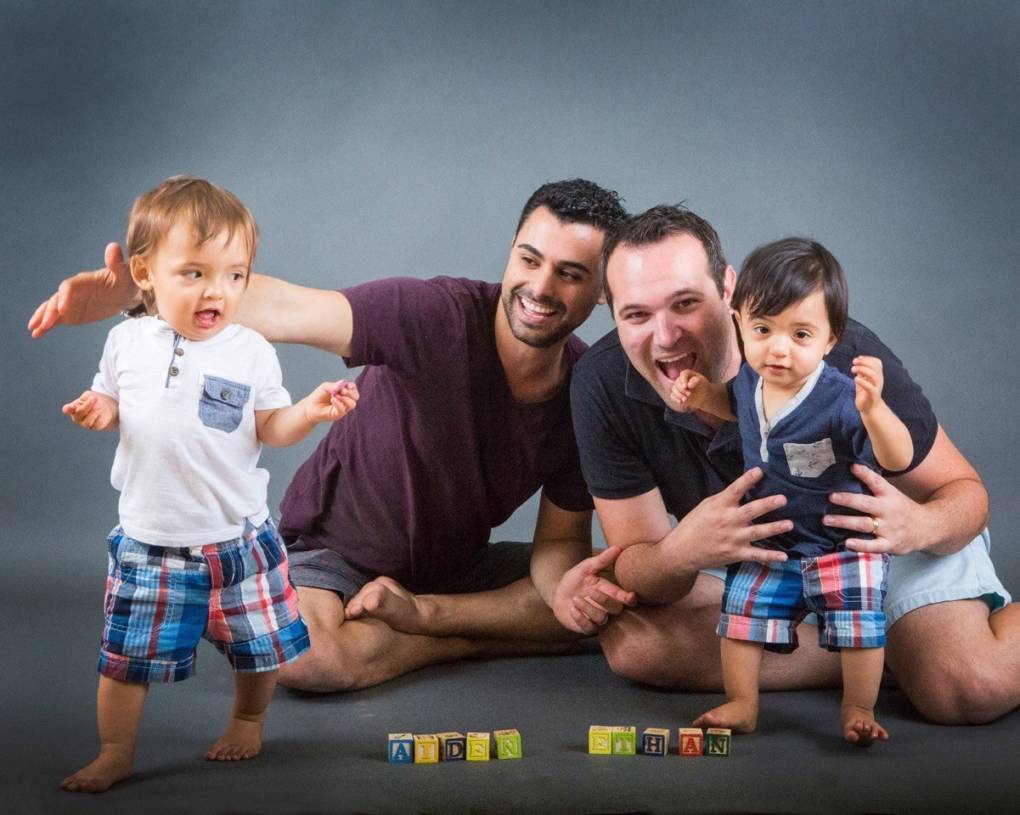
"caption": "Elad and Andrew Dvash-Banks pose for photos with their twin sons, Ethan and Aiden. Ethan is a plaintiff in a federal lawsuit against the State Department that seeks the same rights as his brother, who is a U.S. citizen.",
"description": "Elad and Andrew Dvash-Banks pose for photos with their twin sons, Ethan and Aiden. Ethan is a plaintiff in a federal lawsuit against the State Department that seeks the same rights as his brother, who is a U.S. citizen.",
"title": "same sex",
"credit": "Ashli Shapiro/Images of Life by Ashli",
"status": "inherit",
"isLoading": false,
"fetchFailed": false
},
"news_11644616": {
"type": "attachments",
"id": "news_11644616",
"meta": {
"index": "attachments_1716263798",
"site": "news",
"id": "11644616",
"found": true
},
"parent": 11633879,
"imgSizes": {
"small": {
"file": "https://ww2.kqed.org/app/uploads/sites/10/2018/01/Workout-520x520.jpg",
"width": 520,
"mimeType": "image/jpeg",
"height": 520
},
"twentyfourteen-full-width": {
"file": "https://ww2.kqed.org/app/uploads/sites/10/2018/01/Workout-1038x576.jpg",
"width": 1038,
"mimeType": "image/jpeg",
"height": 576
},
"thumbnail": {
"file": "https://ww2.kqed.org/app/uploads/sites/10/2018/01/Workout-160x160.jpg",
"width": 160,
"mimeType": "image/jpeg",
"height": 160
},
"fd-sm": {
"file": "https://ww2.kqed.org/app/uploads/sites/10/2018/01/Workout-960x960.jpg",
"width": 960,
"mimeType": "image/jpeg",
"height": 960
},
"post-thumbnail": {
"file": "https://ww2.kqed.org/app/uploads/sites/10/2018/01/Workout-672x372.jpg",
"width": 672,
"mimeType": "image/jpeg",
"height": 372
},
"xsmall": {
"file": "https://ww2.kqed.org/app/uploads/sites/10/2018/01/Workout-375x375.jpg",
"width": 375,
"mimeType": "image/jpeg",
"height": 375
},
"kqedFullSize": {
"file": "https://ww2.kqed.org/app/uploads/sites/10/2018/01/Workout.jpg",
"width": 1920,
"height": 1920
},
"large": {
"file": "https://ww2.kqed.org/app/uploads/sites/10/2018/01/Workout-1020x1020.jpg",
"width": 1020,
"mimeType": "image/jpeg",
"height": 1020
},
"xlarge": {
"file": "https://ww2.kqed.org/app/uploads/sites/10/2018/01/Workout-1180x1180.jpg",
"width": 1180,
"mimeType": "image/jpeg",
"height": 1180
},
"guest-author-50": {
"file": "https://ww2.kqed.org/app/uploads/sites/10/2018/01/Workout-50x50.jpg",
"width": 50,
"mimeType": "image/jpeg",
"height": 50
},
"guest-author-96": {
"file": "https://ww2.kqed.org/app/uploads/sites/10/2018/01/Workout-96x96.jpg",
"width": 96,
"mimeType": "image/jpeg",
"height": 96
},
"medium": {
"file": "https://ww2.kqed.org/app/uploads/sites/10/2018/01/Workout-800x800.jpg",
"width": 800,
"mimeType": "image/jpeg",
"height": 800
},
"guest-author-64": {
"file": "https://ww2.kqed.org/app/uploads/sites/10/2018/01/Workout-64x64.jpg",
"width": 64,
"mimeType": "image/jpeg",
"height": 64
},
"guest-author-32": {
"file": "https://ww2.kqed.org/app/uploads/sites/10/2018/01/Workout-32x32.jpg",
"width": 32,
"mimeType": "image/jpeg",
"height": 32
},
"fd-lrg": {
"file": "https://ww2.kqed.org/app/uploads/sites/10/2018/01/Workout-1920x1920.jpg",
"width": 1920,
"mimeType": "image/jpeg",
"height": 1920
},
"fd-med": {
"file": "https://ww2.kqed.org/app/uploads/sites/10/2018/01/Workout-1180x1180.jpg",
"width": 1180,
"mimeType": "image/jpeg",
"height": 1180
},
"full-width": {
"file": "https://ww2.kqed.org/app/uploads/sites/10/2018/01/Workout-1920x1920.jpg",
"width": 1920,
"mimeType": "image/jpeg",
"height": 1920
},
"detail": {
"file": "https://ww2.kqed.org/app/uploads/sites/10/2018/01/Workout-150x150.jpg",
"width": 150,
"mimeType": "image/jpeg",
"height": 150
},
"guest-author-128": {
"file": "https://ww2.kqed.org/app/uploads/sites/10/2018/01/Workout-128x128.jpg",
"width": 128,
"mimeType": "image/jpeg",
"height": 128
},
"xxsmall": {
"file": "https://ww2.kqed.org/app/uploads/sites/10/2018/01/Workout-240x240.jpg",
"width": 240,
"mimeType": "image/jpeg",
"height": 240
}
},
"publishDate": 1516998323,
"modified": 1517006948,
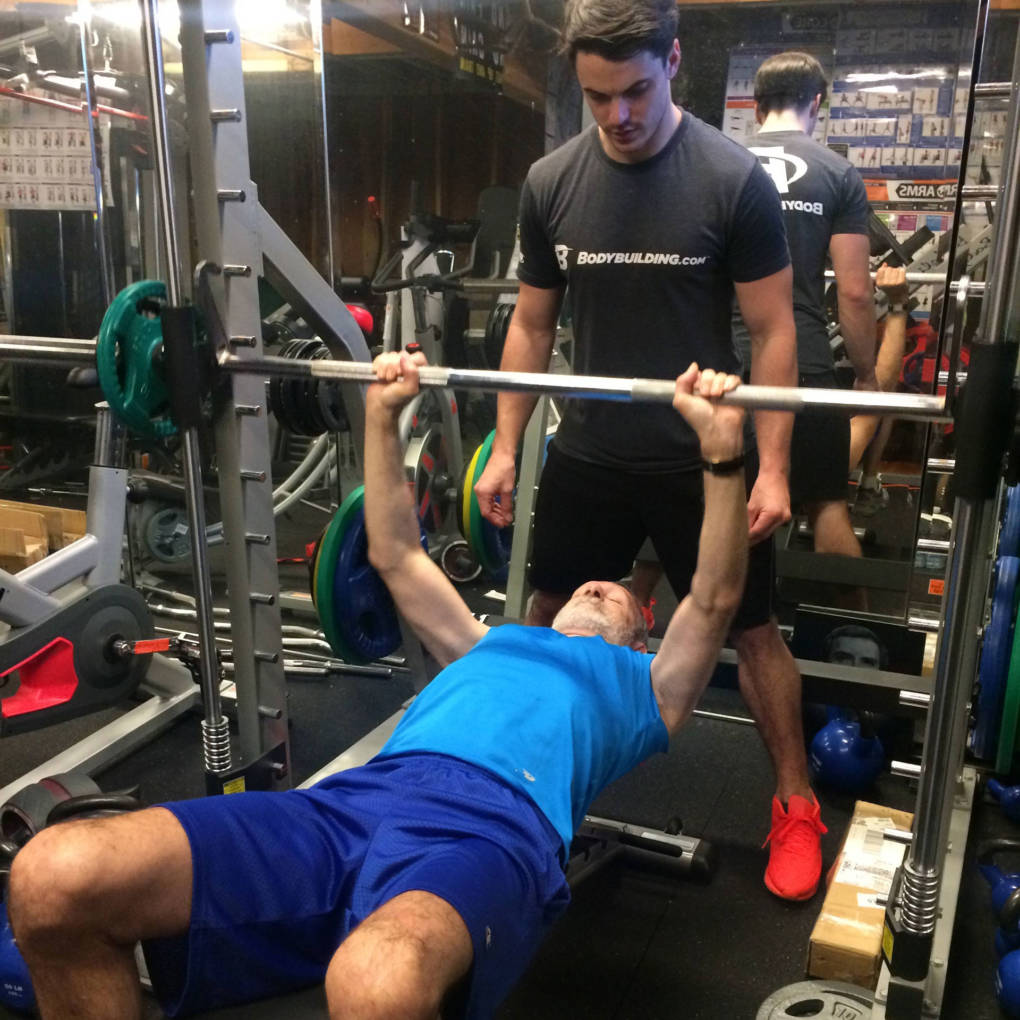
"caption": "Eric Trefelner works out with his trainer, Lance Becker, at a gym in Montara.",
"description": "Eric Trefelner works out with his trainer Lance Becker at a gym in Montara.",
"title": "Workout",
"credit": "Julia Scott/KQED",
"status": "inherit",
"isLoading": false,
"fetchFailed": false
},
"news_11642663": {
"type": "attachments",
"id": "news_11642663",
"meta": {
"index": "attachments_1716263798",
"site": "news",
"id": "11642663",
"found": true
},
"parent": 11642662,
"imgSizes": {
"small": {
"file": "https://ww2.kqed.org/app/uploads/sites/10/2018/01/Blaze-Nathan-Bernstein-520x567.jpg",
"width": 520,
"mimeType": "image/jpeg",
"height": 567
},
"twentyfourteen-full-width": {
"file": "https://ww2.kqed.org/app/uploads/sites/10/2018/01/Blaze-Nathan-Bernstein-1038x576.jpg",
"width": 1038,
"mimeType": "image/jpeg",
"height": 576
},
"thumbnail": {
"file": "https://ww2.kqed.org/app/uploads/sites/10/2018/01/Blaze-Nathan-Bernstein-160x174.jpg",
"width": 160,
"mimeType": "image/jpeg",
"height": 174
},
"fd-sm": {
"file": "https://ww2.kqed.org/app/uploads/sites/10/2018/01/Blaze-Nathan-Bernstein-960x1046.jpg",
"width": 960,
"mimeType": "image/jpeg",
"height": 1046
},
"post-thumbnail": {
"file": "https://ww2.kqed.org/app/uploads/sites/10/2018/01/Blaze-Nathan-Bernstein-672x372.jpg",
"width": 672,
"mimeType": "image/jpeg",
"height": 372
},
"xsmall": {
"file": "https://ww2.kqed.org/app/uploads/sites/10/2018/01/Blaze-Nathan-Bernstein-375x409.jpg",
"width": 375,
"mimeType": "image/jpeg",
"height": 409
},
"kqedFullSize": {
"file": "https://ww2.kqed.org/app/uploads/sites/10/2018/01/Blaze-Nathan-Bernstein-e1516294505265.jpg",
"width": 1920,
"height": 2093
},
"large": {
"file": "https://ww2.kqed.org/app/uploads/sites/10/2018/01/Blaze-Nathan-Bernstein-1020x1112.jpg",
"width": 1020,
"mimeType": "image/jpeg",
"height": 1112
},
"xlarge": {
"file": "https://ww2.kqed.org/app/uploads/sites/10/2018/01/Blaze-Nathan-Bernstein-1180x1286.jpg",
"width": 1180,
"mimeType": "image/jpeg",
"height": 1286
},
"guest-author-50": {
"file": "https://ww2.kqed.org/app/uploads/sites/10/2018/01/Blaze-Nathan-Bernstein-50x50.jpg",
"width": 50,
"mimeType": "image/jpeg",
"height": 50
},
"guest-author-96": {
"file": "https://ww2.kqed.org/app/uploads/sites/10/2018/01/Blaze-Nathan-Bernstein-96x96.jpg",
"width": 96,
"mimeType": "image/jpeg",
"height": 96
},
"medium": {
"file": "https://ww2.kqed.org/app/uploads/sites/10/2018/01/Blaze-Nathan-Bernstein-800x872.jpg",
"width": 800,
"mimeType": "image/jpeg",
"height": 872
},
"guest-author-64": {
"file": "https://ww2.kqed.org/app/uploads/sites/10/2018/01/Blaze-Nathan-Bernstein-64x64.jpg",
"width": 64,
"mimeType": "image/jpeg",
"height": 64
},
"guest-author-32": {
"file": "https://ww2.kqed.org/app/uploads/sites/10/2018/01/Blaze-Nathan-Bernstein-32x32.jpg",
"width": 32,
"mimeType": "image/jpeg",
"height": 32
},
"fd-lrg": {
"file": "https://ww2.kqed.org/app/uploads/sites/10/2018/01/Blaze-Nathan-Bernstein-1920x2093.jpg",
"width": 1920,
"mimeType": "image/jpeg",
"height": 2093
},
"fd-med": {
"file": "https://ww2.kqed.org/app/uploads/sites/10/2018/01/Blaze-Nathan-Bernstein-1180x1286.jpg",
"width": 1180,
"mimeType": "image/jpeg",
"height": 1286
},
"full-width": {
"file": "https://ww2.kqed.org/app/uploads/sites/10/2018/01/Blaze-Nathan-Bernstein-1920x2093.jpg",
"width": 1920,
"mimeType": "image/jpeg",
"height": 2093
},
"detail": {
"file": "https://ww2.kqed.org/app/uploads/sites/10/2018/01/Blaze-Nathan-Bernstein-150x150.jpg",
"width": 150,
"mimeType": "image/jpeg",
"height": 150
},
"guest-author-128": {
"file": "https://ww2.kqed.org/app/uploads/sites/10/2018/01/Blaze-Nathan-Bernstein-128x128.jpg",
"width": 128,
"mimeType": "image/jpeg",
"height": 128
},
"xxsmall": {
"file": "https://ww2.kqed.org/app/uploads/sites/10/2018/01/Blaze-Nathan-Bernstein-240x262.jpg",
"width": 240,
"mimeType": "image/jpeg",
"height": 262
}
},
"publishDate": 1516294444,
"modified": 1519504719,
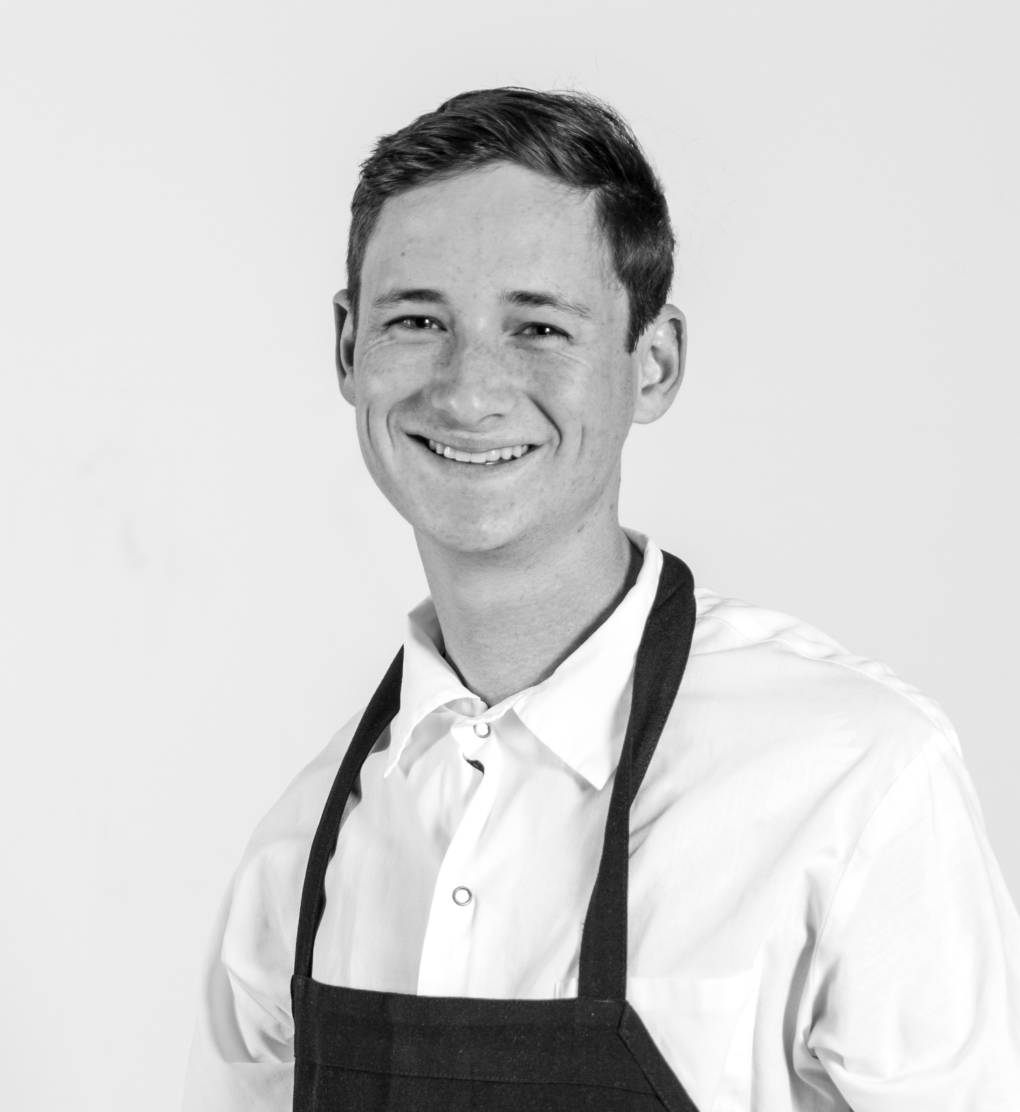
"caption": "Blaze Bernstein, a student of the University of Pennsylvania, was murdered allegedly by Samuel Woodward, who is said to have belonged to Atomwaffen Division, a neo-Nazi group.",
"description": "Blaze Bernstein, a student of the University of Pennsylvania, was murdered allegedly by Samuel Woodward, who is said to have belonged to Atomwaffen Division, a neo-Nazi group.",
"title": "Blaze-Nathan-Bernstein",
"credit": "Noel Zheng",
"status": "inherit",
"isLoading": false,
"fetchFailed": false
},
"news_11639571": {
"type": "attachments",
"id": "news_11639571",
"meta": {
"index": "attachments_1716263798",
"site": "news",
"id": "11639571",
"found": true
},
"parent": 11639568,
"imgSizes": {
"small": {
"file": "https://ww2.kqed.org/app/uploads/sites/10/2017/12/RS28727_GettyImages-823239128-qut-520x347.jpg",
"width": 520,
"mimeType": "image/jpeg",
"height": 347
},
"twentyfourteen-full-width": {
"file": "https://ww2.kqed.org/app/uploads/sites/10/2017/12/RS28727_GettyImages-823239128-qut-1038x576.jpg",
"width": 1038,
"mimeType": "image/jpeg",
"height": 576
},
"thumbnail": {
"file": "https://ww2.kqed.org/app/uploads/sites/10/2017/12/RS28727_GettyImages-823239128-qut-160x107.jpg",
"width": 160,
"mimeType": "image/jpeg",
"height": 107
},
"fd-sm": {
"file": "https://ww2.kqed.org/app/uploads/sites/10/2017/12/RS28727_GettyImages-823239128-qut-960x640.jpg",
"width": 960,
"mimeType": "image/jpeg",
"height": 640
},
"post-thumbnail": {
"file": "https://ww2.kqed.org/app/uploads/sites/10/2017/12/RS28727_GettyImages-823239128-qut-672x372.jpg",
"width": 672,
"mimeType": "image/jpeg",
"height": 372
},
"xsmall": {
"file": "https://ww2.kqed.org/app/uploads/sites/10/2017/12/RS28727_GettyImages-823239128-qut-375x250.jpg",
"width": 375,
"mimeType": "image/jpeg",
"height": 250
},
"kqedFullSize": {
"file": "https://ww2.kqed.org/app/uploads/sites/10/2017/12/RS28727_GettyImages-823239128-qut.jpg",
"width": 1920,
"height": 1280
},
"large": {
"file": "https://ww2.kqed.org/app/uploads/sites/10/2017/12/RS28727_GettyImages-823239128-qut-1020x680.jpg",
"width": 1020,
"mimeType": "image/jpeg",
"height": 680
},
"xlarge": {
"file": "https://ww2.kqed.org/app/uploads/sites/10/2017/12/RS28727_GettyImages-823239128-qut-1180x787.jpg",
"width": 1180,
"mimeType": "image/jpeg",
"height": 787
},
"guest-author-50": {
"file": "https://ww2.kqed.org/app/uploads/sites/10/2017/12/RS28727_GettyImages-823239128-qut-50x50.jpg",
"width": 50,
"mimeType": "image/jpeg",
"height": 50
},
"guest-author-96": {
"file": "https://ww2.kqed.org/app/uploads/sites/10/2017/12/RS28727_GettyImages-823239128-qut-96x96.jpg",
"width": 96,
"mimeType": "image/jpeg",
"height": 96
},
"medium": {
"file": "https://ww2.kqed.org/app/uploads/sites/10/2017/12/RS28727_GettyImages-823239128-qut-800x533.jpg",
"width": 800,
"mimeType": "image/jpeg",
"height": 533
},
"guest-author-64": {
"file": "https://ww2.kqed.org/app/uploads/sites/10/2017/12/RS28727_GettyImages-823239128-qut-64x64.jpg",
"width": 64,
"mimeType": "image/jpeg",
"height": 64
},
"guest-author-32": {
"file": "https://ww2.kqed.org/app/uploads/sites/10/2017/12/RS28727_GettyImages-823239128-qut-32x32.jpg",
"width": 32,
"mimeType": "image/jpeg",
"height": 32
},
"fd-lrg": {
"file": "https://ww2.kqed.org/app/uploads/sites/10/2017/12/RS28727_GettyImages-823239128-qut-1920x1280.jpg",
"width": 1920,
"mimeType": "image/jpeg",
"height": 1280
},
"fd-med": {
"file": "https://ww2.kqed.org/app/uploads/sites/10/2017/12/RS28727_GettyImages-823239128-qut-1180x787.jpg",
"width": 1180,
"mimeType": "image/jpeg",
"height": 787
},
"full-width": {
"file": "https://ww2.kqed.org/app/uploads/sites/10/2017/12/RS28727_GettyImages-823239128-qut-1920x1280.jpg",
"width": 1920,
"mimeType": "image/jpeg",
"height": 1280
},
"detail": {
"file": "https://ww2.kqed.org/app/uploads/sites/10/2017/12/RS28727_GettyImages-823239128-qut-150x150.jpg",
"width": 150,
"mimeType": "image/jpeg",
"height": 150
},
"guest-author-128": {
"file": "https://ww2.kqed.org/app/uploads/sites/10/2017/12/RS28727_GettyImages-823239128-qut-128x128.jpg",
"width": 128,
"mimeType": "image/jpeg",
"height": 128
},
"xxsmall": {
"file": "https://ww2.kqed.org/app/uploads/sites/10/2017/12/RS28727_GettyImages-823239128-qut-240x160.jpg",
"width": 240,
"mimeType": "image/jpeg",
"height": 160
}
},
"publishDate": 1514662303,
"modified": 1514662367,
"caption": "Protesters display placards against President Donald Trump during a demonstration in front of the U.S. Army career center in Times Square, New York, on July 26, 2017.\nTrump announced on July 26 that transgender people may not serve \"in any capacity\" in the US military, citing the \"tremendous medical costs and disruption\" their presence would cause.",
"description": "Protesters display placards against President Donald Trump during a demonstration in front of the U.S. Army career center in Times Square, New York, on July 26, 2017.\nTrump announced on July 26 that transgender people may not serve \"in any capacity\" in the US military, citing the \"tremendous medical costs and disruption\" their presence would cause.",
"title": "US-POLITICS-MILITARY-TRANSGENDER-TRUMP-PROTEST",
"credit": "JEWEL SAMAD/AFP/Getty Images",
"status": "inherit",
"isLoading": false,
"fetchFailed": false
},
"news_11635012": {
"type": "attachments",
"id": "news_11635012",
"meta": {
"index": "attachments_1716263798",
"site": "news",
"id": "11635012",
"found": true
},
"parent": 11634601,
"imgSizes": {
"small": {
"file": "https://ww2.kqed.org/app/uploads/sites/10/2017/12/iStock-183834678-520x389.jpg",
"width": 520,
"mimeType": "image/jpeg",
"height": 389
},
"twentyfourteen-full-width": {
"file": "https://ww2.kqed.org/app/uploads/sites/10/2017/12/iStock-183834678-1038x576.jpg",
"width": 1038,
"mimeType": "image/jpeg",
"height": 576
},
"thumbnail": {
"file": "https://ww2.kqed.org/app/uploads/sites/10/2017/12/iStock-183834678-160x120.jpg",
"width": 160,
"mimeType": "image/jpeg",
"height": 120
},
"fd-sm": {
"file": "https://ww2.kqed.org/app/uploads/sites/10/2017/12/iStock-183834678-960x718.jpg",
"width": 960,
"mimeType": "image/jpeg",
"height": 718
},
"post-thumbnail": {
"file": "https://ww2.kqed.org/app/uploads/sites/10/2017/12/iStock-183834678-672x372.jpg",
"width": 672,
"mimeType": "image/jpeg",
"height": 372
},
"xsmall": {
"file": "https://ww2.kqed.org/app/uploads/sites/10/2017/12/iStock-183834678-375x280.jpg",
"width": 375,
"mimeType": "image/jpeg",
"height": 280
},
"kqedFullSize": {
"file": "https://ww2.kqed.org/app/uploads/sites/10/2017/12/iStock-183834678.jpg",
"width": 2048,
"height": 1531
},
"large": {
"file": "https://ww2.kqed.org/app/uploads/sites/10/2017/12/iStock-183834678-1020x763.jpg",
"width": 1020,
"mimeType": "image/jpeg",
"height": 763
},
"xlarge": {
"file": "https://ww2.kqed.org/app/uploads/sites/10/2017/12/iStock-183834678-1180x882.jpg",
"width": 1180,
"mimeType": "image/jpeg",
"height": 882
},
"guest-author-50": {
"file": "https://ww2.kqed.org/app/uploads/sites/10/2017/12/iStock-183834678-50x50.jpg",
"width": 50,
"mimeType": "image/jpeg",
"height": 50
},
"guest-author-96": {
"file": "https://ww2.kqed.org/app/uploads/sites/10/2017/12/iStock-183834678-96x96.jpg",
"width": 96,
"mimeType": "image/jpeg",
"height": 96
},
"medium": {
"file": "https://ww2.kqed.org/app/uploads/sites/10/2017/12/iStock-183834678-800x598.jpg",
"width": 800,
"mimeType": "image/jpeg",
"height": 598
},
"guest-author-64": {
"file": "https://ww2.kqed.org/app/uploads/sites/10/2017/12/iStock-183834678-64x64.jpg",
"width": 64,
"mimeType": "image/jpeg",
"height": 64
},
"guest-author-32": {
"file": "https://ww2.kqed.org/app/uploads/sites/10/2017/12/iStock-183834678-32x32.jpg",
"width": 32,
"mimeType": "image/jpeg",
"height": 32
},
"fd-lrg": {
"file": "https://ww2.kqed.org/app/uploads/sites/10/2017/12/iStock-183834678-1920x1436.jpg",
"width": 1920,
"mimeType": "image/jpeg",
"height": 1436
},
"fd-med": {
"file": "https://ww2.kqed.org/app/uploads/sites/10/2017/12/iStock-183834678-1180x882.jpg",
"width": 1180,
"mimeType": "image/jpeg",
"height": 882
},
"full-width": {
"file": "https://ww2.kqed.org/app/uploads/sites/10/2017/12/iStock-183834678-1920x1436.jpg",
"width": 1920,
"mimeType": "image/jpeg",
"height": 1436
},
"detail": {
"file": "https://ww2.kqed.org/app/uploads/sites/10/2017/12/iStock-183834678-150x150.jpg",
"width": 150,
"mimeType": "image/jpeg",
"height": 150
},
"guest-author-128": {
"file": "https://ww2.kqed.org/app/uploads/sites/10/2017/12/iStock-183834678-128x128.jpg",
"width": 128,
"mimeType": "image/jpeg",
"height": 128
},
"xxsmall": {
"file": "https://ww2.kqed.org/app/uploads/sites/10/2017/12/iStock-183834678-240x179.jpg",
"width": 240,
"mimeType": "image/jpeg",
"height": 179
}
},
"publishDate": 1512510825,
"modified": 1512510906,
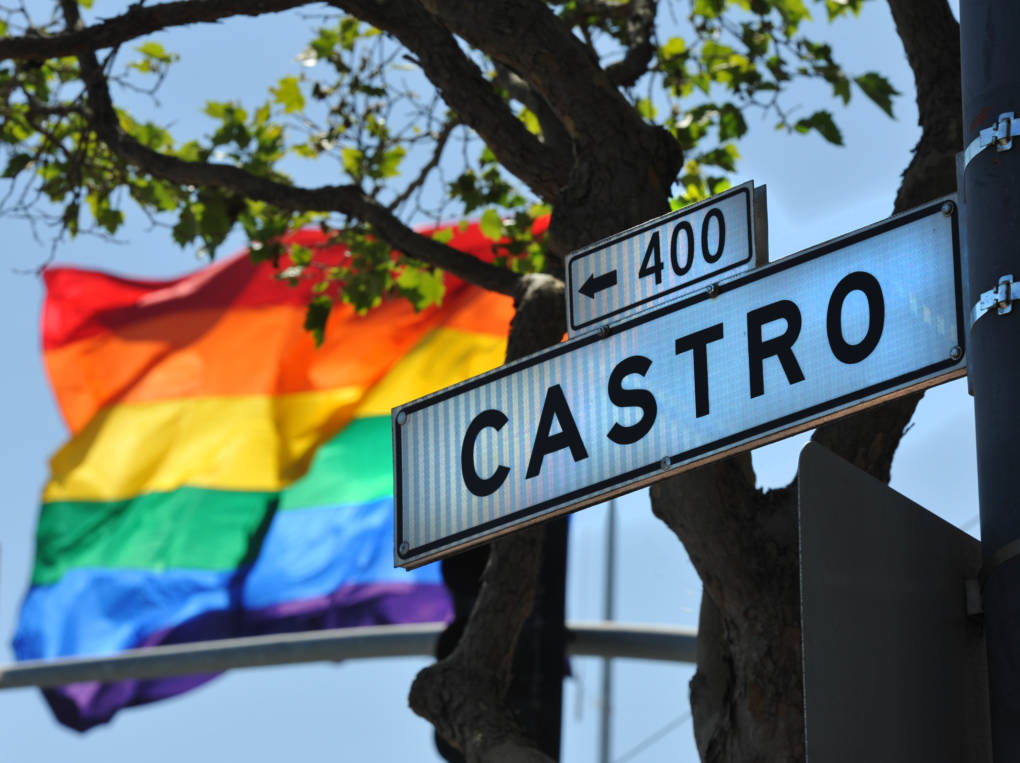
"caption": "Longtime Castro residents say the neighborhood has evolved as house prices have gone up. ",
"description": "Longtime Castro residents say the neighborhood has evolved as house prices have gone up. ",
"title": "Castro sign",
"credit": "oversnap/iStock",
"status": "inherit",
"isLoading": false,
"fetchFailed": false
},
"news_11595665": {
"type": "attachments",
"id": "news_11595665",
"meta": {
"index": "attachments_1716263798",
"site": "news",
"id": "11595665",
"found": true
},
"parent": 11595066,
"imgSizes": {
"small": {
"file": "https://ww2.kqed.org/app/uploads/sites/10/2017/07/Transgender_SF__IMG_1331-qut-520x390.jpg",
"width": 520,
"mimeType": "image/jpeg",
"height": 390
},
"twentyfourteen-full-width": {
"file": "https://ww2.kqed.org/app/uploads/sites/10/2017/07/Transgender_SF__IMG_1331-qut-1038x576.jpg",
"width": 1038,
"mimeType": "image/jpeg",
"height": 576
},
"thumbnail": {
"file": "https://ww2.kqed.org/app/uploads/sites/10/2017/07/Transgender_SF__IMG_1331-qut-160x120.jpg",
"width": 160,
"mimeType": "image/jpeg",
"height": 120
},
"fd-sm": {
"file": "https://ww2.kqed.org/app/uploads/sites/10/2017/07/Transgender_SF__IMG_1331-qut-960x720.jpg",
"width": 960,
"mimeType": "image/jpeg",
"height": 720
},
"post-thumbnail": {
"file": "https://ww2.kqed.org/app/uploads/sites/10/2017/07/Transgender_SF__IMG_1331-qut-672x372.jpg",
"width": 672,
"mimeType": "image/jpeg",
"height": 372
},
"xsmall": {
"file": "https://ww2.kqed.org/app/uploads/sites/10/2017/07/Transgender_SF__IMG_1331-qut-375x281.jpg",
"width": 375,
"mimeType": "image/jpeg",
"height": 281
},
"kqedFullSize": {
"file": "https://ww2.kqed.org/app/uploads/sites/10/2017/07/Transgender_SF__IMG_1331-qut.jpg",
"width": 1920,
"height": 1440
},
"large": {
"file": "https://ww2.kqed.org/app/uploads/sites/10/2017/07/Transgender_SF__IMG_1331-qut-1020x765.jpg",
"width": 1020,
"mimeType": "image/jpeg",
"height": 765
},
"xlarge": {
"file": "https://ww2.kqed.org/app/uploads/sites/10/2017/07/Transgender_SF__IMG_1331-qut-1180x885.jpg",
"width": 1180,
"mimeType": "image/jpeg",
"height": 885
},
"guest-author-50": {
"file": "https://ww2.kqed.org/app/uploads/sites/10/2017/07/Transgender_SF__IMG_1331-qut-50x50.jpg",
"width": 50,
"mimeType": "image/jpeg",
"height": 50
},
"guest-author-96": {
"file": "https://ww2.kqed.org/app/uploads/sites/10/2017/07/Transgender_SF__IMG_1331-qut-96x96.jpg",
"width": 96,
"mimeType": "image/jpeg",
"height": 96
},
"medium": {
"file": "https://ww2.kqed.org/app/uploads/sites/10/2017/07/Transgender_SF__IMG_1331-qut-800x600.jpg",
"width": 800,
"mimeType": "image/jpeg",
"height": 600
},
"guest-author-64": {
"file": "https://ww2.kqed.org/app/uploads/sites/10/2017/07/Transgender_SF__IMG_1331-qut-64x64.jpg",
"width": 64,
"mimeType": "image/jpeg",
"height": 64
},
"guest-author-32": {
"file": "https://ww2.kqed.org/app/uploads/sites/10/2017/07/Transgender_SF__IMG_1331-qut-32x32.jpg",
"width": 32,
"mimeType": "image/jpeg",
"height": 32
},
"fd-lrg": {
"file": "https://ww2.kqed.org/app/uploads/sites/10/2017/07/Transgender_SF__IMG_1331-qut-1920x1440.jpg",
"width": 1920,
"mimeType": "image/jpeg",
"height": 1440
},
"fd-med": {
"file": "https://ww2.kqed.org/app/uploads/sites/10/2017/07/Transgender_SF__IMG_1331-qut-1180x885.jpg",
"width": 1180,
"mimeType": "image/jpeg",
"height": 885
},
"full-width": {
"file": "https://ww2.kqed.org/app/uploads/sites/10/2017/07/Transgender_SF__IMG_1331-qut-1920x1440.jpg",
"width": 1920,
"mimeType": "image/jpeg",
"height": 1440
},
"detail": {
"file": "https://ww2.kqed.org/app/uploads/sites/10/2017/07/Transgender_SF__IMG_1331-qut-150x150.jpg",
"width": 150,
"mimeType": "image/jpeg",
"height": 150
},
"guest-author-128": {
"file": "https://ww2.kqed.org/app/uploads/sites/10/2017/07/Transgender_SF__IMG_1331-qut-128x128.jpg",
"width": 128,
"mimeType": "image/jpeg",
"height": 128
},
"xxsmall": {
"file": "https://ww2.kqed.org/app/uploads/sites/10/2017/07/Transgender_SF__IMG_1331-qut-240x180.jpg",
"width": 240,
"mimeType": "image/jpeg",
"height": 180
}
},
"publishDate": 1501121473,
"modified": 1509386660,
"caption": "People protest President Donald Trump's decision to bar transgender people from serving in the military, in a march through San Francisco's Castro neighborhood on July 26, 2017.",
"description": null,
"title": "Transgender_SF__IMG_1331-qut",
"credit": "Polly Stryker/KQED",
"status": "inherit",
"isLoading": false,
"fetchFailed": false
},
"news_11618115": {
"type": "attachments",
"id": "news_11618115",
"meta": {
"index": "attachments_1716263798",
"site": "news",
"id": "11618115",
"found": true
},
"parent": 11618110,
"imgSizes": {
"small": {
"file": "https://ww2.kqed.org/app/uploads/sites/10/2017/09/RS26642_DSC_7153-1-qut-520x347.jpg",
"width": 520,
"mimeType": "image/jpeg",
"height": 347
},
"twentyfourteen-full-width": {
"file": "https://ww2.kqed.org/app/uploads/sites/10/2017/09/RS26642_DSC_7153-1-qut-1038x576.jpg",
"width": 1038,
"mimeType": "image/jpeg",
"height": 576
},
"thumbnail": {
"file": "https://ww2.kqed.org/app/uploads/sites/10/2017/09/RS26642_DSC_7153-1-qut-160x107.jpg",
"width": 160,
"mimeType": "image/jpeg",
"height": 107
},
"fd-sm": {
"file": "https://ww2.kqed.org/app/uploads/sites/10/2017/09/RS26642_DSC_7153-1-qut-960x641.jpg",
"width": 960,
"mimeType": "image/jpeg",
"height": 641
},
"post-thumbnail": {
"file": "https://ww2.kqed.org/app/uploads/sites/10/2017/09/RS26642_DSC_7153-1-qut-672x372.jpg",
"width": 672,
"mimeType": "image/jpeg",
"height": 372
},
"xsmall": {
"file": "https://ww2.kqed.org/app/uploads/sites/10/2017/09/RS26642_DSC_7153-1-qut-375x250.jpg",
"width": 375,
"mimeType": "image/jpeg",
"height": 250
},
"kqedFullSize": {
"file": "https://ww2.kqed.org/app/uploads/sites/10/2017/09/RS26642_DSC_7153-1-qut.jpg",
"width": 1920,
"height": 1281
},
"large": {
"file": "https://ww2.kqed.org/app/uploads/sites/10/2017/09/RS26642_DSC_7153-1-qut-1020x681.jpg",
"width": 1020,
"mimeType": "image/jpeg",
"height": 681
},
"xlarge": {
"file": "https://ww2.kqed.org/app/uploads/sites/10/2017/09/RS26642_DSC_7153-1-qut-1180x787.jpg",
"width": 1180,
"mimeType": "image/jpeg",
"height": 787
},
"guest-author-50": {
"file": "https://ww2.kqed.org/app/uploads/sites/10/2017/09/RS26642_DSC_7153-1-qut-50x50.jpg",
"width": 50,
"mimeType": "image/jpeg",
"height": 50
},
"guest-author-96": {
"file": "https://ww2.kqed.org/app/uploads/sites/10/2017/09/RS26642_DSC_7153-1-qut-96x96.jpg",
"width": 96,
"mimeType": "image/jpeg",
"height": 96
},
"medium": {
"file": "https://ww2.kqed.org/app/uploads/sites/10/2017/09/RS26642_DSC_7153-1-qut-800x534.jpg",
"width": 800,
"mimeType": "image/jpeg",
"height": 534
},
"guest-author-64": {
"file": "https://ww2.kqed.org/app/uploads/sites/10/2017/09/RS26642_DSC_7153-1-qut-64x64.jpg",
"width": 64,
"mimeType": "image/jpeg",
"height": 64
},
"guest-author-32": {
"file": "https://ww2.kqed.org/app/uploads/sites/10/2017/09/RS26642_DSC_7153-1-qut-32x32.jpg",
"width": 32,
"mimeType": "image/jpeg",
"height": 32
},
"fd-lrg": {
"file": "https://ww2.kqed.org/app/uploads/sites/10/2017/09/RS26642_DSC_7153-1-qut-1920x1281.jpg",
"width": 1920,
"mimeType": "image/jpeg",
"height": 1281
},
"fd-med": {
"file": "https://ww2.kqed.org/app/uploads/sites/10/2017/09/RS26642_DSC_7153-1-qut-1180x787.jpg",
"width": 1180,
"mimeType": "image/jpeg",
"height": 787
},
"full-width": {
"file": "https://ww2.kqed.org/app/uploads/sites/10/2017/09/RS26642_DSC_7153-1-qut-1920x1281.jpg",
"width": 1920,
"mimeType": "image/jpeg",
"height": 1281
},
"detail": {
"file": "https://ww2.kqed.org/app/uploads/sites/10/2017/09/RS26642_DSC_7153-1-qut-150x150.jpg",
"width": 150,
"mimeType": "image/jpeg",
"height": 150
},
"guest-author-128": {
"file": "https://ww2.kqed.org/app/uploads/sites/10/2017/09/RS26642_DSC_7153-1-qut-128x128.jpg",
"width": 128,
"mimeType": "image/jpeg",
"height": 128
},
"xxsmall": {
"file": "https://ww2.kqed.org/app/uploads/sites/10/2017/09/RS26642_DSC_7153-1-qut-240x160.jpg",
"width": 240,
"mimeType": "image/jpeg",
"height": 160
}
},
"publishDate": 1505947808,
"modified": 1506129358,
"caption": "Min Matson, a transgender, liberal, Korean adoptee talks with Walt Shjeflo, a conservative who voted for President Trump, at Make America Dinner Again.",
"description": "Min Matson, a transgender, liberal, Korean adoptee talks with Walt Shjeflo, a conservative who voted for President Trump, at Make America Dinner Again.",
"title": "RS26642_DSC_7153 (1)-qut",
"credit": "Maykel Loomans ",
"status": "inherit",
"isLoading": false,
"fetchFailed": false
},
"futureofyou_435379": {
"type": "attachments",
"id": "futureofyou_435379",
"meta": {
"index": "attachments_1716263798",
"site": "futureofyou",
"id": "435379",
"found": true
},
"parent": 435378,
"imgSizes": {
"small": {
"file": "https://ww2.kqed.org/app/uploads/sites/13/2017/09/djneyjvuwaalpir_large-520x342.jpg",
"width": 520,
"mimeType": "image/jpeg",
"height": 342
},
"thumbnail": {
"file": "https://ww2.kqed.org/app/uploads/sites/13/2017/09/djneyjvuwaalpir_large-160x105.jpg",
"width": 160,
"mimeType": "image/jpeg",
"height": 105
},
"post-thumbnail": {
"file": "https://ww2.kqed.org/app/uploads/sites/13/2017/09/djneyjvuwaalpir_large-672x372.jpg",
"width": 672,
"mimeType": "image/jpeg",
"height": 372
},
"xsmall": {
"file": "https://ww2.kqed.org/app/uploads/sites/13/2017/09/djneyjvuwaalpir_large-375x247.jpg",
"width": 375,
"mimeType": "image/jpeg",
"height": 247
},
"kqedFullSize": {
"file": "https://ww2.kqed.org/app/uploads/sites/13/2017/09/djneyjvuwaalpir_large.jpg",
"width": 748,
"height": 492
},
"guest-author-50": {
"file": "https://ww2.kqed.org/app/uploads/sites/13/2017/09/djneyjvuwaalpir_large-50x50.jpg",
"width": 50,
"mimeType": "image/jpeg",
"height": 50
},
"guest-author-96": {
"file": "https://ww2.kqed.org/app/uploads/sites/13/2017/09/djneyjvuwaalpir_large-96x96.jpg",
"width": 96,
"mimeType": "image/jpeg",
"height": 96
},
"guest-author-64": {
"file": "https://ww2.kqed.org/app/uploads/sites/13/2017/09/djneyjvuwaalpir_large-64x64.jpg",
"width": 64,
"mimeType": "image/jpeg",
"height": 64
},
"detail": {
"file": "https://ww2.kqed.org/app/uploads/sites/13/2017/09/djneyjvuwaalpir_large-150x150.jpg",
"width": 150,
"mimeType": "image/jpeg",
"height": 150
},
"guest-author-32": {
"file": "https://ww2.kqed.org/app/uploads/sites/13/2017/09/djneyjvuwaalpir_large-32x32.jpg",
"width": 32,
"mimeType": "image/jpeg",
"height": 32
},
"guest-author-128": {
"file": "https://ww2.kqed.org/app/uploads/sites/13/2017/09/djneyjvuwaalpir_large-128x128.jpg",
"width": 128,
"mimeType": "image/jpeg",
"height": 128
},
"xxsmall": {
"file": "https://ww2.kqed.org/app/uploads/sites/13/2017/09/djneyjvuwaalpir_large-240x158.jpg",
"width": 240,
"mimeType": "image/jpeg",
"height": 158
}
},
"publishDate": 1505260360,
"modified": 1505319060,
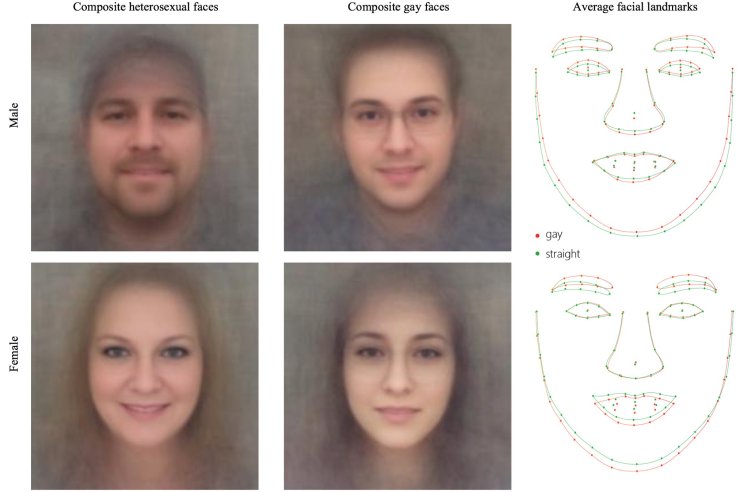
"caption": "Composite faces built by averaging faces classified as most and least likely to be gay by a computer. ",
"description": null,
"title": "djneyjvuwaalpir_large",
"credit": "Michal Kosinski and Yilun Wang/APA",
"status": "inherit",
"isLoading": false,
"fetchFailed": false
},
"news_11614731": {
"type": "attachments",
"id": "news_11614731",
"meta": {
"index": "attachments_1716263798",
"site": "news",
"id": "11614731",
"found": true
},
"parent": 11614729,
"imgSizes": {
"small": {
"file": "https://ww2.kqed.org/app/uploads/sites/10/2017/08/NonBinaryMain-520x346.jpg",
"width": 520,
"mimeType": "image/jpeg",
"height": 346
},
"twentyfourteen-full-width": {
"file": "https://ww2.kqed.org/app/uploads/sites/10/2017/08/NonBinaryMain-1038x576.jpg",
"width": 1038,
"mimeType": "image/jpeg",
"height": 576
},
"thumbnail": {
"file": "https://ww2.kqed.org/app/uploads/sites/10/2017/08/NonBinaryMain-160x106.jpg",
"width": 160,
"mimeType": "image/jpeg",
"height": 106
},
"fd-sm": {
"file": "https://ww2.kqed.org/app/uploads/sites/10/2017/08/NonBinaryMain-960x639.jpg",
"width": 960,
"mimeType": "image/jpeg",
"height": 639
},
"post-thumbnail": {
"file": "https://ww2.kqed.org/app/uploads/sites/10/2017/08/NonBinaryMain-672x372.jpg",
"width": 672,
"mimeType": "image/jpeg",
"height": 372
},
"xsmall": {
"file": "https://ww2.kqed.org/app/uploads/sites/10/2017/08/NonBinaryMain-375x249.jpg",
"width": 375,
"mimeType": "image/jpeg",
"height": 249
},
"kqedFullSize": {
"file": "https://ww2.kqed.org/app/uploads/sites/10/2017/08/NonBinaryMain.jpg",
"width": 1920,
"height": 1277
},
"large": {
"file": "https://ww2.kqed.org/app/uploads/sites/10/2017/08/NonBinaryMain-1020x678.jpg",
"width": 1020,
"mimeType": "image/jpeg",
"height": 678
},
"xlarge": {
"file": "https://ww2.kqed.org/app/uploads/sites/10/2017/08/NonBinaryMain-1180x785.jpg",
"width": 1180,
"mimeType": "image/jpeg",
"height": 785
},
"guest-author-50": {
"file": "https://ww2.kqed.org/app/uploads/sites/10/2017/08/NonBinaryMain-50x50.jpg",
"width": 50,
"mimeType": "image/jpeg",
"height": 50
},
"guest-author-96": {
"file": "https://ww2.kqed.org/app/uploads/sites/10/2017/08/NonBinaryMain-96x96.jpg",
"width": 96,
"mimeType": "image/jpeg",
"height": 96
},
"medium": {
"file": "https://ww2.kqed.org/app/uploads/sites/10/2017/08/NonBinaryMain-800x532.jpg",
"width": 800,
"mimeType": "image/jpeg",
"height": 532
},
"guest-author-64": {
"file": "https://ww2.kqed.org/app/uploads/sites/10/2017/08/NonBinaryMain-64x64.jpg",
"width": 64,
"mimeType": "image/jpeg",
"height": 64
},
"guest-author-32": {
"file": "https://ww2.kqed.org/app/uploads/sites/10/2017/08/NonBinaryMain-32x32.jpg",
"width": 32,
"mimeType": "image/jpeg",
"height": 32
},
"fd-lrg": {
"file": "https://ww2.kqed.org/app/uploads/sites/10/2017/08/NonBinaryMain-1920x1277.jpg",
"width": 1920,
"mimeType": "image/jpeg",
"height": 1277
},
"fd-med": {
"file": "https://ww2.kqed.org/app/uploads/sites/10/2017/08/NonBinaryMain-1180x785.jpg",
"width": 1180,
"mimeType": "image/jpeg",
"height": 785
},
"full-width": {
"file": "https://ww2.kqed.org/app/uploads/sites/10/2017/08/NonBinaryMain-1920x1277.jpg",
"width": 1920,
"mimeType": "image/jpeg",
"height": 1277
},
"detail": {
"file": "https://ww2.kqed.org/app/uploads/sites/10/2017/08/NonBinaryMain-150x150.jpg",
"width": 150,
"mimeType": "image/jpeg",
"height": 150
},
"guest-author-128": {
"file": "https://ww2.kqed.org/app/uploads/sites/10/2017/08/NonBinaryMain-128x128.jpg",
"width": 128,
"mimeType": "image/jpeg",
"height": 128
},
"xxsmall": {
"file": "https://ww2.kqed.org/app/uploads/sites/10/2017/08/NonBinaryMain-240x160.jpg",
"width": 240,
"mimeType": "image/jpeg",
"height": 160
}
},
"publishDate": 1504120574,
"modified": 1504120601,
"caption": null,
"description": null,
"title": "NonBinaryMain",
"credit": "Jason Rogers/Wikimedia Commons",
"status": "inherit",
"isLoading": false,
"fetchFailed": false
},
"futureofyou_434926": {
"type": "attachments",
"id": "futureofyou_434926",
"meta": {
"index": "attachments_1716263798",
"site": "futureofyou",
"id": "434926",
"found": true
},
"parent": 434920,
"imgSizes": {
"small": {
"file": "https://ww2.kqed.org/app/uploads/sites/13/2017/08/rainbowcamp-520x318.jpg",
"width": 520,
"mimeType": "image/jpeg",
"height": 318
},
"twentyfourteen-full-width": {
"file": "https://ww2.kqed.org/app/uploads/sites/13/2017/08/rainbowcamp-1038x576.jpg",
"width": 1038,
"mimeType": "image/jpeg",
"height": 576
},
"thumbnail": {
"file": "https://ww2.kqed.org/app/uploads/sites/13/2017/08/rainbowcamp-160x98.jpg",
"width": 160,
"mimeType": "image/jpeg",
"height": 98
},
"fd-sm": {
"file": "https://ww2.kqed.org/app/uploads/sites/13/2017/08/rainbowcamp-960x586.jpg",
"width": 960,
"mimeType": "image/jpeg",
"height": 586
},
"post-thumbnail": {
"file": "https://ww2.kqed.org/app/uploads/sites/13/2017/08/rainbowcamp-672x372.jpg",
"width": 672,
"mimeType": "image/jpeg",
"height": 372
},
"xsmall": {
"file": "https://ww2.kqed.org/app/uploads/sites/13/2017/08/rainbowcamp-375x229.jpg",
"width": 375,
"mimeType": "image/jpeg",
"height": 229
},
"kqedFullSize": {
"file": "https://ww2.kqed.org/app/uploads/sites/13/2017/08/rainbowcamp.jpg",
"width": 1164,
"height": 711
},
"large": {
"file": "https://ww2.kqed.org/app/uploads/sites/13/2017/08/rainbowcamp-1020x623.jpg",
"width": 1020,
"mimeType": "image/jpeg",
"height": 623
},
"guest-author-50": {
"file": "https://ww2.kqed.org/app/uploads/sites/13/2017/08/rainbowcamp-50x50.jpg",
"width": 50,
"mimeType": "image/jpeg",
"height": 50
},
"guest-author-96": {
"file": "https://ww2.kqed.org/app/uploads/sites/13/2017/08/rainbowcamp-96x96.jpg",
"width": 96,
"mimeType": "image/jpeg",
"height": 96
},
"medium": {
"file": "https://ww2.kqed.org/app/uploads/sites/13/2017/08/rainbowcamp-800x489.jpg",
"width": 800,
"mimeType": "image/jpeg",
"height": 489
},
"guest-author-64": {
"file": "https://ww2.kqed.org/app/uploads/sites/13/2017/08/rainbowcamp-64x64.jpg",
"width": 64,
"mimeType": "image/jpeg",
"height": 64
},
"guest-author-32": {
"file": "https://ww2.kqed.org/app/uploads/sites/13/2017/08/rainbowcamp-32x32.jpg",
"width": 32,
"mimeType": "image/jpeg",
"height": 32
},
"detail": {
"file": "https://ww2.kqed.org/app/uploads/sites/13/2017/08/rainbowcamp-150x150.jpg",
"width": 150,
"mimeType": "image/jpeg",
"height": 150
},
"medium_large": {
"file": "https://ww2.kqed.org/app/uploads/sites/13/2017/08/rainbowcamp-768x469.jpg",
"width": 768,
"mimeType": "image/jpeg",
"height": 469
},
"guest-author-128": {
"file": "https://ww2.kqed.org/app/uploads/sites/13/2017/08/rainbowcamp-128x128.jpg",
"width": 128,
"mimeType": "image/jpeg",
"height": 128
},
"xxsmall": {
"file": "https://ww2.kqed.org/app/uploads/sites/13/2017/08/rainbowcamp-240x147.jpg",
"width": 240,
"mimeType": "image/jpeg",
"height": 147
}
},
"publishDate": 1502995298,
"modified": 1502995386,
"caption": "Rainbow Day Camp in El Cerrito, California focuses on welcoming transgender and gender- nonconforming youth .",
"description": null,
"title": "rainbowcamp",
"credit": null,
"status": "inherit",
"isLoading": false,
"fetchFailed": false
},
"news_11612405": {
"type": "attachments",
"id": "news_11612405",
"meta": {
"index": "attachments_1716263798",
"site": "news",
"id": "11612405",
"found": true
},
"parent": 11612329,
"imgSizes": {
"small": {
"file": "https://ww2.kqed.org/app/uploads/sites/10/2017/08/cmf-exterior-520x293.jpg",
"width": 520,
"mimeType": "image/jpeg",
"height": 293
},
"twentyfourteen-full-width": {
"file": "https://ww2.kqed.org/app/uploads/sites/10/2017/08/cmf-exterior-1038x576.jpg",
"width": 1038,
"mimeType": "image/jpeg",
"height": 576
},
"thumbnail": {
"file": "https://ww2.kqed.org/app/uploads/sites/10/2017/08/cmf-exterior-160x90.jpg",
"width": 160,
"mimeType": "image/jpeg",
"height": 90
},
"fd-sm": {
"file": "https://ww2.kqed.org/app/uploads/sites/10/2017/08/cmf-exterior-960x540.jpg",
"width": 960,
"mimeType": "image/jpeg",
"height": 540
},
"post-thumbnail": {
"file": "https://ww2.kqed.org/app/uploads/sites/10/2017/08/cmf-exterior-672x372.jpg",
"width": 672,
"mimeType": "image/jpeg",
"height": 372
},
"xsmall": {
"file": "https://ww2.kqed.org/app/uploads/sites/10/2017/08/cmf-exterior-375x211.jpg",
"width": 375,
"mimeType": "image/jpeg",
"height": 211
},
"kqedFullSize": {
"file": "https://ww2.kqed.org/app/uploads/sites/10/2017/08/cmf-exterior.jpg",
"width": 1920,
"height": 1080
},
"large": {
"file": "https://ww2.kqed.org/app/uploads/sites/10/2017/08/cmf-exterior-1020x574.jpg",
"width": 1020,
"mimeType": "image/jpeg",
"height": 574
},
"xlarge": {
"file": "https://ww2.kqed.org/app/uploads/sites/10/2017/08/cmf-exterior-1180x664.jpg",
"width": 1180,
"mimeType": "image/jpeg",
"height": 664
},
"guest-author-50": {
"file": "https://ww2.kqed.org/app/uploads/sites/10/2017/08/cmf-exterior-50x50.jpg",
"width": 50,
"mimeType": "image/jpeg",
"height": 50
},
"guest-author-96": {
"file": "https://ww2.kqed.org/app/uploads/sites/10/2017/08/cmf-exterior-96x96.jpg",
"width": 96,
"mimeType": "image/jpeg",
"height": 96
},
"medium": {
"file": "https://ww2.kqed.org/app/uploads/sites/10/2017/08/cmf-exterior-800x450.jpg",
"width": 800,
"mimeType": "image/jpeg",
"height": 450
},
"guest-author-64": {
"file": "https://ww2.kqed.org/app/uploads/sites/10/2017/08/cmf-exterior-64x64.jpg",
"width": 64,
"mimeType": "image/jpeg",
"height": 64
},
"guest-author-32": {
"file": "https://ww2.kqed.org/app/uploads/sites/10/2017/08/cmf-exterior-32x32.jpg",
"width": 32,
"mimeType": "image/jpeg",
"height": 32
},
"fd-lrg": {
"file": "https://ww2.kqed.org/app/uploads/sites/10/2017/08/cmf-exterior-1920x1080.jpg",
"width": 1920,
"mimeType": "image/jpeg",
"height": 1080
},
"fd-med": {
"file": "https://ww2.kqed.org/app/uploads/sites/10/2017/08/cmf-exterior-1180x664.jpg",
"width": 1180,
"mimeType": "image/jpeg",
"height": 664
},
"full-width": {
"file": "https://ww2.kqed.org/app/uploads/sites/10/2017/08/cmf-exterior-1920x1080.jpg",
"width": 1920,
"mimeType": "image/jpeg",
"height": 1080
},
"detail": {
"file": "https://ww2.kqed.org/app/uploads/sites/10/2017/08/cmf-exterior-150x150.jpg",
"width": 150,
"mimeType": "image/jpeg",
"height": 150
},
"guest-author-128": {
"file": "https://ww2.kqed.org/app/uploads/sites/10/2017/08/cmf-exterior-128x128.jpg",
"width": 128,
"mimeType": "image/jpeg",
"height": 128
},
"xxsmall": {
"file": "https://ww2.kqed.org/app/uploads/sites/10/2017/08/cmf-exterior-240x135.jpg",
"width": 240,
"mimeType": "image/jpeg",
"height": 135
}
},
"publishDate": 1502922336,
"modified": 1502927898,
"caption": "A sign outside the California Medical Facility, a state prison facility in Vacaville.",
"description": "A sign outside the California Medical Facility -- a state prison facility -- in Vacaville.",
"title": "cmf-exterior",
"credit": "Adam Grossberg/KQED",
"status": "inherit",
"isLoading": false,
"fetchFailed": false
},
"news_11594969": {
"type": "attachments",
"id": "news_11594969",
"meta": {
"index": "attachments_1716263798",
"site": "news",
"id": "11594969",
"found": true
},
"parent": 11594890,
"imgSizes": {
"small": {
"file": "https://ww2.kqed.org/app/uploads/sites/10/2017/07/trans_072617_final-520x520.jpg",
"width": 520,
"mimeType": "image/jpeg",
"height": 520
},
"twentyfourteen-full-width": {
"file": "https://ww2.kqed.org/app/uploads/sites/10/2017/07/trans_072617_final-1038x576.jpg",
"width": 1038,
"mimeType": "image/jpeg",
"height": 576
},
"thumbnail": {
"file": "https://ww2.kqed.org/app/uploads/sites/10/2017/07/trans_072617_final-160x160.jpg",
"width": 160,
"mimeType": "image/jpeg",
"height": 160
},
"fd-sm": {
"file": "https://ww2.kqed.org/app/uploads/sites/10/2017/07/trans_072617_final-960x960.jpg",
"width": 960,
"mimeType": "image/jpeg",
"height": 960
},
"post-thumbnail": {
"file": "https://ww2.kqed.org/app/uploads/sites/10/2017/07/trans_072617_final-672x372.jpg",
"width": 672,
"mimeType": "image/jpeg",
"height": 372
},
"xsmall": {
"file": "https://ww2.kqed.org/app/uploads/sites/10/2017/07/trans_072617_final-375x375.jpg",
"width": 375,
"mimeType": "image/jpeg",
"height": 375
},
"kqedFullSize": {
"file": "https://ww2.kqed.org/app/uploads/sites/10/2017/07/trans_072617_final.jpg",
"width": 1920,
"height": 1920
},
"large": {
"file": "https://ww2.kqed.org/app/uploads/sites/10/2017/07/trans_072617_final-1020x1020.jpg",
"width": 1020,
"mimeType": "image/jpeg",
"height": 1020
},
"xlarge": {
"file": "https://ww2.kqed.org/app/uploads/sites/10/2017/07/trans_072617_final-1180x1180.jpg",
"width": 1180,
"mimeType": "image/jpeg",
"height": 1180
},
"guest-author-50": {
"file": "https://ww2.kqed.org/app/uploads/sites/10/2017/07/trans_072617_final-50x50.jpg",
"width": 50,
"mimeType": "image/jpeg",
"height": 50
},
"guest-author-96": {
"file": "https://ww2.kqed.org/app/uploads/sites/10/2017/07/trans_072617_final-96x96.jpg",
"width": 96,
"mimeType": "image/jpeg",
"height": 96
},
"medium": {
"file": "https://ww2.kqed.org/app/uploads/sites/10/2017/07/trans_072617_final-800x800.jpg",
"width": 800,
"mimeType": "image/jpeg",
"height": 800
},
"guest-author-64": {
"file": "https://ww2.kqed.org/app/uploads/sites/10/2017/07/trans_072617_final-64x64.jpg",
"width": 64,
"mimeType": "image/jpeg",
"height": 64
},
"guest-author-32": {
"file": "https://ww2.kqed.org/app/uploads/sites/10/2017/07/trans_072617_final-32x32.jpg",
"width": 32,
"mimeType": "image/jpeg",
"height": 32
},
"fd-lrg": {
"file": "https://ww2.kqed.org/app/uploads/sites/10/2017/07/trans_072617_final-1920x1920.jpg",
"width": 1920,
"mimeType": "image/jpeg",
"height": 1920
},
"fd-med": {
"file": "https://ww2.kqed.org/app/uploads/sites/10/2017/07/trans_072617_final-1180x1180.jpg",
"width": 1180,
"mimeType": "image/jpeg",
"height": 1180
},
"full-width": {
"file": "https://ww2.kqed.org/app/uploads/sites/10/2017/07/trans_072617_final-1920x1920.jpg",
"width": 1920,
"mimeType": "image/jpeg",
"height": 1920
},
"detail": {
"file": "https://ww2.kqed.org/app/uploads/sites/10/2017/07/trans_072617_final-150x150.jpg",
"width": 150,
"mimeType": "image/jpeg",
"height": 150
},
"guest-author-128": {
"file": "https://ww2.kqed.org/app/uploads/sites/10/2017/07/trans_072617_final-128x128.jpg",
"width": 128,
"mimeType": "image/jpeg",
"height": 128
},
"xxsmall": {
"file": "https://ww2.kqed.org/app/uploads/sites/10/2017/07/trans_072617_final-240x240.jpg",
"width": 240,
"mimeType": "image/jpeg",
"height": 240
}
},
"publishDate": 1501092089,
"modified": 1501092120,
"caption": null,
"description": null,
"title": "trans_072617_final",
"credit": null,
"status": "inherit",
"isLoading": false,
"fetchFailed": false
}
},
"audioPlayerReducer": {
"postId": "stream_live",
"isPaused": true,
"isPlaying": false,
"pfsActive": false,
"pledgeModalIsOpen": true,
"playerDrawerIsOpen": false,
"liveAudioPlayStartedAt": 0,
"liveAudioPlayContext": ""
},
"authorsReducer": {
"byline_news_11644681": {
"type": "authors",
"id": "byline_news_11644681",
"meta": {
"override": true
},
"slug": "byline_news_11644681",
"name": "Leila Fadel",
"isLoading": false
},
"byline_news_11642662": {
"type": "authors",
"id": "byline_news_11642662",
"meta": {
"override": true
},
"slug": "byline_news_11642662",
"name": "\u003cstrong/>Amy Taxin\u003c/strong>\u003cbr/>Associated Press\u003c/br>",
"isLoading": false
},
"byline_news_11639568": {
"type": "authors",
"id": "byline_news_11639568",
"meta": {
"override": true
},
"slug": "byline_news_11639568",
"name": "\u003cstrong>\u003ca href=”https://www.npr.org/people/2100569/richard-gonzales”>Richard Gonzales\u003c/a>\u003cbr />\u003ca href=”http://npr.org/”>NPR\u003c/a>\u003c/strong>",
"isLoading": false
},
"byline_news_11626803": {
"type": "authors",
"id": "byline_news_11626803",
"meta": {
"override": true
},
"slug": "byline_news_11626803",
"name": "Camila Domonoske",
"isLoading": false
},
"byline_news_11614729": {
"type": "authors",
"id": "byline_news_11614729",
"meta": {
"override": true
},
"slug": "byline_news_11614729",
"name": "\u003cstrong>\u003ca href=\"https://calmatters.org/articles/author/ben-christopher/\">Ben Christopher\u003c/a>\u003c/strong>",
"isLoading": false
},
"byline_futureofyou_434920": {
"type": "authors",
"id": "byline_futureofyou_434920",
"meta": {
"override": true
},
"slug": "byline_futureofyou_434920",
"name": "Future of You",
"isLoading": false
},
"markfiore": {
"type": "authors",
"id": "3236",
"meta": {
"index": "authors_1716337520",
"id": "3236",
"found": true
},
"name": "Mark Fiore",
"firstName": "Mark",
"lastName": "Fiore",
"slug": "markfiore",
"email": "mark@markfiore.com",
"display_author_email": false,
"staff_mastheads": [
"news"
],
"title": "KQED News Cartoonist",
"bio": "\u003ca href=\"http://www.MarkFiore.com\">MarkFiore.com\u003c/a> | \u003ca href=\"https://twitter.com/markfiore\">Follow on Twitter\u003c/a> | \u003ca href=\"https://www.facebook.com/pages/Mark-Fiore-Animated-Political-Cartoons/94451707396?ref=bookmarks\">Facebook\u003c/a> | \u003ca href=\"mailto:mark@markfiore.com\">email\u003c/a>\r\n\r\nPulitzer Prize-winner, Mark Fiore, who the Wall Street Journal has called “the undisputed guru of the form,” creates animated political cartoons in San Francisco, where his work has been featured regularly on the San Francisco Chronicle’s web site, SFGate.com. His work has appeared on Newsweek.com, Slate.com, CBSNews.com, MotherJones.com, DailyKos.com and NPR’s web site. Fiore’s political animation has appeared on CNN, Frontline, Bill Moyers Journal, Salon.com and cable and broadcast outlets across the globe.\r\n\r\nBeginning his professional life by drawing traditional political cartoons for newspapers, Fiore’s work appeared in publications ranging from the Washington Post to the Los Angeles Times. In the late 1990s, he began to experiment with animating political cartoons and, after a short stint at the San Jose Mercury News as their staff cartoonist, Fiore devoted all his energies to animation.\r\nGrowing up in California, Fiore also spent a good portion of his life in the backwoods of Idaho. It was this combination that shaped him politically. Mark majored in political science at Colorado College, where, in a perfect send-off for a cartoonist, he received his diploma in 1991 as commencement speaker Dick Cheney smiled approvingly.\r\nMark Fiore was awarded the Pulitzer Prize for political cartooning in 2010, a Robert F. Kennedy Journalism Award in 2004 and has twice received an Online Journalism Award for commentary from the Online News Association (2002, 2008). Fiore has received two awards for his work in new media from the National Cartoonists Society (2001, 2002), and in 2006 received The James Madison Freedom of Information Award from The Society of Professional Journalists.",
"avatar": "https://secure.gravatar.com/avatar/fc4e2a612b15b67bad0c6f0e1db4ca9b?s=600&d=blank&r=g",
"twitter": "MarkFiore",
"facebook": null,
"instagram": "https://www.instagram.com/markfiore/?hl=en",
"linkedin": null,
"sites": [
{
"site": "arts",
"roles": [
"contributor"
]
},
{
"site": "news",
"roles": [
"editor"
]
},
{
"site": "futureofyou",
"roles": [
"editor"
]
},
{
"site": "science",
"roles": [
"editor"
]
}
],
"headData": {
"title": "Mark Fiore | KQED",
"description": "KQED News Cartoonist",
"ogImgSrc": "https://secure.gravatar.com/avatar/fc4e2a612b15b67bad0c6f0e1db4ca9b?s=600&d=blank&r=g",
"twImgSrc": "https://secure.gravatar.com/avatar/fc4e2a612b15b67bad0c6f0e1db4ca9b?s=600&d=blank&r=g"
},
"isLoading": false,
"link": "/author/markfiore"
},
"jscott": {
"type": "authors",
"id": "8664",
"meta": {
"index": "authors_1716337520",
"id": "8664",
"found": true
},
"name": "Julia Scott",
"firstName": "Julia",
"lastName": "Scott",
"slug": "jscott",
"email": "jscott@kqed.org",
"display_author_email": false,
"staff_mastheads": [],
"title": "KQED Contributor",
"bio": "Julia Scott is a former editor with KQED News. Prior to KQED, she was an editor with \u003cem>Crosscurrents\u003c/em> at KALW Radio in San Francisco. As a freelance reporter, she has filed stories for \u003cem>The California Report, Marketplace, Nautilus\u003c/em> and \u003cem>The New York Times Magazine.\u003c/em>\r\n\r\nPrior to her work in radio, Julia was an environmental reporter for the \u003cem>San Jose Mercury News\u003c/em> and Bay Area News Group, where her work was recognized with awards from the California Newspaper Publishers Association and the Society of Professional Journalists. Her radio honors include awards and citations from the Sony Radio Academy Awards and the National Lesbian and Gay Journalists Association.\r\n\r\nJulia hails from Montreal, Canada and lives in Oakland. She is the editor of the humor collection\u003cem> DRIVEL: Deliciously Bad Writing by Your Favorite Authors.\u003c/em>",
"avatar": "https://secure.gravatar.com/avatar/7fe25e0cf81dec2d4f74f1d4737a2871?s=600&d=blank&r=g",
"twitter": "juliascribe",
"facebook": null,
"instagram": null,
"linkedin": null,
"sites": [
{
"site": "",
"roles": [
"editor"
]
},
{
"site": "arts",
"roles": [
"administrator"
]
},
{
"site": "news",
"roles": [
"subscriber"
]
},
{
"site": "futureofyou",
"roles": [
"editor"
]
},
{
"site": "science",
"roles": [
"administrator"
]
}
],
"headData": {
"title": "Julia Scott | KQED",
"description": "KQED Contributor",
"ogImgSrc": "https://secure.gravatar.com/avatar/7fe25e0cf81dec2d4f74f1d4737a2871?s=600&d=blank&r=g",
"twImgSrc": "https://secure.gravatar.com/avatar/7fe25e0cf81dec2d4f74f1d4737a2871?s=600&d=blank&r=g"
},
"isLoading": false,
"link": "/author/jscott"
},
"dventon": {
"type": "authors",
"id": "11088",
"meta": {
"index": "authors_1716337520",
"id": "11088",
"found": true
},
"name": "Danielle Venton",
"firstName": "Danielle",
"lastName": "Venton",
"slug": "dventon",
"email": "dventon@kqed.org",
"display_author_email": true,
"staff_mastheads": [
"science"
],
"title": "Science reporter",
"bio": "Danielle Venton is a reporter for KQED Science. She covers wildfires, space and oceans (though she is prone to sea sickness).\r\n\r\nBefore joining KQED in 2015, Danielle was a staff reporter at KRCB in Sonoma County and a freelancer. She studied science communication at UC Santa Cruz and formerly worked at CERN in Geneva, Switzerland where she wrote about computing. She lives in Sonoma County and enjoys backpacking.",
"avatar": "https://secure.gravatar.com/avatar/37b292b5c40c8d93959c4f48d73b5286f41b7abd8588277e941905a3ed4c801c?s=600&d=blank&r=g",
"twitter": "DanielleVenton",
"bluesky": null,
"facebook": null,
"instagram": null,
"linkedin": null,
"sites": [
{
"site": "arts",
"roles": [
"contributor"
]
},
{
"site": "news",
"roles": [
"editor"
]
},
{
"site": "futureofyou",
"roles": [
"editor"
]
},
{
"site": "science",
"roles": [
"editor"
]
},
{
"site": "liveblog",
"roles": [
"contributor"
]
}
],
"headData": {
"title": "Danielle Venton | KQED",
"description": "Science reporter",
"ogImgSrc": "https://secure.gravatar.com/avatar/37b292b5c40c8d93959c4f48d73b5286f41b7abd8588277e941905a3ed4c801c?s=600&d=blank&r=g",
"twImgSrc": "https://secure.gravatar.com/avatar/37b292b5c40c8d93959c4f48d73b5286f41b7abd8588277e941905a3ed4c801c?s=600&d=blank&r=g"
},
"isLoading": false,
"link": "/author/dventon"
},
"rlevi": {
"type": "authors",
"id": "11260",
"meta": {
"index": "authors_1716337520",
"id": "11260",
"found": true
},
"name": "Ryan Levi",
"firstName": "Ryan",
"lastName": "Levi",
"slug": "rlevi",
"email": "rlevi@KQED.org",
"display_author_email": false,
"staff_mastheads": [],
"title": "KQED Contributor",
"bio": "Ryan Levi was a reporter and podcast producer at KQED News from 2016-2019. He worked on \u003ca href=\"https://www.kqed.org/news/series/baycurious\">Bay Curious\u003c/a>, \u003ca href=\"https://www.kqed.org/news/tag/the-bay/\">The Bay, \u003c/a>and \u003ca href=\"https://podcasts.apple.com/us/podcast/the-california-report-magazine/id1314750545\">The California Report Magazine\u003c/a>, as well as hosting and producing the weekly \u003ca href=\"https://www.kqed.org/news/program/qedup/\">Q'ed Up podcast. \u003c/a>He also helped inaugurate KQED's weekend news coverage in 2017 as one of two original digital producers. Ryan holds degrees in multimedia journalism and Spanish from the University of Missouri.",
"avatar": "https://secure.gravatar.com/avatar/4cb2ddd028ac8807d1adf09609c5555d?s=600&d=blank&r=g",
"twitter": "ryan_levi",
"facebook": null,
"instagram": null,
"linkedin": null,
"sites": [
{
"site": "arts",
"roles": [
"editor"
]
},
{
"site": "news",
"roles": [
"subscriber"
]
},
{
"site": "stateofhealth",
"roles": [
"editor"
]
},
{
"site": "science",
"roles": [
"editor"
]
},
{
"site": "forum",
"roles": [
"administrator"
]
},
{
"site": "perspectives",
"roles": [
"administrator"
]
}
],
"headData": {
"title": "Ryan Levi | KQED",
"description": "KQED Contributor",
"ogImgSrc": "https://secure.gravatar.com/avatar/4cb2ddd028ac8807d1adf09609c5555d?s=600&d=blank&r=g",
"twImgSrc": "https://secure.gravatar.com/avatar/4cb2ddd028ac8807d1adf09609c5555d?s=600&d=blank&r=g"
},
"isLoading": false,
"link": "/author/rlevi"
},
"btaylor": {
"type": "authors",
"id": "11365",
"meta": {
"index": "authors_1716337520",
"id": "11365",
"found": true
},
"name": "Bianca Taylor",
"firstName": "Bianca",
"lastName": "Taylor",
"slug": "btaylor",
"email": "btaylor@KQED.org",
"display_author_email": false,
"staff_mastheads": [
"news"
],
"title": "Host and Producer ",
"bio": "Bianca Taylor is a news producer and host of KQED's The Latest podcast.\r\n\r\nHer work with KQED has been honored by the Society of Professional Journalists NorCal, the Webby's, the Regional Murrow Awards, and ONA. She has also worked with NPR, the BBC World Service, and the Washington Post Creative Group.\r\n\r\nBianca is represented by SAG-AFTRA.",
"avatar": "https://secure.gravatar.com/avatar/6b9d3f6552dd10470c5d1c2e58cfe717?s=600&d=blank&r=g",
"twitter": "SoundsLkeBianca",
"facebook": null,
"instagram": null,
"linkedin": null,
"sites": [
{
"site": "arts",
"roles": [
"editor"
]
},
{
"site": "news",
"roles": [
"edit_others_posts",
"editor"
]
},
{
"site": "pop",
"roles": [
"editor"
]
},
{
"site": "bayareabites",
"roles": [
"author"
]
},
{
"site": "science",
"roles": [
"editor"
]
},
{
"site": "forum",
"roles": [
"editor"
]
},
{
"site": "radio",
"roles": [
"editor"
]
},
{
"site": "podcasts",
"roles": [
"editor"
]
}
],
"headData": {
"title": "Bianca Taylor | KQED",
"description": "Host and Producer ",
"ogImgSrc": "https://secure.gravatar.com/avatar/6b9d3f6552dd10470c5d1c2e58cfe717?s=600&d=blank&r=g",
"twImgSrc": "https://secure.gravatar.com/avatar/6b9d3f6552dd10470c5d1c2e58cfe717?s=600&d=blank&r=g"
},
"isLoading": false,
"link": "/author/btaylor"
}
},
"pagesReducer": {
"news_tag_lgbtq": {
"type": "terms",
"id": "news_20004",
"meta": {
"index": "terms_1716263798",
"site": "news",
"id": "20004",
"score": 8.284364
},
"featImg": null,
"name": "LGBTQ",
"description": null,
"taxonomy": "tag",
"headData": {
"twImgId": null,
"twTitle": null,
"ogTitle": null,
"ogImgId": null,
"twDescription": null,
"description": null,
"title": "LGBTQ Archives | KQED News",
"ogDescription": null
},
"ttid": 20021,
"slug": "lgbtq",
"isLoading": false,
"title": "LGBTQ",
"pageMeta": {
"site": "news",
"WpPageTemplate": "page-topic-editorial",
"currentPage": 20
},
"blocks": [
{
"blockName": "kqed/post-list",
"attrs": {
"layout": "cardArticle2",
"query": "posts/news?tag=lgbtq",
"seeMore": false,
"paginated": true,
"page": 20
}
},
{
"blockName": "kqed/ad"
}
]
}
},
"pfsSessionReducer": {},
"postsReducer": {
"stream_live": {
"type": "live",
"id": "stream_live",
"audioUrl": "https://streams.kqed.org/kqedradio",
"title": "Live Stream",
"excerpt": "Live Stream information currently unavailable.",
"link": "/radio",
"featImg": "",
"label": {
"name": "KQED Live",
"link": "/"
}
},
"stream_kqedNewscast": {
"type": "posts",
"id": "stream_kqedNewscast",
"audioUrl": "https://www.kqed.org/.stream/anon/radio/RDnews/newscast.mp3?_=1",
"title": "KQED Newscast",
"featImg": "",
"label": {
"name": "88.5 FM",
"link": "/"
}
},
"news_11644681": {
"type": "posts",
"id": "news_11644681",
"meta": {
"index": "posts_1716263798",
"site": "news",
"id": "11644681",
"score": null,
"sort": [
1517011946000
]
},
"parent": 0,
"labelTerm": {},
"blocks": [],
"publishDate": 1517011946,
"format": "standard",
"disqusTitle": "Same-Sex Couples Sue U.S. Government for Kids' Citizenship",
"title": "Same-Sex Couples Sue U.S. Government for Kids' Citizenship",
"headTitle": "The California Report | KQED News",
"content": "\u003cp>Aiden and Ethan Dvash-Banks share pretty much everything. The 16-month-old twins were born four minutes apart, from the same womb, to the same fathers, and now they share the same toys in the living room of their Southern California home.\u003c/p>\n\u003cp>But there is one thing they don't share — Aiden was granted U.S. citizenship and Ethan is living in California on an expired tourist visa.\u003c/p>\n\u003cp>Why? The State Department says only one is the child of an American. One of the kids has the genetic material of his U.S. citizen father; the other, the genetic material from his other father, an Israeli citizen with a green card. Both boys were born in Canada.\u003c/p>\n\u003cp>The couple is now suing the State Department with the help of Immigration Equality, \u003ca href=\"https://www.immigrationequality.org/\" target=\"_blank\" rel=\"noopener\">an LGBTQ immigrant rights organization\u003c/a>. It's one of two lawsuits filed this week by married, same-sex couples who had children abroad. In each case one of the children was refused citizenship because he was genetically related to only the foreign parent.\u003c/p>\n\u003cp>Immigration Equality says it goes against the \u003ca href=\"https://www.uscis.gov/ilink/docView/SLB/HTML/SLB/act.html\" target=\"_blank\" rel=\"noopener\">Immigration and Nationality Act \u003c/a>that says children born abroad to at least one U.S. parent get citizenship. But the State Department's interpretation says the child must be biologically related to the U.S. citizen to get the passport.\u003c/p>\n\u003cp>[ad fullwidth]\u003c/p>\n\u003cp>Andrew Dvash-Banks had made his life with his Israeli husband, Elad, in Canada because before 2013 same-sex marriages weren't legal in the United States and Andrew couldn't sponsor his husband.\u003c/p>\n\u003cp>Andrew describes applying for his newborns' passports at the U.S. Consulate in Toronto. The Dvash-Bankses had their marriage license and the kids' birth certificates. Everything was in order. They heard their number called; they walked up to the window and greeted the consular officer, who looked a little surprised, they said.\u003c/p>\n\u003cp>\"She started off with, 'Obviously the two of you had to use assisted reproduction in order to have your family,' \" Andrew said. \" 'Tell me more about that. Tell me about who is genetically related to who.' \"\u003c/p>\n\u003cp>The questions were invasive, probing, embarrassing, he said. He cried. Elad got quiet.\u003c/p>\n\u003cp>They didn't expect this. As the children of an American citizen, the twins should both inherit citizenship. But the couple used a surrogate abroad. Each child has genes from one of his fathers. And while Andrew and Elad never planned to tell anyone which child had Andrew's DNA and which child had Elad's, the State Department asked for DNA tests.\u003c/p>\n\u003cp>Two months later, Andrew says, letters came.\u003c/p>\n\u003cp>\"One addressed to Aiden, with a U.S. passport saying congratulations, here is your U.S. passport,\" he said. \"And one addressed to my son Ethan, saying we regret to inform you that your application for citizenship has been rejected.\"\u003c/p>\n\u003cp>Despite both men being listed on the boys' birth certificates, Elad says, the government made a distinction.\u003c/p>\n\u003cp>\"It was literally black and white, on paper, your kids are different,\" he said. \"That was something that any parent would have a hard time seeing, that the government is discriminating against their kids and treating them differently. It's terrible.\"\u003c/p>\n\u003cp>The State Department wouldn't comment for this story because of the pending litigation. But in the department's \u003ca href=\"https://fam.state.gov/FAM/07FAM/07FAM1130.html\" target=\"_blank\" rel=\"noopener\">Foreign Affairs Manual\u003c/a>, consular officers are instructed to ask for evidence if they suspect a child doesn't have a biological relationship with the U.S. citizen parent, specifically in cases of surrogacy or \"other cases of assisted reproduction.\"\u003c/p>\n\u003cp>The discrimination happens in the application, said Aaron Morris, executive director of Immigration Equality. Under the manual's guidance, every single same-sex couple with children would be flagged at a U.S. Embassy.\u003c/p>\n\u003cp>\"Treating same-sex couples differently in this way is illegal and unconstitutional,\" Morris said. \u003cem>\"\u003c/em>It is possible that an opposite-sex couple, if they disclose that they had used surrogacy, might have the same problem. But the difference is, in every same-sex couple's case the government is asking deeply invasive questions about the makeup and the creation of the children of same-sex couples. To create a blanket rule in this way that targets only one small population of people and every single member of that class of people is discrimination.\"\u003c/p>\n\u003cp>That's how it feels to Allison Blixt and her Italian wife, Stefania Zaccari, parents of two boys, one American and one not.\u003c/p>\n\u003cp>It opened old wounds for Allison, who left her life in New York to move to London, where she and her wife could be married before 2013.\u003c/p>\n\u003cp>She was angry for a long time at the United States, she says, feeling like she was kicked out of her own country because she wanted to be with the person she loved. They built their life, had their first child. Stefania gave birth to Lucas using her own egg. At the embassy they were told he didn't qualify to be American.\u003c/p>\n\u003cp>\u003cem>\"\u003c/em>It all came flooding back and I saw all this anger and frustration and rejection,\" Allison said. \"But this time instead of just being about me and about Stefania, it was about Lucas. And I don't want Lucas to ever feel the rejection and the anger and the hurt that I felt because of these things and because of the inequality.\"\u003c/p>\n\u003cp>Allison gave birth to their second child, Massi, with her egg, and he is American.\u003c/p>\n\u003cp>\u003cem>\"\u003c/em>If we had walked into the embassy that day and we had been a straight couple they never would have asked us to give proof,\" Allison said. \"They never would have asked us whose eggs were they.\"\u003c/p>\n\u003cp>Now they have to think about things like how long Lucas can stay in the States when they visit family. The family physically separates in the airport: Stefania with Lucas in the line for foreigners; Allison with Massi in the line for Americans.\u003c/p>\n\u003cp>Andrew and Elad Dvash-Banks think about the same things. They can't get on a plane to see Elad's family in Israel because their son is on an expired visa. So the couples are suing for their sons — and also for the children of other same-sex couples.\u003c/p>\n\u003cp>[ad floatright]\u003c/p>\n\u003cp>\u003cem>\"\u003c/em>We hope that the outcomes will help other families in the future,\" Andrew said. \"We hope it stops the discrimination against our community, same-sex families and our children now.\"\u003c/p>\n\u003cdiv class=\"fullattribution\">Copyright 2018 NPR. To see more, visit http://www.npr.org/.\u003cimg src=\"https://www.google-analytics.com/__utm.gif?utmac=UA-5828686-4&utmdt=Same-Sex+Couples+Sue+U.S.+Government+For+Kids%27+Citizenship&utme=8(APIKey)9(MDAxOTAwOTE4MDEyMTkxMDAzNjczZDljZA004)\">\u003c/div>\n\n",
"disqusIdentifier": "11644681 https://ww2.kqed.org/news/?p=11644681",
"disqusUrl": "https://ww2.kqed.org/news/2018/01/26/same-sex-couples-sue-u-s-government-for-kids-citizenship/",
"stats": {
"hasVideo": false,
"hasChartOrMap": false,
"hasAudio": false,
"hasPolis": false,
"wordCount": 1078,
"hasGoogleForm": false,
"hasGallery": false,
"hasHearkenModule": false,
"iframeSrcs": [],
"paragraphCount": 28
},
"modified": 1517014651,
"excerpt": "The children were born to two married, same-sex couples with a U.S. citizen parent and foreign parent.",
"headData": {
"twImgId": "",
"twTitle": "",
"ogTitle": "",
"ogImgId": "",
"twDescription": "",
"description": "The children were born to two married, same-sex couples with a U.S. citizen parent and foreign parent.",
"title": "Same-Sex Couples Sue U.S. Government for Kids' Citizenship | KQED",
"ogDescription": "",
"schema": {
"@context": "https://schema.org",
"@type": "NewsArticle",
"headline": "Same-Sex Couples Sue U.S. Government for Kids' Citizenship",
"datePublished": "2018-01-26T16:12:26-08:00",
"dateModified": "2018-01-26T16:57:31-08:00",
"image": "https://cdn.kqed.org/wp-content/uploads/2020/02/KQED-OG-Image@1x.png",
"isAccessibleForFree": "True",
"publisher": {
"@type": "NewsMediaOrganization",
"@id": "https://www.kqed.org/#organization",
"name": "KQED",
"logo": "https://cdn.kqed.org/wp-content/uploads/2020/02/KQED-OG-Image@1x.png",
"url": "https://www.kqed.org",
"sameAs": [
"https://www.facebook.com/KQED",
"https://twitter.com/KQED",
"https://www.instagram.com/kqed/",
"https://www.tiktok.com/@kqedofficial",
"https://www.linkedin.com/company/kqed",
"https://www.youtube.com/channel/UCeC0IOo7i1P_61zVUWbJ4nw"
]
}
}
},
"guestAuthors": [],
"slug": "same-sex-couples-sue-u-s-government-for-kids-citizenship",
"status": "publish",
"nprApiLink": "http://api.npr.org/query?id=580918004&apiKey=MDAxOTAwOTE4MDEyMTkxMDAzNjczZDljZA004",
"nprStoryDate": "Fri, 26 Jan 2018 15:49:00 -0500",
"nprLastModifiedDate": "Fri, 26 Jan 2018 17:36:34 -0500",
"nprHtmlLink": "https://www.npr.org/2018/01/26/580918004/same-sex-couples-sue-u-s-government-for-kids-citizenship?ft=nprml&f=580918004",
"nprAudio": "https://ondemand.npr.org/anon.npr-mp3/npr/atc/2018/01/20180126_atc_same-sex_couples_sue_us_government_for_kids_citizenship.mp3?orgId=1&topicId=1003&d=266&p=2&story=580918004&ft=nprml&f=580918004",
"nprImageAgency": "AP",
"source": "NPR",
"nprAudioM3u": "http://api.npr.org/m3u/1581142536-b3cd0c.m3u?orgId=1&topicId=1003&d=266&p=2&story=580918004&ft=nprml&f=580918004",
"nprStoryId": "580918004",
"sourceUrl": "www.npr.org",
"nprByline": "Leila Fadel",
"nprImageCredit": "Jae C. Hong",
"nprRetrievedStory": "1",
"nprPubDate": "Fri, 26 Jan 2018 18:01:00 -0500",
"path": "/news/11644681/same-sex-couples-sue-u-s-government-for-kids-citizenship",
"audioUrl": "https://ondemand.npr.org/anon.npr-mp3/npr/atc/2018/01/20180126_atc_same-sex_couples_sue_us_government_for_kids_citizenship.mp3?orgId=1&topicId=1003&d=266&p=2&story=580918004&ft=nprml&f=580918004",
"audioTrackLength": null,
"parsedContent": [
{
"type": "contentString",
"content": "\u003cdiv class=\"post-body\">\u003cp>\u003cp>Aiden and Ethan Dvash-Banks share pretty much everything. The 16-month-old twins were born four minutes apart, from the same womb, to the same fathers, and now they share the same toys in the living room of their Southern California home.\u003c/p>\n\u003cp>But there is one thing they don't share — Aiden was granted U.S. citizenship and Ethan is living in California on an expired tourist visa.\u003c/p>\n\u003cp>Why? The State Department says only one is the child of an American. One of the kids has the genetic material of his U.S. citizen father; the other, the genetic material from his other father, an Israeli citizen with a green card. Both boys were born in Canada.\u003c/p>\n\u003cp>The couple is now suing the State Department with the help of Immigration Equality, \u003ca href=\"https://www.immigrationequality.org/\" target=\"_blank\" rel=\"noopener\">an LGBTQ immigrant rights organization\u003c/a>. It's one of two lawsuits filed this week by married, same-sex couples who had children abroad. In each case one of the children was refused citizenship because he was genetically related to only the foreign parent.\u003c/p>\n\u003cp>Immigration Equality says it goes against the \u003ca href=\"https://www.uscis.gov/ilink/docView/SLB/HTML/SLB/act.html\" target=\"_blank\" rel=\"noopener\">Immigration and Nationality Act \u003c/a>that says children born abroad to at least one U.S. parent get citizenship. But the State Department's interpretation says the child must be biologically related to the U.S. citizen to get the passport.\u003c/p>\n\u003cp>\u003c/p>\u003c/div>",
"attributes": {
"named": {},
"numeric": []
}
},
{
"type": "component",
"content": "",
"name": "ad",
"attributes": {
"named": {
"label": "fullwidth"
},
"numeric": [
"fullwidth"
]
}
},
{
"type": "contentString",
"content": "\u003cdiv class=\"post-body\">\u003cp>\u003c/p>\n\u003cp>Andrew Dvash-Banks had made his life with his Israeli husband, Elad, in Canada because before 2013 same-sex marriages weren't legal in the United States and Andrew couldn't sponsor his husband.\u003c/p>\n\u003cp>Andrew describes applying for his newborns' passports at the U.S. Consulate in Toronto. The Dvash-Bankses had their marriage license and the kids' birth certificates. Everything was in order. They heard their number called; they walked up to the window and greeted the consular officer, who looked a little surprised, they said.\u003c/p>\n\u003cp>\"She started off with, 'Obviously the two of you had to use assisted reproduction in order to have your family,' \" Andrew said. \" 'Tell me more about that. Tell me about who is genetically related to who.' \"\u003c/p>\n\u003cp>The questions were invasive, probing, embarrassing, he said. He cried. Elad got quiet.\u003c/p>\n\u003cp>They didn't expect this. As the children of an American citizen, the twins should both inherit citizenship. But the couple used a surrogate abroad. Each child has genes from one of his fathers. And while Andrew and Elad never planned to tell anyone which child had Andrew's DNA and which child had Elad's, the State Department asked for DNA tests.\u003c/p>\n\u003cp>Two months later, Andrew says, letters came.\u003c/p>\n\u003cp>\"One addressed to Aiden, with a U.S. passport saying congratulations, here is your U.S. passport,\" he said. \"And one addressed to my son Ethan, saying we regret to inform you that your application for citizenship has been rejected.\"\u003c/p>\n\u003cp>Despite both men being listed on the boys' birth certificates, Elad says, the government made a distinction.\u003c/p>\n\u003cp>\"It was literally black and white, on paper, your kids are different,\" he said. \"That was something that any parent would have a hard time seeing, that the government is discriminating against their kids and treating them differently. It's terrible.\"\u003c/p>\n\u003cp>The State Department wouldn't comment for this story because of the pending litigation. But in the department's \u003ca href=\"https://fam.state.gov/FAM/07FAM/07FAM1130.html\" target=\"_blank\" rel=\"noopener\">Foreign Affairs Manual\u003c/a>, consular officers are instructed to ask for evidence if they suspect a child doesn't have a biological relationship with the U.S. citizen parent, specifically in cases of surrogacy or \"other cases of assisted reproduction.\"\u003c/p>\n\u003cp>The discrimination happens in the application, said Aaron Morris, executive director of Immigration Equality. Under the manual's guidance, every single same-sex couple with children would be flagged at a U.S. Embassy.\u003c/p>\n\u003cp>\"Treating same-sex couples differently in this way is illegal and unconstitutional,\" Morris said. \u003cem>\"\u003c/em>It is possible that an opposite-sex couple, if they disclose that they had used surrogacy, might have the same problem. But the difference is, in every same-sex couple's case the government is asking deeply invasive questions about the makeup and the creation of the children of same-sex couples. To create a blanket rule in this way that targets only one small population of people and every single member of that class of people is discrimination.\"\u003c/p>\n\u003cp>That's how it feels to Allison Blixt and her Italian wife, Stefania Zaccari, parents of two boys, one American and one not.\u003c/p>\n\u003cp>It opened old wounds for Allison, who left her life in New York to move to London, where she and her wife could be married before 2013.\u003c/p>\n\u003cp>She was angry for a long time at the United States, she says, feeling like she was kicked out of her own country because she wanted to be with the person she loved. They built their life, had their first child. Stefania gave birth to Lucas using her own egg. At the embassy they were told he didn't qualify to be American.\u003c/p>\n\u003cp>\u003cem>\"\u003c/em>It all came flooding back and I saw all this anger and frustration and rejection,\" Allison said. \"But this time instead of just being about me and about Stefania, it was about Lucas. And I don't want Lucas to ever feel the rejection and the anger and the hurt that I felt because of these things and because of the inequality.\"\u003c/p>\n\u003cp>Allison gave birth to their second child, Massi, with her egg, and he is American.\u003c/p>\n\u003cp>\u003cem>\"\u003c/em>If we had walked into the embassy that day and we had been a straight couple they never would have asked us to give proof,\" Allison said. \"They never would have asked us whose eggs were they.\"\u003c/p>\n\u003cp>Now they have to think about things like how long Lucas can stay in the States when they visit family. The family physically separates in the airport: Stefania with Lucas in the line for foreigners; Allison with Massi in the line for Americans.\u003c/p>\n\u003cp>Andrew and Elad Dvash-Banks think about the same things. They can't get on a plane to see Elad's family in Israel because their son is on an expired visa. So the couples are suing for their sons — and also for the children of other same-sex couples.\u003c/p>\n\u003cp>\u003c/p>\u003c/div>",
"attributes": {
"named": {},
"numeric": []
}
},
{
"type": "component",
"content": "",
"name": "ad",
"attributes": {
"named": {
"label": "floatright"
},
"numeric": [
"floatright"
]
}
},
{
"type": "contentString",
"content": "\u003cdiv class=\"post-body\">\u003cp>\u003c/p>\n\u003cp>\u003cem>\"\u003c/em>We hope that the outcomes will help other families in the future,\" Andrew said. \"We hope it stops the discrimination against our community, same-sex families and our children now.\"\u003c/p>\n\u003cdiv class=\"fullattribution\">Copyright 2018 NPR. To see more, visit http://www.npr.org/.\u003cimg src=\"https://www.google-analytics.com/__utm.gif?utmac=UA-5828686-4&utmdt=Same-Sex+Couples+Sue+U.S.+Government+For+Kids%27+Citizenship&utme=8(APIKey)9(MDAxOTAwOTE4MDEyMTkxMDAzNjczZDljZA004)\">\u003c/div>\n\n\u003c/div>\u003c/p>",
"attributes": {
"named": {},
"numeric": []
}
}
],
"link": "/news/11644681/same-sex-couples-sue-u-s-government-for-kids-citizenship",
"authors": [
"byline_news_11644681"
],
"programs": [
"news_72"
],
"categories": [
"news_1169",
"news_8"
],
"tags": [
"news_20228",
"news_20579",
"news_20004",
"news_17286"
],
"featImg": "news_11644702",
"label": "source_news_11644681"
},
"news_11633879": {
"type": "posts",
"id": "news_11633879",
"meta": {
"index": "posts_1716263798",
"site": "news",
"id": "11633879",
"score": null,
"sort": [
1517000231000
]
},
"guestAuthors": [],
"slug": "beyond-metoo-do-hormones-make-the-man",
"title": "Beyond #MeToo: Do Hormones Make the Man?",
"publishDate": 1517000231,
"format": "standard",
"headTitle": "Beyond #MeToo: Do Hormones Make the Man? | KQED",
"labelTerm": {
"term": 72,
"site": "news"
},
"content": "\u003cp>The California Report’s new series \u003cem>\u003ca href=\"https://ww2.kqed.org/news/series/beyondmetoo/\" target=\"_blank\" rel=\"noopener\">Beyond #MeToo: Sex, Abuse and Power Through a California Lens \u003c/a>\u003c/em>tackles many of the questions that have arisen in the wake of the \u003ca href=\"https://twitter.com/hashtag/metoo?ref_src=twsrc%5Egoogle%7Ctwcamp%5Eserp%7Ctwgr%5Ehashtag\">#MeToo\u003c/a> movement, and investigates how they play out in our lives, past the headlines.\u003c/p>\n\u003ch2>Expressing Masculinity: It’s Complicated\u003c/h2>\n\u003cp>Deep down, men and women have more in common than they differ — like 22 out of 23 pairs of chromosomes. But there’s one thing men have more of: testosterone. Conservative commentator Andrew Sullivan \u003ca href=\"http://nymag.com/daily/intelligencer/2018/01/sullivan-metoo-must-choose-between-reality-and-ideology.html\">recently argued\u003c/a> that higher levels of testosterone underscore natural sexual differences.\u003c/p>\n\u003cp>But when issues of gender identity, sexuality and personal choices are added to the mix, the question of expressing masculinities becomes even more complicated.\u003c/p>\n\u003cp>We talked to two people who are exploring their manhood today with a little help from testosterone.\u003c/p>\n\u003cp>[audio src=\"https://www.kqed.org/.stream/anon/radio/tcr/2018/01/BeyondMeTooHormones180126.mp3\" Image=\"https://ww2.kqed.org/news/wp-content/uploads/sites/10/2018/01/Workout-1180x1180.jpg\" Title=\"Beyond #MeToo: Do Hormones Make the Man?\" program=\"The California Report\"]\u003c/p>\n\u003cp>One is Eric Trefelner, a physician living on Montara, who recently experimented with injecting testosterone to bulk up for his workouts. But along the way, he started experiencing sensations he never expected to feel.\u003c/p>\n\u003cp>[ad fullwidth]\u003c/p>\n\u003cp>“I had more energy. I felt more powerful. I felt more sexual. I felt more ability to take risks,” Trefelner said.\u003c/p>\n\u003cp>[contextly_sidebar id=”1x041nOJHy8RFklOrIV9yUPmwgW2BfjV”]\u003c/p>\n\u003cp>He’d always identified as a man, but he suddenly felt a sense of communion with men at the gym — a form of acceptance he’d missed out on as a kid.\u003c/p>\n\u003cp>“I used to always have these dreams where I was near men, they were in a group distant from me. I would feel so sad and wake up crying because I was separated from the world of men. … And all of a sudden I was feeling like, this is what it means to be a man!”\u003c/p>\n\u003cp>Was Trefelner discovering something that had lived inside him all along? Or was it a new reality? If was just the hormones, would he lose access to the special feeling if he stopped injecting?\u003c/p>\n\u003cp>[contextly_sidebar id=”r7XLXYq6RsN7nWtKzEFYjaKNdsch2RAm”]\u003c/p>\n\u003cp>Medical science had a specific answer to this question when testosterone was synthesized in 1935 and marketed as a male-enhancing sex hormone for straight men.\u003c/p>\n\u003cp>Meanwhile, gay men were made to take it to reverse their so-called “endocrine disturbance,” a completely made-up idea that if they took a “manly” hormone they would be less turned on by men (Though doctors noticed pretty quickly that it actually tended to enhance their attraction to other men).\u003c/p>\n\u003cfigure id=\"attachment_11633894\" class=\"wp-caption aligncenter\" style=\"max-width: 640px\">\u003cimg loading=\"lazy\" decoding=\"async\" class=\"size-large wp-image-11633894\" src=\"https://ww2.kqed.org/news/wp-content/uploads/sites/10/2017/11/Addison-Beaux-selfie-1020x1051.jpg\" alt=\"\" width=\"640\" height=\"659\" srcset=\"https://cdn.kqed.org/wp-content/uploads/sites/10/2017/11/Addison-Beaux-selfie-1020x1051.jpg 1020w, https://cdn.kqed.org/wp-content/uploads/sites/10/2017/11/Addison-Beaux-selfie-160x165.jpg 160w, https://cdn.kqed.org/wp-content/uploads/sites/10/2017/11/Addison-Beaux-selfie-800x824.jpg 800w, https://cdn.kqed.org/wp-content/uploads/sites/10/2017/11/Addison-Beaux-selfie-1180x1216.jpg 1180w, https://cdn.kqed.org/wp-content/uploads/sites/10/2017/11/Addison-Beaux-selfie-960x989.jpg 960w, https://cdn.kqed.org/wp-content/uploads/sites/10/2017/11/Addison-Beaux-selfie-240x247.jpg 240w, https://cdn.kqed.org/wp-content/uploads/sites/10/2017/11/Addison-Beaux-selfie-375x386.jpg 375w, https://cdn.kqed.org/wp-content/uploads/sites/10/2017/11/Addison-Beaux-selfie-520x536.jpg 520w, https://cdn.kqed.org/wp-content/uploads/sites/10/2017/11/Addison-Beaux-selfie-32x32.jpg 32w, https://cdn.kqed.org/wp-content/uploads/sites/10/2017/11/Addison-Beaux-selfie-50x50.jpg 50w, https://cdn.kqed.org/wp-content/uploads/sites/10/2017/11/Addison-Beaux-selfie.jpg 1377w\" sizes=\"(max-width: 640px) 100vw, 640px\">\u003cfigcaption class=\"wp-caption-text\">Addison Beaux, a writer living in Palo Alto, California \u003ccite>(Addison Beaux)\u003c/cite>\u003c/figcaption>\u003c/figure>\n\u003cp>So not only can you \u003ci>be \u003c/i>a man without feeling like one, you can \u003ci>feel\u003c/i> like a man without beginning life as one.\u003c/p>\n\u003cp>Addison Beaux, a writer who lives in Palo Alto, said that even as a 5-year-old, he identified as a boy and asked everyone to call him Bob.\u003c/p>\n\u003cp>But it wasn’t until he turned 40 that Beaux decided to make a physical, surgical transition to a male appearance. But taking testosterone was a less obvious decision, and Beaux gave it a lot of thought before deciding to do it. That’s because, unlike Trefelner, he wasn’t shocked to feel like a man. He never perceived himself as anything but.\u003c/p>\n\u003cp>“As far back as I can remember, I’ve always been masculine more from the inside, so I’ve always felt that way and I still feel that way. Hormones do not necessarily make the man.”\u003c/p>\n\u003cp>The hormones were just the finishing touch. Beaux’s gender transition has taken a lifetime — and it’s still in process.\u003c/p>\n\u003cp>\u003c/p>\n\u003cp>\u003cem>Call us with your stories, and we’ll play some of them on \u003ca href=\"https://ww2.kqed.org/news/programs/the-california-report/\">The California Report\u003c/a>: 415-553-2204. You can also \u003ca href=\"mailto:calreport@kqed.org\">email us\u003c/a> with your contact information, and we’ll give you a call back: calreport@kqed.org.\u003c/em>\u003c/p>\n\n",
"blocks": [],
"excerpt": "Two men describe how injecting hormones either affected -- or didn't affect -- their expressions of masculinity and manhood. ",
"status": "publish",
"parent": 0,
"modified": 1721153089,
"stats": {
"hasAudio": true,
"hasVideo": false,
"hasChartOrMap": false,
"iframeSrcs": [],
"hasGoogleForm": false,
"hasGallery": false,
"hasHearkenModule": false,
"hasPolis": false,
"paragraphCount": 21,
"wordCount": 704
},
"headData": {
"title": "Beyond #MeToo: Do Hormones Make the Man? | KQED",
"description": "Two men describe how injecting hormones either affected -- or didn't affect -- their expressions of masculinity and manhood. ",
"ogTitle": "",
"ogDescription": "",
"ogImgId": "",
"twTitle": "",
"twDescription": "",
"twImgId": "",
"schema": {
"@context": "https://schema.org",
"@type": "NewsArticle",
"headline": "Beyond #MeToo: Do Hormones Make the Man?",
"datePublished": "2018-01-26T12:57:11-08:00",
"dateModified": "2024-07-16T11:04:49-07:00",
"image": "https://cdn.kqed.org/wp-content/uploads/2020/02/KQED-OG-Image@1x.png",
"isAccessibleForFree": "True",
"publisher": {
"@type": "NewsMediaOrganization",
"@id": "https://www.kqed.org/#organization",
"name": "KQED",
"logo": "https://cdn.kqed.org/wp-content/uploads/2020/02/KQED-OG-Image@1x.png",
"url": "https://www.kqed.org",
"sameAs": [
"https://www.facebook.com/KQED",
"https://twitter.com/KQED",
"https://www.instagram.com/kqed/",
"https://www.tiktok.com/@kqedofficial",
"https://www.linkedin.com/company/kqed",
"https://www.youtube.com/channel/UCeC0IOo7i1P_61zVUWbJ4nw"
]
}
}
},
"sticky": false,
"path": "/news/11633879/beyond-metoo-do-hormones-make-the-man",
"audioTrackLength": null,
"parsedContent": [
{
"type": "contentString",
"content": "\u003cdiv class=\"post-body\">\u003cp>\u003cp>The California Report’s new series \u003cem>\u003ca href=\"https://ww2.kqed.org/news/series/beyondmetoo/\" target=\"_blank\" rel=\"noopener\">Beyond #MeToo: Sex, Abuse and Power Through a California Lens \u003c/a>\u003c/em>tackles many of the questions that have arisen in the wake of the \u003ca href=\"https://twitter.com/hashtag/metoo?ref_src=twsrc%5Egoogle%7Ctwcamp%5Eserp%7Ctwgr%5Ehashtag\">#MeToo\u003c/a> movement, and investigates how they play out in our lives, past the headlines.\u003c/p>\n\u003ch2>Expressing Masculinity: It’s Complicated\u003c/h2>\n\u003cp>Deep down, men and women have more in common than they differ — like 22 out of 23 pairs of chromosomes. But there’s one thing men have more of: testosterone. Conservative commentator Andrew Sullivan \u003ca href=\"http://nymag.com/daily/intelligencer/2018/01/sullivan-metoo-must-choose-between-reality-and-ideology.html\">recently argued\u003c/a> that higher levels of testosterone underscore natural sexual differences.\u003c/p>\n\u003cp>But when issues of gender identity, sexuality and personal choices are added to the mix, the question of expressing masculinities becomes even more complicated.\u003c/p>\n\u003cp>We talked to two people who are exploring their manhood today with a little help from testosterone.\u003c/p>\n\u003cp>\u003c/p>\u003c/div>",
"attributes": {
"named": {},
"numeric": []
}
},
{
"type": "component",
"content": "",
"name": "audio",
"attributes": {
"named": {
"src": "https://www.kqed.org/.stream/anon/radio/tcr/2018/01/BeyondMeTooHormones180126.mp3",
"image": "https://ww2.kqed.org/news/wp-content/uploads/sites/10/2018/01/Workout-1180x1180.jpg",
"title": "Beyond #MeToo: Do Hormones Make the Man?",
"program": "The California Report",
"label": ""
},
"numeric": []
}
},
{
"type": "contentString",
"content": "\u003cdiv class=\"post-body\">\u003cp>\u003c/p>\n\u003cp>One is Eric Trefelner, a physician living on Montara, who recently experimented with injecting testosterone to bulk up for his workouts. But along the way, he started experiencing sensations he never expected to feel.\u003c/p>\n\u003cp>\u003c/p>\u003c/div>",
"attributes": {
"named": {},
"numeric": []
}
},
{
"type": "component",
"content": "",
"name": "ad",
"attributes": {
"named": {
"label": "fullwidth"
},
"numeric": [
"fullwidth"
]
}
},
{
"type": "contentString",
"content": "\u003cdiv class=\"post-body\">\u003cp>\u003c/p>\n\u003cp>“I had more energy. I felt more powerful. I felt more sexual. I felt more ability to take risks,” Trefelner said.\u003c/p>\n\u003cp>\u003c/p>\u003cp>\u003c/p>\u003cp>\u003c/p>\n\u003cp>He’d always identified as a man, but he suddenly felt a sense of communion with men at the gym — a form of acceptance he’d missed out on as a kid.\u003c/p>\n\u003cp>“I used to always have these dreams where I was near men, they were in a group distant from me. I would feel so sad and wake up crying because I was separated from the world of men. … And all of a sudden I was feeling like, this is what it means to be a man!”\u003c/p>\n\u003cp>Was Trefelner discovering something that had lived inside him all along? Or was it a new reality? If was just the hormones, would he lose access to the special feeling if he stopped injecting?\u003c/p>\n\u003cp>\u003c/p>\u003cp>\u003c/p>\u003cp>\u003c/p>\n\u003cp>Medical science had a specific answer to this question when testosterone was synthesized in 1935 and marketed as a male-enhancing sex hormone for straight men.\u003c/p>\n\u003cp>Meanwhile, gay men were made to take it to reverse their so-called “endocrine disturbance,” a completely made-up idea that if they took a “manly” hormone they would be less turned on by men (Though doctors noticed pretty quickly that it actually tended to enhance their attraction to other men).\u003c/p>\n\u003cfigure id=\"attachment_11633894\" class=\"wp-caption aligncenter\" style=\"max-width: 640px\">\u003cimg loading=\"lazy\" decoding=\"async\" class=\"size-large wp-image-11633894\" src=\"https://ww2.kqed.org/news/wp-content/uploads/sites/10/2017/11/Addison-Beaux-selfie-1020x1051.jpg\" alt=\"\" width=\"640\" height=\"659\" srcset=\"https://cdn.kqed.org/wp-content/uploads/sites/10/2017/11/Addison-Beaux-selfie-1020x1051.jpg 1020w, https://cdn.kqed.org/wp-content/uploads/sites/10/2017/11/Addison-Beaux-selfie-160x165.jpg 160w, https://cdn.kqed.org/wp-content/uploads/sites/10/2017/11/Addison-Beaux-selfie-800x824.jpg 800w, https://cdn.kqed.org/wp-content/uploads/sites/10/2017/11/Addison-Beaux-selfie-1180x1216.jpg 1180w, https://cdn.kqed.org/wp-content/uploads/sites/10/2017/11/Addison-Beaux-selfie-960x989.jpg 960w, https://cdn.kqed.org/wp-content/uploads/sites/10/2017/11/Addison-Beaux-selfie-240x247.jpg 240w, https://cdn.kqed.org/wp-content/uploads/sites/10/2017/11/Addison-Beaux-selfie-375x386.jpg 375w, https://cdn.kqed.org/wp-content/uploads/sites/10/2017/11/Addison-Beaux-selfie-520x536.jpg 520w, https://cdn.kqed.org/wp-content/uploads/sites/10/2017/11/Addison-Beaux-selfie-32x32.jpg 32w, https://cdn.kqed.org/wp-content/uploads/sites/10/2017/11/Addison-Beaux-selfie-50x50.jpg 50w, https://cdn.kqed.org/wp-content/uploads/sites/10/2017/11/Addison-Beaux-selfie.jpg 1377w\" sizes=\"(max-width: 640px) 100vw, 640px\">\u003cfigcaption class=\"wp-caption-text\">Addison Beaux, a writer living in Palo Alto, California \u003ccite>(Addison Beaux)\u003c/cite>\u003c/figcaption>\u003c/figure>\n\u003cp>So not only can you \u003ci>be \u003c/i>a man without feeling like one, you can \u003ci>feel\u003c/i> like a man without beginning life as one.\u003c/p>\n\u003cp>Addison Beaux, a writer who lives in Palo Alto, said that even as a 5-year-old, he identified as a boy and asked everyone to call him Bob.\u003c/p>\n\u003cp>But it wasn’t until he turned 40 that Beaux decided to make a physical, surgical transition to a male appearance. But taking testosterone was a less obvious decision, and Beaux gave it a lot of thought before deciding to do it. That’s because, unlike Trefelner, he wasn’t shocked to feel like a man. He never perceived himself as anything but.\u003c/p>\n\u003cp>“As far back as I can remember, I’ve always been masculine more from the inside, so I’ve always felt that way and I still feel that way. Hormones do not necessarily make the man.”\u003c/p>\n\u003cp>The hormones were just the finishing touch. Beaux’s gender transition has taken a lifetime — and it’s still in process.\u003c/p>\n\u003cp>\u003c/p>\n\u003cp>\u003cem>Call us with your stories, and we’ll play some of them on \u003ca href=\"https://ww2.kqed.org/news/programs/the-california-report/\">The California Report\u003c/a>: 415-553-2204. You can also \u003ca href=\"mailto:calreport@kqed.org\">email us\u003c/a> with your contact information, and we’ll give you a call back: calreport@kqed.org.\u003c/em>\u003c/p>\n\n\u003c/div>\u003c/p>",
"attributes": {
"named": {},
"numeric": []
}
}
],
"link": "/news/11633879/beyond-metoo-do-hormones-make-the-man",
"authors": [
"8664"
],
"programs": [
"news_72"
],
"series": [
"news_22432"
],
"categories": [
"news_8"
],
"tags": [
"news_20004",
"news_17286"
],
"featImg": "news_11644616",
"label": "news_72"
},
"news_11642662": {
"type": "posts",
"id": "news_11642662",
"meta": {
"index": "posts_1716263798",
"site": "news",
"id": "11642662",
"score": null,
"sort": [
1516298139000
]
},
"guestAuthors": [],
"slug": "investigators-determining-whether-murder-in-orange-county-was-a-hate-crime",
"title": "Investigators Determining Whether Murder in Orange County Was a Hate Crime",
"publishDate": 1516298139,
"format": "standard",
"headTitle": "Investigators Determining Whether Murder in Orange County Was a Hate Crime | KQED",
"labelTerm": {
"term": 72,
"site": "news"
},
"content": "\u003cp>A former high school classmate of a University of Pennsylvania student, who was found stabbed and buried in a park in Orange County, was charged Wednesday with murder and investigators were looking for evidence of a hate crime, a prosecutor said.\u003c/p>\n\u003cp>Samuel Woodward, 20, killed 19-year-old Blaze Bernstein with a knife, prosecutors said, while the college sophomore was visiting his parents in Lake Forest on winter break.\u003c/p>\n\u003cp>“We’re continuing to search for evidence that might support special-circumstances allegations,” District Attorney Tony Rackauckus said at a news conference. He said prosecutors were still trying to determine a motive for the killing and looking into whether it was a hate crime.\u003c/p>\n\u003cp>“This is a senseless murder of a young man who possessed a combination of a high-caliber mind and the heart of a poet,” Rackauckus said.\u003c/p>\n\u003cp>Authorities said Woodward picked up Bernstein at his parents’ home in Lake Forest around 11 p.m. on Jan. 2 and took him to a neighborhood park. His body was found in a shallow grave there a week later.\u003c/p>\n\u003cp>[ad fullwidth]\u003c/p>\n\u003cp>Bernstein’s parents have said the killing may have been a hate crime against their gay son. According to a court filing obtained by the Orange County Register, Woodward told investigators that he became angry after Bernstein kissed him the night they went to the park.\u003c/p>\n\u003cp>Woodward appeared in court Wednesday in an orange jail jumpsuit but did not enter a plea. He was ordered held without bail until his arraignment on Feb. 2.\u003c/p>\n\u003cp>If convicted of murder and an allegation he used a deadly weapon, Woodward could face as much as 26 years to life in prison.\u003c/p>\n\u003cp>Woodward’s parents held hands and sat with a Catholic priest who is a long-time friend of the family. Other church members also attended the brief hearing.\u003c/p>\n\u003cp>“This is a tragedy,” defense attorney Edward Munoz said later to reporters. He said his heart goes out to Bernstein family and that the Woodward family is in shock.\u003c/p>\n\u003cp>“This young man I’m representing was an Eagle Scout and now he’s facing murder,” Munoz said.\u003c/p>\n\u003cp>The district attorney said the two young men had both attended the Orange County School of the Arts but he did not know if they were friends at the time.\u003c/p>\n\u003cp>Woodward communicated with Bernstein via Snapchat on Jan. 2 and then picked him up in a vehicle, Rackauckus said.\u003c/p>\n\u003cp>Bernstein’s parents reported him missing the following day. Authorities searched for nearly a week with help from drone pilots. His body was found in brush surrounding the park after rains partially exposed it.\u003c/p>\n\u003cp>The time and place of the killing remained under investigation. Investigators said Woodward had abrasions, scratches and dirt on his hands and was seen during surveillance cleaning his vehicle, Rackauckus said.\u003c/p>\n\u003cp>The district attorney also said Bernstein’s DNA was found on property held by Woodward but would not provide additional details.\u003c/p>\n\u003cp>Bernstein had been studying psychology and was recently chosen to edit a campus culinary magazine. Hundreds of people attended a candlelight vigil and his funeral.\u003c/p>\n\u003cp>“There is still much discovery to be done and if it is determined that this was a hate crime, we will cry not only for our son, but for LGBTQ people everywhere that live in fear or who have been victims of hate crimes,” Bernstein’s family said in a statement earlier this week.\u003c/p>\n\u003cp>In the days after Bernstein disappeared, Woodward attended Mass at his family’s parish church in Newport Beach and took communion, said Msgr. Wilbur Davis, who attended the court hearing.\u003c/p>\n\u003cp>\u003c/p>\n\u003cp>“Both sides are in pain,” he said. “Our heart goes out to all those who suffer, for whatever reason.”\u003c/p>\n\n",
"blocks": [],
"excerpt": "Investigators say they are looking into whether the motive for the murder was a hate crime. ",
"status": "publish",
"parent": 0,
"modified": 1730493409,
"stats": {
"hasAudio": false,
"hasVideo": false,
"hasChartOrMap": false,
"iframeSrcs": [],
"hasGoogleForm": false,
"hasGallery": false,
"hasHearkenModule": false,
"hasPolis": false,
"paragraphCount": 22,
"wordCount": 640
},
"headData": {
"title": "Investigators Determining Whether Murder in Orange County Was a Hate Crime | KQED",
"description": "Investigators say they are looking into whether the motive for the murder was a hate crime. ",
"ogTitle": "",
"ogDescription": "",
"ogImgId": "",
"twTitle": "",
"twDescription": "",
"twImgId": "",
"schema": {
"@context": "https://schema.org",
"@type": "NewsArticle",
"headline": "Investigators Determining Whether Murder in Orange County Was a Hate Crime",
"datePublished": "2018-01-18T09:55:39-08:00",
"dateModified": "2024-11-01T13:36:49-07:00",
"image": "https://cdn.kqed.org/wp-content/uploads/2020/02/KQED-OG-Image@1x.png",
"isAccessibleForFree": "True",
"publisher": {
"@type": "NewsMediaOrganization",
"@id": "https://www.kqed.org/#organization",
"name": "KQED",
"logo": "https://cdn.kqed.org/wp-content/uploads/2020/02/KQED-OG-Image@1x.png",
"url": "https://www.kqed.org",
"sameAs": [
"https://www.facebook.com/KQED",
"https://twitter.com/KQED",
"https://www.instagram.com/kqed/",
"https://www.tiktok.com/@kqedofficial",
"https://www.linkedin.com/company/kqed",
"https://www.youtube.com/channel/UCeC0IOo7i1P_61zVUWbJ4nw"
]
}
}
},
"sticky": false,
"nprByline": "\u003cstrong/>Amy Taxin\u003c/strong>\u003cbr/>Associated Press\u003c/br>",
"path": "/news/11642662/investigators-determining-whether-murder-in-orange-county-was-a-hate-crime",
"audioTrackLength": null,
"parsedContent": [
{
"type": "contentString",
"content": "\u003cdiv class=\"post-body\">\u003cp>\u003cp>A former high school classmate of a University of Pennsylvania student, who was found stabbed and buried in a park in Orange County, was charged Wednesday with murder and investigators were looking for evidence of a hate crime, a prosecutor said.\u003c/p>\n\u003cp>Samuel Woodward, 20, killed 19-year-old Blaze Bernstein with a knife, prosecutors said, while the college sophomore was visiting his parents in Lake Forest on winter break.\u003c/p>\n\u003cp>“We’re continuing to search for evidence that might support special-circumstances allegations,” District Attorney Tony Rackauckus said at a news conference. He said prosecutors were still trying to determine a motive for the killing and looking into whether it was a hate crime.\u003c/p>\n\u003cp>“This is a senseless murder of a young man who possessed a combination of a high-caliber mind and the heart of a poet,” Rackauckus said.\u003c/p>\n\u003cp>Authorities said Woodward picked up Bernstein at his parents’ home in Lake Forest around 11 p.m. on Jan. 2 and took him to a neighborhood park. His body was found in a shallow grave there a week later.\u003c/p>\n\u003cp>\u003c/p>\u003c/div>",
"attributes": {
"named": {},
"numeric": []
}
},
{
"type": "component",
"content": "",
"name": "ad",
"attributes": {
"named": {
"label": "fullwidth"
},
"numeric": [
"fullwidth"
]
}
},
{
"type": "contentString",
"content": "\u003cdiv class=\"post-body\">\u003cp>\u003c/p>\n\u003cp>Bernstein’s parents have said the killing may have been a hate crime against their gay son. According to a court filing obtained by the Orange County Register, Woodward told investigators that he became angry after Bernstein kissed him the night they went to the park.\u003c/p>\n\u003cp>Woodward appeared in court Wednesday in an orange jail jumpsuit but did not enter a plea. He was ordered held without bail until his arraignment on Feb. 2.\u003c/p>\n\u003cp>If convicted of murder and an allegation he used a deadly weapon, Woodward could face as much as 26 years to life in prison.\u003c/p>\n\u003cp>Woodward’s parents held hands and sat with a Catholic priest who is a long-time friend of the family. Other church members also attended the brief hearing.\u003c/p>\n\u003cp>“This is a tragedy,” defense attorney Edward Munoz said later to reporters. He said his heart goes out to Bernstein family and that the Woodward family is in shock.\u003c/p>\n\u003cp>“This young man I’m representing was an Eagle Scout and now he’s facing murder,” Munoz said.\u003c/p>\n\u003cp>The district attorney said the two young men had both attended the Orange County School of the Arts but he did not know if they were friends at the time.\u003c/p>\n\u003cp>Woodward communicated with Bernstein via Snapchat on Jan. 2 and then picked him up in a vehicle, Rackauckus said.\u003c/p>\n\u003cp>Bernstein’s parents reported him missing the following day. Authorities searched for nearly a week with help from drone pilots. His body was found in brush surrounding the park after rains partially exposed it.\u003c/p>\n\u003cp>The time and place of the killing remained under investigation. Investigators said Woodward had abrasions, scratches and dirt on his hands and was seen during surveillance cleaning his vehicle, Rackauckus said.\u003c/p>\n\u003cp>The district attorney also said Bernstein’s DNA was found on property held by Woodward but would not provide additional details.\u003c/p>\n\u003cp>Bernstein had been studying psychology and was recently chosen to edit a campus culinary magazine. Hundreds of people attended a candlelight vigil and his funeral.\u003c/p>\n\u003cp>“There is still much discovery to be done and if it is determined that this was a hate crime, we will cry not only for our son, but for LGBTQ people everywhere that live in fear or who have been victims of hate crimes,” Bernstein’s family said in a statement earlier this week.\u003c/p>\n\u003cp>In the days after Bernstein disappeared, Woodward attended Mass at his family’s parish church in Newport Beach and took communion, said Msgr. Wilbur Davis, who attended the court hearing.\u003c/p>\n\u003cp>\u003c/p>\n\u003cp>“Both sides are in pain,” he said. “Our heart goes out to all those who suffer, for whatever reason.”\u003c/p>\n\n\u003c/div>\u003c/p>",
"attributes": {
"named": {},
"numeric": []
}
}
],
"link": "/news/11642662/investigators-determining-whether-murder-in-orange-county-was-a-hate-crime",
"authors": [
"byline_news_11642662"
],
"programs": [
"news_72"
],
"categories": [
"news_6188",
"news_8",
"news_33520"
],
"tags": [
"news_4273",
"news_20004",
"news_3574",
"news_17286"
],
"featImg": "news_11642663",
"label": "news_72"
},
"news_11639568": {
"type": "posts",
"id": "news_11639568",
"meta": {
"index": "posts_1716263798",
"site": "news",
"id": "11639568",
"score": null,
"sort": [
1514662849000
]
},
"guestAuthors": [],
"slug": "u-s-military-to-allow-transgender-recruits-after-trump-administration-drops-appeal",
"title": "U.S. Military to Allow Transgender Recruits After Trump Administration Drops Appeal",
"publishDate": 1514662849,
"format": "standard",
"headTitle": "U.S. Military to Allow Transgender Recruits After Trump Administration Drops Appeal | KQED",
"labelTerm": {},
"content": "\u003cp>In deciding not to appeal court rulings, the Trump administration has paved the way for transgender people to enlist in the U.S. military starting Monday.\u003c/p>\n\u003cp>The Department of Justice withdrew its legal challenge to several federal court rulings that blocked President Trump from banning transgender people from enlisting in the U.S. armed services.\u003c/p>\n\u003cp>Pentagon spokeswoman Heather Babb said in a statement quoted by \u003ca href=\"https://www.reuters.com/article/us-usa-military-transgender/u-s-military-to-accept-transgender-recruits-on-monday-pentagon-idUSKBN1EN1LV?il=0\">Reuters\u003c/a>: “As mandated by court order, the Department of Defense is prepared to begin accessing transgender applicants for military service Jan. 1. All applicants must meet all accession standards.”\u003c/p>\n\u003cp>In July, \u003ca href=\"https://twitter.com/realdonaldtrump/status/890193981585444864\">President Trump tweeted\u003c/a> that the United States “will not accept or allow … \u003ca href=\"https://twitter.com/realdonaldtrump/status/890196164313833472\">Transgender individuals\u003c/a> to serve in any capacity” in the U.S. military.\u003c/p>\n\u003cp>[contextly_sidebar id=”pRbb5C78WfqJGek5xCRr93VF0tNKxQ7T”]\u003c/p>\n\u003cp>Trump \u003ca href=\"https://twitter.com/realdonaldtrump/status/890197095151546369\">also cited\u003c/a> “tremendous medical costs and disruption that transgender in the military would entail.”\u003c/p>\n\u003cp>[ad fullwidth]\u003c/p>\n\u003cp>That announcement was designed to upend an Obama administration policy that would have allowed transgender enlistees.\u003c/p>\n\u003cp>In response, LGBTQ legal advocates filed suit. Four federal judges ruled that the president couldn’t enforce the ban, and two federal appeals courts upheld the lower court rulings.\u003c/p>\n\u003cp>The Pentagon’s announcement means that as of Jan. 1, openly transgender persons will be allowed to serve in the U.S. armed forces.\u003c/p>\n\u003cp>\u003ca href=\"https://www.lambdalegal.org/blog/20171229_trans-military-ban-stay-denied-doj-withdraw\">In a statement,\u003c/a> attorney Peter Renn of the LGBT civil rights advocacy group Lambda Legal said advocates “are relieved that we don’t have to hit pause on the constitutional rights of transgender people who are willing and able to serve our country.”\u003c/p>\n\u003cp>He added:\u003c/p>\n\u003cblockquote>\u003cp>Federal district courts in DC, Maryland, Seattle and Los Angeles have seen through the administration’s hollow arguments in support of discrimination and rejected them, as have the federal appeals courts. The war isn’t over, but the government has waived [sic] the white flag before this battle even got started. The administration clearly saw the writing on the wall and withdrew its desperate effort, for now, to block transgender people from openly enlisting in the armed services and serving their country.\u003c/p>\u003c/blockquote>\n\u003cp>According to a RAND Corp. study cited by the\u003ca href=\"http://www.latimes.com/politics/la-na-pol-transgender-military-20171226-story.html\"> Los Angeles Times\u003c/a>, there are between 1,320 and 6,630 transgender troops currently in uniform.\u003c/p>\n\u003cp>\u003c/p>\n\u003cp>Copyright 2017 NPR. To see more, visit http://www.npr.org/.\u003c/p>\n\n",
"blocks": [],
"excerpt": "An LGBT activist says the Trump administration has waved \"the white flag,\" dropping an appeal of court rulings blocking a ban on transgender troops.",
"status": "publish",
"parent": 0,
"modified": 1738777796,
"stats": {
"hasAudio": false,
"hasVideo": false,
"hasChartOrMap": false,
"iframeSrcs": [],
"hasGoogleForm": false,
"hasGallery": false,
"hasHearkenModule": false,
"hasPolis": false,
"paragraphCount": 16,
"wordCount": 388
},
"headData": {
"title": "U.S. Military to Allow Transgender Recruits After Trump Administration Drops Appeal | KQED",
"description": "An LGBT activist says the Trump administration has waved "the white flag," dropping an appeal of court rulings blocking a ban on transgender troops.",
"ogTitle": "",
"ogDescription": "",
"ogImgId": "",
"twTitle": "",
"twDescription": "",
"twImgId": "",
"schema": {
"@context": "https://schema.org",
"@type": "NewsArticle",
"headline": "U.S. Military to Allow Transgender Recruits After Trump Administration Drops Appeal",
"datePublished": "2017-12-30T11:40:49-08:00",
"dateModified": "2025-02-05T09:49:56-08:00",
"image": "https://cdn.kqed.org/wp-content/uploads/2020/02/KQED-OG-Image@1x.png",
"isAccessibleForFree": "True",
"publisher": {
"@type": "NewsMediaOrganization",
"@id": "https://www.kqed.org/#organization",
"name": "KQED",
"logo": "https://cdn.kqed.org/wp-content/uploads/2020/02/KQED-OG-Image@1x.png",
"url": "https://www.kqed.org",
"sameAs": [
"https://www.facebook.com/KQED",
"https://twitter.com/KQED",
"https://www.instagram.com/kqed/",
"https://www.tiktok.com/@kqedofficial",
"https://www.linkedin.com/company/kqed",
"https://www.youtube.com/channel/UCeC0IOo7i1P_61zVUWbJ4nw"
]
}
}
},
"source": "NPR",
"sourceUrl": "http://npr.org/",
"sticky": false,
"nprImageCredit": "Carlos Barria",
"nprByline": "\u003cstrong>\u003ca href=”https://www.npr.org/people/2100569/richard-gonzales”>Richard Gonzales\u003c/a>\u003cbr />\u003ca href=”http://npr.org/”>NPR\u003c/a>\u003c/strong>",
"nprImageAgency": "Reuters",
"nprStoryId": "574729504",
"nprApiLink": "http://api.npr.org/query?id=574729504&apiKey=MDAxOTAwOTE4MDEyMTkxMDAzNjczZDljZA004",
"nprHtmlLink": "https://www.npr.org/sections/thetwo-way/2017/12/30/574729504/u-s-military-to-allow-transgender-recruits-after-trump-administration-drops-appe?ft=nprml&f=574729504",
"nprRetrievedStory": "1",
"nprPubDate": "Sat, 30 Dec 2017 11:24:00 -0500",
"nprStoryDate": "Sat, 30 Dec 2017 01:43:36 -0500",
"nprLastModifiedDate": "Sat, 30 Dec 2017 11:24:22 -0500",
"path": "/news/11639568/u-s-military-to-allow-transgender-recruits-after-trump-administration-drops-appeal",
"audioTrackLength": null,
"parsedContent": [
{
"type": "contentString",
"content": "\u003cdiv class=\"post-body\">\u003cp>\u003cp>In deciding not to appeal court rulings, the Trump administration has paved the way for transgender people to enlist in the U.S. military starting Monday.\u003c/p>\n\u003cp>The Department of Justice withdrew its legal challenge to several federal court rulings that blocked President Trump from banning transgender people from enlisting in the U.S. armed services.\u003c/p>\n\u003cp>Pentagon spokeswoman Heather Babb said in a statement quoted by \u003ca href=\"https://www.reuters.com/article/us-usa-military-transgender/u-s-military-to-accept-transgender-recruits-on-monday-pentagon-idUSKBN1EN1LV?il=0\">Reuters\u003c/a>: “As mandated by court order, the Department of Defense is prepared to begin accessing transgender applicants for military service Jan. 1. All applicants must meet all accession standards.”\u003c/p>\n\u003cp>In July, \u003ca href=\"https://twitter.com/realdonaldtrump/status/890193981585444864\">President Trump tweeted\u003c/a> that the United States “will not accept or allow … \u003ca href=\"https://twitter.com/realdonaldtrump/status/890196164313833472\">Transgender individuals\u003c/a> to serve in any capacity” in the U.S. military.\u003c/p>\n\u003cp>\u003c/p>\u003cp>\u003c/p>\u003cp>\u003c/p>\n\u003cp>Trump \u003ca href=\"https://twitter.com/realdonaldtrump/status/890197095151546369\">also cited\u003c/a> “tremendous medical costs and disruption that transgender in the military would entail.”\u003c/p>\n\u003cp>\u003c/p>\u003c/div>",
"attributes": {
"named": {},
"numeric": []
}
},
{
"type": "component",
"content": "",
"name": "ad",
"attributes": {
"named": {
"label": "fullwidth"
},
"numeric": [
"fullwidth"
]
}
},
{
"type": "contentString",
"content": "\u003cdiv class=\"post-body\">\u003cp>\u003c/p>\n\u003cp>That announcement was designed to upend an Obama administration policy that would have allowed transgender enlistees.\u003c/p>\n\u003cp>In response, LGBTQ legal advocates filed suit. Four federal judges ruled that the president couldn’t enforce the ban, and two federal appeals courts upheld the lower court rulings.\u003c/p>\n\u003cp>The Pentagon’s announcement means that as of Jan. 1, openly transgender persons will be allowed to serve in the U.S. armed forces.\u003c/p>\n\u003cp>\u003ca href=\"https://www.lambdalegal.org/blog/20171229_trans-military-ban-stay-denied-doj-withdraw\">In a statement,\u003c/a> attorney Peter Renn of the LGBT civil rights advocacy group Lambda Legal said advocates “are relieved that we don’t have to hit pause on the constitutional rights of transgender people who are willing and able to serve our country.”\u003c/p>\n\u003cp>He added:\u003c/p>\n\u003cblockquote>\u003cp>Federal district courts in DC, Maryland, Seattle and Los Angeles have seen through the administration’s hollow arguments in support of discrimination and rejected them, as have the federal appeals courts. The war isn’t over, but the government has waived [sic] the white flag before this battle even got started. The administration clearly saw the writing on the wall and withdrew its desperate effort, for now, to block transgender people from openly enlisting in the armed services and serving their country.\u003c/p>\u003c/blockquote>\n\u003cp>According to a RAND Corp. study cited by the\u003ca href=\"http://www.latimes.com/politics/la-na-pol-transgender-military-20171226-story.html\"> Los Angeles Times\u003c/a>, there are between 1,320 and 6,630 transgender troops currently in uniform.\u003c/p>\n\u003cp>\u003c/p>\n\u003cp>Copyright 2017 NPR. To see more, visit http://www.npr.org/.\u003c/p>\n\n\u003c/div>\u003c/p>",
"attributes": {
"named": {},
"numeric": []
}
}
],
"link": "/news/11639568/u-s-military-to-allow-transgender-recruits-after-trump-administration-drops-appeal",
"authors": [
"byline_news_11639568"
],
"programs": [
"news_6944",
"news_72"
],
"categories": [
"news_6188",
"news_8",
"news_33520"
],
"tags": [
"news_1323",
"news_19542",
"news_20004",
"news_2486"
],
"featImg": "news_11639571",
"label": "source_news_11639568"
},
"news_11634601": {
"type": "posts",
"id": "news_11634601",
"meta": {
"index": "posts_1716263798",
"site": "news",
"id": "11634601",
"score": null,
"sort": [
1512558042000
]
},
"parent": 0,
"labelTerm": {},
"blocks": [],
"publishDate": 1512558042,
"format": "audio",
"title": "Is the Castro Getting Less Gay?",
"headTitle": "Is the Castro Getting Less Gay? | KQED",
"content": "\u003cp>[dropcap]W[/dropcap]hen I first moved to San Francisco in the summer of 2016, I was blown away by the Castro.\u003c/p>\n\u003cp>As a queer guy who grew up in the Midwest, I had never seen anything like it. Rainbow flags. Rainbow crosswalks. Gay couples everywhere holding hands.\u003c/p>\n\u003cp>I had never seen a gayer place.[baycuriouspodcastinfo]\u003c/p>\n\u003cp>But our question asker Bob Girard had a different experience the last time he was in the Castro. He lives in Ventura County with his partner and has visited the Castro a lot over the years.\u003c/p>\n\u003cp>“The last time we were there it just really seemed to have changed a lot,” Girard said. “Doesn’t seem to be quite the same old Castro as in years past.”\u003c/p>\n\u003cp>[ad fullwidth]\u003c/p>\n\u003cp>So what has changed?\u003c/p>\n\u003cp>“Well, it just didn’t seem to be as gay as it used to be,” he said.\u003c/p>\n\u003cp>Which raises the question: \u003cstrong>Is the Castro getting less gay?\u003c/strong>\u003c/p>\n\u003cp>While the Castro might look as gay as ever, the rainbow explosion on the streets covers up a changing neighborhood that’s home to fewer and fewer gay people.\u003c/p>\n\u003cfigure id=\"attachment_11634607\" class=\"wp-caption alignright\" style=\"max-width: 800px\">\u003cimg decoding=\"async\" loading=\"lazy\" class=\"size-medium wp-image-11634607\" src=\"https://ww2.kqed.org/news/wp-content/uploads/sites/10/2017/12/RS28194_Castro-2-qut-800x530.jpg\" alt=\"San Francisco's Castro District on Oct. 27, 2017. Many of the neighborhood's gay residents have been priced out in recent years.\" width=\"800\" height=\"530\" srcset=\"https://ww2.kqed.org/app/uploads/sites/10/2017/12/RS28194_Castro-2-qut-800x530.jpg 800w, https://ww2.kqed.org/app/uploads/sites/10/2017/12/RS28194_Castro-2-qut-160x106.jpg 160w, https://ww2.kqed.org/app/uploads/sites/10/2017/12/RS28194_Castro-2-qut-1020x676.jpg 1020w, https://ww2.kqed.org/app/uploads/sites/10/2017/12/RS28194_Castro-2-qut.jpg 1920w, https://ww2.kqed.org/app/uploads/sites/10/2017/12/RS28194_Castro-2-qut-1180x782.jpg 1180w, https://ww2.kqed.org/app/uploads/sites/10/2017/12/RS28194_Castro-2-qut-960x636.jpg 960w, https://ww2.kqed.org/app/uploads/sites/10/2017/12/RS28194_Castro-2-qut-240x159.jpg 240w, https://ww2.kqed.org/app/uploads/sites/10/2017/12/RS28194_Castro-2-qut-375x248.jpg 375w, https://ww2.kqed.org/app/uploads/sites/10/2017/12/RS28194_Castro-2-qut-520x345.jpg 520w\" sizes=\"(max-width: 800px) 100vw, 800px\">\u003cfigcaption class=\"wp-caption-text\">San Francisco’s Castro District on Oct. 27, 2017. Many of the neighborhood’s gay residents have been priced out in recent years. \u003ccite>(Ryan Levi/KQED)\u003c/cite>\u003c/figcaption>\u003c/figure>\n\u003cp>“It’s gone from being a gay village to being a tourist destination for people around the world who want to come here and experience a little bit of the gay,” says Don Romesburg, an LGBTQ historian who moved to the Castro in the 1990s after college.\u003c/p>\n\u003cp>San Francisco has long had neighborhoods where LGBTQ people concentrated — North Beach, the Tenderloin, the Polk. But Romesburg says the rise of the Castro in the 1970s was different.\u003c/p>\n\u003cp>The Castro and the gay liberation movement gained speed together, creating a more fully realized neighborhood than any of its predecessors. There weren’t just gay bars and bathhouses in the Castro. There were gay barbers and gay doctors and opportunities to do gay activism with gay nonprofits.\u003c/p>\n\u003cp>“To have a place in San Francisco, in the world, where gay people can come together as a community and feel like they truly belong and that there’s no real sense of stigma, that’s what made the Castro very special for me as a young guy in my 20s,” Romesburg says.\u003c/p>\n\u003cp>But in a country where gay marriage is legal and acceptance of LGBTQ people is greater than ever, some argue that “gayborhoods” aren’t necessary anymore.\u003c/p>\n\u003cfigure id=\"attachment_11634604\" class=\"wp-caption alignright\" style=\"max-width: 800px\">\u003ca href=\"https://ww2.kqed.org/news/wp-content/uploads/sites/10/2017/12/RS28193_Romesburg-1-qut-e1512340502669.jpg\">\u003cimg decoding=\"async\" loading=\"lazy\" class=\"size-medium wp-image-11634604\" src=\"https://ww2.kqed.org/news/wp-content/uploads/sites/10/2017/12/RS28193_Romesburg-1-qut-e1512340502669-800x1057.jpg\" alt='LGBTQ historian Don Romesburg stands in front of the Castro apartment building he was priced out of in 2011. \"There was absolutely no way we could afford anywhere else remotely close to the Castro,\" Romesburg said.' width=\"800\" height=\"1057\" srcset=\"https://ww2.kqed.org/app/uploads/sites/10/2017/12/RS28193_Romesburg-1-qut-e1512340502669-800x1057.jpg 800w, https://ww2.kqed.org/app/uploads/sites/10/2017/12/RS28193_Romesburg-1-qut-e1512340502669-160x211.jpg 160w, https://ww2.kqed.org/app/uploads/sites/10/2017/12/RS28193_Romesburg-1-qut-e1512340502669-1020x1347.jpg 1020w, https://ww2.kqed.org/app/uploads/sites/10/2017/12/RS28193_Romesburg-1-qut-e1512340502669-1180x1558.jpg 1180w, https://ww2.kqed.org/app/uploads/sites/10/2017/12/RS28193_Romesburg-1-qut-e1512340502669-960x1268.jpg 960w, https://ww2.kqed.org/app/uploads/sites/10/2017/12/RS28193_Romesburg-1-qut-e1512340502669-240x317.jpg 240w, https://ww2.kqed.org/app/uploads/sites/10/2017/12/RS28193_Romesburg-1-qut-e1512340502669-375x495.jpg 375w, https://ww2.kqed.org/app/uploads/sites/10/2017/12/RS28193_Romesburg-1-qut-e1512340502669-520x687.jpg 520w, https://ww2.kqed.org/app/uploads/sites/10/2017/12/RS28193_Romesburg-1-qut-e1512340502669.jpg 1272w\" sizes=\"(max-width: 800px) 100vw, 800px\">\u003c/a>\u003cfigcaption class=\"wp-caption-text\">LGBTQ historian Don Romesburg stands in front of the Castro apartment building he was priced out of in 2011. “There was absolutely no way we could afford anywhere else remotely close to the Castro,” Romesburg said. \u003ccite>(Ryan Levi/KQED)\u003c/cite>\u003c/figcaption>\u003c/figure>\n\u003cp>Romesburg agrees that this “post-gay thesis” is part of the reason why there are fewer gay people living in the Castro today.\u003c/p>\n\u003cp>But it’s not the whole story.\u003c/p>\n\u003cp>“I think that’s a little too optimistic,” he says. “I think it’s too shiny and progress-y.”\u003c/p>\n\u003cp>Instead, Romesburg points the finger at a more familiar culprit: gentrification.\u003c/p>\n\u003cp>According to Romesburg, the mostly gay white men who moved into the Castro in the 1970s transformed the working-class neighborhood. They rebuilt old Victorian homes that lined the streets and opened popular restaurants and shops.\u003c/p>\n\u003cp>By the mid-to-late 1990s, the Castro had become an attractive place to live for queer and straight people alike. Romesburg says this led to a second wave of gentrification that pushed older LGBTQ people — including many older gay men with HIV and AIDS — out of the neighborhood. It also raised costs to the point where young LGBTQ people couldn’t afford to move in.\u003c/p>\n\u003cp>It costs more than $3,800 a month \u003ca href=\"https://www.rentjungle.com/average-rent-in-san-francisco-rent-trends/\" target=\"_blank\" rel=\"noopener\">on average to rent\u003c/a> an apartment in the Castro, according to one company that tracks rents. The \u003ca href=\"http://sfar.stats.10kresearch.com/infoserv/s-v1/bGWu-SAz\" target=\"_blank\" rel=\"noopener\">median price of a house\u003c/a> in the neighborhood is close to $3 million.\u003c/p>\n\u003cp>Romesburg was renting an apartment in the Castro with his partner and their young daughter when they were forced out a few years ago and couldn’t afford to rent anywhere else in the neighborhood. They stayed in San Francisco, moving to the city’s west side, but Romesburg knows of men who have left the Bay Area, moving to Southern California and even out of state after being priced out of the Castro.\u003c/p>\n\u003cp>“A community is woven together like a tapestry, and as you pull out the threads of it, the community becomes much more frayed,” Romesburg says. “I think of the Castro in that way. I feel like, as it becomes more of a global tourist destination and less of a community, it loses some of its heart and some of its soul.”\u003c/p>\n\u003ch3>So where is everyone moving?\u003c/h3>\n\u003cp>If fewer LGBTQ people are living in the Castro, where are they living?\u003c/p>\n\u003cp>Bob Girard and his partner are looking at moving to the Bay Area, but they don’t want to live in San Francisco. They do, however, want to make sure they end up somewhere where they’re not the only gay couple around.\u003c/p>\n\u003cp>“It’s not necessary that it needs to be a high percentage,” Girard says of where they’d like to move. “I’d just like to see other gay people out in public once in a while and to have more social opportunities than exist where we live now.”\u003c/p>\n\u003cp>Real estate agents say they’ve seen an exodus of LGBTQ people out of San Francisco and into Oakland. Taylor Sublett, an agent who works with a lot of gay clients, says they’re moving to Oakland for the same reason that everyone else is moving to Oakland: affordability, proximity to San Francisco and more space.\u003c/p>\n\u003cp>But unlike the Castro, there’s no one neighborhood in Oakland where gay people are concentrating.\u003c/p>\n\u003cp>“It’s the same places you see people concentrating from San Francisco period,” Sublett says. “They want to be able to walk to a coffee or be somewhere with that neighborhood-y feel that they’ve been priced out of in San Francisco.”\u003c/p>\n\u003cp>Myles Downes is one of those people. He’s a therapist who has been trying to get out of San Francisco for years.\u003c/p>\n\u003cfigure id=\"attachment_11634602\" class=\"wp-caption aligncenter\" style=\"max-width: 800px\">\u003ca href=\"https://ww2.kqed.org/news/wp-content/uploads/sites/10/2017/12/RS28196_Myles-qut.jpg\">\u003cimg decoding=\"async\" loading=\"lazy\" class=\"size-medium wp-image-11634602\" src=\"https://ww2.kqed.org/news/wp-content/uploads/sites/10/2017/12/RS28196_Myles-qut-800x530.jpg\" alt=\"Myles Downes looks at houses in Oakland on October 27, 2017. Downes, who is gay, has been living in San Francisco for years and is looking to move somewhere more affordable.\" width=\"800\" height=\"530\" srcset=\"https://ww2.kqed.org/app/uploads/sites/10/2017/12/RS28196_Myles-qut-800x530.jpg 800w, https://ww2.kqed.org/app/uploads/sites/10/2017/12/RS28196_Myles-qut-160x106.jpg 160w, https://ww2.kqed.org/app/uploads/sites/10/2017/12/RS28196_Myles-qut-1020x676.jpg 1020w, https://ww2.kqed.org/app/uploads/sites/10/2017/12/RS28196_Myles-qut.jpg 1920w, https://ww2.kqed.org/app/uploads/sites/10/2017/12/RS28196_Myles-qut-1180x782.jpg 1180w, https://ww2.kqed.org/app/uploads/sites/10/2017/12/RS28196_Myles-qut-960x636.jpg 960w, https://ww2.kqed.org/app/uploads/sites/10/2017/12/RS28196_Myles-qut-240x159.jpg 240w, https://ww2.kqed.org/app/uploads/sites/10/2017/12/RS28196_Myles-qut-375x248.jpg 375w, https://ww2.kqed.org/app/uploads/sites/10/2017/12/RS28196_Myles-qut-520x345.jpg 520w\" sizes=\"(max-width: 800px) 100vw, 800px\">\u003c/a>\u003cfigcaption class=\"wp-caption-text\">Myles Downes looks at houses in Oakland on Oct. 27, 2017. Downes, who is gay, has been living in San Francisco for years and is looking to move somewhere more affordable. \u003ccite>(Ryan Levi/KQED)\u003c/cite>\u003c/figcaption>\u003c/figure>\n\u003cp>He says many of his gay friends have moved out of the city, and it’s become harder to maintain those relationships. He’d love to find a place in Oakland where he’s surrounded by other gay people, but like a lot of people making that move, it’s not his top priority.\u003c/p>\n\u003cp>“There was a time when we needed ghettoization because it was safer,” Downes says. “Now we don’t really need that as much. We can go and live in the middle of a predominantly straight community, and people are pretty cool with it and it’s no big deal.”\u003c/p>\n\u003cp>But other places in the Bay Area with growing queer communities are trying to be a little more purposeful.\u003c/p>\n\u003cp>Sonoma and Alameda counties have the highest proportion of same-sex couples in the Bay Area (and in the state, along with Riverside and Santa Cruz) after San Francisco, according to the \u003ca href=\"https://factfinder.census.gov/faces/tableservices/jsf/pages/productview.xhtml?pid=ACS_16_5YR_S1101&prodType=table\" target=\"_blank\" rel=\"noopener\">2016 American Community Survey\u003c/a>.\u003c/p>\n\u003cp>[baycuriousbug]“Sonoma County is so spread out. I think if we all got together in one place, it would really show how many folks are here,” says Alisse Cottle.\u003c/p>\n\u003cp>When the Supreme Court ruled gay marriage was legal in 2015, Cottle and her partner, Jess Borrayo, put a rainbow flag outside Brew Coffee and Beer House, the cafe they run in downtown Santa Rosa.\u003c/p>\n\u003cp>They opened the restaurant at the beginning of the year without any political agenda. But with the flag now waving proudly outside, Brew started becoming a hub for the area’s growing queer community.\u003c/p>\n\u003cfigure id=\"attachment_11634605\" class=\"wp-caption aligncenter\" style=\"max-width: 800px\">\u003ca href=\"https://ww2.kqed.org/news/wp-content/uploads/sites/10/2017/12/RS28198_Brew-1-qut.jpg\">\u003cimg decoding=\"async\" loading=\"lazy\" class=\"size-medium wp-image-11634605\" src=\"https://ww2.kqed.org/news/wp-content/uploads/sites/10/2017/12/RS28198_Brew-1-qut-800x530.jpg\" alt=\"A rainbow gay pride flag hangs outside Brew in Santa Rosa. Brew's owners put the flag out after the Supreme Court ruled gay marriage legal across the country, and the cafe has since become a hub for Santa Rosa's growing queer community.\" width=\"800\" height=\"530\" srcset=\"https://ww2.kqed.org/app/uploads/sites/10/2017/12/RS28198_Brew-1-qut-800x530.jpg 800w, https://ww2.kqed.org/app/uploads/sites/10/2017/12/RS28198_Brew-1-qut-160x106.jpg 160w, https://ww2.kqed.org/app/uploads/sites/10/2017/12/RS28198_Brew-1-qut-1020x676.jpg 1020w, https://ww2.kqed.org/app/uploads/sites/10/2017/12/RS28198_Brew-1-qut.jpg 1920w, https://ww2.kqed.org/app/uploads/sites/10/2017/12/RS28198_Brew-1-qut-1180x782.jpg 1180w, https://ww2.kqed.org/app/uploads/sites/10/2017/12/RS28198_Brew-1-qut-960x636.jpg 960w, https://ww2.kqed.org/app/uploads/sites/10/2017/12/RS28198_Brew-1-qut-240x159.jpg 240w, https://ww2.kqed.org/app/uploads/sites/10/2017/12/RS28198_Brew-1-qut-375x248.jpg 375w, https://ww2.kqed.org/app/uploads/sites/10/2017/12/RS28198_Brew-1-qut-520x345.jpg 520w\" sizes=\"(max-width: 800px) 100vw, 800px\">\u003c/a>\u003cfigcaption class=\"wp-caption-text\">A rainbow gay pride flag hangs outside Brew in Santa Rosa. Brew’s owners put the flag out after the Supreme Court ruled gay marriage legal across the country, and the cafe has since become a hub for Santa Rosa’s growing queer community. \u003ccite>(Ryan Levi/KQED)\u003c/cite>\u003c/figcaption>\u003c/figure>\n\u003cp>“It just started fitting a need that clearly people wanted it,” Cottle said. “And we didn’t really have to do much of anything but just be open to it and be willing.”\u003c/p>\n\u003cp>\u003ca href=\"http://letterpeople.io/\" target=\"_blank\" rel=\"noopener\">Letter People\u003c/a>, Sonoma County’s queer professionals group, started holding its meetings at Brew. \u003ca href=\"http://posimages.org/\" target=\"_blank\" rel=\"noopener\">Positive Images\u003c/a>, the county’s LGBTQ youth group, started doing the same.\u003c/p>\n\u003cp>Transgender people are a big part of Santa Rosa’s LGBTQ community. The city hosts an annual transgender conference, and Brew hosted a party for a group of transgender kids in October.\u003c/p>\n\u003cp>Cordelia Southworth, a trans woman, has been living in Santa Rosa for more than 20 years. She has been looking to move to San Francisco recently to be a part of a more active queer community.\u003c/p>\n\u003cp>“But I’m really enjoying seeing what’s happening up here now that it’s starting to come together and be more visible,” she says. “So I don’t know. It might liven up around here.”\u003c/p>\n\u003cp>\u003cem>This post has been updated with the newest data from the American Community Survey.\u003c/em>\u003c/p>\n\u003cp>[ad floatright]\u003c/p>\n\u003cp>[baycuriousquestion]\u003c/p>\n\n",
"stats": {
"hasVideo": false,
"hasChartOrMap": false,
"hasAudio": false,
"hasPolis": false,
"wordCount": 1646,
"hasGoogleForm": false,
"hasGallery": false,
"hasHearkenModule": true,
"iframeSrcs": [],
"paragraphCount": 46
},
"modified": 1700597333,
"excerpt": "How economics and cultural acceptance are changing queer communities across the Bay Area.",
"headData": {
"twImgId": "",
"twTitle": "",
"ogTitle": "",
"ogImgId": "",
"twDescription": "",
"description": "How economics and cultural acceptance are changing queer communities across the Bay Area.",
"title": "Is the Castro Getting Less Gay? | KQED",
"ogDescription": "",
"schema": {
"@context": "https://schema.org",
"@type": "NewsArticle",
"headline": "Is the Castro Getting Less Gay?",
"datePublished": "2017-12-06T03:00:42-08:00",
"dateModified": "2023-11-21T12:08:53-08:00",
"image": "https://cdn.kqed.org/wp-content/uploads/2020/02/KQED-OG-Image@1x.png",
"isAccessibleForFree": "True",
"publisher": {
"@type": "NewsMediaOrganization",
"@id": "https://www.kqed.org/#organization",
"name": "KQED",
"logo": "https://cdn.kqed.org/wp-content/uploads/2020/02/KQED-OG-Image@1x.png",
"url": "https://www.kqed.org",
"sameAs": [
"https://www.facebook.com/KQED",
"https://twitter.com/KQED",
"https://www.instagram.com/kqed/",
"https://www.tiktok.com/@kqedofficial",
"https://www.linkedin.com/company/kqed",
"https://www.youtube.com/channel/UCeC0IOo7i1P_61zVUWbJ4nw"
]
}
}
},
"guestAuthors": [],
"slug": "is-the-castro-getting-less-gay",
"status": "publish",
"audioUrl": "https://www.kqed.org/.stream/anon/radio/bay-curious/2017/12/gayborhood-podcast.mp3",
"audioTrackLength": 643,
"source": "Bay Curious",
"path": "/news/11634601/is-the-castro-getting-less-gay",
"audioDuration": 658000,
"parsedContent": [
{
"type": "contentString",
"content": "\u003cdiv class=\"post-body\">\u003cp>\u003cp>\u003c/p>\u003cp>\u003cspan class=\"utils-parseShortcode-shortcodes-__dropcapShortcode__dropcap\">W\u003c/span>\u003c/p>\u003cp>hen I first moved to San Francisco in the summer of 2016, I was blown away by the Castro.\u003c/p>\n\u003cp>As a queer guy who grew up in the Midwest, I had never seen anything like it. Rainbow flags. Rainbow crosswalks. Gay couples everywhere holding hands.\u003c/p>\n\u003cp>I had never seen a gayer place.\u003c/p>\u003cp>\u003caside class=\"alignleft utils-parseShortcode-shortcodes-__bayCuriousPodcastShortcode__bayCurious\">\u003cimg src=https://cdn.kqed.org/wp-content/uploads/2023/02/bayCuriousLogo.png alt=\"Bay Curious Podcast\" loading=\"lazy\" />\n \u003ca href=\"/news/series/baycurious\">Bay Curious\u003c/a> is a podcast that answers your questions about the Bay Area.\n Subscribe on \u003ca href=\"https://itunes.apple.com/us/podcast/bay-curious/id1172473406\" target=\"_blank\" rel=\"noopener noreferrer\">Apple Podcasts\u003c/a>,\n \u003ca href=\"http://www.npr.org/podcasts/500557090/bay-curious\" target=\"_blank\" rel=\"noopener noreferrer\">NPR One\u003c/a> or your favorite podcast platform.\u003c/aside>\u003c/p>\u003cp>\u003c/p>\n\u003cp>But our question asker Bob Girard had a different experience the last time he was in the Castro. He lives in Ventura County with his partner and has visited the Castro a lot over the years.\u003c/p>\n\u003cp>“The last time we were there it just really seemed to have changed a lot,” Girard said. “Doesn’t seem to be quite the same old Castro as in years past.”\u003c/p>\n\u003cp>\u003c/p>\u003c/div>",
"attributes": {
"named": {},
"numeric": []
}
},
{
"type": "component",
"content": "",
"name": "ad",
"attributes": {
"named": {
"label": "fullwidth"
},
"numeric": [
"fullwidth"
]
}
},
{
"type": "contentString",
"content": "\u003cdiv class=\"post-body\">\u003cp>\u003c/p>\n\u003cp>So what has changed?\u003c/p>\n\u003cp>“Well, it just didn’t seem to be as gay as it used to be,” he said.\u003c/p>\n\u003cp>Which raises the question: \u003cstrong>Is the Castro getting less gay?\u003c/strong>\u003c/p>\n\u003cp>While the Castro might look as gay as ever, the rainbow explosion on the streets covers up a changing neighborhood that’s home to fewer and fewer gay people.\u003c/p>\n\u003cfigure id=\"attachment_11634607\" class=\"wp-caption alignright\" style=\"max-width: 800px\">\u003cimg decoding=\"async\" loading=\"lazy\" class=\"size-medium wp-image-11634607\" src=\"https://ww2.kqed.org/news/wp-content/uploads/sites/10/2017/12/RS28194_Castro-2-qut-800x530.jpg\" alt=\"San Francisco's Castro District on Oct. 27, 2017. Many of the neighborhood's gay residents have been priced out in recent years.\" width=\"800\" height=\"530\" srcset=\"https://ww2.kqed.org/app/uploads/sites/10/2017/12/RS28194_Castro-2-qut-800x530.jpg 800w, https://ww2.kqed.org/app/uploads/sites/10/2017/12/RS28194_Castro-2-qut-160x106.jpg 160w, https://ww2.kqed.org/app/uploads/sites/10/2017/12/RS28194_Castro-2-qut-1020x676.jpg 1020w, https://ww2.kqed.org/app/uploads/sites/10/2017/12/RS28194_Castro-2-qut.jpg 1920w, https://ww2.kqed.org/app/uploads/sites/10/2017/12/RS28194_Castro-2-qut-1180x782.jpg 1180w, https://ww2.kqed.org/app/uploads/sites/10/2017/12/RS28194_Castro-2-qut-960x636.jpg 960w, https://ww2.kqed.org/app/uploads/sites/10/2017/12/RS28194_Castro-2-qut-240x159.jpg 240w, https://ww2.kqed.org/app/uploads/sites/10/2017/12/RS28194_Castro-2-qut-375x248.jpg 375w, https://ww2.kqed.org/app/uploads/sites/10/2017/12/RS28194_Castro-2-qut-520x345.jpg 520w\" sizes=\"(max-width: 800px) 100vw, 800px\">\u003cfigcaption class=\"wp-caption-text\">San Francisco’s Castro District on Oct. 27, 2017. Many of the neighborhood’s gay residents have been priced out in recent years. \u003ccite>(Ryan Levi/KQED)\u003c/cite>\u003c/figcaption>\u003c/figure>\n\u003cp>“It’s gone from being a gay village to being a tourist destination for people around the world who want to come here and experience a little bit of the gay,” says Don Romesburg, an LGBTQ historian who moved to the Castro in the 1990s after college.\u003c/p>\n\u003cp>San Francisco has long had neighborhoods where LGBTQ people concentrated — North Beach, the Tenderloin, the Polk. But Romesburg says the rise of the Castro in the 1970s was different.\u003c/p>\n\u003cp>The Castro and the gay liberation movement gained speed together, creating a more fully realized neighborhood than any of its predecessors. There weren’t just gay bars and bathhouses in the Castro. There were gay barbers and gay doctors and opportunities to do gay activism with gay nonprofits.\u003c/p>\n\u003cp>“To have a place in San Francisco, in the world, where gay people can come together as a community and feel like they truly belong and that there’s no real sense of stigma, that’s what made the Castro very special for me as a young guy in my 20s,” Romesburg says.\u003c/p>\n\u003cp>But in a country where gay marriage is legal and acceptance of LGBTQ people is greater than ever, some argue that “gayborhoods” aren’t necessary anymore.\u003c/p>\n\u003cfigure id=\"attachment_11634604\" class=\"wp-caption alignright\" style=\"max-width: 800px\">\u003ca href=\"https://ww2.kqed.org/news/wp-content/uploads/sites/10/2017/12/RS28193_Romesburg-1-qut-e1512340502669.jpg\">\u003cimg decoding=\"async\" loading=\"lazy\" class=\"size-medium wp-image-11634604\" src=\"https://ww2.kqed.org/news/wp-content/uploads/sites/10/2017/12/RS28193_Romesburg-1-qut-e1512340502669-800x1057.jpg\" alt='LGBTQ historian Don Romesburg stands in front of the Castro apartment building he was priced out of in 2011. \"There was absolutely no way we could afford anywhere else remotely close to the Castro,\" Romesburg said.' width=\"800\" height=\"1057\" srcset=\"https://ww2.kqed.org/app/uploads/sites/10/2017/12/RS28193_Romesburg-1-qut-e1512340502669-800x1057.jpg 800w, https://ww2.kqed.org/app/uploads/sites/10/2017/12/RS28193_Romesburg-1-qut-e1512340502669-160x211.jpg 160w, https://ww2.kqed.org/app/uploads/sites/10/2017/12/RS28193_Romesburg-1-qut-e1512340502669-1020x1347.jpg 1020w, https://ww2.kqed.org/app/uploads/sites/10/2017/12/RS28193_Romesburg-1-qut-e1512340502669-1180x1558.jpg 1180w, https://ww2.kqed.org/app/uploads/sites/10/2017/12/RS28193_Romesburg-1-qut-e1512340502669-960x1268.jpg 960w, https://ww2.kqed.org/app/uploads/sites/10/2017/12/RS28193_Romesburg-1-qut-e1512340502669-240x317.jpg 240w, https://ww2.kqed.org/app/uploads/sites/10/2017/12/RS28193_Romesburg-1-qut-e1512340502669-375x495.jpg 375w, https://ww2.kqed.org/app/uploads/sites/10/2017/12/RS28193_Romesburg-1-qut-e1512340502669-520x687.jpg 520w, https://ww2.kqed.org/app/uploads/sites/10/2017/12/RS28193_Romesburg-1-qut-e1512340502669.jpg 1272w\" sizes=\"(max-width: 800px) 100vw, 800px\">\u003c/a>\u003cfigcaption class=\"wp-caption-text\">LGBTQ historian Don Romesburg stands in front of the Castro apartment building he was priced out of in 2011. “There was absolutely no way we could afford anywhere else remotely close to the Castro,” Romesburg said. \u003ccite>(Ryan Levi/KQED)\u003c/cite>\u003c/figcaption>\u003c/figure>\n\u003cp>Romesburg agrees that this “post-gay thesis” is part of the reason why there are fewer gay people living in the Castro today.\u003c/p>\n\u003cp>But it’s not the whole story.\u003c/p>\n\u003cp>“I think that’s a little too optimistic,” he says. “I think it’s too shiny and progress-y.”\u003c/p>\n\u003cp>Instead, Romesburg points the finger at a more familiar culprit: gentrification.\u003c/p>\n\u003cp>According to Romesburg, the mostly gay white men who moved into the Castro in the 1970s transformed the working-class neighborhood. They rebuilt old Victorian homes that lined the streets and opened popular restaurants and shops.\u003c/p>\n\u003cp>By the mid-to-late 1990s, the Castro had become an attractive place to live for queer and straight people alike. Romesburg says this led to a second wave of gentrification that pushed older LGBTQ people — including many older gay men with HIV and AIDS — out of the neighborhood. It also raised costs to the point where young LGBTQ people couldn’t afford to move in.\u003c/p>\n\u003cp>It costs more than $3,800 a month \u003ca href=\"https://www.rentjungle.com/average-rent-in-san-francisco-rent-trends/\" target=\"_blank\" rel=\"noopener\">on average to rent\u003c/a> an apartment in the Castro, according to one company that tracks rents. The \u003ca href=\"http://sfar.stats.10kresearch.com/infoserv/s-v1/bGWu-SAz\" target=\"_blank\" rel=\"noopener\">median price of a house\u003c/a> in the neighborhood is close to $3 million.\u003c/p>\n\u003cp>Romesburg was renting an apartment in the Castro with his partner and their young daughter when they were forced out a few years ago and couldn’t afford to rent anywhere else in the neighborhood. They stayed in San Francisco, moving to the city’s west side, but Romesburg knows of men who have left the Bay Area, moving to Southern California and even out of state after being priced out of the Castro.\u003c/p>\n\u003cp>“A community is woven together like a tapestry, and as you pull out the threads of it, the community becomes much more frayed,” Romesburg says. “I think of the Castro in that way. I feel like, as it becomes more of a global tourist destination and less of a community, it loses some of its heart and some of its soul.”\u003c/p>\n\u003ch3>So where is everyone moving?\u003c/h3>\n\u003cp>If fewer LGBTQ people are living in the Castro, where are they living?\u003c/p>\n\u003cp>Bob Girard and his partner are looking at moving to the Bay Area, but they don’t want to live in San Francisco. They do, however, want to make sure they end up somewhere where they’re not the only gay couple around.\u003c/p>\n\u003cp>“It’s not necessary that it needs to be a high percentage,” Girard says of where they’d like to move. “I’d just like to see other gay people out in public once in a while and to have more social opportunities than exist where we live now.”\u003c/p>\n\u003cp>Real estate agents say they’ve seen an exodus of LGBTQ people out of San Francisco and into Oakland. Taylor Sublett, an agent who works with a lot of gay clients, says they’re moving to Oakland for the same reason that everyone else is moving to Oakland: affordability, proximity to San Francisco and more space.\u003c/p>\n\u003cp>But unlike the Castro, there’s no one neighborhood in Oakland where gay people are concentrating.\u003c/p>\n\u003cp>“It’s the same places you see people concentrating from San Francisco period,” Sublett says. “They want to be able to walk to a coffee or be somewhere with that neighborhood-y feel that they’ve been priced out of in San Francisco.”\u003c/p>\n\u003cp>Myles Downes is one of those people. He’s a therapist who has been trying to get out of San Francisco for years.\u003c/p>\n\u003cfigure id=\"attachment_11634602\" class=\"wp-caption aligncenter\" style=\"max-width: 800px\">\u003ca href=\"https://ww2.kqed.org/news/wp-content/uploads/sites/10/2017/12/RS28196_Myles-qut.jpg\">\u003cimg decoding=\"async\" loading=\"lazy\" class=\"size-medium wp-image-11634602\" src=\"https://ww2.kqed.org/news/wp-content/uploads/sites/10/2017/12/RS28196_Myles-qut-800x530.jpg\" alt=\"Myles Downes looks at houses in Oakland on October 27, 2017. Downes, who is gay, has been living in San Francisco for years and is looking to move somewhere more affordable.\" width=\"800\" height=\"530\" srcset=\"https://ww2.kqed.org/app/uploads/sites/10/2017/12/RS28196_Myles-qut-800x530.jpg 800w, https://ww2.kqed.org/app/uploads/sites/10/2017/12/RS28196_Myles-qut-160x106.jpg 160w, https://ww2.kqed.org/app/uploads/sites/10/2017/12/RS28196_Myles-qut-1020x676.jpg 1020w, https://ww2.kqed.org/app/uploads/sites/10/2017/12/RS28196_Myles-qut.jpg 1920w, https://ww2.kqed.org/app/uploads/sites/10/2017/12/RS28196_Myles-qut-1180x782.jpg 1180w, https://ww2.kqed.org/app/uploads/sites/10/2017/12/RS28196_Myles-qut-960x636.jpg 960w, https://ww2.kqed.org/app/uploads/sites/10/2017/12/RS28196_Myles-qut-240x159.jpg 240w, https://ww2.kqed.org/app/uploads/sites/10/2017/12/RS28196_Myles-qut-375x248.jpg 375w, https://ww2.kqed.org/app/uploads/sites/10/2017/12/RS28196_Myles-qut-520x345.jpg 520w\" sizes=\"(max-width: 800px) 100vw, 800px\">\u003c/a>\u003cfigcaption class=\"wp-caption-text\">Myles Downes looks at houses in Oakland on Oct. 27, 2017. Downes, who is gay, has been living in San Francisco for years and is looking to move somewhere more affordable. \u003ccite>(Ryan Levi/KQED)\u003c/cite>\u003c/figcaption>\u003c/figure>\n\u003cp>He says many of his gay friends have moved out of the city, and it’s become harder to maintain those relationships. He’d love to find a place in Oakland where he’s surrounded by other gay people, but like a lot of people making that move, it’s not his top priority.\u003c/p>\n\u003cp>“There was a time when we needed ghettoization because it was safer,” Downes says. “Now we don’t really need that as much. We can go and live in the middle of a predominantly straight community, and people are pretty cool with it and it’s no big deal.”\u003c/p>\n\u003cp>But other places in the Bay Area with growing queer communities are trying to be a little more purposeful.\u003c/p>\n\u003cp>Sonoma and Alameda counties have the highest proportion of same-sex couples in the Bay Area (and in the state, along with Riverside and Santa Cruz) after San Francisco, according to the \u003ca href=\"https://factfinder.census.gov/faces/tableservices/jsf/pages/productview.xhtml?pid=ACS_16_5YR_S1101&prodType=table\" target=\"_blank\" rel=\"noopener\">2016 American Community Survey\u003c/a>.\u003c/p>\n\u003cp>\u003c/p>\u003cp>\u003caside class=\"alignleft utils-parseShortcode-shortcodes-__bayCuriousPodcastShortcode__bayCurious\">\u003cimg src=https://cdn.kqed.org/wp-content/uploads/2023/02/bayCuriousLogo.png alt=\"Bay Curious Podcast\" loading=\"lazy\" />\n What do you wonder about the Bay Area, its culture or people that you want KQED to investigate?\n \u003ca href=\"/news/series/baycurious\">Ask Bay Curious.\u003c/a>\u003c/aside>\u003c/p>\u003cp>“Sonoma County is so spread out. I think if we all got together in one place, it would really show how many folks are here,” says Alisse Cottle.\u003c/p>\n\u003cp>When the Supreme Court ruled gay marriage was legal in 2015, Cottle and her partner, Jess Borrayo, put a rainbow flag outside Brew Coffee and Beer House, the cafe they run in downtown Santa Rosa.\u003c/p>\n\u003cp>They opened the restaurant at the beginning of the year without any political agenda. But with the flag now waving proudly outside, Brew started becoming a hub for the area’s growing queer community.\u003c/p>\n\u003cfigure id=\"attachment_11634605\" class=\"wp-caption aligncenter\" style=\"max-width: 800px\">\u003ca href=\"https://ww2.kqed.org/news/wp-content/uploads/sites/10/2017/12/RS28198_Brew-1-qut.jpg\">\u003cimg decoding=\"async\" loading=\"lazy\" class=\"size-medium wp-image-11634605\" src=\"https://ww2.kqed.org/news/wp-content/uploads/sites/10/2017/12/RS28198_Brew-1-qut-800x530.jpg\" alt=\"A rainbow gay pride flag hangs outside Brew in Santa Rosa. Brew's owners put the flag out after the Supreme Court ruled gay marriage legal across the country, and the cafe has since become a hub for Santa Rosa's growing queer community.\" width=\"800\" height=\"530\" srcset=\"https://ww2.kqed.org/app/uploads/sites/10/2017/12/RS28198_Brew-1-qut-800x530.jpg 800w, https://ww2.kqed.org/app/uploads/sites/10/2017/12/RS28198_Brew-1-qut-160x106.jpg 160w, https://ww2.kqed.org/app/uploads/sites/10/2017/12/RS28198_Brew-1-qut-1020x676.jpg 1020w, https://ww2.kqed.org/app/uploads/sites/10/2017/12/RS28198_Brew-1-qut.jpg 1920w, https://ww2.kqed.org/app/uploads/sites/10/2017/12/RS28198_Brew-1-qut-1180x782.jpg 1180w, https://ww2.kqed.org/app/uploads/sites/10/2017/12/RS28198_Brew-1-qut-960x636.jpg 960w, https://ww2.kqed.org/app/uploads/sites/10/2017/12/RS28198_Brew-1-qut-240x159.jpg 240w, https://ww2.kqed.org/app/uploads/sites/10/2017/12/RS28198_Brew-1-qut-375x248.jpg 375w, https://ww2.kqed.org/app/uploads/sites/10/2017/12/RS28198_Brew-1-qut-520x345.jpg 520w\" sizes=\"(max-width: 800px) 100vw, 800px\">\u003c/a>\u003cfigcaption class=\"wp-caption-text\">A rainbow gay pride flag hangs outside Brew in Santa Rosa. Brew’s owners put the flag out after the Supreme Court ruled gay marriage legal across the country, and the cafe has since become a hub for Santa Rosa’s growing queer community. \u003ccite>(Ryan Levi/KQED)\u003c/cite>\u003c/figcaption>\u003c/figure>\n\u003cp>“It just started fitting a need that clearly people wanted it,” Cottle said. “And we didn’t really have to do much of anything but just be open to it and be willing.”\u003c/p>\n\u003cp>\u003ca href=\"http://letterpeople.io/\" target=\"_blank\" rel=\"noopener\">Letter People\u003c/a>, Sonoma County’s queer professionals group, started holding its meetings at Brew. \u003ca href=\"http://posimages.org/\" target=\"_blank\" rel=\"noopener\">Positive Images\u003c/a>, the county’s LGBTQ youth group, started doing the same.\u003c/p>\n\u003cp>Transgender people are a big part of Santa Rosa’s LGBTQ community. The city hosts an annual transgender conference, and Brew hosted a party for a group of transgender kids in October.\u003c/p>\n\u003cp>Cordelia Southworth, a trans woman, has been living in Santa Rosa for more than 20 years. She has been looking to move to San Francisco recently to be a part of a more active queer community.\u003c/p>\n\u003cp>“But I’m really enjoying seeing what’s happening up here now that it’s starting to come together and be more visible,” she says. “So I don’t know. It might liven up around here.”\u003c/p>\n\u003cp>\u003cem>This post has been updated with the newest data from the American Community Survey.\u003c/em>\u003c/p>\n\u003cp>\u003c/p>\u003c/div>",
"attributes": {
"named": {},
"numeric": []
}
},
{
"type": "component",
"content": "",
"name": "ad",
"attributes": {
"named": {
"label": "floatright"
},
"numeric": [
"floatright"
]
}
},
{
"type": "contentString",
"content": "\u003cdiv class=\"post-body\">\u003cp>\u003c/p>\n\u003cp>\u003c/p>\u003c/div>",
"attributes": {
"named": {},
"numeric": []
}
},
{
"type": "component",
"content": "",
"name": "baycuriousquestion",
"attributes": {
"named": {
"label": ""
},
"numeric": []
}
},
{
"type": "contentString",
"content": "\u003cdiv class=\"post-body\">\u003cp>\u003c/p>\n\n\u003c/div>\u003c/p>",
"attributes": {
"named": {},
"numeric": []
}
}
],
"link": "/news/11634601/is-the-castro-getting-less-gay",
"authors": [
"11260"
],
"programs": [
"news_6944",
"news_33523"
],
"series": [
"news_17986"
],
"categories": [
"news_6266",
"news_8",
"news_33520"
],
"tags": [
"news_22136",
"news_3252",
"news_20004"
],
"featImg": "news_11635012",
"label": "source_news_11634601"
},
"news_11626803": {
"type": "posts",
"id": "news_11626803",
"meta": {
"index": "posts_1716263798",
"site": "news",
"id": "11626803",
"score": null,
"sort": [
1509393600000
]
},
"parent": 0,
"labelTerm": {},
"blocks": [],
"publishDate": 1509393600,
"format": "standard",
"disqusTitle": "Federal Judge Blocks Trump's Ban on Transgender Service Members",
"title": "Federal Judge Blocks Trump's Ban on Transgender Service Members",
"headTitle": "The California Report | KQED News",
"content": "\u003cp>\u003cstrong>Updated at 2:30 p.m. ET\u003c/strong>\u003c/p>\n\u003cp>President Trump's would-be ban on transgender service members in the military has been blocked from going into effect for the foreseeable future.\u003c/p>\n\u003cp>A U.S. district judge in Washington, D.C., decided on Monday that trans members of the military have a strong case that the president's ban would violate their Fifth Amendment rights. Judge Colleen Kollar-Kotelly granted a preliminary injunction to keep the policy from going into effect while the court case moves forward.\u003c/p>\n\u003cp>As a result of her injunction, the military policy on transgender service members will \"revert to the status quo,\" Kollar-Kotelly writes — that is, \u003ca href=\"http://www.npr.org/sections/thetwo-way/2016/06/30/484192442/pentagon-says-transgender-troops-can-now-serve-openly\">the policy that was in place\u003c/a> before Trump's announcement. That policy allowed trans members currently in the military to serve openly, and for openly trans people to be admitted to serve in the future.\u003c/p>\n\u003cp>Kollar-Kotelly did not block the portion of the presidential memorandum that blocked military resources from being used to fund \"sex reassignment surgical procedures,\" saying her court does not have jurisdiction over that policy.\u003c/p>\n\u003cp>[ad fullwidth]\u003c/p>\n\u003cp>Before 2016, service members who came out as trans were \"caught in limbo,\" as NPR has \u003ca href=\"http://www.npr.org/sections/thetwo-way/2016/06/30/484192442/pentagon-says-transgender-troops-can-now-serve-openly\">previously reported\u003c/a>. They weren't eligible for promotion, and were treated according to their gender assigned at birth. Troops who came out as trans could be discharged purely on the basis of their gender identity. Aspiring soldiers who were openly trans were considered unfit for duty.\u003c/p>\n\u003cp>[contextly_sidebar id=\"afiaLYWGFXakoUOoXCnKxgi1yXnTAkmj\"]\u003c/p>\n\u003cp>In June 2016, after lengthy deliberation, the Pentagon announced a policy change. \"Effective immediately, transgender Americans may serve openly,\" then-Secretary of Defense Ash Carter said. And within a year, he said, the military would no longer turn away recruits on the basis of trans identity. (The deadline was later extended by six months.)\u003c/p>\n\u003cp>Then, this July, Trump \u003ca href=\"http://www.npr.org/sections/thetwo-way/2017/07/26/539470211/trump-says-transgender-people-cant-serve-in-military\">tweeted\u003c/a> that \"the United States Government will not accept or allow transgender individuals to serve in any capacity in the U.S. Military,\" an announcement that caught many people (including leaders at the Defense Department) \u003ca href=\"http://www.npr.org/2017/07/27/539559582/5-unanswered-questions-about-trumps-ban-on-transgender-troops\">by surprise\u003c/a>.\u003c/p>\n\u003cp>The tweet was followed by an official \u003ca href=\"https://www.whitehouse.gov/the-press-office/2017/08/25/presidential-memorandum-secretary-defense-and-secretary-homeland\">presidential memo\u003c/a> in August. The memo called for trans members of the military to, once again, be eligible for discharge based on their gender identity, and for would-be service members who are openly trans to be prohibited from joining the military, effective on Jan. 1, 2018.\u003c/p>\n\u003cp>The memo did not go as far as Trump's tweets. For instance, whether or not individuals currently serving \u003cem>would \u003c/em>be discharged, among other elements of implementing the ban, would be up to Secretary of Defense Jim Mattis, according to the memo. Any steps taken should be \"appropriate and consistent with military effectiveness and lethality, budgetary constraints and applicable law,\" the instructions stated.\u003c/p>\n\u003cp>[contextly_sidebar id=\"0OAdV6xJ7hfhPyVKbrm32s9Q4ugW2YFF\"]\u003c/p>\n\u003cp>Under the new preliminary injunction, this portion of the memo is unenforceable and the Pentagon policy is once again in effect. That means, unless the policy changes again, openly trans people could begin joining the military on Jan. 1.\u003c/p>\n\u003cp>The lawsuit against the Trump administration was initially filed by five anonymous service members, \"Jane Doe\" 1-5, from different branches, with decades of collective service and multiple overseas deployments between them. The \"Jane Doe\" plaintiffs were later joined by a \"John Doe.\"\u003c/p>\n\u003cp>Two named plaintiffs, one at the Naval Academy and another in the Army ROTC, also joined the lawsuit as aspiring service members who, as openly transgender individuals, would be blocked from their career path by the president's memorandum.\u003c/p>\n\u003cp>The judge ruled that the plaintiffs have persuasive claims that their Fifth Amendment rights are being violated, and have a good chance of succeeding in their court case. She noted, among other things, that the president's policy was announced with little apparent deliberation, \"disfavors a class of historically persecuted and politically powerless individuals\" and contradicts the conclusions of military leaders.\u003c/p>\n\u003cp>She also wrote \"the reasons given for [the directives] do not appear to be supported by any facts\" — for instance, there is \"practically no explanation at all\" about how trans service members would harm \"unit cohesion,\" she wrote.\u003c/p>\n\u003cp>The memo released by the president also prohibits the military from spending any resources on surgeries related to a service member's gender transition. Covering transition-related health needs was one of the policy changes the Pentagon announced in 2016.\u003c/p>\n\u003cp>Kollar-Kotelly said she could not issue a preliminary injunction on that element of the memo, because none of the plaintiffs in this case had proven that they would personally be harmed by that clause.\u003c/p>\n\u003cp>The Human Rights Campaign called the injunction \"an important step in the ongoing efforts to protect transgender service members.\"\u003c/p>\n\u003cp>This case is not the only challenge to Trump's trans service member ban. The ACLU has a separate challenge pending in Maryland, on behalf of several named active service members.\u003c/p>\n\u003cp>\u003c/p>\n\u003cp>\"As all of these cases move forward, we will continue to work to ensure that transgender service members are treated with the equal treatment they deserve,\"ACLU senior staff attorney Joshua Block said in a statement. \u003c/p>\n\u003cdiv class=\"fullattribution\">Copyright 2017 NPR. To see more, visit http://www.npr.org/.\u003cimg src=\"https://www.google-analytics.com/__utm.gif?utmac=UA-5828686-4&utmdt=Federal+Judge+Blocks+Trump%27s+Ban+On+Transgender+Service+Members&utme=8(APIKey)9(MDAxOTAwOTE4MDEyMTkxMDAzNjczZDljZA004)\">\u003c/div>\n\n",
"disqusIdentifier": "11626803 https://ww2.kqed.org/news/?p=11626803",
"disqusUrl": "https://ww2.kqed.org/news/2017/10/30/judge-blocks-trumps-ban-on-transgender-service-members/",
"stats": {
"hasVideo": false,
"hasChartOrMap": false,
"hasAudio": false,
"hasPolis": false,
"wordCount": 855,
"hasGoogleForm": false,
"hasGallery": false,
"hasHearkenModule": false,
"iframeSrcs": [],
"paragraphCount": 24
},
"modified": 1509395114,
"excerpt": "A judge in Washington, D.C., has issued a temporary injunction to prevent President Trump' prohibition on transgender members of the military from being enforced for the foreseeable future.",
"headData": {
"twImgId": "",
"twTitle": "",
"ogTitle": "",
"ogImgId": "",
"twDescription": "",
"description": "A judge in Washington, D.C., has issued a temporary injunction to prevent President Trump' prohibition on transgender members of the military from being enforced for the foreseeable future.",
"title": "Federal Judge Blocks Trump's Ban on Transgender Service Members | KQED",
"ogDescription": "",
"schema": {
"@context": "https://schema.org",
"@type": "NewsArticle",
"headline": "Federal Judge Blocks Trump's Ban on Transgender Service Members",
"datePublished": "2017-10-30T13:00:00-07:00",
"dateModified": "2017-10-30T13:25:14-07:00",
"image": "https://cdn.kqed.org/wp-content/uploads/2020/02/KQED-OG-Image@1x.png",
"isAccessibleForFree": "True",
"publisher": {
"@type": "NewsMediaOrganization",
"@id": "https://www.kqed.org/#organization",
"name": "KQED",
"logo": "https://cdn.kqed.org/wp-content/uploads/2020/02/KQED-OG-Image@1x.png",
"url": "https://www.kqed.org",
"sameAs": [
"https://www.facebook.com/KQED",
"https://twitter.com/KQED",
"https://www.instagram.com/kqed/",
"https://www.tiktok.com/@kqedofficial",
"https://www.linkedin.com/company/kqed",
"https://www.youtube.com/channel/UCeC0IOo7i1P_61zVUWbJ4nw"
]
}
}
},
"guestAuthors": [],
"slug": "judge-blocks-trumps-ban-on-transgender-service-members",
"status": "publish",
"sourceUrl": "www.npr.org",
"nprApiLink": "http://api.npr.org/query?id=560847850&apiKey=MDAxOTAwOTE4MDEyMTkxMDAzNjczZDljZA004",
"nprByline": "Camila Domonoske",
"nprStoryDate": "Mon, 30 Oct 2017 13:49:00 -0400",
"nprLastModifiedDate": "Mon, 30 Oct 2017 14:35:04 -0400",
"nprHtmlLink": "http://www.npr.org/sections/thetwo-way/2017/10/30/560847850/federal-judge-blocks-trumps-ban-on-transgender-service-members?ft=nprml&f=560847850",
"source": "NPR",
"nprStoryId": "560847850",
"nprRetrievedStory": "1",
"nprPubDate": "Mon, 30 Oct 2017 14:35:00 -0400",
"path": "/news/11626803/judge-blocks-trumps-ban-on-transgender-service-members",
"audioTrackLength": null,
"parsedContent": [
{
"type": "contentString",
"content": "\u003cdiv class=\"post-body\">\u003cp>\u003cp>\u003cstrong>Updated at 2:30 p.m. ET\u003c/strong>\u003c/p>\n\u003cp>President Trump's would-be ban on transgender service members in the military has been blocked from going into effect for the foreseeable future.\u003c/p>\n\u003cp>A U.S. district judge in Washington, D.C., decided on Monday that trans members of the military have a strong case that the president's ban would violate their Fifth Amendment rights. Judge Colleen Kollar-Kotelly granted a preliminary injunction to keep the policy from going into effect while the court case moves forward.\u003c/p>\n\u003cp>As a result of her injunction, the military policy on transgender service members will \"revert to the status quo,\" Kollar-Kotelly writes — that is, \u003ca href=\"http://www.npr.org/sections/thetwo-way/2016/06/30/484192442/pentagon-says-transgender-troops-can-now-serve-openly\">the policy that was in place\u003c/a> before Trump's announcement. That policy allowed trans members currently in the military to serve openly, and for openly trans people to be admitted to serve in the future.\u003c/p>\n\u003cp>Kollar-Kotelly did not block the portion of the presidential memorandum that blocked military resources from being used to fund \"sex reassignment surgical procedures,\" saying her court does not have jurisdiction over that policy.\u003c/p>\n\u003cp>\u003c/p>\u003c/div>",
"attributes": {
"named": {},
"numeric": []
}
},
{
"type": "component",
"content": "",
"name": "ad",
"attributes": {
"named": {
"label": "fullwidth"
},
"numeric": [
"fullwidth"
]
}
},
{
"type": "contentString",
"content": "\u003cdiv class=\"post-body\">\u003cp>\u003c/p>\n\u003cp>Before 2016, service members who came out as trans were \"caught in limbo,\" as NPR has \u003ca href=\"http://www.npr.org/sections/thetwo-way/2016/06/30/484192442/pentagon-says-transgender-troops-can-now-serve-openly\">previously reported\u003c/a>. They weren't eligible for promotion, and were treated according to their gender assigned at birth. Troops who came out as trans could be discharged purely on the basis of their gender identity. Aspiring soldiers who were openly trans were considered unfit for duty.\u003c/p>\n\u003cp>\u003c/p>\u003cp>\u003c/p>\u003cp>\u003c/p>\n\u003cp>In June 2016, after lengthy deliberation, the Pentagon announced a policy change. \"Effective immediately, transgender Americans may serve openly,\" then-Secretary of Defense Ash Carter said. And within a year, he said, the military would no longer turn away recruits on the basis of trans identity. (The deadline was later extended by six months.)\u003c/p>\n\u003cp>Then, this July, Trump \u003ca href=\"http://www.npr.org/sections/thetwo-way/2017/07/26/539470211/trump-says-transgender-people-cant-serve-in-military\">tweeted\u003c/a> that \"the United States Government will not accept or allow transgender individuals to serve in any capacity in the U.S. Military,\" an announcement that caught many people (including leaders at the Defense Department) \u003ca href=\"http://www.npr.org/2017/07/27/539559582/5-unanswered-questions-about-trumps-ban-on-transgender-troops\">by surprise\u003c/a>.\u003c/p>\n\u003cp>The tweet was followed by an official \u003ca href=\"https://www.whitehouse.gov/the-press-office/2017/08/25/presidential-memorandum-secretary-defense-and-secretary-homeland\">presidential memo\u003c/a> in August. The memo called for trans members of the military to, once again, be eligible for discharge based on their gender identity, and for would-be service members who are openly trans to be prohibited from joining the military, effective on Jan. 1, 2018.\u003c/p>\n\u003cp>The memo did not go as far as Trump's tweets. For instance, whether or not individuals currently serving \u003cem>would \u003c/em>be discharged, among other elements of implementing the ban, would be up to Secretary of Defense Jim Mattis, according to the memo. Any steps taken should be \"appropriate and consistent with military effectiveness and lethality, budgetary constraints and applicable law,\" the instructions stated.\u003c/p>\n\u003cp>\u003c/p>\u003cp>\u003c/p>\u003cp>\u003c/p>\n\u003cp>Under the new preliminary injunction, this portion of the memo is unenforceable and the Pentagon policy is once again in effect. That means, unless the policy changes again, openly trans people could begin joining the military on Jan. 1.\u003c/p>\n\u003cp>The lawsuit against the Trump administration was initially filed by five anonymous service members, \"Jane Doe\" 1-5, from different branches, with decades of collective service and multiple overseas deployments between them. The \"Jane Doe\" plaintiffs were later joined by a \"John Doe.\"\u003c/p>\n\u003cp>Two named plaintiffs, one at the Naval Academy and another in the Army ROTC, also joined the lawsuit as aspiring service members who, as openly transgender individuals, would be blocked from their career path by the president's memorandum.\u003c/p>\n\u003cp>The judge ruled that the plaintiffs have persuasive claims that their Fifth Amendment rights are being violated, and have a good chance of succeeding in their court case. She noted, among other things, that the president's policy was announced with little apparent deliberation, \"disfavors a class of historically persecuted and politically powerless individuals\" and contradicts the conclusions of military leaders.\u003c/p>\n\u003cp>She also wrote \"the reasons given for [the directives] do not appear to be supported by any facts\" — for instance, there is \"practically no explanation at all\" about how trans service members would harm \"unit cohesion,\" she wrote.\u003c/p>\n\u003cp>The memo released by the president also prohibits the military from spending any resources on surgeries related to a service member's gender transition. Covering transition-related health needs was one of the policy changes the Pentagon announced in 2016.\u003c/p>\n\u003cp>Kollar-Kotelly said she could not issue a preliminary injunction on that element of the memo, because none of the plaintiffs in this case had proven that they would personally be harmed by that clause.\u003c/p>\n\u003cp>The Human Rights Campaign called the injunction \"an important step in the ongoing efforts to protect transgender service members.\"\u003c/p>\n\u003cp>This case is not the only challenge to Trump's trans service member ban. The ACLU has a separate challenge pending in Maryland, on behalf of several named active service members.\u003c/p>\n\u003cp>\u003c/p>\n\u003cp>\"As all of these cases move forward, we will continue to work to ensure that transgender service members are treated with the equal treatment they deserve,\"ACLU senior staff attorney Joshua Block said in a statement. \u003c/p>\n\u003cdiv class=\"fullattribution\">Copyright 2017 NPR. To see more, visit http://www.npr.org/.\u003cimg src=\"https://www.google-analytics.com/__utm.gif?utmac=UA-5828686-4&utmdt=Federal+Judge+Blocks+Trump%27s+Ban+On+Transgender+Service+Members&utme=8(APIKey)9(MDAxOTAwOTE4MDEyMTkxMDAzNjczZDljZA004)\">\u003c/div>\n\n\u003c/div>\u003c/p>",
"attributes": {
"named": {},
"numeric": []
}
}
],
"link": "/news/11626803/judge-blocks-trumps-ban-on-transgender-service-members",
"authors": [
"byline_news_11626803"
],
"programs": [
"news_6944",
"news_72"
],
"categories": [
"news_6188",
"news_8",
"news_13"
],
"tags": [
"news_1323",
"news_20004",
"news_17286",
"news_2486"
],
"featImg": "news_11595665",
"label": "source_news_11626803"
},
"news_11618110": {
"type": "posts",
"id": "news_11618110",
"meta": {
"index": "posts_1716263798",
"site": "news",
"id": "11618110",
"score": null,
"sort": [
1506171645000
]
},
"parent": 0,
"labelTerm": {
"site": "news",
"term": 72
},
"blocks": [],
"publishDate": 1506171645,
"format": "standard",
"disqusTitle": "At ‘Make America Dinner Again,’ Bridging Political and Racial Divides",
"title": "At ‘Make America Dinner Again,’ Bridging Political and Racial Divides",
"headTitle": "Start the Conversation | The California Report | KQED News",
"content": "\u003cp>\u003cem>For our series \u003ca href=\"https://ww2.kqed.org/news/series/start-the-conversation/\">Start the Conversation\u003c/a>, we’ve been bringing people together who sit on different sides of a political or cultural divide, to talk about the issues that are important to them.\u003c/em>\u003c/p>\n\u003cp>\u003cem>They’re civil dialogues, not debates -- and we hope they’re a way to try to bridge some of the divisions between us in this politically charged time.\u003c/em>\u003c/p>\n\u003cp>A lot of us are taught never to talk politics at the dinner table. Especially if your guests fall on different sides of the political spectrum. But \u003ca href=\"http://www.makeamericadinneragain.com/\" target=\"_blank\" rel=\"noopener noreferrer\">Make America Dinner Again\u003c/a> breaks this rule, in a big way.\u003c/p>\n\u003cp>Justine Lee co-founded Make America Dinner Again one day after the presidential election. She says she wanted to put her energy into something productive to heal what she saw as a huge national divide. Dinner felt right.\u003c/p>\n\u003cp>\"We think of food and a warm meal as sort of a nice conduit to conversation and understanding,\" Lee explains.\u003c/p>\n\u003cp>[ad fullwidth]\u003c/p>\n\u003cp>Tonight’s dinner is being held at a loft in downtown San Francisco. All the guests have applied online to be here.\u003c/p>\n\u003cp>There’s a young Bolivian woman who works at Facebook; a bar owner who describes himself as the trifecta: boy scout, frat boy, and Marine; a UC Berkeley graduate student whose family voted for President Trump; a conservative lawyer; and a transgender adoptee.\u003c/p>\n\u003cp>They’ve never met each other, until now.\u003c/p>\n\u003cp>[audio src=\"https://www.kqed.org/.stream/anon/radio/tcrmag/2017/09/2017-09-22a-tcrmag.mp3\" Image=\"https://ww2.kqed.org/news/wp-content/uploads/sites/10/2017/09/RS26537_MADA_08-qut-800x534.jpg\" Title=\"Bridging the Political Divide, One Dinner at a Time\" program=\"The California Report\"]\u003c/p>\n\u003cp>After small talk over a meal of gourmet salads and pizzas, the guests are ushered to a big round table by the facilitators, Sahana Kumar and Hailey Stewart. Stewart lays down some ground rules.\u003c/p>\n\u003cp>“Try not to make judgement statements,” she emphasizes. “Don’t say ‘you’re bad,' ‘you’re wrong,' ‘you’re crazy.' Try to put this into ‘I’ statements, so ‘this made me feel...’”\u003c/p>\n\u003cp>In the first exercise, Stewart pairs the guests up and asks them to find one thing they have in common. After a few minutes of talking, Walt Shjeflo and Min Matson discover that they’re both from the Dakotas (Min grew up in South Dakota, and Walt is from North Dakota).\u003c/p>\n\u003cfigure id=\"attachment_11618130\" class=\"wp-caption aligncenter\" style=\"max-width: 800px\">\u003cimg class=\"wp-image-11618130 size-medium\" src=\"https://ww2.kqed.org/news/wp-content/uploads/sites/10/2017/09/RS26530_MADA_12-qut-800x533.jpg\" alt=\"\" width=\"800\" height=\"533\" srcset=\"https://ww2.kqed.org/app/uploads/sites/10/2017/09/RS26530_MADA_12-qut-800x533.jpg 800w, https://ww2.kqed.org/app/uploads/sites/10/2017/09/RS26530_MADA_12-qut-160x107.jpg 160w, https://ww2.kqed.org/app/uploads/sites/10/2017/09/RS26530_MADA_12-qut-1020x680.jpg 1020w, https://ww2.kqed.org/app/uploads/sites/10/2017/09/RS26530_MADA_12-qut.jpg 1920w, https://ww2.kqed.org/app/uploads/sites/10/2017/09/RS26530_MADA_12-qut-1180x787.jpg 1180w, https://ww2.kqed.org/app/uploads/sites/10/2017/09/RS26530_MADA_12-qut-960x640.jpg 960w, https://ww2.kqed.org/app/uploads/sites/10/2017/09/RS26530_MADA_12-qut-240x160.jpg 240w, https://ww2.kqed.org/app/uploads/sites/10/2017/09/RS26530_MADA_12-qut-375x250.jpg 375w, https://ww2.kqed.org/app/uploads/sites/10/2017/09/RS26530_MADA_12-qut-520x347.jpg 520w\" sizes=\"(max-width: 800px) 100vw, 800px\">\u003cfigcaption class=\"wp-caption-text\">Walt Shjeflo (L) and Min Matson interview one another. \u003ccite>(Maykel Loomans)\u003c/cite>\u003c/figcaption>\u003c/figure>\n\u003cp>Other than that, these men are very different. Min is transgender, liberal, and was adopted from Korea as a child. A few years ago he adopted a son of his own, Aidan. Min's arms are decorated with colorful tattoos, and he wears a purple checkered shirt (his favorite color). Walt is a white conservative who voted for Trump. He’s a father of four and works as a lawyer in San Mateo.\u003c/p>\n\u003cp>Then the pairs are given a new set of instructions. They must ask each other two questions: What has shaped your identity? And what has shaken it in the last year?\u003c/p>\n\u003cp>Walt starts by telling Min he has been upset by how hostile the Bay Area felt to conservatives after the 2016 election.\u003c/p>\n\u003cp>[contextly_sidebar id=\"9xvlortiw9KCq0JhZ5TrC0vUahWg7EMS\"]\u003c/p>\n\u003cp>“It was very disappointing to me to hear the things that were said to me in particular and to my friends,” he says. “Meanest things I can possibly imagine. And it really pissed me off.”\u003c/p>\n\u003cp>Then it’s Walt’s turn to interview Min. Min tells him that as a transgender person of color, he sees a lot of divisive racism and transpeople targeted in the media. And he adds that, because of how the media portrays immigrants, his Latino son’s identity “is under attack, and he doesn’t even know it yet.”\u003c/p>\n\u003cp>But then, there’s a connection. Walt asks Min if he would identify himself first and foremost as transgender. Without hesitation, Min responds, “I would say I’m a father first,” which seems to catch Walt by surprise. Walt chuckles and nods his head. “I say 'way to go,' because that’s how I identify too,” he tells Min.\u003c/p>\n\u003cp>It seems like Walt and Min could have talked about fatherhood all night. But Stewart, the facilitator, interrupts the group to take them one step further, into something she calls radical empathy.\u003c/p>\n\u003cfigure id=\"attachment_11618131\" class=\"wp-caption aligncenter\" style=\"max-width: 800px\">\u003cimg class=\"wp-image-11618131 size-medium\" src=\"https://ww2.kqed.org/news/wp-content/uploads/sites/10/2017/09/RS26534_MADA_20-qut-800x1199.jpg\" alt=\"\" width=\"800\" height=\"1199\" srcset=\"https://ww2.kqed.org/app/uploads/sites/10/2017/09/RS26534_MADA_20-qut-800x1199.jpg 800w, https://ww2.kqed.org/app/uploads/sites/10/2017/09/RS26534_MADA_20-qut-160x240.jpg 160w, https://ww2.kqed.org/app/uploads/sites/10/2017/09/RS26534_MADA_20-qut-1020x1528.jpg 1020w, https://ww2.kqed.org/app/uploads/sites/10/2017/09/RS26534_MADA_20-qut.jpg 1920w, https://ww2.kqed.org/app/uploads/sites/10/2017/09/RS26534_MADA_20-qut-1180x1768.jpg 1180w, https://ww2.kqed.org/app/uploads/sites/10/2017/09/RS26534_MADA_20-qut-960x1439.jpg 960w, https://ww2.kqed.org/app/uploads/sites/10/2017/09/RS26534_MADA_20-qut-240x360.jpg 240w, https://ww2.kqed.org/app/uploads/sites/10/2017/09/RS26534_MADA_20-qut-375x562.jpg 375w, https://ww2.kqed.org/app/uploads/sites/10/2017/09/RS26534_MADA_20-qut-520x779.jpg 520w\" sizes=\"(max-width: 800px) 100vw, 800px\">\u003cfigcaption class=\"wp-caption-text\">Facilitator Hailey Stewart explains the radical empathy exercise. \u003ccite>(Maykel Loomans)\u003c/cite>\u003c/figcaption>\u003c/figure>\n\u003cp>When they regroup, each person will share their partner’s story, but in the first person. The idea is, if you can listen and then share out someone else’s story as your own, you can internalize it and create deeper empathy.\u003c/p>\n\u003cp>Walt volunteers to go first.\u003c/p>\n\u003cp>“I am Min Matson,” he begins. “I was adopted in Seoul, South Korea. I grew up a young woman and am transgender. Transgender seem to be targets and since I am transgender I think that is a difficult thing to do. I am proudest of being a father and a son.”\u003c/p>\n\u003cp>The group claps when Walt finishes. Then it’s Min’s turn to tell Walt’s story in the first person.\u003c/p>\n\u003cfigure id=\"attachment_11618116\" class=\"wp-caption aligncenter\" style=\"max-width: 800px\">\u003cimg class=\"size-medium wp-image-11618116\" src=\"https://ww2.kqed.org/news/wp-content/uploads/sites/10/2017/09/RS26640_L1090438-1-qut-800x533.jpg\" alt=\"\" width=\"800\" height=\"533\" srcset=\"https://ww2.kqed.org/app/uploads/sites/10/2017/09/RS26640_L1090438-1-qut-800x533.jpg 800w, https://ww2.kqed.org/app/uploads/sites/10/2017/09/RS26640_L1090438-1-qut-160x107.jpg 160w, https://ww2.kqed.org/app/uploads/sites/10/2017/09/RS26640_L1090438-1-qut-1020x680.jpg 1020w, https://ww2.kqed.org/app/uploads/sites/10/2017/09/RS26640_L1090438-1-qut.jpg 1920w, https://ww2.kqed.org/app/uploads/sites/10/2017/09/RS26640_L1090438-1-qut-1180x787.jpg 1180w, https://ww2.kqed.org/app/uploads/sites/10/2017/09/RS26640_L1090438-1-qut-960x640.jpg 960w, https://ww2.kqed.org/app/uploads/sites/10/2017/09/RS26640_L1090438-1-qut-240x160.jpg 240w, https://ww2.kqed.org/app/uploads/sites/10/2017/09/RS26640_L1090438-1-qut-375x250.jpg 375w, https://ww2.kqed.org/app/uploads/sites/10/2017/09/RS26640_L1090438-1-qut-520x347.jpg 520w\" sizes=\"(max-width: 800px) 100vw, 800px\">\u003cfigcaption class=\"wp-caption-text\">Min Matson shares Walt Shjeflo's story in the first person. \u003ccite>(Maykel Loomans )\u003c/cite>\u003c/figcaption>\u003c/figure>\n\u003cp>“I’m Walt Shjeflo. Many of my family members are small business owners and a lot of them work in agriculture,” Min says. “People talk about the South as being really racist. I really think that the Bay Area is very racist. You know, there's a lot of things that feel like they were done and now they're back again.\"\u003c/p>\n\u003cp>The group goes around the table, each sharing their partner’s story in the first person. It’s powerful to hear. After the dinner, I pull Walt and Min aside to ask them what they learned about themselves, and their partner.\u003c/p>\n\u003cp>Min tells me, “I think that Walt and I would be two of the least likely people to connect. I very much appreciate him. I think he is a very, very good-hearted person who has felt hurt and has felt left out in some spaces.”\u003c/p>\n\u003cp>I ask Walt the same question. “Min and I definitely disagree politically on issues,” he says. “But the thing I like about him is he's facing life's challenges in a positive way. He's trying to make things better for himself and his family.”\u003c/p>\n\u003cp>He pauses, then adds, “He told me tonight the two most significant things in his life were the first time he heard his adopted parents call him son, and he heard his little boy call him father.” His voice cracks ever so slightly when he says the word \"son.\"\u003c/p>\n\u003cp>In just a few hours, a white, conservative Trump voter and a transgender, Korean adoptee broke bread and shared their stories -- and they came away with something that seems to be lacking these days: respect.\u003c/p>\n\u003cfigure id=\"attachment_11618134\" class=\"wp-caption aligncenter\" style=\"max-width: 800px\">\u003cimg class=\"size-medium wp-image-11618134\" src=\"https://ww2.kqed.org/news/wp-content/uploads/sites/10/2017/09/RS26648_MADA_21-qut-800x533.jpg\" alt=\"\" width=\"800\" height=\"533\" srcset=\"https://ww2.kqed.org/app/uploads/sites/10/2017/09/RS26648_MADA_21-qut-800x533.jpg 800w, https://ww2.kqed.org/app/uploads/sites/10/2017/09/RS26648_MADA_21-qut-160x107.jpg 160w, https://ww2.kqed.org/app/uploads/sites/10/2017/09/RS26648_MADA_21-qut-1020x680.jpg 1020w, https://ww2.kqed.org/app/uploads/sites/10/2017/09/RS26648_MADA_21-qut.jpg 1920w, https://ww2.kqed.org/app/uploads/sites/10/2017/09/RS26648_MADA_21-qut-1180x787.jpg 1180w, https://ww2.kqed.org/app/uploads/sites/10/2017/09/RS26648_MADA_21-qut-960x640.jpg 960w, https://ww2.kqed.org/app/uploads/sites/10/2017/09/RS26648_MADA_21-qut-240x160.jpg 240w, https://ww2.kqed.org/app/uploads/sites/10/2017/09/RS26648_MADA_21-qut-375x250.jpg 375w, https://ww2.kqed.org/app/uploads/sites/10/2017/09/RS26648_MADA_21-qut-520x347.jpg 520w\" sizes=\"(max-width: 800px) 100vw, 800px\">\u003cfigcaption class=\"wp-caption-text\">The eight dinner guests pose for a group photo after several hours of eating, talking, and sharing. \u003ccite>(Maykel Loomans)\u003c/cite>\u003c/figcaption>\u003c/figure>\n\u003cp>But the guests here tonight raised some questions. Once we find out what we have in common, what would it take to do the difficult work of hashing out our differences? How do you scale this kind of experiment beyond just eight people in San Francisco?\u003c/p>\n\u003cp>[ad floatright]\u003c/p>\n\u003cp>The Make America Dinner Again organizers have created an \u003ca href=\"http://www.makeamericadinneragain.com/\" target=\"_blank\" rel=\"noopener noreferrer\">online toolkit\u003c/a> to help people host their own dinners. Their hope is that people continue to meet, eat, and that the radical empathy keeps growing.\u003c/p>\n\n",
"disqusIdentifier": "11618110 https://ww2.kqed.org/news/?p=11618110",
"disqusUrl": "https://ww2.kqed.org/news/2017/09/23/at-make-america-dinner-again-bridging-political-and-racial-divides/",
"stats": {
"hasVideo": false,
"hasChartOrMap": false,
"hasAudio": true,
"hasPolis": false,
"wordCount": 1309,
"hasGoogleForm": false,
"hasGallery": false,
"hasHearkenModule": false,
"iframeSrcs": [],
"paragraphCount": 33
},
"modified": 1506620314,
"excerpt": "In a few short hours, a white Trump voter and a transgender Korean adoptee broke bread, shared stories and came away with something lacking these days: respect.",
"headData": {
"twImgId": "",
"twTitle": "",
"ogTitle": "",
"ogImgId": "",
"twDescription": "",
"description": "In a few short hours, a white Trump voter and a transgender Korean adoptee broke bread, shared stories and came away with something lacking these days: respect.",
"title": "At ‘Make America Dinner Again,’ Bridging Political and Racial Divides | KQED",
"ogDescription": "",
"schema": {
"@context": "https://schema.org",
"@type": "NewsArticle",
"headline": "At ‘Make America Dinner Again,’ Bridging Political and Racial Divides",
"datePublished": "2017-09-23T06:00:45-07:00",
"dateModified": "2017-09-28T10:38:34-07:00",
"image": "https://cdn.kqed.org/wp-content/uploads/2020/02/KQED-OG-Image@1x.png",
"isAccessibleForFree": "True",
"publisher": {
"@type": "NewsMediaOrganization",
"@id": "https://www.kqed.org/#organization",
"name": "KQED",
"logo": "https://cdn.kqed.org/wp-content/uploads/2020/02/KQED-OG-Image@1x.png",
"url": "https://www.kqed.org",
"sameAs": [
"https://www.facebook.com/KQED",
"https://twitter.com/KQED",
"https://www.instagram.com/kqed/",
"https://www.tiktok.com/@kqedofficial",
"https://www.linkedin.com/company/kqed",
"https://www.youtube.com/channel/UCeC0IOo7i1P_61zVUWbJ4nw"
]
}
}
},
"guestAuthors": [],
"slug": "at-make-america-dinner-again-bridging-political-and-racial-divides",
"status": "publish",
"path": "/news/11618110/at-make-america-dinner-again-bridging-political-and-racial-divides",
"audioTrackLength": null,
"parsedContent": [
{
"type": "contentString",
"content": "\u003cdiv class=\"post-body\">\u003cp>\u003cp>\u003cem>For our series \u003ca href=\"https://ww2.kqed.org/news/series/start-the-conversation/\">Start the Conversation\u003c/a>, we’ve been bringing people together who sit on different sides of a political or cultural divide, to talk about the issues that are important to them.\u003c/em>\u003c/p>\n\u003cp>\u003cem>They’re civil dialogues, not debates -- and we hope they’re a way to try to bridge some of the divisions between us in this politically charged time.\u003c/em>\u003c/p>\n\u003cp>A lot of us are taught never to talk politics at the dinner table. Especially if your guests fall on different sides of the political spectrum. But \u003ca href=\"http://www.makeamericadinneragain.com/\" target=\"_blank\" rel=\"noopener noreferrer\">Make America Dinner Again\u003c/a> breaks this rule, in a big way.\u003c/p>\n\u003cp>Justine Lee co-founded Make America Dinner Again one day after the presidential election. She says she wanted to put her energy into something productive to heal what she saw as a huge national divide. Dinner felt right.\u003c/p>\n\u003cp>\"We think of food and a warm meal as sort of a nice conduit to conversation and understanding,\" Lee explains.\u003c/p>\n\u003cp>\u003c/p>\u003c/div>",
"attributes": {
"named": {},
"numeric": []
}
},
{
"type": "component",
"content": "",
"name": "ad",
"attributes": {
"named": {
"label": "fullwidth"
},
"numeric": [
"fullwidth"
]
}
},
{
"type": "contentString",
"content": "\u003cdiv class=\"post-body\">\u003cp>\u003c/p>\n\u003cp>Tonight’s dinner is being held at a loft in downtown San Francisco. All the guests have applied online to be here.\u003c/p>\n\u003cp>There’s a young Bolivian woman who works at Facebook; a bar owner who describes himself as the trifecta: boy scout, frat boy, and Marine; a UC Berkeley graduate student whose family voted for President Trump; a conservative lawyer; and a transgender adoptee.\u003c/p>\n\u003cp>They’ve never met each other, until now.\u003c/p>\n\u003cp>\u003c/p>\u003c/div>",
"attributes": {
"named": {},
"numeric": []
}
},
{
"type": "component",
"content": "",
"name": "audio",
"attributes": {
"named": {
"src": "https://www.kqed.org/.stream/anon/radio/tcrmag/2017/09/2017-09-22a-tcrmag.mp3",
"image": "https://ww2.kqed.org/news/wp-content/uploads/sites/10/2017/09/RS26537_MADA_08-qut-800x534.jpg",
"title": "Bridging the Political Divide, One Dinner at a Time",
"program": "The California Report",
"label": ""
},
"numeric": []
}
},
{
"type": "contentString",
"content": "\u003cdiv class=\"post-body\">\u003cp>\u003c/p>\n\u003cp>After small talk over a meal of gourmet salads and pizzas, the guests are ushered to a big round table by the facilitators, Sahana Kumar and Hailey Stewart. Stewart lays down some ground rules.\u003c/p>\n\u003cp>“Try not to make judgement statements,” she emphasizes. “Don’t say ‘you’re bad,' ‘you’re wrong,' ‘you’re crazy.' Try to put this into ‘I’ statements, so ‘this made me feel...’”\u003c/p>\n\u003cp>In the first exercise, Stewart pairs the guests up and asks them to find one thing they have in common. After a few minutes of talking, Walt Shjeflo and Min Matson discover that they’re both from the Dakotas (Min grew up in South Dakota, and Walt is from North Dakota).\u003c/p>\n\u003cfigure id=\"attachment_11618130\" class=\"wp-caption aligncenter\" style=\"max-width: 800px\">\u003cimg class=\"wp-image-11618130 size-medium\" src=\"https://ww2.kqed.org/news/wp-content/uploads/sites/10/2017/09/RS26530_MADA_12-qut-800x533.jpg\" alt=\"\" width=\"800\" height=\"533\" srcset=\"https://ww2.kqed.org/app/uploads/sites/10/2017/09/RS26530_MADA_12-qut-800x533.jpg 800w, https://ww2.kqed.org/app/uploads/sites/10/2017/09/RS26530_MADA_12-qut-160x107.jpg 160w, https://ww2.kqed.org/app/uploads/sites/10/2017/09/RS26530_MADA_12-qut-1020x680.jpg 1020w, https://ww2.kqed.org/app/uploads/sites/10/2017/09/RS26530_MADA_12-qut.jpg 1920w, https://ww2.kqed.org/app/uploads/sites/10/2017/09/RS26530_MADA_12-qut-1180x787.jpg 1180w, https://ww2.kqed.org/app/uploads/sites/10/2017/09/RS26530_MADA_12-qut-960x640.jpg 960w, https://ww2.kqed.org/app/uploads/sites/10/2017/09/RS26530_MADA_12-qut-240x160.jpg 240w, https://ww2.kqed.org/app/uploads/sites/10/2017/09/RS26530_MADA_12-qut-375x250.jpg 375w, https://ww2.kqed.org/app/uploads/sites/10/2017/09/RS26530_MADA_12-qut-520x347.jpg 520w\" sizes=\"(max-width: 800px) 100vw, 800px\">\u003cfigcaption class=\"wp-caption-text\">Walt Shjeflo (L) and Min Matson interview one another. \u003ccite>(Maykel Loomans)\u003c/cite>\u003c/figcaption>\u003c/figure>\n\u003cp>Other than that, these men are very different. Min is transgender, liberal, and was adopted from Korea as a child. A few years ago he adopted a son of his own, Aidan. Min's arms are decorated with colorful tattoos, and he wears a purple checkered shirt (his favorite color). Walt is a white conservative who voted for Trump. He’s a father of four and works as a lawyer in San Mateo.\u003c/p>\n\u003cp>Then the pairs are given a new set of instructions. They must ask each other two questions: What has shaped your identity? And what has shaken it in the last year?\u003c/p>\n\u003cp>Walt starts by telling Min he has been upset by how hostile the Bay Area felt to conservatives after the 2016 election.\u003c/p>\n\u003cp>\u003c/p>\u003cp>\u003c/p>\u003cp>\u003c/p>\n\u003cp>“It was very disappointing to me to hear the things that were said to me in particular and to my friends,” he says. “Meanest things I can possibly imagine. And it really pissed me off.”\u003c/p>\n\u003cp>Then it’s Walt’s turn to interview Min. Min tells him that as a transgender person of color, he sees a lot of divisive racism and transpeople targeted in the media. And he adds that, because of how the media portrays immigrants, his Latino son’s identity “is under attack, and he doesn’t even know it yet.”\u003c/p>\n\u003cp>But then, there’s a connection. Walt asks Min if he would identify himself first and foremost as transgender. Without hesitation, Min responds, “I would say I’m a father first,” which seems to catch Walt by surprise. Walt chuckles and nods his head. “I say 'way to go,' because that’s how I identify too,” he tells Min.\u003c/p>\n\u003cp>It seems like Walt and Min could have talked about fatherhood all night. But Stewart, the facilitator, interrupts the group to take them one step further, into something she calls radical empathy.\u003c/p>\n\u003cfigure id=\"attachment_11618131\" class=\"wp-caption aligncenter\" style=\"max-width: 800px\">\u003cimg class=\"wp-image-11618131 size-medium\" src=\"https://ww2.kqed.org/news/wp-content/uploads/sites/10/2017/09/RS26534_MADA_20-qut-800x1199.jpg\" alt=\"\" width=\"800\" height=\"1199\" srcset=\"https://ww2.kqed.org/app/uploads/sites/10/2017/09/RS26534_MADA_20-qut-800x1199.jpg 800w, https://ww2.kqed.org/app/uploads/sites/10/2017/09/RS26534_MADA_20-qut-160x240.jpg 160w, https://ww2.kqed.org/app/uploads/sites/10/2017/09/RS26534_MADA_20-qut-1020x1528.jpg 1020w, https://ww2.kqed.org/app/uploads/sites/10/2017/09/RS26534_MADA_20-qut.jpg 1920w, https://ww2.kqed.org/app/uploads/sites/10/2017/09/RS26534_MADA_20-qut-1180x1768.jpg 1180w, https://ww2.kqed.org/app/uploads/sites/10/2017/09/RS26534_MADA_20-qut-960x1439.jpg 960w, https://ww2.kqed.org/app/uploads/sites/10/2017/09/RS26534_MADA_20-qut-240x360.jpg 240w, https://ww2.kqed.org/app/uploads/sites/10/2017/09/RS26534_MADA_20-qut-375x562.jpg 375w, https://ww2.kqed.org/app/uploads/sites/10/2017/09/RS26534_MADA_20-qut-520x779.jpg 520w\" sizes=\"(max-width: 800px) 100vw, 800px\">\u003cfigcaption class=\"wp-caption-text\">Facilitator Hailey Stewart explains the radical empathy exercise. \u003ccite>(Maykel Loomans)\u003c/cite>\u003c/figcaption>\u003c/figure>\n\u003cp>When they regroup, each person will share their partner’s story, but in the first person. The idea is, if you can listen and then share out someone else’s story as your own, you can internalize it and create deeper empathy.\u003c/p>\n\u003cp>Walt volunteers to go first.\u003c/p>\n\u003cp>“I am Min Matson,” he begins. “I was adopted in Seoul, South Korea. I grew up a young woman and am transgender. Transgender seem to be targets and since I am transgender I think that is a difficult thing to do. I am proudest of being a father and a son.”\u003c/p>\n\u003cp>The group claps when Walt finishes. Then it’s Min’s turn to tell Walt’s story in the first person.\u003c/p>\n\u003cfigure id=\"attachment_11618116\" class=\"wp-caption aligncenter\" style=\"max-width: 800px\">\u003cimg class=\"size-medium wp-image-11618116\" src=\"https://ww2.kqed.org/news/wp-content/uploads/sites/10/2017/09/RS26640_L1090438-1-qut-800x533.jpg\" alt=\"\" width=\"800\" height=\"533\" srcset=\"https://ww2.kqed.org/app/uploads/sites/10/2017/09/RS26640_L1090438-1-qut-800x533.jpg 800w, https://ww2.kqed.org/app/uploads/sites/10/2017/09/RS26640_L1090438-1-qut-160x107.jpg 160w, https://ww2.kqed.org/app/uploads/sites/10/2017/09/RS26640_L1090438-1-qut-1020x680.jpg 1020w, https://ww2.kqed.org/app/uploads/sites/10/2017/09/RS26640_L1090438-1-qut.jpg 1920w, https://ww2.kqed.org/app/uploads/sites/10/2017/09/RS26640_L1090438-1-qut-1180x787.jpg 1180w, https://ww2.kqed.org/app/uploads/sites/10/2017/09/RS26640_L1090438-1-qut-960x640.jpg 960w, https://ww2.kqed.org/app/uploads/sites/10/2017/09/RS26640_L1090438-1-qut-240x160.jpg 240w, https://ww2.kqed.org/app/uploads/sites/10/2017/09/RS26640_L1090438-1-qut-375x250.jpg 375w, https://ww2.kqed.org/app/uploads/sites/10/2017/09/RS26640_L1090438-1-qut-520x347.jpg 520w\" sizes=\"(max-width: 800px) 100vw, 800px\">\u003cfigcaption class=\"wp-caption-text\">Min Matson shares Walt Shjeflo's story in the first person. \u003ccite>(Maykel Loomans )\u003c/cite>\u003c/figcaption>\u003c/figure>\n\u003cp>“I’m Walt Shjeflo. Many of my family members are small business owners and a lot of them work in agriculture,” Min says. “People talk about the South as being really racist. I really think that the Bay Area is very racist. You know, there's a lot of things that feel like they were done and now they're back again.\"\u003c/p>\n\u003cp>The group goes around the table, each sharing their partner’s story in the first person. It’s powerful to hear. After the dinner, I pull Walt and Min aside to ask them what they learned about themselves, and their partner.\u003c/p>\n\u003cp>Min tells me, “I think that Walt and I would be two of the least likely people to connect. I very much appreciate him. I think he is a very, very good-hearted person who has felt hurt and has felt left out in some spaces.”\u003c/p>\n\u003cp>I ask Walt the same question. “Min and I definitely disagree politically on issues,” he says. “But the thing I like about him is he's facing life's challenges in a positive way. He's trying to make things better for himself and his family.”\u003c/p>\n\u003cp>He pauses, then adds, “He told me tonight the two most significant things in his life were the first time he heard his adopted parents call him son, and he heard his little boy call him father.” His voice cracks ever so slightly when he says the word \"son.\"\u003c/p>\n\u003cp>In just a few hours, a white, conservative Trump voter and a transgender, Korean adoptee broke bread and shared their stories -- and they came away with something that seems to be lacking these days: respect.\u003c/p>\n\u003cfigure id=\"attachment_11618134\" class=\"wp-caption aligncenter\" style=\"max-width: 800px\">\u003cimg class=\"size-medium wp-image-11618134\" src=\"https://ww2.kqed.org/news/wp-content/uploads/sites/10/2017/09/RS26648_MADA_21-qut-800x533.jpg\" alt=\"\" width=\"800\" height=\"533\" srcset=\"https://ww2.kqed.org/app/uploads/sites/10/2017/09/RS26648_MADA_21-qut-800x533.jpg 800w, https://ww2.kqed.org/app/uploads/sites/10/2017/09/RS26648_MADA_21-qut-160x107.jpg 160w, https://ww2.kqed.org/app/uploads/sites/10/2017/09/RS26648_MADA_21-qut-1020x680.jpg 1020w, https://ww2.kqed.org/app/uploads/sites/10/2017/09/RS26648_MADA_21-qut.jpg 1920w, https://ww2.kqed.org/app/uploads/sites/10/2017/09/RS26648_MADA_21-qut-1180x787.jpg 1180w, https://ww2.kqed.org/app/uploads/sites/10/2017/09/RS26648_MADA_21-qut-960x640.jpg 960w, https://ww2.kqed.org/app/uploads/sites/10/2017/09/RS26648_MADA_21-qut-240x160.jpg 240w, https://ww2.kqed.org/app/uploads/sites/10/2017/09/RS26648_MADA_21-qut-375x250.jpg 375w, https://ww2.kqed.org/app/uploads/sites/10/2017/09/RS26648_MADA_21-qut-520x347.jpg 520w\" sizes=\"(max-width: 800px) 100vw, 800px\">\u003cfigcaption class=\"wp-caption-text\">The eight dinner guests pose for a group photo after several hours of eating, talking, and sharing. \u003ccite>(Maykel Loomans)\u003c/cite>\u003c/figcaption>\u003c/figure>\n\u003cp>But the guests here tonight raised some questions. Once we find out what we have in common, what would it take to do the difficult work of hashing out our differences? How do you scale this kind of experiment beyond just eight people in San Francisco?\u003c/p>\n\u003cp>\u003c/p>\u003c/div>",
"attributes": {
"named": {},
"numeric": []
}
},
{
"type": "component",
"content": "",
"name": "ad",
"attributes": {
"named": {
"label": "floatright"
},
"numeric": [
"floatright"
]
}
},
{
"type": "contentString",
"content": "\u003cdiv class=\"post-body\">\u003cp>\u003c/p>\n\u003cp>The Make America Dinner Again organizers have created an \u003ca href=\"http://www.makeamericadinneragain.com/\" target=\"_blank\" rel=\"noopener noreferrer\">online toolkit\u003c/a> to help people host their own dinners. Their hope is that people continue to meet, eat, and that the radical empathy keeps growing.\u003c/p>\n\n\u003c/div>\u003c/p>",
"attributes": {
"named": {},
"numeric": []
}
}
],
"link": "/news/11618110/at-make-america-dinner-again-bridging-political-and-racial-divides",
"authors": [
"11365"
],
"programs": [
"news_6944",
"news_72"
],
"series": [
"news_20558"
],
"categories": [
"news_8",
"news_13"
],
"tags": [
"news_20004",
"news_17286",
"news_17041",
"news_2486"
],
"featImg": "news_11618115",
"label": "news_72"
},
"futureofyou_435378": {
"type": "posts",
"id": "futureofyou_435378",
"meta": {
"index": "posts_1716263798",
"site": "futureofyou",
"id": "435378",
"score": null,
"sort": [
1505326638000
]
},
"parent": 0,
"labelTerm": {},
"blocks": [],
"publishDate": 1505326638,
"format": "standard",
"disqusTitle": "Study Claiming AI Can Detect Sexual Orientation Cleared for Publication",
"title": "Study Claiming AI Can Detect Sexual Orientation Cleared for Publication",
"headTitle": "KQED Future of You | KQED Science",
"content": "\u003cp>\u003cstrong>Update, Sept. 19:\u003c/strong> The American Psychological Association says that a controversial research paper that applied computer facial recognition to successfully guess people’s sexual orientation has passed a review of documentation submitted by the researchers. The paper is set to be published in the association’s peer-reviewed \u003cem>Journal of Personality and Social Psychology\u003c/em>.\u003c/p>\n\u003cp>A spokesperson for the association said it completed the review last week. The association undertook the review to substantiate an institutional review board's vetting of the study, which ensured that the study met ethical guidelines.\u003c/p>\n\u003cp>\"Given the sensitive nature of photo-images used in the current study, we are currently taking this additional step with this as yet unpublished manuscript,\" a spokesperson for the APA wrote to KQED last week, before the review was completed.\u003c/p>\n\u003cp>The research, by Michal Kosinski and Yilun Wang of Stanford University, claims that a computer algorithm bested humans in distinguishing between a gay person and a straight person when analyzing images from public profiles on a dating website. (Here is a \u003ca href=\"https://osf.io/zn79k/\" target=\"_blank\" rel=\"noopener noreferrer\">preprint\u003c/a> of the study; it's not necessarily the final version of the paper.)Researchers claim AI can be taught to predict sexual orientation from analyzing photographs. LGBTQ advocates are outraged.\u003c/p>\n\u003cp>The research had led to a firestorm of criticism from LGBTQ advocates and academics since it was \u003ca href=\"https://www.economist.com/news/science-and-technology/21728614-machines-read-faces-are-coming-advances-ai-are-used-spot-signs?fsrc=scn/tw/te/bl/ed/advancesinaiareusedtospotsignsofsexuality\" target=\"_blank\" rel=\"noopener noreferrer\">first reported\u003c/a> Sept. 9 by The Economist. Two gay rights groups, Human Rights Campaign and GLAAD, \u003ca href=\"https://www.glaad.org/blog/glaad-and-hrc-call-stanford-university-responsible-media-debunk-dangerous-flawed-report\" target=\"_blank\" rel=\"noopener noreferrer\">called the research,\u003c/a> in a joint press release, \"junk science.\"\u003c/p>\n\u003cp>[ad fullwidth]\u003c/p>\n\u003cp>\u003cstrong>Analyzing Faces\u003c/strong>\u003c/p>\n\u003cp>Using basic facial-recognition technology, the researchers weeded through 130,741 public photos of men and women posted on a U.S. dating website, selecting for images that showed a single face large and clear enough to analyze. This left a pool of 35,326 pictures of 14,776 individuals. Gay and straight people, male and female, were represented evenly.\u003c/p>\n\u003cp>Software called VGG-Face analyzed the faces and looked for correlations between a person's face (nose length, jaw width, etc.) and their self-declared sexual identity on the website. Using a resulting model made up of these distinguishing characteristics, the program, when shown one photo of a gay man and one of a straight man, was able to identify their sexual orientation 81 percent of the time. For women, the success rate was 71 percent. (Accuracy increased when the model was shown more than one image of a person.) Human guessers correctly identified straight faces and gay faces just 61 percent of the time for men and 54 percent for women.\u003c/p>\n\u003cp>The researchers say in the paper that these results \"provide strong support\" for the prenatal hormone theory of gay and lesbian sexual orientation. The theory holds that under or overexposure to prenatal androgens are a key determinant of sexual orientation.\u003c/p>\n\u003cp>In an \u003ca href=\"https://docs.google.com/document/d/11oGZ1Ke3wK9E3BtOFfGfUQuuaSMR8AO2WfWH3aVke6U/preview#\" target=\"_blank\" rel=\"noopener noreferrer\">authors' note\u003c/a> (last updated Sept. 13), the researchers discuss the study's limitations at some length, including the narrow demographic characteristics of the individuals analyzed -- white people who self-reported to be gay or straight. They also expressed concerns about the implications of the study:\u003c/p>\n\u003cblockquote>\u003cp>\u003cspan style=\"font-weight: 400\">We were really disturbed by these results and spent much time considering whether they should be made public at all. We did not want to enable the very risks that we are warning against. \u003c/span>\u003c/p>\n\u003cp>\u003cspan style=\"font-weight: 400\">Recent press reports,\u003c/span>\u003cspan style=\"font-weight: 400\"> however, suggest that governments and corporations are already using tools aimed at revealing intimate traits from faces. Facial images of billions of people are stockpiled in digital and traditional archives, including dating platforms, photo-sharing websites, and government databases. Profile pictures on Facebook, LinkedIn, and Google Plus are public by default. CCTV cameras and smartphones can be used to take pictures of others’ faces without their permission.\u003c/span>\u003c/p>\u003c/blockquote>\n\u003cp>Critics of the research expressed concerns that it will lead to the very invasion of privacy the authors seek to warn against. HRC/GLAAD also criticized the limited demographic pool used by the researchers, the \"superficial\" nature of the characteristics analyzed in the model, and the way media have represented the study.\u003c/p>\n\u003cp>The \u003ca href=\"https://docs.google.com/document/d/1UuEcSNFMduIaf0cOWdWbOV3NORLoKWdz3big4xuk7Z4/edit#\" target=\"_blank\" rel=\"noopener noreferrer\">authors responded\u003c/a> angrily, calling the HRC/GLAAD press release premature and misleading. \"\u003cspan style=\"font-weight: 400\">They do a great disservice to the LGBTQ community by dismissing our results outright without properly assessing the science behind it, and hurt the mission of the great organizations that they represent,\" they wrote. \u003c/span>\u003c/p>\n\u003cp>The researchers also stressed, in their authors' note, that they did not invent the tools used. Rather, they applied internet-available software to internet-available data, with the goal of demonstrating the privacy risks inherent in artificially intelligent technologies.\u003c/p>\n\u003cp>\"We studied existing technologies,\" wrote Kosinski and Wang, already widely used by companies and governments, to see whether they present a risk to the privacy of LGBTQ individuals.\"\u003c/p>\n\u003cp>They added, \"We were terrified to find that they do.\"\u003c/p>\n\u003cp>Such tools present a special threat, said the authors, to the privacy and safety of gay men and women living under repressive regimes where homosexuality is illegal.\u003c/p>\n\u003cp>But other LGBT academics and writers did not accept this line of reasoning. Oberlin sociology professor Greggor Mattson wrote a \u003ca href=\"https://greggormattson.com/2017/09/09/artificial-intelligence-discovers-gayface/\" target=\"_blank\" rel=\"noopener noreferrer\">takedown,\u003c/a> published on his website, describing the study as \"much less insightful than the researchers claim.\" The authors' discussion of their ethical concerns suffered from \"stunning tone-deafness,\" Mattson wrote.\u003c/p>\n\u003cp>At least one LGBT blogger, though, came to the researchers' defense.\u003c/p>\n\u003cp>Alex Bollinger, writing at LGBTQ Nation, wrote a \u003ca href=\"https://www.lgbtqnation.com/2017/09/hrc-glaad-release-silly-statement-gay-face-study/\" target=\"_blank\" rel=\"noopener noreferrer\">post \u003c/a>titled \"HRC and GLAAD release a silly statement about the ‘gay face’ study.\"\u003c/p>\n\u003cblockquote>\u003cp>\"We should take a stance of curiosity instead of judgment.\u003c/p>\n\u003cp>\"This is just one study that looked at one sample and said a few things. There will be more studies later on that will say other things. Let’s see how that all unfolds before deciding what the correct answer is.\"\u003c/p>\u003c/blockquote>\n\u003cp>\u003c/p>\n\u003cp>\u003cem>This post was edited Oct. 9 to specify the nature of the American Psychological Association's review of the study.\u003c/em>\u003c/p>\n\n",
"disqusIdentifier": "435378 https://ww2.kqed.org/futureofyou/?p=435378",
"disqusUrl": "https://ww2.kqed.org/futureofyou/2017/09/13/can-facial-recognition-detect-sexual-orientation-controversial-stanford-study-now-under-ethical-review/",
"stats": {
"hasVideo": false,
"hasChartOrMap": false,
"hasAudio": false,
"hasPolis": false,
"wordCount": 996,
"hasGoogleForm": false,
"hasGallery": false,
"hasHearkenModule": false,
"iframeSrcs": [],
"paragraphCount": 26
},
"modified": 1507591124,
"excerpt": "Stanford researchers claim AI can be taught to predict sexual orientation from photographs, and a firestorm ensues.",
"headData": {
"twImgId": "",
"twTitle": "",
"ogTitle": "",
"ogImgId": "",
"twDescription": "",
"description": "Stanford researchers claim AI can be taught to predict sexual orientation from photographs, and a firestorm ensues.",
"title": "Study Claiming AI Can Detect Sexual Orientation Cleared for Publication | KQED",
"ogDescription": "",
"schema": {
"@context": "https://schema.org",
"@type": "Article",
"headline": "Study Claiming AI Can Detect Sexual Orientation Cleared for Publication",
"datePublished": "2017-09-13T11:17:18-07:00",
"dateModified": "2017-10-09T16:18:44-07:00",
"image": "https://cdn.kqed.org/wp-content/uploads/2020/02/KQED-OG-Image@1x.png"
}
},
"guestAuthors": [],
"slug": "can-facial-recognition-detect-sexual-orientation-controversial-stanford-study-now-under-ethical-review",
"status": "publish",
"source": "Future of You",
"path": "/futureofyou/435378/can-facial-recognition-detect-sexual-orientation-controversial-stanford-study-now-under-ethical-review",
"audioTrackLength": null,
"parsedContent": [
{
"type": "contentString",
"content": "\u003cdiv class=\"post-body\">\u003cp>\u003cp>\u003cstrong>Update, Sept. 19:\u003c/strong> The American Psychological Association says that a controversial research paper that applied computer facial recognition to successfully guess people’s sexual orientation has passed a review of documentation submitted by the researchers. The paper is set to be published in the association’s peer-reviewed \u003cem>Journal of Personality and Social Psychology\u003c/em>.\u003c/p>\n\u003cp>A spokesperson for the association said it completed the review last week. The association undertook the review to substantiate an institutional review board's vetting of the study, which ensured that the study met ethical guidelines.\u003c/p>\n\u003cp>\"Given the sensitive nature of photo-images used in the current study, we are currently taking this additional step with this as yet unpublished manuscript,\" a spokesperson for the APA wrote to KQED last week, before the review was completed.\u003c/p>\n\u003cp>The research, by Michal Kosinski and Yilun Wang of Stanford University, claims that a computer algorithm bested humans in distinguishing between a gay person and a straight person when analyzing images from public profiles on a dating website. (Here is a \u003ca href=\"https://osf.io/zn79k/\" target=\"_blank\" rel=\"noopener noreferrer\">preprint\u003c/a> of the study; it's not necessarily the final version of the paper.)Researchers claim AI can be taught to predict sexual orientation from analyzing photographs. LGBTQ advocates are outraged.\u003c/p>\n\u003cp>The research had led to a firestorm of criticism from LGBTQ advocates and academics since it was \u003ca href=\"https://www.economist.com/news/science-and-technology/21728614-machines-read-faces-are-coming-advances-ai-are-used-spot-signs?fsrc=scn/tw/te/bl/ed/advancesinaiareusedtospotsignsofsexuality\" target=\"_blank\" rel=\"noopener noreferrer\">first reported\u003c/a> Sept. 9 by The Economist. Two gay rights groups, Human Rights Campaign and GLAAD, \u003ca href=\"https://www.glaad.org/blog/glaad-and-hrc-call-stanford-university-responsible-media-debunk-dangerous-flawed-report\" target=\"_blank\" rel=\"noopener noreferrer\">called the research,\u003c/a> in a joint press release, \"junk science.\"\u003c/p>\n\u003cp>\u003c/p>\u003c/div>",
"attributes": {
"named": {},
"numeric": []
}
},
{
"type": "component",
"content": "",
"name": "ad",
"attributes": {
"named": {
"label": "fullwidth"
},
"numeric": [
"fullwidth"
]
}
},
{
"type": "contentString",
"content": "\u003cdiv class=\"post-body\">\u003cp>\u003c/p>\n\u003cp>\u003cstrong>Analyzing Faces\u003c/strong>\u003c/p>\n\u003cp>Using basic facial-recognition technology, the researchers weeded through 130,741 public photos of men and women posted on a U.S. dating website, selecting for images that showed a single face large and clear enough to analyze. This left a pool of 35,326 pictures of 14,776 individuals. Gay and straight people, male and female, were represented evenly.\u003c/p>\n\u003cp>Software called VGG-Face analyzed the faces and looked for correlations between a person's face (nose length, jaw width, etc.) and their self-declared sexual identity on the website. Using a resulting model made up of these distinguishing characteristics, the program, when shown one photo of a gay man and one of a straight man, was able to identify their sexual orientation 81 percent of the time. For women, the success rate was 71 percent. (Accuracy increased when the model was shown more than one image of a person.) Human guessers correctly identified straight faces and gay faces just 61 percent of the time for men and 54 percent for women.\u003c/p>\n\u003cp>The researchers say in the paper that these results \"provide strong support\" for the prenatal hormone theory of gay and lesbian sexual orientation. The theory holds that under or overexposure to prenatal androgens are a key determinant of sexual orientation.\u003c/p>\n\u003cp>In an \u003ca href=\"https://docs.google.com/document/d/11oGZ1Ke3wK9E3BtOFfGfUQuuaSMR8AO2WfWH3aVke6U/preview#\" target=\"_blank\" rel=\"noopener noreferrer\">authors' note\u003c/a> (last updated Sept. 13), the researchers discuss the study's limitations at some length, including the narrow demographic characteristics of the individuals analyzed -- white people who self-reported to be gay or straight. They also expressed concerns about the implications of the study:\u003c/p>\n\u003cblockquote>\u003cp>\u003cspan style=\"font-weight: 400\">We were really disturbed by these results and spent much time considering whether they should be made public at all. We did not want to enable the very risks that we are warning against. \u003c/span>\u003c/p>\n\u003cp>\u003cspan style=\"font-weight: 400\">Recent press reports,\u003c/span>\u003cspan style=\"font-weight: 400\"> however, suggest that governments and corporations are already using tools aimed at revealing intimate traits from faces. Facial images of billions of people are stockpiled in digital and traditional archives, including dating platforms, photo-sharing websites, and government databases. Profile pictures on Facebook, LinkedIn, and Google Plus are public by default. CCTV cameras and smartphones can be used to take pictures of others’ faces without their permission.\u003c/span>\u003c/p>\u003c/blockquote>\n\u003cp>Critics of the research expressed concerns that it will lead to the very invasion of privacy the authors seek to warn against. HRC/GLAAD also criticized the limited demographic pool used by the researchers, the \"superficial\" nature of the characteristics analyzed in the model, and the way media have represented the study.\u003c/p>\n\u003cp>The \u003ca href=\"https://docs.google.com/document/d/1UuEcSNFMduIaf0cOWdWbOV3NORLoKWdz3big4xuk7Z4/edit#\" target=\"_blank\" rel=\"noopener noreferrer\">authors responded\u003c/a> angrily, calling the HRC/GLAAD press release premature and misleading. \"\u003cspan style=\"font-weight: 400\">They do a great disservice to the LGBTQ community by dismissing our results outright without properly assessing the science behind it, and hurt the mission of the great organizations that they represent,\" they wrote. \u003c/span>\u003c/p>\n\u003cp>The researchers also stressed, in their authors' note, that they did not invent the tools used. Rather, they applied internet-available software to internet-available data, with the goal of demonstrating the privacy risks inherent in artificially intelligent technologies.\u003c/p>\n\u003cp>\"We studied existing technologies,\" wrote Kosinski and Wang, already widely used by companies and governments, to see whether they present a risk to the privacy of LGBTQ individuals.\"\u003c/p>\n\u003cp>They added, \"We were terrified to find that they do.\"\u003c/p>\n\u003cp>Such tools present a special threat, said the authors, to the privacy and safety of gay men and women living under repressive regimes where homosexuality is illegal.\u003c/p>\n\u003cp>But other LGBT academics and writers did not accept this line of reasoning. Oberlin sociology professor Greggor Mattson wrote a \u003ca href=\"https://greggormattson.com/2017/09/09/artificial-intelligence-discovers-gayface/\" target=\"_blank\" rel=\"noopener noreferrer\">takedown,\u003c/a> published on his website, describing the study as \"much less insightful than the researchers claim.\" The authors' discussion of their ethical concerns suffered from \"stunning tone-deafness,\" Mattson wrote.\u003c/p>\n\u003cp>At least one LGBT blogger, though, came to the researchers' defense.\u003c/p>\n\u003cp>Alex Bollinger, writing at LGBTQ Nation, wrote a \u003ca href=\"https://www.lgbtqnation.com/2017/09/hrc-glaad-release-silly-statement-gay-face-study/\" target=\"_blank\" rel=\"noopener noreferrer\">post \u003c/a>titled \"HRC and GLAAD release a silly statement about the ‘gay face’ study.\"\u003c/p>\n\u003cblockquote>\u003cp>\"We should take a stance of curiosity instead of judgment.\u003c/p>\n\u003cp>\"This is just one study that looked at one sample and said a few things. There will be more studies later on that will say other things. Let’s see how that all unfolds before deciding what the correct answer is.\"\u003c/p>\u003c/blockquote>\n\u003cp>\u003c/p>\n\u003cp>\u003cem>This post was edited Oct. 9 to specify the nature of the American Psychological Association's review of the study.\u003c/em>\u003c/p>\n\n\u003c/div>\u003c/p>",
"attributes": {
"named": {},
"numeric": []
}
}
],
"link": "/futureofyou/435378/can-facial-recognition-detect-sexual-orientation-controversial-stanford-study-now-under-ethical-review",
"authors": [
"11088"
],
"categories": [
"futureofyou_452",
"futureofyou_1",
"futureofyou_73"
],
"tags": [
"futureofyou_849",
"futureofyou_1253",
"futureofyou_470"
],
"featImg": "futureofyou_435379",
"label": "source_futureofyou_435378"
},
"news_11614729": {
"type": "posts",
"id": "news_11614729",
"meta": {
"index": "posts_1716263798",
"site": "news",
"id": "11614729",
"score": null,
"sort": [
1504121277000
]
},
"guestAuthors": [],
"slug": "gender-x-california-may-be-first-state-to-create-broad-nonbinary-option",
"title": "Gender X? California May Be First State to Create Broad 'Nonbinary' Option",
"publishDate": 1504121277,
"format": "standard",
"headTitle": "Gender X? California May Be First State to Create Broad ‘Nonbinary’ Option | KQED",
"labelTerm": {},
"content": "\u003cp>When Californians are designated by gender on a driver’s license, a birth certificate or any state identification, there are only two possible boxes to check: either “M” or “F.”\u003c/p>\n\u003cp>But they may soon have a third option.\u003c/p>\n\u003cp>A bill advancing in the Legislature would allow Californians to opt for a “nonbinary” gender marker on all forms of state identification (it’s not yet clear which alphabetical abbreviation will be used, though “X” appears to be a leading candidate). That will make California the first state in the nation to fully depart from the rigid either/or categorization of gender, embracing a more fluid understanding of the term—at least on paper.\u003c/p>\n\u003cp>\u003ca href=\"https://leginfo.legislature.ca.gov/faces/billHistoryClient.xhtml?bill_id=201720180SB179\" target=\"_blank\" rel=\"noopener noreferrer\">Senate Bill 179\u003c/a>, introduced by Democratic Sens. Toni Atkins of San Diego and Scott Wiener of San Francisco, has already cleared the Senate and is set to be considered soon in the Assembly Appropriations Committee. The bill would also make it easier for transgender Californians to legally change their designated gender on state documents, including minors who receive parental consent.\u003c/p>\n\u003cp>[contextly_sidebar id=”cE5VDVCrJlBpBOBELPIV2yGcsNwnOKrz”]\u003c/p>\n\u003cp>“Nonbinary” is a catch-all category that includes those who are intersex (born with a combination of male and female biological characteristics), along with those who feel that neither category male nor female reflect their gender.\u003c/p>\n\u003cp>[ad fullwidth]\u003c/p>\n\u003cp>The concept has gained cred with millennials,who have shown an unprecedented willingness to challenge traditional gender designations. Fusion’s Massive Millennial Poll found that half of millennials—those ages 18 to 34—believe gender is a spectrum and that “some people fall outside traditional categories.” And when it comes to describing themselves, 12 percent of millennials said in a survey for the LGBTQ advocacy organization GLAAD that they don’t consider themselves cisgender (a term meaning that their personal identity or gender corresponds to the sex on their birth certificates.)\u003c/p>\n\u003cp>Should California adopt a nonbinary category, it will still lag far behind Facebook—the social media giant offers users more than 50 custom gender options, including nonbinary, bigender, gender nonconforming, genderqueer and gender fluid.\u003c/p>\n\u003cp>This June, the state of Oregon’s Transportation Commission agreed to issue a driver’s license with a nonbinary designation for the first time in the United States. California law would go a step further by requiring nonbinary options on all state identification documents. In doing so, California would be the only state to provide this designation in the country, though it follows the lead of countries such as Germany, New Zealand, and India.\u003c/p>\n\u003cp>While so-called bathroom bill legislation has placed statehouses in Texas and North Carolina at the front lines of the nation’s culture war around the question of gender identity, SB 179 has so far enjoyed a relatively peaceful passage through the state Legislature. Despite the not-unexpected objections of conservative religious groups, the bill has so far glided through committees in both chambers with all Democrats, and more than a few Republicans, voting in favor.\u003c/p>\n\u003cp>[contextly_sidebar id=”hzneRNSt8TdjNzd9AQoPo9ELNLB7NsHP”]\u003c/p>\n\u003cp>Supporters of the bill say the nonbinary marker would allow those who do not identify as either male or female to more easily navigate the tasks of daily life—from making a credit card purchase to boarding an airplane to buying a beer—without subjecting themselves to embarrassment or misunderstanding.\u003c/p>\n\u003cp>“For someone who has an ID that states a gender that doesn’t match their gender presentation, things can get difficult: everything from a delay in completing what should be a mundane task to outright harassment,” said Sen. Atkins, speaking on the Senate floor last May.\u003c/p>\n\u003cp>But the bill is about more than convenience, says Dee Shull, who identifies as genderfluid (meaning gender identity varies over time) and uses the pronouns “they” and “them.” It’s also a simple matter of having one’s identity acknowledged and respected.\u003c/p>\n\u003cp>“It’s liberating to be able to say, ‘yes, this is who I am’ and ‘yes, my state documentation matches that,’ ” they say.\u003c/p>\n\u003cfigure id=\"attachment_11614734\" class=\"wp-caption aligncenter\" style=\"max-width: 800px\">\u003cimg loading=\"lazy\" decoding=\"async\" class=\"size-medium wp-image-11614734\" src=\"https://ww2.kqed.org/news/wp-content/uploads/sites/10/2017/08/DeeShull-800x654.jpg\" alt=\"Dee Shull is fighting for the nonbinary category.\" width=\"800\" height=\"654\" srcset=\"https://cdn.kqed.org/wp-content/uploads/sites/10/2017/08/DeeShull-800x654.jpg 800w, https://cdn.kqed.org/wp-content/uploads/sites/10/2017/08/DeeShull-160x131.jpg 160w, https://cdn.kqed.org/wp-content/uploads/sites/10/2017/08/DeeShull-1020x834.jpg 1020w, https://cdn.kqed.org/wp-content/uploads/sites/10/2017/08/DeeShull.jpg 1920w, https://cdn.kqed.org/wp-content/uploads/sites/10/2017/08/DeeShull-1180x964.jpg 1180w, https://cdn.kqed.org/wp-content/uploads/sites/10/2017/08/DeeShull-960x785.jpg 960w, https://cdn.kqed.org/wp-content/uploads/sites/10/2017/08/DeeShull-240x196.jpg 240w, https://cdn.kqed.org/wp-content/uploads/sites/10/2017/08/DeeShull-375x306.jpg 375w, https://cdn.kqed.org/wp-content/uploads/sites/10/2017/08/DeeShull-520x425.jpg 520w\" sizes=\"(max-width: 800px) 100vw, 800px\">\u003cfigcaption class=\"wp-caption-text\">Dee Shull is fighting for the nonbinary category. \u003ccite>(Courtesy Dee Shull)\u003c/cite>\u003c/figcaption>\u003c/figure>\n\u003cp>Shull is the communications specialist for the Intersex and Genderqueer Recognition Project, a California nonprofit that bills itself as the first organization in the United States solely focused on helping nonbinary people correct their gender designation on government documents.\u003c/p>\n\u003cp>“It will take some Californians time to adapt to this,” Shull says. “I’m not expecting miracles, but if I have an ID that accurately reflects who I am, then that’s one less thing that I have to worry about.”\u003c/p>\n\u003cp>Under current law, anyone who wants to change the gender stated on official state identification documents—either from “M” to “F” or vice versa—must make a court appearance. They must also receive a doctor’s note confirming that they are undergoing gender confirmation treatment of some kind. That means transgender and gender nonconforming Californians must rely on the availability and moral approval of a medical professional to change a letter on their driver’s license or birth certificate.\u003c/p>\n\u003cp>Nonbinary people, for whom neither letter applies, must petition the court directly and hope to find a sympathetic judge if they wish to receive nonbinary status—that’s happened on an ad hoc basis a few times.\u003c/p>\n\u003cp>[contextly_sidebar id=”R7saB3scevOyPBLzlJf7sBBAdMmTzTFS”]\u003c/p>\n\u003cp>In the Legislature, opposition has come from predictable quarters. Christian conservative organizations such as the California Family Council and church groups have bemoaned what they call a fundamental redefinition of gender, which they consider to be an immutable characteristic connected to biological traits.\u003c/p>\n\u003cp>At an Assembly Transportation Committee hearing in July, a lobbyist for the council brought along a copy of the American Heritage College Dictionary to recite the meaning of the word “female.”\u003c/p>\n\u003cp>“Since the dictionary has not been changed to accommodate this new gender definition, that should be an indication your constituents still believe that gender is based on biology,” Greg Burt said.\u003c/p>\n\u003cp>But the council has also raised logistical and legal concerns. These arguments, less vulnerable to the critique that they are motivated by prejudice, have been echoed by some Republican lawmakers in committee as well.\u003c/p>\n\u003cp>“With all the ID fraud … it seems to me that it would be pretty simple to steal someone’s identity down the line,” Republican Sen. Mike Morrell of Rancho Cucamonga warned the Senate Transportation Committee last April before voting against the bill. He declined to comment for this article.\u003c/p>\n\u003cp>But Rick Zbur, executive director of Equality California, an LGBTQ advocacy organization that co-sponsored the bill, calls this concern a “red herring.”\u003c/p>\n\u003cp>“In some ways you could say this bill strengthens procedures to make sure that people’s identities are consistent with who they actually are,” he said. “It’s just about making sure that people’s rights are respected.”\u003c/p>\n\u003cp>[ad floatright]\u003c/p>\n\u003cp>\u003cem>Ben Christopher is a contributing writer to CALmatters.org—a nonprofit, nonpartisan media venture explaining California policies and politics.\u003c/em>\u003c/p>\n\n",
"blocks": [],
"excerpt": "A bill advancing in the Legislature would allow Californians to opt for a 'nonbinary' gender marker on all forms of state identification.",
"status": "publish",
"parent": 0,
"modified": 1721105672,
"stats": {
"hasAudio": false,
"hasVideo": false,
"hasChartOrMap": false,
"iframeSrcs": [],
"hasGoogleForm": false,
"hasGallery": false,
"hasHearkenModule": false,
"hasPolis": false,
"paragraphCount": 30,
"wordCount": 1213
},
"headData": {
"title": "Gender X? California May Be First State to Create Broad 'Nonbinary' Option | KQED",
"description": "A bill advancing in the Legislature would allow Californians to opt for a 'nonbinary' gender marker on all forms of state identification.",
"ogTitle": "",
"ogDescription": "",
"ogImgId": "",
"twTitle": "",
"twDescription": "",
"twImgId": "",
"schema": {
"@context": "https://schema.org",
"@type": "NewsArticle",
"headline": "Gender X? California May Be First State to Create Broad 'Nonbinary' Option",
"datePublished": "2017-08-30T12:27:57-07:00",
"dateModified": "2024-07-15T21:54:32-07:00",
"image": "https://cdn.kqed.org/wp-content/uploads/2020/02/KQED-OG-Image@1x.png",
"isAccessibleForFree": "True",
"publisher": {
"@type": "NewsMediaOrganization",
"@id": "https://www.kqed.org/#organization",
"name": "KQED",
"logo": "https://cdn.kqed.org/wp-content/uploads/2020/02/KQED-OG-Image@1x.png",
"url": "https://www.kqed.org",
"sameAs": [
"https://www.facebook.com/KQED",
"https://twitter.com/KQED",
"https://www.instagram.com/kqed/",
"https://www.tiktok.com/@kqedofficial",
"https://www.linkedin.com/company/kqed",
"https://www.youtube.com/channel/UCeC0IOo7i1P_61zVUWbJ4nw"
]
}
}
},
"source": "CALmatters",
"sourceUrl": "https://calmatters.org/",
"sticky": false,
"nprByline": "\u003cstrong>\u003ca href=\"https://calmatters.org/articles/author/ben-christopher/\">Ben Christopher\u003c/a>\u003c/strong>",
"path": "/news/11614729/gender-x-california-may-be-first-state-to-create-broad-nonbinary-option",
"audioTrackLength": null,
"parsedContent": [
{
"type": "contentString",
"content": "\u003cdiv class=\"post-body\">\u003cp>\u003cp>When Californians are designated by gender on a driver’s license, a birth certificate or any state identification, there are only two possible boxes to check: either “M” or “F.”\u003c/p>\n\u003cp>But they may soon have a third option.\u003c/p>\n\u003cp>A bill advancing in the Legislature would allow Californians to opt for a “nonbinary” gender marker on all forms of state identification (it’s not yet clear which alphabetical abbreviation will be used, though “X” appears to be a leading candidate). That will make California the first state in the nation to fully depart from the rigid either/or categorization of gender, embracing a more fluid understanding of the term—at least on paper.\u003c/p>\n\u003cp>\u003ca href=\"https://leginfo.legislature.ca.gov/faces/billHistoryClient.xhtml?bill_id=201720180SB179\" target=\"_blank\" rel=\"noopener noreferrer\">Senate Bill 179\u003c/a>, introduced by Democratic Sens. Toni Atkins of San Diego and Scott Wiener of San Francisco, has already cleared the Senate and is set to be considered soon in the Assembly Appropriations Committee. The bill would also make it easier for transgender Californians to legally change their designated gender on state documents, including minors who receive parental consent.\u003c/p>\n\u003cp>\u003c/p>\u003cp>\u003c/p>\u003cp>\u003c/p>\n\u003cp>“Nonbinary” is a catch-all category that includes those who are intersex (born with a combination of male and female biological characteristics), along with those who feel that neither category male nor female reflect their gender.\u003c/p>\n\u003cp>\u003c/p>\u003c/div>",
"attributes": {
"named": {},
"numeric": []
}
},
{
"type": "component",
"content": "",
"name": "ad",
"attributes": {
"named": {
"label": "fullwidth"
},
"numeric": [
"fullwidth"
]
}
},
{
"type": "contentString",
"content": "\u003cdiv class=\"post-body\">\u003cp>\u003c/p>\n\u003cp>The concept has gained cred with millennials,who have shown an unprecedented willingness to challenge traditional gender designations. Fusion’s Massive Millennial Poll found that half of millennials—those ages 18 to 34—believe gender is a spectrum and that “some people fall outside traditional categories.” And when it comes to describing themselves, 12 percent of millennials said in a survey for the LGBTQ advocacy organization GLAAD that they don’t consider themselves cisgender (a term meaning that their personal identity or gender corresponds to the sex on their birth certificates.)\u003c/p>\n\u003cp>Should California adopt a nonbinary category, it will still lag far behind Facebook—the social media giant offers users more than 50 custom gender options, including nonbinary, bigender, gender nonconforming, genderqueer and gender fluid.\u003c/p>\n\u003cp>This June, the state of Oregon’s Transportation Commission agreed to issue a driver’s license with a nonbinary designation for the first time in the United States. California law would go a step further by requiring nonbinary options on all state identification documents. In doing so, California would be the only state to provide this designation in the country, though it follows the lead of countries such as Germany, New Zealand, and India.\u003c/p>\n\u003cp>While so-called bathroom bill legislation has placed statehouses in Texas and North Carolina at the front lines of the nation’s culture war around the question of gender identity, SB 179 has so far enjoyed a relatively peaceful passage through the state Legislature. Despite the not-unexpected objections of conservative religious groups, the bill has so far glided through committees in both chambers with all Democrats, and more than a few Republicans, voting in favor.\u003c/p>\n\u003cp>\u003c/p>\u003cp>\u003c/p>\u003cp>\u003c/p>\n\u003cp>Supporters of the bill say the nonbinary marker would allow those who do not identify as either male or female to more easily navigate the tasks of daily life—from making a credit card purchase to boarding an airplane to buying a beer—without subjecting themselves to embarrassment or misunderstanding.\u003c/p>\n\u003cp>“For someone who has an ID that states a gender that doesn’t match their gender presentation, things can get difficult: everything from a delay in completing what should be a mundane task to outright harassment,” said Sen. Atkins, speaking on the Senate floor last May.\u003c/p>\n\u003cp>But the bill is about more than convenience, says Dee Shull, who identifies as genderfluid (meaning gender identity varies over time) and uses the pronouns “they” and “them.” It’s also a simple matter of having one’s identity acknowledged and respected.\u003c/p>\n\u003cp>“It’s liberating to be able to say, ‘yes, this is who I am’ and ‘yes, my state documentation matches that,’ ” they say.\u003c/p>\n\u003cfigure id=\"attachment_11614734\" class=\"wp-caption aligncenter\" style=\"max-width: 800px\">\u003cimg loading=\"lazy\" decoding=\"async\" class=\"size-medium wp-image-11614734\" src=\"https://ww2.kqed.org/news/wp-content/uploads/sites/10/2017/08/DeeShull-800x654.jpg\" alt=\"Dee Shull is fighting for the nonbinary category.\" width=\"800\" height=\"654\" srcset=\"https://cdn.kqed.org/wp-content/uploads/sites/10/2017/08/DeeShull-800x654.jpg 800w, https://cdn.kqed.org/wp-content/uploads/sites/10/2017/08/DeeShull-160x131.jpg 160w, https://cdn.kqed.org/wp-content/uploads/sites/10/2017/08/DeeShull-1020x834.jpg 1020w, https://cdn.kqed.org/wp-content/uploads/sites/10/2017/08/DeeShull.jpg 1920w, https://cdn.kqed.org/wp-content/uploads/sites/10/2017/08/DeeShull-1180x964.jpg 1180w, https://cdn.kqed.org/wp-content/uploads/sites/10/2017/08/DeeShull-960x785.jpg 960w, https://cdn.kqed.org/wp-content/uploads/sites/10/2017/08/DeeShull-240x196.jpg 240w, https://cdn.kqed.org/wp-content/uploads/sites/10/2017/08/DeeShull-375x306.jpg 375w, https://cdn.kqed.org/wp-content/uploads/sites/10/2017/08/DeeShull-520x425.jpg 520w\" sizes=\"(max-width: 800px) 100vw, 800px\">\u003cfigcaption class=\"wp-caption-text\">Dee Shull is fighting for the nonbinary category. \u003ccite>(Courtesy Dee Shull)\u003c/cite>\u003c/figcaption>\u003c/figure>\n\u003cp>Shull is the communications specialist for the Intersex and Genderqueer Recognition Project, a California nonprofit that bills itself as the first organization in the United States solely focused on helping nonbinary people correct their gender designation on government documents.\u003c/p>\n\u003cp>“It will take some Californians time to adapt to this,” Shull says. “I’m not expecting miracles, but if I have an ID that accurately reflects who I am, then that’s one less thing that I have to worry about.”\u003c/p>\n\u003cp>Under current law, anyone who wants to change the gender stated on official state identification documents—either from “M” to “F” or vice versa—must make a court appearance. They must also receive a doctor’s note confirming that they are undergoing gender confirmation treatment of some kind. That means transgender and gender nonconforming Californians must rely on the availability and moral approval of a medical professional to change a letter on their driver’s license or birth certificate.\u003c/p>\n\u003cp>Nonbinary people, for whom neither letter applies, must petition the court directly and hope to find a sympathetic judge if they wish to receive nonbinary status—that’s happened on an ad hoc basis a few times.\u003c/p>\n\u003cp>\u003c/p>\u003cp>\u003c/p>\u003cp>\u003c/p>\n\u003cp>In the Legislature, opposition has come from predictable quarters. Christian conservative organizations such as the California Family Council and church groups have bemoaned what they call a fundamental redefinition of gender, which they consider to be an immutable characteristic connected to biological traits.\u003c/p>\n\u003cp>At an Assembly Transportation Committee hearing in July, a lobbyist for the council brought along a copy of the American Heritage College Dictionary to recite the meaning of the word “female.”\u003c/p>\n\u003cp>“Since the dictionary has not been changed to accommodate this new gender definition, that should be an indication your constituents still believe that gender is based on biology,” Greg Burt said.\u003c/p>\n\u003cp>But the council has also raised logistical and legal concerns. These arguments, less vulnerable to the critique that they are motivated by prejudice, have been echoed by some Republican lawmakers in committee as well.\u003c/p>\n\u003cp>“With all the ID fraud … it seems to me that it would be pretty simple to steal someone’s identity down the line,” Republican Sen. Mike Morrell of Rancho Cucamonga warned the Senate Transportation Committee last April before voting against the bill. He declined to comment for this article.\u003c/p>\n\u003cp>But Rick Zbur, executive director of Equality California, an LGBTQ advocacy organization that co-sponsored the bill, calls this concern a “red herring.”\u003c/p>\n\u003cp>“In some ways you could say this bill strengthens procedures to make sure that people’s identities are consistent with who they actually are,” he said. “It’s just about making sure that people’s rights are respected.”\u003c/p>\n\u003cp>\u003c/p>\u003c/div>",
"attributes": {
"named": {},
"numeric": []
}
},
{
"type": "component",
"content": "",
"name": "ad",
"attributes": {
"named": {
"label": "floatright"
},
"numeric": [
"floatright"
]
}
},
{
"type": "contentString",
"content": "\u003cdiv class=\"post-body\">\u003cp>\u003c/p>\n\u003cp>\u003cem>Ben Christopher is a contributing writer to CALmatters.org—a nonprofit, nonpartisan media venture explaining California policies and politics.\u003c/em>\u003c/p>\n\n\u003c/div>\u003c/p>",
"attributes": {
"named": {},
"numeric": []
}
}
],
"link": "/news/11614729/gender-x-california-may-be-first-state-to-create-broad-nonbinary-option",
"authors": [
"byline_news_11614729"
],
"programs": [
"news_6944",
"news_72"
],
"categories": [
"news_8",
"news_13"
],
"tags": [
"news_20004",
"news_17286"
],
"affiliates": [
"news_18481"
],
"featImg": "news_11614731",
"label": "source_news_11614729"
},
"futureofyou_434920": {
"type": "posts",
"id": "futureofyou_434920",
"meta": {
"index": "posts_1716263798",
"site": "futureofyou",
"id": "434920",
"score": null,
"sort": [
1502994629000
]
},
"parent": 0,
"labelTerm": {},
"blocks": [],
"publishDate": 1502994629,
"format": "aside",
"disqusTitle": "A Summer Camp Where Transgender Children Can Feel Safe (Video)",
"title": "A Summer Camp Where Transgender Children Can Feel Safe (Video)",
"headTitle": "KQED Future of You | KQED Science",
"content": "\u003cp>https://www.youtube.com/watch?v=IS5Yankf1GY&feature=youtu.be\u003c/p>\n\u003cp>The idea was a simple one: Create a summer camp where \u003ca href=\"https://ww2.kqed.org/stateofhealth/2016/06/09/day-camp-for-transgender-youth-allows-kids-to-be-themselves/\" target=\"_blank\" rel=\"noopener noreferrer\">transgender kids can go to feel safe\u003c/a>, welcome and empowered.\u003c/p>\n\u003cp>The \u003ca href=\"http://rainbowdaycamp.org\" target=\"_blank\" rel=\"noopener noreferrer\">Bay Area Rainbow Day Camp\u003c/a> has now wrapped up its third summer. The camp was the brainchild of Sandra Collins, who got the idea after her daughter, Scarlett, had a run-in at her previous camp. Scarlett's friend, in anger, had revealed to other kids that Scarlett had been born a biological boy.\u003c/p>\n\u003cp>Now, Rainbow Camp, run out of a school in El Cerrito, is a place \"where gender-diverse youth can come together, have fun, and feel a sense of gender-identity pride and resilience, and feel safe and belonging in a community,\" Collins says.\u003c/p>\n\u003cp>“To be in this space where there are lots and lots of [transgender] kids is actually really unique,” says Sara Kaplan, whose son, James, attended the camp this summer. \"Because most of the time they’re in experiences where they’re the only child who is transgender.”\u003c/p>\n\u003cp>[ad fullwidth]\u003c/p>\n\u003cp>James says being surrounded by other transgender kids has definitely been a positive.\u003c/p>\n\u003cp>“It’s very amazing to be with people that are also transgender,” James says. “The camp has helped me in life experience and being less shy about who I am.”\u003c/p>\n\u003cp>\u003c/p>\n\u003cp>Watch the video, above.\u003c/p>\n\n",
"disqusIdentifier": "434920 https://ww2.kqed.org/futureofyou/?p=434920",
"disqusUrl": "https://ww2.kqed.org/futureofyou/2017/08/17/a-summer-camp-where-transgender-children-can-feel-safe-video/",
"stats": {
"hasVideo": true,
"hasChartOrMap": false,
"hasAudio": false,
"hasPolis": false,
"wordCount": 238,
"hasGoogleForm": false,
"hasGallery": false,
"hasHearkenModule": false,
"iframeSrcs": [],
"paragraphCount": 9
},
"modified": 1502997629,
"excerpt": "A negative experience at a summer camp involving her transgender daughter spurred one mom to start a camp dedicated to welcoming gender nonconforming kids. ",
"headData": {
"twImgId": "",
"twTitle": "",
"ogTitle": "",
"ogImgId": "",
"twDescription": "",
"description": "A negative experience at a summer camp involving her transgender daughter spurred one mom to start a camp dedicated to welcoming gender nonconforming kids. ",
"title": "A Summer Camp Where Transgender Children Can Feel Safe (Video) | KQED",
"ogDescription": "",
"schema": {
"@context": "https://schema.org",
"@type": "Article",
"headline": "A Summer Camp Where Transgender Children Can Feel Safe (Video)",
"datePublished": "2017-08-17T11:30:29-07:00",
"dateModified": "2017-08-17T12:20:29-07:00",
"image": "https://cdn.kqed.org/wp-content/uploads/2020/02/KQED-OG-Image@1x.png"
}
},
"guestAuthors": [],
"slug": "a-summer-camp-where-transgender-children-can-feel-safe-video",
"status": "publish",
"nprByline": "Future of You",
"source": "Future of You",
"path": "/futureofyou/434920/a-summer-camp-where-transgender-children-can-feel-safe-video",
"audioTrackLength": null,
"parsedContent": [
{
"type": "contentString",
"content": "\u003cdiv class=\"post-body\">\u003cp>\u003c/p>\u003cp>\u003cspan class='utils-parseShortcode-shortcodes-__youtubeShortcode__embedYoutube'>\n \u003cspan class='utils-parseShortcode-shortcodes-__youtubeShortcode__embedYoutubeInside'>\n \u003ciframe\n loading='lazy'\n class='utils-parseShortcode-shortcodes-__youtubeShortcode__youtubePlayer'\n type='text/html'\n src='//www.youtube.com/embed/IS5Yankf1GY'\n title='//www.youtube.com/embed/IS5Yankf1GY'\n allowfullscreen='true'\n style='border:0;'>\u003c/iframe>\n \u003c/span>\n \u003c/span>\u003c/p>\u003cp>\u003cp>The idea was a simple one: Create a summer camp where \u003ca href=\"https://ww2.kqed.org/stateofhealth/2016/06/09/day-camp-for-transgender-youth-allows-kids-to-be-themselves/\" target=\"_blank\" rel=\"noopener noreferrer\">transgender kids can go to feel safe\u003c/a>, welcome and empowered.\u003c/p>\n\u003cp>The \u003ca href=\"http://rainbowdaycamp.org\" target=\"_blank\" rel=\"noopener noreferrer\">Bay Area Rainbow Day Camp\u003c/a> has now wrapped up its third summer. The camp was the brainchild of Sandra Collins, who got the idea after her daughter, Scarlett, had a run-in at her previous camp. Scarlett's friend, in anger, had revealed to other kids that Scarlett had been born a biological boy.\u003c/p>\n\u003cp>Now, Rainbow Camp, run out of a school in El Cerrito, is a place \"where gender-diverse youth can come together, have fun, and feel a sense of gender-identity pride and resilience, and feel safe and belonging in a community,\" Collins says.\u003c/p>\n\u003cp>“To be in this space where there are lots and lots of [transgender] kids is actually really unique,” says Sara Kaplan, whose son, James, attended the camp this summer. \"Because most of the time they’re in experiences where they’re the only child who is transgender.”\u003c/p>\n\u003cp>\u003c/p>\u003c/div>",
"attributes": {
"named": {},
"numeric": []
}
},
{
"type": "component",
"content": "",
"name": "ad",
"attributes": {
"named": {
"label": "fullwidth"
},
"numeric": [
"fullwidth"
]
}
},
{
"type": "contentString",
"content": "\u003cdiv class=\"post-body\">\u003cp>\u003c/p>\n\u003cp>James says being surrounded by other transgender kids has definitely been a positive.\u003c/p>\n\u003cp>“It’s very amazing to be with people that are also transgender,” James says. “The camp has helped me in life experience and being less shy about who I am.”\u003c/p>\n\u003cp>\u003c/p>\n\u003cp>Watch the video, above.\u003c/p>\n\n\u003c/div>\u003c/p>",
"attributes": {
"named": {},
"numeric": []
}
}
],
"link": "/futureofyou/434920/a-summer-camp-where-transgender-children-can-feel-safe-video",
"authors": [
"byline_futureofyou_434920"
],
"categories": [
"futureofyou_452",
"futureofyou_1",
"futureofyou_73"
],
"tags": [
"futureofyou_1275",
"futureofyou_1340",
"futureofyou_1018"
],
"featImg": "futureofyou_434926",
"label": "source_futureofyou_434920"
},
"news_11612329": {
"type": "posts",
"id": "news_11612329",
"meta": {
"index": "posts_1716263798",
"site": "news",
"id": "11612329",
"score": null,
"sort": [
1502988598000
]
},
"parent": 0,
"labelTerm": {
"site": "news",
"term": 72
},
"blocks": [],
"publishDate": 1502988598,
"format": "audio",
"disqusTitle": "Prison Psychologist Sues State for Retaliation After Reporting Mistreatment of LGBTQ Prisoners",
"title": "Prison Psychologist Sues State for Retaliation After Reporting Mistreatment of LGBTQ Prisoners",
"headTitle": "The California Report | KQED News",
"content": "\u003cp>A prison psychologist says she was locked in a unit alone with a convicted rapist because she reported repeated cases of mistreatment and abuse of gay and transgender prisoners at a state prison facility in Vacaville.\u003c/p>\n\u003cp>In a \u003ca href=\"#complaint\">federal lawsuit\u003c/a> filed in California's Eastern District this week, Dr. Lori Jespersen says she lodged dozens of complaints with her superiors starting in July 2014 detailing numerous instances of abuse, humiliation and intimidation of LGBTQ prisoners at the hands of employees and other prisoners at the Central Medical Facility, a prison medical facility run by the California Department of Corrections and Rehabilitation.\u003c/p>\n\u003cp>\"CDCR employees still frequently make homophobic and transphobic comments expressing their hatred for members of the LGBTQ community, which includes CDCR employees like Dr. Jespersen,\" the suit says. Jespersen is a genderqueer lesbian.\u003c/p>\n\u003cp>The lawsuit alleges that CDCR staff and administrators created and allowed a hostile work environment and retaliated against Jespersen.\u003c/p>\n\u003cp>A spokeswoman said in an email that the CDCR does not comment on pending litigation.\u003c/p>\n\u003cp>[ad fullwidth]\u003c/p>\n\u003cp>Prison employees outed an inmate as transgender on social media, forced transgender prisoners to strip, prevented inmates from attending an LGBTQ support group and \"assisted prisoners in beating and otherwise abusing gay prisoners on the basis of their sexual orientation and perceived gender nonconformity,\" the lawsuit alleges.\u003c/p>\n\u003cp>\"Over the years of seeing this, she's come to the place where she really wants people to be held accountable,\" said Jennifer Orthwein, one of the attorneys representing Jespersen. \"She wants to see a culture change, and she wants to be a part of that culture change.\"\u003c/p>\n\u003cp>Reports of abuse and mistreatment were ignored by Jespersen's supervisors, according to the suit, and Jespersen was retaliated against for raising them.\u003c/p>\n\u003cp>The lawsuit alleges that one correctional officer repeatedly encouraged prisoners to attack Jespersen and otherwise put her in danger.\u003c/p>\n\u003cp>Officer Tia McDaniels locked Jespersen in a unit alone with a convicted rapist in late 2015, the lawsuit says.\u003c/p>\n\u003cp>Three months later, McDaniels again locked Jespersen in the unit without correctional officers or access to an alarm, the lawsuit says, \"this time with two prisoners.\"\u003c/p>\n\u003cp>Earlier this year, Jespersen says she overheard McDaniels telling a group of prisoners that \"she needs to be reminded where she's at,\" allegedly referring to Jespersen.\u003c/p>\n\u003cp>In addition to McDaniels, the lawsuit names as defendants CDCR Secretary Scott Kernan, California Medical Facility Warden Robert Fox, associate wardens Steve Pryor and Dan Cueva, Jespersen's supervisors in prison mental health, two prison investigations officers and a CDCR captain.\u003c/p>\n\u003cp>Jespersen says she experienced \"emotional, mental and physical distress\" because of this retaliation and took a doctor-ordered medical leave in June 2016, according to the lawsuit. She says she was pressured to return early from that leave, and that when she returned she was demoted to a desk job without direct patient contact.\u003c/p>\n\u003cp>\"This case really has the potential to shine a spotlight on what is the key barrier to making progress to protecting vulnerable inmates in these facilities,\" said Shannon Minter, the legal director of the National Center for Lesbian Rights, \"and that is this prison culture of silence and retaliation.\"\u003c/p>\n\u003cp>A 2009 study by researchers at UC Irvine found that transgender prisoners are more than \u003ca href=\"http://ucicorrections.seweb.uci.edu/files/2013/06/Transgender-Inmates-in-CAs-Prisons-An-Empirical-Study-of-a-Vulnerable-Population.pdf\" target=\"_blank\" rel=\"noopener noreferrer\">13 times\u003c/a> more likely to be sexually assaulted than the general population.\u003c/p>\n\u003cp>\"This is a systemic problem that California has been slow to address,\" Orthwein said.\u003c/p>\n\u003cp>The U.S. Bureau of Prisons released a \"\u003ca href=\"https://www.bop.gov/policy/progstat/5200.04.pdf\" target=\"_blank\" rel=\"noopener noreferrer\">Transgender Offender Manual\u003c/a>\" in the waning days of the Obama administration outlining how facilities should work with transgender prisoners and requiring additional training for prison staff. Jespersen's lawyers say one thing they would like to see come out of this suit is additional training requirements for state prisons and an independent oversight body to ensure the fair and accurate reporting of mistreatment against LGBTQ prisoners.\u003c/p>\n\u003cp>\"One of the things CDCR has failed to do is really train and hold accountable correctional staff for colluding with other prisoners to act violently towards LGBT folks, as well as act violently towards them themselves,\" Orthwein said.\u003c/p>\n\u003cp>Minter, of the National Center for Lesbian Rights, says because of the culture of silence and the threat of potential retaliation against whistleblowers, cases like Jespersen's are exceedingly rare.\u003c/p>\n\u003cp>\"It almost never happens that a prison staffer is willing to put themselves out the way that this woman is doing,\" he said.\u003c/p>\n\u003cp>This suit comes a week after Minter's organization helped \u003ca href=\"https://ww2.kqed.org/news/2017/08/09/5-transgender-troops-sue-to-stop-trump-plan-to-ban-them/\" target=\"_blank\" rel=\"noopener noreferrer\">five transgender service members\u003c/a> file a lawsuit against President Trump over his tweet saying that transgender people would not be allowed to serve in the U.S. military.\u003cbr>\n\u003ca name=\"complaint\">\u003c/a>\u003cbr>\n\u003cem>Read the complaint below.\u003c/em>\u003c/p>\n\u003cp>\u003c/p>\n\u003cp>[documentcloud url=\"https://www.documentcloud.org/documents/3933866-Jespersen-v-CDCR-et-al\" notes=\"true\" text=\"true\" search=\"true\" sidebar=\"true\" pdf=\"true\" responsive=\"true\" page=\"1\"]\u003c/p>\n\n",
"disqusIdentifier": "11612329 https://ww2.kqed.org/news/?p=11612329",
"disqusUrl": "https://ww2.kqed.org/news/2017/08/17/prison-psychologist-sues-state-for-retaliation-after-reporting-mistreatment-of-lgbtq-prisoners/",
"stats": {
"hasVideo": false,
"hasChartOrMap": false,
"hasAudio": false,
"hasPolis": false,
"wordCount": 798,
"hasGoogleForm": false,
"hasGallery": false,
"hasHearkenModule": false,
"iframeSrcs": [],
"paragraphCount": 25
},
"modified": 1618878303,
"excerpt": "Dr. Lori Jespersen says she was locked alone in a unit with a convicted rapist as retaliation for reporting abuses against LGBTQ prisoners.",
"headData": {
"twImgId": "",
"twTitle": "",
"ogTitle": "",
"ogImgId": "",
"twDescription": "",
"description": "Dr. Lori Jespersen says she was locked alone in a unit with a convicted rapist as retaliation for reporting abuses against LGBTQ prisoners.",
"title": "Prison Psychologist Sues State for Retaliation After Reporting Mistreatment of LGBTQ Prisoners | KQED",
"ogDescription": "",
"schema": {
"@context": "https://schema.org",
"@type": "NewsArticle",
"headline": "Prison Psychologist Sues State for Retaliation After Reporting Mistreatment of LGBTQ Prisoners",
"datePublished": "2017-08-17T09:49:58-07:00",
"dateModified": "2021-04-19T17:25:03-07:00",
"image": "https://cdn.kqed.org/wp-content/uploads/2020/02/KQED-OG-Image@1x.png",
"isAccessibleForFree": "True",
"publisher": {
"@type": "NewsMediaOrganization",
"@id": "https://www.kqed.org/#organization",
"name": "KQED",
"logo": "https://cdn.kqed.org/wp-content/uploads/2020/02/KQED-OG-Image@1x.png",
"url": "https://www.kqed.org",
"sameAs": [
"https://www.facebook.com/KQED",
"https://twitter.com/KQED",
"https://www.instagram.com/kqed/",
"https://www.tiktok.com/@kqedofficial",
"https://www.linkedin.com/company/kqed",
"https://www.youtube.com/channel/UCeC0IOo7i1P_61zVUWbJ4nw"
]
}
}
},
"guestAuthors": [],
"slug": "prison-psychologist-sues-state-for-retaliation-after-reporting-mistreatment-of-lgbtq-prisoners",
"status": "publish",
"templateType": "standard",
"audioUrl": "http://www.kqed.org/.stream/anon/radio/tcr/2017/08/CDCRsuit1.mp3",
"featuredImageType": "standard",
"path": "/news/11612329/prison-psychologist-sues-state-for-retaliation-after-reporting-mistreatment-of-lgbtq-prisoners",
"audioTrackLength": null,
"parsedContent": [
{
"type": "contentString",
"content": "\u003cdiv class=\"post-body\">\u003cp>\u003cp>A prison psychologist says she was locked in a unit alone with a convicted rapist because she reported repeated cases of mistreatment and abuse of gay and transgender prisoners at a state prison facility in Vacaville.\u003c/p>\n\u003cp>In a \u003ca href=\"#complaint\">federal lawsuit\u003c/a> filed in California's Eastern District this week, Dr. Lori Jespersen says she lodged dozens of complaints with her superiors starting in July 2014 detailing numerous instances of abuse, humiliation and intimidation of LGBTQ prisoners at the hands of employees and other prisoners at the Central Medical Facility, a prison medical facility run by the California Department of Corrections and Rehabilitation.\u003c/p>\n\u003cp>\"CDCR employees still frequently make homophobic and transphobic comments expressing their hatred for members of the LGBTQ community, which includes CDCR employees like Dr. Jespersen,\" the suit says. Jespersen is a genderqueer lesbian.\u003c/p>\n\u003cp>The lawsuit alleges that CDCR staff and administrators created and allowed a hostile work environment and retaliated against Jespersen.\u003c/p>\n\u003cp>A spokeswoman said in an email that the CDCR does not comment on pending litigation.\u003c/p>\n\u003cp>\u003c/p>\u003c/div>",
"attributes": {
"named": {},
"numeric": []
}
},
{
"type": "component",
"content": "",
"name": "ad",
"attributes": {
"named": {
"label": "fullwidth"
},
"numeric": [
"fullwidth"
]
}
},
{
"type": "contentString",
"content": "\u003cdiv class=\"post-body\">\u003cp>\u003c/p>\n\u003cp>Prison employees outed an inmate as transgender on social media, forced transgender prisoners to strip, prevented inmates from attending an LGBTQ support group and \"assisted prisoners in beating and otherwise abusing gay prisoners on the basis of their sexual orientation and perceived gender nonconformity,\" the lawsuit alleges.\u003c/p>\n\u003cp>\"Over the years of seeing this, she's come to the place where she really wants people to be held accountable,\" said Jennifer Orthwein, one of the attorneys representing Jespersen. \"She wants to see a culture change, and she wants to be a part of that culture change.\"\u003c/p>\n\u003cp>Reports of abuse and mistreatment were ignored by Jespersen's supervisors, according to the suit, and Jespersen was retaliated against for raising them.\u003c/p>\n\u003cp>The lawsuit alleges that one correctional officer repeatedly encouraged prisoners to attack Jespersen and otherwise put her in danger.\u003c/p>\n\u003cp>Officer Tia McDaniels locked Jespersen in a unit alone with a convicted rapist in late 2015, the lawsuit says.\u003c/p>\n\u003cp>Three months later, McDaniels again locked Jespersen in the unit without correctional officers or access to an alarm, the lawsuit says, \"this time with two prisoners.\"\u003c/p>\n\u003cp>Earlier this year, Jespersen says she overheard McDaniels telling a group of prisoners that \"she needs to be reminded where she's at,\" allegedly referring to Jespersen.\u003c/p>\n\u003cp>In addition to McDaniels, the lawsuit names as defendants CDCR Secretary Scott Kernan, California Medical Facility Warden Robert Fox, associate wardens Steve Pryor and Dan Cueva, Jespersen's supervisors in prison mental health, two prison investigations officers and a CDCR captain.\u003c/p>\n\u003cp>Jespersen says she experienced \"emotional, mental and physical distress\" because of this retaliation and took a doctor-ordered medical leave in June 2016, according to the lawsuit. She says she was pressured to return early from that leave, and that when she returned she was demoted to a desk job without direct patient contact.\u003c/p>\n\u003cp>\"This case really has the potential to shine a spotlight on what is the key barrier to making progress to protecting vulnerable inmates in these facilities,\" said Shannon Minter, the legal director of the National Center for Lesbian Rights, \"and that is this prison culture of silence and retaliation.\"\u003c/p>\n\u003cp>A 2009 study by researchers at UC Irvine found that transgender prisoners are more than \u003ca href=\"http://ucicorrections.seweb.uci.edu/files/2013/06/Transgender-Inmates-in-CAs-Prisons-An-Empirical-Study-of-a-Vulnerable-Population.pdf\" target=\"_blank\" rel=\"noopener noreferrer\">13 times\u003c/a> more likely to be sexually assaulted than the general population.\u003c/p>\n\u003cp>\"This is a systemic problem that California has been slow to address,\" Orthwein said.\u003c/p>\n\u003cp>The U.S. Bureau of Prisons released a \"\u003ca href=\"https://www.bop.gov/policy/progstat/5200.04.pdf\" target=\"_blank\" rel=\"noopener noreferrer\">Transgender Offender Manual\u003c/a>\" in the waning days of the Obama administration outlining how facilities should work with transgender prisoners and requiring additional training for prison staff. Jespersen's lawyers say one thing they would like to see come out of this suit is additional training requirements for state prisons and an independent oversight body to ensure the fair and accurate reporting of mistreatment against LGBTQ prisoners.\u003c/p>\n\u003cp>\"One of the things CDCR has failed to do is really train and hold accountable correctional staff for colluding with other prisoners to act violently towards LGBT folks, as well as act violently towards them themselves,\" Orthwein said.\u003c/p>\n\u003cp>Minter, of the National Center for Lesbian Rights, says because of the culture of silence and the threat of potential retaliation against whistleblowers, cases like Jespersen's are exceedingly rare.\u003c/p>\n\u003cp>\"It almost never happens that a prison staffer is willing to put themselves out the way that this woman is doing,\" he said.\u003c/p>\n\u003cp>This suit comes a week after Minter's organization helped \u003ca href=\"https://ww2.kqed.org/news/2017/08/09/5-transgender-troops-sue-to-stop-trump-plan-to-ban-them/\" target=\"_blank\" rel=\"noopener noreferrer\">five transgender service members\u003c/a> file a lawsuit against President Trump over his tweet saying that transgender people would not be allowed to serve in the U.S. military.\u003cbr>\n\u003ca name=\"complaint\">\u003c/a>\u003cbr>\n\u003cem>Read the complaint below.\u003c/em>\u003c/p>\n\u003cp>\u003c/p>\n\u003cp>\u003c/p>\u003c/div>",
"attributes": {
"named": {},
"numeric": []
}
},
{
"type": "component",
"content": "",
"name": "documentcloud",
"attributes": {
"named": {
"url": "https://www.documentcloud.org/documents/3933866-Jespersen-v-CDCR-et-al",
"notes": "true",
"text": "true",
"search": "true",
"sidebar": "true",
"pdf": "true",
"responsive": "true",
"page": "1",
"label": ""
},
"numeric": []
}
},
{
"type": "contentString",
"content": "\u003cdiv class=\"post-body\">\u003cp>\u003c/p>\n\n\u003c/div>\u003c/p>",
"attributes": {
"named": {},
"numeric": []
}
}
],
"link": "/news/11612329/prison-psychologist-sues-state-for-retaliation-after-reporting-mistreatment-of-lgbtq-prisoners",
"authors": [
"11260"
],
"programs": [
"news_6944",
"news_72"
],
"categories": [
"news_6188",
"news_8"
],
"tags": [
"news_20004",
"news_1471",
"news_17286",
"news_17041",
"news_2486"
],
"featImg": "news_11612405",
"label": "news_72"
},
"news_11594890": {
"type": "posts",
"id": "news_11594890",
"meta": {
"index": "posts_1716263798",
"site": "news",
"id": "11594890",
"score": null,
"sort": [
1501093585000
]
},
"guestAuthors": [],
"slug": "trump-says-no-to-transgender-people-in-military",
"title": "Trump Says No to Transgender People in Military",
"publishDate": 1501093585,
"format": "standard",
"headTitle": "Trump Says No to Transgender People in Military | KQED",
"labelTerm": {
"term": 18515,
"site": "news"
},
"content": "\u003cp>President Trump announced in a series of morning tweets that transgender people are \u003ca href=\"https://ww2.kqed.org/news/2017/07/26/trump-says-transgender-people-cant-serve-in-military/\">no longer allowed to serve in the U.S. military\u003c/a>.\u003c/p>\n\u003cp>Trump did not specify what would happen with the thousands of transgender people currently serving their country in the armed forces.\u003c/p>\n\u003cp>[ad fullwidth]\u003c/p>\u003cp>\u003c/p>\n",
"blocks": [],
"excerpt": "President Trump announced in a series of morning tweets that transgender people are no longer allowed to serve in the U.S. military. ",
"status": "publish",
"parent": 0,
"modified": 1727476367,
"stats": {
"hasAudio": false,
"hasVideo": false,
"hasChartOrMap": false,
"iframeSrcs": [],
"hasGoogleForm": false,
"hasGallery": false,
"hasHearkenModule": false,
"hasPolis": false,
"paragraphCount": 4,
"wordCount": 47
},
"headData": {
"title": "Trump Says No to Transgender People in Military | KQED",
"description": "President Trump announced in a series of morning tweets that transgender people are no longer allowed to serve in the U.S. military. ",
"ogTitle": "",
"ogDescription": "",
"ogImgId": "",
"twTitle": "",
"twDescription": "",
"twImgId": "",
"schema": {
"@context": "https://schema.org",
"@type": "NewsArticle",
"headline": "Trump Says No to Transgender People in Military",
"datePublished": "2017-07-26T11:26:25-07:00",
"dateModified": "2024-09-27T15:32:47-07:00",
"image": "https://cdn.kqed.org/wp-content/uploads/2020/02/KQED-OG-Image@1x.png",
"isAccessibleForFree": "True",
"publisher": {
"@type": "NewsMediaOrganization",
"@id": "https://www.kqed.org/#organization",
"name": "KQED",
"logo": "https://cdn.kqed.org/wp-content/uploads/2020/02/KQED-OG-Image@1x.png",
"url": "https://www.kqed.org",
"sameAs": [
"https://www.facebook.com/KQED",
"https://twitter.com/KQED",
"https://www.instagram.com/kqed/",
"https://www.tiktok.com/@kqedofficial",
"https://www.linkedin.com/company/kqed",
"https://www.youtube.com/channel/UCeC0IOo7i1P_61zVUWbJ4nw"
]
}
}
},
"sticky": false,
"path": "/news/11594890/trump-says-no-to-transgender-people-in-military",
"audioTrackLength": null,
"parsedContent": [
{
"type": "contentString",
"content": "\u003cdiv class=\"post-body\">\u003cp>\u003cp>President Trump announced in a series of morning tweets that transgender people are \u003ca href=\"https://ww2.kqed.org/news/2017/07/26/trump-says-transgender-people-cant-serve-in-military/\">no longer allowed to serve in the U.S. military\u003c/a>.\u003c/p>\n\u003cp>Trump did not specify what would happen with the thousands of transgender people currently serving their country in the armed forces.\u003c/p>\n\u003cp>\u003c/p>\u003c/div>",
"attributes": {
"named": {},
"numeric": []
}
},
{
"type": "component",
"content": "",
"name": "ad",
"attributes": {
"named": {
"label": "fullwidth"
},
"numeric": [
"fullwidth"
]
}
},
{
"type": "contentString",
"content": "\u003cdiv class=\"post-body\">\u003cp>\u003c/p>\u003cp>\u003c/p>\n\u003c/div>\u003c/p>",
"attributes": {
"named": {},
"numeric": []
}
}
],
"link": "/news/11594890/trump-says-no-to-transgender-people-in-military",
"authors": [
"3236"
],
"series": [
"news_18515"
],
"categories": [
"news_6188",
"news_8",
"news_13"
],
"tags": [
"news_1323",
"news_20150",
"news_82",
"news_20004",
"news_20949",
"news_80",
"news_2486"
],
"featImg": "news_11594969",
"label": "news_18515"
}
},
"podcastsReducer": {
"isFetching": false,
"fetchFailed": false,
"hasFetched": false,
"podcasts": {}
},
"radioProgramsReducer": {
"isFetching": false,
"fetchFailed": false,
"hasFetched": false,
"radioPrograms": {}
},
"radioSearchSegmentsReducer": {},
"programsReducer": {
"all-things-considered": {
"id": "all-things-considered",
"title": "All Things Considered",
"info": "Every weekday, \u003cem>All Things Considered\u003c/em> hosts Robert Siegel, Audie Cornish, Ari Shapiro, and Kelly McEvers present the program's trademark mix of news, interviews, commentaries, reviews, and offbeat features. Michel Martin hosts on the weekends.",
"airtime": "MON-FRI 1pm-2pm, 4:30pm-6:30pm\u003cbr />SAT-SUN 5pm-6pm",
"imageSrc": "https://cdn.kqed.org/wp-content/uploads/2024/04/All-Things-Considered-Podcast-Tile-360x360-1.jpg",
"officialWebsiteLink": "https://www.npr.org/programs/all-things-considered/",
"meta": {
"site": "news",
"source": "npr"
},
"link": "/radio/program/all-things-considered"
},
"american-suburb-podcast": {
"id": "american-suburb-podcast",
"title": "American Suburb: The Podcast",
"tagline": "The flip side of gentrification, told through one town",
"info": "Gentrification is changing cities across America, forcing people from neighborhoods they have long called home. Call them the displaced. Now those priced out of the Bay Area are looking for a better life in an unlikely place. American Suburb follows this migration to one California town along the Delta, 45 miles from San Francisco. But is this once sleepy suburb ready for them?",
"imageSrc": "https://cdn.kqed.org/wp-content/uploads/2024/04/American-Suburb-Podcast-Tile-703x703-1.jpg",
"officialWebsiteLink": "/news/series/american-suburb-podcast",
"meta": {
"site": "news",
"source": "kqed",
"order": 19
},
"link": "/news/series/american-suburb-podcast/",
"subscribe": {
"npr": "https://rpb3r.app.goo.gl/RBrW",
"apple": "https://itunes.apple.com/WebObjects/MZStore.woa/wa/viewPodcast?mt=2&id=1287748328",
"tuneIn": "https://tunein.com/radio/American-Suburb-p1086805/",
"rss": "https://ww2.kqed.org/news/series/american-suburb-podcast/feed/podcast",
"google": "https://podcasts.google.com/feed/aHR0cHM6Ly9mZWVkcy5tZWdhcGhvbmUuZm0vS1FJTkMzMDExODgxNjA5"
}
},
"baycurious": {
"id": "baycurious",
"title": "Bay Curious",
"tagline": "Exploring the Bay Area, one question at a time",
"info": "KQED’s new podcast, Bay Curious, gets to the bottom of the mysteries — both profound and peculiar — that give the Bay Area its unique identity. And we’ll do it with your help! You ask the questions. You decide what Bay Curious investigates. And you join us on the journey to find the answers.",
"imageSrc": "https://cdn.kqed.org/wp-content/uploads/2024/04/Bay-Curious-Podcast-Tile-703x703-1.jpg",
"imageAlt": "KQED Bay Curious",
"officialWebsiteLink": "/news/series/baycurious",
"meta": {
"site": "news",
"source": "kqed",
"order": 3
},
"link": "/podcasts/baycurious",
"subscribe": {
"apple": "https://podcasts.apple.com/us/podcast/bay-curious/id1172473406",
"npr": "https://www.npr.org/podcasts/500557090/bay-curious",
"rss": "https://ww2.kqed.org/news/category/bay-curious-podcast/feed/podcast",
"amazon": "https://music.amazon.com/podcasts/9a90d476-aa04-455d-9a4c-0871ed6216d4/bay-curious",
"stitcher": "https://www.stitcher.com/podcast/kqed/bay-curious",
"spotify": "https://open.spotify.com/show/6O76IdmhixfijmhTZLIJ8k"
}
},
"bbc-world-service": {
"id": "bbc-world-service",
"title": "BBC World Service",
"info": "The day's top stories from BBC News compiled twice daily in the week, once at weekends.",
"airtime": "MON-FRI 9pm-10pm, TUE-FRI 1am-2am",
"imageSrc": "https://cdn.kqed.org/wp-content/uploads/2024/04/BBC-World-Service-Podcast-Tile-360x360-1.jpg",
"officialWebsiteLink": "https://www.bbc.co.uk/sounds/play/live:bbc_world_service",
"meta": {
"site": "news",
"source": "BBC World Service"
},
"link": "/radio/program/bbc-world-service",
"subscribe": {
"apple": "https://itunes.apple.com/us/podcast/global-news-podcast/id135067274?mt=2",
"tuneIn": "https://tunein.com/radio/BBC-World-Service-p455581/",
"rss": "https://podcasts.files.bbci.co.uk/p02nq0gn.rss"
}
},
"californiareport": {
"id": "californiareport",
"title": "The California Report",
"tagline": "California, day by day",
"info": "KQED’s statewide radio news program providing daily coverage of issues, trends and public policy decisions.",
"imageSrc": "https://cdn.kqed.org/wp-content/uploads/2024/04/The-California-Report-Podcast-Tile-703x703-1.jpg",
"imageAlt": "KQED The California Report",
"officialWebsiteLink": "/californiareport",
"meta": {
"site": "news",
"source": "kqed",
"order": 8
},
"link": "/californiareport",
"subscribe": {
"apple": "https://podcasts.apple.com/us/podcast/kqeds-the-california-report/id79681292",
"amazon": "https://music.amazon.com/podcasts/26099305-72af-4542-9dde-ac1807fe36d5/kqed-s-the-california-report",
"npr": "https://www.npr.org/podcasts/432285393/the-california-report",
"stitcher": "https://www.stitcher.com/podcast/kqedfm-kqeds-the-california-report-podcast-8838",
"rss": "https://ww2.kqed.org/news/tag/tcram/feed/podcast"
}
},
"californiareportmagazine": {
"id": "californiareportmagazine",
"title": "The California Report Magazine",
"tagline": "Your state, your stories",
"info": "Every week, The California Report Magazine takes you on a road trip for the ears: to visit the places and meet the people who make California unique. The in-depth storytelling podcast from the California Report.",
"airtime": "FRI 4:30pm-5pm, 6:30pm-7pm, 11pm-11:30pm",
"imageSrc": "https://cdn.kqed.org/wp-content/uploads/2024/04/The-California-Report-Magazine-Podcast-Tile-703x703-1.jpg",
"imageAlt": "KQED The California Report Magazine",
"officialWebsiteLink": "/californiareportmagazine",
"meta": {
"site": "news",
"source": "kqed",
"order": 10
},
"link": "/californiareportmagazine",
"subscribe": {
"apple": "https://podcasts.apple.com/us/podcast/the-california-report-magazine/id1314750545",
"google": "https://podcasts.google.com/feed/aHR0cHM6Ly9mZWVkcy5tZWdhcGhvbmUuZm0vS1FJTkM3NjkwNjk1OTAz",
"npr": "https://www.npr.org/podcasts/564733126/the-california-report-magazine",
"stitcher": "https://www.stitcher.com/podcast/kqed/the-california-report-magazine",
"rss": "https://ww2.kqed.org/news/tag/tcrmag/feed/podcast"
}
},
"city-arts": {
"id": "city-arts",
"title": "City Arts & Lectures",
"info": "A one-hour radio program to hear celebrated writers, artists and thinkers address contemporary ideas and values, often discussing the creative process. Please note: tapes or transcripts are not available",
"imageSrc": "https://ww2.kqed.org/radio/wp-content/uploads/sites/50/2018/05/cityartsandlecture-300x300.jpg",
"officialWebsiteLink": "https://www.cityarts.net/",
"airtime": "SUN 1pm-2pm, TUE 10pm, WED 1am",
"meta": {
"site": "news",
"source": "City Arts & Lectures"
},
"link": "https://www.cityarts.net",
"subscribe": {
"tuneIn": "https://tunein.com/radio/City-Arts-and-Lectures-p692/",
"rss": "https://www.cityarts.net/feed/"
}
},
"closealltabs": {
"id": "closealltabs",
"title": "Close All Tabs",
"tagline": "Your irreverent guide to the trends redefining our world",
"info": "Close All Tabs breaks down how digital culture shapes our world through thoughtful insights and irreverent humor.",
"imageSrc": "https://cdn.kqed.org/wp-content/uploads/2025/02/CAT_2_Tile-scaled.jpg",
"imageAlt": "KQED Close All Tabs",
"officialWebsiteLink": "/podcasts/closealltabs",
"meta": {
"site": "news",
"source": "kqed",
"order": 1
},
"link": "/podcasts/closealltabs",
"subscribe": {
"apple": "https://podcasts.apple.com/us/podcast/close-all-tabs/id214663465",
"rss": "https://feeds.megaphone.fm/KQINC6993880386",
"amazon": "https://music.amazon.com/podcasts/92d9d4ac-67a3-4eed-b10a-fb45d45b1ef2/close-all-tabs",
"spotify": "https://open.spotify.com/show/6LAJFHnGK1pYXYzv6SIol6?si=deb0cae19813417c"
}
},
"code-switch-life-kit": {
"id": "code-switch-life-kit",
"title": "Code Switch / Life Kit",
"info": "\u003cem>Code Switch\u003c/em>, which listeners will hear in the first part of the hour, has fearless and much-needed conversations about race. Hosted by journalists of color, the show tackles the subject of race head-on, exploring how it impacts every part of society — from politics and pop culture to history, sports and more.\u003cbr />\u003cbr />\u003cem>Life Kit\u003c/em>, which will be in the second part of the hour, guides you through spaces and feelings no one prepares you for — from finances to mental health, from workplace microaggressions to imposter syndrome, from relationships to parenting. The show features experts with real world experience and shares their knowledge. Because everyone needs a little help being human.\u003cbr />\u003cbr />\u003ca href=\"https://www.npr.org/podcasts/510312/codeswitch\">\u003cem>Code Switch\u003c/em> offical site and podcast\u003c/a>\u003cbr />\u003ca href=\"https://www.npr.org/lifekit\">\u003cem>Life Kit\u003c/em> offical site and podcast\u003c/a>\u003cbr />",
"airtime": "SUN 9pm-10pm",
"imageSrc": "https://cdn.kqed.org/wp-content/uploads/2024/04/Code-Switch-Life-Kit-Podcast-Tile-360x360-1.jpg",
"meta": {
"site": "radio",
"source": "npr"
},
"link": "/radio/program/code-switch-life-kit",
"subscribe": {
"apple": "https://podcasts.apple.com/podcast/1112190608?mt=2&at=11l79Y&ct=nprdirectory",
"google": "https://podcasts.google.com/feed/aHR0cHM6Ly93d3cubnByLm9yZy9yc3MvcG9kY2FzdC5waHA_aWQ9NTEwMzEy",
"spotify": "https://open.spotify.com/show/3bExJ9JQpkwNhoHvaIIuyV",
"rss": "https://feeds.npr.org/510312/podcast.xml"
}
},
"commonwealth-club": {
"id": "commonwealth-club",
"title": "Commonwealth Club of California Podcast",
"info": "The Commonwealth Club of California is the nation's oldest and largest public affairs forum. As a non-partisan forum, The Club brings to the public airwaves diverse viewpoints on important topics. The Club's weekly radio broadcast - the oldest in the U.S., dating back to 1924 - is carried across the nation on public radio stations and is now podcasting. Our website archive features audio of our recent programs, as well as selected speeches from our long and distinguished history. This podcast feed is usually updated twice a week and is always un-edited.",
"airtime": "THU 10pm, FRI 1am",
"imageSrc": "https://cdn.kqed.org/wp-content/uploads/2024/04/Commonwealth-Club-Podcast-Tile-360x360-1.jpg",
"officialWebsiteLink": "https://www.commonwealthclub.org/podcasts",
"meta": {
"site": "news",
"source": "Commonwealth Club of California"
},
"link": "/radio/program/commonwealth-club",
"subscribe": {
"apple": "https://itunes.apple.com/us/podcast/commonwealth-club-of-california-podcast/id976334034?mt=2",
"google": "https://podcasts.google.com/feed/aHR0cDovL3d3dy5jb21tb253ZWFsdGhjbHViLm9yZy9hdWRpby9wb2RjYXN0L3dlZWtseS54bWw",
"tuneIn": "https://tunein.com/radio/Commonwealth-Club-of-California-p1060/"
}
},
"forum": {
"id": "forum",
"title": "Forum",
"tagline": "The conversation starts here",
"info": "KQED’s live call-in program discussing local, state, national and international issues, as well as in-depth interviews.",
"airtime": "MON-FRI 9am-11am, 10pm-11pm",
"imageSrc": "https://cdn.kqed.org/wp-content/uploads/2024/04/Forum-Podcast-Tile-703x703-1.jpg",
"imageAlt": "KQED Forum with Mina Kim and Alexis Madrigal",
"officialWebsiteLink": "/forum",
"meta": {
"site": "news",
"source": "kqed",
"order": 9
},
"link": "/forum",
"subscribe": {
"apple": "https://podcasts.apple.com/us/podcast/kqeds-forum/id73329719",
"google": "https://podcasts.google.com/feed/aHR0cHM6Ly9mZWVkcy5tZWdhcGhvbmUuZm0vS1FJTkM5NTU3MzgxNjMz",
"npr": "https://www.npr.org/podcasts/432307980/forum",
"stitcher": "https://www.stitcher.com/podcast/kqedfm-kqeds-forum-podcast",
"rss": "https://feeds.megaphone.fm/KQINC9557381633"
}
},
"freakonomics-radio": {
"id": "freakonomics-radio",
"title": "Freakonomics Radio",
"info": "Freakonomics Radio is a one-hour award-winning podcast and public-radio project hosted by Stephen Dubner, with co-author Steve Levitt as a regular guest. It is produced in partnership with WNYC.",
"imageSrc": "https://ww2.kqed.org/news/wp-content/uploads/sites/10/2018/05/freakonomicsRadio.png",
"officialWebsiteLink": "http://freakonomics.com/",
"airtime": "SUN 1am-2am, SAT 3pm-4pm",
"meta": {
"site": "radio",
"source": "WNYC"
},
"link": "/radio/program/freakonomics-radio",
"subscribe": {
"npr": "https://rpb3r.app.goo.gl/4s8b",
"apple": "https://itunes.apple.com/us/podcast/freakonomics-radio/id354668519",
"tuneIn": "https://tunein.com/podcasts/WNYC-Podcasts/Freakonomics-Radio-p272293/",
"rss": "https://feeds.feedburner.com/freakonomicsradio"
}
},
"fresh-air": {
"id": "fresh-air",
"title": "Fresh Air",
"info": "Hosted by Terry Gross, \u003cem>Fresh Air from WHYY\u003c/em> is the Peabody Award-winning weekday magazine of contemporary arts and issues. One of public radio's most popular programs, Fresh Air features intimate conversations with today's biggest luminaries.",
"airtime": "MON-FRI 7pm-8pm",
"imageSrc": "https://cdn.kqed.org/wp-content/uploads/2024/04/Fresh-Air-Podcast-Tile-360x360-1.jpg",
"officialWebsiteLink": "https://www.npr.org/programs/fresh-air/",
"meta": {
"site": "radio",
"source": "npr"
},
"link": "/radio/program/fresh-air",
"subscribe": {
"npr": "https://rpb3r.app.goo.gl/4s8b",
"apple": "https://itunes.apple.com/WebObjects/MZStore.woa/wa/viewPodcast?s=143441&mt=2&id=214089682&at=11l79Y&ct=nprdirectory",
"tuneIn": "https://tunein.com/radio/Fresh-Air-p17/",
"rss": "https://feeds.npr.org/381444908/podcast.xml"
}
},
"here-and-now": {
"id": "here-and-now",
"title": "Here & Now",
"info": "A live production of NPR and WBUR Boston, in collaboration with stations across the country, Here & Now reflects the fluid world of news as it's happening in the middle of the day, with timely, in-depth news, interviews and conversation. Hosted by Robin Young, Jeremy Hobson and Tonya Mosley.",
"airtime": "MON-THU 11am-12pm",
"imageSrc": "https://cdn.kqed.org/wp-content/uploads/2024/04/Here-And-Now-Podcast-Tile-360x360-1.jpg",
"officialWebsiteLink": "http://www.wbur.org/hereandnow",
"meta": {
"site": "news",
"source": "npr"
},
"link": "/radio/program/here-and-now",
"subsdcribe": {
"apple": "https://itunes.apple.com/WebObjects/MZStore.woa/wa/viewPodcast?mt=2&id=426698661",
"tuneIn": "https://tunein.com/radio/Here--Now-p211/",
"rss": "https://feeds.npr.org/510051/podcast.xml"
}
},
"hidden-brain": {
"id": "hidden-brain",
"title": "Hidden Brain",
"info": "Shankar Vedantam uses science and storytelling to reveal the unconscious patterns that drive human behavior, shape our choices and direct our relationships.",
"imageSrc": "https://ww2.kqed.org/radio/wp-content/uploads/sites/50/2018/05/hiddenbrain.jpg",
"officialWebsiteLink": "https://www.npr.org/series/423302056/hidden-brain",
"airtime": "SUN 7pm-8pm",
"meta": {
"site": "news",
"source": "NPR"
},
"link": "/radio/program/hidden-brain",
"subscribe": {
"apple": "https://itunes.apple.com/us/podcast/hidden-brain/id1028908750?mt=2",
"tuneIn": "https://tunein.com/podcasts/Science-Podcasts/Hidden-Brain-p787503/",
"rss": "https://feeds.npr.org/510308/podcast.xml"
}
},
"how-i-built-this": {
"id": "how-i-built-this",
"title": "How I Built This with Guy Raz",
"info": "Guy Raz dives into the stories behind some of the world's best known companies. How I Built This weaves a narrative journey about innovators, entrepreneurs and idealists—and the movements they built.",
"imageSrc": "https://ww2.kqed.org/news/wp-content/uploads/sites/10/2018/05/howIBuiltThis.png",
"officialWebsiteLink": "https://www.npr.org/podcasts/510313/how-i-built-this",
"airtime": "SUN 7:30pm-8pm",
"meta": {
"site": "news",
"source": "npr"
},
"link": "/radio/program/how-i-built-this",
"subscribe": {
"npr": "https://rpb3r.app.goo.gl/3zxy",
"apple": "https://itunes.apple.com/us/podcast/how-i-built-this-with-guy-raz/id1150510297?mt=2",
"tuneIn": "https://tunein.com/podcasts/Arts--Culture-Podcasts/How-I-Built-This-p910896/",
"rss": "https://feeds.npr.org/510313/podcast.xml"
}
},
"hyphenacion": {
"id": "hyphenacion",
"title": "Hyphenación",
"tagline": "Where conversation and cultura meet",
"info": "What kind of no sabo word is Hyphenación? For us, it’s about living within a hyphenation. Like being a third-gen Mexican-American from the Texas border now living that Bay Area Chicano life. Like Xorje! Each week we bring together a couple of hyphenated Latinos to talk all about personal life choices: family, careers, relationships, belonging … everything is on the table. ",
"imageSrc": "https://cdn.kqed.org/wp-content/uploads/2025/03/Hyphenacion_FinalAssets_PodcastTile.png",
"imageAlt": "KQED Hyphenación",
"officialWebsiteLink": "/podcasts/hyphenacion",
"meta": {
"site": "news",
"source": "kqed",
"order": 15
},
"link": "/podcasts/hyphenacion",
"subscribe": {
"apple": "https://podcasts.apple.com/us/podcast/hyphenaci%C3%B3n/id1191591838",
"spotify": "https://open.spotify.com/show/2p3Fifq96nw9BPcmFdIq0o?si=39209f7b25774f38",
"youtube": "https://www.youtube.com/c/kqedarts",
"amazon": "https://music.amazon.com/podcasts/6c3dd23c-93fb-4aab-97ba-1725fa6315f1/hyphenaci%C3%B3n",
"rss": "https://feeds.megaphone.fm/KQINC2275451163"
}
},
"jerrybrown": {
"id": "jerrybrown",
"title": "The Political Mind of Jerry Brown",
"tagline": "Lessons from a lifetime in politics",
"info": "The Political Mind of Jerry Brown brings listeners the wisdom of the former Governor, Mayor, and presidential candidate. Scott Shafer interviewed Brown for more than 40 hours, covering the former governor's life and half-century in the political game – and Brown has some lessons he'd like to share. ",
"imageSrc": "https://cdn.kqed.org/wp-content/uploads/2024/04/The-Political-Mind-of-Jerry-Brown-Podcast-Tile-703x703-1.jpg",
"imageAlt": "KQED The Political Mind of Jerry Brown",
"officialWebsiteLink": "/podcasts/jerrybrown",
"meta": {
"site": "news",
"source": "kqed",
"order": 18
},
"link": "/podcasts/jerrybrown",
"subscribe": {
"npr": "https://www.npr.org/podcasts/790253322/the-political-mind-of-jerry-brown",
"apple": "https://itunes.apple.com/us/podcast/id1492194549",
"rss": "https://ww2.kqed.org/news/series/jerrybrown/feed/podcast/",
"tuneIn": "http://tun.in/pjGcK",
"stitcher": "https://www.stitcher.com/podcast/kqed/the-political-mind-of-jerry-brown",
"spotify": "https://open.spotify.com/show/54C1dmuyFyKMFttY6X2j6r?si=K8SgRCoISNK6ZbjpXrX5-w",
"amazon": "https://music.amazon.com/podcasts/44420f75-3b0e-4301-ab3b-16da6b09e543/the-political-mind-of-jerry-brown"
}
},
"latino-usa": {
"id": "latino-usa",
"title": "Latino USA",
"airtime": "MON 1am-2am, SUN 6pm-7pm",
"info": "Latino USA, the radio journal of news and culture, is the only national, English-language radio program produced from a Latino perspective.",
"imageSrc": "https://ww2.kqed.org/radio/wp-content/uploads/sites/50/2018/04/latinoUsa.jpg",
"officialWebsiteLink": "http://latinousa.org/",
"meta": {
"site": "news",
"source": "npr"
},
"link": "/radio/program/latino-usa",
"subscribe": {
"npr": "https://rpb3r.app.goo.gl/xtTd",
"apple": "https://itunes.apple.com/WebObjects/MZStore.woa/wa/viewPodcast?s=143441&mt=2&id=79681317&at=11l79Y&ct=nprdirectory",
"tuneIn": "https://tunein.com/radio/Latino-USA-p621/",
"rss": "https://feeds.npr.org/510016/podcast.xml"
}
},
"marketplace": {
"id": "marketplace",
"title": "Marketplace",
"info": "Our flagship program, helmed by Kai Ryssdal, examines what the day in money delivered, through stories, conversations, newsworthy numbers and more. Updated Monday through Friday at about 3:30 p.m. PT.",
"airtime": "MON-FRI 4pm-4:30pm, MON-WED 6:30pm-7pm",
"imageSrc": "https://cdn.kqed.org/wp-content/uploads/2024/04/Marketplace-Podcast-Tile-360x360-1.jpg",
"officialWebsiteLink": "https://www.marketplace.org/",
"meta": {
"site": "news",
"source": "American Public Media"
},
"link": "/radio/program/marketplace",
"subscribe": {
"apple": "https://itunes.apple.com/WebObjects/MZStore.woa/wa/viewPodcast?s=143441&mt=2&id=201853034&at=11l79Y&ct=nprdirectory",
"tuneIn": "https://tunein.com/radio/APM-Marketplace-p88/",
"rss": "https://feeds.publicradio.org/public_feeds/marketplace-pm/rss/rss"
}
},
"masters-of-scale": {
"id": "masters-of-scale",
"title": "Masters of Scale",
"info": "Masters of Scale is an original podcast in which LinkedIn co-founder and Greylock Partner Reid Hoffman sets out to describe and prove theories that explain how great entrepreneurs take their companies from zero to a gazillion in ingenious fashion.",
"airtime": "Every other Wednesday June 12 through October 16 at 8pm (repeats Thursdays at 2am)",
"imageSrc": "https://cdn.kqed.org/wp-content/uploads/2024/04/Masters-of-Scale-Podcast-Tile-360x360-1.jpg",
"officialWebsiteLink": "https://mastersofscale.com/",
"meta": {
"site": "radio",
"source": "WaitWhat"
},
"link": "/radio/program/masters-of-scale",
"subscribe": {
"apple": "http://mastersofscale.app.link/",
"rss": "https://rss.art19.com/masters-of-scale"
}
},
"mindshift": {
"id": "mindshift",
"title": "MindShift",
"tagline": "A podcast about the future of learning and how we raise our kids",
"info": "The MindShift podcast explores the innovations in education that are shaping how kids learn. Hosts Ki Sung and Katrina Schwartz introduce listeners to educators, researchers, parents and students who are developing effective ways to improve how kids learn. We cover topics like how fed-up administrators are developing surprising tactics to deal with classroom disruptions; how listening to podcasts are helping kids develop reading skills; the consequences of overparenting; and why interdisciplinary learning can engage students on all ends of the traditional achievement spectrum. This podcast is part of the MindShift education site, a division of KQED News. KQED is an NPR/PBS member station based in San Francisco. You can also visit the MindShift website for episodes and supplemental blog posts or tweet us \u003ca href=\"https://twitter.com/MindShiftKQED\">@MindShiftKQED\u003c/a> or visit us at \u003ca href=\"/mindshift\">MindShift.KQED.org\u003c/a>",
"imageSrc": "https://cdn.kqed.org/wp-content/uploads/2024/04/Mindshift-Podcast-Tile-703x703-1.jpg",
"imageAlt": "KQED MindShift: How We Will Learn",
"officialWebsiteLink": "/mindshift/",
"meta": {
"site": "news",
"source": "kqed",
"order": 12
},
"link": "/podcasts/mindshift",
"subscribe": {
"apple": "https://podcasts.apple.com/us/podcast/mindshift-podcast/id1078765985",
"google": "https://podcasts.google.com/feed/aHR0cHM6Ly9mZWVkcy5tZWdhcGhvbmUuZm0vS1FJTkM1NzY0NjAwNDI5",
"npr": "https://www.npr.org/podcasts/464615685/mind-shift-podcast",
"stitcher": "https://www.stitcher.com/podcast/kqed/stories-teachers-share",
"spotify": "https://open.spotify.com/show/0MxSpNYZKNprFLCl7eEtyx"
}
},
"morning-edition": {
"id": "morning-edition",
"title": "Morning Edition",
"info": "\u003cem>Morning Edition\u003c/em> takes listeners around the country and the world with multi-faceted stories and commentaries every weekday. Hosts Steve Inskeep, David Greene and Rachel Martin bring you the latest breaking news and features to prepare you for the day.",
"airtime": "MON-FRI 3am-9am",
"imageSrc": "https://cdn.kqed.org/wp-content/uploads/2024/04/Morning-Edition-Podcast-Tile-360x360-1.jpg",
"officialWebsiteLink": "https://www.npr.org/programs/morning-edition/",
"meta": {
"site": "news",
"source": "npr"
},
"link": "/radio/program/morning-edition"
},
"onourwatch": {
"id": "onourwatch",
"title": "On Our Watch",
"tagline": "Deeply-reported investigative journalism",
"info": "For decades, the process for how police police themselves has been inconsistent – if not opaque. In some states, like California, these proceedings were completely hidden. After a new police transparency law unsealed scores of internal affairs files, our reporters set out to examine these cases and the shadow world of police discipline. On Our Watch brings listeners into the rooms where officers are questioned and witnesses are interrogated to find out who this system is really protecting. Is it the officers, or the public they've sworn to serve?",
"imageSrc": "https://cdn.kqed.org/wp-content/uploads/2024/04/On-Our-Watch-Podcast-Tile-703x703-1.jpg",
"imageAlt": "On Our Watch from NPR and KQED",
"officialWebsiteLink": "/podcasts/onourwatch",
"meta": {
"site": "news",
"source": "kqed",
"order": 11
},
"link": "/podcasts/onourwatch",
"subscribe": {
"apple": "https://podcasts.apple.com/podcast/id1567098962",
"google": "https://podcasts.google.com/feed/aHR0cHM6Ly9mZWVkcy5ucHIub3JnLzUxMDM2MC9wb2RjYXN0LnhtbD9zYz1nb29nbGVwb2RjYXN0cw",
"npr": "https://rpb3r.app.goo.gl/onourwatch",
"spotify": "https://open.spotify.com/show/0OLWoyizopu6tY1XiuX70x",
"tuneIn": "https://tunein.com/radio/On-Our-Watch-p1436229/",
"stitcher": "https://www.stitcher.com/show/on-our-watch",
"rss": "https://feeds.npr.org/510360/podcast.xml"
}
},
"on-the-media": {
"id": "on-the-media",
"title": "On The Media",
"info": "Our weekly podcast explores how the media 'sausage' is made, casts an incisive eye on fluctuations in the marketplace of ideas, and examines threats to the freedom of information and expression in America and abroad. For one hour a week, the show tries to lift the veil from the process of \"making media,\" especially news media, because it's through that lens that we see the world and the world sees us",
"airtime": "SUN 2pm-3pm, MON 12am-1am",
"imageSrc": "https://ww2.kqed.org/radio/wp-content/uploads/sites/50/2018/04/onTheMedia.png",
"officialWebsiteLink": "https://www.wnycstudios.org/shows/otm",
"meta": {
"site": "news",
"source": "wnyc"
},
"link": "/radio/program/on-the-media",
"subscribe": {
"apple": "https://itunes.apple.com/us/podcast/on-the-media/id73330715?mt=2",
"tuneIn": "https://tunein.com/radio/On-the-Media-p69/",
"rss": "http://feeds.wnyc.org/onthemedia"
}
},
"pbs-newshour": {
"id": "pbs-newshour",
"title": "PBS NewsHour",
"info": "Analysis, background reports and updates from the PBS NewsHour putting today's news in context.",
"airtime": "MON-FRI 3pm-4pm",
"imageSrc": "https://cdn.kqed.org/wp-content/uploads/2024/04/PBS-News-Hour-Podcast-Tile-360x360-1.jpg",
"officialWebsiteLink": "https://www.pbs.org/newshour/",
"meta": {
"site": "news",
"source": "pbs"
},
"link": "/radio/program/pbs-newshour",
"subscribe": {
"apple": "https://itunes.apple.com/us/podcast/pbs-newshour-full-show/id394432287?mt=2",
"tuneIn": "https://tunein.com/radio/PBS-NewsHour---Full-Show-p425698/",
"rss": "https://www.pbs.org/newshour/feeds/rss/podcasts/show"
}
},
"perspectives": {
"id": "perspectives",
"title": "Perspectives",
"tagline": "KQED's series of daily listener commentaries since 1991",
"info": "KQED's series of daily listener commentaries since 1991.",
"imageSrc": "https://cdn.kqed.org/wp-content/uploads/2025/01/Perspectives_Tile_Final.jpg",
"imageAlt": "KQED Perspectives",
"officialWebsiteLink": "/perspectives/",
"meta": {
"site": "radio",
"source": "kqed",
"order": 14
},
"link": "/perspectives",
"subscribe": {
"apple": "https://podcasts.apple.com/us/podcast/id73801135",
"npr": "https://www.npr.org/podcasts/432309616/perspectives",
"rss": "https://ww2.kqed.org/perspectives/category/perspectives/feed/",
"google": "https://podcasts.google.com/feed/aHR0cHM6Ly93dzIua3FlZC5vcmcvcGVyc3BlY3RpdmVzL2NhdGVnb3J5L3BlcnNwZWN0aXZlcy9mZWVkLw"
}
},
"planet-money": {
"id": "planet-money",
"title": "Planet Money",
"info": "The economy explained. Imagine you could call up a friend and say, Meet me at the bar and tell me what's going on with the economy. Now imagine that's actually a fun evening.",
"airtime": "SUN 3pm-4pm",
"imageSrc": "https://ww2.kqed.org/radio/wp-content/uploads/sites/50/2018/04/planetmoney.jpg",
"officialWebsiteLink": "https://www.npr.org/sections/money/",
"meta": {
"site": "news",
"source": "npr"
},
"link": "/radio/program/planet-money",
"subscribe": {
"npr": "https://rpb3r.app.goo.gl/M4f5",
"apple": "https://itunes.apple.com/us/podcast/planet-money/id290783428?mt=2",
"tuneIn": "https://tunein.com/podcasts/Business--Economics-Podcasts/Planet-Money-p164680/",
"rss": "https://feeds.npr.org/510289/podcast.xml"
}
},
"politicalbreakdown": {
"id": "politicalbreakdown",
"title": "Political Breakdown",
"tagline": "Politics from a personal perspective",
"info": "Political Breakdown is a new series that explores the political intersection of California and the nation. Each week hosts Scott Shafer and Marisa Lagos are joined with a new special guest to unpack politics -- with personality — and offer an insider’s glimpse at how politics happens.",
"airtime": "THU 6:30pm-7pm",
"imageSrc": "https://cdn.kqed.org/wp-content/uploads/2024/04/Political-Breakdown-2024-Podcast-Tile-703x703-1.jpg",
"imageAlt": "KQED Political Breakdown",
"officialWebsiteLink": "/podcasts/politicalbreakdown",
"meta": {
"site": "radio",
"source": "kqed",
"order": 5
},
"link": "/podcasts/politicalbreakdown",
"subscribe": {
"apple": "https://podcasts.apple.com/us/podcast/political-breakdown/id1327641087",
"amazon": "https://music.amazon.com/podcasts/e0c2d153-ad36-4c8d-901d-f1da6a724824/political-breakdown",
"npr": "https://www.npr.org/podcasts/572155894/political-breakdown",
"stitcher": "https://www.stitcher.com/podcast/kqed/political-breakdown",
"spotify": "https://open.spotify.com/show/07RVyIjIdk2WDuVehvBMoN",
"rss": "https://ww2.kqed.org/news/tag/political-breakdown/feed/podcast"
}
},
"possible": {
"id": "possible",
"title": "Possible",
"info": "Possible is hosted by entrepreneur Reid Hoffman and writer Aria Finger. Together in Possible, Hoffman and Finger lead enlightening discussions about building a brighter collective future. The show features interviews with visionary guests like Trevor Noah, Sam Altman and Janette Sadik-Khan. Possible paints an optimistic portrait of the world we can create through science, policy, business, art and our shared humanity. It asks: What if everything goes right for once? How can we get there? Each episode also includes a short fiction story generated by advanced AI GPT-4, serving as a thought-provoking springboard to speculate how humanity could leverage technology for good.",
"airtime": "SUN 2pm",
"imageSrc": "https://cdn.kqed.org/wp-content/uploads/2024/04/Possible-Podcast-Tile-360x360-1.jpg",
"officialWebsiteLink": "https://www.possible.fm/",
"meta": {
"site": "news",
"source": "Possible"
},
"link": "/radio/program/possible",
"subscribe": {
"apple": "https://podcasts.apple.com/us/podcast/possible/id1677184070",
"spotify": "https://open.spotify.com/show/730YpdUSNlMyPQwNnyjp4k"
}
},
"pri-the-world": {
"id": "pri-the-world",
"title": "PRI's The World: Latest Edition",
"info": "Each weekday, host Marco Werman and his team of producers bring you the world's most interesting stories in an hour of radio that reminds us just how small our planet really is.",
"airtime": "MON-FRI 2pm-3pm",
"imageSrc": "https://cdn.kqed.org/wp-content/uploads/2024/04/The-World-Podcast-Tile-360x360-1.jpg",
"officialWebsiteLink": "https://www.pri.org/programs/the-world",
"meta": {
"site": "news",
"source": "PRI"
},
"link": "/radio/program/pri-the-world",
"subscribe": {
"apple": "https://itunes.apple.com/us/podcast/pris-the-world-latest-edition/id278196007?mt=2",
"tuneIn": "https://tunein.com/podcasts/News--Politics-Podcasts/PRIs-The-World-p24/",
"rss": "http://feeds.feedburner.com/pri/theworld"
}
},
"radiolab": {
"id": "radiolab",
"title": "Radiolab",
"info": "A two-time Peabody Award-winner, Radiolab is an investigation told through sounds and stories, and centered around one big idea. In the Radiolab world, information sounds like music and science and culture collide. Hosted by Jad Abumrad and Robert Krulwich, the show is designed for listeners who demand skepticism, but appreciate wonder. WNYC Studios is the producer of other leading podcasts including Freakonomics Radio, Death, Sex & Money, On the Media and many more.",
"airtime": "SUN 12am-1am, SAT 2pm-3pm",
"imageSrc": "https://ww2.kqed.org/radio/wp-content/uploads/sites/50/2018/04/radiolab1400.png",
"officialWebsiteLink": "https://www.wnycstudios.org/shows/radiolab/",
"meta": {
"site": "science",
"source": "WNYC"
},
"link": "/radio/program/radiolab",
"subscribe": {
"apple": "https://itunes.apple.com/us/podcast/radiolab/id152249110?mt=2",
"tuneIn": "https://tunein.com/radio/RadioLab-p68032/",
"rss": "https://feeds.wnyc.org/radiolab"
}
},
"reveal": {
"id": "reveal",
"title": "Reveal",
"info": "Created by The Center for Investigative Reporting and PRX, Reveal is public radios first one-hour weekly radio show and podcast dedicated to investigative reporting. Credible, fact based and without a partisan agenda, Reveal combines the power and artistry of driveway moment storytelling with data-rich reporting on critically important issues. The result is stories that inform and inspire, arming our listeners with information to right injustices, hold the powerful accountable and improve lives.Reveal is hosted by Al Letson and showcases the award-winning work of CIR and newsrooms large and small across the nation. In a radio and podcast market crowded with choices, Reveal focuses on important and often surprising stories that illuminate the world for our listeners.",
"airtime": "SAT 4pm-5pm",
"imageSrc": "https://ww2.kqed.org/radio/wp-content/uploads/sites/50/2018/04/reveal300px.png",
"officialWebsiteLink": "https://www.revealnews.org/episodes/",
"meta": {
"site": "news",
"source": "npr"
},
"link": "/radio/program/reveal",
"subscribe": {
"apple": "https://itunes.apple.com/us/podcast/reveal/id886009669",
"tuneIn": "https://tunein.com/radio/Reveal-p679597/",
"rss": "http://feeds.revealradio.org/revealpodcast"
}
},
"rightnowish": {
"id": "rightnowish",
"title": "Rightnowish",
"tagline": "Art is where you find it",
"info": "Rightnowish digs into life in the Bay Area right now… ish. Journalist Pendarvis Harshaw takes us to galleries painted on the sides of liquor stores in West Oakland. We'll dance in warehouses in the Bayview, make smoothies with kids in South Berkeley, and listen to classical music in a 1984 Cutlass Supreme in Richmond. Every week, Pen talks to movers and shakers about how the Bay Area shapes what they create, and how they shape the place we call home.",
"imageSrc": "https://cdn.kqed.org/wp-content/uploads/2024/04/Rightnowish-Podcast-Tile-500x500-1.jpg",
"imageAlt": "KQED Rightnowish with Pendarvis Harshaw",
"officialWebsiteLink": "/podcasts/rightnowish",
"meta": {
"site": "arts",
"source": "kqed",
"order": 16
},
"link": "/podcasts/rightnowish",
"subscribe": {
"npr": "https://www.npr.org/podcasts/721590300/rightnowish",
"rss": "https://ww2.kqed.org/arts/programs/rightnowish/feed/podcast",
"apple": "https://podcasts.apple.com/us/podcast/rightnowish/id1482187648",
"stitcher": "https://www.stitcher.com/podcast/kqed/rightnowish",
"google": "https://podcasts.google.com/feed/aHR0cHM6Ly9mZWVkcy5tZWdhcGhvbmUuZm0vS1FJTkMxMjU5MTY3NDc4",
"spotify": "https://open.spotify.com/show/7kEJuafTzTVan7B78ttz1I"
}
},
"science-friday": {
"id": "science-friday",
"title": "Science Friday",
"info": "Science Friday is a weekly science talk show, broadcast live over public radio stations nationwide. Each week, the show focuses on science topics that are in the news and tries to bring an educated, balanced discussion to bear on the scientific issues at hand. Panels of expert guests join host Ira Flatow, a veteran science journalist, to discuss science and to take questions from listeners during the call-in portion of the program.",
"airtime": "FRI 11am-1pm",
"imageSrc": "https://cdn.kqed.org/wp-content/uploads/2024/04/Science-Friday-Podcast-Tile-360x360-1.jpg",
"officialWebsiteLink": "https://www.wnycstudios.org/shows/science-friday",
"meta": {
"site": "news",
"source": "npr"
},
"link": "/radio/program/science-friday",
"subscribe": {
"apple": "https://itunes.apple.com/WebObjects/MZStore.woa/wa/viewPodcast?s=143441&mt=2&id=73329284&at=11l79Y&ct=nprdirectory",
"tuneIn": "https://tunein.com/radio/Science-Friday-p394/",
"rss": "http://feeds.wnyc.org/science-friday"
}
},
"snap-judgment": {
"id": "snap-judgment",
"title": "Snap Judgment",
"tagline": "Real stories with killer beats",
"info": "The Snap Judgment radio show and podcast mixes real stories with killer beats to produce cinematic, dramatic radio. Snap's musical brand of storytelling dares listeners to see the world through the eyes of another. This is storytelling... with a BEAT!! Snap first aired on public radio stations nationwide in July 2010. Today, Snap Judgment airs on over 450 public radio stations and is brought to the airwaves by KQED & PRX.",
"airtime": "SAT 1pm-2pm, 9pm-10pm",
"imageSrc": "https://cdn.kqed.org/wp-content/uploads/2024/05/Snap-Judgment-Podcast-Tile-703x703-1.jpg",
"imageAlt": "KQED Snap Judgment",
"officialWebsiteLink": "https://snapjudgment.org",
"meta": {
"site": "arts",
"source": "kqed",
"order": 4
},
"link": "https://snapjudgment.org",
"subscribe": {
"apple": "https://podcasts.apple.com/us/podcast/snap-judgment/id283657561",
"npr": "https://www.npr.org/podcasts/449018144/snap-judgment",
"stitcher": "https://www.pandora.com/podcast/snap-judgment/PC:241?source=stitcher-sunset",
"spotify": "https://open.spotify.com/show/3Cct7ZWmxHNAtLgBTqjC5v",
"rss": "https://snap.feed.snapjudgment.org/"
}
},
"soldout": {
"id": "soldout",
"title": "SOLD OUT: Rethinking Housing in America",
"tagline": "A new future for housing",
"info": "Sold Out: Rethinking Housing in America",
"imageSrc": "https://cdn.kqed.org/wp-content/uploads/2024/04/Sold-Out-Podcast-Tile-703x703-1.jpg",
"imageAlt": "KQED Sold Out: Rethinking Housing in America",
"officialWebsiteLink": "/podcasts/soldout",
"meta": {
"site": "news",
"source": "kqed",
"order": 13
},
"link": "/podcasts/soldout",
"subscribe": {
"npr": "https://www.npr.org/podcasts/911586047/s-o-l-d-o-u-t-a-new-future-for-housing",
"apple": "https://podcasts.apple.com/us/podcast/introducing-sold-out-rethinking-housing-in-america/id1531354937",
"rss": "https://feeds.megaphone.fm/soldout",
"spotify": "https://open.spotify.com/show/38dTBSk2ISFoPiyYNoKn1X",
"stitcher": "https://www.stitcher.com/podcast/kqed/sold-out-rethinking-housing-in-america",
"tunein": "https://tunein.com/radio/SOLD-OUT-Rethinking-Housing-in-America-p1365871/"
}
},
"spooked": {
"id": "spooked",
"title": "Spooked",
"tagline": "True-life supernatural stories",
"info": "",
"imageSrc": "https://cdn.kqed.org/wp-content/uploads/2024/10/Spooked-Podcast-Tile-703x703-1.jpg",
"imageAlt": "KQED Spooked",
"officialWebsiteLink": "https://spookedpodcast.org/",
"meta": {
"site": "news",
"source": "kqed",
"order": 7
},
"link": "https://spookedpodcast.org/",
"subscribe": {
"apple": "https://podcasts.apple.com/us/podcast/spooked/id1279361017",
"npr": "https://www.npr.org/podcasts/549547848/snap-judgment-presents-spooked",
"spotify": "https://open.spotify.com/show/76571Rfl3m7PLJQZKQIGCT",
"rss": "https://feeds.simplecast.com/TBotaapn"
}
},
"tech-nation": {
"id": "tech-nation",
"title": "Tech Nation Radio Podcast",
"info": "Tech Nation is a weekly public radio program, hosted by Dr. Moira Gunn. Founded in 1993, it has grown from a simple interview show to a multi-faceted production, featuring conversations with noted technology and science leaders, and a weekly science and technology-related commentary.",
"airtime": "FRI 10pm",
"imageSrc": "https://cdn.kqed.org/wp-content/uploads/2024/04/Tech-Nation-Radio-Podcast-Tile-360x360-1.jpg",
"officialWebsiteLink": "http://technation.podomatic.com/",
"meta": {
"site": "science",
"source": "Tech Nation Media"
},
"link": "/radio/program/tech-nation",
"subscribe": {
"rss": "https://technation.podomatic.com/rss2.xml"
}
},
"ted-radio-hour": {
"id": "ted-radio-hour",
"title": "TED Radio Hour",
"info": "The TED Radio Hour is a journey through fascinating ideas, astonishing inventions, fresh approaches to old problems, and new ways to think and create.",
"airtime": "SUN 3pm-4pm, SAT 10pm-11pm",
"imageSrc": "https://ww2.kqed.org/radio/wp-content/uploads/sites/50/2018/04/tedRadioHour.jpg",
"officialWebsiteLink": "https://www.npr.org/programs/ted-radio-hour/?showDate=2018-06-22",
"meta": {
"site": "news",
"source": "npr"
},
"link": "/radio/program/ted-radio-hour",
"subscribe": {
"npr": "https://rpb3r.app.goo.gl/8vsS",
"apple": "https://itunes.apple.com/WebObjects/MZStore.woa/wa/viewPodcast?s=143441&mt=2&id=523121474&at=11l79Y&ct=nprdirectory",
"tuneIn": "https://tunein.com/radio/TED-Radio-Hour-p418021/",
"rss": "https://feeds.npr.org/510298/podcast.xml"
}
},
"thebay": {
"id": "thebay",
"title": "The Bay",
"tagline": "Local news to keep you rooted",
"info": "Host Devin Katayama walks you through the biggest story of the day with reporters and newsmakers.",
"imageSrc": "https://cdn.kqed.org/wp-content/uploads/2024/04/The-Bay-Podcast-Tile-703x703-1.jpg",
"imageAlt": "KQED The Bay",
"officialWebsiteLink": "/podcasts/thebay",
"meta": {
"site": "radio",
"source": "kqed",
"order": 2
},
"link": "/podcasts/thebay",
"subscribe": {
"apple": "https://podcasts.apple.com/us/podcast/the-bay/id1350043452",
"amazon": "https://music.amazon.com/podcasts/d800ea4c-7a2c-42f2-b861-edaf78a5db0b/the-bay",
"npr": "https://www.npr.org/podcasts/586725995/the-bay",
"stitcher": "https://www.stitcher.com/podcast/kqed/the-bay",
"spotify": "https://open.spotify.com/show/4BIKBKIujizLHlIlBNaAqQ",
"rss": "https://feeds.megaphone.fm/KQINC8259786327"
}
},
"thelatest": {
"id": "thelatest",
"title": "The Latest",
"tagline": "Trusted local news in real time",
"info": "",
"imageSrc": "https://cdn.kqed.org/wp-content/uploads/2025/05/The-Latest-2025-Podcast-Tile-703x703-1.jpg",
"imageAlt": "KQED The Latest",
"officialWebsiteLink": "/thelatest",
"meta": {
"site": "news",
"source": "kqed",
"order": 6
},
"link": "/thelatest",
"subscribe": {
"apple": "https://podcasts.apple.com/us/podcast/the-latest-from-kqed/id1197721799",
"npr": "https://www.npr.org/podcasts/1257949365/the-latest-from-k-q-e-d",
"spotify": "https://open.spotify.com/show/5KIIXMgM9GTi5AepwOYvIZ?si=bd3053fec7244dba",
"rss": "https://feeds.megaphone.fm/KQINC9137121918"
}
},
"theleap": {
"id": "theleap",
"title": "The Leap",
"tagline": "What if you closed your eyes, and jumped?",
"info": "Stories about people making dramatic, risky changes, told by award-winning public radio reporter Judy Campbell.",
"imageSrc": "https://cdn.kqed.org/wp-content/uploads/2024/04/The-Leap-Podcast-Tile-703x703-1.jpg",
"imageAlt": "KQED The Leap",
"officialWebsiteLink": "/podcasts/theleap",
"meta": {
"site": "news",
"source": "kqed",
"order": 17
},
"link": "/podcasts/theleap",
"subscribe": {
"apple": "https://podcasts.apple.com/us/podcast/the-leap/id1046668171",
"npr": "https://www.npr.org/podcasts/447248267/the-leap",
"stitcher": "https://www.stitcher.com/podcast/kqed/the-leap",
"spotify": "https://open.spotify.com/show/3sSlVHHzU0ytLwuGs1SD1U",
"rss": "https://ww2.kqed.org/news/programs/the-leap/feed/podcast"
}
},
"the-moth-radio-hour": {
"id": "the-moth-radio-hour",
"title": "The Moth Radio Hour",
"info": "Since its launch in 1997, The Moth has presented thousands of true stories, told live and without notes, to standing-room-only crowds worldwide. Moth storytellers stand alone, under a spotlight, with only a microphone and a roomful of strangers. The storyteller and the audience embark on a high-wire act of shared experience which is both terrifying and exhilarating. Since 2008, The Moth podcast has featured many of our favorite stories told live on Moth stages around the country. For information on all of our programs and live events, visit themoth.org.",
"airtime": "SAT 8pm-9pm and SUN 11am-12pm",
"imageSrc": "https://ww2.kqed.org/radio/wp-content/uploads/sites/50/2018/04/theMoth.jpg",
"officialWebsiteLink": "https://themoth.org/",
"meta": {
"site": "arts",
"source": "prx"
},
"link": "/radio/program/the-moth-radio-hour",
"subscribe": {
"apple": "https://itunes.apple.com/us/podcast/the-moth-podcast/id275699983?mt=2",
"tuneIn": "https://tunein.com/radio/The-Moth-p273888/",
"rss": "http://feeds.themoth.org/themothpodcast"
}
},
"the-new-yorker-radio-hour": {
"id": "the-new-yorker-radio-hour",
"title": "The New Yorker Radio Hour",
"info": "The New Yorker Radio Hour is a weekly program presented by the magazine's editor, David Remnick, and produced by WNYC Studios and The New Yorker. Each episode features a diverse mix of interviews, profiles, storytelling, and an occasional burst of humor inspired by the magazine, and shaped by its writers, artists, and editors. This isn't a radio version of a magazine, but something all its own, reflecting the rich possibilities of audio storytelling and conversation. Theme music for the show was composed and performed by Merrill Garbus of tUnE-YArDs.",
"airtime": "SAT 10am-11am",
"imageSrc": "https://cdn.kqed.org/wp-content/uploads/2024/04/The-New-Yorker-Podcast-Tile-360x360-1.jpg",
"officialWebsiteLink": "https://www.wnycstudios.org/shows/tnyradiohour",
"meta": {
"site": "arts",
"source": "WNYC"
},
"link": "/radio/program/the-new-yorker-radio-hour",
"subscribe": {
"apple": "https://itunes.apple.com/us/podcast/id1050430296",
"tuneIn": "https://tunein.com/podcasts/WNYC-Podcasts/New-Yorker-Radio-Hour-p803804/",
"rss": "https://feeds.feedburner.com/newyorkerradiohour"
}
},
"the-sam-sanders-show": {
"id": "the-sam-sanders-show",
"title": "The Sam Sanders Show",
"info": "One of public radio's most dynamic voices, Sam Sanders helped launch The NPR Politics Podcast and hosted NPR's hit show It's Been A Minute. Now, the award-winning host returns with something brand new, The Sam Sanders Show. Every week, Sam Sanders and friends dig into the culture that shapes our lives: what's driving the biggest trends, how artists really think, and even the memes you can't stop scrolling past. Sam is beloved for his way of unpacking the world and bringing you up close to fresh currents and engaging conversations. The Sam Sanders Show is smart, funny and always a good time.",
"airtime": "FRI 12-1pm AND SAT 11am-12pm",
"imageSrc": "https://cdn.kqed.org/wp-content/uploads/2025/11/The-Sam-Sanders-Show-Podcast-Tile-400x400-1.jpg",
"officialWebsiteLink": "https://www.kcrw.com/shows/the-sam-sanders-show/latest",
"meta": {
"site": "arts",
"source": "KCRW"
},
"link": "https://www.kcrw.com/shows/the-sam-sanders-show/latest",
"subscribe": {
"rss": "https://feed.cdnstream1.com/zjb/feed/download/ac/28/59/ac28594c-e1d0-4231-8728-61865cdc80e8.xml"
}
},
"the-splendid-table": {
"id": "the-splendid-table",
"title": "The Splendid Table",
"info": "\u003cem>The Splendid Table\u003c/em> hosts our nation's conversations about cooking, sustainability and food culture.",
"imageSrc": "https://cdn.kqed.org/wp-content/uploads/2024/04/The-Splendid-Table-Podcast-Tile-360x360-1.jpg",
"officialWebsiteLink": "https://www.splendidtable.org/",
"airtime": "SUN 10-11 pm",
"meta": {
"site": "radio",
"source": "npr"
},
"link": "/radio/program/the-splendid-table"
},
"this-american-life": {
"id": "this-american-life",
"title": "This American Life",
"info": "This American Life is a weekly public radio show, heard by 2.2 million people on more than 500 stations. Another 2.5 million people download the weekly podcast. It is hosted by Ira Glass, produced in collaboration with Chicago Public Media, delivered to stations by PRX The Public Radio Exchange, and has won all of the major broadcasting awards.",
"airtime": "SAT 12pm-1pm, 7pm-8pm",
"imageSrc": "https://ww2.kqed.org/radio/wp-content/uploads/sites/50/2018/04/thisAmericanLife.png",
"officialWebsiteLink": "https://www.thisamericanlife.org/",
"meta": {
"site": "news",
"source": "wbez"
},
"link": "/radio/program/this-american-life",
"subscribe": {
"apple": "https://itunes.apple.com/WebObjects/MZStore.woa/wa/viewPodcast?s=143441&mt=2&id=201671138&at=11l79Y&ct=nprdirectory",
"rss": "https://www.thisamericanlife.org/podcast/rss.xml"
}
},
"tinydeskradio": {
"id": "tinydeskradio",
"title": "Tiny Desk Radio",
"info": "We're bringing the best of Tiny Desk to the airwaves, only on public radio.",
"airtime": "SUN 8pm and SAT 9pm",
"imageSrc": "https://cdn.kqed.org/wp-content/uploads/2025/04/300x300-For-Member-Station-Logo-Tiny-Desk-Radio-@2x.png",
"officialWebsiteLink": "https://www.npr.org/series/g-s1-52030/tiny-desk-radio",
"meta": {
"site": "news",
"source": "npr"
},
"link": "/radio/program/tinydeskradio",
"subscribe": {
"rss": "https://feeds.npr.org/g-s1-52030/rss.xml"
}
},
"wait-wait-dont-tell-me": {
"id": "wait-wait-dont-tell-me",
"title": "Wait Wait... Don't Tell Me!",
"info": "Peter Sagal and Bill Kurtis host the weekly NPR News quiz show alongside some of the best and brightest news and entertainment personalities.",
"airtime": "SUN 10am-11am, SAT 11am-12pm, SAT 6pm-7pm",
"imageSrc": "https://cdn.kqed.org/wp-content/uploads/2024/04/Wait-Wait-Podcast-Tile-300x300-1.jpg",
"officialWebsiteLink": "https://www.npr.org/programs/wait-wait-dont-tell-me/",
"meta": {
"site": "news",
"source": "npr"
},
"link": "/radio/program/wait-wait-dont-tell-me",
"subscribe": {
"npr": "https://rpb3r.app.goo.gl/Xogv",
"apple": "https://itunes.apple.com/WebObjects/MZStore.woa/wa/viewPodcast?s=143441&mt=2&id=121493804&at=11l79Y&ct=nprdirectory",
"tuneIn": "https://tunein.com/radio/Wait-Wait-Dont-Tell-Me-p46/",
"rss": "https://feeds.npr.org/344098539/podcast.xml"
}
},
"weekend-edition-saturday": {
"id": "weekend-edition-saturday",
"title": "Weekend Edition Saturday",
"info": "Weekend Edition Saturday wraps up the week's news and offers a mix of analysis and features on a wide range of topics, including arts, sports, entertainment, and human interest stories. The two-hour program is hosted by NPR's Peabody Award-winning Scott Simon.",
"airtime": "SAT 5am-10am",
"imageSrc": "https://cdn.kqed.org/wp-content/uploads/2024/04/Weekend-Edition-Podcast-Tile-360x360-1.jpg",
"officialWebsiteLink": "https://www.npr.org/programs/weekend-edition-saturday/",
"meta": {
"site": "news",
"source": "npr"
},
"link": "/radio/program/weekend-edition-saturday"
},
"weekend-edition-sunday": {
"id": "weekend-edition-sunday",
"title": "Weekend Edition Sunday",
"info": "Weekend Edition Sunday features interviews with newsmakers, artists, scientists, politicians, musicians, writers, theologians and historians. The program has covered news events from Nelson Mandela's 1990 release from a South African prison to the capture of Saddam Hussein.",
"airtime": "SUN 5am-10am",
"imageSrc": "https://cdn.kqed.org/wp-content/uploads/2024/04/Weekend-Edition-Podcast-Tile-360x360-1.jpg",
"officialWebsiteLink": "https://www.npr.org/programs/weekend-edition-sunday/",
"meta": {
"site": "news",
"source": "npr"
},
"link": "/radio/program/weekend-edition-sunday"
}
},
"racesReducer": {},
"racesGenElectionReducer": {},
"racesGenElection2026Reducer": {},
"racesGenElection2026PresidentialReducer": {},
"radioSchedulesReducer": {},
"listsReducer": {
"posts/news?tag=lgbtq": {
"isFetching": false,
"latestQuery": {
"from": 228,
"size": 12
},
"vitalsOnly": false,
"totalRequested": 12,
"isLoading": false,
"isLoadingMore": true,
"total": {
"value": 263,
"relation": "eq"
},
"items": [
"news_11644681",
"news_11633879",
"news_11642662",
"news_11639568",
"news_11634601",
"news_11626803",
"news_11618110",
"futureofyou_435378",
"news_11614729",
"futureofyou_434920",
"news_11612329",
"news_11594890"
],
"complete": true
}
},
"recallGuideReducer": {
"intros": {},
"policy": {},
"candidates": {}
},
"savedArticleReducer": {
"articles": [],
"status": {}
},
"newslettersReducer": {
"isFetching": false,
"fetchFailed": false,
"hasFetched": false,
"newsletters": {},
"isSubscribing": false,
"isUnsubscribing": false,
"subscribedNewsletters": {}
},
"termsReducer": {
"about": {
"name": "About",
"type": "terms",
"id": "about",
"slug": "about",
"link": "/about",
"taxonomy": "site"
},
"arts": {
"name": "Arts & Culture",
"grouping": [
"arts",
"pop",
"trulyca"
],
"description": "KQED Arts provides daily in-depth coverage of the Bay Area's music, art, film, performing arts, literature and arts news, as well as cultural commentary and criticism.",
"type": "terms",
"id": "arts",
"slug": "arts",
"link": "/arts",
"taxonomy": "site"
},
"artschool": {
"name": "Art School",
"parent": "arts",
"type": "terms",
"id": "artschool",
"slug": "artschool",
"link": "/artschool",
"taxonomy": "site"
},
"bayareabites": {
"name": "KQED food",
"grouping": [
"food",
"bayareabites",
"checkplease"
],
"parent": "food",
"type": "terms",
"id": "bayareabites",
"slug": "bayareabites",
"link": "/food",
"taxonomy": "site"
},
"bayareahiphop": {
"name": "Bay Area Hiphop",
"type": "terms",
"id": "bayareahiphop",
"slug": "bayareahiphop",
"link": "/bayareahiphop",
"taxonomy": "site"
},
"campaign21": {
"name": "Campaign 21",
"type": "terms",
"id": "campaign21",
"slug": "campaign21",
"link": "/campaign21",
"taxonomy": "site"
},
"careers": {
"name": "Careers",
"type": "terms",
"id": "careers",
"slug": "careers",
"link": "/careers",
"taxonomy": "site"
},
"checkplease": {
"name": "KQED food",
"grouping": [
"food",
"bayareabites",
"checkplease"
],
"parent": "food",
"type": "terms",
"id": "checkplease",
"slug": "checkplease",
"link": "/food",
"taxonomy": "site"
},
"education": {
"name": "Education",
"grouping": [
"education"
],
"type": "terms",
"id": "education",
"slug": "education",
"link": "/education",
"taxonomy": "site"
},
"elections": {
"name": "Elections",
"type": "terms",
"id": "elections",
"slug": "elections",
"link": "/elections",
"taxonomy": "site"
},
"events": {
"name": "Events",
"type": "terms",
"id": "events",
"slug": "events",
"link": "/events",
"taxonomy": "site"
},
"event": {
"name": "Event",
"alias": "events",
"type": "terms",
"id": "event",
"slug": "event",
"link": "/event",
"taxonomy": "site"
},
"filmschoolshorts": {
"name": "Film School Shorts",
"type": "terms",
"id": "filmschoolshorts",
"slug": "filmschoolshorts",
"link": "/filmschoolshorts",
"taxonomy": "site"
},
"food": {
"name": "KQED food",
"grouping": [
"food",
"bayareabites",
"checkplease"
],
"type": "terms",
"id": "food",
"slug": "food",
"link": "/food",
"taxonomy": "site"
},
"forum": {
"name": "Forum",
"relatedContentQuery": "posts/forum?",
"parent": "news",
"type": "terms",
"id": "forum",
"slug": "forum",
"link": "/forum",
"taxonomy": "site"
},
"futureofyou": {
"name": "Future of You",
"grouping": [
"science",
"futureofyou"
],
"parent": "science",
"type": "terms",
"id": "futureofyou",
"slug": "futureofyou",
"link": "/futureofyou",
"taxonomy": "site"
},
"jpepinheart": {
"name": "KQED food",
"relatedContentQuery": "posts/food,bayareabites,checkplease",
"parent": "food",
"type": "terms",
"id": "jpepinheart",
"slug": "jpepinheart",
"link": "/food",
"taxonomy": "site"
},
"liveblog": {
"name": "Live Blog",
"type": "terms",
"id": "liveblog",
"slug": "liveblog",
"link": "/liveblog",
"taxonomy": "site"
},
"livetv": {
"name": "Live TV",
"parent": "tv",
"type": "terms",
"id": "livetv",
"slug": "livetv",
"link": "/livetv",
"taxonomy": "site"
},
"lowdown": {
"name": "The Lowdown",
"relatedContentQuery": "posts/lowdown?",
"parent": "news",
"type": "terms",
"id": "lowdown",
"slug": "lowdown",
"link": "/lowdown",
"taxonomy": "site"
},
"mindshift": {
"name": "Mindshift",
"parent": "news",
"description": "MindShift explores the future of education by highlighting the innovative – and sometimes counterintuitive – ways educators and parents are helping all children succeed.",
"type": "terms",
"id": "mindshift",
"slug": "mindshift",
"link": "/mindshift",
"taxonomy": "site"
},
"news": {
"name": "News",
"grouping": [
"news",
"forum"
],
"type": "terms",
"id": "news",
"slug": "news",
"link": "/news",
"taxonomy": "site"
},
"newsletters": {
"name": "newsletters",
"type": "terms",
"id": "newsletters",
"slug": "newsletters",
"link": "/newsletters",
"taxonomy": "site"
},
"perspectives": {
"name": "Perspectives",
"parent": "radio",
"type": "terms",
"id": "perspectives",
"slug": "perspectives",
"link": "/perspectives",
"taxonomy": "site"
},
"podcasts": {
"name": "Podcasts",
"type": "terms",
"id": "podcasts",
"slug": "podcasts",
"link": "/podcasts",
"taxonomy": "site"
},
"pop": {
"name": "Pop",
"parent": "arts",
"type": "terms",
"id": "pop",
"slug": "pop",
"link": "/pop",
"taxonomy": "site"
},
"pressroom": {
"name": "Pressroom",
"type": "terms",
"id": "pressroom",
"slug": "pressroom",
"link": "/pressroom",
"taxonomy": "site"
},
"quest": {
"name": "Quest",
"parent": "science",
"type": "terms",
"id": "quest",
"slug": "quest",
"link": "/quest",
"taxonomy": "site"
},
"radio": {
"name": "Radio",
"grouping": [
"forum",
"perspectives"
],
"description": "Listen to KQED Public Radio – home of Forum and The California Report – on 88.5 FM in San Francisco, 89.3 FM in Sacramento, 88.3 FM in Santa Rosa and 88.1 FM in Martinez.",
"type": "terms",
"id": "radio",
"slug": "radio",
"link": "/radio",
"taxonomy": "site"
},
"root": {
"name": "KQED",
"image": "https://ww2.kqed.org/app/uploads/2020/02/KQED-OG-Image@1x.png",
"imageWidth": 1200,
"imageHeight": 630,
"headData": {
"title": "KQED | News, Radio, Podcasts, TV | Public Media for Northern California",
"description": "KQED provides public radio, television, and independent reporting on issues that matter to the Bay Area. We’re the NPR and PBS member station for Northern California."
},
"type": "terms",
"id": "root",
"slug": "root",
"link": "/root",
"taxonomy": "site"
},
"science": {
"name": "Science",
"grouping": [
"science",
"futureofyou"
],
"description": "KQED Science brings you award-winning science and environment coverage from the Bay Area and beyond.",
"type": "terms",
"id": "science",
"slug": "science",
"link": "/science",
"taxonomy": "site"
},
"stateofhealth": {
"name": "State of Health",
"parent": "science",
"type": "terms",
"id": "stateofhealth",
"slug": "stateofhealth",
"link": "/stateofhealth",
"taxonomy": "site"
},
"support": {
"name": "Support",
"type": "terms",
"id": "support",
"slug": "support",
"link": "/support",
"taxonomy": "site"
},
"thedolist": {
"name": "The Do List",
"parent": "arts",
"type": "terms",
"id": "thedolist",
"slug": "thedolist",
"link": "/thedolist",
"taxonomy": "site"
},
"trulyca": {
"name": "Truly CA",
"grouping": [
"arts",
"pop",
"trulyca"
],
"parent": "arts",
"type": "terms",
"id": "trulyca",
"slug": "trulyca",
"link": "/trulyca",
"taxonomy": "site"
},
"tv": {
"name": "TV",
"type": "terms",
"id": "tv",
"slug": "tv",
"link": "/tv",
"taxonomy": "site"
},
"voterguide": {
"name": "Voter Guide",
"parent": "elections",
"alias": "elections",
"type": "terms",
"id": "voterguide",
"slug": "voterguide",
"link": "/voterguide",
"taxonomy": "site"
},
"guiaelectoral": {
"name": "Guia Electoral",
"parent": "elections",
"alias": "elections",
"type": "terms",
"id": "guiaelectoral",
"slug": "guiaelectoral",
"link": "/guiaelectoral",
"taxonomy": "site"
},
"news_tag_lgbtq": {
"isLoading": true
},
"news_20004": {
"type": "terms",
"id": "news_20004",
"meta": {
"index": "terms_1716263798",
"site": "news",
"id": "20004",
"found": true
},
"relationships": {},
"featImg": null,
"name": "LGBTQ",
"description": null,
"taxonomy": "tag",
"headData": {
"twImgId": null,
"twTitle": null,
"ogTitle": null,
"ogImgId": null,
"twDescription": null,
"description": null,
"title": "LGBTQ Archives | KQED News",
"ogDescription": null
},
"ttid": 20021,
"slug": "lgbtq",
"isLoading": false,
"link": "/news/tag/lgbtq"
},
"source_news_11644681": {
"type": "terms",
"id": "source_news_11644681",
"meta": {
"override": true
},
"name": "NPR",
"link": "www.npr.org",
"isLoading": false
},
"source_news_11639568": {
"type": "terms",
"id": "source_news_11639568",
"meta": {
"override": true
},
"name": "NPR",
"link": "http://npr.org/",
"isLoading": false
},
"source_news_11634601": {
"type": "terms",
"id": "source_news_11634601",
"meta": {
"override": true
},
"name": "Bay Curious",
"isLoading": false
},
"source_news_11626803": {
"type": "terms",
"id": "source_news_11626803",
"meta": {
"override": true
},
"name": "NPR",
"link": "www.npr.org",
"isLoading": false
},
"source_futureofyou_435378": {
"type": "terms",
"id": "source_futureofyou_435378",
"meta": {
"override": true
},
"name": "Future of You",
"isLoading": false
},
"source_news_11614729": {
"type": "terms",
"id": "source_news_11614729",
"meta": {
"override": true
},
"name": "CALmatters",
"link": "https://calmatters.org/",
"isLoading": false
},
"source_futureofyou_434920": {
"type": "terms",
"id": "source_futureofyou_434920",
"meta": {
"override": true
},
"name": "Future of You",
"isLoading": false
},
"news_72": {
"type": "terms",
"id": "news_72",
"meta": {
"index": "terms_1716263798",
"site": "news",
"id": "72",
"found": true
},
"relationships": {},
"featImg": "https://ww2.kqed.org/app/uploads/sites/10/2014/10/TCR-2-Logo-Web-Banners-03.png",
"name": "The California Report",
"description": null,
"taxonomy": "program",
"headData": {
"twImgId": null,
"twTitle": null,
"ogTitle": null,
"ogImgId": null,
"twDescription": null,
"description": null,
"title": "The California Report Archives | KQED News",
"ogDescription": null
},
"ttid": 6969,
"slug": "the-california-report",
"isLoading": false,
"link": "/news/program/the-california-report"
},
"news_1169": {
"type": "terms",
"id": "news_1169",
"meta": {
"index": "terms_1716263798",
"site": "news",
"id": "1169",
"found": true
},
"relationships": {},
"featImg": null,
"name": "Immigration",
"description": null,
"taxonomy": "category",
"headData": {
"twImgId": null,
"twTitle": null,
"ogTitle": null,
"ogImgId": null,
"twDescription": null,
"description": null,
"title": "Immigration Archives | KQED News",
"ogDescription": null
},
"ttid": 1180,
"slug": "immigration",
"isLoading": false,
"link": "/news/category/immigration"
},
"news_8": {
"type": "terms",
"id": "news_8",
"meta": {
"index": "terms_1716263798",
"site": "news",
"id": "8",
"found": true
},
"relationships": {},
"featImg": null,
"name": "News",
"description": null,
"taxonomy": "category",
"headData": {
"twImgId": null,
"twTitle": null,
"ogTitle": null,
"ogImgId": null,
"twDescription": null,
"description": null,
"title": "News Archives | KQED News",
"ogDescription": null
},
"ttid": 8,
"slug": "news",
"isLoading": false,
"link": "/news/category/news"
},
"news_20228": {
"type": "terms",
"id": "news_20228",
"meta": {
"index": "terms_1716263798",
"site": "news",
"id": "20228",
"found": true
},
"relationships": {},
"featImg": null,
"name": "discrimination",
"description": null,
"taxonomy": "tag",
"headData": {
"twImgId": null,
"twTitle": null,
"ogTitle": null,
"ogImgId": null,
"twDescription": null,
"description": null,
"title": "discrimination Archives | KQED News",
"ogDescription": null
},
"ttid": 20245,
"slug": "discrimination",
"isLoading": false,
"link": "/news/tag/discrimination"
},
"news_20579": {
"type": "terms",
"id": "news_20579",
"meta": {
"index": "terms_1716263798",
"site": "news",
"id": "20579",
"found": true
},
"relationships": {},
"featImg": null,
"name": "immigrant rights",
"description": null,
"taxonomy": "tag",
"headData": {
"twImgId": null,
"twTitle": null,
"ogTitle": null,
"ogImgId": null,
"twDescription": null,
"description": null,
"title": "immigrant rights Archives | KQED News",
"ogDescription": null
},
"ttid": 20596,
"slug": "immigrant-rights",
"isLoading": false,
"link": "/news/tag/immigrant-rights"
},
"news_17286": {
"type": "terms",
"id": "news_17286",
"meta": {
"index": "terms_1716263798",
"site": "news",
"id": "17286",
"found": true
},
"relationships": {},
"featImg": null,
"name": "tcr",
"description": null,
"taxonomy": "tag",
"headData": {
"twImgId": null,
"twTitle": null,
"ogTitle": null,
"ogImgId": null,
"twDescription": null,
"description": null,
"title": "tcr Archives | KQED News",
"ogDescription": null
},
"ttid": 17318,
"slug": "tcr",
"isLoading": false,
"link": "/news/tag/tcr"
},
"news_22432": {
"type": "terms",
"id": "news_22432",
"meta": {
"index": "terms_1716263798",
"site": "news",
"id": "22432",
"found": true
},
"relationships": {},
"featImg": null,
"name": "Beyond #MeToo",
"description": "\u003ca href=\"https://ww2.kqed.org/news/programs/the-california-report/\">\u003cem>The California Report's \u003c/em>\u003c/a>new series \u003cem>Beyond #MeToo: Abuse and Power Through a California Lens \u003c/em>tackles many of the questions that have arisen in the wake of the \u003ca href=\"https://twitter.com/hashtag/metoo?ref_src=twsrc%5Egoogle%7Ctwcamp%5Eserp%7Ctwgr%5Ehashtag\">#MeToo\u003c/a> movement, and investigates how they play out in our lives, past the headlines.\r\n\r\nWe’ll look at topics like how boys are raised, explore different California “bro” cultures and talk about sexual harassment and its effect on women’s lives. The series is designed to further conversations about sex and consent, power and masculinity and the possibility of redemption.\r\n\r\nHave you ever confronted someone who harassed you? Did you forgive them? How did you move past it, or is that even possible?\r\n\r\nCall us with your stories, and we’ll play some of them on \u003ca href=\"https://ww2.kqed.org/news/programs/the-california-report/\">\u003cem>The California Report\u003c/em>\u003c/a>: 415-553-2204. You can also \u003ca href=\"mailto:calreport@kqed.org\">email us\u003c/a> with your contact information, and we’ll give you a call back: calreport@kqed.org.",
"taxonomy": "series",
"headData": {
"twImgId": null,
"twTitle": null,
"ogTitle": null,
"ogImgId": null,
"twDescription": null,
"description": "The California Report's new series Beyond #MeToo: Abuse and Power Through a California Lens tackles many of the questions that have arisen in the wake of the #MeToo movement, and investigates how they play out in our lives, past the headlines. We’ll look at topics like how boys are raised, explore different California “bro” cultures and talk about sexual harassment and its effect on women’s lives. The series is designed to further conversations about sex and consent, power and masculinity and the possibility of redemption. Have you ever confronted someone who harassed you? Did you forgive them? How did you move past it, or is that even possible? Call us with your stories, and we’ll play some of them on The California Report: 415-553-2204. You can also email us with your contact information, and we’ll give you a call back: calreport@kqed.org.",
"title": "Beyond #MeToo Archives | KQED News",
"ogDescription": null
},
"ttid": 22449,
"slug": "beyondmetoo",
"isLoading": false,
"link": "/news/series/beyondmetoo"
},
"news_6188": {
"type": "terms",
"id": "news_6188",
"meta": {
"index": "terms_1716263798",
"site": "news",
"id": "6188",
"found": true
},
"relationships": {},
"featImg": null,
"name": "Law and Justice",
"description": null,
"taxonomy": "category",
"headData": {
"twImgId": null,
"twTitle": null,
"ogTitle": null,
"ogImgId": null,
"twDescription": null,
"description": null,
"title": "Law and Justice Archives | KQED News",
"ogDescription": null
},
"ttid": 6212,
"slug": "law-and-justice",
"isLoading": false,
"link": "/news/category/law-and-justice"
},
"news_33520": {
"type": "terms",
"id": "news_33520",
"meta": {
"index": "terms_1716263798",
"site": "news",
"id": "33520",
"found": true
},
"relationships": {},
"featImg": null,
"name": "Podcast",
"description": null,
"taxonomy": "category",
"headData": {
"twImgId": null,
"twTitle": null,
"ogTitle": null,
"ogImgId": null,
"twDescription": null,
"description": null,
"title": "Podcast Archives | KQED News",
"ogDescription": null
},
"ttid": 33537,
"slug": "podcast",
"isLoading": false,
"link": "/news/category/podcast"
},
"news_4273": {
"type": "terms",
"id": "news_4273",
"meta": {
"index": "terms_1716263798",
"site": "news",
"id": "4273",
"found": true
},
"relationships": {},
"featImg": null,
"name": "hate crimes",
"description": null,
"taxonomy": "tag",
"headData": {
"twImgId": null,
"twTitle": null,
"ogTitle": null,
"ogImgId": null,
"twDescription": null,
"description": null,
"title": "hate crimes Archives | KQED News",
"ogDescription": null
},
"ttid": 4292,
"slug": "hate-crimes",
"isLoading": false,
"link": "/news/tag/hate-crimes"
},
"news_3574": {
"type": "terms",
"id": "news_3574",
"meta": {
"index": "terms_1716263798",
"site": "news",
"id": "3574",
"found": true
},
"relationships": {},
"featImg": null,
"name": "murder",
"description": null,
"taxonomy": "tag",
"headData": {
"twImgId": null,
"twTitle": null,
"ogTitle": null,
"ogImgId": null,
"twDescription": null,
"description": null,
"title": "murder Archives | KQED News",
"ogDescription": null
},
"ttid": 3592,
"slug": "murder",
"isLoading": false,
"link": "/news/tag/murder"
},
"news_6944": {
"type": "terms",
"id": "news_6944",
"meta": {
"index": "terms_1716263798",
"site": "news",
"id": "6944",
"found": true
},
"relationships": {},
"featImg": "https://ww2.kqed.org/app/uploads/sites/10/2014/10/News-Fix-Logo-Web-Banners-04.png",
"name": "News Fix",
"description": null,
"taxonomy": "program",
"headData": {
"twImgId": null,
"twTitle": null,
"ogTitle": null,
"ogImgId": null,
"twDescription": null,
"description": "The News Fix is a daily news podcast from KQED that breaks down the latest headlines and provides in-depth analysis of the stories that matter to the Bay Area.",
"title": "News Fix - Daily Dose of Bay Area News | KQED",
"ogDescription": null
},
"ttid": 6968,
"slug": "news-fix",
"isLoading": false,
"link": "/news/program/news-fix"
},
"news_1323": {
"type": "terms",
"id": "news_1323",
"meta": {
"index": "terms_1716263798",
"site": "news",
"id": "1323",
"found": true
},
"relationships": {},
"featImg": null,
"name": "Donald Trump",
"description": null,
"taxonomy": "tag",
"headData": {
"twImgId": null,
"twTitle": null,
"ogTitle": null,
"ogImgId": null,
"twDescription": null,
"description": null,
"title": "Donald Trump Archives | KQED News",
"ogDescription": null
},
"ttid": 1335,
"slug": "donald-trump",
"isLoading": false,
"link": "/news/tag/donald-trump"
},
"news_19542": {
"type": "terms",
"id": "news_19542",
"meta": {
"index": "terms_1716263798",
"site": "news",
"id": "19542",
"found": true
},
"relationships": {},
"featImg": null,
"name": "featured",
"description": null,
"taxonomy": "tag",
"headData": {
"twImgId": null,
"twTitle": null,
"ogTitle": null,
"ogImgId": null,
"twDescription": null,
"description": null,
"title": "featured Archives | KQED News",
"ogDescription": null
},
"ttid": 19559,
"slug": "featured",
"isLoading": false,
"link": "/news/tag/featured"
},
"news_2486": {
"type": "terms",
"id": "news_2486",
"meta": {
"index": "terms_1716263798",
"site": "news",
"id": "2486",
"found": true
},
"relationships": {},
"featImg": null,
"name": "transgender",
"description": null,
"taxonomy": "tag",
"headData": {
"twImgId": null,
"twTitle": null,
"ogTitle": null,
"ogImgId": null,
"twDescription": null,
"description": null,
"title": "transgender Archives | KQED News",
"ogDescription": null
},
"ttid": 2501,
"slug": "transgender",
"isLoading": false,
"link": "/news/tag/transgender"
},
"news_33523": {
"type": "terms",
"id": "news_33523",
"meta": {
"index": "terms_1716263798",
"site": "news",
"id": "33523",
"found": true
},
"relationships": {},
"featImg": null,
"name": "Bay Curious",
"description": null,
"taxonomy": "program",
"headData": {
"twImgId": null,
"twTitle": null,
"ogTitle": null,
"ogImgId": null,
"twDescription": null,
"description": null,
"title": "Bay Curious Archives | KQED News",
"ogDescription": null
},
"ttid": 33540,
"slug": "bay-curious",
"isLoading": false,
"link": "/news/program/bay-curious"
},
"news_17986": {
"type": "terms",
"id": "news_17986",
"meta": {
"index": "terms_1716263798",
"site": "news",
"id": "17986",
"found": true
},
"relationships": {},
"featImg": "https://ww2.kqed.org/app/uploads/sites/10/2016/11/BayCuriousLogoFinal01-e1493662037229.png",
"name": "Bay Curious",
"description": "\u003ch2>A podcast exploring the Bay Area one question at a time\u003c/h2>\r\n\r\n\u003caside>\r\n\u003cdiv style=\"width: 100%; padding-right: 20px;\">\r\n\r\nKQED’s \u003cstrong>Bay Curious\u003c/strong> gets to the bottom of the mysteries — both profound and peculiar — that give the Bay Area its unique identity. And we’ll do it with your help! You ask the questions. You decide what Bay Curious investigates. And you join us on the journey to find the answers.\r\n\u003cbr />\r\n\u003cspan class=\"alignleft\">\u003ca href=\"https://itunes.apple.com/us/podcast/id1172473406\">\u003cimg width=\"75px\" src=\"https://ww2.kqed.org/news/wp-content/uploads/sites/10/2016/11/DownloadOniTunes_100x100.png\">\u003c/a> \u003ca href=\"https://goo.gl/app/playmusic?ibi=com.google.PlayMusic&isi=691797987&ius=googleplaymusic&link=https://play.google.com/music/m/Ipi2mc5aqfen4nr2daayiziiyuy?t%3DBay_Curious\">\u003cimg width=\"75px\" src=\"https://ww2.kqed.org/news/wp-content/uploads/sites/10/2016/11/Google_Play_100x100.png\">\u003c/a>\u003c/span>\u003c/div>\r\n\u003c/aside> \r\n\u003ch2>What's your question?\u003c/h2>\r\n\u003cdiv id=\"huxq6\" class=\"curiosity-module\" data-pym-src=\"//modules.wearehearken.com/kqed/curiosity_modules/133\">\u003c/div>\r\n\u003cscript src=\"//assets.wearehearken.com/production/thirdparty/p.m.js\">\u003c/script>\r\n\u003ch2>Bay Curious monthly newsletter\u003c/h2>\r\nWe're launching it soon! \u003ca href=\"https://docs.google.com/forms/d/e/1FAIpQLSdEtzbyNbSQkRHCCAkKhoGiAl3Bd0zWxhk0ZseJ1KH_o_ZDjQ/viewform\" target=\"_blank\">Sign up\u003c/a> so you don't miss it when it drops.\r\n",
"taxonomy": "series",
"headData": {
"twImgId": null,
"twTitle": null,
"ogTitle": null,
"ogImgId": null,
"twDescription": null,
"description": "A podcast exploring the Bay Area one question at a time KQED’s Bay Curious gets to the bottom of the mysteries — both profound and peculiar — that give the Bay Area its unique identity. And we’ll do it with your help! You ask the questions. You decide what Bay Curious investigates. And you join us on the journey to find the answers. What's your question? Bay Curious monthly newsletter We're launching it soon! Sign up so you don't miss it when it drops.",
"title": "Bay Curious Archives | KQED News",
"ogDescription": null
},
"ttid": 18020,
"slug": "baycurious",
"isLoading": false,
"link": "/news/series/baycurious"
},
"news_6266": {
"type": "terms",
"id": "news_6266",
"meta": {
"index": "terms_1716263798",
"site": "news",
"id": "6266",
"found": true
},
"relationships": {},
"featImg": null,
"name": "Housing",
"description": null,
"taxonomy": "category",
"headData": {
"twImgId": null,
"twTitle": null,
"ogTitle": null,
"ogImgId": null,
"twDescription": null,
"description": null,
"title": "Housing Archives | KQED News",
"ogDescription": null
},
"ttid": 6290,
"slug": "housing",
"isLoading": false,
"link": "/news/category/housing"
},
"news_22136": {
"type": "terms",
"id": "news_22136",
"meta": {
"index": "terms_1716263798",
"site": "news",
"id": "22136",
"found": true
},
"relationships": {},
"featImg": null,
"name": "BC First Play",
"description": null,
"taxonomy": "tag",
"headData": {
"twImgId": null,
"twTitle": null,
"ogTitle": null,
"ogImgId": null,
"twDescription": null,
"description": null,
"title": "BC First Play Archives | KQED News",
"ogDescription": null
},
"ttid": 22153,
"slug": "bc-first-play",
"isLoading": false,
"link": "/news/tag/bc-first-play"
},
"news_3252": {
"type": "terms",
"id": "news_3252",
"meta": {
"index": "terms_1716263798",
"site": "news",
"id": "3252",
"found": true
},
"relationships": {},
"featImg": null,
"name": "Castro district",
"description": null,
"taxonomy": "tag",
"headData": {
"twImgId": null,
"twTitle": null,
"ogTitle": null,
"ogImgId": null,
"twDescription": null,
"description": null,
"title": "Castro district Archives | KQED News",
"ogDescription": null
},
"ttid": 3270,
"slug": "castro-district",
"isLoading": false,
"link": "/news/tag/castro-district"
},
"news_13": {
"type": "terms",
"id": "news_13",
"meta": {
"index": "terms_1716263798",
"site": "news",
"id": "13",
"found": true
},
"relationships": {},
"name": "Politics",
"slug": "politics",
"taxonomy": "category",
"description": null,
"featImg": null,
"headData": {
"title": "Politics | KQED News",
"description": null,
"ogTitle": null,
"ogDescription": null,
"ogImgId": null,
"twTitle": null,
"twDescription": null,
"twImgId": null
},
"ttid": 13,
"isLoading": false,
"link": "/news/category/politics"
},
"news_20558": {
"type": "terms",
"id": "news_20558",
"meta": {
"index": "terms_1716263798",
"site": "news",
"id": "20558",
"found": true
},
"relationships": {},
"featImg": null,
"name": "Start the Conversation",
"description": null,
"taxonomy": "series",
"headData": {
"twImgId": null,
"twTitle": null,
"ogTitle": null,
"ogImgId": null,
"twDescription": null,
"description": null,
"title": "Start the Conversation Archives | KQED News",
"ogDescription": null
},
"ttid": 20575,
"slug": "start-the-conversation",
"isLoading": false,
"link": "/news/series/start-the-conversation"
},
"news_17041": {
"type": "terms",
"id": "news_17041",
"meta": {
"index": "terms_1716263798",
"site": "news",
"id": "17041",
"found": true
},
"relationships": {},
"featImg": null,
"name": "the-california-report-featured",
"description": null,
"taxonomy": "tag",
"headData": {
"twImgId": null,
"twTitle": null,
"ogTitle": null,
"ogImgId": null,
"twDescription": null,
"description": null,
"title": "the-california-report-featured Archives | KQED News",
"ogDescription": null
},
"ttid": 17067,
"slug": "the-california-report-featured",
"isLoading": false,
"link": "/news/tag/the-california-report-featured"
},
"futureofyou_452": {
"type": "terms",
"id": "futureofyou_452",
"meta": {
"index": "terms_1716263798",
"site": "futureofyou",
"id": "452",
"found": true
},
"relationships": {},
"featImg": null,
"name": "Health Policy",
"description": null,
"taxonomy": "category",
"headData": {
"twImgId": null,
"twTitle": null,
"ogTitle": null,
"ogImgId": null,
"twDescription": null,
"description": null,
"title": "Health Policy Archives | KQED Arts",
"ogDescription": null
},
"ttid": 452,
"slug": "health-policy",
"isLoading": false,
"link": "/futureofyou/category/health-policy"
},
"futureofyou_1": {
"type": "terms",
"id": "futureofyou_1",
"meta": {
"index": "terms_1716263798",
"site": "futureofyou",
"id": "1",
"found": true
},
"relationships": {},
"featImg": null,
"name": "KQED Future Of You",
"description": null,
"taxonomy": "category",
"headData": {
"twImgId": null,
"twTitle": null,
"ogTitle": null,
"ogImgId": null,
"twDescription": null,
"description": null,
"title": "KQED Future Of You Archives | KQED Arts",
"ogDescription": null
},
"ttid": 1,
"slug": "future-of-you",
"isLoading": false,
"link": "/futureofyou/category/future-of-you"
},
"futureofyou_73": {
"type": "terms",
"id": "futureofyou_73",
"meta": {
"index": "terms_1716263798",
"site": "futureofyou",
"id": "73",
"found": true
},
"relationships": {},
"featImg": null,
"name": "KQED News",
"description": null,
"taxonomy": "category",
"headData": {
"twImgId": null,
"twTitle": null,
"ogTitle": null,
"ogImgId": null,
"twDescription": null,
"description": null,
"title": "KQED News Archives | KQED Arts",
"ogDescription": null
},
"ttid": 73,
"slug": "kqed-news",
"isLoading": false,
"link": "/futureofyou/category/kqed-news"
},
"futureofyou_849": {
"type": "terms",
"id": "futureofyou_849",
"meta": {
"index": "terms_1716263798",
"site": "futureofyou",
"id": "849",
"found": true
},
"relationships": {},
"featImg": null,
"name": "artificial intelligence",
"description": null,
"taxonomy": "tag",
"headData": {
"twImgId": null,
"twTitle": null,
"ogTitle": null,
"ogImgId": null,
"twDescription": null,
"description": null,
"title": "artificial intelligence Archives | KQED Arts",
"ogDescription": null
},
"ttid": 849,
"slug": "artificial-intelligence",
"isLoading": false,
"link": "/futureofyou/tag/artificial-intelligence"
},
"futureofyou_1253": {
"type": "terms",
"id": "futureofyou_1253",
"meta": {
"index": "terms_1716263798",
"site": "futureofyou",
"id": "1253",
"found": true
},
"relationships": {},
"featImg": null,
"name": "facial recognition",
"description": null,
"taxonomy": "tag",
"headData": {
"twImgId": null,
"twTitle": null,
"ogTitle": null,
"ogImgId": null,
"twDescription": null,
"description": null,
"title": "facial recognition Archives | KQED Arts",
"ogDescription": null
},
"ttid": 1253,
"slug": "facial-recognition",
"isLoading": false,
"link": "/futureofyou/tag/facial-recognition"
},
"futureofyou_470": {
"type": "terms",
"id": "futureofyou_470",
"meta": {
"index": "terms_1716263798",
"site": "futureofyou",
"id": "470",
"found": true
},
"relationships": {},
"featImg": null,
"name": "LGBTQ",
"description": null,
"taxonomy": "tag",
"headData": {
"twImgId": null,
"twTitle": null,
"ogTitle": null,
"ogImgId": null,
"twDescription": null,
"description": null,
"title": "LGBTQ Archives | KQED Arts",
"ogDescription": null
},
"ttid": 470,
"slug": "lgbtq",
"isLoading": false,
"link": "/futureofyou/tag/lgbtq"
},
"news_18481": {
"type": "terms",
"id": "news_18481",
"meta": {
"index": "terms_1716263798",
"site": "news",
"id": "18481",
"found": true
},
"relationships": {},
"featImg": null,
"name": "CALmatters",
"description": null,
"taxonomy": "affiliate",
"headData": {
"twImgId": null,
"twTitle": null,
"ogTitle": null,
"ogImgId": null,
"twDescription": null,
"description": null,
"title": "CALmatters Archives | KQED Arts",
"ogDescription": null
},
"ttid": 18515,
"slug": "calmatters",
"isLoading": false,
"link": "/news/affiliate/calmatters"
},
"futureofyou_1275": {
"type": "terms",
"id": "futureofyou_1275",
"meta": {
"index": "terms_1716263798",
"site": "futureofyou",
"id": "1275",
"found": true
},
"relationships": {},
"featImg": null,
"name": "featured",
"description": null,
"taxonomy": "tag",
"headData": {
"twImgId": null,
"twTitle": null,
"ogTitle": null,
"ogImgId": null,
"twDescription": null,
"description": null,
"title": "featured Archives | KQED Arts",
"ogDescription": null
},
"ttid": 1275,
"slug": "featured",
"isLoading": false,
"link": "/futureofyou/tag/featured"
},
"futureofyou_1340": {
"type": "terms",
"id": "futureofyou_1340",
"meta": {
"index": "terms_1716263798",
"site": "futureofyou",
"id": "1340",
"found": true
},
"relationships": {},
"featImg": null,
"name": "Rainbow Day Camp",
"description": null,
"taxonomy": "tag",
"headData": {
"twImgId": null,
"twTitle": null,
"ogTitle": null,
"ogImgId": null,
"twDescription": null,
"description": null,
"title": "Rainbow Day Camp Archives | KQED Arts",
"ogDescription": null
},
"ttid": 1340,
"slug": "rainbow-day-camp",
"isLoading": false,
"link": "/futureofyou/tag/rainbow-day-camp"
},
"futureofyou_1018": {
"type": "terms",
"id": "futureofyou_1018",
"meta": {
"index": "terms_1716263798",
"site": "futureofyou",
"id": "1018",
"found": true
},
"relationships": {},
"featImg": null,
"name": "transgender",
"description": null,
"taxonomy": "tag",
"headData": {
"twImgId": null,
"twTitle": null,
"ogTitle": null,
"ogImgId": null,
"twDescription": null,
"description": null,
"title": "transgender Archives | KQED Arts",
"ogDescription": null
},
"ttid": 1018,
"slug": "transgender",
"isLoading": false,
"link": "/futureofyou/tag/transgender"
},
"news_1471": {
"type": "terms",
"id": "news_1471",
"meta": {
"index": "terms_1716263798",
"site": "news",
"id": "1471",
"found": true
},
"relationships": {},
"featImg": null,
"name": "prisons",
"description": null,
"taxonomy": "tag",
"headData": {
"twImgId": null,
"twTitle": null,
"ogTitle": null,
"ogImgId": null,
"twDescription": null,
"description": null,
"title": "prisons Archives | KQED News",
"ogDescription": null
},
"ttid": 1483,
"slug": "prisons",
"isLoading": false,
"link": "/news/tag/prisons"
},
"news_18515": {
"type": "terms",
"id": "news_18515",
"meta": {
"index": "terms_1716263798",
"site": "news",
"id": "18515",
"found": true
},
"relationships": {},
"featImg": "https://ww2.kqed.org/app/uploads/sites/10/2015/09/DrawnBayHeader.jpg",
"name": "Mark Fiore: Drawn to the Bay",
"description": "\"Mark Fiore: Drawn to the Bay\" is a look at the Bay Area through the eyes of a longtime local cartoonist. Sometimes current, sometimes quirky, always interesting and engaging, you can find Drawn to the Bay here and on KQED’s Facebook, Twitter and Instagram feeds Monday through Friday. Mark Fiore is a Pulitzer Prize-winning political animator and cartoonist who hatched in California before the Intertubes were even invented.\r\n",
"taxonomy": "series",
"headData": {
"twImgId": null,
"twTitle": null,
"ogTitle": null,
"ogImgId": null,
"twDescription": null,
"description": "\"Mark Fiore: Drawn to the Bay\" is a look at the Bay Area through the eyes of a longtime local cartoonist. Sometimes current, sometimes quirky, always interesting and engaging, you can find Drawn to the Bay here and on KQED’s Facebook, Twitter and Instagram feeds Monday through Friday. Mark Fiore is a Pulitzer Prize-winning political animator and cartoonist who hatched in California before the Intertubes were even invented.",
"title": "Mark Fiore: Drawn to the Bay Archives | KQED News",
"ogDescription": null
},
"ttid": 18549,
"slug": "mark-fiore-drawn-to-the-bay",
"isLoading": false,
"link": "/news/series/mark-fiore-drawn-to-the-bay"
},
"news_20150": {
"type": "terms",
"id": "news_20150",
"meta": {
"index": "terms_1716263798",
"site": "news",
"id": "20150",
"found": true
},
"relationships": {},
"featImg": null,
"name": "exclude",
"description": null,
"taxonomy": "tag",
"headData": {
"twImgId": null,
"twTitle": null,
"ogTitle": null,
"ogImgId": null,
"twDescription": null,
"description": null,
"title": "exclude Archives | KQED News",
"ogDescription": null
},
"ttid": 20167,
"slug": "exclude",
"isLoading": false,
"link": "/news/tag/exclude"
},
"news_82": {
"type": "terms",
"id": "news_82",
"meta": {
"index": "terms_1716263798",
"site": "news",
"id": "82",
"found": true
},
"relationships": {},
"featImg": null,
"name": "LGBT",
"description": null,
"taxonomy": "tag",
"headData": {
"twImgId": null,
"twTitle": null,
"ogTitle": null,
"ogImgId": null,
"twDescription": null,
"description": null,
"title": "LGBT Archives | KQED News",
"ogDescription": null
},
"ttid": 83,
"slug": "lgbt",
"isLoading": false,
"link": "/news/tag/lgbt"
},
"news_20949": {
"type": "terms",
"id": "news_20949",
"meta": {
"index": "terms_1716263798",
"site": "news",
"id": "20949",
"found": true
},
"relationships": {},
"featImg": null,
"name": "mark-fiore-drawn-to-the-bay-featured",
"description": null,
"taxonomy": "tag",
"headData": {
"twImgId": null,
"twTitle": null,
"ogTitle": null,
"ogImgId": null,
"twDescription": null,
"description": null,
"title": "mark-fiore-drawn-to-the-bay-featured Archives | KQED News",
"ogDescription": null
},
"ttid": 20966,
"slug": "mark-fiore-drawn-to-the-bay-featured",
"isLoading": false,
"link": "/news/tag/mark-fiore-drawn-to-the-bay-featured"
},
"news_80": {
"type": "terms",
"id": "news_80",
"meta": {
"index": "terms_1716263798",
"site": "news",
"id": "80",
"found": true
},
"relationships": {},
"featImg": null,
"name": "Military",
"description": null,
"taxonomy": "tag",
"headData": {
"twImgId": null,
"twTitle": null,
"ogTitle": null,
"ogImgId": null,
"twDescription": null,
"description": null,
"title": "Military Archives | KQED News",
"ogDescription": null
},
"ttid": 81,
"slug": "military",
"isLoading": false,
"link": "/news/tag/military"
}
},
"userPermissionsReducer": {
"wpLoggedIn": false
},
"eventsReducer": {},
"fssReducer": {},
"tvDailyScheduleReducer": {},
"tvWeeklyScheduleReducer": {},
"tvPrimetimeScheduleReducer": {},
"tvMonthlyScheduleReducer": {},
"userAccountReducer": {
"user": {
"email": null,
"emailStatus": "EMAIL_UNVALIDATED",
"loggedStatus": "LOGGED_OUT",
"loggingChecked": false,
"articles": [],
"firstName": null,
"lastName": null,
"phoneNumber": null,
"fetchingMembership": false,
"membershipError": false,
"memberships": [
{
"id": null,
"startDate": null,
"firstName": null,
"lastName": null,
"familyNumber": null,
"memberNumber": null,
"memberSince": null,
"expirationDate": null,
"pfsEligible": false,
"isSustaining": false,
"membershipLevel": "Prospect",
"membershipStatus": "Non Member",
"lastGiftDate": null,
"renewalDate": null,
"lastDonationAmount": null
}
]
},
"authModal": {
"isOpen": false,
"view": "LANDING_VIEW"
},
"error": null
},
"youthMediaReducer": {},
"checkPleaseReducer": {
"filterData": {
"region": {
"key": "Restaurant Region",
"filters": [
"Any Region"
]
},
"cuisine": {
"key": "Restaurant Cuisine",
"filters": [
"Any Cuisine"
]
}
},
"restaurantDataById": {},
"restaurantIdsSorted": [],
"error": null
},
"userAgentReducer": {
"userAgent": "Mozilla/5.0 AppleWebKit/537.36 (KHTML, like Gecko; compatible; ClaudeBot/1.0; +claudebot@anthropic.com)",
"isBot": true
},
"requestOutcomesReducer": {
"notFound": []
}
}