window.__IS_SSR__=true
window.__INITIAL_STATE__={
"attachmentsReducer": {
"audio_0": {
"type": "attachments",
"id": "audio_0",
"imgSizes": {
"kqedFullSize": {
"file": "https://ww2.kqed.org/news/wp-content/themes/KQED-unified/img/audio_bgs/background0.jpg"
}
}
},
"audio_1": {
"type": "attachments",
"id": "audio_1",
"imgSizes": {
"kqedFullSize": {
"file": "https://ww2.kqed.org/news/wp-content/themes/KQED-unified/img/audio_bgs/background1.jpg"
}
}
},
"audio_2": {
"type": "attachments",
"id": "audio_2",
"imgSizes": {
"kqedFullSize": {
"file": "https://ww2.kqed.org/news/wp-content/themes/KQED-unified/img/audio_bgs/background2.jpg"
}
}
},
"audio_3": {
"type": "attachments",
"id": "audio_3",
"imgSizes": {
"kqedFullSize": {
"file": "https://ww2.kqed.org/news/wp-content/themes/KQED-unified/img/audio_bgs/background3.jpg"
}
}
},
"audio_4": {
"type": "attachments",
"id": "audio_4",
"imgSizes": {
"kqedFullSize": {
"file": "https://ww2.kqed.org/news/wp-content/themes/KQED-unified/img/audio_bgs/background4.jpg"
}
}
},
"placeholder": {
"type": "attachments",
"id": "placeholder",
"imgSizes": {
"thumbnail": {
"file": "https://cdn.kqed.org/wp-content/uploads/2024/12/KQED-Default-Image-816638274-2000x1333-1-160x107.jpg",
"width": 160,
"height": 107,
"mimeType": "image/jpeg"
},
"medium": {
"file": "https://cdn.kqed.org/wp-content/uploads/2024/12/KQED-Default-Image-816638274-2000x1333-1-800x533.jpg",
"width": 800,
"height": 533,
"mimeType": "image/jpeg"
},
"medium_large": {
"file": "https://cdn.kqed.org/wp-content/uploads/2024/12/KQED-Default-Image-816638274-2000x1333-1-768x512.jpg",
"width": 768,
"height": 512,
"mimeType": "image/jpeg"
},
"large": {
"file": "https://cdn.kqed.org/wp-content/uploads/2024/12/KQED-Default-Image-816638274-2000x1333-1-1020x680.jpg",
"width": 1020,
"height": 680,
"mimeType": "image/jpeg"
},
"1536x1536": {
"file": "https://cdn.kqed.org/wp-content/uploads/2024/12/KQED-Default-Image-816638274-2000x1333-1-1536x1024.jpg",
"width": 1536,
"height": 1024,
"mimeType": "image/jpeg"
},
"fd-lrg": {
"file": "https://cdn.kqed.org/wp-content/uploads/2024/12/KQED-Default-Image-816638274-2000x1333-1-1536x1024.jpg",
"width": 1536,
"height": 1024,
"mimeType": "image/jpeg"
},
"fd-med": {
"file": "https://cdn.kqed.org/wp-content/uploads/2024/12/KQED-Default-Image-816638274-2000x1333-1-1020x680.jpg",
"width": 1020,
"height": 680,
"mimeType": "image/jpeg"
},
"fd-sm": {
"file": "https://cdn.kqed.org/wp-content/uploads/2024/12/KQED-Default-Image-816638274-2000x1333-1-800x533.jpg",
"width": 800,
"height": 533,
"mimeType": "image/jpeg"
},
"post-thumbnail": {
"file": "https://cdn.kqed.org/wp-content/uploads/2024/12/KQED-Default-Image-816638274-2000x1333-1-672x372.jpg",
"width": 672,
"height": 372,
"mimeType": "image/jpeg"
},
"twentyfourteen-full-width": {
"file": "https://cdn.kqed.org/wp-content/uploads/2024/12/KQED-Default-Image-816638274-2000x1333-1-1038x576.jpg",
"width": 1038,
"height": 576,
"mimeType": "image/jpeg"
},
"xxsmall": {
"file": "https://cdn.kqed.org/wp-content/uploads/2024/12/KQED-Default-Image-816638274-2000x1333-1-160x107.jpg",
"width": 160,
"height": 107,
"mimeType": "image/jpeg"
},
"xsmall": {
"file": "https://cdn.kqed.org/wp-content/uploads/2024/12/KQED-Default-Image-816638274-2000x1333-1-672x372.jpg",
"width": 672,
"height": 372,
"mimeType": "image/jpeg"
},
"small": {
"file": "https://cdn.kqed.org/wp-content/uploads/2024/12/KQED-Default-Image-816638274-2000x1333-1-672x372.jpg",
"width": 672,
"height": 372,
"mimeType": "image/jpeg"
},
"xlarge": {
"file": "https://cdn.kqed.org/wp-content/uploads/2024/12/KQED-Default-Image-816638274-2000x1333-1-1020x680.jpg",
"width": 1020,
"height": 680,
"mimeType": "image/jpeg"
},
"full-width": {
"file": "https://cdn.kqed.org/wp-content/uploads/2024/12/KQED-Default-Image-816638274-2000x1333-1-1920x1280.jpg",
"width": 1920,
"height": 1280,
"mimeType": "image/jpeg"
},
"guest-author-32": {
"file": "https://cdn.kqed.org/wp-content/uploads/2025/01/KQED-Default-Image-816638274-1333x1333-1-160x160.jpg",
"width": 32,
"height": 32,
"mimeType": "image/jpeg"
},
"guest-author-50": {
"file": "https://cdn.kqed.org/wp-content/uploads/2025/01/KQED-Default-Image-816638274-1333x1333-1-160x160.jpg",
"width": 50,
"height": 50,
"mimeType": "image/jpeg"
},
"guest-author-64": {
"file": "https://cdn.kqed.org/wp-content/uploads/2025/01/KQED-Default-Image-816638274-1333x1333-1-160x160.jpg",
"width": 64,
"height": 64,
"mimeType": "image/jpeg"
},
"guest-author-96": {
"file": "https://cdn.kqed.org/wp-content/uploads/2025/01/KQED-Default-Image-816638274-1333x1333-1-160x160.jpg",
"width": 96,
"height": 96,
"mimeType": "image/jpeg"
},
"guest-author-128": {
"file": "https://cdn.kqed.org/wp-content/uploads/2025/01/KQED-Default-Image-816638274-1333x1333-1-160x160.jpg",
"width": 128,
"height": 128,
"mimeType": "image/jpeg"
},
"detail": {
"file": "https://cdn.kqed.org/wp-content/uploads/2025/01/KQED-Default-Image-816638274-1333x1333-1-160x160.jpg",
"width": 160,
"height": 160,
"mimeType": "image/jpeg"
},
"kqedFullSize": {
"file": "https://cdn.kqed.org/wp-content/uploads/2024/12/KQED-Default-Image-816638274-2000x1333-1.jpg",
"width": 2000,
"height": 1333
}
}
},
"news_11614731": {
"type": "attachments",
"id": "news_11614731",
"meta": {
"index": "attachments_1716263798",
"site": "news",
"id": "11614731",
"found": true
},
"parent": 11614729,
"imgSizes": {
"small": {
"file": "https://ww2.kqed.org/app/uploads/sites/10/2017/08/NonBinaryMain-520x346.jpg",
"width": 520,
"mimeType": "image/jpeg",
"height": 346
},
"twentyfourteen-full-width": {
"file": "https://ww2.kqed.org/app/uploads/sites/10/2017/08/NonBinaryMain-1038x576.jpg",
"width": 1038,
"mimeType": "image/jpeg",
"height": 576
},
"thumbnail": {
"file": "https://ww2.kqed.org/app/uploads/sites/10/2017/08/NonBinaryMain-160x106.jpg",
"width": 160,
"mimeType": "image/jpeg",
"height": 106
},
"fd-sm": {
"file": "https://ww2.kqed.org/app/uploads/sites/10/2017/08/NonBinaryMain-960x639.jpg",
"width": 960,
"mimeType": "image/jpeg",
"height": 639
},
"post-thumbnail": {
"file": "https://ww2.kqed.org/app/uploads/sites/10/2017/08/NonBinaryMain-672x372.jpg",
"width": 672,
"mimeType": "image/jpeg",
"height": 372
},
"xsmall": {
"file": "https://ww2.kqed.org/app/uploads/sites/10/2017/08/NonBinaryMain-375x249.jpg",
"width": 375,
"mimeType": "image/jpeg",
"height": 249
},
"kqedFullSize": {
"file": "https://ww2.kqed.org/app/uploads/sites/10/2017/08/NonBinaryMain.jpg",
"width": 1920,
"height": 1277
},
"large": {
"file": "https://ww2.kqed.org/app/uploads/sites/10/2017/08/NonBinaryMain-1020x678.jpg",
"width": 1020,
"mimeType": "image/jpeg",
"height": 678
},
"xlarge": {
"file": "https://ww2.kqed.org/app/uploads/sites/10/2017/08/NonBinaryMain-1180x785.jpg",
"width": 1180,
"mimeType": "image/jpeg",
"height": 785
},
"guest-author-50": {
"file": "https://ww2.kqed.org/app/uploads/sites/10/2017/08/NonBinaryMain-50x50.jpg",
"width": 50,
"mimeType": "image/jpeg",
"height": 50
},
"guest-author-96": {
"file": "https://ww2.kqed.org/app/uploads/sites/10/2017/08/NonBinaryMain-96x96.jpg",
"width": 96,
"mimeType": "image/jpeg",
"height": 96
},
"medium": {
"file": "https://ww2.kqed.org/app/uploads/sites/10/2017/08/NonBinaryMain-800x532.jpg",
"width": 800,
"mimeType": "image/jpeg",
"height": 532
},
"guest-author-64": {
"file": "https://ww2.kqed.org/app/uploads/sites/10/2017/08/NonBinaryMain-64x64.jpg",
"width": 64,
"mimeType": "image/jpeg",
"height": 64
},
"guest-author-32": {
"file": "https://ww2.kqed.org/app/uploads/sites/10/2017/08/NonBinaryMain-32x32.jpg",
"width": 32,
"mimeType": "image/jpeg",
"height": 32
},
"fd-lrg": {
"file": "https://ww2.kqed.org/app/uploads/sites/10/2017/08/NonBinaryMain-1920x1277.jpg",
"width": 1920,
"mimeType": "image/jpeg",
"height": 1277
},
"fd-med": {
"file": "https://ww2.kqed.org/app/uploads/sites/10/2017/08/NonBinaryMain-1180x785.jpg",
"width": 1180,
"mimeType": "image/jpeg",
"height": 785
},
"full-width": {
"file": "https://ww2.kqed.org/app/uploads/sites/10/2017/08/NonBinaryMain-1920x1277.jpg",
"width": 1920,
"mimeType": "image/jpeg",
"height": 1277
},
"detail": {
"file": "https://ww2.kqed.org/app/uploads/sites/10/2017/08/NonBinaryMain-150x150.jpg",
"width": 150,
"mimeType": "image/jpeg",
"height": 150
},
"guest-author-128": {
"file": "https://ww2.kqed.org/app/uploads/sites/10/2017/08/NonBinaryMain-128x128.jpg",
"width": 128,
"mimeType": "image/jpeg",
"height": 128
},
"xxsmall": {
"file": "https://ww2.kqed.org/app/uploads/sites/10/2017/08/NonBinaryMain-240x160.jpg",
"width": 240,
"mimeType": "image/jpeg",
"height": 160
}
},
"publishDate": 1504120574,
"modified": 1504120601,
"caption": null,
"description": null,
"title": "NonBinaryMain",
"credit": "Jason Rogers/Wikimedia Commons",
"status": "inherit",
"isLoading": false,
"fetchFailed": false
},
"futureofyou_434926": {
"type": "attachments",
"id": "futureofyou_434926",
"meta": {
"index": "attachments_1716263798",
"site": "futureofyou",
"id": "434926",
"found": true
},
"parent": 434920,
"imgSizes": {
"small": {
"file": "https://ww2.kqed.org/app/uploads/sites/13/2017/08/rainbowcamp-520x318.jpg",
"width": 520,
"mimeType": "image/jpeg",
"height": 318
},
"twentyfourteen-full-width": {
"file": "https://ww2.kqed.org/app/uploads/sites/13/2017/08/rainbowcamp-1038x576.jpg",
"width": 1038,
"mimeType": "image/jpeg",
"height": 576
},
"thumbnail": {
"file": "https://ww2.kqed.org/app/uploads/sites/13/2017/08/rainbowcamp-160x98.jpg",
"width": 160,
"mimeType": "image/jpeg",
"height": 98
},
"fd-sm": {
"file": "https://ww2.kqed.org/app/uploads/sites/13/2017/08/rainbowcamp-960x586.jpg",
"width": 960,
"mimeType": "image/jpeg",
"height": 586
},
"post-thumbnail": {
"file": "https://ww2.kqed.org/app/uploads/sites/13/2017/08/rainbowcamp-672x372.jpg",
"width": 672,
"mimeType": "image/jpeg",
"height": 372
},
"xsmall": {
"file": "https://ww2.kqed.org/app/uploads/sites/13/2017/08/rainbowcamp-375x229.jpg",
"width": 375,
"mimeType": "image/jpeg",
"height": 229
},
"kqedFullSize": {
"file": "https://ww2.kqed.org/app/uploads/sites/13/2017/08/rainbowcamp.jpg",
"width": 1164,
"height": 711
},
"large": {
"file": "https://ww2.kqed.org/app/uploads/sites/13/2017/08/rainbowcamp-1020x623.jpg",
"width": 1020,
"mimeType": "image/jpeg",
"height": 623
},
"guest-author-50": {
"file": "https://ww2.kqed.org/app/uploads/sites/13/2017/08/rainbowcamp-50x50.jpg",
"width": 50,
"mimeType": "image/jpeg",
"height": 50
},
"guest-author-96": {
"file": "https://ww2.kqed.org/app/uploads/sites/13/2017/08/rainbowcamp-96x96.jpg",
"width": 96,
"mimeType": "image/jpeg",
"height": 96
},
"medium": {
"file": "https://ww2.kqed.org/app/uploads/sites/13/2017/08/rainbowcamp-800x489.jpg",
"width": 800,
"mimeType": "image/jpeg",
"height": 489
},
"guest-author-64": {
"file": "https://ww2.kqed.org/app/uploads/sites/13/2017/08/rainbowcamp-64x64.jpg",
"width": 64,
"mimeType": "image/jpeg",
"height": 64
},
"guest-author-32": {
"file": "https://ww2.kqed.org/app/uploads/sites/13/2017/08/rainbowcamp-32x32.jpg",
"width": 32,
"mimeType": "image/jpeg",
"height": 32
},
"detail": {
"file": "https://ww2.kqed.org/app/uploads/sites/13/2017/08/rainbowcamp-150x150.jpg",
"width": 150,
"mimeType": "image/jpeg",
"height": 150
},
"medium_large": {
"file": "https://ww2.kqed.org/app/uploads/sites/13/2017/08/rainbowcamp-768x469.jpg",
"width": 768,
"mimeType": "image/jpeg",
"height": 469
},
"guest-author-128": {
"file": "https://ww2.kqed.org/app/uploads/sites/13/2017/08/rainbowcamp-128x128.jpg",
"width": 128,
"mimeType": "image/jpeg",
"height": 128
},
"xxsmall": {
"file": "https://ww2.kqed.org/app/uploads/sites/13/2017/08/rainbowcamp-240x147.jpg",
"width": 240,
"mimeType": "image/jpeg",
"height": 147
}
},
"publishDate": 1502995298,
"modified": 1502995386,
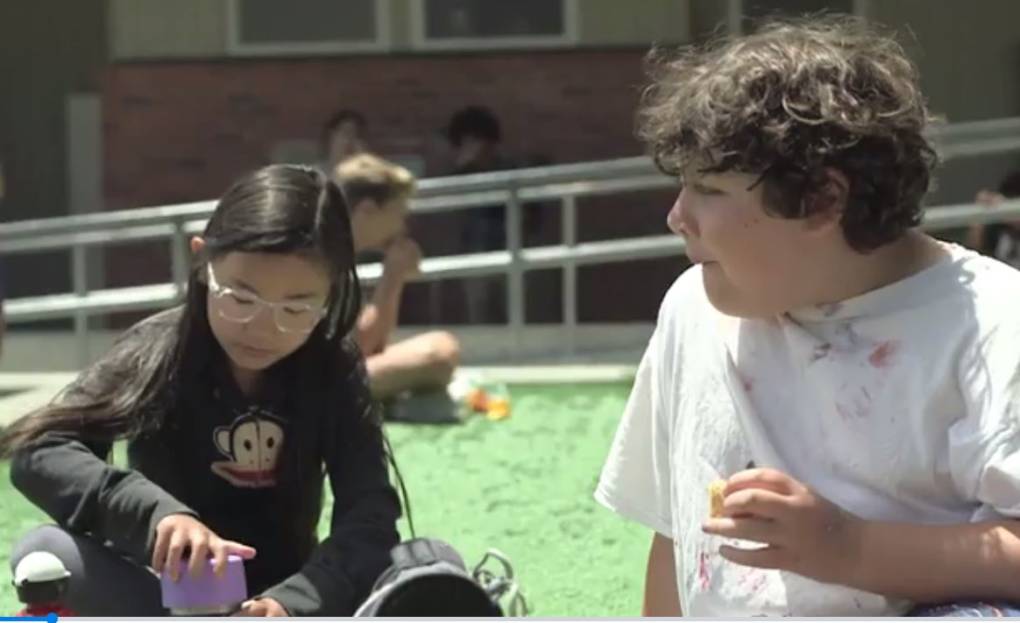
"caption": "Rainbow Day Camp in El Cerrito, California focuses on welcoming transgender and gender- nonconforming youth .",
"description": null,
"title": "rainbowcamp",
"credit": null,
"status": "inherit",
"isLoading": false,
"fetchFailed": false
},
"news_11612405": {
"type": "attachments",
"id": "news_11612405",
"meta": {
"index": "attachments_1716263798",
"site": "news",
"id": "11612405",
"found": true
},
"parent": 11612329,
"imgSizes": {
"small": {
"file": "https://ww2.kqed.org/app/uploads/sites/10/2017/08/cmf-exterior-520x293.jpg",
"width": 520,
"mimeType": "image/jpeg",
"height": 293
},
"twentyfourteen-full-width": {
"file": "https://ww2.kqed.org/app/uploads/sites/10/2017/08/cmf-exterior-1038x576.jpg",
"width": 1038,
"mimeType": "image/jpeg",
"height": 576
},
"thumbnail": {
"file": "https://ww2.kqed.org/app/uploads/sites/10/2017/08/cmf-exterior-160x90.jpg",
"width": 160,
"mimeType": "image/jpeg",
"height": 90
},
"fd-sm": {
"file": "https://ww2.kqed.org/app/uploads/sites/10/2017/08/cmf-exterior-960x540.jpg",
"width": 960,
"mimeType": "image/jpeg",
"height": 540
},
"post-thumbnail": {
"file": "https://ww2.kqed.org/app/uploads/sites/10/2017/08/cmf-exterior-672x372.jpg",
"width": 672,
"mimeType": "image/jpeg",
"height": 372
},
"xsmall": {
"file": "https://ww2.kqed.org/app/uploads/sites/10/2017/08/cmf-exterior-375x211.jpg",
"width": 375,
"mimeType": "image/jpeg",
"height": 211
},
"kqedFullSize": {
"file": "https://ww2.kqed.org/app/uploads/sites/10/2017/08/cmf-exterior.jpg",
"width": 1920,
"height": 1080
},
"large": {
"file": "https://ww2.kqed.org/app/uploads/sites/10/2017/08/cmf-exterior-1020x574.jpg",
"width": 1020,
"mimeType": "image/jpeg",
"height": 574
},
"xlarge": {
"file": "https://ww2.kqed.org/app/uploads/sites/10/2017/08/cmf-exterior-1180x664.jpg",
"width": 1180,
"mimeType": "image/jpeg",
"height": 664
},
"guest-author-50": {
"file": "https://ww2.kqed.org/app/uploads/sites/10/2017/08/cmf-exterior-50x50.jpg",
"width": 50,
"mimeType": "image/jpeg",
"height": 50
},
"guest-author-96": {
"file": "https://ww2.kqed.org/app/uploads/sites/10/2017/08/cmf-exterior-96x96.jpg",
"width": 96,
"mimeType": "image/jpeg",
"height": 96
},
"medium": {
"file": "https://ww2.kqed.org/app/uploads/sites/10/2017/08/cmf-exterior-800x450.jpg",
"width": 800,
"mimeType": "image/jpeg",
"height": 450
},
"guest-author-64": {
"file": "https://ww2.kqed.org/app/uploads/sites/10/2017/08/cmf-exterior-64x64.jpg",
"width": 64,
"mimeType": "image/jpeg",
"height": 64
},
"guest-author-32": {
"file": "https://ww2.kqed.org/app/uploads/sites/10/2017/08/cmf-exterior-32x32.jpg",
"width": 32,
"mimeType": "image/jpeg",
"height": 32
},
"fd-lrg": {
"file": "https://ww2.kqed.org/app/uploads/sites/10/2017/08/cmf-exterior-1920x1080.jpg",
"width": 1920,
"mimeType": "image/jpeg",
"height": 1080
},
"fd-med": {
"file": "https://ww2.kqed.org/app/uploads/sites/10/2017/08/cmf-exterior-1180x664.jpg",
"width": 1180,
"mimeType": "image/jpeg",
"height": 664
},
"full-width": {
"file": "https://ww2.kqed.org/app/uploads/sites/10/2017/08/cmf-exterior-1920x1080.jpg",
"width": 1920,
"mimeType": "image/jpeg",
"height": 1080
},
"detail": {
"file": "https://ww2.kqed.org/app/uploads/sites/10/2017/08/cmf-exterior-150x150.jpg",
"width": 150,
"mimeType": "image/jpeg",
"height": 150
},
"guest-author-128": {
"file": "https://ww2.kqed.org/app/uploads/sites/10/2017/08/cmf-exterior-128x128.jpg",
"width": 128,
"mimeType": "image/jpeg",
"height": 128
},
"xxsmall": {
"file": "https://ww2.kqed.org/app/uploads/sites/10/2017/08/cmf-exterior-240x135.jpg",
"width": 240,
"mimeType": "image/jpeg",
"height": 135
}
},
"publishDate": 1502922336,
"modified": 1502927898,
"caption": "A sign outside the California Medical Facility, a state prison facility in Vacaville.",
"description": "A sign outside the California Medical Facility -- a state prison facility -- in Vacaville.",
"title": "cmf-exterior",
"credit": "Adam Grossberg/KQED",
"status": "inherit",
"isLoading": false,
"fetchFailed": false
},
"news_11594969": {
"type": "attachments",
"id": "news_11594969",
"meta": {
"index": "attachments_1716263798",
"site": "news",
"id": "11594969",
"found": true
},
"parent": 11594890,
"imgSizes": {
"small": {
"file": "https://ww2.kqed.org/app/uploads/sites/10/2017/07/trans_072617_final-520x520.jpg",
"width": 520,
"mimeType": "image/jpeg",
"height": 520
},
"twentyfourteen-full-width": {
"file": "https://ww2.kqed.org/app/uploads/sites/10/2017/07/trans_072617_final-1038x576.jpg",
"width": 1038,
"mimeType": "image/jpeg",
"height": 576
},
"thumbnail": {
"file": "https://ww2.kqed.org/app/uploads/sites/10/2017/07/trans_072617_final-160x160.jpg",
"width": 160,
"mimeType": "image/jpeg",
"height": 160
},
"fd-sm": {
"file": "https://ww2.kqed.org/app/uploads/sites/10/2017/07/trans_072617_final-960x960.jpg",
"width": 960,
"mimeType": "image/jpeg",
"height": 960
},
"post-thumbnail": {
"file": "https://ww2.kqed.org/app/uploads/sites/10/2017/07/trans_072617_final-672x372.jpg",
"width": 672,
"mimeType": "image/jpeg",
"height": 372
},
"xsmall": {
"file": "https://ww2.kqed.org/app/uploads/sites/10/2017/07/trans_072617_final-375x375.jpg",
"width": 375,
"mimeType": "image/jpeg",
"height": 375
},
"kqedFullSize": {
"file": "https://ww2.kqed.org/app/uploads/sites/10/2017/07/trans_072617_final.jpg",
"width": 1920,
"height": 1920
},
"large": {
"file": "https://ww2.kqed.org/app/uploads/sites/10/2017/07/trans_072617_final-1020x1020.jpg",
"width": 1020,
"mimeType": "image/jpeg",
"height": 1020
},
"xlarge": {
"file": "https://ww2.kqed.org/app/uploads/sites/10/2017/07/trans_072617_final-1180x1180.jpg",
"width": 1180,
"mimeType": "image/jpeg",
"height": 1180
},
"guest-author-50": {
"file": "https://ww2.kqed.org/app/uploads/sites/10/2017/07/trans_072617_final-50x50.jpg",
"width": 50,
"mimeType": "image/jpeg",
"height": 50
},
"guest-author-96": {
"file": "https://ww2.kqed.org/app/uploads/sites/10/2017/07/trans_072617_final-96x96.jpg",
"width": 96,
"mimeType": "image/jpeg",
"height": 96
},
"medium": {
"file": "https://ww2.kqed.org/app/uploads/sites/10/2017/07/trans_072617_final-800x800.jpg",
"width": 800,
"mimeType": "image/jpeg",
"height": 800
},
"guest-author-64": {
"file": "https://ww2.kqed.org/app/uploads/sites/10/2017/07/trans_072617_final-64x64.jpg",
"width": 64,
"mimeType": "image/jpeg",
"height": 64
},
"guest-author-32": {
"file": "https://ww2.kqed.org/app/uploads/sites/10/2017/07/trans_072617_final-32x32.jpg",
"width": 32,
"mimeType": "image/jpeg",
"height": 32
},
"fd-lrg": {
"file": "https://ww2.kqed.org/app/uploads/sites/10/2017/07/trans_072617_final-1920x1920.jpg",
"width": 1920,
"mimeType": "image/jpeg",
"height": 1920
},
"fd-med": {
"file": "https://ww2.kqed.org/app/uploads/sites/10/2017/07/trans_072617_final-1180x1180.jpg",
"width": 1180,
"mimeType": "image/jpeg",
"height": 1180
},
"full-width": {
"file": "https://ww2.kqed.org/app/uploads/sites/10/2017/07/trans_072617_final-1920x1920.jpg",
"width": 1920,
"mimeType": "image/jpeg",
"height": 1920
},
"detail": {
"file": "https://ww2.kqed.org/app/uploads/sites/10/2017/07/trans_072617_final-150x150.jpg",
"width": 150,
"mimeType": "image/jpeg",
"height": 150
},
"guest-author-128": {
"file": "https://ww2.kqed.org/app/uploads/sites/10/2017/07/trans_072617_final-128x128.jpg",
"width": 128,
"mimeType": "image/jpeg",
"height": 128
},
"xxsmall": {
"file": "https://ww2.kqed.org/app/uploads/sites/10/2017/07/trans_072617_final-240x240.jpg",
"width": 240,
"mimeType": "image/jpeg",
"height": 240
}
},
"publishDate": 1501092089,
"modified": 1501092120,
"caption": null,
"description": null,
"title": "trans_072617_final",
"credit": null,
"status": "inherit",
"isLoading": false,
"fetchFailed": false
},
"news_11541428": {
"type": "attachments",
"id": "news_11541428",
"meta": {
"index": "attachments_1716263798",
"site": "news",
"id": "11541428",
"found": true
},
"parent": 11541317,
"imgSizes": {
"small": {
"file": "https://ww2.kqed.org/app/uploads/sites/10/2017/06/RS25904_GettyImages-598982928-qut-520x398.jpg",
"width": 520,
"mimeType": "image/jpeg",
"height": 398
},
"twentyfourteen-full-width": {
"file": "https://ww2.kqed.org/app/uploads/sites/10/2017/06/RS25904_GettyImages-598982928-qut-1038x576.jpg",
"width": 1038,
"mimeType": "image/jpeg",
"height": 576
},
"thumbnail": {
"file": "https://ww2.kqed.org/app/uploads/sites/10/2017/06/RS25904_GettyImages-598982928-qut-160x123.jpg",
"width": 160,
"mimeType": "image/jpeg",
"height": 123
},
"fd-sm": {
"file": "https://ww2.kqed.org/app/uploads/sites/10/2017/06/RS25904_GettyImages-598982928-qut-960x735.jpg",
"width": 960,
"mimeType": "image/jpeg",
"height": 735
},
"post-thumbnail": {
"file": "https://ww2.kqed.org/app/uploads/sites/10/2017/06/RS25904_GettyImages-598982928-qut-672x372.jpg",
"width": 672,
"mimeType": "image/jpeg",
"height": 372
},
"xsmall": {
"file": "https://ww2.kqed.org/app/uploads/sites/10/2017/06/RS25904_GettyImages-598982928-qut-375x287.jpg",
"width": 375,
"mimeType": "image/jpeg",
"height": 287
},
"kqedFullSize": {
"file": "https://ww2.kqed.org/app/uploads/sites/10/2017/06/RS25904_GettyImages-598982928-qut.jpg",
"width": 1920,
"height": 1470
},
"large": {
"file": "https://ww2.kqed.org/app/uploads/sites/10/2017/06/RS25904_GettyImages-598982928-qut-1020x781.jpg",
"width": 1020,
"mimeType": "image/jpeg",
"height": 781
},
"xlarge": {
"file": "https://ww2.kqed.org/app/uploads/sites/10/2017/06/RS25904_GettyImages-598982928-qut-1180x903.jpg",
"width": 1180,
"mimeType": "image/jpeg",
"height": 903
},
"guest-author-50": {
"file": "https://ww2.kqed.org/app/uploads/sites/10/2017/06/RS25904_GettyImages-598982928-qut-50x50.jpg",
"width": 50,
"mimeType": "image/jpeg",
"height": 50
},
"guest-author-96": {
"file": "https://ww2.kqed.org/app/uploads/sites/10/2017/06/RS25904_GettyImages-598982928-qut-96x96.jpg",
"width": 96,
"mimeType": "image/jpeg",
"height": 96
},
"medium": {
"file": "https://ww2.kqed.org/app/uploads/sites/10/2017/06/RS25904_GettyImages-598982928-qut-800x613.jpg",
"width": 800,
"mimeType": "image/jpeg",
"height": 613
},
"guest-author-64": {
"file": "https://ww2.kqed.org/app/uploads/sites/10/2017/06/RS25904_GettyImages-598982928-qut-64x64.jpg",
"width": 64,
"mimeType": "image/jpeg",
"height": 64
},
"guest-author-32": {
"file": "https://ww2.kqed.org/app/uploads/sites/10/2017/06/RS25904_GettyImages-598982928-qut-32x32.jpg",
"width": 32,
"mimeType": "image/jpeg",
"height": 32
},
"fd-lrg": {
"file": "https://ww2.kqed.org/app/uploads/sites/10/2017/06/RS25904_GettyImages-598982928-qut-1920x1470.jpg",
"width": 1920,
"mimeType": "image/jpeg",
"height": 1470
},
"fd-med": {
"file": "https://ww2.kqed.org/app/uploads/sites/10/2017/06/RS25904_GettyImages-598982928-qut-1180x903.jpg",
"width": 1180,
"mimeType": "image/jpeg",
"height": 903
},
"full-width": {
"file": "https://ww2.kqed.org/app/uploads/sites/10/2017/06/RS25904_GettyImages-598982928-qut-1920x1470.jpg",
"width": 1920,
"mimeType": "image/jpeg",
"height": 1470
},
"detail": {
"file": "https://ww2.kqed.org/app/uploads/sites/10/2017/06/RS25904_GettyImages-598982928-qut-150x150.jpg",
"width": 150,
"mimeType": "image/jpeg",
"height": 150
},
"guest-author-128": {
"file": "https://ww2.kqed.org/app/uploads/sites/10/2017/06/RS25904_GettyImages-598982928-qut-128x128.jpg",
"width": 128,
"mimeType": "image/jpeg",
"height": 128
},
"xxsmall": {
"file": "https://ww2.kqed.org/app/uploads/sites/10/2017/06/RS25904_GettyImages-598982928-qut-240x184.jpg",
"width": 240,
"mimeType": "image/jpeg",
"height": 184
}
},
"publishDate": 1498870482,
"modified": 1498870545,
"caption": "Christian Kirk #3 of the Texas A&M Aggies is forced out of bounds by Randall Goforth #3 of the UCLA Bruins in the first quarter at Kyle Field on September 3, 2016 in College Station, Texas.",
"description": "Christian Kirk #3 of the Texas A&M Aggies is forced out of bounds by Randall Goforth #3 of the UCLA Bruins in the first quarter at Kyle Field on September 3, 2016 in College Station, Texas.",
"title": "UCLA v Texas A&M",
"credit": "Bob Levey/Getty Images",
"status": "inherit",
"isLoading": false,
"fetchFailed": false
},
"news_11528222": {
"type": "attachments",
"id": "news_11528222",
"meta": {
"index": "attachments_1716263798",
"site": "news",
"id": "11528222",
"found": true
},
"parent": 11528218,
"imgSizes": {
"small": {
"file": "https://ww2.kqed.org/app/uploads/sites/10/2017/06/party_062317_final-520x520.jpg",
"width": 520,
"mimeType": "image/jpeg",
"height": 520
},
"twentyfourteen-full-width": {
"file": "https://ww2.kqed.org/app/uploads/sites/10/2017/06/party_062317_final-1038x576.jpg",
"width": 1038,
"mimeType": "image/jpeg",
"height": 576
},
"thumbnail": {
"file": "https://ww2.kqed.org/app/uploads/sites/10/2017/06/party_062317_final-160x160.jpg",
"width": 160,
"mimeType": "image/jpeg",
"height": 160
},
"fd-sm": {
"file": "https://ww2.kqed.org/app/uploads/sites/10/2017/06/party_062317_final-960x960.jpg",
"width": 960,
"mimeType": "image/jpeg",
"height": 960
},
"post-thumbnail": {
"file": "https://ww2.kqed.org/app/uploads/sites/10/2017/06/party_062317_final-672x372.jpg",
"width": 672,
"mimeType": "image/jpeg",
"height": 372
},
"xsmall": {
"file": "https://ww2.kqed.org/app/uploads/sites/10/2017/06/party_062317_final-375x375.jpg",
"width": 375,
"mimeType": "image/jpeg",
"height": 375
},
"kqedFullSize": {
"file": "https://ww2.kqed.org/app/uploads/sites/10/2017/06/party_062317_final.jpg",
"width": 1920,
"height": 1920
},
"large": {
"file": "https://ww2.kqed.org/app/uploads/sites/10/2017/06/party_062317_final-1020x1020.jpg",
"width": 1020,
"mimeType": "image/jpeg",
"height": 1020
},
"xlarge": {
"file": "https://ww2.kqed.org/app/uploads/sites/10/2017/06/party_062317_final-1180x1180.jpg",
"width": 1180,
"mimeType": "image/jpeg",
"height": 1180
},
"guest-author-50": {
"file": "https://ww2.kqed.org/app/uploads/sites/10/2017/06/party_062317_final-50x50.jpg",
"width": 50,
"mimeType": "image/jpeg",
"height": 50
},
"guest-author-96": {
"file": "https://ww2.kqed.org/app/uploads/sites/10/2017/06/party_062317_final-96x96.jpg",
"width": 96,
"mimeType": "image/jpeg",
"height": 96
},
"medium": {
"file": "https://ww2.kqed.org/app/uploads/sites/10/2017/06/party_062317_final-800x800.jpg",
"width": 800,
"mimeType": "image/jpeg",
"height": 800
},
"guest-author-64": {
"file": "https://ww2.kqed.org/app/uploads/sites/10/2017/06/party_062317_final-64x64.jpg",
"width": 64,
"mimeType": "image/jpeg",
"height": 64
},
"guest-author-32": {
"file": "https://ww2.kqed.org/app/uploads/sites/10/2017/06/party_062317_final-32x32.jpg",
"width": 32,
"mimeType": "image/jpeg",
"height": 32
},
"fd-lrg": {
"file": "https://ww2.kqed.org/app/uploads/sites/10/2017/06/party_062317_final-1920x1920.jpg",
"width": 1920,
"mimeType": "image/jpeg",
"height": 1920
},
"fd-med": {
"file": "https://ww2.kqed.org/app/uploads/sites/10/2017/06/party_062317_final-1180x1180.jpg",
"width": 1180,
"mimeType": "image/jpeg",
"height": 1180
},
"full-width": {
"file": "https://ww2.kqed.org/app/uploads/sites/10/2017/06/party_062317_final-1920x1920.jpg",
"width": 1920,
"mimeType": "image/jpeg",
"height": 1920
},
"detail": {
"file": "https://ww2.kqed.org/app/uploads/sites/10/2017/06/party_062317_final-150x150.jpg",
"width": 150,
"mimeType": "image/jpeg",
"height": 150
},
"guest-author-128": {
"file": "https://ww2.kqed.org/app/uploads/sites/10/2017/06/party_062317_final-128x128.jpg",
"width": 128,
"mimeType": "image/jpeg",
"height": 128
},
"xxsmall": {
"file": "https://ww2.kqed.org/app/uploads/sites/10/2017/06/party_062317_final-240x240.jpg",
"width": 240,
"mimeType": "image/jpeg",
"height": 240
}
},
"publishDate": 1498243973,
"modified": 1498244019,
"caption": null,
"description": null,
"title": "party_062317_final",
"credit": null,
"status": "inherit",
"isLoading": false,
"fetchFailed": false
},
"news_11528138": {
"type": "attachments",
"id": "news_11528138",
"meta": {
"index": "attachments_1716263798",
"site": "news",
"id": "11528138",
"found": true
},
"parent": 11526227,
"imgSizes": {
"small": {
"file": "https://ww2.kqed.org/app/uploads/sites/10/2017/06/RS25809_DSCF2395-qut-520x293.jpg",
"width": 520,
"mimeType": "image/jpeg",
"height": 293
},
"twentyfourteen-full-width": {
"file": "https://ww2.kqed.org/app/uploads/sites/10/2017/06/RS25809_DSCF2395-qut-1038x576.jpg",
"width": 1038,
"mimeType": "image/jpeg",
"height": 576
},
"thumbnail": {
"file": "https://ww2.kqed.org/app/uploads/sites/10/2017/06/RS25809_DSCF2395-qut-160x90.jpg",
"width": 160,
"mimeType": "image/jpeg",
"height": 90
},
"fd-sm": {
"file": "https://ww2.kqed.org/app/uploads/sites/10/2017/06/RS25809_DSCF2395-qut-960x541.jpg",
"width": 960,
"mimeType": "image/jpeg",
"height": 541
},
"post-thumbnail": {
"file": "https://ww2.kqed.org/app/uploads/sites/10/2017/06/RS25809_DSCF2395-qut-672x372.jpg",
"width": 672,
"mimeType": "image/jpeg",
"height": 372
},
"xsmall": {
"file": "https://ww2.kqed.org/app/uploads/sites/10/2017/06/RS25809_DSCF2395-qut-375x211.jpg",
"width": 375,
"mimeType": "image/jpeg",
"height": 211
},
"kqedFullSize": {
"file": "https://ww2.kqed.org/app/uploads/sites/10/2017/06/RS25809_DSCF2395-qut.jpg",
"width": 1920,
"height": 1082
},
"large": {
"file": "https://ww2.kqed.org/app/uploads/sites/10/2017/06/RS25809_DSCF2395-qut-1020x575.jpg",
"width": 1020,
"mimeType": "image/jpeg",
"height": 575
},
"xlarge": {
"file": "https://ww2.kqed.org/app/uploads/sites/10/2017/06/RS25809_DSCF2395-qut-1180x665.jpg",
"width": 1180,
"mimeType": "image/jpeg",
"height": 665
},
"guest-author-50": {
"file": "https://ww2.kqed.org/app/uploads/sites/10/2017/06/RS25809_DSCF2395-qut-50x50.jpg",
"width": 50,
"mimeType": "image/jpeg",
"height": 50
},
"guest-author-96": {
"file": "https://ww2.kqed.org/app/uploads/sites/10/2017/06/RS25809_DSCF2395-qut-96x96.jpg",
"width": 96,
"mimeType": "image/jpeg",
"height": 96
},
"medium": {
"file": "https://ww2.kqed.org/app/uploads/sites/10/2017/06/RS25809_DSCF2395-qut-800x451.jpg",
"width": 800,
"mimeType": "image/jpeg",
"height": 451
},
"guest-author-64": {
"file": "https://ww2.kqed.org/app/uploads/sites/10/2017/06/RS25809_DSCF2395-qut-64x64.jpg",
"width": 64,
"mimeType": "image/jpeg",
"height": 64
},
"guest-author-32": {
"file": "https://ww2.kqed.org/app/uploads/sites/10/2017/06/RS25809_DSCF2395-qut-32x32.jpg",
"width": 32,
"mimeType": "image/jpeg",
"height": 32
},
"fd-lrg": {
"file": "https://ww2.kqed.org/app/uploads/sites/10/2017/06/RS25809_DSCF2395-qut-1920x1082.jpg",
"width": 1920,
"mimeType": "image/jpeg",
"height": 1082
},
"fd-med": {
"file": "https://ww2.kqed.org/app/uploads/sites/10/2017/06/RS25809_DSCF2395-qut-1180x665.jpg",
"width": 1180,
"mimeType": "image/jpeg",
"height": 665
},
"full-width": {
"file": "https://ww2.kqed.org/app/uploads/sites/10/2017/06/RS25809_DSCF2395-qut-1920x1082.jpg",
"width": 1920,
"mimeType": "image/jpeg",
"height": 1082
},
"detail": {
"file": "https://ww2.kqed.org/app/uploads/sites/10/2017/06/RS25809_DSCF2395-qut-150x150.jpg",
"width": 150,
"mimeType": "image/jpeg",
"height": 150
},
"guest-author-128": {
"file": "https://ww2.kqed.org/app/uploads/sites/10/2017/06/RS25809_DSCF2395-qut-128x128.jpg",
"width": 128,
"mimeType": "image/jpeg",
"height": 128
},
"xxsmall": {
"file": "https://ww2.kqed.org/app/uploads/sites/10/2017/06/RS25809_DSCF2395-qut-240x135.jpg",
"width": 240,
"mimeType": "image/jpeg",
"height": 135
}
},
"publishDate": 1498240188,
"modified": 1498240223,
"caption": "Float artist Yuliya Rashkovskaya preps an enchanted forest themed float. ",
"description": null,
"title": "RS25809_DSCF2395-qut",
"credit": "Peter Arcuni/KQED",
"status": "inherit",
"isLoading": false,
"fetchFailed": false
},
"news_11522392": {
"type": "attachments",
"id": "news_11522392",
"meta": {
"index": "attachments_1716263798",
"site": "news",
"id": "11522392",
"found": true
},
"parent": 11520259,
"imgSizes": {
"small": {
"file": "https://ww2.kqed.org/app/uploads/sites/10/2017/06/LowLara-520x376.jpg",
"width": 520,
"mimeType": "image/jpeg",
"height": 376
},
"twentyfourteen-full-width": {
"file": "https://ww2.kqed.org/app/uploads/sites/10/2017/06/LowLara-1038x576.jpg",
"width": 1038,
"mimeType": "image/jpeg",
"height": 576
},
"thumbnail": {
"file": "https://ww2.kqed.org/app/uploads/sites/10/2017/06/LowLara-160x116.jpg",
"width": 160,
"mimeType": "image/jpeg",
"height": 116
},
"fd-sm": {
"file": "https://ww2.kqed.org/app/uploads/sites/10/2017/06/LowLara-960x694.jpg",
"width": 960,
"mimeType": "image/jpeg",
"height": 694
},
"post-thumbnail": {
"file": "https://ww2.kqed.org/app/uploads/sites/10/2017/06/LowLara-672x372.jpg",
"width": 672,
"mimeType": "image/jpeg",
"height": 372
},
"xsmall": {
"file": "https://ww2.kqed.org/app/uploads/sites/10/2017/06/LowLara-375x271.jpg",
"width": 375,
"mimeType": "image/jpeg",
"height": 271
},
"kqedFullSize": {
"file": "https://ww2.kqed.org/app/uploads/sites/10/2017/06/LowLara.jpg",
"width": 1920,
"height": 1387
},
"large": {
"file": "https://ww2.kqed.org/app/uploads/sites/10/2017/06/LowLara-1020x737.jpg",
"width": 1020,
"mimeType": "image/jpeg",
"height": 737
},
"xlarge": {
"file": "https://ww2.kqed.org/app/uploads/sites/10/2017/06/LowLara-1180x852.jpg",
"width": 1180,
"mimeType": "image/jpeg",
"height": 852
},
"guest-author-50": {
"file": "https://ww2.kqed.org/app/uploads/sites/10/2017/06/LowLara-50x50.jpg",
"width": 50,
"mimeType": "image/jpeg",
"height": 50
},
"guest-author-96": {
"file": "https://ww2.kqed.org/app/uploads/sites/10/2017/06/LowLara-96x96.jpg",
"width": 96,
"mimeType": "image/jpeg",
"height": 96
},
"medium": {
"file": "https://ww2.kqed.org/app/uploads/sites/10/2017/06/LowLara-800x578.jpg",
"width": 800,
"mimeType": "image/jpeg",
"height": 578
},
"guest-author-64": {
"file": "https://ww2.kqed.org/app/uploads/sites/10/2017/06/LowLara-64x64.jpg",
"width": 64,
"mimeType": "image/jpeg",
"height": 64
},
"guest-author-32": {
"file": "https://ww2.kqed.org/app/uploads/sites/10/2017/06/LowLara-32x32.jpg",
"width": 32,
"mimeType": "image/jpeg",
"height": 32
},
"fd-lrg": {
"file": "https://ww2.kqed.org/app/uploads/sites/10/2017/06/LowLara-1920x1387.jpg",
"width": 1920,
"mimeType": "image/jpeg",
"height": 1387
},
"fd-med": {
"file": "https://ww2.kqed.org/app/uploads/sites/10/2017/06/LowLara-1180x852.jpg",
"width": 1180,
"mimeType": "image/jpeg",
"height": 852
},
"full-width": {
"file": "https://ww2.kqed.org/app/uploads/sites/10/2017/06/LowLara-1920x1387.jpg",
"width": 1920,
"mimeType": "image/jpeg",
"height": 1387
},
"detail": {
"file": "https://ww2.kqed.org/app/uploads/sites/10/2017/06/LowLara-150x150.jpg",
"width": 150,
"mimeType": "image/jpeg",
"height": 150
},
"guest-author-128": {
"file": "https://ww2.kqed.org/app/uploads/sites/10/2017/06/LowLara-128x128.jpg",
"width": 128,
"mimeType": "image/jpeg",
"height": 128
},
"xxsmall": {
"file": "https://ww2.kqed.org/app/uploads/sites/10/2017/06/LowLara-240x173.jpg",
"width": 240,
"mimeType": "image/jpeg",
"height": 173
}
},
"publishDate": 1497981797,
"modified": 1498006969,
"caption": "Sen. Ricardo Lara (left) is vice chair of the LGBT caucus and Assemblyman Evan Low is the chair. ",
"description": "Sen. Ricardo Lara (left) is vice chair of the LGBT caucus and Assemblyman Evan Low is the chair. ",
"title": "LowLara",
"credit": "Scott Shafer/KQED",
"status": "inherit",
"isLoading": false,
"fetchFailed": false
},
"news_11439010": {
"type": "attachments",
"id": "news_11439010",
"meta": {
"index": "attachments_1716263798",
"site": "news",
"id": "11439010",
"found": true
},
"parent": 11438847,
"imgSizes": {
"small": {
"file": "https://ww2.kqed.org/app/uploads/sites/10/2017/05/Olive5-1-520x319.jpg",
"width": 520,
"mimeType": "image/jpeg",
"height": 319
},
"twentyfourteen-full-width": {
"file": "https://ww2.kqed.org/app/uploads/sites/10/2017/05/Olive5-1-1038x576.jpg",
"width": 1038,
"mimeType": "image/jpeg",
"height": 576
},
"thumbnail": {
"file": "https://ww2.kqed.org/app/uploads/sites/10/2017/05/Olive5-1-160x98.jpg",
"width": 160,
"mimeType": "image/jpeg",
"height": 98
},
"fd-sm": {
"file": "https://ww2.kqed.org/app/uploads/sites/10/2017/05/Olive5-1-960x589.jpg",
"width": 960,
"mimeType": "image/jpeg",
"height": 589
},
"post-thumbnail": {
"file": "https://ww2.kqed.org/app/uploads/sites/10/2017/05/Olive5-1-672x372.jpg",
"width": 672,
"mimeType": "image/jpeg",
"height": 372
},
"xsmall": {
"file": "https://ww2.kqed.org/app/uploads/sites/10/2017/05/Olive5-1-375x230.jpg",
"width": 375,
"mimeType": "image/jpeg",
"height": 230
},
"kqedFullSize": {
"file": "https://ww2.kqed.org/app/uploads/sites/10/2017/05/Olive5-1.jpg",
"width": 1280,
"height": 785
},
"large": {
"file": "https://ww2.kqed.org/app/uploads/sites/10/2017/05/Olive5-1-1020x626.jpg",
"width": 1020,
"mimeType": "image/jpeg",
"height": 626
},
"xlarge": {
"file": "https://ww2.kqed.org/app/uploads/sites/10/2017/05/Olive5-1-1180x724.jpg",
"width": 1180,
"mimeType": "image/jpeg",
"height": 724
},
"guest-author-50": {
"file": "https://ww2.kqed.org/app/uploads/sites/10/2017/05/Olive5-1-50x50.jpg",
"width": 50,
"mimeType": "image/jpeg",
"height": 50
},
"guest-author-96": {
"file": "https://ww2.kqed.org/app/uploads/sites/10/2017/05/Olive5-1-96x96.jpg",
"width": 96,
"mimeType": "image/jpeg",
"height": 96
},
"medium": {
"file": "https://ww2.kqed.org/app/uploads/sites/10/2017/05/Olive5-1-800x491.jpg",
"width": 800,
"mimeType": "image/jpeg",
"height": 491
},
"guest-author-64": {
"file": "https://ww2.kqed.org/app/uploads/sites/10/2017/05/Olive5-1-64x64.jpg",
"width": 64,
"mimeType": "image/jpeg",
"height": 64
},
"guest-author-32": {
"file": "https://ww2.kqed.org/app/uploads/sites/10/2017/05/Olive5-1-32x32.jpg",
"width": 32,
"mimeType": "image/jpeg",
"height": 32
},
"fd-med": {
"file": "https://ww2.kqed.org/app/uploads/sites/10/2017/05/Olive5-1-1180x724.jpg",
"width": 1180,
"mimeType": "image/jpeg",
"height": 724
},
"detail": {
"file": "https://ww2.kqed.org/app/uploads/sites/10/2017/05/Olive5-1-150x150.jpg",
"width": 150,
"mimeType": "image/jpeg",
"height": 150
},
"guest-author-128": {
"file": "https://ww2.kqed.org/app/uploads/sites/10/2017/05/Olive5-1-128x128.jpg",
"width": 128,
"mimeType": "image/jpeg",
"height": 128
},
"xxsmall": {
"file": "https://ww2.kqed.org/app/uploads/sites/10/2017/05/Olive5-1-240x147.jpg",
"width": 240,
"mimeType": "image/jpeg",
"height": 147
}
},
"publishDate": 1493850411,
"modified": 1493931895,
"caption": "Olive, with her parents.",
"description": "Olive, with her parents.",
"title": "Olive and Her Parents",
"credit": "Courtesy Olive",
"status": "inherit",
"isLoading": false,
"fetchFailed": false
},
"news_11408714": {
"type": "attachments",
"id": "news_11408714",
"meta": {
"index": "attachments_1716263798",
"site": "news",
"id": "11408714",
"found": true
},
"parent": 11405917,
"imgSizes": {
"small": {
"file": "https://ww2.kqed.org/app/uploads/sites/10/2017/04/Yahaira-520x340.jpg",
"width": 520,
"mimeType": "image/jpeg",
"height": 340
},
"twentyfourteen-full-width": {
"file": "https://ww2.kqed.org/app/uploads/sites/10/2017/04/Yahaira-1038x576.jpg",
"width": 1038,
"mimeType": "image/jpeg",
"height": 576
},
"thumbnail": {
"file": "https://ww2.kqed.org/app/uploads/sites/10/2017/04/Yahaira-160x105.jpg",
"width": 160,
"mimeType": "image/jpeg",
"height": 105
},
"fd-sm": {
"file": "https://ww2.kqed.org/app/uploads/sites/10/2017/04/Yahaira-960x627.jpg",
"width": 960,
"mimeType": "image/jpeg",
"height": 627
},
"post-thumbnail": {
"file": "https://ww2.kqed.org/app/uploads/sites/10/2017/04/Yahaira-672x372.jpg",
"width": 672,
"mimeType": "image/jpeg",
"height": 372
},
"xsmall": {
"file": "https://ww2.kqed.org/app/uploads/sites/10/2017/04/Yahaira-375x245.jpg",
"width": 375,
"mimeType": "image/jpeg",
"height": 245
},
"kqedFullSize": {
"file": "https://ww2.kqed.org/app/uploads/sites/10/2017/04/Yahaira.jpg",
"width": 1920,
"height": 1254
},
"large": {
"file": "https://ww2.kqed.org/app/uploads/sites/10/2017/04/Yahaira-1020x666.jpg",
"width": 1020,
"mimeType": "image/jpeg",
"height": 666
},
"xlarge": {
"file": "https://ww2.kqed.org/app/uploads/sites/10/2017/04/Yahaira-1180x771.jpg",
"width": 1180,
"mimeType": "image/jpeg",
"height": 771
},
"guest-author-50": {
"file": "https://ww2.kqed.org/app/uploads/sites/10/2017/04/Yahaira-50x50.jpg",
"width": 50,
"mimeType": "image/jpeg",
"height": 50
},
"guest-author-96": {
"file": "https://ww2.kqed.org/app/uploads/sites/10/2017/04/Yahaira-96x96.jpg",
"width": 96,
"mimeType": "image/jpeg",
"height": 96
},
"medium": {
"file": "https://ww2.kqed.org/app/uploads/sites/10/2017/04/Yahaira-800x523.jpg",
"width": 800,
"mimeType": "image/jpeg",
"height": 523
},
"guest-author-64": {
"file": "https://ww2.kqed.org/app/uploads/sites/10/2017/04/Yahaira-64x64.jpg",
"width": 64,
"mimeType": "image/jpeg",
"height": 64
},
"guest-author-32": {
"file": "https://ww2.kqed.org/app/uploads/sites/10/2017/04/Yahaira-32x32.jpg",
"width": 32,
"mimeType": "image/jpeg",
"height": 32
},
"fd-lrg": {
"file": "https://ww2.kqed.org/app/uploads/sites/10/2017/04/Yahaira-1920x1254.jpg",
"width": 1920,
"mimeType": "image/jpeg",
"height": 1254
},
"fd-med": {
"file": "https://ww2.kqed.org/app/uploads/sites/10/2017/04/Yahaira-1180x771.jpg",
"width": 1180,
"mimeType": "image/jpeg",
"height": 771
},
"full-width": {
"file": "https://ww2.kqed.org/app/uploads/sites/10/2017/04/Yahaira-1920x1254.jpg",
"width": 1920,
"mimeType": "image/jpeg",
"height": 1254
},
"detail": {
"file": "https://ww2.kqed.org/app/uploads/sites/10/2017/04/Yahaira-150x150.jpg",
"width": 150,
"mimeType": "image/jpeg",
"height": 150
},
"guest-author-128": {
"file": "https://ww2.kqed.org/app/uploads/sites/10/2017/04/Yahaira-128x128.jpg",
"width": 128,
"mimeType": "image/jpeg",
"height": 128
},
"xxsmall": {
"file": "https://ww2.kqed.org/app/uploads/sites/10/2017/04/Yahaira-240x157.jpg",
"width": 240,
"mimeType": "image/jpeg",
"height": 157
}
},
"publishDate": 1492203787,
"modified": 1492203895,
"caption": "'At the end of the day, both coming out as queer and coming out as undocumented, it’s about living life on your own terms,' Yahaira Carrillo says.",
"description": "'At the end of the day, both coming out as queer and coming out as undocumented, it’s about living life on your own terms,' Yahaira Carrillo says.",
"title": "Yahaira",
"credit": "Bert Johnson/KQED",
"status": "inherit",
"isLoading": false,
"fetchFailed": false
},
"news_11268283": {
"type": "attachments",
"id": "news_11268283",
"meta": {
"index": "attachments_1716263798",
"site": "news",
"id": "11268283",
"found": true
},
"parent": 11266867,
"imgSizes": {
"small": {
"file": "https://ww2.kqed.org/app/uploads/sites/10/2017/01/RainbowFlags-520x355.jpg",
"width": 520,
"mimeType": "image/jpeg",
"height": 355
},
"twentyfourteen-full-width": {
"file": "https://ww2.kqed.org/app/uploads/sites/10/2017/01/RainbowFlags-1038x576.jpg",
"width": 1038,
"mimeType": "image/jpeg",
"height": 576
},
"thumbnail": {
"file": "https://ww2.kqed.org/app/uploads/sites/10/2017/01/RainbowFlags-160x109.jpg",
"width": 160,
"mimeType": "image/jpeg",
"height": 109
},
"fd-sm": {
"file": "https://ww2.kqed.org/app/uploads/sites/10/2017/01/RainbowFlags-960x655.jpg",
"width": 960,
"mimeType": "image/jpeg",
"height": 655
},
"post-thumbnail": {
"file": "https://ww2.kqed.org/app/uploads/sites/10/2017/01/RainbowFlags-672x372.jpg",
"width": 672,
"mimeType": "image/jpeg",
"height": 372
},
"xsmall": {
"file": "https://ww2.kqed.org/app/uploads/sites/10/2017/01/RainbowFlags-375x256.jpg",
"width": 375,
"mimeType": "image/jpeg",
"height": 256
},
"kqedFullSize": {
"file": "https://ww2.kqed.org/app/uploads/sites/10/2017/01/RainbowFlags.jpg",
"width": 1920,
"height": 1309
},
"large": {
"file": "https://ww2.kqed.org/app/uploads/sites/10/2017/01/RainbowFlags-1020x695.jpg",
"width": 1020,
"mimeType": "image/jpeg",
"height": 695
},
"xlarge": {
"file": "https://ww2.kqed.org/app/uploads/sites/10/2017/01/RainbowFlags-1180x804.jpg",
"width": 1180,
"mimeType": "image/jpeg",
"height": 804
},
"guest-author-50": {
"file": "https://ww2.kqed.org/app/uploads/sites/10/2017/01/RainbowFlags-50x50.jpg",
"width": 50,
"mimeType": "image/jpeg",
"height": 50
},
"guest-author-96": {
"file": "https://ww2.kqed.org/app/uploads/sites/10/2017/01/RainbowFlags-96x96.jpg",
"width": 96,
"mimeType": "image/jpeg",
"height": 96
},
"medium": {
"file": "https://ww2.kqed.org/app/uploads/sites/10/2017/01/RainbowFlags-800x545.jpg",
"width": 800,
"mimeType": "image/jpeg",
"height": 545
},
"guest-author-64": {
"file": "https://ww2.kqed.org/app/uploads/sites/10/2017/01/RainbowFlags-64x64.jpg",
"width": 64,
"mimeType": "image/jpeg",
"height": 64
},
"guest-author-32": {
"file": "https://ww2.kqed.org/app/uploads/sites/10/2017/01/RainbowFlags-32x32.jpg",
"width": 32,
"mimeType": "image/jpeg",
"height": 32
},
"jmtc-small-thumb": {
"file": "https://ww2.kqed.org/app/uploads/sites/10/2017/01/RainbowFlags-280x150.jpg",
"width": 280,
"mimeType": "image/jpeg",
"height": 150
},
"fd-lrg": {
"file": "https://ww2.kqed.org/app/uploads/sites/10/2017/01/RainbowFlags-1920x1309.jpg",
"width": 1920,
"mimeType": "image/jpeg",
"height": 1309
},
"fd-med": {
"file": "https://ww2.kqed.org/app/uploads/sites/10/2017/01/RainbowFlags-1180x804.jpg",
"width": 1180,
"mimeType": "image/jpeg",
"height": 804
},
"full-width": {
"file": "https://ww2.kqed.org/app/uploads/sites/10/2017/01/RainbowFlags-1920x1309.jpg",
"width": 1920,
"mimeType": "image/jpeg",
"height": 1309
},
"detail": {
"file": "https://ww2.kqed.org/app/uploads/sites/10/2017/01/RainbowFlags-150x150.jpg",
"width": 150,
"mimeType": "image/jpeg",
"height": 150
},
"guest-author-128": {
"file": "https://ww2.kqed.org/app/uploads/sites/10/2017/01/RainbowFlags-128x128.jpg",
"width": 128,
"mimeType": "image/jpeg",
"height": 128
},
"xxsmall": {
"file": "https://ww2.kqed.org/app/uploads/sites/10/2017/01/RainbowFlags-240x164.jpg",
"width": 240,
"mimeType": "image/jpeg",
"height": 164
}
},
"publishDate": 1484352428,
"modified": 1484352441,
"caption": null,
"description": null,
"title": "rainbowflags",
"credit": "Darlene Bouchard/KQED",
"status": "inherit",
"isLoading": false,
"fetchFailed": false
},
"arts_12345933": {
"type": "attachments",
"id": "arts_12345933",
"meta": {
"index": "attachments_1716263798",
"site": "arts",
"id": "12345933",
"found": true
},
"parent": 12345532,
"imgSizes": {
"small": {
"file": "https://ww2.kqed.org/app/uploads/sites/2/2016/11/2016_sfgmc_focus-on-the-family-e1479171657478-520x285.jpg",
"width": 520,
"mimeType": "image/jpeg",
"height": 285
},
"twentyfourteen-full-width": {
"file": "https://ww2.kqed.org/app/uploads/sites/2/2016/11/2016_sfgmc_focus-on-the-family-e1479171657478-1038x576.jpg",
"width": 1038,
"mimeType": "image/jpeg",
"height": 576
},
"thumbnail": {
"file": "https://ww2.kqed.org/app/uploads/sites/2/2016/11/2016_sfgmc_focus-on-the-family-e1479171657478-160x88.jpg",
"width": 160,
"mimeType": "image/jpeg",
"height": 88
},
"fd-sm": {
"file": "https://ww2.kqed.org/app/uploads/sites/2/2016/11/2016_sfgmc_focus-on-the-family-e1479171657478-960x527.jpg",
"width": 960,
"mimeType": "image/jpeg",
"height": 527
},
"post-thumbnail": {
"file": "https://ww2.kqed.org/app/uploads/sites/2/2016/11/2016_sfgmc_focus-on-the-family-e1479171657478-672x372.jpg",
"width": 672,
"mimeType": "image/jpeg",
"height": 372
},
"xsmall": {
"file": "https://ww2.kqed.org/app/uploads/sites/2/2016/11/2016_sfgmc_focus-on-the-family-e1479171657478-375x206.jpg",
"width": 375,
"mimeType": "image/jpeg",
"height": 206
},
"kqedFullSize": {
"file": "https://ww2.kqed.org/app/uploads/sites/2/2016/11/2016_sfgmc_focus-on-the-family-e1479171657478.jpg",
"width": 1837,
"height": 1008
},
"large": {
"file": "https://ww2.kqed.org/app/uploads/sites/2/2016/11/2016_sfgmc_focus-on-the-family-e1479171657478-1020x560.jpg",
"width": 1020,
"mimeType": "image/jpeg",
"height": 560
},
"xlarge": {
"file": "https://ww2.kqed.org/app/uploads/sites/2/2016/11/2016_sfgmc_focus-on-the-family-e1479171657478-1180x647.jpg",
"width": 1180,
"mimeType": "image/jpeg",
"height": 647
},
"guest-author-50": {
"file": "https://ww2.kqed.org/app/uploads/sites/2/2016/11/2016_sfgmc_focus-on-the-family-e1479171657478-50x50.jpg",
"width": 50,
"mimeType": "image/jpeg",
"height": 50
},
"guest-author-96": {
"file": "https://ww2.kqed.org/app/uploads/sites/2/2016/11/2016_sfgmc_focus-on-the-family-e1479171657478-96x96.jpg",
"width": 96,
"mimeType": "image/jpeg",
"height": 96
},
"medium": {
"file": "https://ww2.kqed.org/app/uploads/sites/2/2016/11/2016_sfgmc_focus-on-the-family-e1479171657478-800x439.jpg",
"width": 800,
"mimeType": "image/jpeg",
"height": 439
},
"guest-author-64": {
"file": "https://ww2.kqed.org/app/uploads/sites/2/2016/11/2016_sfgmc_focus-on-the-family-e1479171657478-64x64.jpg",
"width": 64,
"mimeType": "image/jpeg",
"height": 64
},
"guest-author-32": {
"file": "https://ww2.kqed.org/app/uploads/sites/2/2016/11/2016_sfgmc_focus-on-the-family-e1479171657478-32x32.jpg",
"width": 32,
"mimeType": "image/jpeg",
"height": 32
},
"fd-med": {
"file": "https://ww2.kqed.org/app/uploads/sites/2/2016/11/2016_sfgmc_focus-on-the-family-e1479171657478-1180x647.jpg",
"width": 1180,
"mimeType": "image/jpeg",
"height": 647
},
"detail": {
"file": "https://ww2.kqed.org/app/uploads/sites/2/2016/11/2016_sfgmc_focus-on-the-family-e1479171657478-150x150.jpg",
"width": 150,
"mimeType": "image/jpeg",
"height": 150
},
"medium_large": {
"file": "https://ww2.kqed.org/app/uploads/sites/2/2016/11/2016_sfgmc_focus-on-the-family-e1479171657478-768x421.jpg",
"width": 768,
"mimeType": "image/jpeg",
"height": 421
},
"guest-author-128": {
"file": "https://ww2.kqed.org/app/uploads/sites/2/2016/11/2016_sfgmc_focus-on-the-family-e1479171657478-128x128.jpg",
"width": 128,
"mimeType": "image/jpeg",
"height": 128
},
"xxsmall": {
"file": "https://ww2.kqed.org/app/uploads/sites/2/2016/11/2016_sfgmc_focus-on-the-family-e1479171657478-240x132.jpg",
"width": 240,
"mimeType": "image/jpeg",
"height": 132
}
},
"publishDate": 1479171628,
"modified": 1479171796,
"caption": "The San Francisco Gay Men’s Chorus, which has a long history of combining music with political activism, poses outside the headquarters of Focus on the Family in Colorado Springs, summer 2016. \n",
"description": "The San Francisco Gay Men’s Chorus, which has a long history of combining music with political activism, poses outside the headquarters of Focus on the Family in Colorado Springs, summer 2016. \n",
"title": "2016_sfgmc_focus-on-the-family",
"credit": "Photo: San Francisco Gay Men’s Chorus",
"status": "inherit",
"isLoading": false,
"fetchFailed": false
}
},
"audioPlayerReducer": {
"postId": "stream_live",
"isPaused": true,
"isPlaying": false,
"pfsActive": false,
"pledgeModalIsOpen": true,
"playerDrawerIsOpen": false,
"liveAudioPlayStartedAt": 0,
"liveAudioPlayContext": ""
},
"authorsReducer": {
"byline_news_11614729": {
"type": "authors",
"id": "byline_news_11614729",
"meta": {
"override": true
},
"slug": "byline_news_11614729",
"name": "\u003cstrong>\u003ca href=\"https://calmatters.org/articles/author/ben-christopher/\">Ben Christopher\u003c/a>\u003c/strong>",
"isLoading": false
},
"byline_futureofyou_434920": {
"type": "authors",
"id": "byline_futureofyou_434920",
"meta": {
"override": true
},
"slug": "byline_futureofyou_434920",
"name": "Future of You",
"isLoading": false
},
"byline_news_11438847": {
"type": "authors",
"id": "byline_news_11438847",
"meta": {
"override": true
},
"slug": "byline_news_11438847",
"name": "Renee Gross",
"isLoading": false
},
"pollystryker": {
"type": "authors",
"id": "250",
"meta": {
"index": "authors_1716337520",
"id": "250",
"found": true
},
"name": "Polly Stryker",
"firstName": "Polly",
"lastName": "Stryker",
"slug": "pollystryker",
"email": "pstryker@kqed.org",
"display_author_email": false,
"staff_mastheads": [
"science"
],
"title": "Editor",
"bio": "Polly Stryker is a former editor for KQED's Science desk. She and reporter/host Rachael Myrow produced the KQED podcast, \u003ca href=\"http://www.npr.org/podcasts/448072249/love-in-the-digital-age\">Love in the Digital Age\u003c/a>.\r\n\r\nPolly has worked for a variety of news and public affairs programs, including most recently as editor of \u003cem>The California Report\u003c/em>. She also edited \u003ca href=\"https://ww2.kqed.org/news/programs/the-california-report\" target=\"_blank\" rel=\"noopener noreferrer\">\u003cem>The California Report'\u003c/em>s\u003c/a> \u003ca href=\"http://www.californiareport.org/healthdialogues/\" target=\"_blank\" rel=\"noopener noreferrer\">“Health Dialogues.”\u003c/a> Before that, she was a producer on \u003cem>\u003ca href=\"http://www.scpr.org/programs/airtalk/\" target=\"_blank\" rel=\"noopener noreferrer\">AirTalk\u003c/a>\u003c/em> with Larry Mantle on \u003ca href=\"http://www.scpr.org/\" target=\"_blank\" rel=\"noopener noreferrer\">KPCC\u003c/a> radio, and \u003cem>\u003ca href=\"http://www.kpbs.org/news/midday-edition/\">These Days\u003c/a>\u003c/em> on KPBS. Polly’s work has won awards from the Radio and Television News Directors Association of Northern California, the Society of Professional Journalists (Southern California and Northern California chapters), the Radio and Television News Association. She's also won a Taste Award.\r\n\r\nShe considers herself to be a citizen of the world, having grown up in Cairo before coming to the United States. Polly speaks Arabic and can say, \"I’d like a martini, please\" in Swahili.",
"avatar": "https://secure.gravatar.com/avatar/5012854a99868cb15a517a876d88f736?s=600&d=blank&r=g",
"twitter": null,
"facebook": null,
"instagram": null,
"linkedin": null,
"sites": [
{
"site": "",
"roles": [
"editor"
]
},
{
"site": "arts",
"roles": [
"administrator"
]
},
{
"site": "news",
"roles": [
"subscriber"
]
},
{
"site": "stateofhealth",
"roles": [
"author"
]
},
{
"site": "science",
"roles": [
"editor"
]
},
{
"site": "forum",
"roles": [
"editor"
]
}
],
"headData": {
"title": "Polly Stryker | KQED",
"description": "Editor",
"ogImgSrc": "https://secure.gravatar.com/avatar/5012854a99868cb15a517a876d88f736?s=600&d=blank&r=g",
"twImgSrc": "https://secure.gravatar.com/avatar/5012854a99868cb15a517a876d88f736?s=600&d=blank&r=g"
},
"isLoading": false,
"link": "/author/pollystryker"
},
"sasha-khokha": {
"type": "authors",
"id": "254",
"meta": {
"index": "authors_1716337520",
"id": "254",
"found": true
},
"name": "Sasha Khokha",
"firstName": "Sasha",
"lastName": "Khokha",
"slug": "sasha-khokha",
"email": "skhokha@kqed.org",
"display_author_email": true,
"staff_mastheads": [
"news"
],
"title": "Host, The California Report Magazine",
"bio": "Sasha Khokha is the host of \u003cem>The California Report's \u003c/em> weekly magazine program, which takes listeners on sound-rich excursions to meet the people that make the Golden State unique -- through audio documentaries and long-form stories. As \u003cem>The California Report's\u003c/em> Central Valley Bureau Chief based in Fresno for nearly a dozen years, Sasha brought the lives and concerns of rural Californians to listeners around the state. Her reporting helped expose the hidden price immigrant women janitors and farmworkers may pay to keep their jobs: sexual assault at work. It inspired two new California laws to protect them from sexual harassment. She was a key member of the reporting team for the Frontline film \u003cem>Rape on the Night Shift, \u003c/em>which was nominated for two national Emmys. Sasha has also won a national Edward R. Murrow and a national PRNDI award for investigative reporting, as well as multiple prizes from the Society for Professional Journalists. Sasha is a proud alum of the UC Berkeley Graduate School of Journalism and Brown University and a member of the South Asian Journalists Association.",
"avatar": "https://secure.gravatar.com/avatar/e4b5e1541aaeea2aa356aa1fb2a68950?s=600&d=blank&r=g",
"twitter": "KQEDSashaKhokha",
"facebook": null,
"instagram": null,
"linkedin": null,
"sites": [
{
"site": "news",
"roles": [
"editor"
]
},
{
"site": "stateofhealth",
"roles": [
"author"
]
},
{
"site": "science",
"roles": [
"author"
]
},
{
"site": "quest",
"roles": [
"subscriber"
]
}
],
"headData": {
"title": "Sasha Khokha | KQED",
"description": "Host, The California Report Magazine",
"ogImgSrc": "https://secure.gravatar.com/avatar/e4b5e1541aaeea2aa356aa1fb2a68950?s=600&d=blank&r=g",
"twImgSrc": "https://secure.gravatar.com/avatar/e4b5e1541aaeea2aa356aa1fb2a68950?s=600&d=blank&r=g"
},
"isLoading": false,
"link": "/author/sasha-khokha"
},
"scottshafer": {
"type": "authors",
"id": "255",
"meta": {
"index": "authors_1716337520",
"id": "255",
"found": true
},
"name": "Scott Shafer",
"firstName": "Scott",
"lastName": "Shafer",
"slug": "scottshafer",
"email": "sshafer@kqed.org",
"display_author_email": false,
"staff_mastheads": [
"news"
],
"title": "KQED Contributor",
"bio": "Scott Shafer is the senior politics correspondent with the KQED Politics and Government desk. He is co-host of \u003cem>Political Breakdown\u003c/em>, the award-winning radio show and podcast with a personal take on the world of politics. Scott came to KQED in 1998 to host the statewide \u003cem>California Report\u003c/em>. Prior to that he had extended stints in politics and government. He uses that inside experience at KQED in his, reporting, hosting and analysis for the politics desk. Scott recently completed a 5-part podcast titled \u003cem>The Speaker\u003c/em>, examining Rep. Nancy Pelosi's life and legacy. Previously he collaborated on \u003cem>Political Breakdown\u003c/em> and on \u003cem>The Political Mind of Jerry Brown\u003c/em>, an eight-part series about the life and extraordinary political career of the former governor. For fun, he plays water polo and swims with the San Francisco Tsunami.",
"avatar": "https://secure.gravatar.com/avatar/a269f2db8e99b39bacd3dfb517e1aea56c8d9706cde1d375abfd9fba57eede2c?s=600&d=blank&r=g",
"twitter": "scottshafer",
"bluesky": null,
"facebook": null,
"instagram": null,
"linkedin": null,
"sites": [
{
"site": "news",
"roles": [
"editor"
]
},
{
"site": "stateofhealth",
"roles": [
"author"
]
},
{
"site": "science",
"roles": [
"author"
]
},
{
"site": "forum",
"roles": [
"subscriber"
]
},
{
"site": "liveblog",
"roles": [
"author"
]
}
],
"headData": {
"title": "Scott Shafer | KQED",
"description": "KQED Contributor",
"ogImgSrc": "https://secure.gravatar.com/avatar/a269f2db8e99b39bacd3dfb517e1aea56c8d9706cde1d375abfd9fba57eede2c?s=600&d=blank&r=g",
"twImgSrc": "https://secure.gravatar.com/avatar/a269f2db8e99b39bacd3dfb517e1aea56c8d9706cde1d375abfd9fba57eede2c?s=600&d=blank&r=g"
},
"isLoading": false,
"link": "/author/scottshafer"
},
"zstavely": {
"type": "authors",
"id": "3225",
"meta": {
"index": "authors_1716337520",
"id": "3225",
"found": true
},
"name": "Zaidee Stavely",
"firstName": "Zaidee",
"lastName": "Stavely",
"slug": "zstavely",
"email": "zstavely@gmail.com",
"display_author_email": false,
"staff_mastheads": [],
"title": "KQED Contributor",
"bio": "Zaidee Stavely is an award-winning reporter who writes about race, equity, immigration, and education.",
"avatar": "https://secure.gravatar.com/avatar/5154b3ee56a721c916ca429372ae629c?s=600&d=blank&r=g",
"twitter": null,
"facebook": null,
"instagram": null,
"linkedin": null,
"sites": [
{
"site": "news",
"roles": [
"subscriber"
]
},
{
"site": "mindshift",
"roles": [
"contributor"
]
}
],
"headData": {
"title": "Zaidee Stavely | KQED",
"description": "KQED Contributor",
"ogImgSrc": "https://secure.gravatar.com/avatar/5154b3ee56a721c916ca429372ae629c?s=600&d=blank&r=g",
"twImgSrc": "https://secure.gravatar.com/avatar/5154b3ee56a721c916ca429372ae629c?s=600&d=blank&r=g"
},
"isLoading": false,
"link": "/author/zstavely"
},
"markfiore": {
"type": "authors",
"id": "3236",
"meta": {
"index": "authors_1716337520",
"id": "3236",
"found": true
},
"name": "Mark Fiore",
"firstName": "Mark",
"lastName": "Fiore",
"slug": "markfiore",
"email": "mark@markfiore.com",
"display_author_email": false,
"staff_mastheads": [
"news"
],
"title": "KQED News Cartoonist",
"bio": "\u003ca href=\"http://www.MarkFiore.com\">MarkFiore.com\u003c/a> | \u003ca href=\"https://twitter.com/markfiore\">Follow on Twitter\u003c/a> | \u003ca href=\"https://www.facebook.com/pages/Mark-Fiore-Animated-Political-Cartoons/94451707396?ref=bookmarks\">Facebook\u003c/a> | \u003ca href=\"mailto:mark@markfiore.com\">email\u003c/a>\r\n\r\nPulitzer Prize-winner, Mark Fiore, who the Wall Street Journal has called “the undisputed guru of the form,” creates animated political cartoons in San Francisco, where his work has been featured regularly on the San Francisco Chronicle’s web site, SFGate.com. His work has appeared on Newsweek.com, Slate.com, CBSNews.com, MotherJones.com, DailyKos.com and NPR’s web site. Fiore’s political animation has appeared on CNN, Frontline, Bill Moyers Journal, Salon.com and cable and broadcast outlets across the globe.\r\n\r\nBeginning his professional life by drawing traditional political cartoons for newspapers, Fiore’s work appeared in publications ranging from the Washington Post to the Los Angeles Times. In the late 1990s, he began to experiment with animating political cartoons and, after a short stint at the San Jose Mercury News as their staff cartoonist, Fiore devoted all his energies to animation.\r\nGrowing up in California, Fiore also spent a good portion of his life in the backwoods of Idaho. It was this combination that shaped him politically. Mark majored in political science at Colorado College, where, in a perfect send-off for a cartoonist, he received his diploma in 1991 as commencement speaker Dick Cheney smiled approvingly.\r\nMark Fiore was awarded the Pulitzer Prize for political cartooning in 2010, a Robert F. Kennedy Journalism Award in 2004 and has twice received an Online Journalism Award for commentary from the Online News Association (2002, 2008). Fiore has received two awards for his work in new media from the National Cartoonists Society (2001, 2002), and in 2006 received The James Madison Freedom of Information Award from The Society of Professional Journalists.",
"avatar": "https://secure.gravatar.com/avatar/fc4e2a612b15b67bad0c6f0e1db4ca9b?s=600&d=blank&r=g",
"twitter": "MarkFiore",
"facebook": null,
"instagram": "https://www.instagram.com/markfiore/?hl=en",
"linkedin": null,
"sites": [
{
"site": "arts",
"roles": [
"contributor"
]
},
{
"site": "news",
"roles": [
"editor"
]
},
{
"site": "futureofyou",
"roles": [
"editor"
]
},
{
"site": "science",
"roles": [
"editor"
]
}
],
"headData": {
"title": "Mark Fiore | KQED",
"description": "KQED News Cartoonist",
"ogImgSrc": "https://secure.gravatar.com/avatar/fc4e2a612b15b67bad0c6f0e1db4ca9b?s=600&d=blank&r=g",
"twImgSrc": "https://secure.gravatar.com/avatar/fc4e2a612b15b67bad0c6f0e1db4ca9b?s=600&d=blank&r=g"
},
"isLoading": false,
"link": "/author/markfiore"
},
"cveltman": {
"type": "authors",
"id": "8608",
"meta": {
"index": "authors_1716337520",
"id": "8608",
"found": true
},
"name": "Chloe Veltman",
"firstName": "Chloe",
"lastName": "Veltman",
"slug": "cveltman",
"email": "cveltman@kqed.org",
"display_author_email": true,
"staff_mastheads": [],
"title": "Arts and Culture Reporter",
"bio": "Chloe Veltman is a former arts and culture reporter for KQED. Prior to joining the organization, she launched and led the arts bureau at Colorado Public Radio, served as the Bay Area's culture columnist for the New York Times, and was the founder, host and executive producer of VoiceBox, a national award-winning weekly podcast/radio show and live events series all about the human voice. Chloe is the recipient of numerous prizes, grants and fellowships including a Webby Award for her work on interactive storytelling, both the John S Knight Journalism Fellowship and Humanities Center Fellowship at Stanford University, the Sundance Arts Writing Fellowship and a Library of Congress Research Fellowship. She is the author of the book \"On Acting\" and has appeared as a guest lecturer at Yale University and the San Francisco Conservatory of Music among other institutions. She holds a BA in english literature from King's College, Cambridge, and a Masters in Dramaturgy from the Central School of Speech and Drama/Harvard Institute for Advanced Theater Training.\r\n\u003ca href=\"https://www.chloeveltman.com\">www.chloeveltman.com\u003c/a>",
"avatar": "https://secure.gravatar.com/avatar/55403394b00a1ddab683952c2eb2cf85?s=600&d=blank&r=g",
"twitter": "chloeveltman",
"facebook": null,
"instagram": null,
"linkedin": null,
"sites": [
{
"site": "arts",
"roles": []
},
{
"site": "news",
"roles": [
"author"
]
},
{
"site": "pop",
"roles": [
"editor"
]
},
{
"site": "science",
"roles": []
}
],
"headData": {
"title": "Chloe Veltman | KQED",
"description": "Arts and Culture Reporter",
"ogImgSrc": "https://secure.gravatar.com/avatar/55403394b00a1ddab683952c2eb2cf85?s=600&d=blank&r=g",
"twImgSrc": "https://secure.gravatar.com/avatar/55403394b00a1ddab683952c2eb2cf85?s=600&d=blank&r=g"
},
"isLoading": false,
"link": "/author/cveltman"
},
"rlevi": {
"type": "authors",
"id": "11260",
"meta": {
"index": "authors_1716337520",
"id": "11260",
"found": true
},
"name": "Ryan Levi",
"firstName": "Ryan",
"lastName": "Levi",
"slug": "rlevi",
"email": "rlevi@KQED.org",
"display_author_email": false,
"staff_mastheads": [],
"title": "KQED Contributor",
"bio": "Ryan Levi was a reporter and podcast producer at KQED News from 2016-2019. He worked on \u003ca href=\"https://www.kqed.org/news/series/baycurious\">Bay Curious\u003c/a>, \u003ca href=\"https://www.kqed.org/news/tag/the-bay/\">The Bay, \u003c/a>and \u003ca href=\"https://podcasts.apple.com/us/podcast/the-california-report-magazine/id1314750545\">The California Report Magazine\u003c/a>, as well as hosting and producing the weekly \u003ca href=\"https://www.kqed.org/news/program/qedup/\">Q'ed Up podcast. \u003c/a>He also helped inaugurate KQED's weekend news coverage in 2017 as one of two original digital producers. Ryan holds degrees in multimedia journalism and Spanish from the University of Missouri.",
"avatar": "https://secure.gravatar.com/avatar/4cb2ddd028ac8807d1adf09609c5555d?s=600&d=blank&r=g",
"twitter": "ryan_levi",
"facebook": null,
"instagram": null,
"linkedin": null,
"sites": [
{
"site": "arts",
"roles": [
"editor"
]
},
{
"site": "news",
"roles": [
"subscriber"
]
},
{
"site": "stateofhealth",
"roles": [
"editor"
]
},
{
"site": "science",
"roles": [
"editor"
]
},
{
"site": "forum",
"roles": [
"administrator"
]
},
{
"site": "perspectives",
"roles": [
"administrator"
]
}
],
"headData": {
"title": "Ryan Levi | KQED",
"description": "KQED Contributor",
"ogImgSrc": "https://secure.gravatar.com/avatar/4cb2ddd028ac8807d1adf09609c5555d?s=600&d=blank&r=g",
"twImgSrc": "https://secure.gravatar.com/avatar/4cb2ddd028ac8807d1adf09609c5555d?s=600&d=blank&r=g"
},
"isLoading": false,
"link": "/author/rlevi"
}
},
"pagesReducer": {
"news_tag_lgbtq": {
"type": "terms",
"id": "news_20004",
"meta": {
"index": "terms_1716263798",
"site": "news",
"id": "20004",
"score": 8.288124
},
"featImg": null,
"name": "LGBTQ",
"description": null,
"taxonomy": "tag",
"headData": {
"twImgId": null,
"twTitle": null,
"ogTitle": null,
"ogImgId": null,
"twDescription": null,
"description": null,
"title": "LGBTQ Archives | KQED News",
"ogDescription": null
},
"ttid": 20021,
"slug": "lgbtq",
"isLoading": false,
"title": "LGBTQ",
"pageMeta": {
"site": "news",
"WpPageTemplate": "page-topic-editorial",
"currentPage": 21
},
"blocks": [
{
"blockName": "kqed/post-list",
"attrs": {
"layout": "cardArticle2",
"query": "posts/news?tag=lgbtq",
"seeMore": false,
"paginated": true,
"page": 21
}
},
{
"blockName": "kqed/ad"
}
]
}
},
"pfsSessionReducer": {},
"postsReducer": {
"stream_live": {
"type": "live",
"id": "stream_live",
"audioUrl": "https://hls.kqed.org/hls/kqed_app/playlist.m3u8",
"title": "Live Stream",
"excerpt": "Live Stream information currently unavailable.",
"link": "/radio",
"featImg": "",
"label": {
"name": "KQED Live",
"link": "/"
}
},
"stream_kqedNewscast": {
"type": "posts",
"id": "stream_kqedNewscast",
"audioUrl": "https://www.kqed.org/.stream/anon/radio/RDnews/newscast.mp3?_=1",
"title": "KQED Newscast",
"featImg": "",
"label": {
"name": "88.5 FM",
"link": "/"
}
},
"news_11614729": {
"type": "posts",
"id": "news_11614729",
"meta": {
"index": "posts_1716263798",
"site": "news",
"id": "11614729",
"score": null,
"sort": [
1504121277000
]
},
"guestAuthors": [],
"slug": "gender-x-california-may-be-first-state-to-create-broad-nonbinary-option",
"title": "Gender X? California May Be First State to Create Broad 'Nonbinary' Option",
"publishDate": 1504121277,
"format": "standard",
"headTitle": "Gender X? California May Be First State to Create Broad ‘Nonbinary’ Option | KQED",
"labelTerm": {},
"content": "\u003cp>When Californians are designated by gender on a driver’s license, a birth certificate or any state identification, there are only two possible boxes to check: either “M” or “F.”\u003c/p>\n\u003cp>But they may soon have a third option.\u003c/p>\n\u003cp>A bill advancing in the Legislature would allow Californians to opt for a “nonbinary” gender marker on all forms of state identification (it’s not yet clear which alphabetical abbreviation will be used, though “X” appears to be a leading candidate). That will make California the first state in the nation to fully depart from the rigid either/or categorization of gender, embracing a more fluid understanding of the term—at least on paper.\u003c/p>\n\u003cp>\u003ca href=\"https://leginfo.legislature.ca.gov/faces/billHistoryClient.xhtml?bill_id=201720180SB179\" target=\"_blank\" rel=\"noopener noreferrer\">Senate Bill 179\u003c/a>, introduced by Democratic Sens. Toni Atkins of San Diego and Scott Wiener of San Francisco, has already cleared the Senate and is set to be considered soon in the Assembly Appropriations Committee. The bill would also make it easier for transgender Californians to legally change their designated gender on state documents, including minors who receive parental consent.\u003c/p>\n\u003cp>[contextly_sidebar id=”cE5VDVCrJlBpBOBELPIV2yGcsNwnOKrz”]\u003c/p>\n\u003cp>“Nonbinary” is a catch-all category that includes those who are intersex (born with a combination of male and female biological characteristics), along with those who feel that neither category male nor female reflect their gender.\u003c/p>\n\u003cp>[ad fullwidth]\u003c/p>\n\u003cp>The concept has gained cred with millennials,who have shown an unprecedented willingness to challenge traditional gender designations. Fusion’s Massive Millennial Poll found that half of millennials—those ages 18 to 34—believe gender is a spectrum and that “some people fall outside traditional categories.” And when it comes to describing themselves, 12 percent of millennials said in a survey for the LGBTQ advocacy organization GLAAD that they don’t consider themselves cisgender (a term meaning that their personal identity or gender corresponds to the sex on their birth certificates.)\u003c/p>\n\u003cp>Should California adopt a nonbinary category, it will still lag far behind Facebook—the social media giant offers users more than 50 custom gender options, including nonbinary, bigender, gender nonconforming, genderqueer and gender fluid.\u003c/p>\n\u003cp>This June, the state of Oregon’s Transportation Commission agreed to issue a driver’s license with a nonbinary designation for the first time in the United States. California law would go a step further by requiring nonbinary options on all state identification documents. In doing so, California would be the only state to provide this designation in the country, though it follows the lead of countries such as Germany, New Zealand, and India.\u003c/p>\n\u003cp>While so-called bathroom bill legislation has placed statehouses in Texas and North Carolina at the front lines of the nation’s culture war around the question of gender identity, SB 179 has so far enjoyed a relatively peaceful passage through the state Legislature. Despite the not-unexpected objections of conservative religious groups, the bill has so far glided through committees in both chambers with all Democrats, and more than a few Republicans, voting in favor.\u003c/p>\n\u003cp>[contextly_sidebar id=”hzneRNSt8TdjNzd9AQoPo9ELNLB7NsHP”]\u003c/p>\n\u003cp>Supporters of the bill say the nonbinary marker would allow those who do not identify as either male or female to more easily navigate the tasks of daily life—from making a credit card purchase to boarding an airplane to buying a beer—without subjecting themselves to embarrassment or misunderstanding.\u003c/p>\n\u003cp>“For someone who has an ID that states a gender that doesn’t match their gender presentation, things can get difficult: everything from a delay in completing what should be a mundane task to outright harassment,” said Sen. Atkins, speaking on the Senate floor last May.\u003c/p>\n\u003cp>But the bill is about more than convenience, says Dee Shull, who identifies as genderfluid (meaning gender identity varies over time) and uses the pronouns “they” and “them.” It’s also a simple matter of having one’s identity acknowledged and respected.\u003c/p>\n\u003cp>“It’s liberating to be able to say, ‘yes, this is who I am’ and ‘yes, my state documentation matches that,’ ” they say.\u003c/p>\n\u003cfigure id=\"attachment_11614734\" class=\"wp-caption aligncenter\" style=\"max-width: 800px\">\u003cimg loading=\"lazy\" decoding=\"async\" class=\"size-medium wp-image-11614734\" src=\"https://ww2.kqed.org/news/wp-content/uploads/sites/10/2017/08/DeeShull-800x654.jpg\" alt=\"Dee Shull is fighting for the nonbinary category.\" width=\"800\" height=\"654\" srcset=\"https://cdn.kqed.org/wp-content/uploads/sites/10/2017/08/DeeShull-800x654.jpg 800w, https://cdn.kqed.org/wp-content/uploads/sites/10/2017/08/DeeShull-160x131.jpg 160w, https://cdn.kqed.org/wp-content/uploads/sites/10/2017/08/DeeShull-1020x834.jpg 1020w, https://cdn.kqed.org/wp-content/uploads/sites/10/2017/08/DeeShull.jpg 1920w, https://cdn.kqed.org/wp-content/uploads/sites/10/2017/08/DeeShull-1180x964.jpg 1180w, https://cdn.kqed.org/wp-content/uploads/sites/10/2017/08/DeeShull-960x785.jpg 960w, https://cdn.kqed.org/wp-content/uploads/sites/10/2017/08/DeeShull-240x196.jpg 240w, https://cdn.kqed.org/wp-content/uploads/sites/10/2017/08/DeeShull-375x306.jpg 375w, https://cdn.kqed.org/wp-content/uploads/sites/10/2017/08/DeeShull-520x425.jpg 520w\" sizes=\"(max-width: 800px) 100vw, 800px\">\u003cfigcaption class=\"wp-caption-text\">Dee Shull is fighting for the nonbinary category. \u003ccite>(Courtesy Dee Shull)\u003c/cite>\u003c/figcaption>\u003c/figure>\n\u003cp>Shull is the communications specialist for the Intersex and Genderqueer Recognition Project, a California nonprofit that bills itself as the first organization in the United States solely focused on helping nonbinary people correct their gender designation on government documents.\u003c/p>\n\u003cp>“It will take some Californians time to adapt to this,” Shull says. “I’m not expecting miracles, but if I have an ID that accurately reflects who I am, then that’s one less thing that I have to worry about.”\u003c/p>\n\u003cp>Under current law, anyone who wants to change the gender stated on official state identification documents—either from “M” to “F” or vice versa—must make a court appearance. They must also receive a doctor’s note confirming that they are undergoing gender confirmation treatment of some kind. That means transgender and gender nonconforming Californians must rely on the availability and moral approval of a medical professional to change a letter on their driver’s license or birth certificate.\u003c/p>\n\u003cp>Nonbinary people, for whom neither letter applies, must petition the court directly and hope to find a sympathetic judge if they wish to receive nonbinary status—that’s happened on an ad hoc basis a few times.\u003c/p>\n\u003cp>[contextly_sidebar id=”R7saB3scevOyPBLzlJf7sBBAdMmTzTFS”]\u003c/p>\n\u003cp>In the Legislature, opposition has come from predictable quarters. Christian conservative organizations such as the California Family Council and church groups have bemoaned what they call a fundamental redefinition of gender, which they consider to be an immutable characteristic connected to biological traits.\u003c/p>\n\u003cp>At an Assembly Transportation Committee hearing in July, a lobbyist for the council brought along a copy of the American Heritage College Dictionary to recite the meaning of the word “female.”\u003c/p>\n\u003cp>“Since the dictionary has not been changed to accommodate this new gender definition, that should be an indication your constituents still believe that gender is based on biology,” Greg Burt said.\u003c/p>\n\u003cp>But the council has also raised logistical and legal concerns. These arguments, less vulnerable to the critique that they are motivated by prejudice, have been echoed by some Republican lawmakers in committee as well.\u003c/p>\n\u003cp>“With all the ID fraud … it seems to me that it would be pretty simple to steal someone’s identity down the line,” Republican Sen. Mike Morrell of Rancho Cucamonga warned the Senate Transportation Committee last April before voting against the bill. He declined to comment for this article.\u003c/p>\n\u003cp>But Rick Zbur, executive director of Equality California, an LGBTQ advocacy organization that co-sponsored the bill, calls this concern a “red herring.”\u003c/p>\n\u003cp>“In some ways you could say this bill strengthens procedures to make sure that people’s identities are consistent with who they actually are,” he said. “It’s just about making sure that people’s rights are respected.”\u003c/p>\n\u003cp>[ad floatright]\u003c/p>\n\u003cp>\u003cem>Ben Christopher is a contributing writer to CALmatters.org—a nonprofit, nonpartisan media venture explaining California policies and politics.\u003c/em>\u003c/p>\n\n",
"blocks": [],
"excerpt": "A bill advancing in the Legislature would allow Californians to opt for a 'nonbinary' gender marker on all forms of state identification.",
"status": "publish",
"parent": 0,
"modified": 1721105672,
"stats": {
"hasAudio": false,
"hasVideo": false,
"hasChartOrMap": false,
"iframeSrcs": [],
"hasGoogleForm": false,
"hasGallery": false,
"hasHearkenModule": false,
"hasPolis": false,
"paragraphCount": 30,
"wordCount": 1213
},
"headData": {
"title": "Gender X? California May Be First State to Create Broad 'Nonbinary' Option | KQED",
"description": "A bill advancing in the Legislature would allow Californians to opt for a 'nonbinary' gender marker on all forms of state identification.",
"ogTitle": "",
"ogDescription": "",
"ogImgId": "",
"twTitle": "",
"twDescription": "",
"twImgId": "",
"schema": {
"@context": "https://schema.org",
"@type": "NewsArticle",
"headline": "Gender X? California May Be First State to Create Broad 'Nonbinary' Option",
"datePublished": "2017-08-30T12:27:57-07:00",
"dateModified": "2024-07-15T21:54:32-07:00",
"image": "https://cdn.kqed.org/wp-content/uploads/2020/02/KQED-OG-Image@1x.png",
"isAccessibleForFree": "True",
"publisher": {
"@type": "NewsMediaOrganization",
"@id": "https://www.kqed.org/#organization",
"name": "KQED",
"logo": "https://cdn.kqed.org/wp-content/uploads/2020/02/KQED-OG-Image@1x.png",
"url": "https://www.kqed.org",
"sameAs": [
"https://www.facebook.com/KQED",
"https://twitter.com/KQED",
"https://www.instagram.com/kqed/",
"https://www.tiktok.com/@kqedofficial",
"https://www.linkedin.com/company/kqed",
"https://www.youtube.com/channel/UCeC0IOo7i1P_61zVUWbJ4nw"
]
}
}
},
"source": "CALmatters",
"sourceUrl": "https://calmatters.org/",
"sticky": false,
"nprByline": "\u003cstrong>\u003ca href=\"https://calmatters.org/articles/author/ben-christopher/\">Ben Christopher\u003c/a>\u003c/strong>",
"path": "/news/11614729/gender-x-california-may-be-first-state-to-create-broad-nonbinary-option",
"audioTrackLength": null,
"parsedContent": [
{
"type": "contentString",
"content": "\u003cdiv class=\"post-body\">\u003cp>\u003cp>When Californians are designated by gender on a driver’s license, a birth certificate or any state identification, there are only two possible boxes to check: either “M” or “F.”\u003c/p>\n\u003cp>But they may soon have a third option.\u003c/p>\n\u003cp>A bill advancing in the Legislature would allow Californians to opt for a “nonbinary” gender marker on all forms of state identification (it’s not yet clear which alphabetical abbreviation will be used, though “X” appears to be a leading candidate). That will make California the first state in the nation to fully depart from the rigid either/or categorization of gender, embracing a more fluid understanding of the term—at least on paper.\u003c/p>\n\u003cp>\u003ca href=\"https://leginfo.legislature.ca.gov/faces/billHistoryClient.xhtml?bill_id=201720180SB179\" target=\"_blank\" rel=\"noopener noreferrer\">Senate Bill 179\u003c/a>, introduced by Democratic Sens. Toni Atkins of San Diego and Scott Wiener of San Francisco, has already cleared the Senate and is set to be considered soon in the Assembly Appropriations Committee. The bill would also make it easier for transgender Californians to legally change their designated gender on state documents, including minors who receive parental consent.\u003c/p>\n\u003cp>\u003c/p>\u003cp>\u003c/p>\u003cp>\u003c/p>\n\u003cp>“Nonbinary” is a catch-all category that includes those who are intersex (born with a combination of male and female biological characteristics), along with those who feel that neither category male nor female reflect their gender.\u003c/p>\n\u003cp>\u003c/p>\u003c/div>",
"attributes": {
"named": {},
"numeric": []
}
},
{
"type": "component",
"content": "",
"name": "ad",
"attributes": {
"named": {
"label": "fullwidth"
},
"numeric": [
"fullwidth"
]
}
},
{
"type": "contentString",
"content": "\u003cdiv class=\"post-body\">\u003cp>\u003c/p>\n\u003cp>The concept has gained cred with millennials,who have shown an unprecedented willingness to challenge traditional gender designations. Fusion’s Massive Millennial Poll found that half of millennials—those ages 18 to 34—believe gender is a spectrum and that “some people fall outside traditional categories.” And when it comes to describing themselves, 12 percent of millennials said in a survey for the LGBTQ advocacy organization GLAAD that they don’t consider themselves cisgender (a term meaning that their personal identity or gender corresponds to the sex on their birth certificates.)\u003c/p>\n\u003cp>Should California adopt a nonbinary category, it will still lag far behind Facebook—the social media giant offers users more than 50 custom gender options, including nonbinary, bigender, gender nonconforming, genderqueer and gender fluid.\u003c/p>\n\u003cp>This June, the state of Oregon’s Transportation Commission agreed to issue a driver’s license with a nonbinary designation for the first time in the United States. California law would go a step further by requiring nonbinary options on all state identification documents. In doing so, California would be the only state to provide this designation in the country, though it follows the lead of countries such as Germany, New Zealand, and India.\u003c/p>\n\u003cp>While so-called bathroom bill legislation has placed statehouses in Texas and North Carolina at the front lines of the nation’s culture war around the question of gender identity, SB 179 has so far enjoyed a relatively peaceful passage through the state Legislature. Despite the not-unexpected objections of conservative religious groups, the bill has so far glided through committees in both chambers with all Democrats, and more than a few Republicans, voting in favor.\u003c/p>\n\u003cp>\u003c/p>\u003cp>\u003c/p>\u003cp>\u003c/p>\n\u003cp>Supporters of the bill say the nonbinary marker would allow those who do not identify as either male or female to more easily navigate the tasks of daily life—from making a credit card purchase to boarding an airplane to buying a beer—without subjecting themselves to embarrassment or misunderstanding.\u003c/p>\n\u003cp>“For someone who has an ID that states a gender that doesn’t match their gender presentation, things can get difficult: everything from a delay in completing what should be a mundane task to outright harassment,” said Sen. Atkins, speaking on the Senate floor last May.\u003c/p>\n\u003cp>But the bill is about more than convenience, says Dee Shull, who identifies as genderfluid (meaning gender identity varies over time) and uses the pronouns “they” and “them.” It’s also a simple matter of having one’s identity acknowledged and respected.\u003c/p>\n\u003cp>“It’s liberating to be able to say, ‘yes, this is who I am’ and ‘yes, my state documentation matches that,’ ” they say.\u003c/p>\n\u003cfigure id=\"attachment_11614734\" class=\"wp-caption aligncenter\" style=\"max-width: 800px\">\u003cimg loading=\"lazy\" decoding=\"async\" class=\"size-medium wp-image-11614734\" src=\"https://ww2.kqed.org/news/wp-content/uploads/sites/10/2017/08/DeeShull-800x654.jpg\" alt=\"Dee Shull is fighting for the nonbinary category.\" width=\"800\" height=\"654\" srcset=\"https://cdn.kqed.org/wp-content/uploads/sites/10/2017/08/DeeShull-800x654.jpg 800w, https://cdn.kqed.org/wp-content/uploads/sites/10/2017/08/DeeShull-160x131.jpg 160w, https://cdn.kqed.org/wp-content/uploads/sites/10/2017/08/DeeShull-1020x834.jpg 1020w, https://cdn.kqed.org/wp-content/uploads/sites/10/2017/08/DeeShull.jpg 1920w, https://cdn.kqed.org/wp-content/uploads/sites/10/2017/08/DeeShull-1180x964.jpg 1180w, https://cdn.kqed.org/wp-content/uploads/sites/10/2017/08/DeeShull-960x785.jpg 960w, https://cdn.kqed.org/wp-content/uploads/sites/10/2017/08/DeeShull-240x196.jpg 240w, https://cdn.kqed.org/wp-content/uploads/sites/10/2017/08/DeeShull-375x306.jpg 375w, https://cdn.kqed.org/wp-content/uploads/sites/10/2017/08/DeeShull-520x425.jpg 520w\" sizes=\"(max-width: 800px) 100vw, 800px\">\u003cfigcaption class=\"wp-caption-text\">Dee Shull is fighting for the nonbinary category. \u003ccite>(Courtesy Dee Shull)\u003c/cite>\u003c/figcaption>\u003c/figure>\n\u003cp>Shull is the communications specialist for the Intersex and Genderqueer Recognition Project, a California nonprofit that bills itself as the first organization in the United States solely focused on helping nonbinary people correct their gender designation on government documents.\u003c/p>\n\u003cp>“It will take some Californians time to adapt to this,” Shull says. “I’m not expecting miracles, but if I have an ID that accurately reflects who I am, then that’s one less thing that I have to worry about.”\u003c/p>\n\u003cp>Under current law, anyone who wants to change the gender stated on official state identification documents—either from “M” to “F” or vice versa—must make a court appearance. They must also receive a doctor’s note confirming that they are undergoing gender confirmation treatment of some kind. That means transgender and gender nonconforming Californians must rely on the availability and moral approval of a medical professional to change a letter on their driver’s license or birth certificate.\u003c/p>\n\u003cp>Nonbinary people, for whom neither letter applies, must petition the court directly and hope to find a sympathetic judge if they wish to receive nonbinary status—that’s happened on an ad hoc basis a few times.\u003c/p>\n\u003cp>\u003c/p>\u003cp>\u003c/p>\u003cp>\u003c/p>\n\u003cp>In the Legislature, opposition has come from predictable quarters. Christian conservative organizations such as the California Family Council and church groups have bemoaned what they call a fundamental redefinition of gender, which they consider to be an immutable characteristic connected to biological traits.\u003c/p>\n\u003cp>At an Assembly Transportation Committee hearing in July, a lobbyist for the council brought along a copy of the American Heritage College Dictionary to recite the meaning of the word “female.”\u003c/p>\n\u003cp>“Since the dictionary has not been changed to accommodate this new gender definition, that should be an indication your constituents still believe that gender is based on biology,” Greg Burt said.\u003c/p>\n\u003cp>But the council has also raised logistical and legal concerns. These arguments, less vulnerable to the critique that they are motivated by prejudice, have been echoed by some Republican lawmakers in committee as well.\u003c/p>\n\u003cp>“With all the ID fraud … it seems to me that it would be pretty simple to steal someone’s identity down the line,” Republican Sen. Mike Morrell of Rancho Cucamonga warned the Senate Transportation Committee last April before voting against the bill. He declined to comment for this article.\u003c/p>\n\u003cp>But Rick Zbur, executive director of Equality California, an LGBTQ advocacy organization that co-sponsored the bill, calls this concern a “red herring.”\u003c/p>\n\u003cp>“In some ways you could say this bill strengthens procedures to make sure that people’s identities are consistent with who they actually are,” he said. “It’s just about making sure that people’s rights are respected.”\u003c/p>\n\u003cp>\u003c/p>\u003c/div>",
"attributes": {
"named": {},
"numeric": []
}
},
{
"type": "component",
"content": "",
"name": "ad",
"attributes": {
"named": {
"label": "floatright"
},
"numeric": [
"floatright"
]
}
},
{
"type": "contentString",
"content": "\u003cdiv class=\"post-body\">\u003cp>\u003c/p>\n\u003cp>\u003cem>Ben Christopher is a contributing writer to CALmatters.org—a nonprofit, nonpartisan media venture explaining California policies and politics.\u003c/em>\u003c/p>\n\n\u003c/div>\u003c/p>",
"attributes": {
"named": {},
"numeric": []
}
}
],
"link": "/news/11614729/gender-x-california-may-be-first-state-to-create-broad-nonbinary-option",
"authors": [
"byline_news_11614729"
],
"programs": [
"news_6944",
"news_72"
],
"categories": [
"news_8",
"news_13"
],
"tags": [
"news_20004",
"news_17286"
],
"affiliates": [
"news_18481"
],
"featImg": "news_11614731",
"label": "source_news_11614729"
},
"futureofyou_434920": {
"type": "posts",
"id": "futureofyou_434920",
"meta": {
"index": "posts_1716263798",
"site": "futureofyou",
"id": "434920",
"score": null,
"sort": [
1502994629000
]
},
"parent": 0,
"labelTerm": {},
"blocks": [],
"publishDate": 1502994629,
"format": "aside",
"disqusTitle": "A Summer Camp Where Transgender Children Can Feel Safe (Video)",
"title": "A Summer Camp Where Transgender Children Can Feel Safe (Video)",
"headTitle": "KQED Future of You | KQED Science",
"content": "\u003cp>https://www.youtube.com/watch?v=IS5Yankf1GY&feature=youtu.be\u003c/p>\n\u003cp>The idea was a simple one: Create a summer camp where \u003ca href=\"https://ww2.kqed.org/stateofhealth/2016/06/09/day-camp-for-transgender-youth-allows-kids-to-be-themselves/\" target=\"_blank\" rel=\"noopener noreferrer\">transgender kids can go to feel safe\u003c/a>, welcome and empowered.\u003c/p>\n\u003cp>The \u003ca href=\"http://rainbowdaycamp.org\" target=\"_blank\" rel=\"noopener noreferrer\">Bay Area Rainbow Day Camp\u003c/a> has now wrapped up its third summer. The camp was the brainchild of Sandra Collins, who got the idea after her daughter, Scarlett, had a run-in at her previous camp. Scarlett's friend, in anger, had revealed to other kids that Scarlett had been born a biological boy.\u003c/p>\n\u003cp>Now, Rainbow Camp, run out of a school in El Cerrito, is a place \"where gender-diverse youth can come together, have fun, and feel a sense of gender-identity pride and resilience, and feel safe and belonging in a community,\" Collins says.\u003c/p>\n\u003cp>“To be in this space where there are lots and lots of [transgender] kids is actually really unique,” says Sara Kaplan, whose son, James, attended the camp this summer. \"Because most of the time they’re in experiences where they’re the only child who is transgender.”\u003c/p>\n\u003cp>[ad fullwidth]\u003c/p>\n\u003cp>James says being surrounded by other transgender kids has definitely been a positive.\u003c/p>\n\u003cp>“It’s very amazing to be with people that are also transgender,” James says. “The camp has helped me in life experience and being less shy about who I am.”\u003c/p>\n\u003cp>\u003c/p>\n\u003cp>Watch the video, above.\u003c/p>\n\n",
"disqusIdentifier": "434920 https://ww2.kqed.org/futureofyou/?p=434920",
"disqusUrl": "https://ww2.kqed.org/futureofyou/2017/08/17/a-summer-camp-where-transgender-children-can-feel-safe-video/",
"stats": {
"hasVideo": true,
"hasChartOrMap": false,
"hasAudio": false,
"hasPolis": false,
"wordCount": 238,
"hasGoogleForm": false,
"hasGallery": false,
"hasHearkenModule": false,
"iframeSrcs": [],
"paragraphCount": 9
},
"modified": 1502997629,
"excerpt": "A negative experience at a summer camp involving her transgender daughter spurred one mom to start a camp dedicated to welcoming gender nonconforming kids. ",
"headData": {
"twImgId": "",
"twTitle": "",
"ogTitle": "",
"ogImgId": "",
"twDescription": "",
"description": "A negative experience at a summer camp involving her transgender daughter spurred one mom to start a camp dedicated to welcoming gender nonconforming kids. ",
"title": "A Summer Camp Where Transgender Children Can Feel Safe (Video) | KQED",
"ogDescription": "",
"schema": {
"@context": "https://schema.org",
"@type": "Article",
"headline": "A Summer Camp Where Transgender Children Can Feel Safe (Video)",
"datePublished": "2017-08-17T11:30:29-07:00",
"dateModified": "2017-08-17T12:20:29-07:00",
"image": "https://cdn.kqed.org/wp-content/uploads/2020/02/KQED-OG-Image@1x.png"
}
},
"guestAuthors": [],
"slug": "a-summer-camp-where-transgender-children-can-feel-safe-video",
"status": "publish",
"nprByline": "Future of You",
"source": "Future of You",
"path": "/futureofyou/434920/a-summer-camp-where-transgender-children-can-feel-safe-video",
"audioTrackLength": null,
"parsedContent": [
{
"type": "contentString",
"content": "\u003cdiv class=\"post-body\">\u003cp>\u003c/p>\u003cp>\u003cspan class='utils-parseShortcode-shortcodes-__youtubeShortcode__embedYoutube'>\n \u003cspan class='utils-parseShortcode-shortcodes-__youtubeShortcode__embedYoutubeInside'>\n \u003ciframe\n loading='lazy'\n class='utils-parseShortcode-shortcodes-__youtubeShortcode__youtubePlayer'\n type='text/html'\n src='//www.youtube.com/embed/IS5Yankf1GY'\n title='//www.youtube.com/embed/IS5Yankf1GY'\n allowfullscreen='true'\n style='border:0;'>\u003c/iframe>\n \u003c/span>\n \u003c/span>\u003c/p>\u003cp>\u003cp>The idea was a simple one: Create a summer camp where \u003ca href=\"https://ww2.kqed.org/stateofhealth/2016/06/09/day-camp-for-transgender-youth-allows-kids-to-be-themselves/\" target=\"_blank\" rel=\"noopener noreferrer\">transgender kids can go to feel safe\u003c/a>, welcome and empowered.\u003c/p>\n\u003cp>The \u003ca href=\"http://rainbowdaycamp.org\" target=\"_blank\" rel=\"noopener noreferrer\">Bay Area Rainbow Day Camp\u003c/a> has now wrapped up its third summer. The camp was the brainchild of Sandra Collins, who got the idea after her daughter, Scarlett, had a run-in at her previous camp. Scarlett's friend, in anger, had revealed to other kids that Scarlett had been born a biological boy.\u003c/p>\n\u003cp>Now, Rainbow Camp, run out of a school in El Cerrito, is a place \"where gender-diverse youth can come together, have fun, and feel a sense of gender-identity pride and resilience, and feel safe and belonging in a community,\" Collins says.\u003c/p>\n\u003cp>“To be in this space where there are lots and lots of [transgender] kids is actually really unique,” says Sara Kaplan, whose son, James, attended the camp this summer. \"Because most of the time they’re in experiences where they’re the only child who is transgender.”\u003c/p>\n\u003cp>\u003c/p>\u003c/div>",
"attributes": {
"named": {},
"numeric": []
}
},
{
"type": "component",
"content": "",
"name": "ad",
"attributes": {
"named": {
"label": "fullwidth"
},
"numeric": [
"fullwidth"
]
}
},
{
"type": "contentString",
"content": "\u003cdiv class=\"post-body\">\u003cp>\u003c/p>\n\u003cp>James says being surrounded by other transgender kids has definitely been a positive.\u003c/p>\n\u003cp>“It’s very amazing to be with people that are also transgender,” James says. “The camp has helped me in life experience and being less shy about who I am.”\u003c/p>\n\u003cp>\u003c/p>\n\u003cp>Watch the video, above.\u003c/p>\n\n\u003c/div>\u003c/p>",
"attributes": {
"named": {},
"numeric": []
}
}
],
"link": "/futureofyou/434920/a-summer-camp-where-transgender-children-can-feel-safe-video",
"authors": [
"byline_futureofyou_434920"
],
"categories": [
"futureofyou_452",
"futureofyou_1",
"futureofyou_73"
],
"tags": [
"futureofyou_1275",
"futureofyou_1340",
"futureofyou_1018"
],
"featImg": "futureofyou_434926",
"label": "source_futureofyou_434920"
},
"news_11612329": {
"type": "posts",
"id": "news_11612329",
"meta": {
"index": "posts_1716263798",
"site": "news",
"id": "11612329",
"score": null,
"sort": [
1502988598000
]
},
"parent": 0,
"labelTerm": {
"site": "news",
"term": 72
},
"blocks": [],
"publishDate": 1502988598,
"format": "audio",
"disqusTitle": "Prison Psychologist Sues State for Retaliation After Reporting Mistreatment of LGBTQ Prisoners",
"title": "Prison Psychologist Sues State for Retaliation After Reporting Mistreatment of LGBTQ Prisoners",
"headTitle": "The California Report | KQED News",
"content": "\u003cp>A prison psychologist says she was locked in a unit alone with a convicted rapist because she reported repeated cases of mistreatment and abuse of gay and transgender prisoners at a state prison facility in Vacaville.\u003c/p>\n\u003cp>In a \u003ca href=\"#complaint\">federal lawsuit\u003c/a> filed in California's Eastern District this week, Dr. Lori Jespersen says she lodged dozens of complaints with her superiors starting in July 2014 detailing numerous instances of abuse, humiliation and intimidation of LGBTQ prisoners at the hands of employees and other prisoners at the Central Medical Facility, a prison medical facility run by the California Department of Corrections and Rehabilitation.\u003c/p>\n\u003cp>\"CDCR employees still frequently make homophobic and transphobic comments expressing their hatred for members of the LGBTQ community, which includes CDCR employees like Dr. Jespersen,\" the suit says. Jespersen is a genderqueer lesbian.\u003c/p>\n\u003cp>The lawsuit alleges that CDCR staff and administrators created and allowed a hostile work environment and retaliated against Jespersen.\u003c/p>\n\u003cp>A spokeswoman said in an email that the CDCR does not comment on pending litigation.\u003c/p>\n\u003cp>[ad fullwidth]\u003c/p>\n\u003cp>Prison employees outed an inmate as transgender on social media, forced transgender prisoners to strip, prevented inmates from attending an LGBTQ support group and \"assisted prisoners in beating and otherwise abusing gay prisoners on the basis of their sexual orientation and perceived gender nonconformity,\" the lawsuit alleges.\u003c/p>\n\u003cp>\"Over the years of seeing this, she's come to the place where she really wants people to be held accountable,\" said Jennifer Orthwein, one of the attorneys representing Jespersen. \"She wants to see a culture change, and she wants to be a part of that culture change.\"\u003c/p>\n\u003cp>Reports of abuse and mistreatment were ignored by Jespersen's supervisors, according to the suit, and Jespersen was retaliated against for raising them.\u003c/p>\n\u003cp>The lawsuit alleges that one correctional officer repeatedly encouraged prisoners to attack Jespersen and otherwise put her in danger.\u003c/p>\n\u003cp>Officer Tia McDaniels locked Jespersen in a unit alone with a convicted rapist in late 2015, the lawsuit says.\u003c/p>\n\u003cp>Three months later, McDaniels again locked Jespersen in the unit without correctional officers or access to an alarm, the lawsuit says, \"this time with two prisoners.\"\u003c/p>\n\u003cp>Earlier this year, Jespersen says she overheard McDaniels telling a group of prisoners that \"she needs to be reminded where she's at,\" allegedly referring to Jespersen.\u003c/p>\n\u003cp>In addition to McDaniels, the lawsuit names as defendants CDCR Secretary Scott Kernan, California Medical Facility Warden Robert Fox, associate wardens Steve Pryor and Dan Cueva, Jespersen's supervisors in prison mental health, two prison investigations officers and a CDCR captain.\u003c/p>\n\u003cp>Jespersen says she experienced \"emotional, mental and physical distress\" because of this retaliation and took a doctor-ordered medical leave in June 2016, according to the lawsuit. She says she was pressured to return early from that leave, and that when she returned she was demoted to a desk job without direct patient contact.\u003c/p>\n\u003cp>\"This case really has the potential to shine a spotlight on what is the key barrier to making progress to protecting vulnerable inmates in these facilities,\" said Shannon Minter, the legal director of the National Center for Lesbian Rights, \"and that is this prison culture of silence and retaliation.\"\u003c/p>\n\u003cp>A 2009 study by researchers at UC Irvine found that transgender prisoners are more than \u003ca href=\"http://ucicorrections.seweb.uci.edu/files/2013/06/Transgender-Inmates-in-CAs-Prisons-An-Empirical-Study-of-a-Vulnerable-Population.pdf\" target=\"_blank\" rel=\"noopener noreferrer\">13 times\u003c/a> more likely to be sexually assaulted than the general population.\u003c/p>\n\u003cp>\"This is a systemic problem that California has been slow to address,\" Orthwein said.\u003c/p>\n\u003cp>The U.S. Bureau of Prisons released a \"\u003ca href=\"https://www.bop.gov/policy/progstat/5200.04.pdf\" target=\"_blank\" rel=\"noopener noreferrer\">Transgender Offender Manual\u003c/a>\" in the waning days of the Obama administration outlining how facilities should work with transgender prisoners and requiring additional training for prison staff. Jespersen's lawyers say one thing they would like to see come out of this suit is additional training requirements for state prisons and an independent oversight body to ensure the fair and accurate reporting of mistreatment against LGBTQ prisoners.\u003c/p>\n\u003cp>\"One of the things CDCR has failed to do is really train and hold accountable correctional staff for colluding with other prisoners to act violently towards LGBT folks, as well as act violently towards them themselves,\" Orthwein said.\u003c/p>\n\u003cp>Minter, of the National Center for Lesbian Rights, says because of the culture of silence and the threat of potential retaliation against whistleblowers, cases like Jespersen's are exceedingly rare.\u003c/p>\n\u003cp>\"It almost never happens that a prison staffer is willing to put themselves out the way that this woman is doing,\" he said.\u003c/p>\n\u003cp>This suit comes a week after Minter's organization helped \u003ca href=\"https://ww2.kqed.org/news/2017/08/09/5-transgender-troops-sue-to-stop-trump-plan-to-ban-them/\" target=\"_blank\" rel=\"noopener noreferrer\">five transgender service members\u003c/a> file a lawsuit against President Trump over his tweet saying that transgender people would not be allowed to serve in the U.S. military.\u003cbr>\n\u003ca name=\"complaint\">\u003c/a>\u003cbr>\n\u003cem>Read the complaint below.\u003c/em>\u003c/p>\n\u003cp>\u003c/p>\n\u003cp>[documentcloud url=\"https://www.documentcloud.org/documents/3933866-Jespersen-v-CDCR-et-al\" notes=\"true\" text=\"true\" search=\"true\" sidebar=\"true\" pdf=\"true\" responsive=\"true\" page=\"1\"]\u003c/p>\n\n",
"disqusIdentifier": "11612329 https://ww2.kqed.org/news/?p=11612329",
"disqusUrl": "https://ww2.kqed.org/news/2017/08/17/prison-psychologist-sues-state-for-retaliation-after-reporting-mistreatment-of-lgbtq-prisoners/",
"stats": {
"hasVideo": false,
"hasChartOrMap": false,
"hasAudio": false,
"hasPolis": false,
"wordCount": 798,
"hasGoogleForm": false,
"hasGallery": false,
"hasHearkenModule": false,
"iframeSrcs": [],
"paragraphCount": 25
},
"modified": 1618878303,
"excerpt": "Dr. Lori Jespersen says she was locked alone in a unit with a convicted rapist as retaliation for reporting abuses against LGBTQ prisoners.",
"headData": {
"twImgId": "",
"twTitle": "",
"ogTitle": "",
"ogImgId": "",
"twDescription": "",
"description": "Dr. Lori Jespersen says she was locked alone in a unit with a convicted rapist as retaliation for reporting abuses against LGBTQ prisoners.",
"title": "Prison Psychologist Sues State for Retaliation After Reporting Mistreatment of LGBTQ Prisoners | KQED",
"ogDescription": "",
"schema": {
"@context": "https://schema.org",
"@type": "NewsArticle",
"headline": "Prison Psychologist Sues State for Retaliation After Reporting Mistreatment of LGBTQ Prisoners",
"datePublished": "2017-08-17T09:49:58-07:00",
"dateModified": "2021-04-19T17:25:03-07:00",
"image": "https://cdn.kqed.org/wp-content/uploads/2020/02/KQED-OG-Image@1x.png",
"isAccessibleForFree": "True",
"publisher": {
"@type": "NewsMediaOrganization",
"@id": "https://www.kqed.org/#organization",
"name": "KQED",
"logo": "https://cdn.kqed.org/wp-content/uploads/2020/02/KQED-OG-Image@1x.png",
"url": "https://www.kqed.org",
"sameAs": [
"https://www.facebook.com/KQED",
"https://twitter.com/KQED",
"https://www.instagram.com/kqed/",
"https://www.tiktok.com/@kqedofficial",
"https://www.linkedin.com/company/kqed",
"https://www.youtube.com/channel/UCeC0IOo7i1P_61zVUWbJ4nw"
]
}
}
},
"guestAuthors": [],
"slug": "prison-psychologist-sues-state-for-retaliation-after-reporting-mistreatment-of-lgbtq-prisoners",
"status": "publish",
"templateType": "standard",
"audioUrl": "http://www.kqed.org/.stream/anon/radio/tcr/2017/08/CDCRsuit1.mp3",
"featuredImageType": "standard",
"path": "/news/11612329/prison-psychologist-sues-state-for-retaliation-after-reporting-mistreatment-of-lgbtq-prisoners",
"audioTrackLength": null,
"parsedContent": [
{
"type": "contentString",
"content": "\u003cdiv class=\"post-body\">\u003cp>\u003cp>A prison psychologist says she was locked in a unit alone with a convicted rapist because she reported repeated cases of mistreatment and abuse of gay and transgender prisoners at a state prison facility in Vacaville.\u003c/p>\n\u003cp>In a \u003ca href=\"#complaint\">federal lawsuit\u003c/a> filed in California's Eastern District this week, Dr. Lori Jespersen says she lodged dozens of complaints with her superiors starting in July 2014 detailing numerous instances of abuse, humiliation and intimidation of LGBTQ prisoners at the hands of employees and other prisoners at the Central Medical Facility, a prison medical facility run by the California Department of Corrections and Rehabilitation.\u003c/p>\n\u003cp>\"CDCR employees still frequently make homophobic and transphobic comments expressing their hatred for members of the LGBTQ community, which includes CDCR employees like Dr. Jespersen,\" the suit says. Jespersen is a genderqueer lesbian.\u003c/p>\n\u003cp>The lawsuit alleges that CDCR staff and administrators created and allowed a hostile work environment and retaliated against Jespersen.\u003c/p>\n\u003cp>A spokeswoman said in an email that the CDCR does not comment on pending litigation.\u003c/p>\n\u003cp>\u003c/p>\u003c/div>",
"attributes": {
"named": {},
"numeric": []
}
},
{
"type": "component",
"content": "",
"name": "ad",
"attributes": {
"named": {
"label": "fullwidth"
},
"numeric": [
"fullwidth"
]
}
},
{
"type": "contentString",
"content": "\u003cdiv class=\"post-body\">\u003cp>\u003c/p>\n\u003cp>Prison employees outed an inmate as transgender on social media, forced transgender prisoners to strip, prevented inmates from attending an LGBTQ support group and \"assisted prisoners in beating and otherwise abusing gay prisoners on the basis of their sexual orientation and perceived gender nonconformity,\" the lawsuit alleges.\u003c/p>\n\u003cp>\"Over the years of seeing this, she's come to the place where she really wants people to be held accountable,\" said Jennifer Orthwein, one of the attorneys representing Jespersen. \"She wants to see a culture change, and she wants to be a part of that culture change.\"\u003c/p>\n\u003cp>Reports of abuse and mistreatment were ignored by Jespersen's supervisors, according to the suit, and Jespersen was retaliated against for raising them.\u003c/p>\n\u003cp>The lawsuit alleges that one correctional officer repeatedly encouraged prisoners to attack Jespersen and otherwise put her in danger.\u003c/p>\n\u003cp>Officer Tia McDaniels locked Jespersen in a unit alone with a convicted rapist in late 2015, the lawsuit says.\u003c/p>\n\u003cp>Three months later, McDaniels again locked Jespersen in the unit without correctional officers or access to an alarm, the lawsuit says, \"this time with two prisoners.\"\u003c/p>\n\u003cp>Earlier this year, Jespersen says she overheard McDaniels telling a group of prisoners that \"she needs to be reminded where she's at,\" allegedly referring to Jespersen.\u003c/p>\n\u003cp>In addition to McDaniels, the lawsuit names as defendants CDCR Secretary Scott Kernan, California Medical Facility Warden Robert Fox, associate wardens Steve Pryor and Dan Cueva, Jespersen's supervisors in prison mental health, two prison investigations officers and a CDCR captain.\u003c/p>\n\u003cp>Jespersen says she experienced \"emotional, mental and physical distress\" because of this retaliation and took a doctor-ordered medical leave in June 2016, according to the lawsuit. She says she was pressured to return early from that leave, and that when she returned she was demoted to a desk job without direct patient contact.\u003c/p>\n\u003cp>\"This case really has the potential to shine a spotlight on what is the key barrier to making progress to protecting vulnerable inmates in these facilities,\" said Shannon Minter, the legal director of the National Center for Lesbian Rights, \"and that is this prison culture of silence and retaliation.\"\u003c/p>\n\u003cp>A 2009 study by researchers at UC Irvine found that transgender prisoners are more than \u003ca href=\"http://ucicorrections.seweb.uci.edu/files/2013/06/Transgender-Inmates-in-CAs-Prisons-An-Empirical-Study-of-a-Vulnerable-Population.pdf\" target=\"_blank\" rel=\"noopener noreferrer\">13 times\u003c/a> more likely to be sexually assaulted than the general population.\u003c/p>\n\u003cp>\"This is a systemic problem that California has been slow to address,\" Orthwein said.\u003c/p>\n\u003cp>The U.S. Bureau of Prisons released a \"\u003ca href=\"https://www.bop.gov/policy/progstat/5200.04.pdf\" target=\"_blank\" rel=\"noopener noreferrer\">Transgender Offender Manual\u003c/a>\" in the waning days of the Obama administration outlining how facilities should work with transgender prisoners and requiring additional training for prison staff. Jespersen's lawyers say one thing they would like to see come out of this suit is additional training requirements for state prisons and an independent oversight body to ensure the fair and accurate reporting of mistreatment against LGBTQ prisoners.\u003c/p>\n\u003cp>\"One of the things CDCR has failed to do is really train and hold accountable correctional staff for colluding with other prisoners to act violently towards LGBT folks, as well as act violently towards them themselves,\" Orthwein said.\u003c/p>\n\u003cp>Minter, of the National Center for Lesbian Rights, says because of the culture of silence and the threat of potential retaliation against whistleblowers, cases like Jespersen's are exceedingly rare.\u003c/p>\n\u003cp>\"It almost never happens that a prison staffer is willing to put themselves out the way that this woman is doing,\" he said.\u003c/p>\n\u003cp>This suit comes a week after Minter's organization helped \u003ca href=\"https://ww2.kqed.org/news/2017/08/09/5-transgender-troops-sue-to-stop-trump-plan-to-ban-them/\" target=\"_blank\" rel=\"noopener noreferrer\">five transgender service members\u003c/a> file a lawsuit against President Trump over his tweet saying that transgender people would not be allowed to serve in the U.S. military.\u003cbr>\n\u003ca name=\"complaint\">\u003c/a>\u003cbr>\n\u003cem>Read the complaint below.\u003c/em>\u003c/p>\n\u003cp>\u003c/p>\n\u003cp>\u003c/p>\u003c/div>",
"attributes": {
"named": {},
"numeric": []
}
},
{
"type": "component",
"content": "",
"name": "documentcloud",
"attributes": {
"named": {
"url": "https://www.documentcloud.org/documents/3933866-Jespersen-v-CDCR-et-al",
"notes": "true",
"text": "true",
"search": "true",
"sidebar": "true",
"pdf": "true",
"responsive": "true",
"page": "1",
"label": ""
},
"numeric": []
}
},
{
"type": "contentString",
"content": "\u003cdiv class=\"post-body\">\u003cp>\u003c/p>\n\n\u003c/div>\u003c/p>",
"attributes": {
"named": {},
"numeric": []
}
}
],
"link": "/news/11612329/prison-psychologist-sues-state-for-retaliation-after-reporting-mistreatment-of-lgbtq-prisoners",
"authors": [
"11260"
],
"programs": [
"news_6944",
"news_72"
],
"categories": [
"news_6188",
"news_8"
],
"tags": [
"news_20004",
"news_1471",
"news_17286",
"news_17041",
"news_2486"
],
"featImg": "news_11612405",
"label": "news_72"
},
"news_11594890": {
"type": "posts",
"id": "news_11594890",
"meta": {
"index": "posts_1716263798",
"site": "news",
"id": "11594890",
"score": null,
"sort": [
1501093585000
]
},
"guestAuthors": [],
"slug": "trump-says-no-to-transgender-people-in-military",
"title": "Trump Says No to Transgender People in Military",
"publishDate": 1501093585,
"format": "standard",
"headTitle": "Trump Says No to Transgender People in Military | KQED",
"labelTerm": {
"term": 18515,
"site": "news"
},
"content": "\u003cp>President Trump announced in a series of morning tweets that transgender people are \u003ca href=\"https://ww2.kqed.org/news/2017/07/26/trump-says-transgender-people-cant-serve-in-military/\">no longer allowed to serve in the U.S. military\u003c/a>.\u003c/p>\n\u003cp>Trump did not specify what would happen with the thousands of transgender people currently serving their country in the armed forces.\u003c/p>\n\u003cp>[ad fullwidth]\u003c/p>\u003cp>\u003c/p>\n",
"blocks": [],
"excerpt": "President Trump announced in a series of morning tweets that transgender people are no longer allowed to serve in the U.S. military. ",
"status": "publish",
"parent": 0,
"modified": 1727476367,
"stats": {
"hasAudio": false,
"hasVideo": false,
"hasChartOrMap": false,
"iframeSrcs": [],
"hasGoogleForm": false,
"hasGallery": false,
"hasHearkenModule": false,
"hasPolis": false,
"paragraphCount": 4,
"wordCount": 47
},
"headData": {
"title": "Trump Says No to Transgender People in Military | KQED",
"description": "President Trump announced in a series of morning tweets that transgender people are no longer allowed to serve in the U.S. military. ",
"ogTitle": "",
"ogDescription": "",
"ogImgId": "",
"twTitle": "",
"twDescription": "",
"twImgId": "",
"schema": {
"@context": "https://schema.org",
"@type": "NewsArticle",
"headline": "Trump Says No to Transgender People in Military",
"datePublished": "2017-07-26T11:26:25-07:00",
"dateModified": "2024-09-27T15:32:47-07:00",
"image": "https://cdn.kqed.org/wp-content/uploads/2020/02/KQED-OG-Image@1x.png",
"isAccessibleForFree": "True",
"publisher": {
"@type": "NewsMediaOrganization",
"@id": "https://www.kqed.org/#organization",
"name": "KQED",
"logo": "https://cdn.kqed.org/wp-content/uploads/2020/02/KQED-OG-Image@1x.png",
"url": "https://www.kqed.org",
"sameAs": [
"https://www.facebook.com/KQED",
"https://twitter.com/KQED",
"https://www.instagram.com/kqed/",
"https://www.tiktok.com/@kqedofficial",
"https://www.linkedin.com/company/kqed",
"https://www.youtube.com/channel/UCeC0IOo7i1P_61zVUWbJ4nw"
]
}
}
},
"sticky": false,
"path": "/news/11594890/trump-says-no-to-transgender-people-in-military",
"audioTrackLength": null,
"parsedContent": [
{
"type": "contentString",
"content": "\u003cdiv class=\"post-body\">\u003cp>\u003cp>President Trump announced in a series of morning tweets that transgender people are \u003ca href=\"https://ww2.kqed.org/news/2017/07/26/trump-says-transgender-people-cant-serve-in-military/\">no longer allowed to serve in the U.S. military\u003c/a>.\u003c/p>\n\u003cp>Trump did not specify what would happen with the thousands of transgender people currently serving their country in the armed forces.\u003c/p>\n\u003cp>\u003c/p>\u003c/div>",
"attributes": {
"named": {},
"numeric": []
}
},
{
"type": "component",
"content": "",
"name": "ad",
"attributes": {
"named": {
"label": "fullwidth"
},
"numeric": [
"fullwidth"
]
}
},
{
"type": "contentString",
"content": "\u003cdiv class=\"post-body\">\u003cp>\u003c/p>\u003cp>\u003c/p>\n\u003c/div>\u003c/p>",
"attributes": {
"named": {},
"numeric": []
}
}
],
"link": "/news/11594890/trump-says-no-to-transgender-people-in-military",
"authors": [
"3236"
],
"series": [
"news_18515"
],
"categories": [
"news_6188",
"news_8",
"news_13"
],
"tags": [
"news_1323",
"news_20150",
"news_82",
"news_20004",
"news_20949",
"news_80",
"news_2486"
],
"featImg": "news_11594969",
"label": "news_18515"
},
"news_11541317": {
"type": "posts",
"id": "news_11541317",
"meta": {
"index": "posts_1716263798",
"site": "news",
"id": "11541317",
"score": null,
"sort": [
1498917602000
]
},
"parent": 0,
"labelTerm": {
"site": "news",
"term": 72
},
"blocks": [],
"publishDate": 1498917602,
"format": "standard",
"disqusTitle": "Law Banning State-Funded Travel to 'Anti-LGBT' States Could Trip Up College Sports Teams",
"title": "Law Banning State-Funded Travel to 'Anti-LGBT' States Could Trip Up College Sports Teams",
"headTitle": "The California Report | KQED News",
"content": "\u003cp>Few events thrill sports fans more than a local college football or basketball team challenge against top-ranked teams in other states -- like the Crimson Tide of Alabama or the Texas Longhorns.\u003c/p>\n\u003cp>But a new California law that prevents state-funded travel to states deemed to have anti-LGBT laws could derail team trips to hotbeds of sports like Alabama, Texas, North Carolina and Tennessee.\u003c/p>\n\u003cp>Under \u003ca href=\"https://oag.ca.gov/ab1887\" target=\"_blank\" rel=\"noopener noreferrer\">AB 1887\u003c/a> which took effect Jan. 1, the California attorney general -- currently Xavier Becerra -- is empowered to add states that enact laws and policies deemed to be biased against the LGBT community and their families.\u003c/p>\n\u003cp>This week Becerra announced he was adding four new states -- Texas, Alabama, Kentucky and South Dakota -- to the list of places to which travel cannot be paid for with state funds. Texas, for example, just enacted a law last week allowing foster care agencies to block adoptions and related services to children and parents on the basis of “sincerely held religious beliefs.”\u003c/p>\n\u003cp>Becerra says measures like that disadvantage LGBT families by limiting their opportunities to adopt or foster children.\u003c/p>\n\u003cp>[ad fullwidth]\u003c/p>\n\u003cp>\"We said we were not going to aide in the discrimination of the LGBT community and we meant it,\" Becerra told KQED Friday. \"A school and any state-sponsored or -funded entity in the state cannot violate state law.\"\u003c/p>\n\u003cp>\"UCLA is part of our state,\" the attorney general added. \"UC Berkeley, all the UC system [and] the Cal State system. So certainly they are part of the state and they receive state funding and they are state sponsored.\"\u003c/p>\n\u003cp>In the coming weeks, UC Berkeley, Fresno State and UCLA are all scheduled to play football games in states where publicly-funded travel is prohibited by AB 1887.\u003c/p>\n\u003cp>But the law allows exemptions for contracts that existed before it took effect this year, including sports teams with games that were already scheduled.\u003c/p>\n\u003cp>Fresno State, for example, doesn't expect to be affected by the new law, at least not this year.\u003c/p>\n\u003cp>\u003c/p>\n\u003cp>\"The contract with Alabama was signed in 2015,\" Fresno State Deputy Athletics Director Steve Robertello said. \"Therefore that will allow us to make the trip to Tuscaloosa.\"\u003c/p>\n\n",
"disqusIdentifier": "11541317 https://ww2.kqed.org/news/?p=11541317",
"disqusUrl": "https://ww2.kqed.org/news/2017/07/01/law-banning-state-funded-travel-to-anti-lgbt-states-could-trip-up-college-sports-teams/",
"stats": {
"hasVideo": false,
"hasChartOrMap": false,
"hasAudio": false,
"hasPolis": false,
"wordCount": 368,
"hasGoogleForm": false,
"hasGallery": false,
"hasHearkenModule": false,
"iframeSrcs": [],
"paragraphCount": 13
},
"modified": 1498875707,
"excerpt": "UC and CSU sports teams could be prevented from traveling to states deemed anti-LGBT by a new state law.",
"headData": {
"twImgId": "",
"twTitle": "",
"ogTitle": "",
"ogImgId": "",
"twDescription": "",
"description": "UC and CSU sports teams could be prevented from traveling to states deemed anti-LGBT by a new state law.",
"title": "Law Banning State-Funded Travel to 'Anti-LGBT' States Could Trip Up College Sports Teams | KQED",
"ogDescription": "",
"schema": {
"@context": "https://schema.org",
"@type": "NewsArticle",
"headline": "Law Banning State-Funded Travel to 'Anti-LGBT' States Could Trip Up College Sports Teams",
"datePublished": "2017-07-01T07:00:02-07:00",
"dateModified": "2017-06-30T19:21:47-07:00",
"image": "https://cdn.kqed.org/wp-content/uploads/2020/02/KQED-OG-Image@1x.png",
"isAccessibleForFree": "True",
"publisher": {
"@type": "NewsMediaOrganization",
"@id": "https://www.kqed.org/#organization",
"name": "KQED",
"logo": "https://cdn.kqed.org/wp-content/uploads/2020/02/KQED-OG-Image@1x.png",
"url": "https://www.kqed.org",
"sameAs": [
"https://www.facebook.com/KQED",
"https://twitter.com/KQED",
"https://www.instagram.com/kqed/",
"https://www.tiktok.com/@kqedofficial",
"https://www.linkedin.com/company/kqed",
"https://www.youtube.com/channel/UCeC0IOo7i1P_61zVUWbJ4nw"
]
}
}
},
"guestAuthors": [],
"slug": "law-banning-state-funded-travel-to-anti-lgbt-states-could-trip-up-college-sports-teams",
"status": "publish",
"path": "/news/11541317/law-banning-state-funded-travel-to-anti-lgbt-states-could-trip-up-college-sports-teams",
"audioTrackLength": null,
"parsedContent": [
{
"type": "contentString",
"content": "\u003cdiv class=\"post-body\">\u003cp>\u003cp>Few events thrill sports fans more than a local college football or basketball team challenge against top-ranked teams in other states -- like the Crimson Tide of Alabama or the Texas Longhorns.\u003c/p>\n\u003cp>But a new California law that prevents state-funded travel to states deemed to have anti-LGBT laws could derail team trips to hotbeds of sports like Alabama, Texas, North Carolina and Tennessee.\u003c/p>\n\u003cp>Under \u003ca href=\"https://oag.ca.gov/ab1887\" target=\"_blank\" rel=\"noopener noreferrer\">AB 1887\u003c/a> which took effect Jan. 1, the California attorney general -- currently Xavier Becerra -- is empowered to add states that enact laws and policies deemed to be biased against the LGBT community and their families.\u003c/p>\n\u003cp>This week Becerra announced he was adding four new states -- Texas, Alabama, Kentucky and South Dakota -- to the list of places to which travel cannot be paid for with state funds. Texas, for example, just enacted a law last week allowing foster care agencies to block adoptions and related services to children and parents on the basis of “sincerely held religious beliefs.”\u003c/p>\n\u003cp>Becerra says measures like that disadvantage LGBT families by limiting their opportunities to adopt or foster children.\u003c/p>\n\u003cp>\u003c/p>\u003c/div>",
"attributes": {
"named": {},
"numeric": []
}
},
{
"type": "component",
"content": "",
"name": "ad",
"attributes": {
"named": {
"label": "fullwidth"
},
"numeric": [
"fullwidth"
]
}
},
{
"type": "contentString",
"content": "\u003cdiv class=\"post-body\">\u003cp>\u003c/p>\n\u003cp>\"We said we were not going to aide in the discrimination of the LGBT community and we meant it,\" Becerra told KQED Friday. \"A school and any state-sponsored or -funded entity in the state cannot violate state law.\"\u003c/p>\n\u003cp>\"UCLA is part of our state,\" the attorney general added. \"UC Berkeley, all the UC system [and] the Cal State system. So certainly they are part of the state and they receive state funding and they are state sponsored.\"\u003c/p>\n\u003cp>In the coming weeks, UC Berkeley, Fresno State and UCLA are all scheduled to play football games in states where publicly-funded travel is prohibited by AB 1887.\u003c/p>\n\u003cp>But the law allows exemptions for contracts that existed before it took effect this year, including sports teams with games that were already scheduled.\u003c/p>\n\u003cp>Fresno State, for example, doesn't expect to be affected by the new law, at least not this year.\u003c/p>\n\u003cp>\u003c/p>\n\u003cp>\"The contract with Alabama was signed in 2015,\" Fresno State Deputy Athletics Director Steve Robertello said. \"Therefore that will allow us to make the trip to Tuscaloosa.\"\u003c/p>\n\n\u003c/div>\u003c/p>",
"attributes": {
"named": {},
"numeric": []
}
}
],
"link": "/news/11541317/law-banning-state-funded-travel-to-anti-lgbt-states-could-trip-up-college-sports-teams",
"authors": [
"255"
],
"programs": [
"news_6944",
"news_72"
],
"categories": [
"news_8",
"news_10"
],
"tags": [
"news_19542",
"news_20004",
"news_111",
"news_17041"
],
"featImg": "news_11541428",
"label": "news_72"
},
"news_11528218": {
"type": "posts",
"id": "news_11528218",
"meta": {
"index": "posts_1716263798",
"site": "news",
"id": "11528218",
"score": null,
"sort": [
1498244939000
]
},
"guestAuthors": [],
"slug": "rainbows-and-resistance",
"title": "Rainbows and Resistance",
"publishDate": 1498244939,
"format": "standard",
"headTitle": "Rainbows and Resistance | KQED",
"labelTerm": {
"term": 18515,
"site": "news"
},
"content": "\u003cp>With the inescapable backdrop of the Trump administration, \u003ca href=\"https://ww2.kqed.org/news/2017/06/23/revelry-and-resistance-at-s-f-pride/\">this weekend’s San Francisco pride parade\u003c/a> will be led by the “Resistance Contingent.” \u003c/p>\n\u003cp>It looks like the Pride forecast calls for rainbow downpours with frequent signs of resistance. Happy #SFPride!\u003c/p>\n\u003cp>[ad fullwidth]\u003c/p>\u003cp>\u003c/p>\n",
"blocks": [],
"excerpt": "With rainbows and resistance, this weekend's San Francisco pride parade will be led by the 'Resistance Contingent.'",
"status": "publish",
"parent": 0,
"modified": 1721152608,
"stats": {
"hasAudio": false,
"hasVideo": false,
"hasChartOrMap": false,
"iframeSrcs": [],
"hasGoogleForm": false,
"hasGallery": false,
"hasHearkenModule": false,
"hasPolis": false,
"paragraphCount": 4,
"wordCount": 47
},
"headData": {
"title": "Rainbows and Resistance | KQED",
"description": "With rainbows and resistance, this weekend's San Francisco pride parade will be led by the 'Resistance Contingent.'",
"ogTitle": "",
"ogDescription": "",
"ogImgId": "",
"twTitle": "",
"twDescription": "",
"twImgId": "",
"schema": {
"@context": "https://schema.org",
"@type": "NewsArticle",
"headline": "Rainbows and Resistance",
"datePublished": "2017-06-23T12:08:59-07:00",
"dateModified": "2024-07-16T10:56:48-07:00",
"image": "https://cdn.kqed.org/wp-content/uploads/2020/02/KQED-OG-Image@1x.png",
"isAccessibleForFree": "True",
"publisher": {
"@type": "NewsMediaOrganization",
"@id": "https://www.kqed.org/#organization",
"name": "KQED",
"logo": "https://cdn.kqed.org/wp-content/uploads/2020/02/KQED-OG-Image@1x.png",
"url": "https://www.kqed.org",
"sameAs": [
"https://www.facebook.com/KQED",
"https://twitter.com/KQED",
"https://www.instagram.com/kqed/",
"https://www.tiktok.com/@kqedofficial",
"https://www.linkedin.com/company/kqed",
"https://www.youtube.com/channel/UCeC0IOo7i1P_61zVUWbJ4nw"
]
}
}
},
"sticky": false,
"path": "/news/11528218/rainbows-and-resistance",
"audioTrackLength": null,
"parsedContent": [
{
"type": "contentString",
"content": "\u003cdiv class=\"post-body\">\u003cp>\u003cp>With the inescapable backdrop of the Trump administration, \u003ca href=\"https://ww2.kqed.org/news/2017/06/23/revelry-and-resistance-at-s-f-pride/\">this weekend’s San Francisco pride parade\u003c/a> will be led by the “Resistance Contingent.” \u003c/p>\n\u003cp>It looks like the Pride forecast calls for rainbow downpours with frequent signs of resistance. Happy #SFPride!\u003c/p>\n\u003cp>\u003c/p>\u003c/div>",
"attributes": {
"named": {},
"numeric": []
}
},
{
"type": "component",
"content": "",
"name": "ad",
"attributes": {
"named": {
"label": "fullwidth"
},
"numeric": [
"fullwidth"
]
}
},
{
"type": "contentString",
"content": "\u003cdiv class=\"post-body\">\u003cp>\u003c/p>\u003cp>\u003c/p>\n\u003c/div>\u003c/p>",
"attributes": {
"named": {},
"numeric": []
}
}
],
"link": "/news/11528218/rainbows-and-resistance",
"authors": [
"3236"
],
"series": [
"news_18515"
],
"categories": [
"news_223",
"news_8",
"news_13"
],
"tags": [
"news_20150",
"news_138",
"news_20004",
"news_20949",
"news_17968"
],
"featImg": "news_11528222",
"label": "news_18515"
},
"news_11526227": {
"type": "posts",
"id": "news_11526227",
"meta": {
"index": "posts_1716263798",
"site": "news",
"id": "11526227",
"score": null,
"sort": [
1498241186000
]
},
"guestAuthors": [],
"slug": "revelry-and-resistance-at-s-f-pride",
"title": "Revelry and Resistance at S.F. Pride",
"publishDate": 1498241186,
"format": "image",
"headTitle": "Revelry and Resistance at S.F. Pride | KQED",
"labelTerm": {
"term": 6944,
"site": "news"
},
"content": "\u003cp>It’s \u003ca href=\"http://www.sfpride.org/schedule/\" target=\"_blank\" rel=\"noopener noreferrer\">Pride\u003c/a> weekend in San Francisco. Get ready for a lot of rainbows and resistance on Saturday and Sunday. The theme this year is “A Celebration of Diversity.”\u003c/p>\n\u003cp>“We should serve one another not because of our common humanity but rather for our distinctiveness,” said Amy Sueyoshi, one of six Community Grand Marshals of this year’s San Francisco Pride Parade and March. “Get your queer on and make the world a better place.”\u003c/p>\n\u003cp>More than 20 builders and artists spent Thursday in a Mission Bay warehouse on San Francisco’s Pier 54 painting, sawing, nailing and rigging, tacking boas, attaching styrofoam balls and using a healthy dose of glitter to decorate some of the more than 40 floats expected to make their way down Market Street in Sunday’s parade.\u003c/p>\n\u003cfigure id=\"attachment_11528131\" class=\"wp-caption aligncenter\" style=\"max-width: 1920px\">\u003ca href=\"https://ww2.kqed.org/news/wp-content/uploads/sites/10/2017/06/RS25802_DSCF2388-qut.jpg\">\u003cimg loading=\"lazy\" decoding=\"async\" class=\"size-full wp-image-11528131\" src=\"https://ww2.kqed.org/news/wp-content/uploads/sites/10/2017/06/RS25802_DSCF2388-qut.jpg\" alt=\"\" width=\"1920\" height=\"1082\" srcset=\"https://cdn.kqed.org/wp-content/uploads/sites/10/2017/06/RS25802_DSCF2388-qut.jpg 1920w, https://cdn.kqed.org/wp-content/uploads/sites/10/2017/06/RS25802_DSCF2388-qut-160x90.jpg 160w, https://cdn.kqed.org/wp-content/uploads/sites/10/2017/06/RS25802_DSCF2388-qut-800x451.jpg 800w, https://cdn.kqed.org/wp-content/uploads/sites/10/2017/06/RS25802_DSCF2388-qut-1020x575.jpg 1020w, https://cdn.kqed.org/wp-content/uploads/sites/10/2017/06/RS25802_DSCF2388-qut-1180x665.jpg 1180w, https://cdn.kqed.org/wp-content/uploads/sites/10/2017/06/RS25802_DSCF2388-qut-960x541.jpg 960w, https://cdn.kqed.org/wp-content/uploads/sites/10/2017/06/RS25802_DSCF2388-qut-240x135.jpg 240w, https://cdn.kqed.org/wp-content/uploads/sites/10/2017/06/RS25802_DSCF2388-qut-375x211.jpg 375w, https://cdn.kqed.org/wp-content/uploads/sites/10/2017/06/RS25802_DSCF2388-qut-520x293.jpg 520w\" sizes=\"(max-width: 1920px) 100vw, 1920px\">\u003c/a>\u003cfigcaption class=\"wp-caption-text\">Artists and organizers worked to prepare for the parade. \u003ccite>(Peter Arcuni/KQED)\u003c/cite>\u003c/figcaption>\u003c/figure>\n\u003cp>“Because it’s ‘Summer of Love,’ everybody’s getting into the ’60s psychedelic thing, which has been just a blast to work with,” said Stephanie Mufson, a veteran float builder.\u003c/p>\n\u003cp>Mufson roamed the warehouse keeping everyone organized and on task. She was backed up by a count-down clock hanging on the wall, reminding the volunteers that only three days and 20 hours remained until parade time.\u003c/p>\n\u003cp>[ad fullwidth]\u003c/p>\n\u003cp>[gallery type=\"rectangular\" ids=\"11528136,11528135,11528132,11528129\"]\u003c/p>\n\u003cp>“It’s a lot of putting on floral sheeting and trim and things like that,” said artist Yulia Rashkovskaya as she prepped an enchanted forest-themed float. “There’s a lot of fabrication: making these giant flowers, making the lips, making this tree out of styrofoam and wood.”\u003c/p>\n\u003cp>Gay pride parades have always been a combination of fun, pride and politics. In 1978, gay activist Harvey Milk led parade protests against Proposition 6, the so-called Briggs Initiative that would have banned openly gay school teachers in California. In other years, HIV/AIDS policies of the Reagan and Bush years were the targets of anger.\u003c/p>\n\u003cp>Here’s a KQED archival video from the 1979 parade, then called the “Gay Freedom Day Parade”:\u003c/p>\n\u003cp>https://www.youtube.com/watch?v=VTFZBIju9Ok\u003c/p>\n\u003cp>This year, with President Trump in the White House, there will be an especially loud and clear statement about the community’s values.\u003c/p>\n\u003cp>“Many of us, in fact I’d say most in our community, recognize that resisting Donald Trump is part and parcel of every fiber of our being,” said San Francisco Supervisor Jeff Sheehy. He represents the city’s largely gay Castro neighborhood, where Trump got less than 2 percent of the vote in some precincts. Sheehy said part of the message in this year’s parade is that LGBT people are everywhere.\u003c/p>\n\u003cp>“Some of the first communities that have been attacked, like our Muslim brothers and sisters — well there’s LGBTQ Muslims, or immigrants. Any community includes LGBTQ folk,” Sheehy said.\u003c/p>\n\u003cfigure id=\"attachment_11528128\" class=\"wp-caption aligncenter\" style=\"max-width: 1920px\">\u003ca href=\"https://ww2.kqed.org/news/wp-content/uploads/sites/10/2017/06/RS25791_DSCF2377-qut.jpg\">\u003cimg loading=\"lazy\" decoding=\"async\" class=\"size-full wp-image-11528128\" src=\"https://ww2.kqed.org/news/wp-content/uploads/sites/10/2017/06/RS25791_DSCF2377-qut.jpg\" alt=\"\" width=\"1920\" height=\"1082\" srcset=\"https://cdn.kqed.org/wp-content/uploads/sites/10/2017/06/RS25791_DSCF2377-qut.jpg 1920w, https://cdn.kqed.org/wp-content/uploads/sites/10/2017/06/RS25791_DSCF2377-qut-160x90.jpg 160w, https://cdn.kqed.org/wp-content/uploads/sites/10/2017/06/RS25791_DSCF2377-qut-800x451.jpg 800w, https://cdn.kqed.org/wp-content/uploads/sites/10/2017/06/RS25791_DSCF2377-qut-1020x575.jpg 1020w, https://cdn.kqed.org/wp-content/uploads/sites/10/2017/06/RS25791_DSCF2377-qut-1180x665.jpg 1180w, https://cdn.kqed.org/wp-content/uploads/sites/10/2017/06/RS25791_DSCF2377-qut-960x541.jpg 960w, https://cdn.kqed.org/wp-content/uploads/sites/10/2017/06/RS25791_DSCF2377-qut-240x135.jpg 240w, https://cdn.kqed.org/wp-content/uploads/sites/10/2017/06/RS25791_DSCF2377-qut-375x211.jpg 375w, https://cdn.kqed.org/wp-content/uploads/sites/10/2017/06/RS25791_DSCF2377-qut-520x293.jpg 520w\" sizes=\"(max-width: 1920px) 100vw, 1920px\">\u003c/a>\u003cfigcaption class=\"wp-caption-text\">The San Francisco Pride parade and celebration will include political resistance. \u003ccite>(Peter Arcuni/KQED)\u003c/cite>\u003c/figcaption>\u003c/figure>\n\u003cp>Ahead of those colorful floats still being prepped, the parade will be led by what organizers are calling a “Resistant Contingent.”\u003c/p>\n\u003cp>“Eschewing the usual floats and music, representatives from about 20 diverse organizations will lead the parade with an all-on-foot march down Market Street,” organizers wrote \u003ca href=\"http://www.sfpride.org/resist/\" target=\"_blank\" rel=\"noopener noreferrer\">on their website\u003c/a>. “Highlighting concerns ranging from women’s rights to immigration policies and the profiling persecution of African Americans, these voices will lead the normally celebratory event with a political statement reminiscent of the very milestone it commemorates — The Stonewall Rebellion.”\u003c/p>\n\u003cp>The “Resistance Contingent” will include S.F. Black Community Matters, International Migrants Alliance, Indivisible and other groups.\u003c/p>\n\u003cp>\u003c/p>\n\u003cp>\u003ci>KQED’s Peter Arcuni contributed to this story.\u003c/i>\u003c/p>\n\n",
"blocks": [],
"excerpt": "A \"Resistance Contingent\" of groups opposed to President Trump and his policies will lead Sunday's Pride Parade.",
"status": "publish",
"parent": 0,
"modified": 1721152613,
"stats": {
"hasAudio": false,
"hasVideo": true,
"hasChartOrMap": false,
"iframeSrcs": [],
"hasGoogleForm": false,
"hasGallery": true,
"hasHearkenModule": false,
"hasPolis": false,
"paragraphCount": 18,
"wordCount": 659
},
"headData": {
"title": "Revelry and Resistance at S.F. Pride | KQED",
"description": "A "Resistance Contingent" of groups opposed to President Trump and his policies will lead Sunday's Pride Parade.",
"ogTitle": "",
"ogDescription": "",
"ogImgId": "",
"twTitle": "",
"twDescription": "",
"twImgId": "",
"schema": {
"@context": "https://schema.org",
"@type": "NewsArticle",
"headline": "Revelry and Resistance at S.F. Pride",
"datePublished": "2017-06-23T11:06:26-07:00",
"dateModified": "2024-07-16T10:56:53-07:00",
"image": "https://cdn.kqed.org/wp-content/uploads/2020/02/KQED-OG-Image@1x.png",
"isAccessibleForFree": "True",
"publisher": {
"@type": "NewsMediaOrganization",
"@id": "https://www.kqed.org/#organization",
"name": "KQED",
"logo": "https://cdn.kqed.org/wp-content/uploads/2020/02/KQED-OG-Image@1x.png",
"url": "https://www.kqed.org",
"sameAs": [
"https://www.facebook.com/KQED",
"https://twitter.com/KQED",
"https://www.instagram.com/kqed/",
"https://www.tiktok.com/@kqedofficial",
"https://www.linkedin.com/company/kqed",
"https://www.youtube.com/channel/UCeC0IOo7i1P_61zVUWbJ4nw"
]
}
}
},
"sticky": false,
"path": "/news/11526227/revelry-and-resistance-at-s-f-pride",
"audioTrackLength": null,
"parsedContent": [
{
"type": "contentString",
"content": "\u003cdiv class=\"post-body\">\u003cp>\u003cp>It’s \u003ca href=\"http://www.sfpride.org/schedule/\" target=\"_blank\" rel=\"noopener noreferrer\">Pride\u003c/a> weekend in San Francisco. Get ready for a lot of rainbows and resistance on Saturday and Sunday. The theme this year is “A Celebration of Diversity.”\u003c/p>\n\u003cp>“We should serve one another not because of our common humanity but rather for our distinctiveness,” said Amy Sueyoshi, one of six Community Grand Marshals of this year’s San Francisco Pride Parade and March. “Get your queer on and make the world a better place.”\u003c/p>\n\u003cp>More than 20 builders and artists spent Thursday in a Mission Bay warehouse on San Francisco’s Pier 54 painting, sawing, nailing and rigging, tacking boas, attaching styrofoam balls and using a healthy dose of glitter to decorate some of the more than 40 floats expected to make their way down Market Street in Sunday’s parade.\u003c/p>\n\u003cfigure id=\"attachment_11528131\" class=\"wp-caption aligncenter\" style=\"max-width: 1920px\">\u003ca href=\"https://ww2.kqed.org/news/wp-content/uploads/sites/10/2017/06/RS25802_DSCF2388-qut.jpg\">\u003cimg loading=\"lazy\" decoding=\"async\" class=\"size-full wp-image-11528131\" src=\"https://ww2.kqed.org/news/wp-content/uploads/sites/10/2017/06/RS25802_DSCF2388-qut.jpg\" alt=\"\" width=\"1920\" height=\"1082\" srcset=\"https://cdn.kqed.org/wp-content/uploads/sites/10/2017/06/RS25802_DSCF2388-qut.jpg 1920w, https://cdn.kqed.org/wp-content/uploads/sites/10/2017/06/RS25802_DSCF2388-qut-160x90.jpg 160w, https://cdn.kqed.org/wp-content/uploads/sites/10/2017/06/RS25802_DSCF2388-qut-800x451.jpg 800w, https://cdn.kqed.org/wp-content/uploads/sites/10/2017/06/RS25802_DSCF2388-qut-1020x575.jpg 1020w, https://cdn.kqed.org/wp-content/uploads/sites/10/2017/06/RS25802_DSCF2388-qut-1180x665.jpg 1180w, https://cdn.kqed.org/wp-content/uploads/sites/10/2017/06/RS25802_DSCF2388-qut-960x541.jpg 960w, https://cdn.kqed.org/wp-content/uploads/sites/10/2017/06/RS25802_DSCF2388-qut-240x135.jpg 240w, https://cdn.kqed.org/wp-content/uploads/sites/10/2017/06/RS25802_DSCF2388-qut-375x211.jpg 375w, https://cdn.kqed.org/wp-content/uploads/sites/10/2017/06/RS25802_DSCF2388-qut-520x293.jpg 520w\" sizes=\"(max-width: 1920px) 100vw, 1920px\">\u003c/a>\u003cfigcaption class=\"wp-caption-text\">Artists and organizers worked to prepare for the parade. \u003ccite>(Peter Arcuni/KQED)\u003c/cite>\u003c/figcaption>\u003c/figure>\n\u003cp>“Because it’s ‘Summer of Love,’ everybody’s getting into the ’60s psychedelic thing, which has been just a blast to work with,” said Stephanie Mufson, a veteran float builder.\u003c/p>\n\u003cp>Mufson roamed the warehouse keeping everyone organized and on task. She was backed up by a count-down clock hanging on the wall, reminding the volunteers that only three days and 20 hours remained until parade time.\u003c/p>\n\u003cp>\u003c/p>\u003c/div>",
"attributes": {
"named": {},
"numeric": []
}
},
{
"type": "component",
"content": "",
"name": "ad",
"attributes": {
"named": {
"label": "fullwidth"
},
"numeric": [
"fullwidth"
]
}
},
{
"type": "contentString",
"content": "\u003cdiv class=\"post-body\">\u003cp>\u003c/p>\n\u003cp>\u003c/p>\u003c/div>",
"attributes": {
"named": {},
"numeric": []
}
},
{
"type": "component",
"content": "",
"name": "gallery",
"attributes": {
"named": {
"type": "rectangular",
"ids": "11528136,11528135,11528132,11528129",
"label": ""
},
"numeric": []
}
},
{
"type": "contentString",
"content": "\u003cdiv class=\"post-body\">\u003cp>\u003c/p>\n\u003cp>“It’s a lot of putting on floral sheeting and trim and things like that,” said artist Yulia Rashkovskaya as she prepped an enchanted forest-themed float. “There’s a lot of fabrication: making these giant flowers, making the lips, making this tree out of styrofoam and wood.”\u003c/p>\n\u003cp>Gay pride parades have always been a combination of fun, pride and politics. In 1978, gay activist Harvey Milk led parade protests against Proposition 6, the so-called Briggs Initiative that would have banned openly gay school teachers in California. In other years, HIV/AIDS policies of the Reagan and Bush years were the targets of anger.\u003c/p>\n\u003cp>Here’s a KQED archival video from the 1979 parade, then called the “Gay Freedom Day Parade”:\u003c/p>\u003c/p>\u003cp>\u003cspan class='utils-parseShortcode-shortcodes-__youtubeShortcode__embedYoutube'>\n \u003cspan class='utils-parseShortcode-shortcodes-__youtubeShortcode__embedYoutubeInside'>\n \u003ciframe\n loading='lazy'\n class='utils-parseShortcode-shortcodes-__youtubeShortcode__youtubePlayer'\n type='text/html'\n src='//www.youtube.com/embed/VTFZBIju9Ok'\n title='//www.youtube.com/embed/VTFZBIju9Ok'\n allowfullscreen='true'\n style='border:0;'>\u003c/iframe>\n \u003c/span>\n \u003c/span>\u003c/p>\u003cp>\u003cp>This year, with President Trump in the White House, there will be an especially loud and clear statement about the community’s values.\u003c/p>\n\u003cp>“Many of us, in fact I’d say most in our community, recognize that resisting Donald Trump is part and parcel of every fiber of our being,” said San Francisco Supervisor Jeff Sheehy. He represents the city’s largely gay Castro neighborhood, where Trump got less than 2 percent of the vote in some precincts. Sheehy said part of the message in this year’s parade is that LGBT people are everywhere.\u003c/p>\n\u003cp>“Some of the first communities that have been attacked, like our Muslim brothers and sisters — well there’s LGBTQ Muslims, or immigrants. Any community includes LGBTQ folk,” Sheehy said.\u003c/p>\n\u003cfigure id=\"attachment_11528128\" class=\"wp-caption aligncenter\" style=\"max-width: 1920px\">\u003ca href=\"https://ww2.kqed.org/news/wp-content/uploads/sites/10/2017/06/RS25791_DSCF2377-qut.jpg\">\u003cimg loading=\"lazy\" decoding=\"async\" class=\"size-full wp-image-11528128\" src=\"https://ww2.kqed.org/news/wp-content/uploads/sites/10/2017/06/RS25791_DSCF2377-qut.jpg\" alt=\"\" width=\"1920\" height=\"1082\" srcset=\"https://cdn.kqed.org/wp-content/uploads/sites/10/2017/06/RS25791_DSCF2377-qut.jpg 1920w, https://cdn.kqed.org/wp-content/uploads/sites/10/2017/06/RS25791_DSCF2377-qut-160x90.jpg 160w, https://cdn.kqed.org/wp-content/uploads/sites/10/2017/06/RS25791_DSCF2377-qut-800x451.jpg 800w, https://cdn.kqed.org/wp-content/uploads/sites/10/2017/06/RS25791_DSCF2377-qut-1020x575.jpg 1020w, https://cdn.kqed.org/wp-content/uploads/sites/10/2017/06/RS25791_DSCF2377-qut-1180x665.jpg 1180w, https://cdn.kqed.org/wp-content/uploads/sites/10/2017/06/RS25791_DSCF2377-qut-960x541.jpg 960w, https://cdn.kqed.org/wp-content/uploads/sites/10/2017/06/RS25791_DSCF2377-qut-240x135.jpg 240w, https://cdn.kqed.org/wp-content/uploads/sites/10/2017/06/RS25791_DSCF2377-qut-375x211.jpg 375w, https://cdn.kqed.org/wp-content/uploads/sites/10/2017/06/RS25791_DSCF2377-qut-520x293.jpg 520w\" sizes=\"(max-width: 1920px) 100vw, 1920px\">\u003c/a>\u003cfigcaption class=\"wp-caption-text\">The San Francisco Pride parade and celebration will include political resistance. \u003ccite>(Peter Arcuni/KQED)\u003c/cite>\u003c/figcaption>\u003c/figure>\n\u003cp>Ahead of those colorful floats still being prepped, the parade will be led by what organizers are calling a “Resistant Contingent.”\u003c/p>\n\u003cp>“Eschewing the usual floats and music, representatives from about 20 diverse organizations will lead the parade with an all-on-foot march down Market Street,” organizers wrote \u003ca href=\"http://www.sfpride.org/resist/\" target=\"_blank\" rel=\"noopener noreferrer\">on their website\u003c/a>. “Highlighting concerns ranging from women’s rights to immigration policies and the profiling persecution of African Americans, these voices will lead the normally celebratory event with a political statement reminiscent of the very milestone it commemorates — The Stonewall Rebellion.”\u003c/p>\n\u003cp>The “Resistance Contingent” will include S.F. Black Community Matters, International Migrants Alliance, Indivisible and other groups.\u003c/p>\n\u003cp>\u003c/p>\n\u003cp>\u003ci>KQED’s Peter Arcuni contributed to this story.\u003c/i>\u003c/p>\n\n\u003c/div>\u003c/p>",
"attributes": {
"named": {},
"numeric": []
}
}
],
"link": "/news/11526227/revelry-and-resistance-at-s-f-pride",
"authors": [
"250",
"255"
],
"programs": [
"news_6944"
],
"categories": [
"news_223",
"news_8",
"news_13"
],
"tags": [
"news_19542",
"news_20004",
"news_1579"
],
"featImg": "news_11528138",
"label": "news_6944"
},
"news_11520259": {
"type": "posts",
"id": "news_11520259",
"meta": {
"index": "posts_1716263798",
"site": "news",
"id": "11520259",
"score": null,
"sort": [
1497945651000
]
},
"parent": 0,
"labelTerm": {
"site": "news",
"term": 72
},
"blocks": [],
"publishDate": 1497945651,
"format": "standard",
"disqusTitle": "LGBT Caucus: Bigger and More Diverse Than Ever",
"title": "LGBT Caucus: Bigger and More Diverse Than Ever",
"headTitle": "The California Report | KQED News",
"content": "\u003cp>South Bay Assemblymember \u003ca href=\"https://a28.asmdc.org\" target=\"_blank\" rel=\"noopener noreferrer\">Evan Low\u003c/a>, D-Campbell, and Los Angeles Sen. \u003ca href=\"http://sd33.senate.ca.gov/\" target=\"_blank\" rel=\"noopener noreferrer\">Ricardo Lara\u003c/a>, D-Bell Gardens, were in a mischievous mood when they stopped by KQED's Sacramento bureau recently to talk about their paths to the State Legislature as openly gay men.\u003c/p>\n\u003cp>[soundcloud url=\"https://api.soundcloud.com/tracks/329042602\" params=\"color=ff5500&auto_play=false&hide_related=false&show_comments=true&show_user=true&show_reposts=false\" width=\"100%\" height=\"166\" iframe=\"true\" /]\u003c/p>\n\u003cp>Low is chair of the Legislature's LGBT caucus and Lara is vice chair. Both men arrived wearing appropriately lavender ties, and Low playfully sat on Lara's lap to pose for a photo.\u003c/p>\n\u003cp>It wasn't always so easy to be public about their sexual orientation. Low remembers his first campaign for local office more than a decade ago. At the time, many of his friends knew he was gay -- but his parents did \u003cem>not\u003c/em>. That changed after a local reporter covering the race found out.\u003c/p>\n\u003cp>\"And then on the front page of the paper it said 'Evan Low, 21 years old, Chinese American and openly gay runs for city council.' I had to tell them before they read that local paper,\" Low recalls.\u003c/p>\n\u003cp>[ad fullwidth]\u003c/p>\n\u003cp>At the time, Low says, it was hard finding the words to tell his parents.\u003c/p>\n\u003cp>\"Even in the Chinese culture, the word -- they always said openly gay -- but the translation they would use is 'admits.' Like an admission of guilt.\"\u003c/p>\n\u003cfigure id=\"attachment_11520582\" class=\"wp-caption alignright\" style=\"max-width: 800px\">\u003cimg class=\"wp-image-11520582 size-medium\" src=\"https://ww2.kqed.org/news/wp-content/uploads/sites/10/2017/06/FullSizeRender-8-800x1066.jpg\" alt=\"\" width=\"800\" height=\"1066\" srcset=\"https://ww2.kqed.org/app/uploads/sites/10/2017/06/FullSizeRender-8-800x1066.jpg 800w, https://ww2.kqed.org/app/uploads/sites/10/2017/06/FullSizeRender-8-160x213.jpg 160w, https://ww2.kqed.org/app/uploads/sites/10/2017/06/FullSizeRender-8-1020x1360.jpg 1020w, https://ww2.kqed.org/app/uploads/sites/10/2017/06/FullSizeRender-8-1180x1573.jpg 1180w, https://ww2.kqed.org/app/uploads/sites/10/2017/06/FullSizeRender-8-960x1280.jpg 960w, https://ww2.kqed.org/app/uploads/sites/10/2017/06/FullSizeRender-8-240x320.jpg 240w, https://ww2.kqed.org/app/uploads/sites/10/2017/06/FullSizeRender-8-375x500.jpg 375w, https://ww2.kqed.org/app/uploads/sites/10/2017/06/FullSizeRender-8-520x693.jpg 520w, https://ww2.kqed.org/app/uploads/sites/10/2017/06/FullSizeRender-8.jpg 1721w\" sizes=\"(max-width: 800px) 100vw, 800px\">\u003cfigcaption class=\"wp-caption-text\">Sen. Ricardo Lara (left) and Assemblyman Evan Low were in a festive mood for LGBT Pride Month. \u003ccite>(Scott Shafer/KQED)\u003c/cite>\u003c/figcaption>\u003c/figure>\n\u003cp>Low is a fourth-generation Californian, but when he was growing up \"no one talked about LGBT, there was no one on TV so I found myself stumbling through Barnes & Noble getting lost in the gay and lesbian books section.\"\u003c/p>\n\u003cp>Now 34 years old and serving his second term in the Assembly, Low says he’s been shaped by those early experiences in his work as a legislator.\u003c/p>\n\u003cp>For his part, \u003ca href=\"http://sd33.senate.ca.gov\" target=\"_blank\" rel=\"noopener noreferrer\">Sen. Lara\u003c/a>, 42, is unabashedly liberal. He's one of the lead supporters of \u003ca href=\"https://leginfo.legislature.ca.gov/faces/billTextClient.xhtml?bill_id=201720180SB562\" target=\"_blank\" rel=\"noopener noreferrer\">SB 562\u003c/a>, legislation that would help create a single payer (or \"Medicare-for-all\") health care system in California. Lara says as a gay man he feels an obligation to tackle big issues, even when they’re controversial.\u003c/p>\n\u003cp>\"We stand on the shoulders of giants that have come before us in the LGBT caucus that have pushed these big issues,\" Lara said. \"As legislators we need to have those discussions but we also have to figure out how to get this [single payer] right.\"\u003c/p>\n\u003cp>Like Low, Lara describes his coming out as overcoming isolation.\u003c/p>\n\u003cp>\"Growing up in East L.A., I really didn't see any role models in West Hollywood,\" Lara says. \"All I would see were white men.\" It was only when he went to college that he met other out Latinos, \"with our own gay Latin icons with telenovela stars and singers.\"\u003c/p>\n\u003cp>Lara says his coming out was made easier because his youngest brother Vinny came out first.\u003c/p>\n\u003cp>\"He came out with guns ablazing,\" Lara jokes. \"He was like, 'I don't care; I want to go fashion school.'\" It was a long process, but Lara says his relationship with his father is on firm footing today.\u003c/p>\n\u003cp>As legislators, Low and Lara see part of their job as being open to questions from colleagues about their personal stories and how they relate to their thinking on issues.\u003c/p>\n\u003cp>As Lara puts it, \"I’ve had my Republican colleagues come to me sometimes after a heated debate on something that’s passionate for me and say ‘I get it, I understand.’ Because they understand my story, my upbringing and what I care about.\"\u003c/p>\n\u003cp>Being openly gay also gives their colleagues in the Legislature a safe place to share family stories -- a sounding board for how to support their LGBT children and other family members.\u003c/p>\n\u003cp>The LGBT caucus was created 15 years ago by former Sen. \u003ca href=\"http://supervisorkuehl.com\" target=\"_blank\" rel=\"noopener noreferrer\">Sheila Kuehl\u003c/a> and others. Today, the caucus has eight members, including Assemblymember Sabrina Cervantes from Riverside County and Assemblymembers Susan Eggman and Sen. Cathleen Galgiani -- both from Stockton.\u003c/p>\n\u003cp>In the earliest days of the gay and lesbian rights movement, the leadership was sometimes criticized for being mostly male and white. As Asian and Latino Americans, Low and Lara hope to broaden the movement.\u003c/p>\n\u003cp>\u003c/p>\n\u003cp>\"We're really showing mainstream gay culture that there's a place for us to integrate all our communities into our LGBT caucus movement,\" Lara said.\u003c/p>\n\n",
"disqusIdentifier": "11520259 https://ww2.kqed.org/news/?p=11520259",
"disqusUrl": "https://ww2.kqed.org/news/2017/06/20/lgbt-caucus-bigger-and-more-diverse-than-ever/",
"stats": {
"hasVideo": false,
"hasChartOrMap": false,
"hasAudio": false,
"hasPolis": false,
"wordCount": 772,
"hasGoogleForm": false,
"hasGallery": false,
"hasHearkenModule": false,
"iframeSrcs": [],
"paragraphCount": 23
},
"modified": 1498009573,
"excerpt": "'We’re showing mainstream gay culture that there’s a place for us to integrate all our communities into our LGBT caucus movement,' said Sen. Ricardo Lara.",
"headData": {
"twImgId": "",
"twTitle": "",
"ogTitle": "",
"ogImgId": "",
"twDescription": "",
"description": "'We’re showing mainstream gay culture that there’s a place for us to integrate all our communities into our LGBT caucus movement,' said Sen. Ricardo Lara.",
"title": "LGBT Caucus: Bigger and More Diverse Than Ever | KQED",
"ogDescription": "",
"schema": {
"@context": "https://schema.org",
"@type": "NewsArticle",
"headline": "LGBT Caucus: Bigger and More Diverse Than Ever",
"datePublished": "2017-06-20T01:00:51-07:00",
"dateModified": "2017-06-20T18:46:13-07:00",
"image": "https://cdn.kqed.org/wp-content/uploads/2020/02/KQED-OG-Image@1x.png",
"isAccessibleForFree": "True",
"publisher": {
"@type": "NewsMediaOrganization",
"@id": "https://www.kqed.org/#organization",
"name": "KQED",
"logo": "https://cdn.kqed.org/wp-content/uploads/2020/02/KQED-OG-Image@1x.png",
"url": "https://www.kqed.org",
"sameAs": [
"https://www.facebook.com/KQED",
"https://twitter.com/KQED",
"https://www.instagram.com/kqed/",
"https://www.tiktok.com/@kqedofficial",
"https://www.linkedin.com/company/kqed",
"https://www.youtube.com/channel/UCeC0IOo7i1P_61zVUWbJ4nw"
]
}
}
},
"guestAuthors": [],
"slug": "lgbt-caucus-bigger-and-more-diverse-than-ever",
"status": "publish",
"path": "/news/11520259/lgbt-caucus-bigger-and-more-diverse-than-ever",
"audioTrackLength": null,
"parsedContent": [
{
"type": "contentString",
"content": "\u003cdiv class=\"post-body\">\u003cp>\u003cp>South Bay Assemblymember \u003ca href=\"https://a28.asmdc.org\" target=\"_blank\" rel=\"noopener noreferrer\">Evan Low\u003c/a>, D-Campbell, and Los Angeles Sen. \u003ca href=\"http://sd33.senate.ca.gov/\" target=\"_blank\" rel=\"noopener noreferrer\">Ricardo Lara\u003c/a>, D-Bell Gardens, were in a mischievous mood when they stopped by KQED's Sacramento bureau recently to talk about their paths to the State Legislature as openly gay men.\u003c/p>\n\u003cp>\u003c/p>\u003cp>\u003cdiv class='utils-parseShortcode-shortcodes-__shortcodes__shortcodeWrapper'>\n \u003ciframe width='100%' height='166'\n scrolling='no' frameborder='no'\n src='https://w.soundcloud.com/player/?url=https://api.soundcloud.com/tracks/329042602&visual=true&color=ff5500&auto_play=false&hide_related=false&show_comments=true&show_user=true&show_reposts=false'\n title='https://api.soundcloud.com/tracks/329042602'>\n \u003c/iframe>\n \u003c/div>\u003c/p>\u003cp>\u003c/p>\n\u003cp>Low is chair of the Legislature's LGBT caucus and Lara is vice chair. Both men arrived wearing appropriately lavender ties, and Low playfully sat on Lara's lap to pose for a photo.\u003c/p>\n\u003cp>It wasn't always so easy to be public about their sexual orientation. Low remembers his first campaign for local office more than a decade ago. At the time, many of his friends knew he was gay -- but his parents did \u003cem>not\u003c/em>. That changed after a local reporter covering the race found out.\u003c/p>\n\u003cp>\"And then on the front page of the paper it said 'Evan Low, 21 years old, Chinese American and openly gay runs for city council.' I had to tell them before they read that local paper,\" Low recalls.\u003c/p>\n\u003cp>\u003c/p>\u003c/div>",
"attributes": {
"named": {},
"numeric": []
}
},
{
"type": "component",
"content": "",
"name": "ad",
"attributes": {
"named": {
"label": "fullwidth"
},
"numeric": [
"fullwidth"
]
}
},
{
"type": "contentString",
"content": "\u003cdiv class=\"post-body\">\u003cp>\u003c/p>\n\u003cp>At the time, Low says, it was hard finding the words to tell his parents.\u003c/p>\n\u003cp>\"Even in the Chinese culture, the word -- they always said openly gay -- but the translation they would use is 'admits.' Like an admission of guilt.\"\u003c/p>\n\u003cfigure id=\"attachment_11520582\" class=\"wp-caption alignright\" style=\"max-width: 800px\">\u003cimg class=\"wp-image-11520582 size-medium\" src=\"https://ww2.kqed.org/news/wp-content/uploads/sites/10/2017/06/FullSizeRender-8-800x1066.jpg\" alt=\"\" width=\"800\" height=\"1066\" srcset=\"https://ww2.kqed.org/app/uploads/sites/10/2017/06/FullSizeRender-8-800x1066.jpg 800w, https://ww2.kqed.org/app/uploads/sites/10/2017/06/FullSizeRender-8-160x213.jpg 160w, https://ww2.kqed.org/app/uploads/sites/10/2017/06/FullSizeRender-8-1020x1360.jpg 1020w, https://ww2.kqed.org/app/uploads/sites/10/2017/06/FullSizeRender-8-1180x1573.jpg 1180w, https://ww2.kqed.org/app/uploads/sites/10/2017/06/FullSizeRender-8-960x1280.jpg 960w, https://ww2.kqed.org/app/uploads/sites/10/2017/06/FullSizeRender-8-240x320.jpg 240w, https://ww2.kqed.org/app/uploads/sites/10/2017/06/FullSizeRender-8-375x500.jpg 375w, https://ww2.kqed.org/app/uploads/sites/10/2017/06/FullSizeRender-8-520x693.jpg 520w, https://ww2.kqed.org/app/uploads/sites/10/2017/06/FullSizeRender-8.jpg 1721w\" sizes=\"(max-width: 800px) 100vw, 800px\">\u003cfigcaption class=\"wp-caption-text\">Sen. Ricardo Lara (left) and Assemblyman Evan Low were in a festive mood for LGBT Pride Month. \u003ccite>(Scott Shafer/KQED)\u003c/cite>\u003c/figcaption>\u003c/figure>\n\u003cp>Low is a fourth-generation Californian, but when he was growing up \"no one talked about LGBT, there was no one on TV so I found myself stumbling through Barnes & Noble getting lost in the gay and lesbian books section.\"\u003c/p>\n\u003cp>Now 34 years old and serving his second term in the Assembly, Low says he’s been shaped by those early experiences in his work as a legislator.\u003c/p>\n\u003cp>For his part, \u003ca href=\"http://sd33.senate.ca.gov\" target=\"_blank\" rel=\"noopener noreferrer\">Sen. Lara\u003c/a>, 42, is unabashedly liberal. He's one of the lead supporters of \u003ca href=\"https://leginfo.legislature.ca.gov/faces/billTextClient.xhtml?bill_id=201720180SB562\" target=\"_blank\" rel=\"noopener noreferrer\">SB 562\u003c/a>, legislation that would help create a single payer (or \"Medicare-for-all\") health care system in California. Lara says as a gay man he feels an obligation to tackle big issues, even when they’re controversial.\u003c/p>\n\u003cp>\"We stand on the shoulders of giants that have come before us in the LGBT caucus that have pushed these big issues,\" Lara said. \"As legislators we need to have those discussions but we also have to figure out how to get this [single payer] right.\"\u003c/p>\n\u003cp>Like Low, Lara describes his coming out as overcoming isolation.\u003c/p>\n\u003cp>\"Growing up in East L.A., I really didn't see any role models in West Hollywood,\" Lara says. \"All I would see were white men.\" It was only when he went to college that he met other out Latinos, \"with our own gay Latin icons with telenovela stars and singers.\"\u003c/p>\n\u003cp>Lara says his coming out was made easier because his youngest brother Vinny came out first.\u003c/p>\n\u003cp>\"He came out with guns ablazing,\" Lara jokes. \"He was like, 'I don't care; I want to go fashion school.'\" It was a long process, but Lara says his relationship with his father is on firm footing today.\u003c/p>\n\u003cp>As legislators, Low and Lara see part of their job as being open to questions from colleagues about their personal stories and how they relate to their thinking on issues.\u003c/p>\n\u003cp>As Lara puts it, \"I’ve had my Republican colleagues come to me sometimes after a heated debate on something that’s passionate for me and say ‘I get it, I understand.’ Because they understand my story, my upbringing and what I care about.\"\u003c/p>\n\u003cp>Being openly gay also gives their colleagues in the Legislature a safe place to share family stories -- a sounding board for how to support their LGBT children and other family members.\u003c/p>\n\u003cp>The LGBT caucus was created 15 years ago by former Sen. \u003ca href=\"http://supervisorkuehl.com\" target=\"_blank\" rel=\"noopener noreferrer\">Sheila Kuehl\u003c/a> and others. Today, the caucus has eight members, including Assemblymember Sabrina Cervantes from Riverside County and Assemblymembers Susan Eggman and Sen. Cathleen Galgiani -- both from Stockton.\u003c/p>\n\u003cp>In the earliest days of the gay and lesbian rights movement, the leadership was sometimes criticized for being mostly male and white. As Asian and Latino Americans, Low and Lara hope to broaden the movement.\u003c/p>\n\u003cp>\u003c/p>\n\u003cp>\"We're really showing mainstream gay culture that there's a place for us to integrate all our communities into our LGBT caucus movement,\" Lara said.\u003c/p>\n\n\u003c/div>\u003c/p>",
"attributes": {
"named": {},
"numeric": []
}
}
],
"link": "/news/11520259/lgbt-caucus-bigger-and-more-diverse-than-ever",
"authors": [
"255"
],
"programs": [
"news_6944",
"news_72"
],
"categories": [
"news_8",
"news_13"
],
"tags": [
"news_17896",
"news_20004",
"news_17286"
],
"featImg": "news_11522392",
"label": "news_72"
},
"news_11438847": {
"type": "posts",
"id": "news_11438847",
"meta": {
"index": "posts_1716263798",
"site": "news",
"id": "11438847",
"score": null,
"sort": [
1494027025000
]
},
"guestAuthors": [],
"slug": "life-as-a-transgender-woman-whose-parents-voted-for-trump",
"title": "Life as a Transgender Woman Whose Parents Voted for Trump",
"publishDate": 1494027025,
"format": "audio",
"headTitle": "Life as a Transgender Woman Whose Parents Voted for Trump | KQED",
"labelTerm": {
"term": 72,
"site": "news"
},
"content": "\u003cp>\u003cem>This story is part of “\u003ca href=\"http://annenberg.usc.edu/news/students/usc-annenberg-student-journalists-kqeds-california-report-publish-joint-investigation\">At Risk in the Trump Era\u003c/a>,” a four-month investigation by USC Annenberg advanced radio students, exploring how vulnerable communities across Southern California react to the first months of Donald Trump’s presidency. The series profiles individuals burdened by new worries — looking for work, signing up for school, or even deciding whether to publicly express their sexual orientation or religious affiliation.\u003c/em>\u003c/p>\n\u003cp>\u003cem>Renee Gross brings us the story of Olive, a transgender 20-something in Los Angeles who says her home life with her parents has gotten more hostile since Trump took office. Olive and her parents have asked only to use their first names. \u003c/em>\u003c/p>\n\u003cp>Olive is parked in front of a grocery store miles away from her home. She pushes back her seat, undoes her pants, and pulls them down over her hairy legs. Then she slips on a skirt, top and jean jacket.\u003c/p>\n\u003cp>“Aaah, freedom!” she exhales.\u003c/p>\n\u003cp>Olive calls herself “vampire trans” because she dresses as male during the day, but at night puts on makeup and wears women’s clothes.\u003c/p>\n\u003cfigure id=\"attachment_11438996\" class=\"wp-caption aligncenter\" style=\"max-width: 800px\">\u003cimg loading=\"lazy\" decoding=\"async\" class=\"size-medium wp-image-11438996\" src=\"https://ww2.kqed.org/news/wp-content/uploads/sites/10/2017/05/Olive4-800x591.jpg\" alt=\"\" width=\"800\" height=\"591\" srcset=\"https://cdn.kqed.org/wp-content/uploads/sites/10/2017/05/Olive4-800x591.jpg 800w, https://cdn.kqed.org/wp-content/uploads/sites/10/2017/05/Olive4-160x118.jpg 160w, https://cdn.kqed.org/wp-content/uploads/sites/10/2017/05/Olive4-1020x753.jpg 1020w, https://cdn.kqed.org/wp-content/uploads/sites/10/2017/05/Olive4-1180x871.jpg 1180w, https://cdn.kqed.org/wp-content/uploads/sites/10/2017/05/Olive4-960x709.jpg 960w, https://cdn.kqed.org/wp-content/uploads/sites/10/2017/05/Olive4-240x177.jpg 240w, https://cdn.kqed.org/wp-content/uploads/sites/10/2017/05/Olive4-375x277.jpg 375w, https://cdn.kqed.org/wp-content/uploads/sites/10/2017/05/Olive4-520x384.jpg 520w, https://cdn.kqed.org/wp-content/uploads/sites/10/2017/05/Olive4.jpg 1738w\" sizes=\"(max-width: 800px) 100vw, 800px\">\u003cfigcaption class=\"wp-caption-text\">Olive performing stand-up at the Comedy Store. She jokes about her family and her love life, among other things. \u003ccite>(Renee Gross)\u003c/cite>\u003c/figcaption>\u003c/figure>\n\u003cp>She chose the name Olive partly because she used to imagine herself go-go dancing in olive-colored clothing.\u003c/p>\n\u003cp>[ad fullwidth]\u003c/p>\n\u003cp>But at home, she goes by her old name: Richard.\u003c/p>\n\u003cp>She lives with her parents, immigrants in their mid-60s.\u003c/p>\n\u003cp>“The transgender. That is ridiculous for me,” says her mother, Tatiana, who’s from Romania.\u003c/p>\n\u003cp>Olive and her mom often fight about Olive’s identity. But there are days they’ll spend time together, even making Olive’s favorite comfort food for breakfast, a Romanian dish of sweet meatballs.\u003c/p>\n\u003cp>“We love him, you know,” Tatiana says while they mix the meat. “But we don’t like what he’s doing, what direction he chooses in life. So we are very worried about him.”\u003c/p>\n\u003cp>Tatiana turns to Olive. “What’s your response on this?”\u003c/p>\n\u003cp>“I feel like you just don’t, you don’t see what my life is like,” says Olive. “I don’t think you will ever really see much of it because we don’t agree on how I should live my own life.”\u003c/p>\n\u003cp>“It’s something [like] the end of the world, you know, [that] even the president is against and everybody’s against,” says Tatiana.\u003c/p>\n\u003cfigure id=\"attachment_11438992\" class=\"wp-caption aligncenter\" style=\"max-width: 800px\">\u003cimg loading=\"lazy\" decoding=\"async\" class=\"size-medium wp-image-11438992\" src=\"https://ww2.kqed.org/news/wp-content/uploads/sites/10/2017/05/Olive3-800x621.jpg\" alt=\"\" width=\"800\" height=\"621\" srcset=\"https://cdn.kqed.org/wp-content/uploads/sites/10/2017/05/Olive3-800x621.jpg 800w, https://cdn.kqed.org/wp-content/uploads/sites/10/2017/05/Olive3-160x124.jpg 160w, https://cdn.kqed.org/wp-content/uploads/sites/10/2017/05/Olive3-240x186.jpg 240w, https://cdn.kqed.org/wp-content/uploads/sites/10/2017/05/Olive3-375x291.jpg 375w, https://cdn.kqed.org/wp-content/uploads/sites/10/2017/05/Olive3-520x404.jpg 520w, https://cdn.kqed.org/wp-content/uploads/sites/10/2017/05/Olive3.jpg 936w\" sizes=\"(max-width: 800px) 100vw, 800px\">\u003cfigcaption class=\"wp-caption-text\">Olive hugs her mother. \u003ccite>(Olive )\u003c/cite>\u003c/figcaption>\u003c/figure>\n\u003cp>Olive’s parents are big Trump supporters. Olive vehemently opposes the president.\u003c/p>\n\u003cp>Later, Olive says that conversation left her feeling depressed. She and her parents are always getting into dramatic fights.\u003c/p>\n\u003cp>Olive is trying to save up money to leave her parents’ house. She has a degree in film and she eventually wants to be a cinematographer. For now, she works as a production assistant on a TV show.\u003c/p>\n\u003cfigure id=\"attachment_11439000\" class=\"wp-caption aligncenter\" style=\"max-width: 800px\">\u003cimg loading=\"lazy\" decoding=\"async\" class=\"size-medium wp-image-11439000\" src=\"https://ww2.kqed.org/news/wp-content/uploads/sites/10/2017/05/Olive1-800x687.jpg\" alt=\"\" width=\"800\" height=\"687\" srcset=\"https://cdn.kqed.org/wp-content/uploads/sites/10/2017/05/Olive1-800x687.jpg 800w, https://cdn.kqed.org/wp-content/uploads/sites/10/2017/05/Olive1-160x137.jpg 160w, https://cdn.kqed.org/wp-content/uploads/sites/10/2017/05/Olive1-1020x876.jpg 1020w, https://cdn.kqed.org/wp-content/uploads/sites/10/2017/05/Olive1-1920x1648.jpg 1920w, https://cdn.kqed.org/wp-content/uploads/sites/10/2017/05/Olive1-1180x1013.jpg 1180w, https://cdn.kqed.org/wp-content/uploads/sites/10/2017/05/Olive1-960x824.jpg 960w, https://cdn.kqed.org/wp-content/uploads/sites/10/2017/05/Olive1-240x206.jpg 240w, https://cdn.kqed.org/wp-content/uploads/sites/10/2017/05/Olive1-375x322.jpg 375w, https://cdn.kqed.org/wp-content/uploads/sites/10/2017/05/Olive1-520x446.jpg 520w, https://cdn.kqed.org/wp-content/uploads/sites/10/2017/05/Olive1.jpg 2048w\" sizes=\"(max-width: 800px) 100vw, 800px\">\u003cfigcaption class=\"wp-caption-text\">Olive puts on nail polish in the car. She says she doesn’t feel like she she’s good at applying it yet, and often feels she ‘overpaints’ her nails. \u003ccite>(Renee Gross)\u003c/cite>\u003c/figcaption>\u003c/figure>\n\u003cp>Olive says during one recent fight, Tatiana told her she wanted to commit suicide. She just couldn’t deal with her child’s gender identity anymore.\u003c/p>\n\u003cp>“I was thinking about her killing herself,” Olive tells me. “And then I was thinking about just me killing myself. Like, who’s going first?”\u003c/p>\n\u003cp>Olive says around the time Trump got elected, she seriously considered killing herself.\u003c/p>\n\u003cp>“The energy in the house was just kind of upsetting.” Olive recalls. “Right as he got elected, both my parents were screaming and shouting, “Woo-hoo! Go Trump!’ They were just pointing at me like, ‘Haha we won.'”\u003c/p>\n\u003cp>As the weeks went by after the election, Olive says she just felt alienated. “And then I was in a lot of pain. I decided I didn’t want to deal with it anymore.”\u003c/p>\n\u003cp>She knew of a bridge that she used to go to with her dad. It’s on the L.A. River near a bike path.\u003c/p>\n\u003cp>“I just left my house one night when it was too much,” she says. “I drove there. I got there. And then my friend called me. And I was like OK, I’ll do this later.”\u003c/p>\n\u003cfigure id=\"attachment_11439003\" class=\"wp-caption aligncenter\" style=\"max-width: 800px\">\u003cimg loading=\"lazy\" decoding=\"async\" class=\"size-medium wp-image-11439003\" src=\"https://ww2.kqed.org/news/wp-content/uploads/sites/10/2017/05/Olive2-800x450.jpg\" alt=\"\" width=\"800\" height=\"450\" srcset=\"https://cdn.kqed.org/wp-content/uploads/sites/10/2017/05/Olive2-800x450.jpg 800w, https://cdn.kqed.org/wp-content/uploads/sites/10/2017/05/Olive2-160x90.jpg 160w, https://cdn.kqed.org/wp-content/uploads/sites/10/2017/05/Olive2-1020x574.jpg 1020w, https://cdn.kqed.org/wp-content/uploads/sites/10/2017/05/Olive2-1920x1080.jpg 1920w, https://cdn.kqed.org/wp-content/uploads/sites/10/2017/05/Olive2-1180x664.jpg 1180w, https://cdn.kqed.org/wp-content/uploads/sites/10/2017/05/Olive2-960x540.jpg 960w, https://cdn.kqed.org/wp-content/uploads/sites/10/2017/05/Olive2-240x135.jpg 240w, https://cdn.kqed.org/wp-content/uploads/sites/10/2017/05/Olive2-375x211.jpg 375w, https://cdn.kqed.org/wp-content/uploads/sites/10/2017/05/Olive2-520x293.jpg 520w, https://cdn.kqed.org/wp-content/uploads/sites/10/2017/05/Olive2.jpg 2048w\" sizes=\"(max-width: 800px) 100vw, 800px\">\u003cfigcaption class=\"wp-caption-text\">Olive practices her jokes at the Los Angeles LGBT Center. \u003ccite>(Renee Gross)\u003c/cite>\u003c/figcaption>\u003c/figure>\n\u003cp>A few months after Olive planned to kill herself, Trump \u003ca href=\"https://ww2.kqed.org/news/2017/02/22/trump-administration-lifts-transgender-bathroom-guidance/\" target=\"_blank\" rel=\"noopener\">rolled back protections\u003c/a> for transgender students in public schools.\u003c/p>\n\u003cp>Olive talks about it with her dad, Harry, a hefty man with black hair and a receding hairline. At one point in the conversation, Olive brings up the \u003ca href=\"https://www.usatoday.com/story/news/nation/2015/08/16/transgender-individuals-face-high-rates--suicide-attempts/31626633/\" target=\"_blank\" rel=\"noopener\">high suicide rate\u003c/a> for transgender youth.\u003c/p>\n\u003cp>“You don’t like hearing that, right?” she asks her dad. “That trans kids kill themselves?”\u003c/p>\n\u003cp>“Well, I always believed that trans is a mental problem,” says Harry. “I don’t get it. For me it is disgusting. Disgusting.”\u003c/p>\n\u003cp>Olive says she’s heard comments like this from her parents many times. She just tries to let the words run right through her.\u003c/p>\n\u003cp>“They are not trying to hurt me,” she says. “I don’t need to feel hurt by them.”\u003c/p>\n\u003cp>She says this fight with her father is a little easier than the ones before.\u003c/p>\n\u003cp>“We’re fighting less these days. It’s not as bad now. It’s, like, calmer.”\u003c/p>\n\u003cp>It’s calmer, in part, because the fighting takes so much of out of them. They feel spent.\u003c/p>\n\u003cfigure id=\"attachment_11439001\" class=\"wp-caption aligncenter\" style=\"max-width: 800px\">\u003cimg loading=\"lazy\" decoding=\"async\" class=\"size-medium wp-image-11439001\" src=\"https://ww2.kqed.org/news/wp-content/uploads/sites/10/2017/05/Olive6-800x614.jpg\" alt=\"\" width=\"800\" height=\"614\" srcset=\"https://cdn.kqed.org/wp-content/uploads/sites/10/2017/05/Olive6-800x614.jpg 800w, https://cdn.kqed.org/wp-content/uploads/sites/10/2017/05/Olive6-160x123.jpg 160w, https://cdn.kqed.org/wp-content/uploads/sites/10/2017/05/Olive6-1020x783.jpg 1020w, https://cdn.kqed.org/wp-content/uploads/sites/10/2017/05/Olive6-1920x1474.jpg 1920w, https://cdn.kqed.org/wp-content/uploads/sites/10/2017/05/Olive6-1180x906.jpg 1180w, https://cdn.kqed.org/wp-content/uploads/sites/10/2017/05/Olive6-960x737.jpg 960w, https://cdn.kqed.org/wp-content/uploads/sites/10/2017/05/Olive6-240x184.jpg 240w, https://cdn.kqed.org/wp-content/uploads/sites/10/2017/05/Olive6-375x288.jpg 375w, https://cdn.kqed.org/wp-content/uploads/sites/10/2017/05/Olive6-520x399.jpg 520w, https://cdn.kqed.org/wp-content/uploads/sites/10/2017/05/Olive6.jpg 2048w\" sizes=\"(max-width: 800px) 100vw, 800px\">\u003cfigcaption class=\"wp-caption-text\">Olive puts on lipstick in her car. She says she loves the name of it: Rage. \u003ccite>(Renee Gross)\u003c/cite>\u003c/figcaption>\u003c/figure>\n\u003cp>But even though both parents thoroughly reject Olive’s gender identity, she wants to take care of them. She can’t remember a time when they weren’t struggling with depression. Olive is an only child, and even as a teenager she worried about her parents’ health and their ability to navigate old age.\u003c/p>\n\u003cp>“I felt like I was responsible for them, like they’re my kids,” she says. “Sometimes it still feels like that.”\u003c/p>\n\u003cp>For now, taking care of them still means hiding her identity. At least while she still lives with them.\u003c/p>\n\u003cp>In the parking lot where she changes into her skirt and blouse, Olive puts on her makeup. She dodges her stubble as she outlines her lips in red. She says she loves the name of her lipstick: Rage.\u003c/p>\n\u003cp>“The intensity of it is nice,” she says. “More than a mask, it’s like armor on my lips.”\u003c/p>\n\u003cp>[ad floatright]\u003c/p>\n\u003cp>“And I just feel a little stronger for some reason.”\u003c/p>\n\n",
"blocks": [],
"excerpt": "Twenty-two-year-old Olive lives with her parents, who reject her transgender identity. They’re big Trump supporters, but Olive vehemently opposes the president.",
"status": "publish",
"parent": 0,
"modified": 1721105676,
"stats": {
"hasAudio": false,
"hasVideo": false,
"hasChartOrMap": false,
"iframeSrcs": [],
"hasGoogleForm": false,
"hasGallery": false,
"hasHearkenModule": false,
"hasPolis": false,
"paragraphCount": 41,
"wordCount": 1190
},
"headData": {
"title": "Life as a Transgender Woman Whose Parents Voted for Trump | KQED",
"description": "Twenty-two-year-old Olive lives with her parents, who reject her transgender identity. They’re big Trump supporters, but Olive vehemently opposes the president.",
"ogTitle": "",
"ogDescription": "",
"ogImgId": "",
"twTitle": "",
"twDescription": "",
"twImgId": "",
"schema": {
"@context": "https://schema.org",
"@type": "NewsArticle",
"headline": "Life as a Transgender Woman Whose Parents Voted for Trump",
"datePublished": "2017-05-05T16:30:25-07:00",
"dateModified": "2024-07-15T21:54:36-07:00",
"image": "https://cdn.kqed.org/wp-content/uploads/2020/02/KQED-OG-Image@1x.png",
"isAccessibleForFree": "True",
"publisher": {
"@type": "NewsMediaOrganization",
"@id": "https://www.kqed.org/#organization",
"name": "KQED",
"logo": "https://cdn.kqed.org/wp-content/uploads/2020/02/KQED-OG-Image@1x.png",
"url": "https://www.kqed.org",
"sameAs": [
"https://www.facebook.com/KQED",
"https://twitter.com/KQED",
"https://www.instagram.com/kqed/",
"https://www.tiktok.com/@kqedofficial",
"https://www.linkedin.com/company/kqed",
"https://www.youtube.com/channel/UCeC0IOo7i1P_61zVUWbJ4nw"
]
}
}
},
"audioUrl": "http://www.kqed.org/.stream/anon/radio/tcrmag/2017/05/2017-05-05a-tcrmag.mp3",
"guestFields": "0",
"sticky": false,
"nprByline": "Renee Gross",
"path": "/news/11438847/life-as-a-transgender-woman-whose-parents-voted-for-trump",
"audioTrackLength": null,
"parsedContent": [
{
"type": "contentString",
"content": "\u003cdiv class=\"post-body\">\u003cp>\u003cp>\u003cem>This story is part of “\u003ca href=\"http://annenberg.usc.edu/news/students/usc-annenberg-student-journalists-kqeds-california-report-publish-joint-investigation\">At Risk in the Trump Era\u003c/a>,” a four-month investigation by USC Annenberg advanced radio students, exploring how vulnerable communities across Southern California react to the first months of Donald Trump’s presidency. The series profiles individuals burdened by new worries — looking for work, signing up for school, or even deciding whether to publicly express their sexual orientation or religious affiliation.\u003c/em>\u003c/p>\n\u003cp>\u003cem>Renee Gross brings us the story of Olive, a transgender 20-something in Los Angeles who says her home life with her parents has gotten more hostile since Trump took office. Olive and her parents have asked only to use their first names. \u003c/em>\u003c/p>\n\u003cp>Olive is parked in front of a grocery store miles away from her home. She pushes back her seat, undoes her pants, and pulls them down over her hairy legs. Then she slips on a skirt, top and jean jacket.\u003c/p>\n\u003cp>“Aaah, freedom!” she exhales.\u003c/p>\n\u003cp>Olive calls herself “vampire trans” because she dresses as male during the day, but at night puts on makeup and wears women’s clothes.\u003c/p>\n\u003cfigure id=\"attachment_11438996\" class=\"wp-caption aligncenter\" style=\"max-width: 800px\">\u003cimg loading=\"lazy\" decoding=\"async\" class=\"size-medium wp-image-11438996\" src=\"https://ww2.kqed.org/news/wp-content/uploads/sites/10/2017/05/Olive4-800x591.jpg\" alt=\"\" width=\"800\" height=\"591\" srcset=\"https://cdn.kqed.org/wp-content/uploads/sites/10/2017/05/Olive4-800x591.jpg 800w, https://cdn.kqed.org/wp-content/uploads/sites/10/2017/05/Olive4-160x118.jpg 160w, https://cdn.kqed.org/wp-content/uploads/sites/10/2017/05/Olive4-1020x753.jpg 1020w, https://cdn.kqed.org/wp-content/uploads/sites/10/2017/05/Olive4-1180x871.jpg 1180w, https://cdn.kqed.org/wp-content/uploads/sites/10/2017/05/Olive4-960x709.jpg 960w, https://cdn.kqed.org/wp-content/uploads/sites/10/2017/05/Olive4-240x177.jpg 240w, https://cdn.kqed.org/wp-content/uploads/sites/10/2017/05/Olive4-375x277.jpg 375w, https://cdn.kqed.org/wp-content/uploads/sites/10/2017/05/Olive4-520x384.jpg 520w, https://cdn.kqed.org/wp-content/uploads/sites/10/2017/05/Olive4.jpg 1738w\" sizes=\"(max-width: 800px) 100vw, 800px\">\u003cfigcaption class=\"wp-caption-text\">Olive performing stand-up at the Comedy Store. She jokes about her family and her love life, among other things. \u003ccite>(Renee Gross)\u003c/cite>\u003c/figcaption>\u003c/figure>\n\u003cp>She chose the name Olive partly because she used to imagine herself go-go dancing in olive-colored clothing.\u003c/p>\n\u003cp>\u003c/p>\u003c/div>",
"attributes": {
"named": {},
"numeric": []
}
},
{
"type": "component",
"content": "",
"name": "ad",
"attributes": {
"named": {
"label": "fullwidth"
},
"numeric": [
"fullwidth"
]
}
},
{
"type": "contentString",
"content": "\u003cdiv class=\"post-body\">\u003cp>\u003c/p>\n\u003cp>But at home, she goes by her old name: Richard.\u003c/p>\n\u003cp>She lives with her parents, immigrants in their mid-60s.\u003c/p>\n\u003cp>“The transgender. That is ridiculous for me,” says her mother, Tatiana, who’s from Romania.\u003c/p>\n\u003cp>Olive and her mom often fight about Olive’s identity. But there are days they’ll spend time together, even making Olive’s favorite comfort food for breakfast, a Romanian dish of sweet meatballs.\u003c/p>\n\u003cp>“We love him, you know,” Tatiana says while they mix the meat. “But we don’t like what he’s doing, what direction he chooses in life. So we are very worried about him.”\u003c/p>\n\u003cp>Tatiana turns to Olive. “What’s your response on this?”\u003c/p>\n\u003cp>“I feel like you just don’t, you don’t see what my life is like,” says Olive. “I don’t think you will ever really see much of it because we don’t agree on how I should live my own life.”\u003c/p>\n\u003cp>“It’s something [like] the end of the world, you know, [that] even the president is against and everybody’s against,” says Tatiana.\u003c/p>\n\u003cfigure id=\"attachment_11438992\" class=\"wp-caption aligncenter\" style=\"max-width: 800px\">\u003cimg loading=\"lazy\" decoding=\"async\" class=\"size-medium wp-image-11438992\" src=\"https://ww2.kqed.org/news/wp-content/uploads/sites/10/2017/05/Olive3-800x621.jpg\" alt=\"\" width=\"800\" height=\"621\" srcset=\"https://cdn.kqed.org/wp-content/uploads/sites/10/2017/05/Olive3-800x621.jpg 800w, https://cdn.kqed.org/wp-content/uploads/sites/10/2017/05/Olive3-160x124.jpg 160w, https://cdn.kqed.org/wp-content/uploads/sites/10/2017/05/Olive3-240x186.jpg 240w, https://cdn.kqed.org/wp-content/uploads/sites/10/2017/05/Olive3-375x291.jpg 375w, https://cdn.kqed.org/wp-content/uploads/sites/10/2017/05/Olive3-520x404.jpg 520w, https://cdn.kqed.org/wp-content/uploads/sites/10/2017/05/Olive3.jpg 936w\" sizes=\"(max-width: 800px) 100vw, 800px\">\u003cfigcaption class=\"wp-caption-text\">Olive hugs her mother. \u003ccite>(Olive )\u003c/cite>\u003c/figcaption>\u003c/figure>\n\u003cp>Olive’s parents are big Trump supporters. Olive vehemently opposes the president.\u003c/p>\n\u003cp>Later, Olive says that conversation left her feeling depressed. She and her parents are always getting into dramatic fights.\u003c/p>\n\u003cp>Olive is trying to save up money to leave her parents’ house. She has a degree in film and she eventually wants to be a cinematographer. For now, she works as a production assistant on a TV show.\u003c/p>\n\u003cfigure id=\"attachment_11439000\" class=\"wp-caption aligncenter\" style=\"max-width: 800px\">\u003cimg loading=\"lazy\" decoding=\"async\" class=\"size-medium wp-image-11439000\" src=\"https://ww2.kqed.org/news/wp-content/uploads/sites/10/2017/05/Olive1-800x687.jpg\" alt=\"\" width=\"800\" height=\"687\" srcset=\"https://cdn.kqed.org/wp-content/uploads/sites/10/2017/05/Olive1-800x687.jpg 800w, https://cdn.kqed.org/wp-content/uploads/sites/10/2017/05/Olive1-160x137.jpg 160w, https://cdn.kqed.org/wp-content/uploads/sites/10/2017/05/Olive1-1020x876.jpg 1020w, https://cdn.kqed.org/wp-content/uploads/sites/10/2017/05/Olive1-1920x1648.jpg 1920w, https://cdn.kqed.org/wp-content/uploads/sites/10/2017/05/Olive1-1180x1013.jpg 1180w, https://cdn.kqed.org/wp-content/uploads/sites/10/2017/05/Olive1-960x824.jpg 960w, https://cdn.kqed.org/wp-content/uploads/sites/10/2017/05/Olive1-240x206.jpg 240w, https://cdn.kqed.org/wp-content/uploads/sites/10/2017/05/Olive1-375x322.jpg 375w, https://cdn.kqed.org/wp-content/uploads/sites/10/2017/05/Olive1-520x446.jpg 520w, https://cdn.kqed.org/wp-content/uploads/sites/10/2017/05/Olive1.jpg 2048w\" sizes=\"(max-width: 800px) 100vw, 800px\">\u003cfigcaption class=\"wp-caption-text\">Olive puts on nail polish in the car. She says she doesn’t feel like she she’s good at applying it yet, and often feels she ‘overpaints’ her nails. \u003ccite>(Renee Gross)\u003c/cite>\u003c/figcaption>\u003c/figure>\n\u003cp>Olive says during one recent fight, Tatiana told her she wanted to commit suicide. She just couldn’t deal with her child’s gender identity anymore.\u003c/p>\n\u003cp>“I was thinking about her killing herself,” Olive tells me. “And then I was thinking about just me killing myself. Like, who’s going first?”\u003c/p>\n\u003cp>Olive says around the time Trump got elected, she seriously considered killing herself.\u003c/p>\n\u003cp>“The energy in the house was just kind of upsetting.” Olive recalls. “Right as he got elected, both my parents were screaming and shouting, “Woo-hoo! Go Trump!’ They were just pointing at me like, ‘Haha we won.'”\u003c/p>\n\u003cp>As the weeks went by after the election, Olive says she just felt alienated. “And then I was in a lot of pain. I decided I didn’t want to deal with it anymore.”\u003c/p>\n\u003cp>She knew of a bridge that she used to go to with her dad. It’s on the L.A. River near a bike path.\u003c/p>\n\u003cp>“I just left my house one night when it was too much,” she says. “I drove there. I got there. And then my friend called me. And I was like OK, I’ll do this later.”\u003c/p>\n\u003cfigure id=\"attachment_11439003\" class=\"wp-caption aligncenter\" style=\"max-width: 800px\">\u003cimg loading=\"lazy\" decoding=\"async\" class=\"size-medium wp-image-11439003\" src=\"https://ww2.kqed.org/news/wp-content/uploads/sites/10/2017/05/Olive2-800x450.jpg\" alt=\"\" width=\"800\" height=\"450\" srcset=\"https://cdn.kqed.org/wp-content/uploads/sites/10/2017/05/Olive2-800x450.jpg 800w, https://cdn.kqed.org/wp-content/uploads/sites/10/2017/05/Olive2-160x90.jpg 160w, https://cdn.kqed.org/wp-content/uploads/sites/10/2017/05/Olive2-1020x574.jpg 1020w, https://cdn.kqed.org/wp-content/uploads/sites/10/2017/05/Olive2-1920x1080.jpg 1920w, https://cdn.kqed.org/wp-content/uploads/sites/10/2017/05/Olive2-1180x664.jpg 1180w, https://cdn.kqed.org/wp-content/uploads/sites/10/2017/05/Olive2-960x540.jpg 960w, https://cdn.kqed.org/wp-content/uploads/sites/10/2017/05/Olive2-240x135.jpg 240w, https://cdn.kqed.org/wp-content/uploads/sites/10/2017/05/Olive2-375x211.jpg 375w, https://cdn.kqed.org/wp-content/uploads/sites/10/2017/05/Olive2-520x293.jpg 520w, https://cdn.kqed.org/wp-content/uploads/sites/10/2017/05/Olive2.jpg 2048w\" sizes=\"(max-width: 800px) 100vw, 800px\">\u003cfigcaption class=\"wp-caption-text\">Olive practices her jokes at the Los Angeles LGBT Center. \u003ccite>(Renee Gross)\u003c/cite>\u003c/figcaption>\u003c/figure>\n\u003cp>A few months after Olive planned to kill herself, Trump \u003ca href=\"https://ww2.kqed.org/news/2017/02/22/trump-administration-lifts-transgender-bathroom-guidance/\" target=\"_blank\" rel=\"noopener\">rolled back protections\u003c/a> for transgender students in public schools.\u003c/p>\n\u003cp>Olive talks about it with her dad, Harry, a hefty man with black hair and a receding hairline. At one point in the conversation, Olive brings up the \u003ca href=\"https://www.usatoday.com/story/news/nation/2015/08/16/transgender-individuals-face-high-rates--suicide-attempts/31626633/\" target=\"_blank\" rel=\"noopener\">high suicide rate\u003c/a> for transgender youth.\u003c/p>\n\u003cp>“You don’t like hearing that, right?” she asks her dad. “That trans kids kill themselves?”\u003c/p>\n\u003cp>“Well, I always believed that trans is a mental problem,” says Harry. “I don’t get it. For me it is disgusting. Disgusting.”\u003c/p>\n\u003cp>Olive says she’s heard comments like this from her parents many times. She just tries to let the words run right through her.\u003c/p>\n\u003cp>“They are not trying to hurt me,” she says. “I don’t need to feel hurt by them.”\u003c/p>\n\u003cp>She says this fight with her father is a little easier than the ones before.\u003c/p>\n\u003cp>“We’re fighting less these days. It’s not as bad now. It’s, like, calmer.”\u003c/p>\n\u003cp>It’s calmer, in part, because the fighting takes so much of out of them. They feel spent.\u003c/p>\n\u003cfigure id=\"attachment_11439001\" class=\"wp-caption aligncenter\" style=\"max-width: 800px\">\u003cimg loading=\"lazy\" decoding=\"async\" class=\"size-medium wp-image-11439001\" src=\"https://ww2.kqed.org/news/wp-content/uploads/sites/10/2017/05/Olive6-800x614.jpg\" alt=\"\" width=\"800\" height=\"614\" srcset=\"https://cdn.kqed.org/wp-content/uploads/sites/10/2017/05/Olive6-800x614.jpg 800w, https://cdn.kqed.org/wp-content/uploads/sites/10/2017/05/Olive6-160x123.jpg 160w, https://cdn.kqed.org/wp-content/uploads/sites/10/2017/05/Olive6-1020x783.jpg 1020w, https://cdn.kqed.org/wp-content/uploads/sites/10/2017/05/Olive6-1920x1474.jpg 1920w, https://cdn.kqed.org/wp-content/uploads/sites/10/2017/05/Olive6-1180x906.jpg 1180w, https://cdn.kqed.org/wp-content/uploads/sites/10/2017/05/Olive6-960x737.jpg 960w, https://cdn.kqed.org/wp-content/uploads/sites/10/2017/05/Olive6-240x184.jpg 240w, https://cdn.kqed.org/wp-content/uploads/sites/10/2017/05/Olive6-375x288.jpg 375w, https://cdn.kqed.org/wp-content/uploads/sites/10/2017/05/Olive6-520x399.jpg 520w, https://cdn.kqed.org/wp-content/uploads/sites/10/2017/05/Olive6.jpg 2048w\" sizes=\"(max-width: 800px) 100vw, 800px\">\u003cfigcaption class=\"wp-caption-text\">Olive puts on lipstick in her car. She says she loves the name of it: Rage. \u003ccite>(Renee Gross)\u003c/cite>\u003c/figcaption>\u003c/figure>\n\u003cp>But even though both parents thoroughly reject Olive’s gender identity, she wants to take care of them. She can’t remember a time when they weren’t struggling with depression. Olive is an only child, and even as a teenager she worried about her parents’ health and their ability to navigate old age.\u003c/p>\n\u003cp>“I felt like I was responsible for them, like they’re my kids,” she says. “Sometimes it still feels like that.”\u003c/p>\n\u003cp>For now, taking care of them still means hiding her identity. At least while she still lives with them.\u003c/p>\n\u003cp>In the parking lot where she changes into her skirt and blouse, Olive puts on her makeup. She dodges her stubble as she outlines her lips in red. She says she loves the name of her lipstick: Rage.\u003c/p>\n\u003cp>“The intensity of it is nice,” she says. “More than a mask, it’s like armor on my lips.”\u003c/p>\n\u003cp>\u003c/p>\u003c/div>",
"attributes": {
"named": {},
"numeric": []
}
},
{
"type": "component",
"content": "",
"name": "ad",
"attributes": {
"named": {
"label": "floatright"
},
"numeric": [
"floatright"
]
}
},
{
"type": "contentString",
"content": "\u003cdiv class=\"post-body\">\u003cp>\u003c/p>\n\u003cp>“And I just feel a little stronger for some reason.”\u003c/p>\n\n\u003c/div>\u003c/p>",
"attributes": {
"named": {},
"numeric": []
}
}
],
"link": "/news/11438847/life-as-a-transgender-woman-whose-parents-voted-for-trump",
"authors": [
"byline_news_11438847"
],
"programs": [
"news_72"
],
"series": [
"news_20860"
],
"categories": [
"news_457",
"news_1169",
"news_8",
"news_13"
],
"tags": [
"news_20634",
"news_1323",
"news_20004",
"news_2109",
"news_2883",
"news_2486"
],
"featImg": "news_11439010",
"label": "news_72"
},
"news_11405917": {
"type": "posts",
"id": "news_11405917",
"meta": {
"index": "posts_1716263798",
"site": "news",
"id": "11405917",
"score": null,
"sort": [
1492413325000
]
},
"parent": 0,
"labelTerm": {
"site": "news",
"term": 72
},
"blocks": [],
"publishDate": 1492413325,
"format": "standard",
"disqusTitle": "Queer and Undocumented: A Powerful Force in the Dreamer Movement",
"title": "Queer and Undocumented: A Powerful Force in the Dreamer Movement",
"headTitle": "The California Report | KQED News",
"content": "\u003cp>At her kitchen table in Oakland, Yahaira Carrillo leafs through an old photo album with faded pictures of a little curly-haired girl. The album is precious to her: She saw her baby pictures for the first time only a few years ago, when her aunt brought the album from Mexico. That's because when Carrillo crossed the border as a 7-year-old with her mom, they left almost everything behind.\u003c/p>\n\u003cp>Growing up undocumented, first in California, then in Missouri, Carrillo, now 32, was taught to always be on her best behavior.\u003c/p>\n\u003cp>\"Any sort of wrong moves could result in my parents getting deported or my getting deported, or ending up in foster care,\" Carrillo said. \"[My mom] was like, 'Always be good. We have to be model citizens, model behavior. We have to be as normal, as American, as possible, instead of raising any red flags.'\"\u003c/p>\n\u003cp>It can be a big risk for undocumented immigrants to admit they don’t have papers, especially now, when President Trump is targeting immigrants and vowing to deport them in record numbers. And yet, in the past decade, more and more young people who were brought to the U.S. as children have been doing just that -- especially those who are LGBTQ.\u003c/p>\n\u003cp>[audio src=\"http://www.kqed.org/.stream/anon/radio/tcrmag/2017/04/2017-04-14b-tcrmag.mp3\" Image=\"https://u.s.kqed.net/2017/04/14/BertProtestImg.jpg\" Title=\"Queer and Undocumented: A Powerful Force in the Dreamer Movement\" program=\"The California Report\"]\u003c/p>\n\u003cp>As Carrillo grew up, she ran into obstacles because of her immigration status. When she went to college, she didn’t qualify for financial aid, so she had to work full time to pay tuition, and it took her nine years to graduate. The \u003ca href=\"https://www.congress.gov/bill/107th-congress/senate-bill/1291\" target=\"_blank\">DREAM Act\u003c/a> (an acronym for Development, Relief, and Education for Alien Minors) would have given undocumented young people like her a path to a green card. But years after it was first introduced in 2001, the bill still hadn’t passed. So Carrillo decided to start lobbying.\u003c/p>\n\u003cp>[ad fullwidth]\u003c/p>\n\u003cp>\"We had reached a point where we had to tell our own stories, we had to speak for ourselves,\" Carrillo said, \"because it was suffocating, you know, living in this place of fear.\"\u003c/p>\n\u003cp>Suffocating — like when you're gay and in the closet. Carrillo also knew what that felt like. She came out as bisexual when she was 23.\u003c/p>\n\u003cp>\"At the end of the day, both coming out as queer and coming out as undocumented, it’s about living life on your own terms,\" Carrillo said. \"[It's about] you calling the shots about how you move about the world, and facing society head on, in your full truth, in both of those areas. And there's power in that.\"\u003c/p>\n\u003cp>[contextly_sidebar id=\"EFIDkoJ1DqthjlKMkv2c098EdOOjUzY8\"]\u003c/p>\n\u003cp>Many of the most outspoken, undocumented young activists who organized across the country for the DREAM Act are lesbian, gay, bisexual, transgender or queer. After the bill failed in Congress in 2007, they began taking a page from the in-your-face civil disobedience of AIDS and gay rights groups like \u003ca href=\"http://www.actupny.org/\" target=\"_blank\">Act Up!\u003c/a> and adopting the practice — advocated by Harvey Milk and other LGBTQ activists — of “coming out” publicly.\u003c/p>\n\u003cp>\"People need to know that queer people exist, and people need to know that undocumented people exist, and that we live next door, and that we brush our teeth, and that we floss, or don’t floss, just like everybody else,\" Carrillo said.\u003c/p>\n\u003cp>In 2010, as four \"Dreamers\" (young immigrants who were brought to the U.S. without papers as children) walked from Florida to Washington, D.C., to push for the DREAM Act, a group of undocumented youth in Chicago declared \"\u003ca href=\"http://www.iyjl.org/national-coming-out-of-the-shadows-day/\" target=\"_blank\">National Coming Out of the Shadows\u003c/a>\" month.\u003c/p>\n\u003cp>In May 2010, Carrillo and four other young people decided to put their bodies on the line, in the place they felt was most dangerous for undocumented immigrants: Arizona. Just weeks before, the state had passed \u003ca href=\"https://www.azleg.gov/legtext/49leg/2r/bills/sb1070s.pdf\" target=\"_blank\">SB 1070\u003c/a>, which made it a crime to be undocumented in the state and required police to check the immigration status of anyone arrested or detained, if police suspected they did not have government permission to be here.\u003c/p>\n\u003cfigure id=\"attachment_11408716\" class=\"wp-caption aligncenter\" style=\"max-width: 800px\">\u003cimg class=\"size-medium wp-image-11408716\" src=\"https://ww2.kqed.org/news/wp-content/uploads/sites/10/2017/04/McCainSitIn-800x1008.jpg\" alt=\"Four undocumented youth, Tania Unzueta, Lizbeth Mateo, Yahaira Carrillo, and Mohammad Abdollahi, accompanied by Raúl Alcaraz, held a sit-in in John McCain’s office in Arizona in 2010. \" width=\"800\" height=\"1008\" srcset=\"https://ww2.kqed.org/app/uploads/sites/10/2017/04/McCainSitIn.jpg 800w, https://ww2.kqed.org/app/uploads/sites/10/2017/04/McCainSitIn-160x202.jpg 160w, https://ww2.kqed.org/app/uploads/sites/10/2017/04/McCainSitIn-240x302.jpg 240w, https://ww2.kqed.org/app/uploads/sites/10/2017/04/McCainSitIn-375x473.jpg 375w, https://ww2.kqed.org/app/uploads/sites/10/2017/04/McCainSitIn-520x655.jpg 520w\" sizes=\"(max-width: 800px) 100vw, 800px\">\u003cfigcaption class=\"wp-caption-text\">Four undocumented youth, Tania Unzueta, Lizbeth Mateo, Yahaira Carrillo and Mohammad Abdollahi, accompanied by Raúl Alcaraz, held a sit-in in John McCain’s office in Arizona in 2010. \u003ccite>(Courtesy of Yahaira Carrillo)\u003c/cite>\u003c/figcaption>\u003c/figure>\n\u003cp>Carrillo and the others walked into Sen. John McCain’s office, wearing blue graduation caps and gowns. They sat on the floor, and said they would not leave until the senator agreed to co-sponsor the DREAM Act. Carrillo remembers a police officer tried to talk them out of it. He said he had a son, too, and asked them to think of their future: How would they get a job if they were arrested?\u003c/p>\n\u003cp>\"And I remember one of us saying, 'But you don’t understand. That’s the problem: that we can’t. We can't get a job,' \" Carrillo recalled.\u003c/p>\n\u003cp>They were risking everything. Four of the young people were arrested that day. Carrillo and two others were turned over to immigration authorities. They were later released but faced possible deportation.\u003c/p>\n\u003cp>At the same time, more protests were happening around the country. A queer immigrant organizer named Prerna Lal, one of the founders of a group called \u003ca href=\"http://dreamactivist.org/\" target=\"_blank\">DreamActivist\u003c/a>, helped shut down Wilshire Boulevard outside Sen. Dianne Feinstein’s office in Los Angeles.\u003c/p>\n\u003cp>\"I did what I did because I didn’t feel like there was an alternative for me, or for my friends,\" said Lal, 32. \"For far too long, we had been cast aside, marginalized. Our stories were not seen as important, our lives not important. And I was tired of living that way and I couldn’t live that way. I felt like coming out and organizing was better. If it meant being deported, so be it.\"\u003c/p>\n\u003caside class=\"pullquote alignright\">'Both coming out as queer and coming out as undocumented, it's about living life on your own terms.'\u003ccite>Yahaira Carrillo\u003c/cite>\u003c/aside>\n\u003cp>Lal and her parents came from Fiji and overstayed their visas. By the time her parents got green cards, she was over 21 and couldn't legalize her status with them. Friends suggested she could get a green card another way.\u003c/p>\n\u003cp>\"I was told many times, 'Get married! Just find a boy!' And I was like, 'Well that’s not me, that’s not who I am,\" Lal said.\u003c/p>\n\u003cp>Same-sex marriage wasn't legal at the time, but Lal says many mainstream immigrant rights organizations didn't want to address that obstacle as part of the fight for immigration reform.\u003c/p>\n\u003cp>\"We felt like we were being told, 'While your immigrant stories are great, we don’t want to hear about your sexual orientation, that’s something you do in private,' \" said Lal. \"It's kind of funny talking about that now because we have come so far.\"\u003c/p>\n\u003cp>The DREAM Act didn't pass, but the Dreamers started something. After the arrest in McCain's office, more and more people began declaring themselves \"Undocumented, unafraid and unapologetic!\" a refrain that has echoes of the chant \"We're here, we're queer, get used to it!\" of radical gay rights organizations. That summer, 21 young undocumented people were arrested while holding sit-ins on Capitol Hill. Almost half of them also identified as queer.\u003c/p>\n\u003cp>Lal says the Dreamers risking arrest and deportation caught the attention of the country … and the president. In 2012, President Barack Obama issued temporary protection from deportation for undocumented youth, or \u003ca href=\"https://www.uscis.gov/humanitarian/consideration-deferred-action-childhood-arrivals-daca\" target=\"_blank\">Deferred Action for Childhood Arrivals\u003c/a>, known by its initials as DACA.\u003c/p>\n\u003cp>\"DACA’s only in place because people fought for it to be in place,\" Lal said. \"Obama didn’t wake up one day and just decide to do it on his own.\"\u003c/p>\n\u003cp>[contextly_sidebar id=\"ZLCyTWBblPnSPt0oCqQ2sTyoQroBFeCw\"]\u003c/p>\n\u003cp>In fact, in the months before Obama's announcement, undocumented youth held sit-ins in his campaign offices, calling for an executive order to stop deportations.\u003c/p>\n\u003cp>Felicia Escobar worked in the White House as special assistant to President Obama on immigration policy, and she helped craft DACA. She says the administration had been working on the directive for months before its announcement, and was not directly affected by the sit-ins that summer. She acknowledges, however, that the president and others in his administration had been meeting with undocumented youth from the beginning of his first term in office.\u003c/p>\n\u003cp>\"The fact that Dreamers have been, you know, unafraid to come out and share their story has had a tremendous impact on the entire immigrant rights movement,\" said Escobar. \"They’re able to humanize the issue, they’re articulate, you see them, you hear them. They moved the ball forward in a really impactful way.\"\u003c/p>\n\u003cp>More than 750,000 DACA applications have been approved since the policy began in 2012. During his campaign, Donald Trump vowed to end DACA. But as president, he has backed off somewhat, saying he would deal with people who have DACA with \"great heart,\" and leave it in place, at least for now. At the same time, he's promised to increase deportations.\u003c/p>\n\u003cp>\"As of now it seems like DACA youth are safe,\" said Escobar, \"but they don’t live in a vacuum. They’re worried about their parents. They're worried about their siblings, who may not have qualified for DACA.\"\u003c/p>\n\u003cp>[contextly_sidebar id=\"daScyNAOZZnxuNvGVawHaO8vPl1IyjGA\"]\u003c/p>\n\u003cp>Lal and Carrillo now see that fear and uncertainty every day at the East Bay Community Law Center where they both work. Lal is an attorney serving undocumented students at UC Berkeley. After Trump's inauguration, Lal says the number of students seeking legal help went up by 50 percent. She says she has even had clients who have refused needed medical care because they are worried that if their family members come to see them in the hospital, they could be deported.\u003c/p>\n\u003cp>\"One of my greatest fears when Trump was elected was not that he would take DACA away, but that he would keep it and use it as a bargaining chip. And that's precisely what I see is happening,\" said Lal. \"A bargaining chip, saying, 'We'll deport everyone else, except for these young, amazing, quote-unquote children.' \"\u003c/p>\n\u003cp>Lal fought her own deportation all the way to the Supreme Court and lost, but that same court ended up granting her a path to permanent residency when it ruled that same-sex marriage is legal. That allowed her to obtain a green card through her marriage to her U.S. citizen wife. Carrillo has a visa to live and work here now, too. Both of them say they know some people wonder if, under Trump, “coming out” as undocumented is too great a risk.\u003c/p>\n\u003cp>\"And that’s real,\" said Carrillo. \"But at the end of the day we don’t want to go back to the same place we were before. Because that’s basically the same thing we were told in 2010: 'We do this for your safety. We speak for you so you can be safe.' I have no desire to go back to that. I also have no desire to tell people they’re going to be safe. If you are not undocumented, it’s not your place to tell people. It’s just like coming out as queer. You choose when you come out.\"\u003c/p>\n\u003cfigure id=\"attachment_11407603\" class=\"wp-caption aligncenter\" style=\"max-width: 800px\">\u003cimg class=\"wp-image-11407603 size-medium\" src=\"https://ww2.kqed.org/news/wp-content/uploads/sites/10/2017/04/RS24937_IMG_3682-qut-800x600.jpg\" alt='Blanca Vazquez invites undocumented immigrants to \"come out of the shadows\" at a rally in Oakland in April 2017.' width=\"800\" height=\"600\" srcset=\"https://ww2.kqed.org/app/uploads/sites/10/2017/04/RS24937_IMG_3682-qut-800x600.jpg 800w, https://ww2.kqed.org/app/uploads/sites/10/2017/04/RS24937_IMG_3682-qut-160x120.jpg 160w, https://ww2.kqed.org/app/uploads/sites/10/2017/04/RS24937_IMG_3682-qut-1020x765.jpg 1020w, https://ww2.kqed.org/app/uploads/sites/10/2017/04/RS24937_IMG_3682-qut.jpg 1920w, https://ww2.kqed.org/app/uploads/sites/10/2017/04/RS24937_IMG_3682-qut-1180x885.jpg 1180w, https://ww2.kqed.org/app/uploads/sites/10/2017/04/RS24937_IMG_3682-qut-960x720.jpg 960w, https://ww2.kqed.org/app/uploads/sites/10/2017/04/RS24937_IMG_3682-qut-240x180.jpg 240w, https://ww2.kqed.org/app/uploads/sites/10/2017/04/RS24937_IMG_3682-qut-375x281.jpg 375w, https://ww2.kqed.org/app/uploads/sites/10/2017/04/RS24937_IMG_3682-qut-520x390.jpg 520w\" sizes=\"(max-width: 800px) 100vw, 800px\">\u003cfigcaption class=\"wp-caption-text\">Blanca Vazquez, of the East Bay Immigrant Youth Coalition, invites undocumented immigrants to 'come out of the shadows' at a rally in Oakland in April 2017. \u003ccite>(Zaidee Stavely/KQED)\u003c/cite>\u003c/figcaption>\u003c/figure>\n\u003cp>Some undocumented youth and adults are still choosing to come out, and they're still using the chant \"Undocumented! Unafraid!\" at rallies and protests. Sometimes they end by shouting \"Queer, Trans, and Unashamed!\" At a recent rally outside the Alameda County Sheriff's Office in Oakland, people lined up for a turn at a microphone to \"come out of the shadows.\"\u003c/p>\n\u003cp>Blanca Vazquez, 28, helped organize the event. She said she arrived in the U.S. when she was 6 months old and applied for DACA last year, but she's still waiting for approval. Even with all the uncertainty under the Trump administration, she says she'll keep speaking out about her status. She still remembers the first time she saw someone share publicly that they were undocumented. After being told her entire life not to share her immigration status, she was shocked and remembers thinking, \"Does he know what he’s about to do? You just don’t do that. You don’t talk about this kind of thing with strangers!\"\u003c/p>\n\u003cp>[ad floatright]\u003c/p>\n\u003cp>Then, she burst into tears. In that moment, Vazquez says she also learned something: \"That my silence isolated me, and isolated everyone who was undocumented, and our isolation was not protecting us.\"\u003c/p>\n\n",
"disqusIdentifier": "11405917 https://ww2.kqed.org/news/?p=11405917",
"disqusUrl": "https://ww2.kqed.org/news/2017/04/17/queer-and-undocumented-a-powerful-force-in-the-dreamer-movement/",
"stats": {
"hasVideo": false,
"hasChartOrMap": false,
"hasAudio": true,
"hasPolis": false,
"wordCount": 2218,
"hasGoogleForm": false,
"hasGallery": false,
"hasHearkenModule": false,
"iframeSrcs": [],
"paragraphCount": 41
},
"modified": 1492219826,
"excerpt": "They took on the in-your-face civil disobedience of gay rights groups and the practice of 'coming out.'",
"headData": {
"twImgId": "",
"twTitle": "",
"ogTitle": "",
"ogImgId": "",
"twDescription": "",
"description": "They took on the in-your-face civil disobedience of gay rights groups and the practice of 'coming out.'",
"title": "Queer and Undocumented: A Powerful Force in the Dreamer Movement | KQED",
"ogDescription": "",
"schema": {
"@context": "https://schema.org",
"@type": "NewsArticle",
"headline": "Queer and Undocumented: A Powerful Force in the Dreamer Movement",
"datePublished": "2017-04-17T00:15:25-07:00",
"dateModified": "2017-04-14T18:30:26-07:00",
"image": "https://cdn.kqed.org/wp-content/uploads/2020/02/KQED-OG-Image@1x.png",
"isAccessibleForFree": "True",
"publisher": {
"@type": "NewsMediaOrganization",
"@id": "https://www.kqed.org/#organization",
"name": "KQED",
"logo": "https://cdn.kqed.org/wp-content/uploads/2020/02/KQED-OG-Image@1x.png",
"url": "https://www.kqed.org",
"sameAs": [
"https://www.facebook.com/KQED",
"https://twitter.com/KQED",
"https://www.instagram.com/kqed/",
"https://www.tiktok.com/@kqedofficial",
"https://www.linkedin.com/company/kqed",
"https://www.youtube.com/channel/UCeC0IOo7i1P_61zVUWbJ4nw"
]
}
}
},
"guestAuthors": [],
"slug": "queer-and-undocumented-a-powerful-force-in-the-dreamer-movement",
"status": "publish",
"path": "/news/11405917/queer-and-undocumented-a-powerful-force-in-the-dreamer-movement",
"audioTrackLength": null,
"parsedContent": [
{
"type": "contentString",
"content": "\u003cdiv class=\"post-body\">\u003cp>\u003cp>At her kitchen table in Oakland, Yahaira Carrillo leafs through an old photo album with faded pictures of a little curly-haired girl. The album is precious to her: She saw her baby pictures for the first time only a few years ago, when her aunt brought the album from Mexico. That's because when Carrillo crossed the border as a 7-year-old with her mom, they left almost everything behind.\u003c/p>\n\u003cp>Growing up undocumented, first in California, then in Missouri, Carrillo, now 32, was taught to always be on her best behavior.\u003c/p>\n\u003cp>\"Any sort of wrong moves could result in my parents getting deported or my getting deported, or ending up in foster care,\" Carrillo said. \"[My mom] was like, 'Always be good. We have to be model citizens, model behavior. We have to be as normal, as American, as possible, instead of raising any red flags.'\"\u003c/p>\n\u003cp>It can be a big risk for undocumented immigrants to admit they don’t have papers, especially now, when President Trump is targeting immigrants and vowing to deport them in record numbers. And yet, in the past decade, more and more young people who were brought to the U.S. as children have been doing just that -- especially those who are LGBTQ.\u003c/p>\n\u003cp>\u003c/p>\u003c/div>",
"attributes": {
"named": {},
"numeric": []
}
},
{
"type": "component",
"content": "",
"name": "audio",
"attributes": {
"named": {
"src": "http://www.kqed.org/.stream/anon/radio/tcrmag/2017/04/2017-04-14b-tcrmag.mp3",
"image": "https://u.s.kqed.net/2017/04/14/BertProtestImg.jpg",
"title": "Queer and Undocumented: A Powerful Force in the Dreamer Movement",
"program": "The California Report",
"label": ""
},
"numeric": []
}
},
{
"type": "contentString",
"content": "\u003cdiv class=\"post-body\">\u003cp>\u003c/p>\n\u003cp>As Carrillo grew up, she ran into obstacles because of her immigration status. When she went to college, she didn’t qualify for financial aid, so she had to work full time to pay tuition, and it took her nine years to graduate. The \u003ca href=\"https://www.congress.gov/bill/107th-congress/senate-bill/1291\" target=\"_blank\">DREAM Act\u003c/a> (an acronym for Development, Relief, and Education for Alien Minors) would have given undocumented young people like her a path to a green card. But years after it was first introduced in 2001, the bill still hadn’t passed. So Carrillo decided to start lobbying.\u003c/p>\n\u003cp>\u003c/p>\u003c/div>",
"attributes": {
"named": {},
"numeric": []
}
},
{
"type": "component",
"content": "",
"name": "ad",
"attributes": {
"named": {
"label": "fullwidth"
},
"numeric": [
"fullwidth"
]
}
},
{
"type": "contentString",
"content": "\u003cdiv class=\"post-body\">\u003cp>\u003c/p>\n\u003cp>\"We had reached a point where we had to tell our own stories, we had to speak for ourselves,\" Carrillo said, \"because it was suffocating, you know, living in this place of fear.\"\u003c/p>\n\u003cp>Suffocating — like when you're gay and in the closet. Carrillo also knew what that felt like. She came out as bisexual when she was 23.\u003c/p>\n\u003cp>\"At the end of the day, both coming out as queer and coming out as undocumented, it’s about living life on your own terms,\" Carrillo said. \"[It's about] you calling the shots about how you move about the world, and facing society head on, in your full truth, in both of those areas. And there's power in that.\"\u003c/p>\n\u003cp>\u003c/p>\u003cp>\u003c/p>\u003cp>\u003c/p>\n\u003cp>Many of the most outspoken, undocumented young activists who organized across the country for the DREAM Act are lesbian, gay, bisexual, transgender or queer. After the bill failed in Congress in 2007, they began taking a page from the in-your-face civil disobedience of AIDS and gay rights groups like \u003ca href=\"http://www.actupny.org/\" target=\"_blank\">Act Up!\u003c/a> and adopting the practice — advocated by Harvey Milk and other LGBTQ activists — of “coming out” publicly.\u003c/p>\n\u003cp>\"People need to know that queer people exist, and people need to know that undocumented people exist, and that we live next door, and that we brush our teeth, and that we floss, or don’t floss, just like everybody else,\" Carrillo said.\u003c/p>\n\u003cp>In 2010, as four \"Dreamers\" (young immigrants who were brought to the U.S. without papers as children) walked from Florida to Washington, D.C., to push for the DREAM Act, a group of undocumented youth in Chicago declared \"\u003ca href=\"http://www.iyjl.org/national-coming-out-of-the-shadows-day/\" target=\"_blank\">National Coming Out of the Shadows\u003c/a>\" month.\u003c/p>\n\u003cp>In May 2010, Carrillo and four other young people decided to put their bodies on the line, in the place they felt was most dangerous for undocumented immigrants: Arizona. Just weeks before, the state had passed \u003ca href=\"https://www.azleg.gov/legtext/49leg/2r/bills/sb1070s.pdf\" target=\"_blank\">SB 1070\u003c/a>, which made it a crime to be undocumented in the state and required police to check the immigration status of anyone arrested or detained, if police suspected they did not have government permission to be here.\u003c/p>\n\u003cfigure id=\"attachment_11408716\" class=\"wp-caption aligncenter\" style=\"max-width: 800px\">\u003cimg class=\"size-medium wp-image-11408716\" src=\"https://ww2.kqed.org/news/wp-content/uploads/sites/10/2017/04/McCainSitIn-800x1008.jpg\" alt=\"Four undocumented youth, Tania Unzueta, Lizbeth Mateo, Yahaira Carrillo, and Mohammad Abdollahi, accompanied by Raúl Alcaraz, held a sit-in in John McCain’s office in Arizona in 2010. \" width=\"800\" height=\"1008\" srcset=\"https://ww2.kqed.org/app/uploads/sites/10/2017/04/McCainSitIn.jpg 800w, https://ww2.kqed.org/app/uploads/sites/10/2017/04/McCainSitIn-160x202.jpg 160w, https://ww2.kqed.org/app/uploads/sites/10/2017/04/McCainSitIn-240x302.jpg 240w, https://ww2.kqed.org/app/uploads/sites/10/2017/04/McCainSitIn-375x473.jpg 375w, https://ww2.kqed.org/app/uploads/sites/10/2017/04/McCainSitIn-520x655.jpg 520w\" sizes=\"(max-width: 800px) 100vw, 800px\">\u003cfigcaption class=\"wp-caption-text\">Four undocumented youth, Tania Unzueta, Lizbeth Mateo, Yahaira Carrillo and Mohammad Abdollahi, accompanied by Raúl Alcaraz, held a sit-in in John McCain’s office in Arizona in 2010. \u003ccite>(Courtesy of Yahaira Carrillo)\u003c/cite>\u003c/figcaption>\u003c/figure>\n\u003cp>Carrillo and the others walked into Sen. John McCain’s office, wearing blue graduation caps and gowns. They sat on the floor, and said they would not leave until the senator agreed to co-sponsor the DREAM Act. Carrillo remembers a police officer tried to talk them out of it. He said he had a son, too, and asked them to think of their future: How would they get a job if they were arrested?\u003c/p>\n\u003cp>\"And I remember one of us saying, 'But you don’t understand. That’s the problem: that we can’t. We can't get a job,' \" Carrillo recalled.\u003c/p>\n\u003cp>They were risking everything. Four of the young people were arrested that day. Carrillo and two others were turned over to immigration authorities. They were later released but faced possible deportation.\u003c/p>\n\u003cp>At the same time, more protests were happening around the country. A queer immigrant organizer named Prerna Lal, one of the founders of a group called \u003ca href=\"http://dreamactivist.org/\" target=\"_blank\">DreamActivist\u003c/a>, helped shut down Wilshire Boulevard outside Sen. Dianne Feinstein’s office in Los Angeles.\u003c/p>\n\u003cp>\"I did what I did because I didn’t feel like there was an alternative for me, or for my friends,\" said Lal, 32. \"For far too long, we had been cast aside, marginalized. Our stories were not seen as important, our lives not important. And I was tired of living that way and I couldn’t live that way. I felt like coming out and organizing was better. If it meant being deported, so be it.\"\u003c/p>\n\u003caside class=\"pullquote alignright\">'Both coming out as queer and coming out as undocumented, it's about living life on your own terms.'\u003ccite>Yahaira Carrillo\u003c/cite>\u003c/aside>\n\u003cp>Lal and her parents came from Fiji and overstayed their visas. By the time her parents got green cards, she was over 21 and couldn't legalize her status with them. Friends suggested she could get a green card another way.\u003c/p>\n\u003cp>\"I was told many times, 'Get married! Just find a boy!' And I was like, 'Well that’s not me, that’s not who I am,\" Lal said.\u003c/p>\n\u003cp>Same-sex marriage wasn't legal at the time, but Lal says many mainstream immigrant rights organizations didn't want to address that obstacle as part of the fight for immigration reform.\u003c/p>\n\u003cp>\"We felt like we were being told, 'While your immigrant stories are great, we don’t want to hear about your sexual orientation, that’s something you do in private,' \" said Lal. \"It's kind of funny talking about that now because we have come so far.\"\u003c/p>\n\u003cp>The DREAM Act didn't pass, but the Dreamers started something. After the arrest in McCain's office, more and more people began declaring themselves \"Undocumented, unafraid and unapologetic!\" a refrain that has echoes of the chant \"We're here, we're queer, get used to it!\" of radical gay rights organizations. That summer, 21 young undocumented people were arrested while holding sit-ins on Capitol Hill. Almost half of them also identified as queer.\u003c/p>\n\u003cp>Lal says the Dreamers risking arrest and deportation caught the attention of the country … and the president. In 2012, President Barack Obama issued temporary protection from deportation for undocumented youth, or \u003ca href=\"https://www.uscis.gov/humanitarian/consideration-deferred-action-childhood-arrivals-daca\" target=\"_blank\">Deferred Action for Childhood Arrivals\u003c/a>, known by its initials as DACA.\u003c/p>\n\u003cp>\"DACA’s only in place because people fought for it to be in place,\" Lal said. \"Obama didn’t wake up one day and just decide to do it on his own.\"\u003c/p>\n\u003cp>\u003c/p>\u003cp>\u003c/p>\u003cp>\u003c/p>\n\u003cp>In fact, in the months before Obama's announcement, undocumented youth held sit-ins in his campaign offices, calling for an executive order to stop deportations.\u003c/p>\n\u003cp>Felicia Escobar worked in the White House as special assistant to President Obama on immigration policy, and she helped craft DACA. She says the administration had been working on the directive for months before its announcement, and was not directly affected by the sit-ins that summer. She acknowledges, however, that the president and others in his administration had been meeting with undocumented youth from the beginning of his first term in office.\u003c/p>\n\u003cp>\"The fact that Dreamers have been, you know, unafraid to come out and share their story has had a tremendous impact on the entire immigrant rights movement,\" said Escobar. \"They’re able to humanize the issue, they’re articulate, you see them, you hear them. They moved the ball forward in a really impactful way.\"\u003c/p>\n\u003cp>More than 750,000 DACA applications have been approved since the policy began in 2012. During his campaign, Donald Trump vowed to end DACA. But as president, he has backed off somewhat, saying he would deal with people who have DACA with \"great heart,\" and leave it in place, at least for now. At the same time, he's promised to increase deportations.\u003c/p>\n\u003cp>\"As of now it seems like DACA youth are safe,\" said Escobar, \"but they don’t live in a vacuum. They’re worried about their parents. They're worried about their siblings, who may not have qualified for DACA.\"\u003c/p>\n\u003cp>\u003c/p>\u003cp>\u003c/p>\u003cp>\u003c/p>\n\u003cp>Lal and Carrillo now see that fear and uncertainty every day at the East Bay Community Law Center where they both work. Lal is an attorney serving undocumented students at UC Berkeley. After Trump's inauguration, Lal says the number of students seeking legal help went up by 50 percent. She says she has even had clients who have refused needed medical care because they are worried that if their family members come to see them in the hospital, they could be deported.\u003c/p>\n\u003cp>\"One of my greatest fears when Trump was elected was not that he would take DACA away, but that he would keep it and use it as a bargaining chip. And that's precisely what I see is happening,\" said Lal. \"A bargaining chip, saying, 'We'll deport everyone else, except for these young, amazing, quote-unquote children.' \"\u003c/p>\n\u003cp>Lal fought her own deportation all the way to the Supreme Court and lost, but that same court ended up granting her a path to permanent residency when it ruled that same-sex marriage is legal. That allowed her to obtain a green card through her marriage to her U.S. citizen wife. Carrillo has a visa to live and work here now, too. Both of them say they know some people wonder if, under Trump, “coming out” as undocumented is too great a risk.\u003c/p>\n\u003cp>\"And that’s real,\" said Carrillo. \"But at the end of the day we don’t want to go back to the same place we were before. Because that’s basically the same thing we were told in 2010: 'We do this for your safety. We speak for you so you can be safe.' I have no desire to go back to that. I also have no desire to tell people they’re going to be safe. If you are not undocumented, it’s not your place to tell people. It’s just like coming out as queer. You choose when you come out.\"\u003c/p>\n\u003cfigure id=\"attachment_11407603\" class=\"wp-caption aligncenter\" style=\"max-width: 800px\">\u003cimg class=\"wp-image-11407603 size-medium\" src=\"https://ww2.kqed.org/news/wp-content/uploads/sites/10/2017/04/RS24937_IMG_3682-qut-800x600.jpg\" alt='Blanca Vazquez invites undocumented immigrants to \"come out of the shadows\" at a rally in Oakland in April 2017.' width=\"800\" height=\"600\" srcset=\"https://ww2.kqed.org/app/uploads/sites/10/2017/04/RS24937_IMG_3682-qut-800x600.jpg 800w, https://ww2.kqed.org/app/uploads/sites/10/2017/04/RS24937_IMG_3682-qut-160x120.jpg 160w, https://ww2.kqed.org/app/uploads/sites/10/2017/04/RS24937_IMG_3682-qut-1020x765.jpg 1020w, https://ww2.kqed.org/app/uploads/sites/10/2017/04/RS24937_IMG_3682-qut.jpg 1920w, https://ww2.kqed.org/app/uploads/sites/10/2017/04/RS24937_IMG_3682-qut-1180x885.jpg 1180w, https://ww2.kqed.org/app/uploads/sites/10/2017/04/RS24937_IMG_3682-qut-960x720.jpg 960w, https://ww2.kqed.org/app/uploads/sites/10/2017/04/RS24937_IMG_3682-qut-240x180.jpg 240w, https://ww2.kqed.org/app/uploads/sites/10/2017/04/RS24937_IMG_3682-qut-375x281.jpg 375w, https://ww2.kqed.org/app/uploads/sites/10/2017/04/RS24937_IMG_3682-qut-520x390.jpg 520w\" sizes=\"(max-width: 800px) 100vw, 800px\">\u003cfigcaption class=\"wp-caption-text\">Blanca Vazquez, of the East Bay Immigrant Youth Coalition, invites undocumented immigrants to 'come out of the shadows' at a rally in Oakland in April 2017. \u003ccite>(Zaidee Stavely/KQED)\u003c/cite>\u003c/figcaption>\u003c/figure>\n\u003cp>Some undocumented youth and adults are still choosing to come out, and they're still using the chant \"Undocumented! Unafraid!\" at rallies and protests. Sometimes they end by shouting \"Queer, Trans, and Unashamed!\" At a recent rally outside the Alameda County Sheriff's Office in Oakland, people lined up for a turn at a microphone to \"come out of the shadows.\"\u003c/p>\n\u003cp>Blanca Vazquez, 28, helped organize the event. She said she arrived in the U.S. when she was 6 months old and applied for DACA last year, but she's still waiting for approval. Even with all the uncertainty under the Trump administration, she says she'll keep speaking out about her status. She still remembers the first time she saw someone share publicly that they were undocumented. After being told her entire life not to share her immigration status, she was shocked and remembers thinking, \"Does he know what he’s about to do? You just don’t do that. You don’t talk about this kind of thing with strangers!\"\u003c/p>\n\u003cp>\u003c/p>\u003c/div>",
"attributes": {
"named": {},
"numeric": []
}
},
{
"type": "component",
"content": "",
"name": "ad",
"attributes": {
"named": {
"label": "floatright"
},
"numeric": [
"floatright"
]
}
},
{
"type": "contentString",
"content": "\u003cdiv class=\"post-body\">\u003cp>\u003c/p>\n\u003cp>Then, she burst into tears. In that moment, Vazquez says she also learned something: \"That my silence isolated me, and isolated everyone who was undocumented, and our isolation was not protecting us.\"\u003c/p>\n\n\u003c/div>\u003c/p>",
"attributes": {
"named": {},
"numeric": []
}
}
],
"link": "/news/11405917/queer-and-undocumented-a-powerful-force-in-the-dreamer-movement",
"authors": [
"3225"
],
"programs": [
"news_6944",
"news_72"
],
"categories": [
"news_1169",
"news_8",
"news_13"
],
"tags": [
"news_20226",
"news_1323",
"news_19542",
"news_20004",
"news_17286",
"news_17041",
"news_244"
],
"featImg": "news_11408714",
"label": "news_72"
},
"news_11266867": {
"type": "posts",
"id": "news_11266867",
"meta": {
"index": "posts_1716263798",
"site": "news",
"id": "11266867",
"score": null,
"sort": [
1484578844000
]
},
"guestAuthors": [],
"slug": "letters-to-the-next-president-support-transgender-youth",
"title": "Letters to the Next President: Support Transgender Youth",
"publishDate": 1484578844,
"format": "standard",
"headTitle": "Letters to the Next President: Support Transgender Youth | KQED",
"labelTerm": {
"term": 72,
"site": "news"
},
"content": "\u003cp>\u003cem>Leading up the inauguration, The California Report magazine is airing letters from California teenagers to the incoming president. They’re some of the more than 12,000 letters collected as \u003ca href=\"https://ww2.kqed.org/news/2016/11/18/letters-to-our-next-president-from-americas-youth/\">part of a collaboration \u003c/a>between KQED and the National Writing Project. You can search all the letters by topic \u003ca href=\"https://letters2president.org/letters\">here. \u003c/a>\u003c/em>\u003c/p>\n\u003cp>\u003cem>This one comes from Skyelar, a 10th-grader at Marysville Charter Academy for the Arts in Yuba County.\u003cbr>\n\u003c/em>\u003c/p>\n\u003cp>[soundcloud url=”https://api.soundcloud.com/tracks/302599596″ params=”auto_play=false&hide_related=false&show_comments=true&show_user=true&show_reposts=false&visual=true” width=”100%” height=”450″ iframe=”true” /]\u003c/p>\n\u003cp>Dear Future President,\u003c/p>\n\u003cp>I believe that transgender people don’t have enough policies that help protect their rights. There are no policies that stop a school from suspending or even expelling a child because of their gender expressions. They can also refuse to let them use their preferred bathroom (or) call them by their preferred name. These issues can cause for social harm for the person as well as internal conflict and it may cause emotional struggles such as depression, anxiety or make gender or body dysphoria worse for some who already suffer from that.\u003c/p>\n\u003cp>[ad fullwidth]\u003c/p>\n\u003cp>We have made a lot of progression towards sexuality and helping to diminish discrimination as much as possible against the gay/lesbian/bisexual community by legalizing marriage and many other steps. But still nothing protects transgender people from the hate of the people in society. Schools, businesses, the regular citizen are all ways transgender people get hate towards them and there is nothing to stop this.\u003c/p>\n\u003cp>Not having anything to protect transgender people affects more than a few people. It affects about 1.4 million adults in the us. Young children are being kicked out of schools, their homes and adults are being refused jobs or service in public areas. As a transgender youth I do find my life very hindered by the discrimination I get from my family, school faculty and even other students.\u003c/p>\n\u003cp>My home life is very affected by the views my family has and how uncomfortable I make them with the way I am. I get in trouble and stopped when I try to speak to them about it. I also have issues at school, for an entire year one of my teachers refused to call me my preferred name and when he finally told me he couldn’t until it was legally changed or put on roster I asked the staff to change it, they agreed as long as I had my mother’s consent. They changed it and I got my name. A few days after that my teacher saw me go into the boys bathroom and I was called into the principles. We talked and he asked how my mother felt about me, my name, and my pronouns. After going over it he said the teachers could call me my preferred name but not a male. This upset me a lot but I didn’t say anything because I didn’t know what I could do to help the situation, I wasn’t allowed to be referred to as a male until my mother accepted me regardless of my wishes.\u003c/p>\n\u003cp>I was lucky enough to get my name but what would happen if my mother didn’t let me have that either. I would be stuck being seen as a female with my birth name for who knows how long. When this first happened I was greatly affected and fell into a deep depression. One of the things I absolutely want most is to be seen as a male and be comfortable with myself as I already have bad body and gender dysphoria. This issue got me to look into if there were any policies that could protect or help me in my school so I would freely be myself as just another one of the males in the school. I was disappointed to find nothing for me. I am completely positive there are many other teenagers facing problems just as bad and worse than I am and I believe that there should be way more policies helping protect me and so many other transgender people like me.\u003c/p>\n\u003cp>Constantly thinking about these issues I have come up with some solutions or steps we could take to a society where transgenders are just looked as normal people. One of these solutions has to do with schools (as most are) I believe we shouldn’t regulate how much acceptance and the treatment that the kids based on what their parents believe. School should be place that the students can freely express who they are and be treated with respect to this.\u003c/p>\n\u003cp>Unfortunately that isn’t the case if schools aren’t thinking about the student and only thinking of what their parents would be okay with. Another idea I have that isn’t for schools is a simple solution that should have been applied from the start. The idea is to make sure that people can not refuse to serve someone based solely on the fact that they are transgender as that wouldn’t be a decent option and argumentatively can be seen in a way such as refusing service to someone just because of their color of their skin. As a part of this it would be important to make sure that transgenders would have all the basic rights that a normal cis-gendered person would. These are only two ideas of so many simple and easy ways to help the transgendered people on their path to equality.\u003c/p>\n\u003cp>In conclusion we should have more policies protecting transgender people and there are many ways to make that possible from schools, to workplaces to other businesses the lives of so many trans people can be affected in a very positive way without that much change for the rest of society and simple things that could really make a difference in the overall quality of our lives, because we all want to live in a world where everyone is happy and living a life that will be a reflection of the societies strengths.\u003c/p>\n\u003cp>We all want that perfect society with no judgment somewhere deep down, and we headed on the road towards that. First with equal rights towards women and people of different skin colors, and more recently the lgb part of the lgbt community. Our next step is to give trangenders the rights they deserve and so desperately want.\u003c/p>\n\u003cp>Sincerely,\u003c/p>\n\u003cp>[ad floatright]\u003c/p>\n\u003cp>Skyelar\u003c/p>\n\n",
"blocks": [],
"excerpt": "Skeylar, a 10th-grader in Yuba County, writes to remind our next president that transgender people don’t have enough policies to help protect their rights.",
"status": "publish",
"parent": 0,
"modified": 1721151671,
"stats": {
"hasAudio": false,
"hasVideo": false,
"hasChartOrMap": false,
"iframeSrcs": [],
"hasGoogleForm": false,
"hasGallery": false,
"hasHearkenModule": false,
"hasPolis": false,
"paragraphCount": 17,
"wordCount": 1110
},
"headData": {
"title": "Letters to the Next President: Support Transgender Youth | KQED",
"description": "Skeylar, a 10th-grader in Yuba County, writes to remind our next president that transgender people don’t have enough policies to help protect their rights.",
"ogTitle": "",
"ogDescription": "",
"ogImgId": "",
"twTitle": "",
"twDescription": "",
"twImgId": "",
"schema": {
"@context": "https://schema.org",
"@type": "NewsArticle",
"headline": "Letters to the Next President: Support Transgender Youth",
"datePublished": "2017-01-16T07:00:44-08:00",
"dateModified": "2024-07-16T10:41:11-07:00",
"image": "https://cdn.kqed.org/wp-content/uploads/2020/02/KQED-OG-Image@1x.png",
"isAccessibleForFree": "True",
"publisher": {
"@type": "NewsMediaOrganization",
"@id": "https://www.kqed.org/#organization",
"name": "KQED",
"logo": "https://cdn.kqed.org/wp-content/uploads/2020/02/KQED-OG-Image@1x.png",
"url": "https://www.kqed.org",
"sameAs": [
"https://www.facebook.com/KQED",
"https://twitter.com/KQED",
"https://www.instagram.com/kqed/",
"https://www.tiktok.com/@kqedofficial",
"https://www.linkedin.com/company/kqed",
"https://www.youtube.com/channel/UCeC0IOo7i1P_61zVUWbJ4nw"
]
}
}
},
"sticky": false,
"path": "/news/11266867/letters-to-the-next-president-support-transgender-youth",
"audioTrackLength": null,
"parsedContent": [
{
"type": "contentString",
"content": "\u003cdiv class=\"post-body\">\u003cp>\u003cp>\u003cem>Leading up the inauguration, The California Report magazine is airing letters from California teenagers to the incoming president. They’re some of the more than 12,000 letters collected as \u003ca href=\"https://ww2.kqed.org/news/2016/11/18/letters-to-our-next-president-from-americas-youth/\">part of a collaboration \u003c/a>between KQED and the National Writing Project. You can search all the letters by topic \u003ca href=\"https://letters2president.org/letters\">here. \u003c/a>\u003c/em>\u003c/p>\n\u003cp>\u003cem>This one comes from Skyelar, a 10th-grader at Marysville Charter Academy for the Arts in Yuba County.\u003cbr>\n\u003c/em>\u003c/p>\n\u003cp>\u003c/p>\u003cp>\u003cdiv class='utils-parseShortcode-shortcodes-__shortcodes__shortcodeWrapper'>\n \u003ciframe width='”100%”' height='”450″'\n scrolling='no' frameborder='no'\n src='https://w.soundcloud.com/player/?url=”https://api.soundcloud.com/tracks/302599596″&visual=true&”auto_play=false&hide_related=false&show_comments=true&show_user=true&show_reposts=false&visual=true”'\n title='”https://api.soundcloud.com/tracks/302599596″'>\n \u003c/iframe>\n \u003c/div>\u003c/p>\u003cp>\u003c/p>\n\u003cp>Dear Future President,\u003c/p>\n\u003cp>I believe that transgender people don’t have enough policies that help protect their rights. There are no policies that stop a school from suspending or even expelling a child because of their gender expressions. They can also refuse to let them use their preferred bathroom (or) call them by their preferred name. These issues can cause for social harm for the person as well as internal conflict and it may cause emotional struggles such as depression, anxiety or make gender or body dysphoria worse for some who already suffer from that.\u003c/p>\n\u003cp>\u003c/p>\u003c/div>",
"attributes": {
"named": {},
"numeric": []
}
},
{
"type": "component",
"content": "",
"name": "ad",
"attributes": {
"named": {
"label": "fullwidth"
},
"numeric": [
"fullwidth"
]
}
},
{
"type": "contentString",
"content": "\u003cdiv class=\"post-body\">\u003cp>\u003c/p>\n\u003cp>We have made a lot of progression towards sexuality and helping to diminish discrimination as much as possible against the gay/lesbian/bisexual community by legalizing marriage and many other steps. But still nothing protects transgender people from the hate of the people in society. Schools, businesses, the regular citizen are all ways transgender people get hate towards them and there is nothing to stop this.\u003c/p>\n\u003cp>Not having anything to protect transgender people affects more than a few people. It affects about 1.4 million adults in the us. Young children are being kicked out of schools, their homes and adults are being refused jobs or service in public areas. As a transgender youth I do find my life very hindered by the discrimination I get from my family, school faculty and even other students.\u003c/p>\n\u003cp>My home life is very affected by the views my family has and how uncomfortable I make them with the way I am. I get in trouble and stopped when I try to speak to them about it. I also have issues at school, for an entire year one of my teachers refused to call me my preferred name and when he finally told me he couldn’t until it was legally changed or put on roster I asked the staff to change it, they agreed as long as I had my mother’s consent. They changed it and I got my name. A few days after that my teacher saw me go into the boys bathroom and I was called into the principles. We talked and he asked how my mother felt about me, my name, and my pronouns. After going over it he said the teachers could call me my preferred name but not a male. This upset me a lot but I didn’t say anything because I didn’t know what I could do to help the situation, I wasn’t allowed to be referred to as a male until my mother accepted me regardless of my wishes.\u003c/p>\n\u003cp>I was lucky enough to get my name but what would happen if my mother didn’t let me have that either. I would be stuck being seen as a female with my birth name for who knows how long. When this first happened I was greatly affected and fell into a deep depression. One of the things I absolutely want most is to be seen as a male and be comfortable with myself as I already have bad body and gender dysphoria. This issue got me to look into if there were any policies that could protect or help me in my school so I would freely be myself as just another one of the males in the school. I was disappointed to find nothing for me. I am completely positive there are many other teenagers facing problems just as bad and worse than I am and I believe that there should be way more policies helping protect me and so many other transgender people like me.\u003c/p>\n\u003cp>Constantly thinking about these issues I have come up with some solutions or steps we could take to a society where transgenders are just looked as normal people. One of these solutions has to do with schools (as most are) I believe we shouldn’t regulate how much acceptance and the treatment that the kids based on what their parents believe. School should be place that the students can freely express who they are and be treated with respect to this.\u003c/p>\n\u003cp>Unfortunately that isn’t the case if schools aren’t thinking about the student and only thinking of what their parents would be okay with. Another idea I have that isn’t for schools is a simple solution that should have been applied from the start. The idea is to make sure that people can not refuse to serve someone based solely on the fact that they are transgender as that wouldn’t be a decent option and argumentatively can be seen in a way such as refusing service to someone just because of their color of their skin. As a part of this it would be important to make sure that transgenders would have all the basic rights that a normal cis-gendered person would. These are only two ideas of so many simple and easy ways to help the transgendered people on their path to equality.\u003c/p>\n\u003cp>In conclusion we should have more policies protecting transgender people and there are many ways to make that possible from schools, to workplaces to other businesses the lives of so many trans people can be affected in a very positive way without that much change for the rest of society and simple things that could really make a difference in the overall quality of our lives, because we all want to live in a world where everyone is happy and living a life that will be a reflection of the societies strengths.\u003c/p>\n\u003cp>We all want that perfect society with no judgment somewhere deep down, and we headed on the road towards that. First with equal rights towards women and people of different skin colors, and more recently the lgb part of the lgbt community. Our next step is to give trangenders the rights they deserve and so desperately want.\u003c/p>\n\u003cp>Sincerely,\u003c/p>\n\u003cp>\u003c/p>\u003c/div>",
"attributes": {
"named": {},
"numeric": []
}
},
{
"type": "component",
"content": "",
"name": "ad",
"attributes": {
"named": {
"label": "floatright"
},
"numeric": [
"floatright"
]
}
},
{
"type": "contentString",
"content": "\u003cdiv class=\"post-body\">\u003cp>\u003c/p>\n\u003cp>Skyelar\u003c/p>\n\n\u003c/div>\u003c/p>",
"attributes": {
"named": {},
"numeric": []
}
}
],
"link": "/news/11266867/letters-to-the-next-president-support-transgender-youth",
"authors": [
"254"
],
"programs": [
"news_72"
],
"categories": [
"news_8",
"news_13"
],
"tags": [
"news_20004",
"news_17286",
"news_17041",
"news_2486",
"news_98"
],
"featImg": "news_11268283",
"label": "news_72"
},
"arts_12345532": {
"type": "posts",
"id": "arts_12345532",
"meta": {
"index": "posts_1716263798",
"site": "arts",
"id": "12345532",
"score": null,
"sort": [
1479225656000
]
},
"guestAuthors": [],
"slug": "sf-gay-mens-chorus-responds-to-trump-election-with-red-state-tour",
"title": "SF Gay Men's Chorus Responds to Trump Election with Red State Tour",
"publishDate": 1479225656,
"format": "standard",
"headTitle": "SF Gay Men’s Chorus Responds to Trump Election with Red State Tour | KQED",
"labelTerm": {
"site": "arts"
},
"content": "\u003cp>The \u003ca href=\"http://www.sfgmc.org/\" target=\"_blank\" rel=\"noopener\">San Francisco Gay Men’s Chorus\u003c/a> is responding to the news of Trump’s impending presidency by planning an outreach tour through some of the most conservative areas of the United States.\u003c/p>\n\u003cp>In the summer of 2018, the Chorus plans to visit Mississippi, Alabama, North Carolina, Florida and possibly additional southern states for a two-week, 40th anniversary “Building Bridges Tour.” The ensemble aims to instill hope in members of the LGBTQ community in those places in the wake of the presidential election results, as well as educate people less receptive to gay culture.\u003c/p>\n\u003cfigure id=\"attachment_12345932\" class=\"wp-caption aligncenter\" style=\"max-width: 800px\">\u003cimg loading=\"lazy\" decoding=\"async\" class=\"size-medium wp-image-12345932\" src=\"http://ww2.kqed.org/arts/wp-content/uploads/sites/2/2016/11/2015_SFGMC_Davies_Credit-Gareth-Gooch-e1479171545107-800x434.jpg\" alt=\"The San Francisco Gay Men’s Chorus in performance at Davies Symphony Hall in 2015\" width=\"800\" height=\"434\" srcset=\"https://cdn.kqed.org/wp-content/uploads/sites/2/2016/11/2015_SFGMC_Davies_Credit-Gareth-Gooch-e1479171545107-800x434.jpg 800w, https://cdn.kqed.org/wp-content/uploads/sites/2/2016/11/2015_SFGMC_Davies_Credit-Gareth-Gooch-e1479171545107-160x87.jpg 160w, https://cdn.kqed.org/wp-content/uploads/sites/2/2016/11/2015_SFGMC_Davies_Credit-Gareth-Gooch-e1479171545107-768x417.jpg 768w, https://cdn.kqed.org/wp-content/uploads/sites/2/2016/11/2015_SFGMC_Davies_Credit-Gareth-Gooch-e1479171545107-1020x554.jpg 1020w, https://cdn.kqed.org/wp-content/uploads/sites/2/2016/11/2015_SFGMC_Davies_Credit-Gareth-Gooch-e1479171545107-1920x1042.jpg 1920w, https://cdn.kqed.org/wp-content/uploads/sites/2/2016/11/2015_SFGMC_Davies_Credit-Gareth-Gooch-e1479171545107-1180x640.jpg 1180w, https://cdn.kqed.org/wp-content/uploads/sites/2/2016/11/2015_SFGMC_Davies_Credit-Gareth-Gooch-e1479171545107-960x521.jpg 960w, https://cdn.kqed.org/wp-content/uploads/sites/2/2016/11/2015_SFGMC_Davies_Credit-Gareth-Gooch-e1479171545107-240x130.jpg 240w, https://cdn.kqed.org/wp-content/uploads/sites/2/2016/11/2015_SFGMC_Davies_Credit-Gareth-Gooch-e1479171545107-375x204.jpg 375w, https://cdn.kqed.org/wp-content/uploads/sites/2/2016/11/2015_SFGMC_Davies_Credit-Gareth-Gooch-e1479171545107-520x282.jpg 520w, https://cdn.kqed.org/wp-content/uploads/sites/2/2016/11/2015_SFGMC_Davies_Credit-Gareth-Gooch-e1479171545107.jpg 1990w\" sizes=\"(max-width: 800px) 100vw, 800px\">\u003cfigcaption class=\"wp-caption-text\">The San Francisco Gay Men’s Chorus in performance at Davies Symphony Hall in 2015 \u003ccite>(Photo: Gareth Gooch Photography)\u003c/cite>\u003c/figcaption>\u003c/figure>\n\u003cp>“We’re doing this because we’re aware the events of last Tuesday have left many in the LGBTQ community feeling either unsafe or wondering about what their future holds, and if their rights are at stake,” says Chris Verdugo, the chorus’s executive director. “We in San Francisco and other urban cities are fortunate to have the support of large LGBTQ organizations like \u003ca href=\"http://www.glaad.org/\" target=\"_blank\" rel=\"noopener\">GLAAD\u003c/a>. These states in the south don’t have that kind of support. So it was obvious that we needed to take to our our own backyard and bring a message of hope, equality and perseverance to our brothers and sisters.”\u003c/p>\n\u003cp>Political activism is ingrained of the Gay Men’s Chorus’ DNA. Last July, the ensemble performed the song “If You Were Gay” from the musical \u003cem>Avenue Q\u003c/em> outside the Colorado Springs headquarters of the conservative, christian group \u003ca href=\"http://www.focusonthefamily.com/\" target=\"_blank\" rel=\"noopener\">Focus on the Family\u003c/a>.\u003c/p>\n\u003cp>\u003ciframe loading=\"lazy\" title=\"SFGMC Visits Focus on the Family\" width=\"640\" height=\"360\" src=\"https://www.youtube.com/embed/fLMboZ2yWUE?feature=oembed\" frameborder=\"0\" allow=\"accelerometer; autoplay; clipboard-write; encrypted-media; gyroscope; picture-in-picture; web-share\" referrerpolicy=\"strict-origin-when-cross-origin\" allowfullscreen>\u003c/iframe>\u003c/p>\n\u003cp>[ad fullwidth]\u003c/p>\n\u003cp>Verdugo, who is no stranger to opposition from anti-gay groups, having encountered a Westboro Baptist Church picket line while on tour in Kansas in 2013 with his former chorus, the \u003ca href=\"http://gmcla.org/gmcla3/\" target=\"_blank\" rel=\"noopener\">Gay Men’s Chorus of Los Angeles\u003c/a>, says the concert at Focus on the Family passed without incident. “It wasn’t as if we had an open invitation,” Verdugo says. “But it was very peaceful.”\u003c/p>\n\u003cp>Verdugo says he hopes the chorus will be able to use music and storytelling to bridge the gap in divisive communities when on tour in 2018. But he’s anticipating potential hostility from people who aren’t interested in hearing the chorus’ unifying message. He says the chorus will have a solid plan in place to deal with potential assaults. “\u003cspan style=\"font-weight: 400\">If we encounter hostility we will combat it with the tools we have,” Verdugo says. “We’re here to take a stand and we will take it from a base of love.”\u003c/span>\u003c/p>\n\u003cp>\u003cspan style=\"font-weight: 400\">Verdugo says roughly 150 singers of the 313-strong choir will join the journey through the south. Verdugo says the chorus will raise the $200,000-plus tour budget through private funders and corporate support. \u003c/span>\u003c/p>\n\u003cp>\u003cspan style=\"font-weight: 400\">The project replaces the chorus’ previously-planned 2018 tour to Cuba and Mexico. “Those plans are now on hold,” Verdugo says. “This is much more important to be in our own backyard and supporting our own brothers and sisters who are American as they go through this.”\u003c/span>\u003c/p>\n\u003cp>Verdugo says the San Francisco Gay Men’s Chorus’ announcement is already inspiring other LGBTQ musical ensembles around the country to consider undertaking similar outreach programs, though no other group has yet formally announced its intentions.\u003c/p>\n\u003cp>In conjunction with the announcement of the “Building Bridges Tour,” the San Francisco Gay Men’s Chorus released its performance of the song “There Will Be Light” from the gritty rock musical \u003cem>Next to Normal\u003c/em> on YouTube.\u003c/p>\n\u003cp>\u003c/p>\n\u003cp>\u003ciframe loading=\"lazy\" title=\"SFGMC - There Will Be Light\" width=\"640\" height=\"360\" src=\"https://www.youtube.com/embed/lVuwIBvu-N0?feature=oembed\" frameborder=\"0\" allow=\"accelerometer; autoplay; clipboard-write; encrypted-media; gyroscope; picture-in-picture; web-share\" referrerpolicy=\"strict-origin-when-cross-origin\" allowfullscreen>\u003c/iframe>\u003c/p>\n\n",
"blocks": [],
"excerpt": "The 300-member choir plans to visit major southern states during its 40th anniversary 'Red State Freedom Tour' in 2018. ",
"status": "publish",
"parent": 0,
"modified": 1726708829,
"stats": {
"hasAudio": false,
"hasVideo": true,
"hasChartOrMap": false,
"iframeSrcs": [],
"hasGoogleForm": false,
"hasGallery": false,
"hasHearkenModule": false,
"hasPolis": false,
"paragraphCount": 14,
"wordCount": 622
},
"headData": {
"title": "SF Gay Men's Chorus Responds to Trump Election with Red State Tour | KQED",
"description": "The 300-member choir plans to visit major southern states during its 40th anniversary 'Red State Freedom Tour' in 2018. ",
"ogTitle": "",
"ogDescription": "",
"ogImgId": "",
"twTitle": "",
"twDescription": "",
"twImgId": "",
"schema": {
"@context": "https://schema.org",
"@type": "Article",
"headline": "SF Gay Men's Chorus Responds to Trump Election with Red State Tour",
"datePublished": "2016-11-15T08:00:56-08:00",
"dateModified": "2024-09-18T18:20:29-07:00",
"image": "https://cdn.kqed.org/wp-content/uploads/2020/02/KQED-OG-Image@1x.png"
}
},
"sticky": false,
"path": "/arts/12345532/sf-gay-mens-chorus-responds-to-trump-election-with-red-state-tour",
"audioTrackLength": null,
"parsedContent": [
{
"type": "contentString",
"content": "\u003cdiv class=\"post-body\">\u003cp>\u003cp>The \u003ca href=\"http://www.sfgmc.org/\" target=\"_blank\" rel=\"noopener\">San Francisco Gay Men’s Chorus\u003c/a> is responding to the news of Trump’s impending presidency by planning an outreach tour through some of the most conservative areas of the United States.\u003c/p>\n\u003cp>In the summer of 2018, the Chorus plans to visit Mississippi, Alabama, North Carolina, Florida and possibly additional southern states for a two-week, 40th anniversary “Building Bridges Tour.” The ensemble aims to instill hope in members of the LGBTQ community in those places in the wake of the presidential election results, as well as educate people less receptive to gay culture.\u003c/p>\n\u003cfigure id=\"attachment_12345932\" class=\"wp-caption aligncenter\" style=\"max-width: 800px\">\u003cimg loading=\"lazy\" decoding=\"async\" class=\"size-medium wp-image-12345932\" src=\"http://ww2.kqed.org/arts/wp-content/uploads/sites/2/2016/11/2015_SFGMC_Davies_Credit-Gareth-Gooch-e1479171545107-800x434.jpg\" alt=\"The San Francisco Gay Men’s Chorus in performance at Davies Symphony Hall in 2015\" width=\"800\" height=\"434\" srcset=\"https://cdn.kqed.org/wp-content/uploads/sites/2/2016/11/2015_SFGMC_Davies_Credit-Gareth-Gooch-e1479171545107-800x434.jpg 800w, https://cdn.kqed.org/wp-content/uploads/sites/2/2016/11/2015_SFGMC_Davies_Credit-Gareth-Gooch-e1479171545107-160x87.jpg 160w, https://cdn.kqed.org/wp-content/uploads/sites/2/2016/11/2015_SFGMC_Davies_Credit-Gareth-Gooch-e1479171545107-768x417.jpg 768w, https://cdn.kqed.org/wp-content/uploads/sites/2/2016/11/2015_SFGMC_Davies_Credit-Gareth-Gooch-e1479171545107-1020x554.jpg 1020w, https://cdn.kqed.org/wp-content/uploads/sites/2/2016/11/2015_SFGMC_Davies_Credit-Gareth-Gooch-e1479171545107-1920x1042.jpg 1920w, https://cdn.kqed.org/wp-content/uploads/sites/2/2016/11/2015_SFGMC_Davies_Credit-Gareth-Gooch-e1479171545107-1180x640.jpg 1180w, https://cdn.kqed.org/wp-content/uploads/sites/2/2016/11/2015_SFGMC_Davies_Credit-Gareth-Gooch-e1479171545107-960x521.jpg 960w, https://cdn.kqed.org/wp-content/uploads/sites/2/2016/11/2015_SFGMC_Davies_Credit-Gareth-Gooch-e1479171545107-240x130.jpg 240w, https://cdn.kqed.org/wp-content/uploads/sites/2/2016/11/2015_SFGMC_Davies_Credit-Gareth-Gooch-e1479171545107-375x204.jpg 375w, https://cdn.kqed.org/wp-content/uploads/sites/2/2016/11/2015_SFGMC_Davies_Credit-Gareth-Gooch-e1479171545107-520x282.jpg 520w, https://cdn.kqed.org/wp-content/uploads/sites/2/2016/11/2015_SFGMC_Davies_Credit-Gareth-Gooch-e1479171545107.jpg 1990w\" sizes=\"(max-width: 800px) 100vw, 800px\">\u003cfigcaption class=\"wp-caption-text\">The San Francisco Gay Men’s Chorus in performance at Davies Symphony Hall in 2015 \u003ccite>(Photo: Gareth Gooch Photography)\u003c/cite>\u003c/figcaption>\u003c/figure>\n\u003cp>“We’re doing this because we’re aware the events of last Tuesday have left many in the LGBTQ community feeling either unsafe or wondering about what their future holds, and if their rights are at stake,” says Chris Verdugo, the chorus’s executive director. “We in San Francisco and other urban cities are fortunate to have the support of large LGBTQ organizations like \u003ca href=\"http://www.glaad.org/\" target=\"_blank\" rel=\"noopener\">GLAAD\u003c/a>. These states in the south don’t have that kind of support. So it was obvious that we needed to take to our our own backyard and bring a message of hope, equality and perseverance to our brothers and sisters.”\u003c/p>\n\u003cp>Political activism is ingrained of the Gay Men’s Chorus’ DNA. Last July, the ensemble performed the song “If You Were Gay” from the musical \u003cem>Avenue Q\u003c/em> outside the Colorado Springs headquarters of the conservative, christian group \u003ca href=\"http://www.focusonthefamily.com/\" target=\"_blank\" rel=\"noopener\">Focus on the Family\u003c/a>.\u003c/p>\n\u003cp>\u003ciframe loading=\"lazy\" title=\"SFGMC Visits Focus on the Family\" width=\"640\" height=\"360\" src=\"https://www.youtube.com/embed/fLMboZ2yWUE?feature=oembed\" frameborder=\"0\" allow=\"accelerometer; autoplay; clipboard-write; encrypted-media; gyroscope; picture-in-picture; web-share\" referrerpolicy=\"strict-origin-when-cross-origin\" allowfullscreen>\u003c/iframe>\u003c/p>\n\u003cp>\u003c/p>\u003c/div>",
"attributes": {
"named": {},
"numeric": []
}
},
{
"type": "component",
"content": "",
"name": "ad",
"attributes": {
"named": {
"label": "fullwidth"
},
"numeric": [
"fullwidth"
]
}
},
{
"type": "contentString",
"content": "\u003cdiv class=\"post-body\">\u003cp>\u003c/p>\n\u003cp>Verdugo, who is no stranger to opposition from anti-gay groups, having encountered a Westboro Baptist Church picket line while on tour in Kansas in 2013 with his former chorus, the \u003ca href=\"http://gmcla.org/gmcla3/\" target=\"_blank\" rel=\"noopener\">Gay Men’s Chorus of Los Angeles\u003c/a>, says the concert at Focus on the Family passed without incident. “It wasn’t as if we had an open invitation,” Verdugo says. “But it was very peaceful.”\u003c/p>\n\u003cp>Verdugo says he hopes the chorus will be able to use music and storytelling to bridge the gap in divisive communities when on tour in 2018. But he’s anticipating potential hostility from people who aren’t interested in hearing the chorus’ unifying message. He says the chorus will have a solid plan in place to deal with potential assaults. “\u003cspan style=\"font-weight: 400\">If we encounter hostility we will combat it with the tools we have,” Verdugo says. “We’re here to take a stand and we will take it from a base of love.”\u003c/span>\u003c/p>\n\u003cp>\u003cspan style=\"font-weight: 400\">Verdugo says roughly 150 singers of the 313-strong choir will join the journey through the south. Verdugo says the chorus will raise the $200,000-plus tour budget through private funders and corporate support. \u003c/span>\u003c/p>\n\u003cp>\u003cspan style=\"font-weight: 400\">The project replaces the chorus’ previously-planned 2018 tour to Cuba and Mexico. “Those plans are now on hold,” Verdugo says. “This is much more important to be in our own backyard and supporting our own brothers and sisters who are American as they go through this.”\u003c/span>\u003c/p>\n\u003cp>Verdugo says the San Francisco Gay Men’s Chorus’ announcement is already inspiring other LGBTQ musical ensembles around the country to consider undertaking similar outreach programs, though no other group has yet formally announced its intentions.\u003c/p>\n\u003cp>In conjunction with the announcement of the “Building Bridges Tour,” the San Francisco Gay Men’s Chorus released its performance of the song “There Will Be Light” from the gritty rock musical \u003cem>Next to Normal\u003c/em> on YouTube.\u003c/p>\n\u003cp>\u003c/p>\n\u003cp>\u003ciframe loading=\"lazy\" title=\"SFGMC - There Will Be Light\" width=\"640\" height=\"360\" src=\"https://www.youtube.com/embed/lVuwIBvu-N0?feature=oembed\" frameborder=\"0\" allow=\"accelerometer; autoplay; clipboard-write; encrypted-media; gyroscope; picture-in-picture; web-share\" referrerpolicy=\"strict-origin-when-cross-origin\" allowfullscreen>\u003c/iframe>\u003c/p>\n\n\u003c/div>\u003c/p>",
"attributes": {
"named": {},
"numeric": []
}
}
],
"link": "/arts/12345532/sf-gay-mens-chorus-responds-to-trump-election-with-red-state-tour",
"authors": [
"8608"
],
"categories": [
"arts_69",
"arts_235"
],
"tags": [
"arts_1448",
"arts_1118",
"arts_596"
],
"featImg": "arts_12345933",
"label": "arts"
}
},
"podcastsReducer": {
"isFetching": false,
"fetchFailed": false,
"hasFetched": false,
"podcasts": {}
},
"radioProgramsReducer": {
"isFetching": false,
"fetchFailed": false,
"hasFetched": false,
"radioPrograms": {}
},
"radioSearchSegmentsReducer": {},
"programsReducer": {
"all-things-considered": {
"id": "all-things-considered",
"title": "All Things Considered",
"info": "Every weekday, \u003cem>All Things Considered\u003c/em> hosts Robert Siegel, Audie Cornish, Ari Shapiro, and Kelly McEvers present the program's trademark mix of news, interviews, commentaries, reviews, and offbeat features. Michel Martin hosts on the weekends.",
"airtime": "MON-FRI 1pm-2pm, 4:30pm-6:30pm\u003cbr />SAT-SUN 5pm-6pm",
"imageSrc": "https://cdn.kqed.org/wp-content/uploads/2024/04/All-Things-Considered-Podcast-Tile-360x360-1.jpg",
"officialWebsiteLink": "https://www.npr.org/programs/all-things-considered/",
"meta": {
"site": "news",
"source": "npr"
},
"link": "/radio/program/all-things-considered"
},
"american-suburb-podcast": {
"id": "american-suburb-podcast",
"title": "American Suburb: The Podcast",
"tagline": "The flip side of gentrification, told through one town",
"info": "Gentrification is changing cities across America, forcing people from neighborhoods they have long called home. Call them the displaced. Now those priced out of the Bay Area are looking for a better life in an unlikely place. American Suburb follows this migration to one California town along the Delta, 45 miles from San Francisco. But is this once sleepy suburb ready for them?",
"imageSrc": "https://cdn.kqed.org/wp-content/uploads/2024/04/American-Suburb-Podcast-Tile-703x703-1.jpg",
"officialWebsiteLink": "/news/series/american-suburb-podcast",
"meta": {
"site": "news",
"source": "kqed",
"order": 19
},
"link": "/news/series/american-suburb-podcast/",
"subscribe": {
"npr": "https://rpb3r.app.goo.gl/RBrW",
"apple": "https://itunes.apple.com/WebObjects/MZStore.woa/wa/viewPodcast?mt=2&id=1287748328",
"tuneIn": "https://tunein.com/radio/American-Suburb-p1086805/",
"rss": "https://ww2.kqed.org/news/series/american-suburb-podcast/feed/podcast",
"google": "https://podcasts.google.com/feed/aHR0cHM6Ly9mZWVkcy5tZWdhcGhvbmUuZm0vS1FJTkMzMDExODgxNjA5"
}
},
"baycurious": {
"id": "baycurious",
"title": "Bay Curious",
"tagline": "Exploring the Bay Area, one question at a time",
"info": "KQED’s new podcast, Bay Curious, gets to the bottom of the mysteries — both profound and peculiar — that give the Bay Area its unique identity. And we’ll do it with your help! You ask the questions. You decide what Bay Curious investigates. And you join us on the journey to find the answers.",
"imageSrc": "https://cdn.kqed.org/wp-content/uploads/2024/04/Bay-Curious-Podcast-Tile-703x703-1.jpg",
"imageAlt": "KQED Bay Curious",
"officialWebsiteLink": "/news/series/baycurious",
"meta": {
"site": "news",
"source": "kqed",
"order": 3
},
"link": "/podcasts/baycurious",
"subscribe": {
"apple": "https://podcasts.apple.com/us/podcast/bay-curious/id1172473406",
"npr": "https://www.npr.org/podcasts/500557090/bay-curious",
"rss": "https://ww2.kqed.org/news/category/bay-curious-podcast/feed/podcast",
"amazon": "https://music.amazon.com/podcasts/9a90d476-aa04-455d-9a4c-0871ed6216d4/bay-curious",
"stitcher": "https://www.stitcher.com/podcast/kqed/bay-curious",
"spotify": "https://open.spotify.com/show/6O76IdmhixfijmhTZLIJ8k"
}
},
"bbc-world-service": {
"id": "bbc-world-service",
"title": "BBC World Service",
"info": "The day's top stories from BBC News compiled twice daily in the week, once at weekends.",
"airtime": "MON-FRI 9pm-10pm, TUE-FRI 1am-2am",
"imageSrc": "https://cdn.kqed.org/wp-content/uploads/2024/04/BBC-World-Service-Podcast-Tile-360x360-1.jpg",
"officialWebsiteLink": "https://www.bbc.co.uk/sounds/play/live:bbc_world_service",
"meta": {
"site": "news",
"source": "BBC World Service"
},
"link": "/radio/program/bbc-world-service",
"subscribe": {
"apple": "https://itunes.apple.com/us/podcast/global-news-podcast/id135067274?mt=2",
"tuneIn": "https://tunein.com/radio/BBC-World-Service-p455581/",
"rss": "https://podcasts.files.bbci.co.uk/p02nq0gn.rss"
}
},
"californiareport": {
"id": "californiareport",
"title": "The California Report",
"tagline": "California, day by day",
"info": "KQED’s statewide radio news program providing daily coverage of issues, trends and public policy decisions.",
"imageSrc": "https://cdn.kqed.org/wp-content/uploads/2024/04/The-California-Report-Podcast-Tile-703x703-1.jpg",
"imageAlt": "KQED The California Report",
"officialWebsiteLink": "/californiareport",
"meta": {
"site": "news",
"source": "kqed",
"order": 8
},
"link": "/californiareport",
"subscribe": {
"apple": "https://podcasts.apple.com/us/podcast/kqeds-the-california-report/id79681292",
"amazon": "https://music.amazon.com/podcasts/26099305-72af-4542-9dde-ac1807fe36d5/kqed-s-the-california-report",
"npr": "https://www.npr.org/podcasts/432285393/the-california-report",
"stitcher": "https://www.stitcher.com/podcast/kqedfm-kqeds-the-california-report-podcast-8838",
"rss": "https://ww2.kqed.org/news/tag/tcram/feed/podcast"
}
},
"californiareportmagazine": {
"id": "californiareportmagazine",
"title": "The California Report Magazine",
"tagline": "Your state, your stories",
"info": "Every week, The California Report Magazine takes you on a road trip for the ears: to visit the places and meet the people who make California unique. The in-depth storytelling podcast from the California Report.",
"airtime": "FRI 4:30pm-5pm, 6:30pm-7pm, 11pm-11:30pm",
"imageSrc": "https://cdn.kqed.org/wp-content/uploads/2024/04/The-California-Report-Magazine-Podcast-Tile-703x703-1.jpg",
"imageAlt": "KQED The California Report Magazine",
"officialWebsiteLink": "/californiareportmagazine",
"meta": {
"site": "news",
"source": "kqed",
"order": 10
},
"link": "/californiareportmagazine",
"subscribe": {
"apple": "https://podcasts.apple.com/us/podcast/the-california-report-magazine/id1314750545",
"google": "https://podcasts.google.com/feed/aHR0cHM6Ly9mZWVkcy5tZWdhcGhvbmUuZm0vS1FJTkM3NjkwNjk1OTAz",
"npr": "https://www.npr.org/podcasts/564733126/the-california-report-magazine",
"stitcher": "https://www.stitcher.com/podcast/kqed/the-california-report-magazine",
"rss": "https://ww2.kqed.org/news/tag/tcrmag/feed/podcast"
}
},
"city-arts": {
"id": "city-arts",
"title": "City Arts & Lectures",
"info": "A one-hour radio program to hear celebrated writers, artists and thinkers address contemporary ideas and values, often discussing the creative process. Please note: tapes or transcripts are not available",
"imageSrc": "https://ww2.kqed.org/radio/wp-content/uploads/sites/50/2018/05/cityartsandlecture-300x300.jpg",
"officialWebsiteLink": "https://www.cityarts.net/",
"airtime": "SUN 1pm-2pm, TUE 10pm, WED 1am",
"meta": {
"site": "news",
"source": "City Arts & Lectures"
},
"link": "https://www.cityarts.net",
"subscribe": {
"tuneIn": "https://tunein.com/radio/City-Arts-and-Lectures-p692/",
"rss": "https://www.cityarts.net/feed/"
}
},
"closealltabs": {
"id": "closealltabs",
"title": "Close All Tabs",
"tagline": "Your irreverent guide to the trends redefining our world",
"info": "Close All Tabs breaks down how digital culture shapes our world through thoughtful insights and irreverent humor.",
"imageSrc": "https://cdn.kqed.org/wp-content/uploads/2025/02/CAT_2_Tile-scaled.jpg",
"imageAlt": "KQED Close All Tabs",
"officialWebsiteLink": "/podcasts/closealltabs",
"meta": {
"site": "news",
"source": "kqed",
"order": 1
},
"link": "/podcasts/closealltabs",
"subscribe": {
"apple": "https://podcasts.apple.com/us/podcast/close-all-tabs/id214663465",
"rss": "https://feeds.megaphone.fm/KQINC6993880386",
"amazon": "https://music.amazon.com/podcasts/92d9d4ac-67a3-4eed-b10a-fb45d45b1ef2/close-all-tabs",
"spotify": "https://open.spotify.com/show/6LAJFHnGK1pYXYzv6SIol6?si=deb0cae19813417c"
}
},
"code-switch-life-kit": {
"id": "code-switch-life-kit",
"title": "Code Switch / Life Kit",
"info": "\u003cem>Code Switch\u003c/em>, which listeners will hear in the first part of the hour, has fearless and much-needed conversations about race. Hosted by journalists of color, the show tackles the subject of race head-on, exploring how it impacts every part of society — from politics and pop culture to history, sports and more.\u003cbr />\u003cbr />\u003cem>Life Kit\u003c/em>, which will be in the second part of the hour, guides you through spaces and feelings no one prepares you for — from finances to mental health, from workplace microaggressions to imposter syndrome, from relationships to parenting. The show features experts with real world experience and shares their knowledge. Because everyone needs a little help being human.\u003cbr />\u003cbr />\u003ca href=\"https://www.npr.org/podcasts/510312/codeswitch\">\u003cem>Code Switch\u003c/em> offical site and podcast\u003c/a>\u003cbr />\u003ca href=\"https://www.npr.org/lifekit\">\u003cem>Life Kit\u003c/em> offical site and podcast\u003c/a>\u003cbr />",
"airtime": "SUN 9pm-10pm",
"imageSrc": "https://cdn.kqed.org/wp-content/uploads/2024/04/Code-Switch-Life-Kit-Podcast-Tile-360x360-1.jpg",
"meta": {
"site": "radio",
"source": "npr"
},
"link": "/radio/program/code-switch-life-kit",
"subscribe": {
"apple": "https://podcasts.apple.com/podcast/1112190608?mt=2&at=11l79Y&ct=nprdirectory",
"google": "https://podcasts.google.com/feed/aHR0cHM6Ly93d3cubnByLm9yZy9yc3MvcG9kY2FzdC5waHA_aWQ9NTEwMzEy",
"spotify": "https://open.spotify.com/show/3bExJ9JQpkwNhoHvaIIuyV",
"rss": "https://feeds.npr.org/510312/podcast.xml"
}
},
"commonwealth-club": {
"id": "commonwealth-club",
"title": "Commonwealth Club of California Podcast",
"info": "The Commonwealth Club of California is the nation's oldest and largest public affairs forum. As a non-partisan forum, The Club brings to the public airwaves diverse viewpoints on important topics. The Club's weekly radio broadcast - the oldest in the U.S., dating back to 1924 - is carried across the nation on public radio stations and is now podcasting. Our website archive features audio of our recent programs, as well as selected speeches from our long and distinguished history. This podcast feed is usually updated twice a week and is always un-edited.",
"airtime": "THU 10pm, FRI 1am",
"imageSrc": "https://cdn.kqed.org/wp-content/uploads/2024/04/Commonwealth-Club-Podcast-Tile-360x360-1.jpg",
"officialWebsiteLink": "https://www.commonwealthclub.org/podcasts",
"meta": {
"site": "news",
"source": "Commonwealth Club of California"
},
"link": "/radio/program/commonwealth-club",
"subscribe": {
"apple": "https://itunes.apple.com/us/podcast/commonwealth-club-of-california-podcast/id976334034?mt=2",
"google": "https://podcasts.google.com/feed/aHR0cDovL3d3dy5jb21tb253ZWFsdGhjbHViLm9yZy9hdWRpby9wb2RjYXN0L3dlZWtseS54bWw",
"tuneIn": "https://tunein.com/radio/Commonwealth-Club-of-California-p1060/"
}
},
"forum": {
"id": "forum",
"title": "Forum",
"tagline": "The conversation starts here",
"info": "KQED’s live call-in program discussing local, state, national and international issues, as well as in-depth interviews.",
"airtime": "MON-FRI 9am-11am, 10pm-11pm",
"imageSrc": "https://cdn.kqed.org/wp-content/uploads/2024/04/Forum-Podcast-Tile-703x703-1.jpg",
"imageAlt": "KQED Forum with Mina Kim and Alexis Madrigal",
"officialWebsiteLink": "/forum",
"meta": {
"site": "news",
"source": "kqed",
"order": 9
},
"link": "/forum",
"subscribe": {
"apple": "https://podcasts.apple.com/us/podcast/kqeds-forum/id73329719",
"google": "https://podcasts.google.com/feed/aHR0cHM6Ly9mZWVkcy5tZWdhcGhvbmUuZm0vS1FJTkM5NTU3MzgxNjMz",
"npr": "https://www.npr.org/podcasts/432307980/forum",
"stitcher": "https://www.stitcher.com/podcast/kqedfm-kqeds-forum-podcast",
"rss": "https://feeds.megaphone.fm/KQINC9557381633"
}
},
"freakonomics-radio": {
"id": "freakonomics-radio",
"title": "Freakonomics Radio",
"info": "Freakonomics Radio is a one-hour award-winning podcast and public-radio project hosted by Stephen Dubner, with co-author Steve Levitt as a regular guest. It is produced in partnership with WNYC.",
"imageSrc": "https://ww2.kqed.org/news/wp-content/uploads/sites/10/2018/05/freakonomicsRadio.png",
"officialWebsiteLink": "http://freakonomics.com/",
"airtime": "SUN 1am-2am, SAT 3pm-4pm",
"meta": {
"site": "radio",
"source": "WNYC"
},
"link": "/radio/program/freakonomics-radio",
"subscribe": {
"npr": "https://rpb3r.app.goo.gl/4s8b",
"apple": "https://itunes.apple.com/us/podcast/freakonomics-radio/id354668519",
"tuneIn": "https://tunein.com/podcasts/WNYC-Podcasts/Freakonomics-Radio-p272293/",
"rss": "https://feeds.feedburner.com/freakonomicsradio"
}
},
"fresh-air": {
"id": "fresh-air",
"title": "Fresh Air",
"info": "Hosted by Terry Gross, \u003cem>Fresh Air from WHYY\u003c/em> is the Peabody Award-winning weekday magazine of contemporary arts and issues. One of public radio's most popular programs, Fresh Air features intimate conversations with today's biggest luminaries.",
"airtime": "MON-FRI 7pm-8pm",
"imageSrc": "https://cdn.kqed.org/wp-content/uploads/2024/04/Fresh-Air-Podcast-Tile-360x360-1.jpg",
"officialWebsiteLink": "https://www.npr.org/programs/fresh-air/",
"meta": {
"site": "radio",
"source": "npr"
},
"link": "/radio/program/fresh-air",
"subscribe": {
"npr": "https://rpb3r.app.goo.gl/4s8b",
"apple": "https://itunes.apple.com/WebObjects/MZStore.woa/wa/viewPodcast?s=143441&mt=2&id=214089682&at=11l79Y&ct=nprdirectory",
"tuneIn": "https://tunein.com/radio/Fresh-Air-p17/",
"rss": "https://feeds.npr.org/381444908/podcast.xml"
}
},
"here-and-now": {
"id": "here-and-now",
"title": "Here & Now",
"info": "A live production of NPR and WBUR Boston, in collaboration with stations across the country, Here & Now reflects the fluid world of news as it's happening in the middle of the day, with timely, in-depth news, interviews and conversation. Hosted by Robin Young, Jeremy Hobson and Tonya Mosley.",
"airtime": "MON-THU 11am-12pm",
"imageSrc": "https://cdn.kqed.org/wp-content/uploads/2024/04/Here-And-Now-Podcast-Tile-360x360-1.jpg",
"officialWebsiteLink": "http://www.wbur.org/hereandnow",
"meta": {
"site": "news",
"source": "npr"
},
"link": "/radio/program/here-and-now",
"subsdcribe": {
"apple": "https://itunes.apple.com/WebObjects/MZStore.woa/wa/viewPodcast?mt=2&id=426698661",
"tuneIn": "https://tunein.com/radio/Here--Now-p211/",
"rss": "https://feeds.npr.org/510051/podcast.xml"
}
},
"hidden-brain": {
"id": "hidden-brain",
"title": "Hidden Brain",
"info": "Shankar Vedantam uses science and storytelling to reveal the unconscious patterns that drive human behavior, shape our choices and direct our relationships.",
"imageSrc": "https://ww2.kqed.org/radio/wp-content/uploads/sites/50/2018/05/hiddenbrain.jpg",
"officialWebsiteLink": "https://www.npr.org/series/423302056/hidden-brain",
"airtime": "SUN 7pm-8pm",
"meta": {
"site": "news",
"source": "NPR"
},
"link": "/radio/program/hidden-brain",
"subscribe": {
"apple": "https://itunes.apple.com/us/podcast/hidden-brain/id1028908750?mt=2",
"tuneIn": "https://tunein.com/podcasts/Science-Podcasts/Hidden-Brain-p787503/",
"rss": "https://feeds.npr.org/510308/podcast.xml"
}
},
"how-i-built-this": {
"id": "how-i-built-this",
"title": "How I Built This with Guy Raz",
"info": "Guy Raz dives into the stories behind some of the world's best known companies. How I Built This weaves a narrative journey about innovators, entrepreneurs and idealists—and the movements they built.",
"imageSrc": "https://ww2.kqed.org/news/wp-content/uploads/sites/10/2018/05/howIBuiltThis.png",
"officialWebsiteLink": "https://www.npr.org/podcasts/510313/how-i-built-this",
"airtime": "SUN 7:30pm-8pm",
"meta": {
"site": "news",
"source": "npr"
},
"link": "/radio/program/how-i-built-this",
"subscribe": {
"npr": "https://rpb3r.app.goo.gl/3zxy",
"apple": "https://itunes.apple.com/us/podcast/how-i-built-this-with-guy-raz/id1150510297?mt=2",
"tuneIn": "https://tunein.com/podcasts/Arts--Culture-Podcasts/How-I-Built-This-p910896/",
"rss": "https://feeds.npr.org/510313/podcast.xml"
}
},
"hyphenacion": {
"id": "hyphenacion",
"title": "Hyphenación",
"tagline": "Where conversation and cultura meet",
"info": "What kind of no sabo word is Hyphenación? For us, it’s about living within a hyphenation. Like being a third-gen Mexican-American from the Texas border now living that Bay Area Chicano life. Like Xorje! Each week we bring together a couple of hyphenated Latinos to talk all about personal life choices: family, careers, relationships, belonging … everything is on the table. ",
"imageSrc": "https://cdn.kqed.org/wp-content/uploads/2025/03/Hyphenacion_FinalAssets_PodcastTile.png",
"imageAlt": "KQED Hyphenación",
"officialWebsiteLink": "/podcasts/hyphenacion",
"meta": {
"site": "news",
"source": "kqed",
"order": 15
},
"link": "/podcasts/hyphenacion",
"subscribe": {
"apple": "https://podcasts.apple.com/us/podcast/hyphenaci%C3%B3n/id1191591838",
"spotify": "https://open.spotify.com/show/2p3Fifq96nw9BPcmFdIq0o?si=39209f7b25774f38",
"youtube": "https://www.youtube.com/c/kqedarts",
"amazon": "https://music.amazon.com/podcasts/6c3dd23c-93fb-4aab-97ba-1725fa6315f1/hyphenaci%C3%B3n",
"rss": "https://feeds.megaphone.fm/KQINC2275451163"
}
},
"jerrybrown": {
"id": "jerrybrown",
"title": "The Political Mind of Jerry Brown",
"tagline": "Lessons from a lifetime in politics",
"info": "The Political Mind of Jerry Brown brings listeners the wisdom of the former Governor, Mayor, and presidential candidate. Scott Shafer interviewed Brown for more than 40 hours, covering the former governor's life and half-century in the political game – and Brown has some lessons he'd like to share. ",
"imageSrc": "https://cdn.kqed.org/wp-content/uploads/2024/04/The-Political-Mind-of-Jerry-Brown-Podcast-Tile-703x703-1.jpg",
"imageAlt": "KQED The Political Mind of Jerry Brown",
"officialWebsiteLink": "/podcasts/jerrybrown",
"meta": {
"site": "news",
"source": "kqed",
"order": 18
},
"link": "/podcasts/jerrybrown",
"subscribe": {
"npr": "https://www.npr.org/podcasts/790253322/the-political-mind-of-jerry-brown",
"apple": "https://itunes.apple.com/us/podcast/id1492194549",
"rss": "https://ww2.kqed.org/news/series/jerrybrown/feed/podcast/",
"tuneIn": "http://tun.in/pjGcK",
"stitcher": "https://www.stitcher.com/podcast/kqed/the-political-mind-of-jerry-brown",
"spotify": "https://open.spotify.com/show/54C1dmuyFyKMFttY6X2j6r?si=K8SgRCoISNK6ZbjpXrX5-w",
"amazon": "https://music.amazon.com/podcasts/44420f75-3b0e-4301-ab3b-16da6b09e543/the-political-mind-of-jerry-brown"
}
},
"latino-usa": {
"id": "latino-usa",
"title": "Latino USA",
"airtime": "MON 1am-2am, SUN 6pm-7pm",
"info": "Latino USA, the radio journal of news and culture, is the only national, English-language radio program produced from a Latino perspective.",
"imageSrc": "https://ww2.kqed.org/radio/wp-content/uploads/sites/50/2018/04/latinoUsa.jpg",
"officialWebsiteLink": "http://latinousa.org/",
"meta": {
"site": "news",
"source": "npr"
},
"link": "/radio/program/latino-usa",
"subscribe": {
"npr": "https://rpb3r.app.goo.gl/xtTd",
"apple": "https://itunes.apple.com/WebObjects/MZStore.woa/wa/viewPodcast?s=143441&mt=2&id=79681317&at=11l79Y&ct=nprdirectory",
"tuneIn": "https://tunein.com/radio/Latino-USA-p621/",
"rss": "https://feeds.npr.org/510016/podcast.xml"
}
},
"marketplace": {
"id": "marketplace",
"title": "Marketplace",
"info": "Our flagship program, helmed by Kai Ryssdal, examines what the day in money delivered, through stories, conversations, newsworthy numbers and more. Updated Monday through Friday at about 3:30 p.m. PT.",
"airtime": "MON-FRI 4pm-4:30pm, MON-WED 6:30pm-7pm",
"imageSrc": "https://cdn.kqed.org/wp-content/uploads/2024/04/Marketplace-Podcast-Tile-360x360-1.jpg",
"officialWebsiteLink": "https://www.marketplace.org/",
"meta": {
"site": "news",
"source": "American Public Media"
},
"link": "/radio/program/marketplace",
"subscribe": {
"apple": "https://itunes.apple.com/WebObjects/MZStore.woa/wa/viewPodcast?s=143441&mt=2&id=201853034&at=11l79Y&ct=nprdirectory",
"tuneIn": "https://tunein.com/radio/APM-Marketplace-p88/",
"rss": "https://feeds.publicradio.org/public_feeds/marketplace-pm/rss/rss"
}
},
"masters-of-scale": {
"id": "masters-of-scale",
"title": "Masters of Scale",
"info": "Masters of Scale is an original podcast in which LinkedIn co-founder and Greylock Partner Reid Hoffman sets out to describe and prove theories that explain how great entrepreneurs take their companies from zero to a gazillion in ingenious fashion.",
"airtime": "Every other Wednesday June 12 through October 16 at 8pm (repeats Thursdays at 2am)",
"imageSrc": "https://cdn.kqed.org/wp-content/uploads/2024/04/Masters-of-Scale-Podcast-Tile-360x360-1.jpg",
"officialWebsiteLink": "https://mastersofscale.com/",
"meta": {
"site": "radio",
"source": "WaitWhat"
},
"link": "/radio/program/masters-of-scale",
"subscribe": {
"apple": "http://mastersofscale.app.link/",
"rss": "https://rss.art19.com/masters-of-scale"
}
},
"mindshift": {
"id": "mindshift",
"title": "MindShift",
"tagline": "A podcast about the future of learning and how we raise our kids",
"info": "The MindShift podcast explores the innovations in education that are shaping how kids learn. Hosts Ki Sung and Katrina Schwartz introduce listeners to educators, researchers, parents and students who are developing effective ways to improve how kids learn. We cover topics like how fed-up administrators are developing surprising tactics to deal with classroom disruptions; how listening to podcasts are helping kids develop reading skills; the consequences of overparenting; and why interdisciplinary learning can engage students on all ends of the traditional achievement spectrum. This podcast is part of the MindShift education site, a division of KQED News. KQED is an NPR/PBS member station based in San Francisco. You can also visit the MindShift website for episodes and supplemental blog posts or tweet us \u003ca href=\"https://twitter.com/MindShiftKQED\">@MindShiftKQED\u003c/a> or visit us at \u003ca href=\"/mindshift\">MindShift.KQED.org\u003c/a>",
"imageSrc": "https://cdn.kqed.org/wp-content/uploads/2024/04/Mindshift-Podcast-Tile-703x703-1.jpg",
"imageAlt": "KQED MindShift: How We Will Learn",
"officialWebsiteLink": "/mindshift/",
"meta": {
"site": "news",
"source": "kqed",
"order": 12
},
"link": "/podcasts/mindshift",
"subscribe": {
"apple": "https://podcasts.apple.com/us/podcast/mindshift-podcast/id1078765985",
"google": "https://podcasts.google.com/feed/aHR0cHM6Ly9mZWVkcy5tZWdhcGhvbmUuZm0vS1FJTkM1NzY0NjAwNDI5",
"npr": "https://www.npr.org/podcasts/464615685/mind-shift-podcast",
"stitcher": "https://www.stitcher.com/podcast/kqed/stories-teachers-share",
"spotify": "https://open.spotify.com/show/0MxSpNYZKNprFLCl7eEtyx"
}
},
"morning-edition": {
"id": "morning-edition",
"title": "Morning Edition",
"info": "\u003cem>Morning Edition\u003c/em> takes listeners around the country and the world with multi-faceted stories and commentaries every weekday. Hosts Steve Inskeep, David Greene and Rachel Martin bring you the latest breaking news and features to prepare you for the day.",
"airtime": "MON-FRI 3am-9am",
"imageSrc": "https://cdn.kqed.org/wp-content/uploads/2024/04/Morning-Edition-Podcast-Tile-360x360-1.jpg",
"officialWebsiteLink": "https://www.npr.org/programs/morning-edition/",
"meta": {
"site": "news",
"source": "npr"
},
"link": "/radio/program/morning-edition"
},
"onourwatch": {
"id": "onourwatch",
"title": "On Our Watch",
"tagline": "Deeply-reported investigative journalism",
"info": "For decades, the process for how police police themselves has been inconsistent – if not opaque. In some states, like California, these proceedings were completely hidden. After a new police transparency law unsealed scores of internal affairs files, our reporters set out to examine these cases and the shadow world of police discipline. On Our Watch brings listeners into the rooms where officers are questioned and witnesses are interrogated to find out who this system is really protecting. Is it the officers, or the public they've sworn to serve?",
"imageSrc": "https://cdn.kqed.org/wp-content/uploads/2024/04/On-Our-Watch-Podcast-Tile-703x703-1.jpg",
"imageAlt": "On Our Watch from NPR and KQED",
"officialWebsiteLink": "/podcasts/onourwatch",
"meta": {
"site": "news",
"source": "kqed",
"order": 11
},
"link": "/podcasts/onourwatch",
"subscribe": {
"apple": "https://podcasts.apple.com/podcast/id1567098962",
"google": "https://podcasts.google.com/feed/aHR0cHM6Ly9mZWVkcy5ucHIub3JnLzUxMDM2MC9wb2RjYXN0LnhtbD9zYz1nb29nbGVwb2RjYXN0cw",
"npr": "https://rpb3r.app.goo.gl/onourwatch",
"spotify": "https://open.spotify.com/show/0OLWoyizopu6tY1XiuX70x",
"tuneIn": "https://tunein.com/radio/On-Our-Watch-p1436229/",
"stitcher": "https://www.stitcher.com/show/on-our-watch",
"rss": "https://feeds.npr.org/510360/podcast.xml"
}
},
"on-the-media": {
"id": "on-the-media",
"title": "On The Media",
"info": "Our weekly podcast explores how the media 'sausage' is made, casts an incisive eye on fluctuations in the marketplace of ideas, and examines threats to the freedom of information and expression in America and abroad. For one hour a week, the show tries to lift the veil from the process of \"making media,\" especially news media, because it's through that lens that we see the world and the world sees us",
"airtime": "SUN 2pm-3pm, MON 12am-1am",
"imageSrc": "https://ww2.kqed.org/radio/wp-content/uploads/sites/50/2018/04/onTheMedia.png",
"officialWebsiteLink": "https://www.wnycstudios.org/shows/otm",
"meta": {
"site": "news",
"source": "wnyc"
},
"link": "/radio/program/on-the-media",
"subscribe": {
"apple": "https://itunes.apple.com/us/podcast/on-the-media/id73330715?mt=2",
"tuneIn": "https://tunein.com/radio/On-the-Media-p69/",
"rss": "http://feeds.wnyc.org/onthemedia"
}
},
"pbs-newshour": {
"id": "pbs-newshour",
"title": "PBS NewsHour",
"info": "Analysis, background reports and updates from the PBS NewsHour putting today's news in context.",
"airtime": "MON-FRI 3pm-4pm",
"imageSrc": "https://cdn.kqed.org/wp-content/uploads/2024/04/PBS-News-Hour-Podcast-Tile-360x360-1.jpg",
"officialWebsiteLink": "https://www.pbs.org/newshour/",
"meta": {
"site": "news",
"source": "pbs"
},
"link": "/radio/program/pbs-newshour",
"subscribe": {
"apple": "https://itunes.apple.com/us/podcast/pbs-newshour-full-show/id394432287?mt=2",
"tuneIn": "https://tunein.com/radio/PBS-NewsHour---Full-Show-p425698/",
"rss": "https://www.pbs.org/newshour/feeds/rss/podcasts/show"
}
},
"perspectives": {
"id": "perspectives",
"title": "Perspectives",
"tagline": "KQED's series of daily listener commentaries since 1991",
"info": "KQED's series of daily listener commentaries since 1991.",
"imageSrc": "https://cdn.kqed.org/wp-content/uploads/2025/01/Perspectives_Tile_Final.jpg",
"imageAlt": "KQED Perspectives",
"officialWebsiteLink": "/perspectives/",
"meta": {
"site": "radio",
"source": "kqed",
"order": 14
},
"link": "/perspectives",
"subscribe": {
"apple": "https://podcasts.apple.com/us/podcast/id73801135",
"npr": "https://www.npr.org/podcasts/432309616/perspectives",
"rss": "https://ww2.kqed.org/perspectives/category/perspectives/feed/",
"google": "https://podcasts.google.com/feed/aHR0cHM6Ly93dzIua3FlZC5vcmcvcGVyc3BlY3RpdmVzL2NhdGVnb3J5L3BlcnNwZWN0aXZlcy9mZWVkLw"
}
},
"planet-money": {
"id": "planet-money",
"title": "Planet Money",
"info": "The economy explained. Imagine you could call up a friend and say, Meet me at the bar and tell me what's going on with the economy. Now imagine that's actually a fun evening.",
"airtime": "SUN 3pm-4pm",
"imageSrc": "https://ww2.kqed.org/radio/wp-content/uploads/sites/50/2018/04/planetmoney.jpg",
"officialWebsiteLink": "https://www.npr.org/sections/money/",
"meta": {
"site": "news",
"source": "npr"
},
"link": "/radio/program/planet-money",
"subscribe": {
"npr": "https://rpb3r.app.goo.gl/M4f5",
"apple": "https://itunes.apple.com/us/podcast/planet-money/id290783428?mt=2",
"tuneIn": "https://tunein.com/podcasts/Business--Economics-Podcasts/Planet-Money-p164680/",
"rss": "https://feeds.npr.org/510289/podcast.xml"
}
},
"politicalbreakdown": {
"id": "politicalbreakdown",
"title": "Political Breakdown",
"tagline": "Politics from a personal perspective",
"info": "Political Breakdown is a new series that explores the political intersection of California and the nation. Each week hosts Scott Shafer and Marisa Lagos are joined with a new special guest to unpack politics -- with personality — and offer an insider’s glimpse at how politics happens.",
"airtime": "THU 6:30pm-7pm",
"imageSrc": "https://cdn.kqed.org/wp-content/uploads/2024/04/Political-Breakdown-2024-Podcast-Tile-703x703-1.jpg",
"imageAlt": "KQED Political Breakdown",
"officialWebsiteLink": "/podcasts/politicalbreakdown",
"meta": {
"site": "radio",
"source": "kqed",
"order": 5
},
"link": "/podcasts/politicalbreakdown",
"subscribe": {
"apple": "https://podcasts.apple.com/us/podcast/political-breakdown/id1327641087",
"amazon": "https://music.amazon.com/podcasts/e0c2d153-ad36-4c8d-901d-f1da6a724824/political-breakdown",
"npr": "https://www.npr.org/podcasts/572155894/political-breakdown",
"stitcher": "https://www.stitcher.com/podcast/kqed/political-breakdown",
"spotify": "https://open.spotify.com/show/07RVyIjIdk2WDuVehvBMoN",
"rss": "https://ww2.kqed.org/news/tag/political-breakdown/feed/podcast"
}
},
"possible": {
"id": "possible",
"title": "Possible",
"info": "Possible is hosted by entrepreneur Reid Hoffman and writer Aria Finger. Together in Possible, Hoffman and Finger lead enlightening discussions about building a brighter collective future. The show features interviews with visionary guests like Trevor Noah, Sam Altman and Janette Sadik-Khan. Possible paints an optimistic portrait of the world we can create through science, policy, business, art and our shared humanity. It asks: What if everything goes right for once? How can we get there? Each episode also includes a short fiction story generated by advanced AI GPT-4, serving as a thought-provoking springboard to speculate how humanity could leverage technology for good.",
"airtime": "SUN 2pm",
"imageSrc": "https://cdn.kqed.org/wp-content/uploads/2024/04/Possible-Podcast-Tile-360x360-1.jpg",
"officialWebsiteLink": "https://www.possible.fm/",
"meta": {
"site": "news",
"source": "Possible"
},
"link": "/radio/program/possible",
"subscribe": {
"apple": "https://podcasts.apple.com/us/podcast/possible/id1677184070",
"spotify": "https://open.spotify.com/show/730YpdUSNlMyPQwNnyjp4k"
}
},
"pri-the-world": {
"id": "pri-the-world",
"title": "PRI's The World: Latest Edition",
"info": "Each weekday, host Marco Werman and his team of producers bring you the world's most interesting stories in an hour of radio that reminds us just how small our planet really is.",
"airtime": "MON-FRI 2pm-3pm",
"imageSrc": "https://cdn.kqed.org/wp-content/uploads/2024/04/The-World-Podcast-Tile-360x360-1.jpg",
"officialWebsiteLink": "https://www.pri.org/programs/the-world",
"meta": {
"site": "news",
"source": "PRI"
},
"link": "/radio/program/pri-the-world",
"subscribe": {
"apple": "https://itunes.apple.com/us/podcast/pris-the-world-latest-edition/id278196007?mt=2",
"tuneIn": "https://tunein.com/podcasts/News--Politics-Podcasts/PRIs-The-World-p24/",
"rss": "http://feeds.feedburner.com/pri/theworld"
}
},
"radiolab": {
"id": "radiolab",
"title": "Radiolab",
"info": "A two-time Peabody Award-winner, Radiolab is an investigation told through sounds and stories, and centered around one big idea. In the Radiolab world, information sounds like music and science and culture collide. Hosted by Jad Abumrad and Robert Krulwich, the show is designed for listeners who demand skepticism, but appreciate wonder. WNYC Studios is the producer of other leading podcasts including Freakonomics Radio, Death, Sex & Money, On the Media and many more.",
"airtime": "SUN 12am-1am, SAT 2pm-3pm",
"imageSrc": "https://ww2.kqed.org/radio/wp-content/uploads/sites/50/2018/04/radiolab1400.png",
"officialWebsiteLink": "https://www.wnycstudios.org/shows/radiolab/",
"meta": {
"site": "science",
"source": "WNYC"
},
"link": "/radio/program/radiolab",
"subscribe": {
"apple": "https://itunes.apple.com/us/podcast/radiolab/id152249110?mt=2",
"tuneIn": "https://tunein.com/radio/RadioLab-p68032/",
"rss": "https://feeds.wnyc.org/radiolab"
}
},
"reveal": {
"id": "reveal",
"title": "Reveal",
"info": "Created by The Center for Investigative Reporting and PRX, Reveal is public radios first one-hour weekly radio show and podcast dedicated to investigative reporting. Credible, fact based and without a partisan agenda, Reveal combines the power and artistry of driveway moment storytelling with data-rich reporting on critically important issues. The result is stories that inform and inspire, arming our listeners with information to right injustices, hold the powerful accountable and improve lives.Reveal is hosted by Al Letson and showcases the award-winning work of CIR and newsrooms large and small across the nation. In a radio and podcast market crowded with choices, Reveal focuses on important and often surprising stories that illuminate the world for our listeners.",
"airtime": "SAT 4pm-5pm",
"imageSrc": "https://ww2.kqed.org/radio/wp-content/uploads/sites/50/2018/04/reveal300px.png",
"officialWebsiteLink": "https://www.revealnews.org/episodes/",
"meta": {
"site": "news",
"source": "npr"
},
"link": "/radio/program/reveal",
"subscribe": {
"apple": "https://itunes.apple.com/us/podcast/reveal/id886009669",
"tuneIn": "https://tunein.com/radio/Reveal-p679597/",
"rss": "http://feeds.revealradio.org/revealpodcast"
}
},
"rightnowish": {
"id": "rightnowish",
"title": "Rightnowish",
"tagline": "Art is where you find it",
"info": "Rightnowish digs into life in the Bay Area right now… ish. Journalist Pendarvis Harshaw takes us to galleries painted on the sides of liquor stores in West Oakland. We'll dance in warehouses in the Bayview, make smoothies with kids in South Berkeley, and listen to classical music in a 1984 Cutlass Supreme in Richmond. Every week, Pen talks to movers and shakers about how the Bay Area shapes what they create, and how they shape the place we call home.",
"imageSrc": "https://cdn.kqed.org/wp-content/uploads/2024/04/Rightnowish-Podcast-Tile-500x500-1.jpg",
"imageAlt": "KQED Rightnowish with Pendarvis Harshaw",
"officialWebsiteLink": "/podcasts/rightnowish",
"meta": {
"site": "arts",
"source": "kqed",
"order": 16
},
"link": "/podcasts/rightnowish",
"subscribe": {
"npr": "https://www.npr.org/podcasts/721590300/rightnowish",
"rss": "https://ww2.kqed.org/arts/programs/rightnowish/feed/podcast",
"apple": "https://podcasts.apple.com/us/podcast/rightnowish/id1482187648",
"stitcher": "https://www.stitcher.com/podcast/kqed/rightnowish",
"google": "https://podcasts.google.com/feed/aHR0cHM6Ly9mZWVkcy5tZWdhcGhvbmUuZm0vS1FJTkMxMjU5MTY3NDc4",
"spotify": "https://open.spotify.com/show/7kEJuafTzTVan7B78ttz1I"
}
},
"science-friday": {
"id": "science-friday",
"title": "Science Friday",
"info": "Science Friday is a weekly science talk show, broadcast live over public radio stations nationwide. Each week, the show focuses on science topics that are in the news and tries to bring an educated, balanced discussion to bear on the scientific issues at hand. Panels of expert guests join host Ira Flatow, a veteran science journalist, to discuss science and to take questions from listeners during the call-in portion of the program.",
"airtime": "FRI 11am-1pm",
"imageSrc": "https://cdn.kqed.org/wp-content/uploads/2024/04/Science-Friday-Podcast-Tile-360x360-1.jpg",
"officialWebsiteLink": "https://www.wnycstudios.org/shows/science-friday",
"meta": {
"site": "news",
"source": "npr"
},
"link": "/radio/program/science-friday",
"subscribe": {
"apple": "https://itunes.apple.com/WebObjects/MZStore.woa/wa/viewPodcast?s=143441&mt=2&id=73329284&at=11l79Y&ct=nprdirectory",
"tuneIn": "https://tunein.com/radio/Science-Friday-p394/",
"rss": "http://feeds.wnyc.org/science-friday"
}
},
"snap-judgment": {
"id": "snap-judgment",
"title": "Snap Judgment",
"tagline": "Real stories with killer beats",
"info": "The Snap Judgment radio show and podcast mixes real stories with killer beats to produce cinematic, dramatic radio. Snap's musical brand of storytelling dares listeners to see the world through the eyes of another. This is storytelling... with a BEAT!! Snap first aired on public radio stations nationwide in July 2010. Today, Snap Judgment airs on over 450 public radio stations and is brought to the airwaves by KQED & PRX.",
"airtime": "SAT 1pm-2pm, 9pm-10pm",
"imageSrc": "https://cdn.kqed.org/wp-content/uploads/2024/05/Snap-Judgment-Podcast-Tile-703x703-1.jpg",
"imageAlt": "KQED Snap Judgment",
"officialWebsiteLink": "https://snapjudgment.org",
"meta": {
"site": "arts",
"source": "kqed",
"order": 4
},
"link": "https://snapjudgment.org",
"subscribe": {
"apple": "https://podcasts.apple.com/us/podcast/snap-judgment/id283657561",
"npr": "https://www.npr.org/podcasts/449018144/snap-judgment",
"stitcher": "https://www.pandora.com/podcast/snap-judgment/PC:241?source=stitcher-sunset",
"spotify": "https://open.spotify.com/show/3Cct7ZWmxHNAtLgBTqjC5v",
"rss": "https://snap.feed.snapjudgment.org/"
}
},
"soldout": {
"id": "soldout",
"title": "SOLD OUT: Rethinking Housing in America",
"tagline": "A new future for housing",
"info": "Sold Out: Rethinking Housing in America",
"imageSrc": "https://cdn.kqed.org/wp-content/uploads/2024/04/Sold-Out-Podcast-Tile-703x703-1.jpg",
"imageAlt": "KQED Sold Out: Rethinking Housing in America",
"officialWebsiteLink": "/podcasts/soldout",
"meta": {
"site": "news",
"source": "kqed",
"order": 13
},
"link": "/podcasts/soldout",
"subscribe": {
"npr": "https://www.npr.org/podcasts/911586047/s-o-l-d-o-u-t-a-new-future-for-housing",
"apple": "https://podcasts.apple.com/us/podcast/introducing-sold-out-rethinking-housing-in-america/id1531354937",
"rss": "https://feeds.megaphone.fm/soldout",
"spotify": "https://open.spotify.com/show/38dTBSk2ISFoPiyYNoKn1X",
"stitcher": "https://www.stitcher.com/podcast/kqed/sold-out-rethinking-housing-in-america",
"tunein": "https://tunein.com/radio/SOLD-OUT-Rethinking-Housing-in-America-p1365871/"
}
},
"spooked": {
"id": "spooked",
"title": "Spooked",
"tagline": "True-life supernatural stories",
"info": "",
"imageSrc": "https://cdn.kqed.org/wp-content/uploads/2024/10/Spooked-Podcast-Tile-703x703-1.jpg",
"imageAlt": "KQED Spooked",
"officialWebsiteLink": "https://spookedpodcast.org/",
"meta": {
"site": "news",
"source": "kqed",
"order": 7
},
"link": "https://spookedpodcast.org/",
"subscribe": {
"apple": "https://podcasts.apple.com/us/podcast/spooked/id1279361017",
"npr": "https://www.npr.org/podcasts/549547848/snap-judgment-presents-spooked",
"spotify": "https://open.spotify.com/show/76571Rfl3m7PLJQZKQIGCT",
"rss": "https://feeds.simplecast.com/TBotaapn"
}
},
"tech-nation": {
"id": "tech-nation",
"title": "Tech Nation Radio Podcast",
"info": "Tech Nation is a weekly public radio program, hosted by Dr. Moira Gunn. Founded in 1993, it has grown from a simple interview show to a multi-faceted production, featuring conversations with noted technology and science leaders, and a weekly science and technology-related commentary.",
"airtime": "FRI 10pm",
"imageSrc": "https://cdn.kqed.org/wp-content/uploads/2024/04/Tech-Nation-Radio-Podcast-Tile-360x360-1.jpg",
"officialWebsiteLink": "http://technation.podomatic.com/",
"meta": {
"site": "science",
"source": "Tech Nation Media"
},
"link": "/radio/program/tech-nation",
"subscribe": {
"rss": "https://technation.podomatic.com/rss2.xml"
}
},
"ted-radio-hour": {
"id": "ted-radio-hour",
"title": "TED Radio Hour",
"info": "The TED Radio Hour is a journey through fascinating ideas, astonishing inventions, fresh approaches to old problems, and new ways to think and create.",
"airtime": "SUN 3pm-4pm, SAT 10pm-11pm",
"imageSrc": "https://ww2.kqed.org/radio/wp-content/uploads/sites/50/2018/04/tedRadioHour.jpg",
"officialWebsiteLink": "https://www.npr.org/programs/ted-radio-hour/?showDate=2018-06-22",
"meta": {
"site": "news",
"source": "npr"
},
"link": "/radio/program/ted-radio-hour",
"subscribe": {
"npr": "https://rpb3r.app.goo.gl/8vsS",
"apple": "https://itunes.apple.com/WebObjects/MZStore.woa/wa/viewPodcast?s=143441&mt=2&id=523121474&at=11l79Y&ct=nprdirectory",
"tuneIn": "https://tunein.com/radio/TED-Radio-Hour-p418021/",
"rss": "https://feeds.npr.org/510298/podcast.xml"
}
},
"thebay": {
"id": "thebay",
"title": "The Bay",
"tagline": "Local news to keep you rooted",
"info": "Host Devin Katayama walks you through the biggest story of the day with reporters and newsmakers.",
"imageSrc": "https://cdn.kqed.org/wp-content/uploads/2024/04/The-Bay-Podcast-Tile-703x703-1.jpg",
"imageAlt": "KQED The Bay",
"officialWebsiteLink": "/podcasts/thebay",
"meta": {
"site": "radio",
"source": "kqed",
"order": 2
},
"link": "/podcasts/thebay",
"subscribe": {
"apple": "https://podcasts.apple.com/us/podcast/the-bay/id1350043452",
"amazon": "https://music.amazon.com/podcasts/d800ea4c-7a2c-42f2-b861-edaf78a5db0b/the-bay",
"npr": "https://www.npr.org/podcasts/586725995/the-bay",
"stitcher": "https://www.stitcher.com/podcast/kqed/the-bay",
"spotify": "https://open.spotify.com/show/4BIKBKIujizLHlIlBNaAqQ",
"rss": "https://feeds.megaphone.fm/KQINC8259786327"
}
},
"thelatest": {
"id": "thelatest",
"title": "The Latest",
"tagline": "Trusted local news in real time",
"info": "",
"imageSrc": "https://cdn.kqed.org/wp-content/uploads/2025/05/The-Latest-2025-Podcast-Tile-703x703-1.jpg",
"imageAlt": "KQED The Latest",
"officialWebsiteLink": "/thelatest",
"meta": {
"site": "news",
"source": "kqed",
"order": 6
},
"link": "/thelatest",
"subscribe": {
"apple": "https://podcasts.apple.com/us/podcast/the-latest-from-kqed/id1197721799",
"npr": "https://www.npr.org/podcasts/1257949365/the-latest-from-k-q-e-d",
"spotify": "https://open.spotify.com/show/5KIIXMgM9GTi5AepwOYvIZ?si=bd3053fec7244dba",
"rss": "https://feeds.megaphone.fm/KQINC9137121918"
}
},
"theleap": {
"id": "theleap",
"title": "The Leap",
"tagline": "What if you closed your eyes, and jumped?",
"info": "Stories about people making dramatic, risky changes, told by award-winning public radio reporter Judy Campbell.",
"imageSrc": "https://cdn.kqed.org/wp-content/uploads/2024/04/The-Leap-Podcast-Tile-703x703-1.jpg",
"imageAlt": "KQED The Leap",
"officialWebsiteLink": "/podcasts/theleap",
"meta": {
"site": "news",
"source": "kqed",
"order": 17
},
"link": "/podcasts/theleap",
"subscribe": {
"apple": "https://podcasts.apple.com/us/podcast/the-leap/id1046668171",
"npr": "https://www.npr.org/podcasts/447248267/the-leap",
"stitcher": "https://www.stitcher.com/podcast/kqed/the-leap",
"spotify": "https://open.spotify.com/show/3sSlVHHzU0ytLwuGs1SD1U",
"rss": "https://ww2.kqed.org/news/programs/the-leap/feed/podcast"
}
},
"the-moth-radio-hour": {
"id": "the-moth-radio-hour",
"title": "The Moth Radio Hour",
"info": "Since its launch in 1997, The Moth has presented thousands of true stories, told live and without notes, to standing-room-only crowds worldwide. Moth storytellers stand alone, under a spotlight, with only a microphone and a roomful of strangers. The storyteller and the audience embark on a high-wire act of shared experience which is both terrifying and exhilarating. Since 2008, The Moth podcast has featured many of our favorite stories told live on Moth stages around the country. For information on all of our programs and live events, visit themoth.org.",
"airtime": "SAT 8pm-9pm and SUN 11am-12pm",
"imageSrc": "https://ww2.kqed.org/radio/wp-content/uploads/sites/50/2018/04/theMoth.jpg",
"officialWebsiteLink": "https://themoth.org/",
"meta": {
"site": "arts",
"source": "prx"
},
"link": "/radio/program/the-moth-radio-hour",
"subscribe": {
"apple": "https://itunes.apple.com/us/podcast/the-moth-podcast/id275699983?mt=2",
"tuneIn": "https://tunein.com/radio/The-Moth-p273888/",
"rss": "http://feeds.themoth.org/themothpodcast"
}
},
"the-new-yorker-radio-hour": {
"id": "the-new-yorker-radio-hour",
"title": "The New Yorker Radio Hour",
"info": "The New Yorker Radio Hour is a weekly program presented by the magazine's editor, David Remnick, and produced by WNYC Studios and The New Yorker. Each episode features a diverse mix of interviews, profiles, storytelling, and an occasional burst of humor inspired by the magazine, and shaped by its writers, artists, and editors. This isn't a radio version of a magazine, but something all its own, reflecting the rich possibilities of audio storytelling and conversation. Theme music for the show was composed and performed by Merrill Garbus of tUnE-YArDs.",
"airtime": "SAT 10am-11am",
"imageSrc": "https://cdn.kqed.org/wp-content/uploads/2024/04/The-New-Yorker-Podcast-Tile-360x360-1.jpg",
"officialWebsiteLink": "https://www.wnycstudios.org/shows/tnyradiohour",
"meta": {
"site": "arts",
"source": "WNYC"
},
"link": "/radio/program/the-new-yorker-radio-hour",
"subscribe": {
"apple": "https://itunes.apple.com/us/podcast/id1050430296",
"tuneIn": "https://tunein.com/podcasts/WNYC-Podcasts/New-Yorker-Radio-Hour-p803804/",
"rss": "https://feeds.feedburner.com/newyorkerradiohour"
}
},
"the-sam-sanders-show": {
"id": "the-sam-sanders-show",
"title": "The Sam Sanders Show",
"info": "One of public radio's most dynamic voices, Sam Sanders helped launch The NPR Politics Podcast and hosted NPR's hit show It's Been A Minute. Now, the award-winning host returns with something brand new, The Sam Sanders Show. Every week, Sam Sanders and friends dig into the culture that shapes our lives: what's driving the biggest trends, how artists really think, and even the memes you can't stop scrolling past. Sam is beloved for his way of unpacking the world and bringing you up close to fresh currents and engaging conversations. The Sam Sanders Show is smart, funny and always a good time.",
"airtime": "FRI 12-1pm AND SAT 11am-12pm",
"imageSrc": "https://cdn.kqed.org/wp-content/uploads/2025/11/The-Sam-Sanders-Show-Podcast-Tile-400x400-1.jpg",
"officialWebsiteLink": "https://www.kcrw.com/shows/the-sam-sanders-show/latest",
"meta": {
"site": "arts",
"source": "KCRW"
},
"link": "https://www.kcrw.com/shows/the-sam-sanders-show/latest",
"subscribe": {
"rss": "https://feed.cdnstream1.com/zjb/feed/download/ac/28/59/ac28594c-e1d0-4231-8728-61865cdc80e8.xml"
}
},
"the-splendid-table": {
"id": "the-splendid-table",
"title": "The Splendid Table",
"info": "\u003cem>The Splendid Table\u003c/em> hosts our nation's conversations about cooking, sustainability and food culture.",
"imageSrc": "https://cdn.kqed.org/wp-content/uploads/2024/04/The-Splendid-Table-Podcast-Tile-360x360-1.jpg",
"officialWebsiteLink": "https://www.splendidtable.org/",
"airtime": "SUN 10-11 pm",
"meta": {
"site": "radio",
"source": "npr"
},
"link": "/radio/program/the-splendid-table"
},
"this-american-life": {
"id": "this-american-life",
"title": "This American Life",
"info": "This American Life is a weekly public radio show, heard by 2.2 million people on more than 500 stations. Another 2.5 million people download the weekly podcast. It is hosted by Ira Glass, produced in collaboration with Chicago Public Media, delivered to stations by PRX The Public Radio Exchange, and has won all of the major broadcasting awards.",
"airtime": "SAT 12pm-1pm, 7pm-8pm",
"imageSrc": "https://ww2.kqed.org/radio/wp-content/uploads/sites/50/2018/04/thisAmericanLife.png",
"officialWebsiteLink": "https://www.thisamericanlife.org/",
"meta": {
"site": "news",
"source": "wbez"
},
"link": "/radio/program/this-american-life",
"subscribe": {
"apple": "https://itunes.apple.com/WebObjects/MZStore.woa/wa/viewPodcast?s=143441&mt=2&id=201671138&at=11l79Y&ct=nprdirectory",
"rss": "https://www.thisamericanlife.org/podcast/rss.xml"
}
},
"tinydeskradio": {
"id": "tinydeskradio",
"title": "Tiny Desk Radio",
"info": "We're bringing the best of Tiny Desk to the airwaves, only on public radio.",
"airtime": "SUN 8pm and SAT 9pm",
"imageSrc": "https://cdn.kqed.org/wp-content/uploads/2025/04/300x300-For-Member-Station-Logo-Tiny-Desk-Radio-@2x.png",
"officialWebsiteLink": "https://www.npr.org/series/g-s1-52030/tiny-desk-radio",
"meta": {
"site": "news",
"source": "npr"
},
"link": "/radio/program/tinydeskradio",
"subscribe": {
"rss": "https://feeds.npr.org/g-s1-52030/rss.xml"
}
},
"wait-wait-dont-tell-me": {
"id": "wait-wait-dont-tell-me",
"title": "Wait Wait... Don't Tell Me!",
"info": "Peter Sagal and Bill Kurtis host the weekly NPR News quiz show alongside some of the best and brightest news and entertainment personalities.",
"airtime": "SUN 10am-11am, SAT 11am-12pm, SAT 6pm-7pm",
"imageSrc": "https://cdn.kqed.org/wp-content/uploads/2024/04/Wait-Wait-Podcast-Tile-300x300-1.jpg",
"officialWebsiteLink": "https://www.npr.org/programs/wait-wait-dont-tell-me/",
"meta": {
"site": "news",
"source": "npr"
},
"link": "/radio/program/wait-wait-dont-tell-me",
"subscribe": {
"npr": "https://rpb3r.app.goo.gl/Xogv",
"apple": "https://itunes.apple.com/WebObjects/MZStore.woa/wa/viewPodcast?s=143441&mt=2&id=121493804&at=11l79Y&ct=nprdirectory",
"tuneIn": "https://tunein.com/radio/Wait-Wait-Dont-Tell-Me-p46/",
"rss": "https://feeds.npr.org/344098539/podcast.xml"
}
},
"weekend-edition-saturday": {
"id": "weekend-edition-saturday",
"title": "Weekend Edition Saturday",
"info": "Weekend Edition Saturday wraps up the week's news and offers a mix of analysis and features on a wide range of topics, including arts, sports, entertainment, and human interest stories. The two-hour program is hosted by NPR's Peabody Award-winning Scott Simon.",
"airtime": "SAT 5am-10am",
"imageSrc": "https://cdn.kqed.org/wp-content/uploads/2024/04/Weekend-Edition-Podcast-Tile-360x360-1.jpg",
"officialWebsiteLink": "https://www.npr.org/programs/weekend-edition-saturday/",
"meta": {
"site": "news",
"source": "npr"
},
"link": "/radio/program/weekend-edition-saturday"
},
"weekend-edition-sunday": {
"id": "weekend-edition-sunday",
"title": "Weekend Edition Sunday",
"info": "Weekend Edition Sunday features interviews with newsmakers, artists, scientists, politicians, musicians, writers, theologians and historians. The program has covered news events from Nelson Mandela's 1990 release from a South African prison to the capture of Saddam Hussein.",
"airtime": "SUN 5am-10am",
"imageSrc": "https://cdn.kqed.org/wp-content/uploads/2024/04/Weekend-Edition-Podcast-Tile-360x360-1.jpg",
"officialWebsiteLink": "https://www.npr.org/programs/weekend-edition-sunday/",
"meta": {
"site": "news",
"source": "npr"
},
"link": "/radio/program/weekend-edition-sunday"
}
},
"racesReducer": {},
"racesGenElectionReducer": {},
"racesGenElection2026Reducer": {},
"racesGeneralEl2026Reducer": {},
"radioSchedulesReducer": {},
"listsReducer": {
"posts/news?tag=lgbtq": {
"isFetching": false,
"latestQuery": {
"from": 240,
"size": 12
},
"vitalsOnly": false,
"totalRequested": 12,
"isLoading": false,
"isLoadingMore": true,
"total": {
"value": 267,
"relation": "eq"
},
"items": [
"news_11614729",
"futureofyou_434920",
"news_11612329",
"news_11594890",
"news_11541317",
"news_11528218",
"news_11526227",
"news_11520259",
"news_11438847",
"news_11405917",
"news_11266867",
"arts_12345532"
],
"complete": true
}
},
"recallGuideReducer": {
"intros": {},
"policy": {},
"candidates": {}
},
"savedArticleReducer": {
"articles": [],
"status": {}
},
"newslettersReducer": {
"isFetching": false,
"fetchFailed": false,
"hasFetched": false,
"newsletters": {},
"isSubscribing": false,
"isUnsubscribing": false,
"subscribedNewsletters": {}
},
"termsReducer": {
"about": {
"name": "About",
"type": "terms",
"id": "about",
"slug": "about",
"link": "/about",
"taxonomy": "site"
},
"arts": {
"name": "Arts & Culture",
"grouping": [
"arts",
"pop",
"trulyca"
],
"description": "KQED Arts provides daily in-depth coverage of the Bay Area's music, art, film, performing arts, literature and arts news, as well as cultural commentary and criticism.",
"type": "terms",
"id": "arts",
"slug": "arts",
"link": "/arts",
"taxonomy": "site"
},
"artschool": {
"name": "Art School",
"parent": "arts",
"type": "terms",
"id": "artschool",
"slug": "artschool",
"link": "/artschool",
"taxonomy": "site"
},
"bayareabites": {
"name": "KQED food",
"grouping": [
"food",
"bayareabites",
"checkplease"
],
"parent": "food",
"type": "terms",
"id": "bayareabites",
"slug": "bayareabites",
"link": "/food",
"taxonomy": "site"
},
"bayareahiphop": {
"name": "Bay Area Hiphop",
"type": "terms",
"id": "bayareahiphop",
"slug": "bayareahiphop",
"link": "/bayareahiphop",
"taxonomy": "site"
},
"campaign21": {
"name": "Campaign 21",
"type": "terms",
"id": "campaign21",
"slug": "campaign21",
"link": "/campaign21",
"taxonomy": "site"
},
"careers": {
"name": "Careers",
"type": "terms",
"id": "careers",
"slug": "careers",
"link": "/careers",
"taxonomy": "site"
},
"checkplease": {
"name": "KQED food",
"grouping": [
"food",
"bayareabites",
"checkplease"
],
"parent": "food",
"type": "terms",
"id": "checkplease",
"slug": "checkplease",
"link": "/food",
"taxonomy": "site"
},
"education": {
"name": "Education",
"grouping": [
"education"
],
"type": "terms",
"id": "education",
"slug": "education",
"link": "/education",
"taxonomy": "site"
},
"elections": {
"name": "Elections",
"type": "terms",
"id": "elections",
"slug": "elections",
"link": "/elections",
"taxonomy": "site"
},
"events": {
"name": "Events",
"type": "terms",
"id": "events",
"slug": "events",
"link": "/events",
"taxonomy": "site"
},
"event": {
"name": "Event",
"alias": "events",
"type": "terms",
"id": "event",
"slug": "event",
"link": "/event",
"taxonomy": "site"
},
"filmschoolshorts": {
"name": "Film School Shorts",
"type": "terms",
"id": "filmschoolshorts",
"slug": "filmschoolshorts",
"link": "/filmschoolshorts",
"taxonomy": "site"
},
"food": {
"name": "KQED food",
"grouping": [
"food",
"bayareabites",
"checkplease"
],
"type": "terms",
"id": "food",
"slug": "food",
"link": "/food",
"taxonomy": "site"
},
"forum": {
"name": "Forum",
"relatedContentQuery": "posts/forum?",
"parent": "news",
"type": "terms",
"id": "forum",
"slug": "forum",
"link": "/forum",
"taxonomy": "site"
},
"futureofyou": {
"name": "Future of You",
"grouping": [
"science",
"futureofyou"
],
"parent": "science",
"type": "terms",
"id": "futureofyou",
"slug": "futureofyou",
"link": "/futureofyou",
"taxonomy": "site"
},
"jpepinheart": {
"name": "KQED food",
"relatedContentQuery": "posts/food,bayareabites,checkplease",
"parent": "food",
"type": "terms",
"id": "jpepinheart",
"slug": "jpepinheart",
"link": "/food",
"taxonomy": "site"
},
"liveblog": {
"name": "Live Blog",
"type": "terms",
"id": "liveblog",
"slug": "liveblog",
"link": "/liveblog",
"taxonomy": "site"
},
"livetv": {
"name": "Live TV",
"parent": "tv",
"type": "terms",
"id": "livetv",
"slug": "livetv",
"link": "/livetv",
"taxonomy": "site"
},
"lowdown": {
"name": "The Lowdown",
"relatedContentQuery": "posts/lowdown?",
"parent": "news",
"type": "terms",
"id": "lowdown",
"slug": "lowdown",
"link": "/lowdown",
"taxonomy": "site"
},
"mindshift": {
"name": "Mindshift",
"parent": "news",
"description": "MindShift explores the future of education by highlighting the innovative – and sometimes counterintuitive – ways educators and parents are helping all children succeed.",
"type": "terms",
"id": "mindshift",
"slug": "mindshift",
"link": "/mindshift",
"taxonomy": "site"
},
"news": {
"name": "News",
"grouping": [
"news",
"forum"
],
"type": "terms",
"id": "news",
"slug": "news",
"link": "/news",
"taxonomy": "site"
},
"newsletters": {
"name": "newsletters",
"type": "terms",
"id": "newsletters",
"slug": "newsletters",
"link": "/newsletters",
"taxonomy": "site"
},
"perspectives": {
"name": "Perspectives",
"parent": "radio",
"type": "terms",
"id": "perspectives",
"slug": "perspectives",
"link": "/perspectives",
"taxonomy": "site"
},
"podcasts": {
"name": "Podcasts",
"type": "terms",
"id": "podcasts",
"slug": "podcasts",
"link": "/podcasts",
"taxonomy": "site"
},
"pop": {
"name": "Pop",
"parent": "arts",
"type": "terms",
"id": "pop",
"slug": "pop",
"link": "/pop",
"taxonomy": "site"
},
"pressroom": {
"name": "Pressroom",
"type": "terms",
"id": "pressroom",
"slug": "pressroom",
"link": "/pressroom",
"taxonomy": "site"
},
"quest": {
"name": "Quest",
"parent": "science",
"type": "terms",
"id": "quest",
"slug": "quest",
"link": "/quest",
"taxonomy": "site"
},
"radio": {
"name": "Radio",
"grouping": [
"forum",
"perspectives"
],
"description": "Listen to KQED Public Radio – home of Forum and The California Report – on 88.5 FM in San Francisco, 89.3 FM in Sacramento, 88.3 FM in Santa Rosa and 88.1 FM in Martinez.",
"type": "terms",
"id": "radio",
"slug": "radio",
"link": "/radio",
"taxonomy": "site"
},
"root": {
"name": "KQED",
"image": "https://ww2.kqed.org/app/uploads/2020/02/KQED-OG-Image@1x.png",
"imageWidth": 1200,
"imageHeight": 630,
"headData": {
"title": "KQED | News, Radio, Podcasts, TV | Public Media for Northern California",
"description": "KQED provides public radio, television, and independent reporting on issues that matter to the Bay Area. We’re the NPR and PBS member station for Northern California."
},
"type": "terms",
"id": "root",
"slug": "root",
"link": "/root",
"taxonomy": "site"
},
"science": {
"name": "Science",
"grouping": [
"science",
"futureofyou"
],
"description": "KQED Science brings you award-winning science and environment coverage from the Bay Area and beyond.",
"type": "terms",
"id": "science",
"slug": "science",
"link": "/science",
"taxonomy": "site"
},
"stateofhealth": {
"name": "State of Health",
"parent": "science",
"type": "terms",
"id": "stateofhealth",
"slug": "stateofhealth",
"link": "/stateofhealth",
"taxonomy": "site"
},
"support": {
"name": "Support",
"type": "terms",
"id": "support",
"slug": "support",
"link": "/support",
"taxonomy": "site"
},
"thedolist": {
"name": "The Do List",
"parent": "arts",
"type": "terms",
"id": "thedolist",
"slug": "thedolist",
"link": "/thedolist",
"taxonomy": "site"
},
"trulyca": {
"name": "Truly CA",
"grouping": [
"arts",
"pop",
"trulyca"
],
"parent": "arts",
"type": "terms",
"id": "trulyca",
"slug": "trulyca",
"link": "/trulyca",
"taxonomy": "site"
},
"tv": {
"name": "TV",
"type": "terms",
"id": "tv",
"slug": "tv",
"link": "/tv",
"taxonomy": "site"
},
"voterguide": {
"name": "Voter Guide",
"parent": "elections",
"alias": "elections",
"type": "terms",
"id": "voterguide",
"slug": "voterguide",
"link": "/voterguide",
"taxonomy": "site"
},
"guiaelectoral": {
"name": "Guia Electoral",
"parent": "elections",
"alias": "elections",
"type": "terms",
"id": "guiaelectoral",
"slug": "guiaelectoral",
"link": "/guiaelectoral",
"taxonomy": "site"
},
"news_tag_lgbtq": {
"isLoading": true
},
"news_20004": {
"type": "terms",
"id": "news_20004",
"meta": {
"index": "terms_1716263798",
"site": "news",
"id": "20004",
"found": true
},
"relationships": {},
"featImg": null,
"name": "LGBTQ",
"description": null,
"taxonomy": "tag",
"headData": {
"twImgId": null,
"twTitle": null,
"ogTitle": null,
"ogImgId": null,
"twDescription": null,
"description": null,
"title": "LGBTQ Archives | KQED News",
"ogDescription": null
},
"ttid": 20021,
"slug": "lgbtq",
"isLoading": false,
"link": "/news/tag/lgbtq"
},
"source_news_11614729": {
"type": "terms",
"id": "source_news_11614729",
"meta": {
"override": true
},
"name": "CALmatters",
"link": "https://calmatters.org/",
"isLoading": false
},
"source_futureofyou_434920": {
"type": "terms",
"id": "source_futureofyou_434920",
"meta": {
"override": true
},
"name": "Future of You",
"isLoading": false
},
"news_6944": {
"type": "terms",
"id": "news_6944",
"meta": {
"index": "terms_1716263798",
"site": "news",
"id": "6944",
"found": true
},
"relationships": {},
"featImg": "https://ww2.kqed.org/app/uploads/sites/10/2014/10/News-Fix-Logo-Web-Banners-04.png",
"name": "News Fix",
"description": null,
"taxonomy": "program",
"headData": {
"twImgId": null,
"twTitle": null,
"ogTitle": null,
"ogImgId": null,
"twDescription": null,
"description": "The News Fix is a daily news podcast from KQED that breaks down the latest headlines and provides in-depth analysis of the stories that matter to the Bay Area.",
"title": "News Fix - Daily Dose of Bay Area News | KQED",
"ogDescription": null
},
"ttid": 6968,
"slug": "news-fix",
"isLoading": false,
"link": "/news/program/news-fix"
},
"news_72": {
"type": "terms",
"id": "news_72",
"meta": {
"index": "terms_1716263798",
"site": "news",
"id": "72",
"found": true
},
"relationships": {},
"featImg": "https://ww2.kqed.org/app/uploads/sites/10/2014/10/TCR-2-Logo-Web-Banners-03.png",
"name": "The California Report",
"description": null,
"taxonomy": "program",
"headData": {
"twImgId": null,
"twTitle": null,
"ogTitle": null,
"ogImgId": null,
"twDescription": null,
"description": null,
"title": "The California Report Archives | KQED News",
"ogDescription": null
},
"ttid": 6969,
"slug": "the-california-report",
"isLoading": false,
"link": "/news/program/the-california-report"
},
"news_8": {
"type": "terms",
"id": "news_8",
"meta": {
"index": "terms_1716263798",
"site": "news",
"id": "8",
"found": true
},
"relationships": {},
"featImg": null,
"name": "News",
"description": null,
"taxonomy": "category",
"headData": {
"twImgId": null,
"twTitle": null,
"ogTitle": null,
"ogImgId": null,
"twDescription": null,
"description": null,
"title": "News Archives | KQED News",
"ogDescription": null
},
"ttid": 8,
"slug": "news",
"isLoading": false,
"link": "/news/category/news"
},
"news_13": {
"type": "terms",
"id": "news_13",
"meta": {
"index": "terms_1716263798",
"site": "news",
"id": "13",
"found": true
},
"relationships": {},
"name": "Politics",
"slug": "politics",
"taxonomy": "category",
"description": null,
"featImg": null,
"headData": {
"title": "Politics | KQED News",
"description": null,
"ogTitle": null,
"ogDescription": null,
"ogImgId": null,
"twTitle": null,
"twDescription": null,
"twImgId": null
},
"ttid": 13,
"isLoading": false,
"link": "/news/category/politics"
},
"news_17286": {
"type": "terms",
"id": "news_17286",
"meta": {
"index": "terms_1716263798",
"site": "news",
"id": "17286",
"found": true
},
"relationships": {},
"featImg": null,
"name": "tcr",
"description": null,
"taxonomy": "tag",
"headData": {
"twImgId": null,
"twTitle": null,
"ogTitle": null,
"ogImgId": null,
"twDescription": null,
"description": null,
"title": "tcr Archives | KQED News",
"ogDescription": null
},
"ttid": 17318,
"slug": "tcr",
"isLoading": false,
"link": "/news/tag/tcr"
},
"news_18481": {
"type": "terms",
"id": "news_18481",
"meta": {
"index": "terms_1716263798",
"site": "news",
"id": "18481",
"found": true
},
"relationships": {},
"featImg": null,
"name": "CALmatters",
"description": null,
"taxonomy": "affiliate",
"headData": {
"twImgId": null,
"twTitle": null,
"ogTitle": null,
"ogImgId": null,
"twDescription": null,
"description": null,
"title": "CALmatters Archives | KQED Arts",
"ogDescription": null
},
"ttid": 18515,
"slug": "calmatters",
"isLoading": false,
"link": "/news/affiliate/calmatters"
},
"futureofyou_452": {
"type": "terms",
"id": "futureofyou_452",
"meta": {
"index": "terms_1716263798",
"site": "futureofyou",
"id": "452",
"found": true
},
"relationships": {},
"featImg": null,
"name": "Health Policy",
"description": null,
"taxonomy": "category",
"headData": {
"twImgId": null,
"twTitle": null,
"ogTitle": null,
"ogImgId": null,
"twDescription": null,
"description": null,
"title": "Health Policy Archives | KQED Arts",
"ogDescription": null
},
"ttid": 452,
"slug": "health-policy",
"isLoading": false,
"link": "/futureofyou/category/health-policy"
},
"futureofyou_1": {
"type": "terms",
"id": "futureofyou_1",
"meta": {
"index": "terms_1716263798",
"site": "futureofyou",
"id": "1",
"found": true
},
"relationships": {},
"featImg": null,
"name": "KQED Future Of You",
"description": null,
"taxonomy": "category",
"headData": {
"twImgId": null,
"twTitle": null,
"ogTitle": null,
"ogImgId": null,
"twDescription": null,
"description": null,
"title": "KQED Future Of You Archives | KQED Arts",
"ogDescription": null
},
"ttid": 1,
"slug": "future-of-you",
"isLoading": false,
"link": "/futureofyou/category/future-of-you"
},
"futureofyou_73": {
"type": "terms",
"id": "futureofyou_73",
"meta": {
"index": "terms_1716263798",
"site": "futureofyou",
"id": "73",
"found": true
},
"relationships": {},
"featImg": null,
"name": "KQED News",
"description": null,
"taxonomy": "category",
"headData": {
"twImgId": null,
"twTitle": null,
"ogTitle": null,
"ogImgId": null,
"twDescription": null,
"description": null,
"title": "KQED News Archives | KQED Arts",
"ogDescription": null
},
"ttid": 73,
"slug": "kqed-news",
"isLoading": false,
"link": "/futureofyou/category/kqed-news"
},
"futureofyou_1275": {
"type": "terms",
"id": "futureofyou_1275",
"meta": {
"index": "terms_1716263798",
"site": "futureofyou",
"id": "1275",
"found": true
},
"relationships": {},
"featImg": null,
"name": "featured",
"description": null,
"taxonomy": "tag",
"headData": {
"twImgId": null,
"twTitle": null,
"ogTitle": null,
"ogImgId": null,
"twDescription": null,
"description": null,
"title": "featured Archives | KQED Arts",
"ogDescription": null
},
"ttid": 1275,
"slug": "featured",
"isLoading": false,
"link": "/futureofyou/tag/featured"
},
"futureofyou_1340": {
"type": "terms",
"id": "futureofyou_1340",
"meta": {
"index": "terms_1716263798",
"site": "futureofyou",
"id": "1340",
"found": true
},
"relationships": {},
"featImg": null,
"name": "Rainbow Day Camp",
"description": null,
"taxonomy": "tag",
"headData": {
"twImgId": null,
"twTitle": null,
"ogTitle": null,
"ogImgId": null,
"twDescription": null,
"description": null,
"title": "Rainbow Day Camp Archives | KQED Arts",
"ogDescription": null
},
"ttid": 1340,
"slug": "rainbow-day-camp",
"isLoading": false,
"link": "/futureofyou/tag/rainbow-day-camp"
},
"futureofyou_1018": {
"type": "terms",
"id": "futureofyou_1018",
"meta": {
"index": "terms_1716263798",
"site": "futureofyou",
"id": "1018",
"found": true
},
"relationships": {},
"featImg": null,
"name": "transgender",
"description": null,
"taxonomy": "tag",
"headData": {
"twImgId": null,
"twTitle": null,
"ogTitle": null,
"ogImgId": null,
"twDescription": null,
"description": null,
"title": "transgender Archives | KQED Arts",
"ogDescription": null
},
"ttid": 1018,
"slug": "transgender",
"isLoading": false,
"link": "/futureofyou/tag/transgender"
},
"news_6188": {
"type": "terms",
"id": "news_6188",
"meta": {
"index": "terms_1716263798",
"site": "news",
"id": "6188",
"found": true
},
"relationships": {},
"featImg": null,
"name": "Law and Justice",
"description": null,
"taxonomy": "category",
"headData": {
"twImgId": null,
"twTitle": null,
"ogTitle": null,
"ogImgId": null,
"twDescription": null,
"description": null,
"title": "Law and Justice Archives | KQED News",
"ogDescription": null
},
"ttid": 6212,
"slug": "law-and-justice",
"isLoading": false,
"link": "/news/category/law-and-justice"
},
"news_1471": {
"type": "terms",
"id": "news_1471",
"meta": {
"index": "terms_1716263798",
"site": "news",
"id": "1471",
"found": true
},
"relationships": {},
"featImg": null,
"name": "prisons",
"description": null,
"taxonomy": "tag",
"headData": {
"twImgId": null,
"twTitle": null,
"ogTitle": null,
"ogImgId": null,
"twDescription": null,
"description": null,
"title": "prisons Archives | KQED News",
"ogDescription": null
},
"ttid": 1483,
"slug": "prisons",
"isLoading": false,
"link": "/news/tag/prisons"
},
"news_17041": {
"type": "terms",
"id": "news_17041",
"meta": {
"index": "terms_1716263798",
"site": "news",
"id": "17041",
"found": true
},
"relationships": {},
"featImg": null,
"name": "the-california-report-featured",
"description": null,
"taxonomy": "tag",
"headData": {
"twImgId": null,
"twTitle": null,
"ogTitle": null,
"ogImgId": null,
"twDescription": null,
"description": null,
"title": "the-california-report-featured Archives | KQED News",
"ogDescription": null
},
"ttid": 17067,
"slug": "the-california-report-featured",
"isLoading": false,
"link": "/news/tag/the-california-report-featured"
},
"news_2486": {
"type": "terms",
"id": "news_2486",
"meta": {
"index": "terms_1716263798",
"site": "news",
"id": "2486",
"found": true
},
"relationships": {},
"featImg": null,
"name": "transgender",
"description": null,
"taxonomy": "tag",
"headData": {
"twImgId": null,
"twTitle": null,
"ogTitle": null,
"ogImgId": null,
"twDescription": null,
"description": null,
"title": "transgender Archives | KQED News",
"ogDescription": null
},
"ttid": 2501,
"slug": "transgender",
"isLoading": false,
"link": "/news/tag/transgender"
},
"news_18515": {
"type": "terms",
"id": "news_18515",
"meta": {
"index": "terms_1716263798",
"site": "news",
"id": "18515",
"found": true
},
"relationships": {},
"featImg": "https://ww2.kqed.org/app/uploads/sites/10/2015/09/DrawnBayHeader.jpg",
"name": "Mark Fiore: Drawn to the Bay",
"description": "\"Mark Fiore: Drawn to the Bay\" is a look at the Bay Area through the eyes of a longtime local cartoonist. Sometimes current, sometimes quirky, always interesting and engaging, you can find Drawn to the Bay here and on KQED’s Facebook, Twitter and Instagram feeds Monday through Friday. Mark Fiore is a Pulitzer Prize-winning political animator and cartoonist who hatched in California before the Intertubes were even invented.\r\n",
"taxonomy": "series",
"headData": {
"twImgId": null,
"twTitle": null,
"ogTitle": null,
"ogImgId": null,
"twDescription": null,
"description": "\"Mark Fiore: Drawn to the Bay\" is a look at the Bay Area through the eyes of a longtime local cartoonist. Sometimes current, sometimes quirky, always interesting and engaging, you can find Drawn to the Bay here and on KQED’s Facebook, Twitter and Instagram feeds Monday through Friday. Mark Fiore is a Pulitzer Prize-winning political animator and cartoonist who hatched in California before the Intertubes were even invented.",
"title": "Mark Fiore: Drawn to the Bay Archives | KQED News",
"ogDescription": null
},
"ttid": 18549,
"slug": "mark-fiore-drawn-to-the-bay",
"isLoading": false,
"link": "/news/series/mark-fiore-drawn-to-the-bay"
},
"news_1323": {
"type": "terms",
"id": "news_1323",
"meta": {
"index": "terms_1716263798",
"site": "news",
"id": "1323",
"found": true
},
"relationships": {},
"featImg": null,
"name": "Donald Trump",
"description": null,
"taxonomy": "tag",
"headData": {
"twImgId": null,
"twTitle": null,
"ogTitle": null,
"ogImgId": null,
"twDescription": null,
"description": null,
"title": "Donald Trump Archives | KQED News",
"ogDescription": null
},
"ttid": 1335,
"slug": "donald-trump",
"isLoading": false,
"link": "/news/tag/donald-trump"
},
"news_20150": {
"type": "terms",
"id": "news_20150",
"meta": {
"index": "terms_1716263798",
"site": "news",
"id": "20150",
"found": true
},
"relationships": {},
"featImg": null,
"name": "exclude",
"description": null,
"taxonomy": "tag",
"headData": {
"twImgId": null,
"twTitle": null,
"ogTitle": null,
"ogImgId": null,
"twDescription": null,
"description": null,
"title": "exclude Archives | KQED News",
"ogDescription": null
},
"ttid": 20167,
"slug": "exclude",
"isLoading": false,
"link": "/news/tag/exclude"
},
"news_82": {
"type": "terms",
"id": "news_82",
"meta": {
"index": "terms_1716263798",
"site": "news",
"id": "82",
"found": true
},
"relationships": {},
"featImg": null,
"name": "LGBT",
"description": null,
"taxonomy": "tag",
"headData": {
"twImgId": null,
"twTitle": null,
"ogTitle": null,
"ogImgId": null,
"twDescription": null,
"description": null,
"title": "LGBT Archives | KQED News",
"ogDescription": null
},
"ttid": 83,
"slug": "lgbt",
"isLoading": false,
"link": "/news/tag/lgbt"
},
"news_20949": {
"type": "terms",
"id": "news_20949",
"meta": {
"index": "terms_1716263798",
"site": "news",
"id": "20949",
"found": true
},
"relationships": {},
"featImg": null,
"name": "mark-fiore-drawn-to-the-bay-featured",
"description": null,
"taxonomy": "tag",
"headData": {
"twImgId": null,
"twTitle": null,
"ogTitle": null,
"ogImgId": null,
"twDescription": null,
"description": null,
"title": "mark-fiore-drawn-to-the-bay-featured Archives | KQED News",
"ogDescription": null
},
"ttid": 20966,
"slug": "mark-fiore-drawn-to-the-bay-featured",
"isLoading": false,
"link": "/news/tag/mark-fiore-drawn-to-the-bay-featured"
},
"news_80": {
"type": "terms",
"id": "news_80",
"meta": {
"index": "terms_1716263798",
"site": "news",
"id": "80",
"found": true
},
"relationships": {},
"featImg": null,
"name": "Military",
"description": null,
"taxonomy": "tag",
"headData": {
"twImgId": null,
"twTitle": null,
"ogTitle": null,
"ogImgId": null,
"twDescription": null,
"description": null,
"title": "Military Archives | KQED News",
"ogDescription": null
},
"ttid": 81,
"slug": "military",
"isLoading": false,
"link": "/news/tag/military"
},
"news_10": {
"type": "terms",
"id": "news_10",
"meta": {
"index": "terms_1716263798",
"site": "news",
"id": "10",
"found": true
},
"relationships": {},
"featImg": null,
"name": "Sports",
"description": null,
"taxonomy": "category",
"headData": {
"twImgId": null,
"twTitle": null,
"ogTitle": null,
"ogImgId": null,
"twDescription": null,
"description": null,
"title": "Sports Archives | KQED News",
"ogDescription": null
},
"ttid": 10,
"slug": "sports",
"isLoading": false,
"link": "/news/category/sports"
},
"news_19542": {
"type": "terms",
"id": "news_19542",
"meta": {
"index": "terms_1716263798",
"site": "news",
"id": "19542",
"found": true
},
"relationships": {},
"featImg": null,
"name": "featured",
"description": null,
"taxonomy": "tag",
"headData": {
"twImgId": null,
"twTitle": null,
"ogTitle": null,
"ogImgId": null,
"twDescription": null,
"description": null,
"title": "featured Archives | KQED News",
"ogDescription": null
},
"ttid": 19559,
"slug": "featured",
"isLoading": false,
"link": "/news/tag/featured"
},
"news_223": {
"type": "terms",
"id": "news_223",
"meta": {
"index": "terms_1716263798",
"site": "news",
"id": "223",
"found": true
},
"relationships": {},
"featImg": null,
"name": "Arts and Culture",
"description": null,
"taxonomy": "category",
"headData": {
"twImgId": null,
"twTitle": null,
"ogTitle": null,
"ogImgId": null,
"twDescription": null,
"description": null,
"title": "Arts and Culture Archives | KQED News",
"ogDescription": null
},
"ttid": 231,
"slug": "arts-and-culture",
"isLoading": false,
"link": "/news/category/arts-and-culture"
},
"news_138": {
"type": "terms",
"id": "news_138",
"meta": {
"index": "terms_1716263798",
"site": "news",
"id": "138",
"found": true
},
"relationships": {},
"featImg": null,
"name": "Gay Pride",
"description": null,
"taxonomy": "tag",
"headData": {
"twImgId": null,
"twTitle": null,
"ogTitle": null,
"ogImgId": null,
"twDescription": null,
"description": null,
"title": "Gay Pride Archives | KQED News",
"ogDescription": null
},
"ttid": 142,
"slug": "gay-pride",
"isLoading": false,
"link": "/news/tag/gay-pride"
},
"news_17968": {
"type": "terms",
"id": "news_17968",
"meta": {
"index": "terms_1716263798",
"site": "news",
"id": "17968",
"found": true
},
"relationships": {},
"name": "Politics",
"slug": "politics",
"taxonomy": "tag",
"description": null,
"featImg": null,
"headData": {
"title": "Politics | KQED News",
"description": null,
"ogTitle": null,
"ogDescription": null,
"ogImgId": null,
"twTitle": null,
"twDescription": null,
"twImgId": null
},
"ttid": 18002,
"isLoading": false,
"link": "/news/tag/politics"
},
"news_1579": {
"type": "terms",
"id": "news_1579",
"meta": {
"index": "terms_1716263798",
"site": "news",
"id": "1579",
"found": true
},
"relationships": {},
"featImg": null,
"name": "San Francisco Pride",
"description": null,
"taxonomy": "tag",
"headData": {
"twImgId": null,
"twTitle": null,
"ogTitle": null,
"ogImgId": null,
"twDescription": null,
"description": null,
"title": "San Francisco Pride Archives | KQED News",
"ogDescription": null
},
"ttid": 1591,
"slug": "san-francisco-pride",
"isLoading": false,
"link": "/news/tag/san-francisco-pride"
},
"news_17896": {
"type": "terms",
"id": "news_17896",
"meta": {
"index": "terms_1716263798",
"site": "news",
"id": "17896",
"found": true
},
"relationships": {},
"featImg": null,
"name": "LGBT rights",
"description": null,
"taxonomy": "tag",
"headData": {
"twImgId": null,
"twTitle": null,
"ogTitle": null,
"ogImgId": null,
"twDescription": null,
"description": null,
"title": "LGBT rights Archives | KQED News",
"ogDescription": null
},
"ttid": 17930,
"slug": "lgbt-rights",
"isLoading": false,
"link": "/news/tag/lgbt-rights"
},
"news_20860": {
"type": "terms",
"id": "news_20860",
"meta": {
"index": "terms_1716263798",
"site": "news",
"id": "20860",
"found": true
},
"relationships": {},
"featImg": null,
"name": "USC",
"description": null,
"taxonomy": "series",
"headData": {
"twImgId": null,
"twTitle": null,
"ogTitle": null,
"ogImgId": null,
"twDescription": null,
"description": null,
"title": "USC Archives | KQED News",
"ogDescription": null
},
"ttid": 20877,
"slug": "usc",
"isLoading": false,
"link": "/news/series/usc"
},
"news_457": {
"type": "terms",
"id": "news_457",
"meta": {
"index": "terms_1716263798",
"site": "news",
"id": "457",
"found": true
},
"relationships": {},
"featImg": null,
"name": "Health",
"description": null,
"taxonomy": "category",
"headData": {
"twImgId": null,
"twTitle": null,
"ogTitle": null,
"ogImgId": null,
"twDescription": null,
"description": null,
"title": "Health Archives | KQED News",
"ogDescription": null
},
"ttid": 16998,
"slug": "health",
"isLoading": false,
"link": "/news/category/health"
},
"news_1169": {
"type": "terms",
"id": "news_1169",
"meta": {
"index": "terms_1716263798",
"site": "news",
"id": "1169",
"found": true
},
"relationships": {},
"featImg": null,
"name": "Immigration",
"description": null,
"taxonomy": "category",
"headData": {
"twImgId": null,
"twTitle": null,
"ogTitle": null,
"ogImgId": null,
"twDescription": null,
"description": null,
"title": "Immigration Archives | KQED News",
"ogDescription": null
},
"ttid": 1180,
"slug": "immigration",
"isLoading": false,
"link": "/news/category/immigration"
},
"news_20634": {
"type": "terms",
"id": "news_20634",
"meta": {
"index": "terms_1716263798",
"site": "news",
"id": "20634",
"found": true
},
"relationships": {},
"featImg": null,
"name": "Depression",
"description": null,
"taxonomy": "tag",
"headData": {
"twImgId": null,
"twTitle": null,
"ogTitle": null,
"ogImgId": null,
"twDescription": null,
"description": null,
"title": "Depression Archives | KQED News",
"ogDescription": null
},
"ttid": 20651,
"slug": "depression",
"isLoading": false,
"link": "/news/tag/depression"
},
"news_2109": {
"type": "terms",
"id": "news_2109",
"meta": {
"index": "terms_1716263798",
"site": "news",
"id": "2109",
"found": true
},
"relationships": {},
"featImg": null,
"name": "mental health",
"description": null,
"taxonomy": "tag",
"headData": {
"twImgId": null,
"twTitle": null,
"ogTitle": null,
"ogImgId": null,
"twDescription": null,
"description": null,
"title": "mental health Archives | KQED News",
"ogDescription": null
},
"ttid": 2124,
"slug": "mental-health",
"isLoading": false,
"link": "/news/tag/mental-health"
},
"news_2883": {
"type": "terms",
"id": "news_2883",
"meta": {
"index": "terms_1716263798",
"site": "news",
"id": "2883",
"found": true
},
"relationships": {},
"featImg": null,
"name": "suicide",
"description": null,
"taxonomy": "tag",
"headData": {
"twImgId": null,
"twTitle": null,
"ogTitle": null,
"ogImgId": null,
"twDescription": null,
"description": null,
"title": "suicide Archives | KQED News",
"ogDescription": null
},
"ttid": 2901,
"slug": "suicide",
"isLoading": false,
"link": "/news/tag/suicide"
},
"news_20226": {
"type": "terms",
"id": "news_20226",
"meta": {
"index": "terms_1716263798",
"site": "news",
"id": "20226",
"found": true
},
"relationships": {},
"featImg": null,
"name": "DACA",
"description": null,
"taxonomy": "tag",
"headData": {
"twImgId": null,
"twTitle": null,
"ogTitle": null,
"ogImgId": null,
"twDescription": null,
"description": null,
"title": "DACA Archives | KQED News",
"ogDescription": null
},
"ttid": 20243,
"slug": "daca",
"isLoading": false,
"link": "/news/tag/daca"
},
"news_244": {
"type": "terms",
"id": "news_244",
"meta": {
"index": "terms_1716263798",
"site": "news",
"id": "244",
"found": true
},
"relationships": {},
"featImg": null,
"name": "undocumented immigrants",
"description": null,
"taxonomy": "tag",
"headData": {
"twImgId": null,
"twTitle": null,
"ogTitle": null,
"ogImgId": null,
"twDescription": null,
"description": null,
"title": "undocumented immigrants Archives | KQED News",
"ogDescription": null
},
"ttid": 252,
"slug": "undocumented-immigrants",
"isLoading": false,
"link": "/news/tag/undocumented-immigrants"
},
"news_98": {
"type": "terms",
"id": "news_98",
"meta": {
"index": "terms_1716263798",
"site": "news",
"id": "98",
"found": true
},
"relationships": {},
"featImg": null,
"name": "Youth",
"description": null,
"taxonomy": "tag",
"headData": {
"twImgId": null,
"twTitle": null,
"ogTitle": null,
"ogImgId": null,
"twDescription": null,
"description": null,
"title": "Youth Archives | KQED News",
"ogDescription": null
},
"ttid": 101,
"slug": "youth",
"isLoading": false,
"link": "/news/tag/youth"
},
"arts_69": {
"type": "terms",
"id": "arts_69",
"meta": {
"index": "terms_1716263798",
"site": "arts",
"id": "69",
"found": true
},
"relationships": {},
"featImg": null,
"name": "Music",
"description": null,
"taxonomy": "category",
"headData": {
"twImgId": null,
"twTitle": null,
"ogTitle": null,
"ogImgId": null,
"twDescription": null,
"description": null,
"title": "Music Archives | KQED Arts",
"ogDescription": null
},
"ttid": 70,
"slug": "music",
"isLoading": false,
"link": "/arts/category/music"
},
"arts_235": {
"type": "terms",
"id": "arts_235",
"meta": {
"index": "terms_1716263798",
"site": "arts",
"id": "235",
"found": true
},
"relationships": {},
"featImg": null,
"name": "News",
"description": null,
"taxonomy": "category",
"headData": {
"twImgId": null,
"twTitle": null,
"ogTitle": null,
"ogImgId": null,
"twDescription": null,
"description": null,
"title": "News Archives | KQED Arts",
"ogDescription": null
},
"ttid": 236,
"slug": "news",
"isLoading": false,
"link": "/arts/category/news"
},
"arts_1448": {
"type": "terms",
"id": "arts_1448",
"meta": {
"index": "terms_1716263798",
"site": "arts",
"id": "1448",
"found": true
},
"relationships": {},
"featImg": null,
"name": "art wire",
"description": null,
"taxonomy": "tag",
"headData": {
"twImgId": null,
"twTitle": null,
"ogTitle": null,
"ogImgId": null,
"twDescription": null,
"description": null,
"title": "art wire Archives | KQED Arts",
"ogDescription": null
},
"ttid": 1460,
"slug": "art-wire",
"isLoading": false,
"link": "/arts/tag/art-wire"
},
"arts_1118": {
"type": "terms",
"id": "arts_1118",
"meta": {
"index": "terms_1716263798",
"site": "arts",
"id": "1118",
"found": true
},
"relationships": {},
"featImg": null,
"name": "featured",
"description": null,
"taxonomy": "tag",
"headData": {
"twImgId": null,
"twTitle": null,
"ogTitle": null,
"ogImgId": null,
"twDescription": null,
"description": null,
"title": "featured Archives | KQED Arts",
"ogDescription": null
},
"ttid": 1135,
"slug": "featured",
"isLoading": false,
"link": "/arts/tag/featured"
},
"arts_596": {
"type": "terms",
"id": "arts_596",
"meta": {
"index": "terms_1716263798",
"site": "arts",
"id": "596",
"found": true
},
"relationships": {},
"featImg": null,
"name": "ntv",
"description": null,
"taxonomy": "tag",
"headData": {
"twImgId": null,
"twTitle": null,
"ogTitle": null,
"ogImgId": null,
"twDescription": null,
"description": null,
"title": "ntv Archives | KQED Arts",
"ogDescription": null
},
"ttid": 602,
"slug": "ntv",
"isLoading": false,
"link": "/arts/tag/ntv"
}
},
"userPermissionsReducer": {
"wpLoggedIn": false
},
"eventsReducer": {},
"fssReducer": {},
"tvDailyScheduleReducer": {},
"tvWeeklyScheduleReducer": {},
"tvPrimetimeScheduleReducer": {},
"tvMonthlyScheduleReducer": {},
"userAccountReducer": {
"user": {
"email": null,
"emailStatus": "EMAIL_UNVALIDATED",
"loggedStatus": "LOGGED_OUT",
"loggingChecked": false,
"articles": [],
"firstName": null,
"lastName": null,
"phoneNumber": null,
"fetchingMembership": false,
"membershipError": false,
"memberships": [
{
"id": null,
"startDate": null,
"firstName": null,
"lastName": null,
"familyNumber": null,
"memberNumber": null,
"memberSince": null,
"expirationDate": null,
"pfsEligible": false,
"isSustaining": false,
"membershipLevel": "Prospect",
"membershipStatus": "Non Member",
"lastGiftDate": null,
"renewalDate": null,
"lastDonationAmount": null
}
]
},
"authModal": {
"isOpen": false,
"view": "LANDING_VIEW"
},
"error": null
},
"youthMediaReducer": {},
"checkPleaseReducer": {
"filterData": {
"region": {
"key": "Restaurant Region",
"filters": [
"Any Region"
]
},
"cuisine": {
"key": "Restaurant Cuisine",
"filters": [
"Any Cuisine"
]
}
},
"restaurantDataById": {},
"restaurantIdsSorted": [],
"error": null
},
"userAgentReducer": {
"userAgent": "Mozilla/5.0 AppleWebKit/537.36 (KHTML, like Gecko; compatible; ClaudeBot/1.0; +claudebot@anthropic.com)",
"isBot": true
},
"requestOutcomesReducer": {
"notFound": []
},
"navPromosReducer": {
"isFetching": false,
"fetchFailed": false,
"hasFetched": true,
"promos": {
"news": {},
"podcasts-radio": {},
"video-tv": {},
"events": {},
"support": {
"name": "Shop exclusive Bay Area offers",
"link": "https://shop.kqed.org/",
"imageURL": "https://cdn.kqed.org/wp-content/uploads/2026/11/Nav-Support-KQED-Marketplace@2x-e29b8111.png",
"description": "100% of net proceeds go to support KQED’s mission."
}
}
}
}