window.__IS_SSR__=true
window.__INITIAL_STATE__={
"attachmentsReducer": {
"audio_0": {
"type": "attachments",
"id": "audio_0",
"imgSizes": {
"kqedFullSize": {
"file": "https://ww2.kqed.org/news/wp-content/themes/KQED-unified/img/audio_bgs/background0.jpg"
}
}
},
"audio_1": {
"type": "attachments",
"id": "audio_1",
"imgSizes": {
"kqedFullSize": {
"file": "https://ww2.kqed.org/news/wp-content/themes/KQED-unified/img/audio_bgs/background1.jpg"
}
}
},
"audio_2": {
"type": "attachments",
"id": "audio_2",
"imgSizes": {
"kqedFullSize": {
"file": "https://ww2.kqed.org/news/wp-content/themes/KQED-unified/img/audio_bgs/background2.jpg"
}
}
},
"audio_3": {
"type": "attachments",
"id": "audio_3",
"imgSizes": {
"kqedFullSize": {
"file": "https://ww2.kqed.org/news/wp-content/themes/KQED-unified/img/audio_bgs/background3.jpg"
}
}
},
"audio_4": {
"type": "attachments",
"id": "audio_4",
"imgSizes": {
"kqedFullSize": {
"file": "https://ww2.kqed.org/news/wp-content/themes/KQED-unified/img/audio_bgs/background4.jpg"
}
}
},
"placeholder": {
"type": "attachments",
"id": "placeholder",
"imgSizes": {
"thumbnail": {
"file": "https://cdn.kqed.org/wp-content/uploads/2024/12/KQED-Default-Image-816638274-2000x1333-1-160x107.jpg",
"width": 160,
"height": 107,
"mimeType": "image/jpeg"
},
"medium": {
"file": "https://cdn.kqed.org/wp-content/uploads/2024/12/KQED-Default-Image-816638274-2000x1333-1-800x533.jpg",
"width": 800,
"height": 533,
"mimeType": "image/jpeg"
},
"medium_large": {
"file": "https://cdn.kqed.org/wp-content/uploads/2024/12/KQED-Default-Image-816638274-2000x1333-1-768x512.jpg",
"width": 768,
"height": 512,
"mimeType": "image/jpeg"
},
"large": {
"file": "https://cdn.kqed.org/wp-content/uploads/2024/12/KQED-Default-Image-816638274-2000x1333-1-1020x680.jpg",
"width": 1020,
"height": 680,
"mimeType": "image/jpeg"
},
"1536x1536": {
"file": "https://cdn.kqed.org/wp-content/uploads/2024/12/KQED-Default-Image-816638274-2000x1333-1-1536x1024.jpg",
"width": 1536,
"height": 1024,
"mimeType": "image/jpeg"
},
"fd-lrg": {
"file": "https://cdn.kqed.org/wp-content/uploads/2024/12/KQED-Default-Image-816638274-2000x1333-1-1536x1024.jpg",
"width": 1536,
"height": 1024,
"mimeType": "image/jpeg"
},
"fd-med": {
"file": "https://cdn.kqed.org/wp-content/uploads/2024/12/KQED-Default-Image-816638274-2000x1333-1-1020x680.jpg",
"width": 1020,
"height": 680,
"mimeType": "image/jpeg"
},
"fd-sm": {
"file": "https://cdn.kqed.org/wp-content/uploads/2024/12/KQED-Default-Image-816638274-2000x1333-1-800x533.jpg",
"width": 800,
"height": 533,
"mimeType": "image/jpeg"
},
"post-thumbnail": {
"file": "https://cdn.kqed.org/wp-content/uploads/2024/12/KQED-Default-Image-816638274-2000x1333-1-672x372.jpg",
"width": 672,
"height": 372,
"mimeType": "image/jpeg"
},
"twentyfourteen-full-width": {
"file": "https://cdn.kqed.org/wp-content/uploads/2024/12/KQED-Default-Image-816638274-2000x1333-1-1038x576.jpg",
"width": 1038,
"height": 576,
"mimeType": "image/jpeg"
},
"xxsmall": {
"file": "https://cdn.kqed.org/wp-content/uploads/2024/12/KQED-Default-Image-816638274-2000x1333-1-160x107.jpg",
"width": 160,
"height": 107,
"mimeType": "image/jpeg"
},
"xsmall": {
"file": "https://cdn.kqed.org/wp-content/uploads/2024/12/KQED-Default-Image-816638274-2000x1333-1-672x372.jpg",
"width": 672,
"height": 372,
"mimeType": "image/jpeg"
},
"small": {
"file": "https://cdn.kqed.org/wp-content/uploads/2024/12/KQED-Default-Image-816638274-2000x1333-1-672x372.jpg",
"width": 672,
"height": 372,
"mimeType": "image/jpeg"
},
"xlarge": {
"file": "https://cdn.kqed.org/wp-content/uploads/2024/12/KQED-Default-Image-816638274-2000x1333-1-1020x680.jpg",
"width": 1020,
"height": 680,
"mimeType": "image/jpeg"
},
"full-width": {
"file": "https://cdn.kqed.org/wp-content/uploads/2024/12/KQED-Default-Image-816638274-2000x1333-1-1920x1280.jpg",
"width": 1920,
"height": 1280,
"mimeType": "image/jpeg"
},
"guest-author-32": {
"file": "https://cdn.kqed.org/wp-content/uploads/2025/01/KQED-Default-Image-816638274-1333x1333-1-160x160.jpg",
"width": 32,
"height": 32,
"mimeType": "image/jpeg"
},
"guest-author-50": {
"file": "https://cdn.kqed.org/wp-content/uploads/2025/01/KQED-Default-Image-816638274-1333x1333-1-160x160.jpg",
"width": 50,
"height": 50,
"mimeType": "image/jpeg"
},
"guest-author-64": {
"file": "https://cdn.kqed.org/wp-content/uploads/2025/01/KQED-Default-Image-816638274-1333x1333-1-160x160.jpg",
"width": 64,
"height": 64,
"mimeType": "image/jpeg"
},
"guest-author-96": {
"file": "https://cdn.kqed.org/wp-content/uploads/2025/01/KQED-Default-Image-816638274-1333x1333-1-160x160.jpg",
"width": 96,
"height": 96,
"mimeType": "image/jpeg"
},
"guest-author-128": {
"file": "https://cdn.kqed.org/wp-content/uploads/2025/01/KQED-Default-Image-816638274-1333x1333-1-160x160.jpg",
"width": 128,
"height": 128,
"mimeType": "image/jpeg"
},
"detail": {
"file": "https://cdn.kqed.org/wp-content/uploads/2025/01/KQED-Default-Image-816638274-1333x1333-1-160x160.jpg",
"width": 160,
"height": 160,
"mimeType": "image/jpeg"
},
"kqedFullSize": {
"file": "https://cdn.kqed.org/wp-content/uploads/2024/12/KQED-Default-Image-816638274-2000x1333-1.jpg",
"width": 2000,
"height": 1333
}
}
},
"news_11872950": {
"type": "attachments",
"id": "news_11872950",
"meta": {
"index": "attachments_1716263798",
"site": "news",
"id": "11872950",
"found": true
},
"parent": 11872949,
"imgSizes": {
"twentyfourteen-full-width": {
"file": "https://ww2.kqed.org/app/uploads/sites/10/2021/05/ap21130440388099-7d5daa186cef6348ec9dc9fa269799e04eaa5340-1038x576.jpg",
"width": 1038,
"mimeType": "image/jpeg",
"height": 576
},
"thumbnail": {
"file": "https://ww2.kqed.org/app/uploads/sites/10/2021/05/ap21130440388099-7d5daa186cef6348ec9dc9fa269799e04eaa5340-160x120.jpg",
"width": 160,
"mimeType": "image/jpeg",
"height": 120
},
"post-thumbnail": {
"file": "https://ww2.kqed.org/app/uploads/sites/10/2021/05/ap21130440388099-7d5daa186cef6348ec9dc9fa269799e04eaa5340-672x372.jpg",
"width": 672,
"mimeType": "image/jpeg",
"height": 372
},
"kqedFullSize": {
"file": "https://ww2.kqed.org/app/uploads/sites/10/2021/05/ap21130440388099-7d5daa186cef6348ec9dc9fa269799e04eaa5340-scaled-e1620669786577.jpg",
"width": 1920,
"height": 1440
},
"2048x2048": {
"file": "https://ww2.kqed.org/app/uploads/sites/10/2021/05/ap21130440388099-7d5daa186cef6348ec9dc9fa269799e04eaa5340-2048x1536.jpg",
"width": 2048,
"mimeType": "image/jpeg",
"height": 1536
},
"large": {
"file": "https://ww2.kqed.org/app/uploads/sites/10/2021/05/ap21130440388099-7d5daa186cef6348ec9dc9fa269799e04eaa5340-1020x765.jpg",
"width": 1020,
"mimeType": "image/jpeg",
"height": 765
},
"1536x1536": {
"file": "https://ww2.kqed.org/app/uploads/sites/10/2021/05/ap21130440388099-7d5daa186cef6348ec9dc9fa269799e04eaa5340-1536x1152.jpg",
"width": 1536,
"mimeType": "image/jpeg",
"height": 1152
},
"full-width": {
"file": "https://ww2.kqed.org/app/uploads/sites/10/2021/05/ap21130440388099-7d5daa186cef6348ec9dc9fa269799e04eaa5340-1920x1440.jpg",
"width": 1920,
"mimeType": "image/jpeg",
"height": 1440
},
"medium": {
"file": "https://ww2.kqed.org/app/uploads/sites/10/2021/05/ap21130440388099-7d5daa186cef6348ec9dc9fa269799e04eaa5340-800x600.jpg",
"width": 800,
"mimeType": "image/jpeg",
"height": 600
}
},
"publishDate": 1620669544,
"modified": 1620674212,
"caption": "The Biden administration says the government will protect gay and transgender people against sex discrimination in health care. In this 2017 photo, Equality March for Unity and Pride participants march past the White House in Washington, D.C.",
"description": "The Biden administration says the government will protect gay and transgender people against sex discrimination in health care. In this 2017 photo, Equality March for Unity and Pride participants march past the White House in Washington.",
"title": "The Biden administration says the government will protect gay and transgender people against sex discrimination in health care. In this 2017 photo, Equality March for Unity and Pride participants march past the White House in Washington.",
"credit": "Carolyn Kaster/AP",
"status": "inherit",
"altTag": null,
"isLoading": false,
"fetchFailed": false
},
"news_11867361": {
"type": "attachments",
"id": "news_11867361",
"meta": {
"index": "attachments_1716263798",
"site": "news",
"id": "11867361",
"found": true
},
"parent": 11867360,
"imgSizes": {
"twentyfourteen-full-width": {
"file": "https://ww2.kqed.org/app/uploads/sites/10/2021/03/ap_21082715419048-398a7cebbae7f1a0e69943c41bcc62b623094845-1038x576.jpg",
"width": 1038,
"mimeType": "image/jpeg",
"height": 576
},
"thumbnail": {
"file": "https://ww2.kqed.org/app/uploads/sites/10/2021/03/ap_21082715419048-398a7cebbae7f1a0e69943c41bcc62b623094845-160x120.jpg",
"width": 160,
"mimeType": "image/jpeg",
"height": 120
},
"post-thumbnail": {
"file": "https://ww2.kqed.org/app/uploads/sites/10/2021/03/ap_21082715419048-398a7cebbae7f1a0e69943c41bcc62b623094845-672x372.jpg",
"width": 672,
"mimeType": "image/jpeg",
"height": 372
},
"kqedFullSize": {
"file": "https://ww2.kqed.org/app/uploads/sites/10/2021/03/ap_21082715419048-398a7cebbae7f1a0e69943c41bcc62b623094845-scaled-e1617222470335.jpg",
"width": 1920,
"height": 1440
},
"2048x2048": {
"file": "https://ww2.kqed.org/app/uploads/sites/10/2021/03/ap_21082715419048-398a7cebbae7f1a0e69943c41bcc62b623094845-2048x1536.jpg",
"width": 2048,
"mimeType": "image/jpeg",
"height": 1536
},
"large": {
"file": "https://ww2.kqed.org/app/uploads/sites/10/2021/03/ap_21082715419048-398a7cebbae7f1a0e69943c41bcc62b623094845-1020x765.jpg",
"width": 1020,
"mimeType": "image/jpeg",
"height": 765
},
"1536x1536": {
"file": "https://ww2.kqed.org/app/uploads/sites/10/2021/03/ap_21082715419048-398a7cebbae7f1a0e69943c41bcc62b623094845-1536x1152.jpg",
"width": 1536,
"mimeType": "image/jpeg",
"height": 1152
},
"full-width": {
"file": "https://ww2.kqed.org/app/uploads/sites/10/2021/03/ap_21082715419048-398a7cebbae7f1a0e69943c41bcc62b623094845-1920x1440.jpg",
"width": 1920,
"mimeType": "image/jpeg",
"height": 1440
},
"medium": {
"file": "https://ww2.kqed.org/app/uploads/sites/10/2021/03/ap_21082715419048-398a7cebbae7f1a0e69943c41bcc62b623094845-800x600.jpg",
"width": 800,
"mimeType": "image/jpeg",
"height": 600
}
},
"publishDate": 1617222382,
"modified": 1617222510,
"caption": "Pentagon spokesman John Kirby speaks during a media briefing at the Pentagon last week.",
"description": "Pentagon spokesman John Kirby speaks during a media briefing at the Pentagon last week.\n",
"title": "Pentagon spokesman John Kirby speaks during a media briefing at the Pentagon last week.",
"credit": "Andrew Harnik/AP",
"status": "inherit",
"altTag": null,
"isLoading": false,
"fetchFailed": false
},
"news_11856891": {
"type": "attachments",
"id": "news_11856891",
"meta": {
"index": "attachments_1716263798",
"site": "news",
"id": "11856891",
"found": true
},
"parent": 11856890,
"imgSizes": {
"apple_news_ca_landscape_5_5": {
"file": "https://ww2.kqed.org/app/uploads/sites/10/2021/01/gettyimages-1230786188_custom-d97c8d4cfa61c967698cec14743d13b11510ba18-1044x783.jpg",
"width": 1044,
"mimeType": "image/jpeg",
"height": 783
},
"apple_news_ca_square_4_0": {
"file": "https://ww2.kqed.org/app/uploads/sites/10/2021/01/gettyimages-1230786188_custom-d97c8d4cfa61c967698cec14743d13b11510ba18-470x470.jpg",
"width": 470,
"mimeType": "image/jpeg",
"height": 470
},
"twentyfourteen-full-width": {
"file": "https://ww2.kqed.org/app/uploads/sites/10/2021/01/gettyimages-1230786188_custom-d97c8d4cfa61c967698cec14743d13b11510ba18-1038x576.jpg",
"width": 1038,
"mimeType": "image/jpeg",
"height": 576
},
"thumbnail": {
"file": "https://ww2.kqed.org/app/uploads/sites/10/2021/01/gettyimages-1230786188_custom-d97c8d4cfa61c967698cec14743d13b11510ba18-160x98.jpg",
"width": 160,
"mimeType": "image/jpeg",
"height": 98
},
"post-thumbnail": {
"file": "https://ww2.kqed.org/app/uploads/sites/10/2021/01/gettyimages-1230786188_custom-d97c8d4cfa61c967698cec14743d13b11510ba18-672x372.jpg",
"width": 672,
"mimeType": "image/jpeg",
"height": 372
},
"kqedFullSize": {
"file": "https://ww2.kqed.org/app/uploads/sites/10/2021/01/gettyimages-1230786188_custom-d97c8d4cfa61c967698cec14743d13b11510ba18-scaled-e1611601313288.jpg",
"width": 1920,
"height": 1172
},
"2048x2048": {
"file": "https://ww2.kqed.org/app/uploads/sites/10/2021/01/gettyimages-1230786188_custom-d97c8d4cfa61c967698cec14743d13b11510ba18-2048x1250.jpg",
"width": 2048,
"mimeType": "image/jpeg",
"height": 1250
},
"apple_news_ca_landscape_4_7": {
"file": "https://ww2.kqed.org/app/uploads/sites/10/2021/01/gettyimages-1230786188_custom-d97c8d4cfa61c967698cec14743d13b11510ba18-632x474.jpg",
"width": 632,
"mimeType": "image/jpeg",
"height": 474
},
"large": {
"file": "https://ww2.kqed.org/app/uploads/sites/10/2021/01/gettyimages-1230786188_custom-d97c8d4cfa61c967698cec14743d13b11510ba18-1020x622.jpg",
"width": 1020,
"mimeType": "image/jpeg",
"height": 622
},
"apple_news_ca_landscape_4_0": {
"file": "https://ww2.kqed.org/app/uploads/sites/10/2021/01/gettyimages-1230786188_custom-d97c8d4cfa61c967698cec14743d13b11510ba18-536x402.jpg",
"width": 536,
"mimeType": "image/jpeg",
"height": 402
},
"apple_news_ca_portrait_12_9": {
"file": "https://ww2.kqed.org/app/uploads/sites/10/2021/01/gettyimages-1230786188_custom-d97c8d4cfa61c967698cec14743d13b11510ba18-1122x1496.jpg",
"width": 1122,
"mimeType": "image/jpeg",
"height": 1496
},
"medium": {
"file": "https://ww2.kqed.org/app/uploads/sites/10/2021/01/gettyimages-1230786188_custom-d97c8d4cfa61c967698cec14743d13b11510ba18-800x488.jpg",
"width": 800,
"mimeType": "image/jpeg",
"height": 488
},
"apple_news_ca_portrait_4_0": {
"file": "https://ww2.kqed.org/app/uploads/sites/10/2021/01/gettyimages-1230786188_custom-d97c8d4cfa61c967698cec14743d13b11510ba18-354x472.jpg",
"width": 354,
"mimeType": "image/jpeg",
"height": 472
},
"apple_news_ca_portrait_9_7": {
"file": "https://ww2.kqed.org/app/uploads/sites/10/2021/01/gettyimages-1230786188_custom-d97c8d4cfa61c967698cec14743d13b11510ba18-840x1120.jpg",
"width": 840,
"mimeType": "image/jpeg",
"height": 1120
},
"apple_news_ca_landscape_12_9": {
"file": "https://ww2.kqed.org/app/uploads/sites/10/2021/01/gettyimages-1230786188_custom-d97c8d4cfa61c967698cec14743d13b11510ba18-1832x1374.jpg",
"width": 1832,
"mimeType": "image/jpeg",
"height": 1374
},
"apple_news_ca_square_9_7": {
"file": "https://ww2.kqed.org/app/uploads/sites/10/2021/01/gettyimages-1230786188_custom-d97c8d4cfa61c967698cec14743d13b11510ba18-1104x1104.jpg",
"width": 1104,
"mimeType": "image/jpeg",
"height": 1104
},
"1536x1536": {
"file": "https://ww2.kqed.org/app/uploads/sites/10/2021/01/gettyimages-1230786188_custom-d97c8d4cfa61c967698cec14743d13b11510ba18-1536x937.jpg",
"width": 1536,
"mimeType": "image/jpeg",
"height": 937
},
"apple_news_ca_portrait_4_7": {
"file": "https://ww2.kqed.org/app/uploads/sites/10/2021/01/gettyimages-1230786188_custom-d97c8d4cfa61c967698cec14743d13b11510ba18-414x552.jpg",
"width": 414,
"mimeType": "image/jpeg",
"height": 552
},
"apple_news_ca_square_12_9": {
"file": "https://ww2.kqed.org/app/uploads/sites/10/2021/01/gettyimages-1230786188_custom-d97c8d4cfa61c967698cec14743d13b11510ba18-1472x1472.jpg",
"width": 1472,
"mimeType": "image/jpeg",
"height": 1472
},
"apple_news_ca_portrait_5_5": {
"file": "https://ww2.kqed.org/app/uploads/sites/10/2021/01/gettyimages-1230786188_custom-d97c8d4cfa61c967698cec14743d13b11510ba18-687x916.jpg",
"width": 687,
"mimeType": "image/jpeg",
"height": 916
},
"full-width": {
"file": "https://ww2.kqed.org/app/uploads/sites/10/2021/01/gettyimages-1230786188_custom-d97c8d4cfa61c967698cec14743d13b11510ba18-1920x1172.jpg",
"width": 1920,
"mimeType": "image/jpeg",
"height": 1172
},
"apple_news_ca_square_4_7": {
"file": "https://ww2.kqed.org/app/uploads/sites/10/2021/01/gettyimages-1230786188_custom-d97c8d4cfa61c967698cec14743d13b11510ba18-550x550.jpg",
"width": 550,
"mimeType": "image/jpeg",
"height": 550
},
"apple_news_ca_landscape_9_7": {
"file": "https://ww2.kqed.org/app/uploads/sites/10/2021/01/gettyimages-1230786188_custom-d97c8d4cfa61c967698cec14743d13b11510ba18-1376x1032.jpg",
"width": 1376,
"mimeType": "image/jpeg",
"height": 1032
},
"apple_news_ca_square_5_5": {
"file": "https://ww2.kqed.org/app/uploads/sites/10/2021/01/gettyimages-1230786188_custom-d97c8d4cfa61c967698cec14743d13b11510ba18-912x912.jpg",
"width": 912,
"mimeType": "image/jpeg",
"height": 912
}
},
"publishDate": 1611601148,
"modified": 1612360996,
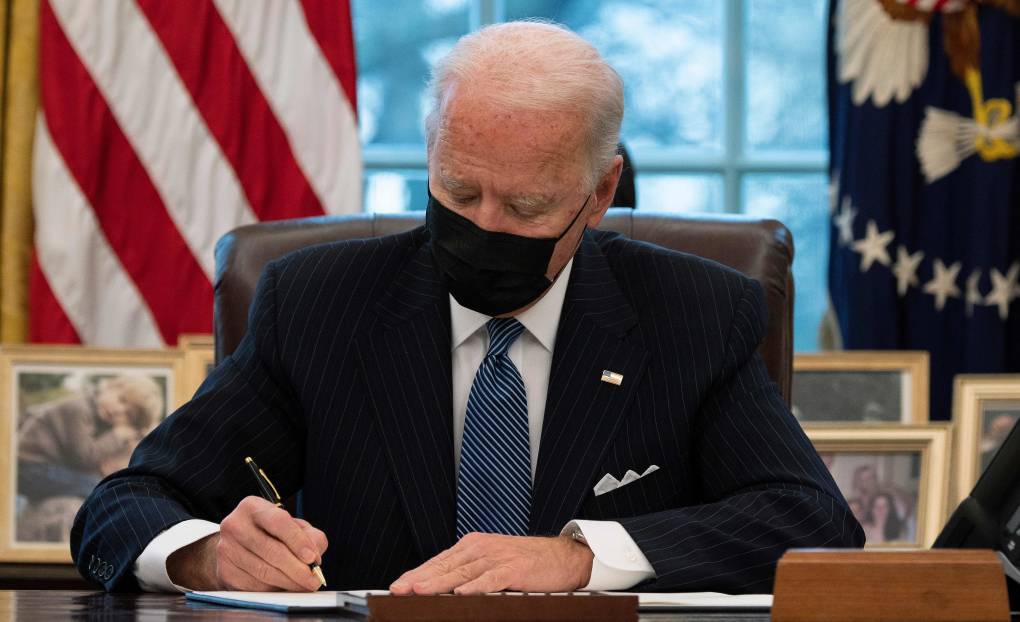
"caption": "President Biden signed three executive orders related to immigration on Tuesday. His aides said work to reverse his predecessor's immigration policies has only just begun.",
"description": "President Biden signs an executive order Monday reversing a Trump-era ban on transgender people serving in the military.",
"title": "President Biden signs an executive order Monday reversing a Trump-era ban on transgender people serving in the military.",
"credit": "Jim Watson/AFP via Getty Images",
"status": "inherit",
"altTag": null,
"isLoading": false,
"fetchFailed": false
},
"news_11838868": {
"type": "attachments",
"id": "news_11838868",
"meta": {
"index": "attachments_1716263798",
"site": "news",
"id": "11838868",
"found": true
},
"parent": 11838859,
"imgSizes": {
"apple_news_ca_landscape_5_5": {
"file": "https://ww2.kqed.org/app/uploads/sites/10/2020/09/005_KQED_SanFrancisco_RGBVigil_09182020-1044x783.jpg",
"width": 1044,
"mimeType": "image/jpeg",
"height": 783
},
"apple_news_ca_square_4_0": {
"file": "https://ww2.kqed.org/app/uploads/sites/10/2020/09/005_KQED_SanFrancisco_RGBVigil_09182020-470x470.jpg",
"width": 470,
"mimeType": "image/jpeg",
"height": 470
},
"twentyfourteen-full-width": {
"file": "https://ww2.kqed.org/app/uploads/sites/10/2020/09/005_KQED_SanFrancisco_RGBVigil_09182020-1038x576.jpg",
"width": 1038,
"mimeType": "image/jpeg",
"height": 576
},
"thumbnail": {
"file": "https://ww2.kqed.org/app/uploads/sites/10/2020/09/005_KQED_SanFrancisco_RGBVigil_09182020-160x107.jpg",
"width": 160,
"mimeType": "image/jpeg",
"height": 107
},
"post-thumbnail": {
"file": "https://ww2.kqed.org/app/uploads/sites/10/2020/09/005_KQED_SanFrancisco_RGBVigil_09182020-672x372.jpg",
"width": 672,
"mimeType": "image/jpeg",
"height": 372
},
"kqedFullSize": {
"file": "https://ww2.kqed.org/app/uploads/sites/10/2020/09/005_KQED_SanFrancisco_RGBVigil_09182020.jpg",
"width": 1920,
"height": 1280
},
"apple_news_ca_landscape_4_7": {
"file": "https://ww2.kqed.org/app/uploads/sites/10/2020/09/005_KQED_SanFrancisco_RGBVigil_09182020-632x474.jpg",
"width": 632,
"mimeType": "image/jpeg",
"height": 474
},
"large": {
"file": "https://ww2.kqed.org/app/uploads/sites/10/2020/09/005_KQED_SanFrancisco_RGBVigil_09182020-1020x680.jpg",
"width": 1020,
"mimeType": "image/jpeg",
"height": 680
},
"apple_news_ca_landscape_4_0": {
"file": "https://ww2.kqed.org/app/uploads/sites/10/2020/09/005_KQED_SanFrancisco_RGBVigil_09182020-536x402.jpg",
"width": 536,
"mimeType": "image/jpeg",
"height": 402
},
"apple_news_ca_portrait_12_9": {
"file": "https://ww2.kqed.org/app/uploads/sites/10/2020/09/005_KQED_SanFrancisco_RGBVigil_09182020-1122x1280.jpg",
"width": 1122,
"mimeType": "image/jpeg",
"height": 1280
},
"medium": {
"file": "https://ww2.kqed.org/app/uploads/sites/10/2020/09/005_KQED_SanFrancisco_RGBVigil_09182020-800x533.jpg",
"width": 800,
"mimeType": "image/jpeg",
"height": 533
},
"apple_news_ca_portrait_4_0": {
"file": "https://ww2.kqed.org/app/uploads/sites/10/2020/09/005_KQED_SanFrancisco_RGBVigil_09182020-354x472.jpg",
"width": 354,
"mimeType": "image/jpeg",
"height": 472
},
"apple_news_ca_portrait_9_7": {
"file": "https://ww2.kqed.org/app/uploads/sites/10/2020/09/005_KQED_SanFrancisco_RGBVigil_09182020-840x1120.jpg",
"width": 840,
"mimeType": "image/jpeg",
"height": 1120
},
"apple_news_ca_landscape_12_9": {
"file": "https://ww2.kqed.org/app/uploads/sites/10/2020/09/005_KQED_SanFrancisco_RGBVigil_09182020-1832x1280.jpg",
"width": 1832,
"mimeType": "image/jpeg",
"height": 1280
},
"apple_news_ca_square_9_7": {
"file": "https://ww2.kqed.org/app/uploads/sites/10/2020/09/005_KQED_SanFrancisco_RGBVigil_09182020-1104x1104.jpg",
"width": 1104,
"mimeType": "image/jpeg",
"height": 1104
},
"1536x1536": {
"file": "https://ww2.kqed.org/app/uploads/sites/10/2020/09/005_KQED_SanFrancisco_RGBVigil_09182020-1536x1024.jpg",
"width": 1536,
"mimeType": "image/jpeg",
"height": 1024
},
"apple_news_ca_portrait_4_7": {
"file": "https://ww2.kqed.org/app/uploads/sites/10/2020/09/005_KQED_SanFrancisco_RGBVigil_09182020-414x552.jpg",
"width": 414,
"mimeType": "image/jpeg",
"height": 552
},
"apple_news_ca_square_12_9": {
"file": "https://ww2.kqed.org/app/uploads/sites/10/2020/09/005_KQED_SanFrancisco_RGBVigil_09182020-1472x1280.jpg",
"width": 1472,
"mimeType": "image/jpeg",
"height": 1280
},
"apple_news_ca_portrait_5_5": {
"file": "https://ww2.kqed.org/app/uploads/sites/10/2020/09/005_KQED_SanFrancisco_RGBVigil_09182020-687x916.jpg",
"width": 687,
"mimeType": "image/jpeg",
"height": 916
},
"apple_news_ca_square_4_7": {
"file": "https://ww2.kqed.org/app/uploads/sites/10/2020/09/005_KQED_SanFrancisco_RGBVigil_09182020-550x550.jpg",
"width": 550,
"mimeType": "image/jpeg",
"height": 550
},
"apple_news_ca_landscape_9_7": {
"file": "https://ww2.kqed.org/app/uploads/sites/10/2020/09/005_KQED_SanFrancisco_RGBVigil_09182020-1376x1032.jpg",
"width": 1376,
"mimeType": "image/jpeg",
"height": 1032
},
"apple_news_ca_square_5_5": {
"file": "https://ww2.kqed.org/app/uploads/sites/10/2020/09/005_KQED_SanFrancisco_RGBVigil_09182020-912x912.jpg",
"width": 912,
"mimeType": "image/jpeg",
"height": 912
}
},
"publishDate": 1600495215,
"modified": 1600495394,
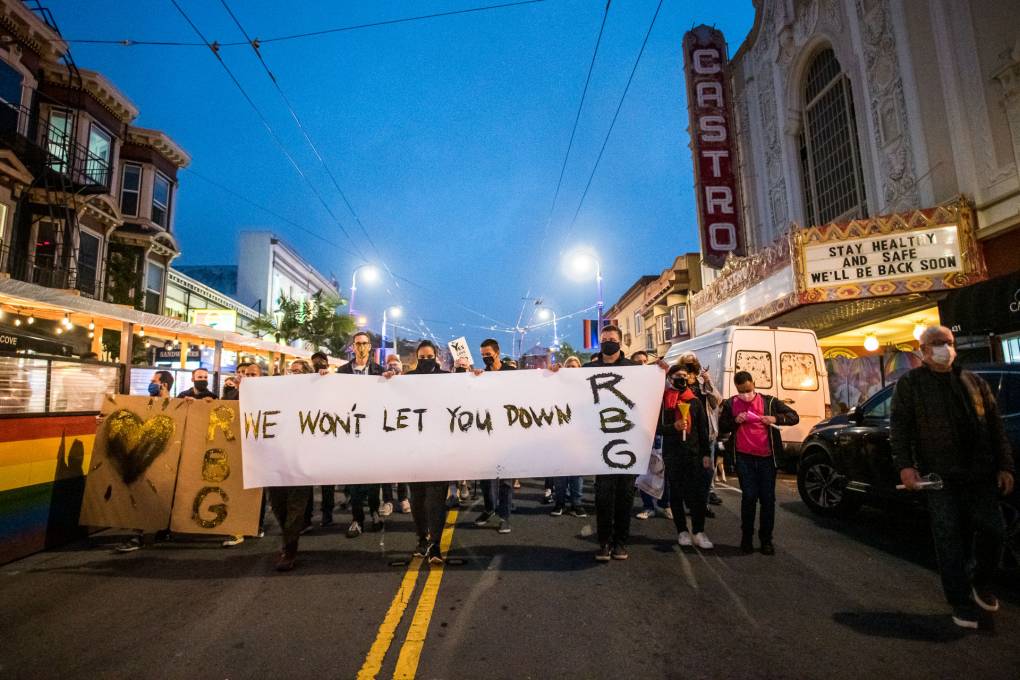
"caption": "Approximately 500 people gathered in the Castro for a candlelit vigil to honor the life of Ruth Bader Ginsburg on Sep. 18, 2020.",
"description": "Approximately 500 people gathered in the Castro for a candlelit vigil to honor the life of Ruth Bader Ginsburg on Sep. 18, 2020.",
"title": "005_KQED_SanFrancisco_RGBVigil_09182020",
"credit": "Beth LaBerge/KQED",
"status": "inherit",
"isLoading": false,
"fetchFailed": false
},
"news_68606": {
"type": "attachments",
"id": "news_68606",
"meta": {
"index": "attachments_1716263798",
"site": "news",
"id": "68606",
"found": true
},
"parent": 68562,
"imgSizes": {
"kqedFullSize": {
"file": "https://ww2.kqed.org/app/uploads/sites/10/2012/06/107361306-e1594397030694.jpg",
"width": 1920,
"height": 1357
}
},
"publishDate": 1340403179,
"modified": 1594397022,
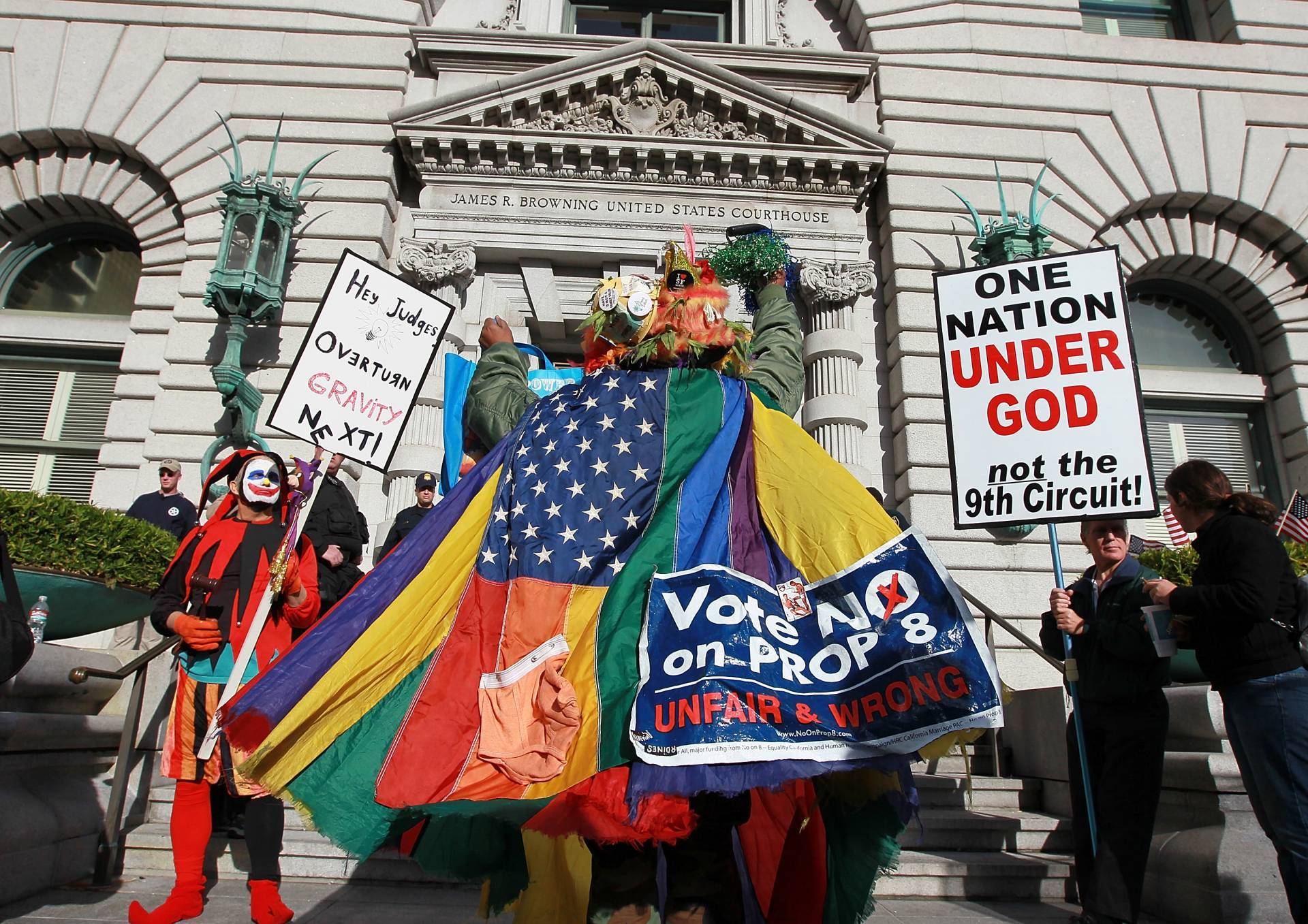
"caption": "Protesters on both sides of the same-sex marriage issue gathered outside the 9th U.S. Circuit Court of Appeals in San Francisco in 2010.",
"description": "Protesters stake out their positions on Proposition 8 on December 6, 2010 in San Francisco, California.",
"title": "Federal Appeals Court Holds Hearing On Prop 8",
"credit": "Justin Sullivan/Getty Images",
"status": "inherit",
"isLoading": false,
"fetchFailed": false
},
"news_11826095": {
"type": "attachments",
"id": "news_11826095",
"meta": {
"index": "attachments_1716263798",
"site": "news",
"id": "11826095",
"found": true
},
"parent": 11826040,
"imgSizes": {
"apple_news_ca_landscape_5_5": {
"file": "https://ww2.kqed.org/app/uploads/sites/10/2020/06/840-1044x783.jpg",
"width": 1044,
"mimeType": "image/jpeg",
"height": 783
},
"apple_news_ca_square_4_0": {
"file": "https://ww2.kqed.org/app/uploads/sites/10/2020/06/840-470x470.jpg",
"width": 470,
"mimeType": "image/jpeg",
"height": 470
},
"twentyfourteen-full-width": {
"file": "https://ww2.kqed.org/app/uploads/sites/10/2020/06/840-1038x576.jpg",
"width": 1038,
"mimeType": "image/jpeg",
"height": 576
},
"thumbnail": {
"file": "https://ww2.kqed.org/app/uploads/sites/10/2020/06/840-160x105.jpg",
"width": 160,
"mimeType": "image/jpeg",
"height": 105
},
"post-thumbnail": {
"file": "https://ww2.kqed.org/app/uploads/sites/10/2020/06/840-672x372.jpg",
"width": 672,
"mimeType": "image/jpeg",
"height": 372
},
"kqedFullSize": {
"file": "https://ww2.kqed.org/app/uploads/sites/10/2020/06/840-scaled-e1593045875858.jpg",
"width": 1920,
"height": 1264
},
"2048x2048": {
"file": "https://ww2.kqed.org/app/uploads/sites/10/2020/06/840-2048x1348.jpg",
"width": 2048,
"mimeType": "image/jpeg",
"height": 1348
},
"apple_news_ca_landscape_4_7": {
"file": "https://ww2.kqed.org/app/uploads/sites/10/2020/06/840-632x474.jpg",
"width": 632,
"mimeType": "image/jpeg",
"height": 474
},
"large": {
"file": "https://ww2.kqed.org/app/uploads/sites/10/2020/06/840-1020x671.jpg",
"width": 1020,
"mimeType": "image/jpeg",
"height": 671
},
"apple_news_ca_landscape_4_0": {
"file": "https://ww2.kqed.org/app/uploads/sites/10/2020/06/840-536x402.jpg",
"width": 536,
"mimeType": "image/jpeg",
"height": 402
},
"apple_news_ca_portrait_12_9": {
"file": "https://ww2.kqed.org/app/uploads/sites/10/2020/06/840-1122x1496.jpg",
"width": 1122,
"mimeType": "image/jpeg",
"height": 1496
},
"medium": {
"file": "https://ww2.kqed.org/app/uploads/sites/10/2020/06/840-800x527.jpg",
"width": 800,
"mimeType": "image/jpeg",
"height": 527
},
"apple_news_ca_portrait_4_0": {
"file": "https://ww2.kqed.org/app/uploads/sites/10/2020/06/840-354x472.jpg",
"width": 354,
"mimeType": "image/jpeg",
"height": 472
},
"apple_news_ca_portrait_9_7": {
"file": "https://ww2.kqed.org/app/uploads/sites/10/2020/06/840-840x1120.jpg",
"width": 840,
"mimeType": "image/jpeg",
"height": 1120
},
"apple_news_ca_landscape_12_9": {
"file": "https://ww2.kqed.org/app/uploads/sites/10/2020/06/840-1832x1374.jpg",
"width": 1832,
"mimeType": "image/jpeg",
"height": 1374
},
"apple_news_ca_square_9_7": {
"file": "https://ww2.kqed.org/app/uploads/sites/10/2020/06/840-1104x1104.jpg",
"width": 1104,
"mimeType": "image/jpeg",
"height": 1104
},
"1536x1536": {
"file": "https://ww2.kqed.org/app/uploads/sites/10/2020/06/840-1536x1011.jpg",
"width": 1536,
"mimeType": "image/jpeg",
"height": 1011
},
"apple_news_ca_portrait_4_7": {
"file": "https://ww2.kqed.org/app/uploads/sites/10/2020/06/840-414x552.jpg",
"width": 414,
"mimeType": "image/jpeg",
"height": 552
},
"apple_news_ca_square_12_9": {
"file": "https://ww2.kqed.org/app/uploads/sites/10/2020/06/840-1472x1472.jpg",
"width": 1472,
"mimeType": "image/jpeg",
"height": 1472
},
"apple_news_ca_portrait_5_5": {
"file": "https://ww2.kqed.org/app/uploads/sites/10/2020/06/840-687x916.jpg",
"width": 687,
"mimeType": "image/jpeg",
"height": 916
},
"full-width": {
"file": "https://ww2.kqed.org/app/uploads/sites/10/2020/06/840-1920x1264.jpg",
"width": 1920,
"mimeType": "image/jpeg",
"height": 1264
},
"apple_news_ca_square_4_7": {
"file": "https://ww2.kqed.org/app/uploads/sites/10/2020/06/840-550x550.jpg",
"width": 550,
"mimeType": "image/jpeg",
"height": 550
},
"apple_news_ca_landscape_9_7": {
"file": "https://ww2.kqed.org/app/uploads/sites/10/2020/06/840-1376x1032.jpg",
"width": 1376,
"mimeType": "image/jpeg",
"height": 1032
},
"apple_news_ca_square_5_5": {
"file": "https://ww2.kqed.org/app/uploads/sites/10/2020/06/840-912x912.jpg",
"width": 912,
"mimeType": "image/jpeg",
"height": 912
}
},
"publishDate": 1593045842,
"modified": 1593051442,
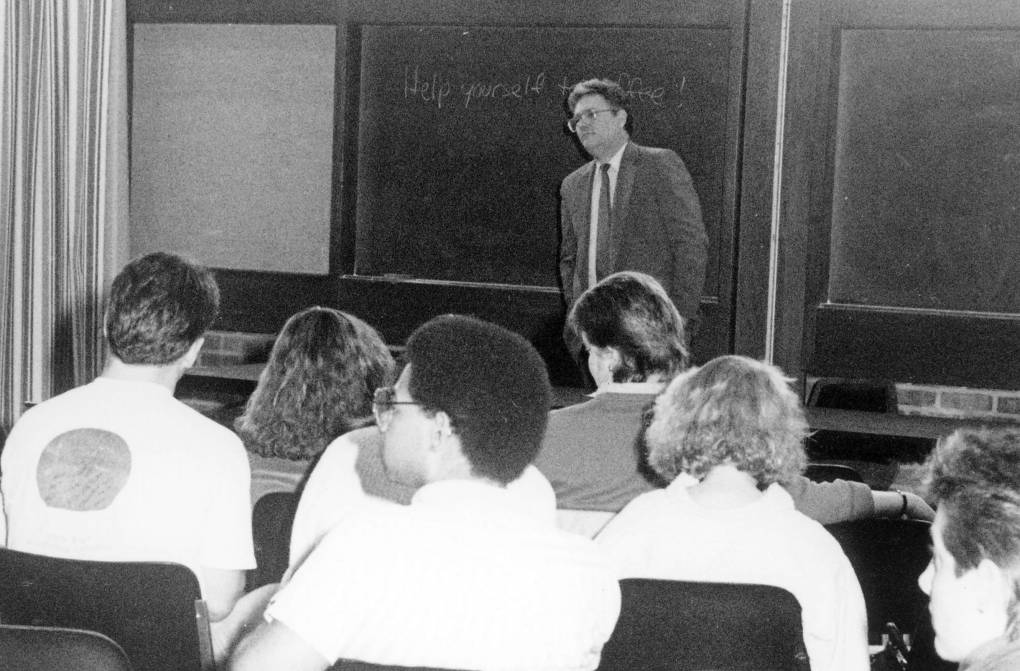
"caption": "Former San Francisco Supervisor, Harry Britt, speaking to a group at San Jose State University on AIDS awareness in 1988.",
"description": "Former San Francisco Supervisor, Harry Britt, speaking to a group at San Jose State University on AIDS awareness in 1988.",
"title": "840",
"credit": "Ted Sahl Collection/San José State University Special Collections & Archives.",
"status": "inherit",
"isLoading": false,
"fetchFailed": false
},
"news_11824431": {
"type": "attachments",
"id": "news_11824431",
"meta": {
"index": "attachments_1716263798",
"site": "news",
"id": "11824431",
"found": true
},
"parent": 11824426,
"imgSizes": {
"apple_news_ca_landscape_5_5": {
"file": "https://ww2.kqed.org/app/uploads/sites/10/2020/06/RS43654_GettyImages-1179836016-qut-1044x783.jpg",
"width": 1044,
"mimeType": "image/jpeg",
"height": 783
},
"apple_news_ca_square_4_0": {
"file": "https://ww2.kqed.org/app/uploads/sites/10/2020/06/RS43654_GettyImages-1179836016-qut-470x470.jpg",
"width": 470,
"mimeType": "image/jpeg",
"height": 470
},
"twentyfourteen-full-width": {
"file": "https://ww2.kqed.org/app/uploads/sites/10/2020/06/RS43654_GettyImages-1179836016-qut-1038x576.jpg",
"width": 1038,
"mimeType": "image/jpeg",
"height": 576
},
"thumbnail": {
"file": "https://ww2.kqed.org/app/uploads/sites/10/2020/06/RS43654_GettyImages-1179836016-qut-160x106.jpg",
"width": 160,
"mimeType": "image/jpeg",
"height": 106
},
"post-thumbnail": {
"file": "https://ww2.kqed.org/app/uploads/sites/10/2020/06/RS43654_GettyImages-1179836016-qut-672x372.jpg",
"width": 672,
"mimeType": "image/jpeg",
"height": 372
},
"kqedFullSize": {
"file": "https://ww2.kqed.org/app/uploads/sites/10/2020/06/RS43654_GettyImages-1179836016-qut.jpg",
"width": 1920,
"height": 1269
},
"apple_news_ca_landscape_4_7": {
"file": "https://ww2.kqed.org/app/uploads/sites/10/2020/06/RS43654_GettyImages-1179836016-qut-632x474.jpg",
"width": 632,
"mimeType": "image/jpeg",
"height": 474
},
"large": {
"file": "https://ww2.kqed.org/app/uploads/sites/10/2020/06/RS43654_GettyImages-1179836016-qut-1020x674.jpg",
"width": 1020,
"mimeType": "image/jpeg",
"height": 674
},
"apple_news_ca_landscape_4_0": {
"file": "https://ww2.kqed.org/app/uploads/sites/10/2020/06/RS43654_GettyImages-1179836016-qut-536x402.jpg",
"width": 536,
"mimeType": "image/jpeg",
"height": 402
},
"apple_news_ca_portrait_12_9": {
"file": "https://ww2.kqed.org/app/uploads/sites/10/2020/06/RS43654_GettyImages-1179836016-qut-1122x1269.jpg",
"width": 1122,
"mimeType": "image/jpeg",
"height": 1269
},
"medium": {
"file": "https://ww2.kqed.org/app/uploads/sites/10/2020/06/RS43654_GettyImages-1179836016-qut-800x529.jpg",
"width": 800,
"mimeType": "image/jpeg",
"height": 529
},
"apple_news_ca_portrait_4_0": {
"file": "https://ww2.kqed.org/app/uploads/sites/10/2020/06/RS43654_GettyImages-1179836016-qut-354x472.jpg",
"width": 354,
"mimeType": "image/jpeg",
"height": 472
},
"apple_news_ca_portrait_9_7": {
"file": "https://ww2.kqed.org/app/uploads/sites/10/2020/06/RS43654_GettyImages-1179836016-qut-840x1120.jpg",
"width": 840,
"mimeType": "image/jpeg",
"height": 1120
},
"apple_news_ca_landscape_12_9": {
"file": "https://ww2.kqed.org/app/uploads/sites/10/2020/06/RS43654_GettyImages-1179836016-qut-1832x1269.jpg",
"width": 1832,
"mimeType": "image/jpeg",
"height": 1269
},
"apple_news_ca_square_9_7": {
"file": "https://ww2.kqed.org/app/uploads/sites/10/2020/06/RS43654_GettyImages-1179836016-qut-1104x1104.jpg",
"width": 1104,
"mimeType": "image/jpeg",
"height": 1104
},
"apple_news_ca_portrait_4_7": {
"file": "https://ww2.kqed.org/app/uploads/sites/10/2020/06/RS43654_GettyImages-1179836016-qut-414x552.jpg",
"width": 414,
"mimeType": "image/jpeg",
"height": 552
},
"apple_news_ca_square_12_9": {
"file": "https://ww2.kqed.org/app/uploads/sites/10/2020/06/RS43654_GettyImages-1179836016-qut-1472x1269.jpg",
"width": 1472,
"mimeType": "image/jpeg",
"height": 1269
},
"apple_news_ca_portrait_5_5": {
"file": "https://ww2.kqed.org/app/uploads/sites/10/2020/06/RS43654_GettyImages-1179836016-qut-687x916.jpg",
"width": 687,
"mimeType": "image/jpeg",
"height": 916
},
"full-width": {
"file": "https://ww2.kqed.org/app/uploads/sites/10/2020/06/RS43654_GettyImages-1179836016-qut-1920x1269.jpg",
"width": 1920,
"mimeType": "image/jpeg",
"height": 1269
},
"apple_news_ca_square_4_7": {
"file": "https://ww2.kqed.org/app/uploads/sites/10/2020/06/RS43654_GettyImages-1179836016-qut-550x550.jpg",
"width": 550,
"mimeType": "image/jpeg",
"height": 550
},
"apple_news_ca_landscape_9_7": {
"file": "https://ww2.kqed.org/app/uploads/sites/10/2020/06/RS43654_GettyImages-1179836016-qut-1376x1032.jpg",
"width": 1376,
"mimeType": "image/jpeg",
"height": 1032
},
"apple_news_ca_square_5_5": {
"file": "https://ww2.kqed.org/app/uploads/sites/10/2020/06/RS43654_GettyImages-1179836016-qut-912x912.jpg",
"width": 912,
"mimeType": "image/jpeg",
"height": 912
}
},
"publishDate": 1592236352,
"modified": 1592236412,
"caption": "Protesters rally in front of the U.S. Supreme Court as arguments are heard in a set of cases concerning the rights of LGBT people in the workforce, on October 8, 2019 in Washington, DC.",
"description": "Protesters rally in front of the U.S. Supreme Court as arguments are heard in a set of cases concerning the rights of LGBT people in the workforce, on October 8, 2019 in Washington, DC.",
"title": "Supreme Court Hears Arguments On Gender Identity Workplace Discrimination",
"credit": "Mark Wilson/Getty Images",
"status": "inherit",
"isLoading": false,
"fetchFailed": false
},
"news_11820148": {
"type": "attachments",
"id": "news_11820148",
"meta": {
"index": "attachments_1716263798",
"site": "news",
"id": "11820148",
"found": true
},
"parent": 11820133,
"imgSizes": {
"apple_news_ca_landscape_5_5": {
"file": "https://ww2.kqed.org/app/uploads/sites/10/2020/05/RS20259_160719_The-Stud-Bar_bhs05-qut-1044x783.jpg",
"width": 1044,
"mimeType": "image/jpeg",
"height": 783
},
"apple_news_ca_square_4_0": {
"file": "https://ww2.kqed.org/app/uploads/sites/10/2020/05/RS20259_160719_The-Stud-Bar_bhs05-qut-470x470.jpg",
"width": 470,
"mimeType": "image/jpeg",
"height": 470
},
"twentyfourteen-full-width": {
"file": "https://ww2.kqed.org/app/uploads/sites/10/2020/05/RS20259_160719_The-Stud-Bar_bhs05-qut-1038x576.jpg",
"width": 1038,
"mimeType": "image/jpeg",
"height": 576
},
"thumbnail": {
"file": "https://ww2.kqed.org/app/uploads/sites/10/2020/05/RS20259_160719_The-Stud-Bar_bhs05-qut-160x109.jpg",
"width": 160,
"mimeType": "image/jpeg",
"height": 109
},
"post-thumbnail": {
"file": "https://ww2.kqed.org/app/uploads/sites/10/2020/05/RS20259_160719_The-Stud-Bar_bhs05-qut-672x372.jpg",
"width": 672,
"mimeType": "image/jpeg",
"height": 372
},
"kqedFullSize": {
"file": "https://ww2.kqed.org/app/uploads/sites/10/2020/05/RS20259_160719_The-Stud-Bar_bhs05-qut.jpg",
"width": 1920,
"height": 1303
},
"apple_news_ca_landscape_4_7": {
"file": "https://ww2.kqed.org/app/uploads/sites/10/2020/05/RS20259_160719_The-Stud-Bar_bhs05-qut-632x474.jpg",
"width": 632,
"mimeType": "image/jpeg",
"height": 474
},
"large": {
"file": "https://ww2.kqed.org/app/uploads/sites/10/2020/05/RS20259_160719_The-Stud-Bar_bhs05-qut-1020x692.jpg",
"width": 1020,
"mimeType": "image/jpeg",
"height": 692
},
"apple_news_ca_landscape_4_0": {
"file": "https://ww2.kqed.org/app/uploads/sites/10/2020/05/RS20259_160719_The-Stud-Bar_bhs05-qut-536x402.jpg",
"width": 536,
"mimeType": "image/jpeg",
"height": 402
},
"apple_news_ca_portrait_12_9": {
"file": "https://ww2.kqed.org/app/uploads/sites/10/2020/05/RS20259_160719_The-Stud-Bar_bhs05-qut-1122x1303.jpg",
"width": 1122,
"mimeType": "image/jpeg",
"height": 1303
},
"medium": {
"file": "https://ww2.kqed.org/app/uploads/sites/10/2020/05/RS20259_160719_The-Stud-Bar_bhs05-qut-800x543.jpg",
"width": 800,
"mimeType": "image/jpeg",
"height": 543
},
"apple_news_ca_portrait_4_0": {
"file": "https://ww2.kqed.org/app/uploads/sites/10/2020/05/RS20259_160719_The-Stud-Bar_bhs05-qut-354x472.jpg",
"width": 354,
"mimeType": "image/jpeg",
"height": 472
},
"apple_news_ca_portrait_9_7": {
"file": "https://ww2.kqed.org/app/uploads/sites/10/2020/05/RS20259_160719_The-Stud-Bar_bhs05-qut-840x1120.jpg",
"width": 840,
"mimeType": "image/jpeg",
"height": 1120
},
"apple_news_ca_landscape_12_9": {
"file": "https://ww2.kqed.org/app/uploads/sites/10/2020/05/RS20259_160719_The-Stud-Bar_bhs05-qut-1832x1303.jpg",
"width": 1832,
"mimeType": "image/jpeg",
"height": 1303
},
"apple_news_ca_square_9_7": {
"file": "https://ww2.kqed.org/app/uploads/sites/10/2020/05/RS20259_160719_The-Stud-Bar_bhs05-qut-1104x1104.jpg",
"width": 1104,
"mimeType": "image/jpeg",
"height": 1104
},
"apple_news_ca_portrait_4_7": {
"file": "https://ww2.kqed.org/app/uploads/sites/10/2020/05/RS20259_160719_The-Stud-Bar_bhs05-qut-414x552.jpg",
"width": 414,
"mimeType": "image/jpeg",
"height": 552
},
"apple_news_ca_square_12_9": {
"file": "https://ww2.kqed.org/app/uploads/sites/10/2020/05/RS20259_160719_The-Stud-Bar_bhs05-qut-1472x1303.jpg",
"width": 1472,
"mimeType": "image/jpeg",
"height": 1303
},
"apple_news_ca_portrait_5_5": {
"file": "https://ww2.kqed.org/app/uploads/sites/10/2020/05/RS20259_160719_The-Stud-Bar_bhs05-qut-687x916.jpg",
"width": 687,
"mimeType": "image/jpeg",
"height": 916
},
"full-width": {
"file": "https://ww2.kqed.org/app/uploads/sites/10/2020/05/RS20259_160719_The-Stud-Bar_bhs05-qut-1920x1303.jpg",
"width": 1920,
"mimeType": "image/jpeg",
"height": 1303
},
"apple_news_ca_square_4_7": {
"file": "https://ww2.kqed.org/app/uploads/sites/10/2020/05/RS20259_160719_The-Stud-Bar_bhs05-qut-550x550.jpg",
"width": 550,
"mimeType": "image/jpeg",
"height": 550
},
"apple_news_ca_landscape_9_7": {
"file": "https://ww2.kqed.org/app/uploads/sites/10/2020/05/RS20259_160719_The-Stud-Bar_bhs05-qut-1376x1032.jpg",
"width": 1376,
"mimeType": "image/jpeg",
"height": 1032
},
"apple_news_ca_square_5_5": {
"file": "https://ww2.kqed.org/app/uploads/sites/10/2020/05/RS20259_160719_The-Stud-Bar_bhs05-qut-912x912.jpg",
"width": 912,
"mimeType": "image/jpeg",
"height": 912
}
},
"publishDate": 1590119520,
"modified": 1590127736,
"caption": "Founded in 1966, The Stud is San Francisco’s oldest operating gay bar. The bar's co-owners announced the closure of its current location this week.",
"description": "Founded in 1966, The Stud is San Francisco’s oldest operating gay bar. The bar's co-owners announced the closure of its current location this week.",
"title": "RS20259_160719_The Stud Bar_bhs05-qut",
"credit": "Brittany Hosea-Small/KQED",
"status": "inherit",
"isLoading": false,
"fetchFailed": false
},
"news_11811672": {
"type": "attachments",
"id": "news_11811672",
"meta": {
"index": "attachments_1716263798",
"site": "news",
"id": "11811672",
"found": true
},
"parent": 11811612,
"imgSizes": {
"apple_news_ca_landscape_5_5": {
"file": "https://ww2.kqed.org/app/uploads/sites/10/2020/04/Phyllis-Lyon-With-Cake-1044x783.jpg",
"width": 1044,
"mimeType": "image/jpeg",
"height": 783
},
"apple_news_ca_square_4_0": {
"file": "https://ww2.kqed.org/app/uploads/sites/10/2020/04/Phyllis-Lyon-With-Cake-470x470.jpg",
"width": 470,
"mimeType": "image/jpeg",
"height": 470
},
"twentyfourteen-full-width": {
"file": "https://ww2.kqed.org/app/uploads/sites/10/2020/04/Phyllis-Lyon-With-Cake-1038x576.jpg",
"width": 1038,
"mimeType": "image/jpeg",
"height": 576
},
"thumbnail": {
"file": "https://ww2.kqed.org/app/uploads/sites/10/2020/04/Phyllis-Lyon-With-Cake-160x107.jpg",
"width": 160,
"mimeType": "image/jpeg",
"height": 107
},
"post-thumbnail": {
"file": "https://ww2.kqed.org/app/uploads/sites/10/2020/04/Phyllis-Lyon-With-Cake-672x372.jpg",
"width": 672,
"mimeType": "image/jpeg",
"height": 372
},
"kqedFullSize": {
"file": "https://ww2.kqed.org/app/uploads/sites/10/2020/04/Phyllis-Lyon-With-Cake.jpg",
"width": 1920,
"height": 1280
},
"apple_news_ca_landscape_4_7": {
"file": "https://ww2.kqed.org/app/uploads/sites/10/2020/04/Phyllis-Lyon-With-Cake-632x474.jpg",
"width": 632,
"mimeType": "image/jpeg",
"height": 474
},
"large": {
"file": "https://ww2.kqed.org/app/uploads/sites/10/2020/04/Phyllis-Lyon-With-Cake-1020x680.jpg",
"width": 1020,
"mimeType": "image/jpeg",
"height": 680
},
"apple_news_ca_landscape_4_0": {
"file": "https://ww2.kqed.org/app/uploads/sites/10/2020/04/Phyllis-Lyon-With-Cake-536x402.jpg",
"width": 536,
"mimeType": "image/jpeg",
"height": 402
},
"apple_news_ca_portrait_12_9": {
"file": "https://ww2.kqed.org/app/uploads/sites/10/2020/04/Phyllis-Lyon-With-Cake-1122x1280.jpg",
"width": 1122,
"mimeType": "image/jpeg",
"height": 1280
},
"medium": {
"file": "https://ww2.kqed.org/app/uploads/sites/10/2020/04/Phyllis-Lyon-With-Cake-800x533.jpg",
"width": 800,
"mimeType": "image/jpeg",
"height": 533
},
"apple_news_ca_portrait_4_0": {
"file": "https://ww2.kqed.org/app/uploads/sites/10/2020/04/Phyllis-Lyon-With-Cake-354x472.jpg",
"width": 354,
"mimeType": "image/jpeg",
"height": 472
},
"apple_news_ca_portrait_9_7": {
"file": "https://ww2.kqed.org/app/uploads/sites/10/2020/04/Phyllis-Lyon-With-Cake-840x1120.jpg",
"width": 840,
"mimeType": "image/jpeg",
"height": 1120
},
"apple_news_ca_landscape_12_9": {
"file": "https://ww2.kqed.org/app/uploads/sites/10/2020/04/Phyllis-Lyon-With-Cake-1832x1280.jpg",
"width": 1832,
"mimeType": "image/jpeg",
"height": 1280
},
"apple_news_ca_square_9_7": {
"file": "https://ww2.kqed.org/app/uploads/sites/10/2020/04/Phyllis-Lyon-With-Cake-1104x1104.jpg",
"width": 1104,
"mimeType": "image/jpeg",
"height": 1104
},
"apple_news_ca_portrait_4_7": {
"file": "https://ww2.kqed.org/app/uploads/sites/10/2020/04/Phyllis-Lyon-With-Cake-414x552.jpg",
"width": 414,
"mimeType": "image/jpeg",
"height": 552
},
"apple_news_ca_square_12_9": {
"file": "https://ww2.kqed.org/app/uploads/sites/10/2020/04/Phyllis-Lyon-With-Cake-1472x1280.jpg",
"width": 1472,
"mimeType": "image/jpeg",
"height": 1280
},
"apple_news_ca_portrait_5_5": {
"file": "https://ww2.kqed.org/app/uploads/sites/10/2020/04/Phyllis-Lyon-With-Cake-687x916.jpg",
"width": 687,
"mimeType": "image/jpeg",
"height": 916
},
"full-width": {
"file": "https://ww2.kqed.org/app/uploads/sites/10/2020/04/Phyllis-Lyon-With-Cake-1920x1280.jpg",
"width": 1920,
"mimeType": "image/jpeg",
"height": 1280
},
"apple_news_ca_square_4_7": {
"file": "https://ww2.kqed.org/app/uploads/sites/10/2020/04/Phyllis-Lyon-With-Cake-550x550.jpg",
"width": 550,
"mimeType": "image/jpeg",
"height": 550
},
"apple_news_ca_landscape_9_7": {
"file": "https://ww2.kqed.org/app/uploads/sites/10/2020/04/Phyllis-Lyon-With-Cake-1376x1032.jpg",
"width": 1376,
"mimeType": "image/jpeg",
"height": 1032
},
"apple_news_ca_square_5_5": {
"file": "https://ww2.kqed.org/app/uploads/sites/10/2020/04/Phyllis-Lyon-With-Cake-912x912.jpg",
"width": 912,
"mimeType": "image/jpeg",
"height": 912
}
},
"publishDate": 1586470211,
"modified": 1586471492,
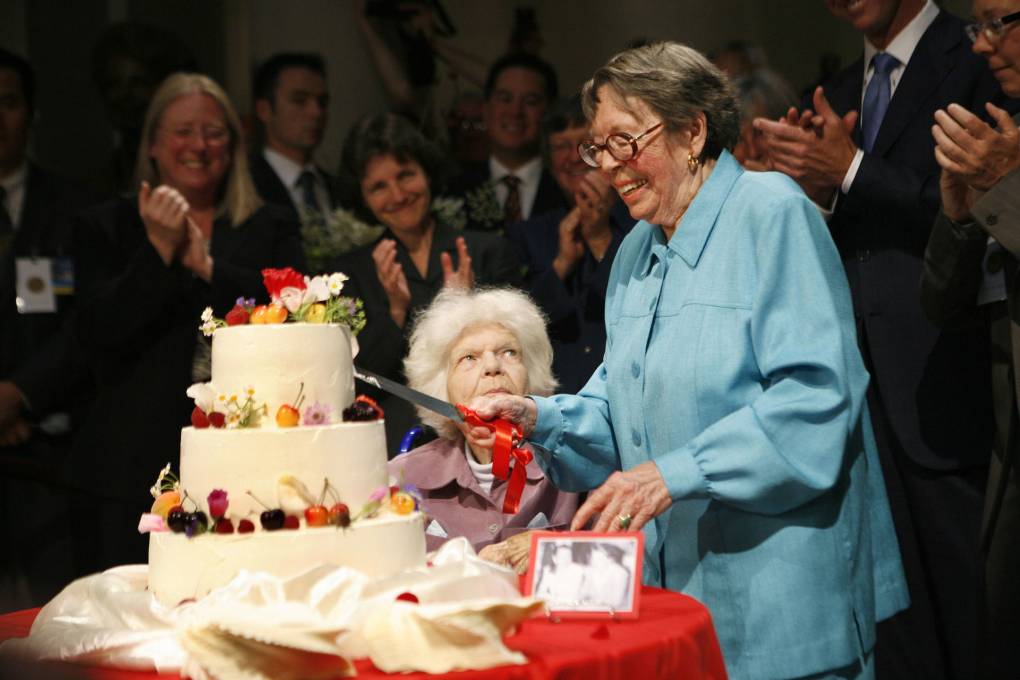
"caption": "LGBTQ rights trailblazers Phyllis Lyon (right) and Del Martin (center) cut their wedding cake on June 16, 2008. After the California Supreme Court legalized same-sex marriage, Lyon and Martin were the first same-sex couple legally married in California in a ceremony at City Hall conducted by then-Mayor Gavin Newsom.",
"description": "LGBTQ rights trailblazers Phyllis Lyon (right) and Del Martin (center) cut their wedding cake on June 16, 2008. After the California Supreme Court legalized same-sex marriage, Lyon and Martin were the first same-sex couple legally married in California in a ceremony at City Hall conducted by then-Mayor Gavin Newsom.",
"title": "Phyllis-Lyon-With-Cake",
"credit": "Ryan Anson/AFP via Getty Images",
"status": "inherit",
"isLoading": false,
"fetchFailed": false
},
"arts_13874543": {
"type": "attachments",
"id": "arts_13874543",
"meta": {
"index": "attachments_1716263798",
"site": "arts",
"id": "13874543",
"found": true
},
"parent": 13874503,
"imgSizes": {
"twentyfourteen-full-width": {
"file": "https://ww2.kqed.org/app/uploads/sites/2/2020/02/sf-pride-1038x576.jpg",
"width": 1038,
"mimeType": "image/jpeg",
"height": 576
},
"thumbnail": {
"file": "https://ww2.kqed.org/app/uploads/sites/2/2020/02/sf-pride-160x90.jpg",
"width": 160,
"mimeType": "image/jpeg",
"height": 90
},
"post-thumbnail": {
"file": "https://ww2.kqed.org/app/uploads/sites/2/2020/02/sf-pride-672x372.jpg",
"width": 672,
"mimeType": "image/jpeg",
"height": 372
},
"kqedFullSize": {
"file": "https://ww2.kqed.org/app/uploads/sites/2/2020/02/sf-pride.jpg",
"width": 1920,
"height": 1080
},
"large": {
"file": "https://ww2.kqed.org/app/uploads/sites/2/2020/02/sf-pride-1020x574.jpg",
"width": 1020,
"mimeType": "image/jpeg",
"height": 574
},
"full-width": {
"file": "https://ww2.kqed.org/app/uploads/sites/2/2020/02/sf-pride-1920x1080.jpg",
"width": 1920,
"mimeType": "image/jpeg",
"height": 1080
},
"medium": {
"file": "https://ww2.kqed.org/app/uploads/sites/2/2020/02/sf-pride-800x450.jpg",
"width": 800,
"mimeType": "image/jpeg",
"height": 450
},
"medium_large": {
"file": "https://ww2.kqed.org/app/uploads/sites/2/2020/02/sf-pride-768x432.jpg",
"width": 768,
"mimeType": "image/jpeg",
"height": 432
}
},
"publishDate": 1581028827,
"modified": 1581028902,
"caption": "People march during the San Francisco gay pride parade in San Francisco, California on June, 24, 2018.",
"description": "People march during the San Francisco gay pride parade in San Francisco, California on June, 24, 2018",
"title": "sf-pride",
"credit": "Josh Edelson/AFP via Getty Images",
"status": "inherit",
"isLoading": false,
"fetchFailed": false
},
"news_11768137": {
"type": "attachments",
"id": "news_11768137",
"meta": {
"index": "attachments_1716263798",
"site": "news",
"id": "11768137",
"found": true
},
"parent": 11768015,
"imgSizes": {
"apple_news_ca_landscape_5_5": {
"file": "https://ww2.kqed.org/app/uploads/sites/10/2019/08/Block-Party-WeHo-1044x783.jpg",
"width": 1044,
"mimeType": "image/jpeg",
"height": 783
},
"apple_news_ca_square_4_0": {
"file": "https://ww2.kqed.org/app/uploads/sites/10/2019/08/Block-Party-WeHo-470x470.jpg",
"width": 470,
"mimeType": "image/jpeg",
"height": 470
},
"twentyfourteen-full-width": {
"file": "https://ww2.kqed.org/app/uploads/sites/10/2019/08/Block-Party-WeHo-1038x576.jpg",
"width": 1038,
"mimeType": "image/jpeg",
"height": 576
},
"thumbnail": {
"file": "https://ww2.kqed.org/app/uploads/sites/10/2019/08/Block-Party-WeHo-160x95.jpg",
"width": 160,
"mimeType": "image/jpeg",
"height": 95
},
"post-thumbnail": {
"file": "https://ww2.kqed.org/app/uploads/sites/10/2019/08/Block-Party-WeHo-672x372.jpg",
"width": 672,
"mimeType": "image/jpeg",
"height": 372
},
"kqedFullSize": {
"file": "https://ww2.kqed.org/app/uploads/sites/10/2019/08/Block-Party-WeHo.jpg",
"width": 1920,
"height": 1137
},
"apple_news_ca_landscape_4_7": {
"file": "https://ww2.kqed.org/app/uploads/sites/10/2019/08/Block-Party-WeHo-632x474.jpg",
"width": 632,
"mimeType": "image/jpeg",
"height": 474
},
"large": {
"file": "https://ww2.kqed.org/app/uploads/sites/10/2019/08/Block-Party-WeHo-1020x604.jpg",
"width": 1020,
"mimeType": "image/jpeg",
"height": 604
},
"complete_open_graph": {
"file": "https://ww2.kqed.org/app/uploads/sites/10/2019/08/Block-Party-WeHo-1200x711.jpg",
"width": 1200,
"mimeType": "image/jpeg",
"height": 711
},
"apple_news_ca_landscape_4_0": {
"file": "https://ww2.kqed.org/app/uploads/sites/10/2019/08/Block-Party-WeHo-536x402.jpg",
"width": 536,
"mimeType": "image/jpeg",
"height": 402
},
"apple_news_ca_portrait_12_9": {
"file": "https://ww2.kqed.org/app/uploads/sites/10/2019/08/Block-Party-WeHo-1122x1137.jpg",
"width": 1122,
"mimeType": "image/jpeg",
"height": 1137
},
"medium": {
"file": "https://ww2.kqed.org/app/uploads/sites/10/2019/08/Block-Party-WeHo-800x474.jpg",
"width": 800,
"mimeType": "image/jpeg",
"height": 474
},
"apple_news_ca_portrait_4_0": {
"file": "https://ww2.kqed.org/app/uploads/sites/10/2019/08/Block-Party-WeHo-354x472.jpg",
"width": 354,
"mimeType": "image/jpeg",
"height": 472
},
"apple_news_ca_portrait_9_7": {
"file": "https://ww2.kqed.org/app/uploads/sites/10/2019/08/Block-Party-WeHo-840x1120.jpg",
"width": 840,
"mimeType": "image/jpeg",
"height": 1120
},
"apple_news_ca_landscape_12_9": {
"file": "https://ww2.kqed.org/app/uploads/sites/10/2019/08/Block-Party-WeHo-1832x1137.jpg",
"width": 1832,
"mimeType": "image/jpeg",
"height": 1137
},
"apple_news_ca_square_9_7": {
"file": "https://ww2.kqed.org/app/uploads/sites/10/2019/08/Block-Party-WeHo-1104x1104.jpg",
"width": 1104,
"mimeType": "image/jpeg",
"height": 1104
},
"apple_news_ca_portrait_4_7": {
"file": "https://ww2.kqed.org/app/uploads/sites/10/2019/08/Block-Party-WeHo-414x552.jpg",
"width": 414,
"mimeType": "image/jpeg",
"height": 552
},
"apple_news_ca_square_12_9": {
"file": "https://ww2.kqed.org/app/uploads/sites/10/2019/08/Block-Party-WeHo-1472x1137.jpg",
"width": 1472,
"mimeType": "image/jpeg",
"height": 1137
},
"apple_news_ca_portrait_5_5": {
"file": "https://ww2.kqed.org/app/uploads/sites/10/2019/08/Block-Party-WeHo-687x916.jpg",
"width": 687,
"mimeType": "image/jpeg",
"height": 916
},
"full-width": {
"file": "https://ww2.kqed.org/app/uploads/sites/10/2019/08/Block-Party-WeHo-1920x1137.jpg",
"width": 1920,
"mimeType": "image/jpeg",
"height": 1137
},
"apple_news_ca_square_4_7": {
"file": "https://ww2.kqed.org/app/uploads/sites/10/2019/08/Block-Party-WeHo-550x550.jpg",
"width": 550,
"mimeType": "image/jpeg",
"height": 550
},
"apple_news_ca_landscape_9_7": {
"file": "https://ww2.kqed.org/app/uploads/sites/10/2019/08/Block-Party-WeHo-1376x1032.jpg",
"width": 1376,
"mimeType": "image/jpeg",
"height": 1032
},
"apple_news_ca_square_5_5": {
"file": "https://ww2.kqed.org/app/uploads/sites/10/2019/08/Block-Party-WeHo-912x912.jpg",
"width": 912,
"mimeType": "image/jpeg",
"height": 912
}
},
"publishDate": 1565998064,
"modified": 1565998199,
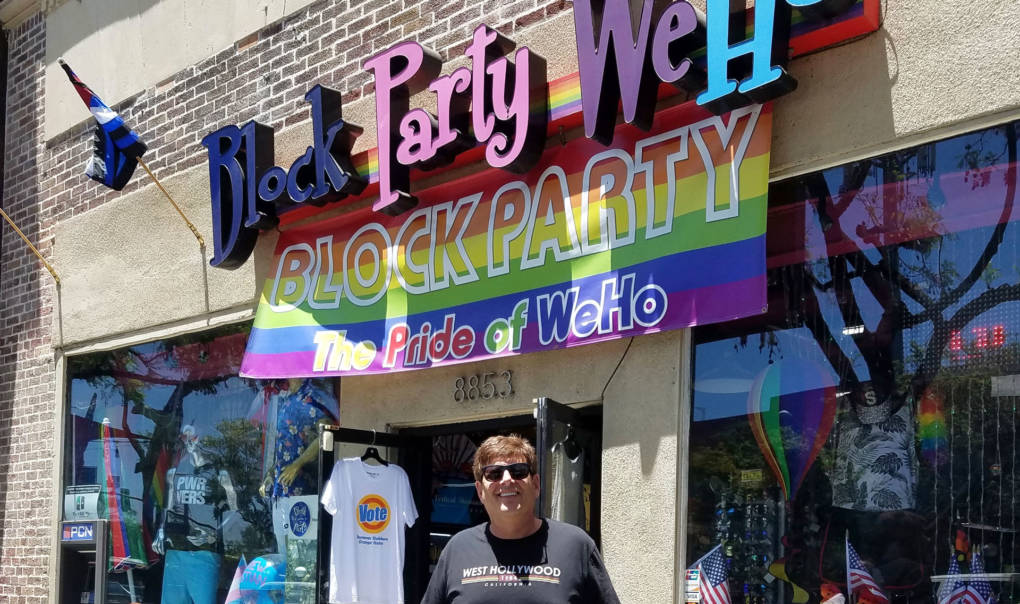
"caption": "Larry Block owns Block Party, one of a handful of gay-owned and gay-centric shops left on Santa Monica Blvd in West Hollywood. He worries the neighborhood is changing too much with all of the new mainstream businesses coming in. He’s lived in WeHo since 1985.",
"description": "Larry Block owns Block Party, one of a handful of gay-owned and gay-centric shops left on Santa Monica Blvd in West Hollywood. He worries the neighborhood is changing too much with all of the new mainstream businesses coming in. He’s lived in WeHo since 1985.",
"title": "Block-Party-WeHo",
"credit": "Elizabeth Aguilera/KPCC",
"status": "inherit",
"isLoading": false,
"fetchFailed": false
},
"news_11767679": {
"type": "attachments",
"id": "news_11767679",
"meta": {
"index": "attachments_1716263798",
"site": "news",
"id": "11767679",
"found": true
},
"parent": 11767585,
"imgSizes": {
"apple_news_ca_landscape_5_5": {
"file": "https://ww2.kqed.org/app/uploads/sites/10/2019/08/RS15786_GettyImages-478632636-qut-1044x783.jpg",
"width": 1044,
"mimeType": "image/jpeg",
"height": 783
},
"apple_news_ca_square_4_0": {
"file": "https://ww2.kqed.org/app/uploads/sites/10/2019/08/RS15786_GettyImages-478632636-qut-470x470.jpg",
"width": 470,
"mimeType": "image/jpeg",
"height": 470
},
"twentyfourteen-full-width": {
"file": "https://ww2.kqed.org/app/uploads/sites/10/2019/08/RS15786_GettyImages-478632636-qut-1038x576.jpg",
"width": 1038,
"mimeType": "image/jpeg",
"height": 576
},
"thumbnail": {
"file": "https://ww2.kqed.org/app/uploads/sites/10/2019/08/RS15786_GettyImages-478632636-qut-160x105.jpg",
"width": 160,
"mimeType": "image/jpeg",
"height": 105
},
"post-thumbnail": {
"file": "https://ww2.kqed.org/app/uploads/sites/10/2019/08/RS15786_GettyImages-478632636-qut-672x372.jpg",
"width": 672,
"mimeType": "image/jpeg",
"height": 372
},
"kqedFullSize": {
"file": "https://ww2.kqed.org/app/uploads/sites/10/2019/08/RS15786_GettyImages-478632636-qut.jpg",
"width": 1920,
"height": 1256
},
"apple_news_ca_landscape_4_7": {
"file": "https://ww2.kqed.org/app/uploads/sites/10/2019/08/RS15786_GettyImages-478632636-qut-632x474.jpg",
"width": 632,
"mimeType": "image/jpeg",
"height": 474
},
"large": {
"file": "https://ww2.kqed.org/app/uploads/sites/10/2019/08/RS15786_GettyImages-478632636-qut-1020x667.jpg",
"width": 1020,
"mimeType": "image/jpeg",
"height": 667
},
"complete_open_graph": {
"file": "https://ww2.kqed.org/app/uploads/sites/10/2019/08/RS15786_GettyImages-478632636-qut-1200x785.jpg",
"width": 1200,
"mimeType": "image/jpeg",
"height": 785
},
"apple_news_ca_landscape_4_0": {
"file": "https://ww2.kqed.org/app/uploads/sites/10/2019/08/RS15786_GettyImages-478632636-qut-536x402.jpg",
"width": 536,
"mimeType": "image/jpeg",
"height": 402
},
"apple_news_ca_portrait_12_9": {
"file": "https://ww2.kqed.org/app/uploads/sites/10/2019/08/RS15786_GettyImages-478632636-qut-1122x1256.jpg",
"width": 1122,
"mimeType": "image/jpeg",
"height": 1256
},
"medium": {
"file": "https://ww2.kqed.org/app/uploads/sites/10/2019/08/RS15786_GettyImages-478632636-qut-800x523.jpg",
"width": 800,
"mimeType": "image/jpeg",
"height": 523
},
"apple_news_ca_portrait_4_0": {
"file": "https://ww2.kqed.org/app/uploads/sites/10/2019/08/RS15786_GettyImages-478632636-qut-354x472.jpg",
"width": 354,
"mimeType": "image/jpeg",
"height": 472
},
"apple_news_ca_portrait_9_7": {
"file": "https://ww2.kqed.org/app/uploads/sites/10/2019/08/RS15786_GettyImages-478632636-qut-840x1120.jpg",
"width": 840,
"mimeType": "image/jpeg",
"height": 1120
},
"apple_news_ca_landscape_12_9": {
"file": "https://ww2.kqed.org/app/uploads/sites/10/2019/08/RS15786_GettyImages-478632636-qut-1832x1256.jpg",
"width": 1832,
"mimeType": "image/jpeg",
"height": 1256
},
"apple_news_ca_square_9_7": {
"file": "https://ww2.kqed.org/app/uploads/sites/10/2019/08/RS15786_GettyImages-478632636-qut-1104x1104.jpg",
"width": 1104,
"mimeType": "image/jpeg",
"height": 1104
},
"apple_news_ca_portrait_4_7": {
"file": "https://ww2.kqed.org/app/uploads/sites/10/2019/08/RS15786_GettyImages-478632636-qut-414x552.jpg",
"width": 414,
"mimeType": "image/jpeg",
"height": 552
},
"apple_news_ca_square_12_9": {
"file": "https://ww2.kqed.org/app/uploads/sites/10/2019/08/RS15786_GettyImages-478632636-qut-1472x1256.jpg",
"width": 1472,
"mimeType": "image/jpeg",
"height": 1256
},
"apple_news_ca_portrait_5_5": {
"file": "https://ww2.kqed.org/app/uploads/sites/10/2019/08/RS15786_GettyImages-478632636-qut-687x916.jpg",
"width": 687,
"mimeType": "image/jpeg",
"height": 916
},
"full-width": {
"file": "https://ww2.kqed.org/app/uploads/sites/10/2019/08/RS15786_GettyImages-478632636-qut-1920x1256.jpg",
"width": 1920,
"mimeType": "image/jpeg",
"height": 1256
},
"apple_news_ca_square_4_7": {
"file": "https://ww2.kqed.org/app/uploads/sites/10/2019/08/RS15786_GettyImages-478632636-qut-550x550.jpg",
"width": 550,
"mimeType": "image/jpeg",
"height": 550
},
"apple_news_ca_landscape_9_7": {
"file": "https://ww2.kqed.org/app/uploads/sites/10/2019/08/RS15786_GettyImages-478632636-qut-1376x1032.jpg",
"width": 1376,
"mimeType": "image/jpeg",
"height": 1032
},
"apple_news_ca_square_5_5": {
"file": "https://ww2.kqed.org/app/uploads/sites/10/2019/08/RS15786_GettyImages-478632636-qut-912x912.jpg",
"width": 912,
"mimeType": "image/jpeg",
"height": 912
}
},
"publishDate": 1565828110,
"modified": 1565828157,
"caption": "Eight LGBTQ+ YouTube content creators are suing the platform over alleged discrimination. ",
"description": null,
"title": "RS15786_GettyImages-478632636-qut",
"credit": "MLADEN ANTONOV",
"status": "inherit",
"isLoading": false,
"fetchFailed": false
}
},
"audioPlayerReducer": {
"postId": "stream_live",
"isPaused": true,
"isPlaying": false,
"pfsActive": false,
"pledgeModalIsOpen": true,
"playerDrawerIsOpen": false,
"liveAudioPlayStartedAt": 0,
"liveAudioPlayContext": ""
},
"authorsReducer": {
"byline_news_11872949": {
"type": "authors",
"id": "byline_news_11872949",
"meta": {
"override": true
},
"slug": "byline_news_11872949",
"name": "\u003ca href=\"https://www.npr.org/people/349308023/selena-simmons-duffin\">Selena Simmons-Duffin\u003c/a> and \u003ca href=\"https://www.npr.org/people/348743421/becky-sullivan\">Becky Sullivan\u003c/a>",
"isLoading": false
},
"byline_news_11867360": {
"type": "authors",
"id": "byline_news_11867360",
"meta": {
"override": true
},
"slug": "byline_news_11867360",
"name": "Laurel Wamsley",
"isLoading": false
},
"byline_news_11856890": {
"type": "authors",
"id": "byline_news_11856890",
"meta": {
"override": true
},
"slug": "byline_news_11856890",
"name": "Scott Detrow",
"isLoading": false
},
"byline_news_11824426": {
"type": "authors",
"id": "byline_news_11824426",
"meta": {
"override": true
},
"slug": "byline_news_11824426",
"name": "\u003ca href=\"https://www.npr.org/people/2101289/nina-totenberg\">Nina Totenberg\u003c/a>",
"isLoading": false
},
"byline_news_11768015": {
"type": "authors",
"id": "byline_news_11768015",
"meta": {
"override": true
},
"slug": "byline_news_11768015",
"name": "\u003ca href= \"https://calmatters.org/author/elizabeth-aguilera/\"> Elizabeth Aguilera \u003ca/>",
"isLoading": false
},
"scottshafer": {
"type": "authors",
"id": "255",
"meta": {
"index": "authors_1716337520",
"id": "255",
"found": true
},
"name": "Scott Shafer",
"firstName": "Scott",
"lastName": "Shafer",
"slug": "scottshafer",
"email": "sshafer@kqed.org",
"display_author_email": false,
"staff_mastheads": [
"news"
],
"title": "KQED Contributor",
"bio": "Scott Shafer is a senior editor with the KQED Politics and Government desk. He is co-host of Political Breakdown, the award-winning radio show and podcast with a personal take on the world of politics. Scott came to KQED in 1998 to host the statewide\u003cem> California Report\u003c/em>. Prior to that he had extended stints in politics and government\u003cem>.\u003c/em> He uses that inside experience at KQED in his, reporting, hosting and analysis for the politics desk. Scott collaborated \u003cem>Political Breakdown a\u003c/em>nd on \u003cem>The Political Mind of Jerry Brown, \u003c/em>an eight-part series about the life and extraordinary political career of the former governor. For fun, he plays water polo with the San Francisco Tsunami.",
"avatar": "https://secure.gravatar.com/avatar/a62ebae45b79d7aed1a39a0e3bf68104?s=600&d=blank&r=g",
"twitter": "scottshafer",
"bluesky": null,
"facebook": null,
"instagram": null,
"linkedin": null,
"sites": [
{
"site": "news",
"roles": [
"editor"
]
},
{
"site": "stateofhealth",
"roles": [
"author"
]
},
{
"site": "science",
"roles": [
"author"
]
},
{
"site": "forum",
"roles": [
"subscriber"
]
},
{
"site": "liveblog",
"roles": [
"author"
]
}
],
"headData": {
"title": "Scott Shafer | KQED",
"description": "KQED Contributor",
"ogImgSrc": "https://secure.gravatar.com/avatar/a62ebae45b79d7aed1a39a0e3bf68104?s=600&d=blank&r=g",
"twImgSrc": "https://secure.gravatar.com/avatar/a62ebae45b79d7aed1a39a0e3bf68104?s=600&d=blank&r=g"
},
"isLoading": false,
"link": "/author/scottshafer"
},
"shutson": {
"type": "authors",
"id": "11216",
"meta": {
"index": "authors_1716337520",
"id": "11216",
"found": true
},
"name": "Sonja Hutson",
"firstName": "Sonja",
"lastName": "Hutson",
"slug": "shutson",
"email": "shutson@kqed.org",
"display_author_email": false,
"staff_mastheads": [],
"title": "KQED Contributor",
"bio": "Sonja Hutson is a former reporter for KQED's Silicon Valley desk and weekend newscasts. She primarily covers tech and housing. Sonja is a Bay Area native and now lives in San Francisco. When she's not working, you can find her camping, skiing, scuba diving, and struggling with the New York Times Crossword. Email: \u003ca href=\"mailto:shutson@kqed.org\">shutson@kqed.org. \u003c/a>Twitter: \u003ca href=\"https://twitter.com/SonjaHutson\">@SonjaHutson\u003c/a>",
"avatar": "https://secure.gravatar.com/avatar/7537c5e36818614e599b6c0f41d72b7a?s=600&d=blank&r=g",
"twitter": "SonjaHutson",
"facebook": null,
"instagram": null,
"linkedin": null,
"sites": [
{
"site": "arts",
"roles": [
"author"
]
},
{
"site": "news",
"roles": [
"subscriber"
]
}
],
"headData": {
"title": "Sonja Hutson | KQED",
"description": "KQED Contributor",
"ogImgSrc": "https://secure.gravatar.com/avatar/7537c5e36818614e599b6c0f41d72b7a?s=600&d=blank&r=g",
"twImgSrc": "https://secure.gravatar.com/avatar/7537c5e36818614e599b6c0f41d72b7a?s=600&d=blank&r=g"
},
"isLoading": false,
"link": "/author/shutson"
},
"agarces": {
"type": "authors",
"id": "11367",
"meta": {
"index": "authors_1716337520",
"id": "11367",
"found": true
},
"name": "Audrey Garces",
"firstName": "Audrey",
"lastName": "Garces",
"slug": "agarces",
"email": "agarces@kqed.org",
"display_author_email": false,
"staff_mastheads": [
"news"
],
"title": "Digital Producer",
"bio": "Audrey is a former digital producer at KQED News. Previously, she was a KQED Raul Ramirez Diversity Fund intern where she developed stories that focused on highlighting diverse voices in journalism. Prior to her work at KQED, she worked as a news intern at the San Francisco Examiner. Audrey graduated from San Francisco State University with a B.A. in journalism and a minor in political science.",
"avatar": "https://secure.gravatar.com/avatar/5211bc2e6a809b9956da169e35ce63d5?s=600&d=blank&r=g",
"twitter": "audgar",
"facebook": null,
"instagram": null,
"linkedin": null,
"sites": [
{
"site": "arts",
"roles": []
},
{
"site": "news",
"roles": [
"subscriber"
]
},
{
"site": "science",
"roles": [
"editor"
]
},
{
"site": "forum",
"roles": [
"editor"
]
},
{
"site": "perspectives",
"roles": [
"administrator"
]
}
],
"headData": {
"title": "Audrey Garces | KQED",
"description": "Digital Producer",
"ogImgSrc": "https://secure.gravatar.com/avatar/5211bc2e6a809b9956da169e35ce63d5?s=600&d=blank&r=g",
"twImgSrc": "https://secure.gravatar.com/avatar/5211bc2e6a809b9956da169e35ce63d5?s=600&d=blank&r=g"
},
"isLoading": false,
"link": "/author/agarces"
},
"nvoynovskaya": {
"type": "authors",
"id": "11387",
"meta": {
"index": "authors_1716337520",
"id": "11387",
"found": true
},
"name": "Nastia Voynovskaya",
"firstName": "Nastia",
"lastName": "Voynovskaya",
"slug": "nvoynovskaya",
"email": "nvoynovskaya@kqed.org",
"display_author_email": false,
"staff_mastheads": [
"arts"
],
"title": "Editor and reporter",
"bio": "Nastia Voynovskaya is a reporter, editor and host at KQED Arts & Culture. She's been covering the arts in the Bay Area for over a decade, with a focus on music, queer culture, labor issues and grassroots organizing. She has edited KQED story series such as Trans Bay: A History of San Francisco's Gender-Diverse Community, and co-created KQED's Bay Area hip-hop history project, That's My Word. Nastia's work has been recognized by the Society of Professional Journalists and San Francisco Press Club. She regularly appears on podcasts and radio programs, including NPR's All Songs Considered, and hosts live events where music, culture and conversation meet.",
"avatar": "https://secure.gravatar.com/avatar/5025ee460e5a85d69ca20ea6c6f2f80d7e17795c828f61ea3aecfcd924e9042e?s=600&d=blank&r=g",
"twitter": null,
"bluesky": null,
"facebook": null,
"instagram": "https://www.instagram.com/nananastia/",
"linkedin": null,
"sites": [
{
"site": "",
"roles": [
"editor"
]
},
{
"site": "arts",
"roles": [
"administrator"
]
},
{
"site": "news",
"roles": [
"editor"
]
},
{
"site": "pop",
"roles": [
"administrator"
]
},
{
"site": "bayareabites",
"roles": [
"editor"
]
},
{
"site": "podcasts",
"roles": [
"editor"
]
},
{
"site": "hiphop",
"roles": [
"editor"
]
}
],
"headData": {
"title": "Nastia Voynovskaya | KQED",
"description": "Editor and reporter",
"ogImgSrc": "https://secure.gravatar.com/avatar/5025ee460e5a85d69ca20ea6c6f2f80d7e17795c828f61ea3aecfcd924e9042e?s=600&d=blank&r=g",
"twImgSrc": "https://secure.gravatar.com/avatar/5025ee460e5a85d69ca20ea6c6f2f80d7e17795c828f61ea3aecfcd924e9042e?s=600&d=blank&r=g"
},
"isLoading": false,
"link": "/author/nvoynovskaya"
},
"katewolffe": {
"type": "authors",
"id": "11523",
"meta": {
"index": "authors_1716337520",
"id": "11523",
"found": true
},
"name": "Kate Wolffe",
"firstName": "Kate",
"lastName": "Wolffe",
"slug": "katewolffe",
"email": "kwolffe@kqed.org",
"display_author_email": true,
"staff_mastheads": [
"news"
],
"title": "KQED Reporter + Weekend Host",
"bio": "Kate Wolffe reports on local Bay Area happenings for KQED, and hosts the news on weekend afternoons. She joined KQED in 2018 as an intern on the Forum team, before moving to cover topics ranging from politics to criminal justice to homelessness. A Bay Area native and UC Berkeley graduate, Kate loves to discover new corners of the region.",
"avatar": "https://secure.gravatar.com/avatar/22455f14db824a03ee252f73052fe939?s=600&d=blank&r=g",
"twitter": "katewolffe",
"facebook": null,
"instagram": null,
"linkedin": null,
"sites": [
{
"site": "arts",
"roles": [
"editor"
]
},
{
"site": "news",
"roles": [
"author",
"edit_others_posts"
]
},
{
"site": "forum",
"roles": [
"editor"
]
}
],
"headData": {
"title": "Kate Wolffe | KQED",
"description": "KQED Reporter + Weekend Host",
"ogImgSrc": "https://secure.gravatar.com/avatar/22455f14db824a03ee252f73052fe939?s=600&d=blank&r=g",
"twImgSrc": "https://secure.gravatar.com/avatar/22455f14db824a03ee252f73052fe939?s=600&d=blank&r=g"
},
"isLoading": false,
"link": "/author/katewolffe"
}
},
"pagesReducer": {
"news_tag_lgbt": {
"type": "terms",
"id": "news_82",
"meta": {
"index": "terms_1716263798",
"site": "news",
"id": "82",
"score": 8.366285
},
"featImg": null,
"name": "LGBT",
"description": null,
"taxonomy": "tag",
"headData": {
"twImgId": null,
"twTitle": null,
"ogTitle": null,
"ogImgId": null,
"twDescription": null,
"description": null,
"title": "LGBT Archives | KQED News",
"ogDescription": null
},
"ttid": 83,
"slug": "lgbt",
"isLoading": false,
"title": "LGBT",
"pageMeta": {
"site": "news",
"WpPageTemplate": "page-topic-editorial",
"currentPage": 2
},
"blocks": [
{
"blockName": "kqed/post-list",
"attrs": {
"layout": "cardArticle2",
"query": "posts/news?tag=lgbt",
"seeMore": false,
"paginated": true,
"page": 2
}
},
{
"blockName": "kqed/ad"
}
]
}
},
"pfsSessionReducer": {},
"postsReducer": {
"stream_live": {
"type": "live",
"id": "stream_live",
"audioUrl": "https://streams.kqed.org/kqedradio",
"title": "Live Stream",
"excerpt": "Live Stream information currently unavailable.",
"link": "/radio",
"featImg": "",
"label": {
"name": "KQED Live",
"link": "/"
}
},
"stream_kqedNewscast": {
"type": "posts",
"id": "stream_kqedNewscast",
"audioUrl": "https://www.kqed.org/.stream/anon/radio/RDnews/newscast.mp3?_=1",
"title": "KQED Newscast",
"featImg": "",
"label": {
"name": "88.5 FM",
"link": "/"
}
},
"news_11872949": {
"type": "posts",
"id": "news_11872949",
"meta": {
"index": "posts_1716263798",
"site": "news",
"id": "11872949",
"score": null,
"sort": [
1620670751000
]
},
"guestAuthors": [],
"slug": "u-s-will-protect-gay-and-transgender-people-against-health-care-discrimination",
"title": "US Will Protect Gay and Transgender People Against Health Care Discrimination",
"publishDate": 1620670751,
"format": "standard",
"headTitle": "US Will Protect Gay and Transgender People Against Health Care Discrimination | KQED",
"labelTerm": {},
"content": "\u003cp>Gay and transgender people will be protected from discrimination in health care, the Biden administration announced Monday, effectively reversing \u003ca href=\"https://www.npr.org/sections/health-shots/2020/06/12/868073068/transgender-health-protections-reversed-by-trump-administration\">a Trump-era rule\u003c/a> that went into effect last year. \u003c/p>\n\u003cp>The announcement from the Department of Health and Human Services concerns one of the most notable parts of the Affordable Care Act — the provision in Section 1557 that prevents health care providers and insurance companies from discriminating on the basis “race, color, national origin, sex, age or disability in certain health programs and activities.”\u003c/p>\n\u003cp>[pullquote size=\"medium\" align=\"right\" citation=\"Xavier Becerra, Health and Human Services secretary\"]‘Everyone — including LGBTQ people — should be able to access health care, free from discrimination or interference, period.’[/pullquote]Effective immediately, the agency says it will interpret that provision to encompass discrimination against someone on the basis of their sexual orientation or gender identity in health care. \u003c/p>\n\u003cp>“Fear of discrimination can lead individuals to forgo care, which can have serious negative health consequences,” HHS Secretary Xavier Becerra said in a statement. “It is the position of the Department of Health and Human Services that everyone — including LGBTQ people — should be able to access health care, free from discrimination or interference, period.”\u003c/p>\n\u003cp>Officials at HHS framed the change as updating the agency’s interpretation of existing law to bring it into alignment with \u003ca href=\"https://www.npr.org/2020/06/15/863498848/supreme-court-delivers-major-victory-to-lgbtq-employees\">Bostock v. Clayton County\u003c/a>, last year’s landmark decision by the U.S. Supreme Court. That ruling found that LGBTQ people are protected by the Civil Rights Act of 1964 banning discrimination on the basis of sex. \u003c/p>\n\u003cp>“It is impossible to discriminate against a person for being homosexual or transgender without discriminating against that individual based on sex,” Justice Neil Gorsuch wrote in the ruling. \u003c/p>\n\u003cp>[ad fullwidth]\u003c/p>\n\u003cp>That decision last June came down just a few days after \u003ca href=\"https://www.npr.org/sections/health-shots/2020/06/12/868073068/transgender-health-protections-reversed-by-trump-administration\">the Trump administration finalized a rule\u003c/a> removing nondiscrimination protections for LGBTQ people in health care.\u003c/p>\n\u003cp>“The Supreme Court has made clear that people have a right not to be discriminated against on the basis of sex and receive equal treatment under the law, no matter their gender identity or sexual orientation. That’s why today HHS announced it will act on related reports of discrimination,” Becerra said. \u003c/p>\n\u003cp>The Biden administration will likely put forward a formal rule on this issue, according to health law experts. Normally, federal agencies must follow a lengthy process for issuing new rules and regulations. The Trump administration’s rule, which took effect in August, took about a year to finalize and is still technically on the books.\u003c/p>\n\u003cp>That rule was itself a reversal of an Obama-era executive action. The Trump administration had \u003ca href=\"https://www.npr.org/sections/health-shots/2020/03/02/804873211/whiplash-of-lgbtq-protections-and-rights-from-obama-to-trump\">worked to define protections against sex discrimination\u003c/a> throughout government to exclude LGBTQ people.\u003c/p>\n\u003cp>[aside label='Related Coverage' tag='lgbtq-rights']When that rule was finalized last year, LGBTQ people and advocates criticized the change, saying it could have a chilling effect on gay and transgender people seeking needed health care. \u003c/p>\n\u003cp>“The mission of our Department is to enhance the health and well-being of all Americans, no matter their gender identity or sexual orientation. All people need access to healthcare services to fix a broken bone, protect their heart health, and screen for cancer risk,” said Dr. Rachel Levine, assistant secretary for health, who in March became the first openly transgender person to serve in a Senate-confirmed position.\u003c/p>\n\u003cp>The announcement from HHS comes as conservative state legislatures are working to enact a variety of bills targeting transgender people. Last month in Arkansas, legislators overrode Gov. Asa Hutchinson’s veto to enact a new law banning doctors from providing gender-affirming medical care to transgender youth.\u003c/p>\n\u003cp>“With health care for transgender youth under attack by state legislatures, this move to protect LGBTQ people from discrimination in health care is critical. The Biden administration has affirmed what courts have said for decades: Discrimination against LGBTQ people is against the law. It also affirms what transgender people have long said: Gender-affirming care is life-saving care,” said Chase Strangio, deputy director for transgender justice at the ACLU. \u003c/p>\n\u003cdiv class=\"fullattribution\">Copyright 2021 NPR. To see more, visit \u003ca href=\"https://www.npr.org\">NPR.org\u003c/a>.\u003cimg decoding=\"async\" src=\"https://www.google-analytics.com/__utm.gif?utmac=UA-5828686-4&utmdt=U.S.+Will+Protect+Gay+And+Transgender+People+Against+Discrimination+In+Health+Care&utme=8(APIKey)9(MDAxOTAwOTE4MDEyMTkxMDAzNjczZDljZA004)\">\u003c/div>\n\u003cp>\u003c/p>\n",
"blocks": [],
"excerpt": "The announcement, which effectively reverses a Trump-era rule, springs from last summer's landmark Supreme Court decision banning employment discrimination against LGBTQ people.",
"status": "publish",
"parent": 0,
"modified": 1721120605,
"stats": {
"hasAudio": false,
"hasVideo": false,
"hasChartOrMap": false,
"iframeSrcs": [],
"hasGoogleForm": false,
"hasGallery": false,
"hasHearkenModule": false,
"hasPolis": false,
"paragraphCount": 16,
"wordCount": 704
},
"headData": {
"title": "US Will Protect Gay and Transgender People Against Health Care Discrimination | KQED",
"description": "The announcement, which effectively reverses a Trump-era rule, springs from last summer's landmark Supreme Court decision banning employment discrimination against LGBTQ people.",
"ogTitle": "",
"ogDescription": "",
"ogImgId": "",
"twTitle": "",
"twDescription": "",
"twImgId": "",
"schema": {
"@context": "https://schema.org",
"@type": "NewsArticle",
"headline": "US Will Protect Gay and Transgender People Against Health Care Discrimination",
"datePublished": "2021-05-10T11:19:11-07:00",
"dateModified": "2024-07-16T02:03:25-07:00",
"image": "https://cdn.kqed.org/wp-content/uploads/2020/02/KQED-OG-Image@1x.png",
"isAccessibleForFree": "True",
"publisher": {
"@type": "NewsMediaOrganization",
"@id": "https://www.kqed.org/#organization",
"name": "KQED",
"logo": "https://cdn.kqed.org/wp-content/uploads/2020/02/KQED-OG-Image@1x.png",
"url": "https://www.kqed.org",
"sameAs": [
"https://www.facebook.com/KQED",
"https://twitter.com/KQED",
"https://www.instagram.com/kqed/",
"https://www.tiktok.com/@kqedofficial",
"https://www.linkedin.com/company/kqed",
"https://www.youtube.com/channel/UCeC0IOo7i1P_61zVUWbJ4nw"
]
}
}
},
"source": "NPR",
"sourceUrl": "https://www.npr.org/",
"sticky": false,
"nprImageCredit": "Carolyn Kaster",
"nprByline": "\u003ca href=\"https://www.npr.org/people/349308023/selena-simmons-duffin\">Selena Simmons-Duffin\u003c/a> and \u003ca href=\"https://www.npr.org/people/348743421/becky-sullivan\">Becky Sullivan\u003c/a>",
"nprImageAgency": "AP",
"nprStoryId": "995418963",
"nprApiLink": "http://api.npr.org/query?id=995418963&apiKey=MDAxOTAwOTE4MDEyMTkxMDAzNjczZDljZA004",
"nprHtmlLink": "https://www.npr.org/2021/05/10/995418963/u-s-will-protect-gay-and-transgender-people-against-discrimination-in-health-car?ft=nprml&f=995418963",
"nprRetrievedStory": "1",
"nprPubDate": "Mon, 10 May 2021 12:05:00 -0400",
"nprStoryDate": "Mon, 10 May 2021 11:07:27 -0400",
"nprLastModifiedDate": "Mon, 10 May 2021 12:05:16 -0400",
"path": "/news/11872949/u-s-will-protect-gay-and-transgender-people-against-health-care-discrimination",
"audioTrackLength": null,
"parsedContent": [
{
"type": "contentString",
"content": "\u003cdiv class=\"post-body\">\u003cp>\u003cp>Gay and transgender people will be protected from discrimination in health care, the Biden administration announced Monday, effectively reversing \u003ca href=\"https://www.npr.org/sections/health-shots/2020/06/12/868073068/transgender-health-protections-reversed-by-trump-administration\">a Trump-era rule\u003c/a> that went into effect last year. \u003c/p>\n\u003cp>The announcement from the Department of Health and Human Services concerns one of the most notable parts of the Affordable Care Act — the provision in Section 1557 that prevents health care providers and insurance companies from discriminating on the basis “race, color, national origin, sex, age or disability in certain health programs and activities.”\u003c/p>\n\u003cp>\u003c/p>\u003c/div>",
"attributes": {
"named": {},
"numeric": []
}
},
{
"type": "component",
"content": "‘Everyone — including LGBTQ people — should be able to access health care, free from discrimination or interference, period.’",
"name": "pullquote",
"attributes": {
"named": {
"size": "medium",
"align": "right",
"citation": "Xavier Becerra, Health and Human Services secretary",
"label": ""
},
"numeric": []
}
},
{
"type": "contentString",
"content": "\u003cdiv class=\"post-body\">\u003cp>Effective immediately, the agency says it will interpret that provision to encompass discrimination against someone on the basis of their sexual orientation or gender identity in health care. \u003c/p>\n\u003cp>“Fear of discrimination can lead individuals to forgo care, which can have serious negative health consequences,” HHS Secretary Xavier Becerra said in a statement. “It is the position of the Department of Health and Human Services that everyone — including LGBTQ people — should be able to access health care, free from discrimination or interference, period.”\u003c/p>\n\u003cp>Officials at HHS framed the change as updating the agency’s interpretation of existing law to bring it into alignment with \u003ca href=\"https://www.npr.org/2020/06/15/863498848/supreme-court-delivers-major-victory-to-lgbtq-employees\">Bostock v. Clayton County\u003c/a>, last year’s landmark decision by the U.S. Supreme Court. That ruling found that LGBTQ people are protected by the Civil Rights Act of 1964 banning discrimination on the basis of sex. \u003c/p>\n\u003cp>“It is impossible to discriminate against a person for being homosexual or transgender without discriminating against that individual based on sex,” Justice Neil Gorsuch wrote in the ruling. \u003c/p>\n\u003cp>\u003c/p>\u003c/div>",
"attributes": {
"named": {},
"numeric": []
}
},
{
"type": "component",
"content": "",
"name": "ad",
"attributes": {
"named": {
"label": "fullwidth"
},
"numeric": [
"fullwidth"
]
}
},
{
"type": "contentString",
"content": "\u003cdiv class=\"post-body\">\u003cp>\u003c/p>\n\u003cp>That decision last June came down just a few days after \u003ca href=\"https://www.npr.org/sections/health-shots/2020/06/12/868073068/transgender-health-protections-reversed-by-trump-administration\">the Trump administration finalized a rule\u003c/a> removing nondiscrimination protections for LGBTQ people in health care.\u003c/p>\n\u003cp>“The Supreme Court has made clear that people have a right not to be discriminated against on the basis of sex and receive equal treatment under the law, no matter their gender identity or sexual orientation. That’s why today HHS announced it will act on related reports of discrimination,” Becerra said. \u003c/p>\n\u003cp>The Biden administration will likely put forward a formal rule on this issue, according to health law experts. Normally, federal agencies must follow a lengthy process for issuing new rules and regulations. The Trump administration’s rule, which took effect in August, took about a year to finalize and is still technically on the books.\u003c/p>\n\u003cp>That rule was itself a reversal of an Obama-era executive action. The Trump administration had \u003ca href=\"https://www.npr.org/sections/health-shots/2020/03/02/804873211/whiplash-of-lgbtq-protections-and-rights-from-obama-to-trump\">worked to define protections against sex discrimination\u003c/a> throughout government to exclude LGBTQ people.\u003c/p>\n\u003cp>\u003c/p>\u003c/div>",
"attributes": {
"named": {},
"numeric": []
}
},
{
"type": "component",
"content": "",
"name": "aside",
"attributes": {
"named": {
"label": "Related Coverage ",
"tag": "lgbtq-rights"
},
"numeric": []
}
},
{
"type": "contentString",
"content": "\u003cdiv class=\"post-body\">\u003cp>When that rule was finalized last year, LGBTQ people and advocates criticized the change, saying it could have a chilling effect on gay and transgender people seeking needed health care. \u003c/p>\n\u003cp>“The mission of our Department is to enhance the health and well-being of all Americans, no matter their gender identity or sexual orientation. All people need access to healthcare services to fix a broken bone, protect their heart health, and screen for cancer risk,” said Dr. Rachel Levine, assistant secretary for health, who in March became the first openly transgender person to serve in a Senate-confirmed position.\u003c/p>\n\u003cp>The announcement from HHS comes as conservative state legislatures are working to enact a variety of bills targeting transgender people. Last month in Arkansas, legislators overrode Gov. Asa Hutchinson’s veto to enact a new law banning doctors from providing gender-affirming medical care to transgender youth.\u003c/p>\n\u003cp>“With health care for transgender youth under attack by state legislatures, this move to protect LGBTQ people from discrimination in health care is critical. The Biden administration has affirmed what courts have said for decades: Discrimination against LGBTQ people is against the law. It also affirms what transgender people have long said: Gender-affirming care is life-saving care,” said Chase Strangio, deputy director for transgender justice at the ACLU. \u003c/p>\n\u003cdiv class=\"fullattribution\">Copyright 2021 NPR. To see more, visit \u003ca href=\"https://www.npr.org\">NPR.org\u003c/a>.\u003cimg decoding=\"async\" src=\"https://www.google-analytics.com/__utm.gif?utmac=UA-5828686-4&utmdt=U.S.+Will+Protect+Gay+And+Transgender+People+Against+Discrimination+In+Health+Care&utme=8(APIKey)9(MDAxOTAwOTE4MDEyMTkxMDAzNjczZDljZA004)\">\u003c/div>\n\u003cp>\u003c/p>\n\u003c/div>\u003c/p>",
"attributes": {
"named": {},
"numeric": []
}
}
],
"link": "/news/11872949/u-s-will-protect-gay-and-transgender-people-against-health-care-discrimination",
"authors": [
"byline_news_11872949"
],
"categories": [
"news_457",
"news_8",
"news_13"
],
"tags": [
"news_1323",
"news_18543",
"news_717",
"news_82",
"news_17896",
"news_20004",
"news_19345",
"news_17968",
"news_2486"
],
"featImg": "news_11872950",
"label": "source_news_11872949"
},
"news_11867360": {
"type": "posts",
"id": "news_11867360",
"meta": {
"index": "posts_1716263798",
"site": "news",
"id": "11867360",
"score": null,
"sort": [
1617222857000
]
},
"guestAuthors": [],
"slug": "pentagon-releases-new-policies-enabling-transgender-people-to-serve-in-the-military",
"title": "Pentagon Releases New Policies Enabling Transgender People to Serve in the Military",
"publishDate": 1617222857,
"format": "standard",
"headTitle": "Pentagon Releases New Policies Enabling Transgender People to Serve in the Military | KQED",
"labelTerm": {},
"content": "\u003cp>The Pentagon announced \u003ca href=\"https://www.esd.whs.mil/Portals/54/Documents/DD/issuances/dodi/130028p.pdf?fbclid=IwAR04MlJmexeVCxVi8RBXPuaj_udFOMgyLfg3nw0D9QCKdcDpzXP14Ic7Al8\">new policies\u003c/a> on Wednesday that undo Trump-era rules that effectively banned transgender people from serving in the military.\u003c/p>\n\u003cp>The Department of Defense’s new regulations “allow transgender people who meet military standards to enlist and serve openly in their self-identified gender, and they will be able to get \u003ca href=\"https://www.esd.whs.mil/Portals/54/Documents/DD/issuances/dodi/613003v1p.PDF?ver=7cPFjXiGqfqNSF2HHw-X6w%3d%3d\">medically necessary transition-related care\u003c/a> authorized by law,” \u003ca href=\"https://apnews.com/article/joe-biden-politics-6ed9c78fe8caecc696f337147dbe7ea0\">according\u003c/a> to department officials who spoke on the condition of anonymity to The Associated Press.\u003c/p>\n\u003cp>The announcement coincides with International Transgender Day of Visibility.\u003c/p>\n\u003cp>Biden signed an executive order \u003ca href=\"https://www.npr.org/sections/president-biden-takes-office/2021/01/25/960338217/biden-repeals-trump-era-ban-on-transgender-soldiers\">repealing the transgender ban\u003c/a> in his first week in office in January. He told reporters then that the order will allow all “qualified Americans to serve their country in uniform.”\u003c/p>\n\u003cp>The president ordered the secretary of defense and the secretary of homeland security to begin the process of allowing transgender servicemembers to serve openly. The departments were asked to report back within 60 days.\u003c/p>\n\u003cp>[ad fullwidth]\u003c/p>\n\u003cp>Advocates for trans servicemembers cheered the news.\u003c/p>\n\u003cp>“We applaud this step to ensure the Department of Defense provides inclusive policy to attract and retain the best and brightest our nation has to offer,” said Air Force Lt. Col. Bree Fram, who is vice president of SPART*A, a transgender military advocacy organization.\u003c/p>\n\u003cp>“Military personnel reach maximum effectiveness when they have access to all medically necessary care and we are excited that this policy extends that access to transgender service members. Additionally, opening recruitment to transgender individuals ensures an extremely talented and motivated pool of people that this country needs have the opportunity to serve in uniform,” Fram said in a statement.\u003c/p>\n\u003cp>Trump \u003ca href=\"https://www.npr.org/2017/07/27/539559582/5-unanswered-questions-about-trumps-ban-on-transgender-troops\">initially ordered a ban on transgender troops\u003c/a> in a \u003ca href=\"https://www.npr.org/sections/thetwo-way/2017/07/26/539470211/trump-says-transgender-people-cant-serve-in-military\">series of tweets\u003c/a> in July 2017. A Defense Department panel drew up regulations to implement the ban, which was then \u003ca href=\"https://www.npr.org/sections/thetwo-way/2017/10/30/560847850/federal-judge-blocks-trumps-ban-on-transgender-service-members\">blocked by federal courts\u003c/a> before the U.S. Supreme Court \u003ca href=\"https://www.npr.org/2019/01/22/687368145/supreme-court-revives-trumps-ban-on-transgender-military-personnel-for-now\">allowed it to go forward\u003c/a> in early 2019.\u003c/p>\n\u003cp>[aside postID=news_11856890 hero='https://ww2.kqed.org/app/uploads/sites/10/2021/01/gettyimages-1230786188_custom-d97c8d4cfa61c967698cec14743d13b11510ba18-1020x622.jpg']In his order, Biden noted that in 2016, during the Obama administration, the secretary of defense concluded “that permitting transgender individuals to serve openly in the military was consistent with military readiness and with strength through diversity, such that transgender service members who could meet the required standards and procedures should be permitted to serve openly. The Secretary of Defense also concluded that it was appropriate to create a process that would enable service members to take steps to transition gender while serving.”\u003c/p>\n\u003cp>The policies announced Wednesday largely return to those created in 2016, though they were never fully enacted.\u003c/p>\n\u003cp>Drew Garza, whose plans to enlist were put on hold when Trump’s ban came into effect, \u003ca href=\"https://www.npr.org/2021/02/25/971261753/transgender-military-recruits-wait-for-policy-changes-to-be-formalized\">told NPR\u003c/a> last month that once Biden announced the repeal, he was quickly contacted by recruiters from the Army, Air Force and Marines.\u003c/p>\n\u003cp>\u003c/p>\n\u003cp>“I was like, yes,” he said. “I take it to mean: Now I’m being seen.” \u003c/p>\n\u003cdiv class=\"fullattribution\">Copyright 2021 NPR. To see more, visit \u003ca href=\"https://www.npr.org\">NPR.org\u003c/a>.\u003cimg decoding=\"async\" src=\"https://www.google-analytics.com/__utm.gif?utmac=UA-5828686-4&utmdt=Pentagon+Releases+New+Policies+Enabling+Transgender+People+To+Serve+In+The+Military&utme=8(APIKey)9(MDAxOTAwOTE4MDEyMTkxMDAzNjczZDljZA004)\">\u003c/div>\n\n",
"blocks": [],
"excerpt": "President Biden signed an executive order repealing the Trump transgender ban in his first week in office, directing the Pentagon to begin the process to allow transgender people to serve openly.",
"status": "publish",
"parent": 0,
"modified": 1738777766,
"stats": {
"hasAudio": false,
"hasVideo": false,
"hasChartOrMap": false,
"iframeSrcs": [],
"hasGoogleForm": false,
"hasGallery": false,
"hasHearkenModule": false,
"hasPolis": false,
"paragraphCount": 15,
"wordCount": 516
},
"headData": {
"title": "Pentagon Releases New Policies Enabling Transgender People to Serve in the Military | KQED",
"description": "President Biden signed an executive order repealing the Trump transgender ban in his first week in office, directing the Pentagon to begin the process to allow transgender people to serve openly.",
"ogTitle": "",
"ogDescription": "",
"ogImgId": "",
"twTitle": "",
"twDescription": "",
"twImgId": "",
"schema": {
"@context": "https://schema.org",
"@type": "NewsArticle",
"headline": "Pentagon Releases New Policies Enabling Transgender People to Serve in the Military",
"datePublished": "2021-03-31T13:34:17-07:00",
"dateModified": "2025-02-05T09:49:26-08:00",
"image": "https://cdn.kqed.org/wp-content/uploads/2020/02/KQED-OG-Image@1x.png",
"isAccessibleForFree": "True",
"publisher": {
"@type": "NewsMediaOrganization",
"@id": "https://www.kqed.org/#organization",
"name": "KQED",
"logo": "https://cdn.kqed.org/wp-content/uploads/2020/02/KQED-OG-Image@1x.png",
"url": "https://www.kqed.org",
"sameAs": [
"https://www.facebook.com/KQED",
"https://twitter.com/KQED",
"https://www.instagram.com/kqed/",
"https://www.tiktok.com/@kqedofficial",
"https://www.linkedin.com/company/kqed",
"https://www.youtube.com/channel/UCeC0IOo7i1P_61zVUWbJ4nw"
]
}
}
},
"source": "NPR",
"sourceUrl": "https://www.npr.org/",
"sticky": false,
"nprImageCredit": "Andrew Harnik",
"nprByline": "Laurel Wamsley",
"nprImageAgency": "AP",
"nprStoryId": "983118029",
"nprApiLink": "http://api.npr.org/query?id=983118029&apiKey=MDAxOTAwOTE4MDEyMTkxMDAzNjczZDljZA004",
"nprHtmlLink": "https://www.npr.org/2021/03/31/983118029/pentagon-releases-new-policies-enabling-transgender-people-to-serve-in-the-milit?ft=nprml&f=983118029",
"nprRetrievedStory": "1",
"nprPubDate": "Wed, 31 Mar 2021 15:32:00 -0400",
"nprStoryDate": "Wed, 31 Mar 2021 15:29:00 -0400",
"nprLastModifiedDate": "Wed, 31 Mar 2021 15:32:39 -0400",
"path": "/news/11867360/pentagon-releases-new-policies-enabling-transgender-people-to-serve-in-the-military",
"audioTrackLength": null,
"parsedContent": [
{
"type": "contentString",
"content": "\u003cdiv class=\"post-body\">\u003cp>\u003cp>The Pentagon announced \u003ca href=\"https://www.esd.whs.mil/Portals/54/Documents/DD/issuances/dodi/130028p.pdf?fbclid=IwAR04MlJmexeVCxVi8RBXPuaj_udFOMgyLfg3nw0D9QCKdcDpzXP14Ic7Al8\">new policies\u003c/a> on Wednesday that undo Trump-era rules that effectively banned transgender people from serving in the military.\u003c/p>\n\u003cp>The Department of Defense’s new regulations “allow transgender people who meet military standards to enlist and serve openly in their self-identified gender, and they will be able to get \u003ca href=\"https://www.esd.whs.mil/Portals/54/Documents/DD/issuances/dodi/613003v1p.PDF?ver=7cPFjXiGqfqNSF2HHw-X6w%3d%3d\">medically necessary transition-related care\u003c/a> authorized by law,” \u003ca href=\"https://apnews.com/article/joe-biden-politics-6ed9c78fe8caecc696f337147dbe7ea0\">according\u003c/a> to department officials who spoke on the condition of anonymity to The Associated Press.\u003c/p>\n\u003cp>The announcement coincides with International Transgender Day of Visibility.\u003c/p>\n\u003cp>Biden signed an executive order \u003ca href=\"https://www.npr.org/sections/president-biden-takes-office/2021/01/25/960338217/biden-repeals-trump-era-ban-on-transgender-soldiers\">repealing the transgender ban\u003c/a> in his first week in office in January. He told reporters then that the order will allow all “qualified Americans to serve their country in uniform.”\u003c/p>\n\u003cp>The president ordered the secretary of defense and the secretary of homeland security to begin the process of allowing transgender servicemembers to serve openly. The departments were asked to report back within 60 days.\u003c/p>\n\u003cp>\u003c/p>\u003c/div>",
"attributes": {
"named": {},
"numeric": []
}
},
{
"type": "component",
"content": "",
"name": "ad",
"attributes": {
"named": {
"label": "fullwidth"
},
"numeric": [
"fullwidth"
]
}
},
{
"type": "contentString",
"content": "\u003cdiv class=\"post-body\">\u003cp>\u003c/p>\n\u003cp>Advocates for trans servicemembers cheered the news.\u003c/p>\n\u003cp>“We applaud this step to ensure the Department of Defense provides inclusive policy to attract and retain the best and brightest our nation has to offer,” said Air Force Lt. Col. Bree Fram, who is vice president of SPART*A, a transgender military advocacy organization.\u003c/p>\n\u003cp>“Military personnel reach maximum effectiveness when they have access to all medically necessary care and we are excited that this policy extends that access to transgender service members. Additionally, opening recruitment to transgender individuals ensures an extremely talented and motivated pool of people that this country needs have the opportunity to serve in uniform,” Fram said in a statement.\u003c/p>\n\u003cp>Trump \u003ca href=\"https://www.npr.org/2017/07/27/539559582/5-unanswered-questions-about-trumps-ban-on-transgender-troops\">initially ordered a ban on transgender troops\u003c/a> in a \u003ca href=\"https://www.npr.org/sections/thetwo-way/2017/07/26/539470211/trump-says-transgender-people-cant-serve-in-military\">series of tweets\u003c/a> in July 2017. A Defense Department panel drew up regulations to implement the ban, which was then \u003ca href=\"https://www.npr.org/sections/thetwo-way/2017/10/30/560847850/federal-judge-blocks-trumps-ban-on-transgender-service-members\">blocked by federal courts\u003c/a> before the U.S. Supreme Court \u003ca href=\"https://www.npr.org/2019/01/22/687368145/supreme-court-revives-trumps-ban-on-transgender-military-personnel-for-now\">allowed it to go forward\u003c/a> in early 2019.\u003c/p>\n\u003cp>\u003c/p>\u003c/div>",
"attributes": {
"named": {},
"numeric": []
}
},
{
"type": "component",
"content": "",
"name": "aside",
"attributes": {
"named": {
"postid": "news_11856890",
"hero": "https://ww2.kqed.org/app/uploads/sites/10/2021/01/gettyimages-1230786188_custom-d97c8d4cfa61c967698cec14743d13b11510ba18-1020x622.jpg",
"label": ""
},
"numeric": []
}
},
{
"type": "contentString",
"content": "\u003cdiv class=\"post-body\">\u003cp>In his order, Biden noted that in 2016, during the Obama administration, the secretary of defense concluded “that permitting transgender individuals to serve openly in the military was consistent with military readiness and with strength through diversity, such that transgender service members who could meet the required standards and procedures should be permitted to serve openly. The Secretary of Defense also concluded that it was appropriate to create a process that would enable service members to take steps to transition gender while serving.”\u003c/p>\n\u003cp>The policies announced Wednesday largely return to those created in 2016, though they were never fully enacted.\u003c/p>\n\u003cp>Drew Garza, whose plans to enlist were put on hold when Trump’s ban came into effect, \u003ca href=\"https://www.npr.org/2021/02/25/971261753/transgender-military-recruits-wait-for-policy-changes-to-be-formalized\">told NPR\u003c/a> last month that once Biden announced the repeal, he was quickly contacted by recruiters from the Army, Air Force and Marines.\u003c/p>\n\u003cp>\u003c/p>\n\u003cp>“I was like, yes,” he said. “I take it to mean: Now I’m being seen.” \u003c/p>\n\u003cdiv class=\"fullattribution\">Copyright 2021 NPR. To see more, visit \u003ca href=\"https://www.npr.org\">NPR.org\u003c/a>.\u003cimg decoding=\"async\" src=\"https://www.google-analytics.com/__utm.gif?utmac=UA-5828686-4&utmdt=Pentagon+Releases+New+Policies+Enabling+Transgender+People+To+Serve+In+The+Military&utme=8(APIKey)9(MDAxOTAwOTE4MDEyMTkxMDAzNjczZDljZA004)\">\u003c/div>\n\n\u003c/div>\u003c/p>",
"attributes": {
"named": {},
"numeric": []
}
}
],
"link": "/news/11867360/pentagon-releases-new-policies-enabling-transgender-people-to-serve-in-the-military",
"authors": [
"byline_news_11867360"
],
"categories": [
"news_8",
"news_13"
],
"tags": [
"news_717",
"news_82",
"news_20004",
"news_19345",
"news_80",
"news_2486"
],
"featImg": "news_11867361",
"label": "source_news_11867360"
},
"news_11856890": {
"type": "posts",
"id": "news_11856890",
"meta": {
"index": "posts_1716263798",
"site": "news",
"id": "11856890",
"score": null,
"sort": [
1611602396000
]
},
"guestAuthors": [],
"slug": "biden-repeals-trump-era-ban-on-transgender-troops",
"title": "Biden Repeals Trump-Era Ban on Transgender Troops",
"publishDate": 1611602396,
"format": "standard",
"headTitle": "Biden Repeals Trump-Era Ban on Transgender Troops | KQED",
"labelTerm": {},
"content": "\u003cp>\u003cstrong>Updated at 2:15 p.m. ET\u003c/strong>\u003c/p>\n\u003cp>President Biden on Monday repealed a controversial Trump-era ban on transgender people serving in the U.S. military.\u003c/p>\n\u003cp>Biden signed an executive order on the issue as he met in the Oval Office with new Defense Secretary Lloyd Austin, Chair of the Joint Chiefs of Staff Mark Milley and Vice President Harris.\u003c/p>\n\u003cp>Speaking briefly to reporters, Biden said the order will allow all “qualified Americans to serve their country in uniform.”\u003c/p>\n\u003cp>In the \u003ca href=\"https://www.whitehouse.gov/briefing-room/presidential-actions/2021/01/25/executive-order-on-enabling-all-qualified-americans-to-serve-their-country-in-uniform/\">text of the order\u003c/a>, Biden adds: “It is my conviction as Commander in Chief of the Armed Forces that gender identity should not be a bar to military service. Moreover, there is substantial evidence that allowing transgender individuals to serve in the military does not have any meaningful negative impact on the Armed Forces.” \u003c/p>\n\u003cp>[ad fullwidth]\u003c/p>\n\u003cp>Biden had campaigned on overturning former President Donald Trump’s ban.\u003c/p>\n\u003cp>At his recent Senate confirmation hearing, Austin told lawmakers he supported the move. “If you’re fit and you’re qualified to serve, and you can maintain the standards, you should be allowed to serve,” he said. \u003c/p>\n\u003cp>Trump \u003ca href=\"https://www.npr.org/2017/07/27/539559582/5-unanswered-questions-about-trumps-ban-on-transgender-troops\">initially ordered a ban on transgender troops\u003c/a> in a series of tweets in July 2017. \u003c/p>\n\u003cp>“After consultation with my generals and military experts, please be advised that the United States government will not accept or allow transgender individuals to serve in any capacity in the U.S. military,” Trump wrote on the online platform he has since been banned from.\u003c/p>\n\u003cp>Despite that claim, the announcement caught then-Defense Secretary James Mattis and the rest of Pentagon leadership by surprise. \u003c/p>\n\u003cp>A month later, Trump made the order official in a presidential memo, though the ban was then \u003ca href=\"https://www.npr.org/sections/thetwo-way/2017/10/30/560847850/federal-judge-blocks-trumps-ban-on-transgender-service-members\">blocked by federal courts\u003c/a> before the U.S. Supreme Court \u003ca href=\"https://www.npr.org/2019/01/22/687368145/supreme-court-revives-trumps-ban-on-transgender-military-personnel-for-now\">finally allowed it to go forward\u003c/a> in early 2019. \u003c/p>\n\u003cp>The executive order Biden signed Monday will take several steps: \u003c/p>\n\u003cul>\n\u003cli>It fully repeals the two different orders Trump signed barring transgender individuals from military service; \u003c/li>\n\u003cli>it immediately bars service members from being discharged or denied reenlistment for their gender identity; \u003c/li>\n\u003cli>it directs the Department of Defense to correct the record of anyone dismissed from service for their gender identify;\u003c/li>\n\u003cli>and it orders both the secretary of defense and the secretary of homeland security to begin the process of allowing transgender service members to serve openly. \u003c/li>\n\u003c/ul>\n\u003cp>Biden is also asking for a progress report from both departments within 60 days.\u003c/p>\n\u003cp>The civil rights organization the Human Rights Campaign applauded Biden’s move.\u003c/p>\n\u003cp>“For years, transgender patriots were forced to continue to hide their identity while serving in our military. But today … they may live and serve openly as themselves,” the group’s president, Alphonso David, said in a statement. “The greatest military in the world will again value readiness over bias, and qualifications over discrimination.” \u003c/p>\n\u003cp>House Speaker Nancy Pelosi praised the repeal of the Trump administration ban.\u003c/p>\n\u003cp>\u003c/p>\n\u003cp>“The Trump ban was a cruel and arbitrary decision designed to humiliate transgender Americans who have stepped forward to serve our country,” Pelosi said in a statement. ” The Biden-Harris Administration and Democratic Congress will continue to reverse this and other discriminatory actions that weaken our military readiness and betray our core American values.\u003c/p>\n\u003cdiv class=\"fullattribution\">Copyright 2021 NPR. To see more, visit https://www.npr.org.\u003cimg decoding=\"async\" src=\"https://www.google-analytics.com/__utm.gif?utmac=UA-5828686-4&utmdt=Biden+Repeals+Trump-Era+Ban+On+Transgender+Troops&utme=8(APIKey)9(MDAxOTAwOTE4MDEyMTkxMDAzNjczZDljZA004)\">\u003c/div>\n\n",
"blocks": [],
"excerpt": "Former President Donald Trump had first ordered a ban on transgender service members in 2017, and President Biden had long promised to repeal the directive.",
"status": "publish",
"parent": 0,
"modified": 1738777772,
"stats": {
"hasAudio": false,
"hasVideo": false,
"hasChartOrMap": false,
"iframeSrcs": [],
"hasGoogleForm": false,
"hasGallery": false,
"hasHearkenModule": false,
"hasPolis": false,
"paragraphCount": 19,
"wordCount": 563
},
"headData": {
"title": "Biden Repeals Trump-Era Ban on Transgender Troops | KQED",
"description": "Former President Donald Trump had first ordered a ban on transgender service members in 2017, and President Biden had long promised to repeal the directive.",
"ogTitle": "",
"ogDescription": "",
"ogImgId": "",
"twTitle": "",
"twDescription": "",
"twImgId": "",
"schema": {
"@context": "https://schema.org",
"@type": "NewsArticle",
"headline": "Biden Repeals Trump-Era Ban on Transgender Troops",
"datePublished": "2021-01-25T11:19:56-08:00",
"dateModified": "2025-02-05T09:49:32-08:00",
"image": "https://cdn.kqed.org/wp-content/uploads/2020/02/KQED-OG-Image@1x.png",
"isAccessibleForFree": "True",
"publisher": {
"@type": "NewsMediaOrganization",
"@id": "https://www.kqed.org/#organization",
"name": "KQED",
"logo": "https://cdn.kqed.org/wp-content/uploads/2020/02/KQED-OG-Image@1x.png",
"url": "https://www.kqed.org",
"sameAs": [
"https://www.facebook.com/KQED",
"https://twitter.com/KQED",
"https://www.instagram.com/kqed/",
"https://www.tiktok.com/@kqedofficial",
"https://www.linkedin.com/company/kqed",
"https://www.youtube.com/channel/UCeC0IOo7i1P_61zVUWbJ4nw"
]
}
}
},
"source": "NPR",
"sourceUrl": "https://www.npr.org/",
"sticky": false,
"nprImageCredit": "Jim Watson",
"nprByline": "Scott Detrow",
"nprImageAgency": "AFP via Getty Images",
"nprStoryId": "960338217",
"nprApiLink": "http://api.npr.org/query?id=960338217&apiKey=MDAxOTAwOTE4MDEyMTkxMDAzNjczZDljZA004",
"nprHtmlLink": "https://www.npr.org/sections/president-biden-takes-office/2021/01/25/960338217/biden-repeals-trump-era-ban-on-transgender-soldiers?ft=nprml&f=960338217",
"nprRetrievedStory": "1",
"nprPubDate": "Mon, 25 Jan 2021 14:19:00 -0500",
"nprStoryDate": "Mon, 25 Jan 2021 11:19:56 -0500",
"nprLastModifiedDate": "Mon, 25 Jan 2021 14:19:49 -0500",
"path": "/news/11856890/biden-repeals-trump-era-ban-on-transgender-troops",
"audioTrackLength": null,
"parsedContent": [
{
"type": "contentString",
"content": "\u003cdiv class=\"post-body\">\u003cp>\u003cp>\u003cstrong>Updated at 2:15 p.m. ET\u003c/strong>\u003c/p>\n\u003cp>President Biden on Monday repealed a controversial Trump-era ban on transgender people serving in the U.S. military.\u003c/p>\n\u003cp>Biden signed an executive order on the issue as he met in the Oval Office with new Defense Secretary Lloyd Austin, Chair of the Joint Chiefs of Staff Mark Milley and Vice President Harris.\u003c/p>\n\u003cp>Speaking briefly to reporters, Biden said the order will allow all “qualified Americans to serve their country in uniform.”\u003c/p>\n\u003cp>In the \u003ca href=\"https://www.whitehouse.gov/briefing-room/presidential-actions/2021/01/25/executive-order-on-enabling-all-qualified-americans-to-serve-their-country-in-uniform/\">text of the order\u003c/a>, Biden adds: “It is my conviction as Commander in Chief of the Armed Forces that gender identity should not be a bar to military service. Moreover, there is substantial evidence that allowing transgender individuals to serve in the military does not have any meaningful negative impact on the Armed Forces.” \u003c/p>\n\u003cp>\u003c/p>\u003c/div>",
"attributes": {
"named": {},
"numeric": []
}
},
{
"type": "component",
"content": "",
"name": "ad",
"attributes": {
"named": {
"label": "fullwidth"
},
"numeric": [
"fullwidth"
]
}
},
{
"type": "contentString",
"content": "\u003cdiv class=\"post-body\">\u003cp>\u003c/p>\n\u003cp>Biden had campaigned on overturning former President Donald Trump’s ban.\u003c/p>\n\u003cp>At his recent Senate confirmation hearing, Austin told lawmakers he supported the move. “If you’re fit and you’re qualified to serve, and you can maintain the standards, you should be allowed to serve,” he said. \u003c/p>\n\u003cp>Trump \u003ca href=\"https://www.npr.org/2017/07/27/539559582/5-unanswered-questions-about-trumps-ban-on-transgender-troops\">initially ordered a ban on transgender troops\u003c/a> in a series of tweets in July 2017. \u003c/p>\n\u003cp>“After consultation with my generals and military experts, please be advised that the United States government will not accept or allow transgender individuals to serve in any capacity in the U.S. military,” Trump wrote on the online platform he has since been banned from.\u003c/p>\n\u003cp>Despite that claim, the announcement caught then-Defense Secretary James Mattis and the rest of Pentagon leadership by surprise. \u003c/p>\n\u003cp>A month later, Trump made the order official in a presidential memo, though the ban was then \u003ca href=\"https://www.npr.org/sections/thetwo-way/2017/10/30/560847850/federal-judge-blocks-trumps-ban-on-transgender-service-members\">blocked by federal courts\u003c/a> before the U.S. Supreme Court \u003ca href=\"https://www.npr.org/2019/01/22/687368145/supreme-court-revives-trumps-ban-on-transgender-military-personnel-for-now\">finally allowed it to go forward\u003c/a> in early 2019. \u003c/p>\n\u003cp>The executive order Biden signed Monday will take several steps: \u003c/p>\n\u003cul>\n\u003cli>It fully repeals the two different orders Trump signed barring transgender individuals from military service; \u003c/li>\n\u003cli>it immediately bars service members from being discharged or denied reenlistment for their gender identity; \u003c/li>\n\u003cli>it directs the Department of Defense to correct the record of anyone dismissed from service for their gender identify;\u003c/li>\n\u003cli>and it orders both the secretary of defense and the secretary of homeland security to begin the process of allowing transgender service members to serve openly. \u003c/li>\n\u003c/ul>\n\u003cp>Biden is also asking for a progress report from both departments within 60 days.\u003c/p>\n\u003cp>The civil rights organization the Human Rights Campaign applauded Biden’s move.\u003c/p>\n\u003cp>“For years, transgender patriots were forced to continue to hide their identity while serving in our military. But today … they may live and serve openly as themselves,” the group’s president, Alphonso David, said in a statement. “The greatest military in the world will again value readiness over bias, and qualifications over discrimination.” \u003c/p>\n\u003cp>House Speaker Nancy Pelosi praised the repeal of the Trump administration ban.\u003c/p>\n\u003cp>\u003c/p>\n\u003cp>“The Trump ban was a cruel and arbitrary decision designed to humiliate transgender Americans who have stepped forward to serve our country,” Pelosi said in a statement. ” The Biden-Harris Administration and Democratic Congress will continue to reverse this and other discriminatory actions that weaken our military readiness and betray our core American values.\u003c/p>\n\u003cdiv class=\"fullattribution\">Copyright 2021 NPR. To see more, visit https://www.npr.org.\u003cimg decoding=\"async\" src=\"https://www.google-analytics.com/__utm.gif?utmac=UA-5828686-4&utmdt=Biden+Repeals+Trump-Era+Ban+On+Transgender+Troops&utme=8(APIKey)9(MDAxOTAwOTE4MDEyMTkxMDAzNjczZDljZA004)\">\u003c/div>\n\n\u003c/div>\u003c/p>",
"attributes": {
"named": {},
"numeric": []
}
}
],
"link": "/news/11856890/biden-repeals-trump-era-ban-on-transgender-troops",
"authors": [
"byline_news_11856890"
],
"categories": [
"news_8"
],
"tags": [
"news_1323",
"news_717",
"news_82",
"news_17896",
"news_20004",
"news_19345",
"news_17968",
"news_2486"
],
"featImg": "news_11856891",
"label": "source_news_11856890"
},
"news_11838859": {
"type": "posts",
"id": "news_11838859",
"meta": {
"index": "posts_1716263798",
"site": "news",
"id": "11838859",
"score": null,
"sort": [
1600496319000
]
},
"guestAuthors": [],
"slug": "hundreds-gather-to-honor-the-life-of-ruth-bader-ginsburg-in-the-castro",
"title": "Hundreds Gather in the Castro to Honor the Life of Ruth Bader Ginsburg",
"publishDate": 1600496319,
"format": "audio",
"headTitle": "Hundreds Gather in the Castro to Honor the Life of Ruth Bader Ginsburg | KQED",
"labelTerm": {
"site": "news"
},
"content": "\u003cp>Hundreds of mourners gathered in the Castro neighborhood of San Francisco Friday night for a candlelit vigil honoring the late Supreme Court Justice Ruth Bader Ginsburg, who \u003ca href=\"https://www.kqed.org/news/11838760/justice-ruth-bader-ginsburg-champion-of-gender-equality-dies-at-87\" rel=\"noopener noreferrer\" target=\"_blank\">died Friday of complications from cancer at age 87\u003c/a>.\u003c/p>\n\u003cp>Many attendees rushed to Harvey Milk Plaza on less than one hour’s notice — alerted by social media posts and an email from organizer Manny Yekutiel, owner of the community space Manny’s in the Mission. \u003c/p>\n\u003cp>Those assembled described feeling numb and in disbelief at Ginsburg’s passing. \u003c/p>\n\u003cp>“I think a lot of us felt like, ‘Well, as long as RBG is there, we’re gonna be good, we’re gonna be good’,” said San Francisco resident Shawn Rosenmoss. “Now I’m a little lost, which is why I’m here.” \u003c/p>\n\u003cfigure id=\"attachment_11838872\" class=\"wp-caption aligncenter\" style=\"max-width: 800px\">\u003cimg loading=\"lazy\" decoding=\"async\" src=\"https://ww2.kqed.org/app/uploads/sites/10/2020/09/027_KQED_SanFrancisco_RGBVigil_09182020-1-800x533.jpg\" alt=\"Betty Doerr brought her Ruth Bader Ginsburg figurine that she bought at Cliff's Variety to the candlelit vigil in Ginsburg's honor on Sep. 18, 2020. \" width=\"800\" height=\"533\" class=\"size-medium wp-image-11838872\" srcset=\"https://cdn.kqed.org/wp-content/uploads/sites/10/2020/09/027_KQED_SanFrancisco_RGBVigil_09182020-1-800x533.jpg 800w, https://cdn.kqed.org/wp-content/uploads/sites/10/2020/09/027_KQED_SanFrancisco_RGBVigil_09182020-1-1020x680.jpg 1020w, https://cdn.kqed.org/wp-content/uploads/sites/10/2020/09/027_KQED_SanFrancisco_RGBVigil_09182020-1-160x107.jpg 160w, https://cdn.kqed.org/wp-content/uploads/sites/10/2020/09/027_KQED_SanFrancisco_RGBVigil_09182020-1-1536x1024.jpg 1536w, https://cdn.kqed.org/wp-content/uploads/sites/10/2020/09/027_KQED_SanFrancisco_RGBVigil_09182020-1.jpg 1920w\" sizes=\"(max-width: 800px) 100vw, 800px\">\u003cfigcaption class=\"wp-caption-text\">Betty Doerr brought her Ruth Bader Ginsburg figurine that she bought at Cliff’s Variety to the candlelit vigil in Ginsburg’s honor on Sep. 18, 2020. \u003ccite>(Beth LaBerge/KQED)\u003c/cite>\u003c/figcaption>\u003c/figure>\n\u003cp>Although there were few tears, every speech of the night contained an impassioned plea to continue fighting for the late Justice’s gains.\u003c/p>\n\u003cp>[ad fullwidth]\u003c/p>\n\u003cp>Pastor Megan Rohrer led the assembled group in singing the folk song “Singing for Our Lives” by Holly Near. Rohrer, a transgender pastor who ministers in the Sunset district, said that when their wife told them the news, they were distraught. \u003c/p>\n\u003cp>“The feeling is just when you didn’t think you could have more fear and doubt about what might be happening next in the world, another thing happens and makes you wonder,” they said. “Not knowing what’s going to happen next becomes a source of fear once again.”\u003c/p>\n\u003cp>The evening’s impromptu program also featured two Hebrew prayers to honor Ginsburg, who was Jewish, on the first night of Rosh Hashanah, the start of Jewish New Year. \u003c/p>\n\u003cfigure id=\"attachment_11838869\" class=\"wp-caption aligncenter\" style=\"max-width: 1920px\">\u003cimg loading=\"lazy\" decoding=\"async\" src=\"https://ww2.kqed.org/app/uploads/sites/10/2020/09/019_KQED_SanFrancisco_RGBVigil_09182020.jpg\" alt=\"The candlelit vigil in honor of Ruth Bader Ginsburg made its way from Harvey Milk Plaza to the Human Rights Campaign Action Center and Store where there were several speakers. The building was once home to Harvey Milk's camera shop, Castro Camera.\" width=\"1920\" height=\"1280\" class=\"size-full wp-image-11838869\" srcset=\"https://cdn.kqed.org/wp-content/uploads/sites/10/2020/09/019_KQED_SanFrancisco_RGBVigil_09182020.jpg 1920w, https://cdn.kqed.org/wp-content/uploads/sites/10/2020/09/019_KQED_SanFrancisco_RGBVigil_09182020-800x533.jpg 800w, https://cdn.kqed.org/wp-content/uploads/sites/10/2020/09/019_KQED_SanFrancisco_RGBVigil_09182020-1020x680.jpg 1020w, https://cdn.kqed.org/wp-content/uploads/sites/10/2020/09/019_KQED_SanFrancisco_RGBVigil_09182020-160x107.jpg 160w, https://cdn.kqed.org/wp-content/uploads/sites/10/2020/09/019_KQED_SanFrancisco_RGBVigil_09182020-1536x1024.jpg 1536w\" sizes=\"(max-width: 1920px) 100vw, 1920px\">\u003cfigcaption class=\"wp-caption-text\">The candlelit vigil in honor of Ruth Bader Ginsburg made its way from Harvey Milk Plaza to the Human Rights Campaign Action Center and Store where there were several speakers. The building was once home to Harvey Milk’s camera shop, Castro Camera. \u003ccite>(Beth LaBerge/KQED)\u003c/cite>\u003c/figcaption>\u003c/figure>\n\u003cp>The Castro, a predominately LGBT neighborhood, seemed a fitting location due to the contributions the late justice made to that community. \u003c/p>\n\u003cp>“For the LGBTQ community — for us — elections and the courts are a matter of life and death,” said state Sen. Scott Wiener, D-San Francisco, who attended the gathering and ensuing march. “Ruth Bader Ginsburg helped create so much of the modern civil rights framework legally. There will never be another like her.”\u003c/p>\n\u003cp>The group of 200 swelled to more than 500 and slowly marched toward the site of Harvey Milk’s former camera shop on Castro Street. Wiener and District 8 Supervisor Rafael Mandelman along with activist Cleve Jones led the march, flanked by signs reading “RBG” and “We Won’t Let You Down, RBG.” Diners sitting outdoors on the busy street stopped to watch, with many applauding.\u003c/p>\n\u003cfigure id=\"attachment_11838866\" class=\"wp-caption aligncenter\" style=\"max-width: 800px\">\u003cimg loading=\"lazy\" decoding=\"async\" src=\"https://ww2.kqed.org/app/uploads/sites/10/2020/09/003_KQED_SanFrancisco_RGBVigil_09182020-800x533.jpg\" alt=\"Gillian Reid holds a Ruth Bader Ginsburg candle during a vigil in her honor in the Castro on Sep. 18, 2020.\" width=\"800\" height=\"533\" class=\"size-medium wp-image-11838866\" srcset=\"https://cdn.kqed.org/wp-content/uploads/sites/10/2020/09/003_KQED_SanFrancisco_RGBVigil_09182020-800x533.jpg 800w, https://cdn.kqed.org/wp-content/uploads/sites/10/2020/09/003_KQED_SanFrancisco_RGBVigil_09182020-1020x680.jpg 1020w, https://cdn.kqed.org/wp-content/uploads/sites/10/2020/09/003_KQED_SanFrancisco_RGBVigil_09182020-160x107.jpg 160w, https://cdn.kqed.org/wp-content/uploads/sites/10/2020/09/003_KQED_SanFrancisco_RGBVigil_09182020-1536x1024.jpg 1536w, https://cdn.kqed.org/wp-content/uploads/sites/10/2020/09/003_KQED_SanFrancisco_RGBVigil_09182020.jpg 1920w\" sizes=\"(max-width: 800px) 100vw, 800px\">\u003cfigcaption class=\"wp-caption-text\">Gillian Reid holds a Ruth Bader Ginsburg candle during a vigil in her honor in the Castro on Sep. 18, 2020. \u003ccite>(Beth LaBerge/KQED)\u003c/cite>\u003c/figcaption>\u003c/figure>\n\u003cp>Mandelman said he had “been a mess” since he heard the news. He said the Justice’s legacy “is very much up to us over these last two months,” stressing the importance of keeping President Trump from appointing Ginsburg’s successor. \u003c/p>\n\u003cp>That sentiment was echoed by Wiener, who called Ginsburg a “hero,” and emphasized the need to “fight to make sure Donald Trump and Mitch McConnell don’t steal this election.”\u003c/p>\n\u003cp>As for Rosenmoss, she pointed to her two daughters — one in medical school, one applying to law school — as carrying on Ginsburg’s legacy. More broadly, Rosenmoss gestured to the battles that Ginsburg fought “in her life to be an attorney and a mom and a married person. It’s really sad that we have to, every day, keep fighting those fights.”\u003c/p>\n\u003cfigure id=\"attachment_11838878\" class=\"wp-caption aligncenter\" style=\"max-width: 800px\">\u003cimg loading=\"lazy\" decoding=\"async\" src=\"https://ww2.kqed.org/app/uploads/sites/10/2020/09/002_KQED_SanFrancisco_RGBVigil_09182020-800x533.jpg\" alt=\"Stephan Ferris lights a candle for Cleve Jones during a vigil to honor the life of Ruth Bader Ginsburg in the Castro on Sep. 18, 2020.\" width=\"800\" height=\"533\" class=\"size-medium wp-image-11838878\" srcset=\"https://cdn.kqed.org/wp-content/uploads/sites/10/2020/09/002_KQED_SanFrancisco_RGBVigil_09182020-800x533.jpg 800w, https://cdn.kqed.org/wp-content/uploads/sites/10/2020/09/002_KQED_SanFrancisco_RGBVigil_09182020-1020x680.jpg 1020w, https://cdn.kqed.org/wp-content/uploads/sites/10/2020/09/002_KQED_SanFrancisco_RGBVigil_09182020-160x107.jpg 160w, https://cdn.kqed.org/wp-content/uploads/sites/10/2020/09/002_KQED_SanFrancisco_RGBVigil_09182020-1536x1024.jpg 1536w, https://cdn.kqed.org/wp-content/uploads/sites/10/2020/09/002_KQED_SanFrancisco_RGBVigil_09182020.jpg 1920w\" sizes=\"(max-width: 800px) 100vw, 800px\">\u003cfigcaption class=\"wp-caption-text\">Stephan Ferris lights a candle for Cleve Jones during a vigil to honor the life of Ruth Bader Ginsburg in the Castro on Sep. 18, 2020. \u003ccite>(Beth LaBerge/KQED)\u003c/cite>\u003c/figcaption>\u003c/figure>\n\u003cp>Speakers urged those assembled to vote, stay politically involved, and organize in swing states. Many shared messages of hope for the future.\u003c/p>\n\u003cp>\u003c/p>\n\u003cp>“Have her memory be a blessing and move forward to build a better country and a safer world,” said Jones. “That is what she would want us to do, and we all know that.”\u003c/p>\n\n",
"blocks": [],
"excerpt": "A vigil honoring the life of Supreme Court Justice Ruth Bader Ginsburg drew a group of 500 in San Francisco on Friday night.",
"status": "publish",
"parent": 0,
"modified": 1721156245,
"stats": {
"hasAudio": false,
"hasVideo": false,
"hasChartOrMap": false,
"iframeSrcs": [],
"hasGoogleForm": false,
"hasGallery": false,
"hasHearkenModule": false,
"hasPolis": false,
"paragraphCount": 18,
"wordCount": 789
},
"headData": {
"title": "Hundreds Gather in the Castro to Honor the Life of Ruth Bader Ginsburg | KQED",
"description": "A vigil honoring the life of Supreme Court Justice Ruth Bader Ginsburg drew a group of 500 in San Francisco on Friday night.",
"ogTitle": "",
"ogDescription": "",
"ogImgId": "",
"twTitle": "",
"twDescription": "",
"twImgId": "",
"schema": {
"@context": "https://schema.org",
"@type": "NewsArticle",
"headline": "Hundreds Gather in the Castro to Honor the Life of Ruth Bader Ginsburg",
"datePublished": "2020-09-18T23:18:39-07:00",
"dateModified": "2024-07-16T11:57:25-07:00",
"image": "https://cdn.kqed.org/wp-content/uploads/2020/02/KQED-OG-Image@1x.png",
"isAccessibleForFree": "True",
"publisher": {
"@type": "NewsMediaOrganization",
"@id": "https://www.kqed.org/#organization",
"name": "KQED",
"logo": "https://cdn.kqed.org/wp-content/uploads/2020/02/KQED-OG-Image@1x.png",
"url": "https://www.kqed.org",
"sameAs": [
"https://www.facebook.com/KQED",
"https://twitter.com/KQED",
"https://www.instagram.com/kqed/",
"https://www.tiktok.com/@kqedofficial",
"https://www.linkedin.com/company/kqed",
"https://www.youtube.com/channel/UCeC0IOo7i1P_61zVUWbJ4nw"
]
}
}
},
"audioUrl": "https://www.kqed.org/.stream/anon/radio/RDnews/2020/09/WolffeRBGVigilCastro.mp3",
"sticky": false,
"templateType": "standard",
"featuredImageType": "standard",
"path": "/news/11838859/hundreds-gather-to-honor-the-life-of-ruth-bader-ginsburg-in-the-castro",
"audioTrackLength": null,
"parsedContent": [
{
"type": "contentString",
"content": "\u003cdiv class=\"post-body\">\u003cp>\u003cp>Hundreds of mourners gathered in the Castro neighborhood of San Francisco Friday night for a candlelit vigil honoring the late Supreme Court Justice Ruth Bader Ginsburg, who \u003ca href=\"https://www.kqed.org/news/11838760/justice-ruth-bader-ginsburg-champion-of-gender-equality-dies-at-87\" rel=\"noopener noreferrer\" target=\"_blank\">died Friday of complications from cancer at age 87\u003c/a>.\u003c/p>\n\u003cp>Many attendees rushed to Harvey Milk Plaza on less than one hour’s notice — alerted by social media posts and an email from organizer Manny Yekutiel, owner of the community space Manny’s in the Mission. \u003c/p>\n\u003cp>Those assembled described feeling numb and in disbelief at Ginsburg’s passing. \u003c/p>\n\u003cp>“I think a lot of us felt like, ‘Well, as long as RBG is there, we’re gonna be good, we’re gonna be good’,” said San Francisco resident Shawn Rosenmoss. “Now I’m a little lost, which is why I’m here.” \u003c/p>\n\u003cfigure id=\"attachment_11838872\" class=\"wp-caption aligncenter\" style=\"max-width: 800px\">\u003cimg loading=\"lazy\" decoding=\"async\" src=\"https://ww2.kqed.org/app/uploads/sites/10/2020/09/027_KQED_SanFrancisco_RGBVigil_09182020-1-800x533.jpg\" alt=\"Betty Doerr brought her Ruth Bader Ginsburg figurine that she bought at Cliff's Variety to the candlelit vigil in Ginsburg's honor on Sep. 18, 2020. \" width=\"800\" height=\"533\" class=\"size-medium wp-image-11838872\" srcset=\"https://cdn.kqed.org/wp-content/uploads/sites/10/2020/09/027_KQED_SanFrancisco_RGBVigil_09182020-1-800x533.jpg 800w, https://cdn.kqed.org/wp-content/uploads/sites/10/2020/09/027_KQED_SanFrancisco_RGBVigil_09182020-1-1020x680.jpg 1020w, https://cdn.kqed.org/wp-content/uploads/sites/10/2020/09/027_KQED_SanFrancisco_RGBVigil_09182020-1-160x107.jpg 160w, https://cdn.kqed.org/wp-content/uploads/sites/10/2020/09/027_KQED_SanFrancisco_RGBVigil_09182020-1-1536x1024.jpg 1536w, https://cdn.kqed.org/wp-content/uploads/sites/10/2020/09/027_KQED_SanFrancisco_RGBVigil_09182020-1.jpg 1920w\" sizes=\"(max-width: 800px) 100vw, 800px\">\u003cfigcaption class=\"wp-caption-text\">Betty Doerr brought her Ruth Bader Ginsburg figurine that she bought at Cliff’s Variety to the candlelit vigil in Ginsburg’s honor on Sep. 18, 2020. \u003ccite>(Beth LaBerge/KQED)\u003c/cite>\u003c/figcaption>\u003c/figure>\n\u003cp>Although there were few tears, every speech of the night contained an impassioned plea to continue fighting for the late Justice’s gains.\u003c/p>\n\u003cp>\u003c/p>\u003c/div>",
"attributes": {
"named": {},
"numeric": []
}
},
{
"type": "component",
"content": "",
"name": "ad",
"attributes": {
"named": {
"label": "fullwidth"
},
"numeric": [
"fullwidth"
]
}
},
{
"type": "contentString",
"content": "\u003cdiv class=\"post-body\">\u003cp>\u003c/p>\n\u003cp>Pastor Megan Rohrer led the assembled group in singing the folk song “Singing for Our Lives” by Holly Near. Rohrer, a transgender pastor who ministers in the Sunset district, said that when their wife told them the news, they were distraught. \u003c/p>\n\u003cp>“The feeling is just when you didn’t think you could have more fear and doubt about what might be happening next in the world, another thing happens and makes you wonder,” they said. “Not knowing what’s going to happen next becomes a source of fear once again.”\u003c/p>\n\u003cp>The evening’s impromptu program also featured two Hebrew prayers to honor Ginsburg, who was Jewish, on the first night of Rosh Hashanah, the start of Jewish New Year. \u003c/p>\n\u003cfigure id=\"attachment_11838869\" class=\"wp-caption aligncenter\" style=\"max-width: 1920px\">\u003cimg loading=\"lazy\" decoding=\"async\" src=\"https://ww2.kqed.org/app/uploads/sites/10/2020/09/019_KQED_SanFrancisco_RGBVigil_09182020.jpg\" alt=\"The candlelit vigil in honor of Ruth Bader Ginsburg made its way from Harvey Milk Plaza to the Human Rights Campaign Action Center and Store where there were several speakers. The building was once home to Harvey Milk's camera shop, Castro Camera.\" width=\"1920\" height=\"1280\" class=\"size-full wp-image-11838869\" srcset=\"https://cdn.kqed.org/wp-content/uploads/sites/10/2020/09/019_KQED_SanFrancisco_RGBVigil_09182020.jpg 1920w, https://cdn.kqed.org/wp-content/uploads/sites/10/2020/09/019_KQED_SanFrancisco_RGBVigil_09182020-800x533.jpg 800w, https://cdn.kqed.org/wp-content/uploads/sites/10/2020/09/019_KQED_SanFrancisco_RGBVigil_09182020-1020x680.jpg 1020w, https://cdn.kqed.org/wp-content/uploads/sites/10/2020/09/019_KQED_SanFrancisco_RGBVigil_09182020-160x107.jpg 160w, https://cdn.kqed.org/wp-content/uploads/sites/10/2020/09/019_KQED_SanFrancisco_RGBVigil_09182020-1536x1024.jpg 1536w\" sizes=\"(max-width: 1920px) 100vw, 1920px\">\u003cfigcaption class=\"wp-caption-text\">The candlelit vigil in honor of Ruth Bader Ginsburg made its way from Harvey Milk Plaza to the Human Rights Campaign Action Center and Store where there were several speakers. The building was once home to Harvey Milk’s camera shop, Castro Camera. \u003ccite>(Beth LaBerge/KQED)\u003c/cite>\u003c/figcaption>\u003c/figure>\n\u003cp>The Castro, a predominately LGBT neighborhood, seemed a fitting location due to the contributions the late justice made to that community. \u003c/p>\n\u003cp>“For the LGBTQ community — for us — elections and the courts are a matter of life and death,” said state Sen. Scott Wiener, D-San Francisco, who attended the gathering and ensuing march. “Ruth Bader Ginsburg helped create so much of the modern civil rights framework legally. There will never be another like her.”\u003c/p>\n\u003cp>The group of 200 swelled to more than 500 and slowly marched toward the site of Harvey Milk’s former camera shop on Castro Street. Wiener and District 8 Supervisor Rafael Mandelman along with activist Cleve Jones led the march, flanked by signs reading “RBG” and “We Won’t Let You Down, RBG.” Diners sitting outdoors on the busy street stopped to watch, with many applauding.\u003c/p>\n\u003cfigure id=\"attachment_11838866\" class=\"wp-caption aligncenter\" style=\"max-width: 800px\">\u003cimg loading=\"lazy\" decoding=\"async\" src=\"https://ww2.kqed.org/app/uploads/sites/10/2020/09/003_KQED_SanFrancisco_RGBVigil_09182020-800x533.jpg\" alt=\"Gillian Reid holds a Ruth Bader Ginsburg candle during a vigil in her honor in the Castro on Sep. 18, 2020.\" width=\"800\" height=\"533\" class=\"size-medium wp-image-11838866\" srcset=\"https://cdn.kqed.org/wp-content/uploads/sites/10/2020/09/003_KQED_SanFrancisco_RGBVigil_09182020-800x533.jpg 800w, https://cdn.kqed.org/wp-content/uploads/sites/10/2020/09/003_KQED_SanFrancisco_RGBVigil_09182020-1020x680.jpg 1020w, https://cdn.kqed.org/wp-content/uploads/sites/10/2020/09/003_KQED_SanFrancisco_RGBVigil_09182020-160x107.jpg 160w, https://cdn.kqed.org/wp-content/uploads/sites/10/2020/09/003_KQED_SanFrancisco_RGBVigil_09182020-1536x1024.jpg 1536w, https://cdn.kqed.org/wp-content/uploads/sites/10/2020/09/003_KQED_SanFrancisco_RGBVigil_09182020.jpg 1920w\" sizes=\"(max-width: 800px) 100vw, 800px\">\u003cfigcaption class=\"wp-caption-text\">Gillian Reid holds a Ruth Bader Ginsburg candle during a vigil in her honor in the Castro on Sep. 18, 2020. \u003ccite>(Beth LaBerge/KQED)\u003c/cite>\u003c/figcaption>\u003c/figure>\n\u003cp>Mandelman said he had “been a mess” since he heard the news. He said the Justice’s legacy “is very much up to us over these last two months,” stressing the importance of keeping President Trump from appointing Ginsburg’s successor. \u003c/p>\n\u003cp>That sentiment was echoed by Wiener, who called Ginsburg a “hero,” and emphasized the need to “fight to make sure Donald Trump and Mitch McConnell don’t steal this election.”\u003c/p>\n\u003cp>As for Rosenmoss, she pointed to her two daughters — one in medical school, one applying to law school — as carrying on Ginsburg’s legacy. More broadly, Rosenmoss gestured to the battles that Ginsburg fought “in her life to be an attorney and a mom and a married person. It’s really sad that we have to, every day, keep fighting those fights.”\u003c/p>\n\u003cfigure id=\"attachment_11838878\" class=\"wp-caption aligncenter\" style=\"max-width: 800px\">\u003cimg loading=\"lazy\" decoding=\"async\" src=\"https://ww2.kqed.org/app/uploads/sites/10/2020/09/002_KQED_SanFrancisco_RGBVigil_09182020-800x533.jpg\" alt=\"Stephan Ferris lights a candle for Cleve Jones during a vigil to honor the life of Ruth Bader Ginsburg in the Castro on Sep. 18, 2020.\" width=\"800\" height=\"533\" class=\"size-medium wp-image-11838878\" srcset=\"https://cdn.kqed.org/wp-content/uploads/sites/10/2020/09/002_KQED_SanFrancisco_RGBVigil_09182020-800x533.jpg 800w, https://cdn.kqed.org/wp-content/uploads/sites/10/2020/09/002_KQED_SanFrancisco_RGBVigil_09182020-1020x680.jpg 1020w, https://cdn.kqed.org/wp-content/uploads/sites/10/2020/09/002_KQED_SanFrancisco_RGBVigil_09182020-160x107.jpg 160w, https://cdn.kqed.org/wp-content/uploads/sites/10/2020/09/002_KQED_SanFrancisco_RGBVigil_09182020-1536x1024.jpg 1536w, https://cdn.kqed.org/wp-content/uploads/sites/10/2020/09/002_KQED_SanFrancisco_RGBVigil_09182020.jpg 1920w\" sizes=\"(max-width: 800px) 100vw, 800px\">\u003cfigcaption class=\"wp-caption-text\">Stephan Ferris lights a candle for Cleve Jones during a vigil to honor the life of Ruth Bader Ginsburg in the Castro on Sep. 18, 2020. \u003ccite>(Beth LaBerge/KQED)\u003c/cite>\u003c/figcaption>\u003c/figure>\n\u003cp>Speakers urged those assembled to vote, stay politically involved, and organize in swing states. Many shared messages of hope for the future.\u003c/p>\n\u003cp>\u003c/p>\n\u003cp>“Have her memory be a blessing and move forward to build a better country and a safer world,” said Jones. “That is what she would want us to do, and we all know that.”\u003c/p>\n\n\u003c/div>\u003c/p>",
"attributes": {
"named": {},
"numeric": []
}
}
],
"link": "/news/11838859/hundreds-gather-to-honor-the-life-of-ruth-bader-ginsburg-in-the-castro",
"authors": [
"11523"
],
"categories": [
"news_6188",
"news_8",
"news_13"
],
"tags": [
"news_370",
"news_27626",
"news_1682",
"news_21442",
"news_82",
"news_22467",
"news_1217",
"news_932",
"news_28568"
],
"featImg": "news_11838868",
"label": "news"
},
"news_11828252": {
"type": "posts",
"id": "news_11828252",
"meta": {
"index": "posts_1716263798",
"site": "news",
"id": "11828252",
"score": null,
"sort": [
1594369825000
]
},
"parent": 0,
"labelTerm": {},
"blocks": [],
"publishDate": 1594369825,
"format": "standard",
"disqusTitle": "Judge Unseals Videotapes of Historic Same-Sex Marriage Trial",
"title": "Judge Unseals Videotapes of Historic Same-Sex Marriage Trial",
"headTitle": "KQED News",
"content": "\u003cp>Nearly a decade after a federal judge in San Francisco struck down Proposition 8, the ballot measure banning same-sex marriage in California, videotapes of the trial may finally be available, despite the objections of Prop. 8 supporters.\u003c/p>\n\u003cp>Federal District Court Judge William Orrick Thursday rejected a motion by Prop. 8 proponents to permanently seal the videotapes, saying the motion contained \"no justification, much less a compelling one, to keep the trial recordings under seal any longer.\" He ordered the recordings to become public next month.\u003c/p>\n\u003cp>\"It's incredibly important to have it be open, not only for the historical record, but so the people can see this particular trial video,\" said Thomas R. Burke the attorney representing KQED. \"It's one of the only federal trial videos of its kind ever in the United States,\" he said. [pullquote size=\"medium\" align=\"right\" citation=\"Thomas R. Burke, lawyer on behalf of KQED\"]'It begs the question: What are they trying to hide? Because if they had legitimate concerns about risks to witnesses, they could have put in a declaration.'[/pullquote]\u003c/p>\n\u003cp>Burke added that it would be unusual for a judge to permanently prevent the public from getting access to a trial that was open to the public in the first place.\u003c/p>\n\u003cp>\"That is a rare circumstance. But it's particularly troubling in this case where what is being sealed is a record of an admitted historic trial that ultimately allowed in and found in favor of same-sex marriage,\" Burke said.\u003c/p>\n\u003cp>KQED's Chief Content Officer Holly Kernan said it is a \"victory for transparency and accountability.\"\u003c/p>\n\u003cp>As the trial began in 2010, District Court Judge Vaughn Walker announced he would allow courtroom cameras to both videotape the proceedings and make the images available in real time to those who wanted to see the trial on a closed circuit system in federal courthouses around the country.\u003c/p>\n\u003cp>[ad fullwidth]Prop. 8 proponents objected, and ultimately the U.S. Supreme Court intervened to block televising the trial. Despite the objections of attorneys on behalf of Prop. 8, Judge Walker continued recording the trial, promising that he would only use them privately to help in writing his opinion after the trial.\u003c/p>\n\u003cp>The current case has had a lengthy history. Over ten years ago, in 2008 California voters passed Prop. 8 by 52-48%. After the California Supreme Court upheld the measure, opponents sued in federal court, which led to the trial presided over by Judge Walker. In 2010, Walker struck down the law saying it violated the Due Process and Equal Protection clauses of the 14th Amendment to the U.S. Constitution. In 2013 the U.S. Supreme Court let Walker's decision stand, allowing same-sex marriages to resume in California.\u003c/p>\n\u003cp>In 2017, KQED, supported by other media organizations including the New York Times, AP and CNN, submitted a motion to have the tapes made available to the public. The following year, in 2018, Judge Orrick said that \"compelling justification of judicial integrity\" outweighed the public's right to see the tapes at that time. He based that on Judge Walker's promise to keep the tapes private. But he never suggested they should be sealed indefinitely.\u003c/p>\n\u003cp>Attorneys for Prop. 8 claimed releasing the tapes at any point would risk harm to witnesses who testified their opposition to same-sex marriage. However, as Judge Orrick noted, they \"did not submit evidence\" to support that claim which justified sealing the tapes forever. [aside tag=\"lgbt, proposition 8\" label=\"More Related Stories\"]\u003c/p>\n\u003cp>\"We are deeply disappointed by Judge Orrick’s ruling that 'the compelling justification of judicial integrity' no longer requires the court to honor Judge Walker’s solemn, on the record, commitment that the video tapes of the trial would be used solely for his own in-chambers purposes in rendering his judgment in the case,\" said attorney John Ohlendorf in an email. \"We do not agree that there is a ten-year statute of limitations on judicial integrity, and we are preparing our appeal.\"\u003c/p>\n\u003cp>However attorney Thomas Burke said it's never been clear to him why the measure's proponents felt so strongly about preventing the public from seeing the tapes.\u003c/p>\n\u003cp>\"It begs the question: What are they trying to hide? Because if they had legitimate concerns about risks to witnesses, they could have put in a declaration. They've never done that,\" Burke said.\u003c/p>\n\u003cp>Burke says it's past time to allow the public to see the trial which led to the historic decision.\u003c/p>\n\u003cp>\"The trial's over. No more witnesses are happening. The law has been changed,\" Burke said.\u003c/p>\n\u003cp>Unless a higher court intervenes, the videotapes will be made public August 12, 2020.\u003c/p>\n\u003cp>[documentcloud url=\"https://www.documentcloud.org/documents/6986060-2020-07-09-909-Order-Denying-892-Motion-to.html\" responsive=true text=false]\u003c/p>\n\u003cp>\u003cem>Note: At the request of KQED's attorney, the author submitted a declaration to the court describing potential editorial uses of the videotapes if they were released.\u003c/em>\u003c/p>\n\u003cp>\u003c/p>\n",
"disqusIdentifier": "11828252 https://ww2.kqed.org/news/?p=11828252",
"disqusUrl": "https://ww2.kqed.org/news/2020/07/10/judge-unseals-videotapes-of-historic-same-sex-marriage-trial/",
"stats": {
"hasVideo": false,
"hasChartOrMap": false,
"hasAudio": false,
"hasPolis": false,
"wordCount": 836,
"hasGoogleForm": false,
"hasGallery": false,
"hasHearkenModule": false,
"iframeSrcs": [],
"paragraphCount": 20
},
"modified": 1594419254,
"excerpt": "A decade after Proposition 8 was struck down, the public may soon be able to see videotapes of the federal trial.",
"headData": {
"twImgId": "",
"twTitle": "",
"ogTitle": "",
"ogImgId": "",
"twDescription": "",
"description": "A decade after Proposition 8 was struck down, the public may soon be able to see videotapes of the federal trial.",
"title": "Judge Unseals Videotapes of Historic Same-Sex Marriage Trial | KQED",
"ogDescription": "",
"schema": {
"@context": "https://schema.org",
"@type": "NewsArticle",
"headline": "Judge Unseals Videotapes of Historic Same-Sex Marriage Trial",
"datePublished": "2020-07-10T01:30:25-07:00",
"dateModified": "2020-07-10T15:14:14-07:00",
"image": "https://cdn.kqed.org/wp-content/uploads/2020/02/KQED-OG-Image@1x.png",
"isAccessibleForFree": "True",
"publisher": {
"@type": "NewsMediaOrganization",
"@id": "https://www.kqed.org/#organization",
"name": "KQED",
"logo": "https://cdn.kqed.org/wp-content/uploads/2020/02/KQED-OG-Image@1x.png",
"url": "https://www.kqed.org",
"sameAs": [
"https://www.facebook.com/KQED",
"https://twitter.com/KQED",
"https://www.instagram.com/kqed/",
"https://www.tiktok.com/@kqedofficial",
"https://www.linkedin.com/company/kqed",
"https://www.youtube.com/channel/UCeC0IOo7i1P_61zVUWbJ4nw"
]
}
}
},
"guestAuthors": [],
"slug": "judge-unseals-videotapes-of-historic-same-sex-marriage-trial",
"status": "publish",
"sourceUrl": "http://kqed.org/",
"source": "News",
"path": "/news/11828252/judge-unseals-videotapes-of-historic-same-sex-marriage-trial",
"audioTrackLength": null,
"parsedContent": [
{
"type": "contentString",
"content": "\u003cdiv class=\"post-body\">\u003cp>\u003cp>Nearly a decade after a federal judge in San Francisco struck down Proposition 8, the ballot measure banning same-sex marriage in California, videotapes of the trial may finally be available, despite the objections of Prop. 8 supporters.\u003c/p>\n\u003cp>Federal District Court Judge William Orrick Thursday rejected a motion by Prop. 8 proponents to permanently seal the videotapes, saying the motion contained \"no justification, much less a compelling one, to keep the trial recordings under seal any longer.\" He ordered the recordings to become public next month.\u003c/p>\n\u003cp>\"It's incredibly important to have it be open, not only for the historical record, but so the people can see this particular trial video,\" said Thomas R. Burke the attorney representing KQED. \"It's one of the only federal trial videos of its kind ever in the United States,\" he said. \u003c/p>\u003c/div>",
"attributes": {
"named": {},
"numeric": []
}
},
{
"type": "component",
"content": "'It begs the question: What are they trying to hide? Because if they had legitimate concerns about risks to witnesses, they could have put in a declaration.'",
"name": "pullquote",
"attributes": {
"named": {
"size": "medium",
"align": "right",
"citation": "Thomas R. Burke, lawyer on behalf of KQED",
"label": ""
},
"numeric": []
}
},
{
"type": "contentString",
"content": "\u003cdiv class=\"post-body\">\u003cp>\u003c/p>\n\u003cp>Burke added that it would be unusual for a judge to permanently prevent the public from getting access to a trial that was open to the public in the first place.\u003c/p>\n\u003cp>\"That is a rare circumstance. But it's particularly troubling in this case where what is being sealed is a record of an admitted historic trial that ultimately allowed in and found in favor of same-sex marriage,\" Burke said.\u003c/p>\n\u003cp>KQED's Chief Content Officer Holly Kernan said it is a \"victory for transparency and accountability.\"\u003c/p>\n\u003cp>As the trial began in 2010, District Court Judge Vaughn Walker announced he would allow courtroom cameras to both videotape the proceedings and make the images available in real time to those who wanted to see the trial on a closed circuit system in federal courthouses around the country.\u003c/p>\n\u003cp>\u003c/p>\u003c/div>",
"attributes": {
"named": {},
"numeric": []
}
},
{
"type": "component",
"content": "",
"name": "ad",
"attributes": {
"named": {
"label": "fullwidth"
},
"numeric": [
"fullwidth"
]
}
},
{
"type": "contentString",
"content": "\u003cdiv class=\"post-body\">\u003cp>Prop. 8 proponents objected, and ultimately the U.S. Supreme Court intervened to block televising the trial. Despite the objections of attorneys on behalf of Prop. 8, Judge Walker continued recording the trial, promising that he would only use them privately to help in writing his opinion after the trial.\u003c/p>\n\u003cp>The current case has had a lengthy history. Over ten years ago, in 2008 California voters passed Prop. 8 by 52-48%. After the California Supreme Court upheld the measure, opponents sued in federal court, which led to the trial presided over by Judge Walker. In 2010, Walker struck down the law saying it violated the Due Process and Equal Protection clauses of the 14th Amendment to the U.S. Constitution. In 2013 the U.S. Supreme Court let Walker's decision stand, allowing same-sex marriages to resume in California.\u003c/p>\n\u003cp>In 2017, KQED, supported by other media organizations including the New York Times, AP and CNN, submitted a motion to have the tapes made available to the public. The following year, in 2018, Judge Orrick said that \"compelling justification of judicial integrity\" outweighed the public's right to see the tapes at that time. He based that on Judge Walker's promise to keep the tapes private. But he never suggested they should be sealed indefinitely.\u003c/p>\n\u003cp>Attorneys for Prop. 8 claimed releasing the tapes at any point would risk harm to witnesses who testified their opposition to same-sex marriage. However, as Judge Orrick noted, they \"did not submit evidence\" to support that claim which justified sealing the tapes forever. \u003c/p>\u003c/div>",
"attributes": {
"named": {},
"numeric": []
}
},
{
"type": "component",
"content": "",
"name": "aside",
"attributes": {
"named": {
"tag": "lgbt, proposition 8",
"label": "More Related Stories "
},
"numeric": []
}
},
{
"type": "contentString",
"content": "\u003cdiv class=\"post-body\">\u003cp>\u003c/p>\n\u003cp>\"We are deeply disappointed by Judge Orrick’s ruling that 'the compelling justification of judicial integrity' no longer requires the court to honor Judge Walker’s solemn, on the record, commitment that the video tapes of the trial would be used solely for his own in-chambers purposes in rendering his judgment in the case,\" said attorney John Ohlendorf in an email. \"We do not agree that there is a ten-year statute of limitations on judicial integrity, and we are preparing our appeal.\"\u003c/p>\n\u003cp>However attorney Thomas Burke said it's never been clear to him why the measure's proponents felt so strongly about preventing the public from seeing the tapes.\u003c/p>\n\u003cp>\"It begs the question: What are they trying to hide? Because if they had legitimate concerns about risks to witnesses, they could have put in a declaration. They've never done that,\" Burke said.\u003c/p>\n\u003cp>Burke says it's past time to allow the public to see the trial which led to the historic decision.\u003c/p>\n\u003cp>\"The trial's over. No more witnesses are happening. The law has been changed,\" Burke said.\u003c/p>\n\u003cp>Unless a higher court intervenes, the videotapes will be made public August 12, 2020.\u003c/p>\n\u003cp>\u003c/p>\u003c/div>",
"attributes": {
"named": {},
"numeric": []
}
},
{
"type": "component",
"content": "",
"name": "documentcloud",
"attributes": {
"named": {
"url": "https://www.documentcloud.org/documents/6986060-2020-07-09-909-Order-Denying-892-Motion-to.html",
"responsive": "true",
"text": "false",
"label": ""
},
"numeric": []
}
},
{
"type": "contentString",
"content": "\u003cdiv class=\"post-body\">\u003cp>\u003c/p>\n\u003cp>\u003cem>Note: At the request of KQED's attorney, the author submitted a declaration to the court describing potential editorial uses of the videotapes if they were released.\u003c/em>\u003c/p>\n\u003cp>\u003c/p>\n\u003c/div>\u003c/p>",
"attributes": {
"named": {},
"numeric": []
}
}
],
"link": "/news/11828252/judge-unseals-videotapes-of-historic-same-sex-marriage-trial",
"authors": [
"255"
],
"categories": [
"news_6188",
"news_8",
"news_13"
],
"tags": [
"news_82",
"news_17968",
"news_126",
"news_322"
],
"featImg": "news_68606",
"label": "source_news_11828252"
},
"news_11826040": {
"type": "posts",
"id": "news_11826040",
"meta": {
"index": "posts_1716263798",
"site": "news",
"id": "11826040",
"score": null,
"sort": [
1593090058000
]
},
"parent": 0,
"labelTerm": {
"site": "news"
},
"blocks": [],
"publishDate": 1593090058,
"format": "standard",
"disqusTitle": "Gay Supervisor Harry Britt Dead at 82; Appointed After Harvey Milk's Assassination",
"title": "Gay Supervisor Harry Britt Dead at 82; Appointed After Harvey Milk's Assassination",
"headTitle": "KQED News",
"content": "\u003cp>Harry Britt, a soft-spoken openly gay Methodist preacher who was thrust into politics when then-Mayor Dianne Feinstein appointed him to the San Francisco Board of Supervisors after Supervisor Harvey Milk and Mayor George Moscone were assassinated in 1978, died Tuesday night. He was 82.\u003c/p>\n\u003cp>Britt, a natural introvert who didn't seek the spotlight, was one of four people Milk named as his preferred successors in the event of his death.\u003c/p>\n\u003cp>\"Harry was progressive before the word became vogue,\" said Feinstein, now California's senior U.S. Senator. \"He was a powerful advocate for the gay community who never took no for an answer. Strong, passionate advocates like Harry have done so much for San Francisco and the country, and I’m glad to have known him. He’ll be missed.”\u003c/p>\n\u003cp>Britt was born in Port Arthur, Texas in 1938 and eventually made his way to San Francisco as the gay rights movement was gaining momentum. Although he was not a natural politician, Britt was tapped to fulfill the vision of a slain gay icon, Harvey Milk.\u003c/p>\n\u003cp>\"He didn't like the limelight. He didn't care for it -- for any of that,\" said Tom Ammiano, another openly gay politician who later served on the Board of Supervisors. \"In a way, I hate to say it this way, but, you know, he did us a favor by saying, yes [to Feinstein], he sacrificed a lot. But I think he realized it was bigger than him because we who knew him and Harvey knew that we could trust him.\"\u003cbr>\n[pullquote size=\"medium\" align=\"right\" citation=\"Sharon Johnson, who worked for Britt while he was a supervisor\"]'Social justice, economic justice and equality for all humankind — that was his deep passion. Equality in the truest sense of equality and really all social justice issues were important to him.'[/pullquote]\u003c/p>\n\u003cp>As a supervisor, Britt championed domestic partners legislation, an early form of legal recognition for same-sex couples. But when the legislation landed on Mayor Feinstein's desk in 1982, she vetoed it.\u003c/p>\n\u003cp>\"He was really hurt deeply by that,\" said Sharon Johnson, who worked in City Hall for Britt during his years as supervisor.\u003c/p>\n\u003cp>And yet when Britt gave remarks last year at the Board of Supervisors where he received a commendation 40 years after taking office, he tearfully thanked Feinstein for appointing him.\u003c/p>\n\u003cp>\"She saw something good in me,\" Britt said. \"Without Dianne I know my life would never have taken the course it took.\"\u003c/p>\n\u003cp>Johnson, who remained close to Britt until he died, said he always felt unworthy of following Milk on the Board of Supervisors.\u003c/p>\n\u003cp>\"He was truly an introvert,\" Johnson said. \"I always said that Harry lived in his head but made decisions from his heart. And that's how I found him to be.\"\u003c/p>\n\u003cp>[ad fullwidth]\u003c/p>\n\u003cp>Johnson recalled that Britt, who attended Duke University, was a big basketball fan and also enjoyed spending time at the horse racing track where he would place bets.\u003c/p>\n\u003cp>\"He came into the office one day and said, 'Sharon, there's a horse named Jennifer Ray. And I'm going to bet on this horse because it's named after your daughter, Jennifer Ray. But the horse isn't going to win because it's running on mud and not the the hard ground that it's accustomed to. But I want you to know I'm gonna bet on it.'\"\u003c/p>\n\u003cp>Indeed, Johnson said, the horse lost.\u003c/p>\n\u003cp>Besides LGBTQ rights, Britt continued Milk's alliance with organized labor and working people in general. He also left his mark on police reform, helping to create the San Francisco Office of Citizens Complaints, which investigated allegations of police misuse or abuse of power. He also helped enact the city's rent control law.\u003c/p>\n\u003cp>\"Social justice, economic justice and equality for all humankind — that was his deep passion,\" Johnson said. \"Equality in the truest sense of equality and really all social justice issues were important to him.\"\u003c/p>\n\u003cp>Although not a natural politician himself, Britt nudged others to enter public service, said Tim Wolfred, a longtime friend of Britt's.\u003c/p>\n\u003cp>\"He was always out there encouraging other people to get involved, take on roles. I mean, he's the one who said, 'Tim, you have to run for Community College Board,'\" which Wolfred was elected to. \"Over the years he did that with other people too.\"\u003c/p>\n\u003cp>[aside tag=\"lgbtq\" label=\"related coverage\"]\u003c/p>\n\u003cp>In 1987, Britt was one of at least a dozen candidates running for the congressional seat left open by the death of Sala Burton. Nancy Pelosi eventually won the seat, but Britt gave her a run for her money, presenting his candidacy as a chance to send an openly gay man to Congress.\u003c/p>\n\u003cp>While the loss to Pelosi was bitter at the time, Johnson said Britt recognized that the best person won.\u003c/p>\n\u003cp>\"What she brought to the office was something he could never bring,\" Johnson said, \"and the way he simply put it is, 'She raises more money by her first cup of coffee than I can in a year and a half.'\"\u003c/p>\n\u003cp>At the ceremony in his honor at City Hall last year, Britt recalled Harvey Milk as \"a prophet and a dreamer.\"\u003c/p>\n\u003cp>\u003cspan style=\"font-weight: 400\">\"I would not be me without him and our city would not be our city without him,\" Britt said. \"\u003c/span>\u003cspan style=\"font-weight: 400\">I love the history that I have been a part of.\"\u003c/span>\u003c/p>\n\u003cp>Britt was living at the Laguna Honda skilled nursing facility when he died. His friends say they're waiting for the COVID-19 pandemic to subside before planning an in-person tribute to Britt's life.\u003c/p>\n\u003cp>\u003c/p>\n",
"disqusIdentifier": "11826040 https://ww2.kqed.org/news/?p=11826040",
"disqusUrl": "https://ww2.kqed.org/news/2020/06/25/gay-supervisor-harry-britt-dead-at-82-appointed-after-harvey-milks-assassination/",
"stats": {
"hasVideo": false,
"hasChartOrMap": false,
"hasAudio": false,
"hasPolis": false,
"wordCount": 946,
"hasGoogleForm": false,
"hasGallery": false,
"hasHearkenModule": false,
"iframeSrcs": [],
"paragraphCount": 27
},
"modified": 1593093033,
"excerpt": "Harry Britt was an LGBTQ activist and soft-spoken politician who took up the mantle of a murdered gay icon.",
"headData": {
"twImgId": "",
"twTitle": "",
"ogTitle": "",
"ogImgId": "",
"twDescription": "",
"description": "Harry Britt was an LGBTQ activist and soft-spoken politician who took up the mantle of a murdered gay icon.",
"title": "Gay Supervisor Harry Britt Dead at 82; Appointed After Harvey Milk's Assassination | KQED",
"ogDescription": "",
"schema": {
"@context": "https://schema.org",
"@type": "NewsArticle",
"headline": "Gay Supervisor Harry Britt Dead at 82; Appointed After Harvey Milk's Assassination",
"datePublished": "2020-06-25T06:00:58-07:00",
"dateModified": "2020-06-25T06:50:33-07:00",
"image": "https://cdn.kqed.org/wp-content/uploads/2020/02/KQED-OG-Image@1x.png",
"isAccessibleForFree": "True",
"publisher": {
"@type": "NewsMediaOrganization",
"@id": "https://www.kqed.org/#organization",
"name": "KQED",
"logo": "https://cdn.kqed.org/wp-content/uploads/2020/02/KQED-OG-Image@1x.png",
"url": "https://www.kqed.org",
"sameAs": [
"https://www.facebook.com/KQED",
"https://twitter.com/KQED",
"https://www.instagram.com/kqed/",
"https://www.tiktok.com/@kqedofficial",
"https://www.linkedin.com/company/kqed",
"https://www.youtube.com/channel/UCeC0IOo7i1P_61zVUWbJ4nw"
]
}
}
},
"guestAuthors": [],
"slug": "gay-supervisor-harry-britt-dead-at-82-appointed-after-harvey-milks-assassination",
"status": "publish",
"path": "/news/11826040/gay-supervisor-harry-britt-dead-at-82-appointed-after-harvey-milks-assassination",
"audioTrackLength": null,
"parsedContent": [
{
"type": "contentString",
"content": "\u003cdiv class=\"post-body\">\u003cp>\u003cp>Harry Britt, a soft-spoken openly gay Methodist preacher who was thrust into politics when then-Mayor Dianne Feinstein appointed him to the San Francisco Board of Supervisors after Supervisor Harvey Milk and Mayor George Moscone were assassinated in 1978, died Tuesday night. He was 82.\u003c/p>\n\u003cp>Britt, a natural introvert who didn't seek the spotlight, was one of four people Milk named as his preferred successors in the event of his death.\u003c/p>\n\u003cp>\"Harry was progressive before the word became vogue,\" said Feinstein, now California's senior U.S. Senator. \"He was a powerful advocate for the gay community who never took no for an answer. Strong, passionate advocates like Harry have done so much for San Francisco and the country, and I’m glad to have known him. He’ll be missed.”\u003c/p>\n\u003cp>Britt was born in Port Arthur, Texas in 1938 and eventually made his way to San Francisco as the gay rights movement was gaining momentum. Although he was not a natural politician, Britt was tapped to fulfill the vision of a slain gay icon, Harvey Milk.\u003c/p>\n\u003cp>\"He didn't like the limelight. He didn't care for it -- for any of that,\" said Tom Ammiano, another openly gay politician who later served on the Board of Supervisors. \"In a way, I hate to say it this way, but, you know, he did us a favor by saying, yes [to Feinstein], he sacrificed a lot. But I think he realized it was bigger than him because we who knew him and Harvey knew that we could trust him.\"\u003cbr>\n\u003c/p>\u003c/div>",
"attributes": {
"named": {},
"numeric": []
}
},
{
"type": "component",
"content": "'Social justice, economic justice and equality for all humankind — that was his deep passion. Equality in the truest sense of equality and really all social justice issues were important to him.'",
"name": "pullquote",
"attributes": {
"named": {
"size": "medium",
"align": "right",
"citation": "Sharon Johnson, who worked for Britt while he was a supervisor",
"label": ""
},
"numeric": []
}
},
{
"type": "contentString",
"content": "\u003cdiv class=\"post-body\">\u003cp>\u003c/p>\n\u003cp>As a supervisor, Britt championed domestic partners legislation, an early form of legal recognition for same-sex couples. But when the legislation landed on Mayor Feinstein's desk in 1982, she vetoed it.\u003c/p>\n\u003cp>\"He was really hurt deeply by that,\" said Sharon Johnson, who worked in City Hall for Britt during his years as supervisor.\u003c/p>\n\u003cp>And yet when Britt gave remarks last year at the Board of Supervisors where he received a commendation 40 years after taking office, he tearfully thanked Feinstein for appointing him.\u003c/p>\n\u003cp>\"She saw something good in me,\" Britt said. \"Without Dianne I know my life would never have taken the course it took.\"\u003c/p>\n\u003cp>Johnson, who remained close to Britt until he died, said he always felt unworthy of following Milk on the Board of Supervisors.\u003c/p>\n\u003cp>\"He was truly an introvert,\" Johnson said. \"I always said that Harry lived in his head but made decisions from his heart. And that's how I found him to be.\"\u003c/p>\n\u003cp>\u003c/p>\u003c/div>",
"attributes": {
"named": {},
"numeric": []
}
},
{
"type": "component",
"content": "",
"name": "ad",
"attributes": {
"named": {
"label": "fullwidth"
},
"numeric": [
"fullwidth"
]
}
},
{
"type": "contentString",
"content": "\u003cdiv class=\"post-body\">\u003cp>\u003c/p>\n\u003cp>Johnson recalled that Britt, who attended Duke University, was a big basketball fan and also enjoyed spending time at the horse racing track where he would place bets.\u003c/p>\n\u003cp>\"He came into the office one day and said, 'Sharon, there's a horse named Jennifer Ray. And I'm going to bet on this horse because it's named after your daughter, Jennifer Ray. But the horse isn't going to win because it's running on mud and not the the hard ground that it's accustomed to. But I want you to know I'm gonna bet on it.'\"\u003c/p>\n\u003cp>Indeed, Johnson said, the horse lost.\u003c/p>\n\u003cp>Besides LGBTQ rights, Britt continued Milk's alliance with organized labor and working people in general. He also left his mark on police reform, helping to create the San Francisco Office of Citizens Complaints, which investigated allegations of police misuse or abuse of power. He also helped enact the city's rent control law.\u003c/p>\n\u003cp>\"Social justice, economic justice and equality for all humankind — that was his deep passion,\" Johnson said. \"Equality in the truest sense of equality and really all social justice issues were important to him.\"\u003c/p>\n\u003cp>Although not a natural politician himself, Britt nudged others to enter public service, said Tim Wolfred, a longtime friend of Britt's.\u003c/p>\n\u003cp>\"He was always out there encouraging other people to get involved, take on roles. I mean, he's the one who said, 'Tim, you have to run for Community College Board,'\" which Wolfred was elected to. \"Over the years he did that with other people too.\"\u003c/p>\n\u003cp>\u003c/p>\u003c/div>",
"attributes": {
"named": {},
"numeric": []
}
},
{
"type": "component",
"content": "",
"name": "aside",
"attributes": {
"named": {
"tag": "lgbtq",
"label": "related coverage "
},
"numeric": []
}
},
{
"type": "contentString",
"content": "\u003cdiv class=\"post-body\">\u003cp>\u003c/p>\n\u003cp>In 1987, Britt was one of at least a dozen candidates running for the congressional seat left open by the death of Sala Burton. Nancy Pelosi eventually won the seat, but Britt gave her a run for her money, presenting his candidacy as a chance to send an openly gay man to Congress.\u003c/p>\n\u003cp>While the loss to Pelosi was bitter at the time, Johnson said Britt recognized that the best person won.\u003c/p>\n\u003cp>\"What she brought to the office was something he could never bring,\" Johnson said, \"and the way he simply put it is, 'She raises more money by her first cup of coffee than I can in a year and a half.'\"\u003c/p>\n\u003cp>At the ceremony in his honor at City Hall last year, Britt recalled Harvey Milk as \"a prophet and a dreamer.\"\u003c/p>\n\u003cp>\u003cspan style=\"font-weight: 400\">\"I would not be me without him and our city would not be our city without him,\" Britt said. \"\u003c/span>\u003cspan style=\"font-weight: 400\">I love the history that I have been a part of.\"\u003c/span>\u003c/p>\n\u003cp>Britt was living at the Laguna Honda skilled nursing facility when he died. His friends say they're waiting for the COVID-19 pandemic to subside before planning an in-person tribute to Britt's life.\u003c/p>\n\u003cp>\u003c/p>\n\u003c/div>\u003c/p>",
"attributes": {
"named": {},
"numeric": []
}
}
],
"link": "/news/11826040/gay-supervisor-harry-britt-dead-at-82-appointed-after-harvey-milks-assassination",
"authors": [
"255"
],
"categories": [
"news_8",
"news_13"
],
"tags": [
"news_1682",
"news_82",
"news_20004",
"news_17968",
"news_196"
],
"featImg": "news_11826095",
"label": "news"
},
"news_11824426": {
"type": "posts",
"id": "news_11824426",
"meta": {
"index": "posts_1716263798",
"site": "news",
"id": "11824426",
"score": null,
"sort": [
1592236638000
]
},
"guestAuthors": [],
"slug": "supreme-court-delivers-major-victory-to-lgbtq-employees",
"title": "Supreme Court Delivers Major Victory to LGBTQ Employees",
"publishDate": 1592236638,
"format": "standard",
"headTitle": "Supreme Court Delivers Major Victory to LGBTQ Employees | KQED",
"labelTerm": {},
"content": "\u003cp>The U.S. Supreme Court ruled Monday that the 1964 Civil Rights Act barring sex discrimination in the workplace protects LGBTQ employees from being fired because of their sexual orientation.\u003c/p>\n\u003cp>The vote was 6-to-3, with conservatives Chief Justice John Roberts and Neil Gorsuch joining the court’s four liberal justices in the majority.\u003c/p>\n\u003cp>The \u003ca href=\"https://www.supremecourt.gov/opinions/19pdf/17-1618_hfci.pdf\">opinion is available here\u003c/a>.\u003c/p>\n\u003cp>“In Title VII, Congress adopted broad language making it illegal for an employer to rely on an employee’s sex when deciding to fire that employee,” the court held in Monday’s decision. “We do not hesitate to recognize today a necessary consequence of that legislative choice: an employer who fires an individual merely for being gay or transgender defies the law.”\u003c/p>\n\u003cp>The lawmakers who drafted and enacted the legislation didn’t necessarily need to envision how it might be applied in cases like the ones the court has since considered, Gorsuch wrote for the majority.\u003c/p>\n\u003cp>“Likely, they weren’t thinking about many of the act’s consequences that have become apparent over the years, including its prohibition against discrimination on the basis of motherhood or its ban on the sexual harassment of male employees. But the limits of the drafters’ imagination supply no reason to ignore the law’s demands.”\u003c/p>\n\u003cp>[pullquote size=\"medium\" align=\"right\" citation=\"Shannon Minter, National Center for Lesbian Rights\"]‘The fact that this court, a very conservative court, referred to Aimee Stephens as a woman, as ‘she’ with no hesitation, and talked about her decision to transition very sympathetically, that should send a huge signal to our whole country.’[/pullquote]\u003c/p>\n\u003cp>Shannon Minter, legal director at the National Center for Lesbian Rights, called the ruling a “body blow” to the Trump administration’s policies towards LGBTQ people.\u003c/p>\n\u003cp>“It is a stern rebuke… to the legal theories the administration has been relying on not only in the Title VII case but in health care, education and housing,” Minter said. “And it’s extraordinary that that rebuke came from one of the most highly regarded conservative justices in contemporary history, and that is Justice Gorsuch who wrote the opinion today.”\u003c/p>\n\u003cp>[ad fullwidth]\u003c/p>\n\u003ch3>A Group of Cases\u003c/h3>\n\u003cp>The court’s decision came in several cases brought by gay and transgender employees.\u003c/p>\n\u003cp>Gerald Bostock was the child welfare coordinator for Clayton County, Ga. He contended that he was fired after he joined a gay recreational softball league in 2013.\u003c/p>\n\u003cp>“From that point on, my life changed,” he said in an NPR interview last October. Up until then, he said, his job evaluations had been excellent, and under his guidance, the county “reached the benchmark of serving 100 percent of the children in foster care, which was an unheard of milestone in any metro Atlanta program.”\u003c/p>\n\u003cp>None of that seemed to matter, however, when word got out that he had joined the gay softball league.\u003c/p>\n\u003cp>“I lost my livelihood. I lost my medical insurance, and I was recovering from prostate cancer when this occurred,” he said. “It was devastating.”\u003c/p>\n\u003cfigure id=\"attachment_11824427\" class=\"wp-caption aligncenter\" style=\"max-width: 1920px\">\u003cimg loading=\"lazy\" decoding=\"async\" class=\"size-full wp-image-11824427\" src=\"https://ww2.kqed.org/app/uploads/sites/10/2020/06/gettyimages-1174526461_custom-8a3ba4b1a0622a7063b0b37a32f2bd96b6e7d3a6-e1592235924636.jpg\" alt=\"Transgender activist Aimee Stephens sits in her wheelchair outside the Supreme Court on Oct. 8, 2019, as the court holds oral arguments in cases dealing with workplace discrimination based on sexual orientation.\" width=\"1920\" height=\"1215\">\u003cfigcaption class=\"wp-caption-text\">Transgender activist Aimee Stephens sits in her wheelchair outside the Supreme Court on Oct. 8, 2019, as the court holds oral arguments in cases dealing with workplace discrimination based on sexual orientation. \u003ccite>(Saul Loeb/AFP via Getty Images)\u003c/cite>\u003c/figcaption>\u003c/figure>\n\u003cp>Aimee Stephens, presented as a man for six years, worked as a funeral director for the Harris Funeral Home in Livonia, Mich. But by 2012, Stephens was in despair over her gender identity, at one point contemplating suicide.\u003c/p>\n\u003cp>“I stood in the back yard with a gun to my chest. But I couldn’t do it,” she told NPR last October.\u003c/p>\n\u003cp>Instead she decided to come out at work as a transgender woman, telling her colleagues and her employer of her decision in a letter. But two weeks after giving the letter to her boss, she was fired.\u003c/p>\n\u003cp>Stephens \u003ca href=\"https://www.npr.org/2020/05/12/854946825/aimee-stephens-transgender-woman-at-center-of-major-civil-rights-case-dies-at-59\">died earlier this year\u003c/a>, but her case lived on.\u003c/p>\n\u003cp>Tom Rost, the owner of the Harris Funeral Home, who fired Stephens, explained his decision as one necessitated by the reaction he anticipated from “the families we serve. How would they possibly react to this?” he said, noting that Stephens was “the face of the Harris Funeral Home.”\u003c/p>\n\u003cp>The Supreme Court, however, seemed to have far less of a problem with Stephens’ gender identity.\u003c/p>\n\u003cp>The National Center for Lesbian Rights’ Shannon Minter applauded the court’s unflinching use of Stephens’ preferred pronouns.\u003c/p>\n\u003cp>“The fact that this court, a very conservative court, referred to Aimee Stephens as a woman, as ‘she’ with no hesitation, and talked about her decision to transition very sympathetically, that should send a huge signal to our whole country and to other federal courts.”\u003c/p>\n\u003cp>In a statement following Monday’s ruling, the director of the San Francisco LGBT Center heralded the court’s decision as historic, but emphasized there’s much more to be done.\u003c/p>\n\u003cp>“In the midst of a global pandemic, the continued murders of Black transgender women, and the administration’s efforts to roll back protections for transgender people in health care, this decision is especially encouraging,” said Rebecca Rolfe, executive director at the SF LGBT Center. “But we also must remember that until our laws remedy systemic racism and inequality, our movement’s pursuit of LGBTQ+ equality is far from done.”\u003c/p>\n\u003cp>\u003cem>This story includes reporting from KQED’s Alice Woelfle and David Marks.\u003c/em>\u003c/p>\n\u003cdiv class=\"fullattribution\">Copyright 2020 NPR. To see more, visit \u003ca href=\"https://www.npr.org\">NPR.org\u003c/a>.\u003cimg decoding=\"async\" src=\"https://www.google-analytics.com/__utm.gif?utmac=UA-5828686-4&utmdt=Supreme+Court+Delivers+Major+Victory+To+LGBTQ+Employees&utme=8(APIKey)9(MDAxOTAwOTE4MDEyMTkxMDAzNjczZDljZA004)\">\u003c/div>\n\u003cp>\u003c/p>\n",
"blocks": [],
"excerpt": "The Supreme Court says the federal ban on discrimination 'based on sex' also applies to gay, lesbian and transgender employees.",
"status": "publish",
"parent": 0,
"modified": 1721120610,
"stats": {
"hasAudio": false,
"hasVideo": false,
"hasChartOrMap": false,
"iframeSrcs": [],
"hasGoogleForm": false,
"hasGallery": false,
"hasHearkenModule": false,
"hasPolis": false,
"paragraphCount": 27,
"wordCount": 953
},
"headData": {
"title": "Supreme Court Delivers Major Victory to LGBTQ Employees | KQED",
"description": "The Supreme Court says the federal ban on discrimination 'based on sex' also applies to gay, lesbian and transgender employees.",
"ogTitle": "",
"ogDescription": "",
"ogImgId": "",
"twTitle": "",
"twDescription": "",
"twImgId": "",
"schema": {
"@context": "https://schema.org",
"@type": "NewsArticle",
"headline": "Supreme Court Delivers Major Victory to LGBTQ Employees",
"datePublished": "2020-06-15T08:57:18-07:00",
"dateModified": "2024-07-16T02:03:30-07:00",
"image": "https://cdn.kqed.org/wp-content/uploads/2020/02/KQED-OG-Image@1x.png",
"isAccessibleForFree": "True",
"publisher": {
"@type": "NewsMediaOrganization",
"@id": "https://www.kqed.org/#organization",
"name": "KQED",
"logo": "https://cdn.kqed.org/wp-content/uploads/2020/02/KQED-OG-Image@1x.png",
"url": "https://www.kqed.org",
"sameAs": [
"https://www.facebook.com/KQED",
"https://twitter.com/KQED",
"https://www.instagram.com/kqed/",
"https://www.tiktok.com/@kqedofficial",
"https://www.linkedin.com/company/kqed",
"https://www.youtube.com/channel/UCeC0IOo7i1P_61zVUWbJ4nw"
]
}
}
},
"source": "NPR",
"sourceUrl": "https://www.npr.org/",
"sticky": false,
"nprImageCredit": "Saul Loeb",
"nprByline": "\u003ca href=\"https://www.npr.org/people/2101289/nina-totenberg\">Nina Totenberg\u003c/a>",
"nprImageAgency": "AFP via Getty Images",
"nprStoryId": "863498848",
"nprApiLink": "http://api.npr.org/query?id=863498848&apiKey=MDAxOTAwOTE4MDEyMTkxMDAzNjczZDljZA004",
"nprHtmlLink": "https://www.npr.org/2020/06/15/863498848/supreme-court-delivers-major-victory-to-lgbtq-employees?ft=nprml&f=863498848",
"nprRetrievedStory": "1",
"nprPubDate": "Mon, 15 Jun 2020 11:42:00 -0400",
"nprStoryDate": "Mon, 15 Jun 2020 10:19:14 -0400",
"nprLastModifiedDate": "Mon, 15 Jun 2020 11:42:23 -0400",
"templateType": "standard",
"featuredImageType": "standard",
"path": "/news/11824426/supreme-court-delivers-major-victory-to-lgbtq-employees",
"audioTrackLength": null,
"parsedContent": [
{
"type": "contentString",
"content": "\u003cdiv class=\"post-body\">\u003cp>\u003cp>The U.S. Supreme Court ruled Monday that the 1964 Civil Rights Act barring sex discrimination in the workplace protects LGBTQ employees from being fired because of their sexual orientation.\u003c/p>\n\u003cp>The vote was 6-to-3, with conservatives Chief Justice John Roberts and Neil Gorsuch joining the court’s four liberal justices in the majority.\u003c/p>\n\u003cp>The \u003ca href=\"https://www.supremecourt.gov/opinions/19pdf/17-1618_hfci.pdf\">opinion is available here\u003c/a>.\u003c/p>\n\u003cp>“In Title VII, Congress adopted broad language making it illegal for an employer to rely on an employee’s sex when deciding to fire that employee,” the court held in Monday’s decision. “We do not hesitate to recognize today a necessary consequence of that legislative choice: an employer who fires an individual merely for being gay or transgender defies the law.”\u003c/p>\n\u003cp>The lawmakers who drafted and enacted the legislation didn’t necessarily need to envision how it might be applied in cases like the ones the court has since considered, Gorsuch wrote for the majority.\u003c/p>\n\u003cp>“Likely, they weren’t thinking about many of the act’s consequences that have become apparent over the years, including its prohibition against discrimination on the basis of motherhood or its ban on the sexual harassment of male employees. But the limits of the drafters’ imagination supply no reason to ignore the law’s demands.”\u003c/p>\n\u003cp>\u003c/p>\u003c/div>",
"attributes": {
"named": {},
"numeric": []
}
},
{
"type": "component",
"content": "‘The fact that this court, a very conservative court, referred to Aimee Stephens as a woman, as ‘she’ with no hesitation, and talked about her decision to transition very sympathetically, that should send a huge signal to our whole country.’",
"name": "pullquote",
"attributes": {
"named": {
"size": "medium",
"align": "right",
"citation": "Shannon Minter, National Center for Lesbian Rights",
"label": ""
},
"numeric": []
}
},
{
"type": "contentString",
"content": "\u003cdiv class=\"post-body\">\u003cp>\u003c/p>\n\u003cp>Shannon Minter, legal director at the National Center for Lesbian Rights, called the ruling a “body blow” to the Trump administration’s policies towards LGBTQ people.\u003c/p>\n\u003cp>“It is a stern rebuke… to the legal theories the administration has been relying on not only in the Title VII case but in health care, education and housing,” Minter said. “And it’s extraordinary that that rebuke came from one of the most highly regarded conservative justices in contemporary history, and that is Justice Gorsuch who wrote the opinion today.”\u003c/p>\n\u003cp>\u003c/p>\u003c/div>",
"attributes": {
"named": {},
"numeric": []
}
},
{
"type": "component",
"content": "",
"name": "ad",
"attributes": {
"named": {
"label": "fullwidth"
},
"numeric": [
"fullwidth"
]
}
},
{
"type": "contentString",
"content": "\u003cdiv class=\"post-body\">\u003cp>\u003c/p>\n\u003ch3>A Group of Cases\u003c/h3>\n\u003cp>The court’s decision came in several cases brought by gay and transgender employees.\u003c/p>\n\u003cp>Gerald Bostock was the child welfare coordinator for Clayton County, Ga. He contended that he was fired after he joined a gay recreational softball league in 2013.\u003c/p>\n\u003cp>“From that point on, my life changed,” he said in an NPR interview last October. Up until then, he said, his job evaluations had been excellent, and under his guidance, the county “reached the benchmark of serving 100 percent of the children in foster care, which was an unheard of milestone in any metro Atlanta program.”\u003c/p>\n\u003cp>None of that seemed to matter, however, when word got out that he had joined the gay softball league.\u003c/p>\n\u003cp>“I lost my livelihood. I lost my medical insurance, and I was recovering from prostate cancer when this occurred,” he said. “It was devastating.”\u003c/p>\n\u003cfigure id=\"attachment_11824427\" class=\"wp-caption aligncenter\" style=\"max-width: 1920px\">\u003cimg loading=\"lazy\" decoding=\"async\" class=\"size-full wp-image-11824427\" src=\"https://ww2.kqed.org/app/uploads/sites/10/2020/06/gettyimages-1174526461_custom-8a3ba4b1a0622a7063b0b37a32f2bd96b6e7d3a6-e1592235924636.jpg\" alt=\"Transgender activist Aimee Stephens sits in her wheelchair outside the Supreme Court on Oct. 8, 2019, as the court holds oral arguments in cases dealing with workplace discrimination based on sexual orientation.\" width=\"1920\" height=\"1215\">\u003cfigcaption class=\"wp-caption-text\">Transgender activist Aimee Stephens sits in her wheelchair outside the Supreme Court on Oct. 8, 2019, as the court holds oral arguments in cases dealing with workplace discrimination based on sexual orientation. \u003ccite>(Saul Loeb/AFP via Getty Images)\u003c/cite>\u003c/figcaption>\u003c/figure>\n\u003cp>Aimee Stephens, presented as a man for six years, worked as a funeral director for the Harris Funeral Home in Livonia, Mich. But by 2012, Stephens was in despair over her gender identity, at one point contemplating suicide.\u003c/p>\n\u003cp>“I stood in the back yard with a gun to my chest. But I couldn’t do it,” she told NPR last October.\u003c/p>\n\u003cp>Instead she decided to come out at work as a transgender woman, telling her colleagues and her employer of her decision in a letter. But two weeks after giving the letter to her boss, she was fired.\u003c/p>\n\u003cp>Stephens \u003ca href=\"https://www.npr.org/2020/05/12/854946825/aimee-stephens-transgender-woman-at-center-of-major-civil-rights-case-dies-at-59\">died earlier this year\u003c/a>, but her case lived on.\u003c/p>\n\u003cp>Tom Rost, the owner of the Harris Funeral Home, who fired Stephens, explained his decision as one necessitated by the reaction he anticipated from “the families we serve. How would they possibly react to this?” he said, noting that Stephens was “the face of the Harris Funeral Home.”\u003c/p>\n\u003cp>The Supreme Court, however, seemed to have far less of a problem with Stephens’ gender identity.\u003c/p>\n\u003cp>The National Center for Lesbian Rights’ Shannon Minter applauded the court’s unflinching use of Stephens’ preferred pronouns.\u003c/p>\n\u003cp>“The fact that this court, a very conservative court, referred to Aimee Stephens as a woman, as ‘she’ with no hesitation, and talked about her decision to transition very sympathetically, that should send a huge signal to our whole country and to other federal courts.”\u003c/p>\n\u003cp>In a statement following Monday’s ruling, the director of the San Francisco LGBT Center heralded the court’s decision as historic, but emphasized there’s much more to be done.\u003c/p>\n\u003cp>“In the midst of a global pandemic, the continued murders of Black transgender women, and the administration’s efforts to roll back protections for transgender people in health care, this decision is especially encouraging,” said Rebecca Rolfe, executive director at the SF LGBT Center. “But we also must remember that until our laws remedy systemic racism and inequality, our movement’s pursuit of LGBTQ+ equality is far from done.”\u003c/p>\n\u003cp>\u003cem>This story includes reporting from KQED’s Alice Woelfle and David Marks.\u003c/em>\u003c/p>\n\u003cdiv class=\"fullattribution\">Copyright 2020 NPR. To see more, visit \u003ca href=\"https://www.npr.org\">NPR.org\u003c/a>.\u003cimg decoding=\"async\" src=\"https://www.google-analytics.com/__utm.gif?utmac=UA-5828686-4&utmdt=Supreme+Court+Delivers+Major+Victory+To+LGBTQ+Employees&utme=8(APIKey)9(MDAxOTAwOTE4MDEyMTkxMDAzNjczZDljZA004)\">\u003c/div>\n\u003cp>\u003c/p>\n\u003c/div>\u003c/p>",
"attributes": {
"named": {},
"numeric": []
}
}
],
"link": "/news/11824426/supreme-court-delivers-major-victory-to-lgbtq-employees",
"authors": [
"byline_news_11824426"
],
"categories": [
"news_6188",
"news_8",
"news_13"
],
"tags": [
"news_4750",
"news_27626",
"news_82",
"news_20004",
"news_19345",
"news_201",
"news_1172"
],
"featImg": "news_11824431",
"label": "source_news_11824426"
},
"news_11820133": {
"type": "posts",
"id": "news_11820133",
"meta": {
"index": "posts_1716263798",
"site": "news",
"id": "11820133",
"score": null,
"sort": [
1590156082000
]
},
"parent": 0,
"labelTerm": {
"site": "news"
},
"blocks": [],
"publishDate": 1590156082,
"format": "image",
"disqusTitle": "As SF Loses The Stud, Lawmakers Push to Fight Nightlife Extinction",
"title": "As SF Loses The Stud, Lawmakers Push to Fight Nightlife Extinction",
"headTitle": "KQED News",
"content": "\u003cp>The Stud, San Francisco’s oldest operating gay bar, is \u003ca href=\"https://48hills.org/2020/05/the-stud-closes-its-location-in-order-to-save-itself-for-the-future/\" target=\"_blank\" rel=\"noopener noreferrer\">permanently closing\u003c/a> its current SoMa location after 33 years.\u003c/p>\n\u003cp>Anyone who's frequented The Stud's cozy location at Ninth and Harrison streets knows it’s not just a venue — it’s a resilient community space and a second home for many. During its 55-year existence in San Francisco – the bar was formerly located on Folsom Street – it has survived the AIDS epidemic, two tech booms and a tripled rent hike.\u003c/p>\n\u003cp>But with the coronavirus pandemic, the 17-member collective that owns the bar faced what co-owner Marke Bieschke called a \"\u003ca href=\"https://48hills.org/2020/05/the-stud-closes-its-location-in-order-to-save-itself-for-the-future/\">desperate situation\u003c/a>\" felt by many small bars in the city that aren't getting a suspension or any breaks on rent.\u003c/p>\n\u003cp>For now, the bar’s co-owners are determined to reopen at a new location as soon as possible. And state lawmakers are pushing for legislation to help other spaces like The Stud survive the economic devastation caused by the coronavirus pandemic by renegotiating their leases.\u003c/p>\n\u003ch3>Fighting a Mass Extinction of Nightlife\u003c/h3>\n\u003cp>Across California, commercial tenants like The Stud are facing the unprecedented challenge of continuing to pay rent even though their businesses have to operate at severely limited capacity or have been forced to shutter altogether. Even as the state moves toward easing restrictions, the reality is that it’ll be a long time before many businesses can reopen at full capacity.\u003c/p>\n\u003cp>[pullquote size=\"medium\" align=\"right\" citation=\"State Sen. Scott Wiener, D-San Francisco\"]'These are places where we find our community, where so many generations of LGBTQ people have gone to nightlife venues to find their community, to understand that they're not alone.'[/pullquote]\u003c/p>\n\u003cp>Enter California \u003ca href=\"https://leginfo.legislature.ca.gov/faces/billTextClient.xhtml?bill_id=201920200SB939\">Senate Bill 939\u003c/a>, proposed legislation introduced in February by state Sens. Scott Wiener, D-San Francisco, and Lena Gonzalez, D-Long Beach, who amended it last week with the aim of helping struggling businesses like The Stud by allowing commercial tenants to use their current income as a basis for negotiating reduced rent with their landlords. Under the bill, businesses like bars and restaurants could renegotiate their lease if they've lost over 40% of their revenue due to COVID-19 restrictions — and if they have to operate at reduced capacity because of social distancing requirements.\u003c/p>\n\u003cp>The negotiation process would be formalized into a 30-day period requiring at least two meetings between landlords and tenants. If the parties are unable to reach an agreement, tenants could then choose to terminate their lease without a penalty.\u003c/p>\n\u003cp>\"Although there are landlords doing the right thing, there are others who are not,\" Wiener said in a press briefing Thursday. \"And what this means is that these businesses will fold and the owners will potentially be driven into bankruptcy.\"\u003c/p>\n\u003cfigure id=\"attachment_11820145\" class=\"wp-caption aligncenter\" style=\"max-width: 1920px\">\u003cimg class=\"size-full wp-image-11820145\" src=\"https://ww2.kqed.org/app/uploads/sites/10/2020/05/1920_Stud_Cash-e1590125600476.jpg\" alt=\"Militia Towers takes to the Black Fridays stage at The Stud on Sept. 22, 2017.\" width=\"1920\" height=\"1080\">\u003cfigcaption class=\"wp-caption-text\">Militia Towers takes to the Black Fridays stage at The Stud on Sept. 22, 2017. \u003ccite>(Audrey Garces/KQED)\u003c/cite>\u003c/figcaption>\u003c/figure>\n\u003cp>Wiener hopes the bill, scheduled for a hearing before the Senate Judiciary Committee on Friday, will help curb mass closures of restaurants, cafes and bars in California.\u003c/p>\n\u003cp>He said the legislation is especially important for LGBTQ spaces like The Stud.\u003c/p>\n\u003cp>“These are community spaces,” Wiener said. “These are places where we find our community, where so many generations of LGBTQ people have gone to nightlife venues to find their community, to understand that they're not alone.”\u003c/p>\n\u003cp>The Stud was forced to close its doors under shelter-in-place orders beginning in mid-March, and wasn’t permitted to offer cocktails-to-go as the venue doesn't have a kitchen. The owners organized \u003ca href=\"https://www.kqed.org/arts/13878042/the-stud-reopens-virtually-with-a-weekly-drag-night\" target=\"_blank\" rel=\"noopener noreferrer\">virtual drag shows\u003c/a> that encouraged viewers to pay a cover charge, but the funds didn’t come close to covering the $444 daily rent.\u003c/p>\n\u003cp>[ad fullwidth]\u003c/p>\n\u003cp>Luckily for The Stud, the building’s landlords were “generous” and allowed them to terminate their lease early and vacate by May 31, according to the bar’s owners during a press briefing on Thursday. The co-op was merely breaking even before the pandemic, and this move saved them from accruing a massive amount of debt.\u003c/p>\n\u003cp>Not all commercial landlords are allowing tenants to break their leases early, and Wiener wants to change that.\u003c/p>\n\u003cp>“This pandemic will end. It will be over,” Wiener said. “But we need to make sure that going back to normal doesn't mean we permanently lose so much of what made us strong and vibrant as a community.”\u003c/p>\n\u003cfigure id=\"attachment_11820146\" class=\"wp-caption aligncenter\" style=\"max-width: 800px\">\u003cimg class=\"size-medium wp-image-11820146\" src=\"https://ww2.kqed.org/app/uploads/sites/10/2020/05/1920_Stud-800x450.jpg\" alt=\"\" width=\"800\" height=\"450\" srcset=\"https://ww2.kqed.org/app/uploads/sites/10/2020/05/1920_Stud-800x450.jpg 800w, https://ww2.kqed.org/app/uploads/sites/10/2020/05/1920_Stud-160x90.jpg 160w, https://ww2.kqed.org/app/uploads/sites/10/2020/05/1920_Stud-1020x574.jpg 1020w, https://ww2.kqed.org/app/uploads/sites/10/2020/05/1920_Stud-1920x1080.jpg 1920w\" sizes=\"(max-width: 800px) 100vw, 800px\">\u003cfigcaption class=\"wp-caption-text\">Bionka Simone enters the stage for Black Fridays on Sept. 22, 2017. \u003ccite>(Audrey Garces/KQED)\u003c/cite>\u003c/figcaption>\u003c/figure>\n\u003ch3>Ready for Another Impossible Feat\u003c/h3>\n\u003cp>It’s not the first time The Stud has faced the threat of permanent closure: In 2016, a group of community members \u003ca href=\"https://www.kqed.org/news/11041284/sfs-historic-stud-bar-appears-saved-from-closure-for-now\" target=\"_blank\" rel=\"noopener noreferrer\">banded together to form its current collective ownership\u003c/a> and saved The Stud after the landlords tripled the bar’s rent.\u003c/p>\n\u003cp>“It was really like an impossible, very unlikely and ridiculous idea that 17 independent, strong-minded individual leaders could come together and somehow buy a bar together and then open it and keep it,” said Stud co-owner and drag queen VivvyAnne ForeverMORE, in a press briefing Thursday.\u003c/p>\n\u003cp>Now, the co-op faces another “impossible” challenge. But the owners are determined to reopen, and are keeping their liquor license while they search for a new space.\u003c/p>\n\u003cp>[aside postID=arts_13880884 hero='https://ww2.kqed.org/app/uploads/sites/2/2020/05/The-Stud-1991-photo-by-Melissa-Hawkins.jpg']San Francisco Supervisor Matt Haney, whose district covers The Stud’s neighborhood, said he will work to find the bar a permanent home. His office is working closely with Honey Mahogany — co-owner of The Stud, community activist and alum of RuPaul's Drag Race — to draft a local proposal that supports San Francisco’s nightlife.\u003c/p>\n\u003cp>“We are going to have to be completely outside of the box to be able to support our small businesses and especially our nightlife and our entertainment, which is not just about the money that comes in the door,” Haney said. “This is our community.”\u003c/p>\n\u003cp>But securing a new location, especially during a pandemic, is difficult. Mahogany said moving to a new space will realistically cost somewhere between $700,000 to $1 million, so The Stud started a \u003ca href=\"https://www.gofundme.com/f/stud-in-exile\" target=\"_blank\" rel=\"noopener noreferrer\">GoFundMe\u003c/a> to fundraise for “start-up and buildout costs ... and to support the newly social-distanced reality of that in the interim.”\u003c/p>\n\u003cfigure id=\"attachment_11820147\" class=\"wp-caption aligncenter\" style=\"max-width: 1920px\">\u003cimg class=\"size-full wp-image-11820147\" src=\"https://ww2.kqed.org/app/uploads/sites/10/2020/05/RS20266_160719_The-Stud-Bar_bhs12-qut.jpg\" alt=\"Posters supporting The Stud were taped along the sides of the bar outside the entrance, from July 2016.\" width=\"1920\" height=\"1341\" srcset=\"https://ww2.kqed.org/app/uploads/sites/10/2020/05/RS20266_160719_The-Stud-Bar_bhs12-qut.jpg 1920w, https://ww2.kqed.org/app/uploads/sites/10/2020/05/RS20266_160719_The-Stud-Bar_bhs12-qut-160x112.jpg 160w, https://ww2.kqed.org/app/uploads/sites/10/2020/05/RS20266_160719_The-Stud-Bar_bhs12-qut-800x559.jpg 800w, https://ww2.kqed.org/app/uploads/sites/10/2020/05/RS20266_160719_The-Stud-Bar_bhs12-qut-1020x712.jpg 1020w\" sizes=\"(max-width: 1920px) 100vw, 1920px\">\u003cfigcaption class=\"wp-caption-text\">Posters supporting The Stud were taped along the sides of the bar outside the entrance, from July 2016. \u003ccite>(Brittany Hosea-Small/KQED)\u003c/cite>\u003c/figcaption>\u003c/figure>\n\u003ch3>A Goodbye in Style\u003c/h3>\n\u003cp>For community members wanting to help right now, ForeverMORE said the best thing to do is support the virtual events they’re holding — which include \u003ca href=\"https://www.studsf.com/drag-alive\" target=\"_blank\" rel=\"noopener noreferrer\">Drag Alive every Saturday at 7 p.m.\u003c/a>, Turbo Pageant on Wednesdays and Princess every other Thursday.\u003c/p>\n\u003cp>[pullquote size=\"medium\" align=\"right\" citation=\"— VivvyAnne ForeverMORE\"]'We're doing our best to create community online in the ways that we can figure out, so that we can be together even though we are not together.'[/pullquote]\u003c/p>\n\u003cp>“Just come and chat on the Twitch. Even if you hate it, come for five minutes. Tip the queen, throw the cover charge in there and that's a real way to support,” ForeverMORE said. “We're doing our best to create community online in the ways that we can figure out, so that we can be together even though we are not together.”\u003c/p>\n\u003cp>To mourn the loss of the current space and celebrate The Stud’s community, the bar’s owners are planning a livestream funeral on their Drag Alive show on May 31.\u003c/p>\n\u003cp>ForeverMORE encourages viewers to rummage through their likely ignored closets, find their best all-black ensemble and celebrate the legacy of San Francisco’s oldest gay bar.\u003c/p>\n\u003cp>“You know, we're drag queens, so we're gonna do it in style,” ForeverMORE said.\u003c/p>\n\u003cp>The owners released a callout to any community members who want to perform, and they already have a star-studded lineup of drag queens, including Jinkx Monsoon, Alaska Thunderfuck and San Francisco’s Juanita MORE!. To top it off, the \u003ca href=\"https://www.thesisters.org\" target=\"_blank\" rel=\"noopener noreferrer\">Sisters of Perpetual Indulgence\u003c/a> will perform a goodbye blessing.\u003c/p>\n\u003cp>But it likely won’t be a goodbye forever.\u003c/p>\n\u003cp>“We are making this sacrifice in closing down in order to continue and fight another day,” Mahogany told KQED. “I think this decision will make The Stud even stronger, and we'll come back with something cool that will continue its legacy.”\u003c/p>\n\u003cp>\u003cem>KQED's Holly McDede and Shannon Lin contributed to this report.\u003c/em>\u003c/p>\n\u003cp>[ad floatright]\u003c/p>\n",
"disqusIdentifier": "11820133 https://ww2.kqed.org/news/?p=11820133",
"disqusUrl": "https://ww2.kqed.org/news/2020/05/22/as-sf-loses-the-stud-lawmakers-push-to-fight-nightlife-extinction/",
"stats": {
"hasVideo": false,
"hasChartOrMap": false,
"hasAudio": false,
"hasPolis": false,
"wordCount": 1462,
"hasGoogleForm": false,
"hasGallery": false,
"hasHearkenModule": false,
"iframeSrcs": [],
"paragraphCount": 34
},
"modified": 1590198337,
"excerpt": "San Francisco's famed LGBTQ bar is closing its current location. A state Senate bill aims to help spaces like it survive the coronavirus' economic devastation.",
"headData": {
"twImgId": "",
"twTitle": "",
"ogTitle": "",
"ogImgId": "",
"twDescription": "",
"description": "San Francisco's famed LGBTQ bar is closing its current location. A new bill aims to help spaces like it survive the coronavirus' economic devastation.",
"title": "As SF Loses The Stud, Lawmakers Push to Fight Nightlife Extinction | KQED",
"ogDescription": "",
"schema": {
"@context": "https://schema.org",
"@type": "NewsArticle",
"headline": "As SF Loses The Stud, Lawmakers Push to Fight Nightlife Extinction",
"datePublished": "2020-05-22T07:01:22-07:00",
"dateModified": "2020-05-22T18:45:37-07:00",
"image": "https://cdn.kqed.org/wp-content/uploads/2020/02/KQED-OG-Image@1x.png",
"isAccessibleForFree": "True",
"publisher": {
"@type": "NewsMediaOrganization",
"@id": "https://www.kqed.org/#organization",
"name": "KQED",
"logo": "https://cdn.kqed.org/wp-content/uploads/2020/02/KQED-OG-Image@1x.png",
"url": "https://www.kqed.org",
"sameAs": [
"https://www.facebook.com/KQED",
"https://twitter.com/KQED",
"https://www.instagram.com/kqed/",
"https://www.tiktok.com/@kqedofficial",
"https://www.linkedin.com/company/kqed",
"https://www.youtube.com/channel/UCeC0IOo7i1P_61zVUWbJ4nw"
]
}
}
},
"guestAuthors": [],
"slug": "as-sf-loses-the-stud-lawmakers-push-to-fight-nightlife-extinction",
"status": "publish",
"path": "/news/11820133/as-sf-loses-the-stud-lawmakers-push-to-fight-nightlife-extinction",
"audioTrackLength": null,
"parsedContent": [
{
"type": "contentString",
"content": "\u003cdiv class=\"post-body\">\u003cp>\u003cp>The Stud, San Francisco’s oldest operating gay bar, is \u003ca href=\"https://48hills.org/2020/05/the-stud-closes-its-location-in-order-to-save-itself-for-the-future/\" target=\"_blank\" rel=\"noopener noreferrer\">permanently closing\u003c/a> its current SoMa location after 33 years.\u003c/p>\n\u003cp>Anyone who's frequented The Stud's cozy location at Ninth and Harrison streets knows it’s not just a venue — it’s a resilient community space and a second home for many. During its 55-year existence in San Francisco – the bar was formerly located on Folsom Street – it has survived the AIDS epidemic, two tech booms and a tripled rent hike.\u003c/p>\n\u003cp>But with the coronavirus pandemic, the 17-member collective that owns the bar faced what co-owner Marke Bieschke called a \"\u003ca href=\"https://48hills.org/2020/05/the-stud-closes-its-location-in-order-to-save-itself-for-the-future/\">desperate situation\u003c/a>\" felt by many small bars in the city that aren't getting a suspension or any breaks on rent.\u003c/p>\n\u003cp>For now, the bar’s co-owners are determined to reopen at a new location as soon as possible. And state lawmakers are pushing for legislation to help other spaces like The Stud survive the economic devastation caused by the coronavirus pandemic by renegotiating their leases.\u003c/p>\n\u003ch3>Fighting a Mass Extinction of Nightlife\u003c/h3>\n\u003cp>Across California, commercial tenants like The Stud are facing the unprecedented challenge of continuing to pay rent even though their businesses have to operate at severely limited capacity or have been forced to shutter altogether. Even as the state moves toward easing restrictions, the reality is that it’ll be a long time before many businesses can reopen at full capacity.\u003c/p>\n\u003cp>\u003c/p>\u003c/div>",
"attributes": {
"named": {},
"numeric": []
}
},
{
"type": "component",
"content": "'These are places where we find our community, where so many generations of LGBTQ people have gone to nightlife venues to find their community, to understand that they're not alone.'",
"name": "pullquote",
"attributes": {
"named": {
"size": "medium",
"align": "right",
"citation": "State Sen. Scott Wiener, D-San Francisco",
"label": ""
},
"numeric": []
}
},
{
"type": "contentString",
"content": "\u003cdiv class=\"post-body\">\u003cp>\u003c/p>\n\u003cp>Enter California \u003ca href=\"https://leginfo.legislature.ca.gov/faces/billTextClient.xhtml?bill_id=201920200SB939\">Senate Bill 939\u003c/a>, proposed legislation introduced in February by state Sens. Scott Wiener, D-San Francisco, and Lena Gonzalez, D-Long Beach, who amended it last week with the aim of helping struggling businesses like The Stud by allowing commercial tenants to use their current income as a basis for negotiating reduced rent with their landlords. Under the bill, businesses like bars and restaurants could renegotiate their lease if they've lost over 40% of their revenue due to COVID-19 restrictions — and if they have to operate at reduced capacity because of social distancing requirements.\u003c/p>\n\u003cp>The negotiation process would be formalized into a 30-day period requiring at least two meetings between landlords and tenants. If the parties are unable to reach an agreement, tenants could then choose to terminate their lease without a penalty.\u003c/p>\n\u003cp>\"Although there are landlords doing the right thing, there are others who are not,\" Wiener said in a press briefing Thursday. \"And what this means is that these businesses will fold and the owners will potentially be driven into bankruptcy.\"\u003c/p>\n\u003cfigure id=\"attachment_11820145\" class=\"wp-caption aligncenter\" style=\"max-width: 1920px\">\u003cimg class=\"size-full wp-image-11820145\" src=\"https://ww2.kqed.org/app/uploads/sites/10/2020/05/1920_Stud_Cash-e1590125600476.jpg\" alt=\"Militia Towers takes to the Black Fridays stage at The Stud on Sept. 22, 2017.\" width=\"1920\" height=\"1080\">\u003cfigcaption class=\"wp-caption-text\">Militia Towers takes to the Black Fridays stage at The Stud on Sept. 22, 2017. \u003ccite>(Audrey Garces/KQED)\u003c/cite>\u003c/figcaption>\u003c/figure>\n\u003cp>Wiener hopes the bill, scheduled for a hearing before the Senate Judiciary Committee on Friday, will help curb mass closures of restaurants, cafes and bars in California.\u003c/p>\n\u003cp>He said the legislation is especially important for LGBTQ spaces like The Stud.\u003c/p>\n\u003cp>“These are community spaces,” Wiener said. “These are places where we find our community, where so many generations of LGBTQ people have gone to nightlife venues to find their community, to understand that they're not alone.”\u003c/p>\n\u003cp>The Stud was forced to close its doors under shelter-in-place orders beginning in mid-March, and wasn’t permitted to offer cocktails-to-go as the venue doesn't have a kitchen. The owners organized \u003ca href=\"https://www.kqed.org/arts/13878042/the-stud-reopens-virtually-with-a-weekly-drag-night\" target=\"_blank\" rel=\"noopener noreferrer\">virtual drag shows\u003c/a> that encouraged viewers to pay a cover charge, but the funds didn’t come close to covering the $444 daily rent.\u003c/p>\n\u003cp>\u003c/p>\u003c/div>",
"attributes": {
"named": {},
"numeric": []
}
},
{
"type": "component",
"content": "",
"name": "ad",
"attributes": {
"named": {
"label": "fullwidth"
},
"numeric": [
"fullwidth"
]
}
},
{
"type": "contentString",
"content": "\u003cdiv class=\"post-body\">\u003cp>\u003c/p>\n\u003cp>Luckily for The Stud, the building’s landlords were “generous” and allowed them to terminate their lease early and vacate by May 31, according to the bar’s owners during a press briefing on Thursday. The co-op was merely breaking even before the pandemic, and this move saved them from accruing a massive amount of debt.\u003c/p>\n\u003cp>Not all commercial landlords are allowing tenants to break their leases early, and Wiener wants to change that.\u003c/p>\n\u003cp>“This pandemic will end. It will be over,” Wiener said. “But we need to make sure that going back to normal doesn't mean we permanently lose so much of what made us strong and vibrant as a community.”\u003c/p>\n\u003cfigure id=\"attachment_11820146\" class=\"wp-caption aligncenter\" style=\"max-width: 800px\">\u003cimg class=\"size-medium wp-image-11820146\" src=\"https://ww2.kqed.org/app/uploads/sites/10/2020/05/1920_Stud-800x450.jpg\" alt=\"\" width=\"800\" height=\"450\" srcset=\"https://ww2.kqed.org/app/uploads/sites/10/2020/05/1920_Stud-800x450.jpg 800w, https://ww2.kqed.org/app/uploads/sites/10/2020/05/1920_Stud-160x90.jpg 160w, https://ww2.kqed.org/app/uploads/sites/10/2020/05/1920_Stud-1020x574.jpg 1020w, https://ww2.kqed.org/app/uploads/sites/10/2020/05/1920_Stud-1920x1080.jpg 1920w\" sizes=\"(max-width: 800px) 100vw, 800px\">\u003cfigcaption class=\"wp-caption-text\">Bionka Simone enters the stage for Black Fridays on Sept. 22, 2017. \u003ccite>(Audrey Garces/KQED)\u003c/cite>\u003c/figcaption>\u003c/figure>\n\u003ch3>Ready for Another Impossible Feat\u003c/h3>\n\u003cp>It’s not the first time The Stud has faced the threat of permanent closure: In 2016, a group of community members \u003ca href=\"https://www.kqed.org/news/11041284/sfs-historic-stud-bar-appears-saved-from-closure-for-now\" target=\"_blank\" rel=\"noopener noreferrer\">banded together to form its current collective ownership\u003c/a> and saved The Stud after the landlords tripled the bar’s rent.\u003c/p>\n\u003cp>“It was really like an impossible, very unlikely and ridiculous idea that 17 independent, strong-minded individual leaders could come together and somehow buy a bar together and then open it and keep it,” said Stud co-owner and drag queen VivvyAnne ForeverMORE, in a press briefing Thursday.\u003c/p>\n\u003cp>Now, the co-op faces another “impossible” challenge. But the owners are determined to reopen, and are keeping their liquor license while they search for a new space.\u003c/p>\n\u003cp>\u003c/p>\u003c/div>",
"attributes": {
"named": {},
"numeric": []
}
},
{
"type": "component",
"content": "",
"name": "aside",
"attributes": {
"named": {
"postid": "arts_13880884",
"hero": "https://ww2.kqed.org/app/uploads/sites/2/2020/05/The-Stud-1991-photo-by-Melissa-Hawkins.jpg",
"label": ""
},
"numeric": []
}
},
{
"type": "contentString",
"content": "\u003cdiv class=\"post-body\">\u003cp>San Francisco Supervisor Matt Haney, whose district covers The Stud’s neighborhood, said he will work to find the bar a permanent home. His office is working closely with Honey Mahogany — co-owner of The Stud, community activist and alum of RuPaul's Drag Race — to draft a local proposal that supports San Francisco’s nightlife.\u003c/p>\n\u003cp>“We are going to have to be completely outside of the box to be able to support our small businesses and especially our nightlife and our entertainment, which is not just about the money that comes in the door,” Haney said. “This is our community.”\u003c/p>\n\u003cp>But securing a new location, especially during a pandemic, is difficult. Mahogany said moving to a new space will realistically cost somewhere between $700,000 to $1 million, so The Stud started a \u003ca href=\"https://www.gofundme.com/f/stud-in-exile\" target=\"_blank\" rel=\"noopener noreferrer\">GoFundMe\u003c/a> to fundraise for “start-up and buildout costs ... and to support the newly social-distanced reality of that in the interim.”\u003c/p>\n\u003cfigure id=\"attachment_11820147\" class=\"wp-caption aligncenter\" style=\"max-width: 1920px\">\u003cimg class=\"size-full wp-image-11820147\" src=\"https://ww2.kqed.org/app/uploads/sites/10/2020/05/RS20266_160719_The-Stud-Bar_bhs12-qut.jpg\" alt=\"Posters supporting The Stud were taped along the sides of the bar outside the entrance, from July 2016.\" width=\"1920\" height=\"1341\" srcset=\"https://ww2.kqed.org/app/uploads/sites/10/2020/05/RS20266_160719_The-Stud-Bar_bhs12-qut.jpg 1920w, https://ww2.kqed.org/app/uploads/sites/10/2020/05/RS20266_160719_The-Stud-Bar_bhs12-qut-160x112.jpg 160w, https://ww2.kqed.org/app/uploads/sites/10/2020/05/RS20266_160719_The-Stud-Bar_bhs12-qut-800x559.jpg 800w, https://ww2.kqed.org/app/uploads/sites/10/2020/05/RS20266_160719_The-Stud-Bar_bhs12-qut-1020x712.jpg 1020w\" sizes=\"(max-width: 1920px) 100vw, 1920px\">\u003cfigcaption class=\"wp-caption-text\">Posters supporting The Stud were taped along the sides of the bar outside the entrance, from July 2016. \u003ccite>(Brittany Hosea-Small/KQED)\u003c/cite>\u003c/figcaption>\u003c/figure>\n\u003ch3>A Goodbye in Style\u003c/h3>\n\u003cp>For community members wanting to help right now, ForeverMORE said the best thing to do is support the virtual events they’re holding — which include \u003ca href=\"https://www.studsf.com/drag-alive\" target=\"_blank\" rel=\"noopener noreferrer\">Drag Alive every Saturday at 7 p.m.\u003c/a>, Turbo Pageant on Wednesdays and Princess every other Thursday.\u003c/p>\n\u003cp>\u003c/p>\u003c/div>",
"attributes": {
"named": {},
"numeric": []
}
},
{
"type": "component",
"content": "'We're doing our best to create community online in the ways that we can figure out, so that we can be together even though we are not together.'",
"name": "pullquote",
"attributes": {
"named": {
"size": "medium",
"align": "right",
"citation": "— VivvyAnne ForeverMORE",
"label": ""
},
"numeric": []
}
},
{
"type": "contentString",
"content": "\u003cdiv class=\"post-body\">\u003cp>\u003c/p>\n\u003cp>“Just come and chat on the Twitch. Even if you hate it, come for five minutes. Tip the queen, throw the cover charge in there and that's a real way to support,” ForeverMORE said. “We're doing our best to create community online in the ways that we can figure out, so that we can be together even though we are not together.”\u003c/p>\n\u003cp>To mourn the loss of the current space and celebrate The Stud’s community, the bar’s owners are planning a livestream funeral on their Drag Alive show on May 31.\u003c/p>\n\u003cp>ForeverMORE encourages viewers to rummage through their likely ignored closets, find their best all-black ensemble and celebrate the legacy of San Francisco’s oldest gay bar.\u003c/p>\n\u003cp>“You know, we're drag queens, so we're gonna do it in style,” ForeverMORE said.\u003c/p>\n\u003cp>The owners released a callout to any community members who want to perform, and they already have a star-studded lineup of drag queens, including Jinkx Monsoon, Alaska Thunderfuck and San Francisco’s Juanita MORE!. To top it off, the \u003ca href=\"https://www.thesisters.org\" target=\"_blank\" rel=\"noopener noreferrer\">Sisters of Perpetual Indulgence\u003c/a> will perform a goodbye blessing.\u003c/p>\n\u003cp>But it likely won’t be a goodbye forever.\u003c/p>\n\u003cp>“We are making this sacrifice in closing down in order to continue and fight another day,” Mahogany told KQED. “I think this decision will make The Stud even stronger, and we'll come back with something cool that will continue its legacy.”\u003c/p>\n\u003cp>\u003cem>KQED's Holly McDede and Shannon Lin contributed to this report.\u003c/em>\u003c/p>\n\u003cp>\u003c/p>\u003c/div>",
"attributes": {
"named": {},
"numeric": []
}
},
{
"type": "component",
"content": "",
"name": "ad",
"attributes": {
"named": {
"label": "floatright"
},
"numeric": [
"floatright"
]
}
},
{
"type": "contentString",
"content": "\u003cdiv class=\"post-body\">\u003cp>\u003c/p>\n\u003c/div>\u003c/p>",
"attributes": {
"named": {},
"numeric": []
}
}
],
"link": "/news/11820133/as-sf-loses-the-stud-lawmakers-push-to-fight-nightlife-extinction",
"authors": [
"11367"
],
"categories": [
"news_223",
"news_8",
"news_13"
],
"tags": [
"news_17611",
"news_27350",
"news_27504",
"news_27626",
"news_82",
"news_20004",
"news_20967",
"news_1217",
"news_27996"
],
"featImg": "news_11820148",
"label": "news"
},
"news_11811612": {
"type": "posts",
"id": "news_11811612",
"meta": {
"index": "posts_1716263798",
"site": "news",
"id": "11811612",
"score": null,
"sort": [
1586471736000
]
},
"guestAuthors": [],
"slug": "phyllis-lyon-lgbt-rights-pioneer-dies-at-95",
"title": "Phyllis Lyon, LGBT Rights Pioneer, Dies at 95",
"publishDate": 1586471736,
"format": "audio",
"headTitle": "Phyllis Lyon, LGBT Rights Pioneer, Dies at 95 | KQED",
"labelTerm": {
"site": "news"
},
"content": "\u003cp>Phyllis Lyon, a pioneer in the struggle for lesbian and gay rights, died Thursday morning in San Francisco of natural causes at the age of 95.\u003c/p>\n\u003cp>She was born in Tulsa, Oklahoma, in 1924 but spent her formative years in Sacramento before graduating from UC Berkeley. In 1955, Lyon and her late wife Del Martin, along with three other lesbian couples, co-founded the Daughters of Bilitis, the nation’s first organization devoted to promoting the rights of lesbians. It was just part of Lyon’s lifelong advocacy for LGBT people.\u003c/p>\n\u003cp>“The words ‘icon’ and ‘legend’ can get thrown around a little loosely, but in Phyllis’ case they are an understatement,” said Kate Kendell, former executive director of the National Center for Lesbian Rights in San Francisco, noting that their earliest advocacy came at a time when government and society were hostile to gay and lesbian people, barely recognizing their existence, let alone rights. \u003c/p>\n\u003cp>“She and Del, when not only was there a lethality to being out as a queer person, but you clearly could not get a job or maintain a job … (and) in most places you would be jailed … founded the first lesbian organization. They published the first lesbian magazine distributed nationwide, typed it on their typewriter at their kitchen table in order for women to connect with one another,” Kendell said.\u003c/p>\n\u003cp>After starting their advocacy on behalf of lesbians, Lyon and Martin later broadened their efforts to include bisexuals, gay men and women generally.\u003c/p>\n\u003cp>“There’s literally no place in the lives of LGBTQ people that has not been impacted by the contributions both of them made,” Kendell said.\u003c/p>\n\u003cp>[ad fullwidth]\u003c/p>\n\u003cp>Lyon graduated from UC Berkeley with a degree in journalism in 1946. In the 1940s, she worked as a reporter for the Chico Enterprise-Record before moving to Seattle. It’s there that she met Del Martin where they both worked on the staff of a local magazine. The couple moved to San Francisco in 1953, where they published The Ladder, a lesbian-focused magazine.\u003c/p>\n\u003cp>Lyon and Martin were active in San Francisco politics with the Alice B. Toklas Democratic Club, which lobbied then-Mayor Dianne Feinstein to help pass legislation banning employment discrimination against gays and lesbians.\u003c/p>\n\u003cfigure id=\"attachment_11811694\" class=\"wp-caption aligncenter\" style=\"max-width: 1920px\">\u003cimg loading=\"lazy\" decoding=\"async\" src=\"https://ww2.kqed.org/app/uploads/sites/10/2020/04/Phyllis-Lyon-Del-Martin.jpg\" alt=\"Phyllis Lyon (left) and Del Martin in 2004.\" width=\"1920\" height=\"1487\" class=\"size-full wp-image-11811694\" srcset=\"https://cdn.kqed.org/wp-content/uploads/sites/10/2020/04/Phyllis-Lyon-Del-Martin.jpg 1920w, https://cdn.kqed.org/wp-content/uploads/sites/10/2020/04/Phyllis-Lyon-Del-Martin-160x124.jpg 160w, https://cdn.kqed.org/wp-content/uploads/sites/10/2020/04/Phyllis-Lyon-Del-Martin-800x620.jpg 800w, https://cdn.kqed.org/wp-content/uploads/sites/10/2020/04/Phyllis-Lyon-Del-Martin-1020x790.jpg 1020w\" sizes=\"(max-width: 1920px) 100vw, 1920px\">\u003cfigcaption class=\"wp-caption-text\">Phyllis Lyon (left) and Del Martin in 2004. \u003ccite>(Frazer Harrison/Getty Images)\u003c/cite>\u003c/figcaption>\u003c/figure>\n\u003cp>In a statement Thursday, Sen. Feinstein said, “I’m so sad at the passing of Phyllis Lyon, a trailblazer, a fearless activist and a good friend. She truly left an indelible mark on San Francisco.”\u003c/p>\n\u003cp>In the 1970s, Feinstein hosted a ceremony for Lyon and Martin in her backyard.\u003c/p>\n\u003cp>“It was such a celebration of love, and it wasn’t to be their last nuptials,” Feinstein said. In 1979, activists created Lyon-Martin Health Services, a women-focused clinic named in their honor.\u003c/p>\n\u003cp>In 2008, after the California Supreme Court legalized same-sex marriage, Lyon and Martin were the first same-sex couple legally married in California in a ceremony at San Francisco City Hall conducted by then-Mayor Gavin Newsom. Martin died a few weeks later at the age of 87.\u003c/p>\n\u003cp>On Twitter, Gov. Newsom said, “Phyllis and Del were the manifestation of love and devotion. Yet for over 50 years they were denied the right to say 2 extraordinary words: I do.”\u003c/p>\n\u003cp>House Speaker Nancy Pelosi called Lyon “a trailblazer in the fight for civil rights” and “a tireless champion for the most vulnerable among us.”\u003c/p>\n\u003cp>A celebration of Lyon’s life is being planned. Meanwhile, the family requests that gifts in her honor be made to \u003ca href=\"http://lyon-martin.org/\">Lyon-Martin Health Services\u003c/a>.\u003c/p>\n\u003cp>\u003c/p>\n",
"blocks": [],
"excerpt": "Phyllis Lyon co-founded the first lesbian organization in the United States at a time when doing so carried grave risks. She died Thursday in San Francisco.",
"status": "publish",
"parent": 0,
"modified": 1721124553,
"stats": {
"hasAudio": false,
"hasVideo": false,
"hasChartOrMap": false,
"iframeSrcs": [],
"hasGoogleForm": false,
"hasGallery": false,
"hasHearkenModule": false,
"hasPolis": false,
"paragraphCount": 17,
"wordCount": 627
},
"headData": {
"title": "Phyllis Lyon, LGBT Rights Pioneer, Dies at 95 | KQED",
"description": "Phyllis Lyon co-founded the first lesbian organization in the United States at a time when doing so carried grave risks. She died Thursday in San Francisco.",
"ogTitle": "",
"ogDescription": "",
"ogImgId": "",
"twTitle": "",
"twDescription": "",
"twImgId": "",
"socialDescription": "Phyllis Lyon co-founded the first lesbian organization in the United States at a time when doing so carried grave risks. She died Thursday in San Francisco.",
"schema": {
"@context": "https://schema.org",
"@type": "NewsArticle",
"headline": "Phyllis Lyon, LGBT Rights Pioneer, Dies at 95",
"datePublished": "2020-04-09T15:35:36-07:00",
"dateModified": "2024-07-16T03:09:13-07:00",
"image": "https://cdn.kqed.org/wp-content/uploads/2020/02/KQED-OG-Image@1x.png",
"isAccessibleForFree": "True",
"publisher": {
"@type": "NewsMediaOrganization",
"@id": "https://www.kqed.org/#organization",
"name": "KQED",
"logo": "https://cdn.kqed.org/wp-content/uploads/2020/02/KQED-OG-Image@1x.png",
"url": "https://www.kqed.org",
"sameAs": [
"https://www.facebook.com/KQED",
"https://twitter.com/KQED",
"https://www.instagram.com/kqed/",
"https://www.tiktok.com/@kqedofficial",
"https://www.linkedin.com/company/kqed",
"https://www.youtube.com/channel/UCeC0IOo7i1P_61zVUWbJ4nw"
]
}
}
},
"audioUrl": "https://traffic.omny.fm/d/clips/0af137ef-751e-4b19-a055-aaef00d2d578/ffca7e9f-6831-41c5-bcaf-aaef00f5a073/180eb683-5c58-4787-ae56-ab99011129f5/audio.mp3",
"sticky": false,
"path": "/news/11811612/phyllis-lyon-lgbt-rights-pioneer-dies-at-95",
"audioTrackLength": null,
"parsedContent": [
{
"type": "contentString",
"content": "\u003cdiv class=\"post-body\">\u003cp>\u003cp>Phyllis Lyon, a pioneer in the struggle for lesbian and gay rights, died Thursday morning in San Francisco of natural causes at the age of 95.\u003c/p>\n\u003cp>She was born in Tulsa, Oklahoma, in 1924 but spent her formative years in Sacramento before graduating from UC Berkeley. In 1955, Lyon and her late wife Del Martin, along with three other lesbian couples, co-founded the Daughters of Bilitis, the nation’s first organization devoted to promoting the rights of lesbians. It was just part of Lyon’s lifelong advocacy for LGBT people.\u003c/p>\n\u003cp>“The words ‘icon’ and ‘legend’ can get thrown around a little loosely, but in Phyllis’ case they are an understatement,” said Kate Kendell, former executive director of the National Center for Lesbian Rights in San Francisco, noting that their earliest advocacy came at a time when government and society were hostile to gay and lesbian people, barely recognizing their existence, let alone rights. \u003c/p>\n\u003cp>“She and Del, when not only was there a lethality to being out as a queer person, but you clearly could not get a job or maintain a job … (and) in most places you would be jailed … founded the first lesbian organization. They published the first lesbian magazine distributed nationwide, typed it on their typewriter at their kitchen table in order for women to connect with one another,” Kendell said.\u003c/p>\n\u003cp>After starting their advocacy on behalf of lesbians, Lyon and Martin later broadened their efforts to include bisexuals, gay men and women generally.\u003c/p>\n\u003cp>“There’s literally no place in the lives of LGBTQ people that has not been impacted by the contributions both of them made,” Kendell said.\u003c/p>\n\u003cp>\u003c/p>\u003c/div>",
"attributes": {
"named": {},
"numeric": []
}
},
{
"type": "component",
"content": "",
"name": "ad",
"attributes": {
"named": {
"label": "fullwidth"
},
"numeric": [
"fullwidth"
]
}
},
{
"type": "contentString",
"content": "\u003cdiv class=\"post-body\">\u003cp>\u003c/p>\n\u003cp>Lyon graduated from UC Berkeley with a degree in journalism in 1946. In the 1940s, she worked as a reporter for the Chico Enterprise-Record before moving to Seattle. It’s there that she met Del Martin where they both worked on the staff of a local magazine. The couple moved to San Francisco in 1953, where they published The Ladder, a lesbian-focused magazine.\u003c/p>\n\u003cp>Lyon and Martin were active in San Francisco politics with the Alice B. Toklas Democratic Club, which lobbied then-Mayor Dianne Feinstein to help pass legislation banning employment discrimination against gays and lesbians.\u003c/p>\n\u003cfigure id=\"attachment_11811694\" class=\"wp-caption aligncenter\" style=\"max-width: 1920px\">\u003cimg loading=\"lazy\" decoding=\"async\" src=\"https://ww2.kqed.org/app/uploads/sites/10/2020/04/Phyllis-Lyon-Del-Martin.jpg\" alt=\"Phyllis Lyon (left) and Del Martin in 2004.\" width=\"1920\" height=\"1487\" class=\"size-full wp-image-11811694\" srcset=\"https://cdn.kqed.org/wp-content/uploads/sites/10/2020/04/Phyllis-Lyon-Del-Martin.jpg 1920w, https://cdn.kqed.org/wp-content/uploads/sites/10/2020/04/Phyllis-Lyon-Del-Martin-160x124.jpg 160w, https://cdn.kqed.org/wp-content/uploads/sites/10/2020/04/Phyllis-Lyon-Del-Martin-800x620.jpg 800w, https://cdn.kqed.org/wp-content/uploads/sites/10/2020/04/Phyllis-Lyon-Del-Martin-1020x790.jpg 1020w\" sizes=\"(max-width: 1920px) 100vw, 1920px\">\u003cfigcaption class=\"wp-caption-text\">Phyllis Lyon (left) and Del Martin in 2004. \u003ccite>(Frazer Harrison/Getty Images)\u003c/cite>\u003c/figcaption>\u003c/figure>\n\u003cp>In a statement Thursday, Sen. Feinstein said, “I’m so sad at the passing of Phyllis Lyon, a trailblazer, a fearless activist and a good friend. She truly left an indelible mark on San Francisco.”\u003c/p>\n\u003cp>In the 1970s, Feinstein hosted a ceremony for Lyon and Martin in her backyard.\u003c/p>\n\u003cp>“It was such a celebration of love, and it wasn’t to be their last nuptials,” Feinstein said. In 1979, activists created Lyon-Martin Health Services, a women-focused clinic named in their honor.\u003c/p>\n\u003cp>In 2008, after the California Supreme Court legalized same-sex marriage, Lyon and Martin were the first same-sex couple legally married in California in a ceremony at San Francisco City Hall conducted by then-Mayor Gavin Newsom. Martin died a few weeks later at the age of 87.\u003c/p>\n\u003cp>On Twitter, Gov. Newsom said, “Phyllis and Del were the manifestation of love and devotion. Yet for over 50 years they were denied the right to say 2 extraordinary words: I do.”\u003c/p>\n\u003cp>House Speaker Nancy Pelosi called Lyon “a trailblazer in the fight for civil rights” and “a tireless champion for the most vulnerable among us.”\u003c/p>\n\u003cp>A celebration of Lyon’s life is being planned. Meanwhile, the family requests that gifts in her honor be made to \u003ca href=\"http://lyon-martin.org/\">Lyon-Martin Health Services\u003c/a>.\u003c/p>\n\u003cp>\u003c/p>\n\u003c/div>\u003c/p>",
"attributes": {
"named": {},
"numeric": []
}
}
],
"link": "/news/11811612/phyllis-lyon-lgbt-rights-pioneer-dies-at-95",
"authors": [
"255"
],
"categories": [
"news_223",
"news_8",
"news_13"
],
"tags": [
"news_274",
"news_82",
"news_20004",
"news_17968",
"news_38"
],
"featImg": "news_11811672",
"label": "news"
},
"arts_13874503": {
"type": "posts",
"id": "arts_13874503",
"meta": {
"index": "posts_1716263798",
"site": "arts",
"id": "13874503",
"score": null,
"sort": [
1581031785000
]
},
"guestAuthors": [],
"slug": "sf-pride-board-rejects-motion-to-ban-alameda-county-sheriff-google-from-celebration",
"title": "SF Pride Board Rejects Motion to Ban Alameda County Sheriff, Google from Celebration",
"publishDate": 1581031785,
"format": "standard",
"headTitle": "SF Pride Board Rejects Motion to Ban Alameda County Sheriff, Google from Celebration | KQED",
"labelTerm": {
"site": "arts"
},
"content": "\u003cp>Fred Lopez, executive director of San Francisco Pride, announced Wednesday that the organization would reject an \u003ca href=\"https://www.sfgate.com/file/563/5/5635-Statement%20on%20amendments%20passed%20at%20SF%20Pride%20member%20meeting%2C%20Wednesday%2C%20January%2015th%2C%202020%20%281%29.pdf\" target=\"_blank\" rel=\"noopener noreferrer\">amendment\u003c/a> proposed by its members to ban the Alameda County Sheriff’s Office, Google and YouTube from participating in the 2020 Pride Parade.\u003c/p>\n\u003cp>“We have decided as a board there will not be a ban against Google nor the Alameda County Sheriff’s Office at this year’s Pride celebration,” Lopez said in a statement. “Instead, we are saying yes to inclusivity.”\u003c/p>\n\u003cp>SF Pride members voted in January to ban the Alameda County Sheriff’s Office from marching in uniform. The move followed the agency’s eviction enforcement action against \u003ca href=\"https://www.kqed.org/news/11795944/moms-4-housing-members-evicted-from-oakland-home-4-arrested\" target=\"_blank\" rel=\"noopener noreferrer\">Moms 4 Housing\u003c/a>, a coalition of activists and homeless mothers. The mothers and their children were occupying a previously vacant, investor-owned property in Oakland. After a judge upheld their eviction, the county sheriff’s early-morning ouster of the families—which included arrests, officers in riot gear and a bullet-resistant vehicle that resembled a military tank—drew national headlines and outcry from the public. [aside postid='arts_13857994']\u003c/p>\n\u003cp>SF Pride members also voted to ban YouTube and its parent company, Google, because of YouTube’s reluctance to censor hate speech. YouTube \u003ca href=\"https://www.vox.com/identities/2019/6/5/18653900/youtube-lgbtq-hate-speech-policy-carlos-maza-steven-crowder\" target=\"_blank\" rel=\"noopener noreferrer\">drew criticism\u003c/a> from the LGBTQ+ community and its allies in June, 2019 when Vox journalist Carlos Maza complained to the company about conservative YouTube celebrity Steven Crowder’s targeted harassment campaign against him, in which Crowder mocked the writer for his gay, Latinx identity in numerous videos. YouTube responded in a series of tweets from its official account, stating that it wouldn’t take down the videos.\u003c/p>\n\u003cp>“Opinions can be deeply offensive, but if they don’t violate our policies, they’ll remain on our site,” one of the \u003ca href=\"https://twitter.com/TeamYouTube/status/1136055805545857024\" target=\"_blank\" rel=\"noopener noreferrer\">tweets\u003c/a> read. (YouTube later \u003ca href=\"https://youtube.googleblog.com/2019/06/taking-harder-look-at-harassment.html\" target=\"_blank\" rel=\"noopener noreferrer\">demonetized\u003c/a> Crowder’s channel.)\u003c/p>\n\u003cp>[ad fullwidth]\u003c/p>\n\u003cp>Although the SF Pride members voted to ban Google and the Alameda County Sheriff’s Office, the resolution required approval from the organization’s board to go into effect—which it did not get.\u003c/p>\n\u003cp>In his statement, SF Pride’s Lopez appealed to unity. “The Alameda County Sheriff’s Department has not had its own contingent in the parade in years past, and Google has been a responsive corporate sponsor for more than a decade,” he said. “We are in agreement that banning those groups is not in the best interest of Pride and its members, who look forward to an inclusive event each year that reflects the diversity of our wonderful community.”\u003c/p>\n\u003cp>Laurence Berland, a former Google employee and one of the SF Pride members driving the effort to push Google and the sheriff’s office out of the parade, said he’s disappointed in the board’s decision. “In keeping Google in the parade, SF Pride spoke of the value of inclusivity. I guess that’s all about inclusivity of billion dollar corporations, not inclusivity of the LGBTQ+ community, whom YouTube continues to be exclusionary of and hostile toward,” he said to KQED in a text message. “Steven Crowder still gets to spread his message of hate, harassment and bigotry to four million followers. Is that what SF Pride wants to include?”\u003c/p>\n\u003cp>Spokespeople from Google and the Alameda County Sheriff’s Office told KQED that the organizations are pleased to continue participating in SF Pride. Ray Kelly, a sheriff’s spokesperson, said the department welcomes a dialogue to build more trust with the LGBTQ+ community. Indeed, tensions between LGBTQ+ people and law enforcement have persisted for decades: Pride originated with the Compton’s Cafeteria riot in San Francisco and Stonewall riots against police brutality in New York, which took place in the 1960s as a response to systemic police harassment and arrests of gay and transgender people. Today, while relations have somewhat cooled, activists point out that police play an active role in criminalizing homeless people and sex workers, populations that are disproportionately LGBTQ+.\u003c/p>\n\u003cp>Police marching in Pride celebrations has been a \u003ca href=\"https://www.kqed.org/arts/13857994/activists-demand-a-police-free-pride-as-sfpd-ramps-up-its-gay-friendly-image\" target=\"_blank\" rel=\"noopener noreferrer\">hot-button issue\u003c/a> within the LGBTQ+ community for years. Sacramento Pride banned uniformed officers from marching in the 2019 celebration, but \u003ca href=\"https://www.sacbee.com/news/local/article231181973.html\" target=\"_blank\" rel=\"noopener noreferrer\">reversed its decision\u003c/a> at the last minute after the department agreed to create an LGBTQ liaison within its outreach unit and implement other queer- and trans-friendly measures. Uniformed police are banned from Pride parades in Toronto, Minneapolis and Vancouver, and at 2019’s San Francisco Pride, activists \u003ca href=\"https://www.kqed.org/news/11758329/sf-pride-parade-briefly-halted-by-anti-police-anti-corporate-protest\" target=\"_blank\" rel=\"noopener noreferrer\">briefly halted the celebration\u003c/a> to protest the San Francisco Police Department’s inclusion as exhibitors.\u003c/p>\n\u003cp>\u003cb>\u003c/b>“What we learned from some of our communication back and forth with Pride was that there’s there’s a portion of the LGBTQ+ community that is distrustful of law enforcement and that goes back many years,” Kelly said. “So one of the things that we spoke with them about was, how can we build trust where it’s broken in portions of that community?”\u003c/p>\n\u003cp>Kelly also said county sheriff’s deputies didn’t want to evict Moms 4 Housing, but that “\u003cb>\u003c/b>we have to do what we’re lawfully obliged to do under our oath to make sure that we enforce the law.” He called the eviction a success in the sense that no one was injured.\u003c/p>\n\u003cp>A Google spokesperson told KQED, “Google has been a proud participant in San Francisco Pride for more than a decade and we will continue to support this important community organization and others like it here in San Francisco.”\u003c/p>\n\u003cp>\u003c/p>\n\u003cp>\u003cem>KQED’s Sara Hossaini contributed to this report.\u003c/em>\u003c/p>\n\n",
"blocks": [],
"excerpt": "Activists criticized Google's hate speech policies and the Alameda County Sheriff's eviction of Moms 4 Housing.",
"status": "publish",
"parent": 0,
"modified": 1726764314,
"stats": {
"hasAudio": false,
"hasVideo": false,
"hasChartOrMap": false,
"iframeSrcs": [],
"hasGoogleForm": false,
"hasGallery": false,
"hasHearkenModule": false,
"hasPolis": false,
"paragraphCount": 16,
"wordCount": 956
},
"headData": {
"title": "SF Pride Board Rejects Motion to Ban Alameda County Sheriff, Google from Celebration | KQED",
"description": "Activists criticized Google's hate speech policies and the Alameda County Sheriff's eviction of Moms 4 Housing.",
"ogTitle": "",
"ogDescription": "",
"ogImgId": "",
"twTitle": "",
"twDescription": "",
"twImgId": "",
"schema": {
"@context": "https://schema.org",
"@type": "Article",
"headline": "SF Pride Board Rejects Motion to Ban Alameda County Sheriff, Google from Celebration",
"datePublished": "2020-02-06T15:29:45-08:00",
"dateModified": "2024-09-19T09:45:14-07:00",
"image": "https://cdn.kqed.org/wp-content/uploads/2020/02/KQED-OG-Image@1x.png"
}
},
"sticky": false,
"templateType": "standard",
"featuredImageType": "standard",
"path": "/arts/13874503/sf-pride-board-rejects-motion-to-ban-alameda-county-sheriff-google-from-celebration",
"audioTrackLength": null,
"parsedContent": [
{
"type": "contentString",
"content": "\u003cdiv class=\"post-body\">\u003cp>\u003cp>Fred Lopez, executive director of San Francisco Pride, announced Wednesday that the organization would reject an \u003ca href=\"https://www.sfgate.com/file/563/5/5635-Statement%20on%20amendments%20passed%20at%20SF%20Pride%20member%20meeting%2C%20Wednesday%2C%20January%2015th%2C%202020%20%281%29.pdf\" target=\"_blank\" rel=\"noopener noreferrer\">amendment\u003c/a> proposed by its members to ban the Alameda County Sheriff’s Office, Google and YouTube from participating in the 2020 Pride Parade.\u003c/p>\n\u003cp>“We have decided as a board there will not be a ban against Google nor the Alameda County Sheriff’s Office at this year’s Pride celebration,” Lopez said in a statement. “Instead, we are saying yes to inclusivity.”\u003c/p>\n\u003cp>SF Pride members voted in January to ban the Alameda County Sheriff’s Office from marching in uniform. The move followed the agency’s eviction enforcement action against \u003ca href=\"https://www.kqed.org/news/11795944/moms-4-housing-members-evicted-from-oakland-home-4-arrested\" target=\"_blank\" rel=\"noopener noreferrer\">Moms 4 Housing\u003c/a>, a coalition of activists and homeless mothers. The mothers and their children were occupying a previously vacant, investor-owned property in Oakland. After a judge upheld their eviction, the county sheriff’s early-morning ouster of the families—which included arrests, officers in riot gear and a bullet-resistant vehicle that resembled a military tank—drew national headlines and outcry from the public. \u003c/p>\u003c/div>",
"attributes": {
"named": {},
"numeric": []
}
},
{
"type": "component",
"content": "",
"name": "aside",
"attributes": {
"named": {
"postid": "arts_13857994",
"label": ""
},
"numeric": []
}
},
{
"type": "contentString",
"content": "\u003cdiv class=\"post-body\">\u003cp>\u003c/p>\n\u003cp>SF Pride members also voted to ban YouTube and its parent company, Google, because of YouTube’s reluctance to censor hate speech. YouTube \u003ca href=\"https://www.vox.com/identities/2019/6/5/18653900/youtube-lgbtq-hate-speech-policy-carlos-maza-steven-crowder\" target=\"_blank\" rel=\"noopener noreferrer\">drew criticism\u003c/a> from the LGBTQ+ community and its allies in June, 2019 when Vox journalist Carlos Maza complained to the company about conservative YouTube celebrity Steven Crowder’s targeted harassment campaign against him, in which Crowder mocked the writer for his gay, Latinx identity in numerous videos. YouTube responded in a series of tweets from its official account, stating that it wouldn’t take down the videos.\u003c/p>\n\u003cp>“Opinions can be deeply offensive, but if they don’t violate our policies, they’ll remain on our site,” one of the \u003ca href=\"https://twitter.com/TeamYouTube/status/1136055805545857024\" target=\"_blank\" rel=\"noopener noreferrer\">tweets\u003c/a> read. (YouTube later \u003ca href=\"https://youtube.googleblog.com/2019/06/taking-harder-look-at-harassment.html\" target=\"_blank\" rel=\"noopener noreferrer\">demonetized\u003c/a> Crowder’s channel.)\u003c/p>\n\u003cp>\u003c/p>\u003c/div>",
"attributes": {
"named": {},
"numeric": []
}
},
{
"type": "component",
"content": "",
"name": "ad",
"attributes": {
"named": {
"label": "fullwidth"
},
"numeric": [
"fullwidth"
]
}
},
{
"type": "contentString",
"content": "\u003cdiv class=\"post-body\">\u003cp>\u003c/p>\n\u003cp>Although the SF Pride members voted to ban Google and the Alameda County Sheriff’s Office, the resolution required approval from the organization’s board to go into effect—which it did not get.\u003c/p>\n\u003cp>In his statement, SF Pride’s Lopez appealed to unity. “The Alameda County Sheriff’s Department has not had its own contingent in the parade in years past, and Google has been a responsive corporate sponsor for more than a decade,” he said. “We are in agreement that banning those groups is not in the best interest of Pride and its members, who look forward to an inclusive event each year that reflects the diversity of our wonderful community.”\u003c/p>\n\u003cp>Laurence Berland, a former Google employee and one of the SF Pride members driving the effort to push Google and the sheriff’s office out of the parade, said he’s disappointed in the board’s decision. “In keeping Google in the parade, SF Pride spoke of the value of inclusivity. I guess that’s all about inclusivity of billion dollar corporations, not inclusivity of the LGBTQ+ community, whom YouTube continues to be exclusionary of and hostile toward,” he said to KQED in a text message. “Steven Crowder still gets to spread his message of hate, harassment and bigotry to four million followers. Is that what SF Pride wants to include?”\u003c/p>\n\u003cp>Spokespeople from Google and the Alameda County Sheriff’s Office told KQED that the organizations are pleased to continue participating in SF Pride. Ray Kelly, a sheriff’s spokesperson, said the department welcomes a dialogue to build more trust with the LGBTQ+ community. Indeed, tensions between LGBTQ+ people and law enforcement have persisted for decades: Pride originated with the Compton’s Cafeteria riot in San Francisco and Stonewall riots against police brutality in New York, which took place in the 1960s as a response to systemic police harassment and arrests of gay and transgender people. Today, while relations have somewhat cooled, activists point out that police play an active role in criminalizing homeless people and sex workers, populations that are disproportionately LGBTQ+.\u003c/p>\n\u003cp>Police marching in Pride celebrations has been a \u003ca href=\"https://www.kqed.org/arts/13857994/activists-demand-a-police-free-pride-as-sfpd-ramps-up-its-gay-friendly-image\" target=\"_blank\" rel=\"noopener noreferrer\">hot-button issue\u003c/a> within the LGBTQ+ community for years. Sacramento Pride banned uniformed officers from marching in the 2019 celebration, but \u003ca href=\"https://www.sacbee.com/news/local/article231181973.html\" target=\"_blank\" rel=\"noopener noreferrer\">reversed its decision\u003c/a> at the last minute after the department agreed to create an LGBTQ liaison within its outreach unit and implement other queer- and trans-friendly measures. Uniformed police are banned from Pride parades in Toronto, Minneapolis and Vancouver, and at 2019’s San Francisco Pride, activists \u003ca href=\"https://www.kqed.org/news/11758329/sf-pride-parade-briefly-halted-by-anti-police-anti-corporate-protest\" target=\"_blank\" rel=\"noopener noreferrer\">briefly halted the celebration\u003c/a> to protest the San Francisco Police Department’s inclusion as exhibitors.\u003c/p>\n\u003cp>\u003cb>\u003c/b>“What we learned from some of our communication back and forth with Pride was that there’s there’s a portion of the LGBTQ+ community that is distrustful of law enforcement and that goes back many years,” Kelly said. “So one of the things that we spoke with them about was, how can we build trust where it’s broken in portions of that community?”\u003c/p>\n\u003cp>Kelly also said county sheriff’s deputies didn’t want to evict Moms 4 Housing, but that “\u003cb>\u003c/b>we have to do what we’re lawfully obliged to do under our oath to make sure that we enforce the law.” He called the eviction a success in the sense that no one was injured.\u003c/p>\n\u003cp>A Google spokesperson told KQED, “Google has been a proud participant in San Francisco Pride for more than a decade and we will continue to support this important community organization and others like it here in San Francisco.”\u003c/p>\n\u003cp>\u003c/p>\n\u003cp>\u003cem>KQED’s Sara Hossaini contributed to this report.\u003c/em>\u003c/p>\n\n\u003c/div>\u003c/p>",
"attributes": {
"named": {},
"numeric": []
}
}
],
"link": "/arts/13874503/sf-pride-board-rejects-motion-to-ban-alameda-county-sheriff-google-from-celebration",
"authors": [
"11387"
],
"categories": [
"arts_235"
],
"tags": [
"arts_1118",
"arts_2304",
"arts_4544",
"arts_3226",
"arts_5158",
"arts_7564"
],
"featImg": "arts_13874543",
"label": "arts"
},
"news_11768015": {
"type": "posts",
"id": "news_11768015",
"meta": {
"index": "posts_1716263798",
"site": "news",
"id": "11768015",
"score": null,
"sort": [
1566046865000
]
},
"parent": 0,
"labelTerm": {},
"blocks": [],
"publishDate": 1566046865,
"format": "standard",
"disqusTitle": "Gentrification is Changing Iconic Gay Neighborhoods in L.A. and S.F.",
"title": "Gentrification is Changing Iconic Gay Neighborhoods in L.A. and S.F.",
"headTitle": "The California Dream | The California Report | KQED News",
"content": "\u003cp>Wedged snugly between two of the most popular gay bars on Santa Monica Boulevard is Block Party, the “gayest” store in West Hollywood, selling men’s tank tops, swimwear and short shorts, party-themed cowboy hats and everything Pride from rainbow beanie babies to vivid striped jumpsuits.\u003c/p>\n\u003cp>On this stretch of what is loosely considered Boystown in the historically gay city, these three doors are some of the last gay-owned and gay-oriented businesses after a steady march of mainstream restaurants, bars and other retail have moved in.\u003c/p>\n\u003cp>[aside postID=\"news_11634601\" label=\"Bay Curious: A Changing Castro\" heroLink=\"https://ww2.kqed.org/wp-content/uploads/sites/10/2017/12/iStock-183834678-1180x882.jpg\"]\u003c/p>\n\u003cp>“We lost our community in the last three or four years,” said Larry Block from the sidewalk in front of his shop. Most of the other gay-owned clothing and retail owners have closed. Block opened Block Party in 2009 and has had retail businesses in West Hollywood for more than three decades.\u003c/p>\n\u003cp>He points to new restaurants and bars up and down the street that operate out of the former sites of gay men’s clothing stores. One of the oldest shops, Los Angeles Athletic Club, is having its final closing sale. Block places part of the blame on the city for freely issuing liquor licenses.\u003c/p>\n\u003cp>“This was the community in which the guys would come to shop. You know, gays like things a little tighter, a little shorter, a little skimpy or a little shearer. They like it a little sexier,” Block said. “Now, we’re just becoming a kind of big city. Money comes in, developments come in, restaurants come in.”\u003c/p>\n\u003cp>Experts say gay neighborhoods, once a haven for mainly gay men, have been shifting for more than a decade, driven by gentrification and other social factors including a wider acceptance of LGBTQ community. To make matters even more complicated, and expensive, Zillow released research in May showing that gay neighborhoods are so popular that buyers pay a premium to get in, sometimes hundreds of thousands of dollars.\u003c/p>\n\u003ch3>California’s Biggest Enclave: West Hollywood\u003c/h3>\n\u003cp>In California’s biggest enclave – the city of West Hollywood – change is afoot too, but it looks different, and the city is working hard to maintain much of its gay population and continues to keep them front and center in civic activities and benefits. The California dream many young gay people found there in the ’70s and ’80s, to be able to be themselves, to be safe and to be part of a community, is still alive albeit more expensive.\u003c/p>\n\u003cp>[pullquote size='medium' align='right' citation='Terry Beswick, executive director of the GLBT Historical Society']'There’s less necessity to move into gay neighborhoods for safety. We have more apps and online communities to find each other and find support for each other as we move into the post gay marriage era.'[/pullquote]\u003c/p>\n\u003cp>“California has long sought to make itself a place to welcome people who would feel more marginalized in other places,” said Gary Gates, a retired UCLA professor who spent his career studying LGBT communities. “Apart from the Brady Bunch version of the California dream, it’s been one about people going to a new place to feel more free, open and accepted.”\u003c/p>\n\u003cp>And that is still true in West Hollywood where longtime LGBTQ residents and younger people just arriving or visiting find a sense of community even with all of the change.\u003c/p>\n\u003cp>“West Hollywood is still our paradise,” Block said. “This is our Jerusalem.”\u003c/p>\n\u003cfigure id=\"attachment_11768058\" class=\"wp-caption alignnone\" style=\"max-width: 1920px\">\u003ca href=\"https://ww2.kqed.org/news/wp-content/uploads/sites/10/2019/08/38600_transform-e1565988560246.jpg\">\u003cimg class=\"size-full wp-image-11768058\" src=\"https://ww2.kqed.org/news/wp-content/uploads/sites/10/2019/08/38600_transform-e1565988560246.jpg\" alt=\"\" width=\"1920\" height=\"1440\">\u003c/a>\u003cfigcaption class=\"wp-caption-text\">Manny Lopez tries on a sparkly sequined top at Block Party in West Hollywood. He's looking for the perfect tank to wear to the pride celebration in San Diego. He lives in San Bernardino but he treks to WeHo as often as he can for the “community” he feels from being a gay neighborhood. \u003ccite>(Elizabeth Aguilera/CALMatters)\u003c/cite>\u003c/figcaption>\u003c/figure>\n\u003ch3>A Hollowed-Out Castro\u003c/h3>\n\u003cp>What is nipping at the edges of the gay community in West Hollywood has already swept through other gay neighborhoods across the country including Chelsea in New York, Dupont Circle in Washington, D.C. and The Castro in San Francisco.\u003c/p>\n\u003cp>High prices aren’t the only drivers of the change, said Alex Bitterman, professor and chair of architecture and design at Alfred State College in Upstate New York. Bitterman is co-writing a book about the evolution of gay neighborhoods and what factors are at play.\u003c/p>\n\u003cp>[aside postID=\"news_11758014\" label=\"Through a Neighborhood Fixture's Eyes\"]\u003c/p>\n\u003cp>These neighborhoods that have beckoned LGBTQ youth for decades have also been impacted by technology which makes it easier to find community and relationships online, broader social acceptance and whether young people feel the need or desire to live in enclave neighborhoods.\u003c/p>\n\u003cp>“The need to band together and to bolster one another is changing,” Bitterman said. “I don’t think it’s going away but the way we, as an isolated or ostracized community, gather is changing.”\u003c/p>\n\u003cp>In San Francisco’s Castro district, Terry Beswick, executive director of the GLBT Historical Society, sees the high housing prices and the greater acceptance across society as the biggest factors for the hollowing out of the Castro.\u003c/p>\n\u003cp>“There’s less necessity to move into gay neighborhoods for safety,” he said. “We have more apps and online communities to find each other and find support for each other as we move into the post gay marriage era.”\u003c/p>\n\u003cfigure id=\"attachment_11634607\" class=\"wp-caption aligncenter\" style=\"max-width: 800px\">\u003cimg src=\"https://ww2.kqed.org/news/wp-content/uploads/sites/10/2017/12/RS28194_Castro-2-qut-800x530.jpg\" alt=\"San Francisco's Castro District on Oct. 27, 2017. Many of the neighborhood's gay residents have been priced out in recent years.\" width=\"800\" height=\"530\" class=\"size-medium wp-image-11634607\" srcset=\"https://ww2.kqed.org/app/uploads/sites/10/2017/12/RS28194_Castro-2-qut-800x530.jpg 800w, https://ww2.kqed.org/app/uploads/sites/10/2017/12/RS28194_Castro-2-qut-160x106.jpg 160w, https://ww2.kqed.org/app/uploads/sites/10/2017/12/RS28194_Castro-2-qut-1020x676.jpg 1020w, https://ww2.kqed.org/app/uploads/sites/10/2017/12/RS28194_Castro-2-qut.jpg 1920w, https://ww2.kqed.org/app/uploads/sites/10/2017/12/RS28194_Castro-2-qut-1180x782.jpg 1180w, https://ww2.kqed.org/app/uploads/sites/10/2017/12/RS28194_Castro-2-qut-960x636.jpg 960w, https://ww2.kqed.org/app/uploads/sites/10/2017/12/RS28194_Castro-2-qut-240x159.jpg 240w, https://ww2.kqed.org/app/uploads/sites/10/2017/12/RS28194_Castro-2-qut-375x248.jpg 375w, https://ww2.kqed.org/app/uploads/sites/10/2017/12/RS28194_Castro-2-qut-520x345.jpg 520w\" sizes=\"(max-width: 800px) 100vw, 800px\">\u003cfigcaption class=\"wp-caption-text\">San Francisco's Castro District on Oct. 27, 2017. Many of the neighborhood's gay residents have been priced out in recent years. \u003ccite>(Ryan Levi/KQED)\u003c/cite>\u003c/figcaption>\u003c/figure>\n\u003ch3>Change With a New Generation\u003c/h3>\n\u003cp>But there is a generational difference, experts say.\u003c/p>\n\u003cp>Baby boomers and Gen Xer’s who created and flocked to gay neighborhoods grew up in a time when it was taboo to be gay and sometimes dangerous to reveal their sexual identity, even to family and friends.\u003c/p>\n\u003cp>“Young people are coming out in a different way, and what it means to them and how they live and the opportunities they have are different than previous generations. So their desire for exclusive gay options may be different than past generations,” said Gates. “They are growing up in a world that is quite different.”\u003c/p>\n\u003cp>Unlike other places, West Hollywood has been able to maintain a healthy gay population and is committed to its mission as an LGBTQ city, said Mayor John D’Amico.\u003c/p>\n\u003cp>[aside postID=\"news_11717648\" label=\"S.F.'s Tenderloin Establishes Trans District\"]\u003c/p>\n\u003cp>According to city surveys, its population remains about 45% LGBTQ – mainly gay men. By and large gay neighborhoods were established by gay men and are home to very few lesbians, transgender folks and gays of color.\u003c/p>\n\u003cp>West Hollywood is different because of its cityhood and that may be its saving grace, Gates said. It is able to do what bigger cities can’t, focus on the LGBTQ residents by providing services, support and events. The city is known for its gay-centric focus. It started the first registry of domestic partners, offers health services and has a HIV zero campaign to stop the transmission of the virus.\u003c/p>\n\u003cp>“It was founded to be an LGBT haven,” Gates said. “It is unique among LGBT enclaves”\u003c/p>\n\u003cp>Before it became a city, the 1.9 square-mile area was unincorporated and had been home to mobsters who served alcohol during the Prohibition, the first movie studio and, eventually, gay nightlife.\u003c/p>\n\u003cp>In 1984 it was incorporated as West Hollywood, home to more than 37,000 residents, many of them gay. It continues to be a beacon for LGBTQ folks, though it is much more expensive to move in than when D’Amico or councilwoman Lauren Meister arrived decades ago.\u003c/p>\n\u003cp>“They want to be here either to live or to work,” said Meister, who is not LGBTQ. “We have that edge. But I think it’s changing, and it’s changing partly because of the housing; and I think it’s also changing partly because of acceptance.”\u003c/p>\n\u003cp>For West Hollywood, where gay couples, who can now marry and have families, may be leaving for more suburban environs and some seniors may be retiring elsewhere there are still many aging gay residents who plan to stay.\u003c/p>\n\u003cp>That is creating a new moment in the city, said D’Amico.\u003c/p>\n\u003ch3>'We Got You'\u003c/h3>\n\u003cp>“We haven’t lost our identify as an LGBTQ center for Los Angeles,” he said.\u003c/p>\n\u003cp>[aside tag=\"lgbtq\" label=\"More related coverage\"]\u003c/p>\n\u003cp>D’Amico said there’s an assumption that the city isn’t as gay as it used to be but he says it’s just that younger, straight professionals who pull up a bar stool are more visible than the senior immigrants who have lived in the community previously.\u003c/p>\n\u003cp>Block is skeptical about the numbers the city touts. He has seen friends and neighbors move away – many to the latest gay mecca of Palm Springs – or to other parts of the city that are more affordable.\u003c/p>\n\u003cp>It’s important, Block said, because there are still young people, who like him, show up to come out or to find a safe place. That’s true even if the city can’t provide cheap housing anymore.\u003c/p>\n\u003cp>“We got you,” he said. “I mean, you’re amongst your own. I think that’s the most beautiful part of the community is that we are able to do that.”\u003c/p>\n\u003cp>[ad fullwidth]\u003c/p>\n\u003cp>\u003cem>The California Dream series is a statewide media collaboration of CALmatters, KPBS, KPCC, KQED and Capital Public Radio, with support from the Corporation for Public Broadcasting, the James Irvine Foundation and the College Futures Foundation.\u003c/em>\u003c/p>\n\u003cp>\u003ca href=\"https://ww2.kqed.org/news/wp-content/uploads/sites/10/2019/08/CADreamBanner-1-800x219.jpg\">\u003cimg class=\"alignnone size-full wp-image-11768052\" src=\"https://ww2.kqed.org/news/wp-content/uploads/sites/10/2019/08/CADreamBanner-1-800x219.jpg\" alt=\"\" width=\"800\" height=\"219\" srcset=\"https://ww2.kqed.org/app/uploads/sites/10/2019/08/CADreamBanner-1-800x219.jpg 800w, https://ww2.kqed.org/app/uploads/sites/10/2019/08/CADreamBanner-1-800x219-160x44.jpg 160w\" sizes=\"(max-width: 800px) 100vw, 800px\">\u003c/a>\u003c/p>\n\u003cp>[ad floatright]\u003c/p>\n",
"disqusIdentifier": "11768015 https://ww2.kqed.org/news/?p=11768015",
"disqusUrl": "https://ww2.kqed.org/news/2019/08/17/gentrification-is-changing-iconic-gay-neighborhoods-in-l-a-and-s-f/",
"stats": {
"hasVideo": false,
"hasChartOrMap": false,
"hasAudio": false,
"hasPolis": false,
"wordCount": 1673,
"hasGoogleForm": false,
"hasGallery": false,
"hasHearkenModule": false,
"iframeSrcs": [],
"paragraphCount": 42
},
"modified": 1565999008,
"excerpt": "Experts say gay neighborhoods, like S.F.'s Castro District, have been changing as home prices rise and cultural norms shift.",
"headData": {
"twImgId": "",
"twTitle": "",
"ogTitle": "",
"ogImgId": "",
"twDescription": "",
"description": "Experts say gay neighborhoods, like S.F.'s Castro District, have been changing as home prices rise and cultural norms shift.",
"title": "Gentrification is Changing Iconic Gay Neighborhoods in L.A. and S.F. | KQED",
"ogDescription": "",
"schema": {
"@context": "https://schema.org",
"@type": "NewsArticle",
"headline": "Gentrification is Changing Iconic Gay Neighborhoods in L.A. and S.F.",
"datePublished": "2019-08-17T06:01:05-07:00",
"dateModified": "2019-08-16T16:43:28-07:00",
"image": "https://cdn.kqed.org/wp-content/uploads/2020/02/KQED-OG-Image@1x.png",
"isAccessibleForFree": "True",
"publisher": {
"@type": "NewsMediaOrganization",
"@id": "https://www.kqed.org/#organization",
"name": "KQED",
"logo": "https://cdn.kqed.org/wp-content/uploads/2020/02/KQED-OG-Image@1x.png",
"url": "https://www.kqed.org",
"sameAs": [
"https://www.facebook.com/KQED",
"https://twitter.com/KQED",
"https://www.instagram.com/kqed/",
"https://www.tiktok.com/@kqedofficial",
"https://www.linkedin.com/company/kqed",
"https://www.youtube.com/channel/UCeC0IOo7i1P_61zVUWbJ4nw"
]
}
}
},
"guestAuthors": [],
"slug": "gentrification-is-changing-iconic-gay-neighborhoods-in-l-a-and-s-f",
"status": "publish",
"sourceUrl": "https://calmatters.org/",
"nprByline": "\u003ca href= \"https://calmatters.org/author/elizabeth-aguilera/\"> Elizabeth Aguilera \u003ca/>",
"source": "CALmatters",
"path": "/news/11768015/gentrification-is-changing-iconic-gay-neighborhoods-in-l-a-and-s-f",
"audioTrackLength": null,
"parsedContent": [
{
"type": "contentString",
"content": "\u003cdiv class=\"post-body\">\u003cp>\u003cp>Wedged snugly between two of the most popular gay bars on Santa Monica Boulevard is Block Party, the “gayest” store in West Hollywood, selling men’s tank tops, swimwear and short shorts, party-themed cowboy hats and everything Pride from rainbow beanie babies to vivid striped jumpsuits.\u003c/p>\n\u003cp>On this stretch of what is loosely considered Boystown in the historically gay city, these three doors are some of the last gay-owned and gay-oriented businesses after a steady march of mainstream restaurants, bars and other retail have moved in.\u003c/p>\n\u003cp>\u003c/p>\u003c/div>",
"attributes": {
"named": {},
"numeric": []
}
},
{
"type": "component",
"content": "",
"name": "aside",
"attributes": {
"named": {
"postid": "news_11634601",
"label": "Bay Curious: A Changing Castro ",
"herolink": "https://ww2.kqed.org/wp-content/uploads/sites/10/2017/12/iStock-183834678-1180x882.jpg"
},
"numeric": []
}
},
{
"type": "contentString",
"content": "\u003cdiv class=\"post-body\">\u003cp>\u003c/p>\n\u003cp>“We lost our community in the last three or four years,” said Larry Block from the sidewalk in front of his shop. Most of the other gay-owned clothing and retail owners have closed. Block opened Block Party in 2009 and has had retail businesses in West Hollywood for more than three decades.\u003c/p>\n\u003cp>He points to new restaurants and bars up and down the street that operate out of the former sites of gay men’s clothing stores. One of the oldest shops, Los Angeles Athletic Club, is having its final closing sale. Block places part of the blame on the city for freely issuing liquor licenses.\u003c/p>\n\u003cp>“This was the community in which the guys would come to shop. You know, gays like things a little tighter, a little shorter, a little skimpy or a little shearer. They like it a little sexier,” Block said. “Now, we’re just becoming a kind of big city. Money comes in, developments come in, restaurants come in.”\u003c/p>\n\u003cp>Experts say gay neighborhoods, once a haven for mainly gay men, have been shifting for more than a decade, driven by gentrification and other social factors including a wider acceptance of LGBTQ community. To make matters even more complicated, and expensive, Zillow released research in May showing that gay neighborhoods are so popular that buyers pay a premium to get in, sometimes hundreds of thousands of dollars.\u003c/p>\n\u003ch3>California’s Biggest Enclave: West Hollywood\u003c/h3>\n\u003cp>In California’s biggest enclave – the city of West Hollywood – change is afoot too, but it looks different, and the city is working hard to maintain much of its gay population and continues to keep them front and center in civic activities and benefits. The California dream many young gay people found there in the ’70s and ’80s, to be able to be themselves, to be safe and to be part of a community, is still alive albeit more expensive.\u003c/p>\n\u003cp>\u003c/p>\u003c/div>",
"attributes": {
"named": {},
"numeric": []
}
},
{
"type": "component",
"content": "'There’s less necessity to move into gay neighborhoods for safety. We have more apps and online communities to find each other and find support for each other as we move into the post gay marriage era.'",
"name": "pullquote",
"attributes": {
"named": {
"size": "medium",
"align": "right",
"citation": "Terry Beswick, executive director of the GLBT Historical Society",
"label": ""
},
"numeric": []
}
},
{
"type": "contentString",
"content": "\u003cdiv class=\"post-body\">\u003cp>\u003c/p>\n\u003cp>“California has long sought to make itself a place to welcome people who would feel more marginalized in other places,” said Gary Gates, a retired UCLA professor who spent his career studying LGBT communities. “Apart from the Brady Bunch version of the California dream, it’s been one about people going to a new place to feel more free, open and accepted.”\u003c/p>\n\u003cp>And that is still true in West Hollywood where longtime LGBTQ residents and younger people just arriving or visiting find a sense of community even with all of the change.\u003c/p>\n\u003cp>“West Hollywood is still our paradise,” Block said. “This is our Jerusalem.”\u003c/p>\n\u003cfigure id=\"attachment_11768058\" class=\"wp-caption alignnone\" style=\"max-width: 1920px\">\u003ca href=\"https://ww2.kqed.org/news/wp-content/uploads/sites/10/2019/08/38600_transform-e1565988560246.jpg\">\u003cimg class=\"size-full wp-image-11768058\" src=\"https://ww2.kqed.org/news/wp-content/uploads/sites/10/2019/08/38600_transform-e1565988560246.jpg\" alt=\"\" width=\"1920\" height=\"1440\">\u003c/a>\u003cfigcaption class=\"wp-caption-text\">Manny Lopez tries on a sparkly sequined top at Block Party in West Hollywood. He's looking for the perfect tank to wear to the pride celebration in San Diego. He lives in San Bernardino but he treks to WeHo as often as he can for the “community” he feels from being a gay neighborhood. \u003ccite>(Elizabeth Aguilera/CALMatters)\u003c/cite>\u003c/figcaption>\u003c/figure>\n\u003ch3>A Hollowed-Out Castro\u003c/h3>\n\u003cp>What is nipping at the edges of the gay community in West Hollywood has already swept through other gay neighborhoods across the country including Chelsea in New York, Dupont Circle in Washington, D.C. and The Castro in San Francisco.\u003c/p>\n\u003cp>High prices aren’t the only drivers of the change, said Alex Bitterman, professor and chair of architecture and design at Alfred State College in Upstate New York. Bitterman is co-writing a book about the evolution of gay neighborhoods and what factors are at play.\u003c/p>\n\u003cp>\u003c/p>\u003c/div>",
"attributes": {
"named": {},
"numeric": []
}
},
{
"type": "component",
"content": "",
"name": "aside",
"attributes": {
"named": {
"postid": "news_11758014",
"label": "Through a Neighborhood Fixture's Eyes "
},
"numeric": []
}
},
{
"type": "contentString",
"content": "\u003cdiv class=\"post-body\">\u003cp>\u003c/p>\n\u003cp>These neighborhoods that have beckoned LGBTQ youth for decades have also been impacted by technology which makes it easier to find community and relationships online, broader social acceptance and whether young people feel the need or desire to live in enclave neighborhoods.\u003c/p>\n\u003cp>“The need to band together and to bolster one another is changing,” Bitterman said. “I don’t think it’s going away but the way we, as an isolated or ostracized community, gather is changing.”\u003c/p>\n\u003cp>In San Francisco’s Castro district, Terry Beswick, executive director of the GLBT Historical Society, sees the high housing prices and the greater acceptance across society as the biggest factors for the hollowing out of the Castro.\u003c/p>\n\u003cp>“There’s less necessity to move into gay neighborhoods for safety,” he said. “We have more apps and online communities to find each other and find support for each other as we move into the post gay marriage era.”\u003c/p>\n\u003cfigure id=\"attachment_11634607\" class=\"wp-caption aligncenter\" style=\"max-width: 800px\">\u003cimg src=\"https://ww2.kqed.org/news/wp-content/uploads/sites/10/2017/12/RS28194_Castro-2-qut-800x530.jpg\" alt=\"San Francisco's Castro District on Oct. 27, 2017. Many of the neighborhood's gay residents have been priced out in recent years.\" width=\"800\" height=\"530\" class=\"size-medium wp-image-11634607\" srcset=\"https://ww2.kqed.org/app/uploads/sites/10/2017/12/RS28194_Castro-2-qut-800x530.jpg 800w, https://ww2.kqed.org/app/uploads/sites/10/2017/12/RS28194_Castro-2-qut-160x106.jpg 160w, https://ww2.kqed.org/app/uploads/sites/10/2017/12/RS28194_Castro-2-qut-1020x676.jpg 1020w, https://ww2.kqed.org/app/uploads/sites/10/2017/12/RS28194_Castro-2-qut.jpg 1920w, https://ww2.kqed.org/app/uploads/sites/10/2017/12/RS28194_Castro-2-qut-1180x782.jpg 1180w, https://ww2.kqed.org/app/uploads/sites/10/2017/12/RS28194_Castro-2-qut-960x636.jpg 960w, https://ww2.kqed.org/app/uploads/sites/10/2017/12/RS28194_Castro-2-qut-240x159.jpg 240w, https://ww2.kqed.org/app/uploads/sites/10/2017/12/RS28194_Castro-2-qut-375x248.jpg 375w, https://ww2.kqed.org/app/uploads/sites/10/2017/12/RS28194_Castro-2-qut-520x345.jpg 520w\" sizes=\"(max-width: 800px) 100vw, 800px\">\u003cfigcaption class=\"wp-caption-text\">San Francisco's Castro District on Oct. 27, 2017. Many of the neighborhood's gay residents have been priced out in recent years. \u003ccite>(Ryan Levi/KQED)\u003c/cite>\u003c/figcaption>\u003c/figure>\n\u003ch3>Change With a New Generation\u003c/h3>\n\u003cp>But there is a generational difference, experts say.\u003c/p>\n\u003cp>Baby boomers and Gen Xer’s who created and flocked to gay neighborhoods grew up in a time when it was taboo to be gay and sometimes dangerous to reveal their sexual identity, even to family and friends.\u003c/p>\n\u003cp>“Young people are coming out in a different way, and what it means to them and how they live and the opportunities they have are different than previous generations. So their desire for exclusive gay options may be different than past generations,” said Gates. “They are growing up in a world that is quite different.”\u003c/p>\n\u003cp>Unlike other places, West Hollywood has been able to maintain a healthy gay population and is committed to its mission as an LGBTQ city, said Mayor John D’Amico.\u003c/p>\n\u003cp>\u003c/p>\u003c/div>",
"attributes": {
"named": {},
"numeric": []
}
},
{
"type": "component",
"content": "",
"name": "aside",
"attributes": {
"named": {
"postid": "news_11717648",
"label": "S.F.'s Tenderloin Establishes Trans District "
},
"numeric": []
}
},
{
"type": "contentString",
"content": "\u003cdiv class=\"post-body\">\u003cp>\u003c/p>\n\u003cp>According to city surveys, its population remains about 45% LGBTQ – mainly gay men. By and large gay neighborhoods were established by gay men and are home to very few lesbians, transgender folks and gays of color.\u003c/p>\n\u003cp>West Hollywood is different because of its cityhood and that may be its saving grace, Gates said. It is able to do what bigger cities can’t, focus on the LGBTQ residents by providing services, support and events. The city is known for its gay-centric focus. It started the first registry of domestic partners, offers health services and has a HIV zero campaign to stop the transmission of the virus.\u003c/p>\n\u003cp>“It was founded to be an LGBT haven,” Gates said. “It is unique among LGBT enclaves”\u003c/p>\n\u003cp>Before it became a city, the 1.9 square-mile area was unincorporated and had been home to mobsters who served alcohol during the Prohibition, the first movie studio and, eventually, gay nightlife.\u003c/p>\n\u003cp>In 1984 it was incorporated as West Hollywood, home to more than 37,000 residents, many of them gay. It continues to be a beacon for LGBTQ folks, though it is much more expensive to move in than when D’Amico or councilwoman Lauren Meister arrived decades ago.\u003c/p>\n\u003cp>“They want to be here either to live or to work,” said Meister, who is not LGBTQ. “We have that edge. But I think it’s changing, and it’s changing partly because of the housing; and I think it’s also changing partly because of acceptance.”\u003c/p>\n\u003cp>For West Hollywood, where gay couples, who can now marry and have families, may be leaving for more suburban environs and some seniors may be retiring elsewhere there are still many aging gay residents who plan to stay.\u003c/p>\n\u003cp>That is creating a new moment in the city, said D’Amico.\u003c/p>\n\u003ch3>'We Got You'\u003c/h3>\n\u003cp>“We haven’t lost our identify as an LGBTQ center for Los Angeles,” he said.\u003c/p>\n\u003cp>\u003c/p>\u003c/div>",
"attributes": {
"named": {},
"numeric": []
}
},
{
"type": "component",
"content": "",
"name": "aside",
"attributes": {
"named": {
"tag": "lgbtq",
"label": "More related coverage "
},
"numeric": []
}
},
{
"type": "contentString",
"content": "\u003cdiv class=\"post-body\">\u003cp>\u003c/p>\n\u003cp>D’Amico said there’s an assumption that the city isn’t as gay as it used to be but he says it’s just that younger, straight professionals who pull up a bar stool are more visible than the senior immigrants who have lived in the community previously.\u003c/p>\n\u003cp>Block is skeptical about the numbers the city touts. He has seen friends and neighbors move away – many to the latest gay mecca of Palm Springs – or to other parts of the city that are more affordable.\u003c/p>\n\u003cp>It’s important, Block said, because there are still young people, who like him, show up to come out or to find a safe place. That’s true even if the city can’t provide cheap housing anymore.\u003c/p>\n\u003cp>“We got you,” he said. “I mean, you’re amongst your own. I think that’s the most beautiful part of the community is that we are able to do that.”\u003c/p>\n\u003cp>\u003c/p>\u003c/div>",
"attributes": {
"named": {},
"numeric": []
}
},
{
"type": "component",
"content": "",
"name": "ad",
"attributes": {
"named": {
"label": "fullwidth"
},
"numeric": [
"fullwidth"
]
}
},
{
"type": "contentString",
"content": "\u003cdiv class=\"post-body\">\u003cp>\u003c/p>\n\u003cp>\u003cem>The California Dream series is a statewide media collaboration of CALmatters, KPBS, KPCC, KQED and Capital Public Radio, with support from the Corporation for Public Broadcasting, the James Irvine Foundation and the College Futures Foundation.\u003c/em>\u003c/p>\n\u003cp>\u003ca href=\"https://ww2.kqed.org/news/wp-content/uploads/sites/10/2019/08/CADreamBanner-1-800x219.jpg\">\u003cimg class=\"alignnone size-full wp-image-11768052\" src=\"https://ww2.kqed.org/news/wp-content/uploads/sites/10/2019/08/CADreamBanner-1-800x219.jpg\" alt=\"\" width=\"800\" height=\"219\" srcset=\"https://ww2.kqed.org/app/uploads/sites/10/2019/08/CADreamBanner-1-800x219.jpg 800w, https://ww2.kqed.org/app/uploads/sites/10/2019/08/CADreamBanner-1-800x219-160x44.jpg 160w\" sizes=\"(max-width: 800px) 100vw, 800px\">\u003c/a>\u003c/p>\n\u003cp>\u003c/p>\u003c/div>",
"attributes": {
"named": {},
"numeric": []
}
},
{
"type": "component",
"content": "",
"name": "ad",
"attributes": {
"named": {
"label": "floatright"
},
"numeric": [
"floatright"
]
}
},
{
"type": "contentString",
"content": "\u003cdiv class=\"post-body\">\u003cp>\u003c/p>\n\u003c/div>\u003c/p>",
"attributes": {
"named": {},
"numeric": []
}
}
],
"link": "/news/11768015/gentrification-is-changing-iconic-gay-neighborhoods-in-l-a-and-s-f",
"authors": [
"byline_news_11768015"
],
"programs": [
"news_72"
],
"series": [
"news_21879"
],
"categories": [
"news_223",
"news_1758",
"news_6266",
"news_8"
],
"tags": [
"news_21840",
"news_21534",
"news_3252",
"news_4613",
"news_82",
"news_20004",
"news_20003"
],
"affiliates": [
"news_18481"
],
"featImg": "news_11768137",
"label": "source_news_11768015"
},
"news_11767585": {
"type": "posts",
"id": "news_11767585",
"meta": {
"index": "posts_1716263798",
"site": "news",
"id": "11767585",
"score": null,
"sort": [
1565836236000
]
},
"parent": 0,
"labelTerm": {
"site": "news",
"term": 72
},
"blocks": [],
"publishDate": 1565836236,
"format": "audio",
"disqusTitle": "LGBTQ Creators Sue YouTube, Alleging It Discriminates Against Them",
"title": "LGBTQ Creators Sue YouTube, Alleging It Discriminates Against Them",
"headTitle": "The California Report | KQED News",
"content": "\u003cp>Eight LGBTQ YouTubers are suing the video-sharing platform, alleging it discriminates against them based on their sexual orientation or gender identity.\u003c/p>\n\u003cp>The lawsuit, filed in federal court in San Jose, alleges that the Google-owned company unfairly tags LGBTQ content as offensive or sexually explicit, which limits a video creator's ability to advertise or to make money from advertisements on their videos.\u003c/p>\n\u003cp>\"All we're saying here is the LGBT community wants a level playing field when it comes to content restriction, monetization of content and the right to advertise content,\" said Peter Obstler, the attorney representing YouTubers Chris Knight, Celso Dulay, Cameron Stiehl, Bria Kam, Chrissy Chambers, Chase Ross, Brett Somers and Lindsay Amer.\u003c/p>\n\u003cp>[ad fullwidth]\u003c/p>\n\u003cp>A YouTube spokesperson said their policies don't target LGBTQ content.\u003c/p>\n\u003cp>\"We’re proud that so many LGBTQ creators have chosen YouTube as a place to share their stories and build community. All content on our site is subject to the same policies,\" Alex Joseph, a YouTube representative, told \u003ca href=\"https://www.buzzfeednews.com/article/laurenstrapagiel/lgbtq-creators-youtube-lawsuit\" target=\"_blank\" rel=\"noopener\">Buzzfeed News\u003c/a>.\u003c/p>\n\u003cp>YouTube, based in San Bruno, has repeatedly come under fire for its treatment of LGBTQ content creators.\u003c/p>\n\u003cp>[aside tag='lgbtq-rights' label='Related Coverage']Most recently, the platform was criticized for saying videos by conservative comedian Steven Crowder containing homophobic and racist jokes about journalist Carlos Maza \u003ca href=\"https://twitter.com/TeamYouTube/status/1136341801109843968\">did not violate\u003c/a> its policies. The next day, the company took away Crowder's ability to make money from his channel.\u003c/p>\n\u003cp>YouTube CEO Susan Wojcicki apologized in June to LGBTQ content creators over that incident, The Verge \u003ca href=\"https://www.theverge.com/2019/6/10/18660473/youtube-lgbtq-susan-wojcicki-carlos-maza-steven-crowder\">reported\u003c/a>.\u003c/p>\n\u003cp>Conservatives have long complained that tech companies discriminate against them because of their views. Increasingly, liberals and LGBTQ people are arguing that their viewpoints are being discriminated against, too.\u003c/p>\n\u003cp>\"The whole nature of content moderation online, the whole process of editorially assigning what content gets more promotion or less, creates conflict,\" said Santa Clara University Law Professor Eric Goldman. \"The losers of that conflict are always going to feel like they didn't lose on the merits, that they lost based on bias. So that's why everyone feels like they're biased.\"\u003c/p>\n\u003cp>\u003c/p>\n",
"disqusIdentifier": "11767585 https://ww2.kqed.org/news/?p=11767585",
"disqusUrl": "https://ww2.kqed.org/news/2019/08/14/lgbtq-creators-sue-youtube-alleging-it-discriminates-against-them/",
"stats": {
"hasVideo": false,
"hasChartOrMap": false,
"hasAudio": false,
"hasPolis": false,
"wordCount": 355,
"hasGoogleForm": false,
"hasGallery": false,
"hasHearkenModule": false,
"iframeSrcs": [],
"paragraphCount": 12
},
"modified": 1565892399,
"excerpt": "The lawsuit alleges that YouTube unfairly tags LGBTQ content as offensive or sexually explicit — limiting a creator's ability to advertise or to make money from ads on their videos.",
"headData": {
"twImgId": "",
"twTitle": "",
"ogTitle": "",
"ogImgId": "",
"twDescription": "",
"description": "The lawsuit alleges that YouTube unfairly tags LGBTQ content as offensive or sexually explicit — limiting a creator's ability to advertise or to make money from ads on their videos.",
"title": "LGBTQ Creators Sue YouTube, Alleging It Discriminates Against Them | KQED",
"ogDescription": "",
"schema": {
"@context": "https://schema.org",
"@type": "NewsArticle",
"headline": "LGBTQ Creators Sue YouTube, Alleging It Discriminates Against Them",
"datePublished": "2019-08-14T19:30:36-07:00",
"dateModified": "2019-08-15T11:06:39-07:00",
"image": "https://cdn.kqed.org/wp-content/uploads/2020/02/KQED-OG-Image@1x.png",
"isAccessibleForFree": "True",
"publisher": {
"@type": "NewsMediaOrganization",
"@id": "https://www.kqed.org/#organization",
"name": "KQED",
"logo": "https://cdn.kqed.org/wp-content/uploads/2020/02/KQED-OG-Image@1x.png",
"url": "https://www.kqed.org",
"sameAs": [
"https://www.facebook.com/KQED",
"https://twitter.com/KQED",
"https://www.instagram.com/kqed/",
"https://www.tiktok.com/@kqedofficial",
"https://www.linkedin.com/company/kqed",
"https://www.youtube.com/channel/UCeC0IOo7i1P_61zVUWbJ4nw"
]
}
}
},
"guestAuthors": [],
"slug": "lgbtq-creators-sue-youtube-alleging-it-discriminates-against-them",
"status": "publish",
"audioUrl": "https://www.kqed.org/.stream/anon/radio/RDnews/2019/08/HutsonLGBTYouTube.mp3",
"audioTrackLength": 60,
"path": "/news/11767585/lgbtq-creators-sue-youtube-alleging-it-discriminates-against-them",
"audioDuration": 60000,
"parsedContent": [
{
"type": "contentString",
"content": "\u003cdiv class=\"post-body\">\u003cp>\u003cp>Eight LGBTQ YouTubers are suing the video-sharing platform, alleging it discriminates against them based on their sexual orientation or gender identity.\u003c/p>\n\u003cp>The lawsuit, filed in federal court in San Jose, alleges that the Google-owned company unfairly tags LGBTQ content as offensive or sexually explicit, which limits a video creator's ability to advertise or to make money from advertisements on their videos.\u003c/p>\n\u003cp>\"All we're saying here is the LGBT community wants a level playing field when it comes to content restriction, monetization of content and the right to advertise content,\" said Peter Obstler, the attorney representing YouTubers Chris Knight, Celso Dulay, Cameron Stiehl, Bria Kam, Chrissy Chambers, Chase Ross, Brett Somers and Lindsay Amer.\u003c/p>\n\u003cp>\u003c/p>\u003c/div>",
"attributes": {
"named": {},
"numeric": []
}
},
{
"type": "component",
"content": "",
"name": "ad",
"attributes": {
"named": {
"label": "fullwidth"
},
"numeric": [
"fullwidth"
]
}
},
{
"type": "contentString",
"content": "\u003cdiv class=\"post-body\">\u003cp>\u003c/p>\n\u003cp>A YouTube spokesperson said their policies don't target LGBTQ content.\u003c/p>\n\u003cp>\"We’re proud that so many LGBTQ creators have chosen YouTube as a place to share their stories and build community. All content on our site is subject to the same policies,\" Alex Joseph, a YouTube representative, told \u003ca href=\"https://www.buzzfeednews.com/article/laurenstrapagiel/lgbtq-creators-youtube-lawsuit\" target=\"_blank\" rel=\"noopener\">Buzzfeed News\u003c/a>.\u003c/p>\n\u003cp>YouTube, based in San Bruno, has repeatedly come under fire for its treatment of LGBTQ content creators.\u003c/p>\n\u003cp>\u003c/p>\u003c/div>",
"attributes": {
"named": {},
"numeric": []
}
},
{
"type": "component",
"content": "",
"name": "aside",
"attributes": {
"named": {
"tag": "lgbtq-rights",
"label": "Related Coverage "
},
"numeric": []
}
},
{
"type": "contentString",
"content": "\u003cdiv class=\"post-body\">\u003cp>Most recently, the platform was criticized for saying videos by conservative comedian Steven Crowder containing homophobic and racist jokes about journalist Carlos Maza \u003ca href=\"https://twitter.com/TeamYouTube/status/1136341801109843968\">did not violate\u003c/a> its policies. The next day, the company took away Crowder's ability to make money from his channel.\u003c/p>\n\u003cp>YouTube CEO Susan Wojcicki apologized in June to LGBTQ content creators over that incident, The Verge \u003ca href=\"https://www.theverge.com/2019/6/10/18660473/youtube-lgbtq-susan-wojcicki-carlos-maza-steven-crowder\">reported\u003c/a>.\u003c/p>\n\u003cp>Conservatives have long complained that tech companies discriminate against them because of their views. Increasingly, liberals and LGBTQ people are arguing that their viewpoints are being discriminated against, too.\u003c/p>\n\u003cp>\"The whole nature of content moderation online, the whole process of editorially assigning what content gets more promotion or less, creates conflict,\" said Santa Clara University Law Professor Eric Goldman. \"The losers of that conflict are always going to feel like they didn't lose on the merits, that they lost based on bias. So that's why everyone feels like they're biased.\"\u003c/p>\n\u003cp>\u003c/p>\n\u003c/div>\u003c/p>",
"attributes": {
"named": {},
"numeric": []
}
}
],
"link": "/news/11767585/lgbtq-creators-sue-youtube-alleging-it-discriminates-against-them",
"authors": [
"11216"
],
"programs": [
"news_72"
],
"categories": [
"news_223",
"news_8",
"news_248"
],
"tags": [
"news_93",
"news_82",
"news_20004",
"news_22585"
],
"featImg": "news_11767679",
"label": "news_72"
}
},
"podcastsReducer": {
"isFetching": false,
"fetchFailed": false,
"hasFetched": false,
"podcasts": {}
},
"radioProgramsReducer": {
"isFetching": false,
"fetchFailed": false,
"hasFetched": false,
"radioPrograms": {}
},
"radioSearchSegmentsReducer": {},
"programsReducer": {
"all-things-considered": {
"id": "all-things-considered",
"title": "All Things Considered",
"info": "Every weekday, \u003cem>All Things Considered\u003c/em> hosts Robert Siegel, Audie Cornish, Ari Shapiro, and Kelly McEvers present the program's trademark mix of news, interviews, commentaries, reviews, and offbeat features. Michel Martin hosts on the weekends.",
"airtime": "MON-FRI 1pm-2pm, 4:30pm-6:30pm\u003cbr />SAT-SUN 5pm-6pm",
"imageSrc": "https://cdn.kqed.org/wp-content/uploads/2024/04/All-Things-Considered-Podcast-Tile-360x360-1.jpg",
"officialWebsiteLink": "https://www.npr.org/programs/all-things-considered/",
"meta": {
"site": "news",
"source": "npr"
},
"link": "/radio/program/all-things-considered"
},
"american-suburb-podcast": {
"id": "american-suburb-podcast",
"title": "American Suburb: The Podcast",
"tagline": "The flip side of gentrification, told through one town",
"info": "Gentrification is changing cities across America, forcing people from neighborhoods they have long called home. Call them the displaced. Now those priced out of the Bay Area are looking for a better life in an unlikely place. American Suburb follows this migration to one California town along the Delta, 45 miles from San Francisco. But is this once sleepy suburb ready for them?",
"imageSrc": "https://cdn.kqed.org/wp-content/uploads/2024/04/American-Suburb-Podcast-Tile-703x703-1.jpg",
"officialWebsiteLink": "/news/series/american-suburb-podcast",
"meta": {
"site": "news",
"source": "kqed",
"order": 19
},
"link": "/news/series/american-suburb-podcast/",
"subscribe": {
"npr": "https://rpb3r.app.goo.gl/RBrW",
"apple": "https://itunes.apple.com/WebObjects/MZStore.woa/wa/viewPodcast?mt=2&id=1287748328",
"tuneIn": "https://tunein.com/radio/American-Suburb-p1086805/",
"rss": "https://ww2.kqed.org/news/series/american-suburb-podcast/feed/podcast",
"google": "https://podcasts.google.com/feed/aHR0cHM6Ly9mZWVkcy5tZWdhcGhvbmUuZm0vS1FJTkMzMDExODgxNjA5"
}
},
"baycurious": {
"id": "baycurious",
"title": "Bay Curious",
"tagline": "Exploring the Bay Area, one question at a time",
"info": "KQED’s new podcast, Bay Curious, gets to the bottom of the mysteries — both profound and peculiar — that give the Bay Area its unique identity. And we’ll do it with your help! You ask the questions. You decide what Bay Curious investigates. And you join us on the journey to find the answers.",
"imageSrc": "https://cdn.kqed.org/wp-content/uploads/2024/04/Bay-Curious-Podcast-Tile-703x703-1.jpg",
"imageAlt": "KQED Bay Curious",
"officialWebsiteLink": "/news/series/baycurious",
"meta": {
"site": "news",
"source": "kqed",
"order": 3
},
"link": "/podcasts/baycurious",
"subscribe": {
"apple": "https://podcasts.apple.com/us/podcast/bay-curious/id1172473406",
"npr": "https://www.npr.org/podcasts/500557090/bay-curious",
"rss": "https://ww2.kqed.org/news/category/bay-curious-podcast/feed/podcast",
"amazon": "https://music.amazon.com/podcasts/9a90d476-aa04-455d-9a4c-0871ed6216d4/bay-curious",
"stitcher": "https://www.stitcher.com/podcast/kqed/bay-curious",
"spotify": "https://open.spotify.com/show/6O76IdmhixfijmhTZLIJ8k"
}
},
"bbc-world-service": {
"id": "bbc-world-service",
"title": "BBC World Service",
"info": "The day's top stories from BBC News compiled twice daily in the week, once at weekends.",
"airtime": "MON-FRI 9pm-10pm, TUE-FRI 1am-2am",
"imageSrc": "https://cdn.kqed.org/wp-content/uploads/2024/04/BBC-World-Service-Podcast-Tile-360x360-1.jpg",
"officialWebsiteLink": "https://www.bbc.co.uk/sounds/play/live:bbc_world_service",
"meta": {
"site": "news",
"source": "BBC World Service"
},
"link": "/radio/program/bbc-world-service",
"subscribe": {
"apple": "https://itunes.apple.com/us/podcast/global-news-podcast/id135067274?mt=2",
"tuneIn": "https://tunein.com/radio/BBC-World-Service-p455581/",
"rss": "https://podcasts.files.bbci.co.uk/p02nq0gn.rss"
}
},
"californiareport": {
"id": "californiareport",
"title": "The California Report",
"tagline": "California, day by day",
"info": "KQED’s statewide radio news program providing daily coverage of issues, trends and public policy decisions.",
"imageSrc": "https://cdn.kqed.org/wp-content/uploads/2024/04/The-California-Report-Podcast-Tile-703x703-1.jpg",
"imageAlt": "KQED The California Report",
"officialWebsiteLink": "/californiareport",
"meta": {
"site": "news",
"source": "kqed",
"order": 8
},
"link": "/californiareport",
"subscribe": {
"apple": "https://podcasts.apple.com/us/podcast/kqeds-the-california-report/id79681292",
"amazon": "https://music.amazon.com/podcasts/26099305-72af-4542-9dde-ac1807fe36d5/kqed-s-the-california-report",
"npr": "https://www.npr.org/podcasts/432285393/the-california-report",
"stitcher": "https://www.stitcher.com/podcast/kqedfm-kqeds-the-california-report-podcast-8838",
"rss": "https://ww2.kqed.org/news/tag/tcram/feed/podcast"
}
},
"californiareportmagazine": {
"id": "californiareportmagazine",
"title": "The California Report Magazine",
"tagline": "Your state, your stories",
"info": "Every week, The California Report Magazine takes you on a road trip for the ears: to visit the places and meet the people who make California unique. The in-depth storytelling podcast from the California Report.",
"airtime": "FRI 4:30pm-5pm, 6:30pm-7pm, 11pm-11:30pm",
"imageSrc": "https://cdn.kqed.org/wp-content/uploads/2024/04/The-California-Report-Magazine-Podcast-Tile-703x703-1.jpg",
"imageAlt": "KQED The California Report Magazine",
"officialWebsiteLink": "/californiareportmagazine",
"meta": {
"site": "news",
"source": "kqed",
"order": 10
},
"link": "/californiareportmagazine",
"subscribe": {
"apple": "https://podcasts.apple.com/us/podcast/the-california-report-magazine/id1314750545",
"google": "https://podcasts.google.com/feed/aHR0cHM6Ly9mZWVkcy5tZWdhcGhvbmUuZm0vS1FJTkM3NjkwNjk1OTAz",
"npr": "https://www.npr.org/podcasts/564733126/the-california-report-magazine",
"stitcher": "https://www.stitcher.com/podcast/kqed/the-california-report-magazine",
"rss": "https://ww2.kqed.org/news/tag/tcrmag/feed/podcast"
}
},
"city-arts": {
"id": "city-arts",
"title": "City Arts & Lectures",
"info": "A one-hour radio program to hear celebrated writers, artists and thinkers address contemporary ideas and values, often discussing the creative process. Please note: tapes or transcripts are not available",
"imageSrc": "https://ww2.kqed.org/radio/wp-content/uploads/sites/50/2018/05/cityartsandlecture-300x300.jpg",
"officialWebsiteLink": "https://www.cityarts.net/",
"airtime": "SUN 1pm-2pm, TUE 10pm, WED 1am",
"meta": {
"site": "news",
"source": "City Arts & Lectures"
},
"link": "https://www.cityarts.net",
"subscribe": {
"tuneIn": "https://tunein.com/radio/City-Arts-and-Lectures-p692/",
"rss": "https://www.cityarts.net/feed/"
}
},
"closealltabs": {
"id": "closealltabs",
"title": "Close All Tabs",
"tagline": "Your irreverent guide to the trends redefining our world",
"info": "Close All Tabs breaks down how digital culture shapes our world through thoughtful insights and irreverent humor.",
"imageSrc": "https://cdn.kqed.org/wp-content/uploads/2025/02/CAT_2_Tile-scaled.jpg",
"imageAlt": "KQED Close All Tabs",
"officialWebsiteLink": "/podcasts/closealltabs",
"meta": {
"site": "news",
"source": "kqed",
"order": 1
},
"link": "/podcasts/closealltabs",
"subscribe": {
"apple": "https://podcasts.apple.com/us/podcast/close-all-tabs/id214663465",
"rss": "https://feeds.megaphone.fm/KQINC6993880386",
"amazon": "https://music.amazon.com/podcasts/92d9d4ac-67a3-4eed-b10a-fb45d45b1ef2/close-all-tabs",
"spotify": "https://open.spotify.com/show/6LAJFHnGK1pYXYzv6SIol6?si=deb0cae19813417c"
}
},
"code-switch-life-kit": {
"id": "code-switch-life-kit",
"title": "Code Switch / Life Kit",
"info": "\u003cem>Code Switch\u003c/em>, which listeners will hear in the first part of the hour, has fearless and much-needed conversations about race. Hosted by journalists of color, the show tackles the subject of race head-on, exploring how it impacts every part of society — from politics and pop culture to history, sports and more.\u003cbr />\u003cbr />\u003cem>Life Kit\u003c/em>, which will be in the second part of the hour, guides you through spaces and feelings no one prepares you for — from finances to mental health, from workplace microaggressions to imposter syndrome, from relationships to parenting. The show features experts with real world experience and shares their knowledge. Because everyone needs a little help being human.\u003cbr />\u003cbr />\u003ca href=\"https://www.npr.org/podcasts/510312/codeswitch\">\u003cem>Code Switch\u003c/em> offical site and podcast\u003c/a>\u003cbr />\u003ca href=\"https://www.npr.org/lifekit\">\u003cem>Life Kit\u003c/em> offical site and podcast\u003c/a>\u003cbr />",
"airtime": "SUN 9pm-10pm",
"imageSrc": "https://cdn.kqed.org/wp-content/uploads/2024/04/Code-Switch-Life-Kit-Podcast-Tile-360x360-1.jpg",
"meta": {
"site": "radio",
"source": "npr"
},
"link": "/radio/program/code-switch-life-kit",
"subscribe": {
"apple": "https://podcasts.apple.com/podcast/1112190608?mt=2&at=11l79Y&ct=nprdirectory",
"google": "https://podcasts.google.com/feed/aHR0cHM6Ly93d3cubnByLm9yZy9yc3MvcG9kY2FzdC5waHA_aWQ9NTEwMzEy",
"spotify": "https://open.spotify.com/show/3bExJ9JQpkwNhoHvaIIuyV",
"rss": "https://feeds.npr.org/510312/podcast.xml"
}
},
"commonwealth-club": {
"id": "commonwealth-club",
"title": "Commonwealth Club of California Podcast",
"info": "The Commonwealth Club of California is the nation's oldest and largest public affairs forum. As a non-partisan forum, The Club brings to the public airwaves diverse viewpoints on important topics. The Club's weekly radio broadcast - the oldest in the U.S., dating back to 1924 - is carried across the nation on public radio stations and is now podcasting. Our website archive features audio of our recent programs, as well as selected speeches from our long and distinguished history. This podcast feed is usually updated twice a week and is always un-edited.",
"airtime": "THU 10pm, FRI 1am",
"imageSrc": "https://cdn.kqed.org/wp-content/uploads/2024/04/Commonwealth-Club-Podcast-Tile-360x360-1.jpg",
"officialWebsiteLink": "https://www.commonwealthclub.org/podcasts",
"meta": {
"site": "news",
"source": "Commonwealth Club of California"
},
"link": "/radio/program/commonwealth-club",
"subscribe": {
"apple": "https://itunes.apple.com/us/podcast/commonwealth-club-of-california-podcast/id976334034?mt=2",
"google": "https://podcasts.google.com/feed/aHR0cDovL3d3dy5jb21tb253ZWFsdGhjbHViLm9yZy9hdWRpby9wb2RjYXN0L3dlZWtseS54bWw",
"tuneIn": "https://tunein.com/radio/Commonwealth-Club-of-California-p1060/"
}
},
"forum": {
"id": "forum",
"title": "Forum",
"tagline": "The conversation starts here",
"info": "KQED’s live call-in program discussing local, state, national and international issues, as well as in-depth interviews.",
"airtime": "MON-FRI 9am-11am, 10pm-11pm",
"imageSrc": "https://cdn.kqed.org/wp-content/uploads/2024/04/Forum-Podcast-Tile-703x703-1.jpg",
"imageAlt": "KQED Forum with Mina Kim and Alexis Madrigal",
"officialWebsiteLink": "/forum",
"meta": {
"site": "news",
"source": "kqed",
"order": 9
},
"link": "/forum",
"subscribe": {
"apple": "https://podcasts.apple.com/us/podcast/kqeds-forum/id73329719",
"google": "https://podcasts.google.com/feed/aHR0cHM6Ly9mZWVkcy5tZWdhcGhvbmUuZm0vS1FJTkM5NTU3MzgxNjMz",
"npr": "https://www.npr.org/podcasts/432307980/forum",
"stitcher": "https://www.stitcher.com/podcast/kqedfm-kqeds-forum-podcast",
"rss": "https://feeds.megaphone.fm/KQINC9557381633"
}
},
"freakonomics-radio": {
"id": "freakonomics-radio",
"title": "Freakonomics Radio",
"info": "Freakonomics Radio is a one-hour award-winning podcast and public-radio project hosted by Stephen Dubner, with co-author Steve Levitt as a regular guest. It is produced in partnership with WNYC.",
"imageSrc": "https://ww2.kqed.org/news/wp-content/uploads/sites/10/2018/05/freakonomicsRadio.png",
"officialWebsiteLink": "http://freakonomics.com/",
"airtime": "SUN 1am-2am, SAT 3pm-4pm",
"meta": {
"site": "radio",
"source": "WNYC"
},
"link": "/radio/program/freakonomics-radio",
"subscribe": {
"npr": "https://rpb3r.app.goo.gl/4s8b",
"apple": "https://itunes.apple.com/us/podcast/freakonomics-radio/id354668519",
"tuneIn": "https://tunein.com/podcasts/WNYC-Podcasts/Freakonomics-Radio-p272293/",
"rss": "https://feeds.feedburner.com/freakonomicsradio"
}
},
"fresh-air": {
"id": "fresh-air",
"title": "Fresh Air",
"info": "Hosted by Terry Gross, \u003cem>Fresh Air from WHYY\u003c/em> is the Peabody Award-winning weekday magazine of contemporary arts and issues. One of public radio's most popular programs, Fresh Air features intimate conversations with today's biggest luminaries.",
"airtime": "MON-FRI 7pm-8pm",
"imageSrc": "https://cdn.kqed.org/wp-content/uploads/2024/04/Fresh-Air-Podcast-Tile-360x360-1.jpg",
"officialWebsiteLink": "https://www.npr.org/programs/fresh-air/",
"meta": {
"site": "radio",
"source": "npr"
},
"link": "/radio/program/fresh-air",
"subscribe": {
"npr": "https://rpb3r.app.goo.gl/4s8b",
"apple": "https://itunes.apple.com/WebObjects/MZStore.woa/wa/viewPodcast?s=143441&mt=2&id=214089682&at=11l79Y&ct=nprdirectory",
"tuneIn": "https://tunein.com/radio/Fresh-Air-p17/",
"rss": "https://feeds.npr.org/381444908/podcast.xml"
}
},
"here-and-now": {
"id": "here-and-now",
"title": "Here & Now",
"info": "A live production of NPR and WBUR Boston, in collaboration with stations across the country, Here & Now reflects the fluid world of news as it's happening in the middle of the day, with timely, in-depth news, interviews and conversation. Hosted by Robin Young, Jeremy Hobson and Tonya Mosley.",
"airtime": "MON-THU 11am-12pm",
"imageSrc": "https://cdn.kqed.org/wp-content/uploads/2024/04/Here-And-Now-Podcast-Tile-360x360-1.jpg",
"officialWebsiteLink": "http://www.wbur.org/hereandnow",
"meta": {
"site": "news",
"source": "npr"
},
"link": "/radio/program/here-and-now",
"subsdcribe": {
"apple": "https://itunes.apple.com/WebObjects/MZStore.woa/wa/viewPodcast?mt=2&id=426698661",
"tuneIn": "https://tunein.com/radio/Here--Now-p211/",
"rss": "https://feeds.npr.org/510051/podcast.xml"
}
},
"hidden-brain": {
"id": "hidden-brain",
"title": "Hidden Brain",
"info": "Shankar Vedantam uses science and storytelling to reveal the unconscious patterns that drive human behavior, shape our choices and direct our relationships.",
"imageSrc": "https://ww2.kqed.org/radio/wp-content/uploads/sites/50/2018/05/hiddenbrain.jpg",
"officialWebsiteLink": "https://www.npr.org/series/423302056/hidden-brain",
"airtime": "SUN 7pm-8pm",
"meta": {
"site": "news",
"source": "NPR"
},
"link": "/radio/program/hidden-brain",
"subscribe": {
"apple": "https://itunes.apple.com/us/podcast/hidden-brain/id1028908750?mt=2",
"tuneIn": "https://tunein.com/podcasts/Science-Podcasts/Hidden-Brain-p787503/",
"rss": "https://feeds.npr.org/510308/podcast.xml"
}
},
"how-i-built-this": {
"id": "how-i-built-this",
"title": "How I Built This with Guy Raz",
"info": "Guy Raz dives into the stories behind some of the world's best known companies. How I Built This weaves a narrative journey about innovators, entrepreneurs and idealists—and the movements they built.",
"imageSrc": "https://ww2.kqed.org/news/wp-content/uploads/sites/10/2018/05/howIBuiltThis.png",
"officialWebsiteLink": "https://www.npr.org/podcasts/510313/how-i-built-this",
"airtime": "SUN 7:30pm-8pm",
"meta": {
"site": "news",
"source": "npr"
},
"link": "/radio/program/how-i-built-this",
"subscribe": {
"npr": "https://rpb3r.app.goo.gl/3zxy",
"apple": "https://itunes.apple.com/us/podcast/how-i-built-this-with-guy-raz/id1150510297?mt=2",
"tuneIn": "https://tunein.com/podcasts/Arts--Culture-Podcasts/How-I-Built-This-p910896/",
"rss": "https://feeds.npr.org/510313/podcast.xml"
}
},
"hyphenacion": {
"id": "hyphenacion",
"title": "Hyphenación",
"tagline": "Where conversation and cultura meet",
"info": "What kind of no sabo word is Hyphenación? For us, it’s about living within a hyphenation. Like being a third-gen Mexican-American from the Texas border now living that Bay Area Chicano life. Like Xorje! Each week we bring together a couple of hyphenated Latinos to talk all about personal life choices: family, careers, relationships, belonging … everything is on the table. ",
"imageSrc": "https://cdn.kqed.org/wp-content/uploads/2025/03/Hyphenacion_FinalAssets_PodcastTile.png",
"imageAlt": "KQED Hyphenación",
"officialWebsiteLink": "/podcasts/hyphenacion",
"meta": {
"site": "news",
"source": "kqed",
"order": 15
},
"link": "/podcasts/hyphenacion",
"subscribe": {
"apple": "https://podcasts.apple.com/us/podcast/hyphenaci%C3%B3n/id1191591838",
"spotify": "https://open.spotify.com/show/2p3Fifq96nw9BPcmFdIq0o?si=39209f7b25774f38",
"youtube": "https://www.youtube.com/c/kqedarts",
"amazon": "https://music.amazon.com/podcasts/6c3dd23c-93fb-4aab-97ba-1725fa6315f1/hyphenaci%C3%B3n",
"rss": "https://feeds.megaphone.fm/KQINC2275451163"
}
},
"jerrybrown": {
"id": "jerrybrown",
"title": "The Political Mind of Jerry Brown",
"tagline": "Lessons from a lifetime in politics",
"info": "The Political Mind of Jerry Brown brings listeners the wisdom of the former Governor, Mayor, and presidential candidate. Scott Shafer interviewed Brown for more than 40 hours, covering the former governor's life and half-century in the political game – and Brown has some lessons he'd like to share. ",
"imageSrc": "https://cdn.kqed.org/wp-content/uploads/2024/04/The-Political-Mind-of-Jerry-Brown-Podcast-Tile-703x703-1.jpg",
"imageAlt": "KQED The Political Mind of Jerry Brown",
"officialWebsiteLink": "/podcasts/jerrybrown",
"meta": {
"site": "news",
"source": "kqed",
"order": 18
},
"link": "/podcasts/jerrybrown",
"subscribe": {
"npr": "https://www.npr.org/podcasts/790253322/the-political-mind-of-jerry-brown",
"apple": "https://itunes.apple.com/us/podcast/id1492194549",
"rss": "https://ww2.kqed.org/news/series/jerrybrown/feed/podcast/",
"tuneIn": "http://tun.in/pjGcK",
"stitcher": "https://www.stitcher.com/podcast/kqed/the-political-mind-of-jerry-brown",
"spotify": "https://open.spotify.com/show/54C1dmuyFyKMFttY6X2j6r?si=K8SgRCoISNK6ZbjpXrX5-w",
"amazon": "https://music.amazon.com/podcasts/44420f75-3b0e-4301-ab3b-16da6b09e543/the-political-mind-of-jerry-brown"
}
},
"latino-usa": {
"id": "latino-usa",
"title": "Latino USA",
"airtime": "MON 1am-2am, SUN 6pm-7pm",
"info": "Latino USA, the radio journal of news and culture, is the only national, English-language radio program produced from a Latino perspective.",
"imageSrc": "https://ww2.kqed.org/radio/wp-content/uploads/sites/50/2018/04/latinoUsa.jpg",
"officialWebsiteLink": "http://latinousa.org/",
"meta": {
"site": "news",
"source": "npr"
},
"link": "/radio/program/latino-usa",
"subscribe": {
"npr": "https://rpb3r.app.goo.gl/xtTd",
"apple": "https://itunes.apple.com/WebObjects/MZStore.woa/wa/viewPodcast?s=143441&mt=2&id=79681317&at=11l79Y&ct=nprdirectory",
"tuneIn": "https://tunein.com/radio/Latino-USA-p621/",
"rss": "https://feeds.npr.org/510016/podcast.xml"
}
},
"marketplace": {
"id": "marketplace",
"title": "Marketplace",
"info": "Our flagship program, helmed by Kai Ryssdal, examines what the day in money delivered, through stories, conversations, newsworthy numbers and more. Updated Monday through Friday at about 3:30 p.m. PT.",
"airtime": "MON-FRI 4pm-4:30pm, MON-WED 6:30pm-7pm",
"imageSrc": "https://cdn.kqed.org/wp-content/uploads/2024/04/Marketplace-Podcast-Tile-360x360-1.jpg",
"officialWebsiteLink": "https://www.marketplace.org/",
"meta": {
"site": "news",
"source": "American Public Media"
},
"link": "/radio/program/marketplace",
"subscribe": {
"apple": "https://itunes.apple.com/WebObjects/MZStore.woa/wa/viewPodcast?s=143441&mt=2&id=201853034&at=11l79Y&ct=nprdirectory",
"tuneIn": "https://tunein.com/radio/APM-Marketplace-p88/",
"rss": "https://feeds.publicradio.org/public_feeds/marketplace-pm/rss/rss"
}
},
"masters-of-scale": {
"id": "masters-of-scale",
"title": "Masters of Scale",
"info": "Masters of Scale is an original podcast in which LinkedIn co-founder and Greylock Partner Reid Hoffman sets out to describe and prove theories that explain how great entrepreneurs take their companies from zero to a gazillion in ingenious fashion.",
"airtime": "Every other Wednesday June 12 through October 16 at 8pm (repeats Thursdays at 2am)",
"imageSrc": "https://cdn.kqed.org/wp-content/uploads/2024/04/Masters-of-Scale-Podcast-Tile-360x360-1.jpg",
"officialWebsiteLink": "https://mastersofscale.com/",
"meta": {
"site": "radio",
"source": "WaitWhat"
},
"link": "/radio/program/masters-of-scale",
"subscribe": {
"apple": "http://mastersofscale.app.link/",
"rss": "https://rss.art19.com/masters-of-scale"
}
},
"mindshift": {
"id": "mindshift",
"title": "MindShift",
"tagline": "A podcast about the future of learning and how we raise our kids",
"info": "The MindShift podcast explores the innovations in education that are shaping how kids learn. Hosts Ki Sung and Katrina Schwartz introduce listeners to educators, researchers, parents and students who are developing effective ways to improve how kids learn. We cover topics like how fed-up administrators are developing surprising tactics to deal with classroom disruptions; how listening to podcasts are helping kids develop reading skills; the consequences of overparenting; and why interdisciplinary learning can engage students on all ends of the traditional achievement spectrum. This podcast is part of the MindShift education site, a division of KQED News. KQED is an NPR/PBS member station based in San Francisco. You can also visit the MindShift website for episodes and supplemental blog posts or tweet us \u003ca href=\"https://twitter.com/MindShiftKQED\">@MindShiftKQED\u003c/a> or visit us at \u003ca href=\"/mindshift\">MindShift.KQED.org\u003c/a>",
"imageSrc": "https://cdn.kqed.org/wp-content/uploads/2024/04/Mindshift-Podcast-Tile-703x703-1.jpg",
"imageAlt": "KQED MindShift: How We Will Learn",
"officialWebsiteLink": "/mindshift/",
"meta": {
"site": "news",
"source": "kqed",
"order": 12
},
"link": "/podcasts/mindshift",
"subscribe": {
"apple": "https://podcasts.apple.com/us/podcast/mindshift-podcast/id1078765985",
"google": "https://podcasts.google.com/feed/aHR0cHM6Ly9mZWVkcy5tZWdhcGhvbmUuZm0vS1FJTkM1NzY0NjAwNDI5",
"npr": "https://www.npr.org/podcasts/464615685/mind-shift-podcast",
"stitcher": "https://www.stitcher.com/podcast/kqed/stories-teachers-share",
"spotify": "https://open.spotify.com/show/0MxSpNYZKNprFLCl7eEtyx"
}
},
"morning-edition": {
"id": "morning-edition",
"title": "Morning Edition",
"info": "\u003cem>Morning Edition\u003c/em> takes listeners around the country and the world with multi-faceted stories and commentaries every weekday. Hosts Steve Inskeep, David Greene and Rachel Martin bring you the latest breaking news and features to prepare you for the day.",
"airtime": "MON-FRI 3am-9am",
"imageSrc": "https://cdn.kqed.org/wp-content/uploads/2024/04/Morning-Edition-Podcast-Tile-360x360-1.jpg",
"officialWebsiteLink": "https://www.npr.org/programs/morning-edition/",
"meta": {
"site": "news",
"source": "npr"
},
"link": "/radio/program/morning-edition"
},
"onourwatch": {
"id": "onourwatch",
"title": "On Our Watch",
"tagline": "Deeply-reported investigative journalism",
"info": "For decades, the process for how police police themselves has been inconsistent – if not opaque. In some states, like California, these proceedings were completely hidden. After a new police transparency law unsealed scores of internal affairs files, our reporters set out to examine these cases and the shadow world of police discipline. On Our Watch brings listeners into the rooms where officers are questioned and witnesses are interrogated to find out who this system is really protecting. Is it the officers, or the public they've sworn to serve?",
"imageSrc": "https://cdn.kqed.org/wp-content/uploads/2024/04/On-Our-Watch-Podcast-Tile-703x703-1.jpg",
"imageAlt": "On Our Watch from NPR and KQED",
"officialWebsiteLink": "/podcasts/onourwatch",
"meta": {
"site": "news",
"source": "kqed",
"order": 11
},
"link": "/podcasts/onourwatch",
"subscribe": {
"apple": "https://podcasts.apple.com/podcast/id1567098962",
"google": "https://podcasts.google.com/feed/aHR0cHM6Ly9mZWVkcy5ucHIub3JnLzUxMDM2MC9wb2RjYXN0LnhtbD9zYz1nb29nbGVwb2RjYXN0cw",
"npr": "https://rpb3r.app.goo.gl/onourwatch",
"spotify": "https://open.spotify.com/show/0OLWoyizopu6tY1XiuX70x",
"tuneIn": "https://tunein.com/radio/On-Our-Watch-p1436229/",
"stitcher": "https://www.stitcher.com/show/on-our-watch",
"rss": "https://feeds.npr.org/510360/podcast.xml"
}
},
"on-the-media": {
"id": "on-the-media",
"title": "On The Media",
"info": "Our weekly podcast explores how the media 'sausage' is made, casts an incisive eye on fluctuations in the marketplace of ideas, and examines threats to the freedom of information and expression in America and abroad. For one hour a week, the show tries to lift the veil from the process of \"making media,\" especially news media, because it's through that lens that we see the world and the world sees us",
"airtime": "SUN 2pm-3pm, MON 12am-1am",
"imageSrc": "https://ww2.kqed.org/radio/wp-content/uploads/sites/50/2018/04/onTheMedia.png",
"officialWebsiteLink": "https://www.wnycstudios.org/shows/otm",
"meta": {
"site": "news",
"source": "wnyc"
},
"link": "/radio/program/on-the-media",
"subscribe": {
"apple": "https://itunes.apple.com/us/podcast/on-the-media/id73330715?mt=2",
"tuneIn": "https://tunein.com/radio/On-the-Media-p69/",
"rss": "http://feeds.wnyc.org/onthemedia"
}
},
"pbs-newshour": {
"id": "pbs-newshour",
"title": "PBS NewsHour",
"info": "Analysis, background reports and updates from the PBS NewsHour putting today's news in context.",
"airtime": "MON-FRI 3pm-4pm",
"imageSrc": "https://cdn.kqed.org/wp-content/uploads/2024/04/PBS-News-Hour-Podcast-Tile-360x360-1.jpg",
"officialWebsiteLink": "https://www.pbs.org/newshour/",
"meta": {
"site": "news",
"source": "pbs"
},
"link": "/radio/program/pbs-newshour",
"subscribe": {
"apple": "https://itunes.apple.com/us/podcast/pbs-newshour-full-show/id394432287?mt=2",
"tuneIn": "https://tunein.com/radio/PBS-NewsHour---Full-Show-p425698/",
"rss": "https://www.pbs.org/newshour/feeds/rss/podcasts/show"
}
},
"perspectives": {
"id": "perspectives",
"title": "Perspectives",
"tagline": "KQED's series of daily listener commentaries since 1991",
"info": "KQED's series of daily listener commentaries since 1991.",
"imageSrc": "https://cdn.kqed.org/wp-content/uploads/2025/01/Perspectives_Tile_Final.jpg",
"imageAlt": "KQED Perspectives",
"officialWebsiteLink": "/perspectives/",
"meta": {
"site": "radio",
"source": "kqed",
"order": 14
},
"link": "/perspectives",
"subscribe": {
"apple": "https://podcasts.apple.com/us/podcast/id73801135",
"npr": "https://www.npr.org/podcasts/432309616/perspectives",
"rss": "https://ww2.kqed.org/perspectives/category/perspectives/feed/",
"google": "https://podcasts.google.com/feed/aHR0cHM6Ly93dzIua3FlZC5vcmcvcGVyc3BlY3RpdmVzL2NhdGVnb3J5L3BlcnNwZWN0aXZlcy9mZWVkLw"
}
},
"planet-money": {
"id": "planet-money",
"title": "Planet Money",
"info": "The economy explained. Imagine you could call up a friend and say, Meet me at the bar and tell me what's going on with the economy. Now imagine that's actually a fun evening.",
"airtime": "SUN 3pm-4pm",
"imageSrc": "https://ww2.kqed.org/radio/wp-content/uploads/sites/50/2018/04/planetmoney.jpg",
"officialWebsiteLink": "https://www.npr.org/sections/money/",
"meta": {
"site": "news",
"source": "npr"
},
"link": "/radio/program/planet-money",
"subscribe": {
"npr": "https://rpb3r.app.goo.gl/M4f5",
"apple": "https://itunes.apple.com/us/podcast/planet-money/id290783428?mt=2",
"tuneIn": "https://tunein.com/podcasts/Business--Economics-Podcasts/Planet-Money-p164680/",
"rss": "https://feeds.npr.org/510289/podcast.xml"
}
},
"politicalbreakdown": {
"id": "politicalbreakdown",
"title": "Political Breakdown",
"tagline": "Politics from a personal perspective",
"info": "Political Breakdown is a new series that explores the political intersection of California and the nation. Each week hosts Scott Shafer and Marisa Lagos are joined with a new special guest to unpack politics -- with personality — and offer an insider’s glimpse at how politics happens.",
"airtime": "THU 6:30pm-7pm",
"imageSrc": "https://cdn.kqed.org/wp-content/uploads/2024/04/Political-Breakdown-2024-Podcast-Tile-703x703-1.jpg",
"imageAlt": "KQED Political Breakdown",
"officialWebsiteLink": "/podcasts/politicalbreakdown",
"meta": {
"site": "radio",
"source": "kqed",
"order": 5
},
"link": "/podcasts/politicalbreakdown",
"subscribe": {
"apple": "https://podcasts.apple.com/us/podcast/political-breakdown/id1327641087",
"amazon": "https://music.amazon.com/podcasts/e0c2d153-ad36-4c8d-901d-f1da6a724824/political-breakdown",
"npr": "https://www.npr.org/podcasts/572155894/political-breakdown",
"stitcher": "https://www.stitcher.com/podcast/kqed/political-breakdown",
"spotify": "https://open.spotify.com/show/07RVyIjIdk2WDuVehvBMoN",
"rss": "https://ww2.kqed.org/news/tag/political-breakdown/feed/podcast"
}
},
"possible": {
"id": "possible",
"title": "Possible",
"info": "Possible is hosted by entrepreneur Reid Hoffman and writer Aria Finger. Together in Possible, Hoffman and Finger lead enlightening discussions about building a brighter collective future. The show features interviews with visionary guests like Trevor Noah, Sam Altman and Janette Sadik-Khan. Possible paints an optimistic portrait of the world we can create through science, policy, business, art and our shared humanity. It asks: What if everything goes right for once? How can we get there? Each episode also includes a short fiction story generated by advanced AI GPT-4, serving as a thought-provoking springboard to speculate how humanity could leverage technology for good.",
"airtime": "SUN 2pm",
"imageSrc": "https://cdn.kqed.org/wp-content/uploads/2024/04/Possible-Podcast-Tile-360x360-1.jpg",
"officialWebsiteLink": "https://www.possible.fm/",
"meta": {
"site": "news",
"source": "Possible"
},
"link": "/radio/program/possible",
"subscribe": {
"apple": "https://podcasts.apple.com/us/podcast/possible/id1677184070",
"spotify": "https://open.spotify.com/show/730YpdUSNlMyPQwNnyjp4k"
}
},
"pri-the-world": {
"id": "pri-the-world",
"title": "PRI's The World: Latest Edition",
"info": "Each weekday, host Marco Werman and his team of producers bring you the world's most interesting stories in an hour of radio that reminds us just how small our planet really is.",
"airtime": "MON-FRI 2pm-3pm",
"imageSrc": "https://cdn.kqed.org/wp-content/uploads/2024/04/The-World-Podcast-Tile-360x360-1.jpg",
"officialWebsiteLink": "https://www.pri.org/programs/the-world",
"meta": {
"site": "news",
"source": "PRI"
},
"link": "/radio/program/pri-the-world",
"subscribe": {
"apple": "https://itunes.apple.com/us/podcast/pris-the-world-latest-edition/id278196007?mt=2",
"tuneIn": "https://tunein.com/podcasts/News--Politics-Podcasts/PRIs-The-World-p24/",
"rss": "http://feeds.feedburner.com/pri/theworld"
}
},
"radiolab": {
"id": "radiolab",
"title": "Radiolab",
"info": "A two-time Peabody Award-winner, Radiolab is an investigation told through sounds and stories, and centered around one big idea. In the Radiolab world, information sounds like music and science and culture collide. Hosted by Jad Abumrad and Robert Krulwich, the show is designed for listeners who demand skepticism, but appreciate wonder. WNYC Studios is the producer of other leading podcasts including Freakonomics Radio, Death, Sex & Money, On the Media and many more.",
"airtime": "SUN 12am-1am, SAT 2pm-3pm",
"imageSrc": "https://ww2.kqed.org/radio/wp-content/uploads/sites/50/2018/04/radiolab1400.png",
"officialWebsiteLink": "https://www.wnycstudios.org/shows/radiolab/",
"meta": {
"site": "science",
"source": "WNYC"
},
"link": "/radio/program/radiolab",
"subscribe": {
"apple": "https://itunes.apple.com/us/podcast/radiolab/id152249110?mt=2",
"tuneIn": "https://tunein.com/radio/RadioLab-p68032/",
"rss": "https://feeds.wnyc.org/radiolab"
}
},
"reveal": {
"id": "reveal",
"title": "Reveal",
"info": "Created by The Center for Investigative Reporting and PRX, Reveal is public radios first one-hour weekly radio show and podcast dedicated to investigative reporting. Credible, fact based and without a partisan agenda, Reveal combines the power and artistry of driveway moment storytelling with data-rich reporting on critically important issues. The result is stories that inform and inspire, arming our listeners with information to right injustices, hold the powerful accountable and improve lives.Reveal is hosted by Al Letson and showcases the award-winning work of CIR and newsrooms large and small across the nation. In a radio and podcast market crowded with choices, Reveal focuses on important and often surprising stories that illuminate the world for our listeners.",
"airtime": "SAT 4pm-5pm",
"imageSrc": "https://ww2.kqed.org/radio/wp-content/uploads/sites/50/2018/04/reveal300px.png",
"officialWebsiteLink": "https://www.revealnews.org/episodes/",
"meta": {
"site": "news",
"source": "npr"
},
"link": "/radio/program/reveal",
"subscribe": {
"apple": "https://itunes.apple.com/us/podcast/reveal/id886009669",
"tuneIn": "https://tunein.com/radio/Reveal-p679597/",
"rss": "http://feeds.revealradio.org/revealpodcast"
}
},
"rightnowish": {
"id": "rightnowish",
"title": "Rightnowish",
"tagline": "Art is where you find it",
"info": "Rightnowish digs into life in the Bay Area right now… ish. Journalist Pendarvis Harshaw takes us to galleries painted on the sides of liquor stores in West Oakland. We'll dance in warehouses in the Bayview, make smoothies with kids in South Berkeley, and listen to classical music in a 1984 Cutlass Supreme in Richmond. Every week, Pen talks to movers and shakers about how the Bay Area shapes what they create, and how they shape the place we call home.",
"imageSrc": "https://cdn.kqed.org/wp-content/uploads/2024/04/Rightnowish-Podcast-Tile-500x500-1.jpg",
"imageAlt": "KQED Rightnowish with Pendarvis Harshaw",
"officialWebsiteLink": "/podcasts/rightnowish",
"meta": {
"site": "arts",
"source": "kqed",
"order": 16
},
"link": "/podcasts/rightnowish",
"subscribe": {
"npr": "https://www.npr.org/podcasts/721590300/rightnowish",
"rss": "https://ww2.kqed.org/arts/programs/rightnowish/feed/podcast",
"apple": "https://podcasts.apple.com/us/podcast/rightnowish/id1482187648",
"stitcher": "https://www.stitcher.com/podcast/kqed/rightnowish",
"google": "https://podcasts.google.com/feed/aHR0cHM6Ly9mZWVkcy5tZWdhcGhvbmUuZm0vS1FJTkMxMjU5MTY3NDc4",
"spotify": "https://open.spotify.com/show/7kEJuafTzTVan7B78ttz1I"
}
},
"science-friday": {
"id": "science-friday",
"title": "Science Friday",
"info": "Science Friday is a weekly science talk show, broadcast live over public radio stations nationwide. Each week, the show focuses on science topics that are in the news and tries to bring an educated, balanced discussion to bear on the scientific issues at hand. Panels of expert guests join host Ira Flatow, a veteran science journalist, to discuss science and to take questions from listeners during the call-in portion of the program.",
"airtime": "FRI 11am-1pm",
"imageSrc": "https://cdn.kqed.org/wp-content/uploads/2024/04/Science-Friday-Podcast-Tile-360x360-1.jpg",
"officialWebsiteLink": "https://www.wnycstudios.org/shows/science-friday",
"meta": {
"site": "news",
"source": "npr"
},
"link": "/radio/program/science-friday",
"subscribe": {
"apple": "https://itunes.apple.com/WebObjects/MZStore.woa/wa/viewPodcast?s=143441&mt=2&id=73329284&at=11l79Y&ct=nprdirectory",
"tuneIn": "https://tunein.com/radio/Science-Friday-p394/",
"rss": "http://feeds.wnyc.org/science-friday"
}
},
"snap-judgment": {
"id": "snap-judgment",
"title": "Snap Judgment",
"tagline": "Real stories with killer beats",
"info": "The Snap Judgment radio show and podcast mixes real stories with killer beats to produce cinematic, dramatic radio. Snap's musical brand of storytelling dares listeners to see the world through the eyes of another. This is storytelling... with a BEAT!! Snap first aired on public radio stations nationwide in July 2010. Today, Snap Judgment airs on over 450 public radio stations and is brought to the airwaves by KQED & PRX.",
"airtime": "SAT 1pm-2pm, 9pm-10pm",
"imageSrc": "https://cdn.kqed.org/wp-content/uploads/2024/05/Snap-Judgment-Podcast-Tile-703x703-1.jpg",
"imageAlt": "KQED Snap Judgment",
"officialWebsiteLink": "https://snapjudgment.org",
"meta": {
"site": "arts",
"source": "kqed",
"order": 4
},
"link": "https://snapjudgment.org",
"subscribe": {
"apple": "https://podcasts.apple.com/us/podcast/snap-judgment/id283657561",
"npr": "https://www.npr.org/podcasts/449018144/snap-judgment",
"stitcher": "https://www.pandora.com/podcast/snap-judgment/PC:241?source=stitcher-sunset",
"spotify": "https://open.spotify.com/show/3Cct7ZWmxHNAtLgBTqjC5v",
"rss": "https://snap.feed.snapjudgment.org/"
}
},
"soldout": {
"id": "soldout",
"title": "SOLD OUT: Rethinking Housing in America",
"tagline": "A new future for housing",
"info": "Sold Out: Rethinking Housing in America",
"imageSrc": "https://cdn.kqed.org/wp-content/uploads/2024/04/Sold-Out-Podcast-Tile-703x703-1.jpg",
"imageAlt": "KQED Sold Out: Rethinking Housing in America",
"officialWebsiteLink": "/podcasts/soldout",
"meta": {
"site": "news",
"source": "kqed",
"order": 13
},
"link": "/podcasts/soldout",
"subscribe": {
"npr": "https://www.npr.org/podcasts/911586047/s-o-l-d-o-u-t-a-new-future-for-housing",
"apple": "https://podcasts.apple.com/us/podcast/introducing-sold-out-rethinking-housing-in-america/id1531354937",
"rss": "https://feeds.megaphone.fm/soldout",
"spotify": "https://open.spotify.com/show/38dTBSk2ISFoPiyYNoKn1X",
"stitcher": "https://www.stitcher.com/podcast/kqed/sold-out-rethinking-housing-in-america",
"tunein": "https://tunein.com/radio/SOLD-OUT-Rethinking-Housing-in-America-p1365871/"
}
},
"spooked": {
"id": "spooked",
"title": "Spooked",
"tagline": "True-life supernatural stories",
"info": "",
"imageSrc": "https://cdn.kqed.org/wp-content/uploads/2024/10/Spooked-Podcast-Tile-703x703-1.jpg",
"imageAlt": "KQED Spooked",
"officialWebsiteLink": "https://spookedpodcast.org/",
"meta": {
"site": "news",
"source": "kqed",
"order": 7
},
"link": "https://spookedpodcast.org/",
"subscribe": {
"apple": "https://podcasts.apple.com/us/podcast/spooked/id1279361017",
"npr": "https://www.npr.org/podcasts/549547848/snap-judgment-presents-spooked",
"spotify": "https://open.spotify.com/show/76571Rfl3m7PLJQZKQIGCT",
"rss": "https://feeds.simplecast.com/TBotaapn"
}
},
"tech-nation": {
"id": "tech-nation",
"title": "Tech Nation Radio Podcast",
"info": "Tech Nation is a weekly public radio program, hosted by Dr. Moira Gunn. Founded in 1993, it has grown from a simple interview show to a multi-faceted production, featuring conversations with noted technology and science leaders, and a weekly science and technology-related commentary.",
"airtime": "FRI 10pm",
"imageSrc": "https://cdn.kqed.org/wp-content/uploads/2024/04/Tech-Nation-Radio-Podcast-Tile-360x360-1.jpg",
"officialWebsiteLink": "http://technation.podomatic.com/",
"meta": {
"site": "science",
"source": "Tech Nation Media"
},
"link": "/radio/program/tech-nation",
"subscribe": {
"rss": "https://technation.podomatic.com/rss2.xml"
}
},
"ted-radio-hour": {
"id": "ted-radio-hour",
"title": "TED Radio Hour",
"info": "The TED Radio Hour is a journey through fascinating ideas, astonishing inventions, fresh approaches to old problems, and new ways to think and create.",
"airtime": "SUN 3pm-4pm, SAT 10pm-11pm",
"imageSrc": "https://ww2.kqed.org/radio/wp-content/uploads/sites/50/2018/04/tedRadioHour.jpg",
"officialWebsiteLink": "https://www.npr.org/programs/ted-radio-hour/?showDate=2018-06-22",
"meta": {
"site": "news",
"source": "npr"
},
"link": "/radio/program/ted-radio-hour",
"subscribe": {
"npr": "https://rpb3r.app.goo.gl/8vsS",
"apple": "https://itunes.apple.com/WebObjects/MZStore.woa/wa/viewPodcast?s=143441&mt=2&id=523121474&at=11l79Y&ct=nprdirectory",
"tuneIn": "https://tunein.com/radio/TED-Radio-Hour-p418021/",
"rss": "https://feeds.npr.org/510298/podcast.xml"
}
},
"thebay": {
"id": "thebay",
"title": "The Bay",
"tagline": "Local news to keep you rooted",
"info": "Host Devin Katayama walks you through the biggest story of the day with reporters and newsmakers.",
"imageSrc": "https://cdn.kqed.org/wp-content/uploads/2024/04/The-Bay-Podcast-Tile-703x703-1.jpg",
"imageAlt": "KQED The Bay",
"officialWebsiteLink": "/podcasts/thebay",
"meta": {
"site": "radio",
"source": "kqed",
"order": 2
},
"link": "/podcasts/thebay",
"subscribe": {
"apple": "https://podcasts.apple.com/us/podcast/the-bay/id1350043452",
"amazon": "https://music.amazon.com/podcasts/d800ea4c-7a2c-42f2-b861-edaf78a5db0b/the-bay",
"npr": "https://www.npr.org/podcasts/586725995/the-bay",
"stitcher": "https://www.stitcher.com/podcast/kqed/the-bay",
"spotify": "https://open.spotify.com/show/4BIKBKIujizLHlIlBNaAqQ",
"rss": "https://feeds.megaphone.fm/KQINC8259786327"
}
},
"thelatest": {
"id": "thelatest",
"title": "The Latest",
"tagline": "Trusted local news in real time",
"info": "",
"imageSrc": "https://cdn.kqed.org/wp-content/uploads/2025/05/The-Latest-2025-Podcast-Tile-703x703-1.jpg",
"imageAlt": "KQED The Latest",
"officialWebsiteLink": "/thelatest",
"meta": {
"site": "news",
"source": "kqed",
"order": 6
},
"link": "/thelatest",
"subscribe": {
"apple": "https://podcasts.apple.com/us/podcast/the-latest-from-kqed/id1197721799",
"npr": "https://www.npr.org/podcasts/1257949365/the-latest-from-k-q-e-d",
"spotify": "https://open.spotify.com/show/5KIIXMgM9GTi5AepwOYvIZ?si=bd3053fec7244dba",
"rss": "https://feeds.megaphone.fm/KQINC9137121918"
}
},
"theleap": {
"id": "theleap",
"title": "The Leap",
"tagline": "What if you closed your eyes, and jumped?",
"info": "Stories about people making dramatic, risky changes, told by award-winning public radio reporter Judy Campbell.",
"imageSrc": "https://cdn.kqed.org/wp-content/uploads/2024/04/The-Leap-Podcast-Tile-703x703-1.jpg",
"imageAlt": "KQED The Leap",
"officialWebsiteLink": "/podcasts/theleap",
"meta": {
"site": "news",
"source": "kqed",
"order": 17
},
"link": "/podcasts/theleap",
"subscribe": {
"apple": "https://podcasts.apple.com/us/podcast/the-leap/id1046668171",
"npr": "https://www.npr.org/podcasts/447248267/the-leap",
"stitcher": "https://www.stitcher.com/podcast/kqed/the-leap",
"spotify": "https://open.spotify.com/show/3sSlVHHzU0ytLwuGs1SD1U",
"rss": "https://ww2.kqed.org/news/programs/the-leap/feed/podcast"
}
},
"the-moth-radio-hour": {
"id": "the-moth-radio-hour",
"title": "The Moth Radio Hour",
"info": "Since its launch in 1997, The Moth has presented thousands of true stories, told live and without notes, to standing-room-only crowds worldwide. Moth storytellers stand alone, under a spotlight, with only a microphone and a roomful of strangers. The storyteller and the audience embark on a high-wire act of shared experience which is both terrifying and exhilarating. Since 2008, The Moth podcast has featured many of our favorite stories told live on Moth stages around the country. For information on all of our programs and live events, visit themoth.org.",
"airtime": "SAT 8pm-9pm and SUN 11am-12pm",
"imageSrc": "https://ww2.kqed.org/radio/wp-content/uploads/sites/50/2018/04/theMoth.jpg",
"officialWebsiteLink": "https://themoth.org/",
"meta": {
"site": "arts",
"source": "prx"
},
"link": "/radio/program/the-moth-radio-hour",
"subscribe": {
"apple": "https://itunes.apple.com/us/podcast/the-moth-podcast/id275699983?mt=2",
"tuneIn": "https://tunein.com/radio/The-Moth-p273888/",
"rss": "http://feeds.themoth.org/themothpodcast"
}
},
"the-new-yorker-radio-hour": {
"id": "the-new-yorker-radio-hour",
"title": "The New Yorker Radio Hour",
"info": "The New Yorker Radio Hour is a weekly program presented by the magazine's editor, David Remnick, and produced by WNYC Studios and The New Yorker. Each episode features a diverse mix of interviews, profiles, storytelling, and an occasional burst of humor inspired by the magazine, and shaped by its writers, artists, and editors. This isn't a radio version of a magazine, but something all its own, reflecting the rich possibilities of audio storytelling and conversation. Theme music for the show was composed and performed by Merrill Garbus of tUnE-YArDs.",
"airtime": "SAT 10am-11am",
"imageSrc": "https://cdn.kqed.org/wp-content/uploads/2024/04/The-New-Yorker-Podcast-Tile-360x360-1.jpg",
"officialWebsiteLink": "https://www.wnycstudios.org/shows/tnyradiohour",
"meta": {
"site": "arts",
"source": "WNYC"
},
"link": "/radio/program/the-new-yorker-radio-hour",
"subscribe": {
"apple": "https://itunes.apple.com/us/podcast/id1050430296",
"tuneIn": "https://tunein.com/podcasts/WNYC-Podcasts/New-Yorker-Radio-Hour-p803804/",
"rss": "https://feeds.feedburner.com/newyorkerradiohour"
}
},
"the-sam-sanders-show": {
"id": "the-sam-sanders-show",
"title": "The Sam Sanders Show",
"info": "One of public radio's most dynamic voices, Sam Sanders helped launch The NPR Politics Podcast and hosted NPR's hit show It's Been A Minute. Now, the award-winning host returns with something brand new, The Sam Sanders Show. Every week, Sam Sanders and friends dig into the culture that shapes our lives: what's driving the biggest trends, how artists really think, and even the memes you can't stop scrolling past. Sam is beloved for his way of unpacking the world and bringing you up close to fresh currents and engaging conversations. The Sam Sanders Show is smart, funny and always a good time.",
"airtime": "FRI 12-1pm AND SAT 11am-12pm",
"imageSrc": "https://cdn.kqed.org/wp-content/uploads/2025/11/The-Sam-Sanders-Show-Podcast-Tile-400x400-1.jpg",
"officialWebsiteLink": "https://www.kcrw.com/shows/the-sam-sanders-show/latest",
"meta": {
"site": "arts",
"source": "KCRW"
},
"link": "https://www.kcrw.com/shows/the-sam-sanders-show/latest",
"subscribe": {
"rss": "https://feed.cdnstream1.com/zjb/feed/download/ac/28/59/ac28594c-e1d0-4231-8728-61865cdc80e8.xml"
}
},
"the-splendid-table": {
"id": "the-splendid-table",
"title": "The Splendid Table",
"info": "\u003cem>The Splendid Table\u003c/em> hosts our nation's conversations about cooking, sustainability and food culture.",
"imageSrc": "https://cdn.kqed.org/wp-content/uploads/2024/04/The-Splendid-Table-Podcast-Tile-360x360-1.jpg",
"officialWebsiteLink": "https://www.splendidtable.org/",
"airtime": "SUN 10-11 pm",
"meta": {
"site": "radio",
"source": "npr"
},
"link": "/radio/program/the-splendid-table"
},
"this-american-life": {
"id": "this-american-life",
"title": "This American Life",
"info": "This American Life is a weekly public radio show, heard by 2.2 million people on more than 500 stations. Another 2.5 million people download the weekly podcast. It is hosted by Ira Glass, produced in collaboration with Chicago Public Media, delivered to stations by PRX The Public Radio Exchange, and has won all of the major broadcasting awards.",
"airtime": "SAT 12pm-1pm, 7pm-8pm",
"imageSrc": "https://ww2.kqed.org/radio/wp-content/uploads/sites/50/2018/04/thisAmericanLife.png",
"officialWebsiteLink": "https://www.thisamericanlife.org/",
"meta": {
"site": "news",
"source": "wbez"
},
"link": "/radio/program/this-american-life",
"subscribe": {
"apple": "https://itunes.apple.com/WebObjects/MZStore.woa/wa/viewPodcast?s=143441&mt=2&id=201671138&at=11l79Y&ct=nprdirectory",
"rss": "https://www.thisamericanlife.org/podcast/rss.xml"
}
},
"tinydeskradio": {
"id": "tinydeskradio",
"title": "Tiny Desk Radio",
"info": "We're bringing the best of Tiny Desk to the airwaves, only on public radio.",
"airtime": "SUN 8pm and SAT 9pm",
"imageSrc": "https://cdn.kqed.org/wp-content/uploads/2025/04/300x300-For-Member-Station-Logo-Tiny-Desk-Radio-@2x.png",
"officialWebsiteLink": "https://www.npr.org/series/g-s1-52030/tiny-desk-radio",
"meta": {
"site": "news",
"source": "npr"
},
"link": "/radio/program/tinydeskradio",
"subscribe": {
"rss": "https://feeds.npr.org/g-s1-52030/rss.xml"
}
},
"wait-wait-dont-tell-me": {
"id": "wait-wait-dont-tell-me",
"title": "Wait Wait... Don't Tell Me!",
"info": "Peter Sagal and Bill Kurtis host the weekly NPR News quiz show alongside some of the best and brightest news and entertainment personalities.",
"airtime": "SUN 10am-11am, SAT 11am-12pm, SAT 6pm-7pm",
"imageSrc": "https://cdn.kqed.org/wp-content/uploads/2024/04/Wait-Wait-Podcast-Tile-300x300-1.jpg",
"officialWebsiteLink": "https://www.npr.org/programs/wait-wait-dont-tell-me/",
"meta": {
"site": "news",
"source": "npr"
},
"link": "/radio/program/wait-wait-dont-tell-me",
"subscribe": {
"npr": "https://rpb3r.app.goo.gl/Xogv",
"apple": "https://itunes.apple.com/WebObjects/MZStore.woa/wa/viewPodcast?s=143441&mt=2&id=121493804&at=11l79Y&ct=nprdirectory",
"tuneIn": "https://tunein.com/radio/Wait-Wait-Dont-Tell-Me-p46/",
"rss": "https://feeds.npr.org/344098539/podcast.xml"
}
},
"weekend-edition-saturday": {
"id": "weekend-edition-saturday",
"title": "Weekend Edition Saturday",
"info": "Weekend Edition Saturday wraps up the week's news and offers a mix of analysis and features on a wide range of topics, including arts, sports, entertainment, and human interest stories. The two-hour program is hosted by NPR's Peabody Award-winning Scott Simon.",
"airtime": "SAT 5am-10am",
"imageSrc": "https://cdn.kqed.org/wp-content/uploads/2024/04/Weekend-Edition-Podcast-Tile-360x360-1.jpg",
"officialWebsiteLink": "https://www.npr.org/programs/weekend-edition-saturday/",
"meta": {
"site": "news",
"source": "npr"
},
"link": "/radio/program/weekend-edition-saturday"
},
"weekend-edition-sunday": {
"id": "weekend-edition-sunday",
"title": "Weekend Edition Sunday",
"info": "Weekend Edition Sunday features interviews with newsmakers, artists, scientists, politicians, musicians, writers, theologians and historians. The program has covered news events from Nelson Mandela's 1990 release from a South African prison to the capture of Saddam Hussein.",
"airtime": "SUN 5am-10am",
"imageSrc": "https://cdn.kqed.org/wp-content/uploads/2024/04/Weekend-Edition-Podcast-Tile-360x360-1.jpg",
"officialWebsiteLink": "https://www.npr.org/programs/weekend-edition-sunday/",
"meta": {
"site": "news",
"source": "npr"
},
"link": "/radio/program/weekend-edition-sunday"
}
},
"racesReducer": {},
"racesGenElectionReducer": {},
"racesGenElection2026Reducer": {},
"radioSchedulesReducer": {},
"listsReducer": {
"posts/news?tag=lgbt": {
"isFetching": false,
"latestQuery": {
"from": 12,
"size": 12
},
"vitalsOnly": false,
"totalRequested": 12,
"isLoading": false,
"isLoadingMore": true,
"total": {
"value": 346,
"relation": "eq"
},
"items": [
"news_11872949",
"news_11867360",
"news_11856890",
"news_11838859",
"news_11828252",
"news_11826040",
"news_11824426",
"news_11820133",
"news_11811612",
"arts_13874503",
"news_11768015",
"news_11767585"
],
"complete": true
}
},
"recallGuideReducer": {
"intros": {},
"policy": {},
"candidates": {}
},
"savedArticleReducer": {
"articles": [],
"status": {}
},
"newslettersReducer": {
"isFetching": false,
"fetchFailed": false,
"hasFetched": false,
"newsletters": {},
"isSubscribing": false,
"isUnsubscribing": false,
"subscribedNewsletters": {}
},
"termsReducer": {
"about": {
"name": "About",
"type": "terms",
"id": "about",
"slug": "about",
"link": "/about",
"taxonomy": "site"
},
"arts": {
"name": "Arts & Culture",
"grouping": [
"arts",
"pop",
"trulyca"
],
"description": "KQED Arts provides daily in-depth coverage of the Bay Area's music, art, film, performing arts, literature and arts news, as well as cultural commentary and criticism.",
"type": "terms",
"id": "arts",
"slug": "arts",
"link": "/arts",
"taxonomy": "site"
},
"artschool": {
"name": "Art School",
"parent": "arts",
"type": "terms",
"id": "artschool",
"slug": "artschool",
"link": "/artschool",
"taxonomy": "site"
},
"bayareabites": {
"name": "KQED food",
"grouping": [
"food",
"bayareabites",
"checkplease"
],
"parent": "food",
"type": "terms",
"id": "bayareabites",
"slug": "bayareabites",
"link": "/food",
"taxonomy": "site"
},
"bayareahiphop": {
"name": "Bay Area Hiphop",
"type": "terms",
"id": "bayareahiphop",
"slug": "bayareahiphop",
"link": "/bayareahiphop",
"taxonomy": "site"
},
"campaign21": {
"name": "Campaign 21",
"type": "terms",
"id": "campaign21",
"slug": "campaign21",
"link": "/campaign21",
"taxonomy": "site"
},
"careers": {
"name": "Careers",
"type": "terms",
"id": "careers",
"slug": "careers",
"link": "/careers",
"taxonomy": "site"
},
"checkplease": {
"name": "KQED food",
"grouping": [
"food",
"bayareabites",
"checkplease"
],
"parent": "food",
"type": "terms",
"id": "checkplease",
"slug": "checkplease",
"link": "/food",
"taxonomy": "site"
},
"education": {
"name": "Education",
"grouping": [
"education"
],
"type": "terms",
"id": "education",
"slug": "education",
"link": "/education",
"taxonomy": "site"
},
"elections": {
"name": "Elections",
"type": "terms",
"id": "elections",
"slug": "elections",
"link": "/elections",
"taxonomy": "site"
},
"events": {
"name": "Events",
"type": "terms",
"id": "events",
"slug": "events",
"link": "/events",
"taxonomy": "site"
},
"event": {
"name": "Event",
"alias": "events",
"type": "terms",
"id": "event",
"slug": "event",
"link": "/event",
"taxonomy": "site"
},
"filmschoolshorts": {
"name": "Film School Shorts",
"type": "terms",
"id": "filmschoolshorts",
"slug": "filmschoolshorts",
"link": "/filmschoolshorts",
"taxonomy": "site"
},
"food": {
"name": "KQED food",
"grouping": [
"food",
"bayareabites",
"checkplease"
],
"type": "terms",
"id": "food",
"slug": "food",
"link": "/food",
"taxonomy": "site"
},
"forum": {
"name": "Forum",
"relatedContentQuery": "posts/forum?",
"parent": "news",
"type": "terms",
"id": "forum",
"slug": "forum",
"link": "/forum",
"taxonomy": "site"
},
"futureofyou": {
"name": "Future of You",
"grouping": [
"science",
"futureofyou"
],
"parent": "science",
"type": "terms",
"id": "futureofyou",
"slug": "futureofyou",
"link": "/futureofyou",
"taxonomy": "site"
},
"jpepinheart": {
"name": "KQED food",
"relatedContentQuery": "posts/food,bayareabites,checkplease",
"parent": "food",
"type": "terms",
"id": "jpepinheart",
"slug": "jpepinheart",
"link": "/food",
"taxonomy": "site"
},
"liveblog": {
"name": "Live Blog",
"type": "terms",
"id": "liveblog",
"slug": "liveblog",
"link": "/liveblog",
"taxonomy": "site"
},
"livetv": {
"name": "Live TV",
"parent": "tv",
"type": "terms",
"id": "livetv",
"slug": "livetv",
"link": "/livetv",
"taxonomy": "site"
},
"lowdown": {
"name": "The Lowdown",
"relatedContentQuery": "posts/lowdown?",
"parent": "news",
"type": "terms",
"id": "lowdown",
"slug": "lowdown",
"link": "/lowdown",
"taxonomy": "site"
},
"mindshift": {
"name": "Mindshift",
"parent": "news",
"description": "MindShift explores the future of education by highlighting the innovative – and sometimes counterintuitive – ways educators and parents are helping all children succeed.",
"type": "terms",
"id": "mindshift",
"slug": "mindshift",
"link": "/mindshift",
"taxonomy": "site"
},
"news": {
"name": "News",
"grouping": [
"news",
"forum"
],
"type": "terms",
"id": "news",
"slug": "news",
"link": "/news",
"taxonomy": "site"
},
"newsletters": {
"name": "newsletters",
"type": "terms",
"id": "newsletters",
"slug": "newsletters",
"link": "/newsletters",
"taxonomy": "site"
},
"perspectives": {
"name": "Perspectives",
"parent": "radio",
"type": "terms",
"id": "perspectives",
"slug": "perspectives",
"link": "/perspectives",
"taxonomy": "site"
},
"podcasts": {
"name": "Podcasts",
"type": "terms",
"id": "podcasts",
"slug": "podcasts",
"link": "/podcasts",
"taxonomy": "site"
},
"pop": {
"name": "Pop",
"parent": "arts",
"type": "terms",
"id": "pop",
"slug": "pop",
"link": "/pop",
"taxonomy": "site"
},
"pressroom": {
"name": "Pressroom",
"type": "terms",
"id": "pressroom",
"slug": "pressroom",
"link": "/pressroom",
"taxonomy": "site"
},
"quest": {
"name": "Quest",
"parent": "science",
"type": "terms",
"id": "quest",
"slug": "quest",
"link": "/quest",
"taxonomy": "site"
},
"radio": {
"name": "Radio",
"grouping": [
"forum",
"perspectives"
],
"description": "Listen to KQED Public Radio – home of Forum and The California Report – on 88.5 FM in San Francisco, 89.3 FM in Sacramento, 88.3 FM in Santa Rosa and 88.1 FM in Martinez.",
"type": "terms",
"id": "radio",
"slug": "radio",
"link": "/radio",
"taxonomy": "site"
},
"root": {
"name": "KQED",
"image": "https://ww2.kqed.org/app/uploads/2020/02/KQED-OG-Image@1x.png",
"imageWidth": 1200,
"imageHeight": 630,
"headData": {
"title": "KQED | News, Radio, Podcasts, TV | Public Media for Northern California",
"description": "KQED provides public radio, television, and independent reporting on issues that matter to the Bay Area. We’re the NPR and PBS member station for Northern California."
},
"type": "terms",
"id": "root",
"slug": "root",
"link": "/root",
"taxonomy": "site"
},
"science": {
"name": "Science",
"grouping": [
"science",
"futureofyou"
],
"description": "KQED Science brings you award-winning science and environment coverage from the Bay Area and beyond.",
"type": "terms",
"id": "science",
"slug": "science",
"link": "/science",
"taxonomy": "site"
},
"stateofhealth": {
"name": "State of Health",
"parent": "science",
"type": "terms",
"id": "stateofhealth",
"slug": "stateofhealth",
"link": "/stateofhealth",
"taxonomy": "site"
},
"support": {
"name": "Support",
"type": "terms",
"id": "support",
"slug": "support",
"link": "/support",
"taxonomy": "site"
},
"thedolist": {
"name": "The Do List",
"parent": "arts",
"type": "terms",
"id": "thedolist",
"slug": "thedolist",
"link": "/thedolist",
"taxonomy": "site"
},
"trulyca": {
"name": "Truly CA",
"grouping": [
"arts",
"pop",
"trulyca"
],
"parent": "arts",
"type": "terms",
"id": "trulyca",
"slug": "trulyca",
"link": "/trulyca",
"taxonomy": "site"
},
"tv": {
"name": "TV",
"type": "terms",
"id": "tv",
"slug": "tv",
"link": "/tv",
"taxonomy": "site"
},
"voterguide": {
"name": "Voter Guide",
"parent": "elections",
"alias": "elections",
"type": "terms",
"id": "voterguide",
"slug": "voterguide",
"link": "/voterguide",
"taxonomy": "site"
},
"guiaelectoral": {
"name": "Guia Electoral",
"parent": "elections",
"alias": "elections",
"type": "terms",
"id": "guiaelectoral",
"slug": "guiaelectoral",
"link": "/guiaelectoral",
"taxonomy": "site"
},
"news_tag_lgbt": {
"isLoading": true
},
"news_82": {
"type": "terms",
"id": "news_82",
"meta": {
"index": "terms_1716263798",
"site": "news",
"id": "82",
"found": true
},
"relationships": {},
"featImg": null,
"name": "LGBT",
"description": null,
"taxonomy": "tag",
"headData": {
"twImgId": null,
"twTitle": null,
"ogTitle": null,
"ogImgId": null,
"twDescription": null,
"description": null,
"title": "LGBT Archives | KQED News",
"ogDescription": null
},
"ttid": 83,
"slug": "lgbt",
"isLoading": false,
"link": "/news/tag/lgbt"
},
"source_news_11872949": {
"type": "terms",
"id": "source_news_11872949",
"meta": {
"override": true
},
"name": "NPR",
"link": "https://www.npr.org/",
"isLoading": false
},
"source_news_11867360": {
"type": "terms",
"id": "source_news_11867360",
"meta": {
"override": true
},
"name": "NPR",
"link": "https://www.npr.org/",
"isLoading": false
},
"source_news_11856890": {
"type": "terms",
"id": "source_news_11856890",
"meta": {
"override": true
},
"name": "NPR",
"link": "https://www.npr.org/",
"isLoading": false
},
"source_news_11828252": {
"type": "terms",
"id": "source_news_11828252",
"meta": {
"override": true
},
"name": "News",
"link": "http://kqed.org/",
"isLoading": false
},
"source_news_11824426": {
"type": "terms",
"id": "source_news_11824426",
"meta": {
"override": true
},
"name": "NPR",
"link": "https://www.npr.org/",
"isLoading": false
},
"source_news_11768015": {
"type": "terms",
"id": "source_news_11768015",
"meta": {
"override": true
},
"name": "CALmatters",
"link": "https://calmatters.org/",
"isLoading": false
},
"news_457": {
"type": "terms",
"id": "news_457",
"meta": {
"index": "terms_1716263798",
"site": "news",
"id": "457",
"found": true
},
"relationships": {},
"featImg": null,
"name": "Health",
"description": null,
"taxonomy": "category",
"headData": {
"twImgId": null,
"twTitle": null,
"ogTitle": null,
"ogImgId": null,
"twDescription": null,
"description": null,
"title": "Health Archives | KQED News",
"ogDescription": null
},
"ttid": 16998,
"slug": "health",
"isLoading": false,
"link": "/news/category/health"
},
"news_8": {
"type": "terms",
"id": "news_8",
"meta": {
"index": "terms_1716263798",
"site": "news",
"id": "8",
"found": true
},
"relationships": {},
"featImg": null,
"name": "News",
"description": null,
"taxonomy": "category",
"headData": {
"twImgId": null,
"twTitle": null,
"ogTitle": null,
"ogImgId": null,
"twDescription": null,
"description": null,
"title": "News Archives | KQED News",
"ogDescription": null
},
"ttid": 8,
"slug": "news",
"isLoading": false,
"link": "/news/category/news"
},
"news_13": {
"type": "terms",
"id": "news_13",
"meta": {
"index": "terms_1716263798",
"site": "news",
"id": "13",
"found": true
},
"relationships": {},
"name": "Politics",
"slug": "politics",
"taxonomy": "category",
"description": null,
"featImg": null,
"headData": {
"title": "Politics | KQED News",
"description": null,
"ogTitle": null,
"ogDescription": null,
"ogImgId": null,
"twTitle": null,
"twDescription": null,
"twImgId": null
},
"ttid": 13,
"isLoading": false,
"link": "/news/category/politics"
},
"news_1323": {
"type": "terms",
"id": "news_1323",
"meta": {
"index": "terms_1716263798",
"site": "news",
"id": "1323",
"found": true
},
"relationships": {},
"featImg": null,
"name": "Donald Trump",
"description": null,
"taxonomy": "tag",
"headData": {
"twImgId": null,
"twTitle": null,
"ogTitle": null,
"ogImgId": null,
"twDescription": null,
"description": null,
"title": "Donald Trump Archives | KQED News",
"ogDescription": null
},
"ttid": 1335,
"slug": "donald-trump",
"isLoading": false,
"link": "/news/tag/donald-trump"
},
"news_18543": {
"type": "terms",
"id": "news_18543",
"meta": {
"index": "terms_1716263798",
"site": "news",
"id": "18543",
"found": true
},
"relationships": {},
"featImg": null,
"name": "Health",
"description": null,
"taxonomy": "tag",
"headData": {
"twImgId": null,
"twTitle": null,
"ogTitle": null,
"ogImgId": null,
"twDescription": null,
"description": null,
"title": "Health Archives | KQED News",
"ogDescription": null
},
"ttid": 466,
"slug": "health",
"isLoading": false,
"link": "/news/tag/health"
},
"news_717": {
"type": "terms",
"id": "news_717",
"meta": {
"index": "terms_1716263798",
"site": "news",
"id": "717",
"found": true
},
"relationships": {},
"featImg": null,
"name": "Joe Biden",
"description": null,
"taxonomy": "tag",
"headData": {
"twImgId": null,
"twTitle": null,
"ogTitle": null,
"ogImgId": null,
"twDescription": null,
"description": null,
"title": "Joe Biden Archives | KQED News",
"ogDescription": null
},
"ttid": 726,
"slug": "joe-biden",
"isLoading": false,
"link": "/news/tag/joe-biden"
},
"news_17896": {
"type": "terms",
"id": "news_17896",
"meta": {
"index": "terms_1716263798",
"site": "news",
"id": "17896",
"found": true
},
"relationships": {},
"featImg": null,
"name": "LGBT rights",
"description": null,
"taxonomy": "tag",
"headData": {
"twImgId": null,
"twTitle": null,
"ogTitle": null,
"ogImgId": null,
"twDescription": null,
"description": null,
"title": "LGBT rights Archives | KQED News",
"ogDescription": null
},
"ttid": 17930,
"slug": "lgbt-rights",
"isLoading": false,
"link": "/news/tag/lgbt-rights"
},
"news_20004": {
"type": "terms",
"id": "news_20004",
"meta": {
"index": "terms_1716263798",
"site": "news",
"id": "20004",
"found": true
},
"relationships": {},
"featImg": null,
"name": "LGBTQ",
"description": null,
"taxonomy": "tag",
"headData": {
"twImgId": null,
"twTitle": null,
"ogTitle": null,
"ogImgId": null,
"twDescription": null,
"description": null,
"title": "LGBTQ Archives | KQED News",
"ogDescription": null
},
"ttid": 20021,
"slug": "lgbtq",
"isLoading": false,
"link": "/news/tag/lgbtq"
},
"news_19345": {
"type": "terms",
"id": "news_19345",
"meta": {
"index": "terms_1716263798",
"site": "news",
"id": "19345",
"found": true
},
"relationships": {},
"featImg": null,
"name": "LGBTQ rights",
"description": null,
"taxonomy": "tag",
"headData": {
"twImgId": null,
"twTitle": null,
"ogTitle": null,
"ogImgId": null,
"twDescription": null,
"description": null,
"title": "LGBTQ rights Archives | KQED News",
"ogDescription": null
},
"ttid": 19362,
"slug": "lgbtq-rights",
"isLoading": false,
"link": "/news/tag/lgbtq-rights"
},
"news_17968": {
"type": "terms",
"id": "news_17968",
"meta": {
"index": "terms_1716263798",
"site": "news",
"id": "17968",
"found": true
},
"relationships": {},
"name": "Politics",
"slug": "politics",
"taxonomy": "tag",
"description": null,
"featImg": null,
"headData": {
"title": "Politics | KQED News",
"description": null,
"ogTitle": null,
"ogDescription": null,
"ogImgId": null,
"twTitle": null,
"twDescription": null,
"twImgId": null
},
"ttid": 18002,
"isLoading": false,
"link": "/news/tag/politics"
},
"news_2486": {
"type": "terms",
"id": "news_2486",
"meta": {
"index": "terms_1716263798",
"site": "news",
"id": "2486",
"found": true
},
"relationships": {},
"featImg": null,
"name": "transgender",
"description": null,
"taxonomy": "tag",
"headData": {
"twImgId": null,
"twTitle": null,
"ogTitle": null,
"ogImgId": null,
"twDescription": null,
"description": null,
"title": "transgender Archives | KQED News",
"ogDescription": null
},
"ttid": 2501,
"slug": "transgender",
"isLoading": false,
"link": "/news/tag/transgender"
},
"news_80": {
"type": "terms",
"id": "news_80",
"meta": {
"index": "terms_1716263798",
"site": "news",
"id": "80",
"found": true
},
"relationships": {},
"featImg": null,
"name": "Military",
"description": null,
"taxonomy": "tag",
"headData": {
"twImgId": null,
"twTitle": null,
"ogTitle": null,
"ogImgId": null,
"twDescription": null,
"description": null,
"title": "Military Archives | KQED News",
"ogDescription": null
},
"ttid": 81,
"slug": "military",
"isLoading": false,
"link": "/news/tag/military"
},
"news_6188": {
"type": "terms",
"id": "news_6188",
"meta": {
"index": "terms_1716263798",
"site": "news",
"id": "6188",
"found": true
},
"relationships": {},
"featImg": null,
"name": "Law and Justice",
"description": null,
"taxonomy": "category",
"headData": {
"twImgId": null,
"twTitle": null,
"ogTitle": null,
"ogImgId": null,
"twDescription": null,
"description": null,
"title": "Law and Justice Archives | KQED News",
"ogDescription": null
},
"ttid": 6212,
"slug": "law-and-justice",
"isLoading": false,
"link": "/news/category/law-and-justice"
},
"news_370": {
"type": "terms",
"id": "news_370",
"meta": {
"index": "terms_1716263798",
"site": "news",
"id": "370",
"found": true
},
"relationships": {},
"name": "Cleve Jones",
"slug": "cleve-jones",
"taxonomy": "tag",
"description": null,
"featImg": null,
"headData": {
"title": "Cleve Jones | KQED News",
"description": null,
"ogTitle": null,
"ogDescription": null,
"ogImgId": null,
"twTitle": null,
"twDescription": null,
"twImgId": null,
"metaRobotsNoIndex": "noindex"
},
"ttid": 378,
"isLoading": false,
"link": "/news/tag/cleve-jones"
},
"news_27626": {
"type": "terms",
"id": "news_27626",
"meta": {
"index": "terms_1716263798",
"site": "news",
"id": "27626",
"found": true
},
"relationships": {},
"featImg": null,
"name": "featured-news",
"description": null,
"taxonomy": "tag",
"headData": {
"twImgId": null,
"twTitle": null,
"ogTitle": null,
"ogImgId": null,
"twDescription": null,
"description": null,
"title": "featured-news Archives | KQED News",
"ogDescription": null
},
"ttid": 27643,
"slug": "featured-news",
"isLoading": false,
"link": "/news/tag/featured-news"
},
"news_1682": {
"type": "terms",
"id": "news_1682",
"meta": {
"index": "terms_1716263798",
"site": "news",
"id": "1682",
"found": true
},
"relationships": {},
"featImg": null,
"name": "Harvey Milk",
"description": null,
"taxonomy": "tag",
"headData": {
"twImgId": null,
"twTitle": null,
"ogTitle": null,
"ogImgId": null,
"twDescription": null,
"description": null,
"title": "Harvey Milk Archives | KQED News",
"ogDescription": null
},
"ttid": 1694,
"slug": "harvey-milk",
"isLoading": false,
"link": "/news/tag/harvey-milk"
},
"news_21442": {
"type": "terms",
"id": "news_21442",
"meta": {
"index": "terms_1716263798",
"site": "news",
"id": "21442",
"found": true
},
"relationships": {},
"featImg": null,
"name": "law",
"description": null,
"taxonomy": "tag",
"headData": {
"twImgId": null,
"twTitle": null,
"ogTitle": null,
"ogImgId": null,
"twDescription": null,
"description": null,
"title": "law Archives | KQED News",
"ogDescription": null
},
"ttid": 21459,
"slug": "law",
"isLoading": false,
"link": "/news/tag/law"
},
"news_22467": {
"type": "terms",
"id": "news_22467",
"meta": {
"index": "terms_1716263798",
"site": "news",
"id": "22467",
"found": true
},
"relationships": {},
"featImg": null,
"name": "Ruth Bader Ginsburg",
"description": null,
"taxonomy": "tag",
"headData": {
"twImgId": null,
"twTitle": null,
"ogTitle": null,
"ogImgId": null,
"twDescription": null,
"description": null,
"title": "Ruth Bader Ginsburg Archives | KQED News",
"ogDescription": null
},
"ttid": 22484,
"slug": "ruth-bader-ginsburg",
"isLoading": false,
"link": "/news/tag/ruth-bader-ginsburg"
},
"news_1217": {
"type": "terms",
"id": "news_1217",
"meta": {
"index": "terms_1716263798",
"site": "news",
"id": "1217",
"found": true
},
"relationships": {},
"featImg": null,
"name": "Scott Wiener",
"description": null,
"taxonomy": "tag",
"headData": {
"twImgId": null,
"twTitle": null,
"ogTitle": null,
"ogImgId": null,
"twDescription": null,
"description": null,
"title": "Scott Wiener Archives | KQED News",
"ogDescription": null
},
"ttid": 1229,
"slug": "scott-wiener",
"isLoading": false,
"link": "/news/tag/scott-wiener"
},
"news_932": {
"type": "terms",
"id": "news_932",
"meta": {
"index": "terms_1716263798",
"site": "news",
"id": "932",
"found": true
},
"relationships": {},
"featImg": null,
"name": "supreme court",
"description": null,
"taxonomy": "tag",
"headData": {
"twImgId": null,
"twTitle": null,
"ogTitle": null,
"ogImgId": null,
"twDescription": null,
"description": null,
"title": "supreme court Archives | KQED News",
"ogDescription": null
},
"ttid": 942,
"slug": "supreme-court",
"isLoading": false,
"link": "/news/tag/supreme-court"
},
"news_28568": {
"type": "terms",
"id": "news_28568",
"meta": {
"index": "terms_1716263798",
"site": "news",
"id": "28568",
"found": true
},
"relationships": {},
"name": "the castro",
"slug": "the-castro",
"taxonomy": "tag",
"description": null,
"featImg": null,
"headData": {
"title": "the castro | KQED News",
"description": null,
"ogTitle": null,
"ogDescription": null,
"ogImgId": null,
"twTitle": null,
"twDescription": null,
"twImgId": null,
"metaRobotsNoIndex": "noindex"
},
"ttid": 28585,
"isLoading": false,
"link": "/news/tag/the-castro"
},
"news_126": {
"type": "terms",
"id": "news_126",
"meta": {
"index": "terms_1716263798",
"site": "news",
"id": "126",
"found": true
},
"relationships": {},
"featImg": null,
"name": "Proposition 8",
"description": null,
"taxonomy": "tag",
"headData": {
"twImgId": null,
"twTitle": null,
"ogTitle": null,
"ogImgId": null,
"twDescription": null,
"description": null,
"title": "Proposition 8 Archives | KQED News",
"ogDescription": null
},
"ttid": 130,
"slug": "proposition-8",
"isLoading": false,
"link": "/news/tag/proposition-8"
},
"news_322": {
"type": "terms",
"id": "news_322",
"meta": {
"index": "terms_1716263798",
"site": "news",
"id": "322",
"found": true
},
"relationships": {},
"featImg": null,
"name": "same-sex marriage",
"description": null,
"taxonomy": "tag",
"headData": {
"twImgId": null,
"twTitle": null,
"ogTitle": null,
"ogImgId": null,
"twDescription": null,
"description": null,
"title": "same-sex marriage Archives | KQED News",
"ogDescription": null
},
"ttid": 330,
"slug": "same-sex-marriage",
"isLoading": false,
"link": "/news/tag/same-sex-marriage"
},
"news_196": {
"type": "terms",
"id": "news_196",
"meta": {
"index": "terms_1716263798",
"site": "news",
"id": "196",
"found": true
},
"relationships": {},
"featImg": null,
"name": "San Francisco Board of Supervisors",
"description": null,
"taxonomy": "tag",
"headData": {
"twImgId": null,
"twTitle": null,
"ogTitle": null,
"ogImgId": null,
"twDescription": null,
"description": null,
"title": "San Francisco Board of Supervisors Archives | KQED News",
"ogDescription": null
},
"ttid": 204,
"slug": "san-francisco-board-of-supervisors",
"isLoading": false,
"link": "/news/tag/san-francisco-board-of-supervisors"
},
"news_4750": {
"type": "terms",
"id": "news_4750",
"meta": {
"index": "terms_1716263798",
"site": "news",
"id": "4750",
"found": true
},
"relationships": {},
"featImg": null,
"name": "civil rights",
"description": null,
"taxonomy": "tag",
"headData": {
"twImgId": null,
"twTitle": null,
"ogTitle": null,
"ogImgId": null,
"twDescription": null,
"description": null,
"title": "civil rights Archives | KQED News",
"ogDescription": null
},
"ttid": 4769,
"slug": "civil-rights",
"isLoading": false,
"link": "/news/tag/civil-rights"
},
"news_201": {
"type": "terms",
"id": "news_201",
"meta": {
"index": "terms_1716263798",
"site": "news",
"id": "201",
"found": true
},
"relationships": {},
"featImg": null,
"name": "SCOTUS",
"description": null,
"taxonomy": "tag",
"headData": {
"twImgId": null,
"twTitle": null,
"ogTitle": null,
"ogImgId": null,
"twDescription": null,
"description": null,
"title": "SCOTUS Archives | KQED News",
"ogDescription": null
},
"ttid": 209,
"slug": "scotus",
"isLoading": false,
"link": "/news/tag/scotus"
},
"news_1172": {
"type": "terms",
"id": "news_1172",
"meta": {
"index": "terms_1716263798",
"site": "news",
"id": "1172",
"found": true
},
"relationships": {},
"featImg": null,
"name": "U.S. Supreme Court",
"description": null,
"taxonomy": "tag",
"headData": {
"twImgId": null,
"twTitle": null,
"ogTitle": null,
"ogImgId": null,
"twDescription": null,
"description": null,
"title": "U.S. Supreme Court Archives | KQED News",
"ogDescription": null
},
"ttid": 1183,
"slug": "u-s-supreme-court",
"isLoading": false,
"link": "/news/tag/u-s-supreme-court"
},
"news_223": {
"type": "terms",
"id": "news_223",
"meta": {
"index": "terms_1716263798",
"site": "news",
"id": "223",
"found": true
},
"relationships": {},
"featImg": null,
"name": "Arts and Culture",
"description": null,
"taxonomy": "category",
"headData": {
"twImgId": null,
"twTitle": null,
"ogTitle": null,
"ogImgId": null,
"twDescription": null,
"description": null,
"title": "Arts and Culture Archives | KQED News",
"ogDescription": null
},
"ttid": 231,
"slug": "arts-and-culture",
"isLoading": false,
"link": "/news/category/arts-and-culture"
},
"news_17611": {
"type": "terms",
"id": "news_17611",
"meta": {
"index": "terms_1716263798",
"site": "news",
"id": "17611",
"found": true
},
"relationships": {},
"featImg": null,
"name": "business",
"description": null,
"taxonomy": "tag",
"headData": {
"twImgId": null,
"twTitle": null,
"ogTitle": null,
"ogImgId": null,
"twDescription": null,
"description": null,
"title": "business Archives | KQED News",
"ogDescription": null
},
"ttid": 17645,
"slug": "business",
"isLoading": false,
"link": "/news/tag/business"
},
"news_27350": {
"type": "terms",
"id": "news_27350",
"meta": {
"index": "terms_1716263798",
"site": "news",
"id": "27350",
"found": true
},
"relationships": {},
"featImg": null,
"name": "coronavirus",
"description": null,
"taxonomy": "tag",
"headData": {
"twImgId": null,
"twTitle": null,
"ogTitle": null,
"ogImgId": null,
"twDescription": null,
"description": null,
"title": "coronavirus Archives | KQED News",
"ogDescription": null
},
"ttid": 27367,
"slug": "coronavirus",
"isLoading": false,
"link": "/news/tag/coronavirus"
},
"news_27504": {
"type": "terms",
"id": "news_27504",
"meta": {
"index": "terms_1716263798",
"site": "news",
"id": "27504",
"found": true
},
"relationships": {},
"featImg": null,
"name": "covid-19",
"description": null,
"taxonomy": "tag",
"headData": {
"twImgId": null,
"twTitle": null,
"ogTitle": null,
"ogImgId": null,
"twDescription": null,
"description": null,
"title": "covid-19 Archives | KQED News",
"ogDescription": null
},
"ttid": 27521,
"slug": "covid-19",
"isLoading": false,
"link": "/news/tag/covid-19"
},
"news_20967": {
"type": "terms",
"id": "news_20967",
"meta": {
"index": "terms_1716263798",
"site": "news",
"id": "20967",
"found": true
},
"relationships": {},
"featImg": null,
"name": "Rent",
"description": null,
"taxonomy": "tag",
"headData": {
"twImgId": null,
"twTitle": null,
"ogTitle": null,
"ogImgId": null,
"twDescription": null,
"description": null,
"title": "Rent Archives | KQED News",
"ogDescription": null
},
"ttid": 20984,
"slug": "rent",
"isLoading": false,
"link": "/news/tag/rent"
},
"news_274": {
"type": "terms",
"id": "news_274",
"meta": {
"index": "terms_1716263798",
"site": "news",
"id": "274",
"found": true
},
"relationships": {},
"featImg": null,
"name": "Dianne Feinstein",
"description": null,
"taxonomy": "tag",
"headData": {
"twImgId": null,
"twTitle": null,
"ogTitle": null,
"ogImgId": null,
"twDescription": null,
"description": null,
"title": "Dianne Feinstein Archives | KQED News",
"ogDescription": null
},
"ttid": 282,
"slug": "dianne-feinstein",
"isLoading": false,
"link": "/news/tag/dianne-feinstein"
},
"news_38": {
"type": "terms",
"id": "news_38",
"meta": {
"index": "terms_1716263798",
"site": "news",
"id": "38",
"found": true
},
"relationships": {},
"featImg": null,
"name": "San Francisco",
"description": null,
"taxonomy": "tag",
"headData": {
"twImgId": null,
"twTitle": null,
"ogTitle": null,
"ogImgId": null,
"twDescription": null,
"description": null,
"title": "San Francisco Archives | KQED News",
"ogDescription": null
},
"ttid": 58,
"slug": "san-francisco",
"isLoading": false,
"link": "/news/tag/san-francisco"
},
"arts_235": {
"type": "terms",
"id": "arts_235",
"meta": {
"index": "terms_1716263798",
"site": "arts",
"id": "235",
"found": true
},
"relationships": {},
"featImg": null,
"name": "News",
"description": null,
"taxonomy": "category",
"headData": {
"twImgId": null,
"twTitle": null,
"ogTitle": null,
"ogImgId": null,
"twDescription": null,
"description": null,
"title": "News Archives | KQED Arts",
"ogDescription": null
},
"ttid": 236,
"slug": "news",
"isLoading": false,
"link": "/arts/category/news"
},
"arts_1118": {
"type": "terms",
"id": "arts_1118",
"meta": {
"index": "terms_1716263798",
"site": "arts",
"id": "1118",
"found": true
},
"relationships": {},
"featImg": null,
"name": "featured",
"description": null,
"taxonomy": "tag",
"headData": {
"twImgId": null,
"twTitle": null,
"ogTitle": null,
"ogImgId": null,
"twDescription": null,
"description": null,
"title": "featured Archives | KQED Arts",
"ogDescription": null
},
"ttid": 1135,
"slug": "featured",
"isLoading": false,
"link": "/arts/tag/featured"
},
"arts_2304": {
"type": "terms",
"id": "arts_2304",
"meta": {
"index": "terms_1716263798",
"site": "arts",
"id": "2304",
"found": true
},
"relationships": {},
"featImg": null,
"name": "Google",
"description": null,
"taxonomy": "tag",
"headData": {
"twImgId": null,
"twTitle": null,
"ogTitle": null,
"ogImgId": null,
"twDescription": null,
"description": null,
"title": "Google Archives | KQED Arts",
"ogDescription": null
},
"ttid": 2316,
"slug": "google",
"isLoading": false,
"link": "/arts/tag/google"
},
"arts_4544": {
"type": "terms",
"id": "arts_4544",
"meta": {
"index": "terms_1716263798",
"site": "arts",
"id": "4544",
"found": true
},
"relationships": {},
"featImg": null,
"name": "Housing",
"description": null,
"taxonomy": "tag",
"headData": {
"twImgId": null,
"twTitle": null,
"ogTitle": null,
"ogImgId": null,
"twDescription": null,
"description": null,
"title": "Housing Archives | KQED Arts",
"ogDescription": null
},
"ttid": 4556,
"slug": "housing",
"isLoading": false,
"link": "/arts/tag/housing"
},
"arts_3226": {
"type": "terms",
"id": "arts_3226",
"meta": {
"index": "terms_1716263798",
"site": "arts",
"id": "3226",
"found": true
},
"relationships": {},
"name": "LGBTQ+",
"slug": "lgbtq",
"taxonomy": "tag",
"description": null,
"featImg": null,
"headData": {
"title": "LGBTQ+ | KQED Arts",
"description": null,
"ogTitle": null,
"ogDescription": null,
"ogImgId": null,
"twTitle": null,
"twDescription": null,
"twImgId": null
},
"ttid": 3238,
"isLoading": false,
"link": "/arts/tag/lgbtq"
},
"arts_5158": {
"type": "terms",
"id": "arts_5158",
"meta": {
"index": "terms_1716263798",
"site": "arts",
"id": "5158",
"found": true
},
"relationships": {},
"name": "Pride",
"slug": "pride",
"taxonomy": "tag",
"description": null,
"featImg": null,
"headData": {
"title": "Pride | KQED Arts",
"description": null,
"ogTitle": null,
"ogDescription": null,
"ogImgId": null,
"twTitle": null,
"twDescription": null,
"twImgId": null
},
"ttid": 5170,
"isLoading": false,
"link": "/arts/tag/pride"
},
"arts_7564": {
"type": "terms",
"id": "arts_7564",
"meta": {
"index": "terms_1716263798",
"site": "arts",
"id": "7564",
"found": true
},
"relationships": {},
"name": "SF Pride",
"slug": "sf-pride",
"taxonomy": "tag",
"description": null,
"featImg": null,
"headData": {
"title": "SF Pride | KQED Arts",
"description": null,
"ogTitle": null,
"ogDescription": null,
"ogImgId": null,
"twTitle": null,
"twDescription": null,
"twImgId": null
},
"ttid": 7576,
"isLoading": false,
"link": "/arts/tag/sf-pride"
},
"news_72": {
"type": "terms",
"id": "news_72",
"meta": {
"index": "terms_1716263798",
"site": "news",
"id": "72",
"found": true
},
"relationships": {},
"featImg": "https://ww2.kqed.org/app/uploads/sites/10/2014/10/TCR-2-Logo-Web-Banners-03.png",
"name": "The California Report",
"description": null,
"taxonomy": "program",
"headData": {
"twImgId": null,
"twTitle": null,
"ogTitle": null,
"ogImgId": null,
"twDescription": null,
"description": null,
"title": "The California Report Archives | KQED News",
"ogDescription": null
},
"ttid": 6969,
"slug": "the-california-report",
"isLoading": false,
"link": "/news/program/the-california-report"
},
"news_21879": {
"type": "terms",
"id": "news_21879",
"meta": {
"index": "terms_1716263798",
"site": "news",
"id": "21879",
"found": true
},
"relationships": {},
"featImg": "https://ww2.kqed.org/app/uploads/sites/10/2017/10/interstate-1920x1080-tight-crop.jpg",
"name": "The California Dream",
"description": "\u003ch1>The California Dream\u003c/h1>\r\nYou became a Californian because someone in your family believed in a dream. A strong public education. The promise of a job. The weather. (Ahhh, the weather.) In its long history, the California Dream has meant different things to different people. Today, the state’s identity is in marked contrast to the rest of the country. The dream may still be alive, but it’s challenged at every corner.\r\n\r\nWhat does it mean today?\r\n\r\nKQED and mission-driven media organizations around the state will explore the California Dream starting this year. Reporters and producers will tell the personal stories and discuss the ideas that make up the history, future and current state of the California Dream.\r\n\r\nIs the dream still attainable for most people who live here? \u003ca href=\"https://www.kqed.org/news/11671006/what-was-your-familys-california-dream\">\u003cstrong>Tell us your California Dream story\u003c/strong>\u003c/a>.\r\n\r\n\u003ca href=\"https://www.kqed.org/news/11671006/what-was-your-familys-california-dream\">\u003cimg class=\"aligncenter size-medium wp-image-11660152\" src=\"https://ww2.kqed.org/news/wp-content/uploads/sites/10/2018/04/CADreamBanner-1-800x219.jpg\" alt=\"\" width=\"800\" height=\"219\" />\u003c/a>",
"taxonomy": "series",
"headData": {
"twImgId": null,
"twTitle": null,
"ogTitle": null,
"ogImgId": null,
"twDescription": null,
"description": "The California Dream You became a Californian because someone in your family believed in a dream. A strong public education. The promise of a job. The weather. (Ahhh, the weather.) In its long history, the California Dream has meant different things to different people. Today, the state’s identity is in marked contrast to the rest of the country. The dream may still be alive, but it’s challenged at every corner. What does it mean today? KQED and mission-driven media organizations around the state will explore the California Dream starting this year. Reporters and producers will tell the personal stories and discuss the ideas that make up the history, future and current state of the California Dream. Is the dream still attainable for most people who live here? Tell us your California Dream story.",
"title": "The California Dream Archives | KQED News",
"ogDescription": null
},
"ttid": 21896,
"slug": "californiadream",
"isLoading": false,
"link": "/news/series/californiadream"
},
"news_1758": {
"type": "terms",
"id": "news_1758",
"meta": {
"index": "terms_1716263798",
"site": "news",
"id": "1758",
"found": true
},
"relationships": {},
"featImg": null,
"name": "Economy",
"description": null,
"taxonomy": "category",
"headData": {
"twImgId": null,
"twTitle": null,
"ogTitle": null,
"ogImgId": null,
"twDescription": null,
"description": "Full coverage of the economy",
"title": "Economy Archives | KQED News",
"ogDescription": null
},
"ttid": 2648,
"slug": "economy",
"isLoading": false,
"link": "/news/category/economy"
},
"news_6266": {
"type": "terms",
"id": "news_6266",
"meta": {
"index": "terms_1716263798",
"site": "news",
"id": "6266",
"found": true
},
"relationships": {},
"featImg": null,
"name": "Housing",
"description": null,
"taxonomy": "category",
"headData": {
"twImgId": null,
"twTitle": null,
"ogTitle": null,
"ogImgId": null,
"twDescription": null,
"description": null,
"title": "Housing Archives | KQED News",
"ogDescription": null
},
"ttid": 6290,
"slug": "housing",
"isLoading": false,
"link": "/news/category/housing"
},
"news_21840": {
"type": "terms",
"id": "news_21840",
"meta": {
"index": "terms_1716263798",
"site": "news",
"id": "21840",
"found": true
},
"relationships": {},
"featImg": null,
"name": "California Dream",
"description": null,
"taxonomy": "tag",
"headData": {
"twImgId": null,
"twTitle": null,
"ogTitle": null,
"ogImgId": null,
"twDescription": null,
"description": null,
"title": "California Dream Archives | KQED News",
"ogDescription": null
},
"ttid": 21857,
"slug": "california-dream",
"isLoading": false,
"link": "/news/tag/california-dream"
},
"news_21534": {
"type": "terms",
"id": "news_21534",
"meta": {
"index": "terms_1716263798",
"site": "news",
"id": "21534",
"found": true
},
"relationships": {},
"featImg": null,
"name": "Castro",
"description": null,
"taxonomy": "tag",
"headData": {
"twImgId": null,
"twTitle": null,
"ogTitle": null,
"ogImgId": null,
"twDescription": null,
"description": null,
"title": "Castro Archives | KQED News",
"ogDescription": null
},
"ttid": 21551,
"slug": "castro",
"isLoading": false,
"link": "/news/tag/castro"
},
"news_3252": {
"type": "terms",
"id": "news_3252",
"meta": {
"index": "terms_1716263798",
"site": "news",
"id": "3252",
"found": true
},
"relationships": {},
"featImg": null,
"name": "Castro district",
"description": null,
"taxonomy": "tag",
"headData": {
"twImgId": null,
"twTitle": null,
"ogTitle": null,
"ogImgId": null,
"twDescription": null,
"description": null,
"title": "Castro district Archives | KQED News",
"ogDescription": null
},
"ttid": 3270,
"slug": "castro-district",
"isLoading": false,
"link": "/news/tag/castro-district"
},
"news_4613": {
"type": "terms",
"id": "news_4613",
"meta": {
"index": "terms_1716263798",
"site": "news",
"id": "4613",
"found": true
},
"relationships": {},
"featImg": null,
"name": "gentrification",
"description": null,
"taxonomy": "tag",
"headData": {
"twImgId": null,
"twTitle": null,
"ogTitle": null,
"ogImgId": null,
"twDescription": null,
"description": null,
"title": "gentrification Archives | KQED News",
"ogDescription": null
},
"ttid": 4632,
"slug": "gentrification",
"isLoading": false,
"link": "/news/tag/gentrification"
},
"news_20003": {
"type": "terms",
"id": "news_20003",
"meta": {
"index": "terms_1716263798",
"site": "news",
"id": "20003",
"found": true
},
"relationships": {},
"featImg": null,
"name": "LGBTQ community",
"description": null,
"taxonomy": "tag",
"headData": {
"twImgId": null,
"twTitle": null,
"ogTitle": null,
"ogImgId": null,
"twDescription": null,
"description": null,
"title": "LGBTQ community Archives | KQED News",
"ogDescription": null
},
"ttid": 20020,
"slug": "lgbtq-community",
"isLoading": false,
"link": "/news/tag/lgbtq-community"
},
"news_18481": {
"type": "terms",
"id": "news_18481",
"meta": {
"index": "terms_1716263798",
"site": "news",
"id": "18481",
"found": true
},
"relationships": {},
"featImg": null,
"name": "CALmatters",
"description": null,
"taxonomy": "affiliate",
"headData": {
"twImgId": null,
"twTitle": null,
"ogTitle": null,
"ogImgId": null,
"twDescription": null,
"description": null,
"title": "CALmatters Archives | KQED Arts",
"ogDescription": null
},
"ttid": 18515,
"slug": "calmatters",
"isLoading": false,
"link": "/news/affiliate/calmatters"
},
"news_248": {
"type": "terms",
"id": "news_248",
"meta": {
"index": "terms_1716263798",
"site": "news",
"id": "248",
"found": true
},
"relationships": {},
"featImg": null,
"name": "Technology",
"description": null,
"taxonomy": "category",
"headData": {
"twImgId": null,
"twTitle": null,
"ogTitle": null,
"ogImgId": null,
"twDescription": null,
"description": null,
"title": "Technology Archives | KQED News",
"ogDescription": null
},
"ttid": 256,
"slug": "technology",
"isLoading": false,
"link": "/news/category/technology"
},
"news_93": {
"type": "terms",
"id": "news_93",
"meta": {
"index": "terms_1716263798",
"site": "news",
"id": "93",
"found": true
},
"relationships": {},
"featImg": null,
"name": "Google",
"description": null,
"taxonomy": "tag",
"headData": {
"twImgId": null,
"twTitle": null,
"ogTitle": null,
"ogImgId": null,
"twDescription": null,
"description": null,
"title": "Google Archives | KQED News",
"ogDescription": null
},
"ttid": 96,
"slug": "google",
"isLoading": false,
"link": "/news/tag/google"
},
"news_22585": {
"type": "terms",
"id": "news_22585",
"meta": {
"index": "terms_1716263798",
"site": "news",
"id": "22585",
"found": true
},
"relationships": {},
"featImg": null,
"name": "YouTube",
"description": null,
"taxonomy": "tag",
"headData": {
"twImgId": null,
"twTitle": null,
"ogTitle": null,
"ogImgId": null,
"twDescription": null,
"description": null,
"title": "YouTube Archives | KQED News",
"ogDescription": null
},
"ttid": 22602,
"slug": "youtube",
"isLoading": false,
"link": "/news/tag/youtube"
}
},
"userPermissionsReducer": {
"wpLoggedIn": false
},
"eventsReducer": {},
"fssReducer": {},
"tvDailyScheduleReducer": {},
"tvWeeklyScheduleReducer": {},
"tvPrimetimeScheduleReducer": {},
"tvMonthlyScheduleReducer": {},
"userAccountReducer": {
"user": {
"email": null,
"emailStatus": "EMAIL_UNVALIDATED",
"loggedStatus": "LOGGED_OUT",
"loggingChecked": false,
"articles": [],
"firstName": null,
"lastName": null,
"phoneNumber": null,
"fetchingMembership": false,
"membershipError": false,
"memberships": [
{
"id": null,
"startDate": null,
"firstName": null,
"lastName": null,
"familyNumber": null,
"memberNumber": null,
"memberSince": null,
"expirationDate": null,
"pfsEligible": false,
"isSustaining": false,
"membershipLevel": "Prospect",
"membershipStatus": "Non Member",
"lastGiftDate": null,
"renewalDate": null,
"lastDonationAmount": null
}
]
},
"authModal": {
"isOpen": false,
"view": "LANDING_VIEW"
},
"error": null
},
"youthMediaReducer": {},
"checkPleaseReducer": {
"filterData": {
"region": {
"key": "Restaurant Region",
"filters": [
"Any Region"
]
},
"cuisine": {
"key": "Restaurant Cuisine",
"filters": [
"Any Cuisine"
]
}
},
"restaurantDataById": {},
"restaurantIdsSorted": [],
"error": null
},
"userAgentReducer": {
"userAgent": "Mozilla/5.0 AppleWebKit/537.36 (KHTML, like Gecko; compatible; ClaudeBot/1.0; +claudebot@anthropic.com)",
"isBot": true
},
"requestOutcomesReducer": {
"notFound": []
}
}