window.__IS_SSR__=true
window.__INITIAL_STATE__={
"attachmentsReducer": {
"audio_0": {
"type": "attachments",
"id": "audio_0",
"imgSizes": {
"kqedFullSize": {
"file": "https://ww2.kqed.org/news/wp-content/themes/KQED-unified/img/audio_bgs/background0.jpg"
}
}
},
"audio_1": {
"type": "attachments",
"id": "audio_1",
"imgSizes": {
"kqedFullSize": {
"file": "https://ww2.kqed.org/news/wp-content/themes/KQED-unified/img/audio_bgs/background1.jpg"
}
}
},
"audio_2": {
"type": "attachments",
"id": "audio_2",
"imgSizes": {
"kqedFullSize": {
"file": "https://ww2.kqed.org/news/wp-content/themes/KQED-unified/img/audio_bgs/background2.jpg"
}
}
},
"audio_3": {
"type": "attachments",
"id": "audio_3",
"imgSizes": {
"kqedFullSize": {
"file": "https://ww2.kqed.org/news/wp-content/themes/KQED-unified/img/audio_bgs/background3.jpg"
}
}
},
"audio_4": {
"type": "attachments",
"id": "audio_4",
"imgSizes": {
"kqedFullSize": {
"file": "https://ww2.kqed.org/news/wp-content/themes/KQED-unified/img/audio_bgs/background4.jpg"
}
}
},
"placeholder": {
"type": "attachments",
"id": "placeholder",
"imgSizes": {
"thumbnail": {
"file": "https://cdn.kqed.org/wp-content/uploads/2024/12/KQED-Default-Image-816638274-2000x1333-1-160x107.jpg",
"width": 160,
"height": 107,
"mimeType": "image/jpeg"
},
"medium": {
"file": "https://cdn.kqed.org/wp-content/uploads/2024/12/KQED-Default-Image-816638274-2000x1333-1-800x533.jpg",
"width": 800,
"height": 533,
"mimeType": "image/jpeg"
},
"medium_large": {
"file": "https://cdn.kqed.org/wp-content/uploads/2024/12/KQED-Default-Image-816638274-2000x1333-1-768x512.jpg",
"width": 768,
"height": 512,
"mimeType": "image/jpeg"
},
"large": {
"file": "https://cdn.kqed.org/wp-content/uploads/2024/12/KQED-Default-Image-816638274-2000x1333-1-1020x680.jpg",
"width": 1020,
"height": 680,
"mimeType": "image/jpeg"
},
"1536x1536": {
"file": "https://cdn.kqed.org/wp-content/uploads/2024/12/KQED-Default-Image-816638274-2000x1333-1-1536x1024.jpg",
"width": 1536,
"height": 1024,
"mimeType": "image/jpeg"
},
"fd-lrg": {
"file": "https://cdn.kqed.org/wp-content/uploads/2024/12/KQED-Default-Image-816638274-2000x1333-1-1536x1024.jpg",
"width": 1536,
"height": 1024,
"mimeType": "image/jpeg"
},
"fd-med": {
"file": "https://cdn.kqed.org/wp-content/uploads/2024/12/KQED-Default-Image-816638274-2000x1333-1-1020x680.jpg",
"width": 1020,
"height": 680,
"mimeType": "image/jpeg"
},
"fd-sm": {
"file": "https://cdn.kqed.org/wp-content/uploads/2024/12/KQED-Default-Image-816638274-2000x1333-1-800x533.jpg",
"width": 800,
"height": 533,
"mimeType": "image/jpeg"
},
"post-thumbnail": {
"file": "https://cdn.kqed.org/wp-content/uploads/2024/12/KQED-Default-Image-816638274-2000x1333-1-672x372.jpg",
"width": 672,
"height": 372,
"mimeType": "image/jpeg"
},
"twentyfourteen-full-width": {
"file": "https://cdn.kqed.org/wp-content/uploads/2024/12/KQED-Default-Image-816638274-2000x1333-1-1038x576.jpg",
"width": 1038,
"height": 576,
"mimeType": "image/jpeg"
},
"xxsmall": {
"file": "https://cdn.kqed.org/wp-content/uploads/2024/12/KQED-Default-Image-816638274-2000x1333-1-160x107.jpg",
"width": 160,
"height": 107,
"mimeType": "image/jpeg"
},
"xsmall": {
"file": "https://cdn.kqed.org/wp-content/uploads/2024/12/KQED-Default-Image-816638274-2000x1333-1-672x372.jpg",
"width": 672,
"height": 372,
"mimeType": "image/jpeg"
},
"small": {
"file": "https://cdn.kqed.org/wp-content/uploads/2024/12/KQED-Default-Image-816638274-2000x1333-1-672x372.jpg",
"width": 672,
"height": 372,
"mimeType": "image/jpeg"
},
"xlarge": {
"file": "https://cdn.kqed.org/wp-content/uploads/2024/12/KQED-Default-Image-816638274-2000x1333-1-1020x680.jpg",
"width": 1020,
"height": 680,
"mimeType": "image/jpeg"
},
"full-width": {
"file": "https://cdn.kqed.org/wp-content/uploads/2024/12/KQED-Default-Image-816638274-2000x1333-1-1920x1280.jpg",
"width": 1920,
"height": 1280,
"mimeType": "image/jpeg"
},
"guest-author-32": {
"file": "https://cdn.kqed.org/wp-content/uploads/2025/01/KQED-Default-Image-816638274-1333x1333-1-160x160.jpg",
"width": 32,
"height": 32,
"mimeType": "image/jpeg"
},
"guest-author-50": {
"file": "https://cdn.kqed.org/wp-content/uploads/2025/01/KQED-Default-Image-816638274-1333x1333-1-160x160.jpg",
"width": 50,
"height": 50,
"mimeType": "image/jpeg"
},
"guest-author-64": {
"file": "https://cdn.kqed.org/wp-content/uploads/2025/01/KQED-Default-Image-816638274-1333x1333-1-160x160.jpg",
"width": 64,
"height": 64,
"mimeType": "image/jpeg"
},
"guest-author-96": {
"file": "https://cdn.kqed.org/wp-content/uploads/2025/01/KQED-Default-Image-816638274-1333x1333-1-160x160.jpg",
"width": 96,
"height": 96,
"mimeType": "image/jpeg"
},
"guest-author-128": {
"file": "https://cdn.kqed.org/wp-content/uploads/2025/01/KQED-Default-Image-816638274-1333x1333-1-160x160.jpg",
"width": 128,
"height": 128,
"mimeType": "image/jpeg"
},
"detail": {
"file": "https://cdn.kqed.org/wp-content/uploads/2025/01/KQED-Default-Image-816638274-1333x1333-1-160x160.jpg",
"width": 160,
"height": 160,
"mimeType": "image/jpeg"
},
"kqedFullSize": {
"file": "https://cdn.kqed.org/wp-content/uploads/2024/12/KQED-Default-Image-816638274-2000x1333-1.jpg",
"width": 2000,
"height": 1333
}
}
},
"news_11754459": {
"type": "attachments",
"id": "news_11754459",
"meta": {
"index": "attachments_1716263798",
"site": "news",
"id": "11754459",
"found": true
},
"parent": 11754424,
"imgSizes": {
"apple_news_ca_landscape_5_5": {
"file": "https://ww2.kqed.org/app/uploads/sites/10/2019/06/GettyImages-1150342344-1044x783.jpg",
"width": 1044,
"mimeType": "image/jpeg",
"height": 783
},
"apple_news_ca_square_4_0": {
"file": "https://ww2.kqed.org/app/uploads/sites/10/2019/06/GettyImages-1150342344-470x470.jpg",
"width": 470,
"mimeType": "image/jpeg",
"height": 470
},
"twentyfourteen-full-width": {
"file": "https://ww2.kqed.org/app/uploads/sites/10/2019/06/GettyImages-1150342344-1038x576.jpg",
"width": 1038,
"mimeType": "image/jpeg",
"height": 576
},
"thumbnail": {
"file": "https://ww2.kqed.org/app/uploads/sites/10/2019/06/GettyImages-1150342344-160x107.jpg",
"width": 160,
"mimeType": "image/jpeg",
"height": 107
},
"post-thumbnail": {
"file": "https://ww2.kqed.org/app/uploads/sites/10/2019/06/GettyImages-1150342344-672x372.jpg",
"width": 672,
"mimeType": "image/jpeg",
"height": 372
},
"kqedFullSize": {
"file": "https://ww2.kqed.org/app/uploads/sites/10/2019/06/GettyImages-1150342344.jpg",
"width": 1350,
"height": 900
},
"apple_news_ca_landscape_4_7": {
"file": "https://ww2.kqed.org/app/uploads/sites/10/2019/06/GettyImages-1150342344-632x474.jpg",
"width": 632,
"mimeType": "image/jpeg",
"height": 474
},
"large": {
"file": "https://ww2.kqed.org/app/uploads/sites/10/2019/06/GettyImages-1150342344-1020x680.jpg",
"width": 1020,
"mimeType": "image/jpeg",
"height": 680
},
"complete_open_graph": {
"file": "https://ww2.kqed.org/app/uploads/sites/10/2019/06/GettyImages-1150342344-1200x800.jpg",
"width": 1200,
"mimeType": "image/jpeg",
"height": 800
},
"apple_news_ca_landscape_4_0": {
"file": "https://ww2.kqed.org/app/uploads/sites/10/2019/06/GettyImages-1150342344-536x402.jpg",
"width": 536,
"mimeType": "image/jpeg",
"height": 402
},
"apple_news_ca_portrait_12_9": {
"file": "https://ww2.kqed.org/app/uploads/sites/10/2019/06/GettyImages-1150342344-1122x900.jpg",
"width": 1122,
"mimeType": "image/jpeg",
"height": 900
},
"medium": {
"file": "https://ww2.kqed.org/app/uploads/sites/10/2019/06/GettyImages-1150342344-800x533.jpg",
"width": 800,
"mimeType": "image/jpeg",
"height": 533
},
"apple_news_ca_portrait_4_0": {
"file": "https://ww2.kqed.org/app/uploads/sites/10/2019/06/GettyImages-1150342344-354x472.jpg",
"width": 354,
"mimeType": "image/jpeg",
"height": 472
},
"apple_news_ca_portrait_9_7": {
"file": "https://ww2.kqed.org/app/uploads/sites/10/2019/06/GettyImages-1150342344-840x900.jpg",
"width": 840,
"mimeType": "image/jpeg",
"height": 900
},
"apple_news_ca_square_9_7": {
"file": "https://ww2.kqed.org/app/uploads/sites/10/2019/06/GettyImages-1150342344-1104x900.jpg",
"width": 1104,
"mimeType": "image/jpeg",
"height": 900
},
"apple_news_ca_portrait_4_7": {
"file": "https://ww2.kqed.org/app/uploads/sites/10/2019/06/GettyImages-1150342344-414x552.jpg",
"width": 414,
"mimeType": "image/jpeg",
"height": 552
},
"apple_news_ca_portrait_5_5": {
"file": "https://ww2.kqed.org/app/uploads/sites/10/2019/06/GettyImages-1150342344-687x900.jpg",
"width": 687,
"mimeType": "image/jpeg",
"height": 900
},
"apple_news_ca_square_4_7": {
"file": "https://ww2.kqed.org/app/uploads/sites/10/2019/06/GettyImages-1150342344-550x550.jpg",
"width": 550,
"mimeType": "image/jpeg",
"height": 550
},
"apple_news_ca_square_5_5": {
"file": "https://ww2.kqed.org/app/uploads/sites/10/2019/06/GettyImages-1150342344-912x900.jpg",
"width": 912,
"mimeType": "image/jpeg",
"height": 900
}
},
"publishDate": 1560451761,
"modified": 1560456347,
"caption": "A Pride and Trans Flag.",
"description": "A Pride and Trans Flag.",
"title": "Pride Flag and Trans Flag",
"credit": "Getty Images",
"status": "inherit",
"isLoading": false,
"fetchFailed": false
},
"news_11752500": {
"type": "attachments",
"id": "news_11752500",
"meta": {
"index": "attachments_1716263798",
"site": "news",
"id": "11752500",
"found": true
},
"parent": 11752477,
"imgSizes": {
"apple_news_ca_square_4_0": {
"file": "https://ww2.kqed.org/app/uploads/sites/10/2019/06/3697907541_1858f4b954_b-470x470.jpg",
"width": 470,
"mimeType": "image/jpeg",
"height": 470
},
"twentyfourteen-full-width": {
"file": "https://ww2.kqed.org/app/uploads/sites/10/2019/06/3697907541_1858f4b954_b-1023x576.jpg",
"width": 1023,
"mimeType": "image/jpeg",
"height": 576
},
"thumbnail": {
"file": "https://ww2.kqed.org/app/uploads/sites/10/2019/06/3697907541_1858f4b954_b-160x107.jpg",
"width": 160,
"mimeType": "image/jpeg",
"height": 107
},
"post-thumbnail": {
"file": "https://ww2.kqed.org/app/uploads/sites/10/2019/06/3697907541_1858f4b954_b-672x372.jpg",
"width": 672,
"mimeType": "image/jpeg",
"height": 372
},
"kqedFullSize": {
"file": "https://ww2.kqed.org/app/uploads/sites/10/2019/06/3697907541_1858f4b954_b.jpg",
"width": 1023,
"height": 685
},
"apple_news_ca_landscape_4_7": {
"file": "https://ww2.kqed.org/app/uploads/sites/10/2019/06/3697907541_1858f4b954_b-632x474.jpg",
"width": 632,
"mimeType": "image/jpeg",
"height": 474
},
"large": {
"file": "https://ww2.kqed.org/app/uploads/sites/10/2019/06/3697907541_1858f4b954_b-1020x683.jpg",
"width": 1020,
"mimeType": "image/jpeg",
"height": 683
},
"apple_news_ca_landscape_4_0": {
"file": "https://ww2.kqed.org/app/uploads/sites/10/2019/06/3697907541_1858f4b954_b-536x402.jpg",
"width": 536,
"mimeType": "image/jpeg",
"height": 402
},
"medium": {
"file": "https://ww2.kqed.org/app/uploads/sites/10/2019/06/3697907541_1858f4b954_b-800x536.jpg",
"width": 800,
"mimeType": "image/jpeg",
"height": 536
},
"apple_news_ca_portrait_4_0": {
"file": "https://ww2.kqed.org/app/uploads/sites/10/2019/06/3697907541_1858f4b954_b-354x472.jpg",
"width": 354,
"mimeType": "image/jpeg",
"height": 472
},
"apple_news_ca_portrait_9_7": {
"file": "https://ww2.kqed.org/app/uploads/sites/10/2019/06/3697907541_1858f4b954_b-840x685.jpg",
"width": 840,
"mimeType": "image/jpeg",
"height": 685
},
"apple_news_ca_portrait_4_7": {
"file": "https://ww2.kqed.org/app/uploads/sites/10/2019/06/3697907541_1858f4b954_b-414x552.jpg",
"width": 414,
"mimeType": "image/jpeg",
"height": 552
},
"apple_news_ca_portrait_5_5": {
"file": "https://ww2.kqed.org/app/uploads/sites/10/2019/06/3697907541_1858f4b954_b-687x685.jpg",
"width": 687,
"mimeType": "image/jpeg",
"height": 685
},
"apple_news_ca_square_4_7": {
"file": "https://ww2.kqed.org/app/uploads/sites/10/2019/06/3697907541_1858f4b954_b-550x550.jpg",
"width": 550,
"mimeType": "image/jpeg",
"height": 550
},
"apple_news_ca_square_5_5": {
"file": "https://ww2.kqed.org/app/uploads/sites/10/2019/06/3697907541_1858f4b954_b-912x685.jpg",
"width": 912,
"mimeType": "image/jpeg",
"height": 685
}
},
"publishDate": 1559760532,
"modified": 1559760586,
"caption": "A rainbow Pride flag.",
"description": "A rainbow Pride flag.",
"title": "3697907541_1858f4b954_b",
"credit": "karendesuyo/\u003ca href=\"https://www.flickr.com/photos/karen_chan/3697907541/in/photolist-6CLK5z-7TfeU1-oCwfsu-99q2QZ-qrr6Ng-f3Atmo-3gBKR-cFW31J-4yUWDC-6LFDqZ-8dejrV-27QZ3C-rngEw-3gBMB-3ewaeE-8dUx51-egMT8T-jXqzj-28ErofW-8gJ5i1-v4kJGJ-5utary-a4VhTN-a4Vaxy-4J5wov-85JqSf-nMJRE8-3gBN9-4FkpXt-anGbBP-4VTxdp-3gBLD-9m75CM-7eGBN-4RGDbg-J9uuZH-bHoyvk-o71oeF-6JcPxG-VpxVwG-8StHHQ-8pnQHU-55RJz-nTUJph-4ZHux6-6oNNWm-nDqZ9Z-uBkAK5-9t59ii-8wypBX\">Flickr\u003c/a>",
"status": "inherit",
"isLoading": false,
"fetchFailed": false
},
"news_11706273": {
"type": "attachments",
"id": "news_11706273",
"meta": {
"index": "attachments_1716263798",
"site": "news",
"id": "11706273",
"found": true
},
"parent": 11706272,
"imgSizes": {
"twentyfourteen-full-width": {
"file": "https://ww2.kqed.org/app/uploads/sites/10/2018/11/ap_18317828476499-874f4fa0fe757addb641fd371a28dfbcb8ee0f98-e1542225238655-1038x576.jpg",
"width": 1038,
"mimeType": "image/jpeg",
"height": 576
},
"thumbnail": {
"file": "https://ww2.kqed.org/app/uploads/sites/10/2018/11/ap_18317828476499-874f4fa0fe757addb641fd371a28dfbcb8ee0f98-e1542225238655-160x120.jpg",
"width": 160,
"mimeType": "image/jpeg",
"height": 120
},
"post-thumbnail": {
"file": "https://ww2.kqed.org/app/uploads/sites/10/2018/11/ap_18317828476499-874f4fa0fe757addb641fd371a28dfbcb8ee0f98-e1542225238655-672x372.jpg",
"width": 672,
"mimeType": "image/jpeg",
"height": 372
},
"kqedFullSize": {
"file": "https://ww2.kqed.org/app/uploads/sites/10/2018/11/ap_18317828476499-874f4fa0fe757addb641fd371a28dfbcb8ee0f98-e1542225238655.jpg",
"width": 1920,
"height": 1440
},
"large": {
"file": "https://ww2.kqed.org/app/uploads/sites/10/2018/11/ap_18317828476499-874f4fa0fe757addb641fd371a28dfbcb8ee0f98-e1542225238655-1020x765.jpg",
"width": 1020,
"mimeType": "image/jpeg",
"height": 765
},
"complete_open_graph": {
"file": "https://ww2.kqed.org/app/uploads/sites/10/2018/11/ap_18317828476499-874f4fa0fe757addb641fd371a28dfbcb8ee0f98-e1542225238655-1200x900.jpg",
"width": 1200,
"mimeType": "image/jpeg",
"height": 900
},
"guest-author-50": {
"file": "https://ww2.kqed.org/app/uploads/sites/10/2018/11/ap_18317828476499-874f4fa0fe757addb641fd371a28dfbcb8ee0f98-e1542225238655-50x50.jpg",
"width": 50,
"mimeType": "image/jpeg",
"height": 50
},
"guest-author-96": {
"file": "https://ww2.kqed.org/app/uploads/sites/10/2018/11/ap_18317828476499-874f4fa0fe757addb641fd371a28dfbcb8ee0f98-e1542225238655-96x96.jpg",
"width": 96,
"mimeType": "image/jpeg",
"height": 96
},
"medium": {
"file": "https://ww2.kqed.org/app/uploads/sites/10/2018/11/ap_18317828476499-874f4fa0fe757addb641fd371a28dfbcb8ee0f98-e1542225238655-800x600.jpg",
"width": 800,
"mimeType": "image/jpeg",
"height": 600
},
"guest-author-64": {
"file": "https://ww2.kqed.org/app/uploads/sites/10/2018/11/ap_18317828476499-874f4fa0fe757addb641fd371a28dfbcb8ee0f98-e1542225238655-64x64.jpg",
"width": 64,
"mimeType": "image/jpeg",
"height": 64
},
"guest-author-32": {
"file": "https://ww2.kqed.org/app/uploads/sites/10/2018/11/ap_18317828476499-874f4fa0fe757addb641fd371a28dfbcb8ee0f98-e1542225238655-32x32.jpg",
"width": 32,
"mimeType": "image/jpeg",
"height": 32
},
"full-width": {
"file": "https://ww2.kqed.org/app/uploads/sites/10/2018/11/ap_18317828476499-874f4fa0fe757addb641fd371a28dfbcb8ee0f98-e1542225238655-1920x1440.jpg",
"width": 1920,
"mimeType": "image/jpeg",
"height": 1440
},
"detail": {
"file": "https://ww2.kqed.org/app/uploads/sites/10/2018/11/ap_18317828476499-874f4fa0fe757addb641fd371a28dfbcb8ee0f98-e1542225238655-150x150.jpg",
"width": 150,
"mimeType": "image/jpeg",
"height": 150
},
"guest-author-128": {
"file": "https://ww2.kqed.org/app/uploads/sites/10/2018/11/ap_18317828476499-874f4fa0fe757addb641fd371a28dfbcb8ee0f98-e1542225238655-128x128.jpg",
"width": 128,
"mimeType": "image/jpeg",
"height": 128
}
},
"publishDate": 1542224098,
"modified": 1542225267,
"caption": "A group of mostly LGBT Central American migrants are the first to reach northern Mexico. On Sunday about 80 of them arrived in Tijuana. They plan to apply for asylum as early as Thursday. ",
"description": null,
"title": "A group of mostly LGBT Central American migrants are the first to reach northern Mexico. On Sunday about 80 of them arrived in Tijuana. They plan to apply for asylum as early as Thursday.",
"credit": "Rodrigo Abd/AP",
"status": "inherit",
"isLoading": false,
"fetchFailed": false
},
"news_11700424": {
"type": "attachments",
"id": "news_11700424",
"meta": {
"index": "attachments_1716263798",
"site": "news",
"id": "11700424",
"found": true
},
"parent": 11700353,
"imgSizes": {
"small": {
"file": "https://ww2.kqed.org/app/uploads/sites/10/2018/10/redefining_082218_transflag_final-520x330.jpg",
"width": 520,
"mimeType": "image/jpeg",
"height": 330
},
"twentyfourteen-full-width": {
"file": "https://ww2.kqed.org/app/uploads/sites/10/2018/10/redefining_082218_transflag_final-1038x576.jpg",
"width": 1038,
"mimeType": "image/jpeg",
"height": 576
},
"thumbnail": {
"file": "https://ww2.kqed.org/app/uploads/sites/10/2018/10/redefining_082218_transflag_final-160x102.jpg",
"width": 160,
"mimeType": "image/jpeg",
"height": 102
},
"fd-sm": {
"file": "https://ww2.kqed.org/app/uploads/sites/10/2018/10/redefining_082218_transflag_final-960x610.jpg",
"width": 960,
"mimeType": "image/jpeg",
"height": 610
},
"post-thumbnail": {
"file": "https://ww2.kqed.org/app/uploads/sites/10/2018/10/redefining_082218_transflag_final-672x372.jpg",
"width": 672,
"mimeType": "image/jpeg",
"height": 372
},
"xsmall": {
"file": "https://ww2.kqed.org/app/uploads/sites/10/2018/10/redefining_082218_transflag_final-375x238.jpg",
"width": 375,
"mimeType": "image/jpeg",
"height": 238
},
"kqedFullSize": {
"file": "https://ww2.kqed.org/app/uploads/sites/10/2018/10/redefining_082218_transflag_final.jpg",
"width": 1920,
"height": 1220
},
"large": {
"file": "https://ww2.kqed.org/app/uploads/sites/10/2018/10/redefining_082218_transflag_final-1020x648.jpg",
"width": 1020,
"mimeType": "image/jpeg",
"height": 648
},
"xlarge": {
"file": "https://ww2.kqed.org/app/uploads/sites/10/2018/10/redefining_082218_transflag_final-1180x750.jpg",
"width": 1180,
"mimeType": "image/jpeg",
"height": 750
},
"complete_open_graph": {
"file": "https://ww2.kqed.org/app/uploads/sites/10/2018/10/redefining_082218_transflag_final-1200x763.jpg",
"width": 1200,
"mimeType": "image/jpeg",
"height": 763
},
"guest-author-50": {
"file": "https://ww2.kqed.org/app/uploads/sites/10/2018/10/redefining_082218_transflag_final-50x50.jpg",
"width": 50,
"mimeType": "image/jpeg",
"height": 50
},
"guest-author-96": {
"file": "https://ww2.kqed.org/app/uploads/sites/10/2018/10/redefining_082218_transflag_final-96x96.jpg",
"width": 96,
"mimeType": "image/jpeg",
"height": 96
},
"medium": {
"file": "https://ww2.kqed.org/app/uploads/sites/10/2018/10/redefining_082218_transflag_final-800x508.jpg",
"width": 800,
"mimeType": "image/jpeg",
"height": 508
},
"guest-author-64": {
"file": "https://ww2.kqed.org/app/uploads/sites/10/2018/10/redefining_082218_transflag_final-64x64.jpg",
"width": 64,
"mimeType": "image/jpeg",
"height": 64
},
"guest-author-32": {
"file": "https://ww2.kqed.org/app/uploads/sites/10/2018/10/redefining_082218_transflag_final-32x32.jpg",
"width": 32,
"mimeType": "image/jpeg",
"height": 32
},
"fd-lrg": {
"file": "https://ww2.kqed.org/app/uploads/sites/10/2018/10/redefining_082218_transflag_final-1920x1220.jpg",
"width": 1920,
"mimeType": "image/jpeg",
"height": 1220
},
"fd-med": {
"file": "https://ww2.kqed.org/app/uploads/sites/10/2018/10/redefining_082218_transflag_final-1180x750.jpg",
"width": 1180,
"mimeType": "image/jpeg",
"height": 750
},
"full-width": {
"file": "https://ww2.kqed.org/app/uploads/sites/10/2018/10/redefining_082218_transflag_final-1920x1220.jpg",
"width": 1920,
"mimeType": "image/jpeg",
"height": 1220
},
"detail": {
"file": "https://ww2.kqed.org/app/uploads/sites/10/2018/10/redefining_082218_transflag_final-150x150.jpg",
"width": 150,
"mimeType": "image/jpeg",
"height": 150
},
"guest-author-128": {
"file": "https://ww2.kqed.org/app/uploads/sites/10/2018/10/redefining_082218_transflag_final-128x128.jpg",
"width": 128,
"mimeType": "image/jpeg",
"height": 128
},
"xxsmall": {
"file": "https://ww2.kqed.org/app/uploads/sites/10/2018/10/redefining_082218_transflag_final-240x153.jpg",
"width": 240,
"mimeType": "image/jpeg",
"height": 153
}
},
"publishDate": 1540246231,
"modified": 1540246255,
"caption": null,
"description": null,
"title": "redefining_082218_transflag_final",
"credit": null,
"status": "inherit",
"isLoading": false,
"fetchFailed": false
},
"news_11675633": {
"type": "attachments",
"id": "news_11675633",
"meta": {
"index": "attachments_1716263798",
"site": "news",
"id": "11675633",
"found": true
},
"parent": 11670826,
"imgSizes": {
"small": {
"file": "https://ww2.kqed.org/app/uploads/sites/10/2018/05/RS31509_eddris-img-3-qut-520x693.jpg",
"width": 520,
"mimeType": "image/jpeg",
"height": 693
},
"twentyfourteen-full-width": {
"file": "https://ww2.kqed.org/app/uploads/sites/10/2018/05/RS31509_eddris-img-3-qut-1038x576.jpg",
"width": 1038,
"mimeType": "image/jpeg",
"height": 576
},
"thumbnail": {
"file": "https://ww2.kqed.org/app/uploads/sites/10/2018/05/RS31509_eddris-img-3-qut-160x213.jpg",
"width": 160,
"mimeType": "image/jpeg",
"height": 213
},
"fd-sm": {
"file": "https://ww2.kqed.org/app/uploads/sites/10/2018/05/RS31509_eddris-img-3-qut-960x1280.jpg",
"width": 960,
"mimeType": "image/jpeg",
"height": 1280
},
"post-thumbnail": {
"file": "https://ww2.kqed.org/app/uploads/sites/10/2018/05/RS31509_eddris-img-3-qut-672x372.jpg",
"width": 672,
"mimeType": "image/jpeg",
"height": 372
},
"xsmall": {
"file": "https://ww2.kqed.org/app/uploads/sites/10/2018/05/RS31509_eddris-img-3-qut-375x500.jpg",
"width": 375,
"mimeType": "image/jpeg",
"height": 500
},
"kqedFullSize": {
"file": "https://ww2.kqed.org/app/uploads/sites/10/2018/05/RS31509_eddris-img-3-qut.jpg",
"width": 1920,
"height": 2560
},
"large": {
"file": "https://ww2.kqed.org/app/uploads/sites/10/2018/05/RS31509_eddris-img-3-qut-1020x1360.jpg",
"width": 1020,
"mimeType": "image/jpeg",
"height": 1360
},
"xlarge": {
"file": "https://ww2.kqed.org/app/uploads/sites/10/2018/05/RS31509_eddris-img-3-qut-1180x1573.jpg",
"width": 1180,
"mimeType": "image/jpeg",
"height": 1573
},
"complete_open_graph": {
"file": "https://ww2.kqed.org/app/uploads/sites/10/2018/05/RS31509_eddris-img-3-qut-900x1200.jpg",
"width": 900,
"mimeType": "image/jpeg",
"height": 1200
},
"guest-author-50": {
"file": "https://ww2.kqed.org/app/uploads/sites/10/2018/05/RS31509_eddris-img-3-qut-50x50.jpg",
"width": 50,
"mimeType": "image/jpeg",
"height": 50
},
"guest-author-96": {
"file": "https://ww2.kqed.org/app/uploads/sites/10/2018/05/RS31509_eddris-img-3-qut-96x96.jpg",
"width": 96,
"mimeType": "image/jpeg",
"height": 96
},
"medium": {
"file": "https://ww2.kqed.org/app/uploads/sites/10/2018/05/RS31509_eddris-img-3-qut-800x1067.jpg",
"width": 800,
"mimeType": "image/jpeg",
"height": 1067
},
"guest-author-64": {
"file": "https://ww2.kqed.org/app/uploads/sites/10/2018/05/RS31509_eddris-img-3-qut-64x64.jpg",
"width": 64,
"mimeType": "image/jpeg",
"height": 64
},
"guest-author-32": {
"file": "https://ww2.kqed.org/app/uploads/sites/10/2018/05/RS31509_eddris-img-3-qut-32x32.jpg",
"width": 32,
"mimeType": "image/jpeg",
"height": 32
},
"fd-lrg": {
"file": "https://ww2.kqed.org/app/uploads/sites/10/2018/05/RS31509_eddris-img-3-qut-1920x2560.jpg",
"width": 1920,
"mimeType": "image/jpeg",
"height": 2560
},
"fd-med": {
"file": "https://ww2.kqed.org/app/uploads/sites/10/2018/05/RS31509_eddris-img-3-qut-1180x1573.jpg",
"width": 1180,
"mimeType": "image/jpeg",
"height": 1573
},
"full-width": {
"file": "https://ww2.kqed.org/app/uploads/sites/10/2018/05/RS31509_eddris-img-3-qut-1920x2560.jpg",
"width": 1920,
"mimeType": "image/jpeg",
"height": 2560
},
"detail": {
"file": "https://ww2.kqed.org/app/uploads/sites/10/2018/05/RS31509_eddris-img-3-qut-150x150.jpg",
"width": 150,
"mimeType": "image/jpeg",
"height": 150
},
"guest-author-128": {
"file": "https://ww2.kqed.org/app/uploads/sites/10/2018/05/RS31509_eddris-img-3-qut-128x128.jpg",
"width": 128,
"mimeType": "image/jpeg",
"height": 128
},
"xxsmall": {
"file": "https://ww2.kqed.org/app/uploads/sites/10/2018/05/RS31509_eddris-img-3-qut-240x320.jpg",
"width": 240,
"mimeType": "image/jpeg",
"height": 320
}
},
"publishDate": 1529354994,
"modified": 1529357993,
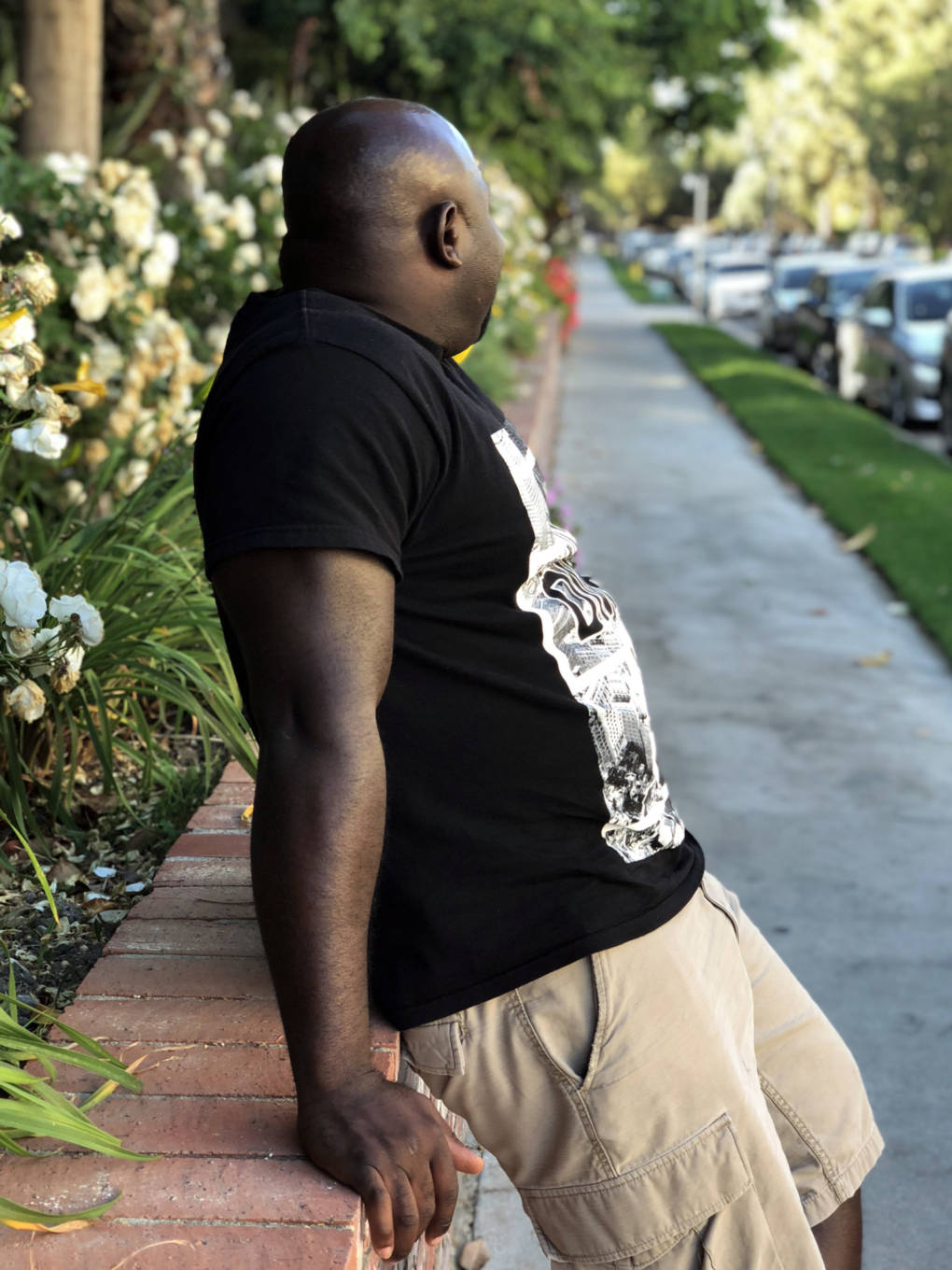
"caption": "Eddris Sseguya was imprisoned in Uganda for being gay. He is now living in his car in Los Angeles, where he is waiting to secure political asylum. For safety reasons, he did not want his face shown.",
"description": null,
"title": "RS31509_eddris-img-3-qut",
"credit": "Karina Saidi",
"status": "inherit",
"isLoading": false,
"fetchFailed": false
},
"news_11672656": {
"type": "attachments",
"id": "news_11672656",
"meta": {
"index": "attachments_1716263798",
"site": "news",
"id": "11672656",
"found": true
},
"parent": 11672655,
"imgSizes": {
"small": {
"file": "https://ww2.kqed.org/app/uploads/sites/10/2018/06/ap_114519075535_wide-ec3ca74e117ff7dd9ed27b146f058dc087aa638f-520x293.jpg",
"width": 520,
"mimeType": "image/jpeg",
"height": 293
},
"twentyfourteen-full-width": {
"file": "https://ww2.kqed.org/app/uploads/sites/10/2018/06/ap_114519075535_wide-ec3ca74e117ff7dd9ed27b146f058dc087aa638f-1038x576.jpg",
"width": 1038,
"mimeType": "image/jpeg",
"height": 576
},
"thumbnail": {
"file": "https://ww2.kqed.org/app/uploads/sites/10/2018/06/ap_114519075535_wide-ec3ca74e117ff7dd9ed27b146f058dc087aa638f-160x90.jpg",
"width": 160,
"mimeType": "image/jpeg",
"height": 90
},
"fd-sm": {
"file": "https://ww2.kqed.org/app/uploads/sites/10/2018/06/ap_114519075535_wide-ec3ca74e117ff7dd9ed27b146f058dc087aa638f-960x540.jpg",
"width": 960,
"mimeType": "image/jpeg",
"height": 540
},
"post-thumbnail": {
"file": "https://ww2.kqed.org/app/uploads/sites/10/2018/06/ap_114519075535_wide-ec3ca74e117ff7dd9ed27b146f058dc087aa638f-672x372.jpg",
"width": 672,
"mimeType": "image/jpeg",
"height": 372
},
"xsmall": {
"file": "https://ww2.kqed.org/app/uploads/sites/10/2018/06/ap_114519075535_wide-ec3ca74e117ff7dd9ed27b146f058dc087aa638f-375x211.jpg",
"width": 375,
"mimeType": "image/jpeg",
"height": 211
},
"kqedFullSize": {
"file": "https://ww2.kqed.org/app/uploads/sites/10/2018/06/ap_114519075535_wide-ec3ca74e117ff7dd9ed27b146f058dc087aa638f.jpg",
"width": 4896,
"height": 2754
},
"large": {
"file": "https://ww2.kqed.org/app/uploads/sites/10/2018/06/ap_114519075535_wide-ec3ca74e117ff7dd9ed27b146f058dc087aa638f-1020x574.jpg",
"width": 1020,
"mimeType": "image/jpeg",
"height": 574
},
"xlarge": {
"file": "https://ww2.kqed.org/app/uploads/sites/10/2018/06/ap_114519075535_wide-ec3ca74e117ff7dd9ed27b146f058dc087aa638f-1180x664.jpg",
"width": 1180,
"mimeType": "image/jpeg",
"height": 664
},
"complete_open_graph": {
"file": "https://ww2.kqed.org/app/uploads/sites/10/2018/06/ap_114519075535_wide-ec3ca74e117ff7dd9ed27b146f058dc087aa638f-1200x675.jpg",
"width": 1200,
"mimeType": "image/jpeg",
"height": 675
},
"guest-author-50": {
"file": "https://ww2.kqed.org/app/uploads/sites/10/2018/06/ap_114519075535_wide-ec3ca74e117ff7dd9ed27b146f058dc087aa638f-50x50.jpg",
"width": 50,
"mimeType": "image/jpeg",
"height": 50
},
"guest-author-96": {
"file": "https://ww2.kqed.org/app/uploads/sites/10/2018/06/ap_114519075535_wide-ec3ca74e117ff7dd9ed27b146f058dc087aa638f-96x96.jpg",
"width": 96,
"mimeType": "image/jpeg",
"height": 96
},
"medium": {
"file": "https://ww2.kqed.org/app/uploads/sites/10/2018/06/ap_114519075535_wide-ec3ca74e117ff7dd9ed27b146f058dc087aa638f-800x450.jpg",
"width": 800,
"mimeType": "image/jpeg",
"height": 450
},
"guest-author-64": {
"file": "https://ww2.kqed.org/app/uploads/sites/10/2018/06/ap_114519075535_wide-ec3ca74e117ff7dd9ed27b146f058dc087aa638f-64x64.jpg",
"width": 64,
"mimeType": "image/jpeg",
"height": 64
},
"guest-author-32": {
"file": "https://ww2.kqed.org/app/uploads/sites/10/2018/06/ap_114519075535_wide-ec3ca74e117ff7dd9ed27b146f058dc087aa638f-32x32.jpg",
"width": 32,
"mimeType": "image/jpeg",
"height": 32
},
"fd-lrg": {
"file": "https://ww2.kqed.org/app/uploads/sites/10/2018/06/ap_114519075535_wide-ec3ca74e117ff7dd9ed27b146f058dc087aa638f-1920x1080.jpg",
"width": 1920,
"mimeType": "image/jpeg",
"height": 1080
},
"fd-med": {
"file": "https://ww2.kqed.org/app/uploads/sites/10/2018/06/ap_114519075535_wide-ec3ca74e117ff7dd9ed27b146f058dc087aa638f-1180x664.jpg",
"width": 1180,
"mimeType": "image/jpeg",
"height": 664
},
"full-width": {
"file": "https://ww2.kqed.org/app/uploads/sites/10/2018/06/ap_114519075535_wide-ec3ca74e117ff7dd9ed27b146f058dc087aa638f-1920x1080.jpg",
"width": 1920,
"mimeType": "image/jpeg",
"height": 1080
},
"detail": {
"file": "https://ww2.kqed.org/app/uploads/sites/10/2018/06/ap_114519075535_wide-ec3ca74e117ff7dd9ed27b146f058dc087aa638f-150x150.jpg",
"width": 150,
"mimeType": "image/jpeg",
"height": 150
},
"guest-author-128": {
"file": "https://ww2.kqed.org/app/uploads/sites/10/2018/06/ap_114519075535_wide-ec3ca74e117ff7dd9ed27b146f058dc087aa638f-128x128.jpg",
"width": 128,
"mimeType": "image/jpeg",
"height": 128
},
"xxsmall": {
"file": "https://ww2.kqed.org/app/uploads/sites/10/2018/06/ap_114519075535_wide-ec3ca74e117ff7dd9ed27b146f058dc087aa638f-240x135.jpg",
"width": 240,
"mimeType": "image/jpeg",
"height": 135
}
},
"publishDate": 1528216030,
"modified": 1528216030,
"caption": null,
"description": "The wedding cake display seen at Masterpiece Cakeshop in Denver in 2013.",
"title": "The wedding cake display seen at Masterpiece Cakeshop in Denver in 2013.",
"credit": null,
"status": "inherit",
"isLoading": false,
"fetchFailed": false
},
"news_11664856": {
"type": "attachments",
"id": "news_11664856",
"meta": {
"index": "attachments_1716263798",
"site": "news",
"id": "11664856",
"found": true
},
"parent": 11664692,
"imgSizes": {
"small": {
"file": "https://ww2.kqed.org/app/uploads/sites/10/2018/04/RS30585_mayoraldebate-7-qut-520x347.jpg",
"width": 520,
"mimeType": "image/jpeg",
"height": 347
},
"twentyfourteen-full-width": {
"file": "https://ww2.kqed.org/app/uploads/sites/10/2018/04/RS30585_mayoraldebate-7-qut-1038x576.jpg",
"width": 1038,
"mimeType": "image/jpeg",
"height": 576
},
"thumbnail": {
"file": "https://ww2.kqed.org/app/uploads/sites/10/2018/04/RS30585_mayoraldebate-7-qut-160x107.jpg",
"width": 160,
"mimeType": "image/jpeg",
"height": 107
},
"fd-sm": {
"file": "https://ww2.kqed.org/app/uploads/sites/10/2018/04/RS30585_mayoraldebate-7-qut-960x640.jpg",
"width": 960,
"mimeType": "image/jpeg",
"height": 640
},
"post-thumbnail": {
"file": "https://ww2.kqed.org/app/uploads/sites/10/2018/04/RS30585_mayoraldebate-7-qut-672x372.jpg",
"width": 672,
"mimeType": "image/jpeg",
"height": 372
},
"xsmall": {
"file": "https://ww2.kqed.org/app/uploads/sites/10/2018/04/RS30585_mayoraldebate-7-qut-375x250.jpg",
"width": 375,
"mimeType": "image/jpeg",
"height": 250
},
"kqedFullSize": {
"file": "https://ww2.kqed.org/app/uploads/sites/10/2018/04/RS30585_mayoraldebate-7-qut.jpg",
"width": 1920,
"height": 1280
},
"large": {
"file": "https://ww2.kqed.org/app/uploads/sites/10/2018/04/RS30585_mayoraldebate-7-qut-1020x680.jpg",
"width": 1020,
"mimeType": "image/jpeg",
"height": 680
},
"xlarge": {
"file": "https://ww2.kqed.org/app/uploads/sites/10/2018/04/RS30585_mayoraldebate-7-qut-1180x787.jpg",
"width": 1180,
"mimeType": "image/jpeg",
"height": 787
},
"complete_open_graph": {
"file": "https://ww2.kqed.org/app/uploads/sites/10/2018/04/RS30585_mayoraldebate-7-qut-1200x800.jpg",
"width": 1200,
"mimeType": "image/jpeg",
"height": 800
},
"guest-author-50": {
"file": "https://ww2.kqed.org/app/uploads/sites/10/2018/04/RS30585_mayoraldebate-7-qut-50x50.jpg",
"width": 50,
"mimeType": "image/jpeg",
"height": 50
},
"guest-author-96": {
"file": "https://ww2.kqed.org/app/uploads/sites/10/2018/04/RS30585_mayoraldebate-7-qut-96x96.jpg",
"width": 96,
"mimeType": "image/jpeg",
"height": 96
},
"medium": {
"file": "https://ww2.kqed.org/app/uploads/sites/10/2018/04/RS30585_mayoraldebate-7-qut-800x533.jpg",
"width": 800,
"mimeType": "image/jpeg",
"height": 533
},
"guest-author-64": {
"file": "https://ww2.kqed.org/app/uploads/sites/10/2018/04/RS30585_mayoraldebate-7-qut-64x64.jpg",
"width": 64,
"mimeType": "image/jpeg",
"height": 64
},
"guest-author-32": {
"file": "https://ww2.kqed.org/app/uploads/sites/10/2018/04/RS30585_mayoraldebate-7-qut-32x32.jpg",
"width": 32,
"mimeType": "image/jpeg",
"height": 32
},
"fd-lrg": {
"file": "https://ww2.kqed.org/app/uploads/sites/10/2018/04/RS30585_mayoraldebate-7-qut-1920x1280.jpg",
"width": 1920,
"mimeType": "image/jpeg",
"height": 1280
},
"fd-med": {
"file": "https://ww2.kqed.org/app/uploads/sites/10/2018/04/RS30585_mayoraldebate-7-qut-1180x787.jpg",
"width": 1180,
"mimeType": "image/jpeg",
"height": 787
},
"full-width": {
"file": "https://ww2.kqed.org/app/uploads/sites/10/2018/04/RS30585_mayoraldebate-7-qut-1920x1280.jpg",
"width": 1920,
"mimeType": "image/jpeg",
"height": 1280
},
"detail": {
"file": "https://ww2.kqed.org/app/uploads/sites/10/2018/04/RS30585_mayoraldebate-7-qut-150x150.jpg",
"width": 150,
"mimeType": "image/jpeg",
"height": 150
},
"guest-author-128": {
"file": "https://ww2.kqed.org/app/uploads/sites/10/2018/04/RS30585_mayoraldebate-7-qut-128x128.jpg",
"width": 128,
"mimeType": "image/jpeg",
"height": 128
},
"xxsmall": {
"file": "https://ww2.kqed.org/app/uploads/sites/10/2018/04/RS30585_mayoraldebate-7-qut-240x160.jpg",
"width": 240,
"mimeType": "image/jpeg",
"height": 160
}
},
"publishDate": 1524767845,
"modified": 1524785634,
"caption": "California Attorney General Xavier Becerra at KQED in San Francisco on April 25, 2018.",
"description": null,
"title": "RS30585_mayoraldebate-7-qut",
"credit": "Samantha Shanahan/KQED",
"status": "inherit",
"isLoading": false,
"fetchFailed": false
},
"news_11665944": {
"type": "attachments",
"id": "news_11665944",
"meta": {
"index": "attachments_1716263798",
"site": "news",
"id": "11665944",
"found": true
},
"parent": 11665875,
"imgSizes": {
"small": {
"file": "https://ww2.kqed.org/app/uploads/sites/10/2018/05/SoniWolf-1-520x333.jpg",
"width": 520,
"mimeType": "image/jpeg",
"height": 333
},
"twentyfourteen-full-width": {
"file": "https://ww2.kqed.org/app/uploads/sites/10/2018/05/SoniWolf-1-1038x576.jpg",
"width": 1038,
"mimeType": "image/jpeg",
"height": 576
},
"thumbnail": {
"file": "https://ww2.kqed.org/app/uploads/sites/10/2018/05/SoniWolf-1-160x102.jpg",
"width": 160,
"mimeType": "image/jpeg",
"height": 102
},
"fd-sm": {
"file": "https://ww2.kqed.org/app/uploads/sites/10/2018/05/SoniWolf-1-960x614.jpg",
"width": 960,
"mimeType": "image/jpeg",
"height": 614
},
"post-thumbnail": {
"file": "https://ww2.kqed.org/app/uploads/sites/10/2018/05/SoniWolf-1-672x372.jpg",
"width": 672,
"mimeType": "image/jpeg",
"height": 372
},
"xsmall": {
"file": "https://ww2.kqed.org/app/uploads/sites/10/2018/05/SoniWolf-1-375x240.jpg",
"width": 375,
"mimeType": "image/jpeg",
"height": 240
},
"kqedFullSize": {
"file": "https://ww2.kqed.org/app/uploads/sites/10/2018/05/SoniWolf-1-e1525278101935.jpg",
"width": 1020,
"height": 653
},
"large": {
"file": "https://ww2.kqed.org/app/uploads/sites/10/2018/05/SoniWolf-1-1020x653.jpg",
"width": 1020,
"mimeType": "image/jpeg",
"height": 653
},
"xlarge": {
"file": "https://ww2.kqed.org/app/uploads/sites/10/2018/05/SoniWolf-1-1180x755.jpg",
"width": 1180,
"mimeType": "image/jpeg",
"height": 755
},
"guest-author-50": {
"file": "https://ww2.kqed.org/app/uploads/sites/10/2018/05/SoniWolf-1-50x50.jpg",
"width": 50,
"mimeType": "image/jpeg",
"height": 50
},
"guest-author-96": {
"file": "https://ww2.kqed.org/app/uploads/sites/10/2018/05/SoniWolf-1-96x96.jpg",
"width": 96,
"mimeType": "image/jpeg",
"height": 96
},
"medium": {
"file": "https://ww2.kqed.org/app/uploads/sites/10/2018/05/SoniWolf-1-800x512.jpg",
"width": 800,
"mimeType": "image/jpeg",
"height": 512
},
"guest-author-64": {
"file": "https://ww2.kqed.org/app/uploads/sites/10/2018/05/SoniWolf-1-64x64.jpg",
"width": 64,
"mimeType": "image/jpeg",
"height": 64
},
"guest-author-32": {
"file": "https://ww2.kqed.org/app/uploads/sites/10/2018/05/SoniWolf-1-32x32.jpg",
"width": 32,
"mimeType": "image/jpeg",
"height": 32
},
"fd-med": {
"file": "https://ww2.kqed.org/app/uploads/sites/10/2018/05/SoniWolf-1-1180x755.jpg",
"width": 1180,
"mimeType": "image/jpeg",
"height": 755
},
"detail": {
"file": "https://ww2.kqed.org/app/uploads/sites/10/2018/05/SoniWolf-1-150x150.jpg",
"width": 150,
"mimeType": "image/jpeg",
"height": 150
},
"guest-author-128": {
"file": "https://ww2.kqed.org/app/uploads/sites/10/2018/05/SoniWolf-1-128x128.jpg",
"width": 128,
"mimeType": "image/jpeg",
"height": 128
},
"xxsmall": {
"file": "https://ww2.kqed.org/app/uploads/sites/10/2018/05/SoniWolf-1-240x154.jpg",
"width": 240,
"mimeType": "image/jpeg",
"height": 154
}
},
"publishDate": 1525277906,
"modified": 1525277933,
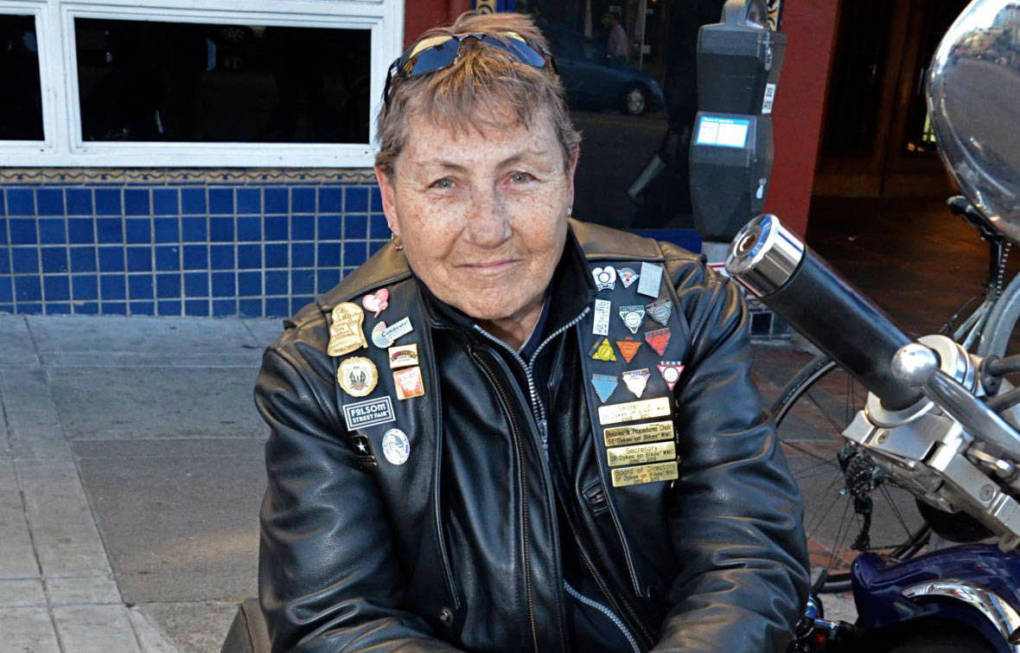
"caption": "Soni Wolf wanted to reclaim the word \"dykes\" from homophobes. ",
"description": null,
"title": "SoniWolf",
"credit": "Courtesy Dykes on Bikes",
"status": "inherit",
"isLoading": false,
"fetchFailed": false
},
"news_11652585": {
"type": "attachments",
"id": "news_11652585",
"meta": {
"index": "attachments_1716263798",
"site": "news",
"id": "11652585",
"found": true
},
"parent": 11652366,
"imgSizes": {
"small": {
"file": "https://ww2.kqed.org/app/uploads/sites/10/2018/02/gurbaedit-copy-520x297.jpg",
"width": 520,
"mimeType": "image/jpeg",
"height": 297
},
"thumbnail": {
"file": "https://ww2.kqed.org/app/uploads/sites/10/2018/02/gurbaedit-copy-160x91.jpg",
"width": 160,
"mimeType": "image/jpeg",
"height": 91
},
"fd-sm": {
"file": "https://ww2.kqed.org/app/uploads/sites/10/2018/02/gurbaedit-copy-960x548.jpg",
"width": 960,
"mimeType": "image/jpeg",
"height": 548
},
"post-thumbnail": {
"file": "https://ww2.kqed.org/app/uploads/sites/10/2018/02/gurbaedit-copy-672x372.jpg",
"width": 672,
"mimeType": "image/jpeg",
"height": 372
},
"xsmall": {
"file": "https://ww2.kqed.org/app/uploads/sites/10/2018/02/gurbaedit-copy-375x214.jpg",
"width": 375,
"mimeType": "image/jpeg",
"height": 214
},
"kqedFullSize": {
"file": "https://ww2.kqed.org/app/uploads/sites/10/2018/02/gurbaedit-copy.jpg",
"width": 960,
"height": 548
},
"guest-author-50": {
"file": "https://ww2.kqed.org/app/uploads/sites/10/2018/02/gurbaedit-copy-50x50.jpg",
"width": 50,
"mimeType": "image/jpeg",
"height": 50
},
"guest-author-96": {
"file": "https://ww2.kqed.org/app/uploads/sites/10/2018/02/gurbaedit-copy-96x96.jpg",
"width": 96,
"mimeType": "image/jpeg",
"height": 96
},
"medium": {
"file": "https://ww2.kqed.org/app/uploads/sites/10/2018/02/gurbaedit-copy-800x457.jpg",
"width": 800,
"mimeType": "image/jpeg",
"height": 457
},
"guest-author-64": {
"file": "https://ww2.kqed.org/app/uploads/sites/10/2018/02/gurbaedit-copy-64x64.jpg",
"width": 64,
"mimeType": "image/jpeg",
"height": 64
},
"guest-author-32": {
"file": "https://ww2.kqed.org/app/uploads/sites/10/2018/02/gurbaedit-copy-32x32.jpg",
"width": 32,
"mimeType": "image/jpeg",
"height": 32
},
"detail": {
"file": "https://ww2.kqed.org/app/uploads/sites/10/2018/02/gurbaedit-copy-150x150.jpg",
"width": 150,
"mimeType": "image/jpeg",
"height": 150
},
"guest-author-128": {
"file": "https://ww2.kqed.org/app/uploads/sites/10/2018/02/gurbaedit-copy-128x128.jpg",
"width": 128,
"mimeType": "image/jpeg",
"height": 128
},
"xxsmall": {
"file": "https://ww2.kqed.org/app/uploads/sites/10/2018/02/gurbaedit-copy-240x137.jpg",
"width": 240,
"mimeType": "image/jpeg",
"height": 137
}
},
"publishDate": 1519770032,
"modified": 1519776682,
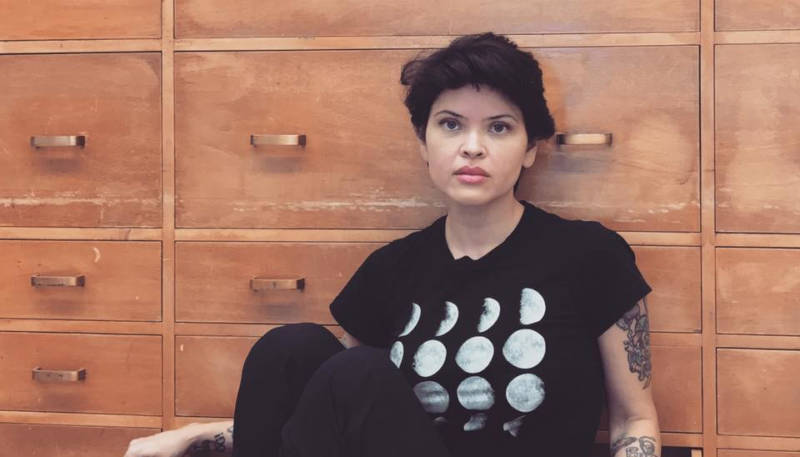
"caption": "Author Myriam Gurba. Her latest work, 'Mean,' is a memoir about coming of age as a queer, mixed-race Chicana on the Central Coast. ",
"description": "Author Myriam Gurba. Her latest work, Mean, is a memoir about coming of age as a queer, mixed-race Chicana on the Central Coast. ",
"title": "gurbaedit copy",
"credit": "Courtesy of Myriam Gurba",
"status": "inherit",
"isLoading": false,
"fetchFailed": false
},
"news_11631218": {
"type": "attachments",
"id": "news_11631218",
"meta": {
"index": "attachments_1716263798",
"site": "news",
"id": "11631218",
"found": true
},
"parent": 11631141,
"imgSizes": {
"small": {
"file": "https://ww2.kqed.org/app/uploads/sites/10/2017/11/GettyImages-691607162-520x347.jpg",
"width": 520,
"mimeType": "image/jpeg",
"height": 347
},
"twentyfourteen-full-width": {
"file": "https://ww2.kqed.org/app/uploads/sites/10/2017/11/GettyImages-691607162-1038x576.jpg",
"width": 1038,
"mimeType": "image/jpeg",
"height": 576
},
"thumbnail": {
"file": "https://ww2.kqed.org/app/uploads/sites/10/2017/11/GettyImages-691607162-160x107.jpg",
"width": 160,
"mimeType": "image/jpeg",
"height": 107
},
"fd-sm": {
"file": "https://ww2.kqed.org/app/uploads/sites/10/2017/11/GettyImages-691607162-960x640.jpg",
"width": 960,
"mimeType": "image/jpeg",
"height": 640
},
"post-thumbnail": {
"file": "https://ww2.kqed.org/app/uploads/sites/10/2017/11/GettyImages-691607162-672x372.jpg",
"width": 672,
"mimeType": "image/jpeg",
"height": 372
},
"xsmall": {
"file": "https://ww2.kqed.org/app/uploads/sites/10/2017/11/GettyImages-691607162-375x250.jpg",
"width": 375,
"mimeType": "image/jpeg",
"height": 250
},
"kqedFullSize": {
"file": "https://ww2.kqed.org/app/uploads/sites/10/2017/11/GettyImages-691607162-e1510791775898.jpg",
"width": 1920,
"height": 1280
},
"large": {
"file": "https://ww2.kqed.org/app/uploads/sites/10/2017/11/GettyImages-691607162-1020x680.jpg",
"width": 1020,
"mimeType": "image/jpeg",
"height": 680
},
"xlarge": {
"file": "https://ww2.kqed.org/app/uploads/sites/10/2017/11/GettyImages-691607162-1180x787.jpg",
"width": 1180,
"mimeType": "image/jpeg",
"height": 787
},
"guest-author-50": {
"file": "https://ww2.kqed.org/app/uploads/sites/10/2017/11/GettyImages-691607162-50x50.jpg",
"width": 50,
"mimeType": "image/jpeg",
"height": 50
},
"guest-author-96": {
"file": "https://ww2.kqed.org/app/uploads/sites/10/2017/11/GettyImages-691607162-96x96.jpg",
"width": 96,
"mimeType": "image/jpeg",
"height": 96
},
"medium": {
"file": "https://ww2.kqed.org/app/uploads/sites/10/2017/11/GettyImages-691607162-800x533.jpg",
"width": 800,
"mimeType": "image/jpeg",
"height": 533
},
"guest-author-64": {
"file": "https://ww2.kqed.org/app/uploads/sites/10/2017/11/GettyImages-691607162-64x64.jpg",
"width": 64,
"mimeType": "image/jpeg",
"height": 64
},
"guest-author-32": {
"file": "https://ww2.kqed.org/app/uploads/sites/10/2017/11/GettyImages-691607162-32x32.jpg",
"width": 32,
"mimeType": "image/jpeg",
"height": 32
},
"fd-lrg": {
"file": "https://ww2.kqed.org/app/uploads/sites/10/2017/11/GettyImages-691607162-1920x1280.jpg",
"width": 1920,
"mimeType": "image/jpeg",
"height": 1280
},
"fd-med": {
"file": "https://ww2.kqed.org/app/uploads/sites/10/2017/11/GettyImages-691607162-1180x787.jpg",
"width": 1180,
"mimeType": "image/jpeg",
"height": 787
},
"full-width": {
"file": "https://ww2.kqed.org/app/uploads/sites/10/2017/11/GettyImages-691607162-1920x1280.jpg",
"width": 1920,
"mimeType": "image/jpeg",
"height": 1280
},
"detail": {
"file": "https://ww2.kqed.org/app/uploads/sites/10/2017/11/GettyImages-691607162-150x150.jpg",
"width": 150,
"mimeType": "image/jpeg",
"height": 150
},
"guest-author-128": {
"file": "https://ww2.kqed.org/app/uploads/sites/10/2017/11/GettyImages-691607162-128x128.jpg",
"width": 128,
"mimeType": "image/jpeg",
"height": 128
},
"xxsmall": {
"file": "https://ww2.kqed.org/app/uploads/sites/10/2017/11/GettyImages-691607162-240x160.jpg",
"width": 240,
"mimeType": "image/jpeg",
"height": 160
}
},
"publishDate": 1510791450,
"modified": 1510797197,
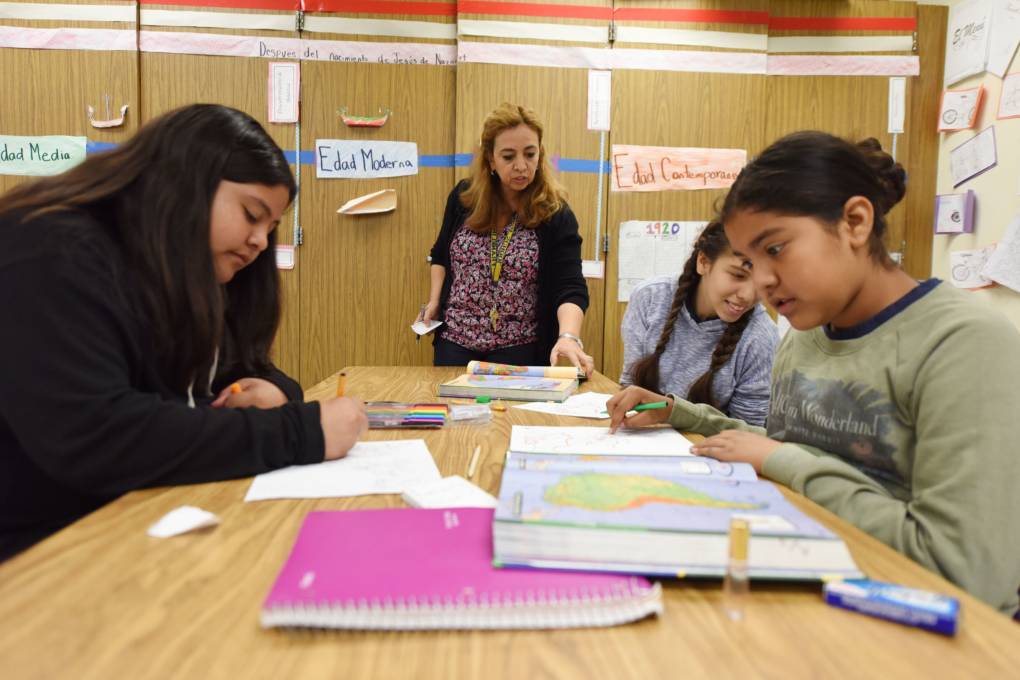
"caption": "Students at Franklin High School in Los Angeles study history.",
"description": null,
"title": "US-EDUCATION-LANGUAGE-LATAM-SCHOOL",
"credit": "ROBYN BECK/AFP/Getty Images",
"status": "inherit",
"isLoading": false,
"fetchFailed": false
},
"news_11594969": {
"type": "attachments",
"id": "news_11594969",
"meta": {
"index": "attachments_1716263798",
"site": "news",
"id": "11594969",
"found": true
},
"parent": 11594890,
"imgSizes": {
"small": {
"file": "https://ww2.kqed.org/app/uploads/sites/10/2017/07/trans_072617_final-520x520.jpg",
"width": 520,
"mimeType": "image/jpeg",
"height": 520
},
"twentyfourteen-full-width": {
"file": "https://ww2.kqed.org/app/uploads/sites/10/2017/07/trans_072617_final-1038x576.jpg",
"width": 1038,
"mimeType": "image/jpeg",
"height": 576
},
"thumbnail": {
"file": "https://ww2.kqed.org/app/uploads/sites/10/2017/07/trans_072617_final-160x160.jpg",
"width": 160,
"mimeType": "image/jpeg",
"height": 160
},
"fd-sm": {
"file": "https://ww2.kqed.org/app/uploads/sites/10/2017/07/trans_072617_final-960x960.jpg",
"width": 960,
"mimeType": "image/jpeg",
"height": 960
},
"post-thumbnail": {
"file": "https://ww2.kqed.org/app/uploads/sites/10/2017/07/trans_072617_final-672x372.jpg",
"width": 672,
"mimeType": "image/jpeg",
"height": 372
},
"xsmall": {
"file": "https://ww2.kqed.org/app/uploads/sites/10/2017/07/trans_072617_final-375x375.jpg",
"width": 375,
"mimeType": "image/jpeg",
"height": 375
},
"kqedFullSize": {
"file": "https://ww2.kqed.org/app/uploads/sites/10/2017/07/trans_072617_final.jpg",
"width": 1920,
"height": 1920
},
"large": {
"file": "https://ww2.kqed.org/app/uploads/sites/10/2017/07/trans_072617_final-1020x1020.jpg",
"width": 1020,
"mimeType": "image/jpeg",
"height": 1020
},
"xlarge": {
"file": "https://ww2.kqed.org/app/uploads/sites/10/2017/07/trans_072617_final-1180x1180.jpg",
"width": 1180,
"mimeType": "image/jpeg",
"height": 1180
},
"guest-author-50": {
"file": "https://ww2.kqed.org/app/uploads/sites/10/2017/07/trans_072617_final-50x50.jpg",
"width": 50,
"mimeType": "image/jpeg",
"height": 50
},
"guest-author-96": {
"file": "https://ww2.kqed.org/app/uploads/sites/10/2017/07/trans_072617_final-96x96.jpg",
"width": 96,
"mimeType": "image/jpeg",
"height": 96
},
"medium": {
"file": "https://ww2.kqed.org/app/uploads/sites/10/2017/07/trans_072617_final-800x800.jpg",
"width": 800,
"mimeType": "image/jpeg",
"height": 800
},
"guest-author-64": {
"file": "https://ww2.kqed.org/app/uploads/sites/10/2017/07/trans_072617_final-64x64.jpg",
"width": 64,
"mimeType": "image/jpeg",
"height": 64
},
"guest-author-32": {
"file": "https://ww2.kqed.org/app/uploads/sites/10/2017/07/trans_072617_final-32x32.jpg",
"width": 32,
"mimeType": "image/jpeg",
"height": 32
},
"fd-lrg": {
"file": "https://ww2.kqed.org/app/uploads/sites/10/2017/07/trans_072617_final-1920x1920.jpg",
"width": 1920,
"mimeType": "image/jpeg",
"height": 1920
},
"fd-med": {
"file": "https://ww2.kqed.org/app/uploads/sites/10/2017/07/trans_072617_final-1180x1180.jpg",
"width": 1180,
"mimeType": "image/jpeg",
"height": 1180
},
"full-width": {
"file": "https://ww2.kqed.org/app/uploads/sites/10/2017/07/trans_072617_final-1920x1920.jpg",
"width": 1920,
"mimeType": "image/jpeg",
"height": 1920
},
"detail": {
"file": "https://ww2.kqed.org/app/uploads/sites/10/2017/07/trans_072617_final-150x150.jpg",
"width": 150,
"mimeType": "image/jpeg",
"height": 150
},
"guest-author-128": {
"file": "https://ww2.kqed.org/app/uploads/sites/10/2017/07/trans_072617_final-128x128.jpg",
"width": 128,
"mimeType": "image/jpeg",
"height": 128
},
"xxsmall": {
"file": "https://ww2.kqed.org/app/uploads/sites/10/2017/07/trans_072617_final-240x240.jpg",
"width": 240,
"mimeType": "image/jpeg",
"height": 240
}
},
"publishDate": 1501092089,
"modified": 1501092120,
"caption": null,
"description": null,
"title": "trans_072617_final",
"credit": null,
"status": "inherit",
"isLoading": false,
"fetchFailed": false
},
"news_11594718": {
"type": "attachments",
"id": "news_11594718",
"meta": {
"index": "attachments_1716263798",
"site": "news",
"id": "11594718",
"found": true
},
"parent": 11594717,
"imgSizes": {
"small": {
"file": "https://ww2.kqed.org/app/uploads/sites/10/2017/07/gettyimages-822681896_custom-e8b648f25a6255ec61449c77acef79caf6132498-520x347.jpg",
"width": 520,
"mimeType": "image/jpeg",
"height": 347
},
"twentyfourteen-full-width": {
"file": "https://ww2.kqed.org/app/uploads/sites/10/2017/07/gettyimages-822681896_custom-e8b648f25a6255ec61449c77acef79caf6132498-1038x576.jpg",
"width": 1038,
"mimeType": "image/jpeg",
"height": 576
},
"thumbnail": {
"file": "https://ww2.kqed.org/app/uploads/sites/10/2017/07/gettyimages-822681896_custom-e8b648f25a6255ec61449c77acef79caf6132498-160x107.jpg",
"width": 160,
"mimeType": "image/jpeg",
"height": 107
},
"fd-sm": {
"file": "https://ww2.kqed.org/app/uploads/sites/10/2017/07/gettyimages-822681896_custom-e8b648f25a6255ec61449c77acef79caf6132498-960x641.jpg",
"width": 960,
"mimeType": "image/jpeg",
"height": 641
},
"post-thumbnail": {
"file": "https://ww2.kqed.org/app/uploads/sites/10/2017/07/gettyimages-822681896_custom-e8b648f25a6255ec61449c77acef79caf6132498-672x372.jpg",
"width": 672,
"mimeType": "image/jpeg",
"height": 372
},
"xsmall": {
"file": "https://ww2.kqed.org/app/uploads/sites/10/2017/07/gettyimages-822681896_custom-e8b648f25a6255ec61449c77acef79caf6132498-375x250.jpg",
"width": 375,
"mimeType": "image/jpeg",
"height": 250
},
"kqedFullSize": {
"file": "https://ww2.kqed.org/app/uploads/sites/10/2017/07/gettyimages-822681896_custom-e8b648f25a6255ec61449c77acef79caf6132498-e1501093048141.jpg",
"width": 1920,
"height": 1282
},
"large": {
"file": "https://ww2.kqed.org/app/uploads/sites/10/2017/07/gettyimages-822681896_custom-e8b648f25a6255ec61449c77acef79caf6132498-1020x681.jpg",
"width": 1020,
"mimeType": "image/jpeg",
"height": 681
},
"xlarge": {
"file": "https://ww2.kqed.org/app/uploads/sites/10/2017/07/gettyimages-822681896_custom-e8b648f25a6255ec61449c77acef79caf6132498-1180x788.jpg",
"width": 1180,
"mimeType": "image/jpeg",
"height": 788
},
"guest-author-50": {
"file": "https://ww2.kqed.org/app/uploads/sites/10/2017/07/gettyimages-822681896_custom-e8b648f25a6255ec61449c77acef79caf6132498-50x50.jpg",
"width": 50,
"mimeType": "image/jpeg",
"height": 50
},
"guest-author-96": {
"file": "https://ww2.kqed.org/app/uploads/sites/10/2017/07/gettyimages-822681896_custom-e8b648f25a6255ec61449c77acef79caf6132498-96x96.jpg",
"width": 96,
"mimeType": "image/jpeg",
"height": 96
},
"medium": {
"file": "https://ww2.kqed.org/app/uploads/sites/10/2017/07/gettyimages-822681896_custom-e8b648f25a6255ec61449c77acef79caf6132498-800x534.jpg",
"width": 800,
"mimeType": "image/jpeg",
"height": 534
},
"guest-author-64": {
"file": "https://ww2.kqed.org/app/uploads/sites/10/2017/07/gettyimages-822681896_custom-e8b648f25a6255ec61449c77acef79caf6132498-64x64.jpg",
"width": 64,
"mimeType": "image/jpeg",
"height": 64
},
"guest-author-32": {
"file": "https://ww2.kqed.org/app/uploads/sites/10/2017/07/gettyimages-822681896_custom-e8b648f25a6255ec61449c77acef79caf6132498-32x32.jpg",
"width": 32,
"mimeType": "image/jpeg",
"height": 32
},
"fd-lrg": {
"file": "https://ww2.kqed.org/app/uploads/sites/10/2017/07/gettyimages-822681896_custom-e8b648f25a6255ec61449c77acef79caf6132498-1920x1282.jpg",
"width": 1920,
"mimeType": "image/jpeg",
"height": 1282
},
"fd-med": {
"file": "https://ww2.kqed.org/app/uploads/sites/10/2017/07/gettyimages-822681896_custom-e8b648f25a6255ec61449c77acef79caf6132498-1180x788.jpg",
"width": 1180,
"mimeType": "image/jpeg",
"height": 788
},
"full-width": {
"file": "https://ww2.kqed.org/app/uploads/sites/10/2017/07/gettyimages-822681896_custom-e8b648f25a6255ec61449c77acef79caf6132498-1920x1282.jpg",
"width": 1920,
"mimeType": "image/jpeg",
"height": 1282
},
"detail": {
"file": "https://ww2.kqed.org/app/uploads/sites/10/2017/07/gettyimages-822681896_custom-e8b648f25a6255ec61449c77acef79caf6132498-150x150.jpg",
"width": 150,
"mimeType": "image/jpeg",
"height": 150
},
"guest-author-128": {
"file": "https://ww2.kqed.org/app/uploads/sites/10/2017/07/gettyimages-822681896_custom-e8b648f25a6255ec61449c77acef79caf6132498-128x128.jpg",
"width": 128,
"mimeType": "image/jpeg",
"height": 128
},
"xxsmall": {
"file": "https://ww2.kqed.org/app/uploads/sites/10/2017/07/gettyimages-822681896_custom-e8b648f25a6255ec61449c77acef79caf6132498-240x160.jpg",
"width": 240,
"mimeType": "image/jpeg",
"height": 160
}
},
"publishDate": 1501078816,
"modified": 1503709551,
"caption": "In a tweet in July, President Trump reversed a policy set under the Obama administration allowing transgender people to serve.",
"description": "President Trump's tweets reverse a year-old policy set under the Obama administration.",
"title": "President Trump's tweets reverse a year-old policy set under the Obama administration.",
"credit": "Justin Merriman/Getty Images",
"status": "inherit",
"isLoading": false,
"fetchFailed": false
}
},
"audioPlayerReducer": {
"postId": "stream_live",
"isPaused": true,
"isPlaying": false,
"pfsActive": false,
"pledgeModalIsOpen": true,
"playerDrawerIsOpen": false,
"liveAudioPlayStartedAt": 0,
"liveAudioPlayContext": ""
},
"authorsReducer": {
"byline_news_11754424": {
"type": "authors",
"id": "byline_news_11754424",
"meta": {
"override": true
},
"slug": "byline_news_11754424",
"name": "\u003ca href=\"https://californiahealthline.org/news/author/emmarie-huetteman/\">Emmarie Huetteman\u003c/a>\u003cbr>California Healthline",
"isLoading": false
},
"byline_news_11706272": {
"type": "authors",
"id": "byline_news_11706272",
"meta": {
"override": true
},
"slug": "byline_news_11706272",
"name": "Vanessa Romo",
"isLoading": false
},
"byline_news_11670826": {
"type": "authors",
"id": "byline_news_11670826",
"meta": {
"override": true
},
"slug": "byline_news_11670826",
"name": "Karina Saidi",
"isLoading": false
},
"byline_news_11672655": {
"type": "authors",
"id": "byline_news_11672655",
"meta": {
"override": true
},
"slug": "byline_news_11672655",
"name": "\u003cstrong>Tom Gjelten\u003cbr/>NPR\u003c/strong>",
"isLoading": false
},
"byline_news_11594717": {
"type": "authors",
"id": "byline_news_11594717",
"meta": {
"override": true
},
"slug": "byline_news_11594717",
"name": "\u003cstrong>Laurel Wamsley\u003c/strong>",
"isLoading": false
},
"dclyde": {
"type": "authors",
"id": "104",
"meta": {
"index": "authors_1716337520",
"id": "104",
"found": true
},
"name": "Don Clyde",
"firstName": "Don",
"lastName": "Clyde",
"slug": "dclyde",
"email": "dclyde@kqed.org",
"display_author_email": false,
"staff_mastheads": [],
"title": "KQED Contributor",
"bio": "Don Clyde is an online producer, reporter and copy editor for KQED News. Before venturing into journalism, he worked as a medical device engineer and scientist for nearly a decade after earning a degree in physics from UC Berkeley. He loves travel, reading, living in Oakland, and most importantly, a good walk. Email him at dclyde@kqed.org or follow him @clydedon.",
"avatar": "https://secure.gravatar.com/avatar/decd3e640c3eedbd0a574275aebb2d19?s=600&d=blank&r=g",
"twitter": "clydedon",
"facebook": null,
"instagram": null,
"linkedin": null,
"sites": [
{
"site": "artschool",
"roles": [
"editor"
]
},
{
"site": "news",
"roles": [
"administrator"
]
},
{
"site": "futureofyou",
"roles": [
"editor"
]
},
{
"site": "about",
"roles": [
"editor"
]
},
{
"site": "mindshift",
"roles": [
"contributor"
]
},
{
"site": "bayareabites",
"roles": [
"contributor"
]
},
{
"site": "lowdown",
"roles": [
"editor"
]
},
{
"site": "stateofhealth",
"roles": [
"administrator"
]
},
{
"site": "spark",
"roles": [
"administrator"
]
},
{
"site": "trulyca",
"roles": [
"administrator"
]
},
{
"site": "imagemakers",
"roles": [
"administrator"
]
},
{
"site": "science",
"roles": []
},
{
"site": "education",
"roles": [
"editor"
]
},
{
"site": "quest",
"roles": [
"subscriber"
]
},
{
"site": "checkplease",
"roles": [
"subscriber"
]
},
{
"site": "forum",
"roles": [
"editor"
]
},
{
"site": "perspectives",
"roles": [
"editor"
]
}
],
"headData": {
"title": "Don Clyde | KQED",
"description": "KQED Contributor",
"ogImgSrc": "https://secure.gravatar.com/avatar/decd3e640c3eedbd0a574275aebb2d19?s=600&d=blank&r=g",
"twImgSrc": "https://secure.gravatar.com/avatar/decd3e640c3eedbd0a574275aebb2d19?s=600&d=blank&r=g"
},
"isLoading": false,
"link": "/author/dclyde"
},
"sracho": {
"type": "authors",
"id": "107",
"meta": {
"index": "authors_1716337520",
"id": "107",
"found": true
},
"name": "Suzie Racho",
"firstName": "Suzie",
"lastName": "Racho",
"slug": "sracho",
"email": "SRacho@KQED.org",
"display_author_email": false,
"staff_mastheads": [
"news"
],
"title": "KQED Contributor",
"bio": "Suzie Racho is a correspondent-producer with \u003cem>The California Report Magazine\u003c/em>\u003cem>. S\u003c/em>he has also worked with several other KQED productions, including Bay Curious, Truth Be Told, The Do List and KQED News.\r\n\r\nSuzie came to KQED in 1996 after receiving a BA in journalism from San Francisco State University and spending several years working in the music industry. As part of \u003cem>The California Report\u003c/em> team, her work has been recognized by the Society for Professional Journalists, National Federation of Community Broadcasters and Public Radio News Directors Incorporated, among others. She was recognized with a national Gracie Award in 2019. She spends her free time baking, listening to K-pop and rooting for the Giants and Valkyries.",
"avatar": "https://secure.gravatar.com/avatar/842e457a9830b0f3c1ce3ab70ed3518d616d1e25e315c6292eab8cd611d98601?s=600&d=blank&r=g",
"twitter": null,
"bluesky": null,
"facebook": null,
"instagram": null,
"linkedin": null,
"sites": [
{
"site": "arts",
"roles": [
"editor"
]
},
{
"site": "news",
"roles": [
"editor"
]
}
],
"headData": {
"title": "Suzie Racho | KQED",
"description": "KQED Contributor",
"ogImgSrc": "https://secure.gravatar.com/avatar/842e457a9830b0f3c1ce3ab70ed3518d616d1e25e315c6292eab8cd611d98601?s=600&d=blank&r=g",
"twImgSrc": "https://secure.gravatar.com/avatar/842e457a9830b0f3c1ce3ab70ed3518d616d1e25e315c6292eab8cd611d98601?s=600&d=blank&r=g"
},
"isLoading": false,
"link": "/author/sracho"
},
"scottshafer": {
"type": "authors",
"id": "255",
"meta": {
"index": "authors_1716337520",
"id": "255",
"found": true
},
"name": "Scott Shafer",
"firstName": "Scott",
"lastName": "Shafer",
"slug": "scottshafer",
"email": "sshafer@kqed.org",
"display_author_email": false,
"staff_mastheads": [
"news"
],
"title": "KQED Contributor",
"bio": "Scott Shafer is a senior editor with the KQED Politics and Government desk. He is co-host of Political Breakdown, the award-winning radio show and podcast with a personal take on the world of politics. Scott came to KQED in 1998 to host the statewide\u003cem> California Report\u003c/em>. Prior to that he had extended stints in politics and government\u003cem>.\u003c/em> He uses that inside experience at KQED in his, reporting, hosting and analysis for the politics desk. Scott collaborated \u003cem>Political Breakdown a\u003c/em>nd on \u003cem>The Political Mind of Jerry Brown, \u003c/em>an eight-part series about the life and extraordinary political career of the former governor. For fun, he plays water polo with the San Francisco Tsunami.",
"avatar": "https://secure.gravatar.com/avatar/a62ebae45b79d7aed1a39a0e3bf68104?s=600&d=blank&r=g",
"twitter": "scottshafer",
"bluesky": null,
"facebook": null,
"instagram": null,
"linkedin": null,
"sites": [
{
"site": "news",
"roles": [
"editor"
]
},
{
"site": "stateofhealth",
"roles": [
"author"
]
},
{
"site": "science",
"roles": [
"author"
]
},
{
"site": "forum",
"roles": [
"subscriber"
]
},
{
"site": "liveblog",
"roles": [
"author"
]
}
],
"headData": {
"title": "Scott Shafer | KQED",
"description": "KQED Contributor",
"ogImgSrc": "https://secure.gravatar.com/avatar/a62ebae45b79d7aed1a39a0e3bf68104?s=600&d=blank&r=g",
"twImgSrc": "https://secure.gravatar.com/avatar/a62ebae45b79d7aed1a39a0e3bf68104?s=600&d=blank&r=g"
},
"isLoading": false,
"link": "/author/scottshafer"
},
"kdomara": {
"type": "authors",
"id": "1459",
"meta": {
"index": "authors_1716337520",
"id": "1459",
"found": true
},
"name": "Kelly O'Mara",
"firstName": "Kelly",
"lastName": "O'Mara",
"slug": "kdomara",
"email": "komara@kqed.org",
"display_author_email": false,
"staff_mastheads": [
"news"
],
"title": "KQED Contributor",
"bio": "Kelly O'Mara is a writer and reporter in the San Francisco Bay Area. She writes about food, health, sports, travel, business and California news. Her work has appeared on KQED, online for Outside Magazine, epsnW, VICE and in Competitor Magazine, among others. Follow Kelly on Twitter \u003ca href=\"https://twitter.com/kellydomara\">@kellydomara\u003c/a>.",
"avatar": "https://secure.gravatar.com/avatar/768fec7412028b72f13bdd0f5f9d8186?s=600&d=blank&r=g",
"twitter": null,
"facebook": null,
"instagram": null,
"linkedin": null,
"sites": [
{
"site": "arts",
"roles": []
},
{
"site": "news",
"roles": []
},
{
"site": "bayareabites",
"roles": []
},
{
"site": "stateofhealth",
"roles": []
},
{
"site": "science",
"roles": []
},
{
"site": "checkplease",
"roles": [
"editor"
]
},
{
"site": "food",
"roles": []
},
{
"site": "forum",
"roles": [
"editor"
]
},
{
"site": "liveblog",
"roles": [
"editor"
]
}
],
"headData": {
"title": "Kelly O'Mara | KQED",
"description": "KQED Contributor",
"ogImgSrc": "https://secure.gravatar.com/avatar/768fec7412028b72f13bdd0f5f9d8186?s=600&d=blank&r=g",
"twImgSrc": "https://secure.gravatar.com/avatar/768fec7412028b72f13bdd0f5f9d8186?s=600&d=blank&r=g"
},
"isLoading": false,
"link": "/author/kdomara"
},
"markfiore": {
"type": "authors",
"id": "3236",
"meta": {
"index": "authors_1716337520",
"id": "3236",
"found": true
},
"name": "Mark Fiore",
"firstName": "Mark",
"lastName": "Fiore",
"slug": "markfiore",
"email": "mark@markfiore.com",
"display_author_email": false,
"staff_mastheads": [
"news"
],
"title": "KQED News Cartoonist",
"bio": "\u003ca href=\"http://www.MarkFiore.com\">MarkFiore.com\u003c/a> | \u003ca href=\"https://twitter.com/markfiore\">Follow on Twitter\u003c/a> | \u003ca href=\"https://www.facebook.com/pages/Mark-Fiore-Animated-Political-Cartoons/94451707396?ref=bookmarks\">Facebook\u003c/a> | \u003ca href=\"mailto:mark@markfiore.com\">email\u003c/a>\r\n\r\nPulitzer Prize-winner, Mark Fiore, who the Wall Street Journal has called “the undisputed guru of the form,” creates animated political cartoons in San Francisco, where his work has been featured regularly on the San Francisco Chronicle’s web site, SFGate.com. His work has appeared on Newsweek.com, Slate.com, CBSNews.com, MotherJones.com, DailyKos.com and NPR’s web site. Fiore’s political animation has appeared on CNN, Frontline, Bill Moyers Journal, Salon.com and cable and broadcast outlets across the globe.\r\n\r\nBeginning his professional life by drawing traditional political cartoons for newspapers, Fiore’s work appeared in publications ranging from the Washington Post to the Los Angeles Times. In the late 1990s, he began to experiment with animating political cartoons and, after a short stint at the San Jose Mercury News as their staff cartoonist, Fiore devoted all his energies to animation.\r\nGrowing up in California, Fiore also spent a good portion of his life in the backwoods of Idaho. It was this combination that shaped him politically. Mark majored in political science at Colorado College, where, in a perfect send-off for a cartoonist, he received his diploma in 1991 as commencement speaker Dick Cheney smiled approvingly.\r\nMark Fiore was awarded the Pulitzer Prize for political cartooning in 2010, a Robert F. Kennedy Journalism Award in 2004 and has twice received an Online Journalism Award for commentary from the Online News Association (2002, 2008). Fiore has received two awards for his work in new media from the National Cartoonists Society (2001, 2002), and in 2006 received The James Madison Freedom of Information Award from The Society of Professional Journalists.",
"avatar": "https://secure.gravatar.com/avatar/fc4e2a612b15b67bad0c6f0e1db4ca9b?s=600&d=blank&r=g",
"twitter": "MarkFiore",
"facebook": null,
"instagram": "https://www.instagram.com/markfiore/?hl=en",
"linkedin": null,
"sites": [
{
"site": "arts",
"roles": [
"contributor"
]
},
{
"site": "news",
"roles": [
"editor"
]
},
{
"site": "futureofyou",
"roles": [
"editor"
]
},
{
"site": "science",
"roles": [
"editor"
]
}
],
"headData": {
"title": "Mark Fiore | KQED",
"description": "KQED News Cartoonist",
"ogImgSrc": "https://secure.gravatar.com/avatar/fc4e2a612b15b67bad0c6f0e1db4ca9b?s=600&d=blank&r=g",
"twImgSrc": "https://secure.gravatar.com/avatar/fc4e2a612b15b67bad0c6f0e1db4ca9b?s=600&d=blank&r=g"
},
"isLoading": false,
"link": "/author/markfiore"
},
"vrancano": {
"type": "authors",
"id": "11276",
"meta": {
"index": "authors_1716337520",
"id": "11276",
"found": true
},
"name": "Vanessa Rancaño",
"firstName": "Vanessa",
"lastName": "Rancaño",
"slug": "vrancano",
"email": "vrancano@kqed.org",
"display_author_email": false,
"staff_mastheads": [
"news"
],
"title": "Reporter",
"bio": "Vanessa Rancaño is a features reporter for KQED. She’s also covered homelessness and education for the station and reported from the Central Valley. Her work has aired across public radio, from flagship national news shows to longform narrative podcasts. Before taking up a mic, she worked as a freelance print journalist. She’s been recognized with a number of national and regional awards. Vanessa grew up in California's Central Valley. She's a former NPR Kroc Fellow, and a graduate of the UC Berkeley Graduate School of Journalism.",
"avatar": "https://secure.gravatar.com/avatar/b3a383dfb0e7ee1c17568f2cf067904ab654d6e3de9743fc661f3c788ade1bed?s=600&d=blank&r=g",
"twitter": "vanessarancano",
"bluesky": null,
"facebook": null,
"instagram": null,
"linkedin": null,
"sites": [
{
"site": "arts",
"roles": [
"editor"
]
},
{
"site": "news",
"roles": [
"editor"
]
},
{
"site": "liveblog",
"roles": [
"contributor"
]
}
],
"headData": {
"title": "Vanessa Rancaño | KQED",
"description": "Reporter",
"ogImgSrc": "https://secure.gravatar.com/avatar/b3a383dfb0e7ee1c17568f2cf067904ab654d6e3de9743fc661f3c788ade1bed?s=600&d=blank&r=g",
"twImgSrc": "https://secure.gravatar.com/avatar/b3a383dfb0e7ee1c17568f2cf067904ab654d6e3de9743fc661f3c788ade1bed?s=600&d=blank&r=g"
},
"isLoading": false,
"link": "/author/vrancano"
}
},
"pagesReducer": {
"news_tag_lgbt": {
"type": "terms",
"id": "news_82",
"meta": {
"index": "terms_1716263798",
"site": "news",
"id": "82",
"score": 8.366285
},
"featImg": null,
"name": "LGBT",
"description": null,
"taxonomy": "tag",
"headData": {
"twImgId": null,
"twTitle": null,
"ogTitle": null,
"ogImgId": null,
"twDescription": null,
"description": null,
"title": "LGBT Archives | KQED News",
"ogDescription": null
},
"ttid": 83,
"slug": "lgbt",
"isLoading": false,
"title": "LGBT",
"pageMeta": {
"site": "news",
"WpPageTemplate": "page-topic-editorial",
"currentPage": 3
},
"blocks": [
{
"blockName": "kqed/post-list",
"attrs": {
"layout": "cardArticle2",
"query": "posts/news?tag=lgbt",
"seeMore": false,
"paginated": true,
"page": 3
}
},
{
"blockName": "kqed/ad"
}
]
}
},
"pfsSessionReducer": {},
"postsReducer": {
"stream_live": {
"type": "live",
"id": "stream_live",
"audioUrl": "https://streams.kqed.org/kqedradio",
"title": "Live Stream",
"excerpt": "Live Stream information currently unavailable.",
"link": "/radio",
"featImg": "",
"label": {
"name": "KQED Live",
"link": "/"
}
},
"stream_kqedNewscast": {
"type": "posts",
"id": "stream_kqedNewscast",
"audioUrl": "https://www.kqed.org/.stream/anon/radio/RDnews/newscast.mp3?_=1",
"title": "KQED Newscast",
"featImg": "",
"label": {
"name": "88.5 FM",
"link": "/"
}
},
"news_11754424": {
"type": "posts",
"id": "news_11754424",
"meta": {
"index": "posts_1716263798",
"site": "news",
"id": "11754424",
"score": null,
"sort": [
1560457092000
]
},
"parent": 0,
"labelTerm": {},
"blocks": [],
"publishDate": 1560457092,
"format": "standard",
"disqusTitle": "Trump Administration Proposal Would Undo Health Care Protections for LGBTQ Patients",
"title": "Trump Administration Proposal Would Undo Health Care Protections for LGBTQ Patients",
"headTitle": "The California Report | KQED News",
"content": "\u003cp>A new Trump administration proposal would change the civil rights rules dictating whether providers must care for patients who are transgender or have had an abortion. Supporters of the approach say it protects the freedom of conscience, but opponents say it encourages discrimination.\u003c/p>\n\u003cp>The sweeping proposal has implications for all Americans, though, because the Department of Health and Human Services seeks to change how far civil rights protections extend and how those protections are enforced.\u003c/p>\n\u003cp>[aside label=\"The Trump Administration Rule\" postID=\"news_11749672,news_11752360\"]\u003c/p>\n\u003cp>Roger Severino, the director of the HHS Office for Civil Rights, has been candid about his intentions to overturn an Obama-era rule that prohibited discrimination based on gender identity and termination of a pregnancy. In 2016, while at the conservative Heritage Foundation, he \u003ca href=\"https://www.heritage.org/health-care-reform/report/proposed-obamacare-gender-identity-mandate-threatens-freedom-conscience\">co-authored a paper\u003c/a> arguing the restrictions threaten the independence of physicians to follow their religious or moral beliefs.\u003c/p>\n\u003cp>His office unveiled the \u003ca href=\"https://www.hhs.gov/about/news/2019/05/24/hhs-proposes-to-revise-aca-section-1557-rule.html\">proposed rule\u003c/a> on May 24, when many people were focused on the start of the long Memorial Day holiday weekend.\u003c/p>\n\u003cp>It's the latest Trump administration proposal to strip protections for transgender Americans, coming the same week another \u003ca href=\"https://www.reginfo.gov/public/do/eAgendaViewRule?pubId=201904&RIN=2506-AC53\">directive\u003c/a> was proposed by the Department of Housing and Urban Development that would allow homeless shelters to turn away people based on their gender identity.\u003c/p>\n\u003cp>California has the second-highest percentage of transgender adults of any state, after Hawaii, according to \u003ca href=\"https://williamsinstitute.law.ucla.edu/wp-content/uploads/How-Many-Adults-Identify-as-Transgender-in-the-United-States.pdf\">a 2016 report\u003c/a> from the Williams Institute on Sexual Orientation and Gender Identity Law and Public Policy at UCLA’s law school.\u003c/p>\n\u003cp>The public was given 60 days to comment on the HHS proposal. Here's a rundown of what you need to know about it.\u003c/p>\n\u003cp>[ad fullwidth]\u003c/p>\n\u003ch3>What would this proposal do?\u003c/h3>\n\u003cp>Fundamentally, the proposed rule would overturn a \u003ca href=\"https://khn.org/news/hhs-unveils-civil-rights-protections-for-transgender-patients-health-services/\">previous rule\u003c/a> that forbids health care providers who receive federal funding from discriminating against patients on the basis of their gender identity or whether they have terminated a pregnancy.\u003c/p>\n\u003cp>The Trump administration proposal would eliminate those protections, enabling providers to deny these groups care or insurance coverage without having to pay a fine or suffer other federal consequences.\u003c/p>\n\u003cp>[pullquote citation=\"Jocelyn Samuels\"]\"The administration should be in the business of expanding access to health care and health coverage. And my fear is that this rule does just the opposite.\"[/pullquote]That may mean refusing a transgender patient mental health care or gender-confirming surgery. But it may also mean denying patients care that has nothing to do with gender identity, such as a regular office visit for a bad cold or ongoing treatment for chronic conditions like diabetes.\u003c/p>\n\u003cp>\"What it does, from a very practical point of view, is that it empowers bad actors to be bad actors,\" Mara Keisling, executive director of the National Center for Transgender Equality, told reporters.\u003c/p>\n\u003cp>The proposal would also eliminate protections based on sexual orientation and gender identity from several other health care regulations, like non-discrimination guidelines for the health care insurance marketplaces.\u003c/p>\n\u003ch3>Does it affect only LGBTQ people?\u003c/h3>\n\u003cp>The proposal goes beyond removing protections for the LGBTQ community and those who have had an abortion.\u003c/p>\n\u003cp>It appears to weaken other protections, such as those based on race or age, by limiting who must abide by the rules. The Trump proposal would scrap the Obama-era rule's broad definition of which providers can be punished by federal health officials for discrimination, a complicated change critics have said could ease requirements for insurance companies, for instance, as well as the agency itself.\u003c/p>\n\u003cp>And the proposal erases many of the enforcement procedures outlined in the earlier rule, including its explicit ban on intimidation or retaliation. It also delegates to Severino, as the office's director, full enforcement authority when it comes to things like opening investigations into complaints lodged under the non-discrimination rule.\u003c/p>\n\u003ch3>Why did HHS decide to change the rule?\u003c/h3>\n\u003cp>The Obama and Trump administrations have \u003ca href=\"https://khn.org/news/transgender-health-care-targeted-in-crusade-to-undo-aca/\">different opinions\u003c/a> about whether a health care provider should be able to refuse service to patients because they are transgender or have had an abortion.\u003c/p>\n\u003cp>It all goes back to a section in the Affordable Care Act barring discrimination on the basis of race, color, national origin, age, disability or sex. President Barack Obama's health officials said it is discrimination to treat someone differently based on gender identity or stereotypes.\u003c/p>\n\u003cp>It was the first time Americans who are transgender were protected from discrimination in health care.\u003c/p>\n\u003cp>But President Trump's health officials said that definition of sex discrimination misinterprets civil rights laws, particularly a religious freedom law used to shield providers who object to performing certain procedures, such as abortions, or treating certain patients because they conflict with their religious convictions.\u003c/p>\n\u003cp>[aside postID=\"news_11713470\"]\"When Congress prohibited sex discrimination, it did so according to the plain meaning of the term, and we are making our regulations conform,\" Severino said in a statement. \"The American people want vigorous protection of civil rights and faithfulness to the text of the laws passed by their representatives.\"\u003c/p>\n\u003cp>Much of what the Office for Civil Rights has done under \u003ca href=\"https://khn.org/news/at-new-health-office-civil-rights-means-doctors-right-to-say-no-to-patients/\">Severino's leadership\u003c/a> is to emphasize and strengthen so-called conscience protections for health care providers, many of which existed well before Trump was sworn in. Last year, Severino unveiled a Conscience and Religious Freedom Division, and his office \u003ca href=\"https://www.hhs.gov/about/news/2019/05/02/hhs-announces-final-conscience-rule-protecting-health-care-entities-and-individuals.html\">recently finalized another rule\u003c/a> detailing those protections and their enforcement.\u003c/p>\n\u003cp>The office also said the proposed rule \u003ca href=\"https://www.hhs.gov/sites/default/files/1557-nprm-hhs.pdf\">would save about $3.6 billion over five years\u003c/a>. Most of that would come from eliminating requirements for providers to post notices about discrimination, as well as other measures that cater to those with disabilities and limited English proficiency.\u003c/p>\n\u003cp>The rule would also save providers money that might instead be spent handling grievances from those no longer protected.\u003c/p>\n\u003cp>The office \"considers this a benefit of the rule,\" \u003ca href=\"https://www.healthaffairs.org/do/10.1377/hblog20190525.831858/full/\">said\u003c/a> Katie Keith, co-founder of Out2Enroll, an organization that helps the LGBTQ community obtain health insurance. \"Organizations will have lower labor costs and lower litigation costs because they will no longer have to process grievances or defend against lawsuits brought by transgender people.\"\u003c/p>\n\u003ch3>Why does this matter?\u003c/h3>\n\u003cp>\u003ca href=\"https://www.kff.org/report-section/health-and-access-to-care-and-coverage-lgbt-individuals-in-the-us-health-challenges/\">Research shows\u003c/a> the LGBTQ community faces greater health challenges and higher rates of illness than other groups, making access to equitable treatment in health care all the more important.\u003c/p>\n\u003cp>[aside label=\"Discrimination in Health Care\" link1=\"https://www.npr.org/sections/health-shots/2018/03/21/594030154/forum-how-discrimination-damages-health-in-lgbtq-communities,How Discrimination Damages Health In LGBTQ Communities\" link2=\"https://www.npr.org/sections/health-shots/2019/01/20/683216767/medical-students-push-for-more-lgbt-health-training-to-address-disparities,Medical Students Push For More LGBT Health Training To Address Disparities\"]Discrimination, from the misuse of pronouns to denials of care, is \"commonplace\" for transgender patients, according to a \u003ca href=\"https://www.transequality.org/sites/default/files/docs/resources/NTDS_Report.pdf\">2011 report\u003c/a> by advocacy groups. The report found that 28% of the 6,450 transgender and gender non-conforming people interviewed said they had experienced verbal harassment in a health care setting, while 19% said they had been refused care due to their gender identity.\u003c/p>\n\u003cp>The report said 28% had postponed seeking medical attention when they were sick or injured because of discrimination.\u003c/p>\n\u003cp>Critics fear the rule would muddy the waters, giving patients less clarity on what is and is not permissible and how to get help when they have been the victims of discrimination.\u003c/p>\n\u003cp>Jocelyn Samuels, the Obama administration official who oversaw the implementation of the Obama-era rule, said that for now, even though the Trump administration's HHS will not pursue complaints against those providers, Americans still have the right to challenge this treatment in court. Multiple courts have said the prohibition on sex discrimination includes gender identity.\u003c/p>\n\u003cp>\"The administration should be in the business of expanding access to health care and health coverage,\" Samuels told reporters on a conference call after the rule's release. \"And my fear is that this rule does just the opposite.\"\u003c/p>\n\u003cp>\u003cem>This story was produced by \u003ca href=\"http://khn.org/\">Kaiser Health News\u003c/a>, an editorially independent program of the \u003ca href=\"https://www.kff.org/\">Kaiser Family Foundation\u003c/a>.\u003c/em>\u003c/p>\n\u003cp>[ad floatright]\u003c/p>\n",
"disqusIdentifier": "11754424 https://ww2.kqed.org/news/?p=11754424",
"disqusUrl": "https://ww2.kqed.org/news/2019/06/13/trump-administration-rule-would-undo-health-care-protections-for-lgbtq-patients/",
"stats": {
"hasVideo": false,
"hasChartOrMap": false,
"hasAudio": false,
"hasPolis": false,
"wordCount": 1334,
"hasGoogleForm": false,
"hasGallery": false,
"hasHearkenModule": false,
"iframeSrcs": [],
"paragraphCount": 34
},
"modified": 1560463510,
"excerpt": "It would change the civil rights rules dictating whether providers must care for patients who are transgender or have had an abortion.",
"headData": {
"twImgId": "",
"twTitle": "",
"ogTitle": "",
"ogImgId": "",
"twDescription": "",
"description": "It would change the civil rights rules dictating whether providers must care for patients who are transgender or have had an abortion.",
"title": "Trump Administration Proposal Would Undo Health Care Protections for LGBTQ Patients | KQED",
"ogDescription": "",
"schema": {
"@context": "https://schema.org",
"@type": "NewsArticle",
"headline": "Trump Administration Proposal Would Undo Health Care Protections for LGBTQ Patients",
"datePublished": "2019-06-13T13:18:12-07:00",
"dateModified": "2019-06-13T15:05:10-07:00",
"image": "https://cdn.kqed.org/wp-content/uploads/2020/02/KQED-OG-Image@1x.png",
"isAccessibleForFree": "True",
"publisher": {
"@type": "NewsMediaOrganization",
"@id": "https://www.kqed.org/#organization",
"name": "KQED",
"logo": "https://cdn.kqed.org/wp-content/uploads/2020/02/KQED-OG-Image@1x.png",
"url": "https://www.kqed.org",
"sameAs": [
"https://www.facebook.com/KQED",
"https://twitter.com/KQED",
"https://www.instagram.com/kqed/",
"https://www.tiktok.com/@kqedofficial",
"https://www.linkedin.com/company/kqed",
"https://www.youtube.com/channel/UCeC0IOo7i1P_61zVUWbJ4nw"
]
}
}
},
"guestAuthors": [],
"slug": "trump-administration-rule-would-undo-health-care-protections-for-lgbtq-patients",
"status": "publish",
"sourceUrl": "https://californiahealthline.org/news/trump-administration-rule-would-undo-health-care-protections-for-lgbtq-patients/view/republish/",
"nprByline": "\u003ca href=\"https://californiahealthline.org/news/author/emmarie-huetteman/\">Emmarie Huetteman\u003c/a>\u003cbr>California Healthline",
"source": "California Healthline",
"path": "/news/11754424/trump-administration-rule-would-undo-health-care-protections-for-lgbtq-patients",
"audioTrackLength": null,
"parsedContent": [
{
"type": "contentString",
"content": "\u003cdiv class=\"post-body\">\u003cp>\u003cp>A new Trump administration proposal would change the civil rights rules dictating whether providers must care for patients who are transgender or have had an abortion. Supporters of the approach say it protects the freedom of conscience, but opponents say it encourages discrimination.\u003c/p>\n\u003cp>The sweeping proposal has implications for all Americans, though, because the Department of Health and Human Services seeks to change how far civil rights protections extend and how those protections are enforced.\u003c/p>\n\u003cp>\u003c/p>\u003c/div>",
"attributes": {
"named": {},
"numeric": []
}
},
{
"type": "component",
"content": "",
"name": "aside",
"attributes": {
"named": {
"label": "The Trump Administration Rule ",
"postid": "news_11749672,news_11752360"
},
"numeric": []
}
},
{
"type": "contentString",
"content": "\u003cdiv class=\"post-body\">\u003cp>\u003c/p>\n\u003cp>Roger Severino, the director of the HHS Office for Civil Rights, has been candid about his intentions to overturn an Obama-era rule that prohibited discrimination based on gender identity and termination of a pregnancy. In 2016, while at the conservative Heritage Foundation, he \u003ca href=\"https://www.heritage.org/health-care-reform/report/proposed-obamacare-gender-identity-mandate-threatens-freedom-conscience\">co-authored a paper\u003c/a> arguing the restrictions threaten the independence of physicians to follow their religious or moral beliefs.\u003c/p>\n\u003cp>His office unveiled the \u003ca href=\"https://www.hhs.gov/about/news/2019/05/24/hhs-proposes-to-revise-aca-section-1557-rule.html\">proposed rule\u003c/a> on May 24, when many people were focused on the start of the long Memorial Day holiday weekend.\u003c/p>\n\u003cp>It's the latest Trump administration proposal to strip protections for transgender Americans, coming the same week another \u003ca href=\"https://www.reginfo.gov/public/do/eAgendaViewRule?pubId=201904&RIN=2506-AC53\">directive\u003c/a> was proposed by the Department of Housing and Urban Development that would allow homeless shelters to turn away people based on their gender identity.\u003c/p>\n\u003cp>California has the second-highest percentage of transgender adults of any state, after Hawaii, according to \u003ca href=\"https://williamsinstitute.law.ucla.edu/wp-content/uploads/How-Many-Adults-Identify-as-Transgender-in-the-United-States.pdf\">a 2016 report\u003c/a> from the Williams Institute on Sexual Orientation and Gender Identity Law and Public Policy at UCLA’s law school.\u003c/p>\n\u003cp>The public was given 60 days to comment on the HHS proposal. Here's a rundown of what you need to know about it.\u003c/p>\n\u003cp>\u003c/p>\u003c/div>",
"attributes": {
"named": {},
"numeric": []
}
},
{
"type": "component",
"content": "",
"name": "ad",
"attributes": {
"named": {
"label": "fullwidth"
},
"numeric": [
"fullwidth"
]
}
},
{
"type": "contentString",
"content": "\u003cdiv class=\"post-body\">\u003cp>\u003c/p>\n\u003ch3>What would this proposal do?\u003c/h3>\n\u003cp>Fundamentally, the proposed rule would overturn a \u003ca href=\"https://khn.org/news/hhs-unveils-civil-rights-protections-for-transgender-patients-health-services/\">previous rule\u003c/a> that forbids health care providers who receive federal funding from discriminating against patients on the basis of their gender identity or whether they have terminated a pregnancy.\u003c/p>\n\u003cp>The Trump administration proposal would eliminate those protections, enabling providers to deny these groups care or insurance coverage without having to pay a fine or suffer other federal consequences.\u003c/p>\n\u003cp>\u003c/p>\u003c/div>",
"attributes": {
"named": {},
"numeric": []
}
},
{
"type": "component",
"content": "\"The administration should be in the business of expanding access to health care and health coverage. And my fear is that this rule does just the opposite.\"",
"name": "pullquote",
"attributes": {
"named": {
"citation": "Jocelyn Samuels",
"label": ""
},
"numeric": []
}
},
{
"type": "contentString",
"content": "\u003cdiv class=\"post-body\">\u003cp>That may mean refusing a transgender patient mental health care or gender-confirming surgery. But it may also mean denying patients care that has nothing to do with gender identity, such as a regular office visit for a bad cold or ongoing treatment for chronic conditions like diabetes.\u003c/p>\n\u003cp>\"What it does, from a very practical point of view, is that it empowers bad actors to be bad actors,\" Mara Keisling, executive director of the National Center for Transgender Equality, told reporters.\u003c/p>\n\u003cp>The proposal would also eliminate protections based on sexual orientation and gender identity from several other health care regulations, like non-discrimination guidelines for the health care insurance marketplaces.\u003c/p>\n\u003ch3>Does it affect only LGBTQ people?\u003c/h3>\n\u003cp>The proposal goes beyond removing protections for the LGBTQ community and those who have had an abortion.\u003c/p>\n\u003cp>It appears to weaken other protections, such as those based on race or age, by limiting who must abide by the rules. The Trump proposal would scrap the Obama-era rule's broad definition of which providers can be punished by federal health officials for discrimination, a complicated change critics have said could ease requirements for insurance companies, for instance, as well as the agency itself.\u003c/p>\n\u003cp>And the proposal erases many of the enforcement procedures outlined in the earlier rule, including its explicit ban on intimidation or retaliation. It also delegates to Severino, as the office's director, full enforcement authority when it comes to things like opening investigations into complaints lodged under the non-discrimination rule.\u003c/p>\n\u003ch3>Why did HHS decide to change the rule?\u003c/h3>\n\u003cp>The Obama and Trump administrations have \u003ca href=\"https://khn.org/news/transgender-health-care-targeted-in-crusade-to-undo-aca/\">different opinions\u003c/a> about whether a health care provider should be able to refuse service to patients because they are transgender or have had an abortion.\u003c/p>\n\u003cp>It all goes back to a section in the Affordable Care Act barring discrimination on the basis of race, color, national origin, age, disability or sex. President Barack Obama's health officials said it is discrimination to treat someone differently based on gender identity or stereotypes.\u003c/p>\n\u003cp>It was the first time Americans who are transgender were protected from discrimination in health care.\u003c/p>\n\u003cp>But President Trump's health officials said that definition of sex discrimination misinterprets civil rights laws, particularly a religious freedom law used to shield providers who object to performing certain procedures, such as abortions, or treating certain patients because they conflict with their religious convictions.\u003c/p>\n\u003cp>\u003c/p>\u003c/div>",
"attributes": {
"named": {},
"numeric": []
}
},
{
"type": "component",
"content": "",
"name": "aside",
"attributes": {
"named": {
"postid": "news_11713470",
"label": ""
},
"numeric": []
}
},
{
"type": "contentString",
"content": "\u003cdiv class=\"post-body\">\u003cp>\"When Congress prohibited sex discrimination, it did so according to the plain meaning of the term, and we are making our regulations conform,\" Severino said in a statement. \"The American people want vigorous protection of civil rights and faithfulness to the text of the laws passed by their representatives.\"\u003c/p>\n\u003cp>Much of what the Office for Civil Rights has done under \u003ca href=\"https://khn.org/news/at-new-health-office-civil-rights-means-doctors-right-to-say-no-to-patients/\">Severino's leadership\u003c/a> is to emphasize and strengthen so-called conscience protections for health care providers, many of which existed well before Trump was sworn in. Last year, Severino unveiled a Conscience and Religious Freedom Division, and his office \u003ca href=\"https://www.hhs.gov/about/news/2019/05/02/hhs-announces-final-conscience-rule-protecting-health-care-entities-and-individuals.html\">recently finalized another rule\u003c/a> detailing those protections and their enforcement.\u003c/p>\n\u003cp>The office also said the proposed rule \u003ca href=\"https://www.hhs.gov/sites/default/files/1557-nprm-hhs.pdf\">would save about $3.6 billion over five years\u003c/a>. Most of that would come from eliminating requirements for providers to post notices about discrimination, as well as other measures that cater to those with disabilities and limited English proficiency.\u003c/p>\n\u003cp>The rule would also save providers money that might instead be spent handling grievances from those no longer protected.\u003c/p>\n\u003cp>The office \"considers this a benefit of the rule,\" \u003ca href=\"https://www.healthaffairs.org/do/10.1377/hblog20190525.831858/full/\">said\u003c/a> Katie Keith, co-founder of Out2Enroll, an organization that helps the LGBTQ community obtain health insurance. \"Organizations will have lower labor costs and lower litigation costs because they will no longer have to process grievances or defend against lawsuits brought by transgender people.\"\u003c/p>\n\u003ch3>Why does this matter?\u003c/h3>\n\u003cp>\u003ca href=\"https://www.kff.org/report-section/health-and-access-to-care-and-coverage-lgbt-individuals-in-the-us-health-challenges/\">Research shows\u003c/a> the LGBTQ community faces greater health challenges and higher rates of illness than other groups, making access to equitable treatment in health care all the more important.\u003c/p>\n\u003cp>\u003c/p>\u003c/div>",
"attributes": {
"named": {},
"numeric": []
}
},
{
"type": "component",
"content": "",
"name": "aside",
"attributes": {
"named": {
"label": "Discrimination in Health Care ",
"link1": "https://www.npr.org/sections/health-shots/2018/03/21/594030154/forum-how-discrimination-damages-health-in-lgbtq-communities,How Discrimination Damages Health In LGBTQ Communities",
"link2": "https://www.npr.org/sections/health-shots/2019/01/20/683216767/medical-students-push-for-more-lgbt-health-training-to-address-disparities,Medical Students Push For More LGBT Health Training To Address Disparities"
},
"numeric": []
}
},
{
"type": "contentString",
"content": "\u003cdiv class=\"post-body\">\u003cp>Discrimination, from the misuse of pronouns to denials of care, is \"commonplace\" for transgender patients, according to a \u003ca href=\"https://www.transequality.org/sites/default/files/docs/resources/NTDS_Report.pdf\">2011 report\u003c/a> by advocacy groups. The report found that 28% of the 6,450 transgender and gender non-conforming people interviewed said they had experienced verbal harassment in a health care setting, while 19% said they had been refused care due to their gender identity.\u003c/p>\n\u003cp>The report said 28% had postponed seeking medical attention when they were sick or injured because of discrimination.\u003c/p>\n\u003cp>Critics fear the rule would muddy the waters, giving patients less clarity on what is and is not permissible and how to get help when they have been the victims of discrimination.\u003c/p>\n\u003cp>Jocelyn Samuels, the Obama administration official who oversaw the implementation of the Obama-era rule, said that for now, even though the Trump administration's HHS will not pursue complaints against those providers, Americans still have the right to challenge this treatment in court. Multiple courts have said the prohibition on sex discrimination includes gender identity.\u003c/p>\n\u003cp>\"The administration should be in the business of expanding access to health care and health coverage,\" Samuels told reporters on a conference call after the rule's release. \"And my fear is that this rule does just the opposite.\"\u003c/p>\n\u003cp>\u003cem>This story was produced by \u003ca href=\"http://khn.org/\">Kaiser Health News\u003c/a>, an editorially independent program of the \u003ca href=\"https://www.kff.org/\">Kaiser Family Foundation\u003c/a>.\u003c/em>\u003c/p>\n\u003cp>\u003c/p>\u003c/div>",
"attributes": {
"named": {},
"numeric": []
}
},
{
"type": "component",
"content": "",
"name": "ad",
"attributes": {
"named": {
"label": "floatright"
},
"numeric": [
"floatright"
]
}
},
{
"type": "contentString",
"content": "\u003cdiv class=\"post-body\">\u003cp>\u003c/p>\n\u003c/div>\u003c/p>",
"attributes": {
"named": {},
"numeric": []
}
}
],
"link": "/news/11754424/trump-administration-rule-would-undo-health-care-protections-for-lgbtq-patients",
"authors": [
"byline_news_11754424"
],
"programs": [
"news_72"
],
"categories": [
"news_457",
"news_8",
"news_13"
],
"tags": [
"news_23556",
"news_1323",
"news_82",
"news_2486"
],
"affiliates": [
"news_20286"
],
"featImg": "news_11754459",
"label": "source_news_11754424"
},
"news_11752477": {
"type": "posts",
"id": "news_11752477",
"meta": {
"index": "posts_1716263798",
"site": "news",
"id": "11752477",
"score": null,
"sort": [
1559760765000
]
},
"parent": 0,
"labelTerm": {
"site": "news"
},
"blocks": [],
"publishDate": 1559760765,
"format": "standard",
"disqusTitle": "Dublin Reverses Its Decision, Allows Pride Flag to Fly Over City Hall",
"title": "Dublin Reverses Its Decision, Allows Pride Flag to Fly Over City Hall",
"headTitle": "KQED News",
"content": "\u003cp>After a decision last month not to fly the Pride flag over City Hall, the Dublin City Council reversed itself at a meeting Tuesday night and immediately raised the flag to sit under the city flag. It will stay up until July 3 to celebrate Pride month.\u003c/p>\n\u003cp>https://twitter.com/DublinPIO/status/1136164694723399681\u003c/p>\n\u003cp>The controversy started after Councilman Shawn Kumagai, Dublin's first openly gay council member, brought forward a proposal at the May 21 City Council meeting asking for a city resolution to recognize June as Pride Month and for the city to fly the rainbow flag for the duration of the month. While the resolution recognizing Pride Month passed, the flag proposal prompted debate. The council ultimately voted down even an amended proposal to fly the flag for just one day.\u003c/p>\n\u003cp>Council members said they were primarily concerned about a lack of a policy regarding non-official flags and wanted to formalize a policy first. Mayor David Haubert, who initially voted against flying the flag, wrote \u003ca href=\"https://patch.com/california/dublin/lgbtq-cherished-dublin-mayor-city-lacks-flag-policy-letter\" target=\"_blank\" rel=\"noopener\">in a letter\u003c/a>, \"Our city has flown the U.S., California and Dublin City flags exclusively for as long as anyone can remember. The decision to move toward a policy, which would allow the Pride Flag, and other flags, is what I supported...This should not be interpreted as lack of support for the LGBTQ community and nobody should tell you otherwise.\"\u003c/p>\n\u003cp>However, some of the public comments during the discussion were seen as offensive and misinformed — with two people arguing that the flag supported pedophilia, \u003ca href=\"https://www.sfchronicle.com/bayarea/philmatier/article/Disturbing-comments-as-Dublin-council-says-no-to-13874036.php?psid=7SqrA\" target=\"_blank\" rel=\"noopener\">according to the San Francisco Chronicle\u003c/a>.\u003c/p>\n\u003cp>[ad fullwidth]\u003c/p>\n\u003cp>Kumagai, who brought the resolution, said in \u003ca href=\"https://www.ebar.com/news/news//276827\" target=\"_blank\" rel=\"noopener\">his own open letter\u003c/a> that he was concerned about the comments that were made and what they mean for other LGBT members of the Dublin community.\u003c/p>\n\u003cp>\"However, the sad truth is that I wasn't surprised by the homophobic and transphobic remarks. I have been hearing these types of comments my entire adult life, and generally believe they are relegated to the fringes,\" he wrote.\u003c/p>\n\u003cp>The original decision prompted \u003ca href=\"https://www.change.org/p/dublin-city-council-fly-the-pride-flag-in-dublin?recruiter=5262065&utm_campaign=signature_receipt&utm_medium=facebook&utm_source=share_petition&use_react=false\" target=\"_blank\" rel=\"noopener\">a petition to encourage the city to fly the flag\u003c/a>, which garnered over 800 signatures. A couple of dozen people also gathered outside City Hall on June 1, the start of Pride Month, to protest the initial vote.\u003c/p>\n\u003cp>https://twitter.com/MsDeBruhl_E7/status/1134929331015245825\u003c/p>\n\u003cp>\"My goal was to raise awareness about the progress our LGBTQ community has made and about the important work still unfinished. The subsequent debate — and the decision not to fly the LGBTQ Pride flag in Dublin — are strong evidence that there is much more work to do,\" wrote Kumagai in his letter.\u003c/p>\n\u003cp>On Tuesday night the City Council both adopted an official policy about commemorative flags and unanimously voted to begin flying the rainbow flag immediately. Mayor Haubert, who donned a rainbow sash for Tuesday's meeting, also \u003ca href=\"http://www.ktvu.com/news/ktvu-local-news/mayor-admits-dublin-may-have-been-wrong-not-to-fly-pride-flag-reconsiders-vote\" target=\"_blank\" rel=\"noopener\">told KTVU\u003c/a> he was wrong for remaining silent when homophobic comments were made during the initial discussion. \"I’m sorry from the bottom of my heart for not sticking up and standing up,\" he said.\u003c/p>\n\u003cp>\u003c/p>\n\u003cp>https://twitter.com/deanofdublin/status/1136169643561766912\u003c/p>\n\n",
"disqusIdentifier": "11752477 https://ww2.kqed.org/news/?p=11752477",
"disqusUrl": "https://ww2.kqed.org/news/2019/06/05/dublin-reverses-its-decision-allows-pride-flag-to-fly-over-city-hall/",
"stats": {
"hasVideo": false,
"hasChartOrMap": false,
"hasAudio": false,
"hasPolis": false,
"wordCount": 516,
"hasGoogleForm": false,
"hasGallery": false,
"hasHearkenModule": false,
"iframeSrcs": [],
"paragraphCount": 11
},
"modified": 1559775453,
"excerpt": "After initial debate prompted outrage, the Dublin City Council voted unanimously to raise the rainbow Pride flag.",
"headData": {
"twImgId": "",
"twTitle": "",
"ogTitle": "",
"ogImgId": "",
"twDescription": "",
"description": "After initial debate prompted outrage, the Dublin City Council voted unanimously to raise the rainbow Pride flag.",
"title": "Dublin Reverses Its Decision, Allows Pride Flag to Fly Over City Hall | KQED",
"ogDescription": "",
"schema": {
"@context": "https://schema.org",
"@type": "NewsArticle",
"headline": "Dublin Reverses Its Decision, Allows Pride Flag to Fly Over City Hall",
"datePublished": "2019-06-05T11:52:45-07:00",
"dateModified": "2019-06-05T15:57:33-07:00",
"image": "https://cdn.kqed.org/wp-content/uploads/2020/02/KQED-OG-Image@1x.png",
"isAccessibleForFree": "True",
"publisher": {
"@type": "NewsMediaOrganization",
"@id": "https://www.kqed.org/#organization",
"name": "KQED",
"logo": "https://cdn.kqed.org/wp-content/uploads/2020/02/KQED-OG-Image@1x.png",
"url": "https://www.kqed.org",
"sameAs": [
"https://www.facebook.com/KQED",
"https://twitter.com/KQED",
"https://www.instagram.com/kqed/",
"https://www.tiktok.com/@kqedofficial",
"https://www.linkedin.com/company/kqed",
"https://www.youtube.com/channel/UCeC0IOo7i1P_61zVUWbJ4nw"
]
}
}
},
"guestAuthors": [],
"slug": "dublin-reverses-its-decision-allows-pride-flag-to-fly-over-city-hall",
"status": "publish",
"path": "/news/11752477/dublin-reverses-its-decision-allows-pride-flag-to-fly-over-city-hall",
"audioTrackLength": null,
"parsedContent": [
{
"type": "contentString",
"content": "\u003cdiv class=\"post-body\">\u003cp>\u003cp>After a decision last month not to fly the Pride flag over City Hall, the Dublin City Council reversed itself at a meeting Tuesday night and immediately raised the flag to sit under the city flag. It will stay up until July 3 to celebrate Pride month.\u003c/p>\u003c/p>\u003c/div>",
"attributes": {
"named": {},
"numeric": []
}
},
{
"type": "component",
"content": "",
"name": "singleTwitterStatus",
"attributes": {
"named": {
"id": "1136164694723399681"
},
"numeric": []
}
},
{
"type": "contentString",
"content": "\u003cdiv class=\"post-body\">\u003cp>\n\u003cp>The controversy started after Councilman Shawn Kumagai, Dublin's first openly gay council member, brought forward a proposal at the May 21 City Council meeting asking for a city resolution to recognize June as Pride Month and for the city to fly the rainbow flag for the duration of the month. While the resolution recognizing Pride Month passed, the flag proposal prompted debate. The council ultimately voted down even an amended proposal to fly the flag for just one day.\u003c/p>\n\u003cp>Council members said they were primarily concerned about a lack of a policy regarding non-official flags and wanted to formalize a policy first. Mayor David Haubert, who initially voted against flying the flag, wrote \u003ca href=\"https://patch.com/california/dublin/lgbtq-cherished-dublin-mayor-city-lacks-flag-policy-letter\" target=\"_blank\" rel=\"noopener\">in a letter\u003c/a>, \"Our city has flown the U.S., California and Dublin City flags exclusively for as long as anyone can remember. The decision to move toward a policy, which would allow the Pride Flag, and other flags, is what I supported...This should not be interpreted as lack of support for the LGBTQ community and nobody should tell you otherwise.\"\u003c/p>\n\u003cp>However, some of the public comments during the discussion were seen as offensive and misinformed — with two people arguing that the flag supported pedophilia, \u003ca href=\"https://www.sfchronicle.com/bayarea/philmatier/article/Disturbing-comments-as-Dublin-council-says-no-to-13874036.php?psid=7SqrA\" target=\"_blank\" rel=\"noopener\">according to the San Francisco Chronicle\u003c/a>.\u003c/p>\n\u003cp>\u003c/p>\u003c/div>",
"attributes": {
"named": {},
"numeric": []
}
},
{
"type": "component",
"content": "",
"name": "ad",
"attributes": {
"named": {
"label": "fullwidth"
},
"numeric": [
"fullwidth"
]
}
},
{
"type": "contentString",
"content": "\u003cdiv class=\"post-body\">\u003cp>\u003c/p>\n\u003cp>Kumagai, who brought the resolution, said in \u003ca href=\"https://www.ebar.com/news/news//276827\" target=\"_blank\" rel=\"noopener\">his own open letter\u003c/a> that he was concerned about the comments that were made and what they mean for other LGBT members of the Dublin community.\u003c/p>\n\u003cp>\"However, the sad truth is that I wasn't surprised by the homophobic and transphobic remarks. I have been hearing these types of comments my entire adult life, and generally believe they are relegated to the fringes,\" he wrote.\u003c/p>\n\u003cp>The original decision prompted \u003ca href=\"https://www.change.org/p/dublin-city-council-fly-the-pride-flag-in-dublin?recruiter=5262065&utm_campaign=signature_receipt&utm_medium=facebook&utm_source=share_petition&use_react=false\" target=\"_blank\" rel=\"noopener\">a petition to encourage the city to fly the flag\u003c/a>, which garnered over 800 signatures. A couple of dozen people also gathered outside City Hall on June 1, the start of Pride Month, to protest the initial vote.\u003c/p>\u003c/p>\u003c/div>",
"attributes": {
"named": {},
"numeric": []
}
},
{
"type": "component",
"content": "",
"name": "singleTwitterStatus",
"attributes": {
"named": {
"id": "1134929331015245825"
},
"numeric": []
}
},
{
"type": "contentString",
"content": "\u003cdiv class=\"post-body\">\u003cp>\n\u003cp>\"My goal was to raise awareness about the progress our LGBTQ community has made and about the important work still unfinished. The subsequent debate — and the decision not to fly the LGBTQ Pride flag in Dublin — are strong evidence that there is much more work to do,\" wrote Kumagai in his letter.\u003c/p>\n\u003cp>On Tuesday night the City Council both adopted an official policy about commemorative flags and unanimously voted to begin flying the rainbow flag immediately. Mayor Haubert, who donned a rainbow sash for Tuesday's meeting, also \u003ca href=\"http://www.ktvu.com/news/ktvu-local-news/mayor-admits-dublin-may-have-been-wrong-not-to-fly-pride-flag-reconsiders-vote\" target=\"_blank\" rel=\"noopener\">told KTVU\u003c/a> he was wrong for remaining silent when homophobic comments were made during the initial discussion. \"I’m sorry from the bottom of my heart for not sticking up and standing up,\" he said.\u003c/p>\n\u003cp>\u003c/p>\u003c/p>\u003c/div>",
"attributes": {
"named": {},
"numeric": []
}
},
{
"type": "component",
"content": "",
"name": "singleTwitterStatus",
"attributes": {
"named": {
"id": "1136169643561766912"
},
"numeric": []
}
},
{
"type": "contentString",
"content": "\u003cdiv class=\"post-body\">\u003cp>\n\n\u003c/div>\u003c/p>",
"attributes": {
"named": {},
"numeric": []
}
}
],
"link": "/news/11752477/dublin-reverses-its-decision-allows-pride-flag-to-fly-over-city-hall",
"authors": [
"1459"
],
"categories": [
"news_8",
"news_13"
],
"tags": [
"news_3543",
"news_138",
"news_82"
],
"featImg": "news_11752500",
"label": "news"
},
"news_11706272": {
"type": "posts",
"id": "news_11706272",
"meta": {
"index": "posts_1716263798",
"site": "news",
"id": "11706272",
"score": null,
"sort": [
1542225641000
]
},
"parent": 0,
"labelTerm": {},
"blocks": [],
"publishDate": 1542225641,
"format": "standard",
"disqusTitle": "LGBT Splinter Group From Migrant Caravan Is 1st to Arrive in Tijuana",
"title": "LGBT Splinter Group From Migrant Caravan Is 1st to Arrive in Tijuana",
"headTitle": "The California Report | KQED News",
"content": "\u003cp>A group of LGBT migrants who were part of the massive caravan slowly marching toward the U.S. made it to the coastal border city of Tijuana on Sunday. They are the first of more than 3,600 Central Americans to reach the northern border of Mexico.\u003c/p>\n\u003cp>About 80 migrants, the majority of whom identify as LGBT, splintered off from the larger group in Mexico City after weeks of what they say was discriminatory treatment by local residents and other travelers, Honduran migrant Cesar Mejia told reporters at a \u003ca href=\"https://www.facebook.com/Frontera.info/videos/1111726772327510/\">news conference\u003c/a> on Sunday.\u003c/p>\n\u003cp>\"Whenever we arrived at a stopping point the LGBT community was the last to be taken into account in every way. So our goal was to change that and say, 'This time we are going to be first,' \" Mejia said.\u003c/p>\n\u003cp>Members of the group in Tijuana include Honduran, Guatemalan, Nicaraguan and Salvadoran men and women, including transgender men and women, and also a handful of children. They are weeks ahead of the thousands who are on foot; the largest group of migrants is in Guadalajara, Mexico — nearly 1,400 miles south of Tijuana.\u003c/p>\n\u003cp>Most plan to use their status as members of a persecuted class to request asylum in the U.S. as early as Thursday.\u003c/p>\n\u003cp>[ad fullwidth]\u003c/p>\n\u003cp>\"We are fleeing a country where there's a lot of crime against us,\" an unidentified transgender woman told reporters.\u003c/p>\n\u003cp>The LGBT migrants gravitated toward one another within the caravan and began organizing en route. An internal count revealed there were more than 120 LGBT people among them, \u003ca href=\"https://www.voiceofsandiego.org/topics/news/border-report-a-caravan-within-the-caravan-has-arrived-in-tijuana/\">Voice of San Diego reported\u003c/a>. Their numbers emboldened the collective to forge their own path northward, which they did after linking up with an assortment of U.S. and Mexico-based LGBT groups that paid for the asylum-seekers to travel by bus, \u003ca href=\"https://www.univision.com/noticias/inmigracion/eeuu-se-prepara-para-recibir-a-la-caravana-de-migrantes-cierra-carriles-en-dos-garitas-fronterizas-e-instala-barreras-para-guiarlos\">Univision said\u003c/a>.\u003c/p>\n\u003cp>\"When we entered Mexican territory, those organizations began to help us. We did not contact them; they learned from our group thanks to the media and decided to help us,\" Mejia said.\u003c/p>\n\u003cp>On Sunday the group arrived at an upscale neighborhood called Coronado in Playas de Tijuana just a few miles from the San Diego port of entry. They were dropped off in the tony enclave in small groups by Mexican immigration officials who had been alerted of the migrants' arrival in nearby Mexicali. But upon their arrival they were met with anger from local residents who said they should have been warned by local authorities that LGBT people would be renting the four-bedroom house.\u003c/p>\n\u003cp>\"This is a peaceful neighborhood and we don't want any trouble,\" Jose Roberto Martinez told Mejia. He said he lived in the neighborhood and that families in the area had survived terrible violence that plagued the region in the early 2000s — a result of the vicious drug wars in Tijuana.\u003c/p>\n\u003cp>\"We aren't safe here,\" a woman who lives in the neighborhood said. \"There could be someone within your group that could hurt us.\"\u003c/p>\n\u003cp>Another woman demanded to know how the group had come up with the money to pay the rental fee for the expensive house. Mejia assured the community they were not backed by narcotraffickers.\u003c/p>\n\u003cp>Mejia spoke with reporters about the arduous journey that began on Oct. 12, recounting instances in which many LGBT migrants were denied food and access to showers by other members of the caravan or local groups providing aid.\u003c/p>\n\u003cp>\"There was no physical abuse but there was plenty of verbal abuse,\" a transgender woman told reporters, although she added it was nothing compared to the reality of living as a transgender woman in her home country of Honduras.\u003c/p>\n\u003cp>Erick Dubon \u003ca href=\"https://www.telemundo20.com/noticias/eeuu/primeros-migrantes-de-la-caravana-llegan-a-la-frontera--500241841.html\">told Telemundo 20\u003c/a> that he was forced into prostitution in Honduras. With no options for any other type of work, he said, he had to choose between becoming a thief or sleeping with men for money. He chose the latter and that made him vulnerable to attacks. Telemundo reported Dubon's body is covered in scars from a violent assault.\u003c/p>\n\u003cp>Nehemias de Leon shared similar stories about living in Guatemala. He said the trip north was difficult and frightening, and that the chances of obtaining asylum are slim in light of the Trump administration's rhetoric regarding the caravan and immigrants in general. But Leon said he'll never go back. \"It would be a death sentence,\" he said.\u003c/p>\n\u003cp>Among the few possessions Leon has carried with him along the 2,400-mile journey are documents he said are proof of the danger he faces living as a gay man in his country of origin.\u003c/p>\n\u003cp>\"We want to do things in order, in the right way,\" Mejia told reporters. He said the LGBT group plans to request asylum at the San Ysidro or Otay Mesa ports of entry. \"We are waiting for our representatives,\" he added.\u003c/p>\n\u003cp>\u003c/p>\n\u003cp>César Palencia, the head of migrant services for Tijuana's municipal government, told Univision there are more than 2,000 people already waiting for an interview with U.S. Customs and Border Protection officials. He anticipates anyone who applies now will have to wait until the end of the year for an interview.\u003c/p>\n\u003cdiv class=\"fullattribution\">Copyright 2018 NPR. To see more, visit http://www.npr.org/.\u003cimg src=\"https://www.google-analytics.com/__utm.gif?utmac=UA-5828686-4&utmdt=LGBT+Splinter+Group+From+Migrant+Caravan+Is+The+1st+To+Arrive+In+Tijuana&utme=8(APIKey)9(MDAxOTAwOTE4MDEyMTkxMDAzNjczZDljZA004)\">\u003c/div>\n\n",
"disqusIdentifier": "11706272 https://ww2.kqed.org/news/?p=11706272",
"disqusUrl": "https://ww2.kqed.org/news/2018/11/14/lgbt-splinter-group-from-migrant-caravan-is-the-1st-to-arrive-in-tijuana/",
"stats": {
"hasVideo": false,
"hasChartOrMap": false,
"hasAudio": false,
"hasPolis": false,
"wordCount": 871,
"hasGoogleForm": false,
"hasGallery": false,
"hasHearkenModule": false,
"iframeSrcs": [],
"paragraphCount": 21
},
"modified": 1542240263,
"excerpt": "About 80 mostly LGBT migrants reached the border city south of San Diego on Sunday. They plan to seek political asylum as early as Thursday, arriving weeks ahead of thousands en route to the U.S.",
"headData": {
"twImgId": "",
"twTitle": "",
"ogTitle": "",
"ogImgId": "",
"twDescription": "",
"description": "About 80 mostly LGBT migrants reached the border city south of San Diego on Sunday. They plan to seek political asylum as early as Thursday, arriving weeks ahead of thousands en route to the U.S.",
"title": "LGBT Splinter Group From Migrant Caravan Is 1st to Arrive in Tijuana | KQED",
"ogDescription": "",
"schema": {
"@context": "https://schema.org",
"@type": "NewsArticle",
"headline": "LGBT Splinter Group From Migrant Caravan Is 1st to Arrive in Tijuana",
"datePublished": "2018-11-14T12:00:41-08:00",
"dateModified": "2018-11-14T16:04:23-08:00",
"image": "https://cdn.kqed.org/wp-content/uploads/2020/02/KQED-OG-Image@1x.png",
"isAccessibleForFree": "True",
"publisher": {
"@type": "NewsMediaOrganization",
"@id": "https://www.kqed.org/#organization",
"name": "KQED",
"logo": "https://cdn.kqed.org/wp-content/uploads/2020/02/KQED-OG-Image@1x.png",
"url": "https://www.kqed.org",
"sameAs": [
"https://www.facebook.com/KQED",
"https://twitter.com/KQED",
"https://www.instagram.com/kqed/",
"https://www.tiktok.com/@kqedofficial",
"https://www.linkedin.com/company/kqed",
"https://www.youtube.com/channel/UCeC0IOo7i1P_61zVUWbJ4nw"
]
}
}
},
"guestAuthors": [],
"slug": "lgbt-splinter-group-from-migrant-caravan-is-the-1st-to-arrive-in-tijuana",
"status": "publish",
"sourceUrl": "https://www.npr.org/2018/11/13/667622622/lgbt-caravan-splinter-group-is-the-first-to-arrive-in-tijuana",
"nprApiLink": "http://api.npr.org/query?id=667622622&apiKey=MDAxOTAwOTE4MDEyMTkxMDAzNjczZDljZA004",
"nprByline": "Vanessa Romo",
"nprStoryDate": "Tue, 13 Nov 2018 20:07:24 -0500",
"nprLastModifiedDate": "Tue, 13 Nov 2018 20:30:03 -0500",
"nprHtmlLink": "https://www.npr.org/2018/11/13/667622622/lgbt-caravan-splinter-group-is-the-first-to-arrive-in-tijuana?ft=nprml&f=667622622",
"nprImageAgency": "AP",
"nprImageCredit": "Rodrigo Abd",
"source": "NPR",
"nprStoryId": "667622622",
"nprRetrievedStory": "1",
"nprPubDate": "Tue, 13 Nov 2018 20:30:00 -0500",
"path": "/news/11706272/lgbt-splinter-group-from-migrant-caravan-is-the-1st-to-arrive-in-tijuana",
"audioTrackLength": null,
"parsedContent": [
{
"type": "contentString",
"content": "\u003cdiv class=\"post-body\">\u003cp>\u003cp>A group of LGBT migrants who were part of the massive caravan slowly marching toward the U.S. made it to the coastal border city of Tijuana on Sunday. They are the first of more than 3,600 Central Americans to reach the northern border of Mexico.\u003c/p>\n\u003cp>About 80 migrants, the majority of whom identify as LGBT, splintered off from the larger group in Mexico City after weeks of what they say was discriminatory treatment by local residents and other travelers, Honduran migrant Cesar Mejia told reporters at a \u003ca href=\"https://www.facebook.com/Frontera.info/videos/1111726772327510/\">news conference\u003c/a> on Sunday.\u003c/p>\n\u003cp>\"Whenever we arrived at a stopping point the LGBT community was the last to be taken into account in every way. So our goal was to change that and say, 'This time we are going to be first,' \" Mejia said.\u003c/p>\n\u003cp>Members of the group in Tijuana include Honduran, Guatemalan, Nicaraguan and Salvadoran men and women, including transgender men and women, and also a handful of children. They are weeks ahead of the thousands who are on foot; the largest group of migrants is in Guadalajara, Mexico — nearly 1,400 miles south of Tijuana.\u003c/p>\n\u003cp>Most plan to use their status as members of a persecuted class to request asylum in the U.S. as early as Thursday.\u003c/p>\n\u003cp>\u003c/p>\u003c/div>",
"attributes": {
"named": {},
"numeric": []
}
},
{
"type": "component",
"content": "",
"name": "ad",
"attributes": {
"named": {
"label": "fullwidth"
},
"numeric": [
"fullwidth"
]
}
},
{
"type": "contentString",
"content": "\u003cdiv class=\"post-body\">\u003cp>\u003c/p>\n\u003cp>\"We are fleeing a country where there's a lot of crime against us,\" an unidentified transgender woman told reporters.\u003c/p>\n\u003cp>The LGBT migrants gravitated toward one another within the caravan and began organizing en route. An internal count revealed there were more than 120 LGBT people among them, \u003ca href=\"https://www.voiceofsandiego.org/topics/news/border-report-a-caravan-within-the-caravan-has-arrived-in-tijuana/\">Voice of San Diego reported\u003c/a>. Their numbers emboldened the collective to forge their own path northward, which they did after linking up with an assortment of U.S. and Mexico-based LGBT groups that paid for the asylum-seekers to travel by bus, \u003ca href=\"https://www.univision.com/noticias/inmigracion/eeuu-se-prepara-para-recibir-a-la-caravana-de-migrantes-cierra-carriles-en-dos-garitas-fronterizas-e-instala-barreras-para-guiarlos\">Univision said\u003c/a>.\u003c/p>\n\u003cp>\"When we entered Mexican territory, those organizations began to help us. We did not contact them; they learned from our group thanks to the media and decided to help us,\" Mejia said.\u003c/p>\n\u003cp>On Sunday the group arrived at an upscale neighborhood called Coronado in Playas de Tijuana just a few miles from the San Diego port of entry. They were dropped off in the tony enclave in small groups by Mexican immigration officials who had been alerted of the migrants' arrival in nearby Mexicali. But upon their arrival they were met with anger from local residents who said they should have been warned by local authorities that LGBT people would be renting the four-bedroom house.\u003c/p>\n\u003cp>\"This is a peaceful neighborhood and we don't want any trouble,\" Jose Roberto Martinez told Mejia. He said he lived in the neighborhood and that families in the area had survived terrible violence that plagued the region in the early 2000s — a result of the vicious drug wars in Tijuana.\u003c/p>\n\u003cp>\"We aren't safe here,\" a woman who lives in the neighborhood said. \"There could be someone within your group that could hurt us.\"\u003c/p>\n\u003cp>Another woman demanded to know how the group had come up with the money to pay the rental fee for the expensive house. Mejia assured the community they were not backed by narcotraffickers.\u003c/p>\n\u003cp>Mejia spoke with reporters about the arduous journey that began on Oct. 12, recounting instances in which many LGBT migrants were denied food and access to showers by other members of the caravan or local groups providing aid.\u003c/p>\n\u003cp>\"There was no physical abuse but there was plenty of verbal abuse,\" a transgender woman told reporters, although she added it was nothing compared to the reality of living as a transgender woman in her home country of Honduras.\u003c/p>\n\u003cp>Erick Dubon \u003ca href=\"https://www.telemundo20.com/noticias/eeuu/primeros-migrantes-de-la-caravana-llegan-a-la-frontera--500241841.html\">told Telemundo 20\u003c/a> that he was forced into prostitution in Honduras. With no options for any other type of work, he said, he had to choose between becoming a thief or sleeping with men for money. He chose the latter and that made him vulnerable to attacks. Telemundo reported Dubon's body is covered in scars from a violent assault.\u003c/p>\n\u003cp>Nehemias de Leon shared similar stories about living in Guatemala. He said the trip north was difficult and frightening, and that the chances of obtaining asylum are slim in light of the Trump administration's rhetoric regarding the caravan and immigrants in general. But Leon said he'll never go back. \"It would be a death sentence,\" he said.\u003c/p>\n\u003cp>Among the few possessions Leon has carried with him along the 2,400-mile journey are documents he said are proof of the danger he faces living as a gay man in his country of origin.\u003c/p>\n\u003cp>\"We want to do things in order, in the right way,\" Mejia told reporters. He said the LGBT group plans to request asylum at the San Ysidro or Otay Mesa ports of entry. \"We are waiting for our representatives,\" he added.\u003c/p>\n\u003cp>\u003c/p>\n\u003cp>César Palencia, the head of migrant services for Tijuana's municipal government, told Univision there are more than 2,000 people already waiting for an interview with U.S. Customs and Border Protection officials. He anticipates anyone who applies now will have to wait until the end of the year for an interview.\u003c/p>\n\u003cdiv class=\"fullattribution\">Copyright 2018 NPR. To see more, visit http://www.npr.org/.\u003cimg src=\"https://www.google-analytics.com/__utm.gif?utmac=UA-5828686-4&utmdt=LGBT+Splinter+Group+From+Migrant+Caravan+Is+The+1st+To+Arrive+In+Tijuana&utme=8(APIKey)9(MDAxOTAwOTE4MDEyMTkxMDAzNjczZDljZA004)\">\u003c/div>\n\n\u003c/div>\u003c/p>",
"attributes": {
"named": {},
"numeric": []
}
}
],
"link": "/news/11706272/lgbt-splinter-group-from-migrant-caravan-is-the-1st-to-arrive-in-tijuana",
"authors": [
"byline_news_11706272"
],
"programs": [
"news_72"
],
"categories": [
"news_1169",
"news_6188",
"news_8",
"news_13"
],
"tags": [
"news_82",
"news_2403",
"news_23138",
"news_18121"
],
"affiliates": [
"news_253"
],
"featImg": "news_11706273",
"label": "source_news_11706272"
},
"news_11700353": {
"type": "posts",
"id": "news_11700353",
"meta": {
"index": "posts_1716263798",
"site": "news",
"id": "11700353",
"score": null,
"sort": [
1540239124000
]
},
"guestAuthors": [],
"slug": "redefining-rights-out-of-existence",
"title": "Redefining Rights Out of Existence",
"publishDate": 1540239124,
"format": "standard",
"headTitle": "Redefining Rights Out of Existence | KQED",
"labelTerm": {
"term": 18515,
"site": "news"
},
"content": "\u003cp>Alarmed at the Trump administration’s possible move to \u003ca href=\"http://bit.ly/fioregender\" target=\"_blank\" rel=\"noopener\">narrowly define gender\u003c/a>, State Sen. Scott Wiener (D-San Francisco) said, “the Trump administration is trying to erase transgender people out of existence.”\u003c/p>\n\u003cp>Wiener also referred to “the Administration’s effort to erase LGBT people from health surveys and the census.”\u003c/p>\n\u003cp>In 2017 the departments of Justice and Education reversed Obama-era protections for transgender students who use bathrooms that match their gender identities.\u003c/p>\n\u003cp>[ad fullwidth]\u003c/p>\u003cp>\u003c/p>\n",
"blocks": [],
"excerpt": "Alarmed at the Trump administration's possible move to narrowly define gender, State Sen. Scott Wiener said, 'the Trump administration is trying to erase transgender people out of existence.'",
"status": "publish",
"parent": 0,
"modified": 1738777788,
"stats": {
"hasAudio": false,
"hasVideo": false,
"hasChartOrMap": false,
"iframeSrcs": [],
"hasGoogleForm": false,
"hasGallery": false,
"hasHearkenModule": false,
"hasPolis": false,
"paragraphCount": 5,
"wordCount": 81
},
"headData": {
"title": "Redefining Rights Out of Existence | KQED",
"description": "Alarmed at the Trump administration's possible move to narrowly define gender, State Sen. Scott Wiener said, 'the Trump administration is trying to erase transgender people out of existence.'",
"ogTitle": "",
"ogDescription": "",
"ogImgId": "",
"twTitle": "",
"twDescription": "",
"twImgId": "",
"schema": {
"@context": "https://schema.org",
"@type": "NewsArticle",
"headline": "Redefining Rights Out of Existence",
"datePublished": "2018-10-22T13:12:04-07:00",
"dateModified": "2025-02-05T09:49:48-08:00",
"image": "https://cdn.kqed.org/wp-content/uploads/2020/02/KQED-OG-Image@1x.png",
"isAccessibleForFree": "True",
"publisher": {
"@type": "NewsMediaOrganization",
"@id": "https://www.kqed.org/#organization",
"name": "KQED",
"logo": "https://cdn.kqed.org/wp-content/uploads/2020/02/KQED-OG-Image@1x.png",
"url": "https://www.kqed.org",
"sameAs": [
"https://www.facebook.com/KQED",
"https://twitter.com/KQED",
"https://www.instagram.com/kqed/",
"https://www.tiktok.com/@kqedofficial",
"https://www.linkedin.com/company/kqed",
"https://www.youtube.com/channel/UCeC0IOo7i1P_61zVUWbJ4nw"
]
}
}
},
"sticky": false,
"path": "/news/11700353/redefining-rights-out-of-existence",
"audioTrackLength": null,
"parsedContent": [
{
"type": "contentString",
"content": "\u003cdiv class=\"post-body\">\u003cp>\u003cp>Alarmed at the Trump administration’s possible move to \u003ca href=\"http://bit.ly/fioregender\" target=\"_blank\" rel=\"noopener\">narrowly define gender\u003c/a>, State Sen. Scott Wiener (D-San Francisco) said, “the Trump administration is trying to erase transgender people out of existence.”\u003c/p>\n\u003cp>Wiener also referred to “the Administration’s effort to erase LGBT people from health surveys and the census.”\u003c/p>\n\u003cp>In 2017 the departments of Justice and Education reversed Obama-era protections for transgender students who use bathrooms that match their gender identities.\u003c/p>\n\u003cp>\u003c/p>\u003c/div>",
"attributes": {
"named": {},
"numeric": []
}
},
{
"type": "component",
"content": "",
"name": "ad",
"attributes": {
"named": {
"label": "fullwidth"
},
"numeric": [
"fullwidth"
]
}
},
{
"type": "contentString",
"content": "\u003cdiv class=\"post-body\">\u003cp>\u003c/p>\u003cp>\u003c/p>\n\u003c/div>\u003c/p>",
"attributes": {
"named": {},
"numeric": []
}
}
],
"link": "/news/11700353/redefining-rights-out-of-existence",
"authors": [
"3236"
],
"series": [
"news_18515"
],
"categories": [
"news_457",
"news_6188",
"news_8",
"news_13"
],
"tags": [
"news_1323",
"news_82",
"news_17896",
"news_20004",
"news_20949",
"news_1217",
"news_2486"
],
"featImg": "news_11700424",
"label": "news_18515"
},
"news_11670826": {
"type": "posts",
"id": "news_11670826",
"meta": {
"index": "posts_1716263798",
"site": "news",
"id": "11670826",
"score": null,
"sort": [
1533955344000
]
},
"guestAuthors": [],
"slug": "illegal-love-a-ugandan-refugees-california-dream",
"title": "Illegal Love: A Ugandan Refugee's California Dream",
"publishDate": 1533955344,
"format": "audio",
"headTitle": "Illegal Love: A Ugandan Refugee’s California Dream | KQED",
"labelTerm": {
"term": 72,
"site": "news"
},
"content": "\u003cp>Even though Eddris Sseguya blends in with Los Angeles’ diverse population, he is 10,000 miles away from home.\u003c/p>\n\u003cp>Sseguya, a 32-year-old Muslim from Kampala, the Ugandan capital in East Africa, is a refugee in the United States.\u003c/p>\n\u003cp>Back in Uganda, Sseguya seemed to have it all — a family, a construction business, a house, and a wife. But on the inside, he knew he was not being honest. He knew he was gay.\u003c/p>\n\u003cp>In 2012, that secret cost him everything.\u003c/p>\n\u003cp>One morning, Sseguya and his male partner were kissing in bed. They forgot to close the door, and a neighbor walked in on them.\u003c/p>\n\u003cp>[ad fullwidth]\u003c/p>\n\u003cp>“He started screaming, making noise, ‘You people! Why are you like this? Sseguya recalls.\u003c/p>\n\u003cp>While same-sex marriage is legal in California, 72 countries still criminalize people who are part of the LGBTQ community, according to a \u003cspan class=\"s1\">2017 report \u003c/span>by the \u003ca href=\"https://ilga.org/state-sponsored-homophobia-report\" target=\"_blank\" rel=\"noopener\">International Lesbian, Gay, Bisexual, Trans and Intersex Association\u003c/a>.\u003c/p>\n\u003cp>In Uganda, homosexuality is illegal and can lead to jail sentences, sometimes for life, for those found guilty.\u003cbr>\nSseguya knew what could happen for loving someone of the same sex. Just a year earlier, in 2011, David Kato, a teacher and one of Uganda’s most outspoken LGBTQ rights activists \u003ca href=\"https://www.theguardian.com/world/2011/jan/27/ugandan-gay-rights-activist-murdered\" target=\"_blank\" rel=\"noopener\">had been hammered to death\u003c/a>.\u003c/p>\n\u003cp>This same violent outrage met Sseguya when he was discovered by his neighbor.\u003c/p>\n\u003cp>“Because it was morning time, a lot of people came out of their homes. [They] were chanting, ‘Let us kill them, let us kill them!’” he recalls. “When we locked ourselves in the house, people wanted to burn down the house. They destroyed almost everything.”\u003c/p>\n\u003cp>The landlord begged protesters not to burn down the house, but to call the police instead. When the officers arrived, they arrested Sseguya and his partner and put them in a crowded jail cell.\u003c/p>\n\u003cp>The police then told the other inmates that the two men were gay.\u003c/p>\n\u003cp>“Immediately after closing, chaos erupted in the cell,” Sseguya remembers. \u003c/p>\n\u003cp>The inmates beat and threatened to kill both of them. When the officers came back a few minutes later, Sseguya was bleeding. This was the last time Sseguya saw his partner before they were separated.\u003c/p>\n\u003cp>Sseguya’s family never visited him in jail. “Most of them, they were happy that I [was] in jail, that’s why they didn’t come to see me,” he explains. “If you know somebody who is a gay and you don’t report, you are also taken as a criminal. Maybe that’s why they didn’t show up.”\u003c/p>\n\u003cp>After one month in jail, a colleague bailed him out. But Sseguya’s ordeal did not end there. He was required to report regularly to authorities. Additionally, he could not get his business license renewed because of his sexual orientation.\u003c/p>\n\u003cp>Eventually, life became so stressful for Sseguya that he decided to take a break and visit the U.S. It was there he learned that the Ugandan police issued a warrant for his arrest because he had failed to report to the authorities.\u003c/p>\n\u003cp>“My friend… he’s the one who told me, ‘You know what? Don’t come back,’” he recalls.\u003c/p>\n\u003cp>Fearing for his life, Sseguya decided to seek political asylum in California. But four years after his arrival in Los Angeles, he is still wary of revealing too much to strangers.\u003c/p>\n\u003cp>Even here in California, a state almost two times the size of Uganda, he has not escaped homophobia in the immigrant community.\u003c/p>\n\u003cp>“People they always want to know: ‘Why? Why? Why?’” he says. “At the end of the day, it’s none of their business. It’s your business.”\u003c/p>\n\u003cp>Persecution is not the only reason Sseguya is guarded. Not only did he lose his family, his partner, and his job, but here in Los Angeles, he is homeless.\u003c/p>\n\u003cp>“When I got here, I had some money,” he describes. “Then, the person I was living with kicked me out because I had no money.”\u003c/p>\n\u003cp>This explains why our interviews took place inside his friend’s battered old minivan. It took him a while to admit it, but this is where he lives.\u003c/p>\n\u003cp>To survive, Sseguya wakes up at the break of dawn every day, collects scrap, and backs up the van to the recycling bins at a swap meet in Van Nuys. He manages to scrape together around $300 each month.\u003c/p>\n\u003cp>Despite the circumstances, he does not complain. Instead, he is grateful to be alive.\u003c/p>\n\u003cp>“I wanted to live my life to the fullest, the way I wanted to be,” he said. “I chose what was best for me.”\u003c/p>\n\u003cp>While Sseguya now sets his sights on becoming a defense attorney to fight for people’s rights, he has a long journey ahead. First, he has to secure his political asylum by proving what happened to him in Uganda. In the meantime, he has to survive financially and try to get off the streets, in the hopes that one day he will be able to live openly as a gay man.\u003c/p>\n\u003cp>“Every day, I have hope,” he said. “As long as I’m still alive, I have hope that one day I can make it.”\u003c/p>\n\u003cp>Only then can he make his California dream a reality.\u003c/p>\n\u003cp>\u003c/p>\n\u003cp>\u003cem>This story was produced in collaboration with an advanced reporting class at the USC Annenberg School for Communication and Journalism. Students spent a semester examining what the California Dream means to Angelenos from different walks of life.\u003c/em>\u003c/p>\n\n",
"blocks": [],
"excerpt": "Eddris Sseguya can't go back home to Uganda because he is wanted by the police. His crime? Being gay.",
"status": "publish",
"parent": 0,
"modified": 1740517625,
"stats": {
"hasAudio": false,
"hasVideo": false,
"hasChartOrMap": false,
"iframeSrcs": [],
"hasGoogleForm": false,
"hasGallery": false,
"hasHearkenModule": false,
"hasPolis": false,
"paragraphCount": 33,
"wordCount": 961
},
"headData": {
"title": "Illegal Love: A Ugandan Refugee's California Dream | KQED",
"description": "Eddris Sseguya can't go back home to Uganda because he is wanted by the police. His crime? Being gay.",
"ogTitle": "",
"ogDescription": "",
"ogImgId": "",
"twTitle": "",
"twDescription": "",
"twImgId": "",
"schema": {
"@context": "https://schema.org",
"@type": "NewsArticle",
"headline": "Illegal Love: A Ugandan Refugee's California Dream",
"datePublished": "2018-08-10T19:42:24-07:00",
"dateModified": "2025-02-25T13:07:05-08:00",
"image": "https://cdn.kqed.org/wp-content/uploads/2020/02/KQED-OG-Image@1x.png",
"isAccessibleForFree": "True",
"publisher": {
"@type": "NewsMediaOrganization",
"@id": "https://www.kqed.org/#organization",
"name": "KQED",
"logo": "https://cdn.kqed.org/wp-content/uploads/2020/02/KQED-OG-Image@1x.png",
"url": "https://www.kqed.org",
"sameAs": [
"https://www.facebook.com/KQED",
"https://twitter.com/KQED",
"https://www.instagram.com/kqed/",
"https://www.tiktok.com/@kqedofficial",
"https://www.linkedin.com/company/kqed",
"https://www.youtube.com/channel/UCeC0IOo7i1P_61zVUWbJ4nw"
]
}
}
},
"audioUrl": "https://www.kqed.org/.stream/anon/radio/tcrmag/2018/08/SaidiIllegalLoveUganda.mp3",
"sticky": false,
"nprByline": "Karina Saidi",
"path": "/news/11670826/illegal-love-a-ugandan-refugees-california-dream",
"audioTrackLength": null,
"parsedContent": [
{
"type": "contentString",
"content": "\u003cdiv class=\"post-body\">\u003cp>\u003cp>Even though Eddris Sseguya blends in with Los Angeles’ diverse population, he is 10,000 miles away from home.\u003c/p>\n\u003cp>Sseguya, a 32-year-old Muslim from Kampala, the Ugandan capital in East Africa, is a refugee in the United States.\u003c/p>\n\u003cp>Back in Uganda, Sseguya seemed to have it all — a family, a construction business, a house, and a wife. But on the inside, he knew he was not being honest. He knew he was gay.\u003c/p>\n\u003cp>In 2012, that secret cost him everything.\u003c/p>\n\u003cp>One morning, Sseguya and his male partner were kissing in bed. They forgot to close the door, and a neighbor walked in on them.\u003c/p>\n\u003cp>\u003c/p>\u003c/div>",
"attributes": {
"named": {},
"numeric": []
}
},
{
"type": "component",
"content": "",
"name": "ad",
"attributes": {
"named": {
"label": "fullwidth"
},
"numeric": [
"fullwidth"
]
}
},
{
"type": "contentString",
"content": "\u003cdiv class=\"post-body\">\u003cp>\u003c/p>\n\u003cp>“He started screaming, making noise, ‘You people! Why are you like this? Sseguya recalls.\u003c/p>\n\u003cp>While same-sex marriage is legal in California, 72 countries still criminalize people who are part of the LGBTQ community, according to a \u003cspan class=\"s1\">2017 report \u003c/span>by the \u003ca href=\"https://ilga.org/state-sponsored-homophobia-report\" target=\"_blank\" rel=\"noopener\">International Lesbian, Gay, Bisexual, Trans and Intersex Association\u003c/a>.\u003c/p>\n\u003cp>In Uganda, homosexuality is illegal and can lead to jail sentences, sometimes for life, for those found guilty.\u003cbr>\nSseguya knew what could happen for loving someone of the same sex. Just a year earlier, in 2011, David Kato, a teacher and one of Uganda’s most outspoken LGBTQ rights activists \u003ca href=\"https://www.theguardian.com/world/2011/jan/27/ugandan-gay-rights-activist-murdered\" target=\"_blank\" rel=\"noopener\">had been hammered to death\u003c/a>.\u003c/p>\n\u003cp>This same violent outrage met Sseguya when he was discovered by his neighbor.\u003c/p>\n\u003cp>“Because it was morning time, a lot of people came out of their homes. [They] were chanting, ‘Let us kill them, let us kill them!’” he recalls. “When we locked ourselves in the house, people wanted to burn down the house. They destroyed almost everything.”\u003c/p>\n\u003cp>The landlord begged protesters not to burn down the house, but to call the police instead. When the officers arrived, they arrested Sseguya and his partner and put them in a crowded jail cell.\u003c/p>\n\u003cp>The police then told the other inmates that the two men were gay.\u003c/p>\n\u003cp>“Immediately after closing, chaos erupted in the cell,” Sseguya remembers. \u003c/p>\n\u003cp>The inmates beat and threatened to kill both of them. When the officers came back a few minutes later, Sseguya was bleeding. This was the last time Sseguya saw his partner before they were separated.\u003c/p>\n\u003cp>Sseguya’s family never visited him in jail. “Most of them, they were happy that I [was] in jail, that’s why they didn’t come to see me,” he explains. “If you know somebody who is a gay and you don’t report, you are also taken as a criminal. Maybe that’s why they didn’t show up.”\u003c/p>\n\u003cp>After one month in jail, a colleague bailed him out. But Sseguya’s ordeal did not end there. He was required to report regularly to authorities. Additionally, he could not get his business license renewed because of his sexual orientation.\u003c/p>\n\u003cp>Eventually, life became so stressful for Sseguya that he decided to take a break and visit the U.S. It was there he learned that the Ugandan police issued a warrant for his arrest because he had failed to report to the authorities.\u003c/p>\n\u003cp>“My friend… he’s the one who told me, ‘You know what? Don’t come back,’” he recalls.\u003c/p>\n\u003cp>Fearing for his life, Sseguya decided to seek political asylum in California. But four years after his arrival in Los Angeles, he is still wary of revealing too much to strangers.\u003c/p>\n\u003cp>Even here in California, a state almost two times the size of Uganda, he has not escaped homophobia in the immigrant community.\u003c/p>\n\u003cp>“People they always want to know: ‘Why? Why? Why?’” he says. “At the end of the day, it’s none of their business. It’s your business.”\u003c/p>\n\u003cp>Persecution is not the only reason Sseguya is guarded. Not only did he lose his family, his partner, and his job, but here in Los Angeles, he is homeless.\u003c/p>\n\u003cp>“When I got here, I had some money,” he describes. “Then, the person I was living with kicked me out because I had no money.”\u003c/p>\n\u003cp>This explains why our interviews took place inside his friend’s battered old minivan. It took him a while to admit it, but this is where he lives.\u003c/p>\n\u003cp>To survive, Sseguya wakes up at the break of dawn every day, collects scrap, and backs up the van to the recycling bins at a swap meet in Van Nuys. He manages to scrape together around $300 each month.\u003c/p>\n\u003cp>Despite the circumstances, he does not complain. Instead, he is grateful to be alive.\u003c/p>\n\u003cp>“I wanted to live my life to the fullest, the way I wanted to be,” he said. “I chose what was best for me.”\u003c/p>\n\u003cp>While Sseguya now sets his sights on becoming a defense attorney to fight for people’s rights, he has a long journey ahead. First, he has to secure his political asylum by proving what happened to him in Uganda. In the meantime, he has to survive financially and try to get off the streets, in the hopes that one day he will be able to live openly as a gay man.\u003c/p>\n\u003cp>“Every day, I have hope,” he said. “As long as I’m still alive, I have hope that one day I can make it.”\u003c/p>\n\u003cp>Only then can he make his California dream a reality.\u003c/p>\n\u003cp>\u003c/p>\n\u003cp>\u003cem>This story was produced in collaboration with an advanced reporting class at the USC Annenberg School for Communication and Journalism. Students spent a semester examining what the California Dream means to Angelenos from different walks of life.\u003c/em>\u003c/p>\n\n\u003c/div>\u003c/p>",
"attributes": {
"named": {},
"numeric": []
}
}
],
"link": "/news/11670826/illegal-love-a-ugandan-refugees-california-dream",
"authors": [
"byline_news_11670826"
],
"programs": [
"news_72"
],
"series": [
"news_19491",
"news_21879"
],
"categories": [
"news_1169",
"news_8",
"news_33520"
],
"tags": [
"news_4020",
"news_22681",
"news_2651",
"news_82",
"news_17896",
"news_4",
"news_20463"
],
"featImg": "news_11675633",
"label": "news_72"
},
"news_11672655": {
"type": "posts",
"id": "news_11672655",
"meta": {
"index": "posts_1716263798",
"site": "news",
"id": "11672655",
"score": null,
"sort": [
1528216270000
]
},
"parent": 0,
"labelTerm": {},
"blocks": [],
"publishDate": 1528216270,
"format": "standard",
"disqusTitle": "Court Sees 'Hostility' to Religious Beliefs in Case of Baker and Same-Sex Couple",
"title": "Court Sees 'Hostility' to Religious Beliefs in Case of Baker and Same-Sex Couple",
"headTitle": "The California Report | KQED News",
"content": "\u003cp>The U.S. Supreme Court, having legalized same-sex marriage in 2015, now clarifies that people are still free to oppose it.\u003c/p>\n\u003cp>On Monday, the court \u003ca href=\"https://www.supremecourt.gov/opinions/17pdf/16-111_j4el.pdf\">ruled\u003c/a> 7-2 in favor of a Colorado baker who refused to make a wedding cake for a gay couple, citing his religious opposition to same sex marriage.\u003c/p>\n\u003cp>Jack Phillips, owner of Masterpiece Cakeshop, was asked by a gay couple in 2012 to create a cake in celebration of their wedding. Phillips, a devout Christian, told the couple he could not accommodate their request, because he believed that God intended marriage to be the union of one man and one woman.\u003c/p>\n\u003cp>The gay couple subsequently lodged a discrimination complaint against Phillips. The complaint was upheld by the Colorado Civil Rights Commission, which ordered Phillips to \"cease and desist\" discriminating against same-sex couples in his sale of baked goods. Phillips appealed the ruling all the way to the Supreme Court, and the court on Monday agreed with him, on the grounds that he was entitled to religious freedom.\u003c/p>\n\u003cp>\"The laws and the Constitution can, and in some instances must, protect gay persons and gay couples in the exercise of their civil rights,\" the court found, \"but religious and philosophical objections to gay marriage are protected views and in some instances protected forms of expression.\"\u003c/p>\n\u003cp>[ad fullwidth]\u003c/p>\n\u003cp>The court ruling was hailed by the Alliance Defending Freedom (ADF), a conservative nonprofit organization that supported Phillips' appeal.\u003c/p>\n\u003cp>\"Jack serves all customers; he simply declines to express messages or celebrate events that violate his deeply held beliefs,\" said ADF Senior Counsel Kristen Waggoner. \"This decision makes clear that the government must respect Jack's beliefs about marriage.\"\u003c/p>\n\u003cp>The court ruling was drawn narrowly, however, and civil rights groups reacted to the decision with some relief.\u003c/p>\n\u003cp>\"The Supreme Court acknowledged that LGBTQ people are equal and have a right to live free from the indignity of discrimination,\" said Chad Griffin, president of the Human Rights Campaign. \"Anti-LGBTQ extremists did not win the sweeping 'license to discriminate' they have been hoping for.\"\u003c/p>\n\u003cp>The American Civil Liberties Union (ACLU) noted in a statement that the court's decision was based on \"concerns unique in the case\" and that it \"reaffirmed its longstanding rule that states can prevent the harms of discrimination in the marketplace,\" in the words of ACLU Deputy Legal Director Louise Melling.\u003c/p>\n\u003cp>The unique issue in the \u003cem>Masterpiece Cakeshop v. Colorado Civil Rights Commission \u003c/em>case concerned statements made by commissioners about Phillips' assertion of a right to freely exercise his religious faith in accordance with his beliefs.\u003c/p>\n\u003cp>Writing for the court majority, Justice Anthony Kennedy said some commissioners \"disparaged Phillips' faith as despicable and characterized it as merely rhetorical, and compared his invocation of his sincerely held religious beliefs to defenses of slavery and the Holocaust.\"\u003c/p>\n\u003cp>Such statements, Kennedy wrote, indicated \"clear and impermissible hostility\" toward his religious beliefs.\u003c/p>\n\u003cp>\"For Justice Kennedy, that was a warning sign that free exercise of religion and claims of free exercise of religion are not being treated fairly,\" said Charles Haynes, founding director of the nonpartisan Religious Freedom Center in Washington, D.C. \"I think he wanted to say, 'That cannot stand.'\"\u003c/p>\n\u003cp>Kennedy had also argued that dissenting views on same sex marriage should be treated respectfully when he wrote the majority opinion in the court's 2015 \u003cem>Obergefell v. Hodges \u003c/em>ruling, which legalized same-sex marriage in the United States.\u003c/p>\n\u003cp>The view that marriage is the union of a man and a woman, Kennedy wrote \u003ca href=\"https://www.supremecourt.gov/opinions/14pdf/14-556_3204.pdf\">in that ruling\u003c/a>, \"has been held—and continues to be held—in good faith by reasonable and sincere people here and throughout the world.\"\u003c/p>\n\u003cp>In the Colorado case, Kennedy noted that other bakers in the state were not punished for refusing to make cakes with messages condemning homosexuality and same-sex marriage.\u003c/p>\n\u003cp>\"The state can't play favorites,\" said ADF Senior Counsel Waggoner, speaking on a conference call with reporters. \"I think that's what the court said loud and clear today. Because it did play favorites, because it expressed hostility towards [Phillips], that's why the case was reversed.\"\u003c/p>\n\u003cp>Unresolved in the Supreme Court decision was whether disputes over same-sex weddings and religious freedom objections might be seen differently if they were handled by civil rights commissions in a more neutral manner.\u003c/p>\n\u003cp>\"There is no helpful national standard,\" says John Inazu, a professor of law at Washington University Law School who specializes in religious freedom claims. \"The court's jurisprudence means that we're going to have state-by-state norms that vary quite a bit ... about what counts as protections for religious freedom.\"\u003c/p>\n\u003cp>Liberal states may be more inclined to protect the rights of same-sex couples, while conservative states may be inclined to limit those rights in the name of protecting religious freedom.\u003c/p>\n\u003cp>\u003c/p>\n\u003cp>\"One of the consequences of this,\" Inazu says, \"is that we're going to see blue state/red state arrangements deepen rather than come together.\"\u003c/p>\n\u003cdiv class=\"fullattribution\">Copyright 2018 NPR. To see more, visit http://www.npr.org/.\u003cimg src=\"https://www.google-analytics.com/__utm.gif?utmac=UA-5828686-4&utmdt=Court+Sees+%27Hostility%27+To+Religious+Beliefs+In+Case+of+Baker+And+Same-Sex+Couple&utme=8(APIKey)9(MDAxOTAwOTE4MDEyMTkxMDAzNjczZDljZA004)\">\u003c/div>\n\n",
"disqusIdentifier": "11672655 https://ww2.kqed.org/news/?p=11672655",
"disqusUrl": "https://ww2.kqed.org/news/2018/06/05/court-sees-hostility-to-religious-beliefs-in-case-of-baker-and-same-sex-couple/",
"stats": {
"hasVideo": false,
"hasChartOrMap": false,
"hasAudio": false,
"hasPolis": false,
"wordCount": 840,
"hasGoogleForm": false,
"hasGallery": false,
"hasHearkenModule": false,
"iframeSrcs": [],
"paragraphCount": 24
},
"modified": 1528216270,
"excerpt": "By upholding the right of a baker not to make a cake for a same-sex wedding, the Supreme Court rekindled the debate over whether religious freedom claims can trump protections against discrimination.",
"headData": {
"twImgId": "",
"twTitle": "",
"ogTitle": "",
"ogImgId": "",
"twDescription": "",
"description": "By upholding the right of a baker not to make a cake for a same-sex wedding, the Supreme Court rekindled the debate over whether religious freedom claims can trump protections against discrimination.",
"title": "Court Sees 'Hostility' to Religious Beliefs in Case of Baker and Same-Sex Couple | KQED",
"ogDescription": "",
"schema": {
"@context": "https://schema.org",
"@type": "NewsArticle",
"headline": "Court Sees 'Hostility' to Religious Beliefs in Case of Baker and Same-Sex Couple",
"datePublished": "2018-06-05T09:31:10-07:00",
"dateModified": "2018-06-05T09:31:10-07:00",
"image": "https://cdn.kqed.org/wp-content/uploads/2020/02/KQED-OG-Image@1x.png",
"isAccessibleForFree": "True",
"publisher": {
"@type": "NewsMediaOrganization",
"@id": "https://www.kqed.org/#organization",
"name": "KQED",
"logo": "https://cdn.kqed.org/wp-content/uploads/2020/02/KQED-OG-Image@1x.png",
"url": "https://www.kqed.org",
"sameAs": [
"https://www.facebook.com/KQED",
"https://twitter.com/KQED",
"https://www.instagram.com/kqed/",
"https://www.tiktok.com/@kqedofficial",
"https://www.linkedin.com/company/kqed",
"https://www.youtube.com/channel/UCeC0IOo7i1P_61zVUWbJ4nw"
]
}
}
},
"guestAuthors": [],
"slug": "court-sees-hostility-to-religious-beliefs-in-case-of-baker-and-same-sex-couple",
"status": "publish",
"nprApiLink": "http://api.npr.org/query?id=617029562&apiKey=MDAxOTAwOTE4MDEyMTkxMDAzNjczZDljZA004",
"nprStoryDate": "Tue, 05 Jun 2018 05:13:00 -0400",
"nprLastModifiedDate": "Tue, 05 Jun 2018 10:47:28 -0400",
"nprHtmlLink": "https://www.npr.org/2018/06/05/617029562/colorado-bakers-supreme-court-win-revives-religious-freedom-debate?ft=nprml&f=617029562",
"nprAudio": "https://ondemand.npr.org/anon.npr-mp3/npr/me/2018/06/20180605_me_colorado_bakers_supreme_court_win_revives_religious_freedom_debate.mp3?orgId=1&topicId=1016&d=207&p=3&story=617029562&ft=nprml&f=617029562",
"nprImageAgency": "AP",
"source": "NPR",
"nprAudioM3u": "http://api.npr.org/m3u/1617029563-339951.m3u?orgId=1&topicId=1016&d=207&p=3&story=617029562&ft=nprml&f=617029562",
"nprStoryId": "617029562",
"sourceUrl": "https://www.npr.org/2018/06/05/617029562/colorado-bakers-supreme-court-win-revives-religious-freedom-debate",
"nprByline": "\u003cstrong>Tom Gjelten\u003cbr/>NPR\u003c/strong>",
"nprImageCredit": "Brennan Linsley",
"nprRetrievedStory": "1",
"nprPubDate": "Tue, 05 Jun 2018 10:47:00 -0400",
"path": "/news/11672655/court-sees-hostility-to-religious-beliefs-in-case-of-baker-and-same-sex-couple",
"audioUrl": "https://ondemand.npr.org/anon.npr-mp3/npr/me/2018/06/20180605_me_colorado_bakers_supreme_court_win_revives_religious_freedom_debate.mp3?orgId=1&topicId=1016&d=207&p=3&story=617029562&ft=nprml&f=617029562",
"audioTrackLength": null,
"parsedContent": [
{
"type": "contentString",
"content": "\u003cdiv class=\"post-body\">\u003cp>\u003cp>The U.S. Supreme Court, having legalized same-sex marriage in 2015, now clarifies that people are still free to oppose it.\u003c/p>\n\u003cp>On Monday, the court \u003ca href=\"https://www.supremecourt.gov/opinions/17pdf/16-111_j4el.pdf\">ruled\u003c/a> 7-2 in favor of a Colorado baker who refused to make a wedding cake for a gay couple, citing his religious opposition to same sex marriage.\u003c/p>\n\u003cp>Jack Phillips, owner of Masterpiece Cakeshop, was asked by a gay couple in 2012 to create a cake in celebration of their wedding. Phillips, a devout Christian, told the couple he could not accommodate their request, because he believed that God intended marriage to be the union of one man and one woman.\u003c/p>\n\u003cp>The gay couple subsequently lodged a discrimination complaint against Phillips. The complaint was upheld by the Colorado Civil Rights Commission, which ordered Phillips to \"cease and desist\" discriminating against same-sex couples in his sale of baked goods. Phillips appealed the ruling all the way to the Supreme Court, and the court on Monday agreed with him, on the grounds that he was entitled to religious freedom.\u003c/p>\n\u003cp>\"The laws and the Constitution can, and in some instances must, protect gay persons and gay couples in the exercise of their civil rights,\" the court found, \"but religious and philosophical objections to gay marriage are protected views and in some instances protected forms of expression.\"\u003c/p>\n\u003cp>\u003c/p>\u003c/div>",
"attributes": {
"named": {},
"numeric": []
}
},
{
"type": "component",
"content": "",
"name": "ad",
"attributes": {
"named": {
"label": "fullwidth"
},
"numeric": [
"fullwidth"
]
}
},
{
"type": "contentString",
"content": "\u003cdiv class=\"post-body\">\u003cp>\u003c/p>\n\u003cp>The court ruling was hailed by the Alliance Defending Freedom (ADF), a conservative nonprofit organization that supported Phillips' appeal.\u003c/p>\n\u003cp>\"Jack serves all customers; he simply declines to express messages or celebrate events that violate his deeply held beliefs,\" said ADF Senior Counsel Kristen Waggoner. \"This decision makes clear that the government must respect Jack's beliefs about marriage.\"\u003c/p>\n\u003cp>The court ruling was drawn narrowly, however, and civil rights groups reacted to the decision with some relief.\u003c/p>\n\u003cp>\"The Supreme Court acknowledged that LGBTQ people are equal and have a right to live free from the indignity of discrimination,\" said Chad Griffin, president of the Human Rights Campaign. \"Anti-LGBTQ extremists did not win the sweeping 'license to discriminate' they have been hoping for.\"\u003c/p>\n\u003cp>The American Civil Liberties Union (ACLU) noted in a statement that the court's decision was based on \"concerns unique in the case\" and that it \"reaffirmed its longstanding rule that states can prevent the harms of discrimination in the marketplace,\" in the words of ACLU Deputy Legal Director Louise Melling.\u003c/p>\n\u003cp>The unique issue in the \u003cem>Masterpiece Cakeshop v. Colorado Civil Rights Commission \u003c/em>case concerned statements made by commissioners about Phillips' assertion of a right to freely exercise his religious faith in accordance with his beliefs.\u003c/p>\n\u003cp>Writing for the court majority, Justice Anthony Kennedy said some commissioners \"disparaged Phillips' faith as despicable and characterized it as merely rhetorical, and compared his invocation of his sincerely held religious beliefs to defenses of slavery and the Holocaust.\"\u003c/p>\n\u003cp>Such statements, Kennedy wrote, indicated \"clear and impermissible hostility\" toward his religious beliefs.\u003c/p>\n\u003cp>\"For Justice Kennedy, that was a warning sign that free exercise of religion and claims of free exercise of religion are not being treated fairly,\" said Charles Haynes, founding director of the nonpartisan Religious Freedom Center in Washington, D.C. \"I think he wanted to say, 'That cannot stand.'\"\u003c/p>\n\u003cp>Kennedy had also argued that dissenting views on same sex marriage should be treated respectfully when he wrote the majority opinion in the court's 2015 \u003cem>Obergefell v. Hodges \u003c/em>ruling, which legalized same-sex marriage in the United States.\u003c/p>\n\u003cp>The view that marriage is the union of a man and a woman, Kennedy wrote \u003ca href=\"https://www.supremecourt.gov/opinions/14pdf/14-556_3204.pdf\">in that ruling\u003c/a>, \"has been held—and continues to be held—in good faith by reasonable and sincere people here and throughout the world.\"\u003c/p>\n\u003cp>In the Colorado case, Kennedy noted that other bakers in the state were not punished for refusing to make cakes with messages condemning homosexuality and same-sex marriage.\u003c/p>\n\u003cp>\"The state can't play favorites,\" said ADF Senior Counsel Waggoner, speaking on a conference call with reporters. \"I think that's what the court said loud and clear today. Because it did play favorites, because it expressed hostility towards [Phillips], that's why the case was reversed.\"\u003c/p>\n\u003cp>Unresolved in the Supreme Court decision was whether disputes over same-sex weddings and religious freedom objections might be seen differently if they were handled by civil rights commissions in a more neutral manner.\u003c/p>\n\u003cp>\"There is no helpful national standard,\" says John Inazu, a professor of law at Washington University Law School who specializes in religious freedom claims. \"The court's jurisprudence means that we're going to have state-by-state norms that vary quite a bit ... about what counts as protections for religious freedom.\"\u003c/p>\n\u003cp>Liberal states may be more inclined to protect the rights of same-sex couples, while conservative states may be inclined to limit those rights in the name of protecting religious freedom.\u003c/p>\n\u003cp>\u003c/p>\n\u003cp>\"One of the consequences of this,\" Inazu says, \"is that we're going to see blue state/red state arrangements deepen rather than come together.\"\u003c/p>\n\u003cdiv class=\"fullattribution\">Copyright 2018 NPR. To see more, visit http://www.npr.org/.\u003cimg src=\"https://www.google-analytics.com/__utm.gif?utmac=UA-5828686-4&utmdt=Court+Sees+%27Hostility%27+To+Religious+Beliefs+In+Case+of+Baker+And+Same-Sex+Couple&utme=8(APIKey)9(MDAxOTAwOTE4MDEyMTkxMDAzNjczZDljZA004)\">\u003c/div>\n\n\u003c/div>\u003c/p>",
"attributes": {
"named": {},
"numeric": []
}
}
],
"link": "/news/11672655/court-sees-hostility-to-religious-beliefs-in-case-of-baker-and-same-sex-couple",
"authors": [
"byline_news_11672655"
],
"programs": [
"news_72"
],
"categories": [
"news_6188",
"news_8"
],
"tags": [
"news_350",
"news_82",
"news_856",
"news_18037"
],
"featImg": "news_11672656",
"label": "source_news_11672655"
},
"news_11671959": {
"type": "posts",
"id": "news_11671959",
"meta": {
"index": "posts_1716263798",
"site": "news",
"id": "11671959",
"score": null,
"sort": [
1527894868000
]
},
"guestAuthors": [],
"slug": "california-bans-state-funded-travel-to-oklahoma-over-lgbtq-adoption-law",
"title": "California Bans State-Funded Travel to Oklahoma Over LGBTQ Adoption Law",
"publishDate": 1527894868,
"format": "standard",
"headTitle": "California Bans State-Funded Travel to Oklahoma Over LGBTQ Adoption Law | KQED",
"labelTerm": {
"term": 72,
"site": "news"
},
"content": "\u003cp>Attorney General Xavier Becerra announced Friday that California will prohibit state-funded and state-sponsored travel to Oklahoma for state employees, following legislation passed there in May that allows private adoption agencies to refuse to serve LGBTQ people based on religious beliefs.\u003c/p>\n\u003cp>“California law requires that my office identify and maintain a list of states which are off-limits for state-funded or state-sponsored travel,” Becerra said in a press release. “California will not use state resources to support states that pass discriminatory laws. The law enacted in Oklahoma allows discrimination against LGBTQ children and aspiring LGBTQ parents who must navigate the adoption process. California taxpayers are taking a stand against bigotry and in support of those who would be harmed by this prejudiced policy.”\u003c/p>\n\u003cp>https://twitter.com/AGBecerra/status/1002666621301710848\u003c/p>\n\u003cp>California passed \u003ca href=\"https://www.oag.ca.gov/ab1887\" target=\"_blank\" rel=\"noopener\">Assembly Bill 1887\u003c/a> in 2017, which prohibits state employees from traveling to states that pass a law that “has the effect of voiding or repealing existing state or local protections against discrimination on the basis of sexual orientation, gender identity, or gender expression; authorizes or requires discrimination against same-sex couples or their families or on the basis of sexual orientation, gender identity, or gender expression; or creates an exemption to antidiscrimination laws in order to permit discrimination against same-sex couples or their families or on the basis of sexual orientation, gender identity, or gender expression.”\u003c/p>\n\u003cp>“It was imperative that we demonstrated the importance of our California values, which was to be a place of inclusion, not exclusion,” said South Bay Assemblyman and AB 1887 author Evan Low Friday during a press conference.\u003c/p>\n\u003cp>[ad fullwidth]\u003c/p>\n\u003cp>Cathy Sakimura, family law director of the National Center for Lesbian Rights, applauded Becerra for “ensuring that California taxpayer dollars are used to support our state’s values of inclusion and equality.”\u003c/p>\n\u003cp>“Oklahoma’s law allows adoption agencies to deny children safe and stable homes merely because their adoptive parents are LGBT, denying our families equal dignity and harming children,” Sakimura said in a press release.\u003c/p>\n\u003cp>Becerra targeted Oklahoma specifically for \u003ca href=\"https://www.cnn.com/2018/05/11/politics/oklahoma-adoption-law-lgbt/index.html\" target=\"_blank\" rel=\"noopener\">passing Senate Bill 1140\u003c/a>, which Oklahoma Gov. Mary Fallin signed into law on May 11, 2018. SB 1140 allows child-placement services to refuse to put children up for adoption or foster care when that “violate the agency’s written religious or moral convictions or policies.”\u003c/p>\n\u003cp>https://twitter.com/GovMaryFallin/status/995086934497218560\u003c/p>\n\u003cp>After Fallin signed SB 1140 into law on May 11, CNN reported that Fallin, a Republican, said neither adoption nor foster care by LGBT individuals or same-sex couples is banned:\u003c/p>\n\u003cblockquote>\u003cp>“Instead, the bill will help continue Oklahoma’s successful placement of children with a broad array of loving families and basically maintain the status quo by setting forth in statute practices which have successfully worked for the best interest of Oklahoma children,” Fallin said \u003ca href=\"https://www.ok.gov/triton/modules/newsroom/newsroom_article.php?id=223&article_id=43124\" target=\"_blank\" rel=\"noopener\">in a statement\u003c/a>.\u003c/p>\u003c/blockquote>\n\u003cp>\u003ca href=\"http://www.koco.com/article/california-to-restrict-state-funded-state-sponsored-trips-to-oklahoma-over-controversial-adoption-bill/21054512\" target=\"_blank\" rel=\"noopener\">KOCO 5 News reported Friday\u003c/a> on Fallin’s response to the travel ban:\u003c/p>\n\u003cblockquote>\u003cp>“Oklahoma has not banned adoptions to gays and others. Couples whose views differ from faith-based adoption agencies can go to a number of agencies willing to serve everyone who meets the Oklahoma Department of Human Services criteria for being a foster or adoptive person.”\u003c/p>\n\u003cp>“There appears to be more and more Californians sharing our values as we are seeing more Californians move to Oklahoma. With our state’s economy being as strong as it is, we won’t miss a few Californians traveling on state business showing up in our state.”\u003c/p>\u003c/blockquote>\n\u003cp>Oklahoma becomes the ninth state subjected to AB 1887’s travel prohibition. The others are Alabama, Kansas, Kentucky, Mississippi, North Carolina, South Dakota, Tennessee and Texas.\u003c/p>\n\u003cp>California’s travel prohibition “applies to state agencies, departments, boards, authorities, and commissions, including an agency, department, board, authority, or commission of the University of California, the Board of Regents of the University of California, and the California State University.”\u003c/p>\n\u003cp>\u003c/p>\n\u003cp>\u003cem>KQED’s Peter Jon Shuler contributed to this report.\u003c/em>\u003c/p>\n\n",
"blocks": [],
"excerpt": "Oklahoma becomes the ninth state subjected to California state employee travel restrictions.",
"status": "publish",
"parent": 0,
"modified": 1721153750,
"stats": {
"hasAudio": false,
"hasVideo": false,
"hasChartOrMap": false,
"iframeSrcs": [],
"hasGoogleForm": false,
"hasGallery": false,
"hasHearkenModule": false,
"hasPolis": false,
"paragraphCount": 17,
"wordCount": 683
},
"headData": {
"title": "California Bans State-Funded Travel to Oklahoma Over LGBTQ Adoption Law | KQED",
"description": "Oklahoma becomes the ninth state subjected to California state employee travel restrictions.",
"ogTitle": "",
"ogDescription": "",
"ogImgId": "",
"twTitle": "",
"twDescription": "",
"twImgId": "",
"schema": {
"@context": "https://schema.org",
"@type": "NewsArticle",
"headline": "California Bans State-Funded Travel to Oklahoma Over LGBTQ Adoption Law",
"datePublished": "2018-06-01T16:14:28-07:00",
"dateModified": "2024-07-16T11:15:50-07:00",
"image": "https://cdn.kqed.org/wp-content/uploads/2020/02/KQED-OG-Image@1x.png",
"isAccessibleForFree": "True",
"publisher": {
"@type": "NewsMediaOrganization",
"@id": "https://www.kqed.org/#organization",
"name": "KQED",
"logo": "https://cdn.kqed.org/wp-content/uploads/2020/02/KQED-OG-Image@1x.png",
"url": "https://www.kqed.org",
"sameAs": [
"https://www.facebook.com/KQED",
"https://twitter.com/KQED",
"https://www.instagram.com/kqed/",
"https://www.tiktok.com/@kqedofficial",
"https://www.linkedin.com/company/kqed",
"https://www.youtube.com/channel/UCeC0IOo7i1P_61zVUWbJ4nw"
]
}
}
},
"sticky": false,
"path": "/news/11671959/california-bans-state-funded-travel-to-oklahoma-over-lgbtq-adoption-law",
"audioTrackLength": null,
"parsedContent": [
{
"type": "contentString",
"content": "\u003cdiv class=\"post-body\">\u003cp>\u003cp>Attorney General Xavier Becerra announced Friday that California will prohibit state-funded and state-sponsored travel to Oklahoma for state employees, following legislation passed there in May that allows private adoption agencies to refuse to serve LGBTQ people based on religious beliefs.\u003c/p>\n\u003cp>“California law requires that my office identify and maintain a list of states which are off-limits for state-funded or state-sponsored travel,” Becerra said in a press release. “California will not use state resources to support states that pass discriminatory laws. The law enacted in Oklahoma allows discrimination against LGBTQ children and aspiring LGBTQ parents who must navigate the adoption process. California taxpayers are taking a stand against bigotry and in support of those who would be harmed by this prejudiced policy.”\u003c/p>\u003c/p>\u003c/div>",
"attributes": {
"named": {},
"numeric": []
}
},
{
"type": "component",
"content": "",
"name": "singleTwitterStatus",
"attributes": {
"named": {
"id": "1002666621301710848"
},
"numeric": []
}
},
{
"type": "contentString",
"content": "\u003cdiv class=\"post-body\">\u003cp>\n\u003cp>California passed \u003ca href=\"https://www.oag.ca.gov/ab1887\" target=\"_blank\" rel=\"noopener\">Assembly Bill 1887\u003c/a> in 2017, which prohibits state employees from traveling to states that pass a law that “has the effect of voiding or repealing existing state or local protections against discrimination on the basis of sexual orientation, gender identity, or gender expression; authorizes or requires discrimination against same-sex couples or their families or on the basis of sexual orientation, gender identity, or gender expression; or creates an exemption to antidiscrimination laws in order to permit discrimination against same-sex couples or their families or on the basis of sexual orientation, gender identity, or gender expression.”\u003c/p>\n\u003cp>“It was imperative that we demonstrated the importance of our California values, which was to be a place of inclusion, not exclusion,” said South Bay Assemblyman and AB 1887 author Evan Low Friday during a press conference.\u003c/p>\n\u003cp>\u003c/p>\u003c/div>",
"attributes": {
"named": {},
"numeric": []
}
},
{
"type": "component",
"content": "",
"name": "ad",
"attributes": {
"named": {
"label": "fullwidth"
},
"numeric": [
"fullwidth"
]
}
},
{
"type": "contentString",
"content": "\u003cdiv class=\"post-body\">\u003cp>\u003c/p>\n\u003cp>Cathy Sakimura, family law director of the National Center for Lesbian Rights, applauded Becerra for “ensuring that California taxpayer dollars are used to support our state’s values of inclusion and equality.”\u003c/p>\n\u003cp>“Oklahoma’s law allows adoption agencies to deny children safe and stable homes merely because their adoptive parents are LGBT, denying our families equal dignity and harming children,” Sakimura said in a press release.\u003c/p>\n\u003cp>Becerra targeted Oklahoma specifically for \u003ca href=\"https://www.cnn.com/2018/05/11/politics/oklahoma-adoption-law-lgbt/index.html\" target=\"_blank\" rel=\"noopener\">passing Senate Bill 1140\u003c/a>, which Oklahoma Gov. Mary Fallin signed into law on May 11, 2018. SB 1140 allows child-placement services to refuse to put children up for adoption or foster care when that “violate the agency’s written religious or moral convictions or policies.”\u003c/p>\u003c/p>\u003c/div>",
"attributes": {
"named": {},
"numeric": []
}
},
{
"type": "component",
"content": "",
"name": "singleTwitterStatus",
"attributes": {
"named": {
"id": "995086934497218560"
},
"numeric": []
}
},
{
"type": "contentString",
"content": "\u003cdiv class=\"post-body\">\u003cp>\n\u003cp>After Fallin signed SB 1140 into law on May 11, CNN reported that Fallin, a Republican, said neither adoption nor foster care by LGBT individuals or same-sex couples is banned:\u003c/p>\n\u003cblockquote>\u003cp>“Instead, the bill will help continue Oklahoma’s successful placement of children with a broad array of loving families and basically maintain the status quo by setting forth in statute practices which have successfully worked for the best interest of Oklahoma children,” Fallin said \u003ca href=\"https://www.ok.gov/triton/modules/newsroom/newsroom_article.php?id=223&article_id=43124\" target=\"_blank\" rel=\"noopener\">in a statement\u003c/a>.\u003c/p>\u003c/blockquote>\n\u003cp>\u003ca href=\"http://www.koco.com/article/california-to-restrict-state-funded-state-sponsored-trips-to-oklahoma-over-controversial-adoption-bill/21054512\" target=\"_blank\" rel=\"noopener\">KOCO 5 News reported Friday\u003c/a> on Fallin’s response to the travel ban:\u003c/p>\n\u003cblockquote>\u003cp>“Oklahoma has not banned adoptions to gays and others. Couples whose views differ from faith-based adoption agencies can go to a number of agencies willing to serve everyone who meets the Oklahoma Department of Human Services criteria for being a foster or adoptive person.”\u003c/p>\n\u003cp>“There appears to be more and more Californians sharing our values as we are seeing more Californians move to Oklahoma. With our state’s economy being as strong as it is, we won’t miss a few Californians traveling on state business showing up in our state.”\u003c/p>\u003c/blockquote>\n\u003cp>Oklahoma becomes the ninth state subjected to AB 1887’s travel prohibition. The others are Alabama, Kansas, Kentucky, Mississippi, North Carolina, South Dakota, Tennessee and Texas.\u003c/p>\n\u003cp>California’s travel prohibition “applies to state agencies, departments, boards, authorities, and commissions, including an agency, department, board, authority, or commission of the University of California, the Board of Regents of the University of California, and the California State University.”\u003c/p>\n\u003cp>\u003c/p>\n\u003cp>\u003cem>KQED’s Peter Jon Shuler contributed to this report.\u003c/em>\u003c/p>\n\n\u003c/div>\u003c/p>",
"attributes": {
"named": {},
"numeric": []
}
}
],
"link": "/news/11671959/california-bans-state-funded-travel-to-oklahoma-over-lgbtq-adoption-law",
"authors": [
"104"
],
"programs": [
"news_72"
],
"categories": [
"news_6188",
"news_8",
"news_13"
],
"tags": [
"news_82",
"news_20004",
"news_17041",
"news_1855",
"news_20378"
],
"featImg": "news_11664856",
"label": "news_72"
},
"news_11665875": {
"type": "posts",
"id": "news_11665875",
"meta": {
"index": "posts_1716263798",
"site": "news",
"id": "11665875",
"score": null,
"sort": [
1525266019000
]
},
"guestAuthors": [],
"slug": "dykes-on-bikes-co-founder-soni-wolf-dies",
"title": "Dykes on Bikes Co-founder Soni Wolf Dies",
"publishDate": 1525266019,
"format": "audio",
"headTitle": "Dykes on Bikes Co-founder Soni Wolf Dies | KQED",
"labelTerm": {
"term": 72,
"site": "news"
},
"content": "\u003cp>Soni Wolf, a founding member of the iconic \u003ca href=\"https://www.dykesonbikes.org/\" target=\"_blank\" rel=\"noopener\">Dykes on Bikes\u003c/a> whose motorcycle contingent has led the LGBT Pride Parade for four decades, has died at the age of 69.\u003c/p>\n\u003cp>The organization said Wolf died in Daly City last week, surrounded by friends.\u003c/p>\n\u003cp>Wolf, a native of Rhode Island who served in the U.S. Air Force during the Vietnam era, moved to the San Francisco Bay Area in the 1970s. Her first ride with Dykes on Bikes occurred in San Francisco’s Pride Parade in 1976. It was not an especially hospitable time for LGBT rights.\u003c/p>\n\u003cp>“Even the term dyke — are you kidding me? –- people wouldn’t say it,” recalls Tom Ammiano. “It was so affirming to have it used and also disarming. It was one of the bridges to the straight community.”\u003c/p>\n\u003cp>Wolf wanted to reclaim the word “dyke” from those who used it as an epithet, said Brooke Oliver, a friend of Wolf’s and an attorney for the group.\u003c/p>\n\u003cp>[ad fullwidth]\u003c/p>\n\u003cp>“She figured that riding down Market Street on her motorcycle with 20 or 25 women rumbling down would make an impression, and it did,” Oliver recalls. “Her message was simple: We’re proud of being dykes. We’re out and loud and proud and they rumbled down Market Street and started an international movement.”\u003c/p>\n\u003cfigure id=\"attachment_11665895\" class=\"wp-caption aligncenter\" style=\"max-width: 800px\">\u003cimg loading=\"lazy\" decoding=\"async\" class=\"size-medium wp-image-11665895\" src=\"https://ww2.kqed.org/news/wp-content/uploads/sites/10/2018/05/DykesOnBikes-800x565.jpg\" alt=\"Members of Dykes on Bikes lead the 2016 San Francisco Pride Parade on June 26, 2016.\" width=\"800\" height=\"565\" srcset=\"https://cdn.kqed.org/wp-content/uploads/sites/10/2018/05/DykesOnBikes-800x565.jpg 800w, https://cdn.kqed.org/wp-content/uploads/sites/10/2018/05/DykesOnBikes-160x113.jpg 160w, https://cdn.kqed.org/wp-content/uploads/sites/10/2018/05/DykesOnBikes-1020x720.jpg 1020w, https://cdn.kqed.org/wp-content/uploads/sites/10/2018/05/DykesOnBikes-1200x848.jpg 1200w, https://cdn.kqed.org/wp-content/uploads/sites/10/2018/05/DykesOnBikes.jpg 1920w, https://cdn.kqed.org/wp-content/uploads/sites/10/2018/05/DykesOnBikes-1180x833.jpg 1180w, https://cdn.kqed.org/wp-content/uploads/sites/10/2018/05/DykesOnBikes-960x678.jpg 960w, https://cdn.kqed.org/wp-content/uploads/sites/10/2018/05/DykesOnBikes-240x170.jpg 240w, https://cdn.kqed.org/wp-content/uploads/sites/10/2018/05/DykesOnBikes-375x265.jpg 375w, https://cdn.kqed.org/wp-content/uploads/sites/10/2018/05/DykesOnBikes-520x367.jpg 520w\" sizes=\"(max-width: 800px) 100vw, 800px\">\u003cfigcaption class=\"wp-caption-text\">Members of Dykes on Bikes lead the 2016 San Francisco Pride Parade on June 26, 2016. \u003ccite>(Justin Sullivan/Getty Images)\u003c/cite>\u003c/figcaption>\u003c/figure>\n\u003cp>Wolf spent the next 40 years not only riding at the start of the Pride Parade, but also helping to build chapters of the group around the world. In addition to U.S. cities like Chicago, Minneapolis and Monterey, there are now Dykes on Bikes chapters in Iceland, Australia and England.\u003c/p>\n\u003cp>Mark Leno, who is seeking to become San Francisco’s first openly gay mayor, said Wolf was tenacious in her advocacy of queer rights.\u003c/p>\n\u003cp>“Soni was a force of nature and a powerful leader who led by example,” Leno said. “We will miss her dearly. But we will continue to honor her by picking up where she left off — fighting for equality and unconditionally giving to our communities.”\u003c/p>\n\u003cp>As Leno suggests, Dykes on Bikes was much more than a once-a-year contingent in the Pride Parade. The group also did philanthropic work for LGBT causes and organizations around the world.\u003c/p>\n\u003cp>“She blazed the trail for the rest of us in courage and LGBTQ pride,” said Kate Brown, a former president of the group. “Like the roads we ride, our lives take many twists and turns. I am forever grateful for the route that brought Soni into my life.”\u003c/p>\n\u003cp>Ammiano, who eventually went on to the San Francisco Board of Supervisors and the state Legislature, was one of the few openly gay teachers when the group was formed. He says that in 1976, before Harvey Milk was elected as the first openly gay candidate in the United States, Dykes on Bikes were an early symbol of empowerment.\u003c/p>\n\u003cp>“They were out there, and they inspired other things to happen,” Ammiano told KQED. “They were quite an inspiration and they did it with such spirit!”\u003c/p>\n\u003cp>That spirit will continue in June when the Dykes on Bikes lead the now-massive LGBT Pride Parade up Market Street, as they have for more than 40 years.\u003c/p>\n\u003cp>\u003c/p>\n\u003cp>Wolf was selected by the celebration committee to be a Grand Marshal for next month’s Pride Parade. While Wolf won’t be there in person, her life will be remembered June 24 at a public memorial in Civic Center after the Pride Parade. A memorial fund has been established in her honor.\u003c/p>\n\n",
"blocks": [],
"excerpt": "Soni Wolf thought Dykes on Bikes would empower lesbians by reclaiming the word 'dyke' from being an epithet.",
"status": "publish",
"parent": 0,
"modified": 1721104918,
"stats": {
"hasAudio": false,
"hasVideo": false,
"hasChartOrMap": false,
"iframeSrcs": [],
"hasGoogleForm": false,
"hasGallery": false,
"hasHearkenModule": false,
"hasPolis": false,
"paragraphCount": 17,
"wordCount": 639
},
"headData": {
"title": "Dykes on Bikes Co-founder Soni Wolf Dies | KQED",
"description": "Soni Wolf thought Dykes on Bikes would empower lesbians by reclaiming the word 'dyke' from being an epithet.",
"ogTitle": "",
"ogDescription": "",
"ogImgId": "",
"twTitle": "",
"twDescription": "",
"twImgId": "",
"schema": {
"@context": "https://schema.org",
"@type": "NewsArticle",
"headline": "Dykes on Bikes Co-founder Soni Wolf Dies",
"datePublished": "2018-05-02T06:00:19-07:00",
"dateModified": "2024-07-15T21:41:58-07:00",
"image": "https://cdn.kqed.org/wp-content/uploads/2020/02/KQED-OG-Image@1x.png",
"isAccessibleForFree": "True",
"publisher": {
"@type": "NewsMediaOrganization",
"@id": "https://www.kqed.org/#organization",
"name": "KQED",
"logo": "https://cdn.kqed.org/wp-content/uploads/2020/02/KQED-OG-Image@1x.png",
"url": "https://www.kqed.org",
"sameAs": [
"https://www.facebook.com/KQED",
"https://twitter.com/KQED",
"https://www.instagram.com/kqed/",
"https://www.tiktok.com/@kqedofficial",
"https://www.linkedin.com/company/kqed",
"https://www.youtube.com/channel/UCeC0IOo7i1P_61zVUWbJ4nw"
]
}
}
},
"audioUrl": "https://www.kqed.org/.stream/anon/radio/tcr/2018/05/ShaferDykesonBikes.mp3",
"sticky": false,
"path": "/news/11665875/dykes-on-bikes-co-founder-soni-wolf-dies",
"audioDuration": 68000,
"audioTrackLength": null,
"parsedContent": [
{
"type": "contentString",
"content": "\u003cdiv class=\"post-body\">\u003cp>\u003cp>Soni Wolf, a founding member of the iconic \u003ca href=\"https://www.dykesonbikes.org/\" target=\"_blank\" rel=\"noopener\">Dykes on Bikes\u003c/a> whose motorcycle contingent has led the LGBT Pride Parade for four decades, has died at the age of 69.\u003c/p>\n\u003cp>The organization said Wolf died in Daly City last week, surrounded by friends.\u003c/p>\n\u003cp>Wolf, a native of Rhode Island who served in the U.S. Air Force during the Vietnam era, moved to the San Francisco Bay Area in the 1970s. Her first ride with Dykes on Bikes occurred in San Francisco’s Pride Parade in 1976. It was not an especially hospitable time for LGBT rights.\u003c/p>\n\u003cp>“Even the term dyke — are you kidding me? –- people wouldn’t say it,” recalls Tom Ammiano. “It was so affirming to have it used and also disarming. It was one of the bridges to the straight community.”\u003c/p>\n\u003cp>Wolf wanted to reclaim the word “dyke” from those who used it as an epithet, said Brooke Oliver, a friend of Wolf’s and an attorney for the group.\u003c/p>\n\u003cp>\u003c/p>\u003c/div>",
"attributes": {
"named": {},
"numeric": []
}
},
{
"type": "component",
"content": "",
"name": "ad",
"attributes": {
"named": {
"label": "fullwidth"
},
"numeric": [
"fullwidth"
]
}
},
{
"type": "contentString",
"content": "\u003cdiv class=\"post-body\">\u003cp>\u003c/p>\n\u003cp>“She figured that riding down Market Street on her motorcycle with 20 or 25 women rumbling down would make an impression, and it did,” Oliver recalls. “Her message was simple: We’re proud of being dykes. We’re out and loud and proud and they rumbled down Market Street and started an international movement.”\u003c/p>\n\u003cfigure id=\"attachment_11665895\" class=\"wp-caption aligncenter\" style=\"max-width: 800px\">\u003cimg loading=\"lazy\" decoding=\"async\" class=\"size-medium wp-image-11665895\" src=\"https://ww2.kqed.org/news/wp-content/uploads/sites/10/2018/05/DykesOnBikes-800x565.jpg\" alt=\"Members of Dykes on Bikes lead the 2016 San Francisco Pride Parade on June 26, 2016.\" width=\"800\" height=\"565\" srcset=\"https://cdn.kqed.org/wp-content/uploads/sites/10/2018/05/DykesOnBikes-800x565.jpg 800w, https://cdn.kqed.org/wp-content/uploads/sites/10/2018/05/DykesOnBikes-160x113.jpg 160w, https://cdn.kqed.org/wp-content/uploads/sites/10/2018/05/DykesOnBikes-1020x720.jpg 1020w, https://cdn.kqed.org/wp-content/uploads/sites/10/2018/05/DykesOnBikes-1200x848.jpg 1200w, https://cdn.kqed.org/wp-content/uploads/sites/10/2018/05/DykesOnBikes.jpg 1920w, https://cdn.kqed.org/wp-content/uploads/sites/10/2018/05/DykesOnBikes-1180x833.jpg 1180w, https://cdn.kqed.org/wp-content/uploads/sites/10/2018/05/DykesOnBikes-960x678.jpg 960w, https://cdn.kqed.org/wp-content/uploads/sites/10/2018/05/DykesOnBikes-240x170.jpg 240w, https://cdn.kqed.org/wp-content/uploads/sites/10/2018/05/DykesOnBikes-375x265.jpg 375w, https://cdn.kqed.org/wp-content/uploads/sites/10/2018/05/DykesOnBikes-520x367.jpg 520w\" sizes=\"(max-width: 800px) 100vw, 800px\">\u003cfigcaption class=\"wp-caption-text\">Members of Dykes on Bikes lead the 2016 San Francisco Pride Parade on June 26, 2016. \u003ccite>(Justin Sullivan/Getty Images)\u003c/cite>\u003c/figcaption>\u003c/figure>\n\u003cp>Wolf spent the next 40 years not only riding at the start of the Pride Parade, but also helping to build chapters of the group around the world. In addition to U.S. cities like Chicago, Minneapolis and Monterey, there are now Dykes on Bikes chapters in Iceland, Australia and England.\u003c/p>\n\u003cp>Mark Leno, who is seeking to become San Francisco’s first openly gay mayor, said Wolf was tenacious in her advocacy of queer rights.\u003c/p>\n\u003cp>“Soni was a force of nature and a powerful leader who led by example,” Leno said. “We will miss her dearly. But we will continue to honor her by picking up where she left off — fighting for equality and unconditionally giving to our communities.”\u003c/p>\n\u003cp>As Leno suggests, Dykes on Bikes was much more than a once-a-year contingent in the Pride Parade. The group also did philanthropic work for LGBT causes and organizations around the world.\u003c/p>\n\u003cp>“She blazed the trail for the rest of us in courage and LGBTQ pride,” said Kate Brown, a former president of the group. “Like the roads we ride, our lives take many twists and turns. I am forever grateful for the route that brought Soni into my life.”\u003c/p>\n\u003cp>Ammiano, who eventually went on to the San Francisco Board of Supervisors and the state Legislature, was one of the few openly gay teachers when the group was formed. He says that in 1976, before Harvey Milk was elected as the first openly gay candidate in the United States, Dykes on Bikes were an early symbol of empowerment.\u003c/p>\n\u003cp>“They were out there, and they inspired other things to happen,” Ammiano told KQED. “They were quite an inspiration and they did it with such spirit!”\u003c/p>\n\u003cp>That spirit will continue in June when the Dykes on Bikes lead the now-massive LGBT Pride Parade up Market Street, as they have for more than 40 years.\u003c/p>\n\u003cp>\u003c/p>\n\u003cp>Wolf was selected by the celebration committee to be a Grand Marshal for next month’s Pride Parade. While Wolf won’t be there in person, her life will be remembered June 24 at a public memorial in Civic Center after the Pride Parade. A memorial fund has been established in her honor.\u003c/p>\n\n\u003c/div>\u003c/p>",
"attributes": {
"named": {},
"numeric": []
}
}
],
"link": "/news/11665875/dykes-on-bikes-co-founder-soni-wolf-dies",
"authors": [
"255"
],
"programs": [
"news_72"
],
"categories": [
"news_223",
"news_8",
"news_13"
],
"tags": [
"news_19542",
"news_82",
"news_20004",
"news_1579",
"news_1345"
],
"featImg": "news_11665944",
"label": "news_72"
},
"news_11652366": {
"type": "posts",
"id": "news_11652366",
"meta": {
"index": "posts_1716263798",
"site": "news",
"id": "11652366",
"score": null,
"sort": [
1519766288000
]
},
"parent": 0,
"labelTerm": {
"site": "news",
"term": 72
},
"blocks": [],
"publishDate": 1519766288,
"format": "audio",
"disqusTitle": "Myriam Gurba's 'Mean': A Memoir of Hurt and Humor",
"title": "Myriam Gurba's 'Mean': A Memoir of Hurt and Humor",
"headTitle": "The California Report | KQED News",
"content": "\u003cp>Author Myriam Gurba’s latest work, \"Mean,\" is a memoir about coming of age as a queer, mixed-race Chicana on the Central Coast. It’s funny and honest, but it also has a brutal edge to it: The book opens with the rape and murder of a young woman. Gurba's connection to this violent attack is part of the unconventional path through her book. She talked to \u003cem>The California Report's\u003c/em> Sasha Khokha.\u003c/p>\n\u003cp>\u003cem>This interview was edited for brevity and clarity.\u003c/em>\u003c/p>\n\u003cp>\u003cstrong>So this book has a lot of biting humor in it and in some ways ... it's a love letter to Santa Maria and your childhood there. But one of the through lines of the book is something really painful, which is that you were raped and attacked in Santa Maria by a stranger. What made you decide to revisit that assault some 20 years later?\u003c/strong>\u003c/p>\n\u003cp>Myriam Gurba: I was interested in writing about rape in ways that I hadn't read before. And so I approached writing about my experience of rape experimentally, and that was what largely motivated the creation of the book. I was also interested in trying to find some sort of meaning in my survival. One of the other women who was attacked by the man who attacked me was murdered by him, and for 20 years I carried around a lot of survivor guilt because I share a lot in common with the other victim that didn't survive. But one of the things we don't share in common is survival. And so I wanted to just sort of construct some sort of meaning to come to some sort of understanding to give myself permission to enjoy being alive.\u003c/p>\n\u003cp>\u003cstrong>\u003cimg class=\"alignleft wp-image-11652373\" src=\"https://ww2.kqed.org/news/wp-content/uploads/sites/10/2018/02/RS29602_Gurba_Mean_9781566894913_1024x1024-qut.jpg\" alt=\"\" width=\"300\" height=\"449\" srcset=\"https://ww2.kqed.org/app/uploads/sites/10/2018/02/RS29602_Gurba_Mean_9781566894913_1024x1024-qut.jpg 684w, https://ww2.kqed.org/app/uploads/sites/10/2018/02/RS29602_Gurba_Mean_9781566894913_1024x1024-qut-160x240.jpg 160w, https://ww2.kqed.org/app/uploads/sites/10/2018/02/RS29602_Gurba_Mean_9781566894913_1024x1024-qut-240x359.jpg 240w, https://ww2.kqed.org/app/uploads/sites/10/2018/02/RS29602_Gurba_Mean_9781566894913_1024x1024-qut-375x561.jpg 375w, https://ww2.kqed.org/app/uploads/sites/10/2018/02/RS29602_Gurba_Mean_9781566894913_1024x1024-qut-520x778.jpg 520w\" sizes=\"(max-width: 300px) 100vw, 300px\">In some ways this is also a ghost story and one of the ghosts in this book is Sophia Torres, a farmworker who was attacked and killed. Why was it important to tell her story, too?\u003c/strong>\u003c/p>\n\u003cp>[ad fullwidth]\u003c/p>\n\u003cp>Gurba: It felt incredibly important to tell her story because nobody cared. She would frequently be referred to as \"the transient who was bludgeoned to death in Oakley Park.\" That's her legacy, and it became glaringly disgusting to me when the Michael Jackson trial was occurring. His trial happened in Santa Maria at the same courthouse where Tommy Martinez was brought to trial for murdering Sophia Torres and attacking a number of local women, including myself. There was minimal concern for her death. The Jackson case drew international attention and it made me incredibly sad that this woman had such a difficult life from birth. And then [she] endured such a degrading, humiliating death, and that even in death, she was still nobody. In some ways I wanted to make her somebody, at least in death.\u003c/p>\n\u003cp>\u003cstrong>Do you see writing about your assault as a way to take back power or be able to tell your side of the story?\u003c/strong>\u003c/p>\n\u003cp>Gurba: Not necessarily. I don't treat writing as something that's particularly cathartic. In fact, it was really painful and really difficult and I think I actually retraumatized myself at times, because I had to visit certain legal documents that detailed the murder of Sophia Torres. There were details that I did not know about her murder that now live in my memory, that I now have to reconcile and reckon with.\u003c/p>\n\u003cp>\u003cstrong>Talk about the title of the book, \"Mean.\" The word can translate into vicious or aggressive. Why did you decide to call the book \"Mean\"?\u003c/strong>\u003c/p>\n\u003cp>Gurba: I like really biting short direct titles. And the book is, in some senses, a celebration of feminine meanness and girlish pettiness and malice. Quite frequently there are anecdotes in the book where girls are engaging in recreational meanness to bond. But in addition to referring to that sort of meanness, I'm also using the word \"mean\" as a shorthand for cruelty. Because the book is also largely a meditation on the nature of cruelty. And on the impact of cruelty. The book is also a meditation on meaning.\u003c/p>\n\u003cp>\u003cstrong>The structure of the book is so interesting, because some of the chapters are just a few words or sentences long. Also the arc of \"Mean\"\u003cem> \u003c/em>doesn't follow a literal timeline.\u003c/strong>\u003c/p>\n\u003cp>Gurba: The structure is meant to give just enough chronology to the reader so that they can trace the vestiges of a linear narrative. But the linear narrative has been disrupted by something: violence. In particular, [this is evident] by beginning the book with such a violent story. I don't inform the reader what my connection to this story is and that's intended to reflect the symptoms of PTSD, particularly the intrusive symptoms where one feels as if they're being ambushed by flashbacks and memories. And so that story is intended to sort of serve as a haunting.\u003c/p>\n\u003cp>\u003cstrong>Your book is coming out right at the time when this #MeToo movement is gaining steam. How do you feel about the fact that some people are connecting your book with that movement?\u003c/strong>\u003c/p>\n\u003cp>Gurba: I have very mixed feelings about those connections. On the one hand, I understand why those connections would be drawn because my book focuses largely on misogny and it focuses quite a bit on sexual abuse and sexual violence. However, much of the violence that I describe in the book stands apart from #MeToo's interests, in the sense that much of #MeToo is concerned with how to reform existing relationships. For example, workplace relationships between men and women or relationships that occur within the framework of dating. Whereas the violence that I describe in \"Mean\"\u003cem> \u003c/em>is violence that is largely perpetrated by a stranger. And so that sort of stranger violence doesn't necessarily fit into those frameworks. So I think that a different framework is necessary for discussing that particular kind of violence because the quality and the impact of it are different.\u003c/p>\n\u003cp>\u003cstrong> What are you working on now?\u003c/strong>\u003c/p>\n\u003cp>[ad floatright]\u003c/p>\n\u003cp>Gurba: I'm working right now on essays about California that focus on regions that haven't necessarily gotten the spotlight. I'm interested in writing about Lampo or Santa Ynez, Santa Maria or Fresno. The parts of California that nobody necessarily makes it a point to visit or shine a spotlight on.\u003c/p>\n\n",
"disqusIdentifier": "11652366 https://ww2.kqed.org/news/?p=11652366",
"disqusUrl": "https://ww2.kqed.org/news/2018/02/27/myriam-gurbas-mean-a-memoir-of-hurt-and-humor/",
"stats": {
"hasVideo": false,
"hasChartOrMap": false,
"hasAudio": false,
"hasPolis": false,
"wordCount": 1056,
"hasGoogleForm": false,
"hasGallery": false,
"hasHearkenModule": false,
"iframeSrcs": [],
"paragraphCount": 18
},
"modified": 1519776737,
"excerpt": "Myriam Gurba’s memoir, \"Mean,\" recounts her painful coming of age on the Central Coast.",
"headData": {
"twImgId": "",
"twTitle": "",
"ogTitle": "",
"ogImgId": "",
"twDescription": "",
"description": "Myriam Gurba’s memoir, "Mean," recounts her painful coming of age on the Central Coast.",
"title": "Myriam Gurba's 'Mean': A Memoir of Hurt and Humor | KQED",
"ogDescription": "",
"schema": {
"@context": "https://schema.org",
"@type": "NewsArticle",
"headline": "Myriam Gurba's 'Mean': A Memoir of Hurt and Humor",
"datePublished": "2018-02-27T13:18:08-08:00",
"dateModified": "2018-02-27T16:12:17-08:00",
"image": "https://cdn.kqed.org/wp-content/uploads/2020/02/KQED-OG-Image@1x.png",
"isAccessibleForFree": "True",
"publisher": {
"@type": "NewsMediaOrganization",
"@id": "https://www.kqed.org/#organization",
"name": "KQED",
"logo": "https://cdn.kqed.org/wp-content/uploads/2020/02/KQED-OG-Image@1x.png",
"url": "https://www.kqed.org",
"sameAs": [
"https://www.facebook.com/KQED",
"https://twitter.com/KQED",
"https://www.instagram.com/kqed/",
"https://www.tiktok.com/@kqedofficial",
"https://www.linkedin.com/company/kqed",
"https://www.youtube.com/channel/UCeC0IOo7i1P_61zVUWbJ4nw"
]
}
}
},
"guestAuthors": [],
"slug": "myriam-gurbas-mean-a-memoir-of-hurt-and-humor",
"status": "publish",
"audioUrl": "https://www.kqed.org/.stream/anon/radio/tcrmag/2018/02/meaninterview.mp3",
"path": "/news/11652366/myriam-gurbas-mean-a-memoir-of-hurt-and-humor",
"audioDuration": 470000,
"audioTrackLength": null,
"parsedContent": [
{
"type": "contentString",
"content": "\u003cdiv class=\"post-body\">\u003cp>\u003cp>Author Myriam Gurba’s latest work, \"Mean,\" is a memoir about coming of age as a queer, mixed-race Chicana on the Central Coast. It’s funny and honest, but it also has a brutal edge to it: The book opens with the rape and murder of a young woman. Gurba's connection to this violent attack is part of the unconventional path through her book. She talked to \u003cem>The California Report's\u003c/em> Sasha Khokha.\u003c/p>\n\u003cp>\u003cem>This interview was edited for brevity and clarity.\u003c/em>\u003c/p>\n\u003cp>\u003cstrong>So this book has a lot of biting humor in it and in some ways ... it's a love letter to Santa Maria and your childhood there. But one of the through lines of the book is something really painful, which is that you were raped and attacked in Santa Maria by a stranger. What made you decide to revisit that assault some 20 years later?\u003c/strong>\u003c/p>\n\u003cp>Myriam Gurba: I was interested in writing about rape in ways that I hadn't read before. And so I approached writing about my experience of rape experimentally, and that was what largely motivated the creation of the book. I was also interested in trying to find some sort of meaning in my survival. One of the other women who was attacked by the man who attacked me was murdered by him, and for 20 years I carried around a lot of survivor guilt because I share a lot in common with the other victim that didn't survive. But one of the things we don't share in common is survival. And so I wanted to just sort of construct some sort of meaning to come to some sort of understanding to give myself permission to enjoy being alive.\u003c/p>\n\u003cp>\u003cstrong>\u003cimg class=\"alignleft wp-image-11652373\" src=\"https://ww2.kqed.org/news/wp-content/uploads/sites/10/2018/02/RS29602_Gurba_Mean_9781566894913_1024x1024-qut.jpg\" alt=\"\" width=\"300\" height=\"449\" srcset=\"https://ww2.kqed.org/app/uploads/sites/10/2018/02/RS29602_Gurba_Mean_9781566894913_1024x1024-qut.jpg 684w, https://ww2.kqed.org/app/uploads/sites/10/2018/02/RS29602_Gurba_Mean_9781566894913_1024x1024-qut-160x240.jpg 160w, https://ww2.kqed.org/app/uploads/sites/10/2018/02/RS29602_Gurba_Mean_9781566894913_1024x1024-qut-240x359.jpg 240w, https://ww2.kqed.org/app/uploads/sites/10/2018/02/RS29602_Gurba_Mean_9781566894913_1024x1024-qut-375x561.jpg 375w, https://ww2.kqed.org/app/uploads/sites/10/2018/02/RS29602_Gurba_Mean_9781566894913_1024x1024-qut-520x778.jpg 520w\" sizes=\"(max-width: 300px) 100vw, 300px\">In some ways this is also a ghost story and one of the ghosts in this book is Sophia Torres, a farmworker who was attacked and killed. Why was it important to tell her story, too?\u003c/strong>\u003c/p>\n\u003cp>\u003c/p>\u003c/div>",
"attributes": {
"named": {},
"numeric": []
}
},
{
"type": "component",
"content": "",
"name": "ad",
"attributes": {
"named": {
"label": "fullwidth"
},
"numeric": [
"fullwidth"
]
}
},
{
"type": "contentString",
"content": "\u003cdiv class=\"post-body\">\u003cp>\u003c/p>\n\u003cp>Gurba: It felt incredibly important to tell her story because nobody cared. She would frequently be referred to as \"the transient who was bludgeoned to death in Oakley Park.\" That's her legacy, and it became glaringly disgusting to me when the Michael Jackson trial was occurring. His trial happened in Santa Maria at the same courthouse where Tommy Martinez was brought to trial for murdering Sophia Torres and attacking a number of local women, including myself. There was minimal concern for her death. The Jackson case drew international attention and it made me incredibly sad that this woman had such a difficult life from birth. And then [she] endured such a degrading, humiliating death, and that even in death, she was still nobody. In some ways I wanted to make her somebody, at least in death.\u003c/p>\n\u003cp>\u003cstrong>Do you see writing about your assault as a way to take back power or be able to tell your side of the story?\u003c/strong>\u003c/p>\n\u003cp>Gurba: Not necessarily. I don't treat writing as something that's particularly cathartic. In fact, it was really painful and really difficult and I think I actually retraumatized myself at times, because I had to visit certain legal documents that detailed the murder of Sophia Torres. There were details that I did not know about her murder that now live in my memory, that I now have to reconcile and reckon with.\u003c/p>\n\u003cp>\u003cstrong>Talk about the title of the book, \"Mean.\" The word can translate into vicious or aggressive. Why did you decide to call the book \"Mean\"?\u003c/strong>\u003c/p>\n\u003cp>Gurba: I like really biting short direct titles. And the book is, in some senses, a celebration of feminine meanness and girlish pettiness and malice. Quite frequently there are anecdotes in the book where girls are engaging in recreational meanness to bond. But in addition to referring to that sort of meanness, I'm also using the word \"mean\" as a shorthand for cruelty. Because the book is also largely a meditation on the nature of cruelty. And on the impact of cruelty. The book is also a meditation on meaning.\u003c/p>\n\u003cp>\u003cstrong>The structure of the book is so interesting, because some of the chapters are just a few words or sentences long. Also the arc of \"Mean\"\u003cem> \u003c/em>doesn't follow a literal timeline.\u003c/strong>\u003c/p>\n\u003cp>Gurba: The structure is meant to give just enough chronology to the reader so that they can trace the vestiges of a linear narrative. But the linear narrative has been disrupted by something: violence. In particular, [this is evident] by beginning the book with such a violent story. I don't inform the reader what my connection to this story is and that's intended to reflect the symptoms of PTSD, particularly the intrusive symptoms where one feels as if they're being ambushed by flashbacks and memories. And so that story is intended to sort of serve as a haunting.\u003c/p>\n\u003cp>\u003cstrong>Your book is coming out right at the time when this #MeToo movement is gaining steam. How do you feel about the fact that some people are connecting your book with that movement?\u003c/strong>\u003c/p>\n\u003cp>Gurba: I have very mixed feelings about those connections. On the one hand, I understand why those connections would be drawn because my book focuses largely on misogny and it focuses quite a bit on sexual abuse and sexual violence. However, much of the violence that I describe in the book stands apart from #MeToo's interests, in the sense that much of #MeToo is concerned with how to reform existing relationships. For example, workplace relationships between men and women or relationships that occur within the framework of dating. Whereas the violence that I describe in \"Mean\"\u003cem> \u003c/em>is violence that is largely perpetrated by a stranger. And so that sort of stranger violence doesn't necessarily fit into those frameworks. So I think that a different framework is necessary for discussing that particular kind of violence because the quality and the impact of it are different.\u003c/p>\n\u003cp>\u003cstrong> What are you working on now?\u003c/strong>\u003c/p>\n\u003cp>\u003c/p>\u003c/div>",
"attributes": {
"named": {},
"numeric": []
}
},
{
"type": "component",
"content": "",
"name": "ad",
"attributes": {
"named": {
"label": "floatright"
},
"numeric": [
"floatright"
]
}
},
{
"type": "contentString",
"content": "\u003cdiv class=\"post-body\">\u003cp>\u003c/p>\n\u003cp>Gurba: I'm working right now on essays about California that focus on regions that haven't necessarily gotten the spotlight. I'm interested in writing about Lampo or Santa Ynez, Santa Maria or Fresno. The parts of California that nobody necessarily makes it a point to visit or shine a spotlight on.\u003c/p>\n\n\u003c/div>\u003c/p>",
"attributes": {
"named": {},
"numeric": []
}
}
],
"link": "/news/11652366/myriam-gurbas-mean-a-memoir-of-hurt-and-humor",
"authors": [
"107"
],
"programs": [
"news_72"
],
"categories": [
"news_223",
"news_8"
],
"tags": [
"news_82",
"news_20004",
"news_21804",
"news_4435",
"news_17286"
],
"featImg": "news_11652585",
"label": "news_72"
},
"news_11631141": {
"type": "posts",
"id": "news_11631141",
"meta": {
"index": "posts_1716263798",
"site": "news",
"id": "11631141",
"score": null,
"sort": [
1510796856000
]
},
"parent": 0,
"labelTerm": {
"site": "news",
"term": 72
},
"blocks": [],
"publishDate": 1510796856,
"format": "standard",
"disqusTitle": "California Becomes First State to Adopt LGBT-Inclusive Textbooks",
"title": "California Becomes First State to Adopt LGBT-Inclusive Textbooks",
"headTitle": "The California Report | KQED News",
"content": "\u003cp>When California second-graders learn about families, they learn they come in different shapes: Some are formed through adoption; some include only one parent; others, only grandparents. And from now on, textbooks will also teach them that some families have two moms, or two dads.\u003c/p>\n\u003cp>California is set to become the first state to use LGBT-inclusive textbooks in elementary schools. The \u003ca href=\"https://www.cde.ca.gov/nr/ne/yr17/yr17rel82.asp\" target=\"_blank\" rel=\"noopener\">State Board of Education approved 10 LGBT-inclusive history textbooks\u003c/a> for kindergarten through eighth-grade classrooms last week.\u003c/p>\n\u003cp>\"The great things about these books is that they serve our students well,\" says Tom Adams, deputy superintendent for the Teaching and Learning Support Branch of the California Department of Education.\u003c/p>\n\u003cp>\"We know there are many students out there who are LGBT or whose parents are,\" he says. \"This is a reality that most of our students have in their schools and our instructional materials should reflect that reality.\"\u003c/p>\n\u003cp>In fourth grade, textbooks will teach kids about a \u003ca href=\"http://www.mobileranger.com/losgatos/one-eyed-charlie-the-cross-dressing-stagecoach-driver/\" target=\"_blank\" rel=\"noopener\">notorious bandit-battling California stagecoach driver named Charley Parkhurst\u003c/a>, who was born a woman but lived as a man.\u003c/p>\n\u003cp>[ad fullwidth]\u003c/p>\n\u003cp>Polly Pagenhart says that's important. \"It occasions a conversation for kids about why a person would live their life as a man,\" says Pagenhart, policy director for \u003ca href=\"http://www.ourfamily.org/\" target=\"_blank\" rel=\"noopener\">Our Family Coalition\u003c/a>, one of several organizations that worked toward the inclusive textbooks. \"What does that tell us about gender roles or the possibility for women to live full lives in the Wild West?\"\u003c/p>\n\u003cp>Pagenhart says the new textbooks will change how students learn about the history of social change movements, too. \"The LGBTQ movement won't be omitted, as it often has been in the past,\" she says, noting that LGBT activists' work helps shape the world kids live in today. \"There's a lot of changes to constitutional law that have happened as a result of LGBT civil rights movement work.\"\u003c/p>\n\u003cp>Advocates expect there will be some lively debate at the school district level. But Pagenhart says, \"It's really important for people to bear in mind that telling [students] about what is true is different than advocacy.\"\u003c/p>\n\u003cp>School districts do not have to use these textbooks, but if they don't, they still have to use materials that include LGBT people's role in state and U.S. history: California law requires it.\u003c/p>\n\u003cp>The adoption of these textbooks is the latest step in the implementation of \u003ca href=\"https://www.cde.ca.gov/ci/cr/cf/senatebill48faq.asp\" target=\"_blank\" rel=\"noopener\">California's 2011 Fair Education Act\u003c/a>, introduced by former state Sen. Mark Leno (who’s now running for mayor of San Francisco.)\u003c/p>\n\u003cp>Under\u003ca href=\"https://leginfo.legislature.ca.gov/faces/billTextClient.xhtml?bill_id=201120120SB48\" target=\"_blank\" rel=\"noopener\"> the law,\u003c/a> social sciences curriculum in California and the United States must include the contributions of LGBT Americans, people with disabilities and members of other cultural groups.\u003c/p>\n\u003cp>“I think it's going to be a beautiful thing to see how this plays out in classrooms and in generations to come,\" Pagenhart says. Her children grew up with two moms, \"and they've felt, before they got to third grade, the sting of ignorance on the part of their peers,\" she says.\u003c/p>\n\u003cfigure id=\"attachment_11631150\" class=\"wp-caption alignright\" style=\"max-width: 320px\">\u003cimg class=\"wp-image-11631150 size-full\" src=\"https://ww2.kqed.org/news/wp-content/uploads/sites/10/2017/11/sallyride_2_1.jpg\" alt=\"\" width=\"320\" height=\"239\" srcset=\"https://ww2.kqed.org/app/uploads/sites/10/2017/11/sallyride_2_1.jpg 320w, https://ww2.kqed.org/app/uploads/sites/10/2017/11/sallyride_2_1-160x120.jpg 160w, https://ww2.kqed.org/app/uploads/sites/10/2017/11/sallyride_2_1-240x179.jpg 240w\" sizes=\"(max-width: 320px) 100vw, 320px\">\u003cfigcaption class=\"wp-caption-text\">Sally Ride became the first American woman in space on the STS-7 space shuttle mission. \u003ccite>(NASA)\u003c/cite>\u003c/figcaption>\u003c/figure>\n\u003cp>Her kids have also come out as gay, and she says schools offered few role models. \"Or if they've learned about them -- like Sally Ride -- they wouldn't have known that \u003ca href=\"http://www.slate.com/blogs/outward/2014/05/30/sally_ride_lesbian_why_did_the_first_american_woman_in_space_stay_in_the.html\" target=\"_blank\" rel=\"noopener\">not only was Sally Ride the first woman in space, she was also the first gay person in space\u003c/a>. That kind of stuff makes a difference.\"\u003c/p>\n\u003cp>The newly approved textbooks also include more information on the farm labor movement and the role Filipinos played in it; information about the Mexican Repatriation Program, which illegally deported thousands of Mexican-Americans in the 1930s, many of whom were U.S. citizens; more details on African-American history, specifically the institution of slavery; and more on the plight of Native Americans in California’s missions.\u003c/p>\n\u003cp>\u003c/p>\n\u003cp>When the board approved the 10 textbooks last week, it also \u003ca href=\"https://edsource.org/2017/state-board-asked-to-reject-history-textbooks-that-fall-short-on-lgbt-contributions/589871\" target=\"_blank\" rel=\"noopener\">rejected two books that didn't include LGBT history,\u003c/a> violating California's 2011 Fair Education Act.\u003c/p>\n\n",
"disqusIdentifier": "11631141 https://ww2.kqed.org/news/?p=11631141",
"disqusUrl": "https://ww2.kqed.org/news/2017/11/15/california-textbooks-just-got-a-lesson-in-lgbt-history/",
"stats": {
"hasVideo": false,
"hasChartOrMap": false,
"hasAudio": false,
"hasPolis": false,
"wordCount": 673,
"hasGoogleForm": false,
"hasGallery": false,
"hasHearkenModule": false,
"iframeSrcs": [],
"paragraphCount": 17
},
"modified": 1510804659,
"excerpt": "The State Board of Education approved 10 LGBT-inclusive history textbooks for K-8 kids. ",
"headData": {
"twImgId": "",
"twTitle": "",
"ogTitle": "",
"ogImgId": "",
"twDescription": "",
"description": "The State Board of Education approved 10 LGBT-inclusive history textbooks for K-8 kids. ",
"title": "California Becomes First State to Adopt LGBT-Inclusive Textbooks | KQED",
"ogDescription": "",
"schema": {
"@context": "https://schema.org",
"@type": "NewsArticle",
"headline": "California Becomes First State to Adopt LGBT-Inclusive Textbooks",
"datePublished": "2017-11-15T17:47:36-08:00",
"dateModified": "2017-11-15T19:57:39-08:00",
"image": "https://cdn.kqed.org/wp-content/uploads/2020/02/KQED-OG-Image@1x.png",
"isAccessibleForFree": "True",
"publisher": {
"@type": "NewsMediaOrganization",
"@id": "https://www.kqed.org/#organization",
"name": "KQED",
"logo": "https://cdn.kqed.org/wp-content/uploads/2020/02/KQED-OG-Image@1x.png",
"url": "https://www.kqed.org",
"sameAs": [
"https://www.facebook.com/KQED",
"https://twitter.com/KQED",
"https://www.instagram.com/kqed/",
"https://www.tiktok.com/@kqedofficial",
"https://www.linkedin.com/company/kqed",
"https://www.youtube.com/channel/UCeC0IOo7i1P_61zVUWbJ4nw"
]
}
}
},
"guestAuthors": [],
"slug": "california-textbooks-just-got-a-lesson-in-lgbt-history",
"status": "publish",
"path": "/news/11631141/california-textbooks-just-got-a-lesson-in-lgbt-history",
"audioTrackLength": null,
"parsedContent": [
{
"type": "contentString",
"content": "\u003cdiv class=\"post-body\">\u003cp>\u003cp>When California second-graders learn about families, they learn they come in different shapes: Some are formed through adoption; some include only one parent; others, only grandparents. And from now on, textbooks will also teach them that some families have two moms, or two dads.\u003c/p>\n\u003cp>California is set to become the first state to use LGBT-inclusive textbooks in elementary schools. The \u003ca href=\"https://www.cde.ca.gov/nr/ne/yr17/yr17rel82.asp\" target=\"_blank\" rel=\"noopener\">State Board of Education approved 10 LGBT-inclusive history textbooks\u003c/a> for kindergarten through eighth-grade classrooms last week.\u003c/p>\n\u003cp>\"The great things about these books is that they serve our students well,\" says Tom Adams, deputy superintendent for the Teaching and Learning Support Branch of the California Department of Education.\u003c/p>\n\u003cp>\"We know there are many students out there who are LGBT or whose parents are,\" he says. \"This is a reality that most of our students have in their schools and our instructional materials should reflect that reality.\"\u003c/p>\n\u003cp>In fourth grade, textbooks will teach kids about a \u003ca href=\"http://www.mobileranger.com/losgatos/one-eyed-charlie-the-cross-dressing-stagecoach-driver/\" target=\"_blank\" rel=\"noopener\">notorious bandit-battling California stagecoach driver named Charley Parkhurst\u003c/a>, who was born a woman but lived as a man.\u003c/p>\n\u003cp>\u003c/p>\u003c/div>",
"attributes": {
"named": {},
"numeric": []
}
},
{
"type": "component",
"content": "",
"name": "ad",
"attributes": {
"named": {
"label": "fullwidth"
},
"numeric": [
"fullwidth"
]
}
},
{
"type": "contentString",
"content": "\u003cdiv class=\"post-body\">\u003cp>\u003c/p>\n\u003cp>Polly Pagenhart says that's important. \"It occasions a conversation for kids about why a person would live their life as a man,\" says Pagenhart, policy director for \u003ca href=\"http://www.ourfamily.org/\" target=\"_blank\" rel=\"noopener\">Our Family Coalition\u003c/a>, one of several organizations that worked toward the inclusive textbooks. \"What does that tell us about gender roles or the possibility for women to live full lives in the Wild West?\"\u003c/p>\n\u003cp>Pagenhart says the new textbooks will change how students learn about the history of social change movements, too. \"The LGBTQ movement won't be omitted, as it often has been in the past,\" she says, noting that LGBT activists' work helps shape the world kids live in today. \"There's a lot of changes to constitutional law that have happened as a result of LGBT civil rights movement work.\"\u003c/p>\n\u003cp>Advocates expect there will be some lively debate at the school district level. But Pagenhart says, \"It's really important for people to bear in mind that telling [students] about what is true is different than advocacy.\"\u003c/p>\n\u003cp>School districts do not have to use these textbooks, but if they don't, they still have to use materials that include LGBT people's role in state and U.S. history: California law requires it.\u003c/p>\n\u003cp>The adoption of these textbooks is the latest step in the implementation of \u003ca href=\"https://www.cde.ca.gov/ci/cr/cf/senatebill48faq.asp\" target=\"_blank\" rel=\"noopener\">California's 2011 Fair Education Act\u003c/a>, introduced by former state Sen. Mark Leno (who’s now running for mayor of San Francisco.)\u003c/p>\n\u003cp>Under\u003ca href=\"https://leginfo.legislature.ca.gov/faces/billTextClient.xhtml?bill_id=201120120SB48\" target=\"_blank\" rel=\"noopener\"> the law,\u003c/a> social sciences curriculum in California and the United States must include the contributions of LGBT Americans, people with disabilities and members of other cultural groups.\u003c/p>\n\u003cp>“I think it's going to be a beautiful thing to see how this plays out in classrooms and in generations to come,\" Pagenhart says. Her children grew up with two moms, \"and they've felt, before they got to third grade, the sting of ignorance on the part of their peers,\" she says.\u003c/p>\n\u003cfigure id=\"attachment_11631150\" class=\"wp-caption alignright\" style=\"max-width: 320px\">\u003cimg class=\"wp-image-11631150 size-full\" src=\"https://ww2.kqed.org/news/wp-content/uploads/sites/10/2017/11/sallyride_2_1.jpg\" alt=\"\" width=\"320\" height=\"239\" srcset=\"https://ww2.kqed.org/app/uploads/sites/10/2017/11/sallyride_2_1.jpg 320w, https://ww2.kqed.org/app/uploads/sites/10/2017/11/sallyride_2_1-160x120.jpg 160w, https://ww2.kqed.org/app/uploads/sites/10/2017/11/sallyride_2_1-240x179.jpg 240w\" sizes=\"(max-width: 320px) 100vw, 320px\">\u003cfigcaption class=\"wp-caption-text\">Sally Ride became the first American woman in space on the STS-7 space shuttle mission. \u003ccite>(NASA)\u003c/cite>\u003c/figcaption>\u003c/figure>\n\u003cp>Her kids have also come out as gay, and she says schools offered few role models. \"Or if they've learned about them -- like Sally Ride -- they wouldn't have known that \u003ca href=\"http://www.slate.com/blogs/outward/2014/05/30/sally_ride_lesbian_why_did_the_first_american_woman_in_space_stay_in_the.html\" target=\"_blank\" rel=\"noopener\">not only was Sally Ride the first woman in space, she was also the first gay person in space\u003c/a>. That kind of stuff makes a difference.\"\u003c/p>\n\u003cp>The newly approved textbooks also include more information on the farm labor movement and the role Filipinos played in it; information about the Mexican Repatriation Program, which illegally deported thousands of Mexican-Americans in the 1930s, many of whom were U.S. citizens; more details on African-American history, specifically the institution of slavery; and more on the plight of Native Americans in California’s missions.\u003c/p>\n\u003cp>\u003c/p>\n\u003cp>When the board approved the 10 textbooks last week, it also \u003ca href=\"https://edsource.org/2017/state-board-asked-to-reject-history-textbooks-that-fall-short-on-lgbt-contributions/589871\" target=\"_blank\" rel=\"noopener\">rejected two books that didn't include LGBT history,\u003c/a> violating California's 2011 Fair Education Act.\u003c/p>\n\n\u003c/div>\u003c/p>",
"attributes": {
"named": {},
"numeric": []
}
}
],
"link": "/news/11631141/california-textbooks-just-got-a-lesson-in-lgbt-history",
"authors": [
"11276"
],
"programs": [
"news_72"
],
"categories": [
"news_18540",
"news_8"
],
"tags": [
"news_4750",
"news_1664",
"news_82",
"news_17286",
"news_17041"
],
"featImg": "news_11631218",
"label": "news_72"
},
"news_11594890": {
"type": "posts",
"id": "news_11594890",
"meta": {
"index": "posts_1716263798",
"site": "news",
"id": "11594890",
"score": null,
"sort": [
1501093585000
]
},
"guestAuthors": [],
"slug": "trump-says-no-to-transgender-people-in-military",
"title": "Trump Says No to Transgender People in Military",
"publishDate": 1501093585,
"format": "standard",
"headTitle": "Trump Says No to Transgender People in Military | KQED",
"labelTerm": {
"term": 18515,
"site": "news"
},
"content": "\u003cp>President Trump announced in a series of morning tweets that transgender people are \u003ca href=\"https://ww2.kqed.org/news/2017/07/26/trump-says-transgender-people-cant-serve-in-military/\">no longer allowed to serve in the U.S. military\u003c/a>.\u003c/p>\n\u003cp>Trump did not specify what would happen with the thousands of transgender people currently serving their country in the armed forces.\u003c/p>\n\u003cp>[ad fullwidth]\u003c/p>\u003cp>\u003c/p>\n",
"blocks": [],
"excerpt": "President Trump announced in a series of morning tweets that transgender people are no longer allowed to serve in the U.S. military. ",
"status": "publish",
"parent": 0,
"modified": 1727476367,
"stats": {
"hasAudio": false,
"hasVideo": false,
"hasChartOrMap": false,
"iframeSrcs": [],
"hasGoogleForm": false,
"hasGallery": false,
"hasHearkenModule": false,
"hasPolis": false,
"paragraphCount": 4,
"wordCount": 47
},
"headData": {
"title": "Trump Says No to Transgender People in Military | KQED",
"description": "President Trump announced in a series of morning tweets that transgender people are no longer allowed to serve in the U.S. military. ",
"ogTitle": "",
"ogDescription": "",
"ogImgId": "",
"twTitle": "",
"twDescription": "",
"twImgId": "",
"schema": {
"@context": "https://schema.org",
"@type": "NewsArticle",
"headline": "Trump Says No to Transgender People in Military",
"datePublished": "2017-07-26T11:26:25-07:00",
"dateModified": "2024-09-27T15:32:47-07:00",
"image": "https://cdn.kqed.org/wp-content/uploads/2020/02/KQED-OG-Image@1x.png",
"isAccessibleForFree": "True",
"publisher": {
"@type": "NewsMediaOrganization",
"@id": "https://www.kqed.org/#organization",
"name": "KQED",
"logo": "https://cdn.kqed.org/wp-content/uploads/2020/02/KQED-OG-Image@1x.png",
"url": "https://www.kqed.org",
"sameAs": [
"https://www.facebook.com/KQED",
"https://twitter.com/KQED",
"https://www.instagram.com/kqed/",
"https://www.tiktok.com/@kqedofficial",
"https://www.linkedin.com/company/kqed",
"https://www.youtube.com/channel/UCeC0IOo7i1P_61zVUWbJ4nw"
]
}
}
},
"sticky": false,
"path": "/news/11594890/trump-says-no-to-transgender-people-in-military",
"audioTrackLength": null,
"parsedContent": [
{
"type": "contentString",
"content": "\u003cdiv class=\"post-body\">\u003cp>\u003cp>President Trump announced in a series of morning tweets that transgender people are \u003ca href=\"https://ww2.kqed.org/news/2017/07/26/trump-says-transgender-people-cant-serve-in-military/\">no longer allowed to serve in the U.S. military\u003c/a>.\u003c/p>\n\u003cp>Trump did not specify what would happen with the thousands of transgender people currently serving their country in the armed forces.\u003c/p>\n\u003cp>\u003c/p>\u003c/div>",
"attributes": {
"named": {},
"numeric": []
}
},
{
"type": "component",
"content": "",
"name": "ad",
"attributes": {
"named": {
"label": "fullwidth"
},
"numeric": [
"fullwidth"
]
}
},
{
"type": "contentString",
"content": "\u003cdiv class=\"post-body\">\u003cp>\u003c/p>\u003cp>\u003c/p>\n\u003c/div>\u003c/p>",
"attributes": {
"named": {},
"numeric": []
}
}
],
"link": "/news/11594890/trump-says-no-to-transgender-people-in-military",
"authors": [
"3236"
],
"series": [
"news_18515"
],
"categories": [
"news_6188",
"news_8",
"news_13"
],
"tags": [
"news_1323",
"news_20150",
"news_82",
"news_20004",
"news_20949",
"news_80",
"news_2486"
],
"featImg": "news_11594969",
"label": "news_18515"
},
"news_11594717": {
"type": "posts",
"id": "news_11594717",
"meta": {
"index": "posts_1716263798",
"site": "news",
"id": "11594717",
"score": null,
"sort": [
1501086300000
]
},
"parent": 0,
"labelTerm": {},
"blocks": [],
"publishDate": 1501086300,
"format": "standard",
"disqusTitle": "Trump Says Transgender People Can't Serve in Military",
"title": "Trump Says Transgender People Can't Serve in Military",
"headTitle": "The California Report | KQED News",
"content": "\u003cp>\u003cstrong>Updated at 4:30 p.m. ET\u003c/strong>\u003c/p>\n\u003cp>President Trump has announced that the government will not allow transgender people to serve in the U.S. military, a year after the Pentagon lifted its ban on transgender service members.\u003c/p>\n\u003cp>In a series of tweets on Wednesday morning, he wrote:\u003c/p>\n\u003cp>https://twitter.com/realDonaldTrump/status/890193981585444864\u003c/p>\n\u003cp>https://twitter.com/realDonaldTrump/status/890196164313833472\u003c/p>\n\u003cp>[ad fullwidth]\u003c/p>\n\u003cp>https://twitter.com/realDonaldTrump/status/890197095151546369\u003c/p>\n\u003cp>\"After consultation with my Generals and military experts, please be advised that the United States Government will not accept or allow ... Transgender individuals to serve in any capacity in the U.S. Military. Our military must be focused on decisive and overwhelming ... victory and cannot be burdened with the tremendous medical costs and disruption that transgender in the military would entail. Thank you.\"\u003c/p>\n\u003cp>Transgender people already serve in the military. It's not immediately clear how Trump intends to implement the ban, but the Pentagon announced Wednesday that it will defer enlistments by transgender applicants.\u003c/p>\n\u003cp>\"Secretary [James] Mattis today approved a recommendation by the services to defer accessing transgender applicants into the military until Jan. 1, 2018,\" chief Pentagon spokeswoman Dana White said in a statement. \"The services will review their accession plans and provide input on the impact to the readiness and lethality of our forces.\"\u003c/p>\n\u003cp>In a briefing on Wednesday afternoon, White House press secretary Sarah Sanders said Trump made this decision \"after extensive discussions with his national security team to end this Obama policy,\" which she called \"expensive and disruptive.\"\u003c/p>\n\u003cp>The Pentagon had \u003ca href=\"https://www.defense.gov/News/Speeches/Speech-View/Article/821833/remarks-on-ending-the-ban-on-transgender-service-in-the-us-military/\">lifted the ban\u003c/a> on transgender service members in June 2016.\u003c/p>\n\u003cp>The president \"came to the conclusion that it erodes military readiness and unit cohesion and made his decision based on that,\" said Sanders, adding that the White House and the Pentagon will work together to implement the new policy \"lawfully,\" including what it will mean for current transgender service members.\u003c/p>\n\u003cp>\"It's obviously a very difficult decision, not a simple one, but the president thinks it's the best one for the military,\" she said.\u003c/p>\n\u003cp>\"When the president made the decision yesterday, the secretary of defense was immediately informed, as was the rest of the national security team,\" said Sanders, responding to reports that the Pentagon had been caught off-guard by the announcement. \"Once he made the decision, he didn't think it was necessary to hold that decision.\"\u003c/p>\n\u003cp>Republican Sen. John McCain, chairman of the Senate Armed Services Committee, said in a statement that the president's tweets are \"yet another example of why major policy announcements should not be made via Twitter.\"\u003c/p>\n\u003cp>\"The Department of Defense has already decided to allow currently-serving transgender individuals to stay in the military, and many are serving honorably today,\" McCain said. \"Any American who meets current medical and readiness standards should be allowed to continue serving. There is no reason to force service members who are able to fight, train, and deploy to leave the military —regardless of their gender identity.\"\u003c/p>\n\u003cp>McCain added that Pentagon is conducting a study on \"the medical obligations it would incur, the impact on military readiness and related questions\" associated with the enlistment of transgender people not yet in the military. \"I do not believe that any new policy decision is appropriate until that study is complete and thoroughly reviewed by the Secretary of Defense, our military leadership, and the Congress,\" he said.\u003c/p>\n\u003cp>Trump's announcement comes exactly 69 years after President Harry Truman \u003ca href=\"https://www.trumanlibrary.org/anniversaries/desegblurb.htm\">issued an executive order\u003c/a> desegregating the military.\u003c/p>\n\u003cp>As NPR's Merrit Kennedy \u003ca href=\"http://www.npr.org/sections/thetwo-way/2016/06/30/484192442/pentagon-says-transgender-troops-can-now-serve-openly\">reported\u003c/a> last year when the ban was lifted, then-Secretary of Defense Ash Carter said the key reason for the change was \"that the Defense Department and the military need to avail ourselves of all talent possible in order to remain what we are now — the finest fighting force the world has ever known.\"\u003c/p>\n\u003cp>The move was an acknowledgement of the transgender people already in the military. Carter said Rand Corp. researchers estimated that \"about 2,500 people out of approximately 825,000 reserve service members are transgender, with the upper end of their range of estimates of around 7,000 in the active component and 4,000 in the reserves.\"\u003c/p>\n\u003cp>Trump's announcement will likely be seen as running counter to \u003ca href=\"https://twitter.com/realDonaldTrump/status/742771576039460864\">a tweet\u003c/a> he posted in 2016, in which Trump thanked the LGBT community. \"I will fight for you while Hillary brings in more people that will threaten your freedoms and beliefs,\" he pledged.\u003c/p>\n\u003cp>Much of the early reaction to Trump's announcement was critical.\u003c/p>\n\u003cp>The Human Rights Campaign immediately \u003ca href=\"https://twitter.com/HRC/status/890201773620813825\">tweeted\u003c/a> its disapproval. \"Threatening 15K currently serving troops who put their lives at risk is unpatriotic and dangerous,\" the LGBTQ rights organization said.\u003c/p>\n\u003cp>https://twitter.com/HRC/status/890201773620813825\u003c/p>\n\u003cp>The American Civil Liberties Union put out a call to transgender service members affected by the announcement. \"This is an outrageous and desperate action,\" the civil liberties group said in \u003ca href=\"https://www.aclu.org/news/aclu-statement-trump-banning-transgender-military-service-members\">a statement\u003c/a>. \"This has been studied extensively, and the consensus is clear: There are no cost or military readiness drawbacks associated with allowing trans people to fight for their country. The president is trying to score cheap political points on the backs of military personnel who have put their lives on the line for their country.\"\u003c/p>\n\u003cp>\"Every patriotic American who is qualified to serve in our military should be able to serve. Full stop,\" \u003ca href=\"https://twitter.com/JoeBiden/status/890218086909063169\">tweeted\u003c/a> former Vice President Joe Biden.\u003c/p>\n\u003cp>https://twitter.com/JoeBiden/status/890218086909063169\u003c/p>\n\u003cp>\"Quality people in uniform are what make our military the finest fighting force the world has ever seen,\" said Carter in a statement. \"I continue to maintain that what matters in choosing those who serve is that they are best qualified. To choose service members on other grounds than military qualifications is social policy and has no place in our military. There are already transgender individuals who are serving capably and honorably. This action would also send the wrong signal to a younger generation thinking about military service.\"\u003c/p>\n\u003cp>Ileana Ros-Lehtinen, a Republican congresswoman from Florida, \u003ca href=\"https://twitter.com/RosLehtinen/status/890204203930570754\">tweeted\u003c/a> her disapproval: \"No American, no matter their sexual orientation or gender identity, should be prohibited from honor + privilege of serving our nation #LGBT.\"\u003c/p>\n\u003cp>[ad floatright]\u003c/p>\n\u003cp>Congressman Ted Lieu, a Democrat from California, released \u003ca href=\"https://lieu.house.gov/media-center/press-releases/rep-lieu-statement-trump-s-decision-bar-transgender-americans-us\">a statement\u003c/a> critical of the announcement. \"The President's exclusion of Americans who happen to be transgender from serving in the military is not based on facts, it is based on naked bigotry. I know because I served on active duty. The military doesn't care what your sexual orientation or identity is, or who you love. It cares about whether you can shoot straight and complete the mission. The President's discriminatory decision harms our military readiness for our volunteer-based military.\" \u003c/p>\n\u003cdiv class=\"fullattribution\">Copyright 2017 NPR. To see more, visit http://www.npr.org/.\u003cimg src=\"https://www.google-analytics.com/__utm.gif?utmac=UA-5828686-4&utmdt=Trump+Says+Transgender+People+Can%27t+Serve+In+Military&utme=8(APIKey)9(MDAxOTAwOTE4MDEyMTkxMDAzNjczZDljZA004)\">\u003c/div>\n\n",
"disqusIdentifier": "11594717 https://ww2.kqed.org/news/?p=11594717",
"disqusUrl": "https://ww2.kqed.org/news/2017/07/26/trump-says-transgender-people-cant-serve-in-military/",
"stats": {
"hasVideo": false,
"hasChartOrMap": false,
"hasAudio": false,
"hasPolis": false,
"wordCount": 1127,
"hasGoogleForm": false,
"hasGallery": false,
"hasHearkenModule": false,
"iframeSrcs": [],
"paragraphCount": 27
},
"modified": 1501106530,
"excerpt": "'The United States Government will not accept or allow ... Transgender individuals to serve in any capacity in the U.S. Military,' Trump tweeted. Transgender people already serve in the military.",
"headData": {
"twImgId": "",
"twTitle": "",
"ogTitle": "",
"ogImgId": "",
"twDescription": "",
"description": "'The United States Government will not accept or allow ... Transgender individuals to serve in any capacity in the U.S. Military,' Trump tweeted. Transgender people already serve in the military.",
"title": "Trump Says Transgender People Can't Serve in Military | KQED",
"ogDescription": "",
"schema": {
"@context": "https://schema.org",
"@type": "NewsArticle",
"headline": "Trump Says Transgender People Can't Serve in Military",
"datePublished": "2017-07-26T09:25:00-07:00",
"dateModified": "2017-07-26T15:02:10-07:00",
"image": "https://cdn.kqed.org/wp-content/uploads/2020/02/KQED-OG-Image@1x.png",
"isAccessibleForFree": "True",
"publisher": {
"@type": "NewsMediaOrganization",
"@id": "https://www.kqed.org/#organization",
"name": "KQED",
"logo": "https://cdn.kqed.org/wp-content/uploads/2020/02/KQED-OG-Image@1x.png",
"url": "https://www.kqed.org",
"sameAs": [
"https://www.facebook.com/KQED",
"https://twitter.com/KQED",
"https://www.instagram.com/kqed/",
"https://www.tiktok.com/@kqedofficial",
"https://www.linkedin.com/company/kqed",
"https://www.youtube.com/channel/UCeC0IOo7i1P_61zVUWbJ4nw"
]
}
}
},
"guestAuthors": [],
"slug": "trump-says-transgender-people-cant-serve-in-military",
"status": "publish",
"sourceUrl": "http://www.npr.org",
"nprApiLink": "http://api.npr.org/query?id=539470211&apiKey=MDAxOTAwOTE4MDEyMTkxMDAzNjczZDljZA004",
"nprByline": "\u003cstrong>Laurel Wamsley\u003c/strong>",
"nprStoryDate": "Wed, 26 Jul 2017 09:25:00 -0400",
"nprLastModifiedDate": "Wed, 26 Jul 2017 17:38:15 -0400",
"nprHtmlLink": "http://www.npr.org/sections/thetwo-way/2017/07/26/539470211/trump-says-transgender-people-cant-serve-in-military?ft=nprml&f=539470211",
"nprImageAgency": "Getty Images",
"nprImageCredit": "Justin Merriman",
"source": "NPR",
"nprStoryId": "539470211",
"nprRetrievedStory": "1",
"nprPubDate": "Wed, 26 Jul 2017 17:38:00 -0400",
"path": "/news/11594717/trump-says-transgender-people-cant-serve-in-military",
"audioTrackLength": null,
"parsedContent": [
{
"type": "contentString",
"content": "\u003cdiv class=\"post-body\">\u003cp>\u003cp>\u003cstrong>Updated at 4:30 p.m. ET\u003c/strong>\u003c/p>\n\u003cp>President Trump has announced that the government will not allow transgender people to serve in the U.S. military, a year after the Pentagon lifted its ban on transgender service members.\u003c/p>\n\u003cp>In a series of tweets on Wednesday morning, he wrote:\u003c/p>\u003c/p>\u003c/div>",
"attributes": {
"named": {},
"numeric": []
}
},
{
"type": "component",
"content": "",
"name": "singleTwitterStatus",
"attributes": {
"named": {
"id": "890193981585444864"
},
"numeric": []
}
},
{
"type": "contentString",
"content": "\u003cdiv class=\"post-body\">\u003cp>\u003c/p>\u003c/div>",
"attributes": {
"named": {},
"numeric": []
}
},
{
"type": "component",
"content": "",
"name": "singleTwitterStatus",
"attributes": {
"named": {
"id": "890196164313833472"
},
"numeric": []
}
},
{
"type": "contentString",
"content": "\u003cdiv class=\"post-body\">\u003cp>\n\u003cp>\u003c/p>\u003c/div>",
"attributes": {
"named": {},
"numeric": []
}
},
{
"type": "component",
"content": "",
"name": "ad",
"attributes": {
"named": {
"label": "fullwidth"
},
"numeric": [
"fullwidth"
]
}
},
{
"type": "contentString",
"content": "\u003cdiv class=\"post-body\">\u003cp>\u003c/p>\u003c/p>\u003c/div>",
"attributes": {
"named": {},
"numeric": []
}
},
{
"type": "component",
"content": "",
"name": "singleTwitterStatus",
"attributes": {
"named": {
"id": "890197095151546369"
},
"numeric": []
}
},
{
"type": "contentString",
"content": "\u003cdiv class=\"post-body\">\u003cp>\n\u003cp>\"After consultation with my Generals and military experts, please be advised that the United States Government will not accept or allow ... Transgender individuals to serve in any capacity in the U.S. Military. Our military must be focused on decisive and overwhelming ... victory and cannot be burdened with the tremendous medical costs and disruption that transgender in the military would entail. Thank you.\"\u003c/p>\n\u003cp>Transgender people already serve in the military. It's not immediately clear how Trump intends to implement the ban, but the Pentagon announced Wednesday that it will defer enlistments by transgender applicants.\u003c/p>\n\u003cp>\"Secretary [James] Mattis today approved a recommendation by the services to defer accessing transgender applicants into the military until Jan. 1, 2018,\" chief Pentagon spokeswoman Dana White said in a statement. \"The services will review their accession plans and provide input on the impact to the readiness and lethality of our forces.\"\u003c/p>\n\u003cp>In a briefing on Wednesday afternoon, White House press secretary Sarah Sanders said Trump made this decision \"after extensive discussions with his national security team to end this Obama policy,\" which she called \"expensive and disruptive.\"\u003c/p>\n\u003cp>The Pentagon had \u003ca href=\"https://www.defense.gov/News/Speeches/Speech-View/Article/821833/remarks-on-ending-the-ban-on-transgender-service-in-the-us-military/\">lifted the ban\u003c/a> on transgender service members in June 2016.\u003c/p>\n\u003cp>The president \"came to the conclusion that it erodes military readiness and unit cohesion and made his decision based on that,\" said Sanders, adding that the White House and the Pentagon will work together to implement the new policy \"lawfully,\" including what it will mean for current transgender service members.\u003c/p>\n\u003cp>\"It's obviously a very difficult decision, not a simple one, but the president thinks it's the best one for the military,\" she said.\u003c/p>\n\u003cp>\"When the president made the decision yesterday, the secretary of defense was immediately informed, as was the rest of the national security team,\" said Sanders, responding to reports that the Pentagon had been caught off-guard by the announcement. \"Once he made the decision, he didn't think it was necessary to hold that decision.\"\u003c/p>\n\u003cp>Republican Sen. John McCain, chairman of the Senate Armed Services Committee, said in a statement that the president's tweets are \"yet another example of why major policy announcements should not be made via Twitter.\"\u003c/p>\n\u003cp>\"The Department of Defense has already decided to allow currently-serving transgender individuals to stay in the military, and many are serving honorably today,\" McCain said. \"Any American who meets current medical and readiness standards should be allowed to continue serving. There is no reason to force service members who are able to fight, train, and deploy to leave the military —regardless of their gender identity.\"\u003c/p>\n\u003cp>McCain added that Pentagon is conducting a study on \"the medical obligations it would incur, the impact on military readiness and related questions\" associated with the enlistment of transgender people not yet in the military. \"I do not believe that any new policy decision is appropriate until that study is complete and thoroughly reviewed by the Secretary of Defense, our military leadership, and the Congress,\" he said.\u003c/p>\n\u003cp>Trump's announcement comes exactly 69 years after President Harry Truman \u003ca href=\"https://www.trumanlibrary.org/anniversaries/desegblurb.htm\">issued an executive order\u003c/a> desegregating the military.\u003c/p>\n\u003cp>As NPR's Merrit Kennedy \u003ca href=\"http://www.npr.org/sections/thetwo-way/2016/06/30/484192442/pentagon-says-transgender-troops-can-now-serve-openly\">reported\u003c/a> last year when the ban was lifted, then-Secretary of Defense Ash Carter said the key reason for the change was \"that the Defense Department and the military need to avail ourselves of all talent possible in order to remain what we are now — the finest fighting force the world has ever known.\"\u003c/p>\n\u003cp>The move was an acknowledgement of the transgender people already in the military. Carter said Rand Corp. researchers estimated that \"about 2,500 people out of approximately 825,000 reserve service members are transgender, with the upper end of their range of estimates of around 7,000 in the active component and 4,000 in the reserves.\"\u003c/p>\n\u003cp>Trump's announcement will likely be seen as running counter to \u003ca href=\"https://twitter.com/realDonaldTrump/status/742771576039460864\">a tweet\u003c/a> he posted in 2016, in which Trump thanked the LGBT community. \"I will fight for you while Hillary brings in more people that will threaten your freedoms and beliefs,\" he pledged.\u003c/p>\n\u003cp>Much of the early reaction to Trump's announcement was critical.\u003c/p>\n\u003cp>The Human Rights Campaign immediately \u003ca href=\"https://twitter.com/HRC/status/890201773620813825\">tweeted\u003c/a> its disapproval. \"Threatening 15K currently serving troops who put their lives at risk is unpatriotic and dangerous,\" the LGBTQ rights organization said.\u003c/p>\u003c/p>\u003c/div>",
"attributes": {
"named": {},
"numeric": []
}
},
{
"type": "component",
"content": "",
"name": "singleTwitterStatus",
"attributes": {
"named": {
"id": "890201773620813825"
},
"numeric": []
}
},
{
"type": "contentString",
"content": "\u003cdiv class=\"post-body\">\u003cp>\n\u003cp>The American Civil Liberties Union put out a call to transgender service members affected by the announcement. \"This is an outrageous and desperate action,\" the civil liberties group said in \u003ca href=\"https://www.aclu.org/news/aclu-statement-trump-banning-transgender-military-service-members\">a statement\u003c/a>. \"This has been studied extensively, and the consensus is clear: There are no cost or military readiness drawbacks associated with allowing trans people to fight for their country. The president is trying to score cheap political points on the backs of military personnel who have put their lives on the line for their country.\"\u003c/p>\n\u003cp>\"Every patriotic American who is qualified to serve in our military should be able to serve. Full stop,\" \u003ca href=\"https://twitter.com/JoeBiden/status/890218086909063169\">tweeted\u003c/a> former Vice President Joe Biden.\u003c/p>\u003c/p>\u003c/div>",
"attributes": {
"named": {},
"numeric": []
}
},
{
"type": "component",
"content": "",
"name": "singleTwitterStatus",
"attributes": {
"named": {
"id": "890218086909063169"
},
"numeric": []
}
},
{
"type": "contentString",
"content": "\u003cdiv class=\"post-body\">\u003cp>\n\u003cp>\"Quality people in uniform are what make our military the finest fighting force the world has ever seen,\" said Carter in a statement. \"I continue to maintain that what matters in choosing those who serve is that they are best qualified. To choose service members on other grounds than military qualifications is social policy and has no place in our military. There are already transgender individuals who are serving capably and honorably. This action would also send the wrong signal to a younger generation thinking about military service.\"\u003c/p>\n\u003cp>Ileana Ros-Lehtinen, a Republican congresswoman from Florida, \u003ca href=\"https://twitter.com/RosLehtinen/status/890204203930570754\">tweeted\u003c/a> her disapproval: \"No American, no matter their sexual orientation or gender identity, should be prohibited from honor + privilege of serving our nation #LGBT.\"\u003c/p>\n\u003cp>\u003c/p>\u003c/div>",
"attributes": {
"named": {},
"numeric": []
}
},
{
"type": "component",
"content": "",
"name": "ad",
"attributes": {
"named": {
"label": "floatright"
},
"numeric": [
"floatright"
]
}
},
{
"type": "contentString",
"content": "\u003cdiv class=\"post-body\">\u003cp>\u003c/p>\n\u003cp>Congressman Ted Lieu, a Democrat from California, released \u003ca href=\"https://lieu.house.gov/media-center/press-releases/rep-lieu-statement-trump-s-decision-bar-transgender-americans-us\">a statement\u003c/a> critical of the announcement. \"The President's exclusion of Americans who happen to be transgender from serving in the military is not based on facts, it is based on naked bigotry. I know because I served on active duty. The military doesn't care what your sexual orientation or identity is, or who you love. It cares about whether you can shoot straight and complete the mission. The President's discriminatory decision harms our military readiness for our volunteer-based military.\" \u003c/p>\n\u003cdiv class=\"fullattribution\">Copyright 2017 NPR. To see more, visit http://www.npr.org/.\u003cimg src=\"https://www.google-analytics.com/__utm.gif?utmac=UA-5828686-4&utmdt=Trump+Says+Transgender+People+Can%27t+Serve+In+Military&utme=8(APIKey)9(MDAxOTAwOTE4MDEyMTkxMDAzNjczZDljZA004)\">\u003c/div>\n\n\u003c/div>\u003c/p>",
"attributes": {
"named": {},
"numeric": []
}
}
],
"link": "/news/11594717/trump-says-transgender-people-cant-serve-in-military",
"authors": [
"byline_news_11594717"
],
"programs": [
"news_6944",
"news_72"
],
"categories": [
"news_6188",
"news_8",
"news_13"
],
"tags": [
"news_1323",
"news_19542",
"news_82",
"news_80",
"news_17041",
"news_2486"
],
"featImg": "news_11594718",
"label": "source_news_11594717"
}
},
"podcastsReducer": {
"isFetching": false,
"fetchFailed": false,
"hasFetched": false,
"podcasts": {}
},
"radioProgramsReducer": {
"isFetching": false,
"fetchFailed": false,
"hasFetched": false,
"radioPrograms": {}
},
"radioSearchSegmentsReducer": {},
"programsReducer": {
"all-things-considered": {
"id": "all-things-considered",
"title": "All Things Considered",
"info": "Every weekday, \u003cem>All Things Considered\u003c/em> hosts Robert Siegel, Audie Cornish, Ari Shapiro, and Kelly McEvers present the program's trademark mix of news, interviews, commentaries, reviews, and offbeat features. Michel Martin hosts on the weekends.",
"airtime": "MON-FRI 1pm-2pm, 4:30pm-6:30pm\u003cbr />SAT-SUN 5pm-6pm",
"imageSrc": "https://cdn.kqed.org/wp-content/uploads/2024/04/All-Things-Considered-Podcast-Tile-360x360-1.jpg",
"officialWebsiteLink": "https://www.npr.org/programs/all-things-considered/",
"meta": {
"site": "news",
"source": "npr"
},
"link": "/radio/program/all-things-considered"
},
"american-suburb-podcast": {
"id": "american-suburb-podcast",
"title": "American Suburb: The Podcast",
"tagline": "The flip side of gentrification, told through one town",
"info": "Gentrification is changing cities across America, forcing people from neighborhoods they have long called home. Call them the displaced. Now those priced out of the Bay Area are looking for a better life in an unlikely place. American Suburb follows this migration to one California town along the Delta, 45 miles from San Francisco. But is this once sleepy suburb ready for them?",
"imageSrc": "https://cdn.kqed.org/wp-content/uploads/2024/04/American-Suburb-Podcast-Tile-703x703-1.jpg",
"officialWebsiteLink": "/news/series/american-suburb-podcast",
"meta": {
"site": "news",
"source": "kqed",
"order": 19
},
"link": "/news/series/american-suburb-podcast/",
"subscribe": {
"npr": "https://rpb3r.app.goo.gl/RBrW",
"apple": "https://itunes.apple.com/WebObjects/MZStore.woa/wa/viewPodcast?mt=2&id=1287748328",
"tuneIn": "https://tunein.com/radio/American-Suburb-p1086805/",
"rss": "https://ww2.kqed.org/news/series/american-suburb-podcast/feed/podcast",
"google": "https://podcasts.google.com/feed/aHR0cHM6Ly9mZWVkcy5tZWdhcGhvbmUuZm0vS1FJTkMzMDExODgxNjA5"
}
},
"baycurious": {
"id": "baycurious",
"title": "Bay Curious",
"tagline": "Exploring the Bay Area, one question at a time",
"info": "KQED’s new podcast, Bay Curious, gets to the bottom of the mysteries — both profound and peculiar — that give the Bay Area its unique identity. And we’ll do it with your help! You ask the questions. You decide what Bay Curious investigates. And you join us on the journey to find the answers.",
"imageSrc": "https://cdn.kqed.org/wp-content/uploads/2024/04/Bay-Curious-Podcast-Tile-703x703-1.jpg",
"imageAlt": "KQED Bay Curious",
"officialWebsiteLink": "/news/series/baycurious",
"meta": {
"site": "news",
"source": "kqed",
"order": 3
},
"link": "/podcasts/baycurious",
"subscribe": {
"apple": "https://podcasts.apple.com/us/podcast/bay-curious/id1172473406",
"npr": "https://www.npr.org/podcasts/500557090/bay-curious",
"rss": "https://ww2.kqed.org/news/category/bay-curious-podcast/feed/podcast",
"amazon": "https://music.amazon.com/podcasts/9a90d476-aa04-455d-9a4c-0871ed6216d4/bay-curious",
"stitcher": "https://www.stitcher.com/podcast/kqed/bay-curious",
"spotify": "https://open.spotify.com/show/6O76IdmhixfijmhTZLIJ8k"
}
},
"bbc-world-service": {
"id": "bbc-world-service",
"title": "BBC World Service",
"info": "The day's top stories from BBC News compiled twice daily in the week, once at weekends.",
"airtime": "MON-FRI 9pm-10pm, TUE-FRI 1am-2am",
"imageSrc": "https://cdn.kqed.org/wp-content/uploads/2024/04/BBC-World-Service-Podcast-Tile-360x360-1.jpg",
"officialWebsiteLink": "https://www.bbc.co.uk/sounds/play/live:bbc_world_service",
"meta": {
"site": "news",
"source": "BBC World Service"
},
"link": "/radio/program/bbc-world-service",
"subscribe": {
"apple": "https://itunes.apple.com/us/podcast/global-news-podcast/id135067274?mt=2",
"tuneIn": "https://tunein.com/radio/BBC-World-Service-p455581/",
"rss": "https://podcasts.files.bbci.co.uk/p02nq0gn.rss"
}
},
"californiareport": {
"id": "californiareport",
"title": "The California Report",
"tagline": "California, day by day",
"info": "KQED’s statewide radio news program providing daily coverage of issues, trends and public policy decisions.",
"imageSrc": "https://cdn.kqed.org/wp-content/uploads/2024/04/The-California-Report-Podcast-Tile-703x703-1.jpg",
"imageAlt": "KQED The California Report",
"officialWebsiteLink": "/californiareport",
"meta": {
"site": "news",
"source": "kqed",
"order": 8
},
"link": "/californiareport",
"subscribe": {
"apple": "https://podcasts.apple.com/us/podcast/kqeds-the-california-report/id79681292",
"amazon": "https://music.amazon.com/podcasts/26099305-72af-4542-9dde-ac1807fe36d5/kqed-s-the-california-report",
"npr": "https://www.npr.org/podcasts/432285393/the-california-report",
"stitcher": "https://www.stitcher.com/podcast/kqedfm-kqeds-the-california-report-podcast-8838",
"rss": "https://ww2.kqed.org/news/tag/tcram/feed/podcast"
}
},
"californiareportmagazine": {
"id": "californiareportmagazine",
"title": "The California Report Magazine",
"tagline": "Your state, your stories",
"info": "Every week, The California Report Magazine takes you on a road trip for the ears: to visit the places and meet the people who make California unique. The in-depth storytelling podcast from the California Report.",
"airtime": "FRI 4:30pm-5pm, 6:30pm-7pm, 11pm-11:30pm",
"imageSrc": "https://cdn.kqed.org/wp-content/uploads/2024/04/The-California-Report-Magazine-Podcast-Tile-703x703-1.jpg",
"imageAlt": "KQED The California Report Magazine",
"officialWebsiteLink": "/californiareportmagazine",
"meta": {
"site": "news",
"source": "kqed",
"order": 10
},
"link": "/californiareportmagazine",
"subscribe": {
"apple": "https://podcasts.apple.com/us/podcast/the-california-report-magazine/id1314750545",
"google": "https://podcasts.google.com/feed/aHR0cHM6Ly9mZWVkcy5tZWdhcGhvbmUuZm0vS1FJTkM3NjkwNjk1OTAz",
"npr": "https://www.npr.org/podcasts/564733126/the-california-report-magazine",
"stitcher": "https://www.stitcher.com/podcast/kqed/the-california-report-magazine",
"rss": "https://ww2.kqed.org/news/tag/tcrmag/feed/podcast"
}
},
"city-arts": {
"id": "city-arts",
"title": "City Arts & Lectures",
"info": "A one-hour radio program to hear celebrated writers, artists and thinkers address contemporary ideas and values, often discussing the creative process. Please note: tapes or transcripts are not available",
"imageSrc": "https://ww2.kqed.org/radio/wp-content/uploads/sites/50/2018/05/cityartsandlecture-300x300.jpg",
"officialWebsiteLink": "https://www.cityarts.net/",
"airtime": "SUN 1pm-2pm, TUE 10pm, WED 1am",
"meta": {
"site": "news",
"source": "City Arts & Lectures"
},
"link": "https://www.cityarts.net",
"subscribe": {
"tuneIn": "https://tunein.com/radio/City-Arts-and-Lectures-p692/",
"rss": "https://www.cityarts.net/feed/"
}
},
"closealltabs": {
"id": "closealltabs",
"title": "Close All Tabs",
"tagline": "Your irreverent guide to the trends redefining our world",
"info": "Close All Tabs breaks down how digital culture shapes our world through thoughtful insights and irreverent humor.",
"imageSrc": "https://cdn.kqed.org/wp-content/uploads/2025/02/CAT_2_Tile-scaled.jpg",
"imageAlt": "KQED Close All Tabs",
"officialWebsiteLink": "/podcasts/closealltabs",
"meta": {
"site": "news",
"source": "kqed",
"order": 1
},
"link": "/podcasts/closealltabs",
"subscribe": {
"apple": "https://podcasts.apple.com/us/podcast/close-all-tabs/id214663465",
"rss": "https://feeds.megaphone.fm/KQINC6993880386",
"amazon": "https://music.amazon.com/podcasts/92d9d4ac-67a3-4eed-b10a-fb45d45b1ef2/close-all-tabs",
"spotify": "https://open.spotify.com/show/6LAJFHnGK1pYXYzv6SIol6?si=deb0cae19813417c"
}
},
"code-switch-life-kit": {
"id": "code-switch-life-kit",
"title": "Code Switch / Life Kit",
"info": "\u003cem>Code Switch\u003c/em>, which listeners will hear in the first part of the hour, has fearless and much-needed conversations about race. Hosted by journalists of color, the show tackles the subject of race head-on, exploring how it impacts every part of society — from politics and pop culture to history, sports and more.\u003cbr />\u003cbr />\u003cem>Life Kit\u003c/em>, which will be in the second part of the hour, guides you through spaces and feelings no one prepares you for — from finances to mental health, from workplace microaggressions to imposter syndrome, from relationships to parenting. The show features experts with real world experience and shares their knowledge. Because everyone needs a little help being human.\u003cbr />\u003cbr />\u003ca href=\"https://www.npr.org/podcasts/510312/codeswitch\">\u003cem>Code Switch\u003c/em> offical site and podcast\u003c/a>\u003cbr />\u003ca href=\"https://www.npr.org/lifekit\">\u003cem>Life Kit\u003c/em> offical site and podcast\u003c/a>\u003cbr />",
"airtime": "SUN 9pm-10pm",
"imageSrc": "https://cdn.kqed.org/wp-content/uploads/2024/04/Code-Switch-Life-Kit-Podcast-Tile-360x360-1.jpg",
"meta": {
"site": "radio",
"source": "npr"
},
"link": "/radio/program/code-switch-life-kit",
"subscribe": {
"apple": "https://podcasts.apple.com/podcast/1112190608?mt=2&at=11l79Y&ct=nprdirectory",
"google": "https://podcasts.google.com/feed/aHR0cHM6Ly93d3cubnByLm9yZy9yc3MvcG9kY2FzdC5waHA_aWQ9NTEwMzEy",
"spotify": "https://open.spotify.com/show/3bExJ9JQpkwNhoHvaIIuyV",
"rss": "https://feeds.npr.org/510312/podcast.xml"
}
},
"commonwealth-club": {
"id": "commonwealth-club",
"title": "Commonwealth Club of California Podcast",
"info": "The Commonwealth Club of California is the nation's oldest and largest public affairs forum. As a non-partisan forum, The Club brings to the public airwaves diverse viewpoints on important topics. The Club's weekly radio broadcast - the oldest in the U.S., dating back to 1924 - is carried across the nation on public radio stations and is now podcasting. Our website archive features audio of our recent programs, as well as selected speeches from our long and distinguished history. This podcast feed is usually updated twice a week and is always un-edited.",
"airtime": "THU 10pm, FRI 1am",
"imageSrc": "https://cdn.kqed.org/wp-content/uploads/2024/04/Commonwealth-Club-Podcast-Tile-360x360-1.jpg",
"officialWebsiteLink": "https://www.commonwealthclub.org/podcasts",
"meta": {
"site": "news",
"source": "Commonwealth Club of California"
},
"link": "/radio/program/commonwealth-club",
"subscribe": {
"apple": "https://itunes.apple.com/us/podcast/commonwealth-club-of-california-podcast/id976334034?mt=2",
"google": "https://podcasts.google.com/feed/aHR0cDovL3d3dy5jb21tb253ZWFsdGhjbHViLm9yZy9hdWRpby9wb2RjYXN0L3dlZWtseS54bWw",
"tuneIn": "https://tunein.com/radio/Commonwealth-Club-of-California-p1060/"
}
},
"forum": {
"id": "forum",
"title": "Forum",
"tagline": "The conversation starts here",
"info": "KQED’s live call-in program discussing local, state, national and international issues, as well as in-depth interviews.",
"airtime": "MON-FRI 9am-11am, 10pm-11pm",
"imageSrc": "https://cdn.kqed.org/wp-content/uploads/2024/04/Forum-Podcast-Tile-703x703-1.jpg",
"imageAlt": "KQED Forum with Mina Kim and Alexis Madrigal",
"officialWebsiteLink": "/forum",
"meta": {
"site": "news",
"source": "kqed",
"order": 9
},
"link": "/forum",
"subscribe": {
"apple": "https://podcasts.apple.com/us/podcast/kqeds-forum/id73329719",
"google": "https://podcasts.google.com/feed/aHR0cHM6Ly9mZWVkcy5tZWdhcGhvbmUuZm0vS1FJTkM5NTU3MzgxNjMz",
"npr": "https://www.npr.org/podcasts/432307980/forum",
"stitcher": "https://www.stitcher.com/podcast/kqedfm-kqeds-forum-podcast",
"rss": "https://feeds.megaphone.fm/KQINC9557381633"
}
},
"freakonomics-radio": {
"id": "freakonomics-radio",
"title": "Freakonomics Radio",
"info": "Freakonomics Radio is a one-hour award-winning podcast and public-radio project hosted by Stephen Dubner, with co-author Steve Levitt as a regular guest. It is produced in partnership with WNYC.",
"imageSrc": "https://ww2.kqed.org/news/wp-content/uploads/sites/10/2018/05/freakonomicsRadio.png",
"officialWebsiteLink": "http://freakonomics.com/",
"airtime": "SUN 1am-2am, SAT 3pm-4pm",
"meta": {
"site": "radio",
"source": "WNYC"
},
"link": "/radio/program/freakonomics-radio",
"subscribe": {
"npr": "https://rpb3r.app.goo.gl/4s8b",
"apple": "https://itunes.apple.com/us/podcast/freakonomics-radio/id354668519",
"tuneIn": "https://tunein.com/podcasts/WNYC-Podcasts/Freakonomics-Radio-p272293/",
"rss": "https://feeds.feedburner.com/freakonomicsradio"
}
},
"fresh-air": {
"id": "fresh-air",
"title": "Fresh Air",
"info": "Hosted by Terry Gross, \u003cem>Fresh Air from WHYY\u003c/em> is the Peabody Award-winning weekday magazine of contemporary arts and issues. One of public radio's most popular programs, Fresh Air features intimate conversations with today's biggest luminaries.",
"airtime": "MON-FRI 7pm-8pm",
"imageSrc": "https://cdn.kqed.org/wp-content/uploads/2024/04/Fresh-Air-Podcast-Tile-360x360-1.jpg",
"officialWebsiteLink": "https://www.npr.org/programs/fresh-air/",
"meta": {
"site": "radio",
"source": "npr"
},
"link": "/radio/program/fresh-air",
"subscribe": {
"npr": "https://rpb3r.app.goo.gl/4s8b",
"apple": "https://itunes.apple.com/WebObjects/MZStore.woa/wa/viewPodcast?s=143441&mt=2&id=214089682&at=11l79Y&ct=nprdirectory",
"tuneIn": "https://tunein.com/radio/Fresh-Air-p17/",
"rss": "https://feeds.npr.org/381444908/podcast.xml"
}
},
"here-and-now": {
"id": "here-and-now",
"title": "Here & Now",
"info": "A live production of NPR and WBUR Boston, in collaboration with stations across the country, Here & Now reflects the fluid world of news as it's happening in the middle of the day, with timely, in-depth news, interviews and conversation. Hosted by Robin Young, Jeremy Hobson and Tonya Mosley.",
"airtime": "MON-THU 11am-12pm",
"imageSrc": "https://cdn.kqed.org/wp-content/uploads/2024/04/Here-And-Now-Podcast-Tile-360x360-1.jpg",
"officialWebsiteLink": "http://www.wbur.org/hereandnow",
"meta": {
"site": "news",
"source": "npr"
},
"link": "/radio/program/here-and-now",
"subsdcribe": {
"apple": "https://itunes.apple.com/WebObjects/MZStore.woa/wa/viewPodcast?mt=2&id=426698661",
"tuneIn": "https://tunein.com/radio/Here--Now-p211/",
"rss": "https://feeds.npr.org/510051/podcast.xml"
}
},
"hidden-brain": {
"id": "hidden-brain",
"title": "Hidden Brain",
"info": "Shankar Vedantam uses science and storytelling to reveal the unconscious patterns that drive human behavior, shape our choices and direct our relationships.",
"imageSrc": "https://ww2.kqed.org/radio/wp-content/uploads/sites/50/2018/05/hiddenbrain.jpg",
"officialWebsiteLink": "https://www.npr.org/series/423302056/hidden-brain",
"airtime": "SUN 7pm-8pm",
"meta": {
"site": "news",
"source": "NPR"
},
"link": "/radio/program/hidden-brain",
"subscribe": {
"apple": "https://itunes.apple.com/us/podcast/hidden-brain/id1028908750?mt=2",
"tuneIn": "https://tunein.com/podcasts/Science-Podcasts/Hidden-Brain-p787503/",
"rss": "https://feeds.npr.org/510308/podcast.xml"
}
},
"how-i-built-this": {
"id": "how-i-built-this",
"title": "How I Built This with Guy Raz",
"info": "Guy Raz dives into the stories behind some of the world's best known companies. How I Built This weaves a narrative journey about innovators, entrepreneurs and idealists—and the movements they built.",
"imageSrc": "https://ww2.kqed.org/news/wp-content/uploads/sites/10/2018/05/howIBuiltThis.png",
"officialWebsiteLink": "https://www.npr.org/podcasts/510313/how-i-built-this",
"airtime": "SUN 7:30pm-8pm",
"meta": {
"site": "news",
"source": "npr"
},
"link": "/radio/program/how-i-built-this",
"subscribe": {
"npr": "https://rpb3r.app.goo.gl/3zxy",
"apple": "https://itunes.apple.com/us/podcast/how-i-built-this-with-guy-raz/id1150510297?mt=2",
"tuneIn": "https://tunein.com/podcasts/Arts--Culture-Podcasts/How-I-Built-This-p910896/",
"rss": "https://feeds.npr.org/510313/podcast.xml"
}
},
"hyphenacion": {
"id": "hyphenacion",
"title": "Hyphenación",
"tagline": "Where conversation and cultura meet",
"info": "What kind of no sabo word is Hyphenación? For us, it’s about living within a hyphenation. Like being a third-gen Mexican-American from the Texas border now living that Bay Area Chicano life. Like Xorje! Each week we bring together a couple of hyphenated Latinos to talk all about personal life choices: family, careers, relationships, belonging … everything is on the table. ",
"imageSrc": "https://cdn.kqed.org/wp-content/uploads/2025/03/Hyphenacion_FinalAssets_PodcastTile.png",
"imageAlt": "KQED Hyphenación",
"officialWebsiteLink": "/podcasts/hyphenacion",
"meta": {
"site": "news",
"source": "kqed",
"order": 15
},
"link": "/podcasts/hyphenacion",
"subscribe": {
"apple": "https://podcasts.apple.com/us/podcast/hyphenaci%C3%B3n/id1191591838",
"spotify": "https://open.spotify.com/show/2p3Fifq96nw9BPcmFdIq0o?si=39209f7b25774f38",
"youtube": "https://www.youtube.com/c/kqedarts",
"amazon": "https://music.amazon.com/podcasts/6c3dd23c-93fb-4aab-97ba-1725fa6315f1/hyphenaci%C3%B3n",
"rss": "https://feeds.megaphone.fm/KQINC2275451163"
}
},
"jerrybrown": {
"id": "jerrybrown",
"title": "The Political Mind of Jerry Brown",
"tagline": "Lessons from a lifetime in politics",
"info": "The Political Mind of Jerry Brown brings listeners the wisdom of the former Governor, Mayor, and presidential candidate. Scott Shafer interviewed Brown for more than 40 hours, covering the former governor's life and half-century in the political game – and Brown has some lessons he'd like to share. ",
"imageSrc": "https://cdn.kqed.org/wp-content/uploads/2024/04/The-Political-Mind-of-Jerry-Brown-Podcast-Tile-703x703-1.jpg",
"imageAlt": "KQED The Political Mind of Jerry Brown",
"officialWebsiteLink": "/podcasts/jerrybrown",
"meta": {
"site": "news",
"source": "kqed",
"order": 18
},
"link": "/podcasts/jerrybrown",
"subscribe": {
"npr": "https://www.npr.org/podcasts/790253322/the-political-mind-of-jerry-brown",
"apple": "https://itunes.apple.com/us/podcast/id1492194549",
"rss": "https://ww2.kqed.org/news/series/jerrybrown/feed/podcast/",
"tuneIn": "http://tun.in/pjGcK",
"stitcher": "https://www.stitcher.com/podcast/kqed/the-political-mind-of-jerry-brown",
"spotify": "https://open.spotify.com/show/54C1dmuyFyKMFttY6X2j6r?si=K8SgRCoISNK6ZbjpXrX5-w",
"amazon": "https://music.amazon.com/podcasts/44420f75-3b0e-4301-ab3b-16da6b09e543/the-political-mind-of-jerry-brown"
}
},
"latino-usa": {
"id": "latino-usa",
"title": "Latino USA",
"airtime": "MON 1am-2am, SUN 6pm-7pm",
"info": "Latino USA, the radio journal of news and culture, is the only national, English-language radio program produced from a Latino perspective.",
"imageSrc": "https://ww2.kqed.org/radio/wp-content/uploads/sites/50/2018/04/latinoUsa.jpg",
"officialWebsiteLink": "http://latinousa.org/",
"meta": {
"site": "news",
"source": "npr"
},
"link": "/radio/program/latino-usa",
"subscribe": {
"npr": "https://rpb3r.app.goo.gl/xtTd",
"apple": "https://itunes.apple.com/WebObjects/MZStore.woa/wa/viewPodcast?s=143441&mt=2&id=79681317&at=11l79Y&ct=nprdirectory",
"tuneIn": "https://tunein.com/radio/Latino-USA-p621/",
"rss": "https://feeds.npr.org/510016/podcast.xml"
}
},
"marketplace": {
"id": "marketplace",
"title": "Marketplace",
"info": "Our flagship program, helmed by Kai Ryssdal, examines what the day in money delivered, through stories, conversations, newsworthy numbers and more. Updated Monday through Friday at about 3:30 p.m. PT.",
"airtime": "MON-FRI 4pm-4:30pm, MON-WED 6:30pm-7pm",
"imageSrc": "https://cdn.kqed.org/wp-content/uploads/2024/04/Marketplace-Podcast-Tile-360x360-1.jpg",
"officialWebsiteLink": "https://www.marketplace.org/",
"meta": {
"site": "news",
"source": "American Public Media"
},
"link": "/radio/program/marketplace",
"subscribe": {
"apple": "https://itunes.apple.com/WebObjects/MZStore.woa/wa/viewPodcast?s=143441&mt=2&id=201853034&at=11l79Y&ct=nprdirectory",
"tuneIn": "https://tunein.com/radio/APM-Marketplace-p88/",
"rss": "https://feeds.publicradio.org/public_feeds/marketplace-pm/rss/rss"
}
},
"masters-of-scale": {
"id": "masters-of-scale",
"title": "Masters of Scale",
"info": "Masters of Scale is an original podcast in which LinkedIn co-founder and Greylock Partner Reid Hoffman sets out to describe and prove theories that explain how great entrepreneurs take their companies from zero to a gazillion in ingenious fashion.",
"airtime": "Every other Wednesday June 12 through October 16 at 8pm (repeats Thursdays at 2am)",
"imageSrc": "https://cdn.kqed.org/wp-content/uploads/2024/04/Masters-of-Scale-Podcast-Tile-360x360-1.jpg",
"officialWebsiteLink": "https://mastersofscale.com/",
"meta": {
"site": "radio",
"source": "WaitWhat"
},
"link": "/radio/program/masters-of-scale",
"subscribe": {
"apple": "http://mastersofscale.app.link/",
"rss": "https://rss.art19.com/masters-of-scale"
}
},
"mindshift": {
"id": "mindshift",
"title": "MindShift",
"tagline": "A podcast about the future of learning and how we raise our kids",
"info": "The MindShift podcast explores the innovations in education that are shaping how kids learn. Hosts Ki Sung and Katrina Schwartz introduce listeners to educators, researchers, parents and students who are developing effective ways to improve how kids learn. We cover topics like how fed-up administrators are developing surprising tactics to deal with classroom disruptions; how listening to podcasts are helping kids develop reading skills; the consequences of overparenting; and why interdisciplinary learning can engage students on all ends of the traditional achievement spectrum. This podcast is part of the MindShift education site, a division of KQED News. KQED is an NPR/PBS member station based in San Francisco. You can also visit the MindShift website for episodes and supplemental blog posts or tweet us \u003ca href=\"https://twitter.com/MindShiftKQED\">@MindShiftKQED\u003c/a> or visit us at \u003ca href=\"/mindshift\">MindShift.KQED.org\u003c/a>",
"imageSrc": "https://cdn.kqed.org/wp-content/uploads/2024/04/Mindshift-Podcast-Tile-703x703-1.jpg",
"imageAlt": "KQED MindShift: How We Will Learn",
"officialWebsiteLink": "/mindshift/",
"meta": {
"site": "news",
"source": "kqed",
"order": 12
},
"link": "/podcasts/mindshift",
"subscribe": {
"apple": "https://podcasts.apple.com/us/podcast/mindshift-podcast/id1078765985",
"google": "https://podcasts.google.com/feed/aHR0cHM6Ly9mZWVkcy5tZWdhcGhvbmUuZm0vS1FJTkM1NzY0NjAwNDI5",
"npr": "https://www.npr.org/podcasts/464615685/mind-shift-podcast",
"stitcher": "https://www.stitcher.com/podcast/kqed/stories-teachers-share",
"spotify": "https://open.spotify.com/show/0MxSpNYZKNprFLCl7eEtyx"
}
},
"morning-edition": {
"id": "morning-edition",
"title": "Morning Edition",
"info": "\u003cem>Morning Edition\u003c/em> takes listeners around the country and the world with multi-faceted stories and commentaries every weekday. Hosts Steve Inskeep, David Greene and Rachel Martin bring you the latest breaking news and features to prepare you for the day.",
"airtime": "MON-FRI 3am-9am",
"imageSrc": "https://cdn.kqed.org/wp-content/uploads/2024/04/Morning-Edition-Podcast-Tile-360x360-1.jpg",
"officialWebsiteLink": "https://www.npr.org/programs/morning-edition/",
"meta": {
"site": "news",
"source": "npr"
},
"link": "/radio/program/morning-edition"
},
"onourwatch": {
"id": "onourwatch",
"title": "On Our Watch",
"tagline": "Deeply-reported investigative journalism",
"info": "For decades, the process for how police police themselves has been inconsistent – if not opaque. In some states, like California, these proceedings were completely hidden. After a new police transparency law unsealed scores of internal affairs files, our reporters set out to examine these cases and the shadow world of police discipline. On Our Watch brings listeners into the rooms where officers are questioned and witnesses are interrogated to find out who this system is really protecting. Is it the officers, or the public they've sworn to serve?",
"imageSrc": "https://cdn.kqed.org/wp-content/uploads/2024/04/On-Our-Watch-Podcast-Tile-703x703-1.jpg",
"imageAlt": "On Our Watch from NPR and KQED",
"officialWebsiteLink": "/podcasts/onourwatch",
"meta": {
"site": "news",
"source": "kqed",
"order": 11
},
"link": "/podcasts/onourwatch",
"subscribe": {
"apple": "https://podcasts.apple.com/podcast/id1567098962",
"google": "https://podcasts.google.com/feed/aHR0cHM6Ly9mZWVkcy5ucHIub3JnLzUxMDM2MC9wb2RjYXN0LnhtbD9zYz1nb29nbGVwb2RjYXN0cw",
"npr": "https://rpb3r.app.goo.gl/onourwatch",
"spotify": "https://open.spotify.com/show/0OLWoyizopu6tY1XiuX70x",
"tuneIn": "https://tunein.com/radio/On-Our-Watch-p1436229/",
"stitcher": "https://www.stitcher.com/show/on-our-watch",
"rss": "https://feeds.npr.org/510360/podcast.xml"
}
},
"on-the-media": {
"id": "on-the-media",
"title": "On The Media",
"info": "Our weekly podcast explores how the media 'sausage' is made, casts an incisive eye on fluctuations in the marketplace of ideas, and examines threats to the freedom of information and expression in America and abroad. For one hour a week, the show tries to lift the veil from the process of \"making media,\" especially news media, because it's through that lens that we see the world and the world sees us",
"airtime": "SUN 2pm-3pm, MON 12am-1am",
"imageSrc": "https://ww2.kqed.org/radio/wp-content/uploads/sites/50/2018/04/onTheMedia.png",
"officialWebsiteLink": "https://www.wnycstudios.org/shows/otm",
"meta": {
"site": "news",
"source": "wnyc"
},
"link": "/radio/program/on-the-media",
"subscribe": {
"apple": "https://itunes.apple.com/us/podcast/on-the-media/id73330715?mt=2",
"tuneIn": "https://tunein.com/radio/On-the-Media-p69/",
"rss": "http://feeds.wnyc.org/onthemedia"
}
},
"pbs-newshour": {
"id": "pbs-newshour",
"title": "PBS NewsHour",
"info": "Analysis, background reports and updates from the PBS NewsHour putting today's news in context.",
"airtime": "MON-FRI 3pm-4pm",
"imageSrc": "https://cdn.kqed.org/wp-content/uploads/2024/04/PBS-News-Hour-Podcast-Tile-360x360-1.jpg",
"officialWebsiteLink": "https://www.pbs.org/newshour/",
"meta": {
"site": "news",
"source": "pbs"
},
"link": "/radio/program/pbs-newshour",
"subscribe": {
"apple": "https://itunes.apple.com/us/podcast/pbs-newshour-full-show/id394432287?mt=2",
"tuneIn": "https://tunein.com/radio/PBS-NewsHour---Full-Show-p425698/",
"rss": "https://www.pbs.org/newshour/feeds/rss/podcasts/show"
}
},
"perspectives": {
"id": "perspectives",
"title": "Perspectives",
"tagline": "KQED's series of daily listener commentaries since 1991",
"info": "KQED's series of daily listener commentaries since 1991.",
"imageSrc": "https://cdn.kqed.org/wp-content/uploads/2025/01/Perspectives_Tile_Final.jpg",
"imageAlt": "KQED Perspectives",
"officialWebsiteLink": "/perspectives/",
"meta": {
"site": "radio",
"source": "kqed",
"order": 14
},
"link": "/perspectives",
"subscribe": {
"apple": "https://podcasts.apple.com/us/podcast/id73801135",
"npr": "https://www.npr.org/podcasts/432309616/perspectives",
"rss": "https://ww2.kqed.org/perspectives/category/perspectives/feed/",
"google": "https://podcasts.google.com/feed/aHR0cHM6Ly93dzIua3FlZC5vcmcvcGVyc3BlY3RpdmVzL2NhdGVnb3J5L3BlcnNwZWN0aXZlcy9mZWVkLw"
}
},
"planet-money": {
"id": "planet-money",
"title": "Planet Money",
"info": "The economy explained. Imagine you could call up a friend and say, Meet me at the bar and tell me what's going on with the economy. Now imagine that's actually a fun evening.",
"airtime": "SUN 3pm-4pm",
"imageSrc": "https://ww2.kqed.org/radio/wp-content/uploads/sites/50/2018/04/planetmoney.jpg",
"officialWebsiteLink": "https://www.npr.org/sections/money/",
"meta": {
"site": "news",
"source": "npr"
},
"link": "/radio/program/planet-money",
"subscribe": {
"npr": "https://rpb3r.app.goo.gl/M4f5",
"apple": "https://itunes.apple.com/us/podcast/planet-money/id290783428?mt=2",
"tuneIn": "https://tunein.com/podcasts/Business--Economics-Podcasts/Planet-Money-p164680/",
"rss": "https://feeds.npr.org/510289/podcast.xml"
}
},
"politicalbreakdown": {
"id": "politicalbreakdown",
"title": "Political Breakdown",
"tagline": "Politics from a personal perspective",
"info": "Political Breakdown is a new series that explores the political intersection of California and the nation. Each week hosts Scott Shafer and Marisa Lagos are joined with a new special guest to unpack politics -- with personality — and offer an insider’s glimpse at how politics happens.",
"airtime": "THU 6:30pm-7pm",
"imageSrc": "https://cdn.kqed.org/wp-content/uploads/2024/04/Political-Breakdown-2024-Podcast-Tile-703x703-1.jpg",
"imageAlt": "KQED Political Breakdown",
"officialWebsiteLink": "/podcasts/politicalbreakdown",
"meta": {
"site": "radio",
"source": "kqed",
"order": 5
},
"link": "/podcasts/politicalbreakdown",
"subscribe": {
"apple": "https://podcasts.apple.com/us/podcast/political-breakdown/id1327641087",
"amazon": "https://music.amazon.com/podcasts/e0c2d153-ad36-4c8d-901d-f1da6a724824/political-breakdown",
"npr": "https://www.npr.org/podcasts/572155894/political-breakdown",
"stitcher": "https://www.stitcher.com/podcast/kqed/political-breakdown",
"spotify": "https://open.spotify.com/show/07RVyIjIdk2WDuVehvBMoN",
"rss": "https://ww2.kqed.org/news/tag/political-breakdown/feed/podcast"
}
},
"possible": {
"id": "possible",
"title": "Possible",
"info": "Possible is hosted by entrepreneur Reid Hoffman and writer Aria Finger. Together in Possible, Hoffman and Finger lead enlightening discussions about building a brighter collective future. The show features interviews with visionary guests like Trevor Noah, Sam Altman and Janette Sadik-Khan. Possible paints an optimistic portrait of the world we can create through science, policy, business, art and our shared humanity. It asks: What if everything goes right for once? How can we get there? Each episode also includes a short fiction story generated by advanced AI GPT-4, serving as a thought-provoking springboard to speculate how humanity could leverage technology for good.",
"airtime": "SUN 2pm",
"imageSrc": "https://cdn.kqed.org/wp-content/uploads/2024/04/Possible-Podcast-Tile-360x360-1.jpg",
"officialWebsiteLink": "https://www.possible.fm/",
"meta": {
"site": "news",
"source": "Possible"
},
"link": "/radio/program/possible",
"subscribe": {
"apple": "https://podcasts.apple.com/us/podcast/possible/id1677184070",
"spotify": "https://open.spotify.com/show/730YpdUSNlMyPQwNnyjp4k"
}
},
"pri-the-world": {
"id": "pri-the-world",
"title": "PRI's The World: Latest Edition",
"info": "Each weekday, host Marco Werman and his team of producers bring you the world's most interesting stories in an hour of radio that reminds us just how small our planet really is.",
"airtime": "MON-FRI 2pm-3pm",
"imageSrc": "https://cdn.kqed.org/wp-content/uploads/2024/04/The-World-Podcast-Tile-360x360-1.jpg",
"officialWebsiteLink": "https://www.pri.org/programs/the-world",
"meta": {
"site": "news",
"source": "PRI"
},
"link": "/radio/program/pri-the-world",
"subscribe": {
"apple": "https://itunes.apple.com/us/podcast/pris-the-world-latest-edition/id278196007?mt=2",
"tuneIn": "https://tunein.com/podcasts/News--Politics-Podcasts/PRIs-The-World-p24/",
"rss": "http://feeds.feedburner.com/pri/theworld"
}
},
"radiolab": {
"id": "radiolab",
"title": "Radiolab",
"info": "A two-time Peabody Award-winner, Radiolab is an investigation told through sounds and stories, and centered around one big idea. In the Radiolab world, information sounds like music and science and culture collide. Hosted by Jad Abumrad and Robert Krulwich, the show is designed for listeners who demand skepticism, but appreciate wonder. WNYC Studios is the producer of other leading podcasts including Freakonomics Radio, Death, Sex & Money, On the Media and many more.",
"airtime": "SUN 12am-1am, SAT 2pm-3pm",
"imageSrc": "https://ww2.kqed.org/radio/wp-content/uploads/sites/50/2018/04/radiolab1400.png",
"officialWebsiteLink": "https://www.wnycstudios.org/shows/radiolab/",
"meta": {
"site": "science",
"source": "WNYC"
},
"link": "/radio/program/radiolab",
"subscribe": {
"apple": "https://itunes.apple.com/us/podcast/radiolab/id152249110?mt=2",
"tuneIn": "https://tunein.com/radio/RadioLab-p68032/",
"rss": "https://feeds.wnyc.org/radiolab"
}
},
"reveal": {
"id": "reveal",
"title": "Reveal",
"info": "Created by The Center for Investigative Reporting and PRX, Reveal is public radios first one-hour weekly radio show and podcast dedicated to investigative reporting. Credible, fact based and without a partisan agenda, Reveal combines the power and artistry of driveway moment storytelling with data-rich reporting on critically important issues. The result is stories that inform and inspire, arming our listeners with information to right injustices, hold the powerful accountable and improve lives.Reveal is hosted by Al Letson and showcases the award-winning work of CIR and newsrooms large and small across the nation. In a radio and podcast market crowded with choices, Reveal focuses on important and often surprising stories that illuminate the world for our listeners.",
"airtime": "SAT 4pm-5pm",
"imageSrc": "https://ww2.kqed.org/radio/wp-content/uploads/sites/50/2018/04/reveal300px.png",
"officialWebsiteLink": "https://www.revealnews.org/episodes/",
"meta": {
"site": "news",
"source": "npr"
},
"link": "/radio/program/reveal",
"subscribe": {
"apple": "https://itunes.apple.com/us/podcast/reveal/id886009669",
"tuneIn": "https://tunein.com/radio/Reveal-p679597/",
"rss": "http://feeds.revealradio.org/revealpodcast"
}
},
"rightnowish": {
"id": "rightnowish",
"title": "Rightnowish",
"tagline": "Art is where you find it",
"info": "Rightnowish digs into life in the Bay Area right now… ish. Journalist Pendarvis Harshaw takes us to galleries painted on the sides of liquor stores in West Oakland. We'll dance in warehouses in the Bayview, make smoothies with kids in South Berkeley, and listen to classical music in a 1984 Cutlass Supreme in Richmond. Every week, Pen talks to movers and shakers about how the Bay Area shapes what they create, and how they shape the place we call home.",
"imageSrc": "https://cdn.kqed.org/wp-content/uploads/2024/04/Rightnowish-Podcast-Tile-500x500-1.jpg",
"imageAlt": "KQED Rightnowish with Pendarvis Harshaw",
"officialWebsiteLink": "/podcasts/rightnowish",
"meta": {
"site": "arts",
"source": "kqed",
"order": 16
},
"link": "/podcasts/rightnowish",
"subscribe": {
"npr": "https://www.npr.org/podcasts/721590300/rightnowish",
"rss": "https://ww2.kqed.org/arts/programs/rightnowish/feed/podcast",
"apple": "https://podcasts.apple.com/us/podcast/rightnowish/id1482187648",
"stitcher": "https://www.stitcher.com/podcast/kqed/rightnowish",
"google": "https://podcasts.google.com/feed/aHR0cHM6Ly9mZWVkcy5tZWdhcGhvbmUuZm0vS1FJTkMxMjU5MTY3NDc4",
"spotify": "https://open.spotify.com/show/7kEJuafTzTVan7B78ttz1I"
}
},
"science-friday": {
"id": "science-friday",
"title": "Science Friday",
"info": "Science Friday is a weekly science talk show, broadcast live over public radio stations nationwide. Each week, the show focuses on science topics that are in the news and tries to bring an educated, balanced discussion to bear on the scientific issues at hand. Panels of expert guests join host Ira Flatow, a veteran science journalist, to discuss science and to take questions from listeners during the call-in portion of the program.",
"airtime": "FRI 11am-1pm",
"imageSrc": "https://cdn.kqed.org/wp-content/uploads/2024/04/Science-Friday-Podcast-Tile-360x360-1.jpg",
"officialWebsiteLink": "https://www.wnycstudios.org/shows/science-friday",
"meta": {
"site": "news",
"source": "npr"
},
"link": "/radio/program/science-friday",
"subscribe": {
"apple": "https://itunes.apple.com/WebObjects/MZStore.woa/wa/viewPodcast?s=143441&mt=2&id=73329284&at=11l79Y&ct=nprdirectory",
"tuneIn": "https://tunein.com/radio/Science-Friday-p394/",
"rss": "http://feeds.wnyc.org/science-friday"
}
},
"snap-judgment": {
"id": "snap-judgment",
"title": "Snap Judgment",
"tagline": "Real stories with killer beats",
"info": "The Snap Judgment radio show and podcast mixes real stories with killer beats to produce cinematic, dramatic radio. Snap's musical brand of storytelling dares listeners to see the world through the eyes of another. This is storytelling... with a BEAT!! Snap first aired on public radio stations nationwide in July 2010. Today, Snap Judgment airs on over 450 public radio stations and is brought to the airwaves by KQED & PRX.",
"airtime": "SAT 1pm-2pm, 9pm-10pm",
"imageSrc": "https://cdn.kqed.org/wp-content/uploads/2024/05/Snap-Judgment-Podcast-Tile-703x703-1.jpg",
"imageAlt": "KQED Snap Judgment",
"officialWebsiteLink": "https://snapjudgment.org",
"meta": {
"site": "arts",
"source": "kqed",
"order": 4
},
"link": "https://snapjudgment.org",
"subscribe": {
"apple": "https://podcasts.apple.com/us/podcast/snap-judgment/id283657561",
"npr": "https://www.npr.org/podcasts/449018144/snap-judgment",
"stitcher": "https://www.pandora.com/podcast/snap-judgment/PC:241?source=stitcher-sunset",
"spotify": "https://open.spotify.com/show/3Cct7ZWmxHNAtLgBTqjC5v",
"rss": "https://snap.feed.snapjudgment.org/"
}
},
"soldout": {
"id": "soldout",
"title": "SOLD OUT: Rethinking Housing in America",
"tagline": "A new future for housing",
"info": "Sold Out: Rethinking Housing in America",
"imageSrc": "https://cdn.kqed.org/wp-content/uploads/2024/04/Sold-Out-Podcast-Tile-703x703-1.jpg",
"imageAlt": "KQED Sold Out: Rethinking Housing in America",
"officialWebsiteLink": "/podcasts/soldout",
"meta": {
"site": "news",
"source": "kqed",
"order": 13
},
"link": "/podcasts/soldout",
"subscribe": {
"npr": "https://www.npr.org/podcasts/911586047/s-o-l-d-o-u-t-a-new-future-for-housing",
"apple": "https://podcasts.apple.com/us/podcast/introducing-sold-out-rethinking-housing-in-america/id1531354937",
"rss": "https://feeds.megaphone.fm/soldout",
"spotify": "https://open.spotify.com/show/38dTBSk2ISFoPiyYNoKn1X",
"stitcher": "https://www.stitcher.com/podcast/kqed/sold-out-rethinking-housing-in-america",
"tunein": "https://tunein.com/radio/SOLD-OUT-Rethinking-Housing-in-America-p1365871/"
}
},
"spooked": {
"id": "spooked",
"title": "Spooked",
"tagline": "True-life supernatural stories",
"info": "",
"imageSrc": "https://cdn.kqed.org/wp-content/uploads/2024/10/Spooked-Podcast-Tile-703x703-1.jpg",
"imageAlt": "KQED Spooked",
"officialWebsiteLink": "https://spookedpodcast.org/",
"meta": {
"site": "news",
"source": "kqed",
"order": 7
},
"link": "https://spookedpodcast.org/",
"subscribe": {
"apple": "https://podcasts.apple.com/us/podcast/spooked/id1279361017",
"npr": "https://www.npr.org/podcasts/549547848/snap-judgment-presents-spooked",
"spotify": "https://open.spotify.com/show/76571Rfl3m7PLJQZKQIGCT",
"rss": "https://feeds.simplecast.com/TBotaapn"
}
},
"tech-nation": {
"id": "tech-nation",
"title": "Tech Nation Radio Podcast",
"info": "Tech Nation is a weekly public radio program, hosted by Dr. Moira Gunn. Founded in 1993, it has grown from a simple interview show to a multi-faceted production, featuring conversations with noted technology and science leaders, and a weekly science and technology-related commentary.",
"airtime": "FRI 10pm",
"imageSrc": "https://cdn.kqed.org/wp-content/uploads/2024/04/Tech-Nation-Radio-Podcast-Tile-360x360-1.jpg",
"officialWebsiteLink": "http://technation.podomatic.com/",
"meta": {
"site": "science",
"source": "Tech Nation Media"
},
"link": "/radio/program/tech-nation",
"subscribe": {
"rss": "https://technation.podomatic.com/rss2.xml"
}
},
"ted-radio-hour": {
"id": "ted-radio-hour",
"title": "TED Radio Hour",
"info": "The TED Radio Hour is a journey through fascinating ideas, astonishing inventions, fresh approaches to old problems, and new ways to think and create.",
"airtime": "SUN 3pm-4pm, SAT 10pm-11pm",
"imageSrc": "https://ww2.kqed.org/radio/wp-content/uploads/sites/50/2018/04/tedRadioHour.jpg",
"officialWebsiteLink": "https://www.npr.org/programs/ted-radio-hour/?showDate=2018-06-22",
"meta": {
"site": "news",
"source": "npr"
},
"link": "/radio/program/ted-radio-hour",
"subscribe": {
"npr": "https://rpb3r.app.goo.gl/8vsS",
"apple": "https://itunes.apple.com/WebObjects/MZStore.woa/wa/viewPodcast?s=143441&mt=2&id=523121474&at=11l79Y&ct=nprdirectory",
"tuneIn": "https://tunein.com/radio/TED-Radio-Hour-p418021/",
"rss": "https://feeds.npr.org/510298/podcast.xml"
}
},
"thebay": {
"id": "thebay",
"title": "The Bay",
"tagline": "Local news to keep you rooted",
"info": "Host Devin Katayama walks you through the biggest story of the day with reporters and newsmakers.",
"imageSrc": "https://cdn.kqed.org/wp-content/uploads/2024/04/The-Bay-Podcast-Tile-703x703-1.jpg",
"imageAlt": "KQED The Bay",
"officialWebsiteLink": "/podcasts/thebay",
"meta": {
"site": "radio",
"source": "kqed",
"order": 2
},
"link": "/podcasts/thebay",
"subscribe": {
"apple": "https://podcasts.apple.com/us/podcast/the-bay/id1350043452",
"amazon": "https://music.amazon.com/podcasts/d800ea4c-7a2c-42f2-b861-edaf78a5db0b/the-bay",
"npr": "https://www.npr.org/podcasts/586725995/the-bay",
"stitcher": "https://www.stitcher.com/podcast/kqed/the-bay",
"spotify": "https://open.spotify.com/show/4BIKBKIujizLHlIlBNaAqQ",
"rss": "https://feeds.megaphone.fm/KQINC8259786327"
}
},
"thelatest": {
"id": "thelatest",
"title": "The Latest",
"tagline": "Trusted local news in real time",
"info": "",
"imageSrc": "https://cdn.kqed.org/wp-content/uploads/2025/05/The-Latest-2025-Podcast-Tile-703x703-1.jpg",
"imageAlt": "KQED The Latest",
"officialWebsiteLink": "/thelatest",
"meta": {
"site": "news",
"source": "kqed",
"order": 6
},
"link": "/thelatest",
"subscribe": {
"apple": "https://podcasts.apple.com/us/podcast/the-latest-from-kqed/id1197721799",
"npr": "https://www.npr.org/podcasts/1257949365/the-latest-from-k-q-e-d",
"spotify": "https://open.spotify.com/show/5KIIXMgM9GTi5AepwOYvIZ?si=bd3053fec7244dba",
"rss": "https://feeds.megaphone.fm/KQINC9137121918"
}
},
"theleap": {
"id": "theleap",
"title": "The Leap",
"tagline": "What if you closed your eyes, and jumped?",
"info": "Stories about people making dramatic, risky changes, told by award-winning public radio reporter Judy Campbell.",
"imageSrc": "https://cdn.kqed.org/wp-content/uploads/2024/04/The-Leap-Podcast-Tile-703x703-1.jpg",
"imageAlt": "KQED The Leap",
"officialWebsiteLink": "/podcasts/theleap",
"meta": {
"site": "news",
"source": "kqed",
"order": 17
},
"link": "/podcasts/theleap",
"subscribe": {
"apple": "https://podcasts.apple.com/us/podcast/the-leap/id1046668171",
"npr": "https://www.npr.org/podcasts/447248267/the-leap",
"stitcher": "https://www.stitcher.com/podcast/kqed/the-leap",
"spotify": "https://open.spotify.com/show/3sSlVHHzU0ytLwuGs1SD1U",
"rss": "https://ww2.kqed.org/news/programs/the-leap/feed/podcast"
}
},
"the-moth-radio-hour": {
"id": "the-moth-radio-hour",
"title": "The Moth Radio Hour",
"info": "Since its launch in 1997, The Moth has presented thousands of true stories, told live and without notes, to standing-room-only crowds worldwide. Moth storytellers stand alone, under a spotlight, with only a microphone and a roomful of strangers. The storyteller and the audience embark on a high-wire act of shared experience which is both terrifying and exhilarating. Since 2008, The Moth podcast has featured many of our favorite stories told live on Moth stages around the country. For information on all of our programs and live events, visit themoth.org.",
"airtime": "SAT 8pm-9pm and SUN 11am-12pm",
"imageSrc": "https://ww2.kqed.org/radio/wp-content/uploads/sites/50/2018/04/theMoth.jpg",
"officialWebsiteLink": "https://themoth.org/",
"meta": {
"site": "arts",
"source": "prx"
},
"link": "/radio/program/the-moth-radio-hour",
"subscribe": {
"apple": "https://itunes.apple.com/us/podcast/the-moth-podcast/id275699983?mt=2",
"tuneIn": "https://tunein.com/radio/The-Moth-p273888/",
"rss": "http://feeds.themoth.org/themothpodcast"
}
},
"the-new-yorker-radio-hour": {
"id": "the-new-yorker-radio-hour",
"title": "The New Yorker Radio Hour",
"info": "The New Yorker Radio Hour is a weekly program presented by the magazine's editor, David Remnick, and produced by WNYC Studios and The New Yorker. Each episode features a diverse mix of interviews, profiles, storytelling, and an occasional burst of humor inspired by the magazine, and shaped by its writers, artists, and editors. This isn't a radio version of a magazine, but something all its own, reflecting the rich possibilities of audio storytelling and conversation. Theme music for the show was composed and performed by Merrill Garbus of tUnE-YArDs.",
"airtime": "SAT 10am-11am",
"imageSrc": "https://cdn.kqed.org/wp-content/uploads/2024/04/The-New-Yorker-Podcast-Tile-360x360-1.jpg",
"officialWebsiteLink": "https://www.wnycstudios.org/shows/tnyradiohour",
"meta": {
"site": "arts",
"source": "WNYC"
},
"link": "/radio/program/the-new-yorker-radio-hour",
"subscribe": {
"apple": "https://itunes.apple.com/us/podcast/id1050430296",
"tuneIn": "https://tunein.com/podcasts/WNYC-Podcasts/New-Yorker-Radio-Hour-p803804/",
"rss": "https://feeds.feedburner.com/newyorkerradiohour"
}
},
"the-sam-sanders-show": {
"id": "the-sam-sanders-show",
"title": "The Sam Sanders Show",
"info": "One of public radio's most dynamic voices, Sam Sanders helped launch The NPR Politics Podcast and hosted NPR's hit show It's Been A Minute. Now, the award-winning host returns with something brand new, The Sam Sanders Show. Every week, Sam Sanders and friends dig into the culture that shapes our lives: what's driving the biggest trends, how artists really think, and even the memes you can't stop scrolling past. Sam is beloved for his way of unpacking the world and bringing you up close to fresh currents and engaging conversations. The Sam Sanders Show is smart, funny and always a good time.",
"airtime": "FRI 12-1pm AND SAT 11am-12pm",
"imageSrc": "https://cdn.kqed.org/wp-content/uploads/2025/11/The-Sam-Sanders-Show-Podcast-Tile-400x400-1.jpg",
"officialWebsiteLink": "https://www.kcrw.com/shows/the-sam-sanders-show/latest",
"meta": {
"site": "arts",
"source": "KCRW"
},
"link": "https://www.kcrw.com/shows/the-sam-sanders-show/latest",
"subscribe": {
"rss": "https://feed.cdnstream1.com/zjb/feed/download/ac/28/59/ac28594c-e1d0-4231-8728-61865cdc80e8.xml"
}
},
"the-splendid-table": {
"id": "the-splendid-table",
"title": "The Splendid Table",
"info": "\u003cem>The Splendid Table\u003c/em> hosts our nation's conversations about cooking, sustainability and food culture.",
"imageSrc": "https://cdn.kqed.org/wp-content/uploads/2024/04/The-Splendid-Table-Podcast-Tile-360x360-1.jpg",
"officialWebsiteLink": "https://www.splendidtable.org/",
"airtime": "SUN 10-11 pm",
"meta": {
"site": "radio",
"source": "npr"
},
"link": "/radio/program/the-splendid-table"
},
"this-american-life": {
"id": "this-american-life",
"title": "This American Life",
"info": "This American Life is a weekly public radio show, heard by 2.2 million people on more than 500 stations. Another 2.5 million people download the weekly podcast. It is hosted by Ira Glass, produced in collaboration with Chicago Public Media, delivered to stations by PRX The Public Radio Exchange, and has won all of the major broadcasting awards.",
"airtime": "SAT 12pm-1pm, 7pm-8pm",
"imageSrc": "https://ww2.kqed.org/radio/wp-content/uploads/sites/50/2018/04/thisAmericanLife.png",
"officialWebsiteLink": "https://www.thisamericanlife.org/",
"meta": {
"site": "news",
"source": "wbez"
},
"link": "/radio/program/this-american-life",
"subscribe": {
"apple": "https://itunes.apple.com/WebObjects/MZStore.woa/wa/viewPodcast?s=143441&mt=2&id=201671138&at=11l79Y&ct=nprdirectory",
"rss": "https://www.thisamericanlife.org/podcast/rss.xml"
}
},
"tinydeskradio": {
"id": "tinydeskradio",
"title": "Tiny Desk Radio",
"info": "We're bringing the best of Tiny Desk to the airwaves, only on public radio.",
"airtime": "SUN 8pm and SAT 9pm",
"imageSrc": "https://cdn.kqed.org/wp-content/uploads/2025/04/300x300-For-Member-Station-Logo-Tiny-Desk-Radio-@2x.png",
"officialWebsiteLink": "https://www.npr.org/series/g-s1-52030/tiny-desk-radio",
"meta": {
"site": "news",
"source": "npr"
},
"link": "/radio/program/tinydeskradio",
"subscribe": {
"rss": "https://feeds.npr.org/g-s1-52030/rss.xml"
}
},
"wait-wait-dont-tell-me": {
"id": "wait-wait-dont-tell-me",
"title": "Wait Wait... Don't Tell Me!",
"info": "Peter Sagal and Bill Kurtis host the weekly NPR News quiz show alongside some of the best and brightest news and entertainment personalities.",
"airtime": "SUN 10am-11am, SAT 11am-12pm, SAT 6pm-7pm",
"imageSrc": "https://cdn.kqed.org/wp-content/uploads/2024/04/Wait-Wait-Podcast-Tile-300x300-1.jpg",
"officialWebsiteLink": "https://www.npr.org/programs/wait-wait-dont-tell-me/",
"meta": {
"site": "news",
"source": "npr"
},
"link": "/radio/program/wait-wait-dont-tell-me",
"subscribe": {
"npr": "https://rpb3r.app.goo.gl/Xogv",
"apple": "https://itunes.apple.com/WebObjects/MZStore.woa/wa/viewPodcast?s=143441&mt=2&id=121493804&at=11l79Y&ct=nprdirectory",
"tuneIn": "https://tunein.com/radio/Wait-Wait-Dont-Tell-Me-p46/",
"rss": "https://feeds.npr.org/344098539/podcast.xml"
}
},
"weekend-edition-saturday": {
"id": "weekend-edition-saturday",
"title": "Weekend Edition Saturday",
"info": "Weekend Edition Saturday wraps up the week's news and offers a mix of analysis and features on a wide range of topics, including arts, sports, entertainment, and human interest stories. The two-hour program is hosted by NPR's Peabody Award-winning Scott Simon.",
"airtime": "SAT 5am-10am",
"imageSrc": "https://cdn.kqed.org/wp-content/uploads/2024/04/Weekend-Edition-Podcast-Tile-360x360-1.jpg",
"officialWebsiteLink": "https://www.npr.org/programs/weekend-edition-saturday/",
"meta": {
"site": "news",
"source": "npr"
},
"link": "/radio/program/weekend-edition-saturday"
},
"weekend-edition-sunday": {
"id": "weekend-edition-sunday",
"title": "Weekend Edition Sunday",
"info": "Weekend Edition Sunday features interviews with newsmakers, artists, scientists, politicians, musicians, writers, theologians and historians. The program has covered news events from Nelson Mandela's 1990 release from a South African prison to the capture of Saddam Hussein.",
"airtime": "SUN 5am-10am",
"imageSrc": "https://cdn.kqed.org/wp-content/uploads/2024/04/Weekend-Edition-Podcast-Tile-360x360-1.jpg",
"officialWebsiteLink": "https://www.npr.org/programs/weekend-edition-sunday/",
"meta": {
"site": "news",
"source": "npr"
},
"link": "/radio/program/weekend-edition-sunday"
}
},
"racesReducer": {},
"racesGenElectionReducer": {},
"racesGenElection2026Reducer": {},
"radioSchedulesReducer": {},
"listsReducer": {
"posts/news?tag=lgbt": {
"isFetching": false,
"latestQuery": {
"from": 24,
"size": 12
},
"vitalsOnly": false,
"totalRequested": 12,
"isLoading": false,
"isLoadingMore": true,
"total": {
"value": 346,
"relation": "eq"
},
"items": [
"news_11754424",
"news_11752477",
"news_11706272",
"news_11700353",
"news_11670826",
"news_11672655",
"news_11671959",
"news_11665875",
"news_11652366",
"news_11631141",
"news_11594890",
"news_11594717"
],
"complete": true
}
},
"recallGuideReducer": {
"intros": {},
"policy": {},
"candidates": {}
},
"savedArticleReducer": {
"articles": [],
"status": {}
},
"newslettersReducer": {
"isFetching": false,
"fetchFailed": false,
"hasFetched": false,
"newsletters": {},
"isSubscribing": false,
"isUnsubscribing": false,
"subscribedNewsletters": {}
},
"termsReducer": {
"about": {
"name": "About",
"type": "terms",
"id": "about",
"slug": "about",
"link": "/about",
"taxonomy": "site"
},
"arts": {
"name": "Arts & Culture",
"grouping": [
"arts",
"pop",
"trulyca"
],
"description": "KQED Arts provides daily in-depth coverage of the Bay Area's music, art, film, performing arts, literature and arts news, as well as cultural commentary and criticism.",
"type": "terms",
"id": "arts",
"slug": "arts",
"link": "/arts",
"taxonomy": "site"
},
"artschool": {
"name": "Art School",
"parent": "arts",
"type": "terms",
"id": "artschool",
"slug": "artschool",
"link": "/artschool",
"taxonomy": "site"
},
"bayareabites": {
"name": "KQED food",
"grouping": [
"food",
"bayareabites",
"checkplease"
],
"parent": "food",
"type": "terms",
"id": "bayareabites",
"slug": "bayareabites",
"link": "/food",
"taxonomy": "site"
},
"bayareahiphop": {
"name": "Bay Area Hiphop",
"type": "terms",
"id": "bayareahiphop",
"slug": "bayareahiphop",
"link": "/bayareahiphop",
"taxonomy": "site"
},
"campaign21": {
"name": "Campaign 21",
"type": "terms",
"id": "campaign21",
"slug": "campaign21",
"link": "/campaign21",
"taxonomy": "site"
},
"careers": {
"name": "Careers",
"type": "terms",
"id": "careers",
"slug": "careers",
"link": "/careers",
"taxonomy": "site"
},
"checkplease": {
"name": "KQED food",
"grouping": [
"food",
"bayareabites",
"checkplease"
],
"parent": "food",
"type": "terms",
"id": "checkplease",
"slug": "checkplease",
"link": "/food",
"taxonomy": "site"
},
"education": {
"name": "Education",
"grouping": [
"education"
],
"type": "terms",
"id": "education",
"slug": "education",
"link": "/education",
"taxonomy": "site"
},
"elections": {
"name": "Elections",
"type": "terms",
"id": "elections",
"slug": "elections",
"link": "/elections",
"taxonomy": "site"
},
"events": {
"name": "Events",
"type": "terms",
"id": "events",
"slug": "events",
"link": "/events",
"taxonomy": "site"
},
"event": {
"name": "Event",
"alias": "events",
"type": "terms",
"id": "event",
"slug": "event",
"link": "/event",
"taxonomy": "site"
},
"filmschoolshorts": {
"name": "Film School Shorts",
"type": "terms",
"id": "filmschoolshorts",
"slug": "filmschoolshorts",
"link": "/filmschoolshorts",
"taxonomy": "site"
},
"food": {
"name": "KQED food",
"grouping": [
"food",
"bayareabites",
"checkplease"
],
"type": "terms",
"id": "food",
"slug": "food",
"link": "/food",
"taxonomy": "site"
},
"forum": {
"name": "Forum",
"relatedContentQuery": "posts/forum?",
"parent": "news",
"type": "terms",
"id": "forum",
"slug": "forum",
"link": "/forum",
"taxonomy": "site"
},
"futureofyou": {
"name": "Future of You",
"grouping": [
"science",
"futureofyou"
],
"parent": "science",
"type": "terms",
"id": "futureofyou",
"slug": "futureofyou",
"link": "/futureofyou",
"taxonomy": "site"
},
"jpepinheart": {
"name": "KQED food",
"relatedContentQuery": "posts/food,bayareabites,checkplease",
"parent": "food",
"type": "terms",
"id": "jpepinheart",
"slug": "jpepinheart",
"link": "/food",
"taxonomy": "site"
},
"liveblog": {
"name": "Live Blog",
"type": "terms",
"id": "liveblog",
"slug": "liveblog",
"link": "/liveblog",
"taxonomy": "site"
},
"livetv": {
"name": "Live TV",
"parent": "tv",
"type": "terms",
"id": "livetv",
"slug": "livetv",
"link": "/livetv",
"taxonomy": "site"
},
"lowdown": {
"name": "The Lowdown",
"relatedContentQuery": "posts/lowdown?",
"parent": "news",
"type": "terms",
"id": "lowdown",
"slug": "lowdown",
"link": "/lowdown",
"taxonomy": "site"
},
"mindshift": {
"name": "Mindshift",
"parent": "news",
"description": "MindShift explores the future of education by highlighting the innovative – and sometimes counterintuitive – ways educators and parents are helping all children succeed.",
"type": "terms",
"id": "mindshift",
"slug": "mindshift",
"link": "/mindshift",
"taxonomy": "site"
},
"news": {
"name": "News",
"grouping": [
"news",
"forum"
],
"type": "terms",
"id": "news",
"slug": "news",
"link": "/news",
"taxonomy": "site"
},
"newsletters": {
"name": "newsletters",
"type": "terms",
"id": "newsletters",
"slug": "newsletters",
"link": "/newsletters",
"taxonomy": "site"
},
"perspectives": {
"name": "Perspectives",
"parent": "radio",
"type": "terms",
"id": "perspectives",
"slug": "perspectives",
"link": "/perspectives",
"taxonomy": "site"
},
"podcasts": {
"name": "Podcasts",
"type": "terms",
"id": "podcasts",
"slug": "podcasts",
"link": "/podcasts",
"taxonomy": "site"
},
"pop": {
"name": "Pop",
"parent": "arts",
"type": "terms",
"id": "pop",
"slug": "pop",
"link": "/pop",
"taxonomy": "site"
},
"pressroom": {
"name": "Pressroom",
"type": "terms",
"id": "pressroom",
"slug": "pressroom",
"link": "/pressroom",
"taxonomy": "site"
},
"quest": {
"name": "Quest",
"parent": "science",
"type": "terms",
"id": "quest",
"slug": "quest",
"link": "/quest",
"taxonomy": "site"
},
"radio": {
"name": "Radio",
"grouping": [
"forum",
"perspectives"
],
"description": "Listen to KQED Public Radio – home of Forum and The California Report – on 88.5 FM in San Francisco, 89.3 FM in Sacramento, 88.3 FM in Santa Rosa and 88.1 FM in Martinez.",
"type": "terms",
"id": "radio",
"slug": "radio",
"link": "/radio",
"taxonomy": "site"
},
"root": {
"name": "KQED",
"image": "https://ww2.kqed.org/app/uploads/2020/02/KQED-OG-Image@1x.png",
"imageWidth": 1200,
"imageHeight": 630,
"headData": {
"title": "KQED | News, Radio, Podcasts, TV | Public Media for Northern California",
"description": "KQED provides public radio, television, and independent reporting on issues that matter to the Bay Area. We’re the NPR and PBS member station for Northern California."
},
"type": "terms",
"id": "root",
"slug": "root",
"link": "/root",
"taxonomy": "site"
},
"science": {
"name": "Science",
"grouping": [
"science",
"futureofyou"
],
"description": "KQED Science brings you award-winning science and environment coverage from the Bay Area and beyond.",
"type": "terms",
"id": "science",
"slug": "science",
"link": "/science",
"taxonomy": "site"
},
"stateofhealth": {
"name": "State of Health",
"parent": "science",
"type": "terms",
"id": "stateofhealth",
"slug": "stateofhealth",
"link": "/stateofhealth",
"taxonomy": "site"
},
"support": {
"name": "Support",
"type": "terms",
"id": "support",
"slug": "support",
"link": "/support",
"taxonomy": "site"
},
"thedolist": {
"name": "The Do List",
"parent": "arts",
"type": "terms",
"id": "thedolist",
"slug": "thedolist",
"link": "/thedolist",
"taxonomy": "site"
},
"trulyca": {
"name": "Truly CA",
"grouping": [
"arts",
"pop",
"trulyca"
],
"parent": "arts",
"type": "terms",
"id": "trulyca",
"slug": "trulyca",
"link": "/trulyca",
"taxonomy": "site"
},
"tv": {
"name": "TV",
"type": "terms",
"id": "tv",
"slug": "tv",
"link": "/tv",
"taxonomy": "site"
},
"voterguide": {
"name": "Voter Guide",
"parent": "elections",
"alias": "elections",
"type": "terms",
"id": "voterguide",
"slug": "voterguide",
"link": "/voterguide",
"taxonomy": "site"
},
"guiaelectoral": {
"name": "Guia Electoral",
"parent": "elections",
"alias": "elections",
"type": "terms",
"id": "guiaelectoral",
"slug": "guiaelectoral",
"link": "/guiaelectoral",
"taxonomy": "site"
},
"news_tag_lgbt": {
"isLoading": true
},
"news_82": {
"type": "terms",
"id": "news_82",
"meta": {
"index": "terms_1716263798",
"site": "news",
"id": "82",
"found": true
},
"relationships": {},
"featImg": null,
"name": "LGBT",
"description": null,
"taxonomy": "tag",
"headData": {
"twImgId": null,
"twTitle": null,
"ogTitle": null,
"ogImgId": null,
"twDescription": null,
"description": null,
"title": "LGBT Archives | KQED News",
"ogDescription": null
},
"ttid": 83,
"slug": "lgbt",
"isLoading": false,
"link": "/news/tag/lgbt"
},
"source_news_11754424": {
"type": "terms",
"id": "source_news_11754424",
"meta": {
"override": true
},
"name": "California Healthline",
"link": "https://californiahealthline.org/news/trump-administration-rule-would-undo-health-care-protections-for-lgbtq-patients/view/republish/",
"isLoading": false
},
"source_news_11706272": {
"type": "terms",
"id": "source_news_11706272",
"meta": {
"override": true
},
"name": "NPR",
"link": "https://www.npr.org/2018/11/13/667622622/lgbt-caravan-splinter-group-is-the-first-to-arrive-in-tijuana",
"isLoading": false
},
"source_news_11672655": {
"type": "terms",
"id": "source_news_11672655",
"meta": {
"override": true
},
"name": "NPR",
"link": "https://www.npr.org/2018/06/05/617029562/colorado-bakers-supreme-court-win-revives-religious-freedom-debate",
"isLoading": false
},
"source_news_11594717": {
"type": "terms",
"id": "source_news_11594717",
"meta": {
"override": true
},
"name": "NPR",
"link": "http://www.npr.org",
"isLoading": false
},
"news_72": {
"type": "terms",
"id": "news_72",
"meta": {
"index": "terms_1716263798",
"site": "news",
"id": "72",
"found": true
},
"relationships": {},
"featImg": "https://ww2.kqed.org/app/uploads/sites/10/2014/10/TCR-2-Logo-Web-Banners-03.png",
"name": "The California Report",
"description": null,
"taxonomy": "program",
"headData": {
"twImgId": null,
"twTitle": null,
"ogTitle": null,
"ogImgId": null,
"twDescription": null,
"description": null,
"title": "The California Report Archives | KQED News",
"ogDescription": null
},
"ttid": 6969,
"slug": "the-california-report",
"isLoading": false,
"link": "/news/program/the-california-report"
},
"news_457": {
"type": "terms",
"id": "news_457",
"meta": {
"index": "terms_1716263798",
"site": "news",
"id": "457",
"found": true
},
"relationships": {},
"featImg": null,
"name": "Health",
"description": null,
"taxonomy": "category",
"headData": {
"twImgId": null,
"twTitle": null,
"ogTitle": null,
"ogImgId": null,
"twDescription": null,
"description": null,
"title": "Health Archives | KQED News",
"ogDescription": null
},
"ttid": 16998,
"slug": "health",
"isLoading": false,
"link": "/news/category/health"
},
"news_8": {
"type": "terms",
"id": "news_8",
"meta": {
"index": "terms_1716263798",
"site": "news",
"id": "8",
"found": true
},
"relationships": {},
"featImg": null,
"name": "News",
"description": null,
"taxonomy": "category",
"headData": {
"twImgId": null,
"twTitle": null,
"ogTitle": null,
"ogImgId": null,
"twDescription": null,
"description": null,
"title": "News Archives | KQED News",
"ogDescription": null
},
"ttid": 8,
"slug": "news",
"isLoading": false,
"link": "/news/category/news"
},
"news_13": {
"type": "terms",
"id": "news_13",
"meta": {
"index": "terms_1716263798",
"site": "news",
"id": "13",
"found": true
},
"relationships": {},
"name": "Politics",
"slug": "politics",
"taxonomy": "category",
"description": null,
"featImg": null,
"headData": {
"title": "Politics | KQED News",
"description": null,
"ogTitle": null,
"ogDescription": null,
"ogImgId": null,
"twTitle": null,
"twDescription": null,
"twImgId": null
},
"ttid": 13,
"isLoading": false,
"link": "/news/category/politics"
},
"news_23556": {
"type": "terms",
"id": "news_23556",
"meta": {
"index": "terms_1716263798",
"site": "news",
"id": "23556",
"found": true
},
"relationships": {},
"featImg": null,
"name": "Department of Health and Human Services",
"description": null,
"taxonomy": "tag",
"headData": {
"twImgId": null,
"twTitle": null,
"ogTitle": null,
"ogImgId": null,
"twDescription": null,
"description": null,
"title": "Department of Health and Human Services Archives | KQED News",
"ogDescription": null
},
"ttid": 23573,
"slug": "department-of-health-and-human-services",
"isLoading": false,
"link": "/news/tag/department-of-health-and-human-services"
},
"news_1323": {
"type": "terms",
"id": "news_1323",
"meta": {
"index": "terms_1716263798",
"site": "news",
"id": "1323",
"found": true
},
"relationships": {},
"featImg": null,
"name": "Donald Trump",
"description": null,
"taxonomy": "tag",
"headData": {
"twImgId": null,
"twTitle": null,
"ogTitle": null,
"ogImgId": null,
"twDescription": null,
"description": null,
"title": "Donald Trump Archives | KQED News",
"ogDescription": null
},
"ttid": 1335,
"slug": "donald-trump",
"isLoading": false,
"link": "/news/tag/donald-trump"
},
"news_2486": {
"type": "terms",
"id": "news_2486",
"meta": {
"index": "terms_1716263798",
"site": "news",
"id": "2486",
"found": true
},
"relationships": {},
"featImg": null,
"name": "transgender",
"description": null,
"taxonomy": "tag",
"headData": {
"twImgId": null,
"twTitle": null,
"ogTitle": null,
"ogImgId": null,
"twDescription": null,
"description": null,
"title": "transgender Archives | KQED News",
"ogDescription": null
},
"ttid": 2501,
"slug": "transgender",
"isLoading": false,
"link": "/news/tag/transgender"
},
"news_20286": {
"type": "terms",
"id": "news_20286",
"meta": {
"index": "terms_1716263798",
"site": "news",
"id": "20286",
"found": true
},
"relationships": {},
"featImg": null,
"name": "California Healthline",
"description": null,
"taxonomy": "affiliate",
"headData": {
"twImgId": null,
"twTitle": null,
"ogTitle": null,
"ogImgId": null,
"twDescription": null,
"description": null,
"title": "California Healthline Archives | KQED Arts",
"ogDescription": null
},
"ttid": 20303,
"slug": "california-healthline",
"isLoading": false,
"link": "/news/affiliate/california-healthline"
},
"news_3543": {
"type": "terms",
"id": "news_3543",
"meta": {
"index": "terms_1716263798",
"site": "news",
"id": "3543",
"found": true
},
"relationships": {},
"featImg": null,
"name": "Dublin",
"description": null,
"taxonomy": "tag",
"headData": {
"twImgId": null,
"twTitle": null,
"ogTitle": null,
"ogImgId": null,
"twDescription": null,
"description": null,
"title": "Dublin Archives | KQED News",
"ogDescription": null
},
"ttid": 3561,
"slug": "dublin",
"isLoading": false,
"link": "/news/tag/dublin"
},
"news_138": {
"type": "terms",
"id": "news_138",
"meta": {
"index": "terms_1716263798",
"site": "news",
"id": "138",
"found": true
},
"relationships": {},
"featImg": null,
"name": "Gay Pride",
"description": null,
"taxonomy": "tag",
"headData": {
"twImgId": null,
"twTitle": null,
"ogTitle": null,
"ogImgId": null,
"twDescription": null,
"description": null,
"title": "Gay Pride Archives | KQED News",
"ogDescription": null
},
"ttid": 142,
"slug": "gay-pride",
"isLoading": false,
"link": "/news/tag/gay-pride"
},
"news_1169": {
"type": "terms",
"id": "news_1169",
"meta": {
"index": "terms_1716263798",
"site": "news",
"id": "1169",
"found": true
},
"relationships": {},
"featImg": null,
"name": "Immigration",
"description": null,
"taxonomy": "category",
"headData": {
"twImgId": null,
"twTitle": null,
"ogTitle": null,
"ogImgId": null,
"twDescription": null,
"description": null,
"title": "Immigration Archives | KQED News",
"ogDescription": null
},
"ttid": 1180,
"slug": "immigration",
"isLoading": false,
"link": "/news/category/immigration"
},
"news_6188": {
"type": "terms",
"id": "news_6188",
"meta": {
"index": "terms_1716263798",
"site": "news",
"id": "6188",
"found": true
},
"relationships": {},
"featImg": null,
"name": "Law and Justice",
"description": null,
"taxonomy": "category",
"headData": {
"twImgId": null,
"twTitle": null,
"ogTitle": null,
"ogImgId": null,
"twDescription": null,
"description": null,
"title": "Law and Justice Archives | KQED News",
"ogDescription": null
},
"ttid": 6212,
"slug": "law-and-justice",
"isLoading": false,
"link": "/news/category/law-and-justice"
},
"news_2403": {
"type": "terms",
"id": "news_2403",
"meta": {
"index": "terms_1716263798",
"site": "news",
"id": "2403",
"found": true
},
"relationships": {},
"featImg": null,
"name": "Mexico",
"description": null,
"taxonomy": "tag",
"headData": {
"twImgId": null,
"twTitle": null,
"ogTitle": null,
"ogImgId": null,
"twDescription": null,
"description": null,
"title": "Mexico Archives | KQED News",
"ogDescription": null
},
"ttid": 2418,
"slug": "mexico",
"isLoading": false,
"link": "/news/tag/mexico"
},
"news_23138": {
"type": "terms",
"id": "news_23138",
"meta": {
"index": "terms_1716263798",
"site": "news",
"id": "23138",
"found": true
},
"relationships": {},
"featImg": null,
"name": "migrant caravan",
"description": null,
"taxonomy": "tag",
"headData": {
"twImgId": null,
"twTitle": null,
"ogTitle": null,
"ogImgId": null,
"twDescription": null,
"description": null,
"title": "migrant caravan Archives | KQED News",
"ogDescription": null
},
"ttid": 23155,
"slug": "migrant-caravan",
"isLoading": false,
"link": "/news/tag/migrant-caravan"
},
"news_18121": {
"type": "terms",
"id": "news_18121",
"meta": {
"index": "terms_1716263798",
"site": "news",
"id": "18121",
"found": true
},
"relationships": {},
"featImg": null,
"name": "Tijuana",
"description": null,
"taxonomy": "tag",
"headData": {
"twImgId": null,
"twTitle": null,
"ogTitle": null,
"ogImgId": null,
"twDescription": null,
"description": null,
"title": "Tijuana Archives | KQED News",
"ogDescription": null
},
"ttid": 18155,
"slug": "tijuana",
"isLoading": false,
"link": "/news/tag/tijuana"
},
"news_253": {
"type": "terms",
"id": "news_253",
"meta": {
"index": "terms_1716263798",
"site": "news",
"id": "253",
"found": true
},
"relationships": {},
"featImg": null,
"name": "NPR",
"description": null,
"taxonomy": "affiliate",
"headData": {
"twImgId": null,
"twTitle": null,
"ogTitle": null,
"ogImgId": null,
"twDescription": null,
"description": "KQED is the NPR station for the Bay Area, providing award-winning news, programming, and community engagement.",
"title": "NPR Archives - Get the Latest News and Reports from California | KQED",
"ogDescription": null
},
"ttid": 7083,
"slug": "npr",
"isLoading": false,
"link": "/news/affiliate/npr"
},
"news_18515": {
"type": "terms",
"id": "news_18515",
"meta": {
"index": "terms_1716263798",
"site": "news",
"id": "18515",
"found": true
},
"relationships": {},
"featImg": "https://ww2.kqed.org/app/uploads/sites/10/2015/09/DrawnBayHeader.jpg",
"name": "Mark Fiore: Drawn to the Bay",
"description": "\"Mark Fiore: Drawn to the Bay\" is a look at the Bay Area through the eyes of a longtime local cartoonist. Sometimes current, sometimes quirky, always interesting and engaging, you can find Drawn to the Bay here and on KQED’s Facebook, Twitter and Instagram feeds Monday through Friday. Mark Fiore is a Pulitzer Prize-winning political animator and cartoonist who hatched in California before the Intertubes were even invented.\r\n",
"taxonomy": "series",
"headData": {
"twImgId": null,
"twTitle": null,
"ogTitle": null,
"ogImgId": null,
"twDescription": null,
"description": "\"Mark Fiore: Drawn to the Bay\" is a look at the Bay Area through the eyes of a longtime local cartoonist. Sometimes current, sometimes quirky, always interesting and engaging, you can find Drawn to the Bay here and on KQED’s Facebook, Twitter and Instagram feeds Monday through Friday. Mark Fiore is a Pulitzer Prize-winning political animator and cartoonist who hatched in California before the Intertubes were even invented.",
"title": "Mark Fiore: Drawn to the Bay Archives | KQED News",
"ogDescription": null
},
"ttid": 18549,
"slug": "mark-fiore-drawn-to-the-bay",
"isLoading": false,
"link": "/news/series/mark-fiore-drawn-to-the-bay"
},
"news_17896": {
"type": "terms",
"id": "news_17896",
"meta": {
"index": "terms_1716263798",
"site": "news",
"id": "17896",
"found": true
},
"relationships": {},
"featImg": null,
"name": "LGBT rights",
"description": null,
"taxonomy": "tag",
"headData": {
"twImgId": null,
"twTitle": null,
"ogTitle": null,
"ogImgId": null,
"twDescription": null,
"description": null,
"title": "LGBT rights Archives | KQED News",
"ogDescription": null
},
"ttid": 17930,
"slug": "lgbt-rights",
"isLoading": false,
"link": "/news/tag/lgbt-rights"
},
"news_20004": {
"type": "terms",
"id": "news_20004",
"meta": {
"index": "terms_1716263798",
"site": "news",
"id": "20004",
"found": true
},
"relationships": {},
"featImg": null,
"name": "LGBTQ",
"description": null,
"taxonomy": "tag",
"headData": {
"twImgId": null,
"twTitle": null,
"ogTitle": null,
"ogImgId": null,
"twDescription": null,
"description": null,
"title": "LGBTQ Archives | KQED News",
"ogDescription": null
},
"ttid": 20021,
"slug": "lgbtq",
"isLoading": false,
"link": "/news/tag/lgbtq"
},
"news_20949": {
"type": "terms",
"id": "news_20949",
"meta": {
"index": "terms_1716263798",
"site": "news",
"id": "20949",
"found": true
},
"relationships": {},
"featImg": null,
"name": "mark-fiore-drawn-to-the-bay-featured",
"description": null,
"taxonomy": "tag",
"headData": {
"twImgId": null,
"twTitle": null,
"ogTitle": null,
"ogImgId": null,
"twDescription": null,
"description": null,
"title": "mark-fiore-drawn-to-the-bay-featured Archives | KQED News",
"ogDescription": null
},
"ttid": 20966,
"slug": "mark-fiore-drawn-to-the-bay-featured",
"isLoading": false,
"link": "/news/tag/mark-fiore-drawn-to-the-bay-featured"
},
"news_1217": {
"type": "terms",
"id": "news_1217",
"meta": {
"index": "terms_1716263798",
"site": "news",
"id": "1217",
"found": true
},
"relationships": {},
"featImg": null,
"name": "Scott Wiener",
"description": null,
"taxonomy": "tag",
"headData": {
"twImgId": null,
"twTitle": null,
"ogTitle": null,
"ogImgId": null,
"twDescription": null,
"description": null,
"title": "Scott Wiener Archives | KQED News",
"ogDescription": null
},
"ttid": 1229,
"slug": "scott-wiener",
"isLoading": false,
"link": "/news/tag/scott-wiener"
},
"news_19491": {
"type": "terms",
"id": "news_19491",
"meta": {
"index": "terms_1716263798",
"site": "news",
"id": "19491",
"found": true
},
"relationships": {},
"featImg": "https://ww2.kqed.org/app/uploads/sites/10/2016/06/SFHomeless_long_Horizontal-02-e1467163328567.png",
"name": "SF Homeless Project",
"description": "Thousands of people are homeless in San Francisco, and even more throughout the Bay Area. Despite years of concern and millions of dollars of investment, the problem persists.\r\n\r\nWho are the people who live on the streets and on the edge of homelessness? Why have we failed to create lasting change? And are there solutions that offer hope for the future? \u003cstrong>As part of a collaboration with dozens of Bay Area news organizations, KQED is exploring these questions, and more.\u003c/strong>",
"taxonomy": "series",
"headData": {
"twImgId": null,
"twTitle": null,
"ogTitle": null,
"ogImgId": null,
"twDescription": null,
"description": "KQED's SF Homeless Project is an in-depth look at homelessness in SF. We explore the causes, the challenges, and the efforts being made to address this crisis.",
"title": "SF Homeless Project: Diving into Homelessness in SF | KQED",
"ogDescription": null
},
"ttid": 19508,
"slug": "sf-homeless-project",
"isLoading": false,
"link": "/news/series/sf-homeless-project"
},
"news_21879": {
"type": "terms",
"id": "news_21879",
"meta": {
"index": "terms_1716263798",
"site": "news",
"id": "21879",
"found": true
},
"relationships": {},
"featImg": "https://ww2.kqed.org/app/uploads/sites/10/2017/10/interstate-1920x1080-tight-crop.jpg",
"name": "The California Dream",
"description": "\u003ch1>The California Dream\u003c/h1>\r\nYou became a Californian because someone in your family believed in a dream. A strong public education. The promise of a job. The weather. (Ahhh, the weather.) In its long history, the California Dream has meant different things to different people. Today, the state’s identity is in marked contrast to the rest of the country. The dream may still be alive, but it’s challenged at every corner.\r\n\r\nWhat does it mean today?\r\n\r\nKQED and mission-driven media organizations around the state will explore the California Dream starting this year. Reporters and producers will tell the personal stories and discuss the ideas that make up the history, future and current state of the California Dream.\r\n\r\nIs the dream still attainable for most people who live here? \u003ca href=\"https://www.kqed.org/news/11671006/what-was-your-familys-california-dream\">\u003cstrong>Tell us your California Dream story\u003c/strong>\u003c/a>.\r\n\r\n\u003ca href=\"https://www.kqed.org/news/11671006/what-was-your-familys-california-dream\">\u003cimg class=\"aligncenter size-medium wp-image-11660152\" src=\"https://ww2.kqed.org/news/wp-content/uploads/sites/10/2018/04/CADreamBanner-1-800x219.jpg\" alt=\"\" width=\"800\" height=\"219\" />\u003c/a>",
"taxonomy": "series",
"headData": {
"twImgId": null,
"twTitle": null,
"ogTitle": null,
"ogImgId": null,
"twDescription": null,
"description": "The California Dream You became a Californian because someone in your family believed in a dream. A strong public education. The promise of a job. The weather. (Ahhh, the weather.) In its long history, the California Dream has meant different things to different people. Today, the state’s identity is in marked contrast to the rest of the country. The dream may still be alive, but it’s challenged at every corner. What does it mean today? KQED and mission-driven media organizations around the state will explore the California Dream starting this year. Reporters and producers will tell the personal stories and discuss the ideas that make up the history, future and current state of the California Dream. Is the dream still attainable for most people who live here? Tell us your California Dream story.",
"title": "The California Dream Archives | KQED News",
"ogDescription": null
},
"ttid": 21896,
"slug": "californiadream",
"isLoading": false,
"link": "/news/series/californiadream"
},
"news_33520": {
"type": "terms",
"id": "news_33520",
"meta": {
"index": "terms_1716263798",
"site": "news",
"id": "33520",
"found": true
},
"relationships": {},
"featImg": null,
"name": "Podcast",
"description": null,
"taxonomy": "category",
"headData": {
"twImgId": null,
"twTitle": null,
"ogTitle": null,
"ogImgId": null,
"twDescription": null,
"description": null,
"title": "Podcast Archives | KQED News",
"ogDescription": null
},
"ttid": 33537,
"slug": "podcast",
"isLoading": false,
"link": "/news/category/podcast"
},
"news_4020": {
"type": "terms",
"id": "news_4020",
"meta": {
"index": "terms_1716263798",
"site": "news",
"id": "4020",
"found": true
},
"relationships": {},
"name": "Homelessness",
"slug": "homelessness",
"taxonomy": "tag",
"description": null,
"featImg": null,
"headData": {
"title": "Homelessness | KQED News",
"description": null,
"ogTitle": null,
"ogDescription": null,
"ogImgId": null,
"twTitle": null,
"twDescription": null,
"twImgId": null,
"metaRobotsNoIndex": "index"
},
"ttid": 4039,
"isLoading": false,
"link": "/news/tag/homelessness"
},
"news_22681": {
"type": "terms",
"id": "news_22681",
"meta": {
"index": "terms_1716263798",
"site": "news",
"id": "22681",
"found": true
},
"relationships": {},
"featImg": null,
"name": "homophobia",
"description": null,
"taxonomy": "tag",
"headData": {
"twImgId": null,
"twTitle": null,
"ogTitle": null,
"ogImgId": null,
"twDescription": null,
"description": null,
"title": "homophobia Archives | KQED News",
"ogDescription": null
},
"ttid": 22698,
"slug": "homophobia",
"isLoading": false,
"link": "/news/tag/homophobia"
},
"news_2651": {
"type": "terms",
"id": "news_2651",
"meta": {
"index": "terms_1716263798",
"site": "news",
"id": "2651",
"found": true
},
"relationships": {},
"featImg": null,
"name": "homosexuality",
"description": null,
"taxonomy": "tag",
"headData": {
"twImgId": null,
"twTitle": null,
"ogTitle": null,
"ogImgId": null,
"twDescription": null,
"description": null,
"title": "homosexuality Archives | KQED News",
"ogDescription": null
},
"ttid": 2668,
"slug": "homosexuality",
"isLoading": false,
"link": "/news/tag/homosexuality"
},
"news_4": {
"type": "terms",
"id": "news_4",
"meta": {
"index": "terms_1716263798",
"site": "news",
"id": "4",
"found": true
},
"relationships": {},
"featImg": null,
"name": "los angeles",
"description": null,
"taxonomy": "tag",
"headData": {
"twImgId": null,
"twTitle": null,
"ogTitle": null,
"ogImgId": null,
"twDescription": null,
"description": null,
"title": "los angeles Archives | KQED News",
"ogDescription": null
},
"ttid": 4,
"slug": "los-angeles",
"isLoading": false,
"link": "/news/tag/los-angeles"
},
"news_20463": {
"type": "terms",
"id": "news_20463",
"meta": {
"index": "terms_1716263798",
"site": "news",
"id": "20463",
"found": true
},
"relationships": {},
"featImg": null,
"name": "refugee",
"description": null,
"taxonomy": "tag",
"headData": {
"twImgId": null,
"twTitle": null,
"ogTitle": null,
"ogImgId": null,
"twDescription": null,
"description": null,
"title": "refugee Archives | KQED News",
"ogDescription": null
},
"ttid": 20480,
"slug": "refugee",
"isLoading": false,
"link": "/news/tag/refugee"
},
"news_350": {
"type": "terms",
"id": "news_350",
"meta": {
"index": "terms_1716263798",
"site": "news",
"id": "350",
"found": true
},
"relationships": {},
"featImg": null,
"name": "ACLU",
"description": null,
"taxonomy": "tag",
"headData": {
"twImgId": null,
"twTitle": null,
"ogTitle": null,
"ogImgId": null,
"twDescription": null,
"description": null,
"title": "ACLU Archives | KQED News",
"ogDescription": null
},
"ttid": 358,
"slug": "aclu",
"isLoading": false,
"link": "/news/tag/aclu"
},
"news_856": {
"type": "terms",
"id": "news_856",
"meta": {
"index": "terms_1716263798",
"site": "news",
"id": "856",
"found": true
},
"relationships": {},
"featImg": null,
"name": "Religion",
"description": null,
"taxonomy": "tag",
"headData": {
"twImgId": null,
"twTitle": null,
"ogTitle": null,
"ogImgId": null,
"twDescription": null,
"description": null,
"title": "Religion Archives | KQED News",
"ogDescription": null
},
"ttid": 866,
"slug": "religion",
"isLoading": false,
"link": "/news/tag/religion"
},
"news_18037": {
"type": "terms",
"id": "news_18037",
"meta": {
"index": "terms_1716263798",
"site": "news",
"id": "18037",
"found": true
},
"relationships": {},
"featImg": null,
"name": "Supreme Court of the United States",
"description": null,
"taxonomy": "tag",
"headData": {
"twImgId": null,
"twTitle": null,
"ogTitle": null,
"ogImgId": null,
"twDescription": null,
"description": null,
"title": "Supreme Court of the United States Archives | KQED News",
"ogDescription": null
},
"ttid": 18071,
"slug": "supreme-court-of-the-united-states",
"isLoading": false,
"link": "/news/tag/supreme-court-of-the-united-states"
},
"news_17041": {
"type": "terms",
"id": "news_17041",
"meta": {
"index": "terms_1716263798",
"site": "news",
"id": "17041",
"found": true
},
"relationships": {},
"featImg": null,
"name": "the-california-report-featured",
"description": null,
"taxonomy": "tag",
"headData": {
"twImgId": null,
"twTitle": null,
"ogTitle": null,
"ogImgId": null,
"twDescription": null,
"description": null,
"title": "the-california-report-featured Archives | KQED News",
"ogDescription": null
},
"ttid": 17067,
"slug": "the-california-report-featured",
"isLoading": false,
"link": "/news/tag/the-california-report-featured"
},
"news_1855": {
"type": "terms",
"id": "news_1855",
"meta": {
"index": "terms_1716263798",
"site": "news",
"id": "1855",
"found": true
},
"relationships": {},
"featImg": null,
"name": "travel",
"description": null,
"taxonomy": "tag",
"headData": {
"twImgId": null,
"twTitle": null,
"ogTitle": null,
"ogImgId": null,
"twDescription": null,
"description": null,
"title": "travel Archives | KQED News",
"ogDescription": null
},
"ttid": 1870,
"slug": "travel",
"isLoading": false,
"link": "/news/tag/travel"
},
"news_20378": {
"type": "terms",
"id": "news_20378",
"meta": {
"index": "terms_1716263798",
"site": "news",
"id": "20378",
"found": true
},
"relationships": {},
"featImg": null,
"name": "Xavier Becerra",
"description": null,
"taxonomy": "tag",
"headData": {
"twImgId": null,
"twTitle": null,
"ogTitle": null,
"ogImgId": null,
"twDescription": null,
"description": null,
"title": "Xavier Becerra Archives | KQED News",
"ogDescription": null
},
"ttid": 20395,
"slug": "xavier-becerra",
"isLoading": false,
"link": "/news/tag/xavier-becerra"
},
"news_223": {
"type": "terms",
"id": "news_223",
"meta": {
"index": "terms_1716263798",
"site": "news",
"id": "223",
"found": true
},
"relationships": {},
"featImg": null,
"name": "Arts and Culture",
"description": null,
"taxonomy": "category",
"headData": {
"twImgId": null,
"twTitle": null,
"ogTitle": null,
"ogImgId": null,
"twDescription": null,
"description": null,
"title": "Arts and Culture Archives | KQED News",
"ogDescription": null
},
"ttid": 231,
"slug": "arts-and-culture",
"isLoading": false,
"link": "/news/category/arts-and-culture"
},
"news_19542": {
"type": "terms",
"id": "news_19542",
"meta": {
"index": "terms_1716263798",
"site": "news",
"id": "19542",
"found": true
},
"relationships": {},
"featImg": null,
"name": "featured",
"description": null,
"taxonomy": "tag",
"headData": {
"twImgId": null,
"twTitle": null,
"ogTitle": null,
"ogImgId": null,
"twDescription": null,
"description": null,
"title": "featured Archives | KQED News",
"ogDescription": null
},
"ttid": 19559,
"slug": "featured",
"isLoading": false,
"link": "/news/tag/featured"
},
"news_1579": {
"type": "terms",
"id": "news_1579",
"meta": {
"index": "terms_1716263798",
"site": "news",
"id": "1579",
"found": true
},
"relationships": {},
"featImg": null,
"name": "San Francisco Pride",
"description": null,
"taxonomy": "tag",
"headData": {
"twImgId": null,
"twTitle": null,
"ogTitle": null,
"ogImgId": null,
"twDescription": null,
"description": null,
"title": "San Francisco Pride Archives | KQED News",
"ogDescription": null
},
"ttid": 1591,
"slug": "san-francisco-pride",
"isLoading": false,
"link": "/news/tag/san-francisco-pride"
},
"news_1345": {
"type": "terms",
"id": "news_1345",
"meta": {
"index": "terms_1716263798",
"site": "news",
"id": "1345",
"found": true
},
"relationships": {},
"featImg": null,
"name": "SF Pride",
"description": null,
"taxonomy": "tag",
"headData": {
"twImgId": null,
"twTitle": null,
"ogTitle": null,
"ogImgId": null,
"twDescription": null,
"description": null,
"title": "SF Pride Archives | KQED News",
"ogDescription": null
},
"ttid": 1357,
"slug": "sf-pride",
"isLoading": false,
"link": "/news/tag/sf-pride"
},
"news_21804": {
"type": "terms",
"id": "news_21804",
"meta": {
"index": "terms_1716263798",
"site": "news",
"id": "21804",
"found": true
},
"relationships": {},
"featImg": null,
"name": "MeToo",
"description": null,
"taxonomy": "tag",
"headData": {
"twImgId": null,
"twTitle": null,
"ogTitle": null,
"ogImgId": null,
"twDescription": null,
"description": null,
"title": "MeToo Archives | KQED News",
"ogDescription": null
},
"ttid": 21821,
"slug": "metoo",
"isLoading": false,
"link": "/news/tag/metoo"
},
"news_4435": {
"type": "terms",
"id": "news_4435",
"meta": {
"index": "terms_1716263798",
"site": "news",
"id": "4435",
"found": true
},
"relationships": {},
"featImg": null,
"name": "Rape",
"description": null,
"taxonomy": "tag",
"headData": {
"twImgId": null,
"twTitle": null,
"ogTitle": null,
"ogImgId": null,
"twDescription": null,
"description": null,
"title": "Rape Archives | KQED News",
"ogDescription": null
},
"ttid": 4454,
"slug": "rape",
"isLoading": false,
"link": "/news/tag/rape"
},
"news_17286": {
"type": "terms",
"id": "news_17286",
"meta": {
"index": "terms_1716263798",
"site": "news",
"id": "17286",
"found": true
},
"relationships": {},
"featImg": null,
"name": "tcr",
"description": null,
"taxonomy": "tag",
"headData": {
"twImgId": null,
"twTitle": null,
"ogTitle": null,
"ogImgId": null,
"twDescription": null,
"description": null,
"title": "tcr Archives | KQED News",
"ogDescription": null
},
"ttid": 17318,
"slug": "tcr",
"isLoading": false,
"link": "/news/tag/tcr"
},
"news_18540": {
"type": "terms",
"id": "news_18540",
"meta": {
"index": "terms_1716263798",
"site": "news",
"id": "18540",
"found": true
},
"relationships": {},
"featImg": null,
"name": "Education",
"description": null,
"taxonomy": "category",
"headData": {
"twImgId": null,
"twTitle": null,
"ogTitle": null,
"ogImgId": null,
"twDescription": null,
"description": null,
"title": "Education Archives | KQED News",
"ogDescription": null
},
"ttid": 2595,
"slug": "education",
"isLoading": false,
"link": "/news/category/education"
},
"news_4750": {
"type": "terms",
"id": "news_4750",
"meta": {
"index": "terms_1716263798",
"site": "news",
"id": "4750",
"found": true
},
"relationships": {},
"featImg": null,
"name": "civil rights",
"description": null,
"taxonomy": "tag",
"headData": {
"twImgId": null,
"twTitle": null,
"ogTitle": null,
"ogImgId": null,
"twDescription": null,
"description": null,
"title": "civil rights Archives | KQED News",
"ogDescription": null
},
"ttid": 4769,
"slug": "civil-rights",
"isLoading": false,
"link": "/news/tag/civil-rights"
},
"news_1664": {
"type": "terms",
"id": "news_1664",
"meta": {
"index": "terms_1716263798",
"site": "news",
"id": "1664",
"found": true
},
"relationships": {},
"featImg": null,
"name": "FAIR Education Act",
"description": null,
"taxonomy": "tag",
"headData": {
"twImgId": null,
"twTitle": null,
"ogTitle": null,
"ogImgId": null,
"twDescription": null,
"description": null,
"title": "FAIR Education Act Archives | KQED News",
"ogDescription": null
},
"ttid": 1676,
"slug": "fair-education-act",
"isLoading": false,
"link": "/news/tag/fair-education-act"
},
"news_20150": {
"type": "terms",
"id": "news_20150",
"meta": {
"index": "terms_1716263798",
"site": "news",
"id": "20150",
"found": true
},
"relationships": {},
"featImg": null,
"name": "exclude",
"description": null,
"taxonomy": "tag",
"headData": {
"twImgId": null,
"twTitle": null,
"ogTitle": null,
"ogImgId": null,
"twDescription": null,
"description": null,
"title": "exclude Archives | KQED News",
"ogDescription": null
},
"ttid": 20167,
"slug": "exclude",
"isLoading": false,
"link": "/news/tag/exclude"
},
"news_80": {
"type": "terms",
"id": "news_80",
"meta": {
"index": "terms_1716263798",
"site": "news",
"id": "80",
"found": true
},
"relationships": {},
"featImg": null,
"name": "Military",
"description": null,
"taxonomy": "tag",
"headData": {
"twImgId": null,
"twTitle": null,
"ogTitle": null,
"ogImgId": null,
"twDescription": null,
"description": null,
"title": "Military Archives | KQED News",
"ogDescription": null
},
"ttid": 81,
"slug": "military",
"isLoading": false,
"link": "/news/tag/military"
},
"news_6944": {
"type": "terms",
"id": "news_6944",
"meta": {
"index": "terms_1716263798",
"site": "news",
"id": "6944",
"found": true
},
"relationships": {},
"featImg": "https://ww2.kqed.org/app/uploads/sites/10/2014/10/News-Fix-Logo-Web-Banners-04.png",
"name": "News Fix",
"description": null,
"taxonomy": "program",
"headData": {
"twImgId": null,
"twTitle": null,
"ogTitle": null,
"ogImgId": null,
"twDescription": null,
"description": "The News Fix is a daily news podcast from KQED that breaks down the latest headlines and provides in-depth analysis of the stories that matter to the Bay Area.",
"title": "News Fix - Daily Dose of Bay Area News | KQED",
"ogDescription": null
},
"ttid": 6968,
"slug": "news-fix",
"isLoading": false,
"link": "/news/program/news-fix"
}
},
"userPermissionsReducer": {
"wpLoggedIn": false
},
"eventsReducer": {},
"fssReducer": {},
"tvDailyScheduleReducer": {},
"tvWeeklyScheduleReducer": {},
"tvPrimetimeScheduleReducer": {},
"tvMonthlyScheduleReducer": {},
"userAccountReducer": {
"user": {
"email": null,
"emailStatus": "EMAIL_UNVALIDATED",
"loggedStatus": "LOGGED_OUT",
"loggingChecked": false,
"articles": [],
"firstName": null,
"lastName": null,
"phoneNumber": null,
"fetchingMembership": false,
"membershipError": false,
"memberships": [
{
"id": null,
"startDate": null,
"firstName": null,
"lastName": null,
"familyNumber": null,
"memberNumber": null,
"memberSince": null,
"expirationDate": null,
"pfsEligible": false,
"isSustaining": false,
"membershipLevel": "Prospect",
"membershipStatus": "Non Member",
"lastGiftDate": null,
"renewalDate": null,
"lastDonationAmount": null
}
]
},
"authModal": {
"isOpen": false,
"view": "LANDING_VIEW"
},
"error": null
},
"youthMediaReducer": {},
"checkPleaseReducer": {
"filterData": {
"region": {
"key": "Restaurant Region",
"filters": [
"Any Region"
]
},
"cuisine": {
"key": "Restaurant Cuisine",
"filters": [
"Any Cuisine"
]
}
},
"restaurantDataById": {},
"restaurantIdsSorted": [],
"error": null
},
"userAgentReducer": {
"userAgent": "Mozilla/5.0 AppleWebKit/537.36 (KHTML, like Gecko; compatible; ClaudeBot/1.0; +claudebot@anthropic.com)",
"isBot": true
},
"requestOutcomesReducer": {
"notFound": []
}
}