window.__IS_SSR__=true
window.__INITIAL_STATE__={
"attachmentsReducer": {
"audio_0": {
"type": "attachments",
"id": "audio_0",
"imgSizes": {
"kqedFullSize": {
"file": "https://ww2.kqed.org/news/wp-content/themes/KQED-unified/img/audio_bgs/background0.jpg"
}
}
},
"audio_1": {
"type": "attachments",
"id": "audio_1",
"imgSizes": {
"kqedFullSize": {
"file": "https://ww2.kqed.org/news/wp-content/themes/KQED-unified/img/audio_bgs/background1.jpg"
}
}
},
"audio_2": {
"type": "attachments",
"id": "audio_2",
"imgSizes": {
"kqedFullSize": {
"file": "https://ww2.kqed.org/news/wp-content/themes/KQED-unified/img/audio_bgs/background2.jpg"
}
}
},
"audio_3": {
"type": "attachments",
"id": "audio_3",
"imgSizes": {
"kqedFullSize": {
"file": "https://ww2.kqed.org/news/wp-content/themes/KQED-unified/img/audio_bgs/background3.jpg"
}
}
},
"audio_4": {
"type": "attachments",
"id": "audio_4",
"imgSizes": {
"kqedFullSize": {
"file": "https://ww2.kqed.org/news/wp-content/themes/KQED-unified/img/audio_bgs/background4.jpg"
}
}
},
"placeholder": {
"type": "attachments",
"id": "placeholder",
"imgSizes": {
"thumbnail": {
"file": "https://cdn.kqed.org/wp-content/uploads/2024/12/KQED-Default-Image-816638274-2000x1333-1-160x107.jpg",
"width": 160,
"height": 107,
"mimeType": "image/jpeg"
},
"medium": {
"file": "https://cdn.kqed.org/wp-content/uploads/2024/12/KQED-Default-Image-816638274-2000x1333-1-800x533.jpg",
"width": 800,
"height": 533,
"mimeType": "image/jpeg"
},
"medium_large": {
"file": "https://cdn.kqed.org/wp-content/uploads/2024/12/KQED-Default-Image-816638274-2000x1333-1-768x512.jpg",
"width": 768,
"height": 512,
"mimeType": "image/jpeg"
},
"large": {
"file": "https://cdn.kqed.org/wp-content/uploads/2024/12/KQED-Default-Image-816638274-2000x1333-1-1020x680.jpg",
"width": 1020,
"height": 680,
"mimeType": "image/jpeg"
},
"1536x1536": {
"file": "https://cdn.kqed.org/wp-content/uploads/2024/12/KQED-Default-Image-816638274-2000x1333-1-1536x1024.jpg",
"width": 1536,
"height": 1024,
"mimeType": "image/jpeg"
},
"fd-lrg": {
"file": "https://cdn.kqed.org/wp-content/uploads/2024/12/KQED-Default-Image-816638274-2000x1333-1-1536x1024.jpg",
"width": 1536,
"height": 1024,
"mimeType": "image/jpeg"
},
"fd-med": {
"file": "https://cdn.kqed.org/wp-content/uploads/2024/12/KQED-Default-Image-816638274-2000x1333-1-1020x680.jpg",
"width": 1020,
"height": 680,
"mimeType": "image/jpeg"
},
"fd-sm": {
"file": "https://cdn.kqed.org/wp-content/uploads/2024/12/KQED-Default-Image-816638274-2000x1333-1-800x533.jpg",
"width": 800,
"height": 533,
"mimeType": "image/jpeg"
},
"post-thumbnail": {
"file": "https://cdn.kqed.org/wp-content/uploads/2024/12/KQED-Default-Image-816638274-2000x1333-1-672x372.jpg",
"width": 672,
"height": 372,
"mimeType": "image/jpeg"
},
"twentyfourteen-full-width": {
"file": "https://cdn.kqed.org/wp-content/uploads/2024/12/KQED-Default-Image-816638274-2000x1333-1-1038x576.jpg",
"width": 1038,
"height": 576,
"mimeType": "image/jpeg"
},
"xxsmall": {
"file": "https://cdn.kqed.org/wp-content/uploads/2024/12/KQED-Default-Image-816638274-2000x1333-1-160x107.jpg",
"width": 160,
"height": 107,
"mimeType": "image/jpeg"
},
"xsmall": {
"file": "https://cdn.kqed.org/wp-content/uploads/2024/12/KQED-Default-Image-816638274-2000x1333-1-672x372.jpg",
"width": 672,
"height": 372,
"mimeType": "image/jpeg"
},
"small": {
"file": "https://cdn.kqed.org/wp-content/uploads/2024/12/KQED-Default-Image-816638274-2000x1333-1-672x372.jpg",
"width": 672,
"height": 372,
"mimeType": "image/jpeg"
},
"xlarge": {
"file": "https://cdn.kqed.org/wp-content/uploads/2024/12/KQED-Default-Image-816638274-2000x1333-1-1020x680.jpg",
"width": 1020,
"height": 680,
"mimeType": "image/jpeg"
},
"full-width": {
"file": "https://cdn.kqed.org/wp-content/uploads/2024/12/KQED-Default-Image-816638274-2000x1333-1-1920x1280.jpg",
"width": 1920,
"height": 1280,
"mimeType": "image/jpeg"
},
"guest-author-32": {
"file": "https://cdn.kqed.org/wp-content/uploads/2025/01/KQED-Default-Image-816638274-1333x1333-1-160x160.jpg",
"width": 32,
"height": 32,
"mimeType": "image/jpeg"
},
"guest-author-50": {
"file": "https://cdn.kqed.org/wp-content/uploads/2025/01/KQED-Default-Image-816638274-1333x1333-1-160x160.jpg",
"width": 50,
"height": 50,
"mimeType": "image/jpeg"
},
"guest-author-64": {
"file": "https://cdn.kqed.org/wp-content/uploads/2025/01/KQED-Default-Image-816638274-1333x1333-1-160x160.jpg",
"width": 64,
"height": 64,
"mimeType": "image/jpeg"
},
"guest-author-96": {
"file": "https://cdn.kqed.org/wp-content/uploads/2025/01/KQED-Default-Image-816638274-1333x1333-1-160x160.jpg",
"width": 96,
"height": 96,
"mimeType": "image/jpeg"
},
"guest-author-128": {
"file": "https://cdn.kqed.org/wp-content/uploads/2025/01/KQED-Default-Image-816638274-1333x1333-1-160x160.jpg",
"width": 128,
"height": 128,
"mimeType": "image/jpeg"
},
"detail": {
"file": "https://cdn.kqed.org/wp-content/uploads/2025/01/KQED-Default-Image-816638274-1333x1333-1-160x160.jpg",
"width": 160,
"height": 160,
"mimeType": "image/jpeg"
},
"kqedFullSize": {
"file": "https://cdn.kqed.org/wp-content/uploads/2024/12/KQED-Default-Image-816638274-2000x1333-1.jpg",
"width": 2000,
"height": 1333
}
}
},
"news_10612954": {
"type": "attachments",
"id": "news_10612954",
"meta": {
"index": "attachments_1716263798",
"site": "news",
"id": "10612954",
"found": true
},
"parent": 10612951,
"imgSizes": {
"twentyfourteen-full-width": {
"file": "https://ww2.kqed.org/app/uploads/sites/10/2015/07/KitchenWorker-1400x8831-1038x576.jpg",
"width": 1038,
"mimeType": "image/jpeg",
"height": 576
},
"thumbnail": {
"file": "https://ww2.kqed.org/app/uploads/sites/10/2015/07/KitchenWorker-1400x8831-400x252.jpg",
"width": 400,
"mimeType": "image/jpeg",
"height": 252
},
"fd-sm": {
"file": "https://ww2.kqed.org/app/uploads/sites/10/2015/07/KitchenWorker-1400x8831-960x605.jpg",
"width": 960,
"mimeType": "image/jpeg",
"height": 605
},
"post-thumbnail": {
"file": "https://ww2.kqed.org/app/uploads/sites/10/2015/07/KitchenWorker-1400x8831-672x372.jpg",
"width": 672,
"mimeType": "image/jpeg",
"height": 372
},
"kqedFullSize": {
"file": "https://ww2.kqed.org/app/uploads/sites/10/2015/07/KitchenWorker-1400x8831.jpg",
"width": 1400,
"height": 883
},
"guest-author-96": {
"file": "https://ww2.kqed.org/app/uploads/sites/10/2015/07/KitchenWorker-1400x8831-96x96.jpg",
"width": 96,
"mimeType": "image/jpeg",
"height": 96
},
"medium": {
"file": "https://ww2.kqed.org/app/uploads/sites/10/2015/07/KitchenWorker-1400x8831-800x505.jpg",
"width": 800,
"mimeType": "image/jpeg",
"height": 505
},
"guest-author-64": {
"file": "https://ww2.kqed.org/app/uploads/sites/10/2015/07/KitchenWorker-1400x8831-64x64.jpg",
"width": 64,
"mimeType": "image/jpeg",
"height": 64
},
"guest-author-32": {
"file": "https://ww2.kqed.org/app/uploads/sites/10/2015/07/KitchenWorker-1400x8831-32x32.jpg",
"width": 32,
"mimeType": "image/jpeg",
"height": 32
},
"jmtc-small-thumb": {
"file": "https://ww2.kqed.org/app/uploads/sites/10/2015/07/KitchenWorker-1400x8831-280x150.jpg",
"width": 280,
"mimeType": "image/jpeg",
"height": 150
},
"fd-lrg": {
"file": "https://ww2.kqed.org/app/uploads/sites/10/2015/07/KitchenWorker-1400x8831-1400x883.jpg",
"width": 1400,
"mimeType": "image/jpeg",
"height": 883
},
"fd-med": {
"file": "https://ww2.kqed.org/app/uploads/sites/10/2015/07/KitchenWorker-1400x8831-1180x744.jpg",
"width": 1180,
"mimeType": "image/jpeg",
"height": 744
},
"detail": {
"file": "https://ww2.kqed.org/app/uploads/sites/10/2015/07/KitchenWorker-1400x8831-75x75.jpg",
"width": 75,
"mimeType": "image/jpeg",
"height": 75
},
"guest-author-128": {
"file": "https://ww2.kqed.org/app/uploads/sites/10/2015/07/KitchenWorker-1400x8831-128x128.jpg",
"width": 128,
"mimeType": "image/jpeg",
"height": 128
}
},
"publishDate": 1437683904,
"modified": 1437683979,
"caption": "Cocineros de preparación en la cocina del restaurante de dim sum Yank Sing, en el distrito financiero de San Francisco. Los trabajadores allí ganaron una compensación de $4 millones por robo salarial en el 2014.",
"description": "Cocineros de preparación en la cocina del restaurante de dim sum Yank Sing, en el distrito financiero de San Francisco. Los trabajadores allí ganaron una compensación de $4 millones por robo salarial en el 2014.",
"title": "KitchenWorker-1400x883",
"credit": "Vinnee Tong/KQED",
"status": "inherit",
"isLoading": false,
"fetchFailed": false
},
"news_10611787": {
"type": "attachments",
"id": "news_10611787",
"meta": {
"index": "attachments_1716263798",
"site": "news",
"id": "10611787",
"found": true
},
"parent": 10559232,
"imgSizes": {
"twentyfourteen-full-width": {
"file": "https://ww2.kqed.org/app/uploads/sites/10/2015/07/KitchenWorker-1038x576.jpg",
"width": 1038,
"mimeType": "image/jpeg",
"height": 576
},
"thumbnail": {
"file": "https://ww2.kqed.org/app/uploads/sites/10/2015/07/KitchenWorker-400x252.jpg",
"width": 400,
"mimeType": "image/jpeg",
"height": 252
},
"fd-sm": {
"file": "https://ww2.kqed.org/app/uploads/sites/10/2015/07/KitchenWorker-960x606.jpg",
"width": 960,
"mimeType": "image/jpeg",
"height": 606
},
"post-thumbnail": {
"file": "https://ww2.kqed.org/app/uploads/sites/10/2015/07/KitchenWorker-672x372.jpg",
"width": 672,
"mimeType": "image/jpeg",
"height": 372
},
"kqedFullSize": {
"file": "https://ww2.kqed.org/app/uploads/sites/10/2015/07/KitchenWorker.jpg",
"width": 1920,
"height": 1211
},
"large": {
"file": "https://ww2.kqed.org/app/uploads/sites/10/2015/07/KitchenWorker-1440x908.jpg",
"width": 1440,
"mimeType": "image/jpeg",
"height": 908
},
"guest-author-96": {
"file": "https://ww2.kqed.org/app/uploads/sites/10/2015/07/KitchenWorker-96x96.jpg",
"width": 96,
"mimeType": "image/jpeg",
"height": 96
},
"medium": {
"file": "https://ww2.kqed.org/app/uploads/sites/10/2015/07/KitchenWorker-800x505.jpg",
"width": 800,
"mimeType": "image/jpeg",
"height": 505
},
"guest-author-64": {
"file": "https://ww2.kqed.org/app/uploads/sites/10/2015/07/KitchenWorker-64x64.jpg",
"width": 64,
"mimeType": "image/jpeg",
"height": 64
},
"guest-author-32": {
"file": "https://ww2.kqed.org/app/uploads/sites/10/2015/07/KitchenWorker-32x32.jpg",
"width": 32,
"mimeType": "image/jpeg",
"height": 32
},
"jmtc-small-thumb": {
"file": "https://ww2.kqed.org/app/uploads/sites/10/2015/07/KitchenWorker-280x150.jpg",
"width": 280,
"mimeType": "image/jpeg",
"height": 150
},
"fd-lrg": {
"file": "https://ww2.kqed.org/app/uploads/sites/10/2015/07/KitchenWorker-1400x883.jpg",
"width": 1400,
"mimeType": "image/jpeg",
"height": 883
},
"fd-med": {
"file": "https://ww2.kqed.org/app/uploads/sites/10/2015/07/KitchenWorker-1180x744.jpg",
"width": 1180,
"mimeType": "image/jpeg",
"height": 744
},
"detail": {
"file": "https://ww2.kqed.org/app/uploads/sites/10/2015/07/KitchenWorker-75x75.jpg",
"width": 75,
"mimeType": "image/jpeg",
"height": 75
},
"guest-author-128": {
"file": "https://ww2.kqed.org/app/uploads/sites/10/2015/07/KitchenWorker-128x128.jpg",
"width": 128,
"mimeType": "image/jpeg",
"height": 128
}
},
"publishDate": 1437613700,
"modified": 1437613724,
"caption": "Prep chefs work in the kitchen at Yank Sing dim sum restaurant in San Francisco. Workers there won a $4 million wage theft settlement in 2014.",
"description": "Prep chefs work in the kitchen at Yank Sing dim sum restaurant in San Francisco. Workers there won a $4 million wage theft settlement in 2014.",
"title": "KitchenWorker",
"credit": "Vinnee Tong/KQED",
"status": "inherit",
"isLoading": false,
"fetchFailed": false
},
"news_10611553": {
"type": "attachments",
"id": "news_10611553",
"meta": {
"index": "attachments_1716263798",
"site": "news",
"id": "10611553",
"found": true
},
"parent": 10611468,
"imgSizes": {
"twentyfourteen-full-width": {
"file": "https://ww2.kqed.org/app/uploads/sites/10/2015/07/CarWashWorkers1-1038x576.jpg",
"width": 1038,
"mimeType": "image/jpeg",
"height": 576
},
"thumbnail": {
"file": "https://ww2.kqed.org/app/uploads/sites/10/2015/07/CarWashWorkers1-400x225.jpg",
"width": 400,
"mimeType": "image/jpeg",
"height": 225
},
"fd-sm": {
"file": "https://ww2.kqed.org/app/uploads/sites/10/2015/07/CarWashWorkers1-960x540.jpg",
"width": 960,
"mimeType": "image/jpeg",
"height": 540
},
"post-thumbnail": {
"file": "https://ww2.kqed.org/app/uploads/sites/10/2015/07/CarWashWorkers1-672x372.jpg",
"width": 672,
"mimeType": "image/jpeg",
"height": 372
},
"kqedFullSize": {
"file": "https://ww2.kqed.org/app/uploads/sites/10/2015/07/CarWashWorkers1.jpg",
"width": 1920,
"height": 1080
},
"large": {
"file": "https://ww2.kqed.org/app/uploads/sites/10/2015/07/CarWashWorkers1-1440x810.jpg",
"width": 1440,
"mimeType": "image/jpeg",
"height": 810
},
"guest-author-96": {
"file": "https://ww2.kqed.org/app/uploads/sites/10/2015/07/CarWashWorkers1-96x96.jpg",
"width": 96,
"mimeType": "image/jpeg",
"height": 96
},
"medium": {
"file": "https://ww2.kqed.org/app/uploads/sites/10/2015/07/CarWashWorkers1-800x450.jpg",
"width": 800,
"mimeType": "image/jpeg",
"height": 450
},
"guest-author-64": {
"file": "https://ww2.kqed.org/app/uploads/sites/10/2015/07/CarWashWorkers1-64x64.jpg",
"width": 64,
"mimeType": "image/jpeg",
"height": 64
},
"guest-author-32": {
"file": "https://ww2.kqed.org/app/uploads/sites/10/2015/07/CarWashWorkers1-32x32.jpg",
"width": 32,
"mimeType": "image/jpeg",
"height": 32
},
"jmtc-small-thumb": {
"file": "https://ww2.kqed.org/app/uploads/sites/10/2015/07/CarWashWorkers1-280x150.jpg",
"width": 280,
"mimeType": "image/jpeg",
"height": 150
},
"fd-lrg": {
"file": "https://ww2.kqed.org/app/uploads/sites/10/2015/07/CarWashWorkers1-1400x788.jpg",
"width": 1400,
"mimeType": "image/jpeg",
"height": 788
},
"fd-med": {
"file": "https://ww2.kqed.org/app/uploads/sites/10/2015/07/CarWashWorkers1-1180x664.jpg",
"width": 1180,
"mimeType": "image/jpeg",
"height": 664
},
"detail": {
"file": "https://ww2.kqed.org/app/uploads/sites/10/2015/07/CarWashWorkers1-75x75.jpg",
"width": 75,
"mimeType": "image/jpeg",
"height": 75
},
"guest-author-128": {
"file": "https://ww2.kqed.org/app/uploads/sites/10/2015/07/CarWashWorkers1-128x128.jpg",
"width": 128,
"mimeType": "image/jpeg",
"height": 128
}
},
"publishDate": 1437601637,
"modified": 1437601680,
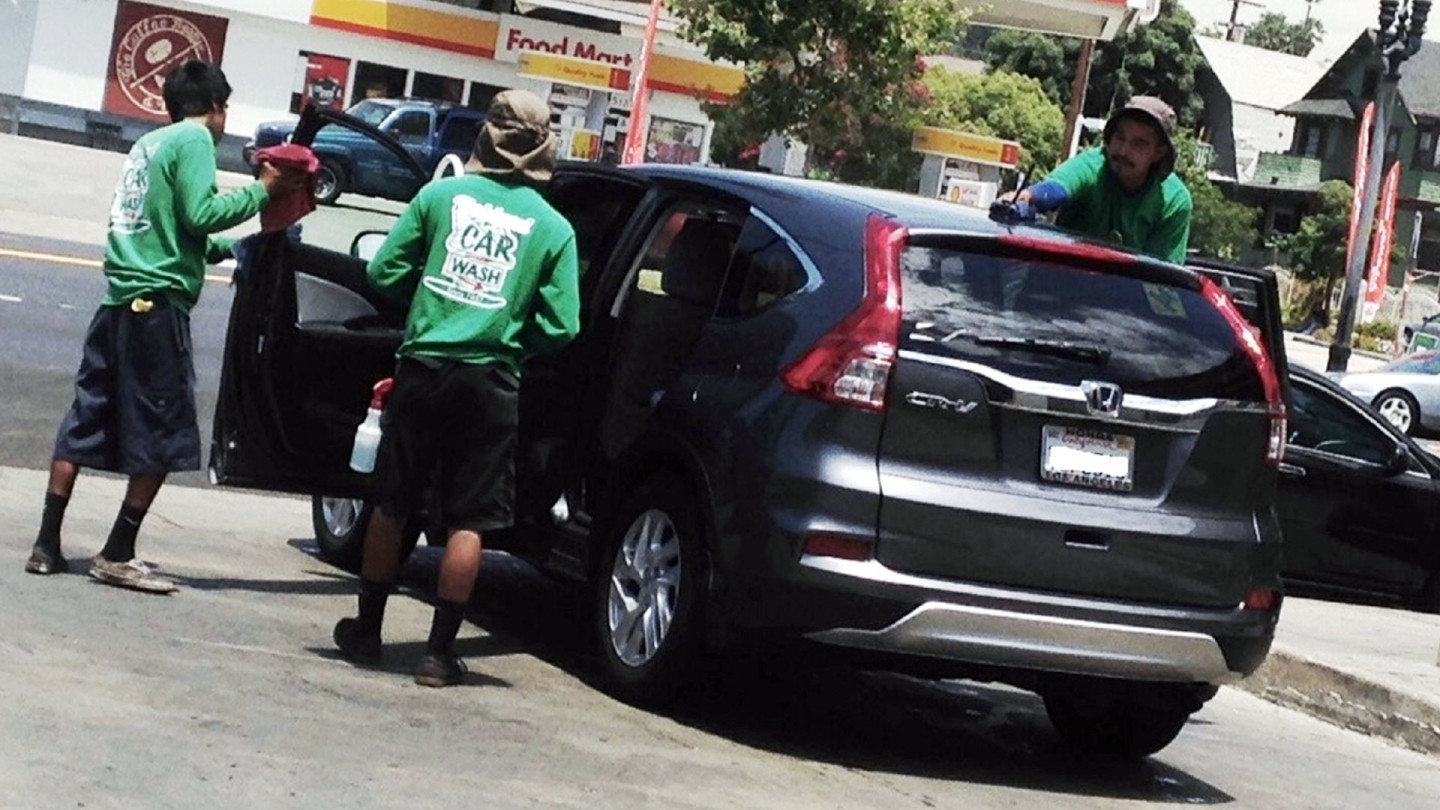
"caption": "Empleados de lavado de autos y sus defensores están entre los que exigen aplicación estricta de la nueva ley de salario mínimo en Los Ángeles.",
"description": "Empleados de lavado de autos y sus defensores están entre los que exigen aplicación estricta de la nueva ley de salario mínimo en Los Ángeles.",
"title": "CarWashWorkers",
"credit": "Steven Cuevas/KQED",
"status": "inherit",
"isLoading": false,
"fetchFailed": false
},
"news_10611551": {
"type": "attachments",
"id": "news_10611551",
"meta": {
"index": "attachments_1716263798",
"site": "news",
"id": "10611551",
"found": true
},
"parent": 10603295,
"imgSizes": {
"twentyfourteen-full-width": {
"file": "https://ww2.kqed.org/app/uploads/sites/10/2015/07/CarWashWorkers-1038x576.jpg",
"width": 1038,
"mimeType": "image/jpeg",
"height": 576
},
"thumbnail": {
"file": "https://ww2.kqed.org/app/uploads/sites/10/2015/07/CarWashWorkers-400x225.jpg",
"width": 400,
"mimeType": "image/jpeg",
"height": 225
},
"fd-sm": {
"file": "https://ww2.kqed.org/app/uploads/sites/10/2015/07/CarWashWorkers-960x540.jpg",
"width": 960,
"mimeType": "image/jpeg",
"height": 540
},
"post-thumbnail": {
"file": "https://ww2.kqed.org/app/uploads/sites/10/2015/07/CarWashWorkers-672x372.jpg",
"width": 672,
"mimeType": "image/jpeg",
"height": 372
},
"kqedFullSize": {
"file": "https://ww2.kqed.org/app/uploads/sites/10/2015/07/CarWashWorkers.jpg",
"width": 1920,
"height": 1080
},
"large": {
"file": "https://ww2.kqed.org/app/uploads/sites/10/2015/07/CarWashWorkers-1440x810.jpg",
"width": 1440,
"mimeType": "image/jpeg",
"height": 810
},
"guest-author-96": {
"file": "https://ww2.kqed.org/app/uploads/sites/10/2015/07/CarWashWorkers-96x96.jpg",
"width": 96,
"mimeType": "image/jpeg",
"height": 96
},
"medium": {
"file": "https://ww2.kqed.org/app/uploads/sites/10/2015/07/CarWashWorkers-800x450.jpg",
"width": 800,
"mimeType": "image/jpeg",
"height": 450
},
"guest-author-64": {
"file": "https://ww2.kqed.org/app/uploads/sites/10/2015/07/CarWashWorkers-64x64.jpg",
"width": 64,
"mimeType": "image/jpeg",
"height": 64
},
"guest-author-32": {
"file": "https://ww2.kqed.org/app/uploads/sites/10/2015/07/CarWashWorkers-32x32.jpg",
"width": 32,
"mimeType": "image/jpeg",
"height": 32
},
"jmtc-small-thumb": {
"file": "https://ww2.kqed.org/app/uploads/sites/10/2015/07/CarWashWorkers-280x150.jpg",
"width": 280,
"mimeType": "image/jpeg",
"height": 150
},
"fd-lrg": {
"file": "https://ww2.kqed.org/app/uploads/sites/10/2015/07/CarWashWorkers-1400x788.jpg",
"width": 1400,
"mimeType": "image/jpeg",
"height": 788
},
"fd-med": {
"file": "https://ww2.kqed.org/app/uploads/sites/10/2015/07/CarWashWorkers-1180x664.jpg",
"width": 1180,
"mimeType": "image/jpeg",
"height": 664
},
"detail": {
"file": "https://ww2.kqed.org/app/uploads/sites/10/2015/07/CarWashWorkers-75x75.jpg",
"width": 75,
"mimeType": "image/jpeg",
"height": 75
},
"guest-author-128": {
"file": "https://ww2.kqed.org/app/uploads/sites/10/2015/07/CarWashWorkers-128x128.jpg",
"width": 128,
"mimeType": "image/jpeg",
"height": 128
}
},
"publishDate": 1437601499,
"modified": 1437601538,
"caption": "Immigrant carwash workers and their advocates are among those calling for strict enforcement of L.A.’s new minimum wage law.",
"description": "Immigrant carwash workers and their advocates are among those calling for strict enforcement of L.A.’s new minimum wage law.",
"title": "CarWashWorkers",
"credit": "Steven Cuevas/KQED",
"status": "inherit",
"isLoading": false,
"fetchFailed": false
},
"news_10609866": {
"type": "attachments",
"id": "news_10609866",
"meta": {
"index": "attachments_1716263798",
"site": "news",
"id": "10609866",
"found": true
},
"parent": 10609863,
"imgSizes": {
"twentyfourteen-full-width": {
"file": "https://ww2.kqed.org/app/uploads/sites/10/2015/07/Solorio1-1038x576.jpg",
"width": 1038,
"mimeType": "image/jpeg",
"height": 576
},
"thumbnail": {
"file": "https://ww2.kqed.org/app/uploads/sites/10/2015/07/Solorio1-400x265.jpg",
"width": 400,
"mimeType": "image/jpeg",
"height": 265
},
"fd-sm": {
"file": "https://ww2.kqed.org/app/uploads/sites/10/2015/07/Solorio1-960x637.jpg",
"width": 960,
"mimeType": "image/jpeg",
"height": 637
},
"post-thumbnail": {
"file": "https://ww2.kqed.org/app/uploads/sites/10/2015/07/Solorio1-672x372.jpg",
"width": 672,
"mimeType": "image/jpeg",
"height": 372
},
"kqedFullSize": {
"file": "https://ww2.kqed.org/app/uploads/sites/10/2015/07/Solorio1.jpg",
"width": 1920,
"height": 1274
},
"large": {
"file": "https://ww2.kqed.org/app/uploads/sites/10/2015/07/Solorio1-1440x956.jpg",
"width": 1440,
"mimeType": "image/jpeg",
"height": 956
},
"guest-author-96": {
"file": "https://ww2.kqed.org/app/uploads/sites/10/2015/07/Solorio1-96x96.jpg",
"width": 96,
"mimeType": "image/jpeg",
"height": 96
},
"medium": {
"file": "https://ww2.kqed.org/app/uploads/sites/10/2015/07/Solorio1-800x531.jpg",
"width": 800,
"mimeType": "image/jpeg",
"height": 531
},
"guest-author-64": {
"file": "https://ww2.kqed.org/app/uploads/sites/10/2015/07/Solorio1-64x64.jpg",
"width": 64,
"mimeType": "image/jpeg",
"height": 64
},
"guest-author-32": {
"file": "https://ww2.kqed.org/app/uploads/sites/10/2015/07/Solorio1-32x32.jpg",
"width": 32,
"mimeType": "image/jpeg",
"height": 32
},
"jmtc-small-thumb": {
"file": "https://ww2.kqed.org/app/uploads/sites/10/2015/07/Solorio1-280x150.jpg",
"width": 280,
"mimeType": "image/jpeg",
"height": 150
},
"fd-lrg": {
"file": "https://ww2.kqed.org/app/uploads/sites/10/2015/07/Solorio1-1400x929.jpg",
"width": 1400,
"mimeType": "image/jpeg",
"height": 929
},
"fd-med": {
"file": "https://ww2.kqed.org/app/uploads/sites/10/2015/07/Solorio1-1180x783.jpg",
"width": 1180,
"mimeType": "image/jpeg",
"height": 783
},
"detail": {
"file": "https://ww2.kqed.org/app/uploads/sites/10/2015/07/Solorio1-75x75.jpg",
"width": 75,
"mimeType": "image/jpeg",
"height": 75
},
"guest-author-128": {
"file": "https://ww2.kqed.org/app/uploads/sites/10/2015/07/Solorio1-128x128.jpg",
"width": 128,
"mimeType": "image/jpeg",
"height": 128
}
},
"publishDate": 1437501952,
"modified": 1437501990,
"caption": "Con renovado sentido de determinación, conserje Jesús Solorio se dirige a los trabajadores del sector de servicios en la Iglesia de Nuestra Señora de Guadalupe.",
"description": "Con renovado sentido de determinación, conserje Jesús Solorio se dirige a los trabajadores del sector de servicios en la Iglesia de Nuestra Señora de Guadalupe.",
"title": "Solorio",
"credit": "Beth Willon/KQED",
"status": "inherit",
"isLoading": false,
"fetchFailed": false
},
"news_10609864": {
"type": "attachments",
"id": "news_10609864",
"meta": {
"index": "attachments_1716263798",
"site": "news",
"id": "10609864",
"found": true
},
"parent": 10602154,
"imgSizes": {
"twentyfourteen-full-width": {
"file": "https://ww2.kqed.org/app/uploads/sites/10/2015/07/Solorio-1038x576.jpg",
"width": 1038,
"mimeType": "image/jpeg",
"height": 576
},
"thumbnail": {
"file": "https://ww2.kqed.org/app/uploads/sites/10/2015/07/Solorio-400x265.jpg",
"width": 400,
"mimeType": "image/jpeg",
"height": 265
},
"fd-sm": {
"file": "https://ww2.kqed.org/app/uploads/sites/10/2015/07/Solorio-960x637.jpg",
"width": 960,
"mimeType": "image/jpeg",
"height": 637
},
"post-thumbnail": {
"file": "https://ww2.kqed.org/app/uploads/sites/10/2015/07/Solorio-672x372.jpg",
"width": 672,
"mimeType": "image/jpeg",
"height": 372
},
"kqedFullSize": {
"file": "https://ww2.kqed.org/app/uploads/sites/10/2015/07/Solorio.jpg",
"width": 1920,
"height": 1274
},
"large": {
"file": "https://ww2.kqed.org/app/uploads/sites/10/2015/07/Solorio-1440x956.jpg",
"width": 1440,
"mimeType": "image/jpeg",
"height": 956
},
"guest-author-96": {
"file": "https://ww2.kqed.org/app/uploads/sites/10/2015/07/Solorio-96x96.jpg",
"width": 96,
"mimeType": "image/jpeg",
"height": 96
},
"medium": {
"file": "https://ww2.kqed.org/app/uploads/sites/10/2015/07/Solorio-800x531.jpg",
"width": 800,
"mimeType": "image/jpeg",
"height": 531
},
"guest-author-64": {
"file": "https://ww2.kqed.org/app/uploads/sites/10/2015/07/Solorio-64x64.jpg",
"width": 64,
"mimeType": "image/jpeg",
"height": 64
},
"guest-author-32": {
"file": "https://ww2.kqed.org/app/uploads/sites/10/2015/07/Solorio-32x32.jpg",
"width": 32,
"mimeType": "image/jpeg",
"height": 32
},
"jmtc-small-thumb": {
"file": "https://ww2.kqed.org/app/uploads/sites/10/2015/07/Solorio-280x150.jpg",
"width": 280,
"mimeType": "image/jpeg",
"height": 150
},
"fd-lrg": {
"file": "https://ww2.kqed.org/app/uploads/sites/10/2015/07/Solorio-1400x929.jpg",
"width": 1400,
"mimeType": "image/jpeg",
"height": 929
},
"fd-med": {
"file": "https://ww2.kqed.org/app/uploads/sites/10/2015/07/Solorio-1180x783.jpg",
"width": 1180,
"mimeType": "image/jpeg",
"height": 783
},
"detail": {
"file": "https://ww2.kqed.org/app/uploads/sites/10/2015/07/Solorio-75x75.jpg",
"width": 75,
"mimeType": "image/jpeg",
"height": 75
},
"guest-author-128": {
"file": "https://ww2.kqed.org/app/uploads/sites/10/2015/07/Solorio-128x128.jpg",
"width": 128,
"mimeType": "image/jpeg",
"height": 128
}
},
"publishDate": 1437501852,
"modified": 1437501874,
"caption": "With a new sense of purpose, janitor Jesus Solorio addresses service workers at Our Lady of Guadalupe Church.",
"description": "With a new sense of purpose, janitor Jesus Solorio addresses service workers at Our Lady of Guadalupe Church.",
"title": "Solorio",
"credit": "Beth Willon/KQED",
"status": "inherit",
"isLoading": false,
"fetchFailed": false
},
"news_10605051": {
"type": "attachments",
"id": "news_10605051",
"meta": {
"index": "attachments_1716263798",
"site": "news",
"id": "10605051",
"found": true
},
"parent": 10604683,
"imgSizes": {
"twentyfourteen-full-width": {
"file": "https://ww2.kqed.org/app/uploads/sites/10/2015/07/RS16046_Bochstudio1cropped2-qut-1038x576.jpg",
"width": 1038,
"mimeType": "image/jpeg",
"height": 576
},
"thumbnail": {
"file": "https://ww2.kqed.org/app/uploads/sites/10/2015/07/RS16046_Bochstudio1cropped2-qut-400x313.jpg",
"width": 400,
"mimeType": "image/jpeg",
"height": 313
},
"fd-sm": {
"file": "https://ww2.kqed.org/app/uploads/sites/10/2015/07/RS16046_Bochstudio1cropped2-qut-960x750.jpg",
"width": 960,
"mimeType": "image/jpeg",
"height": 750
},
"post-thumbnail": {
"file": "https://ww2.kqed.org/app/uploads/sites/10/2015/07/RS16046_Bochstudio1cropped2-qut-672x372.jpg",
"width": 672,
"mimeType": "image/jpeg",
"height": 372
},
"kqedFullSize": {
"file": "https://ww2.kqed.org/app/uploads/sites/10/2015/07/RS16046_Bochstudio1cropped2-qut.jpg",
"width": 1920,
"height": 1500
},
"large": {
"file": "https://ww2.kqed.org/app/uploads/sites/10/2015/07/RS16046_Bochstudio1cropped2-qut-1440x1125.jpg",
"width": 1440,
"mimeType": "image/jpeg",
"height": 1125
},
"guest-author-96": {
"file": "https://ww2.kqed.org/app/uploads/sites/10/2015/07/RS16046_Bochstudio1cropped2-qut-96x96.jpg",
"width": 96,
"mimeType": "image/jpeg",
"height": 96
},
"medium": {
"file": "https://ww2.kqed.org/app/uploads/sites/10/2015/07/RS16046_Bochstudio1cropped2-qut-800x625.jpg",
"width": 800,
"mimeType": "image/jpeg",
"height": 625
},
"guest-author-64": {
"file": "https://ww2.kqed.org/app/uploads/sites/10/2015/07/RS16046_Bochstudio1cropped2-qut-64x64.jpg",
"width": 64,
"mimeType": "image/jpeg",
"height": 64
},
"guest-author-32": {
"file": "https://ww2.kqed.org/app/uploads/sites/10/2015/07/RS16046_Bochstudio1cropped2-qut-32x32.jpg",
"width": 32,
"mimeType": "image/jpeg",
"height": 32
},
"jmtc-small-thumb": {
"file": "https://ww2.kqed.org/app/uploads/sites/10/2015/07/RS16046_Bochstudio1cropped2-qut-280x150.jpg",
"width": 280,
"mimeType": "image/jpeg",
"height": 150
},
"fd-lrg": {
"file": "https://ww2.kqed.org/app/uploads/sites/10/2015/07/RS16046_Bochstudio1cropped2-qut-1400x1094.jpg",
"width": 1400,
"mimeType": "image/jpeg",
"height": 1094
},
"fd-med": {
"file": "https://ww2.kqed.org/app/uploads/sites/10/2015/07/RS16046_Bochstudio1cropped2-qut-1180x922.jpg",
"width": 1180,
"mimeType": "image/jpeg",
"height": 922
},
"detail": {
"file": "https://ww2.kqed.org/app/uploads/sites/10/2015/07/RS16046_Bochstudio1cropped2-qut-75x75.jpg",
"width": 75,
"mimeType": "image/jpeg",
"height": 75
},
"guest-author-128": {
"file": "https://ww2.kqed.org/app/uploads/sites/10/2015/07/RS16046_Bochstudio1cropped2-qut-128x128.jpg",
"width": 128,
"mimeType": "image/jpeg",
"height": 128
}
},
"publishDate": 1437179519,
"modified": 1437180517,
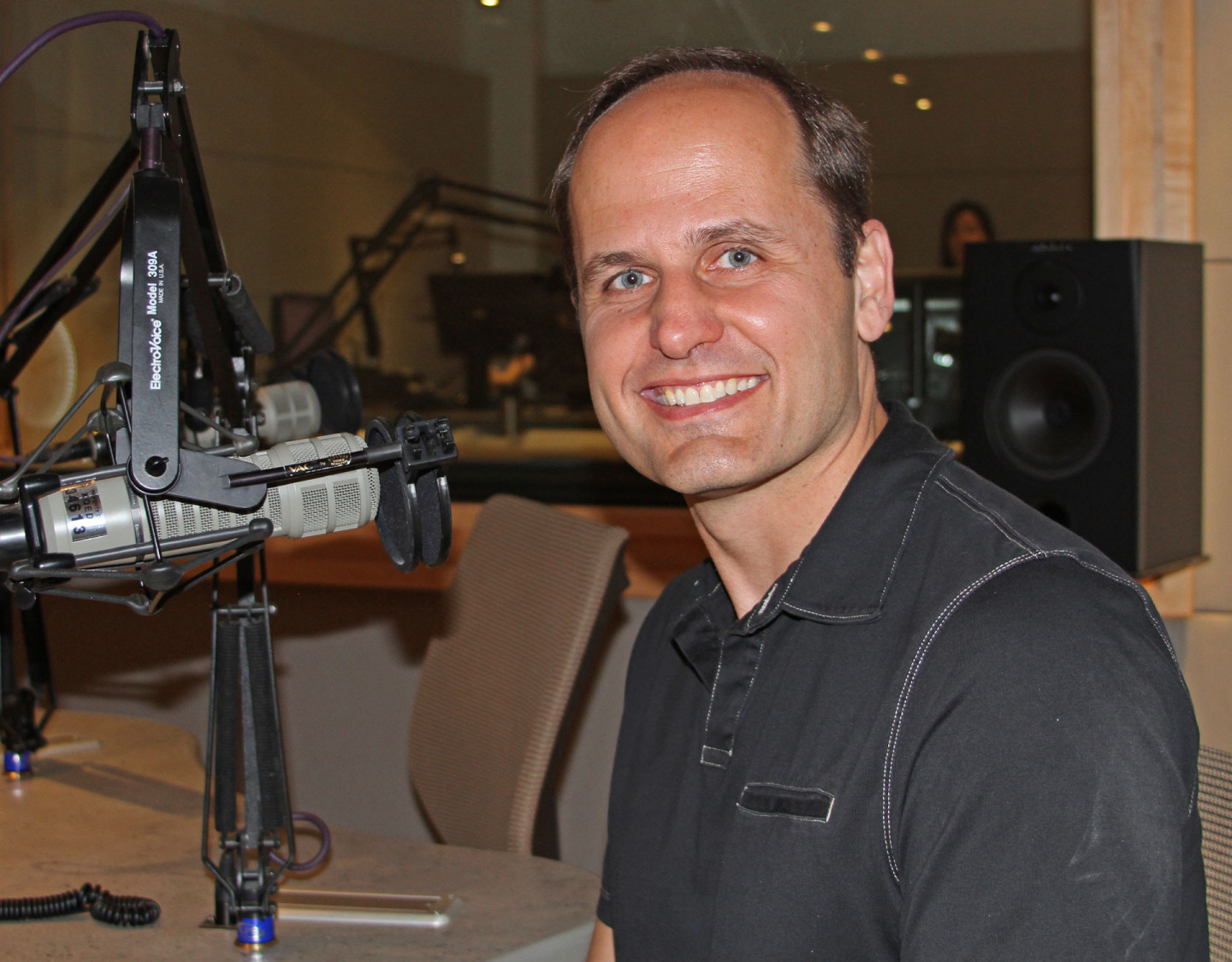
"caption": "Laszlo Bock, Google's head of 'people operations,' answered questions about the company's hiring practices during a July 17 appearance on Forum. ",
"description": "Laszlo Bock, Google's head of 'people operations,' answered questions about the company's hiring practices during a July 17 appearance on Forum. ",
"title": "RS16046_Bochstudio1cropped2-qut",
"credit": "Amanda Stupi/KQED",
"status": "inherit",
"isLoading": false,
"fetchFailed": false
},
"news_10549612": {
"type": "attachments",
"id": "news_10549612",
"meta": {
"index": "attachments_1716263798",
"site": "news",
"id": "10549612",
"found": true
},
"parent": 10549556,
"imgSizes": {
"twentyfourteen-full-width": {
"file": "https://ww2.kqed.org/app/uploads/sites/10/2015/06/UberVehicle-1038x576.jpg",
"width": 1038,
"mimeType": "image/jpeg",
"height": 576
},
"thumbnail": {
"file": "https://ww2.kqed.org/app/uploads/sites/10/2015/06/UberVehicle-400x223.jpg",
"width": 400,
"mimeType": "image/jpeg",
"height": 223
},
"fd-sm": {
"file": "https://ww2.kqed.org/app/uploads/sites/10/2015/06/UberVehicle-960x536.jpg",
"width": 960,
"mimeType": "image/jpeg",
"height": 536
},
"post-thumbnail": {
"file": "https://ww2.kqed.org/app/uploads/sites/10/2015/06/UberVehicle-672x372.jpg",
"width": 672,
"mimeType": "image/jpeg",
"height": 372
},
"kqedFullSize": {
"file": "https://ww2.kqed.org/app/uploads/sites/10/2015/06/UberVehicle.jpg",
"width": 1920,
"height": 1071
},
"large": {
"file": "https://ww2.kqed.org/app/uploads/sites/10/2015/06/UberVehicle-1440x803.jpg",
"width": 1440,
"mimeType": "image/jpeg",
"height": 803
},
"guest-author-96": {
"file": "https://ww2.kqed.org/app/uploads/sites/10/2015/06/UberVehicle-96x96.jpg",
"width": 96,
"mimeType": "image/jpeg",
"height": 96
},
"medium": {
"file": "https://ww2.kqed.org/app/uploads/sites/10/2015/06/UberVehicle-800x446.jpg",
"width": 800,
"mimeType": "image/jpeg",
"height": 446
},
"guest-author-64": {
"file": "https://ww2.kqed.org/app/uploads/sites/10/2015/06/UberVehicle-64x64.jpg",
"width": 64,
"mimeType": "image/jpeg",
"height": 64
},
"guest-author-32": {
"file": "https://ww2.kqed.org/app/uploads/sites/10/2015/06/UberVehicle-32x32.jpg",
"width": 32,
"mimeType": "image/jpeg",
"height": 32
},
"fd-med": {
"file": "https://ww2.kqed.org/app/uploads/sites/10/2015/06/UberVehicle-1180x658.jpg",
"width": 1180,
"mimeType": "image/jpeg",
"height": 658
},
"detail": {
"file": "https://ww2.kqed.org/app/uploads/sites/10/2015/06/UberVehicle-75x75.jpg",
"width": 75,
"mimeType": "image/jpeg",
"height": 75
},
"guest-author-128": {
"file": "https://ww2.kqed.org/app/uploads/sites/10/2015/06/UberVehicle-128x128.jpg",
"width": 128,
"mimeType": "image/jpeg",
"height": 128
}
},
"publishDate": 1433353936,
"modified": 1437003594,
"caption": "A car in San Francisco displays the Uber logo.",
"description": "A sticker with the Uber logo is displayed in the window of a car in San Francisco.",
"title": "Uber",
"credit": "Justin Sullivan/Getty Images",
"status": "inherit",
"isLoading": false,
"fetchFailed": false
},
"news_137366": {
"type": "attachments",
"id": "news_137366",
"meta": {
"index": "attachments_1716263798",
"site": "news",
"id": "137366",
"found": true
},
"parent": 137357,
"imgSizes": {
"kqedFullSize": {
"file": "https://ww2.kqed.org/app/uploads/sites/10/2014/05/RS8537_IMG_9782-scr-e1405355033607.jpg",
"width": 640,
"height": 427
}
},
"publishDate": 1401314841,
"modified": 1487805998,
"caption": "Tech workers board a shuttle bus in San Francisco. ",
"description": "Tech workers board a shuttle bus in San Francisco. (Mark Andrew Boyer/KQED)",
"title": "Tech Workers-Google Buses",
"credit": "Mark Andrew Boyer/KQED",
"status": "inherit",
"isLoading": false,
"fetchFailed": false
},
"news_10476689": {
"type": "attachments",
"id": "news_10476689",
"meta": {
"index": "attachments_1716263798",
"site": "news",
"id": "10476689",
"found": true
},
"parent": 0,
"imgSizes": {
"twentyfourteen-full-width": {
"file": "https://ww2.kqed.org/app/uploads/sites/10/2015/04/14259_transform-1038x576.jpg",
"width": 1038,
"mimeType": "image/jpeg",
"height": 576
},
"thumbnail": {
"file": "https://ww2.kqed.org/app/uploads/sites/10/2015/04/14259_transform-400x265.jpg",
"width": 400,
"mimeType": "image/jpeg",
"height": 265
},
"fd-sm": {
"file": "https://ww2.kqed.org/app/uploads/sites/10/2015/04/14259_transform-320x212.jpg",
"width": 320,
"mimeType": "image/jpeg",
"height": 212
},
"post-thumbnail": {
"file": "https://ww2.kqed.org/app/uploads/sites/10/2015/04/14259_transform-672x372.jpg",
"width": 672,
"mimeType": "image/jpeg",
"height": 372
},
"kqedFullSize": {
"file": "https://ww2.kqed.org/app/uploads/sites/10/2015/04/14259_transform.jpg",
"width": 1920,
"height": 1270
},
"large": {
"file": "https://ww2.kqed.org/app/uploads/sites/10/2015/04/14259_transform-1440x953.jpg",
"width": 1440,
"mimeType": "image/jpeg",
"height": 953
},
"guest-author-96": {
"file": "https://ww2.kqed.org/app/uploads/sites/10/2015/04/14259_transform-96x96.jpg",
"width": 96,
"mimeType": "image/jpeg",
"height": 96
},
"medium": {
"file": "https://ww2.kqed.org/app/uploads/sites/10/2015/04/14259_transform-800x529.jpg",
"width": 800,
"mimeType": "image/jpeg",
"height": 529
},
"guest-author-64": {
"file": "https://ww2.kqed.org/app/uploads/sites/10/2015/04/14259_transform-64x64.jpg",
"width": 64,
"mimeType": "image/jpeg",
"height": 64
},
"guest-author-32": {
"file": "https://ww2.kqed.org/app/uploads/sites/10/2015/04/14259_transform-32x32.jpg",
"width": 32,
"mimeType": "image/jpeg",
"height": 32
},
"fd-lrg": {
"file": "https://ww2.kqed.org/app/uploads/sites/10/2015/04/14259_transform-1180x781.jpg",
"width": 1180,
"mimeType": "image/jpeg",
"height": 781
},
"fd-med": {
"file": "https://ww2.kqed.org/app/uploads/sites/10/2015/04/14259_transform-768x508.jpg",
"width": 768,
"mimeType": "image/jpeg",
"height": 508
},
"detail": {
"file": "https://ww2.kqed.org/app/uploads/sites/10/2015/04/14259_transform-75x75.jpg",
"width": 75,
"mimeType": "image/jpeg",
"height": 75
},
"guest-author-128": {
"file": "https://ww2.kqed.org/app/uploads/sites/10/2015/04/14259_transform-128x128.jpg",
"width": 128,
"mimeType": "image/jpeg",
"height": 128
}
},
"publishDate": 1428097217,
"modified": 1458688097,
"caption": "A container ship sits docked in a berth at the Port of Oakland on Feb. 11, 2015.",
"description": "OAKLAND, CA - FEBRUARY 11: A container ship sits docked in a berth at the Port of Oakland on February 11, 2015 in Oakland, California. A work slowdown at West Coast ports continues amidst a long contract negotiations between Pacific Maritime Association and the International Longshore and Warehouse Union. (Photo by Justin Sullivan/Getty Images)",
"title": "Labor Agreement Yet To Be Reached By West Coast Dock Workers And Employers",
"credit": "Justin Sullivan/Getty Images",
"status": "inherit",
"isLoading": false,
"fetchFailed": false
},
"news_10442244": {
"type": "attachments",
"id": "news_10442244",
"meta": {
"index": "attachments_1716263798",
"site": "news",
"id": "10442244",
"found": true
},
"parent": 10441462,
"imgSizes": {
"twentyfourteen-full-width": {
"file": "https://ww2.kqed.org/app/uploads/sites/10/2015/02/11213_transform-1038x576.jpg",
"width": 1038,
"mimeType": "image/jpeg",
"height": 576
},
"thumbnail": {
"file": "https://ww2.kqed.org/app/uploads/sites/10/2015/02/11213_transform-400x291.jpg",
"width": 400,
"mimeType": "image/jpeg",
"height": 291
},
"post-thumbnail": {
"file": "https://ww2.kqed.org/app/uploads/sites/10/2015/02/11213_transform-672x372.jpg",
"width": 672,
"mimeType": "image/jpeg",
"height": 372
},
"kqedFullSize": {
"file": "https://ww2.kqed.org/app/uploads/sites/10/2015/02/11213_transform.jpg",
"width": 1920,
"height": 1399
},
"large": {
"file": "https://ww2.kqed.org/app/uploads/sites/10/2015/02/11213_transform-1440x1049.jpg",
"width": 1440,
"mimeType": "image/jpeg",
"height": 1049
},
"guest-author-96": {
"file": "https://ww2.kqed.org/app/uploads/sites/10/2015/02/11213_transform-96x96.jpg",
"width": 96,
"mimeType": "image/jpeg",
"height": 96
},
"medium": {
"file": "https://ww2.kqed.org/app/uploads/sites/10/2015/02/11213_transform-800x583.jpg",
"width": 800,
"mimeType": "image/jpeg",
"height": 583
},
"guest-author-64": {
"file": "https://ww2.kqed.org/app/uploads/sites/10/2015/02/11213_transform-64x64.jpg",
"width": 64,
"mimeType": "image/jpeg",
"height": 64
},
"detail": {
"file": "https://ww2.kqed.org/app/uploads/sites/10/2015/02/11213_transform-75x75.jpg",
"width": 75,
"mimeType": "image/jpeg",
"height": 75
},
"guest-author-32": {
"file": "https://ww2.kqed.org/app/uploads/sites/10/2015/02/11213_transform-32x32.jpg",
"width": 32,
"mimeType": "image/jpeg",
"height": 32
},
"guest-author-128": {
"file": "https://ww2.kqed.org/app/uploads/sites/10/2015/02/11213_transform-128x128.jpg",
"width": 128,
"mimeType": "image/jpeg",
"height": 128
}
},
"publishDate": 1424807711,
"modified": 1425081631,
"caption": " 'We're at risk of becoming a country of isolated individual workers who are scrambling to piece together a few hours of low-wage, hourlong gigs that lack our most basic labor protections.' -Rebecca Smith, National Employment Law Project",
"description": null,
"title": "working on devices",
"credit": "Getty Images",
"status": "inherit",
"isLoading": false,
"fetchFailed": false
},
"news_10431387": {
"type": "attachments",
"id": "news_10431387",
"meta": {
"index": "attachments_1716263798",
"site": "news",
"id": "10431387",
"found": true
},
"parent": 10431353,
"imgSizes": {
"twentyfourteen-full-width": {
"file": "https://ww2.kqed.org/app/uploads/sites/10/2015/02/portofoakland1440-1038x576.jpg",
"width": 1038,
"mimeType": "image/jpeg",
"height": 576
},
"thumbnail": {
"file": "https://ww2.kqed.org/app/uploads/sites/10/2015/02/portofoakland1440-400x264.jpg",
"width": 400,
"mimeType": "image/jpeg",
"height": 264
},
"post-thumbnail": {
"file": "https://ww2.kqed.org/app/uploads/sites/10/2015/02/portofoakland1440-672x372.jpg",
"width": 672,
"mimeType": "image/jpeg",
"height": 372
},
"kqedFullSize": {
"file": "https://ww2.kqed.org/app/uploads/sites/10/2015/02/portofoakland1440.jpg",
"width": 1440,
"height": 952
},
"large": {
"file": "https://ww2.kqed.org/app/uploads/sites/10/2015/02/portofoakland1440-1440x952.jpg",
"width": 1440,
"mimeType": "image/jpeg",
"height": 952
},
"guest-author-96": {
"file": "https://ww2.kqed.org/app/uploads/sites/10/2015/02/portofoakland1440-96x96.jpg",
"width": 96,
"mimeType": "image/jpeg",
"height": 96
},
"medium": {
"file": "https://ww2.kqed.org/app/uploads/sites/10/2015/02/portofoakland1440-800x529.jpg",
"width": 800,
"mimeType": "image/jpeg",
"height": 529
},
"guest-author-64": {
"file": "https://ww2.kqed.org/app/uploads/sites/10/2015/02/portofoakland1440-64x64.jpg",
"width": 64,
"mimeType": "image/jpeg",
"height": 64
},
"detail": {
"file": "https://ww2.kqed.org/app/uploads/sites/10/2015/02/portofoakland1440-75x75.jpg",
"width": 75,
"mimeType": "image/jpeg",
"height": 75
},
"guest-author-32": {
"file": "https://ww2.kqed.org/app/uploads/sites/10/2015/02/portofoakland1440-32x32.jpg",
"width": 32,
"mimeType": "image/jpeg",
"height": 32
},
"guest-author-128": {
"file": "https://ww2.kqed.org/app/uploads/sites/10/2015/02/portofoakland1440-128x128.jpg",
"width": 128,
"mimeType": "image/jpeg",
"height": 128
}
},
"publishDate": 1423768711,
"modified": 1423776000,
"caption": "A container ship sits docked in a berth at the Port of Oakland on Feb. 11, 2015. ",
"description": null,
"title": "Port of Oakland",
"credit": "Justin Sullivan/Getty Images",
"status": "inherit",
"isLoading": false,
"fetchFailed": false
}
},
"audioPlayerReducer": {
"postId": "stream_live",
"isPaused": true,
"isPlaying": false,
"pfsActive": false,
"pledgeModalIsOpen": true,
"playerDrawerIsOpen": false,
"liveAudioPlayStartedAt": 0,
"liveAudioPlayContext": ""
},
"authorsReducer": {
"byline_news_10441462": {
"type": "authors",
"id": "byline_news_10441462",
"meta": {
"override": true
},
"slug": "byline_news_10441462",
"name": "Sam Harnett",
"isLoading": false
},
"astupi": {
"type": "authors",
"id": "70",
"meta": {
"index": "authors_1716337520",
"id": "70",
"found": true
},
"name": "Amanda Stupi",
"firstName": "Amanda",
"lastName": "Stupi",
"slug": "astupi",
"email": "astupi@kqed.org",
"display_author_email": false,
"staff_mastheads": [],
"title": "Senior Engagement Producer",
"bio": "Amanda joined KQED Science’s engagement team as a Senior Audience Engagement Strategist in the spring of 2019. She has helped craft messaging around wildfires, the coronavirus pandemic, climate change and many other stories. She has also brought KQED Science to new platforms such as Reddit’s Ask Me Anything series. Prior to joining KQED Science, Amanda spent seven years as an engagement producer with Forum, KQED’s daily live call-in show. She got her start in radio at KALW's weekly call in show, City Visions, before going on to an internship and stint at NPR's Talk of the Nation.\r\n\r\nPrior to journalism, Amanda taught English at Lowell High School. She's a native of Petaluma and currently lives under the \"South San Francisco the Industrial City\" sign in South City. She believes that engagement is vital to news’s future and that good journalism listens as much as it asks questions.",
"avatar": "https://secure.gravatar.com/avatar/e981c503e5c162da701dcaccfbf87e35?s=600&d=blank&r=g",
"twitter": null,
"facebook": null,
"instagram": null,
"linkedin": null,
"sites": [
{
"site": "arts",
"roles": [
"Contributor"
]
},
{
"site": "news",
"roles": [
"editor"
]
},
{
"site": "pop",
"roles": [
"contributor"
]
},
{
"site": "stateofhealth",
"roles": [
"editor"
]
},
{
"site": "science",
"roles": []
},
{
"site": "perspectives",
"roles": [
"editor"
]
}
],
"headData": {
"title": "Amanda Stupi | KQED",
"description": "Senior Engagement Producer",
"ogImgSrc": "https://secure.gravatar.com/avatar/e981c503e5c162da701dcaccfbf87e35?s=600&d=blank&r=g",
"twImgSrc": "https://secure.gravatar.com/avatar/e981c503e5c162da701dcaccfbf87e35?s=600&d=blank&r=g"
},
"isLoading": false,
"link": "/author/astupi"
},
"jbrooks": {
"type": "authors",
"id": "80",
"meta": {
"index": "authors_1716337520",
"id": "80",
"found": true
},
"name": "Jon Brooks",
"firstName": "Jon",
"lastName": "Brooks",
"slug": "jbrooks",
"email": "jbrooks@kqed.org",
"display_author_email": true,
"staff_mastheads": [
"science"
],
"title": "Digital Editor",
"bio": "Jon Brooks is a former Digital Editor for KQED Science. He is the former editor of KQED’s daily news blog, News Fix. In 2014, he won a California Journalism Award for his coverage of ride services like Uber and Lyft and the taxi industry. A veteran blogger, he previously worked for Yahoo! in various news writing and editing roles. Jon is also a playwright whose work has been produced in San Francisco, New York, Italy, and around the U.S. He has written about film for his own blog and studied film at Boston University.",
"avatar": "https://secure.gravatar.com/avatar/98887f7ed1c876ed414d4c915e969584?s=600&d=blank&r=g",
"twitter": "jbrooksfoy",
"facebook": null,
"instagram": null,
"linkedin": null,
"sites": [
{
"site": "arts",
"roles": [
"Contributor",
"editor"
]
},
{
"site": "news",
"roles": [
"author"
]
},
{
"site": "futureofyou",
"roles": [
"administrator"
]
},
{
"site": "mindshift",
"roles": [
"editor"
]
},
{
"site": "stateofhealth",
"roles": [
"editor"
]
},
{
"site": "science",
"roles": [
"administrator"
]
},
{
"site": "quest",
"roles": [
"editor"
]
}
],
"headData": {
"title": "Jon Brooks | KQED",
"description": "Digital Editor",
"ogImgSrc": "https://secure.gravatar.com/avatar/98887f7ed1c876ed414d4c915e969584?s=600&d=blank&r=g",
"twImgSrc": "https://secure.gravatar.com/avatar/98887f7ed1c876ed414d4c915e969584?s=600&d=blank&r=g"
},
"isLoading": false,
"link": "/author/jbrooks"
},
"danbrekke": {
"type": "authors",
"id": "222",
"meta": {
"index": "authors_1716337520",
"id": "222",
"found": true
},
"name": "Dan Brekke",
"firstName": "Dan",
"lastName": "Brekke",
"slug": "danbrekke",
"email": "dbrekke@kqed.org",
"display_author_email": true,
"staff_mastheads": [
"news",
"science"
],
"title": "KQED Editor and Reporter",
"bio": "Dan Brekke is a reporter and editor for KQED News, responsible for coverage of topics ranging from California water issues to the Bay Area's transportation challenges. In a newsroom career that began in Chicago in 1972, Dan has worked for \u003cem>The San Francisco Examiner,\u003c/em> Wired and TechTV and has been published in The New York Times, The New York Times Magazine, Business 2.0, Salon and elsewhere.\r\n\r\nSince joining KQED in 2007, Dan has reported, edited and produced both radio and online features and breaking news pieces. He has shared as both editor and reporter in four Society of Professional Journalists Norcal Excellence in Journalism awards and one Edward R. Murrow regional award. He was chosen for a spring 2017 residency at the Mesa Refuge to advance his research on California salmon.\r\n\r\nEmail Dan at: \u003ca href=\"mailto:dbrekke@kqed.org\">dbrekke@kqed.org\u003c/a>\r\n\r\n\u003cstrong>Twitter:\u003c/strong> \u003ca href=\"https://twitter.com/danbrekke\" rel=\"noopener noreferrer\">twitter.com/danbrekke\u003c/a>\r\n\u003cstrong>Facebook:\u003c/strong> \u003ca href=\"https://www.facebook.com/danbrekke\" rel=\"noopener noreferrer\">www.facebook.com/danbrekke\u003c/a>\r\n\u003cstrong>LinkedIn:\u003c/strong> \u003ca href=\"https://www.linkedin.com/in/danbrekke\" rel=\"noopener noreferrer\">www.linkedin.com/in/danbrekke\u003c/a>",
"avatar": "https://secure.gravatar.com/avatar/c8126230345efca3f7aa89b1a402be45?s=600&d=mm&r=g",
"twitter": "danbrekke",
"facebook": null,
"instagram": "https://www.instagram.com/dan.brekke/",
"linkedin": "https://www.linkedin.com/in/danbrekke/",
"sites": [
{
"site": "news",
"roles": [
"administrator",
"create_posts"
]
},
{
"site": "stateofhealth",
"roles": [
"editor"
]
},
{
"site": "science",
"roles": [
"editor"
]
},
{
"site": "quest",
"roles": [
"contributor"
]
},
{
"site": "food",
"roles": [
"contributor"
]
},
{
"site": "forum",
"roles": [
"contributor"
]
},
{
"site": "liveblog",
"roles": [
"editor"
]
}
],
"headData": {
"title": "Dan Brekke | KQED",
"description": "KQED Editor and Reporter",
"ogImgSrc": "https://secure.gravatar.com/avatar/c8126230345efca3f7aa89b1a402be45?s=600&d=mm&r=g",
"twImgSrc": "https://secure.gravatar.com/avatar/c8126230345efca3f7aa89b1a402be45?s=600&d=mm&r=g"
},
"isLoading": false,
"link": "/author/danbrekke"
},
"patyollin": {
"type": "authors",
"id": "247",
"meta": {
"index": "authors_1716337520",
"id": "247",
"found": true
},
"name": "Patricia Yollin",
"firstName": "Patricia",
"lastName": "Yollin",
"slug": "patyollin",
"email": "pyollin@kqed.org",
"display_author_email": false,
"staff_mastheads": [],
"title": "KQED Contributor",
"bio": "Pat Yollin has written about lots of stuff, including organ transplants, wayward penguins at the San Francisco Zoo, the comeback of the cream puff, New York on the fifth anniversary of 9/11, a Slow Food gathering in Italy, and the microcredit movement in Northern California. Among her favorite stories: an interview with George Lucas at Skywalker Ranch that broke the story about his plan to build a cultural museum, and a pirate Trader Joe's operation in Vancouver that prompted the grocery chain to sue -- and lose. She joined KQED in 2013 and was previously a reporter and editor at the San Francisco Chronicle, the Hearst-owned San Francisco Examiner and the Hayward Daily Review.",
"avatar": "https://secure.gravatar.com/avatar/0a18ac41a263665c04b25b2c7d6b817c?s=600&d=blank&r=g",
"twitter": null,
"facebook": null,
"instagram": null,
"linkedin": null,
"sites": [
{
"site": "arts",
"roles": [
"subscriber"
]
},
{
"site": "news",
"roles": [
"subscriber"
]
},
{
"site": "futureofyou",
"roles": [
"editor"
]
},
{
"site": "lowdown",
"roles": [
"editor"
]
},
{
"site": "stateofhealth",
"roles": [
"editor"
]
}
],
"headData": {
"title": "Patricia Yollin | KQED",
"description": "KQED Contributor",
"ogImgSrc": "https://secure.gravatar.com/avatar/0a18ac41a263665c04b25b2c7d6b817c?s=600&d=blank&r=g",
"twImgSrc": "https://secure.gravatar.com/avatar/0a18ac41a263665c04b25b2c7d6b817c?s=600&d=blank&r=g"
},
"isLoading": false,
"link": "/author/patyollin"
},
"samharnett": {
"type": "authors",
"id": "253",
"meta": {
"index": "authors_1716337520",
"id": "253",
"found": true
},
"name": "Sam Harnett",
"firstName": "Sam",
"lastName": "Harnett",
"slug": "samharnett",
"email": "samharnett@gmail.com",
"display_author_email": false,
"staff_mastheads": [],
"title": "KQED Contributor",
"bio": "Sam Harnett covered tech and work at KQED. He is the co-creator of \u003cem>\u003ca href=\"http://www.theworldaccordingtosound.org\">The World According to Sound\u003c/a>,\u003c/em> a 90-second podcast that features different sounds and the stories behind them.\r\n\r\nBefore coming to KQED, Sam worked as an independent reporter who contributed regularly to \u003cem>The California Report, Marketplace,\u003c/em> \u003cem>The World \u003c/em>and NPR.",
"avatar": "https://secure.gravatar.com/avatar/2538b972ac02f2b9546c7a6c59a0f3d0?s=600&d=blank&r=g",
"twitter": "Samwharnett",
"facebook": null,
"instagram": null,
"linkedin": null,
"sites": [
{
"site": "news",
"roles": [
"edit_others_posts",
"subscriber"
]
},
{
"site": "stateofhealth",
"roles": [
"author"
]
},
{
"site": "science",
"roles": [
"editor"
]
},
{
"site": "quest",
"roles": [
"subscriber"
]
}
],
"headData": {
"title": "Sam Harnett | KQED",
"description": "KQED Contributor",
"ogImgSrc": "https://secure.gravatar.com/avatar/2538b972ac02f2b9546c7a6c59a0f3d0?s=600&d=blank&r=g",
"twImgSrc": "https://secure.gravatar.com/avatar/2538b972ac02f2b9546c7a6c59a0f3d0?s=600&d=blank&r=g"
},
"isLoading": false,
"link": "/author/samharnett"
},
"tgoldberg": {
"type": "authors",
"id": "258",
"meta": {
"index": "authors_1716337520",
"id": "258",
"found": true
},
"name": "Ted Goldberg",
"firstName": "Ted",
"lastName": "Goldberg",
"slug": "tgoldberg",
"email": "tgoldberg@kqed.org",
"display_author_email": true,
"staff_mastheads": [
"news"
],
"title": "KQED Managing Editor, News and Newscasts",
"bio": "Ted Goldberg is Managing Editor of News and Newscasts at KQED. His main reporting beat is the Bay Area's oil refining industry.\r\n\r\nPrior to joining KQED in 2014, Ted worked at CBS News and WCBS AM in New York and Bay City News and KCBS Radio in San Francisco. He graduated from Oberlin College in Ohio in 1998.",
"avatar": "https://secure.gravatar.com/avatar/30ce2e4fe89135e104f89be2394d16225b9d36c121b5b3cb7651ce642978b96f?s=600&d=blank&r=g",
"twitter": "TedrickG",
"bluesky": null,
"facebook": null,
"instagram": null,
"linkedin": null,
"sites": [
{
"site": "news",
"roles": [
"editor"
]
},
{
"site": "science",
"roles": [
"editor"
]
}
],
"headData": {
"title": "Ted Goldberg | KQED",
"description": "KQED Managing Editor, News and Newscasts",
"ogImgSrc": "https://secure.gravatar.com/avatar/30ce2e4fe89135e104f89be2394d16225b9d36c121b5b3cb7651ce642978b96f?s=600&d=blank&r=g",
"twImgSrc": "https://secure.gravatar.com/avatar/30ce2e4fe89135e104f89be2394d16225b9d36c121b5b3cb7651ce642978b96f?s=600&d=blank&r=g"
},
"isLoading": false,
"link": "/author/tgoldberg"
},
"vinneetong": {
"type": "authors",
"id": "260",
"meta": {
"index": "authors_1716337520",
"id": "260",
"found": true
},
"name": "Vinnee Tong",
"firstName": "Vinnee",
"lastName": "Tong",
"slug": "vinneetong",
"email": "vtong@kqed.org",
"display_author_email": false,
"staff_mastheads": [
"news"
],
"title": "KQED Contributor",
"bio": "\u003cspan style=\"font-weight: 400;\">Vinnee Tong is the managing editor of news at KQED. She oversees editorial standards \u003cspan class=\"s2\">and works to highlight underrepresented voices and perspectives\u003c/span>\u003cspan class=\"s3\">.\u003c/span>\u003cspan class=\"s2\"> She was founding editor\u003c/span>\u003c/span>\u003cspan style=\"font-weight: 400;\"> of \u003ca href=\"http://bit.ly/thebaykqed\">\u003cem>The Bay,\u003c/em>\u003c/a> a storytelling news podcast from KQED\u003c/span>\u003cspan style=\"font-weight: 400;\">. Previously, she was a producer on the \u003ca href=\"http://baycurious.org\">\u003cem>Bay Curious\u003c/em> podcast\u003c/a> and the lead producer of \u003c/span>\u003cspan style=\"font-weight: 400;\">\u003cem>Truth Be Told,\u003c/em> an award-winning KQED series on race and identity distributed nationally by Public Radio International. \u003c/span>\u003cspan style=\"font-weight: 400;\">Before KQED, Vinnee was a print reporter at the Associated Press and newspapers. \u003cspan class=\"s4\">She covered local news from city hall and planning commission hearings as well as business news from New York, like the financial meltdown of 2008. \u003c/span>She has won a\u003c/span>\u003cspan style=\"font-weight: 400;\">wards for her reporting including an RTNDA Edward R. Murrow Award, as well as awards from the New York Press Club and the Society of American Business Editors and Writers. She is a graduate of the Columbia University Graduate School of Journalism and the University of California at Berkeley, \u003cspan class=\"s4\">where she was editor-in-chief of \u003ci>The Daily Californian\u003c/i>.\u003c/span>\u003c/span>",
"avatar": "https://secure.gravatar.com/avatar/02245596ef0333bf29265e2fd547f108?s=600&d=blank&r=g",
"twitter": "vinneetong",
"facebook": null,
"instagram": null,
"linkedin": null,
"sites": [
{
"site": "news",
"roles": [
"editor",
"edit_others_pages",
"edit_others_posts"
]
},
{
"site": "stateofhealth",
"roles": [
"author"
]
}
],
"headData": {
"title": "Vinnee Tong | KQED",
"description": "KQED Contributor",
"ogImgSrc": "https://secure.gravatar.com/avatar/02245596ef0333bf29265e2fd547f108?s=600&d=blank&r=g",
"twImgSrc": "https://secure.gravatar.com/avatar/02245596ef0333bf29265e2fd547f108?s=600&d=blank&r=g"
},
"isLoading": false,
"link": "/author/vinneetong"
},
"scuevas": {
"type": "authors",
"id": "2600",
"meta": {
"index": "authors_1716337520",
"id": "2600",
"found": true
},
"name": "Steven Cuevas",
"firstName": "Steven",
"lastName": "Cuevas",
"slug": "scuevas",
"email": "scuevas@kqed.org",
"display_author_email": false,
"staff_mastheads": [],
"title": "KQED Contributor",
"bio": "Steven is a former Los Angeles bureau chief for The California Report.\r\n\r\nHe reports on an array of issues across the Southland, from immigration and regional politics to religion, the performing arts and pop culture.\r\n\r\nPrior to joining KQED in 2012, Steven covered Inland southern California for KPCC in Pasadena. He also helped establish the first newsroom at \u003ca href=\"http://kut.org/\">KUT\u003c/a> in Austin, Texas where he was a general assignment reporter.\r\n\r\nSteven has received numerous awards for his reporting including an RTNDA Edward R. Murrow Award for investigative reporting in addition to awards from the LA Press Club, the Associated Press and the Society for Professional Journalists.\r\n\r\nSteven grew up in and around San Francisco and now lives in Pasadena just a short jog from the foot of the San Gabriel Mountains.",
"avatar": "https://secure.gravatar.com/avatar/2d253580794f8e026100fae05cfabbbd4889b4fe15146146cacb82a01974c538?s=600&d=blank&r=g",
"twitter": null,
"bluesky": null,
"facebook": null,
"instagram": null,
"linkedin": null,
"sites": [
{
"site": "news",
"roles": [
"subscriber"
]
}
],
"headData": {
"title": "Steven Cuevas | KQED",
"description": "KQED Contributor",
"ogImgSrc": "https://secure.gravatar.com/avatar/2d253580794f8e026100fae05cfabbbd4889b4fe15146146cacb82a01974c538?s=600&d=blank&r=g",
"twImgSrc": "https://secure.gravatar.com/avatar/2d253580794f8e026100fae05cfabbbd4889b4fe15146146cacb82a01974c538?s=600&d=blank&r=g"
},
"isLoading": false,
"link": "/author/scuevas"
},
"bwillon": {
"type": "authors",
"id": "3207",
"meta": {
"index": "authors_1716337520",
"id": "3207",
"found": true
},
"name": "Beth Willon",
"firstName": "Beth",
"lastName": "Willon",
"slug": "bwillon",
"email": "bwillon@kqed.org",
"display_author_email": false,
"staff_mastheads": [],
"title": "KQED Contributor",
"bio": "Beth Willon is a former senior reporter for KQED's Silicon Valley News Desk in San Jose. (@KQEDNews )\r\n\r\n@BethWillon",
"avatar": "https://secure.gravatar.com/avatar/3533b741c785d6a97e8b283e7f65606d?s=600&d=blank&r=g",
"twitter": null,
"facebook": null,
"instagram": null,
"linkedin": null,
"sites": [
{
"site": "news",
"roles": [
"subscriber"
]
}
],
"headData": {
"title": "Beth Willon | KQED",
"description": "KQED Contributor",
"ogImgSrc": "https://secure.gravatar.com/avatar/3533b741c785d6a97e8b283e7f65606d?s=600&d=blank&r=g",
"twImgSrc": "https://secure.gravatar.com/avatar/3533b741c785d6a97e8b283e7f65606d?s=600&d=blank&r=g"
},
"isLoading": false,
"link": "/author/bwillon"
}
},
"pagesReducer": {
"news_tag_labor": {
"type": "terms",
"id": "news_19904",
"meta": {
"index": "terms_1716263798",
"site": "news",
"id": "19904",
"score": 8.557992
},
"name": "Labor",
"slug": "labor",
"taxonomy": "tag",
"description": null,
"featImg": null,
"headData": {
"title": "Labor | KQED News",
"description": null,
"ogTitle": null,
"ogDescription": null,
"ogImgId": null,
"twTitle": null,
"twDescription": null,
"twImgId": null
},
"ttid": 19921,
"isLoading": false,
"title": "Labor",
"pageMeta": {
"site": "news",
"WpPageTemplate": "page-topic-editorial",
"currentPage": 68
},
"blocks": [
{
"blockName": "kqed/post-list",
"attrs": {
"layout": "cardArticle2",
"query": "posts/news?tag=labor",
"seeMore": false,
"paginated": true,
"page": 68
}
},
{
"blockName": "kqed/ad"
}
]
}
},
"pfsSessionReducer": {},
"postsReducer": {
"stream_live": {
"type": "live",
"id": "stream_live",
"audioUrl": "https://streams.kqed.org/kqedradio",
"title": "Live Stream",
"excerpt": "Live Stream information currently unavailable.",
"link": "/radio",
"featImg": "",
"label": {
"name": "KQED Live",
"link": "/"
}
},
"stream_kqedNewscast": {
"type": "posts",
"id": "stream_kqedNewscast",
"audioUrl": "https://www.kqed.org/.stream/anon/radio/RDnews/newscast.mp3?_=1",
"title": "KQED Newscast",
"featImg": "",
"label": {
"name": "88.5 FM",
"link": "/"
}
},
"news_10612951": {
"type": "posts",
"id": "news_10612951",
"meta": {
"index": "posts_1716263798",
"site": "news",
"id": "10612951",
"score": null,
"sort": [
1437684892000
]
},
"parent": 0,
"labelTerm": {
"site": "news",
"term": 72
},
"blocks": [],
"publishDate": 1437684892,
"format": "standard",
"disqusTitle": "Cómo Un Grupo de Preparadores de Dim Sum Ganó $4 Millones por Salarios Atrasados",
"title": "Cómo Un Grupo de Preparadores de Dim Sum Ganó $4 Millones por Salarios Atrasados",
"headTitle": "Immigrant Shift: The Changing California Workforce | The California Report | KQED News",
"content": "\u003cp>\u003cem>\u003ca href=\"http://ww2.kqed.org/news/2015/07/23/how-a-group-of-dim-sum-makers-won-4-million-in-back-pay\">Leer en Inglés\u003c/a>\u003c/em>\u003c/p>\n\u003cp>El restaurante Yank Sing, en un brillante rascacielos en el centro de San Francisco, con un dramático chorro de agua que va del piso al techo y almidonados manteles blancos, destacaba entre los demás restaurantes chinos.\u003c/p>\n\u003cp>Ésta es una de las razones por las que este otoño causó consternación entre los comensales y el público el anuncio que los trabajadores por hora de Yank Sing habían sido víctimas por muchos años del robo salarial.\u003c/p>\n\u003cp>[soundcloud url=\"https://api.soundcloud.com/tracks/216015518\" params=\"color=ff5500&auto_play=false&hide_related=false&show_comments=true&show_user=true&show_reposts=false\" width=\"100%\" height=\"166\" iframe=\"true\" /]\u003c/p>\n\u003cp>El robo salarial es cuando los empleadores obligan a sus empleados a trabajar sin cobrar o no les pagan las horas extra. Los defensores de trabajadores dicen que el robo de salarios es un problema enorme y que no se reporta con frecuencia. Esto es parte de lo que hizo tan excepcional el caso de Yank Sing.\u003c/p>\n\u003cp>[ad fullwidth]\u003c/p>\n\u003cp>En conjunto, los gerentes y los empleados anunciaron en noviembre que unos 100 [[ó 280 actuales y antiguos? TK]] trabajadores de Yank Sing habían ganado una compensación de $4 millones, la mayor compensación de su clase. Desde la perspectiva de los defensores de trabajadores, el caso terminó bien. Pero llegar a esta solución no fue nada fácil.\u003c/p>\n\u003cp>[contextly_sidebar id=\"ZMZLDjMGjL9OSzbM07tcLXOC6t6SEAUP\"]\u003c/p>\n\u003cp>Detrás del telón, un núcleo fundamental de trabajadores inmigrantes de sueldo reducido y poco inglés, libró una campaña tenaz que duró casi año y medio. Corrían peligro que su activismo llevara a que los despidieran, y de a pocos organizaron a sus colegas, quienes a su vez tenían muchas razones por las que no participar.\u003c/p>\n\u003cp>Li Xiu Zhen era una de los líderes de la campaña de trabajadores.\u003c/p>\n\u003cp>Li es un inmigrante de 61 años, del sur de la China, cuna del dim sum. Sus días laborales los pasa friendo bolitas de ajonjolí, envolviendo los won ton y pelando camarones. Ha estado preparando dim sum en el Yank Sing durante seis años, y gana un poco más que el salario mínimo. Durante la mayor parte de estos años, típicamente trabajaba de 11 a 12 horas al día. Y hasta hace poco, su sueldo indicaba que había trabajado sólo ocho horas.\u003c/p>\n\u003cp>Ésta es una de las infracciones laborales que la Comisión Laboral de California encontró en su investigación de Yank Sing. Abogado David Balter explica que la Comisión encontró que los gerentes se quedaban con las propinas y que se estaba obligando a las personas a trabajar horas extra sin cobrar.\u003c/p>\n\u003cfigure id=\"attachment_10612959\" class=\"wp-caption alignleft\" style=\"max-width: 800px\">\u003cimg class=\"size-medium wp-image-10612959\" src=\"http://ww2.kqed.org/news/wp-content/uploads/sites/10/2015/07/YankSingWorker-800x600.jpg\" alt=\"Li Xiu Zhen, cocinera de frituras en el Yank Sing, es una de los líderes organizadores de una campaña en defensa de los derechos laborales en el restaurante.\" width=\"800\" height=\"600\" srcset=\"https://ww2.kqed.org/app/uploads/sites/10/2015/07/YankSingWorker.jpg 800w, https://ww2.kqed.org/app/uploads/sites/10/2015/07/YankSingWorker-400x300.jpg 400w\" sizes=\"(max-width: 800px) 100vw, 800px\">\u003cfigcaption class=\"wp-caption-text\">Li Xiu Zhen, cocinera de frituras en el Yank Sing, es una de los líderes organizadores de una campaña en defensa de los derechos laborales en el restaurante. \u003ccite>(Vinnee Tong/KQED)\u003c/cite>\u003c/figcaption>\u003c/figure>\n\u003cp>“Hay que pagar a las personas”, dijo Balter. “Eso es bastante obvio. Hay que pagar a las personas por las horas que trabajan”.\u003c/p>\n\u003cp>Los defensores de la fuerza laboral comentan que cunde el robo salarial y que ocurre en muchas industrias. Haeyoung Yoon, con el National Employment Law Project, indica que tres de cada cuatro trabajadores de sueldo reducido en los EE.UU. no recibieron el pago correcto para las horas extra en el 2008. Dice que el problema es epidémico.\u003c/p>\n\u003cp>“Nosotros decimos que es una de las tendencias definitivas del mercado laboral del siglo XXI”, explica Yoon.\u003c/p>\n\u003caside class=\"pullquote alignleft\">Los defensores dicen que los trabajadores que se encuentran en esta situación con frecuencia se mantienen con la cabeza gacha.\u003c/aside>\n\u003cp>No todos creen que el robo salarial es un gran problema. Janna Haynes es la vocera de la California Restaurant Association, la cual representa a propietarios de restaurantes.\u003c/p>\n\u003cp>“No me parece que se dé ampliamente el robo de salarios”, dijo Haynes. “Me parece que hay algunos incidentes aislados. No me gusta. A la California Restaurant Association no le gusta, y no toleramos ese comportamiento de los empleadores”.\u003c/p>\n\u003cp>No obstante, en San Francisco, la mitad de los trabajadores de restaurantes en Chinatown dijo que se le paga menos del salario mínimo en el 2010, según una encuesta realizada por la Chinese Progressive Association.\u003c/p>\n\u003cp>Los defensores dicen que los trabajadores que se encuentran en esta situación con frecuencia se mantienen con la cabeza gacha.\u003c/p>\n\u003cp>Al principio, a Li le preocupaba que le despidieran si se quejaba. Pero sintió la frustración de sus colegas. Ella no habla nada de inglés, pero decidió que era hora de levantar la voz.\u003c/p>\n\u003cp>En un empleo anterior, Li había ganado salario atrasado del restaurante. Pensó que también se podría lograr en Yank Sing. Sus colegas estaban nerviosos y Li se convirtió en una de los organizadores para darles la confianza necesaria para unirse a la campaña.\u003c/p>\n\u003cfigure id=\"attachment_10612965\" class=\"wp-caption alignright\" style=\"max-width: 800px\">\u003cimg class=\"size-medium wp-image-10612965\" src=\"http://ww2.kqed.org/news/wp-content/uploads/sites/10/2015/07/YankSingMeat-800x600.jpg\" alt=\"Cocineros de preparación trabajan en la cocina del Yank Sing.\" width=\"800\" height=\"600\" srcset=\"https://ww2.kqed.org/app/uploads/sites/10/2015/07/YankSingMeat.jpg 800w, https://ww2.kqed.org/app/uploads/sites/10/2015/07/YankSingMeat-400x300.jpg 400w\" sizes=\"(max-width: 800px) 100vw, 800px\">\u003cfigcaption class=\"wp-caption-text\">Cocineros de preparación trabajan en la cocina del Yank Sing. \u003ccite>(Vinnee Tong/KQED)\u003c/cite>\u003c/figcaption>\u003c/figure>\n\u003cp>“Después del trabajo, íbamos a sus casas, para hablar abiertamente, cara a cara”, cuenta Li. “A veces nos quedábamos hasta las 11 o la medianoche”.\u003c/p>\n\u003cp>Iban generando impulso con las reuniones de noche.\u003c/p>\n\u003cp>Y, notablemente, la gerencia de Yank Sing estaba dispuesta a escuchar cuando se presentaron los trabajadores con su queja. El restaurante es un negocio familiar cuyos propietarios son Henry y Judy Chan.\u003c/p>\n\u003cp>“Yo creo que a nuestros propietarios les chocó sinceramente cuando supieron y fueron concientes de lo que ocurría”, dijo el director de operaciones del restaurante, Jonathan Glick. Glick se unió al equipo gerencial una vez que los propietarios aprendieron del problema. Explica que los propietarios han reemplazado a tres cuartas partes del equipo gerencial.\u003c/p>\n\u003cp>Después de una serie de negociaciones durante año y medio, los Chan concordaron en pagar cuatro años de sueldo atrasado.\u003c/p>\n\u003cp>Los trabajadores ahora tienen refrigerios rutinarios, y utilizan hojas para llevar la cuenta de las horas que trabajan. Y tienen seguro médico, todo pagado. Li dice que ahora sí puede salir del trabajo con tiempo para disfrutar de cosas sencillas, como hacer la compra para cocinar la comida de la tarde para su familia. Dice que la diferencia es tremenda.\u003c/p>\n\u003cp>“Claro que las cosas están mucho más relajadas, mucho más alegres, ahora”, comentó Li.\u003c/p>\n\u003cp>Yoon, del National Employment Law Project, dice que la victoria en el restaurante Yank Sing es parte de un movimiento que ha estado creciendo a nivel nacional durante los últimos dos años.\u003c/p>\n\u003cp>“Los trabajadores de la comida al paso, de comercios minoristas, de restaurantes, trabajadores domésticos se están presentando para exigir mejor salario, mejores condiciones laborales”, explica Yoon.\u003c/p>\n\u003cfigure id=\"attachment_10612968\" class=\"wp-caption alignright\" style=\"max-width: 800px\">\u003cimg class=\"size-medium wp-image-10612968\" src=\"http://ww2.kqed.org/news/wp-content/uploads/sites/10/2015/07/Protest-800x600.jpg\" alt=\"Trabajadores y defensores laborales marchan por salarios más altos y mejores condiciones laborales en la estación de BART de la 16 con Mission, el 21 de enero del 2015.\" width=\"800\" height=\"600\" srcset=\"https://ww2.kqed.org/app/uploads/sites/10/2015/07/Protest.jpg 800w, https://ww2.kqed.org/app/uploads/sites/10/2015/07/Protest-400x300.jpg 400w\" sizes=\"(max-width: 800px) 100vw, 800px\">\u003cfigcaption class=\"wp-caption-text\">Trabajadores y defensores laborales marchan por salarios más altos y mejores condiciones laborales en la estación de BART de la 16 con Mission, el 21 de enero del 2015. \u003ccite>(Vinnee Tong/KQED)\u003c/cite>\u003c/figcaption>\u003c/figure>\n\u003cp>Shaw San Liu trabaja en la Chinese Progressive Association, con sede en San Francisco. Durante la campaña, su organización y la Asian Law Caucus ayudaron a los trabajadores de Yank Sing con explicarles sus derechos, con organizarse como grupo y para presentar sus peticiones a la gerencia.\u003c/p>\n\u003cp>Liu dice que le da orgullo ver los beneficios que han ganado estos trabajadores inmigrantes.\u003c/p>\n\u003cp>“Todas estas cosas, casi no se oyen, casi no ocurren en esta industria”, dice Liu. “Nos parece que hemos sentado un precedente para otros restaurantes”.\u003c/p>\n\u003cp>Ahora Li, la que prepara el dim sum, espera que Yank Sing se convierta en ejemplo para otros que quieran emprender la batalla contra el robo de salarios.\u003c/p>\n\u003cp>“Esperemos que todos organicen a más personas, que estén mejor informados para poder recibir el pago que nosotros recibimos y tener mejores vidas”, comenta Li.\u003c/p>\n\u003cp>Ella dice que la campaña la transformó. Ella aprendió que podía sentarse en la mesa de negociaciones con los gerentes, cuando antes le daba nervios sólo hablar con ellos.\u003c/p>\n\u003cp>Y se mantiene activa abogando por los derechos de los trabajadores, con ayudar a organizar a trabajadores en otros restaurantes para que levanten la voz contra el abuso.\u003c/p>\n\u003cp>[ad floatright]\u003c/p>\n\u003cp>\u003cem>California tiene la séptima economía más grande del mundo, y a lo largo de la historia del estado, los inmigrantes han contribuido mucho al desarrollo de esta prosperidad. Hoy, una de cada tres personas trabajadoras en California es inmigrante – proporción que ha crecido en las últimas décadas. Nuestro estado está conformado por estos trabajadores y emprendedores – 6 millones de personas que han encontrado empleo en el Estado Dorado. En nuestra serie “\u003ca href=\"http://ww2.kqed.org/news/series/california-immigrants-at-work\">Transformación migrante,\u003c/a>” KQED y The California Report exploran el impacto que surten los inmigrantes, los retos que enfrentan y las políticas que les afectan.\u003c/em>\u003c/p>\n\n",
"disqusIdentifier": "10612951 http://ww2.kqed.org/news/?p=10612951",
"disqusUrl": "https://ww2.kqed.org/news/2015/07/23/como-un-grupo-de-preparadores-de-dim-sum-gano-4-millones-por-salarios-atrasados/",
"stats": {
"hasVideo": false,
"hasChartOrMap": false,
"hasAudio": false,
"hasPolis": false,
"wordCount": 1600,
"hasGoogleForm": false,
"hasGallery": false,
"hasHearkenModule": false,
"iframeSrcs": [],
"paragraphCount": 39
},
"modified": 1437684892,
"excerpt": "Trabajadores inmigrantes en un restaurante chino en San Francisco denunciaron a su empleador por robo salarial.",
"headData": {
"twImgId": "",
"twTitle": "",
"ogTitle": "",
"ogImgId": "",
"twDescription": "",
"description": "Trabajadores inmigrantes en un restaurante chino en San Francisco denunciaron a su empleador por robo salarial.",
"title": "Cómo Un Grupo de Preparadores de Dim Sum Ganó $4 Millones por Salarios Atrasados | KQED",
"ogDescription": "",
"schema": {
"@context": "https://schema.org",
"@type": "NewsArticle",
"headline": "Cómo Un Grupo de Preparadores de Dim Sum Ganó $4 Millones por Salarios Atrasados",
"datePublished": "2015-07-23T13:54:52-07:00",
"dateModified": "2015-07-23T13:54:52-07:00",
"image": "https://cdn.kqed.org/wp-content/uploads/2020/02/KQED-OG-Image@1x.png",
"isAccessibleForFree": "True",
"publisher": {
"@type": "NewsMediaOrganization",
"@id": "https://www.kqed.org/#organization",
"name": "KQED",
"logo": "https://cdn.kqed.org/wp-content/uploads/2020/02/KQED-OG-Image@1x.png",
"url": "https://www.kqed.org",
"sameAs": [
"https://www.facebook.com/KQED",
"https://twitter.com/KQED",
"https://www.instagram.com/kqed/",
"https://www.tiktok.com/@kqedofficial",
"https://www.linkedin.com/company/kqed",
"https://www.youtube.com/channel/UCeC0IOo7i1P_61zVUWbJ4nw"
]
}
}
},
"guestAuthors": [],
"slug": "como-un-grupo-de-preparadores-de-dim-sum-gano-4-millones-por-salarios-atrasados",
"status": "publish",
"path": "/news/10612951/como-un-grupo-de-preparadores-de-dim-sum-gano-4-millones-por-salarios-atrasados",
"audioTrackLength": null,
"parsedContent": [
{
"type": "contentString",
"content": "\u003cdiv class=\"post-body\">\u003cp>\u003cp>\u003cem>\u003ca href=\"http://ww2.kqed.org/news/2015/07/23/how-a-group-of-dim-sum-makers-won-4-million-in-back-pay\">Leer en Inglés\u003c/a>\u003c/em>\u003c/p>\n\u003cp>El restaurante Yank Sing, en un brillante rascacielos en el centro de San Francisco, con un dramático chorro de agua que va del piso al techo y almidonados manteles blancos, destacaba entre los demás restaurantes chinos.\u003c/p>\n\u003cp>Ésta es una de las razones por las que este otoño causó consternación entre los comensales y el público el anuncio que los trabajadores por hora de Yank Sing habían sido víctimas por muchos años del robo salarial.\u003c/p>\n\u003cp>\u003c/p>\u003cp>\u003cdiv class='utils-parseShortcode-shortcodes-__shortcodes__shortcodeWrapper'>\n \u003ciframe width='100%' height='166'\n scrolling='no' frameborder='no'\n src='https://w.soundcloud.com/player/?url=https://api.soundcloud.com/tracks/216015518&visual=true&color=ff5500&auto_play=false&hide_related=false&show_comments=true&show_user=true&show_reposts=false'\n title='https://api.soundcloud.com/tracks/216015518'>\n \u003c/iframe>\n \u003c/div>\u003c/p>\u003cp>\u003c/p>\n\u003cp>El robo salarial es cuando los empleadores obligan a sus empleados a trabajar sin cobrar o no les pagan las horas extra. Los defensores de trabajadores dicen que el robo de salarios es un problema enorme y que no se reporta con frecuencia. Esto es parte de lo que hizo tan excepcional el caso de Yank Sing.\u003c/p>\n\u003cp>\u003c/p>\u003c/div>",
"attributes": {
"named": {},
"numeric": []
}
},
{
"type": "component",
"content": "",
"name": "ad",
"attributes": {
"named": {
"label": "fullwidth"
},
"numeric": [
"fullwidth"
]
}
},
{
"type": "contentString",
"content": "\u003cdiv class=\"post-body\">\u003cp>\u003c/p>\n\u003cp>En conjunto, los gerentes y los empleados anunciaron en noviembre que unos 100 [[ó 280 actuales y antiguos? TK]] trabajadores de Yank Sing habían ganado una compensación de $4 millones, la mayor compensación de su clase. Desde la perspectiva de los defensores de trabajadores, el caso terminó bien. Pero llegar a esta solución no fue nada fácil.\u003c/p>\n\u003cp>\u003c/p>\u003cp>\u003c/p>\u003cp>\u003c/p>\n\u003cp>Detrás del telón, un núcleo fundamental de trabajadores inmigrantes de sueldo reducido y poco inglés, libró una campaña tenaz que duró casi año y medio. Corrían peligro que su activismo llevara a que los despidieran, y de a pocos organizaron a sus colegas, quienes a su vez tenían muchas razones por las que no participar.\u003c/p>\n\u003cp>Li Xiu Zhen era una de los líderes de la campaña de trabajadores.\u003c/p>\n\u003cp>Li es un inmigrante de 61 años, del sur de la China, cuna del dim sum. Sus días laborales los pasa friendo bolitas de ajonjolí, envolviendo los won ton y pelando camarones. Ha estado preparando dim sum en el Yank Sing durante seis años, y gana un poco más que el salario mínimo. Durante la mayor parte de estos años, típicamente trabajaba de 11 a 12 horas al día. Y hasta hace poco, su sueldo indicaba que había trabajado sólo ocho horas.\u003c/p>\n\u003cp>Ésta es una de las infracciones laborales que la Comisión Laboral de California encontró en su investigación de Yank Sing. Abogado David Balter explica que la Comisión encontró que los gerentes se quedaban con las propinas y que se estaba obligando a las personas a trabajar horas extra sin cobrar.\u003c/p>\n\u003cfigure id=\"attachment_10612959\" class=\"wp-caption alignleft\" style=\"max-width: 800px\">\u003cimg class=\"size-medium wp-image-10612959\" src=\"http://ww2.kqed.org/news/wp-content/uploads/sites/10/2015/07/YankSingWorker-800x600.jpg\" alt=\"Li Xiu Zhen, cocinera de frituras en el Yank Sing, es una de los líderes organizadores de una campaña en defensa de los derechos laborales en el restaurante.\" width=\"800\" height=\"600\" srcset=\"https://ww2.kqed.org/app/uploads/sites/10/2015/07/YankSingWorker.jpg 800w, https://ww2.kqed.org/app/uploads/sites/10/2015/07/YankSingWorker-400x300.jpg 400w\" sizes=\"(max-width: 800px) 100vw, 800px\">\u003cfigcaption class=\"wp-caption-text\">Li Xiu Zhen, cocinera de frituras en el Yank Sing, es una de los líderes organizadores de una campaña en defensa de los derechos laborales en el restaurante. \u003ccite>(Vinnee Tong/KQED)\u003c/cite>\u003c/figcaption>\u003c/figure>\n\u003cp>“Hay que pagar a las personas”, dijo Balter. “Eso es bastante obvio. Hay que pagar a las personas por las horas que trabajan”.\u003c/p>\n\u003cp>Los defensores de la fuerza laboral comentan que cunde el robo salarial y que ocurre en muchas industrias. Haeyoung Yoon, con el National Employment Law Project, indica que tres de cada cuatro trabajadores de sueldo reducido en los EE.UU. no recibieron el pago correcto para las horas extra en el 2008. Dice que el problema es epidémico.\u003c/p>\n\u003cp>“Nosotros decimos que es una de las tendencias definitivas del mercado laboral del siglo XXI”, explica Yoon.\u003c/p>\n\u003caside class=\"pullquote alignleft\">Los defensores dicen que los trabajadores que se encuentran en esta situación con frecuencia se mantienen con la cabeza gacha.\u003c/aside>\n\u003cp>No todos creen que el robo salarial es un gran problema. Janna Haynes es la vocera de la California Restaurant Association, la cual representa a propietarios de restaurantes.\u003c/p>\n\u003cp>“No me parece que se dé ampliamente el robo de salarios”, dijo Haynes. “Me parece que hay algunos incidentes aislados. No me gusta. A la California Restaurant Association no le gusta, y no toleramos ese comportamiento de los empleadores”.\u003c/p>\n\u003cp>No obstante, en San Francisco, la mitad de los trabajadores de restaurantes en Chinatown dijo que se le paga menos del salario mínimo en el 2010, según una encuesta realizada por la Chinese Progressive Association.\u003c/p>\n\u003cp>Los defensores dicen que los trabajadores que se encuentran en esta situación con frecuencia se mantienen con la cabeza gacha.\u003c/p>\n\u003cp>Al principio, a Li le preocupaba que le despidieran si se quejaba. Pero sintió la frustración de sus colegas. Ella no habla nada de inglés, pero decidió que era hora de levantar la voz.\u003c/p>\n\u003cp>En un empleo anterior, Li había ganado salario atrasado del restaurante. Pensó que también se podría lograr en Yank Sing. Sus colegas estaban nerviosos y Li se convirtió en una de los organizadores para darles la confianza necesaria para unirse a la campaña.\u003c/p>\n\u003cfigure id=\"attachment_10612965\" class=\"wp-caption alignright\" style=\"max-width: 800px\">\u003cimg class=\"size-medium wp-image-10612965\" src=\"http://ww2.kqed.org/news/wp-content/uploads/sites/10/2015/07/YankSingMeat-800x600.jpg\" alt=\"Cocineros de preparación trabajan en la cocina del Yank Sing.\" width=\"800\" height=\"600\" srcset=\"https://ww2.kqed.org/app/uploads/sites/10/2015/07/YankSingMeat.jpg 800w, https://ww2.kqed.org/app/uploads/sites/10/2015/07/YankSingMeat-400x300.jpg 400w\" sizes=\"(max-width: 800px) 100vw, 800px\">\u003cfigcaption class=\"wp-caption-text\">Cocineros de preparación trabajan en la cocina del Yank Sing. \u003ccite>(Vinnee Tong/KQED)\u003c/cite>\u003c/figcaption>\u003c/figure>\n\u003cp>“Después del trabajo, íbamos a sus casas, para hablar abiertamente, cara a cara”, cuenta Li. “A veces nos quedábamos hasta las 11 o la medianoche”.\u003c/p>\n\u003cp>Iban generando impulso con las reuniones de noche.\u003c/p>\n\u003cp>Y, notablemente, la gerencia de Yank Sing estaba dispuesta a escuchar cuando se presentaron los trabajadores con su queja. El restaurante es un negocio familiar cuyos propietarios son Henry y Judy Chan.\u003c/p>\n\u003cp>“Yo creo que a nuestros propietarios les chocó sinceramente cuando supieron y fueron concientes de lo que ocurría”, dijo el director de operaciones del restaurante, Jonathan Glick. Glick se unió al equipo gerencial una vez que los propietarios aprendieron del problema. Explica que los propietarios han reemplazado a tres cuartas partes del equipo gerencial.\u003c/p>\n\u003cp>Después de una serie de negociaciones durante año y medio, los Chan concordaron en pagar cuatro años de sueldo atrasado.\u003c/p>\n\u003cp>Los trabajadores ahora tienen refrigerios rutinarios, y utilizan hojas para llevar la cuenta de las horas que trabajan. Y tienen seguro médico, todo pagado. Li dice que ahora sí puede salir del trabajo con tiempo para disfrutar de cosas sencillas, como hacer la compra para cocinar la comida de la tarde para su familia. Dice que la diferencia es tremenda.\u003c/p>\n\u003cp>“Claro que las cosas están mucho más relajadas, mucho más alegres, ahora”, comentó Li.\u003c/p>\n\u003cp>Yoon, del National Employment Law Project, dice que la victoria en el restaurante Yank Sing es parte de un movimiento que ha estado creciendo a nivel nacional durante los últimos dos años.\u003c/p>\n\u003cp>“Los trabajadores de la comida al paso, de comercios minoristas, de restaurantes, trabajadores domésticos se están presentando para exigir mejor salario, mejores condiciones laborales”, explica Yoon.\u003c/p>\n\u003cfigure id=\"attachment_10612968\" class=\"wp-caption alignright\" style=\"max-width: 800px\">\u003cimg class=\"size-medium wp-image-10612968\" src=\"http://ww2.kqed.org/news/wp-content/uploads/sites/10/2015/07/Protest-800x600.jpg\" alt=\"Trabajadores y defensores laborales marchan por salarios más altos y mejores condiciones laborales en la estación de BART de la 16 con Mission, el 21 de enero del 2015.\" width=\"800\" height=\"600\" srcset=\"https://ww2.kqed.org/app/uploads/sites/10/2015/07/Protest.jpg 800w, https://ww2.kqed.org/app/uploads/sites/10/2015/07/Protest-400x300.jpg 400w\" sizes=\"(max-width: 800px) 100vw, 800px\">\u003cfigcaption class=\"wp-caption-text\">Trabajadores y defensores laborales marchan por salarios más altos y mejores condiciones laborales en la estación de BART de la 16 con Mission, el 21 de enero del 2015. \u003ccite>(Vinnee Tong/KQED)\u003c/cite>\u003c/figcaption>\u003c/figure>\n\u003cp>Shaw San Liu trabaja en la Chinese Progressive Association, con sede en San Francisco. Durante la campaña, su organización y la Asian Law Caucus ayudaron a los trabajadores de Yank Sing con explicarles sus derechos, con organizarse como grupo y para presentar sus peticiones a la gerencia.\u003c/p>\n\u003cp>Liu dice que le da orgullo ver los beneficios que han ganado estos trabajadores inmigrantes.\u003c/p>\n\u003cp>“Todas estas cosas, casi no se oyen, casi no ocurren en esta industria”, dice Liu. “Nos parece que hemos sentado un precedente para otros restaurantes”.\u003c/p>\n\u003cp>Ahora Li, la que prepara el dim sum, espera que Yank Sing se convierta en ejemplo para otros que quieran emprender la batalla contra el robo de salarios.\u003c/p>\n\u003cp>“Esperemos que todos organicen a más personas, que estén mejor informados para poder recibir el pago que nosotros recibimos y tener mejores vidas”, comenta Li.\u003c/p>\n\u003cp>Ella dice que la campaña la transformó. Ella aprendió que podía sentarse en la mesa de negociaciones con los gerentes, cuando antes le daba nervios sólo hablar con ellos.\u003c/p>\n\u003cp>Y se mantiene activa abogando por los derechos de los trabajadores, con ayudar a organizar a trabajadores en otros restaurantes para que levanten la voz contra el abuso.\u003c/p>\n\u003cp>\u003c/p>\u003c/div>",
"attributes": {
"named": {},
"numeric": []
}
},
{
"type": "component",
"content": "",
"name": "ad",
"attributes": {
"named": {
"label": "floatright"
},
"numeric": [
"floatright"
]
}
},
{
"type": "contentString",
"content": "\u003cdiv class=\"post-body\">\u003cp>\u003c/p>\n\u003cp>\u003cem>California tiene la séptima economía más grande del mundo, y a lo largo de la historia del estado, los inmigrantes han contribuido mucho al desarrollo de esta prosperidad. Hoy, una de cada tres personas trabajadoras en California es inmigrante – proporción que ha crecido en las últimas décadas. Nuestro estado está conformado por estos trabajadores y emprendedores – 6 millones de personas que han encontrado empleo en el Estado Dorado. En nuestra serie “\u003ca href=\"http://ww2.kqed.org/news/series/california-immigrants-at-work\">Transformación migrante,\u003c/a>” KQED y The California Report exploran el impacto que surten los inmigrantes, los retos que enfrentan y las políticas que les afectan.\u003c/em>\u003c/p>\n\n\u003c/div>\u003c/p>",
"attributes": {
"named": {},
"numeric": []
}
}
],
"link": "/news/10612951/como-un-grupo-de-preparadores-de-dim-sum-gano-4-millones-por-salarios-atrasados",
"authors": [
"260"
],
"programs": [
"news_72"
],
"series": [
"news_18211"
],
"categories": [
"news_1758",
"news_1169",
"news_6188",
"news_8"
],
"tags": [
"news_333",
"news_19904",
"news_17286",
"news_18208"
],
"featImg": "news_10612954",
"label": "news_72"
},
"news_10559232": {
"type": "posts",
"id": "news_10559232",
"meta": {
"index": "posts_1716263798",
"site": "news",
"id": "10559232",
"score": null,
"sort": [
1437634872000
]
},
"parent": 0,
"labelTerm": {
"site": "news",
"term": 72
},
"blocks": [],
"publishDate": 1437634872,
"format": "standard",
"disqusTitle": "How a Group of Dim Sum Makers Won $4 Million in Back Pay",
"title": "How a Group of Dim Sum Makers Won $4 Million in Back Pay",
"headTitle": "Immigrant Shift: The Changing California Workforce | The California Report | KQED News",
"content": "\u003cp>\u003cem>\u003ca href=\"http://ww2.kqed.org/news/2015/07/23/como-un-grupo-de-preparadores-de-dim-sum-gano-4-millones-por-salarios-atrasados\">Read this piece in Spanish\u003c/a>\u003c/em>\u003c/p>\n\u003cp>Yank Sing’s location in a shiny downtown San Francisco high-rise, its dramatic ceiling-to-floor water fountain and its crisp white tablecloths set it apart from other Chinese restaurants.\u003c/p>\n\u003cp>That’s one reason the announcement last fall seemed so jarring to patrons and the public: hourly workers at \u003ca href=\"http://www.yanksing.com/home.php\" target=\"_blank\">Yank Sing\u003c/a> were longtime victims of wage theft.\u003c/p>\n\u003cp>[soundcloud url=\"https://api.soundcloud.com/tracks/216015518\" params=\"color=ff5500&auto_play=false&hide_related=false&show_comments=true&show_user=true&show_reposts=false\" width=\"100%\" height=\"166\" iframe=\"true\" /]\u003c/p>\n\u003cp>Wage theft occurs when employers force employees to work off the clock or don’t pay them for overtime. Labor advocates say wage theft is a huge problem and it goes underreported. That’s part of what made the \u003ca href=\"http://www.latimes.com/business/la-fi-restaurant-wage-theft-20141119-story.html#page=1\" target=\"_blank\">Yank Sing case\u003c/a> so exceptional.\u003c/p>\n\u003cp>[ad fullwidth]\u003c/p>\n\u003cp>Managers and employees announced together in November that roughly 280 current and former Yank Sing workers had won a $4 million settlement. It was one of the biggest of its kind. The way labor advocates see it, the case ended well. But it wasn’t easy to get there.\u003c/p>\n\u003cp>[contextly_sidebar id=\"ezEIVfpakEUm0GPwb8fjg2blXqXm3SiG\"]\u003c/p>\n\u003cp>Behind the scenes, a core group of low-wage immigrant workers who speak little English waged a dogged campaign for almost a year and a half. They feared that their activism might get them fired, but gradually they organized fellow workers who had plenty of reasons to back down.\u003c/p>\n\u003cp>Li Xiu Zhen was one of the leaders of the worker campaign.\u003c/p>\n\u003cp>Li is a 61-year-old immigrant from southern China, the birthplace of dim sum. Her workdays are spent frying sesame balls, wrapping wontons and peeling shrimp. She’s been making dim sum at Yank Sing for six years, and she earns a little more than minimum wage. For most of those years, she typically put in 11- or 12-hour days. But until recently, her paycheck would show that she’d worked only eight hours.\u003c/p>\n\u003cp>That is one of the labor violations that the \u003ca href=\"http://www.dir.ca.gov/dlse/\">California Labor Commissioner's office\u003c/a> found in its investigation of Yank Sing. Attorney David Balter said the agency found that tips were being taken by managers and people were being forced to work off the clock.\u003c/p>\n\u003cfigure id=\"attachment_10608902\" class=\"wp-caption alignleft\" style=\"max-width: 800px\">\u003ca href=\"http://ww2.kqed.org/news/wp-content/uploads/sites/10/2015/07/RS14860_IMG_0348.JPG-qut.jpg\">\u003cimg class=\"wp-image-10608902 size-medium\" src=\"http://ww2.kqed.org/news/wp-content/uploads/sites/10/2015/07/RS14860_IMG_0348.JPG-qut-800x600.jpg\" alt=\"Yank Sing fry cook Li Xiu Zhen is one of the lead organizers of a workers rights campaign at the restaurant.\" width=\"800\" height=\"600\" srcset=\"https://ww2.kqed.org/app/uploads/sites/10/2015/07/RS14860_IMG_0348.JPG-qut-800x600.jpg 800w, https://ww2.kqed.org/app/uploads/sites/10/2015/07/RS14860_IMG_0348.JPG-qut-400x300.jpg 400w, https://ww2.kqed.org/app/uploads/sites/10/2015/07/RS14860_IMG_0348.JPG-qut-1440x1080.jpg 1440w, https://ww2.kqed.org/app/uploads/sites/10/2015/07/RS14860_IMG_0348.JPG-qut-1400x1050.jpg 1400w, https://ww2.kqed.org/app/uploads/sites/10/2015/07/RS14860_IMG_0348.JPG-qut-1180x885.jpg 1180w, https://ww2.kqed.org/app/uploads/sites/10/2015/07/RS14860_IMG_0348.JPG-qut-960x720.jpg 960w, https://ww2.kqed.org/app/uploads/sites/10/2015/07/RS14860_IMG_0348.JPG-qut.jpg 1920w\" sizes=\"(max-width: 800px) 100vw, 800px\">\u003c/a>\u003cfigcaption class=\"wp-caption-text\">Yank Sing fry cook Li Xiu Zhen was one of the lead organizers of a workers rights campaign at the restaurant. \u003ccite>(Vinnee Tong/KQED)\u003c/cite>\u003c/figcaption>\u003c/figure>\n\u003cp>“People need to be paid,” Balter said. “That’s pretty obvious. People need to be paid for hours they’re working.”\u003c/p>\n\u003cp>Labor advocates say wage theft is rampant and cuts across many industries. Haeyoung Yoon, with the \u003ca href=\"http://www.nelp.org/\" target=\"_blank\">National Employment Law Project\u003c/a>, said three out of four low-wage workers in the U.S. weren’t properly paid for overtime in 2008. She called the problem epidemic.\u003c/p>\n\u003cp>“We say this is one of the defining trends of the 21st century labor market,” Yoon said.\u003c/p>\n\u003cp>Not everyone agrees that wage theft is a huge problem. Janna Haynes is a spokeswoman for the \u003ca href=\"http://www.calrest.org/\" target=\"_blank\">California Restaurant Association\u003c/a>, which represents restaurant owners.\u003c/p>\n\u003caside class=\"pullquote alignleft\">Advocates say workers in this situation often just keep their heads down.\u003c/aside>\n\u003cp>“I do not think that wage theft is widespread,” Haynes said. “I think there are some isolated incidents of it. I don’t like it. The California Restaurant Association doesn’t like it, and we don’t have any tolerance for that behavior from employers.”\u003c/p>\n\u003cp>Yet in San Francisco, half of restaurant workers in Chinatown said they were being paid less than the minimum wage in 2010, according to a \u003ca href=\"http://www.cpasf.org/content/check-please-1-out-2-workers-making-below-minimum-wage\" target=\"_blank\">survey by the Chinese Progressive Association\u003c/a>.\u003c/p>\n\u003cp>Advocates say workers in this situation often just keep their heads down.\u003c/p>\n\u003cp>At first, Li had worried she might be fired if she complained. But she knew her co-workers were increasingly frustrated over how they were treated at Yank Sing. She doesn’t speak any English, but she decided it was time to speak up.\u003c/p>\n\u003cp>In an earlier restaurant job, she had won back pay. She thought it could also be done at Yank Sing. Her co-workers were nervous. So Li became one of the organizers who gave them the confidence to join the campaign.\u003c/p>\n\u003cfigure id=\"attachment_10608900\" class=\"wp-caption alignright\" style=\"max-width: 800px\">\u003ca href=\"http://ww2.kqed.org/news/wp-content/uploads/sites/10/2015/07/RS14857_IMG_0439.JPG-qut.jpg\">\u003cimg class=\"wp-image-10608900 size-medium\" src=\"http://ww2.kqed.org/news/wp-content/uploads/sites/10/2015/07/RS14857_IMG_0439.JPG-qut-800x600.jpg\" alt=\"Prep chefs work in the kitchen at Yank Sing.\" width=\"800\" height=\"600\" srcset=\"https://ww2.kqed.org/app/uploads/sites/10/2015/07/RS14857_IMG_0439.JPG-qut-800x600.jpg 800w, https://ww2.kqed.org/app/uploads/sites/10/2015/07/RS14857_IMG_0439.JPG-qut-400x300.jpg 400w, https://ww2.kqed.org/app/uploads/sites/10/2015/07/RS14857_IMG_0439.JPG-qut-1440x1080.jpg 1440w, https://ww2.kqed.org/app/uploads/sites/10/2015/07/RS14857_IMG_0439.JPG-qut-1400x1050.jpg 1400w, https://ww2.kqed.org/app/uploads/sites/10/2015/07/RS14857_IMG_0439.JPG-qut-1180x885.jpg 1180w, https://ww2.kqed.org/app/uploads/sites/10/2015/07/RS14857_IMG_0439.JPG-qut-960x720.jpg 960w, https://ww2.kqed.org/app/uploads/sites/10/2015/07/RS14857_IMG_0439.JPG-qut.jpg 1920w\" sizes=\"(max-width: 800px) 100vw, 800px\">\u003c/a>\u003cfigcaption class=\"wp-caption-text\">Prep chefs work in the kitchen at Yank Sing. \u003ccite>(Vinnee Tong/KQED)\u003c/cite>\u003c/figcaption>\u003c/figure>\n\u003cp>“After work, we would go to their homes, and talk openly one on one,” Li said. “Sometimes we’d be there until 11 or 12 at night.”\u003c/p>\n\u003cp>Those late-night meetings built momentum.\u003c/p>\n\u003cp>And remarkably, Yank Sing’s management was willing to listen when the workers came forward with their complaint. The restaurant is a family business owned by Henry and Judy Chan.\u003c/p>\n\u003cp>“I think our ownership was genuinely shocked when they found out and were made aware of these issues,” said the restaurant’s director of operations, Jonathan Glick. He joined the management team after the owners learned of the problem. He said the Chans have replaced three-fourths of the old management team.\u003c/p>\n\u003cp>After negotiations over a year and a half, the Chans \u003ca href=\"http://www.cpasf.org/press/settlement-yanksing\" target=\"_blank\">agreed to pay four years worth of back wages\u003c/a>.\u003c/p>\n\u003cp>Workers now get proper breaks, and use timesheets to track their hours. And they have fully paid health insurance. Li says she can now leave work in time to enjoy simple things, like buying groceries to cook her family’s evening meal. She says it’s made a huge difference.\u003c/p>\n\u003cp>“Of course, things are much more relaxed, much happier now,” said Li.\u003c/p>\n\u003cp>Yoon at the National Employment Law Project says the Yank Sing victory is part of a movement that’s been growing nationally over the past couple of years.\u003c/p>\n\u003cp>“Fast-food workers, retail workers, restaurant workers, domestic workers (are) really coming forward to demand better wages, better working conditions,” Yoon said.\u003c/p>\n\u003cfigure id=\"attachment_10559244\" class=\"wp-caption alignright\" style=\"max-width: 800px\">\u003ca href=\"http://ww2.kqed.org/news/wp-content/uploads/sites/10/2015/06/RS14863_IMG_0143.JPG-qut.jpg\">\u003cimg class=\"wp-image-10559244 size-medium\" src=\"http://ww2.kqed.org/news/wp-content/uploads/sites/10/2015/06/RS14863_IMG_0143.JPG-qut-800x600.jpg\" alt=\"Workers and labor advocates rally for higher pay and better working conditions at the 16th and Mission BART station, Jan. 21, 2015.\" width=\"800\" height=\"600\" srcset=\"https://ww2.kqed.org/app/uploads/sites/10/2015/06/RS14863_IMG_0143.JPG-qut-800x600.jpg 800w, https://ww2.kqed.org/app/uploads/sites/10/2015/06/RS14863_IMG_0143.JPG-qut-400x300.jpg 400w, https://ww2.kqed.org/app/uploads/sites/10/2015/06/RS14863_IMG_0143.JPG-qut-1440x1080.jpg 1440w, https://ww2.kqed.org/app/uploads/sites/10/2015/06/RS14863_IMG_0143.JPG-qut-1180x885.jpg 1180w, https://ww2.kqed.org/app/uploads/sites/10/2015/06/RS14863_IMG_0143.JPG-qut-960x720.jpg 960w, https://ww2.kqed.org/app/uploads/sites/10/2015/06/RS14863_IMG_0143.JPG-qut.jpg 1920w\" sizes=\"(max-width: 800px) 100vw, 800px\">\u003c/a>\u003cfigcaption class=\"wp-caption-text\">Workers and labor advocates rally for higher pay and better working conditions at the 16th and Mission BART Station on Jan. 21, 2015. \u003ccite>(Vinnee Tong/KQED)\u003c/cite>\u003c/figcaption>\u003c/figure>\n\u003cp>Shaw San Liu is with the San Francisco-based \u003ca href=\"http://www.cpasf.org/about\" target=\"_blank\">Chinese Progressive Association\u003c/a>. Throughout the campaign, her organization and the \u003ca href=\"http://www.asianlawcaucus.org/\" target=\"_blank\">Asian Law Caucus\u003c/a> helped the Yank Sing workers understand their rights, organize as a group and take their requests to management.\u003c/p>\n\u003cp>Liu said she’s proud to see what benefits these immigrant workers have won.\u003c/p>\n\u003cp>“All of these things, they’re pretty unheard of, to happen in this industry,\" Liu said. \"We think it sets a precedent for other restaurants.”\u003c/p>\n\u003cp>Now Li, the dim sum cook, hopes Yank Sing will be an example to others to take up the fight against wage theft.\u003c/p>\n\u003cp>“Hopefully everyone will organize more people, and be better informed so they can get our kind of pay and have better lives,” Li said.\u003c/p>\n\u003cp>She said the campaign changed her. She learned she could sit at a negotiating table with managers who she was once nervous just to talk to.\u003c/p>\n\u003cp>And she’s keeping up her fight for workers rights, by helping organize workers at other restaurants to speak up against abuse.\u003c/p>\n\u003cp class=\"p1\">\u003cem>\u003cspan class=\"s1\">Note: This article has been changed to reflect the fact that the state agency that enforces labor laws is the Division of Labor Standards Enforcement, which is part of the Department of Industrial Relations. We regret the error.\u003c/span>\u003c/em>\u003c/p>\n\u003cp>[ad floatright]\u003c/p>\n\u003cp>\u003ci>California has the seventh-largest economy in the world, and immigrants have a long history in building that prosperity. Today one out of every three working people in California is an immigrant — a share that has grown in recent decades. Our state is shaped by these workers and entrepreneurs — 6 million people who’ve found a job in the Golden State. In our series “\u003ca href=\"http://ww2.kqed.org/news/series/california-immigrants-at-work\">Immigrant Shift\u003c/a>,” KQED and The California Report explore the impact they have, the challenges they face and the policies that affect them.\u003c/i>\u003c/p>\n\n",
"disqusIdentifier": "10559232 http://ww2.kqed.org/news/?p=10559232",
"disqusUrl": "https://ww2.kqed.org/news/2015/07/23/how-a-group-of-dim-sum-makers-won-4-million-in-back-pay/",
"stats": {
"hasVideo": false,
"hasChartOrMap": false,
"hasAudio": false,
"hasPolis": false,
"wordCount": 1335,
"hasGoogleForm": false,
"hasGallery": false,
"hasHearkenModule": false,
"iframeSrcs": [],
"paragraphCount": 39
},
"modified": 1438375392,
"excerpt": "Immigrant workers at one Chinese restaurant in San Francisco fought successfully against wage theft. ",
"headData": {
"twImgId": "",
"twTitle": "",
"ogTitle": "",
"ogImgId": "",
"twDescription": "",
"description": "Immigrant workers at one Chinese restaurant in San Francisco fought successfully against wage theft. ",
"title": "How a Group of Dim Sum Makers Won $4 Million in Back Pay | KQED",
"ogDescription": "",
"schema": {
"@context": "https://schema.org",
"@type": "NewsArticle",
"headline": "How a Group of Dim Sum Makers Won $4 Million in Back Pay",
"datePublished": "2015-07-23T00:01:12-07:00",
"dateModified": "2015-07-31T13:43:12-07:00",
"image": "https://cdn.kqed.org/wp-content/uploads/2020/02/KQED-OG-Image@1x.png",
"isAccessibleForFree": "True",
"publisher": {
"@type": "NewsMediaOrganization",
"@id": "https://www.kqed.org/#organization",
"name": "KQED",
"logo": "https://cdn.kqed.org/wp-content/uploads/2020/02/KQED-OG-Image@1x.png",
"url": "https://www.kqed.org",
"sameAs": [
"https://www.facebook.com/KQED",
"https://twitter.com/KQED",
"https://www.instagram.com/kqed/",
"https://www.tiktok.com/@kqedofficial",
"https://www.linkedin.com/company/kqed",
"https://www.youtube.com/channel/UCeC0IOo7i1P_61zVUWbJ4nw"
]
}
}
},
"guestAuthors": [],
"slug": "how-a-group-of-dim-sum-makers-won-4-million-in-back-pay",
"status": "publish",
"path": "/news/10559232/how-a-group-of-dim-sum-makers-won-4-million-in-back-pay",
"audioTrackLength": null,
"parsedContent": [
{
"type": "contentString",
"content": "\u003cdiv class=\"post-body\">\u003cp>\u003cp>\u003cem>\u003ca href=\"http://ww2.kqed.org/news/2015/07/23/como-un-grupo-de-preparadores-de-dim-sum-gano-4-millones-por-salarios-atrasados\">Read this piece in Spanish\u003c/a>\u003c/em>\u003c/p>\n\u003cp>Yank Sing’s location in a shiny downtown San Francisco high-rise, its dramatic ceiling-to-floor water fountain and its crisp white tablecloths set it apart from other Chinese restaurants.\u003c/p>\n\u003cp>That’s one reason the announcement last fall seemed so jarring to patrons and the public: hourly workers at \u003ca href=\"http://www.yanksing.com/home.php\" target=\"_blank\">Yank Sing\u003c/a> were longtime victims of wage theft.\u003c/p>\n\u003cp>\u003c/p>\u003cp>\u003cdiv class='utils-parseShortcode-shortcodes-__shortcodes__shortcodeWrapper'>\n \u003ciframe width='100%' height='166'\n scrolling='no' frameborder='no'\n src='https://w.soundcloud.com/player/?url=https://api.soundcloud.com/tracks/216015518&visual=true&color=ff5500&auto_play=false&hide_related=false&show_comments=true&show_user=true&show_reposts=false'\n title='https://api.soundcloud.com/tracks/216015518'>\n \u003c/iframe>\n \u003c/div>\u003c/p>\u003cp>\u003c/p>\n\u003cp>Wage theft occurs when employers force employees to work off the clock or don’t pay them for overtime. Labor advocates say wage theft is a huge problem and it goes underreported. That’s part of what made the \u003ca href=\"http://www.latimes.com/business/la-fi-restaurant-wage-theft-20141119-story.html#page=1\" target=\"_blank\">Yank Sing case\u003c/a> so exceptional.\u003c/p>\n\u003cp>\u003c/p>\u003c/div>",
"attributes": {
"named": {},
"numeric": []
}
},
{
"type": "component",
"content": "",
"name": "ad",
"attributes": {
"named": {
"label": "fullwidth"
},
"numeric": [
"fullwidth"
]
}
},
{
"type": "contentString",
"content": "\u003cdiv class=\"post-body\">\u003cp>\u003c/p>\n\u003cp>Managers and employees announced together in November that roughly 280 current and former Yank Sing workers had won a $4 million settlement. It was one of the biggest of its kind. The way labor advocates see it, the case ended well. But it wasn’t easy to get there.\u003c/p>\n\u003cp>\u003c/p>\u003cp>\u003c/p>\u003cp>\u003c/p>\n\u003cp>Behind the scenes, a core group of low-wage immigrant workers who speak little English waged a dogged campaign for almost a year and a half. They feared that their activism might get them fired, but gradually they organized fellow workers who had plenty of reasons to back down.\u003c/p>\n\u003cp>Li Xiu Zhen was one of the leaders of the worker campaign.\u003c/p>\n\u003cp>Li is a 61-year-old immigrant from southern China, the birthplace of dim sum. Her workdays are spent frying sesame balls, wrapping wontons and peeling shrimp. She’s been making dim sum at Yank Sing for six years, and she earns a little more than minimum wage. For most of those years, she typically put in 11- or 12-hour days. But until recently, her paycheck would show that she’d worked only eight hours.\u003c/p>\n\u003cp>That is one of the labor violations that the \u003ca href=\"http://www.dir.ca.gov/dlse/\">California Labor Commissioner's office\u003c/a> found in its investigation of Yank Sing. Attorney David Balter said the agency found that tips were being taken by managers and people were being forced to work off the clock.\u003c/p>\n\u003cfigure id=\"attachment_10608902\" class=\"wp-caption alignleft\" style=\"max-width: 800px\">\u003ca href=\"http://ww2.kqed.org/news/wp-content/uploads/sites/10/2015/07/RS14860_IMG_0348.JPG-qut.jpg\">\u003cimg class=\"wp-image-10608902 size-medium\" src=\"http://ww2.kqed.org/news/wp-content/uploads/sites/10/2015/07/RS14860_IMG_0348.JPG-qut-800x600.jpg\" alt=\"Yank Sing fry cook Li Xiu Zhen is one of the lead organizers of a workers rights campaign at the restaurant.\" width=\"800\" height=\"600\" srcset=\"https://ww2.kqed.org/app/uploads/sites/10/2015/07/RS14860_IMG_0348.JPG-qut-800x600.jpg 800w, https://ww2.kqed.org/app/uploads/sites/10/2015/07/RS14860_IMG_0348.JPG-qut-400x300.jpg 400w, https://ww2.kqed.org/app/uploads/sites/10/2015/07/RS14860_IMG_0348.JPG-qut-1440x1080.jpg 1440w, https://ww2.kqed.org/app/uploads/sites/10/2015/07/RS14860_IMG_0348.JPG-qut-1400x1050.jpg 1400w, https://ww2.kqed.org/app/uploads/sites/10/2015/07/RS14860_IMG_0348.JPG-qut-1180x885.jpg 1180w, https://ww2.kqed.org/app/uploads/sites/10/2015/07/RS14860_IMG_0348.JPG-qut-960x720.jpg 960w, https://ww2.kqed.org/app/uploads/sites/10/2015/07/RS14860_IMG_0348.JPG-qut.jpg 1920w\" sizes=\"(max-width: 800px) 100vw, 800px\">\u003c/a>\u003cfigcaption class=\"wp-caption-text\">Yank Sing fry cook Li Xiu Zhen was one of the lead organizers of a workers rights campaign at the restaurant. \u003ccite>(Vinnee Tong/KQED)\u003c/cite>\u003c/figcaption>\u003c/figure>\n\u003cp>“People need to be paid,” Balter said. “That’s pretty obvious. People need to be paid for hours they’re working.”\u003c/p>\n\u003cp>Labor advocates say wage theft is rampant and cuts across many industries. Haeyoung Yoon, with the \u003ca href=\"http://www.nelp.org/\" target=\"_blank\">National Employment Law Project\u003c/a>, said three out of four low-wage workers in the U.S. weren’t properly paid for overtime in 2008. She called the problem epidemic.\u003c/p>\n\u003cp>“We say this is one of the defining trends of the 21st century labor market,” Yoon said.\u003c/p>\n\u003cp>Not everyone agrees that wage theft is a huge problem. Janna Haynes is a spokeswoman for the \u003ca href=\"http://www.calrest.org/\" target=\"_blank\">California Restaurant Association\u003c/a>, which represents restaurant owners.\u003c/p>\n\u003caside class=\"pullquote alignleft\">Advocates say workers in this situation often just keep their heads down.\u003c/aside>\n\u003cp>“I do not think that wage theft is widespread,” Haynes said. “I think there are some isolated incidents of it. I don’t like it. The California Restaurant Association doesn’t like it, and we don’t have any tolerance for that behavior from employers.”\u003c/p>\n\u003cp>Yet in San Francisco, half of restaurant workers in Chinatown said they were being paid less than the minimum wage in 2010, according to a \u003ca href=\"http://www.cpasf.org/content/check-please-1-out-2-workers-making-below-minimum-wage\" target=\"_blank\">survey by the Chinese Progressive Association\u003c/a>.\u003c/p>\n\u003cp>Advocates say workers in this situation often just keep their heads down.\u003c/p>\n\u003cp>At first, Li had worried she might be fired if she complained. But she knew her co-workers were increasingly frustrated over how they were treated at Yank Sing. She doesn’t speak any English, but she decided it was time to speak up.\u003c/p>\n\u003cp>In an earlier restaurant job, she had won back pay. She thought it could also be done at Yank Sing. Her co-workers were nervous. So Li became one of the organizers who gave them the confidence to join the campaign.\u003c/p>\n\u003cfigure id=\"attachment_10608900\" class=\"wp-caption alignright\" style=\"max-width: 800px\">\u003ca href=\"http://ww2.kqed.org/news/wp-content/uploads/sites/10/2015/07/RS14857_IMG_0439.JPG-qut.jpg\">\u003cimg class=\"wp-image-10608900 size-medium\" src=\"http://ww2.kqed.org/news/wp-content/uploads/sites/10/2015/07/RS14857_IMG_0439.JPG-qut-800x600.jpg\" alt=\"Prep chefs work in the kitchen at Yank Sing.\" width=\"800\" height=\"600\" srcset=\"https://ww2.kqed.org/app/uploads/sites/10/2015/07/RS14857_IMG_0439.JPG-qut-800x600.jpg 800w, https://ww2.kqed.org/app/uploads/sites/10/2015/07/RS14857_IMG_0439.JPG-qut-400x300.jpg 400w, https://ww2.kqed.org/app/uploads/sites/10/2015/07/RS14857_IMG_0439.JPG-qut-1440x1080.jpg 1440w, https://ww2.kqed.org/app/uploads/sites/10/2015/07/RS14857_IMG_0439.JPG-qut-1400x1050.jpg 1400w, https://ww2.kqed.org/app/uploads/sites/10/2015/07/RS14857_IMG_0439.JPG-qut-1180x885.jpg 1180w, https://ww2.kqed.org/app/uploads/sites/10/2015/07/RS14857_IMG_0439.JPG-qut-960x720.jpg 960w, https://ww2.kqed.org/app/uploads/sites/10/2015/07/RS14857_IMG_0439.JPG-qut.jpg 1920w\" sizes=\"(max-width: 800px) 100vw, 800px\">\u003c/a>\u003cfigcaption class=\"wp-caption-text\">Prep chefs work in the kitchen at Yank Sing. \u003ccite>(Vinnee Tong/KQED)\u003c/cite>\u003c/figcaption>\u003c/figure>\n\u003cp>“After work, we would go to their homes, and talk openly one on one,” Li said. “Sometimes we’d be there until 11 or 12 at night.”\u003c/p>\n\u003cp>Those late-night meetings built momentum.\u003c/p>\n\u003cp>And remarkably, Yank Sing’s management was willing to listen when the workers came forward with their complaint. The restaurant is a family business owned by Henry and Judy Chan.\u003c/p>\n\u003cp>“I think our ownership was genuinely shocked when they found out and were made aware of these issues,” said the restaurant’s director of operations, Jonathan Glick. He joined the management team after the owners learned of the problem. He said the Chans have replaced three-fourths of the old management team.\u003c/p>\n\u003cp>After negotiations over a year and a half, the Chans \u003ca href=\"http://www.cpasf.org/press/settlement-yanksing\" target=\"_blank\">agreed to pay four years worth of back wages\u003c/a>.\u003c/p>\n\u003cp>Workers now get proper breaks, and use timesheets to track their hours. And they have fully paid health insurance. Li says she can now leave work in time to enjoy simple things, like buying groceries to cook her family’s evening meal. She says it’s made a huge difference.\u003c/p>\n\u003cp>“Of course, things are much more relaxed, much happier now,” said Li.\u003c/p>\n\u003cp>Yoon at the National Employment Law Project says the Yank Sing victory is part of a movement that’s been growing nationally over the past couple of years.\u003c/p>\n\u003cp>“Fast-food workers, retail workers, restaurant workers, domestic workers (are) really coming forward to demand better wages, better working conditions,” Yoon said.\u003c/p>\n\u003cfigure id=\"attachment_10559244\" class=\"wp-caption alignright\" style=\"max-width: 800px\">\u003ca href=\"http://ww2.kqed.org/news/wp-content/uploads/sites/10/2015/06/RS14863_IMG_0143.JPG-qut.jpg\">\u003cimg class=\"wp-image-10559244 size-medium\" src=\"http://ww2.kqed.org/news/wp-content/uploads/sites/10/2015/06/RS14863_IMG_0143.JPG-qut-800x600.jpg\" alt=\"Workers and labor advocates rally for higher pay and better working conditions at the 16th and Mission BART station, Jan. 21, 2015.\" width=\"800\" height=\"600\" srcset=\"https://ww2.kqed.org/app/uploads/sites/10/2015/06/RS14863_IMG_0143.JPG-qut-800x600.jpg 800w, https://ww2.kqed.org/app/uploads/sites/10/2015/06/RS14863_IMG_0143.JPG-qut-400x300.jpg 400w, https://ww2.kqed.org/app/uploads/sites/10/2015/06/RS14863_IMG_0143.JPG-qut-1440x1080.jpg 1440w, https://ww2.kqed.org/app/uploads/sites/10/2015/06/RS14863_IMG_0143.JPG-qut-1180x885.jpg 1180w, https://ww2.kqed.org/app/uploads/sites/10/2015/06/RS14863_IMG_0143.JPG-qut-960x720.jpg 960w, https://ww2.kqed.org/app/uploads/sites/10/2015/06/RS14863_IMG_0143.JPG-qut.jpg 1920w\" sizes=\"(max-width: 800px) 100vw, 800px\">\u003c/a>\u003cfigcaption class=\"wp-caption-text\">Workers and labor advocates rally for higher pay and better working conditions at the 16th and Mission BART Station on Jan. 21, 2015. \u003ccite>(Vinnee Tong/KQED)\u003c/cite>\u003c/figcaption>\u003c/figure>\n\u003cp>Shaw San Liu is with the San Francisco-based \u003ca href=\"http://www.cpasf.org/about\" target=\"_blank\">Chinese Progressive Association\u003c/a>. Throughout the campaign, her organization and the \u003ca href=\"http://www.asianlawcaucus.org/\" target=\"_blank\">Asian Law Caucus\u003c/a> helped the Yank Sing workers understand their rights, organize as a group and take their requests to management.\u003c/p>\n\u003cp>Liu said she’s proud to see what benefits these immigrant workers have won.\u003c/p>\n\u003cp>“All of these things, they’re pretty unheard of, to happen in this industry,\" Liu said. \"We think it sets a precedent for other restaurants.”\u003c/p>\n\u003cp>Now Li, the dim sum cook, hopes Yank Sing will be an example to others to take up the fight against wage theft.\u003c/p>\n\u003cp>“Hopefully everyone will organize more people, and be better informed so they can get our kind of pay and have better lives,” Li said.\u003c/p>\n\u003cp>She said the campaign changed her. She learned she could sit at a negotiating table with managers who she was once nervous just to talk to.\u003c/p>\n\u003cp>And she’s keeping up her fight for workers rights, by helping organize workers at other restaurants to speak up against abuse.\u003c/p>\n\u003cp class=\"p1\">\u003cem>\u003cspan class=\"s1\">Note: This article has been changed to reflect the fact that the state agency that enforces labor laws is the Division of Labor Standards Enforcement, which is part of the Department of Industrial Relations. We regret the error.\u003c/span>\u003c/em>\u003c/p>\n\u003cp>\u003c/p>\u003c/div>",
"attributes": {
"named": {},
"numeric": []
}
},
{
"type": "component",
"content": "",
"name": "ad",
"attributes": {
"named": {
"label": "floatright"
},
"numeric": [
"floatright"
]
}
},
{
"type": "contentString",
"content": "\u003cdiv class=\"post-body\">\u003cp>\u003c/p>\n\u003cp>\u003ci>California has the seventh-largest economy in the world, and immigrants have a long history in building that prosperity. Today one out of every three working people in California is an immigrant — a share that has grown in recent decades. Our state is shaped by these workers and entrepreneurs — 6 million people who’ve found a job in the Golden State. In our series “\u003ca href=\"http://ww2.kqed.org/news/series/california-immigrants-at-work\">Immigrant Shift\u003c/a>,” KQED and The California Report explore the impact they have, the challenges they face and the policies that affect them.\u003c/i>\u003c/p>\n\n\u003c/div>\u003c/p>",
"attributes": {
"named": {},
"numeric": []
}
}
],
"link": "/news/10559232/how-a-group-of-dim-sum-makers-won-4-million-in-back-pay",
"authors": [
"260"
],
"programs": [
"news_6944",
"news_72"
],
"series": [
"news_18211"
],
"categories": [
"news_1758",
"news_1169",
"news_6188",
"news_8"
],
"tags": [
"news_333",
"news_19904",
"news_17286",
"news_17041",
"news_18208"
],
"featImg": "news_10611787",
"label": "news_72"
},
"news_10611468": {
"type": "posts",
"id": "news_10611468",
"meta": {
"index": "posts_1716263798",
"site": "news",
"id": "10611468",
"score": null,
"sort": [
1437600189000
]
},
"parent": 0,
"labelTerm": {
"site": "news",
"term": 72
},
"blocks": [],
"publishDate": 1437600189,
"format": "standard",
"disqusTitle": "La Implementación de la Nueva Ley del Salario Mínimo en Los Ángeles Será un Reto",
"title": "La Implementación de la Nueva Ley del Salario Mínimo en Los Ángeles Será un Reto",
"headTitle": "Immigrant Shift: The Changing California Workforce | The California Report | KQED News",
"content": "\u003cp>\u003ca href=\"http://ww2.kqed.org/news/2015/07/22/enforcement-of-new-l-a-minimum-wage-law-will-be-challenging\">Leer en Inglés\u003c/a>\u003c/p>\n\u003cp>Cundían los vítores el mes pasado cuando las autoridades de la ciudad de Los Ángeles aprobaron una ordenanza que impelerá el salario mínimo en la ciudad a los $15 la hora para el año 2020.\u003c/p>\n\u003cp>Con el entusiasmo también llega la preocupación – en particular entre los inmigrantes, quienes comprenden la mayoría de los trabajadores de bajos ingresos – referente a precisamente cómo intenta la ciudad hacer cumplir el aumento de sueldo.\u003c/p>\n\u003cp>[soundcloud url=\"https://api.soundcloud.com/tracks/215847318\" params=\"color=ff5500&auto_play=false&hide_related=false&show_comments=true&show_user=true&show_reposts=false\" width=\"100%\" height=\"166\" iframe=\"true\" /]\u003c/p>\n\u003cp>Durante los meses de audiencias públicas que llevaron a la aprobación final del aumento de sueldo, abundaron las historias de presunto robo salarial. Muchas historias partieron de los inmigrantes, quienes describían a dueños de restaurantes que se quedaban con sus propinas, instalaciones de lavado de autos que pagaban menos de lo acordado y represalias contra los que levantaban la voz.\u003c/p>\n\u003cp>[ad fullwidth]\u003c/p>\n\u003cp>“Nadie quiere un aumento en el costo de la mano de obra salvo que alguien les ponga mano al fuego y se lo obliguen”, dice Tia Koonse, del UCLA Labor Center, co-autora del informe sobre el impacto que surte el robo de salarios en Los Ángeles.\u003c/p>\n\u003cp>[contextly_sidebar id=\"8dPpR296TLreRoLLNJ196tyYbkRzATj9\"]\u003c/p>\n\u003cp>De los aproximadamente 700 mil trabajadores que bajo la nueva ordenanza del salario mínimo podrían ver un aumento en su paga, unos 6 de cada 10 no nacieron en los Estados Unidos, según Daniel Fleming, director de la Economic Roundtable, un grupo de investigación de políticas gubernamentales en Los Ángeles.\u003c/p>\n\u003cp>Los trabajadores inmigrantes con manejo limitado del inglés o que no conocen las leyes laborales pueden estar en peligro de ser explotados, dicen los defensores, pero los más vulnerables suelen ser los indocumentados.\u003c/p>\n\u003cp>“Es en realidad ilegal pagar menos del salario mínimo”, dice Koonse. “Y hay que pagar a los trabajadores indocumentados, quienes califican para recibir todos y cada uno de los derechos al salario y el horario de los que gozan sus contrapartes documentados”.\u003c/p>\n\u003cp>La Oficina del Fiscal de la Ciudad de Los Ángeles lleva algunos de los temas de quejas salariales y laborales, pero sólo una fracción de ellas. La mayor parte – más del 80 por ciento – los lleva un pequeño equipo de investigadores y abogados de la Division of Labor Standards Enforcement (DLSE por sus siglas en inglés: División de Implementación de Normas Laborales) del Comisionado Laboral de California.\u003c/p>\n\u003cfigure id=\"attachment_10611475\" class=\"wp-caption alignright\" style=\"max-width: 800px\">\u003cimg class=\"size-medium wp-image-10611475\" src=\"http://ww2.kqed.org/news/wp-content/uploads/sites/10/2015/07/CityCouncil-800x5071-800x507.jpg\" alt=\"Defensores – en su mayoría – de una propuesta por aumentar el salario mínimo en Los Ángeles a $15 la hora para el 2020 de manera rutinaria atiborran la cámara del Consejo de la Ciudad para presenciar un voto importante.\" width=\"800\" height=\"507\" srcset=\"https://ww2.kqed.org/app/uploads/sites/10/2015/07/CityCouncil-800x5071.jpg 800w, https://ww2.kqed.org/app/uploads/sites/10/2015/07/CityCouncil-800x5071-400x254.jpg 400w\" sizes=\"(max-width: 800px) 100vw, 800px\">\u003cfigcaption class=\"wp-caption-text\">Defensores – en su mayoría – de una propuesta por aumentar el salario mínimo en Los Ángeles a $15 la hora para el 2020 de manera rutinaria atiborran la cámara del Consejo de la Ciudad para presenciar un voto importante. \u003ccite>(Brian Watt/KPCC)\u003c/cite>\u003c/figcaption>\u003c/figure>\n\u003cp>“Los Ángeles es la capital de robo salarial del país”, dice abogada de DLSE, Julia Figueira-McDonough.\u003c/p>\n\u003cp>La oficina de Figueira-McDonough atiende unas 5.000 quejas por robo salarial al año, en particular derivadas de las industrias que emplean altos números de trabajadores inmigrantes, pero que con frecuencia les pagan menos del salario mínimo actual.\u003c/p>\n\u003cp>“Sencillamente, Los Ángeles es una ciudad mucho más grande con una mayor variedad de industrias de poca remuneración: la confección, la conserjería, la construcción”, explica Figueira-McDonough. “Muchas industrias que dependen de lo que tendría que ser mano de obra pagada al salario mínimo, pero no pagan ni el mínimo”.\u003c/p>\n\u003cp>Cuando entra en vigor el aumento salarial en Los Ángeles en junio, también se abrirá una nueva División de Implementación de Salarios de la ciudad. Seguirá el modelo de la división de implementación de salarios de San Francisco, donde trabajan unos seis investigadores de robo salarial a tiempo completo.\u003c/p>\n\u003cp>Los Ángeles comenzará con cinco investigadores. Koonse replica que esto no es suficiente. Pero que no es un mal comienzo.\u003c/p>\n\u003cp>“Nosotros tenemos como nueve veces el número de trabajadores de bajos ingresos que San Francisco, entonces claramente, con contratar a cinco investigadores no se va a lograr el nivel de implementación al que llega San Francisco”, explica Koonse. “No obstante, es mejor que lo que ocurre a nivel estatal”.\u003c/p>\n\u003cp>El objetivo de Los Ángeles es de ampliar el personal de la oficina de implementación de las leyes salariales y laborales a unos 40 empleados para el año 2020, cuando entra en vigor el salario de $15 la hora. Los negocios que no cumplen con la ley podrán verse con multas de miles de dólares y perder sus licencias de operación.\u003c/p>\n\u003caside class=\"pullquote alignleft\">'L.A. es la capital de robo salarial del país'\u003ccite>Julia Figueira-McDonough\u003c/cite>\u003c/aside>\n\u003cp>Pero son muchos los empleadores que temen que estas reglas estrictas podrían ser explotados por las personas que presentan reclamos falsos de robo de salarios.\u003c/p>\n\u003cp>“Se van a ver abogados y defensores que utilizarán esta estructura de implementación que en este momento se ve muy apto para el abuso”, dice Rubén González, de la Cámara de Comercio de Los Ángeles Metropolitana.\u003c/p>\n\u003cp>“Le garantizo que en aquellas empresas donde quieren entrar los sindicatos, van a surgir de repente numerosas quejas salariales que podrán ser reclamos falsos”, asevera.\u003c/p>\n\u003cp>Anthony Vallecillo dice que sus reclamos son de verdad.\u003c/p>\n\u003cp>Vallecillo se encuentra entre un grupo de trabajadores en una empresa de almacenamiento cerca de los puertos de Los Ángeles que le han entablado juicio contra su empleador por presunto robo de salarios. Explica Vallecillo que varios de los trabajadores inmigrantes del grupo no tienen documentos.\u003c/p>\n\u003cp>“Algunos de nuestros trabajadores indocumentados han estado trabajando allí 10, 15 años, y tenían miedo de unirse al grupo por la represalia de ser despedidos”, dice Vallecillo. “Además, siguen con miedo hasta el día de hoy.\"\u003c/p>\n\u003cfigure id=\"attachment_10611470\" class=\"wp-caption aligncenter\" style=\"max-width: 800px\">\u003cimg src=\"http://ww2.kqed.org/news/wp-content/uploads/sites/10/2015/07/RaiseWageLA-1400x7881-800x450.jpg\" alt=\"Activistas laborales celebran el 13 de junio del 2015 en lo que el alcalde de Los Ángeles, Eric Garcetti, firma legislación a partir de una ordenanza que eleva el salario mínimo a $15 para el 2020.\" width=\"800\" height=\"450\" class=\"size-medium wp-image-10611470\" srcset=\"https://ww2.kqed.org/app/uploads/sites/10/2015/07/RaiseWageLA-1400x7881-800x450.jpg 800w, https://ww2.kqed.org/app/uploads/sites/10/2015/07/RaiseWageLA-1400x7881-400x225.jpg 400w, https://ww2.kqed.org/app/uploads/sites/10/2015/07/RaiseWageLA-1400x7881.jpg 1400w, https://ww2.kqed.org/app/uploads/sites/10/2015/07/RaiseWageLA-1400x7881-1180x664.jpg 1180w, https://ww2.kqed.org/app/uploads/sites/10/2015/07/RaiseWageLA-1400x7881-960x540.jpg 960w\" sizes=\"(max-width: 800px) 100vw, 800px\">\u003cfigcaption class=\"wp-caption-text\">Activistas laborales celebran el 13 de junio del 2015 en lo que el alcalde de Los Ángeles, Eric Garcetti, firma legislación a partir de una ordenanza que eleva el salario mínimo a $15 para el 2020. \u003ccite>(MARK RALSTON/AFP/Getty Images)\u003c/cite>\u003c/figcaption>\u003c/figure>\n\u003cp>Si la ciudad ya contara con una oficina de implementación de la ley salarial operante, explica, tal vez él y sus colegas no tendrían que haber entablado juicio contra su empleador.\u003c/p>\n\u003cp>Con todo, el ganar un juicio contra un empleador que no paga el salario legal no es garantía que los trabajadores reciban el dinero que se les debe.\u003c/p>\n\u003cp>Según un informe del comisionado estatal de trabajo, sólo un 15 por ciento de las víctimas del robo de salarios que ganan sus casos reciben recompensa. Los juicios pueden demorarse por la presentación de apelaciones. Un negocio podría cerrarse y volver a abrir con otro nombre.\u003c/p>\n\u003cp>“Hoy podría llamarse Magic Carwash y mañana llamarse Magic Carwash Inc.,” explica Flor Rodríguez de la organización sin fines de lucro, Clean Carwash Campaign.\u003c/p>\n\u003cp>Rodríguez cuenta que esto es lo que le ocurrió hace unos años a un grupo de trabajadores de lavado de autos en Los Ángeles. La organización ayudó a estos trabajadores, todos inmigrantes, y con el tiempo llegaron a ganar un juicio de varios miles de dólares por pérdida salarial contra su antiguo empleador.\u003c/p>\n\u003cp>“Elaboramos un caso ante el departamento de trabajo, pero no hemos recibido dinero del caso”, comenta Rodríguez. “A los trabajadores que participaron en el caso, el dueño comenzó a darles cada vez menos horas de trabajo. Entonces, la represalia se dio rápidamente”.\u003c/p>\n\u003cp>Legislación propuesta por el Presidente pro Tem del Senado Estatal, Kevin de León (demócrata por Los Ángeles), podría invertir esta tendencia.\u003c/p>\n\u003cp>Si la legislación se aprueba, los empleadores renegados tendrían que pagar un bono para garantizar el pago de salarios robados o arriesgar que se les imponga embargos a las propiedades y otras sanciones.\u003c/p>\n\u003cp>[ad floatright]\u003c/p>\n\u003cp>\u003cem>California tiene la séptima economía más grande del mundo, y a lo largo de la historia del estado, los inmigrantes han contribuido mucho al desarrollo de esta prosperidad. Hoy, una de cada tres personas trabajadoras en California es inmigrante – proporción que ha crecido en las últimas décadas. Nuestro estado está conformado por estos trabajadores y emprendedores – 6 millones de personas que han encontrado empleo en el Estado Dorado. En nuestra serie “\u003ca href=\"http://ww2.kqed.org/news/series/california-immigrants-at-work\">Transformación migrante,\u003c/a>” KQED y The California Report exploran el impacto que surten los inmigrantes, los retos que enfrentan y las políticas que les afectan.\u003c/em>\u003c/p>\n\n",
"disqusIdentifier": "10611468 http://ww2.kqed.org/news/?p=10611468",
"disqusUrl": "https://ww2.kqed.org/news/2015/07/22/la-implementacion-de-la-nueva-ley-del-salario-minimo-en-los-angeles-sera-un-reto/",
"stats": {
"hasVideo": false,
"hasChartOrMap": false,
"hasAudio": false,
"hasPolis": false,
"wordCount": 1610,
"hasGoogleForm": false,
"hasGallery": false,
"hasHearkenModule": false,
"iframeSrcs": [],
"paragraphCount": 35
},
"modified": 1437601705,
"excerpt": "Trabajadores inmigrantes recurren a nueva oficina de implementación de la ciudad en busca de ayuda en la ‘capital del país del robo salarial.'",
"headData": {
"twImgId": "",
"twTitle": "",
"ogTitle": "",
"ogImgId": "",
"twDescription": "",
"description": "Trabajadores inmigrantes recurren a nueva oficina de implementación de la ciudad en busca de ayuda en la ‘capital del país del robo salarial.'",
"title": "La Implementación de la Nueva Ley del Salario Mínimo en Los Ángeles Será un Reto | KQED",
"ogDescription": "",
"schema": {
"@context": "https://schema.org",
"@type": "NewsArticle",
"headline": "La Implementación de la Nueva Ley del Salario Mínimo en Los Ángeles Será un Reto",
"datePublished": "2015-07-22T14:23:09-07:00",
"dateModified": "2015-07-22T14:48:25-07:00",
"image": "https://cdn.kqed.org/wp-content/uploads/2020/02/KQED-OG-Image@1x.png",
"isAccessibleForFree": "True",
"publisher": {
"@type": "NewsMediaOrganization",
"@id": "https://www.kqed.org/#organization",
"name": "KQED",
"logo": "https://cdn.kqed.org/wp-content/uploads/2020/02/KQED-OG-Image@1x.png",
"url": "https://www.kqed.org",
"sameAs": [
"https://www.facebook.com/KQED",
"https://twitter.com/KQED",
"https://www.instagram.com/kqed/",
"https://www.tiktok.com/@kqedofficial",
"https://www.linkedin.com/company/kqed",
"https://www.youtube.com/channel/UCeC0IOo7i1P_61zVUWbJ4nw"
]
}
}
},
"guestAuthors": [],
"slug": "la-implementacion-de-la-nueva-ley-del-salario-minimo-en-los-angeles-sera-un-reto",
"status": "publish",
"path": "/news/10611468/la-implementacion-de-la-nueva-ley-del-salario-minimo-en-los-angeles-sera-un-reto",
"audioTrackLength": null,
"parsedContent": [
{
"type": "contentString",
"content": "\u003cdiv class=\"post-body\">\u003cp>\u003cp>\u003ca href=\"http://ww2.kqed.org/news/2015/07/22/enforcement-of-new-l-a-minimum-wage-law-will-be-challenging\">Leer en Inglés\u003c/a>\u003c/p>\n\u003cp>Cundían los vítores el mes pasado cuando las autoridades de la ciudad de Los Ángeles aprobaron una ordenanza que impelerá el salario mínimo en la ciudad a los $15 la hora para el año 2020.\u003c/p>\n\u003cp>Con el entusiasmo también llega la preocupación – en particular entre los inmigrantes, quienes comprenden la mayoría de los trabajadores de bajos ingresos – referente a precisamente cómo intenta la ciudad hacer cumplir el aumento de sueldo.\u003c/p>\n\u003cp>\u003c/p>\u003cp>\u003cdiv class='utils-parseShortcode-shortcodes-__shortcodes__shortcodeWrapper'>\n \u003ciframe width='100%' height='166'\n scrolling='no' frameborder='no'\n src='https://w.soundcloud.com/player/?url=https://api.soundcloud.com/tracks/215847318&visual=true&color=ff5500&auto_play=false&hide_related=false&show_comments=true&show_user=true&show_reposts=false'\n title='https://api.soundcloud.com/tracks/215847318'>\n \u003c/iframe>\n \u003c/div>\u003c/p>\u003cp>\u003c/p>\n\u003cp>Durante los meses de audiencias públicas que llevaron a la aprobación final del aumento de sueldo, abundaron las historias de presunto robo salarial. Muchas historias partieron de los inmigrantes, quienes describían a dueños de restaurantes que se quedaban con sus propinas, instalaciones de lavado de autos que pagaban menos de lo acordado y represalias contra los que levantaban la voz.\u003c/p>\n\u003cp>\u003c/p>\u003c/div>",
"attributes": {
"named": {},
"numeric": []
}
},
{
"type": "component",
"content": "",
"name": "ad",
"attributes": {
"named": {
"label": "fullwidth"
},
"numeric": [
"fullwidth"
]
}
},
{
"type": "contentString",
"content": "\u003cdiv class=\"post-body\">\u003cp>\u003c/p>\n\u003cp>“Nadie quiere un aumento en el costo de la mano de obra salvo que alguien les ponga mano al fuego y se lo obliguen”, dice Tia Koonse, del UCLA Labor Center, co-autora del informe sobre el impacto que surte el robo de salarios en Los Ángeles.\u003c/p>\n\u003cp>\u003c/p>\u003cp>\u003c/p>\u003cp>\u003c/p>\n\u003cp>De los aproximadamente 700 mil trabajadores que bajo la nueva ordenanza del salario mínimo podrían ver un aumento en su paga, unos 6 de cada 10 no nacieron en los Estados Unidos, según Daniel Fleming, director de la Economic Roundtable, un grupo de investigación de políticas gubernamentales en Los Ángeles.\u003c/p>\n\u003cp>Los trabajadores inmigrantes con manejo limitado del inglés o que no conocen las leyes laborales pueden estar en peligro de ser explotados, dicen los defensores, pero los más vulnerables suelen ser los indocumentados.\u003c/p>\n\u003cp>“Es en realidad ilegal pagar menos del salario mínimo”, dice Koonse. “Y hay que pagar a los trabajadores indocumentados, quienes califican para recibir todos y cada uno de los derechos al salario y el horario de los que gozan sus contrapartes documentados”.\u003c/p>\n\u003cp>La Oficina del Fiscal de la Ciudad de Los Ángeles lleva algunos de los temas de quejas salariales y laborales, pero sólo una fracción de ellas. La mayor parte – más del 80 por ciento – los lleva un pequeño equipo de investigadores y abogados de la Division of Labor Standards Enforcement (DLSE por sus siglas en inglés: División de Implementación de Normas Laborales) del Comisionado Laboral de California.\u003c/p>\n\u003cfigure id=\"attachment_10611475\" class=\"wp-caption alignright\" style=\"max-width: 800px\">\u003cimg class=\"size-medium wp-image-10611475\" src=\"http://ww2.kqed.org/news/wp-content/uploads/sites/10/2015/07/CityCouncil-800x5071-800x507.jpg\" alt=\"Defensores – en su mayoría – de una propuesta por aumentar el salario mínimo en Los Ángeles a $15 la hora para el 2020 de manera rutinaria atiborran la cámara del Consejo de la Ciudad para presenciar un voto importante.\" width=\"800\" height=\"507\" srcset=\"https://ww2.kqed.org/app/uploads/sites/10/2015/07/CityCouncil-800x5071.jpg 800w, https://ww2.kqed.org/app/uploads/sites/10/2015/07/CityCouncil-800x5071-400x254.jpg 400w\" sizes=\"(max-width: 800px) 100vw, 800px\">\u003cfigcaption class=\"wp-caption-text\">Defensores – en su mayoría – de una propuesta por aumentar el salario mínimo en Los Ángeles a $15 la hora para el 2020 de manera rutinaria atiborran la cámara del Consejo de la Ciudad para presenciar un voto importante. \u003ccite>(Brian Watt/KPCC)\u003c/cite>\u003c/figcaption>\u003c/figure>\n\u003cp>“Los Ángeles es la capital de robo salarial del país”, dice abogada de DLSE, Julia Figueira-McDonough.\u003c/p>\n\u003cp>La oficina de Figueira-McDonough atiende unas 5.000 quejas por robo salarial al año, en particular derivadas de las industrias que emplean altos números de trabajadores inmigrantes, pero que con frecuencia les pagan menos del salario mínimo actual.\u003c/p>\n\u003cp>“Sencillamente, Los Ángeles es una ciudad mucho más grande con una mayor variedad de industrias de poca remuneración: la confección, la conserjería, la construcción”, explica Figueira-McDonough. “Muchas industrias que dependen de lo que tendría que ser mano de obra pagada al salario mínimo, pero no pagan ni el mínimo”.\u003c/p>\n\u003cp>Cuando entra en vigor el aumento salarial en Los Ángeles en junio, también se abrirá una nueva División de Implementación de Salarios de la ciudad. Seguirá el modelo de la división de implementación de salarios de San Francisco, donde trabajan unos seis investigadores de robo salarial a tiempo completo.\u003c/p>\n\u003cp>Los Ángeles comenzará con cinco investigadores. Koonse replica que esto no es suficiente. Pero que no es un mal comienzo.\u003c/p>\n\u003cp>“Nosotros tenemos como nueve veces el número de trabajadores de bajos ingresos que San Francisco, entonces claramente, con contratar a cinco investigadores no se va a lograr el nivel de implementación al que llega San Francisco”, explica Koonse. “No obstante, es mejor que lo que ocurre a nivel estatal”.\u003c/p>\n\u003cp>El objetivo de Los Ángeles es de ampliar el personal de la oficina de implementación de las leyes salariales y laborales a unos 40 empleados para el año 2020, cuando entra en vigor el salario de $15 la hora. Los negocios que no cumplen con la ley podrán verse con multas de miles de dólares y perder sus licencias de operación.\u003c/p>\n\u003caside class=\"pullquote alignleft\">'L.A. es la capital de robo salarial del país'\u003ccite>Julia Figueira-McDonough\u003c/cite>\u003c/aside>\n\u003cp>Pero son muchos los empleadores que temen que estas reglas estrictas podrían ser explotados por las personas que presentan reclamos falsos de robo de salarios.\u003c/p>\n\u003cp>“Se van a ver abogados y defensores que utilizarán esta estructura de implementación que en este momento se ve muy apto para el abuso”, dice Rubén González, de la Cámara de Comercio de Los Ángeles Metropolitana.\u003c/p>\n\u003cp>“Le garantizo que en aquellas empresas donde quieren entrar los sindicatos, van a surgir de repente numerosas quejas salariales que podrán ser reclamos falsos”, asevera.\u003c/p>\n\u003cp>Anthony Vallecillo dice que sus reclamos son de verdad.\u003c/p>\n\u003cp>Vallecillo se encuentra entre un grupo de trabajadores en una empresa de almacenamiento cerca de los puertos de Los Ángeles que le han entablado juicio contra su empleador por presunto robo de salarios. Explica Vallecillo que varios de los trabajadores inmigrantes del grupo no tienen documentos.\u003c/p>\n\u003cp>“Algunos de nuestros trabajadores indocumentados han estado trabajando allí 10, 15 años, y tenían miedo de unirse al grupo por la represalia de ser despedidos”, dice Vallecillo. “Además, siguen con miedo hasta el día de hoy.\"\u003c/p>\n\u003cfigure id=\"attachment_10611470\" class=\"wp-caption aligncenter\" style=\"max-width: 800px\">\u003cimg src=\"http://ww2.kqed.org/news/wp-content/uploads/sites/10/2015/07/RaiseWageLA-1400x7881-800x450.jpg\" alt=\"Activistas laborales celebran el 13 de junio del 2015 en lo que el alcalde de Los Ángeles, Eric Garcetti, firma legislación a partir de una ordenanza que eleva el salario mínimo a $15 para el 2020.\" width=\"800\" height=\"450\" class=\"size-medium wp-image-10611470\" srcset=\"https://ww2.kqed.org/app/uploads/sites/10/2015/07/RaiseWageLA-1400x7881-800x450.jpg 800w, https://ww2.kqed.org/app/uploads/sites/10/2015/07/RaiseWageLA-1400x7881-400x225.jpg 400w, https://ww2.kqed.org/app/uploads/sites/10/2015/07/RaiseWageLA-1400x7881.jpg 1400w, https://ww2.kqed.org/app/uploads/sites/10/2015/07/RaiseWageLA-1400x7881-1180x664.jpg 1180w, https://ww2.kqed.org/app/uploads/sites/10/2015/07/RaiseWageLA-1400x7881-960x540.jpg 960w\" sizes=\"(max-width: 800px) 100vw, 800px\">\u003cfigcaption class=\"wp-caption-text\">Activistas laborales celebran el 13 de junio del 2015 en lo que el alcalde de Los Ángeles, Eric Garcetti, firma legislación a partir de una ordenanza que eleva el salario mínimo a $15 para el 2020. \u003ccite>(MARK RALSTON/AFP/Getty Images)\u003c/cite>\u003c/figcaption>\u003c/figure>\n\u003cp>Si la ciudad ya contara con una oficina de implementación de la ley salarial operante, explica, tal vez él y sus colegas no tendrían que haber entablado juicio contra su empleador.\u003c/p>\n\u003cp>Con todo, el ganar un juicio contra un empleador que no paga el salario legal no es garantía que los trabajadores reciban el dinero que se les debe.\u003c/p>\n\u003cp>Según un informe del comisionado estatal de trabajo, sólo un 15 por ciento de las víctimas del robo de salarios que ganan sus casos reciben recompensa. Los juicios pueden demorarse por la presentación de apelaciones. Un negocio podría cerrarse y volver a abrir con otro nombre.\u003c/p>\n\u003cp>“Hoy podría llamarse Magic Carwash y mañana llamarse Magic Carwash Inc.,” explica Flor Rodríguez de la organización sin fines de lucro, Clean Carwash Campaign.\u003c/p>\n\u003cp>Rodríguez cuenta que esto es lo que le ocurrió hace unos años a un grupo de trabajadores de lavado de autos en Los Ángeles. La organización ayudó a estos trabajadores, todos inmigrantes, y con el tiempo llegaron a ganar un juicio de varios miles de dólares por pérdida salarial contra su antiguo empleador.\u003c/p>\n\u003cp>“Elaboramos un caso ante el departamento de trabajo, pero no hemos recibido dinero del caso”, comenta Rodríguez. “A los trabajadores que participaron en el caso, el dueño comenzó a darles cada vez menos horas de trabajo. Entonces, la represalia se dio rápidamente”.\u003c/p>\n\u003cp>Legislación propuesta por el Presidente pro Tem del Senado Estatal, Kevin de León (demócrata por Los Ángeles), podría invertir esta tendencia.\u003c/p>\n\u003cp>Si la legislación se aprueba, los empleadores renegados tendrían que pagar un bono para garantizar el pago de salarios robados o arriesgar que se les imponga embargos a las propiedades y otras sanciones.\u003c/p>\n\u003cp>\u003c/p>\u003c/div>",
"attributes": {
"named": {},
"numeric": []
}
},
{
"type": "component",
"content": "",
"name": "ad",
"attributes": {
"named": {
"label": "floatright"
},
"numeric": [
"floatright"
]
}
},
{
"type": "contentString",
"content": "\u003cdiv class=\"post-body\">\u003cp>\u003c/p>\n\u003cp>\u003cem>California tiene la séptima economía más grande del mundo, y a lo largo de la historia del estado, los inmigrantes han contribuido mucho al desarrollo de esta prosperidad. Hoy, una de cada tres personas trabajadoras en California es inmigrante – proporción que ha crecido en las últimas décadas. Nuestro estado está conformado por estos trabajadores y emprendedores – 6 millones de personas que han encontrado empleo en el Estado Dorado. En nuestra serie “\u003ca href=\"http://ww2.kqed.org/news/series/california-immigrants-at-work\">Transformación migrante,\u003c/a>” KQED y The California Report exploran el impacto que surten los inmigrantes, los retos que enfrentan y las políticas que les afectan.\u003c/em>\u003c/p>\n\n\u003c/div>\u003c/p>",
"attributes": {
"named": {},
"numeric": []
}
}
],
"link": "/news/10611468/la-implementacion-de-la-nueva-ley-del-salario-minimo-en-los-angeles-sera-un-reto",
"authors": [
"2600"
],
"programs": [
"news_72"
],
"series": [
"news_18211"
],
"categories": [
"news_1758",
"news_1169",
"news_8"
],
"tags": [
"news_19904",
"news_4",
"news_2141",
"news_17286",
"news_18208"
],
"featImg": "news_10611553",
"label": "news_72"
},
"news_10603295": {
"type": "posts",
"id": "news_10603295",
"meta": {
"index": "posts_1716263798",
"site": "news",
"id": "10603295",
"score": null,
"sort": [
1437548460000
]
},
"parent": 0,
"labelTerm": {
"site": "news",
"term": 72
},
"blocks": [],
"publishDate": 1437548460,
"format": "standard",
"disqusTitle": "Enforcement of New L.A. Minimum Wage Law Will Be Challenging",
"title": "Enforcement of New L.A. Minimum Wage Law Will Be Challenging",
"headTitle": "Immigrant Shift: The Changing California Workforce | The California Report | KQED News",
"content": "\u003cp>\u003cem>\u003ca href=\"http://ww2.kqed.org/news/2015/07/22/la-implementacion-de-la-nueva-ley-del-salario-minimo-en-los-angeles-sera-un-reto\">Read this piece in Spanish\u003c/a>\u003c/em>\u003c/p>\n\u003cp>There was plenty of cheering last month when Los Angeles leaders signed off on an ordinance that will kick the city’s minimum wage to $15 an hour by the year 2020.\u003c/p>\n\u003cp>With the enthusiasm also comes concern -- especially among immigrants, who are the majority of low-wage workers -- over just how the city aims to enforce the pay hike.\u003c/p>\n\u003cp>[soundcloud url=\"https://api.soundcloud.com/tracks/215847318\" params=\"color=ff5500&auto_play=false&hide_related=false&show_comments=true&show_user=true&show_reposts=false\" width=\"100%\" height=\"166\" iframe=\"true\" /]\u003c/p>\n\u003cp>The months of public hearings that led to the final passage of the pay increase were rife with stories of alleged wage theft. A lot of them came from immigrants who described restaurateurs pocketing their tips, carwashes that routinely shorted their paychecks and retaliation against those who spoke out.\u003c/p>\n\u003cp>[ad fullwidth]\u003c/p>\n\u003cp>\u003cem>“\u003c/em>Nobody wants to increase their labor costs unless someone actually holds them to account for that,” says Tia Koonse of the \u003ca href=\"http://www.labor.ucla.edu/\">UCLA Labor Center\u003c/a>, who co-authored a report on the impact of wage theft in L.A.\u003c/p>\n\u003cp>[contextly_sidebar id=\"rvwoe2LcMGQgou0jdZsDa0UFMnWvxN8k\"]\u003c/p>\n\u003cp>Of the estimated 700,000 workers who could eventually see their pay increase under the new minimum wage, about six in 10 are foreign born, according to Daniel Flaming, director of the Economic Roundtable, an L.A. policy research group.\u003c/p>\n\u003cp>Immigrant workers with limited English or unfamiliar with labor laws can be at risk for exploitation, advocates say, but the undocumented tend to be the most vulnerable.\u003c/p>\n\u003cp>“It’s actually unlawful to pay anybody less than minimum wage,” says Koonse. “And undocumented workers must be paid, and are eligible for every single wage-and-hour right that their documented counterparts are.”\u003c/p>\n\u003cp>Koonse says the current system of wage enforcement, which relies primarily on state oversight, is broken.\u003c/p>\n\u003cp>The Los Angeles City Attorney’s Office handles some wage and labor complaints, but just a fraction of them. Most -- more than 80 percent -- are fielded by a small team of investigators and attorneys with the \u003ca href=\"http://www.dir.ca.gov/dlse/\">California Labor Commissioner’s Division of Labor Standards Enforcement\u003c/a>.\u003c/p>\n\u003cfigure id=\"attachment_10610405\" class=\"wp-caption alignright\" style=\"max-width: 800px\">\u003cimg class=\"size-medium wp-image-10610405\" src=\"http://ww2.kqed.org/news/wp-content/uploads/sites/10/2015/07/CityCouncil-800x507.jpg\" alt=\"Supporters — mostly — of a proposal to raise the minimum wage in Los Angeles to $15 an hour by 2020 regularly packed City Council chambers for a big vote.\" width=\"800\" height=\"507\" srcset=\"https://ww2.kqed.org/app/uploads/sites/10/2015/07/CityCouncil-800x507.jpg 800w, https://ww2.kqed.org/app/uploads/sites/10/2015/07/CityCouncil-400x253.jpg 400w, https://ww2.kqed.org/app/uploads/sites/10/2015/07/CityCouncil-1440x912.jpg 1440w, https://ww2.kqed.org/app/uploads/sites/10/2015/07/CityCouncil-1400x887.jpg 1400w, https://ww2.kqed.org/app/uploads/sites/10/2015/07/CityCouncil-1180x747.jpg 1180w, https://ww2.kqed.org/app/uploads/sites/10/2015/07/CityCouncil-960x608.jpg 960w, https://ww2.kqed.org/app/uploads/sites/10/2015/07/CityCouncil.jpg 1920w\" sizes=\"(max-width: 800px) 100vw, 800px\">\u003cfigcaption class=\"wp-caption-text\">Supporters — mostly — of a proposal to raise the minimum wage in Los Angeles to $15 an hour by 2020 regularly packed City Council chambers for a big vote. \u003ccite>(Brian Watt/KPCC)\u003c/cite>\u003c/figcaption>\u003c/figure>\n\u003cp>“L.A. is the wage-theft capital of the country,” says DLSE attorney Julia Figueira-McDonough.\u003c/p>\n\u003cp>Her office handles about 5,000 L.A. wage-theft complaints a year, especially in industries that employ high rates of immigrant workers, but often pay those workers below the current minimum wage.\u003c/p>\n\u003cp>“Los Angeles is just a much bigger city with a greater variety of low-wage industries: garment, janitorial, construction,” says Figueira-McDonough. “A lot of industries that rely on what should be minimum-wage labor but aren’t.”\u003c/p>\n\u003cp>When L.A.’s wage hike goes into effect next June, so, too, will a newly created city Division of Wage Enforcement. It will be modeled after San Francisco’s wage enforcement division, where there are a half-dozen full-time wage-theft investigators.\u003c/p>\n\u003cp>Los Angeles will start with five. Koonse says that’s not enough. But it’s not a bad start.\u003c/p>\n\u003cp>“We have like nine times more low-wage workers than San Francisco does, so clearly hiring five investigators is not going to achieve the scale that San Francisco is able to achieve,” says Koonse. “But it’s still better than what’s going on at the state.”\u003c/p>\n\u003cp>L.A. aims to build out its wage and labor enforcement staff to nearly 40 employees by the year 2020, when the city’s minimum wage reaches $15 an hour. Businesses that fail to comply could face thousands of dollars in fines and lose their operating permits.\u003c/p>\n\u003caside class=\"pullquote alignleft\">'L.A. is the wage-theft capital of the country.'\u003ccite>Julia Figueira-McDonough\u003c/cite>\u003c/aside>\n\u003cp>But many employers worry the tough rules could be exploited by people filing frivolous wage-theft claims.\u003c/p>\n\u003cp>“You’re going to see attorneys and advocates who are going to use this enforcement structure that right now looks very ripe for abuse,” says Ruben Gonzalez of the \u003ca href=\"http://www.lachamber.com/\">Greater Los Angeles Chamber of Commerce\u003c/a>.\u003c/p>\n\u003cp>“I guarantee you that businesses which labor wants to organize are all of a sudden going to have a whole slew of wage complaints that may be specious claims,” he says.\u003c/p>\n\u003cp>Anthony Vallecillo says his claims are the real deal.\u003c/p>\n\u003cp>He’s among a group of workers at a big warehousing firm near the Port of Los Angeles suing their employer over alleged wage theft. Vallecillo says several workers in the complaint are undocumented immigrants.\u003c/p>\n\u003cp>“Some of our undocumented workers, they’ve been working there for 10, 15 years, and they were afraid to become part of the group because of retaliation of them firing them,” says Vallecillo. “And they’re still scared to this day.”\u003c/p>\n\u003cfigure id=\"attachment_10610274\" class=\"wp-caption aligncenter\" style=\"max-width: 800px\">\u003cimg class=\"size-medium wp-image-10610274\" src=\"http://ww2.kqed.org/news/wp-content/uploads/sites/10/2015/07/RaiseWageLA-800x450.jpg\" alt=\"Labor activists celebrate as Los Angeles Mayor Eric Garcetti signs into law an ordinance raising the minimum wage to $15 by 2020 on June 13, 2015.\" width=\"800\" height=\"450\" srcset=\"https://ww2.kqed.org/app/uploads/sites/10/2015/07/RaiseWageLA-800x450.jpg 800w, https://ww2.kqed.org/app/uploads/sites/10/2015/07/RaiseWageLA-400x225.jpg 400w, https://ww2.kqed.org/app/uploads/sites/10/2015/07/RaiseWageLA-1440x810.jpg 1440w, https://ww2.kqed.org/app/uploads/sites/10/2015/07/RaiseWageLA-1400x788.jpg 1400w, https://ww2.kqed.org/app/uploads/sites/10/2015/07/RaiseWageLA-1180x664.jpg 1180w, https://ww2.kqed.org/app/uploads/sites/10/2015/07/RaiseWageLA-960x540.jpg 960w, https://ww2.kqed.org/app/uploads/sites/10/2015/07/RaiseWageLA.jpg 1920w\" sizes=\"(max-width: 800px) 100vw, 800px\">\u003cfigcaption class=\"wp-caption-text\">Labor activists celebrate as Los Angeles Mayor Eric Garcetti signs into law an ordinance raising the minimum wage to $15 by 2020 on June 13, 2015. \u003ccite>(MARK RALSTON/AFP/Getty Images)\u003c/cite>\u003c/figcaption>\u003c/figure>\n\u003cp>If the city already had a wage enforcement office up and running, he says, maybe he and his co-workers wouldn't have had to sue.\u003c/p>\n\u003cp>But winning a judgment against an employer who fails to pay the legal wage doesn’t guarantee workers will get the money they are owed.\u003c/p>\n\u003cp>According to a report from the state labor commissioner, only about 15 percent of wage-theft victims who win their cases actually collect. Judgments can get tied up with appeals. A business could shut down and reopen under a different name.\u003c/p>\n\u003cp>“Today it could be Magic Carwash, but tomorrow it could be Magic Carwash Inc.,” says Flor Rodriguez from the nonprofit \u003ca href=\"http://www.cleancarwashcampaign.org/\">Clean Carwash Campaign\u003c/a>.\u003c/p>\n\u003cp>Rodriguez says that is what happened to a group of Los Angeles carwash workers a few years ago. The campaign helped those workers, all of them immigrants, eventually win a judgment for several thousand dollars in lost wages from their former employer.\u003c/p>\n\u003cp>“We did build up a case with the Labor Department, but we have not received money from that,” says Rodriguez. “The workers that did this, the owner started giving them less hours and less hours. So the retaliation started happening really fast.”\u003c/p>\n\u003cp>\u003ca href=\"http://sd24.senate.ca.gov/sites/sd24.senate.ca.gov/files/SB%20588%20Wage%20Theft%20Prevention%20Background%20Sheet_0.pdf\">Proposed legislation\u003c/a> from state Senate President pro Tem Kevin de León (D-Los Angeles) could reverse that trend.\u003c/p>\n\u003cp>If signed into law, renegade employers would have to pay a bond to ensure payment of stolen wages or risk property liens and other penalties.\u003c/p>\n\u003cp>[ad floatright]\u003c/p>\n\u003cp>\u003ci>California has the seventh-largest economy in the world, and immigrants have a long history in building that prosperity. Today one out of every three working people in California is an immigrant — a share that has grown in recent decades. Our state is shaped by these workers and entrepreneurs — 6 million people who’ve found a job in the Golden State. In our series “\u003ca href=\"http://ww2.kqed.org/news/series/california-immigrants-at-work\">Immigrant Shift\u003c/a>,” KQED and The California Report explore the impact they have, the challenges they face and the policies that affect them.\u003c/i>\u003c/p>\n\n",
"disqusIdentifier": "10603295 http://ww2.kqed.org/news/?p=10603295",
"disqusUrl": "https://ww2.kqed.org/news/2015/07/22/enforcement-of-new-l-a-minimum-wage-law-will-be-challenging/",
"stats": {
"hasVideo": false,
"hasChartOrMap": false,
"hasAudio": false,
"hasPolis": false,
"wordCount": 1247,
"hasGoogleForm": false,
"hasGallery": false,
"hasHearkenModule": false,
"iframeSrcs": [],
"paragraphCount": 36
},
"modified": 1437601772,
"excerpt": "Immigrant workers look to new city enforcement office for help in 'wage-theft capital of the country.' ",
"headData": {
"twImgId": "",
"twTitle": "",
"ogTitle": "",
"ogImgId": "",
"twDescription": "",
"description": "Immigrant workers look to new city enforcement office for help in 'wage-theft capital of the country.' ",
"title": "Enforcement of New L.A. Minimum Wage Law Will Be Challenging | KQED",
"ogDescription": "",
"schema": {
"@context": "https://schema.org",
"@type": "NewsArticle",
"headline": "Enforcement of New L.A. Minimum Wage Law Will Be Challenging",
"datePublished": "2015-07-22T00:01:00-07:00",
"dateModified": "2015-07-22T14:49:32-07:00",
"image": "https://cdn.kqed.org/wp-content/uploads/2020/02/KQED-OG-Image@1x.png",
"isAccessibleForFree": "True",
"publisher": {
"@type": "NewsMediaOrganization",
"@id": "https://www.kqed.org/#organization",
"name": "KQED",
"logo": "https://cdn.kqed.org/wp-content/uploads/2020/02/KQED-OG-Image@1x.png",
"url": "https://www.kqed.org",
"sameAs": [
"https://www.facebook.com/KQED",
"https://twitter.com/KQED",
"https://www.instagram.com/kqed/",
"https://www.tiktok.com/@kqedofficial",
"https://www.linkedin.com/company/kqed",
"https://www.youtube.com/channel/UCeC0IOo7i1P_61zVUWbJ4nw"
]
}
}
},
"guestAuthors": [],
"slug": "enforcement-of-new-l-a-minimum-wage-law-will-be-challenging",
"status": "publish",
"path": "/news/10603295/enforcement-of-new-l-a-minimum-wage-law-will-be-challenging",
"audioTrackLength": null,
"parsedContent": [
{
"type": "contentString",
"content": "\u003cdiv class=\"post-body\">\u003cp>\u003cp>\u003cem>\u003ca href=\"http://ww2.kqed.org/news/2015/07/22/la-implementacion-de-la-nueva-ley-del-salario-minimo-en-los-angeles-sera-un-reto\">Read this piece in Spanish\u003c/a>\u003c/em>\u003c/p>\n\u003cp>There was plenty of cheering last month when Los Angeles leaders signed off on an ordinance that will kick the city’s minimum wage to $15 an hour by the year 2020.\u003c/p>\n\u003cp>With the enthusiasm also comes concern -- especially among immigrants, who are the majority of low-wage workers -- over just how the city aims to enforce the pay hike.\u003c/p>\n\u003cp>\u003c/p>\u003cp>\u003cdiv class='utils-parseShortcode-shortcodes-__shortcodes__shortcodeWrapper'>\n \u003ciframe width='100%' height='166'\n scrolling='no' frameborder='no'\n src='https://w.soundcloud.com/player/?url=https://api.soundcloud.com/tracks/215847318&visual=true&color=ff5500&auto_play=false&hide_related=false&show_comments=true&show_user=true&show_reposts=false'\n title='https://api.soundcloud.com/tracks/215847318'>\n \u003c/iframe>\n \u003c/div>\u003c/p>\u003cp>\u003c/p>\n\u003cp>The months of public hearings that led to the final passage of the pay increase were rife with stories of alleged wage theft. A lot of them came from immigrants who described restaurateurs pocketing their tips, carwashes that routinely shorted their paychecks and retaliation against those who spoke out.\u003c/p>\n\u003cp>\u003c/p>\u003c/div>",
"attributes": {
"named": {},
"numeric": []
}
},
{
"type": "component",
"content": "",
"name": "ad",
"attributes": {
"named": {
"label": "fullwidth"
},
"numeric": [
"fullwidth"
]
}
},
{
"type": "contentString",
"content": "\u003cdiv class=\"post-body\">\u003cp>\u003c/p>\n\u003cp>\u003cem>“\u003c/em>Nobody wants to increase their labor costs unless someone actually holds them to account for that,” says Tia Koonse of the \u003ca href=\"http://www.labor.ucla.edu/\">UCLA Labor Center\u003c/a>, who co-authored a report on the impact of wage theft in L.A.\u003c/p>\n\u003cp>\u003c/p>\u003cp>\u003c/p>\u003cp>\u003c/p>\n\u003cp>Of the estimated 700,000 workers who could eventually see their pay increase under the new minimum wage, about six in 10 are foreign born, according to Daniel Flaming, director of the Economic Roundtable, an L.A. policy research group.\u003c/p>\n\u003cp>Immigrant workers with limited English or unfamiliar with labor laws can be at risk for exploitation, advocates say, but the undocumented tend to be the most vulnerable.\u003c/p>\n\u003cp>“It’s actually unlawful to pay anybody less than minimum wage,” says Koonse. “And undocumented workers must be paid, and are eligible for every single wage-and-hour right that their documented counterparts are.”\u003c/p>\n\u003cp>Koonse says the current system of wage enforcement, which relies primarily on state oversight, is broken.\u003c/p>\n\u003cp>The Los Angeles City Attorney’s Office handles some wage and labor complaints, but just a fraction of them. Most -- more than 80 percent -- are fielded by a small team of investigators and attorneys with the \u003ca href=\"http://www.dir.ca.gov/dlse/\">California Labor Commissioner’s Division of Labor Standards Enforcement\u003c/a>.\u003c/p>\n\u003cfigure id=\"attachment_10610405\" class=\"wp-caption alignright\" style=\"max-width: 800px\">\u003cimg class=\"size-medium wp-image-10610405\" src=\"http://ww2.kqed.org/news/wp-content/uploads/sites/10/2015/07/CityCouncil-800x507.jpg\" alt=\"Supporters — mostly — of a proposal to raise the minimum wage in Los Angeles to $15 an hour by 2020 regularly packed City Council chambers for a big vote.\" width=\"800\" height=\"507\" srcset=\"https://ww2.kqed.org/app/uploads/sites/10/2015/07/CityCouncil-800x507.jpg 800w, https://ww2.kqed.org/app/uploads/sites/10/2015/07/CityCouncil-400x253.jpg 400w, https://ww2.kqed.org/app/uploads/sites/10/2015/07/CityCouncil-1440x912.jpg 1440w, https://ww2.kqed.org/app/uploads/sites/10/2015/07/CityCouncil-1400x887.jpg 1400w, https://ww2.kqed.org/app/uploads/sites/10/2015/07/CityCouncil-1180x747.jpg 1180w, https://ww2.kqed.org/app/uploads/sites/10/2015/07/CityCouncil-960x608.jpg 960w, https://ww2.kqed.org/app/uploads/sites/10/2015/07/CityCouncil.jpg 1920w\" sizes=\"(max-width: 800px) 100vw, 800px\">\u003cfigcaption class=\"wp-caption-text\">Supporters — mostly — of a proposal to raise the minimum wage in Los Angeles to $15 an hour by 2020 regularly packed City Council chambers for a big vote. \u003ccite>(Brian Watt/KPCC)\u003c/cite>\u003c/figcaption>\u003c/figure>\n\u003cp>“L.A. is the wage-theft capital of the country,” says DLSE attorney Julia Figueira-McDonough.\u003c/p>\n\u003cp>Her office handles about 5,000 L.A. wage-theft complaints a year, especially in industries that employ high rates of immigrant workers, but often pay those workers below the current minimum wage.\u003c/p>\n\u003cp>“Los Angeles is just a much bigger city with a greater variety of low-wage industries: garment, janitorial, construction,” says Figueira-McDonough. “A lot of industries that rely on what should be minimum-wage labor but aren’t.”\u003c/p>\n\u003cp>When L.A.’s wage hike goes into effect next June, so, too, will a newly created city Division of Wage Enforcement. It will be modeled after San Francisco’s wage enforcement division, where there are a half-dozen full-time wage-theft investigators.\u003c/p>\n\u003cp>Los Angeles will start with five. Koonse says that’s not enough. But it’s not a bad start.\u003c/p>\n\u003cp>“We have like nine times more low-wage workers than San Francisco does, so clearly hiring five investigators is not going to achieve the scale that San Francisco is able to achieve,” says Koonse. “But it’s still better than what’s going on at the state.”\u003c/p>\n\u003cp>L.A. aims to build out its wage and labor enforcement staff to nearly 40 employees by the year 2020, when the city’s minimum wage reaches $15 an hour. Businesses that fail to comply could face thousands of dollars in fines and lose their operating permits.\u003c/p>\n\u003caside class=\"pullquote alignleft\">'L.A. is the wage-theft capital of the country.'\u003ccite>Julia Figueira-McDonough\u003c/cite>\u003c/aside>\n\u003cp>But many employers worry the tough rules could be exploited by people filing frivolous wage-theft claims.\u003c/p>\n\u003cp>“You’re going to see attorneys and advocates who are going to use this enforcement structure that right now looks very ripe for abuse,” says Ruben Gonzalez of the \u003ca href=\"http://www.lachamber.com/\">Greater Los Angeles Chamber of Commerce\u003c/a>.\u003c/p>\n\u003cp>“I guarantee you that businesses which labor wants to organize are all of a sudden going to have a whole slew of wage complaints that may be specious claims,” he says.\u003c/p>\n\u003cp>Anthony Vallecillo says his claims are the real deal.\u003c/p>\n\u003cp>He’s among a group of workers at a big warehousing firm near the Port of Los Angeles suing their employer over alleged wage theft. Vallecillo says several workers in the complaint are undocumented immigrants.\u003c/p>\n\u003cp>“Some of our undocumented workers, they’ve been working there for 10, 15 years, and they were afraid to become part of the group because of retaliation of them firing them,” says Vallecillo. “And they’re still scared to this day.”\u003c/p>\n\u003cfigure id=\"attachment_10610274\" class=\"wp-caption aligncenter\" style=\"max-width: 800px\">\u003cimg class=\"size-medium wp-image-10610274\" src=\"http://ww2.kqed.org/news/wp-content/uploads/sites/10/2015/07/RaiseWageLA-800x450.jpg\" alt=\"Labor activists celebrate as Los Angeles Mayor Eric Garcetti signs into law an ordinance raising the minimum wage to $15 by 2020 on June 13, 2015.\" width=\"800\" height=\"450\" srcset=\"https://ww2.kqed.org/app/uploads/sites/10/2015/07/RaiseWageLA-800x450.jpg 800w, https://ww2.kqed.org/app/uploads/sites/10/2015/07/RaiseWageLA-400x225.jpg 400w, https://ww2.kqed.org/app/uploads/sites/10/2015/07/RaiseWageLA-1440x810.jpg 1440w, https://ww2.kqed.org/app/uploads/sites/10/2015/07/RaiseWageLA-1400x788.jpg 1400w, https://ww2.kqed.org/app/uploads/sites/10/2015/07/RaiseWageLA-1180x664.jpg 1180w, https://ww2.kqed.org/app/uploads/sites/10/2015/07/RaiseWageLA-960x540.jpg 960w, https://ww2.kqed.org/app/uploads/sites/10/2015/07/RaiseWageLA.jpg 1920w\" sizes=\"(max-width: 800px) 100vw, 800px\">\u003cfigcaption class=\"wp-caption-text\">Labor activists celebrate as Los Angeles Mayor Eric Garcetti signs into law an ordinance raising the minimum wage to $15 by 2020 on June 13, 2015. \u003ccite>(MARK RALSTON/AFP/Getty Images)\u003c/cite>\u003c/figcaption>\u003c/figure>\n\u003cp>If the city already had a wage enforcement office up and running, he says, maybe he and his co-workers wouldn't have had to sue.\u003c/p>\n\u003cp>But winning a judgment against an employer who fails to pay the legal wage doesn’t guarantee workers will get the money they are owed.\u003c/p>\n\u003cp>According to a report from the state labor commissioner, only about 15 percent of wage-theft victims who win their cases actually collect. Judgments can get tied up with appeals. A business could shut down and reopen under a different name.\u003c/p>\n\u003cp>“Today it could be Magic Carwash, but tomorrow it could be Magic Carwash Inc.,” says Flor Rodriguez from the nonprofit \u003ca href=\"http://www.cleancarwashcampaign.org/\">Clean Carwash Campaign\u003c/a>.\u003c/p>\n\u003cp>Rodriguez says that is what happened to a group of Los Angeles carwash workers a few years ago. The campaign helped those workers, all of them immigrants, eventually win a judgment for several thousand dollars in lost wages from their former employer.\u003c/p>\n\u003cp>“We did build up a case with the Labor Department, but we have not received money from that,” says Rodriguez. “The workers that did this, the owner started giving them less hours and less hours. So the retaliation started happening really fast.”\u003c/p>\n\u003cp>\u003ca href=\"http://sd24.senate.ca.gov/sites/sd24.senate.ca.gov/files/SB%20588%20Wage%20Theft%20Prevention%20Background%20Sheet_0.pdf\">Proposed legislation\u003c/a> from state Senate President pro Tem Kevin de León (D-Los Angeles) could reverse that trend.\u003c/p>\n\u003cp>If signed into law, renegade employers would have to pay a bond to ensure payment of stolen wages or risk property liens and other penalties.\u003c/p>\n\u003cp>\u003c/p>\u003c/div>",
"attributes": {
"named": {},
"numeric": []
}
},
{
"type": "component",
"content": "",
"name": "ad",
"attributes": {
"named": {
"label": "floatright"
},
"numeric": [
"floatright"
]
}
},
{
"type": "contentString",
"content": "\u003cdiv class=\"post-body\">\u003cp>\u003c/p>\n\u003cp>\u003ci>California has the seventh-largest economy in the world, and immigrants have a long history in building that prosperity. Today one out of every three working people in California is an immigrant — a share that has grown in recent decades. Our state is shaped by these workers and entrepreneurs — 6 million people who’ve found a job in the Golden State. In our series “\u003ca href=\"http://ww2.kqed.org/news/series/california-immigrants-at-work\">Immigrant Shift\u003c/a>,” KQED and The California Report explore the impact they have, the challenges they face and the policies that affect them.\u003c/i>\u003c/p>\n\n\u003c/div>\u003c/p>",
"attributes": {
"named": {},
"numeric": []
}
}
],
"link": "/news/10603295/enforcement-of-new-l-a-minimum-wage-law-will-be-challenging",
"authors": [
"2600"
],
"programs": [
"news_72"
],
"series": [
"news_18211"
],
"categories": [
"news_1758",
"news_1169",
"news_8"
],
"tags": [
"news_19904",
"news_4",
"news_2141",
"news_17286",
"news_17041"
],
"featImg": "news_10611551",
"label": "news_72"
},
"news_10609863": {
"type": "posts",
"id": "news_10609863",
"meta": {
"index": "posts_1716263798",
"site": "news",
"id": "10609863",
"score": null,
"sort": [
1437513137000
]
},
"guestAuthors": [],
"slug": "contribucion-inmigrante-al-movimiento-laboral-en-silicon-valley",
"title": "Contribución Inmigrante al Movimiento Laboral en Silicon Valley",
"publishDate": 1437513137,
"format": "standard",
"headTitle": "Contribución Inmigrante al Movimiento Laboral en Silicon Valley | KQED",
"labelTerm": {
"term": 72,
"site": "news"
},
"content": "\u003cp>\u003cem>\u003ca href=\"http://ww2.kqed.org/news/2015/07/21/immigrants-help-lead-a-new-silicon-valley-labor-movement\">Leer en Inglés\u003c/a>\u003c/em>\u003c/p>\n\u003cp>Jesús Solorio es obstinado, y esta característica le sirve muy bien. En vez de sentirse víctima de la \u003ca href=\"http://siliconvalleyindicators.org/special-reports/\">creciente desigualdad de ingresos\u003c/a> en el Silicon Valley – se ha convertido en un activista laboral incansable, negándose a abandonar el Sueño Americano.\u003c/p>\n\u003cp>“Me gusta ser campeón a favor del aumento del salario mínimo”, dijo Solorio. “Me gusta estar con otras personas, ayudándolas para que tengan mejores salarios y una mejor vida.”\u003c/p>\n\u003cp>[soundcloud url=”https://api.soundcloud.com/tracks/215705645″ params=”color=ff5500&auto_play=false&hide_related=false&show_comments=true&show_user=true&show_reposts=false” width=”100%” height=”166″ iframe=”true” /]\u003c/p>\n\u003cp>Solorio, de 30 años, era empleado de limpieza en la empresa eBay Technology, con sede en San José. Salió de México de adolescente, y ahora es padre soltero, criando a su hija, de 7 años, en un barrio aguerrido a 13 millas del brillante recinto de eBay.\u003c/p>\n\u003cp>[ad fullwidth]\u003c/p>\n\u003cp>En febrero, Solorio entró alma y cuerpo al nuevo movimiento laboral, llamado en inglés, Silicon Valley Rising, uniéndose a cientos de otros empleados de limpieza, de cocina, de mantenimiento, recepcionistas y guardias de seguridad. Estos empleados de servicios se están enfrentando con las empresas de alta tecnología por las que trabajan, exigiendo que paguen un salario digno.\u003c/p>\n\u003cp>[contextly_sidebar id=”M0R4P25njzBVRk9Havju55461jUUG4ij”]\u003c/p>\n\u003cp>Están poniendo de manifiesto la desigualdad de ingresos. En la región conocida como Bay Area, la brecha entre el 20 por ciento de hogares de mayores ingresos y el 20 por ciento de menores ingresos, ha alcanzado los $263.000 – un nuevo récord.\u003c/p>\n\u003cp>La nueva campaña la impulsa en su mayoría personas inmigrantes, quienes comprenden el 46 por ciento de la fuerza laboral de Silicon Valley y un número importante – incluyendo a Solorio – está entre los que menos ingresos perciben.\u003c/p>\n\u003cp>“Un alto porcentaje de los trabajadores de bajos ingresos del sector de servicios – en particular en la industria de la tecnología – es inmigrante”, dijo Ben Field, ejecutivo del South Bay Labor Council. “Por esta razón, representan un componente muy importante del movimiento Silicon Valley Rising”.\u003c/p>\n\u003cp>Una mañana reciente, Solorio lleva a pie a su hija Evelyn a la cercana escuela primaria de San José – donde tiene derecho a recibir refrigerios a precio reducido. Por el camino, habló de lo difícil que le resulta llegar al mes con su modesta paga mensual. Solorio siente que tiene suerte por ser miembro de un sindicato, SEIU USWW. Bajo los términos de su contrato, él gana $15.50 la hora, más beneficios. Esta paga es mejor que la de muchos empleados de servicios en el Silicon Valley que no pertenecen a ningún sindicato y que ganan $12 la hora, como promedio. Pero aún así, el dinero no alcanza.\u003c/p>\n\u003cp>“Con una persona sola, no está tan mal, pero cuando tienes familia y otras personas por quienes velar, se vuelve muy difícil”, dijo Solorio.\u003c/p>\n\u003cfigure id=\"attachment_10610039\" class=\"wp-caption alignright\" style=\"max-width: 800px\">\u003cimg loading=\"lazy\" decoding=\"async\" class=\"wp-image-10610039 size-medium\" src=\"http://ww2.kqed.org/news/wp-content/uploads/sites/10/2015/07/SolorioMarch-800x512.jpg\" alt=\"Conserje para la empresa eBay, Jesús Solorio, es una presencia constante en las manifestaciones y marchas. \" width=\"800\" height=\"512\" srcset=\"https://cdn.kqed.org/wp-content/uploads/sites/10/2015/07/SolorioMarch-800x512.jpg 800w, https://cdn.kqed.org/wp-content/uploads/sites/10/2015/07/SolorioMarch-400x256.jpg 400w, https://cdn.kqed.org/wp-content/uploads/sites/10/2015/07/SolorioMarch-1440x922.jpg 1440w, https://cdn.kqed.org/wp-content/uploads/sites/10/2015/07/SolorioMarch-1400x896.jpg 1400w, https://cdn.kqed.org/wp-content/uploads/sites/10/2015/07/SolorioMarch-1180x755.jpg 1180w, https://cdn.kqed.org/wp-content/uploads/sites/10/2015/07/SolorioMarch-960x615.jpg 960w, https://cdn.kqed.org/wp-content/uploads/sites/10/2015/07/SolorioMarch.jpg 1920w\" sizes=\"(max-width: 800px) 100vw, 800px\">\u003cfigcaption class=\"wp-caption-text\">Conserje para la empresa eBay, Jesús Solorio, es una presencia constante en las manifestaciones y marchas. \u003ccite>(Beth Willon/KQED)\u003c/cite>\u003c/figcaption>\u003c/figure>\n\u003cp>\u003ca href=\"https://www.siliconvalleycf.org/sites/default/files/publications/2014-silicon-valley-index.pdf\">Los costos de la vivienda en el Silicon Valley\u003c/a> están entre los más altos en el país, lo cual agudiza aún más la brecha entre los ingresos. Solorio y su hija comparten un apartamento de dos recámaras muy pequeño con su hermano y su familia de cuatro. Es \u003ca href=\"http://www.mercurynews.com/breaking-news/ci_28437124/silicon-valley-housing-high-powered-new-advocacy-group\">la única manera que pueden pagar el alquiler mensual de mil quinientos dólares\u003c/a>.\u003c/p>\n\u003cp>Las mañanas son un reto para Solorio después de trabajar el turno de noche, pero se sacude el sueño cada día para llevar a Evelyn, de pie o en auto, a su escuela.\u003c/p>\n\u003cp>Es claro que éste es su momento para conversar a solas. De la mano de su papá durante el trecho de 20 minutos, Evelyn trota en sus zapatillas de luces parpadeantes estilo Princesa Anna de la película “Frozen”. Hoy le cuenta a su papá lo que ella quiere de regalo por su cumpleaños.\u003c/p>\n\u003cp>“Vamos a hacer un paseo a Chucky Cheese”, dice Evelyn.\u003c/p>\n\u003cp>Papá e hija se detienen en una tienda de donuts por el camino para darse el gusto de un desayuno a un dólar. Solorio dice que es su hija la que le da ánimos, que por darle una vida mejor, él hará cualquier cosa.\u003c/p>\n\u003cp>Al igual que Solorio, aproximadamente la mitad de la fuerza laboral de Silicon Valley proviene de otro país – el 46 por ciento, según el consorcio Joint Venture Silicon Valley, compuesto de dirigentes empresariales y cívicos. Algunos inmigrantes han establecido exitosas empresas de tecnología y se encuentran entre los que más ingresos perciben. Pero un gran porcentaje está del lado opuesto de esa escala salarial.\u003c/p>\n\u003cp>https://www.youtube.com/watch?v=_F5X64bXde0\u003c/p>\n\u003cp>“Son el motor de esta economía pero se han estancado sus ingresos”, dijo Russell Hancock, presidente de Joint Venture Silicon Valley. “No ha habido crecimiento en sus salarios durante décadas”.\u003c/p>\n\u003cp>¿Cómo es que siguen estancados sus ingresos, con lo próspera que es la economía de Silicon Valley? Solorio – como muchos empleados del sector servicio en las empresas de tecnología – en realidad es empleado de una de las compañías contratadas por las grandes empresas tecnológicas. Estas compañías contratistas compiten entre sí. Field, el que dirige el South Bay Labor Council, indica que es una receta apta para la explotación.\u003c/p>\n\u003cp>“Las empresas de alta tecnología están utilizado a contratistas quienes con frecuencia son operadores de pocos escrúpulos”, dijo Field. “No pagan bien a sus empleados y no les ofrecen beneficios”.\u003c/p>\n\u003cfigure id=\"attachment_10610044\" class=\"wp-caption alignleft\" style=\"max-width: 440px\">\u003cimg loading=\"lazy\" decoding=\"async\" class=\" wp-image-10610044\" src=\"http://ww2.kqed.org/news/wp-content/uploads/sites/10/2015/07/JesusAndDaugher-800x745.jpg\" alt=\"Conserje Jesús Solorio dice que hará cualquier cosa por darle una mejor vida a su hija.\" width=\"440\" height=\"409\" srcset=\"https://cdn.kqed.org/wp-content/uploads/sites/10/2015/07/JesusAndDaugher-800x745.jpg 800w, https://cdn.kqed.org/wp-content/uploads/sites/10/2015/07/JesusAndDaugher-400x372.jpg 400w, https://cdn.kqed.org/wp-content/uploads/sites/10/2015/07/JesusAndDaugher-1440x1340.jpg 1440w, https://cdn.kqed.org/wp-content/uploads/sites/10/2015/07/JesusAndDaugher-1400x1303.jpg 1400w, https://cdn.kqed.org/wp-content/uploads/sites/10/2015/07/JesusAndDaugher-1180x1098.jpg 1180w, https://cdn.kqed.org/wp-content/uploads/sites/10/2015/07/JesusAndDaugher-960x894.jpg 960w, https://cdn.kqed.org/wp-content/uploads/sites/10/2015/07/JesusAndDaugher.jpg 1920w\" sizes=\"(max-width: 440px) 100vw, 440px\">\u003cfigcaption class=\"wp-caption-text\">Conserje Jesús Solorio dice que hará cualquier cosa por darle una mejor vida a su hija. \u003ccite>(Beth Willon/KQED)\u003c/cite>\u003c/figcaption>\u003c/figure>\n\u003cp>El empleador de Solorio, contratista de servicios de limpieza GCA Services Group, no devolvió llamadas hechas a sus oficinas en Ohio y en Alviso. Un vocero de eBay dijo que su empresa no quiere comentar sobre las crecientes disparidades en los ingresos.\u003c/p>\n\u003cp>Activistas del movimiento Silicon Valley Rising han estado manifestándose frente a las oficinas de los contratistas así como de las grandes empresas tecnológicas. Están obrando por lograr que se únan los empleados del sector de servicios a los sindicatos. Y el movimiento – una coalición de sindicatos laborales, grupos de fe religiosa, defensores de inmigrantes y organizaciones de base – también aboga por viviendas más económicas en la región.\u003c/p>\n\u003cp>Se lanzó el movimiento de Silicon Valley Rising en la Iglesia de Nuestra Señora de Guadalupe en el vecindario de Mayfair, al este de la ciudad de San José. En los años 50, gran parte de la zona se conocía como Sal Si Puedes. Es la misma iglesia en la que César Chávez lanzó su movimiento como activista y dirigente laboral agrícola, inspirado y animado por el párroco. Hoy la iglesia sirve a una comunidad predominantemente latina, con la misa y servicios comunitarios en español.\u003c/p>\n\u003cp>Salvador Bustamante, otrora trabajador agrícola también, es director ejecutivo de Latinos Unidos por una Nueva América y uno de los dirigentes del movimiento laboral. El cree que el grupo Silicon Valley Rising debe ir más allá de la antigua manera de organizar a trabajadores.\u003c/p>\n\u003cp>“La gente necesita avanzar otro nivel más”, dijo Bustamante. “No es suficiente ser miembro de un sindicato. También hay que participar en el proceso político”.\u003c/p>\n\u003cp>Solorio se ha tomado a pecho esta sugerencia. Intenta ayudar a otros trabajadores del sector de servicios con unirse a un sindicato. También hace acto de presencia en casi toda manifestación. Ha viajado varias veces a Sacramento para protestar frente al Capitolio a favor de un proyecto de ley que haría responsables a las empresas que no compensan a los trabajadores por ingresos atrasados. Quiere mejorar su propia situación y se siente obligado a hablar por otros trabajadores del sector de servicios quienes no tienen la protección de un sindicato.\u003c/p>\n\u003cp>“Hay muchas personas con miedo a participar porque siempre ocurre donde les dan de alta”, dijo.\u003c/p>\n\u003cp>Solorio indica que la única manera que los trabajadores inmigrantes van a ganar esta batalla por salarios más altos y mejores beneficios es con arriesgarse. En este momento, dijo, no hay donde ir sino arriba.\u003c/p>\n\u003cp>[ad floatright]\u003c/p>\n\u003cp>\u003cem>California tiene la séptima economía más grande del mundo, y a lo largo de la historia del estado, los inmigrantes han contribuido mucho al desarrollo de esta prosperidad. Hoy, una de cada tres personas trabajadoras en California es inmigrante – proporción que ha crecido en las últimas décadas. Nuestro estado está conformado por estos trabajadores y emprendedores – 6 millones de personas que han encontrado empleo en el Estado Dorado. En nuestra serie “\u003ca href=\"http://ww2.kqed.org/news/series/california-immigrants-at-work\">Transformación migrante\u003c/a>”, KQED y The California Report exploran el impacto que surten los inmigrantes, los retos que enfrentan y las políticas que les afectan.\u003c/em>\u003c/p>\n\n",
"blocks": [],
"excerpt": "En busca de una mejor vida, los trabajadores del sector de servicios se enfrentan con las empresas de alta tecnología por las trabajan.",
"status": "publish",
"parent": 0,
"modified": 1729029710,
"stats": {
"hasAudio": false,
"hasVideo": true,
"hasChartOrMap": false,
"iframeSrcs": [],
"hasGoogleForm": false,
"hasGallery": false,
"hasHearkenModule": false,
"hasPolis": false,
"paragraphCount": 32,
"wordCount": 1703
},
"headData": {
"title": "Contribución Inmigrante al Movimiento Laboral en Silicon Valley | KQED",
"description": "En busca de una mejor vida, los trabajadores del sector de servicios se enfrentan con las empresas de alta tecnología por las trabajan.",
"ogTitle": "",
"ogDescription": "",
"ogImgId": "",
"twTitle": "",
"twDescription": "",
"twImgId": "",
"schema": {
"@context": "https://schema.org",
"@type": "NewsArticle",
"headline": "Contribución Inmigrante al Movimiento Laboral en Silicon Valley",
"datePublished": "2015-07-21T14:12:17-07:00",
"dateModified": "2024-10-15T15:01:50-07:00",
"image": "https://cdn.kqed.org/wp-content/uploads/2020/02/KQED-OG-Image@1x.png",
"isAccessibleForFree": "True",
"publisher": {
"@type": "NewsMediaOrganization",
"@id": "https://www.kqed.org/#organization",
"name": "KQED",
"logo": "https://cdn.kqed.org/wp-content/uploads/2020/02/KQED-OG-Image@1x.png",
"url": "https://www.kqed.org",
"sameAs": [
"https://www.facebook.com/KQED",
"https://twitter.com/KQED",
"https://www.instagram.com/kqed/",
"https://www.tiktok.com/@kqedofficial",
"https://www.linkedin.com/company/kqed",
"https://www.youtube.com/channel/UCeC0IOo7i1P_61zVUWbJ4nw"
]
}
}
},
"sticky": false,
"path": "/news/10609863/contribucion-inmigrante-al-movimiento-laboral-en-silicon-valley",
"audioTrackLength": null,
"parsedContent": [
{
"type": "contentString",
"content": "\u003cdiv class=\"post-body\">\u003cp>\u003cp>\u003cem>\u003ca href=\"http://ww2.kqed.org/news/2015/07/21/immigrants-help-lead-a-new-silicon-valley-labor-movement\">Leer en Inglés\u003c/a>\u003c/em>\u003c/p>\n\u003cp>Jesús Solorio es obstinado, y esta característica le sirve muy bien. En vez de sentirse víctima de la \u003ca href=\"http://siliconvalleyindicators.org/special-reports/\">creciente desigualdad de ingresos\u003c/a> en el Silicon Valley – se ha convertido en un activista laboral incansable, negándose a abandonar el Sueño Americano.\u003c/p>\n\u003cp>“Me gusta ser campeón a favor del aumento del salario mínimo”, dijo Solorio. “Me gusta estar con otras personas, ayudándolas para que tengan mejores salarios y una mejor vida.”\u003c/p>\n\u003cp>\u003c/p>\u003cp>\u003cdiv class='utils-parseShortcode-shortcodes-__shortcodes__shortcodeWrapper'>\n \u003ciframe width='”100%”' height='”166″'\n scrolling='no' frameborder='no'\n src='https://w.soundcloud.com/player/?url=”https://api.soundcloud.com/tracks/215705645″&visual=true&”color=ff5500&auto_play=false&hide_related=false&show_comments=true&show_user=true&show_reposts=false”'\n title='”https://api.soundcloud.com/tracks/215705645″'>\n \u003c/iframe>\n \u003c/div>\u003c/p>\u003cp>\u003c/p>\n\u003cp>Solorio, de 30 años, era empleado de limpieza en la empresa eBay Technology, con sede en San José. Salió de México de adolescente, y ahora es padre soltero, criando a su hija, de 7 años, en un barrio aguerrido a 13 millas del brillante recinto de eBay.\u003c/p>\n\u003cp>\u003c/p>\u003c/div>",
"attributes": {
"named": {},
"numeric": []
}
},
{
"type": "component",
"content": "",
"name": "ad",
"attributes": {
"named": {
"label": "fullwidth"
},
"numeric": [
"fullwidth"
]
}
},
{
"type": "contentString",
"content": "\u003cdiv class=\"post-body\">\u003cp>\u003c/p>\n\u003cp>En febrero, Solorio entró alma y cuerpo al nuevo movimiento laboral, llamado en inglés, Silicon Valley Rising, uniéndose a cientos de otros empleados de limpieza, de cocina, de mantenimiento, recepcionistas y guardias de seguridad. Estos empleados de servicios se están enfrentando con las empresas de alta tecnología por las que trabajan, exigiendo que paguen un salario digno.\u003c/p>\n\u003cp>\u003c/p>\u003cp>\u003c/p>\u003cp>\u003c/p>\n\u003cp>Están poniendo de manifiesto la desigualdad de ingresos. En la región conocida como Bay Area, la brecha entre el 20 por ciento de hogares de mayores ingresos y el 20 por ciento de menores ingresos, ha alcanzado los $263.000 – un nuevo récord.\u003c/p>\n\u003cp>La nueva campaña la impulsa en su mayoría personas inmigrantes, quienes comprenden el 46 por ciento de la fuerza laboral de Silicon Valley y un número importante – incluyendo a Solorio – está entre los que menos ingresos perciben.\u003c/p>\n\u003cp>“Un alto porcentaje de los trabajadores de bajos ingresos del sector de servicios – en particular en la industria de la tecnología – es inmigrante”, dijo Ben Field, ejecutivo del South Bay Labor Council. “Por esta razón, representan un componente muy importante del movimiento Silicon Valley Rising”.\u003c/p>\n\u003cp>Una mañana reciente, Solorio lleva a pie a su hija Evelyn a la cercana escuela primaria de San José – donde tiene derecho a recibir refrigerios a precio reducido. Por el camino, habló de lo difícil que le resulta llegar al mes con su modesta paga mensual. Solorio siente que tiene suerte por ser miembro de un sindicato, SEIU USWW. Bajo los términos de su contrato, él gana $15.50 la hora, más beneficios. Esta paga es mejor que la de muchos empleados de servicios en el Silicon Valley que no pertenecen a ningún sindicato y que ganan $12 la hora, como promedio. Pero aún así, el dinero no alcanza.\u003c/p>\n\u003cp>“Con una persona sola, no está tan mal, pero cuando tienes familia y otras personas por quienes velar, se vuelve muy difícil”, dijo Solorio.\u003c/p>\n\u003cfigure id=\"attachment_10610039\" class=\"wp-caption alignright\" style=\"max-width: 800px\">\u003cimg loading=\"lazy\" decoding=\"async\" class=\"wp-image-10610039 size-medium\" src=\"http://ww2.kqed.org/news/wp-content/uploads/sites/10/2015/07/SolorioMarch-800x512.jpg\" alt=\"Conserje para la empresa eBay, Jesús Solorio, es una presencia constante en las manifestaciones y marchas. \" width=\"800\" height=\"512\" srcset=\"https://cdn.kqed.org/wp-content/uploads/sites/10/2015/07/SolorioMarch-800x512.jpg 800w, https://cdn.kqed.org/wp-content/uploads/sites/10/2015/07/SolorioMarch-400x256.jpg 400w, https://cdn.kqed.org/wp-content/uploads/sites/10/2015/07/SolorioMarch-1440x922.jpg 1440w, https://cdn.kqed.org/wp-content/uploads/sites/10/2015/07/SolorioMarch-1400x896.jpg 1400w, https://cdn.kqed.org/wp-content/uploads/sites/10/2015/07/SolorioMarch-1180x755.jpg 1180w, https://cdn.kqed.org/wp-content/uploads/sites/10/2015/07/SolorioMarch-960x615.jpg 960w, https://cdn.kqed.org/wp-content/uploads/sites/10/2015/07/SolorioMarch.jpg 1920w\" sizes=\"(max-width: 800px) 100vw, 800px\">\u003cfigcaption class=\"wp-caption-text\">Conserje para la empresa eBay, Jesús Solorio, es una presencia constante en las manifestaciones y marchas. \u003ccite>(Beth Willon/KQED)\u003c/cite>\u003c/figcaption>\u003c/figure>\n\u003cp>\u003ca href=\"https://www.siliconvalleycf.org/sites/default/files/publications/2014-silicon-valley-index.pdf\">Los costos de la vivienda en el Silicon Valley\u003c/a> están entre los más altos en el país, lo cual agudiza aún más la brecha entre los ingresos. Solorio y su hija comparten un apartamento de dos recámaras muy pequeño con su hermano y su familia de cuatro. Es \u003ca href=\"http://www.mercurynews.com/breaking-news/ci_28437124/silicon-valley-housing-high-powered-new-advocacy-group\">la única manera que pueden pagar el alquiler mensual de mil quinientos dólares\u003c/a>.\u003c/p>\n\u003cp>Las mañanas son un reto para Solorio después de trabajar el turno de noche, pero se sacude el sueño cada día para llevar a Evelyn, de pie o en auto, a su escuela.\u003c/p>\n\u003cp>Es claro que éste es su momento para conversar a solas. De la mano de su papá durante el trecho de 20 minutos, Evelyn trota en sus zapatillas de luces parpadeantes estilo Princesa Anna de la película “Frozen”. Hoy le cuenta a su papá lo que ella quiere de regalo por su cumpleaños.\u003c/p>\n\u003cp>“Vamos a hacer un paseo a Chucky Cheese”, dice Evelyn.\u003c/p>\n\u003cp>Papá e hija se detienen en una tienda de donuts por el camino para darse el gusto de un desayuno a un dólar. Solorio dice que es su hija la que le da ánimos, que por darle una vida mejor, él hará cualquier cosa.\u003c/p>\n\u003cp>Al igual que Solorio, aproximadamente la mitad de la fuerza laboral de Silicon Valley proviene de otro país – el 46 por ciento, según el consorcio Joint Venture Silicon Valley, compuesto de dirigentes empresariales y cívicos. Algunos inmigrantes han establecido exitosas empresas de tecnología y se encuentran entre los que más ingresos perciben. Pero un gran porcentaje está del lado opuesto de esa escala salarial.\u003c/p>\u003c/p>\u003cp>\u003cspan class='utils-parseShortcode-shortcodes-__youtubeShortcode__embedYoutube'>\n \u003cspan class='utils-parseShortcode-shortcodes-__youtubeShortcode__embedYoutubeInside'>\n \u003ciframe\n loading='lazy'\n class='utils-parseShortcode-shortcodes-__youtubeShortcode__youtubePlayer'\n type='text/html'\n src='//www.youtube.com/embed/_F5X64bXde0'\n title='//www.youtube.com/embed/_F5X64bXde0'\n allowfullscreen='true'\n style='border:0;'>\u003c/iframe>\n \u003c/span>\n \u003c/span>\u003c/p>\u003cp>\u003cp>“Son el motor de esta economía pero se han estancado sus ingresos”, dijo Russell Hancock, presidente de Joint Venture Silicon Valley. “No ha habido crecimiento en sus salarios durante décadas”.\u003c/p>\n\u003cp>¿Cómo es que siguen estancados sus ingresos, con lo próspera que es la economía de Silicon Valley? Solorio – como muchos empleados del sector servicio en las empresas de tecnología – en realidad es empleado de una de las compañías contratadas por las grandes empresas tecnológicas. Estas compañías contratistas compiten entre sí. Field, el que dirige el South Bay Labor Council, indica que es una receta apta para la explotación.\u003c/p>\n\u003cp>“Las empresas de alta tecnología están utilizado a contratistas quienes con frecuencia son operadores de pocos escrúpulos”, dijo Field. “No pagan bien a sus empleados y no les ofrecen beneficios”.\u003c/p>\n\u003cfigure id=\"attachment_10610044\" class=\"wp-caption alignleft\" style=\"max-width: 440px\">\u003cimg loading=\"lazy\" decoding=\"async\" class=\" wp-image-10610044\" src=\"http://ww2.kqed.org/news/wp-content/uploads/sites/10/2015/07/JesusAndDaugher-800x745.jpg\" alt=\"Conserje Jesús Solorio dice que hará cualquier cosa por darle una mejor vida a su hija.\" width=\"440\" height=\"409\" srcset=\"https://cdn.kqed.org/wp-content/uploads/sites/10/2015/07/JesusAndDaugher-800x745.jpg 800w, https://cdn.kqed.org/wp-content/uploads/sites/10/2015/07/JesusAndDaugher-400x372.jpg 400w, https://cdn.kqed.org/wp-content/uploads/sites/10/2015/07/JesusAndDaugher-1440x1340.jpg 1440w, https://cdn.kqed.org/wp-content/uploads/sites/10/2015/07/JesusAndDaugher-1400x1303.jpg 1400w, https://cdn.kqed.org/wp-content/uploads/sites/10/2015/07/JesusAndDaugher-1180x1098.jpg 1180w, https://cdn.kqed.org/wp-content/uploads/sites/10/2015/07/JesusAndDaugher-960x894.jpg 960w, https://cdn.kqed.org/wp-content/uploads/sites/10/2015/07/JesusAndDaugher.jpg 1920w\" sizes=\"(max-width: 440px) 100vw, 440px\">\u003cfigcaption class=\"wp-caption-text\">Conserje Jesús Solorio dice que hará cualquier cosa por darle una mejor vida a su hija. \u003ccite>(Beth Willon/KQED)\u003c/cite>\u003c/figcaption>\u003c/figure>\n\u003cp>El empleador de Solorio, contratista de servicios de limpieza GCA Services Group, no devolvió llamadas hechas a sus oficinas en Ohio y en Alviso. Un vocero de eBay dijo que su empresa no quiere comentar sobre las crecientes disparidades en los ingresos.\u003c/p>\n\u003cp>Activistas del movimiento Silicon Valley Rising han estado manifestándose frente a las oficinas de los contratistas así como de las grandes empresas tecnológicas. Están obrando por lograr que se únan los empleados del sector de servicios a los sindicatos. Y el movimiento – una coalición de sindicatos laborales, grupos de fe religiosa, defensores de inmigrantes y organizaciones de base – también aboga por viviendas más económicas en la región.\u003c/p>\n\u003cp>Se lanzó el movimiento de Silicon Valley Rising en la Iglesia de Nuestra Señora de Guadalupe en el vecindario de Mayfair, al este de la ciudad de San José. En los años 50, gran parte de la zona se conocía como Sal Si Puedes. Es la misma iglesia en la que César Chávez lanzó su movimiento como activista y dirigente laboral agrícola, inspirado y animado por el párroco. Hoy la iglesia sirve a una comunidad predominantemente latina, con la misa y servicios comunitarios en español.\u003c/p>\n\u003cp>Salvador Bustamante, otrora trabajador agrícola también, es director ejecutivo de Latinos Unidos por una Nueva América y uno de los dirigentes del movimiento laboral. El cree que el grupo Silicon Valley Rising debe ir más allá de la antigua manera de organizar a trabajadores.\u003c/p>\n\u003cp>“La gente necesita avanzar otro nivel más”, dijo Bustamante. “No es suficiente ser miembro de un sindicato. También hay que participar en el proceso político”.\u003c/p>\n\u003cp>Solorio se ha tomado a pecho esta sugerencia. Intenta ayudar a otros trabajadores del sector de servicios con unirse a un sindicato. También hace acto de presencia en casi toda manifestación. Ha viajado varias veces a Sacramento para protestar frente al Capitolio a favor de un proyecto de ley que haría responsables a las empresas que no compensan a los trabajadores por ingresos atrasados. Quiere mejorar su propia situación y se siente obligado a hablar por otros trabajadores del sector de servicios quienes no tienen la protección de un sindicato.\u003c/p>\n\u003cp>“Hay muchas personas con miedo a participar porque siempre ocurre donde les dan de alta”, dijo.\u003c/p>\n\u003cp>Solorio indica que la única manera que los trabajadores inmigrantes van a ganar esta batalla por salarios más altos y mejores beneficios es con arriesgarse. En este momento, dijo, no hay donde ir sino arriba.\u003c/p>\n\u003cp>\u003c/p>\u003c/div>",
"attributes": {
"named": {},
"numeric": []
}
},
{
"type": "component",
"content": "",
"name": "ad",
"attributes": {
"named": {
"label": "floatright"
},
"numeric": [
"floatright"
]
}
},
{
"type": "contentString",
"content": "\u003cdiv class=\"post-body\">\u003cp>\u003c/p>\n\u003cp>\u003cem>California tiene la séptima economía más grande del mundo, y a lo largo de la historia del estado, los inmigrantes han contribuido mucho al desarrollo de esta prosperidad. Hoy, una de cada tres personas trabajadoras en California es inmigrante – proporción que ha crecido en las últimas décadas. Nuestro estado está conformado por estos trabajadores y emprendedores – 6 millones de personas que han encontrado empleo en el Estado Dorado. En nuestra serie “\u003ca href=\"http://ww2.kqed.org/news/series/california-immigrants-at-work\">Transformación migrante\u003c/a>”, KQED y The California Report exploran el impacto que surten los inmigrantes, los retos que enfrentan y las políticas que les afectan.\u003c/em>\u003c/p>\n\n\u003c/div>\u003c/p>",
"attributes": {
"named": {},
"numeric": []
}
}
],
"link": "/news/10609863/contribucion-inmigrante-al-movimiento-laboral-en-silicon-valley",
"authors": [
"3207"
],
"programs": [
"news_72"
],
"series": [
"news_18211"
],
"categories": [
"news_1758",
"news_1169",
"news_34551",
"news_8",
"news_33520",
"news_248"
],
"tags": [
"news_19904",
"news_18142",
"news_17286",
"news_1631"
],
"featImg": "news_10609866",
"label": "news_72"
},
"news_10602154": {
"type": "posts",
"id": "news_10602154",
"meta": {
"index": "posts_1716263798",
"site": "news",
"id": "10602154",
"score": null,
"sort": [
1437462077000
]
},
"guestAuthors": [],
"slug": "immigrants-help-lead-a-new-silicon-valley-labor-movement",
"title": "Immigrants Help Lead a New Silicon Valley Labor Movement",
"publishDate": 1437462077,
"format": "standard",
"headTitle": "Immigrants Help Lead a New Silicon Valley Labor Movement | KQED",
"labelTerm": {
"term": 72,
"site": "news"
},
"content": "\u003cp>\u003cem>\u003ca href=\"http://ww2.kqed.org/news/2015/07/21/contribucion-inmigrante-al-movimiento-laboral-en-silicon-valley\">Read this piece in Spanish\u003c/a>\u003c/em>\u003c/p>\n\u003cp>Jesus Solorio’s stubbornness serves him well. Instead of winding up a victim of the \u003ca href=\"http://siliconvalleyindicators.org/special-reports/\">surging income \u003c/a>inequality in Silicon Valley, he has become a tireless labor activist, refusing to let go of the American Dream.\u003c/p>\n\u003cp>“I like being a champion of raising the minimum wage,” said Solorio in Spanish. “I like being around other people, helping them so they can have better salaries and live a better life.”\u003c/p>\n\u003cp>[soundcloud url=”https://api.soundcloud.com/tracks/215705645″ params=”color=ff5500&auto_play=false&hide_related=false&show_comments=true&show_user=true&show_reposts=false” width=”100%” height=”166″ iframe=”true” /]\u003c/p>\n\u003cp>Solorio, 30, is a janitor at San Jose-based eBay. He left Mexico when he was a teenager and he’s now a single father, raising his 7-year-old daughter in a hard-scrabble neighborhood 13 miles from the sparkling eBay campus.\u003c/p>\n\u003cp>[ad fullwidth]\u003c/p>\n\u003cp>In February, Solorio threw himself into a new labor movement called Silicon Valley Rising, joining hundreds of other janitors, cooks, maintenance workers, receptionists and security guards. These service workers are taking on the high-tech companies they work for, challenging them to pay a living wage.\u003c/p>\n\u003cp>[contextly_sidebar id=”D8f7nm6X5oSSPg0YgkFPiTHvfRFz3Ir8″]\u003c/p>\n\u003cp>The income gap between the highest-earning 20 percent of households in the Bay Area and the lowest-paid 20 percent has reached $263,000 — a new record.\u003c/p>\n\u003cp>The new labor campaign is largely powered by immigrants, and a substantial number of those, including Solorio, are at the bottom of the wage scale.\u003c/p>\n\u003cp>“A large percentage of the low-wage service sector workers — particularly in tech — are immigrants,” said Ben Field, executive officer of the South Bay Labor Council. “So they are a very important component of Silicon Valley Rising.”\u003c/p>\n\u003cp>On a recent morning, Solorio walked his daughter, Evelyn, to her San Jose elementary school, where she qualifies for reduced priced lunches. Along the way, he talked about how difficult it is to make ends meet on his modest paycheck. Solorio feels lucky to belong to a union, SEIU USWW. Under the terms of his contract, he makes $15.50 an hour plus benefits. That’s better than most Silicon Valley service workers who are not unionized and make $12 an hour, on average. But money is still terribly tight.\u003c/p>\n\u003cfigure id=\"attachment_10610111\" class=\"wp-caption alignright\" style=\"max-width: 800px\">\u003cimg loading=\"lazy\" decoding=\"async\" src=\"http://ww2.kqed.org/news/wp-content/uploads/sites/10/2015/07/SolorioMarch1-800x512.jpg\" alt=\"eBay janitor Jesus Solorio is a constant presence at demonstrations and rallies.\" width=\"800\" height=\"512\" class=\"size-medium wp-image-10610111\" srcset=\"https://cdn.kqed.org/wp-content/uploads/sites/10/2015/07/SolorioMarch1-800x512.jpg 800w, https://cdn.kqed.org/wp-content/uploads/sites/10/2015/07/SolorioMarch1-400x256.jpg 400w, https://cdn.kqed.org/wp-content/uploads/sites/10/2015/07/SolorioMarch1-1440x922.jpg 1440w, https://cdn.kqed.org/wp-content/uploads/sites/10/2015/07/SolorioMarch1-1400x896.jpg 1400w, https://cdn.kqed.org/wp-content/uploads/sites/10/2015/07/SolorioMarch1-1180x755.jpg 1180w, https://cdn.kqed.org/wp-content/uploads/sites/10/2015/07/SolorioMarch1-960x615.jpg 960w, https://cdn.kqed.org/wp-content/uploads/sites/10/2015/07/SolorioMarch1.jpg 1920w\" sizes=\"auto, (max-width: 800px) 100vw, 800px\">\u003cfigcaption class=\"wp-caption-text\">eBay janitor Jesus Solorio is a constant presence at demonstrations and rallies. \u003ccite>(Beth Willon/KQED)\u003c/cite>\u003c/figcaption>\u003c/figure>\n\u003cp>“If it’s just one person, it isn’t so bad,” Solorio said. “But when you have family and other people to care for, it becomes really difficult.”\u003c/p>\n\u003cp>\u003ca href=\"https://www.siliconvalleycf.org/sites/default/files/publications/2014-silicon-valley-index.pdf\">The cost of housing in Silicon Valley\u003c/a> is among the highest in the country, according to the U.S. Census Bureau. The 2015 Silicon Valley Index shows rental rates rose 11 percent (to $2,333 per month). The median home price is $360,000 higher than the rest of the state. And that makes \u003ca href=\"http://www.cnn.com/interactive/2015/03/opinion/ctl-child-poverty/#0\">the wage gap even tougher\u003c/a>. Solorio and his daughter share a tiny two-bedroom apartment with his brother’s family of four. It’s \u003ca href=\"http://www.mercurynews.com/breaking-news/ci_28437124/silicon-valley-housing-high-powered-new-advocacy-group\">the only way they can afford the $1,500-a-month rent.\u003c/a>\u003c/p>\n\u003cp>Early mornings are tough after working the swing shift, but Solorio shakes off sleep each day to walk or drive Evelyn to school.\u003c/p>\n\u003cp>This is clearly their time to connect. Holding her dad’s hand on the 20-minute trek, Evelyn trots along in her blinking sneakers depicting Princess Ana from the movie “Frozen.” This day she tells her dad what she wants for her seventh birthday party.\u003c/p>\n\u003cp>“We’re going to take a trip to Chuck E. Cheese,” said Evelyn in Spanish.\u003c/p>\n\u003cp>The pair stops at a doughnut shop along the way for a $1 breakfast treat. Solorio says his daughter keeps him going. He will do anything to make her life better.\u003c/p>\n\u003cp>https://www.youtube.com/watch?v=_F5X64bXde0\u003c/p>\n\u003cp>Like Solorio, almost half of Silicon Valley’s workforce comes from another country – 46 percent, according to Joint Venture Silicon Valley, a consortium of business and civic leaders. Some immigrants have started successful tech companies and are in the highest income bracket. But a large percentage is at the bottom of the wage scale.\u003c/p>\n\u003cp>“They make this economy hum and their wages have been stagnant,” said Russell Hancock, president of Joint Venture Silicon Valley. “There’s been no growth in their wages over a period of decades.”\u003c/p>\n\u003cp>Why are their wages stuck, given Silicon Valley’s prosperous economy? Solorio — like many service workers at tech campuses — is actually employed by companies contracted by the big-name tech firms. Those contractors are competing with each other. Field, the head of the South Bay Labor Council, said that’s a recipe for exploitation.\u003c/p>\n\u003cp>“High-tech companies are using contractors who are often low-road operators,” said Field. “They don’t pay their employees well and they don’t provide benefits.”\u003c/p>\n\u003cfigure id=\"attachment_10610108\" class=\"wp-caption alignleft\" style=\"max-width: 800px\">\u003cimg loading=\"lazy\" decoding=\"async\" src=\"http://ww2.kqed.org/news/wp-content/uploads/sites/10/2015/07/JesusAndDaugher1-800x745.jpg\" alt=\"Janitor Jesus Solorio says he will do anything to make a better life for his daughter.\" width=\"800\" height=\"745\" class=\"size-medium wp-image-10610108\" srcset=\"https://cdn.kqed.org/wp-content/uploads/sites/10/2015/07/JesusAndDaugher1-800x745.jpg 800w, https://cdn.kqed.org/wp-content/uploads/sites/10/2015/07/JesusAndDaugher1-400x372.jpg 400w, https://cdn.kqed.org/wp-content/uploads/sites/10/2015/07/JesusAndDaugher1-1440x1340.jpg 1440w, https://cdn.kqed.org/wp-content/uploads/sites/10/2015/07/JesusAndDaugher1-1400x1303.jpg 1400w, https://cdn.kqed.org/wp-content/uploads/sites/10/2015/07/JesusAndDaugher1-1180x1098.jpg 1180w, https://cdn.kqed.org/wp-content/uploads/sites/10/2015/07/JesusAndDaugher1-960x894.jpg 960w, https://cdn.kqed.org/wp-content/uploads/sites/10/2015/07/JesusAndDaugher1.jpg 1920w\" sizes=\"auto, (max-width: 800px) 100vw, 800px\">\u003cfigcaption class=\"wp-caption-text\">Janitor Jesus Solorio says he will do anything to make a better life for his daughter. \u003ccite>(Beth Willon/KQED)\u003c/cite>\u003c/figcaption>\u003c/figure>\n\u003cp>Solorio’s employer, the janitorial contractor GCA Services Group, did not return phone calls to its offices in Ohio and Alviso. A spokesman for eBay said his company did not want to comment on the growing wage disparities.\u003c/p>\n\u003cp>Activists with Silicon Valley Rising have been demonstrating outside the offices of contractors as well as at the big tech companies. They are working to unionize service workers. And the movement — a coalition of labor unions, faith groups, immigrant advocates and community-based organizations — is also pushing for more affordable housing in the region.\u003c/p>\n\u003cp>Silicon Valley Rising was launched at Our Lady of Guadalupe Church in East San Jose’s Mayfair neighborhood. Back in the 1950s, much of the area was known as Sal Si Puedes, or “Get out if you can.” It’s the same church where Cesar Chavez began his crusade as an activist and farm labor organizer, inspired and encouraged by the parish priest. Today the church still serves a primarily Latino immigrant community, with Mass and community services in Spanish.\u003c/p>\n\u003cp>Salvador Bustamante — once a farmworker himself — is executive director of Latinos United for a New America and one of the leaders of the new labor movement. He believes Silicon Valley Rising must go beyond old-fashioned labor organizing.\u003c/p>\n\u003cp>“People need to go to the next level,” said Bustamante. “Being a union member is not enough. We also need to participate in the political process.”\u003c/p>\n\u003cp>Solorio has taken that on. He is trying to help other service workers unionize. But he is also a stalwart presence at nearly every rally. He has made several trips to Sacramento to protest outside the Capitol for a bill to hold companies accountable if they don’t pay back wages. He wants to improve his own situation and he’s compelled to speak up for other service workers not protected by unions.\u003c/p>\n\u003cp>“There are a lot of people who are scared to get involved because it always happens where they are let go,” he said.\u003c/p>\n\u003cp>Solorio says the only way for immigrant workers to win this fight for higher wages and better benefits is to take chances. Right now, he said, there is nowhere to go but up.\u003c/p>\n\u003cp>[ad floatright]\u003c/p>\n\u003cp>\u003ci>California has the seventh-largest economy in the world, and immigrants have a long history in building that prosperity. Today one out of every three working people in California is an immigrant — a share that has grown in recent decades. Our state is shaped by these workers and entrepreneurs — 6 million people who’ve found a job in the Golden State. In our series “\u003ca href=\"http://ww2.kqed.org/news/series/california-immigrants-at-work\">Immigrant Shift\u003c/a>,” KQED and The California Report explore the impact they have, the challenges they face and the policies that affect them.\u003c/i>\u003c/p>\n\n",
"blocks": [],
"excerpt": "Service workers are taking on the high-tech companies they work for in quest for a better life.",
"status": "publish",
"parent": 0,
"modified": 1740179182,
"stats": {
"hasAudio": false,
"hasVideo": true,
"hasChartOrMap": false,
"iframeSrcs": [],
"hasGoogleForm": false,
"hasGallery": false,
"hasHearkenModule": false,
"hasPolis": false,
"paragraphCount": 32,
"wordCount": 1364
},
"headData": {
"title": "Immigrants Help Lead a New Silicon Valley Labor Movement | KQED",
"description": "Service workers are taking on the high-tech companies they work for in quest for a better life.",
"ogTitle": "",
"ogDescription": "",
"ogImgId": "",
"twTitle": "",
"twDescription": "",
"twImgId": "",
"schema": {
"@context": "https://schema.org",
"@type": "NewsArticle",
"headline": "Immigrants Help Lead a New Silicon Valley Labor Movement",
"datePublished": "2015-07-21T00:01:17-07:00",
"dateModified": "2025-02-21T15:06:22-08:00",
"image": "https://cdn.kqed.org/wp-content/uploads/2020/02/KQED-OG-Image@1x.png",
"isAccessibleForFree": "True",
"publisher": {
"@type": "NewsMediaOrganization",
"@id": "https://www.kqed.org/#organization",
"name": "KQED",
"logo": "https://cdn.kqed.org/wp-content/uploads/2020/02/KQED-OG-Image@1x.png",
"url": "https://www.kqed.org",
"sameAs": [
"https://www.facebook.com/KQED",
"https://twitter.com/KQED",
"https://www.instagram.com/kqed/",
"https://www.tiktok.com/@kqedofficial",
"https://www.linkedin.com/company/kqed",
"https://www.youtube.com/channel/UCeC0IOo7i1P_61zVUWbJ4nw"
]
}
}
},
"sticky": false,
"path": "/news/10602154/immigrants-help-lead-a-new-silicon-valley-labor-movement",
"audioTrackLength": null,
"parsedContent": [
{
"type": "contentString",
"content": "\u003cdiv class=\"post-body\">\u003cp>\u003cp>\u003cem>\u003ca href=\"http://ww2.kqed.org/news/2015/07/21/contribucion-inmigrante-al-movimiento-laboral-en-silicon-valley\">Read this piece in Spanish\u003c/a>\u003c/em>\u003c/p>\n\u003cp>Jesus Solorio’s stubbornness serves him well. Instead of winding up a victim of the \u003ca href=\"http://siliconvalleyindicators.org/special-reports/\">surging income \u003c/a>inequality in Silicon Valley, he has become a tireless labor activist, refusing to let go of the American Dream.\u003c/p>\n\u003cp>“I like being a champion of raising the minimum wage,” said Solorio in Spanish. “I like being around other people, helping them so they can have better salaries and live a better life.”\u003c/p>\n\u003cp>\u003c/p>\u003cp>\u003cdiv class='utils-parseShortcode-shortcodes-__shortcodes__shortcodeWrapper'>\n \u003ciframe width='”100%”' height='”166″'\n scrolling='no' frameborder='no'\n src='https://w.soundcloud.com/player/?url=”https://api.soundcloud.com/tracks/215705645″&visual=true&”color=ff5500&auto_play=false&hide_related=false&show_comments=true&show_user=true&show_reposts=false”'\n title='”https://api.soundcloud.com/tracks/215705645″'>\n \u003c/iframe>\n \u003c/div>\u003c/p>\u003cp>\u003c/p>\n\u003cp>Solorio, 30, is a janitor at San Jose-based eBay. He left Mexico when he was a teenager and he’s now a single father, raising his 7-year-old daughter in a hard-scrabble neighborhood 13 miles from the sparkling eBay campus.\u003c/p>\n\u003cp>\u003c/p>\u003c/div>",
"attributes": {
"named": {},
"numeric": []
}
},
{
"type": "component",
"content": "",
"name": "ad",
"attributes": {
"named": {
"label": "fullwidth"
},
"numeric": [
"fullwidth"
]
}
},
{
"type": "contentString",
"content": "\u003cdiv class=\"post-body\">\u003cp>\u003c/p>\n\u003cp>In February, Solorio threw himself into a new labor movement called Silicon Valley Rising, joining hundreds of other janitors, cooks, maintenance workers, receptionists and security guards. These service workers are taking on the high-tech companies they work for, challenging them to pay a living wage.\u003c/p>\n\u003cp>\u003c/p>\u003cp>\u003c/p>\u003cp>\u003c/p>\n\u003cp>The income gap between the highest-earning 20 percent of households in the Bay Area and the lowest-paid 20 percent has reached $263,000 — a new record.\u003c/p>\n\u003cp>The new labor campaign is largely powered by immigrants, and a substantial number of those, including Solorio, are at the bottom of the wage scale.\u003c/p>\n\u003cp>“A large percentage of the low-wage service sector workers — particularly in tech — are immigrants,” said Ben Field, executive officer of the South Bay Labor Council. “So they are a very important component of Silicon Valley Rising.”\u003c/p>\n\u003cp>On a recent morning, Solorio walked his daughter, Evelyn, to her San Jose elementary school, where she qualifies for reduced priced lunches. Along the way, he talked about how difficult it is to make ends meet on his modest paycheck. Solorio feels lucky to belong to a union, SEIU USWW. Under the terms of his contract, he makes $15.50 an hour plus benefits. That’s better than most Silicon Valley service workers who are not unionized and make $12 an hour, on average. But money is still terribly tight.\u003c/p>\n\u003cfigure id=\"attachment_10610111\" class=\"wp-caption alignright\" style=\"max-width: 800px\">\u003cimg loading=\"lazy\" decoding=\"async\" src=\"http://ww2.kqed.org/news/wp-content/uploads/sites/10/2015/07/SolorioMarch1-800x512.jpg\" alt=\"eBay janitor Jesus Solorio is a constant presence at demonstrations and rallies.\" width=\"800\" height=\"512\" class=\"size-medium wp-image-10610111\" srcset=\"https://cdn.kqed.org/wp-content/uploads/sites/10/2015/07/SolorioMarch1-800x512.jpg 800w, https://cdn.kqed.org/wp-content/uploads/sites/10/2015/07/SolorioMarch1-400x256.jpg 400w, https://cdn.kqed.org/wp-content/uploads/sites/10/2015/07/SolorioMarch1-1440x922.jpg 1440w, https://cdn.kqed.org/wp-content/uploads/sites/10/2015/07/SolorioMarch1-1400x896.jpg 1400w, https://cdn.kqed.org/wp-content/uploads/sites/10/2015/07/SolorioMarch1-1180x755.jpg 1180w, https://cdn.kqed.org/wp-content/uploads/sites/10/2015/07/SolorioMarch1-960x615.jpg 960w, https://cdn.kqed.org/wp-content/uploads/sites/10/2015/07/SolorioMarch1.jpg 1920w\" sizes=\"auto, (max-width: 800px) 100vw, 800px\">\u003cfigcaption class=\"wp-caption-text\">eBay janitor Jesus Solorio is a constant presence at demonstrations and rallies. \u003ccite>(Beth Willon/KQED)\u003c/cite>\u003c/figcaption>\u003c/figure>\n\u003cp>“If it’s just one person, it isn’t so bad,” Solorio said. “But when you have family and other people to care for, it becomes really difficult.”\u003c/p>\n\u003cp>\u003ca href=\"https://www.siliconvalleycf.org/sites/default/files/publications/2014-silicon-valley-index.pdf\">The cost of housing in Silicon Valley\u003c/a> is among the highest in the country, according to the U.S. Census Bureau. The 2015 Silicon Valley Index shows rental rates rose 11 percent (to $2,333 per month). The median home price is $360,000 higher than the rest of the state. And that makes \u003ca href=\"http://www.cnn.com/interactive/2015/03/opinion/ctl-child-poverty/#0\">the wage gap even tougher\u003c/a>. Solorio and his daughter share a tiny two-bedroom apartment with his brother’s family of four. It’s \u003ca href=\"http://www.mercurynews.com/breaking-news/ci_28437124/silicon-valley-housing-high-powered-new-advocacy-group\">the only way they can afford the $1,500-a-month rent.\u003c/a>\u003c/p>\n\u003cp>Early mornings are tough after working the swing shift, but Solorio shakes off sleep each day to walk or drive Evelyn to school.\u003c/p>\n\u003cp>This is clearly their time to connect. Holding her dad’s hand on the 20-minute trek, Evelyn trots along in her blinking sneakers depicting Princess Ana from the movie “Frozen.” This day she tells her dad what she wants for her seventh birthday party.\u003c/p>\n\u003cp>“We’re going to take a trip to Chuck E. Cheese,” said Evelyn in Spanish.\u003c/p>\n\u003cp>The pair stops at a doughnut shop along the way for a $1 breakfast treat. Solorio says his daughter keeps him going. He will do anything to make her life better.\u003c/p>\u003c/p>\u003cp>\u003cspan class='utils-parseShortcode-shortcodes-__youtubeShortcode__embedYoutube'>\n \u003cspan class='utils-parseShortcode-shortcodes-__youtubeShortcode__embedYoutubeInside'>\n \u003ciframe\n loading='lazy'\n class='utils-parseShortcode-shortcodes-__youtubeShortcode__youtubePlayer'\n type='text/html'\n src='//www.youtube.com/embed/_F5X64bXde0'\n title='//www.youtube.com/embed/_F5X64bXde0'\n allowfullscreen='true'\n style='border:0;'>\u003c/iframe>\n \u003c/span>\n \u003c/span>\u003c/p>\u003cp>\u003cp>Like Solorio, almost half of Silicon Valley’s workforce comes from another country – 46 percent, according to Joint Venture Silicon Valley, a consortium of business and civic leaders. Some immigrants have started successful tech companies and are in the highest income bracket. But a large percentage is at the bottom of the wage scale.\u003c/p>\n\u003cp>“They make this economy hum and their wages have been stagnant,” said Russell Hancock, president of Joint Venture Silicon Valley. “There’s been no growth in their wages over a period of decades.”\u003c/p>\n\u003cp>Why are their wages stuck, given Silicon Valley’s prosperous economy? Solorio — like many service workers at tech campuses — is actually employed by companies contracted by the big-name tech firms. Those contractors are competing with each other. Field, the head of the South Bay Labor Council, said that’s a recipe for exploitation.\u003c/p>\n\u003cp>“High-tech companies are using contractors who are often low-road operators,” said Field. “They don’t pay their employees well and they don’t provide benefits.”\u003c/p>\n\u003cfigure id=\"attachment_10610108\" class=\"wp-caption alignleft\" style=\"max-width: 800px\">\u003cimg loading=\"lazy\" decoding=\"async\" src=\"http://ww2.kqed.org/news/wp-content/uploads/sites/10/2015/07/JesusAndDaugher1-800x745.jpg\" alt=\"Janitor Jesus Solorio says he will do anything to make a better life for his daughter.\" width=\"800\" height=\"745\" class=\"size-medium wp-image-10610108\" srcset=\"https://cdn.kqed.org/wp-content/uploads/sites/10/2015/07/JesusAndDaugher1-800x745.jpg 800w, https://cdn.kqed.org/wp-content/uploads/sites/10/2015/07/JesusAndDaugher1-400x372.jpg 400w, https://cdn.kqed.org/wp-content/uploads/sites/10/2015/07/JesusAndDaugher1-1440x1340.jpg 1440w, https://cdn.kqed.org/wp-content/uploads/sites/10/2015/07/JesusAndDaugher1-1400x1303.jpg 1400w, https://cdn.kqed.org/wp-content/uploads/sites/10/2015/07/JesusAndDaugher1-1180x1098.jpg 1180w, https://cdn.kqed.org/wp-content/uploads/sites/10/2015/07/JesusAndDaugher1-960x894.jpg 960w, https://cdn.kqed.org/wp-content/uploads/sites/10/2015/07/JesusAndDaugher1.jpg 1920w\" sizes=\"auto, (max-width: 800px) 100vw, 800px\">\u003cfigcaption class=\"wp-caption-text\">Janitor Jesus Solorio says he will do anything to make a better life for his daughter. \u003ccite>(Beth Willon/KQED)\u003c/cite>\u003c/figcaption>\u003c/figure>\n\u003cp>Solorio’s employer, the janitorial contractor GCA Services Group, did not return phone calls to its offices in Ohio and Alviso. A spokesman for eBay said his company did not want to comment on the growing wage disparities.\u003c/p>\n\u003cp>Activists with Silicon Valley Rising have been demonstrating outside the offices of contractors as well as at the big tech companies. They are working to unionize service workers. And the movement — a coalition of labor unions, faith groups, immigrant advocates and community-based organizations — is also pushing for more affordable housing in the region.\u003c/p>\n\u003cp>Silicon Valley Rising was launched at Our Lady of Guadalupe Church in East San Jose’s Mayfair neighborhood. Back in the 1950s, much of the area was known as Sal Si Puedes, or “Get out if you can.” It’s the same church where Cesar Chavez began his crusade as an activist and farm labor organizer, inspired and encouraged by the parish priest. Today the church still serves a primarily Latino immigrant community, with Mass and community services in Spanish.\u003c/p>\n\u003cp>Salvador Bustamante — once a farmworker himself — is executive director of Latinos United for a New America and one of the leaders of the new labor movement. He believes Silicon Valley Rising must go beyond old-fashioned labor organizing.\u003c/p>\n\u003cp>“People need to go to the next level,” said Bustamante. “Being a union member is not enough. We also need to participate in the political process.”\u003c/p>\n\u003cp>Solorio has taken that on. He is trying to help other service workers unionize. But he is also a stalwart presence at nearly every rally. He has made several trips to Sacramento to protest outside the Capitol for a bill to hold companies accountable if they don’t pay back wages. He wants to improve his own situation and he’s compelled to speak up for other service workers not protected by unions.\u003c/p>\n\u003cp>“There are a lot of people who are scared to get involved because it always happens where they are let go,” he said.\u003c/p>\n\u003cp>Solorio says the only way for immigrant workers to win this fight for higher wages and better benefits is to take chances. Right now, he said, there is nowhere to go but up.\u003c/p>\n\u003cp>\u003c/p>\u003c/div>",
"attributes": {
"named": {},
"numeric": []
}
},
{
"type": "component",
"content": "",
"name": "ad",
"attributes": {
"named": {
"label": "floatright"
},
"numeric": [
"floatright"
]
}
},
{
"type": "contentString",
"content": "\u003cdiv class=\"post-body\">\u003cp>\u003c/p>\n\u003cp>\u003ci>California has the seventh-largest economy in the world, and immigrants have a long history in building that prosperity. Today one out of every three working people in California is an immigrant — a share that has grown in recent decades. Our state is shaped by these workers and entrepreneurs — 6 million people who’ve found a job in the Golden State. In our series “\u003ca href=\"http://ww2.kqed.org/news/series/california-immigrants-at-work\">Immigrant Shift\u003c/a>,” KQED and The California Report explore the impact they have, the challenges they face and the policies that affect them.\u003c/i>\u003c/p>\n\n\u003c/div>\u003c/p>",
"attributes": {
"named": {},
"numeric": []
}
}
],
"link": "/news/10602154/immigrants-help-lead-a-new-silicon-valley-labor-movement",
"authors": [
"3207"
],
"programs": [
"news_6944",
"news_72"
],
"series": [
"news_18211"
],
"categories": [
"news_1758",
"news_1169",
"news_34551",
"news_8",
"news_33520",
"news_248"
],
"tags": [
"news_19904",
"news_18142",
"news_17286",
"news_1631",
"news_17041"
],
"featImg": "news_10609864",
"label": "news_72"
},
"news_10604683": {
"type": "posts",
"id": "news_10604683",
"meta": {
"index": "posts_1716263798",
"site": "news",
"id": "10604683",
"score": null,
"sort": [
1437180546000
]
},
"guestAuthors": [],
"slug": "google-exec-addresses-diversity-unions-and-benefits-for-service-workers",
"title": "Google Exec Addresses Diversity, Unions and Benefits for Service Workers",
"publishDate": 1437180546,
"format": "standard",
"headTitle": "Google Exec Addresses Diversity, Unions and Benefits for Service Workers | KQED",
"labelTerm": {
"term": 6944,
"site": "news"
},
"content": "\u003cp>“Yeah, the numbers are bad,” said Laszlo Bock. “The company is roughly 2 percent African-American, and that’s way lower than you see both in the labor force we draw from and the population generally.”\u003c/p>\n\u003cp>That was how a key Google executive began his response to a question about whether the company recruits at historically black colleges.\u003c/p>\n\u003cp>Bock is head of what’s called “people operations” at Google, or what the rest of us refer to as human resources. He appeared on \u003ca href=\"http://www.kqed.org/a/forum/R201507171000\">KQED’s \u003cem>Forum\u003c/em>\u003c/a> to discuss his book, “Work Rules! Insights from Inside Google That Will Transform How You Live and Lead.”\u003c/p>\n\u003cp>While Google is known for its employee perks and Bock’s book contains a lot about what the company has learned about retaining and managing employees, \u003cem>Forum\u003c/em> listeners wanted to talk about something else that Silicon Valley is known for: a lack of diversity.\u003c/p>\n\u003cp>Google made \u003ca href=\"http://www.pbs.org/newshour/updates/google-discloses-workforce-diversity-data-good/\" target=\"_blank\">headlines\u003c/a> in May 2014 when it published its \u003ca href=\"http://www.google.com/diversity/index.html\" target=\"_blank\">demographic information\u003c/a>. In short, the company is 70 percent male and 60 percent white, \u003ca href=\"http://www.google.com/diversity/index.html\" target=\"_blank\">according to the company’s website\u003c/a>.\u003c/p>\n\u003cp>[ad fullwidth]\u003c/p>\n\u003cp>Bock said part of the reason that Google decided to release the information was “to put pressure on ourselves. Now we are publicly accountable.\u003c/p>\n\u003cp>“We grew our African-American and Hispanic populations by about 40 percent. But the base we’re growing from is so much smaller, that’s just not enough.”\u003c/p>\n\u003cp>One of the things that Google is doing to address its low number of African-Americans is not merely recruit at historically black colleges, Bock said, but also to have employees work with computer science departments at the schools \u003ca href=\"http://bigstory.ap.org/article/4312d33e1cb8454a9885f230d35f0eb1/google-embeds-engineers-professors\" target=\"_blank\">to refine the curriculum, teach courses and mentor students\u003c/a>.\u003c/p>\n\u003cp>“We went from zero interns ever hired from Howard [University] for computer science to 11 the next year,” said Bock. “We’ve since expanded to five other schools … and hired over 30 people from those colleges.”\u003c/p>\n\u003cp>\u003cstrong>Benefits for Contract Workers\u003c/strong>\u003c/p>\n\u003cp>Tech companies have also been \u003ca href=\"http://ww2.kqed.org/news/2015/07/14/growing-labor-movement-shakes-up-silicon-valley\">criticized\u003c/a> for what many say is a chasm between how the companies’ actual employees are treated — high salaries, catered lunches and private shuttles — and how the workers who provide services to those employees are treated. They’re the people who cook those lunches and drive those shuttles.\u003c/p>\n\u003cp>Bock said that Google requires its vendors on Bay Area campuses to pay $15 an hour and has asked them to “provide benefits similar to what we’re doing on the Google side.”\u003c/p>\n\u003cp>Specifically, Google asked that health insurance shouldn’t require a waiting period of a year, that employees not pay more than 20 percent of the cost, and that family members and dependents receive benefit coverage right away.\u003c/p>\n\u003cp>“This will kick in with the open enrollment that starts in the fall,” said Bock. “It’s going to be active starting next year, but we agreed on this a long time ago.”\u003c/p>\n\u003cp>\u003cstrong>Unions at Google?\u003c/strong>\u003c/p>\n\u003cp>In February, shuttle drivers for Yahoo, Apple, Genentech, eBay and Zynga voted to join the Teamsters union. The drivers at Google did not and received a pay raise the next month. Some have interpreted this as incentive for the drivers not to unionize. \u003ca href=\"http://www.kqed.org/a/forum/R201507171000\" target=\"_blank\">During the \u003cem>Forum\u003c/em> show\u003c/a>, a caller named Doug, who identified himself as being with the Teamsters union, asked:\u003c/p>\n\u003cp>“Right now we have some shuttle bus drivers who drive for Google who want to organize with our union and are afraid of retaliation. So what is your position on these employees organizing unions without, you know, interference from their employers who do business with you?”\u003c/p>\n\u003cp>Bock’s response:\u003c/p>\n\u003cp>“Well, what I’ll say is that you know we have folks who are unionized, we have folks who are non-union, across the company. Folks have a legal right to organize without fear of retaliation. And that’s a critical and important thing and we respect that. I mean, there would not and will not be retaliation.”\u003c/p>\n\u003cp>During the hour, Bock also spoke about Google’s efforts to hire more veterans and to include more colleges, including community colleges, in its hiring efforts.\u003c/p>\n\u003cp>You can listen to the complete interview here:\u003c/p>\n\u003cp>\u003c/p>\n\u003cp>[soundcloud url=”https://api.soundcloud.com/tracks/215177159″ params=”color=ff5500&auto_play=false&hide_related=false&show_comments=true&show_user=true&show_reposts=false” width=”100%” height=”166″ iframe=”true” /].\u003c/p>\n\n",
"blocks": [],
"excerpt": "'Folks have a legal right to organize without fear of retaliation,' says tech company's PR head.",
"status": "publish",
"parent": 0,
"modified": 1740180820,
"stats": {
"hasAudio": false,
"hasVideo": false,
"hasChartOrMap": false,
"iframeSrcs": [],
"hasGoogleForm": false,
"hasGallery": false,
"hasHearkenModule": false,
"hasPolis": false,
"paragraphCount": 24,
"wordCount": 769
},
"headData": {
"title": "Google Exec Addresses Diversity, Unions and Benefits for Service Workers | KQED",
"description": "'Folks have a legal right to organize without fear of retaliation,' says tech company's PR head.",
"ogTitle": "",
"ogDescription": "",
"ogImgId": "",
"twTitle": "",
"twDescription": "",
"twImgId": "",
"schema": {
"@context": "https://schema.org",
"@type": "NewsArticle",
"headline": "Google Exec Addresses Diversity, Unions and Benefits for Service Workers",
"datePublished": "2015-07-17T17:49:06-07:00",
"dateModified": "2025-02-21T15:33:40-08:00",
"image": "https://cdn.kqed.org/wp-content/uploads/2020/02/KQED-OG-Image@1x.png",
"isAccessibleForFree": "True",
"publisher": {
"@type": "NewsMediaOrganization",
"@id": "https://www.kqed.org/#organization",
"name": "KQED",
"logo": "https://cdn.kqed.org/wp-content/uploads/2020/02/KQED-OG-Image@1x.png",
"url": "https://www.kqed.org",
"sameAs": [
"https://www.facebook.com/KQED",
"https://twitter.com/KQED",
"https://www.instagram.com/kqed/",
"https://www.tiktok.com/@kqedofficial",
"https://www.linkedin.com/company/kqed",
"https://www.youtube.com/channel/UCeC0IOo7i1P_61zVUWbJ4nw"
]
}
}
},
"sticky": false,
"path": "/news/10604683/google-exec-addresses-diversity-unions-and-benefits-for-service-workers",
"audioTrackLength": null,
"parsedContent": [
{
"type": "contentString",
"content": "\u003cdiv class=\"post-body\">\u003cp>\u003cp>“Yeah, the numbers are bad,” said Laszlo Bock. “The company is roughly 2 percent African-American, and that’s way lower than you see both in the labor force we draw from and the population generally.”\u003c/p>\n\u003cp>That was how a key Google executive began his response to a question about whether the company recruits at historically black colleges.\u003c/p>\n\u003cp>Bock is head of what’s called “people operations” at Google, or what the rest of us refer to as human resources. He appeared on \u003ca href=\"http://www.kqed.org/a/forum/R201507171000\">KQED’s \u003cem>Forum\u003c/em>\u003c/a> to discuss his book, “Work Rules! Insights from Inside Google That Will Transform How You Live and Lead.”\u003c/p>\n\u003cp>While Google is known for its employee perks and Bock’s book contains a lot about what the company has learned about retaining and managing employees, \u003cem>Forum\u003c/em> listeners wanted to talk about something else that Silicon Valley is known for: a lack of diversity.\u003c/p>\n\u003cp>Google made \u003ca href=\"http://www.pbs.org/newshour/updates/google-discloses-workforce-diversity-data-good/\" target=\"_blank\">headlines\u003c/a> in May 2014 when it published its \u003ca href=\"http://www.google.com/diversity/index.html\" target=\"_blank\">demographic information\u003c/a>. In short, the company is 70 percent male and 60 percent white, \u003ca href=\"http://www.google.com/diversity/index.html\" target=\"_blank\">according to the company’s website\u003c/a>.\u003c/p>\n\u003cp>\u003c/p>\u003c/div>",
"attributes": {
"named": {},
"numeric": []
}
},
{
"type": "component",
"content": "",
"name": "ad",
"attributes": {
"named": {
"label": "fullwidth"
},
"numeric": [
"fullwidth"
]
}
},
{
"type": "contentString",
"content": "\u003cdiv class=\"post-body\">\u003cp>\u003c/p>\n\u003cp>Bock said part of the reason that Google decided to release the information was “to put pressure on ourselves. Now we are publicly accountable.\u003c/p>\n\u003cp>“We grew our African-American and Hispanic populations by about 40 percent. But the base we’re growing from is so much smaller, that’s just not enough.”\u003c/p>\n\u003cp>One of the things that Google is doing to address its low number of African-Americans is not merely recruit at historically black colleges, Bock said, but also to have employees work with computer science departments at the schools \u003ca href=\"http://bigstory.ap.org/article/4312d33e1cb8454a9885f230d35f0eb1/google-embeds-engineers-professors\" target=\"_blank\">to refine the curriculum, teach courses and mentor students\u003c/a>.\u003c/p>\n\u003cp>“We went from zero interns ever hired from Howard [University] for computer science to 11 the next year,” said Bock. “We’ve since expanded to five other schools … and hired over 30 people from those colleges.”\u003c/p>\n\u003cp>\u003cstrong>Benefits for Contract Workers\u003c/strong>\u003c/p>\n\u003cp>Tech companies have also been \u003ca href=\"http://ww2.kqed.org/news/2015/07/14/growing-labor-movement-shakes-up-silicon-valley\">criticized\u003c/a> for what many say is a chasm between how the companies’ actual employees are treated — high salaries, catered lunches and private shuttles — and how the workers who provide services to those employees are treated. They’re the people who cook those lunches and drive those shuttles.\u003c/p>\n\u003cp>Bock said that Google requires its vendors on Bay Area campuses to pay $15 an hour and has asked them to “provide benefits similar to what we’re doing on the Google side.”\u003c/p>\n\u003cp>Specifically, Google asked that health insurance shouldn’t require a waiting period of a year, that employees not pay more than 20 percent of the cost, and that family members and dependents receive benefit coverage right away.\u003c/p>\n\u003cp>“This will kick in with the open enrollment that starts in the fall,” said Bock. “It’s going to be active starting next year, but we agreed on this a long time ago.”\u003c/p>\n\u003cp>\u003cstrong>Unions at Google?\u003c/strong>\u003c/p>\n\u003cp>In February, shuttle drivers for Yahoo, Apple, Genentech, eBay and Zynga voted to join the Teamsters union. The drivers at Google did not and received a pay raise the next month. Some have interpreted this as incentive for the drivers not to unionize. \u003ca href=\"http://www.kqed.org/a/forum/R201507171000\" target=\"_blank\">During the \u003cem>Forum\u003c/em> show\u003c/a>, a caller named Doug, who identified himself as being with the Teamsters union, asked:\u003c/p>\n\u003cp>“Right now we have some shuttle bus drivers who drive for Google who want to organize with our union and are afraid of retaliation. So what is your position on these employees organizing unions without, you know, interference from their employers who do business with you?”\u003c/p>\n\u003cp>Bock’s response:\u003c/p>\n\u003cp>“Well, what I’ll say is that you know we have folks who are unionized, we have folks who are non-union, across the company. Folks have a legal right to organize without fear of retaliation. And that’s a critical and important thing and we respect that. I mean, there would not and will not be retaliation.”\u003c/p>\n\u003cp>During the hour, Bock also spoke about Google’s efforts to hire more veterans and to include more colleges, including community colleges, in its hiring efforts.\u003c/p>\n\u003cp>You can listen to the complete interview here:\u003c/p>\n\u003cp>\u003c/p>\n\u003cp>\u003c/p>\u003cp>\u003cdiv class='utils-parseShortcode-shortcodes-__shortcodes__shortcodeWrapper'>\n \u003ciframe width='”100%”' height='”166″'\n scrolling='no' frameborder='no'\n src='https://w.soundcloud.com/player/?url=”https://api.soundcloud.com/tracks/215177159″&visual=true&”color=ff5500&auto_play=false&hide_related=false&show_comments=true&show_user=true&show_reposts=false”'\n title='”https://api.soundcloud.com/tracks/215177159″'>\n \u003c/iframe>\n \u003c/div>\u003c/p>\u003cp>.\u003c/p>\n\n\u003c/div>\u003c/p>",
"attributes": {
"named": {},
"numeric": []
}
}
],
"link": "/news/10604683/google-exec-addresses-diversity-unions-and-benefits-for-service-workers",
"authors": [
"70"
],
"programs": [
"news_18537",
"news_6944"
],
"categories": [
"news_8",
"news_248"
],
"tags": [
"news_93",
"news_19904",
"news_1631",
"news_794"
],
"featImg": "news_10605051",
"label": "news_6944"
},
"news_10566586": {
"type": "posts",
"id": "news_10566586",
"meta": {
"index": "posts_1716263798",
"site": "news",
"id": "10566586",
"score": null,
"sort": [
1434576643000
]
},
"parent": 0,
"labelTerm": {
"site": "news",
"term": 72
},
"blocks": [],
"publishDate": 1434576643,
"format": "standard",
"disqusTitle": "California Labor Ruling: Uber Driver Was an Employee, Not a Contractor",
"title": "California Labor Ruling: Uber Driver Was an Employee, Not a Contractor",
"headTitle": "The California Report | KQED News",
"content": "\u003cp>\u003cem>\u003cstrong>Note: \u003c/strong>This post has been updated to clarify that a state agency's ruling applies immediately to just one Uber driver and to include a statement from the ride-service company. \u003c/em>\u003c/p>\n\u003cp>The California Labor Commission has issued a ruling (\u003ca href=\"#ubervberwick\">embedded below\u003c/a>) declaring that a San Francisco woman who drove for Uber should be classified as an employee, not an independent contractor.\u003c/p>\n\u003cp>Uber is appealing the ruling, which, if extended to other drivers, could undercut its potential profits as it continues to expand worldwide. The ride-hailing service now operates in hundreds of cities in the United States and 56 other countries. Its rapid growth has won the company more than $1 billion investment and a valuation reported at $40 billion to $50 billion.\u003c/p>\n\u003cp>[soundcloud url=\"https://api.soundcloud.com/tracks/210830052\" params=\"color=ff5500&auto_play=false&hide_related=false&show_comments=true&show_user=true&show_reposts=false\" width=\"100%\" height=\"166\" iframe=\"true\" /]\u003c/p>\n\u003cp>The Labor Commission issued its decision earlier this month in the case of a San Francisco woman, Barbara Ann Berwick, who sued the company for back wages after driving for the service for about two months in 2014.\u003c/p>\n\u003cp>[ad fullwidth]\u003c/p>\n\u003cp>In awarding Berwick $4,000 in back wages and interest, a commission hearing officer essentially dismissed Uber's argument that it's merely a platform that allows passengers to connect with drivers -- a private transaction, the company says -- and that it exerts no control over drivers' hours.\u003c/p>\n\u003cp>Hearing officer Stephanie Barrett wrote:\u003c/p>\n\u003cblockquote>\u003cp>Defendants hold themselves out as nothing more than a neutral technological platform, designed simply to engage drivers and passengers to transact the business of transportation. The reality, however, is that defendants are involved in every aspect of the operation. Defendants vet prospective drivers, who must provide to defendants their personal banking and residence information, as well as their Social Security Number. Drivers cannot use defendants' application unless they pass defendants' background and DMV checks.\u003c/p>\u003c/blockquote>\n\u003cp>The ruling goes on to note that Uber:\u003c/p>\n\u003cul>\n\u003cli>Controls the tools its drivers use.\u003c/li>\n\u003cli>Sets prices and cancellation fees for passengers and payments to drivers.\u003c/li>\n\u003cli>Provides the smartphone app that makes the ride-service work possible.\u003c/li>\n\u003c/ul>\n\u003cp>The ruling also contains a somewhat ironic note. It cites a California Court of Appeal ruling in comparing Uber, which has railed against the evils of the taxicab industry that it is replacing, to -- yes, traditional cab companies. The cited passage, from Yellow Cab Cooperative v. Workers Compensation Appeals Board, a 1991 case:\u003c/p>\n\u003cblockquote>\u003cp>Although some of the factors in this case can be indicative of the workers being independent contractors, the overriding factor is that the persons performing the work are not engaged in occupations or businesses distinct from that of the [defendants]. Rather, their work is the basis for [defendants'] business. [Defendants] obtain the clients who are in need of delivery services and provides the workers who conduct the service on behalf of [defendants]. In addition, even though there is an absence of control over the details, an employee-employer relationship will be found if the [defendants] retain pervasive control over the operation as a whole, the worker's duties are an integral part of the operation, and the nature of the work makes detailed control unnecessary.\u003c/p>\u003c/blockquote>\n\u003cp>Reuters first reported the Labor Commission ruling and implied that it applied to all Uber drivers (for the record, so did our original post). That prompted the following statement from an Uber spokesperson:\u003c/p>\n\u003cblockquote>\u003cp>Reuters’ original headline was not accurate. The California Labor Commission’s ruling is non-binding and applies to a single driver. Indeed it is contrary to a previous ruling by the same commission, which concluded in 2012 that the driver ‘performed services as an independent contractor, and not as a bona fide employee.’ Five other states have also come to the same conclusion. It’s important to remember that the number one reason drivers choose to use Uber is because they have complete flexibility and control. The majority of them can and do choose to earn their living from multiple sources, including other ride sharing companies.\u003c/p>\u003c/blockquote>\n\u003cp>The Berwick case is just one of \u003ca href=\"http://www.bloomberg.com/news/articles/2015-01-30/uber-drivers-may-have-employee-status-judge-says\" target=\"_blank\">a number of legal actions\u003c/a> launched against Uber and competitor Lyft (and \u003ca href=\"http://www.washingtonpost.com/blogs/wonkblog/wp/2015/03/13/no-driver-lawsuits-wont-destroy-the-uber-for-x-business-model/\" target=\"_blank\">other \"on-demand economy\" startups\u003c/a>) over whether workers should be classified as independent contractor or employees.\u003c/p>\n\u003cp>\u003ca id=\"ubervberwick\">\u003c/a>\u003c/p>\n\u003cp>\u003c/p>\n\u003cp>\u003c!-- iframe plugin v.4.3 wordpress.org/plugins/iframe/ -->\u003cbr>\n\u003ciframe class=\"scribd_iframe_embed\" src=\"https://www.scribd.com/embeds/268947090/content?start_page=1&view_mode=scroll&show_recommendations=true\" data-auto-height=\"false\" data-aspect-ratio=\"undefined\" scrolling=\"no\" id=\"doc_46266\" width=\"100%\" height=\"600\" frameborder=\"0\">\u003c/iframe>\u003c/p>\n\n",
"disqusIdentifier": "10566586 http://ww2.kqed.org/news/?p=10566586",
"disqusUrl": "https://ww2.kqed.org/news/2015/06/17/california-labor-ruling-uber-drivers-are-employees-not-contractors/",
"stats": {
"hasVideo": false,
"hasChartOrMap": false,
"hasAudio": false,
"hasPolis": false,
"wordCount": 714,
"hasGoogleForm": false,
"hasGallery": false,
"hasHearkenModule": false,
"iframeSrcs": [],
"paragraphCount": 18
},
"modified": 1434588791,
"excerpt": "Commission dismisses company's argument that it's merely a platform used for arranging transactions.",
"headData": {
"twImgId": "",
"twTitle": "",
"ogTitle": "",
"ogImgId": "",
"twDescription": "",
"description": "Commission dismisses company's argument that it's merely a platform used for arranging transactions.",
"title": "California Labor Ruling: Uber Driver Was an Employee, Not a Contractor | KQED",
"ogDescription": "",
"schema": {
"@context": "https://schema.org",
"@type": "NewsArticle",
"headline": "California Labor Ruling: Uber Driver Was an Employee, Not a Contractor",
"datePublished": "2015-06-17T14:30:43-07:00",
"dateModified": "2015-06-17T17:53:11-07:00",
"image": "https://cdn.kqed.org/wp-content/uploads/2020/02/KQED-OG-Image@1x.png",
"isAccessibleForFree": "True",
"publisher": {
"@type": "NewsMediaOrganization",
"@id": "https://www.kqed.org/#organization",
"name": "KQED",
"logo": "https://cdn.kqed.org/wp-content/uploads/2020/02/KQED-OG-Image@1x.png",
"url": "https://www.kqed.org",
"sameAs": [
"https://www.facebook.com/KQED",
"https://twitter.com/KQED",
"https://www.instagram.com/kqed/",
"https://www.tiktok.com/@kqedofficial",
"https://www.linkedin.com/company/kqed",
"https://www.youtube.com/channel/UCeC0IOo7i1P_61zVUWbJ4nw"
]
}
}
},
"guestAuthors": [],
"slug": "california-labor-ruling-uber-drivers-are-employees-not-contractors",
"status": "publish",
"path": "/news/10566586/california-labor-ruling-uber-drivers-are-employees-not-contractors",
"audioTrackLength": null,
"parsedContent": [
{
"type": "contentString",
"content": "\u003cdiv class=\"post-body\">\u003cp>\u003cp>\u003cem>\u003cstrong>Note: \u003c/strong>This post has been updated to clarify that a state agency's ruling applies immediately to just one Uber driver and to include a statement from the ride-service company. \u003c/em>\u003c/p>\n\u003cp>The California Labor Commission has issued a ruling (\u003ca href=\"#ubervberwick\">embedded below\u003c/a>) declaring that a San Francisco woman who drove for Uber should be classified as an employee, not an independent contractor.\u003c/p>\n\u003cp>Uber is appealing the ruling, which, if extended to other drivers, could undercut its potential profits as it continues to expand worldwide. The ride-hailing service now operates in hundreds of cities in the United States and 56 other countries. Its rapid growth has won the company more than $1 billion investment and a valuation reported at $40 billion to $50 billion.\u003c/p>\n\u003cp>\u003c/p>\u003cp>\u003cdiv class='utils-parseShortcode-shortcodes-__shortcodes__shortcodeWrapper'>\n \u003ciframe width='100%' height='166'\n scrolling='no' frameborder='no'\n src='https://w.soundcloud.com/player/?url=https://api.soundcloud.com/tracks/210830052&visual=true&color=ff5500&auto_play=false&hide_related=false&show_comments=true&show_user=true&show_reposts=false'\n title='https://api.soundcloud.com/tracks/210830052'>\n \u003c/iframe>\n \u003c/div>\u003c/p>\u003cp>\u003c/p>\n\u003cp>The Labor Commission issued its decision earlier this month in the case of a San Francisco woman, Barbara Ann Berwick, who sued the company for back wages after driving for the service for about two months in 2014.\u003c/p>\n\u003cp>\u003c/p>\u003c/div>",
"attributes": {
"named": {},
"numeric": []
}
},
{
"type": "component",
"content": "",
"name": "ad",
"attributes": {
"named": {
"label": "fullwidth"
},
"numeric": [
"fullwidth"
]
}
},
{
"type": "contentString",
"content": "\u003cdiv class=\"post-body\">\u003cp>\u003c/p>\n\u003cp>In awarding Berwick $4,000 in back wages and interest, a commission hearing officer essentially dismissed Uber's argument that it's merely a platform that allows passengers to connect with drivers -- a private transaction, the company says -- and that it exerts no control over drivers' hours.\u003c/p>\n\u003cp>Hearing officer Stephanie Barrett wrote:\u003c/p>\n\u003cblockquote>\u003cp>Defendants hold themselves out as nothing more than a neutral technological platform, designed simply to engage drivers and passengers to transact the business of transportation. The reality, however, is that defendants are involved in every aspect of the operation. Defendants vet prospective drivers, who must provide to defendants their personal banking and residence information, as well as their Social Security Number. Drivers cannot use defendants' application unless they pass defendants' background and DMV checks.\u003c/p>\u003c/blockquote>\n\u003cp>The ruling goes on to note that Uber:\u003c/p>\n\u003cul>\n\u003cli>Controls the tools its drivers use.\u003c/li>\n\u003cli>Sets prices and cancellation fees for passengers and payments to drivers.\u003c/li>\n\u003cli>Provides the smartphone app that makes the ride-service work possible.\u003c/li>\n\u003c/ul>\n\u003cp>The ruling also contains a somewhat ironic note. It cites a California Court of Appeal ruling in comparing Uber, which has railed against the evils of the taxicab industry that it is replacing, to -- yes, traditional cab companies. The cited passage, from Yellow Cab Cooperative v. Workers Compensation Appeals Board, a 1991 case:\u003c/p>\n\u003cblockquote>\u003cp>Although some of the factors in this case can be indicative of the workers being independent contractors, the overriding factor is that the persons performing the work are not engaged in occupations or businesses distinct from that of the [defendants]. Rather, their work is the basis for [defendants'] business. [Defendants] obtain the clients who are in need of delivery services and provides the workers who conduct the service on behalf of [defendants]. In addition, even though there is an absence of control over the details, an employee-employer relationship will be found if the [defendants] retain pervasive control over the operation as a whole, the worker's duties are an integral part of the operation, and the nature of the work makes detailed control unnecessary.\u003c/p>\u003c/blockquote>\n\u003cp>Reuters first reported the Labor Commission ruling and implied that it applied to all Uber drivers (for the record, so did our original post). That prompted the following statement from an Uber spokesperson:\u003c/p>\n\u003cblockquote>\u003cp>Reuters’ original headline was not accurate. The California Labor Commission’s ruling is non-binding and applies to a single driver. Indeed it is contrary to a previous ruling by the same commission, which concluded in 2012 that the driver ‘performed services as an independent contractor, and not as a bona fide employee.’ Five other states have also come to the same conclusion. It’s important to remember that the number one reason drivers choose to use Uber is because they have complete flexibility and control. The majority of them can and do choose to earn their living from multiple sources, including other ride sharing companies.\u003c/p>\u003c/blockquote>\n\u003cp>The Berwick case is just one of \u003ca href=\"http://www.bloomberg.com/news/articles/2015-01-30/uber-drivers-may-have-employee-status-judge-says\" target=\"_blank\">a number of legal actions\u003c/a> launched against Uber and competitor Lyft (and \u003ca href=\"http://www.washingtonpost.com/blogs/wonkblog/wp/2015/03/13/no-driver-lawsuits-wont-destroy-the-uber-for-x-business-model/\" target=\"_blank\">other \"on-demand economy\" startups\u003c/a>) over whether workers should be classified as independent contractor or employees.\u003c/p>\n\u003cp>\u003ca id=\"ubervberwick\">\u003c/a>\u003c/p>\n\u003cp>\u003c/p>\n\u003cp>\u003c!-- iframe plugin v.4.3 wordpress.org/plugins/iframe/ -->\u003cbr>\n\u003ciframe class=\"scribd_iframe_embed\" src=\"https://www.scribd.com/embeds/268947090/content?start_page=1&view_mode=scroll&show_recommendations=true\" data-auto-height=\"false\" data-aspect-ratio=\"undefined\" scrolling=\"no\" id=\"doc_46266\" width=\"100%\" height=\"600\" frameborder=\"0\">\u003c/iframe>\u003c/p>\n\n\u003c/div>\u003c/p>",
"attributes": {
"named": {},
"numeric": []
}
}
],
"link": "/news/10566586/california-labor-ruling-uber-drivers-are-employees-not-contractors",
"authors": [
"222"
],
"programs": [
"news_6944",
"news_72"
],
"categories": [
"news_6188",
"news_248",
"news_1397"
],
"tags": [
"news_19904",
"news_5555",
"news_17286",
"news_17041",
"news_4952",
"news_4523"
],
"featImg": "news_10549612",
"label": "news_72"
},
"news_10475415": {
"type": "posts",
"id": "news_10475415",
"meta": {
"index": "posts_1716263798",
"site": "news",
"id": "10475415",
"score": null,
"sort": [
1428588050000
]
},
"guestAuthors": [],
"slug": "wary-employers-stigma-have-some-tech-workers-keeping-low-profile",
"title": "Wary Employers, Stigma Have Some Tech Workers Keeping Low Profile",
"publishDate": 1428588050,
"format": "standard",
"headTitle": "Wary Employers, Stigma Have Some Tech Workers Keeping Low Profile | KQED",
"labelTerm": {
"term": 6944,
"site": "news"
},
"content": "\u003cp>Erin McElroy runs the \u003ca href=\"http://www.antievictionmappingproject.net/\">anti-eviction mapping project\u003c/a> in San Francisco, and she has a problem.\u003c/p>\n\u003cp>McElroy would like to collaborate more with tech employees on issues like evictions, income inequality and the industry’s lack of diversity. But she says tech workers are disconnected and hard to reach.\u003c/p>\n\u003caside class=\"pullquote alignright\">‘It’s really hard to disaggregate and even understand who works in tech when we can’t hear from them.’ \u003ccite>Erin McElroy, Anti-eviction Mapping Project\u003c/cite>\u003c/aside>\n\u003cp>That’s not so much because of the workers, she says, but their companies.\u003c/p>\n\u003cp>McElroy says tech firms have erected walls around their employees, both physically, with private shuttles and remote campuses, and logistically, with corporate policies that discourage communication with the press.\u003c/p>\n\u003cp>The situation reinforces the image of tech employees as disconnected and homogeneous, McElroy says. “It’s really hard to disaggregate and even understand who works in tech when we can’t hear from them.”\u003c/p>\n\u003cp>[ad fullwidth]\u003c/p>\n\u003cp>So, who are tech workers, and are their companies really that reluctant to let them talk?\u003c/p>\n\u003cp>I spoke with some software engineers, and they said any interviews had to go through their company’s press office. This is pretty standard corporate policy. So, I started contacting big and well-known firms.\u003c/p>\n\u003cp>I asked to interview employees, particularly programmers. I said I wanted to hear their individual stories — where they come from and why they got into tech. I also wanted to talk about issues like gentrification, the shuttle buses and the label of “tech worker.”\u003c/p>\n\u003cp>I reached out to 12 companies: Google, Facebook, Twitter, Apple, Dropbox, Uber, eBay, Square, Yahoo, Oracle, Cisco and Adobe. All but one declined or did not respond.\u003c/p>\n\u003cp>One company pressured an employee to recant an interview we had already done. The PR team told me that story could be “weaponized” against the company, which was “under a microscope.”\u003c/p>\n\u003cfigure id=\"attachment_10476875\" class=\"wp-caption alignright\" style=\"max-width: 800px\">\u003ca href=\"http://ww2.kqed.org/news/wp-content/uploads/sites/10/2015/04/RS14737_IMG_2504.JPG-qut.jpg\">\u003cimg loading=\"lazy\" decoding=\"async\" class=\"wp-image-10476875 size-medium\" src=\"http://ww2.kqed.org/news/wp-content/uploads/sites/10/2015/04/RS14737_IMG_2504.JPG-qut-800x600.jpg\" alt=\"Anti-gentrification signs in the city target tech workers.\" width=\"800\" height=\"600\" srcset=\"https://cdn.kqed.org/wp-content/uploads/sites/10/2015/04/RS14737_IMG_2504.JPG-qut-800x600.jpg 800w, https://cdn.kqed.org/wp-content/uploads/sites/10/2015/04/RS14737_IMG_2504.JPG-qut-400x300.jpg 400w, https://cdn.kqed.org/wp-content/uploads/sites/10/2015/04/RS14737_IMG_2504.JPG-qut-1440x1080.jpg 1440w, https://cdn.kqed.org/wp-content/uploads/sites/10/2015/04/RS14737_IMG_2504.JPG-qut-1180x885.jpg 1180w, https://cdn.kqed.org/wp-content/uploads/sites/10/2015/04/RS14737_IMG_2504.JPG-qut-768x576.jpg 768w, https://cdn.kqed.org/wp-content/uploads/sites/10/2015/04/RS14737_IMG_2504.JPG-qut-320x240.jpg 320w, https://cdn.kqed.org/wp-content/uploads/sites/10/2015/04/RS14737_IMG_2504.JPG-qut.jpg 1920w\" sizes=\"auto, (max-width: 800px) 100vw, 800px\">\u003c/a>\u003cfigcaption class=\"wp-caption-text\">Anti-gentrification signs in the city target tech workers. \u003ccite>(Sam Harnett/KQED)\u003c/cite>\u003c/figcaption>\u003c/figure>\n\u003cp>There has been a well-covered backlash against tech, particularly in regard to gentrification and the growing class divide. Tech workers are getting blamed as tensions intensify. Thus, software engineer Luca Pellicoro says, the mentality at large tech companies is to keep a tight lid on employees when it comes to the press.\u003c/p>\n\u003cp>Pellicoro worked at several big firms before switching to a small startup. Part of the reason was he wanted more freedom.\u003c/p>\n\u003cp>Tech workers do not live their lives as free and clear as one might assume, Pellicoro says. At larger companies, high wages and perks abound, but you also have long commutes, long hours and have to watch what you say.\u003c/p>\n\u003cp>Pellicoro says, “If you are younger and just starting out, you don’t see those restrictions. Maybe you are more excited about the free food and the pingpong table.”\u003c/p>\n\u003cp>Pellicoro is originally from France and just became a U.S. citizen. Now he considers San Francisco his home.\u003c/p>\n\u003cp>Programming is his passion, but he doesn’t like to be called a tech worker. He says it feels derogatory, like an accusation. In San Francisco’s Mission neighborhood, where he lives, there are signs and graffiti targeting tech workers. So even though his company does not prevent him, he does not always volunteer his occupation.\u003c/p>\n\u003cfigure id=\"attachment_10476881\" class=\"wp-caption alignleft\" style=\"max-width: 800px\">\u003ca href=\"http://ww2.kqed.org/news/wp-content/uploads/sites/10/2015/04/RS14738_22614-001.JPG-qut-e1428108100457.jpg\">\u003cimg loading=\"lazy\" decoding=\"async\" class=\"wp-image-10476881 size-medium\" src=\"http://ww2.kqed.org/news/wp-content/uploads/sites/10/2015/04/RS14738_22614-001.JPG-qut-e1428108100457-800x557.jpg\" alt=\"Graffiti in The Mission District targeting tech workers.\" width=\"800\" height=\"557\" srcset=\"https://cdn.kqed.org/wp-content/uploads/sites/10/2015/04/RS14738_22614-001.JPG-qut-e1428108100457-800x557.jpg 800w, https://cdn.kqed.org/wp-content/uploads/sites/10/2015/04/RS14738_22614-001.JPG-qut-e1428108100457-400x279.jpg 400w, https://cdn.kqed.org/wp-content/uploads/sites/10/2015/04/RS14738_22614-001.JPG-qut-e1428108100457-1440x1003.jpg 1440w, https://cdn.kqed.org/wp-content/uploads/sites/10/2015/04/RS14738_22614-001.JPG-qut-e1428108100457-1180x822.jpg 1180w, https://cdn.kqed.org/wp-content/uploads/sites/10/2015/04/RS14738_22614-001.JPG-qut-e1428108100457-768x535.jpg 768w, https://cdn.kqed.org/wp-content/uploads/sites/10/2015/04/RS14738_22614-001.JPG-qut-e1428108100457-320x223.jpg 320w, https://cdn.kqed.org/wp-content/uploads/sites/10/2015/04/RS14738_22614-001.JPG-qut-e1428108100457.jpg 1867w\" sizes=\"auto, (max-width: 800px) 100vw, 800px\">\u003c/a>\u003cfigcaption class=\"wp-caption-text\">Graffiti in the Mission District targeting tech workers. \u003ccite>(Sam Harnett/KQED)\u003c/cite>\u003c/figcaption>\u003c/figure>\n\u003cp>“Depending on what social circle I am in, I will almost hide it and not be proud of it. I will just under my breath say what I do and feel ashamed.”\u003c/p>\n\u003cp>We do have statistics that paint a general picture of tech workers. In San Francisco, they \u003ca href=\"http://ww2.kqed.org/news/2014/05/28/the-good-news-about-working-in-the-bay-area-for-some-wages-are-very-high\">earn on average\u003c/a> a little over a hundred grand a year—which, by the way, is not considered \u003ca href=\"http://ww2.kqed.org/news/2015/03/09/you-need-to-earn-142000-dollars-to-buy-a-home-in-san-francisco\">enough to buy a median-priced\u003c/a> house in the city.\u003c/p>\n\u003cp>\u003ca href=\"http://www.slate.com/blogs/moneybox/2014/06/27/tech_diversity_data_facebook_follows_google_yahoo_in_releasing_the_stats.html\">Demographics released by companies\u003c/a> show that programmers are mostly white males. But in terms of age, San Francisco Business Times found \u003ca href=\"http://www.bizjournals.com/sanfrancisco/blog/techflash/2015/03/largest-sf-tech-employers-jobs-salesforce-twitter.html\">the average worker\u003c/a> at the city’s biggest tech companies is about 31, not 20-something, as the stereotype might suggest.\u003c/p>\n\u003cp>Even with all these stats, you could miss a tech worker right in front of you, like programmer Dave Brown.\u003c/p>\n\u003cp>“It’s not tattooed on my forehead or in any of my clothing that I am a techie or a programmer,” Brown says, “so it doesn’t really come up in my daily interactions with the community.”\u003c/p>\n\u003cp>Brown works at Cisco. It’s the only one of the 12 companies I contacted that allowed interviews.\u003c/p>\n\u003cp>Before we start talking, he forewarns me that his story is not that sensational. “I consider myself ordinary,” he says, “I might stop just short of boring.”\u003c/p>\n\u003caside class=\"pullquote alignright\">‘I consider myself ordinary. I might stop just short of boring.’ \u003ccite>Dave Brown, Software Engineer\u003c/cite>\u003c/aside>\n\u003cp>Brown says he is not one of the young startup entrepreneurs trying to make millions with the next big app. He consider himself a worker, albeit a relatively highly paid one.\u003c/p>\n\u003cp>Brown is 43 and came to San Francisco almost 20 years ago. He and his wife have two kids and plan to stay here.\u003c/p>\n\u003cp>“This is my home,” Brown says, “I intend to die here many decades from now.”\u003c/p>\n\u003cp>\u003c/p>\n\u003cp>Brown is not ashamed of his career, even if it means being called a “tech worker.” He is happy to tell his story and give his opinions, as long as the bosses say it’s OK.\u003c/p>\n\n",
"blocks": [],
"excerpt": "Most tech companies are notoriously reluctant to give the media access to their employees.",
"status": "publish",
"parent": 0,
"modified": 1740180822,
"stats": {
"hasAudio": false,
"hasVideo": false,
"hasChartOrMap": false,
"iframeSrcs": [],
"hasGoogleForm": false,
"hasGallery": false,
"hasHearkenModule": false,
"hasPolis": false,
"paragraphCount": 29,
"wordCount": 942
},
"headData": {
"title": "Wary Employers, Stigma Have Some Tech Workers Keeping Low Profile | KQED",
"description": "Most tech companies are notoriously reluctant to give the media access to their employees.",
"ogTitle": "",
"ogDescription": "",
"ogImgId": "",
"twTitle": "",
"twDescription": "",
"twImgId": "",
"schema": {
"@context": "https://schema.org",
"@type": "NewsArticle",
"headline": "Wary Employers, Stigma Have Some Tech Workers Keeping Low Profile",
"datePublished": "2015-04-09T07:00:50-07:00",
"dateModified": "2025-02-21T15:33:42-08:00",
"image": "https://cdn.kqed.org/wp-content/uploads/2020/02/KQED-OG-Image@1x.png",
"isAccessibleForFree": "True",
"publisher": {
"@type": "NewsMediaOrganization",
"@id": "https://www.kqed.org/#organization",
"name": "KQED",
"logo": "https://cdn.kqed.org/wp-content/uploads/2020/02/KQED-OG-Image@1x.png",
"url": "https://www.kqed.org",
"sameAs": [
"https://www.facebook.com/KQED",
"https://twitter.com/KQED",
"https://www.instagram.com/kqed/",
"https://www.tiktok.com/@kqedofficial",
"https://www.linkedin.com/company/kqed",
"https://www.youtube.com/channel/UCeC0IOo7i1P_61zVUWbJ4nw"
]
}
}
},
"sticky": false,
"path": "/news/10475415/wary-employers-stigma-have-some-tech-workers-keeping-low-profile",
"audioTrackLength": null,
"parsedContent": [
{
"type": "contentString",
"content": "\u003cdiv class=\"post-body\">\u003cp>\u003cp>Erin McElroy runs the \u003ca href=\"http://www.antievictionmappingproject.net/\">anti-eviction mapping project\u003c/a> in San Francisco, and she has a problem.\u003c/p>\n\u003cp>McElroy would like to collaborate more with tech employees on issues like evictions, income inequality and the industry’s lack of diversity. But she says tech workers are disconnected and hard to reach.\u003c/p>\n\u003caside class=\"pullquote alignright\">‘It’s really hard to disaggregate and even understand who works in tech when we can’t hear from them.’ \u003ccite>Erin McElroy, Anti-eviction Mapping Project\u003c/cite>\u003c/aside>\n\u003cp>That’s not so much because of the workers, she says, but their companies.\u003c/p>\n\u003cp>McElroy says tech firms have erected walls around their employees, both physically, with private shuttles and remote campuses, and logistically, with corporate policies that discourage communication with the press.\u003c/p>\n\u003cp>The situation reinforces the image of tech employees as disconnected and homogeneous, McElroy says. “It’s really hard to disaggregate and even understand who works in tech when we can’t hear from them.”\u003c/p>\n\u003cp>\u003c/p>\u003c/div>",
"attributes": {
"named": {},
"numeric": []
}
},
{
"type": "component",
"content": "",
"name": "ad",
"attributes": {
"named": {
"label": "fullwidth"
},
"numeric": [
"fullwidth"
]
}
},
{
"type": "contentString",
"content": "\u003cdiv class=\"post-body\">\u003cp>\u003c/p>\n\u003cp>So, who are tech workers, and are their companies really that reluctant to let them talk?\u003c/p>\n\u003cp>I spoke with some software engineers, and they said any interviews had to go through their company’s press office. This is pretty standard corporate policy. So, I started contacting big and well-known firms.\u003c/p>\n\u003cp>I asked to interview employees, particularly programmers. I said I wanted to hear their individual stories — where they come from and why they got into tech. I also wanted to talk about issues like gentrification, the shuttle buses and the label of “tech worker.”\u003c/p>\n\u003cp>I reached out to 12 companies: Google, Facebook, Twitter, Apple, Dropbox, Uber, eBay, Square, Yahoo, Oracle, Cisco and Adobe. All but one declined or did not respond.\u003c/p>\n\u003cp>One company pressured an employee to recant an interview we had already done. The PR team told me that story could be “weaponized” against the company, which was “under a microscope.”\u003c/p>\n\u003cfigure id=\"attachment_10476875\" class=\"wp-caption alignright\" style=\"max-width: 800px\">\u003ca href=\"http://ww2.kqed.org/news/wp-content/uploads/sites/10/2015/04/RS14737_IMG_2504.JPG-qut.jpg\">\u003cimg loading=\"lazy\" decoding=\"async\" class=\"wp-image-10476875 size-medium\" src=\"http://ww2.kqed.org/news/wp-content/uploads/sites/10/2015/04/RS14737_IMG_2504.JPG-qut-800x600.jpg\" alt=\"Anti-gentrification signs in the city target tech workers.\" width=\"800\" height=\"600\" srcset=\"https://cdn.kqed.org/wp-content/uploads/sites/10/2015/04/RS14737_IMG_2504.JPG-qut-800x600.jpg 800w, https://cdn.kqed.org/wp-content/uploads/sites/10/2015/04/RS14737_IMG_2504.JPG-qut-400x300.jpg 400w, https://cdn.kqed.org/wp-content/uploads/sites/10/2015/04/RS14737_IMG_2504.JPG-qut-1440x1080.jpg 1440w, https://cdn.kqed.org/wp-content/uploads/sites/10/2015/04/RS14737_IMG_2504.JPG-qut-1180x885.jpg 1180w, https://cdn.kqed.org/wp-content/uploads/sites/10/2015/04/RS14737_IMG_2504.JPG-qut-768x576.jpg 768w, https://cdn.kqed.org/wp-content/uploads/sites/10/2015/04/RS14737_IMG_2504.JPG-qut-320x240.jpg 320w, https://cdn.kqed.org/wp-content/uploads/sites/10/2015/04/RS14737_IMG_2504.JPG-qut.jpg 1920w\" sizes=\"auto, (max-width: 800px) 100vw, 800px\">\u003c/a>\u003cfigcaption class=\"wp-caption-text\">Anti-gentrification signs in the city target tech workers. \u003ccite>(Sam Harnett/KQED)\u003c/cite>\u003c/figcaption>\u003c/figure>\n\u003cp>There has been a well-covered backlash against tech, particularly in regard to gentrification and the growing class divide. Tech workers are getting blamed as tensions intensify. Thus, software engineer Luca Pellicoro says, the mentality at large tech companies is to keep a tight lid on employees when it comes to the press.\u003c/p>\n\u003cp>Pellicoro worked at several big firms before switching to a small startup. Part of the reason was he wanted more freedom.\u003c/p>\n\u003cp>Tech workers do not live their lives as free and clear as one might assume, Pellicoro says. At larger companies, high wages and perks abound, but you also have long commutes, long hours and have to watch what you say.\u003c/p>\n\u003cp>Pellicoro says, “If you are younger and just starting out, you don’t see those restrictions. Maybe you are more excited about the free food and the pingpong table.”\u003c/p>\n\u003cp>Pellicoro is originally from France and just became a U.S. citizen. Now he considers San Francisco his home.\u003c/p>\n\u003cp>Programming is his passion, but he doesn’t like to be called a tech worker. He says it feels derogatory, like an accusation. In San Francisco’s Mission neighborhood, where he lives, there are signs and graffiti targeting tech workers. So even though his company does not prevent him, he does not always volunteer his occupation.\u003c/p>\n\u003cfigure id=\"attachment_10476881\" class=\"wp-caption alignleft\" style=\"max-width: 800px\">\u003ca href=\"http://ww2.kqed.org/news/wp-content/uploads/sites/10/2015/04/RS14738_22614-001.JPG-qut-e1428108100457.jpg\">\u003cimg loading=\"lazy\" decoding=\"async\" class=\"wp-image-10476881 size-medium\" src=\"http://ww2.kqed.org/news/wp-content/uploads/sites/10/2015/04/RS14738_22614-001.JPG-qut-e1428108100457-800x557.jpg\" alt=\"Graffiti in The Mission District targeting tech workers.\" width=\"800\" height=\"557\" srcset=\"https://cdn.kqed.org/wp-content/uploads/sites/10/2015/04/RS14738_22614-001.JPG-qut-e1428108100457-800x557.jpg 800w, https://cdn.kqed.org/wp-content/uploads/sites/10/2015/04/RS14738_22614-001.JPG-qut-e1428108100457-400x279.jpg 400w, https://cdn.kqed.org/wp-content/uploads/sites/10/2015/04/RS14738_22614-001.JPG-qut-e1428108100457-1440x1003.jpg 1440w, https://cdn.kqed.org/wp-content/uploads/sites/10/2015/04/RS14738_22614-001.JPG-qut-e1428108100457-1180x822.jpg 1180w, https://cdn.kqed.org/wp-content/uploads/sites/10/2015/04/RS14738_22614-001.JPG-qut-e1428108100457-768x535.jpg 768w, https://cdn.kqed.org/wp-content/uploads/sites/10/2015/04/RS14738_22614-001.JPG-qut-e1428108100457-320x223.jpg 320w, https://cdn.kqed.org/wp-content/uploads/sites/10/2015/04/RS14738_22614-001.JPG-qut-e1428108100457.jpg 1867w\" sizes=\"auto, (max-width: 800px) 100vw, 800px\">\u003c/a>\u003cfigcaption class=\"wp-caption-text\">Graffiti in the Mission District targeting tech workers. \u003ccite>(Sam Harnett/KQED)\u003c/cite>\u003c/figcaption>\u003c/figure>\n\u003cp>“Depending on what social circle I am in, I will almost hide it and not be proud of it. I will just under my breath say what I do and feel ashamed.”\u003c/p>\n\u003cp>We do have statistics that paint a general picture of tech workers. In San Francisco, they \u003ca href=\"http://ww2.kqed.org/news/2014/05/28/the-good-news-about-working-in-the-bay-area-for-some-wages-are-very-high\">earn on average\u003c/a> a little over a hundred grand a year—which, by the way, is not considered \u003ca href=\"http://ww2.kqed.org/news/2015/03/09/you-need-to-earn-142000-dollars-to-buy-a-home-in-san-francisco\">enough to buy a median-priced\u003c/a> house in the city.\u003c/p>\n\u003cp>\u003ca href=\"http://www.slate.com/blogs/moneybox/2014/06/27/tech_diversity_data_facebook_follows_google_yahoo_in_releasing_the_stats.html\">Demographics released by companies\u003c/a> show that programmers are mostly white males. But in terms of age, San Francisco Business Times found \u003ca href=\"http://www.bizjournals.com/sanfrancisco/blog/techflash/2015/03/largest-sf-tech-employers-jobs-salesforce-twitter.html\">the average worker\u003c/a> at the city’s biggest tech companies is about 31, not 20-something, as the stereotype might suggest.\u003c/p>\n\u003cp>Even with all these stats, you could miss a tech worker right in front of you, like programmer Dave Brown.\u003c/p>\n\u003cp>“It’s not tattooed on my forehead or in any of my clothing that I am a techie or a programmer,” Brown says, “so it doesn’t really come up in my daily interactions with the community.”\u003c/p>\n\u003cp>Brown works at Cisco. It’s the only one of the 12 companies I contacted that allowed interviews.\u003c/p>\n\u003cp>Before we start talking, he forewarns me that his story is not that sensational. “I consider myself ordinary,” he says, “I might stop just short of boring.”\u003c/p>\n\u003caside class=\"pullquote alignright\">‘I consider myself ordinary. I might stop just short of boring.’ \u003ccite>Dave Brown, Software Engineer\u003c/cite>\u003c/aside>\n\u003cp>Brown says he is not one of the young startup entrepreneurs trying to make millions with the next big app. He consider himself a worker, albeit a relatively highly paid one.\u003c/p>\n\u003cp>Brown is 43 and came to San Francisco almost 20 years ago. He and his wife have two kids and plan to stay here.\u003c/p>\n\u003cp>“This is my home,” Brown says, “I intend to die here many decades from now.”\u003c/p>\n\u003cp>\u003c/p>\n\u003cp>Brown is not ashamed of his career, even if it means being called a “tech worker.” He is happy to tell his story and give his opinions, as long as the bosses say it’s OK.\u003c/p>\n\n\u003c/div>\u003c/p>",
"attributes": {
"named": {},
"numeric": []
}
}
],
"link": "/news/10475415/wary-employers-stigma-have-some-tech-workers-keeping-low-profile",
"authors": [
"253"
],
"programs": [
"news_6944"
],
"categories": [
"news_8",
"news_248"
],
"tags": [
"news_19904",
"news_17286"
],
"featImg": "news_137366",
"label": "news_6944"
},
"news_10476559": {
"type": "posts",
"id": "news_10476559",
"meta": {
"index": "posts_1716263798",
"site": "news",
"id": "10476559",
"score": null,
"sort": [
1428101614000
]
},
"parent": 0,
"labelTerm": {
"site": "news",
"term": 6944
},
"blocks": [],
"publishDate": 1428101614,
"format": "standard",
"disqusTitle": "Dockworkers Closer to Ratifying Contract With Shipping Firms",
"title": "Dockworkers Closer to Ratifying Contract With Shipping Firms",
"headTitle": "News Fix | KQED News",
"content": "\u003cp>The union that represents 20,000 dockworkers at 29 West Coast ports is one step closer to ratifying the tentative deal it reached with shipping companies that ended a major labor conflict earlier this year.\u003c/p>\n\u003cp>Leaders of the International Longshore and Warehouse Union (\u003ca href=\"https://www.ilwu.org/\" target=\"_blank\">ILWU\u003c/a>) voted Friday to recommend that their members approve the \u003ca href=\"http://ww2.kqed.org/news/2015/02/20/ports-dockworkers-in-talks-as-deadline-nears\" target=\"_blank\">agreement reached in February\u003c/a> with the Pacific Maritime Association (\u003ca href=\"http://www.pmanet.org/\" target=\"_blank\">PMA\u003c/a>).\u003c/p>\n\u003cp>That deal ended a dispute that caused major import and export delays at ports along the coast and hurt the businesses that rely on them, prompting the Obama administration to intervene.\u003c/p>\n\u003cp>Talks between the two sides went on for months, and the sticking points in the last few weeks did not center on traditional issues like wages and health care. The ILWU and the PMA had a tough time agreeing on such things as who maintains and repairs truck beds used to haul cargo to distribution warehouses.\u003c/p>\n\u003cp>The two sides have yet to release a copy of the contract to the public.\u003c/p>\n\u003cp>[ad fullwidth]\u003c/p>\n\u003cp>The 90 ILWU delegates that make up the Coast Longshore Caucus reviewed the five-year contract this week. According to a statement released by the union, 78 percent voted to back the proposal.\u003c/p>\n\u003cp>Copies of the contract will now be mailed to the union's members. The ILWU plans to hold discussions on it at local union meetings before a vote, with results expected May 22.\u003c/p>\n\u003cp>The shipping companies are expected to vote on the contract within the next month or so, said Steve Getzug, a spokesman for the PMA.\u003c/p>\n\u003cp>\"This is an important endorsement of the tentative agreement reached between PMA and ILWU, and a critical step forward in protecting the competitive position of the West Coast ports,\" Getzug said.\u003c/p>\n\u003cp>The recommendation from the union prompted praise from the federal government's top labor official. In a statement, U.S. Labor Secretary Tom Perez called the vote an important step toward finalizing the agreement.\u003c/p>\n\u003cp>\"I am optimistic that the rank-and-file membership will recognize the contract as a fair resolution, and will vote to approve the contract,\" said Perez, who traveled to San Francisco to help end the labor conflict.\u003c/p>\n\u003cp>Since the ILWU and the PMA reached a tentative deal less than two months ago, port congestion along the West Coast has eased considerably, Perez said.\u003c/p>\n\u003cp>In fact, the major backlog of cargo at the Port of Oakland cleared on Thursday, port officials said.\u003c/p>\n\u003cp>For the first time since January, vessels are no longer waiting in San Francisco Bay and outside the Golden Gate to approach the port, they said in a \u003ca href=\"http://www.portofoakland.com/maritime/operational_status.aspx\" target=\"_blank\">statement\u003c/a>.\u003c/p>\n\u003cp>\u003c/p>\n\u003cp>\"When a ship comes to Oakland, it goes straight to berth,\" Port Maritime Director John Driscoll said. \"No more delays: that's the message we're sending to our customers and the shipping lines that carry their cargo.\"\u003c/p>\n\n",
"disqusIdentifier": "10476559 http://ww2.kqed.org/news/?p=10476559",
"disqusUrl": "https://ww2.kqed.org/news/2015/04/03/dockworkers-closer-to-ratifying-contract-with-shipping-firms/",
"stats": {
"hasVideo": false,
"hasChartOrMap": false,
"hasAudio": false,
"hasPolis": false,
"wordCount": 470,
"hasGoogleForm": false,
"hasGallery": false,
"hasHearkenModule": false,
"iframeSrcs": [],
"paragraphCount": 17
},
"modified": 1428102389,
"excerpt": "The Obama administration's top labor official calls the ILWU leaders' vote 'an important step.'",
"headData": {
"twImgId": "",
"twTitle": "",
"ogTitle": "",
"ogImgId": "",
"twDescription": "",
"description": "The Obama administration's top labor official calls the ILWU leaders' vote 'an important step.'",
"title": "Dockworkers Closer to Ratifying Contract With Shipping Firms | KQED",
"ogDescription": "",
"schema": {
"@context": "https://schema.org",
"@type": "NewsArticle",
"headline": "Dockworkers Closer to Ratifying Contract With Shipping Firms",
"datePublished": "2015-04-03T15:53:34-07:00",
"dateModified": "2015-04-03T16:06:29-07:00",
"image": "https://cdn.kqed.org/wp-content/uploads/2020/02/KQED-OG-Image@1x.png",
"isAccessibleForFree": "True",
"publisher": {
"@type": "NewsMediaOrganization",
"@id": "https://www.kqed.org/#organization",
"name": "KQED",
"logo": "https://cdn.kqed.org/wp-content/uploads/2020/02/KQED-OG-Image@1x.png",
"url": "https://www.kqed.org",
"sameAs": [
"https://www.facebook.com/KQED",
"https://twitter.com/KQED",
"https://www.instagram.com/kqed/",
"https://www.tiktok.com/@kqedofficial",
"https://www.linkedin.com/company/kqed",
"https://www.youtube.com/channel/UCeC0IOo7i1P_61zVUWbJ4nw"
]
}
}
},
"guestAuthors": [],
"slug": "dockworkers-closer-to-ratifying-contract-with-shipping-firms",
"status": "publish",
"path": "/news/10476559/dockworkers-closer-to-ratifying-contract-with-shipping-firms",
"audioTrackLength": null,
"parsedContent": [
{
"type": "contentString",
"content": "\u003cdiv class=\"post-body\">\u003cp>\u003cp>The union that represents 20,000 dockworkers at 29 West Coast ports is one step closer to ratifying the tentative deal it reached with shipping companies that ended a major labor conflict earlier this year.\u003c/p>\n\u003cp>Leaders of the International Longshore and Warehouse Union (\u003ca href=\"https://www.ilwu.org/\" target=\"_blank\">ILWU\u003c/a>) voted Friday to recommend that their members approve the \u003ca href=\"http://ww2.kqed.org/news/2015/02/20/ports-dockworkers-in-talks-as-deadline-nears\" target=\"_blank\">agreement reached in February\u003c/a> with the Pacific Maritime Association (\u003ca href=\"http://www.pmanet.org/\" target=\"_blank\">PMA\u003c/a>).\u003c/p>\n\u003cp>That deal ended a dispute that caused major import and export delays at ports along the coast and hurt the businesses that rely on them, prompting the Obama administration to intervene.\u003c/p>\n\u003cp>Talks between the two sides went on for months, and the sticking points in the last few weeks did not center on traditional issues like wages and health care. The ILWU and the PMA had a tough time agreeing on such things as who maintains and repairs truck beds used to haul cargo to distribution warehouses.\u003c/p>\n\u003cp>The two sides have yet to release a copy of the contract to the public.\u003c/p>\n\u003cp>\u003c/p>\u003c/div>",
"attributes": {
"named": {},
"numeric": []
}
},
{
"type": "component",
"content": "",
"name": "ad",
"attributes": {
"named": {
"label": "fullwidth"
},
"numeric": [
"fullwidth"
]
}
},
{
"type": "contentString",
"content": "\u003cdiv class=\"post-body\">\u003cp>\u003c/p>\n\u003cp>The 90 ILWU delegates that make up the Coast Longshore Caucus reviewed the five-year contract this week. According to a statement released by the union, 78 percent voted to back the proposal.\u003c/p>\n\u003cp>Copies of the contract will now be mailed to the union's members. The ILWU plans to hold discussions on it at local union meetings before a vote, with results expected May 22.\u003c/p>\n\u003cp>The shipping companies are expected to vote on the contract within the next month or so, said Steve Getzug, a spokesman for the PMA.\u003c/p>\n\u003cp>\"This is an important endorsement of the tentative agreement reached between PMA and ILWU, and a critical step forward in protecting the competitive position of the West Coast ports,\" Getzug said.\u003c/p>\n\u003cp>The recommendation from the union prompted praise from the federal government's top labor official. In a statement, U.S. Labor Secretary Tom Perez called the vote an important step toward finalizing the agreement.\u003c/p>\n\u003cp>\"I am optimistic that the rank-and-file membership will recognize the contract as a fair resolution, and will vote to approve the contract,\" said Perez, who traveled to San Francisco to help end the labor conflict.\u003c/p>\n\u003cp>Since the ILWU and the PMA reached a tentative deal less than two months ago, port congestion along the West Coast has eased considerably, Perez said.\u003c/p>\n\u003cp>In fact, the major backlog of cargo at the Port of Oakland cleared on Thursday, port officials said.\u003c/p>\n\u003cp>For the first time since January, vessels are no longer waiting in San Francisco Bay and outside the Golden Gate to approach the port, they said in a \u003ca href=\"http://www.portofoakland.com/maritime/operational_status.aspx\" target=\"_blank\">statement\u003c/a>.\u003c/p>\n\u003cp>\u003c/p>\n\u003cp>\"When a ship comes to Oakland, it goes straight to berth,\" Port Maritime Director John Driscoll said. \"No more delays: that's the message we're sending to our customers and the shipping lines that carry their cargo.\"\u003c/p>\n\n\u003c/div>\u003c/p>",
"attributes": {
"named": {},
"numeric": []
}
}
],
"link": "/news/10476559/dockworkers-closer-to-ratifying-contract-with-shipping-firms",
"authors": [
"258"
],
"programs": [
"news_6944"
],
"categories": [
"news_1758",
"news_8"
],
"tags": [
"news_19904"
],
"featImg": "news_10476689",
"label": "news_6944"
},
"news_10441462": {
"type": "posts",
"id": "news_10441462",
"meta": {
"index": "posts_1716263798",
"site": "news",
"id": "10441462",
"score": null,
"sort": [
1425308421000
]
},
"guestAuthors": [],
"slug": "more-and-more-businesses-relying-on-gig-economy-to-find-short-term-labor",
"title": "More and More Businesses Relying on Gig Economy to Find Short-Term Labor",
"publishDate": 1425308421,
"format": "standard",
"headTitle": "More and More Businesses Relying on Gig Economy to Find Short-Term Labor | KQED",
"labelTerm": {
"term": 6944,
"site": "news"
},
"content": "\u003cp>The outsourcing of errands and odd jobs has fueled the growth of companies like TaskRabbit. With the click of a button, you can find someone to assemble your Ikea furniture or drive you to the airport.\u003c/p>\n\u003cp>But individuals aren’t the only ones using such sites to get work done. Businesses, large and small, are tapping into the so-called gig economy to find short-term labor.\u003c/p>\n\u003cp>[soundcloud url=”https://api.soundcloud.com/tracks/194576547″ params=”color=ff5500&auto_play=false&hide_related=false&show_comments=true&show_user=true&show_reposts=false” width=”100%” height=”166″ iframe=”true” /]\u003c/p>\n\u003cp>\u003ca href=\"https://www.uber.com/business\">Uber\u003c/a> has a Web page specifically for companies, as does \u003ca href=\"http://www.shyp.com/business\">Shyp\u003c/a>, which delivers packages to post offices. Then there is \u003ca href=\"http://wonolo.com/\">Wonolo\u003c/a>. It offers on-demand labor exclusively for small businesses, like Wendy Lieu’s chocolate shop.\u003c/p>\n\u003caside class=\"pullquote alignright\">By some estimates, about 34 percent of the U.S. workforce now consists of freelancers.\u003c/aside>\n\u003cp>Lieu has only a handful of employees at her San Francisco shop. To pack orders for the holiday rush, she got people through Wonolo. She says it is convenient because she does not have to increase staff or pay overtime.\u003c/p>\n\u003cp>[ad fullwidth]\u003c/p>\n\u003cp>Gig companies like Wonolo are providing businesses with workers, no strings attached. That helps cut costs, says Leslie Henthorn. She is a marketing programs manager at the tech company Twilio.\u003c/p>\n\u003cp>Henthorn says she orders people from TaskRabbit mainly to work events. “You don’t want to be committing to paying someone for eight hours when they don’t work for eight hours,” she says.\u003c/p>\n\u003cp>Henthorn says there are always “taskers” available, so Twilio does not have to rely on the same people. That is one of the things Twilio likes about it, she says. “Even when we have a great relationship,” she says, “when you need people on demand, a lot of times they are going to be busy.”\u003c/p>\n\u003cp>\u003cstrong>Are Gigs Replacing Regular Jobs?\u003c/strong>\u003c/p>\n\u003cp>The way companies are using these gig services scares Rebecca Smith. She is deputy director at the \u003ca href=\"http://www.nelp.org/\">National Employment Law Project\u003c/a>. Businesses are starting to replace more regular jobs with these gigs, Smith says, which is bad news for workers.\u003c/p>\n\u003cp>Most gigs don’t have the kind of protections that workers fought for in the early 20th century — things like unemployment benefits and workers’ comp. Smith says “We’re at risk of becoming a country of isolated individual workers who are scrambling to piece together a few hours of low-wage, hourlong gigs that lack our most basic labor protections.”\u003c/p>\n\u003cp>There aren’t great numbers yet on how these gigs are impacting the labor force, but Smith says they are part of an established trend toward less stable employment. She says traditional temp work is at an all-time high nationally.\u003c/p>\n\u003cp>“Major corporations are hiring someone to do a tiny task for an almost insignificant amount of time,” Smith says, “and they are doing that repeatedly.”\u003c/p>\n\u003cp>In terms of labor protections, some gig companies are trying to improve. TaskRabbit, for example, now has on-the-job insurance and guarantees minimum wage. Also, the increased flexibility for this kind of work is a big perk for workers. It’s a quick way to earn some extra cash, or even to subsist entirely without having to become a permanent employee.\u003c/p>\n\u003cp>But Smith says it’s high unemployment that is driving workers to short-term gigs. People are desperate for income — people like Stephen.\u003c/p>\n\u003cp>Stephen does a lot of work for tech startups in the Bay Area. Mostly he helps companies move into new offices by setting up desks, PCs, telephones. But Stephen isn’t employed by those startups or a moving business. He is a contractor hired by the hour through TaskRabbit.\u003c/p>\n\u003cp>Stephen doesn’t want to use his last name because he’s worried a potential employer might see how hard up he is for work. Stephen started at TaskRabbit after being unemployed for nine months.\u003c/p>\n\u003cp>At first, TaskRabbit was great. He got a string of gigs at tech companies and started making some income. But then Christmas rolled around, everyone went on vacation and the work stopped. Stephen thought he might fall behind on rent and default on debts.\u003c/p>\n\u003cp>Thankfully, the work has picked up, but Stephen worries it could stop again. He needs a real job, he says, but as more gig services pop up, those could be harder to come by.\u003c/p>\n\u003cp>\u003ca href=\"http://blogs.wsj.com/atwork/2014/09/04/one-in-three-u-s-workers-is-a-freelancer/\">By some estimates,\u003c/a> about 34 percent of the U.S. workforce now consists of freelancers, including temps, moonlighters and independent contractors. A 2006 report from the U.S. General Accountability Office said about 31 percent of workers in this country were employed on a contingency basis.\u003c/p>\n\u003cp>\u003c/p>\n\u003cp>\u003cem>Curious about the boom/bust cycle that is reshaping the Bay Area? Check out our \u003ca href=\"http://kqed.org/boomtown\" target=\"_blank\" rel=\"noopener\">Boomtown series.\u003c/a>\u003c/em>\u003c/p>\n\n",
"blocks": [],
"excerpt": "By tapping into online services like Shyp, Wonolo and TaskRabbit, companies are reshaping the workforce.",
"status": "publish",
"parent": 0,
"modified": 1721150347,
"stats": {
"hasAudio": false,
"hasVideo": false,
"hasChartOrMap": false,
"iframeSrcs": [],
"hasGoogleForm": false,
"hasGallery": false,
"hasHearkenModule": false,
"hasPolis": false,
"paragraphCount": 23,
"wordCount": 836
},
"headData": {
"title": "More and More Businesses Relying on Gig Economy to Find Short-Term Labor | KQED",
"description": "By tapping into online services like Shyp, Wonolo and TaskRabbit, companies are reshaping the workforce.",
"ogTitle": "",
"ogDescription": "",
"ogImgId": "",
"twTitle": "",
"twDescription": "",
"twImgId": "",
"schema": {
"@context": "https://schema.org",
"@type": "NewsArticle",
"headline": "More and More Businesses Relying on Gig Economy to Find Short-Term Labor",
"datePublished": "2015-03-02T07:00:21-08:00",
"dateModified": "2024-07-16T10:19:07-07:00",
"image": "https://cdn.kqed.org/wp-content/uploads/2020/02/KQED-OG-Image@1x.png",
"isAccessibleForFree": "True",
"publisher": {
"@type": "NewsMediaOrganization",
"@id": "https://www.kqed.org/#organization",
"name": "KQED",
"logo": "https://cdn.kqed.org/wp-content/uploads/2020/02/KQED-OG-Image@1x.png",
"url": "https://www.kqed.org",
"sameAs": [
"https://www.facebook.com/KQED",
"https://twitter.com/KQED",
"https://www.instagram.com/kqed/",
"https://www.tiktok.com/@kqedofficial",
"https://www.linkedin.com/company/kqed",
"https://www.youtube.com/channel/UCeC0IOo7i1P_61zVUWbJ4nw"
]
}
}
},
"sticky": false,
"nprByline": "Sam Harnett",
"path": "/news/10441462/more-and-more-businesses-relying-on-gig-economy-to-find-short-term-labor",
"audioTrackLength": null,
"parsedContent": [
{
"type": "contentString",
"content": "\u003cdiv class=\"post-body\">\u003cp>\u003cp>The outsourcing of errands and odd jobs has fueled the growth of companies like TaskRabbit. With the click of a button, you can find someone to assemble your Ikea furniture or drive you to the airport.\u003c/p>\n\u003cp>But individuals aren’t the only ones using such sites to get work done. Businesses, large and small, are tapping into the so-called gig economy to find short-term labor.\u003c/p>\n\u003cp>\u003c/p>\u003cp>\u003cdiv class='utils-parseShortcode-shortcodes-__shortcodes__shortcodeWrapper'>\n \u003ciframe width='”100%”' height='”166″'\n scrolling='no' frameborder='no'\n src='https://w.soundcloud.com/player/?url=”https://api.soundcloud.com/tracks/194576547″&visual=true&”color=ff5500&auto_play=false&hide_related=false&show_comments=true&show_user=true&show_reposts=false”'\n title='”https://api.soundcloud.com/tracks/194576547″'>\n \u003c/iframe>\n \u003c/div>\u003c/p>\u003cp>\u003c/p>\n\u003cp>\u003ca href=\"https://www.uber.com/business\">Uber\u003c/a> has a Web page specifically for companies, as does \u003ca href=\"http://www.shyp.com/business\">Shyp\u003c/a>, which delivers packages to post offices. Then there is \u003ca href=\"http://wonolo.com/\">Wonolo\u003c/a>. It offers on-demand labor exclusively for small businesses, like Wendy Lieu’s chocolate shop.\u003c/p>\n\u003caside class=\"pullquote alignright\">By some estimates, about 34 percent of the U.S. workforce now consists of freelancers.\u003c/aside>\n\u003cp>Lieu has only a handful of employees at her San Francisco shop. To pack orders for the holiday rush, she got people through Wonolo. She says it is convenient because she does not have to increase staff or pay overtime.\u003c/p>\n\u003cp>\u003c/p>\u003c/div>",
"attributes": {
"named": {},
"numeric": []
}
},
{
"type": "component",
"content": "",
"name": "ad",
"attributes": {
"named": {
"label": "fullwidth"
},
"numeric": [
"fullwidth"
]
}
},
{
"type": "contentString",
"content": "\u003cdiv class=\"post-body\">\u003cp>\u003c/p>\n\u003cp>Gig companies like Wonolo are providing businesses with workers, no strings attached. That helps cut costs, says Leslie Henthorn. She is a marketing programs manager at the tech company Twilio.\u003c/p>\n\u003cp>Henthorn says she orders people from TaskRabbit mainly to work events. “You don’t want to be committing to paying someone for eight hours when they don’t work for eight hours,” she says.\u003c/p>\n\u003cp>Henthorn says there are always “taskers” available, so Twilio does not have to rely on the same people. That is one of the things Twilio likes about it, she says. “Even when we have a great relationship,” she says, “when you need people on demand, a lot of times they are going to be busy.”\u003c/p>\n\u003cp>\u003cstrong>Are Gigs Replacing Regular Jobs?\u003c/strong>\u003c/p>\n\u003cp>The way companies are using these gig services scares Rebecca Smith. She is deputy director at the \u003ca href=\"http://www.nelp.org/\">National Employment Law Project\u003c/a>. Businesses are starting to replace more regular jobs with these gigs, Smith says, which is bad news for workers.\u003c/p>\n\u003cp>Most gigs don’t have the kind of protections that workers fought for in the early 20th century — things like unemployment benefits and workers’ comp. Smith says “We’re at risk of becoming a country of isolated individual workers who are scrambling to piece together a few hours of low-wage, hourlong gigs that lack our most basic labor protections.”\u003c/p>\n\u003cp>There aren’t great numbers yet on how these gigs are impacting the labor force, but Smith says they are part of an established trend toward less stable employment. She says traditional temp work is at an all-time high nationally.\u003c/p>\n\u003cp>“Major corporations are hiring someone to do a tiny task for an almost insignificant amount of time,” Smith says, “and they are doing that repeatedly.”\u003c/p>\n\u003cp>In terms of labor protections, some gig companies are trying to improve. TaskRabbit, for example, now has on-the-job insurance and guarantees minimum wage. Also, the increased flexibility for this kind of work is a big perk for workers. It’s a quick way to earn some extra cash, or even to subsist entirely without having to become a permanent employee.\u003c/p>\n\u003cp>But Smith says it’s high unemployment that is driving workers to short-term gigs. People are desperate for income — people like Stephen.\u003c/p>\n\u003cp>Stephen does a lot of work for tech startups in the Bay Area. Mostly he helps companies move into new offices by setting up desks, PCs, telephones. But Stephen isn’t employed by those startups or a moving business. He is a contractor hired by the hour through TaskRabbit.\u003c/p>\n\u003cp>Stephen doesn’t want to use his last name because he’s worried a potential employer might see how hard up he is for work. Stephen started at TaskRabbit after being unemployed for nine months.\u003c/p>\n\u003cp>At first, TaskRabbit was great. He got a string of gigs at tech companies and started making some income. But then Christmas rolled around, everyone went on vacation and the work stopped. Stephen thought he might fall behind on rent and default on debts.\u003c/p>\n\u003cp>Thankfully, the work has picked up, but Stephen worries it could stop again. He needs a real job, he says, but as more gig services pop up, those could be harder to come by.\u003c/p>\n\u003cp>\u003ca href=\"http://blogs.wsj.com/atwork/2014/09/04/one-in-three-u-s-workers-is-a-freelancer/\">By some estimates,\u003c/a> about 34 percent of the U.S. workforce now consists of freelancers, including temps, moonlighters and independent contractors. A 2006 report from the U.S. General Accountability Office said about 31 percent of workers in this country were employed on a contingency basis.\u003c/p>\n\u003cp>\u003c/p>\n\u003cp>\u003cem>Curious about the boom/bust cycle that is reshaping the Bay Area? Check out our \u003ca href=\"http://kqed.org/boomtown\" target=\"_blank\" rel=\"noopener\">Boomtown series.\u003c/a>\u003c/em>\u003c/p>\n\n\u003c/div>\u003c/p>",
"attributes": {
"named": {},
"numeric": []
}
}
],
"link": "/news/10441462/more-and-more-businesses-relying-on-gig-economy-to-find-short-term-labor",
"authors": [
"byline_news_10441462"
],
"programs": [
"news_6944"
],
"series": [
"news_17411"
],
"categories": [
"news_1758",
"news_8",
"news_248"
],
"tags": [
"news_18545",
"news_19904",
"news_4523"
],
"featImg": "news_10442244",
"label": "news_6944"
},
"news_10434812": {
"type": "posts",
"id": "news_10434812",
"meta": {
"index": "posts_1716263798",
"site": "news",
"id": "10434812",
"score": null,
"sort": [
1424188816000
]
},
"guestAuthors": [],
"slug": "shipping-operations-to-resume-at-port-of-oakland-amid-ongoing-labor-dispute",
"title": "Shipping Resumes at Port of Oakland; Labor Dispute Continues",
"publishDate": 1424188816,
"format": "standard",
"headTitle": "Shipping Resumes at Port of Oakland; Labor Dispute Continues | KQED",
"labelTerm": {
"term": 72,
"site": "news"
},
"content": "\u003cp>The Port of Oakland reopened Tuesday after being idle for most of the last week. Employers have been shutting down operations in response to what they call intentional worker slowdowns, which the \u003ca href=\"http://www.ilwu.org\" target=\"_blank\" rel=\"noopener\">International Longshore and Warehouse Union\u003c/a> denies.\u003c/p>\n\u003cp>About 20,000 dockworkers up and down the West Coast have been working without a contract since July, and contract talks with shipping companies and terminal operators have been at an impasse.\u003c/p>\n\u003cp>ILWU spokesman Craig Merrilees said the port closures are counterproductive.\u003c/p>\n\u003cp> “We’re dealing with big, powerful multinational corporations, most of them foreign-based, and they may feel casual about closing the ports for the West Coast,” Merrilees said. “But I don’t think anybody that lives here does.”\u003c/p>\n\u003cp>The Port reports that containerized imports were down 39 percent last month, compared to January of last year, and exports declined 26 percent.\u003c/p>\n\u003cp>[ad fullwidth]\u003c/p>\n\u003cp>Businesses that rely on the port are caught in the middle. Joanne Gomez, CFO of the manufacturing company West Bay Counters in San Francisco, said she’s lost business waiting on supplies stuck at the port.\u003c/p>\n\u003cp>“We can’t even get materials for the jobs that we have. So it kind of puts us at a standstill. You know, if you can’t get materials, how do you manufacture things?”\u003c/p>\n\u003cp>The state’s citrus industry is also feeling the effects of the \u003ca href=\"http://www.sfchronicle.com/bayarea/article/Bitter-shipping-battle-continues-at-Oakland-port-6068413.php?cmpid=gsa-sfgate-result#/0\" target=\"_blank\" rel=\"noopener\">labor dispute,\u003c/a> which involves 29 West Coast ports. \u003c/p>\n\u003cp>KQED Central Valley Bureau Chief Sasha Khokha says it’s the height of the harvest season in a state that annually ships some $500 million worth of oranges, lemons and other citrus to Asia, Australia and New Zealand. Some of the highest-quality fruit fetches a premium price in places like Japan and Korea.\u003c/p>\n\u003cp>David Roth, CEO of Cecelia Packing near Fresno, told Khokha that growers who are already struggling — after a bad freeze last winter and the current drought — have been extremely hard hit.\u003c/p>\n\u003cp>“The export markets, we derive a couple of extra dollars per box more,” he said. “You sure want the most money you can get for this citrus.”\u003c/p>\n\u003cp>Roth said his company is shipping only about 25 percent of its normal load, and is not even sure if all of that is making it across the ocean before the fruit rots. He said he’s worried that even after the dispute at the ports is resolved, it could still take weeks to address the backlog of citrus shipments. And the peak growing season lasts only another six to eight weeks.\u003c/p>\n\u003cp>However, that might be good news for California consumers, Khokha says. More citrus could be diverted to the domestic market, resulting in lower prices at the checkout counter.\u003c/p>\n\u003cp>Other crops affected by the slowdown at the ports include almonds and rice.\u003c/p>\n\u003cp>[soundcloud url=”https://api.soundcloud.com/tracks/191515422″ params=”color=ff5500&auto_play=false&hide_related=false&show_comments=true&show_user=true&show_reposts=false” width=”100%” height=”166″ iframe=”true” /]\u003c/p>\n\u003cp>Meanwhile, Oakland officials are hoping the arrival of President Obama’s labor secretary on Tuesday can help get contract negotiations — and cargo — moving again.\u003c/p>\n\u003cp>In addition to meeting with dockworkers and their employers, Labor Secretary Tom Perez is engaging mayors in port cities affected by the ongoing labor dispute. Over the weekend, Obama said Perez would take a more active role in ending the costly dispute.\u003c/p>\n\u003cp>Perez held the first of what will be daily conference calls with the port mayors on Monday. Oakland Mayor Libby Schaaf said Perez wanted to hear about the impact of port slowdowns on the city.\u003c/p>\n\u003cp>“He had no idea that we literally had California produce rotting on decks because these ships are so delayed in Southern California, that they’re just turning around and heading back to Asia without coming up to make their originally planned stop in Oakland.”\u003c/p>\n\u003cp>Schaaf said Perez is exploring relief measures, such as temporarily relaxing time standards for the movement of goods and whether cities might offer training wages to dockworkers.\u003c/p>\n\u003cp>Schaaf said the conference calls will also touch on potential actions that mayors could take as a group.\u003c/p>\n\u003cp>\u003ca href=\"https://www.law.stanford.edu/profile/william-b-gould-iv\" target=\"_blank\" rel=\"noopener\">William Gould\u003c/a>, Stanford law professor emeritus and former chairman of the \u003ca href=\"http://www.nlrb.gov\" target=\"_blank\" rel=\"noopener\">National Labor Relations Board\u003c/a>, told KQED’s Stephanie Martin Taylor that he’s struck by the fact both sides have overcome major differences — such as wages, health care and contracting out — that are normally formidable in the bargaining process.\u003c/p>\n\u003cp>“It seems as though it’s all boiling down to one issue in Southern California — and that is the choice of an arbitrator, and the concern about rulings that he’s issued dealing with stoppages that have taken place down there,” Gould said.\u003c/p>\n\u003cp>He believes that the labor secretary, because of the prestige of the president, has a good shot at bringing the parties together. Gould hopes so.\u003c/p>\n\u003cp>\u003c/p>\n\u003cp>“What we’re doing is losing a lot of the work that we have to ports like Houston, as employers begin to look to other ports where they can ship their goods,” he said.\u003c/p>\n\n",
"blocks": [],
"excerpt": "President Obama is sending in his labor secretary to help get contract negotiations moving.",
"status": "publish",
"parent": 0,
"modified": 1721107930,
"stats": {
"hasAudio": false,
"hasVideo": false,
"hasChartOrMap": false,
"iframeSrcs": [],
"hasGoogleForm": false,
"hasGallery": false,
"hasHearkenModule": false,
"hasPolis": false,
"paragraphCount": 27,
"wordCount": 887
},
"headData": {
"title": "Shipping Resumes at Port of Oakland; Labor Dispute Continues | KQED",
"description": "President Obama is sending in his labor secretary to help get contract negotiations moving.",
"ogTitle": "",
"ogDescription": "",
"ogImgId": "",
"twTitle": "",
"twDescription": "",
"twImgId": "",
"schema": {
"@context": "https://schema.org",
"@type": "NewsArticle",
"headline": "Shipping Resumes at Port of Oakland; Labor Dispute Continues",
"datePublished": "2015-02-17T08:00:16-08:00",
"dateModified": "2024-07-15T22:32:10-07:00",
"image": "https://cdn.kqed.org/wp-content/uploads/2020/02/KQED-OG-Image@1x.png",
"isAccessibleForFree": "True",
"publisher": {
"@type": "NewsMediaOrganization",
"@id": "https://www.kqed.org/#organization",
"name": "KQED",
"logo": "https://cdn.kqed.org/wp-content/uploads/2020/02/KQED-OG-Image@1x.png",
"url": "https://www.kqed.org",
"sameAs": [
"https://www.facebook.com/KQED",
"https://twitter.com/KQED",
"https://www.instagram.com/kqed/",
"https://www.tiktok.com/@kqedofficial",
"https://www.linkedin.com/company/kqed",
"https://www.youtube.com/channel/UCeC0IOo7i1P_61zVUWbJ4nw"
]
}
}
},
"sticky": false,
"customPermalink": "2015/02/17/shipping-operations-to-resume-at-port-of-oakland-amid-ongoing-labor-dispute/",
"path": "/news/10434812/shipping-operations-to-resume-at-port-of-oakland-amid-ongoing-labor-dispute",
"audioTrackLength": null,
"parsedContent": [
{
"type": "contentString",
"content": "\u003cdiv class=\"post-body\">\u003cp>\u003cp>The Port of Oakland reopened Tuesday after being idle for most of the last week. Employers have been shutting down operations in response to what they call intentional worker slowdowns, which the \u003ca href=\"http://www.ilwu.org\" target=\"_blank\" rel=\"noopener\">International Longshore and Warehouse Union\u003c/a> denies.\u003c/p>\n\u003cp>About 20,000 dockworkers up and down the West Coast have been working without a contract since July, and contract talks with shipping companies and terminal operators have been at an impasse.\u003c/p>\n\u003cp>ILWU spokesman Craig Merrilees said the port closures are counterproductive.\u003c/p>\n\u003cp> “We’re dealing with big, powerful multinational corporations, most of them foreign-based, and they may feel casual about closing the ports for the West Coast,” Merrilees said. “But I don’t think anybody that lives here does.”\u003c/p>\n\u003cp>The Port reports that containerized imports were down 39 percent last month, compared to January of last year, and exports declined 26 percent.\u003c/p>\n\u003cp>\u003c/p>\u003c/div>",
"attributes": {
"named": {},
"numeric": []
}
},
{
"type": "component",
"content": "",
"name": "ad",
"attributes": {
"named": {
"label": "fullwidth"
},
"numeric": [
"fullwidth"
]
}
},
{
"type": "contentString",
"content": "\u003cdiv class=\"post-body\">\u003cp>\u003c/p>\n\u003cp>Businesses that rely on the port are caught in the middle. Joanne Gomez, CFO of the manufacturing company West Bay Counters in San Francisco, said she’s lost business waiting on supplies stuck at the port.\u003c/p>\n\u003cp>“We can’t even get materials for the jobs that we have. So it kind of puts us at a standstill. You know, if you can’t get materials, how do you manufacture things?”\u003c/p>\n\u003cp>The state’s citrus industry is also feeling the effects of the \u003ca href=\"http://www.sfchronicle.com/bayarea/article/Bitter-shipping-battle-continues-at-Oakland-port-6068413.php?cmpid=gsa-sfgate-result#/0\" target=\"_blank\" rel=\"noopener\">labor dispute,\u003c/a> which involves 29 West Coast ports. \u003c/p>\n\u003cp>KQED Central Valley Bureau Chief Sasha Khokha says it’s the height of the harvest season in a state that annually ships some $500 million worth of oranges, lemons and other citrus to Asia, Australia and New Zealand. Some of the highest-quality fruit fetches a premium price in places like Japan and Korea.\u003c/p>\n\u003cp>David Roth, CEO of Cecelia Packing near Fresno, told Khokha that growers who are already struggling — after a bad freeze last winter and the current drought — have been extremely hard hit.\u003c/p>\n\u003cp>“The export markets, we derive a couple of extra dollars per box more,” he said. “You sure want the most money you can get for this citrus.”\u003c/p>\n\u003cp>Roth said his company is shipping only about 25 percent of its normal load, and is not even sure if all of that is making it across the ocean before the fruit rots. He said he’s worried that even after the dispute at the ports is resolved, it could still take weeks to address the backlog of citrus shipments. And the peak growing season lasts only another six to eight weeks.\u003c/p>\n\u003cp>However, that might be good news for California consumers, Khokha says. More citrus could be diverted to the domestic market, resulting in lower prices at the checkout counter.\u003c/p>\n\u003cp>Other crops affected by the slowdown at the ports include almonds and rice.\u003c/p>\n\u003cp>\u003c/p>\u003cp>\u003cdiv class='utils-parseShortcode-shortcodes-__shortcodes__shortcodeWrapper'>\n \u003ciframe width='”100%”' height='”166″'\n scrolling='no' frameborder='no'\n src='https://w.soundcloud.com/player/?url=”https://api.soundcloud.com/tracks/191515422″&visual=true&”color=ff5500&auto_play=false&hide_related=false&show_comments=true&show_user=true&show_reposts=false”'\n title='”https://api.soundcloud.com/tracks/191515422″'>\n \u003c/iframe>\n \u003c/div>\u003c/p>\u003cp>\u003c/p>\n\u003cp>Meanwhile, Oakland officials are hoping the arrival of President Obama’s labor secretary on Tuesday can help get contract negotiations — and cargo — moving again.\u003c/p>\n\u003cp>In addition to meeting with dockworkers and their employers, Labor Secretary Tom Perez is engaging mayors in port cities affected by the ongoing labor dispute. Over the weekend, Obama said Perez would take a more active role in ending the costly dispute.\u003c/p>\n\u003cp>Perez held the first of what will be daily conference calls with the port mayors on Monday. Oakland Mayor Libby Schaaf said Perez wanted to hear about the impact of port slowdowns on the city.\u003c/p>\n\u003cp>“He had no idea that we literally had California produce rotting on decks because these ships are so delayed in Southern California, that they’re just turning around and heading back to Asia without coming up to make their originally planned stop in Oakland.”\u003c/p>\n\u003cp>Schaaf said Perez is exploring relief measures, such as temporarily relaxing time standards for the movement of goods and whether cities might offer training wages to dockworkers.\u003c/p>\n\u003cp>Schaaf said the conference calls will also touch on potential actions that mayors could take as a group.\u003c/p>\n\u003cp>\u003ca href=\"https://www.law.stanford.edu/profile/william-b-gould-iv\" target=\"_blank\" rel=\"noopener\">William Gould\u003c/a>, Stanford law professor emeritus and former chairman of the \u003ca href=\"http://www.nlrb.gov\" target=\"_blank\" rel=\"noopener\">National Labor Relations Board\u003c/a>, told KQED’s Stephanie Martin Taylor that he’s struck by the fact both sides have overcome major differences — such as wages, health care and contracting out — that are normally formidable in the bargaining process.\u003c/p>\n\u003cp>“It seems as though it’s all boiling down to one issue in Southern California — and that is the choice of an arbitrator, and the concern about rulings that he’s issued dealing with stoppages that have taken place down there,” Gould said.\u003c/p>\n\u003cp>He believes that the labor secretary, because of the prestige of the president, has a good shot at bringing the parties together. Gould hopes so.\u003c/p>\n\u003cp>\u003c/p>\n\u003cp>“What we’re doing is losing a lot of the work that we have to ports like Houston, as employers begin to look to other ports where they can ship their goods,” he said.\u003c/p>\n\n\u003c/div>\u003c/p>",
"attributes": {
"named": {},
"numeric": []
}
}
],
"link": "/news/10434812/shipping-operations-to-resume-at-port-of-oakland-amid-ongoing-labor-dispute",
"authors": [
"80",
"247"
],
"programs": [
"news_6944",
"news_72"
],
"categories": [
"news_1758"
],
"tags": [
"news_19904",
"news_2045"
],
"featImg": "news_10431387",
"label": "news_72"
}
},
"podcastsReducer": {
"isFetching": false,
"fetchFailed": false,
"hasFetched": false,
"podcasts": {}
},
"radioProgramsReducer": {
"isFetching": false,
"fetchFailed": false,
"hasFetched": false,
"radioPrograms": {}
},
"radioSearchSegmentsReducer": {},
"programsReducer": {
"all-things-considered": {
"id": "all-things-considered",
"title": "All Things Considered",
"info": "Every weekday, \u003cem>All Things Considered\u003c/em> hosts Robert Siegel, Audie Cornish, Ari Shapiro, and Kelly McEvers present the program's trademark mix of news, interviews, commentaries, reviews, and offbeat features. Michel Martin hosts on the weekends.",
"airtime": "MON-FRI 1pm-2pm, 4:30pm-6:30pm\u003cbr />SAT-SUN 5pm-6pm",
"imageSrc": "https://cdn.kqed.org/wp-content/uploads/2024/04/All-Things-Considered-Podcast-Tile-360x360-1.jpg",
"officialWebsiteLink": "https://www.npr.org/programs/all-things-considered/",
"meta": {
"site": "news",
"source": "npr"
},
"link": "/radio/program/all-things-considered"
},
"american-suburb-podcast": {
"id": "american-suburb-podcast",
"title": "American Suburb: The Podcast",
"tagline": "The flip side of gentrification, told through one town",
"info": "Gentrification is changing cities across America, forcing people from neighborhoods they have long called home. Call them the displaced. Now those priced out of the Bay Area are looking for a better life in an unlikely place. American Suburb follows this migration to one California town along the Delta, 45 miles from San Francisco. But is this once sleepy suburb ready for them?",
"imageSrc": "https://cdn.kqed.org/wp-content/uploads/2024/04/American-Suburb-Podcast-Tile-703x703-1.jpg",
"officialWebsiteLink": "/news/series/american-suburb-podcast",
"meta": {
"site": "news",
"source": "kqed",
"order": 19
},
"link": "/news/series/american-suburb-podcast/",
"subscribe": {
"npr": "https://rpb3r.app.goo.gl/RBrW",
"apple": "https://itunes.apple.com/WebObjects/MZStore.woa/wa/viewPodcast?mt=2&id=1287748328",
"tuneIn": "https://tunein.com/radio/American-Suburb-p1086805/",
"rss": "https://ww2.kqed.org/news/series/american-suburb-podcast/feed/podcast",
"google": "https://podcasts.google.com/feed/aHR0cHM6Ly9mZWVkcy5tZWdhcGhvbmUuZm0vS1FJTkMzMDExODgxNjA5"
}
},
"baycurious": {
"id": "baycurious",
"title": "Bay Curious",
"tagline": "Exploring the Bay Area, one question at a time",
"info": "KQED’s new podcast, Bay Curious, gets to the bottom of the mysteries — both profound and peculiar — that give the Bay Area its unique identity. And we’ll do it with your help! You ask the questions. You decide what Bay Curious investigates. And you join us on the journey to find the answers.",
"imageSrc": "https://cdn.kqed.org/wp-content/uploads/2024/04/Bay-Curious-Podcast-Tile-703x703-1.jpg",
"imageAlt": "KQED Bay Curious",
"officialWebsiteLink": "/news/series/baycurious",
"meta": {
"site": "news",
"source": "kqed",
"order": 3
},
"link": "/podcasts/baycurious",
"subscribe": {
"apple": "https://podcasts.apple.com/us/podcast/bay-curious/id1172473406",
"npr": "https://www.npr.org/podcasts/500557090/bay-curious",
"rss": "https://ww2.kqed.org/news/category/bay-curious-podcast/feed/podcast",
"amazon": "https://music.amazon.com/podcasts/9a90d476-aa04-455d-9a4c-0871ed6216d4/bay-curious",
"stitcher": "https://www.stitcher.com/podcast/kqed/bay-curious",
"spotify": "https://open.spotify.com/show/6O76IdmhixfijmhTZLIJ8k"
}
},
"bbc-world-service": {
"id": "bbc-world-service",
"title": "BBC World Service",
"info": "The day's top stories from BBC News compiled twice daily in the week, once at weekends.",
"airtime": "MON-FRI 9pm-10pm, TUE-FRI 1am-2am",
"imageSrc": "https://cdn.kqed.org/wp-content/uploads/2024/04/BBC-World-Service-Podcast-Tile-360x360-1.jpg",
"officialWebsiteLink": "https://www.bbc.co.uk/sounds/play/live:bbc_world_service",
"meta": {
"site": "news",
"source": "BBC World Service"
},
"link": "/radio/program/bbc-world-service",
"subscribe": {
"apple": "https://itunes.apple.com/us/podcast/global-news-podcast/id135067274?mt=2",
"tuneIn": "https://tunein.com/radio/BBC-World-Service-p455581/",
"rss": "https://podcasts.files.bbci.co.uk/p02nq0gn.rss"
}
},
"californiareport": {
"id": "californiareport",
"title": "The California Report",
"tagline": "California, day by day",
"info": "KQED’s statewide radio news program providing daily coverage of issues, trends and public policy decisions.",
"imageSrc": "https://cdn.kqed.org/wp-content/uploads/2024/04/The-California-Report-Podcast-Tile-703x703-1.jpg",
"imageAlt": "KQED The California Report",
"officialWebsiteLink": "/californiareport",
"meta": {
"site": "news",
"source": "kqed",
"order": 8
},
"link": "/californiareport",
"subscribe": {
"apple": "https://podcasts.apple.com/us/podcast/kqeds-the-california-report/id79681292",
"amazon": "https://music.amazon.com/podcasts/26099305-72af-4542-9dde-ac1807fe36d5/kqed-s-the-california-report",
"npr": "https://www.npr.org/podcasts/432285393/the-california-report",
"stitcher": "https://www.stitcher.com/podcast/kqedfm-kqeds-the-california-report-podcast-8838",
"rss": "https://ww2.kqed.org/news/tag/tcram/feed/podcast"
}
},
"californiareportmagazine": {
"id": "californiareportmagazine",
"title": "The California Report Magazine",
"tagline": "Your state, your stories",
"info": "Every week, The California Report Magazine takes you on a road trip for the ears: to visit the places and meet the people who make California unique. The in-depth storytelling podcast from the California Report.",
"airtime": "FRI 4:30pm-5pm, 6:30pm-7pm, 11pm-11:30pm",
"imageSrc": "https://cdn.kqed.org/wp-content/uploads/2024/04/The-California-Report-Magazine-Podcast-Tile-703x703-1.jpg",
"imageAlt": "KQED The California Report Magazine",
"officialWebsiteLink": "/californiareportmagazine",
"meta": {
"site": "news",
"source": "kqed",
"order": 10
},
"link": "/californiareportmagazine",
"subscribe": {
"apple": "https://podcasts.apple.com/us/podcast/the-california-report-magazine/id1314750545",
"google": "https://podcasts.google.com/feed/aHR0cHM6Ly9mZWVkcy5tZWdhcGhvbmUuZm0vS1FJTkM3NjkwNjk1OTAz",
"npr": "https://www.npr.org/podcasts/564733126/the-california-report-magazine",
"stitcher": "https://www.stitcher.com/podcast/kqed/the-california-report-magazine",
"rss": "https://ww2.kqed.org/news/tag/tcrmag/feed/podcast"
}
},
"city-arts": {
"id": "city-arts",
"title": "City Arts & Lectures",
"info": "A one-hour radio program to hear celebrated writers, artists and thinkers address contemporary ideas and values, often discussing the creative process. Please note: tapes or transcripts are not available",
"imageSrc": "https://ww2.kqed.org/radio/wp-content/uploads/sites/50/2018/05/cityartsandlecture-300x300.jpg",
"officialWebsiteLink": "https://www.cityarts.net/",
"airtime": "SUN 1pm-2pm, TUE 10pm, WED 1am",
"meta": {
"site": "news",
"source": "City Arts & Lectures"
},
"link": "https://www.cityarts.net",
"subscribe": {
"tuneIn": "https://tunein.com/radio/City-Arts-and-Lectures-p692/",
"rss": "https://www.cityarts.net/feed/"
}
},
"closealltabs": {
"id": "closealltabs",
"title": "Close All Tabs",
"tagline": "Your irreverent guide to the trends redefining our world",
"info": "Close All Tabs breaks down how digital culture shapes our world through thoughtful insights and irreverent humor.",
"imageSrc": "https://cdn.kqed.org/wp-content/uploads/2025/02/CAT_2_Tile-scaled.jpg",
"imageAlt": "KQED Close All Tabs",
"officialWebsiteLink": "/podcasts/closealltabs",
"meta": {
"site": "news",
"source": "kqed",
"order": 1
},
"link": "/podcasts/closealltabs",
"subscribe": {
"apple": "https://podcasts.apple.com/us/podcast/close-all-tabs/id214663465",
"rss": "https://feeds.megaphone.fm/KQINC6993880386",
"amazon": "https://music.amazon.com/podcasts/92d9d4ac-67a3-4eed-b10a-fb45d45b1ef2/close-all-tabs",
"spotify": "https://open.spotify.com/show/6LAJFHnGK1pYXYzv6SIol6?si=deb0cae19813417c"
}
},
"code-switch-life-kit": {
"id": "code-switch-life-kit",
"title": "Code Switch / Life Kit",
"info": "\u003cem>Code Switch\u003c/em>, which listeners will hear in the first part of the hour, has fearless and much-needed conversations about race. Hosted by journalists of color, the show tackles the subject of race head-on, exploring how it impacts every part of society — from politics and pop culture to history, sports and more.\u003cbr />\u003cbr />\u003cem>Life Kit\u003c/em>, which will be in the second part of the hour, guides you through spaces and feelings no one prepares you for — from finances to mental health, from workplace microaggressions to imposter syndrome, from relationships to parenting. The show features experts with real world experience and shares their knowledge. Because everyone needs a little help being human.\u003cbr />\u003cbr />\u003ca href=\"https://www.npr.org/podcasts/510312/codeswitch\">\u003cem>Code Switch\u003c/em> offical site and podcast\u003c/a>\u003cbr />\u003ca href=\"https://www.npr.org/lifekit\">\u003cem>Life Kit\u003c/em> offical site and podcast\u003c/a>\u003cbr />",
"airtime": "SUN 9pm-10pm",
"imageSrc": "https://cdn.kqed.org/wp-content/uploads/2024/04/Code-Switch-Life-Kit-Podcast-Tile-360x360-1.jpg",
"meta": {
"site": "radio",
"source": "npr"
},
"link": "/radio/program/code-switch-life-kit",
"subscribe": {
"apple": "https://podcasts.apple.com/podcast/1112190608?mt=2&at=11l79Y&ct=nprdirectory",
"google": "https://podcasts.google.com/feed/aHR0cHM6Ly93d3cubnByLm9yZy9yc3MvcG9kY2FzdC5waHA_aWQ9NTEwMzEy",
"spotify": "https://open.spotify.com/show/3bExJ9JQpkwNhoHvaIIuyV",
"rss": "https://feeds.npr.org/510312/podcast.xml"
}
},
"commonwealth-club": {
"id": "commonwealth-club",
"title": "Commonwealth Club of California Podcast",
"info": "The Commonwealth Club of California is the nation's oldest and largest public affairs forum. As a non-partisan forum, The Club brings to the public airwaves diverse viewpoints on important topics. The Club's weekly radio broadcast - the oldest in the U.S., dating back to 1924 - is carried across the nation on public radio stations and is now podcasting. Our website archive features audio of our recent programs, as well as selected speeches from our long and distinguished history. This podcast feed is usually updated twice a week and is always un-edited.",
"airtime": "THU 10pm, FRI 1am",
"imageSrc": "https://cdn.kqed.org/wp-content/uploads/2024/04/Commonwealth-Club-Podcast-Tile-360x360-1.jpg",
"officialWebsiteLink": "https://www.commonwealthclub.org/podcasts",
"meta": {
"site": "news",
"source": "Commonwealth Club of California"
},
"link": "/radio/program/commonwealth-club",
"subscribe": {
"apple": "https://itunes.apple.com/us/podcast/commonwealth-club-of-california-podcast/id976334034?mt=2",
"google": "https://podcasts.google.com/feed/aHR0cDovL3d3dy5jb21tb253ZWFsdGhjbHViLm9yZy9hdWRpby9wb2RjYXN0L3dlZWtseS54bWw",
"tuneIn": "https://tunein.com/radio/Commonwealth-Club-of-California-p1060/"
}
},
"forum": {
"id": "forum",
"title": "Forum",
"tagline": "The conversation starts here",
"info": "KQED’s live call-in program discussing local, state, national and international issues, as well as in-depth interviews.",
"airtime": "MON-FRI 9am-11am, 10pm-11pm",
"imageSrc": "https://cdn.kqed.org/wp-content/uploads/2024/04/Forum-Podcast-Tile-703x703-1.jpg",
"imageAlt": "KQED Forum with Mina Kim and Alexis Madrigal",
"officialWebsiteLink": "/forum",
"meta": {
"site": "news",
"source": "kqed",
"order": 9
},
"link": "/forum",
"subscribe": {
"apple": "https://podcasts.apple.com/us/podcast/kqeds-forum/id73329719",
"google": "https://podcasts.google.com/feed/aHR0cHM6Ly9mZWVkcy5tZWdhcGhvbmUuZm0vS1FJTkM5NTU3MzgxNjMz",
"npr": "https://www.npr.org/podcasts/432307980/forum",
"stitcher": "https://www.stitcher.com/podcast/kqedfm-kqeds-forum-podcast",
"rss": "https://feeds.megaphone.fm/KQINC9557381633"
}
},
"freakonomics-radio": {
"id": "freakonomics-radio",
"title": "Freakonomics Radio",
"info": "Freakonomics Radio is a one-hour award-winning podcast and public-radio project hosted by Stephen Dubner, with co-author Steve Levitt as a regular guest. It is produced in partnership with WNYC.",
"imageSrc": "https://ww2.kqed.org/news/wp-content/uploads/sites/10/2018/05/freakonomicsRadio.png",
"officialWebsiteLink": "http://freakonomics.com/",
"airtime": "SUN 1am-2am, SAT 3pm-4pm",
"meta": {
"site": "radio",
"source": "WNYC"
},
"link": "/radio/program/freakonomics-radio",
"subscribe": {
"npr": "https://rpb3r.app.goo.gl/4s8b",
"apple": "https://itunes.apple.com/us/podcast/freakonomics-radio/id354668519",
"tuneIn": "https://tunein.com/podcasts/WNYC-Podcasts/Freakonomics-Radio-p272293/",
"rss": "https://feeds.feedburner.com/freakonomicsradio"
}
},
"fresh-air": {
"id": "fresh-air",
"title": "Fresh Air",
"info": "Hosted by Terry Gross, \u003cem>Fresh Air from WHYY\u003c/em> is the Peabody Award-winning weekday magazine of contemporary arts and issues. One of public radio's most popular programs, Fresh Air features intimate conversations with today's biggest luminaries.",
"airtime": "MON-FRI 7pm-8pm",
"imageSrc": "https://cdn.kqed.org/wp-content/uploads/2024/04/Fresh-Air-Podcast-Tile-360x360-1.jpg",
"officialWebsiteLink": "https://www.npr.org/programs/fresh-air/",
"meta": {
"site": "radio",
"source": "npr"
},
"link": "/radio/program/fresh-air",
"subscribe": {
"npr": "https://rpb3r.app.goo.gl/4s8b",
"apple": "https://itunes.apple.com/WebObjects/MZStore.woa/wa/viewPodcast?s=143441&mt=2&id=214089682&at=11l79Y&ct=nprdirectory",
"tuneIn": "https://tunein.com/radio/Fresh-Air-p17/",
"rss": "https://feeds.npr.org/381444908/podcast.xml"
}
},
"here-and-now": {
"id": "here-and-now",
"title": "Here & Now",
"info": "A live production of NPR and WBUR Boston, in collaboration with stations across the country, Here & Now reflects the fluid world of news as it's happening in the middle of the day, with timely, in-depth news, interviews and conversation. Hosted by Robin Young, Jeremy Hobson and Tonya Mosley.",
"airtime": "MON-THU 11am-12pm",
"imageSrc": "https://cdn.kqed.org/wp-content/uploads/2024/04/Here-And-Now-Podcast-Tile-360x360-1.jpg",
"officialWebsiteLink": "http://www.wbur.org/hereandnow",
"meta": {
"site": "news",
"source": "npr"
},
"link": "/radio/program/here-and-now",
"subsdcribe": {
"apple": "https://itunes.apple.com/WebObjects/MZStore.woa/wa/viewPodcast?mt=2&id=426698661",
"tuneIn": "https://tunein.com/radio/Here--Now-p211/",
"rss": "https://feeds.npr.org/510051/podcast.xml"
}
},
"hidden-brain": {
"id": "hidden-brain",
"title": "Hidden Brain",
"info": "Shankar Vedantam uses science and storytelling to reveal the unconscious patterns that drive human behavior, shape our choices and direct our relationships.",
"imageSrc": "https://ww2.kqed.org/radio/wp-content/uploads/sites/50/2018/05/hiddenbrain.jpg",
"officialWebsiteLink": "https://www.npr.org/series/423302056/hidden-brain",
"airtime": "SUN 7pm-8pm",
"meta": {
"site": "news",
"source": "NPR"
},
"link": "/radio/program/hidden-brain",
"subscribe": {
"apple": "https://itunes.apple.com/us/podcast/hidden-brain/id1028908750?mt=2",
"tuneIn": "https://tunein.com/podcasts/Science-Podcasts/Hidden-Brain-p787503/",
"rss": "https://feeds.npr.org/510308/podcast.xml"
}
},
"how-i-built-this": {
"id": "how-i-built-this",
"title": "How I Built This with Guy Raz",
"info": "Guy Raz dives into the stories behind some of the world's best known companies. How I Built This weaves a narrative journey about innovators, entrepreneurs and idealists—and the movements they built.",
"imageSrc": "https://ww2.kqed.org/news/wp-content/uploads/sites/10/2018/05/howIBuiltThis.png",
"officialWebsiteLink": "https://www.npr.org/podcasts/510313/how-i-built-this",
"airtime": "SUN 7:30pm-8pm",
"meta": {
"site": "news",
"source": "npr"
},
"link": "/radio/program/how-i-built-this",
"subscribe": {
"npr": "https://rpb3r.app.goo.gl/3zxy",
"apple": "https://itunes.apple.com/us/podcast/how-i-built-this-with-guy-raz/id1150510297?mt=2",
"tuneIn": "https://tunein.com/podcasts/Arts--Culture-Podcasts/How-I-Built-This-p910896/",
"rss": "https://feeds.npr.org/510313/podcast.xml"
}
},
"hyphenacion": {
"id": "hyphenacion",
"title": "Hyphenación",
"tagline": "Where conversation and cultura meet",
"info": "What kind of no sabo word is Hyphenación? For us, it’s about living within a hyphenation. Like being a third-gen Mexican-American from the Texas border now living that Bay Area Chicano life. Like Xorje! Each week we bring together a couple of hyphenated Latinos to talk all about personal life choices: family, careers, relationships, belonging … everything is on the table. ",
"imageSrc": "https://cdn.kqed.org/wp-content/uploads/2025/03/Hyphenacion_FinalAssets_PodcastTile.png",
"imageAlt": "KQED Hyphenación",
"officialWebsiteLink": "/podcasts/hyphenacion",
"meta": {
"site": "news",
"source": "kqed",
"order": 15
},
"link": "/podcasts/hyphenacion",
"subscribe": {
"apple": "https://podcasts.apple.com/us/podcast/hyphenaci%C3%B3n/id1191591838",
"spotify": "https://open.spotify.com/show/2p3Fifq96nw9BPcmFdIq0o?si=39209f7b25774f38",
"youtube": "https://www.youtube.com/c/kqedarts",
"amazon": "https://music.amazon.com/podcasts/6c3dd23c-93fb-4aab-97ba-1725fa6315f1/hyphenaci%C3%B3n",
"rss": "https://feeds.megaphone.fm/KQINC2275451163"
}
},
"jerrybrown": {
"id": "jerrybrown",
"title": "The Political Mind of Jerry Brown",
"tagline": "Lessons from a lifetime in politics",
"info": "The Political Mind of Jerry Brown brings listeners the wisdom of the former Governor, Mayor, and presidential candidate. Scott Shafer interviewed Brown for more than 40 hours, covering the former governor's life and half-century in the political game – and Brown has some lessons he'd like to share. ",
"imageSrc": "https://cdn.kqed.org/wp-content/uploads/2024/04/The-Political-Mind-of-Jerry-Brown-Podcast-Tile-703x703-1.jpg",
"imageAlt": "KQED The Political Mind of Jerry Brown",
"officialWebsiteLink": "/podcasts/jerrybrown",
"meta": {
"site": "news",
"source": "kqed",
"order": 18
},
"link": "/podcasts/jerrybrown",
"subscribe": {
"npr": "https://www.npr.org/podcasts/790253322/the-political-mind-of-jerry-brown",
"apple": "https://itunes.apple.com/us/podcast/id1492194549",
"rss": "https://ww2.kqed.org/news/series/jerrybrown/feed/podcast/",
"tuneIn": "http://tun.in/pjGcK",
"stitcher": "https://www.stitcher.com/podcast/kqed/the-political-mind-of-jerry-brown",
"spotify": "https://open.spotify.com/show/54C1dmuyFyKMFttY6X2j6r?si=K8SgRCoISNK6ZbjpXrX5-w",
"amazon": "https://music.amazon.com/podcasts/44420f75-3b0e-4301-ab3b-16da6b09e543/the-political-mind-of-jerry-brown"
}
},
"latino-usa": {
"id": "latino-usa",
"title": "Latino USA",
"airtime": "MON 1am-2am, SUN 6pm-7pm",
"info": "Latino USA, the radio journal of news and culture, is the only national, English-language radio program produced from a Latino perspective.",
"imageSrc": "https://ww2.kqed.org/radio/wp-content/uploads/sites/50/2018/04/latinoUsa.jpg",
"officialWebsiteLink": "http://latinousa.org/",
"meta": {
"site": "news",
"source": "npr"
},
"link": "/radio/program/latino-usa",
"subscribe": {
"npr": "https://rpb3r.app.goo.gl/xtTd",
"apple": "https://itunes.apple.com/WebObjects/MZStore.woa/wa/viewPodcast?s=143441&mt=2&id=79681317&at=11l79Y&ct=nprdirectory",
"tuneIn": "https://tunein.com/radio/Latino-USA-p621/",
"rss": "https://feeds.npr.org/510016/podcast.xml"
}
},
"marketplace": {
"id": "marketplace",
"title": "Marketplace",
"info": "Our flagship program, helmed by Kai Ryssdal, examines what the day in money delivered, through stories, conversations, newsworthy numbers and more. Updated Monday through Friday at about 3:30 p.m. PT.",
"airtime": "MON-FRI 4pm-4:30pm, MON-WED 6:30pm-7pm",
"imageSrc": "https://cdn.kqed.org/wp-content/uploads/2024/04/Marketplace-Podcast-Tile-360x360-1.jpg",
"officialWebsiteLink": "https://www.marketplace.org/",
"meta": {
"site": "news",
"source": "American Public Media"
},
"link": "/radio/program/marketplace",
"subscribe": {
"apple": "https://itunes.apple.com/WebObjects/MZStore.woa/wa/viewPodcast?s=143441&mt=2&id=201853034&at=11l79Y&ct=nprdirectory",
"tuneIn": "https://tunein.com/radio/APM-Marketplace-p88/",
"rss": "https://feeds.publicradio.org/public_feeds/marketplace-pm/rss/rss"
}
},
"masters-of-scale": {
"id": "masters-of-scale",
"title": "Masters of Scale",
"info": "Masters of Scale is an original podcast in which LinkedIn co-founder and Greylock Partner Reid Hoffman sets out to describe and prove theories that explain how great entrepreneurs take their companies from zero to a gazillion in ingenious fashion.",
"airtime": "Every other Wednesday June 12 through October 16 at 8pm (repeats Thursdays at 2am)",
"imageSrc": "https://cdn.kqed.org/wp-content/uploads/2024/04/Masters-of-Scale-Podcast-Tile-360x360-1.jpg",
"officialWebsiteLink": "https://mastersofscale.com/",
"meta": {
"site": "radio",
"source": "WaitWhat"
},
"link": "/radio/program/masters-of-scale",
"subscribe": {
"apple": "http://mastersofscale.app.link/",
"rss": "https://rss.art19.com/masters-of-scale"
}
},
"mindshift": {
"id": "mindshift",
"title": "MindShift",
"tagline": "A podcast about the future of learning and how we raise our kids",
"info": "The MindShift podcast explores the innovations in education that are shaping how kids learn. Hosts Ki Sung and Katrina Schwartz introduce listeners to educators, researchers, parents and students who are developing effective ways to improve how kids learn. We cover topics like how fed-up administrators are developing surprising tactics to deal with classroom disruptions; how listening to podcasts are helping kids develop reading skills; the consequences of overparenting; and why interdisciplinary learning can engage students on all ends of the traditional achievement spectrum. This podcast is part of the MindShift education site, a division of KQED News. KQED is an NPR/PBS member station based in San Francisco. You can also visit the MindShift website for episodes and supplemental blog posts or tweet us \u003ca href=\"https://twitter.com/MindShiftKQED\">@MindShiftKQED\u003c/a> or visit us at \u003ca href=\"/mindshift\">MindShift.KQED.org\u003c/a>",
"imageSrc": "https://cdn.kqed.org/wp-content/uploads/2024/04/Mindshift-Podcast-Tile-703x703-1.jpg",
"imageAlt": "KQED MindShift: How We Will Learn",
"officialWebsiteLink": "/mindshift/",
"meta": {
"site": "news",
"source": "kqed",
"order": 12
},
"link": "/podcasts/mindshift",
"subscribe": {
"apple": "https://podcasts.apple.com/us/podcast/mindshift-podcast/id1078765985",
"google": "https://podcasts.google.com/feed/aHR0cHM6Ly9mZWVkcy5tZWdhcGhvbmUuZm0vS1FJTkM1NzY0NjAwNDI5",
"npr": "https://www.npr.org/podcasts/464615685/mind-shift-podcast",
"stitcher": "https://www.stitcher.com/podcast/kqed/stories-teachers-share",
"spotify": "https://open.spotify.com/show/0MxSpNYZKNprFLCl7eEtyx"
}
},
"morning-edition": {
"id": "morning-edition",
"title": "Morning Edition",
"info": "\u003cem>Morning Edition\u003c/em> takes listeners around the country and the world with multi-faceted stories and commentaries every weekday. Hosts Steve Inskeep, David Greene and Rachel Martin bring you the latest breaking news and features to prepare you for the day.",
"airtime": "MON-FRI 3am-9am",
"imageSrc": "https://cdn.kqed.org/wp-content/uploads/2024/04/Morning-Edition-Podcast-Tile-360x360-1.jpg",
"officialWebsiteLink": "https://www.npr.org/programs/morning-edition/",
"meta": {
"site": "news",
"source": "npr"
},
"link": "/radio/program/morning-edition"
},
"onourwatch": {
"id": "onourwatch",
"title": "On Our Watch",
"tagline": "Deeply-reported investigative journalism",
"info": "For decades, the process for how police police themselves has been inconsistent – if not opaque. In some states, like California, these proceedings were completely hidden. After a new police transparency law unsealed scores of internal affairs files, our reporters set out to examine these cases and the shadow world of police discipline. On Our Watch brings listeners into the rooms where officers are questioned and witnesses are interrogated to find out who this system is really protecting. Is it the officers, or the public they've sworn to serve?",
"imageSrc": "https://cdn.kqed.org/wp-content/uploads/2024/04/On-Our-Watch-Podcast-Tile-703x703-1.jpg",
"imageAlt": "On Our Watch from NPR and KQED",
"officialWebsiteLink": "/podcasts/onourwatch",
"meta": {
"site": "news",
"source": "kqed",
"order": 11
},
"link": "/podcasts/onourwatch",
"subscribe": {
"apple": "https://podcasts.apple.com/podcast/id1567098962",
"google": "https://podcasts.google.com/feed/aHR0cHM6Ly9mZWVkcy5ucHIub3JnLzUxMDM2MC9wb2RjYXN0LnhtbD9zYz1nb29nbGVwb2RjYXN0cw",
"npr": "https://rpb3r.app.goo.gl/onourwatch",
"spotify": "https://open.spotify.com/show/0OLWoyizopu6tY1XiuX70x",
"tuneIn": "https://tunein.com/radio/On-Our-Watch-p1436229/",
"stitcher": "https://www.stitcher.com/show/on-our-watch",
"rss": "https://feeds.npr.org/510360/podcast.xml"
}
},
"on-the-media": {
"id": "on-the-media",
"title": "On The Media",
"info": "Our weekly podcast explores how the media 'sausage' is made, casts an incisive eye on fluctuations in the marketplace of ideas, and examines threats to the freedom of information and expression in America and abroad. For one hour a week, the show tries to lift the veil from the process of \"making media,\" especially news media, because it's through that lens that we see the world and the world sees us",
"airtime": "SUN 2pm-3pm, MON 12am-1am",
"imageSrc": "https://ww2.kqed.org/radio/wp-content/uploads/sites/50/2018/04/onTheMedia.png",
"officialWebsiteLink": "https://www.wnycstudios.org/shows/otm",
"meta": {
"site": "news",
"source": "wnyc"
},
"link": "/radio/program/on-the-media",
"subscribe": {
"apple": "https://itunes.apple.com/us/podcast/on-the-media/id73330715?mt=2",
"tuneIn": "https://tunein.com/radio/On-the-Media-p69/",
"rss": "http://feeds.wnyc.org/onthemedia"
}
},
"pbs-newshour": {
"id": "pbs-newshour",
"title": "PBS NewsHour",
"info": "Analysis, background reports and updates from the PBS NewsHour putting today's news in context.",
"airtime": "MON-FRI 3pm-4pm",
"imageSrc": "https://cdn.kqed.org/wp-content/uploads/2024/04/PBS-News-Hour-Podcast-Tile-360x360-1.jpg",
"officialWebsiteLink": "https://www.pbs.org/newshour/",
"meta": {
"site": "news",
"source": "pbs"
},
"link": "/radio/program/pbs-newshour",
"subscribe": {
"apple": "https://itunes.apple.com/us/podcast/pbs-newshour-full-show/id394432287?mt=2",
"tuneIn": "https://tunein.com/radio/PBS-NewsHour---Full-Show-p425698/",
"rss": "https://www.pbs.org/newshour/feeds/rss/podcasts/show"
}
},
"perspectives": {
"id": "perspectives",
"title": "Perspectives",
"tagline": "KQED's series of daily listener commentaries since 1991",
"info": "KQED's series of daily listener commentaries since 1991.",
"imageSrc": "https://cdn.kqed.org/wp-content/uploads/2025/01/Perspectives_Tile_Final.jpg",
"imageAlt": "KQED Perspectives",
"officialWebsiteLink": "/perspectives/",
"meta": {
"site": "radio",
"source": "kqed",
"order": 14
},
"link": "/perspectives",
"subscribe": {
"apple": "https://podcasts.apple.com/us/podcast/id73801135",
"npr": "https://www.npr.org/podcasts/432309616/perspectives",
"rss": "https://ww2.kqed.org/perspectives/category/perspectives/feed/",
"google": "https://podcasts.google.com/feed/aHR0cHM6Ly93dzIua3FlZC5vcmcvcGVyc3BlY3RpdmVzL2NhdGVnb3J5L3BlcnNwZWN0aXZlcy9mZWVkLw"
}
},
"planet-money": {
"id": "planet-money",
"title": "Planet Money",
"info": "The economy explained. Imagine you could call up a friend and say, Meet me at the bar and tell me what's going on with the economy. Now imagine that's actually a fun evening.",
"airtime": "SUN 3pm-4pm",
"imageSrc": "https://ww2.kqed.org/radio/wp-content/uploads/sites/50/2018/04/planetmoney.jpg",
"officialWebsiteLink": "https://www.npr.org/sections/money/",
"meta": {
"site": "news",
"source": "npr"
},
"link": "/radio/program/planet-money",
"subscribe": {
"npr": "https://rpb3r.app.goo.gl/M4f5",
"apple": "https://itunes.apple.com/us/podcast/planet-money/id290783428?mt=2",
"tuneIn": "https://tunein.com/podcasts/Business--Economics-Podcasts/Planet-Money-p164680/",
"rss": "https://feeds.npr.org/510289/podcast.xml"
}
},
"politicalbreakdown": {
"id": "politicalbreakdown",
"title": "Political Breakdown",
"tagline": "Politics from a personal perspective",
"info": "Political Breakdown is a new series that explores the political intersection of California and the nation. Each week hosts Scott Shafer and Marisa Lagos are joined with a new special guest to unpack politics -- with personality — and offer an insider’s glimpse at how politics happens.",
"airtime": "THU 6:30pm-7pm",
"imageSrc": "https://cdn.kqed.org/wp-content/uploads/2024/04/Political-Breakdown-2024-Podcast-Tile-703x703-1.jpg",
"imageAlt": "KQED Political Breakdown",
"officialWebsiteLink": "/podcasts/politicalbreakdown",
"meta": {
"site": "radio",
"source": "kqed",
"order": 5
},
"link": "/podcasts/politicalbreakdown",
"subscribe": {
"apple": "https://podcasts.apple.com/us/podcast/political-breakdown/id1327641087",
"amazon": "https://music.amazon.com/podcasts/e0c2d153-ad36-4c8d-901d-f1da6a724824/political-breakdown",
"npr": "https://www.npr.org/podcasts/572155894/political-breakdown",
"stitcher": "https://www.stitcher.com/podcast/kqed/political-breakdown",
"spotify": "https://open.spotify.com/show/07RVyIjIdk2WDuVehvBMoN",
"rss": "https://ww2.kqed.org/news/tag/political-breakdown/feed/podcast"
}
},
"possible": {
"id": "possible",
"title": "Possible",
"info": "Possible is hosted by entrepreneur Reid Hoffman and writer Aria Finger. Together in Possible, Hoffman and Finger lead enlightening discussions about building a brighter collective future. The show features interviews with visionary guests like Trevor Noah, Sam Altman and Janette Sadik-Khan. Possible paints an optimistic portrait of the world we can create through science, policy, business, art and our shared humanity. It asks: What if everything goes right for once? How can we get there? Each episode also includes a short fiction story generated by advanced AI GPT-4, serving as a thought-provoking springboard to speculate how humanity could leverage technology for good.",
"airtime": "SUN 2pm",
"imageSrc": "https://cdn.kqed.org/wp-content/uploads/2024/04/Possible-Podcast-Tile-360x360-1.jpg",
"officialWebsiteLink": "https://www.possible.fm/",
"meta": {
"site": "news",
"source": "Possible"
},
"link": "/radio/program/possible",
"subscribe": {
"apple": "https://podcasts.apple.com/us/podcast/possible/id1677184070",
"spotify": "https://open.spotify.com/show/730YpdUSNlMyPQwNnyjp4k"
}
},
"pri-the-world": {
"id": "pri-the-world",
"title": "PRI's The World: Latest Edition",
"info": "Each weekday, host Marco Werman and his team of producers bring you the world's most interesting stories in an hour of radio that reminds us just how small our planet really is.",
"airtime": "MON-FRI 2pm-3pm",
"imageSrc": "https://cdn.kqed.org/wp-content/uploads/2024/04/The-World-Podcast-Tile-360x360-1.jpg",
"officialWebsiteLink": "https://www.pri.org/programs/the-world",
"meta": {
"site": "news",
"source": "PRI"
},
"link": "/radio/program/pri-the-world",
"subscribe": {
"apple": "https://itunes.apple.com/us/podcast/pris-the-world-latest-edition/id278196007?mt=2",
"tuneIn": "https://tunein.com/podcasts/News--Politics-Podcasts/PRIs-The-World-p24/",
"rss": "http://feeds.feedburner.com/pri/theworld"
}
},
"radiolab": {
"id": "radiolab",
"title": "Radiolab",
"info": "A two-time Peabody Award-winner, Radiolab is an investigation told through sounds and stories, and centered around one big idea. In the Radiolab world, information sounds like music and science and culture collide. Hosted by Jad Abumrad and Robert Krulwich, the show is designed for listeners who demand skepticism, but appreciate wonder. WNYC Studios is the producer of other leading podcasts including Freakonomics Radio, Death, Sex & Money, On the Media and many more.",
"airtime": "SUN 12am-1am, SAT 2pm-3pm",
"imageSrc": "https://ww2.kqed.org/radio/wp-content/uploads/sites/50/2018/04/radiolab1400.png",
"officialWebsiteLink": "https://www.wnycstudios.org/shows/radiolab/",
"meta": {
"site": "science",
"source": "WNYC"
},
"link": "/radio/program/radiolab",
"subscribe": {
"apple": "https://itunes.apple.com/us/podcast/radiolab/id152249110?mt=2",
"tuneIn": "https://tunein.com/radio/RadioLab-p68032/",
"rss": "https://feeds.wnyc.org/radiolab"
}
},
"reveal": {
"id": "reveal",
"title": "Reveal",
"info": "Created by The Center for Investigative Reporting and PRX, Reveal is public radios first one-hour weekly radio show and podcast dedicated to investigative reporting. Credible, fact based and without a partisan agenda, Reveal combines the power and artistry of driveway moment storytelling with data-rich reporting on critically important issues. The result is stories that inform and inspire, arming our listeners with information to right injustices, hold the powerful accountable and improve lives.Reveal is hosted by Al Letson and showcases the award-winning work of CIR and newsrooms large and small across the nation. In a radio and podcast market crowded with choices, Reveal focuses on important and often surprising stories that illuminate the world for our listeners.",
"airtime": "SAT 4pm-5pm",
"imageSrc": "https://ww2.kqed.org/radio/wp-content/uploads/sites/50/2018/04/reveal300px.png",
"officialWebsiteLink": "https://www.revealnews.org/episodes/",
"meta": {
"site": "news",
"source": "npr"
},
"link": "/radio/program/reveal",
"subscribe": {
"apple": "https://itunes.apple.com/us/podcast/reveal/id886009669",
"tuneIn": "https://tunein.com/radio/Reveal-p679597/",
"rss": "http://feeds.revealradio.org/revealpodcast"
}
},
"rightnowish": {
"id": "rightnowish",
"title": "Rightnowish",
"tagline": "Art is where you find it",
"info": "Rightnowish digs into life in the Bay Area right now… ish. Journalist Pendarvis Harshaw takes us to galleries painted on the sides of liquor stores in West Oakland. We'll dance in warehouses in the Bayview, make smoothies with kids in South Berkeley, and listen to classical music in a 1984 Cutlass Supreme in Richmond. Every week, Pen talks to movers and shakers about how the Bay Area shapes what they create, and how they shape the place we call home.",
"imageSrc": "https://cdn.kqed.org/wp-content/uploads/2024/04/Rightnowish-Podcast-Tile-500x500-1.jpg",
"imageAlt": "KQED Rightnowish with Pendarvis Harshaw",
"officialWebsiteLink": "/podcasts/rightnowish",
"meta": {
"site": "arts",
"source": "kqed",
"order": 16
},
"link": "/podcasts/rightnowish",
"subscribe": {
"npr": "https://www.npr.org/podcasts/721590300/rightnowish",
"rss": "https://ww2.kqed.org/arts/programs/rightnowish/feed/podcast",
"apple": "https://podcasts.apple.com/us/podcast/rightnowish/id1482187648",
"stitcher": "https://www.stitcher.com/podcast/kqed/rightnowish",
"google": "https://podcasts.google.com/feed/aHR0cHM6Ly9mZWVkcy5tZWdhcGhvbmUuZm0vS1FJTkMxMjU5MTY3NDc4",
"spotify": "https://open.spotify.com/show/7kEJuafTzTVan7B78ttz1I"
}
},
"science-friday": {
"id": "science-friday",
"title": "Science Friday",
"info": "Science Friday is a weekly science talk show, broadcast live over public radio stations nationwide. Each week, the show focuses on science topics that are in the news and tries to bring an educated, balanced discussion to bear on the scientific issues at hand. Panels of expert guests join host Ira Flatow, a veteran science journalist, to discuss science and to take questions from listeners during the call-in portion of the program.",
"airtime": "FRI 11am-1pm",
"imageSrc": "https://cdn.kqed.org/wp-content/uploads/2024/04/Science-Friday-Podcast-Tile-360x360-1.jpg",
"officialWebsiteLink": "https://www.wnycstudios.org/shows/science-friday",
"meta": {
"site": "news",
"source": "npr"
},
"link": "/radio/program/science-friday",
"subscribe": {
"apple": "https://itunes.apple.com/WebObjects/MZStore.woa/wa/viewPodcast?s=143441&mt=2&id=73329284&at=11l79Y&ct=nprdirectory",
"tuneIn": "https://tunein.com/radio/Science-Friday-p394/",
"rss": "http://feeds.wnyc.org/science-friday"
}
},
"snap-judgment": {
"id": "snap-judgment",
"title": "Snap Judgment",
"tagline": "Real stories with killer beats",
"info": "The Snap Judgment radio show and podcast mixes real stories with killer beats to produce cinematic, dramatic radio. Snap's musical brand of storytelling dares listeners to see the world through the eyes of another. This is storytelling... with a BEAT!! Snap first aired on public radio stations nationwide in July 2010. Today, Snap Judgment airs on over 450 public radio stations and is brought to the airwaves by KQED & PRX.",
"airtime": "SAT 1pm-2pm, 9pm-10pm",
"imageSrc": "https://cdn.kqed.org/wp-content/uploads/2024/05/Snap-Judgment-Podcast-Tile-703x703-1.jpg",
"imageAlt": "KQED Snap Judgment",
"officialWebsiteLink": "https://snapjudgment.org",
"meta": {
"site": "arts",
"source": "kqed",
"order": 4
},
"link": "https://snapjudgment.org",
"subscribe": {
"apple": "https://podcasts.apple.com/us/podcast/snap-judgment/id283657561",
"npr": "https://www.npr.org/podcasts/449018144/snap-judgment",
"stitcher": "https://www.pandora.com/podcast/snap-judgment/PC:241?source=stitcher-sunset",
"spotify": "https://open.spotify.com/show/3Cct7ZWmxHNAtLgBTqjC5v",
"rss": "https://snap.feed.snapjudgment.org/"
}
},
"soldout": {
"id": "soldout",
"title": "SOLD OUT: Rethinking Housing in America",
"tagline": "A new future for housing",
"info": "Sold Out: Rethinking Housing in America",
"imageSrc": "https://cdn.kqed.org/wp-content/uploads/2024/04/Sold-Out-Podcast-Tile-703x703-1.jpg",
"imageAlt": "KQED Sold Out: Rethinking Housing in America",
"officialWebsiteLink": "/podcasts/soldout",
"meta": {
"site": "news",
"source": "kqed",
"order": 13
},
"link": "/podcasts/soldout",
"subscribe": {
"npr": "https://www.npr.org/podcasts/911586047/s-o-l-d-o-u-t-a-new-future-for-housing",
"apple": "https://podcasts.apple.com/us/podcast/introducing-sold-out-rethinking-housing-in-america/id1531354937",
"rss": "https://feeds.megaphone.fm/soldout",
"spotify": "https://open.spotify.com/show/38dTBSk2ISFoPiyYNoKn1X",
"stitcher": "https://www.stitcher.com/podcast/kqed/sold-out-rethinking-housing-in-america",
"tunein": "https://tunein.com/radio/SOLD-OUT-Rethinking-Housing-in-America-p1365871/"
}
},
"spooked": {
"id": "spooked",
"title": "Spooked",
"tagline": "True-life supernatural stories",
"info": "",
"imageSrc": "https://cdn.kqed.org/wp-content/uploads/2024/10/Spooked-Podcast-Tile-703x703-1.jpg",
"imageAlt": "KQED Spooked",
"officialWebsiteLink": "https://spookedpodcast.org/",
"meta": {
"site": "news",
"source": "kqed",
"order": 7
},
"link": "https://spookedpodcast.org/",
"subscribe": {
"apple": "https://podcasts.apple.com/us/podcast/spooked/id1279361017",
"npr": "https://www.npr.org/podcasts/549547848/snap-judgment-presents-spooked",
"spotify": "https://open.spotify.com/show/76571Rfl3m7PLJQZKQIGCT",
"rss": "https://feeds.simplecast.com/TBotaapn"
}
},
"tech-nation": {
"id": "tech-nation",
"title": "Tech Nation Radio Podcast",
"info": "Tech Nation is a weekly public radio program, hosted by Dr. Moira Gunn. Founded in 1993, it has grown from a simple interview show to a multi-faceted production, featuring conversations with noted technology and science leaders, and a weekly science and technology-related commentary.",
"airtime": "FRI 10pm",
"imageSrc": "https://cdn.kqed.org/wp-content/uploads/2024/04/Tech-Nation-Radio-Podcast-Tile-360x360-1.jpg",
"officialWebsiteLink": "http://technation.podomatic.com/",
"meta": {
"site": "science",
"source": "Tech Nation Media"
},
"link": "/radio/program/tech-nation",
"subscribe": {
"rss": "https://technation.podomatic.com/rss2.xml"
}
},
"ted-radio-hour": {
"id": "ted-radio-hour",
"title": "TED Radio Hour",
"info": "The TED Radio Hour is a journey through fascinating ideas, astonishing inventions, fresh approaches to old problems, and new ways to think and create.",
"airtime": "SUN 3pm-4pm, SAT 10pm-11pm",
"imageSrc": "https://ww2.kqed.org/radio/wp-content/uploads/sites/50/2018/04/tedRadioHour.jpg",
"officialWebsiteLink": "https://www.npr.org/programs/ted-radio-hour/?showDate=2018-06-22",
"meta": {
"site": "news",
"source": "npr"
},
"link": "/radio/program/ted-radio-hour",
"subscribe": {
"npr": "https://rpb3r.app.goo.gl/8vsS",
"apple": "https://itunes.apple.com/WebObjects/MZStore.woa/wa/viewPodcast?s=143441&mt=2&id=523121474&at=11l79Y&ct=nprdirectory",
"tuneIn": "https://tunein.com/radio/TED-Radio-Hour-p418021/",
"rss": "https://feeds.npr.org/510298/podcast.xml"
}
},
"thebay": {
"id": "thebay",
"title": "The Bay",
"tagline": "Local news to keep you rooted",
"info": "Host Devin Katayama walks you through the biggest story of the day with reporters and newsmakers.",
"imageSrc": "https://cdn.kqed.org/wp-content/uploads/2024/04/The-Bay-Podcast-Tile-703x703-1.jpg",
"imageAlt": "KQED The Bay",
"officialWebsiteLink": "/podcasts/thebay",
"meta": {
"site": "radio",
"source": "kqed",
"order": 2
},
"link": "/podcasts/thebay",
"subscribe": {
"apple": "https://podcasts.apple.com/us/podcast/the-bay/id1350043452",
"amazon": "https://music.amazon.com/podcasts/d800ea4c-7a2c-42f2-b861-edaf78a5db0b/the-bay",
"npr": "https://www.npr.org/podcasts/586725995/the-bay",
"stitcher": "https://www.stitcher.com/podcast/kqed/the-bay",
"spotify": "https://open.spotify.com/show/4BIKBKIujizLHlIlBNaAqQ",
"rss": "https://feeds.megaphone.fm/KQINC8259786327"
}
},
"thelatest": {
"id": "thelatest",
"title": "The Latest",
"tagline": "Trusted local news in real time",
"info": "",
"imageSrc": "https://cdn.kqed.org/wp-content/uploads/2025/05/The-Latest-2025-Podcast-Tile-703x703-1.jpg",
"imageAlt": "KQED The Latest",
"officialWebsiteLink": "/thelatest",
"meta": {
"site": "news",
"source": "kqed",
"order": 6
},
"link": "/thelatest",
"subscribe": {
"apple": "https://podcasts.apple.com/us/podcast/the-latest-from-kqed/id1197721799",
"npr": "https://www.npr.org/podcasts/1257949365/the-latest-from-k-q-e-d",
"spotify": "https://open.spotify.com/show/5KIIXMgM9GTi5AepwOYvIZ?si=bd3053fec7244dba",
"rss": "https://feeds.megaphone.fm/KQINC9137121918"
}
},
"theleap": {
"id": "theleap",
"title": "The Leap",
"tagline": "What if you closed your eyes, and jumped?",
"info": "Stories about people making dramatic, risky changes, told by award-winning public radio reporter Judy Campbell.",
"imageSrc": "https://cdn.kqed.org/wp-content/uploads/2024/04/The-Leap-Podcast-Tile-703x703-1.jpg",
"imageAlt": "KQED The Leap",
"officialWebsiteLink": "/podcasts/theleap",
"meta": {
"site": "news",
"source": "kqed",
"order": 17
},
"link": "/podcasts/theleap",
"subscribe": {
"apple": "https://podcasts.apple.com/us/podcast/the-leap/id1046668171",
"npr": "https://www.npr.org/podcasts/447248267/the-leap",
"stitcher": "https://www.stitcher.com/podcast/kqed/the-leap",
"spotify": "https://open.spotify.com/show/3sSlVHHzU0ytLwuGs1SD1U",
"rss": "https://ww2.kqed.org/news/programs/the-leap/feed/podcast"
}
},
"the-moth-radio-hour": {
"id": "the-moth-radio-hour",
"title": "The Moth Radio Hour",
"info": "Since its launch in 1997, The Moth has presented thousands of true stories, told live and without notes, to standing-room-only crowds worldwide. Moth storytellers stand alone, under a spotlight, with only a microphone and a roomful of strangers. The storyteller and the audience embark on a high-wire act of shared experience which is both terrifying and exhilarating. Since 2008, The Moth podcast has featured many of our favorite stories told live on Moth stages around the country. For information on all of our programs and live events, visit themoth.org.",
"airtime": "SAT 8pm-9pm and SUN 11am-12pm",
"imageSrc": "https://ww2.kqed.org/radio/wp-content/uploads/sites/50/2018/04/theMoth.jpg",
"officialWebsiteLink": "https://themoth.org/",
"meta": {
"site": "arts",
"source": "prx"
},
"link": "/radio/program/the-moth-radio-hour",
"subscribe": {
"apple": "https://itunes.apple.com/us/podcast/the-moth-podcast/id275699983?mt=2",
"tuneIn": "https://tunein.com/radio/The-Moth-p273888/",
"rss": "http://feeds.themoth.org/themothpodcast"
}
},
"the-new-yorker-radio-hour": {
"id": "the-new-yorker-radio-hour",
"title": "The New Yorker Radio Hour",
"info": "The New Yorker Radio Hour is a weekly program presented by the magazine's editor, David Remnick, and produced by WNYC Studios and The New Yorker. Each episode features a diverse mix of interviews, profiles, storytelling, and an occasional burst of humor inspired by the magazine, and shaped by its writers, artists, and editors. This isn't a radio version of a magazine, but something all its own, reflecting the rich possibilities of audio storytelling and conversation. Theme music for the show was composed and performed by Merrill Garbus of tUnE-YArDs.",
"airtime": "SAT 10am-11am",
"imageSrc": "https://cdn.kqed.org/wp-content/uploads/2024/04/The-New-Yorker-Podcast-Tile-360x360-1.jpg",
"officialWebsiteLink": "https://www.wnycstudios.org/shows/tnyradiohour",
"meta": {
"site": "arts",
"source": "WNYC"
},
"link": "/radio/program/the-new-yorker-radio-hour",
"subscribe": {
"apple": "https://itunes.apple.com/us/podcast/id1050430296",
"tuneIn": "https://tunein.com/podcasts/WNYC-Podcasts/New-Yorker-Radio-Hour-p803804/",
"rss": "https://feeds.feedburner.com/newyorkerradiohour"
}
},
"the-sam-sanders-show": {
"id": "the-sam-sanders-show",
"title": "The Sam Sanders Show",
"info": "One of public radio's most dynamic voices, Sam Sanders helped launch The NPR Politics Podcast and hosted NPR's hit show It's Been A Minute. Now, the award-winning host returns with something brand new, The Sam Sanders Show. Every week, Sam Sanders and friends dig into the culture that shapes our lives: what's driving the biggest trends, how artists really think, and even the memes you can't stop scrolling past. Sam is beloved for his way of unpacking the world and bringing you up close to fresh currents and engaging conversations. The Sam Sanders Show is smart, funny and always a good time.",
"airtime": "FRI 12-1pm AND SAT 11am-12pm",
"imageSrc": "https://cdn.kqed.org/wp-content/uploads/2025/11/The-Sam-Sanders-Show-Podcast-Tile-400x400-1.jpg",
"officialWebsiteLink": "https://www.kcrw.com/shows/the-sam-sanders-show/latest",
"meta": {
"site": "arts",
"source": "KCRW"
},
"link": "https://www.kcrw.com/shows/the-sam-sanders-show/latest",
"subscribe": {
"rss": "https://feed.cdnstream1.com/zjb/feed/download/ac/28/59/ac28594c-e1d0-4231-8728-61865cdc80e8.xml"
}
},
"the-splendid-table": {
"id": "the-splendid-table",
"title": "The Splendid Table",
"info": "\u003cem>The Splendid Table\u003c/em> hosts our nation's conversations about cooking, sustainability and food culture.",
"imageSrc": "https://cdn.kqed.org/wp-content/uploads/2024/04/The-Splendid-Table-Podcast-Tile-360x360-1.jpg",
"officialWebsiteLink": "https://www.splendidtable.org/",
"airtime": "SUN 10-11 pm",
"meta": {
"site": "radio",
"source": "npr"
},
"link": "/radio/program/the-splendid-table"
},
"this-american-life": {
"id": "this-american-life",
"title": "This American Life",
"info": "This American Life is a weekly public radio show, heard by 2.2 million people on more than 500 stations. Another 2.5 million people download the weekly podcast. It is hosted by Ira Glass, produced in collaboration with Chicago Public Media, delivered to stations by PRX The Public Radio Exchange, and has won all of the major broadcasting awards.",
"airtime": "SAT 12pm-1pm, 7pm-8pm",
"imageSrc": "https://ww2.kqed.org/radio/wp-content/uploads/sites/50/2018/04/thisAmericanLife.png",
"officialWebsiteLink": "https://www.thisamericanlife.org/",
"meta": {
"site": "news",
"source": "wbez"
},
"link": "/radio/program/this-american-life",
"subscribe": {
"apple": "https://itunes.apple.com/WebObjects/MZStore.woa/wa/viewPodcast?s=143441&mt=2&id=201671138&at=11l79Y&ct=nprdirectory",
"rss": "https://www.thisamericanlife.org/podcast/rss.xml"
}
},
"tinydeskradio": {
"id": "tinydeskradio",
"title": "Tiny Desk Radio",
"info": "We're bringing the best of Tiny Desk to the airwaves, only on public radio.",
"airtime": "SUN 8pm and SAT 9pm",
"imageSrc": "https://cdn.kqed.org/wp-content/uploads/2025/04/300x300-For-Member-Station-Logo-Tiny-Desk-Radio-@2x.png",
"officialWebsiteLink": "https://www.npr.org/series/g-s1-52030/tiny-desk-radio",
"meta": {
"site": "news",
"source": "npr"
},
"link": "/radio/program/tinydeskradio",
"subscribe": {
"rss": "https://feeds.npr.org/g-s1-52030/rss.xml"
}
},
"wait-wait-dont-tell-me": {
"id": "wait-wait-dont-tell-me",
"title": "Wait Wait... Don't Tell Me!",
"info": "Peter Sagal and Bill Kurtis host the weekly NPR News quiz show alongside some of the best and brightest news and entertainment personalities.",
"airtime": "SUN 10am-11am, SAT 11am-12pm, SAT 6pm-7pm",
"imageSrc": "https://cdn.kqed.org/wp-content/uploads/2024/04/Wait-Wait-Podcast-Tile-300x300-1.jpg",
"officialWebsiteLink": "https://www.npr.org/programs/wait-wait-dont-tell-me/",
"meta": {
"site": "news",
"source": "npr"
},
"link": "/radio/program/wait-wait-dont-tell-me",
"subscribe": {
"npr": "https://rpb3r.app.goo.gl/Xogv",
"apple": "https://itunes.apple.com/WebObjects/MZStore.woa/wa/viewPodcast?s=143441&mt=2&id=121493804&at=11l79Y&ct=nprdirectory",
"tuneIn": "https://tunein.com/radio/Wait-Wait-Dont-Tell-Me-p46/",
"rss": "https://feeds.npr.org/344098539/podcast.xml"
}
},
"weekend-edition-saturday": {
"id": "weekend-edition-saturday",
"title": "Weekend Edition Saturday",
"info": "Weekend Edition Saturday wraps up the week's news and offers a mix of analysis and features on a wide range of topics, including arts, sports, entertainment, and human interest stories. The two-hour program is hosted by NPR's Peabody Award-winning Scott Simon.",
"airtime": "SAT 5am-10am",
"imageSrc": "https://cdn.kqed.org/wp-content/uploads/2024/04/Weekend-Edition-Podcast-Tile-360x360-1.jpg",
"officialWebsiteLink": "https://www.npr.org/programs/weekend-edition-saturday/",
"meta": {
"site": "news",
"source": "npr"
},
"link": "/radio/program/weekend-edition-saturday"
},
"weekend-edition-sunday": {
"id": "weekend-edition-sunday",
"title": "Weekend Edition Sunday",
"info": "Weekend Edition Sunday features interviews with newsmakers, artists, scientists, politicians, musicians, writers, theologians and historians. The program has covered news events from Nelson Mandela's 1990 release from a South African prison to the capture of Saddam Hussein.",
"airtime": "SUN 5am-10am",
"imageSrc": "https://cdn.kqed.org/wp-content/uploads/2024/04/Weekend-Edition-Podcast-Tile-360x360-1.jpg",
"officialWebsiteLink": "https://www.npr.org/programs/weekend-edition-sunday/",
"meta": {
"site": "news",
"source": "npr"
},
"link": "/radio/program/weekend-edition-sunday"
}
},
"racesReducer": {},
"racesGenElectionReducer": {},
"racesGenElection2026Reducer": {},
"radioSchedulesReducer": {},
"listsReducer": {
"posts/news?tag=labor": {
"isFetching": false,
"latestQuery": {
"from": 804,
"size": 12
},
"vitalsOnly": false,
"totalRequested": 12,
"isLoading": false,
"isLoadingMore": true,
"total": {
"value": 1072,
"relation": "eq"
},
"items": [
"news_10612951",
"news_10559232",
"news_10611468",
"news_10603295",
"news_10609863",
"news_10602154",
"news_10604683",
"news_10566586",
"news_10475415",
"news_10476559",
"news_10441462",
"news_10434812"
],
"complete": true
}
},
"recallGuideReducer": {
"intros": {},
"policy": {},
"candidates": {}
},
"savedArticleReducer": {
"articles": [],
"status": {}
},
"newslettersReducer": {
"isFetching": false,
"fetchFailed": false,
"hasFetched": false,
"newsletters": {},
"isSubscribing": false,
"isUnsubscribing": false,
"subscribedNewsletters": {}
},
"termsReducer": {
"about": {
"name": "About",
"type": "terms",
"id": "about",
"slug": "about",
"link": "/about",
"taxonomy": "site"
},
"arts": {
"name": "Arts & Culture",
"grouping": [
"arts",
"pop",
"trulyca"
],
"description": "KQED Arts provides daily in-depth coverage of the Bay Area's music, art, film, performing arts, literature and arts news, as well as cultural commentary and criticism.",
"type": "terms",
"id": "arts",
"slug": "arts",
"link": "/arts",
"taxonomy": "site"
},
"artschool": {
"name": "Art School",
"parent": "arts",
"type": "terms",
"id": "artschool",
"slug": "artschool",
"link": "/artschool",
"taxonomy": "site"
},
"bayareabites": {
"name": "KQED food",
"grouping": [
"food",
"bayareabites",
"checkplease"
],
"parent": "food",
"type": "terms",
"id": "bayareabites",
"slug": "bayareabites",
"link": "/food",
"taxonomy": "site"
},
"bayareahiphop": {
"name": "Bay Area Hiphop",
"type": "terms",
"id": "bayareahiphop",
"slug": "bayareahiphop",
"link": "/bayareahiphop",
"taxonomy": "site"
},
"campaign21": {
"name": "Campaign 21",
"type": "terms",
"id": "campaign21",
"slug": "campaign21",
"link": "/campaign21",
"taxonomy": "site"
},
"careers": {
"name": "Careers",
"type": "terms",
"id": "careers",
"slug": "careers",
"link": "/careers",
"taxonomy": "site"
},
"checkplease": {
"name": "KQED food",
"grouping": [
"food",
"bayareabites",
"checkplease"
],
"parent": "food",
"type": "terms",
"id": "checkplease",
"slug": "checkplease",
"link": "/food",
"taxonomy": "site"
},
"education": {
"name": "Education",
"grouping": [
"education"
],
"type": "terms",
"id": "education",
"slug": "education",
"link": "/education",
"taxonomy": "site"
},
"elections": {
"name": "Elections",
"type": "terms",
"id": "elections",
"slug": "elections",
"link": "/elections",
"taxonomy": "site"
},
"events": {
"name": "Events",
"type": "terms",
"id": "events",
"slug": "events",
"link": "/events",
"taxonomy": "site"
},
"event": {
"name": "Event",
"alias": "events",
"type": "terms",
"id": "event",
"slug": "event",
"link": "/event",
"taxonomy": "site"
},
"filmschoolshorts": {
"name": "Film School Shorts",
"type": "terms",
"id": "filmschoolshorts",
"slug": "filmschoolshorts",
"link": "/filmschoolshorts",
"taxonomy": "site"
},
"food": {
"name": "KQED food",
"grouping": [
"food",
"bayareabites",
"checkplease"
],
"type": "terms",
"id": "food",
"slug": "food",
"link": "/food",
"taxonomy": "site"
},
"forum": {
"name": "Forum",
"relatedContentQuery": "posts/forum?",
"parent": "news",
"type": "terms",
"id": "forum",
"slug": "forum",
"link": "/forum",
"taxonomy": "site"
},
"futureofyou": {
"name": "Future of You",
"grouping": [
"science",
"futureofyou"
],
"parent": "science",
"type": "terms",
"id": "futureofyou",
"slug": "futureofyou",
"link": "/futureofyou",
"taxonomy": "site"
},
"jpepinheart": {
"name": "KQED food",
"relatedContentQuery": "posts/food,bayareabites,checkplease",
"parent": "food",
"type": "terms",
"id": "jpepinheart",
"slug": "jpepinheart",
"link": "/food",
"taxonomy": "site"
},
"liveblog": {
"name": "Live Blog",
"type": "terms",
"id": "liveblog",
"slug": "liveblog",
"link": "/liveblog",
"taxonomy": "site"
},
"livetv": {
"name": "Live TV",
"parent": "tv",
"type": "terms",
"id": "livetv",
"slug": "livetv",
"link": "/livetv",
"taxonomy": "site"
},
"lowdown": {
"name": "The Lowdown",
"relatedContentQuery": "posts/lowdown?",
"parent": "news",
"type": "terms",
"id": "lowdown",
"slug": "lowdown",
"link": "/lowdown",
"taxonomy": "site"
},
"mindshift": {
"name": "Mindshift",
"parent": "news",
"description": "MindShift explores the future of education by highlighting the innovative – and sometimes counterintuitive – ways educators and parents are helping all children succeed.",
"type": "terms",
"id": "mindshift",
"slug": "mindshift",
"link": "/mindshift",
"taxonomy": "site"
},
"news": {
"name": "News",
"grouping": [
"news",
"forum"
],
"type": "terms",
"id": "news",
"slug": "news",
"link": "/news",
"taxonomy": "site"
},
"newsletters": {
"name": "newsletters",
"type": "terms",
"id": "newsletters",
"slug": "newsletters",
"link": "/newsletters",
"taxonomy": "site"
},
"perspectives": {
"name": "Perspectives",
"parent": "radio",
"type": "terms",
"id": "perspectives",
"slug": "perspectives",
"link": "/perspectives",
"taxonomy": "site"
},
"podcasts": {
"name": "Podcasts",
"type": "terms",
"id": "podcasts",
"slug": "podcasts",
"link": "/podcasts",
"taxonomy": "site"
},
"pop": {
"name": "Pop",
"parent": "arts",
"type": "terms",
"id": "pop",
"slug": "pop",
"link": "/pop",
"taxonomy": "site"
},
"pressroom": {
"name": "Pressroom",
"type": "terms",
"id": "pressroom",
"slug": "pressroom",
"link": "/pressroom",
"taxonomy": "site"
},
"quest": {
"name": "Quest",
"parent": "science",
"type": "terms",
"id": "quest",
"slug": "quest",
"link": "/quest",
"taxonomy": "site"
},
"radio": {
"name": "Radio",
"grouping": [
"forum",
"perspectives"
],
"description": "Listen to KQED Public Radio – home of Forum and The California Report – on 88.5 FM in San Francisco, 89.3 FM in Sacramento, 88.3 FM in Santa Rosa and 88.1 FM in Martinez.",
"type": "terms",
"id": "radio",
"slug": "radio",
"link": "/radio",
"taxonomy": "site"
},
"root": {
"name": "KQED",
"image": "https://ww2.kqed.org/app/uploads/2020/02/KQED-OG-Image@1x.png",
"imageWidth": 1200,
"imageHeight": 630,
"headData": {
"title": "KQED | News, Radio, Podcasts, TV | Public Media for Northern California",
"description": "KQED provides public radio, television, and independent reporting on issues that matter to the Bay Area. We’re the NPR and PBS member station for Northern California."
},
"type": "terms",
"id": "root",
"slug": "root",
"link": "/root",
"taxonomy": "site"
},
"science": {
"name": "Science",
"grouping": [
"science",
"futureofyou"
],
"description": "KQED Science brings you award-winning science and environment coverage from the Bay Area and beyond.",
"type": "terms",
"id": "science",
"slug": "science",
"link": "/science",
"taxonomy": "site"
},
"stateofhealth": {
"name": "State of Health",
"parent": "science",
"type": "terms",
"id": "stateofhealth",
"slug": "stateofhealth",
"link": "/stateofhealth",
"taxonomy": "site"
},
"support": {
"name": "Support",
"type": "terms",
"id": "support",
"slug": "support",
"link": "/support",
"taxonomy": "site"
},
"thedolist": {
"name": "The Do List",
"parent": "arts",
"type": "terms",
"id": "thedolist",
"slug": "thedolist",
"link": "/thedolist",
"taxonomy": "site"
},
"trulyca": {
"name": "Truly CA",
"grouping": [
"arts",
"pop",
"trulyca"
],
"parent": "arts",
"type": "terms",
"id": "trulyca",
"slug": "trulyca",
"link": "/trulyca",
"taxonomy": "site"
},
"tv": {
"name": "TV",
"type": "terms",
"id": "tv",
"slug": "tv",
"link": "/tv",
"taxonomy": "site"
},
"voterguide": {
"name": "Voter Guide",
"parent": "elections",
"alias": "elections",
"type": "terms",
"id": "voterguide",
"slug": "voterguide",
"link": "/voterguide",
"taxonomy": "site"
},
"guiaelectoral": {
"name": "Guia Electoral",
"parent": "elections",
"alias": "elections",
"type": "terms",
"id": "guiaelectoral",
"slug": "guiaelectoral",
"link": "/guiaelectoral",
"taxonomy": "site"
},
"news_tag_labor": {
"isLoading": true
},
"news_19904": {
"type": "terms",
"id": "news_19904",
"meta": {
"index": "terms_1716263798",
"site": "news",
"id": "19904",
"found": true
},
"relationships": {},
"name": "Labor",
"slug": "labor",
"taxonomy": "tag",
"description": null,
"featImg": null,
"headData": {
"title": "Labor | KQED News",
"description": null,
"ogTitle": null,
"ogDescription": null,
"ogImgId": null,
"twTitle": null,
"twDescription": null,
"twImgId": null
},
"ttid": 19921,
"isLoading": false,
"link": "/news/tag/labor"
},
"news_72": {
"type": "terms",
"id": "news_72",
"meta": {
"index": "terms_1716263798",
"site": "news",
"id": "72",
"found": true
},
"relationships": {},
"featImg": "https://ww2.kqed.org/app/uploads/sites/10/2014/10/TCR-2-Logo-Web-Banners-03.png",
"name": "The California Report",
"description": null,
"taxonomy": "program",
"headData": {
"twImgId": null,
"twTitle": null,
"ogTitle": null,
"ogImgId": null,
"twDescription": null,
"description": null,
"title": "The California Report Archives | KQED News",
"ogDescription": null
},
"ttid": 6969,
"slug": "the-california-report",
"isLoading": false,
"link": "/news/program/the-california-report"
},
"news_18211": {
"type": "terms",
"id": "news_18211",
"meta": {
"index": "terms_1716263798",
"site": "news",
"id": "18211",
"found": true
},
"relationships": {},
"featImg": "https://ww2.kqed.org/app/uploads/sites/10/2015/07/ImmShiftFeat1.jpg",
"name": "Immigrant Shift: The Changing California Workforce",
"description": "\u003ch1>\u003cstrong>Immigrant Shift\u003c/strong>\u003c/h1>\r\n\u003ch2>The Changing California Workforce\u003c/h2>\r\n\r\nCalifornia has the seventh-largest economy in the world, and immigrants have a long history in building that prosperity. Today, one out of every three working people in California is an immigrant – and their share has grown in recent decades. Our economy is shaped by these workers and entrepreneurs – 6 million people who’ve found a job in the Golden State.\r\n\r\nIn our series “Immigrant Shift,” KQED and The California Report will explore the work they do, the challenges they face and the policies that affect them. How California's immigrant workers actually fare will mean a lot for the state's future.",
"taxonomy": "series",
"headData": {
"twImgId": null,
"twTitle": null,
"ogTitle": null,
"ogImgId": null,
"twDescription": null,
"description": "Immigrant Shift The Changing California Workforce California has the seventh-largest economy in the world, and immigrants have a long history in building that prosperity. Today, one out of every three working people in California is an immigrant – and their share has grown in recent decades. Our economy is shaped by these workers and entrepreneurs – 6 million people who’ve found a job in the Golden State. In our series “Immigrant Shift,” KQED and The California Report will explore the work they do, the challenges they face and the policies that affect them. How California's immigrant workers actually fare will mean a lot for the state's future.",
"title": "Immigrant Shift: The Changing California Workforce Archives | KQED News",
"ogDescription": null
},
"ttid": 18245,
"slug": "california-immigrants-at-work",
"isLoading": false,
"link": "/news/series/california-immigrants-at-work"
},
"news_1758": {
"type": "terms",
"id": "news_1758",
"meta": {
"index": "terms_1716263798",
"site": "news",
"id": "1758",
"found": true
},
"relationships": {},
"featImg": null,
"name": "Economy",
"description": null,
"taxonomy": "category",
"headData": {
"twImgId": null,
"twTitle": null,
"ogTitle": null,
"ogImgId": null,
"twDescription": null,
"description": "Full coverage of the economy",
"title": "Economy Archives | KQED News",
"ogDescription": null
},
"ttid": 2648,
"slug": "economy",
"isLoading": false,
"link": "/news/category/economy"
},
"news_1169": {
"type": "terms",
"id": "news_1169",
"meta": {
"index": "terms_1716263798",
"site": "news",
"id": "1169",
"found": true
},
"relationships": {},
"featImg": null,
"name": "Immigration",
"description": null,
"taxonomy": "category",
"headData": {
"twImgId": null,
"twTitle": null,
"ogTitle": null,
"ogImgId": null,
"twDescription": null,
"description": null,
"title": "Immigration Archives | KQED News",
"ogDescription": null
},
"ttid": 1180,
"slug": "immigration",
"isLoading": false,
"link": "/news/category/immigration"
},
"news_6188": {
"type": "terms",
"id": "news_6188",
"meta": {
"index": "terms_1716263798",
"site": "news",
"id": "6188",
"found": true
},
"relationships": {},
"featImg": null,
"name": "Law and Justice",
"description": null,
"taxonomy": "category",
"headData": {
"twImgId": null,
"twTitle": null,
"ogTitle": null,
"ogImgId": null,
"twDescription": null,
"description": null,
"title": "Law and Justice Archives | KQED News",
"ogDescription": null
},
"ttid": 6212,
"slug": "law-and-justice",
"isLoading": false,
"link": "/news/category/law-and-justice"
},
"news_8": {
"type": "terms",
"id": "news_8",
"meta": {
"index": "terms_1716263798",
"site": "news",
"id": "8",
"found": true
},
"relationships": {},
"featImg": null,
"name": "News",
"description": null,
"taxonomy": "category",
"headData": {
"twImgId": null,
"twTitle": null,
"ogTitle": null,
"ogImgId": null,
"twDescription": null,
"description": null,
"title": "News Archives | KQED News",
"ogDescription": null
},
"ttid": 8,
"slug": "news",
"isLoading": false,
"link": "/news/category/news"
},
"news_333": {
"type": "terms",
"id": "news_333",
"meta": {
"index": "terms_1716263798",
"site": "news",
"id": "333",
"found": true
},
"relationships": {},
"featImg": null,
"name": "Food",
"description": null,
"taxonomy": "tag",
"headData": {
"twImgId": null,
"twTitle": null,
"ogTitle": null,
"ogImgId": null,
"twDescription": null,
"description": null,
"title": "Food Archives | KQED News",
"ogDescription": null
},
"ttid": 341,
"slug": "food",
"isLoading": false,
"link": "/news/tag/food"
},
"news_17286": {
"type": "terms",
"id": "news_17286",
"meta": {
"index": "terms_1716263798",
"site": "news",
"id": "17286",
"found": true
},
"relationships": {},
"featImg": null,
"name": "tcr",
"description": null,
"taxonomy": "tag",
"headData": {
"twImgId": null,
"twTitle": null,
"ogTitle": null,
"ogImgId": null,
"twDescription": null,
"description": null,
"title": "tcr Archives | KQED News",
"ogDescription": null
},
"ttid": 17318,
"slug": "tcr",
"isLoading": false,
"link": "/news/tag/tcr"
},
"news_18208": {
"type": "terms",
"id": "news_18208",
"meta": {
"index": "terms_1716263798",
"site": "news",
"id": "18208",
"found": true
},
"relationships": {},
"featImg": null,
"name": "wage theft",
"description": null,
"taxonomy": "tag",
"headData": {
"twImgId": null,
"twTitle": null,
"ogTitle": null,
"ogImgId": null,
"twDescription": null,
"description": null,
"title": "wage theft Archives | KQED News",
"ogDescription": null
},
"ttid": 18242,
"slug": "wage-theft",
"isLoading": false,
"link": "/news/tag/wage-theft"
},
"news_6944": {
"type": "terms",
"id": "news_6944",
"meta": {
"index": "terms_1716263798",
"site": "news",
"id": "6944",
"found": true
},
"relationships": {},
"featImg": "https://ww2.kqed.org/app/uploads/sites/10/2014/10/News-Fix-Logo-Web-Banners-04.png",
"name": "News Fix",
"description": null,
"taxonomy": "program",
"headData": {
"twImgId": null,
"twTitle": null,
"ogTitle": null,
"ogImgId": null,
"twDescription": null,
"description": "The News Fix is a daily news podcast from KQED that breaks down the latest headlines and provides in-depth analysis of the stories that matter to the Bay Area.",
"title": "News Fix - Daily Dose of Bay Area News | KQED",
"ogDescription": null
},
"ttid": 6968,
"slug": "news-fix",
"isLoading": false,
"link": "/news/program/news-fix"
},
"news_17041": {
"type": "terms",
"id": "news_17041",
"meta": {
"index": "terms_1716263798",
"site": "news",
"id": "17041",
"found": true
},
"relationships": {},
"featImg": null,
"name": "the-california-report-featured",
"description": null,
"taxonomy": "tag",
"headData": {
"twImgId": null,
"twTitle": null,
"ogTitle": null,
"ogImgId": null,
"twDescription": null,
"description": null,
"title": "the-california-report-featured Archives | KQED News",
"ogDescription": null
},
"ttid": 17067,
"slug": "the-california-report-featured",
"isLoading": false,
"link": "/news/tag/the-california-report-featured"
},
"news_4": {
"type": "terms",
"id": "news_4",
"meta": {
"index": "terms_1716263798",
"site": "news",
"id": "4",
"found": true
},
"relationships": {},
"featImg": null,
"name": "los angeles",
"description": null,
"taxonomy": "tag",
"headData": {
"twImgId": null,
"twTitle": null,
"ogTitle": null,
"ogImgId": null,
"twDescription": null,
"description": null,
"title": "los angeles Archives | KQED News",
"ogDescription": null
},
"ttid": 4,
"slug": "los-angeles",
"isLoading": false,
"link": "/news/tag/los-angeles"
},
"news_2141": {
"type": "terms",
"id": "news_2141",
"meta": {
"index": "terms_1716263798",
"site": "news",
"id": "2141",
"found": true
},
"relationships": {},
"featImg": null,
"name": "minimum wage",
"description": null,
"taxonomy": "tag",
"headData": {
"twImgId": null,
"twTitle": null,
"ogTitle": null,
"ogImgId": null,
"twDescription": null,
"description": null,
"title": "minimum wage Archives | KQED News",
"ogDescription": null
},
"ttid": 2156,
"slug": "minimum-wage",
"isLoading": false,
"link": "/news/tag/minimum-wage"
},
"news_34551": {
"type": "terms",
"id": "news_34551",
"meta": {
"index": "terms_1716263798",
"site": "news",
"id": "34551",
"found": true
},
"relationships": {},
"name": "Labor",
"slug": "labor",
"taxonomy": "category",
"description": "We examine worker safety, workplace regulation, employment trends and union organizing.",
"featImg": null,
"headData": {
"title": "Labor | KQED News",
"description": "We examine worker safety, workplace regulation, employment trends and union organizing.",
"ogTitle": null,
"ogDescription": null,
"ogImgId": null,
"twTitle": null,
"twDescription": null,
"twImgId": null
},
"ttid": 34568,
"isLoading": false,
"link": "/news/category/labor"
},
"news_33520": {
"type": "terms",
"id": "news_33520",
"meta": {
"index": "terms_1716263798",
"site": "news",
"id": "33520",
"found": true
},
"relationships": {},
"featImg": null,
"name": "Podcast",
"description": null,
"taxonomy": "category",
"headData": {
"twImgId": null,
"twTitle": null,
"ogTitle": null,
"ogImgId": null,
"twDescription": null,
"description": null,
"title": "Podcast Archives | KQED News",
"ogDescription": null
},
"ttid": 33537,
"slug": "podcast",
"isLoading": false,
"link": "/news/category/podcast"
},
"news_248": {
"type": "terms",
"id": "news_248",
"meta": {
"index": "terms_1716263798",
"site": "news",
"id": "248",
"found": true
},
"relationships": {},
"featImg": null,
"name": "Technology",
"description": null,
"taxonomy": "category",
"headData": {
"twImgId": null,
"twTitle": null,
"ogTitle": null,
"ogImgId": null,
"twDescription": null,
"description": null,
"title": "Technology Archives | KQED News",
"ogDescription": null
},
"ttid": 256,
"slug": "technology",
"isLoading": false,
"link": "/news/category/technology"
},
"news_18142": {
"type": "terms",
"id": "news_18142",
"meta": {
"index": "terms_1716263798",
"site": "news",
"id": "18142",
"found": true
},
"relationships": {},
"featImg": null,
"name": "Latinos",
"description": null,
"taxonomy": "tag",
"headData": {
"twImgId": null,
"twTitle": null,
"ogTitle": null,
"ogImgId": null,
"twDescription": null,
"description": null,
"title": "Latinos Archives | KQED News",
"ogDescription": null
},
"ttid": 18176,
"slug": "latinos",
"isLoading": false,
"link": "/news/tag/latinos"
},
"news_1631": {
"type": "terms",
"id": "news_1631",
"meta": {
"index": "terms_1716263798",
"site": "news",
"id": "1631",
"found": true
},
"relationships": {},
"name": "Technology",
"slug": "technology",
"taxonomy": "tag",
"description": null,
"featImg": null,
"headData": {
"title": "Technology | KQED News",
"description": null,
"ogTitle": null,
"ogDescription": null,
"ogImgId": null,
"twTitle": null,
"twDescription": null,
"twImgId": null
},
"ttid": 1643,
"isLoading": false,
"link": "/news/tag/technology"
},
"news_18537": {
"type": "terms",
"id": "news_18537",
"meta": {
"index": "terms_1716263798",
"site": "news",
"id": "18537",
"found": true
},
"relationships": {},
"featImg": "https://ww2.kqed.org/app/uploads/sites/10/2014/10/Forum-Logo-Web-Banners-06.png",
"name": "Forum",
"description": null,
"taxonomy": "program",
"headData": {
"twImgId": null,
"twTitle": null,
"ogTitle": null,
"ogImgId": null,
"twDescription": null,
"description": null,
"title": "Forum Archives | KQED News",
"ogDescription": null
},
"ttid": 7076,
"slug": "forum",
"isLoading": false,
"link": "/news/program/forum"
},
"news_93": {
"type": "terms",
"id": "news_93",
"meta": {
"index": "terms_1716263798",
"site": "news",
"id": "93",
"found": true
},
"relationships": {},
"featImg": null,
"name": "Google",
"description": null,
"taxonomy": "tag",
"headData": {
"twImgId": null,
"twTitle": null,
"ogTitle": null,
"ogImgId": null,
"twDescription": null,
"description": null,
"title": "Google Archives | KQED News",
"ogDescription": null
},
"ttid": 96,
"slug": "google",
"isLoading": false,
"link": "/news/tag/google"
},
"news_794": {
"type": "terms",
"id": "news_794",
"meta": {
"index": "terms_1716263798",
"site": "news",
"id": "794",
"found": true
},
"relationships": {},
"name": "Unions",
"slug": "unions",
"taxonomy": "tag",
"description": null,
"featImg": null,
"headData": {
"title": "Unions | KQED News",
"description": null,
"ogTitle": null,
"ogDescription": null,
"ogImgId": null,
"twTitle": null,
"twDescription": null,
"twImgId": null
},
"ttid": 804,
"isLoading": false,
"link": "/news/tag/unions"
},
"news_1397": {
"type": "terms",
"id": "news_1397",
"meta": {
"index": "terms_1716263798",
"site": "news",
"id": "1397",
"found": true
},
"relationships": {},
"featImg": null,
"name": "Transportation",
"description": null,
"taxonomy": "category",
"headData": {
"twImgId": null,
"twTitle": null,
"ogTitle": null,
"ogImgId": null,
"twDescription": null,
"description": null,
"title": "Transportation Archives | KQED News",
"ogDescription": null
},
"ttid": 1409,
"slug": "transportation",
"isLoading": false,
"link": "/news/category/transportation"
},
"news_5555": {
"type": "terms",
"id": "news_5555",
"meta": {
"index": "terms_1716263798",
"site": "news",
"id": "5555",
"found": true
},
"relationships": {},
"featImg": null,
"name": "labor law",
"description": null,
"taxonomy": "tag",
"headData": {
"twImgId": null,
"twTitle": null,
"ogTitle": null,
"ogImgId": null,
"twDescription": null,
"description": null,
"title": "labor law Archives | KQED News",
"ogDescription": null
},
"ttid": 5578,
"slug": "labor-law",
"isLoading": false,
"link": "/news/tag/labor-law"
},
"news_4952": {
"type": "terms",
"id": "news_4952",
"meta": {
"index": "terms_1716263798",
"site": "news",
"id": "4952",
"found": true
},
"relationships": {},
"featImg": null,
"name": "TNCs",
"description": null,
"taxonomy": "tag",
"headData": {
"twImgId": null,
"twTitle": null,
"ogTitle": null,
"ogImgId": null,
"twDescription": null,
"description": null,
"title": "TNCs Archives | KQED News",
"ogDescription": null
},
"ttid": 4971,
"slug": "tncs",
"isLoading": false,
"link": "/news/tag/tncs"
},
"news_4523": {
"type": "terms",
"id": "news_4523",
"meta": {
"index": "terms_1716263798",
"site": "news",
"id": "4523",
"found": true
},
"relationships": {},
"featImg": null,
"name": "Uber",
"description": null,
"taxonomy": "tag",
"headData": {
"twImgId": null,
"twTitle": null,
"ogTitle": null,
"ogImgId": null,
"twDescription": null,
"description": null,
"title": "Uber Archives | KQED News",
"ogDescription": null
},
"ttid": 4542,
"slug": "uber",
"isLoading": false,
"link": "/news/tag/uber"
},
"news_17411": {
"type": "terms",
"id": "news_17411",
"meta": {
"index": "terms_1716263798",
"site": "news",
"id": "17411",
"found": true
},
"relationships": {},
"featImg": "https://ww2.kqed.org/app/uploads/sites/10/2014/12/boomtown-logo-series.jpg",
"name": "Boomtown",
"description": "Boom-bust. Starting with the Gold Rush in 1849, the Bay Area has experienced dramatic up-and-down cycles that generate tremendous new wealth for some and trouble for others. Exhibit A is the current tech boom.\r\n\r\nKQED’s “Boomtown” series seeks to identify not only what is happening in real time in this boom but drawing out the causes and possible solutions to the conflicts and pressures between the old and the new.",
"taxonomy": "series",
"headData": {
"twImgId": null,
"twTitle": null,
"ogTitle": null,
"ogImgId": null,
"twDescription": null,
"description": "Boom-bust. Starting with the Gold Rush in 1849, the Bay Area has experienced dramatic up-and-down cycles that generate tremendous new wealth for some and trouble for others. Exhibit A is the current tech boom. KQED’s “Boomtown” series seeks to identify not only what is happening in real time in this boom but drawing out the causes and possible solutions to the conflicts and pressures between the old and the new.",
"title": "Boomtown Archives | KQED News",
"ogDescription": null
},
"ttid": 17444,
"slug": "boomtown",
"isLoading": false,
"link": "/news/series/boomtown"
},
"news_18545": {
"type": "terms",
"id": "news_18545",
"meta": {
"index": "terms_1716263798",
"site": "news",
"id": "18545",
"found": true
},
"relationships": {},
"featImg": null,
"name": "Economy",
"description": null,
"taxonomy": "tag",
"headData": {
"twImgId": null,
"twTitle": null,
"ogTitle": null,
"ogImgId": null,
"twDescription": null,
"description": null,
"title": "Economy Archives | KQED News",
"ogDescription": null
},
"ttid": 1771,
"slug": "economy",
"isLoading": false,
"link": "/news/tag/economy"
},
"news_2045": {
"type": "terms",
"id": "news_2045",
"meta": {
"index": "terms_1716263798",
"site": "news",
"id": "2045",
"found": true
},
"relationships": {},
"featImg": null,
"name": "Port of Oakland",
"description": null,
"taxonomy": "tag",
"headData": {
"twImgId": null,
"twTitle": null,
"ogTitle": null,
"ogImgId": null,
"twDescription": null,
"description": null,
"title": "Port of Oakland Archives | KQED News",
"ogDescription": null
},
"ttid": 2060,
"slug": "port-of-oakland",
"isLoading": false,
"link": "/news/tag/port-of-oakland"
}
},
"userPermissionsReducer": {
"wpLoggedIn": false
},
"eventsReducer": {},
"fssReducer": {},
"tvDailyScheduleReducer": {},
"tvWeeklyScheduleReducer": {},
"tvPrimetimeScheduleReducer": {},
"tvMonthlyScheduleReducer": {},
"userAccountReducer": {
"user": {
"email": null,
"emailStatus": "EMAIL_UNVALIDATED",
"loggedStatus": "LOGGED_OUT",
"loggingChecked": false,
"articles": [],
"firstName": null,
"lastName": null,
"phoneNumber": null,
"fetchingMembership": false,
"membershipError": false,
"memberships": [
{
"id": null,
"startDate": null,
"firstName": null,
"lastName": null,
"familyNumber": null,
"memberNumber": null,
"memberSince": null,
"expirationDate": null,
"pfsEligible": false,
"isSustaining": false,
"membershipLevel": "Prospect",
"membershipStatus": "Non Member",
"lastGiftDate": null,
"renewalDate": null,
"lastDonationAmount": null
}
]
},
"authModal": {
"isOpen": false,
"view": "LANDING_VIEW"
},
"error": null
},
"youthMediaReducer": {},
"checkPleaseReducer": {
"filterData": {
"region": {
"key": "Restaurant Region",
"filters": [
"Any Region"
]
},
"cuisine": {
"key": "Restaurant Cuisine",
"filters": [
"Any Cuisine"
]
}
},
"restaurantDataById": {},
"restaurantIdsSorted": [],
"error": null
},
"userAgentReducer": {
"userAgent": "Mozilla/5.0 AppleWebKit/537.36 (KHTML, like Gecko; compatible; ClaudeBot/1.0; +claudebot@anthropic.com)",
"isBot": true
},
"requestOutcomesReducer": {
"notFound": []
}
}