window.__IS_SSR__=true
window.__INITIAL_STATE__={
"attachmentsReducer": {
"audio_0": {
"type": "attachments",
"id": "audio_0",
"imgSizes": {
"kqedFullSize": {
"file": "https://ww2.kqed.org/news/wp-content/themes/KQED-unified/img/audio_bgs/background0.jpg"
}
}
},
"audio_1": {
"type": "attachments",
"id": "audio_1",
"imgSizes": {
"kqedFullSize": {
"file": "https://ww2.kqed.org/news/wp-content/themes/KQED-unified/img/audio_bgs/background1.jpg"
}
}
},
"audio_2": {
"type": "attachments",
"id": "audio_2",
"imgSizes": {
"kqedFullSize": {
"file": "https://ww2.kqed.org/news/wp-content/themes/KQED-unified/img/audio_bgs/background2.jpg"
}
}
},
"audio_3": {
"type": "attachments",
"id": "audio_3",
"imgSizes": {
"kqedFullSize": {
"file": "https://ww2.kqed.org/news/wp-content/themes/KQED-unified/img/audio_bgs/background3.jpg"
}
}
},
"audio_4": {
"type": "attachments",
"id": "audio_4",
"imgSizes": {
"kqedFullSize": {
"file": "https://ww2.kqed.org/news/wp-content/themes/KQED-unified/img/audio_bgs/background4.jpg"
}
}
},
"placeholder": {
"type": "attachments",
"id": "placeholder",
"imgSizes": {
"thumbnail": {
"file": "https://cdn.kqed.org/wp-content/uploads/2024/12/KQED-Default-Image-816638274-2000x1333-1-160x107.jpg",
"width": 160,
"height": 107,
"mimeType": "image/jpeg"
},
"medium": {
"file": "https://cdn.kqed.org/wp-content/uploads/2024/12/KQED-Default-Image-816638274-2000x1333-1-800x533.jpg",
"width": 800,
"height": 533,
"mimeType": "image/jpeg"
},
"medium_large": {
"file": "https://cdn.kqed.org/wp-content/uploads/2024/12/KQED-Default-Image-816638274-2000x1333-1-768x512.jpg",
"width": 768,
"height": 512,
"mimeType": "image/jpeg"
},
"large": {
"file": "https://cdn.kqed.org/wp-content/uploads/2024/12/KQED-Default-Image-816638274-2000x1333-1-1020x680.jpg",
"width": 1020,
"height": 680,
"mimeType": "image/jpeg"
},
"1536x1536": {
"file": "https://cdn.kqed.org/wp-content/uploads/2024/12/KQED-Default-Image-816638274-2000x1333-1-1536x1024.jpg",
"width": 1536,
"height": 1024,
"mimeType": "image/jpeg"
},
"fd-lrg": {
"file": "https://cdn.kqed.org/wp-content/uploads/2024/12/KQED-Default-Image-816638274-2000x1333-1-1536x1024.jpg",
"width": 1536,
"height": 1024,
"mimeType": "image/jpeg"
},
"fd-med": {
"file": "https://cdn.kqed.org/wp-content/uploads/2024/12/KQED-Default-Image-816638274-2000x1333-1-1020x680.jpg",
"width": 1020,
"height": 680,
"mimeType": "image/jpeg"
},
"fd-sm": {
"file": "https://cdn.kqed.org/wp-content/uploads/2024/12/KQED-Default-Image-816638274-2000x1333-1-800x533.jpg",
"width": 800,
"height": 533,
"mimeType": "image/jpeg"
},
"post-thumbnail": {
"file": "https://cdn.kqed.org/wp-content/uploads/2024/12/KQED-Default-Image-816638274-2000x1333-1-672x372.jpg",
"width": 672,
"height": 372,
"mimeType": "image/jpeg"
},
"twentyfourteen-full-width": {
"file": "https://cdn.kqed.org/wp-content/uploads/2024/12/KQED-Default-Image-816638274-2000x1333-1-1038x576.jpg",
"width": 1038,
"height": 576,
"mimeType": "image/jpeg"
},
"xxsmall": {
"file": "https://cdn.kqed.org/wp-content/uploads/2024/12/KQED-Default-Image-816638274-2000x1333-1-160x107.jpg",
"width": 160,
"height": 107,
"mimeType": "image/jpeg"
},
"xsmall": {
"file": "https://cdn.kqed.org/wp-content/uploads/2024/12/KQED-Default-Image-816638274-2000x1333-1-672x372.jpg",
"width": 672,
"height": 372,
"mimeType": "image/jpeg"
},
"small": {
"file": "https://cdn.kqed.org/wp-content/uploads/2024/12/KQED-Default-Image-816638274-2000x1333-1-672x372.jpg",
"width": 672,
"height": 372,
"mimeType": "image/jpeg"
},
"xlarge": {
"file": "https://cdn.kqed.org/wp-content/uploads/2024/12/KQED-Default-Image-816638274-2000x1333-1-1020x680.jpg",
"width": 1020,
"height": 680,
"mimeType": "image/jpeg"
},
"full-width": {
"file": "https://cdn.kqed.org/wp-content/uploads/2024/12/KQED-Default-Image-816638274-2000x1333-1-1920x1280.jpg",
"width": 1920,
"height": 1280,
"mimeType": "image/jpeg"
},
"guest-author-32": {
"file": "https://cdn.kqed.org/wp-content/uploads/2025/01/KQED-Default-Image-816638274-1333x1333-1-160x160.jpg",
"width": 32,
"height": 32,
"mimeType": "image/jpeg"
},
"guest-author-50": {
"file": "https://cdn.kqed.org/wp-content/uploads/2025/01/KQED-Default-Image-816638274-1333x1333-1-160x160.jpg",
"width": 50,
"height": 50,
"mimeType": "image/jpeg"
},
"guest-author-64": {
"file": "https://cdn.kqed.org/wp-content/uploads/2025/01/KQED-Default-Image-816638274-1333x1333-1-160x160.jpg",
"width": 64,
"height": 64,
"mimeType": "image/jpeg"
},
"guest-author-96": {
"file": "https://cdn.kqed.org/wp-content/uploads/2025/01/KQED-Default-Image-816638274-1333x1333-1-160x160.jpg",
"width": 96,
"height": 96,
"mimeType": "image/jpeg"
},
"guest-author-128": {
"file": "https://cdn.kqed.org/wp-content/uploads/2025/01/KQED-Default-Image-816638274-1333x1333-1-160x160.jpg",
"width": 128,
"height": 128,
"mimeType": "image/jpeg"
},
"detail": {
"file": "https://cdn.kqed.org/wp-content/uploads/2025/01/KQED-Default-Image-816638274-1333x1333-1-160x160.jpg",
"width": 160,
"height": 160,
"mimeType": "image/jpeg"
},
"kqedFullSize": {
"file": "https://cdn.kqed.org/wp-content/uploads/2024/12/KQED-Default-Image-816638274-2000x1333-1.jpg",
"width": 2000,
"height": 1333
}
}
},
"news_11692099": {
"type": "attachments",
"id": "news_11692099",
"meta": {
"index": "attachments_1716263798",
"site": "news",
"id": "11692099",
"found": true
},
"parent": 11692039,
"imgSizes": {
"small": {
"file": "https://ww2.kqed.org/app/uploads/sites/10/2018/09/SunMaid-520x534.jpg",
"width": 520,
"mimeType": "image/jpeg",
"height": 534
},
"twentyfourteen-full-width": {
"file": "https://ww2.kqed.org/app/uploads/sites/10/2018/09/SunMaid-1038x576.jpg",
"width": 1038,
"mimeType": "image/jpeg",
"height": 576
},
"thumbnail": {
"file": "https://ww2.kqed.org/app/uploads/sites/10/2018/09/SunMaid-160x164.jpg",
"width": 160,
"mimeType": "image/jpeg",
"height": 164
},
"fd-sm": {
"file": "https://ww2.kqed.org/app/uploads/sites/10/2018/09/SunMaid-960x986.jpg",
"width": 960,
"mimeType": "image/jpeg",
"height": 986
},
"post-thumbnail": {
"file": "https://ww2.kqed.org/app/uploads/sites/10/2018/09/SunMaid-672x372.jpg",
"width": 672,
"mimeType": "image/jpeg",
"height": 372
},
"xsmall": {
"file": "https://ww2.kqed.org/app/uploads/sites/10/2018/09/SunMaid-375x385.jpg",
"width": 375,
"mimeType": "image/jpeg",
"height": 385
},
"kqedFullSize": {
"file": "https://ww2.kqed.org/app/uploads/sites/10/2018/09/SunMaid.jpg",
"width": 1920,
"height": 1972
},
"large": {
"file": "https://ww2.kqed.org/app/uploads/sites/10/2018/09/SunMaid-1020x1048.jpg",
"width": 1020,
"mimeType": "image/jpeg",
"height": 1048
},
"xlarge": {
"file": "https://ww2.kqed.org/app/uploads/sites/10/2018/09/SunMaid-1180x1212.jpg",
"width": 1180,
"mimeType": "image/jpeg",
"height": 1212
},
"complete_open_graph": {
"file": "https://ww2.kqed.org/app/uploads/sites/10/2018/09/SunMaid-1168x1200.jpg",
"width": 1168,
"mimeType": "image/jpeg",
"height": 1200
},
"guest-author-50": {
"file": "https://ww2.kqed.org/app/uploads/sites/10/2018/09/SunMaid-50x50.jpg",
"width": 50,
"mimeType": "image/jpeg",
"height": 50
},
"guest-author-96": {
"file": "https://ww2.kqed.org/app/uploads/sites/10/2018/09/SunMaid-96x96.jpg",
"width": 96,
"mimeType": "image/jpeg",
"height": 96
},
"medium": {
"file": "https://ww2.kqed.org/app/uploads/sites/10/2018/09/SunMaid-800x822.jpg",
"width": 800,
"mimeType": "image/jpeg",
"height": 822
},
"guest-author-64": {
"file": "https://ww2.kqed.org/app/uploads/sites/10/2018/09/SunMaid-64x64.jpg",
"width": 64,
"mimeType": "image/jpeg",
"height": 64
},
"guest-author-32": {
"file": "https://ww2.kqed.org/app/uploads/sites/10/2018/09/SunMaid-32x32.jpg",
"width": 32,
"mimeType": "image/jpeg",
"height": 32
},
"fd-lrg": {
"file": "https://ww2.kqed.org/app/uploads/sites/10/2018/09/SunMaid-1920x1972.jpg",
"width": 1920,
"mimeType": "image/jpeg",
"height": 1972
},
"fd-med": {
"file": "https://ww2.kqed.org/app/uploads/sites/10/2018/09/SunMaid-1180x1212.jpg",
"width": 1180,
"mimeType": "image/jpeg",
"height": 1212
},
"full-width": {
"file": "https://ww2.kqed.org/app/uploads/sites/10/2018/09/SunMaid-1920x1972.jpg",
"width": 1920,
"mimeType": "image/jpeg",
"height": 1972
},
"detail": {
"file": "https://ww2.kqed.org/app/uploads/sites/10/2018/09/SunMaid-150x150.jpg",
"width": 150,
"mimeType": "image/jpeg",
"height": 150
},
"guest-author-128": {
"file": "https://ww2.kqed.org/app/uploads/sites/10/2018/09/SunMaid-128x128.jpg",
"width": 128,
"mimeType": "image/jpeg",
"height": 128
},
"xxsmall": {
"file": "https://ww2.kqed.org/app/uploads/sites/10/2018/09/SunMaid-240x247.jpg",
"width": 240,
"mimeType": "image/jpeg",
"height": 247
}
},
"publishDate": 1536803968,
"modified": 1536804054,
"caption": "A sign outside the Sun-Maid factory in Kingsburg.",
"description": "A sign outside the Sun-Maid factory in Kingsburg.",
"title": "SunMaid",
"credit": "Prayitno/Flickr",
"status": "inherit",
"isLoading": false,
"fetchFailed": false
},
"news_11689581": {
"type": "attachments",
"id": "news_11689581",
"meta": {
"index": "attachments_1716263798",
"site": "news",
"id": "11689581",
"found": true
},
"parent": 11689446,
"imgSizes": {
"small": {
"file": "https://ww2.kqed.org/app/uploads/sites/10/2018/08/Kayode-520x390.jpg",
"width": 520,
"mimeType": "image/jpeg",
"height": 390
},
"twentyfourteen-full-width": {
"file": "https://ww2.kqed.org/app/uploads/sites/10/2018/08/Kayode-1038x576.jpg",
"width": 1038,
"mimeType": "image/jpeg",
"height": 576
},
"thumbnail": {
"file": "https://ww2.kqed.org/app/uploads/sites/10/2018/08/Kayode-160x120.jpg",
"width": 160,
"mimeType": "image/jpeg",
"height": 120
},
"fd-sm": {
"file": "https://ww2.kqed.org/app/uploads/sites/10/2018/08/Kayode-960x720.jpg",
"width": 960,
"mimeType": "image/jpeg",
"height": 720
},
"post-thumbnail": {
"file": "https://ww2.kqed.org/app/uploads/sites/10/2018/08/Kayode-672x372.jpg",
"width": 672,
"mimeType": "image/jpeg",
"height": 372
},
"xsmall": {
"file": "https://ww2.kqed.org/app/uploads/sites/10/2018/08/Kayode-375x281.jpg",
"width": 375,
"mimeType": "image/jpeg",
"height": 281
},
"kqedFullSize": {
"file": "https://ww2.kqed.org/app/uploads/sites/10/2018/08/Kayode.jpg",
"width": 1920,
"height": 1440
},
"large": {
"file": "https://ww2.kqed.org/app/uploads/sites/10/2018/08/Kayode-1020x765.jpg",
"width": 1020,
"mimeType": "image/jpeg",
"height": 765
},
"xlarge": {
"file": "https://ww2.kqed.org/app/uploads/sites/10/2018/08/Kayode-1180x885.jpg",
"width": 1180,
"mimeType": "image/jpeg",
"height": 885
},
"complete_open_graph": {
"file": "https://ww2.kqed.org/app/uploads/sites/10/2018/08/Kayode-1200x900.jpg",
"width": 1200,
"mimeType": "image/jpeg",
"height": 900
},
"guest-author-50": {
"file": "https://ww2.kqed.org/app/uploads/sites/10/2018/08/Kayode-50x50.jpg",
"width": 50,
"mimeType": "image/jpeg",
"height": 50
},
"guest-author-96": {
"file": "https://ww2.kqed.org/app/uploads/sites/10/2018/08/Kayode-96x96.jpg",
"width": 96,
"mimeType": "image/jpeg",
"height": 96
},
"medium": {
"file": "https://ww2.kqed.org/app/uploads/sites/10/2018/08/Kayode-800x600.jpg",
"width": 800,
"mimeType": "image/jpeg",
"height": 600
},
"guest-author-64": {
"file": "https://ww2.kqed.org/app/uploads/sites/10/2018/08/Kayode-64x64.jpg",
"width": 64,
"mimeType": "image/jpeg",
"height": 64
},
"guest-author-32": {
"file": "https://ww2.kqed.org/app/uploads/sites/10/2018/08/Kayode-32x32.jpg",
"width": 32,
"mimeType": "image/jpeg",
"height": 32
},
"fd-lrg": {
"file": "https://ww2.kqed.org/app/uploads/sites/10/2018/08/Kayode-1920x1440.jpg",
"width": 1920,
"mimeType": "image/jpeg",
"height": 1440
},
"fd-med": {
"file": "https://ww2.kqed.org/app/uploads/sites/10/2018/08/Kayode-1180x885.jpg",
"width": 1180,
"mimeType": "image/jpeg",
"height": 885
},
"full-width": {
"file": "https://ww2.kqed.org/app/uploads/sites/10/2018/08/Kayode-1920x1440.jpg",
"width": 1920,
"mimeType": "image/jpeg",
"height": 1440
},
"detail": {
"file": "https://ww2.kqed.org/app/uploads/sites/10/2018/08/Kayode-150x150.jpg",
"width": 150,
"mimeType": "image/jpeg",
"height": 150
},
"guest-author-128": {
"file": "https://ww2.kqed.org/app/uploads/sites/10/2018/08/Kayode-128x128.jpg",
"width": 128,
"mimeType": "image/jpeg",
"height": 128
},
"xxsmall": {
"file": "https://ww2.kqed.org/app/uploads/sites/10/2018/08/Kayode-240x180.jpg",
"width": 240,
"mimeType": "image/jpeg",
"height": 180
}
},
"publishDate": 1535665009,
"modified": 1535665078,
"caption": "Sean Kayode, at the Next Door homeless shelter in San Francisco on July 26, 2018. Kayode is suing the city, saying he lost his means of food-delivery employment and his home when his car was impounded in March — for having too many parking tickets.",
"description": "Sean Kayode, at the Next Door homeless shelter in San Francisco on July 26, 2018. Kayode is suing the city, saying he lost his means of food-delivery employment and his home when his car was impounded in March — for having too many parking tickets.",
"title": "Kayode",
"credit": "David Gorn/CALmatters",
"status": "inherit",
"isLoading": false,
"fetchFailed": false
},
"news_11689631": {
"type": "attachments",
"id": "news_11689631",
"meta": {
"index": "attachments_1716263798",
"site": "news",
"id": "11689631",
"found": true
},
"parent": 11689561,
"imgSizes": {
"small": {
"file": "https://ww2.kqed.org/app/uploads/sites/10/2018/08/DuvernayFonda-1-520x240.jpg",
"width": 520,
"mimeType": "image/jpeg",
"height": 240
},
"twentyfourteen-full-width": {
"file": "https://ww2.kqed.org/app/uploads/sites/10/2018/08/DuvernayFonda-1-1038x576.jpg",
"width": 1038,
"mimeType": "image/jpeg",
"height": 576
},
"thumbnail": {
"file": "https://ww2.kqed.org/app/uploads/sites/10/2018/08/DuvernayFonda-1-160x74.jpg",
"width": 160,
"mimeType": "image/jpeg",
"height": 74
},
"fd-sm": {
"file": "https://ww2.kqed.org/app/uploads/sites/10/2018/08/DuvernayFonda-1-960x443.jpg",
"width": 960,
"mimeType": "image/jpeg",
"height": 443
},
"post-thumbnail": {
"file": "https://ww2.kqed.org/app/uploads/sites/10/2018/08/DuvernayFonda-1-672x372.jpg",
"width": 672,
"mimeType": "image/jpeg",
"height": 372
},
"xsmall": {
"file": "https://ww2.kqed.org/app/uploads/sites/10/2018/08/DuvernayFonda-1-375x173.jpg",
"width": 375,
"mimeType": "image/jpeg",
"height": 173
},
"kqedFullSize": {
"file": "https://ww2.kqed.org/app/uploads/sites/10/2018/08/DuvernayFonda-1.jpg",
"width": 1809,
"height": 834
},
"large": {
"file": "https://ww2.kqed.org/app/uploads/sites/10/2018/08/DuvernayFonda-1-1020x470.jpg",
"width": 1020,
"mimeType": "image/jpeg",
"height": 470
},
"xlarge": {
"file": "https://ww2.kqed.org/app/uploads/sites/10/2018/08/DuvernayFonda-1-1180x544.jpg",
"width": 1180,
"mimeType": "image/jpeg",
"height": 544
},
"complete_open_graph": {
"file": "https://ww2.kqed.org/app/uploads/sites/10/2018/08/DuvernayFonda-1-1200x553.jpg",
"width": 1200,
"mimeType": "image/jpeg",
"height": 553
},
"guest-author-50": {
"file": "https://ww2.kqed.org/app/uploads/sites/10/2018/08/DuvernayFonda-1-50x50.jpg",
"width": 50,
"mimeType": "image/jpeg",
"height": 50
},
"guest-author-96": {
"file": "https://ww2.kqed.org/app/uploads/sites/10/2018/08/DuvernayFonda-1-96x96.jpg",
"width": 96,
"mimeType": "image/jpeg",
"height": 96
},
"medium": {
"file": "https://ww2.kqed.org/app/uploads/sites/10/2018/08/DuvernayFonda-1-800x369.jpg",
"width": 800,
"mimeType": "image/jpeg",
"height": 369
},
"guest-author-64": {
"file": "https://ww2.kqed.org/app/uploads/sites/10/2018/08/DuvernayFonda-1-64x64.jpg",
"width": 64,
"mimeType": "image/jpeg",
"height": 64
},
"guest-author-32": {
"file": "https://ww2.kqed.org/app/uploads/sites/10/2018/08/DuvernayFonda-1-32x32.jpg",
"width": 32,
"mimeType": "image/jpeg",
"height": 32
},
"fd-med": {
"file": "https://ww2.kqed.org/app/uploads/sites/10/2018/08/DuvernayFonda-1-1180x544.jpg",
"width": 1180,
"mimeType": "image/jpeg",
"height": 544
},
"detail": {
"file": "https://ww2.kqed.org/app/uploads/sites/10/2018/08/DuvernayFonda-1-150x150.jpg",
"width": 150,
"mimeType": "image/jpeg",
"height": 150
},
"guest-author-128": {
"file": "https://ww2.kqed.org/app/uploads/sites/10/2018/08/DuvernayFonda-1-128x128.jpg",
"width": 128,
"mimeType": "image/jpeg",
"height": 128
},
"xxsmall": {
"file": "https://ww2.kqed.org/app/uploads/sites/10/2018/08/DuvernayFonda-1-240x111.jpg",
"width": 240,
"mimeType": "image/jpeg",
"height": 111
}
},
"publishDate": 1535672025,
"modified": 1535672046,
"caption": "Director Ava DuVernay and actor Jane Fonda have added their names, along with thousands of others, to a letter calling for an end to the gender pay gap between male and female production workers in Hollywood.",
"description": "Director Ava DuVernay and actor Jane Fonda have added their names, along with thousands of others, to a letter calling for an end to the gender pay gap between male and female production workers in Hollywood.",
"title": "DuvernayFonda",
"credit": "Paras Griffin and Caroline McCredie, Getty Images",
"status": "inherit",
"isLoading": false,
"fetchFailed": false
},
"news_11688339": {
"type": "attachments",
"id": "news_11688339",
"meta": {
"index": "attachments_1716263798",
"site": "news",
"id": "11688339",
"found": true
},
"parent": 11688338,
"imgSizes": {
"small": {
"file": "https://ww2.kqed.org/app/uploads/sites/10/2018/08/ap_17061033813699_custom-bf78ec7071d05a84883e6a9b31e71c66a3f40498-1-520x333.jpg",
"width": 520,
"mimeType": "image/jpeg",
"height": 333
},
"twentyfourteen-full-width": {
"file": "https://ww2.kqed.org/app/uploads/sites/10/2018/08/ap_17061033813699_custom-bf78ec7071d05a84883e6a9b31e71c66a3f40498-1-1038x576.jpg",
"width": 1038,
"mimeType": "image/jpeg",
"height": 576
},
"thumbnail": {
"file": "https://ww2.kqed.org/app/uploads/sites/10/2018/08/ap_17061033813699_custom-bf78ec7071d05a84883e6a9b31e71c66a3f40498-1-160x102.jpg",
"width": 160,
"mimeType": "image/jpeg",
"height": 102
},
"fd-sm": {
"file": "https://ww2.kqed.org/app/uploads/sites/10/2018/08/ap_17061033813699_custom-bf78ec7071d05a84883e6a9b31e71c66a3f40498-1-960x614.jpg",
"width": 960,
"mimeType": "image/jpeg",
"height": 614
},
"post-thumbnail": {
"file": "https://ww2.kqed.org/app/uploads/sites/10/2018/08/ap_17061033813699_custom-bf78ec7071d05a84883e6a9b31e71c66a3f40498-1-672x372.jpg",
"width": 672,
"mimeType": "image/jpeg",
"height": 372
},
"xsmall": {
"file": "https://ww2.kqed.org/app/uploads/sites/10/2018/08/ap_17061033813699_custom-bf78ec7071d05a84883e6a9b31e71c66a3f40498-1-375x240.jpg",
"width": 375,
"mimeType": "image/jpeg",
"height": 240
},
"kqedFullSize": {
"file": "https://ww2.kqed.org/app/uploads/sites/10/2018/08/ap_17061033813699_custom-bf78ec7071d05a84883e6a9b31e71c66a3f40498-1-e1534980480815.jpg",
"width": 1920,
"height": 1228
},
"large": {
"file": "https://ww2.kqed.org/app/uploads/sites/10/2018/08/ap_17061033813699_custom-bf78ec7071d05a84883e6a9b31e71c66a3f40498-1-1020x652.jpg",
"width": 1020,
"mimeType": "image/jpeg",
"height": 652
},
"xlarge": {
"file": "https://ww2.kqed.org/app/uploads/sites/10/2018/08/ap_17061033813699_custom-bf78ec7071d05a84883e6a9b31e71c66a3f40498-1-1180x755.jpg",
"width": 1180,
"mimeType": "image/jpeg",
"height": 755
},
"complete_open_graph": {
"file": "https://ww2.kqed.org/app/uploads/sites/10/2018/08/ap_17061033813699_custom-bf78ec7071d05a84883e6a9b31e71c66a3f40498-1-1200x768.jpg",
"width": 1200,
"mimeType": "image/jpeg",
"height": 768
},
"guest-author-50": {
"file": "https://ww2.kqed.org/app/uploads/sites/10/2018/08/ap_17061033813699_custom-bf78ec7071d05a84883e6a9b31e71c66a3f40498-1-50x50.jpg",
"width": 50,
"mimeType": "image/jpeg",
"height": 50
},
"guest-author-96": {
"file": "https://ww2.kqed.org/app/uploads/sites/10/2018/08/ap_17061033813699_custom-bf78ec7071d05a84883e6a9b31e71c66a3f40498-1-96x96.jpg",
"width": 96,
"mimeType": "image/jpeg",
"height": 96
},
"medium": {
"file": "https://ww2.kqed.org/app/uploads/sites/10/2018/08/ap_17061033813699_custom-bf78ec7071d05a84883e6a9b31e71c66a3f40498-1-800x512.jpg",
"width": 800,
"mimeType": "image/jpeg",
"height": 512
},
"guest-author-64": {
"file": "https://ww2.kqed.org/app/uploads/sites/10/2018/08/ap_17061033813699_custom-bf78ec7071d05a84883e6a9b31e71c66a3f40498-1-64x64.jpg",
"width": 64,
"mimeType": "image/jpeg",
"height": 64
},
"guest-author-32": {
"file": "https://ww2.kqed.org/app/uploads/sites/10/2018/08/ap_17061033813699_custom-bf78ec7071d05a84883e6a9b31e71c66a3f40498-1-32x32.jpg",
"width": 32,
"mimeType": "image/jpeg",
"height": 32
},
"fd-lrg": {
"file": "https://ww2.kqed.org/app/uploads/sites/10/2018/08/ap_17061033813699_custom-bf78ec7071d05a84883e6a9b31e71c66a3f40498-1-1920x1228.jpg",
"width": 1920,
"mimeType": "image/jpeg",
"height": 1228
},
"fd-med": {
"file": "https://ww2.kqed.org/app/uploads/sites/10/2018/08/ap_17061033813699_custom-bf78ec7071d05a84883e6a9b31e71c66a3f40498-1-1180x755.jpg",
"width": 1180,
"mimeType": "image/jpeg",
"height": 755
},
"full-width": {
"file": "https://ww2.kqed.org/app/uploads/sites/10/2018/08/ap_17061033813699_custom-bf78ec7071d05a84883e6a9b31e71c66a3f40498-1-1920x1228.jpg",
"width": 1920,
"mimeType": "image/jpeg",
"height": 1228
},
"detail": {
"file": "https://ww2.kqed.org/app/uploads/sites/10/2018/08/ap_17061033813699_custom-bf78ec7071d05a84883e6a9b31e71c66a3f40498-1-150x150.jpg",
"width": 150,
"mimeType": "image/jpeg",
"height": 150
},
"guest-author-128": {
"file": "https://ww2.kqed.org/app/uploads/sites/10/2018/08/ap_17061033813699_custom-bf78ec7071d05a84883e6a9b31e71c66a3f40498-1-128x128.jpg",
"width": 128,
"mimeType": "image/jpeg",
"height": 128
},
"xxsmall": {
"file": "https://ww2.kqed.org/app/uploads/sites/10/2018/08/ap_17061033813699_custom-bf78ec7071d05a84883e6a9b31e71c66a3f40498-1-240x154.jpg",
"width": 240,
"mimeType": "image/jpeg",
"height": 154
}
},
"publishDate": 1534980243,
"modified": 1534980502,
"caption": "Uber has come under fire for its workplace culture in the past several years.",
"description": "Uber has come under fire for its workplace culture in the past several years.",
"title": "Uber has come under fire for its workplace culture in the past several years.",
"credit": "Eric Risberg/AP",
"status": "inherit",
"isLoading": false,
"fetchFailed": false
},
"news_11682568": {
"type": "attachments",
"id": "news_11682568",
"meta": {
"index": "attachments_1716263798",
"site": "news",
"id": "11682568",
"found": true
},
"parent": 11682562,
"imgSizes": {
"small": {
"file": "https://ww2.kqed.org/app/uploads/sites/10/2018/07/RefugeeFamilyMain-520x347.jpg",
"width": 520,
"mimeType": "image/jpeg",
"height": 347
},
"twentyfourteen-full-width": {
"file": "https://ww2.kqed.org/app/uploads/sites/10/2018/07/RefugeeFamilyMain-1038x576.jpg",
"width": 1038,
"mimeType": "image/jpeg",
"height": 576
},
"thumbnail": {
"file": "https://ww2.kqed.org/app/uploads/sites/10/2018/07/RefugeeFamilyMain-160x107.jpg",
"width": 160,
"mimeType": "image/jpeg",
"height": 107
},
"fd-sm": {
"file": "https://ww2.kqed.org/app/uploads/sites/10/2018/07/RefugeeFamilyMain-960x640.jpg",
"width": 960,
"mimeType": "image/jpeg",
"height": 640
},
"post-thumbnail": {
"file": "https://ww2.kqed.org/app/uploads/sites/10/2018/07/RefugeeFamilyMain-672x372.jpg",
"width": 672,
"mimeType": "image/jpeg",
"height": 372
},
"xsmall": {
"file": "https://ww2.kqed.org/app/uploads/sites/10/2018/07/RefugeeFamilyMain-375x250.jpg",
"width": 375,
"mimeType": "image/jpeg",
"height": 250
},
"kqedFullSize": {
"file": "https://ww2.kqed.org/app/uploads/sites/10/2018/07/RefugeeFamilyMain.jpg",
"width": 1920,
"height": 1280
},
"large": {
"file": "https://ww2.kqed.org/app/uploads/sites/10/2018/07/RefugeeFamilyMain-1020x680.jpg",
"width": 1020,
"mimeType": "image/jpeg",
"height": 680
},
"xlarge": {
"file": "https://ww2.kqed.org/app/uploads/sites/10/2018/07/RefugeeFamilyMain-1180x787.jpg",
"width": 1180,
"mimeType": "image/jpeg",
"height": 787
},
"complete_open_graph": {
"file": "https://ww2.kqed.org/app/uploads/sites/10/2018/07/RefugeeFamilyMain-1200x800.jpg",
"width": 1200,
"mimeType": "image/jpeg",
"height": 800
},
"guest-author-50": {
"file": "https://ww2.kqed.org/app/uploads/sites/10/2018/07/RefugeeFamilyMain-50x50.jpg",
"width": 50,
"mimeType": "image/jpeg",
"height": 50
},
"guest-author-96": {
"file": "https://ww2.kqed.org/app/uploads/sites/10/2018/07/RefugeeFamilyMain-96x96.jpg",
"width": 96,
"mimeType": "image/jpeg",
"height": 96
},
"medium": {
"file": "https://ww2.kqed.org/app/uploads/sites/10/2018/07/RefugeeFamilyMain-800x533.jpg",
"width": 800,
"mimeType": "image/jpeg",
"height": 533
},
"guest-author-64": {
"file": "https://ww2.kqed.org/app/uploads/sites/10/2018/07/RefugeeFamilyMain-64x64.jpg",
"width": 64,
"mimeType": "image/jpeg",
"height": 64
},
"guest-author-32": {
"file": "https://ww2.kqed.org/app/uploads/sites/10/2018/07/RefugeeFamilyMain-32x32.jpg",
"width": 32,
"mimeType": "image/jpeg",
"height": 32
},
"fd-lrg": {
"file": "https://ww2.kqed.org/app/uploads/sites/10/2018/07/RefugeeFamilyMain-1920x1280.jpg",
"width": 1920,
"mimeType": "image/jpeg",
"height": 1280
},
"fd-med": {
"file": "https://ww2.kqed.org/app/uploads/sites/10/2018/07/RefugeeFamilyMain-1180x787.jpg",
"width": 1180,
"mimeType": "image/jpeg",
"height": 787
},
"full-width": {
"file": "https://ww2.kqed.org/app/uploads/sites/10/2018/07/RefugeeFamilyMain-1920x1280.jpg",
"width": 1920,
"mimeType": "image/jpeg",
"height": 1280
},
"detail": {
"file": "https://ww2.kqed.org/app/uploads/sites/10/2018/07/RefugeeFamilyMain-150x150.jpg",
"width": 150,
"mimeType": "image/jpeg",
"height": 150
},
"guest-author-128": {
"file": "https://ww2.kqed.org/app/uploads/sites/10/2018/07/RefugeeFamilyMain-128x128.jpg",
"width": 128,
"mimeType": "image/jpeg",
"height": 128
},
"xxsmall": {
"file": "https://ww2.kqed.org/app/uploads/sites/10/2018/07/RefugeeFamilyMain-240x160.jpg",
"width": 240,
"mimeType": "image/jpeg",
"height": 160
}
},
"publishDate": 1532548636,
"modified": 1532548679,
"caption": "Khisrow Jan plays with children Wais, Shukula and Mirwais (left to right). Refugees from Afghanistan, the six-member family lives in a cramped apartment in Antioch.",
"description": "Khisrow Jan plays with children Wais, Shukula and Mirwais (left to right). Refugees from Afghanistan, the six-member family lives in a cramped apartment in Antioch.",
"title": "RefugeeFamilyMain",
"credit": "Robbie Short/CALmatters",
"status": "inherit",
"isLoading": false,
"fetchFailed": false
},
"news_11681294": {
"type": "attachments",
"id": "news_11681294",
"meta": {
"index": "attachments_1716263798",
"site": "news",
"id": "11681294",
"found": true
},
"parent": 11681049,
"imgSizes": {
"small": {
"file": "https://ww2.kqed.org/app/uploads/sites/10/2018/07/Protest-Photo-520x390.jpg",
"width": 520,
"mimeType": "image/jpeg",
"height": 390
},
"twentyfourteen-full-width": {
"file": "https://ww2.kqed.org/app/uploads/sites/10/2018/07/Protest-Photo-1038x576.jpg",
"width": 1038,
"mimeType": "image/jpeg",
"height": 576
},
"thumbnail": {
"file": "https://ww2.kqed.org/app/uploads/sites/10/2018/07/Protest-Photo-160x120.jpg",
"width": 160,
"mimeType": "image/jpeg",
"height": 120
},
"fd-sm": {
"file": "https://ww2.kqed.org/app/uploads/sites/10/2018/07/Protest-Photo-960x720.jpg",
"width": 960,
"mimeType": "image/jpeg",
"height": 720
},
"post-thumbnail": {
"file": "https://ww2.kqed.org/app/uploads/sites/10/2018/07/Protest-Photo-672x372.jpg",
"width": 672,
"mimeType": "image/jpeg",
"height": 372
},
"xsmall": {
"file": "https://ww2.kqed.org/app/uploads/sites/10/2018/07/Protest-Photo-375x281.jpg",
"width": 375,
"mimeType": "image/jpeg",
"height": 281
},
"kqedFullSize": {
"file": "https://ww2.kqed.org/app/uploads/sites/10/2018/07/Protest-Photo-e1532042910148.jpg",
"width": 1920,
"height": 1440
},
"large": {
"file": "https://ww2.kqed.org/app/uploads/sites/10/2018/07/Protest-Photo-1020x765.jpg",
"width": 1020,
"mimeType": "image/jpeg",
"height": 765
},
"xlarge": {
"file": "https://ww2.kqed.org/app/uploads/sites/10/2018/07/Protest-Photo-1180x885.jpg",
"width": 1180,
"mimeType": "image/jpeg",
"height": 885
},
"complete_open_graph": {
"file": "https://ww2.kqed.org/app/uploads/sites/10/2018/07/Protest-Photo-1200x900.jpg",
"width": 1200,
"mimeType": "image/jpeg",
"height": 900
},
"guest-author-50": {
"file": "https://ww2.kqed.org/app/uploads/sites/10/2018/07/Protest-Photo-50x50.jpg",
"width": 50,
"mimeType": "image/jpeg",
"height": 50
},
"guest-author-96": {
"file": "https://ww2.kqed.org/app/uploads/sites/10/2018/07/Protest-Photo-96x96.jpg",
"width": 96,
"mimeType": "image/jpeg",
"height": 96
},
"medium": {
"file": "https://ww2.kqed.org/app/uploads/sites/10/2018/07/Protest-Photo-800x600.jpg",
"width": 800,
"mimeType": "image/jpeg",
"height": 600
},
"guest-author-64": {
"file": "https://ww2.kqed.org/app/uploads/sites/10/2018/07/Protest-Photo-64x64.jpg",
"width": 64,
"mimeType": "image/jpeg",
"height": 64
},
"guest-author-32": {
"file": "https://ww2.kqed.org/app/uploads/sites/10/2018/07/Protest-Photo-32x32.jpg",
"width": 32,
"mimeType": "image/jpeg",
"height": 32
},
"fd-lrg": {
"file": "https://ww2.kqed.org/app/uploads/sites/10/2018/07/Protest-Photo-1920x1440.jpg",
"width": 1920,
"mimeType": "image/jpeg",
"height": 1440
},
"fd-med": {
"file": "https://ww2.kqed.org/app/uploads/sites/10/2018/07/Protest-Photo-1180x885.jpg",
"width": 1180,
"mimeType": "image/jpeg",
"height": 885
},
"full-width": {
"file": "https://ww2.kqed.org/app/uploads/sites/10/2018/07/Protest-Photo-1920x1440.jpg",
"width": 1920,
"mimeType": "image/jpeg",
"height": 1440
},
"detail": {
"file": "https://ww2.kqed.org/app/uploads/sites/10/2018/07/Protest-Photo-150x150.jpg",
"width": 150,
"mimeType": "image/jpeg",
"height": 150
},
"guest-author-128": {
"file": "https://ww2.kqed.org/app/uploads/sites/10/2018/07/Protest-Photo-128x128.jpg",
"width": 128,
"mimeType": "image/jpeg",
"height": 128
},
"xxsmall": {
"file": "https://ww2.kqed.org/app/uploads/sites/10/2018/07/Protest-Photo-240x180.jpg",
"width": 240,
"mimeType": "image/jpeg",
"height": 180
}
},
"publishDate": 1531954961,
"modified": 1531955003,
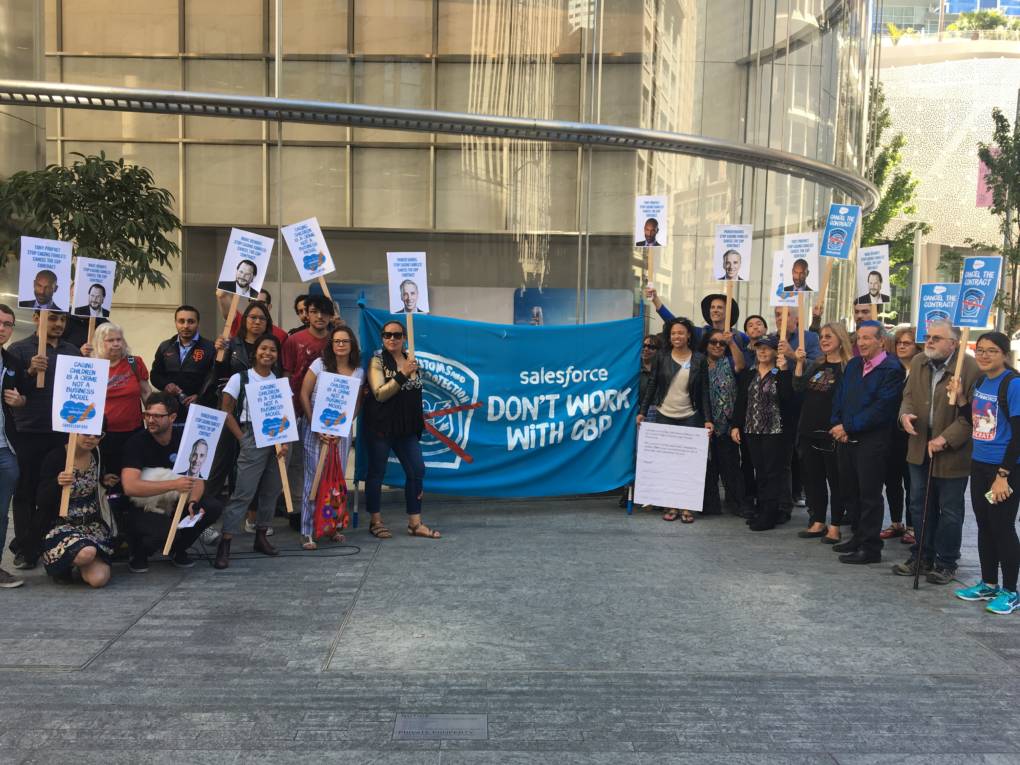
"caption": "Those active in the Tech Workers Coalition came out to support Salesforce employees who are speaking out against the company.",
"description": null,
"title": "Protest Photo",
"credit": "Sam Harnett/KQED",
"status": "inherit",
"isLoading": false,
"fetchFailed": false
},
"news_11680363": {
"type": "attachments",
"id": "news_11680363",
"meta": {
"index": "attachments_1716263798",
"site": "news",
"id": "11680363",
"found": true
},
"parent": 11680356,
"imgSizes": {
"small": {
"file": "https://ww2.kqed.org/app/uploads/sites/10/2018/07/Screen-Shot-2018-07-12-at-15.26.00-e1531434493285-520x293.png",
"width": 520,
"mimeType": "image/png",
"height": 293
},
"twentyfourteen-full-width": {
"file": "https://ww2.kqed.org/app/uploads/sites/10/2018/07/Screen-Shot-2018-07-12-at-15.26.00-e1531434493285-1038x576.png",
"width": 1038,
"mimeType": "image/png",
"height": 576
},
"thumbnail": {
"file": "https://ww2.kqed.org/app/uploads/sites/10/2018/07/Screen-Shot-2018-07-12-at-15.26.00-e1531434493285-160x90.png",
"width": 160,
"mimeType": "image/png",
"height": 90
},
"fd-sm": {
"file": "https://ww2.kqed.org/app/uploads/sites/10/2018/07/Screen-Shot-2018-07-12-at-15.26.00-e1531434493285-960x541.png",
"width": 960,
"mimeType": "image/png",
"height": 541
},
"post-thumbnail": {
"file": "https://ww2.kqed.org/app/uploads/sites/10/2018/07/Screen-Shot-2018-07-12-at-15.26.00-e1531434493285-672x372.png",
"width": 672,
"mimeType": "image/png",
"height": 372
},
"xsmall": {
"file": "https://ww2.kqed.org/app/uploads/sites/10/2018/07/Screen-Shot-2018-07-12-at-15.26.00-e1531434493285-375x211.png",
"width": 375,
"mimeType": "image/png",
"height": 211
},
"kqedFullSize": {
"file": "https://ww2.kqed.org/app/uploads/sites/10/2018/07/Screen-Shot-2018-07-12-at-15.26.00-e1531434493285.png",
"width": 1166,
"height": 657
},
"large": {
"file": "https://ww2.kqed.org/app/uploads/sites/10/2018/07/Screen-Shot-2018-07-12-at-15.26.00-e1531434493285-1020x575.png",
"width": 1020,
"mimeType": "image/png",
"height": 575
},
"xlarge": {
"file": "https://ww2.kqed.org/app/uploads/sites/10/2018/07/Screen-Shot-2018-07-12-at-15.26.00-1180x646.png",
"width": 1180,
"mimeType": "image/png",
"height": 646
},
"complete_open_graph": {
"file": "https://ww2.kqed.org/app/uploads/sites/10/2018/07/Screen-Shot-2018-07-12-at-15.26.00-1200x657.png",
"width": 1200,
"mimeType": "image/png",
"height": 657
},
"guest-author-50": {
"file": "https://ww2.kqed.org/app/uploads/sites/10/2018/07/Screen-Shot-2018-07-12-at-15.26.00-e1531434493285-50x50.png",
"width": 50,
"mimeType": "image/png",
"height": 50
},
"guest-author-96": {
"file": "https://ww2.kqed.org/app/uploads/sites/10/2018/07/Screen-Shot-2018-07-12-at-15.26.00-e1531434493285-96x96.png",
"width": 96,
"mimeType": "image/png",
"height": 96
},
"medium": {
"file": "https://ww2.kqed.org/app/uploads/sites/10/2018/07/Screen-Shot-2018-07-12-at-15.26.00-e1531434493285-800x451.png",
"width": 800,
"mimeType": "image/png",
"height": 451
},
"guest-author-64": {
"file": "https://ww2.kqed.org/app/uploads/sites/10/2018/07/Screen-Shot-2018-07-12-at-15.26.00-e1531434493285-64x64.png",
"width": 64,
"mimeType": "image/png",
"height": 64
},
"guest-author-32": {
"file": "https://ww2.kqed.org/app/uploads/sites/10/2018/07/Screen-Shot-2018-07-12-at-15.26.00-e1531434493285-32x32.png",
"width": 32,
"mimeType": "image/png",
"height": 32
},
"fd-med": {
"file": "https://ww2.kqed.org/app/uploads/sites/10/2018/07/Screen-Shot-2018-07-12-at-15.26.00-1180x646.png",
"width": 1180,
"mimeType": "image/png",
"height": 646
},
"detail": {
"file": "https://ww2.kqed.org/app/uploads/sites/10/2018/07/Screen-Shot-2018-07-12-at-15.26.00-e1531434493285-150x150.png",
"width": 150,
"mimeType": "image/png",
"height": 150
},
"guest-author-128": {
"file": "https://ww2.kqed.org/app/uploads/sites/10/2018/07/Screen-Shot-2018-07-12-at-15.26.00-e1531434493285-128x128.png",
"width": 128,
"mimeType": "image/png",
"height": 128
},
"xxsmall": {
"file": "https://ww2.kqed.org/app/uploads/sites/10/2018/07/Screen-Shot-2018-07-12-at-15.26.00-e1531434493285-240x135.png",
"width": 240,
"mimeType": "image/png",
"height": 135
}
},
"publishDate": 1531434391,
"modified": 1531440018,
"caption": "A view of the Art Institute of California campus.",
"description": "A view of the Art Institute of California campus.",
"title": "Screen Shot 2018-07-12 at 15.26.00",
"credit": "Creative Commons",
"status": "inherit",
"isLoading": false,
"fetchFailed": false
},
"news_11680187": {
"type": "attachments",
"id": "news_11680187",
"meta": {
"index": "attachments_1716263798",
"site": "news",
"id": "11680187",
"found": true
},
"parent": 11679941,
"imgSizes": {
"small": {
"file": "https://ww2.kqed.org/app/uploads/sites/10/2018/07/MaxineW-520x401.jpg",
"width": 520,
"mimeType": "image/jpeg",
"height": 401
},
"twentyfourteen-full-width": {
"file": "https://ww2.kqed.org/app/uploads/sites/10/2018/07/MaxineW-1038x576.jpg",
"width": 1038,
"mimeType": "image/jpeg",
"height": 576
},
"thumbnail": {
"file": "https://ww2.kqed.org/app/uploads/sites/10/2018/07/MaxineW-160x123.jpg",
"width": 160,
"mimeType": "image/jpeg",
"height": 123
},
"fd-sm": {
"file": "https://ww2.kqed.org/app/uploads/sites/10/2018/07/MaxineW-960x740.jpg",
"width": 960,
"mimeType": "image/jpeg",
"height": 740
},
"post-thumbnail": {
"file": "https://ww2.kqed.org/app/uploads/sites/10/2018/07/MaxineW-672x372.jpg",
"width": 672,
"mimeType": "image/jpeg",
"height": 372
},
"xsmall": {
"file": "https://ww2.kqed.org/app/uploads/sites/10/2018/07/MaxineW-375x289.jpg",
"width": 375,
"mimeType": "image/jpeg",
"height": 289
},
"kqedFullSize": {
"file": "https://ww2.kqed.org/app/uploads/sites/10/2018/07/MaxineW.jpg",
"width": 1920,
"height": 1479
},
"large": {
"file": "https://ww2.kqed.org/app/uploads/sites/10/2018/07/MaxineW-1020x786.jpg",
"width": 1020,
"mimeType": "image/jpeg",
"height": 786
},
"xlarge": {
"file": "https://ww2.kqed.org/app/uploads/sites/10/2018/07/MaxineW-1180x909.jpg",
"width": 1180,
"mimeType": "image/jpeg",
"height": 909
},
"complete_open_graph": {
"file": "https://ww2.kqed.org/app/uploads/sites/10/2018/07/MaxineW-1200x924.jpg",
"width": 1200,
"mimeType": "image/jpeg",
"height": 924
},
"guest-author-50": {
"file": "https://ww2.kqed.org/app/uploads/sites/10/2018/07/MaxineW-50x50.jpg",
"width": 50,
"mimeType": "image/jpeg",
"height": 50
},
"guest-author-96": {
"file": "https://ww2.kqed.org/app/uploads/sites/10/2018/07/MaxineW-96x96.jpg",
"width": 96,
"mimeType": "image/jpeg",
"height": 96
},
"medium": {
"file": "https://ww2.kqed.org/app/uploads/sites/10/2018/07/MaxineW-800x616.jpg",
"width": 800,
"mimeType": "image/jpeg",
"height": 616
},
"guest-author-64": {
"file": "https://ww2.kqed.org/app/uploads/sites/10/2018/07/MaxineW-64x64.jpg",
"width": 64,
"mimeType": "image/jpeg",
"height": 64
},
"guest-author-32": {
"file": "https://ww2.kqed.org/app/uploads/sites/10/2018/07/MaxineW-32x32.jpg",
"width": 32,
"mimeType": "image/jpeg",
"height": 32
},
"fd-lrg": {
"file": "https://ww2.kqed.org/app/uploads/sites/10/2018/07/MaxineW-1920x1479.jpg",
"width": 1920,
"mimeType": "image/jpeg",
"height": 1479
},
"fd-med": {
"file": "https://ww2.kqed.org/app/uploads/sites/10/2018/07/MaxineW-1180x909.jpg",
"width": 1180,
"mimeType": "image/jpeg",
"height": 909
},
"full-width": {
"file": "https://ww2.kqed.org/app/uploads/sites/10/2018/07/MaxineW-1920x1479.jpg",
"width": 1920,
"mimeType": "image/jpeg",
"height": 1479
},
"detail": {
"file": "https://ww2.kqed.org/app/uploads/sites/10/2018/07/MaxineW-150x150.jpg",
"width": 150,
"mimeType": "image/jpeg",
"height": 150
},
"guest-author-128": {
"file": "https://ww2.kqed.org/app/uploads/sites/10/2018/07/MaxineW-128x128.jpg",
"width": 128,
"mimeType": "image/jpeg",
"height": 128
},
"xxsmall": {
"file": "https://ww2.kqed.org/app/uploads/sites/10/2018/07/MaxineW-240x185.jpg",
"width": 240,
"mimeType": "image/jpeg",
"height": 185
}
},
"publishDate": 1531359224,
"modified": 1531359286,
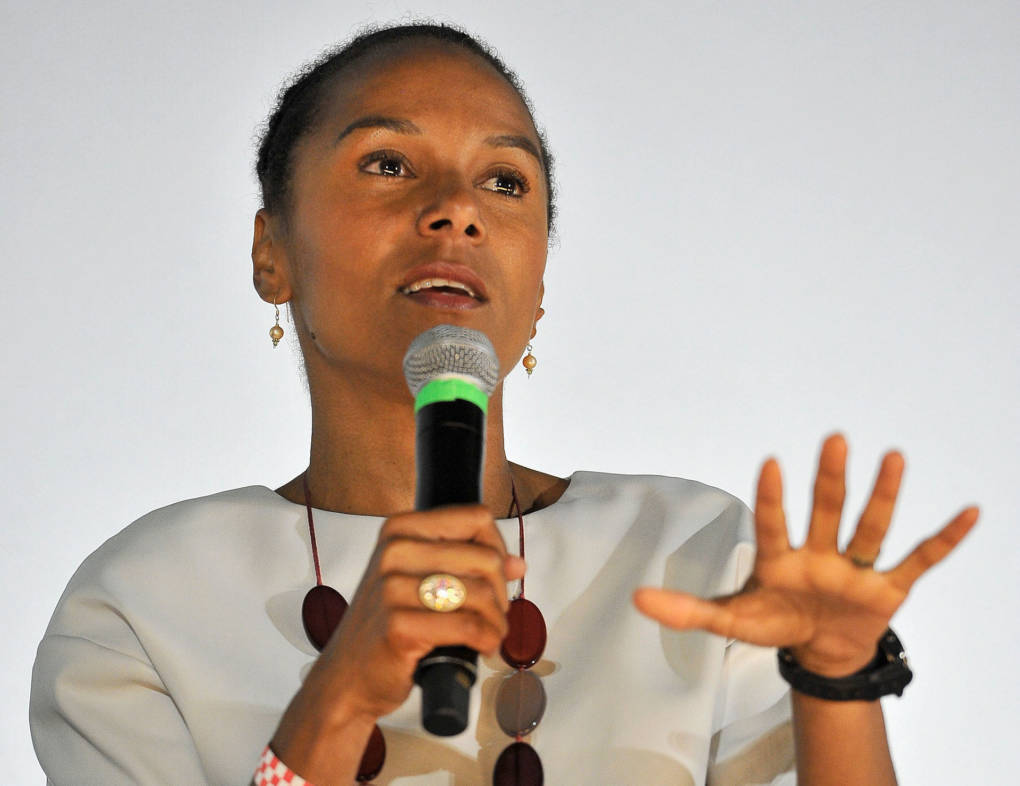
"caption": "Facebook Global Head of Diversity Maxine Williams.",
"description": "Facebook Global Head of Diversity Maxine Williams.",
"title": "MaxineW",
"credit": "Steve Jennings/Getty Images",
"status": "inherit",
"isLoading": false,
"fetchFailed": false
},
"news_11679372": {
"type": "attachments",
"id": "news_11679372",
"meta": {
"index": "attachments_1716263798",
"site": "news",
"id": "11679372",
"found": true
},
"parent": 11679302,
"imgSizes": {
"small": {
"file": "https://ww2.kqed.org/app/uploads/sites/10/2018/07/coding-1841550_960_720-520x347.jpg",
"width": 520,
"mimeType": "image/jpeg",
"height": 347
},
"twentyfourteen-full-width": {
"file": "https://ww2.kqed.org/app/uploads/sites/10/2018/07/coding-1841550_960_720-960x576.jpg",
"width": 960,
"mimeType": "image/jpeg",
"height": 576
},
"thumbnail": {
"file": "https://ww2.kqed.org/app/uploads/sites/10/2018/07/coding-1841550_960_720-160x107.jpg",
"width": 160,
"mimeType": "image/jpeg",
"height": 107
},
"fd-sm": {
"file": "https://ww2.kqed.org/app/uploads/sites/10/2018/07/coding-1841550_960_720-960x640.jpg",
"width": 960,
"mimeType": "image/jpeg",
"height": 640
},
"post-thumbnail": {
"file": "https://ww2.kqed.org/app/uploads/sites/10/2018/07/coding-1841550_960_720-672x372.jpg",
"width": 672,
"mimeType": "image/jpeg",
"height": 372
},
"xsmall": {
"file": "https://ww2.kqed.org/app/uploads/sites/10/2018/07/coding-1841550_960_720-375x250.jpg",
"width": 375,
"mimeType": "image/jpeg",
"height": 250
},
"kqedFullSize": {
"file": "https://ww2.kqed.org/app/uploads/sites/10/2018/07/coding-1841550_960_720.jpg",
"width": 960,
"height": 640
},
"guest-author-50": {
"file": "https://ww2.kqed.org/app/uploads/sites/10/2018/07/coding-1841550_960_720-50x50.jpg",
"width": 50,
"mimeType": "image/jpeg",
"height": 50
},
"guest-author-96": {
"file": "https://ww2.kqed.org/app/uploads/sites/10/2018/07/coding-1841550_960_720-96x96.jpg",
"width": 96,
"mimeType": "image/jpeg",
"height": 96
},
"medium": {
"file": "https://ww2.kqed.org/app/uploads/sites/10/2018/07/coding-1841550_960_720-800x533.jpg",
"width": 800,
"mimeType": "image/jpeg",
"height": 533
},
"guest-author-64": {
"file": "https://ww2.kqed.org/app/uploads/sites/10/2018/07/coding-1841550_960_720-64x64.jpg",
"width": 64,
"mimeType": "image/jpeg",
"height": 64
},
"guest-author-32": {
"file": "https://ww2.kqed.org/app/uploads/sites/10/2018/07/coding-1841550_960_720-32x32.jpg",
"width": 32,
"mimeType": "image/jpeg",
"height": 32
},
"detail": {
"file": "https://ww2.kqed.org/app/uploads/sites/10/2018/07/coding-1841550_960_720-150x150.jpg",
"width": 150,
"mimeType": "image/jpeg",
"height": 150
},
"guest-author-128": {
"file": "https://ww2.kqed.org/app/uploads/sites/10/2018/07/coding-1841550_960_720-128x128.jpg",
"width": 128,
"mimeType": "image/jpeg",
"height": 128
},
"xxsmall": {
"file": "https://ww2.kqed.org/app/uploads/sites/10/2018/07/coding-1841550_960_720-240x160.jpg",
"width": 240,
"mimeType": "image/jpeg",
"height": 160
}
},
"publishDate": 1530918685,
"modified": 1530922842,
"caption": "A growing number of tech workers are mobilizing and exploring the idea of organizing. ",
"description": "A growing number of tech workers are mobilizing and exploring the idea of organizing. ",
"title": "coding-1841550_960_720",
"credit": "Creative Commons",
"status": "inherit",
"isLoading": false,
"fetchFailed": false
},
"news_11670715": {
"type": "attachments",
"id": "news_11670715",
"meta": {
"index": "attachments_1716263798",
"site": "news",
"id": "11670715",
"found": true
},
"parent": 11670533,
"imgSizes": {
"small": {
"file": "https://ww2.kqed.org/app/uploads/sites/10/2018/05/RecruiteratDesk-520x368.jpg",
"width": 520,
"mimeType": "image/jpeg",
"height": 368
},
"twentyfourteen-full-width": {
"file": "https://ww2.kqed.org/app/uploads/sites/10/2018/05/RecruiteratDesk-1038x576.jpg",
"width": 1038,
"mimeType": "image/jpeg",
"height": 576
},
"thumbnail": {
"file": "https://ww2.kqed.org/app/uploads/sites/10/2018/05/RecruiteratDesk-160x113.jpg",
"width": 160,
"mimeType": "image/jpeg",
"height": 113
},
"fd-sm": {
"file": "https://ww2.kqed.org/app/uploads/sites/10/2018/05/RecruiteratDesk-960x679.jpg",
"width": 960,
"mimeType": "image/jpeg",
"height": 679
},
"post-thumbnail": {
"file": "https://ww2.kqed.org/app/uploads/sites/10/2018/05/RecruiteratDesk-672x372.jpg",
"width": 672,
"mimeType": "image/jpeg",
"height": 372
},
"xsmall": {
"file": "https://ww2.kqed.org/app/uploads/sites/10/2018/05/RecruiteratDesk-375x265.jpg",
"width": 375,
"mimeType": "image/jpeg",
"height": 265
},
"kqedFullSize": {
"file": "https://ww2.kqed.org/app/uploads/sites/10/2018/05/RecruiteratDesk.jpg",
"width": 1920,
"height": 1358
},
"large": {
"file": "https://ww2.kqed.org/app/uploads/sites/10/2018/05/RecruiteratDesk-1020x721.jpg",
"width": 1020,
"mimeType": "image/jpeg",
"height": 721
},
"xlarge": {
"file": "https://ww2.kqed.org/app/uploads/sites/10/2018/05/RecruiteratDesk-1180x835.jpg",
"width": 1180,
"mimeType": "image/jpeg",
"height": 835
},
"complete_open_graph": {
"file": "https://ww2.kqed.org/app/uploads/sites/10/2018/05/RecruiteratDesk-1200x849.jpg",
"width": 1200,
"mimeType": "image/jpeg",
"height": 849
},
"guest-author-50": {
"file": "https://ww2.kqed.org/app/uploads/sites/10/2018/05/RecruiteratDesk-50x50.jpg",
"width": 50,
"mimeType": "image/jpeg",
"height": 50
},
"guest-author-96": {
"file": "https://ww2.kqed.org/app/uploads/sites/10/2018/05/RecruiteratDesk-96x96.jpg",
"width": 96,
"mimeType": "image/jpeg",
"height": 96
},
"medium": {
"file": "https://ww2.kqed.org/app/uploads/sites/10/2018/05/RecruiteratDesk-800x566.jpg",
"width": 800,
"mimeType": "image/jpeg",
"height": 566
},
"guest-author-64": {
"file": "https://ww2.kqed.org/app/uploads/sites/10/2018/05/RecruiteratDesk-64x64.jpg",
"width": 64,
"mimeType": "image/jpeg",
"height": 64
},
"guest-author-32": {
"file": "https://ww2.kqed.org/app/uploads/sites/10/2018/05/RecruiteratDesk-32x32.jpg",
"width": 32,
"mimeType": "image/jpeg",
"height": 32
},
"fd-lrg": {
"file": "https://ww2.kqed.org/app/uploads/sites/10/2018/05/RecruiteratDesk-1920x1358.jpg",
"width": 1920,
"mimeType": "image/jpeg",
"height": 1358
},
"fd-med": {
"file": "https://ww2.kqed.org/app/uploads/sites/10/2018/05/RecruiteratDesk-1180x835.jpg",
"width": 1180,
"mimeType": "image/jpeg",
"height": 835
},
"full-width": {
"file": "https://ww2.kqed.org/app/uploads/sites/10/2018/05/RecruiteratDesk-1920x1358.jpg",
"width": 1920,
"mimeType": "image/jpeg",
"height": 1358
},
"detail": {
"file": "https://ww2.kqed.org/app/uploads/sites/10/2018/05/RecruiteratDesk-150x150.jpg",
"width": 150,
"mimeType": "image/jpeg",
"height": 150
},
"guest-author-128": {
"file": "https://ww2.kqed.org/app/uploads/sites/10/2018/05/RecruiteratDesk-128x128.jpg",
"width": 128,
"mimeType": "image/jpeg",
"height": 128
},
"xxsmall": {
"file": "https://ww2.kqed.org/app/uploads/sites/10/2018/05/RecruiteratDesk-240x170.jpg",
"width": 240,
"mimeType": "image/jpeg",
"height": 170
}
},
"publishDate": 1527276914,
"modified": 1527283005,
"caption": "Recruiter Matt Stone calls job seekers from his desk at the Hollywood office of Proven Recruiting, May 1, 2018.",
"description": "Recruiter Matt Stone calls job-seekers from his desk at the Hollywood office of Proven Recruiting, May 1, 2018.",
"title": "RecruiteratDesk",
"credit": "David Wagner/KPCC",
"status": "inherit",
"isLoading": false,
"fetchFailed": false
},
"news_11667226": {
"type": "attachments",
"id": "news_11667226",
"meta": {
"index": "attachments_1716263798",
"site": "news",
"id": "11667226",
"found": true
},
"parent": 11667218,
"imgSizes": {
"small": {
"file": "https://ww2.kqed.org/app/uploads/sites/10/2018/05/UCSFstrike180508-e1525827408194-520x389.jpg",
"width": 520,
"mimeType": "image/jpeg",
"height": 389
},
"twentyfourteen-full-width": {
"file": "https://ww2.kqed.org/app/uploads/sites/10/2018/05/UCSFstrike180508-e1525827408194-1038x576.jpg",
"width": 1038,
"mimeType": "image/jpeg",
"height": 576
},
"thumbnail": {
"file": "https://ww2.kqed.org/app/uploads/sites/10/2018/05/UCSFstrike180508-e1525827408194-160x120.jpg",
"width": 160,
"mimeType": "image/jpeg",
"height": 120
},
"fd-sm": {
"file": "https://ww2.kqed.org/app/uploads/sites/10/2018/05/UCSFstrike180508-e1525827408194-960x719.jpg",
"width": 960,
"mimeType": "image/jpeg",
"height": 719
},
"post-thumbnail": {
"file": "https://ww2.kqed.org/app/uploads/sites/10/2018/05/UCSFstrike180508-e1525827408194-672x372.jpg",
"width": 672,
"mimeType": "image/jpeg",
"height": 372
},
"xsmall": {
"file": "https://ww2.kqed.org/app/uploads/sites/10/2018/05/UCSFstrike180508-e1525827408194-375x281.jpg",
"width": 375,
"mimeType": "image/jpeg",
"height": 281
},
"kqedFullSize": {
"file": "https://ww2.kqed.org/app/uploads/sites/10/2018/05/UCSFstrike180508-e1525828664400.jpg",
"width": 1920,
"height": 1437
},
"large": {
"file": "https://ww2.kqed.org/app/uploads/sites/10/2018/05/UCSFstrike180508-e1525827408194-1020x764.jpg",
"width": 1020,
"mimeType": "image/jpeg",
"height": 764
},
"xlarge": {
"file": "https://ww2.kqed.org/app/uploads/sites/10/2018/05/UCSFstrike180508-e1525827408194-1180x883.jpg",
"width": 1180,
"mimeType": "image/jpeg",
"height": 883
},
"complete_open_graph": {
"file": "https://ww2.kqed.org/app/uploads/sites/10/2018/05/UCSFstrike180508-e1525827408194-1200x898.jpg",
"width": 1200,
"mimeType": "image/jpeg",
"height": 898
},
"guest-author-50": {
"file": "https://ww2.kqed.org/app/uploads/sites/10/2018/05/UCSFstrike180508-e1525827408194-50x50.jpg",
"width": 50,
"mimeType": "image/jpeg",
"height": 50
},
"guest-author-96": {
"file": "https://ww2.kqed.org/app/uploads/sites/10/2018/05/UCSFstrike180508-e1525827408194-96x96.jpg",
"width": 96,
"mimeType": "image/jpeg",
"height": 96
},
"medium": {
"file": "https://ww2.kqed.org/app/uploads/sites/10/2018/05/UCSFstrike180508-e1525827408194-800x599.jpg",
"width": 800,
"mimeType": "image/jpeg",
"height": 599
},
"guest-author-64": {
"file": "https://ww2.kqed.org/app/uploads/sites/10/2018/05/UCSFstrike180508-e1525827408194-64x64.jpg",
"width": 64,
"mimeType": "image/jpeg",
"height": 64
},
"guest-author-32": {
"file": "https://ww2.kqed.org/app/uploads/sites/10/2018/05/UCSFstrike180508-e1525827408194-32x32.jpg",
"width": 32,
"mimeType": "image/jpeg",
"height": 32
},
"fd-lrg": {
"file": "https://ww2.kqed.org/app/uploads/sites/10/2018/05/UCSFstrike180508-e1525827408194-1920x1437.jpg",
"width": 1920,
"mimeType": "image/jpeg",
"height": 1437
},
"fd-med": {
"file": "https://ww2.kqed.org/app/uploads/sites/10/2018/05/UCSFstrike180508-e1525827408194-1180x883.jpg",
"width": 1180,
"mimeType": "image/jpeg",
"height": 883
},
"full-width": {
"file": "https://ww2.kqed.org/app/uploads/sites/10/2018/05/UCSFstrike180508-e1525827408194-1920x1437.jpg",
"width": 1920,
"mimeType": "image/jpeg",
"height": 1437
},
"detail": {
"file": "https://ww2.kqed.org/app/uploads/sites/10/2018/05/UCSFstrike180508-e1525827408194-150x150.jpg",
"width": 150,
"mimeType": "image/jpeg",
"height": 150
},
"guest-author-128": {
"file": "https://ww2.kqed.org/app/uploads/sites/10/2018/05/UCSFstrike180508-e1525827408194-128x128.jpg",
"width": 128,
"mimeType": "image/jpeg",
"height": 128
},
"xxsmall": {
"file": "https://ww2.kqed.org/app/uploads/sites/10/2018/05/UCSFstrike180508-e1525827408194-240x180.jpg",
"width": 240,
"mimeType": "image/jpeg",
"height": 180
}
},
"publishDate": 1525827263,
"modified": 1525828657,
"caption": "UCSF nurses Alicia Thomas, Al Davies, and Nalinee Tan carry signs and drum outside UCSF Parnassus Hospital on Tuesday, May 8, 2018.",
"description": "UCSF nurses Alicia Thomas, Al Davies, and Nalinee Tan carry signs and drum outside UCSF Parnassus Hospital on Tuesday, May 8, 2018.",
"title": "UCSFstrike180508",
"credit": "Laura Klivans/KQED",
"status": "inherit",
"isLoading": false,
"fetchFailed": false
},
"news_11667130": {
"type": "attachments",
"id": "news_11667130",
"meta": {
"index": "attachments_1716263798",
"site": "news",
"id": "11667130",
"found": true
},
"parent": 11667125,
"imgSizes": {
"small": {
"file": "https://ww2.kqed.org/app/uploads/sites/10/2018/05/LadyFirefightersMain-520x376.jpg",
"width": 520,
"mimeType": "image/jpeg",
"height": 376
},
"twentyfourteen-full-width": {
"file": "https://ww2.kqed.org/app/uploads/sites/10/2018/05/LadyFirefightersMain-1038x576.jpg",
"width": 1038,
"mimeType": "image/jpeg",
"height": 576
},
"thumbnail": {
"file": "https://ww2.kqed.org/app/uploads/sites/10/2018/05/LadyFirefightersMain-160x116.jpg",
"width": 160,
"mimeType": "image/jpeg",
"height": 116
},
"fd-sm": {
"file": "https://ww2.kqed.org/app/uploads/sites/10/2018/05/LadyFirefightersMain-960x694.jpg",
"width": 960,
"mimeType": "image/jpeg",
"height": 694
},
"post-thumbnail": {
"file": "https://ww2.kqed.org/app/uploads/sites/10/2018/05/LadyFirefightersMain-672x372.jpg",
"width": 672,
"mimeType": "image/jpeg",
"height": 372
},
"xsmall": {
"file": "https://ww2.kqed.org/app/uploads/sites/10/2018/05/LadyFirefightersMain-375x271.jpg",
"width": 375,
"mimeType": "image/jpeg",
"height": 271
},
"kqedFullSize": {
"file": "https://ww2.kqed.org/app/uploads/sites/10/2018/05/LadyFirefightersMain.jpg",
"width": 1920,
"height": 1388
},
"large": {
"file": "https://ww2.kqed.org/app/uploads/sites/10/2018/05/LadyFirefightersMain-1020x737.jpg",
"width": 1020,
"mimeType": "image/jpeg",
"height": 737
},
"xlarge": {
"file": "https://ww2.kqed.org/app/uploads/sites/10/2018/05/LadyFirefightersMain-1180x853.jpg",
"width": 1180,
"mimeType": "image/jpeg",
"height": 853
},
"complete_open_graph": {
"file": "https://ww2.kqed.org/app/uploads/sites/10/2018/05/LadyFirefightersMain-1200x868.jpg",
"width": 1200,
"mimeType": "image/jpeg",
"height": 868
},
"guest-author-50": {
"file": "https://ww2.kqed.org/app/uploads/sites/10/2018/05/LadyFirefightersMain-50x50.jpg",
"width": 50,
"mimeType": "image/jpeg",
"height": 50
},
"guest-author-96": {
"file": "https://ww2.kqed.org/app/uploads/sites/10/2018/05/LadyFirefightersMain-96x96.jpg",
"width": 96,
"mimeType": "image/jpeg",
"height": 96
},
"medium": {
"file": "https://ww2.kqed.org/app/uploads/sites/10/2018/05/LadyFirefightersMain-800x578.jpg",
"width": 800,
"mimeType": "image/jpeg",
"height": 578
},
"guest-author-64": {
"file": "https://ww2.kqed.org/app/uploads/sites/10/2018/05/LadyFirefightersMain-64x64.jpg",
"width": 64,
"mimeType": "image/jpeg",
"height": 64
},
"guest-author-32": {
"file": "https://ww2.kqed.org/app/uploads/sites/10/2018/05/LadyFirefightersMain-32x32.jpg",
"width": 32,
"mimeType": "image/jpeg",
"height": 32
},
"fd-lrg": {
"file": "https://ww2.kqed.org/app/uploads/sites/10/2018/05/LadyFirefightersMain-1920x1388.jpg",
"width": 1920,
"mimeType": "image/jpeg",
"height": 1388
},
"fd-med": {
"file": "https://ww2.kqed.org/app/uploads/sites/10/2018/05/LadyFirefightersMain-1180x853.jpg",
"width": 1180,
"mimeType": "image/jpeg",
"height": 853
},
"full-width": {
"file": "https://ww2.kqed.org/app/uploads/sites/10/2018/05/LadyFirefightersMain-1920x1388.jpg",
"width": 1920,
"mimeType": "image/jpeg",
"height": 1388
},
"detail": {
"file": "https://ww2.kqed.org/app/uploads/sites/10/2018/05/LadyFirefightersMain-150x150.jpg",
"width": 150,
"mimeType": "image/jpeg",
"height": 150
},
"guest-author-128": {
"file": "https://ww2.kqed.org/app/uploads/sites/10/2018/05/LadyFirefightersMain-128x128.jpg",
"width": 128,
"mimeType": "image/jpeg",
"height": 128
},
"xxsmall": {
"file": "https://ww2.kqed.org/app/uploads/sites/10/2018/05/LadyFirefightersMain-240x174.jpg",
"width": 240,
"mimeType": "image/jpeg",
"height": 174
}
},
"publishDate": 1525811633,
"modified": 1525811685,
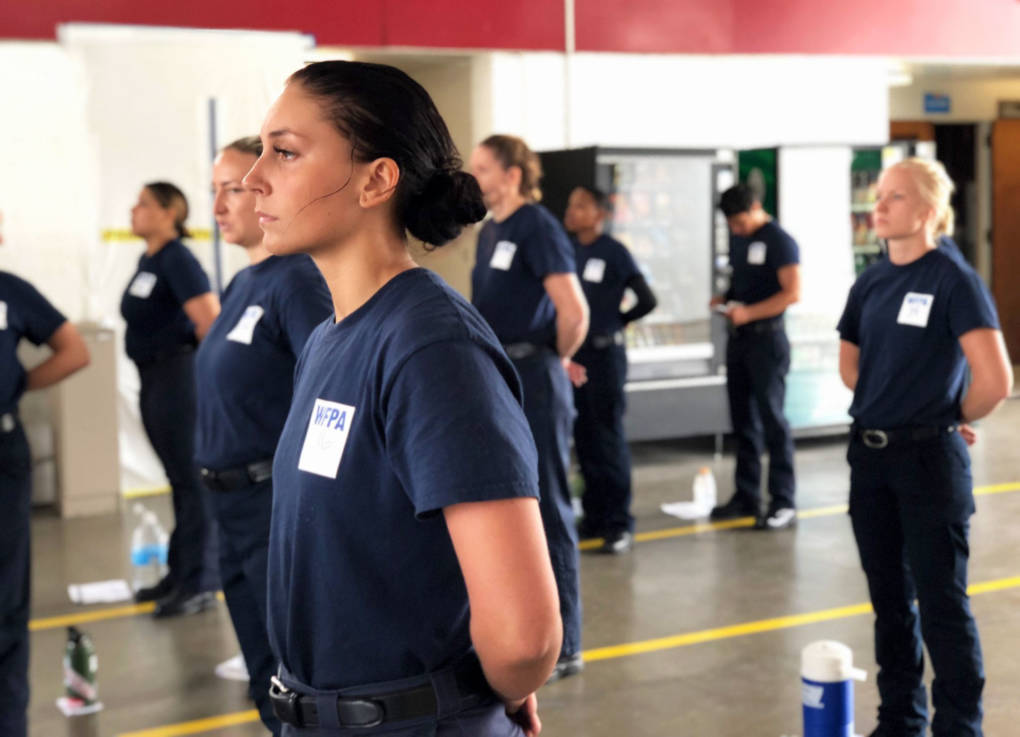
"caption": "Firefighter candidates stand in formation.",
"description": "Firefighter candidates stand in formation.",
"title": "LadyFirefightersMain",
"credit": "Jenny Hamel/KCRW",
"status": "inherit",
"isLoading": false,
"fetchFailed": false
}
},
"audioPlayerReducer": {
"postId": "stream_live",
"isPaused": true,
"isPlaying": false,
"pfsActive": false,
"pledgeModalIsOpen": true,
"playerDrawerIsOpen": false,
"liveAudioPlayStartedAt": 0,
"liveAudioPlayContext": ""
},
"authorsReducer": {
"byline_news_11688338": {
"type": "authors",
"id": "byline_news_11688338",
"meta": {
"override": true
},
"slug": "byline_news_11688338",
"name": "Merrit Kennedy",
"isLoading": false
},
"byline_news_11682562": {
"type": "authors",
"id": "byline_news_11682562",
"meta": {
"override": true
},
"slug": "byline_news_11682562",
"name": "\u003cstrong>\u003ca href=\"https://calmatters.org/articles/author/matt-levin/\">Matt Levin\u003c/a>\u003c/strong>",
"isLoading": false
},
"byline_news_11670533": {
"type": "authors",
"id": "byline_news_11670533",
"meta": {
"override": true
},
"slug": "byline_news_11670533",
"name": "\u003cstrong>\u003ca href=\"https://www.scpr.org/about/people/staff/david-wagner/\">David Wagner\u003c/a>\u003c/strong>",
"isLoading": false
},
"byline_news_11667125": {
"type": "authors",
"id": "byline_news_11667125",
"meta": {
"override": true
},
"slug": "byline_news_11667125",
"name": "\u003cstrong>\u003ca href=\"http://curious.kcrw.com/author/jennyhamel\">Jenny Hamel\u003c/a>\u003c/strong>",
"isLoading": false
},
"samharnett": {
"type": "authors",
"id": "253",
"meta": {
"index": "authors_1716337520",
"id": "253",
"found": true
},
"name": "Sam Harnett",
"firstName": "Sam",
"lastName": "Harnett",
"slug": "samharnett",
"email": "samharnett@gmail.com",
"display_author_email": false,
"staff_mastheads": [],
"title": "KQED Contributor",
"bio": "Sam Harnett covered tech and work at KQED. He is the co-creator of \u003cem>\u003ca href=\"http://www.theworldaccordingtosound.org\">The World According to Sound\u003c/a>,\u003c/em> a 90-second podcast that features different sounds and the stories behind them.\r\n\r\nBefore coming to KQED, Sam worked as an independent reporter who contributed regularly to \u003cem>The California Report, Marketplace,\u003c/em> \u003cem>The World \u003c/em>and NPR.",
"avatar": "https://secure.gravatar.com/avatar/2538b972ac02f2b9546c7a6c59a0f3d0?s=600&d=blank&r=g",
"twitter": "Samwharnett",
"facebook": null,
"instagram": null,
"linkedin": null,
"sites": [
{
"site": "news",
"roles": [
"edit_others_posts",
"subscriber"
]
},
{
"site": "stateofhealth",
"roles": [
"author"
]
},
{
"site": "science",
"roles": [
"editor"
]
},
{
"site": "quest",
"roles": [
"subscriber"
]
}
],
"headData": {
"title": "Sam Harnett | KQED",
"description": "KQED Contributor",
"ogImgSrc": "https://secure.gravatar.com/avatar/2538b972ac02f2b9546c7a6c59a0f3d0?s=600&d=blank&r=g",
"twImgSrc": "https://secure.gravatar.com/avatar/2538b972ac02f2b9546c7a6c59a0f3d0?s=600&d=blank&r=g"
},
"isLoading": false,
"link": "/author/samharnett"
},
"cveltman": {
"type": "authors",
"id": "8608",
"meta": {
"index": "authors_1716337520",
"id": "8608",
"found": true
},
"name": "Chloe Veltman",
"firstName": "Chloe",
"lastName": "Veltman",
"slug": "cveltman",
"email": "cveltman@kqed.org",
"display_author_email": true,
"staff_mastheads": [],
"title": "Arts and Culture Reporter",
"bio": "Chloe Veltman is a former arts and culture reporter for KQED. Prior to joining the organization, she launched and led the arts bureau at Colorado Public Radio, served as the Bay Area's culture columnist for the New York Times, and was the founder, host and executive producer of VoiceBox, a national award-winning weekly podcast/radio show and live events series all about the human voice. Chloe is the recipient of numerous prizes, grants and fellowships including a Webby Award for her work on interactive storytelling, both the John S Knight Journalism Fellowship and Humanities Center Fellowship at Stanford University, the Sundance Arts Writing Fellowship and a Library of Congress Research Fellowship. She is the author of the book \"On Acting\" and has appeared as a guest lecturer at Yale University and the San Francisco Conservatory of Music among other institutions. She holds a BA in english literature from King's College, Cambridge, and a Masters in Dramaturgy from the Central School of Speech and Drama/Harvard Institute for Advanced Theater Training.\r\n\u003ca href=\"https://www.chloeveltman.com\">www.chloeveltman.com\u003c/a>",
"avatar": "https://secure.gravatar.com/avatar/55403394b00a1ddab683952c2eb2cf85?s=600&d=blank&r=g",
"twitter": "chloeveltman",
"facebook": null,
"instagram": null,
"linkedin": null,
"sites": [
{
"site": "arts",
"roles": []
},
{
"site": "news",
"roles": [
"author"
]
},
{
"site": "pop",
"roles": [
"editor"
]
},
{
"site": "science",
"roles": []
}
],
"headData": {
"title": "Chloe Veltman | KQED",
"description": "Arts and Culture Reporter",
"ogImgSrc": "https://secure.gravatar.com/avatar/55403394b00a1ddab683952c2eb2cf85?s=600&d=blank&r=g",
"twImgSrc": "https://secure.gravatar.com/avatar/55403394b00a1ddab683952c2eb2cf85?s=600&d=blank&r=g"
},
"isLoading": false,
"link": "/author/cveltman"
},
"dgorn": {
"type": "authors",
"id": "8656",
"meta": {
"index": "authors_1716337520",
"id": "8656",
"found": true
},
"name": "David Gorn",
"firstName": "David",
"lastName": "Gorn",
"slug": "dgorn",
"email": "dgorn+donotmail@sbcglobal.net",
"display_author_email": false,
"staff_mastheads": [],
"title": "KQED Contributor",
"bio": "David Gorn is the former Deputy News Director of KQED Radio. His public radio pieces have appeared on NPR, the World, Marketplace and the California Report.",
"avatar": "https://secure.gravatar.com/avatar/a6ad3e1eec1712e19b986b9395614010?s=600&d=blank&r=g",
"twitter": null,
"facebook": null,
"instagram": null,
"linkedin": null,
"sites": [
{
"site": "news",
"roles": [
"subscriber"
]
},
{
"site": "futureofyou",
"roles": [
"author"
]
},
{
"site": "science",
"roles": [
"author"
]
},
{
"site": "quest",
"roles": [
"editor"
]
}
],
"headData": {
"title": "David Gorn | KQED",
"description": "KQED Contributor",
"ogImgSrc": "https://secure.gravatar.com/avatar/a6ad3e1eec1712e19b986b9395614010?s=600&d=blank&r=g",
"twImgSrc": "https://secure.gravatar.com/avatar/a6ad3e1eec1712e19b986b9395614010?s=600&d=blank&r=g"
},
"isLoading": false,
"link": "/author/dgorn"
},
"tmosley": {
"type": "authors",
"id": "11373",
"meta": {
"index": "authors_1716337520",
"id": "11373",
"found": true
},
"name": "Tonya Mosley",
"firstName": "Tonya",
"lastName": "Mosley",
"slug": "tmosley",
"email": "tmosley@kqed.org",
"display_author_email": false,
"staff_mastheads": [],
"title": "KQED Contributor",
"bio": "Tonya Mosley is a former Silicon Valley bureau chief for KQED. She served as the senior editor, leading a team of journalists covering the impacts of technology companies on the South Bay and society. Tonya is also a former host and reporter for KQED.\r\n\r\nPrior to KQED, Tonya served as a television reporter & anchor for several media outlets, including Al Jazeera America.\r\n\r\nIn 2015, Tonya was awarded a John S. Knight Journalism Fellowship at Stanford University where she co-created a workshop for journalists on the impacts of implicit bias, and co-wrote a Belgian/American experimental study on the effects of protest coverage.\r\n\r\nTonya has won several national awards for her work, most recently an Emmy Award in 2016 for her televised piece \"Beyond Ferguson,\" and a national Edward R. Murrow award for her public radio series \"Black in Seattle.\"\r\n\r\nYou can reach Tonya at: tmosley@kqed.org.",
"avatar": "https://secure.gravatar.com/avatar/0b2ea2bbfed6bafaacd21e9398c68e5e?s=600&d=blank&r=g",
"twitter": "tonyamosley",
"facebook": null,
"instagram": null,
"linkedin": null,
"sites": [
{
"site": "arts",
"roles": [
"editor"
]
},
{
"site": "news",
"roles": [
"subscriber"
]
},
{
"site": "about",
"roles": [
"author"
]
},
{
"site": "forum",
"roles": [
"author"
]
}
],
"headData": {
"title": "Tonya Mosley | KQED",
"description": "KQED Contributor",
"ogImgSrc": "https://secure.gravatar.com/avatar/0b2ea2bbfed6bafaacd21e9398c68e5e?s=600&d=blank&r=g",
"twImgSrc": "https://secure.gravatar.com/avatar/0b2ea2bbfed6bafaacd21e9398c68e5e?s=600&d=blank&r=g"
},
"isLoading": false,
"link": "/author/tmosley"
},
"rdillon": {
"type": "authors",
"id": "11495",
"meta": {
"index": "authors_1716337520",
"id": "11495",
"found": true
},
"name": "Raquel Maria Dillon",
"firstName": "Raquel Maria",
"lastName": "Dillon",
"slug": "rdillon",
"email": "rdillon@kqed.org",
"display_author_email": false,
"staff_mastheads": [],
"title": null,
"bio": "Raquel Maria Dillon was a reporter and host for KQED News. Previously, she produced the daily statewide California Report, edited newscasts, and covered health and education stories. Before returning to the Bay Area in 2016, she worked in Los Angeles as a wire reporter and one-woman-band video journalist for the Associated Press, where she shot, edited and reported breaking news and features across the West. Her work has appeared online and in print around the globe, and also on NPR’s Morning Edition, All Things Considered, Here and Now, Marketplace, On The Media, and Studio 360. She previously edited and mentored up-and-coming reporters at KALW, produced social videos for Timeline.com, and was a local TV news videographer for KTVU and digital producer for KNTV. She got her start as a Radio News Trainee at KQED, produced a weekly public affairs roundtable show for OPB, and covered health and politics at New Hampshire Public Radio. She has a BA in political science from Barnard College and a MA in video journalism from UC Berkeley, where she was awarded the Faith Fancher Scholarship and a Student Emmy. She has received numerous local awards from the Associated Press and the Society of Professional Journalists.",
"avatar": "https://secure.gravatar.com/avatar/b8e02ae982913d0950df605910267c1b?s=600&d=blank&r=g",
"twitter": "RaquelMDillon",
"facebook": null,
"instagram": null,
"linkedin": null,
"sites": [
{
"site": "news",
"roles": [
"subscriber"
]
},
{
"site": "stateofhealth",
"roles": [
"editor"
]
},
{
"site": "science",
"roles": [
"editor"
]
},
{
"site": "forum",
"roles": [
"editor"
]
}
],
"headData": {
"title": "Raquel Maria Dillon | KQED",
"description": null,
"ogImgSrc": "https://secure.gravatar.com/avatar/b8e02ae982913d0950df605910267c1b?s=600&d=blank&r=g",
"twImgSrc": "https://secure.gravatar.com/avatar/b8e02ae982913d0950df605910267c1b?s=600&d=blank&r=g"
},
"isLoading": false,
"link": "/author/rdillon"
},
"mwiley": {
"type": "authors",
"id": "11526",
"meta": {
"index": "authors_1716337520",
"id": "11526",
"found": true
},
"name": "Michelle Wiley",
"firstName": "Michelle",
"lastName": "Wiley",
"slug": "mwiley",
"email": "mwiley@KQED.org",
"display_author_email": true,
"staff_mastheads": [],
"title": null,
"bio": "Michelle Wiley was the senior editor of weekends.",
"avatar": "https://secure.gravatar.com/avatar/3b897d82a09e8587e8e73fa69fbcc635?s=600&d=blank&r=g",
"twitter": "michelleewiley",
"facebook": null,
"instagram": null,
"linkedin": null,
"sites": [
{
"site": "",
"roles": [
"editor"
]
},
{
"site": "arts",
"roles": [
"editor"
]
},
{
"site": "news",
"roles": [
"subscriber"
]
},
{
"site": "lowdown",
"roles": [
"editor"
]
},
{
"site": "science",
"roles": [
"editor"
]
},
{
"site": "podcasts",
"roles": [
"editor"
]
}
],
"headData": {
"title": "Michelle Wiley | KQED",
"description": null,
"ogImgSrc": "https://secure.gravatar.com/avatar/3b897d82a09e8587e8e73fa69fbcc635?s=600&d=blank&r=g",
"twImgSrc": "https://secure.gravatar.com/avatar/3b897d82a09e8587e8e73fa69fbcc635?s=600&d=blank&r=g"
},
"isLoading": false,
"link": "/author/mwiley"
}
},
"pagesReducer": {
"news_tag_labor": {
"type": "terms",
"id": "news_19904",
"meta": {
"index": "terms_1716263798",
"site": "news",
"id": "19904",
"score": 8.558112
},
"name": "Labor",
"slug": "labor",
"taxonomy": "tag",
"description": null,
"featImg": null,
"headData": {
"title": "Labor | KQED News",
"description": null,
"ogTitle": null,
"ogDescription": null,
"ogImgId": null,
"twTitle": null,
"twDescription": null,
"twImgId": null
},
"ttid": 19921,
"isLoading": false,
"title": "Labor",
"pageMeta": {
"site": "news",
"WpPageTemplate": "page-topic-editorial",
"currentPage": 60
},
"blocks": [
{
"blockName": "kqed/post-list",
"attrs": {
"layout": "cardArticle2",
"query": "posts/news?tag=labor",
"seeMore": false,
"paginated": true,
"page": 60
}
},
{
"blockName": "kqed/ad"
}
]
}
},
"pfsSessionReducer": {},
"postsReducer": {
"stream_live": {
"type": "live",
"id": "stream_live",
"audioUrl": "https://streams.kqed.org/kqedradio",
"title": "Live Stream",
"excerpt": "Live Stream information currently unavailable.",
"link": "/radio",
"featImg": "",
"label": {
"name": "KQED Live",
"link": "/"
}
},
"stream_kqedNewscast": {
"type": "posts",
"id": "stream_kqedNewscast",
"audioUrl": "https://www.kqed.org/.stream/anon/radio/RDnews/newscast.mp3?_=1",
"title": "KQED Newscast",
"featImg": "",
"label": {
"name": "88.5 FM",
"link": "/"
}
},
"news_11692039": {
"type": "posts",
"id": "news_11692039",
"meta": {
"index": "posts_1716263798",
"site": "news",
"id": "11692039",
"score": null,
"sort": [
1536804126000
]
},
"parent": 0,
"labelTerm": {
"site": "news",
"term": 72
},
"blocks": [],
"publishDate": 1536804126,
"format": "audio",
"disqusTitle": "Hundreds of Workers Strike Outside Sun-Maid Raisin Factory Near Fresno",
"title": "Hundreds of Workers Strike Outside Sun-Maid Raisin Factory Near Fresno",
"headTitle": "The California Report | KQED News",
"content": "\u003cp>Hundreds of members of Teamsters Local 431 have been on strike since Monday, shutting down the Kingsburg raisin factory in Fresno County for two days before it re-opened Wednesday with non-union workers.\u003c/p>\n\u003cp>In early August, management at Sun-Maid Raisins and local union leaders reached a tentative agreement that included a 50-cent hourly wage increase for workers. But it was ultimately voted down by union members.\u003c/p>\n\u003cp>The dispute is over health care. Previous contracts between the two parties included 100 percent employer-paid health coverage for workers. But the new contract proposed in August would’ve required employees to pay some portion of their health insurance costs.\u003c/p>\n\u003cp>According to a statement from the company, negotiations came to an impasse so Sun-Maid went ahead and implemented the terms of the tentative agreement on August 20.\u003c/p>\n\u003cp>https://twitter.com/FresnoBeeBob/status/1039978785091670017\u003c/p>\n\u003cp>[ad fullwidth]\u003c/p>\n\u003cp>\"They’re making more money, they’re maintaining the integrity of their benefits, and they’re getting more from a pension,\" says Harry Overly, president and CEO of Sun-Maid. \"The total value of that contract versus the last one is nearly a double-digit increase.\"\u003c/p>\n\u003cp>But employees say the proposed wage increase isn’t enough to offset the health care costs.\u003c/p>\n\u003cp>\"The employees have to meet a deductible of between $1,250 if they’re employee-only and $2,700 if they’re a family,\" says Peter Nuñez, head of Local 431. \"So you can see where you have money going in one hand and actually leaving out the other hand to pay for the insurance.\"\u003c/p>\n\u003cp>Nuñez says they hope the strike has caught the attention of Sun-Maid leadership and will bring them back to the negotiating table. Until then, they intend to strike for as long as necessary.\u003c/p>\n\u003cp>\u003c/p>\n\u003cp>\"We need responsible business-owners and businesses in California who understand that their employees are working hard to earn a living, to have the American dream, to send their kids to college, to provide for their families,\" says Nuñez. \"And they're expecting a dignified wage rate.\"\u003c/p>\n\n",
"disqusIdentifier": "11692039 https://ww2.kqed.org/news/?p=11692039",
"disqusUrl": "https://ww2.kqed.org/news/2018/09/12/hundreds-of-workers-strike-outside-sun-maid-raisin-factory-near-fresno/",
"stats": {
"hasVideo": false,
"hasChartOrMap": false,
"hasAudio": false,
"hasPolis": false,
"wordCount": 357,
"hasGoogleForm": false,
"hasGallery": false,
"hasHearkenModule": false,
"iframeSrcs": [],
"paragraphCount": 11
},
"modified": 1536934935,
"excerpt": "Union members have been on strike since Monday, shutting down the Kingsburg raisin factory in Fresno County for two days before it re-opened Wednesday with non-union workers.\r\n",
"headData": {
"twImgId": "",
"twTitle": "",
"ogTitle": "",
"ogImgId": "",
"twDescription": "",
"description": "Union members have been on strike since Monday, shutting down the Kingsburg raisin factory in Fresno County for two days before it re-opened Wednesday with non-union workers.\r\n",
"title": "Hundreds of Workers Strike Outside Sun-Maid Raisin Factory Near Fresno | KQED",
"ogDescription": "",
"schema": {
"@context": "https://schema.org",
"@type": "NewsArticle",
"headline": "Hundreds of Workers Strike Outside Sun-Maid Raisin Factory Near Fresno",
"datePublished": "2018-09-12T19:02:06-07:00",
"dateModified": "2018-09-14T07:22:15-07:00",
"image": "https://cdn.kqed.org/wp-content/uploads/2020/02/KQED-OG-Image@1x.png",
"isAccessibleForFree": "True",
"publisher": {
"@type": "NewsMediaOrganization",
"@id": "https://www.kqed.org/#organization",
"name": "KQED",
"logo": "https://cdn.kqed.org/wp-content/uploads/2020/02/KQED-OG-Image@1x.png",
"url": "https://www.kqed.org",
"sameAs": [
"https://www.facebook.com/KQED",
"https://twitter.com/KQED",
"https://www.instagram.com/kqed/",
"https://www.tiktok.com/@kqedofficial",
"https://www.linkedin.com/company/kqed",
"https://www.youtube.com/channel/UCeC0IOo7i1P_61zVUWbJ4nw"
]
}
}
},
"guestAuthors": [],
"slug": "hundreds-of-workers-strike-outside-sun-maid-raisin-factory-near-fresno",
"status": "publish",
"audioUrl": "https://www.kqed.org/.stream/anon/radio//2018/09/WileySunMaidRaisins.mp3",
"path": "/news/11692039/hundreds-of-workers-strike-outside-sun-maid-raisin-factory-near-fresno",
"audioTrackLength": null,
"parsedContent": [
{
"type": "contentString",
"content": "\u003cdiv class=\"post-body\">\u003cp>\u003cp>Hundreds of members of Teamsters Local 431 have been on strike since Monday, shutting down the Kingsburg raisin factory in Fresno County for two days before it re-opened Wednesday with non-union workers.\u003c/p>\n\u003cp>In early August, management at Sun-Maid Raisins and local union leaders reached a tentative agreement that included a 50-cent hourly wage increase for workers. But it was ultimately voted down by union members.\u003c/p>\n\u003cp>The dispute is over health care. Previous contracts between the two parties included 100 percent employer-paid health coverage for workers. But the new contract proposed in August would’ve required employees to pay some portion of their health insurance costs.\u003c/p>\n\u003cp>According to a statement from the company, negotiations came to an impasse so Sun-Maid went ahead and implemented the terms of the tentative agreement on August 20.\u003c/p>\u003c/p>\u003c/div>",
"attributes": {
"named": {},
"numeric": []
}
},
{
"type": "component",
"content": "",
"name": "singleTwitterStatus",
"attributes": {
"named": {
"id": "1039978785091670017"
},
"numeric": []
}
},
{
"type": "contentString",
"content": "\u003cdiv class=\"post-body\">\u003cp>\n\u003cp>\u003c/p>\u003c/div>",
"attributes": {
"named": {},
"numeric": []
}
},
{
"type": "component",
"content": "",
"name": "ad",
"attributes": {
"named": {
"label": "fullwidth"
},
"numeric": [
"fullwidth"
]
}
},
{
"type": "contentString",
"content": "\u003cdiv class=\"post-body\">\u003cp>\u003c/p>\n\u003cp>\"They’re making more money, they’re maintaining the integrity of their benefits, and they’re getting more from a pension,\" says Harry Overly, president and CEO of Sun-Maid. \"The total value of that contract versus the last one is nearly a double-digit increase.\"\u003c/p>\n\u003cp>But employees say the proposed wage increase isn’t enough to offset the health care costs.\u003c/p>\n\u003cp>\"The employees have to meet a deductible of between $1,250 if they’re employee-only and $2,700 if they’re a family,\" says Peter Nuñez, head of Local 431. \"So you can see where you have money going in one hand and actually leaving out the other hand to pay for the insurance.\"\u003c/p>\n\u003cp>Nuñez says they hope the strike has caught the attention of Sun-Maid leadership and will bring them back to the negotiating table. Until then, they intend to strike for as long as necessary.\u003c/p>\n\u003cp>\u003c/p>\n\u003cp>\"We need responsible business-owners and businesses in California who understand that their employees are working hard to earn a living, to have the American dream, to send their kids to college, to provide for their families,\" says Nuñez. \"And they're expecting a dignified wage rate.\"\u003c/p>\n\n\u003c/div>\u003c/p>",
"attributes": {
"named": {},
"numeric": []
}
}
],
"link": "/news/11692039/hundreds-of-workers-strike-outside-sun-maid-raisin-factory-near-fresno",
"authors": [
"11526"
],
"programs": [
"news_72"
],
"categories": [
"news_1758",
"news_24114",
"news_8"
],
"tags": [
"news_37",
"news_19904",
"news_2759",
"news_794",
"news_4569"
],
"featImg": "news_11692099",
"label": "news_72"
},
"news_11689446": {
"type": "posts",
"id": "news_11689446",
"meta": {
"index": "posts_1716263798",
"site": "news",
"id": "11689446",
"score": null,
"sort": [
1535675304000
]
},
"parent": 0,
"labelTerm": {},
"blocks": [],
"publishDate": 1535675304,
"format": "image",
"disqusTitle": "Thousands of Californians Live in Cars. Will This Man’s Lawsuit Stop Cities From Impounding Them?",
"title": "Thousands of Californians Live in Cars. Will This Man’s Lawsuit Stop Cities From Impounding Them?",
"headTitle": "The California Dream | The California Report | KQED News",
"content": "\u003cp>[dropcap]S[/dropcap]ean Kayode says he watched his whole world roll away from him at 3:00 a.m. Kayode had been living in his car in San Francisco for about two years. During the early morning of March 5, traffic police towed and impounded his black 2005 Mercedes Benz -- for having too many overdue parking tickets.\u003c/p>\n\u003cp>“I wake up at 3 o’clock in the morning and there was a guy behind me. And I’m like, ‘What are you doing behind my car?’” Kayode said while standing in the lobby of the Next Door homeless shelter in downtown San Francisco. “He says, ‘I'm just waiting for the tow truck to come get you.'\"\u003c/p>\n\u003cp>For Kayode, who now lives at Next Door, his car wasn’t just a place to sleep, it was how he earned a living, he said, delivering food through Uber Eats. He shakes his head in disbelief at where he was, and where he is now.\u003c/p>\n\u003cp>“I am a homeless guy that worked my way out of homelessness,” Kayode said. “Bought my own car. Now you've taken my car, taken my job and now you're giving me food stamps. It doesn't make sense.”\u003c/p>\n\u003ch3>Is it Unconstitutional to Impound a Car for Unpaid Tickets?\u003c/h3>\n\u003cp>An estimated half million cars a year in California are impounded, unclaimed and sold, according to Jude Pond of the Lawyers’ Committee for Civil Rights in San Francisco. He said many of those cars belonged to poor people living in them.\u003c/p>\n\u003cp>[ad fullwidth]\u003c/p>\n\u003cp>Pond helped file a lawsuit on Kayode's behalf to challenge the California law that allows cities to tow a car away if that car has five or more overdue parking tickets. Many cities follow that policy, and Pond said it’s unconstitutional in several ways.\u003c/p>\n\u003cp>The government should not be allowed to take someone’s property without any notice and without a warrant, he said. That’s doubly true because these vehicles weren’t used in a crime, but were towed simply for financial reasons -- just to collect fines.\u003c/p>\n\u003caside class=\"pullquote alignright\">'It makes absolutely no sense to take a homeless person's car, confiscating it, impounding it. If you take away their car, they’re going to be on the street. That’s not a benefit to society. Common sense has to be in play.'\u003ccite>Zev Yaroslavsky, UCLA\u003c/cite>\u003c/aside>\n\u003cp>Cities do not issue warnings, outside of the fine print on a parking ticket, that they’re coming to impound a vehicle. Parking officers just show up and take it away. And in the case of the homeless who live in their cars, city officials are taking their temporary home from them, which raises the stakes above the taking of a vehicle, Pond said.\u003c/p>\n\u003cp>\"We’re hoping that this case sets the precedent that the city should not take people’s only asset -- in this case their car -- for the purpose of satisfying a debt, based on just outstanding parking tickets,\" Pond said.\u003c/p>\n\u003cp>In San Francisco, officers towing a car with a homeless occupant will contact the police department and social services to help that person get services, according to Paul Rose, spokesman for the San Francisco Municipal Transportation Agency, who responded by email.\u003c/p>\n\u003cp>“There will be times when the [Homeless Outreach Team] will not be available to respond. If there is no urgency regarding the towing of the vehicle we will make an effort to delay the tow to allow services to respond,” Rose said. “We cannot completely avoid the removal of the vehicle as this would create an unintended exemption for vehicles that are in violation of city or state law.\"\u003c/p>\n\u003cfigure id=\"attachment_11689591\" class=\"wp-caption aligncenter\" style=\"max-width: 800px\">\u003cimg src=\"https://ww2.kqed.org/news/wp-content/uploads/sites/10/2018/08/KayodeSmoking-800x590.jpg\" alt=\"Sean Kayode, outside the Next Door homeless shelter in San Francisco on July 26, 2018. Kayode is suing the city, saying he lost his means of food-delivery employment and his home when his car was impounded in March — for having too many parking tickets.\" width=\"800\" height=\"590\" class=\"size-medium wp-image-11689591\" srcset=\"https://ww2.kqed.org/app/uploads/sites/10/2018/08/KayodeSmoking-800x590.jpg 800w, https://ww2.kqed.org/app/uploads/sites/10/2018/08/KayodeSmoking-160x118.jpg 160w, https://ww2.kqed.org/app/uploads/sites/10/2018/08/KayodeSmoking-1020x752.jpg 1020w, https://ww2.kqed.org/app/uploads/sites/10/2018/08/KayodeSmoking-1200x885.jpg 1200w, https://ww2.kqed.org/app/uploads/sites/10/2018/08/KayodeSmoking.jpg 1920w, https://ww2.kqed.org/app/uploads/sites/10/2018/08/KayodeSmoking-1180x870.jpg 1180w, https://ww2.kqed.org/app/uploads/sites/10/2018/08/KayodeSmoking-960x708.jpg 960w, https://ww2.kqed.org/app/uploads/sites/10/2018/08/KayodeSmoking-240x177.jpg 240w, https://ww2.kqed.org/app/uploads/sites/10/2018/08/KayodeSmoking-375x277.jpg 375w, https://ww2.kqed.org/app/uploads/sites/10/2018/08/KayodeSmoking-520x384.jpg 520w\" sizes=\"(max-width: 800px) 100vw, 800px\">\u003cfigcaption class=\"wp-caption-text\">Sean Kayode, outside the Next Door homeless shelter in San Francisco on July 26, 2018. Kayode is suing the city, saying he lost his means of food-delivery employment and his home when his car was impounded in March — for having too many parking tickets. \u003ccite>(David Gorn/CALmatters)\u003c/cite>\u003c/figcaption>\u003c/figure>\n\u003ch3>A Tipping Point Toward Homelessness\u003c/h3>\n\u003cp>Tens of thousands of Californians are living in their cars. Because losing those cars to impoundment can mean the loss of work and home, it can be a tipping point into a life on the streets.\u003c/p>\n\u003cp>For many people, having their car towed for overdue parking tickets is a major annoyance and life disruption. But for homeless people, it’s a permanent loss, because most of them cannot afford to recover their cars.\u003c/p>\n\u003cp>The costs escalate quickly. \u003c/p>\n\u003cp>Offenders must reimburse the tow charge, roughly $500. They also need to pay off their original tickets and the accrued fines on those tickets, which can be $1,000 or more. On top of all of that, it usually costs $71 for each day the car is stored at the tow yard.\u003c/p>\n\u003cp>In Kayode’s case, more than five months after his car was impounded, it would cost him more than $21,000 to get his car back.\u003c/p>\n\u003cp>That’s about $20,000 more than he paid for it.\u003c/p>\n\u003cp>Ostensibly, the city is towing the car to collect a debt, but in many cases where cars are unclaimed and eventually sold, the city doesn’t make much money on the sale, if anything. That’s because the tow yard has first dibs on any cash collected.\u003c/p>\n\u003cp>For the cities, though, it’s not about the money, according to UCLA political expert Zev Yaroslavsky.\u003c/p>\n\u003cp>“It's the credibility of the restrictions,” Yaroslavsky said. “If the restrictions were not enforced, then no one would comply with them. The reason you and I rush out to the parking meter when it’s about to expire, to put another quarter in there, is because we don’t want to pay $80 for the privilege of having overstayed our welcome by a minute.\"\u003c/p>\n\u003cfigure id=\"attachment_11689602\" class=\"wp-caption aligncenter\" style=\"max-width: 800px\">\u003cimg src=\"https://ww2.kqed.org/news/wp-content/uploads/sites/10/2018/08/PreppingToTow-800x533.jpg\" alt=\"The quickly escalating costs of having a vehicle impounded usually mean poor Californians can’t afford to get their cars back. Including original tickets, accrued fines and charges for towing and impounding, it would now cost Sean Kayode more than $21,000 to get his car back.\" width=\"800\" height=\"533\" class=\"size-medium wp-image-11689602\" srcset=\"https://ww2.kqed.org/app/uploads/sites/10/2018/08/PreppingToTow-800x533.jpg 800w, https://ww2.kqed.org/app/uploads/sites/10/2018/08/PreppingToTow-160x107.jpg 160w, https://ww2.kqed.org/app/uploads/sites/10/2018/08/PreppingToTow-1020x680.jpg 1020w, https://ww2.kqed.org/app/uploads/sites/10/2018/08/PreppingToTow-1200x800.jpg 1200w, https://ww2.kqed.org/app/uploads/sites/10/2018/08/PreppingToTow.jpg 1920w, https://ww2.kqed.org/app/uploads/sites/10/2018/08/PreppingToTow-1180x787.jpg 1180w, https://ww2.kqed.org/app/uploads/sites/10/2018/08/PreppingToTow-960x640.jpg 960w, https://ww2.kqed.org/app/uploads/sites/10/2018/08/PreppingToTow-240x160.jpg 240w, https://ww2.kqed.org/app/uploads/sites/10/2018/08/PreppingToTow-375x250.jpg 375w, https://ww2.kqed.org/app/uploads/sites/10/2018/08/PreppingToTow-520x347.jpg 520w\" sizes=\"(max-width: 800px) 100vw, 800px\">\u003cfigcaption class=\"wp-caption-text\">The quickly escalating costs of having a vehicle impounded usually mean poor Californians can’t afford to get their cars back. Including original tickets, accrued fines and charges for towing and impounding, it would now cost Sean Kayode more than $21,000 to get his car back. \u003ccite>(John Moore/Getty Images)\u003c/cite>\u003c/figcaption>\u003c/figure>\n\u003cp>Yaroslavsky spent four decades in local government in Los Angeles, most of it on the county Board of Supervisors. He said he understands why cities hold onto their impound power with both hands.\u003c/p>\n\u003cp>“As a local elected official I was never concerned about the revenue stream we were getting out of the parking,” Yaroslavsky said. “It was motivated by getting turnover in the limited parking spaces we had available at curbside.”\u003c/p>\n\u003cp>At the same time, he said, there has to be a middle ground when towing cars from the homeless.\u003c/p>\n\u003cp>“It makes absolutely no sense to take a homeless person's car, confiscating it, impounding it. If you take away their car, they’re going to be on the street. That’s not a benefit to society. Common sense has to be in play.”\u003c/p>\n\u003cp>At the moment, though, the middle ground is hard to find.\u003c/p>\n\u003cp>Homeless advocates say cities could make exceptions for extremely low-income citizens -- maybe let them hold onto the car, but pay off the tickets in installments.\u003c/p>\n\u003caside class=\"alignright\">\n\u003ch3>\u003ca href=\"https://www.kqed.org/news/11689507/how-a-transportation-safety-net-could-keep-more-people-off-the-streets\">How a Transportation Safety Net Could Keep More People Off the Streets\u003c/a>\u003c/h3>\n\u003cfigure>\u003ca href=\"https://www.kqed.org/news/11689507/how-a-transportation-safety-net-could-keep-more-people-off-the-streets\">\u003cimg src=\"https://ww2.kqed.org/news/wp-content/uploads/sites/10/2018/08/MetroGoldLine-1180x785.jpg\" alt=\"\">\u003c/a>\u003c/figure>\n\u003c/aside>\n\u003cp>Some cities, including San Francisco, have a payment-plan program -- but nothing in place to return cars to the homeless or restrict impoundment of those cars in the first place.\u003c/p>\n\u003cp>A federal district court judge in San Francisco is expected to hear Kayode’s motion in September for a preliminary injunction to get his car back. A hearing on his lawsuit would be scheduled after a ruling on the injunction.\u003c/p>\n\u003cp>Of course, if the preliminary injunction is granted and San Francisco has to return Kayode’s car, he will still technically owe that $21,000 in parking, towing and storage fees until the case is decided.\u003c/p>\n\u003cp>Kayode, who has been homeless for the past six years, looks back on the incident and its aftermath with a mixture of anger and despair.\u003c/p>\n\u003cp>“If I have my car, I have my phone. That's all I need. I can earn money,” Kayode said. “But right now, they are holding my car hostage. What I want to know is, does taking my car from me help the city budget in one way or another? Is my car going to make them or break them?\"\u003c/p>\n\u003cp>He stops a moment, looks around the crowded and chaotic lobby of the homeless shelter he now calls home.\u003c/p>\n\u003cp>“I am back in the same hole,” Kayode said. “And I don't have any way to get out.”\u003c/p>\n\u003cp>\u003cem>\u003ca href=\"https://www.kqed.org/news/series/californiadream/\" target=\"_blank\" rel=\"noopener\">The California Dream series\u003c/a> is a statewide media collaboration of CALmatters, KPBS, KPCC, KQED and Capital Public Radio with support from the Corporation for Public Broadcasting, the James Irvine Foundation and the College Futures Foundation.\u003c/em>\u003c/p>\n\u003cp>[ad floatright]\u003c/p>\n\u003cp>\u003cimg class=\"aligncenter size-full wp-image-11660142\" src=\"https://ww2.kqed.org/news/wp-content/uploads/sites/10/2018/04/CADreamBanner.jpg\" alt=\"\" width=\"1867\" height=\"512\" srcset=\"https://ww2.kqed.org/app/uploads/sites/10/2018/04/CADreamBanner.jpg 1867w, https://ww2.kqed.org/app/uploads/sites/10/2018/04/CADreamBanner-160x44.jpg 160w, https://ww2.kqed.org/app/uploads/sites/10/2018/04/CADreamBanner-800x219.jpg 800w, https://ww2.kqed.org/app/uploads/sites/10/2018/04/CADreamBanner-1020x280.jpg 1020w, https://ww2.kqed.org/app/uploads/sites/10/2018/04/CADreamBanner-1180x324.jpg 1180w, https://ww2.kqed.org/app/uploads/sites/10/2018/04/CADreamBanner-960x263.jpg 960w, https://ww2.kqed.org/app/uploads/sites/10/2018/04/CADreamBanner-240x66.jpg 240w, https://ww2.kqed.org/app/uploads/sites/10/2018/04/CADreamBanner-375x103.jpg 375w, https://ww2.kqed.org/app/uploads/sites/10/2018/04/CADreamBanner-520x143.jpg 520w\" sizes=\"(max-width: 1867px) 100vw, 1867px\">\u003c/p>\n\n",
"disqusIdentifier": "11689446 https://ww2.kqed.org/news/?p=11689446",
"disqusUrl": "https://ww2.kqed.org/news/2018/08/30/thousands-of-californians-live-in-cars-will-this-mans-lawsuit-stop-cities-from-impounding-them/",
"stats": {
"hasVideo": false,
"hasChartOrMap": false,
"hasAudio": false,
"hasPolis": false,
"wordCount": 1510,
"hasGoogleForm": false,
"hasGallery": false,
"hasHearkenModule": false,
"iframeSrcs": [],
"paragraphCount": 37
},
"modified": 1535675304,
"excerpt": "For Sean Kayode of San Francisco and thousands of other homeless people living in their cars across California, impoundment can be the tipping point into joblessness and a life on the streets.",
"headData": {
"twImgId": "",
"twTitle": "",
"ogTitle": "",
"ogImgId": "",
"twDescription": "",
"description": "For Sean Kayode of San Francisco and thousands of other homeless people living in their cars across California, impoundment can be the tipping point into joblessness and a life on the streets.",
"title": "Thousands of Californians Live in Cars. Will This Man’s Lawsuit Stop Cities From Impounding Them? | KQED",
"ogDescription": "",
"schema": {
"@context": "https://schema.org",
"@type": "NewsArticle",
"headline": "Thousands of Californians Live in Cars. Will This Man’s Lawsuit Stop Cities From Impounding Them?",
"datePublished": "2018-08-30T17:28:24-07:00",
"dateModified": "2018-08-30T17:28:24-07:00",
"image": "https://cdn.kqed.org/wp-content/uploads/2020/02/KQED-OG-Image@1x.png",
"isAccessibleForFree": "True",
"publisher": {
"@type": "NewsMediaOrganization",
"@id": "https://www.kqed.org/#organization",
"name": "KQED",
"logo": "https://cdn.kqed.org/wp-content/uploads/2020/02/KQED-OG-Image@1x.png",
"url": "https://www.kqed.org",
"sameAs": [
"https://www.facebook.com/KQED",
"https://twitter.com/KQED",
"https://www.instagram.com/kqed/",
"https://www.tiktok.com/@kqedofficial",
"https://www.linkedin.com/company/kqed",
"https://www.youtube.com/channel/UCeC0IOo7i1P_61zVUWbJ4nw"
]
}
}
},
"guestAuthors": [],
"slug": "thousands-of-californians-live-in-cars-will-this-mans-lawsuit-stop-cities-from-impounding-them",
"status": "publish",
"sourceUrl": "https://calmatters.org/",
"source": "CALmatters",
"path": "/news/11689446/thousands-of-californians-live-in-cars-will-this-mans-lawsuit-stop-cities-from-impounding-them",
"audioTrackLength": null,
"parsedContent": [
{
"type": "contentString",
"content": "\u003cdiv class=\"post-body\">\u003cp>\u003cp>\u003c/p>\u003cp>\u003cspan class=\"utils-parseShortcode-shortcodes-__dropcapShortcode__dropcap\">S\u003c/span>\u003c/p>\u003cp>ean Kayode says he watched his whole world roll away from him at 3:00 a.m. Kayode had been living in his car in San Francisco for about two years. During the early morning of March 5, traffic police towed and impounded his black 2005 Mercedes Benz -- for having too many overdue parking tickets.\u003c/p>\n\u003cp>“I wake up at 3 o’clock in the morning and there was a guy behind me. And I’m like, ‘What are you doing behind my car?’” Kayode said while standing in the lobby of the Next Door homeless shelter in downtown San Francisco. “He says, ‘I'm just waiting for the tow truck to come get you.'\"\u003c/p>\n\u003cp>For Kayode, who now lives at Next Door, his car wasn’t just a place to sleep, it was how he earned a living, he said, delivering food through Uber Eats. He shakes his head in disbelief at where he was, and where he is now.\u003c/p>\n\u003cp>“I am a homeless guy that worked my way out of homelessness,” Kayode said. “Bought my own car. Now you've taken my car, taken my job and now you're giving me food stamps. It doesn't make sense.”\u003c/p>\n\u003ch3>Is it Unconstitutional to Impound a Car for Unpaid Tickets?\u003c/h3>\n\u003cp>An estimated half million cars a year in California are impounded, unclaimed and sold, according to Jude Pond of the Lawyers’ Committee for Civil Rights in San Francisco. He said many of those cars belonged to poor people living in them.\u003c/p>\n\u003cp>\u003c/p>\u003c/div>",
"attributes": {
"named": {},
"numeric": []
}
},
{
"type": "component",
"content": "",
"name": "ad",
"attributes": {
"named": {
"label": "fullwidth"
},
"numeric": [
"fullwidth"
]
}
},
{
"type": "contentString",
"content": "\u003cdiv class=\"post-body\">\u003cp>\u003c/p>\n\u003cp>Pond helped file a lawsuit on Kayode's behalf to challenge the California law that allows cities to tow a car away if that car has five or more overdue parking tickets. Many cities follow that policy, and Pond said it’s unconstitutional in several ways.\u003c/p>\n\u003cp>The government should not be allowed to take someone’s property without any notice and without a warrant, he said. That’s doubly true because these vehicles weren’t used in a crime, but were towed simply for financial reasons -- just to collect fines.\u003c/p>\n\u003caside class=\"pullquote alignright\">'It makes absolutely no sense to take a homeless person's car, confiscating it, impounding it. If you take away their car, they’re going to be on the street. That’s not a benefit to society. Common sense has to be in play.'\u003ccite>Zev Yaroslavsky, UCLA\u003c/cite>\u003c/aside>\n\u003cp>Cities do not issue warnings, outside of the fine print on a parking ticket, that they’re coming to impound a vehicle. Parking officers just show up and take it away. And in the case of the homeless who live in their cars, city officials are taking their temporary home from them, which raises the stakes above the taking of a vehicle, Pond said.\u003c/p>\n\u003cp>\"We’re hoping that this case sets the precedent that the city should not take people’s only asset -- in this case their car -- for the purpose of satisfying a debt, based on just outstanding parking tickets,\" Pond said.\u003c/p>\n\u003cp>In San Francisco, officers towing a car with a homeless occupant will contact the police department and social services to help that person get services, according to Paul Rose, spokesman for the San Francisco Municipal Transportation Agency, who responded by email.\u003c/p>\n\u003cp>“There will be times when the [Homeless Outreach Team] will not be available to respond. If there is no urgency regarding the towing of the vehicle we will make an effort to delay the tow to allow services to respond,” Rose said. “We cannot completely avoid the removal of the vehicle as this would create an unintended exemption for vehicles that are in violation of city or state law.\"\u003c/p>\n\u003cfigure id=\"attachment_11689591\" class=\"wp-caption aligncenter\" style=\"max-width: 800px\">\u003cimg src=\"https://ww2.kqed.org/news/wp-content/uploads/sites/10/2018/08/KayodeSmoking-800x590.jpg\" alt=\"Sean Kayode, outside the Next Door homeless shelter in San Francisco on July 26, 2018. Kayode is suing the city, saying he lost his means of food-delivery employment and his home when his car was impounded in March — for having too many parking tickets.\" width=\"800\" height=\"590\" class=\"size-medium wp-image-11689591\" srcset=\"https://ww2.kqed.org/app/uploads/sites/10/2018/08/KayodeSmoking-800x590.jpg 800w, https://ww2.kqed.org/app/uploads/sites/10/2018/08/KayodeSmoking-160x118.jpg 160w, https://ww2.kqed.org/app/uploads/sites/10/2018/08/KayodeSmoking-1020x752.jpg 1020w, https://ww2.kqed.org/app/uploads/sites/10/2018/08/KayodeSmoking-1200x885.jpg 1200w, https://ww2.kqed.org/app/uploads/sites/10/2018/08/KayodeSmoking.jpg 1920w, https://ww2.kqed.org/app/uploads/sites/10/2018/08/KayodeSmoking-1180x870.jpg 1180w, https://ww2.kqed.org/app/uploads/sites/10/2018/08/KayodeSmoking-960x708.jpg 960w, https://ww2.kqed.org/app/uploads/sites/10/2018/08/KayodeSmoking-240x177.jpg 240w, https://ww2.kqed.org/app/uploads/sites/10/2018/08/KayodeSmoking-375x277.jpg 375w, https://ww2.kqed.org/app/uploads/sites/10/2018/08/KayodeSmoking-520x384.jpg 520w\" sizes=\"(max-width: 800px) 100vw, 800px\">\u003cfigcaption class=\"wp-caption-text\">Sean Kayode, outside the Next Door homeless shelter in San Francisco on July 26, 2018. Kayode is suing the city, saying he lost his means of food-delivery employment and his home when his car was impounded in March — for having too many parking tickets. \u003ccite>(David Gorn/CALmatters)\u003c/cite>\u003c/figcaption>\u003c/figure>\n\u003ch3>A Tipping Point Toward Homelessness\u003c/h3>\n\u003cp>Tens of thousands of Californians are living in their cars. Because losing those cars to impoundment can mean the loss of work and home, it can be a tipping point into a life on the streets.\u003c/p>\n\u003cp>For many people, having their car towed for overdue parking tickets is a major annoyance and life disruption. But for homeless people, it’s a permanent loss, because most of them cannot afford to recover their cars.\u003c/p>\n\u003cp>The costs escalate quickly. \u003c/p>\n\u003cp>Offenders must reimburse the tow charge, roughly $500. They also need to pay off their original tickets and the accrued fines on those tickets, which can be $1,000 or more. On top of all of that, it usually costs $71 for each day the car is stored at the tow yard.\u003c/p>\n\u003cp>In Kayode’s case, more than five months after his car was impounded, it would cost him more than $21,000 to get his car back.\u003c/p>\n\u003cp>That’s about $20,000 more than he paid for it.\u003c/p>\n\u003cp>Ostensibly, the city is towing the car to collect a debt, but in many cases where cars are unclaimed and eventually sold, the city doesn’t make much money on the sale, if anything. That’s because the tow yard has first dibs on any cash collected.\u003c/p>\n\u003cp>For the cities, though, it’s not about the money, according to UCLA political expert Zev Yaroslavsky.\u003c/p>\n\u003cp>“It's the credibility of the restrictions,” Yaroslavsky said. “If the restrictions were not enforced, then no one would comply with them. The reason you and I rush out to the parking meter when it’s about to expire, to put another quarter in there, is because we don’t want to pay $80 for the privilege of having overstayed our welcome by a minute.\"\u003c/p>\n\u003cfigure id=\"attachment_11689602\" class=\"wp-caption aligncenter\" style=\"max-width: 800px\">\u003cimg src=\"https://ww2.kqed.org/news/wp-content/uploads/sites/10/2018/08/PreppingToTow-800x533.jpg\" alt=\"The quickly escalating costs of having a vehicle impounded usually mean poor Californians can’t afford to get their cars back. Including original tickets, accrued fines and charges for towing and impounding, it would now cost Sean Kayode more than $21,000 to get his car back.\" width=\"800\" height=\"533\" class=\"size-medium wp-image-11689602\" srcset=\"https://ww2.kqed.org/app/uploads/sites/10/2018/08/PreppingToTow-800x533.jpg 800w, https://ww2.kqed.org/app/uploads/sites/10/2018/08/PreppingToTow-160x107.jpg 160w, https://ww2.kqed.org/app/uploads/sites/10/2018/08/PreppingToTow-1020x680.jpg 1020w, https://ww2.kqed.org/app/uploads/sites/10/2018/08/PreppingToTow-1200x800.jpg 1200w, https://ww2.kqed.org/app/uploads/sites/10/2018/08/PreppingToTow.jpg 1920w, https://ww2.kqed.org/app/uploads/sites/10/2018/08/PreppingToTow-1180x787.jpg 1180w, https://ww2.kqed.org/app/uploads/sites/10/2018/08/PreppingToTow-960x640.jpg 960w, https://ww2.kqed.org/app/uploads/sites/10/2018/08/PreppingToTow-240x160.jpg 240w, https://ww2.kqed.org/app/uploads/sites/10/2018/08/PreppingToTow-375x250.jpg 375w, https://ww2.kqed.org/app/uploads/sites/10/2018/08/PreppingToTow-520x347.jpg 520w\" sizes=\"(max-width: 800px) 100vw, 800px\">\u003cfigcaption class=\"wp-caption-text\">The quickly escalating costs of having a vehicle impounded usually mean poor Californians can’t afford to get their cars back. Including original tickets, accrued fines and charges for towing and impounding, it would now cost Sean Kayode more than $21,000 to get his car back. \u003ccite>(John Moore/Getty Images)\u003c/cite>\u003c/figcaption>\u003c/figure>\n\u003cp>Yaroslavsky spent four decades in local government in Los Angeles, most of it on the county Board of Supervisors. He said he understands why cities hold onto their impound power with both hands.\u003c/p>\n\u003cp>“As a local elected official I was never concerned about the revenue stream we were getting out of the parking,” Yaroslavsky said. “It was motivated by getting turnover in the limited parking spaces we had available at curbside.”\u003c/p>\n\u003cp>At the same time, he said, there has to be a middle ground when towing cars from the homeless.\u003c/p>\n\u003cp>“It makes absolutely no sense to take a homeless person's car, confiscating it, impounding it. If you take away their car, they’re going to be on the street. That’s not a benefit to society. Common sense has to be in play.”\u003c/p>\n\u003cp>At the moment, though, the middle ground is hard to find.\u003c/p>\n\u003cp>Homeless advocates say cities could make exceptions for extremely low-income citizens -- maybe let them hold onto the car, but pay off the tickets in installments.\u003c/p>\n\u003caside class=\"alignright\">\n\u003ch3>\u003ca href=\"https://www.kqed.org/news/11689507/how-a-transportation-safety-net-could-keep-more-people-off-the-streets\">How a Transportation Safety Net Could Keep More People Off the Streets\u003c/a>\u003c/h3>\n\u003cfigure>\u003ca href=\"https://www.kqed.org/news/11689507/how-a-transportation-safety-net-could-keep-more-people-off-the-streets\">\u003cimg src=\"https://ww2.kqed.org/news/wp-content/uploads/sites/10/2018/08/MetroGoldLine-1180x785.jpg\" alt=\"\">\u003c/a>\u003c/figure>\n\u003c/aside>\n\u003cp>Some cities, including San Francisco, have a payment-plan program -- but nothing in place to return cars to the homeless or restrict impoundment of those cars in the first place.\u003c/p>\n\u003cp>A federal district court judge in San Francisco is expected to hear Kayode’s motion in September for a preliminary injunction to get his car back. A hearing on his lawsuit would be scheduled after a ruling on the injunction.\u003c/p>\n\u003cp>Of course, if the preliminary injunction is granted and San Francisco has to return Kayode’s car, he will still technically owe that $21,000 in parking, towing and storage fees until the case is decided.\u003c/p>\n\u003cp>Kayode, who has been homeless for the past six years, looks back on the incident and its aftermath with a mixture of anger and despair.\u003c/p>\n\u003cp>“If I have my car, I have my phone. That's all I need. I can earn money,” Kayode said. “But right now, they are holding my car hostage. What I want to know is, does taking my car from me help the city budget in one way or another? Is my car going to make them or break them?\"\u003c/p>\n\u003cp>He stops a moment, looks around the crowded and chaotic lobby of the homeless shelter he now calls home.\u003c/p>\n\u003cp>“I am back in the same hole,” Kayode said. “And I don't have any way to get out.”\u003c/p>\n\u003cp>\u003cem>\u003ca href=\"https://www.kqed.org/news/series/californiadream/\" target=\"_blank\" rel=\"noopener\">The California Dream series\u003c/a> is a statewide media collaboration of CALmatters, KPBS, KPCC, KQED and Capital Public Radio with support from the Corporation for Public Broadcasting, the James Irvine Foundation and the College Futures Foundation.\u003c/em>\u003c/p>\n\u003cp>\u003c/p>\u003c/div>",
"attributes": {
"named": {},
"numeric": []
}
},
{
"type": "component",
"content": "",
"name": "ad",
"attributes": {
"named": {
"label": "floatright"
},
"numeric": [
"floatright"
]
}
},
{
"type": "contentString",
"content": "\u003cdiv class=\"post-body\">\u003cp>\u003c/p>\n\u003cp>\u003cimg class=\"aligncenter size-full wp-image-11660142\" src=\"https://ww2.kqed.org/news/wp-content/uploads/sites/10/2018/04/CADreamBanner.jpg\" alt=\"\" width=\"1867\" height=\"512\" srcset=\"https://ww2.kqed.org/app/uploads/sites/10/2018/04/CADreamBanner.jpg 1867w, https://ww2.kqed.org/app/uploads/sites/10/2018/04/CADreamBanner-160x44.jpg 160w, https://ww2.kqed.org/app/uploads/sites/10/2018/04/CADreamBanner-800x219.jpg 800w, https://ww2.kqed.org/app/uploads/sites/10/2018/04/CADreamBanner-1020x280.jpg 1020w, https://ww2.kqed.org/app/uploads/sites/10/2018/04/CADreamBanner-1180x324.jpg 1180w, https://ww2.kqed.org/app/uploads/sites/10/2018/04/CADreamBanner-960x263.jpg 960w, https://ww2.kqed.org/app/uploads/sites/10/2018/04/CADreamBanner-240x66.jpg 240w, https://ww2.kqed.org/app/uploads/sites/10/2018/04/CADreamBanner-375x103.jpg 375w, https://ww2.kqed.org/app/uploads/sites/10/2018/04/CADreamBanner-520x143.jpg 520w\" sizes=\"(max-width: 1867px) 100vw, 1867px\">\u003c/p>\n\n\u003c/div>\u003c/p>",
"attributes": {
"named": {},
"numeric": []
}
}
],
"link": "/news/11689446/thousands-of-californians-live-in-cars-will-this-mans-lawsuit-stop-cities-from-impounding-them",
"authors": [
"8656"
],
"programs": [
"news_72"
],
"series": [
"news_21879"
],
"categories": [
"news_1758",
"news_6266",
"news_8",
"news_1397"
],
"tags": [
"news_4020",
"news_19904",
"news_1585",
"news_38",
"news_18173"
],
"featImg": "news_11689581",
"label": "source_news_11689446"
},
"news_11689561": {
"type": "posts",
"id": "news_11689561",
"meta": {
"index": "posts_1716263798",
"site": "news",
"id": "11689561",
"score": null,
"sort": [
1535672144000
]
},
"parent": 0,
"labelTerm": {
"site": "news",
"term": 72
},
"blocks": [],
"publishDate": 1535672144,
"format": "audio",
"disqusTitle": "Thousands Sign Letter Calling for Equal Pay for Women in Hollywood",
"title": "Thousands Sign Letter Calling for Equal Pay for Women in Hollywood",
"headTitle": "The California Report | KQED News",
"content": "\u003cp>More than 3,000 people, including prominent director Ava DuVernay and actors Sterling K. Brown and Jane Fonda, have signed a letter calling on the entertainment industry to end the wage gap between male and female production workers in Hollywood. \u003c/p>\n\u003cp>The letter has not yet been delivered to large studios and industry officials, but there are plans to distribute it once it receives more signatures. \u003c/p>\n\u003cp>The effort is being spearheaded by the International Alliance of Theatrical Stage Employees (IATSE) Local 871. \u003c/p>\n\u003cp>In June, the union commissioned a study which found that female-dominated crafts in the film and television industry -- like script supervisors and art department coordinators -- are routinely paid hundreds or even thousands of dollars less than their male counterparts. \u003c/p>\n\u003cp>\"There’s been a conversation happening in Hollywood for quite a while about the issue of pay equity for women actors,\" says Leslie Simon, who works as a Business Representative with the union. \"However, the issue of below-the-line women has not been part of that dialogue at all.\" \u003c/p>\n\u003cp>[ad fullwidth]\u003c/p>\n\u003cp>According to Simon, and as mentioned in the letter, the entertainment industry is largely violating the California Fair Pay Act, which requires equal pay for employees who perform “substantially similar work.” \u003c/p>\n\u003cp>Marisa Shipley works as an art department coordinator on television shows like Netflix’s \"Grace and Frankie\" and the Starz show “Vida.” \u003c/p>\n\u003cp>\"Film, and particularly behind the scenes and below the line is very collaborative,\" she says. \"And you work very closely with your team. And so, to be a young woman who makes one-third to one-half of what anyone else in my department is making is really discouraging.\"\u003c/p>\n\u003cp>The study also found that more than 50 percent of the women surveyed say they’ve seen or experienced sexual harassment at work. \u003c/p>\n\u003cp>Miranda Cristofani is on the Board of Directors at IATSE and worked as an art department coordinator in the industry for 14 years. She says you can draw a direct line between harassment and pay equity. \u003c/p>\n\u003cp>\u003c/p>\n\u003cp>\"If you’re paid peanuts,\" explains Cristofani, \"you’re treated as peanuts.\"\u003c/p>\n\n",
"disqusIdentifier": "11689561 https://ww2.kqed.org/news/?p=11689561",
"disqusUrl": "https://ww2.kqed.org/news/2018/08/30/thousands-sign-letter-calling-for-equal-pay-for-women-in-hollywood/",
"stats": {
"hasVideo": false,
"hasChartOrMap": false,
"hasAudio": false,
"hasPolis": false,
"wordCount": 355,
"hasGoogleForm": false,
"hasGallery": false,
"hasHearkenModule": false,
"iframeSrcs": [],
"paragraphCount": 13
},
"modified": 1535672144,
"excerpt": "More than 3,000 people, including director Ava DuVernay and actor Jane Fonda, have signed a letter calling for an end to the wage gap between male and female production workers.",
"headData": {
"twImgId": "",
"twTitle": "",
"ogTitle": "",
"ogImgId": "",
"twDescription": "",
"description": "More than 3,000 people, including director Ava DuVernay and actor Jane Fonda, have signed a letter calling for an end to the wage gap between male and female production workers.",
"title": "Thousands Sign Letter Calling for Equal Pay for Women in Hollywood | KQED",
"ogDescription": "",
"schema": {
"@context": "https://schema.org",
"@type": "NewsArticle",
"headline": "Thousands Sign Letter Calling for Equal Pay for Women in Hollywood",
"datePublished": "2018-08-30T16:35:44-07:00",
"dateModified": "2018-08-30T16:35:44-07:00",
"image": "https://cdn.kqed.org/wp-content/uploads/2020/02/KQED-OG-Image@1x.png",
"isAccessibleForFree": "True",
"publisher": {
"@type": "NewsMediaOrganization",
"@id": "https://www.kqed.org/#organization",
"name": "KQED",
"logo": "https://cdn.kqed.org/wp-content/uploads/2020/02/KQED-OG-Image@1x.png",
"url": "https://www.kqed.org",
"sameAs": [
"https://www.facebook.com/KQED",
"https://twitter.com/KQED",
"https://www.instagram.com/kqed/",
"https://www.tiktok.com/@kqedofficial",
"https://www.linkedin.com/company/kqed",
"https://www.youtube.com/channel/UCeC0IOo7i1P_61zVUWbJ4nw"
]
}
}
},
"guestAuthors": [],
"slug": "thousands-sign-letter-calling-for-equal-pay-for-women-in-hollywood",
"status": "publish",
"audioUrl": "https://www.kqed.org/.stream/anon/radio/tcr/2018/08/WileyHollywoodEqualPay.mp3",
"audioTrackLength": 138,
"path": "/news/11689561/thousands-sign-letter-calling-for-equal-pay-for-women-in-hollywood",
"audioDuration": 154000,
"parsedContent": [
{
"type": "contentString",
"content": "\u003cdiv class=\"post-body\">\u003cp>\u003cp>More than 3,000 people, including prominent director Ava DuVernay and actors Sterling K. Brown and Jane Fonda, have signed a letter calling on the entertainment industry to end the wage gap between male and female production workers in Hollywood. \u003c/p>\n\u003cp>The letter has not yet been delivered to large studios and industry officials, but there are plans to distribute it once it receives more signatures. \u003c/p>\n\u003cp>The effort is being spearheaded by the International Alliance of Theatrical Stage Employees (IATSE) Local 871. \u003c/p>\n\u003cp>In June, the union commissioned a study which found that female-dominated crafts in the film and television industry -- like script supervisors and art department coordinators -- are routinely paid hundreds or even thousands of dollars less than their male counterparts. \u003c/p>\n\u003cp>\"There’s been a conversation happening in Hollywood for quite a while about the issue of pay equity for women actors,\" says Leslie Simon, who works as a Business Representative with the union. \"However, the issue of below-the-line women has not been part of that dialogue at all.\" \u003c/p>\n\u003cp>\u003c/p>\u003c/div>",
"attributes": {
"named": {},
"numeric": []
}
},
{
"type": "component",
"content": "",
"name": "ad",
"attributes": {
"named": {
"label": "fullwidth"
},
"numeric": [
"fullwidth"
]
}
},
{
"type": "contentString",
"content": "\u003cdiv class=\"post-body\">\u003cp>\u003c/p>\n\u003cp>According to Simon, and as mentioned in the letter, the entertainment industry is largely violating the California Fair Pay Act, which requires equal pay for employees who perform “substantially similar work.” \u003c/p>\n\u003cp>Marisa Shipley works as an art department coordinator on television shows like Netflix’s \"Grace and Frankie\" and the Starz show “Vida.” \u003c/p>\n\u003cp>\"Film, and particularly behind the scenes and below the line is very collaborative,\" she says. \"And you work very closely with your team. And so, to be a young woman who makes one-third to one-half of what anyone else in my department is making is really discouraging.\"\u003c/p>\n\u003cp>The study also found that more than 50 percent of the women surveyed say they’ve seen or experienced sexual harassment at work. \u003c/p>\n\u003cp>Miranda Cristofani is on the Board of Directors at IATSE and worked as an art department coordinator in the industry for 14 years. She says you can draw a direct line between harassment and pay equity. \u003c/p>\n\u003cp>\u003c/p>\n\u003cp>\"If you’re paid peanuts,\" explains Cristofani, \"you’re treated as peanuts.\"\u003c/p>\n\n\u003c/div>\u003c/p>",
"attributes": {
"named": {},
"numeric": []
}
}
],
"link": "/news/11689561/thousands-sign-letter-calling-for-equal-pay-for-women-in-hollywood",
"authors": [
"11526"
],
"programs": [
"news_72"
],
"categories": [
"news_223",
"news_1758",
"news_6188",
"news_8"
],
"tags": [
"news_18565",
"news_17719",
"news_5396",
"news_19904",
"news_20482"
],
"featImg": "news_11689631",
"label": "news_72"
},
"news_11688338": {
"type": "posts",
"id": "news_11688338",
"meta": {
"index": "posts_1716263798",
"site": "news",
"id": "11688338",
"score": null,
"sort": [
1534981342000
]
},
"guestAuthors": [],
"slug": "details-of-uber-harassment-settlement-released",
"title": "Details of Uber Harassment Settlement Released",
"publishDate": 1534981342,
"format": "standard",
"headTitle": "Details of Uber Harassment Settlement Released | KQED",
"labelTerm": {},
"content": "\u003cp>Five months after Uber reached a settlement agreement in a class-action lawsuit filed by women and people of color who worked there as engineers, new details are emerging about the terms of the deal. The plaintiffs, both current and former employees, say they were subjected to harassment and discrimination at Uber.\u003c/p>\n\u003cp>It’s the latest development for a company that has come under fire for its workplace culture in recent years. Uber has seen \u003ca href=\"https://www.npr.org/sections/thetwo-way/2017/06/06/531806891/uber-fires-20-employees-after-sexual-harassment-claim-investigation\">the firing of at least 20 employees\u003c/a> over sexual harassment allegations and the \u003ca href=\"https://www.npr.org/sections/thetwo-way/2017/06/21/533754816/uber-founder-resigns-under-pressure-as-ceo-published-report-says\">departure of its CEO\u003c/a>.\u003c/p>\n\u003cp>The details of the $10 million settlement have not yet received final approval from a federal judge — a session scheduled for Nov. 6. The deal was announced in March and granted preliminary approval by a judge in April, according to a court filing from the settlement administrator.\u003c/p>\n\u003cp>Fifty-six people are set to receive an average payout of nearly $34,000 because they filed specific claims of “incidents of discrimination, harassment, and/or hostile work environment and connecting their experiences to their race, national origin or gender,” court documents state.\u003c/p>\n\u003cp>The amount will be determined using a scoring process, which takes into account the nature of the reported harassment, whom the offender is, whether there was a witness or other documentation and the impact of the harassment on the victim.\u003c/p>\n\u003cp>[ad fullwidth]\u003c/p>\n\u003cp>A larger group of 483 people will be paid an average of nearly $11,000 because of other discrimination claims, according to the documents. The original lawsuit was filed by two Latina engineers, Roxana del Toro Lopez and Ana Medina, who say they were systematically discriminated against because of their gender and ethnic background.\u003c/p>\n\u003cp>Court filings say 487 class members were contacted about participating in the case. Nobody objected, and two opted out. The terms of the deal were reported Tuesday \u003ca href=\"https://www.bloomberg.com/news/articles/2018-08-21/uber-harassment-settlement-56-workers-to-split-1-9-million\">by Bloomberg\u003c/a>.\u003c/p>\n\u003cp>“We agree with the plaintiff’s motion which states that ‘the class has responded extremely favorably to the settlement’ with amounts that are ‘fair, reasonable, and adequate,’ ” Uber said in a statement to NPR.\u003c/p>\n\u003cp>Uber has stressed that it is working to change. The company says it is taking actions on the issues highlighted by this lawsuit, including putting in place a new salary and equity structure and changing the performance review process.\u003c/p>\n\u003cp>“Moving forward, it’s time to move in a new direction,” CEO Dara Khosrowshahi said in a recent \u003ca href=\"https://www.youtube.com/watch?v=WMZyw5lPKgE\">TV commercial\u003c/a>. “This begins with new leadership and a new culture. … One of our core values as a company is to always to the right thing. And if there are times when we fall short, we commit to being open, taking responsibility for the problem and fixing it.”\u003c/p>\n\u003cp>Last year, the company conducted an investigation into more than 200 complaints of sexual harassment and workplace misconduct, as \u003ca href=\"https://www.npr.org/sections/thetwo-way/2017/06/06/531806891/uber-fires-20-employees-after-sexual-harassment-claim-investigation\">NPR’s Yuki Noguchi reported\u003c/a>. The 20 employees it fired included senior executives.\u003c/p>\n\u003cp>That investigation received attention, Noguchi said, “in part because Silicon Valley already has a reputation for attracting and catering to male tech talent, but not to women. So, in a way, Uber is a test case for how serious the tech industry is about fixing its gender-diversity problems.”\u003c/p>\n\u003cp>\u003c/p>\n\u003cp>Months before the investigation concluded, a former Uber engineer named Susan Fowler \u003ca href=\"https://www.susanjfowler.com/blog/2017/2/19/reflecting-on-one-very-strange-year-at-uber\">published a blog post\u003c/a> saying her new manager had propositioned her for sex the day she joined his team. When she went to report the situation to human resources, she says she was told that “they wouldn’t feel comfortable giving him anything other than a warning and a stern talking-to.” \u003c/p>\n\u003cdiv class=\"fullattribution\">Copyright 2018 NPR. To see more, visit http://www.npr.org/.\u003cimg decoding=\"async\" src=\"https://www.google-analytics.com/__utm.gif?utmac=UA-5828686-4&utmdt=Details+Of+Uber+Harassment+Settlement+Released&utme=8(APIKey)9(MDAxOTAwOTE4MDEyMTkxMDAzNjczZDljZA004)\">\u003c/div>\n\n",
"blocks": [],
"excerpt": "Dozens of women and minorities who said they were harassed while working as engineers at Uber filed a class-action lawsuit. Hundreds of people also sued for discrimination claims.",
"status": "publish",
"parent": 0,
"modified": 1721109791,
"stats": {
"hasAudio": false,
"hasVideo": false,
"hasChartOrMap": false,
"iframeSrcs": [],
"hasGoogleForm": false,
"hasGallery": false,
"hasHearkenModule": false,
"hasPolis": false,
"paragraphCount": 15,
"wordCount": 625
},
"headData": {
"title": "Details of Uber Harassment Settlement Released | KQED",
"description": "Dozens of women and minorities who said they were harassed while working as engineers at Uber filed a class-action lawsuit. Hundreds of people also sued for discrimination claims.",
"ogTitle": "",
"ogDescription": "",
"ogImgId": "",
"twTitle": "",
"twDescription": "",
"twImgId": "",
"schema": {
"@context": "https://schema.org",
"@type": "NewsArticle",
"headline": "Details of Uber Harassment Settlement Released",
"datePublished": "2018-08-22T16:42:22-07:00",
"dateModified": "2024-07-15T23:03:11-07:00",
"image": "https://cdn.kqed.org/wp-content/uploads/2020/02/KQED-OG-Image@1x.png",
"isAccessibleForFree": "True",
"publisher": {
"@type": "NewsMediaOrganization",
"@id": "https://www.kqed.org/#organization",
"name": "KQED",
"logo": "https://cdn.kqed.org/wp-content/uploads/2020/02/KQED-OG-Image@1x.png",
"url": "https://www.kqed.org",
"sameAs": [
"https://www.facebook.com/KQED",
"https://twitter.com/KQED",
"https://www.instagram.com/kqed/",
"https://www.tiktok.com/@kqedofficial",
"https://www.linkedin.com/company/kqed",
"https://www.youtube.com/channel/UCeC0IOo7i1P_61zVUWbJ4nw"
]
}
}
},
"source": "NPR",
"sourceUrl": "https://www.npr.org/",
"sticky": false,
"nprImageCredit": "Eric Risberg",
"nprByline": "Merrit Kennedy",
"nprImageAgency": "AP",
"nprStoryId": "640900988",
"nprApiLink": "http://api.npr.org/query?id=640900988&apiKey=MDAxOTAwOTE4MDEyMTkxMDAzNjczZDljZA004",
"nprHtmlLink": "https://www.npr.org/2018/08/22/640900988/dozens-sued-uber-for-harassment-heres-what-they-re-set-to-receive?ft=nprml&f=640900988",
"nprRetrievedStory": "1",
"nprPubDate": "Wed, 22 Aug 2018 15:34:00 -0400",
"nprStoryDate": "Wed, 22 Aug 2018 14:52:00 -0400",
"nprLastModifiedDate": "Wed, 22 Aug 2018 15:34:48 -0400",
"path": "/news/11688338/details-of-uber-harassment-settlement-released",
"audioTrackLength": null,
"parsedContent": [
{
"type": "contentString",
"content": "\u003cdiv class=\"post-body\">\u003cp>\u003cp>Five months after Uber reached a settlement agreement in a class-action lawsuit filed by women and people of color who worked there as engineers, new details are emerging about the terms of the deal. The plaintiffs, both current and former employees, say they were subjected to harassment and discrimination at Uber.\u003c/p>\n\u003cp>It’s the latest development for a company that has come under fire for its workplace culture in recent years. Uber has seen \u003ca href=\"https://www.npr.org/sections/thetwo-way/2017/06/06/531806891/uber-fires-20-employees-after-sexual-harassment-claim-investigation\">the firing of at least 20 employees\u003c/a> over sexual harassment allegations and the \u003ca href=\"https://www.npr.org/sections/thetwo-way/2017/06/21/533754816/uber-founder-resigns-under-pressure-as-ceo-published-report-says\">departure of its CEO\u003c/a>.\u003c/p>\n\u003cp>The details of the $10 million settlement have not yet received final approval from a federal judge — a session scheduled for Nov. 6. The deal was announced in March and granted preliminary approval by a judge in April, according to a court filing from the settlement administrator.\u003c/p>\n\u003cp>Fifty-six people are set to receive an average payout of nearly $34,000 because they filed specific claims of “incidents of discrimination, harassment, and/or hostile work environment and connecting their experiences to their race, national origin or gender,” court documents state.\u003c/p>\n\u003cp>The amount will be determined using a scoring process, which takes into account the nature of the reported harassment, whom the offender is, whether there was a witness or other documentation and the impact of the harassment on the victim.\u003c/p>\n\u003cp>\u003c/p>\u003c/div>",
"attributes": {
"named": {},
"numeric": []
}
},
{
"type": "component",
"content": "",
"name": "ad",
"attributes": {
"named": {
"label": "fullwidth"
},
"numeric": [
"fullwidth"
]
}
},
{
"type": "contentString",
"content": "\u003cdiv class=\"post-body\">\u003cp>\u003c/p>\n\u003cp>A larger group of 483 people will be paid an average of nearly $11,000 because of other discrimination claims, according to the documents. The original lawsuit was filed by two Latina engineers, Roxana del Toro Lopez and Ana Medina, who say they were systematically discriminated against because of their gender and ethnic background.\u003c/p>\n\u003cp>Court filings say 487 class members were contacted about participating in the case. Nobody objected, and two opted out. The terms of the deal were reported Tuesday \u003ca href=\"https://www.bloomberg.com/news/articles/2018-08-21/uber-harassment-settlement-56-workers-to-split-1-9-million\">by Bloomberg\u003c/a>.\u003c/p>\n\u003cp>“We agree with the plaintiff’s motion which states that ‘the class has responded extremely favorably to the settlement’ with amounts that are ‘fair, reasonable, and adequate,’ ” Uber said in a statement to NPR.\u003c/p>\n\u003cp>Uber has stressed that it is working to change. The company says it is taking actions on the issues highlighted by this lawsuit, including putting in place a new salary and equity structure and changing the performance review process.\u003c/p>\n\u003cp>“Moving forward, it’s time to move in a new direction,” CEO Dara Khosrowshahi said in a recent \u003ca href=\"https://www.youtube.com/watch?v=WMZyw5lPKgE\">TV commercial\u003c/a>. “This begins with new leadership and a new culture. … One of our core values as a company is to always to the right thing. And if there are times when we fall short, we commit to being open, taking responsibility for the problem and fixing it.”\u003c/p>\n\u003cp>Last year, the company conducted an investigation into more than 200 complaints of sexual harassment and workplace misconduct, as \u003ca href=\"https://www.npr.org/sections/thetwo-way/2017/06/06/531806891/uber-fires-20-employees-after-sexual-harassment-claim-investigation\">NPR’s Yuki Noguchi reported\u003c/a>. The 20 employees it fired included senior executives.\u003c/p>\n\u003cp>That investigation received attention, Noguchi said, “in part because Silicon Valley already has a reputation for attracting and catering to male tech talent, but not to women. So, in a way, Uber is a test case for how serious the tech industry is about fixing its gender-diversity problems.”\u003c/p>\n\u003cp>\u003c/p>\n\u003cp>Months before the investigation concluded, a former Uber engineer named Susan Fowler \u003ca href=\"https://www.susanjfowler.com/blog/2017/2/19/reflecting-on-one-very-strange-year-at-uber\">published a blog post\u003c/a> saying her new manager had propositioned her for sex the day she joined his team. When she went to report the situation to human resources, she says she was told that “they wouldn’t feel comfortable giving him anything other than a warning and a stern talking-to.” \u003c/p>\n\u003cdiv class=\"fullattribution\">Copyright 2018 NPR. To see more, visit http://www.npr.org/.\u003cimg decoding=\"async\" src=\"https://www.google-analytics.com/__utm.gif?utmac=UA-5828686-4&utmdt=Details+Of+Uber+Harassment+Settlement+Released&utme=8(APIKey)9(MDAxOTAwOTE4MDEyMTkxMDAzNjczZDljZA004)\">\u003c/div>\n\n\u003c/div>\u003c/p>",
"attributes": {
"named": {},
"numeric": []
}
}
],
"link": "/news/11688338/details-of-uber-harassment-settlement-released",
"authors": [
"byline_news_11688338"
],
"programs": [
"news_72"
],
"categories": [
"news_1758",
"news_6188",
"news_8",
"news_1397"
],
"tags": [
"news_20228",
"news_21892",
"news_19904",
"news_20602",
"news_4523"
],
"affiliates": [
"news_253"
],
"featImg": "news_11688339",
"label": "source_news_11688338"
},
"news_11682562": {
"type": "posts",
"id": "news_11682562",
"meta": {
"index": "posts_1716263798",
"site": "news",
"id": "11682562",
"score": null,
"sort": [
1532610015000
]
},
"parent": 0,
"labelTerm": {},
"blocks": [],
"publishDate": 1532610015,
"format": "image",
"disqusTitle": "Fleeing War-Torn Homes for Crippling Rents — California's Housing Costs Create a Harsh Reality for Refugees",
"title": "Fleeing War-Torn Homes for Crippling Rents — California's Housing Costs Create a Harsh Reality for Refugees",
"headTitle": "The California Dream | The California Report | KQED News",
"content": "\u003cp>[dropcap]K[/dropcap]hisrow Jan has $800 in the bank. Rent is $1,850, and was due four days ago. He’s late with his payment, again.\u003c/p>\n\u003cp>While Jan gets ready for work — driving an Uber in San Francisco for the next 12 hours — his 4-year-old daughter, Shukula, barricades the front door of their two-bedroom apartment in Antioch, a far-flung Bay Area suburb east of Oakland.\u003c/p>\n\u003cp>“I need to work. Need to make some money,” Jan, 34, playfully tells his daughter. “No, you cannot,” replies Shukula, an impish smile spreading across her face.\u003c/p>\n\u003cp>“Look buddy,” says Jan. “I got to go, get some money, and buy you a dress.”\u003c/p>\n\u003cp>That satisfies Shukula. She and the rest of Jan’s family — 9-year-old Sameera, 5-year old Mirwais and 9-month-old Wais, carried by his mother — follow Jan out to his car. He’ll be back at 2 or 3 a.m., long after his kids have fallen asleep.\u003c/p>\n\u003cp>[ad fullwidth]\u003c/p>\n\u003cp>When Jan and his family fled Afghanistan in 2015, he knew adjusting to a new life in California wasn’t going to be easy. His wife speaks very little English, and even after working as an interpreter with U.S. troops, his job prospects were limited.\u003c/p>\n\u003cp>But he never dreamed California was going to be this expensive.\u003c/p>\n\u003cp>The state’s skyrocketing housing costs have created a harsh new reality for refugees on the ground, many of which are going to extraordinary lengths just to afford rent. The cost of living has increased so much in recent years that refugee resettlement agencies working in California are rethinking their strategies for relocating clients — and whether the state is a good fit for some refugees in the first place.\u003c/p>\n\u003cp>“I heard a lot about California out there in Afghanistan,” says Jan, who embedded with American soldiers from the Bay Area and other parts of the state. “They were saying California is nice. But trust me, I didn’t know anything about the rent and all these bills.\"\u003c/p>\n\u003cfigure id=\"attachment_11682648\" class=\"wp-caption aligncenter\" style=\"max-width: 800px\">\u003cimg class=\"size-medium wp-image-11682648\" src=\"https://ww2.kqed.org/news/wp-content/uploads/sites/10/2018/07/FamilyDinner-800x571.jpg\" alt=\"Khisrow Jan, a refugee from Afghanistan, lives in a cramped apartment in Antioch with his wife and their four children. He drives an Uber more than 70 hours a week to make ends meet.\" width=\"800\" height=\"571\" srcset=\"https://ww2.kqed.org/app/uploads/sites/10/2018/07/FamilyDinner-800x571.jpg 800w, https://ww2.kqed.org/app/uploads/sites/10/2018/07/FamilyDinner-160x114.jpg 160w, https://ww2.kqed.org/app/uploads/sites/10/2018/07/FamilyDinner-1020x728.jpg 1020w, https://ww2.kqed.org/app/uploads/sites/10/2018/07/FamilyDinner-1200x856.jpg 1200w, https://ww2.kqed.org/app/uploads/sites/10/2018/07/FamilyDinner.jpg 1920w, https://ww2.kqed.org/app/uploads/sites/10/2018/07/FamilyDinner-1180x842.jpg 1180w, https://ww2.kqed.org/app/uploads/sites/10/2018/07/FamilyDinner-960x685.jpg 960w, https://ww2.kqed.org/app/uploads/sites/10/2018/07/FamilyDinner-240x171.jpg 240w, https://ww2.kqed.org/app/uploads/sites/10/2018/07/FamilyDinner-375x268.jpg 375w, https://ww2.kqed.org/app/uploads/sites/10/2018/07/FamilyDinner-520x371.jpg 520w\" sizes=\"(max-width: 800px) 100vw, 800px\">\u003cfigcaption class=\"wp-caption-text\">Khisrow Jan, a refugee from Afghanistan, lives in a cramped apartment in Antioch with his wife and their four children. He drives an Uber more than 70 hours a week to make ends meet. \u003ccite>(Robbie Short/CALmatters)\u003c/cite>\u003c/figcaption>\u003c/figure>\n\u003cp>California has long been a landing spot for refugees like Jan. Waves of Vietnamese, Iranian, Central American and other immigrants have resettled here over the past few decades, escaping persecution and turmoil in their home countries. More than \u003ca href=\"http://www.cdss.ca.gov/Portals/9/Refugee/Arrivals/arrivals_by_county_and_year_since_1975.pdf?ver=2018-05-23-154958-877\">700,000 refugees\u003c/a> have come to California since the mid-1970s, including more than 30,000 in the last five years, according to state statistics.\u003c/p>\n\u003cp>That history is partly why so many Californians pride themselves on their welcoming attitude toward newcomers displaced from their native countries. While refugee arrivals dipped dramatically last year under new Trump administration policies, the state’s progressive political leadership has \u003ca href=\"http://www.latimes.com/politics/essential/la-pol-ca-essential-politics-updates-california-state-senate-passes-1485824122-htmlstory.html\">repeatedly branded\u003c/a> California as the refugee-friendly antidote to Trump, challenging the president’s actions to reduce refugee admissions and passing a “California Welcomes Refugees” legislative package last year.\u003c/p>\n\u003cp>But Californians’ welcoming attitude only goes so far.\u003c/p>\n\u003cp>\"This is a really hard place to come, just because of the cost of living, especially the cost of housing,\" says Avi Rose, executive director of Jewish Family and Community Services East Bay, the nonprofit that assisted Jan.\u003c/p>\n\u003caside class=\"pullquote alignright\">'If I [had to ] do it over, I wouldn’t come to California.'\u003ccite>Khisrow Jan\u003c/cite>\u003c/aside>\n\u003cp>Most refugee resettlement agencies no longer place families in San Francisco because of the city’s high housing costs. In San Diego, long a \u003ca href=\"https://calmatters.org/articles/san-diego-welcomes-refugees-california-county/\">leading destination for refugees\u003c/a>, one resettlement agency was \u003ca href=\"http://www.kpbs.org/news/2018/feb/23/federal-monitors-warned-san-diego-refugee-nonprofi/\">accused\u003c/a> of placing families in apartments that did not have enough sleeping space and advising refugees to lie to landlords about the number of people in their family.\u003c/p>\n\u003cp>Last year, Jewish Family and Community Services East Bay resettled 183 refugees in the Bay Area, the vast majority coming from Afghanistan. Rose says his agency is moving more and more of those clients inland, away from pricier coastal cities.\u003c/p>\n\u003cp>That may mean cheaper rents, but it also means refugees may be farther from communities that share their language and culture.\u003c/p>\n\u003cp>“It’s particularly a problem with women, because the women are home usually with the kids,” says Rose. “They’re more likely to be isolated, less likely to be picking up English. It’s hard anyway, but it’s harder if you’re isolated geographically.”\u003c/p>\n\u003cp>That’s part of the reason Jan stays in the Bay Area, despite the high price tag. His brother lives close by, and there are other Afghani families in his apartment complex. That makes things easier on his wife, who doesn’t speak English very well and does not have a driver’s license.\u003c/p>\n\u003cp>“If I [had to ] do it over, I wouldn’t come to California,” says Jan. “Over here, it’s too much rent. But I’m used to it now, I can’t move.”\u003c/p>\n\u003ch2>Urinating in a Bottle to Save Money\u003c/h2>\n\u003cp>It’s the Fourth of July, and Jan is dressed for the occasion. He has a polo shirt with a small American flag embroidered on the chest.\u003c/p>\n\u003cp>The patriotism of the vehicle he drives for Uber is less subtle. It has a bald eagle decal on the top of the windshield. Another decal with the motto of one of the military units Jan worked with in Afghanistan is tacked on the back.\u003c/p>\n\u003caside class=\"alignright\">\n\u003ch3>\u003ca href=\"https://www.kqed.org/news/11670533/is-californias-expensive-housing-scaring-away-job-seekers\">Is California's Expensive Housing Scaring Away Job Seekers?\u003c/a>\u003c/h3>\n\u003cfigure>\u003ca href=\"https://www.kqed.org/news/11670533/is-californias-expensive-housing-scaring-away-job-seekers\">\u003cimg src=\"https://ww2.kqed.org/news/wp-content/uploads/sites/10/2018/05/RecruiteratDesk-1180x835.jpg\" alt=\"\">\u003c/a>\u003c/figure>\n\u003c/aside>\n\u003cp>Beneath his car seat is a large plastic bottle. Jan doesn’t have much time for bathroom breaks during his Uber rides. It’s especially difficult to find a free restroom in San Francisco, where restaurants and gas stations typically allow access only to paying customers because of the city’s large homeless population.\u003c/p>\n\u003cp>So Jan will often pee in the bottle, typically in the back seat of his car, which has tinted windows.\u003c/p>\n\u003cp>Even though he worked with American troops and says he saw live combat, Jan is not eligible for veterans’ benefits. Neither are any of the other roughly 10,000 holders of “special immigrant visas” in California, a program designed for Iraqis and Afghanis who worked with the U.S. military.\u003c/p>\n\u003cp>It is frequently not safe for natives who worked with American forces to remain in their home country.\u003c/p>\n\u003ch2>Little Support From Government, and Nothing Coming Anytime Soon\u003c/h2>\n\u003cp>Special immigrant visa-holders and other refugees don’t get much in the way of government support. The federal government provides a little more than $1,000 in one-time cash assistance for each refugee family member, regardless of where that family is resettling.\u003c/p>\n\u003cp>So an Afghani family resettling in California gets the same amount per person as another family that relocates in Idaho or Texas, which have significantly cheaper costs of living. That cash assistance is supposed to pay for a security deposit and three months of rent.\u003c/p>\n\u003cp>Refugees are also eligible for safety net programs like food stamps, welfare and free health insurance for the poor. Jan’s family is on Medi-Cal, the state’s low-income health insurance program. He says the family used to be on food stamps, but in the month his eligibility was recertified his income exceeded the program’s limit.\u003c/p>\n\u003cfigure id=\"attachment_11682663\" class=\"wp-caption aligncenter\" style=\"max-width: 800px\">\u003cimg class=\"size-medium wp-image-11682663\" src=\"https://ww2.kqed.org/news/wp-content/uploads/sites/10/2018/07/RefugeeAndBaby-800x561.jpg\" alt=\"Khisrow Jan’s youngest child, Wais, crawls on his parents’ bed.\" width=\"800\" height=\"561\" srcset=\"https://ww2.kqed.org/app/uploads/sites/10/2018/07/RefugeeAndBaby-800x561.jpg 800w, https://ww2.kqed.org/app/uploads/sites/10/2018/07/RefugeeAndBaby-160x112.jpg 160w, https://ww2.kqed.org/app/uploads/sites/10/2018/07/RefugeeAndBaby-1020x716.jpg 1020w, https://ww2.kqed.org/app/uploads/sites/10/2018/07/RefugeeAndBaby-1200x842.jpg 1200w, https://ww2.kqed.org/app/uploads/sites/10/2018/07/RefugeeAndBaby.jpg 1920w, https://ww2.kqed.org/app/uploads/sites/10/2018/07/RefugeeAndBaby-1180x828.jpg 1180w, https://ww2.kqed.org/app/uploads/sites/10/2018/07/RefugeeAndBaby-960x674.jpg 960w, https://ww2.kqed.org/app/uploads/sites/10/2018/07/RefugeeAndBaby-240x168.jpg 240w, https://ww2.kqed.org/app/uploads/sites/10/2018/07/RefugeeAndBaby-375x263.jpg 375w, https://ww2.kqed.org/app/uploads/sites/10/2018/07/RefugeeAndBaby-520x365.jpg 520w\" sizes=\"(max-width: 800px) 100vw, 800px\">\u003cfigcaption class=\"wp-caption-text\">Khisrow Jan’s youngest child, Wais, crawls on his parents’ bed. \u003ccite>(Robbie Short/CALmatters)\u003c/cite>\u003c/figcaption>\u003c/figure>\n\u003cp>Nonprofit resettlement agencies provide important support in the way of English classes, locating refugee-friendly landlords and helping navigate school and government bureaucracies. But they typically don’t provide much in the way of direct cash assistance.\u003c/p>\n\u003cp>“Housing is a crisis for everyone in California frankly — seniors, veterans, folks who are disabled,” says Kevin McCarty, a Democratic state legislator from Sacramento who says the federal refugee benefits are probably insufficient. “But it’s especially hard when these refugee families are trying to make a go of it in their first few months here.”\u003c/p>\n\u003cp>McCarty has led the charge in the state Legislature to provide more state government support for refugees.\u003c/p>\n\u003cp>Last year, his “California Welcomes Refugees” legislative package included additional funding for school districts with high refugee populations and automatic in-state tuition at state community colleges.\u003c/p>\n\u003cp>But the package contained no help for housing. A housing resource guide produced by the state’s Refugee Programs Bureau \u003ca href=\"http://www.cdss.ca.gov/refugeeprogram/res/pdf/Housing/Housing_Resources_Guide.pdf\">suggests new arrivals\u003c/a> explore single-room occupancy and shelter housing.\u003c/p>\n\u003caside class=\"alignright\">\n\u003ch3>\u003ca href=\"https://www.kqed.org/news/11682453/worst-poverty-in-california-not-where-you-might-expect-it\">Worst Poverty in California? Not Where You Might Think\u003c/a>\u003c/h3>\n\u003cfigure>\u003ca href=\"https://www.kqed.org/news/11682453/worst-poverty-in-california-not-where-you-might-expect-it\">\u003cimg src=\"https://ww2.kqed.org/news/wp-content/uploads/sites/10/2018/07/SantaCruzBeach-1038x576.jpg\" alt=\"\">\u003c/a>\u003c/figure>\n\u003c/aside>\n\u003cp>“There are so many people in California hurting for housing, I think we need to work on housing for everybody,” says McCarty. “I don’t see in the immediate future additional dollars for housing allotment for refugees.”\u003c/p>\n\u003ch2>Happy to Be Out of Danger, but a Tough Road Ahead\u003c/h2>\n\u003cp>Jan admits that every now and then, he wonders whether he made the right decision to leave Afghanistan.\u003c/p>\n\u003cp>It was never safe for him and his family. But after working with American troops for five years, he landed a pretty good job with a private security company in his homeland, where he could work from home a good amount. He had a large house, much larger than the two-bedroom, one-bathroom place in Antioch.\u003c/p>\n\u003cp>But then he thinks about the real reason he says he decided to leave Afghanistan — what happened to his newborn daughter.\u003c/p>\n\u003cp>When Jan’s 1-month-old daughter started having trouble breathing, Jan and his wife took her to a public hospital in Kabul. Jan soon became convinced his daughter was receiving poor treatment because the hospital staff knew he had worked with American forces.\u003c/p>\n\u003cp>\"I would say to the doctor, ‘Can you please tell me what’s going on with her?” says Jan. “And he was like, ‘Oh, she will be good, no problem.’ And then he would just walk away from me.\"\u003c/p>\n\u003cp>Jan said he had to bribe nurses to give his daughter medical care. After 20 days in the hospital, he got a call from his wife. His daughter had passed away.\u003c/p>\n\u003cp>\"As soon as I saw that I was like, 'I’m not staying in this country anymore.' \"\u003c/p>\n\u003cfigure id=\"attachment_11682671\" class=\"wp-caption aligncenter\" style=\"max-width: 800px\">\u003cimg class=\"size-medium wp-image-11682671\" src=\"https://ww2.kqed.org/news/wp-content/uploads/sites/10/2018/07/JanKids-800x549.jpg\" alt=\"Shukula, Sameera and Mirwais Jan (left to right) in the bedroom they share. \" width=\"800\" height=\"549\" srcset=\"https://ww2.kqed.org/app/uploads/sites/10/2018/07/JanKids-800x549.jpg 800w, https://ww2.kqed.org/app/uploads/sites/10/2018/07/JanKids-160x110.jpg 160w, https://ww2.kqed.org/app/uploads/sites/10/2018/07/JanKids-1020x700.jpg 1020w, https://ww2.kqed.org/app/uploads/sites/10/2018/07/JanKids-1200x823.jpg 1200w, https://ww2.kqed.org/app/uploads/sites/10/2018/07/JanKids.jpg 1920w, https://ww2.kqed.org/app/uploads/sites/10/2018/07/JanKids-1180x809.jpg 1180w, https://ww2.kqed.org/app/uploads/sites/10/2018/07/JanKids-960x659.jpg 960w, https://ww2.kqed.org/app/uploads/sites/10/2018/07/JanKids-240x165.jpg 240w, https://ww2.kqed.org/app/uploads/sites/10/2018/07/JanKids-375x257.jpg 375w, https://ww2.kqed.org/app/uploads/sites/10/2018/07/JanKids-520x357.jpg 520w\" sizes=\"(max-width: 800px) 100vw, 800px\">\u003cfigcaption class=\"wp-caption-text\">Shukula, Sameera and Mirwais Jan (left to right) in the bedroom they share. \u003ccite>(Robbie Short/CALmatters)\u003c/cite>\u003c/figcaption>\u003c/figure>\n\u003cp>As he drives his Uber around San Francisco on July 4, he picks up two passengers by the ferry terminal. They’re Iranian refugees who recently moved to Texas, fleeing religious persecution.\u003c/p>\n\u003cp>They’re here on vacation, and start chatting in Farsi with Jan, one of the four languages he speaks.\u003c/p>\n\u003cp>In English, they answer questions about how cheap the cost of living is in San Antonio. Jan says it’s not the first time he’s picked up fellow refugees vacationing from out of state.\u003c/p>\n\u003cp>Later that weekend, he decides not to take another day off the rest of the month. He can’t afford another penalty for paying his rent late.\u003c/p>\n\u003cp>\u003cem>\u003ca href=\"https://www.kqed.org/news/series/californiadream/\" target=\"_blank\" rel=\"noopener\">The California Dream series\u003c/a> is a statewide media collaboration of CALmatters, KPBS, KPCC, KQED and Capital Public Radio with support from the Corporation for Public Broadcasting, the James Irvine Foundation and the College Futures Foundation.\u003c/em>\u003c/p>\n\u003cp>[ad floatright]\u003c/p>\n\u003cp>\u003cimg class=\"aligncenter size-full wp-image-11660142\" src=\"https://ww2.kqed.org/news/wp-content/uploads/sites/10/2018/04/CADreamBanner.jpg\" alt=\"\" width=\"1867\" height=\"512\" srcset=\"https://ww2.kqed.org/app/uploads/sites/10/2018/04/CADreamBanner.jpg 1867w, https://ww2.kqed.org/app/uploads/sites/10/2018/04/CADreamBanner-160x44.jpg 160w, https://ww2.kqed.org/app/uploads/sites/10/2018/04/CADreamBanner-800x219.jpg 800w, https://ww2.kqed.org/app/uploads/sites/10/2018/04/CADreamBanner-1020x280.jpg 1020w, https://ww2.kqed.org/app/uploads/sites/10/2018/04/CADreamBanner-1180x324.jpg 1180w, https://ww2.kqed.org/app/uploads/sites/10/2018/04/CADreamBanner-960x263.jpg 960w, https://ww2.kqed.org/app/uploads/sites/10/2018/04/CADreamBanner-240x66.jpg 240w, https://ww2.kqed.org/app/uploads/sites/10/2018/04/CADreamBanner-375x103.jpg 375w, https://ww2.kqed.org/app/uploads/sites/10/2018/04/CADreamBanner-520x143.jpg 520w\" sizes=\"(max-width: 1867px) 100vw, 1867px\">\u003c/p>\n\n",
"disqusIdentifier": "11682562 https://ww2.kqed.org/news/?p=11682562",
"disqusUrl": "https://ww2.kqed.org/news/2018/07/26/fleeing-war-torn-homes-for-crippling-rents-californias-housing-costs-create-a-harsh-reality-for-refugees/",
"stats": {
"hasVideo": false,
"hasChartOrMap": false,
"hasAudio": false,
"hasPolis": false,
"wordCount": 1932,
"hasGoogleForm": false,
"hasGallery": false,
"hasHearkenModule": false,
"iframeSrcs": [],
"paragraphCount": 49
},
"modified": 1532652684,
"excerpt": "Seventy hours a week driving Uber, peeing in a bottle, and still late with the rent; refugee agencies are rethinking strategies in the \"resistance state.\"",
"headData": {
"twImgId": "",
"twTitle": "",
"ogTitle": "",
"ogImgId": "",
"twDescription": "",
"description": "Seventy hours a week driving Uber, peeing in a bottle, and still late with the rent; refugee agencies are rethinking strategies in the "resistance state."",
"title": "Fleeing War-Torn Homes for Crippling Rents — California's Housing Costs Create a Harsh Reality for Refugees | KQED",
"ogDescription": "",
"schema": {
"@context": "https://schema.org",
"@type": "NewsArticle",
"headline": "Fleeing War-Torn Homes for Crippling Rents — California's Housing Costs Create a Harsh Reality for Refugees",
"datePublished": "2018-07-26T06:00:15-07:00",
"dateModified": "2018-07-26T17:51:24-07:00",
"image": "https://cdn.kqed.org/wp-content/uploads/2020/02/KQED-OG-Image@1x.png",
"isAccessibleForFree": "True",
"publisher": {
"@type": "NewsMediaOrganization",
"@id": "https://www.kqed.org/#organization",
"name": "KQED",
"logo": "https://cdn.kqed.org/wp-content/uploads/2020/02/KQED-OG-Image@1x.png",
"url": "https://www.kqed.org",
"sameAs": [
"https://www.facebook.com/KQED",
"https://twitter.com/KQED",
"https://www.instagram.com/kqed/",
"https://www.tiktok.com/@kqedofficial",
"https://www.linkedin.com/company/kqed",
"https://www.youtube.com/channel/UCeC0IOo7i1P_61zVUWbJ4nw"
]
}
}
},
"guestAuthors": [],
"slug": "fleeing-war-torn-homes-for-crippling-rents-californias-housing-costs-create-a-harsh-reality-for-refugees",
"status": "publish",
"sourceUrl": "https://calmatters.org/",
"nprByline": "\u003cstrong>\u003ca href=\"https://calmatters.org/articles/author/matt-levin/\">Matt Levin\u003c/a>\u003c/strong>",
"source": "CALmatters",
"path": "/news/11682562/fleeing-war-torn-homes-for-crippling-rents-californias-housing-costs-create-a-harsh-reality-for-refugees",
"audioTrackLength": null,
"parsedContent": [
{
"type": "contentString",
"content": "\u003cdiv class=\"post-body\">\u003cp>\u003cp>\u003c/p>\u003cp>\u003cspan class=\"utils-parseShortcode-shortcodes-__dropcapShortcode__dropcap\">K\u003c/span>\u003c/p>\u003cp>hisrow Jan has $800 in the bank. Rent is $1,850, and was due four days ago. He’s late with his payment, again.\u003c/p>\n\u003cp>While Jan gets ready for work — driving an Uber in San Francisco for the next 12 hours — his 4-year-old daughter, Shukula, barricades the front door of their two-bedroom apartment in Antioch, a far-flung Bay Area suburb east of Oakland.\u003c/p>\n\u003cp>“I need to work. Need to make some money,” Jan, 34, playfully tells his daughter. “No, you cannot,” replies Shukula, an impish smile spreading across her face.\u003c/p>\n\u003cp>“Look buddy,” says Jan. “I got to go, get some money, and buy you a dress.”\u003c/p>\n\u003cp>That satisfies Shukula. She and the rest of Jan’s family — 9-year-old Sameera, 5-year old Mirwais and 9-month-old Wais, carried by his mother — follow Jan out to his car. He’ll be back at 2 or 3 a.m., long after his kids have fallen asleep.\u003c/p>\n\u003cp>\u003c/p>\u003c/div>",
"attributes": {
"named": {},
"numeric": []
}
},
{
"type": "component",
"content": "",
"name": "ad",
"attributes": {
"named": {
"label": "fullwidth"
},
"numeric": [
"fullwidth"
]
}
},
{
"type": "contentString",
"content": "\u003cdiv class=\"post-body\">\u003cp>\u003c/p>\n\u003cp>When Jan and his family fled Afghanistan in 2015, he knew adjusting to a new life in California wasn’t going to be easy. His wife speaks very little English, and even after working as an interpreter with U.S. troops, his job prospects were limited.\u003c/p>\n\u003cp>But he never dreamed California was going to be this expensive.\u003c/p>\n\u003cp>The state’s skyrocketing housing costs have created a harsh new reality for refugees on the ground, many of which are going to extraordinary lengths just to afford rent. The cost of living has increased so much in recent years that refugee resettlement agencies working in California are rethinking their strategies for relocating clients — and whether the state is a good fit for some refugees in the first place.\u003c/p>\n\u003cp>“I heard a lot about California out there in Afghanistan,” says Jan, who embedded with American soldiers from the Bay Area and other parts of the state. “They were saying California is nice. But trust me, I didn’t know anything about the rent and all these bills.\"\u003c/p>\n\u003cfigure id=\"attachment_11682648\" class=\"wp-caption aligncenter\" style=\"max-width: 800px\">\u003cimg class=\"size-medium wp-image-11682648\" src=\"https://ww2.kqed.org/news/wp-content/uploads/sites/10/2018/07/FamilyDinner-800x571.jpg\" alt=\"Khisrow Jan, a refugee from Afghanistan, lives in a cramped apartment in Antioch with his wife and their four children. He drives an Uber more than 70 hours a week to make ends meet.\" width=\"800\" height=\"571\" srcset=\"https://ww2.kqed.org/app/uploads/sites/10/2018/07/FamilyDinner-800x571.jpg 800w, https://ww2.kqed.org/app/uploads/sites/10/2018/07/FamilyDinner-160x114.jpg 160w, https://ww2.kqed.org/app/uploads/sites/10/2018/07/FamilyDinner-1020x728.jpg 1020w, https://ww2.kqed.org/app/uploads/sites/10/2018/07/FamilyDinner-1200x856.jpg 1200w, https://ww2.kqed.org/app/uploads/sites/10/2018/07/FamilyDinner.jpg 1920w, https://ww2.kqed.org/app/uploads/sites/10/2018/07/FamilyDinner-1180x842.jpg 1180w, https://ww2.kqed.org/app/uploads/sites/10/2018/07/FamilyDinner-960x685.jpg 960w, https://ww2.kqed.org/app/uploads/sites/10/2018/07/FamilyDinner-240x171.jpg 240w, https://ww2.kqed.org/app/uploads/sites/10/2018/07/FamilyDinner-375x268.jpg 375w, https://ww2.kqed.org/app/uploads/sites/10/2018/07/FamilyDinner-520x371.jpg 520w\" sizes=\"(max-width: 800px) 100vw, 800px\">\u003cfigcaption class=\"wp-caption-text\">Khisrow Jan, a refugee from Afghanistan, lives in a cramped apartment in Antioch with his wife and their four children. He drives an Uber more than 70 hours a week to make ends meet. \u003ccite>(Robbie Short/CALmatters)\u003c/cite>\u003c/figcaption>\u003c/figure>\n\u003cp>California has long been a landing spot for refugees like Jan. Waves of Vietnamese, Iranian, Central American and other immigrants have resettled here over the past few decades, escaping persecution and turmoil in their home countries. More than \u003ca href=\"http://www.cdss.ca.gov/Portals/9/Refugee/Arrivals/arrivals_by_county_and_year_since_1975.pdf?ver=2018-05-23-154958-877\">700,000 refugees\u003c/a> have come to California since the mid-1970s, including more than 30,000 in the last five years, according to state statistics.\u003c/p>\n\u003cp>That history is partly why so many Californians pride themselves on their welcoming attitude toward newcomers displaced from their native countries. While refugee arrivals dipped dramatically last year under new Trump administration policies, the state’s progressive political leadership has \u003ca href=\"http://www.latimes.com/politics/essential/la-pol-ca-essential-politics-updates-california-state-senate-passes-1485824122-htmlstory.html\">repeatedly branded\u003c/a> California as the refugee-friendly antidote to Trump, challenging the president’s actions to reduce refugee admissions and passing a “California Welcomes Refugees” legislative package last year.\u003c/p>\n\u003cp>But Californians’ welcoming attitude only goes so far.\u003c/p>\n\u003cp>\"This is a really hard place to come, just because of the cost of living, especially the cost of housing,\" says Avi Rose, executive director of Jewish Family and Community Services East Bay, the nonprofit that assisted Jan.\u003c/p>\n\u003caside class=\"pullquote alignright\">'If I [had to ] do it over, I wouldn’t come to California.'\u003ccite>Khisrow Jan\u003c/cite>\u003c/aside>\n\u003cp>Most refugee resettlement agencies no longer place families in San Francisco because of the city’s high housing costs. In San Diego, long a \u003ca href=\"https://calmatters.org/articles/san-diego-welcomes-refugees-california-county/\">leading destination for refugees\u003c/a>, one resettlement agency was \u003ca href=\"http://www.kpbs.org/news/2018/feb/23/federal-monitors-warned-san-diego-refugee-nonprofi/\">accused\u003c/a> of placing families in apartments that did not have enough sleeping space and advising refugees to lie to landlords about the number of people in their family.\u003c/p>\n\u003cp>Last year, Jewish Family and Community Services East Bay resettled 183 refugees in the Bay Area, the vast majority coming from Afghanistan. Rose says his agency is moving more and more of those clients inland, away from pricier coastal cities.\u003c/p>\n\u003cp>That may mean cheaper rents, but it also means refugees may be farther from communities that share their language and culture.\u003c/p>\n\u003cp>“It’s particularly a problem with women, because the women are home usually with the kids,” says Rose. “They’re more likely to be isolated, less likely to be picking up English. It’s hard anyway, but it’s harder if you’re isolated geographically.”\u003c/p>\n\u003cp>That’s part of the reason Jan stays in the Bay Area, despite the high price tag. His brother lives close by, and there are other Afghani families in his apartment complex. That makes things easier on his wife, who doesn’t speak English very well and does not have a driver’s license.\u003c/p>\n\u003cp>“If I [had to ] do it over, I wouldn’t come to California,” says Jan. “Over here, it’s too much rent. But I’m used to it now, I can’t move.”\u003c/p>\n\u003ch2>Urinating in a Bottle to Save Money\u003c/h2>\n\u003cp>It’s the Fourth of July, and Jan is dressed for the occasion. He has a polo shirt with a small American flag embroidered on the chest.\u003c/p>\n\u003cp>The patriotism of the vehicle he drives for Uber is less subtle. It has a bald eagle decal on the top of the windshield. Another decal with the motto of one of the military units Jan worked with in Afghanistan is tacked on the back.\u003c/p>\n\u003caside class=\"alignright\">\n\u003ch3>\u003ca href=\"https://www.kqed.org/news/11670533/is-californias-expensive-housing-scaring-away-job-seekers\">Is California's Expensive Housing Scaring Away Job Seekers?\u003c/a>\u003c/h3>\n\u003cfigure>\u003ca href=\"https://www.kqed.org/news/11670533/is-californias-expensive-housing-scaring-away-job-seekers\">\u003cimg src=\"https://ww2.kqed.org/news/wp-content/uploads/sites/10/2018/05/RecruiteratDesk-1180x835.jpg\" alt=\"\">\u003c/a>\u003c/figure>\n\u003c/aside>\n\u003cp>Beneath his car seat is a large plastic bottle. Jan doesn’t have much time for bathroom breaks during his Uber rides. It’s especially difficult to find a free restroom in San Francisco, where restaurants and gas stations typically allow access only to paying customers because of the city’s large homeless population.\u003c/p>\n\u003cp>So Jan will often pee in the bottle, typically in the back seat of his car, which has tinted windows.\u003c/p>\n\u003cp>Even though he worked with American troops and says he saw live combat, Jan is not eligible for veterans’ benefits. Neither are any of the other roughly 10,000 holders of “special immigrant visas” in California, a program designed for Iraqis and Afghanis who worked with the U.S. military.\u003c/p>\n\u003cp>It is frequently not safe for natives who worked with American forces to remain in their home country.\u003c/p>\n\u003ch2>Little Support From Government, and Nothing Coming Anytime Soon\u003c/h2>\n\u003cp>Special immigrant visa-holders and other refugees don’t get much in the way of government support. The federal government provides a little more than $1,000 in one-time cash assistance for each refugee family member, regardless of where that family is resettling.\u003c/p>\n\u003cp>So an Afghani family resettling in California gets the same amount per person as another family that relocates in Idaho or Texas, which have significantly cheaper costs of living. That cash assistance is supposed to pay for a security deposit and three months of rent.\u003c/p>\n\u003cp>Refugees are also eligible for safety net programs like food stamps, welfare and free health insurance for the poor. Jan’s family is on Medi-Cal, the state’s low-income health insurance program. He says the family used to be on food stamps, but in the month his eligibility was recertified his income exceeded the program’s limit.\u003c/p>\n\u003cfigure id=\"attachment_11682663\" class=\"wp-caption aligncenter\" style=\"max-width: 800px\">\u003cimg class=\"size-medium wp-image-11682663\" src=\"https://ww2.kqed.org/news/wp-content/uploads/sites/10/2018/07/RefugeeAndBaby-800x561.jpg\" alt=\"Khisrow Jan’s youngest child, Wais, crawls on his parents’ bed.\" width=\"800\" height=\"561\" srcset=\"https://ww2.kqed.org/app/uploads/sites/10/2018/07/RefugeeAndBaby-800x561.jpg 800w, https://ww2.kqed.org/app/uploads/sites/10/2018/07/RefugeeAndBaby-160x112.jpg 160w, https://ww2.kqed.org/app/uploads/sites/10/2018/07/RefugeeAndBaby-1020x716.jpg 1020w, https://ww2.kqed.org/app/uploads/sites/10/2018/07/RefugeeAndBaby-1200x842.jpg 1200w, https://ww2.kqed.org/app/uploads/sites/10/2018/07/RefugeeAndBaby.jpg 1920w, https://ww2.kqed.org/app/uploads/sites/10/2018/07/RefugeeAndBaby-1180x828.jpg 1180w, https://ww2.kqed.org/app/uploads/sites/10/2018/07/RefugeeAndBaby-960x674.jpg 960w, https://ww2.kqed.org/app/uploads/sites/10/2018/07/RefugeeAndBaby-240x168.jpg 240w, https://ww2.kqed.org/app/uploads/sites/10/2018/07/RefugeeAndBaby-375x263.jpg 375w, https://ww2.kqed.org/app/uploads/sites/10/2018/07/RefugeeAndBaby-520x365.jpg 520w\" sizes=\"(max-width: 800px) 100vw, 800px\">\u003cfigcaption class=\"wp-caption-text\">Khisrow Jan’s youngest child, Wais, crawls on his parents’ bed. \u003ccite>(Robbie Short/CALmatters)\u003c/cite>\u003c/figcaption>\u003c/figure>\n\u003cp>Nonprofit resettlement agencies provide important support in the way of English classes, locating refugee-friendly landlords and helping navigate school and government bureaucracies. But they typically don’t provide much in the way of direct cash assistance.\u003c/p>\n\u003cp>“Housing is a crisis for everyone in California frankly — seniors, veterans, folks who are disabled,” says Kevin McCarty, a Democratic state legislator from Sacramento who says the federal refugee benefits are probably insufficient. “But it’s especially hard when these refugee families are trying to make a go of it in their first few months here.”\u003c/p>\n\u003cp>McCarty has led the charge in the state Legislature to provide more state government support for refugees.\u003c/p>\n\u003cp>Last year, his “California Welcomes Refugees” legislative package included additional funding for school districts with high refugee populations and automatic in-state tuition at state community colleges.\u003c/p>\n\u003cp>But the package contained no help for housing. A housing resource guide produced by the state’s Refugee Programs Bureau \u003ca href=\"http://www.cdss.ca.gov/refugeeprogram/res/pdf/Housing/Housing_Resources_Guide.pdf\">suggests new arrivals\u003c/a> explore single-room occupancy and shelter housing.\u003c/p>\n\u003caside class=\"alignright\">\n\u003ch3>\u003ca href=\"https://www.kqed.org/news/11682453/worst-poverty-in-california-not-where-you-might-expect-it\">Worst Poverty in California? Not Where You Might Think\u003c/a>\u003c/h3>\n\u003cfigure>\u003ca href=\"https://www.kqed.org/news/11682453/worst-poverty-in-california-not-where-you-might-expect-it\">\u003cimg src=\"https://ww2.kqed.org/news/wp-content/uploads/sites/10/2018/07/SantaCruzBeach-1038x576.jpg\" alt=\"\">\u003c/a>\u003c/figure>\n\u003c/aside>\n\u003cp>“There are so many people in California hurting for housing, I think we need to work on housing for everybody,” says McCarty. “I don’t see in the immediate future additional dollars for housing allotment for refugees.”\u003c/p>\n\u003ch2>Happy to Be Out of Danger, but a Tough Road Ahead\u003c/h2>\n\u003cp>Jan admits that every now and then, he wonders whether he made the right decision to leave Afghanistan.\u003c/p>\n\u003cp>It was never safe for him and his family. But after working with American troops for five years, he landed a pretty good job with a private security company in his homeland, where he could work from home a good amount. He had a large house, much larger than the two-bedroom, one-bathroom place in Antioch.\u003c/p>\n\u003cp>But then he thinks about the real reason he says he decided to leave Afghanistan — what happened to his newborn daughter.\u003c/p>\n\u003cp>When Jan’s 1-month-old daughter started having trouble breathing, Jan and his wife took her to a public hospital in Kabul. Jan soon became convinced his daughter was receiving poor treatment because the hospital staff knew he had worked with American forces.\u003c/p>\n\u003cp>\"I would say to the doctor, ‘Can you please tell me what’s going on with her?” says Jan. “And he was like, ‘Oh, she will be good, no problem.’ And then he would just walk away from me.\"\u003c/p>\n\u003cp>Jan said he had to bribe nurses to give his daughter medical care. After 20 days in the hospital, he got a call from his wife. His daughter had passed away.\u003c/p>\n\u003cp>\"As soon as I saw that I was like, 'I’m not staying in this country anymore.' \"\u003c/p>\n\u003cfigure id=\"attachment_11682671\" class=\"wp-caption aligncenter\" style=\"max-width: 800px\">\u003cimg class=\"size-medium wp-image-11682671\" src=\"https://ww2.kqed.org/news/wp-content/uploads/sites/10/2018/07/JanKids-800x549.jpg\" alt=\"Shukula, Sameera and Mirwais Jan (left to right) in the bedroom they share. \" width=\"800\" height=\"549\" srcset=\"https://ww2.kqed.org/app/uploads/sites/10/2018/07/JanKids-800x549.jpg 800w, https://ww2.kqed.org/app/uploads/sites/10/2018/07/JanKids-160x110.jpg 160w, https://ww2.kqed.org/app/uploads/sites/10/2018/07/JanKids-1020x700.jpg 1020w, https://ww2.kqed.org/app/uploads/sites/10/2018/07/JanKids-1200x823.jpg 1200w, https://ww2.kqed.org/app/uploads/sites/10/2018/07/JanKids.jpg 1920w, https://ww2.kqed.org/app/uploads/sites/10/2018/07/JanKids-1180x809.jpg 1180w, https://ww2.kqed.org/app/uploads/sites/10/2018/07/JanKids-960x659.jpg 960w, https://ww2.kqed.org/app/uploads/sites/10/2018/07/JanKids-240x165.jpg 240w, https://ww2.kqed.org/app/uploads/sites/10/2018/07/JanKids-375x257.jpg 375w, https://ww2.kqed.org/app/uploads/sites/10/2018/07/JanKids-520x357.jpg 520w\" sizes=\"(max-width: 800px) 100vw, 800px\">\u003cfigcaption class=\"wp-caption-text\">Shukula, Sameera and Mirwais Jan (left to right) in the bedroom they share. \u003ccite>(Robbie Short/CALmatters)\u003c/cite>\u003c/figcaption>\u003c/figure>\n\u003cp>As he drives his Uber around San Francisco on July 4, he picks up two passengers by the ferry terminal. They’re Iranian refugees who recently moved to Texas, fleeing religious persecution.\u003c/p>\n\u003cp>They’re here on vacation, and start chatting in Farsi with Jan, one of the four languages he speaks.\u003c/p>\n\u003cp>In English, they answer questions about how cheap the cost of living is in San Antonio. Jan says it’s not the first time he’s picked up fellow refugees vacationing from out of state.\u003c/p>\n\u003cp>Later that weekend, he decides not to take another day off the rest of the month. He can’t afford another penalty for paying his rent late.\u003c/p>\n\u003cp>\u003cem>\u003ca href=\"https://www.kqed.org/news/series/californiadream/\" target=\"_blank\" rel=\"noopener\">The California Dream series\u003c/a> is a statewide media collaboration of CALmatters, KPBS, KPCC, KQED and Capital Public Radio with support from the Corporation for Public Broadcasting, the James Irvine Foundation and the College Futures Foundation.\u003c/em>\u003c/p>\n\u003cp>\u003c/p>\u003c/div>",
"attributes": {
"named": {},
"numeric": []
}
},
{
"type": "component",
"content": "",
"name": "ad",
"attributes": {
"named": {
"label": "floatright"
},
"numeric": [
"floatright"
]
}
},
{
"type": "contentString",
"content": "\u003cdiv class=\"post-body\">\u003cp>\u003c/p>\n\u003cp>\u003cimg class=\"aligncenter size-full wp-image-11660142\" src=\"https://ww2.kqed.org/news/wp-content/uploads/sites/10/2018/04/CADreamBanner.jpg\" alt=\"\" width=\"1867\" height=\"512\" srcset=\"https://ww2.kqed.org/app/uploads/sites/10/2018/04/CADreamBanner.jpg 1867w, https://ww2.kqed.org/app/uploads/sites/10/2018/04/CADreamBanner-160x44.jpg 160w, https://ww2.kqed.org/app/uploads/sites/10/2018/04/CADreamBanner-800x219.jpg 800w, https://ww2.kqed.org/app/uploads/sites/10/2018/04/CADreamBanner-1020x280.jpg 1020w, https://ww2.kqed.org/app/uploads/sites/10/2018/04/CADreamBanner-1180x324.jpg 1180w, https://ww2.kqed.org/app/uploads/sites/10/2018/04/CADreamBanner-960x263.jpg 960w, https://ww2.kqed.org/app/uploads/sites/10/2018/04/CADreamBanner-240x66.jpg 240w, https://ww2.kqed.org/app/uploads/sites/10/2018/04/CADreamBanner-375x103.jpg 375w, https://ww2.kqed.org/app/uploads/sites/10/2018/04/CADreamBanner-520x143.jpg 520w\" sizes=\"(max-width: 1867px) 100vw, 1867px\">\u003c/p>\n\n\u003c/div>\u003c/p>",
"attributes": {
"named": {},
"numeric": []
}
}
],
"link": "/news/11682562/fleeing-war-torn-homes-for-crippling-rents-californias-housing-costs-create-a-harsh-reality-for-refugees",
"authors": [
"byline_news_11682562"
],
"programs": [
"news_72"
],
"series": [
"news_21879"
],
"categories": [
"news_1758",
"news_6266",
"news_1169",
"news_8"
],
"tags": [
"news_3921",
"news_19537",
"news_19122",
"news_17994",
"news_19904",
"news_1585",
"news_19006",
"news_17041",
"news_4569"
],
"affiliates": [
"news_18481"
],
"featImg": "news_11682568",
"label": "source_news_11682562"
},
"news_11681049": {
"type": "posts",
"id": "news_11681049",
"meta": {
"index": "posts_1716263798",
"site": "news",
"id": "11681049",
"score": null,
"sort": [
1532048326000
]
},
"guestAuthors": [],
"slug": "the-latest-tech-disruption-labor-organizing",
"title": "The Latest Tech 'Disruption': Labor Organizing",
"publishDate": 1532048326,
"format": "image",
"headTitle": "The Latest Tech ‘Disruption’: Labor Organizing | KQED",
"labelTerm": {
"term": 72,
"site": "news"
},
"content": "\u003cp>It’s 7:15 in the evening and standing room only. Workers from some of the biggest tech companies in Silicon Valley sit along the walls of a small, stuffy room at the Women’s Building in San Francisco. About a dozen others jockey for space in the hallway. Many are here straight from work, carrying backpacks and purses laden with laptops. The nervous energy is palpable.\u003c/p>\n\u003cp>As the room settles, a few volunteers from the Tech Workers Coalition tack a sign along the back wall. It says: “Tech Workers Demand Justice.”\u003c/p>\n\u003cp>“This is a safe space,” says one of the organizers to the crowd. “Raise your hand if you’d like to speak, and I’ll add you to the list.” Hands shoot up, and for two hours, more than 100 tech workers listen and talk openly and critically about the companies they work for. The conversations range from frustrations over the lack of diversity to worries about their company’s relationships with the government.\u003c/p>\n\u003cp>One anecdote that came up again and again throughout the evening: how IBM had built technology to help Nazis murder Jews. At one point, a person standing at the back of the wall said it was up to workers to make sure something like that didn’t happen again. He said that if we don’t build it, no one will. The crowd murmured in agreement.\u003c/p>\n\u003cp>“I often feel like my co-workers just want to focus on building tools and building apps and are not worried about these larger issues,” said one of the volunteers from the Tech Workers Coalition. She was hesitant to talk, and preferred to stay anonymous. She works for a well-known tech company, and believes giving her name could put her job in jeopardy.\u003c/p>\n\u003cp>[ad fullwidth]\u003c/p>\n\u003cp>This latest meeting at the Women’s Building in early July was the first, according to the Tech Workers Coalition, of what will be an ongoing series of forums to educate and assist tech workers who would like to collectively organize. The organization describes itself as an all-volunteer group for employees in the tech industry who are unhappy with what their companies are building and the direction of the industry. And in this politically charged age of the Trump presidency, members of the coalition say the organization is growing.\u003c/p>\n\u003cp>\u003cstrong>Barriers to Organizing\u003c/strong>\u003c/p>\n\u003cp>Over the last few years, a number of tech worker organizing groups have formed in the Bay Area. Some, like the TechEquity Collaborative, are trying to get those who work in the industry more plugged into the communities they live in and impact. Others, like Silicon Valley Rising, focus on the labor organizing of service workers on tech campuses — the bus drivers, security guards and cafeteria staff who are scrambling to get by as the industry’s wealth transforms the region.\u003c/p>\n\u003cp>But overall, labor unions have had little success enticing the relatively well-paid workers in the industry — the programmers, engineers and product managers. The reasons why are often complex. Some tech workers who spoke at the meeting said big tech companies have created cultures that discourage workers from organizing, like forcing employees to sign nondisclosure agreements, which discourage communication between workers from other companies and also the media.\u003c/p>\n\u003cfigure id=\"attachment_11681071\" class=\"wp-caption alignleft\" style=\"max-width: 420px\">\u003cimg loading=\"lazy\" decoding=\"async\" class=\" wp-image-11681071\" src=\"https://ww2.kqed.org/news/wp-content/uploads/sites/10/2018/07/Flyer-3B-e1531868134316-800x1123.jpg\" alt=\"\" width=\"420\" height=\"589\" srcset=\"https://cdn.kqed.org/wp-content/uploads/sites/10/2018/07/Flyer-3B-e1531868134316-800x1123.jpg 800w, https://cdn.kqed.org/wp-content/uploads/sites/10/2018/07/Flyer-3B-e1531868134316-160x225.jpg 160w, https://cdn.kqed.org/wp-content/uploads/sites/10/2018/07/Flyer-3B-e1531868134316-1020x1431.jpg 1020w, https://cdn.kqed.org/wp-content/uploads/sites/10/2018/07/Flyer-3B-e1531868134316-855x1200.jpg 855w, https://cdn.kqed.org/wp-content/uploads/sites/10/2018/07/Flyer-3B-e1531868134316-1920x2694.jpg 1920w, https://cdn.kqed.org/wp-content/uploads/sites/10/2018/07/Flyer-3B-e1531868134316-1180x1656.jpg 1180w, https://cdn.kqed.org/wp-content/uploads/sites/10/2018/07/Flyer-3B-e1531868134316-960x1347.jpg 960w, https://cdn.kqed.org/wp-content/uploads/sites/10/2018/07/Flyer-3B-e1531868134316-240x337.jpg 240w, https://cdn.kqed.org/wp-content/uploads/sites/10/2018/07/Flyer-3B-e1531868134316-375x526.jpg 375w, https://cdn.kqed.org/wp-content/uploads/sites/10/2018/07/Flyer-3B-e1531868134316-520x730.jpg 520w\" sizes=\"auto, (max-width: 420px) 100vw, 420px\">\u003cfigcaption class=\"wp-caption-text\">A flyer from a recent TWC forum urges tech workers to organize. \u003ccite>(Sam Harnett / KQED)\u003c/cite>\u003c/figcaption>\u003c/figure>\n\u003cp>\u003cstrong>Isolation and Involvement\u003c/strong>\u003c/p>\n\u003cp>By 9 p.m., organizers of the forum at the Women’s Building in San Francisco had to wrap up the discussion, leaving a list of people still waiting to speak. Workers spilled into the lobby, continuing the conversation, exchanging contact information.\u003c/p>\n\u003cp>Many of the forum’s key organizers were women and people of color. Others, like Ares Geovanos, a mechanical engineer, pointed out that many of the people who have chosen to organize have had non-conventional paths into the tech industry.\u003c/p>\n\u003cp>“You get a lot of people that have done boot camps and stuff or maybe they were baristas, you know,” Geovanos says. “They haven’t been indoctrinated with a lot of the mythology of the tech industry.”\u003c/p>\n\u003cp>Geovanos says his parents were working-class immigrants, and he worked in residential construction for four years. Doing that job, Geovanos says, let him experience class struggle in a way he wouldn’t have at a privileged university or high-paying tech job.\u003c/p>\n\u003cp>“We’re not taught the history of the labor movement in-depth,” Geovanos says. “It’s kind of hidden from us, obscured from us even at work.”\u003c/p>\n\u003cp>He now organizes sessions through the Tech Workers Coalition to teach tech workers about the labor movement, and he’s bringing in experts like longtime organizer Gifford Hartman to help lead these conversations.\u003c/p>\n\u003cp>Hartman has been a part of the labor movement since the 1980s. Back then he built a contact list for people upset about things like South African apartheid and the CIA’s involvement in Central America.\u003c/p>\n\u003cp>Today Hartman gives walking tours to tech workers interested in learning more about labor and organizing efforts in the Bay Area.\u003c/p>\n\u003cp>“If people are never given the history of fighting back, they never try to fight back. They don’t know what they’re building on,” said Hartman during a recent tour of the Embarcadero, which revisited the key sites of the 1934 General Strike in San Francisco.\u003c/p>\n\u003cp>As Hartman spoke, a tech worker on the tour brought out a notebook and pen, and began taking meticulous notes.\u003c/p>\n\u003cp>\u003cstrong>Old Tactics, New Protests\u003c/strong>\u003c/p>\n\u003cp>Recently, in addition to meetings, volunteers in the Tech Workers Coalition have taken traditional organizing tactics to push for change within tech companies. They helped organize a rally to show solidarity with Salesforce workers, upset with the company’s relationship with U.S. Customs and Border Protection. More than 650 people signed an open letter to the company.\u003c/p>\n\u003cp>It’s the latest in a slew of outward calls to action. Microsoft employees recently spoke out against the company’s ongoing business with U.S. Immigration and Customs Enforcement. Amazon workers are criticizing the company for providing facial recognition software to police departments. And Google employees urged it to drop its contract to develop military drone technology.\u003c/p>\n\u003cp>While these actions have gotten some press and response from the companies themselves, the number of employees participating is relatively small compared to the size of the companies. The Tech Workers Coalition says it is hoping to stoke the fire of this nascent activism and to create a sense of solidarity in the industry so other workers will feel comfortable speaking out.\u003c/p>\n\u003cp>“As we start to grow and as we get stronger, it will be easier for people to stand up and be to more public about this,” remarked one tech worker, a programmer, who didn’t want to give his name. “For the time being we have to carve out a way to take action that still protects us.”\u003c/p>\n\u003cp>[ad floatright]\u003c/p>\n\u003cp>He hopes these first steps in organizing are a signal to tech workers: You aren’t alone. He says if enough of them come together, maybe they won’t have to hide who they are or what they think.\u003c/p>\n\n",
"blocks": [],
"excerpt": "Tech workers want more control over what their companies are building and how they are run.",
"status": "publish",
"parent": 0,
"modified": 1740180811,
"stats": {
"hasAudio": false,
"hasVideo": false,
"hasChartOrMap": false,
"iframeSrcs": [],
"hasGoogleForm": false,
"hasGallery": false,
"hasHearkenModule": false,
"hasPolis": false,
"paragraphCount": 28,
"wordCount": 1235
},
"headData": {
"title": "The Latest Tech 'Disruption': Labor Organizing | KQED",
"description": "Tech workers want more control over what their companies are building and how they are run.",
"ogTitle": "",
"ogDescription": "",
"ogImgId": "",
"twTitle": "",
"twDescription": "",
"twImgId": "",
"schema": {
"@context": "https://schema.org",
"@type": "NewsArticle",
"headline": "The Latest Tech 'Disruption': Labor Organizing",
"datePublished": "2018-07-19T17:58:46-07:00",
"dateModified": "2025-02-21T15:33:31-08:00",
"image": "https://cdn.kqed.org/wp-content/uploads/2020/02/KQED-OG-Image@1x.png",
"isAccessibleForFree": "True",
"publisher": {
"@type": "NewsMediaOrganization",
"@id": "https://www.kqed.org/#organization",
"name": "KQED",
"logo": "https://cdn.kqed.org/wp-content/uploads/2020/02/KQED-OG-Image@1x.png",
"url": "https://www.kqed.org",
"sameAs": [
"https://www.facebook.com/KQED",
"https://twitter.com/KQED",
"https://www.instagram.com/kqed/",
"https://www.tiktok.com/@kqedofficial",
"https://www.linkedin.com/company/kqed",
"https://www.youtube.com/channel/UCeC0IOo7i1P_61zVUWbJ4nw"
]
}
}
},
"sticky": false,
"path": "/news/11681049/the-latest-tech-disruption-labor-organizing",
"audioUrl": "https://www.kqed.org/.stream/anon/radio/RDnews/2018/07/HarnettTechWorkersOrganizing.mp3",
"audioDuration": 284000,
"audioTrackLength": null,
"parsedContent": [
{
"type": "contentString",
"content": "\u003cdiv class=\"post-body\">\u003cp>\u003cp>It’s 7:15 in the evening and standing room only. Workers from some of the biggest tech companies in Silicon Valley sit along the walls of a small, stuffy room at the Women’s Building in San Francisco. About a dozen others jockey for space in the hallway. Many are here straight from work, carrying backpacks and purses laden with laptops. The nervous energy is palpable.\u003c/p>\n\u003cp>As the room settles, a few volunteers from the Tech Workers Coalition tack a sign along the back wall. It says: “Tech Workers Demand Justice.”\u003c/p>\n\u003cp>“This is a safe space,” says one of the organizers to the crowd. “Raise your hand if you’d like to speak, and I’ll add you to the list.” Hands shoot up, and for two hours, more than 100 tech workers listen and talk openly and critically about the companies they work for. The conversations range from frustrations over the lack of diversity to worries about their company’s relationships with the government.\u003c/p>\n\u003cp>One anecdote that came up again and again throughout the evening: how IBM had built technology to help Nazis murder Jews. At one point, a person standing at the back of the wall said it was up to workers to make sure something like that didn’t happen again. He said that if we don’t build it, no one will. The crowd murmured in agreement.\u003c/p>\n\u003cp>“I often feel like my co-workers just want to focus on building tools and building apps and are not worried about these larger issues,” said one of the volunteers from the Tech Workers Coalition. She was hesitant to talk, and preferred to stay anonymous. She works for a well-known tech company, and believes giving her name could put her job in jeopardy.\u003c/p>\n\u003cp>\u003c/p>\u003c/div>",
"attributes": {
"named": {},
"numeric": []
}
},
{
"type": "component",
"content": "",
"name": "ad",
"attributes": {
"named": {
"label": "fullwidth"
},
"numeric": [
"fullwidth"
]
}
},
{
"type": "contentString",
"content": "\u003cdiv class=\"post-body\">\u003cp>\u003c/p>\n\u003cp>This latest meeting at the Women’s Building in early July was the first, according to the Tech Workers Coalition, of what will be an ongoing series of forums to educate and assist tech workers who would like to collectively organize. The organization describes itself as an all-volunteer group for employees in the tech industry who are unhappy with what their companies are building and the direction of the industry. And in this politically charged age of the Trump presidency, members of the coalition say the organization is growing.\u003c/p>\n\u003cp>\u003cstrong>Barriers to Organizing\u003c/strong>\u003c/p>\n\u003cp>Over the last few years, a number of tech worker organizing groups have formed in the Bay Area. Some, like the TechEquity Collaborative, are trying to get those who work in the industry more plugged into the communities they live in and impact. Others, like Silicon Valley Rising, focus on the labor organizing of service workers on tech campuses — the bus drivers, security guards and cafeteria staff who are scrambling to get by as the industry’s wealth transforms the region.\u003c/p>\n\u003cp>But overall, labor unions have had little success enticing the relatively well-paid workers in the industry — the programmers, engineers and product managers. The reasons why are often complex. Some tech workers who spoke at the meeting said big tech companies have created cultures that discourage workers from organizing, like forcing employees to sign nondisclosure agreements, which discourage communication between workers from other companies and also the media.\u003c/p>\n\u003cfigure id=\"attachment_11681071\" class=\"wp-caption alignleft\" style=\"max-width: 420px\">\u003cimg loading=\"lazy\" decoding=\"async\" class=\" wp-image-11681071\" src=\"https://ww2.kqed.org/news/wp-content/uploads/sites/10/2018/07/Flyer-3B-e1531868134316-800x1123.jpg\" alt=\"\" width=\"420\" height=\"589\" srcset=\"https://cdn.kqed.org/wp-content/uploads/sites/10/2018/07/Flyer-3B-e1531868134316-800x1123.jpg 800w, https://cdn.kqed.org/wp-content/uploads/sites/10/2018/07/Flyer-3B-e1531868134316-160x225.jpg 160w, https://cdn.kqed.org/wp-content/uploads/sites/10/2018/07/Flyer-3B-e1531868134316-1020x1431.jpg 1020w, https://cdn.kqed.org/wp-content/uploads/sites/10/2018/07/Flyer-3B-e1531868134316-855x1200.jpg 855w, https://cdn.kqed.org/wp-content/uploads/sites/10/2018/07/Flyer-3B-e1531868134316-1920x2694.jpg 1920w, https://cdn.kqed.org/wp-content/uploads/sites/10/2018/07/Flyer-3B-e1531868134316-1180x1656.jpg 1180w, https://cdn.kqed.org/wp-content/uploads/sites/10/2018/07/Flyer-3B-e1531868134316-960x1347.jpg 960w, https://cdn.kqed.org/wp-content/uploads/sites/10/2018/07/Flyer-3B-e1531868134316-240x337.jpg 240w, https://cdn.kqed.org/wp-content/uploads/sites/10/2018/07/Flyer-3B-e1531868134316-375x526.jpg 375w, https://cdn.kqed.org/wp-content/uploads/sites/10/2018/07/Flyer-3B-e1531868134316-520x730.jpg 520w\" sizes=\"auto, (max-width: 420px) 100vw, 420px\">\u003cfigcaption class=\"wp-caption-text\">A flyer from a recent TWC forum urges tech workers to organize. \u003ccite>(Sam Harnett / KQED)\u003c/cite>\u003c/figcaption>\u003c/figure>\n\u003cp>\u003cstrong>Isolation and Involvement\u003c/strong>\u003c/p>\n\u003cp>By 9 p.m., organizers of the forum at the Women’s Building in San Francisco had to wrap up the discussion, leaving a list of people still waiting to speak. Workers spilled into the lobby, continuing the conversation, exchanging contact information.\u003c/p>\n\u003cp>Many of the forum’s key organizers were women and people of color. Others, like Ares Geovanos, a mechanical engineer, pointed out that many of the people who have chosen to organize have had non-conventional paths into the tech industry.\u003c/p>\n\u003cp>“You get a lot of people that have done boot camps and stuff or maybe they were baristas, you know,” Geovanos says. “They haven’t been indoctrinated with a lot of the mythology of the tech industry.”\u003c/p>\n\u003cp>Geovanos says his parents were working-class immigrants, and he worked in residential construction for four years. Doing that job, Geovanos says, let him experience class struggle in a way he wouldn’t have at a privileged university or high-paying tech job.\u003c/p>\n\u003cp>“We’re not taught the history of the labor movement in-depth,” Geovanos says. “It’s kind of hidden from us, obscured from us even at work.”\u003c/p>\n\u003cp>He now organizes sessions through the Tech Workers Coalition to teach tech workers about the labor movement, and he’s bringing in experts like longtime organizer Gifford Hartman to help lead these conversations.\u003c/p>\n\u003cp>Hartman has been a part of the labor movement since the 1980s. Back then he built a contact list for people upset about things like South African apartheid and the CIA’s involvement in Central America.\u003c/p>\n\u003cp>Today Hartman gives walking tours to tech workers interested in learning more about labor and organizing efforts in the Bay Area.\u003c/p>\n\u003cp>“If people are never given the history of fighting back, they never try to fight back. They don’t know what they’re building on,” said Hartman during a recent tour of the Embarcadero, which revisited the key sites of the 1934 General Strike in San Francisco.\u003c/p>\n\u003cp>As Hartman spoke, a tech worker on the tour brought out a notebook and pen, and began taking meticulous notes.\u003c/p>\n\u003cp>\u003cstrong>Old Tactics, New Protests\u003c/strong>\u003c/p>\n\u003cp>Recently, in addition to meetings, volunteers in the Tech Workers Coalition have taken traditional organizing tactics to push for change within tech companies. They helped organize a rally to show solidarity with Salesforce workers, upset with the company’s relationship with U.S. Customs and Border Protection. More than 650 people signed an open letter to the company.\u003c/p>\n\u003cp>It’s the latest in a slew of outward calls to action. Microsoft employees recently spoke out against the company’s ongoing business with U.S. Immigration and Customs Enforcement. Amazon workers are criticizing the company for providing facial recognition software to police departments. And Google employees urged it to drop its contract to develop military drone technology.\u003c/p>\n\u003cp>While these actions have gotten some press and response from the companies themselves, the number of employees participating is relatively small compared to the size of the companies. The Tech Workers Coalition says it is hoping to stoke the fire of this nascent activism and to create a sense of solidarity in the industry so other workers will feel comfortable speaking out.\u003c/p>\n\u003cp>“As we start to grow and as we get stronger, it will be easier for people to stand up and be to more public about this,” remarked one tech worker, a programmer, who didn’t want to give his name. “For the time being we have to carve out a way to take action that still protects us.”\u003c/p>\n\u003cp>\u003c/p>\u003c/div>",
"attributes": {
"named": {},
"numeric": []
}
},
{
"type": "component",
"content": "",
"name": "ad",
"attributes": {
"named": {
"label": "floatright"
},
"numeric": [
"floatright"
]
}
},
{
"type": "contentString",
"content": "\u003cdiv class=\"post-body\">\u003cp>\u003c/p>\n\u003cp>He hopes these first steps in organizing are a signal to tech workers: You aren’t alone. He says if enough of them come together, maybe they won’t have to hide who they are or what they think.\u003c/p>\n\n\u003c/div>\u003c/p>",
"attributes": {
"named": {},
"numeric": []
}
}
],
"link": "/news/11681049/the-latest-tech-disruption-labor-organizing",
"authors": [
"253"
],
"programs": [
"news_72"
],
"categories": [
"news_8",
"news_33520",
"news_1397"
],
"tags": [
"news_19904",
"news_23732",
"news_1100",
"news_22800",
"news_23369",
"news_23372"
],
"featImg": "news_11681294",
"label": "news_72"
},
"news_11680356": {
"type": "posts",
"id": "news_11680356",
"meta": {
"index": "posts_1716263798",
"site": "news",
"id": "11680356",
"score": null,
"sort": [
1531437380000
]
},
"parent": 0,
"labelTerm": {
"site": "news",
"term": 72
},
"blocks": [],
"publishDate": 1531437380,
"format": "standard",
"disqusTitle": "Two Bay Area Private Colleges to Close, Hundreds of Job Losses",
"title": "Two Bay Area Private Colleges to Close, Hundreds of Job Losses",
"headTitle": "The California Report | KQED News",
"content": "\u003cp>Around 200 faculty and staff will lose their jobs in December, owing to the closure of two Bay Area private colleges.\u003c/p>\n\u003cp>The \u003ca href=\"https://www.artinstitutes.edu/san-francisco\" target=\"_blank\" rel=\"noopener\">Art Institute of California-San Francisco \u003c/a>and the \u003ca href=\"https://www.argosy.edu/locations/san-francisco\" target=\"_blank\" rel=\"noopener\">Alameda campus of Argosy University\u003c/a> are no longer accepting applications, according to their websites.\u003c/p>\n\u003cp>Pittsburgh-based \u003ca href=\"https://www.dcedh.org/\" target=\"_blank\" rel=\"noopener\">Dream Center Education Holdings\u003c/a> acquired the schools last year. The organization runs more than 20 schools throughout California and the U.S, focused on IT, fashion, design and other fields. California is the organization's largest market.\u003c/p>\n\u003cfigure id=\"attachment_11680361\" class=\"wp-caption alignright\" style=\"max-width: 375px\">\u003cimg class=\"size-full wp-image-11680361\" src=\"https://ww2.kqed.org/news/wp-content/uploads/sites/10/2018/07/Class_at_AICA-SF_Labs-e1531434214326.jpeg\" alt=\"A class at the San Francisco campus of the Art Institute of California.\" width=\"375\" height=\"212\" srcset=\"https://ww2.kqed.org/app/uploads/sites/10/2018/07/Class_at_AICA-SF_Labs-e1531434214326.jpeg 375w, https://ww2.kqed.org/app/uploads/sites/10/2018/07/Class_at_AICA-SF_Labs-e1531434214326-160x90.jpeg 160w, https://ww2.kqed.org/app/uploads/sites/10/2018/07/Class_at_AICA-SF_Labs-e1531434214326-240x136.jpeg 240w\" sizes=\"(max-width: 375px) 100vw, 375px\">\u003cfigcaption class=\"wp-caption-text\">A class at the San Francisco campus of the Art Institute of California. \u003ccite>(Photo: Wikipedia )\u003c/cite>\u003c/figcaption>\u003c/figure>\n\u003cp>Dream Center spokeswoman Anne Dean cited declining enrollment and a higher demand for online learning as reasons for the closures.\u003c/p>\n\u003cp>\"Since acquiring these schools in late 2017, we have been undergoing an ongoing process of evaluating the viability of certain campus-based programs relative to student needs and preferences in order to best support our students, both present and future,\" Dean said in an email. \"As a result of that examination, we have made the decision to discontinue campus-based programs for a number of schools within The Art Institutes, Argosy University, and South University systems.\"\u003c/p>\n\u003cp>[ad fullwidth]\u003c/p>\n\u003cp>Dean said the organization is redirecting prospective students to one of its other campuses or its online offerings.\u003c/p>\n\u003cp>\"Current, active students should continue to attend class as scheduled,\" Dean said. \"We will support current students by offering multiple options to continue their education.\"\u003c/p>\n\u003cp>An interesting and perhaps unwelcome side effect of the closure of the San Francisco campus of the Art Institute of California in particular has been the confusion among some members of the public over which Bay Area art school is closing.\u003c/p>\n\u003cp>Gordon Knox, president of \u003ca href=\"//www.sfai.edu\" target=\"_blank\" rel=\"noopener\">the San Francisco Art Institute\u003c/a> (SFAI), a venerable art school that has been in the city since the 19th century, said his organization has received many phone and email inquiries over the past few days about the school's closure.\u003c/p>\n\u003cp>\"It's an unfortunate confusion,\" Knox said. \"We are the school that's been here since 1871, and we are expanding, not contracting.\"\u003c/p>\n\u003cp>To set the record straight, SFAI sent out an email blast Thursday to its mailing list and posted a message on its website explaining the confusion.\u003c/p>\n\u003cp>\u003c/p>\n\u003cp>Headed with the subject line, \"SFAI is not closing!\", the email said:\u003c/p>\n\u003cblockquote>\u003cp>While SFAI may share a similar name to The Art Institute of California, SFAI is a very different art school.\u003c/p>\n\u003cp>Unlike the commercial Art Institute, SFAI is a private, nonprofit institution that has been supporting emerging contemporary artists in the Bay Area since 1871.\u003c/p>\n\u003cp>The Art Institute of California is closing its San Francisco campus, and this news has caused some concern among members of the SFAI community.\u003c/p>\n\u003cp>We’re here to let you know that SFAI isn’t going anywhere! We hope to continue supporting emerging artists for years to come.\u003c/p>\u003c/blockquote>\n\n",
"disqusIdentifier": "11680356 https://ww2.kqed.org/news/?p=11680356",
"disqusUrl": "https://ww2.kqed.org/news/2018/07/12/two-bay-area-private-colleges-to-close-hundreds-of-job-losses/",
"stats": {
"hasVideo": false,
"hasChartOrMap": false,
"hasAudio": false,
"hasPolis": false,
"wordCount": 482,
"hasGoogleForm": false,
"hasGallery": false,
"hasHearkenModule": false,
"iframeSrcs": [],
"paragraphCount": 18
},
"modified": 1531440267,
"excerpt": "Around 200 faculty and staff will lose their jobs in December owing to the closure of the Art Institute of California-San Francisco and the Alameda campus of Argosy University. ",
"headData": {
"twImgId": "",
"twTitle": "",
"ogTitle": "",
"ogImgId": "",
"twDescription": "",
"description": "Around 200 faculty and staff will lose their jobs in December owing to the closure of the Art Institute of California-San Francisco and the Alameda campus of Argosy University. ",
"title": "Two Bay Area Private Colleges to Close, Hundreds of Job Losses | KQED",
"ogDescription": "",
"schema": {
"@context": "https://schema.org",
"@type": "NewsArticle",
"headline": "Two Bay Area Private Colleges to Close, Hundreds of Job Losses",
"datePublished": "2018-07-12T16:16:20-07:00",
"dateModified": "2018-07-12T17:04:27-07:00",
"image": "https://cdn.kqed.org/wp-content/uploads/2020/02/KQED-OG-Image@1x.png",
"isAccessibleForFree": "True",
"publisher": {
"@type": "NewsMediaOrganization",
"@id": "https://www.kqed.org/#organization",
"name": "KQED",
"logo": "https://cdn.kqed.org/wp-content/uploads/2020/02/KQED-OG-Image@1x.png",
"url": "https://www.kqed.org",
"sameAs": [
"https://www.facebook.com/KQED",
"https://twitter.com/KQED",
"https://www.instagram.com/kqed/",
"https://www.tiktok.com/@kqedofficial",
"https://www.linkedin.com/company/kqed",
"https://www.youtube.com/channel/UCeC0IOo7i1P_61zVUWbJ4nw"
]
}
}
},
"guestAuthors": [],
"slug": "two-bay-area-private-colleges-to-close-hundreds-of-job-losses",
"status": "publish",
"path": "/news/11680356/two-bay-area-private-colleges-to-close-hundreds-of-job-losses",
"audioTrackLength": null,
"parsedContent": [
{
"type": "contentString",
"content": "\u003cdiv class=\"post-body\">\u003cp>\u003cp>Around 200 faculty and staff will lose their jobs in December, owing to the closure of two Bay Area private colleges.\u003c/p>\n\u003cp>The \u003ca href=\"https://www.artinstitutes.edu/san-francisco\" target=\"_blank\" rel=\"noopener\">Art Institute of California-San Francisco \u003c/a>and the \u003ca href=\"https://www.argosy.edu/locations/san-francisco\" target=\"_blank\" rel=\"noopener\">Alameda campus of Argosy University\u003c/a> are no longer accepting applications, according to their websites.\u003c/p>\n\u003cp>Pittsburgh-based \u003ca href=\"https://www.dcedh.org/\" target=\"_blank\" rel=\"noopener\">Dream Center Education Holdings\u003c/a> acquired the schools last year. The organization runs more than 20 schools throughout California and the U.S, focused on IT, fashion, design and other fields. California is the organization's largest market.\u003c/p>\n\u003cfigure id=\"attachment_11680361\" class=\"wp-caption alignright\" style=\"max-width: 375px\">\u003cimg class=\"size-full wp-image-11680361\" src=\"https://ww2.kqed.org/news/wp-content/uploads/sites/10/2018/07/Class_at_AICA-SF_Labs-e1531434214326.jpeg\" alt=\"A class at the San Francisco campus of the Art Institute of California.\" width=\"375\" height=\"212\" srcset=\"https://ww2.kqed.org/app/uploads/sites/10/2018/07/Class_at_AICA-SF_Labs-e1531434214326.jpeg 375w, https://ww2.kqed.org/app/uploads/sites/10/2018/07/Class_at_AICA-SF_Labs-e1531434214326-160x90.jpeg 160w, https://ww2.kqed.org/app/uploads/sites/10/2018/07/Class_at_AICA-SF_Labs-e1531434214326-240x136.jpeg 240w\" sizes=\"(max-width: 375px) 100vw, 375px\">\u003cfigcaption class=\"wp-caption-text\">A class at the San Francisco campus of the Art Institute of California. \u003ccite>(Photo: Wikipedia )\u003c/cite>\u003c/figcaption>\u003c/figure>\n\u003cp>Dream Center spokeswoman Anne Dean cited declining enrollment and a higher demand for online learning as reasons for the closures.\u003c/p>\n\u003cp>\"Since acquiring these schools in late 2017, we have been undergoing an ongoing process of evaluating the viability of certain campus-based programs relative to student needs and preferences in order to best support our students, both present and future,\" Dean said in an email. \"As a result of that examination, we have made the decision to discontinue campus-based programs for a number of schools within The Art Institutes, Argosy University, and South University systems.\"\u003c/p>\n\u003cp>\u003c/p>\u003c/div>",
"attributes": {
"named": {},
"numeric": []
}
},
{
"type": "component",
"content": "",
"name": "ad",
"attributes": {
"named": {
"label": "fullwidth"
},
"numeric": [
"fullwidth"
]
}
},
{
"type": "contentString",
"content": "\u003cdiv class=\"post-body\">\u003cp>\u003c/p>\n\u003cp>Dean said the organization is redirecting prospective students to one of its other campuses or its online offerings.\u003c/p>\n\u003cp>\"Current, active students should continue to attend class as scheduled,\" Dean said. \"We will support current students by offering multiple options to continue their education.\"\u003c/p>\n\u003cp>An interesting and perhaps unwelcome side effect of the closure of the San Francisco campus of the Art Institute of California in particular has been the confusion among some members of the public over which Bay Area art school is closing.\u003c/p>\n\u003cp>Gordon Knox, president of \u003ca href=\"//www.sfai.edu\" target=\"_blank\" rel=\"noopener\">the San Francisco Art Institute\u003c/a> (SFAI), a venerable art school that has been in the city since the 19th century, said his organization has received many phone and email inquiries over the past few days about the school's closure.\u003c/p>\n\u003cp>\"It's an unfortunate confusion,\" Knox said. \"We are the school that's been here since 1871, and we are expanding, not contracting.\"\u003c/p>\n\u003cp>To set the record straight, SFAI sent out an email blast Thursday to its mailing list and posted a message on its website explaining the confusion.\u003c/p>\n\u003cp>\u003c/p>\n\u003cp>Headed with the subject line, \"SFAI is not closing!\", the email said:\u003c/p>\n\u003cblockquote>\u003cp>While SFAI may share a similar name to The Art Institute of California, SFAI is a very different art school.\u003c/p>\n\u003cp>Unlike the commercial Art Institute, SFAI is a private, nonprofit institution that has been supporting emerging contemporary artists in the Bay Area since 1871.\u003c/p>\n\u003cp>The Art Institute of California is closing its San Francisco campus, and this news has caused some concern among members of the SFAI community.\u003c/p>\n\u003cp>We’re here to let you know that SFAI isn’t going anywhere! We hope to continue supporting emerging artists for years to come.\u003c/p>\u003c/blockquote>\n\n\u003c/div>\u003c/p>",
"attributes": {
"named": {},
"numeric": []
}
}
],
"link": "/news/11680356/two-bay-area-private-colleges-to-close-hundreds-of-job-losses",
"authors": [
"8608"
],
"programs": [
"news_72"
],
"categories": [
"news_223",
"news_1758",
"news_18540",
"news_8"
],
"tags": [
"news_19904"
],
"featImg": "news_11680363",
"label": "news_72"
},
"news_11679941": {
"type": "posts",
"id": "news_11679941",
"meta": {
"index": "posts_1716263798",
"site": "news",
"id": "11679941",
"score": null,
"sort": [
1531409494000
]
},
"guestAuthors": [],
"slug": "facebook-diversity-chief-we-still-have-more-work-to-do",
"title": "Facebook Diversity Chief: 'We Still Have More Work To Do'",
"publishDate": 1531409494,
"format": "audio",
"headTitle": "Facebook Diversity Chief: ‘We Still Have More Work To Do’ | KQED",
"labelTerm": {
"term": 72,
"site": "news"
},
"content": "\u003cp>Facebook has released its fifth annual diversity report.\u003c/p>\n\u003cp>The upshot? Since 2014, there have been slight gains in the number of women in technical roles, up from 15 to 22 percent. During the same time period, the number of women in leadership roles has grown from 23 to 30 percent. Facebook also reports that within the last five years, the company has nearly doubled the number of women graduates hired in software engineering, from 16 to 30 percent.\u003c/p>\n\u003cp>However, when it comes to recruiting black and Hispanic talent in technical roles and leadership, Facebook remains flat.\u003c/p>\n\u003cp>“It’s a question of exposure and it’s a question of training. We know there is no deficit in ability,” says Maxine Williams, head of global diversity for Facebook.\u003c/p>\n\u003cfigure id=\"attachment_11679943\" class=\"wp-caption alignnone\" style=\"max-width: 800px\">\u003cimg loading=\"lazy\" decoding=\"async\" class=\"size-medium wp-image-11679943\" src=\"https://ww2.kqed.org/news/wp-content/uploads/sites/10/2018/07/FullSizeRender-2-800x599.jpg\" alt=\"Tonya Mosley of KQED, left, chats with Maxine Williams, head of global diversity at Facebook. The company's 2018 Diversity Report shows gains for women, but the workforce is still very white.\" width=\"800\" height=\"599\" srcset=\"https://cdn.kqed.org/wp-content/uploads/sites/10/2018/07/FullSizeRender-2-800x599.jpg 800w, https://cdn.kqed.org/wp-content/uploads/sites/10/2018/07/FullSizeRender-2-160x120.jpg 160w, https://cdn.kqed.org/wp-content/uploads/sites/10/2018/07/FullSizeRender-2-1020x764.jpg 1020w, https://cdn.kqed.org/wp-content/uploads/sites/10/2018/07/FullSizeRender-2-1200x899.jpg 1200w, https://cdn.kqed.org/wp-content/uploads/sites/10/2018/07/FullSizeRender-2-1920x1438.jpg 1920w, https://cdn.kqed.org/wp-content/uploads/sites/10/2018/07/FullSizeRender-2-1180x884.jpg 1180w, https://cdn.kqed.org/wp-content/uploads/sites/10/2018/07/FullSizeRender-2-960x719.jpg 960w, https://cdn.kqed.org/wp-content/uploads/sites/10/2018/07/FullSizeRender-2-240x180.jpg 240w, https://cdn.kqed.org/wp-content/uploads/sites/10/2018/07/FullSizeRender-2-375x281.jpg 375w, https://cdn.kqed.org/wp-content/uploads/sites/10/2018/07/FullSizeRender-2-520x389.jpg 520w\" sizes=\"(max-width: 800px) 100vw, 800px\">\u003cfigcaption class=\"wp-caption-text\">Tonya Mosley of KQED, left, chats with Maxine Williams, head of global diversity at Facebook. The company’s 2018 Diversity Report shows gains for women, but the workforce is still very white. \u003ccite>(Anthony Harrison)\u003c/cite>\u003c/figcaption>\u003c/figure>\n\u003cp>Williams says many colleges and universities, particularly historically black colleges, focus heavily on aspects of computer engineering that are not priorities for the company.\u003c/p>\n\u003cp>[ad fullwidth]\u003c/p>\n\u003cp>“What we look for are people who are very good in two specific subjects: data structures and algorithms,” says Williams. “I’ve been to many schools where they’re graduating 100 percent of people in their STEM subjects or even in computer science, but they they’re not teaching those subjects.”\u003c/p>\n\u003cp>Williams says Facebook has created several initiatives to combat this problem, including working with computer science professors as well as sending Facebook engineers to teach at historically black schools and historically Hispanic schools.\u003c/p>\n\u003cp>But critics like civil rights leader Jesse Jackson believe that what companies like Facebook need to do is change its diversity metrics.\u003c/p>\n\u003cp>“It’s time to take stock of what has been done; what has worked and what hasn’t,” wrote Jackson in a letter obtained by \u003ca href=\"https://www.usatoday.com/story/tech/2018/04/02/jesse-jackson-apple-amazon-facebook-google-redouble-diversity-efforts/474543002/\">USA Today\u003c/a> in April.\u003c/p>\n\u003cp>“Companies must set specific, quantifiable diversity and inclusion goals, targets and timetables. Without them, the ability to measure and be accountable for progress will be difficult,” Jackson wrote in the letter, which was addressed to Facebook, Amazon, Google and Apple.\u003c/p>\n\u003cp>Williams says Facebook is trying different ways to bring in and retain minority employees. One approach it’s using is making certain the company interviews candidates from diverse backgrounds for every opening.\u003c/p>\n\u003cp>“When you do something like that it creates a whole different muscle in your organization, where this becomes embedded as part of what we do.”\u003c/p>\n\u003cp>Williams says there is no magic number when it comes to determining if Facebook is diverse enough.\u003c/p>\n\u003cp>“We still have more work to do. We are so far away from the world’s representation — 87 percent or so of the people who use Facebook are not in North America,” Williams says. “Think about what the world looks like. It is such an incredibly diverse space. But what we have a responsibility to be is more diverse, more perspectives, more people who can reflect that diversity in the world.”\u003c/p>\n\u003cp>\u003c/p>\n\u003cp>Click \u003ca href=\"https://www.facebook.com/careers/diversity-report\">here \u003c/a>for a full look at Facebook’s 2018 Diversity Report.\u003c/p>\n\n",
"blocks": [],
"excerpt": "The company's latest diversity report finds slight gains in the number of women in technical roles. But when it comes to hiring black and Hispanic people in technical roles and leadership, Facebook continues to struggle.",
"status": "publish",
"parent": 0,
"modified": 1729029180,
"stats": {
"hasAudio": false,
"hasVideo": false,
"hasChartOrMap": false,
"iframeSrcs": [],
"hasGoogleForm": false,
"hasGallery": false,
"hasHearkenModule": false,
"hasPolis": false,
"paragraphCount": 17,
"wordCount": 548
},
"headData": {
"title": "Facebook Diversity Chief: 'We Still Have More Work To Do' | KQED",
"description": "The company's latest diversity report finds slight gains in the number of women in technical roles. But when it comes to hiring black and Hispanic people in technical roles and leadership, Facebook continues to struggle.",
"ogTitle": "",
"ogDescription": "",
"ogImgId": "",
"twTitle": "",
"twDescription": "",
"twImgId": "",
"schema": {
"@context": "https://schema.org",
"@type": "NewsArticle",
"headline": "Facebook Diversity Chief: 'We Still Have More Work To Do'",
"datePublished": "2018-07-12T08:31:34-07:00",
"dateModified": "2024-10-15T14:53:00-07:00",
"image": "https://cdn.kqed.org/wp-content/uploads/2020/02/KQED-OG-Image@1x.png",
"isAccessibleForFree": "True",
"publisher": {
"@type": "NewsMediaOrganization",
"@id": "https://www.kqed.org/#organization",
"name": "KQED",
"logo": "https://cdn.kqed.org/wp-content/uploads/2020/02/KQED-OG-Image@1x.png",
"url": "https://www.kqed.org",
"sameAs": [
"https://www.facebook.com/KQED",
"https://twitter.com/KQED",
"https://www.instagram.com/kqed/",
"https://www.tiktok.com/@kqedofficial",
"https://www.linkedin.com/company/kqed",
"https://www.youtube.com/channel/UCeC0IOo7i1P_61zVUWbJ4nw"
]
}
}
},
"audioUrl": "https://www.kqed.org/.stream/anon/radio/RDnews/2018/07/MosleyFacebookDiversity.mp3",
"sticky": false,
"path": "/news/11679941/facebook-diversity-chief-we-still-have-more-work-to-do",
"audioTrackLength": null,
"parsedContent": [
{
"type": "contentString",
"content": "\u003cdiv class=\"post-body\">\u003cp>\u003cp>Facebook has released its fifth annual diversity report.\u003c/p>\n\u003cp>The upshot? Since 2014, there have been slight gains in the number of women in technical roles, up from 15 to 22 percent. During the same time period, the number of women in leadership roles has grown from 23 to 30 percent. Facebook also reports that within the last five years, the company has nearly doubled the number of women graduates hired in software engineering, from 16 to 30 percent.\u003c/p>\n\u003cp>However, when it comes to recruiting black and Hispanic talent in technical roles and leadership, Facebook remains flat.\u003c/p>\n\u003cp>“It’s a question of exposure and it’s a question of training. We know there is no deficit in ability,” says Maxine Williams, head of global diversity for Facebook.\u003c/p>\n\u003cfigure id=\"attachment_11679943\" class=\"wp-caption alignnone\" style=\"max-width: 800px\">\u003cimg loading=\"lazy\" decoding=\"async\" class=\"size-medium wp-image-11679943\" src=\"https://ww2.kqed.org/news/wp-content/uploads/sites/10/2018/07/FullSizeRender-2-800x599.jpg\" alt=\"Tonya Mosley of KQED, left, chats with Maxine Williams, head of global diversity at Facebook. The company's 2018 Diversity Report shows gains for women, but the workforce is still very white.\" width=\"800\" height=\"599\" srcset=\"https://cdn.kqed.org/wp-content/uploads/sites/10/2018/07/FullSizeRender-2-800x599.jpg 800w, https://cdn.kqed.org/wp-content/uploads/sites/10/2018/07/FullSizeRender-2-160x120.jpg 160w, https://cdn.kqed.org/wp-content/uploads/sites/10/2018/07/FullSizeRender-2-1020x764.jpg 1020w, https://cdn.kqed.org/wp-content/uploads/sites/10/2018/07/FullSizeRender-2-1200x899.jpg 1200w, https://cdn.kqed.org/wp-content/uploads/sites/10/2018/07/FullSizeRender-2-1920x1438.jpg 1920w, https://cdn.kqed.org/wp-content/uploads/sites/10/2018/07/FullSizeRender-2-1180x884.jpg 1180w, https://cdn.kqed.org/wp-content/uploads/sites/10/2018/07/FullSizeRender-2-960x719.jpg 960w, https://cdn.kqed.org/wp-content/uploads/sites/10/2018/07/FullSizeRender-2-240x180.jpg 240w, https://cdn.kqed.org/wp-content/uploads/sites/10/2018/07/FullSizeRender-2-375x281.jpg 375w, https://cdn.kqed.org/wp-content/uploads/sites/10/2018/07/FullSizeRender-2-520x389.jpg 520w\" sizes=\"(max-width: 800px) 100vw, 800px\">\u003cfigcaption class=\"wp-caption-text\">Tonya Mosley of KQED, left, chats with Maxine Williams, head of global diversity at Facebook. The company’s 2018 Diversity Report shows gains for women, but the workforce is still very white. \u003ccite>(Anthony Harrison)\u003c/cite>\u003c/figcaption>\u003c/figure>\n\u003cp>Williams says many colleges and universities, particularly historically black colleges, focus heavily on aspects of computer engineering that are not priorities for the company.\u003c/p>\n\u003cp>\u003c/p>\u003c/div>",
"attributes": {
"named": {},
"numeric": []
}
},
{
"type": "component",
"content": "",
"name": "ad",
"attributes": {
"named": {
"label": "fullwidth"
},
"numeric": [
"fullwidth"
]
}
},
{
"type": "contentString",
"content": "\u003cdiv class=\"post-body\">\u003cp>\u003c/p>\n\u003cp>“What we look for are people who are very good in two specific subjects: data structures and algorithms,” says Williams. “I’ve been to many schools where they’re graduating 100 percent of people in their STEM subjects or even in computer science, but they they’re not teaching those subjects.”\u003c/p>\n\u003cp>Williams says Facebook has created several initiatives to combat this problem, including working with computer science professors as well as sending Facebook engineers to teach at historically black schools and historically Hispanic schools.\u003c/p>\n\u003cp>But critics like civil rights leader Jesse Jackson believe that what companies like Facebook need to do is change its diversity metrics.\u003c/p>\n\u003cp>“It’s time to take stock of what has been done; what has worked and what hasn’t,” wrote Jackson in a letter obtained by \u003ca href=\"https://www.usatoday.com/story/tech/2018/04/02/jesse-jackson-apple-amazon-facebook-google-redouble-diversity-efforts/474543002/\">USA Today\u003c/a> in April.\u003c/p>\n\u003cp>“Companies must set specific, quantifiable diversity and inclusion goals, targets and timetables. Without them, the ability to measure and be accountable for progress will be difficult,” Jackson wrote in the letter, which was addressed to Facebook, Amazon, Google and Apple.\u003c/p>\n\u003cp>Williams says Facebook is trying different ways to bring in and retain minority employees. One approach it’s using is making certain the company interviews candidates from diverse backgrounds for every opening.\u003c/p>\n\u003cp>“When you do something like that it creates a whole different muscle in your organization, where this becomes embedded as part of what we do.”\u003c/p>\n\u003cp>Williams says there is no magic number when it comes to determining if Facebook is diverse enough.\u003c/p>\n\u003cp>“We still have more work to do. We are so far away from the world’s representation — 87 percent or so of the people who use Facebook are not in North America,” Williams says. “Think about what the world looks like. It is such an incredibly diverse space. But what we have a responsibility to be is more diverse, more perspectives, more people who can reflect that diversity in the world.”\u003c/p>\n\u003cp>\u003c/p>\n\u003cp>Click \u003ca href=\"https://www.facebook.com/careers/diversity-report\">here \u003c/a>for a full look at Facebook’s 2018 Diversity Report.\u003c/p>\n\n\u003c/div>\u003c/p>",
"attributes": {
"named": {},
"numeric": []
}
}
],
"link": "/news/11679941/facebook-diversity-chief-we-still-have-more-work-to-do",
"authors": [
"11373"
],
"programs": [
"news_72"
],
"categories": [
"news_1758",
"news_34551",
"news_8",
"news_33520",
"news_248"
],
"tags": [
"news_17687",
"news_249",
"news_19542",
"news_19904",
"news_23369",
"news_1631",
"news_22396"
],
"featImg": "news_11680187",
"label": "news_72"
},
"news_11679302": {
"type": "posts",
"id": "news_11679302",
"meta": {
"index": "posts_1716263798",
"site": "news",
"id": "11679302",
"score": null,
"sort": [
1530923842000
]
},
"guestAuthors": [],
"slug": "in-a-direct-challenge-to-their-employers-tech-workers-begin-to-organize",
"title": "In a Direct Challenge to Their Employers, Tech Workers Begin to Organize",
"publishDate": 1530923842,
"format": "audio",
"headTitle": "In a Direct Challenge to Their Employers, Tech Workers Begin to Organize | KQED",
"labelTerm": {
"term": 72,
"site": "news"
},
"content": "\u003cp>#TechWontBuildIt.\u003c/p>\n\u003cp>This was the theme of two unprecedented meetings earlier this week in San Francisco and Seattle. Tech workers, including engineers and programmers, gathered for a forum put on by the labor advocacy group \u003ca href=\"https://techworkerscoalition.org/\" target=\"_blank\" rel=\"noopener\">Tech Workers Coalition\u003c/a>.\u003c/p>\n\u003cp>The meeting in San Francisco was standing room only. More than 100 tech workers from both small companies and major corporations like Google and Facebook talked about how to organize, challenge their powerful employers and stop the companies they work for from creating products and services they find unethical. This meeting was the latest in what is becoming a rising wave of tech worker activism and protests.\u003c/p>\n\u003cp>Much of the dissatisfaction from tech employees has taken the form of open letters to CEOs and board members. Employees at Google \u003ca href=\"https://www.kqed.org/news/11668872/google-employees-quit-in-protest-over-military-artificial-intelligence-program\" target=\"_blank\" rel=\"noopener\">recently spoke out\u003c/a> against work on military drones. The company later decided not to renew its contract with the U.S. Department of Defense. Salesforce and Microsoft workers are currently criticizing \u003ca href=\"http://blog.executivebiz.com/2018/03/cbp-to-adopt-salesforce-cloud-analytics-tech-platforms-dave-rey-comments/\" target=\"_blank\" rel=\"noopener\">contracts with immigration agencies\u003c/a> like U.S. Immigration and Customs Enforcement (ICE) and U.S. Customs and Border Protection.\u003c/p>\n\u003cp>Many of the workers at this latest meeting were fearful to talk to media and would do so only if reporters agreed to anonymity. Many of them said they were forced to sign agreements that prevent them from talking directly to the media. One worker said he had once spoken to the media, and afterward was told by his company that he would be fired if he did so again. He has since hired a lawyer.\u003c/p>\n\u003cp>[ad fullwidth]\u003c/p>\n\u003cp>Workers at the meeting said that fear of harsh reprisals by major tech companies has kept many employees from speaking their mind or organizing across companies.\u003c/p>\n\u003cp>The Tech Workers Coalition, which hosted the meeting, began as a support organization helping service workers like bus drivers and cafeteria workers on tech campuses \u003ca href=\"https://blog.sfgate.com/techchron/2015/02/23/facebook-bus-drivers-unanimously-approve-union-contract/\" target=\"_blank\" rel=\"noopener\">unionize and secure contracts with higher wages and benefits\u003c/a>. The thought was that tech companies would take the demands of service workers far more seriously if engineers and programmers on staff showed solidarity.\u003c/p>\n\u003cp>The coalition has now evolved into an advocacy and resource group to empower tech workers who want more say in what their employers build and who they work with. It is a loose group of workers with no central organizer. Those in the group actively avoid using the word “founders” because of negative associations with what they call the capitalist-driven ethos that has become pervasive in Silicon Valley.\u003c/p>\n\u003cp>At the meeting, tech workers discussed how venture capitalists and board members bent on increasing profits are leading big tech companies to unethical decisions. Several times workers referred to \u003ca href=\"https://archive.nytimes.com/www.nytimes.com/books/first/b/black-ibm.html?mcubz=1\" target=\"_blank\" rel=\"noopener\">IBM’s infamous collaboration with Nazi Germany\u003c/a>. The company won a bid to provide technology that helped the Nazis classify, organize and murder Jews. Tech workers at the meeting spoke about the leverage that they have as engineers to stop powerful tools from being built for those who would abuse them. Hence the slogan: #TechWontBuildIt.\u003c/p>\n\u003cp>\u003c/p>\n\u003cp>One woman organizer involved with the Tech Workers Coalition said she had never before seen something like this in the industry. Another tech worker came in the middle of the meeting with his wife and an infant strapped to his chest in a Baby Bjorn. He’d heard about the coalition from a colleague at work. He said he couldn’t give his name for fear of reprisal from his employer, but he said he was happy to see something like this was finally happening in the industry.\u003c/p>\n\n",
"blocks": [],
"excerpt": "Trump-era politics have spurred tech employees to question the work they are doing on behalf of their employers, and how the work is being used by the military, police, border control and federal government.",
"status": "publish",
"parent": 0,
"modified": 1740180818,
"stats": {
"hasAudio": false,
"hasVideo": false,
"hasChartOrMap": false,
"iframeSrcs": [],
"hasGoogleForm": false,
"hasGallery": false,
"hasHearkenModule": false,
"hasPolis": false,
"paragraphCount": 12,
"wordCount": 585
},
"headData": {
"title": "In a Direct Challenge to Their Employers, Tech Workers Begin to Organize | KQED",
"description": "Trump-era politics have spurred tech employees to question the work they are doing on behalf of their employers, and how the work is being used by the military, police, border control and federal government.",
"ogTitle": "",
"ogDescription": "",
"ogImgId": "",
"twTitle": "",
"twDescription": "",
"twImgId": "",
"schema": {
"@context": "https://schema.org",
"@type": "NewsArticle",
"headline": "In a Direct Challenge to Their Employers, Tech Workers Begin to Organize",
"datePublished": "2018-07-06T17:37:22-07:00",
"dateModified": "2025-02-21T15:33:38-08:00",
"image": "https://cdn.kqed.org/wp-content/uploads/2020/02/KQED-OG-Image@1x.png",
"isAccessibleForFree": "True",
"publisher": {
"@type": "NewsMediaOrganization",
"@id": "https://www.kqed.org/#organization",
"name": "KQED",
"logo": "https://cdn.kqed.org/wp-content/uploads/2020/02/KQED-OG-Image@1x.png",
"url": "https://www.kqed.org",
"sameAs": [
"https://www.facebook.com/KQED",
"https://twitter.com/KQED",
"https://www.instagram.com/kqed/",
"https://www.tiktok.com/@kqedofficial",
"https://www.linkedin.com/company/kqed",
"https://www.youtube.com/channel/UCeC0IOo7i1P_61zVUWbJ4nw"
]
}
}
},
"audioUrl": "https://www.kqed.org/.stream/anon/radio/tcr/2018/07/TechOrganizingHarnettSepulvadoenhanced2way.mp3",
"sticky": false,
"path": "/news/11679302/in-a-direct-challenge-to-their-employers-tech-workers-begin-to-organize",
"audioTrackLength": null,
"parsedContent": [
{
"type": "contentString",
"content": "\u003cdiv class=\"post-body\">\u003cp>\u003cp>#TechWontBuildIt.\u003c/p>\n\u003cp>This was the theme of two unprecedented meetings earlier this week in San Francisco and Seattle. Tech workers, including engineers and programmers, gathered for a forum put on by the labor advocacy group \u003ca href=\"https://techworkerscoalition.org/\" target=\"_blank\" rel=\"noopener\">Tech Workers Coalition\u003c/a>.\u003c/p>\n\u003cp>The meeting in San Francisco was standing room only. More than 100 tech workers from both small companies and major corporations like Google and Facebook talked about how to organize, challenge their powerful employers and stop the companies they work for from creating products and services they find unethical. This meeting was the latest in what is becoming a rising wave of tech worker activism and protests.\u003c/p>\n\u003cp>Much of the dissatisfaction from tech employees has taken the form of open letters to CEOs and board members. Employees at Google \u003ca href=\"https://www.kqed.org/news/11668872/google-employees-quit-in-protest-over-military-artificial-intelligence-program\" target=\"_blank\" rel=\"noopener\">recently spoke out\u003c/a> against work on military drones. The company later decided not to renew its contract with the U.S. Department of Defense. Salesforce and Microsoft workers are currently criticizing \u003ca href=\"http://blog.executivebiz.com/2018/03/cbp-to-adopt-salesforce-cloud-analytics-tech-platforms-dave-rey-comments/\" target=\"_blank\" rel=\"noopener\">contracts with immigration agencies\u003c/a> like U.S. Immigration and Customs Enforcement (ICE) and U.S. Customs and Border Protection.\u003c/p>\n\u003cp>Many of the workers at this latest meeting were fearful to talk to media and would do so only if reporters agreed to anonymity. Many of them said they were forced to sign agreements that prevent them from talking directly to the media. One worker said he had once spoken to the media, and afterward was told by his company that he would be fired if he did so again. He has since hired a lawyer.\u003c/p>\n\u003cp>\u003c/p>\u003c/div>",
"attributes": {
"named": {},
"numeric": []
}
},
{
"type": "component",
"content": "",
"name": "ad",
"attributes": {
"named": {
"label": "fullwidth"
},
"numeric": [
"fullwidth"
]
}
},
{
"type": "contentString",
"content": "\u003cdiv class=\"post-body\">\u003cp>\u003c/p>\n\u003cp>Workers at the meeting said that fear of harsh reprisals by major tech companies has kept many employees from speaking their mind or organizing across companies.\u003c/p>\n\u003cp>The Tech Workers Coalition, which hosted the meeting, began as a support organization helping service workers like bus drivers and cafeteria workers on tech campuses \u003ca href=\"https://blog.sfgate.com/techchron/2015/02/23/facebook-bus-drivers-unanimously-approve-union-contract/\" target=\"_blank\" rel=\"noopener\">unionize and secure contracts with higher wages and benefits\u003c/a>. The thought was that tech companies would take the demands of service workers far more seriously if engineers and programmers on staff showed solidarity.\u003c/p>\n\u003cp>The coalition has now evolved into an advocacy and resource group to empower tech workers who want more say in what their employers build and who they work with. It is a loose group of workers with no central organizer. Those in the group actively avoid using the word “founders” because of negative associations with what they call the capitalist-driven ethos that has become pervasive in Silicon Valley.\u003c/p>\n\u003cp>At the meeting, tech workers discussed how venture capitalists and board members bent on increasing profits are leading big tech companies to unethical decisions. Several times workers referred to \u003ca href=\"https://archive.nytimes.com/www.nytimes.com/books/first/b/black-ibm.html?mcubz=1\" target=\"_blank\" rel=\"noopener\">IBM’s infamous collaboration with Nazi Germany\u003c/a>. The company won a bid to provide technology that helped the Nazis classify, organize and murder Jews. Tech workers at the meeting spoke about the leverage that they have as engineers to stop powerful tools from being built for those who would abuse them. Hence the slogan: #TechWontBuildIt.\u003c/p>\n\u003cp>\u003c/p>\n\u003cp>One woman organizer involved with the Tech Workers Coalition said she had never before seen something like this in the industry. Another tech worker came in the middle of the meeting with his wife and an infant strapped to his chest in a Baby Bjorn. He’d heard about the coalition from a colleague at work. He said he couldn’t give his name for fear of reprisal from his employer, but he said he was happy to see something like this was finally happening in the industry.\u003c/p>\n\n\u003c/div>\u003c/p>",
"attributes": {
"named": {},
"numeric": []
}
}
],
"link": "/news/11679302/in-a-direct-challenge-to-their-employers-tech-workers-begin-to-organize",
"authors": [
"253"
],
"programs": [
"news_72"
],
"categories": [
"news_8",
"news_33520",
"news_248"
],
"tags": [
"news_19904",
"news_23369",
"news_1631",
"news_6387"
],
"featImg": "news_11679372",
"label": "news_72"
},
"news_11670533": {
"type": "posts",
"id": "news_11670533",
"meta": {
"index": "posts_1716263798",
"site": "news",
"id": "11670533",
"score": null,
"sort": [
1530604874000
]
},
"parent": 0,
"labelTerm": {},
"blocks": [],
"publishDate": 1530604874,
"format": "standard",
"disqusTitle": "Is California's Expensive Housing Scaring Away Job Seekers?",
"title": "Is California's Expensive Housing Scaring Away Job Seekers?",
"headTitle": "The California Dream | The California Report | KQED News",
"content": "\u003cp>Plenty of workers still move West each year for a new job in California. But the state’s high cost of housing may be deterring many other job seekers from moving into the state.\u003c/p>\n\u003cp>Business leaders up and down the state say California’s expensive housing makes it challenging to recruit new workers -- and to keep existing employees here.\u003c/p>\n\u003cp>“You're competing, now, with a low unemployment rate in California, and people have options,” said Mary Leslie, president of the Los Angeles Business Council. In April, the state’s unemployment rate hit a record low of 4.2 percent.\u003c/p>\n\u003cp>“If we don't have the affordable housing, we're not as competitive,” Leslie said.\u003c/p>\n\u003cp>Job recruiters see California’s housing crisis from both sides. They work with employers feeling pressure to raise wages, and they talk with job seekers scared off by median home prices that top $1 million in parts of the Bay Area, and over $500,000 in Los Angeles and San Diego counties.\u003c/p>\n\u003cp>[ad fullwidth]\u003c/p>\n\u003cp>But Matt Stone, a Los Angeles recruiter with Proven Recruiting, said plenty of workers are still drawn to sunny California.\u003c/p>\n\u003cp>\"Living near the beach, having that active lifestyle, being able to see the Hollywood stars every once in a while,” Stone said. “Those are the reasons for the people who aren't from here.”\u003c/p>\n\u003cp>And he should know. Stone is a transplant himself, moving from upstate New York in 2016. He’s able to walk job seekers through the perks of taking a new job in California, and guide them away from the neighborhoods that could lock them into a terrible commute.\u003c/p>\n\u003caside class=\"alignright\">\n\u003ch3>\u003ca href=\"https://www.kqed.org/news/11669001/what-500000-buys-you-around-california-and-how-it-shapes-where-we-move\">What $500,000 Buys You Around California\u003c/a>\u003c/h3>\n\u003cfigure>\u003ca href=\"https://www.kqed.org/news/11669001/what-500000-buys-you-around-california-and-how-it-shapes-where-we-move\">\u003cimg src=\"https://ww2.kqed.org/news/wp-content/uploads/sites/10/2018/05/SanJoseHomeMain-1038x576.jpg\" alt=\"\">\u003c/a>\u003c/figure>\n\u003c/aside>\n\u003cp>During a call with a certified public accountant in North Carolina, Stone asked, “Have you been out to L.A. before?\"\u003c/p>\n\u003cp>\"I have,” said the candidate, who we’re not naming to protect his job with his current employer. “There’s always downsides to everywhere that you go. And I know that there, it’s the crowds and traffic,” he said.\u003c/p>\n\u003cp>And, of course, California’s sky-high housing costs. The median price of a California home -- now $538,640, according to the California Association of Realtors -- is more than double the national median home price.\u003c/p>\n\u003cp>The kind of financial workers Stone recruits could always find work in a less expensive part of the country. They do get a pay bump in California, but their annual salary alone is often not enough to afford a house in urban, coastal Southern California.\u003c/p>\n\u003cp>“A hundred thousand dollars here isn't going to go nearly as far as in Kansas or Missouri or any of those states,” Stone said.\u003c/p>\n\u003cp>It currently takes an annual household income of $112,930 to afford a median-priced Los Angeles home, according to \u003ca href=\"https://www.car.org/en/aboutus/mediacenter/newsreleases/2018releases/1qtr2018hai\">a recent report\u003c/a> from the California Association of Realtors. Homes in other parts of the state are significantly cheaper -- like the Inland Empire east of Los Angeles -- but in San Francisco, homebuyers need to earn as much as $333,270 to keep up with median monthly home payments.\u003c/p>\n\u003cp>\u003cimg class=\"aligncenter size-medium wp-image-11670700\" src=\"https://ww2.kqed.org/news/wp-content/uploads/sites/10/2018/05/HousingAffordabilityImg-800x516.jpg\" alt=\"\" width=\"800\" height=\"516\" srcset=\"https://ww2.kqed.org/app/uploads/sites/10/2018/05/HousingAffordabilityImg-800x516.jpg 800w, https://ww2.kqed.org/app/uploads/sites/10/2018/05/HousingAffordabilityImg-160x103.jpg 160w, https://ww2.kqed.org/app/uploads/sites/10/2018/05/HousingAffordabilityImg-1020x658.jpg 1020w, https://ww2.kqed.org/app/uploads/sites/10/2018/05/HousingAffordabilityImg-1200x774.jpg 1200w, https://ww2.kqed.org/app/uploads/sites/10/2018/05/HousingAffordabilityImg-1180x761.jpg 1180w, https://ww2.kqed.org/app/uploads/sites/10/2018/05/HousingAffordabilityImg-960x620.jpg 960w, https://ww2.kqed.org/app/uploads/sites/10/2018/05/HousingAffordabilityImg-240x155.jpg 240w, https://ww2.kqed.org/app/uploads/sites/10/2018/05/HousingAffordabilityImg-375x242.jpg 375w, https://ww2.kqed.org/app/uploads/sites/10/2018/05/HousingAffordabilityImg-520x336.jpg 520w, https://ww2.kqed.org/app/uploads/sites/10/2018/05/HousingAffordabilityImg.jpg 1280w\" sizes=\"(max-width: 800px) 100vw, 800px\">\u003c/p>\n\u003cp>When a candidate does get an offer, Stone sometimes goes outside his job description to help them complete the move. One worker he successfully recruited from the Washington, D.C., area didn't have much time to find a place to live. So Stone scouted apartments for him.\u003c/p>\n\u003cp>Stone said he toured the apartments using his phone’s Facetime app, “just letting him know a little bit about the areas the apartment was in as well.”\u003c/p>\n\u003cp>Even in today’s tight labor market, Proven recruiters said they still find plenty of job seekers living in California who are open to new opportunities.\u003c/p>\n\u003cp>But recruiting people from out of state is more difficult. In recent years, only 7 percent of Proven’s California placements have been filled with people from out of state. Ingram Losner, the firm’s co-founder, said that number was lower than he expected.\u003c/p>\n\u003cp>“When you look at it on paper, and you see the cost differential between living in California and living outside of California, you can’t live on the promise of a dream,” Losner said. “And that’s clearly where people decide to remove themselves from the process.”\u003c/p>\n\u003cp>It’s not just Proven Recruiting having a tough time luring people to California.\u003c/p>\n\u003cp>In \u003ca href=\"http://svlg.org/wp-content/uploads/2016/04/2016_CEO_Survey_Booklet_Digital_.pdf\">a 2016 Silicon Valley Leadership Group survey\u003c/a>, local CEOs said the area’s high cost of housing was their number one business challenge.\u003c/p>\n\u003cp>It's something a lot of employers in Southern California struggle with, too. A 2017 University of Southern California survey found that housing costs were concerning to 75 percent of large employers in Los Angeles.\u003c/p>\n\u003cp>The survey also asked if companies were losing workers due to unaffordable housing. Some weren’t sure, but among those who did answer, 70 percent said yes.\u003c/p>\n\u003caside class=\"alignright\">\n\u003ch3>\u003ca href=\"https://www.kqed.org/news/11666284/5-reasons-californias-housing-costs-are-so-high\">5 Reasons California's Housing Costs Are So High\u003c/a>\u003c/h3>\n\u003cfigure>\u003ca href=\"https://www.kqed.org/news/11666284/5-reasons-californias-housing-costs-are-so-high\">\u003cimg src=\"https://ww2.kqed.org/news/wp-content/uploads/sites/10/2018/05/LAHomeForSale-1038x576.jpg\" alt=\"\">\u003c/a>\u003c/figure>\n\u003c/aside>\n\u003cp>USC public policy professor Raphael Bostic said if housing costs continue to push certain workers out of state, California’s economic growth could be affected.\u003c/p>\n\u003cp>\"If the pressures continue, do they just say this California isn’t the California I thought it was?” Bostic asked. “I don’t think it’s in California’s interest to have more and more people facing that choice.”\u003c/p>\n\u003cp>The possibility of losing workers has even led some employers, like the Los Angeles Unified School District, to develop housing for certain workers who may not have any other affordable options nearby.\u003c/p>\n\u003cp>Meanwhile, San Francisco has for years discussed the possibility of building teacher housing within the city, and in April announced the selection of an affordable housing developer to carry out the project.\u003c/p>\n\u003cp>Tech giants like Google and Facebook also have plans to create new housing near their Bay Area headquarters in the coming years.\u003c/p>\n\u003cp>Surveys have found some evidence that employers are taking cost of living into account when negotiating hiring packages to lure top-level workers to California. But lower-wage workers are not getting as much help to offset rising rents. If these trends continue, the future could hold more inequality and stagnant growth, said USC professor Gary Painter.\u003c/p>\n\u003cp>\"The kind of economy that California might grow into is one where there’s a few people earning a lot, and then a bunch of lower-wage workers,” said Painter. “And that has never been a recipe for long-term quality of life and economic growth in the United States.”\u003c/p>\n\u003cp>\u003cem>We’d like to know about your experience looking for work in California. Join the conversation on our \u003c/em>\u003ca href=\"https://www.facebook.com/groups/cadream/\">\u003cem>CA Dream Facebook group\u003c/em>\u003c/a>\u003cem>. \u003c/em>\u003c/p>\n\u003cp>\u003cem>\u003ca href=\"https://www.kqed.org/news/series/californiadream/\" target=\"_blank\" rel=\"noopener\">The California Dream series\u003c/a> is a statewide media collaboration of CALmatters, KPBS, KPCC, KQED and Capital Public Radio with support from the Corporation for Public Broadcasting, the James Irvine Foundation and the College Futures Foundation.\u003c/em>\u003c/p>\n\u003cp>[ad floatright]\u003c/p>\n\u003cp>\u003cimg class=\"aligncenter size-full wp-image-11660142\" src=\"https://ww2.kqed.org/news/wp-content/uploads/sites/10/2018/04/CADreamBanner.jpg\" alt=\"\" width=\"1867\" height=\"512\" srcset=\"https://ww2.kqed.org/app/uploads/sites/10/2018/04/CADreamBanner.jpg 1867w, https://ww2.kqed.org/app/uploads/sites/10/2018/04/CADreamBanner-160x44.jpg 160w, https://ww2.kqed.org/app/uploads/sites/10/2018/04/CADreamBanner-800x219.jpg 800w, https://ww2.kqed.org/app/uploads/sites/10/2018/04/CADreamBanner-1020x280.jpg 1020w, https://ww2.kqed.org/app/uploads/sites/10/2018/04/CADreamBanner-1180x324.jpg 1180w, https://ww2.kqed.org/app/uploads/sites/10/2018/04/CADreamBanner-960x263.jpg 960w, https://ww2.kqed.org/app/uploads/sites/10/2018/04/CADreamBanner-240x66.jpg 240w, https://ww2.kqed.org/app/uploads/sites/10/2018/04/CADreamBanner-375x103.jpg 375w, https://ww2.kqed.org/app/uploads/sites/10/2018/04/CADreamBanner-520x143.jpg 520w\" sizes=\"(max-width: 1867px) 100vw, 1867px\">\u003c/p>\n\n",
"disqusIdentifier": "11670533 https://ww2.kqed.org/news/?p=11670533",
"disqusUrl": "https://ww2.kqed.org/news/2018/07/03/is-californias-expensive-housing-scaring-away-job-seekers/",
"stats": {
"hasVideo": false,
"hasChartOrMap": false,
"hasAudio": false,
"hasPolis": false,
"wordCount": 1180,
"hasGoogleForm": false,
"hasGallery": false,
"hasHearkenModule": false,
"iframeSrcs": [],
"paragraphCount": 36
},
"modified": 1530635606,
"excerpt": "The state’s employers and job recruiters find it tough to lure out-of-state workers at a time when unemployment rates are falling and housing prices are rising.",
"headData": {
"twImgId": "",
"twTitle": "",
"ogTitle": "",
"ogImgId": "",
"twDescription": "",
"description": "The state’s employers and job recruiters find it tough to lure out-of-state workers at a time when unemployment rates are falling and housing prices are rising.",
"title": "Is California's Expensive Housing Scaring Away Job Seekers? | KQED",
"ogDescription": "",
"schema": {
"@context": "https://schema.org",
"@type": "NewsArticle",
"headline": "Is California's Expensive Housing Scaring Away Job Seekers?",
"datePublished": "2018-07-03T01:01:14-07:00",
"dateModified": "2018-07-03T09:33:26-07:00",
"image": "https://cdn.kqed.org/wp-content/uploads/2020/02/KQED-OG-Image@1x.png",
"isAccessibleForFree": "True",
"publisher": {
"@type": "NewsMediaOrganization",
"@id": "https://www.kqed.org/#organization",
"name": "KQED",
"logo": "https://cdn.kqed.org/wp-content/uploads/2020/02/KQED-OG-Image@1x.png",
"url": "https://www.kqed.org",
"sameAs": [
"https://www.facebook.com/KQED",
"https://twitter.com/KQED",
"https://www.instagram.com/kqed/",
"https://www.tiktok.com/@kqedofficial",
"https://www.linkedin.com/company/kqed",
"https://www.youtube.com/channel/UCeC0IOo7i1P_61zVUWbJ4nw"
]
}
}
},
"guestAuthors": [],
"slug": "is-californias-expensive-housing-scaring-away-job-seekers",
"status": "publish",
"sourceUrl": "https://www.scpr.org/",
"nprByline": "\u003cstrong>\u003ca href=\"https://www.scpr.org/about/people/staff/david-wagner/\">David Wagner\u003c/a>\u003c/strong>",
"source": "KPCC",
"path": "/news/11670533/is-californias-expensive-housing-scaring-away-job-seekers",
"audioTrackLength": null,
"parsedContent": [
{
"type": "contentString",
"content": "\u003cdiv class=\"post-body\">\u003cp>\u003cp>Plenty of workers still move West each year for a new job in California. But the state’s high cost of housing may be deterring many other job seekers from moving into the state.\u003c/p>\n\u003cp>Business leaders up and down the state say California’s expensive housing makes it challenging to recruit new workers -- and to keep existing employees here.\u003c/p>\n\u003cp>“You're competing, now, with a low unemployment rate in California, and people have options,” said Mary Leslie, president of the Los Angeles Business Council. In April, the state’s unemployment rate hit a record low of 4.2 percent.\u003c/p>\n\u003cp>“If we don't have the affordable housing, we're not as competitive,” Leslie said.\u003c/p>\n\u003cp>Job recruiters see California’s housing crisis from both sides. They work with employers feeling pressure to raise wages, and they talk with job seekers scared off by median home prices that top $1 million in parts of the Bay Area, and over $500,000 in Los Angeles and San Diego counties.\u003c/p>\n\u003cp>\u003c/p>\u003c/div>",
"attributes": {
"named": {},
"numeric": []
}
},
{
"type": "component",
"content": "",
"name": "ad",
"attributes": {
"named": {
"label": "fullwidth"
},
"numeric": [
"fullwidth"
]
}
},
{
"type": "contentString",
"content": "\u003cdiv class=\"post-body\">\u003cp>\u003c/p>\n\u003cp>But Matt Stone, a Los Angeles recruiter with Proven Recruiting, said plenty of workers are still drawn to sunny California.\u003c/p>\n\u003cp>\"Living near the beach, having that active lifestyle, being able to see the Hollywood stars every once in a while,” Stone said. “Those are the reasons for the people who aren't from here.”\u003c/p>\n\u003cp>And he should know. Stone is a transplant himself, moving from upstate New York in 2016. He’s able to walk job seekers through the perks of taking a new job in California, and guide them away from the neighborhoods that could lock them into a terrible commute.\u003c/p>\n\u003caside class=\"alignright\">\n\u003ch3>\u003ca href=\"https://www.kqed.org/news/11669001/what-500000-buys-you-around-california-and-how-it-shapes-where-we-move\">What $500,000 Buys You Around California\u003c/a>\u003c/h3>\n\u003cfigure>\u003ca href=\"https://www.kqed.org/news/11669001/what-500000-buys-you-around-california-and-how-it-shapes-where-we-move\">\u003cimg src=\"https://ww2.kqed.org/news/wp-content/uploads/sites/10/2018/05/SanJoseHomeMain-1038x576.jpg\" alt=\"\">\u003c/a>\u003c/figure>\n\u003c/aside>\n\u003cp>During a call with a certified public accountant in North Carolina, Stone asked, “Have you been out to L.A. before?\"\u003c/p>\n\u003cp>\"I have,” said the candidate, who we’re not naming to protect his job with his current employer. “There’s always downsides to everywhere that you go. And I know that there, it’s the crowds and traffic,” he said.\u003c/p>\n\u003cp>And, of course, California’s sky-high housing costs. The median price of a California home -- now $538,640, according to the California Association of Realtors -- is more than double the national median home price.\u003c/p>\n\u003cp>The kind of financial workers Stone recruits could always find work in a less expensive part of the country. They do get a pay bump in California, but their annual salary alone is often not enough to afford a house in urban, coastal Southern California.\u003c/p>\n\u003cp>“A hundred thousand dollars here isn't going to go nearly as far as in Kansas or Missouri or any of those states,” Stone said.\u003c/p>\n\u003cp>It currently takes an annual household income of $112,930 to afford a median-priced Los Angeles home, according to \u003ca href=\"https://www.car.org/en/aboutus/mediacenter/newsreleases/2018releases/1qtr2018hai\">a recent report\u003c/a> from the California Association of Realtors. Homes in other parts of the state are significantly cheaper -- like the Inland Empire east of Los Angeles -- but in San Francisco, homebuyers need to earn as much as $333,270 to keep up with median monthly home payments.\u003c/p>\n\u003cp>\u003cimg class=\"aligncenter size-medium wp-image-11670700\" src=\"https://ww2.kqed.org/news/wp-content/uploads/sites/10/2018/05/HousingAffordabilityImg-800x516.jpg\" alt=\"\" width=\"800\" height=\"516\" srcset=\"https://ww2.kqed.org/app/uploads/sites/10/2018/05/HousingAffordabilityImg-800x516.jpg 800w, https://ww2.kqed.org/app/uploads/sites/10/2018/05/HousingAffordabilityImg-160x103.jpg 160w, https://ww2.kqed.org/app/uploads/sites/10/2018/05/HousingAffordabilityImg-1020x658.jpg 1020w, https://ww2.kqed.org/app/uploads/sites/10/2018/05/HousingAffordabilityImg-1200x774.jpg 1200w, https://ww2.kqed.org/app/uploads/sites/10/2018/05/HousingAffordabilityImg-1180x761.jpg 1180w, https://ww2.kqed.org/app/uploads/sites/10/2018/05/HousingAffordabilityImg-960x620.jpg 960w, https://ww2.kqed.org/app/uploads/sites/10/2018/05/HousingAffordabilityImg-240x155.jpg 240w, https://ww2.kqed.org/app/uploads/sites/10/2018/05/HousingAffordabilityImg-375x242.jpg 375w, https://ww2.kqed.org/app/uploads/sites/10/2018/05/HousingAffordabilityImg-520x336.jpg 520w, https://ww2.kqed.org/app/uploads/sites/10/2018/05/HousingAffordabilityImg.jpg 1280w\" sizes=\"(max-width: 800px) 100vw, 800px\">\u003c/p>\n\u003cp>When a candidate does get an offer, Stone sometimes goes outside his job description to help them complete the move. One worker he successfully recruited from the Washington, D.C., area didn't have much time to find a place to live. So Stone scouted apartments for him.\u003c/p>\n\u003cp>Stone said he toured the apartments using his phone’s Facetime app, “just letting him know a little bit about the areas the apartment was in as well.”\u003c/p>\n\u003cp>Even in today’s tight labor market, Proven recruiters said they still find plenty of job seekers living in California who are open to new opportunities.\u003c/p>\n\u003cp>But recruiting people from out of state is more difficult. In recent years, only 7 percent of Proven’s California placements have been filled with people from out of state. Ingram Losner, the firm’s co-founder, said that number was lower than he expected.\u003c/p>\n\u003cp>“When you look at it on paper, and you see the cost differential between living in California and living outside of California, you can’t live on the promise of a dream,” Losner said. “And that’s clearly where people decide to remove themselves from the process.”\u003c/p>\n\u003cp>It’s not just Proven Recruiting having a tough time luring people to California.\u003c/p>\n\u003cp>In \u003ca href=\"http://svlg.org/wp-content/uploads/2016/04/2016_CEO_Survey_Booklet_Digital_.pdf\">a 2016 Silicon Valley Leadership Group survey\u003c/a>, local CEOs said the area’s high cost of housing was their number one business challenge.\u003c/p>\n\u003cp>It's something a lot of employers in Southern California struggle with, too. A 2017 University of Southern California survey found that housing costs were concerning to 75 percent of large employers in Los Angeles.\u003c/p>\n\u003cp>The survey also asked if companies were losing workers due to unaffordable housing. Some weren’t sure, but among those who did answer, 70 percent said yes.\u003c/p>\n\u003caside class=\"alignright\">\n\u003ch3>\u003ca href=\"https://www.kqed.org/news/11666284/5-reasons-californias-housing-costs-are-so-high\">5 Reasons California's Housing Costs Are So High\u003c/a>\u003c/h3>\n\u003cfigure>\u003ca href=\"https://www.kqed.org/news/11666284/5-reasons-californias-housing-costs-are-so-high\">\u003cimg src=\"https://ww2.kqed.org/news/wp-content/uploads/sites/10/2018/05/LAHomeForSale-1038x576.jpg\" alt=\"\">\u003c/a>\u003c/figure>\n\u003c/aside>\n\u003cp>USC public policy professor Raphael Bostic said if housing costs continue to push certain workers out of state, California’s economic growth could be affected.\u003c/p>\n\u003cp>\"If the pressures continue, do they just say this California isn’t the California I thought it was?” Bostic asked. “I don’t think it’s in California’s interest to have more and more people facing that choice.”\u003c/p>\n\u003cp>The possibility of losing workers has even led some employers, like the Los Angeles Unified School District, to develop housing for certain workers who may not have any other affordable options nearby.\u003c/p>\n\u003cp>Meanwhile, San Francisco has for years discussed the possibility of building teacher housing within the city, and in April announced the selection of an affordable housing developer to carry out the project.\u003c/p>\n\u003cp>Tech giants like Google and Facebook also have plans to create new housing near their Bay Area headquarters in the coming years.\u003c/p>\n\u003cp>Surveys have found some evidence that employers are taking cost of living into account when negotiating hiring packages to lure top-level workers to California. But lower-wage workers are not getting as much help to offset rising rents. If these trends continue, the future could hold more inequality and stagnant growth, said USC professor Gary Painter.\u003c/p>\n\u003cp>\"The kind of economy that California might grow into is one where there’s a few people earning a lot, and then a bunch of lower-wage workers,” said Painter. “And that has never been a recipe for long-term quality of life and economic growth in the United States.”\u003c/p>\n\u003cp>\u003cem>We’d like to know about your experience looking for work in California. Join the conversation on our \u003c/em>\u003ca href=\"https://www.facebook.com/groups/cadream/\">\u003cem>CA Dream Facebook group\u003c/em>\u003c/a>\u003cem>. \u003c/em>\u003c/p>\n\u003cp>\u003cem>\u003ca href=\"https://www.kqed.org/news/series/californiadream/\" target=\"_blank\" rel=\"noopener\">The California Dream series\u003c/a> is a statewide media collaboration of CALmatters, KPBS, KPCC, KQED and Capital Public Radio with support from the Corporation for Public Broadcasting, the James Irvine Foundation and the College Futures Foundation.\u003c/em>\u003c/p>\n\u003cp>\u003c/p>\u003c/div>",
"attributes": {
"named": {},
"numeric": []
}
},
{
"type": "component",
"content": "",
"name": "ad",
"attributes": {
"named": {
"label": "floatright"
},
"numeric": [
"floatright"
]
}
},
{
"type": "contentString",
"content": "\u003cdiv class=\"post-body\">\u003cp>\u003c/p>\n\u003cp>\u003cimg class=\"aligncenter size-full wp-image-11660142\" src=\"https://ww2.kqed.org/news/wp-content/uploads/sites/10/2018/04/CADreamBanner.jpg\" alt=\"\" width=\"1867\" height=\"512\" srcset=\"https://ww2.kqed.org/app/uploads/sites/10/2018/04/CADreamBanner.jpg 1867w, https://ww2.kqed.org/app/uploads/sites/10/2018/04/CADreamBanner-160x44.jpg 160w, https://ww2.kqed.org/app/uploads/sites/10/2018/04/CADreamBanner-800x219.jpg 800w, https://ww2.kqed.org/app/uploads/sites/10/2018/04/CADreamBanner-1020x280.jpg 1020w, https://ww2.kqed.org/app/uploads/sites/10/2018/04/CADreamBanner-1180x324.jpg 1180w, https://ww2.kqed.org/app/uploads/sites/10/2018/04/CADreamBanner-960x263.jpg 960w, https://ww2.kqed.org/app/uploads/sites/10/2018/04/CADreamBanner-240x66.jpg 240w, https://ww2.kqed.org/app/uploads/sites/10/2018/04/CADreamBanner-375x103.jpg 375w, https://ww2.kqed.org/app/uploads/sites/10/2018/04/CADreamBanner-520x143.jpg 520w\" sizes=\"(max-width: 1867px) 100vw, 1867px\">\u003c/p>\n\n\u003c/div>\u003c/p>",
"attributes": {
"named": {},
"numeric": []
}
}
],
"link": "/news/11670533/is-californias-expensive-housing-scaring-away-job-seekers",
"authors": [
"byline_news_11670533"
],
"programs": [
"news_72"
],
"series": [
"news_21879"
],
"categories": [
"news_1758",
"news_6266",
"news_8"
],
"tags": [
"news_3921",
"news_21749",
"news_19904",
"news_17041"
],
"affiliates": [
"news_7055"
],
"featImg": "news_11670715",
"label": "source_news_11670533"
},
"news_11667218": {
"type": "posts",
"id": "news_11667218",
"meta": {
"index": "posts_1716263798",
"site": "news",
"id": "11667218",
"score": null,
"sort": [
1525829141000
]
},
"parent": 0,
"labelTerm": {
"site": "news",
"term": 72
},
"blocks": [],
"publishDate": 1525829141,
"format": "video",
"disqusTitle": "UC Nurses, Hospital Staff Join Service Workers' Strike",
"title": "UC Nurses, Hospital Staff Join Service Workers' Strike",
"headTitle": "The California Report | KQED News",
"content": "\u003cp>Striking University of California service workers got reinforcements Tuesday, as nurses and technical staffers joined them on the picket lines outside medical centers around the state.\u003c/p>\n\u003cp>Outside UCSF’s Parnassus campus in San Francisco, union members beat drums, shouted through megaphones and chanted throughout the day.\u003c/p>\n\u003cp>Negotiations between the university system and American Federation of State, County and Municipal Employees (AFSCME) Local 3299 broke down after more than a year of bargaining.\u003c/p>\n\u003cp>The two parties failed to agree on wage increases, outsourcing jobs to non-union contractors and the minimum retirement age.\u003c/p>\n\u003cp>Maricruz Manzanarez, an AFSCME member who cleans dorms at UC Berkeley, says workers like her struggle to support their families due to the high cost of living in the Bay Area.\u003c/p>\n\u003cp>[ad fullwidth]\u003c/p>\n\u003cp>“For us it’s the fight of our lives. If the university was doing the right thing from the get-go, we don’t have to go through this,” Manzanarez said.\u003c/p>\n\u003cp>About 25,000 AFSCME workers -- mostly custodians, cafeteria workers and gardeners -- \u003ca href=\"https://www.kqed.org/news/11666919/university-of-california-workers-start-3-day-strike-over-pay\" target=\"_blank\" rel=\"noopener\">walked off the job Monday\u003c/a>.\u003c/p>\n\u003cp>The California Nurses’ Association and the University Professional and Technical Employees, which are also in contract negotiations with UC, called a sympathy strike for Tuesday and Wednesday.\u003c/p>\n\u003cp>“Our hearts are torn. We want to be inside taking care of patients but we know that we need to be outside supporting our brothers and sisters from AFSCME,” said UCSF recovery nurse Erin Carrera.\u003c/p>\n\u003cp>UCSF’s Chief Operating Officer Sheila Antrum said the hospital hired about 350 temporary registered nurses to staff its facilities around the San Francisco Bay Area.\u003c/p>\n\u003cp>Antrum said UCSF will deliver essential patient care services, but hundreds of surgeries and thousands of appointments have been rescheduled.\u003c/p>\n\u003cp>The union wants annual pay increases of 6 percent, a freeze on health care premiums and an end to outsourcing jobs to low-paid, non-union contractors. AFSCME rejected the university's latest offer of 3 percent.\u003c/p>\n\u003cp>University officials have said service workers are already earning market-rate wages, and that it cannot afford the raises the unions are demanding.\u003c/p>\n\u003cp>The average striking worker earns $40,000 a year and can't keep up with the high cost of living in the Bay Area, said union spokesman Todd Stenhouse.\u003c/p>\n\u003cp>The labor action comes during finals week at UC Berkeley.\u003c/p>\n\u003cp>Sen. Kamala Harris announced Monday that she would not deliver the keynote speech at Berkeley’s commencement ceremony on Saturday as planned. Instead, UC Berkeley Chancellor Carol Christ will deliver the keynote address.\u003c/p>\n\u003cp>AFSCME has called on speakers to boycott UC campuses.\u003c/p>\n\u003cp>\u003c/p>\n\u003cp>The UC system, which includes five medical centers and three national laboratories, has 190,000 faculty and staff and 238,000 students.\u003c/p>\n\n",
"disqusIdentifier": "11667218 https://ww2.kqed.org/news/?p=11667218",
"disqusUrl": "https://ww2.kqed.org/news/2018/05/08/uc-nurses-hospital-staff-join-service-workers-strike/",
"stats": {
"hasVideo": false,
"hasChartOrMap": false,
"hasAudio": false,
"hasPolis": false,
"wordCount": 453,
"hasGoogleForm": false,
"hasGallery": false,
"hasHearkenModule": false,
"iframeSrcs": [],
"paragraphCount": 20
},
"modified": 1525989778,
"excerpt": "University of California service workers, who began striking on Monday, got reinforcements Tuesday as nurses and other hospital staffers joined them on picket lines.",
"headData": {
"twImgId": "",
"twTitle": "",
"ogTitle": "",
"ogImgId": "",
"twDescription": "",
"description": "University of California service workers, who began striking on Monday, got reinforcements Tuesday as nurses and other hospital staffers joined them on picket lines.",
"title": "UC Nurses, Hospital Staff Join Service Workers' Strike | KQED",
"ogDescription": "",
"schema": {
"@context": "https://schema.org",
"@type": "NewsArticle",
"headline": "UC Nurses, Hospital Staff Join Service Workers' Strike",
"datePublished": "2018-05-08T18:25:41-07:00",
"dateModified": "2018-05-10T15:02:58-07:00",
"image": "https://cdn.kqed.org/wp-content/uploads/2020/02/KQED-OG-Image@1x.png",
"isAccessibleForFree": "True",
"publisher": {
"@type": "NewsMediaOrganization",
"@id": "https://www.kqed.org/#organization",
"name": "KQED",
"logo": "https://cdn.kqed.org/wp-content/uploads/2020/02/KQED-OG-Image@1x.png",
"url": "https://www.kqed.org",
"sameAs": [
"https://www.facebook.com/KQED",
"https://twitter.com/KQED",
"https://www.instagram.com/kqed/",
"https://www.tiktok.com/@kqedofficial",
"https://www.linkedin.com/company/kqed",
"https://www.youtube.com/channel/UCeC0IOo7i1P_61zVUWbJ4nw"
]
}
}
},
"guestAuthors": [],
"slug": "uc-nurses-hospital-staff-join-service-workers-strike",
"status": "publish",
"videoEmbed": "https://youtu.be/QNwGF3AXppM",
"path": "/news/11667218/uc-nurses-hospital-staff-join-service-workers-strike",
"audioUrl": "https://www.kqed.org/.stream/anon/radio/tcr/2018/05/KlivansUCNursesStrike.mp3",
"audioDuration": 107000,
"audioTrackLength": null,
"parsedContent": [
{
"type": "contentString",
"content": "\u003cdiv class=\"post-body\">\u003cp>\u003cp>Striking University of California service workers got reinforcements Tuesday, as nurses and technical staffers joined them on the picket lines outside medical centers around the state.\u003c/p>\n\u003cp>Outside UCSF’s Parnassus campus in San Francisco, union members beat drums, shouted through megaphones and chanted throughout the day.\u003c/p>\n\u003cp>Negotiations between the university system and American Federation of State, County and Municipal Employees (AFSCME) Local 3299 broke down after more than a year of bargaining.\u003c/p>\n\u003cp>The two parties failed to agree on wage increases, outsourcing jobs to non-union contractors and the minimum retirement age.\u003c/p>\n\u003cp>Maricruz Manzanarez, an AFSCME member who cleans dorms at UC Berkeley, says workers like her struggle to support their families due to the high cost of living in the Bay Area.\u003c/p>\n\u003cp>\u003c/p>\u003c/div>",
"attributes": {
"named": {},
"numeric": []
}
},
{
"type": "component",
"content": "",
"name": "ad",
"attributes": {
"named": {
"label": "fullwidth"
},
"numeric": [
"fullwidth"
]
}
},
{
"type": "contentString",
"content": "\u003cdiv class=\"post-body\">\u003cp>\u003c/p>\n\u003cp>“For us it’s the fight of our lives. If the university was doing the right thing from the get-go, we don’t have to go through this,” Manzanarez said.\u003c/p>\n\u003cp>About 25,000 AFSCME workers -- mostly custodians, cafeteria workers and gardeners -- \u003ca href=\"https://www.kqed.org/news/11666919/university-of-california-workers-start-3-day-strike-over-pay\" target=\"_blank\" rel=\"noopener\">walked off the job Monday\u003c/a>.\u003c/p>\n\u003cp>The California Nurses’ Association and the University Professional and Technical Employees, which are also in contract negotiations with UC, called a sympathy strike for Tuesday and Wednesday.\u003c/p>\n\u003cp>“Our hearts are torn. We want to be inside taking care of patients but we know that we need to be outside supporting our brothers and sisters from AFSCME,” said UCSF recovery nurse Erin Carrera.\u003c/p>\n\u003cp>UCSF’s Chief Operating Officer Sheila Antrum said the hospital hired about 350 temporary registered nurses to staff its facilities around the San Francisco Bay Area.\u003c/p>\n\u003cp>Antrum said UCSF will deliver essential patient care services, but hundreds of surgeries and thousands of appointments have been rescheduled.\u003c/p>\n\u003cp>The union wants annual pay increases of 6 percent, a freeze on health care premiums and an end to outsourcing jobs to low-paid, non-union contractors. AFSCME rejected the university's latest offer of 3 percent.\u003c/p>\n\u003cp>University officials have said service workers are already earning market-rate wages, and that it cannot afford the raises the unions are demanding.\u003c/p>\n\u003cp>The average striking worker earns $40,000 a year and can't keep up with the high cost of living in the Bay Area, said union spokesman Todd Stenhouse.\u003c/p>\n\u003cp>The labor action comes during finals week at UC Berkeley.\u003c/p>\n\u003cp>Sen. Kamala Harris announced Monday that she would not deliver the keynote speech at Berkeley’s commencement ceremony on Saturday as planned. Instead, UC Berkeley Chancellor Carol Christ will deliver the keynote address.\u003c/p>\n\u003cp>AFSCME has called on speakers to boycott UC campuses.\u003c/p>\n\u003cp>\u003c/p>\n\u003cp>The UC system, which includes five medical centers and three national laboratories, has 190,000 faculty and staff and 238,000 students.\u003c/p>\n\n\u003c/div>\u003c/p>",
"attributes": {
"named": {},
"numeric": []
}
}
],
"link": "/news/11667218/uc-nurses-hospital-staff-join-service-workers-strike",
"authors": [
"11495"
],
"programs": [
"news_72"
],
"categories": [
"news_457",
"news_8"
],
"tags": [
"news_19904",
"news_17597",
"news_922",
"news_206",
"news_150"
],
"featImg": "news_11667226",
"label": "news_72"
},
"news_11667125": {
"type": "posts",
"id": "news_11667125",
"meta": {
"index": "posts_1716263798",
"site": "news",
"id": "11667125",
"score": null,
"sort": [
1525815939000
]
},
"guestAuthors": [],
"slug": "grit-endurance-and-pull-ups-inside-l-a-s-womens-fire-prep-academy",
"title": "Grit, Endurance and Pullups: Inside L.A.'s Women's Fire Prep Academy",
"publishDate": 1525815939,
"format": "image",
"headTitle": "Grit, Endurance and Pullups: Inside L.A.’s Women’s Fire Prep Academy | KQED",
"labelTerm": {},
"content": "\u003cp>Becoming a firefighter is no easy task. The competition is fierce and the physical requirements are grueling, especially if you’re a woman.\u003c/p>\n\u003cp>The Los Angeles County Fire Department has faced criticism in the past for its lack of diversity. Two percent of the county’s firefighters are women, but the department is taking steps to get more women out there saving lives and putting out fires.\u003c/p>\n\u003cp>In 2015, a Los Angeles Times investigation and the L.A. County auditor found that the department’s hiring process was riddled with nepotism, cronyism and cheating — some of the people in the department were sharing the exams with people they knew. Chief Daryl Osby disciplined the employees involved and implemented hiring reforms, which included the creation of the \u003ca href=\"https://www.fire.lacounty.gov/event/womens-fire-prep-academy/\">Women’s Fire Prep Academy\u003c/a> as well as a division focused on outreach, diversity and inclusion.\u003c/p>\n\u003cfigure id=\"attachment_11667134\" class=\"wp-caption aligncenter\" style=\"max-width: 800px\">\u003cimg loading=\"lazy\" decoding=\"async\" class=\"size-medium wp-image-11667134\" src=\"https://ww2.kqed.org/news/wp-content/uploads/sites/10/2018/05/Firefighter2-800x600.jpg\" alt=\"Katie Martin puts on her oxygen mask.\" width=\"800\" height=\"600\" srcset=\"https://cdn.kqed.org/wp-content/uploads/sites/10/2018/05/Firefighter2-800x600.jpg 800w, https://cdn.kqed.org/wp-content/uploads/sites/10/2018/05/Firefighter2-160x120.jpg 160w, https://cdn.kqed.org/wp-content/uploads/sites/10/2018/05/Firefighter2-1020x765.jpg 1020w, https://cdn.kqed.org/wp-content/uploads/sites/10/2018/05/Firefighter2-1200x900.jpg 1200w, https://cdn.kqed.org/wp-content/uploads/sites/10/2018/05/Firefighter2.jpg 1920w, https://cdn.kqed.org/wp-content/uploads/sites/10/2018/05/Firefighter2-1180x885.jpg 1180w, https://cdn.kqed.org/wp-content/uploads/sites/10/2018/05/Firefighter2-960x720.jpg 960w, https://cdn.kqed.org/wp-content/uploads/sites/10/2018/05/Firefighter2-240x180.jpg 240w, https://cdn.kqed.org/wp-content/uploads/sites/10/2018/05/Firefighter2-375x281.jpg 375w, https://cdn.kqed.org/wp-content/uploads/sites/10/2018/05/Firefighter2-520x390.jpg 520w\" sizes=\"(max-width: 800px) 100vw, 800px\">\u003cfigcaption class=\"wp-caption-text\">Katie Martin puts on her oxygen mask. \u003ccite>(Jenny Hamel/KCRW)\u003c/cite>\u003c/figcaption>\u003c/figure>\n\u003cp>In order to increase the percentage of women firefighters, the L.A. County Fire Department holds the annual Women’s Fire Prep Academy. The program is free and has been offered since 2016. This year, 70 women signed up to be trained to build the physical and technical skills necessary to prepare to join the department’s full-time academy.\u003c/p>\n\u003cp>“We’re finding women don’t have a lot of experience running a chainsaw or running a ladder or something like that,” said L.A. County Fire Capt. Sara Rathbun, who helps manage the academy. “Women can come and experience some of Fire Department culture, physical activity, skills, tools and atmosphere. It’s something that is very unlike other careers. It’s more like the military than it is like any other job. And that’s often culture shock.”\u003c/p>\n\u003cp>[ad fullwidth]\u003c/p>\n\u003cp>The training includes fitness and endurance tests, a pullup test, and a test to see if they can hold the plank position for up to four minutes. The women also get familiarized with aspects of the job, like working with firehoses, strapping on the breathing tank or raising a 35-foot ladder against a wall.\u003c/p>\n\u003cfigure id=\"attachment_11667136\" class=\"wp-caption aligncenter\" style=\"max-width: 800px\">\u003cimg loading=\"lazy\" decoding=\"async\" class=\"size-medium wp-image-11667136\" src=\"https://ww2.kqed.org/news/wp-content/uploads/sites/10/2018/05/HoldingPlank-800x600.jpg\" alt=\"Candidates at the Women's Fire Prep Academy attempt to hold plank position for four minutes.\" width=\"800\" height=\"600\" srcset=\"https://cdn.kqed.org/wp-content/uploads/sites/10/2018/05/HoldingPlank-800x600.jpg 800w, https://cdn.kqed.org/wp-content/uploads/sites/10/2018/05/HoldingPlank-160x120.jpg 160w, https://cdn.kqed.org/wp-content/uploads/sites/10/2018/05/HoldingPlank-1020x765.jpg 1020w, https://cdn.kqed.org/wp-content/uploads/sites/10/2018/05/HoldingPlank-1200x900.jpg 1200w, https://cdn.kqed.org/wp-content/uploads/sites/10/2018/05/HoldingPlank.jpg 1920w, https://cdn.kqed.org/wp-content/uploads/sites/10/2018/05/HoldingPlank-1180x885.jpg 1180w, https://cdn.kqed.org/wp-content/uploads/sites/10/2018/05/HoldingPlank-960x720.jpg 960w, https://cdn.kqed.org/wp-content/uploads/sites/10/2018/05/HoldingPlank-240x180.jpg 240w, https://cdn.kqed.org/wp-content/uploads/sites/10/2018/05/HoldingPlank-375x281.jpg 375w, https://cdn.kqed.org/wp-content/uploads/sites/10/2018/05/HoldingPlank-520x390.jpg 520w\" sizes=\"(max-width: 800px) 100vw, 800px\">\u003cfigcaption class=\"wp-caption-text\">Candidates at the Women’s Fire Prep Academy attempt to hold plank position for four minutes. \u003ccite>(Jenny Hamel/KCRW)\u003c/cite>\u003c/figcaption>\u003c/figure>\n\u003cp>The prep academy was created to put women in a comfortable environment, where they feel safe asking questions and making mistakes. Men volunteer as trainers and mentors because this is a male-dominated profession and that’s what the workplace will look like.\u003c/p>\n\u003cp>However, the prep academy is offered exclusively to women because many don’t even consider applying for firefighter jobs unless they feel sure they can get one, according to Capt. Rathbun.\u003c/p>\n\u003cp>“The fact is that if I’m a man and you’re a woman and we’re both partially qualified for the same job, I’m way more likely to apply for it when I’m only 60 percent qualified and you are likely to wait until you have 100 percent of the qualifications,” said Rathbun.\u003c/p>\n\u003cfigure id=\"attachment_11667140\" class=\"wp-caption aligncenter\" style=\"max-width: 800px\">\u003cimg loading=\"lazy\" decoding=\"async\" class=\"size-medium wp-image-11667140\" src=\"https://ww2.kqed.org/news/wp-content/uploads/sites/10/2018/05/FirefightersLadder-800x600.jpg\" alt=\"Firefighter trainers show candidates how to put up a heavy, 35-foot ladder.\" width=\"800\" height=\"600\" srcset=\"https://cdn.kqed.org/wp-content/uploads/sites/10/2018/05/FirefightersLadder-800x600.jpg 800w, https://cdn.kqed.org/wp-content/uploads/sites/10/2018/05/FirefightersLadder-160x120.jpg 160w, https://cdn.kqed.org/wp-content/uploads/sites/10/2018/05/FirefightersLadder-1020x765.jpg 1020w, https://cdn.kqed.org/wp-content/uploads/sites/10/2018/05/FirefightersLadder-1200x900.jpg 1200w, https://cdn.kqed.org/wp-content/uploads/sites/10/2018/05/FirefightersLadder.jpg 1920w, https://cdn.kqed.org/wp-content/uploads/sites/10/2018/05/FirefightersLadder-1180x885.jpg 1180w, https://cdn.kqed.org/wp-content/uploads/sites/10/2018/05/FirefightersLadder-960x720.jpg 960w, https://cdn.kqed.org/wp-content/uploads/sites/10/2018/05/FirefightersLadder-240x180.jpg 240w, https://cdn.kqed.org/wp-content/uploads/sites/10/2018/05/FirefightersLadder-375x281.jpg 375w, https://cdn.kqed.org/wp-content/uploads/sites/10/2018/05/FirefightersLadder-520x390.jpg 520w\" sizes=\"(max-width: 800px) 100vw, 800px\">\u003cfigcaption class=\"wp-caption-text\">Firefighter trainers show candidates how to put up a heavy, 35-foot ladder. \u003ccite>(Jenny Hamel/KCRW)\u003c/cite>\u003c/figcaption>\u003c/figure>\n\u003cp>Prep academy trainer Siene Freeman became a firefighter after doing the program last year. At 45 years old, she’s the oldest woman the county has ever hired as a new firefighter.\u003c/p>\n\u003cp>“My story started when I was 5 years old going through a tour in kindergarten at a fire station. I got to see the firefighters in the engines and all the equipment. I thought, wow, this is the most amazing thing in the world,” said Freeman.\u003c/p>\n\u003cp>“And instantly back in 1979 was told it’s not for girls, it’s not for women. Try something else. Look at something else. It’s not for you. And I just remember for years feeling like this is what I want to do. And over the years in high school, I would tell people I want to be a firefighter and they said it’s not for women. And I put it on the back burner.”\u003c/p>\n\u003cfigure id=\"attachment_11667142\" class=\"wp-caption aligncenter\" style=\"max-width: 800px\">\u003cimg loading=\"lazy\" decoding=\"async\" class=\"size-medium wp-image-11667142\" src=\"https://ww2.kqed.org/news/wp-content/uploads/sites/10/2018/05/RunningFinish-800x591.jpg\" alt=\"One candidate -- the only one in her group -- makes it to a final level of a running endurance test.\" width=\"800\" height=\"591\" srcset=\"https://cdn.kqed.org/wp-content/uploads/sites/10/2018/05/RunningFinish-800x591.jpg 800w, https://cdn.kqed.org/wp-content/uploads/sites/10/2018/05/RunningFinish-160x118.jpg 160w, https://cdn.kqed.org/wp-content/uploads/sites/10/2018/05/RunningFinish-1020x754.jpg 1020w, https://cdn.kqed.org/wp-content/uploads/sites/10/2018/05/RunningFinish-1200x887.jpg 1200w, https://cdn.kqed.org/wp-content/uploads/sites/10/2018/05/RunningFinish.jpg 1920w, https://cdn.kqed.org/wp-content/uploads/sites/10/2018/05/RunningFinish-1180x872.jpg 1180w, https://cdn.kqed.org/wp-content/uploads/sites/10/2018/05/RunningFinish-960x710.jpg 960w, https://cdn.kqed.org/wp-content/uploads/sites/10/2018/05/RunningFinish-240x177.jpg 240w, https://cdn.kqed.org/wp-content/uploads/sites/10/2018/05/RunningFinish-375x277.jpg 375w, https://cdn.kqed.org/wp-content/uploads/sites/10/2018/05/RunningFinish-520x384.jpg 520w\" sizes=\"(max-width: 800px) 100vw, 800px\">\u003cfigcaption class=\"wp-caption-text\">One candidate — the only one in her group — makes it to a final level of a running endurance test. \u003ccite>(Jenny Hamel/KCRW)\u003c/cite>\u003c/figcaption>\u003c/figure>\n\u003cp>Of the 50 women who went through the prep academy last year, Freeman is one of three who’s actually working as a firefighter now. Chief Osby said this is a step in the right direction, but acknowledged that there’s more to do. Currently, women make up 2 percent of the county’s firefighters. That’s an improvement from previous years, but it’s still less than half the national average.\u003c/p>\n\u003cp>“We need to do a lot better,” said Osby, responding to the statistics. “At the national level, obviously they’re doing better than my department. But we need to do better. And I think that when you look at some departments that are more diverse than mine, it is unfortunately because they were sued.”\u003c/p>\n\u003cfigure id=\"attachment_11667144\" class=\"wp-caption aligncenter\" style=\"max-width: 800px\">\u003cimg loading=\"lazy\" decoding=\"async\" class=\"size-medium wp-image-11667144\" src=\"https://ww2.kqed.org/news/wp-content/uploads/sites/10/2018/05/FireChief-800x588.jpg\" alt=\"Fire Chief Daryl Osby speaks to the graduates of the prep academy, telling them they are doing “the right thing” by exploring a career in firefighting.\" width=\"800\" height=\"588\" srcset=\"https://cdn.kqed.org/wp-content/uploads/sites/10/2018/05/FireChief-800x588.jpg 800w, https://cdn.kqed.org/wp-content/uploads/sites/10/2018/05/FireChief-160x118.jpg 160w, https://cdn.kqed.org/wp-content/uploads/sites/10/2018/05/FireChief-1020x750.jpg 1020w, https://cdn.kqed.org/wp-content/uploads/sites/10/2018/05/FireChief-1200x883.jpg 1200w, https://cdn.kqed.org/wp-content/uploads/sites/10/2018/05/FireChief.jpg 1920w, https://cdn.kqed.org/wp-content/uploads/sites/10/2018/05/FireChief-1180x868.jpg 1180w, https://cdn.kqed.org/wp-content/uploads/sites/10/2018/05/FireChief-960x706.jpg 960w, https://cdn.kqed.org/wp-content/uploads/sites/10/2018/05/FireChief-240x177.jpg 240w, https://cdn.kqed.org/wp-content/uploads/sites/10/2018/05/FireChief-375x276.jpg 375w, https://cdn.kqed.org/wp-content/uploads/sites/10/2018/05/FireChief-520x382.jpg 520w\" sizes=\"(max-width: 800px) 100vw, 800px\">\u003cfigcaption class=\"wp-caption-text\">Fire Chief Daryl Osby speaks to the graduates of the prep academy, telling them they are doing “the right thing” by exploring a career in firefighting. \u003ccite>(Jenny Hamel/KCRW)\u003c/cite>\u003c/figcaption>\u003c/figure>\n\u003cp>While firefighter Freeman said she feels welcome in her new role, she said she feels the extra burden of being a woman.\u003c/p>\n\u003cp>“Some of the things that we’re up against is constantly having to prove that we can uphold the standard, which I knew what I was getting myself into,” she said. “I’m up for the challenge, but we have to prepare our women to be up for that challenge as well.”\u003c/p>\n\u003cp>Of the 70 women who started this year’s prep academy, 61 completed the six weeks of training. Some had to drop out because of scheduling conflicts, while others just realized that this wasn’t for them. Osby spoke to the women during the prep academy graduation.\u003c/p>\n\u003cp>“The hope is that women in the fire service won’t be an anomaly,” he told the candidates. “That there will be girls who see you on our apparatus, in our special units, in our uniforms, saying, ‘I want to be like them.’ ”\u003c/p>\n\u003cp>[ad floatright]\u003c/p>\n\u003cp>The next chance for any of these candidates to apply to be a firefighter for the county is in the fall, when the department holds its next exam.\u003c/p>\n\n",
"blocks": [],
"excerpt": "Only 2 percent of L.A. County’s firefighters are women, but the department is taking steps to get more females out there saving lives and putting out fires.",
"status": "publish",
"parent": 0,
"modified": 1721112279,
"stats": {
"hasAudio": false,
"hasVideo": false,
"hasChartOrMap": false,
"iframeSrcs": [],
"hasGoogleForm": false,
"hasGallery": false,
"hasHearkenModule": false,
"hasPolis": false,
"paragraphCount": 21,
"wordCount": 1104
},
"headData": {
"title": "Grit, Endurance and Pullups: Inside L.A.'s Women's Fire Prep Academy | KQED",
"description": "Only 2 percent of L.A. County’s firefighters are women, but the department is taking steps to get more females out there saving lives and putting out fires.",
"ogTitle": "",
"ogDescription": "",
"ogImgId": "",
"twTitle": "",
"twDescription": "",
"twImgId": "",
"schema": {
"@context": "https://schema.org",
"@type": "NewsArticle",
"headline": "Grit, Endurance and Pullups: Inside L.A.'s Women's Fire Prep Academy",
"datePublished": "2018-05-08T14:45:39-07:00",
"dateModified": "2024-07-15T23:44:39-07:00",
"image": "https://cdn.kqed.org/wp-content/uploads/2020/02/KQED-OG-Image@1x.png",
"isAccessibleForFree": "True",
"publisher": {
"@type": "NewsMediaOrganization",
"@id": "https://www.kqed.org/#organization",
"name": "KQED",
"logo": "https://cdn.kqed.org/wp-content/uploads/2020/02/KQED-OG-Image@1x.png",
"url": "https://www.kqed.org",
"sameAs": [
"https://www.facebook.com/KQED",
"https://twitter.com/KQED",
"https://www.instagram.com/kqed/",
"https://www.tiktok.com/@kqedofficial",
"https://www.linkedin.com/company/kqed",
"https://www.youtube.com/channel/UCeC0IOo7i1P_61zVUWbJ4nw"
]
}
}
},
"source": "KCRW",
"sourceUrl": "http://www.kcrw.com/",
"audioUrl": "https://www.kqed.org/.stream/anon/radio/tcr/2018/05/HamelFemaleFirefighters.mp3",
"sticky": false,
"nprByline": "\u003cstrong>\u003ca href=\"http://curious.kcrw.com/author/jennyhamel\">Jenny Hamel\u003c/a>\u003c/strong>",
"path": "/news/11667125/grit-endurance-and-pull-ups-inside-l-a-s-womens-fire-prep-academy",
"audioDuration": 196000,
"audioTrackLength": null,
"parsedContent": [
{
"type": "contentString",
"content": "\u003cdiv class=\"post-body\">\u003cp>\u003cp>Becoming a firefighter is no easy task. The competition is fierce and the physical requirements are grueling, especially if you’re a woman.\u003c/p>\n\u003cp>The Los Angeles County Fire Department has faced criticism in the past for its lack of diversity. Two percent of the county’s firefighters are women, but the department is taking steps to get more women out there saving lives and putting out fires.\u003c/p>\n\u003cp>In 2015, a Los Angeles Times investigation and the L.A. County auditor found that the department’s hiring process was riddled with nepotism, cronyism and cheating — some of the people in the department were sharing the exams with people they knew. Chief Daryl Osby disciplined the employees involved and implemented hiring reforms, which included the creation of the \u003ca href=\"https://www.fire.lacounty.gov/event/womens-fire-prep-academy/\">Women’s Fire Prep Academy\u003c/a> as well as a division focused on outreach, diversity and inclusion.\u003c/p>\n\u003cfigure id=\"attachment_11667134\" class=\"wp-caption aligncenter\" style=\"max-width: 800px\">\u003cimg loading=\"lazy\" decoding=\"async\" class=\"size-medium wp-image-11667134\" src=\"https://ww2.kqed.org/news/wp-content/uploads/sites/10/2018/05/Firefighter2-800x600.jpg\" alt=\"Katie Martin puts on her oxygen mask.\" width=\"800\" height=\"600\" srcset=\"https://cdn.kqed.org/wp-content/uploads/sites/10/2018/05/Firefighter2-800x600.jpg 800w, https://cdn.kqed.org/wp-content/uploads/sites/10/2018/05/Firefighter2-160x120.jpg 160w, https://cdn.kqed.org/wp-content/uploads/sites/10/2018/05/Firefighter2-1020x765.jpg 1020w, https://cdn.kqed.org/wp-content/uploads/sites/10/2018/05/Firefighter2-1200x900.jpg 1200w, https://cdn.kqed.org/wp-content/uploads/sites/10/2018/05/Firefighter2.jpg 1920w, https://cdn.kqed.org/wp-content/uploads/sites/10/2018/05/Firefighter2-1180x885.jpg 1180w, https://cdn.kqed.org/wp-content/uploads/sites/10/2018/05/Firefighter2-960x720.jpg 960w, https://cdn.kqed.org/wp-content/uploads/sites/10/2018/05/Firefighter2-240x180.jpg 240w, https://cdn.kqed.org/wp-content/uploads/sites/10/2018/05/Firefighter2-375x281.jpg 375w, https://cdn.kqed.org/wp-content/uploads/sites/10/2018/05/Firefighter2-520x390.jpg 520w\" sizes=\"(max-width: 800px) 100vw, 800px\">\u003cfigcaption class=\"wp-caption-text\">Katie Martin puts on her oxygen mask. \u003ccite>(Jenny Hamel/KCRW)\u003c/cite>\u003c/figcaption>\u003c/figure>\n\u003cp>In order to increase the percentage of women firefighters, the L.A. County Fire Department holds the annual Women’s Fire Prep Academy. The program is free and has been offered since 2016. This year, 70 women signed up to be trained to build the physical and technical skills necessary to prepare to join the department’s full-time academy.\u003c/p>\n\u003cp>“We’re finding women don’t have a lot of experience running a chainsaw or running a ladder or something like that,” said L.A. County Fire Capt. Sara Rathbun, who helps manage the academy. “Women can come and experience some of Fire Department culture, physical activity, skills, tools and atmosphere. It’s something that is very unlike other careers. It’s more like the military than it is like any other job. And that’s often culture shock.”\u003c/p>\n\u003cp>\u003c/p>\u003c/div>",
"attributes": {
"named": {},
"numeric": []
}
},
{
"type": "component",
"content": "",
"name": "ad",
"attributes": {
"named": {
"label": "fullwidth"
},
"numeric": [
"fullwidth"
]
}
},
{
"type": "contentString",
"content": "\u003cdiv class=\"post-body\">\u003cp>\u003c/p>\n\u003cp>The training includes fitness and endurance tests, a pullup test, and a test to see if they can hold the plank position for up to four minutes. The women also get familiarized with aspects of the job, like working with firehoses, strapping on the breathing tank or raising a 35-foot ladder against a wall.\u003c/p>\n\u003cfigure id=\"attachment_11667136\" class=\"wp-caption aligncenter\" style=\"max-width: 800px\">\u003cimg loading=\"lazy\" decoding=\"async\" class=\"size-medium wp-image-11667136\" src=\"https://ww2.kqed.org/news/wp-content/uploads/sites/10/2018/05/HoldingPlank-800x600.jpg\" alt=\"Candidates at the Women's Fire Prep Academy attempt to hold plank position for four minutes.\" width=\"800\" height=\"600\" srcset=\"https://cdn.kqed.org/wp-content/uploads/sites/10/2018/05/HoldingPlank-800x600.jpg 800w, https://cdn.kqed.org/wp-content/uploads/sites/10/2018/05/HoldingPlank-160x120.jpg 160w, https://cdn.kqed.org/wp-content/uploads/sites/10/2018/05/HoldingPlank-1020x765.jpg 1020w, https://cdn.kqed.org/wp-content/uploads/sites/10/2018/05/HoldingPlank-1200x900.jpg 1200w, https://cdn.kqed.org/wp-content/uploads/sites/10/2018/05/HoldingPlank.jpg 1920w, https://cdn.kqed.org/wp-content/uploads/sites/10/2018/05/HoldingPlank-1180x885.jpg 1180w, https://cdn.kqed.org/wp-content/uploads/sites/10/2018/05/HoldingPlank-960x720.jpg 960w, https://cdn.kqed.org/wp-content/uploads/sites/10/2018/05/HoldingPlank-240x180.jpg 240w, https://cdn.kqed.org/wp-content/uploads/sites/10/2018/05/HoldingPlank-375x281.jpg 375w, https://cdn.kqed.org/wp-content/uploads/sites/10/2018/05/HoldingPlank-520x390.jpg 520w\" sizes=\"(max-width: 800px) 100vw, 800px\">\u003cfigcaption class=\"wp-caption-text\">Candidates at the Women’s Fire Prep Academy attempt to hold plank position for four minutes. \u003ccite>(Jenny Hamel/KCRW)\u003c/cite>\u003c/figcaption>\u003c/figure>\n\u003cp>The prep academy was created to put women in a comfortable environment, where they feel safe asking questions and making mistakes. Men volunteer as trainers and mentors because this is a male-dominated profession and that’s what the workplace will look like.\u003c/p>\n\u003cp>However, the prep academy is offered exclusively to women because many don’t even consider applying for firefighter jobs unless they feel sure they can get one, according to Capt. Rathbun.\u003c/p>\n\u003cp>“The fact is that if I’m a man and you’re a woman and we’re both partially qualified for the same job, I’m way more likely to apply for it when I’m only 60 percent qualified and you are likely to wait until you have 100 percent of the qualifications,” said Rathbun.\u003c/p>\n\u003cfigure id=\"attachment_11667140\" class=\"wp-caption aligncenter\" style=\"max-width: 800px\">\u003cimg loading=\"lazy\" decoding=\"async\" class=\"size-medium wp-image-11667140\" src=\"https://ww2.kqed.org/news/wp-content/uploads/sites/10/2018/05/FirefightersLadder-800x600.jpg\" alt=\"Firefighter trainers show candidates how to put up a heavy, 35-foot ladder.\" width=\"800\" height=\"600\" srcset=\"https://cdn.kqed.org/wp-content/uploads/sites/10/2018/05/FirefightersLadder-800x600.jpg 800w, https://cdn.kqed.org/wp-content/uploads/sites/10/2018/05/FirefightersLadder-160x120.jpg 160w, https://cdn.kqed.org/wp-content/uploads/sites/10/2018/05/FirefightersLadder-1020x765.jpg 1020w, https://cdn.kqed.org/wp-content/uploads/sites/10/2018/05/FirefightersLadder-1200x900.jpg 1200w, https://cdn.kqed.org/wp-content/uploads/sites/10/2018/05/FirefightersLadder.jpg 1920w, https://cdn.kqed.org/wp-content/uploads/sites/10/2018/05/FirefightersLadder-1180x885.jpg 1180w, https://cdn.kqed.org/wp-content/uploads/sites/10/2018/05/FirefightersLadder-960x720.jpg 960w, https://cdn.kqed.org/wp-content/uploads/sites/10/2018/05/FirefightersLadder-240x180.jpg 240w, https://cdn.kqed.org/wp-content/uploads/sites/10/2018/05/FirefightersLadder-375x281.jpg 375w, https://cdn.kqed.org/wp-content/uploads/sites/10/2018/05/FirefightersLadder-520x390.jpg 520w\" sizes=\"(max-width: 800px) 100vw, 800px\">\u003cfigcaption class=\"wp-caption-text\">Firefighter trainers show candidates how to put up a heavy, 35-foot ladder. \u003ccite>(Jenny Hamel/KCRW)\u003c/cite>\u003c/figcaption>\u003c/figure>\n\u003cp>Prep academy trainer Siene Freeman became a firefighter after doing the program last year. At 45 years old, she’s the oldest woman the county has ever hired as a new firefighter.\u003c/p>\n\u003cp>“My story started when I was 5 years old going through a tour in kindergarten at a fire station. I got to see the firefighters in the engines and all the equipment. I thought, wow, this is the most amazing thing in the world,” said Freeman.\u003c/p>\n\u003cp>“And instantly back in 1979 was told it’s not for girls, it’s not for women. Try something else. Look at something else. It’s not for you. And I just remember for years feeling like this is what I want to do. And over the years in high school, I would tell people I want to be a firefighter and they said it’s not for women. And I put it on the back burner.”\u003c/p>\n\u003cfigure id=\"attachment_11667142\" class=\"wp-caption aligncenter\" style=\"max-width: 800px\">\u003cimg loading=\"lazy\" decoding=\"async\" class=\"size-medium wp-image-11667142\" src=\"https://ww2.kqed.org/news/wp-content/uploads/sites/10/2018/05/RunningFinish-800x591.jpg\" alt=\"One candidate -- the only one in her group -- makes it to a final level of a running endurance test.\" width=\"800\" height=\"591\" srcset=\"https://cdn.kqed.org/wp-content/uploads/sites/10/2018/05/RunningFinish-800x591.jpg 800w, https://cdn.kqed.org/wp-content/uploads/sites/10/2018/05/RunningFinish-160x118.jpg 160w, https://cdn.kqed.org/wp-content/uploads/sites/10/2018/05/RunningFinish-1020x754.jpg 1020w, https://cdn.kqed.org/wp-content/uploads/sites/10/2018/05/RunningFinish-1200x887.jpg 1200w, https://cdn.kqed.org/wp-content/uploads/sites/10/2018/05/RunningFinish.jpg 1920w, https://cdn.kqed.org/wp-content/uploads/sites/10/2018/05/RunningFinish-1180x872.jpg 1180w, https://cdn.kqed.org/wp-content/uploads/sites/10/2018/05/RunningFinish-960x710.jpg 960w, https://cdn.kqed.org/wp-content/uploads/sites/10/2018/05/RunningFinish-240x177.jpg 240w, https://cdn.kqed.org/wp-content/uploads/sites/10/2018/05/RunningFinish-375x277.jpg 375w, https://cdn.kqed.org/wp-content/uploads/sites/10/2018/05/RunningFinish-520x384.jpg 520w\" sizes=\"(max-width: 800px) 100vw, 800px\">\u003cfigcaption class=\"wp-caption-text\">One candidate — the only one in her group — makes it to a final level of a running endurance test. \u003ccite>(Jenny Hamel/KCRW)\u003c/cite>\u003c/figcaption>\u003c/figure>\n\u003cp>Of the 50 women who went through the prep academy last year, Freeman is one of three who’s actually working as a firefighter now. Chief Osby said this is a step in the right direction, but acknowledged that there’s more to do. Currently, women make up 2 percent of the county’s firefighters. That’s an improvement from previous years, but it’s still less than half the national average.\u003c/p>\n\u003cp>“We need to do a lot better,” said Osby, responding to the statistics. “At the national level, obviously they’re doing better than my department. But we need to do better. And I think that when you look at some departments that are more diverse than mine, it is unfortunately because they were sued.”\u003c/p>\n\u003cfigure id=\"attachment_11667144\" class=\"wp-caption aligncenter\" style=\"max-width: 800px\">\u003cimg loading=\"lazy\" decoding=\"async\" class=\"size-medium wp-image-11667144\" src=\"https://ww2.kqed.org/news/wp-content/uploads/sites/10/2018/05/FireChief-800x588.jpg\" alt=\"Fire Chief Daryl Osby speaks to the graduates of the prep academy, telling them they are doing “the right thing” by exploring a career in firefighting.\" width=\"800\" height=\"588\" srcset=\"https://cdn.kqed.org/wp-content/uploads/sites/10/2018/05/FireChief-800x588.jpg 800w, https://cdn.kqed.org/wp-content/uploads/sites/10/2018/05/FireChief-160x118.jpg 160w, https://cdn.kqed.org/wp-content/uploads/sites/10/2018/05/FireChief-1020x750.jpg 1020w, https://cdn.kqed.org/wp-content/uploads/sites/10/2018/05/FireChief-1200x883.jpg 1200w, https://cdn.kqed.org/wp-content/uploads/sites/10/2018/05/FireChief.jpg 1920w, https://cdn.kqed.org/wp-content/uploads/sites/10/2018/05/FireChief-1180x868.jpg 1180w, https://cdn.kqed.org/wp-content/uploads/sites/10/2018/05/FireChief-960x706.jpg 960w, https://cdn.kqed.org/wp-content/uploads/sites/10/2018/05/FireChief-240x177.jpg 240w, https://cdn.kqed.org/wp-content/uploads/sites/10/2018/05/FireChief-375x276.jpg 375w, https://cdn.kqed.org/wp-content/uploads/sites/10/2018/05/FireChief-520x382.jpg 520w\" sizes=\"(max-width: 800px) 100vw, 800px\">\u003cfigcaption class=\"wp-caption-text\">Fire Chief Daryl Osby speaks to the graduates of the prep academy, telling them they are doing “the right thing” by exploring a career in firefighting. \u003ccite>(Jenny Hamel/KCRW)\u003c/cite>\u003c/figcaption>\u003c/figure>\n\u003cp>While firefighter Freeman said she feels welcome in her new role, she said she feels the extra burden of being a woman.\u003c/p>\n\u003cp>“Some of the things that we’re up against is constantly having to prove that we can uphold the standard, which I knew what I was getting myself into,” she said. “I’m up for the challenge, but we have to prepare our women to be up for that challenge as well.”\u003c/p>\n\u003cp>Of the 70 women who started this year’s prep academy, 61 completed the six weeks of training. Some had to drop out because of scheduling conflicts, while others just realized that this wasn’t for them. Osby spoke to the women during the prep academy graduation.\u003c/p>\n\u003cp>“The hope is that women in the fire service won’t be an anomaly,” he told the candidates. “That there will be girls who see you on our apparatus, in our special units, in our uniforms, saying, ‘I want to be like them.’ ”\u003c/p>\n\u003cp>\u003c/p>\u003c/div>",
"attributes": {
"named": {},
"numeric": []
}
},
{
"type": "component",
"content": "",
"name": "ad",
"attributes": {
"named": {
"label": "floatright"
},
"numeric": [
"floatright"
]
}
},
{
"type": "contentString",
"content": "\u003cdiv class=\"post-body\">\u003cp>\u003c/p>\n\u003cp>The next chance for any of these candidates to apply to be a firefighter for the county is in the fall, when the department holds its next exam.\u003c/p>\n\n\u003c/div>\u003c/p>",
"attributes": {
"named": {},
"numeric": []
}
}
],
"link": "/news/11667125/grit-endurance-and-pull-ups-inside-l-a-s-womens-fire-prep-academy",
"authors": [
"byline_news_11667125"
],
"programs": [
"news_72"
],
"categories": [
"news_457",
"news_8"
],
"tags": [
"news_18512",
"news_19904",
"news_4",
"news_2833"
],
"affiliates": [
"news_20253"
],
"featImg": "news_11667130",
"label": "source_news_11667125"
}
},
"podcastsReducer": {
"isFetching": false,
"fetchFailed": false,
"hasFetched": false,
"podcasts": {}
},
"radioProgramsReducer": {
"isFetching": false,
"fetchFailed": false,
"hasFetched": false,
"radioPrograms": {}
},
"radioSearchSegmentsReducer": {},
"programsReducer": {
"all-things-considered": {
"id": "all-things-considered",
"title": "All Things Considered",
"info": "Every weekday, \u003cem>All Things Considered\u003c/em> hosts Robert Siegel, Audie Cornish, Ari Shapiro, and Kelly McEvers present the program's trademark mix of news, interviews, commentaries, reviews, and offbeat features. Michel Martin hosts on the weekends.",
"airtime": "MON-FRI 1pm-2pm, 4:30pm-6:30pm\u003cbr />SAT-SUN 5pm-6pm",
"imageSrc": "https://cdn.kqed.org/wp-content/uploads/2024/04/All-Things-Considered-Podcast-Tile-360x360-1.jpg",
"officialWebsiteLink": "https://www.npr.org/programs/all-things-considered/",
"meta": {
"site": "news",
"source": "npr"
},
"link": "/radio/program/all-things-considered"
},
"american-suburb-podcast": {
"id": "american-suburb-podcast",
"title": "American Suburb: The Podcast",
"tagline": "The flip side of gentrification, told through one town",
"info": "Gentrification is changing cities across America, forcing people from neighborhoods they have long called home. Call them the displaced. Now those priced out of the Bay Area are looking for a better life in an unlikely place. American Suburb follows this migration to one California town along the Delta, 45 miles from San Francisco. But is this once sleepy suburb ready for them?",
"imageSrc": "https://cdn.kqed.org/wp-content/uploads/2024/04/American-Suburb-Podcast-Tile-703x703-1.jpg",
"officialWebsiteLink": "/news/series/american-suburb-podcast",
"meta": {
"site": "news",
"source": "kqed",
"order": 19
},
"link": "/news/series/american-suburb-podcast/",
"subscribe": {
"npr": "https://rpb3r.app.goo.gl/RBrW",
"apple": "https://itunes.apple.com/WebObjects/MZStore.woa/wa/viewPodcast?mt=2&id=1287748328",
"tuneIn": "https://tunein.com/radio/American-Suburb-p1086805/",
"rss": "https://ww2.kqed.org/news/series/american-suburb-podcast/feed/podcast",
"google": "https://podcasts.google.com/feed/aHR0cHM6Ly9mZWVkcy5tZWdhcGhvbmUuZm0vS1FJTkMzMDExODgxNjA5"
}
},
"baycurious": {
"id": "baycurious",
"title": "Bay Curious",
"tagline": "Exploring the Bay Area, one question at a time",
"info": "KQED’s new podcast, Bay Curious, gets to the bottom of the mysteries — both profound and peculiar — that give the Bay Area its unique identity. And we’ll do it with your help! You ask the questions. You decide what Bay Curious investigates. And you join us on the journey to find the answers.",
"imageSrc": "https://cdn.kqed.org/wp-content/uploads/2024/04/Bay-Curious-Podcast-Tile-703x703-1.jpg",
"imageAlt": "KQED Bay Curious",
"officialWebsiteLink": "/news/series/baycurious",
"meta": {
"site": "news",
"source": "kqed",
"order": 3
},
"link": "/podcasts/baycurious",
"subscribe": {
"apple": "https://podcasts.apple.com/us/podcast/bay-curious/id1172473406",
"npr": "https://www.npr.org/podcasts/500557090/bay-curious",
"rss": "https://ww2.kqed.org/news/category/bay-curious-podcast/feed/podcast",
"amazon": "https://music.amazon.com/podcasts/9a90d476-aa04-455d-9a4c-0871ed6216d4/bay-curious",
"stitcher": "https://www.stitcher.com/podcast/kqed/bay-curious",
"spotify": "https://open.spotify.com/show/6O76IdmhixfijmhTZLIJ8k"
}
},
"bbc-world-service": {
"id": "bbc-world-service",
"title": "BBC World Service",
"info": "The day's top stories from BBC News compiled twice daily in the week, once at weekends.",
"airtime": "MON-FRI 9pm-10pm, TUE-FRI 1am-2am",
"imageSrc": "https://cdn.kqed.org/wp-content/uploads/2024/04/BBC-World-Service-Podcast-Tile-360x360-1.jpg",
"officialWebsiteLink": "https://www.bbc.co.uk/sounds/play/live:bbc_world_service",
"meta": {
"site": "news",
"source": "BBC World Service"
},
"link": "/radio/program/bbc-world-service",
"subscribe": {
"apple": "https://itunes.apple.com/us/podcast/global-news-podcast/id135067274?mt=2",
"tuneIn": "https://tunein.com/radio/BBC-World-Service-p455581/",
"rss": "https://podcasts.files.bbci.co.uk/p02nq0gn.rss"
}
},
"californiareport": {
"id": "californiareport",
"title": "The California Report",
"tagline": "California, day by day",
"info": "KQED’s statewide radio news program providing daily coverage of issues, trends and public policy decisions.",
"imageSrc": "https://cdn.kqed.org/wp-content/uploads/2024/04/The-California-Report-Podcast-Tile-703x703-1.jpg",
"imageAlt": "KQED The California Report",
"officialWebsiteLink": "/californiareport",
"meta": {
"site": "news",
"source": "kqed",
"order": 8
},
"link": "/californiareport",
"subscribe": {
"apple": "https://podcasts.apple.com/us/podcast/kqeds-the-california-report/id79681292",
"amazon": "https://music.amazon.com/podcasts/26099305-72af-4542-9dde-ac1807fe36d5/kqed-s-the-california-report",
"npr": "https://www.npr.org/podcasts/432285393/the-california-report",
"stitcher": "https://www.stitcher.com/podcast/kqedfm-kqeds-the-california-report-podcast-8838",
"rss": "https://ww2.kqed.org/news/tag/tcram/feed/podcast"
}
},
"californiareportmagazine": {
"id": "californiareportmagazine",
"title": "The California Report Magazine",
"tagline": "Your state, your stories",
"info": "Every week, The California Report Magazine takes you on a road trip for the ears: to visit the places and meet the people who make California unique. The in-depth storytelling podcast from the California Report.",
"airtime": "FRI 4:30pm-5pm, 6:30pm-7pm, 11pm-11:30pm",
"imageSrc": "https://cdn.kqed.org/wp-content/uploads/2024/04/The-California-Report-Magazine-Podcast-Tile-703x703-1.jpg",
"imageAlt": "KQED The California Report Magazine",
"officialWebsiteLink": "/californiareportmagazine",
"meta": {
"site": "news",
"source": "kqed",
"order": 10
},
"link": "/californiareportmagazine",
"subscribe": {
"apple": "https://podcasts.apple.com/us/podcast/the-california-report-magazine/id1314750545",
"google": "https://podcasts.google.com/feed/aHR0cHM6Ly9mZWVkcy5tZWdhcGhvbmUuZm0vS1FJTkM3NjkwNjk1OTAz",
"npr": "https://www.npr.org/podcasts/564733126/the-california-report-magazine",
"stitcher": "https://www.stitcher.com/podcast/kqed/the-california-report-magazine",
"rss": "https://ww2.kqed.org/news/tag/tcrmag/feed/podcast"
}
},
"city-arts": {
"id": "city-arts",
"title": "City Arts & Lectures",
"info": "A one-hour radio program to hear celebrated writers, artists and thinkers address contemporary ideas and values, often discussing the creative process. Please note: tapes or transcripts are not available",
"imageSrc": "https://ww2.kqed.org/radio/wp-content/uploads/sites/50/2018/05/cityartsandlecture-300x300.jpg",
"officialWebsiteLink": "https://www.cityarts.net/",
"airtime": "SUN 1pm-2pm, TUE 10pm, WED 1am",
"meta": {
"site": "news",
"source": "City Arts & Lectures"
},
"link": "https://www.cityarts.net",
"subscribe": {
"tuneIn": "https://tunein.com/radio/City-Arts-and-Lectures-p692/",
"rss": "https://www.cityarts.net/feed/"
}
},
"closealltabs": {
"id": "closealltabs",
"title": "Close All Tabs",
"tagline": "Your irreverent guide to the trends redefining our world",
"info": "Close All Tabs breaks down how digital culture shapes our world through thoughtful insights and irreverent humor.",
"imageSrc": "https://cdn.kqed.org/wp-content/uploads/2025/02/CAT_2_Tile-scaled.jpg",
"imageAlt": "KQED Close All Tabs",
"officialWebsiteLink": "/podcasts/closealltabs",
"meta": {
"site": "news",
"source": "kqed",
"order": 1
},
"link": "/podcasts/closealltabs",
"subscribe": {
"apple": "https://podcasts.apple.com/us/podcast/close-all-tabs/id214663465",
"rss": "https://feeds.megaphone.fm/KQINC6993880386",
"amazon": "https://music.amazon.com/podcasts/92d9d4ac-67a3-4eed-b10a-fb45d45b1ef2/close-all-tabs",
"spotify": "https://open.spotify.com/show/6LAJFHnGK1pYXYzv6SIol6?si=deb0cae19813417c"
}
},
"code-switch-life-kit": {
"id": "code-switch-life-kit",
"title": "Code Switch / Life Kit",
"info": "\u003cem>Code Switch\u003c/em>, which listeners will hear in the first part of the hour, has fearless and much-needed conversations about race. Hosted by journalists of color, the show tackles the subject of race head-on, exploring how it impacts every part of society — from politics and pop culture to history, sports and more.\u003cbr />\u003cbr />\u003cem>Life Kit\u003c/em>, which will be in the second part of the hour, guides you through spaces and feelings no one prepares you for — from finances to mental health, from workplace microaggressions to imposter syndrome, from relationships to parenting. The show features experts with real world experience and shares their knowledge. Because everyone needs a little help being human.\u003cbr />\u003cbr />\u003ca href=\"https://www.npr.org/podcasts/510312/codeswitch\">\u003cem>Code Switch\u003c/em> offical site and podcast\u003c/a>\u003cbr />\u003ca href=\"https://www.npr.org/lifekit\">\u003cem>Life Kit\u003c/em> offical site and podcast\u003c/a>\u003cbr />",
"airtime": "SUN 9pm-10pm",
"imageSrc": "https://cdn.kqed.org/wp-content/uploads/2024/04/Code-Switch-Life-Kit-Podcast-Tile-360x360-1.jpg",
"meta": {
"site": "radio",
"source": "npr"
},
"link": "/radio/program/code-switch-life-kit",
"subscribe": {
"apple": "https://podcasts.apple.com/podcast/1112190608?mt=2&at=11l79Y&ct=nprdirectory",
"google": "https://podcasts.google.com/feed/aHR0cHM6Ly93d3cubnByLm9yZy9yc3MvcG9kY2FzdC5waHA_aWQ9NTEwMzEy",
"spotify": "https://open.spotify.com/show/3bExJ9JQpkwNhoHvaIIuyV",
"rss": "https://feeds.npr.org/510312/podcast.xml"
}
},
"commonwealth-club": {
"id": "commonwealth-club",
"title": "Commonwealth Club of California Podcast",
"info": "The Commonwealth Club of California is the nation's oldest and largest public affairs forum. As a non-partisan forum, The Club brings to the public airwaves diverse viewpoints on important topics. The Club's weekly radio broadcast - the oldest in the U.S., dating back to 1924 - is carried across the nation on public radio stations and is now podcasting. Our website archive features audio of our recent programs, as well as selected speeches from our long and distinguished history. This podcast feed is usually updated twice a week and is always un-edited.",
"airtime": "THU 10pm, FRI 1am",
"imageSrc": "https://cdn.kqed.org/wp-content/uploads/2024/04/Commonwealth-Club-Podcast-Tile-360x360-1.jpg",
"officialWebsiteLink": "https://www.commonwealthclub.org/podcasts",
"meta": {
"site": "news",
"source": "Commonwealth Club of California"
},
"link": "/radio/program/commonwealth-club",
"subscribe": {
"apple": "https://itunes.apple.com/us/podcast/commonwealth-club-of-california-podcast/id976334034?mt=2",
"google": "https://podcasts.google.com/feed/aHR0cDovL3d3dy5jb21tb253ZWFsdGhjbHViLm9yZy9hdWRpby9wb2RjYXN0L3dlZWtseS54bWw",
"tuneIn": "https://tunein.com/radio/Commonwealth-Club-of-California-p1060/"
}
},
"forum": {
"id": "forum",
"title": "Forum",
"tagline": "The conversation starts here",
"info": "KQED’s live call-in program discussing local, state, national and international issues, as well as in-depth interviews.",
"airtime": "MON-FRI 9am-11am, 10pm-11pm",
"imageSrc": "https://cdn.kqed.org/wp-content/uploads/2024/04/Forum-Podcast-Tile-703x703-1.jpg",
"imageAlt": "KQED Forum with Mina Kim and Alexis Madrigal",
"officialWebsiteLink": "/forum",
"meta": {
"site": "news",
"source": "kqed",
"order": 9
},
"link": "/forum",
"subscribe": {
"apple": "https://podcasts.apple.com/us/podcast/kqeds-forum/id73329719",
"google": "https://podcasts.google.com/feed/aHR0cHM6Ly9mZWVkcy5tZWdhcGhvbmUuZm0vS1FJTkM5NTU3MzgxNjMz",
"npr": "https://www.npr.org/podcasts/432307980/forum",
"stitcher": "https://www.stitcher.com/podcast/kqedfm-kqeds-forum-podcast",
"rss": "https://feeds.megaphone.fm/KQINC9557381633"
}
},
"freakonomics-radio": {
"id": "freakonomics-radio",
"title": "Freakonomics Radio",
"info": "Freakonomics Radio is a one-hour award-winning podcast and public-radio project hosted by Stephen Dubner, with co-author Steve Levitt as a regular guest. It is produced in partnership with WNYC.",
"imageSrc": "https://ww2.kqed.org/news/wp-content/uploads/sites/10/2018/05/freakonomicsRadio.png",
"officialWebsiteLink": "http://freakonomics.com/",
"airtime": "SUN 1am-2am, SAT 3pm-4pm",
"meta": {
"site": "radio",
"source": "WNYC"
},
"link": "/radio/program/freakonomics-radio",
"subscribe": {
"npr": "https://rpb3r.app.goo.gl/4s8b",
"apple": "https://itunes.apple.com/us/podcast/freakonomics-radio/id354668519",
"tuneIn": "https://tunein.com/podcasts/WNYC-Podcasts/Freakonomics-Radio-p272293/",
"rss": "https://feeds.feedburner.com/freakonomicsradio"
}
},
"fresh-air": {
"id": "fresh-air",
"title": "Fresh Air",
"info": "Hosted by Terry Gross, \u003cem>Fresh Air from WHYY\u003c/em> is the Peabody Award-winning weekday magazine of contemporary arts and issues. One of public radio's most popular programs, Fresh Air features intimate conversations with today's biggest luminaries.",
"airtime": "MON-FRI 7pm-8pm",
"imageSrc": "https://cdn.kqed.org/wp-content/uploads/2024/04/Fresh-Air-Podcast-Tile-360x360-1.jpg",
"officialWebsiteLink": "https://www.npr.org/programs/fresh-air/",
"meta": {
"site": "radio",
"source": "npr"
},
"link": "/radio/program/fresh-air",
"subscribe": {
"npr": "https://rpb3r.app.goo.gl/4s8b",
"apple": "https://itunes.apple.com/WebObjects/MZStore.woa/wa/viewPodcast?s=143441&mt=2&id=214089682&at=11l79Y&ct=nprdirectory",
"tuneIn": "https://tunein.com/radio/Fresh-Air-p17/",
"rss": "https://feeds.npr.org/381444908/podcast.xml"
}
},
"here-and-now": {
"id": "here-and-now",
"title": "Here & Now",
"info": "A live production of NPR and WBUR Boston, in collaboration with stations across the country, Here & Now reflects the fluid world of news as it's happening in the middle of the day, with timely, in-depth news, interviews and conversation. Hosted by Robin Young, Jeremy Hobson and Tonya Mosley.",
"airtime": "MON-THU 11am-12pm",
"imageSrc": "https://cdn.kqed.org/wp-content/uploads/2024/04/Here-And-Now-Podcast-Tile-360x360-1.jpg",
"officialWebsiteLink": "http://www.wbur.org/hereandnow",
"meta": {
"site": "news",
"source": "npr"
},
"link": "/radio/program/here-and-now",
"subsdcribe": {
"apple": "https://itunes.apple.com/WebObjects/MZStore.woa/wa/viewPodcast?mt=2&id=426698661",
"tuneIn": "https://tunein.com/radio/Here--Now-p211/",
"rss": "https://feeds.npr.org/510051/podcast.xml"
}
},
"hidden-brain": {
"id": "hidden-brain",
"title": "Hidden Brain",
"info": "Shankar Vedantam uses science and storytelling to reveal the unconscious patterns that drive human behavior, shape our choices and direct our relationships.",
"imageSrc": "https://ww2.kqed.org/radio/wp-content/uploads/sites/50/2018/05/hiddenbrain.jpg",
"officialWebsiteLink": "https://www.npr.org/series/423302056/hidden-brain",
"airtime": "SUN 7pm-8pm",
"meta": {
"site": "news",
"source": "NPR"
},
"link": "/radio/program/hidden-brain",
"subscribe": {
"apple": "https://itunes.apple.com/us/podcast/hidden-brain/id1028908750?mt=2",
"tuneIn": "https://tunein.com/podcasts/Science-Podcasts/Hidden-Brain-p787503/",
"rss": "https://feeds.npr.org/510308/podcast.xml"
}
},
"how-i-built-this": {
"id": "how-i-built-this",
"title": "How I Built This with Guy Raz",
"info": "Guy Raz dives into the stories behind some of the world's best known companies. How I Built This weaves a narrative journey about innovators, entrepreneurs and idealists—and the movements they built.",
"imageSrc": "https://ww2.kqed.org/news/wp-content/uploads/sites/10/2018/05/howIBuiltThis.png",
"officialWebsiteLink": "https://www.npr.org/podcasts/510313/how-i-built-this",
"airtime": "SUN 7:30pm-8pm",
"meta": {
"site": "news",
"source": "npr"
},
"link": "/radio/program/how-i-built-this",
"subscribe": {
"npr": "https://rpb3r.app.goo.gl/3zxy",
"apple": "https://itunes.apple.com/us/podcast/how-i-built-this-with-guy-raz/id1150510297?mt=2",
"tuneIn": "https://tunein.com/podcasts/Arts--Culture-Podcasts/How-I-Built-This-p910896/",
"rss": "https://feeds.npr.org/510313/podcast.xml"
}
},
"hyphenacion": {
"id": "hyphenacion",
"title": "Hyphenación",
"tagline": "Where conversation and cultura meet",
"info": "What kind of no sabo word is Hyphenación? For us, it’s about living within a hyphenation. Like being a third-gen Mexican-American from the Texas border now living that Bay Area Chicano life. Like Xorje! Each week we bring together a couple of hyphenated Latinos to talk all about personal life choices: family, careers, relationships, belonging … everything is on the table. ",
"imageSrc": "https://cdn.kqed.org/wp-content/uploads/2025/03/Hyphenacion_FinalAssets_PodcastTile.png",
"imageAlt": "KQED Hyphenación",
"officialWebsiteLink": "/podcasts/hyphenacion",
"meta": {
"site": "news",
"source": "kqed",
"order": 15
},
"link": "/podcasts/hyphenacion",
"subscribe": {
"apple": "https://podcasts.apple.com/us/podcast/hyphenaci%C3%B3n/id1191591838",
"spotify": "https://open.spotify.com/show/2p3Fifq96nw9BPcmFdIq0o?si=39209f7b25774f38",
"youtube": "https://www.youtube.com/c/kqedarts",
"amazon": "https://music.amazon.com/podcasts/6c3dd23c-93fb-4aab-97ba-1725fa6315f1/hyphenaci%C3%B3n",
"rss": "https://feeds.megaphone.fm/KQINC2275451163"
}
},
"jerrybrown": {
"id": "jerrybrown",
"title": "The Political Mind of Jerry Brown",
"tagline": "Lessons from a lifetime in politics",
"info": "The Political Mind of Jerry Brown brings listeners the wisdom of the former Governor, Mayor, and presidential candidate. Scott Shafer interviewed Brown for more than 40 hours, covering the former governor's life and half-century in the political game – and Brown has some lessons he'd like to share. ",
"imageSrc": "https://cdn.kqed.org/wp-content/uploads/2024/04/The-Political-Mind-of-Jerry-Brown-Podcast-Tile-703x703-1.jpg",
"imageAlt": "KQED The Political Mind of Jerry Brown",
"officialWebsiteLink": "/podcasts/jerrybrown",
"meta": {
"site": "news",
"source": "kqed",
"order": 18
},
"link": "/podcasts/jerrybrown",
"subscribe": {
"npr": "https://www.npr.org/podcasts/790253322/the-political-mind-of-jerry-brown",
"apple": "https://itunes.apple.com/us/podcast/id1492194549",
"rss": "https://ww2.kqed.org/news/series/jerrybrown/feed/podcast/",
"tuneIn": "http://tun.in/pjGcK",
"stitcher": "https://www.stitcher.com/podcast/kqed/the-political-mind-of-jerry-brown",
"spotify": "https://open.spotify.com/show/54C1dmuyFyKMFttY6X2j6r?si=K8SgRCoISNK6ZbjpXrX5-w",
"amazon": "https://music.amazon.com/podcasts/44420f75-3b0e-4301-ab3b-16da6b09e543/the-political-mind-of-jerry-brown"
}
},
"latino-usa": {
"id": "latino-usa",
"title": "Latino USA",
"airtime": "MON 1am-2am, SUN 6pm-7pm",
"info": "Latino USA, the radio journal of news and culture, is the only national, English-language radio program produced from a Latino perspective.",
"imageSrc": "https://ww2.kqed.org/radio/wp-content/uploads/sites/50/2018/04/latinoUsa.jpg",
"officialWebsiteLink": "http://latinousa.org/",
"meta": {
"site": "news",
"source": "npr"
},
"link": "/radio/program/latino-usa",
"subscribe": {
"npr": "https://rpb3r.app.goo.gl/xtTd",
"apple": "https://itunes.apple.com/WebObjects/MZStore.woa/wa/viewPodcast?s=143441&mt=2&id=79681317&at=11l79Y&ct=nprdirectory",
"tuneIn": "https://tunein.com/radio/Latino-USA-p621/",
"rss": "https://feeds.npr.org/510016/podcast.xml"
}
},
"marketplace": {
"id": "marketplace",
"title": "Marketplace",
"info": "Our flagship program, helmed by Kai Ryssdal, examines what the day in money delivered, through stories, conversations, newsworthy numbers and more. Updated Monday through Friday at about 3:30 p.m. PT.",
"airtime": "MON-FRI 4pm-4:30pm, MON-WED 6:30pm-7pm",
"imageSrc": "https://cdn.kqed.org/wp-content/uploads/2024/04/Marketplace-Podcast-Tile-360x360-1.jpg",
"officialWebsiteLink": "https://www.marketplace.org/",
"meta": {
"site": "news",
"source": "American Public Media"
},
"link": "/radio/program/marketplace",
"subscribe": {
"apple": "https://itunes.apple.com/WebObjects/MZStore.woa/wa/viewPodcast?s=143441&mt=2&id=201853034&at=11l79Y&ct=nprdirectory",
"tuneIn": "https://tunein.com/radio/APM-Marketplace-p88/",
"rss": "https://feeds.publicradio.org/public_feeds/marketplace-pm/rss/rss"
}
},
"masters-of-scale": {
"id": "masters-of-scale",
"title": "Masters of Scale",
"info": "Masters of Scale is an original podcast in which LinkedIn co-founder and Greylock Partner Reid Hoffman sets out to describe and prove theories that explain how great entrepreneurs take their companies from zero to a gazillion in ingenious fashion.",
"airtime": "Every other Wednesday June 12 through October 16 at 8pm (repeats Thursdays at 2am)",
"imageSrc": "https://cdn.kqed.org/wp-content/uploads/2024/04/Masters-of-Scale-Podcast-Tile-360x360-1.jpg",
"officialWebsiteLink": "https://mastersofscale.com/",
"meta": {
"site": "radio",
"source": "WaitWhat"
},
"link": "/radio/program/masters-of-scale",
"subscribe": {
"apple": "http://mastersofscale.app.link/",
"rss": "https://rss.art19.com/masters-of-scale"
}
},
"mindshift": {
"id": "mindshift",
"title": "MindShift",
"tagline": "A podcast about the future of learning and how we raise our kids",
"info": "The MindShift podcast explores the innovations in education that are shaping how kids learn. Hosts Ki Sung and Katrina Schwartz introduce listeners to educators, researchers, parents and students who are developing effective ways to improve how kids learn. We cover topics like how fed-up administrators are developing surprising tactics to deal with classroom disruptions; how listening to podcasts are helping kids develop reading skills; the consequences of overparenting; and why interdisciplinary learning can engage students on all ends of the traditional achievement spectrum. This podcast is part of the MindShift education site, a division of KQED News. KQED is an NPR/PBS member station based in San Francisco. You can also visit the MindShift website for episodes and supplemental blog posts or tweet us \u003ca href=\"https://twitter.com/MindShiftKQED\">@MindShiftKQED\u003c/a> or visit us at \u003ca href=\"/mindshift\">MindShift.KQED.org\u003c/a>",
"imageSrc": "https://cdn.kqed.org/wp-content/uploads/2024/04/Mindshift-Podcast-Tile-703x703-1.jpg",
"imageAlt": "KQED MindShift: How We Will Learn",
"officialWebsiteLink": "/mindshift/",
"meta": {
"site": "news",
"source": "kqed",
"order": 12
},
"link": "/podcasts/mindshift",
"subscribe": {
"apple": "https://podcasts.apple.com/us/podcast/mindshift-podcast/id1078765985",
"google": "https://podcasts.google.com/feed/aHR0cHM6Ly9mZWVkcy5tZWdhcGhvbmUuZm0vS1FJTkM1NzY0NjAwNDI5",
"npr": "https://www.npr.org/podcasts/464615685/mind-shift-podcast",
"stitcher": "https://www.stitcher.com/podcast/kqed/stories-teachers-share",
"spotify": "https://open.spotify.com/show/0MxSpNYZKNprFLCl7eEtyx"
}
},
"morning-edition": {
"id": "morning-edition",
"title": "Morning Edition",
"info": "\u003cem>Morning Edition\u003c/em> takes listeners around the country and the world with multi-faceted stories and commentaries every weekday. Hosts Steve Inskeep, David Greene and Rachel Martin bring you the latest breaking news and features to prepare you for the day.",
"airtime": "MON-FRI 3am-9am",
"imageSrc": "https://cdn.kqed.org/wp-content/uploads/2024/04/Morning-Edition-Podcast-Tile-360x360-1.jpg",
"officialWebsiteLink": "https://www.npr.org/programs/morning-edition/",
"meta": {
"site": "news",
"source": "npr"
},
"link": "/radio/program/morning-edition"
},
"onourwatch": {
"id": "onourwatch",
"title": "On Our Watch",
"tagline": "Deeply-reported investigative journalism",
"info": "For decades, the process for how police police themselves has been inconsistent – if not opaque. In some states, like California, these proceedings were completely hidden. After a new police transparency law unsealed scores of internal affairs files, our reporters set out to examine these cases and the shadow world of police discipline. On Our Watch brings listeners into the rooms where officers are questioned and witnesses are interrogated to find out who this system is really protecting. Is it the officers, or the public they've sworn to serve?",
"imageSrc": "https://cdn.kqed.org/wp-content/uploads/2024/04/On-Our-Watch-Podcast-Tile-703x703-1.jpg",
"imageAlt": "On Our Watch from NPR and KQED",
"officialWebsiteLink": "/podcasts/onourwatch",
"meta": {
"site": "news",
"source": "kqed",
"order": 11
},
"link": "/podcasts/onourwatch",
"subscribe": {
"apple": "https://podcasts.apple.com/podcast/id1567098962",
"google": "https://podcasts.google.com/feed/aHR0cHM6Ly9mZWVkcy5ucHIub3JnLzUxMDM2MC9wb2RjYXN0LnhtbD9zYz1nb29nbGVwb2RjYXN0cw",
"npr": "https://rpb3r.app.goo.gl/onourwatch",
"spotify": "https://open.spotify.com/show/0OLWoyizopu6tY1XiuX70x",
"tuneIn": "https://tunein.com/radio/On-Our-Watch-p1436229/",
"stitcher": "https://www.stitcher.com/show/on-our-watch",
"rss": "https://feeds.npr.org/510360/podcast.xml"
}
},
"on-the-media": {
"id": "on-the-media",
"title": "On The Media",
"info": "Our weekly podcast explores how the media 'sausage' is made, casts an incisive eye on fluctuations in the marketplace of ideas, and examines threats to the freedom of information and expression in America and abroad. For one hour a week, the show tries to lift the veil from the process of \"making media,\" especially news media, because it's through that lens that we see the world and the world sees us",
"airtime": "SUN 2pm-3pm, MON 12am-1am",
"imageSrc": "https://ww2.kqed.org/radio/wp-content/uploads/sites/50/2018/04/onTheMedia.png",
"officialWebsiteLink": "https://www.wnycstudios.org/shows/otm",
"meta": {
"site": "news",
"source": "wnyc"
},
"link": "/radio/program/on-the-media",
"subscribe": {
"apple": "https://itunes.apple.com/us/podcast/on-the-media/id73330715?mt=2",
"tuneIn": "https://tunein.com/radio/On-the-Media-p69/",
"rss": "http://feeds.wnyc.org/onthemedia"
}
},
"pbs-newshour": {
"id": "pbs-newshour",
"title": "PBS NewsHour",
"info": "Analysis, background reports and updates from the PBS NewsHour putting today's news in context.",
"airtime": "MON-FRI 3pm-4pm",
"imageSrc": "https://cdn.kqed.org/wp-content/uploads/2024/04/PBS-News-Hour-Podcast-Tile-360x360-1.jpg",
"officialWebsiteLink": "https://www.pbs.org/newshour/",
"meta": {
"site": "news",
"source": "pbs"
},
"link": "/radio/program/pbs-newshour",
"subscribe": {
"apple": "https://itunes.apple.com/us/podcast/pbs-newshour-full-show/id394432287?mt=2",
"tuneIn": "https://tunein.com/radio/PBS-NewsHour---Full-Show-p425698/",
"rss": "https://www.pbs.org/newshour/feeds/rss/podcasts/show"
}
},
"perspectives": {
"id": "perspectives",
"title": "Perspectives",
"tagline": "KQED's series of daily listener commentaries since 1991",
"info": "KQED's series of daily listener commentaries since 1991.",
"imageSrc": "https://cdn.kqed.org/wp-content/uploads/2025/01/Perspectives_Tile_Final.jpg",
"imageAlt": "KQED Perspectives",
"officialWebsiteLink": "/perspectives/",
"meta": {
"site": "radio",
"source": "kqed",
"order": 14
},
"link": "/perspectives",
"subscribe": {
"apple": "https://podcasts.apple.com/us/podcast/id73801135",
"npr": "https://www.npr.org/podcasts/432309616/perspectives",
"rss": "https://ww2.kqed.org/perspectives/category/perspectives/feed/",
"google": "https://podcasts.google.com/feed/aHR0cHM6Ly93dzIua3FlZC5vcmcvcGVyc3BlY3RpdmVzL2NhdGVnb3J5L3BlcnNwZWN0aXZlcy9mZWVkLw"
}
},
"planet-money": {
"id": "planet-money",
"title": "Planet Money",
"info": "The economy explained. Imagine you could call up a friend and say, Meet me at the bar and tell me what's going on with the economy. Now imagine that's actually a fun evening.",
"airtime": "SUN 3pm-4pm",
"imageSrc": "https://ww2.kqed.org/radio/wp-content/uploads/sites/50/2018/04/planetmoney.jpg",
"officialWebsiteLink": "https://www.npr.org/sections/money/",
"meta": {
"site": "news",
"source": "npr"
},
"link": "/radio/program/planet-money",
"subscribe": {
"npr": "https://rpb3r.app.goo.gl/M4f5",
"apple": "https://itunes.apple.com/us/podcast/planet-money/id290783428?mt=2",
"tuneIn": "https://tunein.com/podcasts/Business--Economics-Podcasts/Planet-Money-p164680/",
"rss": "https://feeds.npr.org/510289/podcast.xml"
}
},
"politicalbreakdown": {
"id": "politicalbreakdown",
"title": "Political Breakdown",
"tagline": "Politics from a personal perspective",
"info": "Political Breakdown is a new series that explores the political intersection of California and the nation. Each week hosts Scott Shafer and Marisa Lagos are joined with a new special guest to unpack politics -- with personality — and offer an insider’s glimpse at how politics happens.",
"airtime": "THU 6:30pm-7pm",
"imageSrc": "https://cdn.kqed.org/wp-content/uploads/2024/04/Political-Breakdown-2024-Podcast-Tile-703x703-1.jpg",
"imageAlt": "KQED Political Breakdown",
"officialWebsiteLink": "/podcasts/politicalbreakdown",
"meta": {
"site": "radio",
"source": "kqed",
"order": 5
},
"link": "/podcasts/politicalbreakdown",
"subscribe": {
"apple": "https://podcasts.apple.com/us/podcast/political-breakdown/id1327641087",
"amazon": "https://music.amazon.com/podcasts/e0c2d153-ad36-4c8d-901d-f1da6a724824/political-breakdown",
"npr": "https://www.npr.org/podcasts/572155894/political-breakdown",
"stitcher": "https://www.stitcher.com/podcast/kqed/political-breakdown",
"spotify": "https://open.spotify.com/show/07RVyIjIdk2WDuVehvBMoN",
"rss": "https://ww2.kqed.org/news/tag/political-breakdown/feed/podcast"
}
},
"possible": {
"id": "possible",
"title": "Possible",
"info": "Possible is hosted by entrepreneur Reid Hoffman and writer Aria Finger. Together in Possible, Hoffman and Finger lead enlightening discussions about building a brighter collective future. The show features interviews with visionary guests like Trevor Noah, Sam Altman and Janette Sadik-Khan. Possible paints an optimistic portrait of the world we can create through science, policy, business, art and our shared humanity. It asks: What if everything goes right for once? How can we get there? Each episode also includes a short fiction story generated by advanced AI GPT-4, serving as a thought-provoking springboard to speculate how humanity could leverage technology for good.",
"airtime": "SUN 2pm",
"imageSrc": "https://cdn.kqed.org/wp-content/uploads/2024/04/Possible-Podcast-Tile-360x360-1.jpg",
"officialWebsiteLink": "https://www.possible.fm/",
"meta": {
"site": "news",
"source": "Possible"
},
"link": "/radio/program/possible",
"subscribe": {
"apple": "https://podcasts.apple.com/us/podcast/possible/id1677184070",
"spotify": "https://open.spotify.com/show/730YpdUSNlMyPQwNnyjp4k"
}
},
"pri-the-world": {
"id": "pri-the-world",
"title": "PRI's The World: Latest Edition",
"info": "Each weekday, host Marco Werman and his team of producers bring you the world's most interesting stories in an hour of radio that reminds us just how small our planet really is.",
"airtime": "MON-FRI 2pm-3pm",
"imageSrc": "https://cdn.kqed.org/wp-content/uploads/2024/04/The-World-Podcast-Tile-360x360-1.jpg",
"officialWebsiteLink": "https://www.pri.org/programs/the-world",
"meta": {
"site": "news",
"source": "PRI"
},
"link": "/radio/program/pri-the-world",
"subscribe": {
"apple": "https://itunes.apple.com/us/podcast/pris-the-world-latest-edition/id278196007?mt=2",
"tuneIn": "https://tunein.com/podcasts/News--Politics-Podcasts/PRIs-The-World-p24/",
"rss": "http://feeds.feedburner.com/pri/theworld"
}
},
"radiolab": {
"id": "radiolab",
"title": "Radiolab",
"info": "A two-time Peabody Award-winner, Radiolab is an investigation told through sounds and stories, and centered around one big idea. In the Radiolab world, information sounds like music and science and culture collide. Hosted by Jad Abumrad and Robert Krulwich, the show is designed for listeners who demand skepticism, but appreciate wonder. WNYC Studios is the producer of other leading podcasts including Freakonomics Radio, Death, Sex & Money, On the Media and many more.",
"airtime": "SUN 12am-1am, SAT 2pm-3pm",
"imageSrc": "https://ww2.kqed.org/radio/wp-content/uploads/sites/50/2018/04/radiolab1400.png",
"officialWebsiteLink": "https://www.wnycstudios.org/shows/radiolab/",
"meta": {
"site": "science",
"source": "WNYC"
},
"link": "/radio/program/radiolab",
"subscribe": {
"apple": "https://itunes.apple.com/us/podcast/radiolab/id152249110?mt=2",
"tuneIn": "https://tunein.com/radio/RadioLab-p68032/",
"rss": "https://feeds.wnyc.org/radiolab"
}
},
"reveal": {
"id": "reveal",
"title": "Reveal",
"info": "Created by The Center for Investigative Reporting and PRX, Reveal is public radios first one-hour weekly radio show and podcast dedicated to investigative reporting. Credible, fact based and without a partisan agenda, Reveal combines the power and artistry of driveway moment storytelling with data-rich reporting on critically important issues. The result is stories that inform and inspire, arming our listeners with information to right injustices, hold the powerful accountable and improve lives.Reveal is hosted by Al Letson and showcases the award-winning work of CIR and newsrooms large and small across the nation. In a radio and podcast market crowded with choices, Reveal focuses on important and often surprising stories that illuminate the world for our listeners.",
"airtime": "SAT 4pm-5pm",
"imageSrc": "https://ww2.kqed.org/radio/wp-content/uploads/sites/50/2018/04/reveal300px.png",
"officialWebsiteLink": "https://www.revealnews.org/episodes/",
"meta": {
"site": "news",
"source": "npr"
},
"link": "/radio/program/reveal",
"subscribe": {
"apple": "https://itunes.apple.com/us/podcast/reveal/id886009669",
"tuneIn": "https://tunein.com/radio/Reveal-p679597/",
"rss": "http://feeds.revealradio.org/revealpodcast"
}
},
"rightnowish": {
"id": "rightnowish",
"title": "Rightnowish",
"tagline": "Art is where you find it",
"info": "Rightnowish digs into life in the Bay Area right now… ish. Journalist Pendarvis Harshaw takes us to galleries painted on the sides of liquor stores in West Oakland. We'll dance in warehouses in the Bayview, make smoothies with kids in South Berkeley, and listen to classical music in a 1984 Cutlass Supreme in Richmond. Every week, Pen talks to movers and shakers about how the Bay Area shapes what they create, and how they shape the place we call home.",
"imageSrc": "https://cdn.kqed.org/wp-content/uploads/2024/04/Rightnowish-Podcast-Tile-500x500-1.jpg",
"imageAlt": "KQED Rightnowish with Pendarvis Harshaw",
"officialWebsiteLink": "/podcasts/rightnowish",
"meta": {
"site": "arts",
"source": "kqed",
"order": 16
},
"link": "/podcasts/rightnowish",
"subscribe": {
"npr": "https://www.npr.org/podcasts/721590300/rightnowish",
"rss": "https://ww2.kqed.org/arts/programs/rightnowish/feed/podcast",
"apple": "https://podcasts.apple.com/us/podcast/rightnowish/id1482187648",
"stitcher": "https://www.stitcher.com/podcast/kqed/rightnowish",
"google": "https://podcasts.google.com/feed/aHR0cHM6Ly9mZWVkcy5tZWdhcGhvbmUuZm0vS1FJTkMxMjU5MTY3NDc4",
"spotify": "https://open.spotify.com/show/7kEJuafTzTVan7B78ttz1I"
}
},
"science-friday": {
"id": "science-friday",
"title": "Science Friday",
"info": "Science Friday is a weekly science talk show, broadcast live over public radio stations nationwide. Each week, the show focuses on science topics that are in the news and tries to bring an educated, balanced discussion to bear on the scientific issues at hand. Panels of expert guests join host Ira Flatow, a veteran science journalist, to discuss science and to take questions from listeners during the call-in portion of the program.",
"airtime": "FRI 11am-1pm",
"imageSrc": "https://cdn.kqed.org/wp-content/uploads/2024/04/Science-Friday-Podcast-Tile-360x360-1.jpg",
"officialWebsiteLink": "https://www.wnycstudios.org/shows/science-friday",
"meta": {
"site": "news",
"source": "npr"
},
"link": "/radio/program/science-friday",
"subscribe": {
"apple": "https://itunes.apple.com/WebObjects/MZStore.woa/wa/viewPodcast?s=143441&mt=2&id=73329284&at=11l79Y&ct=nprdirectory",
"tuneIn": "https://tunein.com/radio/Science-Friday-p394/",
"rss": "http://feeds.wnyc.org/science-friday"
}
},
"snap-judgment": {
"id": "snap-judgment",
"title": "Snap Judgment",
"tagline": "Real stories with killer beats",
"info": "The Snap Judgment radio show and podcast mixes real stories with killer beats to produce cinematic, dramatic radio. Snap's musical brand of storytelling dares listeners to see the world through the eyes of another. This is storytelling... with a BEAT!! Snap first aired on public radio stations nationwide in July 2010. Today, Snap Judgment airs on over 450 public radio stations and is brought to the airwaves by KQED & PRX.",
"airtime": "SAT 1pm-2pm, 9pm-10pm",
"imageSrc": "https://cdn.kqed.org/wp-content/uploads/2024/05/Snap-Judgment-Podcast-Tile-703x703-1.jpg",
"imageAlt": "KQED Snap Judgment",
"officialWebsiteLink": "https://snapjudgment.org",
"meta": {
"site": "arts",
"source": "kqed",
"order": 4
},
"link": "https://snapjudgment.org",
"subscribe": {
"apple": "https://podcasts.apple.com/us/podcast/snap-judgment/id283657561",
"npr": "https://www.npr.org/podcasts/449018144/snap-judgment",
"stitcher": "https://www.pandora.com/podcast/snap-judgment/PC:241?source=stitcher-sunset",
"spotify": "https://open.spotify.com/show/3Cct7ZWmxHNAtLgBTqjC5v",
"rss": "https://snap.feed.snapjudgment.org/"
}
},
"soldout": {
"id": "soldout",
"title": "SOLD OUT: Rethinking Housing in America",
"tagline": "A new future for housing",
"info": "Sold Out: Rethinking Housing in America",
"imageSrc": "https://cdn.kqed.org/wp-content/uploads/2024/04/Sold-Out-Podcast-Tile-703x703-1.jpg",
"imageAlt": "KQED Sold Out: Rethinking Housing in America",
"officialWebsiteLink": "/podcasts/soldout",
"meta": {
"site": "news",
"source": "kqed",
"order": 13
},
"link": "/podcasts/soldout",
"subscribe": {
"npr": "https://www.npr.org/podcasts/911586047/s-o-l-d-o-u-t-a-new-future-for-housing",
"apple": "https://podcasts.apple.com/us/podcast/introducing-sold-out-rethinking-housing-in-america/id1531354937",
"rss": "https://feeds.megaphone.fm/soldout",
"spotify": "https://open.spotify.com/show/38dTBSk2ISFoPiyYNoKn1X",
"stitcher": "https://www.stitcher.com/podcast/kqed/sold-out-rethinking-housing-in-america",
"tunein": "https://tunein.com/radio/SOLD-OUT-Rethinking-Housing-in-America-p1365871/"
}
},
"spooked": {
"id": "spooked",
"title": "Spooked",
"tagline": "True-life supernatural stories",
"info": "",
"imageSrc": "https://cdn.kqed.org/wp-content/uploads/2024/10/Spooked-Podcast-Tile-703x703-1.jpg",
"imageAlt": "KQED Spooked",
"officialWebsiteLink": "https://spookedpodcast.org/",
"meta": {
"site": "news",
"source": "kqed",
"order": 7
},
"link": "https://spookedpodcast.org/",
"subscribe": {
"apple": "https://podcasts.apple.com/us/podcast/spooked/id1279361017",
"npr": "https://www.npr.org/podcasts/549547848/snap-judgment-presents-spooked",
"spotify": "https://open.spotify.com/show/76571Rfl3m7PLJQZKQIGCT",
"rss": "https://feeds.simplecast.com/TBotaapn"
}
},
"tech-nation": {
"id": "tech-nation",
"title": "Tech Nation Radio Podcast",
"info": "Tech Nation is a weekly public radio program, hosted by Dr. Moira Gunn. Founded in 1993, it has grown from a simple interview show to a multi-faceted production, featuring conversations with noted technology and science leaders, and a weekly science and technology-related commentary.",
"airtime": "FRI 10pm",
"imageSrc": "https://cdn.kqed.org/wp-content/uploads/2024/04/Tech-Nation-Radio-Podcast-Tile-360x360-1.jpg",
"officialWebsiteLink": "http://technation.podomatic.com/",
"meta": {
"site": "science",
"source": "Tech Nation Media"
},
"link": "/radio/program/tech-nation",
"subscribe": {
"rss": "https://technation.podomatic.com/rss2.xml"
}
},
"ted-radio-hour": {
"id": "ted-radio-hour",
"title": "TED Radio Hour",
"info": "The TED Radio Hour is a journey through fascinating ideas, astonishing inventions, fresh approaches to old problems, and new ways to think and create.",
"airtime": "SUN 3pm-4pm, SAT 10pm-11pm",
"imageSrc": "https://ww2.kqed.org/radio/wp-content/uploads/sites/50/2018/04/tedRadioHour.jpg",
"officialWebsiteLink": "https://www.npr.org/programs/ted-radio-hour/?showDate=2018-06-22",
"meta": {
"site": "news",
"source": "npr"
},
"link": "/radio/program/ted-radio-hour",
"subscribe": {
"npr": "https://rpb3r.app.goo.gl/8vsS",
"apple": "https://itunes.apple.com/WebObjects/MZStore.woa/wa/viewPodcast?s=143441&mt=2&id=523121474&at=11l79Y&ct=nprdirectory",
"tuneIn": "https://tunein.com/radio/TED-Radio-Hour-p418021/",
"rss": "https://feeds.npr.org/510298/podcast.xml"
}
},
"thebay": {
"id": "thebay",
"title": "The Bay",
"tagline": "Local news to keep you rooted",
"info": "Host Devin Katayama walks you through the biggest story of the day with reporters and newsmakers.",
"imageSrc": "https://cdn.kqed.org/wp-content/uploads/2024/04/The-Bay-Podcast-Tile-703x703-1.jpg",
"imageAlt": "KQED The Bay",
"officialWebsiteLink": "/podcasts/thebay",
"meta": {
"site": "radio",
"source": "kqed",
"order": 2
},
"link": "/podcasts/thebay",
"subscribe": {
"apple": "https://podcasts.apple.com/us/podcast/the-bay/id1350043452",
"amazon": "https://music.amazon.com/podcasts/d800ea4c-7a2c-42f2-b861-edaf78a5db0b/the-bay",
"npr": "https://www.npr.org/podcasts/586725995/the-bay",
"stitcher": "https://www.stitcher.com/podcast/kqed/the-bay",
"spotify": "https://open.spotify.com/show/4BIKBKIujizLHlIlBNaAqQ",
"rss": "https://feeds.megaphone.fm/KQINC8259786327"
}
},
"thelatest": {
"id": "thelatest",
"title": "The Latest",
"tagline": "Trusted local news in real time",
"info": "",
"imageSrc": "https://cdn.kqed.org/wp-content/uploads/2025/05/The-Latest-2025-Podcast-Tile-703x703-1.jpg",
"imageAlt": "KQED The Latest",
"officialWebsiteLink": "/thelatest",
"meta": {
"site": "news",
"source": "kqed",
"order": 6
},
"link": "/thelatest",
"subscribe": {
"apple": "https://podcasts.apple.com/us/podcast/the-latest-from-kqed/id1197721799",
"npr": "https://www.npr.org/podcasts/1257949365/the-latest-from-k-q-e-d",
"spotify": "https://open.spotify.com/show/5KIIXMgM9GTi5AepwOYvIZ?si=bd3053fec7244dba",
"rss": "https://feeds.megaphone.fm/KQINC9137121918"
}
},
"theleap": {
"id": "theleap",
"title": "The Leap",
"tagline": "What if you closed your eyes, and jumped?",
"info": "Stories about people making dramatic, risky changes, told by award-winning public radio reporter Judy Campbell.",
"imageSrc": "https://cdn.kqed.org/wp-content/uploads/2024/04/The-Leap-Podcast-Tile-703x703-1.jpg",
"imageAlt": "KQED The Leap",
"officialWebsiteLink": "/podcasts/theleap",
"meta": {
"site": "news",
"source": "kqed",
"order": 17
},
"link": "/podcasts/theleap",
"subscribe": {
"apple": "https://podcasts.apple.com/us/podcast/the-leap/id1046668171",
"npr": "https://www.npr.org/podcasts/447248267/the-leap",
"stitcher": "https://www.stitcher.com/podcast/kqed/the-leap",
"spotify": "https://open.spotify.com/show/3sSlVHHzU0ytLwuGs1SD1U",
"rss": "https://ww2.kqed.org/news/programs/the-leap/feed/podcast"
}
},
"the-moth-radio-hour": {
"id": "the-moth-radio-hour",
"title": "The Moth Radio Hour",
"info": "Since its launch in 1997, The Moth has presented thousands of true stories, told live and without notes, to standing-room-only crowds worldwide. Moth storytellers stand alone, under a spotlight, with only a microphone and a roomful of strangers. The storyteller and the audience embark on a high-wire act of shared experience which is both terrifying and exhilarating. Since 2008, The Moth podcast has featured many of our favorite stories told live on Moth stages around the country. For information on all of our programs and live events, visit themoth.org.",
"airtime": "SAT 8pm-9pm and SUN 11am-12pm",
"imageSrc": "https://ww2.kqed.org/radio/wp-content/uploads/sites/50/2018/04/theMoth.jpg",
"officialWebsiteLink": "https://themoth.org/",
"meta": {
"site": "arts",
"source": "prx"
},
"link": "/radio/program/the-moth-radio-hour",
"subscribe": {
"apple": "https://itunes.apple.com/us/podcast/the-moth-podcast/id275699983?mt=2",
"tuneIn": "https://tunein.com/radio/The-Moth-p273888/",
"rss": "http://feeds.themoth.org/themothpodcast"
}
},
"the-new-yorker-radio-hour": {
"id": "the-new-yorker-radio-hour",
"title": "The New Yorker Radio Hour",
"info": "The New Yorker Radio Hour is a weekly program presented by the magazine's editor, David Remnick, and produced by WNYC Studios and The New Yorker. Each episode features a diverse mix of interviews, profiles, storytelling, and an occasional burst of humor inspired by the magazine, and shaped by its writers, artists, and editors. This isn't a radio version of a magazine, but something all its own, reflecting the rich possibilities of audio storytelling and conversation. Theme music for the show was composed and performed by Merrill Garbus of tUnE-YArDs.",
"airtime": "SAT 10am-11am",
"imageSrc": "https://cdn.kqed.org/wp-content/uploads/2024/04/The-New-Yorker-Podcast-Tile-360x360-1.jpg",
"officialWebsiteLink": "https://www.wnycstudios.org/shows/tnyradiohour",
"meta": {
"site": "arts",
"source": "WNYC"
},
"link": "/radio/program/the-new-yorker-radio-hour",
"subscribe": {
"apple": "https://itunes.apple.com/us/podcast/id1050430296",
"tuneIn": "https://tunein.com/podcasts/WNYC-Podcasts/New-Yorker-Radio-Hour-p803804/",
"rss": "https://feeds.feedburner.com/newyorkerradiohour"
}
},
"the-sam-sanders-show": {
"id": "the-sam-sanders-show",
"title": "The Sam Sanders Show",
"info": "One of public radio's most dynamic voices, Sam Sanders helped launch The NPR Politics Podcast and hosted NPR's hit show It's Been A Minute. Now, the award-winning host returns with something brand new, The Sam Sanders Show. Every week, Sam Sanders and friends dig into the culture that shapes our lives: what's driving the biggest trends, how artists really think, and even the memes you can't stop scrolling past. Sam is beloved for his way of unpacking the world and bringing you up close to fresh currents and engaging conversations. The Sam Sanders Show is smart, funny and always a good time.",
"airtime": "FRI 12-1pm AND SAT 11am-12pm",
"imageSrc": "https://cdn.kqed.org/wp-content/uploads/2025/11/The-Sam-Sanders-Show-Podcast-Tile-400x400-1.jpg",
"officialWebsiteLink": "https://www.kcrw.com/shows/the-sam-sanders-show/latest",
"meta": {
"site": "arts",
"source": "KCRW"
},
"link": "https://www.kcrw.com/shows/the-sam-sanders-show/latest",
"subscribe": {
"rss": "https://feed.cdnstream1.com/zjb/feed/download/ac/28/59/ac28594c-e1d0-4231-8728-61865cdc80e8.xml"
}
},
"the-splendid-table": {
"id": "the-splendid-table",
"title": "The Splendid Table",
"info": "\u003cem>The Splendid Table\u003c/em> hosts our nation's conversations about cooking, sustainability and food culture.",
"imageSrc": "https://cdn.kqed.org/wp-content/uploads/2024/04/The-Splendid-Table-Podcast-Tile-360x360-1.jpg",
"officialWebsiteLink": "https://www.splendidtable.org/",
"airtime": "SUN 10-11 pm",
"meta": {
"site": "radio",
"source": "npr"
},
"link": "/radio/program/the-splendid-table"
},
"this-american-life": {
"id": "this-american-life",
"title": "This American Life",
"info": "This American Life is a weekly public radio show, heard by 2.2 million people on more than 500 stations. Another 2.5 million people download the weekly podcast. It is hosted by Ira Glass, produced in collaboration with Chicago Public Media, delivered to stations by PRX The Public Radio Exchange, and has won all of the major broadcasting awards.",
"airtime": "SAT 12pm-1pm, 7pm-8pm",
"imageSrc": "https://ww2.kqed.org/radio/wp-content/uploads/sites/50/2018/04/thisAmericanLife.png",
"officialWebsiteLink": "https://www.thisamericanlife.org/",
"meta": {
"site": "news",
"source": "wbez"
},
"link": "/radio/program/this-american-life",
"subscribe": {
"apple": "https://itunes.apple.com/WebObjects/MZStore.woa/wa/viewPodcast?s=143441&mt=2&id=201671138&at=11l79Y&ct=nprdirectory",
"rss": "https://www.thisamericanlife.org/podcast/rss.xml"
}
},
"tinydeskradio": {
"id": "tinydeskradio",
"title": "Tiny Desk Radio",
"info": "We're bringing the best of Tiny Desk to the airwaves, only on public radio.",
"airtime": "SUN 8pm and SAT 9pm",
"imageSrc": "https://cdn.kqed.org/wp-content/uploads/2025/04/300x300-For-Member-Station-Logo-Tiny-Desk-Radio-@2x.png",
"officialWebsiteLink": "https://www.npr.org/series/g-s1-52030/tiny-desk-radio",
"meta": {
"site": "news",
"source": "npr"
},
"link": "/radio/program/tinydeskradio",
"subscribe": {
"rss": "https://feeds.npr.org/g-s1-52030/rss.xml"
}
},
"wait-wait-dont-tell-me": {
"id": "wait-wait-dont-tell-me",
"title": "Wait Wait... Don't Tell Me!",
"info": "Peter Sagal and Bill Kurtis host the weekly NPR News quiz show alongside some of the best and brightest news and entertainment personalities.",
"airtime": "SUN 10am-11am, SAT 11am-12pm, SAT 6pm-7pm",
"imageSrc": "https://cdn.kqed.org/wp-content/uploads/2024/04/Wait-Wait-Podcast-Tile-300x300-1.jpg",
"officialWebsiteLink": "https://www.npr.org/programs/wait-wait-dont-tell-me/",
"meta": {
"site": "news",
"source": "npr"
},
"link": "/radio/program/wait-wait-dont-tell-me",
"subscribe": {
"npr": "https://rpb3r.app.goo.gl/Xogv",
"apple": "https://itunes.apple.com/WebObjects/MZStore.woa/wa/viewPodcast?s=143441&mt=2&id=121493804&at=11l79Y&ct=nprdirectory",
"tuneIn": "https://tunein.com/radio/Wait-Wait-Dont-Tell-Me-p46/",
"rss": "https://feeds.npr.org/344098539/podcast.xml"
}
},
"weekend-edition-saturday": {
"id": "weekend-edition-saturday",
"title": "Weekend Edition Saturday",
"info": "Weekend Edition Saturday wraps up the week's news and offers a mix of analysis and features on a wide range of topics, including arts, sports, entertainment, and human interest stories. The two-hour program is hosted by NPR's Peabody Award-winning Scott Simon.",
"airtime": "SAT 5am-10am",
"imageSrc": "https://cdn.kqed.org/wp-content/uploads/2024/04/Weekend-Edition-Podcast-Tile-360x360-1.jpg",
"officialWebsiteLink": "https://www.npr.org/programs/weekend-edition-saturday/",
"meta": {
"site": "news",
"source": "npr"
},
"link": "/radio/program/weekend-edition-saturday"
},
"weekend-edition-sunday": {
"id": "weekend-edition-sunday",
"title": "Weekend Edition Sunday",
"info": "Weekend Edition Sunday features interviews with newsmakers, artists, scientists, politicians, musicians, writers, theologians and historians. The program has covered news events from Nelson Mandela's 1990 release from a South African prison to the capture of Saddam Hussein.",
"airtime": "SUN 5am-10am",
"imageSrc": "https://cdn.kqed.org/wp-content/uploads/2024/04/Weekend-Edition-Podcast-Tile-360x360-1.jpg",
"officialWebsiteLink": "https://www.npr.org/programs/weekend-edition-sunday/",
"meta": {
"site": "news",
"source": "npr"
},
"link": "/radio/program/weekend-edition-sunday"
}
},
"racesReducer": {},
"racesGenElectionReducer": {},
"racesGenElection2026Reducer": {},
"radioSchedulesReducer": {},
"listsReducer": {
"posts/news?tag=labor": {
"isFetching": false,
"latestQuery": {
"from": 708,
"size": 12
},
"vitalsOnly": false,
"totalRequested": 12,
"isLoading": false,
"isLoadingMore": true,
"total": {
"value": 1073,
"relation": "eq"
},
"items": [
"news_11692039",
"news_11689446",
"news_11689561",
"news_11688338",
"news_11682562",
"news_11681049",
"news_11680356",
"news_11679941",
"news_11679302",
"news_11670533",
"news_11667218",
"news_11667125"
],
"complete": true
}
},
"recallGuideReducer": {
"intros": {},
"policy": {},
"candidates": {}
},
"savedArticleReducer": {
"articles": [],
"status": {}
},
"newslettersReducer": {
"isFetching": false,
"fetchFailed": false,
"hasFetched": false,
"newsletters": {},
"isSubscribing": false,
"isUnsubscribing": false,
"subscribedNewsletters": {}
},
"termsReducer": {
"about": {
"name": "About",
"type": "terms",
"id": "about",
"slug": "about",
"link": "/about",
"taxonomy": "site"
},
"arts": {
"name": "Arts & Culture",
"grouping": [
"arts",
"pop",
"trulyca"
],
"description": "KQED Arts provides daily in-depth coverage of the Bay Area's music, art, film, performing arts, literature and arts news, as well as cultural commentary and criticism.",
"type": "terms",
"id": "arts",
"slug": "arts",
"link": "/arts",
"taxonomy": "site"
},
"artschool": {
"name": "Art School",
"parent": "arts",
"type": "terms",
"id": "artschool",
"slug": "artschool",
"link": "/artschool",
"taxonomy": "site"
},
"bayareabites": {
"name": "KQED food",
"grouping": [
"food",
"bayareabites",
"checkplease"
],
"parent": "food",
"type": "terms",
"id": "bayareabites",
"slug": "bayareabites",
"link": "/food",
"taxonomy": "site"
},
"bayareahiphop": {
"name": "Bay Area Hiphop",
"type": "terms",
"id": "bayareahiphop",
"slug": "bayareahiphop",
"link": "/bayareahiphop",
"taxonomy": "site"
},
"campaign21": {
"name": "Campaign 21",
"type": "terms",
"id": "campaign21",
"slug": "campaign21",
"link": "/campaign21",
"taxonomy": "site"
},
"careers": {
"name": "Careers",
"type": "terms",
"id": "careers",
"slug": "careers",
"link": "/careers",
"taxonomy": "site"
},
"checkplease": {
"name": "KQED food",
"grouping": [
"food",
"bayareabites",
"checkplease"
],
"parent": "food",
"type": "terms",
"id": "checkplease",
"slug": "checkplease",
"link": "/food",
"taxonomy": "site"
},
"education": {
"name": "Education",
"grouping": [
"education"
],
"type": "terms",
"id": "education",
"slug": "education",
"link": "/education",
"taxonomy": "site"
},
"elections": {
"name": "Elections",
"type": "terms",
"id": "elections",
"slug": "elections",
"link": "/elections",
"taxonomy": "site"
},
"events": {
"name": "Events",
"type": "terms",
"id": "events",
"slug": "events",
"link": "/events",
"taxonomy": "site"
},
"event": {
"name": "Event",
"alias": "events",
"type": "terms",
"id": "event",
"slug": "event",
"link": "/event",
"taxonomy": "site"
},
"filmschoolshorts": {
"name": "Film School Shorts",
"type": "terms",
"id": "filmschoolshorts",
"slug": "filmschoolshorts",
"link": "/filmschoolshorts",
"taxonomy": "site"
},
"food": {
"name": "KQED food",
"grouping": [
"food",
"bayareabites",
"checkplease"
],
"type": "terms",
"id": "food",
"slug": "food",
"link": "/food",
"taxonomy": "site"
},
"forum": {
"name": "Forum",
"relatedContentQuery": "posts/forum?",
"parent": "news",
"type": "terms",
"id": "forum",
"slug": "forum",
"link": "/forum",
"taxonomy": "site"
},
"futureofyou": {
"name": "Future of You",
"grouping": [
"science",
"futureofyou"
],
"parent": "science",
"type": "terms",
"id": "futureofyou",
"slug": "futureofyou",
"link": "/futureofyou",
"taxonomy": "site"
},
"jpepinheart": {
"name": "KQED food",
"relatedContentQuery": "posts/food,bayareabites,checkplease",
"parent": "food",
"type": "terms",
"id": "jpepinheart",
"slug": "jpepinheart",
"link": "/food",
"taxonomy": "site"
},
"liveblog": {
"name": "Live Blog",
"type": "terms",
"id": "liveblog",
"slug": "liveblog",
"link": "/liveblog",
"taxonomy": "site"
},
"livetv": {
"name": "Live TV",
"parent": "tv",
"type": "terms",
"id": "livetv",
"slug": "livetv",
"link": "/livetv",
"taxonomy": "site"
},
"lowdown": {
"name": "The Lowdown",
"relatedContentQuery": "posts/lowdown?",
"parent": "news",
"type": "terms",
"id": "lowdown",
"slug": "lowdown",
"link": "/lowdown",
"taxonomy": "site"
},
"mindshift": {
"name": "Mindshift",
"parent": "news",
"description": "MindShift explores the future of education by highlighting the innovative – and sometimes counterintuitive – ways educators and parents are helping all children succeed.",
"type": "terms",
"id": "mindshift",
"slug": "mindshift",
"link": "/mindshift",
"taxonomy": "site"
},
"news": {
"name": "News",
"grouping": [
"news",
"forum"
],
"type": "terms",
"id": "news",
"slug": "news",
"link": "/news",
"taxonomy": "site"
},
"newsletters": {
"name": "newsletters",
"type": "terms",
"id": "newsletters",
"slug": "newsletters",
"link": "/newsletters",
"taxonomy": "site"
},
"perspectives": {
"name": "Perspectives",
"parent": "radio",
"type": "terms",
"id": "perspectives",
"slug": "perspectives",
"link": "/perspectives",
"taxonomy": "site"
},
"podcasts": {
"name": "Podcasts",
"type": "terms",
"id": "podcasts",
"slug": "podcasts",
"link": "/podcasts",
"taxonomy": "site"
},
"pop": {
"name": "Pop",
"parent": "arts",
"type": "terms",
"id": "pop",
"slug": "pop",
"link": "/pop",
"taxonomy": "site"
},
"pressroom": {
"name": "Pressroom",
"type": "terms",
"id": "pressroom",
"slug": "pressroom",
"link": "/pressroom",
"taxonomy": "site"
},
"quest": {
"name": "Quest",
"parent": "science",
"type": "terms",
"id": "quest",
"slug": "quest",
"link": "/quest",
"taxonomy": "site"
},
"radio": {
"name": "Radio",
"grouping": [
"forum",
"perspectives"
],
"description": "Listen to KQED Public Radio – home of Forum and The California Report – on 88.5 FM in San Francisco, 89.3 FM in Sacramento, 88.3 FM in Santa Rosa and 88.1 FM in Martinez.",
"type": "terms",
"id": "radio",
"slug": "radio",
"link": "/radio",
"taxonomy": "site"
},
"root": {
"name": "KQED",
"image": "https://ww2.kqed.org/app/uploads/2020/02/KQED-OG-Image@1x.png",
"imageWidth": 1200,
"imageHeight": 630,
"headData": {
"title": "KQED | News, Radio, Podcasts, TV | Public Media for Northern California",
"description": "KQED provides public radio, television, and independent reporting on issues that matter to the Bay Area. We’re the NPR and PBS member station for Northern California."
},
"type": "terms",
"id": "root",
"slug": "root",
"link": "/root",
"taxonomy": "site"
},
"science": {
"name": "Science",
"grouping": [
"science",
"futureofyou"
],
"description": "KQED Science brings you award-winning science and environment coverage from the Bay Area and beyond.",
"type": "terms",
"id": "science",
"slug": "science",
"link": "/science",
"taxonomy": "site"
},
"stateofhealth": {
"name": "State of Health",
"parent": "science",
"type": "terms",
"id": "stateofhealth",
"slug": "stateofhealth",
"link": "/stateofhealth",
"taxonomy": "site"
},
"support": {
"name": "Support",
"type": "terms",
"id": "support",
"slug": "support",
"link": "/support",
"taxonomy": "site"
},
"thedolist": {
"name": "The Do List",
"parent": "arts",
"type": "terms",
"id": "thedolist",
"slug": "thedolist",
"link": "/thedolist",
"taxonomy": "site"
},
"trulyca": {
"name": "Truly CA",
"grouping": [
"arts",
"pop",
"trulyca"
],
"parent": "arts",
"type": "terms",
"id": "trulyca",
"slug": "trulyca",
"link": "/trulyca",
"taxonomy": "site"
},
"tv": {
"name": "TV",
"type": "terms",
"id": "tv",
"slug": "tv",
"link": "/tv",
"taxonomy": "site"
},
"voterguide": {
"name": "Voter Guide",
"parent": "elections",
"alias": "elections",
"type": "terms",
"id": "voterguide",
"slug": "voterguide",
"link": "/voterguide",
"taxonomy": "site"
},
"guiaelectoral": {
"name": "Guia Electoral",
"parent": "elections",
"alias": "elections",
"type": "terms",
"id": "guiaelectoral",
"slug": "guiaelectoral",
"link": "/guiaelectoral",
"taxonomy": "site"
},
"news_tag_labor": {
"isLoading": true
},
"news_19904": {
"type": "terms",
"id": "news_19904",
"meta": {
"index": "terms_1716263798",
"site": "news",
"id": "19904",
"found": true
},
"relationships": {},
"name": "Labor",
"slug": "labor",
"taxonomy": "tag",
"description": null,
"featImg": null,
"headData": {
"title": "Labor | KQED News",
"description": null,
"ogTitle": null,
"ogDescription": null,
"ogImgId": null,
"twTitle": null,
"twDescription": null,
"twImgId": null
},
"ttid": 19921,
"isLoading": false,
"link": "/news/tag/labor"
},
"source_news_11689446": {
"type": "terms",
"id": "source_news_11689446",
"meta": {
"override": true
},
"name": "CALmatters",
"link": "https://calmatters.org/",
"isLoading": false
},
"source_news_11688338": {
"type": "terms",
"id": "source_news_11688338",
"meta": {
"override": true
},
"name": "NPR",
"link": "https://www.npr.org/",
"isLoading": false
},
"source_news_11682562": {
"type": "terms",
"id": "source_news_11682562",
"meta": {
"override": true
},
"name": "CALmatters",
"link": "https://calmatters.org/",
"isLoading": false
},
"source_news_11670533": {
"type": "terms",
"id": "source_news_11670533",
"meta": {
"override": true
},
"name": "KPCC",
"link": "https://www.scpr.org/",
"isLoading": false
},
"source_news_11667125": {
"type": "terms",
"id": "source_news_11667125",
"meta": {
"override": true
},
"name": "KCRW",
"link": "http://www.kcrw.com/",
"isLoading": false
},
"news_72": {
"type": "terms",
"id": "news_72",
"meta": {
"index": "terms_1716263798",
"site": "news",
"id": "72",
"found": true
},
"relationships": {},
"featImg": "https://ww2.kqed.org/app/uploads/sites/10/2014/10/TCR-2-Logo-Web-Banners-03.png",
"name": "The California Report",
"description": null,
"taxonomy": "program",
"headData": {
"twImgId": null,
"twTitle": null,
"ogTitle": null,
"ogImgId": null,
"twDescription": null,
"description": null,
"title": "The California Report Archives | KQED News",
"ogDescription": null
},
"ttid": 6969,
"slug": "the-california-report",
"isLoading": false,
"link": "/news/program/the-california-report"
},
"news_1758": {
"type": "terms",
"id": "news_1758",
"meta": {
"index": "terms_1716263798",
"site": "news",
"id": "1758",
"found": true
},
"relationships": {},
"featImg": null,
"name": "Economy",
"description": null,
"taxonomy": "category",
"headData": {
"twImgId": null,
"twTitle": null,
"ogTitle": null,
"ogImgId": null,
"twDescription": null,
"description": "Full coverage of the economy",
"title": "Economy Archives | KQED News",
"ogDescription": null
},
"ttid": 2648,
"slug": "economy",
"isLoading": false,
"link": "/news/category/economy"
},
"news_24114": {
"type": "terms",
"id": "news_24114",
"meta": {
"index": "terms_1716263798",
"site": "news",
"id": "24114",
"found": true
},
"relationships": {},
"featImg": null,
"name": "Food",
"description": null,
"taxonomy": "category",
"headData": {
"twImgId": null,
"twTitle": null,
"ogTitle": null,
"ogImgId": null,
"twDescription": null,
"description": null,
"title": "Food Archives | KQED News",
"ogDescription": null
},
"ttid": 24131,
"slug": "food",
"isLoading": false,
"link": "/news/category/food"
},
"news_8": {
"type": "terms",
"id": "news_8",
"meta": {
"index": "terms_1716263798",
"site": "news",
"id": "8",
"found": true
},
"relationships": {},
"featImg": null,
"name": "News",
"description": null,
"taxonomy": "category",
"headData": {
"twImgId": null,
"twTitle": null,
"ogTitle": null,
"ogImgId": null,
"twDescription": null,
"description": null,
"title": "News Archives | KQED News",
"ogDescription": null
},
"ttid": 8,
"slug": "news",
"isLoading": false,
"link": "/news/category/news"
},
"news_37": {
"type": "terms",
"id": "news_37",
"meta": {
"index": "terms_1716263798",
"site": "news",
"id": "37",
"found": true
},
"relationships": {},
"featImg": null,
"name": "Fresno",
"description": null,
"taxonomy": "tag",
"headData": {
"twImgId": null,
"twTitle": null,
"ogTitle": null,
"ogImgId": null,
"twDescription": null,
"description": null,
"title": "Fresno Archives | KQED News",
"ogDescription": null
},
"ttid": 37,
"slug": "fresno",
"isLoading": false,
"link": "/news/tag/fresno"
},
"news_2759": {
"type": "terms",
"id": "news_2759",
"meta": {
"index": "terms_1716263798",
"site": "news",
"id": "2759",
"found": true
},
"relationships": {},
"featImg": null,
"name": "Strike",
"description": null,
"taxonomy": "tag",
"headData": {
"twImgId": null,
"twTitle": null,
"ogTitle": null,
"ogImgId": null,
"twDescription": null,
"description": null,
"title": "Strike Archives | KQED News",
"ogDescription": null
},
"ttid": 2777,
"slug": "strike",
"isLoading": false,
"link": "/news/tag/strike"
},
"news_794": {
"type": "terms",
"id": "news_794",
"meta": {
"index": "terms_1716263798",
"site": "news",
"id": "794",
"found": true
},
"relationships": {},
"name": "Unions",
"slug": "unions",
"taxonomy": "tag",
"description": null,
"featImg": null,
"headData": {
"title": "Unions | KQED News",
"description": null,
"ogTitle": null,
"ogDescription": null,
"ogImgId": null,
"twTitle": null,
"twDescription": null,
"twImgId": null
},
"ttid": 804,
"isLoading": false,
"link": "/news/tag/unions"
},
"news_4569": {
"type": "terms",
"id": "news_4569",
"meta": {
"index": "terms_1716263798",
"site": "news",
"id": "4569",
"found": true
},
"relationships": {},
"featImg": null,
"name": "Workers",
"description": null,
"taxonomy": "tag",
"headData": {
"twImgId": null,
"twTitle": null,
"ogTitle": null,
"ogImgId": null,
"twDescription": null,
"description": null,
"title": "Workers Archives | KQED News",
"ogDescription": null
},
"ttid": 4588,
"slug": "workers",
"isLoading": false,
"link": "/news/tag/workers"
},
"news_21879": {
"type": "terms",
"id": "news_21879",
"meta": {
"index": "terms_1716263798",
"site": "news",
"id": "21879",
"found": true
},
"relationships": {},
"featImg": "https://ww2.kqed.org/app/uploads/sites/10/2017/10/interstate-1920x1080-tight-crop.jpg",
"name": "The California Dream",
"description": "\u003ch1>The California Dream\u003c/h1>\r\nYou became a Californian because someone in your family believed in a dream. A strong public education. The promise of a job. The weather. (Ahhh, the weather.) In its long history, the California Dream has meant different things to different people. Today, the state’s identity is in marked contrast to the rest of the country. The dream may still be alive, but it’s challenged at every corner.\r\n\r\nWhat does it mean today?\r\n\r\nKQED and mission-driven media organizations around the state will explore the California Dream starting this year. Reporters and producers will tell the personal stories and discuss the ideas that make up the history, future and current state of the California Dream.\r\n\r\nIs the dream still attainable for most people who live here? \u003ca href=\"https://www.kqed.org/news/11671006/what-was-your-familys-california-dream\">\u003cstrong>Tell us your California Dream story\u003c/strong>\u003c/a>.\r\n\r\n\u003ca href=\"https://www.kqed.org/news/11671006/what-was-your-familys-california-dream\">\u003cimg class=\"aligncenter size-medium wp-image-11660152\" src=\"https://ww2.kqed.org/news/wp-content/uploads/sites/10/2018/04/CADreamBanner-1-800x219.jpg\" alt=\"\" width=\"800\" height=\"219\" />\u003c/a>",
"taxonomy": "series",
"headData": {
"twImgId": null,
"twTitle": null,
"ogTitle": null,
"ogImgId": null,
"twDescription": null,
"description": "The California Dream You became a Californian because someone in your family believed in a dream. A strong public education. The promise of a job. The weather. (Ahhh, the weather.) In its long history, the California Dream has meant different things to different people. Today, the state’s identity is in marked contrast to the rest of the country. The dream may still be alive, but it’s challenged at every corner. What does it mean today? KQED and mission-driven media organizations around the state will explore the California Dream starting this year. Reporters and producers will tell the personal stories and discuss the ideas that make up the history, future and current state of the California Dream. Is the dream still attainable for most people who live here? Tell us your California Dream story.",
"title": "The California Dream Archives | KQED News",
"ogDescription": null
},
"ttid": 21896,
"slug": "californiadream",
"isLoading": false,
"link": "/news/series/californiadream"
},
"news_6266": {
"type": "terms",
"id": "news_6266",
"meta": {
"index": "terms_1716263798",
"site": "news",
"id": "6266",
"found": true
},
"relationships": {},
"featImg": null,
"name": "Housing",
"description": null,
"taxonomy": "category",
"headData": {
"twImgId": null,
"twTitle": null,
"ogTitle": null,
"ogImgId": null,
"twDescription": null,
"description": null,
"title": "Housing Archives | KQED News",
"ogDescription": null
},
"ttid": 6290,
"slug": "housing",
"isLoading": false,
"link": "/news/category/housing"
},
"news_1397": {
"type": "terms",
"id": "news_1397",
"meta": {
"index": "terms_1716263798",
"site": "news",
"id": "1397",
"found": true
},
"relationships": {},
"featImg": null,
"name": "Transportation",
"description": null,
"taxonomy": "category",
"headData": {
"twImgId": null,
"twTitle": null,
"ogTitle": null,
"ogImgId": null,
"twDescription": null,
"description": null,
"title": "Transportation Archives | KQED News",
"ogDescription": null
},
"ttid": 1409,
"slug": "transportation",
"isLoading": false,
"link": "/news/category/transportation"
},
"news_4020": {
"type": "terms",
"id": "news_4020",
"meta": {
"index": "terms_1716263798",
"site": "news",
"id": "4020",
"found": true
},
"relationships": {},
"name": "Homelessness",
"slug": "homelessness",
"taxonomy": "tag",
"description": null,
"featImg": null,
"headData": {
"title": "Homelessness | KQED News",
"description": null,
"ogTitle": null,
"ogDescription": null,
"ogImgId": null,
"twTitle": null,
"twDescription": null,
"twImgId": null,
"metaRobotsNoIndex": "index"
},
"ttid": 4039,
"isLoading": false,
"link": "/news/tag/homelessness"
},
"news_1585": {
"type": "terms",
"id": "news_1585",
"meta": {
"index": "terms_1716263798",
"site": "news",
"id": "1585",
"found": true
},
"relationships": {},
"featImg": null,
"name": "poverty",
"description": null,
"taxonomy": "tag",
"headData": {
"twImgId": null,
"twTitle": null,
"ogTitle": null,
"ogImgId": null,
"twDescription": null,
"description": null,
"title": "poverty Archives | KQED News",
"ogDescription": null
},
"ttid": 1597,
"slug": "poverty",
"isLoading": false,
"link": "/news/tag/poverty"
},
"news_38": {
"type": "terms",
"id": "news_38",
"meta": {
"index": "terms_1716263798",
"site": "news",
"id": "38",
"found": true
},
"relationships": {},
"featImg": null,
"name": "San Francisco",
"description": null,
"taxonomy": "tag",
"headData": {
"twImgId": null,
"twTitle": null,
"ogTitle": null,
"ogImgId": null,
"twDescription": null,
"description": null,
"title": "San Francisco Archives | KQED News",
"ogDescription": null
},
"ttid": 58,
"slug": "san-francisco",
"isLoading": false,
"link": "/news/tag/san-francisco"
},
"news_18173": {
"type": "terms",
"id": "news_18173",
"meta": {
"index": "terms_1716263798",
"site": "news",
"id": "18173",
"found": true
},
"relationships": {},
"featImg": null,
"name": "towing",
"description": null,
"taxonomy": "tag",
"headData": {
"twImgId": null,
"twTitle": null,
"ogTitle": null,
"ogImgId": null,
"twDescription": null,
"description": null,
"title": "towing Archives | KQED News",
"ogDescription": null
},
"ttid": 18207,
"slug": "towing",
"isLoading": false,
"link": "/news/tag/towing"
},
"news_223": {
"type": "terms",
"id": "news_223",
"meta": {
"index": "terms_1716263798",
"site": "news",
"id": "223",
"found": true
},
"relationships": {},
"featImg": null,
"name": "Arts and Culture",
"description": null,
"taxonomy": "category",
"headData": {
"twImgId": null,
"twTitle": null,
"ogTitle": null,
"ogImgId": null,
"twDescription": null,
"description": null,
"title": "Arts and Culture Archives | KQED News",
"ogDescription": null
},
"ttid": 231,
"slug": "arts-and-culture",
"isLoading": false,
"link": "/news/category/arts-and-culture"
},
"news_6188": {
"type": "terms",
"id": "news_6188",
"meta": {
"index": "terms_1716263798",
"site": "news",
"id": "6188",
"found": true
},
"relationships": {},
"featImg": null,
"name": "Law and Justice",
"description": null,
"taxonomy": "category",
"headData": {
"twImgId": null,
"twTitle": null,
"ogTitle": null,
"ogImgId": null,
"twDescription": null,
"description": null,
"title": "Law and Justice Archives | KQED News",
"ogDescription": null
},
"ttid": 6212,
"slug": "law-and-justice",
"isLoading": false,
"link": "/news/category/law-and-justice"
},
"news_18565": {
"type": "terms",
"id": "news_18565",
"meta": {
"index": "terms_1716263798",
"site": "news",
"id": "18565",
"found": true
},
"relationships": {},
"featImg": null,
"name": "equal pay",
"description": null,
"taxonomy": "tag",
"headData": {
"twImgId": null,
"twTitle": null,
"ogTitle": null,
"ogImgId": null,
"twDescription": null,
"description": null,
"title": "equal pay Archives | KQED News",
"ogDescription": null
},
"ttid": 18582,
"slug": "equal-pay",
"isLoading": false,
"link": "/news/tag/equal-pay"
},
"news_17719": {
"type": "terms",
"id": "news_17719",
"meta": {
"index": "terms_1716263798",
"site": "news",
"id": "17719",
"found": true
},
"relationships": {},
"featImg": null,
"name": "film",
"description": null,
"taxonomy": "tag",
"headData": {
"twImgId": null,
"twTitle": null,
"ogTitle": null,
"ogImgId": null,
"twDescription": null,
"description": null,
"title": "film Archives | KQED News",
"ogDescription": null
},
"ttid": 17753,
"slug": "film",
"isLoading": false,
"link": "/news/tag/film"
},
"news_5396": {
"type": "terms",
"id": "news_5396",
"meta": {
"index": "terms_1716263798",
"site": "news",
"id": "5396",
"found": true
},
"relationships": {},
"featImg": null,
"name": "hollywood",
"description": null,
"taxonomy": "tag",
"headData": {
"twImgId": null,
"twTitle": null,
"ogTitle": null,
"ogImgId": null,
"twDescription": null,
"description": null,
"title": "hollywood Archives | KQED News",
"ogDescription": null
},
"ttid": 5419,
"slug": "hollywood",
"isLoading": false,
"link": "/news/tag/hollywood"
},
"news_20482": {
"type": "terms",
"id": "news_20482",
"meta": {
"index": "terms_1716263798",
"site": "news",
"id": "20482",
"found": true
},
"relationships": {},
"featImg": null,
"name": "labor unions",
"description": null,
"taxonomy": "tag",
"headData": {
"twImgId": null,
"twTitle": null,
"ogTitle": null,
"ogImgId": null,
"twDescription": null,
"description": null,
"title": "labor unions Archives | KQED News",
"ogDescription": null
},
"ttid": 20499,
"slug": "labor-unions",
"isLoading": false,
"link": "/news/tag/labor-unions"
},
"news_20228": {
"type": "terms",
"id": "news_20228",
"meta": {
"index": "terms_1716263798",
"site": "news",
"id": "20228",
"found": true
},
"relationships": {},
"featImg": null,
"name": "discrimination",
"description": null,
"taxonomy": "tag",
"headData": {
"twImgId": null,
"twTitle": null,
"ogTitle": null,
"ogImgId": null,
"twDescription": null,
"description": null,
"title": "discrimination Archives | KQED News",
"ogDescription": null
},
"ttid": 20245,
"slug": "discrimination",
"isLoading": false,
"link": "/news/tag/discrimination"
},
"news_21892": {
"type": "terms",
"id": "news_21892",
"meta": {
"index": "terms_1716263798",
"site": "news",
"id": "21892",
"found": true
},
"relationships": {},
"featImg": null,
"name": "Harassment",
"description": null,
"taxonomy": "tag",
"headData": {
"twImgId": null,
"twTitle": null,
"ogTitle": null,
"ogImgId": null,
"twDescription": null,
"description": null,
"title": "Harassment Archives | KQED News",
"ogDescription": null
},
"ttid": 21909,
"slug": "harassment",
"isLoading": false,
"link": "/news/tag/harassment"
},
"news_20602": {
"type": "terms",
"id": "news_20602",
"meta": {
"index": "terms_1716263798",
"site": "news",
"id": "20602",
"found": true
},
"relationships": {},
"featImg": null,
"name": "Travis Kalanick",
"description": null,
"taxonomy": "tag",
"headData": {
"twImgId": null,
"twTitle": null,
"ogTitle": null,
"ogImgId": null,
"twDescription": null,
"description": null,
"title": "Travis Kalanick Archives | KQED News",
"ogDescription": null
},
"ttid": 20619,
"slug": "travis-kalanick",
"isLoading": false,
"link": "/news/tag/travis-kalanick"
},
"news_4523": {
"type": "terms",
"id": "news_4523",
"meta": {
"index": "terms_1716263798",
"site": "news",
"id": "4523",
"found": true
},
"relationships": {},
"featImg": null,
"name": "Uber",
"description": null,
"taxonomy": "tag",
"headData": {
"twImgId": null,
"twTitle": null,
"ogTitle": null,
"ogImgId": null,
"twDescription": null,
"description": null,
"title": "Uber Archives | KQED News",
"ogDescription": null
},
"ttid": 4542,
"slug": "uber",
"isLoading": false,
"link": "/news/tag/uber"
},
"news_253": {
"type": "terms",
"id": "news_253",
"meta": {
"index": "terms_1716263798",
"site": "news",
"id": "253",
"found": true
},
"relationships": {},
"featImg": null,
"name": "NPR",
"description": null,
"taxonomy": "affiliate",
"headData": {
"twImgId": null,
"twTitle": null,
"ogTitle": null,
"ogImgId": null,
"twDescription": null,
"description": "KQED is the NPR station for the Bay Area, providing award-winning news, programming, and community engagement.",
"title": "NPR Archives - Get the Latest News and Reports from California | KQED",
"ogDescription": null
},
"ttid": 7083,
"slug": "npr",
"isLoading": false,
"link": "/news/affiliate/npr"
},
"news_1169": {
"type": "terms",
"id": "news_1169",
"meta": {
"index": "terms_1716263798",
"site": "news",
"id": "1169",
"found": true
},
"relationships": {},
"featImg": null,
"name": "Immigration",
"description": null,
"taxonomy": "category",
"headData": {
"twImgId": null,
"twTitle": null,
"ogTitle": null,
"ogImgId": null,
"twDescription": null,
"description": null,
"title": "Immigration Archives | KQED News",
"ogDescription": null
},
"ttid": 1180,
"slug": "immigration",
"isLoading": false,
"link": "/news/category/immigration"
},
"news_3921": {
"type": "terms",
"id": "news_3921",
"meta": {
"index": "terms_1716263798",
"site": "news",
"id": "3921",
"found": true
},
"relationships": {},
"featImg": null,
"name": "affordable housing",
"description": null,
"taxonomy": "tag",
"headData": {
"twImgId": null,
"twTitle": null,
"ogTitle": null,
"ogImgId": null,
"twDescription": null,
"description": null,
"title": "affordable housing Archives | KQED News",
"ogDescription": null
},
"ttid": 3940,
"slug": "affordable-housing",
"isLoading": false,
"link": "/news/tag/affordable-housing"
},
"news_19537": {
"type": "terms",
"id": "news_19537",
"meta": {
"index": "terms_1716263798",
"site": "news",
"id": "19537",
"found": true
},
"relationships": {},
"featImg": null,
"name": "Afghanistan",
"description": null,
"taxonomy": "tag",
"headData": {
"twImgId": null,
"twTitle": null,
"ogTitle": null,
"ogImgId": null,
"twDescription": null,
"description": null,
"title": "Afghanistan Archives | KQED News",
"ogDescription": null
},
"ttid": 19554,
"slug": "afghanistan",
"isLoading": false,
"link": "/news/tag/afghanistan"
},
"news_19122": {
"type": "terms",
"id": "news_19122",
"meta": {
"index": "terms_1716263798",
"site": "news",
"id": "19122",
"found": true
},
"relationships": {},
"featImg": null,
"name": "Antioch",
"description": null,
"taxonomy": "tag",
"headData": {
"twImgId": null,
"twTitle": null,
"ogTitle": null,
"ogImgId": null,
"twDescription": null,
"description": null,
"title": "Antioch Archives | KQED News",
"ogDescription": null
},
"ttid": 19139,
"slug": "antioch",
"isLoading": false,
"link": "/news/tag/antioch"
},
"news_17994": {
"type": "terms",
"id": "news_17994",
"meta": {
"index": "terms_1716263798",
"site": "news",
"id": "17994",
"found": true
},
"relationships": {},
"featImg": null,
"name": "gig economy",
"description": null,
"taxonomy": "tag",
"headData": {
"twImgId": null,
"twTitle": null,
"ogTitle": null,
"ogImgId": null,
"twDescription": null,
"description": null,
"title": "gig economy Archives | KQED News",
"ogDescription": null
},
"ttid": 18028,
"slug": "gig-economy",
"isLoading": false,
"link": "/news/tag/gig-economy"
},
"news_19006": {
"type": "terms",
"id": "news_19006",
"meta": {
"index": "terms_1716263798",
"site": "news",
"id": "19006",
"found": true
},
"relationships": {},
"featImg": null,
"name": "refugees",
"description": null,
"taxonomy": "tag",
"headData": {
"twImgId": null,
"twTitle": null,
"ogTitle": null,
"ogImgId": null,
"twDescription": null,
"description": null,
"title": "refugees Archives | KQED News",
"ogDescription": null
},
"ttid": 19023,
"slug": "refugees",
"isLoading": false,
"link": "/news/tag/refugees"
},
"news_17041": {
"type": "terms",
"id": "news_17041",
"meta": {
"index": "terms_1716263798",
"site": "news",
"id": "17041",
"found": true
},
"relationships": {},
"featImg": null,
"name": "the-california-report-featured",
"description": null,
"taxonomy": "tag",
"headData": {
"twImgId": null,
"twTitle": null,
"ogTitle": null,
"ogImgId": null,
"twDescription": null,
"description": null,
"title": "the-california-report-featured Archives | KQED News",
"ogDescription": null
},
"ttid": 17067,
"slug": "the-california-report-featured",
"isLoading": false,
"link": "/news/tag/the-california-report-featured"
},
"news_18481": {
"type": "terms",
"id": "news_18481",
"meta": {
"index": "terms_1716263798",
"site": "news",
"id": "18481",
"found": true
},
"relationships": {},
"featImg": null,
"name": "CALmatters",
"description": null,
"taxonomy": "affiliate",
"headData": {
"twImgId": null,
"twTitle": null,
"ogTitle": null,
"ogImgId": null,
"twDescription": null,
"description": null,
"title": "CALmatters Archives | KQED Arts",
"ogDescription": null
},
"ttid": 18515,
"slug": "calmatters",
"isLoading": false,
"link": "/news/affiliate/calmatters"
},
"news_33520": {
"type": "terms",
"id": "news_33520",
"meta": {
"index": "terms_1716263798",
"site": "news",
"id": "33520",
"found": true
},
"relationships": {},
"featImg": null,
"name": "Podcast",
"description": null,
"taxonomy": "category",
"headData": {
"twImgId": null,
"twTitle": null,
"ogTitle": null,
"ogImgId": null,
"twDescription": null,
"description": null,
"title": "Podcast Archives | KQED News",
"ogDescription": null
},
"ttid": 33537,
"slug": "podcast",
"isLoading": false,
"link": "/news/category/podcast"
},
"news_23732": {
"type": "terms",
"id": "news_23732",
"meta": {
"index": "terms_1716263798",
"site": "news",
"id": "23732",
"found": true
},
"relationships": {},
"featImg": null,
"name": "Organizing",
"description": null,
"taxonomy": "tag",
"headData": {
"twImgId": null,
"twTitle": null,
"ogTitle": null,
"ogImgId": null,
"twDescription": null,
"description": null,
"title": "Organizing Archives | KQED News",
"ogDescription": null
},
"ttid": 23749,
"slug": "organizing",
"isLoading": false,
"link": "/news/tag/organizing"
},
"news_1100": {
"type": "terms",
"id": "news_1100",
"meta": {
"index": "terms_1716263798",
"site": "news",
"id": "1100",
"found": true
},
"relationships": {},
"featImg": null,
"name": "protest",
"description": null,
"taxonomy": "tag",
"headData": {
"twImgId": null,
"twTitle": null,
"ogTitle": null,
"ogImgId": null,
"twDescription": null,
"description": null,
"title": "protest Archives | KQED News",
"ogDescription": null
},
"ttid": 1111,
"slug": "protest",
"isLoading": false,
"link": "/news/tag/protest"
},
"news_22800": {
"type": "terms",
"id": "news_22800",
"meta": {
"index": "terms_1716263798",
"site": "news",
"id": "22800",
"found": true
},
"relationships": {},
"featImg": null,
"name": "Sam Harnett",
"description": null,
"taxonomy": "tag",
"headData": {
"twImgId": null,
"twTitle": null,
"ogTitle": null,
"ogImgId": null,
"twDescription": null,
"description": null,
"title": "Sam Harnett Archives | KQED News",
"ogDescription": null
},
"ttid": 22817,
"slug": "sam-harnett",
"isLoading": false,
"link": "/news/tag/sam-harnett"
},
"news_23369": {
"type": "terms",
"id": "news_23369",
"meta": {
"index": "terms_1716263798",
"site": "news",
"id": "23369",
"found": true
},
"relationships": {},
"featImg": null,
"name": "SV feature",
"description": null,
"taxonomy": "tag",
"headData": {
"twImgId": null,
"twTitle": null,
"ogTitle": null,
"ogImgId": null,
"twDescription": null,
"description": null,
"title": "SV feature Archives | KQED News",
"ogDescription": null
},
"ttid": 23386,
"slug": "sv-feature",
"isLoading": false,
"link": "/news/tag/sv-feature"
},
"news_23372": {
"type": "terms",
"id": "news_23372",
"meta": {
"index": "terms_1716263798",
"site": "news",
"id": "23372",
"found": true
},
"relationships": {},
"featImg": null,
"name": "SVaccountability",
"description": null,
"taxonomy": "tag",
"headData": {
"twImgId": null,
"twTitle": null,
"ogTitle": null,
"ogImgId": null,
"twDescription": null,
"description": null,
"title": "SVaccountability Archives | KQED News",
"ogDescription": null
},
"ttid": 23389,
"slug": "svaccountability",
"isLoading": false,
"link": "/news/tag/svaccountability"
},
"news_18540": {
"type": "terms",
"id": "news_18540",
"meta": {
"index": "terms_1716263798",
"site": "news",
"id": "18540",
"found": true
},
"relationships": {},
"featImg": null,
"name": "Education",
"description": null,
"taxonomy": "category",
"headData": {
"twImgId": null,
"twTitle": null,
"ogTitle": null,
"ogImgId": null,
"twDescription": null,
"description": null,
"title": "Education Archives | KQED News",
"ogDescription": null
},
"ttid": 2595,
"slug": "education",
"isLoading": false,
"link": "/news/category/education"
},
"news_34551": {
"type": "terms",
"id": "news_34551",
"meta": {
"index": "terms_1716263798",
"site": "news",
"id": "34551",
"found": true
},
"relationships": {},
"name": "Labor",
"slug": "labor",
"taxonomy": "category",
"description": "We examine worker safety, workplace regulation, employment trends and union organizing.",
"featImg": null,
"headData": {
"title": "Labor | KQED News",
"description": "We examine worker safety, workplace regulation, employment trends and union organizing.",
"ogTitle": null,
"ogDescription": null,
"ogImgId": null,
"twTitle": null,
"twDescription": null,
"twImgId": null
},
"ttid": 34568,
"isLoading": false,
"link": "/news/category/labor"
},
"news_248": {
"type": "terms",
"id": "news_248",
"meta": {
"index": "terms_1716263798",
"site": "news",
"id": "248",
"found": true
},
"relationships": {},
"featImg": null,
"name": "Technology",
"description": null,
"taxonomy": "category",
"headData": {
"twImgId": null,
"twTitle": null,
"ogTitle": null,
"ogImgId": null,
"twDescription": null,
"description": null,
"title": "Technology Archives | KQED News",
"ogDescription": null
},
"ttid": 256,
"slug": "technology",
"isLoading": false,
"link": "/news/category/technology"
},
"news_17687": {
"type": "terms",
"id": "news_17687",
"meta": {
"index": "terms_1716263798",
"site": "news",
"id": "17687",
"found": true
},
"relationships": {},
"featImg": null,
"name": "diversity",
"description": null,
"taxonomy": "tag",
"headData": {
"twImgId": null,
"twTitle": null,
"ogTitle": null,
"ogImgId": null,
"twDescription": null,
"description": null,
"title": "diversity Archives | KQED News",
"ogDescription": null
},
"ttid": 17721,
"slug": "diversity",
"isLoading": false,
"link": "/news/tag/diversity"
},
"news_249": {
"type": "terms",
"id": "news_249",
"meta": {
"index": "terms_1716263798",
"site": "news",
"id": "249",
"found": true
},
"relationships": {},
"featImg": null,
"name": "Facebook",
"description": null,
"taxonomy": "tag",
"headData": {
"twImgId": null,
"twTitle": null,
"ogTitle": null,
"ogImgId": null,
"twDescription": null,
"description": null,
"title": "Facebook Archives | KQED News",
"ogDescription": null
},
"ttid": 257,
"slug": "facebook",
"isLoading": false,
"link": "/news/tag/facebook"
},
"news_19542": {
"type": "terms",
"id": "news_19542",
"meta": {
"index": "terms_1716263798",
"site": "news",
"id": "19542",
"found": true
},
"relationships": {},
"featImg": null,
"name": "featured",
"description": null,
"taxonomy": "tag",
"headData": {
"twImgId": null,
"twTitle": null,
"ogTitle": null,
"ogImgId": null,
"twDescription": null,
"description": null,
"title": "featured Archives | KQED News",
"ogDescription": null
},
"ttid": 19559,
"slug": "featured",
"isLoading": false,
"link": "/news/tag/featured"
},
"news_1631": {
"type": "terms",
"id": "news_1631",
"meta": {
"index": "terms_1716263798",
"site": "news",
"id": "1631",
"found": true
},
"relationships": {},
"name": "Technology",
"slug": "technology",
"taxonomy": "tag",
"description": null,
"featImg": null,
"headData": {
"title": "Technology | KQED News",
"description": null,
"ogTitle": null,
"ogDescription": null,
"ogImgId": null,
"twTitle": null,
"twDescription": null,
"twImgId": null
},
"ttid": 1643,
"isLoading": false,
"link": "/news/tag/technology"
},
"news_22396": {
"type": "terms",
"id": "news_22396",
"meta": {
"index": "terms_1716263798",
"site": "news",
"id": "22396",
"found": true
},
"relationships": {},
"featImg": null,
"name": "Tonya Mosley",
"description": null,
"taxonomy": "tag",
"headData": {
"twImgId": null,
"twTitle": null,
"ogTitle": null,
"ogImgId": null,
"twDescription": null,
"description": null,
"title": "Tonya Mosley Archives | KQED News",
"ogDescription": null
},
"ttid": 22413,
"slug": "tonya-mosley",
"isLoading": false,
"link": "/news/tag/tonya-mosley"
},
"news_6387": {
"type": "terms",
"id": "news_6387",
"meta": {
"index": "terms_1716263798",
"site": "news",
"id": "6387",
"found": true
},
"relationships": {},
"featImg": null,
"name": "work",
"description": null,
"taxonomy": "tag",
"headData": {
"twImgId": null,
"twTitle": null,
"ogTitle": null,
"ogImgId": null,
"twDescription": null,
"description": null,
"title": "work Archives | KQED News",
"ogDescription": null
},
"ttid": 6411,
"slug": "work",
"isLoading": false,
"link": "/news/tag/work"
},
"news_21749": {
"type": "terms",
"id": "news_21749",
"meta": {
"index": "terms_1716263798",
"site": "news",
"id": "21749",
"found": true
},
"relationships": {},
"featImg": null,
"name": "employment",
"description": null,
"taxonomy": "tag",
"headData": {
"twImgId": null,
"twTitle": null,
"ogTitle": null,
"ogImgId": null,
"twDescription": null,
"description": null,
"title": "employment Archives | KQED News",
"ogDescription": null
},
"ttid": 21766,
"slug": "employment",
"isLoading": false,
"link": "/news/tag/employment"
},
"news_7055": {
"type": "terms",
"id": "news_7055",
"meta": {
"index": "terms_1716263798",
"site": "news",
"id": "7055",
"found": true
},
"relationships": {},
"featImg": null,
"name": "KPCC",
"description": null,
"taxonomy": "affiliate",
"headData": {
"twImgId": null,
"twTitle": null,
"ogTitle": null,
"ogImgId": null,
"twDescription": null,
"description": null,
"title": "KPCC Archives | KQED Arts",
"ogDescription": null
},
"ttid": 7082,
"slug": "kpcc",
"isLoading": false,
"link": "/news/affiliate/kpcc"
},
"news_457": {
"type": "terms",
"id": "news_457",
"meta": {
"index": "terms_1716263798",
"site": "news",
"id": "457",
"found": true
},
"relationships": {},
"featImg": null,
"name": "Health",
"description": null,
"taxonomy": "category",
"headData": {
"twImgId": null,
"twTitle": null,
"ogTitle": null,
"ogImgId": null,
"twDescription": null,
"description": null,
"title": "Health Archives | KQED News",
"ogDescription": null
},
"ttid": 16998,
"slug": "health",
"isLoading": false,
"link": "/news/category/health"
},
"news_17597": {
"type": "terms",
"id": "news_17597",
"meta": {
"index": "terms_1716263798",
"site": "news",
"id": "17597",
"found": true
},
"relationships": {},
"featImg": null,
"name": "UC Berkeley",
"description": null,
"taxonomy": "tag",
"headData": {
"twImgId": null,
"twTitle": null,
"ogTitle": null,
"ogImgId": null,
"twDescription": null,
"description": null,
"title": "UC Berkeley Archives | KQED News",
"ogDescription": null
},
"ttid": 17631,
"slug": "uc-berkeley",
"isLoading": false,
"link": "/news/tag/uc-berkeley"
},
"news_922": {
"type": "terms",
"id": "news_922",
"meta": {
"index": "terms_1716263798",
"site": "news",
"id": "922",
"found": true
},
"relationships": {},
"featImg": null,
"name": "ucsf",
"description": null,
"taxonomy": "tag",
"headData": {
"twImgId": null,
"twTitle": null,
"ogTitle": null,
"ogImgId": null,
"twDescription": null,
"description": null,
"title": "ucsf Archives | KQED News",
"ogDescription": null
},
"ttid": 932,
"slug": "ucsf",
"isLoading": false,
"link": "/news/tag/ucsf"
},
"news_206": {
"type": "terms",
"id": "news_206",
"meta": {
"index": "terms_1716263798",
"site": "news",
"id": "206",
"found": true
},
"relationships": {},
"featImg": null,
"name": "University of California",
"description": null,
"taxonomy": "tag",
"headData": {
"twImgId": null,
"twTitle": null,
"ogTitle": null,
"ogImgId": null,
"twDescription": null,
"description": null,
"title": "University of California Archives | KQED News",
"ogDescription": null
},
"ttid": 214,
"slug": "university-of-california",
"isLoading": false,
"link": "/news/tag/university-of-california"
},
"news_150": {
"type": "terms",
"id": "news_150",
"meta": {
"index": "terms_1716263798",
"site": "news",
"id": "150",
"found": true
},
"relationships": {},
"featImg": null,
"name": "video",
"description": null,
"taxonomy": "tag",
"headData": {
"twImgId": null,
"twTitle": null,
"ogTitle": null,
"ogImgId": null,
"twDescription": null,
"description": null,
"title": "video Archives | KQED News",
"ogDescription": null
},
"ttid": 157,
"slug": "video",
"isLoading": false,
"link": "/news/tag/video"
},
"news_18512": {
"type": "terms",
"id": "news_18512",
"meta": {
"index": "terms_1716263798",
"site": "news",
"id": "18512",
"found": true
},
"relationships": {},
"featImg": null,
"name": "firefighters",
"description": null,
"taxonomy": "tag",
"headData": {
"twImgId": null,
"twTitle": null,
"ogTitle": null,
"ogImgId": null,
"twDescription": null,
"description": null,
"title": "firefighters Archives | KQED News",
"ogDescription": null
},
"ttid": 18546,
"slug": "firefighters",
"isLoading": false,
"link": "/news/tag/firefighters"
},
"news_4": {
"type": "terms",
"id": "news_4",
"meta": {
"index": "terms_1716263798",
"site": "news",
"id": "4",
"found": true
},
"relationships": {},
"featImg": null,
"name": "los angeles",
"description": null,
"taxonomy": "tag",
"headData": {
"twImgId": null,
"twTitle": null,
"ogTitle": null,
"ogImgId": null,
"twDescription": null,
"description": null,
"title": "los angeles Archives | KQED News",
"ogDescription": null
},
"ttid": 4,
"slug": "los-angeles",
"isLoading": false,
"link": "/news/tag/los-angeles"
},
"news_2833": {
"type": "terms",
"id": "news_2833",
"meta": {
"index": "terms_1716263798",
"site": "news",
"id": "2833",
"found": true
},
"relationships": {},
"featImg": null,
"name": "women",
"description": null,
"taxonomy": "tag",
"headData": {
"twImgId": null,
"twTitle": null,
"ogTitle": null,
"ogImgId": null,
"twDescription": null,
"description": null,
"title": "women Archives | KQED News",
"ogDescription": null
},
"ttid": 2851,
"slug": "women",
"isLoading": false,
"link": "/news/tag/women"
},
"news_20253": {
"type": "terms",
"id": "news_20253",
"meta": {
"index": "terms_1716263798",
"site": "news",
"id": "20253",
"found": true
},
"relationships": {},
"featImg": null,
"name": "KCRW",
"description": null,
"taxonomy": "affiliate",
"headData": {
"twImgId": null,
"twTitle": null,
"ogTitle": null,
"ogImgId": null,
"twDescription": null,
"description": null,
"title": "KCRW Archives | KQED Arts",
"ogDescription": null
},
"ttid": 20270,
"slug": "kcrw",
"isLoading": false,
"link": "/news/affiliate/kcrw"
}
},
"userPermissionsReducer": {
"wpLoggedIn": false
},
"eventsReducer": {},
"fssReducer": {},
"tvDailyScheduleReducer": {},
"tvWeeklyScheduleReducer": {},
"tvPrimetimeScheduleReducer": {},
"tvMonthlyScheduleReducer": {},
"userAccountReducer": {
"user": {
"email": null,
"emailStatus": "EMAIL_UNVALIDATED",
"loggedStatus": "LOGGED_OUT",
"loggingChecked": false,
"articles": [],
"firstName": null,
"lastName": null,
"phoneNumber": null,
"fetchingMembership": false,
"membershipError": false,
"memberships": [
{
"id": null,
"startDate": null,
"firstName": null,
"lastName": null,
"familyNumber": null,
"memberNumber": null,
"memberSince": null,
"expirationDate": null,
"pfsEligible": false,
"isSustaining": false,
"membershipLevel": "Prospect",
"membershipStatus": "Non Member",
"lastGiftDate": null,
"renewalDate": null,
"lastDonationAmount": null
}
]
},
"authModal": {
"isOpen": false,
"view": "LANDING_VIEW"
},
"error": null
},
"youthMediaReducer": {},
"checkPleaseReducer": {
"filterData": {
"region": {
"key": "Restaurant Region",
"filters": [
"Any Region"
]
},
"cuisine": {
"key": "Restaurant Cuisine",
"filters": [
"Any Cuisine"
]
}
},
"restaurantDataById": {},
"restaurantIdsSorted": [],
"error": null
},
"userAgentReducer": {
"userAgent": "Mozilla/5.0 AppleWebKit/537.36 (KHTML, like Gecko; compatible; ClaudeBot/1.0; +claudebot@anthropic.com)",
"isBot": true
},
"requestOutcomesReducer": {
"notFound": []
}
}