window.__IS_SSR__=true
window.__INITIAL_STATE__={
"attachmentsReducer": {
"audio_0": {
"type": "attachments",
"id": "audio_0",
"imgSizes": {
"kqedFullSize": {
"file": "https://ww2.kqed.org/news/wp-content/themes/KQED-unified/img/audio_bgs/background0.jpg"
}
}
},
"audio_1": {
"type": "attachments",
"id": "audio_1",
"imgSizes": {
"kqedFullSize": {
"file": "https://ww2.kqed.org/news/wp-content/themes/KQED-unified/img/audio_bgs/background1.jpg"
}
}
},
"audio_2": {
"type": "attachments",
"id": "audio_2",
"imgSizes": {
"kqedFullSize": {
"file": "https://ww2.kqed.org/news/wp-content/themes/KQED-unified/img/audio_bgs/background2.jpg"
}
}
},
"audio_3": {
"type": "attachments",
"id": "audio_3",
"imgSizes": {
"kqedFullSize": {
"file": "https://ww2.kqed.org/news/wp-content/themes/KQED-unified/img/audio_bgs/background3.jpg"
}
}
},
"audio_4": {
"type": "attachments",
"id": "audio_4",
"imgSizes": {
"kqedFullSize": {
"file": "https://ww2.kqed.org/news/wp-content/themes/KQED-unified/img/audio_bgs/background4.jpg"
}
}
},
"placeholder": {
"type": "attachments",
"id": "placeholder",
"imgSizes": {
"thumbnail": {
"file": "https://cdn.kqed.org/wp-content/uploads/2024/12/KQED-Default-Image-816638274-2000x1333-1-160x107.jpg",
"width": 160,
"height": 107,
"mimeType": "image/jpeg"
},
"medium": {
"file": "https://cdn.kqed.org/wp-content/uploads/2024/12/KQED-Default-Image-816638274-2000x1333-1-800x533.jpg",
"width": 800,
"height": 533,
"mimeType": "image/jpeg"
},
"medium_large": {
"file": "https://cdn.kqed.org/wp-content/uploads/2024/12/KQED-Default-Image-816638274-2000x1333-1-768x512.jpg",
"width": 768,
"height": 512,
"mimeType": "image/jpeg"
},
"large": {
"file": "https://cdn.kqed.org/wp-content/uploads/2024/12/KQED-Default-Image-816638274-2000x1333-1-1020x680.jpg",
"width": 1020,
"height": 680,
"mimeType": "image/jpeg"
},
"1536x1536": {
"file": "https://cdn.kqed.org/wp-content/uploads/2024/12/KQED-Default-Image-816638274-2000x1333-1-1536x1024.jpg",
"width": 1536,
"height": 1024,
"mimeType": "image/jpeg"
},
"fd-lrg": {
"file": "https://cdn.kqed.org/wp-content/uploads/2024/12/KQED-Default-Image-816638274-2000x1333-1-1536x1024.jpg",
"width": 1536,
"height": 1024,
"mimeType": "image/jpeg"
},
"fd-med": {
"file": "https://cdn.kqed.org/wp-content/uploads/2024/12/KQED-Default-Image-816638274-2000x1333-1-1020x680.jpg",
"width": 1020,
"height": 680,
"mimeType": "image/jpeg"
},
"fd-sm": {
"file": "https://cdn.kqed.org/wp-content/uploads/2024/12/KQED-Default-Image-816638274-2000x1333-1-800x533.jpg",
"width": 800,
"height": 533,
"mimeType": "image/jpeg"
},
"post-thumbnail": {
"file": "https://cdn.kqed.org/wp-content/uploads/2024/12/KQED-Default-Image-816638274-2000x1333-1-672x372.jpg",
"width": 672,
"height": 372,
"mimeType": "image/jpeg"
},
"twentyfourteen-full-width": {
"file": "https://cdn.kqed.org/wp-content/uploads/2024/12/KQED-Default-Image-816638274-2000x1333-1-1038x576.jpg",
"width": 1038,
"height": 576,
"mimeType": "image/jpeg"
},
"xxsmall": {
"file": "https://cdn.kqed.org/wp-content/uploads/2024/12/KQED-Default-Image-816638274-2000x1333-1-160x107.jpg",
"width": 160,
"height": 107,
"mimeType": "image/jpeg"
},
"xsmall": {
"file": "https://cdn.kqed.org/wp-content/uploads/2024/12/KQED-Default-Image-816638274-2000x1333-1-672x372.jpg",
"width": 672,
"height": 372,
"mimeType": "image/jpeg"
},
"small": {
"file": "https://cdn.kqed.org/wp-content/uploads/2024/12/KQED-Default-Image-816638274-2000x1333-1-672x372.jpg",
"width": 672,
"height": 372,
"mimeType": "image/jpeg"
},
"xlarge": {
"file": "https://cdn.kqed.org/wp-content/uploads/2024/12/KQED-Default-Image-816638274-2000x1333-1-1020x680.jpg",
"width": 1020,
"height": 680,
"mimeType": "image/jpeg"
},
"full-width": {
"file": "https://cdn.kqed.org/wp-content/uploads/2024/12/KQED-Default-Image-816638274-2000x1333-1-1920x1280.jpg",
"width": 1920,
"height": 1280,
"mimeType": "image/jpeg"
},
"guest-author-32": {
"file": "https://cdn.kqed.org/wp-content/uploads/2025/01/KQED-Default-Image-816638274-1333x1333-1-160x160.jpg",
"width": 32,
"height": 32,
"mimeType": "image/jpeg"
},
"guest-author-50": {
"file": "https://cdn.kqed.org/wp-content/uploads/2025/01/KQED-Default-Image-816638274-1333x1333-1-160x160.jpg",
"width": 50,
"height": 50,
"mimeType": "image/jpeg"
},
"guest-author-64": {
"file": "https://cdn.kqed.org/wp-content/uploads/2025/01/KQED-Default-Image-816638274-1333x1333-1-160x160.jpg",
"width": 64,
"height": 64,
"mimeType": "image/jpeg"
},
"guest-author-96": {
"file": "https://cdn.kqed.org/wp-content/uploads/2025/01/KQED-Default-Image-816638274-1333x1333-1-160x160.jpg",
"width": 96,
"height": 96,
"mimeType": "image/jpeg"
},
"guest-author-128": {
"file": "https://cdn.kqed.org/wp-content/uploads/2025/01/KQED-Default-Image-816638274-1333x1333-1-160x160.jpg",
"width": 128,
"height": 128,
"mimeType": "image/jpeg"
},
"detail": {
"file": "https://cdn.kqed.org/wp-content/uploads/2025/01/KQED-Default-Image-816638274-1333x1333-1-160x160.jpg",
"width": 160,
"height": 160,
"mimeType": "image/jpeg"
},
"kqedFullSize": {
"file": "https://cdn.kqed.org/wp-content/uploads/2024/12/KQED-Default-Image-816638274-2000x1333-1.jpg",
"width": 2000,
"height": 1333
}
}
},
"news_11708724": {
"type": "attachments",
"id": "news_11708724",
"meta": {
"index": "attachments_1716263798",
"site": "news",
"id": "11708724",
"found": true
},
"parent": 11706621,
"imgSizes": {
"twentyfourteen-full-width": {
"file": "https://ww2.kqed.org/app/uploads/sites/10/2018/11/JodieCutsHair-1038x576.jpg",
"width": 1038,
"mimeType": "image/jpeg",
"height": 576
},
"thumbnail": {
"file": "https://ww2.kqed.org/app/uploads/sites/10/2018/11/JodieCutsHair-160x120.jpg",
"width": 160,
"mimeType": "image/jpeg",
"height": 120
},
"post-thumbnail": {
"file": "https://ww2.kqed.org/app/uploads/sites/10/2018/11/JodieCutsHair-672x372.jpg",
"width": 672,
"mimeType": "image/jpeg",
"height": 372
},
"kqedFullSize": {
"file": "https://ww2.kqed.org/app/uploads/sites/10/2018/11/JodieCutsHair.jpg",
"width": 1920,
"height": 1439
},
"large": {
"file": "https://ww2.kqed.org/app/uploads/sites/10/2018/11/JodieCutsHair-1020x764.jpg",
"width": 1020,
"mimeType": "image/jpeg",
"height": 764
},
"complete_open_graph": {
"file": "https://ww2.kqed.org/app/uploads/sites/10/2018/11/JodieCutsHair-1200x899.jpg",
"width": 1200,
"mimeType": "image/jpeg",
"height": 899
},
"guest-author-50": {
"file": "https://ww2.kqed.org/app/uploads/sites/10/2018/11/JodieCutsHair-50x50.jpg",
"width": 50,
"mimeType": "image/jpeg",
"height": 50
},
"guest-author-96": {
"file": "https://ww2.kqed.org/app/uploads/sites/10/2018/11/JodieCutsHair-96x96.jpg",
"width": 96,
"mimeType": "image/jpeg",
"height": 96
},
"medium": {
"file": "https://ww2.kqed.org/app/uploads/sites/10/2018/11/JodieCutsHair-800x600.jpg",
"width": 800,
"mimeType": "image/jpeg",
"height": 600
},
"guest-author-64": {
"file": "https://ww2.kqed.org/app/uploads/sites/10/2018/11/JodieCutsHair-64x64.jpg",
"width": 64,
"mimeType": "image/jpeg",
"height": 64
},
"guest-author-32": {
"file": "https://ww2.kqed.org/app/uploads/sites/10/2018/11/JodieCutsHair-32x32.jpg",
"width": 32,
"mimeType": "image/jpeg",
"height": 32
},
"full-width": {
"file": "https://ww2.kqed.org/app/uploads/sites/10/2018/11/JodieCutsHair-1920x1439.jpg",
"width": 1920,
"mimeType": "image/jpeg",
"height": 1439
},
"detail": {
"file": "https://ww2.kqed.org/app/uploads/sites/10/2018/11/JodieCutsHair-150x150.jpg",
"width": 150,
"mimeType": "image/jpeg",
"height": 150
},
"guest-author-128": {
"file": "https://ww2.kqed.org/app/uploads/sites/10/2018/11/JodieCutsHair-128x128.jpg",
"width": 128,
"mimeType": "image/jpeg",
"height": 128
}
},
"publishDate": 1543431866,
"modified": 1543445869,
"caption": "Jodie Collins is a mobile stylist who gets gigs through apps like Glamsquad and StyleBee.",
"description": "Jodie Collins is a \"mobile stylist\" who gets gigs through apps like Glamsquad and StyleBee.",
"title": "JodieCutsHair",
"credit": "Sam Harnett/KQED",
"status": "inherit",
"isLoading": false,
"fetchFailed": false
},
"news_11703376": {
"type": "attachments",
"id": "news_11703376",
"meta": {
"index": "attachments_1716263798",
"site": "news",
"id": "11703376",
"found": true
},
"parent": 11703249,
"imgSizes": {
"small": {
"file": "https://ww2.kqed.org/app/uploads/sites/10/2018/11/mariott-strike-city-hall-0504-2-520x347.jpg",
"width": 520,
"mimeType": "image/jpeg",
"height": 347
},
"twentyfourteen-full-width": {
"file": "https://ww2.kqed.org/app/uploads/sites/10/2018/11/mariott-strike-city-hall-0504-2-1038x576.jpg",
"width": 1038,
"mimeType": "image/jpeg",
"height": 576
},
"thumbnail": {
"file": "https://ww2.kqed.org/app/uploads/sites/10/2018/11/mariott-strike-city-hall-0504-2-160x107.jpg",
"width": 160,
"mimeType": "image/jpeg",
"height": 107
},
"fd-sm": {
"file": "https://ww2.kqed.org/app/uploads/sites/10/2018/11/mariott-strike-city-hall-0504-2-960x640.jpg",
"width": 960,
"mimeType": "image/jpeg",
"height": 640
},
"post-thumbnail": {
"file": "https://ww2.kqed.org/app/uploads/sites/10/2018/11/mariott-strike-city-hall-0504-2-672x372.jpg",
"width": 672,
"mimeType": "image/jpeg",
"height": 372
},
"xsmall": {
"file": "https://ww2.kqed.org/app/uploads/sites/10/2018/11/mariott-strike-city-hall-0504-2-375x250.jpg",
"width": 375,
"mimeType": "image/jpeg",
"height": 250
},
"kqedFullSize": {
"file": "https://ww2.kqed.org/app/uploads/sites/10/2018/11/mariott-strike-city-hall-0504-2.jpg",
"width": 1920,
"height": 1280
},
"large": {
"file": "https://ww2.kqed.org/app/uploads/sites/10/2018/11/mariott-strike-city-hall-0504-2-1020x680.jpg",
"width": 1020,
"mimeType": "image/jpeg",
"height": 680
},
"xlarge": {
"file": "https://ww2.kqed.org/app/uploads/sites/10/2018/11/mariott-strike-city-hall-0504-2-1180x787.jpg",
"width": 1180,
"mimeType": "image/jpeg",
"height": 787
},
"complete_open_graph": {
"file": "https://ww2.kqed.org/app/uploads/sites/10/2018/11/mariott-strike-city-hall-0504-2-1200x800.jpg",
"width": 1200,
"mimeType": "image/jpeg",
"height": 800
},
"guest-author-50": {
"file": "https://ww2.kqed.org/app/uploads/sites/10/2018/11/mariott-strike-city-hall-0504-2-50x50.jpg",
"width": 50,
"mimeType": "image/jpeg",
"height": 50
},
"guest-author-96": {
"file": "https://ww2.kqed.org/app/uploads/sites/10/2018/11/mariott-strike-city-hall-0504-2-96x96.jpg",
"width": 96,
"mimeType": "image/jpeg",
"height": 96
},
"medium": {
"file": "https://ww2.kqed.org/app/uploads/sites/10/2018/11/mariott-strike-city-hall-0504-2-800x533.jpg",
"width": 800,
"mimeType": "image/jpeg",
"height": 533
},
"guest-author-64": {
"file": "https://ww2.kqed.org/app/uploads/sites/10/2018/11/mariott-strike-city-hall-0504-2-64x64.jpg",
"width": 64,
"mimeType": "image/jpeg",
"height": 64
},
"guest-author-32": {
"file": "https://ww2.kqed.org/app/uploads/sites/10/2018/11/mariott-strike-city-hall-0504-2-32x32.jpg",
"width": 32,
"mimeType": "image/jpeg",
"height": 32
},
"fd-lrg": {
"file": "https://ww2.kqed.org/app/uploads/sites/10/2018/11/mariott-strike-city-hall-0504-2-1920x1280.jpg",
"width": 1920,
"mimeType": "image/jpeg",
"height": 1280
},
"fd-med": {
"file": "https://ww2.kqed.org/app/uploads/sites/10/2018/11/mariott-strike-city-hall-0504-2-1180x787.jpg",
"width": 1180,
"mimeType": "image/jpeg",
"height": 787
},
"full-width": {
"file": "https://ww2.kqed.org/app/uploads/sites/10/2018/11/mariott-strike-city-hall-0504-2-1920x1280.jpg",
"width": 1920,
"mimeType": "image/jpeg",
"height": 1280
},
"detail": {
"file": "https://ww2.kqed.org/app/uploads/sites/10/2018/11/mariott-strike-city-hall-0504-2-150x150.jpg",
"width": 150,
"mimeType": "image/jpeg",
"height": 150
},
"guest-author-128": {
"file": "https://ww2.kqed.org/app/uploads/sites/10/2018/11/mariott-strike-city-hall-0504-2-128x128.jpg",
"width": 128,
"mimeType": "image/jpeg",
"height": 128
},
"xxsmall": {
"file": "https://ww2.kqed.org/app/uploads/sites/10/2018/11/mariott-strike-city-hall-0504-2-240x160.jpg",
"width": 240,
"mimeType": "image/jpeg",
"height": 160
}
},
"publishDate": 1541199115,
"modified": 1541200133,
"caption": "Camucha King (middle right) and Nicole Drysdale (right) gesture in affirmation to a speaker during the public comment section of the San Francisco Board of Supervisors meeting on Nov. 2, 2018. King and Drysdale work at the St. Regis hotel in the food and beverage department.",
"description": null,
"title": "mariott-strike-city-hall-0504-2",
"credit": "J.P. Dobrin/KQED",
"status": "inherit",
"isLoading": false,
"fetchFailed": false
},
"news_11703080": {
"type": "attachments",
"id": "news_11703080",
"meta": {
"index": "attachments_1716263798",
"site": "news",
"id": "11703080",
"found": true
},
"parent": 11702872,
"imgSizes": {
"small": {
"file": "https://ww2.kqed.org/app/uploads/sites/10/2018/11/GoogleWalkout2-520x347.jpg",
"width": 520,
"mimeType": "image/jpeg",
"height": 347
},
"twentyfourteen-full-width": {
"file": "https://ww2.kqed.org/app/uploads/sites/10/2018/11/GoogleWalkout2-1038x576.jpg",
"width": 1038,
"mimeType": "image/jpeg",
"height": 576
},
"thumbnail": {
"file": "https://ww2.kqed.org/app/uploads/sites/10/2018/11/GoogleWalkout2-160x107.jpg",
"width": 160,
"mimeType": "image/jpeg",
"height": 107
},
"fd-sm": {
"file": "https://ww2.kqed.org/app/uploads/sites/10/2018/11/GoogleWalkout2-960x640.jpg",
"width": 960,
"mimeType": "image/jpeg",
"height": 640
},
"post-thumbnail": {
"file": "https://ww2.kqed.org/app/uploads/sites/10/2018/11/GoogleWalkout2-672x372.jpg",
"width": 672,
"mimeType": "image/jpeg",
"height": 372
},
"xsmall": {
"file": "https://ww2.kqed.org/app/uploads/sites/10/2018/11/GoogleWalkout2-375x250.jpg",
"width": 375,
"mimeType": "image/jpeg",
"height": 250
},
"kqedFullSize": {
"file": "https://ww2.kqed.org/app/uploads/sites/10/2018/11/GoogleWalkout2.jpg",
"width": 1920,
"height": 1280
},
"large": {
"file": "https://ww2.kqed.org/app/uploads/sites/10/2018/11/GoogleWalkout2-1020x680.jpg",
"width": 1020,
"mimeType": "image/jpeg",
"height": 680
},
"xlarge": {
"file": "https://ww2.kqed.org/app/uploads/sites/10/2018/11/GoogleWalkout2-1180x787.jpg",
"width": 1180,
"mimeType": "image/jpeg",
"height": 787
},
"complete_open_graph": {
"file": "https://ww2.kqed.org/app/uploads/sites/10/2018/11/GoogleWalkout2-1200x800.jpg",
"width": 1200,
"mimeType": "image/jpeg",
"height": 800
},
"guest-author-50": {
"file": "https://ww2.kqed.org/app/uploads/sites/10/2018/11/GoogleWalkout2-50x50.jpg",
"width": 50,
"mimeType": "image/jpeg",
"height": 50
},
"guest-author-96": {
"file": "https://ww2.kqed.org/app/uploads/sites/10/2018/11/GoogleWalkout2-96x96.jpg",
"width": 96,
"mimeType": "image/jpeg",
"height": 96
},
"medium": {
"file": "https://ww2.kqed.org/app/uploads/sites/10/2018/11/GoogleWalkout2-800x533.jpg",
"width": 800,
"mimeType": "image/jpeg",
"height": 533
},
"guest-author-64": {
"file": "https://ww2.kqed.org/app/uploads/sites/10/2018/11/GoogleWalkout2-64x64.jpg",
"width": 64,
"mimeType": "image/jpeg",
"height": 64
},
"guest-author-32": {
"file": "https://ww2.kqed.org/app/uploads/sites/10/2018/11/GoogleWalkout2-32x32.jpg",
"width": 32,
"mimeType": "image/jpeg",
"height": 32
},
"fd-lrg": {
"file": "https://ww2.kqed.org/app/uploads/sites/10/2018/11/GoogleWalkout2-1920x1280.jpg",
"width": 1920,
"mimeType": "image/jpeg",
"height": 1280
},
"fd-med": {
"file": "https://ww2.kqed.org/app/uploads/sites/10/2018/11/GoogleWalkout2-1180x787.jpg",
"width": 1180,
"mimeType": "image/jpeg",
"height": 787
},
"full-width": {
"file": "https://ww2.kqed.org/app/uploads/sites/10/2018/11/GoogleWalkout2-1920x1280.jpg",
"width": 1920,
"mimeType": "image/jpeg",
"height": 1280
},
"detail": {
"file": "https://ww2.kqed.org/app/uploads/sites/10/2018/11/GoogleWalkout2-150x150.jpg",
"width": 150,
"mimeType": "image/jpeg",
"height": 150
},
"guest-author-128": {
"file": "https://ww2.kqed.org/app/uploads/sites/10/2018/11/GoogleWalkout2-128x128.jpg",
"width": 128,
"mimeType": "image/jpeg",
"height": 128
},
"xxsmall": {
"file": "https://ww2.kqed.org/app/uploads/sites/10/2018/11/GoogleWalkout2-240x160.jpg",
"width": 240,
"mimeType": "image/jpeg",
"height": 160
}
},
"publishDate": 1541114532,
"modified": 1541114551,
"caption": "Google employees walk off the job to protest the company's handling of sexual misconduct claims, on Nov. 1, 2018, in Mountain View.",
"description": "Google employees walk off the job to protest the company's handling of sexual misconduct claims, on Nov. 1, 2018, in Mountain View.",
"title": "GoogleWalkout2",
"credit": "Mason Trinca/Getty Images",
"status": "inherit",
"isLoading": false,
"fetchFailed": false
},
"news_11698170": {
"type": "attachments",
"id": "news_11698170",
"meta": {
"index": "attachments_1716263798",
"site": "news",
"id": "11698170",
"found": true
},
"parent": 11698130,
"imgSizes": {
"small": {
"file": "https://ww2.kqed.org/app/uploads/sites/10/2018/10/HotelWorkersStrike-520x353.jpg",
"width": 520,
"mimeType": "image/jpeg",
"height": 353
},
"twentyfourteen-full-width": {
"file": "https://ww2.kqed.org/app/uploads/sites/10/2018/10/HotelWorkersStrike-1038x576.jpg",
"width": 1038,
"mimeType": "image/jpeg",
"height": 576
},
"thumbnail": {
"file": "https://ww2.kqed.org/app/uploads/sites/10/2018/10/HotelWorkersStrike-160x109.jpg",
"width": 160,
"mimeType": "image/jpeg",
"height": 109
},
"fd-sm": {
"file": "https://ww2.kqed.org/app/uploads/sites/10/2018/10/HotelWorkersStrike-960x652.jpg",
"width": 960,
"mimeType": "image/jpeg",
"height": 652
},
"post-thumbnail": {
"file": "https://ww2.kqed.org/app/uploads/sites/10/2018/10/HotelWorkersStrike-672x372.jpg",
"width": 672,
"mimeType": "image/jpeg",
"height": 372
},
"xsmall": {
"file": "https://ww2.kqed.org/app/uploads/sites/10/2018/10/HotelWorkersStrike-375x255.jpg",
"width": 375,
"mimeType": "image/jpeg",
"height": 255
},
"kqedFullSize": {
"file": "https://ww2.kqed.org/app/uploads/sites/10/2018/10/HotelWorkersStrike.jpg",
"width": 1920,
"height": 1304
},
"large": {
"file": "https://ww2.kqed.org/app/uploads/sites/10/2018/10/HotelWorkersStrike-1020x693.jpg",
"width": 1020,
"mimeType": "image/jpeg",
"height": 693
},
"xlarge": {
"file": "https://ww2.kqed.org/app/uploads/sites/10/2018/10/HotelWorkersStrike-1180x801.jpg",
"width": 1180,
"mimeType": "image/jpeg",
"height": 801
},
"complete_open_graph": {
"file": "https://ww2.kqed.org/app/uploads/sites/10/2018/10/HotelWorkersStrike-1200x815.jpg",
"width": 1200,
"mimeType": "image/jpeg",
"height": 815
},
"guest-author-50": {
"file": "https://ww2.kqed.org/app/uploads/sites/10/2018/10/HotelWorkersStrike-50x50.jpg",
"width": 50,
"mimeType": "image/jpeg",
"height": 50
},
"guest-author-96": {
"file": "https://ww2.kqed.org/app/uploads/sites/10/2018/10/HotelWorkersStrike-96x96.jpg",
"width": 96,
"mimeType": "image/jpeg",
"height": 96
},
"medium": {
"file": "https://ww2.kqed.org/app/uploads/sites/10/2018/10/HotelWorkersStrike-800x543.jpg",
"width": 800,
"mimeType": "image/jpeg",
"height": 543
},
"guest-author-64": {
"file": "https://ww2.kqed.org/app/uploads/sites/10/2018/10/HotelWorkersStrike-64x64.jpg",
"width": 64,
"mimeType": "image/jpeg",
"height": 64
},
"guest-author-32": {
"file": "https://ww2.kqed.org/app/uploads/sites/10/2018/10/HotelWorkersStrike-32x32.jpg",
"width": 32,
"mimeType": "image/jpeg",
"height": 32
},
"fd-lrg": {
"file": "https://ww2.kqed.org/app/uploads/sites/10/2018/10/HotelWorkersStrike-1920x1304.jpg",
"width": 1920,
"mimeType": "image/jpeg",
"height": 1304
},
"fd-med": {
"file": "https://ww2.kqed.org/app/uploads/sites/10/2018/10/HotelWorkersStrike-1180x801.jpg",
"width": 1180,
"mimeType": "image/jpeg",
"height": 801
},
"full-width": {
"file": "https://ww2.kqed.org/app/uploads/sites/10/2018/10/HotelWorkersStrike-1920x1304.jpg",
"width": 1920,
"mimeType": "image/jpeg",
"height": 1304
},
"detail": {
"file": "https://ww2.kqed.org/app/uploads/sites/10/2018/10/HotelWorkersStrike-150x150.jpg",
"width": 150,
"mimeType": "image/jpeg",
"height": 150
},
"guest-author-128": {
"file": "https://ww2.kqed.org/app/uploads/sites/10/2018/10/HotelWorkersStrike-128x128.jpg",
"width": 128,
"mimeType": "image/jpeg",
"height": 128
},
"xxsmall": {
"file": "https://ww2.kqed.org/app/uploads/sites/10/2018/10/HotelWorkersStrike-240x163.jpg",
"width": 240,
"mimeType": "image/jpeg",
"height": 163
}
},
"publishDate": 1539287770,
"modified": 1539287903,
"caption": "Striking hotel workers picket outside San Francisco's Palace Hotel, part of Marriott Hotels, on Oct. 6, 2018.",
"description": "Striking hotel workers picket outside San Francisco's Palace Hotel, part of Marriott Hotels, on Oct. 6, 2018.",
"title": "HotelWorkersStrike",
"credit": "\u003ca href=\"https://www.flickr.com/photos/gedankenstuecke/\">Bastian Greshake Tzovaras\u003c/a>/Flickr",
"status": "inherit",
"isLoading": false,
"fetchFailed": false
},
"news_11683591": {
"type": "attachments",
"id": "news_11683591",
"meta": {
"index": "attachments_1716263798",
"site": "news",
"id": "11683591",
"found": true
},
"parent": 11683577,
"imgSizes": {
"small": {
"file": "https://ww2.kqed.org/app/uploads/sites/10/2018/07/RS32075_GettyImages-1006387336-qut-520x345.jpg",
"width": 520,
"mimeType": "image/jpeg",
"height": 345
},
"twentyfourteen-full-width": {
"file": "https://ww2.kqed.org/app/uploads/sites/10/2018/07/RS32075_GettyImages-1006387336-qut-1038x576.jpg",
"width": 1038,
"mimeType": "image/jpeg",
"height": 576
},
"thumbnail": {
"file": "https://ww2.kqed.org/app/uploads/sites/10/2018/07/RS32075_GettyImages-1006387336-qut-160x106.jpg",
"width": 160,
"mimeType": "image/jpeg",
"height": 106
},
"fd-sm": {
"file": "https://ww2.kqed.org/app/uploads/sites/10/2018/07/RS32075_GettyImages-1006387336-qut-960x636.jpg",
"width": 960,
"mimeType": "image/jpeg",
"height": 636
},
"post-thumbnail": {
"file": "https://ww2.kqed.org/app/uploads/sites/10/2018/07/RS32075_GettyImages-1006387336-qut-672x372.jpg",
"width": 672,
"mimeType": "image/jpeg",
"height": 372
},
"xsmall": {
"file": "https://ww2.kqed.org/app/uploads/sites/10/2018/07/RS32075_GettyImages-1006387336-qut-375x248.jpg",
"width": 375,
"mimeType": "image/jpeg",
"height": 248
},
"kqedFullSize": {
"file": "https://ww2.kqed.org/app/uploads/sites/10/2018/07/RS32075_GettyImages-1006387336-qut.jpg",
"width": 1920,
"height": 1272
},
"large": {
"file": "https://ww2.kqed.org/app/uploads/sites/10/2018/07/RS32075_GettyImages-1006387336-qut-1020x676.jpg",
"width": 1020,
"mimeType": "image/jpeg",
"height": 676
},
"xlarge": {
"file": "https://ww2.kqed.org/app/uploads/sites/10/2018/07/RS32075_GettyImages-1006387336-qut-1180x782.jpg",
"width": 1180,
"mimeType": "image/jpeg",
"height": 782
},
"complete_open_graph": {
"file": "https://ww2.kqed.org/app/uploads/sites/10/2018/07/RS32075_GettyImages-1006387336-qut-1200x795.jpg",
"width": 1200,
"mimeType": "image/jpeg",
"height": 795
},
"guest-author-50": {
"file": "https://ww2.kqed.org/app/uploads/sites/10/2018/07/RS32075_GettyImages-1006387336-qut-50x50.jpg",
"width": 50,
"mimeType": "image/jpeg",
"height": 50
},
"guest-author-96": {
"file": "https://ww2.kqed.org/app/uploads/sites/10/2018/07/RS32075_GettyImages-1006387336-qut-96x96.jpg",
"width": 96,
"mimeType": "image/jpeg",
"height": 96
},
"medium": {
"file": "https://ww2.kqed.org/app/uploads/sites/10/2018/07/RS32075_GettyImages-1006387336-qut-800x530.jpg",
"width": 800,
"mimeType": "image/jpeg",
"height": 530
},
"guest-author-64": {
"file": "https://ww2.kqed.org/app/uploads/sites/10/2018/07/RS32075_GettyImages-1006387336-qut-64x64.jpg",
"width": 64,
"mimeType": "image/jpeg",
"height": 64
},
"guest-author-32": {
"file": "https://ww2.kqed.org/app/uploads/sites/10/2018/07/RS32075_GettyImages-1006387336-qut-32x32.jpg",
"width": 32,
"mimeType": "image/jpeg",
"height": 32
},
"fd-lrg": {
"file": "https://ww2.kqed.org/app/uploads/sites/10/2018/07/RS32075_GettyImages-1006387336-qut-1920x1272.jpg",
"width": 1920,
"mimeType": "image/jpeg",
"height": 1272
},
"fd-med": {
"file": "https://ww2.kqed.org/app/uploads/sites/10/2018/07/RS32075_GettyImages-1006387336-qut-1180x782.jpg",
"width": 1180,
"mimeType": "image/jpeg",
"height": 782
},
"full-width": {
"file": "https://ww2.kqed.org/app/uploads/sites/10/2018/07/RS32075_GettyImages-1006387336-qut-1920x1272.jpg",
"width": 1920,
"mimeType": "image/jpeg",
"height": 1272
},
"detail": {
"file": "https://ww2.kqed.org/app/uploads/sites/10/2018/07/RS32075_GettyImages-1006387336-qut-150x150.jpg",
"width": 150,
"mimeType": "image/jpeg",
"height": 150
},
"guest-author-128": {
"file": "https://ww2.kqed.org/app/uploads/sites/10/2018/07/RS32075_GettyImages-1006387336-qut-128x128.jpg",
"width": 128,
"mimeType": "image/jpeg",
"height": 128
},
"xxsmall": {
"file": "https://ww2.kqed.org/app/uploads/sites/10/2018/07/RS32075_GettyImages-1006387336-qut-240x159.jpg",
"width": 240,
"mimeType": "image/jpeg",
"height": 159
}
},
"publishDate": 1532904342,
"modified": 1540935596,
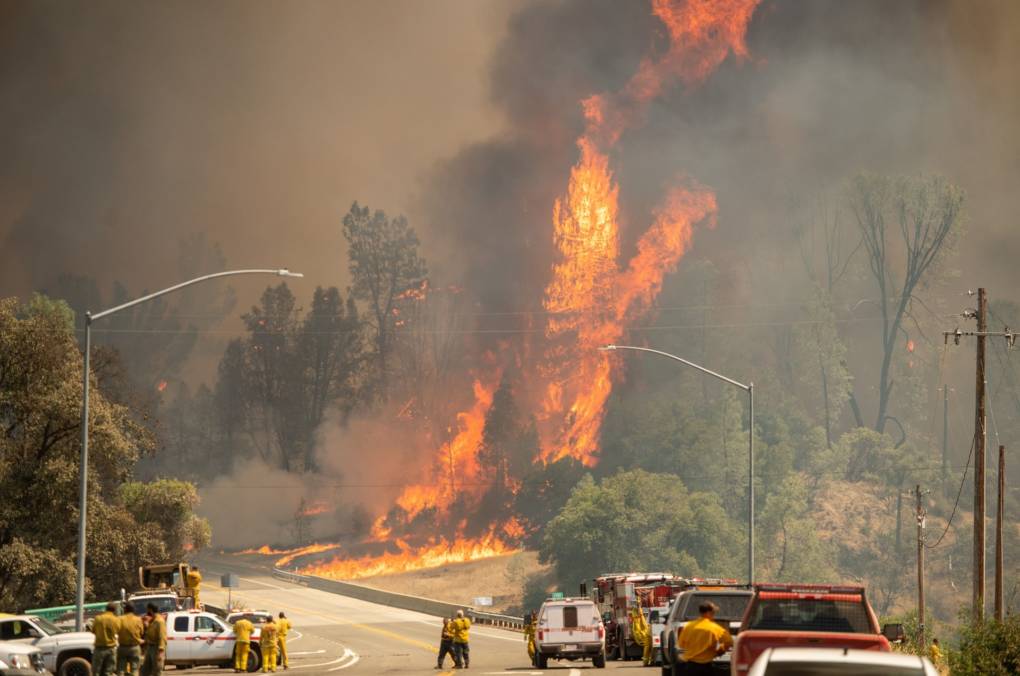
"caption": "Flames tower above firefighters during the Carr Fire near Whiskeytown, California, on July 27, 2018.",
"description": "Flames tower above firefighters during the Carr fire near Whiskeytown, California on July 27, 2018.",
"title": "US-WILDFIRES-CALIFORNIA",
"credit": "JOSH EDELSON/AFP/Getty Images",
"status": "inherit",
"isLoading": false,
"fetchFailed": false
},
"news_11700887": {
"type": "attachments",
"id": "news_11700887",
"meta": {
"index": "attachments_1716263798",
"site": "news",
"id": "11700887",
"found": true
},
"parent": 11699521,
"imgSizes": {
"small": {
"file": "https://ww2.kqed.org/app/uploads/sites/10/2018/10/TwinPeaksTunnel-520x358.jpg",
"width": 520,
"mimeType": "image/jpeg",
"height": 358
},
"twentyfourteen-full-width": {
"file": "https://ww2.kqed.org/app/uploads/sites/10/2018/10/TwinPeaksTunnel-1038x576.jpg",
"width": 1038,
"mimeType": "image/jpeg",
"height": 576
},
"thumbnail": {
"file": "https://ww2.kqed.org/app/uploads/sites/10/2018/10/TwinPeaksTunnel-160x110.jpg",
"width": 160,
"mimeType": "image/jpeg",
"height": 110
},
"fd-sm": {
"file": "https://ww2.kqed.org/app/uploads/sites/10/2018/10/TwinPeaksTunnel-960x662.jpg",
"width": 960,
"mimeType": "image/jpeg",
"height": 662
},
"post-thumbnail": {
"file": "https://ww2.kqed.org/app/uploads/sites/10/2018/10/TwinPeaksTunnel-672x372.jpg",
"width": 672,
"mimeType": "image/jpeg",
"height": 372
},
"xsmall": {
"file": "https://ww2.kqed.org/app/uploads/sites/10/2018/10/TwinPeaksTunnel-375x258.jpg",
"width": 375,
"mimeType": "image/jpeg",
"height": 258
},
"kqedFullSize": {
"file": "https://ww2.kqed.org/app/uploads/sites/10/2018/10/TwinPeaksTunnel.jpg",
"width": 1920,
"height": 1323
},
"large": {
"file": "https://ww2.kqed.org/app/uploads/sites/10/2018/10/TwinPeaksTunnel-1020x703.jpg",
"width": 1020,
"mimeType": "image/jpeg",
"height": 703
},
"xlarge": {
"file": "https://ww2.kqed.org/app/uploads/sites/10/2018/10/TwinPeaksTunnel-1180x813.jpg",
"width": 1180,
"mimeType": "image/jpeg",
"height": 813
},
"complete_open_graph": {
"file": "https://ww2.kqed.org/app/uploads/sites/10/2018/10/TwinPeaksTunnel-1200x827.jpg",
"width": 1200,
"mimeType": "image/jpeg",
"height": 827
},
"guest-author-50": {
"file": "https://ww2.kqed.org/app/uploads/sites/10/2018/10/TwinPeaksTunnel-50x50.jpg",
"width": 50,
"mimeType": "image/jpeg",
"height": 50
},
"guest-author-96": {
"file": "https://ww2.kqed.org/app/uploads/sites/10/2018/10/TwinPeaksTunnel-96x96.jpg",
"width": 96,
"mimeType": "image/jpeg",
"height": 96
},
"medium": {
"file": "https://ww2.kqed.org/app/uploads/sites/10/2018/10/TwinPeaksTunnel-800x551.jpg",
"width": 800,
"mimeType": "image/jpeg",
"height": 551
},
"guest-author-64": {
"file": "https://ww2.kqed.org/app/uploads/sites/10/2018/10/TwinPeaksTunnel-64x64.jpg",
"width": 64,
"mimeType": "image/jpeg",
"height": 64
},
"guest-author-32": {
"file": "https://ww2.kqed.org/app/uploads/sites/10/2018/10/TwinPeaksTunnel-32x32.jpg",
"width": 32,
"mimeType": "image/jpeg",
"height": 32
},
"fd-lrg": {
"file": "https://ww2.kqed.org/app/uploads/sites/10/2018/10/TwinPeaksTunnel-1920x1323.jpg",
"width": 1920,
"mimeType": "image/jpeg",
"height": 1323
},
"fd-med": {
"file": "https://ww2.kqed.org/app/uploads/sites/10/2018/10/TwinPeaksTunnel-1180x813.jpg",
"width": 1180,
"mimeType": "image/jpeg",
"height": 813
},
"full-width": {
"file": "https://ww2.kqed.org/app/uploads/sites/10/2018/10/TwinPeaksTunnel-1920x1323.jpg",
"width": 1920,
"mimeType": "image/jpeg",
"height": 1323
},
"detail": {
"file": "https://ww2.kqed.org/app/uploads/sites/10/2018/10/TwinPeaksTunnel-150x150.jpg",
"width": 150,
"mimeType": "image/jpeg",
"height": 150
},
"guest-author-128": {
"file": "https://ww2.kqed.org/app/uploads/sites/10/2018/10/TwinPeaksTunnel-128x128.jpg",
"width": 128,
"mimeType": "image/jpeg",
"height": 128
},
"xxsmall": {
"file": "https://ww2.kqed.org/app/uploads/sites/10/2018/10/TwinPeaksTunnel-240x165.jpg",
"width": 240,
"mimeType": "image/jpeg",
"height": 165
}
},
"publishDate": 1540400941,
"modified": 1540401263,
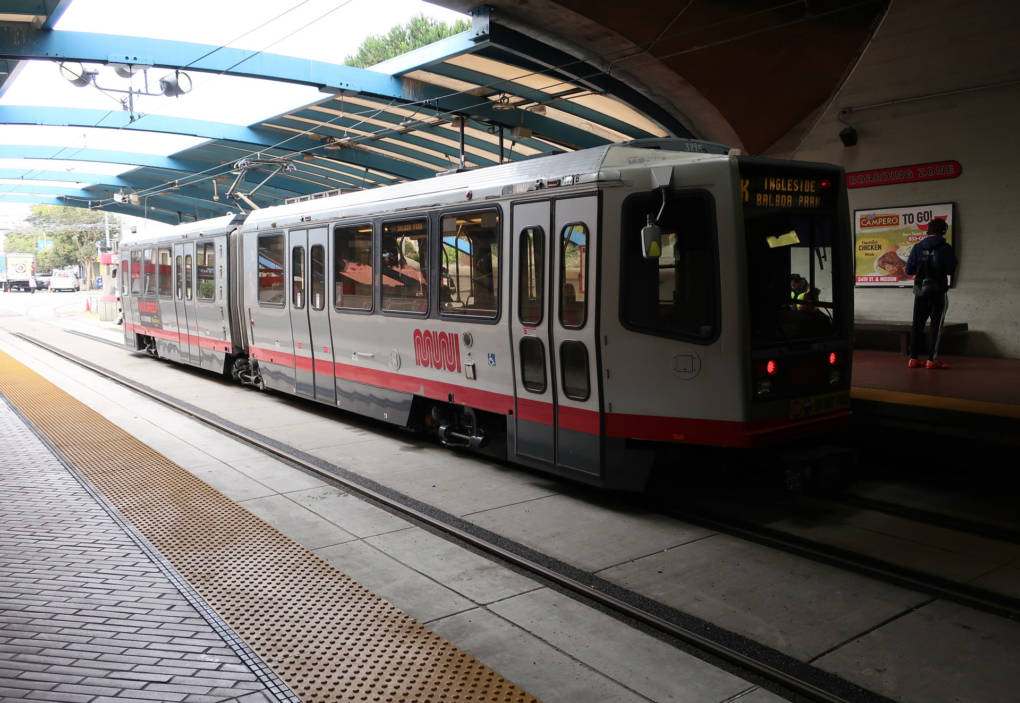
"caption": "Riders wait to ride a Muni train at the reopened Twin Peaks Tunnel in San Francisco. On Aug. 10, a worker with Shimmick Construction was killed by a falling steel beam while working on the tunnel project.",
"description": "Riders wait to ride a Muni train at the reopened Twin Peaks Tunnel in San Francisco. On Aug. 10, a worker with Shimmick Construction was killed by a falling steel beam while working on the tunnel project.",
"title": "TwinPeaksTunnel",
"credit": "Michelle Wiley/KQED",
"status": "inherit",
"isLoading": false,
"fetchFailed": false
},
"news_11698480": {
"type": "attachments",
"id": "news_11698480",
"meta": {
"index": "attachments_1716263798",
"site": "news",
"id": "11698480",
"found": true
},
"parent": 11698425,
"imgSizes": {
"small": {
"file": "https://ww2.kqed.org/app/uploads/sites/10/2018/10/Breed-520x335.jpg",
"width": 520,
"mimeType": "image/jpeg",
"height": 335
},
"twentyfourteen-full-width": {
"file": "https://ww2.kqed.org/app/uploads/sites/10/2018/10/Breed-1038x576.jpg",
"width": 1038,
"mimeType": "image/jpeg",
"height": 576
},
"thumbnail": {
"file": "https://ww2.kqed.org/app/uploads/sites/10/2018/10/Breed-160x103.jpg",
"width": 160,
"mimeType": "image/jpeg",
"height": 103
},
"fd-sm": {
"file": "https://ww2.kqed.org/app/uploads/sites/10/2018/10/Breed-960x618.jpg",
"width": 960,
"mimeType": "image/jpeg",
"height": 618
},
"post-thumbnail": {
"file": "https://ww2.kqed.org/app/uploads/sites/10/2018/10/Breed-672x372.jpg",
"width": 672,
"mimeType": "image/jpeg",
"height": 372
},
"xsmall": {
"file": "https://ww2.kqed.org/app/uploads/sites/10/2018/10/Breed-375x241.jpg",
"width": 375,
"mimeType": "image/jpeg",
"height": 241
},
"kqedFullSize": {
"file": "https://ww2.kqed.org/app/uploads/sites/10/2018/10/Breed.jpg",
"width": 1920,
"height": 1236
},
"large": {
"file": "https://ww2.kqed.org/app/uploads/sites/10/2018/10/Breed-1020x657.jpg",
"width": 1020,
"mimeType": "image/jpeg",
"height": 657
},
"xlarge": {
"file": "https://ww2.kqed.org/app/uploads/sites/10/2018/10/Breed-1180x760.jpg",
"width": 1180,
"mimeType": "image/jpeg",
"height": 760
},
"complete_open_graph": {
"file": "https://ww2.kqed.org/app/uploads/sites/10/2018/10/Breed-1200x773.jpg",
"width": 1200,
"mimeType": "image/jpeg",
"height": 773
},
"guest-author-50": {
"file": "https://ww2.kqed.org/app/uploads/sites/10/2018/10/Breed-50x50.jpg",
"width": 50,
"mimeType": "image/jpeg",
"height": 50
},
"guest-author-96": {
"file": "https://ww2.kqed.org/app/uploads/sites/10/2018/10/Breed-96x96.jpg",
"width": 96,
"mimeType": "image/jpeg",
"height": 96
},
"medium": {
"file": "https://ww2.kqed.org/app/uploads/sites/10/2018/10/Breed-800x515.jpg",
"width": 800,
"mimeType": "image/jpeg",
"height": 515
},
"guest-author-64": {
"file": "https://ww2.kqed.org/app/uploads/sites/10/2018/10/Breed-64x64.jpg",
"width": 64,
"mimeType": "image/jpeg",
"height": 64
},
"guest-author-32": {
"file": "https://ww2.kqed.org/app/uploads/sites/10/2018/10/Breed-32x32.jpg",
"width": 32,
"mimeType": "image/jpeg",
"height": 32
},
"fd-lrg": {
"file": "https://ww2.kqed.org/app/uploads/sites/10/2018/10/Breed-1920x1236.jpg",
"width": 1920,
"mimeType": "image/jpeg",
"height": 1236
},
"fd-med": {
"file": "https://ww2.kqed.org/app/uploads/sites/10/2018/10/Breed-1180x760.jpg",
"width": 1180,
"mimeType": "image/jpeg",
"height": 760
},
"full-width": {
"file": "https://ww2.kqed.org/app/uploads/sites/10/2018/10/Breed-1920x1236.jpg",
"width": 1920,
"mimeType": "image/jpeg",
"height": 1236
},
"detail": {
"file": "https://ww2.kqed.org/app/uploads/sites/10/2018/10/Breed-150x150.jpg",
"width": 150,
"mimeType": "image/jpeg",
"height": 150
},
"guest-author-128": {
"file": "https://ww2.kqed.org/app/uploads/sites/10/2018/10/Breed-128x128.jpg",
"width": 128,
"mimeType": "image/jpeg",
"height": 128
},
"xxsmall": {
"file": "https://ww2.kqed.org/app/uploads/sites/10/2018/10/Breed-240x155.jpg",
"width": 240,
"mimeType": "image/jpeg",
"height": 155
}
},
"publishDate": 1539374009,
"modified": 1539374040,
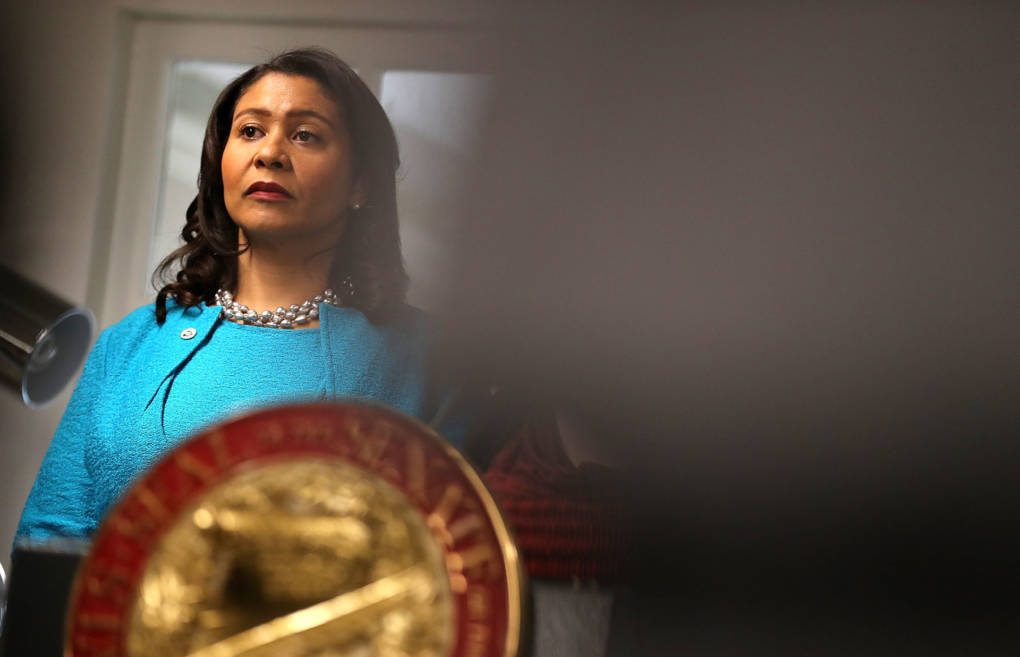
"caption": "San Francisco Mayor London Breed.",
"description": "San Francisco Mayor London Breed.",
"title": "Breed",
"credit": "Justin Sullivan/Getty Images",
"status": "inherit",
"isLoading": false,
"fetchFailed": false
},
"news_11694635": {
"type": "attachments",
"id": "news_11694635",
"meta": {
"index": "attachments_1716263798",
"site": "news",
"id": "11694635",
"found": true
},
"parent": 11694626,
"imgSizes": {
"small": {
"file": "https://ww2.kqed.org/app/uploads/sites/10/2018/09/smallworld_092518_final-520x340.jpg",
"width": 520,
"mimeType": "image/jpeg",
"height": 340
},
"twentyfourteen-full-width": {
"file": "https://ww2.kqed.org/app/uploads/sites/10/2018/09/smallworld_092518_final-1038x576.jpg",
"width": 1038,
"mimeType": "image/jpeg",
"height": 576
},
"thumbnail": {
"file": "https://ww2.kqed.org/app/uploads/sites/10/2018/09/smallworld_092518_final-160x105.jpg",
"width": 160,
"mimeType": "image/jpeg",
"height": 105
},
"fd-sm": {
"file": "https://ww2.kqed.org/app/uploads/sites/10/2018/09/smallworld_092518_final-960x629.jpg",
"width": 960,
"mimeType": "image/jpeg",
"height": 629
},
"post-thumbnail": {
"file": "https://ww2.kqed.org/app/uploads/sites/10/2018/09/smallworld_092518_final-672x372.jpg",
"width": 672,
"mimeType": "image/jpeg",
"height": 372
},
"xsmall": {
"file": "https://ww2.kqed.org/app/uploads/sites/10/2018/09/smallworld_092518_final-375x246.jpg",
"width": 375,
"mimeType": "image/jpeg",
"height": 246
},
"kqedFullSize": {
"file": "https://ww2.kqed.org/app/uploads/sites/10/2018/09/smallworld_092518_final.jpg",
"width": 1920,
"height": 1257
},
"large": {
"file": "https://ww2.kqed.org/app/uploads/sites/10/2018/09/smallworld_092518_final-1020x668.jpg",
"width": 1020,
"mimeType": "image/jpeg",
"height": 668
},
"xlarge": {
"file": "https://ww2.kqed.org/app/uploads/sites/10/2018/09/smallworld_092518_final-1180x773.jpg",
"width": 1180,
"mimeType": "image/jpeg",
"height": 773
},
"complete_open_graph": {
"file": "https://ww2.kqed.org/app/uploads/sites/10/2018/09/smallworld_092518_final-1200x786.jpg",
"width": 1200,
"mimeType": "image/jpeg",
"height": 786
},
"guest-author-50": {
"file": "https://ww2.kqed.org/app/uploads/sites/10/2018/09/smallworld_092518_final-50x50.jpg",
"width": 50,
"mimeType": "image/jpeg",
"height": 50
},
"guest-author-96": {
"file": "https://ww2.kqed.org/app/uploads/sites/10/2018/09/smallworld_092518_final-96x96.jpg",
"width": 96,
"mimeType": "image/jpeg",
"height": 96
},
"medium": {
"file": "https://ww2.kqed.org/app/uploads/sites/10/2018/09/smallworld_092518_final-800x524.jpg",
"width": 800,
"mimeType": "image/jpeg",
"height": 524
},
"guest-author-64": {
"file": "https://ww2.kqed.org/app/uploads/sites/10/2018/09/smallworld_092518_final-64x64.jpg",
"width": 64,
"mimeType": "image/jpeg",
"height": 64
},
"guest-author-32": {
"file": "https://ww2.kqed.org/app/uploads/sites/10/2018/09/smallworld_092518_final-32x32.jpg",
"width": 32,
"mimeType": "image/jpeg",
"height": 32
},
"fd-lrg": {
"file": "https://ww2.kqed.org/app/uploads/sites/10/2018/09/smallworld_092518_final-1920x1257.jpg",
"width": 1920,
"mimeType": "image/jpeg",
"height": 1257
},
"fd-med": {
"file": "https://ww2.kqed.org/app/uploads/sites/10/2018/09/smallworld_092518_final-1180x773.jpg",
"width": 1180,
"mimeType": "image/jpeg",
"height": 773
},
"full-width": {
"file": "https://ww2.kqed.org/app/uploads/sites/10/2018/09/smallworld_092518_final-1920x1257.jpg",
"width": 1920,
"mimeType": "image/jpeg",
"height": 1257
},
"detail": {
"file": "https://ww2.kqed.org/app/uploads/sites/10/2018/09/smallworld_092518_final-150x150.jpg",
"width": 150,
"mimeType": "image/jpeg",
"height": 150
},
"guest-author-128": {
"file": "https://ww2.kqed.org/app/uploads/sites/10/2018/09/smallworld_092518_final-128x128.jpg",
"width": 128,
"mimeType": "image/jpeg",
"height": 128
},
"xxsmall": {
"file": "https://ww2.kqed.org/app/uploads/sites/10/2018/09/smallworld_092518_final-240x157.jpg",
"width": 240,
"mimeType": "image/jpeg",
"height": 157
}
},
"publishDate": 1537917676,
"modified": 1537917690,
"caption": null,
"description": null,
"title": "smallworld_092518_final",
"credit": null,
"status": "inherit",
"isLoading": false,
"fetchFailed": false
},
"news_11694495": {
"type": "attachments",
"id": "news_11694495",
"meta": {
"index": "attachments_1716263798",
"site": "news",
"id": "11694495",
"found": true
},
"parent": 11694489,
"imgSizes": {
"small": {
"file": "https://ww2.kqed.org/app/uploads/sites/10/2018/09/RS32935_IMG_1704-qut-520x390.jpg",
"width": 520,
"mimeType": "image/jpeg",
"height": 390
},
"twentyfourteen-full-width": {
"file": "https://ww2.kqed.org/app/uploads/sites/10/2018/09/RS32935_IMG_1704-qut-1038x576.jpg",
"width": 1038,
"mimeType": "image/jpeg",
"height": 576
},
"thumbnail": {
"file": "https://ww2.kqed.org/app/uploads/sites/10/2018/09/RS32935_IMG_1704-qut-160x120.jpg",
"width": 160,
"mimeType": "image/jpeg",
"height": 120
},
"fd-sm": {
"file": "https://ww2.kqed.org/app/uploads/sites/10/2018/09/RS32935_IMG_1704-qut-960x720.jpg",
"width": 960,
"mimeType": "image/jpeg",
"height": 720
},
"post-thumbnail": {
"file": "https://ww2.kqed.org/app/uploads/sites/10/2018/09/RS32935_IMG_1704-qut-672x372.jpg",
"width": 672,
"mimeType": "image/jpeg",
"height": 372
},
"xsmall": {
"file": "https://ww2.kqed.org/app/uploads/sites/10/2018/09/RS32935_IMG_1704-qut-375x281.jpg",
"width": 375,
"mimeType": "image/jpeg",
"height": 281
},
"kqedFullSize": {
"file": "https://ww2.kqed.org/app/uploads/sites/10/2018/09/RS32935_IMG_1704-qut.jpg",
"width": 1920,
"height": 1440
},
"large": {
"file": "https://ww2.kqed.org/app/uploads/sites/10/2018/09/RS32935_IMG_1704-qut-1020x765.jpg",
"width": 1020,
"mimeType": "image/jpeg",
"height": 765
},
"xlarge": {
"file": "https://ww2.kqed.org/app/uploads/sites/10/2018/09/RS32935_IMG_1704-qut-1180x885.jpg",
"width": 1180,
"mimeType": "image/jpeg",
"height": 885
},
"complete_open_graph": {
"file": "https://ww2.kqed.org/app/uploads/sites/10/2018/09/RS32935_IMG_1704-qut-1200x900.jpg",
"width": 1200,
"mimeType": "image/jpeg",
"height": 900
},
"guest-author-50": {
"file": "https://ww2.kqed.org/app/uploads/sites/10/2018/09/RS32935_IMG_1704-qut-50x50.jpg",
"width": 50,
"mimeType": "image/jpeg",
"height": 50
},
"guest-author-96": {
"file": "https://ww2.kqed.org/app/uploads/sites/10/2018/09/RS32935_IMG_1704-qut-96x96.jpg",
"width": 96,
"mimeType": "image/jpeg",
"height": 96
},
"medium": {
"file": "https://ww2.kqed.org/app/uploads/sites/10/2018/09/RS32935_IMG_1704-qut-800x600.jpg",
"width": 800,
"mimeType": "image/jpeg",
"height": 600
},
"guest-author-64": {
"file": "https://ww2.kqed.org/app/uploads/sites/10/2018/09/RS32935_IMG_1704-qut-64x64.jpg",
"width": 64,
"mimeType": "image/jpeg",
"height": 64
},
"guest-author-32": {
"file": "https://ww2.kqed.org/app/uploads/sites/10/2018/09/RS32935_IMG_1704-qut-32x32.jpg",
"width": 32,
"mimeType": "image/jpeg",
"height": 32
},
"fd-lrg": {
"file": "https://ww2.kqed.org/app/uploads/sites/10/2018/09/RS32935_IMG_1704-qut-1920x1440.jpg",
"width": 1920,
"mimeType": "image/jpeg",
"height": 1440
},
"fd-med": {
"file": "https://ww2.kqed.org/app/uploads/sites/10/2018/09/RS32935_IMG_1704-qut-1180x885.jpg",
"width": 1180,
"mimeType": "image/jpeg",
"height": 885
},
"full-width": {
"file": "https://ww2.kqed.org/app/uploads/sites/10/2018/09/RS32935_IMG_1704-qut-1920x1440.jpg",
"width": 1920,
"mimeType": "image/jpeg",
"height": 1440
},
"detail": {
"file": "https://ww2.kqed.org/app/uploads/sites/10/2018/09/RS32935_IMG_1704-qut-150x150.jpg",
"width": 150,
"mimeType": "image/jpeg",
"height": 150
},
"guest-author-128": {
"file": "https://ww2.kqed.org/app/uploads/sites/10/2018/09/RS32935_IMG_1704-qut-128x128.jpg",
"width": 128,
"mimeType": "image/jpeg",
"height": 128
},
"xxsmall": {
"file": "https://ww2.kqed.org/app/uploads/sites/10/2018/09/RS32935_IMG_1704-qut-240x180.jpg",
"width": 240,
"mimeType": "image/jpeg",
"height": 180
}
},
"publishDate": 1537898385,
"modified": 1537898419,
"caption": "Hotel workers at the Disneyland Resort in Anaheim agreed on a new contract this weekend.",
"description": null,
"title": "RS32935_IMG_1704-qut",
"credit": "Michelle Wiley/KQED",
"status": "inherit",
"isLoading": false,
"fetchFailed": false
},
"news_11691890": {
"type": "attachments",
"id": "news_11691890",
"meta": {
"index": "attachments_1716263798",
"site": "news",
"id": "11691890",
"found": true
},
"parent": 11691690,
"imgSizes": {
"small": {
"file": "https://ww2.kqed.org/app/uploads/sites/10/2018/09/40890423114_fb7557aad7_k-520x347.jpg",
"width": 520,
"mimeType": "image/jpeg",
"height": 347
},
"twentyfourteen-full-width": {
"file": "https://ww2.kqed.org/app/uploads/sites/10/2018/09/40890423114_fb7557aad7_k-1038x576.jpg",
"width": 1038,
"mimeType": "image/jpeg",
"height": 576
},
"thumbnail": {
"file": "https://ww2.kqed.org/app/uploads/sites/10/2018/09/40890423114_fb7557aad7_k-160x107.jpg",
"width": 160,
"mimeType": "image/jpeg",
"height": 107
},
"fd-sm": {
"file": "https://ww2.kqed.org/app/uploads/sites/10/2018/09/40890423114_fb7557aad7_k-960x640.jpg",
"width": 960,
"mimeType": "image/jpeg",
"height": 640
},
"post-thumbnail": {
"file": "https://ww2.kqed.org/app/uploads/sites/10/2018/09/40890423114_fb7557aad7_k-672x372.jpg",
"width": 672,
"mimeType": "image/jpeg",
"height": 372
},
"xsmall": {
"file": "https://ww2.kqed.org/app/uploads/sites/10/2018/09/40890423114_fb7557aad7_k-375x250.jpg",
"width": 375,
"mimeType": "image/jpeg",
"height": 250
},
"kqedFullSize": {
"file": "https://ww2.kqed.org/app/uploads/sites/10/2018/09/40890423114_fb7557aad7_k-e1536714258540.jpg",
"width": 1920,
"height": 1280
},
"large": {
"file": "https://ww2.kqed.org/app/uploads/sites/10/2018/09/40890423114_fb7557aad7_k-1020x680.jpg",
"width": 1020,
"mimeType": "image/jpeg",
"height": 680
},
"xlarge": {
"file": "https://ww2.kqed.org/app/uploads/sites/10/2018/09/40890423114_fb7557aad7_k-1180x786.jpg",
"width": 1180,
"mimeType": "image/jpeg",
"height": 786
},
"complete_open_graph": {
"file": "https://ww2.kqed.org/app/uploads/sites/10/2018/09/40890423114_fb7557aad7_k-1200x800.jpg",
"width": 1200,
"mimeType": "image/jpeg",
"height": 800
},
"guest-author-50": {
"file": "https://ww2.kqed.org/app/uploads/sites/10/2018/09/40890423114_fb7557aad7_k-50x50.jpg",
"width": 50,
"mimeType": "image/jpeg",
"height": 50
},
"guest-author-96": {
"file": "https://ww2.kqed.org/app/uploads/sites/10/2018/09/40890423114_fb7557aad7_k-96x96.jpg",
"width": 96,
"mimeType": "image/jpeg",
"height": 96
},
"medium": {
"file": "https://ww2.kqed.org/app/uploads/sites/10/2018/09/40890423114_fb7557aad7_k-800x533.jpg",
"width": 800,
"mimeType": "image/jpeg",
"height": 533
},
"guest-author-64": {
"file": "https://ww2.kqed.org/app/uploads/sites/10/2018/09/40890423114_fb7557aad7_k-64x64.jpg",
"width": 64,
"mimeType": "image/jpeg",
"height": 64
},
"guest-author-32": {
"file": "https://ww2.kqed.org/app/uploads/sites/10/2018/09/40890423114_fb7557aad7_k-32x32.jpg",
"width": 32,
"mimeType": "image/jpeg",
"height": 32
},
"fd-lrg": {
"file": "https://ww2.kqed.org/app/uploads/sites/10/2018/09/40890423114_fb7557aad7_k-1920x1280.jpg",
"width": 1920,
"mimeType": "image/jpeg",
"height": 1280
},
"fd-med": {
"file": "https://ww2.kqed.org/app/uploads/sites/10/2018/09/40890423114_fb7557aad7_k-1180x786.jpg",
"width": 1180,
"mimeType": "image/jpeg",
"height": 786
},
"full-width": {
"file": "https://ww2.kqed.org/app/uploads/sites/10/2018/09/40890423114_fb7557aad7_k-1920x1280.jpg",
"width": 1920,
"mimeType": "image/jpeg",
"height": 1280
},
"detail": {
"file": "https://ww2.kqed.org/app/uploads/sites/10/2018/09/40890423114_fb7557aad7_k-150x150.jpg",
"width": 150,
"mimeType": "image/jpeg",
"height": 150
},
"guest-author-128": {
"file": "https://ww2.kqed.org/app/uploads/sites/10/2018/09/40890423114_fb7557aad7_k-128x128.jpg",
"width": 128,
"mimeType": "image/jpeg",
"height": 128
},
"xxsmall": {
"file": "https://ww2.kqed.org/app/uploads/sites/10/2018/09/40890423114_fb7557aad7_k-240x160.jpg",
"width": 240,
"mimeType": "image/jpeg",
"height": 160
}
},
"publishDate": 1536713930,
"modified": 1538658781,
"caption": "San Francisco's Palace Hotel, one of seven Marriott-owned properties in the city whose workers are on strike.",
"description": null,
"title": "Palace Hotel-San Francisco",
"credit": "\u003ca href=\"https://flic.kr/p/25im7c5\" target=\"_blank\">Thomas Hawk via Flickr\u003c/a>",
"status": "inherit",
"isLoading": false,
"fetchFailed": false
}
},
"audioPlayerReducer": {
"postId": "stream_live",
"isPaused": true,
"isPlaying": false,
"pfsActive": false,
"pledgeModalIsOpen": true,
"playerDrawerIsOpen": false,
"liveAudioPlayStartedAt": 0,
"liveAudioPlayContext": ""
},
"authorsReducer": {
"byline_news_11702872": {
"type": "authors",
"id": "byline_news_11702872",
"meta": {
"override": true
},
"slug": "byline_news_11702872",
"name": "Laurel Wamsley",
"isLoading": false
},
"samharnett": {
"type": "authors",
"id": "253",
"meta": {
"index": "authors_1716337520",
"id": "253",
"found": true
},
"name": "Sam Harnett",
"firstName": "Sam",
"lastName": "Harnett",
"slug": "samharnett",
"email": "samharnett@gmail.com",
"display_author_email": false,
"staff_mastheads": [],
"title": "KQED Contributor",
"bio": "Sam Harnett covered tech and work at KQED. He is the co-creator of \u003cem>\u003ca href=\"http://www.theworldaccordingtosound.org\">The World According to Sound\u003c/a>,\u003c/em> a 90-second podcast that features different sounds and the stories behind them.\r\n\r\nBefore coming to KQED, Sam worked as an independent reporter who contributed regularly to \u003cem>The California Report, Marketplace,\u003c/em> \u003cem>The World \u003c/em>and NPR.",
"avatar": "https://secure.gravatar.com/avatar/2538b972ac02f2b9546c7a6c59a0f3d0?s=600&d=blank&r=g",
"twitter": "Samwharnett",
"facebook": null,
"instagram": null,
"linkedin": null,
"sites": [
{
"site": "news",
"roles": [
"edit_others_posts",
"subscriber"
]
},
{
"site": "stateofhealth",
"roles": [
"author"
]
},
{
"site": "science",
"roles": [
"editor"
]
},
{
"site": "quest",
"roles": [
"subscriber"
]
}
],
"headData": {
"title": "Sam Harnett | KQED",
"description": "KQED Contributor",
"ogImgSrc": "https://secure.gravatar.com/avatar/2538b972ac02f2b9546c7a6c59a0f3d0?s=600&d=blank&r=g",
"twImgSrc": "https://secure.gravatar.com/avatar/2538b972ac02f2b9546c7a6c59a0f3d0?s=600&d=blank&r=g"
},
"isLoading": false,
"link": "/author/samharnett"
},
"tgoldberg": {
"type": "authors",
"id": "258",
"meta": {
"index": "authors_1716337520",
"id": "258",
"found": true
},
"name": "Ted Goldberg",
"firstName": "Ted",
"lastName": "Goldberg",
"slug": "tgoldberg",
"email": "tgoldberg@kqed.org",
"display_author_email": true,
"staff_mastheads": [
"news"
],
"title": "KQED Managing Editor, News and Newscasts",
"bio": "Ted Goldberg is Managing Editor of News and Newscasts at KQED. His main reporting beat is the Bay Area's oil refining industry.\r\n\r\nPrior to joining KQED in 2014, Ted worked at CBS News and WCBS AM in New York and Bay City News and KCBS Radio in San Francisco. He graduated from Oberlin College in Ohio in 1998.",
"avatar": "https://secure.gravatar.com/avatar/30ce2e4fe89135e104f89be2394d16225b9d36c121b5b3cb7651ce642978b96f?s=600&d=blank&r=g",
"twitter": "TedrickG",
"bluesky": null,
"facebook": null,
"instagram": null,
"linkedin": null,
"sites": [
{
"site": "news",
"roles": [
"editor"
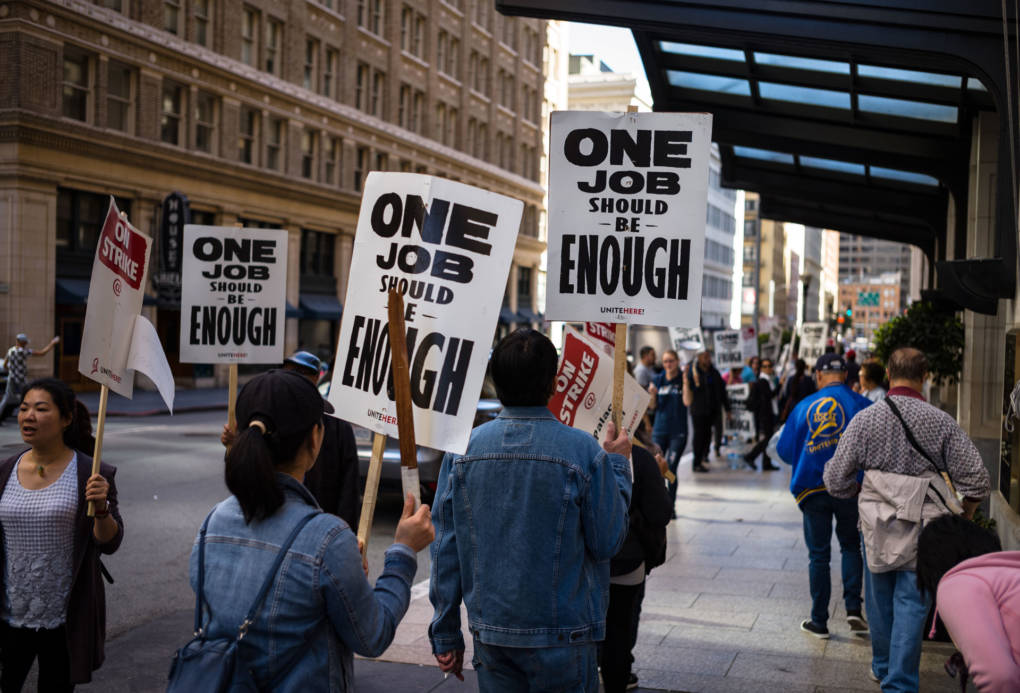
]
},
{
"site": "science",
"roles": [
"editor"
]
}
],
"headData": {
"title": "Ted Goldberg | KQED",
"description": "KQED Managing Editor, News and Newscasts",
"ogImgSrc": "https://secure.gravatar.com/avatar/30ce2e4fe89135e104f89be2394d16225b9d36c121b5b3cb7651ce642978b96f?s=600&d=blank&r=g",
"twImgSrc": "https://secure.gravatar.com/avatar/30ce2e4fe89135e104f89be2394d16225b9d36c121b5b3cb7651ce642978b96f?s=600&d=blank&r=g"
},
"isLoading": false,
"link": "/author/tgoldberg"
},
"markfiore": {
"type": "authors",
"id": "3236",
"meta": {
"index": "authors_1716337520",
"id": "3236",
"found": true
},
"name": "Mark Fiore",
"firstName": "Mark",
"lastName": "Fiore",
"slug": "markfiore",
"email": "mark@markfiore.com",
"display_author_email": false,
"staff_mastheads": [
"news"
],
"title": "KQED News Cartoonist",
"bio": "\u003ca href=\"http://www.MarkFiore.com\">MarkFiore.com\u003c/a> | \u003ca href=\"https://twitter.com/markfiore\">Follow on Twitter\u003c/a> | \u003ca href=\"https://www.facebook.com/pages/Mark-Fiore-Animated-Political-Cartoons/94451707396?ref=bookmarks\">Facebook\u003c/a> | \u003ca href=\"mailto:mark@markfiore.com\">email\u003c/a>\r\n\r\nPulitzer Prize-winner, Mark Fiore, who the Wall Street Journal has called “the undisputed guru of the form,” creates animated political cartoons in San Francisco, where his work has been featured regularly on the San Francisco Chronicle’s web site, SFGate.com. His work has appeared on Newsweek.com, Slate.com, CBSNews.com, MotherJones.com, DailyKos.com and NPR’s web site. Fiore’s political animation has appeared on CNN, Frontline, Bill Moyers Journal, Salon.com and cable and broadcast outlets across the globe.\r\n\r\nBeginning his professional life by drawing traditional political cartoons for newspapers, Fiore’s work appeared in publications ranging from the Washington Post to the Los Angeles Times. In the late 1990s, he began to experiment with animating political cartoons and, after a short stint at the San Jose Mercury News as their staff cartoonist, Fiore devoted all his energies to animation.\r\nGrowing up in California, Fiore also spent a good portion of his life in the backwoods of Idaho. It was this combination that shaped him politically. Mark majored in political science at Colorado College, where, in a perfect send-off for a cartoonist, he received his diploma in 1991 as commencement speaker Dick Cheney smiled approvingly.\r\nMark Fiore was awarded the Pulitzer Prize for political cartooning in 2010, a Robert F. Kennedy Journalism Award in 2004 and has twice received an Online Journalism Award for commentary from the Online News Association (2002, 2008). Fiore has received two awards for his work in new media from the National Cartoonists Society (2001, 2002), and in 2006 received The James Madison Freedom of Information Award from The Society of Professional Journalists.",
"avatar": "https://secure.gravatar.com/avatar/fc4e2a612b15b67bad0c6f0e1db4ca9b?s=600&d=blank&r=g",
"twitter": "MarkFiore",
"facebook": null,
"instagram": "https://www.instagram.com/markfiore/?hl=en",
"linkedin": null,
"sites": [
{
"site": "arts",
"roles": [
"contributor"
]
},
{
"site": "news",
"roles": [
"editor"
]
},
{
"site": "futureofyou",
"roles": [
"editor"
]
},
{
"site": "science",
"roles": [
"editor"
]
}
],
"headData": {
"title": "Mark Fiore | KQED",
"description": "KQED News Cartoonist",
"ogImgSrc": "https://secure.gravatar.com/avatar/fc4e2a612b15b67bad0c6f0e1db4ca9b?s=600&d=blank&r=g",
"twImgSrc": "https://secure.gravatar.com/avatar/fc4e2a612b15b67bad0c6f0e1db4ca9b?s=600&d=blank&r=g"
},
"isLoading": false,
"link": "/author/markfiore"
},
"mwiley": {
"type": "authors",
"id": "11526",
"meta": {
"index": "authors_1716337520",
"id": "11526",
"found": true
},
"name": "Michelle Wiley",
"firstName": "Michelle",
"lastName": "Wiley",
"slug": "mwiley",
"email": "mwiley@KQED.org",
"display_author_email": true,
"staff_mastheads": [],
"title": null,
"bio": "Michelle Wiley was the senior editor of weekends.",
"avatar": "https://secure.gravatar.com/avatar/3b897d82a09e8587e8e73fa69fbcc635?s=600&d=blank&r=g",
"twitter": "michelleewiley",
"facebook": null,
"instagram": null,
"linkedin": null,
"sites": [
{
"site": "",
"roles": [
"editor"
]
},
{
"site": "arts",
"roles": [
"editor"
]
},
{
"site": "news",
"roles": [
"subscriber"
]
},
{
"site": "lowdown",
"roles": [
"editor"
]
},
{
"site": "science",
"roles": [
"editor"
]
},
{
"site": "podcasts",
"roles": [
"editor"
]
}
],
"headData": {
"title": "Michelle Wiley | KQED",
"description": null,
"ogImgSrc": "https://secure.gravatar.com/avatar/3b897d82a09e8587e8e73fa69fbcc635?s=600&d=blank&r=g",
"twImgSrc": "https://secure.gravatar.com/avatar/3b897d82a09e8587e8e73fa69fbcc635?s=600&d=blank&r=g"
},
"isLoading": false,
"link": "/author/mwiley"
}
},
"pagesReducer": {
"news_tag_labor": {
"type": "terms",
"id": "news_19904",
"meta": {
"index": "terms_1716263798",
"site": "news",
"id": "19904",
"score": 8.558112
},
"name": "Labor",
"slug": "labor",
"taxonomy": "tag",
"description": null,
"featImg": null,
"headData": {
"title": "Labor | KQED News",
"description": null,
"ogTitle": null,
"ogDescription": null,
"ogImgId": null,
"twTitle": null,
"twDescription": null,
"twImgId": null
},
"ttid": 19921,
"isLoading": false,
"title": "Labor",
"pageMeta": {
"site": "news",
"WpPageTemplate": "page-topic-editorial",
"currentPage": 59
},
"blocks": [
{
"blockName": "kqed/post-list",
"attrs": {
"layout": "cardArticle2",
"query": "posts/news?tag=labor",
"seeMore": false,
"paginated": true,
"page": 59
}
},
{
"blockName": "kqed/ad"
}
]
}
},
"pfsSessionReducer": {},
"postsReducer": {
"stream_live": {
"type": "live",
"id": "stream_live",
"audioUrl": "https://streams.kqed.org/kqedradio",
"title": "Live Stream",
"excerpt": "Live Stream information currently unavailable.",
"link": "/radio",
"featImg": "",
"label": {
"name": "KQED Live",
"link": "/"
}
},
"stream_kqedNewscast": {
"type": "posts",
"id": "stream_kqedNewscast",
"audioUrl": "https://www.kqed.org/.stream/anon/radio/RDnews/newscast.mp3?_=1",
"title": "KQED Newscast",
"featImg": "",
"label": {
"name": "88.5 FM",
"link": "/"
}
},
"news_11706621": {
"type": "posts",
"id": "news_11706621",
"meta": {
"index": "posts_1716263798",
"site": "news",
"id": "11706621",
"score": null,
"sort": [
1543434143000
]
},
"parent": 0,
"labelTerm": {
"site": "news",
"term": 72
},
"blocks": [],
"publishDate": 1543434143,
"format": "audio",
"disqusTitle": "The Life of a Bay Area On-Demand Super Commuter",
"title": "The Life of a Bay Area On-Demand Super Commuter",
"headTitle": "The California Report | KQED News",
"content": "\u003cp>There’s one thing 32-year-old Jodie Collins always keeps in the trunk of her car: a blanket. That’s because sometimes, in the middle of her marathon workdays, she needs to take a little nap so she can keep on going.\u003c/p>\n\u003cp>For the last three years, Collins has commuted nearly two hours each way from Sacramento to San Francisco on weekends to work as a mobile stylist. She gets gigs doing hair and makeup for clients through apps like Glamsquad and StyleBee. Between appointments, she drives for Lyft.\u003c/p>\n\u003cp>\"I work 18-hour days sometimes on Saturdays to make the long drive into the city worth it,\" she explains.\u003c/p>\n\u003cp>This cobbling together of gig work to make a living is a reality for a growing number of people like Collins. They're super commuters, traveling more than 90 minutes for work each day.\u003c/p>\n\u003caside class=\"pullquote alignright\">'Highs are really, really high, but lows can be really low with these apps. At the end of the day, the pressure all falls on you.'\u003ccite>Jodie Collins\u003c/cite>\u003c/aside>\n\u003cp>San Francisco is an especially popular place to find these types of jobs because people who can afford to live in the city are more likely to use on-demand services. The irony is that those who perform these services often cannot afford to live in the city, so they commute from more affordable places, like Modesto, Stockton and Sacramento.\u003c/p>\n\u003ch3>The 18-Hour Workday\u003c/h3>\n\u003cp>On a typical Saturday, Collins wakes up at 4:45 a.m. She arrives in San Francisco by 8 a.m. for her first gig. The day I met with her, she was doing hair for a wedding party. Collins says she typically packs in as many clients as she can to make the trip worthwhile.\u003c/p>\n\u003cp>At around 6 p.m. she stops styling hair and starts driving people around the city until midnight. Sometimes, she admits, the pay isn’t worth it. People have thrown up in her car, and sometimes she worries about her safety.\u003c/p>\n\u003cp>“The drunker people get, the more issues you run into,\" she says.\u003c/p>\n\u003cp>After Collins finishes driving for Lyft, she either crashes in the city for the night or heads back to Sacramento. She often gets into bed around 2:30 a.m., nearly 24 hours after she first woke up.\u003c/p>\n\u003cp>This isn’t the life she envisioned for herself.\u003c/p>\n\u003cp>“I’ve got really, really, really big dreams,” says Collins. “As an entrepreneur, I have big dreams for a business called Jodie’s Little Gems.”\u003c/p>\n\u003cp>[ad fullwidth]\u003c/p>\n\u003cp>From the time she was a teenager, Collins dreamt of being a stylist. But with $20,000 in cosmetology debt looming over her head, Collins is just trying to stay afloat.\u003c/p>\n\u003cp>“Highs are really, really high, but lows can be really low with these apps,” she says. “At the end of the day the pressure all falls on you.”\u003c/p>\n\u003cp>Collins has gotten speeding and carpool lane violation tickets, and once her car was stolen while she was doing hair for a bridal party. What’s more, some of the apps charge her if she misses an appointment.\u003c/p>\n\u003cp>\"People like me really do need a little stability and help. Health care is expensive. Taxes are expensive,\" she says.\u003c/p>\n\u003cp>A full-time job offers a stable income and insurance, but it won’t give her the flexibility she needs to take care of one of the most important people in her life, her older brother, Jeffrey.\u003c/p>\n\u003cp>“He’s had over 28 brain surgeries,” Collins says. “Nine hip and femur surgeries. His cerebral palsy was so bad at some point it was just curling his legs and making them go [cross-legged].”\u003c/p>\n\u003ch2>Jeffrey\u003c/h2>\n\u003cp>Jeffrey, who is now 40 years old, was not supposed to survive birth. When Collins' mom was pregnant with him, she developed listeriosis, an intense bacterial infection that can cause birth defects.\u003c/p>\n\u003cfigure id=\"attachment_11708741\" class=\"wp-caption aligncenter\" style=\"max-width: 800px\">\u003cimg class=\"size-medium wp-image-11708741\" src=\"https://ww2.kqed.org/news/wp-content/uploads/sites/10/2018/11/JodieAndJeffrey-800x525.jpg\" alt=\"Jodie commutes to San Francisco on weekends to work 18-hour-days so that she can be there to take care of her brother Jeffrey during the week. \" width=\"800\" height=\"525\" srcset=\"https://ww2.kqed.org/app/uploads/sites/10/2018/11/JodieAndJeffrey-800x525.jpg 800w, https://ww2.kqed.org/app/uploads/sites/10/2018/11/JodieAndJeffrey-160x105.jpg 160w, https://ww2.kqed.org/app/uploads/sites/10/2018/11/JodieAndJeffrey-1020x669.jpg 1020w, https://ww2.kqed.org/app/uploads/sites/10/2018/11/JodieAndJeffrey-1200x787.jpg 1200w, https://ww2.kqed.org/app/uploads/sites/10/2018/11/JodieAndJeffrey.jpg 1920w\" sizes=\"(max-width: 800px) 100vw, 800px\">\u003cfigcaption class=\"wp-caption-text\">Jodie commutes to San Francisco on weekends to work 18-hour days so that she can be there to take care of her brother, Jeffrey, during the week. \u003ccite>(Sam Harnett/KQED)\u003c/cite>\u003c/figcaption>\u003c/figure>\n\u003cp>For most of his life, Jeffrey has been in and out of the ICU, which means for Collins, holding down a full-time job is nearly impossible. She says she’s lost many jobs because she had to abruptly leave work to help her brother or her mom, who recently had a double mastectomy. Her father is also struggling. He recently had quadruple bypass surgery.\u003c/p>\n\u003cp>\"I felt a very strong obligation to him,\" says Collins, about her brother. \"It was always like he’s going to die. They prepare us for death. It made me so strong. I am not scared of much these days.\"\u003c/p>\n\u003cp>Jeffrey spends his life in a daybed. Collins helps change his diapers and move him to refresh the bedding. Jeffrey can’t say much, but he loves music. He has a radio on the table in front of him. He turns the dial in search of the songs he likes. When he finds one, he dances with his hands.\u003c/p>\n\u003cp>Collins sometimes wonders where her career would be if she didn’t have so much responsibility at home. She thinks she might have been a little farther along, or at least not in so much debt — in a place where she didn’t have to rely on gigs.\u003c/p>\n\u003cp>“I think I would have been better off in a certain sense,” Collins says. “But then again not, because I wouldn’t be the actual person with the morals and values and goals and work ethic I have.”\u003c/p>\n\u003cp>What Collins does wish is that she didn’t have to choose between being there for her brother and having a full-time job. As long as that’s the case, she’ll keep being an on-demand super commuter, heading to the Bay Area every weekend to make ends meet.\u003c/p>\n\u003cp>\u003c/p>\n",
"disqusIdentifier": "11706621 https://ww2.kqed.org/news/?p=11706621",
"disqusUrl": "https://ww2.kqed.org/news/2018/11/28/the-life-of-a-bay-area-on-demand-super-commuter/",
"stats": {
"hasVideo": false,
"hasChartOrMap": false,
"hasAudio": false,
"hasPolis": false,
"wordCount": 1009,
"hasGoogleForm": false,
"hasGallery": false,
"hasHearkenModule": false,
"iframeSrcs": [],
"paragraphCount": 26
},
"modified": 1543448435,
"excerpt": "San Francisco is a popular place for gig workers. But those who perform these services frequently can’t afford to live in the city, and often commute from more affordable places, like Modesto, Stockton and Sacramento.",
"headData": {
"twImgId": "",
"twTitle": "",
"ogTitle": "",
"ogImgId": "",
"twDescription": "",
"description": "San Francisco is a popular place for gig workers. But those who perform these services frequently can’t afford to live in the city, and often commute from more affordable places, like Modesto, Stockton and Sacramento.",
"title": "The Life of a Bay Area On-Demand Super Commuter | KQED",
"ogDescription": "",
"schema": {
"@context": "https://schema.org",
"@type": "NewsArticle",
"headline": "The Life of a Bay Area On-Demand Super Commuter",
"datePublished": "2018-11-28T11:42:23-08:00",
"dateModified": "2018-11-28T15:40:35-08:00",
"image": "https://cdn.kqed.org/wp-content/uploads/2020/02/KQED-OG-Image@1x.png",
"isAccessibleForFree": "True",
"publisher": {
"@type": "NewsMediaOrganization",
"@id": "https://www.kqed.org/#organization",
"name": "KQED",
"logo": "https://cdn.kqed.org/wp-content/uploads/2020/02/KQED-OG-Image@1x.png",
"url": "https://www.kqed.org",
"sameAs": [
"https://www.facebook.com/KQED",
"https://twitter.com/KQED",
"https://www.instagram.com/kqed/",
"https://www.tiktok.com/@kqedofficial",
"https://www.linkedin.com/company/kqed",
"https://www.youtube.com/channel/UCeC0IOo7i1P_61zVUWbJ4nw"
]
}
}
},
"guestAuthors": [],
"slug": "the-life-of-a-bay-area-on-demand-super-commuter",
"status": "publish",
"audioUrl": "https://www.kqed.org/.stream/anon/radio/RDnews/2018/11/HarnettGigCommuters.mp3",
"audioTrackLength": 287,
"path": "/news/11706621/the-life-of-a-bay-area-on-demand-super-commuter",
"audioDuration": 273000,
"parsedContent": [
{
"type": "contentString",
"content": "\u003cdiv class=\"post-body\">\u003cp>\u003cp>There’s one thing 32-year-old Jodie Collins always keeps in the trunk of her car: a blanket. That’s because sometimes, in the middle of her marathon workdays, she needs to take a little nap so she can keep on going.\u003c/p>\n\u003cp>For the last three years, Collins has commuted nearly two hours each way from Sacramento to San Francisco on weekends to work as a mobile stylist. She gets gigs doing hair and makeup for clients through apps like Glamsquad and StyleBee. Between appointments, she drives for Lyft.\u003c/p>\n\u003cp>\"I work 18-hour days sometimes on Saturdays to make the long drive into the city worth it,\" she explains.\u003c/p>\n\u003cp>This cobbling together of gig work to make a living is a reality for a growing number of people like Collins. They're super commuters, traveling more than 90 minutes for work each day.\u003c/p>\n\u003caside class=\"pullquote alignright\">'Highs are really, really high, but lows can be really low with these apps. At the end of the day, the pressure all falls on you.'\u003ccite>Jodie Collins\u003c/cite>\u003c/aside>\n\u003cp>San Francisco is an especially popular place to find these types of jobs because people who can afford to live in the city are more likely to use on-demand services. The irony is that those who perform these services often cannot afford to live in the city, so they commute from more affordable places, like Modesto, Stockton and Sacramento.\u003c/p>\n\u003ch3>The 18-Hour Workday\u003c/h3>\n\u003cp>On a typical Saturday, Collins wakes up at 4:45 a.m. She arrives in San Francisco by 8 a.m. for her first gig. The day I met with her, she was doing hair for a wedding party. Collins says she typically packs in as many clients as she can to make the trip worthwhile.\u003c/p>\n\u003cp>At around 6 p.m. she stops styling hair and starts driving people around the city until midnight. Sometimes, she admits, the pay isn’t worth it. People have thrown up in her car, and sometimes she worries about her safety.\u003c/p>\n\u003cp>“The drunker people get, the more issues you run into,\" she says.\u003c/p>\n\u003cp>After Collins finishes driving for Lyft, she either crashes in the city for the night or heads back to Sacramento. She often gets into bed around 2:30 a.m., nearly 24 hours after she first woke up.\u003c/p>\n\u003cp>This isn’t the life she envisioned for herself.\u003c/p>\n\u003cp>“I’ve got really, really, really big dreams,” says Collins. “As an entrepreneur, I have big dreams for a business called Jodie’s Little Gems.”\u003c/p>\n\u003cp>\u003c/p>\u003c/div>",
"attributes": {
"named": {},
"numeric": []
}
},
{
"type": "component",
"content": "",
"name": "ad",
"attributes": {
"named": {
"label": "fullwidth"
},
"numeric": [
"fullwidth"
]
}
},
{
"type": "contentString",
"content": "\u003cdiv class=\"post-body\">\u003cp>\u003c/p>\n\u003cp>From the time she was a teenager, Collins dreamt of being a stylist. But with $20,000 in cosmetology debt looming over her head, Collins is just trying to stay afloat.\u003c/p>\n\u003cp>“Highs are really, really high, but lows can be really low with these apps,” she says. “At the end of the day the pressure all falls on you.”\u003c/p>\n\u003cp>Collins has gotten speeding and carpool lane violation tickets, and once her car was stolen while she was doing hair for a bridal party. What’s more, some of the apps charge her if she misses an appointment.\u003c/p>\n\u003cp>\"People like me really do need a little stability and help. Health care is expensive. Taxes are expensive,\" she says.\u003c/p>\n\u003cp>A full-time job offers a stable income and insurance, but it won’t give her the flexibility she needs to take care of one of the most important people in her life, her older brother, Jeffrey.\u003c/p>\n\u003cp>“He’s had over 28 brain surgeries,” Collins says. “Nine hip and femur surgeries. His cerebral palsy was so bad at some point it was just curling his legs and making them go [cross-legged].”\u003c/p>\n\u003ch2>Jeffrey\u003c/h2>\n\u003cp>Jeffrey, who is now 40 years old, was not supposed to survive birth. When Collins' mom was pregnant with him, she developed listeriosis, an intense bacterial infection that can cause birth defects.\u003c/p>\n\u003cfigure id=\"attachment_11708741\" class=\"wp-caption aligncenter\" style=\"max-width: 800px\">\u003cimg class=\"size-medium wp-image-11708741\" src=\"https://ww2.kqed.org/news/wp-content/uploads/sites/10/2018/11/JodieAndJeffrey-800x525.jpg\" alt=\"Jodie commutes to San Francisco on weekends to work 18-hour-days so that she can be there to take care of her brother Jeffrey during the week. \" width=\"800\" height=\"525\" srcset=\"https://ww2.kqed.org/app/uploads/sites/10/2018/11/JodieAndJeffrey-800x525.jpg 800w, https://ww2.kqed.org/app/uploads/sites/10/2018/11/JodieAndJeffrey-160x105.jpg 160w, https://ww2.kqed.org/app/uploads/sites/10/2018/11/JodieAndJeffrey-1020x669.jpg 1020w, https://ww2.kqed.org/app/uploads/sites/10/2018/11/JodieAndJeffrey-1200x787.jpg 1200w, https://ww2.kqed.org/app/uploads/sites/10/2018/11/JodieAndJeffrey.jpg 1920w\" sizes=\"(max-width: 800px) 100vw, 800px\">\u003cfigcaption class=\"wp-caption-text\">Jodie commutes to San Francisco on weekends to work 18-hour days so that she can be there to take care of her brother, Jeffrey, during the week. \u003ccite>(Sam Harnett/KQED)\u003c/cite>\u003c/figcaption>\u003c/figure>\n\u003cp>For most of his life, Jeffrey has been in and out of the ICU, which means for Collins, holding down a full-time job is nearly impossible. She says she’s lost many jobs because she had to abruptly leave work to help her brother or her mom, who recently had a double mastectomy. Her father is also struggling. He recently had quadruple bypass surgery.\u003c/p>\n\u003cp>\"I felt a very strong obligation to him,\" says Collins, about her brother. \"It was always like he’s going to die. They prepare us for death. It made me so strong. I am not scared of much these days.\"\u003c/p>\n\u003cp>Jeffrey spends his life in a daybed. Collins helps change his diapers and move him to refresh the bedding. Jeffrey can’t say much, but he loves music. He has a radio on the table in front of him. He turns the dial in search of the songs he likes. When he finds one, he dances with his hands.\u003c/p>\n\u003cp>Collins sometimes wonders where her career would be if she didn’t have so much responsibility at home. She thinks she might have been a little farther along, or at least not in so much debt — in a place where she didn’t have to rely on gigs.\u003c/p>\n\u003cp>“I think I would have been better off in a certain sense,” Collins says. “But then again not, because I wouldn’t be the actual person with the morals and values and goals and work ethic I have.”\u003c/p>\n\u003cp>What Collins does wish is that she didn’t have to choose between being there for her brother and having a full-time job. As long as that’s the case, she’ll keep being an on-demand super commuter, heading to the Bay Area every weekend to make ends meet.\u003c/p>\n\u003cp>\u003c/p>\n\u003c/div>\u003c/p>",
"attributes": {
"named": {},
"numeric": []
}
}
],
"link": "/news/11706621/the-life-of-a-bay-area-on-demand-super-commuter",
"authors": [
"253"
],
"programs": [
"news_72"
],
"categories": [
"news_1758",
"news_8",
"news_248",
"news_1397"
],
"tags": [
"news_17768",
"news_19542",
"news_17994",
"news_19904",
"news_4524",
"news_22800",
"news_23395"
],
"featImg": "news_11708724",
"label": "news_72"
},
"news_11703249": {
"type": "posts",
"id": "news_11703249",
"meta": {
"index": "posts_1716263798",
"site": "news",
"id": "11703249",
"score": null,
"sort": [
1541200397000
]
},
"guestAuthors": [],
"slug": "striking-hotel-workers-vent-during-special-board-meeting-at-san-francisco-city-hall",
"title": "Striking Hotel Workers Detail Hardships During Special Board Meeting at S.F. City Hall",
"publishDate": 1541200397,
"format": "image",
"headTitle": "Striking Hotel Workers Detail Hardships During Special Board Meeting at S.F. City Hall | KQED",
"labelTerm": {
"term": 72,
"site": "news"
},
"content": "\u003cp>Hundreds of unionized hotel workers who have been striking at Marriott hotels in San Francisco for the last month flooded into San Francisco City Hall on Friday, revealing stories of hardships to get by in one of the most expensive regions in the country.\u003c/p>\n\u003cp>Members of Unite Here Local 2, who walked off the job starting in early October, wore red shirts with the words “one job should be enough” and shared their struggles before a special Board of Supervisors hearing.\u003c/p>\n\u003cp>Some of them cried as they described how tough it’s been to get by, working several jobs on wages they consider too low, barely able to afford high rents and mortgages.\u003c/p>\n\u003cp>“I’m living on a razor’s edge from one day to the next,” said Nicholas Javier, a server at the Westin St. Francis who lives in a single-room-occupancy hotel.\u003c/p>\n\u003cp>Julian Penrose, a bellman at the W hotel, said he has to work multiple jobs.\u003c/p>\n\u003cfigure id=\"attachment_11703377\" class=\"wp-caption aligncenter\" style=\"max-width: 800px\">\u003cimg loading=\"lazy\" decoding=\"async\" class=\"wp-image-11703377 size-medium\" src=\"https://ww2.kqed.org/news/wp-content/uploads/sites/10/2018/11/mariott-strike-city-hall-0388-800x533.jpg\" alt=\"\" width=\"800\" height=\"533\" srcset=\"https://cdn.kqed.org/wp-content/uploads/sites/10/2018/11/mariott-strike-city-hall-0388-800x533.jpg 800w, https://cdn.kqed.org/wp-content/uploads/sites/10/2018/11/mariott-strike-city-hall-0388-160x107.jpg 160w, https://cdn.kqed.org/wp-content/uploads/sites/10/2018/11/mariott-strike-city-hall-0388-1020x680.jpg 1020w, https://cdn.kqed.org/wp-content/uploads/sites/10/2018/11/mariott-strike-city-hall-0388-1200x800.jpg 1200w, https://cdn.kqed.org/wp-content/uploads/sites/10/2018/11/mariott-strike-city-hall-0388-1180x787.jpg 1180w, https://cdn.kqed.org/wp-content/uploads/sites/10/2018/11/mariott-strike-city-hall-0388-960x640.jpg 960w, https://cdn.kqed.org/wp-content/uploads/sites/10/2018/11/mariott-strike-city-hall-0388-240x160.jpg 240w, https://cdn.kqed.org/wp-content/uploads/sites/10/2018/11/mariott-strike-city-hall-0388-375x250.jpg 375w, https://cdn.kqed.org/wp-content/uploads/sites/10/2018/11/mariott-strike-city-hall-0388-520x347.jpg 520w, https://cdn.kqed.org/wp-content/uploads/sites/10/2018/11/mariott-strike-city-hall-0388.jpg 1620w\" sizes=\"(max-width: 800px) 100vw, 800px\">\u003cfigcaption class=\"wp-caption-text\">Ronald Morales (right) waits in line with other hotel workers on strike to attend a San Francisco Board of Supervisors meeting on Nov. 2, 2018. Morales works at the W Hotel in San Francisco and has been a Marriott employee for 19 years. \u003ccite>(J.P. Dobrin/KQED)\u003c/cite>\u003c/figcaption>\u003c/figure>\n\u003cp>“I don’t feel like my wife and I can afford to have children in this city,” Penrose said.\u003c/p>\n\u003cp>“One job should be enough to make ends meet. One job should be enough to have a family, provide for your family … to cover health care … to retire in dignity,” Penrose said.\u003c/p>\n\u003cp>“We live in a city where it’s in demand to have two jobs: one just to pay rent and one for survival,” said Diana Gochez, a hotel culinary worker.\u003c/p>\n\u003cp>The hearing came a day after San Francisco Mayor London Breed and Oakland Mayor Libby Schaaf urged Marriott CEO Arne Sorenson to “listen and work” with the union to help end the strike.\u003c/p>\n\u003cp>“The people who serve in our city’s hotels and restaurants deserve to have one job that is enough to live on,” Breed and Schaaf said in a letter to Sorenson.\u003c/p>\n\u003cfigure id=\"attachment_11703378\" class=\"wp-caption aligncenter\" style=\"max-width: 800px\">\u003cimg loading=\"lazy\" decoding=\"async\" class=\"wp-image-11703378 size-medium\" src=\"https://ww2.kqed.org/news/wp-content/uploads/sites/10/2018/11/mariott-strike-city-hall-0537-800x533.jpg\" alt=\"\" width=\"800\" height=\"533\" srcset=\"https://cdn.kqed.org/wp-content/uploads/sites/10/2018/11/mariott-strike-city-hall-0537-800x533.jpg 800w, https://cdn.kqed.org/wp-content/uploads/sites/10/2018/11/mariott-strike-city-hall-0537-160x107.jpg 160w, https://cdn.kqed.org/wp-content/uploads/sites/10/2018/11/mariott-strike-city-hall-0537-1020x680.jpg 1020w, https://cdn.kqed.org/wp-content/uploads/sites/10/2018/11/mariott-strike-city-hall-0537-1200x800.jpg 1200w, https://cdn.kqed.org/wp-content/uploads/sites/10/2018/11/mariott-strike-city-hall-0537-1180x787.jpg 1180w, https://cdn.kqed.org/wp-content/uploads/sites/10/2018/11/mariott-strike-city-hall-0537-960x640.jpg 960w, https://cdn.kqed.org/wp-content/uploads/sites/10/2018/11/mariott-strike-city-hall-0537-240x160.jpg 240w, https://cdn.kqed.org/wp-content/uploads/sites/10/2018/11/mariott-strike-city-hall-0537-375x250.jpg 375w, https://cdn.kqed.org/wp-content/uploads/sites/10/2018/11/mariott-strike-city-hall-0537-520x347.jpg 520w, https://cdn.kqed.org/wp-content/uploads/sites/10/2018/11/mariott-strike-city-hall-0537.jpg 1620w\" sizes=\"(max-width: 800px) 100vw, 800px\">\u003cfigcaption class=\"wp-caption-text\">A Marriott hotel employee is consoled after delivering a public comment at the Board of Supervisors meeting in San Francisco City Hall on Nov. 2, 2018. Many longtime employees expressed frustration with their low wages and the cost of living in the Bay Area. \u003ccite>(J.P. Dobrin/KQED)\u003c/cite>\u003c/figcaption>\u003c/figure>\n\u003cp>A Marriott spokesperson said the company is reviewing the letter but would not comment on it.\u003c/p>\n\u003cp>The message from the two mayors came two days after Sorenson rejected an invitation to attend Friday’s hearing. In his \u003ca href=\"https://www.kqed.org/news/11702796/marriott-ceo-slams-hotel-workers-union-refuses-to-attend-s-f-hearing\" target=\"_blank\" rel=\"noopener\">letter\u003c/a> to Supervisor Hillary Ronen, Sorenson criticized Unite Here, said its members were well compensated, and accused its leadership of focusing on orchestrating a nationwide job action instead of working a contract out at the bargaining table.\u003c/p>\n\u003cp>“We hoped to reach an agreement months ago. Unfortunately, the union seemed more interested in participating in a long planned, multi-city, 23-hotel strike against Marriott than they were in engaging in any meaningful negotiations,” Sorenson said in the letter.\u003c/p>\n\u003cp>Ronen and Supervisor Rafael Mandelman expressed outrage that Sorenson refused to attend the meeting.\u003c/p>\n\u003cp>“I’m incredibly disappointed, and in fact, insulted that you decided not to show up today,” Ronen said.\u003c/p>\n\u003cfigure id=\"attachment_11703379\" class=\"wp-caption aligncenter\" style=\"max-width: 800px\">\u003cimg loading=\"lazy\" decoding=\"async\" class=\"size-medium wp-image-11703379\" src=\"https://ww2.kqed.org/news/wp-content/uploads/sites/10/2018/11/mariott-strike-city-hall-0480-800x533.jpg\" alt=\"\" width=\"800\" height=\"533\" srcset=\"https://cdn.kqed.org/wp-content/uploads/sites/10/2018/11/mariott-strike-city-hall-0480-800x533.jpg 800w, https://cdn.kqed.org/wp-content/uploads/sites/10/2018/11/mariott-strike-city-hall-0480-160x107.jpg 160w, https://cdn.kqed.org/wp-content/uploads/sites/10/2018/11/mariott-strike-city-hall-0480-1020x680.jpg 1020w, https://cdn.kqed.org/wp-content/uploads/sites/10/2018/11/mariott-strike-city-hall-0480-1200x800.jpg 1200w, https://cdn.kqed.org/wp-content/uploads/sites/10/2018/11/mariott-strike-city-hall-0480-1180x787.jpg 1180w, https://cdn.kqed.org/wp-content/uploads/sites/10/2018/11/mariott-strike-city-hall-0480-960x640.jpg 960w, https://cdn.kqed.org/wp-content/uploads/sites/10/2018/11/mariott-strike-city-hall-0480-240x160.jpg 240w, https://cdn.kqed.org/wp-content/uploads/sites/10/2018/11/mariott-strike-city-hall-0480-375x250.jpg 375w, https://cdn.kqed.org/wp-content/uploads/sites/10/2018/11/mariott-strike-city-hall-0480-520x347.jpg 520w, https://cdn.kqed.org/wp-content/uploads/sites/10/2018/11/mariott-strike-city-hall-0480.jpg 1620w\" sizes=\"(max-width: 800px) 100vw, 800px\">\u003cfigcaption class=\"wp-caption-text\">Supervisor Hillary Ronen voices support for the striking Marriott workers at the beginning of a special supervisors meeting on Nov. 2, 2018. \u003ccite>(J.P. Dobrin/KQED)\u003c/cite>\u003c/figcaption>\u003c/figure>\n\u003cp>“I am just struck by the disrespect of this major international corporation,” Mandelman said.\u003c/p>\n\u003cp>Close to 2,500 housekeepers, kitchen workers, bartenders and bellmen represented by Unite Here Local 2 walked off the job at the Courtyard Marriott Downtown, the Marriott Marquis, the Marriott Union Square, the Palace Hotel, the St. Regis, the W and the Westin St. Francis.\u003c/p>\n\u003cp>Similar strikes, involving other Unite Here local unions, have been taking place in Oakland, San Jose and several other cities around the country.\u003c/p>\n\u003cp>In San Francisco, the two sides have made progress on some sticking points, including job security and issues surrounding technology in the hotels, according to Unite Here Local 2 President Anand Singh.\u003c/p>\n\u003cp>But they are far apart on wages and health care, union officials have said.\u003c/p>\n\u003cp>“This is a crisis,” Singh said. “This brazen position that this company has taken, an unreasonable position, has an impact on the entire industry.”\u003c/p>\n\u003cp>Talks are expected to resume Nov. 12.\u003c/p>\n\u003cfigure id=\"attachment_11703380\" class=\"wp-caption aligncenter\" style=\"max-width: 800px\">\u003cimg loading=\"lazy\" decoding=\"async\" class=\"wp-image-11703380 size-medium\" src=\"https://ww2.kqed.org/news/wp-content/uploads/sites/10/2018/11/mariott-strike-city-hall-0307-800x533.jpg\" alt=\"\" width=\"800\" height=\"533\" srcset=\"https://cdn.kqed.org/wp-content/uploads/sites/10/2018/11/mariott-strike-city-hall-0307-800x533.jpg 800w, https://cdn.kqed.org/wp-content/uploads/sites/10/2018/11/mariott-strike-city-hall-0307-160x107.jpg 160w, https://cdn.kqed.org/wp-content/uploads/sites/10/2018/11/mariott-strike-city-hall-0307-1020x680.jpg 1020w, https://cdn.kqed.org/wp-content/uploads/sites/10/2018/11/mariott-strike-city-hall-0307-1200x800.jpg 1200w, https://cdn.kqed.org/wp-content/uploads/sites/10/2018/11/mariott-strike-city-hall-0307-1180x787.jpg 1180w, https://cdn.kqed.org/wp-content/uploads/sites/10/2018/11/mariott-strike-city-hall-0307-960x640.jpg 960w, https://cdn.kqed.org/wp-content/uploads/sites/10/2018/11/mariott-strike-city-hall-0307-240x160.jpg 240w, https://cdn.kqed.org/wp-content/uploads/sites/10/2018/11/mariott-strike-city-hall-0307-375x250.jpg 375w, https://cdn.kqed.org/wp-content/uploads/sites/10/2018/11/mariott-strike-city-hall-0307-520x347.jpg 520w, https://cdn.kqed.org/wp-content/uploads/sites/10/2018/11/mariott-strike-city-hall-0307.jpg 1620w\" sizes=\"(max-width: 800px) 100vw, 800px\">\u003cfigcaption class=\"wp-caption-text\">Marriott hotel workers on strike enter San Francisco City Hall to attend a special Board of Supervisors meeting on Nov. 2, 2018. \u003ccite>(J.P. Dobrin/KQED)\u003c/cite>\u003c/figcaption>\u003c/figure>\n\u003cp>[ad fullwidth]\u003c/p>\n\u003cp>\u003c/p>\n",
"blocks": [],
"excerpt": "'I'm living on a razor's edge from one day to the next,' said Nicholas Javier, a server at the Westin St. Francis.",
"status": "publish",
"parent": 0,
"modified": 1721117986,
"stats": {
"hasAudio": false,
"hasVideo": false,
"hasChartOrMap": false,
"iframeSrcs": [],
"hasGoogleForm": false,
"hasGallery": false,
"hasHearkenModule": false,
"hasPolis": false,
"paragraphCount": 24,
"wordCount": 797
},
"headData": {
"title": "Striking Hotel Workers Detail Hardships During Special Board Meeting at S.F. City Hall | KQED",
"description": "'I'm living on a razor's edge from one day to the next,' said Nicholas Javier, a server at the Westin St. Francis.",
"ogTitle": "",
"ogDescription": "",
"ogImgId": "",
"twTitle": "",
"twDescription": "",
"twImgId": "",
"schema": {
"@context": "https://schema.org",
"@type": "NewsArticle",
"headline": "Striking Hotel Workers Detail Hardships During Special Board Meeting at S.F. City Hall",
"datePublished": "2018-11-02T16:13:17-07:00",
"dateModified": "2024-07-16T01:19:46-07:00",
"image": "https://cdn.kqed.org/wp-content/uploads/2020/02/KQED-OG-Image@1x.png",
"isAccessibleForFree": "True",
"publisher": {
"@type": "NewsMediaOrganization",
"@id": "https://www.kqed.org/#organization",
"name": "KQED",
"logo": "https://cdn.kqed.org/wp-content/uploads/2020/02/KQED-OG-Image@1x.png",
"url": "https://www.kqed.org",
"sameAs": [
"https://www.facebook.com/KQED",
"https://twitter.com/KQED",
"https://www.instagram.com/kqed/",
"https://www.tiktok.com/@kqedofficial",
"https://www.linkedin.com/company/kqed",
"https://www.youtube.com/channel/UCeC0IOo7i1P_61zVUWbJ4nw"
]
}
}
},
"sticky": false,
"path": "/news/11703249/striking-hotel-workers-vent-during-special-board-meeting-at-san-francisco-city-hall",
"audioTrackLength": null,
"parsedContent": [
{
"type": "contentString",
"content": "\u003cdiv class=\"post-body\">\u003cp>\u003cp>Hundreds of unionized hotel workers who have been striking at Marriott hotels in San Francisco for the last month flooded into San Francisco City Hall on Friday, revealing stories of hardships to get by in one of the most expensive regions in the country.\u003c/p>\n\u003cp>Members of Unite Here Local 2, who walked off the job starting in early October, wore red shirts with the words “one job should be enough” and shared their struggles before a special Board of Supervisors hearing.\u003c/p>\n\u003cp>Some of them cried as they described how tough it’s been to get by, working several jobs on wages they consider too low, barely able to afford high rents and mortgages.\u003c/p>\n\u003cp>“I’m living on a razor’s edge from one day to the next,” said Nicholas Javier, a server at the Westin St. Francis who lives in a single-room-occupancy hotel.\u003c/p>\n\u003cp>Julian Penrose, a bellman at the W hotel, said he has to work multiple jobs.\u003c/p>\n\u003cfigure id=\"attachment_11703377\" class=\"wp-caption aligncenter\" style=\"max-width: 800px\">\u003cimg loading=\"lazy\" decoding=\"async\" class=\"wp-image-11703377 size-medium\" src=\"https://ww2.kqed.org/news/wp-content/uploads/sites/10/2018/11/mariott-strike-city-hall-0388-800x533.jpg\" alt=\"\" width=\"800\" height=\"533\" srcset=\"https://cdn.kqed.org/wp-content/uploads/sites/10/2018/11/mariott-strike-city-hall-0388-800x533.jpg 800w, https://cdn.kqed.org/wp-content/uploads/sites/10/2018/11/mariott-strike-city-hall-0388-160x107.jpg 160w, https://cdn.kqed.org/wp-content/uploads/sites/10/2018/11/mariott-strike-city-hall-0388-1020x680.jpg 1020w, https://cdn.kqed.org/wp-content/uploads/sites/10/2018/11/mariott-strike-city-hall-0388-1200x800.jpg 1200w, https://cdn.kqed.org/wp-content/uploads/sites/10/2018/11/mariott-strike-city-hall-0388-1180x787.jpg 1180w, https://cdn.kqed.org/wp-content/uploads/sites/10/2018/11/mariott-strike-city-hall-0388-960x640.jpg 960w, https://cdn.kqed.org/wp-content/uploads/sites/10/2018/11/mariott-strike-city-hall-0388-240x160.jpg 240w, https://cdn.kqed.org/wp-content/uploads/sites/10/2018/11/mariott-strike-city-hall-0388-375x250.jpg 375w, https://cdn.kqed.org/wp-content/uploads/sites/10/2018/11/mariott-strike-city-hall-0388-520x347.jpg 520w, https://cdn.kqed.org/wp-content/uploads/sites/10/2018/11/mariott-strike-city-hall-0388.jpg 1620w\" sizes=\"(max-width: 800px) 100vw, 800px\">\u003cfigcaption class=\"wp-caption-text\">Ronald Morales (right) waits in line with other hotel workers on strike to attend a San Francisco Board of Supervisors meeting on Nov. 2, 2018. Morales works at the W Hotel in San Francisco and has been a Marriott employee for 19 years. \u003ccite>(J.P. Dobrin/KQED)\u003c/cite>\u003c/figcaption>\u003c/figure>\n\u003cp>“I don’t feel like my wife and I can afford to have children in this city,” Penrose said.\u003c/p>\n\u003cp>“One job should be enough to make ends meet. One job should be enough to have a family, provide for your family … to cover health care … to retire in dignity,” Penrose said.\u003c/p>\n\u003cp>“We live in a city where it’s in demand to have two jobs: one just to pay rent and one for survival,” said Diana Gochez, a hotel culinary worker.\u003c/p>\n\u003cp>The hearing came a day after San Francisco Mayor London Breed and Oakland Mayor Libby Schaaf urged Marriott CEO Arne Sorenson to “listen and work” with the union to help end the strike.\u003c/p>\n\u003cp>“The people who serve in our city’s hotels and restaurants deserve to have one job that is enough to live on,” Breed and Schaaf said in a letter to Sorenson.\u003c/p>\n\u003cfigure id=\"attachment_11703378\" class=\"wp-caption aligncenter\" style=\"max-width: 800px\">\u003cimg loading=\"lazy\" decoding=\"async\" class=\"wp-image-11703378 size-medium\" src=\"https://ww2.kqed.org/news/wp-content/uploads/sites/10/2018/11/mariott-strike-city-hall-0537-800x533.jpg\" alt=\"\" width=\"800\" height=\"533\" srcset=\"https://cdn.kqed.org/wp-content/uploads/sites/10/2018/11/mariott-strike-city-hall-0537-800x533.jpg 800w, https://cdn.kqed.org/wp-content/uploads/sites/10/2018/11/mariott-strike-city-hall-0537-160x107.jpg 160w, https://cdn.kqed.org/wp-content/uploads/sites/10/2018/11/mariott-strike-city-hall-0537-1020x680.jpg 1020w, https://cdn.kqed.org/wp-content/uploads/sites/10/2018/11/mariott-strike-city-hall-0537-1200x800.jpg 1200w, https://cdn.kqed.org/wp-content/uploads/sites/10/2018/11/mariott-strike-city-hall-0537-1180x787.jpg 1180w, https://cdn.kqed.org/wp-content/uploads/sites/10/2018/11/mariott-strike-city-hall-0537-960x640.jpg 960w, https://cdn.kqed.org/wp-content/uploads/sites/10/2018/11/mariott-strike-city-hall-0537-240x160.jpg 240w, https://cdn.kqed.org/wp-content/uploads/sites/10/2018/11/mariott-strike-city-hall-0537-375x250.jpg 375w, https://cdn.kqed.org/wp-content/uploads/sites/10/2018/11/mariott-strike-city-hall-0537-520x347.jpg 520w, https://cdn.kqed.org/wp-content/uploads/sites/10/2018/11/mariott-strike-city-hall-0537.jpg 1620w\" sizes=\"(max-width: 800px) 100vw, 800px\">\u003cfigcaption class=\"wp-caption-text\">A Marriott hotel employee is consoled after delivering a public comment at the Board of Supervisors meeting in San Francisco City Hall on Nov. 2, 2018. Many longtime employees expressed frustration with their low wages and the cost of living in the Bay Area. \u003ccite>(J.P. Dobrin/KQED)\u003c/cite>\u003c/figcaption>\u003c/figure>\n\u003cp>A Marriott spokesperson said the company is reviewing the letter but would not comment on it.\u003c/p>\n\u003cp>The message from the two mayors came two days after Sorenson rejected an invitation to attend Friday’s hearing. In his \u003ca href=\"https://www.kqed.org/news/11702796/marriott-ceo-slams-hotel-workers-union-refuses-to-attend-s-f-hearing\" target=\"_blank\" rel=\"noopener\">letter\u003c/a> to Supervisor Hillary Ronen, Sorenson criticized Unite Here, said its members were well compensated, and accused its leadership of focusing on orchestrating a nationwide job action instead of working a contract out at the bargaining table.\u003c/p>\n\u003cp>“We hoped to reach an agreement months ago. Unfortunately, the union seemed more interested in participating in a long planned, multi-city, 23-hotel strike against Marriott than they were in engaging in any meaningful negotiations,” Sorenson said in the letter.\u003c/p>\n\u003cp>Ronen and Supervisor Rafael Mandelman expressed outrage that Sorenson refused to attend the meeting.\u003c/p>\n\u003cp>“I’m incredibly disappointed, and in fact, insulted that you decided not to show up today,” Ronen said.\u003c/p>\n\u003cfigure id=\"attachment_11703379\" class=\"wp-caption aligncenter\" style=\"max-width: 800px\">\u003cimg loading=\"lazy\" decoding=\"async\" class=\"size-medium wp-image-11703379\" src=\"https://ww2.kqed.org/news/wp-content/uploads/sites/10/2018/11/mariott-strike-city-hall-0480-800x533.jpg\" alt=\"\" width=\"800\" height=\"533\" srcset=\"https://cdn.kqed.org/wp-content/uploads/sites/10/2018/11/mariott-strike-city-hall-0480-800x533.jpg 800w, https://cdn.kqed.org/wp-content/uploads/sites/10/2018/11/mariott-strike-city-hall-0480-160x107.jpg 160w, https://cdn.kqed.org/wp-content/uploads/sites/10/2018/11/mariott-strike-city-hall-0480-1020x680.jpg 1020w, https://cdn.kqed.org/wp-content/uploads/sites/10/2018/11/mariott-strike-city-hall-0480-1200x800.jpg 1200w, https://cdn.kqed.org/wp-content/uploads/sites/10/2018/11/mariott-strike-city-hall-0480-1180x787.jpg 1180w, https://cdn.kqed.org/wp-content/uploads/sites/10/2018/11/mariott-strike-city-hall-0480-960x640.jpg 960w, https://cdn.kqed.org/wp-content/uploads/sites/10/2018/11/mariott-strike-city-hall-0480-240x160.jpg 240w, https://cdn.kqed.org/wp-content/uploads/sites/10/2018/11/mariott-strike-city-hall-0480-375x250.jpg 375w, https://cdn.kqed.org/wp-content/uploads/sites/10/2018/11/mariott-strike-city-hall-0480-520x347.jpg 520w, https://cdn.kqed.org/wp-content/uploads/sites/10/2018/11/mariott-strike-city-hall-0480.jpg 1620w\" sizes=\"(max-width: 800px) 100vw, 800px\">\u003cfigcaption class=\"wp-caption-text\">Supervisor Hillary Ronen voices support for the striking Marriott workers at the beginning of a special supervisors meeting on Nov. 2, 2018. \u003ccite>(J.P. Dobrin/KQED)\u003c/cite>\u003c/figcaption>\u003c/figure>\n\u003cp>“I am just struck by the disrespect of this major international corporation,” Mandelman said.\u003c/p>\n\u003cp>Close to 2,500 housekeepers, kitchen workers, bartenders and bellmen represented by Unite Here Local 2 walked off the job at the Courtyard Marriott Downtown, the Marriott Marquis, the Marriott Union Square, the Palace Hotel, the St. Regis, the W and the Westin St. Francis.\u003c/p>\n\u003cp>Similar strikes, involving other Unite Here local unions, have been taking place in Oakland, San Jose and several other cities around the country.\u003c/p>\n\u003cp>In San Francisco, the two sides have made progress on some sticking points, including job security and issues surrounding technology in the hotels, according to Unite Here Local 2 President Anand Singh.\u003c/p>\n\u003cp>But they are far apart on wages and health care, union officials have said.\u003c/p>\n\u003cp>“This is a crisis,” Singh said. “This brazen position that this company has taken, an unreasonable position, has an impact on the entire industry.”\u003c/p>\n\u003cp>Talks are expected to resume Nov. 12.\u003c/p>\n\u003cfigure id=\"attachment_11703380\" class=\"wp-caption aligncenter\" style=\"max-width: 800px\">\u003cimg loading=\"lazy\" decoding=\"async\" class=\"wp-image-11703380 size-medium\" src=\"https://ww2.kqed.org/news/wp-content/uploads/sites/10/2018/11/mariott-strike-city-hall-0307-800x533.jpg\" alt=\"\" width=\"800\" height=\"533\" srcset=\"https://cdn.kqed.org/wp-content/uploads/sites/10/2018/11/mariott-strike-city-hall-0307-800x533.jpg 800w, https://cdn.kqed.org/wp-content/uploads/sites/10/2018/11/mariott-strike-city-hall-0307-160x107.jpg 160w, https://cdn.kqed.org/wp-content/uploads/sites/10/2018/11/mariott-strike-city-hall-0307-1020x680.jpg 1020w, https://cdn.kqed.org/wp-content/uploads/sites/10/2018/11/mariott-strike-city-hall-0307-1200x800.jpg 1200w, https://cdn.kqed.org/wp-content/uploads/sites/10/2018/11/mariott-strike-city-hall-0307-1180x787.jpg 1180w, https://cdn.kqed.org/wp-content/uploads/sites/10/2018/11/mariott-strike-city-hall-0307-960x640.jpg 960w, https://cdn.kqed.org/wp-content/uploads/sites/10/2018/11/mariott-strike-city-hall-0307-240x160.jpg 240w, https://cdn.kqed.org/wp-content/uploads/sites/10/2018/11/mariott-strike-city-hall-0307-375x250.jpg 375w, https://cdn.kqed.org/wp-content/uploads/sites/10/2018/11/mariott-strike-city-hall-0307-520x347.jpg 520w, https://cdn.kqed.org/wp-content/uploads/sites/10/2018/11/mariott-strike-city-hall-0307.jpg 1620w\" sizes=\"(max-width: 800px) 100vw, 800px\">\u003cfigcaption class=\"wp-caption-text\">Marriott hotel workers on strike enter San Francisco City Hall to attend a special Board of Supervisors meeting on Nov. 2, 2018. \u003ccite>(J.P. Dobrin/KQED)\u003c/cite>\u003c/figcaption>\u003c/figure>\n\u003cp>\u003c/p>\u003c/div>",
"attributes": {
"named": {},
"numeric": []
}
},
{
"type": "component",
"content": "",
"name": "ad",
"attributes": {
"named": {
"label": "fullwidth"
},
"numeric": [
"fullwidth"
]
}
},
{
"type": "contentString",
"content": "\u003cdiv class=\"post-body\">\u003cp>\u003c/p>\n\u003cp>\u003c/p>\n\u003c/div>\u003c/p>",
"attributes": {
"named": {},
"numeric": []
}
}
],
"link": "/news/11703249/striking-hotel-workers-vent-during-special-board-meeting-at-san-francisco-city-hall",
"authors": [
"258"
],
"programs": [
"news_72"
],
"categories": [
"news_1758",
"news_6266",
"news_8",
"news_13"
],
"tags": [
"news_19542",
"news_19904",
"news_23738",
"news_38",
"news_2759",
"news_794"
],
"featImg": "news_11703376",
"label": "news_72"
},
"news_11702872": {
"type": "posts",
"id": "news_11702872",
"meta": {
"index": "posts_1716263798",
"site": "news",
"id": "11702872",
"score": null,
"sort": [
1541095200000
]
},
"parent": 0,
"labelTerm": {},
"blocks": [],
"publishDate": 1541095200,
"format": "image",
"disqusTitle": "Google Employees Walk Out to Protest Company's Treatment of Women",
"title": "Google Employees Walk Out to Protest Company's Treatment of Women",
"headTitle": "The California Report | KQED News",
"content": "\u003cp>Google employees worldwide are walking off the job to protest the company's treatment of women and its handling of sexual assault cases.\u003c/p>\n\u003cp>Employees walked out out of Google offices at 11:10 a.m. in each time zone on Thursday. Workers have walked out in Singapore, Zurich, London, Dublin, and New York City, filling nearby streets, sidewalks and parks. \u003c/p>\n\u003cp>And at Google's Mountain View headquarters, employees streamed out of its offices and filled plazas.\u003c/p>\n\u003cp>\"We demand structural change in the name of transparency, accountability and equity,\" said Celie O'Neil-Hart, a Google employee who helped organize the protest. \"We demand an end to forced arbitration. We demand a right to representation in our conversations with HR.\"\u003c/p>\n\u003cp>https://twitter.com/itsmeritesh/status/1058063678942003200\u003c/p>\n\u003cp>[ad fullwidth]\u003c/p>\n\u003cp>\"We've always been told that Google is a leading-edge company, that our culture is something really special. And in that way we totally have the space to walk out and do this today,\" said Claire Stapleton, a New York-based marketing manager for YouTube and one of the walkout's core organizers. \"But we also see some very real changes that need to happen.\"\u003c/p>\n\u003cp>Stapleton said the walkout isn't just about women, but also people of color, contractors, and others at the company who have experienced \"feeling diminished or disrespected, have experienced feeling unsafe.\"\u003c/p>\n\u003cp>Organizers are calling for an end to forced arbitration, a commitment from the company to end pay and opportunity inequity, a publicly disclosed sexual harassment transparency report, and a safe and anonymous process for reporting sexual misconduct at Google.\u003c/p>\n\u003cp>https://twitter.com/spanks004/status/1058031029640925184\u003c/p>\n\u003cp>The employee protest comes a week after \u003ca href=\"https://www.nytimes.com/2018/10/25/technology/google-sexual-harassment-andy-rubin.html\">The New York Times published\u003c/a> an extensive report on sexual harassment at the company. Andy Rubin, the creator of the Android software operating system, was accused by a female colleague of coercing her to perform oral sex on him in 2013, the \u003cem>Times\u003c/em> reports.\u003c/p>\n\u003cp>Google reportedly found the allegation credible, asked for his resignation and gave him an exit package worth $90 million.\u003c/p>\n\u003caside class=\"alignright\">\n\u003ch3>\u003ca href=\"https://www.kqed.org/news/11701484/google-reveals-48-employees-fired-for-sexual-harassment-in-last-2-years\">Google Reveals 48 Employees Fired for Sexual Harassment in Last 2 Years\u003c/a>\u003c/h3>\n\u003cfigure>\u003ca href=\"https://www.kqed.org/news/11701484/google-reveals-48-employees-fired-for-sexual-harassment-in-last-2-years\">\u003cimg src=\"https://ww2.kqed.org/news/wp-content/uploads/sites/10/2018/10/AndyRubin-1180x844.jpg\" alt=\"\">\u003c/a>\u003c/figure>\n\u003c/aside>\n\u003cp>The company did not mention the allegations in the announcement of his departure.\u003c/p>\n\u003cp>\u003ca href=\"https://twitter.com/Arubin/status/1055632398509985792\">Rubin has tweeted\u003c/a>, \"These false allegations are part of a smear campaign.\"\u003c/p>\n\u003cp>\"As Google workers, we were disgusted by the details of the recent \u003cem>New York Times\u003c/em> article, which provided the latest example of a culture of complicity, dismissiveness, and support for perpetrators in the face of sexual harassment, misconduct, and abuse of power,\" organizers told NPR in an emailed statement.\u003c/p>\n\u003cp>\"For every story in the \u003cem>New York Times\u003c/em>, there are thousands more, at every level of the company. Most have not been told.\"\u003c/p>\n\u003cp>https://twitter.com/karenmaryo/status/1057974632119222273\u003c/p>\n\u003cp>https://twitter.com/tictoc/status/1057994666929516544\u003c/p>\n\u003cp>Since the \u003cem>Times\u003c/em> report, the company's leadership is dealing with an agitated workforce, according to multiple reports.\u003c/p>\n\u003cp>\"While Google has championed the language of diversity and inclusion, substantive actions to address systemic racism, increase equity, and stop sexual harassment have been few and far between,\" organizers say.\u003c/p>\n\u003cp>Some demands relate directly to Google's workforce gender makeup: Only \u003ca href=\"https://diversity.google/annual-report/\">31 percent\u003c/a> of its global workforce and just over a quarter of its executives are women.\u003c/p>\n\u003cp>https://twitter.com/GoogleWalkout/status/1057804203895283712\u003c/p>\n\u003cp>Last year, \u003ca href=\"https://www.npr.org/sections/thetwo-way/2017/04/08/523129221/google-accused-of-underpaying-female-employees\">the federal government sued Google,\u003c/a> a government contractor, to release compensation data in order to ensure the company was obeying equal opportunity laws.\u003c/p>\n\u003cp>Others relate to the company's treatment of sexual harassment. Currently, the company requires employees to waive their right to sue in cases of sexual harassment and often includes confidentiality agreements, the \u003cem>Times\u003c/em> reports.\u003c/p>\n\u003cp>Organizers are also asking for \"a clear, uniform, globally inclusive process for reporting sexual misconduct safely and anonymously.\"\u003c/p>\n\u003cp>They have also asked that the company's chief diversity officer answer directly to the CEO and make recommendations directly to the Board of Directors — and that the company add an employee representative to the board.\u003c/p>\n\u003cp>\"This is part of a growing movement, not just in tech, but across the country, including teachers, fast food workers, and others who are using their strength in numbers to make real change,\" organizers said.\u003c/p>\n\u003cp>Employees who walk out \u003ca href=\"https://twitter.com/GoogleWalkout/status/1057826104965246976\">will display a poster on their desk that reads\u003c/a>, \"Hi. I'm not at my desk because I'm walking out in solidarity with other Googlers and contractors to protest sexual harassment, misconduct, lack of transparency, and a workplace culture that's not working for everyone. I'll be back at my desk later.\"\u003c/p>\n\u003cp>Stapleton, one of the walkout's organizers in New York, said she is hopeful that Google can change its culture. She said the past week had actually restored her faith in the company, as she worked together with colleagues on a wide spectrum of issues.\u003c/p>\n\u003cp>\"We have tremendous allies,\" she said. \"I mean, we immediately took the name 'women' out of the walkout because we had so much support from men. And we wanted this to feel really inclusive, and for this to be about a bigger thing than one executive payout.\"\u003c/p>\n\u003cp>\u003c/p>\n\u003cp>\"I think if change can happen anywhere I hope it's here,\" she said. \"But we'll see.\" \u003c/p>\n\u003cdiv class=\"fullattribution\">Copyright 2018 NPR. To see more, visit http://www.npr.org/.\u003cimg src=\"https://www.google-analytics.com/__utm.gif?utmac=UA-5828686-4&utmdt=Google+Employees+Walk+Out+To+Protest+Company%27s+Treatment+Of+Women&utme=8(APIKey)9(MDAxOTAwOTE4MDEyMTkxMDAzNjczZDljZA004)\">\u003c/div>\n\n",
"disqusIdentifier": "11702872 https://ww2.kqed.org/news/?p=11702872",
"disqusUrl": "https://ww2.kqed.org/news/2018/11/01/google-employees-begin-global-walkout-to-protest-companys-treatment-of-women/",
"stats": {
"hasVideo": false,
"hasChartOrMap": false,
"hasAudio": false,
"hasPolis": false,
"wordCount": 869,
"hasGoogleForm": false,
"hasGallery": false,
"hasHearkenModule": false,
"iframeSrcs": [],
"paragraphCount": 27
},
"modified": 1541114783,
"excerpt": "Many at Google have been simmering since \u003cem>The New York Times\u003c/em> reported the company gave generous exit packages to alleged harassers. Thousands of employees walked out of its offices around the world.",
"headData": {
"twImgId": "",
"twTitle": "",
"ogTitle": "",
"ogImgId": "",
"twDescription": "",
"description": "Many at Google have been simmering since The New York Times reported the company gave generous exit packages to alleged harassers. Thousands of employees walked out of its offices around the world.",
"title": "Google Employees Walk Out to Protest Company's Treatment of Women | KQED",
"ogDescription": "",
"schema": {
"@context": "https://schema.org",
"@type": "NewsArticle",
"headline": "Google Employees Walk Out to Protest Company's Treatment of Women",
"datePublished": "2018-11-01T11:00:00-07:00",
"dateModified": "2018-11-01T16:26:23-07:00",
"image": "https://cdn.kqed.org/wp-content/uploads/2020/02/KQED-OG-Image@1x.png",
"isAccessibleForFree": "True",
"publisher": {
"@type": "NewsMediaOrganization",
"@id": "https://www.kqed.org/#organization",
"name": "KQED",
"logo": "https://cdn.kqed.org/wp-content/uploads/2020/02/KQED-OG-Image@1x.png",
"url": "https://www.kqed.org",
"sameAs": [
"https://www.facebook.com/KQED",
"https://twitter.com/KQED",
"https://www.instagram.com/kqed/",
"https://www.tiktok.com/@kqedofficial",
"https://www.linkedin.com/company/kqed",
"https://www.youtube.com/channel/UCeC0IOo7i1P_61zVUWbJ4nw"
]
}
}
},
"guestAuthors": [],
"slug": "google-employees-begin-global-walkout-to-protest-companys-treatment-of-women",
"status": "publish",
"nprApiLink": "http://api.npr.org/query?id=662851489&apiKey=MDAxOTAwOTE4MDEyMTkxMDAzNjczZDljZA004",
"nprStoryDate": "Thu, 01 Nov 2018 07:10:00 -0400",
"nprLastModifiedDate": "Thu, 01 Nov 2018 14:43:13 -0400",
"nprHtmlLink": "https://www.npr.org/2018/11/01/662851489/google-employees-plan-global-walkout-to-protest-companys-treatment-of-women?ft=nprml&f=662851489",
"nprAudio": "https://ondemand.npr.org/anon.npr-mp3/npr/me/2018/11/20181101_me_google_walkout.mp3?orgId=1&topicId=1006&d=197&story=662851489&ft=nprml&f=662851489",
"nprImageAgency": "@tedonprivacy via Reuters",
"source": "NPR",
"nprAudioM3u": "http://api.npr.org/m3u/1662902970-2c38c6.m3u?orgId=1&topicId=1006&d=197&story=662851489&ft=nprml&f=662851489",
"nprStoryId": "662851489",
"sourceUrl": "https://www.npr.org/",
"nprByline": "Laurel Wamsley",
"audioTrackLength": 197,
"nprRetrievedStory": "1",
"nprPubDate": "Thu, 01 Nov 2018 14:43:00 -0400",
"path": "/news/11702872/google-employees-begin-global-walkout-to-protest-companys-treatment-of-women",
"audioUrl": "https://ondemand.npr.org/anon.npr-mp3/npr/me/2018/11/20181101_me_google_walkout.mp3?orgId=1&topicId=1006&d=197&story=662851489&ft=nprml&f=662851489",
"parsedContent": [
{
"type": "contentString",
"content": "\u003cdiv class=\"post-body\">\u003cp>\u003cp>Google employees worldwide are walking off the job to protest the company's treatment of women and its handling of sexual assault cases.\u003c/p>\n\u003cp>Employees walked out out of Google offices at 11:10 a.m. in each time zone on Thursday. Workers have walked out in Singapore, Zurich, London, Dublin, and New York City, filling nearby streets, sidewalks and parks. \u003c/p>\n\u003cp>And at Google's Mountain View headquarters, employees streamed out of its offices and filled plazas.\u003c/p>\n\u003cp>\"We demand structural change in the name of transparency, accountability and equity,\" said Celie O'Neil-Hart, a Google employee who helped organize the protest. \"We demand an end to forced arbitration. We demand a right to representation in our conversations with HR.\"\u003c/p>\u003c/p>\u003c/div>",
"attributes": {
"named": {},
"numeric": []
}
},
{
"type": "component",
"content": "",
"name": "singleTwitterStatus",
"attributes": {
"named": {
"id": "1058063678942003200"
},
"numeric": []
}
},
{
"type": "contentString",
"content": "\u003cdiv class=\"post-body\">\u003cp>\n\u003cp>\u003c/p>\u003c/div>",
"attributes": {
"named": {},
"numeric": []
}
},
{
"type": "component",
"content": "",
"name": "ad",
"attributes": {
"named": {
"label": "fullwidth"
},
"numeric": [
"fullwidth"
]
}
},
{
"type": "contentString",
"content": "\u003cdiv class=\"post-body\">\u003cp>\u003c/p>\n\u003cp>\"We've always been told that Google is a leading-edge company, that our culture is something really special. And in that way we totally have the space to walk out and do this today,\" said Claire Stapleton, a New York-based marketing manager for YouTube and one of the walkout's core organizers. \"But we also see some very real changes that need to happen.\"\u003c/p>\n\u003cp>Stapleton said the walkout isn't just about women, but also people of color, contractors, and others at the company who have experienced \"feeling diminished or disrespected, have experienced feeling unsafe.\"\u003c/p>\n\u003cp>Organizers are calling for an end to forced arbitration, a commitment from the company to end pay and opportunity inequity, a publicly disclosed sexual harassment transparency report, and a safe and anonymous process for reporting sexual misconduct at Google.\u003c/p>\u003c/p>\u003c/div>",
"attributes": {
"named": {},
"numeric": []
}
},
{
"type": "component",
"content": "",
"name": "singleTwitterStatus",
"attributes": {
"named": {
"id": "1058031029640925184"
},
"numeric": []
}
},
{
"type": "contentString",
"content": "\u003cdiv class=\"post-body\">\u003cp>\n\u003cp>The employee protest comes a week after \u003ca href=\"https://www.nytimes.com/2018/10/25/technology/google-sexual-harassment-andy-rubin.html\">The New York Times published\u003c/a> an extensive report on sexual harassment at the company. Andy Rubin, the creator of the Android software operating system, was accused by a female colleague of coercing her to perform oral sex on him in 2013, the \u003cem>Times\u003c/em> reports.\u003c/p>\n\u003cp>Google reportedly found the allegation credible, asked for his resignation and gave him an exit package worth $90 million.\u003c/p>\n\u003caside class=\"alignright\">\n\u003ch3>\u003ca href=\"https://www.kqed.org/news/11701484/google-reveals-48-employees-fired-for-sexual-harassment-in-last-2-years\">Google Reveals 48 Employees Fired for Sexual Harassment in Last 2 Years\u003c/a>\u003c/h3>\n\u003cfigure>\u003ca href=\"https://www.kqed.org/news/11701484/google-reveals-48-employees-fired-for-sexual-harassment-in-last-2-years\">\u003cimg src=\"https://ww2.kqed.org/news/wp-content/uploads/sites/10/2018/10/AndyRubin-1180x844.jpg\" alt=\"\">\u003c/a>\u003c/figure>\n\u003c/aside>\n\u003cp>The company did not mention the allegations in the announcement of his departure.\u003c/p>\n\u003cp>\u003ca href=\"https://twitter.com/Arubin/status/1055632398509985792\">Rubin has tweeted\u003c/a>, \"These false allegations are part of a smear campaign.\"\u003c/p>\n\u003cp>\"As Google workers, we were disgusted by the details of the recent \u003cem>New York Times\u003c/em> article, which provided the latest example of a culture of complicity, dismissiveness, and support for perpetrators in the face of sexual harassment, misconduct, and abuse of power,\" organizers told NPR in an emailed statement.\u003c/p>\n\u003cp>\"For every story in the \u003cem>New York Times\u003c/em>, there are thousands more, at every level of the company. Most have not been told.\"\u003c/p>\u003c/p>\u003c/div>",
"attributes": {
"named": {},
"numeric": []
}
},
{
"type": "component",
"content": "",
"name": "singleTwitterStatus",
"attributes": {
"named": {
"id": "1057974632119222273"
},
"numeric": []
}
},
{
"type": "contentString",
"content": "\u003cdiv class=\"post-body\">\u003cp>\u003c/p>\u003c/div>",
"attributes": {
"named": {},
"numeric": []
}
},
{
"type": "component",
"content": "",
"name": "singleTwitterStatus",
"attributes": {
"named": {
"id": "1057994666929516544"
},
"numeric": []
}
},
{
"type": "contentString",
"content": "\u003cdiv class=\"post-body\">\u003cp>\n\u003cp>Since the \u003cem>Times\u003c/em> report, the company's leadership is dealing with an agitated workforce, according to multiple reports.\u003c/p>\n\u003cp>\"While Google has championed the language of diversity and inclusion, substantive actions to address systemic racism, increase equity, and stop sexual harassment have been few and far between,\" organizers say.\u003c/p>\n\u003cp>Some demands relate directly to Google's workforce gender makeup: Only \u003ca href=\"https://diversity.google/annual-report/\">31 percent\u003c/a> of its global workforce and just over a quarter of its executives are women.\u003c/p>\u003c/p>\u003c/div>",
"attributes": {
"named": {},
"numeric": []
}
},
{
"type": "component",
"content": "",
"name": "singleTwitterStatus",
"attributes": {
"named": {
"id": "1057804203895283712"
},
"numeric": []
}
},
{
"type": "contentString",
"content": "\u003cdiv class=\"post-body\">\u003cp>\n\u003cp>Last year, \u003ca href=\"https://www.npr.org/sections/thetwo-way/2017/04/08/523129221/google-accused-of-underpaying-female-employees\">the federal government sued Google,\u003c/a> a government contractor, to release compensation data in order to ensure the company was obeying equal opportunity laws.\u003c/p>\n\u003cp>Others relate to the company's treatment of sexual harassment. Currently, the company requires employees to waive their right to sue in cases of sexual harassment and often includes confidentiality agreements, the \u003cem>Times\u003c/em> reports.\u003c/p>\n\u003cp>Organizers are also asking for \"a clear, uniform, globally inclusive process for reporting sexual misconduct safely and anonymously.\"\u003c/p>\n\u003cp>They have also asked that the company's chief diversity officer answer directly to the CEO and make recommendations directly to the Board of Directors — and that the company add an employee representative to the board.\u003c/p>\n\u003cp>\"This is part of a growing movement, not just in tech, but across the country, including teachers, fast food workers, and others who are using their strength in numbers to make real change,\" organizers said.\u003c/p>\n\u003cp>Employees who walk out \u003ca href=\"https://twitter.com/GoogleWalkout/status/1057826104965246976\">will display a poster on their desk that reads\u003c/a>, \"Hi. I'm not at my desk because I'm walking out in solidarity with other Googlers and contractors to protest sexual harassment, misconduct, lack of transparency, and a workplace culture that's not working for everyone. I'll be back at my desk later.\"\u003c/p>\n\u003cp>Stapleton, one of the walkout's organizers in New York, said she is hopeful that Google can change its culture. She said the past week had actually restored her faith in the company, as she worked together with colleagues on a wide spectrum of issues.\u003c/p>\n\u003cp>\"We have tremendous allies,\" she said. \"I mean, we immediately took the name 'women' out of the walkout because we had so much support from men. And we wanted this to feel really inclusive, and for this to be about a bigger thing than one executive payout.\"\u003c/p>\n\u003cp>\u003c/p>\n\u003cp>\"I think if change can happen anywhere I hope it's here,\" she said. \"But we'll see.\" \u003c/p>\n\u003cdiv class=\"fullattribution\">Copyright 2018 NPR. To see more, visit http://www.npr.org/.\u003cimg src=\"https://www.google-analytics.com/__utm.gif?utmac=UA-5828686-4&utmdt=Google+Employees+Walk+Out+To+Protest+Company%27s+Treatment+Of+Women&utme=8(APIKey)9(MDAxOTAwOTE4MDEyMTkxMDAzNjczZDljZA004)\">\u003c/div>\n\n\u003c/div>\u003c/p>",
"attributes": {
"named": {},
"numeric": []
}
}
],
"link": "/news/11702872/google-employees-begin-global-walkout-to-protest-companys-treatment-of-women",
"authors": [
"byline_news_11702872"
],
"programs": [
"news_72"
],
"categories": [
"news_6188",
"news_8",
"news_248"
],
"tags": [
"news_18565",
"news_19542",
"news_17921",
"news_93",
"news_19904",
"news_2838"
],
"affiliates": [
"news_253"
],
"featImg": "news_11703080",
"label": "source_news_11702872"
},
"news_11702796": {
"type": "posts",
"id": "news_11702796",
"meta": {
"index": "posts_1716263798",
"site": "news",
"id": "11702796",
"score": null,
"sort": [
1541033324000
]
},
"guestAuthors": [],
"slug": "marriott-ceo-slams-hotel-workers-union-refuses-to-attend-s-f-hearing",
"title": "Marriott CEO Slams Hotel Workers Union, Refuses to Attend S.F. Hearing",
"publishDate": 1541033324,
"format": "standard",
"headTitle": "Marriott CEO Slams Hotel Workers Union, Refuses to Attend S.F. Hearing | KQED",
"labelTerm": {
"term": 72,
"site": "news"
},
"content": "\u003cp>\u003cem>This story was updated 11/1/18 at 10:45 a.m.\u003c/em>\u003c/p>\n\u003cp>The chief executive of Marriott International issued a blistering critique of the union representing thousands of workers who’ve been striking at seven of the chain’s hotels in San Francisco for close to a month, in a letter sent to a city supervisor on Wednesday.\u003c/p>\n\u003cp>Marriott CEO Arne Sorenson rejected an invitation from Supervisor Hillary Ronen to attend a Board of Supervisors meeting aimed at resolving the company’s ongoing dispute with Unite Here Local 2, and claimed the union was more interested in coordinating a national labor action instead of settling local contract issues at the bargaining table.\u003c/p>\n\u003cp>“The union has attempted to portray Marriott as a company that has both disregarded its bargaining obligations and denied its employees fair wages and benefits,” Sorenson wrote in a letter obtained by KQED. “That could not be further from the truth.”\u003c/p>\n\u003cp>[ad fullwidth]\u003c/p>\n\u003cp>On Oct. 4, more than 2,000 housekeepers, kitchen workers, bartenders, bellmen and others represented by Local 2 \u003ca href=\"https://www.kqed.org/news/11696561/marriott-hotel-workers-in-san-francisco-walk-off-the-job\" target=\"_blank\" rel=\"noopener\">walked off the job\u003c/a> at the Courtyard Marriott Downtown, the Marriott Marquis, the Marriott Union Square, the Palace Hotel, the St. Regis, the W and the Westin St. Francis.\u003c/p>\n\u003cp>Similar strikes, involving other Unite Here local unions, have been taking place in Oakland, San Jose and other several cities around the country.\u003c/p>\n\u003cp>The workers, who have been pushing for higher wages and better job protections, have not only been picketing outside of local hotels, but have also held marches and protests, in some cases leading to arrests.\u003c/p>\n\u003cp>Until now, Marriott has not spoken out extensively about the labor dispute.\u003c/p>\n\u003cp>“Although we have generally stayed silent, opting not to negotiate with Unite Here Local 2 in the press or on social media, please don’t interpret this silence as confirmation of the union’s claims,” Sorenson said.\u003c/p>\n\u003cfigure id=\"attachment_11702827\" class=\"wp-caption aligncenter\" style=\"max-width: 800px\">\u003cimg loading=\"lazy\" decoding=\"async\" class=\"size-medium wp-image-11702827\" src=\"https://ww2.kqed.org/news/wp-content/uploads/sites/10/2018/10/ArneS-800x534.jpg\" alt=\"Arne Sorenson, President and CEO Marriott International, pictured in 2016.\" width=\"800\" height=\"534\" srcset=\"https://cdn.kqed.org/wp-content/uploads/sites/10/2018/10/ArneS-800x534.jpg 800w, https://cdn.kqed.org/wp-content/uploads/sites/10/2018/10/ArneS-160x107.jpg 160w, https://cdn.kqed.org/wp-content/uploads/sites/10/2018/10/ArneS-1020x681.jpg 1020w, https://cdn.kqed.org/wp-content/uploads/sites/10/2018/10/ArneS-1200x801.jpg 1200w, https://cdn.kqed.org/wp-content/uploads/sites/10/2018/10/ArneS.jpg 1920w, https://cdn.kqed.org/wp-content/uploads/sites/10/2018/10/ArneS-1180x787.jpg 1180w, https://cdn.kqed.org/wp-content/uploads/sites/10/2018/10/ArneS-960x641.jpg 960w, https://cdn.kqed.org/wp-content/uploads/sites/10/2018/10/ArneS-240x160.jpg 240w, https://cdn.kqed.org/wp-content/uploads/sites/10/2018/10/ArneS-375x250.jpg 375w, https://cdn.kqed.org/wp-content/uploads/sites/10/2018/10/ArneS-520x347.jpg 520w\" sizes=\"auto, (max-width: 800px) 100vw, 800px\">\u003cfigcaption class=\"wp-caption-text\">Arne Sorenson, President and CEO Marriott International, pictured in 2016. \u003ccite>(BRENDAN SMIALOWSKI/AFP/Getty Images)\u003c/cite>\u003c/figcaption>\u003c/figure>\n\u003cp>His letter is in response to Ronen’s invitation for the Marriott CEO to speak before a special board meeting set for Friday to discuss the strike.\u003c/p>\n\u003cp>“The hotel industry is a cornerstone of our economy,” Ronen wrote to Sorenson last week. “As head of the largest employer in San Francisco’s hotel industry, you play a critical role in all of this,” Ronen wrote.\u003c/p>\n\u003cp>On Wednesday, shortly after Sorenson rejected the invitation, Ronen did not mince words.\u003c/p>\n\u003caside class=\"alignright\">\n\u003ch3>\u003ca href=\"https://www.kqed.org/news/11698707/san-francisco-mayor-jumps-into-marriott-hotel-labor-dispute\">S.F. Mayor Breed Meets With Union, Expresses Support for Striking Hotel Workers\u003c/a>\u003c/h3>\n\u003cfigure>\u003ca href=\"https://www.kqed.org/news/11698707/san-francisco-mayor-jumps-into-marriott-hotel-labor-dispute\">\u003cimg decoding=\"async\" src=\"https://ww2.kqed.org/news/wp-content/uploads/sites/10/2018/10/Breed-1200x773.jpg\" alt=\"\">\u003c/a>\u003c/figure>\n\u003c/aside>\n\u003cp>“I’m very disappointed that the CEO of a company that makes so much money by operating in San Francisco and who could settle this strike today, won’t take the time to attend this important hearing,” Ronen said in a text to KQED.\u003c/p>\n\u003cp>“It sends the message that our city is just one more profit center, rather than a home for thousands of workers who are struggling every day,” she said.\u003c/p>\n\u003cp>An aide to Ronen’s office says her office expects nearly a thousand rank and file workers to show up at Friday’s hearing.\u003c/p>\n\u003cp>Ronen, several other supervisors and \u003ca href=\"https://www.kqed.org/news/11698707/san-francisco-mayor-jumps-into-marriott-hotel-labor-dispute\" target=\"_blank\" rel=\"noopener\">Mayor London Breed\u003c/a>, as well as the city’s labor community, have all showed support for the striking employees.\u003c/p>\n\u003cp>The city’s travel and hotel industry have stayed, for the most part, silent on developments in the labor dispute.\u003c/p>\n\u003cp>Not only does the letter represent Sorenson’s first public comments about the San Francisco strike, it signaled a more aggressive tone from the company.\u003c/p>\n\u003cp>“We hoped to reach an agreement months ago. Unfortunately, the union seemed more interested in participating in a long planned, multi-city, 23-hotel strike against Marriott than they were in engaging in any meaningful negotiations,” Sorenson said.\u003c/p>\n\u003cp>“The strike that has encompassed eight cities, including San Francisco, was not the result of a bargaining impasse in any city, but rather, it seems, part of the union’s bargaining strategy from the outset,” he said.\u003c/p>\n\u003cp>Sorenson says the company’s employees are well-compensated, receiving strong wages, medical coverage and a pension fund, among other benefits.\u003c/p>\n\u003cp>Union officials declined to comment on Sorenson’s letter.\u003c/p>\n\u003cp>“Supervisor Ronen’s response says it all,” said Unite Here press secretary Rachel Gumpert.\u003c/p>\n\u003cp>In the past, union leaders have said the strike \u003ca href=\"https://www.kqed.org/news/11698130/san-francisco-marriott-hotel-strike-far-from-resolution\" target=\"_blank\" rel=\"noopener\">would not end\u003c/a> until the workers it represents don’t need to work several jobs just to make ends meet.\u003c/p>\n\u003cp>\u003c/p>\n",
"blocks": [],
"excerpt": "'I'm very disappointed that the CEO of a company that makes so much money... won't take the time to attend this important hearing,' said San Francisco Supervisor Hillary Ronen.",
"status": "publish",
"parent": 0,
"modified": 1740699904,
"stats": {
"hasAudio": false,
"hasVideo": false,
"hasChartOrMap": false,
"iframeSrcs": [],
"hasGoogleForm": false,
"hasGallery": false,
"hasHearkenModule": false,
"hasPolis": false,
"paragraphCount": 26,
"wordCount": 770
},
"headData": {
"title": "Marriott CEO Slams Hotel Workers Union, Refuses to Attend S.F. Hearing | KQED",
"description": "'I'm very disappointed that the CEO of a company that makes so much money... won't take the time to attend this important hearing,' said San Francisco Supervisor Hillary Ronen.",
"ogTitle": "",
"ogDescription": "",
"ogImgId": "",
"twTitle": "",
"twDescription": "",
"twImgId": "",
"schema": {
"@context": "https://schema.org",
"@type": "NewsArticle",
"headline": "Marriott CEO Slams Hotel Workers Union, Refuses to Attend S.F. Hearing",
"datePublished": "2018-10-31T17:48:44-07:00",
"dateModified": "2025-02-27T15:45:04-08:00",
"image": "https://cdn.kqed.org/wp-content/uploads/2020/02/KQED-OG-Image@1x.png",
"isAccessibleForFree": "True",
"publisher": {
"@type": "NewsMediaOrganization",
"@id": "https://www.kqed.org/#organization",
"name": "KQED",
"logo": "https://cdn.kqed.org/wp-content/uploads/2020/02/KQED-OG-Image@1x.png",
"url": "https://www.kqed.org",
"sameAs": [
"https://www.facebook.com/KQED",
"https://twitter.com/KQED",
"https://www.instagram.com/kqed/",
"https://www.tiktok.com/@kqedofficial",
"https://www.linkedin.com/company/kqed",
"https://www.youtube.com/channel/UCeC0IOo7i1P_61zVUWbJ4nw"
]
}
}
},
"sticky": false,
"path": "/news/11702796/marriott-ceo-slams-hotel-workers-union-refuses-to-attend-s-f-hearing",
"audioTrackLength": null,
"parsedContent": [
{
"type": "contentString",
"content": "\u003cdiv class=\"post-body\">\u003cp>\u003cp>\u003cem>This story was updated 11/1/18 at 10:45 a.m.\u003c/em>\u003c/p>\n\u003cp>The chief executive of Marriott International issued a blistering critique of the union representing thousands of workers who’ve been striking at seven of the chain’s hotels in San Francisco for close to a month, in a letter sent to a city supervisor on Wednesday.\u003c/p>\n\u003cp>Marriott CEO Arne Sorenson rejected an invitation from Supervisor Hillary Ronen to attend a Board of Supervisors meeting aimed at resolving the company’s ongoing dispute with Unite Here Local 2, and claimed the union was more interested in coordinating a national labor action instead of settling local contract issues at the bargaining table.\u003c/p>\n\u003cp>“The union has attempted to portray Marriott as a company that has both disregarded its bargaining obligations and denied its employees fair wages and benefits,” Sorenson wrote in a letter obtained by KQED. “That could not be further from the truth.”\u003c/p>\n\u003cp>\u003c/p>\u003c/div>",
"attributes": {
"named": {},
"numeric": []
}
},
{
"type": "component",
"content": "",
"name": "ad",
"attributes": {
"named": {
"label": "fullwidth"
},
"numeric": [
"fullwidth"
]
}
},
{
"type": "contentString",
"content": "\u003cdiv class=\"post-body\">\u003cp>\u003c/p>\n\u003cp>On Oct. 4, more than 2,000 housekeepers, kitchen workers, bartenders, bellmen and others represented by Local 2 \u003ca href=\"https://www.kqed.org/news/11696561/marriott-hotel-workers-in-san-francisco-walk-off-the-job\" target=\"_blank\" rel=\"noopener\">walked off the job\u003c/a> at the Courtyard Marriott Downtown, the Marriott Marquis, the Marriott Union Square, the Palace Hotel, the St. Regis, the W and the Westin St. Francis.\u003c/p>\n\u003cp>Similar strikes, involving other Unite Here local unions, have been taking place in Oakland, San Jose and other several cities around the country.\u003c/p>\n\u003cp>The workers, who have been pushing for higher wages and better job protections, have not only been picketing outside of local hotels, but have also held marches and protests, in some cases leading to arrests.\u003c/p>\n\u003cp>Until now, Marriott has not spoken out extensively about the labor dispute.\u003c/p>\n\u003cp>“Although we have generally stayed silent, opting not to negotiate with Unite Here Local 2 in the press or on social media, please don’t interpret this silence as confirmation of the union’s claims,” Sorenson said.\u003c/p>\n\u003cfigure id=\"attachment_11702827\" class=\"wp-caption aligncenter\" style=\"max-width: 800px\">\u003cimg loading=\"lazy\" decoding=\"async\" class=\"size-medium wp-image-11702827\" src=\"https://ww2.kqed.org/news/wp-content/uploads/sites/10/2018/10/ArneS-800x534.jpg\" alt=\"Arne Sorenson, President and CEO Marriott International, pictured in 2016.\" width=\"800\" height=\"534\" srcset=\"https://cdn.kqed.org/wp-content/uploads/sites/10/2018/10/ArneS-800x534.jpg 800w, https://cdn.kqed.org/wp-content/uploads/sites/10/2018/10/ArneS-160x107.jpg 160w, https://cdn.kqed.org/wp-content/uploads/sites/10/2018/10/ArneS-1020x681.jpg 1020w, https://cdn.kqed.org/wp-content/uploads/sites/10/2018/10/ArneS-1200x801.jpg 1200w, https://cdn.kqed.org/wp-content/uploads/sites/10/2018/10/ArneS.jpg 1920w, https://cdn.kqed.org/wp-content/uploads/sites/10/2018/10/ArneS-1180x787.jpg 1180w, https://cdn.kqed.org/wp-content/uploads/sites/10/2018/10/ArneS-960x641.jpg 960w, https://cdn.kqed.org/wp-content/uploads/sites/10/2018/10/ArneS-240x160.jpg 240w, https://cdn.kqed.org/wp-content/uploads/sites/10/2018/10/ArneS-375x250.jpg 375w, https://cdn.kqed.org/wp-content/uploads/sites/10/2018/10/ArneS-520x347.jpg 520w\" sizes=\"auto, (max-width: 800px) 100vw, 800px\">\u003cfigcaption class=\"wp-caption-text\">Arne Sorenson, President and CEO Marriott International, pictured in 2016. \u003ccite>(BRENDAN SMIALOWSKI/AFP/Getty Images)\u003c/cite>\u003c/figcaption>\u003c/figure>\n\u003cp>His letter is in response to Ronen’s invitation for the Marriott CEO to speak before a special board meeting set for Friday to discuss the strike.\u003c/p>\n\u003cp>“The hotel industry is a cornerstone of our economy,” Ronen wrote to Sorenson last week. “As head of the largest employer in San Francisco’s hotel industry, you play a critical role in all of this,” Ronen wrote.\u003c/p>\n\u003cp>On Wednesday, shortly after Sorenson rejected the invitation, Ronen did not mince words.\u003c/p>\n\u003caside class=\"alignright\">\n\u003ch3>\u003ca href=\"https://www.kqed.org/news/11698707/san-francisco-mayor-jumps-into-marriott-hotel-labor-dispute\">S.F. Mayor Breed Meets With Union, Expresses Support for Striking Hotel Workers\u003c/a>\u003c/h3>\n\u003cfigure>\u003ca href=\"https://www.kqed.org/news/11698707/san-francisco-mayor-jumps-into-marriott-hotel-labor-dispute\">\u003cimg decoding=\"async\" src=\"https://ww2.kqed.org/news/wp-content/uploads/sites/10/2018/10/Breed-1200x773.jpg\" alt=\"\">\u003c/a>\u003c/figure>\n\u003c/aside>\n\u003cp>“I’m very disappointed that the CEO of a company that makes so much money by operating in San Francisco and who could settle this strike today, won’t take the time to attend this important hearing,” Ronen said in a text to KQED.\u003c/p>\n\u003cp>“It sends the message that our city is just one more profit center, rather than a home for thousands of workers who are struggling every day,” she said.\u003c/p>\n\u003cp>An aide to Ronen’s office says her office expects nearly a thousand rank and file workers to show up at Friday’s hearing.\u003c/p>\n\u003cp>Ronen, several other supervisors and \u003ca href=\"https://www.kqed.org/news/11698707/san-francisco-mayor-jumps-into-marriott-hotel-labor-dispute\" target=\"_blank\" rel=\"noopener\">Mayor London Breed\u003c/a>, as well as the city’s labor community, have all showed support for the striking employees.\u003c/p>\n\u003cp>The city’s travel and hotel industry have stayed, for the most part, silent on developments in the labor dispute.\u003c/p>\n\u003cp>Not only does the letter represent Sorenson’s first public comments about the San Francisco strike, it signaled a more aggressive tone from the company.\u003c/p>\n\u003cp>“We hoped to reach an agreement months ago. Unfortunately, the union seemed more interested in participating in a long planned, multi-city, 23-hotel strike against Marriott than they were in engaging in any meaningful negotiations,” Sorenson said.\u003c/p>\n\u003cp>“The strike that has encompassed eight cities, including San Francisco, was not the result of a bargaining impasse in any city, but rather, it seems, part of the union’s bargaining strategy from the outset,” he said.\u003c/p>\n\u003cp>Sorenson says the company’s employees are well-compensated, receiving strong wages, medical coverage and a pension fund, among other benefits.\u003c/p>\n\u003cp>Union officials declined to comment on Sorenson’s letter.\u003c/p>\n\u003cp>“Supervisor Ronen’s response says it all,” said Unite Here press secretary Rachel Gumpert.\u003c/p>\n\u003cp>In the past, union leaders have said the strike \u003ca href=\"https://www.kqed.org/news/11698130/san-francisco-marriott-hotel-strike-far-from-resolution\" target=\"_blank\" rel=\"noopener\">would not end\u003c/a> until the workers it represents don’t need to work several jobs just to make ends meet.\u003c/p>\n\u003cp>\u003c/p>\n\u003c/div>\u003c/p>",
"attributes": {
"named": {},
"numeric": []
}
}
],
"link": "/news/11702796/marriott-ceo-slams-hotel-workers-union-refuses-to-attend-s-f-hearing",
"authors": [
"258"
],
"programs": [
"news_72"
],
"categories": [
"news_1758",
"news_34551",
"news_8",
"news_33520",
"news_13"
],
"tags": [
"news_19542",
"news_6114",
"news_19904",
"news_23738",
"news_38",
"news_2759",
"news_794"
],
"featImg": "news_11698170",
"label": "news_72"
},
"news_11702314": {
"type": "posts",
"id": "news_11702314",
"meta": {
"index": "posts_1716263798",
"site": "news",
"id": "11702314",
"score": null,
"sort": [
1540972801000
]
},
"guestAuthors": [],
"slug": "state-penalizes-firm-that-employed-dozer-operator-killed-in-carr-fire",
"title": "State Penalizes Firm That Employed Dozer Operator Killed in Carr Fire",
"publishDate": 1540972801,
"format": "audio",
"headTitle": "State Penalizes Firm That Employed Dozer Operator Killed in Carr Fire | KQED",
"labelTerm": {
"term": 72,
"site": "news"
},
"content": "\u003cp>State workplace regulators are citing the company that hired a bulldozer operator killed during the massive Carr Fire over the summer for not having valid workers’ compensation coverage.\u003c/p>\n\u003cp>The California Labor Commissioner’s Office has hit the firm, El Dorado County-based \u003ca href=\"https://www.kqed.org/news/11691498/firm-that-employed-dozer-operator-killed-in-carr-fire-lacked-required-insurance\" target=\"_blank\" rel=\"noopener\">Robert Dominikus General Engineering\u003c/a>, with $3,700 in fines in connection with violations of workplace regulations, and ordered the company to stop using employee labor until they have secured workers’ comp insurance.\u003c/p>\n\u003cp>The company had employed \u003ca href=\"https://www.mtdemocrat.com/obituaries/donald-ray-smith/\" target=\"_blank\" rel=\"noopener\">Donald Ray Smith\u003c/a>, 82, from the community of Pollock Pines, who died on July 26 when the rapidly growing blaze overtook him.\u003c/p>\n\u003cp>Cal Fire and the U.S. Forest Service require that the heavy equipment contractors they hire to help battle wildfires show proof that their employees are covered by workers’ compensation insurance, which typically provide benefits to employees injured on the job and to their families, if they’re killed at work.\u003c/p>\n\u003cp>The commissioner’s office says Robert Dominikus General Engineering not only did not have the coverage but also cited the company for working with an unlicensed contractor.\u003c/p>\n\u003cp>[ad fullwidth]\u003c/p>\n\u003cp>The company has appealed the citations, according to Frank Polizzi, a spokesman for the California Department of Industrial Relations.\u003c/p>\n\u003cp>Robert Dominikus did not respond to a request for comment.\u003c/p>\n\u003cp>The fines amount to a slap on the wrist, according to Veena Dubal, associate professor of law at UC Hastings College of the Law.\u003c/p>\n\u003cp>“The civil penalties imposed against these heavy equipment contractors for not carrying workers’ compensation insurance are minuscule, compared with the repercussions on the families of the injured and the dead,” said Dubal, who specializes in employment law.\u003c/p>\n\u003cp>Smith was the third private contractor to die while helping state and federal agencies battle major wildfires in California in the last two years.\u003c/p>\n\u003cp>Now the company he worked for has become the fourth heavy equipment firm to be penalized by the state for not abiding by workers’ compensation insurance rules after the death or injury to one its employees.\u003c/p>\n\u003cp>Last year, the commissioner’s office fined Red Bluff-based Tehama Transport, which hired \u003ca href=\"https://www.kqed.org/news/11636192/chp-blames-bad-brakes-for-crash-that-killed-water-tender-driver-in-north-bay-fires\" target=\"_blank\" rel=\"noopener\">Garrett Paiz\u003c/a>, 38, killed during the North Bay fires after the water tender he was driving in Napa County crashed.\u003c/p>\n\u003cp>California’s Division of Occupational Safety and Health (Cal/OSHA) penalized Czirban Concrete Construction, the firm that hired \u003ca href=\"https://www.kqed.org/news/11627905/family-of-contract-dozer-operator-killed-in-soberanes-fire-drops-suit-against-california\" target=\"_blank\" rel=\"noopener\">Robert Reagan\u003c/a>, 35, killed in July 2016 during the Soberanes Fire.\u003c/p>\n\u003cp>Monterey County prosecutors later filed insurance fraud and failure to provide workers’ compensation insurance charges, among other counts, against the owner of that company, Ian Czirban.\u003c/p>\n\u003cp>Cal/OSHA also penalized Groveland-based (Tuolumne County) Industrial Defense Development, which employed then 60-year-old John Tiersma, for not having workers’ comp coverage. Tiersma suffered serious injuries when the water tender he was operating rolled over and down a hill that September in 2016 — also in the Soberanes blaze.\u003c/p>\n\u003cp>Dubal said with wildfires already a growing problem in California, state officials need to do a better job of making sure firefighting contractors abide by the workers’ compensation requirements or the government should provide the benefit itself.\u003c/p>\n\u003cp>\u003c/p>\n\u003cp>“If the state continues to rely upon contractor labor to fight these fires, then they absolutely must ensure that those contractors and their families are covered by workers’ compensation insurance,” Dubal said.\u003c/p>\n\n",
"blocks": [],
"excerpt": "It's the fourth fire contracting company penalized for not having workers' comp after one its workers was killed or injured on the job in the last two years. ",
"status": "publish",
"parent": 0,
"modified": 1721117948,
"stats": {
"hasAudio": false,
"hasVideo": false,
"hasChartOrMap": false,
"iframeSrcs": [],
"hasGoogleForm": false,
"hasGallery": false,
"hasHearkenModule": false,
"hasPolis": false,
"paragraphCount": 19,
"wordCount": 560
},
"headData": {
"title": "State Penalizes Firm That Employed Dozer Operator Killed in Carr Fire | KQED",
"description": "It's the fourth fire contracting company penalized for not having workers' comp after one its workers was killed or injured on the job in the last two years. ",
"ogTitle": "",
"ogDescription": "",
"ogImgId": "",
"twTitle": "",
"twDescription": "",
"twImgId": "",
"schema": {
"@context": "https://schema.org",
"@type": "NewsArticle",
"headline": "State Penalizes Firm That Employed Dozer Operator Killed in Carr Fire",
"datePublished": "2018-10-31T01:00:01-07:00",
"dateModified": "2024-07-16T01:19:08-07:00",
"image": "https://cdn.kqed.org/wp-content/uploads/2020/02/KQED-OG-Image@1x.png",
"isAccessibleForFree": "True",
"publisher": {
"@type": "NewsMediaOrganization",
"@id": "https://www.kqed.org/#organization",
"name": "KQED",
"logo": "https://cdn.kqed.org/wp-content/uploads/2020/02/KQED-OG-Image@1x.png",
"url": "https://www.kqed.org",
"sameAs": [
"https://www.facebook.com/KQED",
"https://twitter.com/KQED",
"https://www.instagram.com/kqed/",
"https://www.tiktok.com/@kqedofficial",
"https://www.linkedin.com/company/kqed",
"https://www.youtube.com/channel/UCeC0IOo7i1P_61zVUWbJ4nw"
]
}
}
},
"audioUrl": "https://www.kqed.org/.stream/anon/radio/tcr/2018/11/TCRAM20181101CarrGoldberg.mp3",
"sticky": false,
"audioTrackLength": 60,
"path": "/news/11702314/state-penalizes-firm-that-employed-dozer-operator-killed-in-carr-fire",
"audioDuration": 47000,
"parsedContent": [
{
"type": "contentString",
"content": "\u003cdiv class=\"post-body\">\u003cp>\u003cp>State workplace regulators are citing the company that hired a bulldozer operator killed during the massive Carr Fire over the summer for not having valid workers’ compensation coverage.\u003c/p>\n\u003cp>The California Labor Commissioner’s Office has hit the firm, El Dorado County-based \u003ca href=\"https://www.kqed.org/news/11691498/firm-that-employed-dozer-operator-killed-in-carr-fire-lacked-required-insurance\" target=\"_blank\" rel=\"noopener\">Robert Dominikus General Engineering\u003c/a>, with $3,700 in fines in connection with violations of workplace regulations, and ordered the company to stop using employee labor until they have secured workers’ comp insurance.\u003c/p>\n\u003cp>The company had employed \u003ca href=\"https://www.mtdemocrat.com/obituaries/donald-ray-smith/\" target=\"_blank\" rel=\"noopener\">Donald Ray Smith\u003c/a>, 82, from the community of Pollock Pines, who died on July 26 when the rapidly growing blaze overtook him.\u003c/p>\n\u003cp>Cal Fire and the U.S. Forest Service require that the heavy equipment contractors they hire to help battle wildfires show proof that their employees are covered by workers’ compensation insurance, which typically provide benefits to employees injured on the job and to their families, if they’re killed at work.\u003c/p>\n\u003cp>The commissioner’s office says Robert Dominikus General Engineering not only did not have the coverage but also cited the company for working with an unlicensed contractor.\u003c/p>\n\u003cp>\u003c/p>\u003c/div>",
"attributes": {
"named": {},
"numeric": []
}
},
{
"type": "component",
"content": "",
"name": "ad",
"attributes": {
"named": {
"label": "fullwidth"
},
"numeric": [
"fullwidth"
]
}
},
{
"type": "contentString",
"content": "\u003cdiv class=\"post-body\">\u003cp>\u003c/p>\n\u003cp>The company has appealed the citations, according to Frank Polizzi, a spokesman for the California Department of Industrial Relations.\u003c/p>\n\u003cp>Robert Dominikus did not respond to a request for comment.\u003c/p>\n\u003cp>The fines amount to a slap on the wrist, according to Veena Dubal, associate professor of law at UC Hastings College of the Law.\u003c/p>\n\u003cp>“The civil penalties imposed against these heavy equipment contractors for not carrying workers’ compensation insurance are minuscule, compared with the repercussions on the families of the injured and the dead,” said Dubal, who specializes in employment law.\u003c/p>\n\u003cp>Smith was the third private contractor to die while helping state and federal agencies battle major wildfires in California in the last two years.\u003c/p>\n\u003cp>Now the company he worked for has become the fourth heavy equipment firm to be penalized by the state for not abiding by workers’ compensation insurance rules after the death or injury to one its employees.\u003c/p>\n\u003cp>Last year, the commissioner’s office fined Red Bluff-based Tehama Transport, which hired \u003ca href=\"https://www.kqed.org/news/11636192/chp-blames-bad-brakes-for-crash-that-killed-water-tender-driver-in-north-bay-fires\" target=\"_blank\" rel=\"noopener\">Garrett Paiz\u003c/a>, 38, killed during the North Bay fires after the water tender he was driving in Napa County crashed.\u003c/p>\n\u003cp>California’s Division of Occupational Safety and Health (Cal/OSHA) penalized Czirban Concrete Construction, the firm that hired \u003ca href=\"https://www.kqed.org/news/11627905/family-of-contract-dozer-operator-killed-in-soberanes-fire-drops-suit-against-california\" target=\"_blank\" rel=\"noopener\">Robert Reagan\u003c/a>, 35, killed in July 2016 during the Soberanes Fire.\u003c/p>\n\u003cp>Monterey County prosecutors later filed insurance fraud and failure to provide workers’ compensation insurance charges, among other counts, against the owner of that company, Ian Czirban.\u003c/p>\n\u003cp>Cal/OSHA also penalized Groveland-based (Tuolumne County) Industrial Defense Development, which employed then 60-year-old John Tiersma, for not having workers’ comp coverage. Tiersma suffered serious injuries when the water tender he was operating rolled over and down a hill that September in 2016 — also in the Soberanes blaze.\u003c/p>\n\u003cp>Dubal said with wildfires already a growing problem in California, state officials need to do a better job of making sure firefighting contractors abide by the workers’ compensation requirements or the government should provide the benefit itself.\u003c/p>\n\u003cp>\u003c/p>\n\u003cp>“If the state continues to rely upon contractor labor to fight these fires, then they absolutely must ensure that those contractors and their families are covered by workers’ compensation insurance,” Dubal said.\u003c/p>\n\n\u003c/div>\u003c/p>",
"attributes": {
"named": {},
"numeric": []
}
}
],
"link": "/news/11702314/state-penalizes-firm-that-employed-dozer-operator-killed-in-carr-fire",
"authors": [
"258"
],
"programs": [
"news_72"
],
"categories": [
"news_19906",
"news_6188",
"news_8"
],
"tags": [
"news_23802",
"news_19904",
"news_4463",
"news_24100"
],
"featImg": "news_11683591",
"label": "news_72"
},
"news_11699521": {
"type": "posts",
"id": "news_11699521",
"meta": {
"index": "posts_1716263798",
"site": "news",
"id": "11699521",
"score": null,
"sort": [
1540402521000
]
},
"guestAuthors": [],
"slug": "after-workers-death-on-muni-project-s-f-grapples-with-how-to-vet-contractor-safety-records",
"title": "After Worker's Death on Muni Project, S.F. Grapples With How to Vet Contractor Safety Records",
"publishDate": 1540402521,
"format": "image",
"headTitle": "After Worker’s Death on Muni Project, S.F. Grapples With How to Vet Contractor Safety Records | KQED",
"labelTerm": {
"site": "news"
},
"content": "\u003cp>In the aftermath of an August incident in which a worker died working in a Muni tunnel, San Francisco agencies say they do not yet have a comprehensive system in place to warn each other about contractors who have had safety problems while working on city construction projects.\u003c/p>\n\u003cp>Instead, city officials say they’ve begun building a database in which departments can enter information about contractors — including any documented safety concerns — that other agencies will be able to access.\u003c/p>\n\u003cp>The issue was raised last week in a Board of Supervisors committee meeting prompted by \u003ca href=\"https://www.kqed.org/news/11686567/worker-dies-after-twin-peaks-tunnel-project-construction-accident\" target=\"_blank\" rel=\"noopener\">the Aug. 10 death\u003c/a> of Patrick Ricketts, 51, a worker with Shimmick Construction killed by a falling steel beam in Muni’s Twin Peaks Tunnel.\u003c/p>\n\u003cp>During the hearing of the board’s Government Audit and Oversight Committee, Supervisor Norman Yee asked John Thomas, a San Francisco Public Works engineer and deputy director for infrastructure, whether the department notifies other city agencies about contractors that have had safety issues.\u003c/p>\n\u003cp>“Is this information used for future potential contracts?” Yee asked.\u003c/p>\n\u003cp>[ad fullwidth]\u003c/p>\n\u003cp>“If, for instance, you see a pattern and it doesn’t really stop and they haven’t done any corrective actions, do you use that information to say ‘you know something, we can’t be giving this particular company a new contract?” Yee inquired.\u003c/p>\n\u003cp>“At this point, no, it is not used as part of the selection process,” Thomas answered.\u003c/p>\n\u003cfigure id=\"attachment_11700900\" class=\"wp-caption aligncenter\" style=\"max-width: 800px\">\u003cimg loading=\"lazy\" decoding=\"async\" src=\"https://ww2.kqed.org/news/wp-content/uploads/sites/10/2018/10/NormanYee-800x524.jpg\" alt=\"Supervisor Norman Yee called a hearing last week in response to questions that arose after a worker's death near West Portal Station.\" width=\"800\" height=\"524\" class=\"size-medium wp-image-11700900\" srcset=\"https://cdn.kqed.org/wp-content/uploads/sites/10/2018/10/NormanYee-800x524.jpg 800w, https://cdn.kqed.org/wp-content/uploads/sites/10/2018/10/NormanYee-160x105.jpg 160w, https://cdn.kqed.org/wp-content/uploads/sites/10/2018/10/NormanYee-960x629.jpg 960w, https://cdn.kqed.org/wp-content/uploads/sites/10/2018/10/NormanYee-240x157.jpg 240w, https://cdn.kqed.org/wp-content/uploads/sites/10/2018/10/NormanYee-375x246.jpg 375w, https://cdn.kqed.org/wp-content/uploads/sites/10/2018/10/NormanYee-520x341.jpg 520w, https://cdn.kqed.org/wp-content/uploads/sites/10/2018/10/NormanYee.jpg 1000w\" sizes=\"(max-width: 800px) 100vw, 800px\">\u003cfigcaption class=\"wp-caption-text\">Supervisor Norman Yee called a hearing last week in response to questions that arose after a worker’s death near West Portal Station. \u003ccite>(Sara Bloomberg/KQED)\u003c/cite>\u003c/figcaption>\u003c/figure>\n\u003cp>When asked about Thomas’ remarks, Public Works spokeswoman Rachel Gordon said city departments have begun a pilot project using an internal website, completed last February, where they can store reviews of construction jobs.\u003c/p>\n\u003cp>So far, records from eight projects have been entered in the site. City officials plan to add more in the coming months as the project continues to roll out, Gordon said in emailed responses to questions.\u003c/p>\n\u003cp>She said documenting city officials’ concerns is key.\u003c/p>\n\u003cp>“The issue is largely about making a fair decision that is supported by documentation of poor performance,” she said. “If a department doesn’t award a contract because of its concerns about the ability of the contractor to perform, it must backup that decision with documentation.”\u003c/p>\n\u003cp>Gordon also pushed back against the idea that city agencies don’t have access to safety information about contractors that bid on city projects.\u003c/p>\n\u003cp>“Departments may ask about safe work history on past work for the city,” Gordon said in an email. “The department may check references by asking its employees or those of other city departments,” Gordon said.\u003c/p>\n\u003cp>Yee called last week’s hearing in response to questions that arose after Ricketts’ death near West Portal Station.\u003c/p>\n\u003caside class=\"alignright\">\n\u003ch3>\u003ca href=\"https://www.kqed.org/news/11686976/muni-chief-downplays-safety-concerns-in-sf-tunnel-project-after-worker-death\">Muni Chief Downplays Safety Concerns in S.F. Tunnel Project After Worker’s Death\u003c/a>\u003c/h3>\n\u003cfigure>\u003ca href=\"https://www.kqed.org/news/11686976/muni-chief-downplays-safety-concerns-in-sf-tunnel-project-after-worker-death\">\u003cimg decoding=\"async\" src=\"https://ww2.kqed.org/news/wp-content/uploads/sites/10/2018/08/tunnel-1180x592.png\" alt=\"\">\u003c/a>\u003c/figure>\n\u003c/aside>\n\u003cp>In the days after the incident, \u003ca href=\"https://www.kqed.org/news/11686976/muni-chief-downplays-safety-concerns-in-sf-tunnel-project-after-worker-death\" target=\"_blank\" rel=\"noopener\">news reports disclosed\u003c/a> his employer, Oakland-based Shimmick Construction, was tied to dozens of workplace violations over the last decade.\u003c/p>\n\u003cp>But prior to beginning work on the Twin Peaks Tunnel, the company and its partner on the project, Con-Quest, answered “no” on a San Francisco Municipal Transportation Authority questionnaire that asked whether they had been cited for any serious and willful violations by California’s Division of Occupational Safety and Health, or Cal/OSHA.\u003c/p>\n\u003cp>Among the alleged violations for which Cal/OSHA has fined Shimmick were \u003ca href=\"https://www.osha.gov/pls/imis/establishment.inspection_detail?id=1192534.015\" target=\"_blank\" rel=\"noopener\">three serious infractions\u003c/a> involving the death of a forklift driver in 2016.\u003c/p>\n\u003cp>Shimmick, which faces a $46,800 penalty in the case, is contesting Cal/OSHA’s findings.\u003c/p>\n\u003cp>Supervisor Aaron Peskin said city agencies that use similar questionnaires should change the way they ask about contractor safety records.\u003c/p>\n\u003cp>“It can take years to close out a case,” Peskin said. He urged all departments to ask contractors to list all workplace safety incidents they’re associated with, even those still under investigation or appeal.\u003c/p>\n\u003cp>Siew-Chin Yeong, SFMTA’s director of capital programs and construction, said that her agency wants to require contractors to submit annual summaries of work-related injuries when bidding on a project.\u003c/p>\n\u003cp>Supervisor Yee pointed out that on many city construction jobs, the project’s main contractor hires smaller companies to do large parts of the work.\u003c/p>\n\u003cp>“How do we control that?” Yee asked, looking for city rules on how the agencies track the safety records of subcontractors.\u003c/p>\n\u003cp>“The general contractor is fully responsible for the safety site including the safety of the sub-contractor,” Yeong said.\u003c/p>\n\u003cp>While the focus of the hearing and of previous news coverage has focused on weaknesses in vetting the safety records of contractors, it should be noted that city officials in recent years have been meeting to collaborate more efficiently on what they know about construction companies, emphasized Nicholas King, a process improvement analyst for Public Works.\u003c/p>\n\u003cp>“I know that you’ve heard from three departments today, and you guys are asking questions and the public’s here and the press is watching,” King said. \u003c/p>\n\u003cp>\u003c/p>\n\u003cp>“I just want to be clear that we’re all on the same page, and we’re all on the same team, and we’re all committed to safety.”\u003c/p>\n\n",
"blocks": [],
"excerpt": "San Francisco doesn't yet have a comprehensive system in place for agencies to check on whether bidders for city projects have had safety complaints.",
"status": "publish",
"parent": 0,
"modified": 1721118713,
"stats": {
"hasAudio": false,
"hasVideo": false,
"hasChartOrMap": false,
"iframeSrcs": [],
"hasGoogleForm": false,
"hasGallery": false,
"hasHearkenModule": false,
"hasPolis": false,
"paragraphCount": 29,
"wordCount": 919
},
"headData": {
"title": "After Worker's Death on Muni Project, S.F. Grapples With How to Vet Contractor Safety Records | KQED",
"description": "San Francisco doesn't yet have a comprehensive system in place for agencies to check on whether bidders for city projects have had safety complaints.",
"ogTitle": "",
"ogDescription": "",
"ogImgId": "",
"twTitle": "",
"twDescription": "",
"twImgId": "",
"schema": {
"@context": "https://schema.org",
"@type": "NewsArticle",
"headline": "After Worker's Death on Muni Project, S.F. Grapples With How to Vet Contractor Safety Records",
"datePublished": "2018-10-24T10:35:21-07:00",
"dateModified": "2024-07-16T01:31:53-07:00",
"image": "https://cdn.kqed.org/wp-content/uploads/2020/02/KQED-OG-Image@1x.png",
"isAccessibleForFree": "True",
"publisher": {
"@type": "NewsMediaOrganization",
"@id": "https://www.kqed.org/#organization",
"name": "KQED",
"logo": "https://cdn.kqed.org/wp-content/uploads/2020/02/KQED-OG-Image@1x.png",
"url": "https://www.kqed.org",
"sameAs": [
"https://www.facebook.com/KQED",
"https://twitter.com/KQED",
"https://www.instagram.com/kqed/",
"https://www.tiktok.com/@kqedofficial",
"https://www.linkedin.com/company/kqed",
"https://www.youtube.com/channel/UCeC0IOo7i1P_61zVUWbJ4nw"
]
}
}
},
"sticky": false,
"path": "/news/11699521/after-workers-death-on-muni-project-s-f-grapples-with-how-to-vet-contractor-safety-records",
"audioTrackLength": null,
"parsedContent": [
{
"type": "contentString",
"content": "\u003cdiv class=\"post-body\">\u003cp>\u003cp>In the aftermath of an August incident in which a worker died working in a Muni tunnel, San Francisco agencies say they do not yet have a comprehensive system in place to warn each other about contractors who have had safety problems while working on city construction projects.\u003c/p>\n\u003cp>Instead, city officials say they’ve begun building a database in which departments can enter information about contractors — including any documented safety concerns — that other agencies will be able to access.\u003c/p>\n\u003cp>The issue was raised last week in a Board of Supervisors committee meeting prompted by \u003ca href=\"https://www.kqed.org/news/11686567/worker-dies-after-twin-peaks-tunnel-project-construction-accident\" target=\"_blank\" rel=\"noopener\">the Aug. 10 death\u003c/a> of Patrick Ricketts, 51, a worker with Shimmick Construction killed by a falling steel beam in Muni’s Twin Peaks Tunnel.\u003c/p>\n\u003cp>During the hearing of the board’s Government Audit and Oversight Committee, Supervisor Norman Yee asked John Thomas, a San Francisco Public Works engineer and deputy director for infrastructure, whether the department notifies other city agencies about contractors that have had safety issues.\u003c/p>\n\u003cp>“Is this information used for future potential contracts?” Yee asked.\u003c/p>\n\u003cp>\u003c/p>\u003c/div>",
"attributes": {
"named": {},
"numeric": []
}
},
{
"type": "component",
"content": "",
"name": "ad",
"attributes": {
"named": {
"label": "fullwidth"
},
"numeric": [
"fullwidth"
]
}
},
{
"type": "contentString",
"content": "\u003cdiv class=\"post-body\">\u003cp>\u003c/p>\n\u003cp>“If, for instance, you see a pattern and it doesn’t really stop and they haven’t done any corrective actions, do you use that information to say ‘you know something, we can’t be giving this particular company a new contract?” Yee inquired.\u003c/p>\n\u003cp>“At this point, no, it is not used as part of the selection process,” Thomas answered.\u003c/p>\n\u003cfigure id=\"attachment_11700900\" class=\"wp-caption aligncenter\" style=\"max-width: 800px\">\u003cimg loading=\"lazy\" decoding=\"async\" src=\"https://ww2.kqed.org/news/wp-content/uploads/sites/10/2018/10/NormanYee-800x524.jpg\" alt=\"Supervisor Norman Yee called a hearing last week in response to questions that arose after a worker's death near West Portal Station.\" width=\"800\" height=\"524\" class=\"size-medium wp-image-11700900\" srcset=\"https://cdn.kqed.org/wp-content/uploads/sites/10/2018/10/NormanYee-800x524.jpg 800w, https://cdn.kqed.org/wp-content/uploads/sites/10/2018/10/NormanYee-160x105.jpg 160w, https://cdn.kqed.org/wp-content/uploads/sites/10/2018/10/NormanYee-960x629.jpg 960w, https://cdn.kqed.org/wp-content/uploads/sites/10/2018/10/NormanYee-240x157.jpg 240w, https://cdn.kqed.org/wp-content/uploads/sites/10/2018/10/NormanYee-375x246.jpg 375w, https://cdn.kqed.org/wp-content/uploads/sites/10/2018/10/NormanYee-520x341.jpg 520w, https://cdn.kqed.org/wp-content/uploads/sites/10/2018/10/NormanYee.jpg 1000w\" sizes=\"(max-width: 800px) 100vw, 800px\">\u003cfigcaption class=\"wp-caption-text\">Supervisor Norman Yee called a hearing last week in response to questions that arose after a worker’s death near West Portal Station. \u003ccite>(Sara Bloomberg/KQED)\u003c/cite>\u003c/figcaption>\u003c/figure>\n\u003cp>When asked about Thomas’ remarks, Public Works spokeswoman Rachel Gordon said city departments have begun a pilot project using an internal website, completed last February, where they can store reviews of construction jobs.\u003c/p>\n\u003cp>So far, records from eight projects have been entered in the site. City officials plan to add more in the coming months as the project continues to roll out, Gordon said in emailed responses to questions.\u003c/p>\n\u003cp>She said documenting city officials’ concerns is key.\u003c/p>\n\u003cp>“The issue is largely about making a fair decision that is supported by documentation of poor performance,” she said. “If a department doesn’t award a contract because of its concerns about the ability of the contractor to perform, it must backup that decision with documentation.”\u003c/p>\n\u003cp>Gordon also pushed back against the idea that city agencies don’t have access to safety information about contractors that bid on city projects.\u003c/p>\n\u003cp>“Departments may ask about safe work history on past work for the city,” Gordon said in an email. “The department may check references by asking its employees or those of other city departments,” Gordon said.\u003c/p>\n\u003cp>Yee called last week’s hearing in response to questions that arose after Ricketts’ death near West Portal Station.\u003c/p>\n\u003caside class=\"alignright\">\n\u003ch3>\u003ca href=\"https://www.kqed.org/news/11686976/muni-chief-downplays-safety-concerns-in-sf-tunnel-project-after-worker-death\">Muni Chief Downplays Safety Concerns in S.F. Tunnel Project After Worker’s Death\u003c/a>\u003c/h3>\n\u003cfigure>\u003ca href=\"https://www.kqed.org/news/11686976/muni-chief-downplays-safety-concerns-in-sf-tunnel-project-after-worker-death\">\u003cimg decoding=\"async\" src=\"https://ww2.kqed.org/news/wp-content/uploads/sites/10/2018/08/tunnel-1180x592.png\" alt=\"\">\u003c/a>\u003c/figure>\n\u003c/aside>\n\u003cp>In the days after the incident, \u003ca href=\"https://www.kqed.org/news/11686976/muni-chief-downplays-safety-concerns-in-sf-tunnel-project-after-worker-death\" target=\"_blank\" rel=\"noopener\">news reports disclosed\u003c/a> his employer, Oakland-based Shimmick Construction, was tied to dozens of workplace violations over the last decade.\u003c/p>\n\u003cp>But prior to beginning work on the Twin Peaks Tunnel, the company and its partner on the project, Con-Quest, answered “no” on a San Francisco Municipal Transportation Authority questionnaire that asked whether they had been cited for any serious and willful violations by California’s Division of Occupational Safety and Health, or Cal/OSHA.\u003c/p>\n\u003cp>Among the alleged violations for which Cal/OSHA has fined Shimmick were \u003ca href=\"https://www.osha.gov/pls/imis/establishment.inspection_detail?id=1192534.015\" target=\"_blank\" rel=\"noopener\">three serious infractions\u003c/a> involving the death of a forklift driver in 2016.\u003c/p>\n\u003cp>Shimmick, which faces a $46,800 penalty in the case, is contesting Cal/OSHA’s findings.\u003c/p>\n\u003cp>Supervisor Aaron Peskin said city agencies that use similar questionnaires should change the way they ask about contractor safety records.\u003c/p>\n\u003cp>“It can take years to close out a case,” Peskin said. He urged all departments to ask contractors to list all workplace safety incidents they’re associated with, even those still under investigation or appeal.\u003c/p>\n\u003cp>Siew-Chin Yeong, SFMTA’s director of capital programs and construction, said that her agency wants to require contractors to submit annual summaries of work-related injuries when bidding on a project.\u003c/p>\n\u003cp>Supervisor Yee pointed out that on many city construction jobs, the project’s main contractor hires smaller companies to do large parts of the work.\u003c/p>\n\u003cp>“How do we control that?” Yee asked, looking for city rules on how the agencies track the safety records of subcontractors.\u003c/p>\n\u003cp>“The general contractor is fully responsible for the safety site including the safety of the sub-contractor,” Yeong said.\u003c/p>\n\u003cp>While the focus of the hearing and of previous news coverage has focused on weaknesses in vetting the safety records of contractors, it should be noted that city officials in recent years have been meeting to collaborate more efficiently on what they know about construction companies, emphasized Nicholas King, a process improvement analyst for Public Works.\u003c/p>\n\u003cp>“I know that you’ve heard from three departments today, and you guys are asking questions and the public’s here and the press is watching,” King said. \u003c/p>\n\u003cp>\u003c/p>\n\u003cp>“I just want to be clear that we’re all on the same page, and we’re all on the same team, and we’re all committed to safety.”\u003c/p>\n\n\u003c/div>\u003c/p>",
"attributes": {
"named": {},
"numeric": []
}
}
],
"link": "/news/11699521/after-workers-death-on-muni-project-s-f-grapples-with-how-to-vet-contractor-safety-records",
"authors": [
"258"
],
"categories": [
"news_8",
"news_13",
"news_1397"
],
"tags": [
"news_19904",
"news_320",
"news_22456",
"news_38",
"news_196",
"news_1334",
"news_23007"
],
"featImg": "news_11700887",
"label": "news"
},
"news_11698707": {
"type": "posts",
"id": "news_11698707",
"meta": {
"index": "posts_1716263798",
"site": "news",
"id": "11698707",
"score": null,
"sort": [
1539640518000
]
},
"parent": 0,
"labelTerm": {
"site": "news",
"term": 72
},
"blocks": [],
"publishDate": 1539640518,
"format": "standard",
"disqusTitle": "S.F. Mayor Breed Meets With Union, Expresses Support for Striking Hotel Workers",
"title": "S.F. Mayor Breed Meets With Union, Expresses Support for Striking Hotel Workers",
"headTitle": "The California Report | KQED News",
"content": "\u003cp>\u003cstrong>Updated Monday Oct. 15, 2:50 p.m.\u003c/strong>\u003c/p>\n\u003cp>San Francisco Mayor London Breed met Monday with leaders of the union representing approximately 2,300 workers who walked off the job at seven Marriott hotels in the city, according to Unite Here Local 2 President Anand Singh.\u003c/p>\n\u003cp>\"We met with Mayor Breed today and apprised her of the issues and status of contract negotiations,\" Singh said in a statement. \"She naturally is supportive of what we are fighting for — to make one job enough for working people in San Francisco. We will remain in close communication and look forward to the mayor's support as we go forward.\"\u003c/p>\n\u003cp>\u003cstrong>Original Post, Oct. 13:\u003c/strong> \u003c/p>\n\u003cp>Mayor London Breed has decided to get involved in San Francisco's most extreme \u003ca href=\"https://www.kqed.org/news/11696561/marriott-hotel-workers-in-san-francisco-walk-off-the-job\" target=\"_blank\" rel=\"noopener\">hotel labor dispute\u003c/a> in more than a decade.\u003c/p>\n\u003cp>[ad fullwidth]\u003c/p>\n\u003cp>Breed says she supports the 2,300 workers who have walked off the job at seven Marriott hotels in the city and has asked their union to meet with her next week.\u003c/p>\n\u003cp>Word of the mayor's involvement in the dispute comes a day after \u003ca href=\"http://www.sfexaminer.com/striking-marriott-workers-marching-sf-streets/\" target=\"_blank\" rel=\"noopener\">dozens of Unite Here members were arrested\u003c/a> during a protest outside the Marriott Marquis at 4th and Mission streets.\u003c/p>\n\u003cp>Among the arrested, according to the union, were Anand Singh, the head of Unite Here's San Francisco Division, Local 2, and Wei-Ling Huber, president of the union's East Bay unit, Local 2850.\u003c/p>\n\u003cp>It also comes after \u003ca href=\"https://www.kqed.org/news/11698425/s-f-supervisors-back-hotel-strikers-mayor-still-mum?utm_source=dlvr.it&utm_medium=twitter&utm_campaign=kqednews\" target=\"_blank\" rel=\"noopener\">several San Francisco supervisors\u003c/a> announced support for the strikers, including Supervisor Hillary Ronen, who called for Breed to take a more active role in the conflict.\u003c/p>\n\u003cp>On Friday evening, the mayor did just that.\u003c/p>\n\u003cp>\"As a longtime supporter of organized labor, I support the rights of workers to organize, collectively bargain, and advocate for better wages and benefits,\" Breed said in a statement to KQED.\u003c/p>\n\u003cp>\"We have been in contact with Unite Here Local 2 and I have invited representatives from the union to my office next week to discuss potential paths forward,\" the mayor said.\u003c/p>\n\u003cfigure id=\"attachment_11698480\" class=\"wp-caption aligncenter\" style=\"max-width: 800px\">\u003cimg src=\"https://ww2.kqed.org/news/wp-content/uploads/sites/10/2018/10/Breed-800x515.jpg\" alt=\"San Francisco Mayor London Breed.\" width=\"800\" height=\"515\" class=\"size-medium wp-image-11698480\" srcset=\"https://ww2.kqed.org/app/uploads/sites/10/2018/10/Breed-800x515.jpg 800w, https://ww2.kqed.org/app/uploads/sites/10/2018/10/Breed-160x103.jpg 160w, https://ww2.kqed.org/app/uploads/sites/10/2018/10/Breed-1020x657.jpg 1020w, https://ww2.kqed.org/app/uploads/sites/10/2018/10/Breed-1200x773.jpg 1200w, https://ww2.kqed.org/app/uploads/sites/10/2018/10/Breed.jpg 1920w, https://ww2.kqed.org/app/uploads/sites/10/2018/10/Breed-1180x760.jpg 1180w, https://ww2.kqed.org/app/uploads/sites/10/2018/10/Breed-960x618.jpg 960w, https://ww2.kqed.org/app/uploads/sites/10/2018/10/Breed-240x155.jpg 240w, https://ww2.kqed.org/app/uploads/sites/10/2018/10/Breed-375x241.jpg 375w, https://ww2.kqed.org/app/uploads/sites/10/2018/10/Breed-520x335.jpg 520w\" sizes=\"(max-width: 800px) 100vw, 800px\">\u003cfigcaption class=\"wp-caption-text\">San Francisco Mayor London Breed. \u003ccite>(Justin Sullivan/Getty Images)\u003c/cite>\u003c/figcaption>\u003c/figure>\n\u003cp>On Oct. 4 housekeepers, kitchen workers, bartenders bellmen and others walked off the job at the Courtyard by Marriott Downtown, the Marriott Marquis, the Marriott Union Square, the Palace Hotel, the St. Regis, the W and the Westin St. Francis.\u003c/p>\n\u003cp>Similar strikes by Unite Here workers are taking place in San Jose, Oakland and several other cities around the country including San Diego, Boston and Detroit.\u003c/p>\n\u003cp>Unite Here Local 2 officials say the San Francisco strike is \u003ca href=\"https://www.kqed.org/news/11698130/san-francisco-marriott-hotel-strike-far-from-resolution\" target=\"_blank\" rel=\"noopener\">not expected to end any time soon\u003c/a>. A union organizer said that since the walkouts began the two sides have not met, although there are plans to in the near future.\u003c/p>\n\u003cp>The union says its members are fighting for livable wages, job security and \"an end to unsafe overwork,\" but has declined to offer details about its contract proposal.\u003c/p>\n\u003cp>Marriott has consistently said that it's disappointed in the union's decision to strike and that the company's hotels will remain open during the labor action. A spokesman for the hotel chain, though, has repeatedly declined to answer questions about the dispute.\u003c/p>\n\u003cp>The union's five-year agreement with Marriott ended Aug. 15. During that contract, the median income for its hotel workers was $44,000, according to Unite Here.\u003c/p>\n\u003cp>The walkouts have struck in the belly of one of San Francisco's most profitable sectors, its tourism and hospitality industries.\u003c/p>\n\u003cp>It's unclear how much pain that industry is feeling. There are some reports of customer complaints at hotels where workers are striking.\u003c/p>\n\u003cp>The Hotel Council of San Francisco has declined to comment on the strike\u003c/p>\n\u003cp>The city's travel association says it's not seeing a lot of conferences that are changing plans.\u003c/p>\n\u003cp>\"We are aware of one organization that moved from one San Francisco hotel (on strike) to another San Francisco hotel and all ran smoothly,\" said Laurie Armstrong Gossy, a spokeswoman for San Francisco Travel, in an email.\u003c/p>\n\u003cp>\"No citywide groups (using multiple hotels) have canceled or failed to book due to the labor action,\" Gossy said.\u003c/p>\n\u003cp>\u003c/p>\n\u003cp>The Marriott strike marks the biggest hotel labor dispute since workers were locked out of more than a dozen city hotels in 2004, part of a weeks-long conflict that at one point, involved then-Mayor Gavin Newsom briefly joining a picket line.\u003c/p>\n\n",
"disqusIdentifier": "11698707 https://ww2.kqed.org/news/?p=11698707",
"disqusUrl": "https://ww2.kqed.org/news/2018/10/15/san-francisco-mayor-jumps-into-marriott-hotel-labor-dispute/",
"stats": {
"hasVideo": false,
"hasChartOrMap": false,
"hasAudio": false,
"hasPolis": false,
"wordCount": 727,
"hasGoogleForm": false,
"hasGallery": false,
"hasHearkenModule": false,
"iframeSrcs": [],
"paragraphCount": 27
},
"modified": 1539646470,
"excerpt": "'She naturally is supportive of what we are fighting for — to make one job enough for working people in San Francisco,' Unite Here Local 2 President Anand Singh said in a statement.",
"headData": {
"twImgId": "",
"twTitle": "",
"ogTitle": "",
"ogImgId": "",
"twDescription": "",
"description": "'She naturally is supportive of what we are fighting for — to make one job enough for working people in San Francisco,' Unite Here Local 2 President Anand Singh said in a statement.",
"title": "S.F. Mayor Breed Meets With Union, Expresses Support for Striking Hotel Workers | KQED",
"ogDescription": "",
"schema": {
"@context": "https://schema.org",
"@type": "NewsArticle",
"headline": "S.F. Mayor Breed Meets With Union, Expresses Support for Striking Hotel Workers",
"datePublished": "2018-10-15T14:55:18-07:00",
"dateModified": "2018-10-15T16:34:30-07:00",
"image": "https://cdn.kqed.org/wp-content/uploads/2020/02/KQED-OG-Image@1x.png",
"isAccessibleForFree": "True",
"publisher": {
"@type": "NewsMediaOrganization",
"@id": "https://www.kqed.org/#organization",
"name": "KQED",
"logo": "https://cdn.kqed.org/wp-content/uploads/2020/02/KQED-OG-Image@1x.png",
"url": "https://www.kqed.org",
"sameAs": [
"https://www.facebook.com/KQED",
"https://twitter.com/KQED",
"https://www.instagram.com/kqed/",
"https://www.tiktok.com/@kqedofficial",
"https://www.linkedin.com/company/kqed",
"https://www.youtube.com/channel/UCeC0IOo7i1P_61zVUWbJ4nw"
]
}
}
},
"guestAuthors": [],
"slug": "san-francisco-mayor-jumps-into-marriott-hotel-labor-dispute",
"status": "publish",
"path": "/news/11698707/san-francisco-mayor-jumps-into-marriott-hotel-labor-dispute",
"audioTrackLength": null,
"parsedContent": [
{
"type": "contentString",
"content": "\u003cdiv class=\"post-body\">\u003cp>\u003cp>\u003cstrong>Updated Monday Oct. 15, 2:50 p.m.\u003c/strong>\u003c/p>\n\u003cp>San Francisco Mayor London Breed met Monday with leaders of the union representing approximately 2,300 workers who walked off the job at seven Marriott hotels in the city, according to Unite Here Local 2 President Anand Singh.\u003c/p>\n\u003cp>\"We met with Mayor Breed today and apprised her of the issues and status of contract negotiations,\" Singh said in a statement. \"She naturally is supportive of what we are fighting for — to make one job enough for working people in San Francisco. We will remain in close communication and look forward to the mayor's support as we go forward.\"\u003c/p>\n\u003cp>\u003cstrong>Original Post, Oct. 13:\u003c/strong> \u003c/p>\n\u003cp>Mayor London Breed has decided to get involved in San Francisco's most extreme \u003ca href=\"https://www.kqed.org/news/11696561/marriott-hotel-workers-in-san-francisco-walk-off-the-job\" target=\"_blank\" rel=\"noopener\">hotel labor dispute\u003c/a> in more than a decade.\u003c/p>\n\u003cp>\u003c/p>\u003c/div>",
"attributes": {
"named": {},
"numeric": []
}
},
{
"type": "component",
"content": "",
"name": "ad",
"attributes": {
"named": {
"label": "fullwidth"
},
"numeric": [
"fullwidth"
]
}
},
{
"type": "contentString",
"content": "\u003cdiv class=\"post-body\">\u003cp>\u003c/p>\n\u003cp>Breed says she supports the 2,300 workers who have walked off the job at seven Marriott hotels in the city and has asked their union to meet with her next week.\u003c/p>\n\u003cp>Word of the mayor's involvement in the dispute comes a day after \u003ca href=\"http://www.sfexaminer.com/striking-marriott-workers-marching-sf-streets/\" target=\"_blank\" rel=\"noopener\">dozens of Unite Here members were arrested\u003c/a> during a protest outside the Marriott Marquis at 4th and Mission streets.\u003c/p>\n\u003cp>Among the arrested, according to the union, were Anand Singh, the head of Unite Here's San Francisco Division, Local 2, and Wei-Ling Huber, president of the union's East Bay unit, Local 2850.\u003c/p>\n\u003cp>It also comes after \u003ca href=\"https://www.kqed.org/news/11698425/s-f-supervisors-back-hotel-strikers-mayor-still-mum?utm_source=dlvr.it&utm_medium=twitter&utm_campaign=kqednews\" target=\"_blank\" rel=\"noopener\">several San Francisco supervisors\u003c/a> announced support for the strikers, including Supervisor Hillary Ronen, who called for Breed to take a more active role in the conflict.\u003c/p>\n\u003cp>On Friday evening, the mayor did just that.\u003c/p>\n\u003cp>\"As a longtime supporter of organized labor, I support the rights of workers to organize, collectively bargain, and advocate for better wages and benefits,\" Breed said in a statement to KQED.\u003c/p>\n\u003cp>\"We have been in contact with Unite Here Local 2 and I have invited representatives from the union to my office next week to discuss potential paths forward,\" the mayor said.\u003c/p>\n\u003cfigure id=\"attachment_11698480\" class=\"wp-caption aligncenter\" style=\"max-width: 800px\">\u003cimg src=\"https://ww2.kqed.org/news/wp-content/uploads/sites/10/2018/10/Breed-800x515.jpg\" alt=\"San Francisco Mayor London Breed.\" width=\"800\" height=\"515\" class=\"size-medium wp-image-11698480\" srcset=\"https://ww2.kqed.org/app/uploads/sites/10/2018/10/Breed-800x515.jpg 800w, https://ww2.kqed.org/app/uploads/sites/10/2018/10/Breed-160x103.jpg 160w, https://ww2.kqed.org/app/uploads/sites/10/2018/10/Breed-1020x657.jpg 1020w, https://ww2.kqed.org/app/uploads/sites/10/2018/10/Breed-1200x773.jpg 1200w, https://ww2.kqed.org/app/uploads/sites/10/2018/10/Breed.jpg 1920w, https://ww2.kqed.org/app/uploads/sites/10/2018/10/Breed-1180x760.jpg 1180w, https://ww2.kqed.org/app/uploads/sites/10/2018/10/Breed-960x618.jpg 960w, https://ww2.kqed.org/app/uploads/sites/10/2018/10/Breed-240x155.jpg 240w, https://ww2.kqed.org/app/uploads/sites/10/2018/10/Breed-375x241.jpg 375w, https://ww2.kqed.org/app/uploads/sites/10/2018/10/Breed-520x335.jpg 520w\" sizes=\"(max-width: 800px) 100vw, 800px\">\u003cfigcaption class=\"wp-caption-text\">San Francisco Mayor London Breed. \u003ccite>(Justin Sullivan/Getty Images)\u003c/cite>\u003c/figcaption>\u003c/figure>\n\u003cp>On Oct. 4 housekeepers, kitchen workers, bartenders bellmen and others walked off the job at the Courtyard by Marriott Downtown, the Marriott Marquis, the Marriott Union Square, the Palace Hotel, the St. Regis, the W and the Westin St. Francis.\u003c/p>\n\u003cp>Similar strikes by Unite Here workers are taking place in San Jose, Oakland and several other cities around the country including San Diego, Boston and Detroit.\u003c/p>\n\u003cp>Unite Here Local 2 officials say the San Francisco strike is \u003ca href=\"https://www.kqed.org/news/11698130/san-francisco-marriott-hotel-strike-far-from-resolution\" target=\"_blank\" rel=\"noopener\">not expected to end any time soon\u003c/a>. A union organizer said that since the walkouts began the two sides have not met, although there are plans to in the near future.\u003c/p>\n\u003cp>The union says its members are fighting for livable wages, job security and \"an end to unsafe overwork,\" but has declined to offer details about its contract proposal.\u003c/p>\n\u003cp>Marriott has consistently said that it's disappointed in the union's decision to strike and that the company's hotels will remain open during the labor action. A spokesman for the hotel chain, though, has repeatedly declined to answer questions about the dispute.\u003c/p>\n\u003cp>The union's five-year agreement with Marriott ended Aug. 15. During that contract, the median income for its hotel workers was $44,000, according to Unite Here.\u003c/p>\n\u003cp>The walkouts have struck in the belly of one of San Francisco's most profitable sectors, its tourism and hospitality industries.\u003c/p>\n\u003cp>It's unclear how much pain that industry is feeling. There are some reports of customer complaints at hotels where workers are striking.\u003c/p>\n\u003cp>The Hotel Council of San Francisco has declined to comment on the strike\u003c/p>\n\u003cp>The city's travel association says it's not seeing a lot of conferences that are changing plans.\u003c/p>\n\u003cp>\"We are aware of one organization that moved from one San Francisco hotel (on strike) to another San Francisco hotel and all ran smoothly,\" said Laurie Armstrong Gossy, a spokeswoman for San Francisco Travel, in an email.\u003c/p>\n\u003cp>\"No citywide groups (using multiple hotels) have canceled or failed to book due to the labor action,\" Gossy said.\u003c/p>\n\u003cp>\u003c/p>\n\u003cp>The Marriott strike marks the biggest hotel labor dispute since workers were locked out of more than a dozen city hotels in 2004, part of a weeks-long conflict that at one point, involved then-Mayor Gavin Newsom briefly joining a picket line.\u003c/p>\n\n\u003c/div>\u003c/p>",
"attributes": {
"named": {},
"numeric": []
}
}
],
"link": "/news/11698707/san-francisco-mayor-jumps-into-marriott-hotel-labor-dispute",
"authors": [
"258"
],
"programs": [
"news_72"
],
"categories": [
"news_1758",
"news_6188",
"news_8",
"news_13"
],
"tags": [
"news_6114",
"news_19904",
"news_6931",
"news_23738",
"news_2759"
],
"featImg": "news_11698170",
"label": "news_72"
},
"news_11698425": {
"type": "posts",
"id": "news_11698425",
"meta": {
"index": "posts_1716263798",
"site": "news",
"id": "11698425",
"score": null,
"sort": [
1539374145000
]
},
"guestAuthors": [],
"slug": "s-f-supervisors-back-hotel-strikers-mayor-still-mum",
"title": "S.F. Supervisors Back Hotel Strikers, Mayor Still Mum",
"publishDate": 1539374145,
"format": "standard",
"headTitle": "S.F. Supervisors Back Hotel Strikers, Mayor Still Mum | KQED",
"labelTerm": {
"site": "news"
},
"content": "\u003cp>Several San Francisco supervisors are voicing support for the 2,300 hotel workers whose strike against Marriott hotels in the city is now entering its second week.\u003c/p>\n\u003cp>Leaders of Unite Here Local 2, the union representing kitchen workers, bartenders, bellmen and others at seven hotels in the city, say the strike that began Oct. 4 is \u003ca href=\"https://www.kqed.org/news/11698130/san-francisco-marriott-hotel-strike-far-from-resolution\" target=\"_blank\" rel=\"noopener\">not expected to end any time soon\u003c/a>.\u003c/p>\n\u003cp>The \u003ca href=\"https://www.kqed.org/news/11696561/marriott-hotel-workers-in-san-francisco-walk-off-the-job\" target=\"_blank\" rel=\"noopener\">walkout\u003c/a> is linked to similar labor actions against the hotel chain in other Bay Area cities and around the nation. Union leaders say they want better wages and job security, among other things.\u003c/p>\n\u003cp>On Friday, supervisors Hillary Ronen, Ahsha Safai and Vallie Brown endorsed the strike and advocated for the workers.\u003c/p>\n\u003cp>“An incredibly profitable company like Marriott, whose CEO earns millions and millions of dollars a year, should be able to pay their workers enough so that they can work one job,” Ronen said in an interview.\u003c/p>\n\u003cp>[ad fullwidth]\u003c/p>\n\u003cp>Brown said she stands with the union and hopes that both sides “quickly come together to produce an equitable contract.”\u003c/p>\n\u003cp>“Our hotel workers need to be safe at work, especially female workers,” Brown said in an email. “Tourism is keystone in the pillar of our economy — our hotels need to open, our visitors need to feel welcome, and our workers need to be able to return to work on fair terms.”\u003c/p>\n\u003cfigure id=\"attachment_11698170\" class=\"wp-caption aligncenter\" style=\"max-width: 800px\">\u003cimg loading=\"lazy\" decoding=\"async\" src=\"https://ww2.kqed.org/news/wp-content/uploads/sites/10/2018/10/HotelWorkersStrike-800x543.jpg\" alt=\"Striking hotel workers picket outside San Francisco's Palace Hotel, part of Marriott Hotels, on Oct. 6, 2018.\" width=\"800\" height=\"543\" class=\"size-medium wp-image-11698170\" srcset=\"https://cdn.kqed.org/wp-content/uploads/sites/10/2018/10/HotelWorkersStrike-800x543.jpg 800w, https://cdn.kqed.org/wp-content/uploads/sites/10/2018/10/HotelWorkersStrike-160x109.jpg 160w, https://cdn.kqed.org/wp-content/uploads/sites/10/2018/10/HotelWorkersStrike-1020x693.jpg 1020w, https://cdn.kqed.org/wp-content/uploads/sites/10/2018/10/HotelWorkersStrike-1200x815.jpg 1200w, https://cdn.kqed.org/wp-content/uploads/sites/10/2018/10/HotelWorkersStrike.jpg 1920w, https://cdn.kqed.org/wp-content/uploads/sites/10/2018/10/HotelWorkersStrike-1180x801.jpg 1180w, https://cdn.kqed.org/wp-content/uploads/sites/10/2018/10/HotelWorkersStrike-960x652.jpg 960w, https://cdn.kqed.org/wp-content/uploads/sites/10/2018/10/HotelWorkersStrike-240x163.jpg 240w, https://cdn.kqed.org/wp-content/uploads/sites/10/2018/10/HotelWorkersStrike-375x255.jpg 375w, https://cdn.kqed.org/wp-content/uploads/sites/10/2018/10/HotelWorkersStrike-520x353.jpg 520w\" sizes=\"(max-width: 800px) 100vw, 800px\">\u003cfigcaption class=\"wp-caption-text\">Striking hotel workers picket outside San Francisco’s Palace Hotel, part of Marriott Hotels, on Oct. 6, 2018. \u003ccite>(\u003ca href=\"https://www.flickr.com/photos/gedankenstuecke/\">Bastian Greshake Tzovaras\u003c/a>/Flickr)\u003c/cite>\u003c/figcaption>\u003c/figure>\n\u003cp>Safai said San Francisco city officials should take a larger role in the labor dispute.\u003c/p>\n\u003cp>“I do believe the city has a vested interest in getting involved in this strike as the tourist industry and in particular the hotel industry is an integral part of our economy,” Safai said in an email.\u003c/p>\n\u003cp>“These workers do some of the hardest and most undesirable work in our city and should be paid a living wage,” Safai said. “Our economy has grown by leaps and bounds and hotels have realized historic profit. The workers deserve to realize some of this wealth.”\u003c/p>\n\u003cp>Mayor London Breed has yet to make a statement on the strike, despite several requests for comment.\u003c/p>\n\u003cp>Ronen called on Breed to voice support for the employees on the picket lines.\u003c/p>\n\u003cp>“I hope that the mayor will take leadership and stand with these workers who have incredibly reasonable demands,” Ronen said.\u003c/p>\n\u003cp>“As elected leaders in San Francisco it is on us to do something about this and the least that we can do is support these workers in their righteous struggle,” she said.\u003c/p>\n\u003cp>A Marriott spokesman did not respond to questions about the supervisors’ concerns.\u003c/p>\n\u003cp>\u003c/p>\n\u003cp>In the past the company has reiterated that it’s disappointed that the union is striking and emphasized that its hotels will stay open throughout the labor action.\u003c/p>\n\n",
"blocks": [],
"excerpt": "'I hope that the mayor will take leadership and stand with these workers who have incredibly reasonable demands,' said Supervisor Hillary Ronen, who endorsed the strike along with two other supervisors.",
"status": "publish",
"parent": 0,
"modified": 1721147005,
"stats": {
"hasAudio": false,
"hasVideo": false,
"hasChartOrMap": false,
"iframeSrcs": [],
"hasGoogleForm": false,
"hasGallery": false,
"hasHearkenModule": false,
"hasPolis": false,
"paragraphCount": 18,
"wordCount": 491
},
"headData": {
"title": "S.F. Supervisors Back Hotel Strikers, Mayor Still Mum | KQED",
"description": "'I hope that the mayor will take leadership and stand with these workers who have incredibly reasonable demands,' said Supervisor Hillary Ronen, who endorsed the strike along with two other supervisors.",
"ogTitle": "",
"ogDescription": "",
"ogImgId": "",
"twTitle": "",
"twDescription": "",
"twImgId": "",
"schema": {
"@context": "https://schema.org",
"@type": "NewsArticle",
"headline": "S.F. Supervisors Back Hotel Strikers, Mayor Still Mum",
"datePublished": "2018-10-12T12:55:45-07:00",
"dateModified": "2024-07-16T09:23:25-07:00",
"image": "https://cdn.kqed.org/wp-content/uploads/2020/02/KQED-OG-Image@1x.png",
"isAccessibleForFree": "True",
"publisher": {
"@type": "NewsMediaOrganization",
"@id": "https://www.kqed.org/#organization",
"name": "KQED",
"logo": "https://cdn.kqed.org/wp-content/uploads/2020/02/KQED-OG-Image@1x.png",
"url": "https://www.kqed.org",
"sameAs": [
"https://www.facebook.com/KQED",
"https://twitter.com/KQED",
"https://www.instagram.com/kqed/",
"https://www.tiktok.com/@kqedofficial",
"https://www.linkedin.com/company/kqed",
"https://www.youtube.com/channel/UCeC0IOo7i1P_61zVUWbJ4nw"
]
}
}
},
"sticky": false,
"path": "/news/11698425/s-f-supervisors-back-hotel-strikers-mayor-still-mum",
"audioTrackLength": null,
"parsedContent": [
{
"type": "contentString",
"content": "\u003cdiv class=\"post-body\">\u003cp>\u003cp>Several San Francisco supervisors are voicing support for the 2,300 hotel workers whose strike against Marriott hotels in the city is now entering its second week.\u003c/p>\n\u003cp>Leaders of Unite Here Local 2, the union representing kitchen workers, bartenders, bellmen and others at seven hotels in the city, say the strike that began Oct. 4 is \u003ca href=\"https://www.kqed.org/news/11698130/san-francisco-marriott-hotel-strike-far-from-resolution\" target=\"_blank\" rel=\"noopener\">not expected to end any time soon\u003c/a>.\u003c/p>\n\u003cp>The \u003ca href=\"https://www.kqed.org/news/11696561/marriott-hotel-workers-in-san-francisco-walk-off-the-job\" target=\"_blank\" rel=\"noopener\">walkout\u003c/a> is linked to similar labor actions against the hotel chain in other Bay Area cities and around the nation. Union leaders say they want better wages and job security, among other things.\u003c/p>\n\u003cp>On Friday, supervisors Hillary Ronen, Ahsha Safai and Vallie Brown endorsed the strike and advocated for the workers.\u003c/p>\n\u003cp>“An incredibly profitable company like Marriott, whose CEO earns millions and millions of dollars a year, should be able to pay their workers enough so that they can work one job,” Ronen said in an interview.\u003c/p>\n\u003cp>\u003c/p>\u003c/div>",
"attributes": {
"named": {},
"numeric": []
}
},
{
"type": "component",
"content": "",
"name": "ad",
"attributes": {
"named": {
"label": "fullwidth"
},
"numeric": [
"fullwidth"
]
}
},
{
"type": "contentString",
"content": "\u003cdiv class=\"post-body\">\u003cp>\u003c/p>\n\u003cp>Brown said she stands with the union and hopes that both sides “quickly come together to produce an equitable contract.”\u003c/p>\n\u003cp>“Our hotel workers need to be safe at work, especially female workers,” Brown said in an email. “Tourism is keystone in the pillar of our economy — our hotels need to open, our visitors need to feel welcome, and our workers need to be able to return to work on fair terms.”\u003c/p>\n\u003cfigure id=\"attachment_11698170\" class=\"wp-caption aligncenter\" style=\"max-width: 800px\">\u003cimg loading=\"lazy\" decoding=\"async\" src=\"https://ww2.kqed.org/news/wp-content/uploads/sites/10/2018/10/HotelWorkersStrike-800x543.jpg\" alt=\"Striking hotel workers picket outside San Francisco's Palace Hotel, part of Marriott Hotels, on Oct. 6, 2018.\" width=\"800\" height=\"543\" class=\"size-medium wp-image-11698170\" srcset=\"https://cdn.kqed.org/wp-content/uploads/sites/10/2018/10/HotelWorkersStrike-800x543.jpg 800w, https://cdn.kqed.org/wp-content/uploads/sites/10/2018/10/HotelWorkersStrike-160x109.jpg 160w, https://cdn.kqed.org/wp-content/uploads/sites/10/2018/10/HotelWorkersStrike-1020x693.jpg 1020w, https://cdn.kqed.org/wp-content/uploads/sites/10/2018/10/HotelWorkersStrike-1200x815.jpg 1200w, https://cdn.kqed.org/wp-content/uploads/sites/10/2018/10/HotelWorkersStrike.jpg 1920w, https://cdn.kqed.org/wp-content/uploads/sites/10/2018/10/HotelWorkersStrike-1180x801.jpg 1180w, https://cdn.kqed.org/wp-content/uploads/sites/10/2018/10/HotelWorkersStrike-960x652.jpg 960w, https://cdn.kqed.org/wp-content/uploads/sites/10/2018/10/HotelWorkersStrike-240x163.jpg 240w, https://cdn.kqed.org/wp-content/uploads/sites/10/2018/10/HotelWorkersStrike-375x255.jpg 375w, https://cdn.kqed.org/wp-content/uploads/sites/10/2018/10/HotelWorkersStrike-520x353.jpg 520w\" sizes=\"(max-width: 800px) 100vw, 800px\">\u003cfigcaption class=\"wp-caption-text\">Striking hotel workers picket outside San Francisco’s Palace Hotel, part of Marriott Hotels, on Oct. 6, 2018. \u003ccite>(\u003ca href=\"https://www.flickr.com/photos/gedankenstuecke/\">Bastian Greshake Tzovaras\u003c/a>/Flickr)\u003c/cite>\u003c/figcaption>\u003c/figure>\n\u003cp>Safai said San Francisco city officials should take a larger role in the labor dispute.\u003c/p>\n\u003cp>“I do believe the city has a vested interest in getting involved in this strike as the tourist industry and in particular the hotel industry is an integral part of our economy,” Safai said in an email.\u003c/p>\n\u003cp>“These workers do some of the hardest and most undesirable work in our city and should be paid a living wage,” Safai said. “Our economy has grown by leaps and bounds and hotels have realized historic profit. The workers deserve to realize some of this wealth.”\u003c/p>\n\u003cp>Mayor London Breed has yet to make a statement on the strike, despite several requests for comment.\u003c/p>\n\u003cp>Ronen called on Breed to voice support for the employees on the picket lines.\u003c/p>\n\u003cp>“I hope that the mayor will take leadership and stand with these workers who have incredibly reasonable demands,” Ronen said.\u003c/p>\n\u003cp>“As elected leaders in San Francisco it is on us to do something about this and the least that we can do is support these workers in their righteous struggle,” she said.\u003c/p>\n\u003cp>A Marriott spokesman did not respond to questions about the supervisors’ concerns.\u003c/p>\n\u003cp>\u003c/p>\n\u003cp>In the past the company has reiterated that it’s disappointed that the union is striking and emphasized that its hotels will stay open throughout the labor action.\u003c/p>\n\n\u003c/div>\u003c/p>",
"attributes": {
"named": {},
"numeric": []
}
}
],
"link": "/news/11698425/s-f-supervisors-back-hotel-strikers-mayor-still-mum",
"authors": [
"258"
],
"categories": [
"news_1758",
"news_8",
"news_13"
],
"tags": [
"news_24298",
"news_19904",
"news_20482",
"news_6931",
"news_23738",
"news_196",
"news_2759"
],
"featImg": "news_11698480",
"label": "news"
},
"news_11698130": {
"type": "posts",
"id": "news_11698130",
"meta": {
"index": "posts_1716263798",
"site": "news",
"id": "11698130",
"score": null,
"sort": [
1539287978000
]
},
"guestAuthors": [],
"slug": "san-francisco-marriott-hotel-strike-far-from-resolution",
"title": "San Francisco Marriott Hotel Strike 'Far From Resolution'",
"publishDate": 1539287978,
"format": "image",
"headTitle": "San Francisco Marriott Hotel Strike ‘Far From Resolution’ | KQED",
"labelTerm": {
"term": 72,
"site": "news"
},
"content": "\u003cp>The strike by thousands of workers at seven Marriott hotels in San Francisco — a work action tied to walkouts against the company throughout the Bay Area and the rest of the country — is not expected to end any time soon, according to a top union official.\u003c/p>\n\u003cp>“A week into our strike, this fight remains far from resolution,” said Anand Singh, president of United Here Local 2.\u003c/p>\n\u003cp>The San Francisco strike, involving some 2,300 housekeepers, kitchen workers, bartenders, bellmen and others began Thursday, Oct. 4.\u003c/p>\n\u003cp>Marriott workers represented by Unite Here in San Jose, Oakland and several other cities across the nation have also walked off the job.\u003c/p>\n\u003caside class=\"alignright\">\n\u003ch3>\u003ca href=\"https://www.kqed.org/news/11696561/marriott-hotel-workers-in-san-francisco-walk-off-the-job\">Marriott Hotel Strike Spreads to Oakland\u003c/a>\u003c/h3>\n\u003cfigure>\u003ca href=\"https://www.kqed.org/news/11696561/marriott-hotel-workers-in-san-francisco-walk-off-the-job\">\u003cimg decoding=\"async\" src=\"https://ww2.kqed.org/news/wp-content/uploads/sites/10/2018/10/GettyImages-497396938-1180x787.jpg\" alt=\"\">\u003c/a>\u003c/figure>\n\u003c/aside>\n\u003cp>“Months of bargaining with Marriott got us nowhere on key issues including a livable income and affordable health care, safe workloads and job security,” Singh said in an email.\u003c/p>\n\u003cp>“We’re ready to strike until hotel workers no longer have to work two or three jobs just to make ends meet,” Singh said.\u003c/p>\n\u003cp>A union organizer says the two sides plan to meet in the coming days for the first time since the San Francisco strike began.\u003c/p>\n\u003cp>Marriott has consistently said that it’s disappointed in the union strike, that its hotels are open during the walkout and that it will keep providing “excellent service” to guests.\u003c/p>\n\u003cp>But a Marriott spokesman has yet to respond to questions about the hotel chain’s concerns that the strike in the heart of San Francisco’s tourism economy could last a long time.\u003c/p>\n\u003cp>“The pressure is rising on the company,” said UC Berkeley professor Harley Shaiken, who specializes in labor issues and has been following the dispute.\u003c/p>\n\u003cp>“There’s always the possibility that a strike like this could go on much longer than expected,” Shaiken said.\u003c/p>\n\u003cp>[ad fullwidth]\u003c/p>\n\u003cp>The San Francisco workers have been without a contract since Aug. 15, when the union’s five-year agreement with Marriott ended.\u003c/p>\n\u003cp>During the last contract, the median income for Marriott hotel workers in the city was $44,000, according to union officials.\u003c/p>\n\u003cp>Unite Here Local 2 and Marriott have declined to provide specifics on their contract proposals.\u003c/p>\n\u003cp>The union says it’s asking for a livable income.\u003c/p>\n\u003cp>“Our wages haven’t kept pace with the cost of living or with Marriott’s profits,” Singh said. “We’re asking for a big step up because that’s what hotel workers need.”\u003c/p>\n\u003cp>Unite Here says it’s also pushing for “relief from unsafe workloads” and no changes to its workers health care plans, among other things.\u003c/p>\n\u003cp>The San Francisco strike involves workers at the Courtyard by Marriott Downtown, the Marriott Marquis, the Marriott Union Square, the Palace Hotel, the St. Regis, the W and the Westin St. Francis.\u003c/p>\n\u003cp>\u003c/p>\n",
"blocks": [],
"excerpt": "'We're ready to strike until hotel workers no longer have to work two or three jobs just to make ends meet,' said Unite Here Local 2 President Anand Singh.",
"status": "publish",
"parent": 0,
"modified": 1721147010,
"stats": {
"hasAudio": false,
"hasVideo": false,
"hasChartOrMap": false,
"iframeSrcs": [],
"hasGoogleForm": false,
"hasGallery": false,
"hasHearkenModule": false,
"hasPolis": false,
"paragraphCount": 20,
"wordCount": 488
},
"headData": {
"title": "San Francisco Marriott Hotel Strike 'Far From Resolution' | KQED",
"description": "'We're ready to strike until hotel workers no longer have to work two or three jobs just to make ends meet,' said Unite Here Local 2 President Anand Singh.",
"ogTitle": "",
"ogDescription": "",
"ogImgId": "",
"twTitle": "",
"twDescription": "",
"twImgId": "",
"schema": {
"@context": "https://schema.org",
"@type": "NewsArticle",
"headline": "San Francisco Marriott Hotel Strike 'Far From Resolution'",
"datePublished": "2018-10-11T12:59:38-07:00",
"dateModified": "2024-07-16T09:23:30-07:00",
"image": "https://cdn.kqed.org/wp-content/uploads/2020/02/KQED-OG-Image@1x.png",
"isAccessibleForFree": "True",
"publisher": {
"@type": "NewsMediaOrganization",
"@id": "https://www.kqed.org/#organization",
"name": "KQED",
"logo": "https://cdn.kqed.org/wp-content/uploads/2020/02/KQED-OG-Image@1x.png",
"url": "https://www.kqed.org",
"sameAs": [
"https://www.facebook.com/KQED",
"https://twitter.com/KQED",
"https://www.instagram.com/kqed/",
"https://www.tiktok.com/@kqedofficial",
"https://www.linkedin.com/company/kqed",
"https://www.youtube.com/channel/UCeC0IOo7i1P_61zVUWbJ4nw"
]
}
}
},
"sticky": false,
"path": "/news/11698130/san-francisco-marriott-hotel-strike-far-from-resolution",
"audioTrackLength": null,
"parsedContent": [
{
"type": "contentString",
"content": "\u003cdiv class=\"post-body\">\u003cp>\u003cp>The strike by thousands of workers at seven Marriott hotels in San Francisco — a work action tied to walkouts against the company throughout the Bay Area and the rest of the country — is not expected to end any time soon, according to a top union official.\u003c/p>\n\u003cp>“A week into our strike, this fight remains far from resolution,” said Anand Singh, president of United Here Local 2.\u003c/p>\n\u003cp>The San Francisco strike, involving some 2,300 housekeepers, kitchen workers, bartenders, bellmen and others began Thursday, Oct. 4.\u003c/p>\n\u003cp>Marriott workers represented by Unite Here in San Jose, Oakland and several other cities across the nation have also walked off the job.\u003c/p>\n\u003caside class=\"alignright\">\n\u003ch3>\u003ca href=\"https://www.kqed.org/news/11696561/marriott-hotel-workers-in-san-francisco-walk-off-the-job\">Marriott Hotel Strike Spreads to Oakland\u003c/a>\u003c/h3>\n\u003cfigure>\u003ca href=\"https://www.kqed.org/news/11696561/marriott-hotel-workers-in-san-francisco-walk-off-the-job\">\u003cimg decoding=\"async\" src=\"https://ww2.kqed.org/news/wp-content/uploads/sites/10/2018/10/GettyImages-497396938-1180x787.jpg\" alt=\"\">\u003c/a>\u003c/figure>\n\u003c/aside>\n\u003cp>“Months of bargaining with Marriott got us nowhere on key issues including a livable income and affordable health care, safe workloads and job security,” Singh said in an email.\u003c/p>\n\u003cp>“We’re ready to strike until hotel workers no longer have to work two or three jobs just to make ends meet,” Singh said.\u003c/p>\n\u003cp>A union organizer says the two sides plan to meet in the coming days for the first time since the San Francisco strike began.\u003c/p>\n\u003cp>Marriott has consistently said that it’s disappointed in the union strike, that its hotels are open during the walkout and that it will keep providing “excellent service” to guests.\u003c/p>\n\u003cp>But a Marriott spokesman has yet to respond to questions about the hotel chain’s concerns that the strike in the heart of San Francisco’s tourism economy could last a long time.\u003c/p>\n\u003cp>“The pressure is rising on the company,” said UC Berkeley professor Harley Shaiken, who specializes in labor issues and has been following the dispute.\u003c/p>\n\u003cp>“There’s always the possibility that a strike like this could go on much longer than expected,” Shaiken said.\u003c/p>\n\u003cp>\u003c/p>\u003c/div>",
"attributes": {
"named": {},
"numeric": []
}
},
{
"type": "component",
"content": "",
"name": "ad",
"attributes": {
"named": {
"label": "fullwidth"
},
"numeric": [
"fullwidth"
]
}
},
{
"type": "contentString",
"content": "\u003cdiv class=\"post-body\">\u003cp>\u003c/p>\n\u003cp>The San Francisco workers have been without a contract since Aug. 15, when the union’s five-year agreement with Marriott ended.\u003c/p>\n\u003cp>During the last contract, the median income for Marriott hotel workers in the city was $44,000, according to union officials.\u003c/p>\n\u003cp>Unite Here Local 2 and Marriott have declined to provide specifics on their contract proposals.\u003c/p>\n\u003cp>The union says it’s asking for a livable income.\u003c/p>\n\u003cp>“Our wages haven’t kept pace with the cost of living or with Marriott’s profits,” Singh said. “We’re asking for a big step up because that’s what hotel workers need.”\u003c/p>\n\u003cp>Unite Here says it’s also pushing for “relief from unsafe workloads” and no changes to its workers health care plans, among other things.\u003c/p>\n\u003cp>The San Francisco strike involves workers at the Courtyard by Marriott Downtown, the Marriott Marquis, the Marriott Union Square, the Palace Hotel, the St. Regis, the W and the Westin St. Francis.\u003c/p>\n\u003cp>\u003c/p>\n\u003c/div>\u003c/p>",
"attributes": {
"named": {},
"numeric": []
}
}
],
"link": "/news/11698130/san-francisco-marriott-hotel-strike-far-from-resolution",
"authors": [
"258"
],
"programs": [
"news_72"
],
"categories": [
"news_1758",
"news_8"
],
"tags": [
"news_21405",
"news_19904",
"news_23738",
"news_2759",
"news_794"
],
"featImg": "news_11698170",
"label": "news_72"
},
"news_11694626": {
"type": "posts",
"id": "news_11694626",
"meta": {
"index": "posts_1716263798",
"site": "news",
"id": "11694626",
"score": null,
"sort": [
1537922338000
]
},
"parent": 0,
"labelTerm": {
"site": "news",
"term": 18515
},
"blocks": [],
"publishDate": 1537922338,
"format": "standard",
"disqusTitle": "The Kingdom of Contract Negotiations",
"title": "The Kingdom of Contract Negotiations",
"headTitle": "Mark Fiore: Drawn to the Bay | KQED News",
"content": "\u003cp>After unions representing workers at Disneyland in Anaheim called out \u003ca href=\"https://www.kqed.org/news/11653499/the-not-so-magic-kingdom\" target=\"_blank\" rel=\"noopener\">low wages and homelessness\u003c/a>, more than 2,700 members of Unite Here Local 11 \u003ca href=\"http://bit.ly/fioredisneyraise\" target=\"_blank\" rel=\"noopener\">ratified a new five-year contract\u003c/a>.\u003c/p>\n\u003cp>The new deal will raise the minimum wage to $15 an hour and raise wages 40 percent over the next two years for workers in Disneyland's three hotels.\u003c/p>\n\u003cp>But not all workers at Disneyland will get a raise.\u003c/p>\n\u003cp>Workers United Local 50, which represents 6,500 food service workers in the \"Magic Kingdom,\" will continue to make a $12 minimum wage and face contract renegotiation in 2020.\u003c/p>\n\u003cp>The website for Local 50 currently announces a \u003ca href=\"https://www.wulocal50.org/single-post/2018/09/05/SEPTEMBER-FOOD-BANK\" target=\"_blank\" rel=\"noopener\">monthly food bank\u003c/a> that provides free food for members if they show their Disneyland identification card.\u003c/p>\n\u003cp>[ad fullwidth]\u003c/p>\u003cp>\u003c/p>\n",
"disqusIdentifier": "11694626 https://ww2.kqed.org/news/?p=11694626",
"disqusUrl": "https://ww2.kqed.org/news/2018/09/25/the-kingdom-of-contract-negotiations/",
"stats": {
"hasVideo": false,
"hasChartOrMap": false,
"hasAudio": false,
"hasPolis": false,
"wordCount": 125,
"hasGoogleForm": false,
"hasGallery": false,
"hasHearkenModule": false,
"iframeSrcs": [],
"paragraphCount": 7
},
"modified": 1537922338,
"excerpt": "After unions representing workers at Disneyland in Anaheim called out low wages and homelessness, more than 2,700 members of Unite Here Local 11 ratified a new five-year contract.",
"headData": {
"twImgId": "",
"twTitle": "",
"ogTitle": "",
"ogImgId": "",
"twDescription": "",
"description": "After unions representing workers at Disneyland in Anaheim called out low wages and homelessness, more than 2,700 members of Unite Here Local 11 ratified a new five-year contract.",
"title": "The Kingdom of Contract Negotiations | KQED",
"ogDescription": "",
"schema": {
"@context": "https://schema.org",
"@type": "NewsArticle",
"headline": "The Kingdom of Contract Negotiations",
"datePublished": "2018-09-25T17:38:58-07:00",
"dateModified": "2018-09-25T17:38:58-07:00",
"image": "https://cdn.kqed.org/wp-content/uploads/2020/02/KQED-OG-Image@1x.png",
"isAccessibleForFree": "True",
"publisher": {
"@type": "NewsMediaOrganization",
"@id": "https://www.kqed.org/#organization",
"name": "KQED",
"logo": "https://cdn.kqed.org/wp-content/uploads/2020/02/KQED-OG-Image@1x.png",
"url": "https://www.kqed.org",
"sameAs": [
"https://www.facebook.com/KQED",
"https://twitter.com/KQED",
"https://www.instagram.com/kqed/",
"https://www.tiktok.com/@kqedofficial",
"https://www.linkedin.com/company/kqed",
"https://www.youtube.com/channel/UCeC0IOo7i1P_61zVUWbJ4nw"
]
}
}
},
"guestAuthors": [],
"slug": "the-kingdom-of-contract-negotiations",
"status": "publish",
"path": "/news/11694626/the-kingdom-of-contract-negotiations",
"audioTrackLength": null,
"parsedContent": [
{
"type": "contentString",
"content": "\u003cdiv class=\"post-body\">\u003cp>\u003cp>After unions representing workers at Disneyland in Anaheim called out \u003ca href=\"https://www.kqed.org/news/11653499/the-not-so-magic-kingdom\" target=\"_blank\" rel=\"noopener\">low wages and homelessness\u003c/a>, more than 2,700 members of Unite Here Local 11 \u003ca href=\"http://bit.ly/fioredisneyraise\" target=\"_blank\" rel=\"noopener\">ratified a new five-year contract\u003c/a>.\u003c/p>\n\u003cp>The new deal will raise the minimum wage to $15 an hour and raise wages 40 percent over the next two years for workers in Disneyland's three hotels.\u003c/p>\n\u003cp>But not all workers at Disneyland will get a raise.\u003c/p>\n\u003cp>Workers United Local 50, which represents 6,500 food service workers in the \"Magic Kingdom,\" will continue to make a $12 minimum wage and face contract renegotiation in 2020.\u003c/p>\n\u003cp>The website for Local 50 currently announces a \u003ca href=\"https://www.wulocal50.org/single-post/2018/09/05/SEPTEMBER-FOOD-BANK\" target=\"_blank\" rel=\"noopener\">monthly food bank\u003c/a> that provides free food for members if they show their Disneyland identification card.\u003c/p>\n\u003cp>\u003c/p>\u003c/div>",
"attributes": {
"named": {},
"numeric": []
}
},
{
"type": "component",
"content": "",
"name": "ad",
"attributes": {
"named": {
"label": "fullwidth"
},
"numeric": [
"fullwidth"
]
}
},
{
"type": "contentString",
"content": "\u003cdiv class=\"post-body\">\u003cp>\u003c/p>\u003cp>\u003c/p>\n\u003c/div>\u003c/p>",
"attributes": {
"named": {},
"numeric": []
}
}
],
"link": "/news/11694626/the-kingdom-of-contract-negotiations",
"authors": [
"3236"
],
"series": [
"news_18515"
],
"categories": [
"news_223",
"news_1758",
"news_24114",
"news_457",
"news_6266",
"news_8"
],
"tags": [
"news_20356",
"news_22568",
"news_4020",
"news_19904",
"news_20482",
"news_20949",
"news_2141",
"news_1585"
],
"featImg": "news_11694635",
"label": "news_18515"
},
"news_11694489": {
"type": "posts",
"id": "news_11694489",
"meta": {
"index": "posts_1716263798",
"site": "news",
"id": "11694489",
"score": null,
"sort": [
1537909357000
]
},
"parent": 0,
"labelTerm": {
"site": "news",
"term": 72
},
"blocks": [],
"publishDate": 1537909357,
"format": "audio",
"disqusTitle": "Disneyland Workers Approve a New Contract — But It Doesn't Apply to Everyone",
"title": "Disneyland Workers Approve a New Contract — But It Doesn't Apply to Everyone",
"headTitle": "The California Report | KQED News",
"content": "\u003cp>For months, workers at the Disneyland Resort in Anaheim have been fighting for higher wages.\u003c/p>\n\u003cp>Since February, there have been \u003ca href=\"https://www.mercurynews.com/2018/06/15/union-protesters-seeking-higher-wages-for-resort-workers-march-on-disneyland-gates/\">protests at the park\u003c/a>, \u003ca href=\"http://www.latimes.com/business/la-fi-disney-shareholders-demonstration-20180308-story.html\">a demonstration outside a shareholders meeting\u003c/a> and even a \u003ca href=\"http://www.latimes.com/business/la-fi-anaheim-living-wage-campaign-20180908-story.html\">new ballot measure\u003c/a> aimed to force the company to raise wages for its workers.\u003c/p>\n\u003cp>This week, unions got a little bit closer to their goal.\u003c/p>\n\u003cp>More than 2,700 members of Unite Here Local 11, which represents workers in the parks’ three hotels, ratified a five-year agreement over the weekend.\u003c/p>\n\u003cp>According to a press statement from Disneyland officials, the new deal will raise wages 40 percent over the next two years. It also implements a $15 minimum wage — effective in January — and housekeepers get a pay bump to $15.80 immediately.\u003c/p>\n\u003cp>In that statement, representatives from Disneyland say they're also undertaking new initiatives to provide comprehensive and affordable health care options to their employees.\u003c/p>\n\u003cp>But not all unions are reaping the benefits of this new deal. Workers United Local 50, which represents more than 6,500 food service workers in the park, isn't even up for contract negotiations until 2020.\u003c/p>\n\u003cp>Still, union officials are optimistic because of this new deal.\u003c/p>\n\u003cp>\"I think it shows that they recognize that there is a wage problem with their employees,\" says Christopher Duarte, president of Workers United Local 50. \"And they are addressing it. Not as fastly, or as properly, as the unions would like and the members would like, but they’re making significant movement because of the issues we’ve brought up.\"\u003c/p>\n\u003cp>One of those issues came up in February when a coalition of unions got together and helped release “\u003ca href=\"https://www.kqed.org/news/11662677/working-for-the-mouse-living-on-disneylands-low-wages\">Working for the Mouse.\u003c/a>” An \u003ca href=\"https://economicrt.org/publication/disneyland/\">economic report\u003c/a> produced by the Economic Roundtable and the Occidental College Urban & Environmental Policy Institute found a majority of union workers don’t earn enough at the park to support themselves.\u003c/p>\n\u003cp>\"I think that the tide is rising when it concerns wages at the resort,\" says Duarte, \"and our workers will get caught up in that tide.\"\u003c/p>\n",
"disqusIdentifier": "11694489 https://ww2.kqed.org/news/?p=11694489",
"disqusUrl": "https://ww2.kqed.org/news/2018/09/25/disneyland-workers-approve-a-new-contract-but-it-doesnt-apply-to-everyone/",
"stats": {
"hasVideo": false,
"hasChartOrMap": false,
"hasAudio": false,
"hasPolis": false,
"wordCount": 337,
"hasGoogleForm": false,
"hasGallery": false,
"hasHearkenModule": false,
"iframeSrcs": [],
"paragraphCount": 11
},
"modified": 1537918460,
"excerpt": "Several large unions at the Disneyland Resort in Anaheim haven't even started contract negotiations. But this new deal has union leaders optimistic. ",
"headData": {
"twImgId": "",
"twTitle": "",
"ogTitle": "",
"ogImgId": "",
"twDescription": "",
"description": "Several large unions at the Disneyland Resort in Anaheim haven't even started contract negotiations. But this new deal has union leaders optimistic. ",
"title": "Disneyland Workers Approve a New Contract — But It Doesn't Apply to Everyone | KQED",
"ogDescription": "",
"schema": {
"@context": "https://schema.org",
"@type": "NewsArticle",
"headline": "Disneyland Workers Approve a New Contract — But It Doesn't Apply to Everyone",
"datePublished": "2018-09-25T14:02:37-07:00",
"dateModified": "2018-09-25T16:34:20-07:00",
"image": "https://cdn.kqed.org/wp-content/uploads/2020/02/KQED-OG-Image@1x.png",
"isAccessibleForFree": "True",
"publisher": {
"@type": "NewsMediaOrganization",
"@id": "https://www.kqed.org/#organization",
"name": "KQED",
"logo": "https://cdn.kqed.org/wp-content/uploads/2020/02/KQED-OG-Image@1x.png",
"url": "https://www.kqed.org",
"sameAs": [
"https://www.facebook.com/KQED",
"https://twitter.com/KQED",
"https://www.instagram.com/kqed/",
"https://www.tiktok.com/@kqedofficial",
"https://www.linkedin.com/company/kqed",
"https://www.youtube.com/channel/UCeC0IOo7i1P_61zVUWbJ4nw"
]
}
}
},
"guestAuthors": [],
"slug": "disneyland-workers-approve-a-new-contract-but-it-doesnt-apply-to-everyone",
"status": "publish",
"audioUrl": "https://www.kqed.org/.stream/anon/radio/tcr/2018/09/TCRAM20180925WileyDisneyWorkers.mp3",
"audioTrackLength": 101,
"path": "/news/11694489/disneyland-workers-approve-a-new-contract-but-it-doesnt-apply-to-everyone",
"audioDuration": 115000,
"parsedContent": [
{
"type": "contentString",
"content": "\u003cdiv class=\"post-body\">\u003cp>\u003cp>For months, workers at the Disneyland Resort in Anaheim have been fighting for higher wages.\u003c/p>\n\u003cp>Since February, there have been \u003ca href=\"https://www.mercurynews.com/2018/06/15/union-protesters-seeking-higher-wages-for-resort-workers-march-on-disneyland-gates/\">protests at the park\u003c/a>, \u003ca href=\"http://www.latimes.com/business/la-fi-disney-shareholders-demonstration-20180308-story.html\">a demonstration outside a shareholders meeting\u003c/a> and even a \u003ca href=\"http://www.latimes.com/business/la-fi-anaheim-living-wage-campaign-20180908-story.html\">new ballot measure\u003c/a> aimed to force the company to raise wages for its workers.\u003c/p>\n\u003cp>This week, unions got a little bit closer to their goal.\u003c/p>\n\u003cp>More than 2,700 members of Unite Here Local 11, which represents workers in the parks’ three hotels, ratified a five-year agreement over the weekend.\u003c/p>\n\u003cp>According to a press statement from Disneyland officials, the new deal will raise wages 40 percent over the next two years. It also implements a $15 minimum wage — effective in January — and housekeepers get a pay bump to $15.80 immediately.\u003c/p>\n\u003cp>In that statement, representatives from Disneyland say they're also undertaking new initiatives to provide comprehensive and affordable health care options to their employees.\u003c/p>\n\u003cp>But not all unions are reaping the benefits of this new deal. Workers United Local 50, which represents more than 6,500 food service workers in the park, isn't even up for contract negotiations until 2020.\u003c/p>\n\u003cp>Still, union officials are optimistic because of this new deal.\u003c/p>\n\u003cp>\"I think it shows that they recognize that there is a wage problem with their employees,\" says Christopher Duarte, president of Workers United Local 50. \"And they are addressing it. Not as fastly, or as properly, as the unions would like and the members would like, but they’re making significant movement because of the issues we’ve brought up.\"\u003c/p>\n\u003cp>One of those issues came up in February when a coalition of unions got together and helped release “\u003ca href=\"https://www.kqed.org/news/11662677/working-for-the-mouse-living-on-disneylands-low-wages\">Working for the Mouse.\u003c/a>” An \u003ca href=\"https://economicrt.org/publication/disneyland/\">economic report\u003c/a> produced by the Economic Roundtable and the Occidental College Urban & Environmental Policy Institute found a majority of union workers don’t earn enough at the park to support themselves.\u003c/p>\n\u003cp>\"I think that the tide is rising when it concerns wages at the resort,\" says Duarte, \"and our workers will get caught up in that tide.\"\u003c/p>\n\u003c/div>\u003c/p>",
"attributes": {
"named": {},
"numeric": []
}
}
],
"link": "/news/11694489/disneyland-workers-approve-a-new-contract-but-it-doesnt-apply-to-everyone",
"authors": [
"11526"
],
"programs": [
"news_72"
],
"categories": [
"news_1758",
"news_8"
],
"tags": [
"news_22568",
"news_19904",
"news_20482",
"news_794"
],
"featImg": "news_11694495",
"label": "news_72"
},
"news_11692388": {
"type": "posts",
"id": "news_11692388",
"meta": {
"index": "posts_1716263798",
"site": "news",
"id": "11692388",
"score": null,
"sort": [
1536954552000
]
},
"guestAuthors": [],
"slug": "union-marriott-head-back-to-bargaining-table-after-workers-authorize-strike",
"title": "Union, Marriott Head Back to Bargaining Table After Workers Authorize Strike",
"publishDate": 1536954552,
"format": "standard",
"headTitle": "Union, Marriott Head Back to Bargaining Table After Workers Authorize Strike | KQED",
"labelTerm": {
"term": 72,
"site": "news"
},
"content": "\u003cp>\u003cstrong>Updated Friday, 2:35 p.m. \u003c/strong>\u003c/p>\n\u003cp>Negotiators for Marriott and the union representing thousands of its San Francisco workers plan to resume contract talks in the next two weeks after union members gave their leaders permission to call a strike.\u003c/p>\n\u003cp>Representatives for Unite Here Local 2 announced Thursday night that close to 99 percent of its workers voted to authorize a walkout at seven Marriott hotels in downtown San Francisco.\u003c/p>\n\u003cp>“It’s time for Marriott to stop dragging their feet and start taking negotiations seriously,” Unite Here Local 2 President Anand Singh said in a statement.\u003c/p>\n\u003cp>Union leaders say they’re pushing Marriott, one of the city’s largest hotel employers, for \u003ca href=\"https://www.kqed.org/news/11691690/san-francisco-marriott-workers-vote-on-whether-to-authorize-strike\" target=\"_blank\" rel=\"noopener\">higher wages\u003c/a> for the company’s 2,300 housekeepers, kitchen workers, bartenders and bellmen in San Francisco.\u003c/p>\n\u003cp>[ad fullwidth]\u003c/p>\n\u003cp>A walkout has not been called, but the union emphasizes that a “strike could now be called at any time.”\u003c/p>\n\u003cp>The strong authorization vote results could speed up the talks and put extra pressure on Marriott, according to UC Berkeley professor Harley Shaiken, who specializes in labor issues.\u003c/p>\n\u003cp>“Something that overwhelming at a critical period could mean a settlement comes sooner,” Shaiken said.\u003c/p>\n\u003cp>An organizer with Unite Here Local 2 said talks are set to resume later this month.\u003c/p>\n\u003cp>The union began negotiating with Marriott in June. The workers have been working without a contract since Aug. 15.\u003c/p>\n\u003cp>“Through many years of working with Unite Here, we have always taken the negotiation process seriously and reached agreements,” a Marriott International spokesperson said in an email. “We have no reason to believe that this negotiation process will be any different. We respect the right of our associates to voice their opinions on issues that are important to them.”\u003c/p>\n\u003cp>The representative said if employees choose to go on strike, the hotels “will continue to operate and work to minimize any disruption and to provide the excellent service that our guests have come to expect.”\u003c/p>\n\u003cp>The company has said it has conducted good-faith negotiations with the union and that it’s hopeful a new collective bargaining deal can be reached without a strike.\u003c/p>\n\u003cp>But a representative for one of the region’s leading business industry associations expressed concern about a potential hotel walkout.\u003c/p>\n\u003cp>“Any strike is disruptive,” said Rufus Jeffris, a spokesman for the Bay Area Council.\u003c/p>\n\u003cp>“The tourism and hospitality industry is an important economic driver for San Francisco and the wider Bay Area, so we’re hopeful that Marriott and its workers can quickly come to a mutual beneficial agreement without a walkout,” Jeffris said in an email.\u003c/p>\n\u003cp>A representative for the city’s tourism industry, San Francisco Travel, said it was not involved in the talks and declined to comment.\u003c/p>\n\u003cp>The vote comes about two weeks before Salesforce’s Dreamforce conference takes place in San Francisco. It is expected to draw thousands to the region.\u003c/p>\n\u003cp>Salesforce spokesman Kristofer Konietzko said the company would not comment on the potential strike’s effect on the conference.\u003c/p>\n\u003cp>“We’re heads down on making this the best Dreamforce yet,” Konietzko said in an email.\u003c/p>\n\u003cp>The San Francisco hotel-labor tensions come amid a \u003ca href=\"http://www.chicagotribune.com/business/ct-biz-hotel-worker-strike-conferences-move-0914-story.html\" target=\"_blank\" rel=\"noopener\">strike\u003c/a> by workers affecting more than two dozen hotels in downtown Chicago. And in \u003ca href=\"https://www.wgbh.org/news/local-news/2018/09/13/1-800-boston-marriott-hotel-workers-vote-to-strike-but-have-yet-to-walk-out\" target=\"_blank\" rel=\"noopener\">Boston\u003c/a> and \u003ca href=\"https://www.bizjournals.com/pacific/news/2018/09/11/hawaii-marriott-workers-vote-to-authorize-strike.html\" target=\"_blank\" rel=\"noopener\">Hawaii, \u003c/a>Marriott workers also voted to authorize a walkout.\u003c/p>\n\u003cp>\u003c/p>\n\u003cp>“Hotel workers are often the most ignored, yet they’re essential for a hospitality industry. It’s hard work, what these workers do. And they’re living in a very high-cost area,” Shaiken said. “Just to get by becomes an increasing challenge.\u003c/p>\n\n",
"blocks": [],
"excerpt": "A walkout at seven Marriott hotels in San Francisco could be called at any time. ",
"status": "publish",
"parent": 0,
"modified": 1721117995,
"stats": {
"hasAudio": false,
"hasVideo": false,
"hasChartOrMap": false,
"iframeSrcs": [],
"hasGoogleForm": false,
"hasGallery": false,
"hasHearkenModule": false,
"hasPolis": false,
"paragraphCount": 24,
"wordCount": 628
},
"headData": {
"title": "Union, Marriott Head Back to Bargaining Table After Workers Authorize Strike | KQED",
"description": "A walkout at seven Marriott hotels in San Francisco could be called at any time. ",
"ogTitle": "",
"ogDescription": "",
"ogImgId": "",
"twTitle": "",
"twDescription": "",
"twImgId": "",
"schema": {
"@context": "https://schema.org",
"@type": "NewsArticle",
"headline": "Union, Marriott Head Back to Bargaining Table After Workers Authorize Strike",
"datePublished": "2018-09-14T12:49:12-07:00",
"dateModified": "2024-07-16T01:19:55-07:00",
"image": "https://cdn.kqed.org/wp-content/uploads/2020/02/KQED-OG-Image@1x.png",
"isAccessibleForFree": "True",
"publisher": {
"@type": "NewsMediaOrganization",
"@id": "https://www.kqed.org/#organization",
"name": "KQED",
"logo": "https://cdn.kqed.org/wp-content/uploads/2020/02/KQED-OG-Image@1x.png",
"url": "https://www.kqed.org",
"sameAs": [
"https://www.facebook.com/KQED",
"https://twitter.com/KQED",
"https://www.instagram.com/kqed/",
"https://www.tiktok.com/@kqedofficial",
"https://www.linkedin.com/company/kqed",
"https://www.youtube.com/channel/UCeC0IOo7i1P_61zVUWbJ4nw"
]
}
}
},
"sticky": false,
"path": "/news/11692388/union-marriott-head-back-to-bargaining-table-after-workers-authorize-strike",
"audioTrackLength": null,
"parsedContent": [
{
"type": "contentString",
"content": "\u003cdiv class=\"post-body\">\u003cp>\u003cp>\u003cstrong>Updated Friday, 2:35 p.m. \u003c/strong>\u003c/p>\n\u003cp>Negotiators for Marriott and the union representing thousands of its San Francisco workers plan to resume contract talks in the next two weeks after union members gave their leaders permission to call a strike.\u003c/p>\n\u003cp>Representatives for Unite Here Local 2 announced Thursday night that close to 99 percent of its workers voted to authorize a walkout at seven Marriott hotels in downtown San Francisco.\u003c/p>\n\u003cp>“It’s time for Marriott to stop dragging their feet and start taking negotiations seriously,” Unite Here Local 2 President Anand Singh said in a statement.\u003c/p>\n\u003cp>Union leaders say they’re pushing Marriott, one of the city’s largest hotel employers, for \u003ca href=\"https://www.kqed.org/news/11691690/san-francisco-marriott-workers-vote-on-whether-to-authorize-strike\" target=\"_blank\" rel=\"noopener\">higher wages\u003c/a> for the company’s 2,300 housekeepers, kitchen workers, bartenders and bellmen in San Francisco.\u003c/p>\n\u003cp>\u003c/p>\u003c/div>",
"attributes": {
"named": {},
"numeric": []
}
},
{
"type": "component",
"content": "",
"name": "ad",
"attributes": {
"named": {
"label": "fullwidth"
},
"numeric": [
"fullwidth"
]
}
},
{
"type": "contentString",
"content": "\u003cdiv class=\"post-body\">\u003cp>\u003c/p>\n\u003cp>A walkout has not been called, but the union emphasizes that a “strike could now be called at any time.”\u003c/p>\n\u003cp>The strong authorization vote results could speed up the talks and put extra pressure on Marriott, according to UC Berkeley professor Harley Shaiken, who specializes in labor issues.\u003c/p>\n\u003cp>“Something that overwhelming at a critical period could mean a settlement comes sooner,” Shaiken said.\u003c/p>\n\u003cp>An organizer with Unite Here Local 2 said talks are set to resume later this month.\u003c/p>\n\u003cp>The union began negotiating with Marriott in June. The workers have been working without a contract since Aug. 15.\u003c/p>\n\u003cp>“Through many years of working with Unite Here, we have always taken the negotiation process seriously and reached agreements,” a Marriott International spokesperson said in an email. “We have no reason to believe that this negotiation process will be any different. We respect the right of our associates to voice their opinions on issues that are important to them.”\u003c/p>\n\u003cp>The representative said if employees choose to go on strike, the hotels “will continue to operate and work to minimize any disruption and to provide the excellent service that our guests have come to expect.”\u003c/p>\n\u003cp>The company has said it has conducted good-faith negotiations with the union and that it’s hopeful a new collective bargaining deal can be reached without a strike.\u003c/p>\n\u003cp>But a representative for one of the region’s leading business industry associations expressed concern about a potential hotel walkout.\u003c/p>\n\u003cp>“Any strike is disruptive,” said Rufus Jeffris, a spokesman for the Bay Area Council.\u003c/p>\n\u003cp>“The tourism and hospitality industry is an important economic driver for San Francisco and the wider Bay Area, so we’re hopeful that Marriott and its workers can quickly come to a mutual beneficial agreement without a walkout,” Jeffris said in an email.\u003c/p>\n\u003cp>A representative for the city’s tourism industry, San Francisco Travel, said it was not involved in the talks and declined to comment.\u003c/p>\n\u003cp>The vote comes about two weeks before Salesforce’s Dreamforce conference takes place in San Francisco. It is expected to draw thousands to the region.\u003c/p>\n\u003cp>Salesforce spokesman Kristofer Konietzko said the company would not comment on the potential strike’s effect on the conference.\u003c/p>\n\u003cp>“We’re heads down on making this the best Dreamforce yet,” Konietzko said in an email.\u003c/p>\n\u003cp>The San Francisco hotel-labor tensions come amid a \u003ca href=\"http://www.chicagotribune.com/business/ct-biz-hotel-worker-strike-conferences-move-0914-story.html\" target=\"_blank\" rel=\"noopener\">strike\u003c/a> by workers affecting more than two dozen hotels in downtown Chicago. And in \u003ca href=\"https://www.wgbh.org/news/local-news/2018/09/13/1-800-boston-marriott-hotel-workers-vote-to-strike-but-have-yet-to-walk-out\" target=\"_blank\" rel=\"noopener\">Boston\u003c/a> and \u003ca href=\"https://www.bizjournals.com/pacific/news/2018/09/11/hawaii-marriott-workers-vote-to-authorize-strike.html\" target=\"_blank\" rel=\"noopener\">Hawaii, \u003c/a>Marriott workers also voted to authorize a walkout.\u003c/p>\n\u003cp>\u003c/p>\n\u003cp>“Hotel workers are often the most ignored, yet they’re essential for a hospitality industry. It’s hard work, what these workers do. And they’re living in a very high-cost area,” Shaiken said. “Just to get by becomes an increasing challenge.\u003c/p>\n\n\u003c/div>\u003c/p>",
"attributes": {
"named": {},
"numeric": []
}
}
],
"link": "/news/11692388/union-marriott-head-back-to-bargaining-table-after-workers-authorize-strike",
"authors": [
"258"
],
"programs": [
"news_72"
],
"categories": [
"news_1758",
"news_8"
],
"tags": [
"news_19904",
"news_23738",
"news_794"
],
"featImg": "news_11691890",
"label": "news_72"
}
},
"podcastsReducer": {
"isFetching": false,
"fetchFailed": false,
"hasFetched": false,
"podcasts": {}
},
"radioProgramsReducer": {
"isFetching": false,
"fetchFailed": false,
"hasFetched": false,
"radioPrograms": {}
},
"radioSearchSegmentsReducer": {},
"programsReducer": {
"all-things-considered": {
"id": "all-things-considered",
"title": "All Things Considered",
"info": "Every weekday, \u003cem>All Things Considered\u003c/em> hosts Robert Siegel, Audie Cornish, Ari Shapiro, and Kelly McEvers present the program's trademark mix of news, interviews, commentaries, reviews, and offbeat features. Michel Martin hosts on the weekends.",
"airtime": "MON-FRI 1pm-2pm, 4:30pm-6:30pm\u003cbr />SAT-SUN 5pm-6pm",
"imageSrc": "https://cdn.kqed.org/wp-content/uploads/2024/04/All-Things-Considered-Podcast-Tile-360x360-1.jpg",
"officialWebsiteLink": "https://www.npr.org/programs/all-things-considered/",
"meta": {
"site": "news",
"source": "npr"
},
"link": "/radio/program/all-things-considered"
},
"american-suburb-podcast": {
"id": "american-suburb-podcast",
"title": "American Suburb: The Podcast",
"tagline": "The flip side of gentrification, told through one town",
"info": "Gentrification is changing cities across America, forcing people from neighborhoods they have long called home. Call them the displaced. Now those priced out of the Bay Area are looking for a better life in an unlikely place. American Suburb follows this migration to one California town along the Delta, 45 miles from San Francisco. But is this once sleepy suburb ready for them?",
"imageSrc": "https://cdn.kqed.org/wp-content/uploads/2024/04/American-Suburb-Podcast-Tile-703x703-1.jpg",
"officialWebsiteLink": "/news/series/american-suburb-podcast",
"meta": {
"site": "news",
"source": "kqed",
"order": 19
},
"link": "/news/series/american-suburb-podcast/",
"subscribe": {
"npr": "https://rpb3r.app.goo.gl/RBrW",
"apple": "https://itunes.apple.com/WebObjects/MZStore.woa/wa/viewPodcast?mt=2&id=1287748328",
"tuneIn": "https://tunein.com/radio/American-Suburb-p1086805/",
"rss": "https://ww2.kqed.org/news/series/american-suburb-podcast/feed/podcast",
"google": "https://podcasts.google.com/feed/aHR0cHM6Ly9mZWVkcy5tZWdhcGhvbmUuZm0vS1FJTkMzMDExODgxNjA5"
}
},
"baycurious": {
"id": "baycurious",
"title": "Bay Curious",
"tagline": "Exploring the Bay Area, one question at a time",
"info": "KQED’s new podcast, Bay Curious, gets to the bottom of the mysteries — both profound and peculiar — that give the Bay Area its unique identity. And we’ll do it with your help! You ask the questions. You decide what Bay Curious investigates. And you join us on the journey to find the answers.",
"imageSrc": "https://cdn.kqed.org/wp-content/uploads/2024/04/Bay-Curious-Podcast-Tile-703x703-1.jpg",
"imageAlt": "KQED Bay Curious",
"officialWebsiteLink": "/news/series/baycurious",
"meta": {
"site": "news",
"source": "kqed",
"order": 3
},
"link": "/podcasts/baycurious",
"subscribe": {
"apple": "https://podcasts.apple.com/us/podcast/bay-curious/id1172473406",
"npr": "https://www.npr.org/podcasts/500557090/bay-curious",
"rss": "https://ww2.kqed.org/news/category/bay-curious-podcast/feed/podcast",
"amazon": "https://music.amazon.com/podcasts/9a90d476-aa04-455d-9a4c-0871ed6216d4/bay-curious",
"stitcher": "https://www.stitcher.com/podcast/kqed/bay-curious",
"spotify": "https://open.spotify.com/show/6O76IdmhixfijmhTZLIJ8k"
}
},
"bbc-world-service": {
"id": "bbc-world-service",
"title": "BBC World Service",
"info": "The day's top stories from BBC News compiled twice daily in the week, once at weekends.",
"airtime": "MON-FRI 9pm-10pm, TUE-FRI 1am-2am",
"imageSrc": "https://cdn.kqed.org/wp-content/uploads/2024/04/BBC-World-Service-Podcast-Tile-360x360-1.jpg",
"officialWebsiteLink": "https://www.bbc.co.uk/sounds/play/live:bbc_world_service",
"meta": {
"site": "news",
"source": "BBC World Service"
},
"link": "/radio/program/bbc-world-service",
"subscribe": {
"apple": "https://itunes.apple.com/us/podcast/global-news-podcast/id135067274?mt=2",
"tuneIn": "https://tunein.com/radio/BBC-World-Service-p455581/",
"rss": "https://podcasts.files.bbci.co.uk/p02nq0gn.rss"
}
},
"californiareport": {
"id": "californiareport",
"title": "The California Report",
"tagline": "California, day by day",
"info": "KQED’s statewide radio news program providing daily coverage of issues, trends and public policy decisions.",
"imageSrc": "https://cdn.kqed.org/wp-content/uploads/2024/04/The-California-Report-Podcast-Tile-703x703-1.jpg",
"imageAlt": "KQED The California Report",
"officialWebsiteLink": "/californiareport",
"meta": {
"site": "news",
"source": "kqed",
"order": 8
},
"link": "/californiareport",
"subscribe": {
"apple": "https://podcasts.apple.com/us/podcast/kqeds-the-california-report/id79681292",
"amazon": "https://music.amazon.com/podcasts/26099305-72af-4542-9dde-ac1807fe36d5/kqed-s-the-california-report",
"npr": "https://www.npr.org/podcasts/432285393/the-california-report",
"stitcher": "https://www.stitcher.com/podcast/kqedfm-kqeds-the-california-report-podcast-8838",
"rss": "https://ww2.kqed.org/news/tag/tcram/feed/podcast"
}
},
"californiareportmagazine": {
"id": "californiareportmagazine",
"title": "The California Report Magazine",
"tagline": "Your state, your stories",
"info": "Every week, The California Report Magazine takes you on a road trip for the ears: to visit the places and meet the people who make California unique. The in-depth storytelling podcast from the California Report.",
"airtime": "FRI 4:30pm-5pm, 6:30pm-7pm, 11pm-11:30pm",
"imageSrc": "https://cdn.kqed.org/wp-content/uploads/2024/04/The-California-Report-Magazine-Podcast-Tile-703x703-1.jpg",
"imageAlt": "KQED The California Report Magazine",
"officialWebsiteLink": "/californiareportmagazine",
"meta": {
"site": "news",
"source": "kqed",
"order": 10
},
"link": "/californiareportmagazine",
"subscribe": {
"apple": "https://podcasts.apple.com/us/podcast/the-california-report-magazine/id1314750545",
"google": "https://podcasts.google.com/feed/aHR0cHM6Ly9mZWVkcy5tZWdhcGhvbmUuZm0vS1FJTkM3NjkwNjk1OTAz",
"npr": "https://www.npr.org/podcasts/564733126/the-california-report-magazine",
"stitcher": "https://www.stitcher.com/podcast/kqed/the-california-report-magazine",
"rss": "https://ww2.kqed.org/news/tag/tcrmag/feed/podcast"
}
},
"city-arts": {
"id": "city-arts",
"title": "City Arts & Lectures",
"info": "A one-hour radio program to hear celebrated writers, artists and thinkers address contemporary ideas and values, often discussing the creative process. Please note: tapes or transcripts are not available",
"imageSrc": "https://ww2.kqed.org/radio/wp-content/uploads/sites/50/2018/05/cityartsandlecture-300x300.jpg",
"officialWebsiteLink": "https://www.cityarts.net/",
"airtime": "SUN 1pm-2pm, TUE 10pm, WED 1am",
"meta": {
"site": "news",
"source": "City Arts & Lectures"
},
"link": "https://www.cityarts.net",
"subscribe": {
"tuneIn": "https://tunein.com/radio/City-Arts-and-Lectures-p692/",
"rss": "https://www.cityarts.net/feed/"
}
},
"closealltabs": {
"id": "closealltabs",
"title": "Close All Tabs",
"tagline": "Your irreverent guide to the trends redefining our world",
"info": "Close All Tabs breaks down how digital culture shapes our world through thoughtful insights and irreverent humor.",
"imageSrc": "https://cdn.kqed.org/wp-content/uploads/2025/02/CAT_2_Tile-scaled.jpg",
"imageAlt": "KQED Close All Tabs",
"officialWebsiteLink": "/podcasts/closealltabs",
"meta": {
"site": "news",
"source": "kqed",
"order": 1
},
"link": "/podcasts/closealltabs",
"subscribe": {
"apple": "https://podcasts.apple.com/us/podcast/close-all-tabs/id214663465",
"rss": "https://feeds.megaphone.fm/KQINC6993880386",
"amazon": "https://music.amazon.com/podcasts/92d9d4ac-67a3-4eed-b10a-fb45d45b1ef2/close-all-tabs",
"spotify": "https://open.spotify.com/show/6LAJFHnGK1pYXYzv6SIol6?si=deb0cae19813417c"
}
},
"code-switch-life-kit": {
"id": "code-switch-life-kit",
"title": "Code Switch / Life Kit",
"info": "\u003cem>Code Switch\u003c/em>, which listeners will hear in the first part of the hour, has fearless and much-needed conversations about race. Hosted by journalists of color, the show tackles the subject of race head-on, exploring how it impacts every part of society — from politics and pop culture to history, sports and more.\u003cbr />\u003cbr />\u003cem>Life Kit\u003c/em>, which will be in the second part of the hour, guides you through spaces and feelings no one prepares you for — from finances to mental health, from workplace microaggressions to imposter syndrome, from relationships to parenting. The show features experts with real world experience and shares their knowledge. Because everyone needs a little help being human.\u003cbr />\u003cbr />\u003ca href=\"https://www.npr.org/podcasts/510312/codeswitch\">\u003cem>Code Switch\u003c/em> offical site and podcast\u003c/a>\u003cbr />\u003ca href=\"https://www.npr.org/lifekit\">\u003cem>Life Kit\u003c/em> offical site and podcast\u003c/a>\u003cbr />",
"airtime": "SUN 9pm-10pm",
"imageSrc": "https://cdn.kqed.org/wp-content/uploads/2024/04/Code-Switch-Life-Kit-Podcast-Tile-360x360-1.jpg",
"meta": {
"site": "radio",
"source": "npr"
},
"link": "/radio/program/code-switch-life-kit",
"subscribe": {
"apple": "https://podcasts.apple.com/podcast/1112190608?mt=2&at=11l79Y&ct=nprdirectory",
"google": "https://podcasts.google.com/feed/aHR0cHM6Ly93d3cubnByLm9yZy9yc3MvcG9kY2FzdC5waHA_aWQ9NTEwMzEy",
"spotify": "https://open.spotify.com/show/3bExJ9JQpkwNhoHvaIIuyV",
"rss": "https://feeds.npr.org/510312/podcast.xml"
}
},
"commonwealth-club": {
"id": "commonwealth-club",
"title": "Commonwealth Club of California Podcast",
"info": "The Commonwealth Club of California is the nation's oldest and largest public affairs forum. As a non-partisan forum, The Club brings to the public airwaves diverse viewpoints on important topics. The Club's weekly radio broadcast - the oldest in the U.S., dating back to 1924 - is carried across the nation on public radio stations and is now podcasting. Our website archive features audio of our recent programs, as well as selected speeches from our long and distinguished history. This podcast feed is usually updated twice a week and is always un-edited.",
"airtime": "THU 10pm, FRI 1am",
"imageSrc": "https://cdn.kqed.org/wp-content/uploads/2024/04/Commonwealth-Club-Podcast-Tile-360x360-1.jpg",
"officialWebsiteLink": "https://www.commonwealthclub.org/podcasts",
"meta": {
"site": "news",
"source": "Commonwealth Club of California"
},
"link": "/radio/program/commonwealth-club",
"subscribe": {
"apple": "https://itunes.apple.com/us/podcast/commonwealth-club-of-california-podcast/id976334034?mt=2",
"google": "https://podcasts.google.com/feed/aHR0cDovL3d3dy5jb21tb253ZWFsdGhjbHViLm9yZy9hdWRpby9wb2RjYXN0L3dlZWtseS54bWw",
"tuneIn": "https://tunein.com/radio/Commonwealth-Club-of-California-p1060/"
}
},
"forum": {
"id": "forum",
"title": "Forum",
"tagline": "The conversation starts here",
"info": "KQED’s live call-in program discussing local, state, national and international issues, as well as in-depth interviews.",
"airtime": "MON-FRI 9am-11am, 10pm-11pm",
"imageSrc": "https://cdn.kqed.org/wp-content/uploads/2024/04/Forum-Podcast-Tile-703x703-1.jpg",
"imageAlt": "KQED Forum with Mina Kim and Alexis Madrigal",
"officialWebsiteLink": "/forum",
"meta": {
"site": "news",
"source": "kqed",
"order": 9
},
"link": "/forum",
"subscribe": {
"apple": "https://podcasts.apple.com/us/podcast/kqeds-forum/id73329719",
"google": "https://podcasts.google.com/feed/aHR0cHM6Ly9mZWVkcy5tZWdhcGhvbmUuZm0vS1FJTkM5NTU3MzgxNjMz",
"npr": "https://www.npr.org/podcasts/432307980/forum",
"stitcher": "https://www.stitcher.com/podcast/kqedfm-kqeds-forum-podcast",
"rss": "https://feeds.megaphone.fm/KQINC9557381633"
}
},
"freakonomics-radio": {
"id": "freakonomics-radio",
"title": "Freakonomics Radio",
"info": "Freakonomics Radio is a one-hour award-winning podcast and public-radio project hosted by Stephen Dubner, with co-author Steve Levitt as a regular guest. It is produced in partnership with WNYC.",
"imageSrc": "https://ww2.kqed.org/news/wp-content/uploads/sites/10/2018/05/freakonomicsRadio.png",
"officialWebsiteLink": "http://freakonomics.com/",
"airtime": "SUN 1am-2am, SAT 3pm-4pm",
"meta": {
"site": "radio",
"source": "WNYC"
},
"link": "/radio/program/freakonomics-radio",
"subscribe": {
"npr": "https://rpb3r.app.goo.gl/4s8b",
"apple": "https://itunes.apple.com/us/podcast/freakonomics-radio/id354668519",
"tuneIn": "https://tunein.com/podcasts/WNYC-Podcasts/Freakonomics-Radio-p272293/",
"rss": "https://feeds.feedburner.com/freakonomicsradio"
}
},
"fresh-air": {
"id": "fresh-air",
"title": "Fresh Air",
"info": "Hosted by Terry Gross, \u003cem>Fresh Air from WHYY\u003c/em> is the Peabody Award-winning weekday magazine of contemporary arts and issues. One of public radio's most popular programs, Fresh Air features intimate conversations with today's biggest luminaries.",
"airtime": "MON-FRI 7pm-8pm",
"imageSrc": "https://cdn.kqed.org/wp-content/uploads/2024/04/Fresh-Air-Podcast-Tile-360x360-1.jpg",
"officialWebsiteLink": "https://www.npr.org/programs/fresh-air/",
"meta": {
"site": "radio",
"source": "npr"
},
"link": "/radio/program/fresh-air",
"subscribe": {
"npr": "https://rpb3r.app.goo.gl/4s8b",
"apple": "https://itunes.apple.com/WebObjects/MZStore.woa/wa/viewPodcast?s=143441&mt=2&id=214089682&at=11l79Y&ct=nprdirectory",
"tuneIn": "https://tunein.com/radio/Fresh-Air-p17/",
"rss": "https://feeds.npr.org/381444908/podcast.xml"
}
},
"here-and-now": {
"id": "here-and-now",
"title": "Here & Now",
"info": "A live production of NPR and WBUR Boston, in collaboration with stations across the country, Here & Now reflects the fluid world of news as it's happening in the middle of the day, with timely, in-depth news, interviews and conversation. Hosted by Robin Young, Jeremy Hobson and Tonya Mosley.",
"airtime": "MON-THU 11am-12pm",
"imageSrc": "https://cdn.kqed.org/wp-content/uploads/2024/04/Here-And-Now-Podcast-Tile-360x360-1.jpg",
"officialWebsiteLink": "http://www.wbur.org/hereandnow",
"meta": {
"site": "news",
"source": "npr"
},
"link": "/radio/program/here-and-now",
"subsdcribe": {
"apple": "https://itunes.apple.com/WebObjects/MZStore.woa/wa/viewPodcast?mt=2&id=426698661",
"tuneIn": "https://tunein.com/radio/Here--Now-p211/",
"rss": "https://feeds.npr.org/510051/podcast.xml"
}
},
"hidden-brain": {
"id": "hidden-brain",
"title": "Hidden Brain",
"info": "Shankar Vedantam uses science and storytelling to reveal the unconscious patterns that drive human behavior, shape our choices and direct our relationships.",
"imageSrc": "https://ww2.kqed.org/radio/wp-content/uploads/sites/50/2018/05/hiddenbrain.jpg",
"officialWebsiteLink": "https://www.npr.org/series/423302056/hidden-brain",
"airtime": "SUN 7pm-8pm",
"meta": {
"site": "news",
"source": "NPR"
},
"link": "/radio/program/hidden-brain",
"subscribe": {
"apple": "https://itunes.apple.com/us/podcast/hidden-brain/id1028908750?mt=2",
"tuneIn": "https://tunein.com/podcasts/Science-Podcasts/Hidden-Brain-p787503/",
"rss": "https://feeds.npr.org/510308/podcast.xml"
}
},
"how-i-built-this": {
"id": "how-i-built-this",
"title": "How I Built This with Guy Raz",
"info": "Guy Raz dives into the stories behind some of the world's best known companies. How I Built This weaves a narrative journey about innovators, entrepreneurs and idealists—and the movements they built.",
"imageSrc": "https://ww2.kqed.org/news/wp-content/uploads/sites/10/2018/05/howIBuiltThis.png",
"officialWebsiteLink": "https://www.npr.org/podcasts/510313/how-i-built-this",
"airtime": "SUN 7:30pm-8pm",
"meta": {
"site": "news",
"source": "npr"
},
"link": "/radio/program/how-i-built-this",
"subscribe": {
"npr": "https://rpb3r.app.goo.gl/3zxy",
"apple": "https://itunes.apple.com/us/podcast/how-i-built-this-with-guy-raz/id1150510297?mt=2",
"tuneIn": "https://tunein.com/podcasts/Arts--Culture-Podcasts/How-I-Built-This-p910896/",
"rss": "https://feeds.npr.org/510313/podcast.xml"
}
},
"hyphenacion": {
"id": "hyphenacion",
"title": "Hyphenación",
"tagline": "Where conversation and cultura meet",
"info": "What kind of no sabo word is Hyphenación? For us, it’s about living within a hyphenation. Like being a third-gen Mexican-American from the Texas border now living that Bay Area Chicano life. Like Xorje! Each week we bring together a couple of hyphenated Latinos to talk all about personal life choices: family, careers, relationships, belonging … everything is on the table. ",
"imageSrc": "https://cdn.kqed.org/wp-content/uploads/2025/03/Hyphenacion_FinalAssets_PodcastTile.png",
"imageAlt": "KQED Hyphenación",
"officialWebsiteLink": "/podcasts/hyphenacion",
"meta": {
"site": "news",
"source": "kqed",
"order": 15
},
"link": "/podcasts/hyphenacion",
"subscribe": {
"apple": "https://podcasts.apple.com/us/podcast/hyphenaci%C3%B3n/id1191591838",
"spotify": "https://open.spotify.com/show/2p3Fifq96nw9BPcmFdIq0o?si=39209f7b25774f38",
"youtube": "https://www.youtube.com/c/kqedarts",
"amazon": "https://music.amazon.com/podcasts/6c3dd23c-93fb-4aab-97ba-1725fa6315f1/hyphenaci%C3%B3n",
"rss": "https://feeds.megaphone.fm/KQINC2275451163"
}
},
"jerrybrown": {
"id": "jerrybrown",
"title": "The Political Mind of Jerry Brown",
"tagline": "Lessons from a lifetime in politics",
"info": "The Political Mind of Jerry Brown brings listeners the wisdom of the former Governor, Mayor, and presidential candidate. Scott Shafer interviewed Brown for more than 40 hours, covering the former governor's life and half-century in the political game – and Brown has some lessons he'd like to share. ",
"imageSrc": "https://cdn.kqed.org/wp-content/uploads/2024/04/The-Political-Mind-of-Jerry-Brown-Podcast-Tile-703x703-1.jpg",
"imageAlt": "KQED The Political Mind of Jerry Brown",
"officialWebsiteLink": "/podcasts/jerrybrown",
"meta": {
"site": "news",
"source": "kqed",
"order": 18
},
"link": "/podcasts/jerrybrown",
"subscribe": {
"npr": "https://www.npr.org/podcasts/790253322/the-political-mind-of-jerry-brown",
"apple": "https://itunes.apple.com/us/podcast/id1492194549",
"rss": "https://ww2.kqed.org/news/series/jerrybrown/feed/podcast/",
"tuneIn": "http://tun.in/pjGcK",
"stitcher": "https://www.stitcher.com/podcast/kqed/the-political-mind-of-jerry-brown",
"spotify": "https://open.spotify.com/show/54C1dmuyFyKMFttY6X2j6r?si=K8SgRCoISNK6ZbjpXrX5-w",
"amazon": "https://music.amazon.com/podcasts/44420f75-3b0e-4301-ab3b-16da6b09e543/the-political-mind-of-jerry-brown"
}
},
"latino-usa": {
"id": "latino-usa",
"title": "Latino USA",
"airtime": "MON 1am-2am, SUN 6pm-7pm",
"info": "Latino USA, the radio journal of news and culture, is the only national, English-language radio program produced from a Latino perspective.",
"imageSrc": "https://ww2.kqed.org/radio/wp-content/uploads/sites/50/2018/04/latinoUsa.jpg",
"officialWebsiteLink": "http://latinousa.org/",
"meta": {
"site": "news",
"source": "npr"
},
"link": "/radio/program/latino-usa",
"subscribe": {
"npr": "https://rpb3r.app.goo.gl/xtTd",
"apple": "https://itunes.apple.com/WebObjects/MZStore.woa/wa/viewPodcast?s=143441&mt=2&id=79681317&at=11l79Y&ct=nprdirectory",
"tuneIn": "https://tunein.com/radio/Latino-USA-p621/",
"rss": "https://feeds.npr.org/510016/podcast.xml"
}
},
"marketplace": {
"id": "marketplace",
"title": "Marketplace",
"info": "Our flagship program, helmed by Kai Ryssdal, examines what the day in money delivered, through stories, conversations, newsworthy numbers and more. Updated Monday through Friday at about 3:30 p.m. PT.",
"airtime": "MON-FRI 4pm-4:30pm, MON-WED 6:30pm-7pm",
"imageSrc": "https://cdn.kqed.org/wp-content/uploads/2024/04/Marketplace-Podcast-Tile-360x360-1.jpg",
"officialWebsiteLink": "https://www.marketplace.org/",
"meta": {
"site": "news",
"source": "American Public Media"
},
"link": "/radio/program/marketplace",
"subscribe": {
"apple": "https://itunes.apple.com/WebObjects/MZStore.woa/wa/viewPodcast?s=143441&mt=2&id=201853034&at=11l79Y&ct=nprdirectory",
"tuneIn": "https://tunein.com/radio/APM-Marketplace-p88/",
"rss": "https://feeds.publicradio.org/public_feeds/marketplace-pm/rss/rss"
}
},
"masters-of-scale": {
"id": "masters-of-scale",
"title": "Masters of Scale",
"info": "Masters of Scale is an original podcast in which LinkedIn co-founder and Greylock Partner Reid Hoffman sets out to describe and prove theories that explain how great entrepreneurs take their companies from zero to a gazillion in ingenious fashion.",
"airtime": "Every other Wednesday June 12 through October 16 at 8pm (repeats Thursdays at 2am)",
"imageSrc": "https://cdn.kqed.org/wp-content/uploads/2024/04/Masters-of-Scale-Podcast-Tile-360x360-1.jpg",
"officialWebsiteLink": "https://mastersofscale.com/",
"meta": {
"site": "radio",
"source": "WaitWhat"
},
"link": "/radio/program/masters-of-scale",
"subscribe": {
"apple": "http://mastersofscale.app.link/",
"rss": "https://rss.art19.com/masters-of-scale"
}
},
"mindshift": {
"id": "mindshift",
"title": "MindShift",
"tagline": "A podcast about the future of learning and how we raise our kids",
"info": "The MindShift podcast explores the innovations in education that are shaping how kids learn. Hosts Ki Sung and Katrina Schwartz introduce listeners to educators, researchers, parents and students who are developing effective ways to improve how kids learn. We cover topics like how fed-up administrators are developing surprising tactics to deal with classroom disruptions; how listening to podcasts are helping kids develop reading skills; the consequences of overparenting; and why interdisciplinary learning can engage students on all ends of the traditional achievement spectrum. This podcast is part of the MindShift education site, a division of KQED News. KQED is an NPR/PBS member station based in San Francisco. You can also visit the MindShift website for episodes and supplemental blog posts or tweet us \u003ca href=\"https://twitter.com/MindShiftKQED\">@MindShiftKQED\u003c/a> or visit us at \u003ca href=\"/mindshift\">MindShift.KQED.org\u003c/a>",
"imageSrc": "https://cdn.kqed.org/wp-content/uploads/2024/04/Mindshift-Podcast-Tile-703x703-1.jpg",
"imageAlt": "KQED MindShift: How We Will Learn",
"officialWebsiteLink": "/mindshift/",
"meta": {
"site": "news",
"source": "kqed",
"order": 12
},
"link": "/podcasts/mindshift",
"subscribe": {
"apple": "https://podcasts.apple.com/us/podcast/mindshift-podcast/id1078765985",
"google": "https://podcasts.google.com/feed/aHR0cHM6Ly9mZWVkcy5tZWdhcGhvbmUuZm0vS1FJTkM1NzY0NjAwNDI5",
"npr": "https://www.npr.org/podcasts/464615685/mind-shift-podcast",
"stitcher": "https://www.stitcher.com/podcast/kqed/stories-teachers-share",
"spotify": "https://open.spotify.com/show/0MxSpNYZKNprFLCl7eEtyx"
}
},
"morning-edition": {
"id": "morning-edition",
"title": "Morning Edition",
"info": "\u003cem>Morning Edition\u003c/em> takes listeners around the country and the world with multi-faceted stories and commentaries every weekday. Hosts Steve Inskeep, David Greene and Rachel Martin bring you the latest breaking news and features to prepare you for the day.",
"airtime": "MON-FRI 3am-9am",
"imageSrc": "https://cdn.kqed.org/wp-content/uploads/2024/04/Morning-Edition-Podcast-Tile-360x360-1.jpg",
"officialWebsiteLink": "https://www.npr.org/programs/morning-edition/",
"meta": {
"site": "news",
"source": "npr"
},
"link": "/radio/program/morning-edition"
},
"onourwatch": {
"id": "onourwatch",
"title": "On Our Watch",
"tagline": "Deeply-reported investigative journalism",
"info": "For decades, the process for how police police themselves has been inconsistent – if not opaque. In some states, like California, these proceedings were completely hidden. After a new police transparency law unsealed scores of internal affairs files, our reporters set out to examine these cases and the shadow world of police discipline. On Our Watch brings listeners into the rooms where officers are questioned and witnesses are interrogated to find out who this system is really protecting. Is it the officers, or the public they've sworn to serve?",
"imageSrc": "https://cdn.kqed.org/wp-content/uploads/2024/04/On-Our-Watch-Podcast-Tile-703x703-1.jpg",
"imageAlt": "On Our Watch from NPR and KQED",
"officialWebsiteLink": "/podcasts/onourwatch",
"meta": {
"site": "news",
"source": "kqed",
"order": 11
},
"link": "/podcasts/onourwatch",
"subscribe": {
"apple": "https://podcasts.apple.com/podcast/id1567098962",
"google": "https://podcasts.google.com/feed/aHR0cHM6Ly9mZWVkcy5ucHIub3JnLzUxMDM2MC9wb2RjYXN0LnhtbD9zYz1nb29nbGVwb2RjYXN0cw",
"npr": "https://rpb3r.app.goo.gl/onourwatch",
"spotify": "https://open.spotify.com/show/0OLWoyizopu6tY1XiuX70x",
"tuneIn": "https://tunein.com/radio/On-Our-Watch-p1436229/",
"stitcher": "https://www.stitcher.com/show/on-our-watch",
"rss": "https://feeds.npr.org/510360/podcast.xml"
}
},
"on-the-media": {
"id": "on-the-media",
"title": "On The Media",
"info": "Our weekly podcast explores how the media 'sausage' is made, casts an incisive eye on fluctuations in the marketplace of ideas, and examines threats to the freedom of information and expression in America and abroad. For one hour a week, the show tries to lift the veil from the process of \"making media,\" especially news media, because it's through that lens that we see the world and the world sees us",
"airtime": "SUN 2pm-3pm, MON 12am-1am",
"imageSrc": "https://ww2.kqed.org/radio/wp-content/uploads/sites/50/2018/04/onTheMedia.png",
"officialWebsiteLink": "https://www.wnycstudios.org/shows/otm",
"meta": {
"site": "news",
"source": "wnyc"
},
"link": "/radio/program/on-the-media",
"subscribe": {
"apple": "https://itunes.apple.com/us/podcast/on-the-media/id73330715?mt=2",
"tuneIn": "https://tunein.com/radio/On-the-Media-p69/",
"rss": "http://feeds.wnyc.org/onthemedia"
}
},
"pbs-newshour": {
"id": "pbs-newshour",
"title": "PBS NewsHour",
"info": "Analysis, background reports and updates from the PBS NewsHour putting today's news in context.",
"airtime": "MON-FRI 3pm-4pm",
"imageSrc": "https://cdn.kqed.org/wp-content/uploads/2024/04/PBS-News-Hour-Podcast-Tile-360x360-1.jpg",
"officialWebsiteLink": "https://www.pbs.org/newshour/",
"meta": {
"site": "news",
"source": "pbs"
},
"link": "/radio/program/pbs-newshour",
"subscribe": {
"apple": "https://itunes.apple.com/us/podcast/pbs-newshour-full-show/id394432287?mt=2",
"tuneIn": "https://tunein.com/radio/PBS-NewsHour---Full-Show-p425698/",
"rss": "https://www.pbs.org/newshour/feeds/rss/podcasts/show"
}
},
"perspectives": {
"id": "perspectives",
"title": "Perspectives",
"tagline": "KQED's series of daily listener commentaries since 1991",
"info": "KQED's series of daily listener commentaries since 1991.",
"imageSrc": "https://cdn.kqed.org/wp-content/uploads/2025/01/Perspectives_Tile_Final.jpg",
"imageAlt": "KQED Perspectives",
"officialWebsiteLink": "/perspectives/",
"meta": {
"site": "radio",
"source": "kqed",
"order": 14
},
"link": "/perspectives",
"subscribe": {
"apple": "https://podcasts.apple.com/us/podcast/id73801135",
"npr": "https://www.npr.org/podcasts/432309616/perspectives",
"rss": "https://ww2.kqed.org/perspectives/category/perspectives/feed/",
"google": "https://podcasts.google.com/feed/aHR0cHM6Ly93dzIua3FlZC5vcmcvcGVyc3BlY3RpdmVzL2NhdGVnb3J5L3BlcnNwZWN0aXZlcy9mZWVkLw"
}
},
"planet-money": {
"id": "planet-money",
"title": "Planet Money",
"info": "The economy explained. Imagine you could call up a friend and say, Meet me at the bar and tell me what's going on with the economy. Now imagine that's actually a fun evening.",
"airtime": "SUN 3pm-4pm",
"imageSrc": "https://ww2.kqed.org/radio/wp-content/uploads/sites/50/2018/04/planetmoney.jpg",
"officialWebsiteLink": "https://www.npr.org/sections/money/",
"meta": {
"site": "news",
"source": "npr"
},
"link": "/radio/program/planet-money",
"subscribe": {
"npr": "https://rpb3r.app.goo.gl/M4f5",
"apple": "https://itunes.apple.com/us/podcast/planet-money/id290783428?mt=2",
"tuneIn": "https://tunein.com/podcasts/Business--Economics-Podcasts/Planet-Money-p164680/",
"rss": "https://feeds.npr.org/510289/podcast.xml"
}
},
"politicalbreakdown": {
"id": "politicalbreakdown",
"title": "Political Breakdown",
"tagline": "Politics from a personal perspective",
"info": "Political Breakdown is a new series that explores the political intersection of California and the nation. Each week hosts Scott Shafer and Marisa Lagos are joined with a new special guest to unpack politics -- with personality — and offer an insider’s glimpse at how politics happens.",
"airtime": "THU 6:30pm-7pm",
"imageSrc": "https://cdn.kqed.org/wp-content/uploads/2024/04/Political-Breakdown-2024-Podcast-Tile-703x703-1.jpg",
"imageAlt": "KQED Political Breakdown",
"officialWebsiteLink": "/podcasts/politicalbreakdown",
"meta": {
"site": "radio",
"source": "kqed",
"order": 5
},
"link": "/podcasts/politicalbreakdown",
"subscribe": {
"apple": "https://podcasts.apple.com/us/podcast/political-breakdown/id1327641087",
"amazon": "https://music.amazon.com/podcasts/e0c2d153-ad36-4c8d-901d-f1da6a724824/political-breakdown",
"npr": "https://www.npr.org/podcasts/572155894/political-breakdown",
"stitcher": "https://www.stitcher.com/podcast/kqed/political-breakdown",
"spotify": "https://open.spotify.com/show/07RVyIjIdk2WDuVehvBMoN",
"rss": "https://ww2.kqed.org/news/tag/political-breakdown/feed/podcast"
}
},
"possible": {
"id": "possible",
"title": "Possible",
"info": "Possible is hosted by entrepreneur Reid Hoffman and writer Aria Finger. Together in Possible, Hoffman and Finger lead enlightening discussions about building a brighter collective future. The show features interviews with visionary guests like Trevor Noah, Sam Altman and Janette Sadik-Khan. Possible paints an optimistic portrait of the world we can create through science, policy, business, art and our shared humanity. It asks: What if everything goes right for once? How can we get there? Each episode also includes a short fiction story generated by advanced AI GPT-4, serving as a thought-provoking springboard to speculate how humanity could leverage technology for good.",
"airtime": "SUN 2pm",
"imageSrc": "https://cdn.kqed.org/wp-content/uploads/2024/04/Possible-Podcast-Tile-360x360-1.jpg",
"officialWebsiteLink": "https://www.possible.fm/",
"meta": {
"site": "news",
"source": "Possible"
},
"link": "/radio/program/possible",
"subscribe": {
"apple": "https://podcasts.apple.com/us/podcast/possible/id1677184070",
"spotify": "https://open.spotify.com/show/730YpdUSNlMyPQwNnyjp4k"
}
},
"pri-the-world": {
"id": "pri-the-world",
"title": "PRI's The World: Latest Edition",
"info": "Each weekday, host Marco Werman and his team of producers bring you the world's most interesting stories in an hour of radio that reminds us just how small our planet really is.",
"airtime": "MON-FRI 2pm-3pm",
"imageSrc": "https://cdn.kqed.org/wp-content/uploads/2024/04/The-World-Podcast-Tile-360x360-1.jpg",
"officialWebsiteLink": "https://www.pri.org/programs/the-world",
"meta": {
"site": "news",
"source": "PRI"
},
"link": "/radio/program/pri-the-world",
"subscribe": {
"apple": "https://itunes.apple.com/us/podcast/pris-the-world-latest-edition/id278196007?mt=2",
"tuneIn": "https://tunein.com/podcasts/News--Politics-Podcasts/PRIs-The-World-p24/",
"rss": "http://feeds.feedburner.com/pri/theworld"
}
},
"radiolab": {
"id": "radiolab",
"title": "Radiolab",
"info": "A two-time Peabody Award-winner, Radiolab is an investigation told through sounds and stories, and centered around one big idea. In the Radiolab world, information sounds like music and science and culture collide. Hosted by Jad Abumrad and Robert Krulwich, the show is designed for listeners who demand skepticism, but appreciate wonder. WNYC Studios is the producer of other leading podcasts including Freakonomics Radio, Death, Sex & Money, On the Media and many more.",
"airtime": "SUN 12am-1am, SAT 2pm-3pm",
"imageSrc": "https://ww2.kqed.org/radio/wp-content/uploads/sites/50/2018/04/radiolab1400.png",
"officialWebsiteLink": "https://www.wnycstudios.org/shows/radiolab/",
"meta": {
"site": "science",
"source": "WNYC"
},
"link": "/radio/program/radiolab",
"subscribe": {
"apple": "https://itunes.apple.com/us/podcast/radiolab/id152249110?mt=2",
"tuneIn": "https://tunein.com/radio/RadioLab-p68032/",
"rss": "https://feeds.wnyc.org/radiolab"
}
},
"reveal": {
"id": "reveal",
"title": "Reveal",
"info": "Created by The Center for Investigative Reporting and PRX, Reveal is public radios first one-hour weekly radio show and podcast dedicated to investigative reporting. Credible, fact based and without a partisan agenda, Reveal combines the power and artistry of driveway moment storytelling with data-rich reporting on critically important issues. The result is stories that inform and inspire, arming our listeners with information to right injustices, hold the powerful accountable and improve lives.Reveal is hosted by Al Letson and showcases the award-winning work of CIR and newsrooms large and small across the nation. In a radio and podcast market crowded with choices, Reveal focuses on important and often surprising stories that illuminate the world for our listeners.",
"airtime": "SAT 4pm-5pm",
"imageSrc": "https://ww2.kqed.org/radio/wp-content/uploads/sites/50/2018/04/reveal300px.png",
"officialWebsiteLink": "https://www.revealnews.org/episodes/",
"meta": {
"site": "news",
"source": "npr"
},
"link": "/radio/program/reveal",
"subscribe": {
"apple": "https://itunes.apple.com/us/podcast/reveal/id886009669",
"tuneIn": "https://tunein.com/radio/Reveal-p679597/",
"rss": "http://feeds.revealradio.org/revealpodcast"
}
},
"rightnowish": {
"id": "rightnowish",
"title": "Rightnowish",
"tagline": "Art is where you find it",
"info": "Rightnowish digs into life in the Bay Area right now… ish. Journalist Pendarvis Harshaw takes us to galleries painted on the sides of liquor stores in West Oakland. We'll dance in warehouses in the Bayview, make smoothies with kids in South Berkeley, and listen to classical music in a 1984 Cutlass Supreme in Richmond. Every week, Pen talks to movers and shakers about how the Bay Area shapes what they create, and how they shape the place we call home.",
"imageSrc": "https://cdn.kqed.org/wp-content/uploads/2024/04/Rightnowish-Podcast-Tile-500x500-1.jpg",
"imageAlt": "KQED Rightnowish with Pendarvis Harshaw",
"officialWebsiteLink": "/podcasts/rightnowish",
"meta": {
"site": "arts",
"source": "kqed",
"order": 16
},
"link": "/podcasts/rightnowish",
"subscribe": {
"npr": "https://www.npr.org/podcasts/721590300/rightnowish",
"rss": "https://ww2.kqed.org/arts/programs/rightnowish/feed/podcast",
"apple": "https://podcasts.apple.com/us/podcast/rightnowish/id1482187648",
"stitcher": "https://www.stitcher.com/podcast/kqed/rightnowish",
"google": "https://podcasts.google.com/feed/aHR0cHM6Ly9mZWVkcy5tZWdhcGhvbmUuZm0vS1FJTkMxMjU5MTY3NDc4",
"spotify": "https://open.spotify.com/show/7kEJuafTzTVan7B78ttz1I"
}
},
"science-friday": {
"id": "science-friday",
"title": "Science Friday",
"info": "Science Friday is a weekly science talk show, broadcast live over public radio stations nationwide. Each week, the show focuses on science topics that are in the news and tries to bring an educated, balanced discussion to bear on the scientific issues at hand. Panels of expert guests join host Ira Flatow, a veteran science journalist, to discuss science and to take questions from listeners during the call-in portion of the program.",
"airtime": "FRI 11am-1pm",
"imageSrc": "https://cdn.kqed.org/wp-content/uploads/2024/04/Science-Friday-Podcast-Tile-360x360-1.jpg",
"officialWebsiteLink": "https://www.wnycstudios.org/shows/science-friday",
"meta": {
"site": "news",
"source": "npr"
},
"link": "/radio/program/science-friday",
"subscribe": {
"apple": "https://itunes.apple.com/WebObjects/MZStore.woa/wa/viewPodcast?s=143441&mt=2&id=73329284&at=11l79Y&ct=nprdirectory",
"tuneIn": "https://tunein.com/radio/Science-Friday-p394/",
"rss": "http://feeds.wnyc.org/science-friday"
}
},
"snap-judgment": {
"id": "snap-judgment",
"title": "Snap Judgment",
"tagline": "Real stories with killer beats",
"info": "The Snap Judgment radio show and podcast mixes real stories with killer beats to produce cinematic, dramatic radio. Snap's musical brand of storytelling dares listeners to see the world through the eyes of another. This is storytelling... with a BEAT!! Snap first aired on public radio stations nationwide in July 2010. Today, Snap Judgment airs on over 450 public radio stations and is brought to the airwaves by KQED & PRX.",
"airtime": "SAT 1pm-2pm, 9pm-10pm",
"imageSrc": "https://cdn.kqed.org/wp-content/uploads/2024/05/Snap-Judgment-Podcast-Tile-703x703-1.jpg",
"imageAlt": "KQED Snap Judgment",
"officialWebsiteLink": "https://snapjudgment.org",
"meta": {
"site": "arts",
"source": "kqed",
"order": 4
},
"link": "https://snapjudgment.org",
"subscribe": {
"apple": "https://podcasts.apple.com/us/podcast/snap-judgment/id283657561",
"npr": "https://www.npr.org/podcasts/449018144/snap-judgment",
"stitcher": "https://www.pandora.com/podcast/snap-judgment/PC:241?source=stitcher-sunset",
"spotify": "https://open.spotify.com/show/3Cct7ZWmxHNAtLgBTqjC5v",
"rss": "https://snap.feed.snapjudgment.org/"
}
},
"soldout": {
"id": "soldout",
"title": "SOLD OUT: Rethinking Housing in America",
"tagline": "A new future for housing",
"info": "Sold Out: Rethinking Housing in America",
"imageSrc": "https://cdn.kqed.org/wp-content/uploads/2024/04/Sold-Out-Podcast-Tile-703x703-1.jpg",
"imageAlt": "KQED Sold Out: Rethinking Housing in America",
"officialWebsiteLink": "/podcasts/soldout",
"meta": {
"site": "news",
"source": "kqed",
"order": 13
},
"link": "/podcasts/soldout",
"subscribe": {
"npr": "https://www.npr.org/podcasts/911586047/s-o-l-d-o-u-t-a-new-future-for-housing",
"apple": "https://podcasts.apple.com/us/podcast/introducing-sold-out-rethinking-housing-in-america/id1531354937",
"rss": "https://feeds.megaphone.fm/soldout",
"spotify": "https://open.spotify.com/show/38dTBSk2ISFoPiyYNoKn1X",
"stitcher": "https://www.stitcher.com/podcast/kqed/sold-out-rethinking-housing-in-america",
"tunein": "https://tunein.com/radio/SOLD-OUT-Rethinking-Housing-in-America-p1365871/"
}
},
"spooked": {
"id": "spooked",
"title": "Spooked",
"tagline": "True-life supernatural stories",
"info": "",
"imageSrc": "https://cdn.kqed.org/wp-content/uploads/2024/10/Spooked-Podcast-Tile-703x703-1.jpg",
"imageAlt": "KQED Spooked",
"officialWebsiteLink": "https://spookedpodcast.org/",
"meta": {
"site": "news",
"source": "kqed",
"order": 7
},
"link": "https://spookedpodcast.org/",
"subscribe": {
"apple": "https://podcasts.apple.com/us/podcast/spooked/id1279361017",
"npr": "https://www.npr.org/podcasts/549547848/snap-judgment-presents-spooked",
"spotify": "https://open.spotify.com/show/76571Rfl3m7PLJQZKQIGCT",
"rss": "https://feeds.simplecast.com/TBotaapn"
}
},
"tech-nation": {
"id": "tech-nation",
"title": "Tech Nation Radio Podcast",
"info": "Tech Nation is a weekly public radio program, hosted by Dr. Moira Gunn. Founded in 1993, it has grown from a simple interview show to a multi-faceted production, featuring conversations with noted technology and science leaders, and a weekly science and technology-related commentary.",
"airtime": "FRI 10pm",
"imageSrc": "https://cdn.kqed.org/wp-content/uploads/2024/04/Tech-Nation-Radio-Podcast-Tile-360x360-1.jpg",
"officialWebsiteLink": "http://technation.podomatic.com/",
"meta": {
"site": "science",
"source": "Tech Nation Media"
},
"link": "/radio/program/tech-nation",
"subscribe": {
"rss": "https://technation.podomatic.com/rss2.xml"
}
},
"ted-radio-hour": {
"id": "ted-radio-hour",
"title": "TED Radio Hour",
"info": "The TED Radio Hour is a journey through fascinating ideas, astonishing inventions, fresh approaches to old problems, and new ways to think and create.",
"airtime": "SUN 3pm-4pm, SAT 10pm-11pm",
"imageSrc": "https://ww2.kqed.org/radio/wp-content/uploads/sites/50/2018/04/tedRadioHour.jpg",
"officialWebsiteLink": "https://www.npr.org/programs/ted-radio-hour/?showDate=2018-06-22",
"meta": {
"site": "news",
"source": "npr"
},
"link": "/radio/program/ted-radio-hour",
"subscribe": {
"npr": "https://rpb3r.app.goo.gl/8vsS",
"apple": "https://itunes.apple.com/WebObjects/MZStore.woa/wa/viewPodcast?s=143441&mt=2&id=523121474&at=11l79Y&ct=nprdirectory",
"tuneIn": "https://tunein.com/radio/TED-Radio-Hour-p418021/",
"rss": "https://feeds.npr.org/510298/podcast.xml"
}
},
"thebay": {
"id": "thebay",
"title": "The Bay",
"tagline": "Local news to keep you rooted",
"info": "Host Devin Katayama walks you through the biggest story of the day with reporters and newsmakers.",
"imageSrc": "https://cdn.kqed.org/wp-content/uploads/2024/04/The-Bay-Podcast-Tile-703x703-1.jpg",
"imageAlt": "KQED The Bay",
"officialWebsiteLink": "/podcasts/thebay",
"meta": {
"site": "radio",
"source": "kqed",
"order": 2
},
"link": "/podcasts/thebay",
"subscribe": {
"apple": "https://podcasts.apple.com/us/podcast/the-bay/id1350043452",
"amazon": "https://music.amazon.com/podcasts/d800ea4c-7a2c-42f2-b861-edaf78a5db0b/the-bay",
"npr": "https://www.npr.org/podcasts/586725995/the-bay",
"stitcher": "https://www.stitcher.com/podcast/kqed/the-bay",
"spotify": "https://open.spotify.com/show/4BIKBKIujizLHlIlBNaAqQ",
"rss": "https://feeds.megaphone.fm/KQINC8259786327"
}
},
"thelatest": {
"id": "thelatest",
"title": "The Latest",
"tagline": "Trusted local news in real time",
"info": "",
"imageSrc": "https://cdn.kqed.org/wp-content/uploads/2025/05/The-Latest-2025-Podcast-Tile-703x703-1.jpg",
"imageAlt": "KQED The Latest",
"officialWebsiteLink": "/thelatest",
"meta": {
"site": "news",
"source": "kqed",
"order": 6
},
"link": "/thelatest",
"subscribe": {
"apple": "https://podcasts.apple.com/us/podcast/the-latest-from-kqed/id1197721799",
"npr": "https://www.npr.org/podcasts/1257949365/the-latest-from-k-q-e-d",
"spotify": "https://open.spotify.com/show/5KIIXMgM9GTi5AepwOYvIZ?si=bd3053fec7244dba",
"rss": "https://feeds.megaphone.fm/KQINC9137121918"
}
},
"theleap": {
"id": "theleap",
"title": "The Leap",
"tagline": "What if you closed your eyes, and jumped?",
"info": "Stories about people making dramatic, risky changes, told by award-winning public radio reporter Judy Campbell.",
"imageSrc": "https://cdn.kqed.org/wp-content/uploads/2024/04/The-Leap-Podcast-Tile-703x703-1.jpg",
"imageAlt": "KQED The Leap",
"officialWebsiteLink": "/podcasts/theleap",
"meta": {
"site": "news",
"source": "kqed",
"order": 17
},
"link": "/podcasts/theleap",
"subscribe": {
"apple": "https://podcasts.apple.com/us/podcast/the-leap/id1046668171",
"npr": "https://www.npr.org/podcasts/447248267/the-leap",
"stitcher": "https://www.stitcher.com/podcast/kqed/the-leap",
"spotify": "https://open.spotify.com/show/3sSlVHHzU0ytLwuGs1SD1U",
"rss": "https://ww2.kqed.org/news/programs/the-leap/feed/podcast"
}
},
"the-moth-radio-hour": {
"id": "the-moth-radio-hour",
"title": "The Moth Radio Hour",
"info": "Since its launch in 1997, The Moth has presented thousands of true stories, told live and without notes, to standing-room-only crowds worldwide. Moth storytellers stand alone, under a spotlight, with only a microphone and a roomful of strangers. The storyteller and the audience embark on a high-wire act of shared experience which is both terrifying and exhilarating. Since 2008, The Moth podcast has featured many of our favorite stories told live on Moth stages around the country. For information on all of our programs and live events, visit themoth.org.",
"airtime": "SAT 8pm-9pm and SUN 11am-12pm",
"imageSrc": "https://ww2.kqed.org/radio/wp-content/uploads/sites/50/2018/04/theMoth.jpg",
"officialWebsiteLink": "https://themoth.org/",
"meta": {
"site": "arts",
"source": "prx"
},
"link": "/radio/program/the-moth-radio-hour",
"subscribe": {
"apple": "https://itunes.apple.com/us/podcast/the-moth-podcast/id275699983?mt=2",
"tuneIn": "https://tunein.com/radio/The-Moth-p273888/",
"rss": "http://feeds.themoth.org/themothpodcast"
}
},
"the-new-yorker-radio-hour": {
"id": "the-new-yorker-radio-hour",
"title": "The New Yorker Radio Hour",
"info": "The New Yorker Radio Hour is a weekly program presented by the magazine's editor, David Remnick, and produced by WNYC Studios and The New Yorker. Each episode features a diverse mix of interviews, profiles, storytelling, and an occasional burst of humor inspired by the magazine, and shaped by its writers, artists, and editors. This isn't a radio version of a magazine, but something all its own, reflecting the rich possibilities of audio storytelling and conversation. Theme music for the show was composed and performed by Merrill Garbus of tUnE-YArDs.",
"airtime": "SAT 10am-11am",
"imageSrc": "https://cdn.kqed.org/wp-content/uploads/2024/04/The-New-Yorker-Podcast-Tile-360x360-1.jpg",
"officialWebsiteLink": "https://www.wnycstudios.org/shows/tnyradiohour",
"meta": {
"site": "arts",
"source": "WNYC"
},
"link": "/radio/program/the-new-yorker-radio-hour",
"subscribe": {
"apple": "https://itunes.apple.com/us/podcast/id1050430296",
"tuneIn": "https://tunein.com/podcasts/WNYC-Podcasts/New-Yorker-Radio-Hour-p803804/",
"rss": "https://feeds.feedburner.com/newyorkerradiohour"
}
},
"the-sam-sanders-show": {
"id": "the-sam-sanders-show",
"title": "The Sam Sanders Show",
"info": "One of public radio's most dynamic voices, Sam Sanders helped launch The NPR Politics Podcast and hosted NPR's hit show It's Been A Minute. Now, the award-winning host returns with something brand new, The Sam Sanders Show. Every week, Sam Sanders and friends dig into the culture that shapes our lives: what's driving the biggest trends, how artists really think, and even the memes you can't stop scrolling past. Sam is beloved for his way of unpacking the world and bringing you up close to fresh currents and engaging conversations. The Sam Sanders Show is smart, funny and always a good time.",
"airtime": "FRI 12-1pm AND SAT 11am-12pm",
"imageSrc": "https://cdn.kqed.org/wp-content/uploads/2025/11/The-Sam-Sanders-Show-Podcast-Tile-400x400-1.jpg",
"officialWebsiteLink": "https://www.kcrw.com/shows/the-sam-sanders-show/latest",
"meta": {
"site": "arts",
"source": "KCRW"
},
"link": "https://www.kcrw.com/shows/the-sam-sanders-show/latest",
"subscribe": {
"rss": "https://feed.cdnstream1.com/zjb/feed/download/ac/28/59/ac28594c-e1d0-4231-8728-61865cdc80e8.xml"
}
},
"the-splendid-table": {
"id": "the-splendid-table",
"title": "The Splendid Table",
"info": "\u003cem>The Splendid Table\u003c/em> hosts our nation's conversations about cooking, sustainability and food culture.",
"imageSrc": "https://cdn.kqed.org/wp-content/uploads/2024/04/The-Splendid-Table-Podcast-Tile-360x360-1.jpg",
"officialWebsiteLink": "https://www.splendidtable.org/",
"airtime": "SUN 10-11 pm",
"meta": {
"site": "radio",
"source": "npr"
},
"link": "/radio/program/the-splendid-table"
},
"this-american-life": {
"id": "this-american-life",
"title": "This American Life",
"info": "This American Life is a weekly public radio show, heard by 2.2 million people on more than 500 stations. Another 2.5 million people download the weekly podcast. It is hosted by Ira Glass, produced in collaboration with Chicago Public Media, delivered to stations by PRX The Public Radio Exchange, and has won all of the major broadcasting awards.",
"airtime": "SAT 12pm-1pm, 7pm-8pm",
"imageSrc": "https://ww2.kqed.org/radio/wp-content/uploads/sites/50/2018/04/thisAmericanLife.png",
"officialWebsiteLink": "https://www.thisamericanlife.org/",
"meta": {
"site": "news",
"source": "wbez"
},
"link": "/radio/program/this-american-life",
"subscribe": {
"apple": "https://itunes.apple.com/WebObjects/MZStore.woa/wa/viewPodcast?s=143441&mt=2&id=201671138&at=11l79Y&ct=nprdirectory",
"rss": "https://www.thisamericanlife.org/podcast/rss.xml"
}
},
"tinydeskradio": {
"id": "tinydeskradio",
"title": "Tiny Desk Radio",
"info": "We're bringing the best of Tiny Desk to the airwaves, only on public radio.",
"airtime": "SUN 8pm and SAT 9pm",
"imageSrc": "https://cdn.kqed.org/wp-content/uploads/2025/04/300x300-For-Member-Station-Logo-Tiny-Desk-Radio-@2x.png",
"officialWebsiteLink": "https://www.npr.org/series/g-s1-52030/tiny-desk-radio",
"meta": {
"site": "news",
"source": "npr"
},
"link": "/radio/program/tinydeskradio",
"subscribe": {
"rss": "https://feeds.npr.org/g-s1-52030/rss.xml"
}
},
"wait-wait-dont-tell-me": {
"id": "wait-wait-dont-tell-me",
"title": "Wait Wait... Don't Tell Me!",
"info": "Peter Sagal and Bill Kurtis host the weekly NPR News quiz show alongside some of the best and brightest news and entertainment personalities.",
"airtime": "SUN 10am-11am, SAT 11am-12pm, SAT 6pm-7pm",
"imageSrc": "https://cdn.kqed.org/wp-content/uploads/2024/04/Wait-Wait-Podcast-Tile-300x300-1.jpg",
"officialWebsiteLink": "https://www.npr.org/programs/wait-wait-dont-tell-me/",
"meta": {
"site": "news",
"source": "npr"
},
"link": "/radio/program/wait-wait-dont-tell-me",
"subscribe": {
"npr": "https://rpb3r.app.goo.gl/Xogv",
"apple": "https://itunes.apple.com/WebObjects/MZStore.woa/wa/viewPodcast?s=143441&mt=2&id=121493804&at=11l79Y&ct=nprdirectory",
"tuneIn": "https://tunein.com/radio/Wait-Wait-Dont-Tell-Me-p46/",
"rss": "https://feeds.npr.org/344098539/podcast.xml"
}
},
"weekend-edition-saturday": {
"id": "weekend-edition-saturday",
"title": "Weekend Edition Saturday",
"info": "Weekend Edition Saturday wraps up the week's news and offers a mix of analysis and features on a wide range of topics, including arts, sports, entertainment, and human interest stories. The two-hour program is hosted by NPR's Peabody Award-winning Scott Simon.",
"airtime": "SAT 5am-10am",
"imageSrc": "https://cdn.kqed.org/wp-content/uploads/2024/04/Weekend-Edition-Podcast-Tile-360x360-1.jpg",
"officialWebsiteLink": "https://www.npr.org/programs/weekend-edition-saturday/",
"meta": {
"site": "news",
"source": "npr"
},
"link": "/radio/program/weekend-edition-saturday"
},
"weekend-edition-sunday": {
"id": "weekend-edition-sunday",
"title": "Weekend Edition Sunday",
"info": "Weekend Edition Sunday features interviews with newsmakers, artists, scientists, politicians, musicians, writers, theologians and historians. The program has covered news events from Nelson Mandela's 1990 release from a South African prison to the capture of Saddam Hussein.",
"airtime": "SUN 5am-10am",
"imageSrc": "https://cdn.kqed.org/wp-content/uploads/2024/04/Weekend-Edition-Podcast-Tile-360x360-1.jpg",
"officialWebsiteLink": "https://www.npr.org/programs/weekend-edition-sunday/",
"meta": {
"site": "news",
"source": "npr"
},
"link": "/radio/program/weekend-edition-sunday"
}
},
"racesReducer": {},
"racesGenElectionReducer": {},
"racesGenElection2026Reducer": {},
"radioSchedulesReducer": {},
"listsReducer": {
"posts/news?tag=labor": {
"isFetching": false,
"latestQuery": {
"from": 696,
"size": 12
},
"vitalsOnly": false,
"totalRequested": 12,
"isLoading": false,
"isLoadingMore": true,
"total": {
"value": 1073,
"relation": "eq"
},
"items": [
"news_11706621",
"news_11703249",
"news_11702872",
"news_11702796",
"news_11702314",
"news_11699521",
"news_11698707",
"news_11698425",
"news_11698130",
"news_11694626",
"news_11694489",
"news_11692388"
],
"complete": true
}
},
"recallGuideReducer": {
"intros": {},
"policy": {},
"candidates": {}
},
"savedArticleReducer": {
"articles": [],
"status": {}
},
"newslettersReducer": {
"isFetching": false,
"fetchFailed": false,
"hasFetched": false,
"newsletters": {},
"isSubscribing": false,
"isUnsubscribing": false,
"subscribedNewsletters": {}
},
"termsReducer": {
"about": {
"name": "About",
"type": "terms",
"id": "about",
"slug": "about",
"link": "/about",
"taxonomy": "site"
},
"arts": {
"name": "Arts & Culture",
"grouping": [
"arts",
"pop",
"trulyca"
],
"description": "KQED Arts provides daily in-depth coverage of the Bay Area's music, art, film, performing arts, literature and arts news, as well as cultural commentary and criticism.",
"type": "terms",
"id": "arts",
"slug": "arts",
"link": "/arts",
"taxonomy": "site"
},
"artschool": {
"name": "Art School",
"parent": "arts",
"type": "terms",
"id": "artschool",
"slug": "artschool",
"link": "/artschool",
"taxonomy": "site"
},
"bayareabites": {
"name": "KQED food",
"grouping": [
"food",
"bayareabites",
"checkplease"
],
"parent": "food",
"type": "terms",
"id": "bayareabites",
"slug": "bayareabites",
"link": "/food",
"taxonomy": "site"
},
"bayareahiphop": {
"name": "Bay Area Hiphop",
"type": "terms",
"id": "bayareahiphop",
"slug": "bayareahiphop",
"link": "/bayareahiphop",
"taxonomy": "site"
},
"campaign21": {
"name": "Campaign 21",
"type": "terms",
"id": "campaign21",
"slug": "campaign21",
"link": "/campaign21",
"taxonomy": "site"
},
"careers": {
"name": "Careers",
"type": "terms",
"id": "careers",
"slug": "careers",
"link": "/careers",
"taxonomy": "site"
},
"checkplease": {
"name": "KQED food",
"grouping": [
"food",
"bayareabites",
"checkplease"
],
"parent": "food",
"type": "terms",
"id": "checkplease",
"slug": "checkplease",
"link": "/food",
"taxonomy": "site"
},
"education": {
"name": "Education",
"grouping": [
"education"
],
"type": "terms",
"id": "education",
"slug": "education",
"link": "/education",
"taxonomy": "site"
},
"elections": {
"name": "Elections",
"type": "terms",
"id": "elections",
"slug": "elections",
"link": "/elections",
"taxonomy": "site"
},
"events": {
"name": "Events",
"type": "terms",
"id": "events",
"slug": "events",
"link": "/events",
"taxonomy": "site"
},
"event": {
"name": "Event",
"alias": "events",
"type": "terms",
"id": "event",
"slug": "event",
"link": "/event",
"taxonomy": "site"
},
"filmschoolshorts": {
"name": "Film School Shorts",
"type": "terms",
"id": "filmschoolshorts",
"slug": "filmschoolshorts",
"link": "/filmschoolshorts",
"taxonomy": "site"
},
"food": {
"name": "KQED food",
"grouping": [
"food",
"bayareabites",
"checkplease"
],
"type": "terms",
"id": "food",
"slug": "food",
"link": "/food",
"taxonomy": "site"
},
"forum": {
"name": "Forum",
"relatedContentQuery": "posts/forum?",
"parent": "news",
"type": "terms",
"id": "forum",
"slug": "forum",
"link": "/forum",
"taxonomy": "site"
},
"futureofyou": {
"name": "Future of You",
"grouping": [
"science",
"futureofyou"
],
"parent": "science",
"type": "terms",
"id": "futureofyou",
"slug": "futureofyou",
"link": "/futureofyou",
"taxonomy": "site"
},
"jpepinheart": {
"name": "KQED food",
"relatedContentQuery": "posts/food,bayareabites,checkplease",
"parent": "food",
"type": "terms",
"id": "jpepinheart",
"slug": "jpepinheart",
"link": "/food",
"taxonomy": "site"
},
"liveblog": {
"name": "Live Blog",
"type": "terms",
"id": "liveblog",
"slug": "liveblog",
"link": "/liveblog",
"taxonomy": "site"
},
"livetv": {
"name": "Live TV",
"parent": "tv",
"type": "terms",
"id": "livetv",
"slug": "livetv",
"link": "/livetv",
"taxonomy": "site"
},
"lowdown": {
"name": "The Lowdown",
"relatedContentQuery": "posts/lowdown?",
"parent": "news",
"type": "terms",
"id": "lowdown",
"slug": "lowdown",
"link": "/lowdown",
"taxonomy": "site"
},
"mindshift": {
"name": "Mindshift",
"parent": "news",
"description": "MindShift explores the future of education by highlighting the innovative – and sometimes counterintuitive – ways educators and parents are helping all children succeed.",
"type": "terms",
"id": "mindshift",
"slug": "mindshift",
"link": "/mindshift",
"taxonomy": "site"
},
"news": {
"name": "News",
"grouping": [
"news",
"forum"
],
"type": "terms",
"id": "news",
"slug": "news",
"link": "/news",
"taxonomy": "site"
},
"newsletters": {
"name": "newsletters",
"type": "terms",
"id": "newsletters",
"slug": "newsletters",
"link": "/newsletters",
"taxonomy": "site"
},
"perspectives": {
"name": "Perspectives",
"parent": "radio",
"type": "terms",
"id": "perspectives",
"slug": "perspectives",
"link": "/perspectives",
"taxonomy": "site"
},
"podcasts": {
"name": "Podcasts",
"type": "terms",
"id": "podcasts",
"slug": "podcasts",
"link": "/podcasts",
"taxonomy": "site"
},
"pop": {
"name": "Pop",
"parent": "arts",
"type": "terms",
"id": "pop",
"slug": "pop",
"link": "/pop",
"taxonomy": "site"
},
"pressroom": {
"name": "Pressroom",
"type": "terms",
"id": "pressroom",
"slug": "pressroom",
"link": "/pressroom",
"taxonomy": "site"
},
"quest": {
"name": "Quest",
"parent": "science",
"type": "terms",
"id": "quest",
"slug": "quest",
"link": "/quest",
"taxonomy": "site"
},
"radio": {
"name": "Radio",
"grouping": [
"forum",
"perspectives"
],
"description": "Listen to KQED Public Radio – home of Forum and The California Report – on 88.5 FM in San Francisco, 89.3 FM in Sacramento, 88.3 FM in Santa Rosa and 88.1 FM in Martinez.",
"type": "terms",
"id": "radio",
"slug": "radio",
"link": "/radio",
"taxonomy": "site"
},
"root": {
"name": "KQED",
"image": "https://ww2.kqed.org/app/uploads/2020/02/KQED-OG-Image@1x.png",
"imageWidth": 1200,
"imageHeight": 630,
"headData": {
"title": "KQED | News, Radio, Podcasts, TV | Public Media for Northern California",
"description": "KQED provides public radio, television, and independent reporting on issues that matter to the Bay Area. We’re the NPR and PBS member station for Northern California."
},
"type": "terms",
"id": "root",
"slug": "root",
"link": "/root",
"taxonomy": "site"
},
"science": {
"name": "Science",
"grouping": [
"science",
"futureofyou"
],
"description": "KQED Science brings you award-winning science and environment coverage from the Bay Area and beyond.",
"type": "terms",
"id": "science",
"slug": "science",
"link": "/science",
"taxonomy": "site"
},
"stateofhealth": {
"name": "State of Health",
"parent": "science",
"type": "terms",
"id": "stateofhealth",
"slug": "stateofhealth",
"link": "/stateofhealth",
"taxonomy": "site"
},
"support": {
"name": "Support",
"type": "terms",
"id": "support",
"slug": "support",
"link": "/support",
"taxonomy": "site"
},
"thedolist": {
"name": "The Do List",
"parent": "arts",
"type": "terms",
"id": "thedolist",
"slug": "thedolist",
"link": "/thedolist",
"taxonomy": "site"
},
"trulyca": {
"name": "Truly CA",
"grouping": [
"arts",
"pop",
"trulyca"
],
"parent": "arts",
"type": "terms",
"id": "trulyca",
"slug": "trulyca",
"link": "/trulyca",
"taxonomy": "site"
},
"tv": {
"name": "TV",
"type": "terms",
"id": "tv",
"slug": "tv",
"link": "/tv",
"taxonomy": "site"
},
"voterguide": {
"name": "Voter Guide",
"parent": "elections",
"alias": "elections",
"type": "terms",
"id": "voterguide",
"slug": "voterguide",
"link": "/voterguide",
"taxonomy": "site"
},
"guiaelectoral": {
"name": "Guia Electoral",
"parent": "elections",
"alias": "elections",
"type": "terms",
"id": "guiaelectoral",
"slug": "guiaelectoral",
"link": "/guiaelectoral",
"taxonomy": "site"
},
"news_tag_labor": {
"isLoading": true
},
"news_19904": {
"type": "terms",
"id": "news_19904",
"meta": {
"index": "terms_1716263798",
"site": "news",
"id": "19904",
"found": true
},
"relationships": {},
"name": "Labor",
"slug": "labor",
"taxonomy": "tag",
"description": null,
"featImg": null,
"headData": {
"title": "Labor | KQED News",
"description": null,
"ogTitle": null,
"ogDescription": null,
"ogImgId": null,
"twTitle": null,
"twDescription": null,
"twImgId": null
},
"ttid": 19921,
"isLoading": false,
"link": "/news/tag/labor"
},
"source_news_11702872": {
"type": "terms",
"id": "source_news_11702872",
"meta": {
"override": true
},
"name": "NPR",
"link": "https://www.npr.org/",
"isLoading": false
},
"news_72": {
"type": "terms",
"id": "news_72",
"meta": {
"index": "terms_1716263798",
"site": "news",
"id": "72",
"found": true
},
"relationships": {},
"featImg": "https://ww2.kqed.org/app/uploads/sites/10/2014/10/TCR-2-Logo-Web-Banners-03.png",
"name": "The California Report",
"description": null,
"taxonomy": "program",
"headData": {
"twImgId": null,
"twTitle": null,
"ogTitle": null,
"ogImgId": null,
"twDescription": null,
"description": null,
"title": "The California Report Archives | KQED News",
"ogDescription": null
},
"ttid": 6969,
"slug": "the-california-report",
"isLoading": false,
"link": "/news/program/the-california-report"
},
"news_1758": {
"type": "terms",
"id": "news_1758",
"meta": {
"index": "terms_1716263798",
"site": "news",
"id": "1758",
"found": true
},
"relationships": {},
"featImg": null,
"name": "Economy",
"description": null,
"taxonomy": "category",
"headData": {
"twImgId": null,
"twTitle": null,
"ogTitle": null,
"ogImgId": null,
"twDescription": null,
"description": "Full coverage of the economy",
"title": "Economy Archives | KQED News",
"ogDescription": null
},
"ttid": 2648,
"slug": "economy",
"isLoading": false,
"link": "/news/category/economy"
},
"news_8": {
"type": "terms",
"id": "news_8",
"meta": {
"index": "terms_1716263798",
"site": "news",
"id": "8",
"found": true
},
"relationships": {},
"featImg": null,
"name": "News",
"description": null,
"taxonomy": "category",
"headData": {
"twImgId": null,
"twTitle": null,
"ogTitle": null,
"ogImgId": null,
"twDescription": null,
"description": null,
"title": "News Archives | KQED News",
"ogDescription": null
},
"ttid": 8,
"slug": "news",
"isLoading": false,
"link": "/news/category/news"
},
"news_248": {
"type": "terms",
"id": "news_248",
"meta": {
"index": "terms_1716263798",
"site": "news",
"id": "248",
"found": true
},
"relationships": {},
"featImg": null,
"name": "Technology",
"description": null,
"taxonomy": "category",
"headData": {
"twImgId": null,
"twTitle": null,
"ogTitle": null,
"ogImgId": null,
"twDescription": null,
"description": null,
"title": "Technology Archives | KQED News",
"ogDescription": null
},
"ttid": 256,
"slug": "technology",
"isLoading": false,
"link": "/news/category/technology"
},
"news_1397": {
"type": "terms",
"id": "news_1397",
"meta": {
"index": "terms_1716263798",
"site": "news",
"id": "1397",
"found": true
},
"relationships": {},
"featImg": null,
"name": "Transportation",
"description": null,
"taxonomy": "category",
"headData": {
"twImgId": null,
"twTitle": null,
"ogTitle": null,
"ogImgId": null,
"twDescription": null,
"description": null,
"title": "Transportation Archives | KQED News",
"ogDescription": null
},
"ttid": 1409,
"slug": "transportation",
"isLoading": false,
"link": "/news/category/transportation"
},
"news_17768": {
"type": "terms",
"id": "news_17768",
"meta": {
"index": "terms_1716263798",
"site": "news",
"id": "17768",
"found": true
},
"relationships": {},
"featImg": null,
"name": "commuting",
"description": null,
"taxonomy": "tag",
"headData": {
"twImgId": null,
"twTitle": null,
"ogTitle": null,
"ogImgId": null,
"twDescription": null,
"description": null,
"title": "commuting Archives | KQED News",
"ogDescription": null
},
"ttid": 17802,
"slug": "commuting",
"isLoading": false,
"link": "/news/tag/commuting"
},
"news_19542": {
"type": "terms",
"id": "news_19542",
"meta": {
"index": "terms_1716263798",
"site": "news",
"id": "19542",
"found": true
},
"relationships": {},
"featImg": null,
"name": "featured",
"description": null,
"taxonomy": "tag",
"headData": {
"twImgId": null,
"twTitle": null,
"ogTitle": null,
"ogImgId": null,
"twDescription": null,
"description": null,
"title": "featured Archives | KQED News",
"ogDescription": null
},
"ttid": 19559,
"slug": "featured",
"isLoading": false,
"link": "/news/tag/featured"
},
"news_17994": {
"type": "terms",
"id": "news_17994",
"meta": {
"index": "terms_1716263798",
"site": "news",
"id": "17994",
"found": true
},
"relationships": {},
"featImg": null,
"name": "gig economy",
"description": null,
"taxonomy": "tag",
"headData": {
"twImgId": null,
"twTitle": null,
"ogTitle": null,
"ogImgId": null,
"twDescription": null,
"description": null,
"title": "gig economy Archives | KQED News",
"ogDescription": null
},
"ttid": 18028,
"slug": "gig-economy",
"isLoading": false,
"link": "/news/tag/gig-economy"
},
"news_4524": {
"type": "terms",
"id": "news_4524",
"meta": {
"index": "terms_1716263798",
"site": "news",
"id": "4524",
"found": true
},
"relationships": {},
"featImg": null,
"name": "Lyft",
"description": null,
"taxonomy": "tag",
"headData": {
"twImgId": null,
"twTitle": null,
"ogTitle": null,
"ogImgId": null,
"twDescription": null,
"description": null,
"title": "Lyft Archives | KQED News",
"ogDescription": null
},
"ttid": 4543,
"slug": "lyft",
"isLoading": false,
"link": "/news/tag/lyft"
},
"news_22800": {
"type": "terms",
"id": "news_22800",
"meta": {
"index": "terms_1716263798",
"site": "news",
"id": "22800",
"found": true
},
"relationships": {},
"featImg": null,
"name": "Sam Harnett",
"description": null,
"taxonomy": "tag",
"headData": {
"twImgId": null,
"twTitle": null,
"ogTitle": null,
"ogImgId": null,
"twDescription": null,
"description": null,
"title": "Sam Harnett Archives | KQED News",
"ogDescription": null
},
"ttid": 22817,
"slug": "sam-harnett",
"isLoading": false,
"link": "/news/tag/sam-harnett"
},
"news_23395": {
"type": "terms",
"id": "news_23395",
"meta": {
"index": "terms_1716263798",
"site": "news",
"id": "23395",
"found": true
},
"relationships": {},
"featImg": null,
"name": "SVfeature",
"description": null,
"taxonomy": "tag",
"headData": {
"twImgId": null,
"twTitle": null,
"ogTitle": null,
"ogImgId": null,
"twDescription": null,
"description": null,
"title": "SVfeature Archives | KQED News",
"ogDescription": null
},
"ttid": 23412,
"slug": "svfeature",
"isLoading": false,
"link": "/news/tag/svfeature"
},
"news_6266": {
"type": "terms",
"id": "news_6266",
"meta": {
"index": "terms_1716263798",
"site": "news",
"id": "6266",
"found": true
},
"relationships": {},
"featImg": null,
"name": "Housing",
"description": null,
"taxonomy": "category",
"headData": {
"twImgId": null,
"twTitle": null,
"ogTitle": null,
"ogImgId": null,
"twDescription": null,
"description": null,
"title": "Housing Archives | KQED News",
"ogDescription": null
},
"ttid": 6290,
"slug": "housing",
"isLoading": false,
"link": "/news/category/housing"
},
"news_13": {
"type": "terms",
"id": "news_13",
"meta": {
"index": "terms_1716263798",
"site": "news",
"id": "13",
"found": true
},
"relationships": {},
"name": "Politics",
"slug": "politics",
"taxonomy": "category",
"description": null,
"featImg": null,
"headData": {
"title": "Politics | KQED News",
"description": null,
"ogTitle": null,
"ogDescription": null,
"ogImgId": null,
"twTitle": null,
"twDescription": null,
"twImgId": null
},
"ttid": 13,
"isLoading": false,
"link": "/news/category/politics"
},
"news_23738": {
"type": "terms",
"id": "news_23738",
"meta": {
"index": "terms_1716263798",
"site": "news",
"id": "23738",
"found": true
},
"relationships": {},
"featImg": null,
"name": "marriott",
"description": null,
"taxonomy": "tag",
"headData": {
"twImgId": null,
"twTitle": null,
"ogTitle": null,
"ogImgId": null,
"twDescription": null,
"description": null,
"title": "marriott Archives | KQED News",
"ogDescription": null
},
"ttid": 23755,
"slug": "marriott",
"isLoading": false,
"link": "/news/tag/marriott"
},
"news_38": {
"type": "terms",
"id": "news_38",
"meta": {
"index": "terms_1716263798",
"site": "news",
"id": "38",
"found": true
},
"relationships": {},
"featImg": null,
"name": "San Francisco",
"description": null,
"taxonomy": "tag",
"headData": {
"twImgId": null,
"twTitle": null,
"ogTitle": null,
"ogImgId": null,
"twDescription": null,
"description": null,
"title": "San Francisco Archives | KQED News",
"ogDescription": null
},
"ttid": 58,
"slug": "san-francisco",
"isLoading": false,
"link": "/news/tag/san-francisco"
},
"news_2759": {
"type": "terms",
"id": "news_2759",
"meta": {
"index": "terms_1716263798",
"site": "news",
"id": "2759",
"found": true
},
"relationships": {},
"featImg": null,
"name": "Strike",
"description": null,
"taxonomy": "tag",
"headData": {
"twImgId": null,
"twTitle": null,
"ogTitle": null,
"ogImgId": null,
"twDescription": null,
"description": null,
"title": "Strike Archives | KQED News",
"ogDescription": null
},
"ttid": 2777,
"slug": "strike",
"isLoading": false,
"link": "/news/tag/strike"
},
"news_794": {
"type": "terms",
"id": "news_794",
"meta": {
"index": "terms_1716263798",
"site": "news",
"id": "794",
"found": true
},
"relationships": {},
"name": "Unions",
"slug": "unions",
"taxonomy": "tag",
"description": null,
"featImg": null,
"headData": {
"title": "Unions | KQED News",
"description": null,
"ogTitle": null,
"ogDescription": null,
"ogImgId": null,
"twTitle": null,
"twDescription": null,
"twImgId": null
},
"ttid": 804,
"isLoading": false,
"link": "/news/tag/unions"
},
"news_6188": {
"type": "terms",
"id": "news_6188",
"meta": {
"index": "terms_1716263798",
"site": "news",
"id": "6188",
"found": true
},
"relationships": {},
"featImg": null,
"name": "Law and Justice",
"description": null,
"taxonomy": "category",
"headData": {
"twImgId": null,
"twTitle": null,
"ogTitle": null,
"ogImgId": null,
"twDescription": null,
"description": null,
"title": "Law and Justice Archives | KQED News",
"ogDescription": null
},
"ttid": 6212,
"slug": "law-and-justice",
"isLoading": false,
"link": "/news/category/law-and-justice"
},
"news_18565": {
"type": "terms",
"id": "news_18565",
"meta": {
"index": "terms_1716263798",
"site": "news",
"id": "18565",
"found": true
},
"relationships": {},
"featImg": null,
"name": "equal pay",
"description": null,
"taxonomy": "tag",
"headData": {
"twImgId": null,
"twTitle": null,
"ogTitle": null,
"ogImgId": null,
"twDescription": null,
"description": null,
"title": "equal pay Archives | KQED News",
"ogDescription": null
},
"ttid": 18582,
"slug": "equal-pay",
"isLoading": false,
"link": "/news/tag/equal-pay"
},
"news_17921": {
"type": "terms",
"id": "news_17921",
"meta": {
"index": "terms_1716263798",
"site": "news",
"id": "17921",
"found": true
},
"relationships": {},
"featImg": null,
"name": "gender equality",
"description": null,
"taxonomy": "tag",
"headData": {
"twImgId": null,
"twTitle": null,
"ogTitle": null,
"ogImgId": null,
"twDescription": null,
"description": null,
"title": "gender equality Archives | KQED News",
"ogDescription": null
},
"ttid": 17955,
"slug": "gender-equality",
"isLoading": false,
"link": "/news/tag/gender-equality"
},
"news_93": {
"type": "terms",
"id": "news_93",
"meta": {
"index": "terms_1716263798",
"site": "news",
"id": "93",
"found": true
},
"relationships": {},
"featImg": null,
"name": "Google",
"description": null,
"taxonomy": "tag",
"headData": {
"twImgId": null,
"twTitle": null,
"ogTitle": null,
"ogImgId": null,
"twDescription": null,
"description": null,
"title": "Google Archives | KQED News",
"ogDescription": null
},
"ttid": 96,
"slug": "google",
"isLoading": false,
"link": "/news/tag/google"
},
"news_2838": {
"type": "terms",
"id": "news_2838",
"meta": {
"index": "terms_1716263798",
"site": "news",
"id": "2838",
"found": true
},
"relationships": {},
"featImg": null,
"name": "sexual harassment",
"description": null,
"taxonomy": "tag",
"headData": {
"twImgId": null,
"twTitle": null,
"ogTitle": null,
"ogImgId": null,
"twDescription": null,
"description": null,
"title": "sexual harassment Archives | KQED News",
"ogDescription": null
},
"ttid": 2856,
"slug": "sexual-harassment",
"isLoading": false,
"link": "/news/tag/sexual-harassment"
},
"news_253": {
"type": "terms",
"id": "news_253",
"meta": {
"index": "terms_1716263798",
"site": "news",
"id": "253",
"found": true
},
"relationships": {},
"featImg": null,
"name": "NPR",
"description": null,
"taxonomy": "affiliate",
"headData": {
"twImgId": null,
"twTitle": null,
"ogTitle": null,
"ogImgId": null,
"twDescription": null,
"description": "KQED is the NPR station for the Bay Area, providing award-winning news, programming, and community engagement.",
"title": "NPR Archives - Get the Latest News and Reports from California | KQED",
"ogDescription": null
},
"ttid": 7083,
"slug": "npr",
"isLoading": false,
"link": "/news/affiliate/npr"
},
"news_34551": {
"type": "terms",
"id": "news_34551",
"meta": {
"index": "terms_1716263798",
"site": "news",
"id": "34551",
"found": true
},
"relationships": {},
"name": "Labor",
"slug": "labor",
"taxonomy": "category",
"description": "We examine worker safety, workplace regulation, employment trends and union organizing.",
"featImg": null,
"headData": {
"title": "Labor | KQED News",
"description": "We examine worker safety, workplace regulation, employment trends and union organizing.",
"ogTitle": null,
"ogDescription": null,
"ogImgId": null,
"twTitle": null,
"twDescription": null,
"twImgId": null
},
"ttid": 34568,
"isLoading": false,
"link": "/news/category/labor"
},
"news_33520": {
"type": "terms",
"id": "news_33520",
"meta": {
"index": "terms_1716263798",
"site": "news",
"id": "33520",
"found": true
},
"relationships": {},
"featImg": null,
"name": "Podcast",
"description": null,
"taxonomy": "category",
"headData": {
"twImgId": null,
"twTitle": null,
"ogTitle": null,
"ogImgId": null,
"twDescription": null,
"description": null,
"title": "Podcast Archives | KQED News",
"ogDescription": null
},
"ttid": 33537,
"slug": "podcast",
"isLoading": false,
"link": "/news/category/podcast"
},
"news_6114": {
"type": "terms",
"id": "news_6114",
"meta": {
"index": "terms_1716263798",
"site": "news",
"id": "6114",
"found": true
},
"relationships": {},
"featImg": null,
"name": "hotels",
"description": null,
"taxonomy": "tag",
"headData": {
"twImgId": null,
"twTitle": null,
"ogTitle": null,
"ogImgId": null,
"twDescription": null,
"description": null,
"title": "hotels Archives | KQED News",
"ogDescription": null
},
"ttid": 6138,
"slug": "hotels",
"isLoading": false,
"link": "/news/tag/hotels"
},
"news_19906": {
"type": "terms",
"id": "news_19906",
"meta": {
"index": "terms_1716263798",
"site": "news",
"id": "19906",
"found": true
},
"relationships": {},
"featImg": null,
"name": "Environment",
"description": null,
"taxonomy": "category",
"headData": {
"twImgId": null,
"twTitle": null,
"ogTitle": null,
"ogImgId": null,
"twDescription": null,
"description": null,
"title": "Environment Archives | KQED News",
"ogDescription": null
},
"ttid": 19923,
"slug": "environment",
"isLoading": false,
"link": "/news/category/environment"
},
"news_23802": {
"type": "terms",
"id": "news_23802",
"meta": {
"index": "terms_1716263798",
"site": "news",
"id": "23802",
"found": true
},
"relationships": {},
"featImg": null,
"name": "Carr Fire",
"description": null,
"taxonomy": "tag",
"headData": {
"twImgId": null,
"twTitle": null,
"ogTitle": null,
"ogImgId": null,
"twDescription": null,
"description": null,
"title": "Carr Fire Archives | KQED News",
"ogDescription": null
},
"ttid": 23819,
"slug": "carr-fire",
"isLoading": false,
"link": "/news/tag/carr-fire"
},
"news_4463": {
"type": "terms",
"id": "news_4463",
"meta": {
"index": "terms_1716263798",
"site": "news",
"id": "4463",
"found": true
},
"relationships": {},
"featImg": null,
"name": "wildfires",
"description": null,
"taxonomy": "tag",
"headData": {
"twImgId": null,
"twTitle": null,
"ogTitle": null,
"ogImgId": null,
"twDescription": null,
"description": null,
"title": "wildfires Archives | KQED News",
"ogDescription": null
},
"ttid": 4482,
"slug": "wildfires",
"isLoading": false,
"link": "/news/tag/wildfires"
},
"news_24100": {
"type": "terms",
"id": "news_24100",
"meta": {
"index": "terms_1716263798",
"site": "news",
"id": "24100",
"found": true
},
"relationships": {},
"featImg": null,
"name": "workers' compensation",
"description": null,
"taxonomy": "tag",
"headData": {
"twImgId": null,
"twTitle": null,
"ogTitle": null,
"ogImgId": null,
"twDescription": null,
"description": null,
"title": "workers' compensation Archives | KQED News",
"ogDescription": null
},
"ttid": 24117,
"slug": "workers-compensation",
"isLoading": false,
"link": "/news/tag/workers-compensation"
},
"news_320": {
"type": "terms",
"id": "news_320",
"meta": {
"index": "terms_1716263798",
"site": "news",
"id": "320",
"found": true
},
"relationships": {},
"featImg": null,
"name": "Muni",
"description": null,
"taxonomy": "tag",
"headData": {
"twImgId": null,
"twTitle": null,
"ogTitle": null,
"ogImgId": null,
"twDescription": null,
"description": null,
"title": "Muni Archives | KQED News",
"ogDescription": null
},
"ttid": 328,
"slug": "muni",
"isLoading": false,
"link": "/news/tag/muni"
},
"news_22456": {
"type": "terms",
"id": "news_22456",
"meta": {
"index": "terms_1716263798",
"site": "news",
"id": "22456",
"found": true
},
"relationships": {},
"featImg": null,
"name": "public safety",
"description": null,
"taxonomy": "tag",
"headData": {
"twImgId": null,
"twTitle": null,
"ogTitle": null,
"ogImgId": null,
"twDescription": null,
"description": null,
"title": "public safety Archives | KQED News",
"ogDescription": null
},
"ttid": 22473,
"slug": "public-safety",
"isLoading": false,
"link": "/news/tag/public-safety"
},
"news_196": {
"type": "terms",
"id": "news_196",
"meta": {
"index": "terms_1716263798",
"site": "news",
"id": "196",
"found": true
},
"relationships": {},
"featImg": null,
"name": "San Francisco Board of Supervisors",
"description": null,
"taxonomy": "tag",
"headData": {
"twImgId": null,
"twTitle": null,
"ogTitle": null,
"ogImgId": null,
"twDescription": null,
"description": null,
"title": "San Francisco Board of Supervisors Archives | KQED News",
"ogDescription": null
},
"ttid": 204,
"slug": "san-francisco-board-of-supervisors",
"isLoading": false,
"link": "/news/tag/san-francisco-board-of-supervisors"
},
"news_1334": {
"type": "terms",
"id": "news_1334",
"meta": {
"index": "terms_1716263798",
"site": "news",
"id": "1334",
"found": true
},
"relationships": {},
"featImg": null,
"name": "SFMTA",
"description": null,
"taxonomy": "tag",
"headData": {
"twImgId": null,
"twTitle": null,
"ogTitle": null,
"ogImgId": null,
"twDescription": null,
"description": null,
"title": "SFMTA Archives | KQED News",
"ogDescription": null
},
"ttid": 1346,
"slug": "sfmta",
"isLoading": false,
"link": "/news/tag/sfmta"
},
"news_23007": {
"type": "terms",
"id": "news_23007",
"meta": {
"index": "terms_1716263798",
"site": "news",
"id": "23007",
"found": true
},
"relationships": {},
"featImg": null,
"name": "worker safety",
"description": null,
"taxonomy": "tag",
"headData": {
"twImgId": null,
"twTitle": null,
"ogTitle": null,
"ogImgId": null,
"twDescription": null,
"description": null,
"title": "worker safety Archives | KQED News",
"ogDescription": null
},
"ttid": 23024,
"slug": "worker-safety",
"isLoading": false,
"link": "/news/tag/worker-safety"
},
"news_6931": {
"type": "terms",
"id": "news_6931",
"meta": {
"index": "terms_1716263798",
"site": "news",
"id": "6931",
"found": true
},
"relationships": {},
"featImg": null,
"name": "London Breed",
"description": null,
"taxonomy": "tag",
"headData": {
"twImgId": null,
"twTitle": null,
"ogTitle": null,
"ogImgId": null,
"twDescription": null,
"description": null,
"title": "London Breed Archives | KQED News",
"ogDescription": null
},
"ttid": 6955,
"slug": "london-breed",
"isLoading": false,
"link": "/news/tag/london-breed"
},
"news_24298": {
"type": "terms",
"id": "news_24298",
"meta": {
"index": "terms_1716263798",
"site": "news",
"id": "24298",
"found": true
},
"relationships": {},
"featImg": null,
"name": "hillary ronen",
"description": null,
"taxonomy": "tag",
"headData": {
"twImgId": null,
"twTitle": null,
"ogTitle": null,
"ogImgId": null,
"twDescription": null,
"description": null,
"title": "hillary ronen Archives | KQED News",
"ogDescription": null
},
"ttid": 24315,
"slug": "hillary-ronen",
"isLoading": false,
"link": "/news/tag/hillary-ronen"
},
"news_20482": {
"type": "terms",
"id": "news_20482",
"meta": {
"index": "terms_1716263798",
"site": "news",
"id": "20482",
"found": true
},
"relationships": {},
"featImg": null,
"name": "labor unions",
"description": null,
"taxonomy": "tag",
"headData": {
"twImgId": null,
"twTitle": null,
"ogTitle": null,
"ogImgId": null,
"twDescription": null,
"description": null,
"title": "labor unions Archives | KQED News",
"ogDescription": null
},
"ttid": 20499,
"slug": "labor-unions",
"isLoading": false,
"link": "/news/tag/labor-unions"
},
"news_21405": {
"type": "terms",
"id": "news_21405",
"meta": {
"index": "terms_1716263798",
"site": "news",
"id": "21405",
"found": true
},
"relationships": {},
"featImg": null,
"name": "equity",
"description": null,
"taxonomy": "tag",
"headData": {
"twImgId": null,
"twTitle": null,
"ogTitle": null,
"ogImgId": null,
"twDescription": null,
"description": null,
"title": "equity Archives | KQED News",
"ogDescription": null
},
"ttid": 21422,
"slug": "equity",
"isLoading": false,
"link": "/news/tag/equity"
},
"news_18515": {
"type": "terms",
"id": "news_18515",
"meta": {
"index": "terms_1716263798",
"site": "news",
"id": "18515",
"found": true
},
"relationships": {},
"featImg": "https://ww2.kqed.org/app/uploads/sites/10/2015/09/DrawnBayHeader.jpg",
"name": "Mark Fiore: Drawn to the Bay",
"description": "\"Mark Fiore: Drawn to the Bay\" is a look at the Bay Area through the eyes of a longtime local cartoonist. Sometimes current, sometimes quirky, always interesting and engaging, you can find Drawn to the Bay here and on KQED’s Facebook, Twitter and Instagram feeds Monday through Friday. Mark Fiore is a Pulitzer Prize-winning political animator and cartoonist who hatched in California before the Intertubes were even invented.\r\n",
"taxonomy": "series",
"headData": {
"twImgId": null,
"twTitle": null,
"ogTitle": null,
"ogImgId": null,
"twDescription": null,
"description": "\"Mark Fiore: Drawn to the Bay\" is a look at the Bay Area through the eyes of a longtime local cartoonist. Sometimes current, sometimes quirky, always interesting and engaging, you can find Drawn to the Bay here and on KQED’s Facebook, Twitter and Instagram feeds Monday through Friday. Mark Fiore is a Pulitzer Prize-winning political animator and cartoonist who hatched in California before the Intertubes were even invented.",
"title": "Mark Fiore: Drawn to the Bay Archives | KQED News",
"ogDescription": null
},
"ttid": 18549,
"slug": "mark-fiore-drawn-to-the-bay",
"isLoading": false,
"link": "/news/series/mark-fiore-drawn-to-the-bay"
},
"news_223": {
"type": "terms",
"id": "news_223",
"meta": {
"index": "terms_1716263798",
"site": "news",
"id": "223",
"found": true
},
"relationships": {},
"featImg": null,
"name": "Arts and Culture",
"description": null,
"taxonomy": "category",
"headData": {
"twImgId": null,
"twTitle": null,
"ogTitle": null,
"ogImgId": null,
"twDescription": null,
"description": null,
"title": "Arts and Culture Archives | KQED News",
"ogDescription": null
},
"ttid": 231,
"slug": "arts-and-culture",
"isLoading": false,
"link": "/news/category/arts-and-culture"
},
"news_24114": {
"type": "terms",
"id": "news_24114",
"meta": {
"index": "terms_1716263798",
"site": "news",
"id": "24114",
"found": true
},
"relationships": {},
"featImg": null,
"name": "Food",
"description": null,
"taxonomy": "category",
"headData": {
"twImgId": null,
"twTitle": null,
"ogTitle": null,
"ogImgId": null,
"twDescription": null,
"description": null,
"title": "Food Archives | KQED News",
"ogDescription": null
},
"ttid": 24131,
"slug": "food",
"isLoading": false,
"link": "/news/category/food"
},
"news_457": {
"type": "terms",
"id": "news_457",
"meta": {
"index": "terms_1716263798",
"site": "news",
"id": "457",
"found": true
},
"relationships": {},
"featImg": null,
"name": "Health",
"description": null,
"taxonomy": "category",
"headData": {
"twImgId": null,
"twTitle": null,
"ogTitle": null,
"ogImgId": null,
"twDescription": null,
"description": null,
"title": "Health Archives | KQED News",
"ogDescription": null
},
"ttid": 16998,
"slug": "health",
"isLoading": false,
"link": "/news/category/health"
},
"news_20356": {
"type": "terms",
"id": "news_20356",
"meta": {
"index": "terms_1716263798",
"site": "news",
"id": "20356",
"found": true
},
"relationships": {},
"featImg": null,
"name": "Disney",
"description": null,
"taxonomy": "tag",
"headData": {
"twImgId": null,
"twTitle": null,
"ogTitle": null,
"ogImgId": null,
"twDescription": null,
"description": null,
"title": "Disney Archives | KQED News",
"ogDescription": null
},
"ttid": 20373,
"slug": "disney",
"isLoading": false,
"link": "/news/tag/disney"
},
"news_22568": {
"type": "terms",
"id": "news_22568",
"meta": {
"index": "terms_1716263798",
"site": "news",
"id": "22568",
"found": true
},
"relationships": {},
"featImg": null,
"name": "disneyland",
"description": null,
"taxonomy": "tag",
"headData": {
"twImgId": null,
"twTitle": null,
"ogTitle": null,
"ogImgId": null,
"twDescription": null,
"description": null,
"title": "disneyland Archives | KQED News",
"ogDescription": null
},
"ttid": 22585,
"slug": "disneyland",
"isLoading": false,
"link": "/news/tag/disneyland"
},
"news_4020": {
"type": "terms",
"id": "news_4020",
"meta": {
"index": "terms_1716263798",
"site": "news",
"id": "4020",
"found": true
},
"relationships": {},
"name": "Homelessness",
"slug": "homelessness",
"taxonomy": "tag",
"description": null,
"featImg": null,
"headData": {
"title": "Homelessness | KQED News",
"description": null,
"ogTitle": null,
"ogDescription": null,
"ogImgId": null,
"twTitle": null,
"twDescription": null,
"twImgId": null,
"metaRobotsNoIndex": "index"
},
"ttid": 4039,
"isLoading": false,
"link": "/news/tag/homelessness"
},
"news_20949": {
"type": "terms",
"id": "news_20949",
"meta": {
"index": "terms_1716263798",
"site": "news",
"id": "20949",
"found": true
},
"relationships": {},
"featImg": null,
"name": "mark-fiore-drawn-to-the-bay-featured",
"description": null,
"taxonomy": "tag",
"headData": {
"twImgId": null,
"twTitle": null,
"ogTitle": null,
"ogImgId": null,
"twDescription": null,
"description": null,
"title": "mark-fiore-drawn-to-the-bay-featured Archives | KQED News",
"ogDescription": null
},
"ttid": 20966,
"slug": "mark-fiore-drawn-to-the-bay-featured",
"isLoading": false,
"link": "/news/tag/mark-fiore-drawn-to-the-bay-featured"
},
"news_2141": {
"type": "terms",
"id": "news_2141",
"meta": {
"index": "terms_1716263798",
"site": "news",
"id": "2141",
"found": true
},
"relationships": {},
"featImg": null,
"name": "minimum wage",
"description": null,
"taxonomy": "tag",
"headData": {
"twImgId": null,
"twTitle": null,
"ogTitle": null,
"ogImgId": null,
"twDescription": null,
"description": null,
"title": "minimum wage Archives | KQED News",
"ogDescription": null
},
"ttid": 2156,
"slug": "minimum-wage",
"isLoading": false,
"link": "/news/tag/minimum-wage"
},
"news_1585": {
"type": "terms",
"id": "news_1585",
"meta": {
"index": "terms_1716263798",
"site": "news",
"id": "1585",
"found": true
},
"relationships": {},
"featImg": null,
"name": "poverty",
"description": null,
"taxonomy": "tag",
"headData": {
"twImgId": null,
"twTitle": null,
"ogTitle": null,
"ogImgId": null,
"twDescription": null,
"description": null,
"title": "poverty Archives | KQED News",
"ogDescription": null
},
"ttid": 1597,
"slug": "poverty",
"isLoading": false,
"link": "/news/tag/poverty"
}
},
"userPermissionsReducer": {
"wpLoggedIn": false
},
"eventsReducer": {},
"fssReducer": {},
"tvDailyScheduleReducer": {},
"tvWeeklyScheduleReducer": {},
"tvPrimetimeScheduleReducer": {},
"tvMonthlyScheduleReducer": {},
"userAccountReducer": {
"user": {
"email": null,
"emailStatus": "EMAIL_UNVALIDATED",
"loggedStatus": "LOGGED_OUT",
"loggingChecked": false,
"articles": [],
"firstName": null,
"lastName": null,
"phoneNumber": null,
"fetchingMembership": false,
"membershipError": false,
"memberships": [
{
"id": null,
"startDate": null,
"firstName": null,
"lastName": null,
"familyNumber": null,
"memberNumber": null,
"memberSince": null,
"expirationDate": null,
"pfsEligible": false,
"isSustaining": false,
"membershipLevel": "Prospect",
"membershipStatus": "Non Member",
"lastGiftDate": null,
"renewalDate": null,
"lastDonationAmount": null
}
]
},
"authModal": {
"isOpen": false,
"view": "LANDING_VIEW"
},
"error": null
},
"youthMediaReducer": {},
"checkPleaseReducer": {
"filterData": {
"region": {
"key": "Restaurant Region",
"filters": [
"Any Region"
]
},
"cuisine": {
"key": "Restaurant Cuisine",
"filters": [
"Any Cuisine"
]
}
},
"restaurantDataById": {},
"restaurantIdsSorted": [],
"error": null
},
"userAgentReducer": {
"userAgent": "Mozilla/5.0 AppleWebKit/537.36 (KHTML, like Gecko; compatible; ClaudeBot/1.0; +claudebot@anthropic.com)",
"isBot": true
},
"requestOutcomesReducer": {
"notFound": []
}
}